Gravelmount House, Castletown, Kilpatrick, Navan, Co. Meath
Open dates in 2026: Jan 2-12, May 1-30, June 1, Aug 15-23, Nov 16-20, 30, Dec 1-4, 9am-1pm
Fee: adult €10, OAP/student/child €5
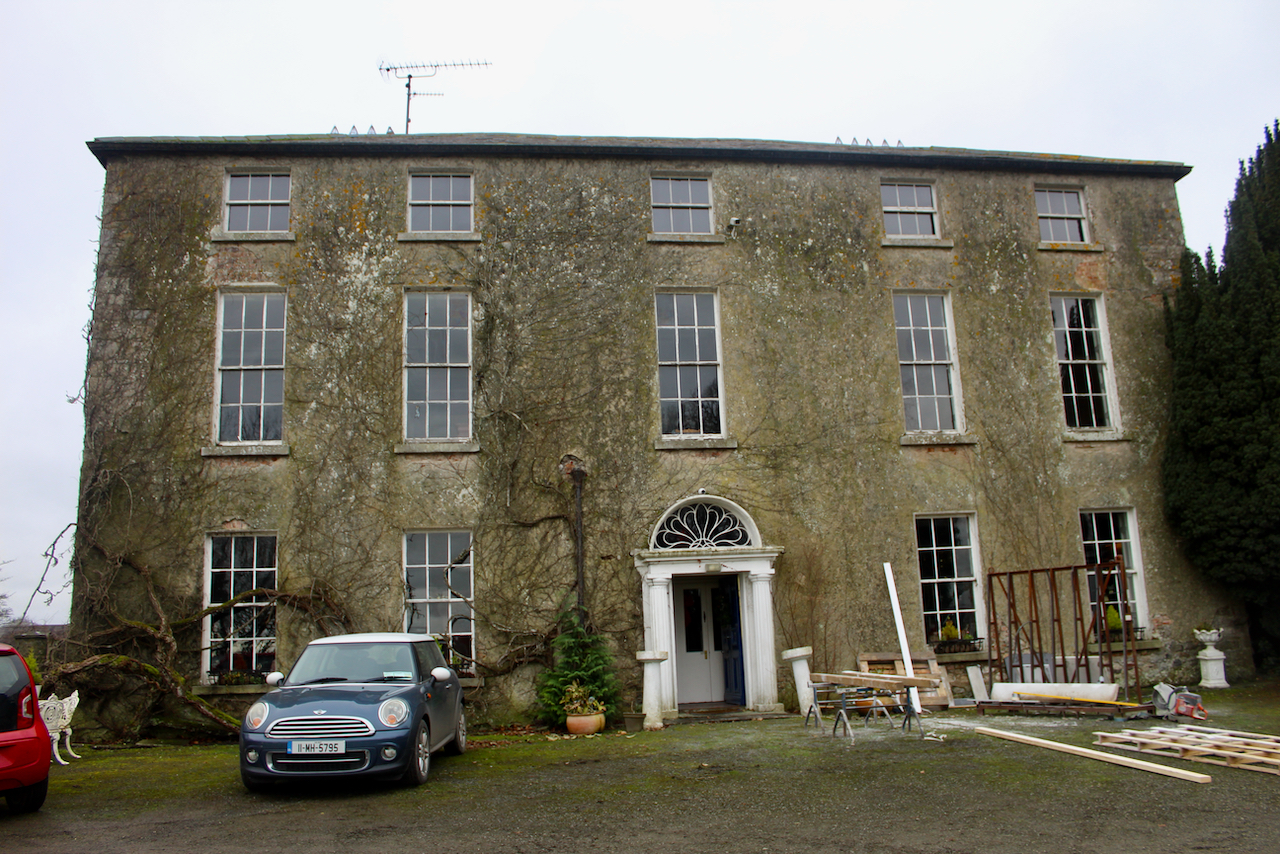
Stephen and I visited Gravelmount House in December 2023. Christine Casey and Alistair Rowan describe Gravelmount in their The Buildings of Ireland: North Leinster. Penguin Books, London, 1993:
p. 199. “Large three storey, five-bay late Georgian house with a shallow hipped roof and no eaves cornice. Attractive ivy-grown façade, with very long sash windows diminishing abruptly on the top storey. Central fanlit doorcase flanked by freestanding Doric columns supporting an entablature.”
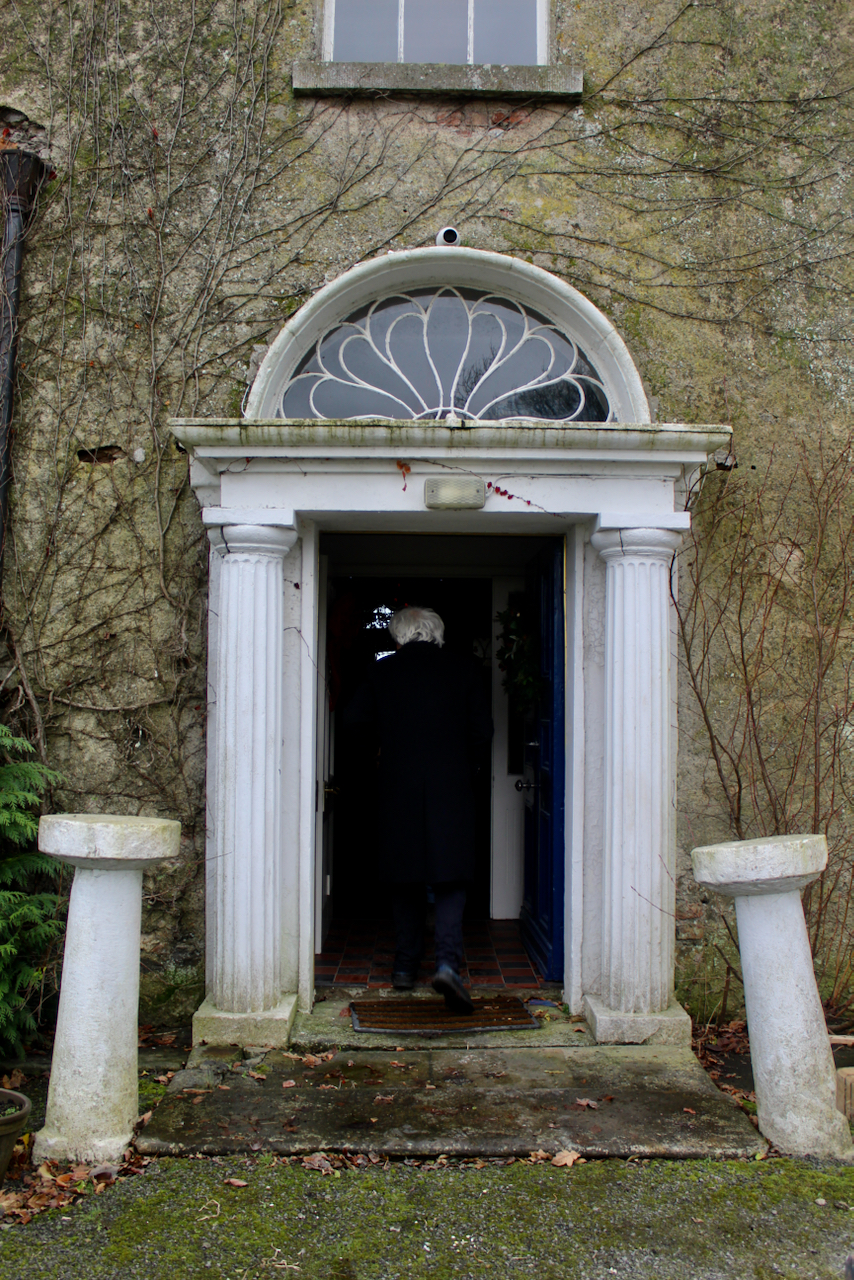
Brian the owner told us it is called “Gravelmount” as it sits on gravel.
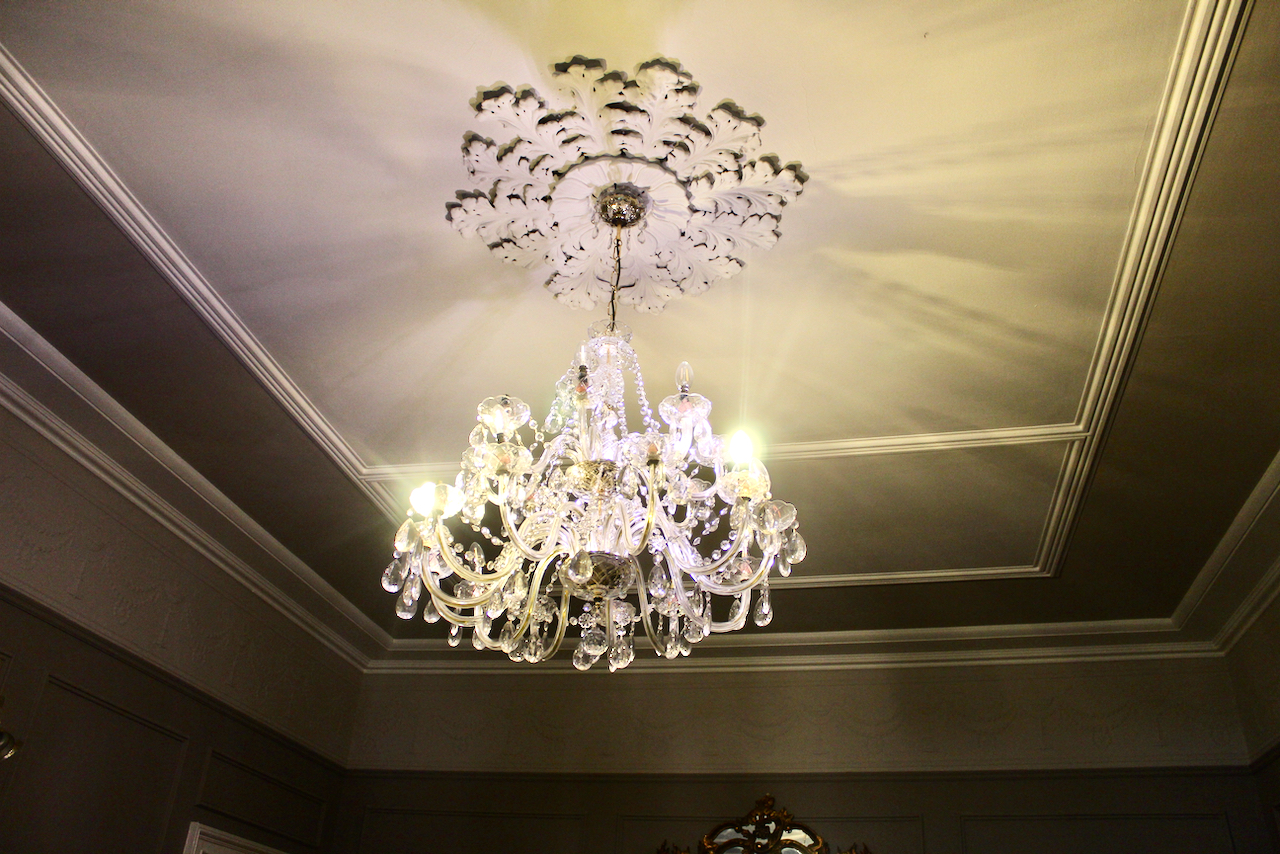
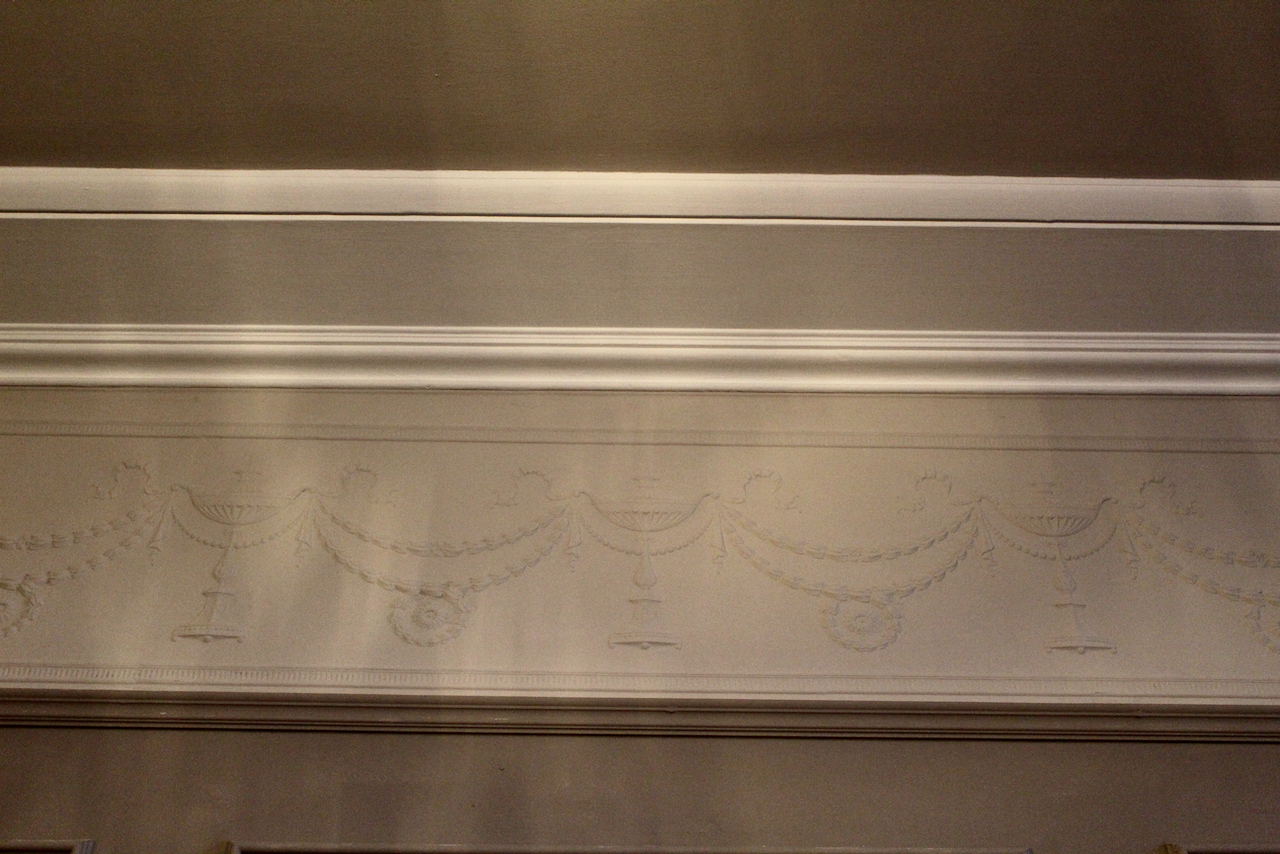
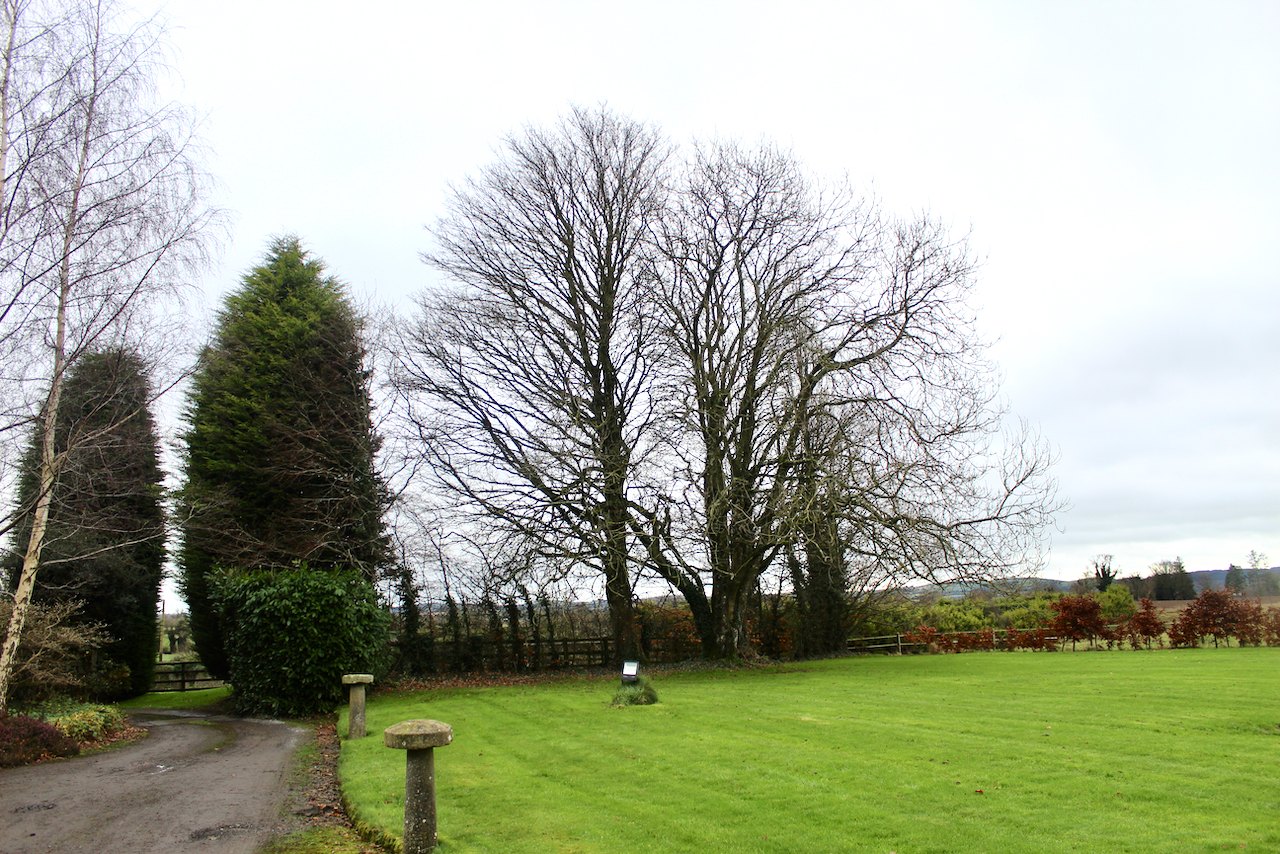
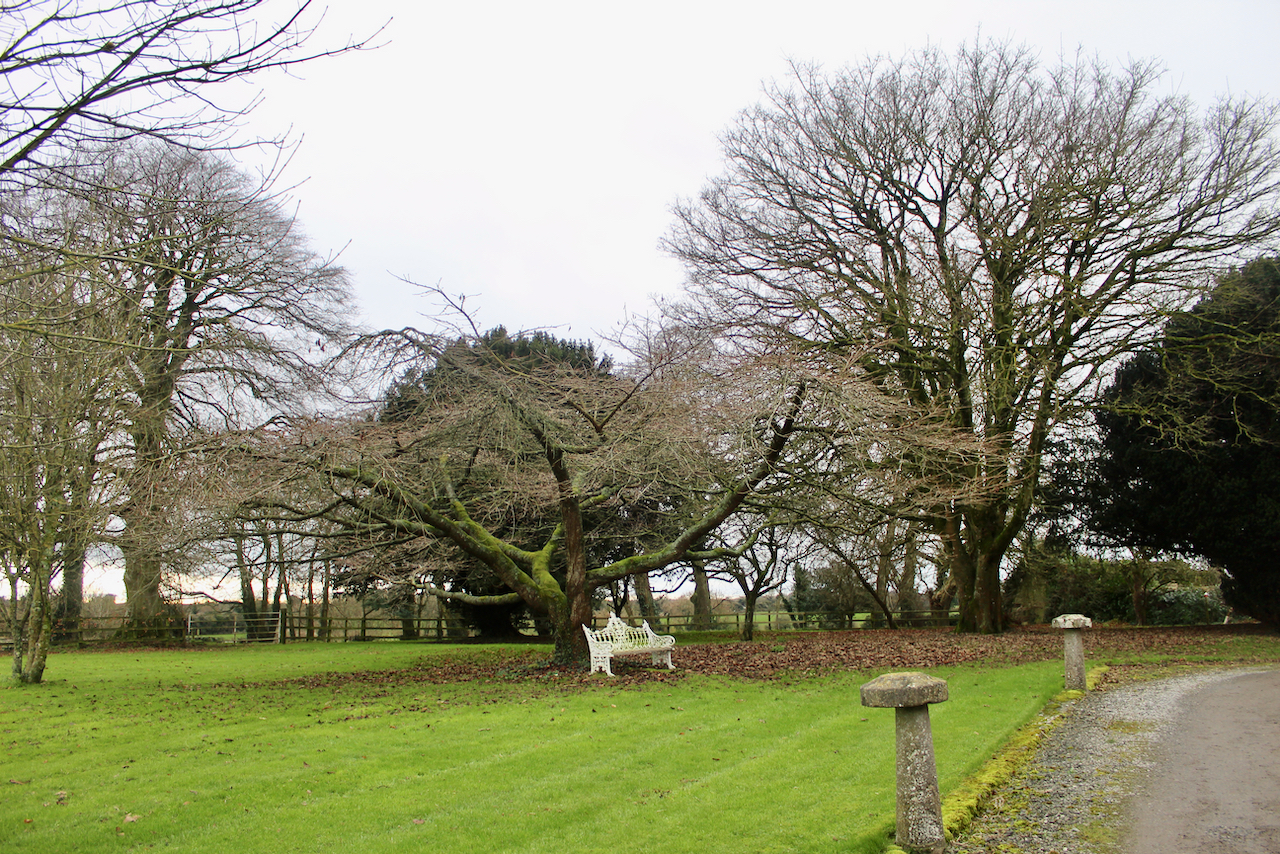
Through the front door, one steps into a spacious hall with an acanthus leaf ceiling rose and frieze of urns, swags and drapery. The hall was festooned with generous Christmas decorations. Current owners the McKennas purchased the property in 2004, and the thirty acres includes an Equestrian centre which runs an Ability Therapy school for children with special needs.

Gravelmount was built in around 1780, Brian told us, for the Weldon family. William Weldon, Barrister, of Gravelmount, married Elizabeth (d. 1761), daughter of Nicholas Browne, 2nd Viscount and 4th Baronet of Kenmare, County Kerry.
William’s son Nicholas married Lucy Gorges, widow of William St. Lawrence, 14th Baron Howth. She was the daughter of Richard Gorges (d. 1728) of Kilbrew, County Meath and Nichola Sophia Hamilton (1666-1713). William’s daughter Helen became the third wife of John Nugent, heir to the title Earl Nugent of Westmeath in 1748. [1]
Lucy was friendly with Jonathan Swift, and he called her his “blue eyed nymph.” [2] In order to marry the Catholic Nicholas Weldon, Lucy had to obtain a royal pardon, in order to maintain her property rights. [3]
Nicholas Weldon and Lucy had a son William. The Meath website tells us that on 30 April 1776 William Weldon renounced the Catholic Church and became a Protestant at the parish church of St. Peters. He married Isabella Rose Fleming and secondly, Lucy Cuffe, daughter of John, 2nd Baron Desart of County Kilkenny. William died after 1802. His son John Hamilton Weldon (d. 1837) held Gravelmount in 1812 and also had a city residence at 42 Lower Gardiner Street, Dublin. [see 1]
In the 1830s the house belonged to the Rev. R. Longfield and was occupied by John O’Connor. In 1837 it was described as a spacious and handsome house with the demesne comprising about 160 statute acres and the grounds were tastefully laid out. John O’Connor inherited an estate at nearby Ardlonan. O’Connor, son of Rev. George O’Connor of Castleknock, was a graduate of Trinity College and bred horses at Gravelmount. [see 1]
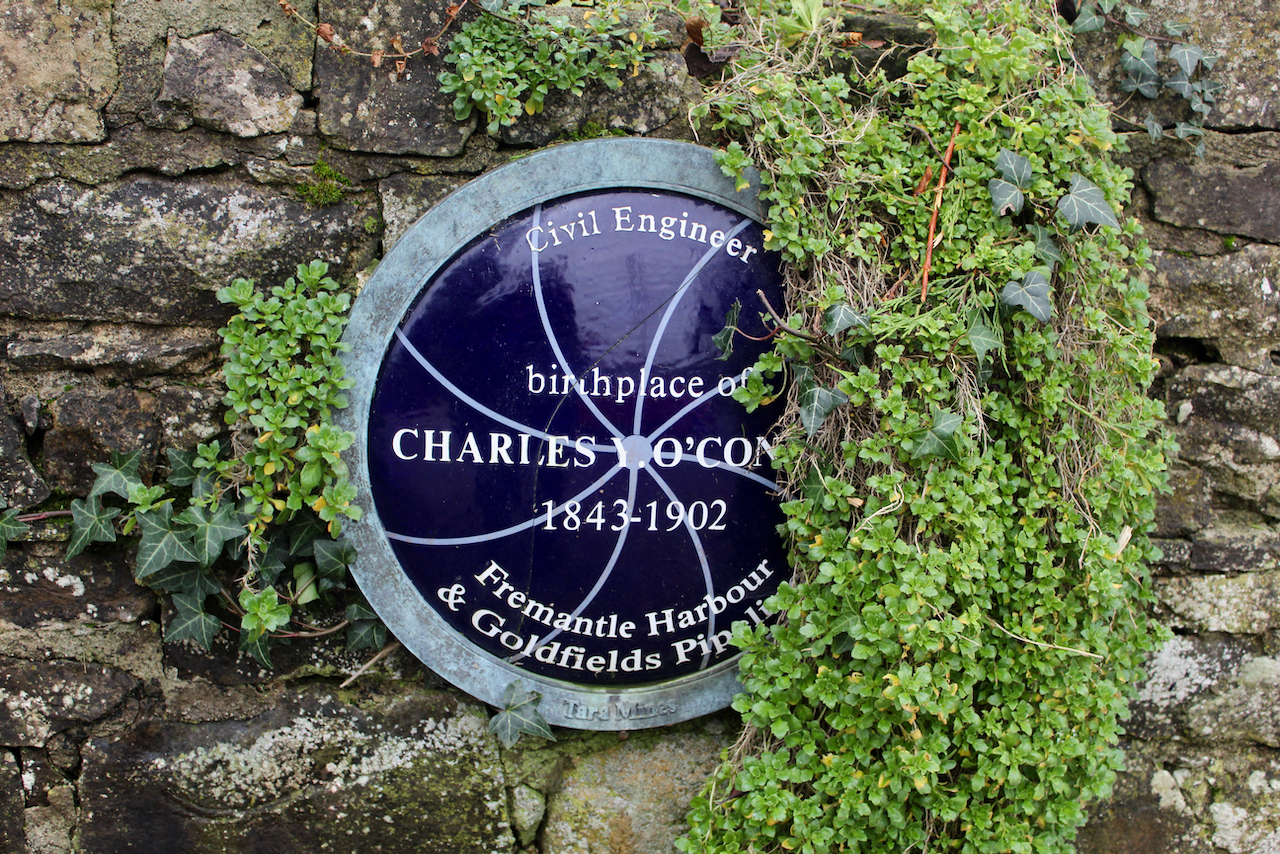
The most famous inhabitant of Gravelmount was John’s son Charles Yelverton O’Connor, an engineer who emigrated to Australia and constructed Fremantle harbour in Western Australia and a water pipeline to the gold fields, from Perth to Kalgoorlie, 330 miles. A plaque by the front gate honours him. There was a ceremony when the plaque was revealed in the presence of the Australian ambassador.
The house changed hands a few times until the current owners.
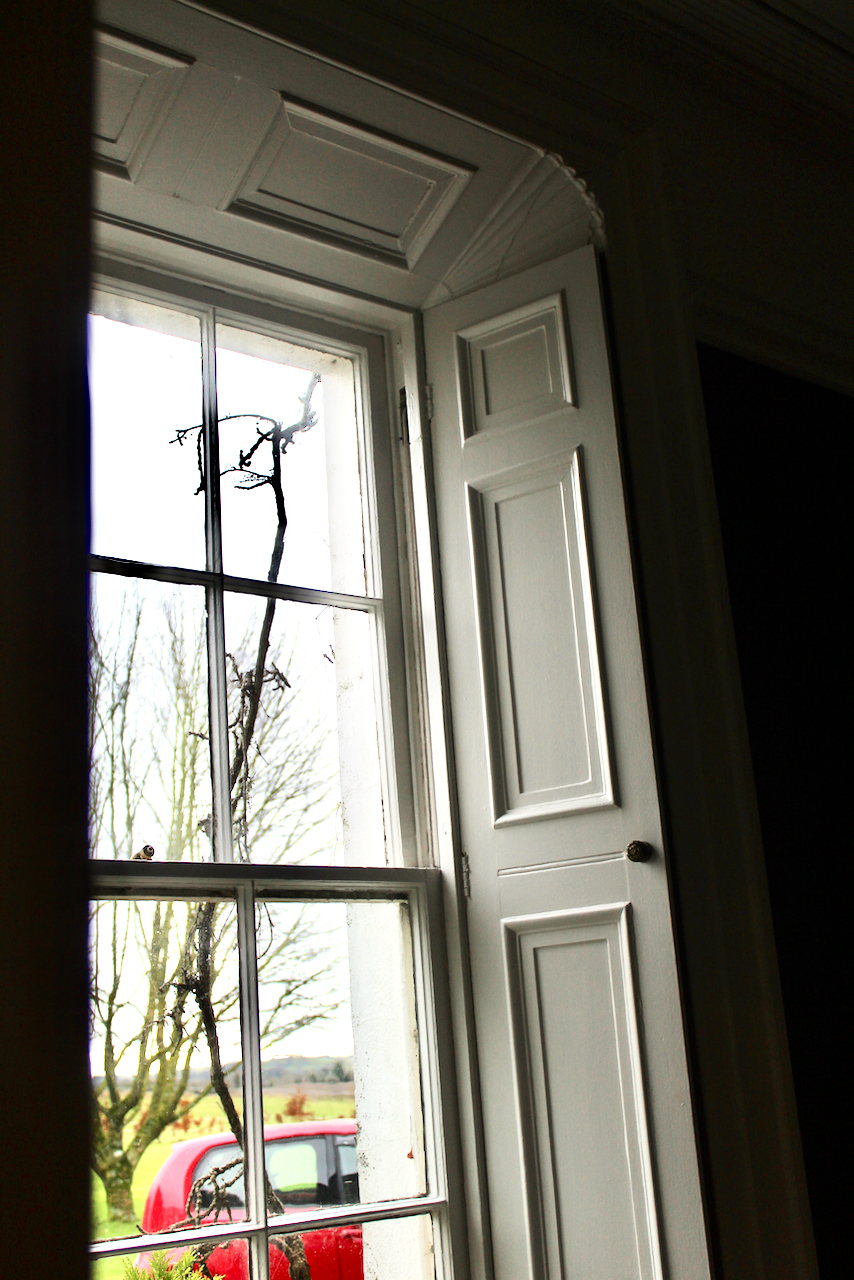
The current owners have not yet fixed up the top floor so they live on the first two storeys. We went through the drawing room and dining room and into the morning room which is south facing and still has its original fireplace.
The stairs are lit by a large window, and below the stairs is a lovely stained glass window.
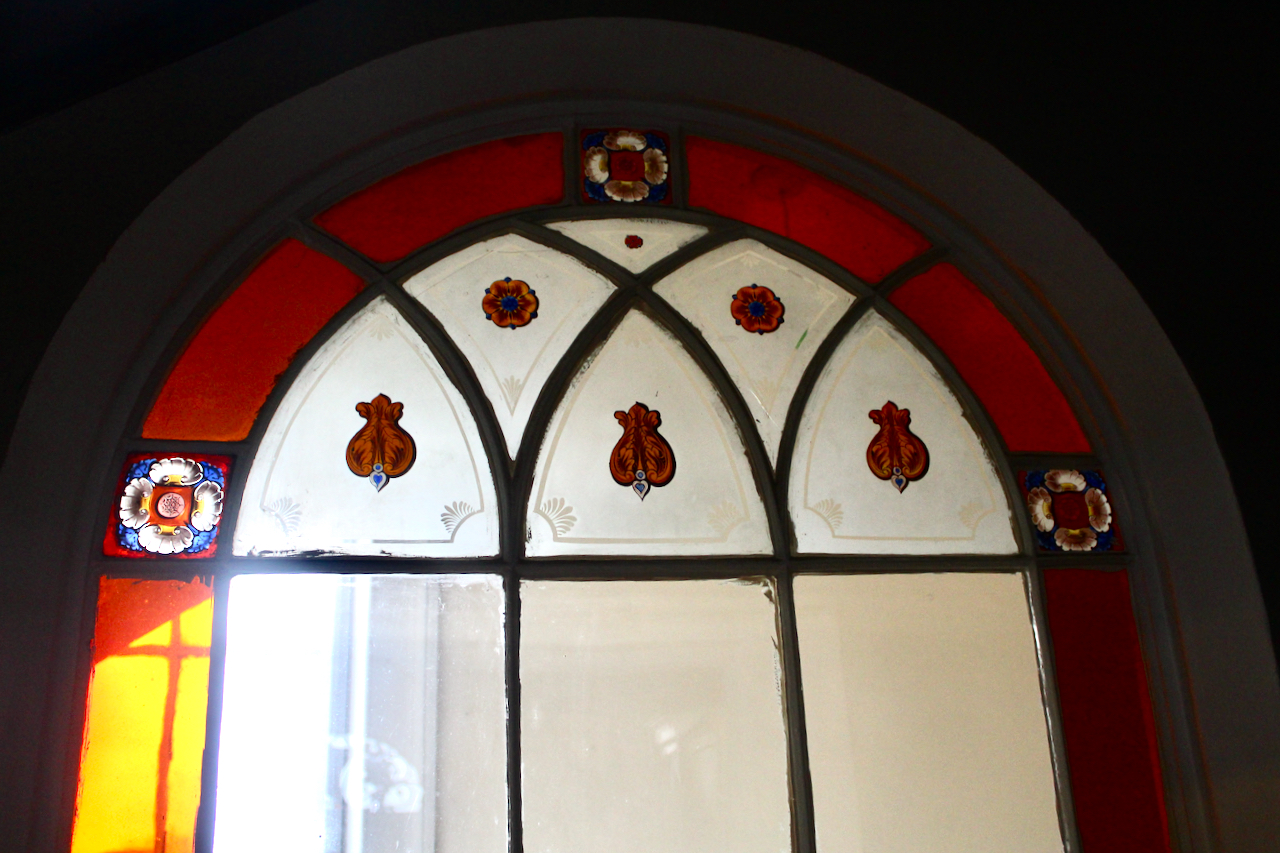
The owners added panelling to the hall and morning room. Brian then took us down to the basement, where it still has its original wine cellar, and a vaulted ceiling. A door in the basement leads out to a yard.

[2] Ball, F. Elrington History of Dublin Vol. 5 “Howth and its Owners” University Press Dublin 1917 pp. 135-40.
[3] “Pardon of George II to Lucy Lady Dowager Howth in respect of rents imperilled through her marriage to Nicholas Weldon, a papist” 13 December 1751 National Library of Ireland.
 Irish Historic Houses
Good one The Nugents extended far and beyond They once owned our ancestral home Ballinakill & Donore Multyfarnham Co Westmeath
Have you done anything on the Bomfords of Meath and Westmeath
Desmond
LikeLike
No, I haven’t done work on the Bomfords yet. Thank you for the feedback. Best wishes, Jennifer.
LikeLike
Hello Mrs Winder-Baggot:
I’ve been working on the pedigree of the Weldon family of Gravelmount House for over a decade, and so read your article on their old seat’s architecture and aspects of their family history with interest.
The name of the town it’s near is actually Castletown Kilpatrick rather than Castletown, Kilpatrick.
The man who acquired the house was the Rev. Robert Longfield rather than Langfield. That’s an error derived from Noel E. French’s account of the house.
John Hamilton Weldon lost whatever fortune his family had once had and the house was first auctioned off by Chancery Order in 1822. It was finally sold in 1833. Meanwhile J. H. Weldon was twice committed to debtor’s prison: first by his lawyer, William Collins, gent., of Dublin, and later by Sir J.C. Coghill, on 30 May 1831. He was still imprisoned for debt when he died in Kilmainham prison on 26 Nov. 1837. He was buried in Mount Jerome cemetery, Dublin, on the 28 Dec. following. He shares a larger family burial plot with various Weldon and Mackintosh kin.
For more on this please contact me directly.
Thank you,
Richard
LikeLike
Thank you Richard, I will make those corrections. That’s very sad about John Hamilton Weldon. Thank you for contacting me!
LikeLike