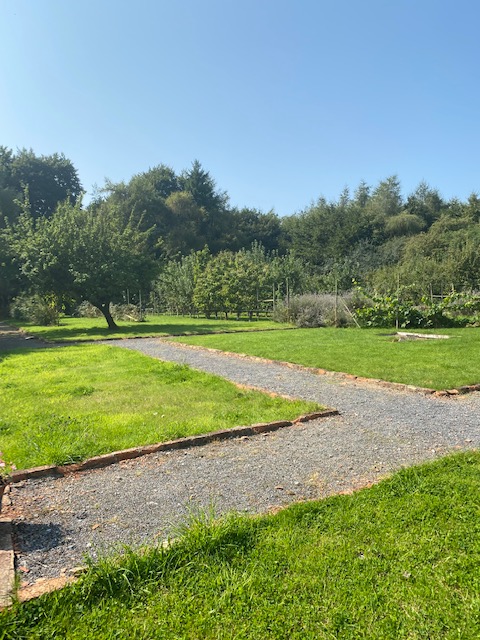
Office of Public Work sites in Munster: Counties Clare and Limerick

Munster’s counties are Clare, Cork, Kerry, Limerick, Tipperary and Waterford.

I have noticed that an inordinate amount of OPW sites are closed ever since Covid restrictions, if not even before that (as in Emo, which seems to be perpetually closed) [these sites are marked in orange here]. I must write to our Minister for Culture and Heritage to complain.

Clare:

1. Ennis Friary, County Clare

2. Scattery Island, County Clare

Limerick:

3. Askeaton Castle, County Limerick

4. Desmond Castle, Adare, County Limerick

5. Desmond Banqueting Hall, Newcastlewest, County Limerick

6. Lough Gur, County Limerick

donation

Help me to pay the entrance fee to one of the houses on this website. This site is created purely out of love for the subject and I receive no payment so any donation is appreciated!

€15.00

Clare:

1. Ennis Friary, Abbey Street, Ennis, County Clare:
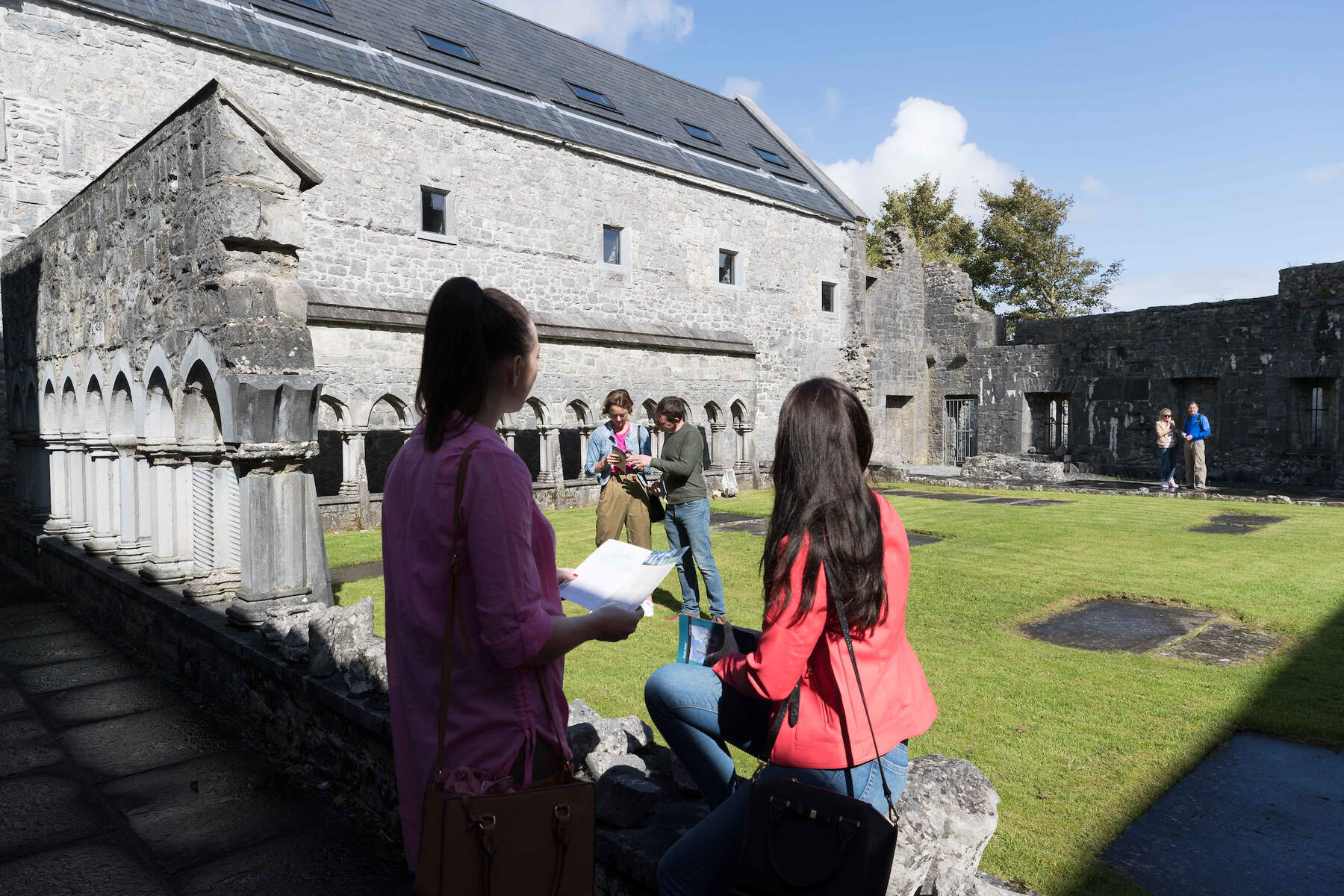
Ennis Friary, photograph from Ireland’s Content Pool, Photograph by Eamon Ward 2020 for Failte Ireland. [1]

General Enquiries: 065 682 9100, ennisfriary@opw.ie

From the OPW website https://heritageireland.ie/visit/places-to-visit/ennis-friary/:

The O’Briens of Thomond, who once ruled much of north Munster, founded this medieval Franciscan friary. It grew quickly into a huge foundation, with 350 friars and a famed school of 600 pupils by 1375. It was the very last school of Catholic theology to survive the Reformation.

The building contains an exceptional wealth of fifteenth- and sixteenth-century sculptures carved in the local hard limestone, including one of St Francis himself displaying the stigmata. An arch between the nave and transept bears a remarkable image of Christ with his hands bound.

Don’t forget to visit the sacristy, an impressive structure with a ribbed, barrel-vaulted ceiling. Take especial note of the beautiful east window, with its five lancets, as it lights up the chancel.” [2]

Ennis Friary, photograph from Ireland’s Content Pool, Photograph by Eamon Ward 2020 for Failte Ireland. [see 1]

2. Scattery Island, County Clare:

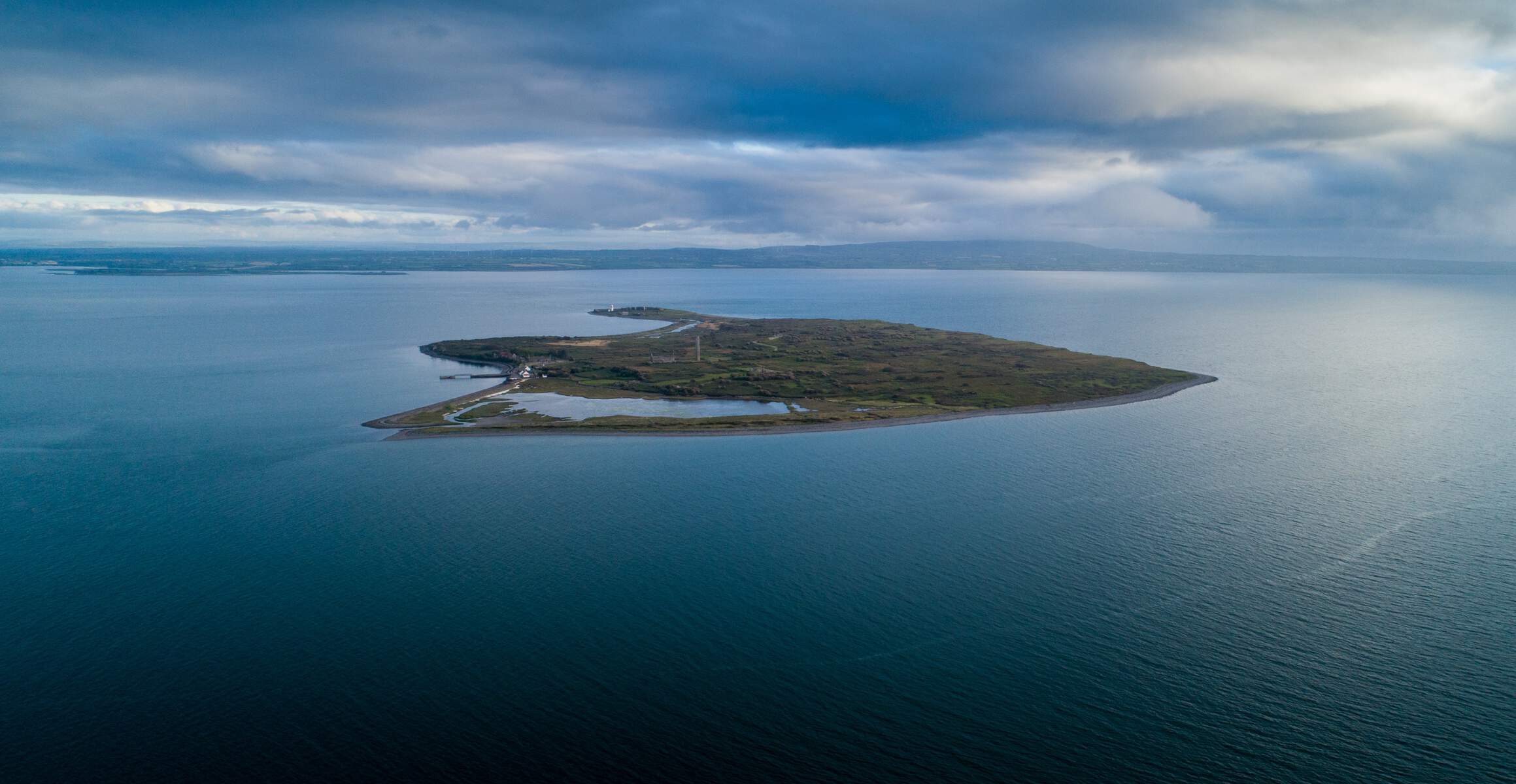
Scattery Island, lies just off Kilrush, on the Shannon Estuary, in County Clare. It is the site of an early Christian settlement founded by St Senan, who built his monastery in the early sixth century. A short boat trip from Kilrush will take you to the island, where you can explore its multi-layered, 1,500-year history including its round tower and six ruined churches. Photograph from Ireland’s Content Pool, by Airswing Media for Failte Ireland. [see 1]

General Information: 087 995 8427, scatteryisland@opw.ie

From the OPW website https://heritageireland.ie/visit/places-to-visit/scattery-island-centre/:

Off the northern bank of the Shannon Estuary lies Scattery Island, the site of an early Christian settlement founded by an extraordinary man.

St Senan, who was born in the area, built his monastery in the early sixth century. It included a mighty round tower, which at 36 metres is one of the tallest in Ireland.

There are six ruined churches on the site too. The Church of the Hill stands on a high spot, the very place where, legend has it, an angel placed Senan so that he could find – and then banish – the terrible sea-monster called the Cathach. It is believed that Senan is buried beside another of the medieval churches.

Scattery was invaded many times over the centuries. The Vikings in particular believed that the monastery held many riches and returned several times to ravage it.

A short boat trip will take you to the island, where you can explore its multi-layered, 1,500-year history.

Limerick:

3. Askeaton Castle, County Limerick:

General information: 087 113 9670, askeatoncastle@opw.ie

From the OPW website https://heritageireland.ie/visit/places-to-visit/askeaton-castle/:

“In the very heart of this County Limerick town stand the impressive remains of a medieval fortress. Askeaton Castle dates from 1199, when William de Burgo built it on a rock in the River Deel.

Over the centuries, the castle proved itself key to the history of Munster. It was the power base of the earls of Desmond after 1348. In 1579 it held out against the English general Sir Nicholas Malby, an incident that helped spark the second Desmond Rebellion.

The banqueting hall is one of the finest medieval secular buildings in Ireland. The tower is partly ruined, but some fine windows and an exquisite medieval fireplace have remained.

The early eighteenth-century building nearby was used as a Hellfire Club. These clubs were rumoured to be dens of excess in which wealthy gentlemen indulged in drink, mock ritual and other nefarious activities.

The Fitzgeralds, Earls of Desmond, held the castle for over 200 years and ruled Munster from it.

4. Desmond Castle, Adare, County Limerick:

General information: 061 396666, info@adareheritagecentre.ie

From the OPW website https://heritageireland.ie/visit/places-to-visit/desmond-castle-adare/:
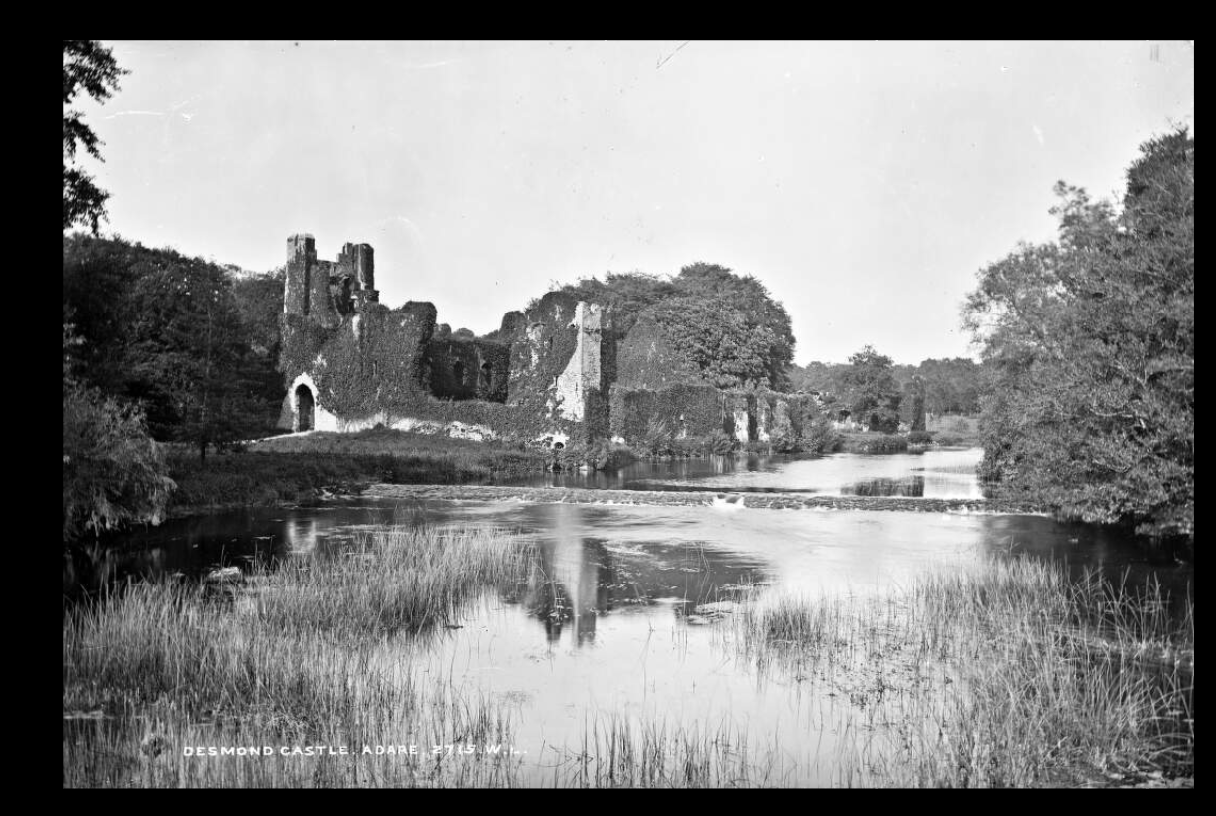
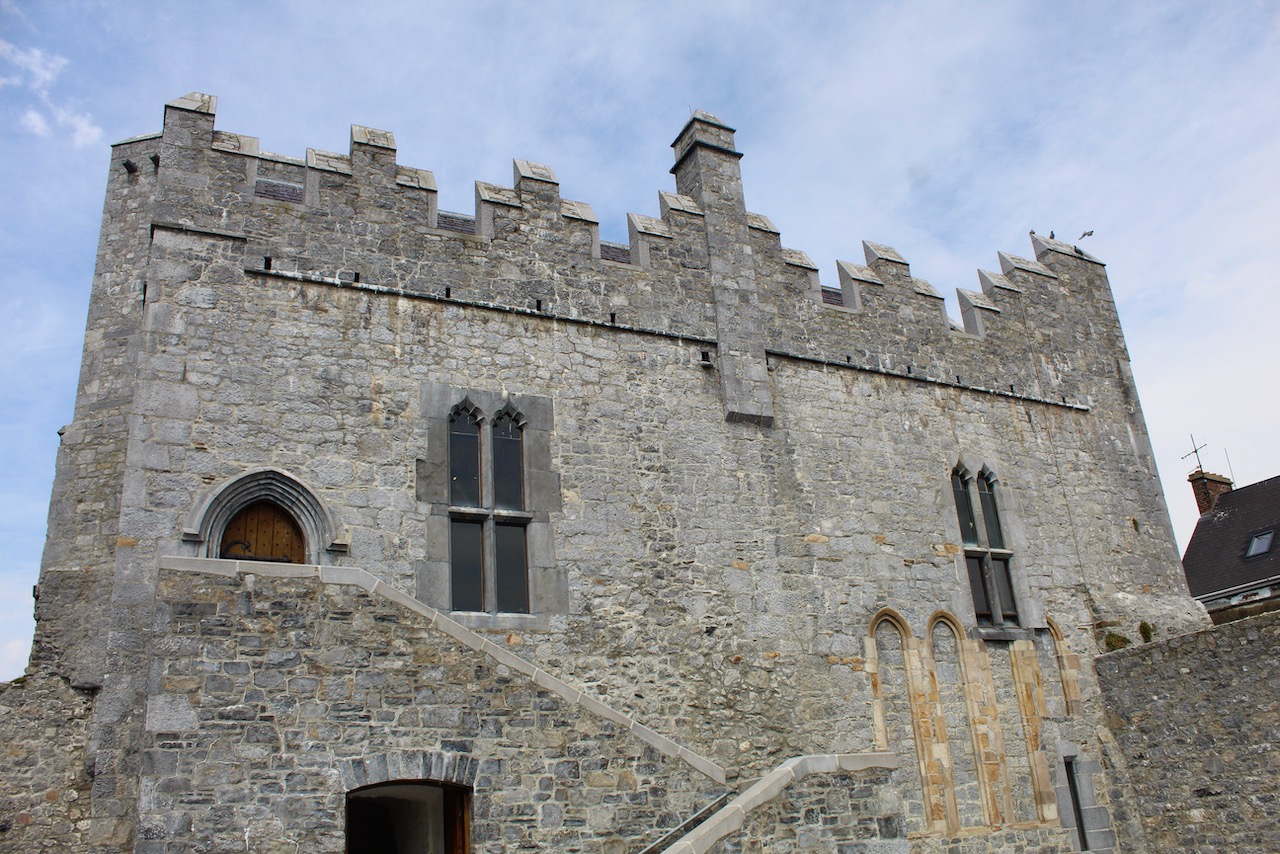
Desmond Castle Adare, Co Limerick, Lawrence Photographic Collection National Library of Ireland, by Robert French.

Desmond Castle Adare epitomises the medieval fortified castle in Ireland. It is strategically situated on the banks of the River Maigue, from where its lords could control any traffic heading to or from the Shannon Estuary.

The castle was built for strength and security. A formidable square keep forms its core; the keep stands within a walled ward surrounded by a moat.

Desmond Castle Adare changed hands several times before becoming a key bastion of the earls of Desmond in the sixteenth century. During the Second Desmond Rebellion, however, it fell to the English after a bloody siege. Cromwellian forces laid waste to the building in 1657, although restorers have since helped to recall its former glory.

Guided tours are now available for anyone who wants to walk in the footsteps of the FitzGeralds and experience their courageous spirit.

This castle belonged to the Earls of Kildare for nearly 300 years until the rebellion in 1536, when it was forfeited and granted to the Earls of Desmond who gave the castle its present name.

5. Desmond Banqueting Hall, Newcastlewest, County Limerick:

General information: 069 77408, desmondhall@opw.ie

Desmond Hall, north facade. Most of what we see today dates from the 15th century. The Desmond Hall consists of a two storey hall over a vault, with tower. It fell into disrepair and was renovated in the 19th century. Photograph © Jennifer Winder-Baggot, www.irishhistorichouses.com

See my entry https://irishhistorichouses.com/2024/12/03/desmond-banqueting-hall-newcastlewest-county-limerick/

From the OPW website https://heritageireland.ie/visit/places-to-visit/desmond-castle-newcastlewest/:

Many of Ireland’s surviving medieval halls are in west Limerick. The Desmond Banqueting Hall in Newcastle West is one of the most impressive among them.

It was begun in the thirteenth century by Thomas ‘the Ape’ FitzGerald, so named because of the story that an ape took him from his cradle to the top of Tralee Castle – and delivered him safely back again.

However, most of the spacious, imposing structure was created in the fifteenth century, at the height of the Desmond earls’ power, and used as a venue for frequent and lavish banquets.

The oak gallery, from which musicians would provide a raucous soundtrack for the revelry below, has been fully restored.

The Desmond hall shows more than one phase of development. Embedded in the exterior of the south wall are vestiges of four early thirteenth century sandstone lancet windows. Photograph © Jennifer Winder-Baggot, www.irishhistorichouses.com
James Fitzgerald the 7th Earl of Desmond is credited with making extensive repairs to the castle complex between 1440 and 1460, including converting what was probably the 13th century chapel into the large and elaborate banqueting hall we see today. Photograph © Jennifer Winder-Baggot, www.irishhistorichouses.com

6. Lough Gur, County Limerick:

Lough Gur, photograph from Ireland’s Content pool, by Ken Williams 2021 for Failte Ireland. [see 1]

The Irish Homes and Gardens website tells us that Ireland’s first settlers arrived around 8000BC. The introduction of farming in 4000BC saw a move to a more settled lifestyle and the building of farmsteads, with both circular and rectangular house styles being used. The first rectangular house and the largest concentration of Neolithic structures were found in Lough Gur dating back to 3500BC.

Although none of these houses remain, the lasting legacy from this period on the Irish landscape is the megalithic tomb: the Dolmen or Portal tomb with its huge capstone or lintel, balanced on smaller stones and the Passage tombs, with their dry-stone passages leading to corbelled ceilings (circular layers of flattish stones closed with a single stone at the top). [ https://www.irishhomesandgardens.ie/irish-architecture-history-part-1/ ]

From the OPW website https://heritageireland.ie/visit/places-to-visit/lough-gur/:

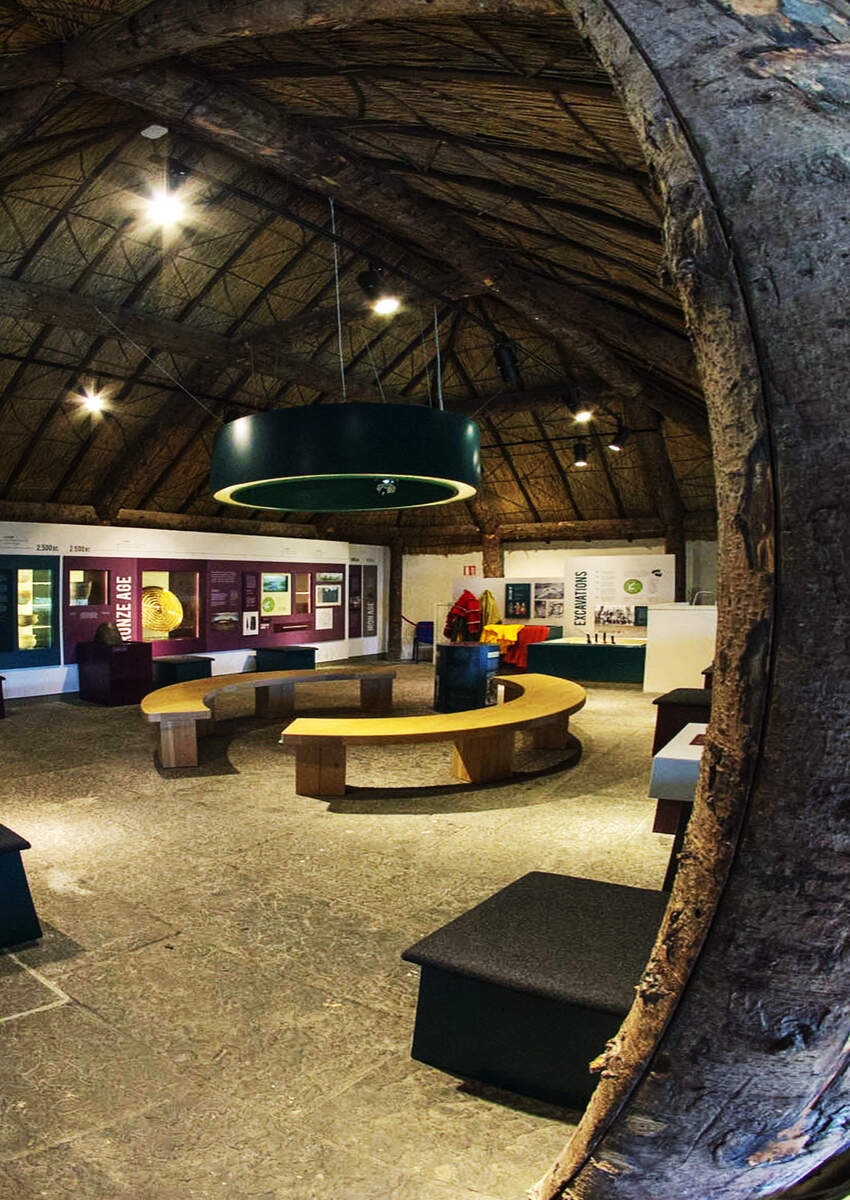
Lough Gur is a site of international significance due to the area’s rich archaeology and environment. It is home to Ireland’s oldest and largest stone circle and the only natural lake of significance in South East Limerick. Lough Gur also has an abundance of ancient monuments in State care with a reported 2,000 archaeological monuments in a 5km radius. Visitors to Lough Gur Lakeshore Park will find a hillside visitor centre where you can take part in a guided or self guided tour of the exhibition. There is also an option to take a full outdoor guided tour of the archaeological monuments. Tours are tailor made and can range from 30 minutes to 3 hours. The Lakeshore Park and tours are run by Lough Gur Development Group.

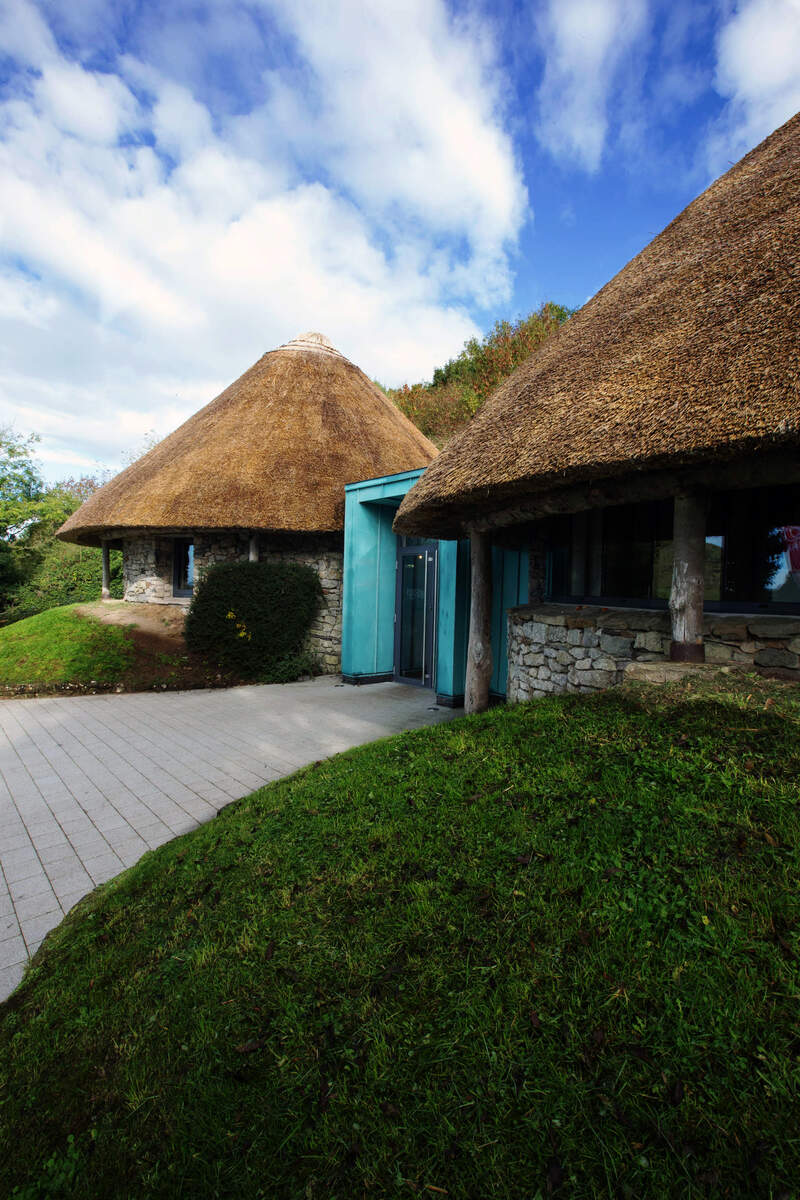
Lough Gur Visitor Centre, photograph from Ireland’s Content pool, by Keith Wiseman 2013 for Failte Ireland. [see 1]

[1] https://www.irelandscontentpool.com/en

[2] https://heritageireland.ie/visit/places-to-visit/

Text © Jennifer Winder-Baggot, www.irishhistorichouses.com
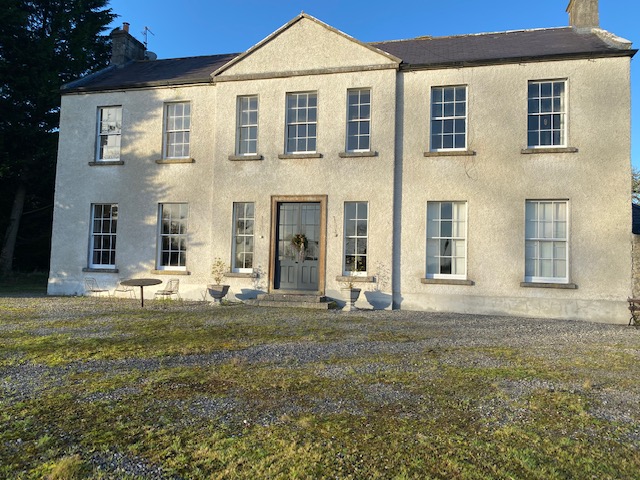
Springfield House, Mount Lucas, Daingean, Tullamore, Co. Offaly R35 NF89 – section 482

www.springfieldhouse.ie

Open dates in 2026: Jan 23-25, Feb 13-15, Mar 7-8, 21-22, Apr 18-19, 25-26, May 16-17, June 6-7, 20-21, 27-28, July 4-5, 11-12, 18-19, Aug 1-23, Sept 28-30, Oct 1-4, 31, Nov 1, 2pm-6pm

Fee: Free

Springfield House, photograph courtesy of Muireann Noonan.
 

Owners Muireann and Tony, who purchased Springfield in 2005, were kind enough to let us visit their home in January 2022, when Covid was still going strong. I was intrigued to see it as the National Inventory of Architectural Heritage dates its building to around 1750 [1]!

It was not the “big house” of an estate but is related to the nearby Mount Lucas estate, whose house, unfortunately, is there no longer.

The main entrance is closed off so one enters into the yard through some outbuildings, with a lovely old arch. This leads into a yard and the door into the kitchen area.

The main entrance is closed off so one enters into the yard through some outbuildings, with a lovely old arch. Photograph © Jennifer Winder-Baggot, www.irishhistorichouses.com
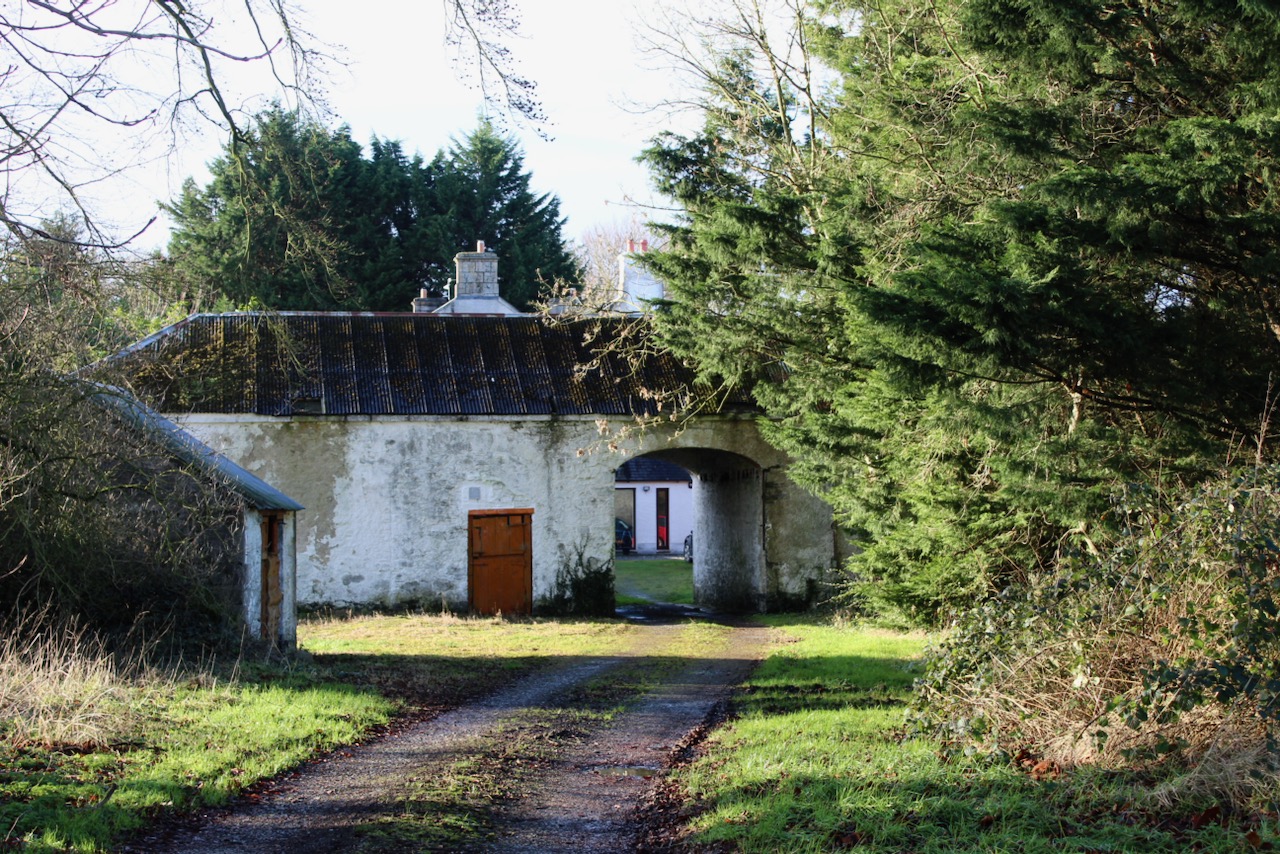
The main entrance is closed off so one enters into the yard through some outbuildings, with a lovely old arch. Photograph © Jennifer Winder-Baggot, http://www.irishhistorichouses.com
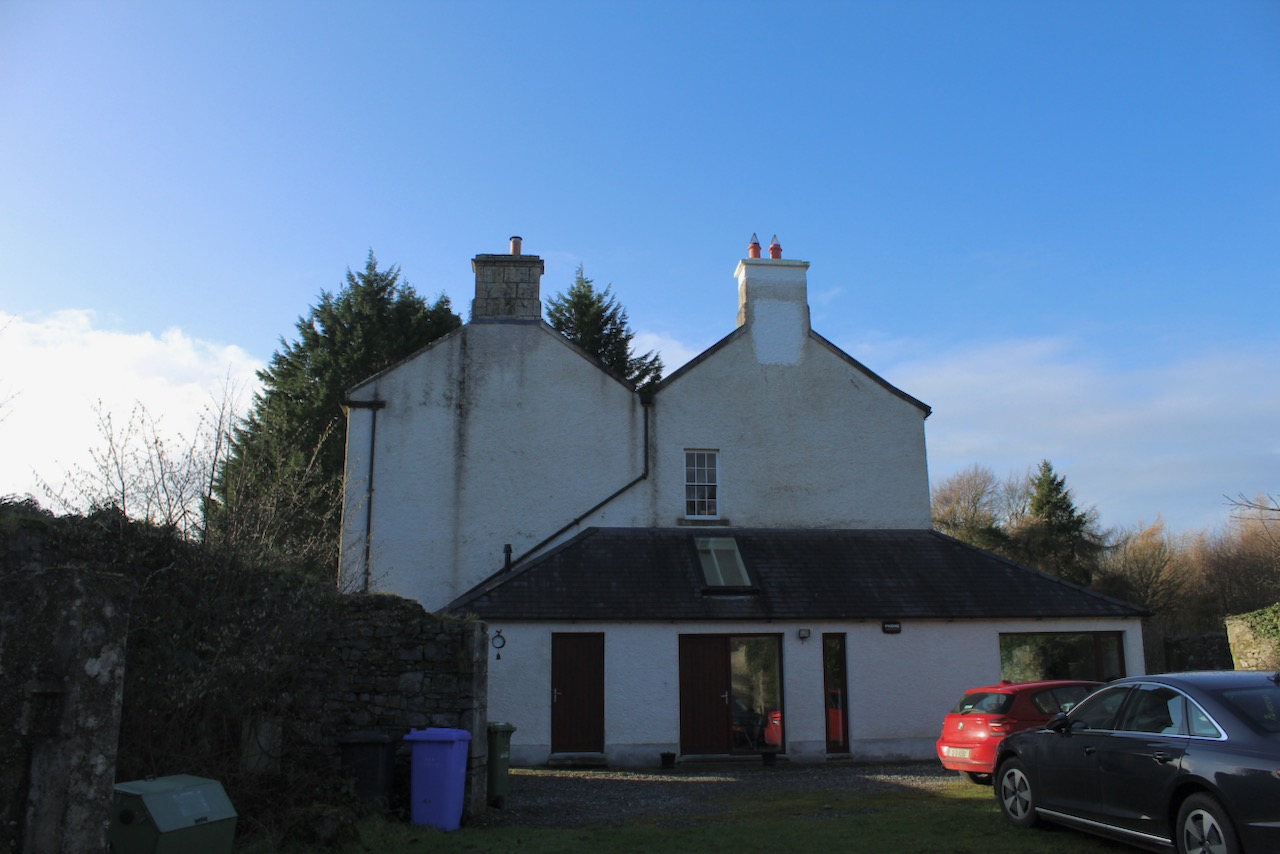
The current entrance, which leads in to the kitchen and overlooks the outbuildings. Each end of the house has two gables. Photograph © Jennifer Winder-Baggot, www.irishhistorichouses.com
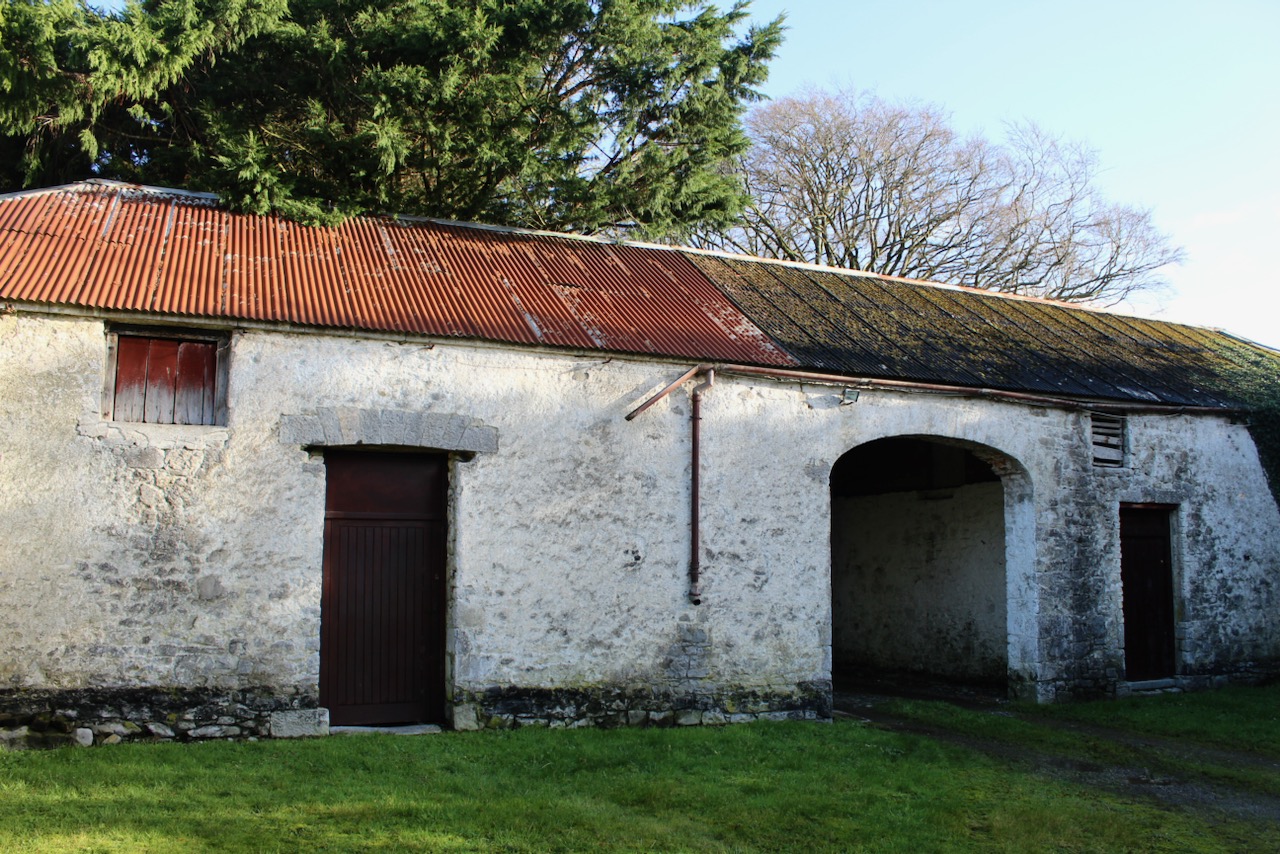
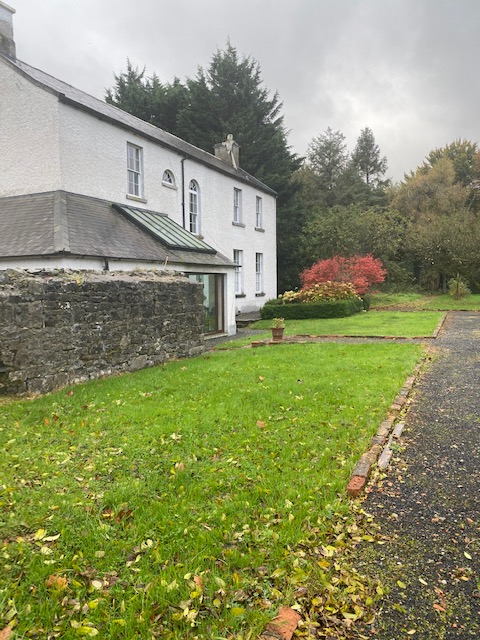
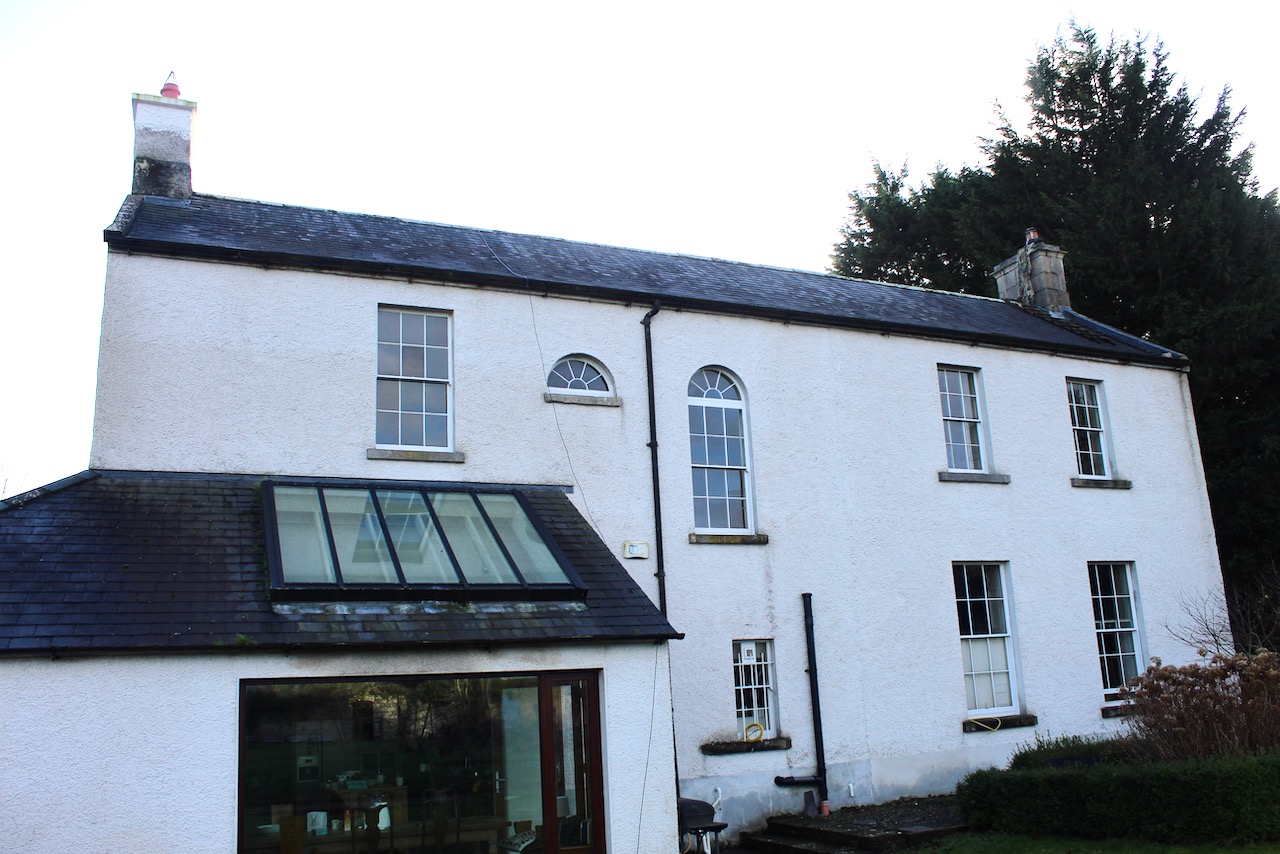
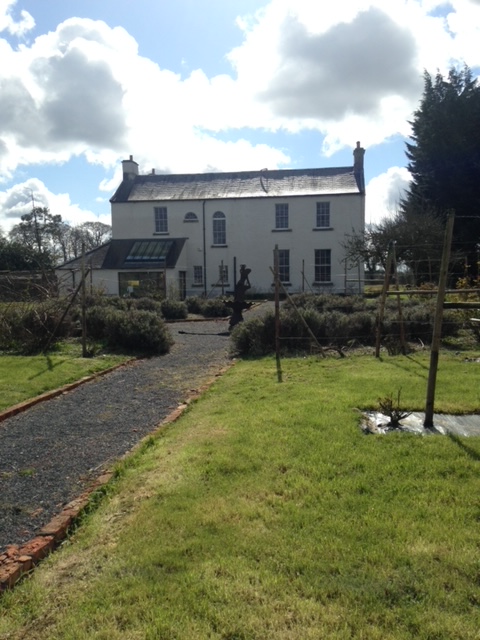
The garden front, Springfield. The extension, rebuilt but part of which existed on the same footprint, contains the kitchen. Photograph © Jennifer Winder-Baggot, www.irishhistorichouses.com
The house is of seven bays and two storeys, with outbuildings to the east and with the remains of a walled garden to the north. We walked through the house from the kitchen to go out the front door, which is no longer used as the front door as the old drive to the house is no longer used.

Springfield. Photograph © Jennifer Winder-Baggot, www.irishhistorichouses.com
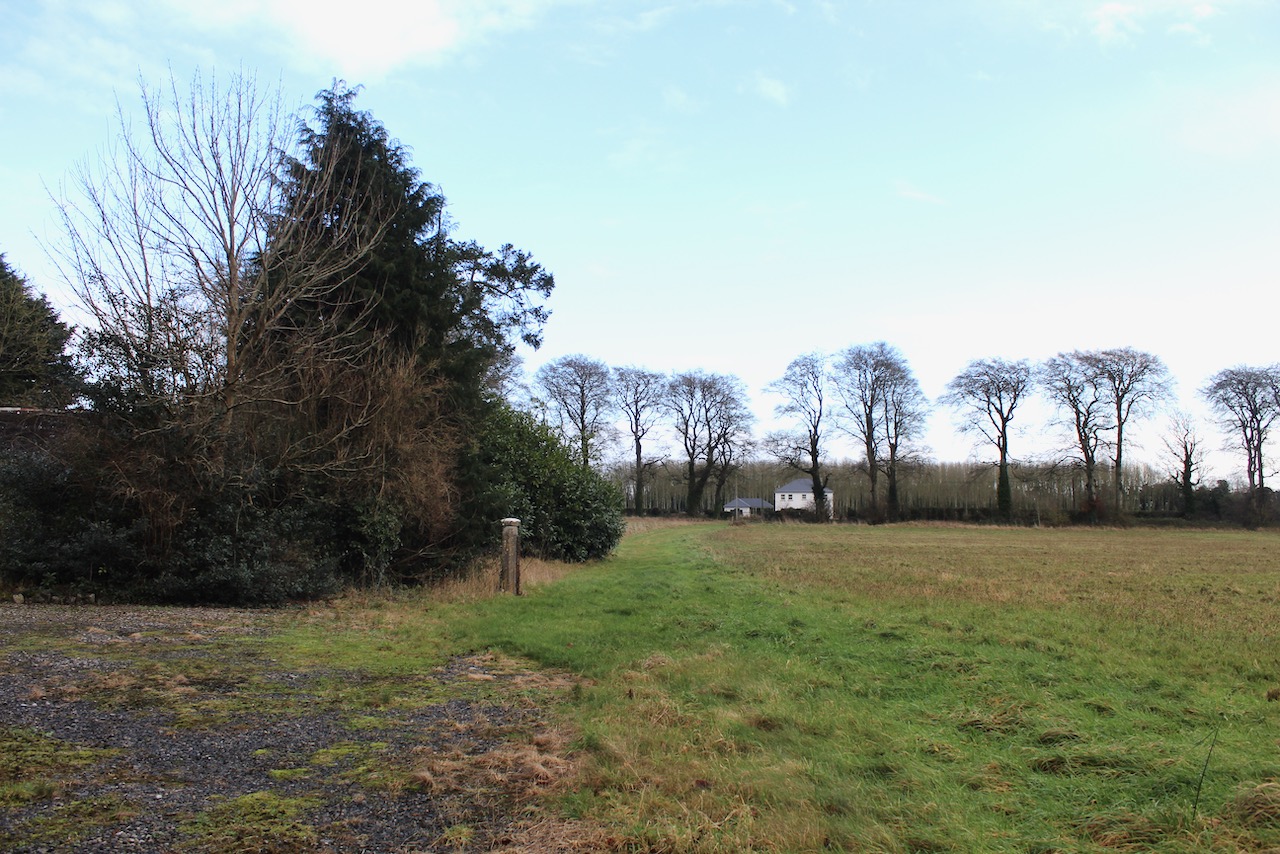
Old drive of the house, leading to the front door, which runs along the side of the trees, beyond the stone pier. The front field is “the lawn.” Photograph © Jennifer Winder-Baggot, www.irishhistorichouses.com
I didn’t manage to capture the entire front of the house in a photograph. Photograph © Jennifer Winder-Baggot, www.irishhistorichouses.com
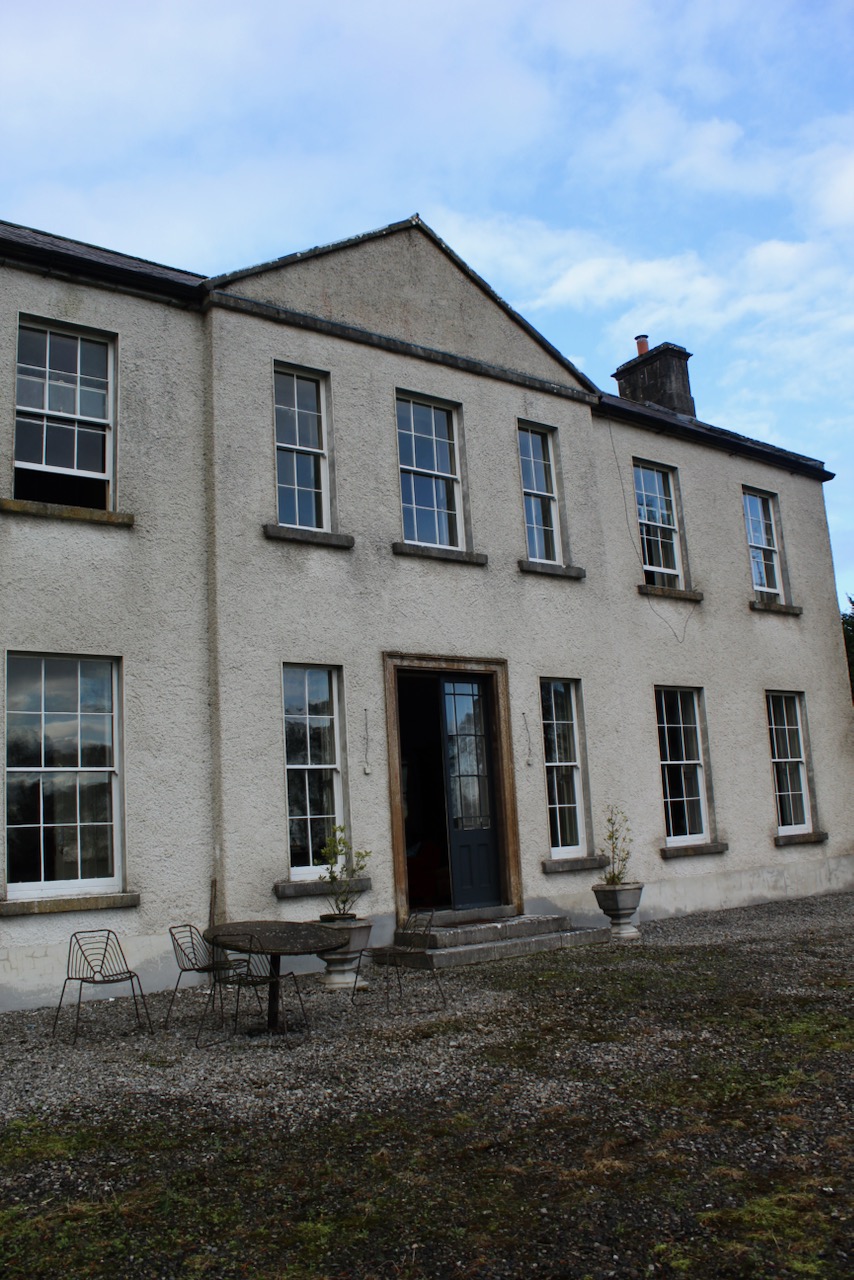
The house has a pedimented breakfront of three bays wide, containing the front door flanked by two narrow windows. The timber sash windows have stone sills. The garden front has a round-headed window that lights the staircase, and next to that, a Diocletian window.

Springfield House, photograph courtesy of Muireann Noonan.

The National Inventory tells us that this country house, situated within extensive grounds, was built for the third son of the Lucas family who lived at the nearby Mount Lucas estate. Andrew Tierney suggests the house was built or rebuilt in 1764 by Samuel Lucas of Mount Lucas (1.2km sw, demolished) for his son, Samuel. [2]

There is an entry in Burke’s Genealogical and Heraldic Dictionary of the Landed Gentry of Great Britain and Ireland about the Lucas family of Mount Lucas. Benjamin Lucas (1704-1774), a Lieutenant Colonel in the army received sometime in the seventeenth century extensive grants of land in the counties of Clare, Limerick, Tipperary and King’s County (Offaly). He was father of Nathaniel Lucas, who married Eleanor Cooke of Cookesborough, County Westmeath. They had several daughters and six sons: Samuel, who died unmarried, John, Samuel, Robert, Cooke and Richard. The second son, John, inherited Mount Lucas. The first Samuel must have died and the next, third, son, must be Samuel, who built the house for his son Samuel. 

The Lucas family lived at Mount Lucas until 1922, when they moved following an attack on the house. At that time Mount Lucas had been occupied by Deborah Elizabeth Ball, daughter of Benjamin Manly Ball and the Mount Lucas heiress Elizabeth Lucas. Deborah lived in  Mount Lucas along with her aunt, Eleanor Lucas. The 1922 attack was traumatic, and Deborah was stripped and tied to a tree. [3]

You can read more about Mount Lucas in the book Mount Lucas a Quiet Hamlet by Kenneth Smyth and Damien Smyth. [4]

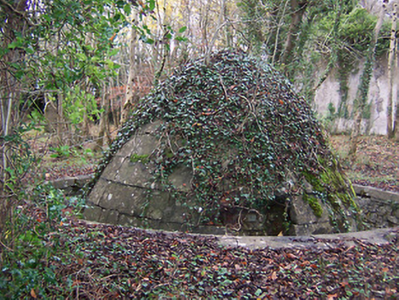
I could not find much information about the Cookes of Cookesborough, County Westmeath, except for stories about a later Cooke of Cookesborough, the eccentric Adolphus (1792-1876)  who believed in reincarnation and that his father or grandfather had come back to life as a turkey-cock, or that his father might come back as a bee which explains the beehive structure of Adolphus’s father’s tomb, built around 1835. [5] Adolphus was the illegitimate son of Robert Cooke of Cookesborough, and since Robert’s sons predeceased him, Adolphus inherited Cookesborough.

Photograph from the National Inventory of Architectural Heritage of Robert Cooke’s Mausoleum, located within the grounds of St. John the Baptist’s Church of Ireland church in the countryside to the southwest of Delvin.

Adolphus thought he himself might be reincarnated as a fox and had massive fox holes/covert built around his estate of Cookesborough, but also created a mausoleum with fireplace and library for himself for after his death in which, however, the local priest refused to bury him and he was instead interred in the beehive structure. [6]

The Springfield website, created by its current owners, tells us that the house was extensively modernised circa 1857 and all the joinery in the principal rooms date from this time, as do the chimneys and stone coping to gables. Andrew Tierney tells us that the house changed hands in 1857. [see 2] The western bays of the rear pile also appear to be an addition of this date. [7] Tony and Muireann showed us different parts of the house which led them to their conclusions. The house had been largely unaltered since the 1857 renovations until the current owners, who have undertaken considerable sensitive renovation and updating. The work included applying new lime render to the walls which were crumbling, and fixing the roof, and also the space under the house. They also lined one chimney – the other hasn’t been done yet as it is filled with a bees nest! – and renovated or replaced timber flooring and modernised and installed new bathrooms.

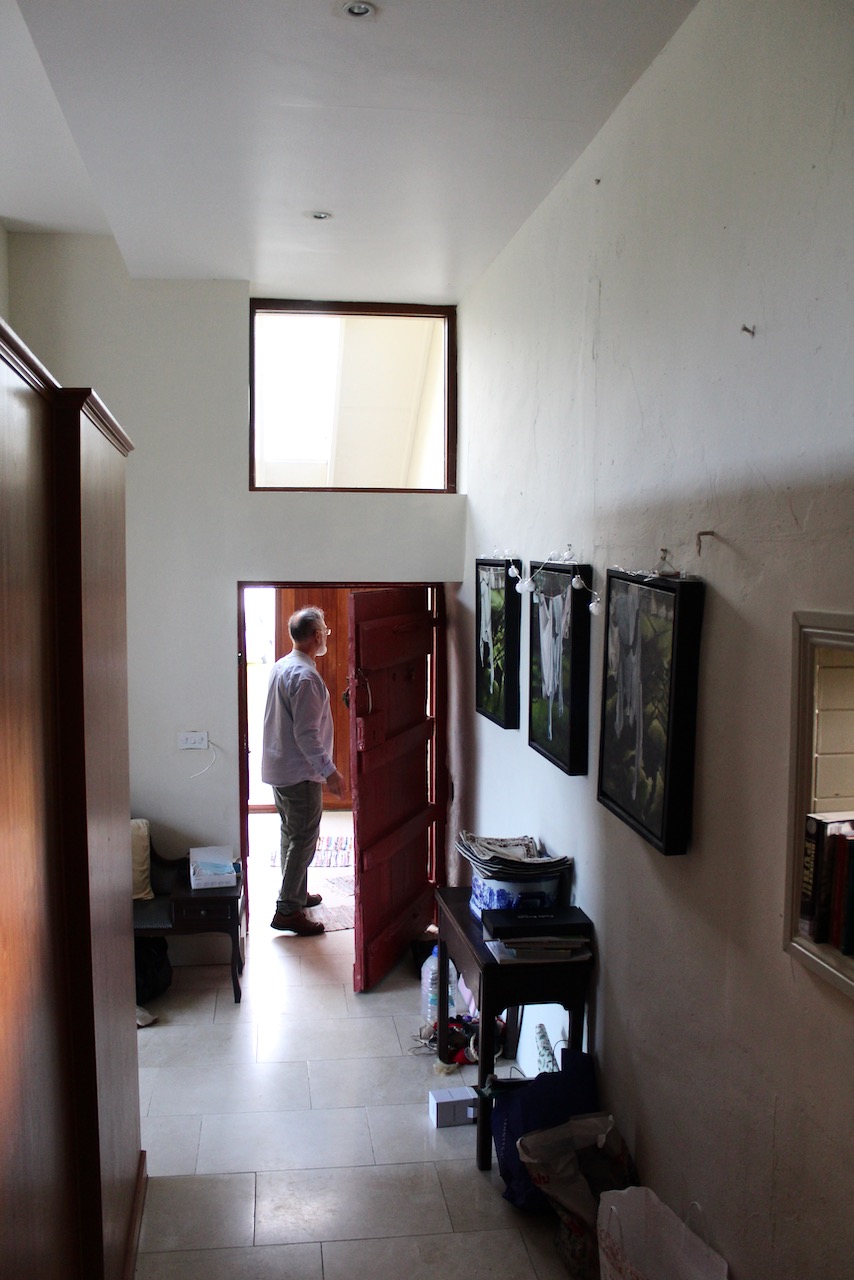
The door from the yard through which we entered leads to this area, with the kitchen on the left in the photograph. Tony is standing at an inner door and before him is the outer door. Photograph © Jennifer Winder-Baggot, http://www.irishhistorichouses.com

The house is “double pile” which means that it is two rows of rooms thick, each row consisting of two or more rooms. When someone refers to a house as a “pile” this is an architectural term! A “pile” is a row of rooms and is usually used in the term “double pile.” [7] 

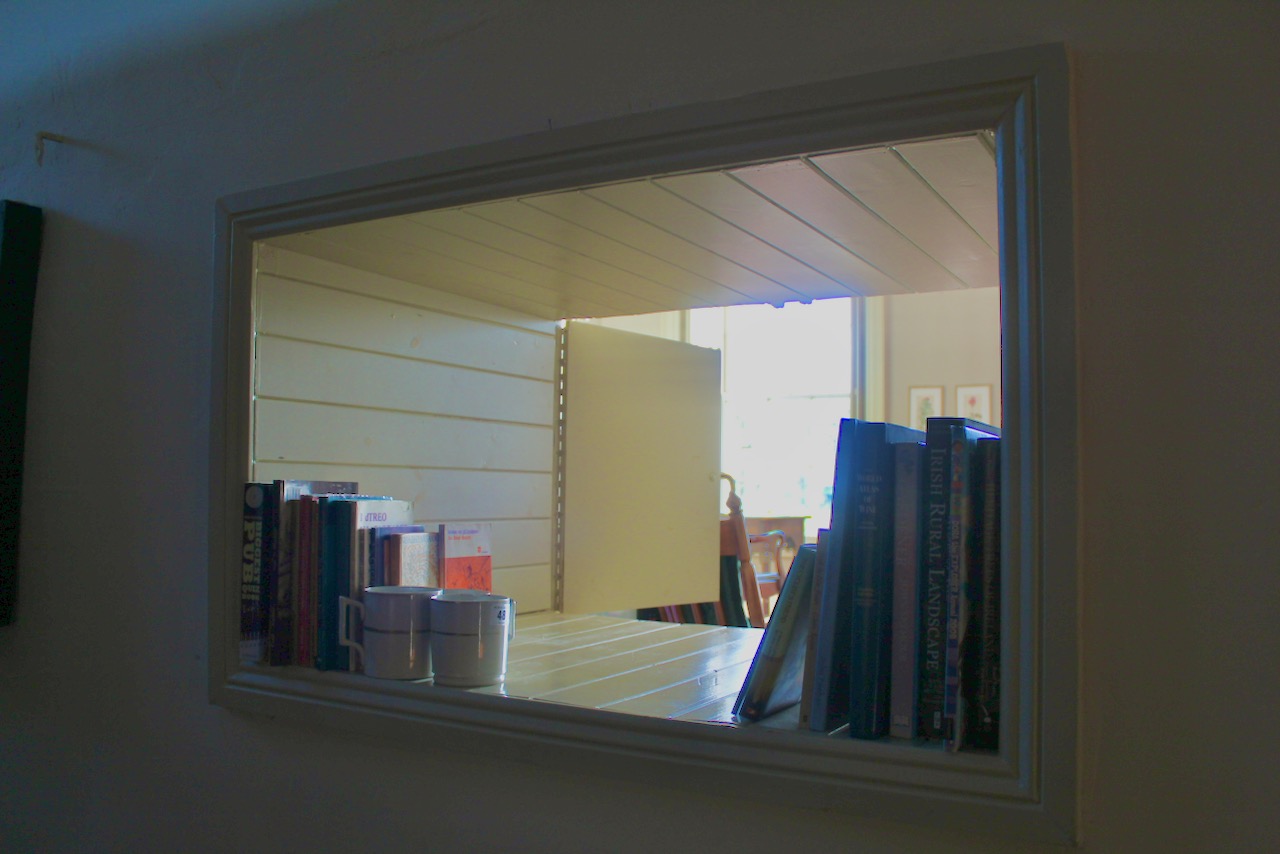
Muireann showed us the width of the wall via a lovely opening, which is part of what led her and Tony to believe that the rear pile was added later than the original build.

Photograph © Jennifer Winder-Baggot, www.irishhistorichouses.com
This opening can be used to pass dishes from the kitchen into the dining room. At the moment it serves as a lovely nook for books!

The website describes the house: 

“The plan of the house comprises a central hall flanked by Drawing and Dining Rooms on the front, with above them the Upper Hall leading to the two principal bedrooms. To the rear is the Stair Hall, slightly off centre with a somewhat crude wreathed and ramped staircase with cut brackets and turned spindles. Flanking this there is a narrow bay which probably housed the service stair and in the corner, over the Kitchen, are two bedrooms (one very small) served by a short corridor, and in the 19th century addition, over what may have been a billiards room with a considerably higher ceiling, are again two bedrooms.”

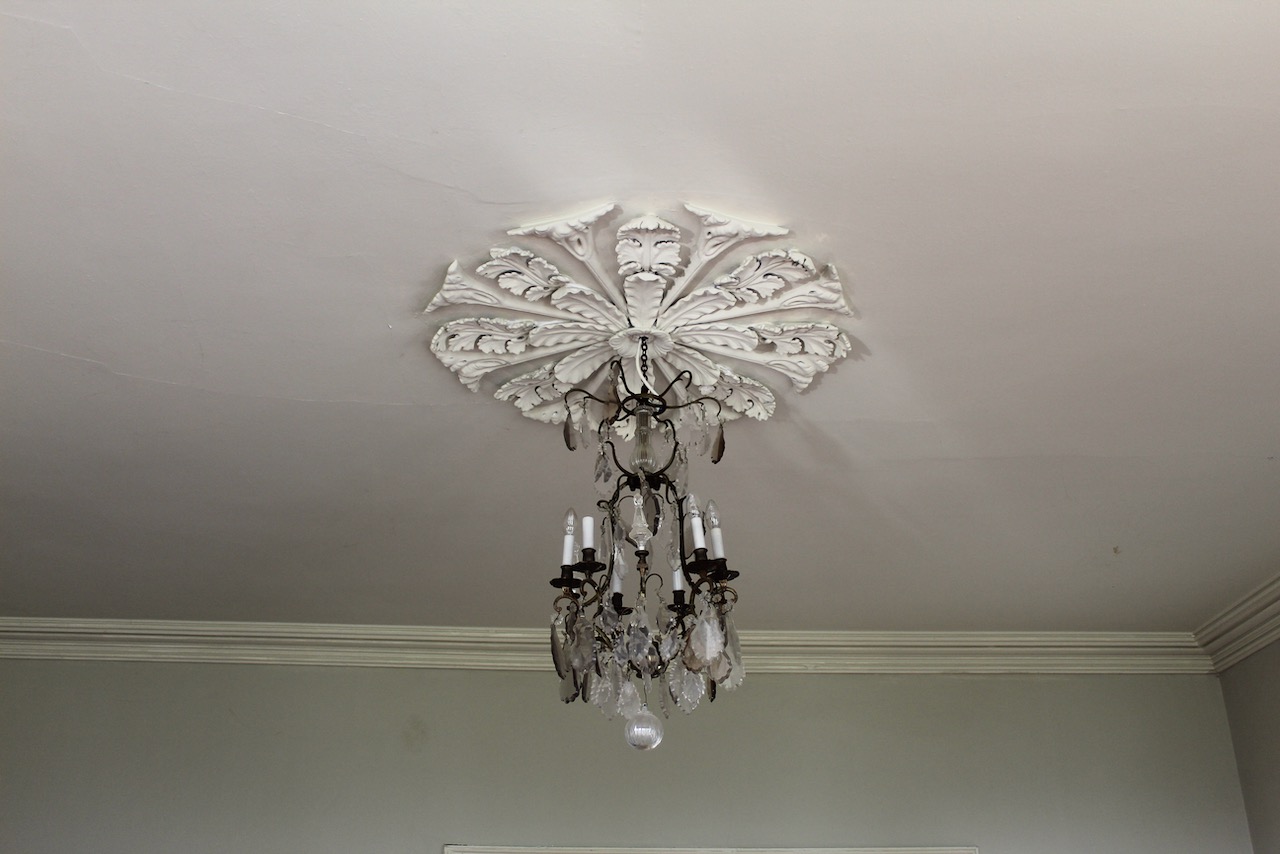
The Central Hall, with the front door and ceiling rose of acanthus leaves. Photograph © Jennifer Winder-Baggot, www.irishhistorichouses.com
Photograph © Jennifer Winder-Baggot, www.irishhistorichouses.com
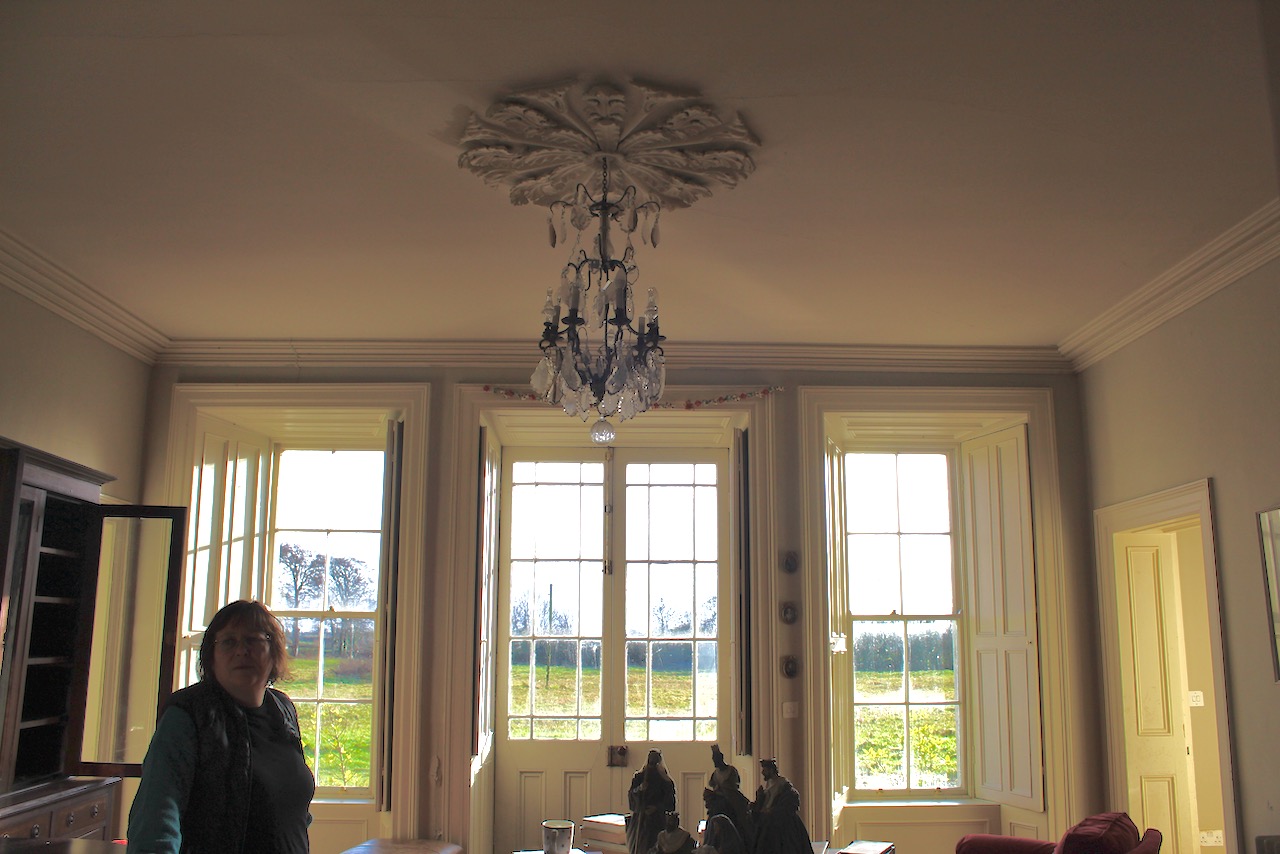
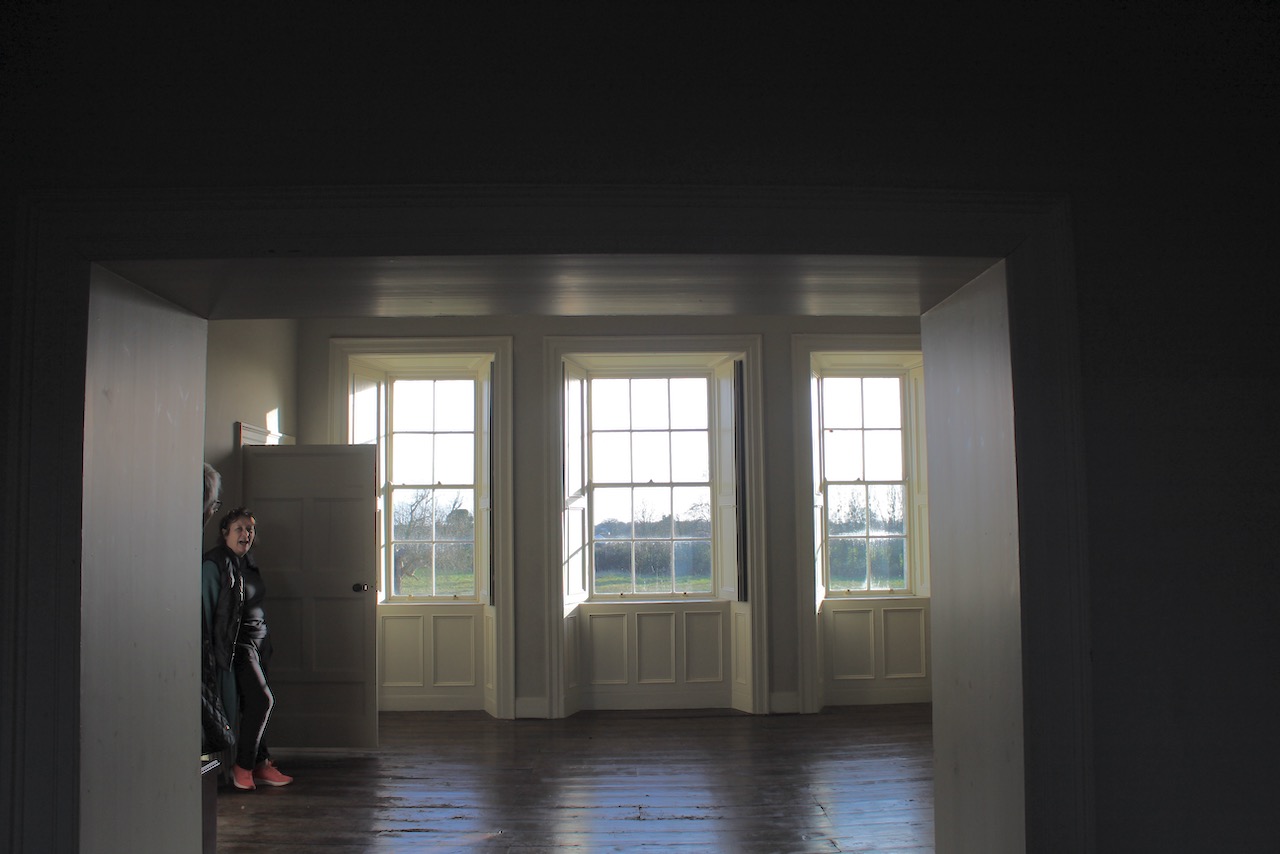
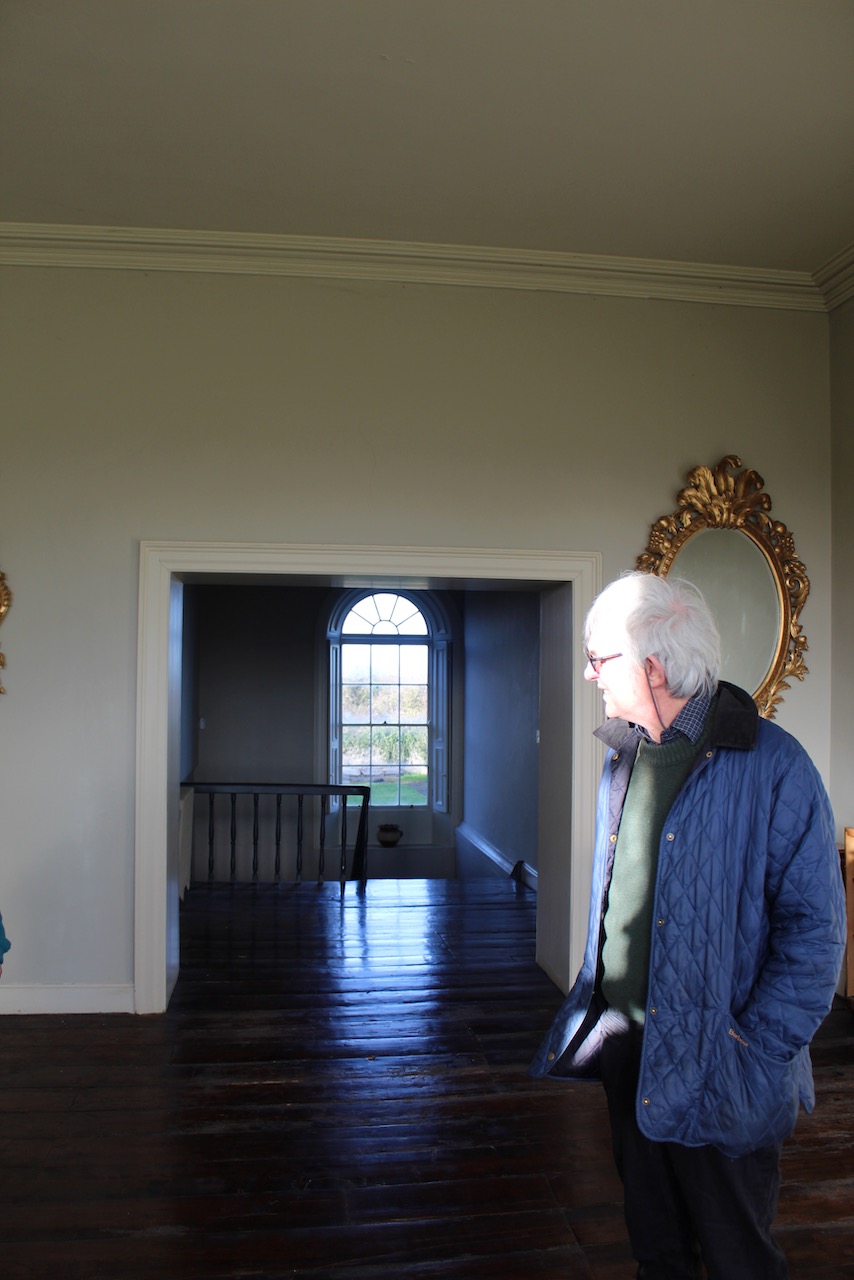
It is such a beautifully solid house and I particularly love the large windows with their shutters, especially in the front hall and upstairs in the Upper Hall. The Upper Hall causes my heart to catch – there is something about the vastness of the space, with its lovely wooden floorboards and current emptiness, which struck a deep chord in me!

The Upper Hall, which made me want to linger and caused a wistful aesthetic yearning. Photograph © Jennifer Winder-Baggot, www.irishhistorichouses.com
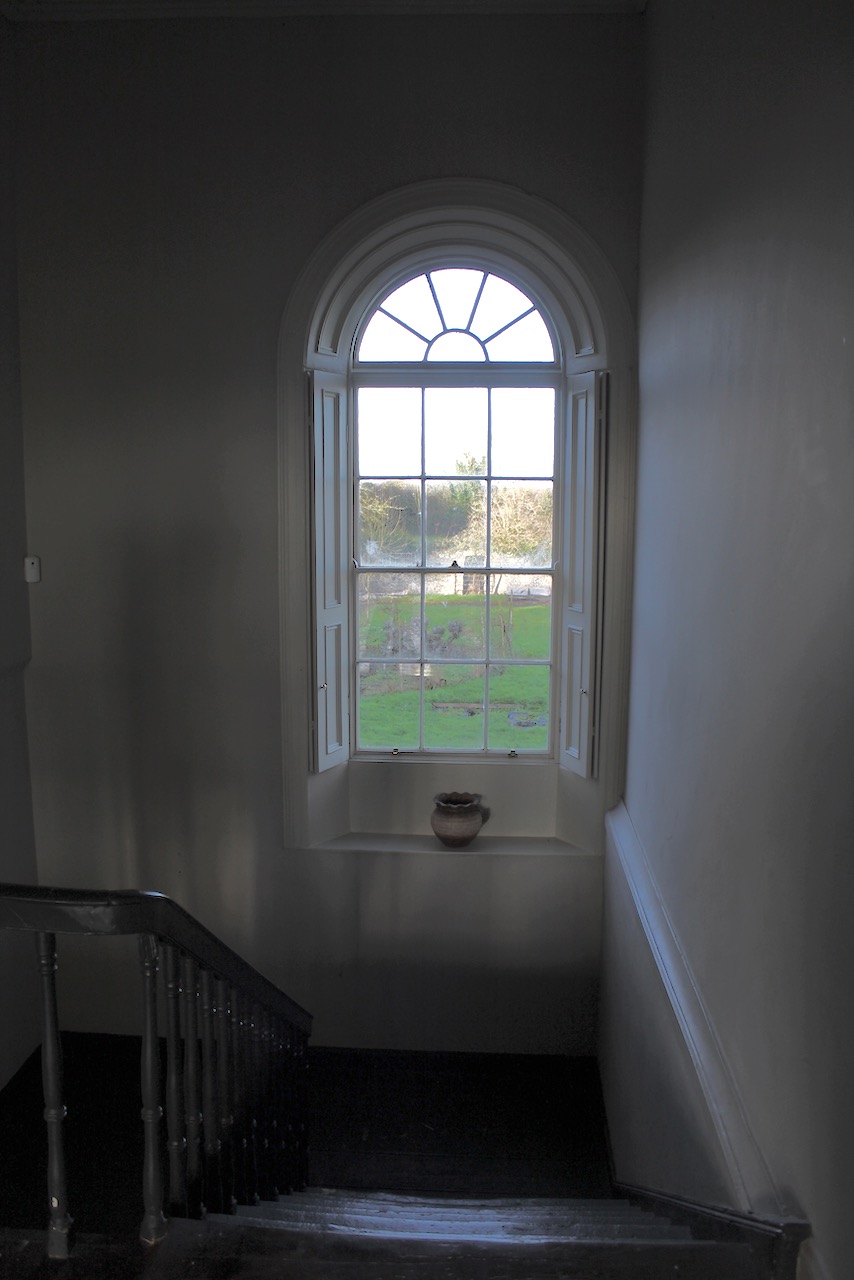
The Upper Hall, with the arched window lighting the stairs. Photograph © Jennifer Winder-Baggot, www.irishhistorichouses.com
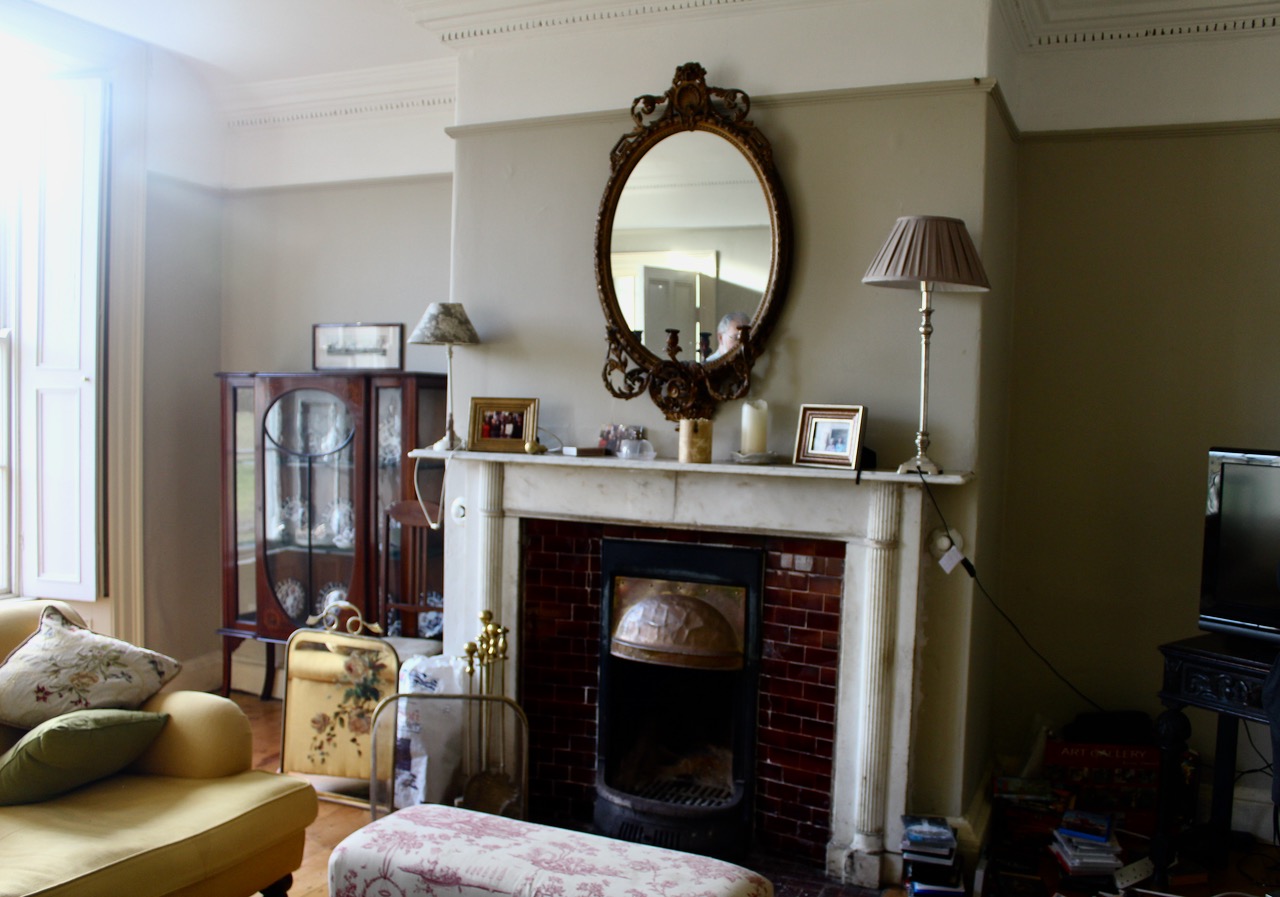
The Drawing Room, which is in the front pile, along with the Front Hall and Dining Room. The drawing room has a simple plaster ceiling cornice and a picture rail, and the original marble fireplace. Photograph © Jennifer Winder-Baggot, www.irishhistorichouses.com
The house is a work-in-progress so I didn’t take many photographs inside.

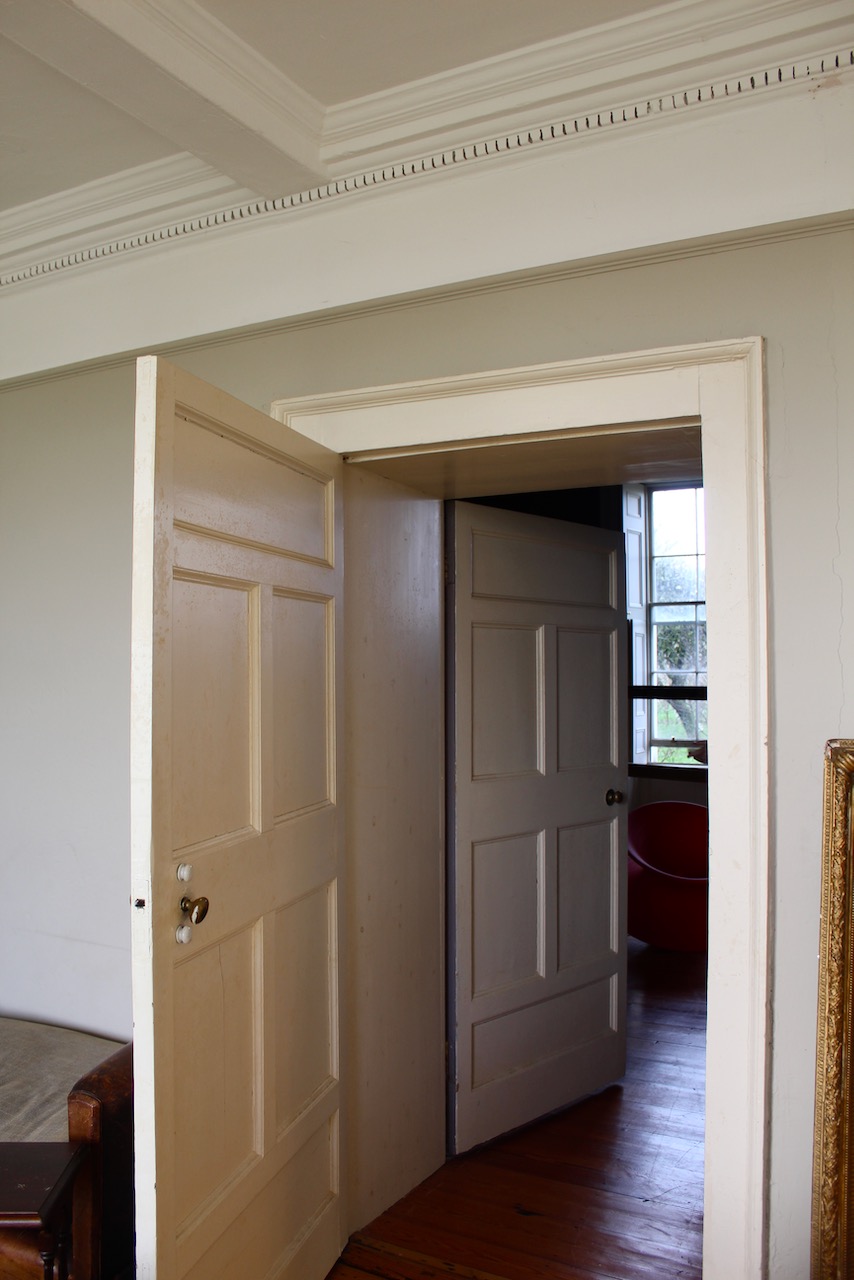
The door between the Drawing room and the room in the rear pile. You can see the width of the wall between the two rooms. Muireann told us that when the children of the former owners the Gill family, Doris and her sister, were naughty, the Nanny threatened to close them into the space between these two doors! Photograph © Jennifer Winder-Baggot, www.irishhistorichouses.com
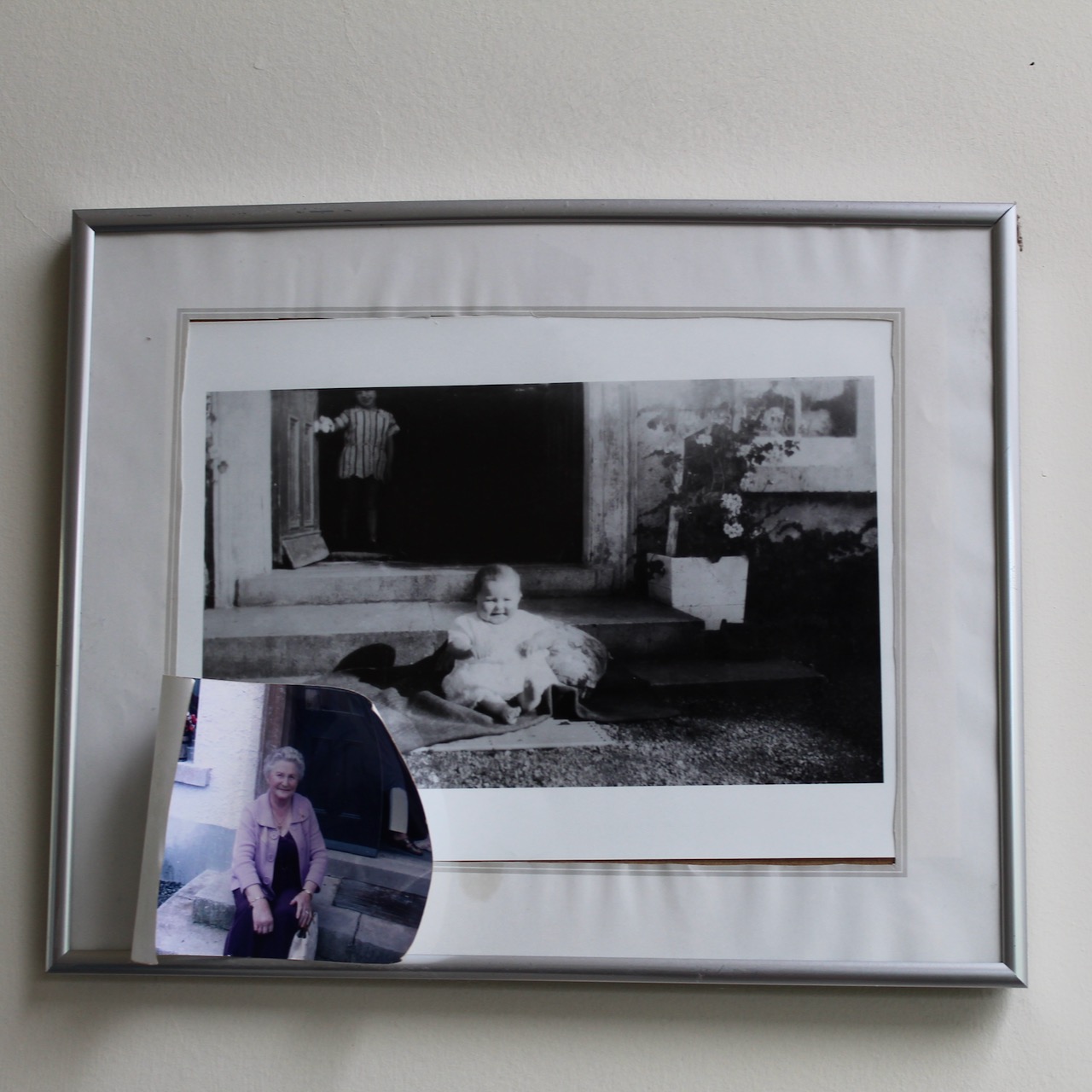
A photograph of Doris, as an adult visiting the house and as a baby on the front steps!
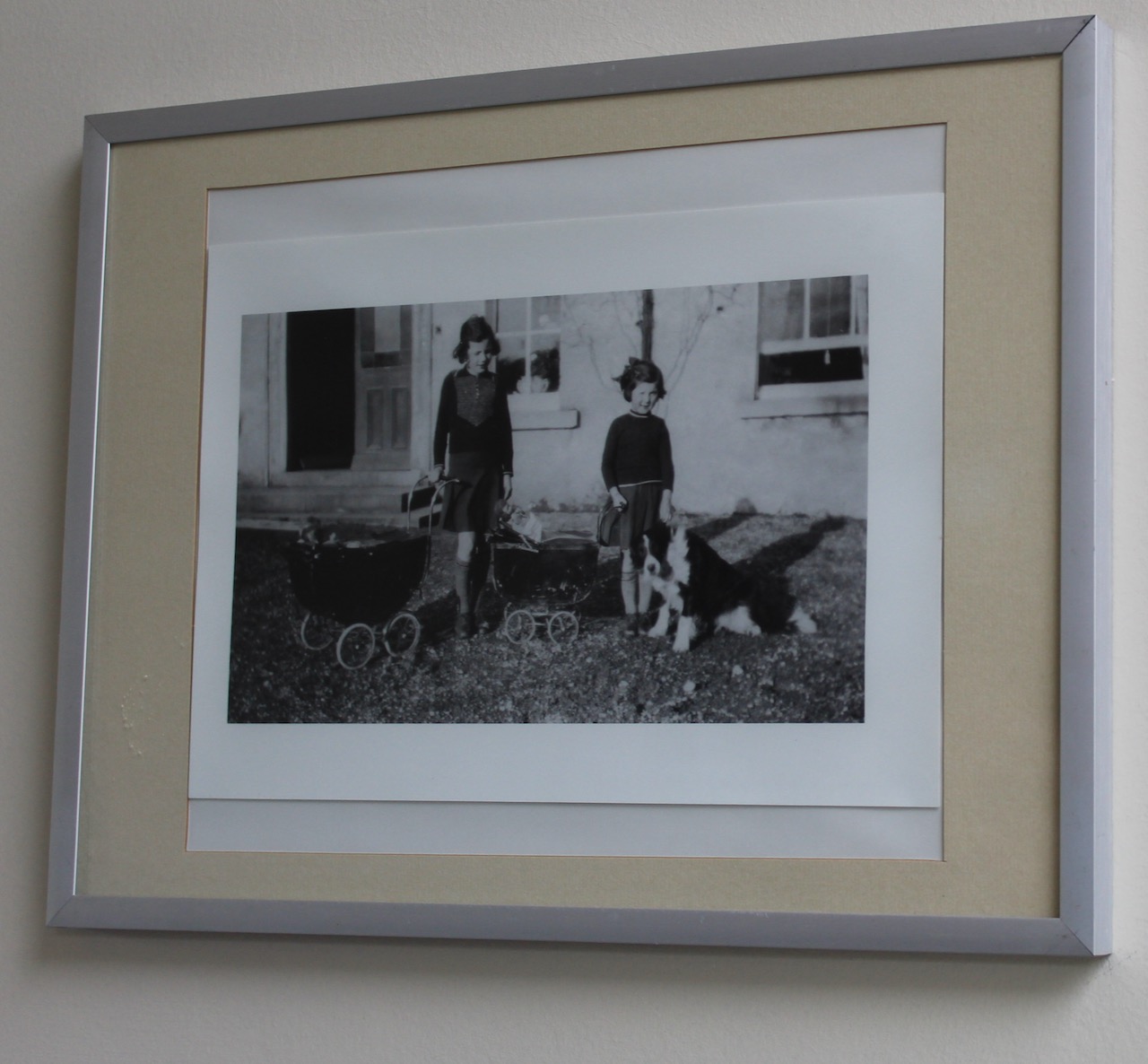
A photograph of Doris and her sister who used to live in the house.

The ceilings in different rooms of the ground floor are of different heights, which also leads to the theory that the two piles were built at different times.

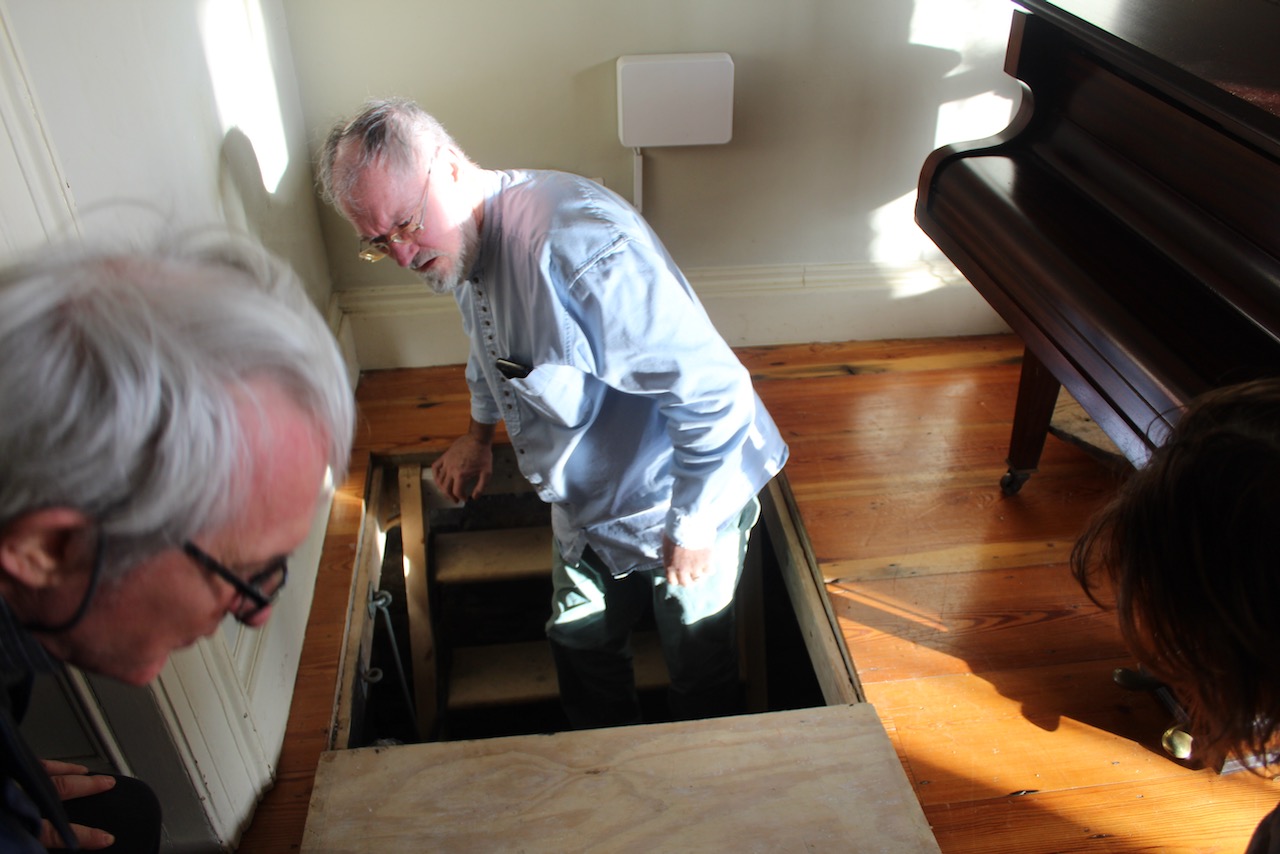
There is a cellar under the western part of the front pile which may originally have been a basement. Tony opened the hatch for us which is in the floor of the Drawing Room, and we climbed down into the basement. The basement only extends under the western part of the front pile.

Photograph © Jennifer Winder-Baggot, www.irishhistorichouses.com
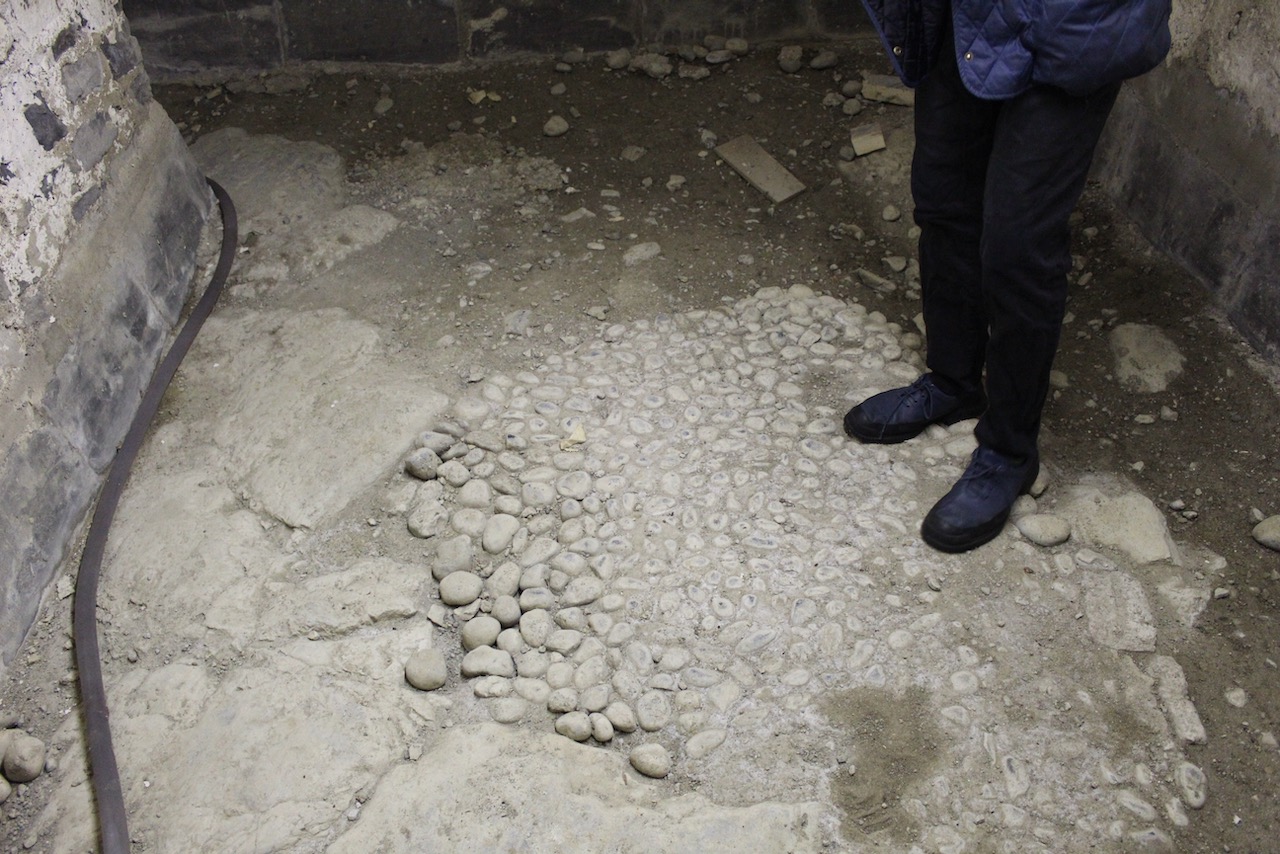
The basement area has an earthen floor. In one area was a circle of cobblestones and we speculated as to why they were so placed – I suggested that maybe there was a well. As Tony pointed out, the house is called “spring” field.

The cobblestones in the basement. Photograph © Jennifer Winder-Baggot, www.irishhistorichouses.com
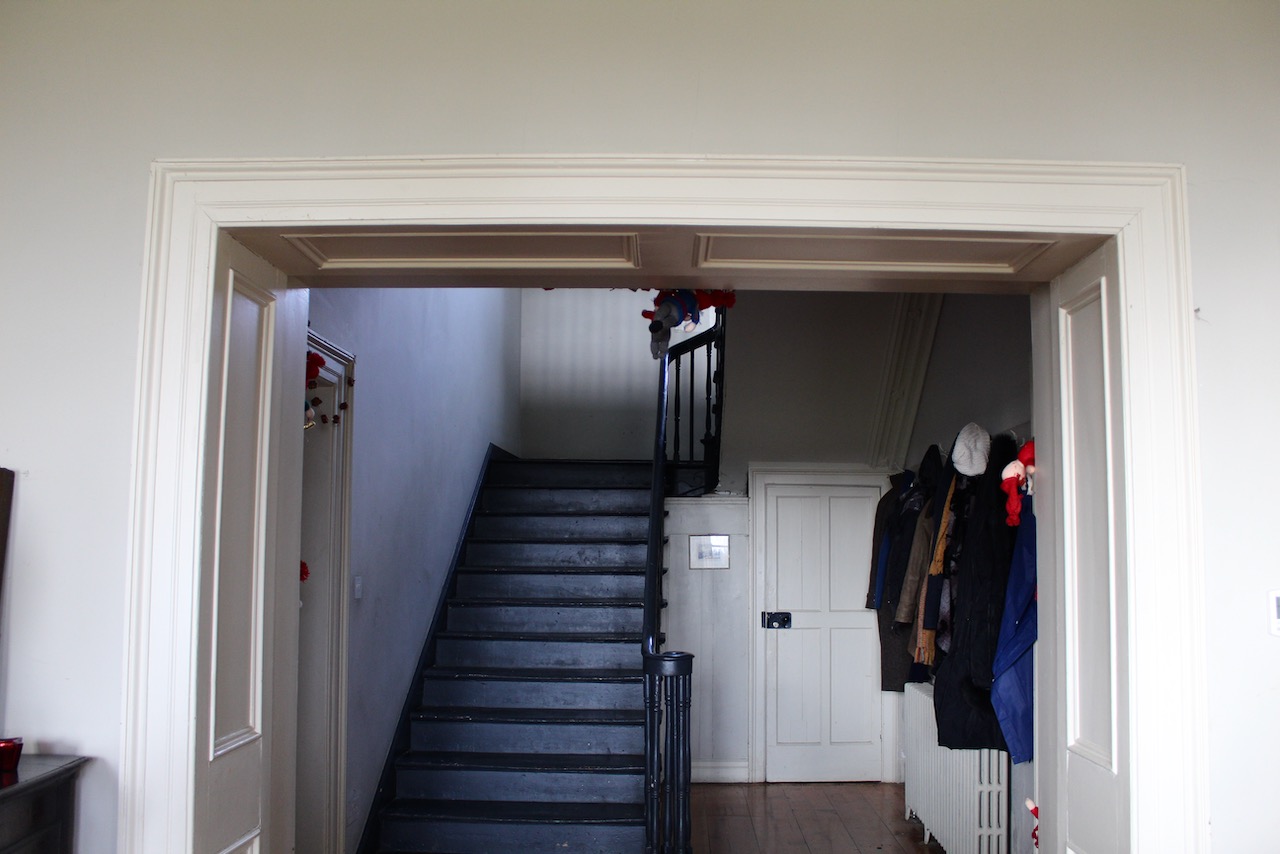
The stair hall. Andrew Tierney describes the staircase: “Dog-leg staircase with volute newel post and bracketed ornament on the tread-ends.” Photograph © Jennifer Winder-Baggot, www.irishhistorichouses.com
A rosette detail in the ceiling plasterwork in the stair hall. Photograph © Jennifer Winder-Baggot, www.irishhistorichouses.com
The arched window lighting the stairs. Photograph © Jennifer Winder-Baggot, www.irishhistorichouses.com
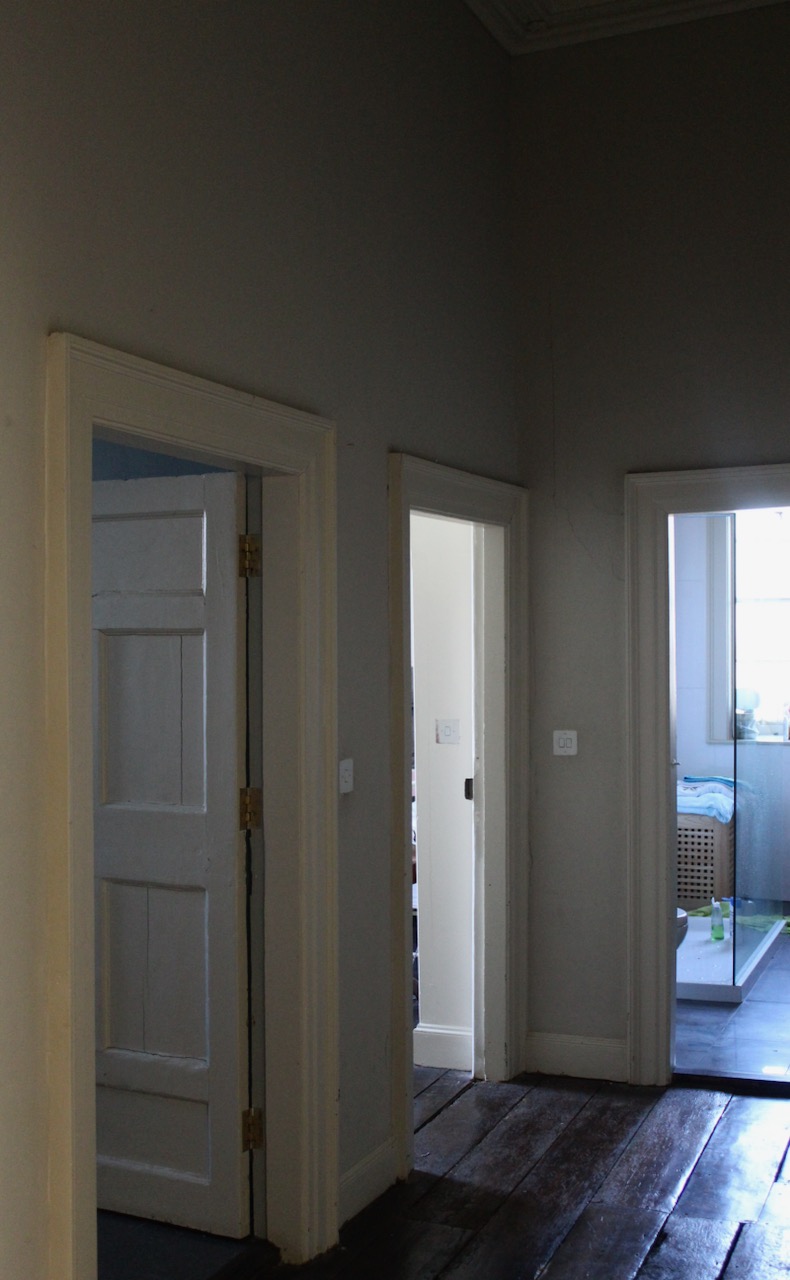
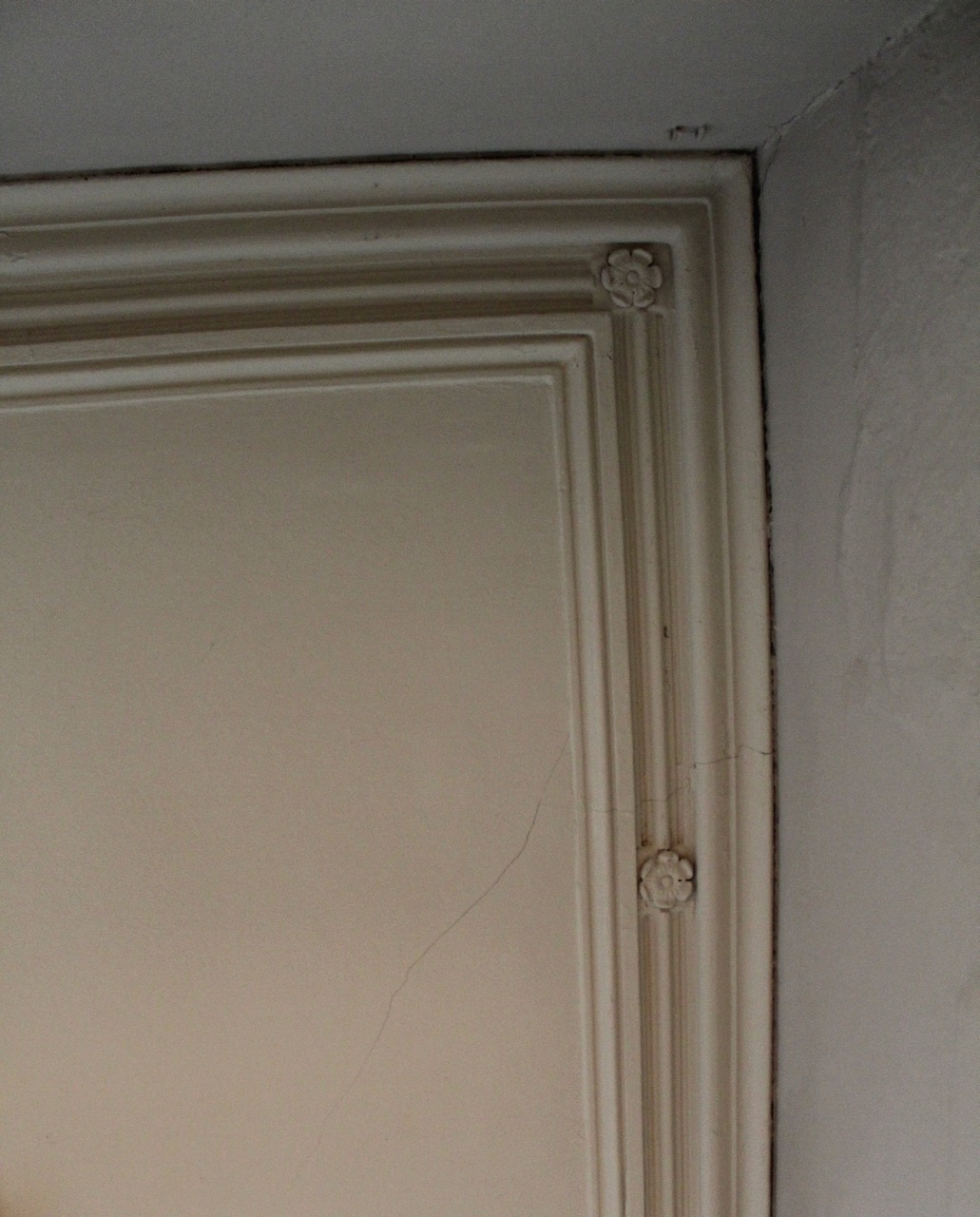
The beautiful wood flooring runs throughout the upstairs, and the doors have fine moulded frames. Photograph © Jennifer Winder-Baggot, www.irishhistorichouses.com
The bedrooms upstairs have original fireplaces in situ which I am sure were very necessary before central heating!

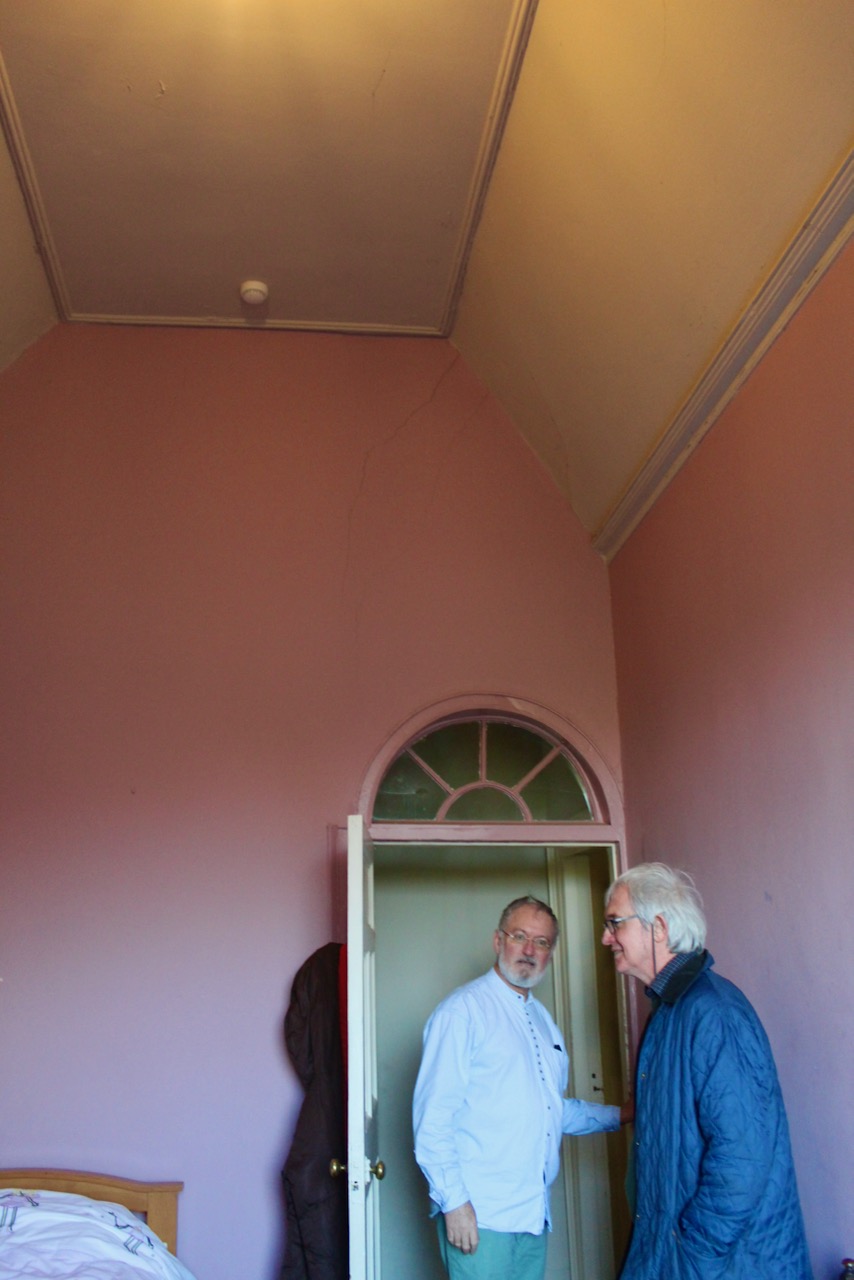
One bedroom has a particularly high ceiling, and a lovely little fanlight over the door.

Photograph © Jennifer Winder-Baggot, www.irishhistorichouses.com
Unfortunately I didn’t take a photograph in the kitchen but it is modern and spacious, and it extends out to a single storey enlargement with ceiling windows. It is where the original kitchen used to be. The flagstones which were originally on the floor are now outside forming a path.

Springfield House, photograph courtesy of Muireann Noonan.

There is a lean-to building outside the kitchen housing domestic offices. This area was overgrown and tumble-down when Muireann and Tony began to renovate. Muireann described discovering the “extra room”! It even has a fireplace, and has become a cosy reading room.

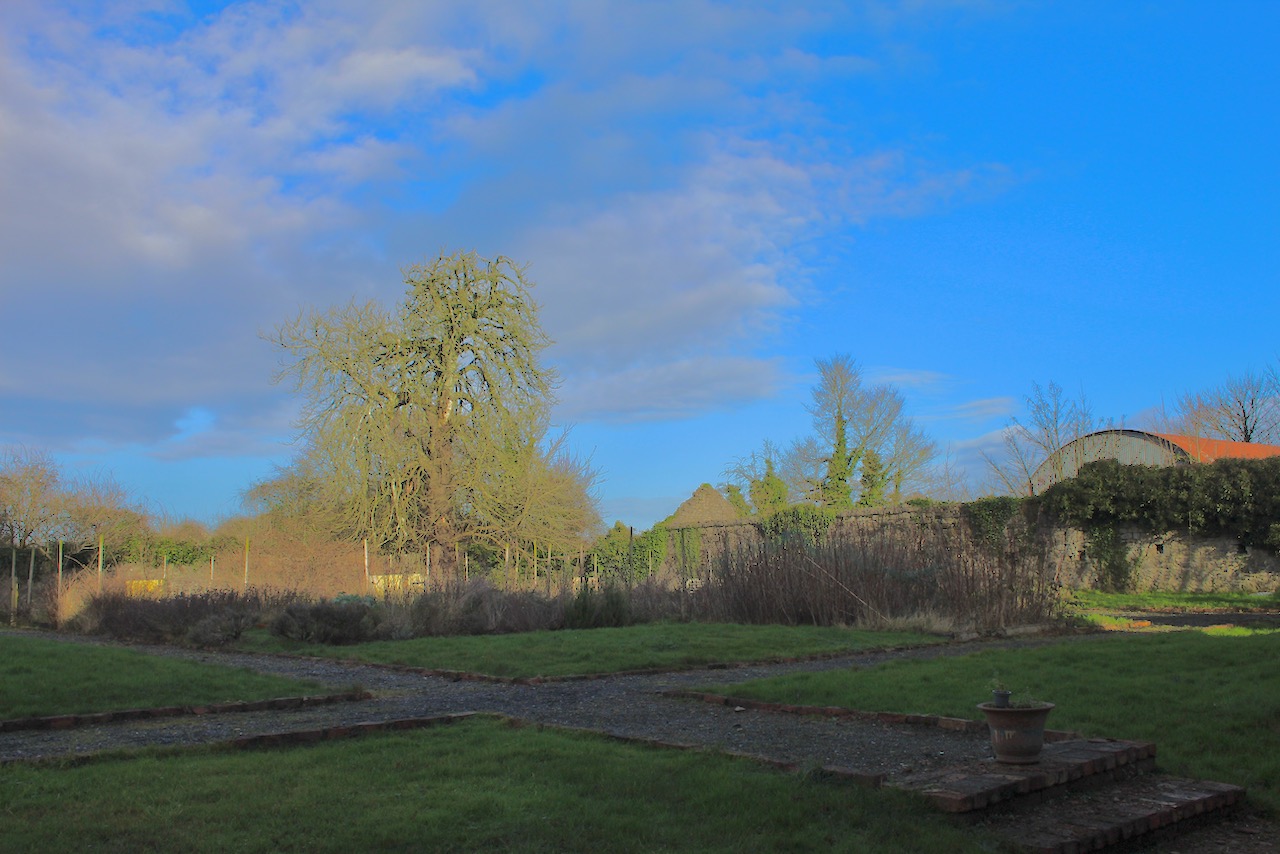
The back garden opens directly to the walled garden. Tony has done a lot of work to create a vegetable garden but it is not shown to best effect in cold January! They have also started an orchard.

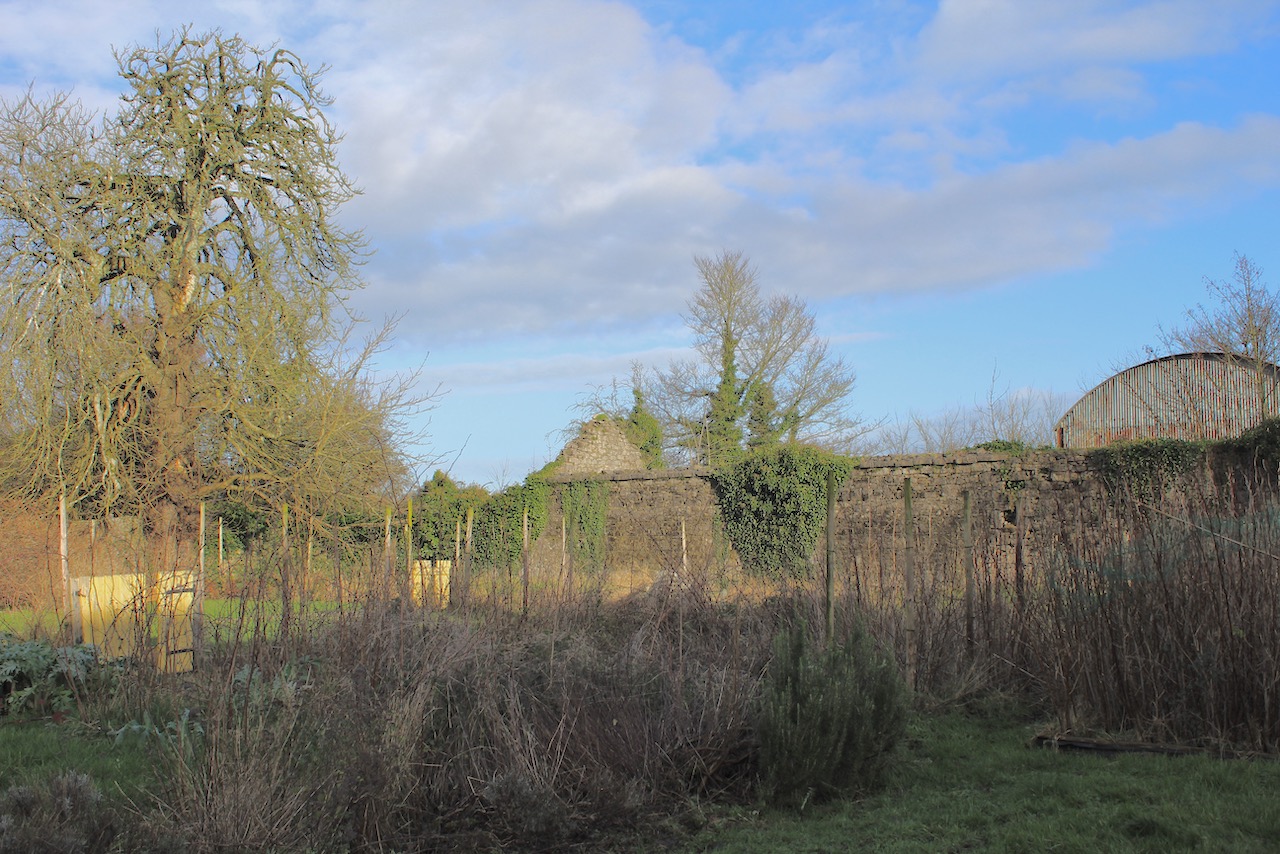
You can see the ruins of an outbuilding beyond the garden. Photograph © Jennifer Winder-Baggot, www.irishhistorichouses.com
The outbuilding, and last year’s raspberry canes.  Photograph © Jennifer Winder-Baggot, www.irishhistorichouses.com
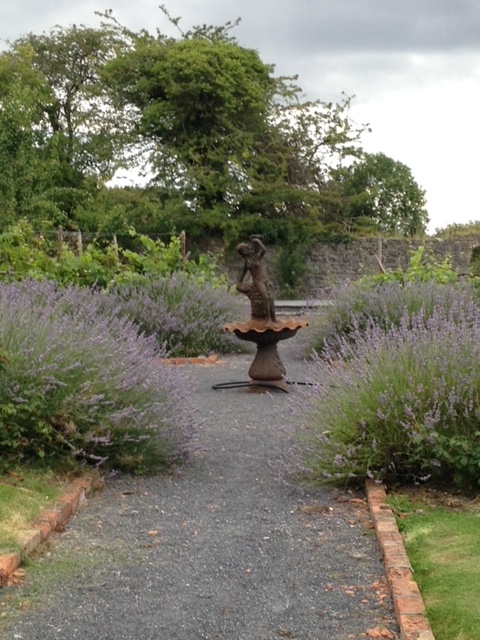
A central area of the garden has lavender bushes and an old salvaged fountain, photograph courtesy of Muireann Noonan.
 
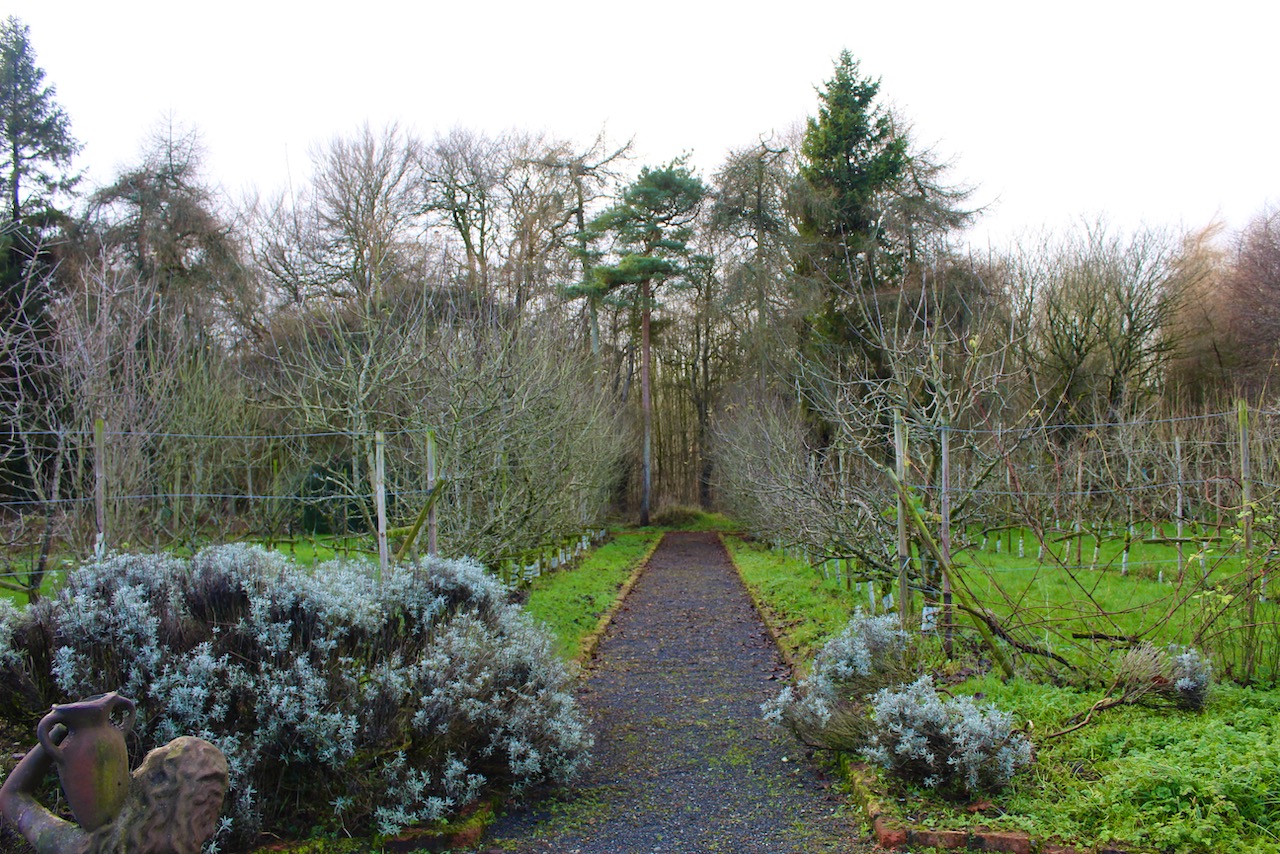
The orchard of apples and pears. Photograph © Jennifer Winder-Baggot, www.irishhistorichouses.com
Photograph courtesy of Muireann Noonan.

Muireann and her family have done terrific work creating their home, and we wish them best of luck in the future!

donation

Help me to pay the entrance fee to one of the houses on this website. This site is created purely out of love for the subject and I receive no payment so any donation is appreciated!

€15.00

[1] https://www.buildingsofireland.ie/buildings-search/building/14919002/springfield-house-ballyhugh-or-springfield-offaly

[2] p. 305, Tierney, Andrew. The Buildings of Ireland: Central Leinster, the Counties of Kildare, Laois and Offaly. Yale University Press, New Haven and London, 2019.

[3] https://www.historyireland.com/mount-lucas-offaly-lucas-ball-estate/

[4] for purchase on https://www.offalyhistory.com/shop/books/mount-lucas-a-quiet-hamlet-kenneth-smyth-damien-smyth

[5]  https://www.historyireland.com/from-the-files-of-the-dibthe-kook-of-cookesborough/

[6] https://www.buildingsofireland.ie/buildings-search/building/15401309/cooke-mausoleum-st-john-the-baptist-church-of-ireland-church-reynella-westmeath

[7] www.springfieldhouse.ie

[8] p. 652, Tierney, Andrew. The Buildings of Ireland: Central Leinster, the Counties of Kildare, Laois and Offaly. Yale University Press, New Haven and London, 2019.

Text © Jennifer Winder-Baggot, www.irishhistorichouses.com