Open dates in 2026: Mar 16-29, Apr 13-26, May 4-31, June 2-12, Aug 15-23, 9am-1pm
Fee: adult €5, child/OAP/student free
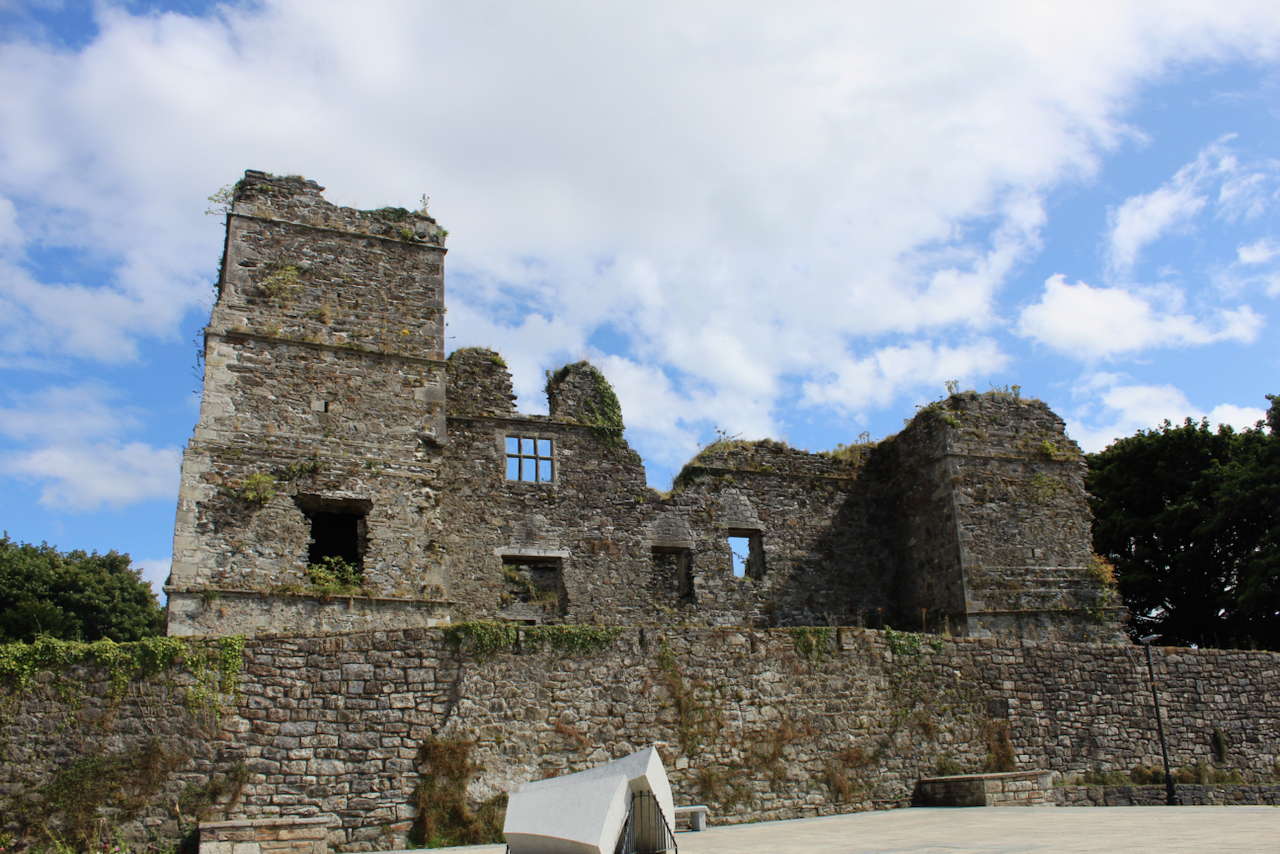
The Revenue section 482 list still hasn’t been published for 2025, so today I am publishing about Manorhamilton Castle in County Leitrim.
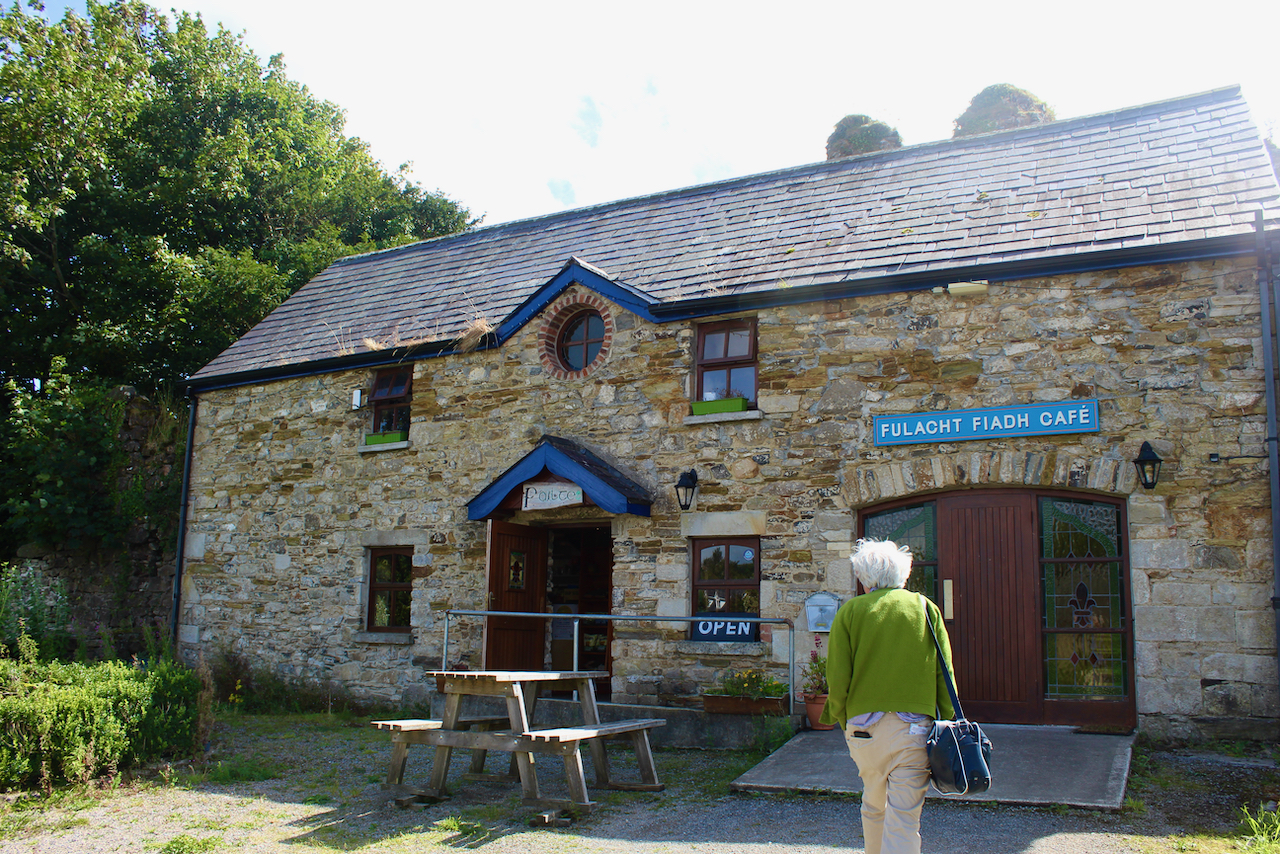
We attempted a visit during Heritage Week in 2022 but were informed in the café next door that it was not accessible as they were preparing for an event. I was unimpressed, having driven there specially! We were driving from Sligo to Monaghan that day, so we continued on our way.
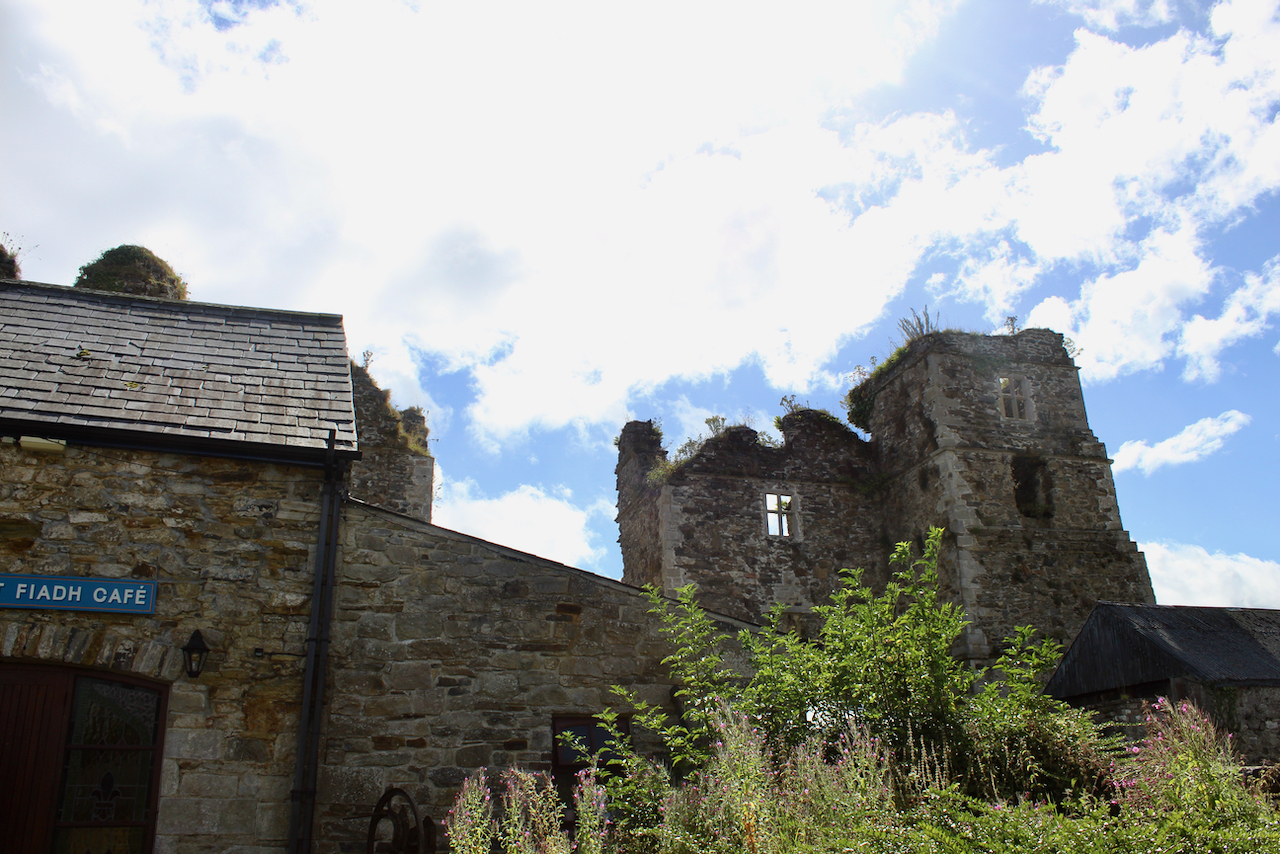
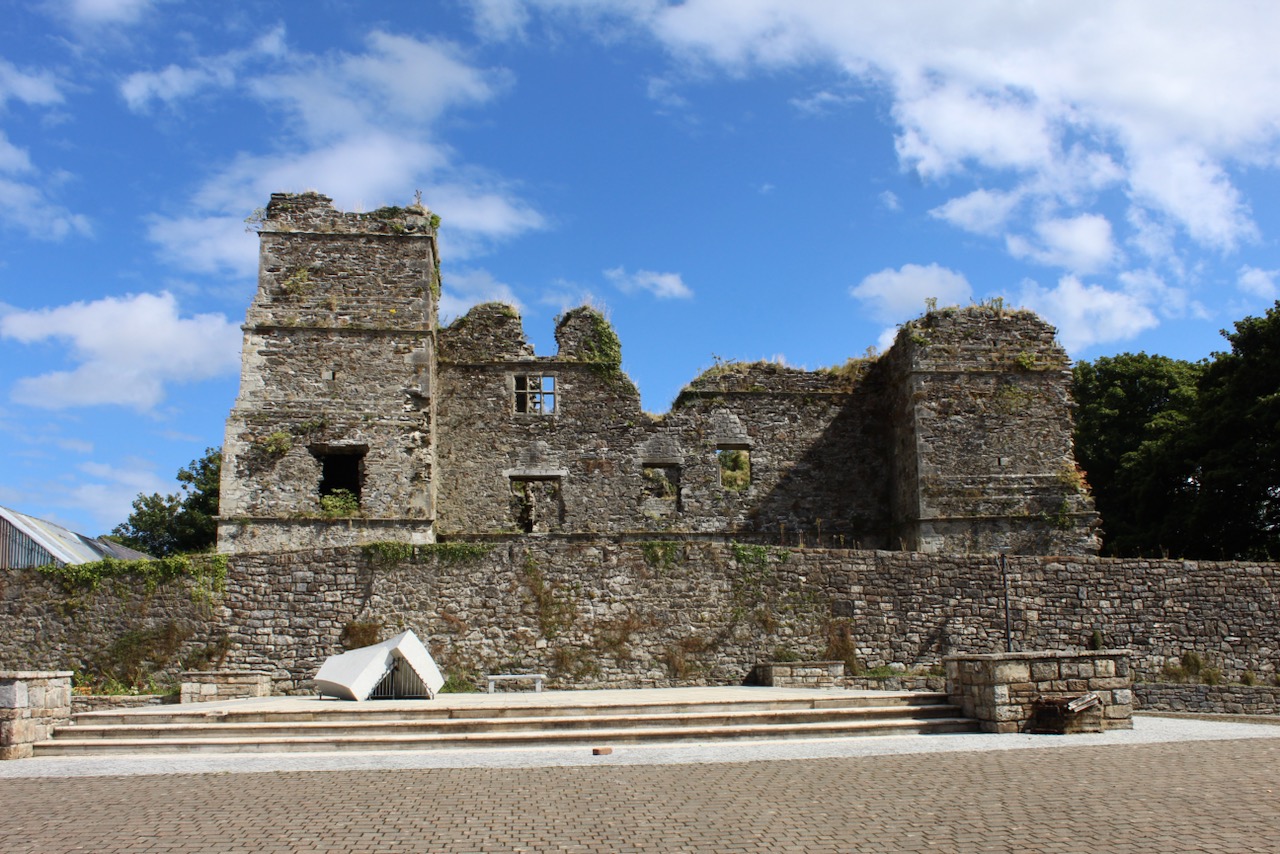
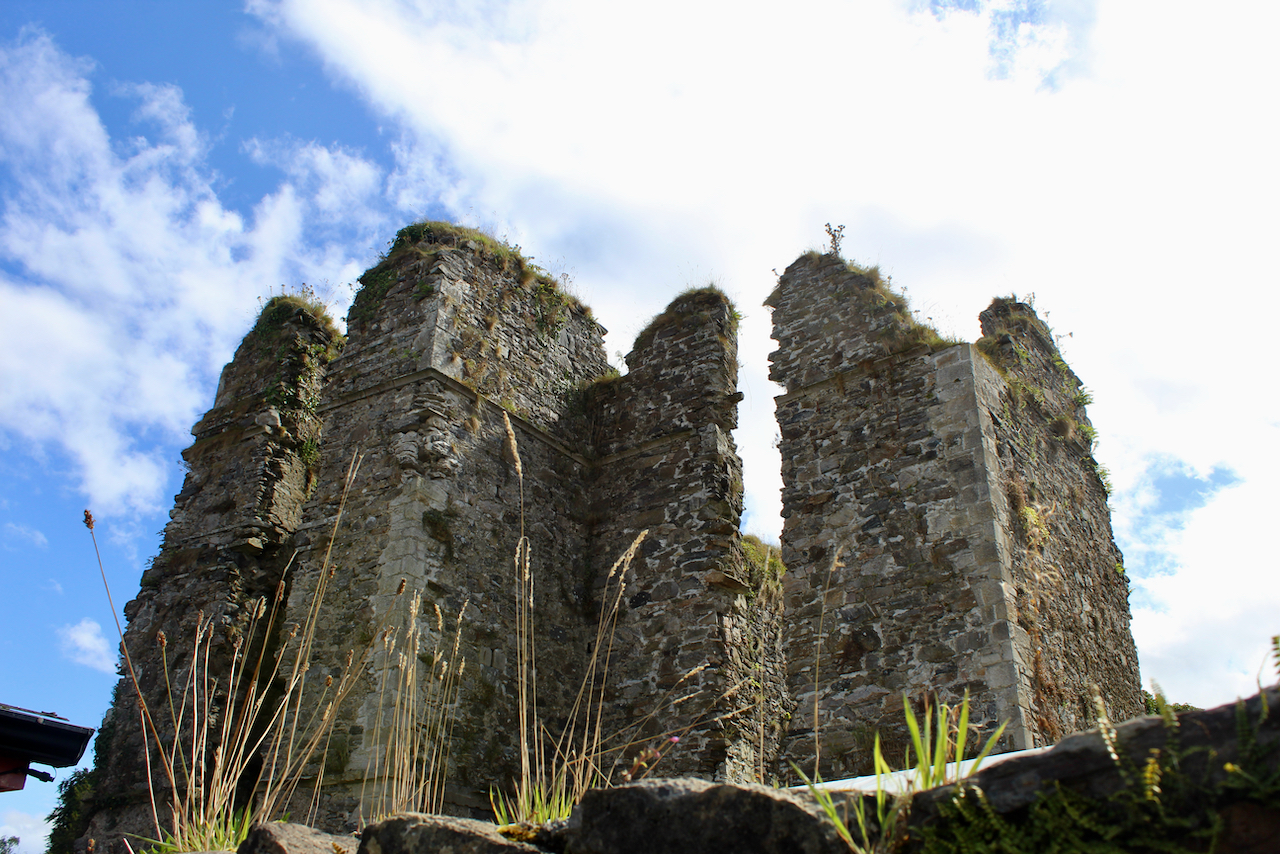
The castle was built between 1634 and 1636 for Frederick Hamilton (d. 1646), who was originally from Paisley in Scotland. He was the son of Claud Hamilton, 1st Lord Paisley, County Renfew, Scotland. Frederick was the younger brother of James 1st Earl of Abercorn in Scotland, who was Gentleman of the Bedchamber to King James VI of Scotland who became King James I of England.
In 1620 Frederick married Sidney Vaughan, daughter of John Vaughan who was a member of the Privy Council for Ireland and Governor of Londonderry, responsible for commanding the garrison and fortifications of Derry, and of nearby Culmore Fort. [1]
In 1621, Frederick was given a grant of land in Dromahair in County Leitrim, seized from the O’Rourke family. [2] There he commanded a troop of horse, and constantly battled with his neighbours. Three of his brothers, including the Earl of Abercorn, received large land grants in Co. Tyrone in 1610–11. These land holdings were part of the Plantation of Ulster.
From a Catholic family, Frederick converted to Protestantism. In 1631 he was granted a commission to raise 1,200 Scottish and Irish men for the service of Gustavus Adolphus, King of Sweden, in order to defeat the Habsburg-Catholic coalition. He spent about two years in the Swedish king’s German campaigns in the Thirty Years’ War.
He returned to Leitrim and built his castle in Manorhamilton.
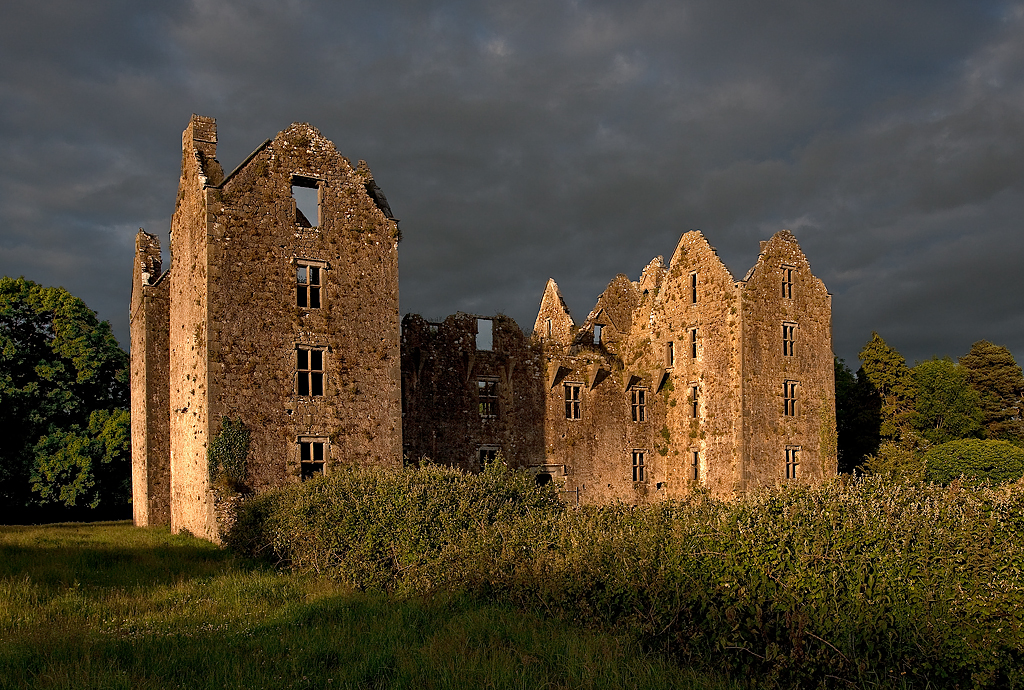
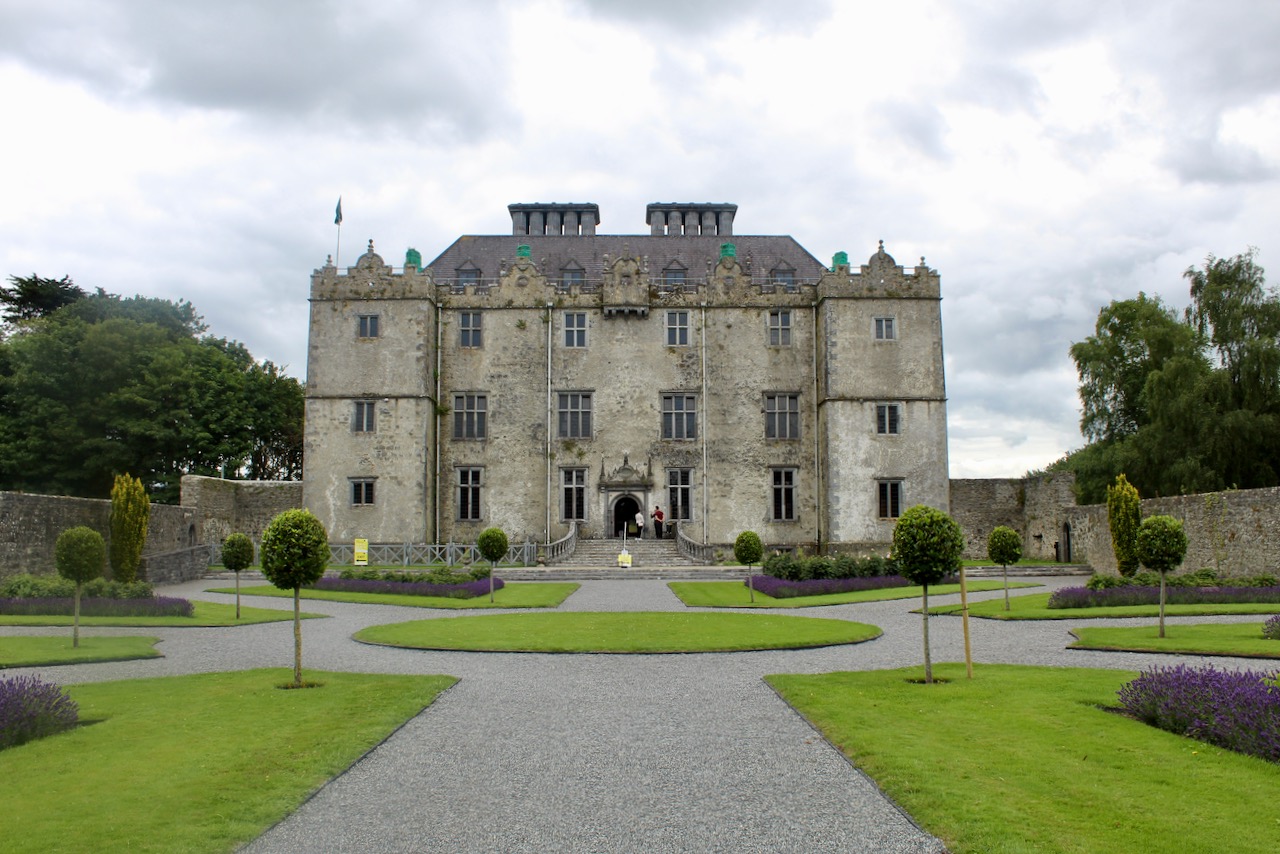
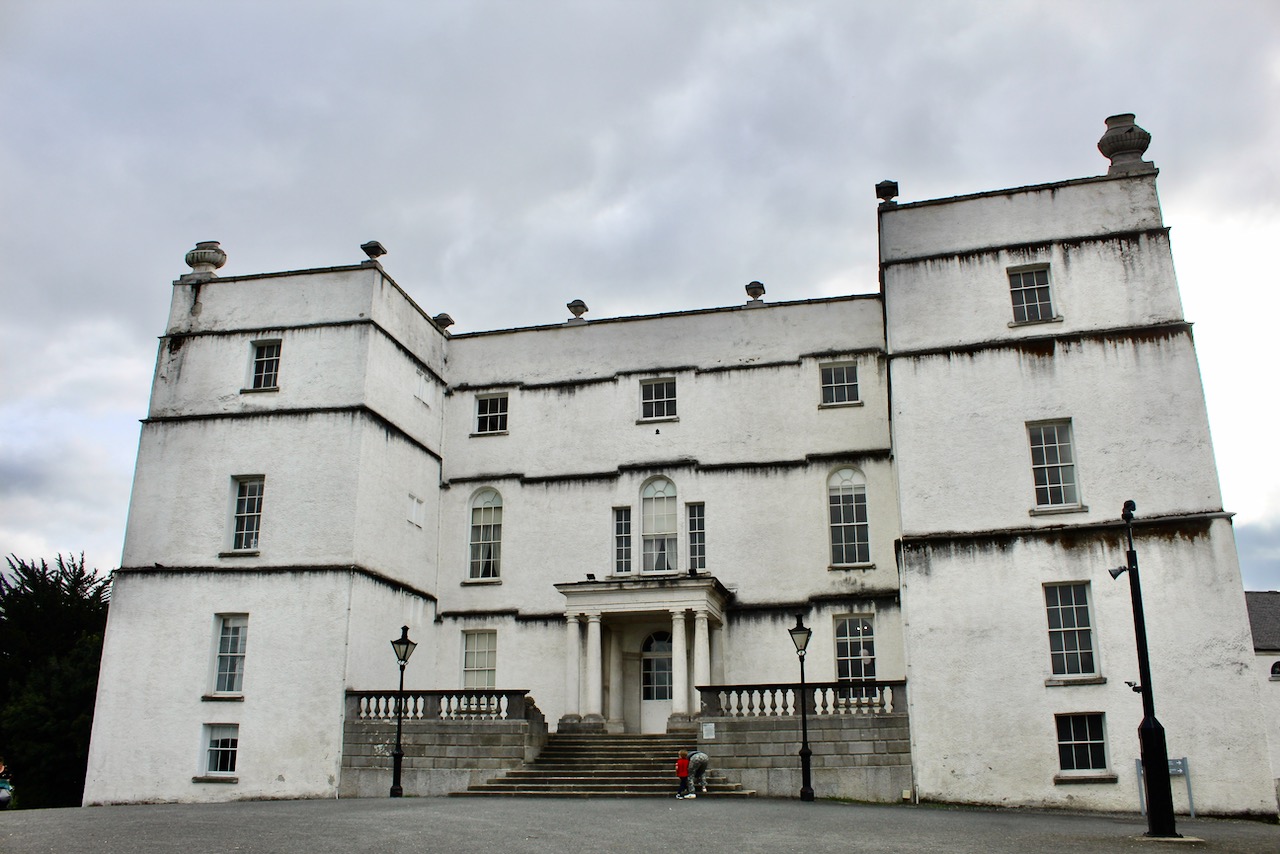
Maurice Craig points out in his The Architecture of Ireland from the earliest times to 1880 that there are a group of similar buildings, built over a period of fifty years or more: Rathfarnham Castle in Dublin; Kanturk for MacDonagh MacCarthy, before 1609; Portumna for the Earl of Clanrickarde, before 1618; Manorhamilton for Sir Frederick Hamilton, probably around 1634; Raphoe, for Bishop John Leslie (the “Fighting Bishop” – see my entry on Castle Leslie https://irishhistorichouses.com/2020/08/07/castle-leslie-glaslough-county-monaghan/) in 1636, and Burntcourt for Sir Richard Everard before 1650. We visited Portumna in County Galway – see my entry https://irishhistorichouses.com/2022/02/14/office-of-public-works-properties-connacht/. The buildings resemble a fort, such as Mountjoy Fort in County Tyrone built 1600-1605. Killenure, County Tipperary, now also a Section 482 property, is similar but has cylindrical flankers, Craig tells us. This last was unroofed by 1793.
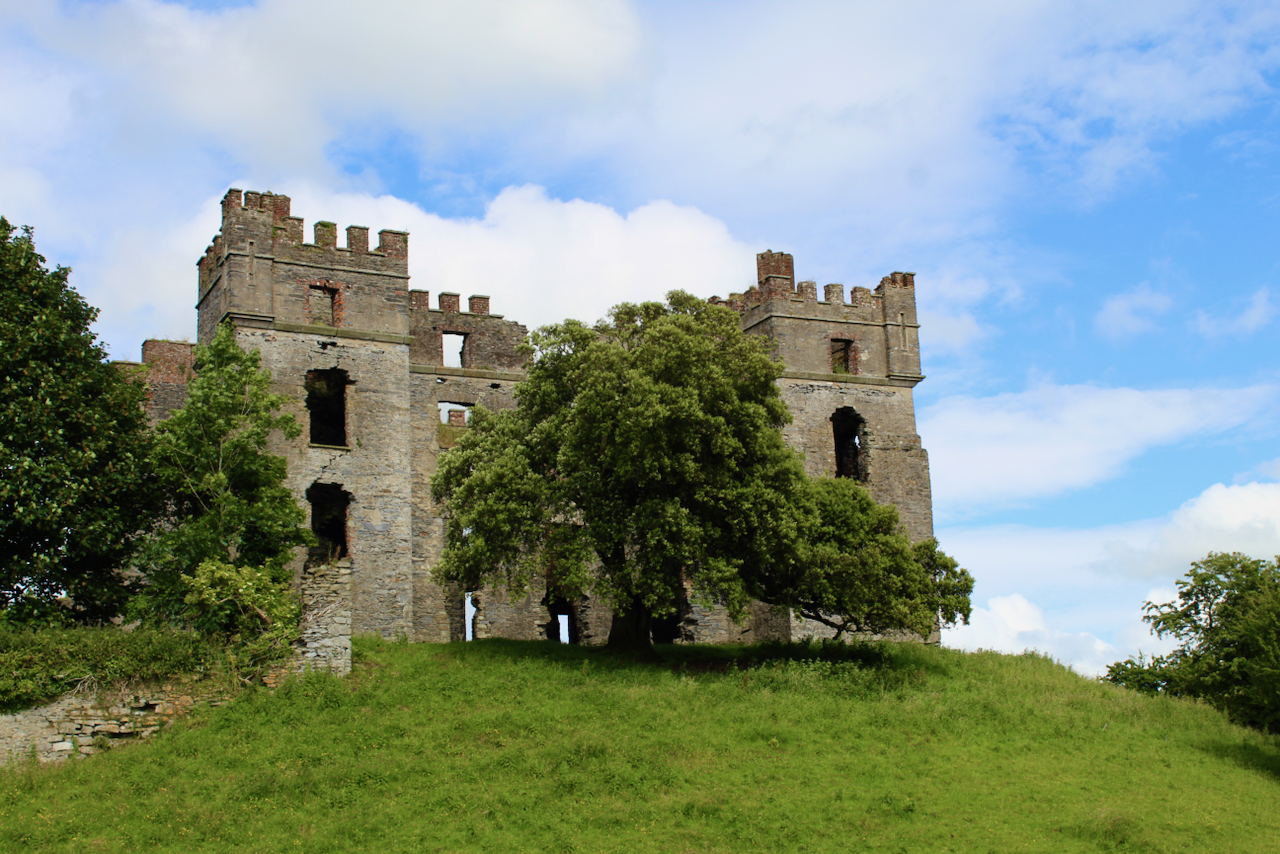
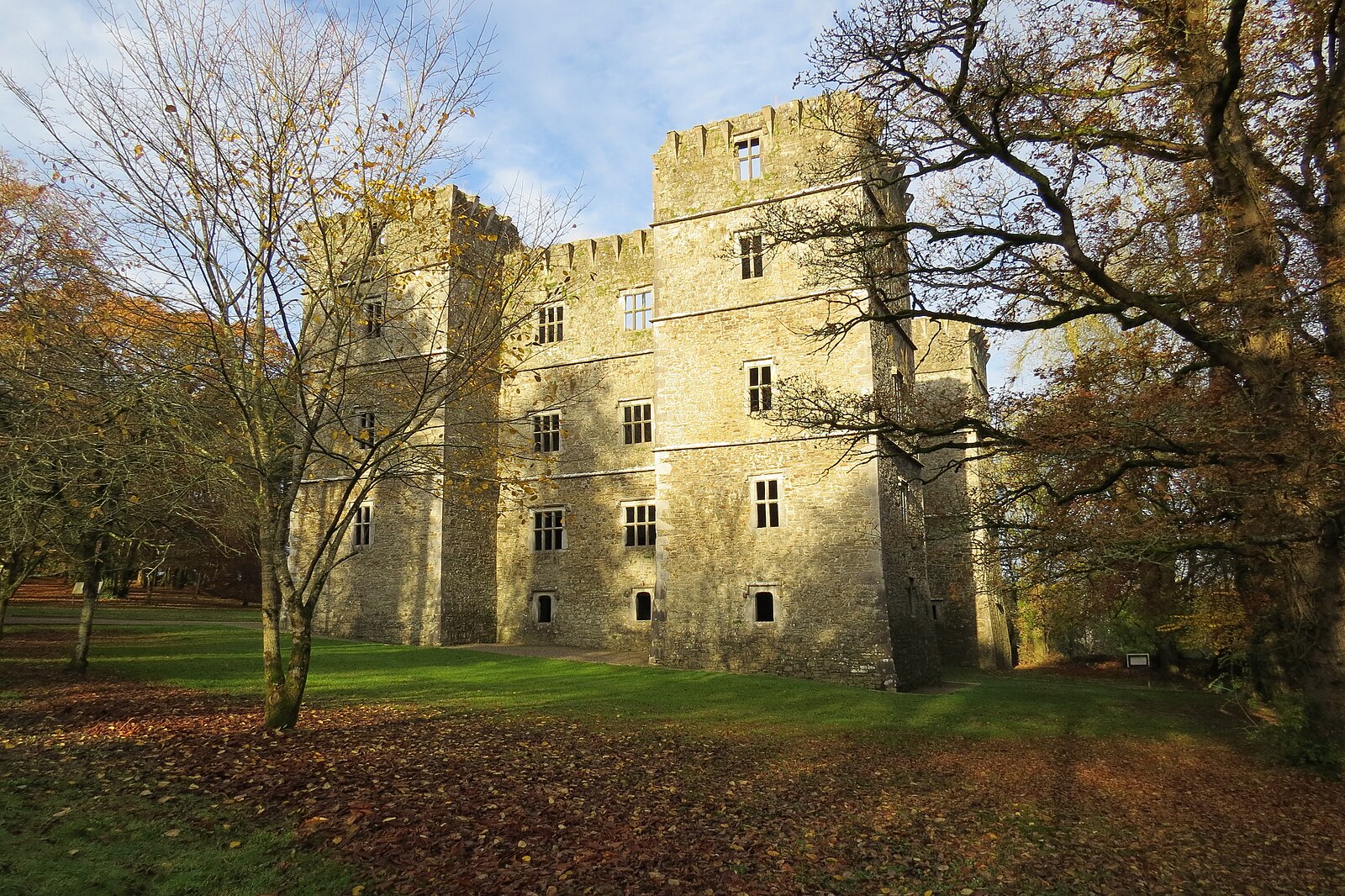
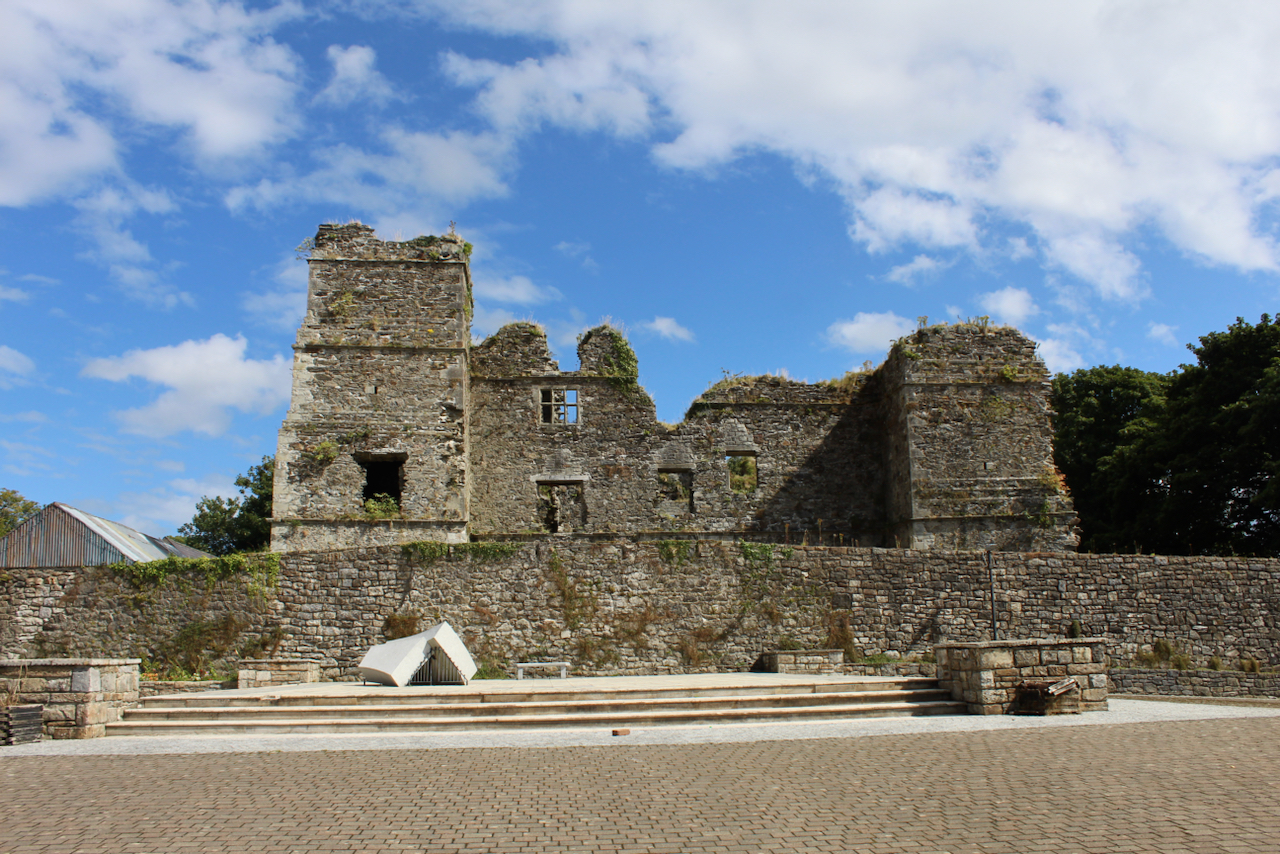
Manorhamilton Castle was attacked in the 1641 Rebellion. The fighting only ended in 1643, when James Butler, later 1st Duke of Ormond, negotiated a cessation of hostilities with the Catholic Confederation.
Robert O’Byrne tells us on his wonderful site, The Irish Aesthete, that Frederick Hamilton attacked the Catholics in Sligo in retribution for their 1641 uprising:
“In July 1642, in retaliation for their latest assault, he sacked Sligo and burnt much of the town, including the abbey. In 1643, after Manorhamilton was unsuccessfully attacked again, he hanged 58 of his opponents from a scaffold erected outside the castle.” [3]
O’Byrne shares with us an extract from a short story written by W. B. Yeats, called The Curse of the Fires and of the Shadows (1897), about the sack of the abbey in Sligo:
‘One summer night, when there was peace, a score of Puritan troopers, under the pious Sir Frederick Hamilton, broke through the door of the Abbey of White Friars at Sligo. As the door fell with a crash they saw a little knot of friars gathered about the altar, their white habits glimmering in the steady light of the holy candles. All the monks were kneeling except the abbot, who stood upon the altar steps with a great brass crucifix in his hand. “Shoot them!” cried Sir Frederick Hamilton, but nobody stirred, for all were new converts, and feared the candles and the crucifix. For a little while all were silent, and then five troopers, who were the bodyguard of Sir Frederick Hamilton, lifted their muskets, and shot down five of the friars.’
In the story, the five soldiers who shoot the monks are cursed by the abbot. Hamilton orders the soldiers to intercept two messengers who have been sent by the people of Sligo to call for help. Due to the curse, the soldiers lose their way in the forest, and a vengeful “sidhe” (fairy) leads them to their death falling from a cliff. [4]
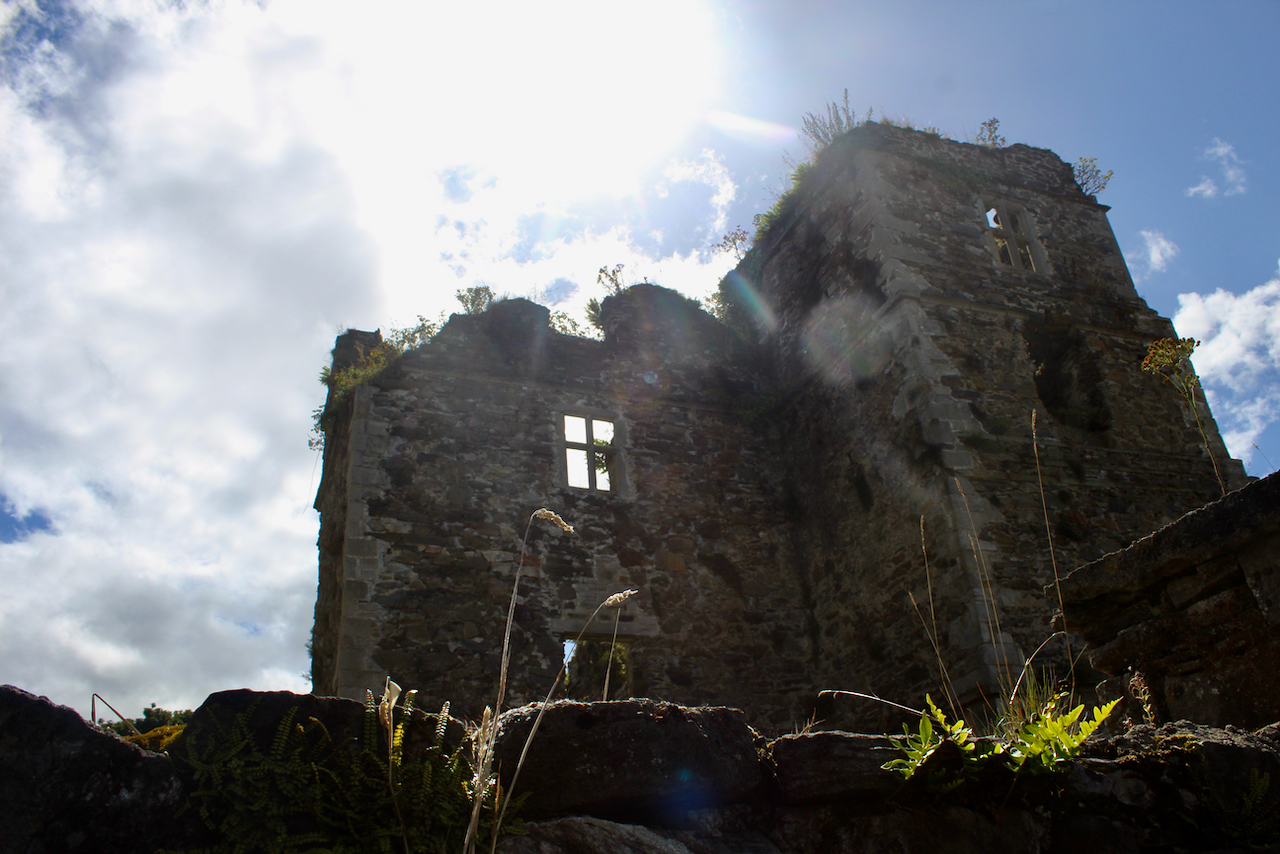
In 1645 Frederick Hamilton was back on the road, commanding a regiment in the Scottish covenanters’ army against the royal forces. After he left Manorhamilton, his castle was burned in 1652. [5] It was burnt by the army of Ulick Burke, 5th Earl of Clanricarde, Catholic leader of the Royalist army in Ireland. [see 1]
Frederick and his wife Sidney had a daughter, Christina, and three sons, all of whom became soldiers. James and Frederick both fought in their father’s regiment in 1645–6, and Frederick died in 1647 in the Irish wars, in Connacht. The youngest son, Gustavus Hamilton (1642-1723), later 1st Viscount Boyne, fought in the Irish campaigns of King William. [see 2] He took part in the Battle of the Boyne (during which his horse was shot under him and he was almost killed), the Siege of Athlone, the Battle of Aughrim and the Siege of Limerick.
After his first wife’s death, Frederick married again, this time he married Agnes, or Alice, daughter of Sir Robert Hepburn of Alderstown, in Scotland. They had no children. The castle was not rebuilt after it was burned.
Gustavus Hamilton 1st Viscount Boyne sat in the Irish House of Commons for County Donegal from 1692 to 1713. Subsequently he was returned for Strabane until 1715. He was granted 3,500 acres of confiscated land at Stackallan in Co. Meath where he built an imposing residence. In 1715 he was elevated to the peerage and two years later created Viscount Boyne. He married Elizabeth Brooke of Brookeborough in Co. Fermanagh and they had three sons and a daughter. Gustavus died in 1723 at the age of eighty.

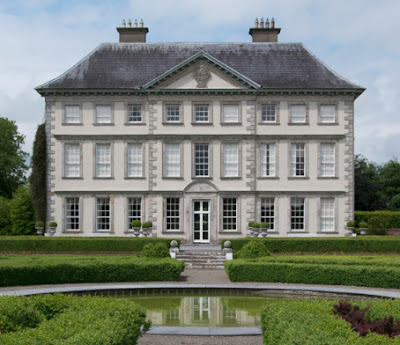
The Manorhamilton website tells us that the marriage of Hannah, Frederick’s grand-daughter, to Sir William Gore 3rd Baronet Gore, of Magherabegg, Co. Donegal, carried the Manorhamilton portion of the estate into the Gore family. Hannah was the daughter of Frederick’s son James (d. 1652). James married Catherine Hamilton (1623-1670/71) who was the daughter of Claud Hamilton (d. 1638) 2nd Baron of Strabane, who was the son of James Hamilton 1st Earl of Abercorn.
In February 1759 a descendant, Ralph Gore, sold the 5393 acre Manorhamilton estate to his cousin by marriage, Nathaniel Clements (d. 1777). It was Nathaniel Clements who built the Ranger’s Lodge in Dublin’s Phoenix Park for himself which, much enlarged and altered, became the Vice-Regal Lodge and is now the residence of the President of Ireland, Áras an Uachtaráin.
[1] https://theirishaesthete.com/2019/03/18/manorhamilton/
[2] Dictionary of Irish Biography https://www.dib.ie/biography/hamilton-sir-frederick-a3737
[3] https://theirishaesthete.com/2019/03/18/manorhamilton/
[4] Yeats, William Butler (1914), Stories of Red Hanrahan – The Secret Rose – Rosa Alchemica, New York: The MacMillan Company, pp. 134–144
[6] http://lordbelmontinnorthernireland.blogspot.com/2018/04/stackallan-house.html
 Irish Historic Houses
2 thoughts on “Manorhamilton Castle, Castle St, Manorhamilton, Co. Leitrim – section 482”