Happy holidays! And coming up next year…

I haven’t a house entry for last week, so here is a list of places on Revenue Section 482 that were scheduled to be open in January 2020 which might be open in January 2021. With Covid restrictions, maybe nothing will be open to the public, so check in advance.

In the meantime, I hope you have a safe, healthy and happy Christmas Season!

Cavan

Cabra Castle (Hotel)
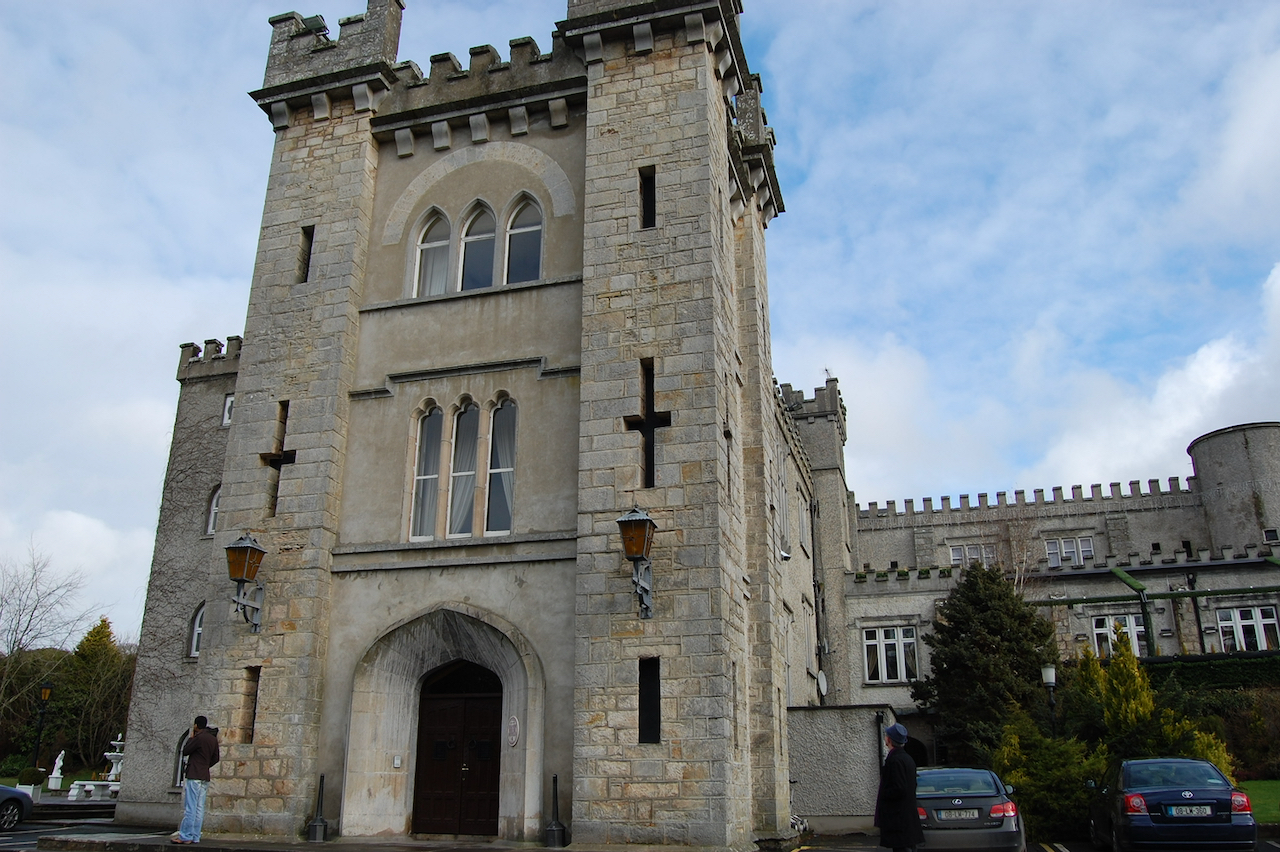
Cabra Castle, in 2011. Photograph © Jennifer Winder-Baggot, www.irishhistorichouses.com

Kingscourt, Co. Cavan

Howard Corscadden.

Tel: 042-9667030

www.cabracastle.com

Open in 2020 (but check due to Covid restrictions): all year, except Dec 24, 25, 26, 11am-12 midnight

Fee: Free

Corravahan House & Gardens

Photograph © Jennifer Winder-Baggot, www.irishhistorichouses.com

Corravahan, Drung, Ballyhaise, Co. Cavan

Ian Elliott

Tel: 087-9772224

www.corravahan.com

Open in 2020 (but check due to Covid restrictions): Jan 6-7, 13-14, 20-21, 27-28, Feb 3-4, 10-11, 17-18, 24-25, Mar 2-3, 9-10, May 24-31, June 1-18, 2pm-6pm, Aug 15-28, 9am-1pm, Sunday 2pm-6pm

Fee: adult €7, OAP/student/child/concessions €5

Clare

Newtown Castle
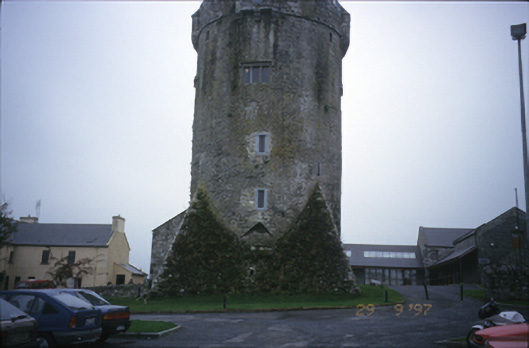
Photograph from National Inventory of Architectural Heritage.

Newtown, Ballyvaughan, Co. Clare

Mary Hawkes- Greene

Tel: 065-7077200

www.newtowncastle.com

Open in 2020 (but check due to Covid restrictions): Jan 6-May 29 Mon-Fri, June 1-30 Mon -Sat, July 1-Aug 31 daily, Sept 1-Dec 18 Mon-Fri, 10am-5pm

Fee: Free

Cork

Ashton Grove

Ballingohig, Knockraha, Co. Cork

Gerald McGreal

Tel: 087-2400831

Open in 2020 (but check due to Covid restrictions): Jan 28-29, Feb 4-5, 11-12, 25-26, Mar 3-4, 10-11, 24-25, 31, Apr 21-22, 28-29, May 12-13, 16-17, 19-20, 23-24, 26-27, June 16-17, 20-21, 23-24, 27-28, 30, July 1-2, Aug 15-23, Sept 1-2, 8-9, 12-13, 15-16, 22-23, 29-30, Wednesdays 2pm-6pm, Tues, weekends & National Heritage Week 8am-12 noon

Fee: adult €6, OAP/student/child €3

Blarney Castle & Rock Close

Blarney, Co. Cork

C. Colthurst

Tel: 021-4385252

www.blarneycastle.ie

Open in 2020 (but check due to Covid restrictions): All year except Christmas Eve & Christmas Day, Jan- Mar, Mon-Sat, 9am-sundown, Sun, 9am- 6pm Apr-May, 9am-6pm, June-Aug, Mon-Sat, 9am-7pm, Sun, 9am-6pm, Sept, Mon-Sat, 9am-6.30pm, Sun, 9am-6pm, Oct, Nov, Dec Daily 9am-6pm,

Fee: adult €18, OAP/student €15, child €10, family and season passes

Brideweir House

Photograph from National Inventory of Architectural Heritage.

Conna, Co. Cork

Ronan Fox

Tel: 087-0523256

Open in 2020 (but check due to Covid restrictions): Jan 1-Dec 24, 11am-4pm

Fee: adult €10, OAP/student €5, child free

Woodford Bourne Warehouse

Sheares Street, Cork

Edward Nicholson

Tel: 021-4273000

www.woodfordbournewarehouse.com

Open in 2020 (but check due to Covid restrictions): all year except Christmas Eve, Christmas Day, 1pm-11pm

Fee: Free

Donegal

Cavanacor House
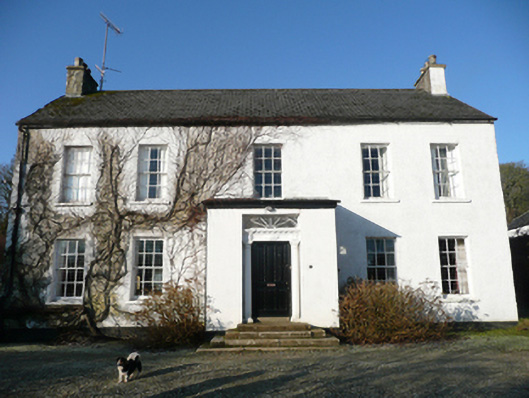
Photograph from National Inventory of Architectural Heritage.

Ballindrait, Lifford, Co. Donegal

Joanna O’Kane

Tel: 074-9141143, 085-8165428

www.cavanacorgallery.ie

Open in 2020 (but check due to Covid restrictions): Jan 26-31, Feb 1-14, May 1-31, Aug 15-23, 1pm-5pm

Fee: adult €8, OAP/student/child €6

Dublin City

Bewley’s

78-79 Grafton Street/234 Johnson’s Court, Dublin 2

Peter O’ Callaghan

Tel 087-7179367

www.bewleys.com

Open in 2020 (but check due to Covid restrictions): all year except Christmas Day, 8am-8pm

Fee: Free

Doheny & Nesbitt

4/5 Lower Baggot Street, Dublin 2

Niall Courtney

Tel: 01-4925395

Open in 2020 (but check due to Covid restrictions): all year except Christmas Day, Mon-Tues 9am-12.30am, Wed-Thurs 9am-1am, Fri-Sat 9am-2am, Sunday 10.30-12 midnight

Fee: Free

Hibernian/National Irish Bank

23-27 College Green, Dublin 2

Dan O’Sullivan

Tel: 01-6755100

www.clarendonproperties.ie

Open in 2020 (but check due to Covid restrictions): all year, except Dec 25, 10am-7pm

Fee: Free

The Odeon (formerly the Old Harcourt Street Railway Station)

Photograph © Jennifer Winder-Baggot, www.irishhistorichouses.com

57 Harcourt Street, Dublin 2

Mary Lacey, Tel: 01-6727690

www.odeon.ie

Open in 2020 (but check due to Covid restrictions): all year, 12 noon to midnight, closed Sundays

Fee: Free

Powerscourt Townhouse Centre

Photograph © Jennifer Winder-Baggot, www.irishhistorichouses.com

59 South William Street, Dublin 2

Mary Larkin

Tel: 01-6717000

Open in 2020 (but check due to Covid restrictions): All year except New Year’s Day, Easter Sunday, Easter Monday, Christmas Day, St. Stephen’s Day & Bank Holidays, Mon-Sat, 10am-6pm, Thurs, 10am-8pm, Sundays, 12 noon-6pm

Fee: Free

10 South Frederick Street

Dublin 2

Joe Hogan

Tel: 087-2430334

Open in 2020 (but check due to Covid restrictions): Jan1-20, May 1-31, June 1, Aug 15-23, 2pm-6pm

Fee: Free

The Church

Junction of Mary’s Street/Jervis Street, Dublin 1

Ann French

Tel: 087-2245726

www.thechurch.ie

Open in 2020 (but check due to Covid restrictions): all year except Christmas Eve, Christmas Day and St Stephens Day, 11am-11 pm

Fee: Free

County Dublin

Farm Complex

Toberburr Road, Killeek, St Margaret’s, Co. Dublin

David Doran, Tel: 086-3821304

Open in 2020 (but check due to Covid restrictions): Jan 2-5, 11-12, 18-19, 25-26, Feb 1-2, 15-16, 21-23, March 6-8, May 1-4, 8-10, 15-17, 22-24, 29-31, June 1, 5-7, 12-14, Aug 15-23, Sept 5-6, 12-13, 19-20, 26-27, Jan, Feb, Sept, 12 noon-4pm, Mar-Aug 2pm-6pm

Fee: adult €6, student/OAP/child €5

“Geragh”

Sandycove Point, Sandycove, Co. Dublin

Gráinne Casey

Tel: 01-2804884

Open in 2020 (but check due to Covid restrictions): Jan 14-17, 21-23, 28, Feb 18-20, 26-28, May 6-8, 11-24, 27-29, Aug 11-12, 15-23, 26-27, Sept 7-11, 15-16, Nov 3-6, Dec 3-4, 2pm-6pm

Fee: adult €7, OAP €4, student €2, child free

Meander

Photograph from National Inventory of Architectural Heritage.

Westminister Road, Foxrock, Dublin 18,

Ruth O’Herlihy,

Tel: 087-2163623

Open in 2020 (but check due to Covid restrictions): Jan 6-10, 13-17, 20-24, 27-31, May 1-2, 5-9, 11-12, 19-23, June 8-13, 15-20, 23-27, Aug 15-23, 9am-1pm

Fee: adult €5, OAP/child €2

Tibradden House

Photograph from National Inventory of Architectural Heritage.

Mutton Lane, Rathfarnham, Dublin 16

Selina Guinness

Tel: 01-4957483

www.selinaguinness.com

Open in 2020 (but check due to Covid restrictions): Jan 10-12, 17, 24-31, Feb 2, 7-8, 28, Mar 6, 20, 27-29, Apr 3-5, 24-25, May 7-8, 14-15, 21-24, 28-29, June 4-5, 11-12, 18-24, July 14-19, Aug 15-25, Sept 12-13, weekdays 2.30pm-6.30pm, weekends 10.30am-2.30pm, tours weekdays 3pm & 4.30pm, weekends 11am & 12.30pm

Fee: adult/OAP €8 student €3, child free, An Taisce members/Irish Georgian Society members €5

Kerry

Derreen Gardens

Lauragh, Tuosist, Kenmare, Co. Kerry

John Daly

Tel: 087-1325665

Open in 2020 (but check due to Covid restrictions): all year, 10am-6pm

Fee: adult/OAP/student €8, child €3, family ticket (2 adults and all children under 18 and 2 maps) €20

Kildare

Farmersvale House

Badgerhill, Kill, Co. Kildare

Patricia Orr

Tel: 086-2552661

Open in 2020 (but check due to Covid restrictions): Jan 19-31, Feb 1-7, May 1-12, July 27-31, Aug 1-23, 9.30am-1.30pm

Fee: adult €5, student/child/OAP €3, (Irish Georgian Society members free)

Harristown House

Photograph © Jennifer Winder-Baggot, www.irishhistorichouses.com

Brannockstown, Co. Kildare

Noella Beaumont

Tel: 087-7414971

Open in 2020 (but check due to Covid restrictions): Jan 13-24, Feb 3-14, May 5-29, June 2-5, Aug 15-23, Sept 7-11, 9am-1pm

Fee: €10

Kildrought House

Photograph from National Inventory of Architectural Heritage.

Celbridge Village, Co. Kildare

June Stuart

Tel: 01-6271206, 087-6168651

Open in 2020 (but check due to Covid restrictions): Jan 6-25, May 1-14, 18-26, Aug 15-31, 10am-2pm, Garden permanently available to Celbridge walking tours     

Fee: adult €6, OAP/student/child €3, child under 5years free, school groups €1 per head

Moyglare Glebe

Moyglare, Maynooth, Co. Kildare

Joan Hayden

Tel: 01-8722238

Open in 2020 (but check due to Covid restrictions): Jan 13-17, 20-24, 27-31, Feb 3-7, May 1-27, Aug 15-23, Sept 4-7, 8.30am-12.30pm

Fee: adult €6, OAP/student/child €3

Kilkenny

Kilkenny Design Centre
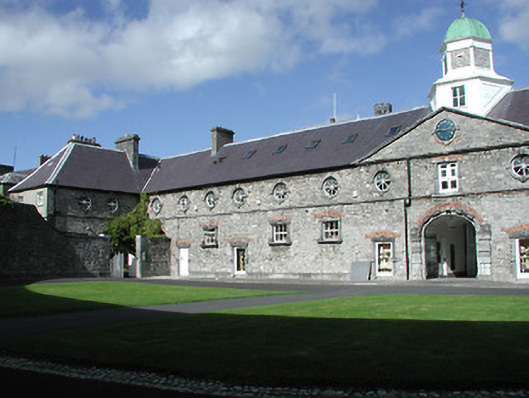
Photograph from National Inventory of Architectural Heritage.

Castle Yard, Kilkenny

Joseph O’ Keeffe, Tel: 054-6623331

www.kilkennydesign.com

Open in 2020 (but check due to Covid restrictions): all year,10am-7pm

Fee: Free

Tudor Building (Hole in the Wall)

Rere of 17-19 High Street, Kilkenny.

Michael Conway

087-8075650

www.holeinthewall.ie

Open in 2020 (but check due to Covid restrictions): all year, closed Christmas Day, Jan- Feb & Nov 7pm-11pm, Mar- Sept 1pm-11.30pm, Oct 1pm-11pm, Nov 7pm-11pm, Dec 1-14, 26-31,7pm-11pm, 15 -24, 1pm-11.30pm

Fee: Free

Laois

Ballaghmore Castle

Borris in Ossory, Co. Laois

Grace Pym

Tel: 0505-21453

www.castleballaghmore.com

Open in 2020 (but check due to Covid restrictions): all year except Christmas Day, 10am-6pm

Fee: adult €5, student/child/OAP €3, family of 2 adults + 2 children €10

Leitrim

Manorhamilton Castle (Ruin)

Castle St, Manorhamilton, Co. Leitrim

Anthony Daly

Tel: 086-2502593

Open in 2020 (but check due to Covid restrictions): Jan 7-Dec 21, closed Sat & Sun, 9.30am-3.30pm

Fee: adult €5, child free

Limerick

Ash Hill
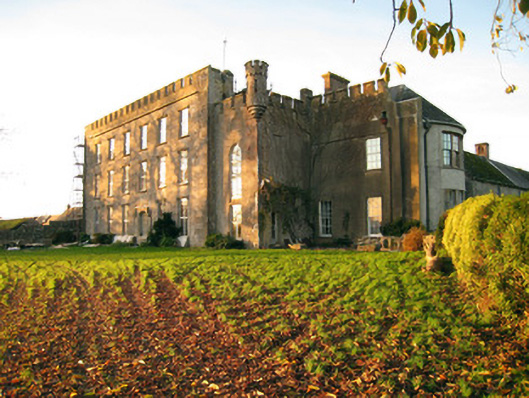
Photograph from National Inventory of Architectural Heritage.

Kilmallock, Co. Limerick

Simon and Nicole Johnson

Tel: 063-98035

www.ashhill.com

(Tourist Accommodation Facility)

Open in 2020 (but check due to Covid restrictions): Jan 15-31, Feb 1-15, Mar 1-May 31, June 1-15, July 1- Sept 20, Oct 1-20, Nov 1-20, Dec 1-15, 9am-4.30pm

Fee: Free

Glebe House

Photograph from National Inventory of Architectural Heritage.

Bruff, Co. Limerick

Colm McCarthy

Tel: 087-6487556

Open in 2020 (but check due to Covid restrictions): Jan 6-10, 13-17, 20-24, 27-31, May 5-13, Aug 10-23, Sept 14-30, Mon-Fri, 5.30pm-9.30pm, Sat-Sun, 9am-1pm

Fee: Free

Mayo

Brookhill House

Photograph from National Inventory of Architectural Heritage.

Brookhill, Claremorris, Co. Mayo

Patricia and John Noone

Tel: 094-9371348

Open in 2020 (but check due to Covid restrictions): Jan 13-20, Apr 13-20, May 18-24, June 8-14, July 13-19, Aug 1-23, 2pm-6pm

Fee: adult €6, student €3, OAP/child/National Heritage Week free

Meath

Cillghrian Glebe now known as Boyne House Slane

Slane, Co. Meath

Alan Haugh

Tel: 041-9884444

www.boynehouseslane.ie

Open in 2020 (but check due to Covid restrictions): all year and National Heritage Week, Aug 15-23, 9am-1pm

Fee: Free

Dardistown Castle
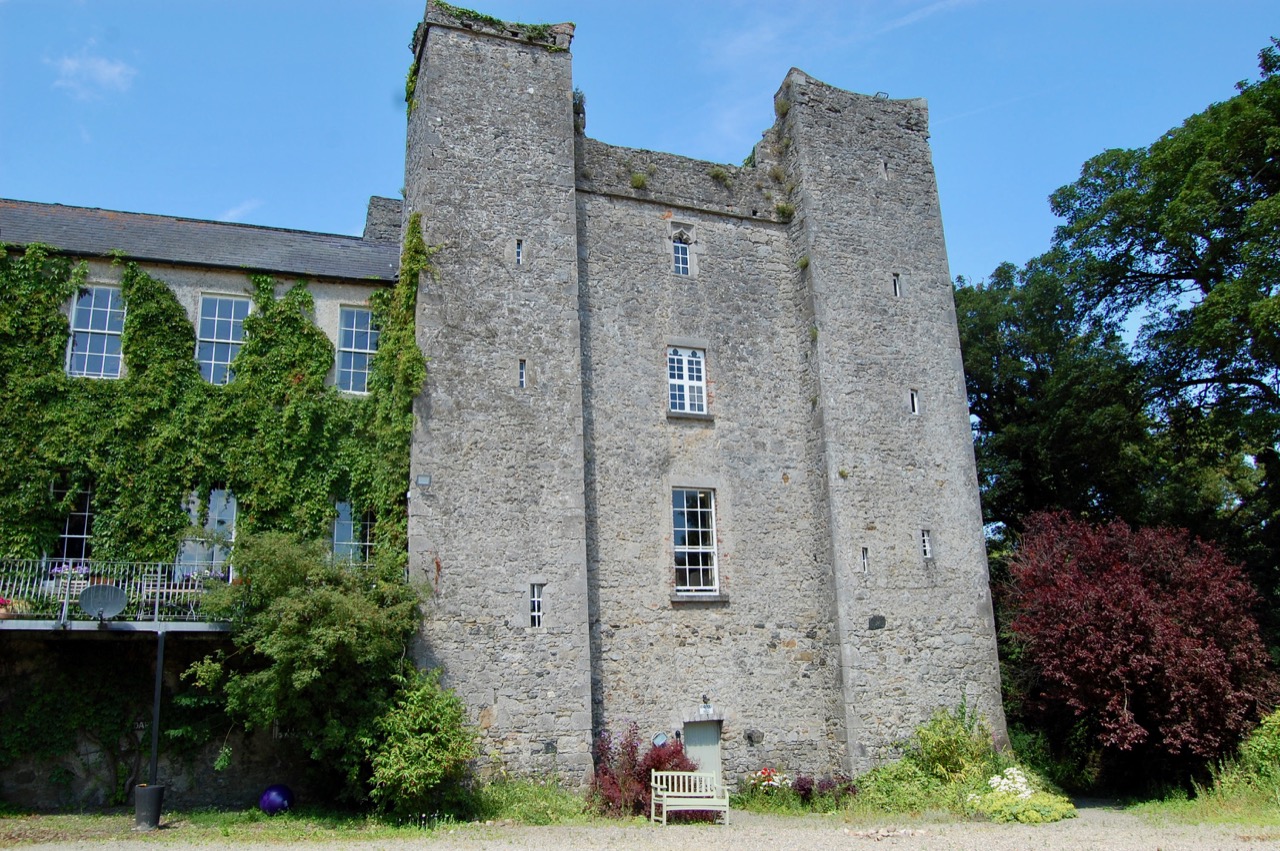
Photograph © Jennifer Winder-Baggot, www.irishhistorichouses.com

Dardistown, Julianstown, Co. Meath

Lizanne Allen

Tel: 086 -2774271

www.dardistowncastle.ie

Open in 2020 (but check due to Covid restrictions): Jan 9-11, 13-18, 20-24, 27-31, Aug 15-31, Sept 1-5, 7-12, 14-19, 21-26, 10am-2pm

Fee: adult €6, child €3, student/OAP free, all proceeds to Irish Cancer Society.

Moyglare House
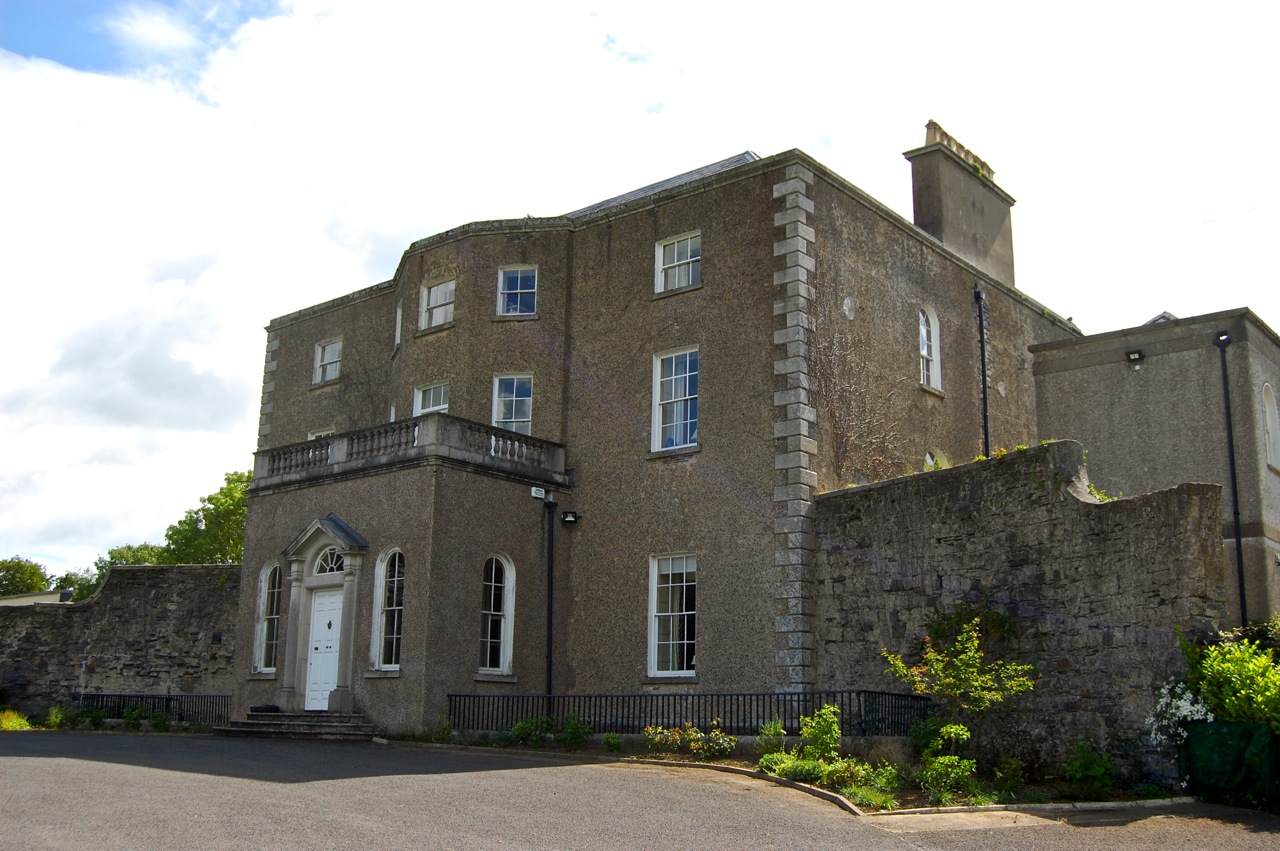
Photograph © Jennifer Winder-Baggot, www.irishhistorichouses.com

Moyglare, Co. Meath

Postal address Maynooth Co. Kildare

Angela Alexander

Tel: 086-0537291

www.moyglarehouse.ie

Open in 2020 (but check due to Covid restrictions): Jan 1-3, 6-10, 13-17, 20-24, 27-28, May 1-22, 25-29, June 1-3, Aug 15-24, 9am-1pm

Fee: adult €7.50, OAP/ student/child €5

Slane Castle

Photograph © Jennifer Winder-Baggot, www.irishhistorichouses.com

Slane, Co. Meath

Jemma & Pamela

Tel: 041-9884477

www.slanecastle.ie

Open in 2020 (but check due to Covid restrictions):Jan4-5, 11-12, 18-19, 25-26, Feb 1-2, 8-9, 15-16, 22-23, 29, Mar 1, 7-8, 14-15, 21-22, 28-29, 12.15pm-4pm, April 1-30, May 1-31, June 1-30, July 1-31, Aug 1-31, Sept 1-30, Oct 1-31, 11.15am-5.15pm, Nov 1, 7-8, 14-15, 21-22, 28-29, Dec 5-6, 12-13, 19-20, 26-27, 12.15pm-4pm

Fee: adult €12, €14 from Feb, OAP/student €10.80, €11from Feb, child €7.20

St. Mary’s Abbey

High Street, Trim, Co. Meath

Peter Higgins

Tel: 087-2057176

Open in 2020 (but check due to Covid restrictions): Jan 20-24, Feb 24-28, May 11-15, June 29-30, July 1-3, 13-19, Aug 15-23, Sept 7-13, 21-27, Oct 19-23, Nov 2-6, 2pm-6pm

Fee: adult €5, OAP/student/child €2

Tankardstown House

Rathkenny, Slane, Co. Meath

Tadhg Carolan, Tel: 087-7512871

www.tankardstown.ie

Open in 2020 (but check due to Covid restrictions): All year including National Heritage Week, 9am-1pm

Fee: Free

Monaghan

Castle Leslie

Photograph © Jennifer Winder-Baggot, www.irishhistorichouses.com

Glaslough, Co. Monaghan

Samantha Leslie

Tel: 047-88091

www.castleleslie.com

(Tourist Accommodation Facility)

Open in 2020 (but check due to Covid restrictions): all year, National Heritage Week events August 15-23

Fee: Free

Offaly

Ballybrittan Castle

Ballybrittan, Edenderry, Co. Offaly

Rosemarie

Tel: 087-2469802

Open in 2020 (but check due to Covid restrictions): Jan 4-5, 11-12, 18-19, 25-26, Feb 1-2, 8-9, 15-16, 22-23, 29, Mar 1, 7-8, 14-15, 21-22, 28-29, May 2-3, 9-10, 16-17, 23-24, 30-31, June 13-14, 20-21, 27-28, July 4-5, 11-12, 18-19, 25-26, Aug 15-23, Sept 5-13, 2pm-6pm.

Fee: free – except in case of large groups a fee of €6 p.p.

Corolanty House
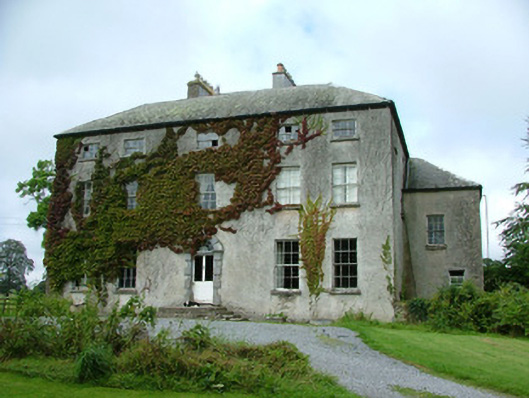
Photograph from National Inventory of Architectural Heritage.

Shinrone, Birr, Co. Offaly

Siobhan Webb

Tel: 086-1209984

Open in 2020 (but check due to Covid restrictions): Jan, Feb, July, Aug, Sept, daily 2pm-6pm

Fee: Free

Crotty Church
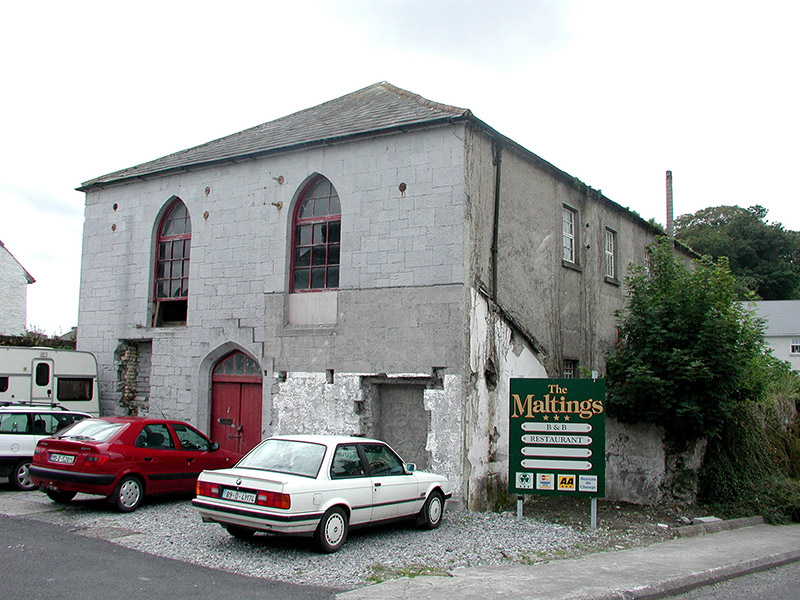
Photograph from National Inventory of Architectural Heritage.

Castle Street, Birr, Co. Offaly

Brendan Garry

Tel: 086-8236452

Open in 2020 (but check due to Covid restrictions): All year, except Dec 25, 9am-5pm

Fee: Free

Gloster House

Photograph from National Inventory of Architectural Heritage.

Brosna, Birr, Co. Offaly

Tom & Mary Alexander

Tel: 087-2342135

Open in 2020 (but check due to Covid restrictions): Jan 6-31, Mon-Fri, May 1-31, Aug 15-23, 9am-1pm

Fee: €6

High Street House

High Street, Tullamore, Co. Offaly

George Ross

Tel: 086-3832992

www.no6highstreet.com

Open in 2020 (but check due to Covid restrictions): Jan 3, 6-10, 13-17, 20-24, 27-30, May 1-12, Aug 15-23, Sept 1-20, 9.30am-1.30pm

Fee: adult/student €5, OAP €4, child under 12 free

Tullamore Dew Heritage Centre
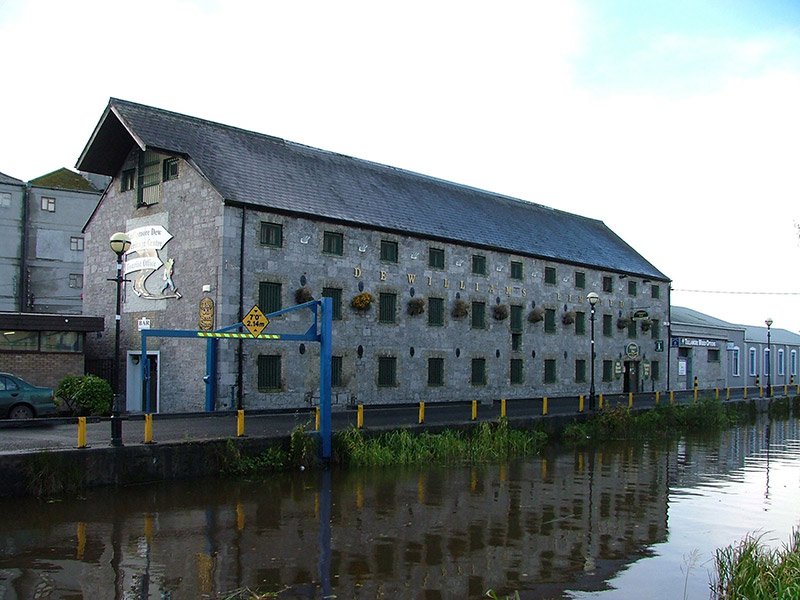
Photograph from National Inventory of Architectural Heritage.

Bury Quay, Tullamore, Co. Offaly

Maurice Conway

Tel: 057-9327740

Open in 2020 (but check due to Covid restrictions): Jan 2-Dec 24, 28-30, 9.30am-6pm,

Fee: adult €17, OAP/student €15, child €13

The Maltings
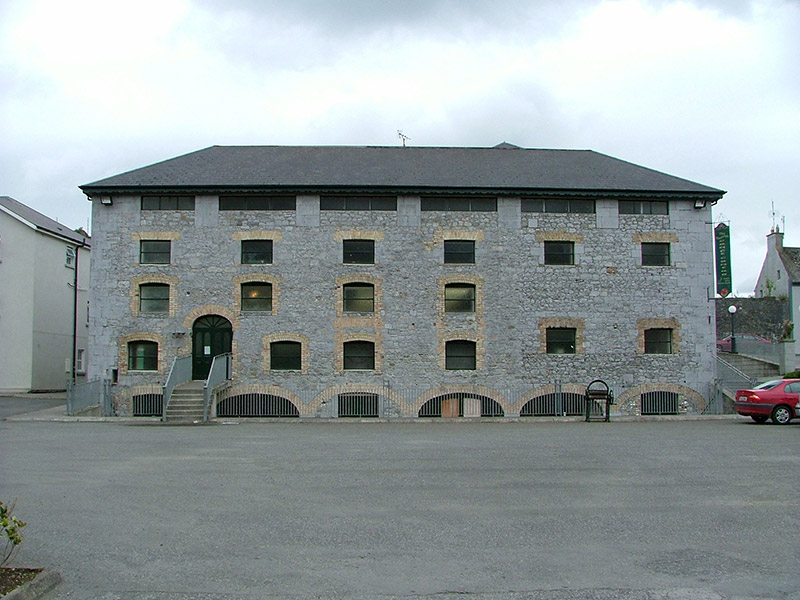
Photograph from National Inventory of Architectural Heritage.

Castle Street, Birr, Co. Offaly

Brendan Garry

Tel: 086-8236452

(Tourist Accommodation Facility)

Open in 2020 (but check due to Covid restrictions): all year

Roscommon

Strokestown Park House

Photograph from National Inventory of Architectural Heritage.

Strokestown Park House, Strokestown, Co. Roscommon

Ciarán

Tel: 01-8748030

www.strokestownpark.ie

Open in 2020 (but check due to Covid restrictions): Jan 2-Dec 23, Jan, Feb, Nov, Dec 10.30am-4pm, April-Oct 10.30am-5.30pm, Mar 1-16 10.30am-4pm, Mar 17-31 10.30am-5.30pm

Fee: adult €14, €12.50, €9.25, OAP/student €12.50, child €6, group €11.50, family €29

Tipperary

Beechwood House
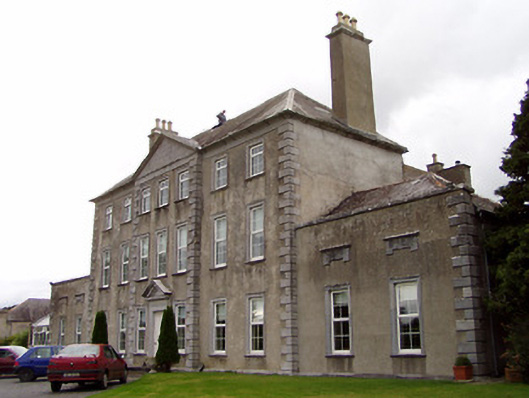
Photograph from National Inventory of Architectural Heritage.

Ballbrunoge, Cullen, Co. Tipperary

Maura & Patrick McCormack

Tel: 083-1486736

Open in 2020 (but check due to Covid restrictions): Jan 3-6, 10-13, Feb 28-29, Mar 1-2, 6-9, Apr 24-27, May 8-11, 15-18, June 5-8, July 10-13, 24-27, Aug 15-23, Sept 11-14, 18-21, 25-28, 10.15am-2.15pm

Fee: adult €5, OAP/student €2, child free, fees donated to charity

Westmeath

Lough Park House
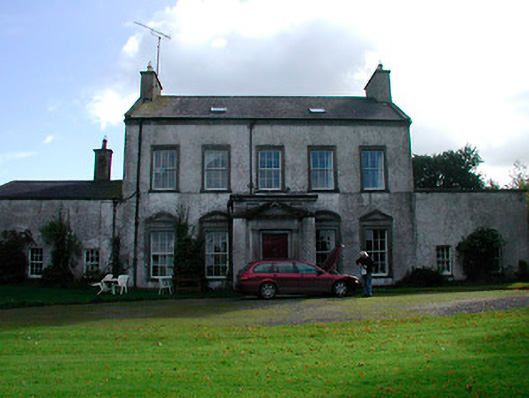
Photograph from National Inventory of Architectural Heritage.

Castlepollard, Co. Westmeath

Liam O’Flanagan

Tel: 044-9661226

Open in 2020 (but check due to Covid restrictions): Jan 1-7, Mar 15-20, Apr 9-15, May 1-7, June 1-7, 27-28, July 18-26, Aug 1-5, 15-24, 2pm-6pm

Fee: adult /OAP €6, child/student €4

Wexford

Clougheast Cottage

Photograph from National Inventory of Architectural Heritage.

Carne, Co. Wexford

Jacinta Denieffe

Tel: 086-1234322

Open in 2020 (but check due to Covid restrictions): Jan 11-31, May 1-31, August 15-23, 9am-1pm

Fee: €5

Wilton Castle

Photograph from National Inventory of Architectural Heritage.

Bree, Enniscorthy, Co. Wexford

Sean Windsor

(Tourist Accommodation Facility)

Tel: 053-9247738

www.wiltoncastleireland.com  

Open in 2020 (but check due to Covid restrictions): all year

Wicklow

Castle Howard

Photograph © Jennifer Winder-Baggot, www.irishhistorichouses.com

Avoca, Co. Wicklow

Mark Sinnott

Tel: 087-2987601

Open in 2020 (but check due to Covid restrictions): Jan 13-15, Feb 3-7, Mar 2-4, 23-25, June 8-13, 20, 22-27, July 6-12, 20-23, Aug 14-23, Sept 7-12, 26, Oct 5-7, 12-14, 9am-1pm

Fee: adult €8.50, OAP/student €6.50, child €5

Mount Usher Gardens

Ashford, Co. Wicklow

Caitriona Mc Weeney

Tel: 0404-49672

www.mountushergardens.ie

Open in 2020 (but check due to Covid restrictions): all year 10am-6pm

Fee: adult €8, student/OAP €7, child €4, no charge for wheelchair users

Powerscourt House & Gardens
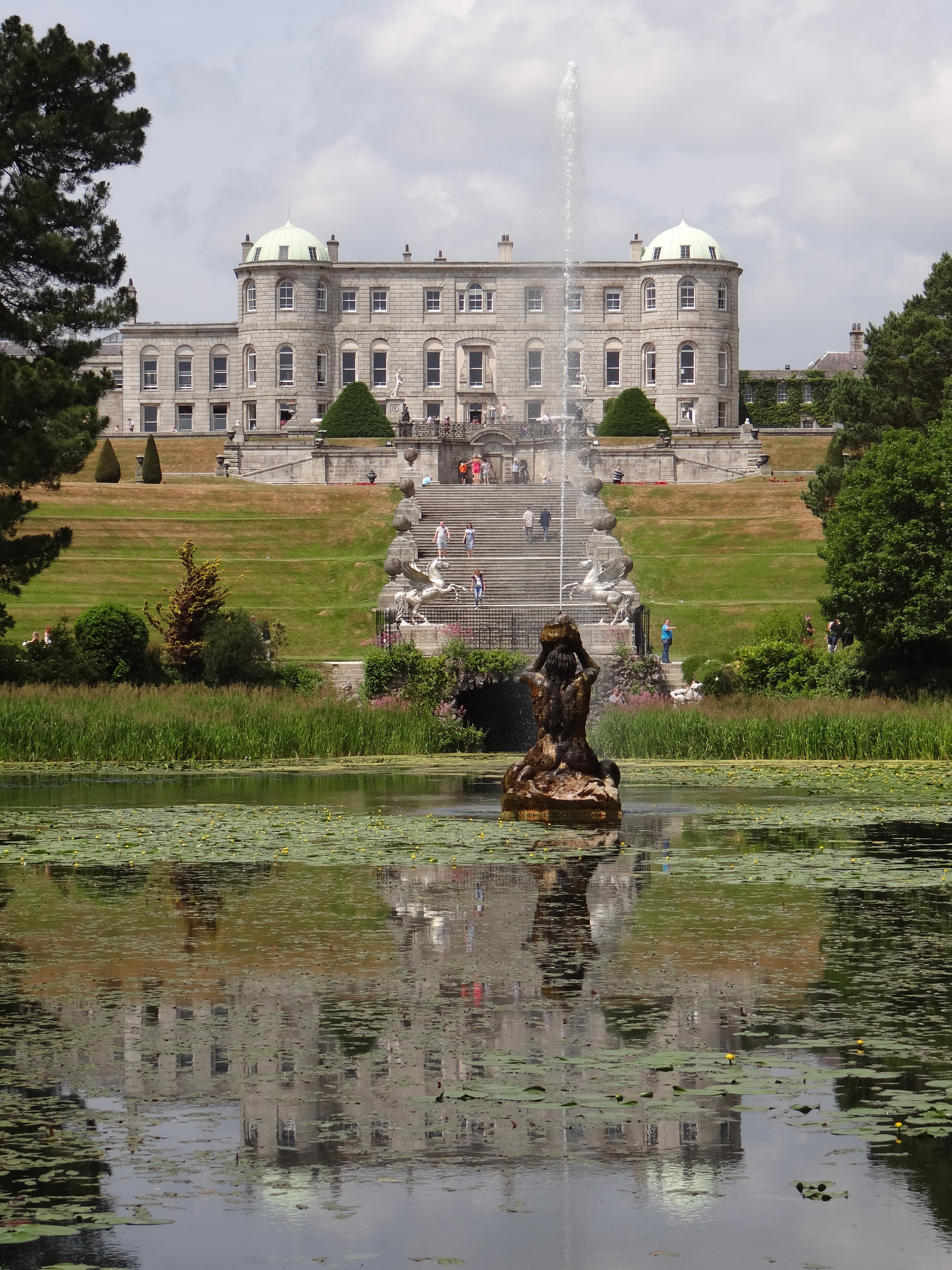
Powerscourt Estate, Enniskerry, Co. Wicklow

Sarah Slazenger

Tel: 01-2046000

www.powerscourt.ie

Open in 2020 (but check due to Covid restrictions): All year, closed Christmas day and St Stephens day, 9.30am-5.30pm, ballroom and garden rooms Sun, 9.30am-1.30pm

Fee: Mar-Oct, adult €11.50, OAP €9, student €8.50, child €5, family ticket €25, Nov-Dec adult €8.50, OAP €7.50, student €7, child €4, family ticket 2 adults + 3 children €18, children under 5 free
Architectural definitions

I will add to this page as I go, when I use a new architectural term in a post. I have taken my definitions from Mark Bence-Jones [1], if not otherwise indicated.

acanthus – decoration based on the leaf of the acanthus plant, which forms part of the Corinthian capital.

acroteria – ornamental blocks of stone resting on an entablature or pediment; a characteristic of Grecian Revival architecture.

Adamesque – Neoclassical interior design like the work of Scottish architect William Adams and his sons, most famous of whom are Robert (1728–1792) and James (1732–1794).

aedicule – the framing of a window or other opening with columns and a pediment or entablature.

architrave: strictly speaking, the lowest member of the Classical entablature; used loosely to denote the moulded frame of a door or window opening. (B-J.) OR (1) A formalized lintel, the lowest memter of the classical entablature; (2) moulded frame of door or window. Also “lugged” or “shouldered architrave” whose top is prolonged into “lugs” ie. ears. [2]

ashlar: squared cut stone in regular courses.

astragal: strictly speaking, a narrow semi-circular moulding; used loosely to denote the glazing bars in a Georgian sash window.

astylar: term used to describe an elevation than has no columns or other distinguishing stylistic features. [2]

banded column: a column of which the shaft is interrupted with stone bands.

bargeboard: a wooden board, often ornamented, along the slope of the gable of an eaved roof, hiding the ends of the roof timbers.

Baroque: “The Baroque style used contrast, movement, exuberant detail, deep colour, grandeur and surprise to achieve a sense of awe. The style began at the start of the 17th century in Rome, then spread rapidly to France, northern Italy, Spain and Portugal, then to Austria, southern Germany and Russia…excess of ornamentation…The classical repertoire is crowded, dense, overlapping, loaded, in order to provoke shock effects.” wikipedia.

barrel vault: a curved vault, found in both Medieval and Classical architecture.

bartizan: a turret corbelled out from a wall.

baseless pediment: a pediment in which the base moulding is omitted.

Batty Langley Gothic – the earliest form of Georgian-Gothic, as popularized by the English architectural writer, Batty Langley (1696-1751).

bay: A bay is a vertical division of the exterior of a building marked by a single tier of windows in its centre. Thus the number of bays in a façade is usually the same as the number of windows in each storey. There are, however, facades in which some of the bays contain two or more narrow windows in each storey in place of a single window of whatever width is the norm…

Because of this use of the word bay to denote a division, the word is never used in this book to mean a bay window, which is always described as a bow, curved or three sided as the case may be. For simplicity’s sake, all polygonal bows are described as “three sided” including those which are, strictly speaking, five sides, which are sometimes known as “half-octagons.”

Belvedere – a loggia on the tower of a house.

blind window, arch: a window, arch or other opening which is filled in.

blocked column/pilaster: a column or pilaster of which the shaft is interrupted with square blocks.

blocking: the use of alternating large and small blocks of stone, or of intermittent large blocks, in a doorcase, window surround or similar feature. Also known as rustication. [see Gibbsian doorcase/ surround]

bolection moulding: a broad curved moulding characteristic of late C17 and early C18 interiors; used in chimneypieces and also on panelling. [“convex moulding covering the joint between two different planes and overlapping the higher as well as the lower one, especially on panelling and fireplace surrounds of the late seventeenth and early eighteenth centuries.” p. 539. Casey, Christine and Alistair Rowan, The Buildings of Ireland: North Leinster. The Counties of Longford, Louth, Meath and Westmeath. Penguin Books, London, 1993.]

Bossi chimneypiece: a late C18 marble chimneypiece by, or in the style of, the Italian craftsman, Pietro Bossi; characterised by delicate inlaid ornament in coloured marbles against white background.

breakfront: a slight projection in the centre of a façade, rising through its full height and usually extending for three bays, but sometimes for more bays or less.

broken pediment: a pediment with a gap in its centre.

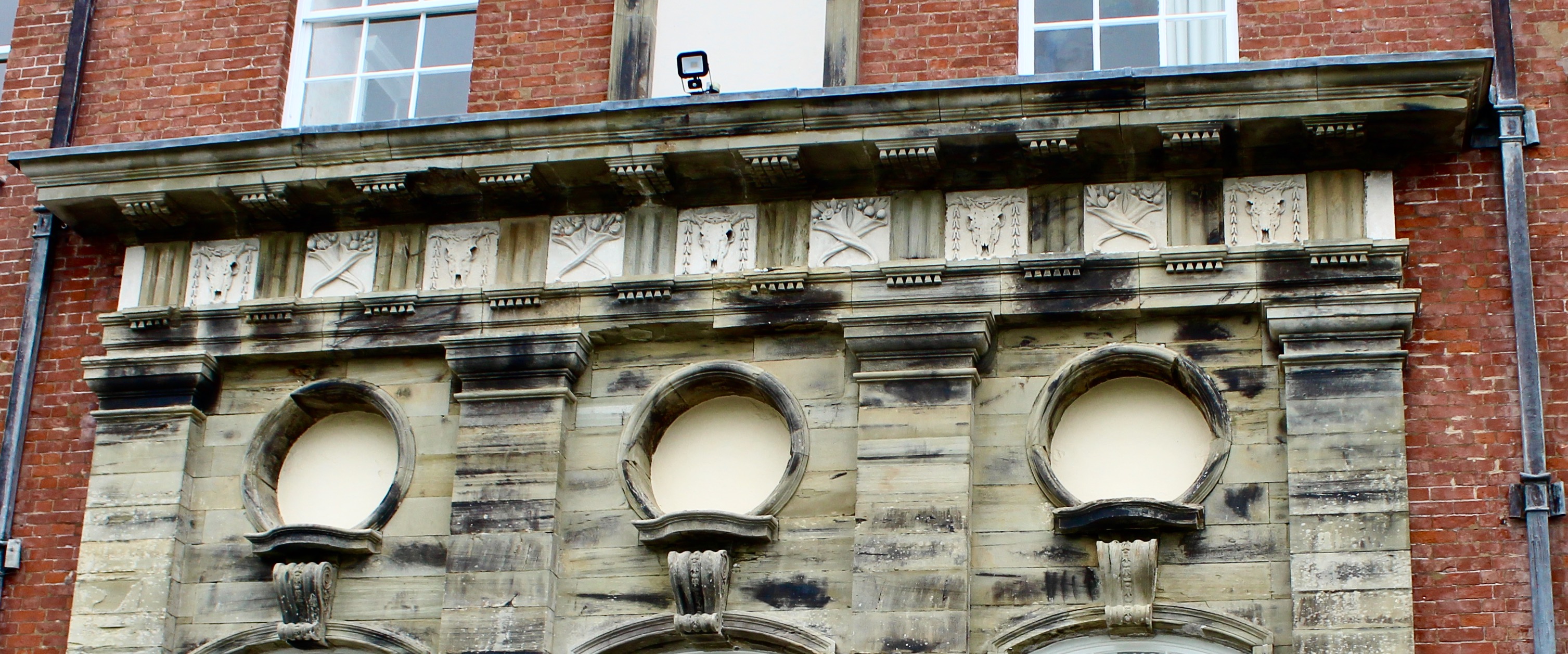
Bucrania: sculptured ox-skulls, used as ornaments in the metopes of a Doric frieze.

camber-headed window: a window of which the head is in the form of a shallow convex curve.

cantilevered staircase: a stone staircase in which the treads are monolithic and fixed at only one end.

Caryatid: a sculptured female figure used to support an entablature.

chamfered: an edge between two faces, usually at a 45 degree angle [wikipedia].

channelling: Decoration of the outside of a building with horizontal grooves; a treatment usually confined to the basement or lower part of a building [see rustication].

Claire-voie: a wrought iron screen.

clerestory: a row of windows in the upper part of a hall or other room which rises through several storeys.

Coade stone: an artificial cast stone of fine quality, invented in 1770 by Mrs Eleanor Coade and made by the Coade factory in London; widely used in the late-Georgian period for plaques, reliefs, capitals and other ornamentation.

coffering: recessed panels in a ceiling or dome.

composite order: an Order used originally by the Romans, having a capital which is partly Ionic and partly Corinthian.

console bracket: a scrolled bracket carrying an entablature, window surround or other member.

corbel: a block of stone projecting from a wall, supporting the beam of a roof or any other member; often ornamented.

Corinthian order: the third Order of Classical architecture.

cornice: strictly speaking, the crowning or upper projecting part of the Classical entablature; used to denote any projecting moulding along the top of a building, and in the angle between the walls and the ceiling of a room.

crocket: projecting carved foliage, used to decorate pinnacles and similar features in Gothic or Gothic-Revival architecture.

curved sweeps: the curving walls or corridors joining the centre block of a Palladian house to the wings or pavilions. Also known as quadrant walls.

Dado: the lower part of the walls of a room, when treated differently from the area above.

dentil cornice: a cornice with tooth-like ornamentation.

die: a raised rectangular block in the centre of the roof parapet of a house, or in the centre of the portico or porch.

Diocletian window: a semi-circular window divided vertically into three lights.

Doric Order: the first and simplest Order of Grecian architecture.

eaved roof: a roof of which the eaves overhang the walls of the house.

engaged columns: columns attached to, or partly sunk in, the wall of a building

entablature: a horizontal member, properly consisting of an architrave, frieze and cornice, supported on columns, or on a wall, with or without columns or pilasters.

fenestration: the arrangement of windows in a façade.

festoon: a carved ornament in the form of a garland of fruit and flowers; also known as a swag.

finial: the top of a pinnacle or similar feature.

floating pediment: a pediment which is based neither on a breakfront, nor on columns or pilasters.

fluting: vertical chanelling on the shaft of a column or pilaster.

fretted ceiling: a ceiling divided by criss-cross mouldings, a characteristic of Tudor or Tudor-Revival architecture.

framing bands: projecting bands, vertical or horizontal, framing a façade or certain bays of a façade.

frieze: strictly speaking, the middle part of an entablature in Classical architecture; used also to denote a band of ornament running round a room immediately below the ceiling.

gable: (1) peaked wall or other vertical surface, often triangular, at the end of a double-pitch roof; (2) the same, very often with a chimney at the apex, but also in a wider sense: end wall, of whatever shape. [2]

giant portico/columns/pilasters/order: a portico, columns or pilasters, rising through two or more storeys of a building

Gibbsian doorcase/surround: an eighteenth century treatment of door or window surround seen particularly in the work of the British architect, James Gibbs (1862-1754), characterised by alternating large and small blocks of stone or intermittent large blocks and a head composed of five voussoirs and a pediment or entablature.

herm: see ‘term’

hipped roof: all the sides of the roof slope downwards to the walls, as opposed to a “gabled” roof which is peaked with a vertical surface.

hood moulding: a projecting moulding over the heads of windows and doorways in Gothic, Tudor, Gothic-Revival and Tudor-Revival architecture. [see Borris House] Hood mouldings also occur in some plain late-Georgian Irish country houses.

imperial staircase: a bifurcating staircase – consisting of a single lower ramp, dividing into two upper ramps – on a grand scale.

Ionic Order: the second Order of Classical architecture. [Ionic columns have scrolls on top]

Irish battlements: stepped battlements, characteristic of Irish architecture from 15C onwards. Used also in C19 castellated buildings.

keyhole pattern: a geometrical pattern of vertical and horizontal straight lines, used in Classical decoration.

lancet window: a sharply pointed Gothic window.

lantern: a raised section of a roof, with windows all around, lighting a room below.

loggia: [Wikipedia] a covered exterior gallery or corridor, where the outer wall is open to the elements and is usually supported by a series of columns or arches. It is not meant for an entrance but as an out-of-door sitting room. They differ from a veranda in that they are more architectural in form and are part of the main edifice.

lunette: a semi-circular window, opening or recess.

machicolation: a corbelled gallery on the walls and towers of a castle, from which missiles, boiling oil, etc, could be thrown down. A feature frequently reproduced in C19 castles.

mansard roof: a steep roof with a double slope, named after the French architect Francois Mansart (1598-1666).

metopes: the spaces between the triglyphs in a Doric frieze; often ornamented with Classical reliefs

mezzanine: a low “half” storey between two higher ones.

modillion cornice: a cornice of the Corinthian order, made up of modillions, or ornamented brackets. Frequently used as the cornice of a ceiling.

mullioned window: a window divided into lights by vertical bards of stone or timber; found in Gothic or Tudor architecture. Also common in Gothic-Revival and Tudor-Revival architecture.

mutules: the projecting blocks in a Doric cornice.

oculus: a round window, also known as an oeuil-de-boeuf.

oeuil-de-boeuf – see oculus.

ogee: a window head or arch made up of convex and concave curves; found in Gothic and Gothic-Revival architecture.

oriel: a large projecting window in Gothic, Tudor, Gothic-Revival and Tudor-Revival architecture; sometimes rising through two or more storeys, sometimes in an upper storey only and carried on corbelling.

overlapping wings: wings projecting forward on either side of the centre block of a house, and overlapping it by the thickness of one wall which is common to both centre block and wing.

Palladian architecture is a style derived from the designs of the Venetian architect Andrea Palladio (1508-1580). Palladio’s work was strongly based on the symmetry, perspective, and values of the formal classical temple architecture of the ancient Greeks and Romans.

Parapet: [Wikipedia] a low protective wall along the edge of a roof, bridge, or balcony.

pediment: Originally the low-pitched triangular gable of the roof of a Classical temple, and of the roof of a portico; used as an ornamental feature, generally in the centre of a facade, without any structural purpose. A broken pediment has the top of the triangle with a gap, and an open pediment has a gap in the bottom of the triangle.

pendentives: the triangular curving surfaces below the domed ceiling of a rectangular room.

perpendicular window: a large tracery window derived from English Gothic architecture of C15 and C16.

Perron: a platform approached by outside steps in front of the entrance door of a house, when the entrance is raised on a high basement. [in the case of Powerscourt Estate, Bence-Jones refers to the perron at the garden front of the house].

Piano Nobile: [Wikipedia] is Italian for “noble floor” or “noble level”, also sometimes referred to by the corresponding French term, bel étage, and is the principal floor of a large house. This floor contains the principal reception and bedrooms of the house.

[Bence-Jones] The storey in which the principal reception rooms of a house are situated, when it is raised on a high basement or is at first floor level.

pier: a vertical supporting member, other than a column.

pilasters: a flat pillar projecting from a wall, usually with a capital of one of the principal Orders of architecture.

pinnacle: a small turret-like projection in Gothic, Tudor, Gothic-Revival and Tudor-revival architecture. Also the point of a buttress.

polychromy, structural: the use of different coloured stone, or stone and brick, for the various parts of the wall of a house; a favourite device with architects in the High Victorian period.

porch oriel: an oriel above the entrance door of a Tudor or Tudor-Revival house.

portico: an open porch consisting of a pediment or entablature carried on columns.

quadrant walls – see curved sweeps.

Quatrefoil window: a window in the shape of a four leafed clover; found in Gothic and Gothic-Revival architecture.

quoins: the slightly projecting dressed stones at the corners of a building, usually laid so as to have faces that are alternately large and small, and serving as an architectural feature. Used also to give emphasis to certain bays of a façade.

reeding – the decoration of a surface with narrow convex mouldings parallel and close together.

relieving arch – a blind arch above a window.

rendering – the covering of an external face of a building with cement, plaster, etc.

rinceau freize – This is a frieze of leafy scrolls branching alternately to left and right. p. 653. p. 598. Tierney, Andrew. The Buildings of Ireland: Central Leinster. Kildare, Laois and Offaly. Yale University Press, New Haven and London, 2019.

Rococo is the asymmetrical freely-modelled style of decoration originating in France and popular in Ireland from about 1750 to 1775. Craig, Maurice and Knight of Glin, Ireland Observed, A Handbook to the Buildings and Antiquities. Mercier Press, Dublin and Cork, 1970

rubble – rough unhewn stones used for building.

rustication – the use of stone blocks with recessed joints and often with rough or specially treated faces; a treatment generally confined to the basement or lower part of a building. (B-J) OR “Treatment of joints and/or faces of masonry to give an effect of strength. In the most usual kind the joints are recessed by V-section chamfering or square-section channelling. Banded rustication has only the horizontal joints emphasized in this way. The faces may be flat but there are many other forms, e.g. diamond-faced, like a shallow pyramid; vermiculated, with a stylized texture like worms or worm-holes, or glacial, like icicles or stalactites. Rusticated columns may have their joints and drums treated in any of these ways.” [2]

scagliola – an artificial marble made out of marble chips, cement and plaster.

screen – In Gothic or Tudor architecture, a partition of wood, often elaborately carved, at one end of a hall or chapel. In Classical architecture, two or more columns dividing one end of a room from the rest of it; usually reflected by a pilaster of the same Order on the wall at either side.

scroll pediment – a broken pediment in which the sloping members are shaped like scrolls.

segmental pediment – a pediment in the shape of a segment of circle.

shouldered architrave/doorcase – a door or window surround with projections at the upper and sometimes also the lower corners; characteristic of C18 houses.

Soanian – in the manner of the English architect, John Soane (1753-1837), who is noted for his retrained but highly original neo-Classicism and his spatial effects.

soffit – the underside of an arch or any other member.

spandrels – the triangular spaces on either side of an arch [see Castle Leslie]

sprocketed roof – a roof with a slight concave curve.

strapwork – ornamentation composed of curving interlacing bands, characteristic of Elizabethan and Jacobean architecture. Also common in Elizabethan-Revival and Jacobean-Revival architecture.

string course – a prominent horizontal band of masonry. [see Tourin, County Waterford]

strip pilaster – a plain pilaster, without a capital.

swag – see festoon.

term – a tapering pedestal supporting a bust, or merging into a sculpted figure, used ornamentally, particularly at the sides of chimneypieces. Roughly similar to a herm.

transom – a horizontal mullion in a window.

trefoil window or trefoil-headed window – a Gothic window shaped like, or with a head in the form of, a three leafed clover.

triglyphs – the channelled projections in a Doric frieze.

from Kilshannig: The pilasters suppport an entablature which the National Inventory describes: “with alternating bucrania and fruit and flowers metopes and triglyphs.” The metopes are the squares with the pictures of “bucrania” (cow or ox skulls, commonly used in Classical architecture, they represent ancient Greek and Roman ceremonies of sacrifice) and fruit and flowers, and the triglyphs are the three little pillars between each square picture (wikipedia describes: “In classical architecture, a metope (μετόπη) is a rectangular architectural element that fills the space between two triglyphs in a Doric frieze, which is a decorative band of alternating triglyphs and metopes above the architrave of a building of the Doric order.“)

tripod – a Classical tripod, used as ornament.

Tuscan Order: a simplified Doric Order.

tympanum – the triangular space within the mouldings of a pediment, often ornamented and containing armorial bearings.

Venetian doorway – a doorway based on a Venetian window.

Venetian window: [wikipedia] “the Venetian window consists of an arched central arched light symmetrically flanked by two shorter sidelights. Each sidelight is flanked by two columns or pilasters and topped by a small entablature”

[Bence-Jones]: “a window with three openings, that in the centre being round-headed and wider than those on either side; a very familiar feature of Palladian architecture.”

vermiculation – the treatment of stone blocks to give a worm-like texture.

volute: a scroll derived from the scroll in the Ionic capital.

voussoirs – the wedge-shaped blocks forming an arch; sometimes given prominence by being proud of the surrounding masonry, or by being of a different colour stone or brick.

weather slating – the covering of the external walls of a house with slates; a treatment often met with in the south and south-west of Ireland.

Wyatt window: a rectangular triple window very common in late-Georgian domestic architecture, named after the English architect, James Wyatt (1747-1813).

[1] Mark Bence-Jones. A Guide to Irish Country Houses [originally published as Burke’s Guide to Country Houses volume 1 Ireland by Burke’s Peerage Ltd. 1978]; Revised edition 1988 Constable and Company Ltd, London.] pp. xxix-xxxi

[2] Casey, Christine and Alistair Rowan. The Buildings of Ireland: North Leinster. The Counties of Longford, Louth, Meath and Westmeath. Editorial Advisor: John Newman. Penguin Books, London, England, 1993.