Open dates in 2026: Mar 16-29, Apr 13-26, May 4-31, June 2-12, Aug 15-23, 9am-1pm
Fee: adult €5, child/OAP/student free
The Revenue section 482 list still hasn’t been published for 2025, so today I am publishing about Manorhamilton Castle in County Leitrim.
We attempted a visit during Heritage Week in 2022 but were informed in the café next door that it was not accessible as they were preparing for an event. I was unimpressed, having driven there specially! We were driving from Sligo to Monaghan that day, so we continued on our way.
The castle was built between 1634 and 1636 for Frederick Hamilton (d. 1646), who was originally from Paisley in Scotland. He was the son of Claud Hamilton, 1st Lord Paisley, County Renfew, Scotland. Frederick was the younger brother of James 1st Earl of Abercorn in Scotland, who was Gentleman of the Bedchamber to King James VI of Scotland who became King James I of England.
In 1620 Frederick married Sidney Vaughan, daughter of John Vaughan who was a member of the Privy Council for Ireland and Governor of Londonderry, responsible for commanding the garrison and fortifications of Derry, and of nearby Culmore Fort. [1]
In 1621, Frederick was given a grant of land in Dromahair in County Leitrim, seized from the O’Rourke family. [2] There he commanded a troop of horse, and constantly battled with his neighbours. Three of his brothers, including the Earl of Abercorn, received large land grants in Co. Tyrone in 1610–11. These land holdings were part of the Plantation of Ulster.
From a Catholic family, Frederick converted to Protestantism. In 1631 he was granted a commission to raise 1,200 Scottish and Irish men for the service of Gustavus Adolphus, King of Sweden, in order to defeat the Habsburg-Catholic coalition. He spent about two years in the Swedish king’s German campaigns in the Thirty Years’ War.
He returned to Leitrim and built his castle in Manorhamilton.
Maurice Craig points out in his The Architecture of Ireland from the earliest times to 1880 that there are a group of similar buildings, built over a period of fifty years or more: Rathfarnham Castle in Dublin; Kanturk for MacDonagh MacCarthy, before 1609; Portumna for the Earl of Clanrickarde, before 1618; Manorhamilton for Sir Frederick Hamilton, probably around 1634; Raphoe, for Bishop John Leslie (the “Fighting Bishop” – see my entry on Castle Leslie https://irishhistorichouses.com/2020/08/07/castle-leslie-glaslough-county-monaghan/) in 1636, and Burntcourt for Sir Richard Everard before 1650. We visited Portumna in County Galway – see my entry https://irishhistorichouses.com/2022/02/14/office-of-public-works-properties-connacht/. The buildings resemble a fort, such as Mountjoy Fort in County Tyrone built 1600-1605. Killenure, County Tipperary, now also a Section 482 property, is similar but has cylindrical flankers, Craig tells us. This last was unroofed by 1793.
Manorhamilton Castle was attacked in the 1641 Rebellion. The fighting only ended in 1643, when James Butler, later 1st Duke of Ormond, negotiated a cessation of hostilities with the Catholic Confederation.
Robert O’Byrne tells us on his wonderful site, The Irish Aesthete, that Frederick Hamilton attacked the Catholics in Sligo in retribution for their 1641 uprising:
“In July 1642, in retaliation for their latest assault, he sacked Sligo and burnt much of the town, including the abbey. In 1643, after Manorhamilton was unsuccessfully attacked again, he hanged 58 of his opponents from a scaffold erected outside the castle.” [3]
O’Byrne shares with us an extract from a short story written by W. B. Yeats, called The Curse of the Fires and of the Shadows (1897), about the sack of the abbey in Sligo:
‘One summer night, when there was peace, a score of Puritan troopers, under the pious Sir Frederick Hamilton, broke through the door of the Abbey of White Friars at Sligo. As the door fell with a crash they saw a little knot of friars gathered about the altar, their white habits glimmering in the steady light of the holy candles. All the monks were kneeling except the abbot, who stood upon the altar steps with a great brass crucifix in his hand. “Shoot them!” cried Sir Frederick Hamilton, but nobody stirred, for all were new converts, and feared the candles and the crucifix. For a little while all were silent, and then five troopers, who were the bodyguard of Sir Frederick Hamilton, lifted their muskets, and shot down five of the friars.’
In the story, the five soldiers who shoot the monks are cursed by the abbot. Hamilton orders the soldiers to intercept two messengers who have been sent by the people of Sligo to call for help. Due to the curse, the soldiers lose their way in the forest, and a vengeful “sidhe” (fairy) leads them to their death falling from a cliff. [4]
In 1645 Frederick Hamilton was back on the road, commanding a regiment in the Scottish covenanters’ army against the royal forces. After he left Manorhamilton, his castle was burned in 1652. [5] It was burnt by the army of Ulick Burke, 5th Earl of Clanricarde, Catholic leader of the Royalist army in Ireland. [see 1]
Frederick and his wife Sidney had a daughter, Christina, and three sons, all of whom became soldiers. James and Frederick both fought in their father’s regiment in 1645–6, and Frederick died in 1647 in the Irish wars, in Connacht. The youngest son, Gustavus Hamilton (1642-1723), later 1st Viscount Boyne, fought in the Irish campaigns of King William. [see 2] He took part in the Battle of the Boyne (during which his horse was shot under him and he was almost killed), the Siege of Athlone, the Battle of Aughrim and the Siege of Limerick.
After his first wife’s death, Frederick married again, this time he married Agnes, or Alice, daughter of Sir Robert Hepburn of Alderstown, in Scotland. They had no children. The castle was not rebuilt after it was burned.
Gustavus Hamilton 1st Viscount Boyne sat in the Irish House of Commons for County Donegal from 1692 to 1713. Subsequently he was returned for Strabane until 1715. He was granted 3,500 acres of confiscated land at Stackallan in Co. Meath where he built an imposing residence. In 1715 he was elevated to the peerage and two years later created Viscount Boyne. He married Elizabeth Brooke of Brookeborough in Co. Fermanagh and they had three sons and a daughter. Gustavus died in 1723 at the age of eighty.
Gustavus Hamilton (1642-1723) 1st Viscount Boyne, c. 1680 unknown artist.Stackallan house, County Meath, built for Gustavus Hamilton 1st Viscount Boyne, photograph courtesy of Timothy William Ferres. [6]
The Manorhamilton website tells us that the marriage of Hannah, Frederick’s grand-daughter, to Sir William Gore 3rd Baronet Gore, of Magherabegg, Co. Donegal, carried the Manorhamilton portion of the estate into the Gore family. Hannah was the daughter of Frederick’s son James (d. 1652). James married Catherine Hamilton (1623-1670/71) who was the daughter of Claud Hamilton (d. 1638) 2nd Baron of Strabane, who was the son of James Hamilton 1st Earl of Abercorn.
In February 1759 a descendant, Ralph Gore, sold the 5393 acre Manorhamilton estate to his cousin by marriage, Nathaniel Clements (d. 1777). It was Nathaniel Clements who built the Ranger’s Lodge in Dublin’s Phoenix Park for himself which, much enlarged and altered, became the Vice-Regal Lodge and is now the residence of the President of Ireland, Áras an Uachtaráin.
Tourist Accommodation Facility – since it is listed under Revenue Section 482 as a Tourist Accommodation Facility, Hilton Park House does not have to open to the public. However, it has some open house days for tours.
Open for accommodation: April 1- Sept 30 2026
Open dates in 2026: House tours, Feb 2-6, 16-20, 23-27, Mar 2-6, May 1-14, 19-22, 25-29, June 3-4, 9-14, Aug 15-23, 9am-1pm
Fee: adult €10, child/student €8, OAP €6
2026 Diary of Irish Historic Houses (section 482 properties)
To purchase an A5 size 2026 Diary of Historic Houses (opening times and days are not listed so the calendar is for use for recording appointments and not as a reference for opening times) send your postal address to jennifer.baggot@gmail.com along with €20 via this payment button. The calendar of 84 pages includes space for writing your appointments as well as photographs of the historic houses. The price includes postage within Ireland. Postage to U.S. is a further €10 for the A5 size calendar, so I would appreciate a donation toward the postage – you can click on the donation link.
€20.00
Donation
Help me to maintain my website by making a donation. I do not receive any funding for my research and visits. For this entry I paid for accommodation nearby and petrol – Fred waived the fee as we visited during Heritage Week.
In his The Buildings of Ireland: South Ulster: Armagh, Cavan and Monaghan, Kevin V. Mulligan tells us that Hilton Park house in a Late Victorian structure that conceals a more ancient house at its core. [1] The Madden family who built the current incarnation still occupy the estate.
Before the Maddens, the area was held by the MacMahons of Roosky, County Monaghan. They sold the property in 1624 to Sir William Temple, Provost of Trinity College Dublin. [see 1] The Trinity website tells us that he was elected Provost in 1609. He descended from an old Warwickshire family, and had previously held a fellowship at King’s College, Cambridge. Eminent as a scholar and logician, he was also experienced in public affairs, having been secretary to Sir Philip Sidney (who died in his arms at Arnheim) and then to the second Earl of Essex. He was the first layman to hold the position of Provost of Trinity. He defined the duties of various College Officers, including the Bursar and the Deans, on the Cambridge model. Temple confined participation in the government of College to the seven most senior fellows. He was responsible for introducing the distinction between Senior and Junior Fellows, which is still a significant feature of Trinity’s constitution. Temple was the first Provost to die in office, on 15th January 1627, at the age of 72. He was an ancestor of Viscount Palmerston, and of the Temples of Temple Bar in Dublin.
The property next passed to Robert Forth, and he and his descendants expanded the estate. I think this must be Robert Forth (c.1600-c.1663), who was a supporter of the Duke of Ormonde. He had served as MP for Kilbeggan in the Irish Parliament but retired to his property in Cavan and Monaghan in the Cromwellian period. After the Restoration of Charles II, he served as MP for County Meath.
A survey made for James Forth in 1713 indicated that a large house had been built in Kilshanlis, as the area was then called, in the preceding decades. It is shown as a seven bay two storey gable ended block with red brick stacks. The National Inventory tells us that the house was built originally in around 1650.
The Maddens were established at Hilton by Reverend Dr. Samuel Madden, who acquired the property in 1734 for one of his sons. [2] Samuel Madden had inherited an estate at Manor Waterhouse, Co. Fermanagh, while still an undergraduate. Manor Waterhouse, which no longer stands, came into the Madden family from Reverend Samuel Madden’s grandmother, Elizabeth Waterhouse, who married John Madden of Maddenstown, County Kildare. Her brother had died in 1641 and members of her family may have been killed in the uprising of 1641. She was the co-heiress of her father Charles.
Reverend Samuel Madden (1686-1765), Philanthropist Attributed to Thomas Hickey, Irish, 1741-1824, courtesy of National Gallery of Ireland.
Around the same time that he purchased what is now Hilton Park, Samuel Madden bought an estate at Spring Grove (or Rosslea Manor) County Monaghan (the house is also no longer in existence) for his youngest son, Edward, who married Charlotte Creighton, daughter of Abraham, 1st Baron Erne of Crom Castle, County Fermanagh.
Reverend Samuel Madden’s grandparents John and Elizabeth had a daughter Anne who married Josias Stewart, 4th Baron Castle Stuart of County Tyrone. Their son John (1649-1703), Reverend Samuel Madden’s father, lived at Manor Waterhouse and was a doctor. The Hilton Park website tells us that John was three times President of the Irish College of Physicians and clearly a most cultured man as he had a very valuable collection of early Irish and English historical manuscripts. He married Mary, daughter of Samuel Molyneux (d. 1693), sister of William (1656–98), the scientist and political writer, and of Thomas, 1st Baronet Molyneux, of Castle Dillon, Co. Armagh. After she died, he married Frances, daughter of Nicholas Bolton, of Brazeel, County Dublin.
William Molyneux (1656-1698) by Unknown, circa 1696 National Portrait Gallery of London ref. 5386.
John Madden and Mary (née Molyneux) had two sons who both joined the clergy. The younger son, John, was Vicar in St. Anne’s in Dublin and Dean of Kilmore in 1735. Samuel was the elder son.
After Samuel’s ordination he obtained a living in the nearby parish of Galloon (which included Newtownbutler, the nearest place to the family estate), to which was added (in 1727) the adjacent parish of Drumully, which was in the gift of the Madden family. [3]
Samuel Madden, 1686-1765, portrait by Philip Hussey, c. 1760, courtesy of National Gallery of Ireland.
We came across Reverend Samuel Madden before, under his nickname, “Premium Madden,” when I wrote about Riverstown in County Cork and its Lafranchini brothers’ stuccowork. The owner of Riverstown, Reverend Jemmet Browne (1703-1782), married Alice Waterhouse, daughter of Reverend Thomas Waterhouse, so the Brownes and the Maddens were probably related by marriages.
A portrait of Alice Waterhouse, wife of Bishop Jemmett Browne.
Jemmett Browne’s interest in fine stucco work, as we saw in Riverstown, was probably influenced by fellow clerics Samuel Madden, Bishop George Berkeley and Bishop Robert Clayton. Samuel Madden recommended, in his Reflections and Resolutions Proper to the Gentlemen of Ireland, that stucco be substituted for wainscot. [4] Bishop Clayton owned what is now called Iveagh House on St. Stephen’s Green in Dublin (see my entry, https://irishhistorichouses.com/2022/09/23/open-house-culture-night-and-heritage-week-dublin-visits/ ). This observation about stucco makes Madden look like an overly refine aesthete but in fact he was a principled, practical and philanthropic man.
George Berkeley (1685-1753) Protestant Bishop of Cloyne and Philosopher by John Smibert, American, 1688-1751, courtesy of National Gallery of Ireland.
Samuel’s nickname “Premium” is explained in the Dictionary of Irish Biography:
“In 1730 he submitted to Trinity College Dublin a plan for the encouragement of learning, which involved the establishment of premiums or grants of no less that £230, which he proposed to raise by subscription and taxing undergraduates. Madden contributed generously himself, to the tune of £600, and his scheme, with some modifications, was adopted by the university.” [5]
The Dictionary of Irish Biography tells us that Madden is best remembered for his Reflections and resolutions proper for the gentlemen of Ireland, as to their conduct for the service of their country (1738). In his book he condemned absenteeism by landlords. He encouraged the founding of enterprises to manufacture hemp and flax and advocated setting up schools and professorships of agriculture. He made the sensible suggestion that raw materials should not be exported to England, but rather that ‘value should be added at home.’
Many of Madden’s ideas came to fruition through the activities of the Dublin Society (now the Royal Dublin Society or RDS), which he and his brother John helped to establish in 1731. The Society promoted a spirit of improvement among the gentry.
By the way I hope I am related to another founding member of the earlier version, the Dublin Philosophical Society. Mark Baggot, who died in 1718 and is buried in St. Audoen’s in Dublin, was the only Catholic in the society, which was founded in 1683 by, amongst others, Samuel Madden’s uncles William and Thomas Molyneux, and was intended to be the equivalent of the Royal Society in London. I have not found a connection yet with Mark Baggot but perhaps my family comes from a junior line I haven’t yet traced. The Hilton Park website tells us that it was through Madden’s friendship with the Earl of Chesterfield that the Dublin Society received its Royal Charter.
The Hilton Park website tells us that Samuel Madden was a collector of works of art and left Trinity twenty of his best paintings to hang in the Provost’s House. As we will learn, this was fortuitous as the house of his descendants, Hilton Park, had a fire in which many of Madden’s possessions were destroyed.
As well as his book about Gentlemen, Premium Madden published, in 1729, Themistocles, the lover of his country, a verse tragedy in five acts, which played with considerable success at Lincoln’s Inn Fields in London.
In 1733 he anonymously produced his Memoirs of the twentieth century, a satire, in which the fictitious author, a Jacobite, was promised that his descendants would flourish under the Hanoverians, and that one would become prime minister at the end of the twentieth century. Originally intended for publication in six volumes, only one of which ever appeared, it was dedicated to Frederick, Prince of Wales, estranged son of George II, to whom Madden may have served as tutor and with whom he carried on a correspondence. A thousand copies were produced but nine hundred were soon afterwards delivered to the author and probably destroyed. Its content may have been a little too Jacobite or too critical of the church.
Baggotsrath Castle, 1792 sketch by Francis Grose.
Coincidentally, an ancestor of Samuel Madden, Thomas Madden (c. 1575-1640) moved from England to Ireland and settled in Baggotrath Castle in Dublin, which occupied the ground now covered by Upper Baggot Street. The area of Baggotrath in Dublin was probably the home of the first Baggots who came to Ireland, including Robert Bagod or Bagot, who was Chief Justice in Ireland and a “justice itinerant” in 1274 (he had to travel down to Limerick and established a seat there, Baggotstown Castle). Turtle Bunbury tells us that Baggotrath Castle was once amongst the most splendid addresses in Dublin, and that other occupants of the castle included Sir Anthony St. Leger, sometime Master of the Rolls, and Sir John King, ancestor of the Earls of Kingston of King House in County Roscommon, another Section 482 property (see my entry). Thomas Madden was Comptroller of the Household to Thomas Wentworth, subsequently Earl of Strafford, when Wentworth served as Lord Lieutenant of Ireland (1632 – 1639). The castle at Baggotrath was destroyed in 1649 by Parliamentarian troops.
“Premium” Madden married Jane Magill (d. 1765) of Kirkstown, Co. Armagh, with whom he had five sons and five daughters. He died 31 December 1765 at Manor Waterhouse and was succeeded by his second son, also Samuel Molyneux Madden.
Rev. Samuel Madden, (1686-1765), Co-Founder of the Dublin Society. Engraver Charles Spooner, Irish, c.1720-1767 After John van Nost the Younger, Flemish, c.1710 – 1780. Photograph courtesy of National Gallery of Ireland.
In their book published in 2008 called Great Irish Houses, Desmond Guinness and Desmond Fitzgerald tell us that when Samuel Madden purchased the estate that later was called Hilton Park: “At that time the estate extended to some 4,000 acres and was purchased on a mortgage of about 80% from Trinity College, an unusual transaction at the time. An earlier house was almost certainly there at the time of purchase, but possibly not on the current site. All historical notes say the current house was built in 1734, but the purists argue it was more likely 1780.” [6]
The house there at the time of purchase would have been the one built for the Forth family. Samuel Madden gave the property of Hilton Park, which he called Maddentown, to his third son, John (1713-1791), in 1752, upon his marriage to Anne, daughter of Robert Cope MP, of Loughgall, County Armagh. John Madden was High Sheriff of County Monaghan.
The Hilton Park website tells us thatas both of the elder sons of Samuel Madden failed to bring children to majority, the Manor Waterhouse estate was inherited by John Madden of Hilton, but it appears to have been largely uninhabited after Premium Madden died in 1765. The old Manor Waterhouse castle had been sacked in the Jacobite wars and the new one may not have been well-built.
Robert O’Byrne tells us that John planted the oak wood on the estate which is called Cope’s Wood. [7]
Around 1780 the name of Maddenstown or Maddenton was changed to Hilltown or Hilton, and records in the Public Records Office of Northern Ireland (PRONI) tell us that the name is “from no other reason that is now remembered than for the sake of euphony, and fairly applicable from its situation commanding a beautiful and undulating prospect.”
John died in 1791, and the property passed to his son Lt.-Col. Samuel Madden (1756-1814). Colonel Madden laid out much of the park and planted many of the older trees.
Colonel Samuel Madden ran a “gambling school” at Hilton Park around 1780. (see [6]). Due to losses in gambling, in around 1796 he had to sell his wife Katherine Ryder’s inheritance, half of the Snarestone Estate in Leicestershire. Coincidentally, Katherine’s sister Anne inherited the other half of the Snarestone estate in 1796 and she married another inhabitant of County Monaghan, Charles Powell Leslie (1769-1831) of Castle Leslie.
A photograph of the house which Fred showed us, before the porte-cochére was addedand the basement dug out.The doorcase had taken the form of a Venetian window but side windows were filled in during a period of agrarian unrest in the 1860s. [see 1]
Originally, the house was of two storeys with twelve bays over a basement. A major fire occurred in 1803; in Great Irish Houses, Desmond Guinness and Desmond Fitzgerald tell us that family papers record that while the family was away a servant put down a bucket of glowing coals from a cleaned out grate and the fire broke out. The house is said to have burned for two days before it was extinguished and the main and upper floors were completely gutted. Many works of art and furniture perished, as did most of Reverend Samuel Madden’s archive. The likelihood is that the middle section of the 1770 house was not rebuilt and the staff quarters where the servants lived escaped the worst of the fire.
Archiseek describes the rebuilt house and attributes the 1804 rebuilding to Francis Johnston; this could be referring to a suggestion by Jeremy Williams in A Companion Guide to Architecture in Ireland, 1837-1921 (Dublin, 1994). However, the rebuilding is now attributed to James Jones of Dundalk. Furthermore, the rebuilding only seems to have taken place from 1815-1830. Progress on the build was slow due to lack of funds, and initially parts were thatched over just to protect the walls [see 1].
On his death in 1814, Col. Samuel Madden left debts of £52,000. Robert O’Byrne tells us that the estate itself was only preserved thanks to the prudence of the Colonel’s father-in-law, the Reverend Charles Dudley Ryder, who kept the greater part of his own fortune to pass on to his grandson. The Madden family lived over the stables from the time of the fire until around 1830, when the house was partly rebuilt. (see [6]) The property was inherited by Col. Samuel Madden’s son Col. John Madden (1782-1844). He married, in 1835, Sydney Anne, daughter of Admiral William Wolseley, of Rostrevor.
Reproduction of a portrait of Admiral William Wolseley (1756 – 1842) by Jules Laur fromInnes, Mary C. (1895) A Memoir of William Wolseley, Admiral of the Red Squadron, London, Kegan Paul, Trench, Trübner and Co Ltd.
Robert O’Byrne tells us:
“Rebuilding may have begun around 1815 when Ryder died, or not until the early 1830s, with the focus being on the rooms at the south side of the house which looked down to the lake: the dining room and a bedroom immediately above retain their decoration from this period. The finished house, the design of which is assigned to James Jones of Dundalk and the appearance of which can still be seen in old family photographs, had a long eastern facade of two storeys over basement and eleven bays. The centre five of these projected slightly, a flight of stone steps leading to the rather meanly proportioned entrance door. All this work and more (a new nursery wing to the north) was undertaken by Colonel John Madden of the Monaghan Militia who was able to benefit from his wise maternal grandfather’s inheritance and was as industrious as some of his forebears: he became a noted breeder of Shorthorn cattle and hackney horses, and built the Ride, a colonnade for exercising horses on wet days under his study window. A keen sailor and member of the Royal Yacht Squadron, he won a race around Ireland and sailed to the Mediterranean, bringing back from Naples a chimney piece now found in the drawing room. He also built a villa at Sandycove, Dublin and it was there he died in 1844. ” (see [7])
“The Ride” now makes a beautiful room for weddings.
The next generation carried out more renovations to the house. John and Sydney Anne’s son John (1836-1902) inherited when he was just six years old. He became a ward of court until he came of age at 21 years old, and to celebrate he built a bell-tower in around 1857 which he designed himself. Two years before this, at the age of just 19 he displayed his enterprising nature by sinking a well 135 feet into the ground, from which the family still get their water.
The National Inventory describes the bell-tower: It is a square bell-tower of four stages, with a narrow crenellated belfry at the top, and more crenellations on the parapet of the tower. The walls are of rubble stone, with dressed quoins and string courses between stages. It has round headed openings at each stage on each side with stone surrounds and an oculus on the south elevation of the third stage, which may have contained a clock, which has a thin stone hood-moulding. There is a round carriage arch with dressed stone surround, and a metal door on the north elevation – this was open so we did not see the hand-shaped cast-iron knockers.
The Hilton Park website describes John and his brothers:
“At twenty-four he travelled for months on horseback through the eastern states of America up to the Great Lakes; this only a year before the Civil War. Back home he joined Isaac Butt’s Home Rule Party, but failed to get elected in the three elections he fought. Disappointed, and particularly so when he saw Parnell take over the Home Rulers, he reverted to Toryism. The rest of his life he devoted to travel and improving – first the park, then the gardens and pleasure grounds and finally the house, and all the time writing. He kept a diary from 1868 onwards and published his magnum opus, The Wilderness and its Tenants in three volumes in 1897; this meticulous work is an inventory of the natural world prior to the industrial revolution. Having read widely of the early travellers and hunters, he found during his own travels in the latter half of the 19th Century that much had been altered since the start of the century: the great herds of buffalo had been reduced, and the Sahara had moved; he wanted to set a yardstick by which future depredations could be assessed. The public were not sufficiently concerned to buy his book and his warnings went unheeded.” He had great foresight, and we could learn lessons from him today.
John Madden (1836-1902) courtesy of David Madden, ancestry.co.uk
The website continues: “Of particular interest to the family is his journal, which records details of the estates in Monaghan, Fermanagh and Leitrim during and before his time. Another record of immense intrinsic value is the photographic record of his younger brother, Charles Dudley Ryder, who obtained a camera in 1858 when only 19 and his albums, up until his death in 1874 at Cork Barracks of typhoid fever, show the park, house and gardens as they were before being improved. Charles and his brother, William Wolseley, both served in the 8th King’s Liverpool Regiment and both died within 5 weeks of each other, William in Brighton. William was very involved in the loyal orders and built the Protestant Hall in Scotshouse. There is some mystery about him because, from his brother John’s diary, it is clear that he was convicted of causing grievous bodily harm and he served two years in Strangeways Gaol, Manchester. One can only surmise that some loyalist fracas led to his conviction, but it should also be remembered that a letter of his instructing Protestants not to interfere with Fenian processions had much to do with defusing local tensions.“
The diary and photo albums sound fascinating!
John Madden married Caroline Clements, daughter of Rev. Hon. Francis Nathanial Clements (son of Nathanial, 2nd Earl of Leitrim). John also inherited Manor Waterhouse. He was High Sheriff of County Fermanagh, 1859, and County Monaghan, 1863. [8]. However, he was “relieved of his duties” due to letters he had written to the Secretary of State which expressed opinions considered to be outrageous. (see [7]) The website clarifies this and they don’t seem to be outrageous to me! The website tells us: “On being appointed Deputy Lieutenant for Leitrim, he refused the honour saying that he was no longer prepared to serve an administration that had presided over a complete breakdown in law and order. He was summarily stripped of all his honours and appointments ‘for this studied insult to the Queen’. He at least had the satisfaction that all the magistrates in Ireland signed a petition in favour of his reinstatement.“
He carried out more improvements to the house in the 1870s. He hired William Hague, a young local architect, who had previously mostly worked on Catholic churches (Robert O’Byrne tells us that he designed or altered between forty and fifty Catholic churches across the country). [9] At first John had consulted Charles Lanyon, but in his Buildings of Ireland, Kevin V. Mulligan suggests that John’s radical plans may have been better suited to a young and ambitious architect than to a more staid figure like Lanyon. Furthermore, John had trained as an engineer in London and Paris and it suited him to be involved directly in the work. [see 1]
The ground around the basement was dug out and the basement made into the ground floor of the house. Mark Bence-Jones tells us in his Guide to Irish Country Houses (1988) that a similar treatment with the basement being dug out was done in Montalto, County Down. [10] Madden claimed that it was his idea to dig out the basement. It took three years, as it involved cutting into hard clay and rebuilding most of the front wall of the central block, and the entire structure was underpinned.
William Hague created a house in the style of an Italian palazzo.
The exterior was faced in cut Dungannon sandstone, and the porte-cochére was built. The window pediments were added and the old parapet removed and a deep parapet decorated by what Mulligan calls a “volley of blind discs” across the front.
The renovations made the house more secure against unwanted visitors. Bar were installed on all ground floor windows and all three entrances to the farmyard had large iron gates installed. Heavy steel shutters were added to the bedroom windows and the front door was reinforced with four inches of steel.
The Historic Houses of Ireland adds:
“There was a good deal of agrarian unrest in 19th century Ireland so the present owner’s great-great-grandfather looked to his defences… These new arrangements gave the main rooms an uninterrupted field of fire and the house could probably have withstood a small siege.” [11]
The porte-cochére has a triangular pediment with the coat of arms of the Madden family and ionic columns, and is two storeys high, topped with a balustrade and four stone urns. The columns in the centre are in pairs. The columns are mirrored by four ionic pilasters on the front of the house. The principal reception rooms were given decorative ceilings at this time. There are triangular pediments over the windows of the first storey.
The cast iron entrance gates were added in 1868. They have fleur de lys finials, and are flanked by square-plan panelled cast-iron piers on plinths, surmounted by crown and falcon ornaments. There are matching cast-iron pedestrian gates to each side, flanked by matching outer piers with mace-head ornaments. The National Inventory tells us that the falcon traditionally represents leadership and wisdom.
Since the basement became the ground floor, the entrance hall and rooms next to it have a lower ceiling than one would expect from such an impressive house. The entrance hall has lovely encaustic tiles, and a barrel vaulted ceiling. Encaustic means “to heat or burn in,” from an ancient Greek word, and encaustic materials are produced through a process which involves heating to seal in the dyes and clays. Traditional encaustic tiles are made using clay and powdered glazes, and are fired in a coal or wood-fired kiln. Mulligan tells us that Hague suggested an elaborate painted heraldic ceiling with gilding, but this was not executed. [see 1]
The pantry and housekeeper’s rooms in the former basement were converted into a study and smoking room. A new oak staircase was added between the ground and first floor, with a gallery, carved by a local carpenter, John Armstrong from Parkanaur Manor, near Dungannon, County Tyrone. This meets the original Georgian staircase on the first floor. The first floor became a “piano nobile” containing the main formal rooms, as it had originally been the ground floor. Great Irish Houses tells us that a ballroom and boudoir were introduced.
The stair hall is lit by two large round-headed windows filled with stained glass, with the family crest and motto, “He who conquers himself conquers all.” The walls of the lower portion of the hall were panelled with oak in 1935.
The interior of Hilton Park is described in Great Irish Houses (IMAGE Publications, 2008):
“The cosy upstairs sitting room, where guests generally meet before dinner, was originally part of a much larger drawing room accessed by an archway. The passage has been closed since the 1920s, thus creating two drawing rooms with separate entrances…The great great grandfather of the present owner brought the fireplace back from Naples in the hold of his yacht. The central chandelier is English and dates from the 1880s.“
“The other half of the drawing room, termed the long drawing room, now serves as a passage corridor to the boudoir. The family possessions perished in the fire and this room has been hung with recent family portraits rather than the original silk hangings.
Back in the drawing room, fans on the architraves would suggest that this room was not altered in the later renovations …while the dramatic fireplace showing Achilles carrying the corpse of Hector around the walls of Troy came from Lenihans in Dublin.
The room was last decorated in 1905 and the faded duck egg colouring of the wallpaper is typical of this period...The remarkable stained glass windows in the hall were supplied from Munich, via Meyer and Company.“
The ceilings are compartmented and impressive with heavy decorated cornice.
Image by unknown photographer, 2014, Tourism Ireland, from Ireland’s Content Pool. [13]
Mulligan tells us that only the central core was renovated in Hague’s time, and the north and south ends were left as they were: the dining room, stairs and nursery rooms. The dining room has shallow vaulting, Mulligan describes, “springing from foliate corbels in the corners with flat ribs inset with a cable moulding.” [see 1].
The principal drawing room was formed out of the previous billiard room and entrance hall at the centre of the old house. It has a flat panelled ceiling with enriched borders. It has parquetry borders by C.H. Davies of London and heavy oak cornices over the windows.
The boudoir was given a new ceiling, a bold geometric design formed with heavy foliate bands, and the adjoining bedrooms have more refine late eighteenth century cornices, Mulligan tells us in his Buildings of Ireland. Most of the redecoration of the interiors was by James Gibson & Son of Dublin.
p. 198 Great Irish Houses (IMAGE Publications, 2008): “The dining room, termed a “Nelson room” and almost certainly rebuilt in William IV’s time [1830-1837, so was unaltered in the later 1870 renovations], is arguably the best room in the house with its Nelson rope-twist plasterwork decoration… The original 1830s pelmet and curtains remain, as does the blue wallpaper in the bedroom directly above.“
Robert O’Byrne tells us that the rope motif was said to be in honour of Horatio Nelson. Colonel John Madden’s father-in-law Admiral William Wolseley was friendly with Nelson and had sailed with him.
Image by unknown, 2014, Tourism Ireland, from Ireland’s Content Pool. [13]Hilton Park, Monaghan, photograph taken 2018 for Tourism Ireland. (see [13]) The dining room was rebuilt in the 1830s by John Madden.
The parterre and the pleasure grounds, and the new avenue approach were laid out by Scots gardener and landscape architect Ninian Niven in 1870, curator of the Botanic Gardens, who also worked on the Iveagh Gardens in Dublin (see my entry on Office of Public Works properties).
John and Caroline’s son John Clements (Jack) Waterhouse Madden (1870-1935) succeeded to the property, and was High Sheriff of County Monaghan in 1906, and County Fermanagh in 1909. In 1908 he married Agnes Mary, third daughter of Sir William Henry Tate Bt, of Highfield, Woolton, Lancashire. We came across another son, Gerald Hugh Charles Madden, who served in the Irish Guards and died in active service, mentioned on a memorial in the garden.
Hilton Park’s website description of Jack gives a good picture of the difficulty that landowners had at the time of the transition of Ireland from being part of the United Kingdom to independence. Jack had held the usual posts that went with his status, such as Justice of the Peace, High Sheriff and Deputy Lieutenant. However, when the border was drawn up to separate Northern Ireland from the Republic, Hilton Park was on the southern side of the border. Having fully participated in administrative positions, and being a Standing Committee Member of the Ulster Unionist Council and a Deputy Grand Master of Ireland in the Orange Society, Jack felt betrayed by Northern Unionists. He would have preferred Hilton Park to be on the northern side of the border.
He wrote to the Boundary Commission but the border was not changed. After Independence he went on to serve as a Monaghan County Councillor. Despite this, he had trouble with the new government officials, as illustrated by a telling story told on the website:
“On one occasion he crossed swords with General Eoin O’Duffy of Blueshirt fame. Jack had been to Belfast by train on GNR business and on his return to Clones station found his car gone. He was told it had been commandeered in the name of the State by General O’Duffy and was thus forced to walk the 4 miles home in pouring rain.
He wrote complaining at this high handed treatment and he asked the General to tell him if his government wished people such as he to leave the country. The reply was noncommital, non apologetic and cited national business.“
A son of Jack and Agnes Mary, another John William Ryder Madden (1913-1996), rose to the position of Major in the Irish Guards, and married Nita Mellor. The website tells us that serving in the military, he landed in Normandy in 1944 but was wounded some three weeks later at La Marvindiere, losing a leg, which forced his retirement with the rank of Major. He brought his family to live at Hilton in 1945 and took a refresher course in agriculture at Cirencester. Encouraged by a neighbour, Jack Gibson, he established a Hereford herd, which became famous all over Ireland. Owning a great deal more land than the average in Ireland at that time, he saw it as his duty to use every square yard and to employ as many as possible on the land, the website tells us. He became a great innovator, introducing silage making to the area and planting orchards and Christmas trees which he exported to Britain. He also grew Dutch bulbs: at one time in the 1950s there were five acres of daffodils, gladioli and tulips as well as onions. He also gained expertise as a forester.
The pleasure grounds surrounding the house have also been restored, much as a result of the talented eye of Lucy Madden, a well-known cookery writer and author of The Potato Year, who has created a herb garden and revived the kitchen garden.
John and Lucy, the eighth generation of Maddens to live on the estate, which encompasses 500 acres of forests, parklands and lakes, began to take in guests. Taking on the estate in 1986, they restored the house and its gardens. They have handed over to their son Freddie and his wife Joanna, who live at Hilton with their family.
The website tells us that:
“The Hilton that John Madden bequeathed is today substantially as he altered it, except that it is electrified, centrally heated, every bedroom has its ‘en suite’ bathroom and the ballroom has been divided to make two drawing rooms.
As a ‘piano nobile’ the main floor commands outstanding views over the park, parterre and lake. Hague’s fine watercoloured architectural drawings for these works can be seen on the way downstairs to the breakfast room.“
Fred, who showed us around the house, continues the hospitality, although he acknowledged that with health and safety requirements it is becoming more difficult.
The view from the dining room to the south before 1870 was of shrubbery and trees and the lake behind. The framing trees were planted from 1752 to 1780.
There is a cottage on the grounds available for accommodation. [12]
We visited in 2022 during Heritage Week, when Fred gave us a tour of the house. Before that, we had attended the Flat Lakes Festival and camped at Hilton Park, back in 2011!
[1] p. 352. Mulligan, Kevin V. The Buildings of Ireland: South Ulster: Armagh, Cavan and Monaghan. Founding Editors of The Buildings of Ireland series: Nikolaus Pevsner and Alistair Rowan (2005). Yales University Press, New Haven and London, 2013.
[2] p. 194. Great Irish Houses. Forewards by Desmond FitzGerald, Desmond Guinness. IMAGE Publications, 2008.
[10] Mark Bence-Jones. A Guide to Irish Country Houses (originally published as Burke’s Guide to Country Houses volume 1 Ireland by Burke’s Peerage Ltd. 1978); Revised edition 1988, Constable and Company Ltd, London.
orange: “whole house rental” i.e. those properties that are only for large group accommodations or weddings, e.g. 10 or more people.
green: gardens to visit
grey: ruins
Today we start with places to see in Ulster. I am publishing this list first because in my researches, I have so often met with families and properties in Northern Ireland which I had not been including in my listings. I can’t wait to start exploring Northern Ireland as well as continuing my visits to Section 482 properties.
The province of Ulster contains counties Antrim, Armagh, Cavan, Derry, Donegal, Down, Fermanagh, Monaghan and Tyrone.
Antrim – listings, and see descriptions below:
1.Antrim Castle and Clotworthy House, County Antrim
2. Belfast Castle estate , County Antrim
3. Carrickfergus Castle, County Antrim
4. Dunluce Castle (ruin), County Antrim
5. Galgorm Castle, County Antrim – now part of a golf club.
6. Glenarm Castle, County Antrim – private, can book a tour
7. Lissanoure Castle, County Antrim – private, wedding venue
8. Malone House, Belfast, County Antrim – wedding and conference venue
9. Wilmont House (park only), Sir Thomas and Lady Dixon Rose Gardens.
Places to stay. Count Antrim:
1. Ballygally Castle, Larne, County Antrim – hotel
11. Londonderry Arms Hotel, Carnlough, County Antrim
12. Magherintemple Gate Lodge, Ballycastle, County Antrim– Irish Landmark accommodation
13. Merchant Hotel, Belfast
14. Old Bushmills Barn, 15 Priestlands Road, Antrim– accommodation
15. Portbradden Cottage, Bushmills, County Antrim– National Trust accommodation
16. Strand House, Ballymena, County Antrim – National Trust accommodation
17. Tullymurry House, Banbridge, County Antrim – whole house rental up to 8 guests
Weddings/whole house rental:
1. Kilmore House, County Antrim– holiday rental and weddings
2. Magheramorne, County Antrim– holiday rental
donation
Help me to pay the entrance fee to one of the houses on this website. This site is created purely out of love for the subject and I receive no payment so any donation is appreciated!
€15.00
1. Antrim Castle gardens and Clotworthy House, County Antrim – estate and gardens open to the public, the Castle was destroyed by fire. The stable block, built in the 1840s and now known as Clotworthy House, is used as an arts centre.
Antrim Castle, County Antrim courtesy of Discover Northern Ireland.
* Closed 1 January, 12 July, 25 & 26 December.
This website tells us:
“Antrim Castle Gardens are an absolute historical gem. You will find nothing like these 400 year old gardens anywhere else in Northern Ireland. A £6m restoration project, which received generous support from Heritage Lottery Fund, has now preserved this historic site for generations to come.
“Walk into the past as you stroll around this magnificent setting, visiting beautiful features such as the Large Parterre, Her Ladyship’s Pleasure Garden and Yew Tree Pond.
“Within the heart of the Gardens is a unique visitor experience, the refurbished Clotworthy House. Visit the Garden Heritage Exhibition where you can read about the history of the Gardens and the story of the Massereene family. It provides a fantastic opportunity to come and learn about garden history how the lives of the key family members intertwine with the development of Antrim town and the surrounding areas.
“The light filled Oriel Gallery plays host to a range of stunning exhibitions throughout the year.
“Be sure to visit and sample the many culinary delights in the Garden Coffee Shop with its delicious treat menu which has something to suit everyone. Your visit won’t be complete without a visit to the Visitor Shop where there is a unique range of goods with a distinct garden focus. With Christmas just around the corner, the shop offers some interesting and quaint gift ideas so why not drop in and pick something up for a friend, a loved one or even to spoil yourself.
“With a year round programme of events and activities including talks, walks, interactive workshops, performances and exhibitions, the Gardens are just waiting to be explored.“
Antrim Castle gardens, County Antrim courtesy of Discover Northern Ireland.
“Antrim Castle Gardens is a 17th century Anglo Dutch water garden, one of only three in the British Isles. In a beautiful riverside location close to Antrim town centre they are perfect for a stroll, a coffee or the opportunity to experience a variety of exhibitions, courses and classes.
“Developed around Antrim Castle, built by Sir Hugh Clotworthy and his son, Sir John Clotworthy, between 1610 and 1662, they are a complex living museum containing over four centuries of culture and heritage that tell the stories of the people who created, lived and worked here.“
John Clotworthy (d. 1665) 1st Viscount of Massereene, courtesy of Clotworthy House.Antrim Castle (between ca. 1865-1914), County Antrim, photograph by Robert French, Lawrence Photographic Collection, National Library of Ireland.
Mark Bence-Jones writes of Antrim Castle in his A Guide to Irish Country Houses
“(Skeffington, Massereene and Ferrard, V/PB) A castle by the side of the Sixmilewater, just above where it flows into Lough Neagh, built originally 1613 by the important English settler, Sir Hugh Clotworthy, and enlarged 1662 by his son, 1st Viscount Massereene [John Clotworthy (1614-1665)]. The castle was rebuilt 1813 as a solid three storey Georgian-Gothic castellated mansion, designed by John Bowden, of Dublin, faced in Roman cement of a pleasant orange colour; the original Carolean doorway of the castle, a tremendous affair of Ionic pilasters, heraldry, festoons and a head of Charles I, being re-erected as the central feature of the entrance front, below a battlemented pediment. Apart from this, and tower-like projections at the corners, with slender round angle turrets and shallow pyramidal roofs, the elevations were plain; the entrance front being of four bays between the projections, and the long adjoining front of 11 bays. Mullioned oriels and a tall octagonal turret of ashlar were added to the long front in 1887, when the castle was further enlarged. Remarkable C17 formal garden, unique in Ulster, its only surviving counterpart being at Killruddery, Co Wicklow. Long canal, bordered with tall hedges, and other canal at right angles to it, making a “T” shape; old trees, dark masses of yew and walls of rose-coloured brick. Mount, with spiral path, originally the motte of a Norman castle. Imposing Jacobean revival outbuildings of course rubble basalt with sandstone dressings; built ca. 1840. Entrance gateway to the demesne with octagonal turrets. Antrim Castle was burnt 1922.” [1]
Antrim Castle entrance (between ca. 1865-1914), County Antrim, photograph by Robert French, Lawrence Photographic Collection, National Library of Ireland.
The 1st Viscount Massereene married Margaret Jones, daughter of Roger Jones, 1st Viscount Ranelagh. Their daughter Margaret married and her husband gained the title through her, to become John Skeffington, 2nd Viscount Massereene. The 4th Viscount, whose first name was Clotworthy, which became a family name, married Lady Catherine Chichester, eldest daughter of Arthur, 4th Earl of Donegall. Their son Clotworthy became 1st Earl of Massereene.
The 4th Earl died in 1816, and the earldom expired; but the viscountcy of Massereene and barony of Loughneagh devolved upon his only daughter and sole heiress, Harriet Skeffington, 9th Viscountess of Massereene (1789-1843) [2]. She married, in 1810, Thomas Henry Foster, 2nd Viscount Ferrard. It was for Harriet and Thomas that the castle was rebuilt in 1813. Algernon William John Clotworthy Whyte-Melville Skeffington, 12th Viscount Massereene and Ferrard, DSO, was the last of the Skeffingtons to live at Antrim Castle. Lord and Lady Massereene and their family were hosting a grand ball in Antrim Castle when it was burnt by an IRA gang on the 28th October, 1922. Following the fire, Lord Massereene went to live in the nearby dower house, Skeffington Lodge (which subsequently became the Deer Park Hotel, but is no longer a hotel). Further losses of family treasures – this time by sale, not by fire – now followed.
After the Second World War, Skeffington Lodge was abandoned; the Antrim Castle stable block was converted for use as a family residence, and was re-named Clotworthy House. Clotworthy was acquired by Antrim Borough Council, and was converted for use as an Arts Centre in 1992.
Timothy William Ferrers tells us that a fine stone bridge, the Deer Park Bridge, spans the river at a shallow point and formed a link between the demesne and the rest of the estate. He continues:
“The Anglo-Norman motte adjacent to the house was made into a garden feature, with a yew-lined spiral walk leading to the top, from which views of the grounds, the town of Antrim and the river could (and can still) be enjoyed.
“The castle and the motte were enclosed within a bawn and protected by artillery bastions, which were utilized for gardens from the 18th century.
“The formal canals, linked by a small cascade and lined with clipped lime and hornbeam hedges, are the main attraction. The main gate lodge from the town, the Barbican Gate, was possibly built in 1818 to the designs of John Bowden and has been separated from the site by the intrusion of the road. An underpass now connects the lodge entrance to the grounds.” (see [2])
Also Featured in Irish Country Houses, Portraits and Painters. David Hicks. The Collins Press, Cork, 2014.
“Belfast Castle estate is situated on the lower slopes of Cave Hill Country Park in north Belfast. It contains both parkland and mature mixed woodland and offers superb views of the city from a variety of vantage points. The estate is home to many different species of wildlife, including long-eared owls, sparrowhawks and Belfast’s rarest plant, the town hall clock.
“More information about the estate is available from Cave Hill Visitor Centre, located in Belfast Castle. You can call the centre directly on 028 9077 6925. Park features include Cave Hill Adventurous Playground, Cave Hill Visitor Centre, landscaped gardens, a Millennium herb garden, ecotrails and orienteering routes. We also offer refreshments (in Belfast Castle), scenic views, full car parking facilities and a wide variety of wildlife.“
Belfast Castle ca. 1900-1939, Eason photographic collection National Library of Ireland, flickr constant commons.Belfast Castle and Gardens, photograph by Aidan Monaghan 2015 for Tourism Ireland [3]
Mark Bence-Jones writes in his A Guide to Irish Country Houses:
“(Chichester, Donegall, M/PB; Ashley-Cooper, Shaftsbury, E/PB) The original Belfast Castle was a tall, square semi-fortified house with many gables, built at the beginning of C17 by the Lord Deputy Sir Arthur Chichester, uncle of the 1st Earl of Donegall. It stood surrounded by formal gardens and orchards going down to a branch of the River Lagan, and was the seat of the Donegalls until 1708 when it was destroyed by a fire “caused through the carelessness of a female servant,” three of six daughters of 3rd Earl perishing in the blaze. The castle was not rebuilt and the ruin was subsequently demolished; its site and that of its gardens is now occupied by Castle Place and the adjoining streets, in what is now the centre of the city. For much of C18, the Donegalls lived in England; later, they lived at Ormeau, just outside Belfast to the south-east. 3rd Marquess of Donegall [George Hamilton Chichester (1797-1883)] found Ormeau inconvenient; and so, towards the end of 1860s, he and his son-in-law and daughter, afterwards 8th Earl and Countess of Shaftesbury, built a large Scottish-Baronial castle at the opposite side of the city, in a fine position on the lower slopes of Cave Hill, overlooking the Lough; it was named Belfast Castle, after Sir Arthur Chichester’s vanished house. The architects of the new Belfast Castle were Sir Charles Lanyon and William Henry Lynn; stylistically, it would seem to be very much Lynn’s work; but it may also perhaps have been influenced by a design by William Burn, having a plan almost exactly similar to those of several of Burns’s Scottish-Baronial castles. Tall square tower, of six storeys, in the manner of Balmoral. Projecting pillared porch in “Jacobethan” style, with strapwork on columns. On the garden front, a fantastic snaking Elizabethan staircase of stone leading down to the terrace from the piano nobile was added 1894. Entrance hall in base of tower; larger hall opening at one end into staircase well with massive oak stair; arcaded first floor gallery. Now well maintained by the City of Belfast as a setting for functions.” [4]
Arthur Chichester (1739-1799) 1st Marquess of Donegall by Thomas Gainsborough, courtesy of Ulster Museum.
The Castle passed from the 3rd Marquess of Donegall to his daughter Harriet Chichester and her husband Anthony Ashley-Cooper (1831-1886), who became the 8th Earl of Shaftsbury. Their son the 9th Earl of Shaftsbury served as Lord Mayor in 1907 and Chancellor of Queen’s University the following year. The family presented the castle and estate to the City of Belfast in 1934.
Charles Lanyon (1813-1889) courtesy of Queen’s University Belfast.
Timothy William Ferres tells us that from the end of the 2nd World War until the 1970s the castle became a popular venue for wedding receptions, dances and afternoon teas. In 1978, Belfast City Council instituted a major refurbishment programme that was to continue over a period of ten years at a cost of over two million pounds.
Harriet Anne née Butler (1799-1860) Countess of Belfast, wife of George Hamilton Chichester 3rd Marquess of Donegal and daughter of Richard Butler, 1st Earl of Glengall.
The architect this time was the Hewitt and Haslam Partnership. The building was officially re-opened to the public on 11 November 1988. [see 2]
Carrickfergus Castle, County Antrim, 2014 photography by Arthur Ward for Tourism Ireland, Ireland’s Content Pool. [3]
The website tells us
“Carrickfergus Castle is a Norman castle in Northern Ireland, situated in the town of Carrickfergus in County Antrim, on the northern shore of Belfast Lough.
“Besieged in turn by the Scots, Irish, English and French, the castle played an important military role until 1928 and remains one of the best preserved medieval structures in Ireland.
“For more than 800 years, Carrickfergus Castle has been an imposing monument on the Northern Ireland landscape whether approached by land, sea or air. The castle now houses historical displays as well as cannons from the 17th to the 19th centuries.
“A visit will give you the opportunity to see how the Great Hall at the top of the Great Tower has been transformed by the new roof which has greatly improved the visitor’s experience.“
Carrickfergus Castle, County Antrim, 2014 photography by Arthur Ward for Tourism Ireland, Ireland’s Content Pool. [3]
The Department for Communities website has more information about Carrickfergus Castle. It tells us:
“Begun by John de Courcy soon after his 1177 invasion of Ulster. Besieged in turn by the Scots, Irish, English and French, the castle played an important military role until 1928 and remains one of the best preserved medieval structures in Ireland.
“Its long history includes sieges by King John in 1210 and Edward Bruce in 1315, its capture by Schomberg for William III in 1689, and capture by the French under Thurot in 1760. The castle was used by the army until 1928, and in the 1939 to 1945 war it housed air-raid shelters.“
John de Courcy (1177-1204) came to Ireland in the time of King Henry II, and Henry gave him land in Ulster. De Courcy fought the inhabitants of Downpatrick for his land and set up a castle there for himself. King Henry II was so pleased with him he created him Earl of Ulster and Lord of Connacht and in 1185 appointed him Lord Lieutenant of Ireland. [see Patrick Weston Joyce, The Wonders of Ireland, 1911, on https://www.libraryireland.com/Wonders/Sir-John-De-Courcy-1.php ]
Carrickfergus Castle, County Antrim, photograph by Robert French, (between ca. 1865-1914), Lawrence Photograph Collection, National Library of Ireland.
Dunluce Castle by Matthew Woodhouse 2015 for Tourism Ireland [see 3]
The website tells us:
“With evidence of settlement from the first millennium, the present castle ruins date mainly from the 16th and 17th centuries. It was inhabited by both the feuding MacQuillan and MacDonnell clans. Historical and archaeological exhibits are on display for public viewing.
Opening Hours: Please check before visiting as public access may be restricted.“
The website tells us: “Galgorm Castle is an historic estate dating back to Jacobean times but has evolved into one of Northern Ireland’s most vibrant destinations with diverse business, golf and recreational activities housed there. The focal point is the 17th century Jacobean castle dating back to 1607, which has been restored and along with the immaculate walled gardens is part of the Ivory Pavilion wedding and events company. The castle is also a historical reminder of the important role the Galgorm Estate played as part of Northern Ireland’s history. Away from the championship golf course there is plenty of opportunity to try the game for the first time at the Fun Golf Area with a six-hole short course and Himalayas Putting Green. The Galgorm Fairy Trail is another family option which runs out of Arthur’s Cottage at the Fun Golf Area.And if looking for great food and drink, a meal at the Castle Kitchen + Bar at the Galgorm Castle clubhouse is a must. Members and non-members are welcome.”
“Visitors can enjoy enchanted walks through the Walled Garden and Castle Trail, indulge in an amazing lunch in the Tea Room, purchase some local produce or official merchandise, or browse through a wide range of ladies & gents fashions and accessories and a selection of beautiful gifts, souvenirs and crafts in the Byre Shop and Shambles Workshop – with many ranges exclusive to Glenarm Castle.“
“Glenarm Castle is the ancestral home of the McDonnell family, Earls of Antrim. The castle is first and foremost the private family home of Viscount and Viscountess Dunluce and their family but they are delighted to welcome visitors to Glenarm Castle for guided tours on selected dates throughout the year.
“Delve deep into the history of Glenarm Castle brought to life by the family butler and house staff within the walls of the drawing room, the dining room, the ‘Blue Room’ and the Castle’s striking hall.
“Finish the day with the glorious sight of the historic Walled Garden, which dates back to the 17th century.“
Dates are limited and booking in advance is required.
The castle was built around 1603 by Randal MacDonnell [1610-1682], afterwards 1st Earl of Antrim, as a hunting lodge or secondary residence to Dunluce Castle, and became the principal seat of the family after Dunluce Castle was abandoned. The mansion house was rebuilt ca. 1750 as a 3-storey double gable-ended block, joined by curving colonnades to two storey pavilions with high roofs and cupolas. This would have been during the life of the 5th Earl of Antrim, Alexander MacDonnell (1713-1775).
George MacCartney, 1st and last Earl Macartney, lived at Lissanoure Castle, and is an ancestor of my husband, Stephen! His mother was a Winder.
George Macartney of Lissanoure.
The website tells us: “Lissanoure Castle is an award-winning venue situated on a privately owned estate. The beautiful natural landscape provides the perfect backdrop for those all important photos and memories that last a lifetime. The 18th century Coach House and the Castle Barn have been converted into spectacular venues, with a fully licensed bar.“
“Lissanoure Castle is on an island site in the heart of a privately owned estate of Peter and Emily Mackie. It was the original seat of Lord Macartney, the first British Ambassador to China.” Earl Macartney brought his cousin (1st cousin, once removed) Edward Winder with him to China, and Edward kept a diary, which is in the National Library of Ireland’s manuscript room.
Edward Winder (1775-1829) who went with his cousin George Macartney to Chinaand wrote diaries on the trip, which are in the National Library of Ireland.
The website for Lissanoure tells us: “There has been a settlement at Lissanoure since Celtic times because of its naturally defensive position. In the middle of the lake there is a crannóg (an artificial island normally dating from the Iron Age and used for defence).
“The earliest record of a castle situated at Lissanoure dates from 1300. There is some confusion about who built it, some records naming Sir Philip Savage and other records showing Richard Óg de Burgh, second Earl of Ulster (also known as The Red Earl).
“The estate passed to the O’Hara family of Crebilly in the early part of the fourteenth century. There are maps dated 1610 and published by John Speede, showing the castle (called Castle Balan) sited on the north shore of the lake.
“The estate was sold in 1733 to George Macartney, a member of the Irish Parliament, for over fifty-four years.
“It passed in due course to his only grandson, George (born 1737) later Envoy Extraordinary to Catherine the Great, Chief Secretary for Ireland, President of Fort St. George, Madras, Ambassador to China, Govenor of the Cape of Good Hope, Earl in the Irish Peerage and Baron in the British Peerage.
“The estate remained with the Macartney family until the beginning of the last century when it was acquired by the Mackie family.
“Today, it is still a traditional family estate with farming and forestry and it is owned and managed by Peter and Emily Mackie. They have continued the restoration work, started by his parents, of the castle and the gardens.“
Earl Macartney did not have children. The website tells us that The Lissanoure and Dervock estates were left to Macartney’s wife who had a life-interest. The heir was his sister’s daughter, Elizabeth Belaguier, who married the Rev. Dr Travers Hume, a Church of Ireland clergyman. However she never inherited the estates as she died before the Countess of Macartney, so Elizabeth’s eldest son, George Hume, inherited the Lissanoure and Dervock estates, with one of the conditions being that he assumed the surname Macartney.
George Hume Macartney had expressed dissatisfaction with the existing castle as it was often in need of repair, for it suffered from damp, and the family had to move out for periods. He decided to rebuild much of it whilst, at the same time rebuilding an “elegant cottage in the later English style” near the edge of the lake. He changed the Gothic mansion to a Georgian styled mansion extending the living quarters for the house into where the stables and coach houses were in the court yard. He then built on a semi-circular yard of grand dimensions for the stables and coach houses with an impressive Tudor revival archway and clock tower entrance.
Mark Bence-Jones writes in his A Guide to Irish Country Houses (1988):
“Following Lord Macartney’s death in 1806, Lissanoure was inherited by his great-nephew, George Hume, who assumed the surname of Macartney; and who began rebuilding the house from 1829 onwards, pulling down the old castle, which stood at one corner of it; putting up a Tudor archway leading into the courtyard, surmounted by an octagonal battlemented belfry and spire, very much in the manner of William Vitruvius Morrison.
“Not until 1847 did he tackle the front of the house, having in the meantime built himself ”an elegant cottage in the later English style, richly embellished” by the side of the lake. In that same year, after the front wall has been taken down, with a view to rebuilding it, there was an explosion which killed Mrs Macartney and presumably also damaged the structure of the house; for all work on it ceased and it was allowed to fall into ruin. The “elegant cottage” continued to serve as the family residence and it was later rebuilt in a more rustic style, with dormer gables and elaborate bargeboards; and an office wing a the back almost twice as large as the house itself.” [6]
The website tells us that George Hume Macartney died and the Lissanoure and Dervock estates were inherited in 1869 by his eldest son, George Travers Macartney, a former Captain in the 15th King’s Hussars. “He was well regarded by all his tenants and workers, so it came as a tremendous shock when he died of a sudden heart attack on the 29th August 1874 attack aged 44 leaving a wife and four small children. The people of Dervock erected a fountain to him beside the bridge in the centre of the village in his memory and many tributes were paid to him.
“Carthanach George Macartney, aged 5 years, inherited the estates. He was officially landlord of Lissanoure and Dervock for a total of 62 years, a record among Irish gentry.
His mother and cousins took charge in the early years but when Carthanach came to power he proved himself kind and generous.
“He saw the break-up of the estate under the Land Acts,which started in 1881, under which his tenantry eventually became owner-occupiers and he was left only with the lands immediately around his home, which he farmed. In 1936 his son George Travers Lucy Macartney aged 40 years became his successor... In 1943 The Mackie family of James Mackie & Sons of Belfast, once the world’s largest producers of textile machinery and major contributors to the war effort with the production of Bofors gun shells and the fuselage for Stirling bombers, buy the estate from the Macartney family.”
8. Malone House, Belfast, County Antrim– wedding and conference venue
“Malone House, located in Barnett Demesne in south Belfast, is an late Georgian mansion which dates from the 1820s.
T”oday, it is a popular venue for conferences, functions and weddings and is licensed to hold marriage and civil partnership ceremonies, subject to the availability of a Registrar.“
It offers a wide range of facilities, including: • Function rooms • Conference rooms • Malone Room for coffee, lunches and afternoon teas • Higgin Gallery
Malone House 2014, unknown photographer for Tourism Ireland [see 3]
The website tells us:
“Located on the site of a 17th century fort, Malone House was built in the 1820s for William Wallace Legge, a rich Belfast merchant who had inherited the surrounding land. A keen landscaper, he designed and planted most of the estate’s grounds, which remain relatively unchanged today.
“When Legge died, ownership of Malone House passed to the Harberton family, who lived on the premises from 1868 to 1920. The building’s last owner was William Barnett, who presented Malone House to the city of Belfast in 1946.
“Following its presentation to the city, Malone House was leased to the National Trust in the early 1970s. After it was nearly destroyed by a fire in 1976, the building was repaired by the council and reopened in June 1983.
“Since then, it has become a major venue for weddings, conferences, social functions and other events, while the surrounding grounds are popular with walkers and cyclists.”
9. Wilmont House (park only), Sir Thomas and Lady Dixon Rose Gardens.
Wilmont House, Sir Thomas and Lady Dixon Park, 2015, by Brian Morrison for Tourism Ireland, see [3]
“The beautiful Sir Thomas and Lady Dixon Park comprises rolling meadows, woodland, riverside fields and formal gardens. The City of Belfast International Rose Garden has made the park world famous, and contains over 20,000 blooms in the summer, divided into trial and display beds, an historical section, and a heritage garden that displays the best of the roses from local breeders. Each season thousands of visitors enjoy the rose gardens and associated events during Rose Week.
“Sir Thomas and Lady Dixon Park also contains International Camellia Trials, a walled garden, a Japanese-style garden with water features for quiet contemplation, a very popular childrens’ playground, an orienteering course and many walks.”
Anna Stewart (née Garner), of Lisburn Co. Down, Second Wife of William Stewart of Wilmont, by Nathaniel Hone, courtesy of Shepphards auctions.
Mark Bence-Jones describes Wilmont House: p. 285. “(Reade/LGI1958) A plain two storey Victorian house, built 1859. Three bay front, with balustraded porch; lower wing, ending with wing as high as main block. Adjoining front with central curved bown and one bay on either side. Camber-headed windows in upper storey of main block. Eaved roof on bracket cornice.”
Timothy William Ferres tells us:
“The original house, which stood on the site of the present-day barbecue area, dated back to 1740 and was replaced by the present red-bricked house in 1859.
“This house was designed by Thomas Jackson (1807-90), one of Belfast`s most notable Victorian architects.
“Sir Thomas and Lady Dixon purchased Wilmont demesne in 1919.
“Sir Thomas died at Harrowgate in 1950. Lady Dixon, who was appointed DBE after the 1st World War in recognition of her service to HM Forces, died in 1964. A year before her death, in 1963, Wilmont demesne was officially handed over to Belfast Corporation. The house, according to her wishes, was shortly afterwards opened as a home for the elderly; while the grounds, at her behest, were opened to the public.
“The present park, named after its benefactors, consists of 134 acres and has been the venue for the City of Belfast International Rose Trials since 1964.” (see [2])
Places to stay. Count Antrim:
1. Ballygally Castle, Larne, County Antrim – hotel
Ballygally Castle, County Antrim, photograph by Brian Morrison 2017 for Tourism Ireland [see 3]Inside the hotel was a photograph of how the castle looked before the hotel addition.
The website tells us:
“Ballygally Castle, affectionately dubbed “the jewel in the Hastings Crown”, was purchased by the Hastings Hotels Group in 1966 and over the years various extensions and renovations have transformed it to the charming hotel it is today. It received official four star status from the Northern Ireland Tourist Board in 2007 and in 2014 the hotel underwent a further major refurbishment and extension project, with the addition of ten new Coastal Deluxe bedrooms, a new larger Reception area and the stunning new Kintyre Ballroom. All developments at the Castle have been very carefully undertaken so as not to distract from the history of the original building, as the hotel’s distinctive character comes from the fact that it dates back to 1625. The Ballygally Castle is unique in that it is the only 17th Century building in Northern Ireland still being used as a residence today!“
“Built in 1625 by James Shaw and his wife Isabella Brisbane. Shaw, a native of Greenock, Scotland, came to Ireland in 1606 to seek his fortune. In 1613, he received a sub-grant of land from the Earl of Antrim. It was on this land that the castle was built. [James Shaw, a Scot, built the castle in Scottish style with a steep roof, high walls, corner turrets and dormer windows. Its walls are five feet thick and studded with ‘loopholes’, narrow vertical slits through which muskets could be fired.]
“The castle came under attack during the 1641 rising, when the Gaelic Irish rose against the English and Scots settlers. Although a nearby Irish garrison controlled the countryside around and tried to force their way in, the inhabitants held out.
“They did not all survive. John Jamieson sent his two sons and daughter out to fetch corn. One son was hung by rebels and his daughter taken prisoner.“
“In 1680 the castle was actually captured by the ‘Tories’ of Londonderry – dispossessed Irish chieftains who had lost everything following the 1641 rising. However, with a bounty on their heads, they did not stay long and soon returned to the then plentiful woods.“
“The original castle served as a place of refuge for the Protestants during the Civil Wars. During that time, it was handed down from fathers to sons and in 1799 it was passed to William Shaw, the last squire of Ballygally. In the early 1800s the Shaw family lost their wealth and the estate was sold to the Agnew family for £15,400.
“For several years it was used as a coastguard station, before the Reverend Classon Porter and his family took residence. It was then taken over by the Moore family. They then sold it to textile millionaire Mr. Cyril Lord in the early 1950s, who refurbished it as a hotel.
“After centuries of private ownership, Ballygally Castle was turned into the elegant Candlelight Inn in the 1950s by ‘Carpet King’ Cyril Lord, who became famous from the TV ads for his carpet company. Its candelabra brand was designed around distinctive light fittings, some of which can still be seen in the 1625 Room.
“Sir Billy Hastings bought Ballygally Castle in 1966. Beautifully refurbished, the hotel has preserved the castle’s unique character and many of its features.“
I was happy to see that the tower house still has its winding staircase and there are rooms which one cay stay in. We climbed the stairs to the top to a room left for visitors to view decorated as it may have looked in the past.
Mark Bence-Jones writes in his A Guide to Irish Country Houses (1988):
p. 22. “A unique example of a C17 Plantation Castle surviving intact, inhabited and unchanged, except from the insertion of sash windows. Built 1625 by James Shaw. With its high roof, its two pepperpot bartizans, and its two curvilinear dormer-gables, which do not quite match, it looks for all the world like a little C16 or early C17 tower-house in Scotland. In 1814, the residence of Rev. Thomas Alexander. Now an hotel.”
Mark Bence-Jones writes in A Guide to Irish Country Houses (1988):
p. 24. “(Traill/IFR) A C18 house originally belonging to Archibald Stewart of Ballintoy; bought by the Traill family 1789, two storey over basement; three bay front. The front was subsequently given Wyatt windows; battlemented segmental flanking walls with niches were built 1815; and a wing was added, also in early C19. At some other date, the Tuscan doorcase was moved from the centre to the front to the righ-hand bay, thereby spoiling the symmetry. Plasterwork in hall which may be contemporary with the original building of the house; plasterwork festoons, flowers and foliage elsewhere, probably later.”
See also the blog of Timothy William Ferres. [see 2]
Drum Gate Lodge, Ballylough House, Bushmills, County Antrim photograph courtesy of Landmark Trust.
The blog of Timothy William Ferres tells us that there are two gate lodges to Ballylough House: the unusual circular West Lodge of ca 1800, now known as The Drum; and the East Lodge of ca 1840, which is still occupied and has its own charming cottage garden. The West Lodge, now known as The Drum, was built at the end of a long avenue of beech trees at the western edge of the Ballylough Estate in 1800 by Archdeacon Traill, two years after he bought the estate. [see 2]
Bedroom of Drum Gate Lodge, Ballylough House, Bushmills, County Antrim photograph courtesy of Landmark Trust.
“Blackhead Lightkeepers’ Houses are ideally situated on the North Shore of Belfast Lough. This is one of three houses on the Lightkeepers’ station at Blackhead. The panoramic views from this property are stunning and fill visitors with pure delight and admiration.
“The House is a proud example of Ireland’s rich maritime heritage. If you are lucky enough to stay during a storm you will have an opportunity to experience the elements at their wildest. The House oozes character and charm and makes for an ideal location for a really special break.“
Blackhead Lightkeepers’ House 1, County Antrim, photograph courtesy of Landmark Trust.Blackhead Lightkeepers’ House 1, County Antrim, photograph courtesy of Landmark Trust.Blackhead Lightkeepers’ House 1, County Antrim, photograph courtesy of Landmark Trust.Blackhead Lightkeepers’ House 1, County Antrim, photograph courtesy of Landmark Trust.Blackhead Lightkeepers’ House 1, County Antrim, photograph courtesy of Landmark Trust.Blackhead Lightkeepers’ House 1, County Antrim, photograph courtesy of Landmark Trust.Blackhead Lightkeepers’ House 1, County Antrim, photograph courtesy of Landmark Trust.Blackhead Lightkeepers’ House, County Antrim, photograph courtesy of Landmark Trust.
5. Culloden Estate and Spa, Bangor Road, Holywood, Belfast, BT18 0EX– hotel
Culloden Estate and Spa, courtesy of Hastings Hotels, 2017, Ireland’s Content Pool (see [3]).
The website tells us Colloden was originally built as an official palace for the Bishops of Down. The Culloden Estate and Spa stands in twelve acres of secluded gardens and woodland.
Culloden estate dining courtesy of website.Culloden estate dining courtesy of website.
“Located at the heart of County Antrim, our location is easily accessed from anywhere in Northern Ireland, and further afield with Belfast International Airport only a short 10-minute drive away.
“If the walls within our iconic venue could speak, they will tell many stories of times gone by, dating back to the 1600’s when it housed the High Kings of Ireland, to its days as a Paper Mill and a Linen Mill before it took form as a hotel.
“It’s time for you to experience the history that flows through this iconic venue, rich with traditional features still on show, complimented now by its modern and contemporary décor.“
Dunadry hotel County Antrim courtesy of website.
7. Barbican, Glenarm Castle, County Antrim – Irish Landmark accommodation
Timothy William Ferres tells us: “The Barbican gate lodge is built into the estate wall at the end of an old stone bridge spanning the river Glenarm. It was commissioned in 1823 by Edmund Phelps, the second husband of Anne Catherine, Countess of Antrim suo jure, who inherited the estate when her father, the 6th Earl, died without male issue.
“The architect William Vitruvius Morrison built it using local, coursed, rubble basalt and red ashlar sandstone dressings. This gate lodge has a narrow turret staircase which leads onto a roof terrace overlooking the surrounding countryside.” [see 2]
Barbican Gatelodge, Co. Antrim photograph courtesy of Landmark Trust.
8. Kiln Wing, Old Corn Mill, Bushmills, County Antrim – Irish Landmark accommodation
The Kiln Wing, Co. Antrim, photograph courtesy of Landmark Trust.
“The Kiln Wing is a wonderfully restored 19th Century corn mill, full of character and charm and located right in the town of Bushmills.
“It has great views of the River Bush and is a stone’s throw from wonderful attractions like the Giants Causeway, Toor Head and Dunseverick Castle. Best of all, you get the chance to sleep with your head over a flowing river, allowing it to take your stress with it as it rushes out to sea.“
The Kiln Wing, Co. Antrim, photograph courtesy of Landmark Trust.The Kiln Wing, Co. Antrim, photograph courtesy of Landmark Trust.Dunluce Castle, Co. Antrim, photograph courtesy of Landmark Trust.
House Tour with a guided Nature walk. Fly Fishing course also available. Accomodation and Clamping also on site. Larchfield Estate walk, Lisburn, @ChristopherHeaney Courtesy of Tourism Northern Ireland 2022
The website tells us that Larchfield extends to 600 acres and includes peaceful forest and woodland alongside picturesque river banks. Steeped in history, Larchfield’s heritage dates back to the 1600’s with many remarkable ups and downs throughout its 350-year history.
“Larchfield’s story starts back in 1660 when the land (at that time, about 1500 acres) was bought from the O’Neills. It wasn’t until 1750 that the original part of the current house was built on the site of an old farm house. It was built by the Mussendens, who were merchants bankers in Belfast. We have an interesting connection with Mussenden Temple in County Londonderry which was built by the Earl Bishop (a cousin) in memory of Mrs. Mussenden from Larchfield who died at the age of 22, sadly before Mussenden Temple was finished.
“In 1845, the house was redesigned by Charles Lanyon, one of Belfast’s most prominent and influential architects of the Victoria Era and famous for designing Queens University and the Custom House in Belfast among many others. We know that Lanyon changed the front of the house to face south, with new driveways.
“Then in 1868/9, William Mussenden sold the house to Ogilvie B Graham, 1st of a family of hereditary directors of the York Street Flax Spinning Company. The valuation of the house was about £100 at the time and as well as adding an extra storey to the main house, Graham added the gate lodge.
“In 1873 the Victorian wing of the house was added, followed by the Fish Pond Lake in 1896. Our Fish Pond Lake, accessed exclusively by only the bride and groom when we host a wedding, is referenced both in maps from 1896 and also in Gerard Brennan’s book, A Life of One’s Own. In this book he also refers to Larchfield as the pink house. Gerard Brennan was the grandson of the Ogilvie Grahams.
“Moving to more recent times, in 1968, Mr. Leslie Mackie, father of current owner Gavin Mackie, bought the estate at auction from Col Ogilvy Graham (approx. 300 acres). Some of the best parkland trees had to be bought back from a timber merchant as they had been sold prior to auction!
“The current owners (Gavin and Sarah Mackie) were married themselves at Larchfield in 2007, and moved back to take on the estate from Gavin’s parents. The estate was opened up for weddings and events around this time and in 2010, as part of its renovation, the Stables was re-built and re-roofed for hire for ceremonies and smaller functions downstairs.
“In 2012, Rose Cottage was the first of the onsite accommodation to be restored, leading to the development of accommodation for up to 37 guests. Late 2019 saw the completion of the redevelopment of an 1800s railway style building facing the Larchfield Estate cottages. Harkening back to its history as a piggery, The Old Piggery was officially launched in 2020 as a new offering for experiences, dining, special celebrations and corporate retreats. This project was kindly supported by the Rural Development Programme.“
“The Londonderry Arms Hotel is a historic hotel situated in the picturesque Glens of Antrim in the small coastal village of Carnlough on the award winning Antrim Coast Road which forms a core part of the Causeway Coastal Route.
“Built in 1847 and once owned by Sir Winston Churchill, the hotel has been in the O’Neill family ownership for more than 70 years.
“The Londonderry Arms Hotel is a haven for local friends and guests and visitors from afar. Featuring in several films and books, it has a sense of old world charm which appeals to all.“
It was built in 1848 by Frances Anne Vane Tempest, Lady Londonderry, who had married Charles William Stewart 3rd Marquess of Londonderry. She had it built as a coaching house for visitors travelling to her house Garron Tower (now St. Killian’s College). The fine Georgian architecture has been retained and the hotel has been in the ownership of the O’Neill family for over 76 years. It is a warm welcoming place and filled with nostalgia for all the events and families and visitors it has hosted throughout the years.
Frances Anne’s daughter, also named Frances Anne (1822-1899) married John Winston Spencer Churchill, 7th Duke of Marlborough. They had a son, Randolph Henry Spencer-Churchill (1849-1895), who married Jenny Jerome from the United States. Her sister Leonie married John Leslie, 2nd Baronet, of Castle Leslie in County Monaghan. Winston Churchill was Jenny’s son.
12. Magherintemple Gate Lodge, Ballycastle, County Antrim– Irish Landmark accommodation
Magherintemple Lodge, Co. Antrim photograph courtesy of Landmark Trust.
Mark Bence-Jones writes in his A Guide to Irish Country Houses:
“(Casement/IFR) A house of ca. 1875, in Scottish baronial style. The seat of the Casement family, of which Sir Roger Casement was a cadet.” [7]
Timothy William Ferres adds that an earlier quite modest house called Churchfield was described in 1835 as being a plain two storey dwelling, the property of the Casement family from 1790.
It was considerably enlarged in 1874-75 for John Casement, adding an austere Scottish-baronial block in Ballyvoy stone with gate lodge in matching style.
Magherintemple Lodge, Co. Antrim photograph courtesy of Landmark Trust.Magherintemple Lodge, Co. Antrim photograph courtesy of Landmark Trust.
The Merchant Hotel – Front Entrance, Courtesy of Merchant Hotel, Belfast 2017, Ireland’s Content Pool (see [3]).Ulster Bank, now the Merchant Hotel, Belfast, NLI Lawrence Photographic Collection photo by Robert French.
The website tells us:
“The Merchant Hotel has long been admired for its distinctive architectural style, both in its former life as the headquarters of the Ulster Bank and now, in its current incarnation as a five-star luxury hotel.
“This formidable sandstone structure was purpose built as the headquarters of the Ulster Bank. The site was originally acquired in 1836. However, the decision to build was not taken until 1857. Bank Directors Robert Grimshaw and James Heron visited Glasgow and Edinburgh to glean as much information as possible on the best banking buildings. It was their wish that the building should appear elegant, substantial and prosperous.
“The location was deemed suitable as it was in the heart of Belfast’s mercantile and commercial centre. In fact, Waring Street derives its name from a successful local merchant William Waring.
“For the creation of the Ulster Bank headquarters, the directors felt the work should be undertaken by an innovative architect. Over sixty proposals were submitted to the bank’s committee and £100 was offered for the best design. In the end the design of a talented Glaswegian by the name of James Hamilton was selected. The building work was undertaken by Messer’s D and J Fulton, while the spectacularly ornate plasterwork in the main banking hall was carried out by Belfast man George Crowe.
“The exterior of the building is Italianate in style. Sculptures depicting Commerce, Justice and Britannia, look down benignly from the apex of the magnificent façade. Under the grand central dome of the main banking hall (now The Great Room Restaurant), fruit and foliage designs surround the walls in a magnificent frieze. Four Corinthian columns frame the room and feature plump putti (cherub-like figures) depicting science, painting, scripture and music.
“Generosity of proportions and an ornate but not ostentatious style throughout the building has ensured that it is one of the most renowned and best loved buildings in Belfast. When the designs were first shown at the 1858 London Architectural Exhibition, the literary magazine Athenaeum described them as “very commendable, earnest, massive, rich and suitable”. Writing more than a century later, founding member of the Ulster Architectural Heritage Society C.E.B. Brett said the building offered “every inducement to linger and ponder on wealth and its advantages”.
“The Ulster Bank headquarters were transformed into the five-star Merchant Hotel in 2006. The original Grade A listed building was then greatly enhanced in the summer of 2010 by the addition of a £16.5 million extension featuring a wealth of new facilities for guests.
“Thanks to local historian Raymond O’Regan for some of the historical information referenced in this section.“
Merchant Hotel, 2014, photograph by James Fennell, for Tourism Northern Ireland, Ireland’s Content Pool (see [3])Inside the Merchant Hotel, 2014, photograph by James Fennell, for Tourism Northern Ireland, Ireland’s Content Pool (see [3])Inside the Merchant Hotel, photograph by James Fennell, 2014, for Tourism Northern Ireland, Ireland’s Content Pool (see [3])Inside the Merchant Hotel, photograph by James Fennell, 2014, for Tourism Northern Ireland, Ireland’s Content Pool (see [3])
14. Old Bushmills Barn, 15 Priestlands Road, Antrim– accommodation
The history of the barn fascinates everyone. Tradition and innovation melts into these stunning grounds. Bushmills is a town with a rich history boasting the oldest distillery in the world, originating in 1608.
1700’s
Bushmills grows and The Old Rectory & its Barns are built.
The 1821 listing’s text changed to: In 1821 for a cost of £1200 (£960,000 in today’s money) the still existing church, Dunluce Parish was built. Four years later in 1825 the Rectory and the Barns were extended, a big step in the history of Bushmills, serving as a home to the church’s ministers for the next 150 years.
1821
In 1821 for a cost of £1200 (£960,000 in today’s money) the still existing church, Dunluce Parish was built. Four years later in 1825 the Rectory and the Barns was erected, starting its journey in the history of Bushmills, serving as a home to the church’s ministers for the next 150 years.
The Reverent James Morewood was the first occupant.
During these periods of ownership, the Barns are used for servants quarters and stables for horses.
1960
In 1960 flooding happened and the house and barns were abandoned and a new modern house was built for the minister at that time and future ministers to come.
1990
Young business owners Robert Mckeag and Louise Mckeag purchase the house from the church and the original restoration of this Georgian Manor begins.
1993
The original restoration of the now Old Rectory is completed. With the Barns now having a tin roof.
2018
The Old Rectory hosts the VIP guests and commentators of the American news channel NBC news for the 148th British Open, Royal Portrush.
2019
After studying International Hospitality and Tourism Management and working at The Gleneagles Hotel, Robert and Louise’s son Jasper dreams up the perfect accommodation for exploring the booming tourism spot – The North Coast of Northern Ireland.”
15. Portbradden Cottage, Bushmills, County Antrim – National Trust accommodation
“Step through the bold red stable door of this cottage to discover the quirky internal layout. Take in the sea views from the bedroom or head outside to feel the sand between your toes on the wide sandy beach. Families, history enthusiasts and walkers will love the secluded location.
“Sitting in the heart of the Antrim coast and Glens Area of Outstanding Natural Beauty, you may recognise the dramatic landscape surrounding the cottage from the Game of Thrones series. Inside, the layout downstairs is definitely unusual, but you’ll find a living room with woodburner, separate dining room, bathroom and hallway (not necessarily in that order, but that’s part of the fun). Upstairs there’s three bedrooms; a double, a twin and a single. Make the most of sunny seaside days and nights in the enclosed grassy gardens front and back, where the picnic table provides a great spot for an al-fresco family meal.
“With its secluded setting just north of the village of Cushendun, Strand House is ideal for escaping the hustle and bustle of everyday life. The village (which is now cared for by the National Trust) was built in the Cornish style in 1912 by Baron Cushendun in attempt to please his Cornish-born wife. The sheltered bay is also where you’ll find amenities like the pub, tearoom and shops. Or stay closer to home and relax on the beautiful sandy beach that curves right past the cottage. If you’re a nature lover, there are red squirrels to seek out in the forest at nearby Glenmona House.“
17. Tullymurry House, Banbridge, County Antrim – whole house rental for up to 8 guests, Irish Landmark accommodation
The website tells us: “This fabulous period home is a historic Irish country farm house. Set on wonderful gardens including an orchard, Tullymurry House is an ideal base for golf, fishing, hiking, walking, beach, and other outdoor pursuits.“
Tullymurray House, County Antrim, photograph courtesy of Landmark Trust.
Weddings/whole house rental:
1. Kilmore House, County Antrim– holiday rental and weddings
Kilmore Country House County Antrim courtesy of website.
Timothy William Ferres tells us:
“KILMORE HOUSE, Glenariff, County Antrim, comprises a large two-and-a-half-storey Edwardian block with earlier Georgian wings to its southern elevation.The house was constructed in stages, and parts of the building may date from as early as the 18th century. The current façade of the house, however, was built in 1907-8.
“The first recorded occupant of the site was Coll McDonnell, a gentleman who leased 10 acres of land in Kilmore from his kinsman, Lord Antrim, and established a dwelling there in 1706. The site passed to Coll’s son Alexander in 1742; and then to his grandson, John, in 1803 before being occupied by his great-grandson Randal in 1815.
“The McDonnells initially resided in an early-Georgian house which had been constructed in the townland ca 1706.
“The two-storey, four-bay farmhouse (at the south side of the two-and-a-half-storey Edwardian block) had been constructed by 1832.
“A thatched building (which predated the rest of the farmhouse) was presumably the McDonnell family’s previous dwelling on the site, however it cannot be confirmed with certainty whether any trace of this structure survives at the site.
“The farmhouse at Kilmore was originally known as Ballinlig.
“By the mid-19th century Ballinlig had passed to Randal McDonnell’s eldest son Alexander; following whose decease, in 1862, Ballinlig was occupied by his younger brother, Colonel John McDonnell, who remained at the site until his own death in 1905.
“McDonnell’s residence became known as “Kilmore House” by at least the turn of the 20th century. Following the death of Colonel McDonnell in 1905, Kilmore House passed to his nephew, Captain William Alexander Silvertop.
“The Silvertop family extended the house in 1907-8. The Edwardian extension was designed by Nicholas Fitzsimmons (1869-c1940), a Belfast-based architect who entered into partnership with Robert Graeme Watt and Frederick Tulloch in 1909. Fitzsimons’s original plans show that the extension consisted of the two-and-a-half-storey Edwardian block to the north side of the Georgian farmhouse.
“The plans of Kilmore House record that the interior floor-plan of the original farmhouse was altered to incorporate the kitchen, dining-room, a study and private chapel; whilst the new block consisted of a drawing-room and billiards-room (at ground floor), bedrooms and bathrooms (at first floor) and servants quarters (in the attic storey).
“Captain Silvertop served in France during the 1st World War, but following his death, in 1917, the house was sold and passed out of the McDonnell family. Kilmore House had lain vacant from 1910 until 1919, when it was purchased by Joseph Maguire, a senator in the Northern Ireland Parliament at Stormont.
“The De La Salle Order purchased Kilmore in 1958, when it was occupied by the Most Rev Dr D Mageean, RC Bishop of Down and Connor (1882-1962).The Bishop resided at Kilmore House until ca 1960, when the building was converted into a holiday home for visitors to the North Coast, administered by the Trustees of Kilmore Holiday House.“
Kilmore Country House County Antrim courtesy of website.
“Kilmore House was listed in 1980 and is now a country house hotel. Today the house is set in thirteen acres. It has fourteen bedrooms. A stained-glass window at the landing still has the McDonnell and Silvertop armorial bearings.” (see [2])
Kilmore Country House County Antrim courtesy of website.
2. Magheramorne, County Antrim– holiday rental and weddings
“The stunning Magheramorne Estate, conveniently located just 23 miles from Belfast, is one of the most exclusive venues available for private hire in Northern Ireland. From weddings, family parties, corporate meetings and events to occasion meals, this coastal estate offers a variety of unique indoor and outdoor spaces to fulfil your dreams.
“Built as a grand family home around 1880, the house has recently enjoyed sympathetic and elegant restoration in keeping with its Grade B1 listed status.
“The Allen family have made significant investments to ensure the house meets modern expectations while carefully retaining the welcoming warmth of genuine domestic comfort.
“Designed circa 1878 by Samuel P Close, it was built by James Henry for Sir James Hogg [1823-1890; On 8 February 1877 his name was legally changed to James MacNaghten McGarel-Hogg by Royal Licence] to mark his rise to the peerage of Baron Magheramorne in 1880. It replaced Ballylig House, an earlier and more modest residence originally constructed in 1817.
“Magheramorne House was then occupied by the Baron’s family until 1904 when Colonel James McCalmont took up residence.
“The estate changed hands again in 1932 as Major Harold Robinson, (of Robinson and Cleaver’s department store fame), transformed the house and grounds.
“He further extended and developed the impressive gardens by planting many of the 150 different species of woodland trees present at the estate to this day.
“These grounds are today maintained in their impressively manicured state by a skilled full-time gardener.
“Magheramorne House’s architectural and historical significance is reflected in its Grade B1 listed status. While the accommodation has been modernised since its original construction, many notable period features, both internally and externally, have been retained.
“The magnificent gardens extend over 40 acres and are a particular feature of the estate.
“They include formal landscaped gardens and an exceptional array of specimen trees that impressively enhance the naturalistic planting.
“Also tucked away in the private estate are two dramatic glens, a waterfall, ornamental walks, streams, ponds, feature bridges and a wide array of flora, fauna and indigenous wildlife to discover.
“A new chapter in the history of Magheramorne Estate was opened in 2020 following its purchase by the Allen family who are very well respected in the food and hospitality sector.
“They are currently investing all their time and energy into giving Magheramorne Estate a whole new lease of life with a sympathetic restoration and innovative plans for staging future events.“
[1] p. 6. Bence-Jones, Mark. A Guide to Irish Country Houses (originally published as Burke’s Guide to Country Houses volume 1 Ireland by Burke’s Peerage Ltd. 1978); Revised edition 1988 Constable and Company Ltd, London.
[4] p. 36, Bence-Jones, Mark. A Guide to Irish Country Houses (originally published as Burke’s Guide to Country Houses volume 1 Ireland by Burke’s Peerage Ltd. 1978); Revised edition 1988, Constable and Company Ltd, London.
[5] p. 116. Bence-Jones, Mark. A Guide to Irish Country Houses (originally published as Burke’s Guide to Country Houses volume 1 Ireland by Burke’s Peerage Ltd. 1978); Revised edition 1988 Constable and Company Ltd, London.
[6] p. 188, Bence-Jones, Mark. A Guide to Irish Country Houses (originally published as Burke’s Guide to Country Houses volume 1 Ireland by Burke’s Peerage Ltd. 1978); Revised edition 1988 Constable and Company Ltd, London.
[7] p. 198. Bence-Jones, Mark. A Guide to Irish Country Houses (originally published as Burke’s Guide to Country Houses volume 1 Ireland by Burke’s Peerage Ltd. 1978); Revised edition 1988 Constable and Company Ltd, London.
While we stayed in Annaghmore [1] during Heritage Week in August 2021 with Durcan O’Hara and his wife Nicola, we first visited Durcan’s cousin in nearby Newpark [2], then another cousin, Simon O’Hara, at Coopershill.
The O’Haras were a Gaelic family who managed to keep their position of importance through changes in sovereignty, from the invasion of the Normans through the Tudor and Stuart monarchy, the Cromwellian Parliament and the overthrow of King James II. The O’Haras of Coopershill and Annaghmore are of descendants of the “O’Hara Boy” family – the other O’Hara family of Sligo is the O’Hara Reogh family.
An ancestor, Tadgh O’Hara, encouraged his sons, Tadgh and Kean, to convert to Protestantism in order to be better able to hold on to their land. On Tadgh’s death in 1616 his sons, still minors, became Wards of Court. The eldest son, Tadgh, was raised by Sir Charles Coote (1581-1642), 1st Baronet Coote of Castle Cuffe, Queen’s County, who was Provost Marshal of Connaught and had much land in the area. Edward Cooper of Markree, another property which we visited, was a cornet in Sir Charles Coote’s dragoons. Tadgh died in 1634 and his property passed to his brother Kean. Some of the O’Hara relatives were implicated in the Rebellion of 1641 but Kean, as an Irish Protestant, was able to hold on to his property [3]. Coopershill belonged to the Cooper family but passed by marriage to the O’Hara family, as we will see below.
According to the Historic Houses of Ireland website, Arthur Cooper (born around 1716) and his wife Sarah (born Carleton, from Enniskillen, County Fermanagh) lived in a sixteenth century fortified house on the River Unsin (or Unshin), near the village of Riverstown. This house still exists as a ruin on the property of Coopershill, and we passed it as we approached the main house.
The pre-1700s house is attached to a farm building which was built in about 1830, according to the National Inventory of Architectural Heritage. The ruin is evocative and may have been retained in order to embody the picturesque notion of nostalgic antiquity. The newer house was positioned to been seen from a bridge, in a deliberately created picturesque view. The grounds were landscaped with plantings of trees and a deerpark, which remains today.
Legend has it that in the early 1750s, Arthur and Sarah Cooper engaged an architect and placed two buckets of gold sovereigns on the ground, instructing him to build a suitable house on a hill in the middle of their County Sligo estate, Cooper’s Hill. [5] The architect’s plans overshot the budget and the sovereigns ran out even before the walls were built! Arthur Cooper was forced to sell some of his land to continue building, and the house was completed around twenty years after it was started, in 1774. The completion date is noted on the keystone over the front door.
The stone, a high quality local ashlar, took eight years to quarry. [6] One would assume that the Coopers of Markree Castle and the Coopers of Coopershill are related, but Durcan told us that he has not found the connection.
The house has been attributed by Desmond FitzGerald, the Knight of Glin, to Francis Bindon, who also designed Woodstock in County Kilkenny (1740), which we visited later in the week. [7] Bindon also painted portraits, including those of Jonathan Swift and Charles Cobbe, Archbishop of Dublin. FitzGerald writes:
“Perhaps Bindon’s very last mansion is Coopershill, County Sligo, although like most of these houses, no documentary evidence exists for it. Tower-like and stark, of similar proportions to Raford [County Galway], it is made up of two equivalent fronts composed with a central rusticated Venetian window and door, and a third floor three-light window. The fenestration is reminiscent of [Richard] Castle’s demolished Smyth mansion in Kildare Place, Dublin. Coopershill is sited particularly well and stands high above a river reminding one of the feudal strength of the 17th century towerhouse. As at Raford, the roof is overlapping and 19th century.” [8]
The front has two bays on either side of the Gibbsian doorcase (a Gibbsian doorcase usually has “blocking” where rectangular blocks stick out at intervals). A “Gibbsian surround” is an eighteenth century treatment of a door or window, seen particularly in the work of James Gibbs (1682-1754); it usually has columns or pilasters with an architrave, that is, a lintel resting on columns, and voussoirs (wedge shaped elements, usually stones, forming an arch), a keystone (wedge shaped stone at the top of an arch) and pediment (a formalized gable derived from that of a temple). [9] Above the doorcase of Coopershill is a rusticated Venetian window (which Bence-Jones describes as “a window with three openings, that in the centre being round-headed and wider than those on either side; a very familiar feature of Palladian architecture”), and a three-light window on the centre of the top storey. All of the other windows in the front have rusticated surrounds (that is, a particular treatment of joints or faces of masonry to give an effect of strength).
There is a hardwood door with fifteen raised-and-fielded panels, an interlaced fanlight, and sandstone steps with dressed limestone parapet walls bridging the basement area. [10]
To reach the house we drove across a lovely bridge, pictured above, which was built at the same time as the house, in 1771. The foundation stones kept sinking into the mud and eventually sheepskin was laid on the ground, which stopped the stones sinking. This same technique is being used nowadays in the bog to create paths for walking. One’s first view of the house is attained when crossing the bridge.
Simon welcomed us, the seventh generation of the family to live here. Arthur and Sarah Cooper’s son, Arthur Brooke Cooper (1775-1854) (“Brooke” was Sarah’s mother’s maiden name), inherited Coopershill and married Jane Frances O’Hara, the daughter of Charles Edward O’Hara (1746-1822) from nearby Annaghmore.
Their eldest son, also named Arthur Brooke Cooper, predeceased his father in 1845, so their second son, Charles William (1817-1898), inherited Coopershill on the death of his father in 1854. He also inherited Annaghmore on the death in 1860 of Jane Frances’s brother, Charles King O’Hara (1784-1860), on condition that Charles William take the name “O’Hara.”
Fortunately Charles William Cooper O’Hara married well by marrying Anne Charlotte Streatfeild, daughter of Richard Shuttleworth Streatfeild of the Rocks, Uckfield, Sussex. They moved to Annaghmore and Charles William’s sisters, Margaret Sarah and Mary Jane Caroline Cooper, remained living in Coopershill.
Stephen and I were excited to learn that an ancestor of Simon’s and Durcan’s who had lived at Annaghmore (albeit an earlier house), Charles O’Hara (c.1705-1776), was not only a friend of Edmund Burke, politician, writer and philosopher who wrote Reflections on the Revolution in France and A Philosophical Enquiry into the Origin of Our Ideas of the Sublime and Beautiful, but also of Stephen’s ancestor George Macartney (1737-1806).
Charles William and Anne Charlotte’s eldest son, Charles Kean O’Hara (1860-1947) inherited Annaghmore, and the second son, Arthur Cooper O’Hara (1862-1934), inherited Coopershill.
Charles Kean O’Hara of Annaghmore also did not marry and had no children, so when he died in 1947, Annaghmore passed to his nephew, Donal, eldest son of his brother, Frederick William O’Hara (1875-1949).
Charles Kean O’Hara had many brothers and sisters. His sister Charlotte Jane O’Hara married Alexander Perceval of Temple House, County Sligo, another section 482 property which unfortunately we did not visit on this trip to Sligo. Charles Kean’s brother Richard Edward had meanwhile purchased Newpark, another section 482 property which we visited. Another brother, Alexander, moved to the United States. Although his brother Frederick was not the next eldest, his son inherited Annaghmore because his older brother, Richard Edward, only had a daughter. As we were told when we visited Newpark, if Richard Edward’s daughter had been a son instead, that child would have inherited Annaghmore!
Arthur Cooper O’Hara (1862-1934) also did not have any children, so Coopershill passed to his nephew, Francis Cooper O’Hara (1906-1982), second son of his brother Frederick. Francis had married an English woman, Joan Bridgeman, during his career of tea planting in India. After his father’s death in 1947, Frank and Joan moved to Coopershill to start a new life in agriculture.
The front hall has decorative plasterwork and carved door surrounds, with two doorcases on either side and one leading to the stair hall, with niches on either side. There is a nice contrast in the yellow of the walls, darker in the niches and plasterwork for emphasis. The hall features a large portrait of Thomas Wentworth, 1st Earl of Strafford (1593-1641). From 1632 to 1640 he was Lord Deputy of Ireland. He was a loyal supporter of King Charles I and was condemned to death by the Parliament and like Charles I himself, executed. He is not to be confused with the later Thomas Wentworth, 1st Earl of Strafford of a later creation (1672-1739) whose daughter Anne married William James Conolly, father of Thomas Conolly of Castletown, County Kildare.
After Frank and Joan’s family of six children had grown up, they began to take paying guests into their home. The website tells us some families came year after year for the childrens’ riding as the stables had several ponies. Frank died in 1982, and Joan continued for another four years on her own, joining a growing group of owners of large manor houses from all over Ireland who could only keep their houses in shape with the aid of income generated by taking paying guests.
Frank and Joan’s son Brian Cooper O’Hara and his wife Lindy took over the Country House Hotel in early 1987, and continued until their retirement in 2007. They now live in a new stone house beside the stables and their son Simon lives in Coopershill continues the business.
The Historic Houses of Ireland entry about Coopershill points out that the service staircase is of stone but the principal staircase is constructed from timber in a reversal of the usual fashion. There is good decorative plasterwork of the 1770s in the reception rooms and especially over the main staircase.
The staircase hall has another niche, and portraits of William and Mary hang either side of the door. It’s unusual to have the Royalist Wentworth as well as William and Mary – Stephen says the family are keeping in with both sides! (normally a monarchist supporter of Charles I would be a supporter of King James II, who was overthrown by William). In fact the O’Hara ancestor, Kean O’Hara, was careful to keep in with both the Jacobites and the Williamites.
Upstairs are the bedrooms, available for accommodation. All are en suite and several have canopied beds. You can see photographs of all of the bedrooms on the website.
After our tour upstairs, Simon took us down to the basement. Here he showed us some wonderful leather ammunition pouches that must be very old as they bear the initials of Arthur Brooke Cooper.
He also showed us the laundry, which still contains an beautiful old washing unit as well as the new ones. There is also a working, certified abbatoir, for processing the deer in the deer park for venison, which can be purchased (along with Coopershill honey, from their own bees).
Help me to pay the entrance fee to one of the houses on this website. This site is created purely out of love for the subject and I receive no payment so any donation is appreciated!
[6] Mark Bence-Jones. A Guide to Irish Country Houses (originally published as Burke’s Guide to Country Houses volume 1 Ireland by Burke’s Peerage Ltd. 1978); Revised edition 1988, Constable and Company Ltd, London.
[7] FitzGerald, Desmond, “Francis Bindon (c. 1690-1765) His Life and Works,” Quarterly Bulletin of the Irish Georgian Society April-Sept 1967.
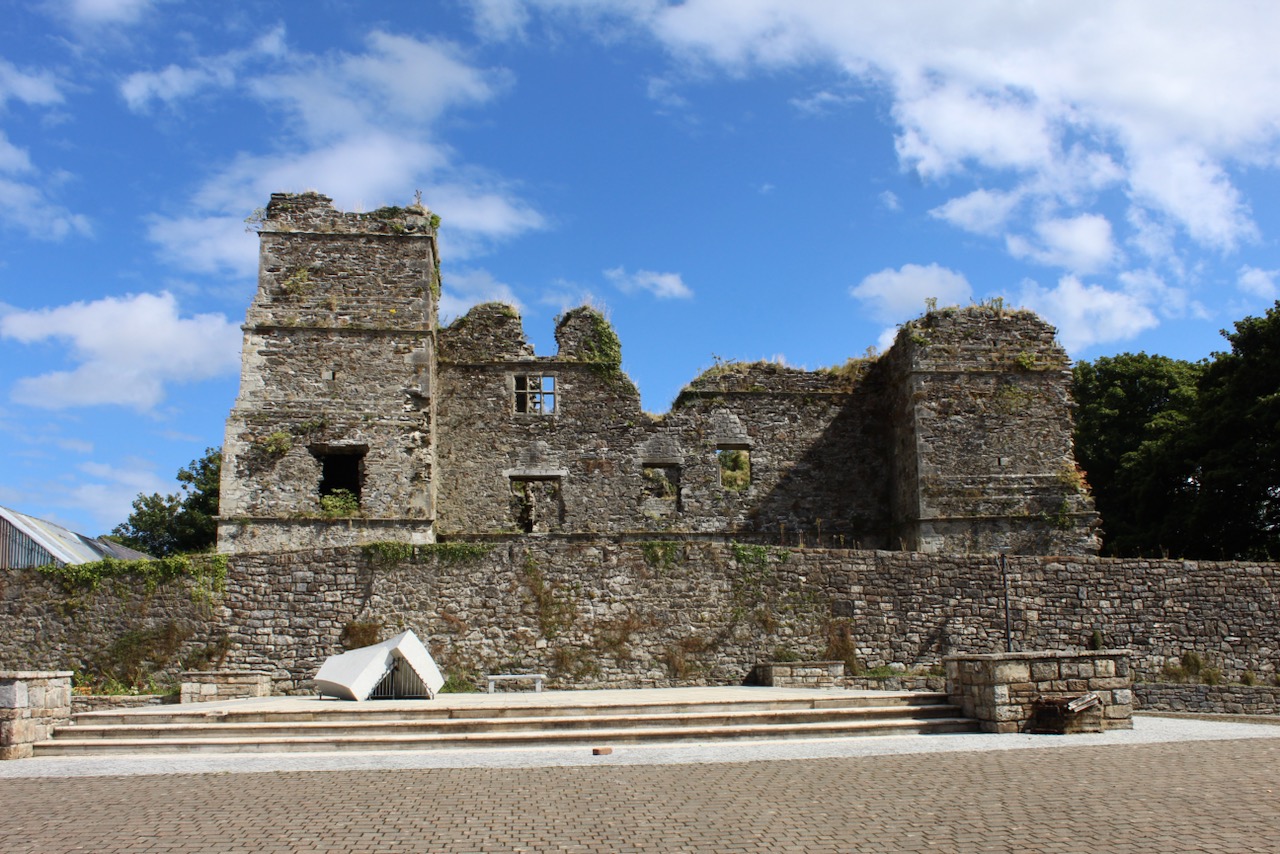
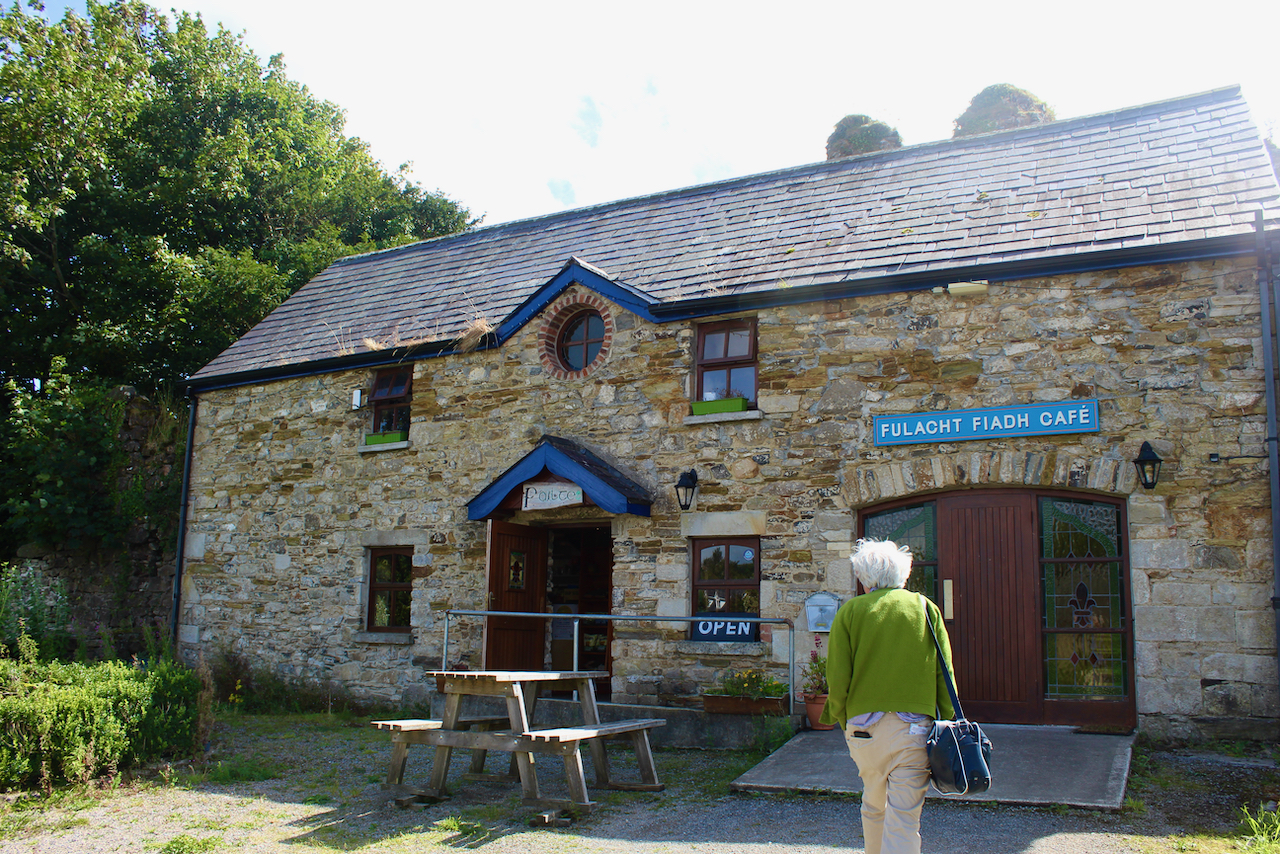
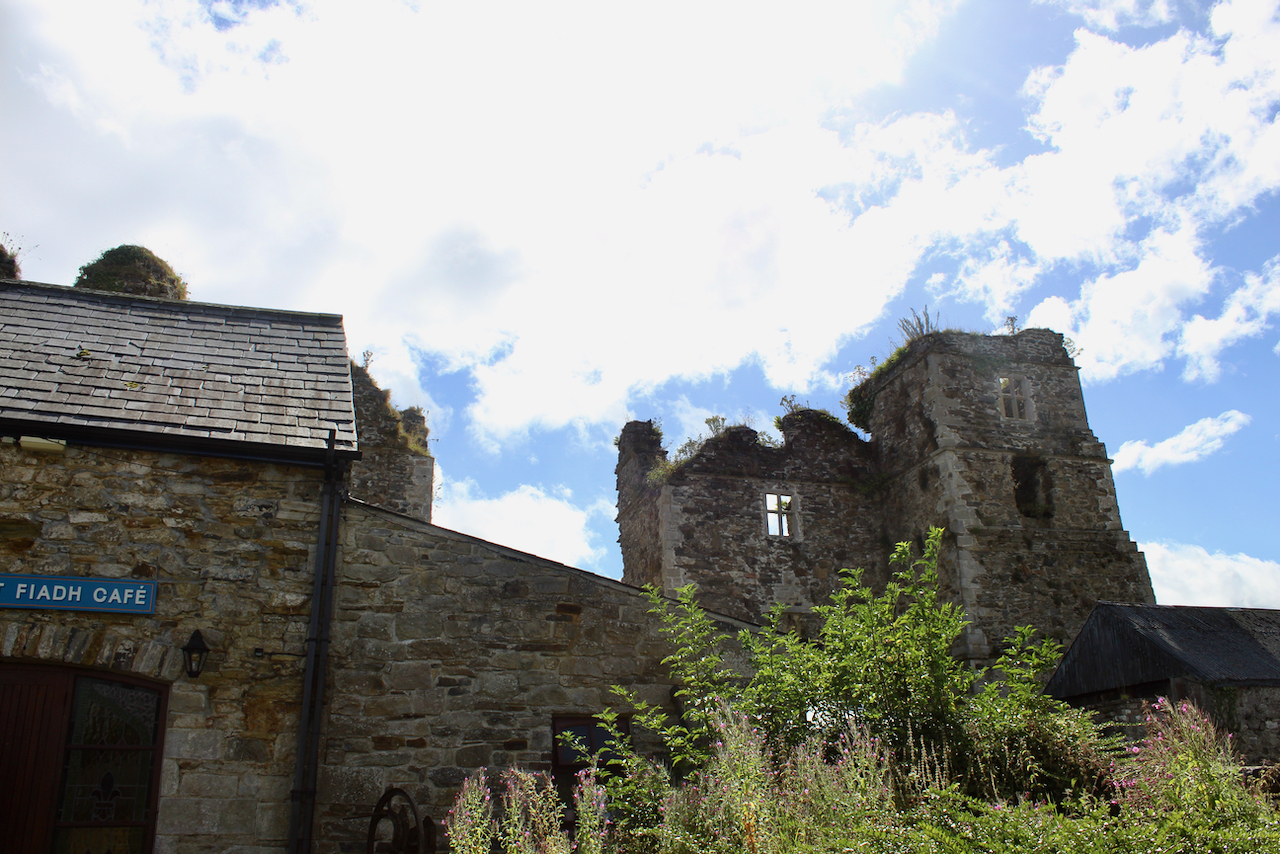
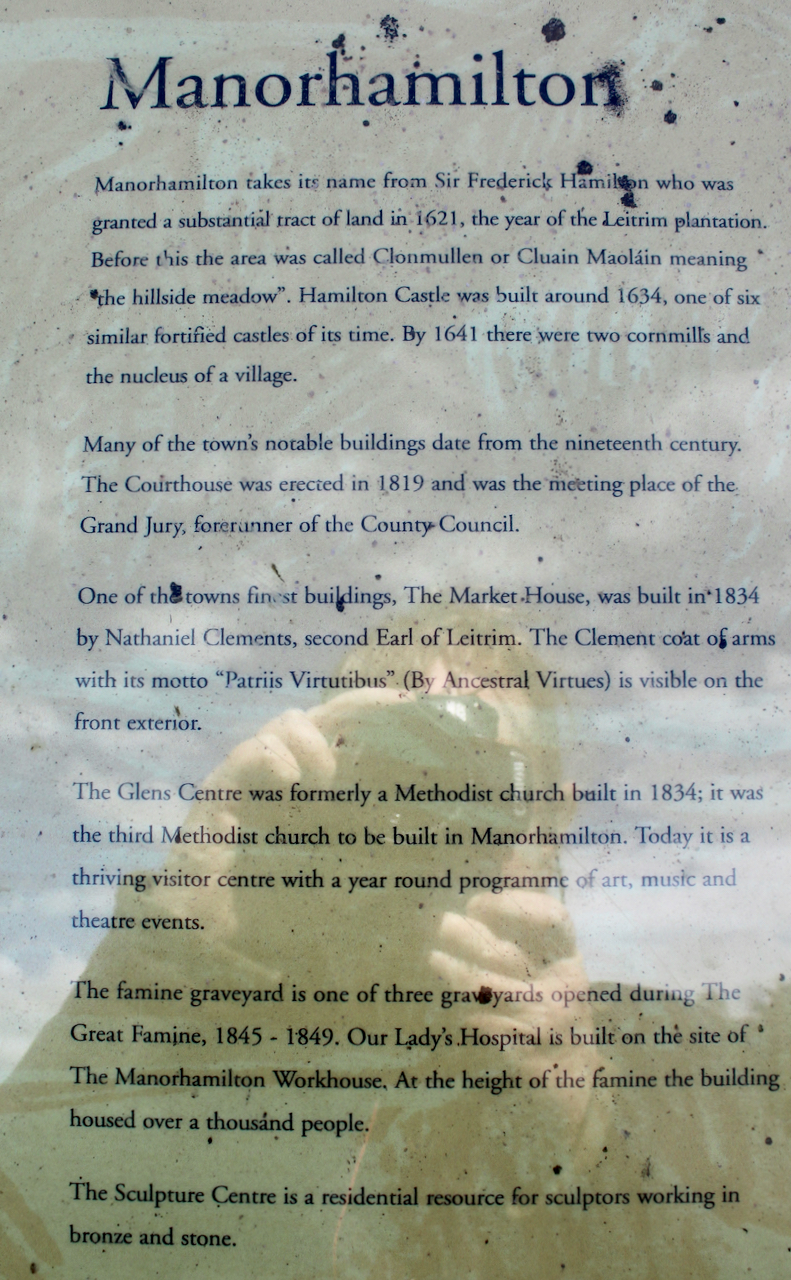
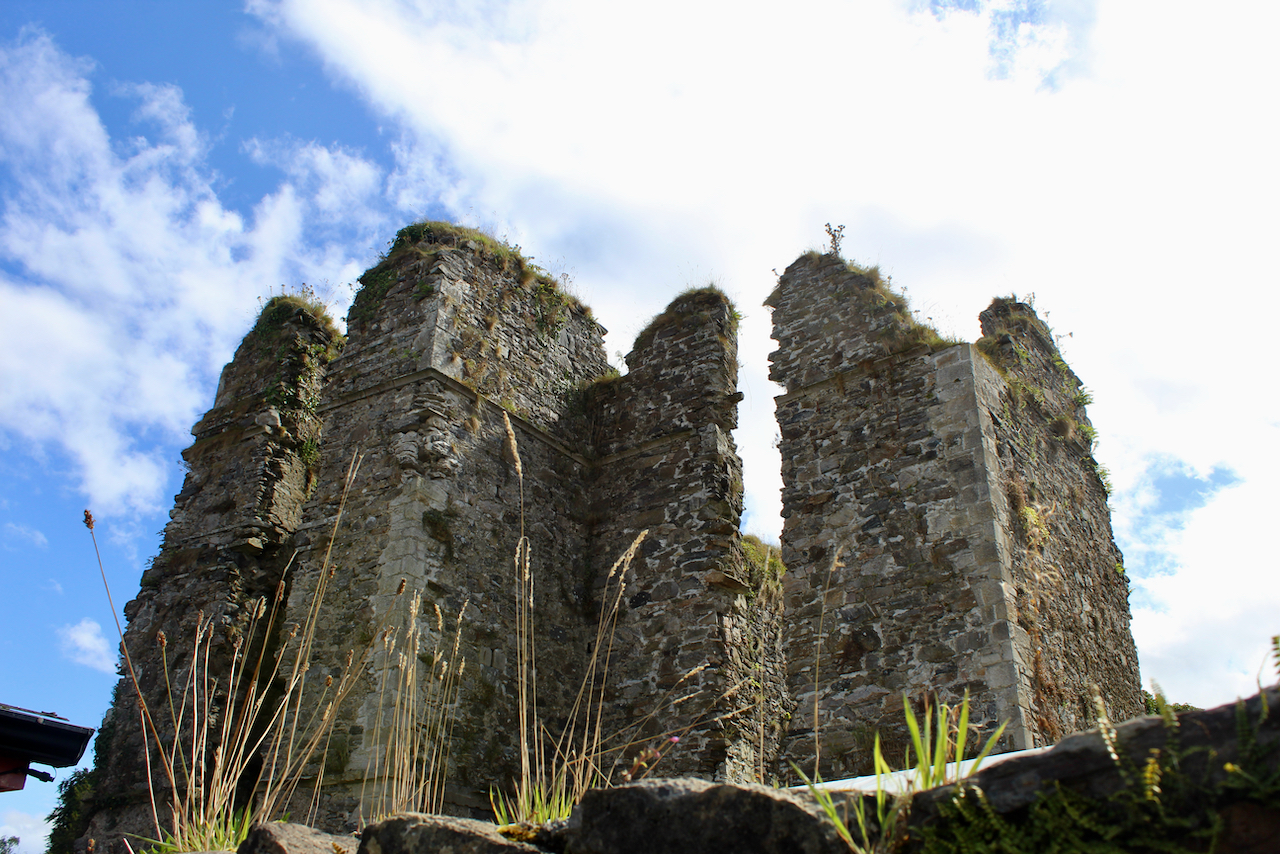
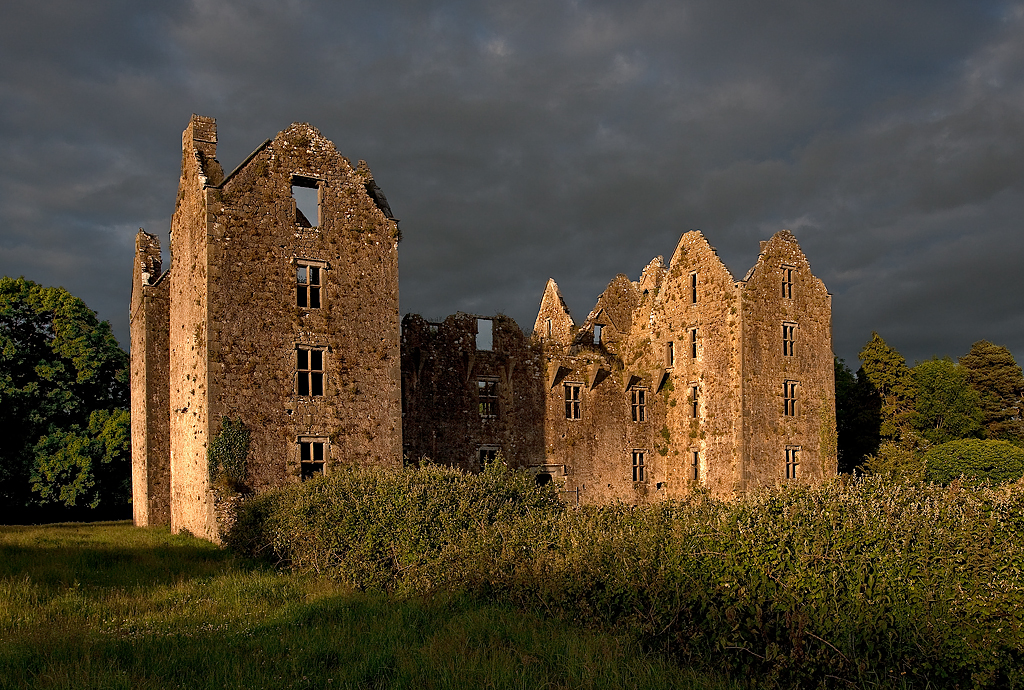
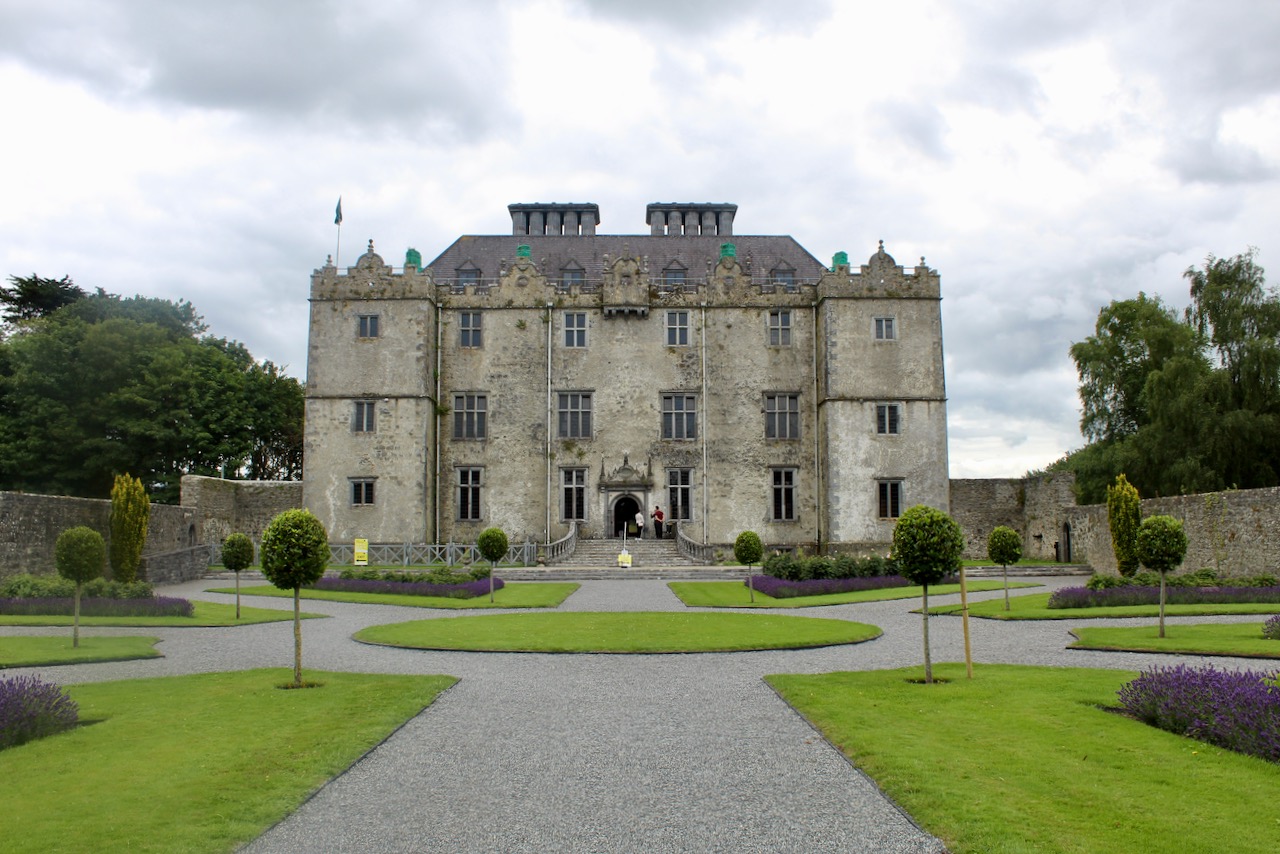
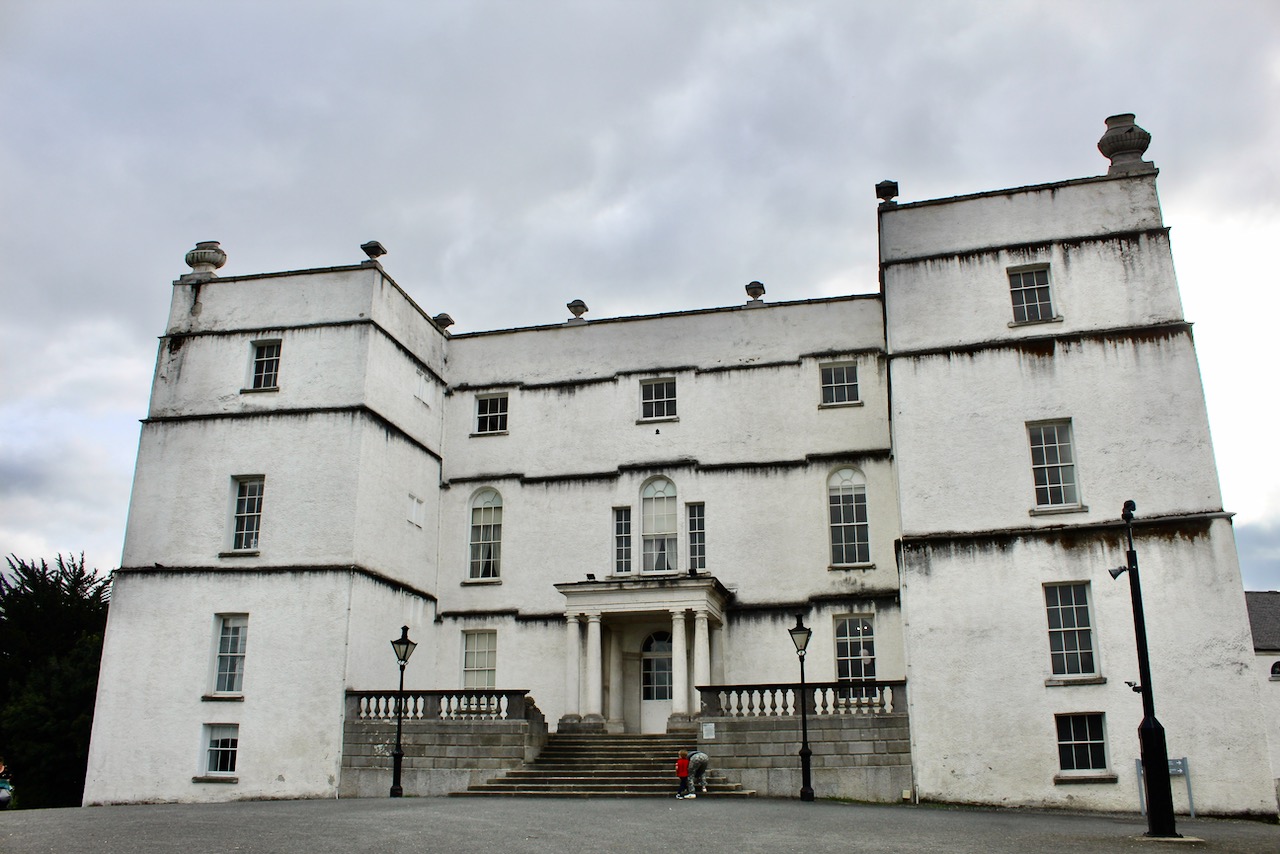
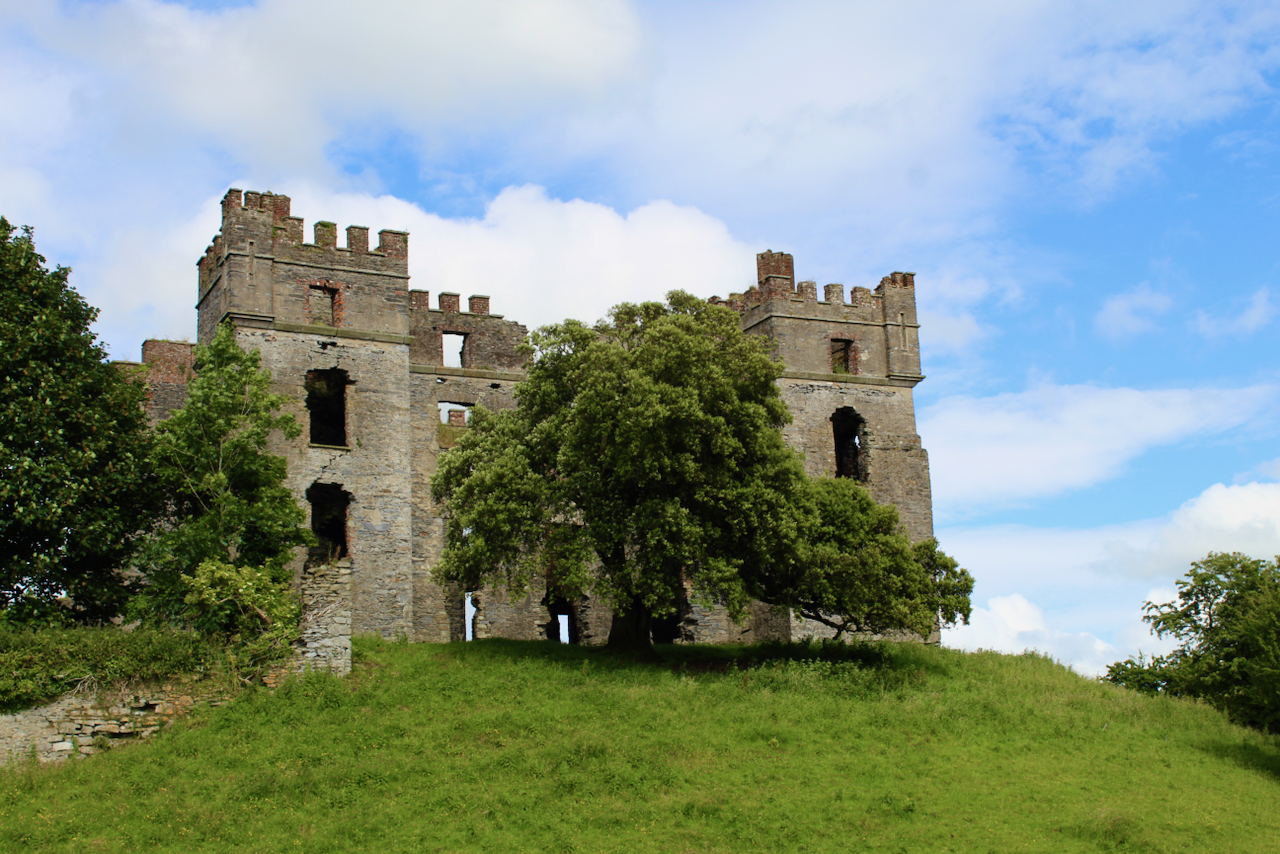
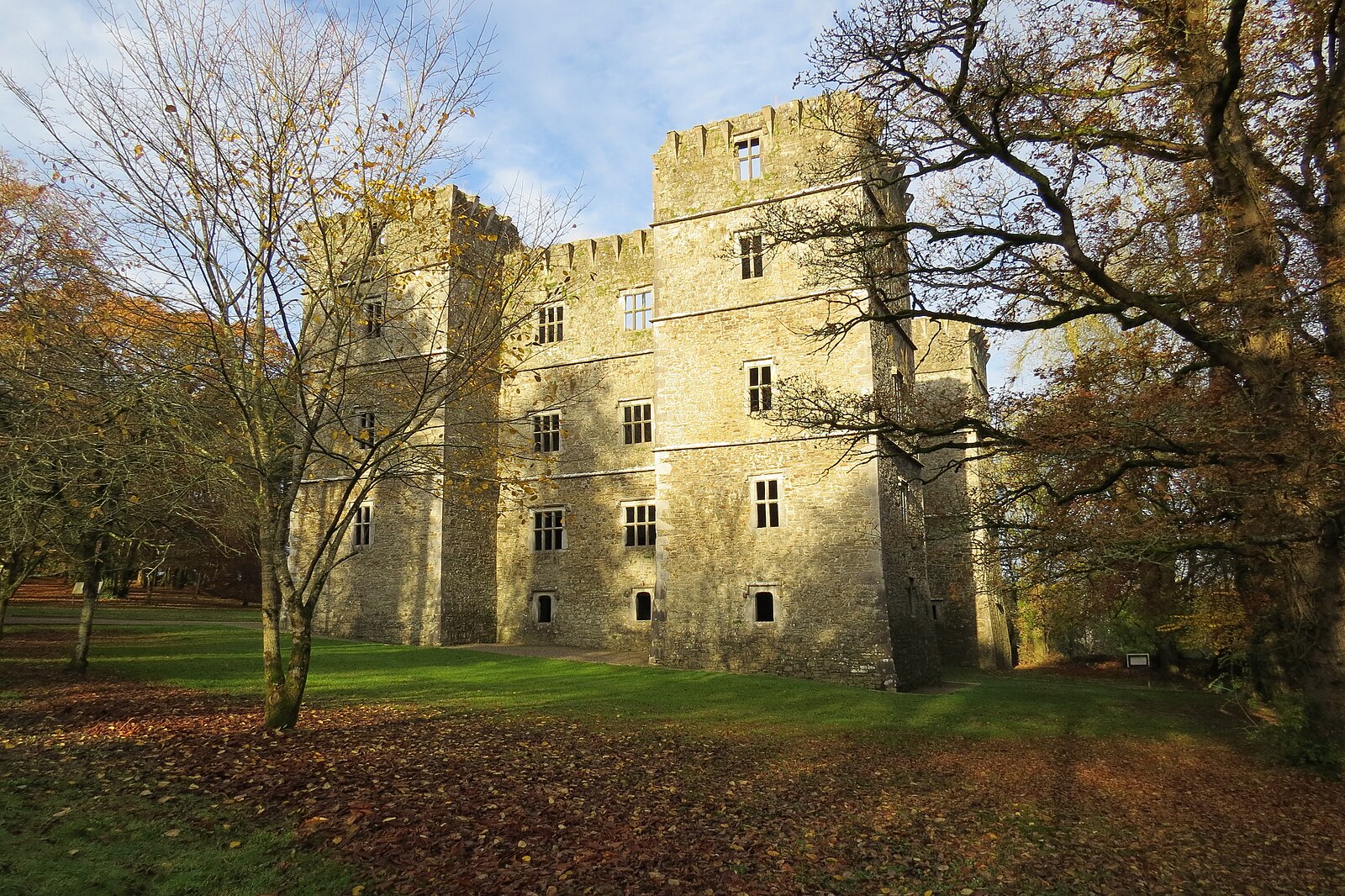
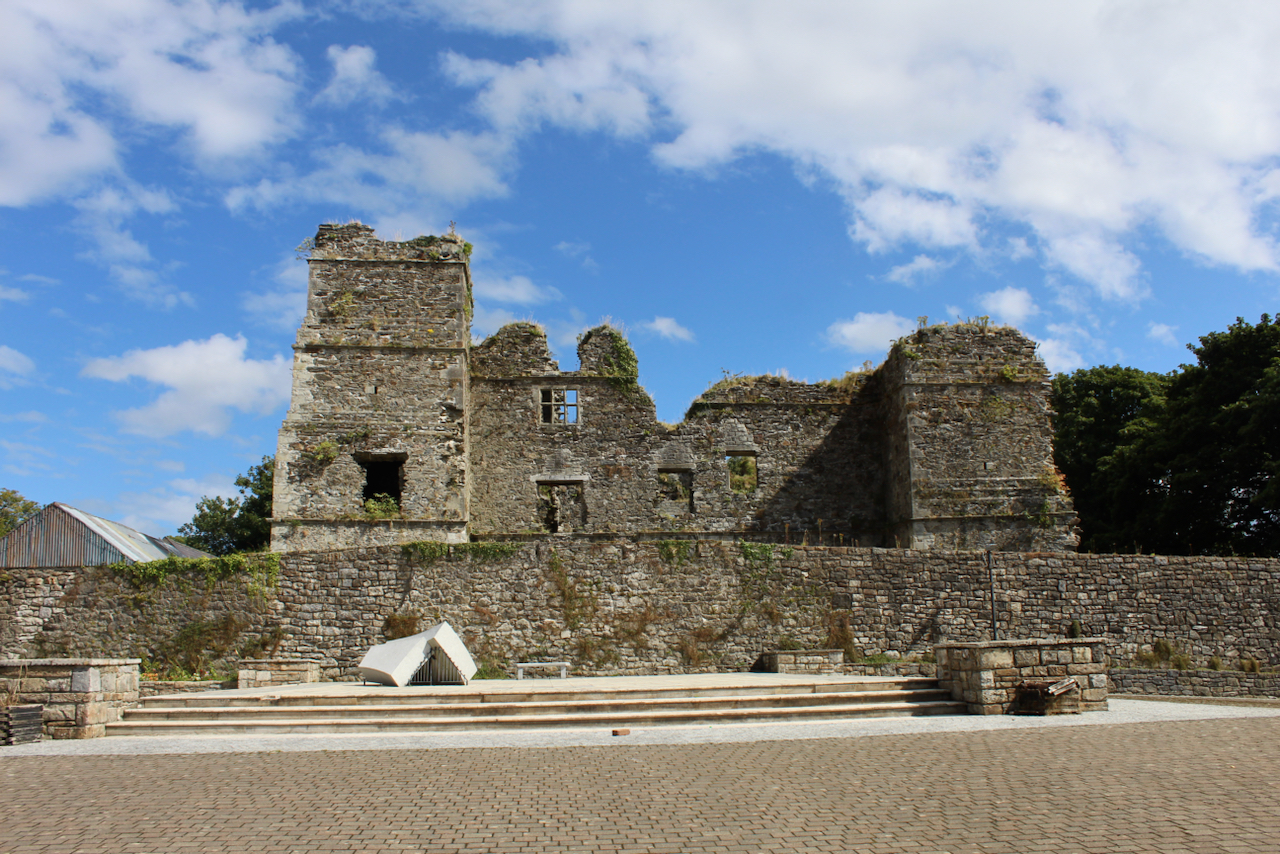
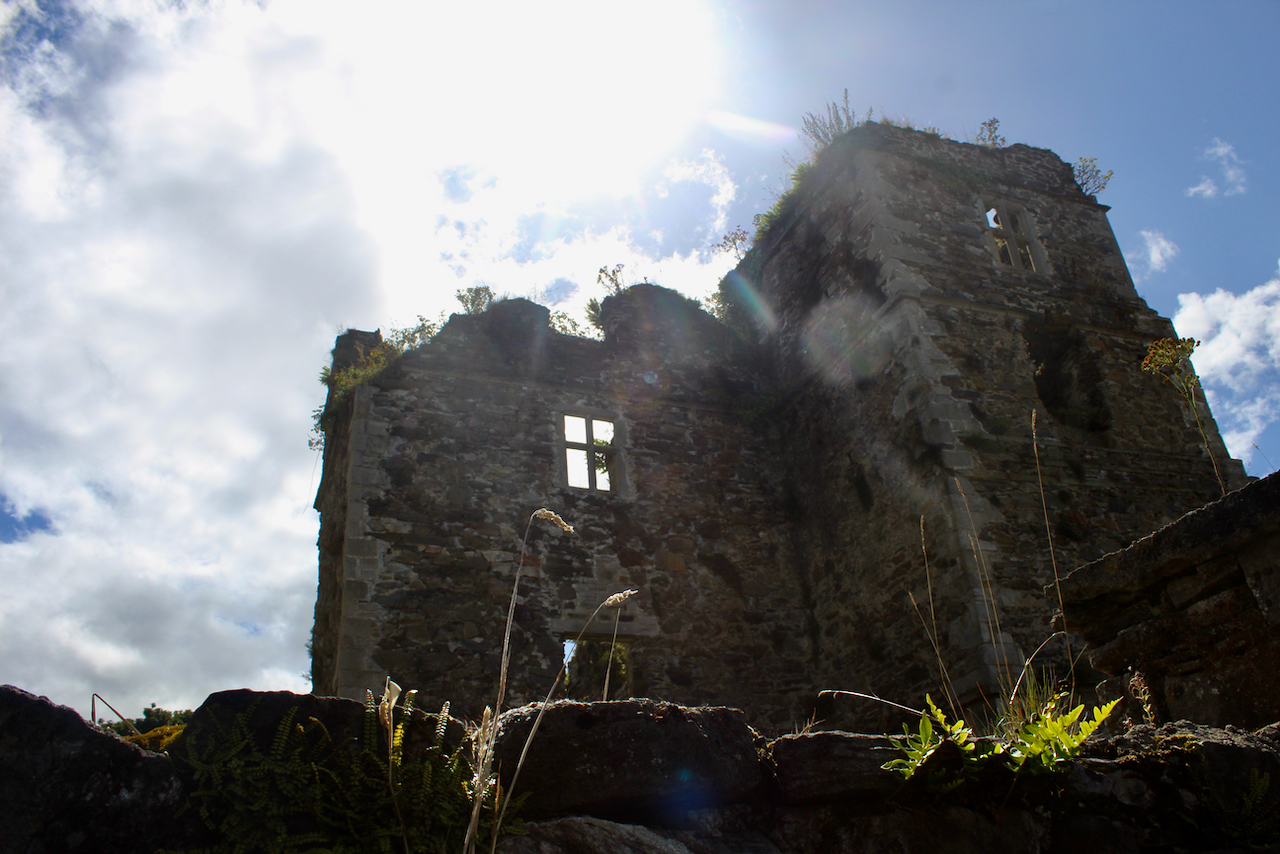

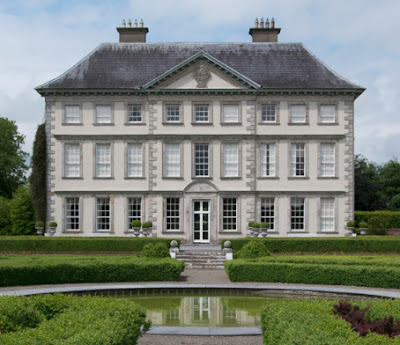
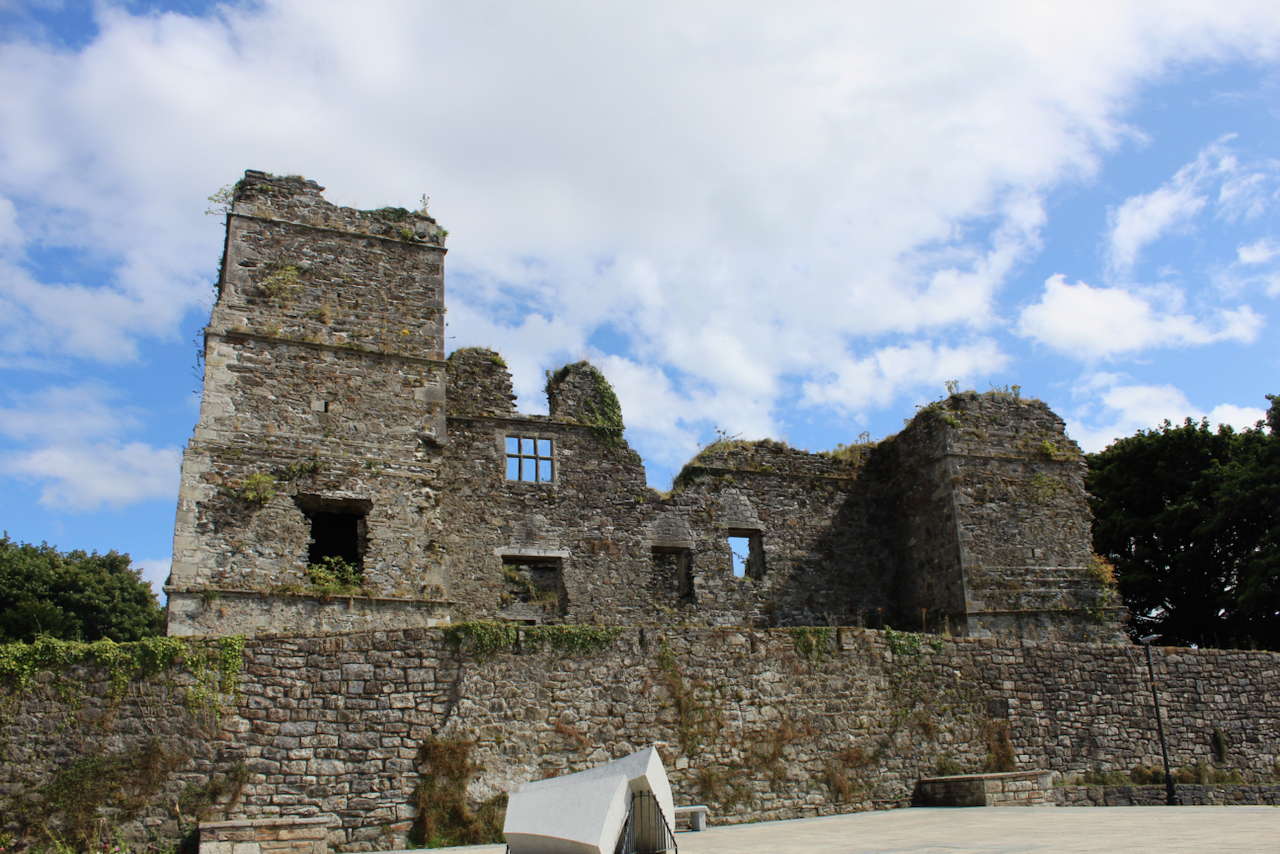


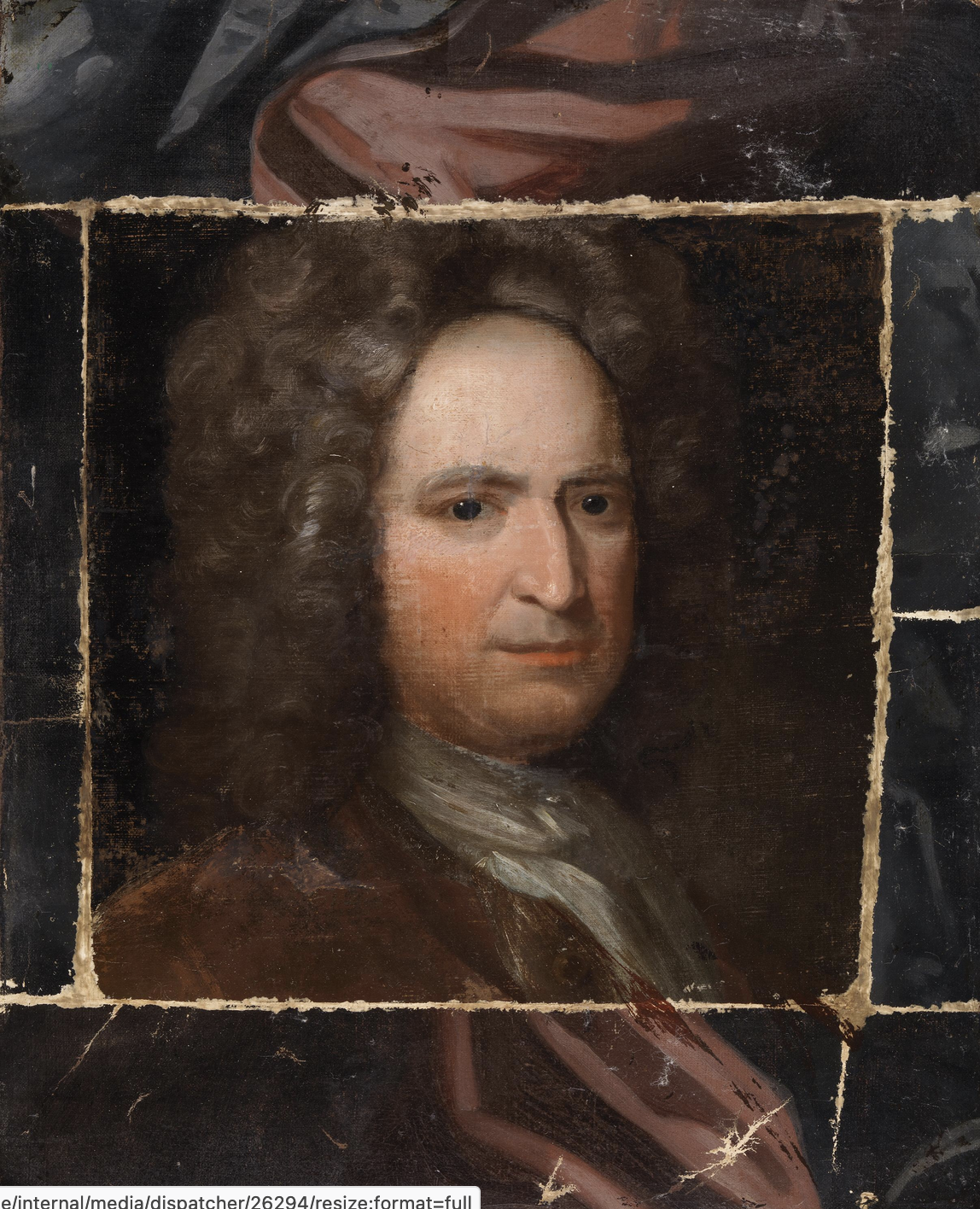
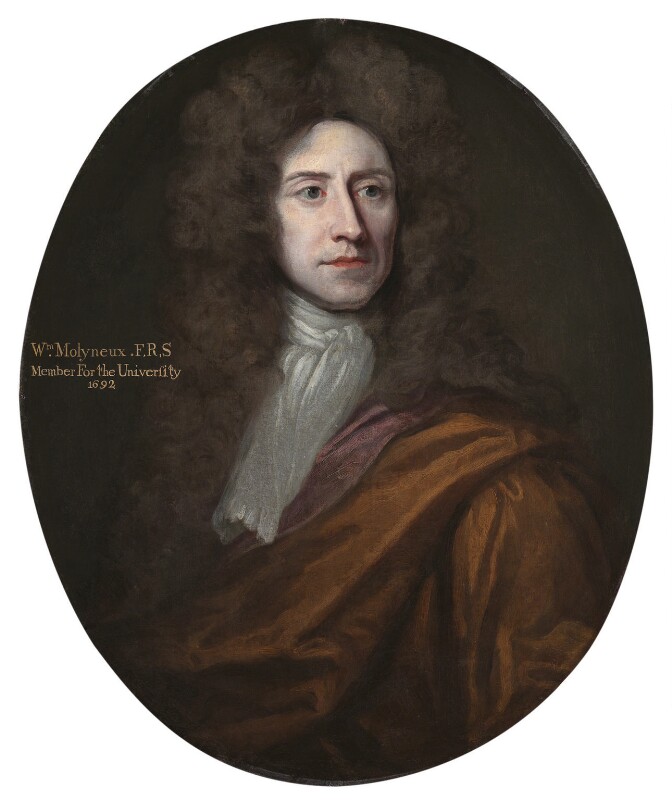
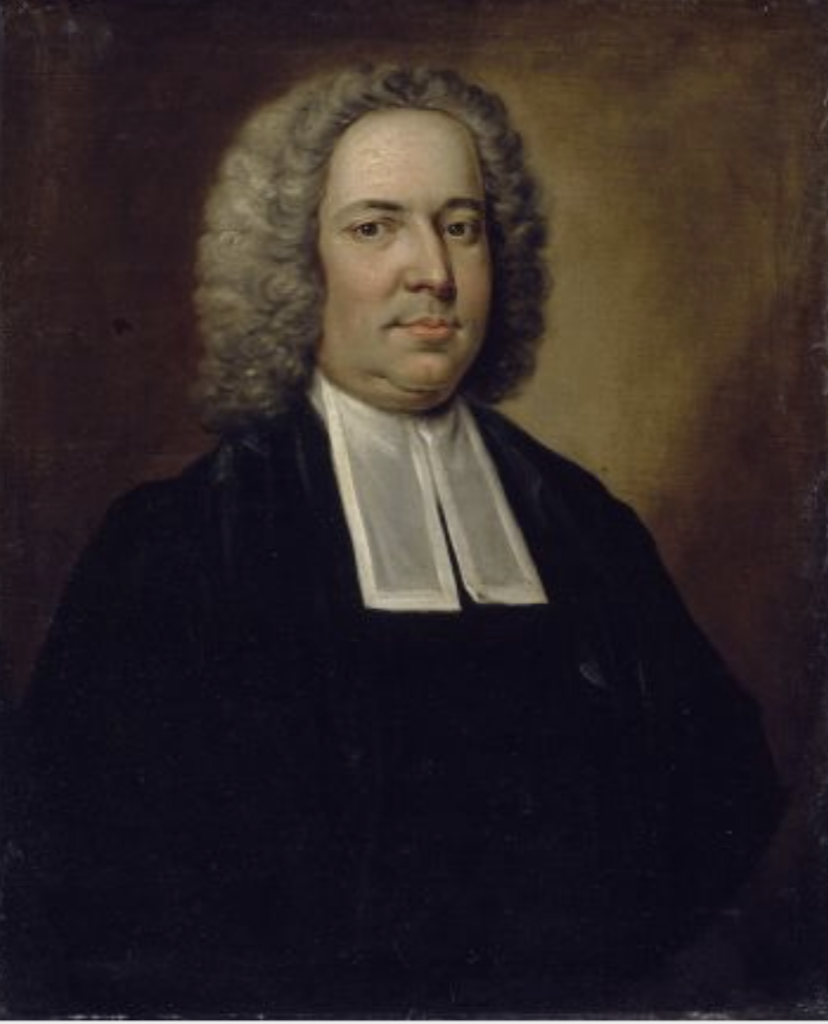

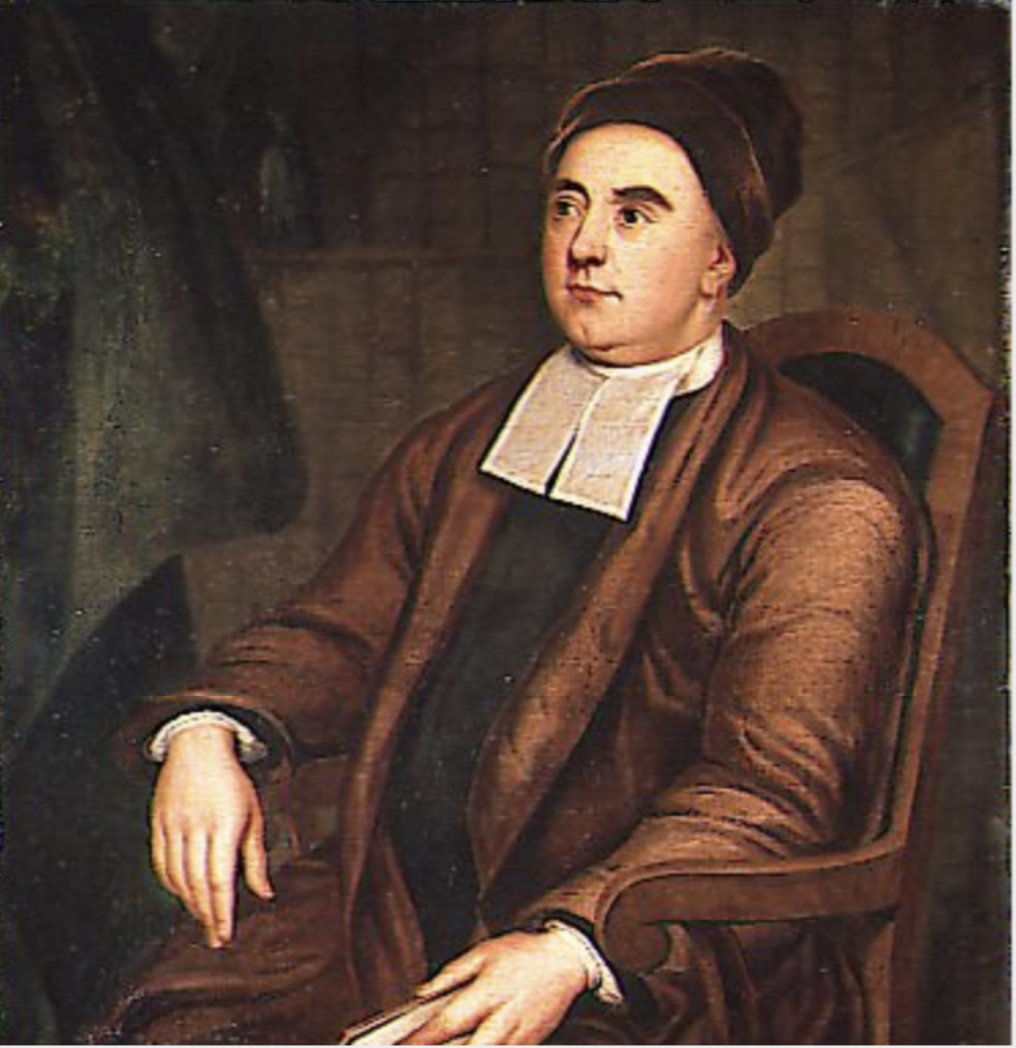
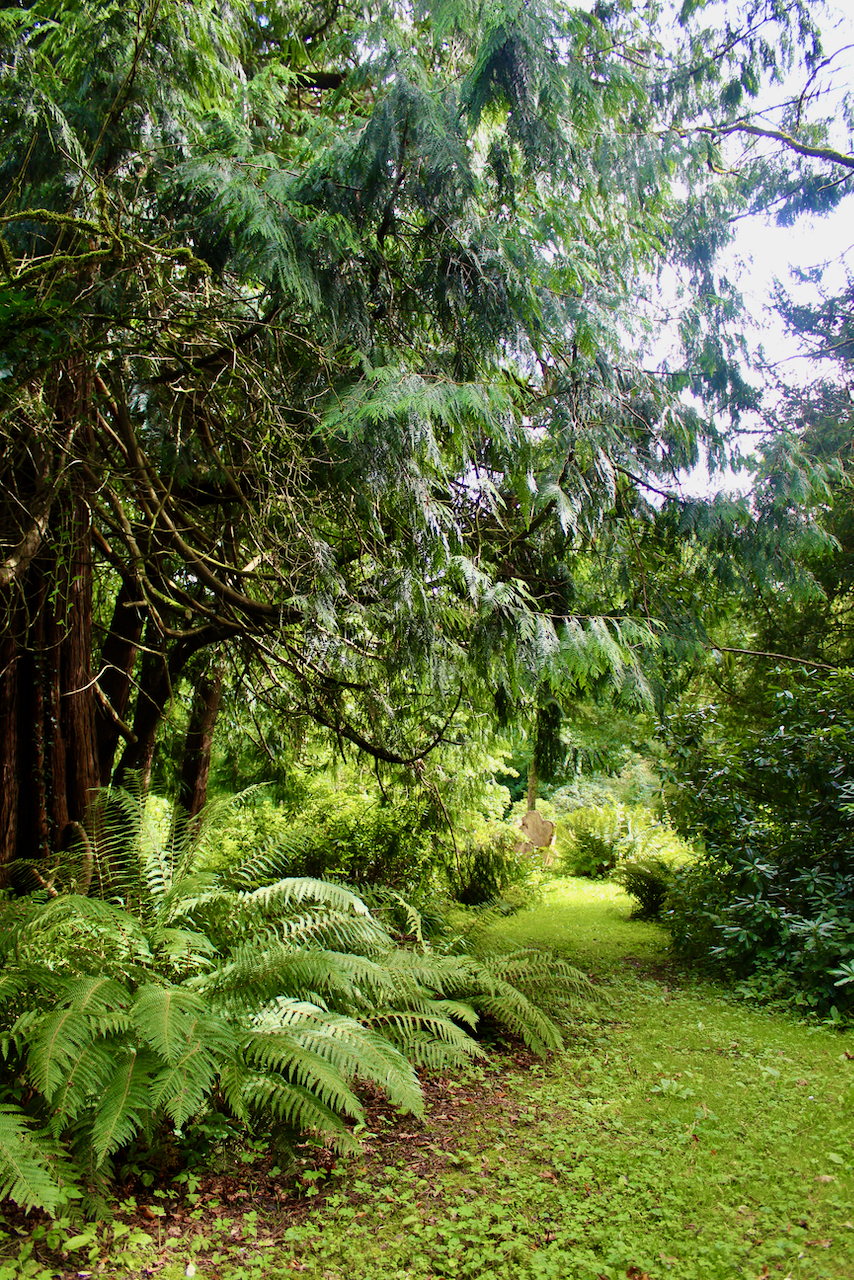
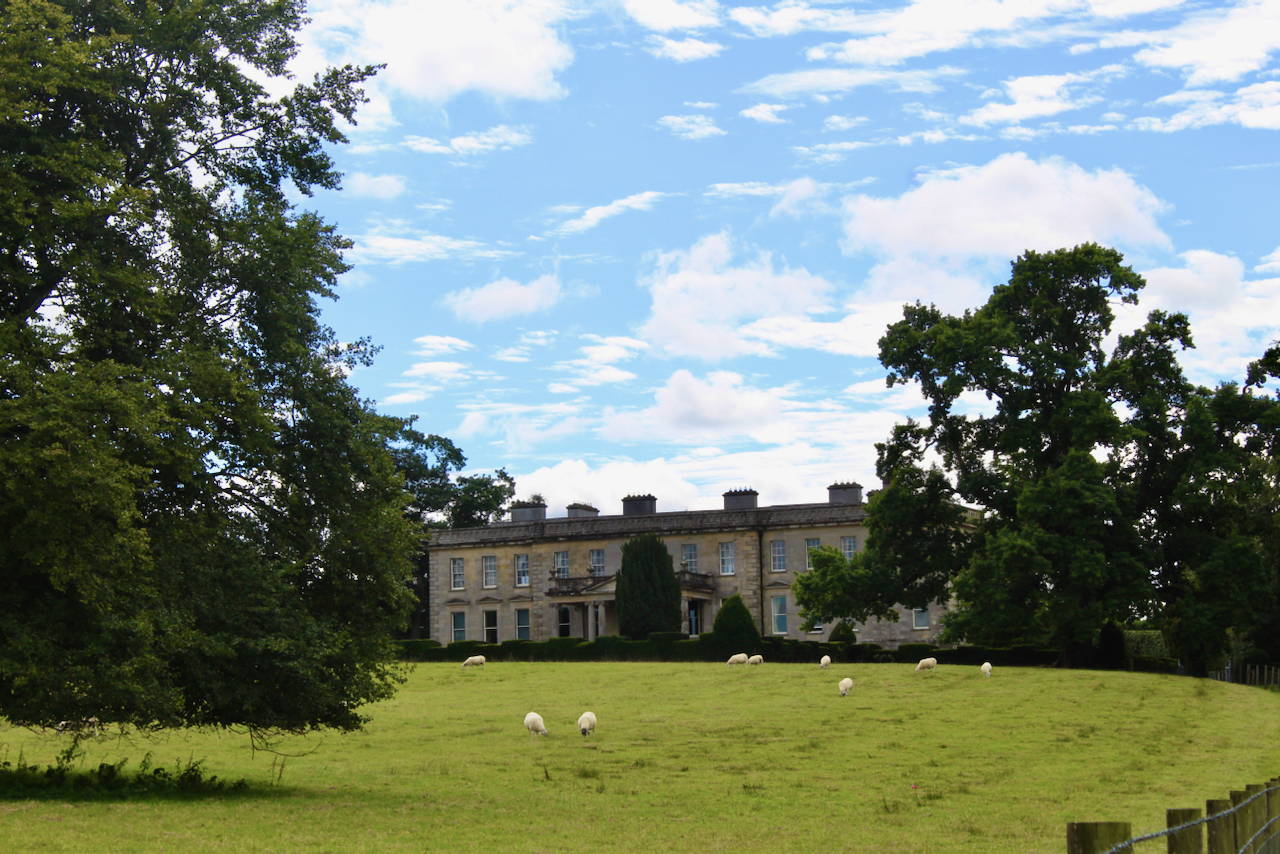

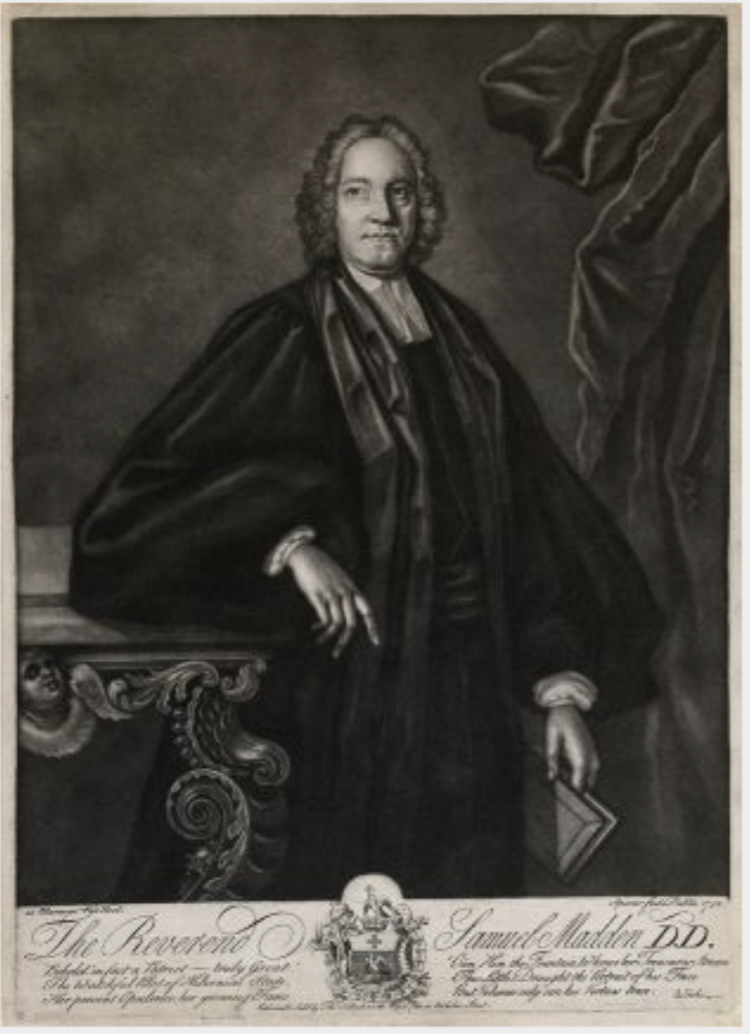


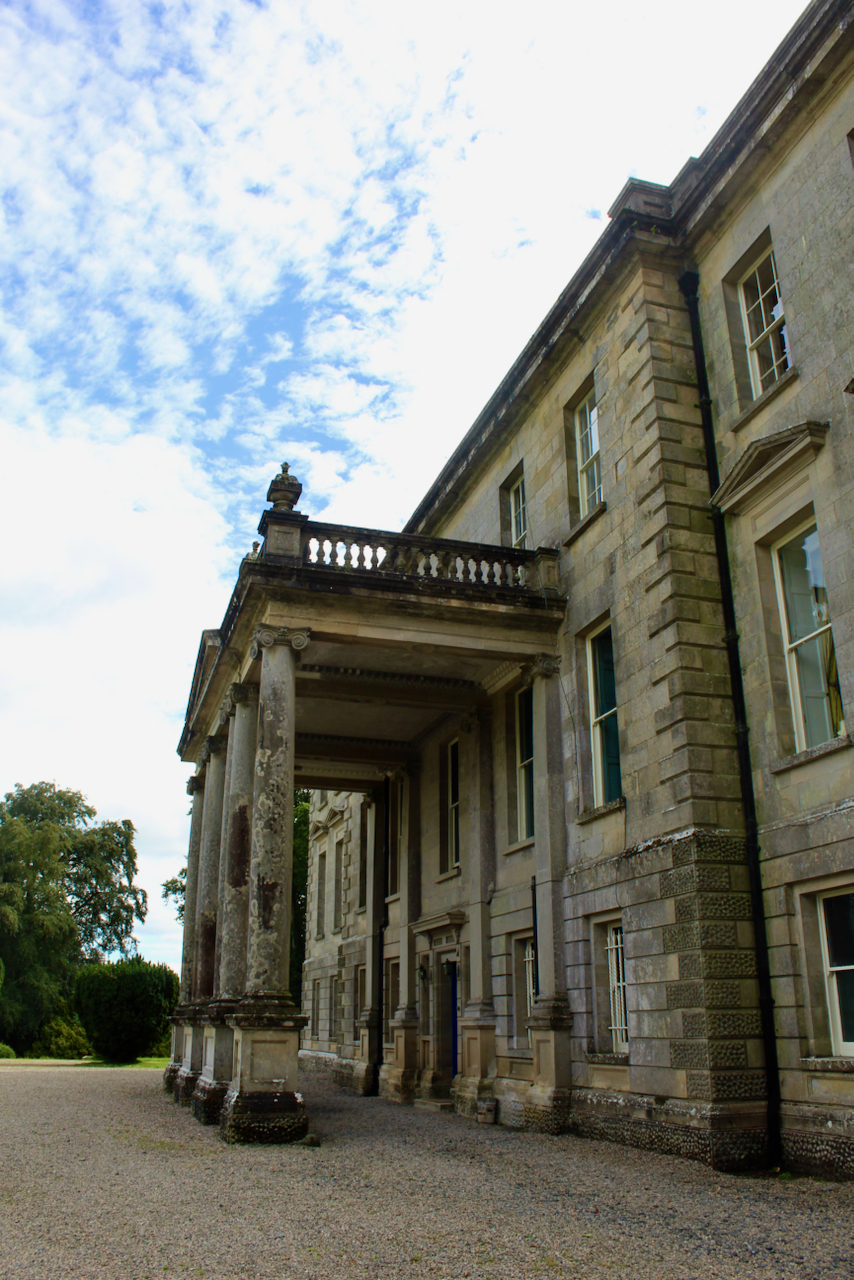


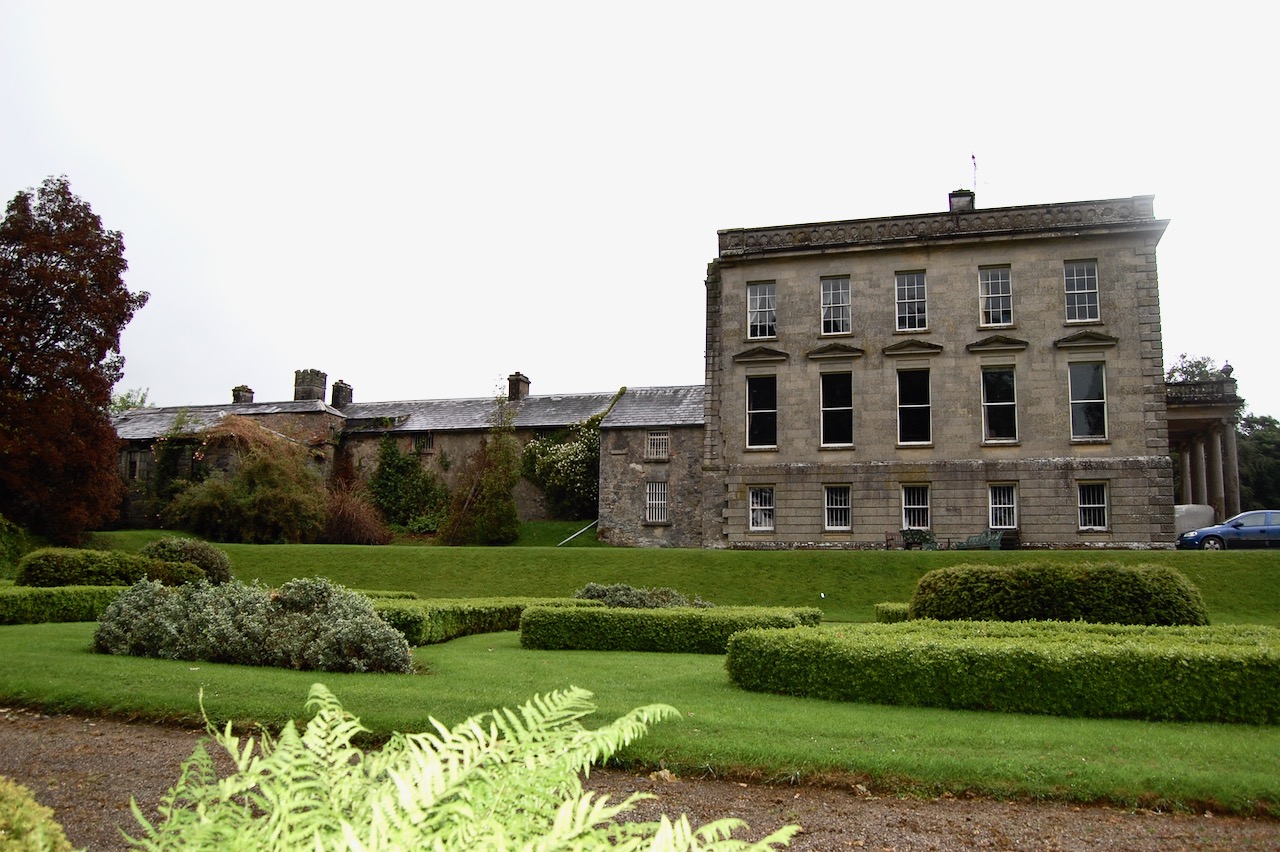


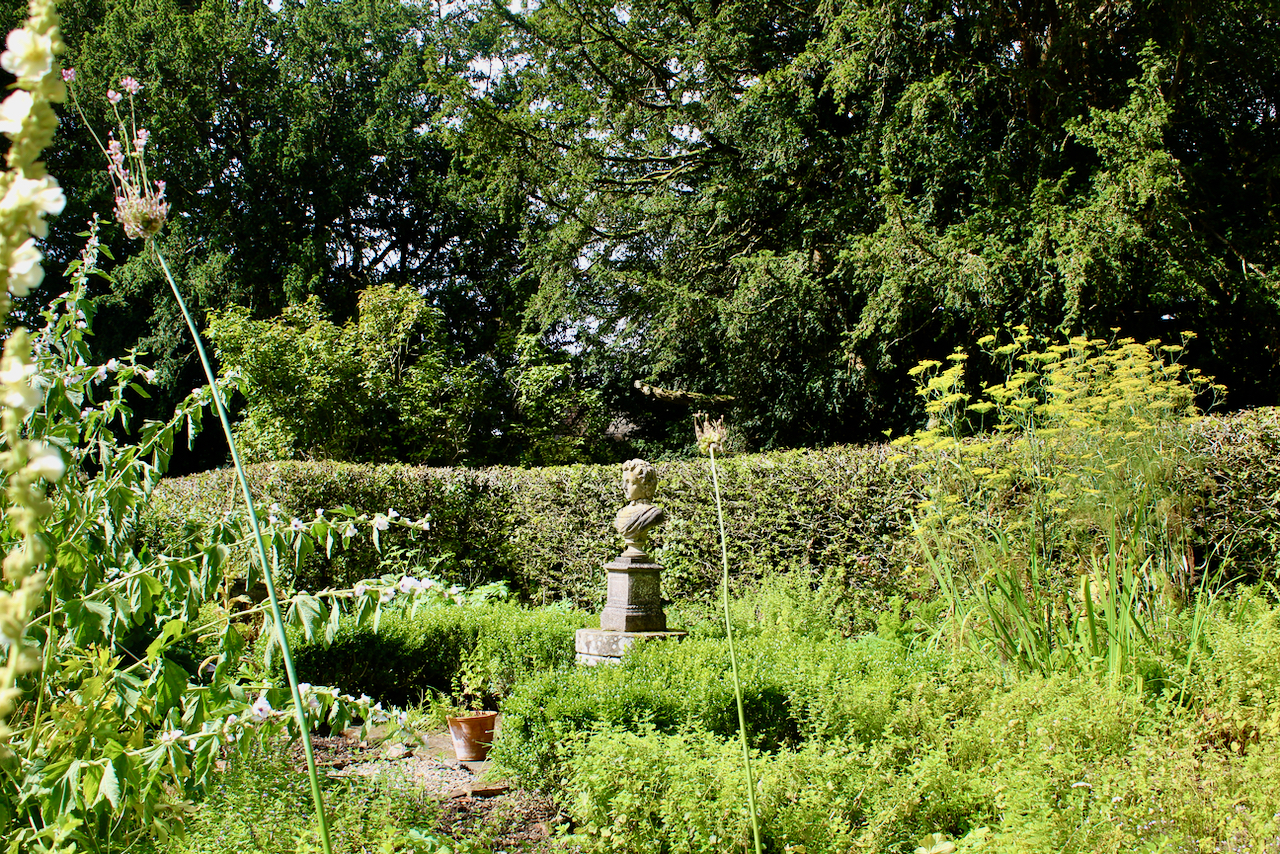


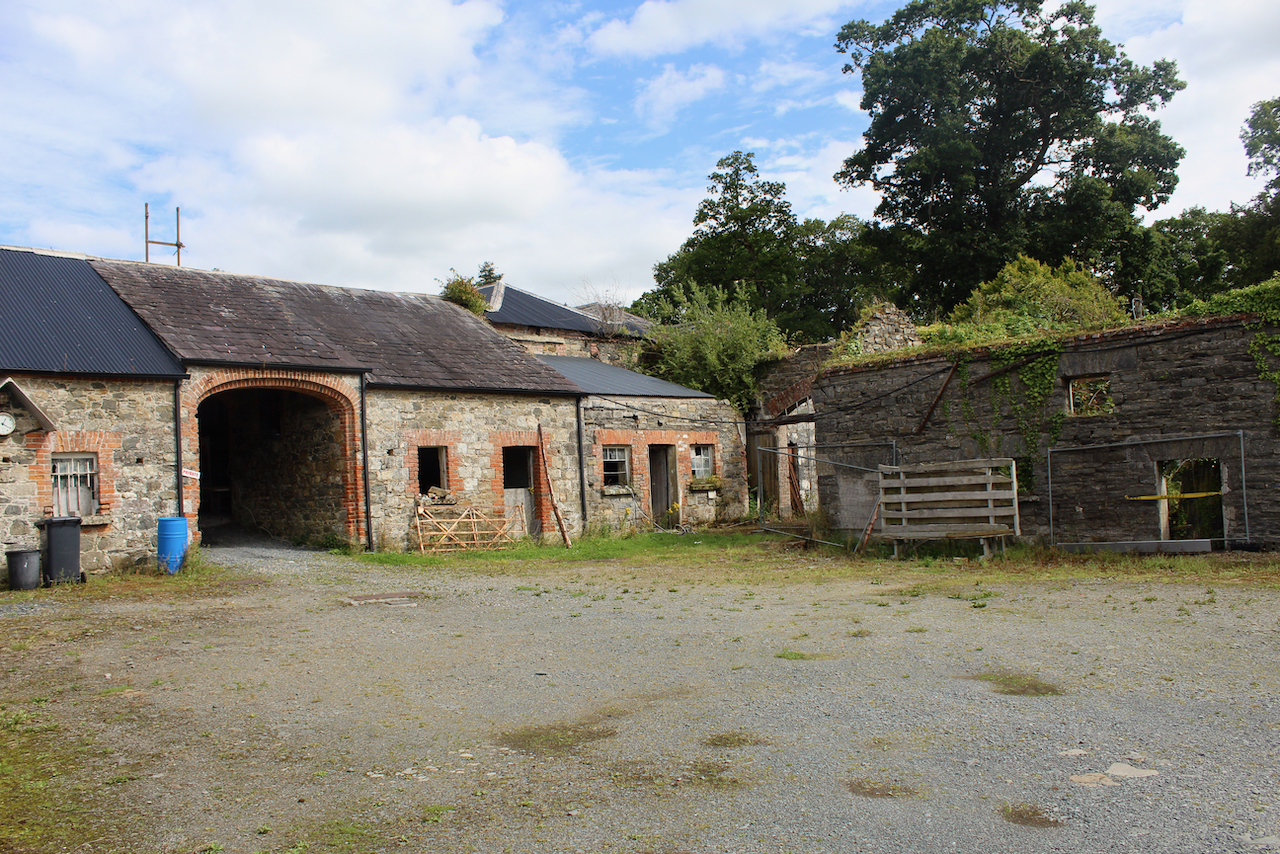


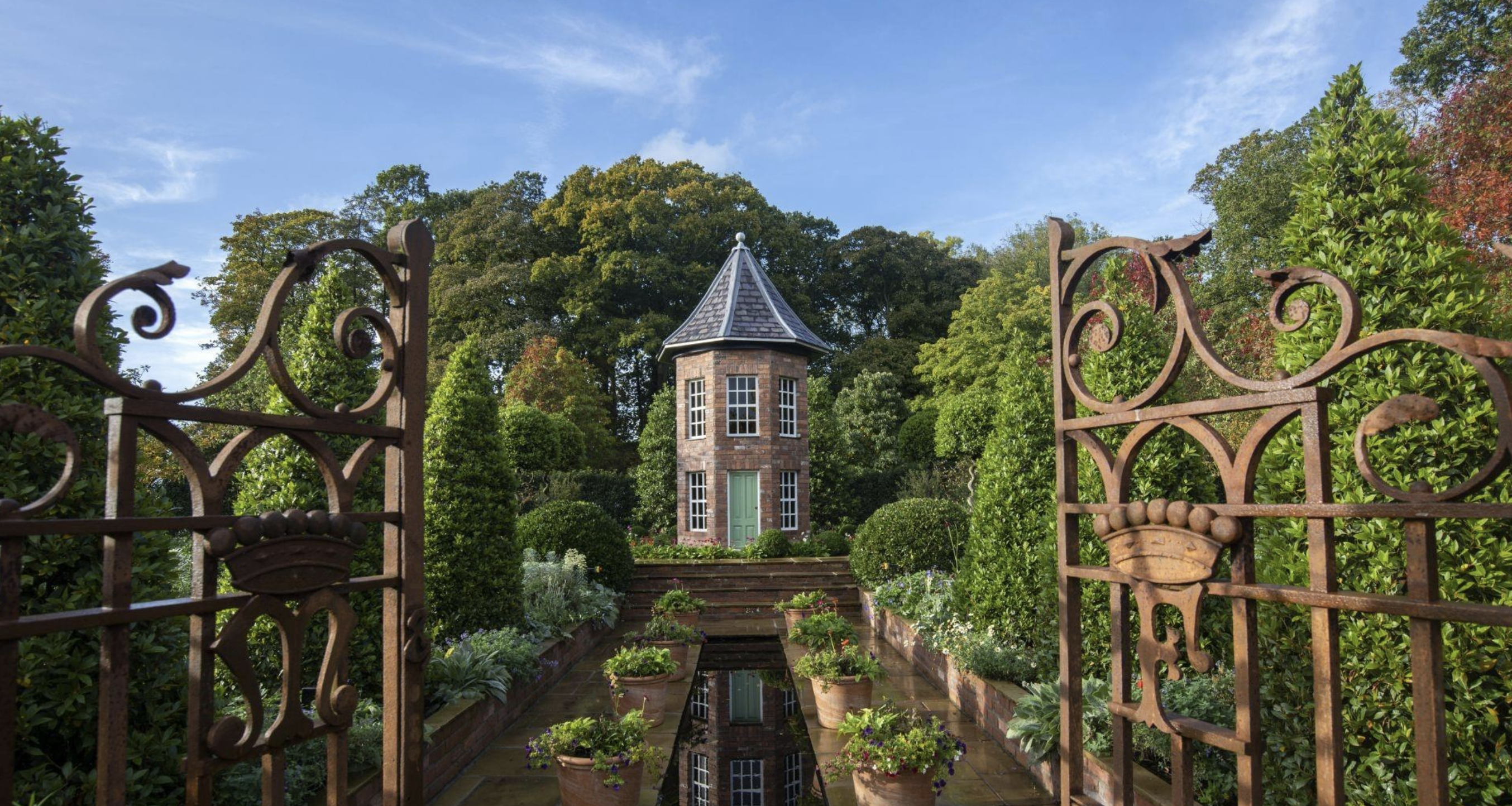
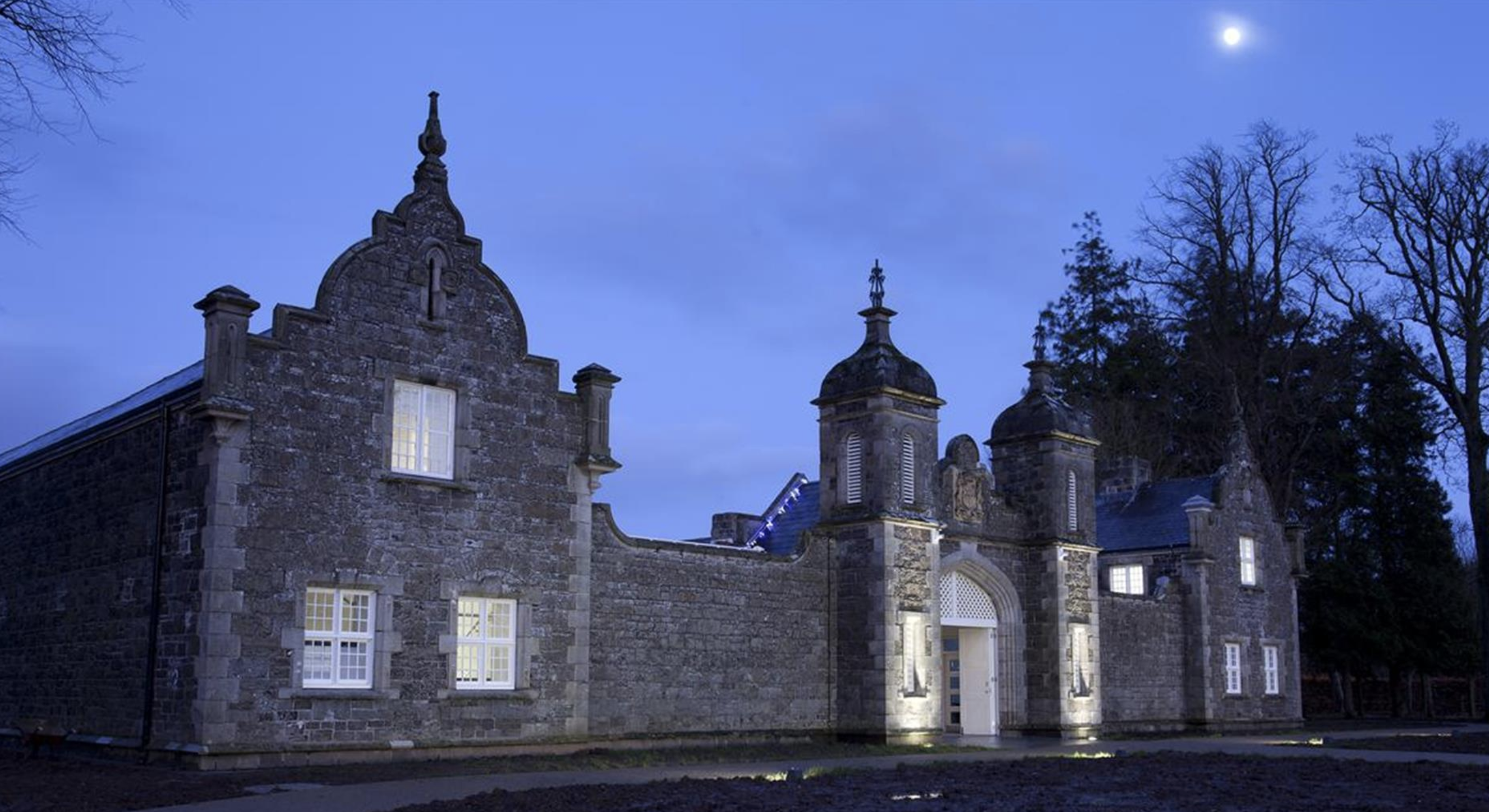
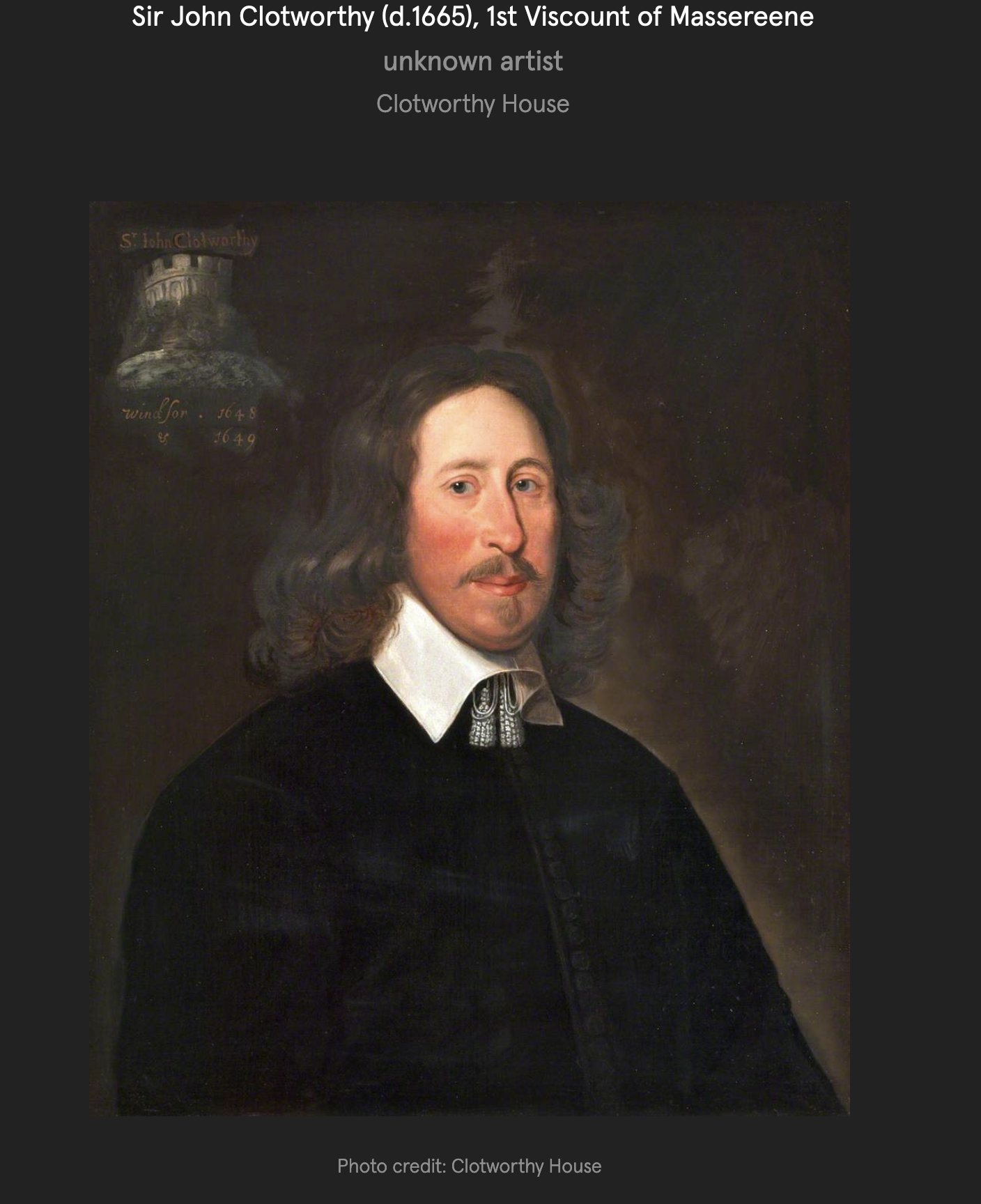
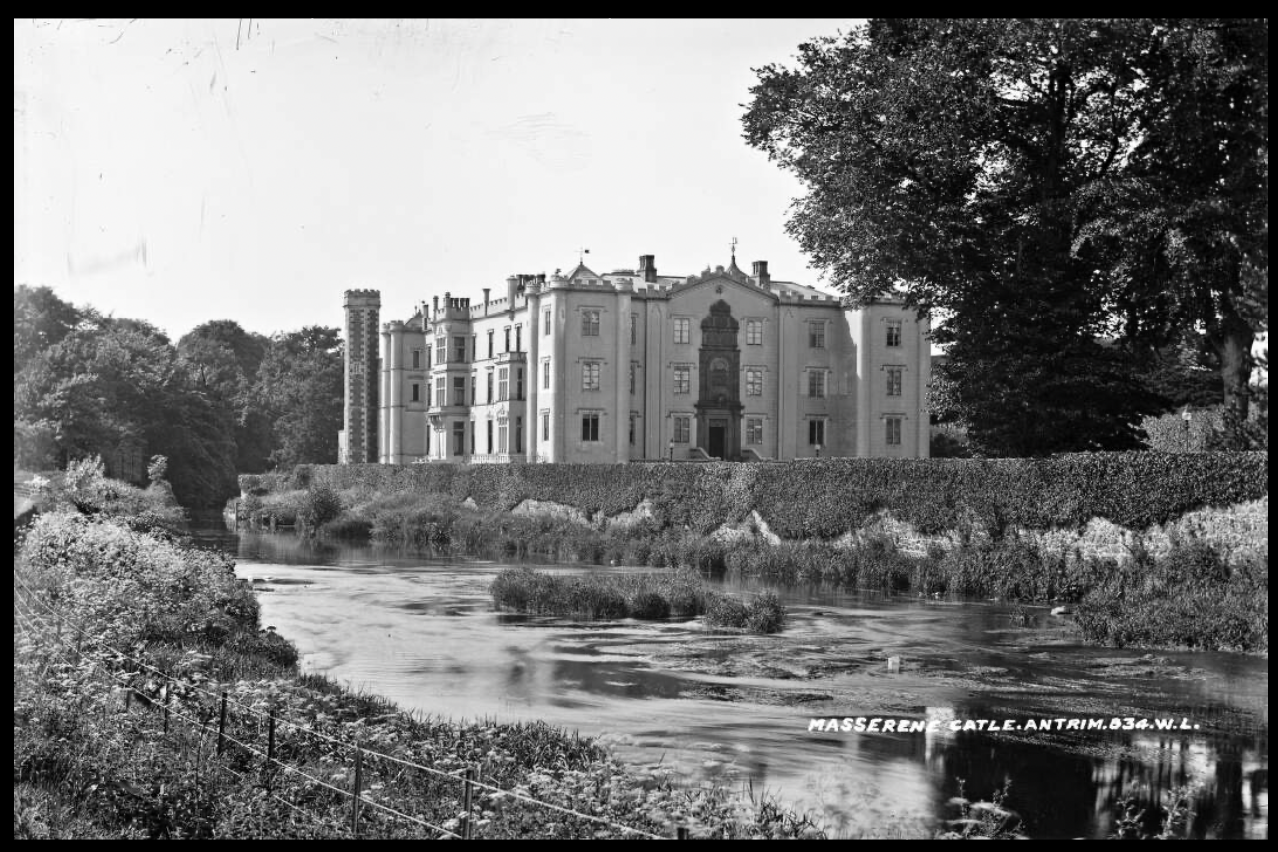
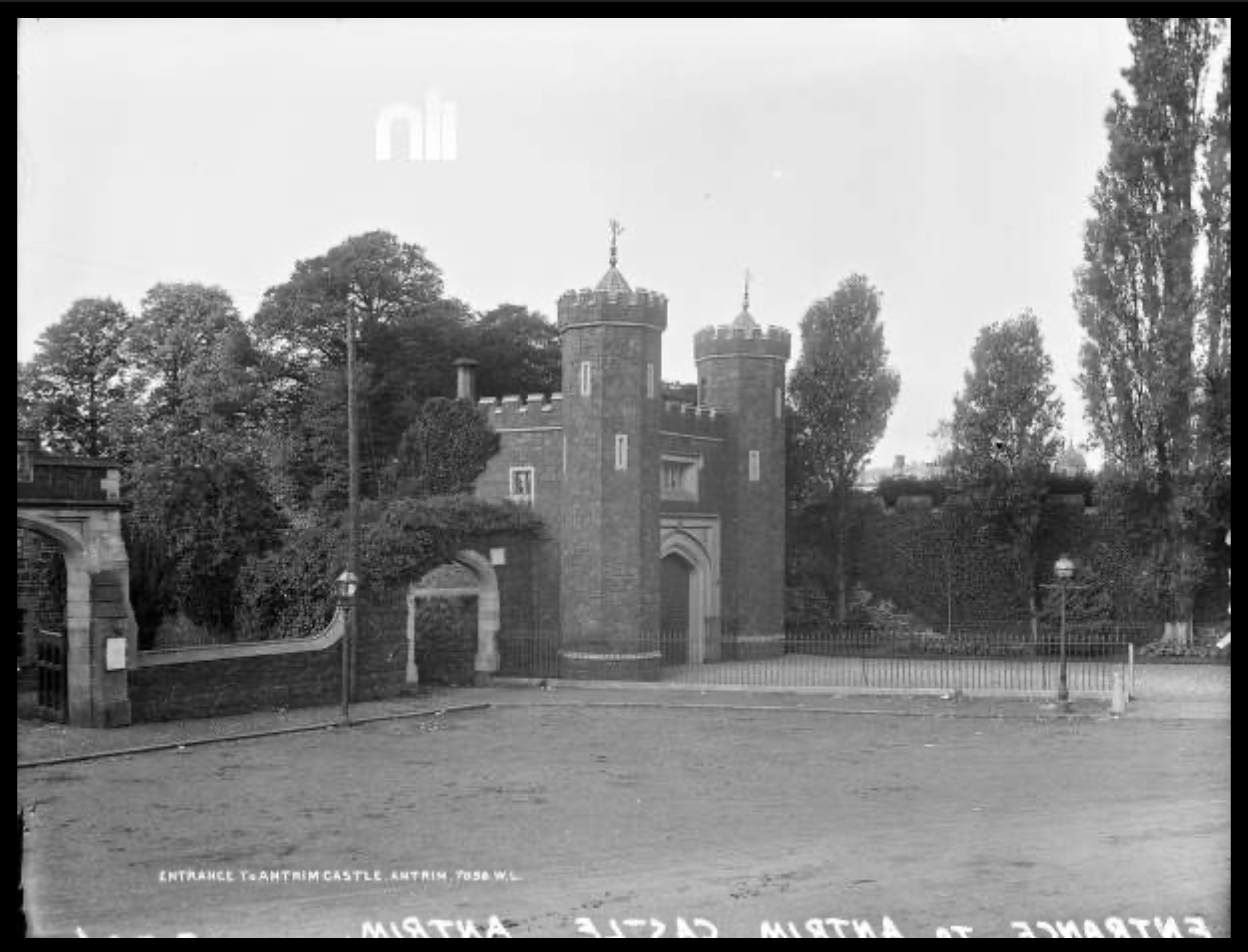
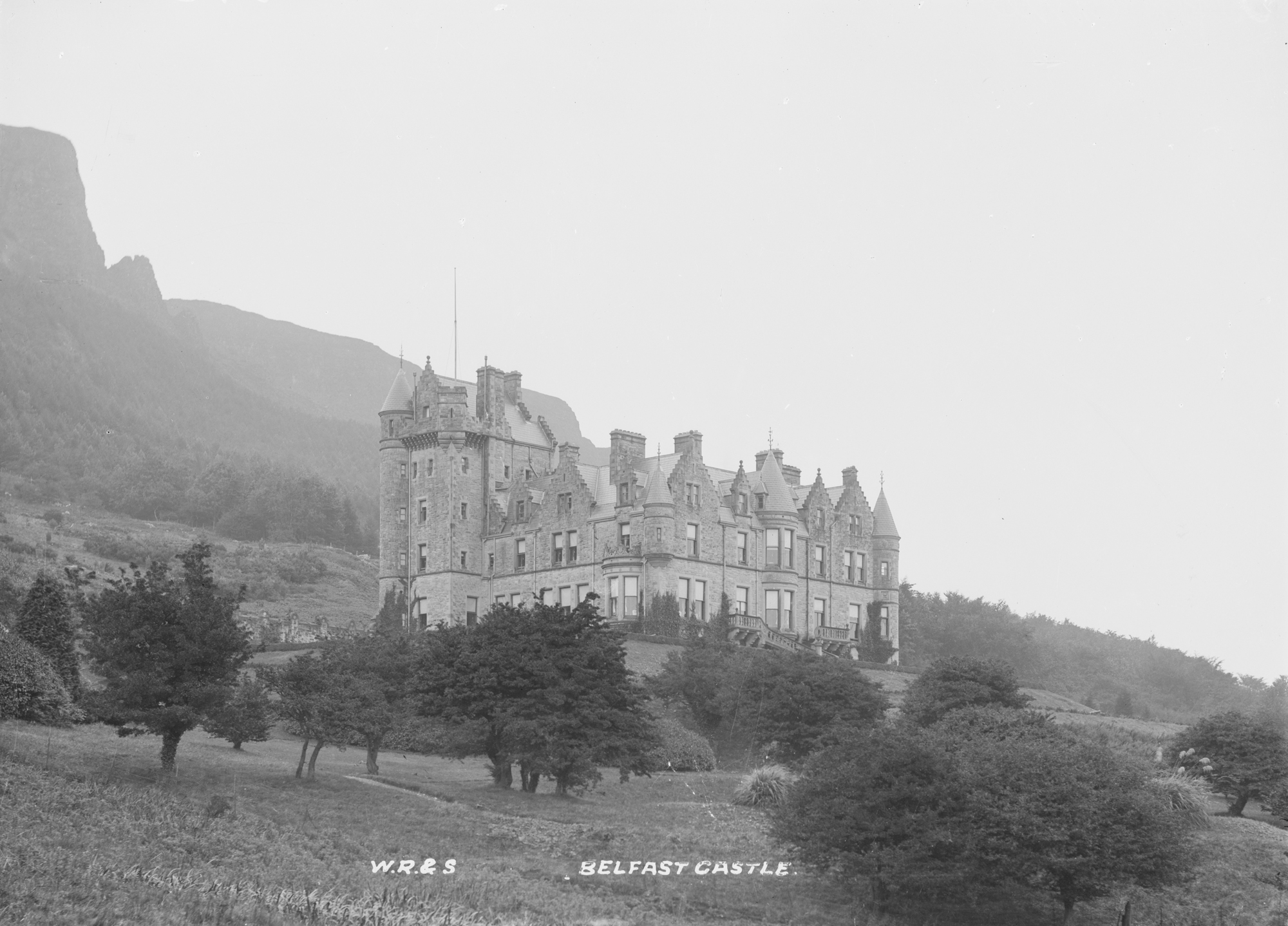

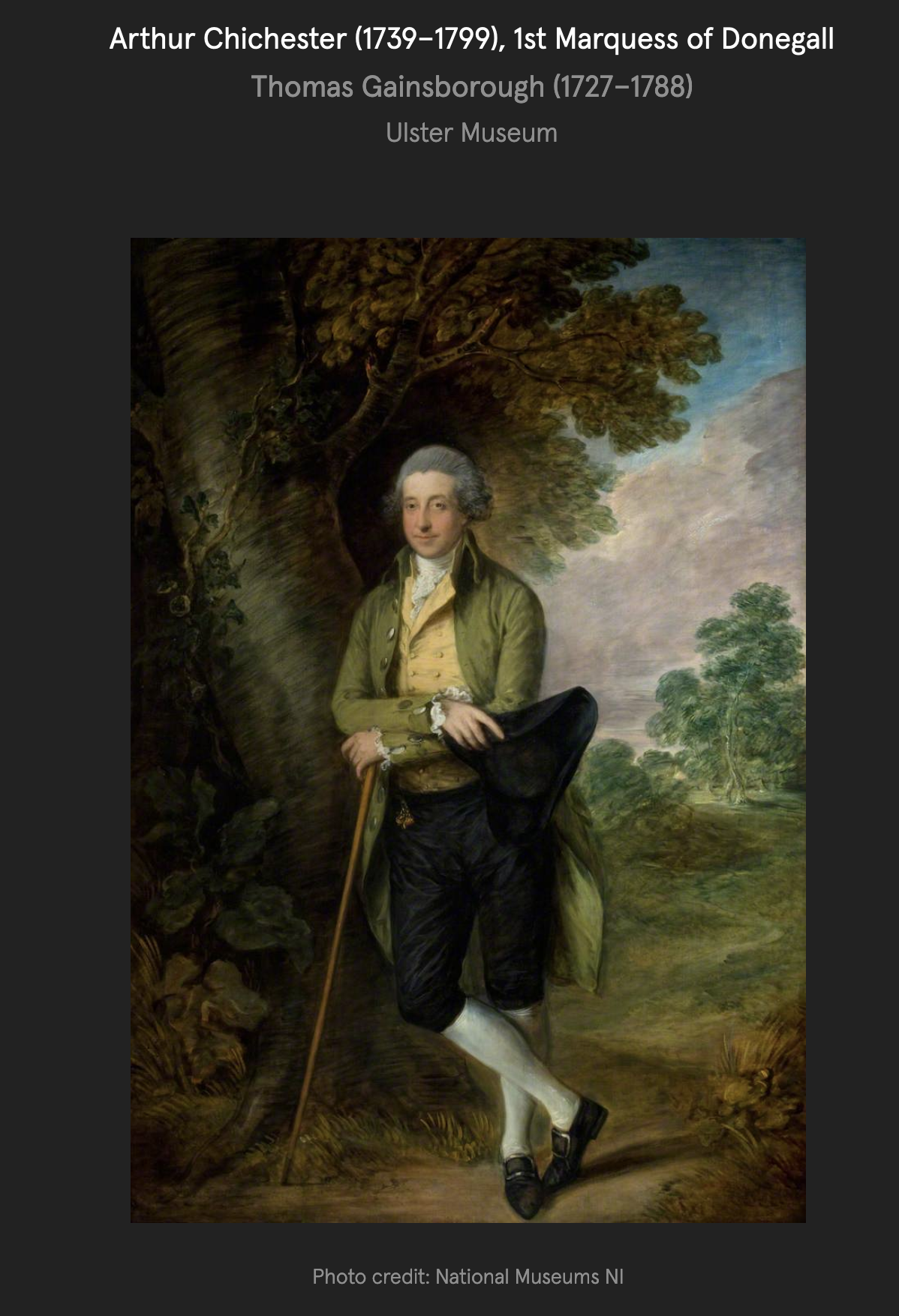
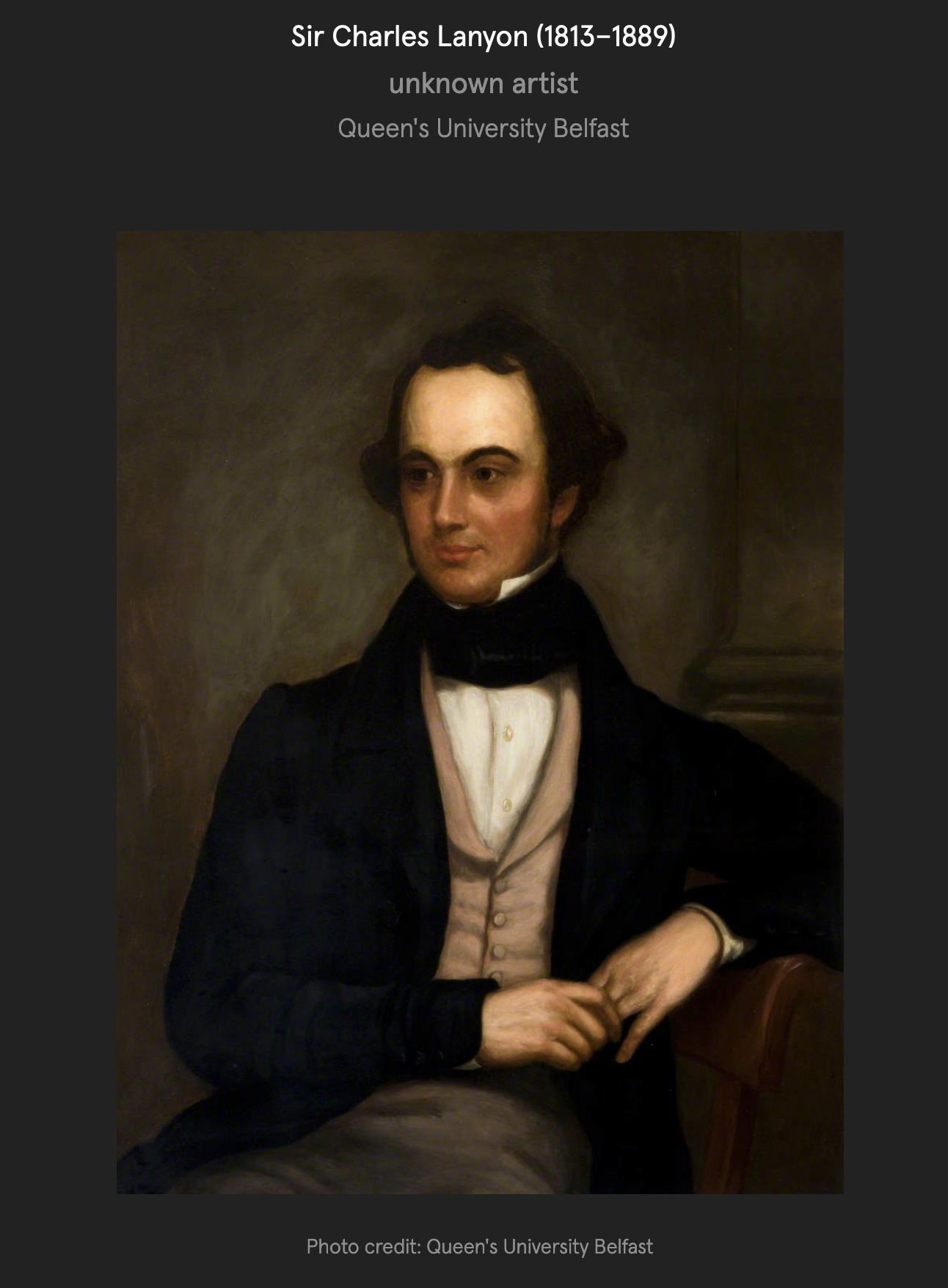
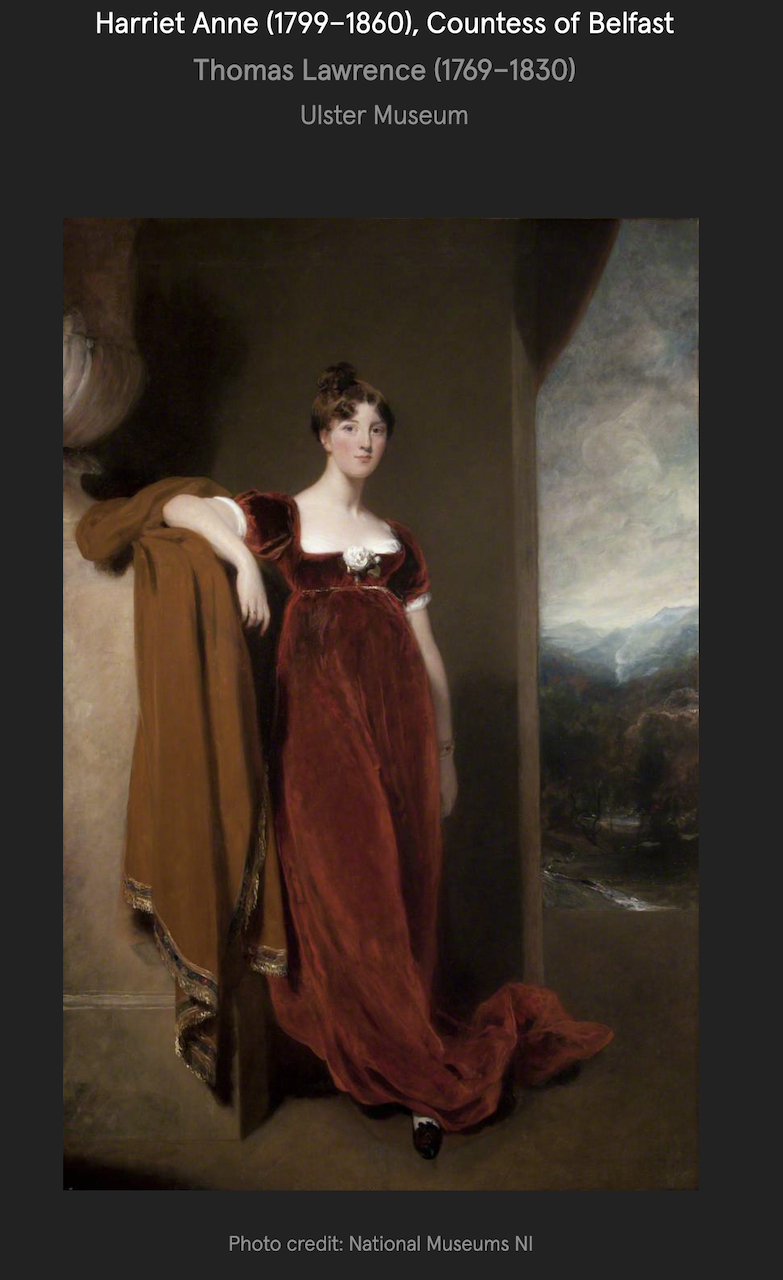
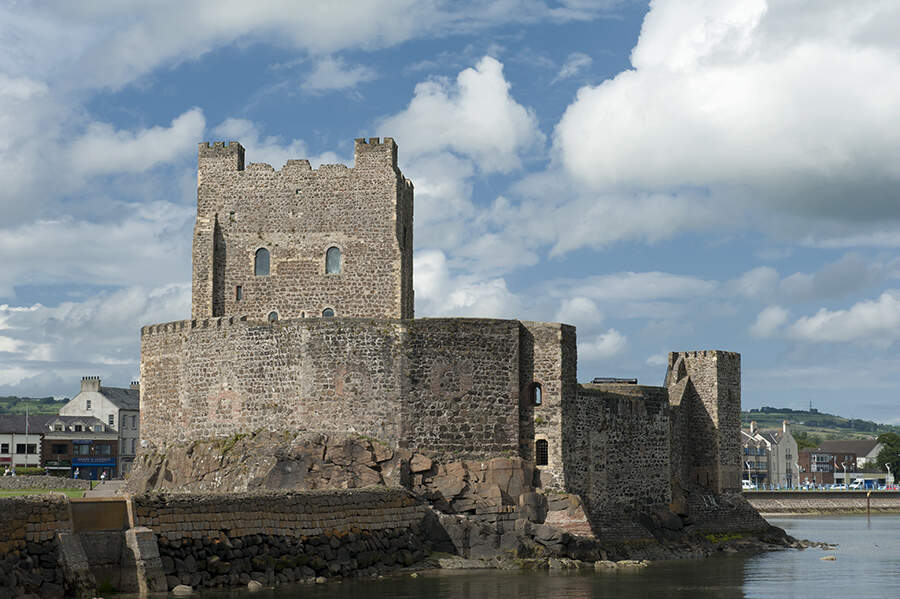

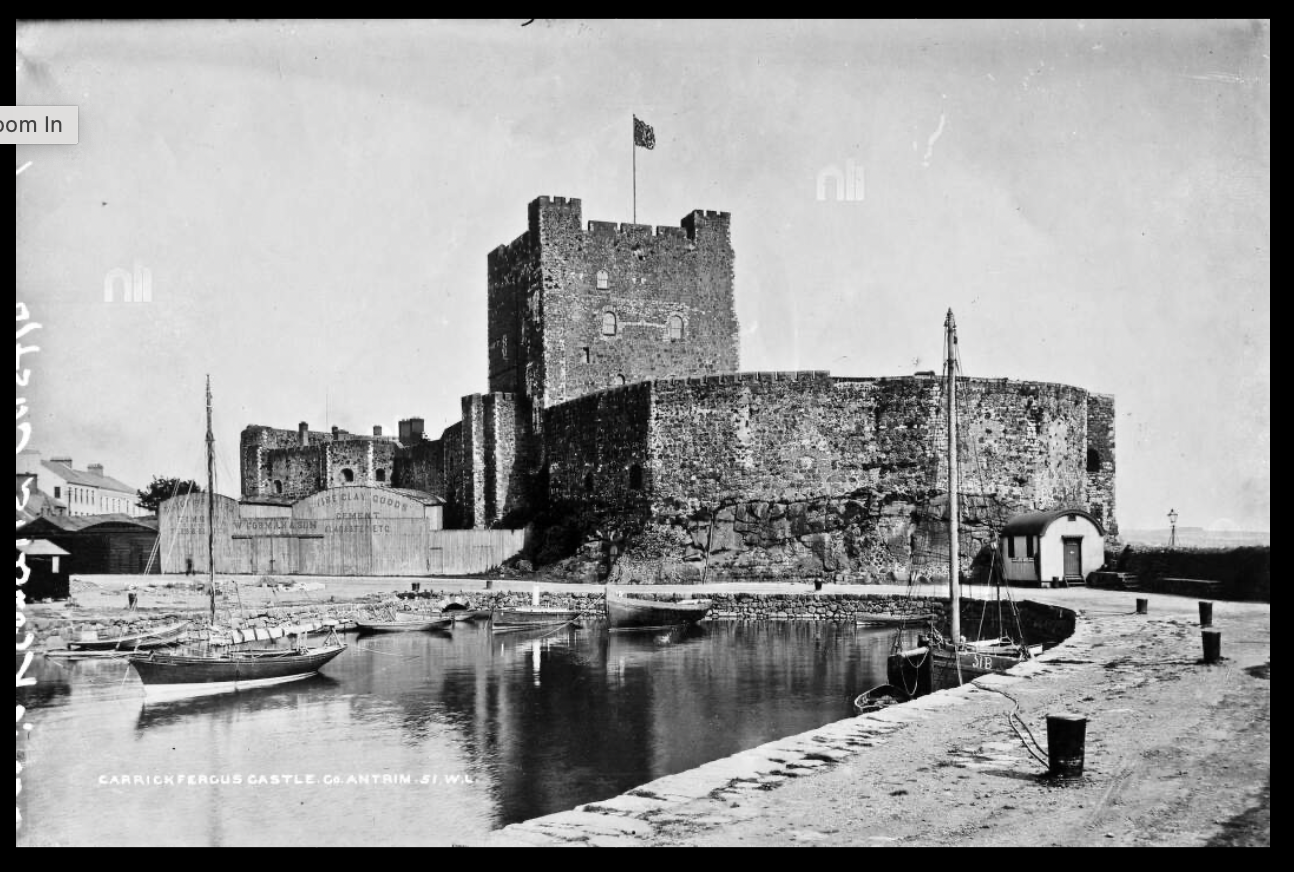
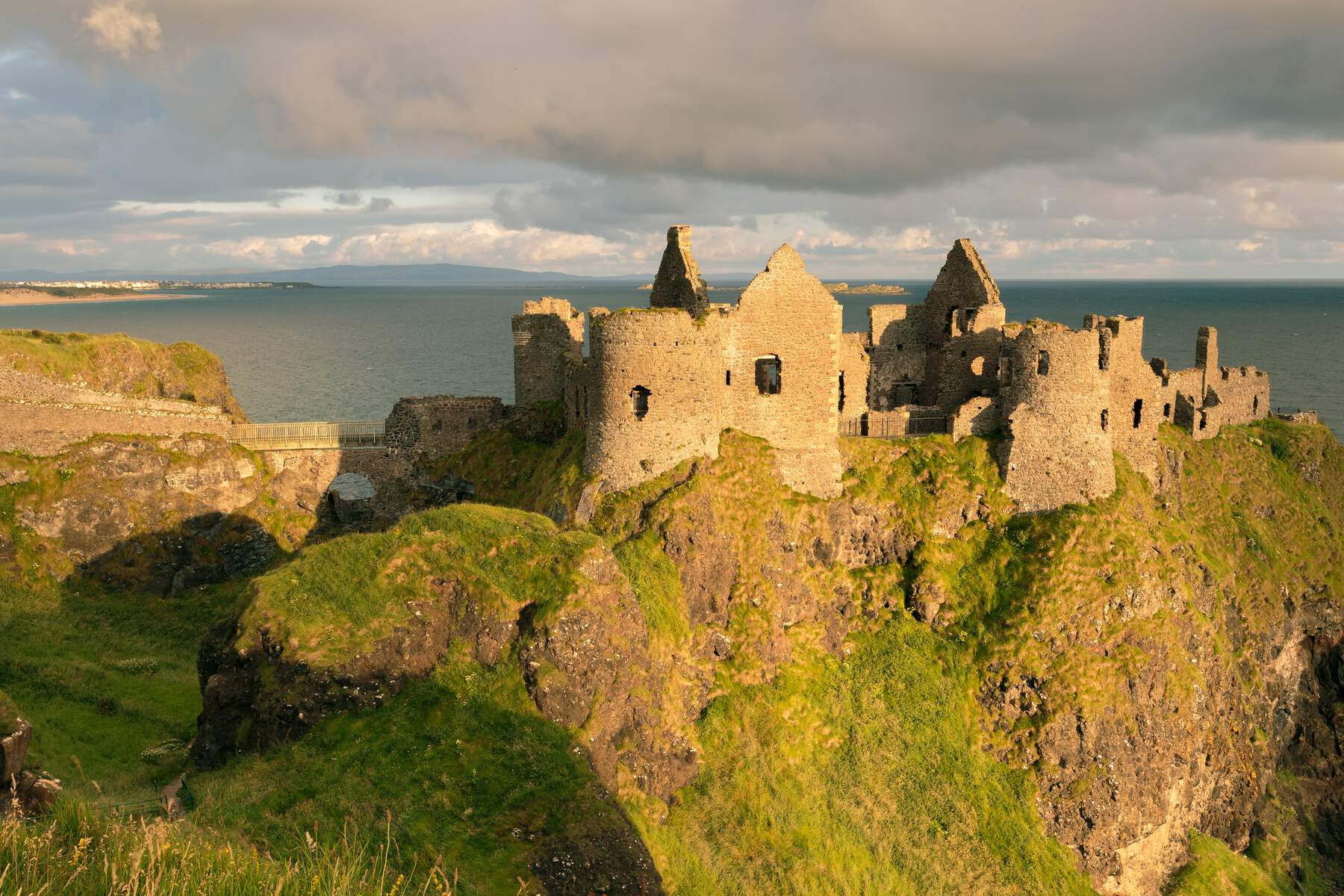
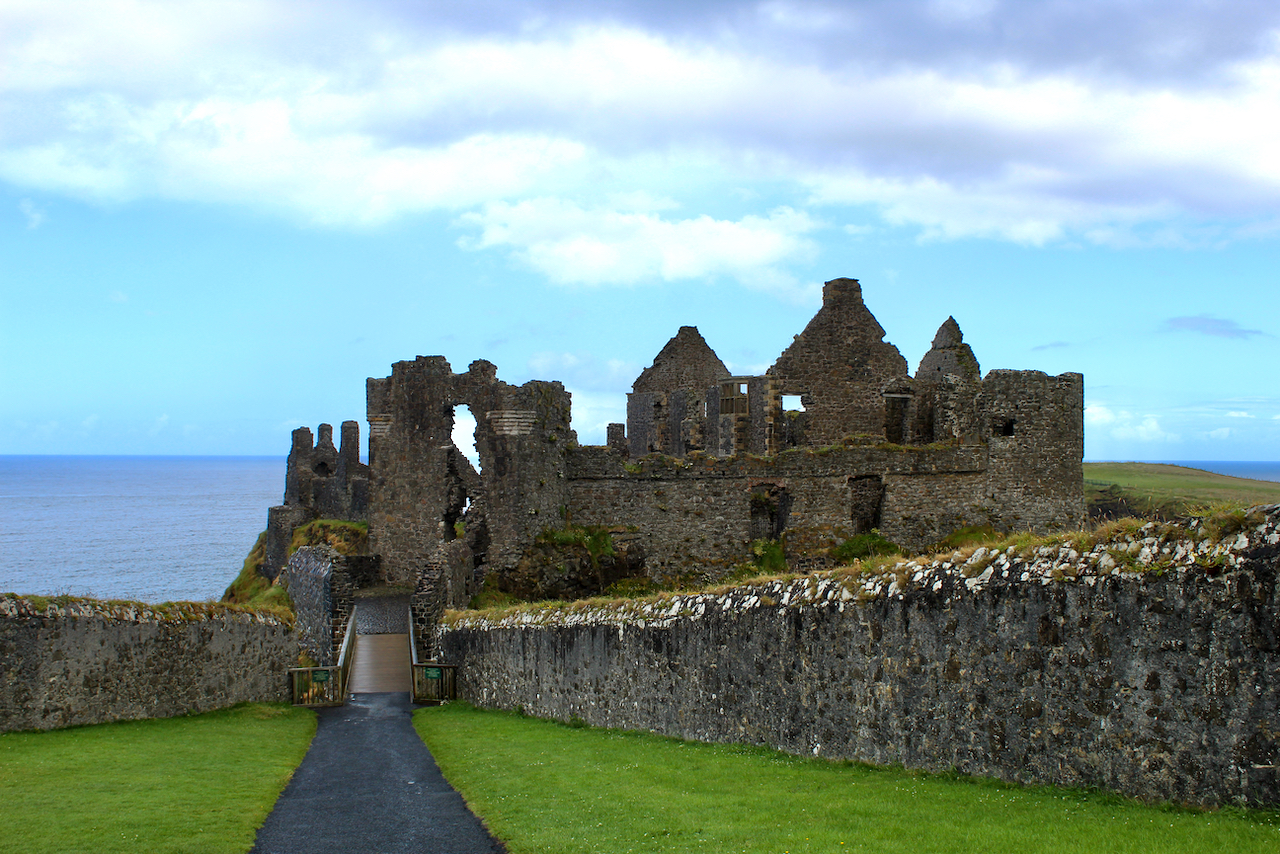
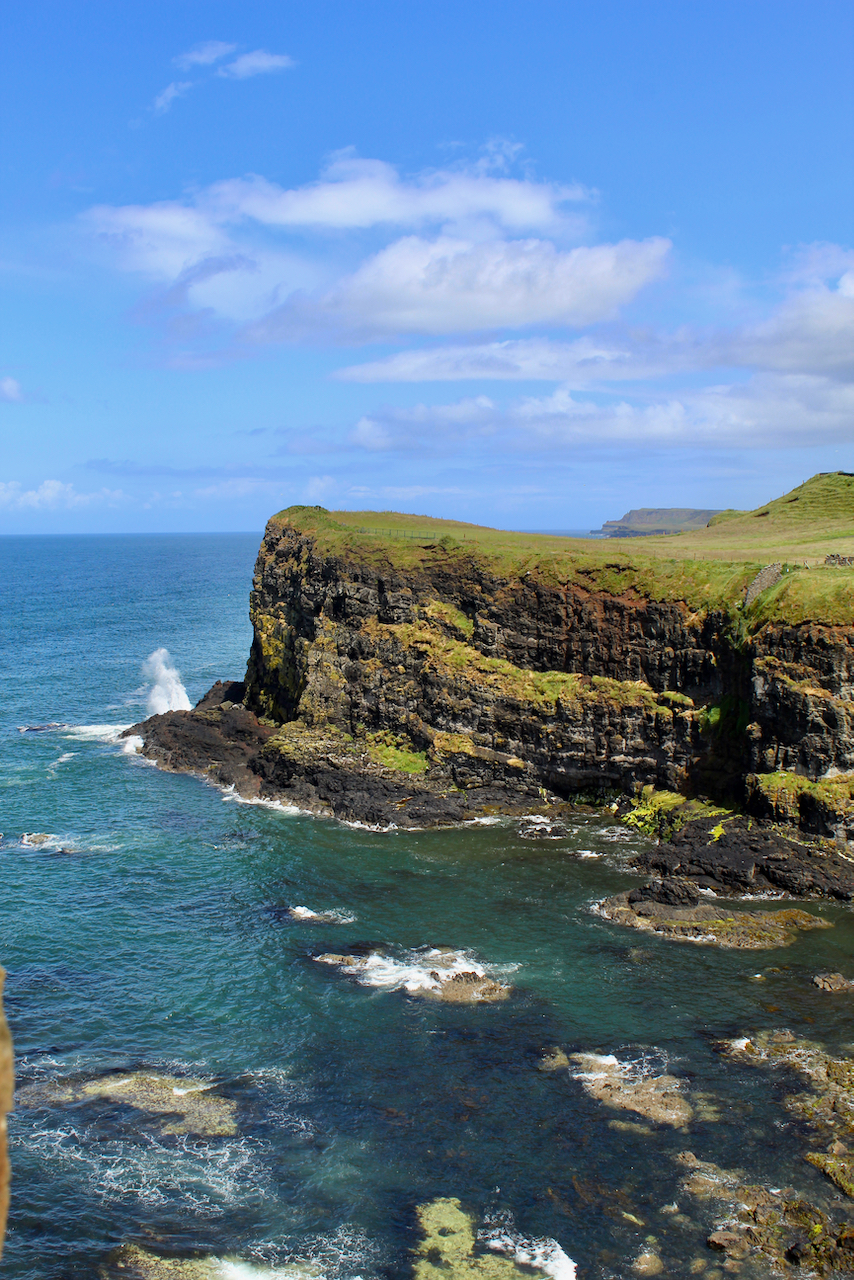
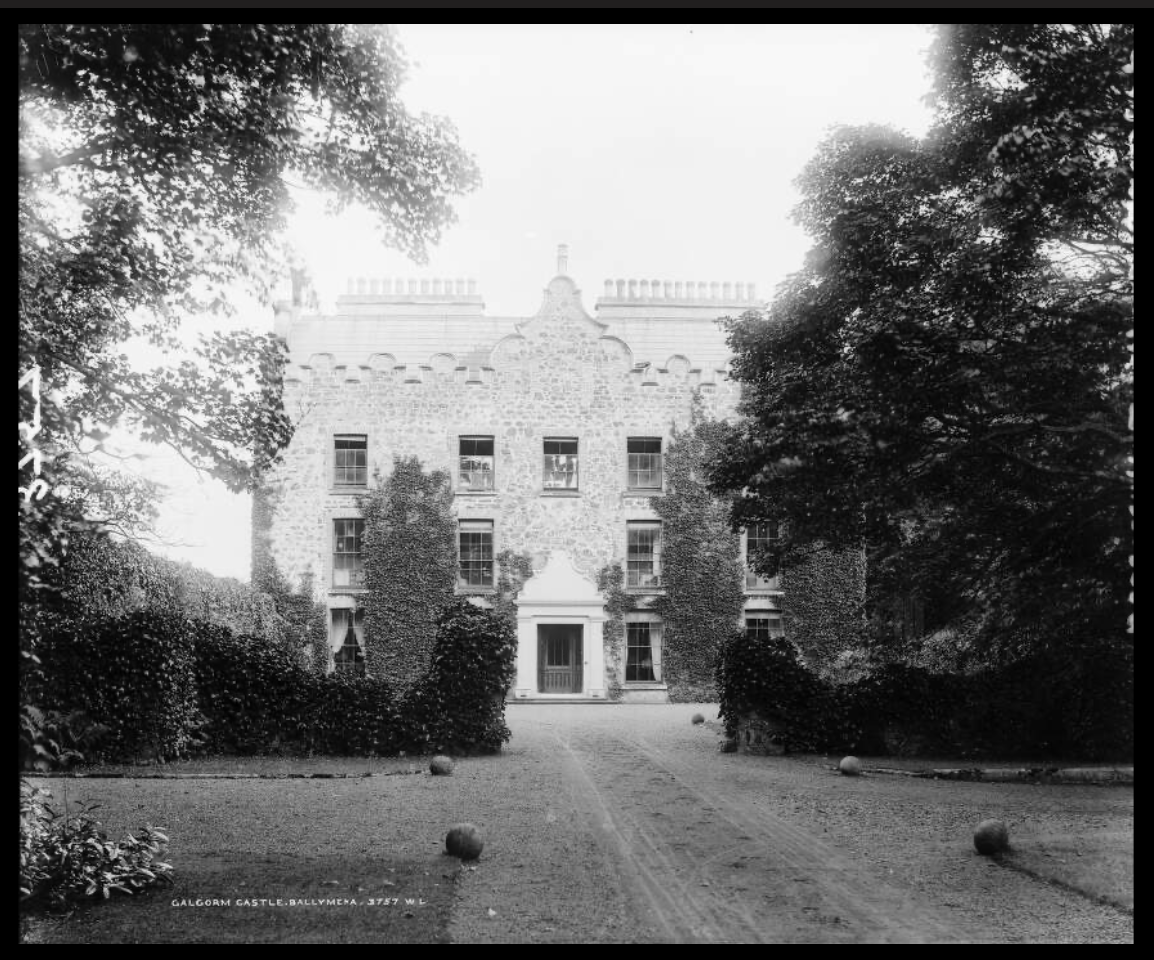
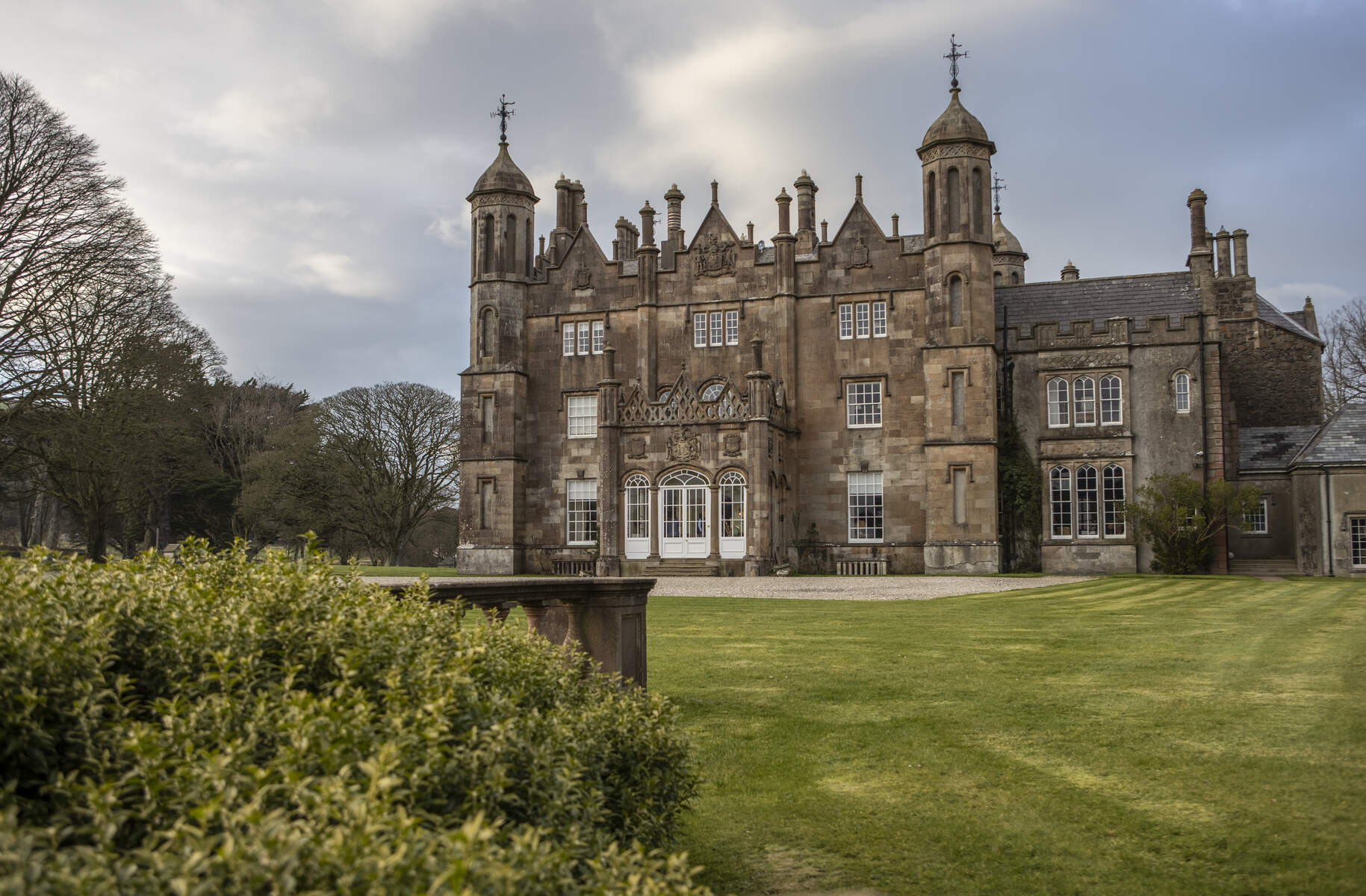


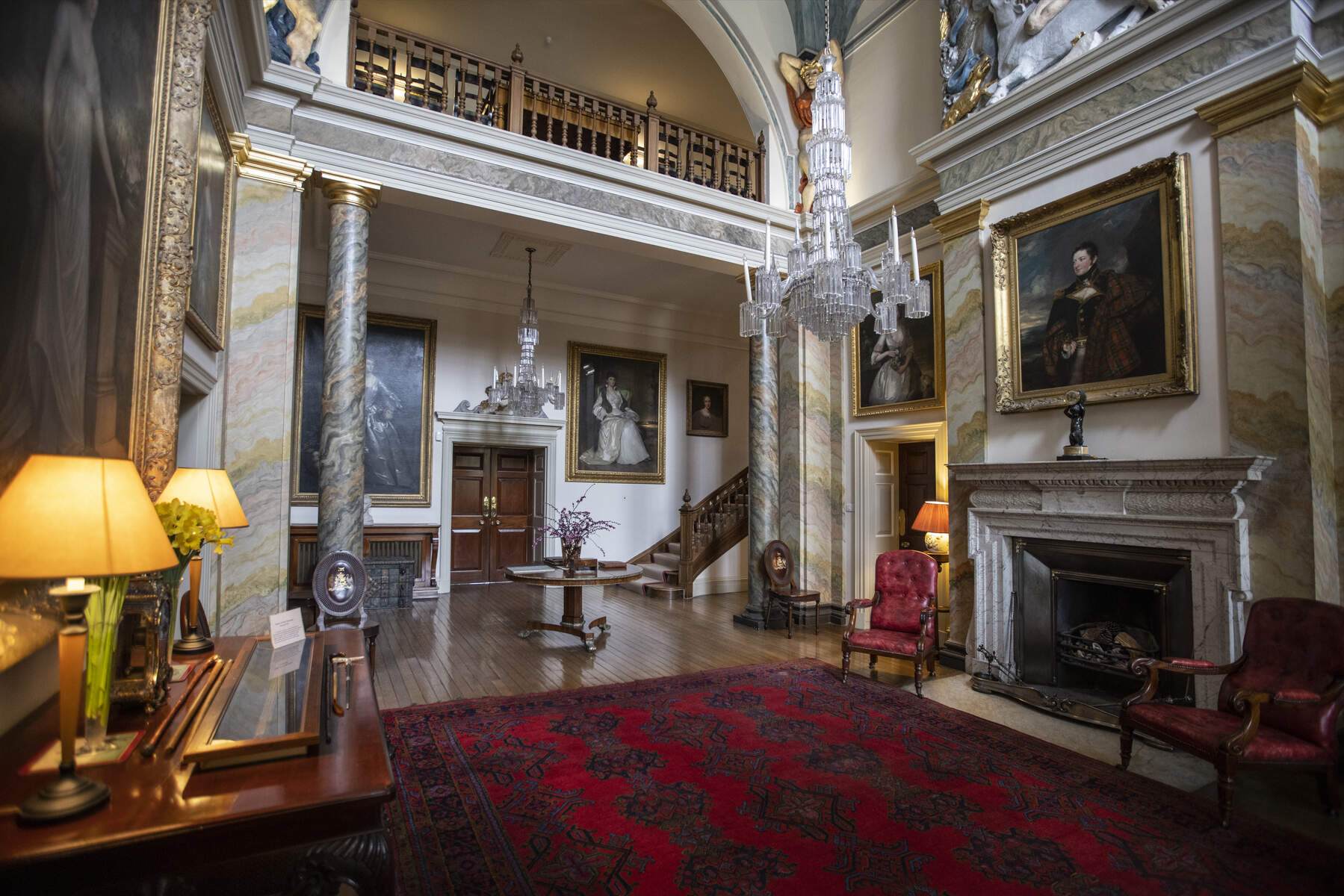
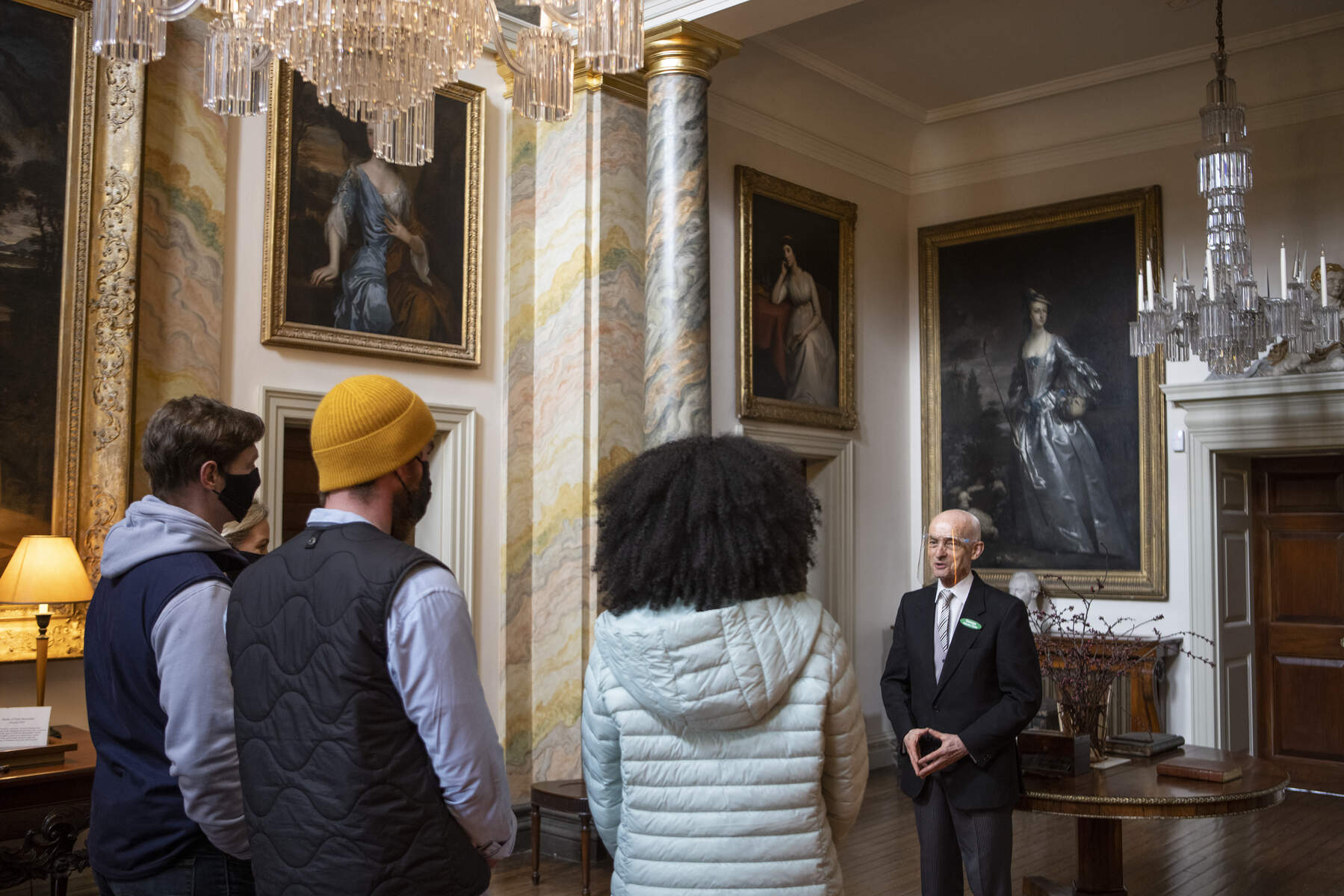

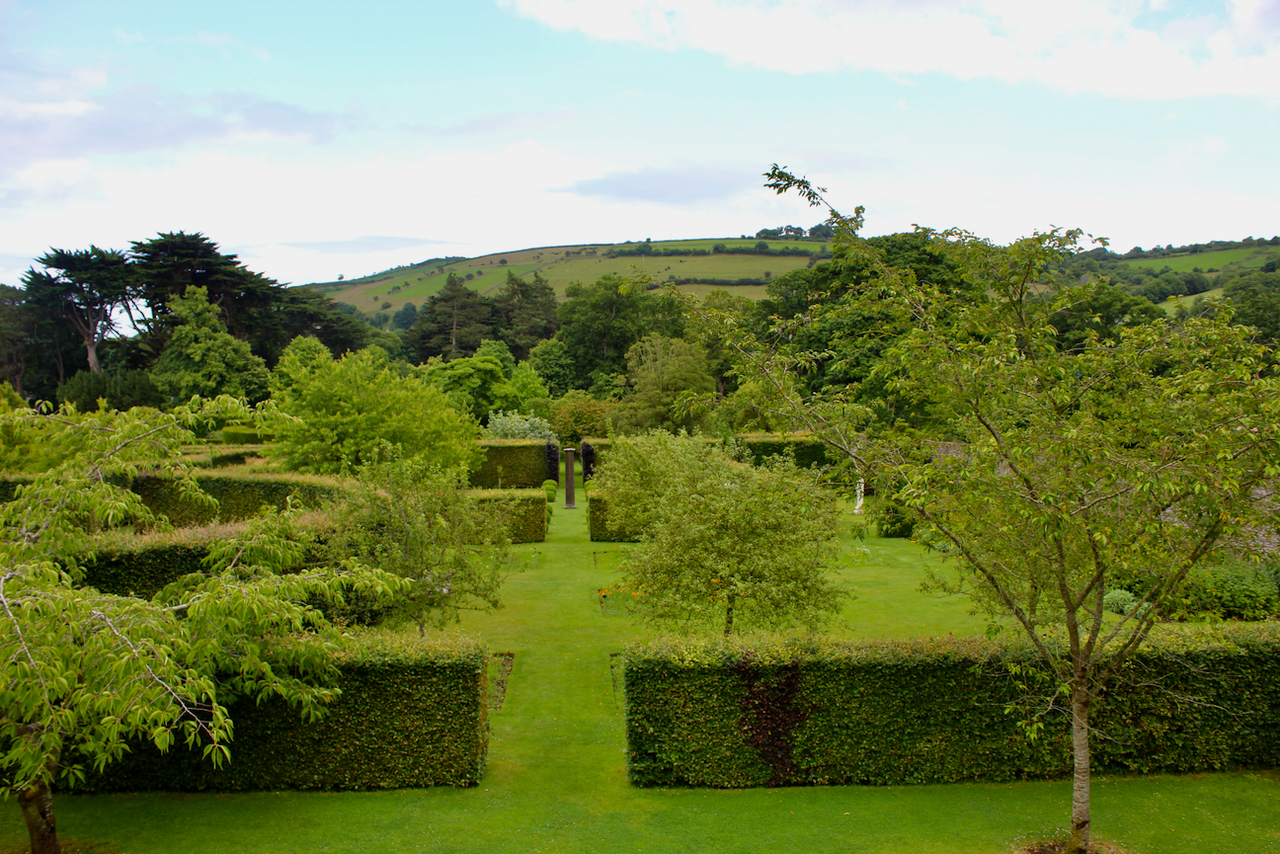
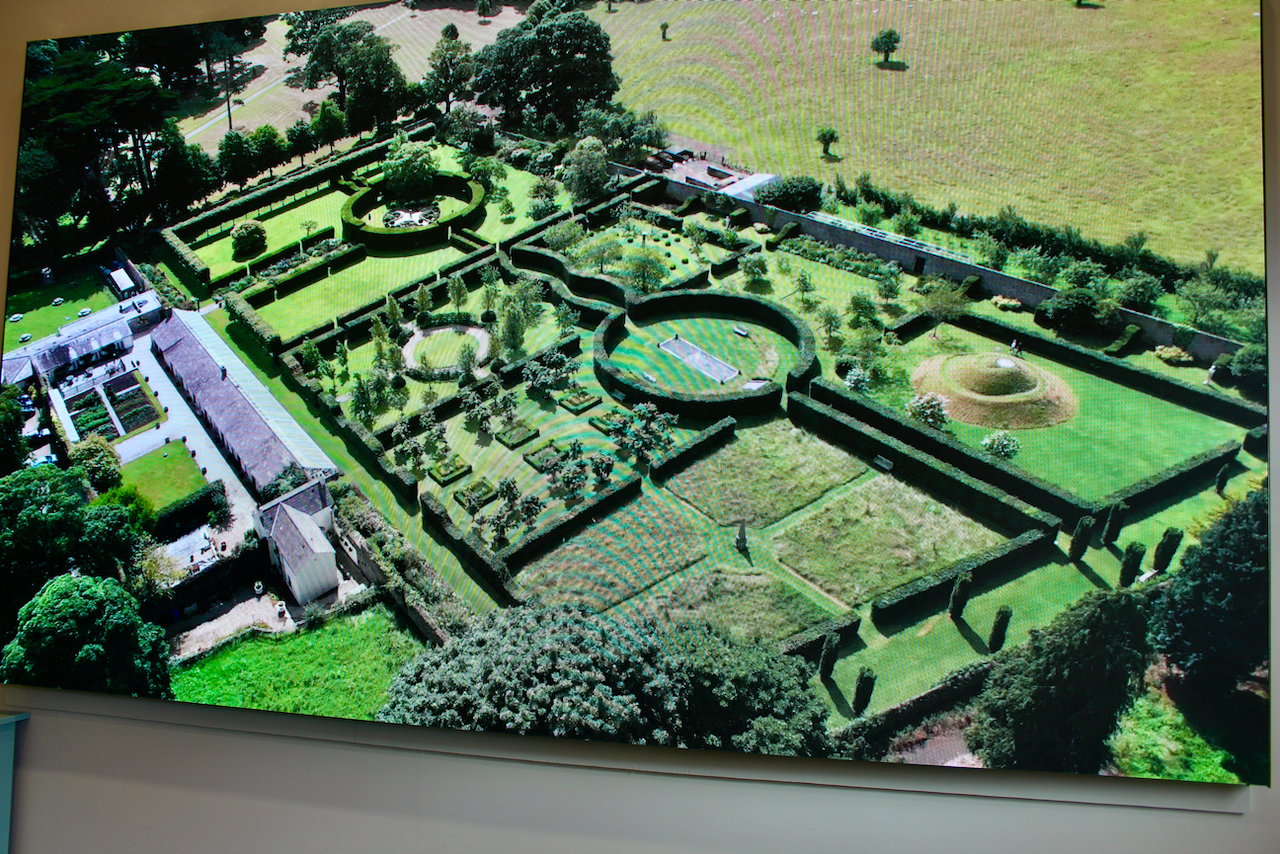
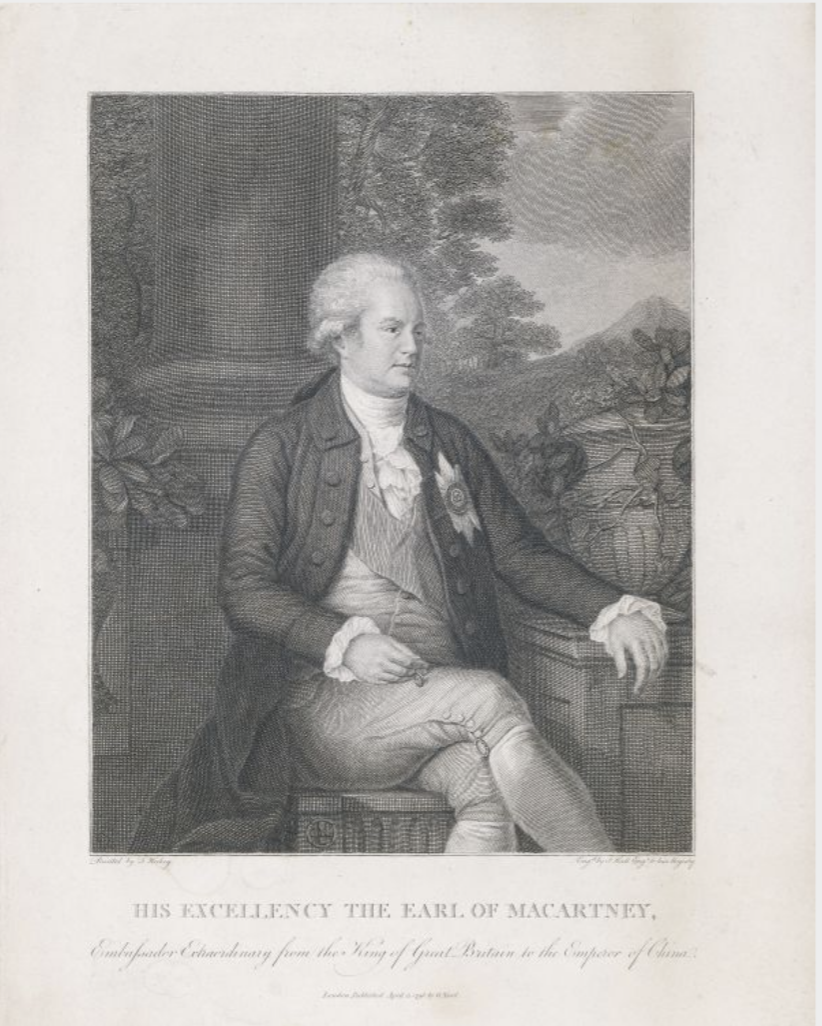
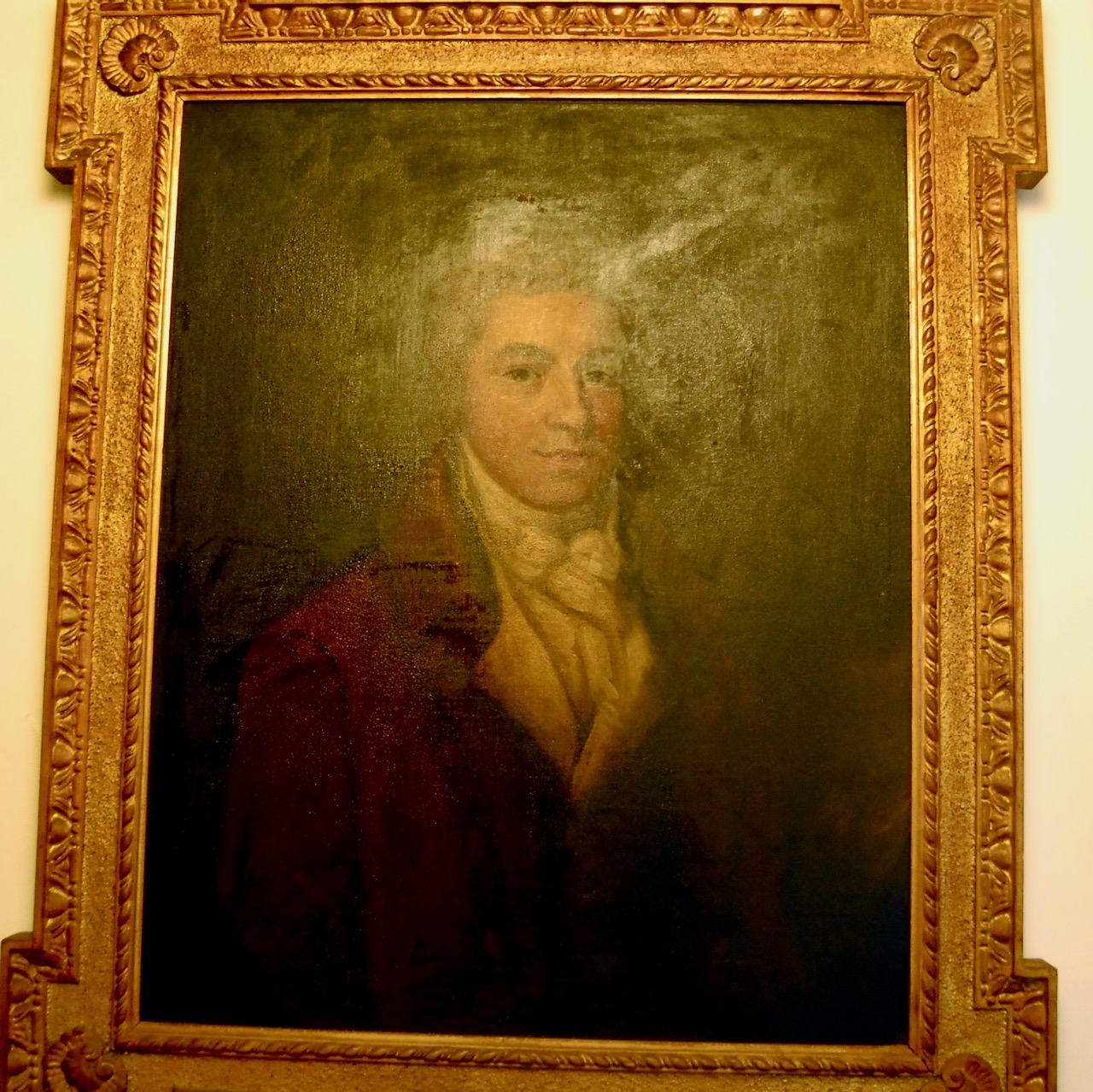

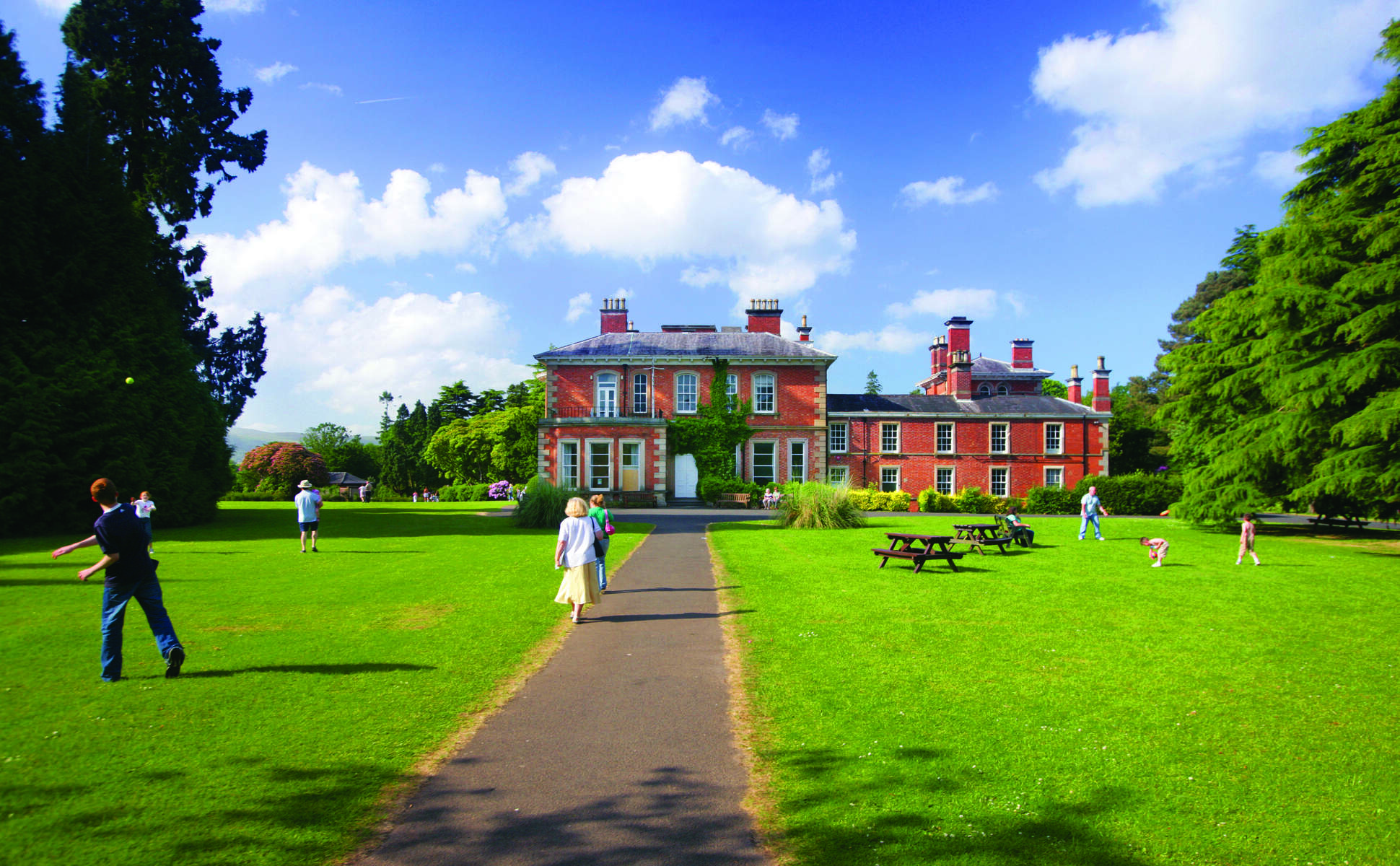
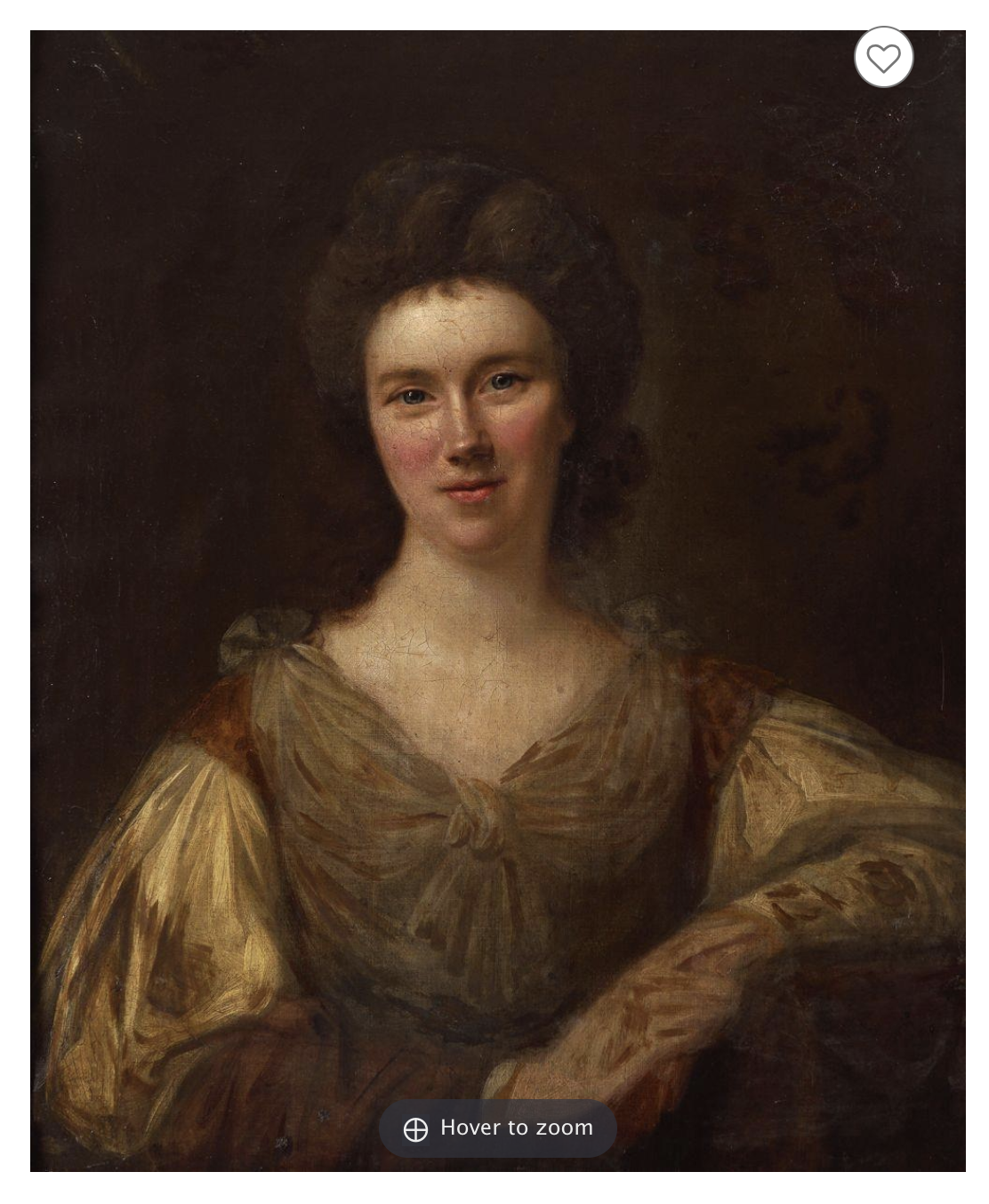
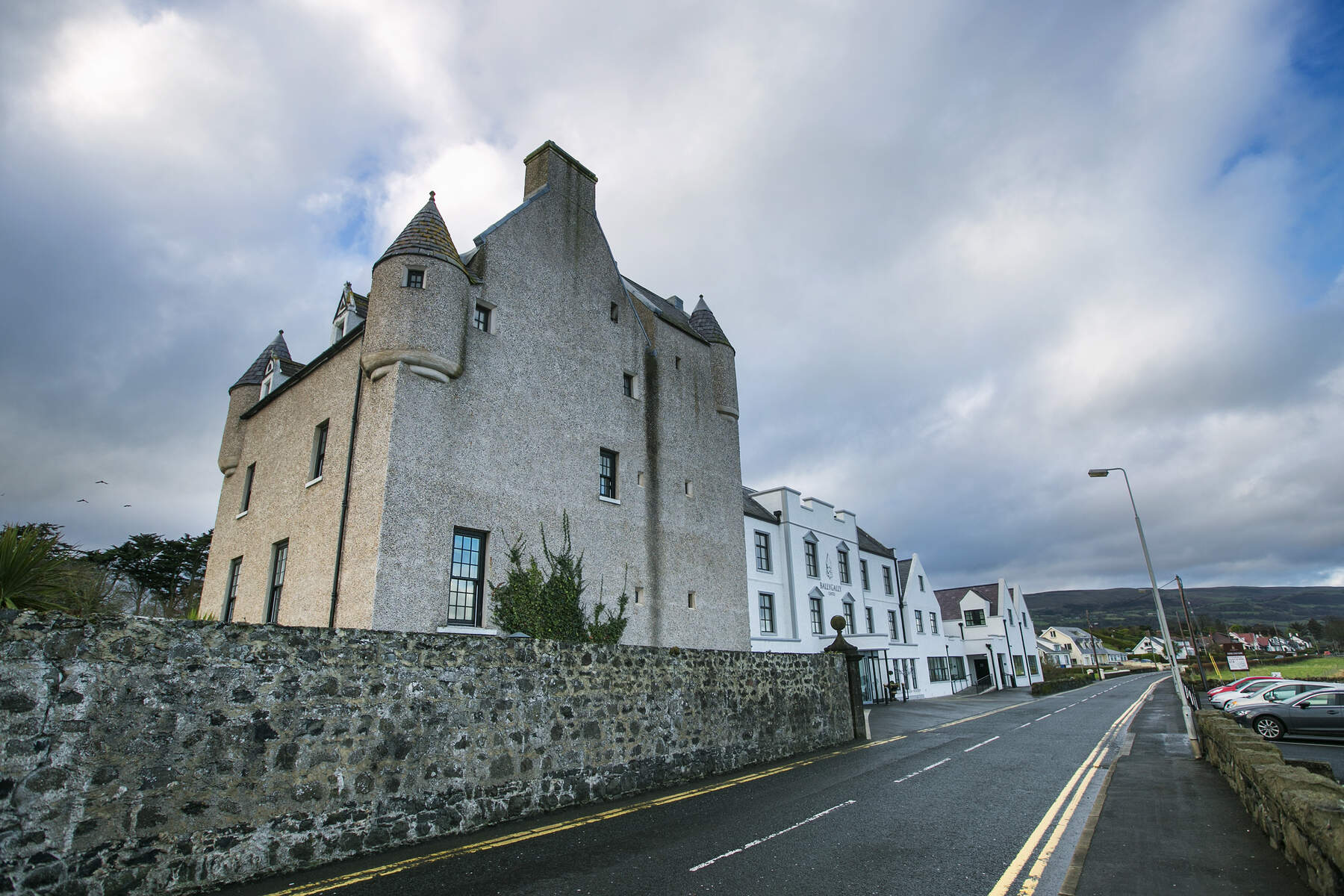
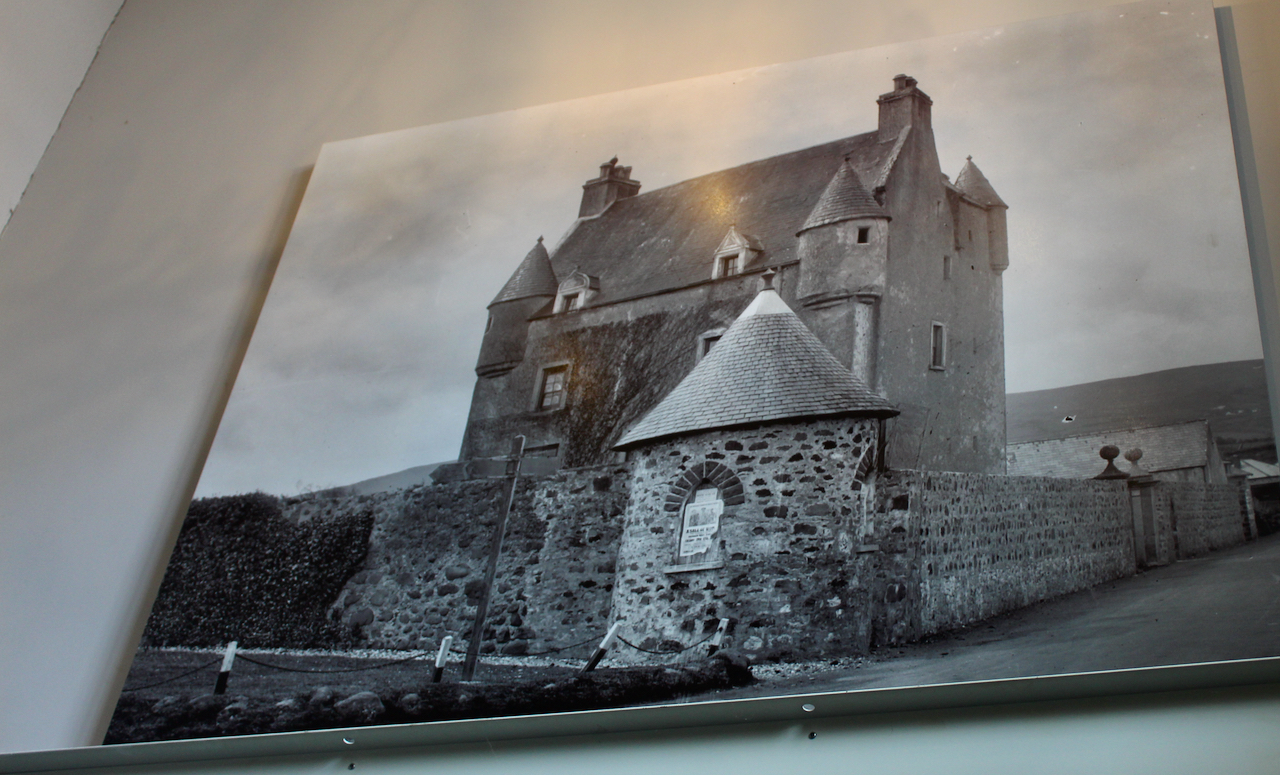

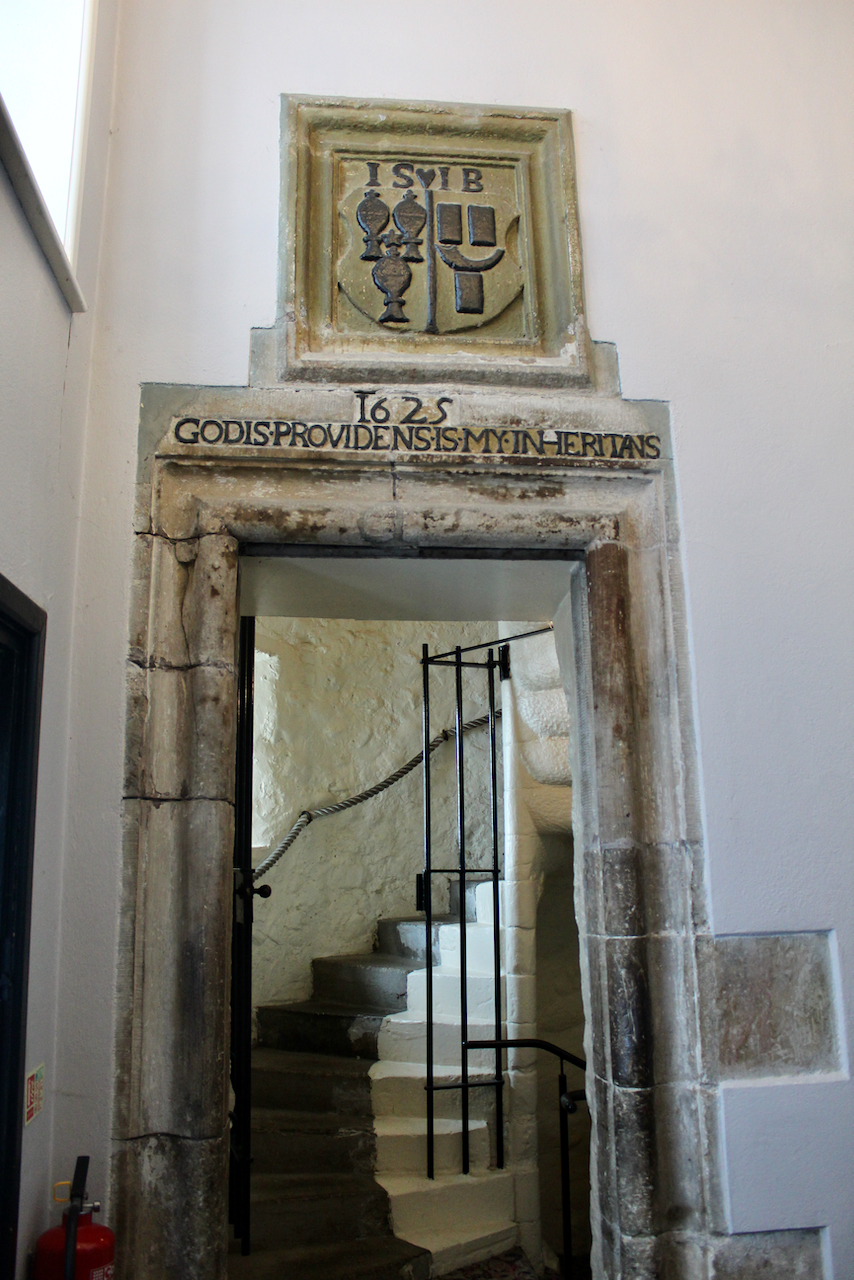
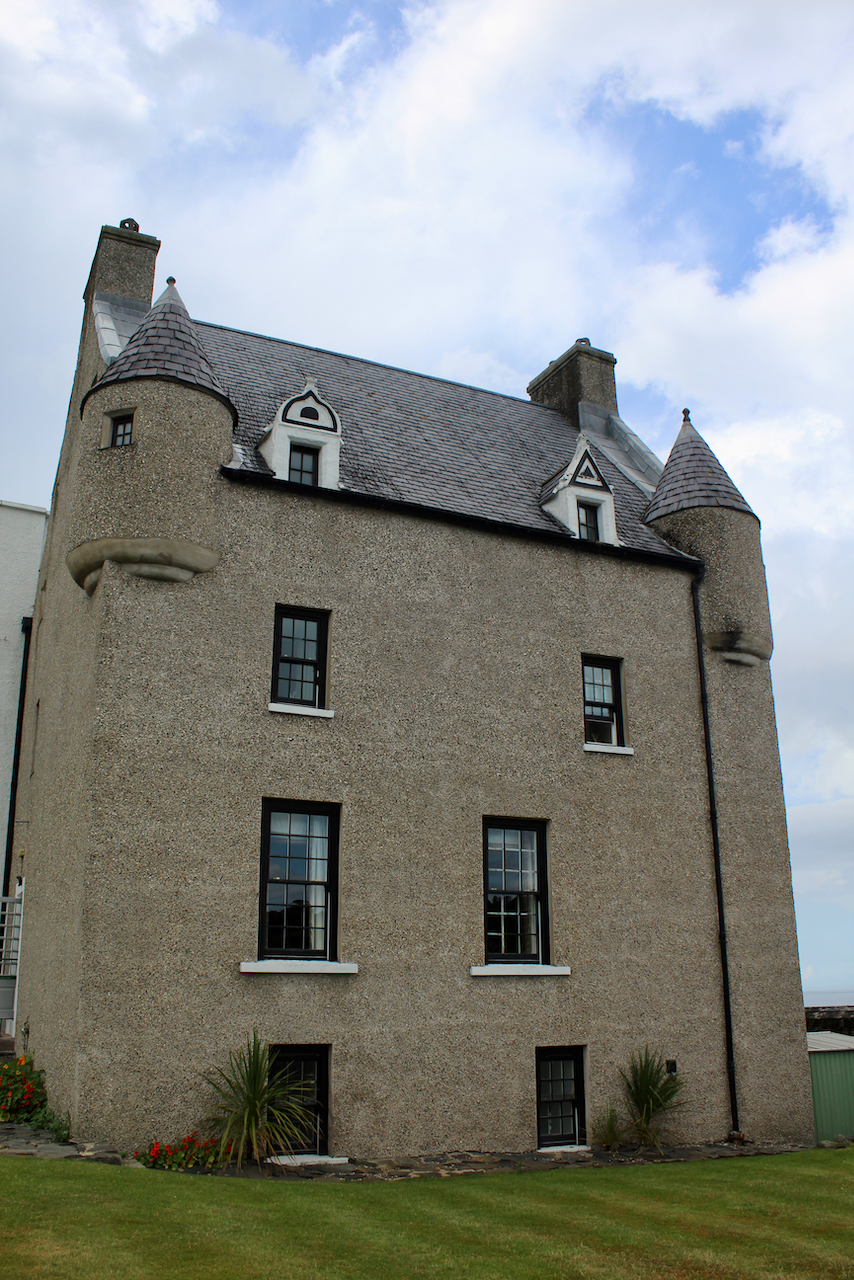
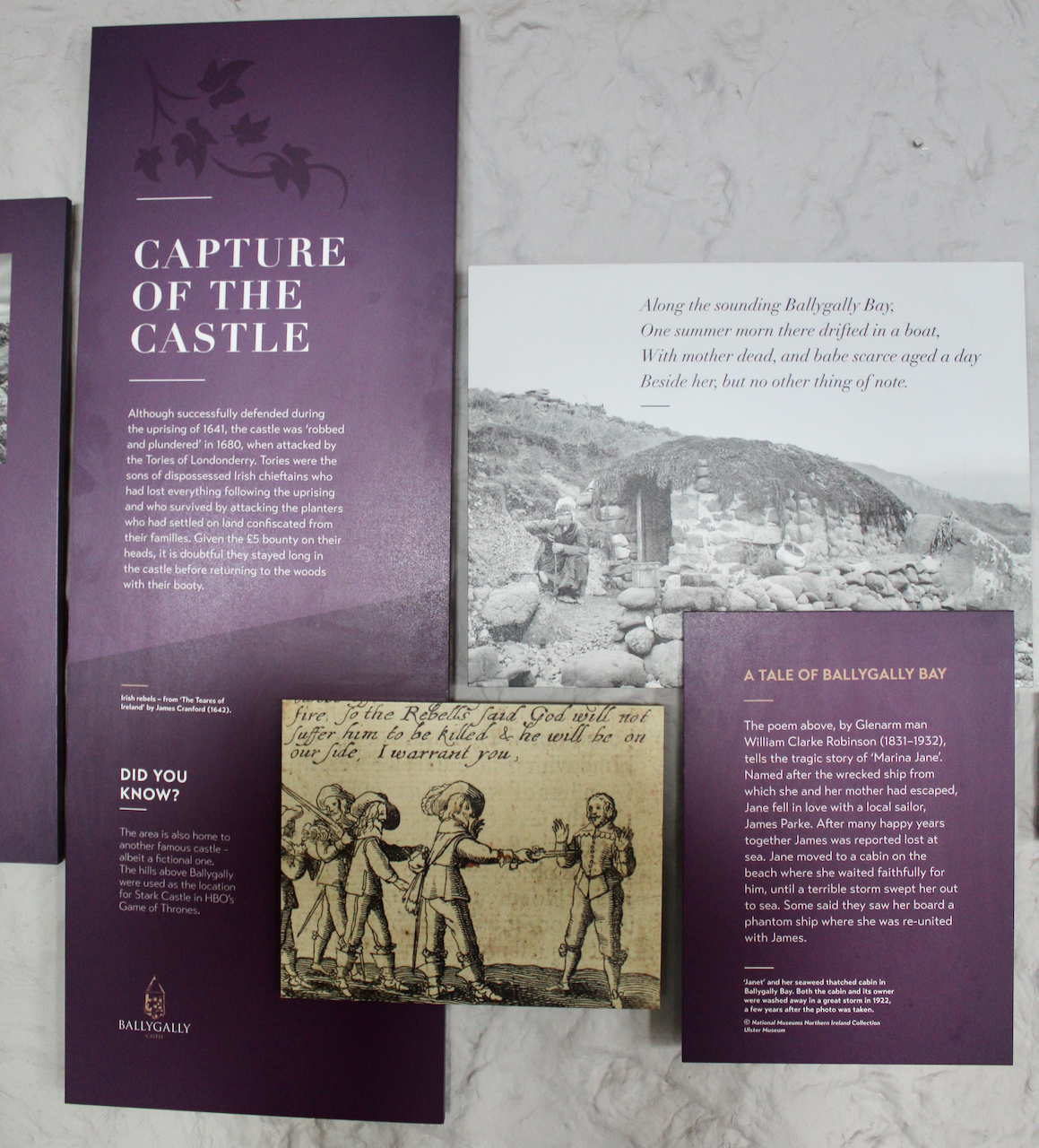

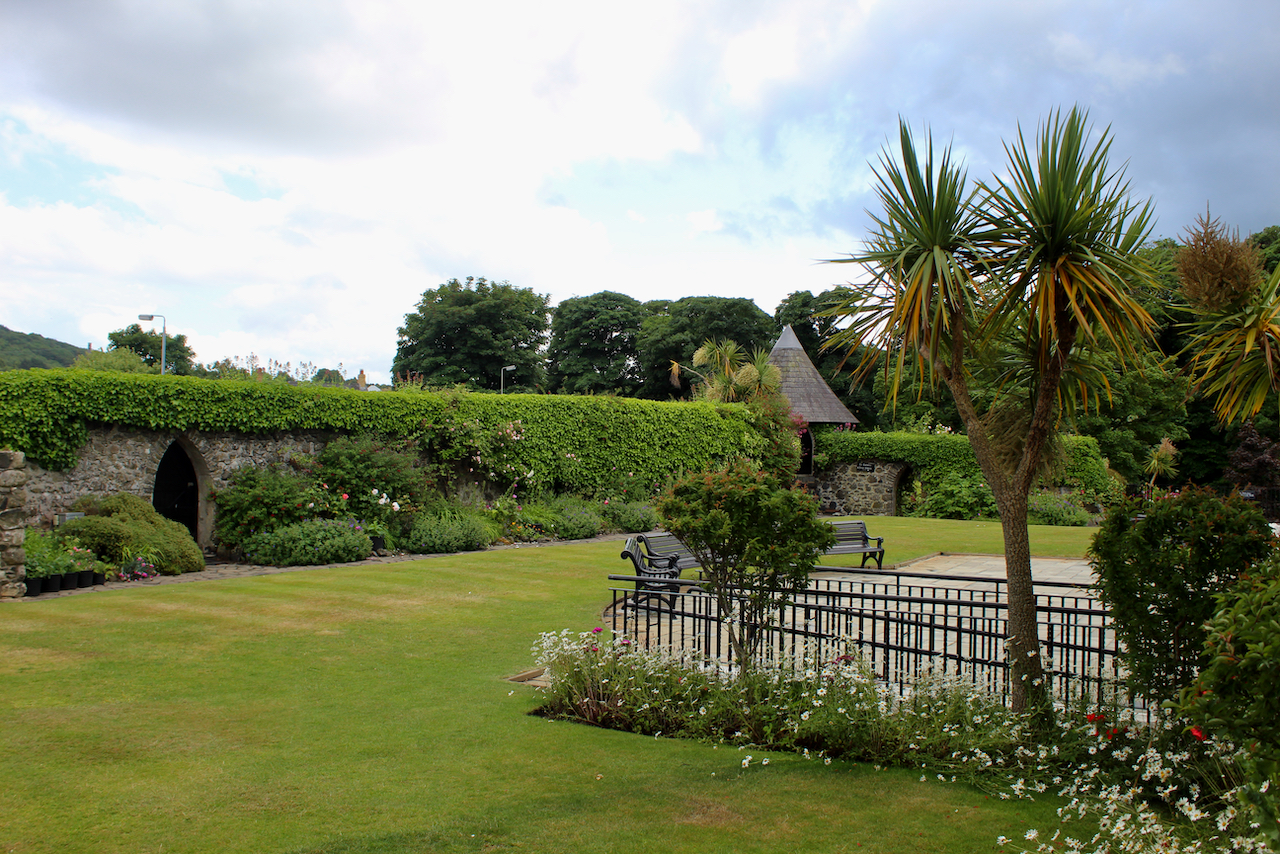

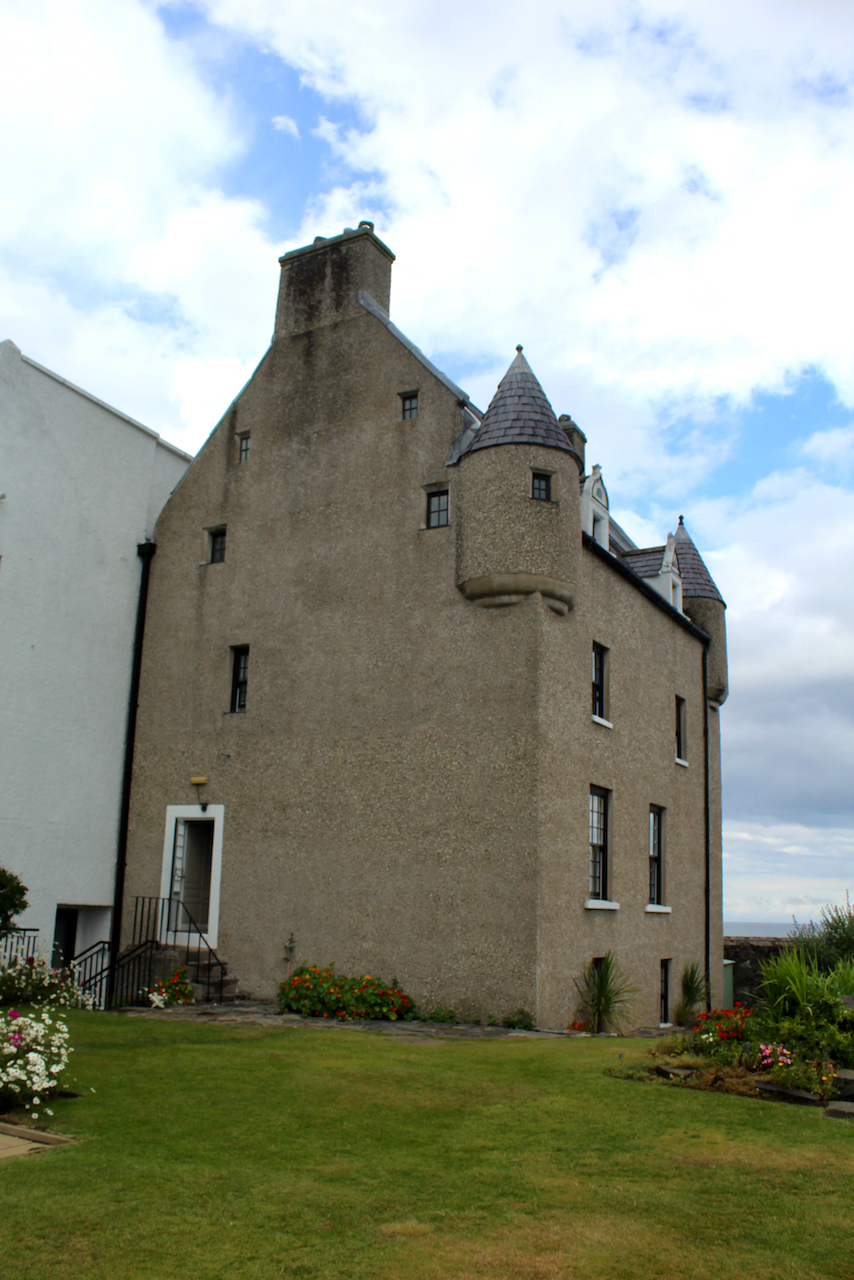

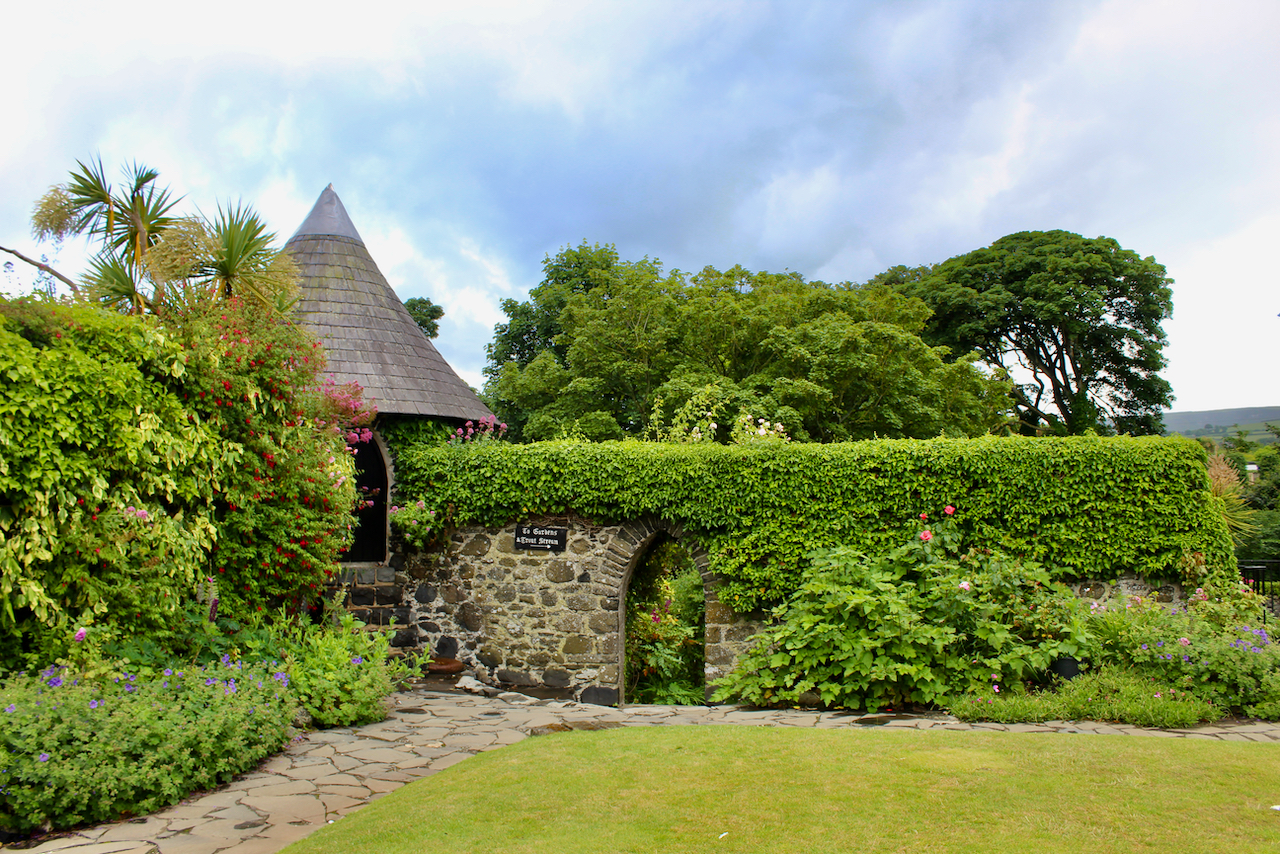
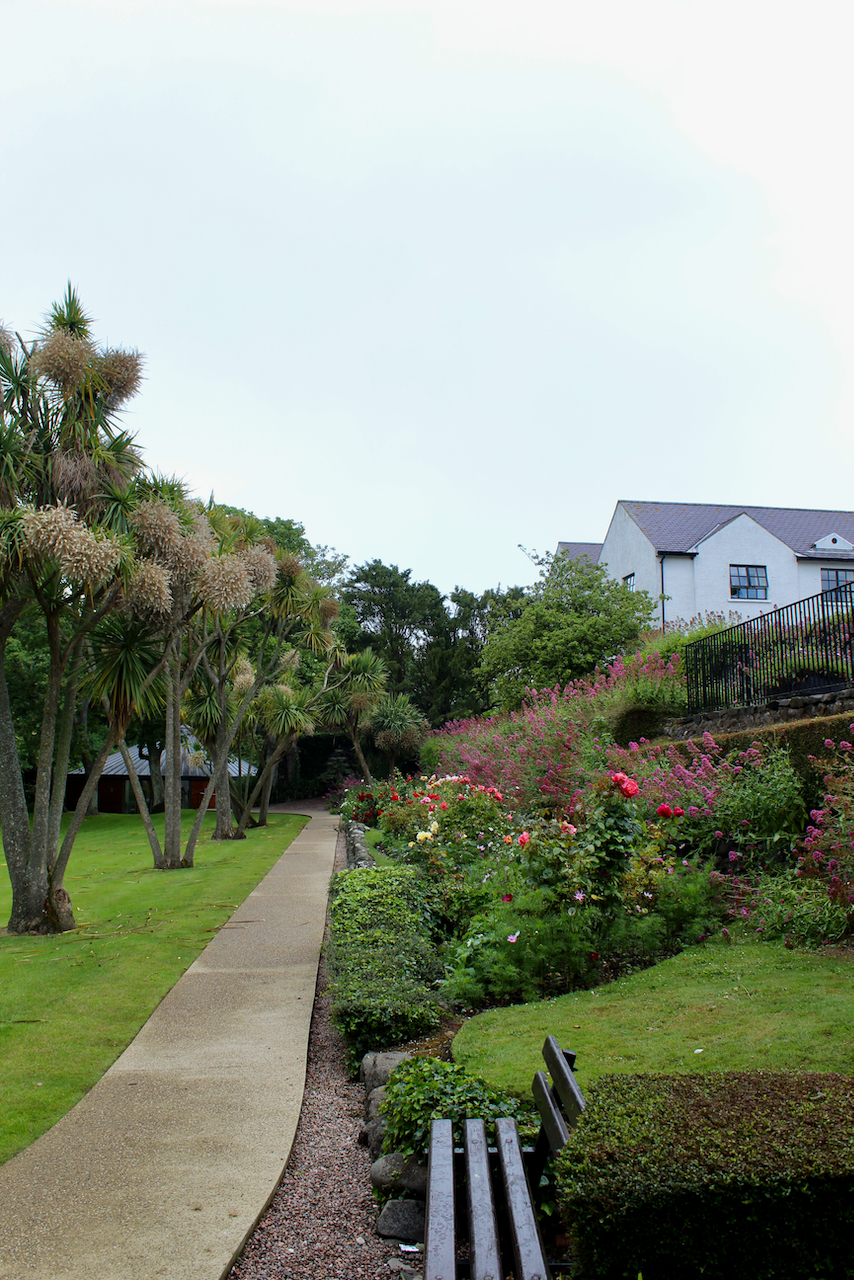


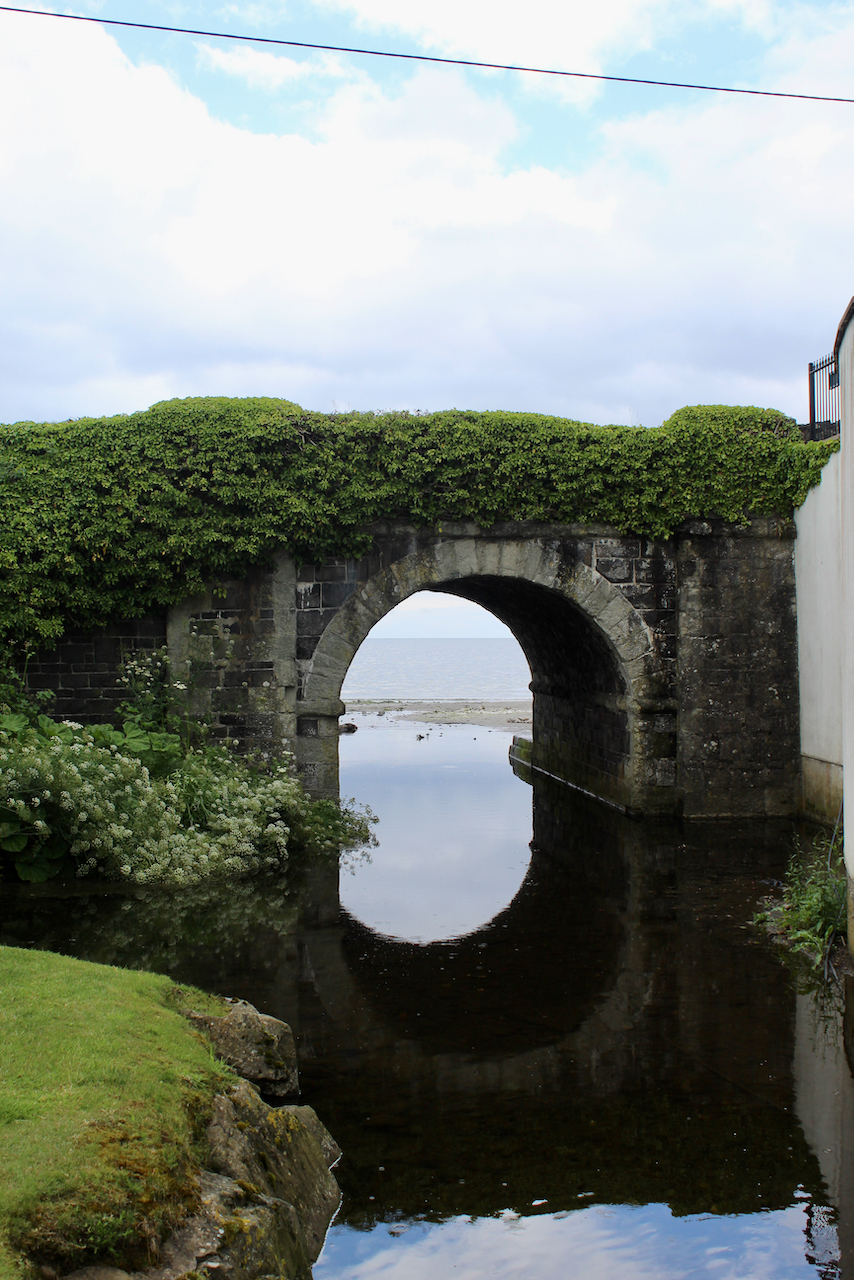
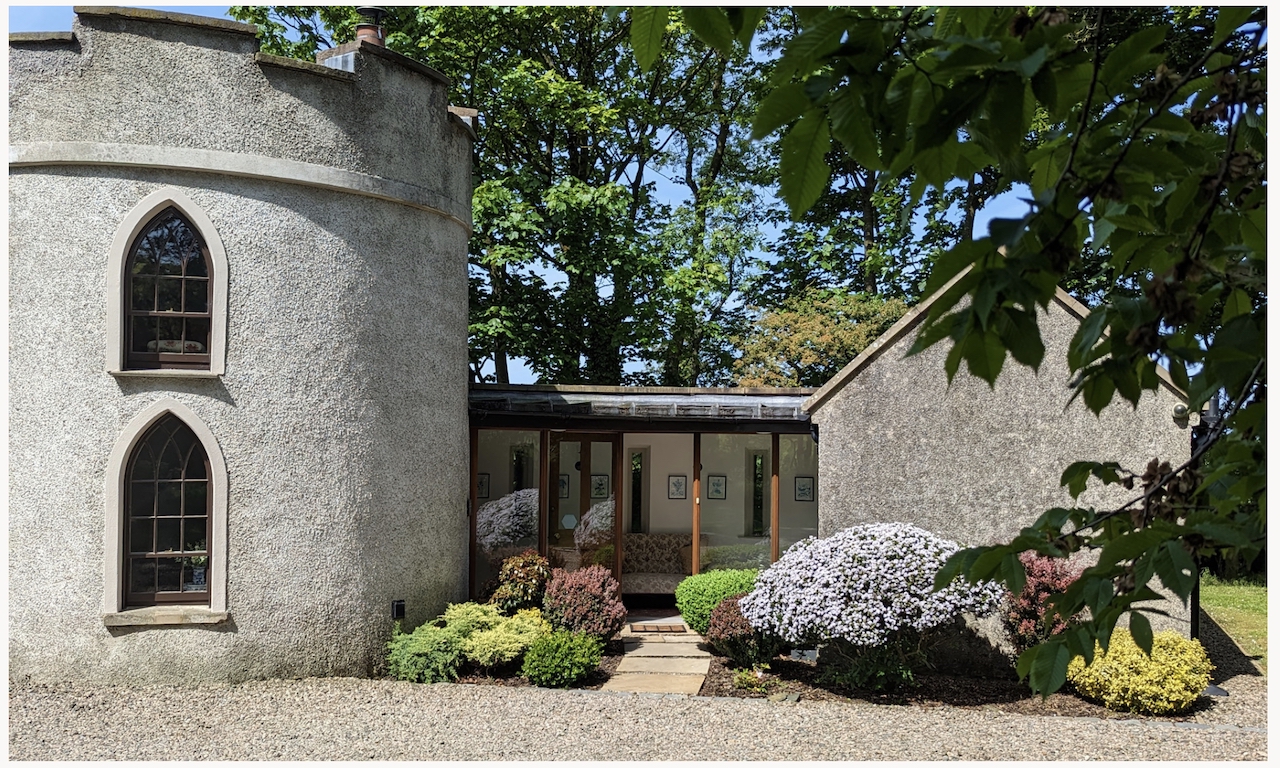
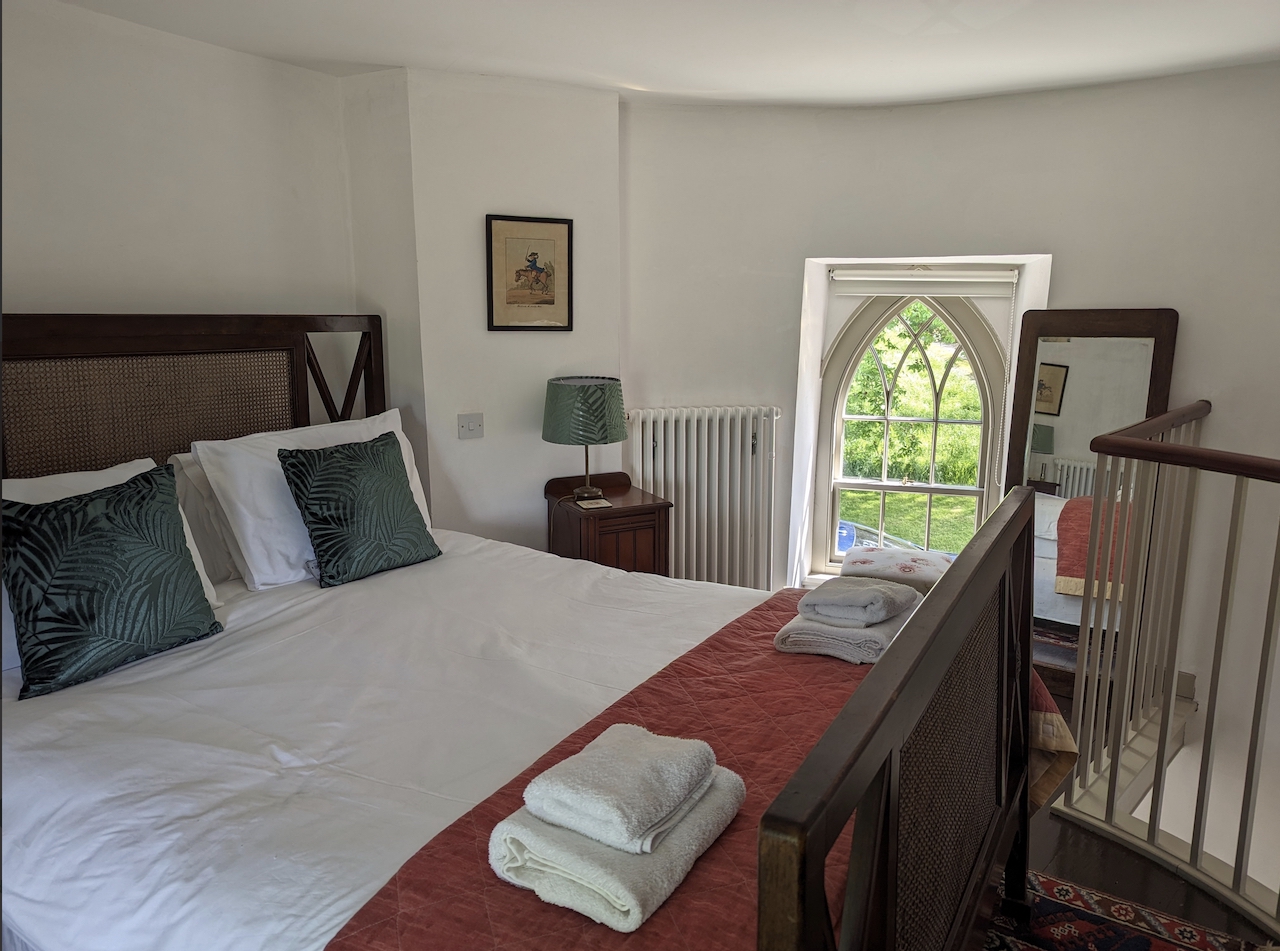
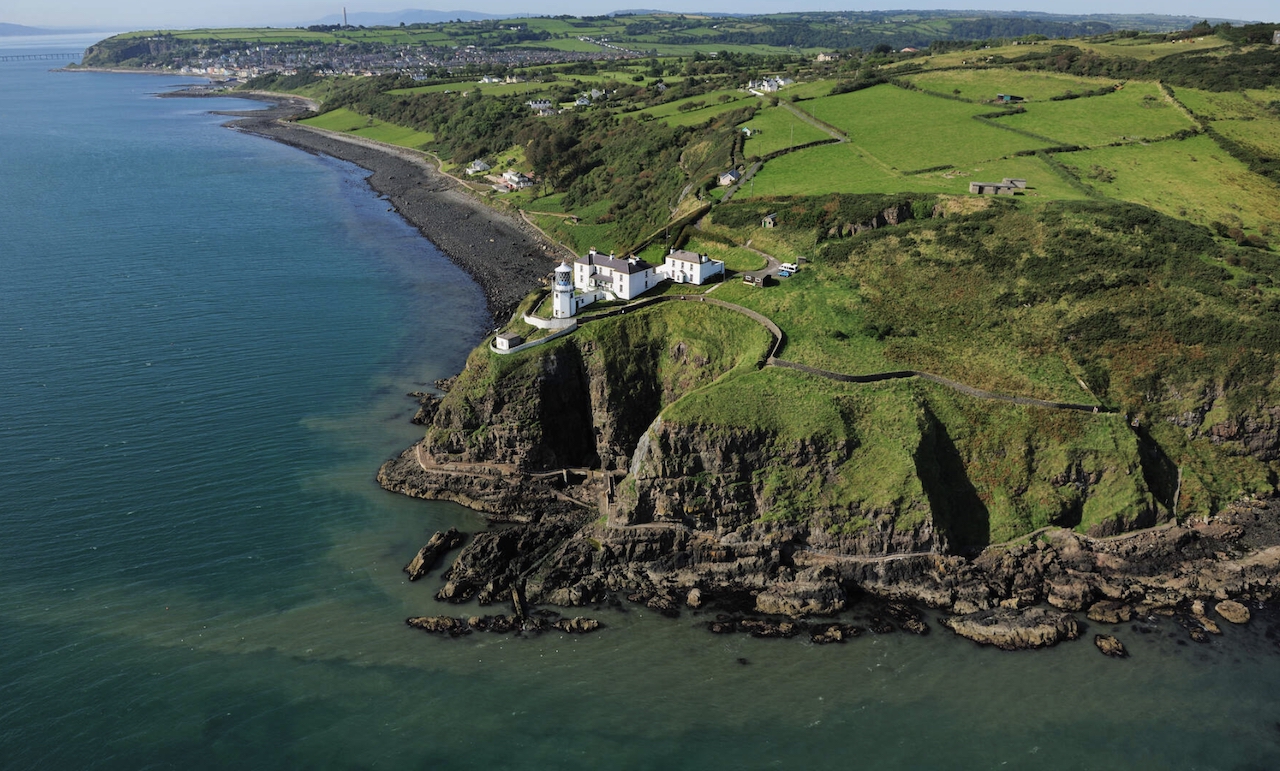
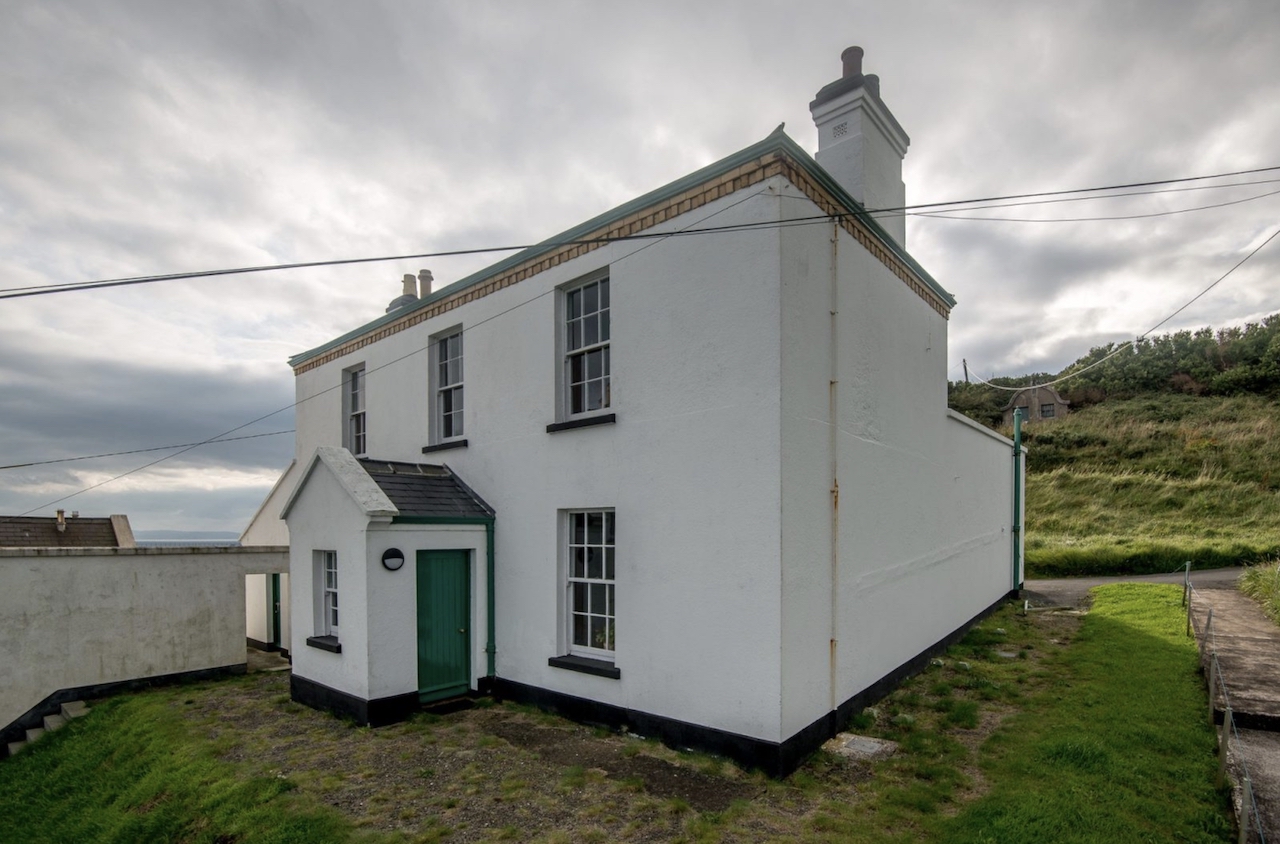
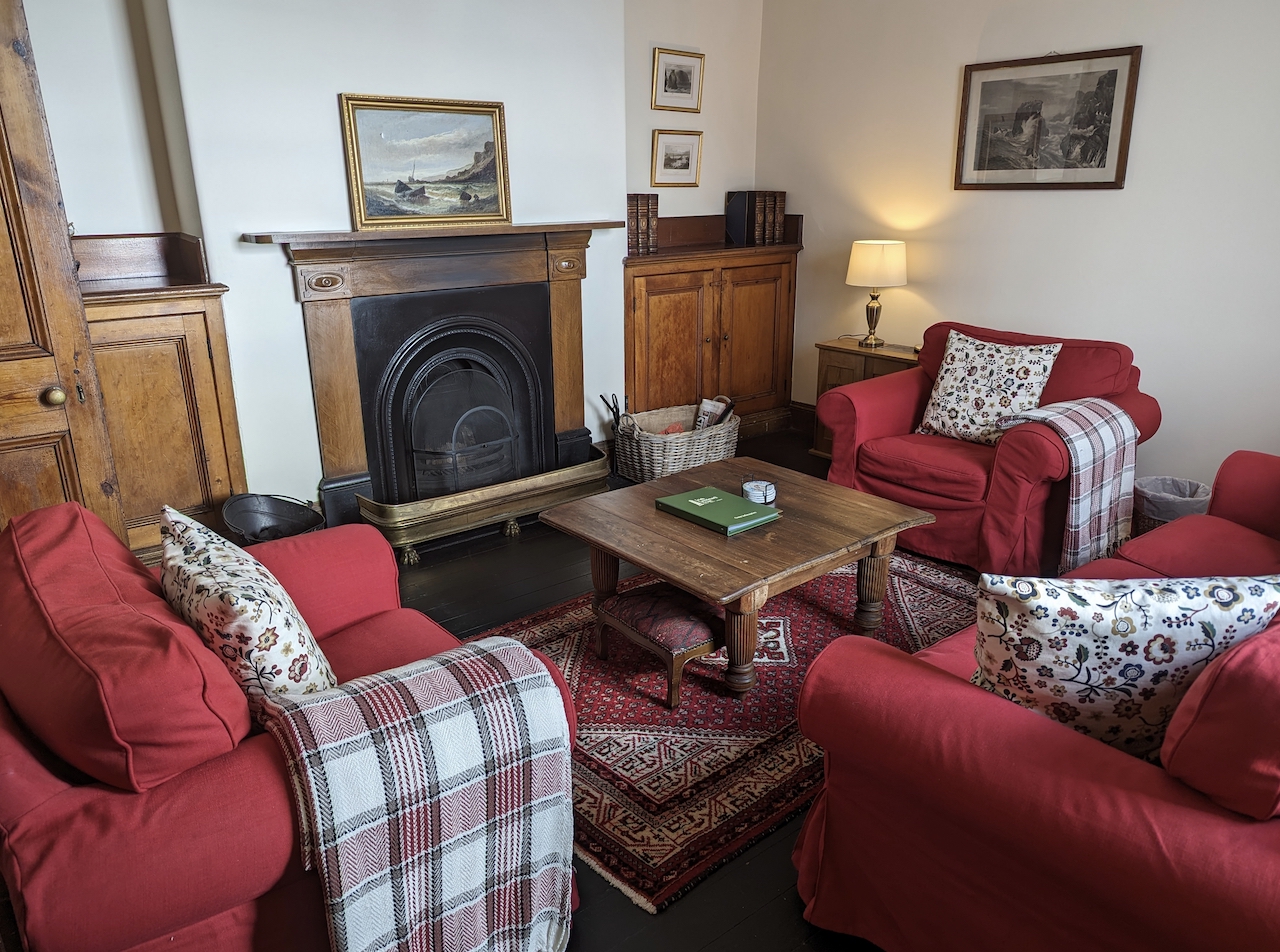
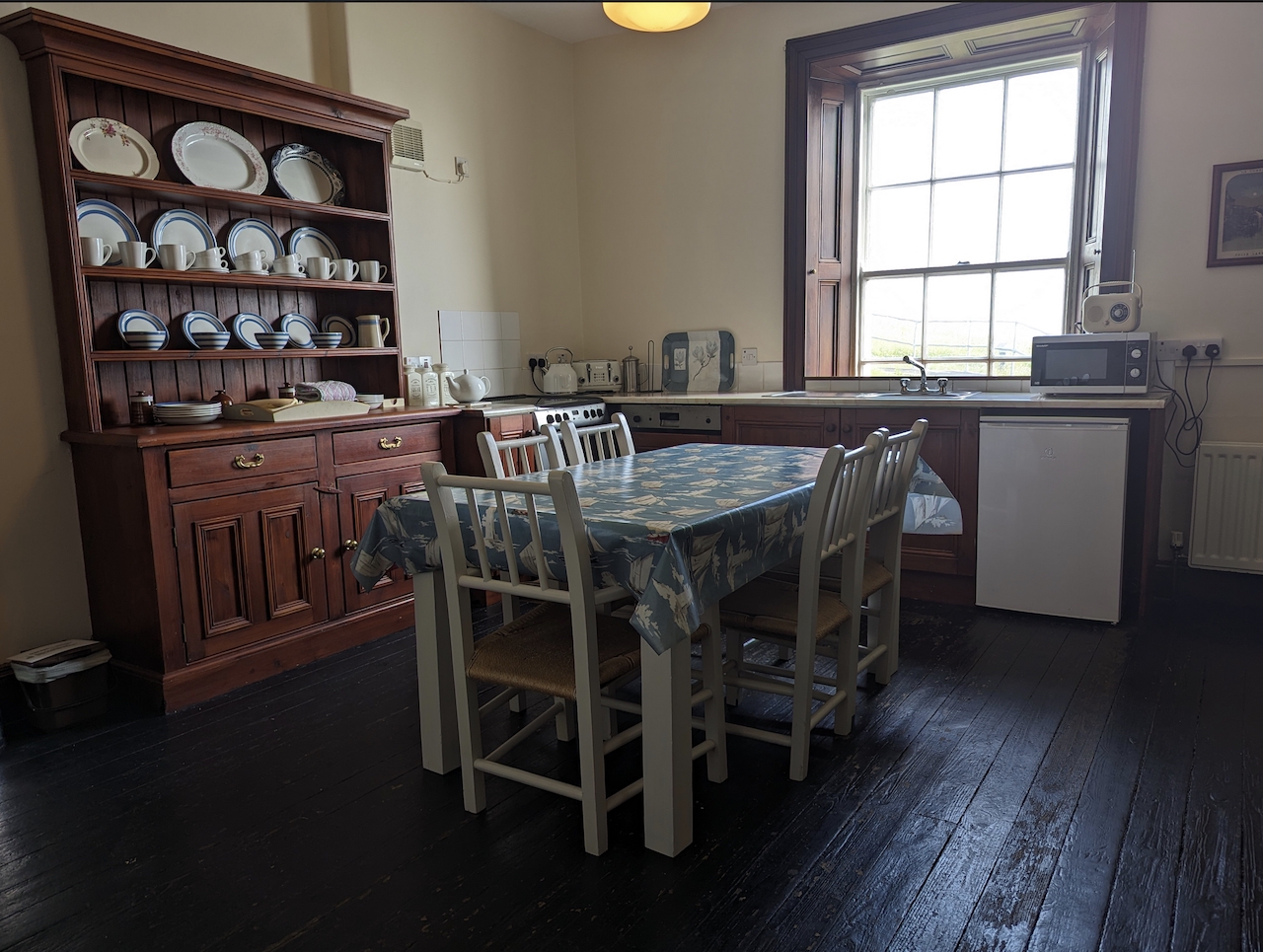
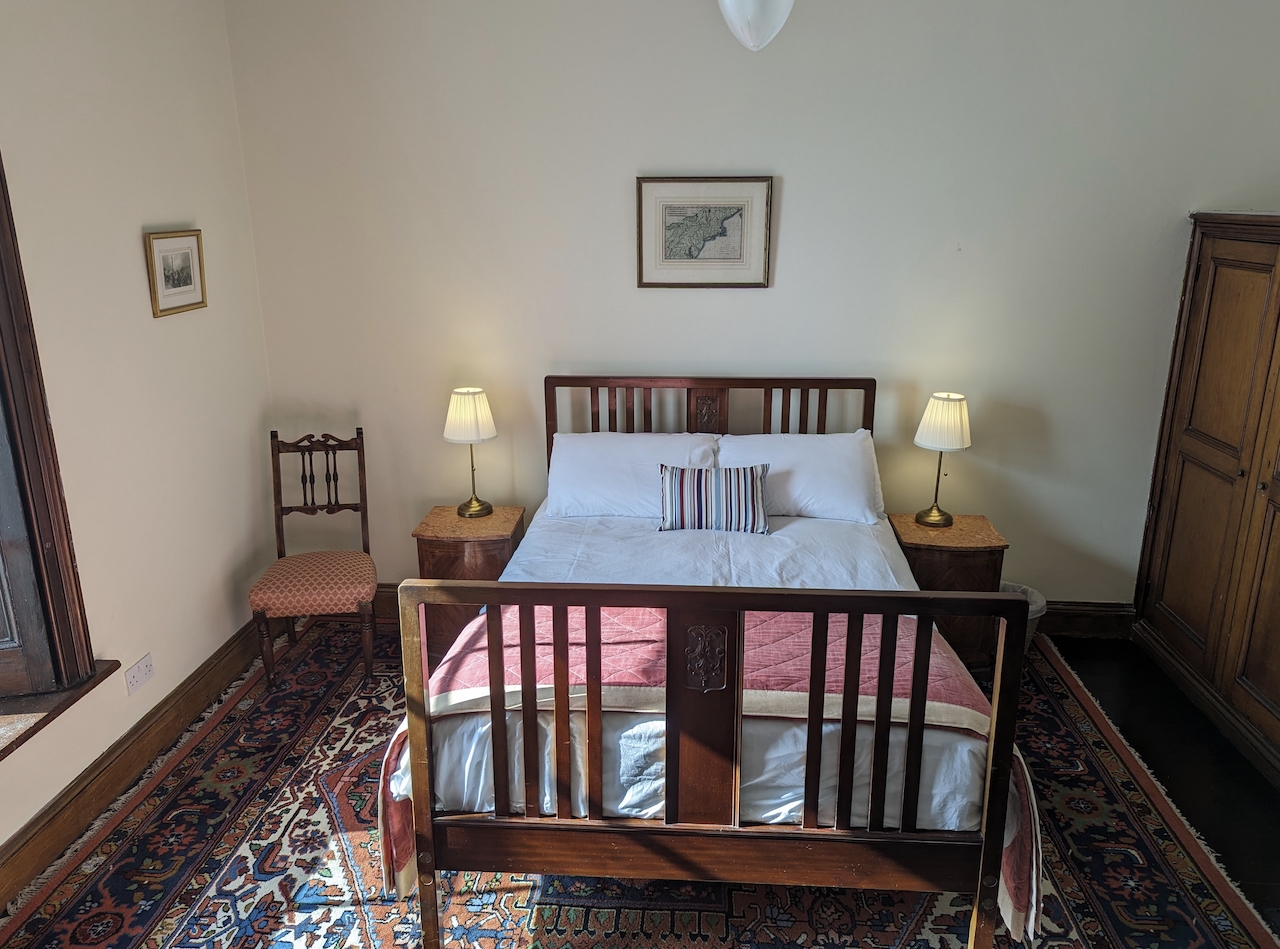
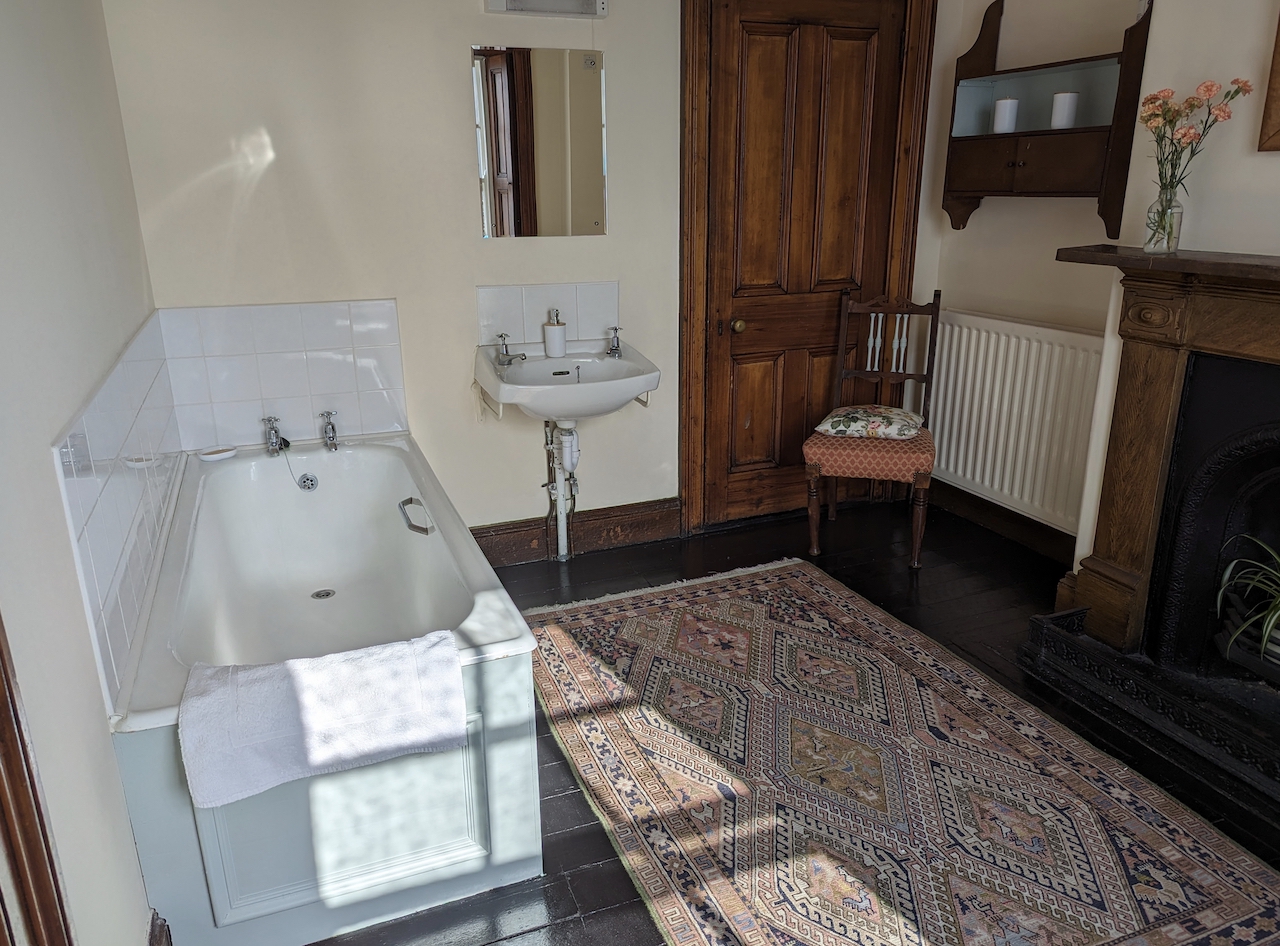
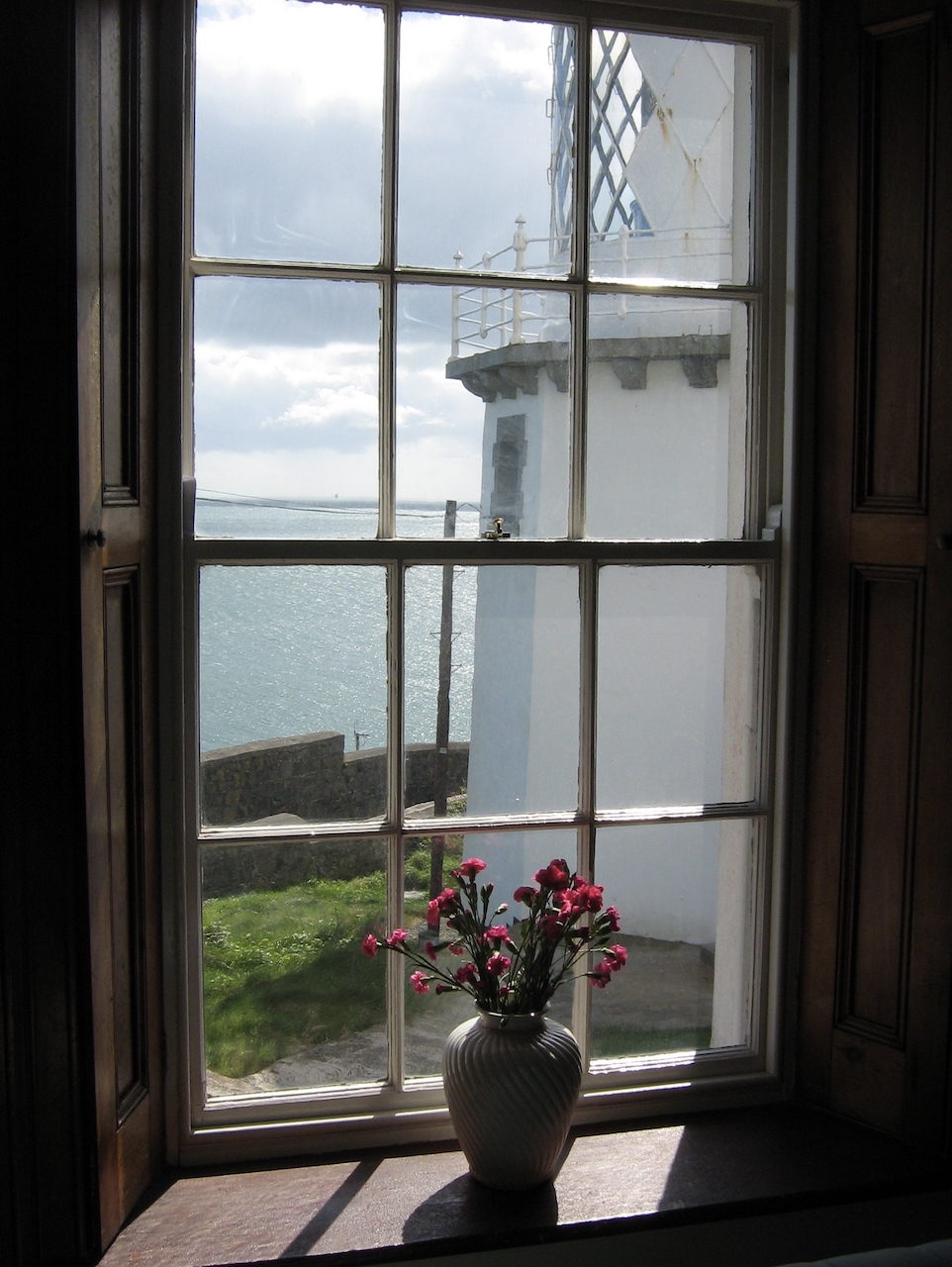
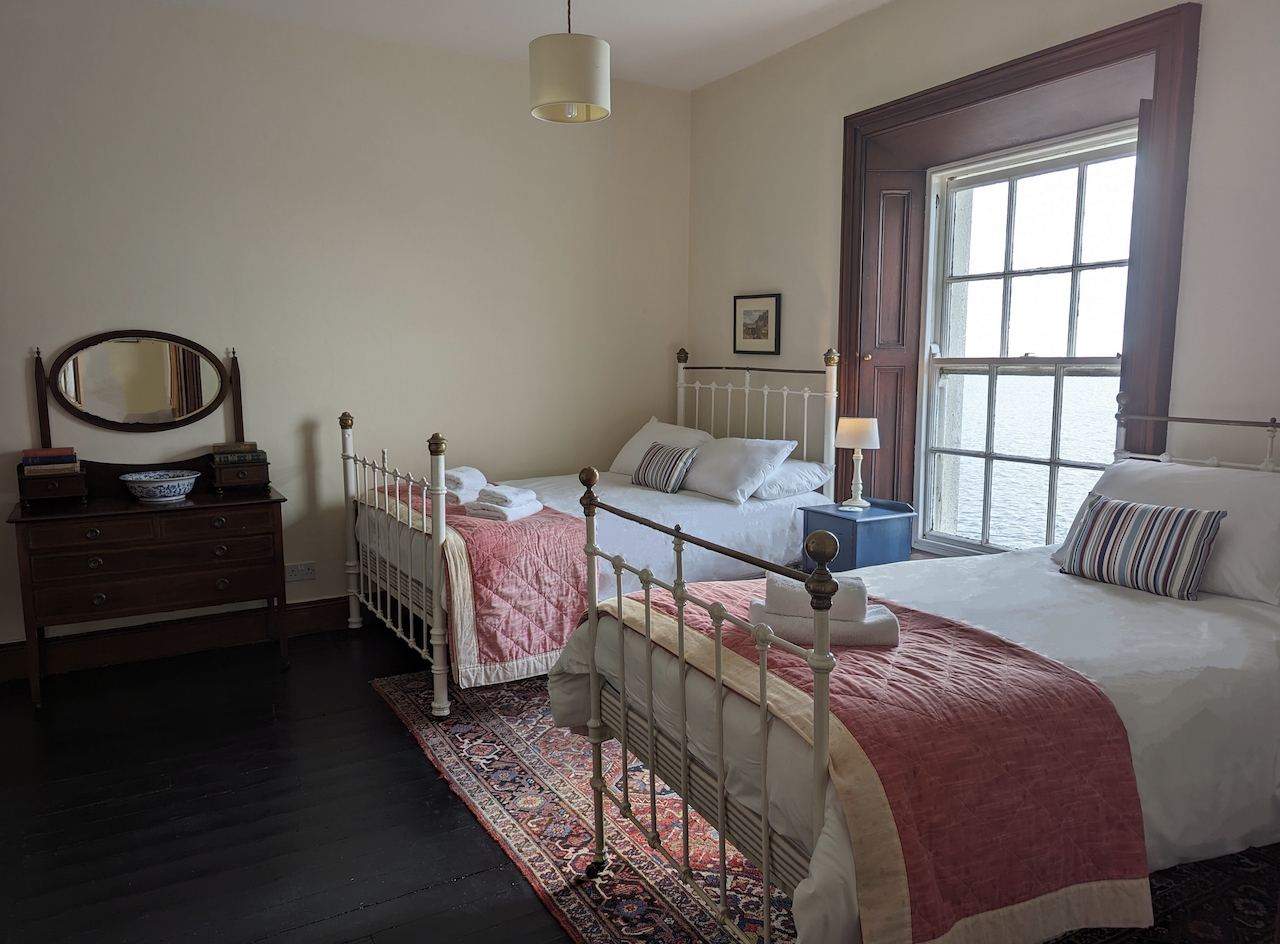
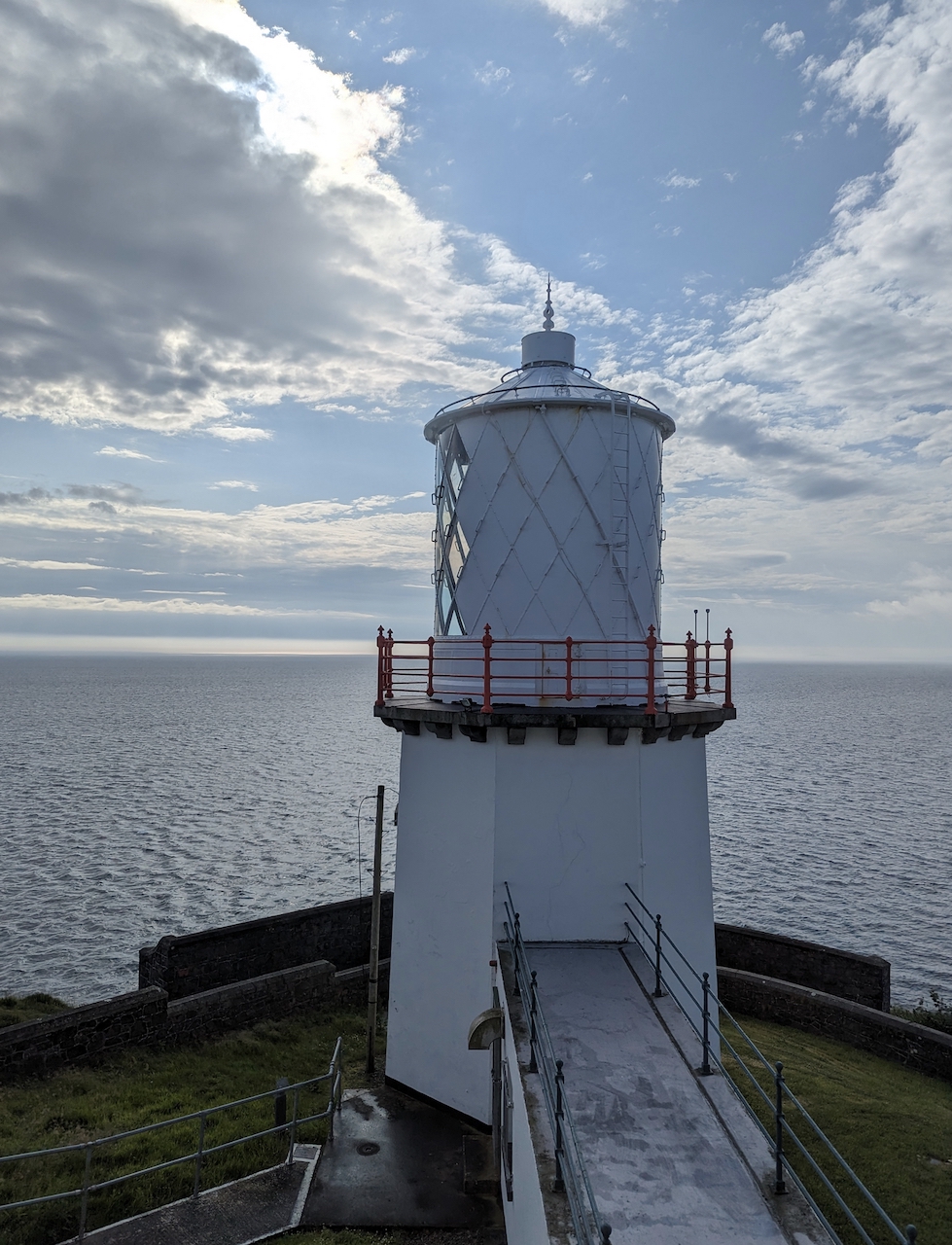
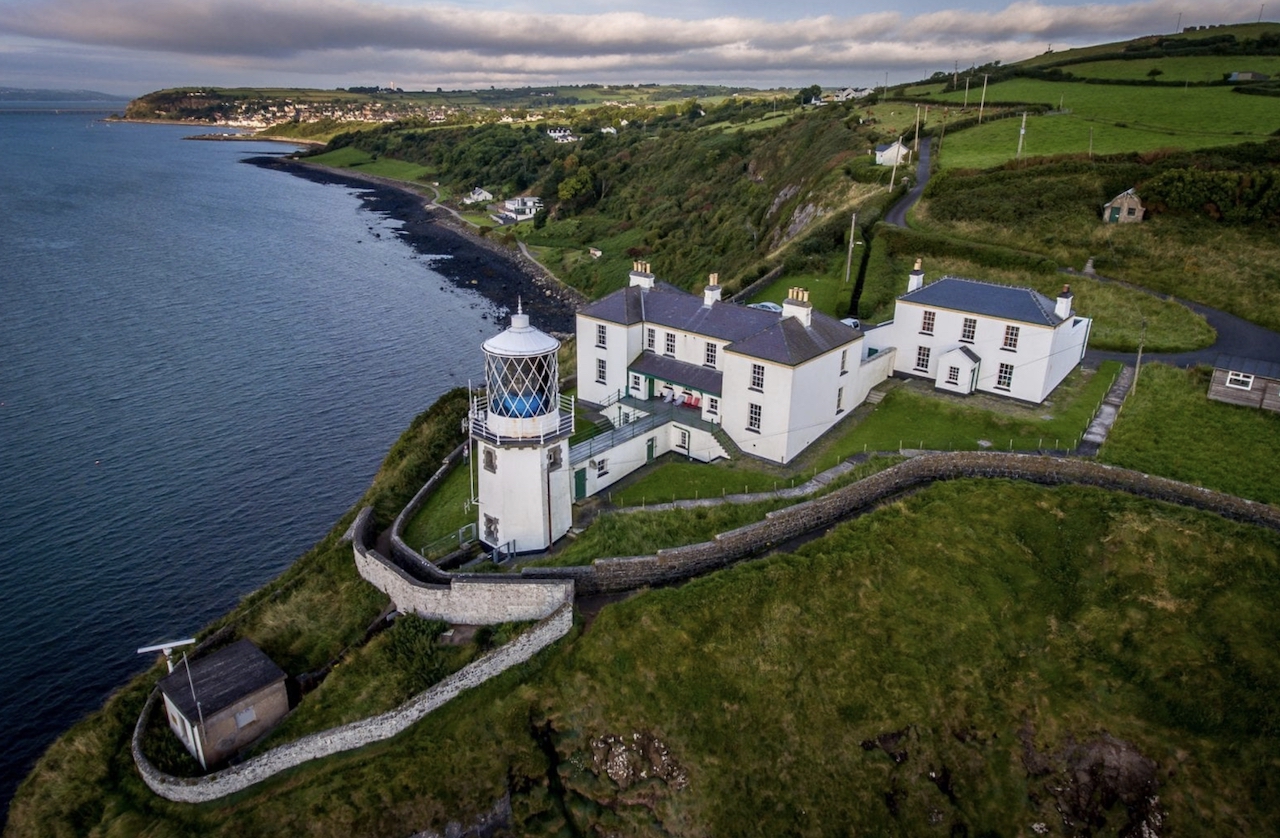
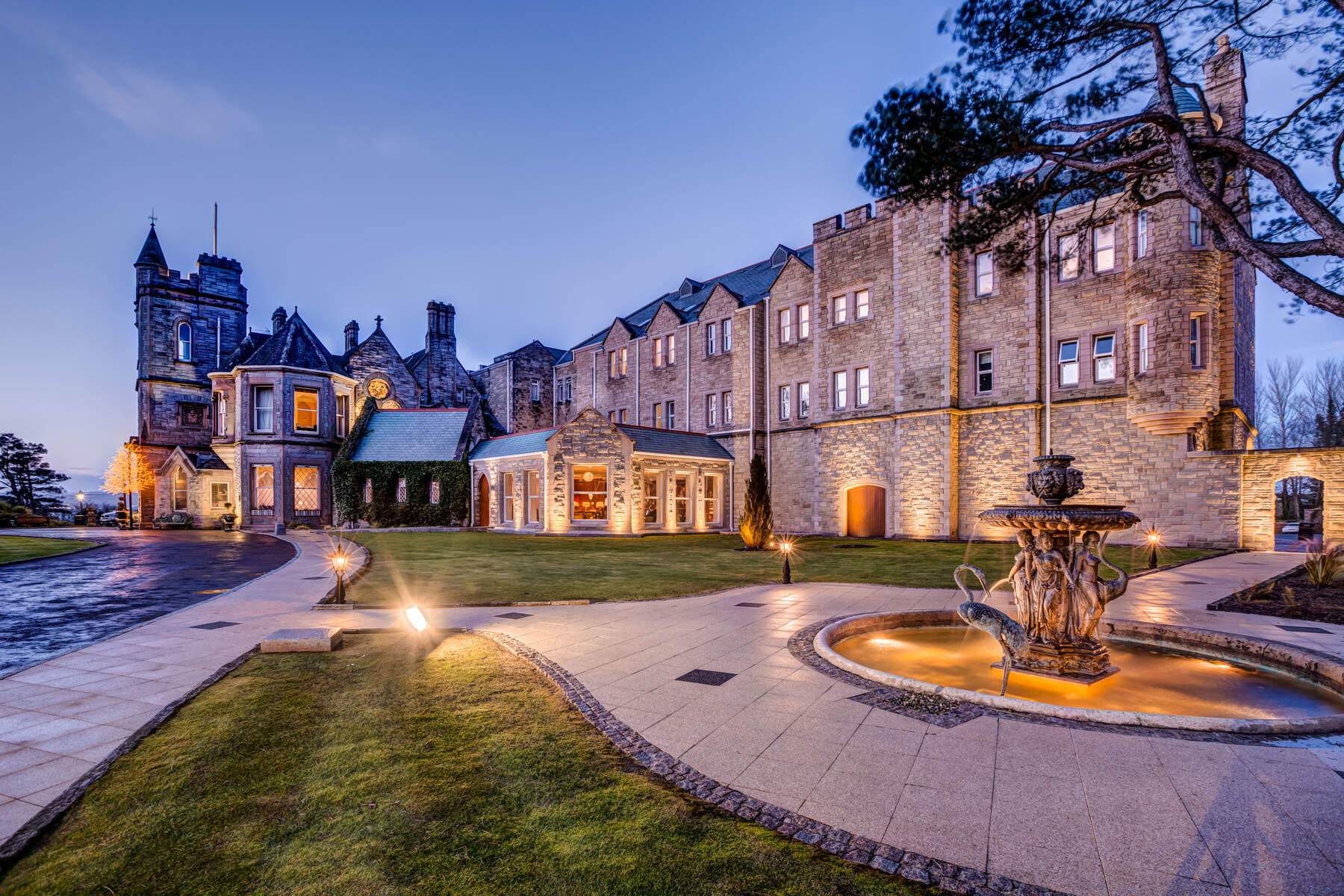
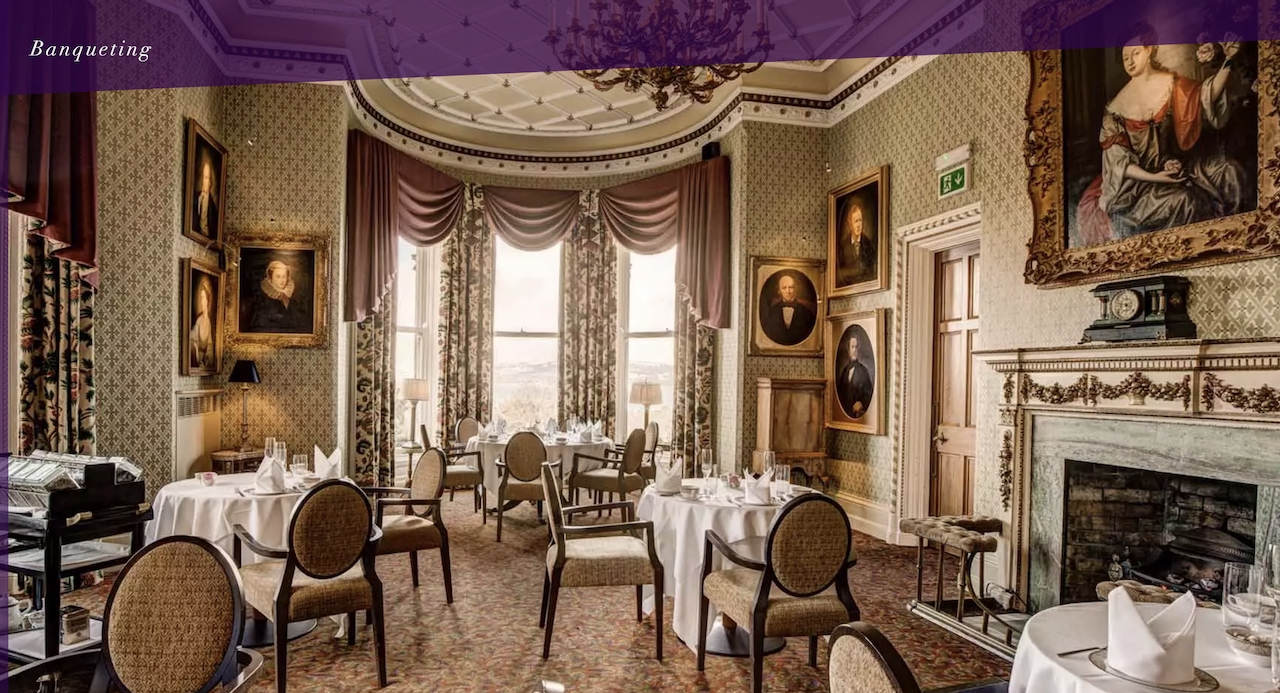
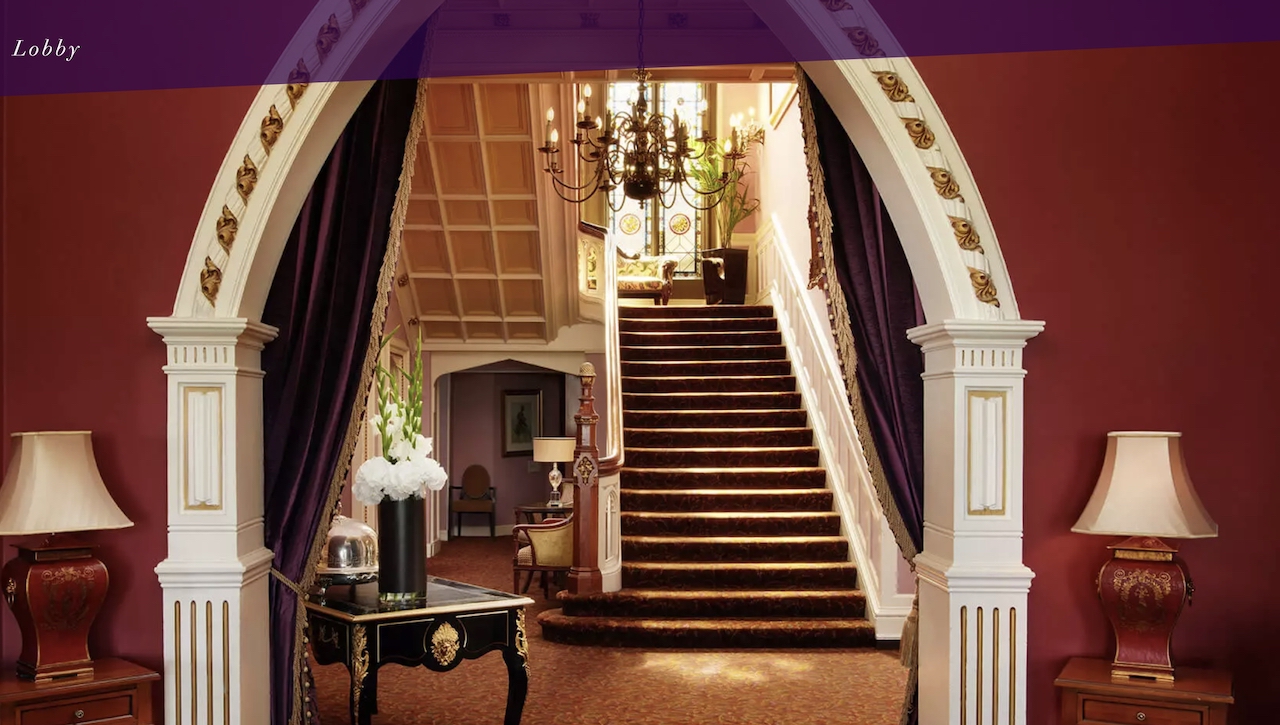
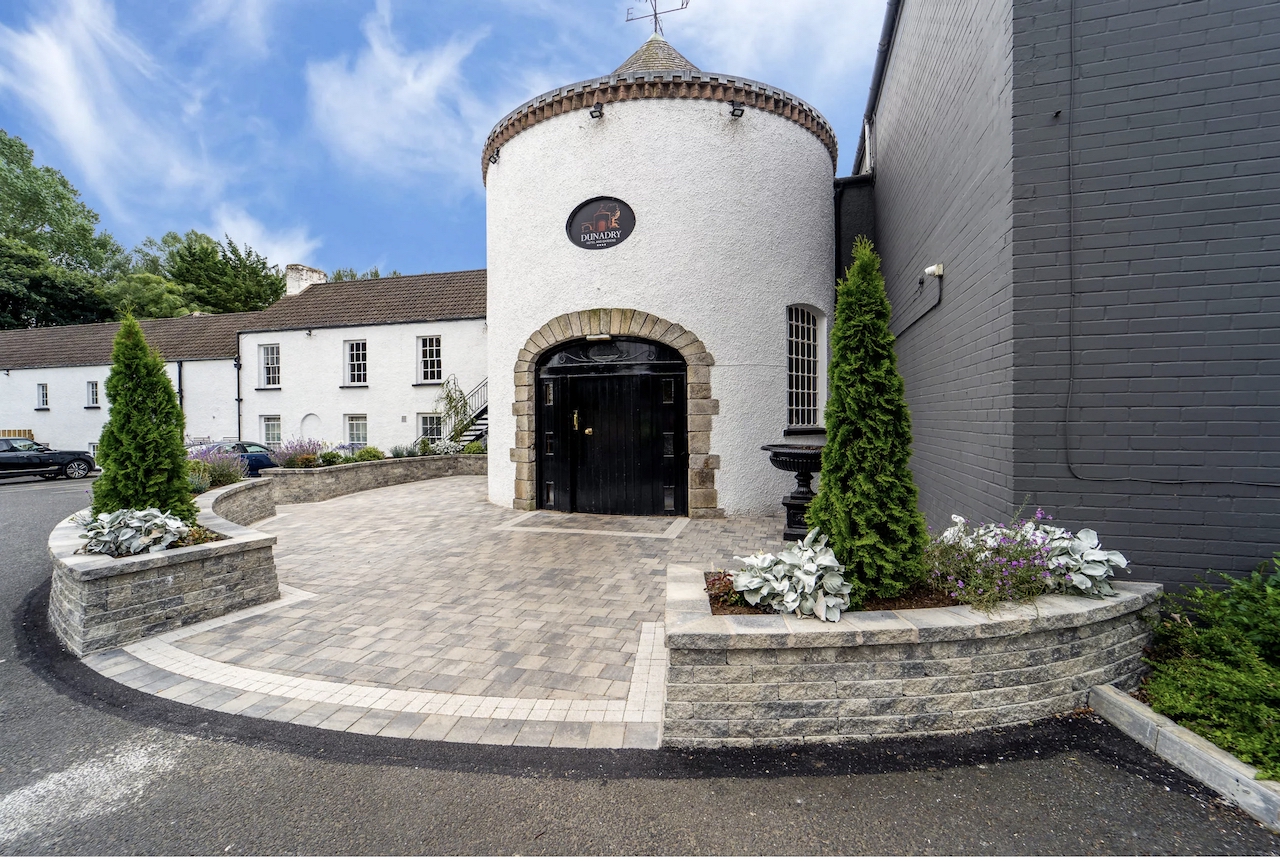
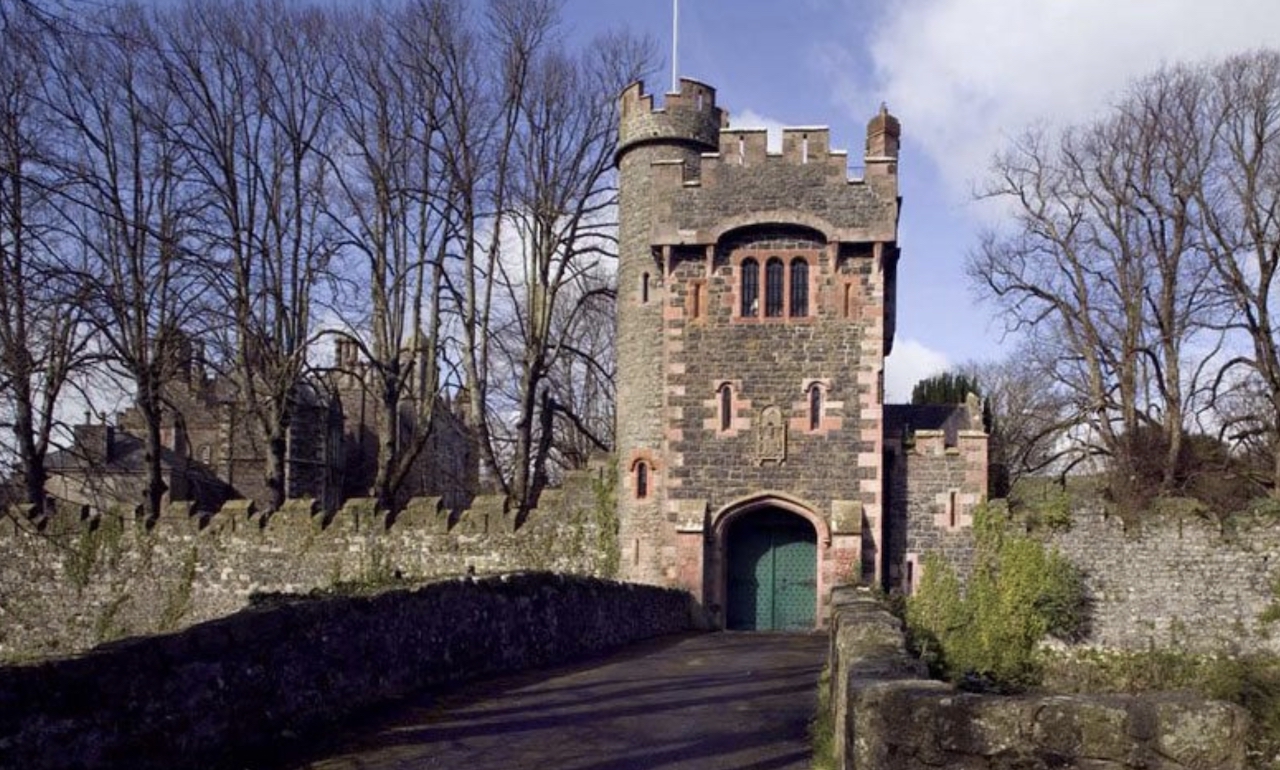
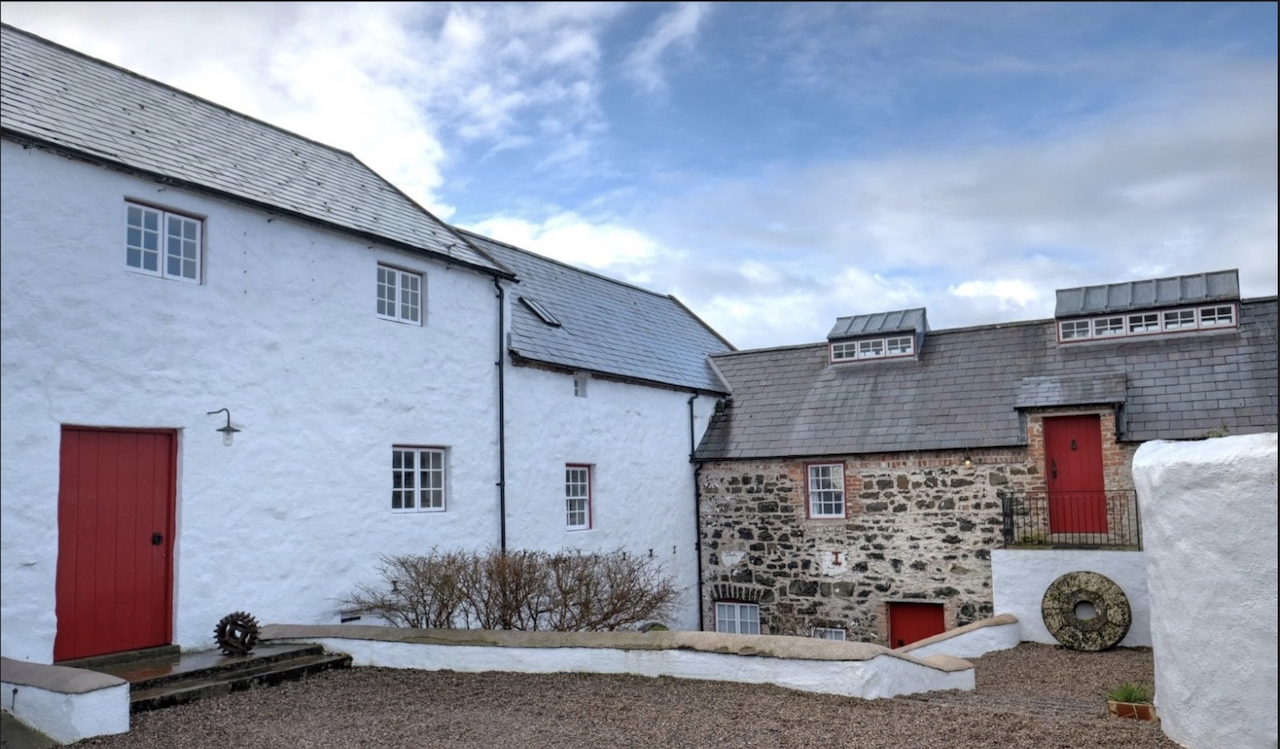
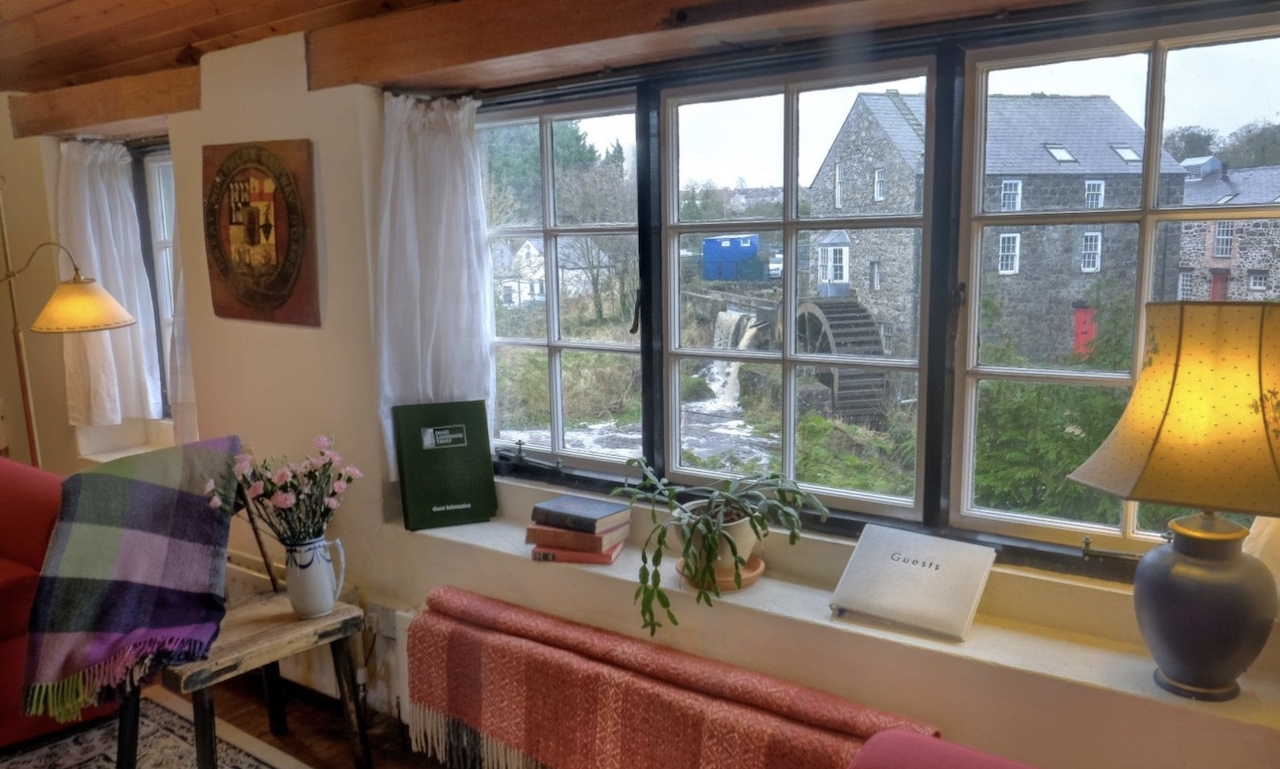
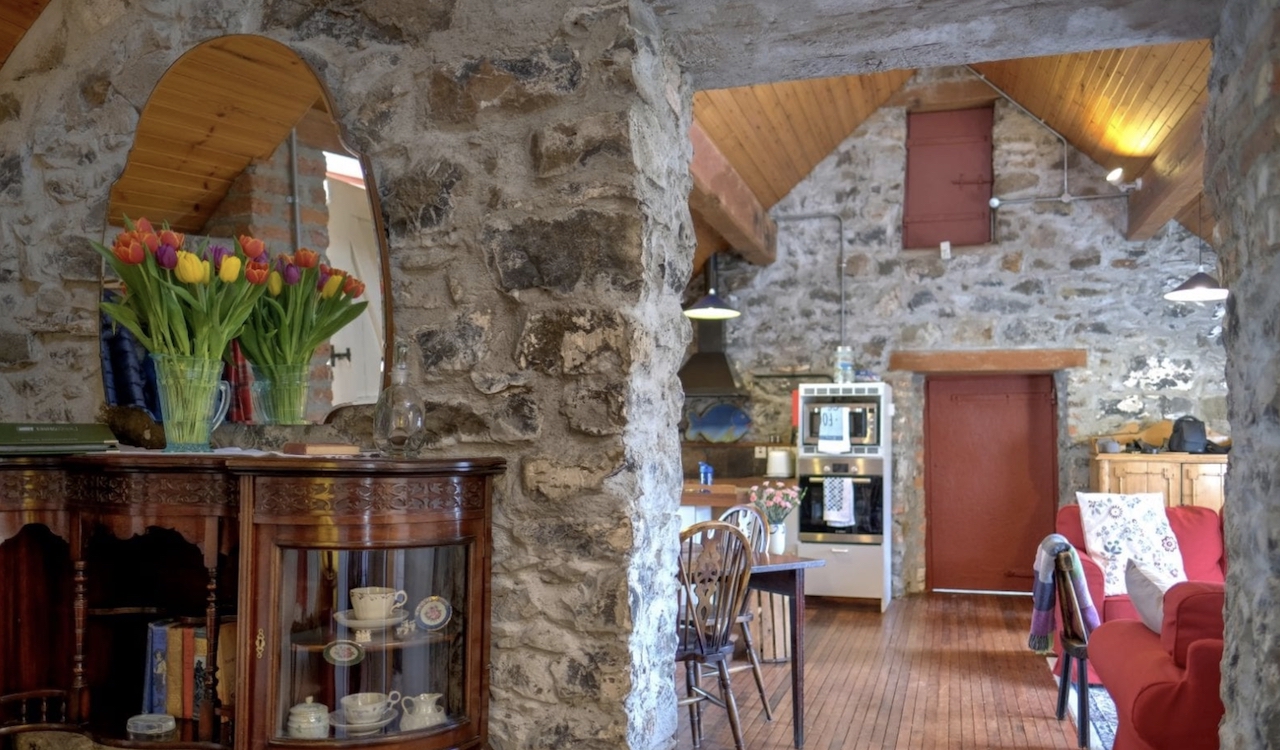
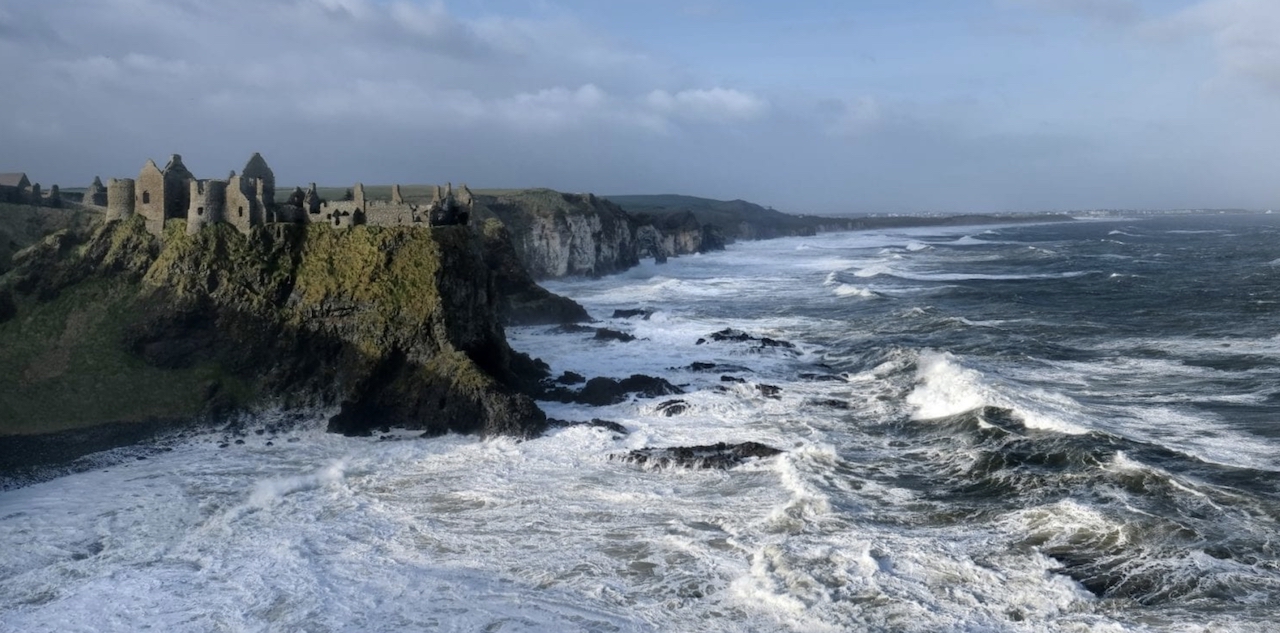

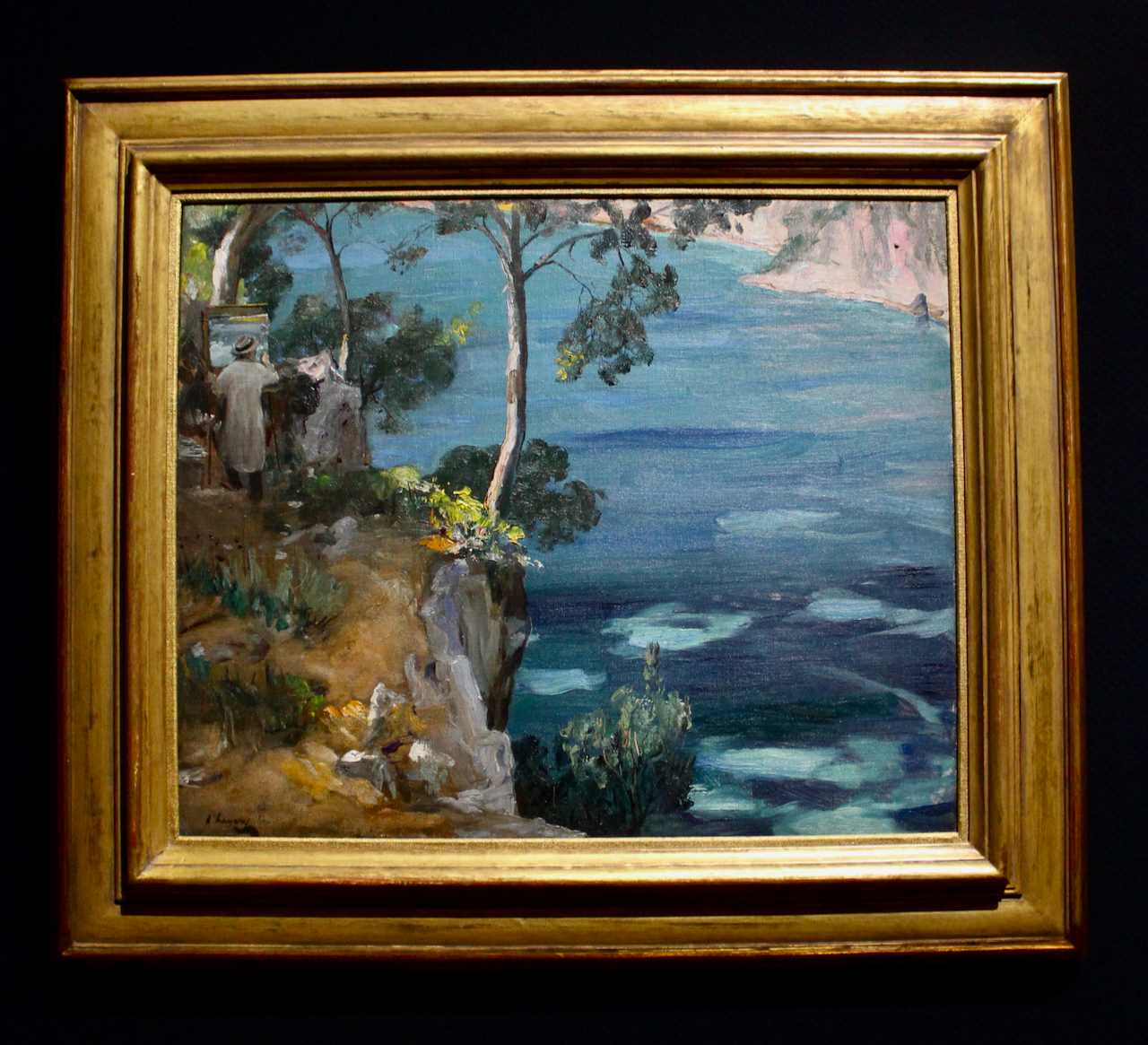
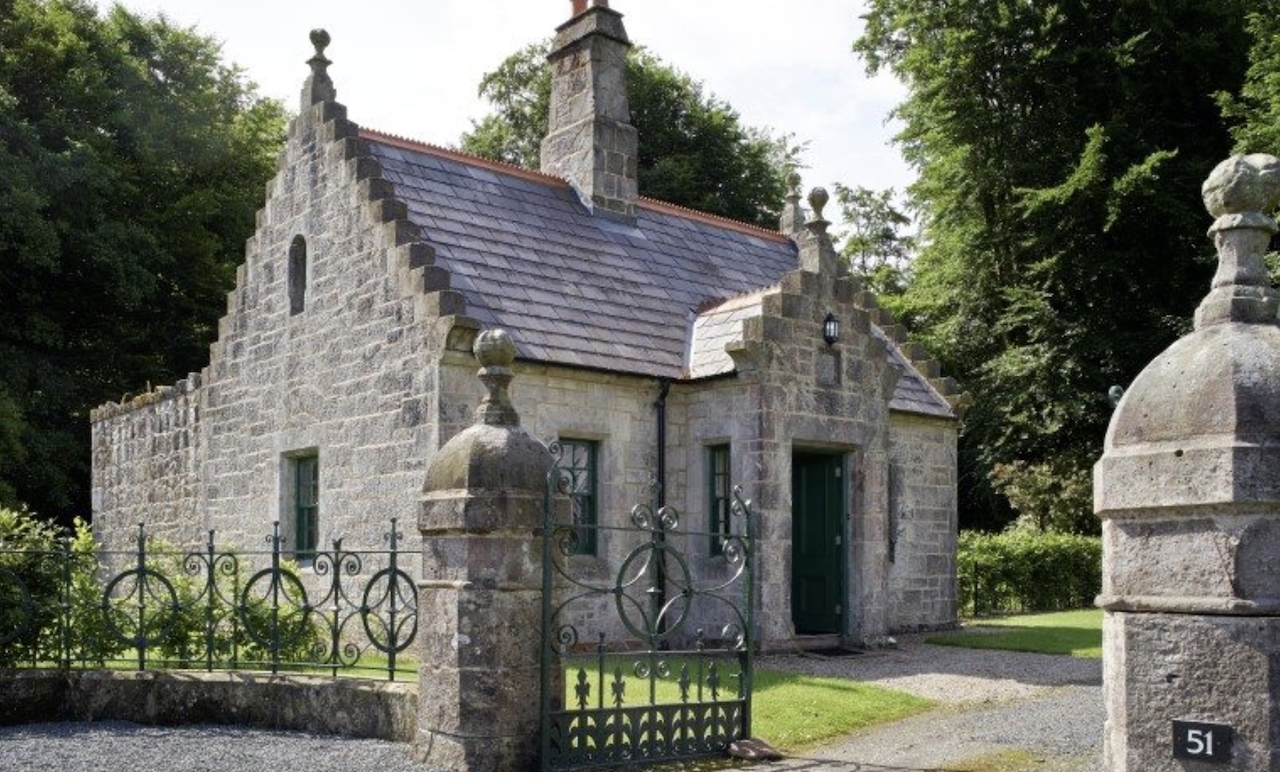
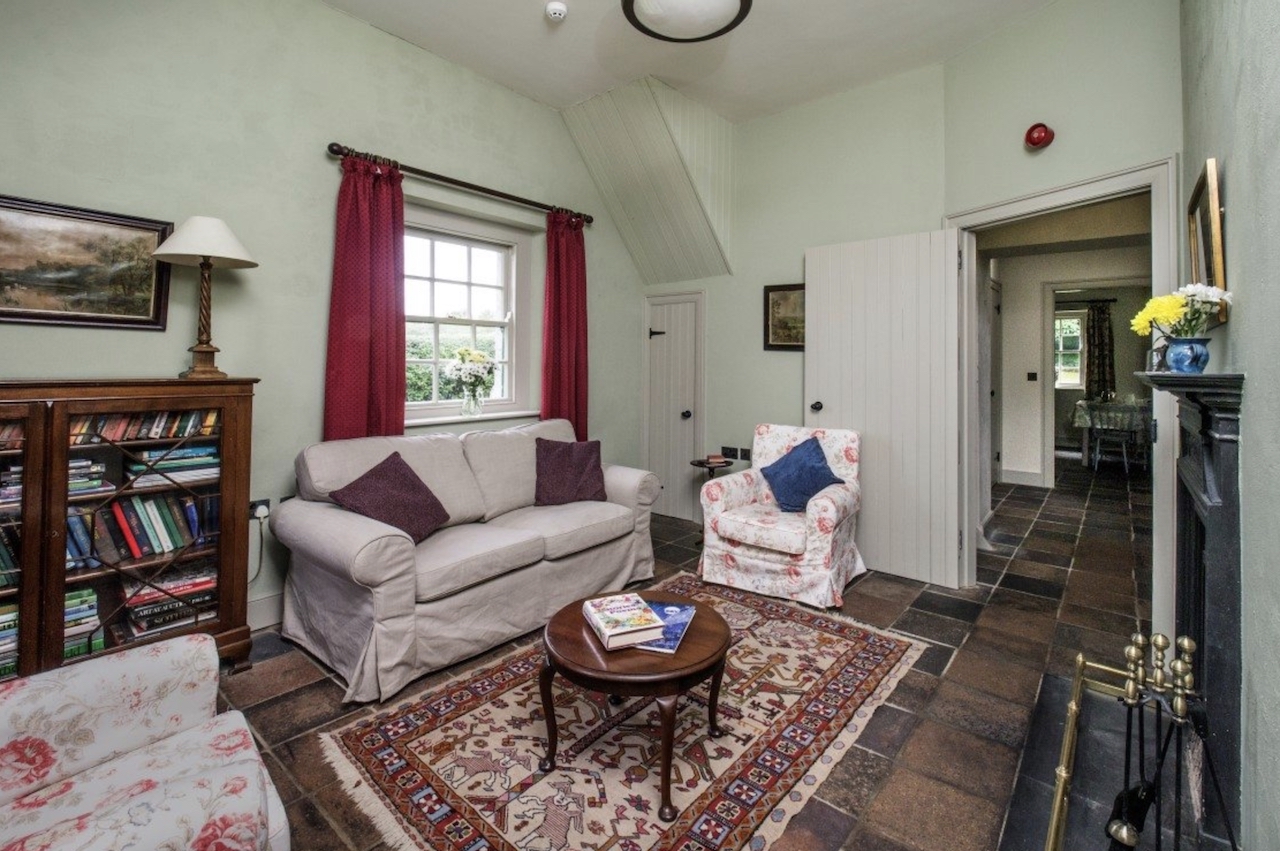
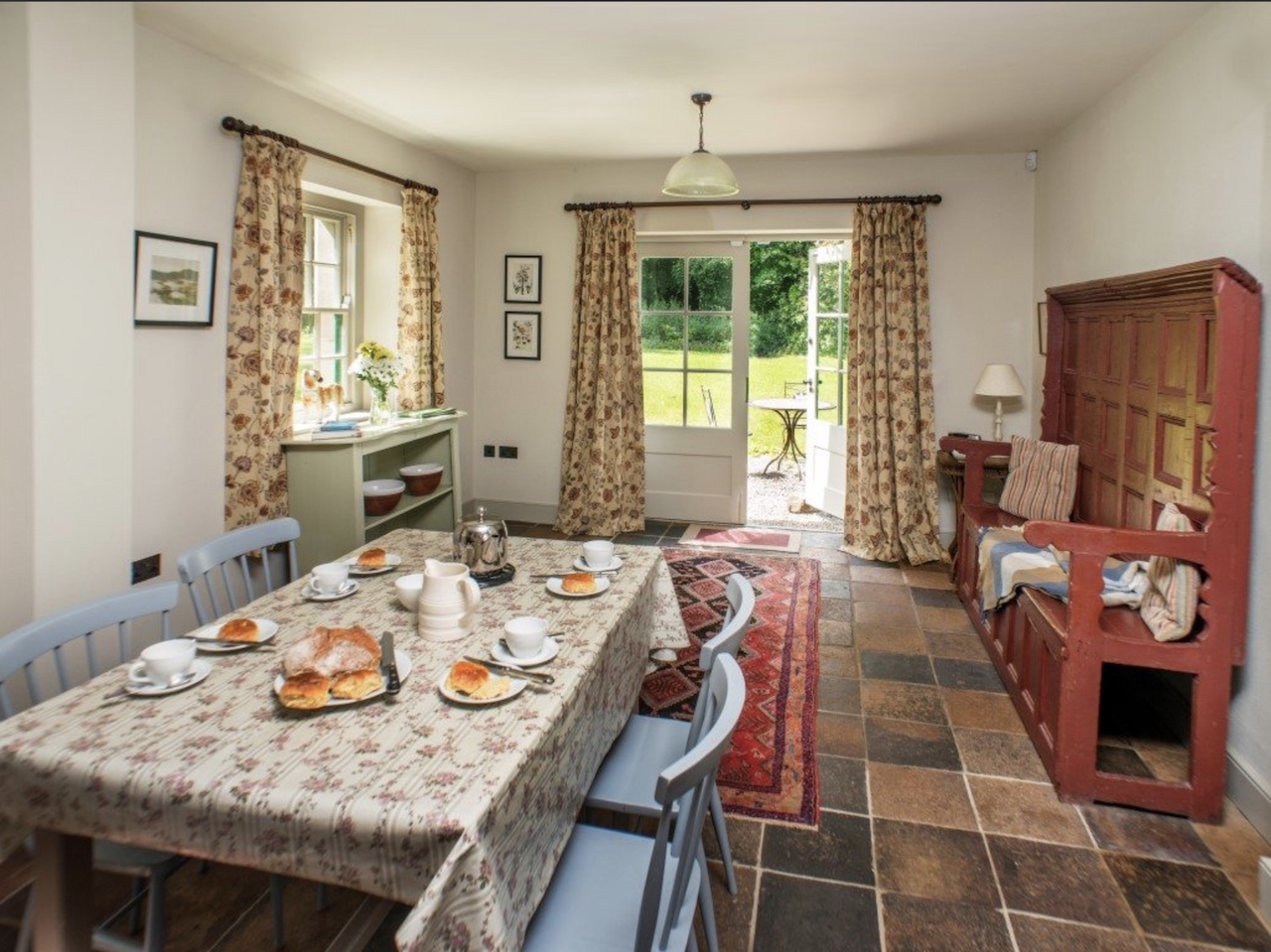
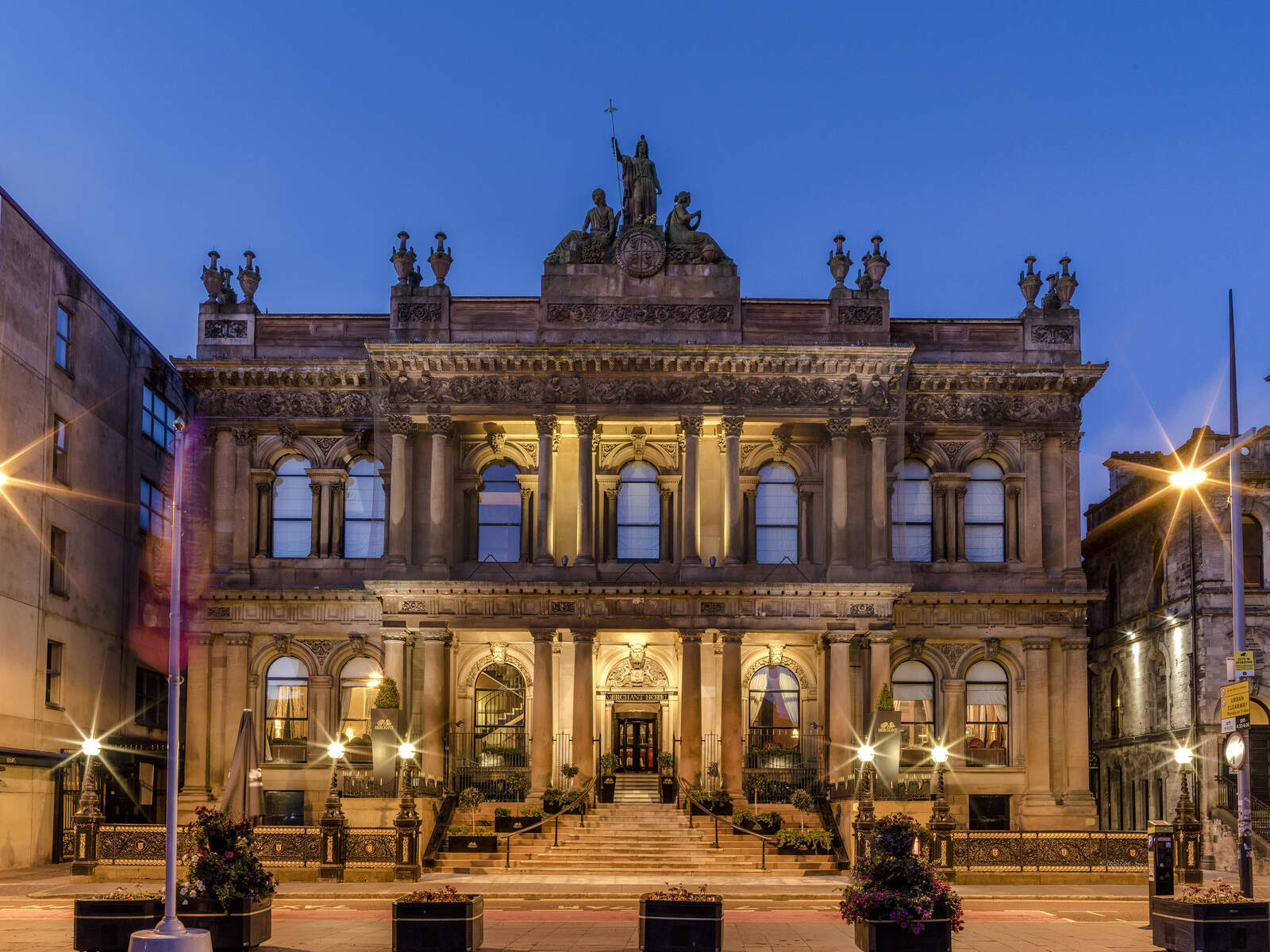


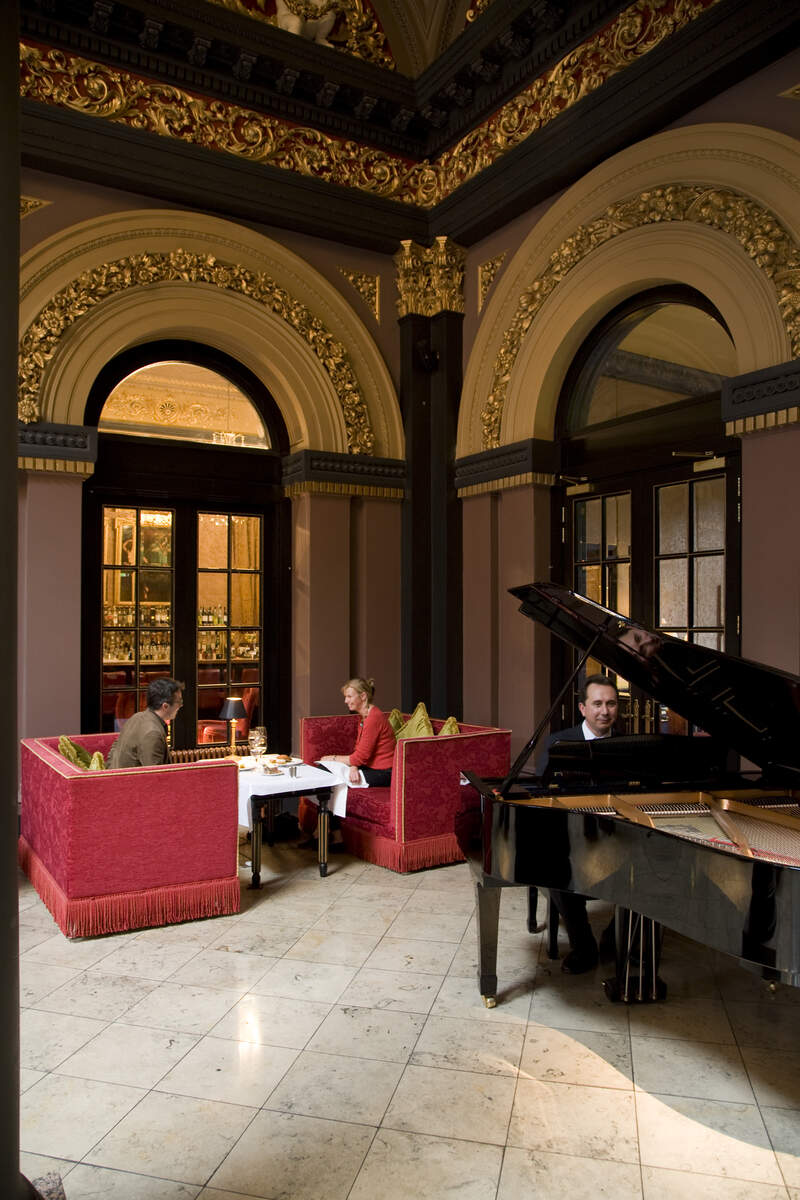


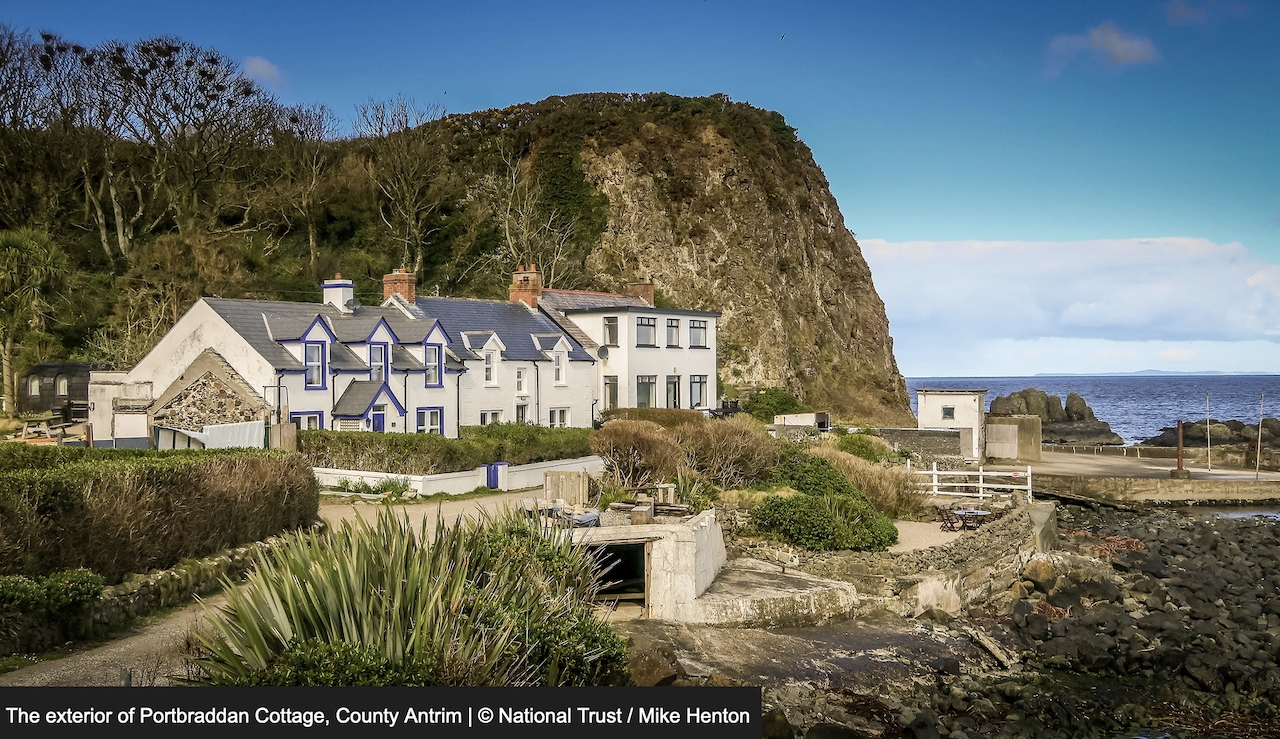
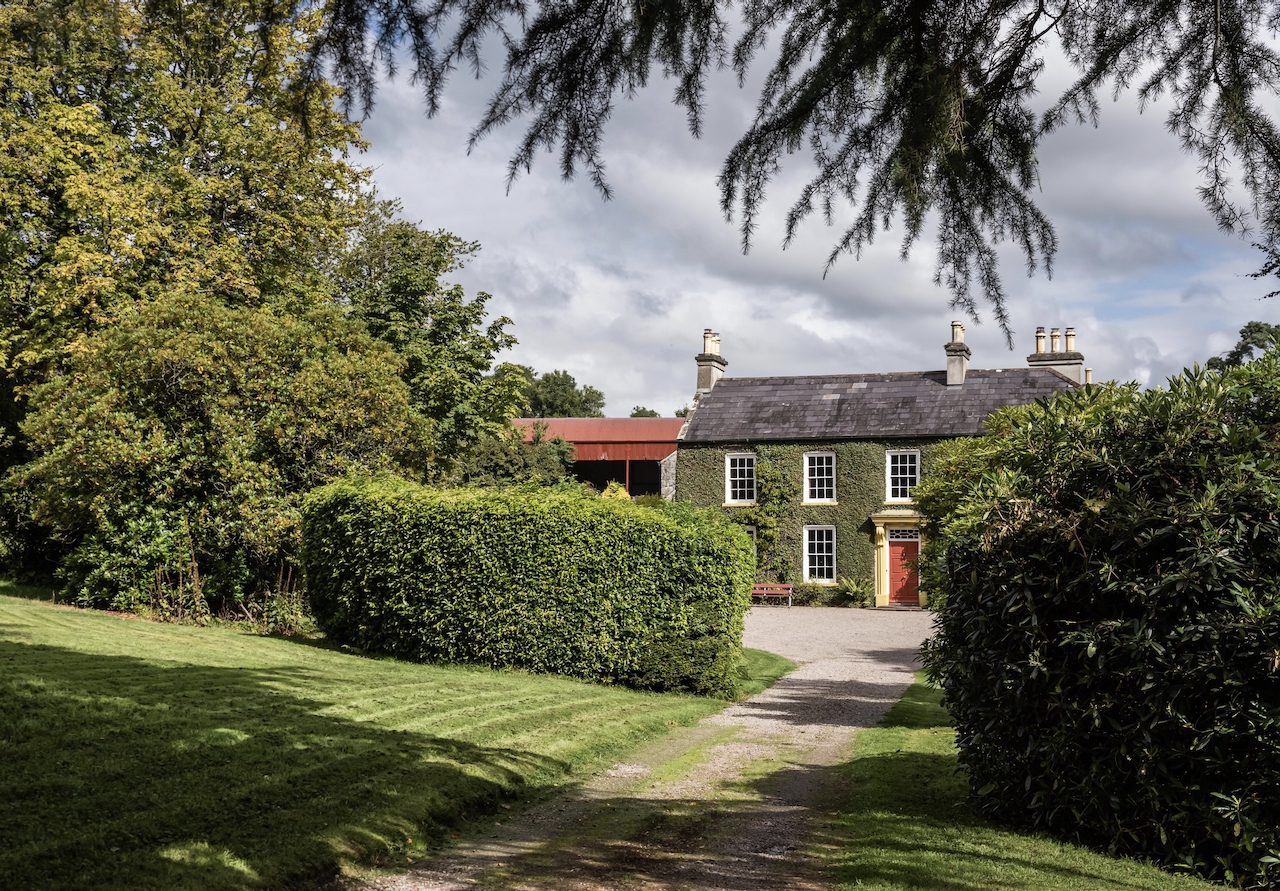
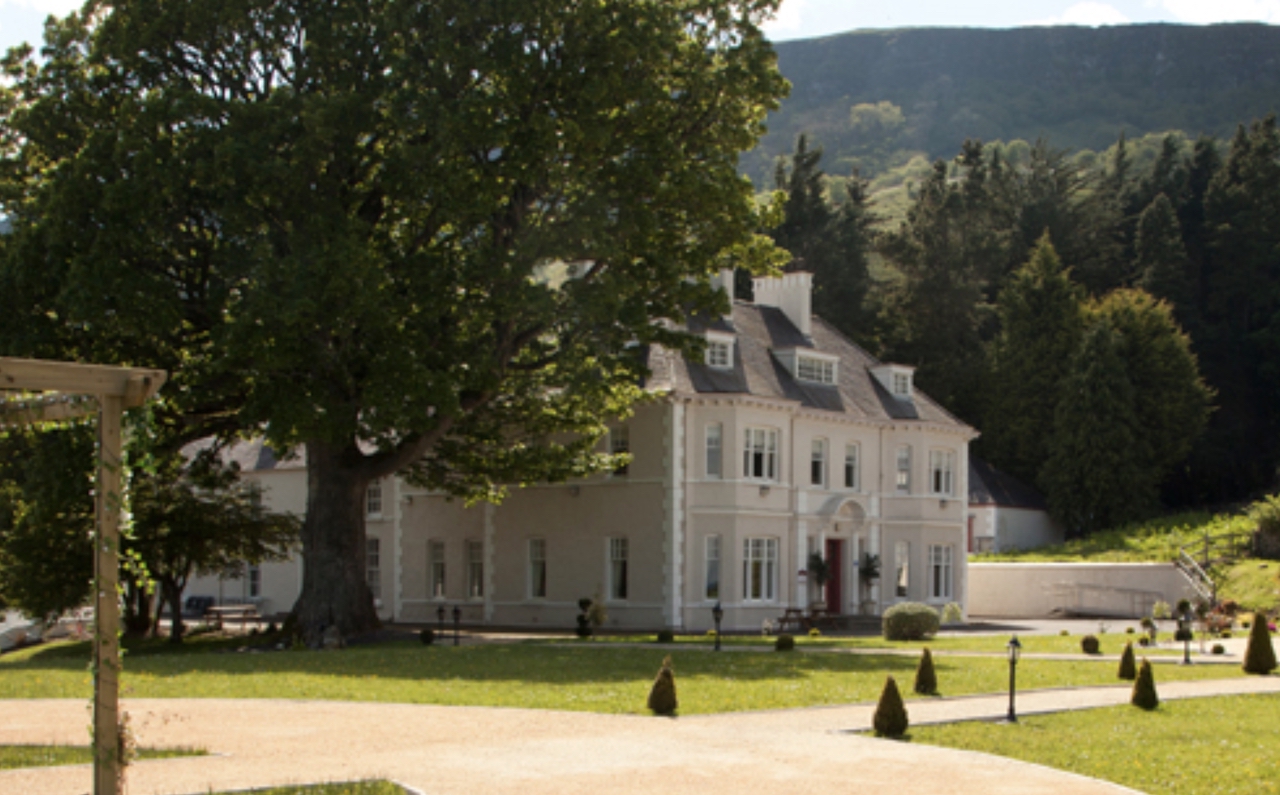
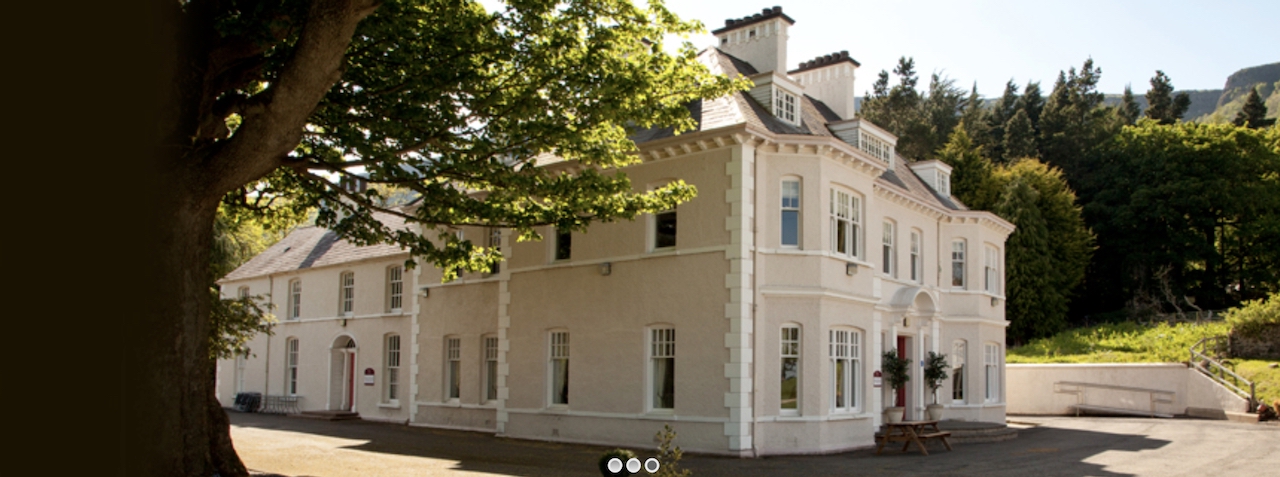
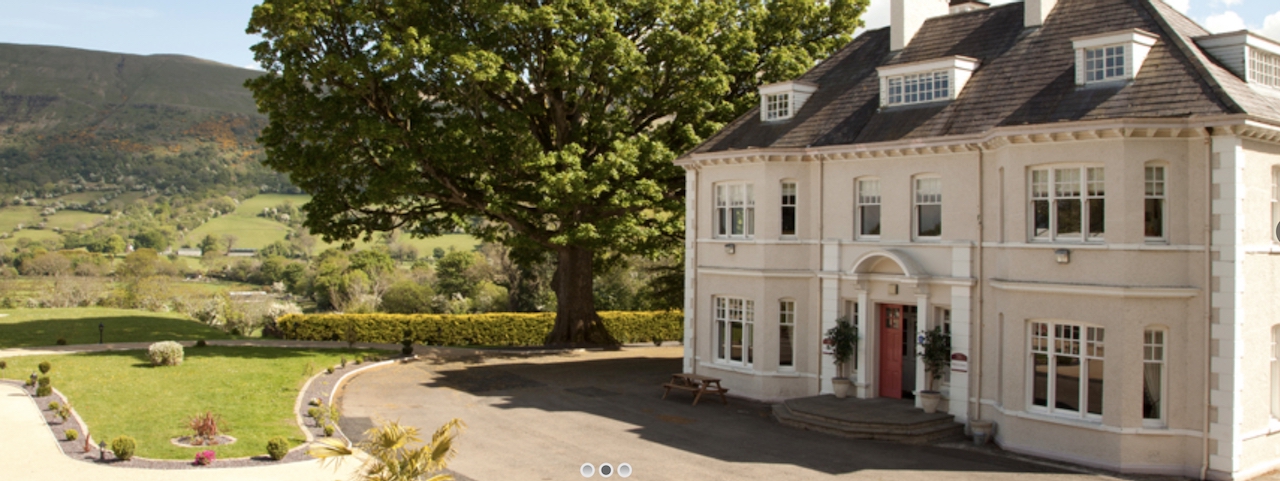
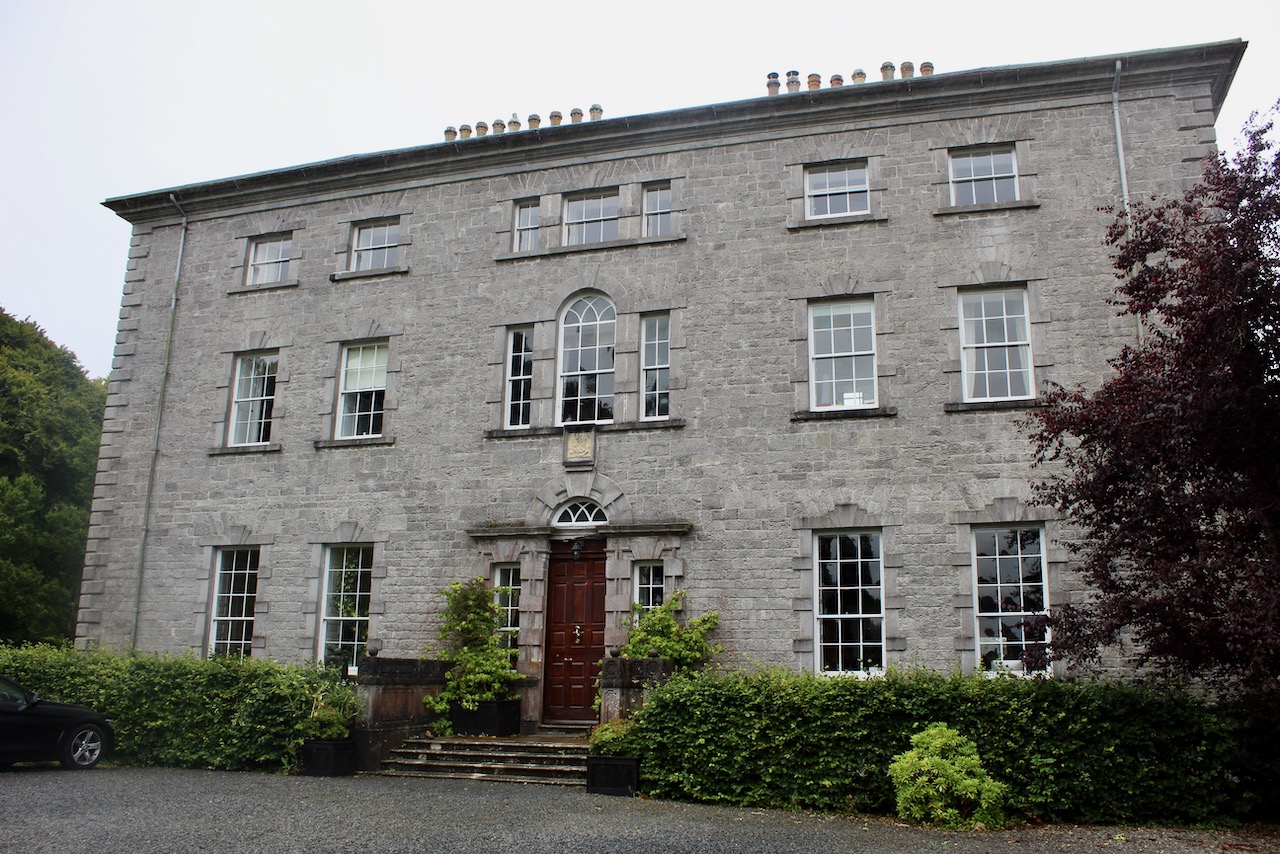
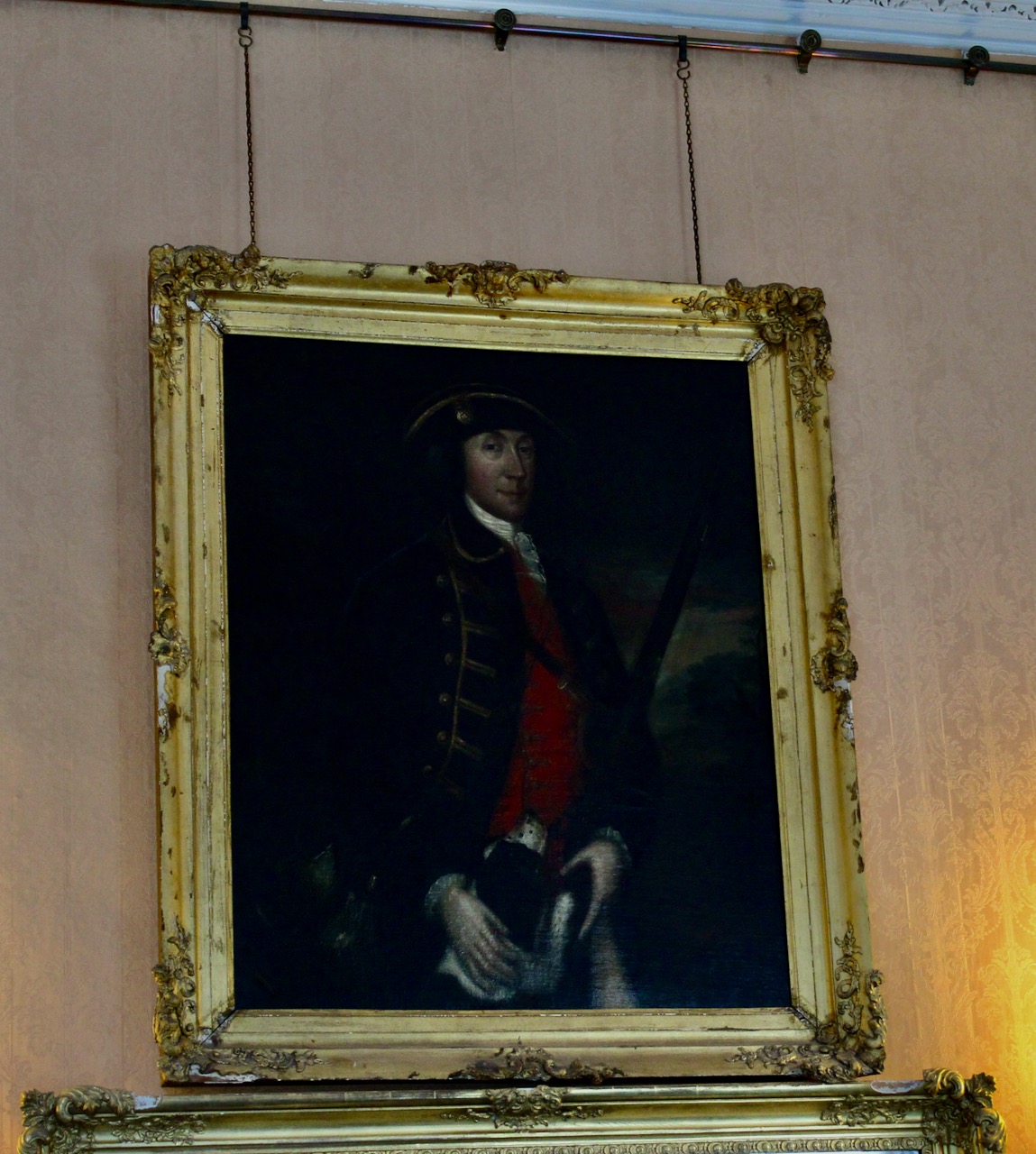
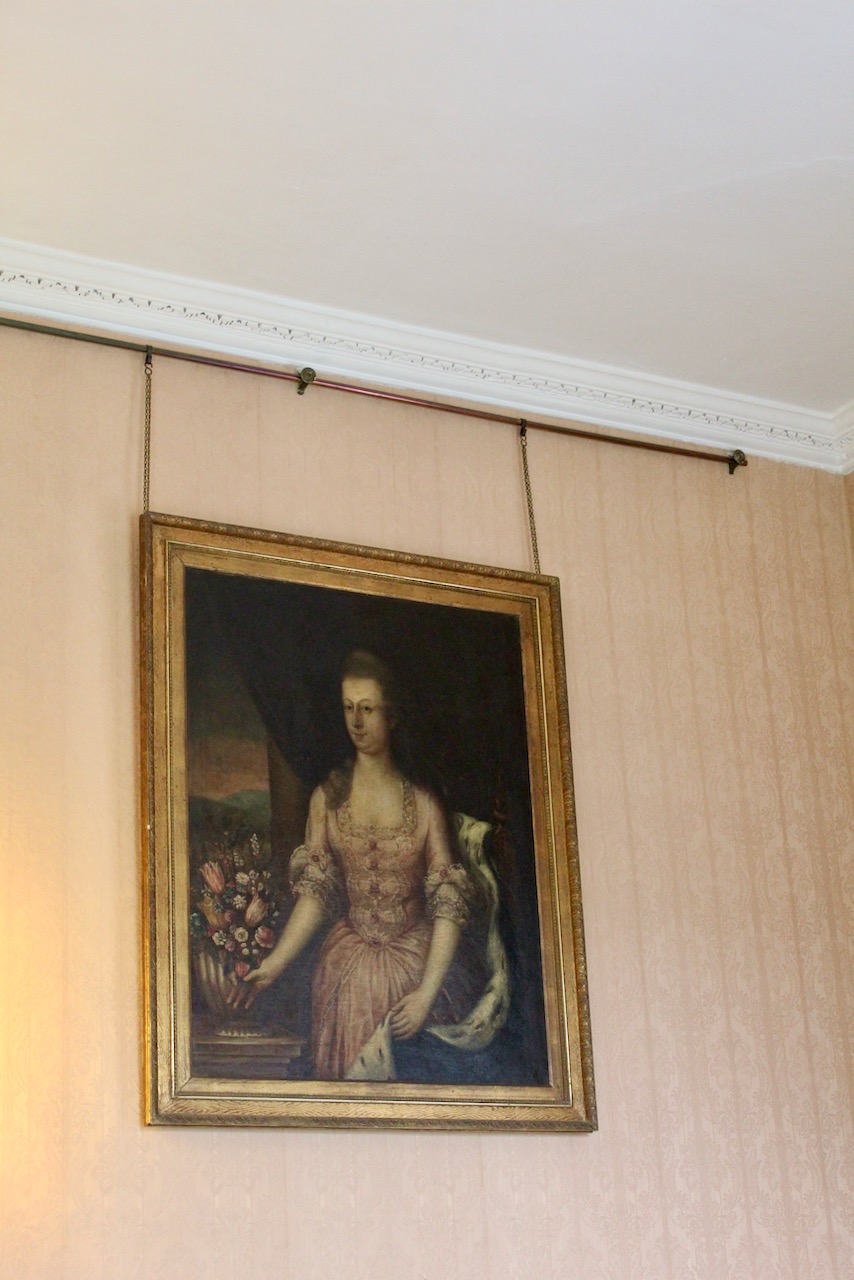


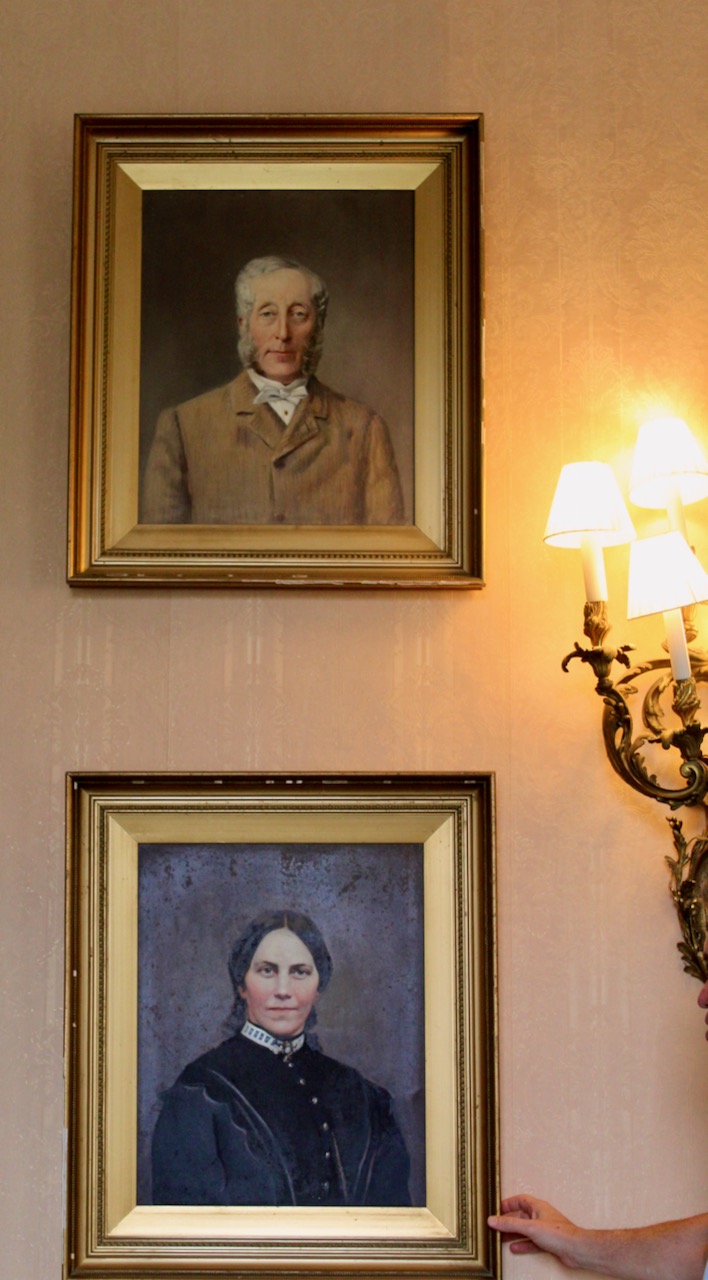




 Irish Historic Houses