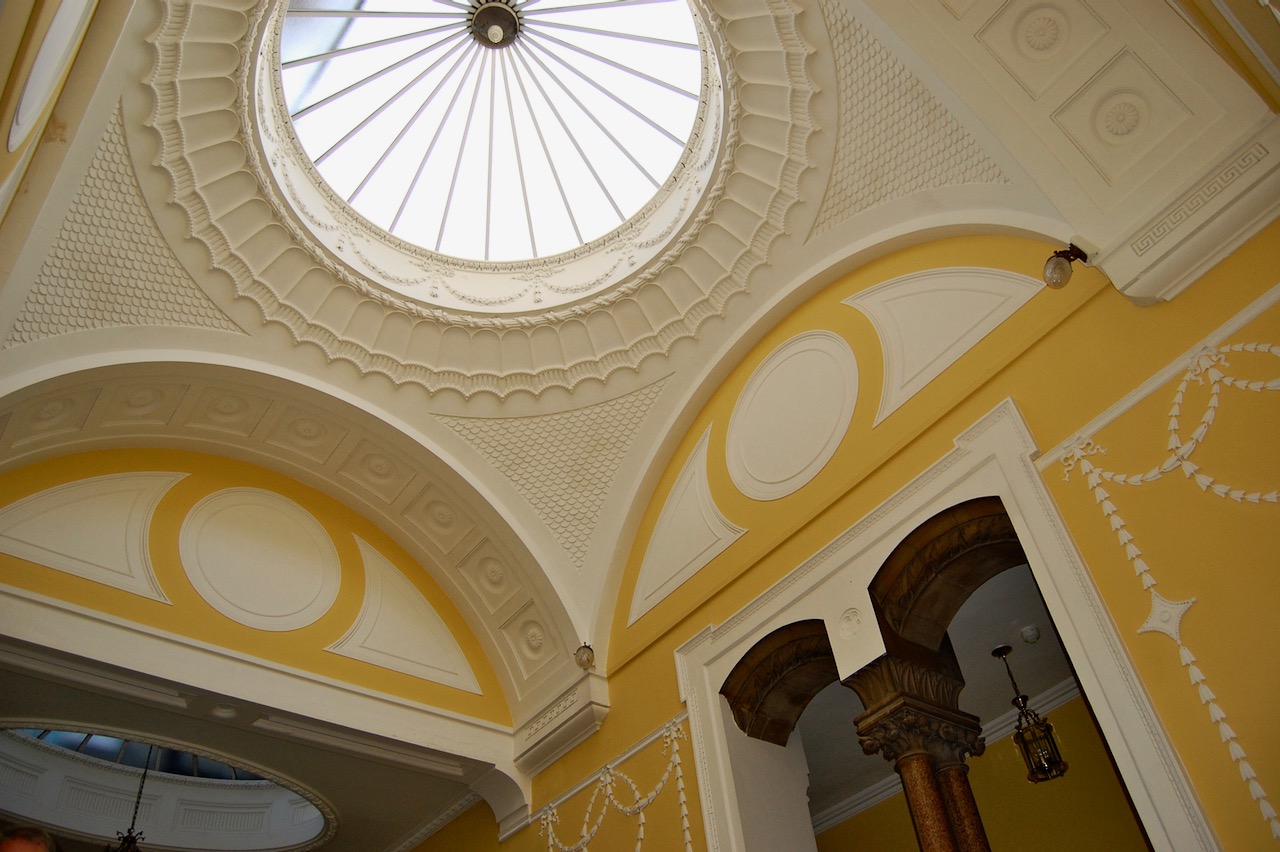
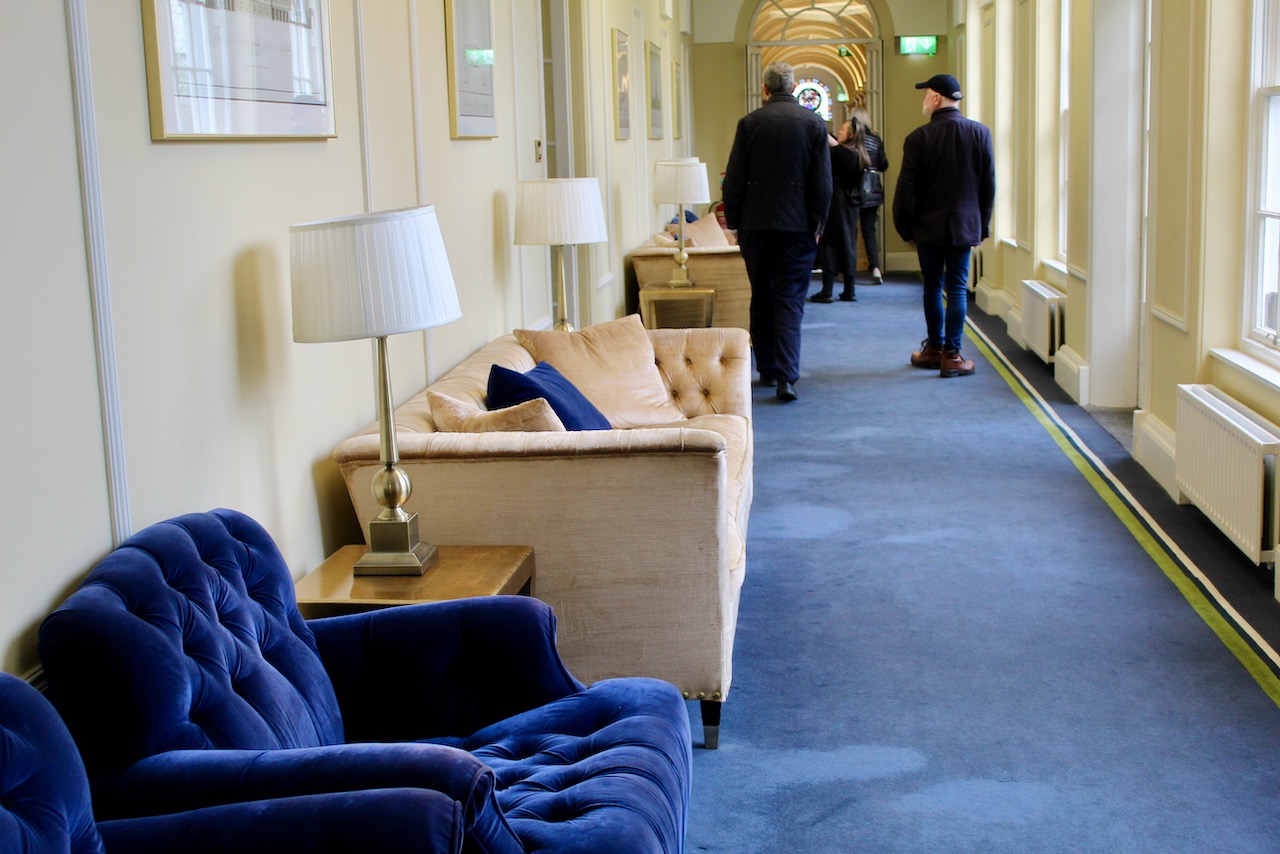
Open House Dublin 2023 coming soon

Open House Dublin 2023 has published their schedule https://openhousedublin.com

I look forward to this and book it into my calendar every year. I published about it before but will republish about some of the places that are open again this year. It has returned to the high quality offerings of its earlier years.

1. Blackhall Place (formerly Blue Coat School) Dublin (we visited during Open House 2019)

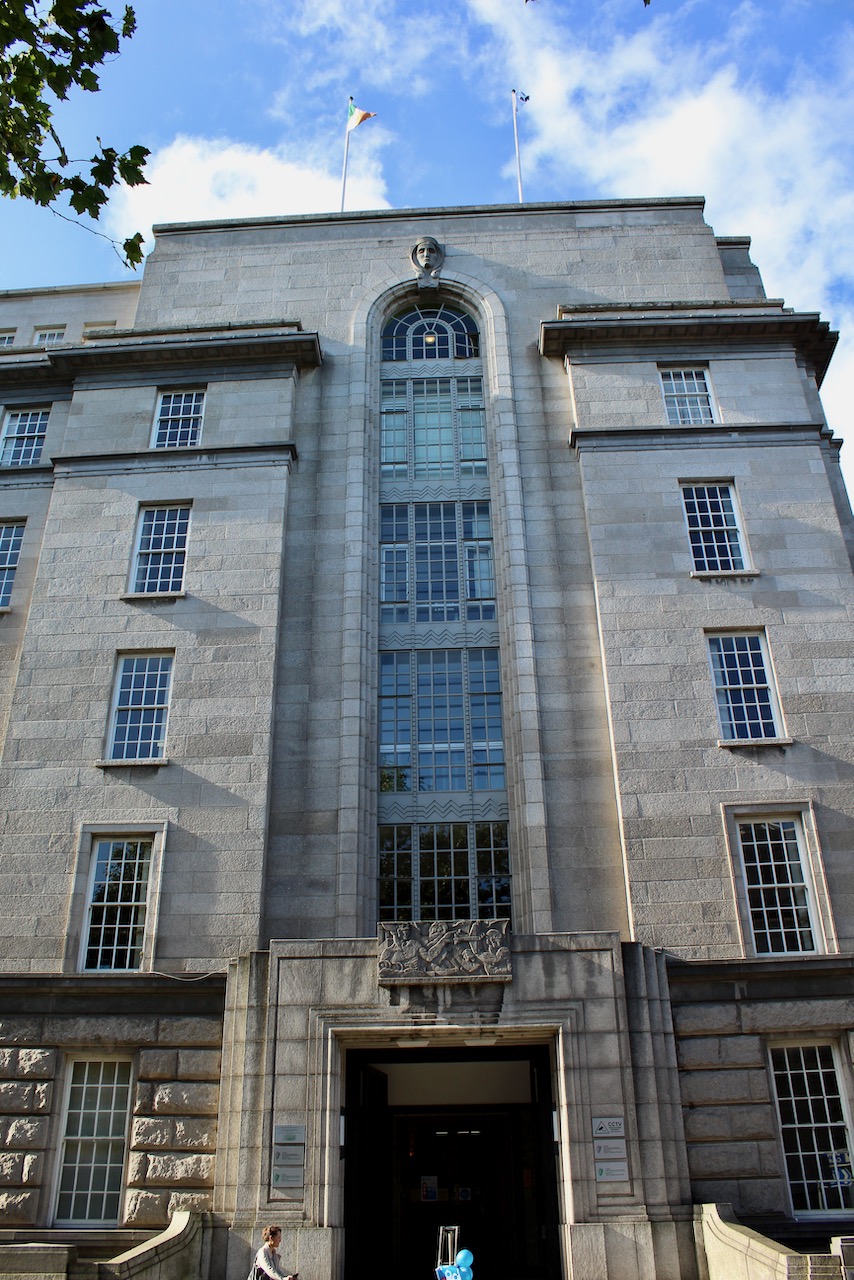
2. Department of Enterprise Trade and Employment, 23 Kildare Street (2019)

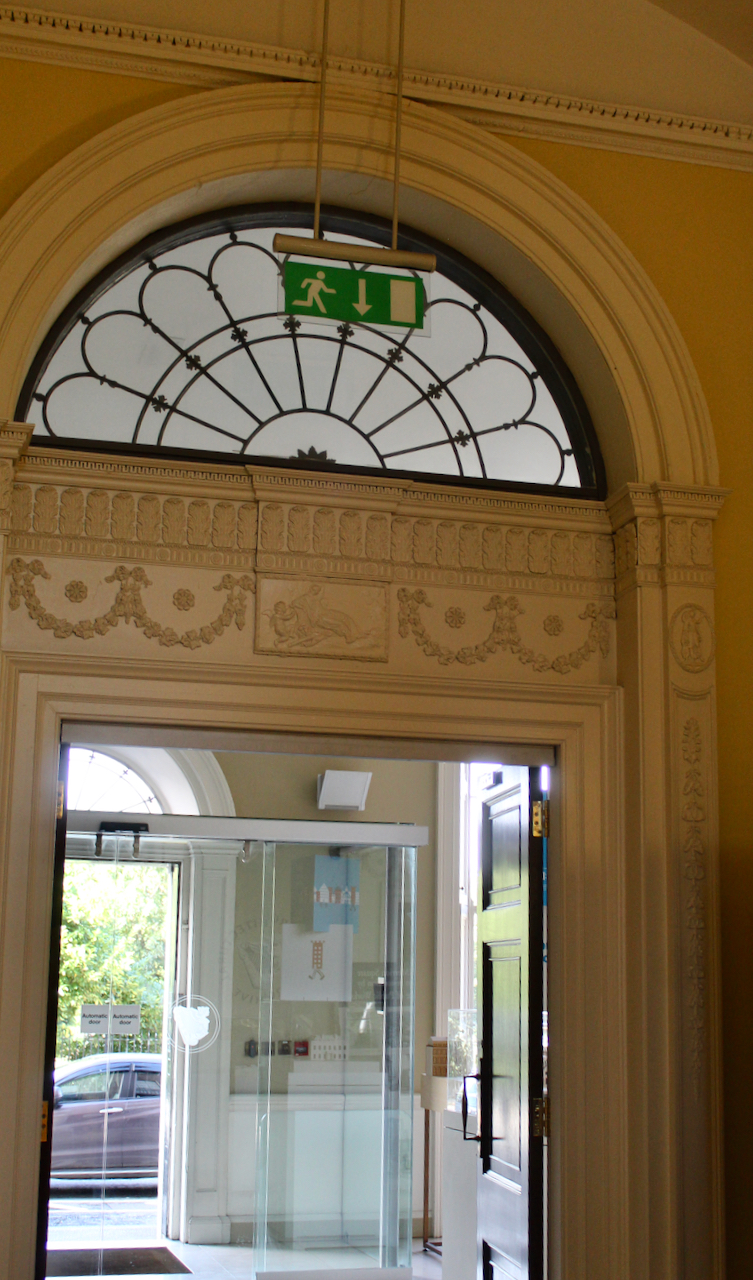
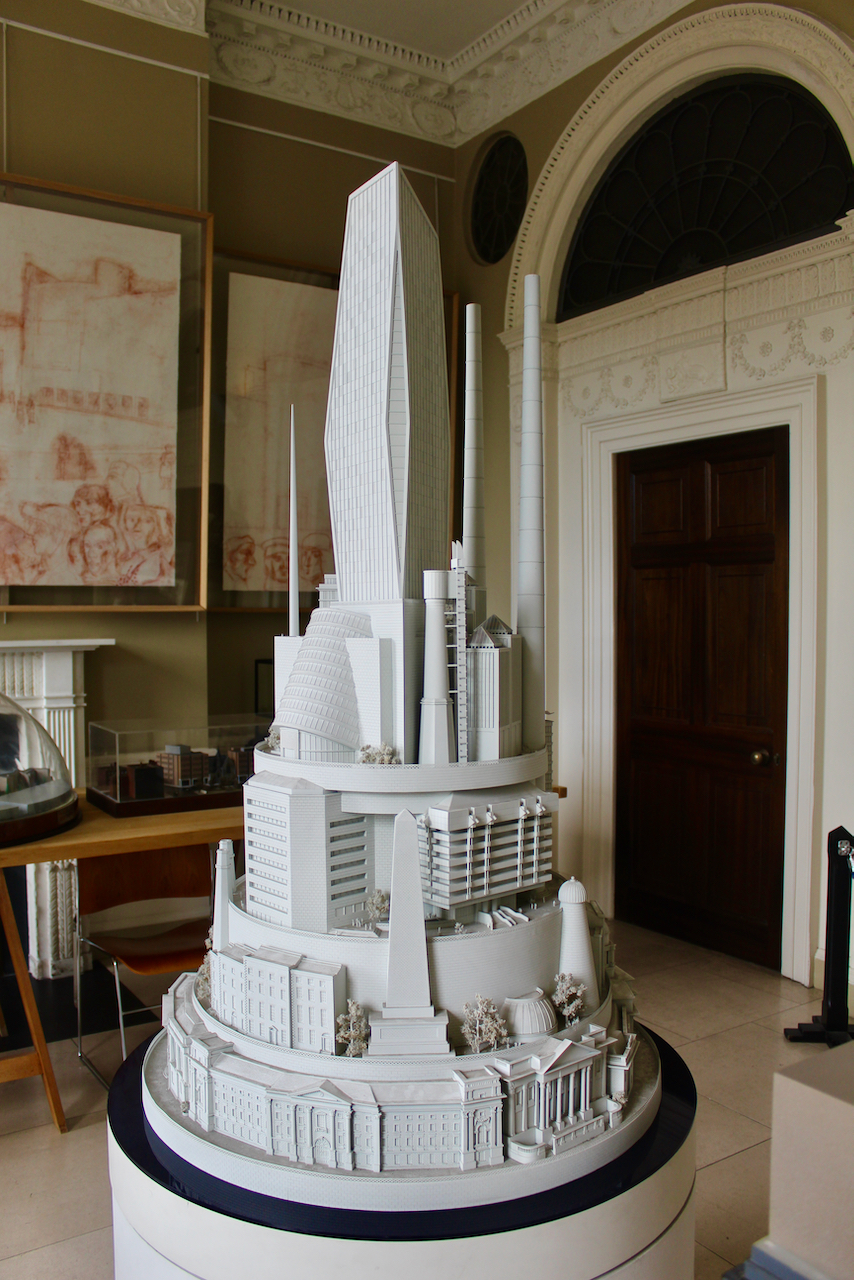
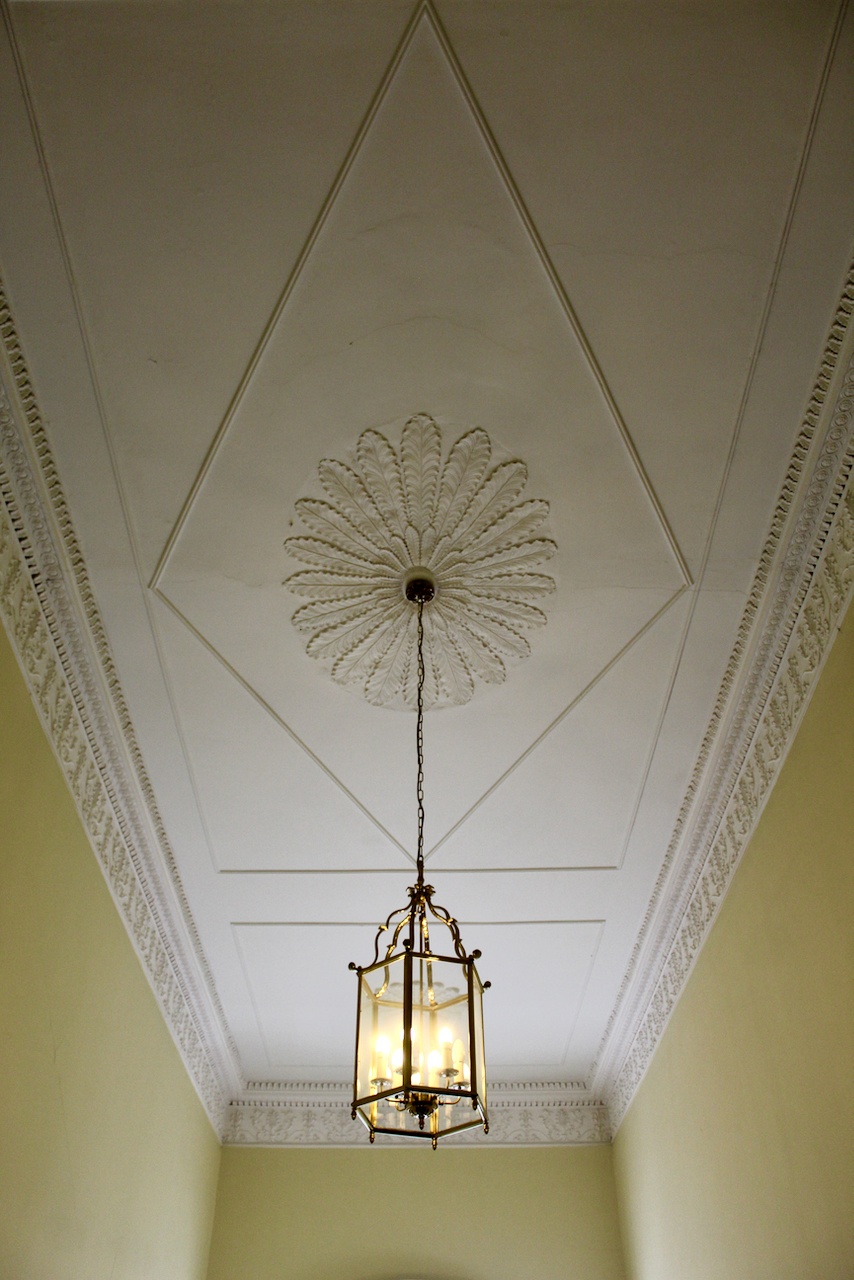
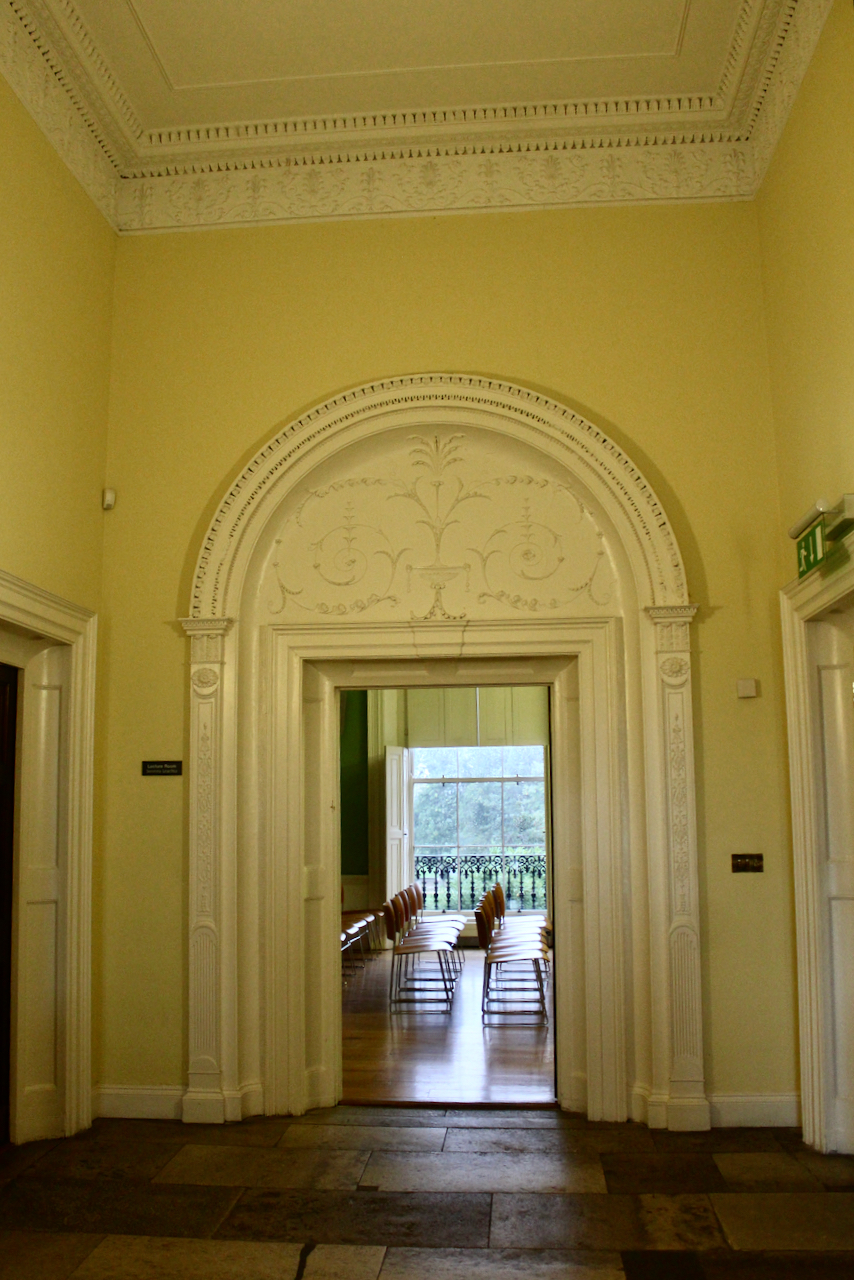
3. Irish Architectural Archive, Merrion Square.

4. Iveagh House, 80 and 81 Merrion Square, Dublin (Department of Foreign Affairs) (Open House 2014)

5. Mansion House, Dublin (2015)

6. Marsh’s Library, Dublin (Heritage Week 2013)

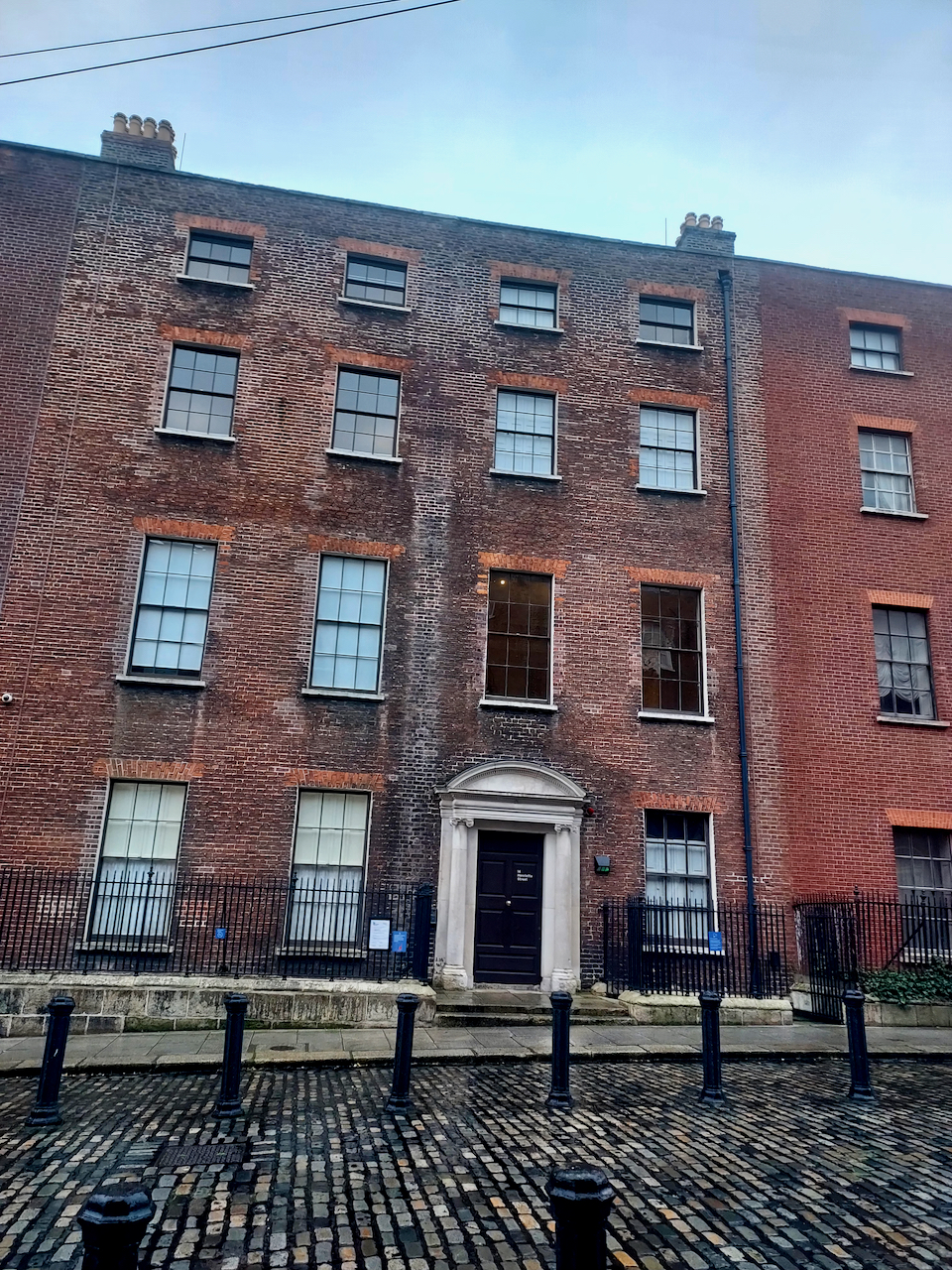
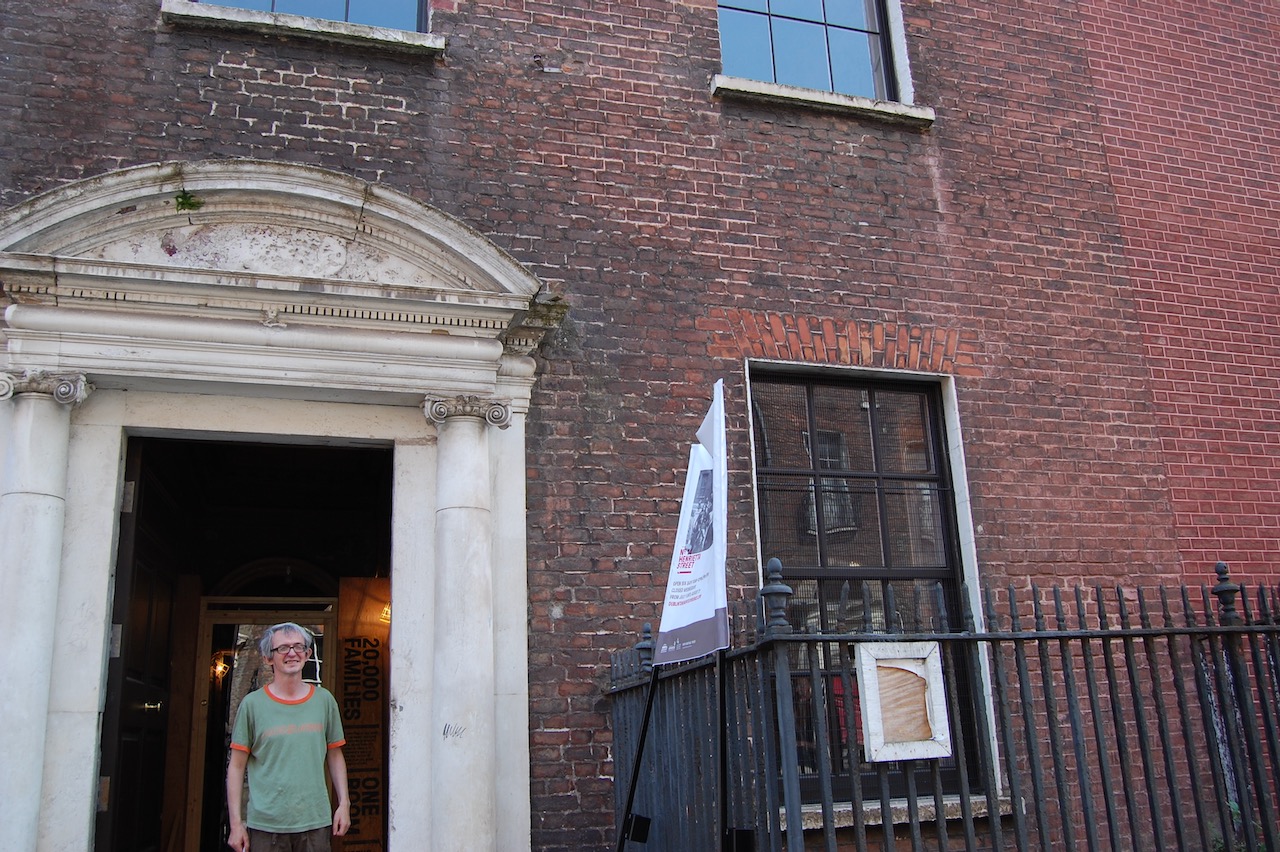
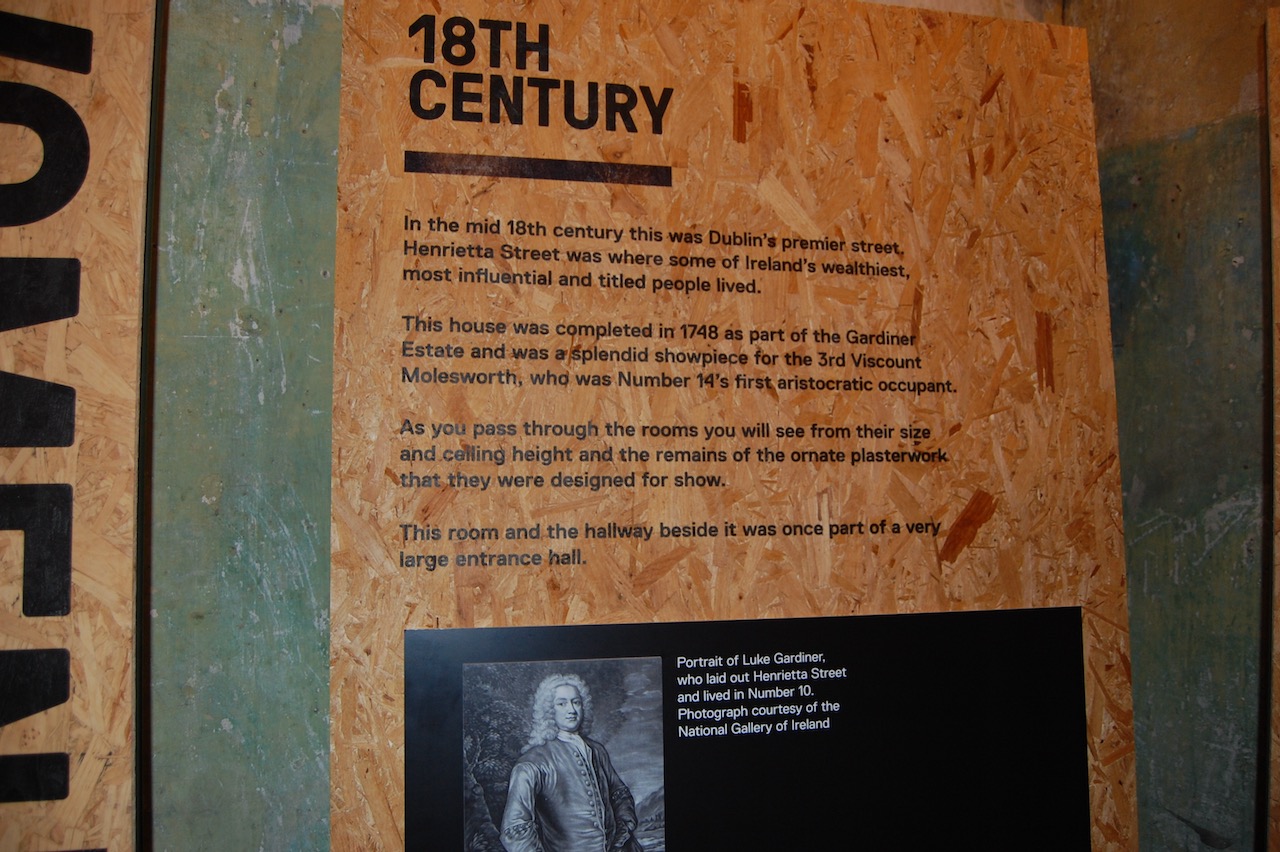
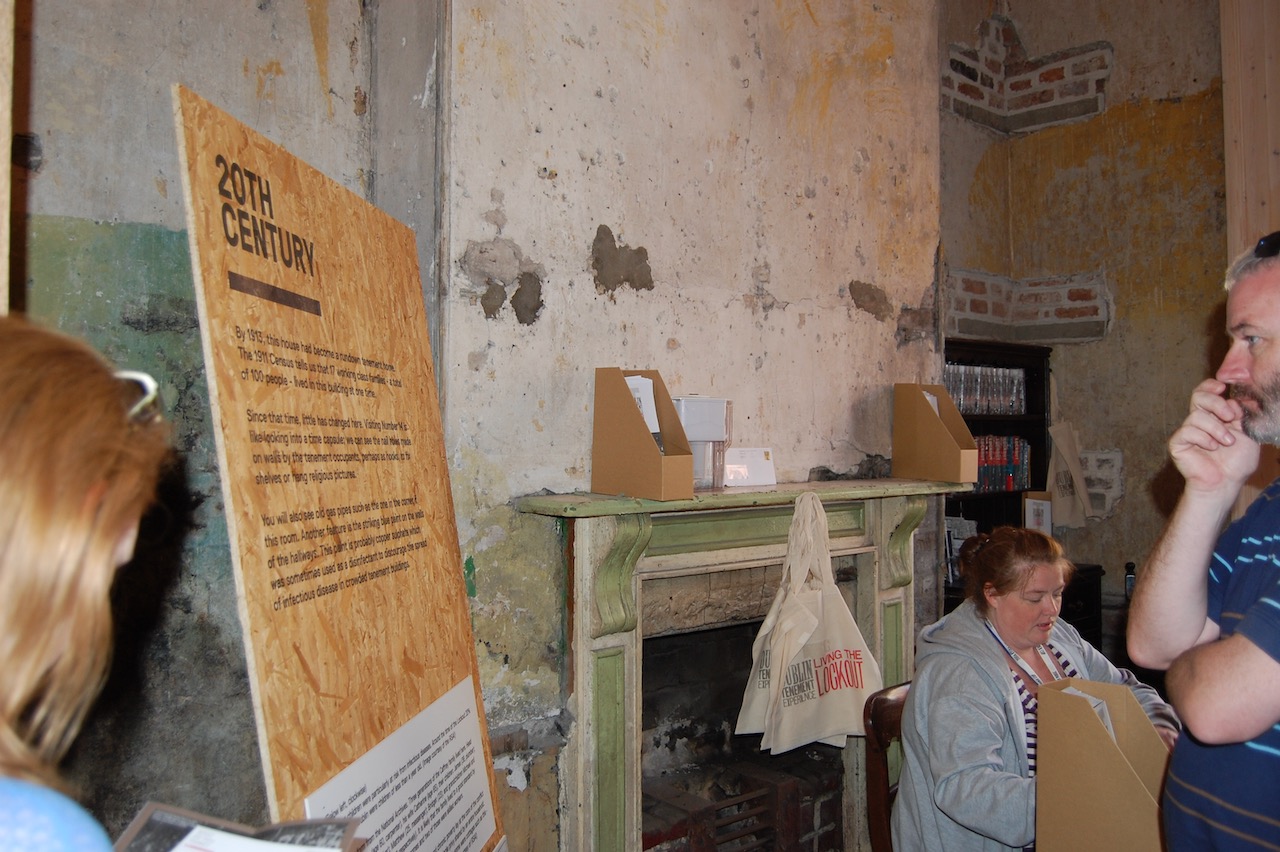
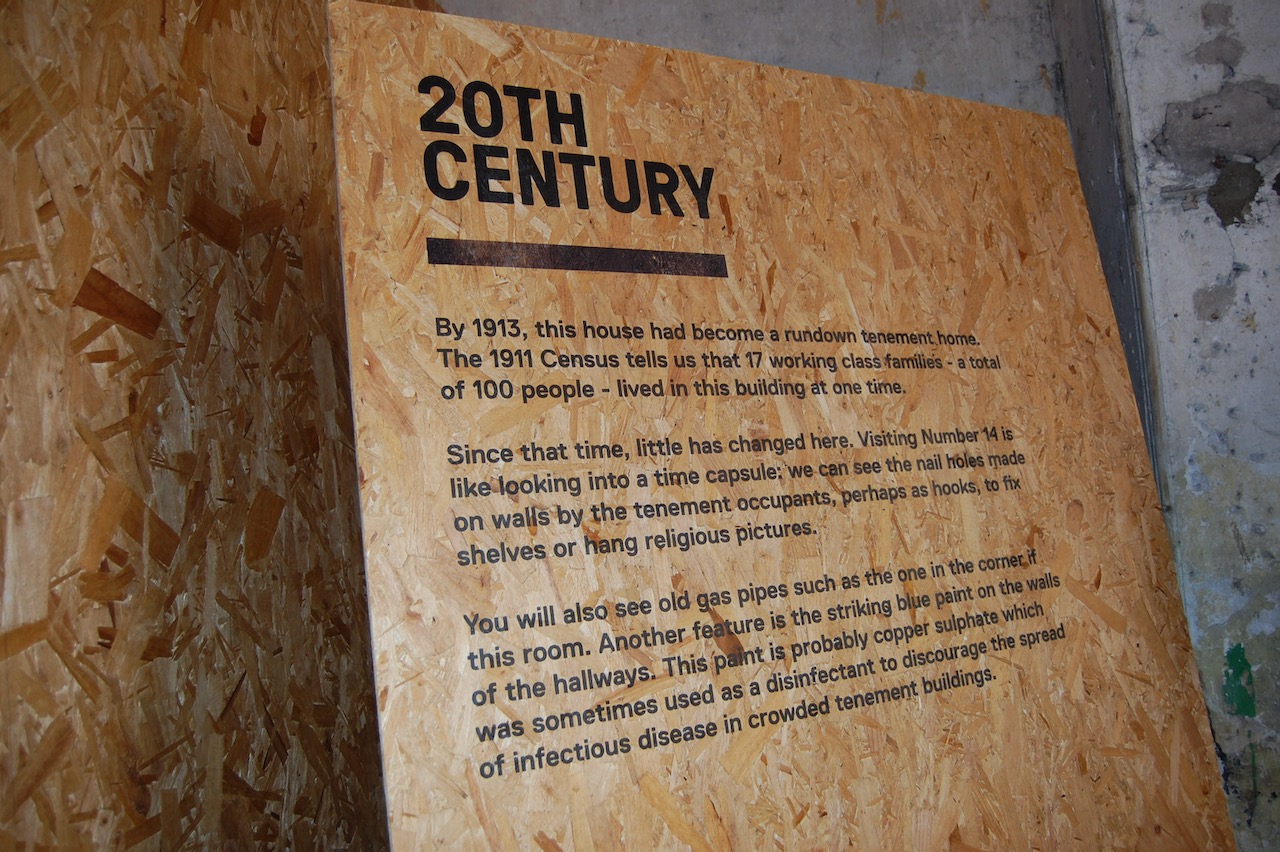
7. Na Píobairí Uilleann, 15 Henrietta St, Dublin

8. Nellie’s Flat, Iveagh Trust, Patrick Street, Dublin (Open House 2014)

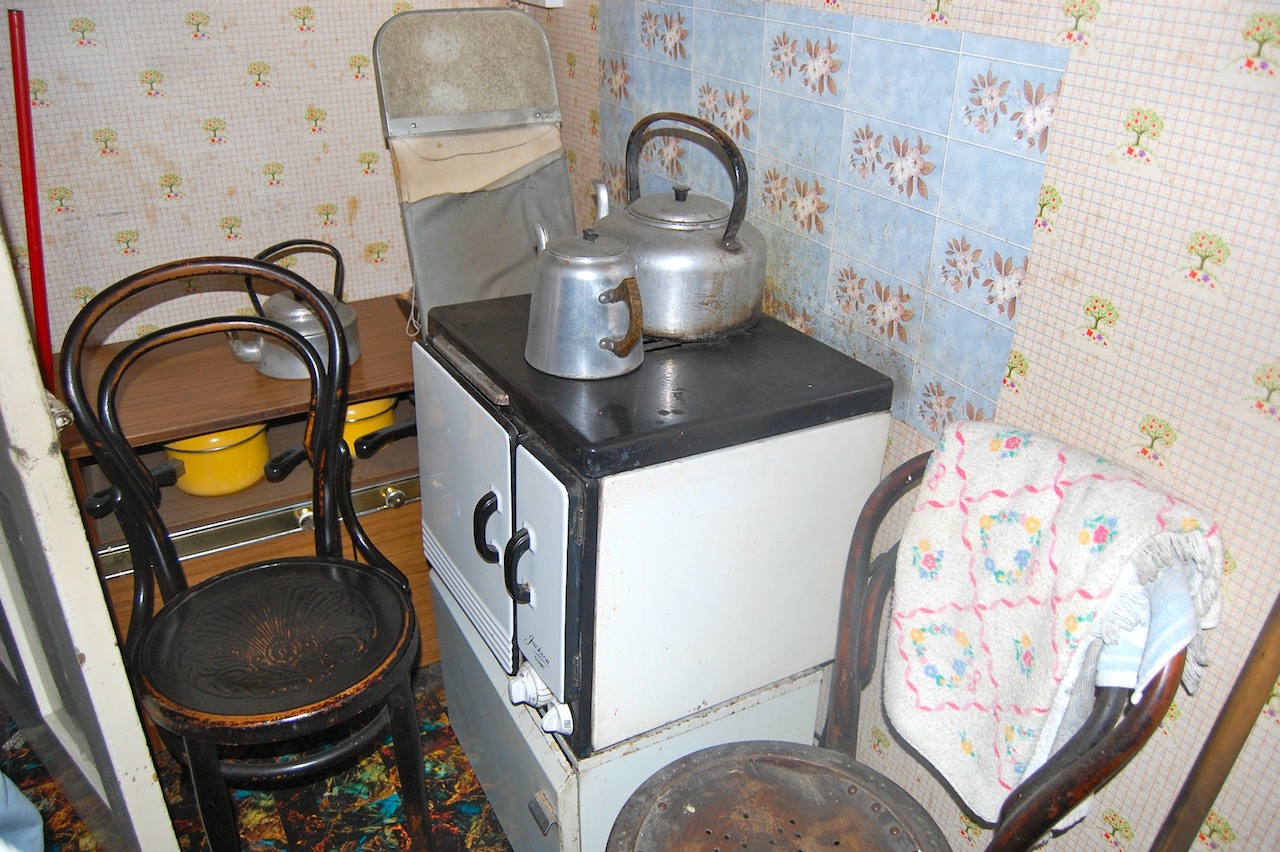
9. Pigeonhouse (2021)

10. Royal College of Surgeons, Dublin (2011)

11. Tailors Hall, Dublin (Heritage Week 2013)

OPW sites are open as well, see my entry https://irishhistorichouses.com/2022/01/21/office-of-public-works-properties-dublin/

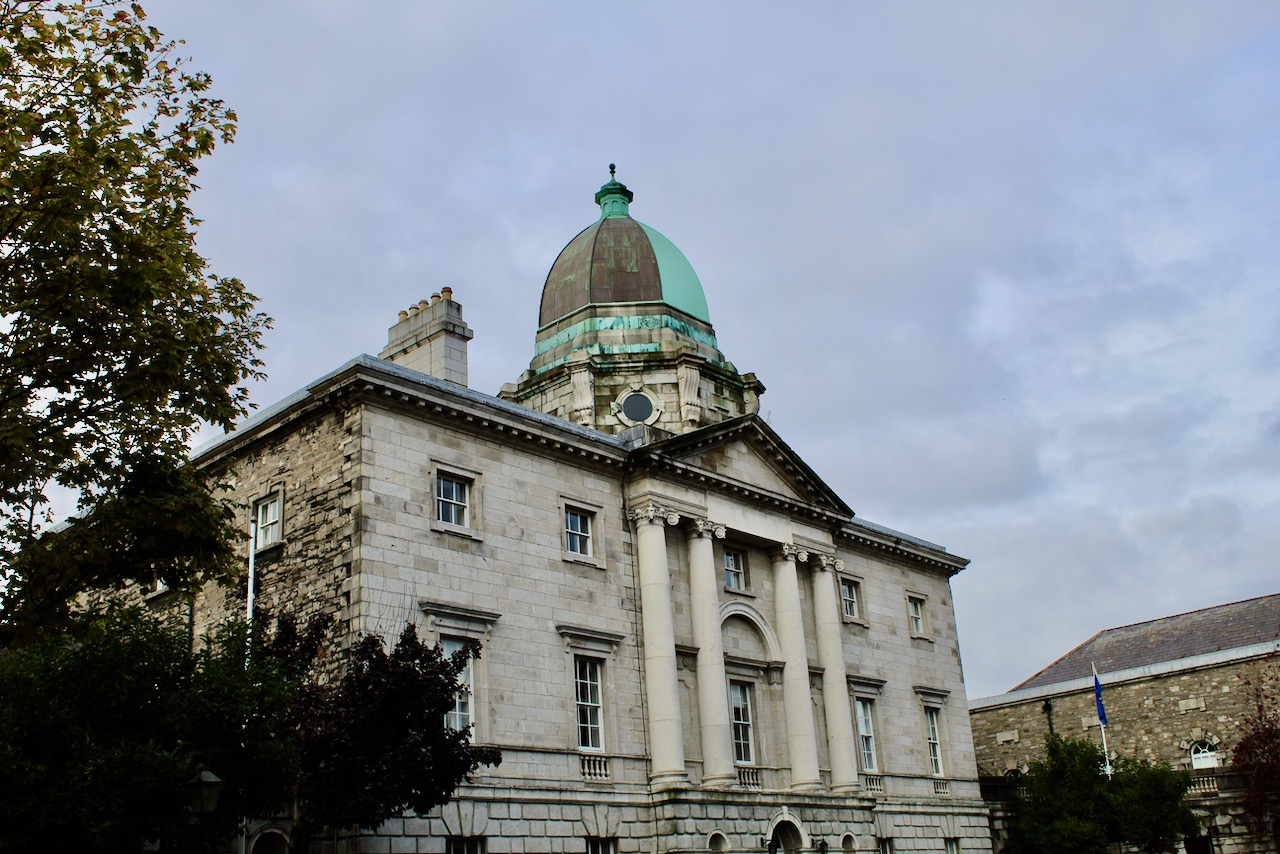
1. Blackhall Place (formerly Blue Coat School) Dublin, 2019.

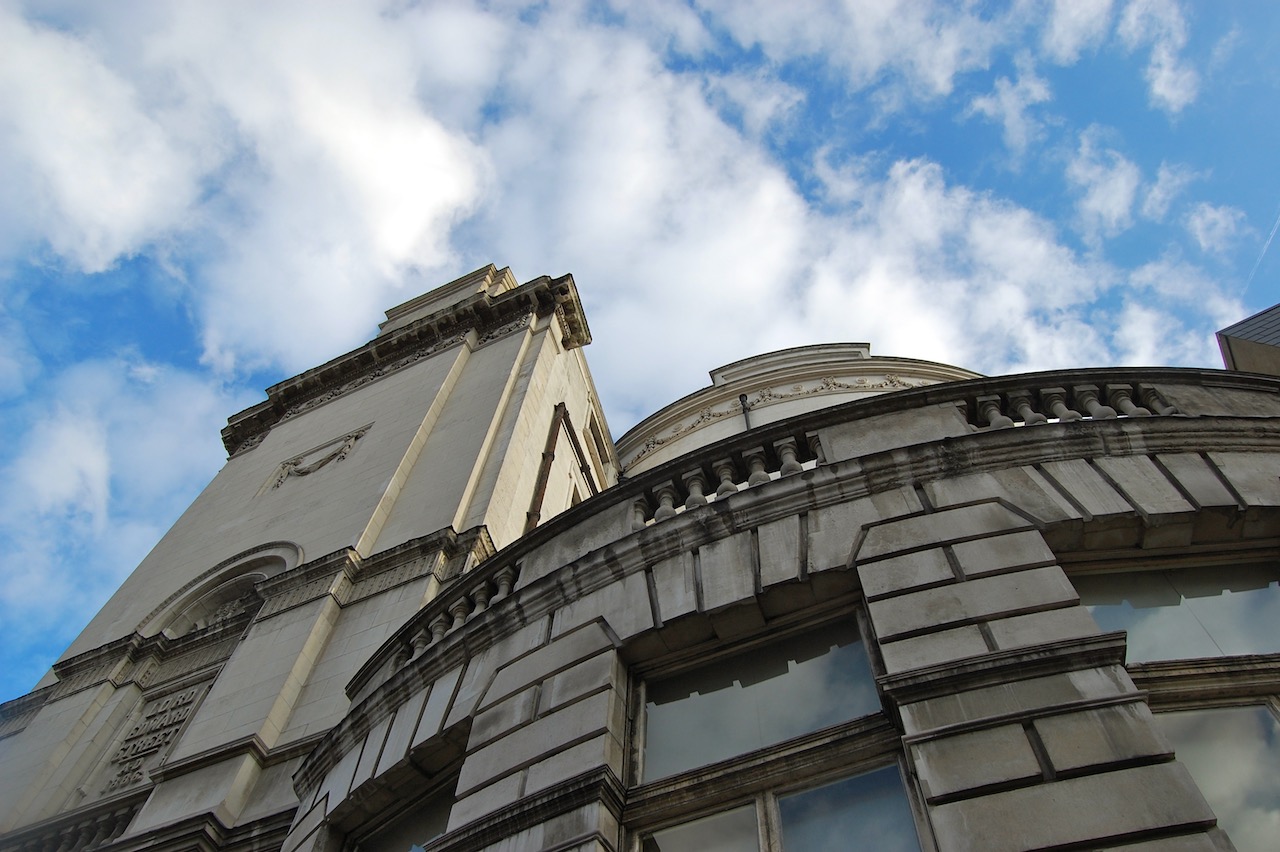
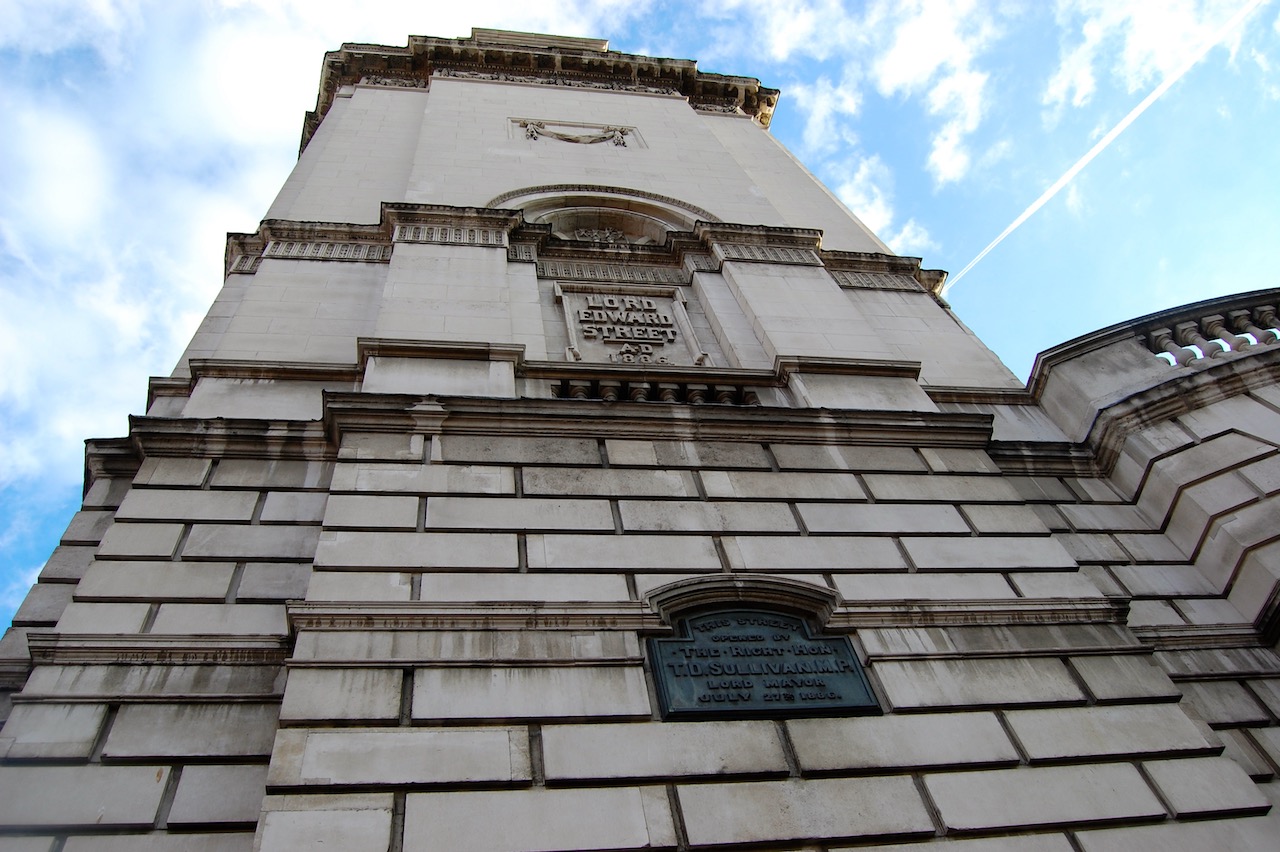
Blackhall Place, Dublin, or The Blue Coat School, by Thomas Ivory, 2019. A taller tower was initially planned. Photograph © Jennifer Winder-Baggot, www.irishhistorichouses.com

Archiseek tells us that the first Blue Coat School or King’s Hospital was erected in Oxmantown Green between 1669-1673. It was officially named the Hospital and Free School of King Charles II. Orphans were nominated to attend the school by the Alderman or the parish, with funding coming from voluntary donations and from ground rent of St. Stephen’s Green. This building was demolished to make way for the new building, pictured above. The current building was started in 1773. Ivory resigned in disgust before it was finished, due to lack of funds, and only a stub was built instead of his tower, and the stub was removed in 1894 and a dome constructed.

The description of the tour tells us:

The last of Dublin’s Palladian public buildings, the granite and Portland stone Blue Coat School replaced earlier premises, which had been established by King Charles I in 1671 to care for the sons of impoverished citizens. Construction began in 1773 to designs by Thomas Ivory, however funding issues led to a reduced building programme and Ivory’s departure. In 1894, a copper-clad cupola designed by Robert Stirling was added. Today, the building is home to the Law Society of Ireland, which has taken great care to retain many fine interior features.

Blackhall Place, Dublin, or The Blue Coat School, by Thomas Ivory, 2019. Photograph © Jennifer Winder-Baggot, www.irishhistorichouses.com

The building now houses the Law Society. It was built as a traditional country house composition with a central block, two wings and connecting passages. The wings have decorations intended to mirror the central tower.

Blackhall Place, Dublin, or The Blue Coat School, by Thomas Ivory, 2019. Photograph © Jennifer Winder-Baggot, www.irishhistorichouses.com
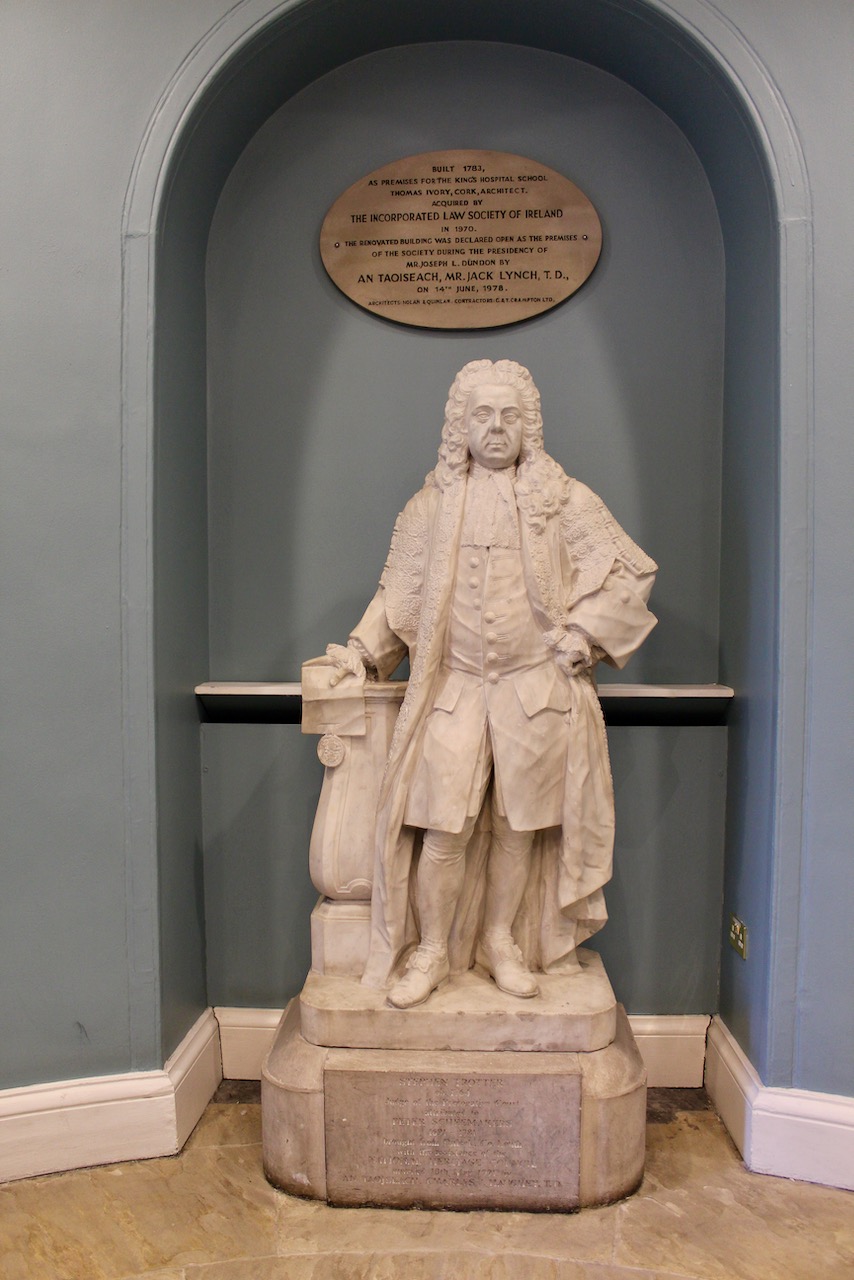
Stephen Trotter, Judge of the Prerogative Court, by Peter Scheemakers (1691-1781), brought from Duleek, County Louth. Photograph © Jennifer Winder-Baggot, www.irishhistorichouses.com
Blackhall Place, Dublin, or The Blue Coat School, by Thomas Ivory, 2019. Photograph © Jennifer Winder-Baggot, www.irishhistorichouses.com

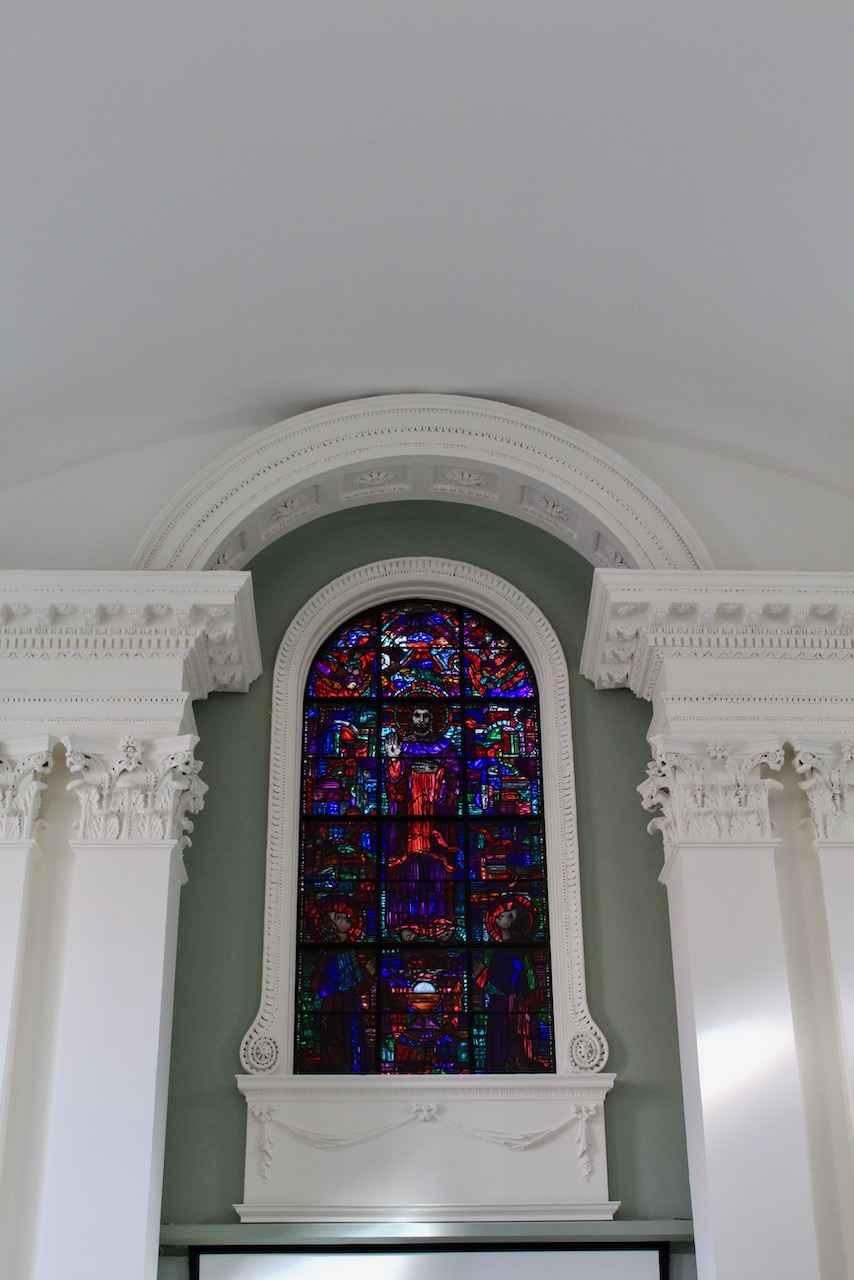
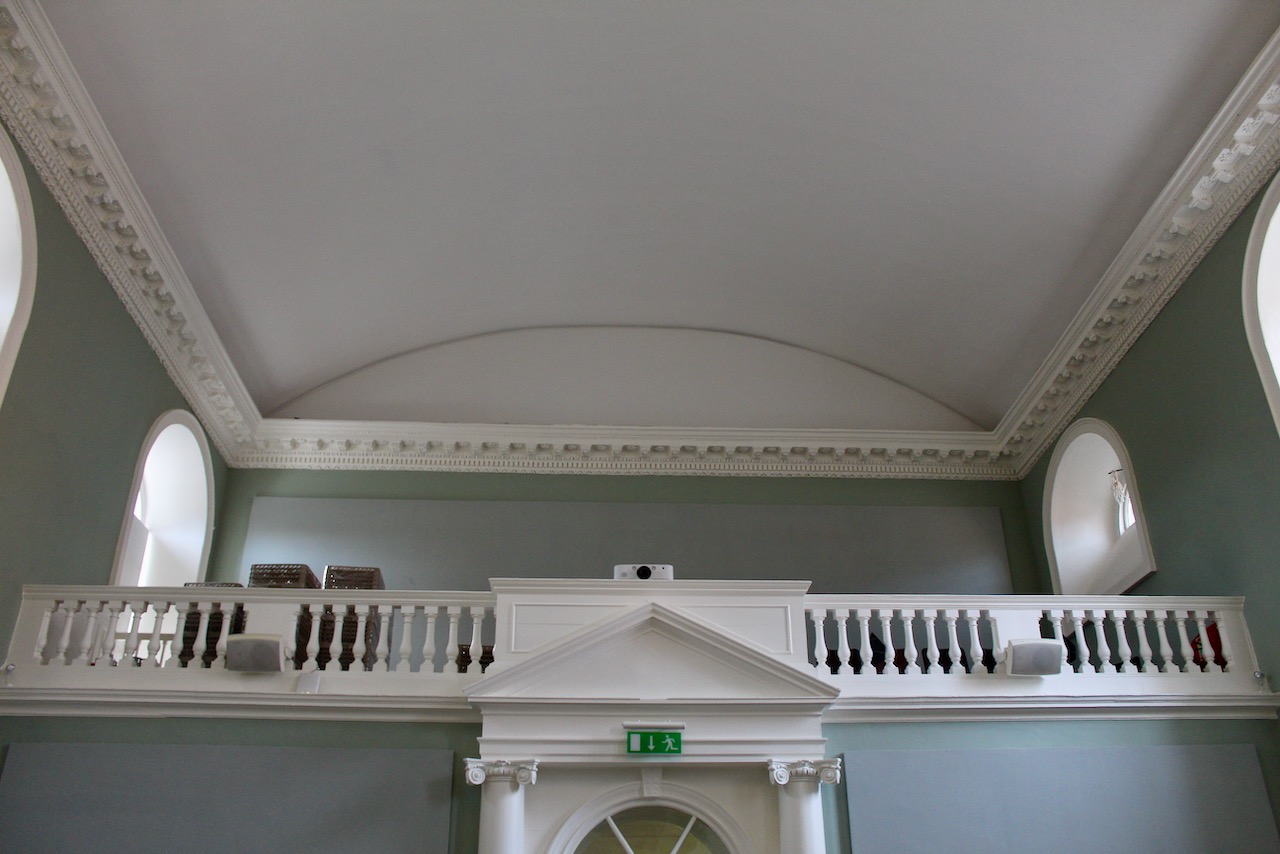
The interior contains plasterwork by Charles Thorpe and carvings by Simon Vierpyl.

Blackhall Place, Dublin, or The Blue Coat School, by Thomas Ivory, 2019. Photograph © Jennifer Winder-Baggot, www.irishhistorichouses.com
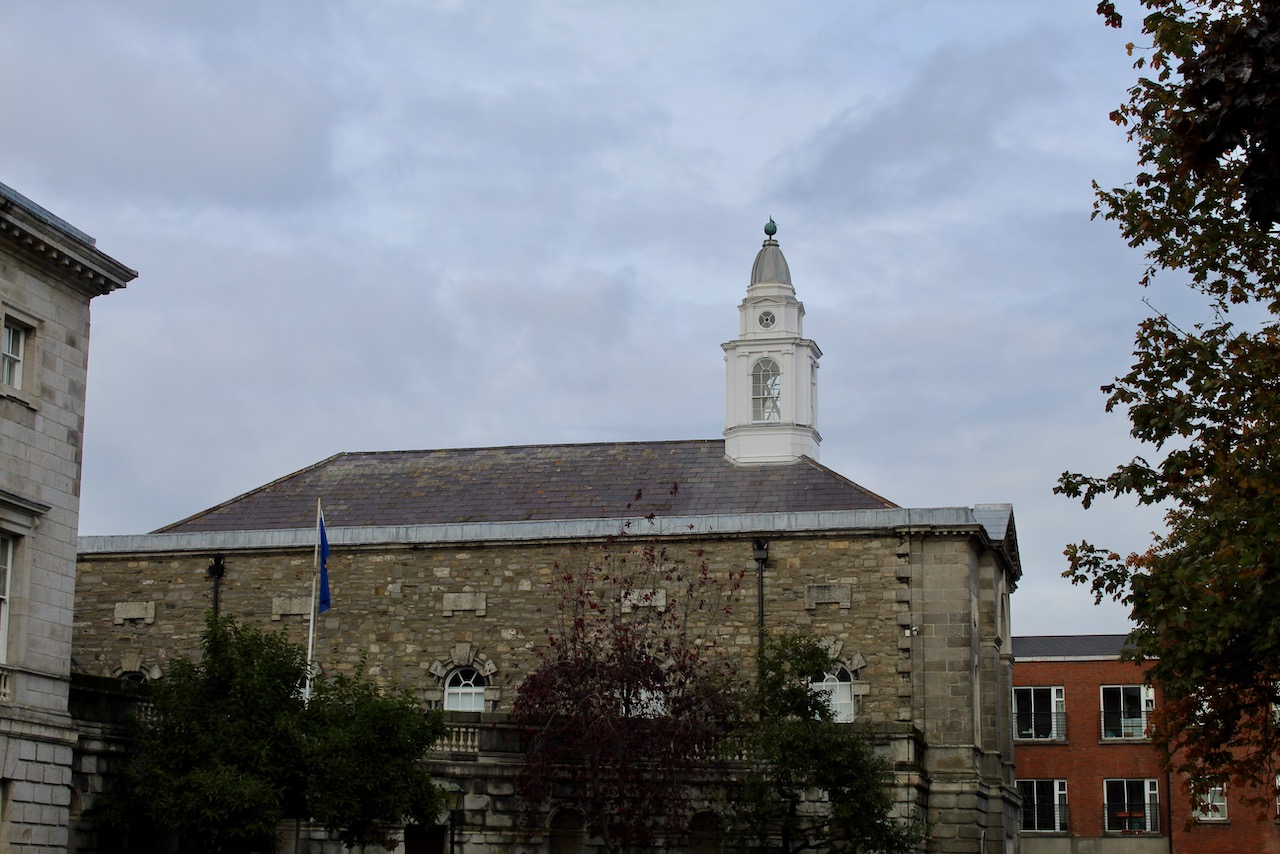
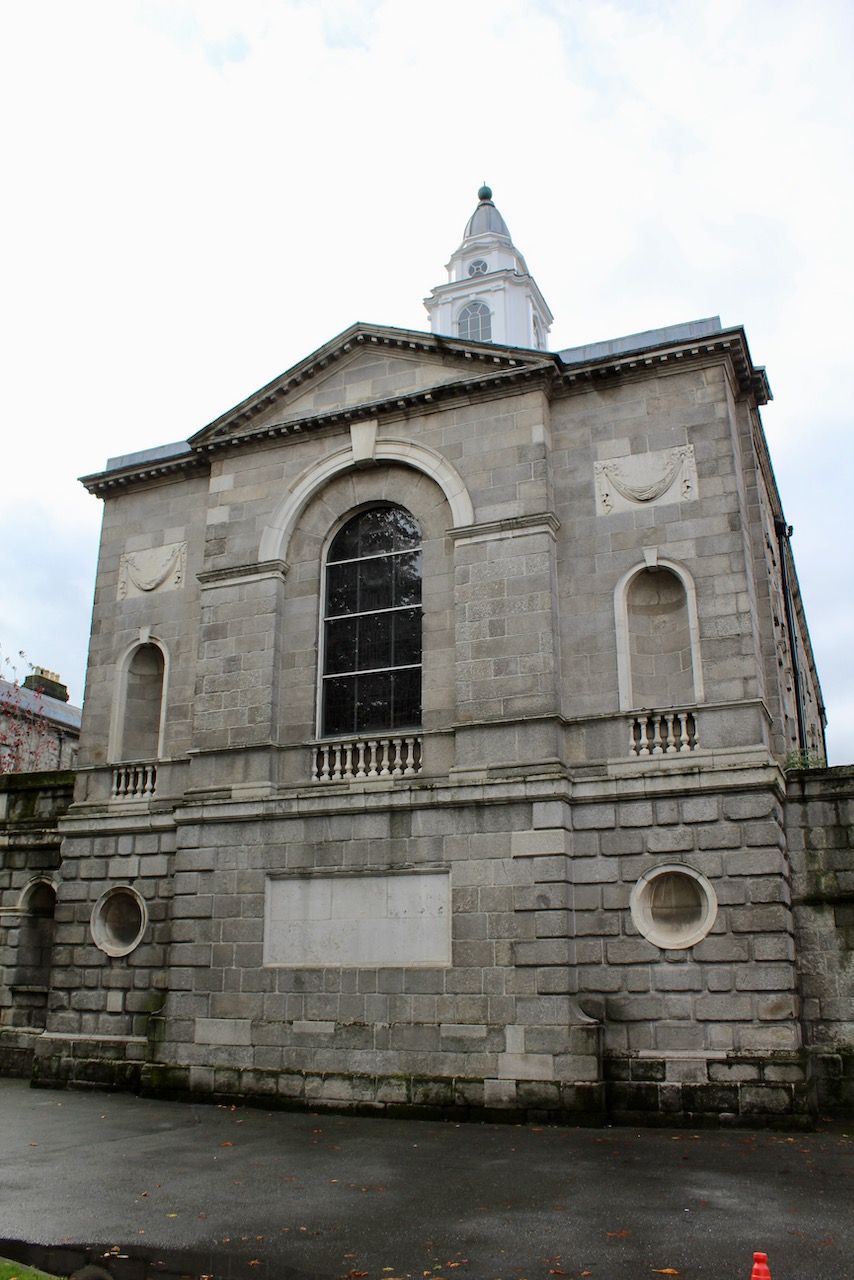
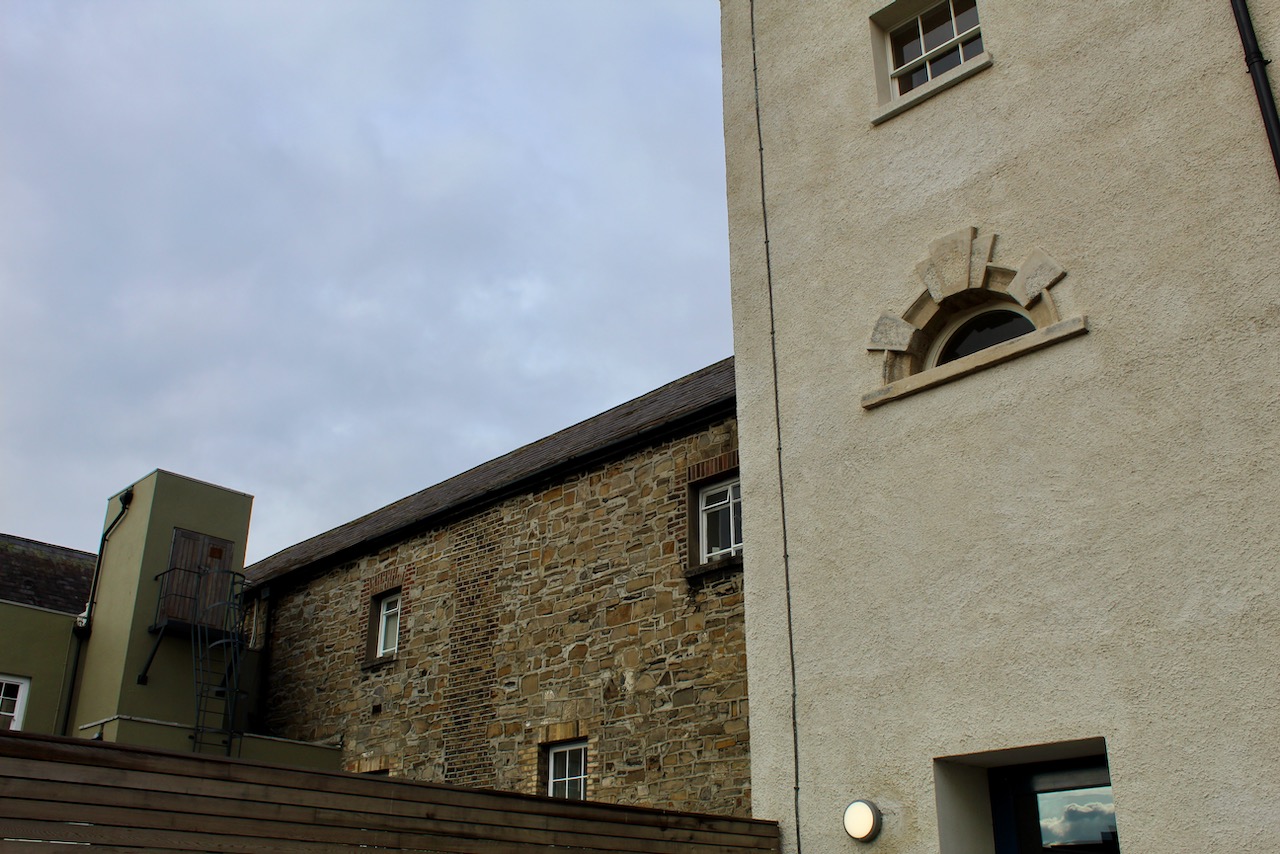
Back of Blackhall Place, Dublin, or The Blue Coat School, by Thomas Ivory, 2019. Photograph © Jennifer Winder-Baggot, www.irishhistorichouses.com
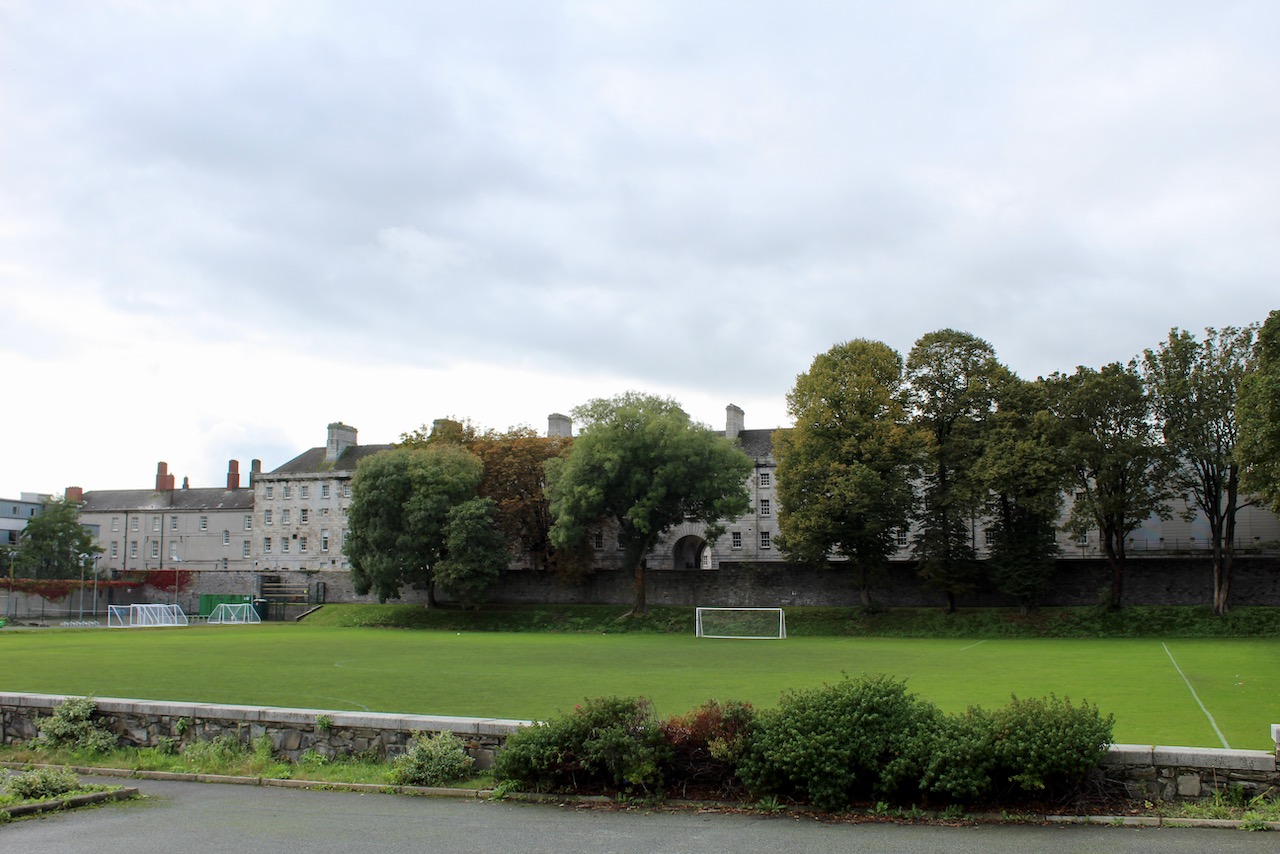
Collins Barracks, behind Blue Coat School/Blackhall Place, 2019. Photograph © Jennifer Winder-Baggot, www.irishhistorichouses.com
Back of Blackhall Place, Dublin, or The Blue Coat School, by Thomas Ivory, 2019. Photograph © Jennifer Winder-Baggot, www.irishhistorichouses.com
Photograph © Jennifer Winder-Baggot, www.irishhistorichouses.com
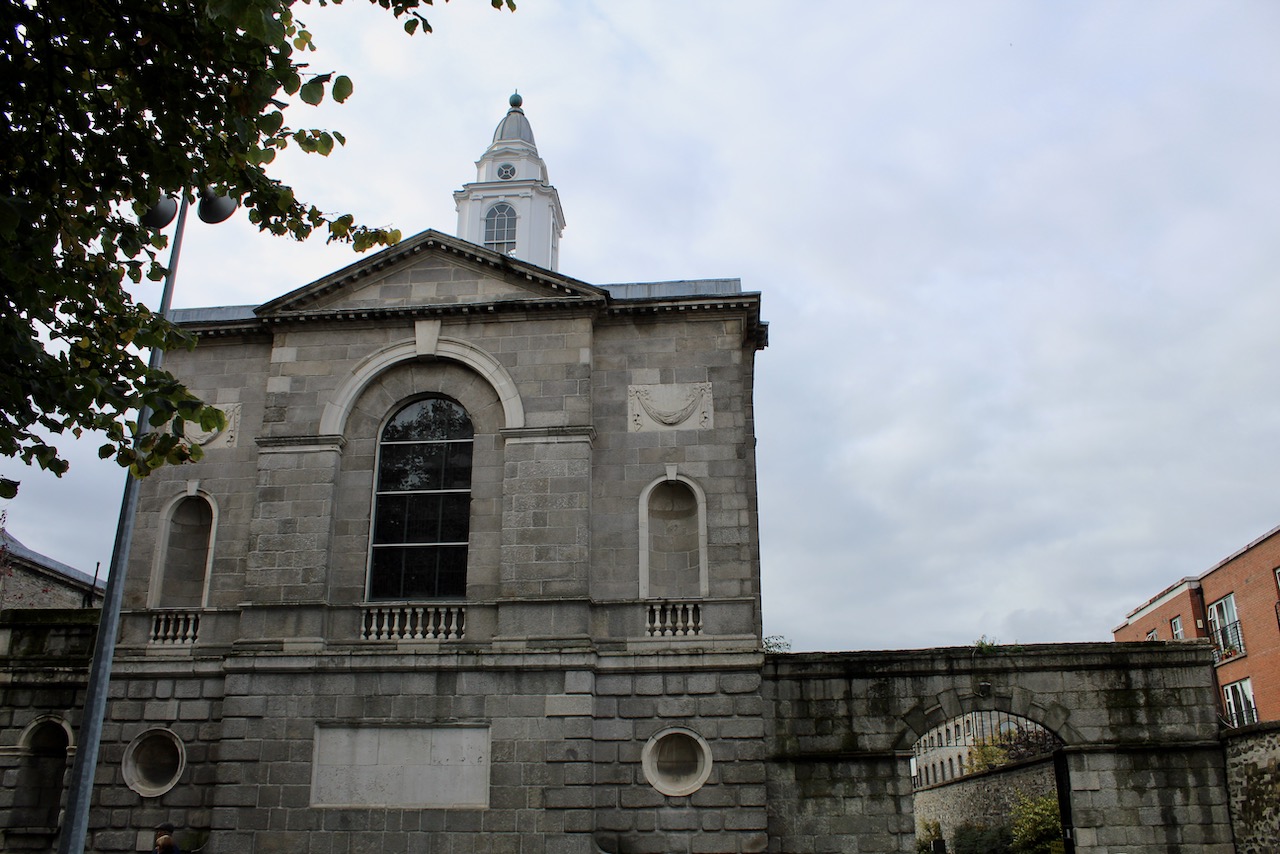
Side of Blackhall Place, Dublin, or The Blue Coat School, by Thomas Ivory, 2019. Photograph © Jennifer Winder-Baggot, www.irishhistorichouses.com

2. Department of Industry and Commerce, Kildare Street (Open House 2019)

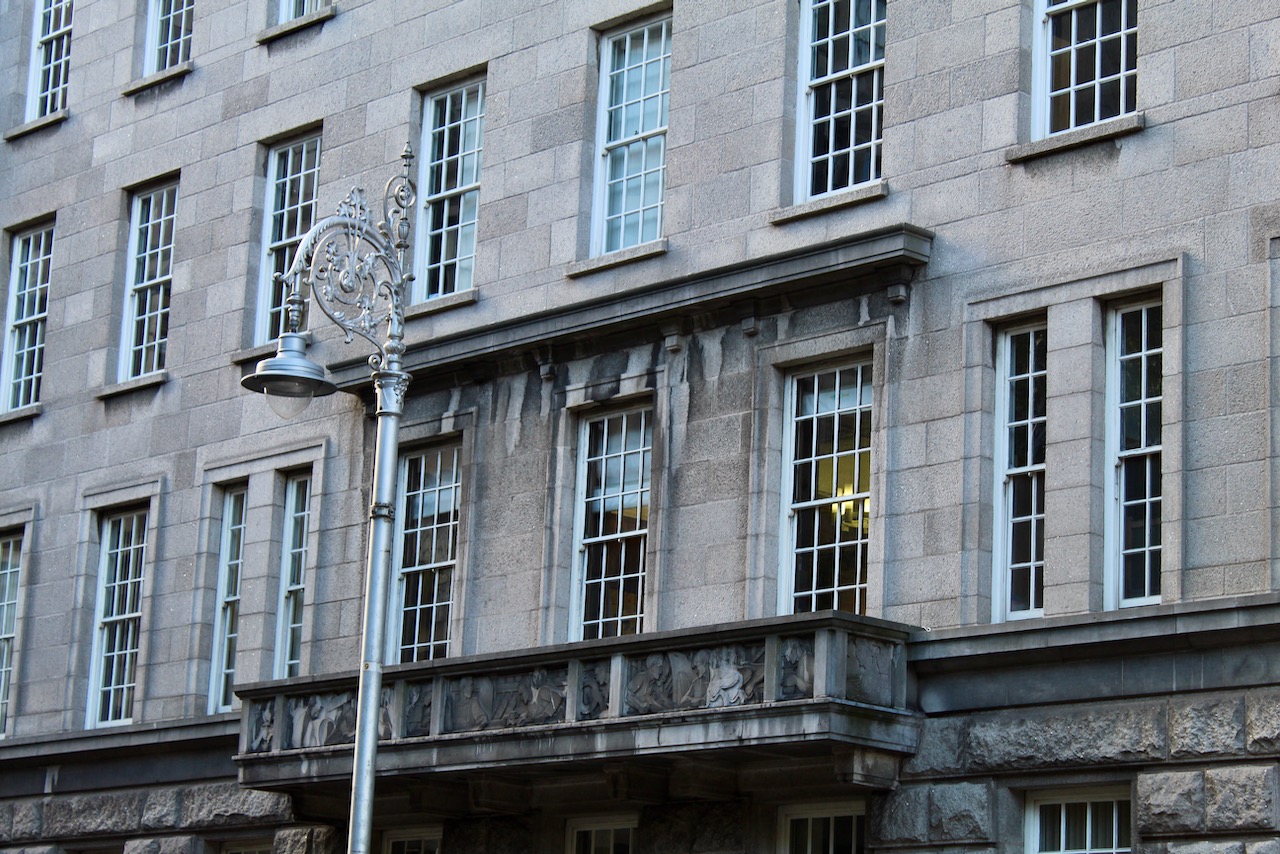
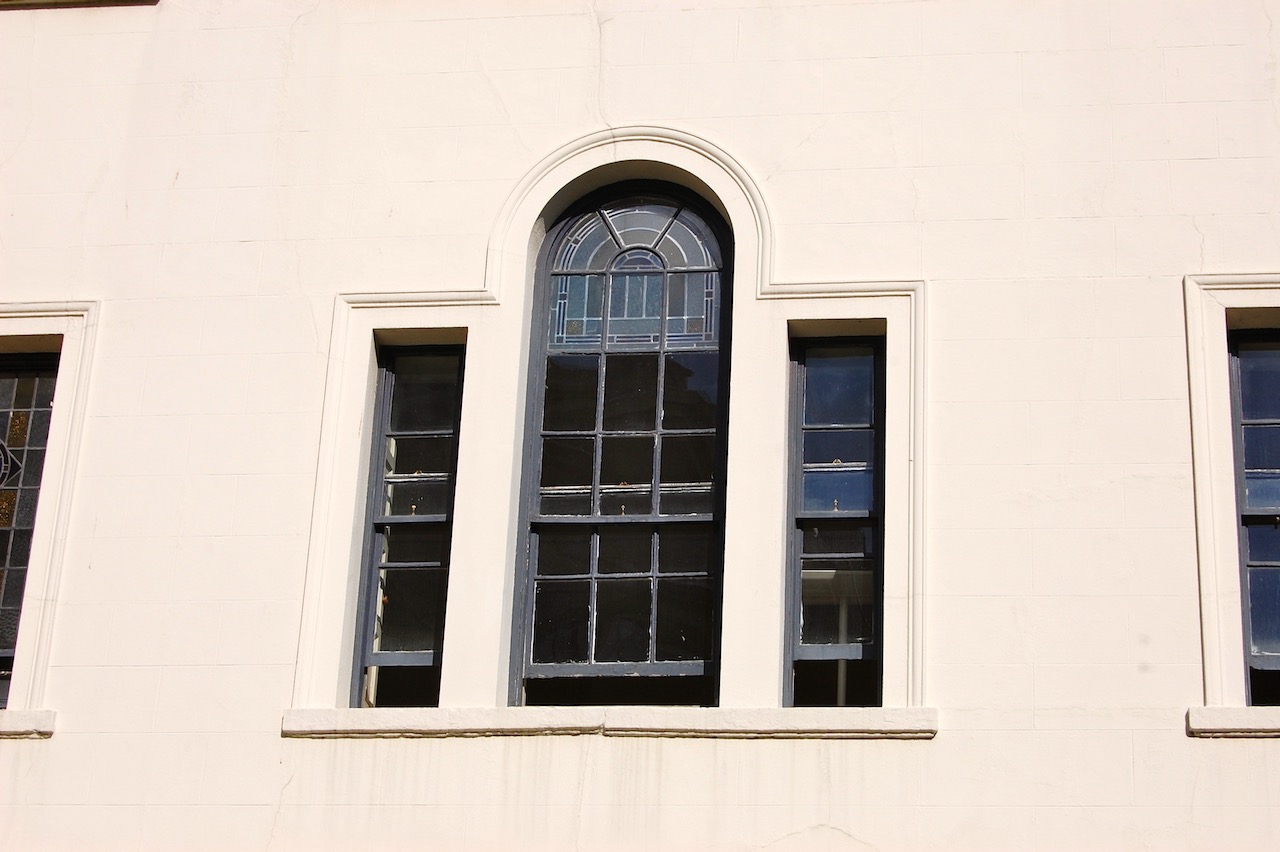
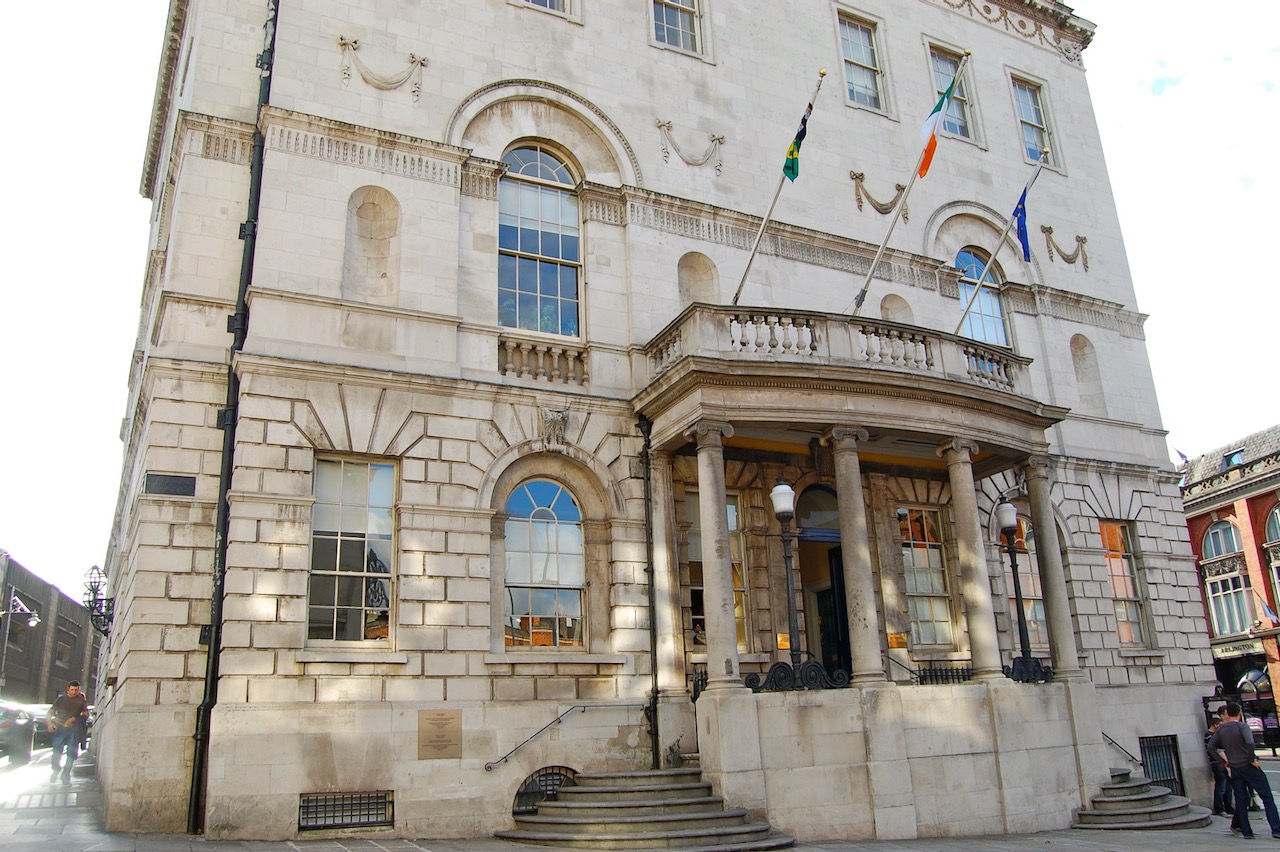
Department of Industry and Commerce, Open House 2019: The tall round-headed window passes up through the floors to a keystone of representing Eire, with “jazzy” interstitial panels. Photograph © Jennifer Winder-Baggot, www.irishhistorichouses.com
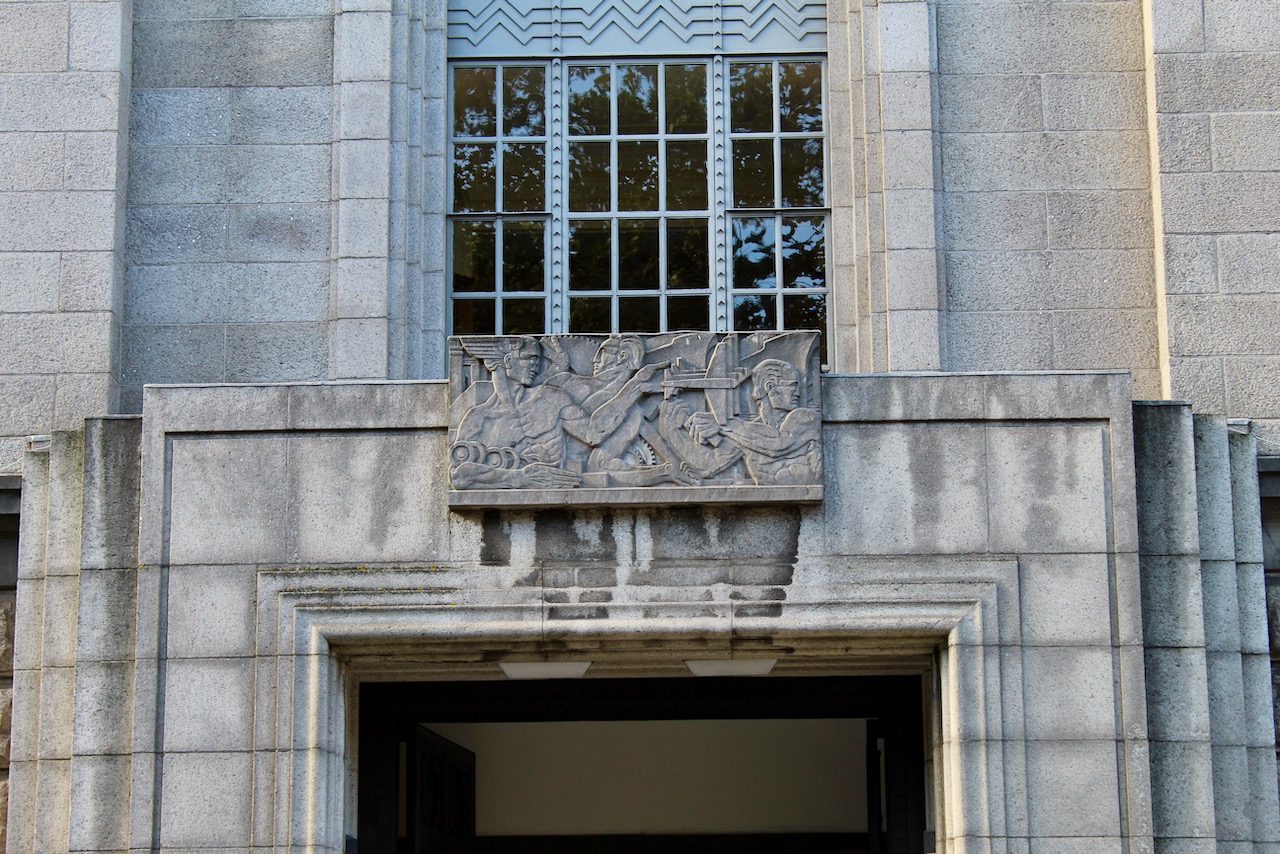
The carved lintel of the doorway represents the celtic god Lugh releasing aeroplanes into the air! Photograph © Jennifer Winder-Baggot, www.irishhistorichouses.com

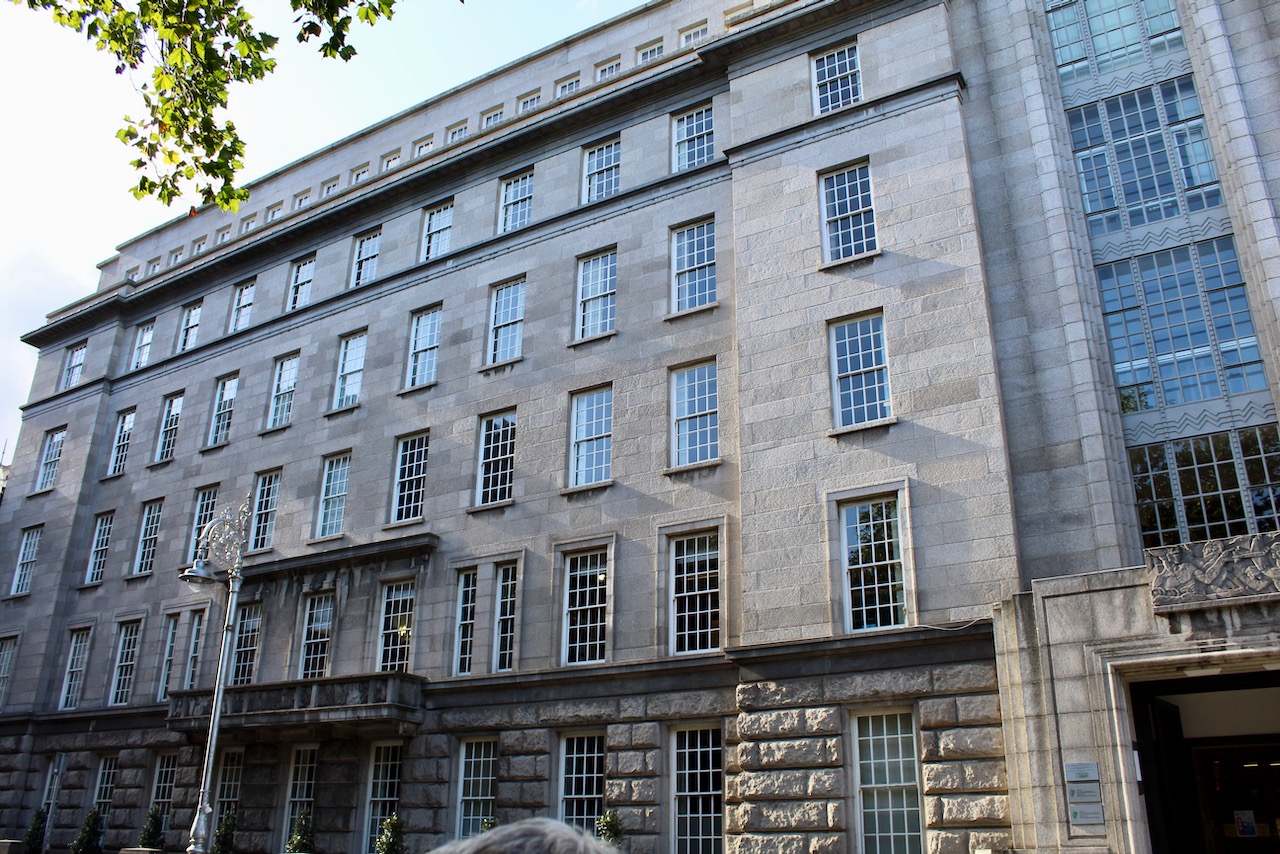
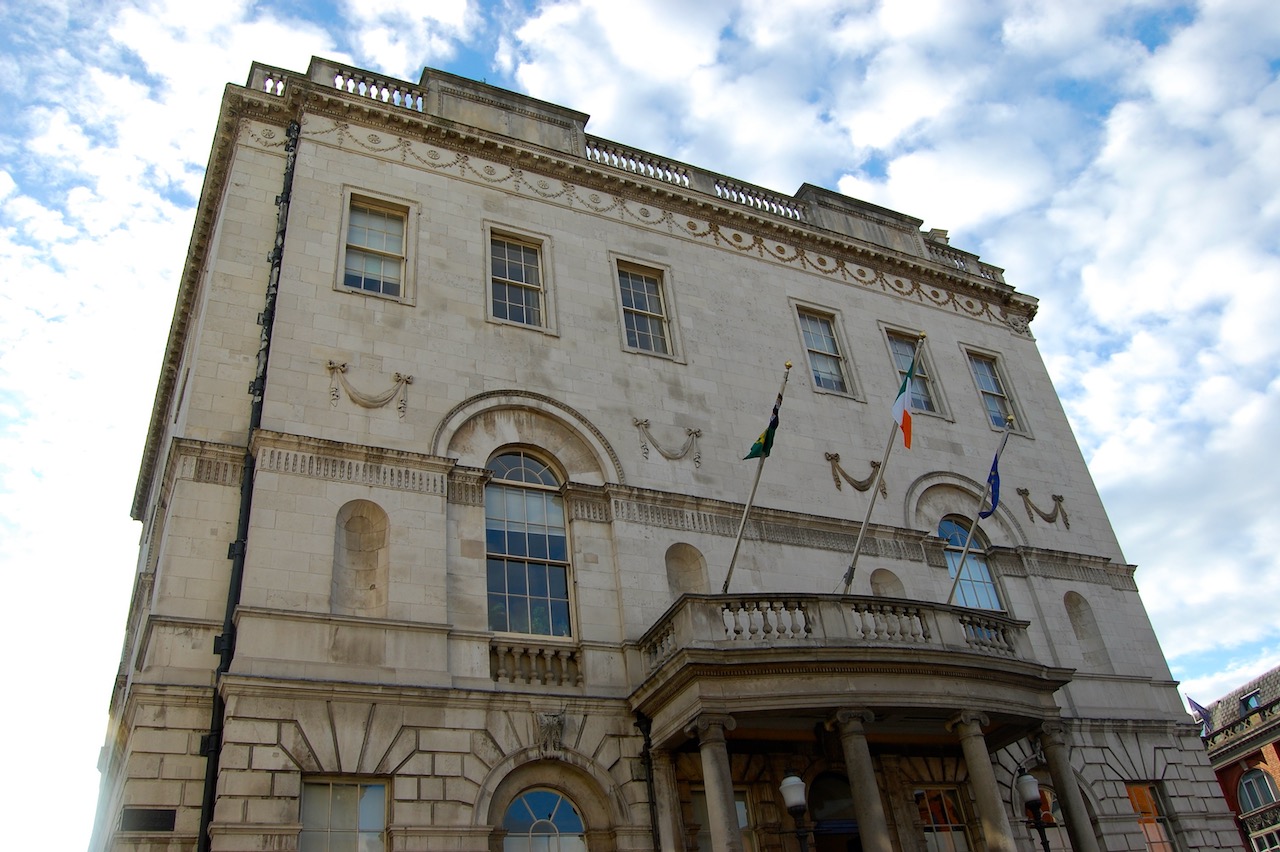
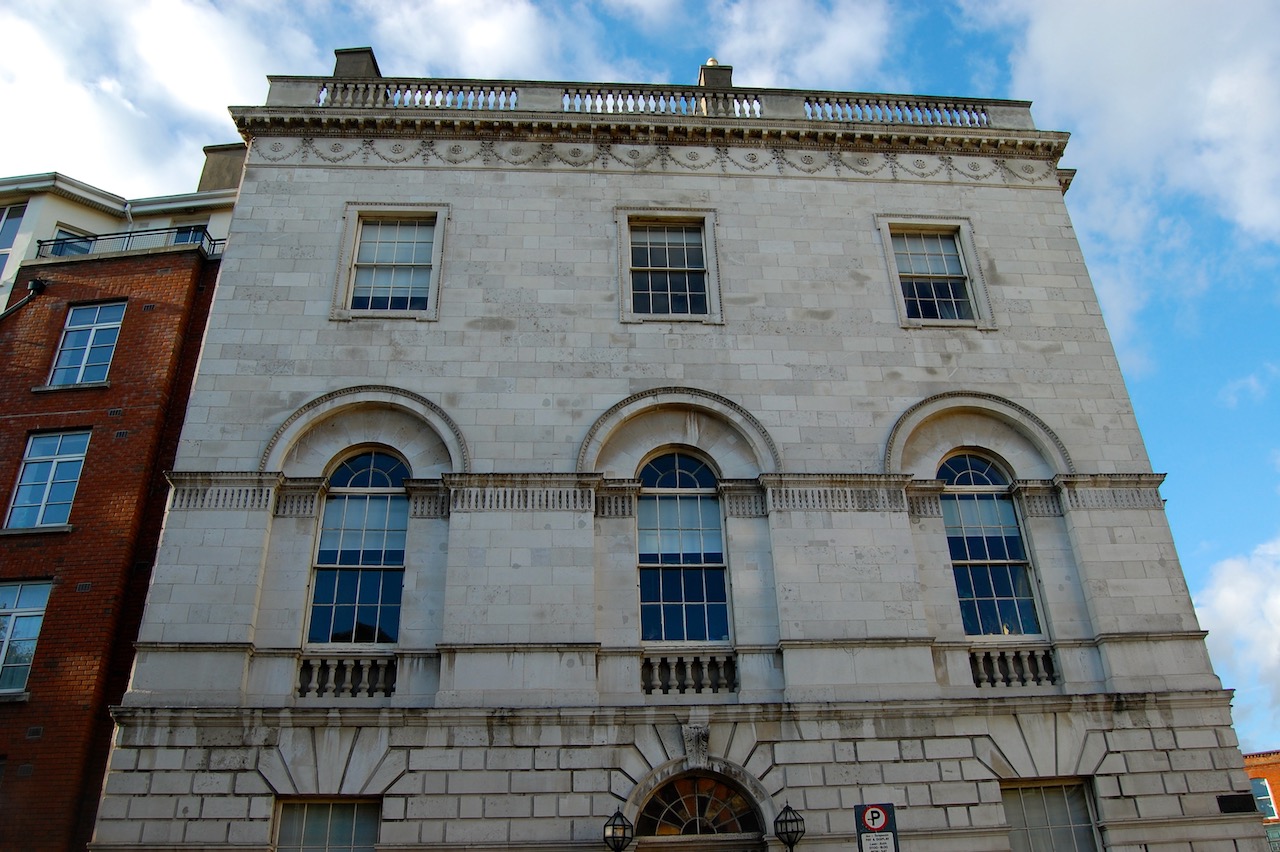
The architect was J. R. Boyd Barrett, who won a competition to built it in 1936. It has a stripped Classical design with an Art Deco entrance bay addition. The external relief sculptures are by Gabriel Hayes. The tall round-headed window passes up through the floors to a keystone of representing Eire, with “jazzy” interstitial panels [Archiseek]. On the Schoolhouse Lane side the keystone represents Brendan the Navigator. The main entrance has a heavy cast bronze gates, and the carved lintel of the doorway represents the Celtic god Lugh releasing aeroplanes into the air!

On the Schoolhouse Lane side the keystone represents Brendan the Navigator. Photograph © Jennifer Winder-Baggot, www.irishhistorichouses.com
Department of Industry and Commerce, Open House 2019. Photograph © Jennifer Winder-Baggot, www.irishhistorichouses.com
Department of Trade and Commerce, Open House 2019. Photograph © Jennifer Winder-Baggot, www.irishhistorichouses.com
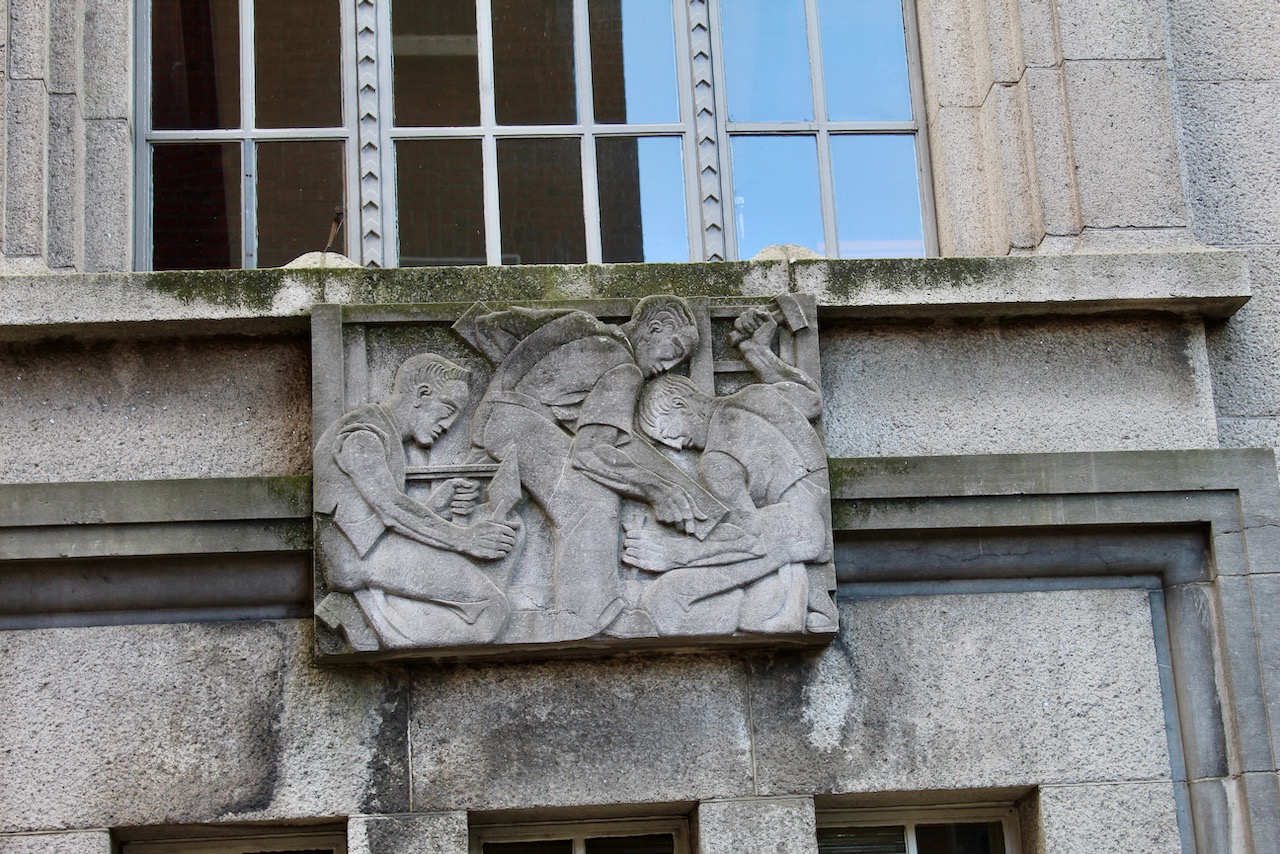
Department of Trade and Commerce, Open House 2019. The relief carvings here represent stylised images of industry and commerce. Photograph © Jennifer Winder-Baggot, www.irishhistorichouses.com

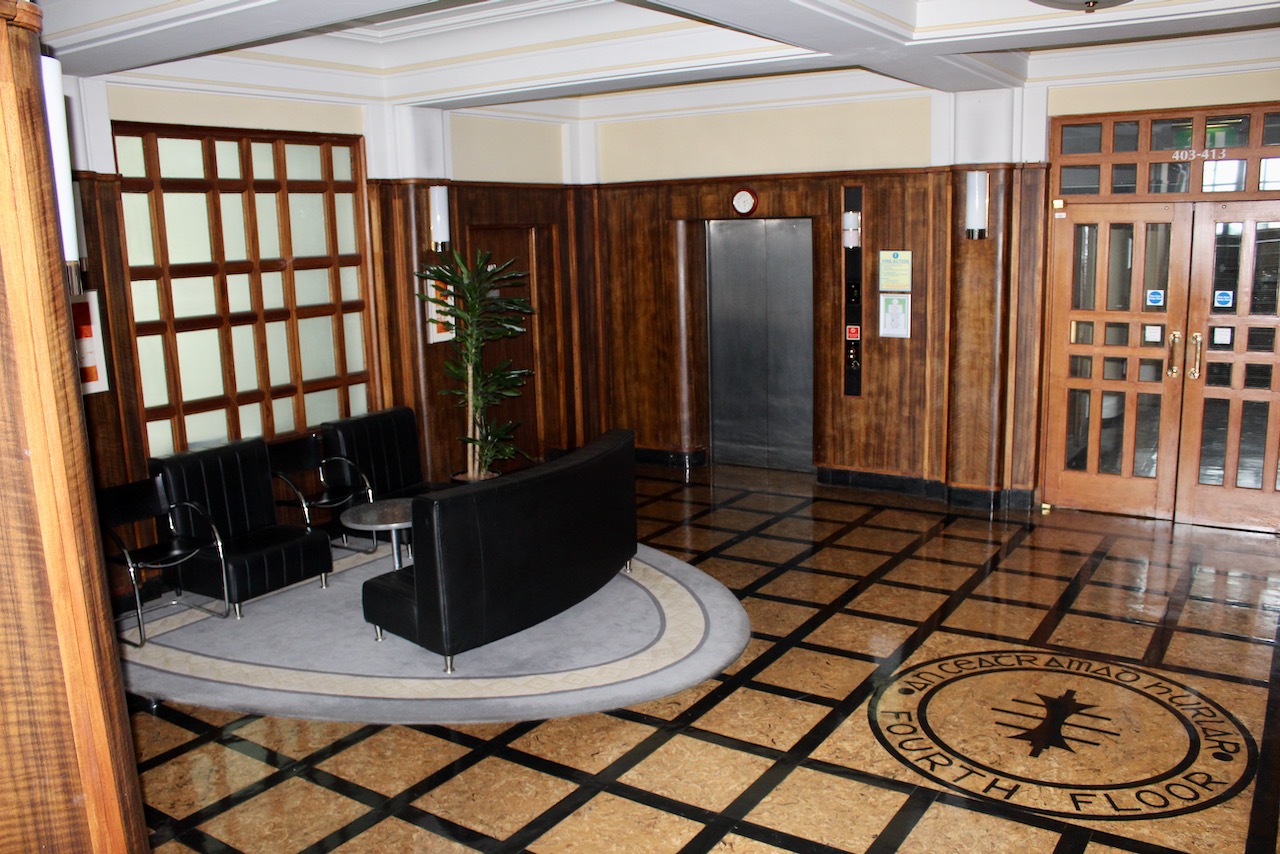
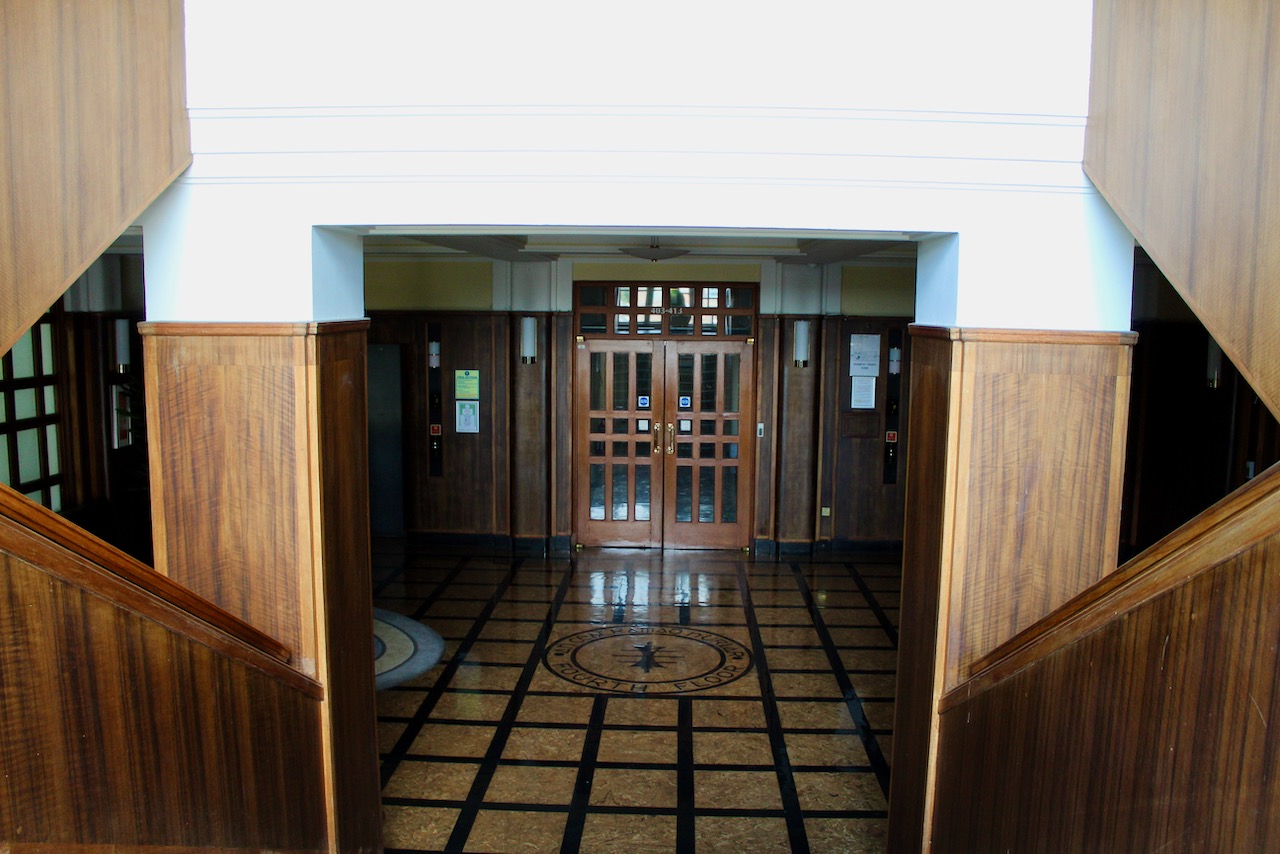
The interiors were also designed by Boyd Barrett and everything from the ashtrays, fireplaces and door handles were specially designed. The interiors feature polished woods and metals and patterned linoleum floors, and the ceilings are deeply coffered.

Department of Trade and Commerce, Open House 2019. The interiors were also designed by Boyd Barrett and everything from the ashtrays, fireplaces and door handles were specially designed. Photograph © Jennifer Winder-Baggot, www.irishhistorichouses.com
Department of Trade and Commerce, Open House 2019. Photograph © Jennifer Winder-Baggot, www.irishhistorichouses.com

3. Irish Architectural Archive, 45 Merrion Square East D02VY60

https://openhousedublin.com/locations/irish-architectural-archive-2/

Take a tour of the largest terraced house on Merrion Square, learn about its history, see the latest exhibitions and discover the work of the Irish Architectural Archive.

No. 45 Merrion Square, the home of the Irish Architectural Archive, is one of the great Georgian houses of Dublin. Built for the speculative developer Gustavus Hume [1732-1812] in the mid-1790s and situated directly across Merrion Square from Leinster House, this is the largest terraced house on the Square and is the centrepiece of its East Side. Founded in 1976, the house was restored to its original plan by the Office of Public Works in 2003-4, and update fro use as a best-practice archive facility.

Tours start on the hour and will operate on a first come basis, no need to book in advance.

 www.iarc.ie

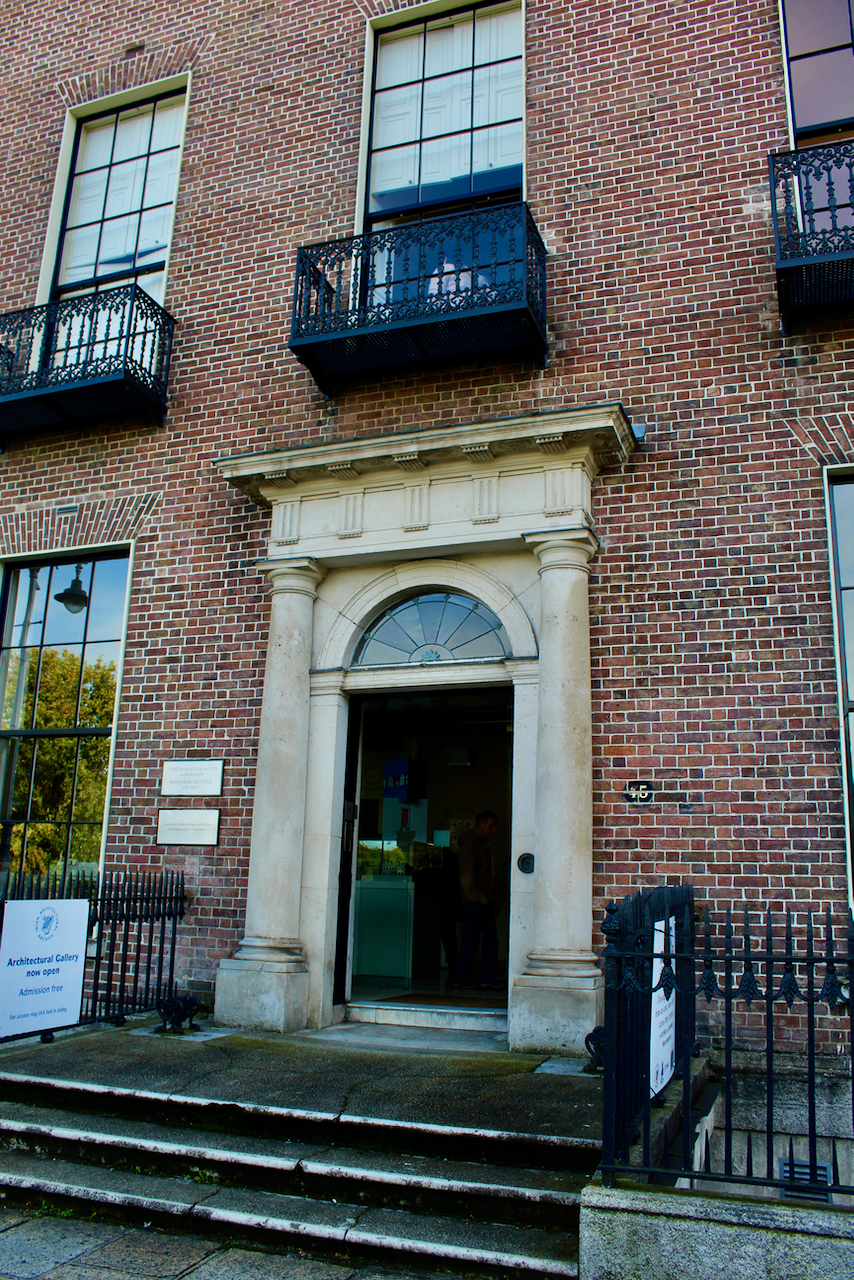
Irish Architectural Archive, 45 Merrion Square, November 2022. Photograph © Jennifer Winder-Baggot, www.irishhistorichouses.com

No. 45 Merrion Square, the home of the Irish Architectural Archive, is one of the great Georgian houses of Dublin. Built for the speculative developer Gustavus Hume in the mid-1790s and situated directly across Merrion Square from Leinster House, this is the largest terraced house on the Square and is the centrepiece of its East Side.

Irish Architectural Archive, 45 Merrion Square, November 2022. Photograph © Jennifer Winder-Baggot, www.irishhistorichouses.com

Light-filled, spectacularly-proportioned, interconnected rooms on the piano nobile of this Georgian palazzo offer a range of venues and facilities: meeting rooms for up to 20 people; multimedia lecture facilities for up to 55, dining space for up to 80, and receptions for up to 250. Whether the event is a meeting, a conference with breakout sessions, or a private or corporate reception, the Irish Architectural Archive’s beautifully graceful spaces provide Georgian elegance in the heart of Dublin.”

Irish Architectural Archive, 45 Merrion Square, November 2022. Photograph © Jennifer Winder-Baggot, www.irishhistorichouses.com
Babel by Aidan Lynam. Photograph © Jennifer Winder-Baggot, www.irishhistorichouses.com

Standing four stories over basement, and five bays wide, No. 45 is the largest of the terraced houses on Merrion Square. The house was built circa 1794 for the property developer Gustavus Hume. The architect may have been Samuel Sproule who, in the early 1780s, was responsible for the laying out of much of Holles Street, of both Mount Streets and of the east side of Merrion Square. The first person to live in the house seems to have been Robert la Touche [of Harristown, County Kildare] who leased the building in 1795. In 1829 the house was sold to Sir Thomas Staples [9th Baronet Staples of Lissan, County Tyrone]. It had been built in an ambitious and optimistic age, but in the Dublin of the late 1820s its huge size was somewhat anachronistic and certainly uneconomical, so Sir Thomas had the building carefully divided into two separate houses. Sir Thomas died aged 90 in 1865, the last survivor of the Irish House of Commons.

Irish Architectural Archive. Photograph © Jennifer Winder-Baggot, www.irishhistorichouses.com
Photograph © Jennifer Winder-Baggot, www.irishhistorichouses.com

On his death, both parts of the house passed to Sir John Banks, Regius Professor of Medicine in Trinity College, who, like his predecessor, leased the smaller portion of the divided building, by now numbered Nos. 10 and 11 Merrion Square East. Banks himself lived in No. 11, the larger part, which he maintained in high decorative order. Banks died in 1910, and both parts of the building fell vacant and remained so until 1915 when the whole property was used to accommodate the clerical offices of the National Health Insurance Company. With single occupancy restored, the division of the building, renumbered 44 – 45 Merrion Square, began to be reversed, a process carried on in fits and starts as successive Government departments and agencies moved in and out over the decades. The last to go was the Irish Patents Office, relocated to Kilkenny in 1996.

Irish Architectural Archive, 45 Merrion Square. Photograph © Jennifer Winder-Baggot, www.irishhistorichouses.com
Chimneypiece in Irish Architectural Archive. Photograph © Jennifer Winder-Baggot, www.irishhistorichouses.com
Detail of chimneypiece in Irish Architectural Archive. Photograph © Jennifer Winder-Baggot, www.irishhistorichouses.com
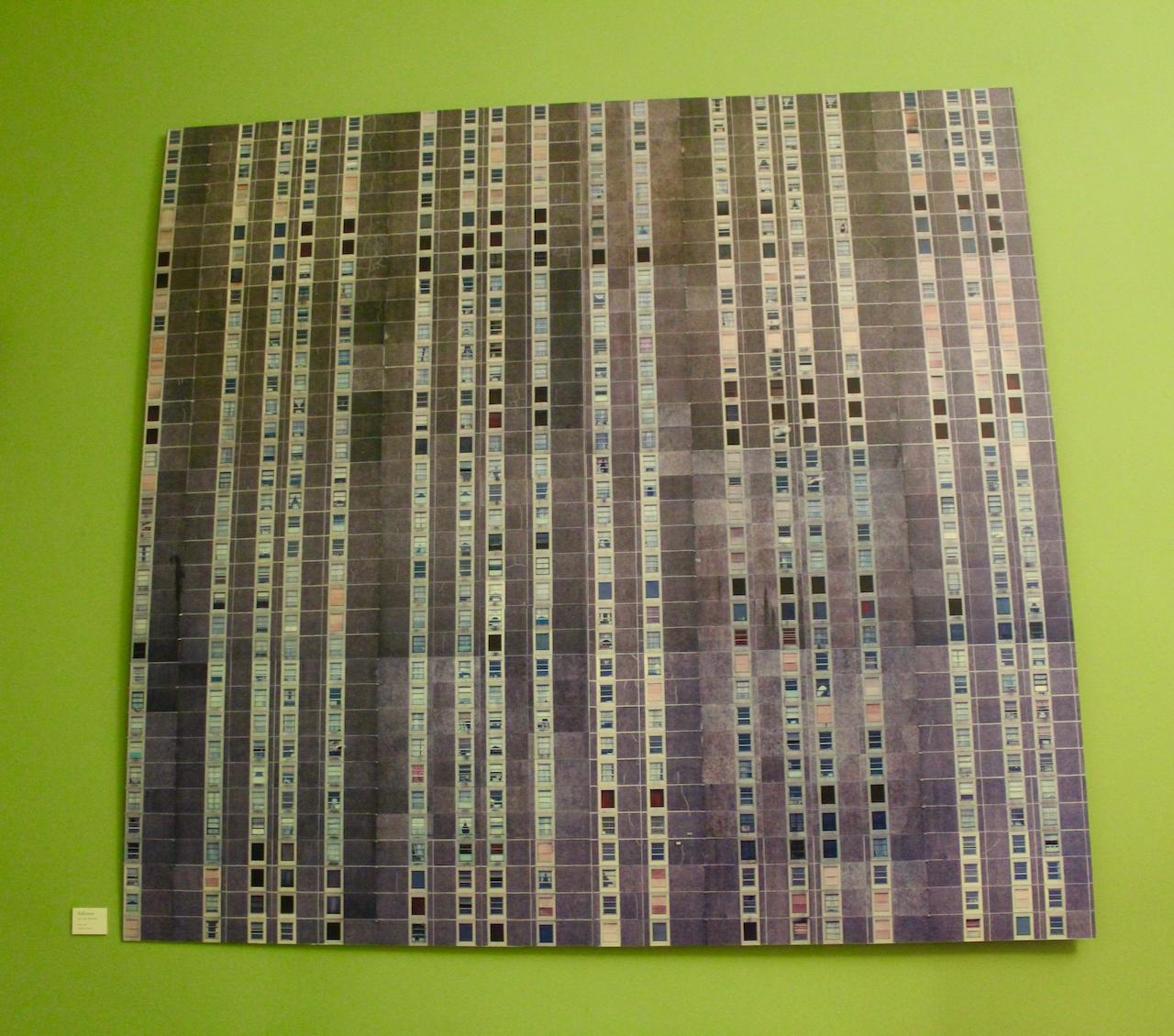
I love this piece, Ballymun by William Heefer. It looks like abstract art, but when you look closely, those squares are windows. Photograph © Jennifer Winder-Baggot, www.irishhistorichouses.com

The house was assigned to Irish Architectural Archive by Ruairí Quinn TD, Minister for Finance, in his budget of 1996. The Office of Public Works carried out an extensive programme of works to the house from 2002 to 2004, including the refurbishment of the historic fabric and the construction of new state-of-the-art archival stores to the rear.

Irish Architectural Archive. Photograph © Jennifer Winder-Baggot, www.irishhistorichouses.com
Photograph © Jennifer Winder-Baggot, www.irishhistorichouses.com

4. Iveagh House (80 and 81 St. Stephen’s Green) – Department of Foreign Affairs (Open House 2014)

I’m excited to see this open again https://openhousedublin.com/locations/tour-of-iveagh-house-department-of-foreign-affairs-headquarters/

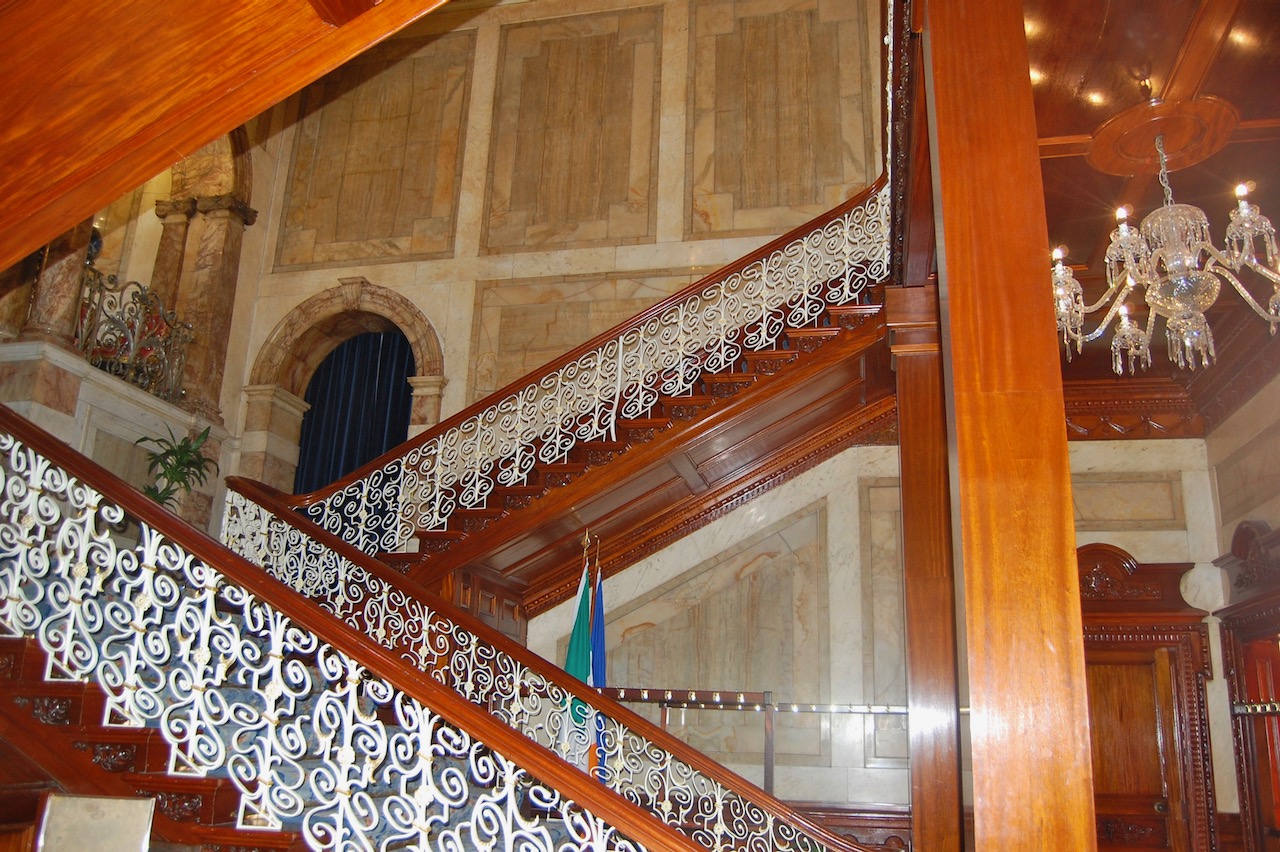
Iveagh House, St Stephen’s Green, October 2014. Portland stone facade (1866) by James Franklin Fuller (1835-1924) disguises an early eighteenth century townhouse by Richard Castle (d. 1751) for Robert Clayton (1695-1758), Bishop of Cork and Ross. The original house, three windows wide, is on the left of the portico. Photograph © Jennifer Winder-Baggot, www.irishhistorichouses.com

Iveagh House, the headquarters of the Department of Foreign Affairs, has many stories within its walls. Explore the nooks and crannies of its beautiful architecture and artwork on this guided tour.

You will be welcomed in to the Entrance Hall and onwards to the Secretary General’s Office where, under the political direction of the Tánaiste and Minister, the Secretary General manages the Department. From there you will be brought through the Inner Hall to The Secretary General’s Ante Room. When you exit the Ante room you will be meet with the houses’ spectacular double Staircase. Moving on, you will be guided to through the Tánaiste’s Dining Room, Ante Room and finally the Tánaiste’s Office. The tour will continue on to the Ballroom before ending in Lady Iveagh’s Boudoir.

This tour is pre-book only, booking opens 14 September.

Iveagh House, St Stephen’s Green, the original owner, Robert Clayton (1695-1758), Bishop of Cork and Ross. Photograph © Jennifer Winder-Baggot, www.irishhistorichouses.com

The Archiseek website tells us:

Iveagh House is now the Department of Foreign Affairs as it was donated to the Irish State by the Guinness family in 1939. Originally two houses, nos 80/81 St Stephen’s Green, no 80 was originally designed by Richard Cassels [also spelled “Castle”] in 1736. After both houses were bought by Benjamin Guinness in 1862, he acted as his own architect and produced the current house. 

“The Dublin Builder, February 1 1866: ‘In this number we give a sketch of the town mansion of Mr. Benjamin Lee Guinness, M.P , now in course of erection in Stephen’s Green, South, the grounds of which run down to those of the Winter Garden. As an illustration so very quiet and unpretending a front is less remarkable as a work of architectural importance than from the interest which the name of that well-known and respected owner gives it, and from whose own designs it is said to have been built. The interior of the mansion promises to be of a very important and costly character, and to this we hope to have the pleasure of returning on a future occasion when it is more fully advanced. The works, we believe, have been carried out by the Messrs. Murphy of St. Patrick’s Cathedral notoriety, under Mr. Guinness’s own immediate directions, without the intervention of any professional architect.’ “

Iveagh House, St Stephen’s Green, October 2014. Photograph © Jennifer Winder-Baggot, www.irishhistorichouses.com

The building was donated to the Irish government by Benjamin Guinness’s grandson Rupert, the 2nd Earl of Iveagh, in 1939 and was renamed Iveagh House.

Iveagh House, St Stephen’s Green, October 2014. Photograph © Jennifer Winder-Baggot, www.irishhistorichouses.com
Iveagh House, St Stephen’s Green. Photograph © Jennifer Winder-Baggot, www.irishhistorichouses.com
Iveagh House, St Stephen’s Green, October 2014. Painting by De Chirico. Photograph © Jennifer Winder-Baggot, www.irishhistorichouses.com
Iveagh House, St Stephen’s Green, October 2014. Photograph © Jennifer Winder-Baggot, www.irishhistorichouses.com
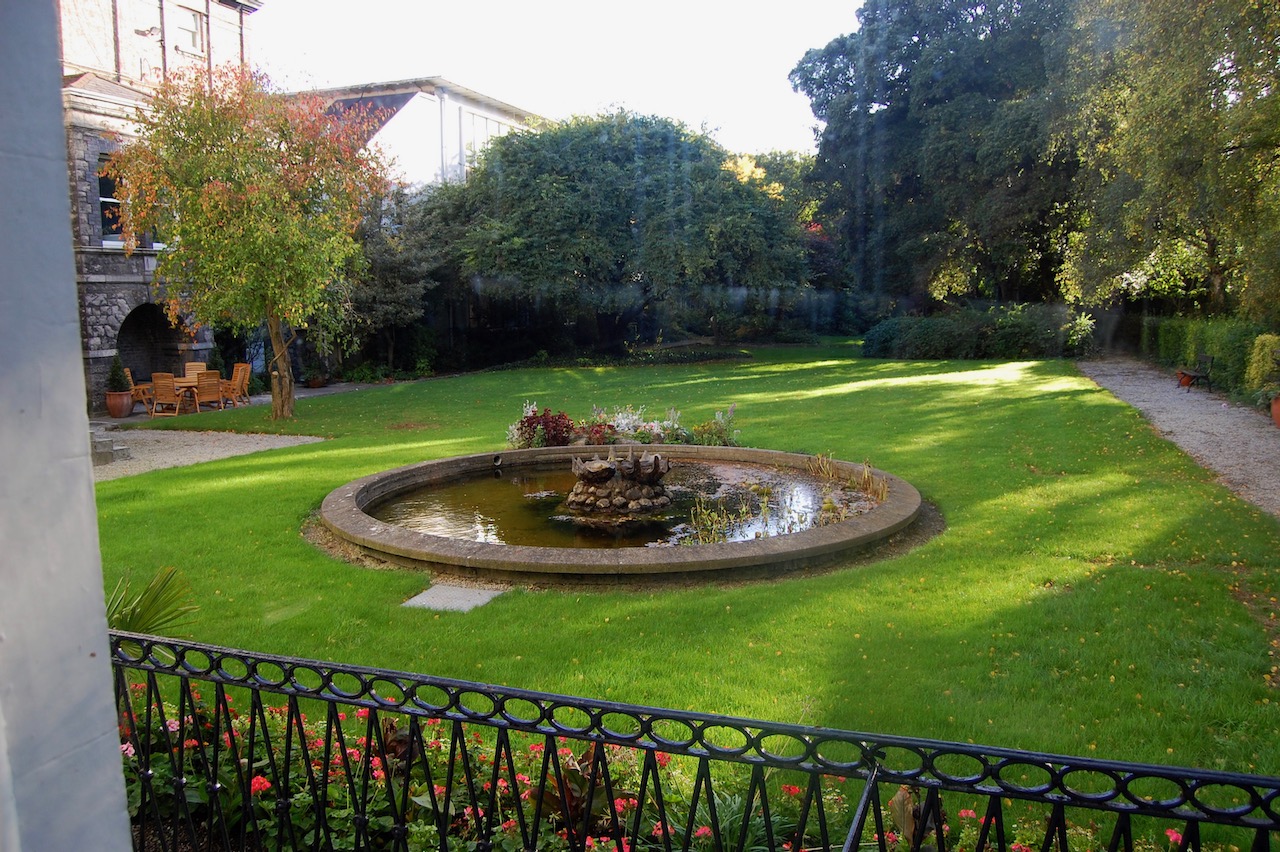
Iveagh Gardens, the part kept by the Guinness’s as part of Iveagh House. Photograph © Jennifer Winder-Baggot, www.irishhistorichouses.com
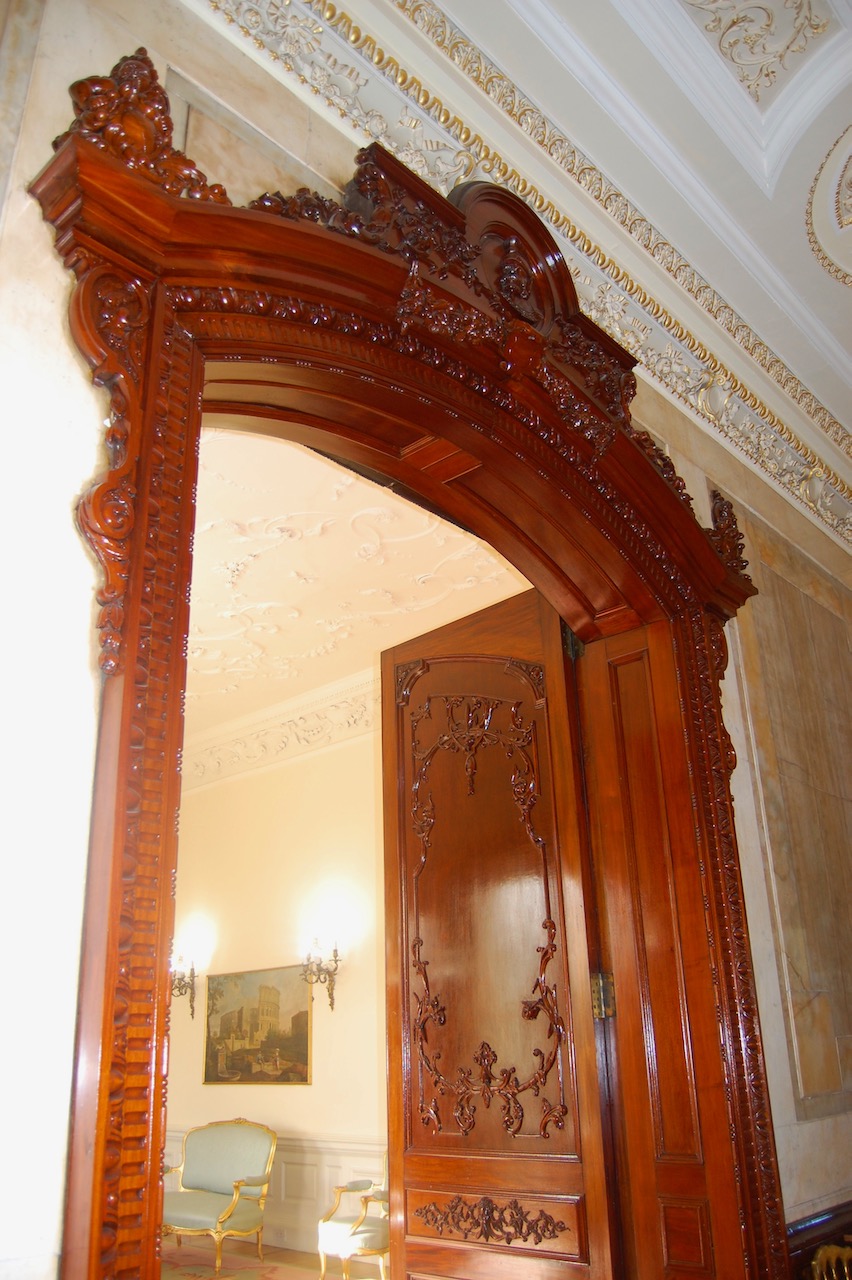
Mahogany doorframe and door, Iveagh House, Stephen’s Green. The architect took advantage of the tax on mahogany not imposed in Ireland. Photograph © Jennifer Winder-Baggot, www.irishhistorichouses.com
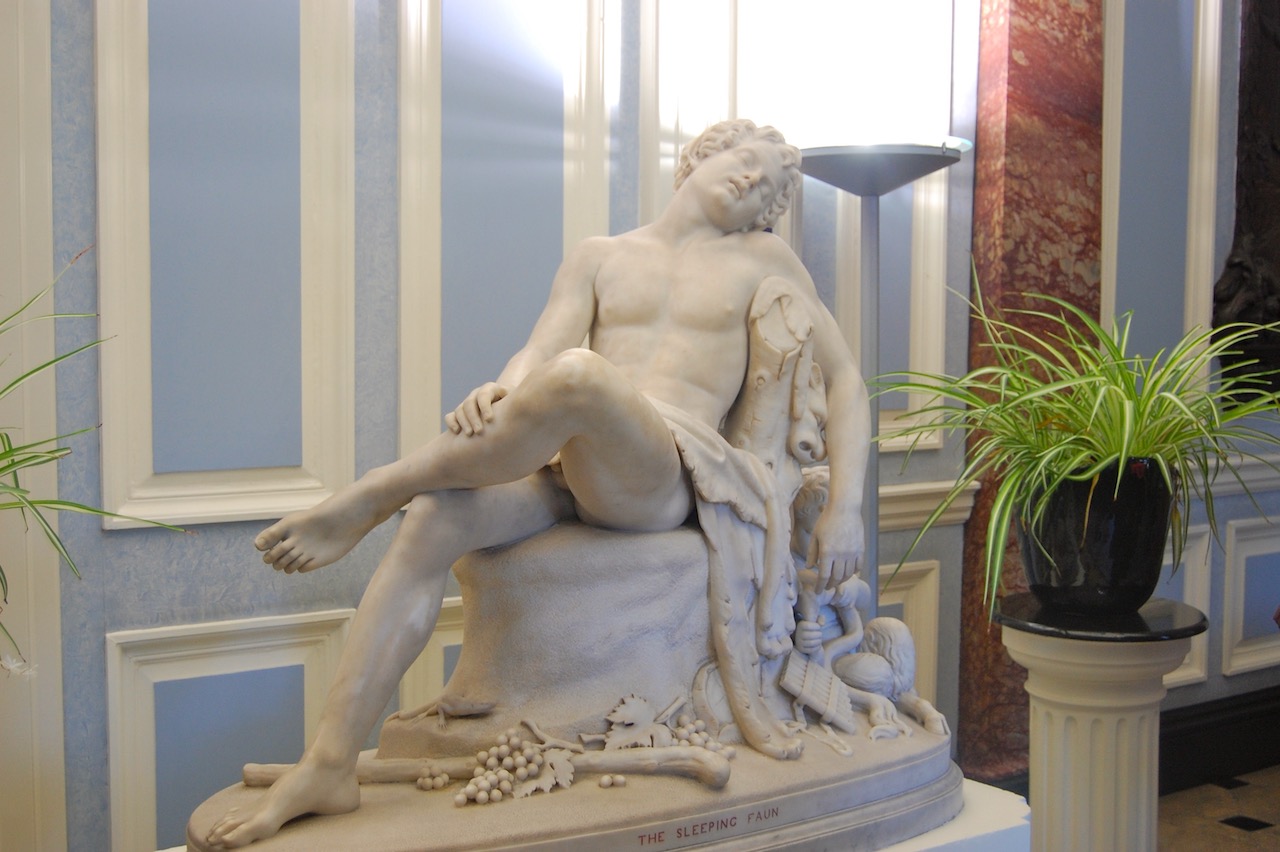
The Sleeping Faun, bought by the Guinness’s, for almost the same price as the house! Donated by the Guinnesses along with the house to the state. Photograph © Jennifer Winder-Baggot, www.irishhistorichouses.com
Iveagh House, St Stephen’s Green, medieval wooden carving, picturing Homer’s Illiad scenes. Photograph © Jennifer Winder-Baggot, www.irishhistorichouses.com
Iveagh House, St Stephen’s Green. Photograph © Jennifer Winder-Baggot, www.irishhistorichouses.com
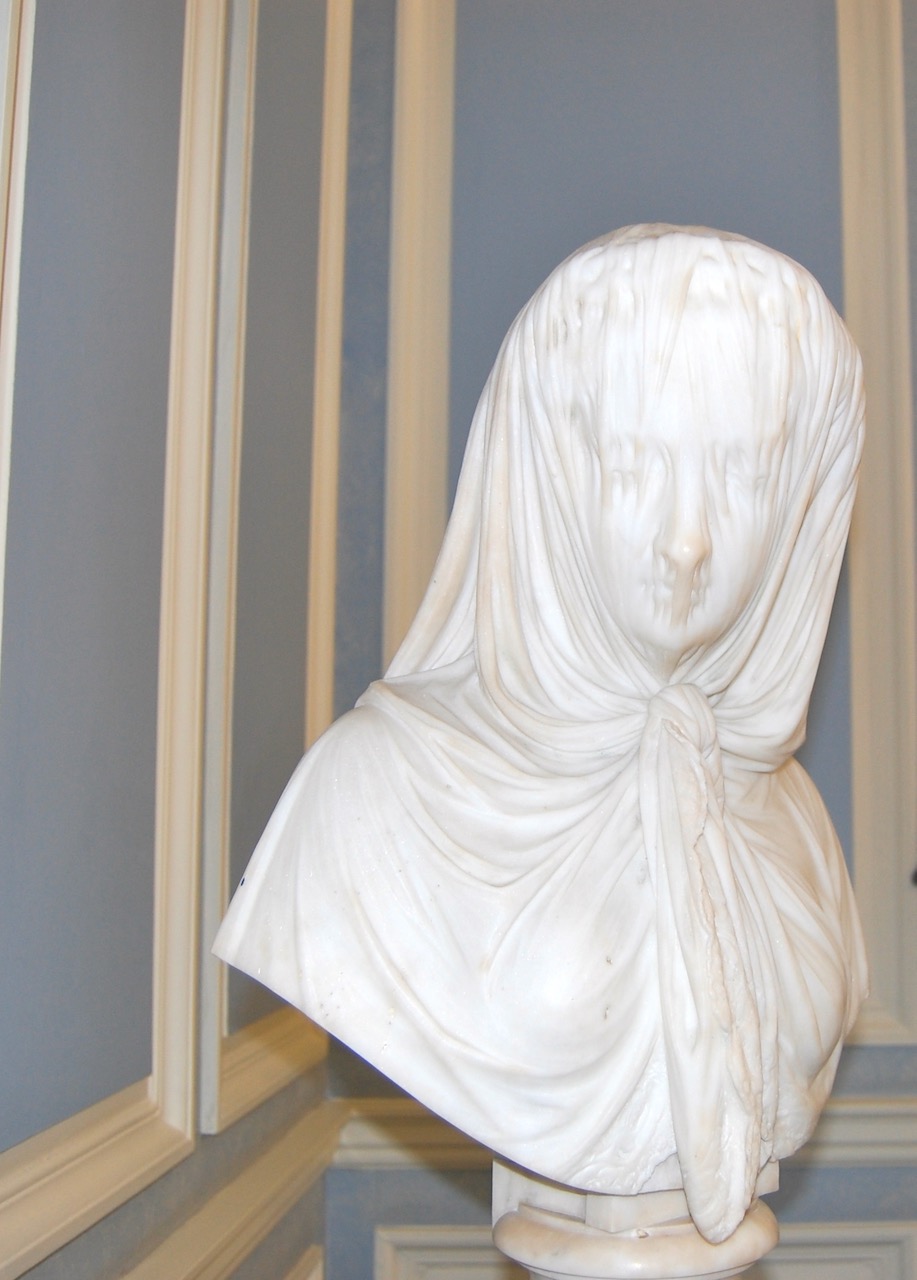
Iveagh House, St Stephen’s Green, “Modesty.” Photograph © Jennifer Winder-Baggot, www.irishhistorichouses.com
Iveagh House, St Stephen’s Green, original fireplace. Photograph © Jennifer Winder-Baggot, www.irishhistorichouses.com
Iveagh House, St Stephen’s Green, originally the study. Photograph © Jennifer Winder-Baggot, www.irishhistorichouses.com
Iveagh House, St Stephen’s Green, originally the study. Medieval wood carvings of scenes from Homer’s Illiad, and crest of Lord Iveagh who donated the house to the state. Original fireplace. Photograph © Jennifer Winder-Baggot, www.irishhistorichouses.com
Iveagh House, St Stephen’s Green, The Music Room. Photograph © Jennifer Winder-Baggot, www.irishhistorichouses.com
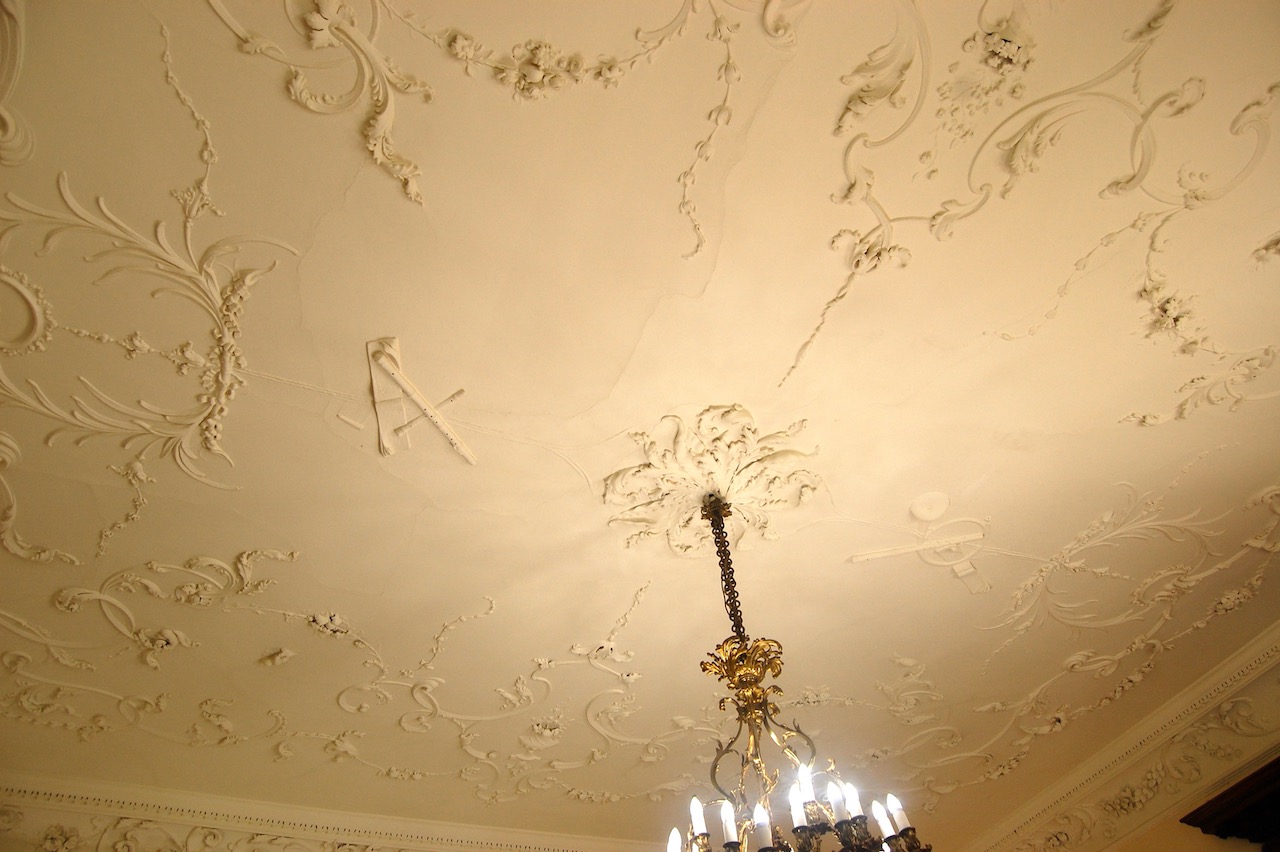
The Music room ceiling, in Iveagh House. Photograph © Jennifer Winder-Baggot, www.irishhistorichouses.com
Iveagh House, St Stephen’s Green. Photograph © Jennifer Winder-Baggot, www.irishhistorichouses.com
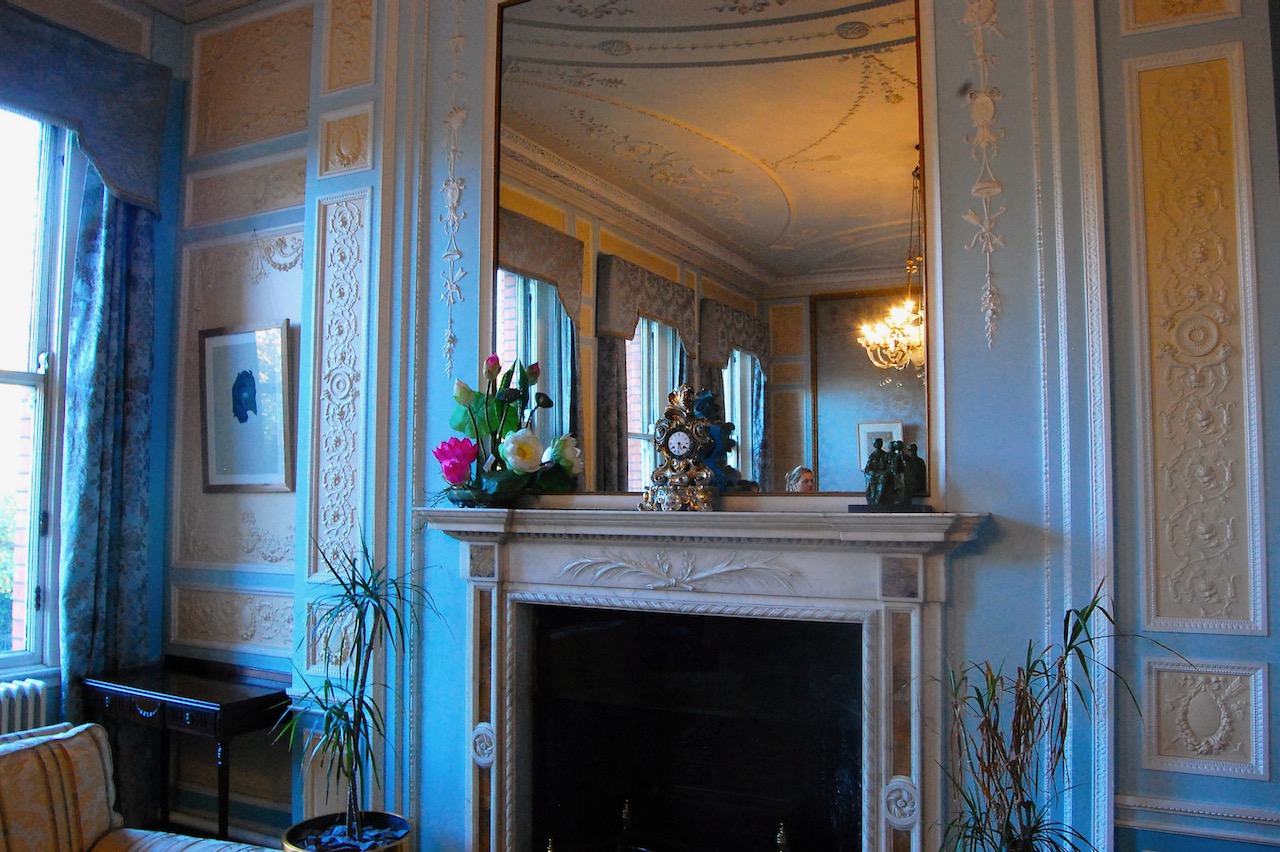
Iveagh House, St Stephen’s Green, probably originally the room of the Lady of the house. Photograph © Jennifer Winder-Baggot, www.irishhistorichouses.com
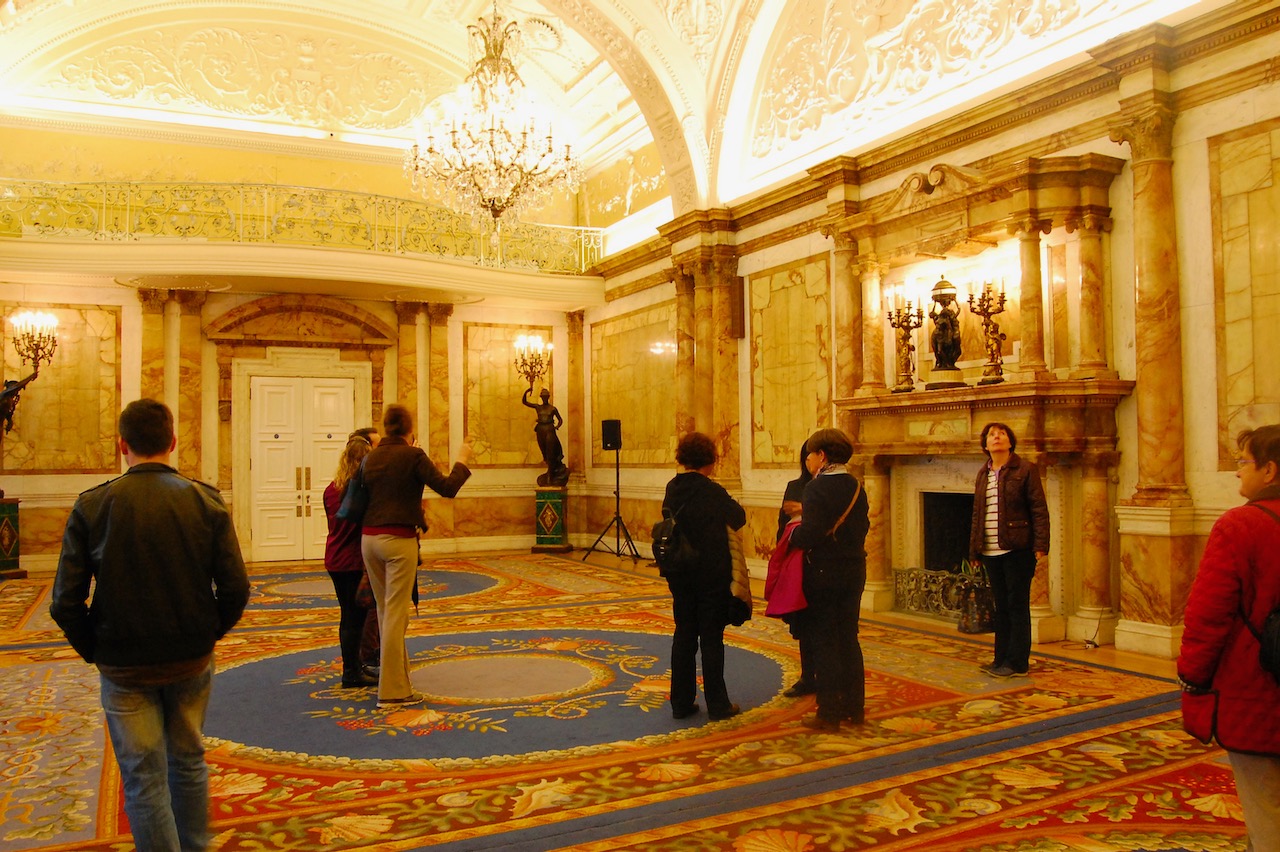
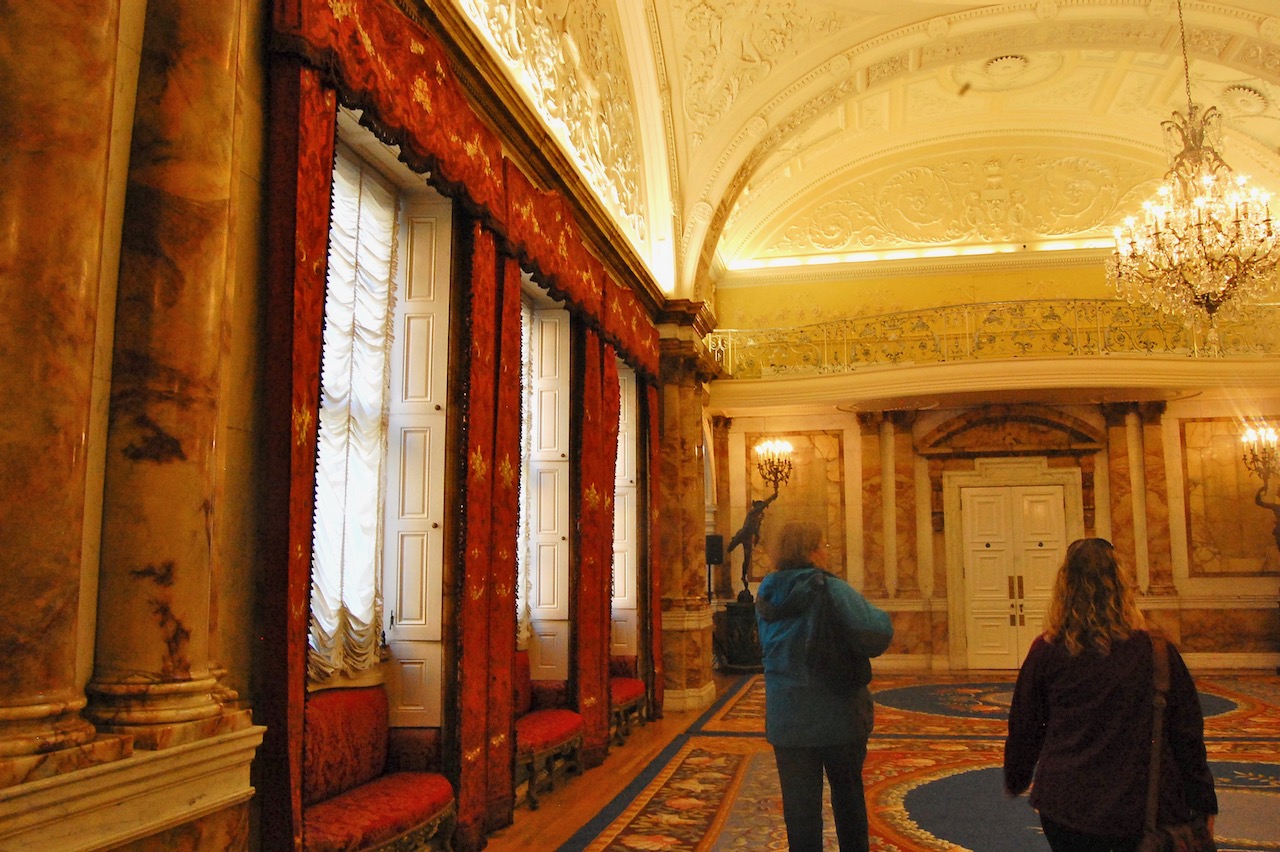
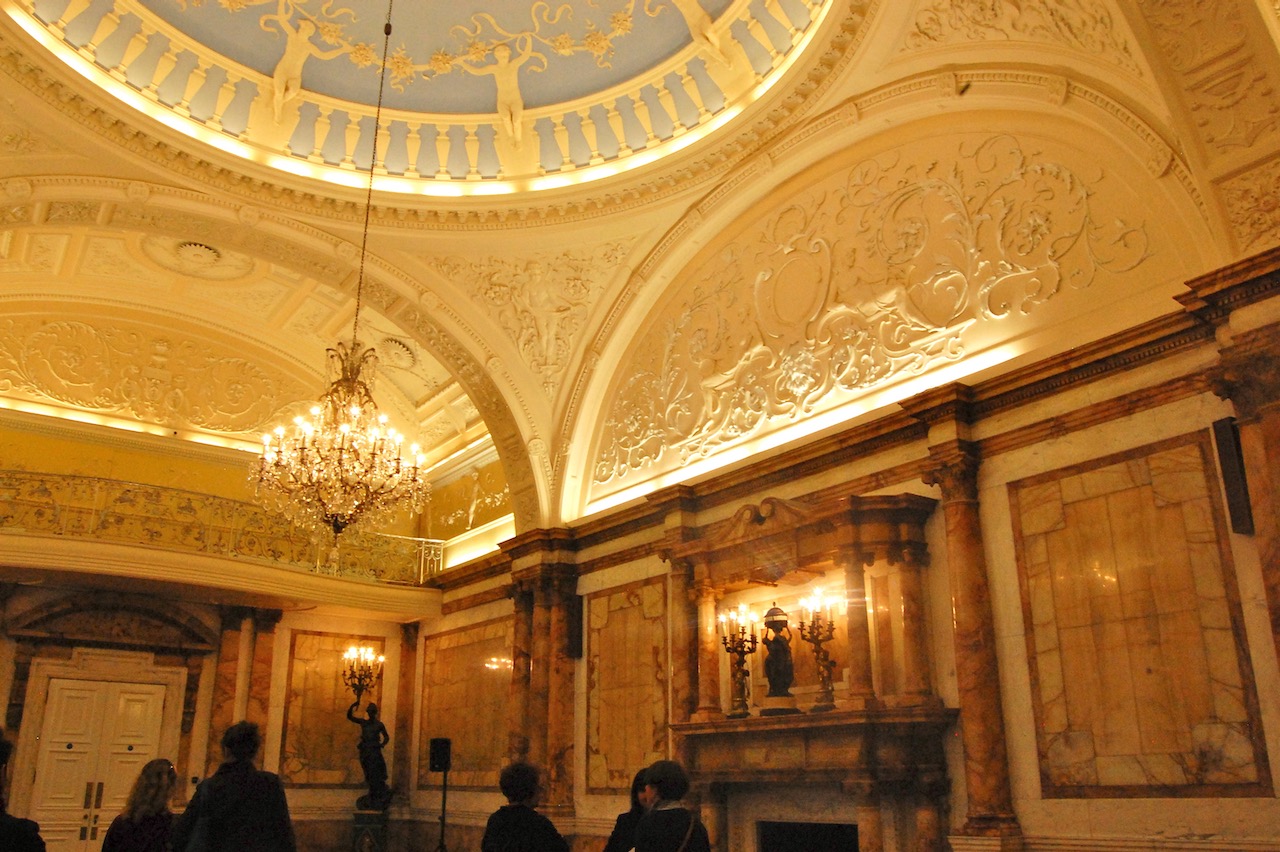
Iveagh House ballroom. Photograph © Jennifer Winder-Baggot, www.irishhistorichouses.com
Original curtains and seats in ballroom in Iveagh House. Photograph © Jennifer Winder-Baggot, www.irishhistorichouses.com
Iveagh House ballroom. Photograph © Jennifer Winder-Baggot, www.irishhistorichouses.com
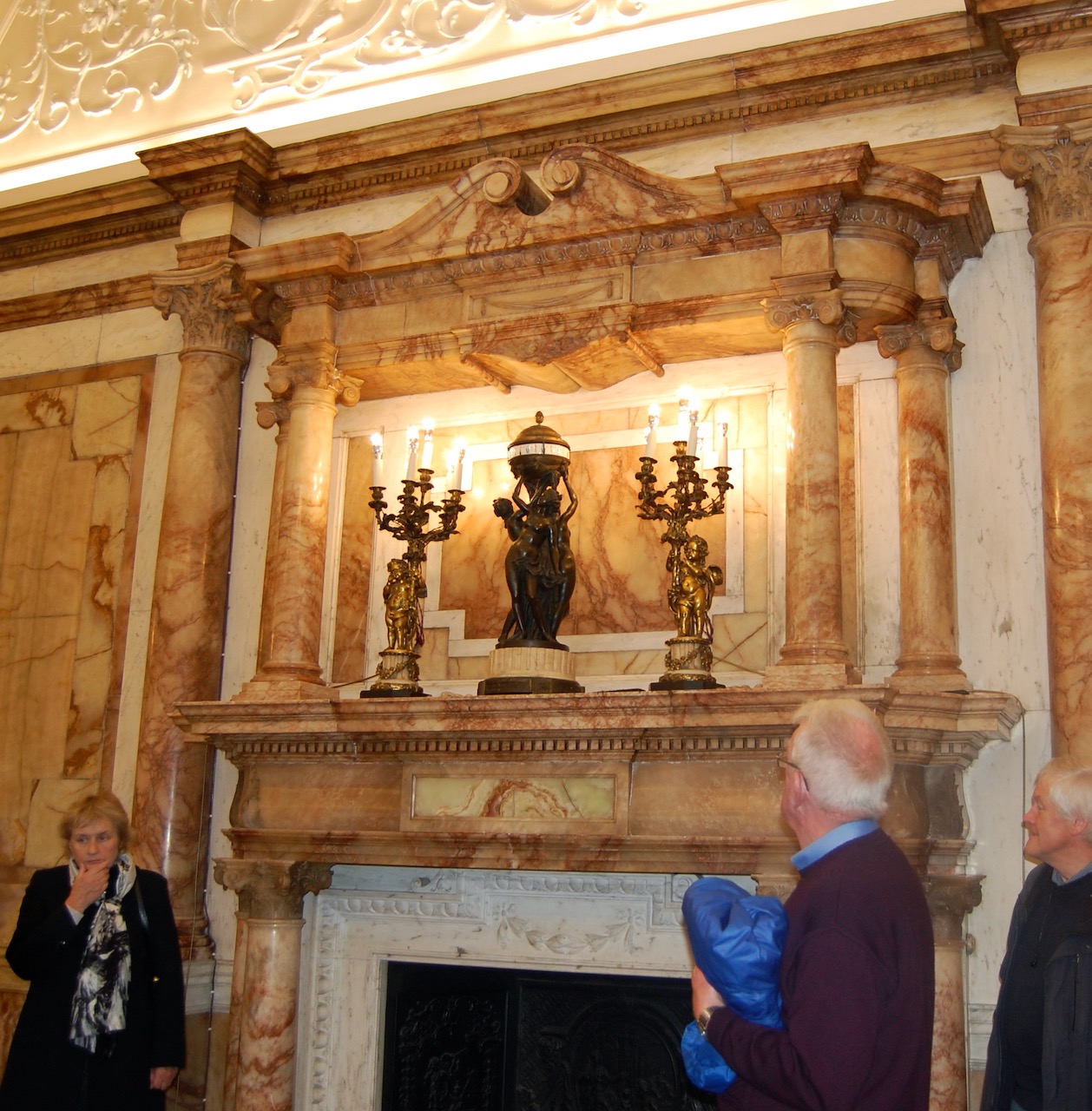
Fireplace built for ballroom in Iveagh House to host a Royal visit to the Guinness’s, the room was built specially to have the guests, for £30,000. JFK was hosted at a reception here and had his picture taken in front of the fireplace, and his daughter Caroline Kennedy had her picture taken there years later. Photograph © Jennifer Winder-Baggot, www.irishhistorichouses.com
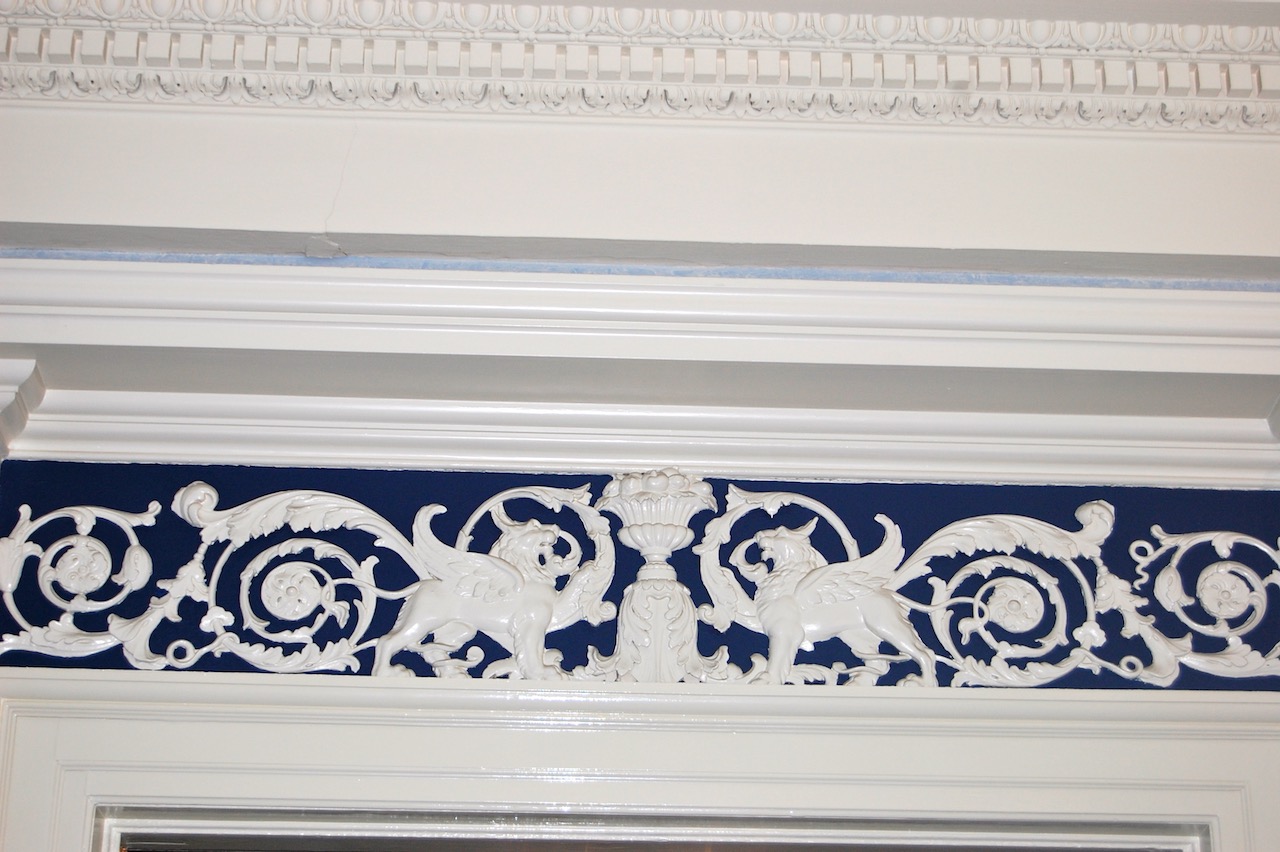
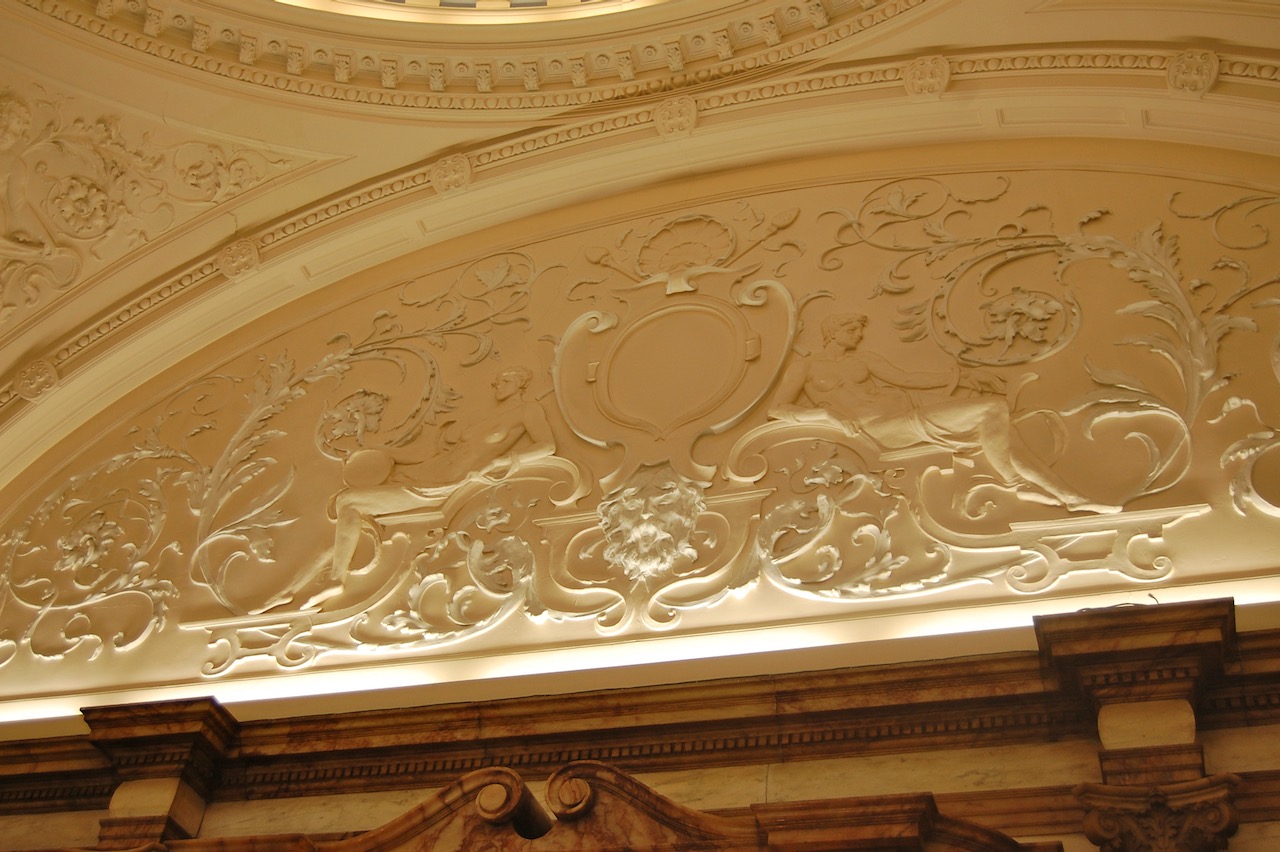
Ballroom stucco in Iveagh House, made from moulds but then finished by hand to make look like fully hand-done. Photograph © Jennifer Winder-Baggot, www.irishhistorichouses.com
Minstrals’ gallery in Iveagh House ballroom, made of the new at the time material, aluminium. Photograph © Jennifer Winder-Baggot, www.irishhistorichouses.com
Ceiling of Iveagh house ballroom, in Wedgewood blue. Photograph © Jennifer Winder-Baggot, www.irishhistorichouses.com

5. Mansion House, Dawson Street, Dublin – private, home of the Mayor of Dublin (Open House 2015)

Mansion House, Dublin 2015. Originally there were statues along the parapet, which was later balustraded. Photograph © Jennifer Winder-Baggot, www.irishhistorichouses.com

The Buildings of Ireland website featured the Mansion House as one of its Buildings of the Month, and tells us that The Mansion House, Dawson Street, is the oldest freestanding house in the city and the only surviving mayoral residence in Ireland.

The Mansion House owes its origins to Joshua Dawson (1660-1725), a member of the Guild of Merchants and at the time the second-wealthiest man in Ireland, who in 1705 purchased a tract of poor marshy ground east of the medieval core of Dublin and within two years had laid out a new street which he named Dawson Street. Work on a suitable townhouse began in 1710 and it is clear that the house was intended as the centrepiece of the new street.

The house, a rare example of a Queen Anne-style house, was substantially refronted in 1851 when the original brick finish was plastered, the windows were given robust classical frames, and the parapet was remodelled about a central pediment carrying the Coat of Arms of the City. The elaborate cast-iron canopy (1886) was designed by Daniel J. Freeman (1856/7-1902), City Architect (fl. 1879-93).

Mansion House, March 2015. Photograph © Jennifer Winder-Baggot, www.irishhistorichouses.com
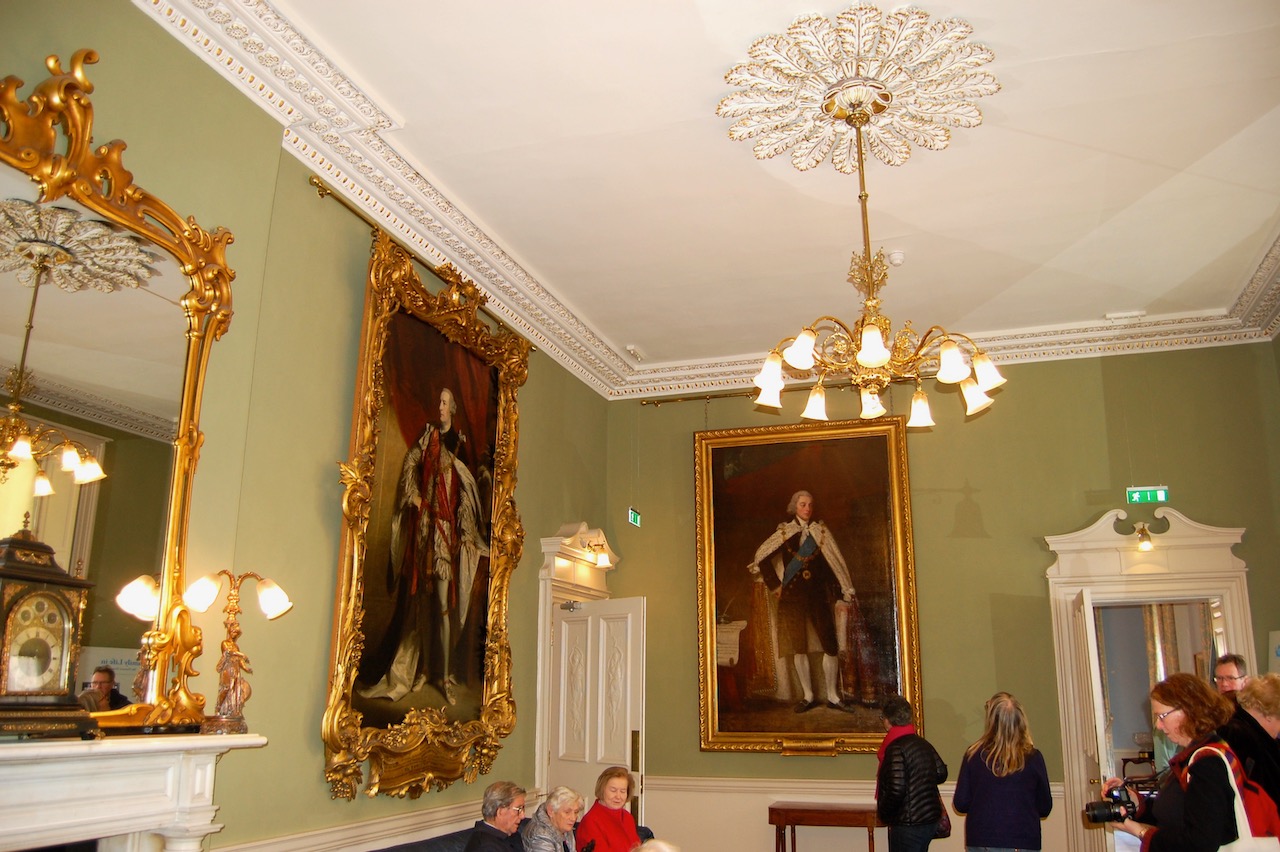
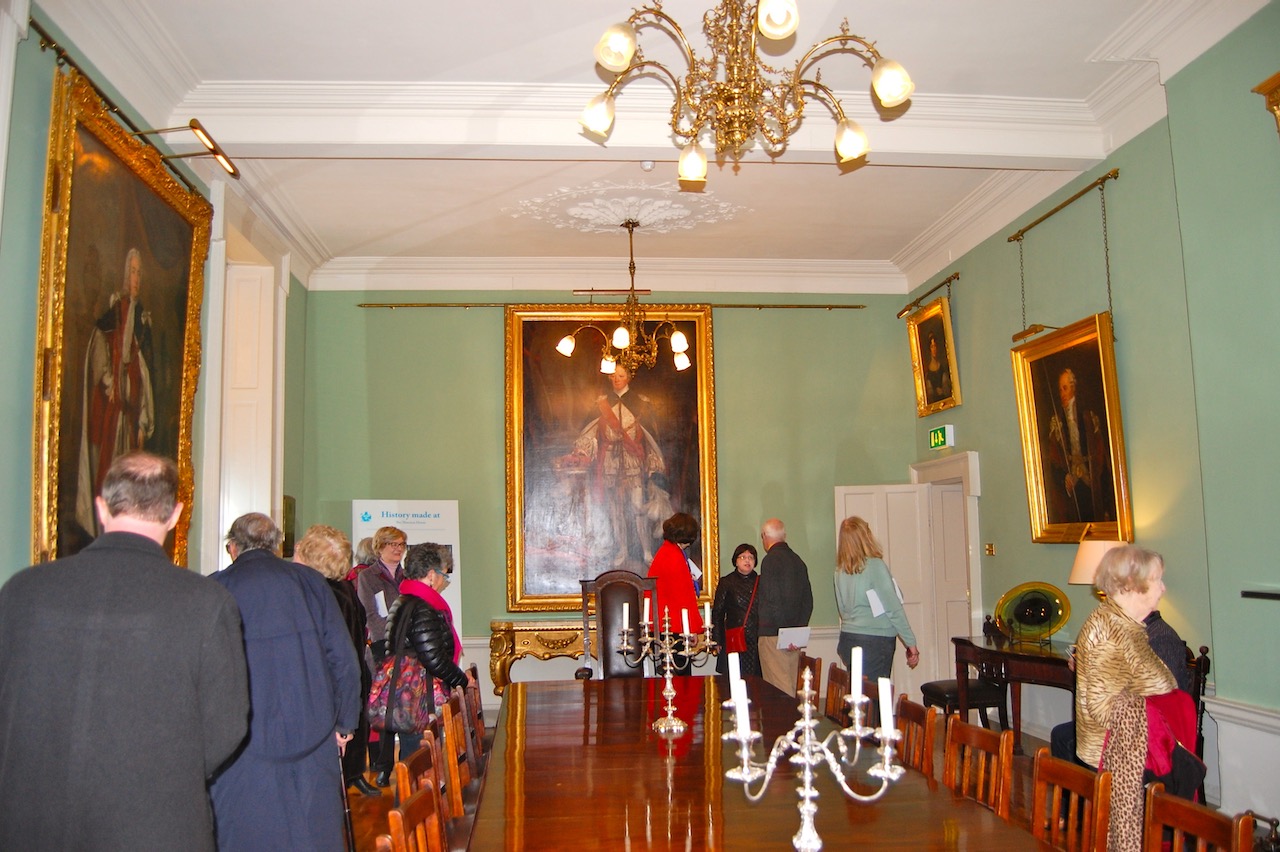
The Drawing Room, Mansion House, March 2015. It contains portraits of Earl Whitworth, the Earls of Hardwicke and Westmoreland, John Foster the last Speaker of the House of Commons and Alderman Alexander [1]. Photograph © Jennifer Winder-Baggot, www.irishhistorichouses.com

The death of Queen Anne in 1714 abruptly disrupted Dawson’s ambitious plans. Fearing that her successor would not be so favourable toward him, Dawson agreed on the 18th of May, 1715, to sell the house to Dublin Corporation at a cost of £3,500 in addition to a yearly ground rent of forty shillings and a loaf of double-refined sugar weighing six pounds due each Christmas. As a condition of the sale, Dawson agreed to build an additional room which could be used for civic receptions: the now-famous Oak Room. 

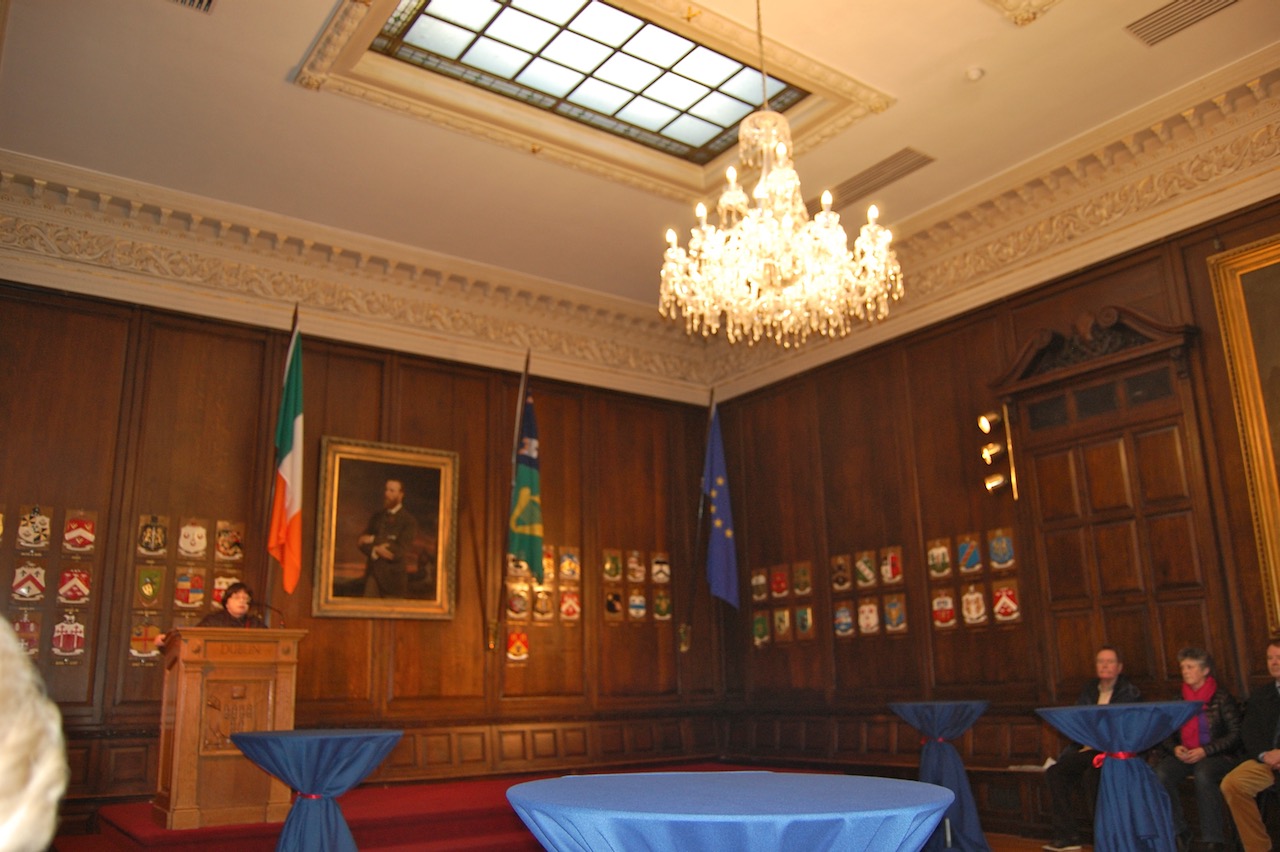
The Oak Room was the venue of the annual City Ball throughout the eighteenth century. On such occasions the Lord Mayor dispensed generous hospitality, aided in no small part by a yearly grant of twenty thousand oysters from the civic oyster beds. The Oak Room continues to play a central role in the life of the Mansion House today. [2] It contains portraits of Charles II, George II, Duke of Cumberland and the Duke of Richmond.

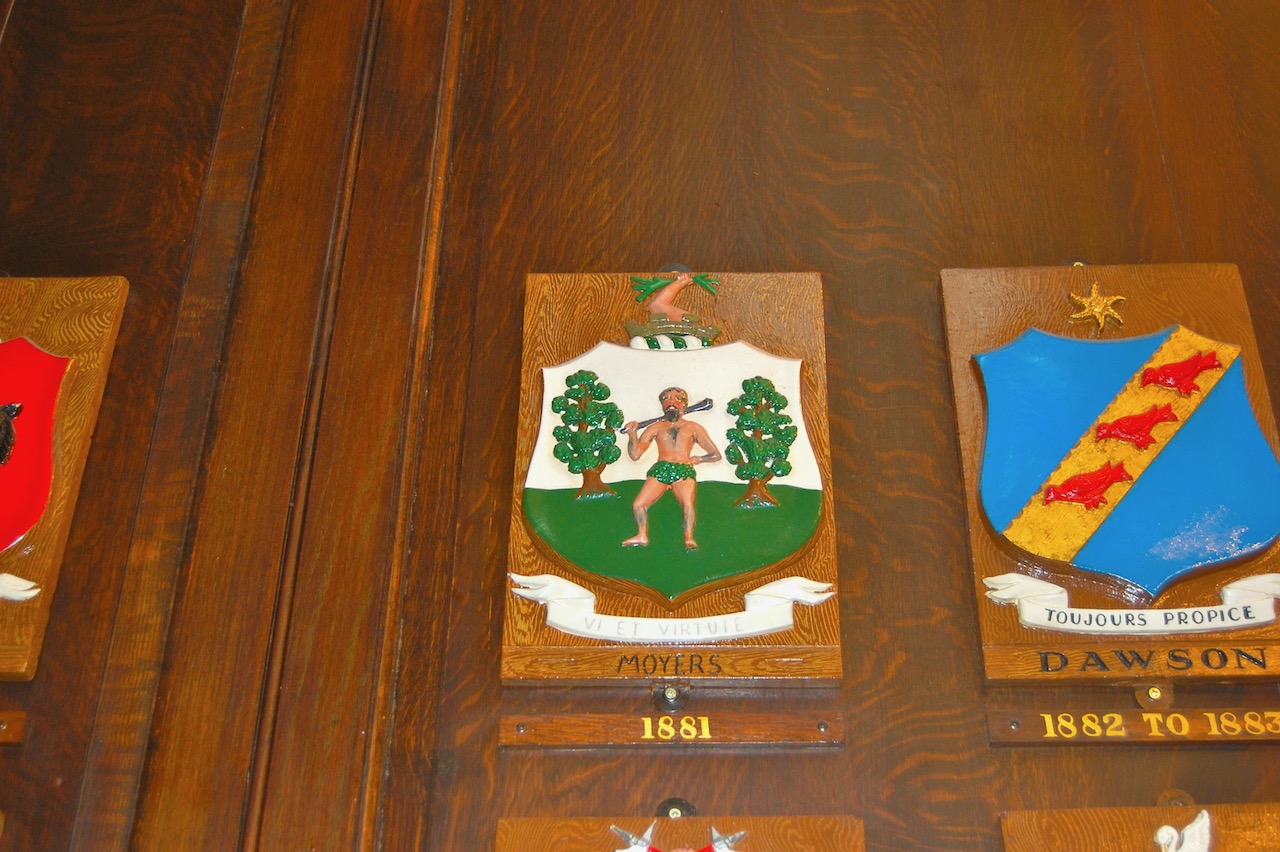
The Oak room contains crests for all of the Mayors. Photograph © Jennifer Winder-Baggot, www.irishhistorichouses.com
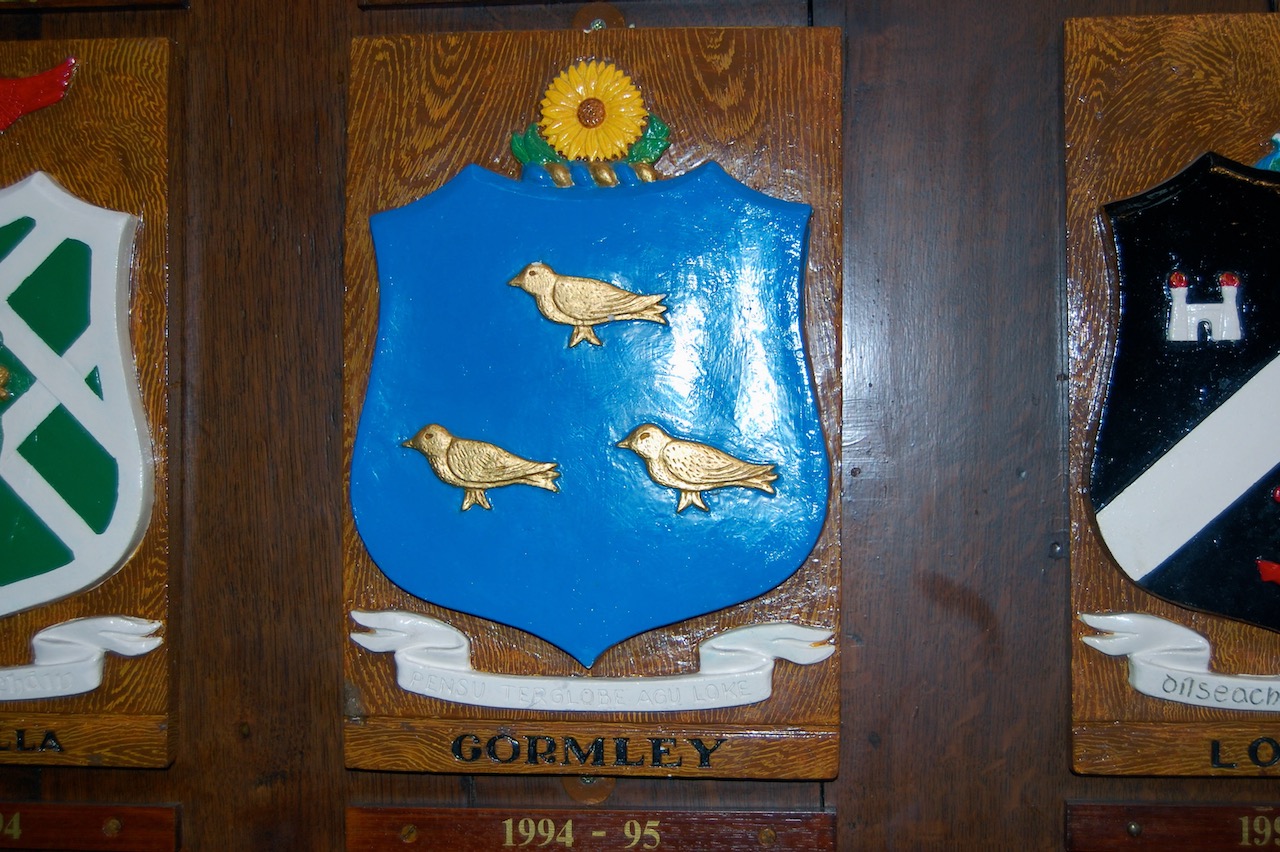
Mayor John Gormley’s crest – the mayors pick symbols that they feel are suitable to represent them. Photograph © Jennifer Winder-Baggot, www.irishhistorichouses.com
I don’t know what this means for Mayor Moyers! Photograph © Jennifer Winder-Baggot, www.irishhistorichouses.com
Mansion House, March 2015. The “Sheriff’s Room” with portraits of the Duke of Northumberland, Lord Townshend, John Duke of Bedford and Aldermen Sankey, Thorpe and Manders. [1] Photograph © Jennifer Winder-Baggot, www.irishhistorichouses.com
Mansion House, March 2015. Photograph © Jennifer Winder-Baggot, www.irishhistorichouses.com

The extension of the property continued well into the nineteenth century and included the Round Room completed in just six weeks in 1821 for the reception of King George IV. Designed by John Semple (d.1840) in the “exotic” style, an apparent nod to the monarch’s Hindu-Gothic Brighton Pavilion, it was remodelled 1892 by J. G. Ashlin, and was the venue for the first sitting of Dáil Éireann in January 1919.

The improvement of the Mansion House continued into the early twentieth century when, in anticipation of a royal visit by Queen Victoria, new ceilings were installed in the entrance hall and drawing room to designs by Charles James McCarthy (c.1857-1947), City Architect (fl. 1893-1921). The stained glass window over the principal staircase dates from the same period and carries the signature of Joshua Clarke and Sons of North Frederick Street. The Dublin City coat-of-arms again features as the centrepiece in a frame including the shields of the four provinces of Ireland and the names of prominent supporters of Home Rule. Topped and tailed by a Garland of Peace and a Cornucopia of Prosperity, the window is today known as “The Peace Window”. 

6. Marsh’s Library, Dublin (2013)

https://openhousedublin.com/locations/marshs-library-2/

Marsh’s Library 1975, photograph from National Library and Archives. [3]

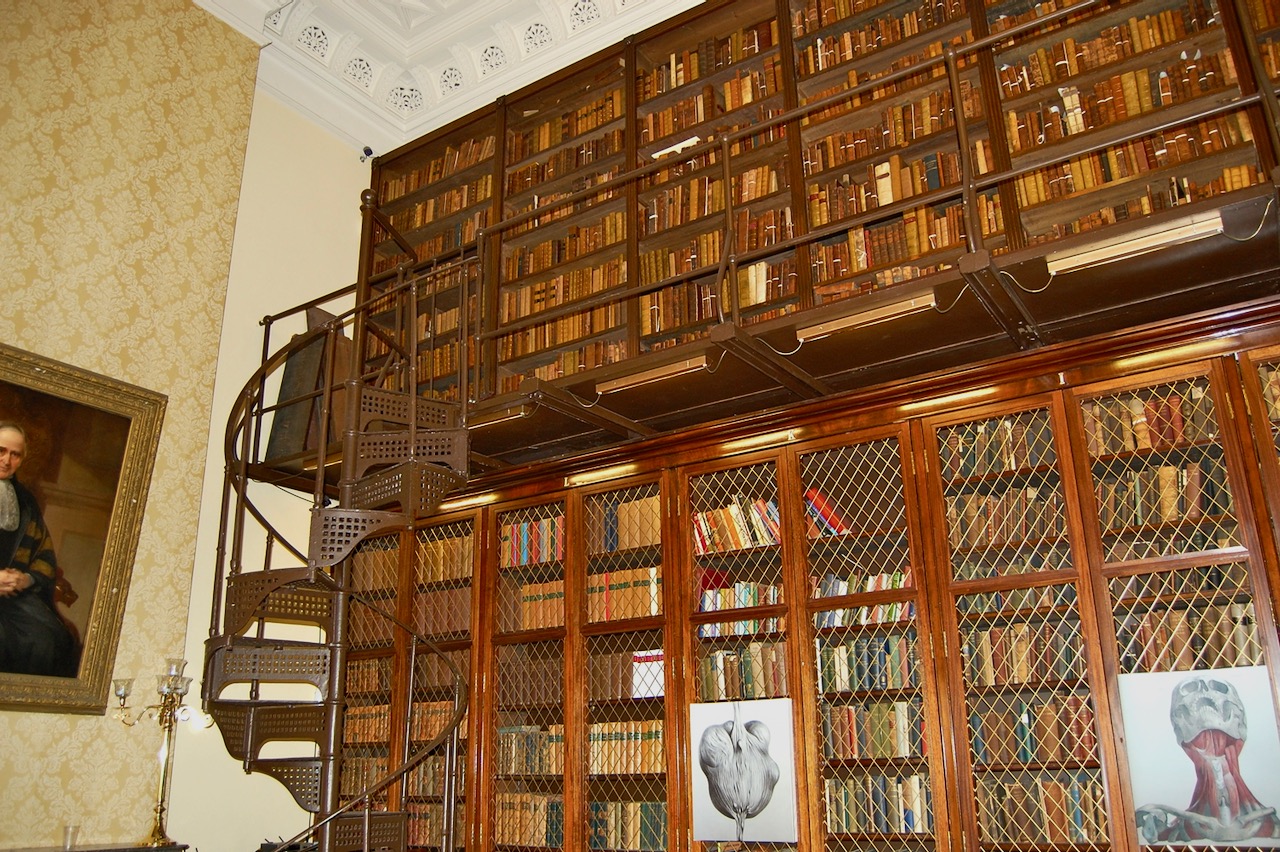
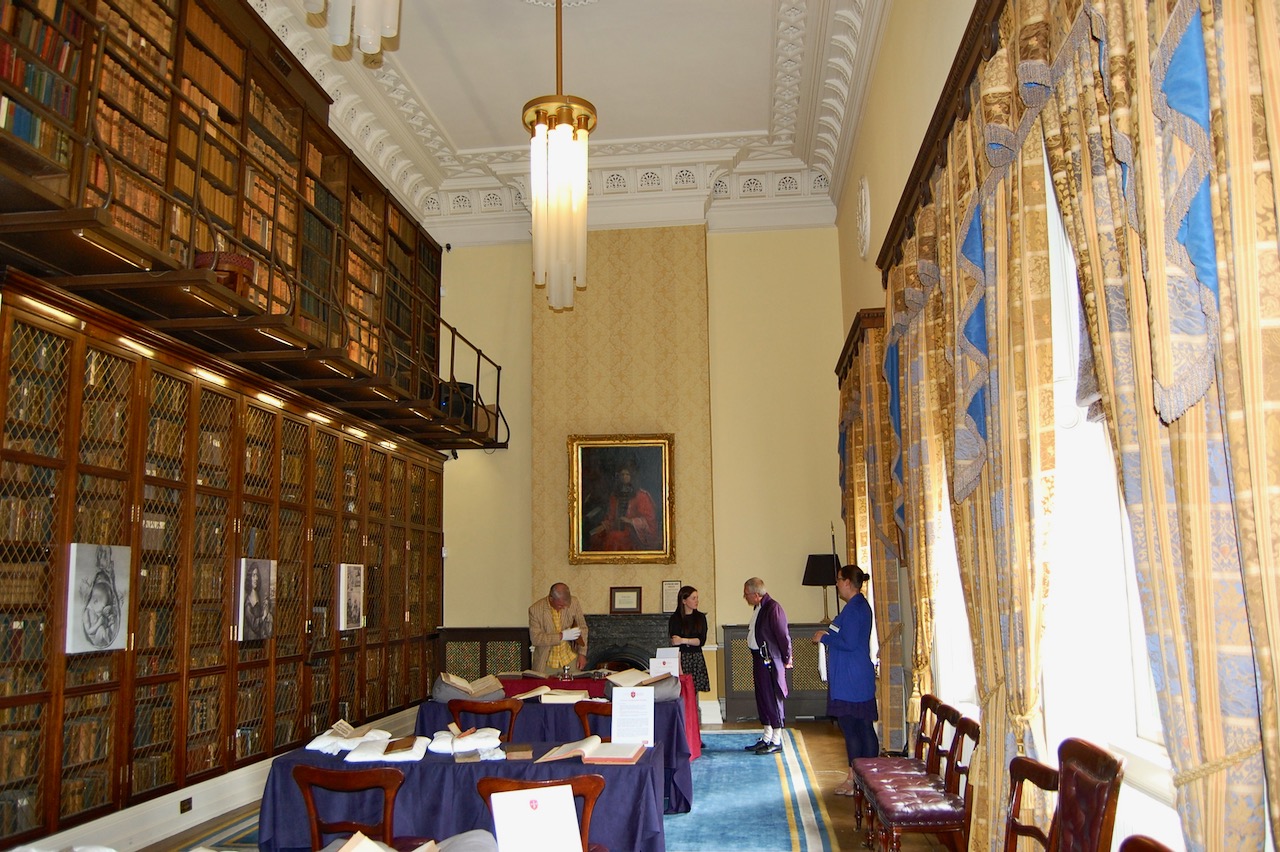
Marsh’s Library was built in 1701, designed by William Robinson who was surveyor general from 1670-1700, and who also designed the Royal Hospital Kilmainham. The Library was set up as the first public library in Ireland, by Archbishop Narcissus Marsh (1638-1713).

Narcissus Marsh, Provost of Trinity ca. 1690, then Archbishop of Dublin. Photograph © Jennifer Winder-Baggot, www.irishhistorichouses.com

Unchanged for three centuries, this perfectly preserved library of the early Enlightenment, with its original oak bookcases, houses more than 25,000 rare and fascinating books. Narcissus Marsh was Church of Ireland Archbishop of Dublin, and formerly Provost of Trinity College, Dublin. In 1707 the library was established by an act of Parliament with the second gallery added shortly after under the supervision of Robinson’s successor as Surveyor General Thomas Burgh.

Built as the first public library in Ireland and still in use today by scholars and students, Marsh’s Library is one of the few buildings of its time in Dublin still being used for its original purpose. A small garden on the grounds provides a peaceful haven in the middle of the city.

Tours of the building will take place discussing the history of the building and how it was designed to preserve the books and the various alterations that have been made over the years since the Library first opened.

Meeting point: Front landing of Marsh’s Library

Tours will operate on a first come basis on the hour from 11am to 4pm with last tour starting at 4pm.

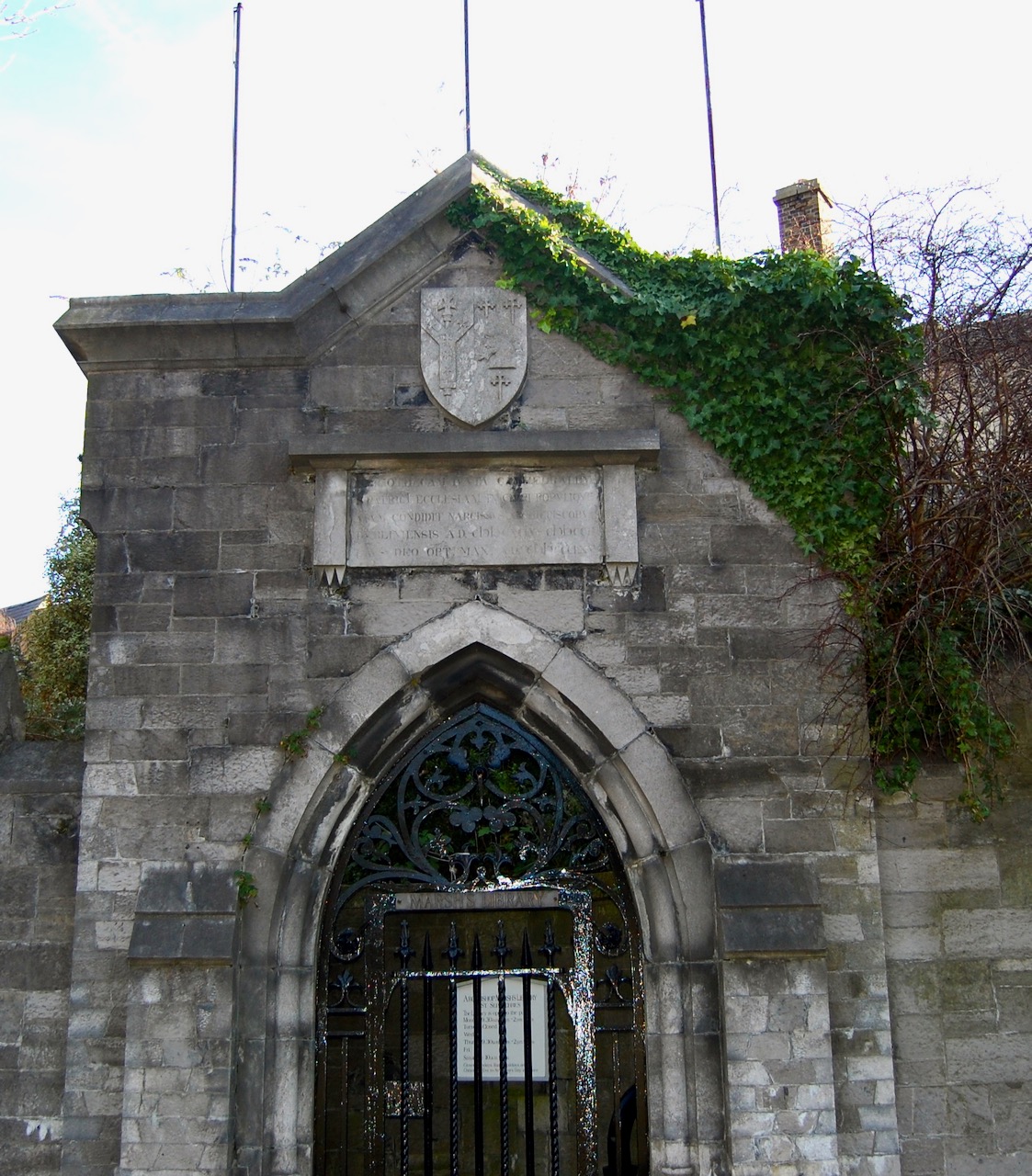
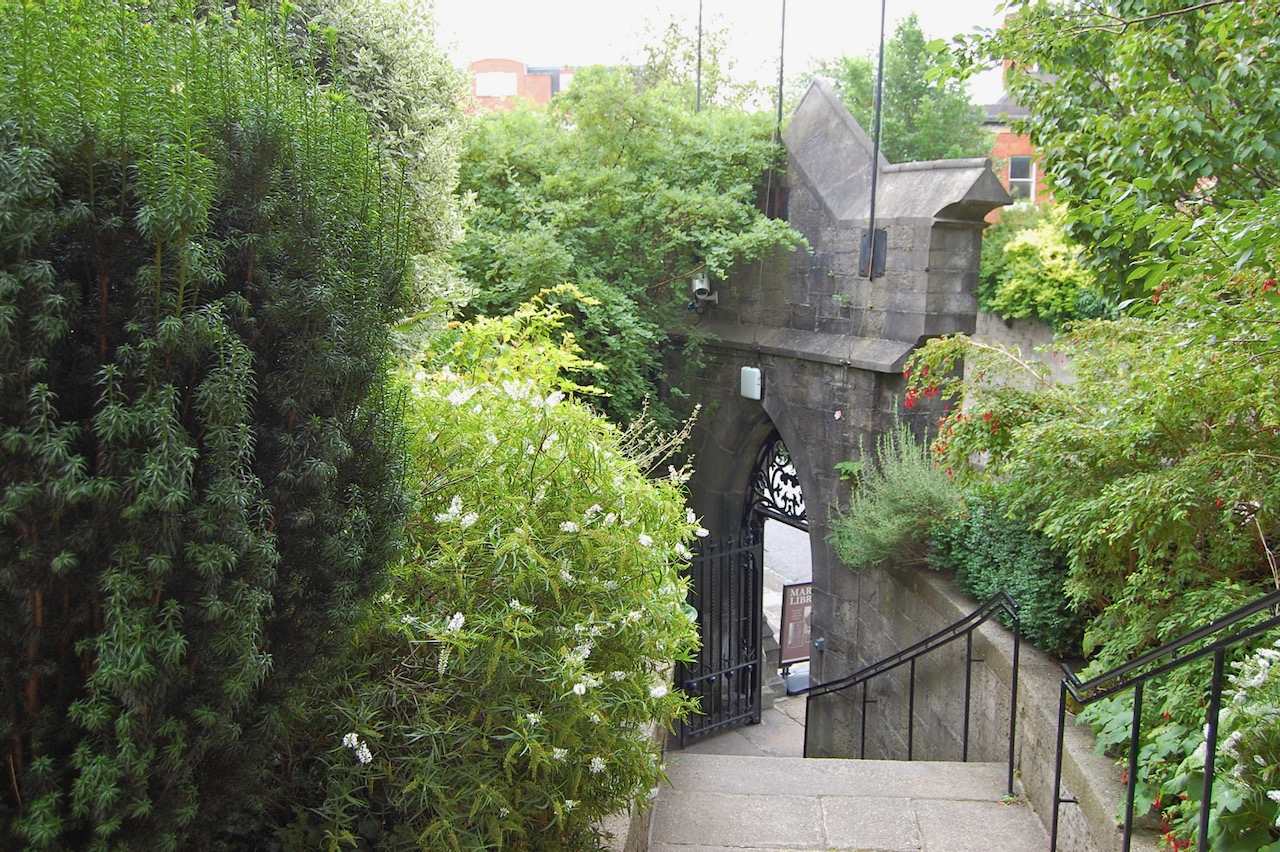
Marsh’s Library. Photograph © Jennifer Winder-Baggot, www.irishhistorichouses.com
Entrance to Marsh’s library. Photograph © Jennifer Winder-Baggot, www.irishhistorichouses.com

The interior of the library remains unchanged from when it was set up. It is no longer a public library, unfortunately, as the books are too delicate for general handling, but one can request to look up books in the catalogue, and it operates as a sort of museum open to the public for a fee. It contains dark oak bookcases topped with lettered gables and a mitre. The library contains the original reading cages – a reader would be locked in so that he or she could not steal the books.

Marsh’s Library, Feb 26, 2012. Photograph © Jennifer Winder-Baggot, www.irishhistorichouses.com
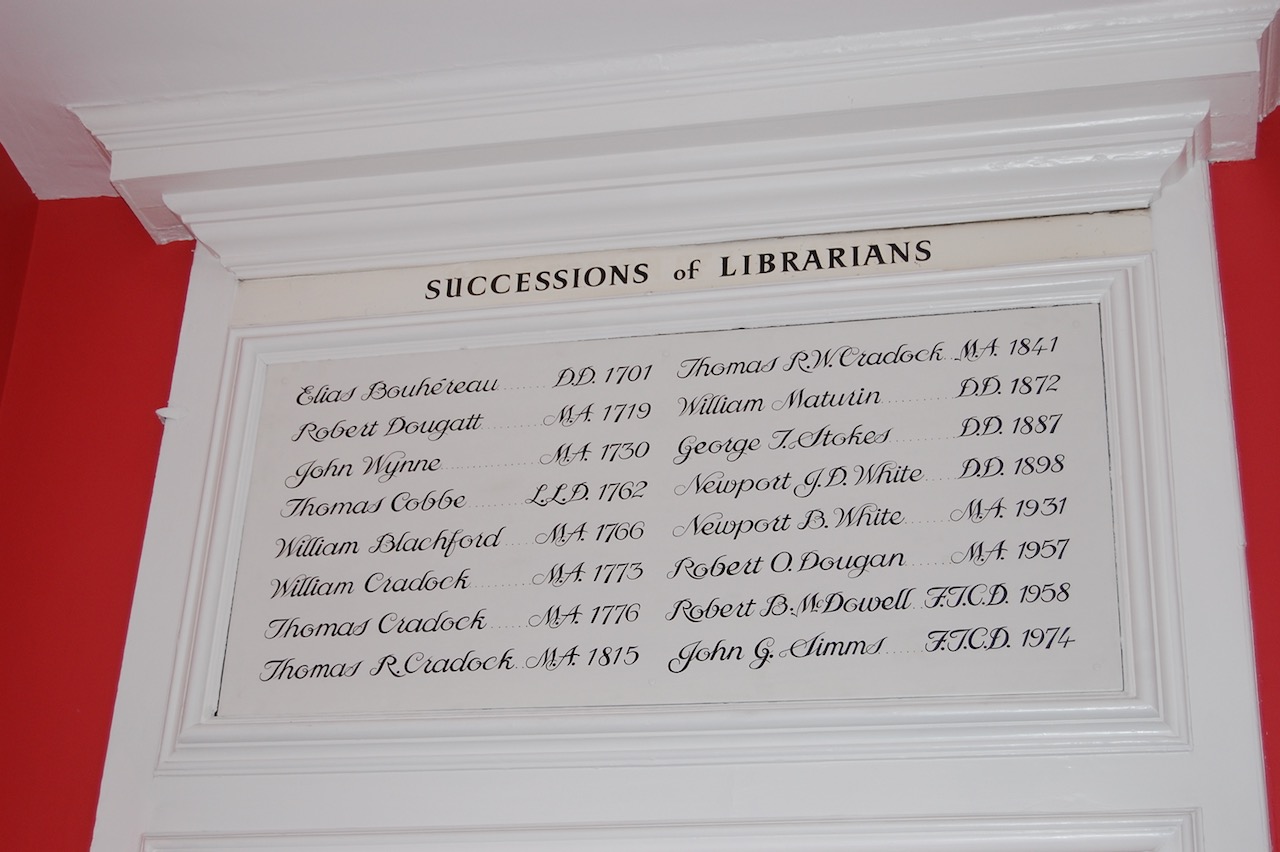
Marsh’s Library librarians. The first Librarian, Elias Bouhereau, was a Huguenot refugee from France. Photograph © Jennifer Winder-Baggot, www.irishhistorichouses.com
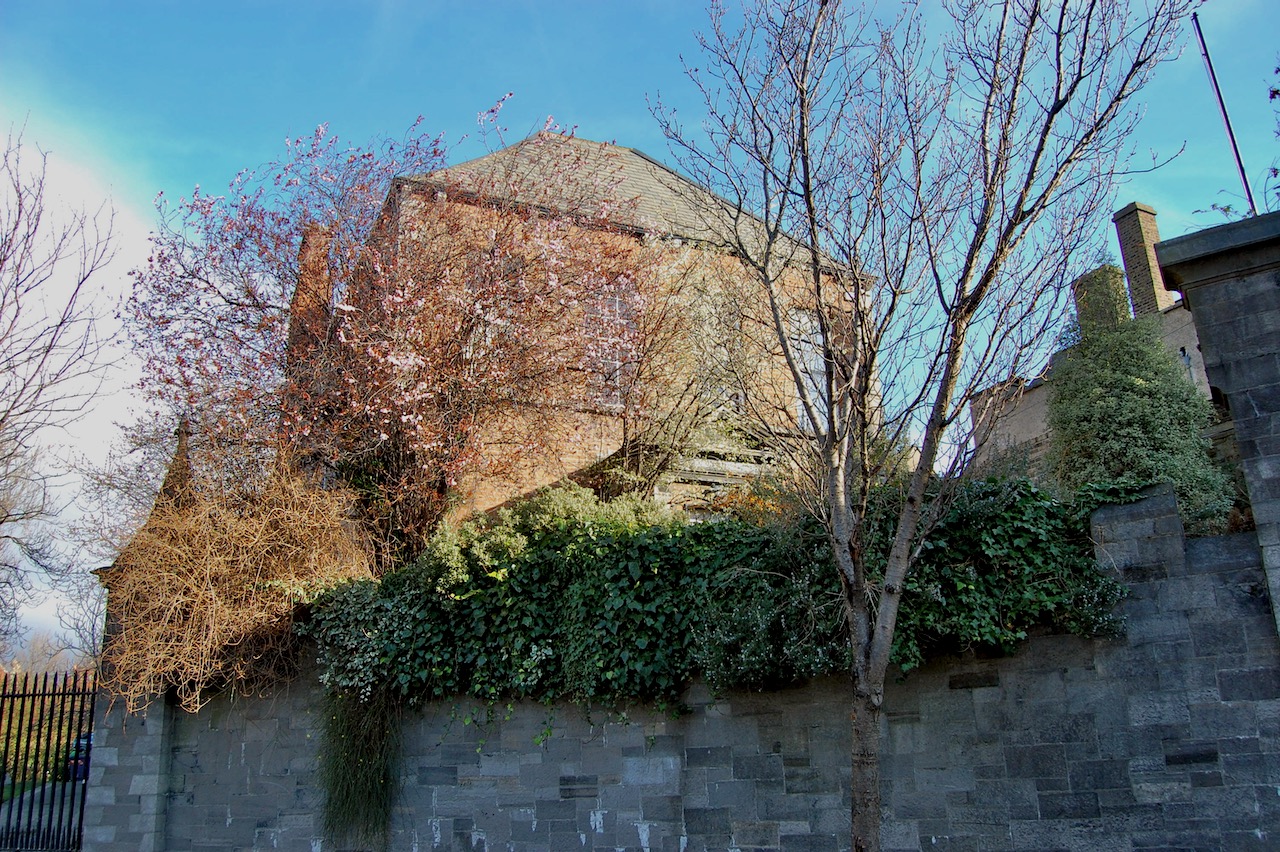
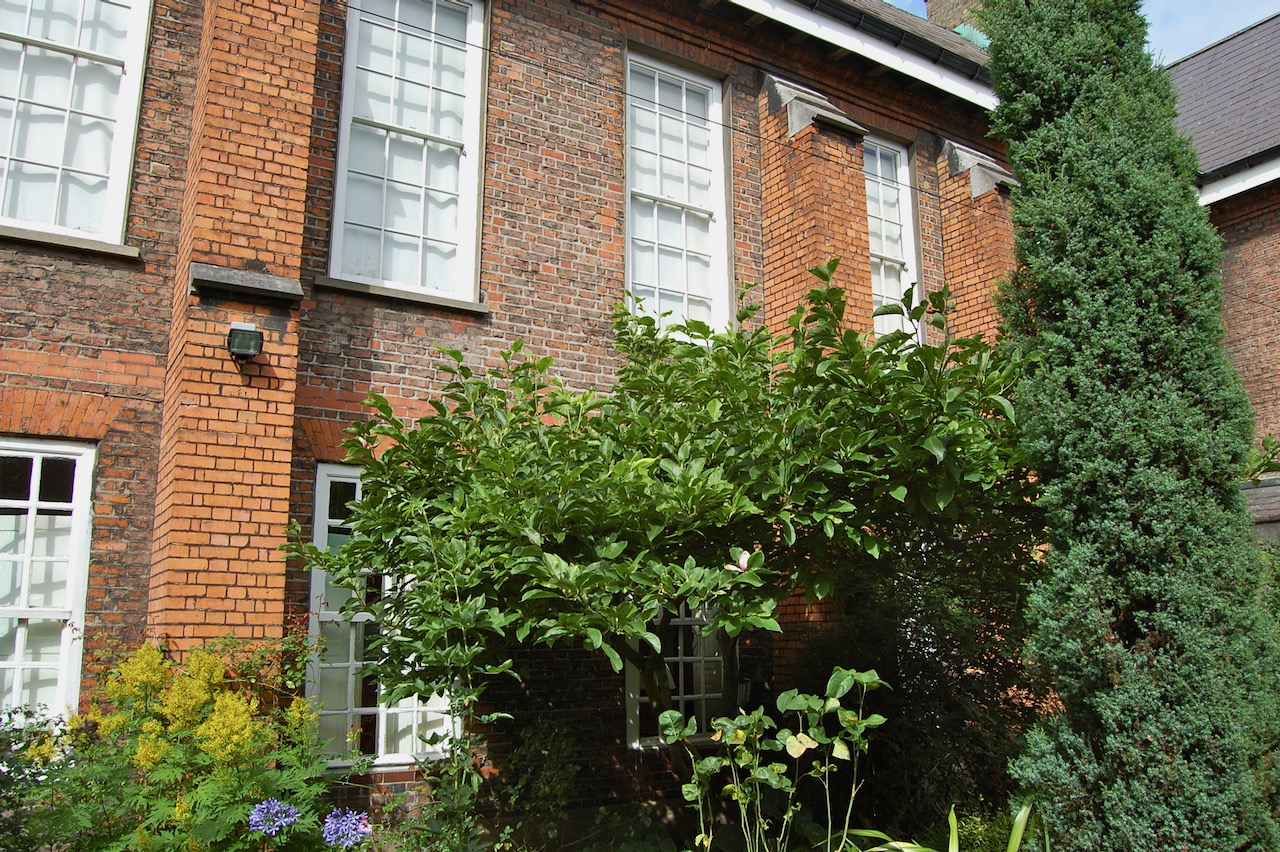
Garden of Marsh’s library, Heritage Week tour 2013. Photograph © Jennifer Winder-Baggot, www.irishhistorichouses.com
Garden of Marsh’s Library, Heritage week tour 2013. Photograph © Jennifer Winder-Baggot, www.irishhistorichouses.com

7. Na Piobair Uilleann 15 Henrietta Street, Dublin (2011)

15 Henrietta Street https://openhousedublin.com/locations/na-piobairi-uilleann-2/

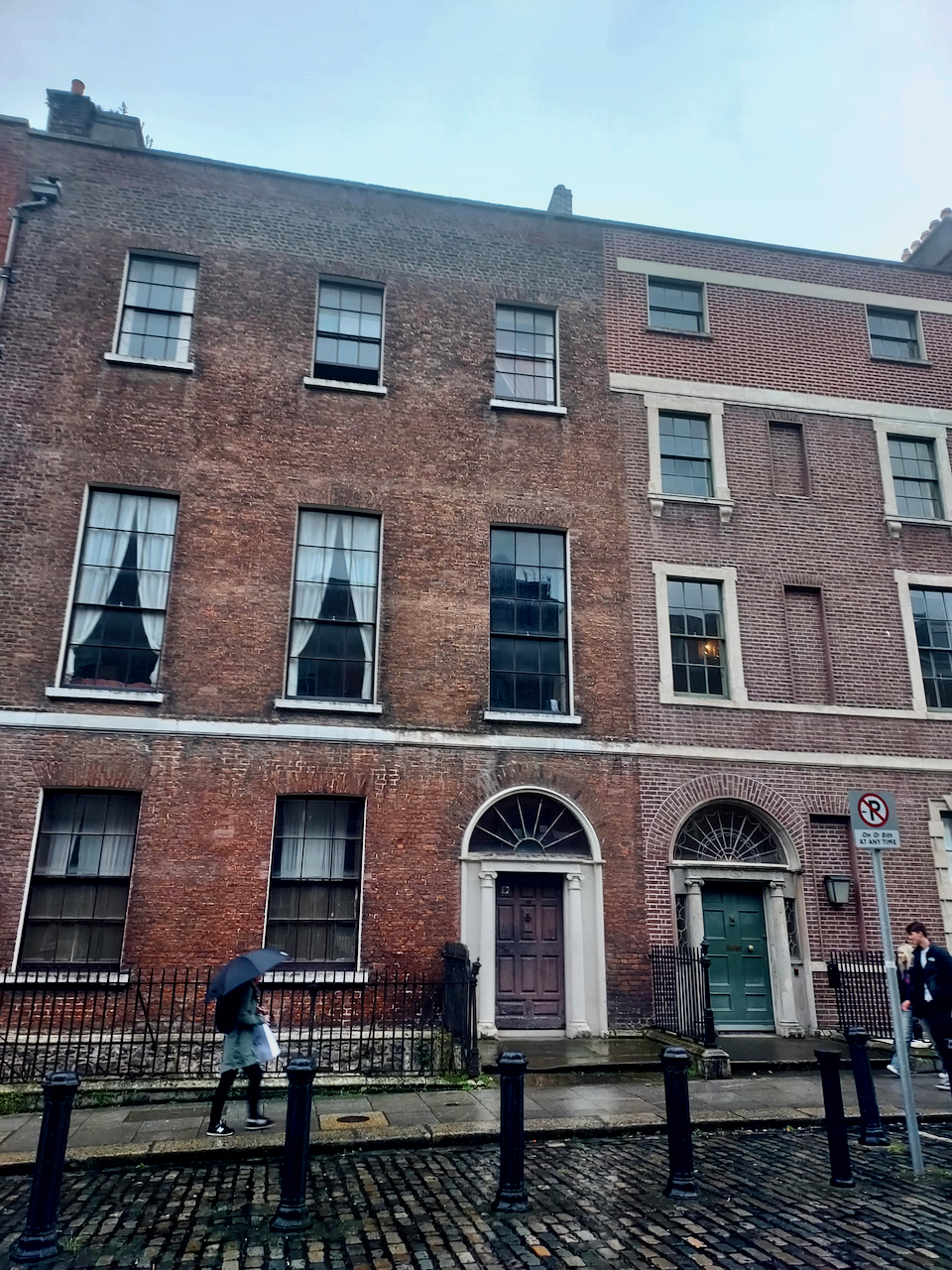
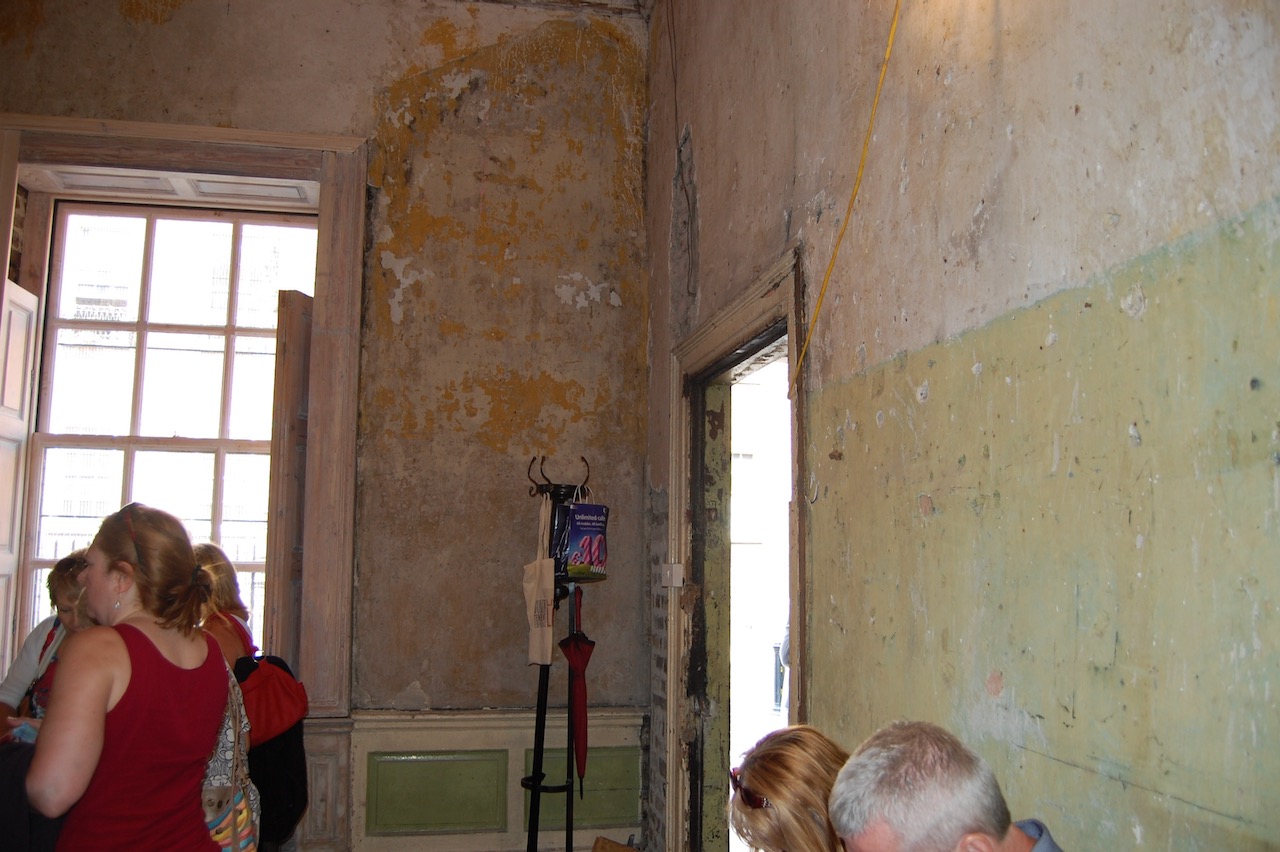
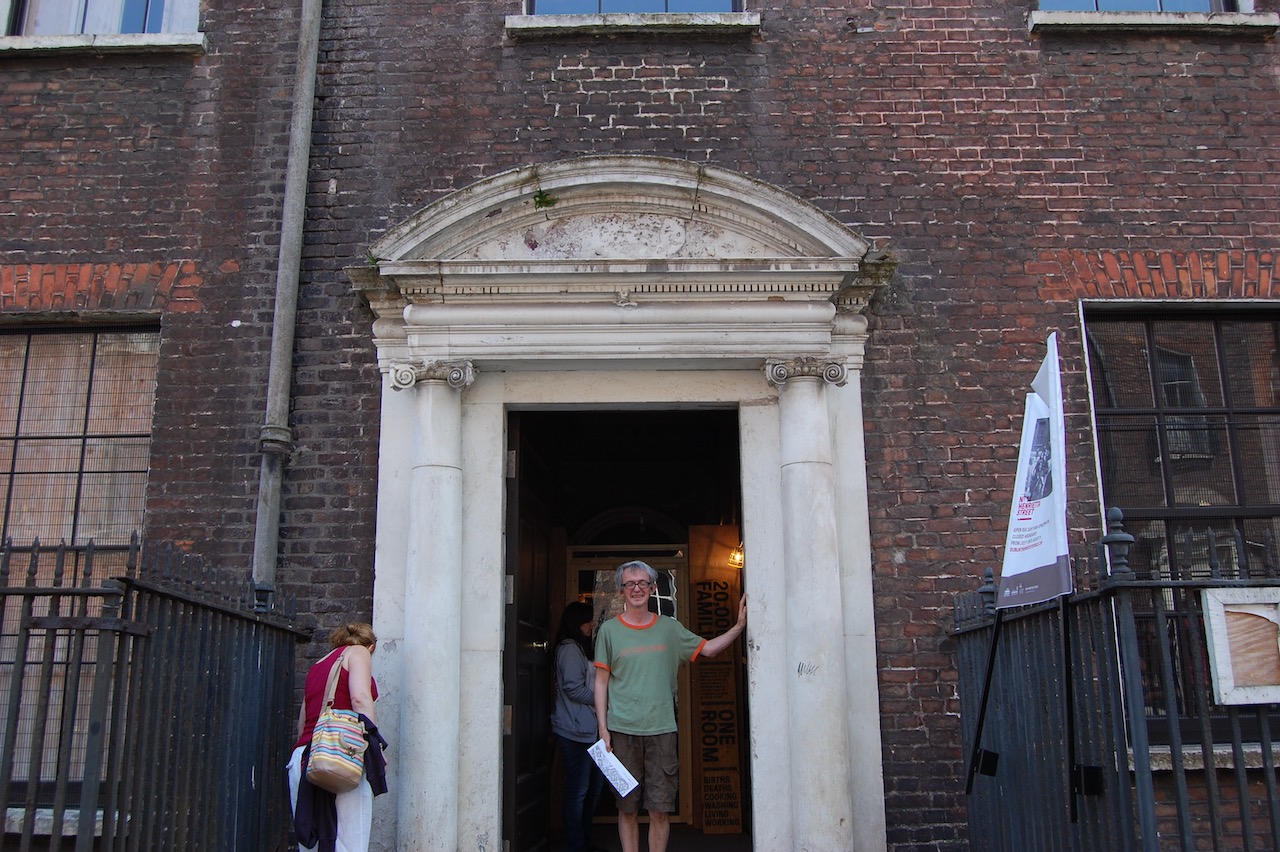
No. 15 Henrietta St. consists of the remaining two bays of an originally four bay, four storeys over basement townhouse, with a red brick façade, of the early 1740s. It is located on a cul-de-sac containing the finest early Georgian houses in the city. The street is of unique European significance, being the single remaining intact example of an early-18th century street of houses, which was at the forefront of what was to become the Georgian style.

The building underwent significant restoration which was completed in 2007, and the 18th-century appearance of the interior, including much of the original joinery and plaster work, was restored. Perhaps the most important features of the house are the stucco ceilings on the ground and first floors which were restored in the 1980s.

The building is now the headquarters of Na Píobairí Uilleann, an international organisation involved in promoting the playing, the making, and the teaching of the Irish uilleann pipes. They now plan to reinstate No. 16 Henrietta St. next door.

Tours will include access to the ground floor formal reception rooms, including the rear reception room featuring a mid-18th century figured papier-mâché ceiling, depicting the Four Seasons and including busts of Shakespeare and Milton. Tours will continue up a staircase, belonging to the 1828 division of the house, to the Library and Archive of Na Píobairí Uilleann, the current occupants of the building.

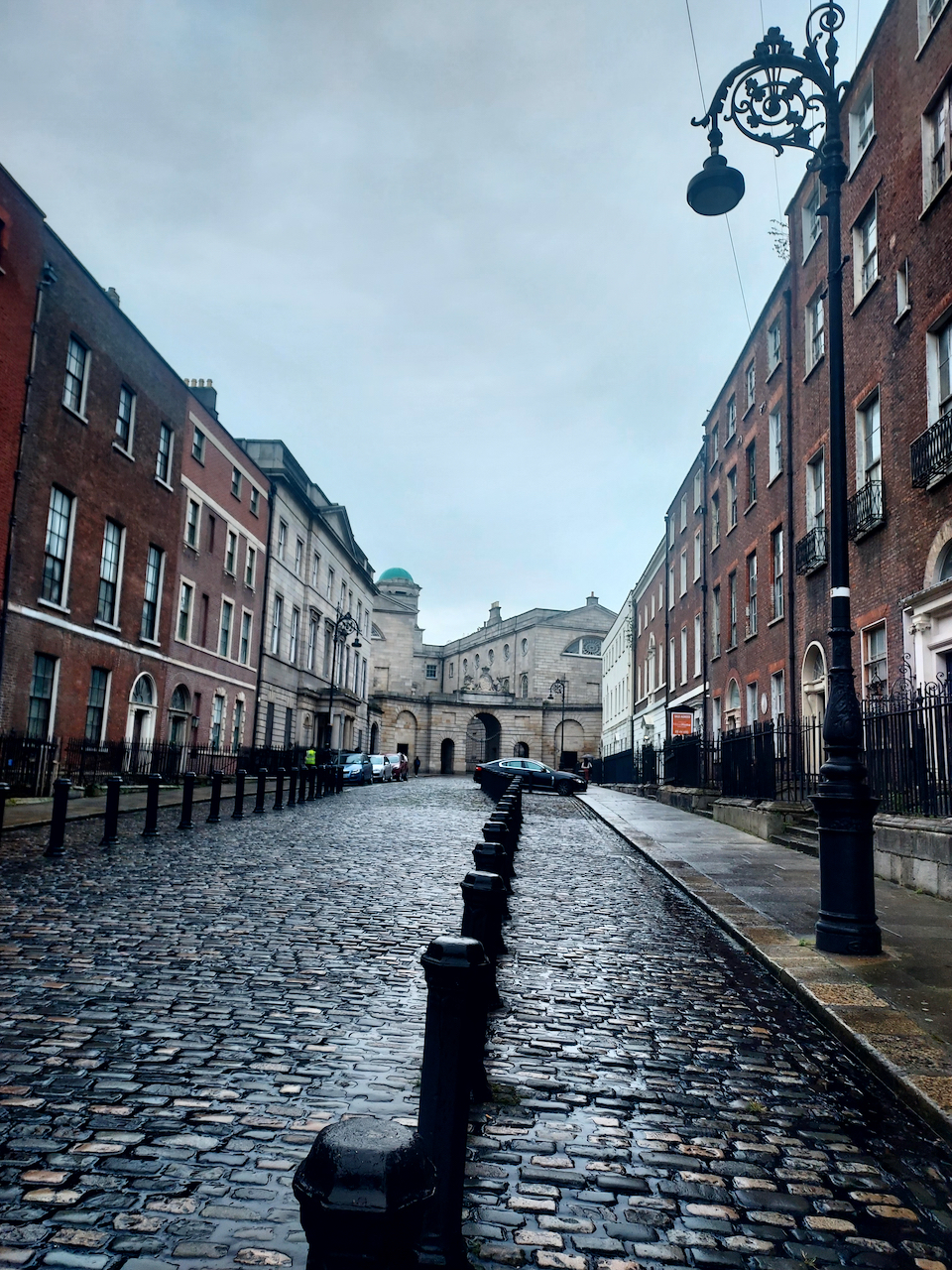
Henrietta Street, Dublin. Photograph © Jennifer Winder-Baggot, www.irishhistorichouses.com
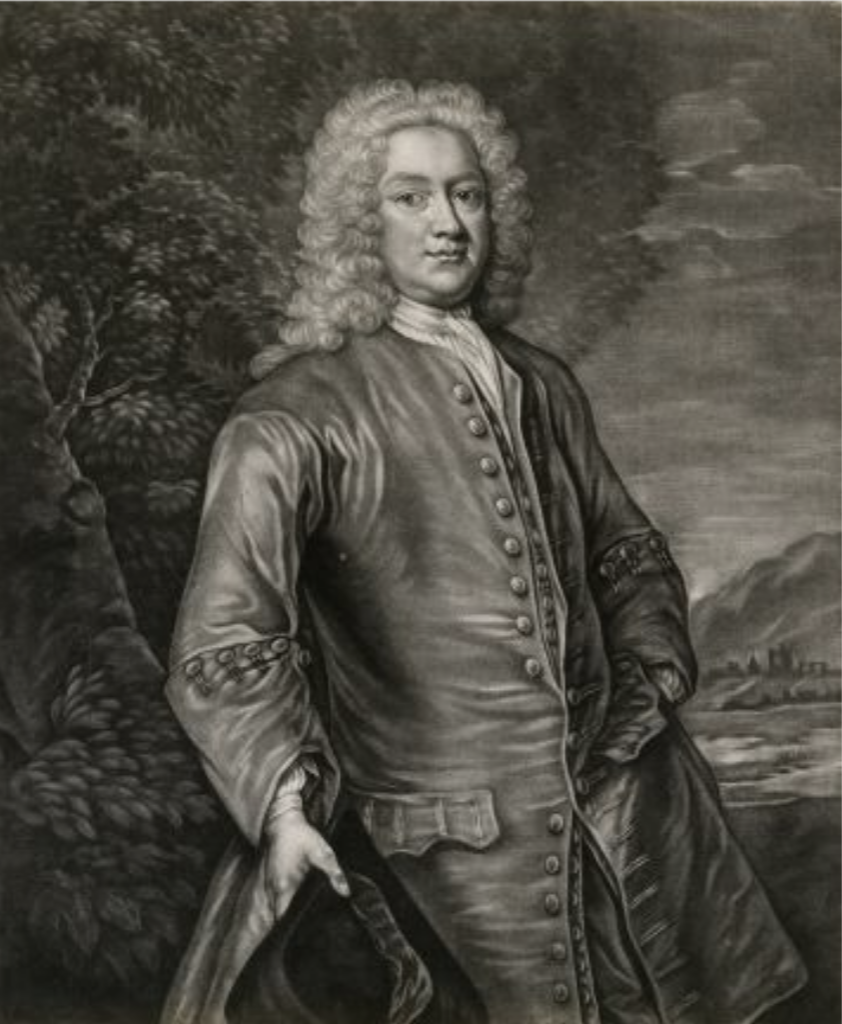
Luke Gardiner (d. 1755), building developer, picture engraver John Brooks, Irish, after Charles Jervas, photograph courtesy of National Gallery of Ireland.
This image has an empty alt attribute; its file name is img_5677-1.jpeg
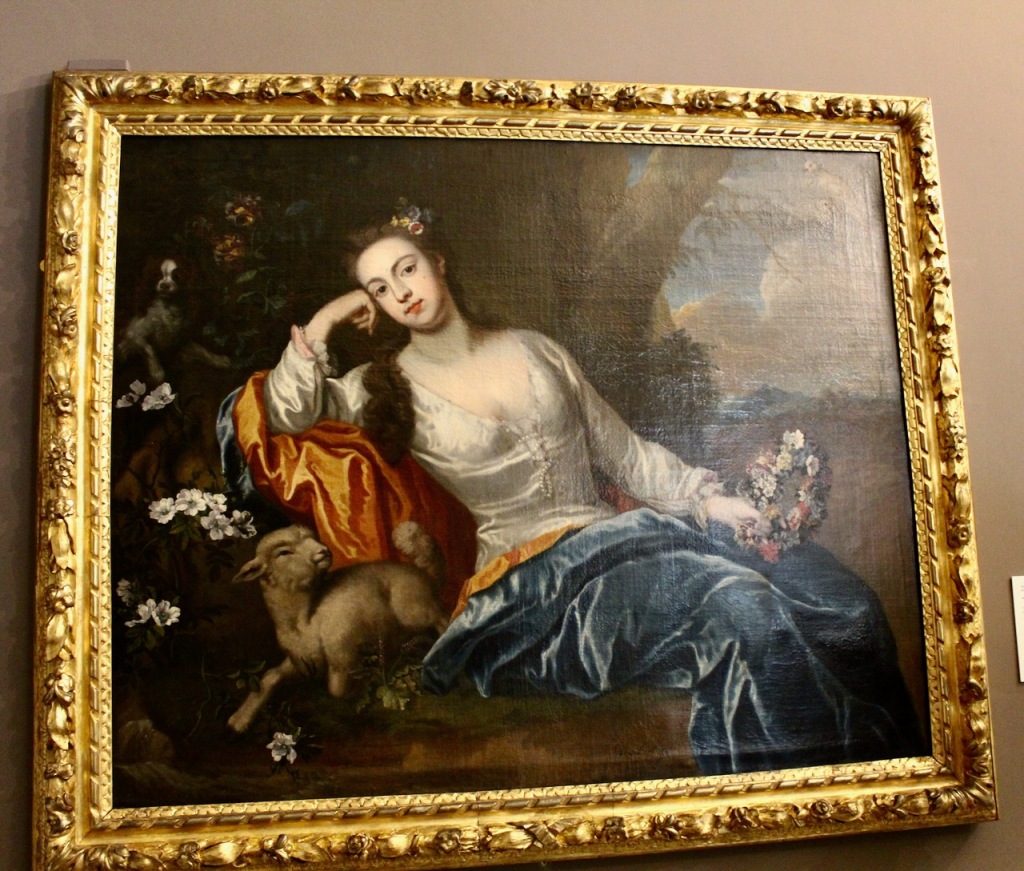
Henrietta Crofts, Duchess of Bolton (1682-1730) as shepherdess, by James Maubert. Henrietta Street was named in her honour. Vicereine 1717-1720. She was the daughter of James Crofts (Scott), 1st and last Duke of Monmouth, illegitimate son of King Charles II. She married Charles Paulet, 2nd Duke of Bolton.

See also the wonderfully informative book, The Best Address in Town: Henrietta Street, Dublin and its First Residents 1720-80 by Melanie Hayes, published by Four Courts Press, Dublin 8, 2020.

Henrietta Street, October 2022. Photograph © Jennifer Winder-Baggot, www.irishhistorichouses.com

8. Nellies Flat, Iveagh Buildings (Open House 2014)

https://openhousedublin.com/locations/nellies-flat/

Iveagh Trust flat, Iveagh Trust buildings on Patrick Street, Dublin 8. Photograph © Jennifer Winder-Baggot, www.irishhistorichouses.com

The Iveagh Trust buildings were commissioned by Edward Cecil Guinness 1st Earl of Iveagh in 1901. He provided houses and amenities for working-class people with low incomes in Dublin. The architects were Joseph and Smithem, London architects. The centrepiece of the buildings, built to house people who lived in the slums about St. Patrick’s cathdral, was the Iveagh Baths.

Iveagh Trust flat, Iveagh Trust buildings on Patrick Street, Dublin 8. Photograph © Jennifer Winder-Baggot, www.irishhistorichouses.com

The Open House website tells us that Flat 3B, Bull Alley Estate on Patrick Street is a cosy flat comprising a living room and two bedrooms. It was once home to the Molloy family and built by The Iveagh Trust.

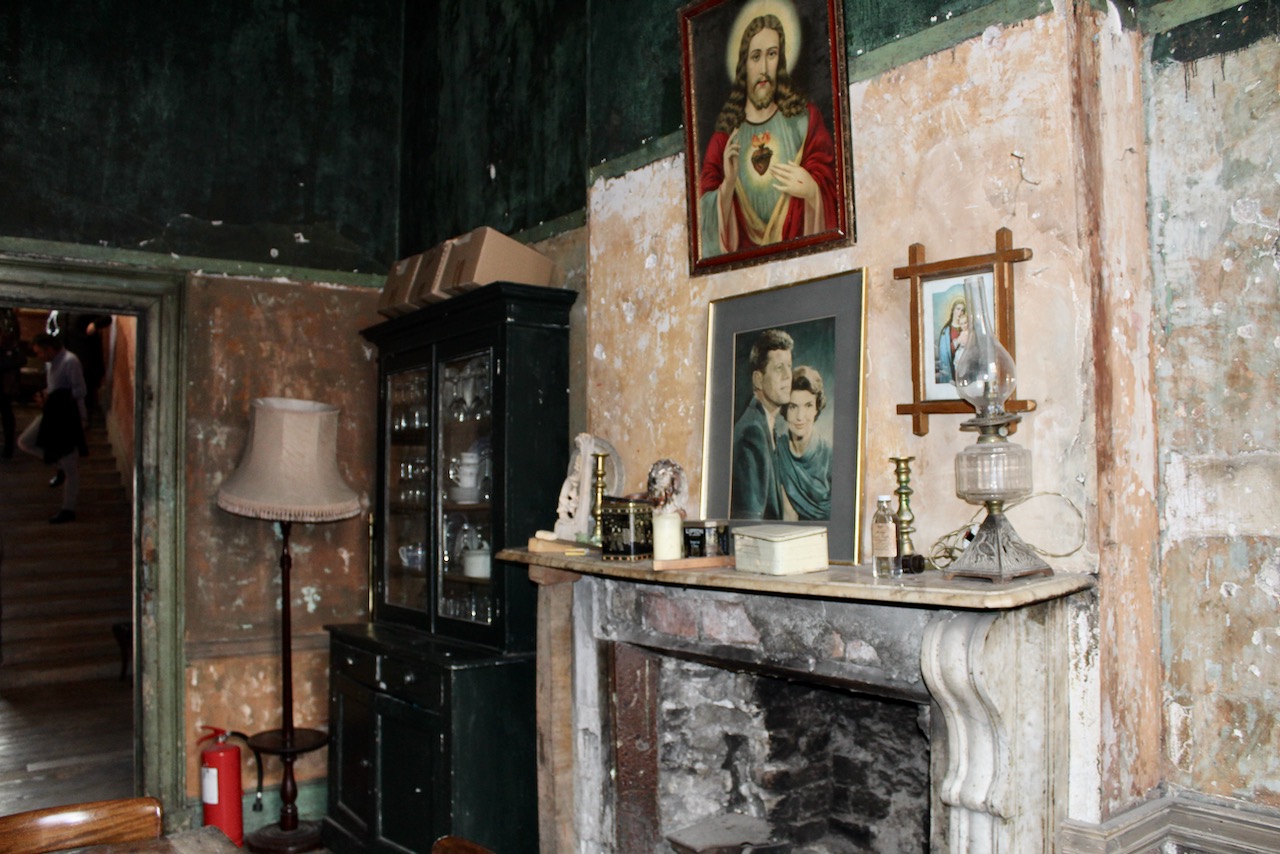
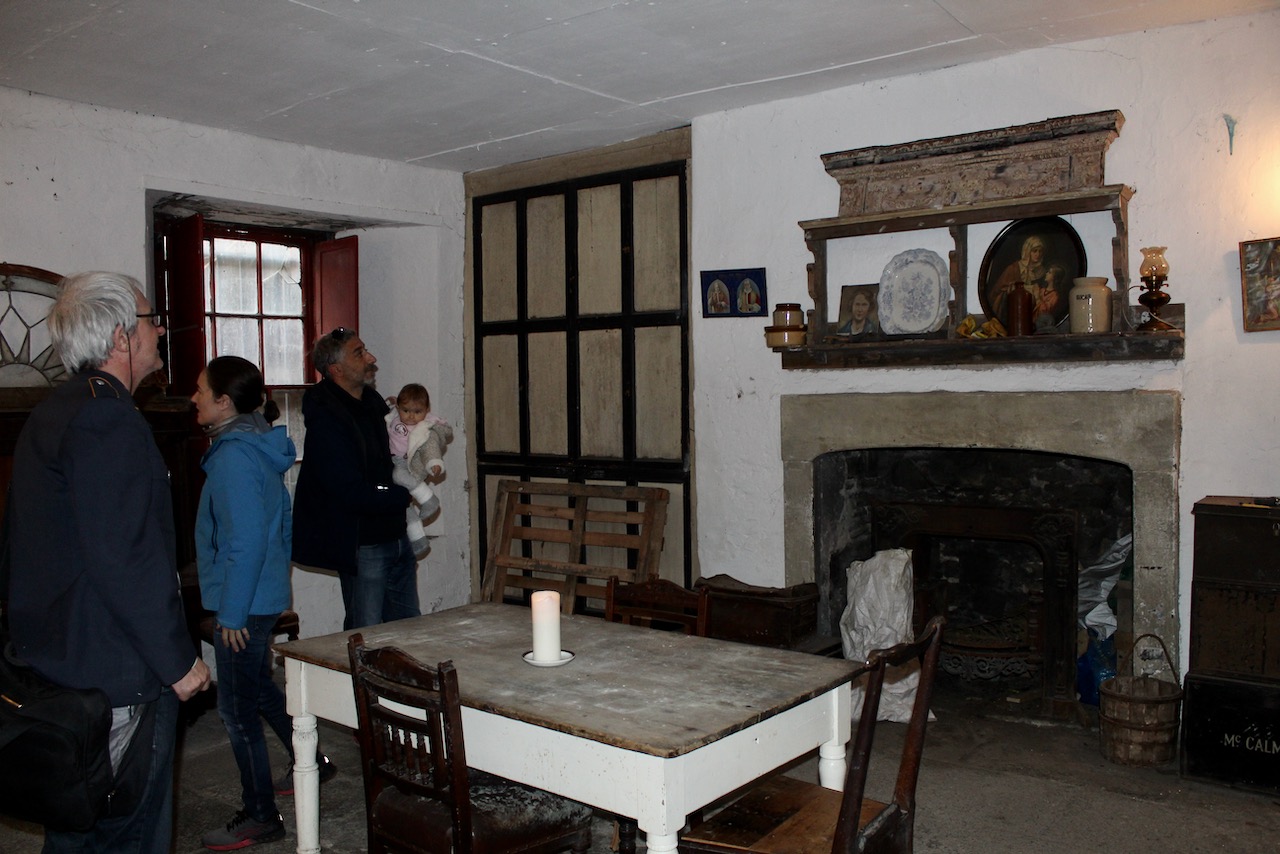
The Iveagh Trust replaced some of the worst slum dwellings in Europe. And, at the time, these new flats were state of the art. Nellie, their daughter, was one of six children. She lived here in this flat from 1915 right up until to 2002. Today, flat 3B is a museum and remains unchanged since the trust first built Bull Alley Estate.

Iveagh Trust flat, Iveagh Trust buildings on Patrick Street, Dublin 8. Photograph © Jennifer Winder-Baggot, www.irishhistorichouses.com
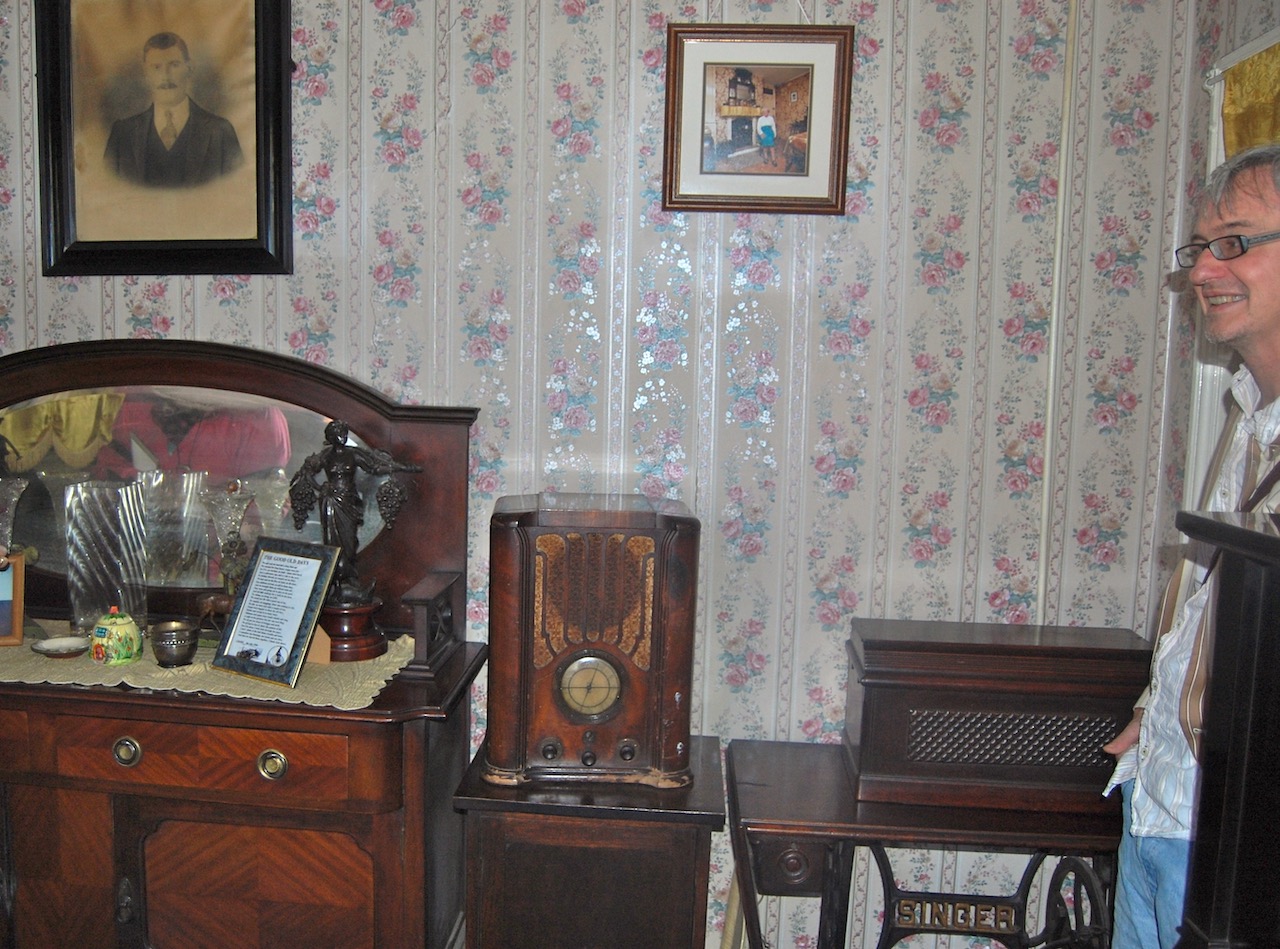
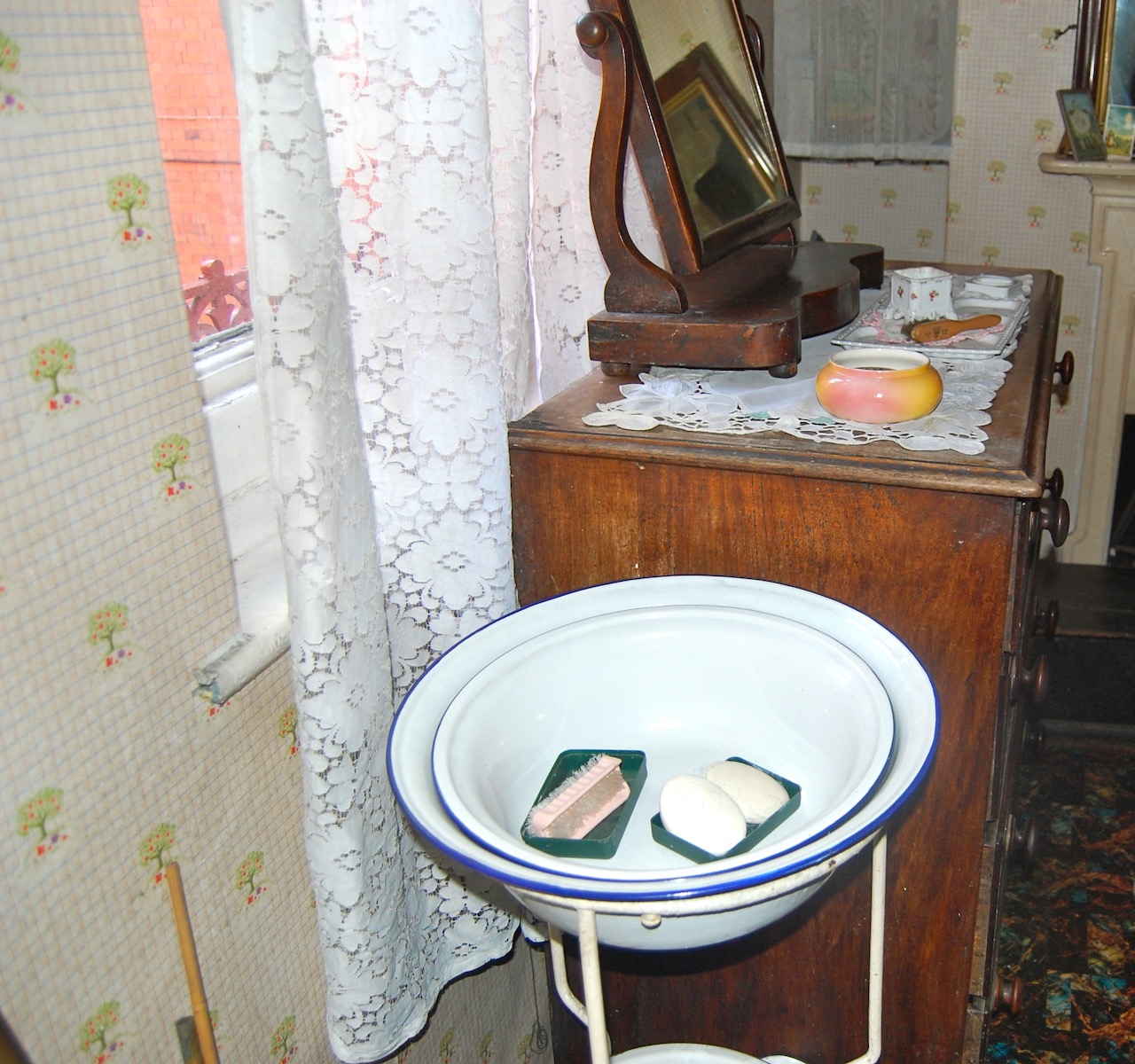
The range, in Iveagh Trust flat, Iveagh Trust buildings on Patrick Street, Dublin 8. Photograph © Jennifer Winder-Baggot, www.irishhistorichouses.com
Iveagh Trust flat, Iveagh Trust buildings on Patrick Street, Dublin 8. Photograph © Jennifer Winder-Baggot, www.irishhistorichouses.com
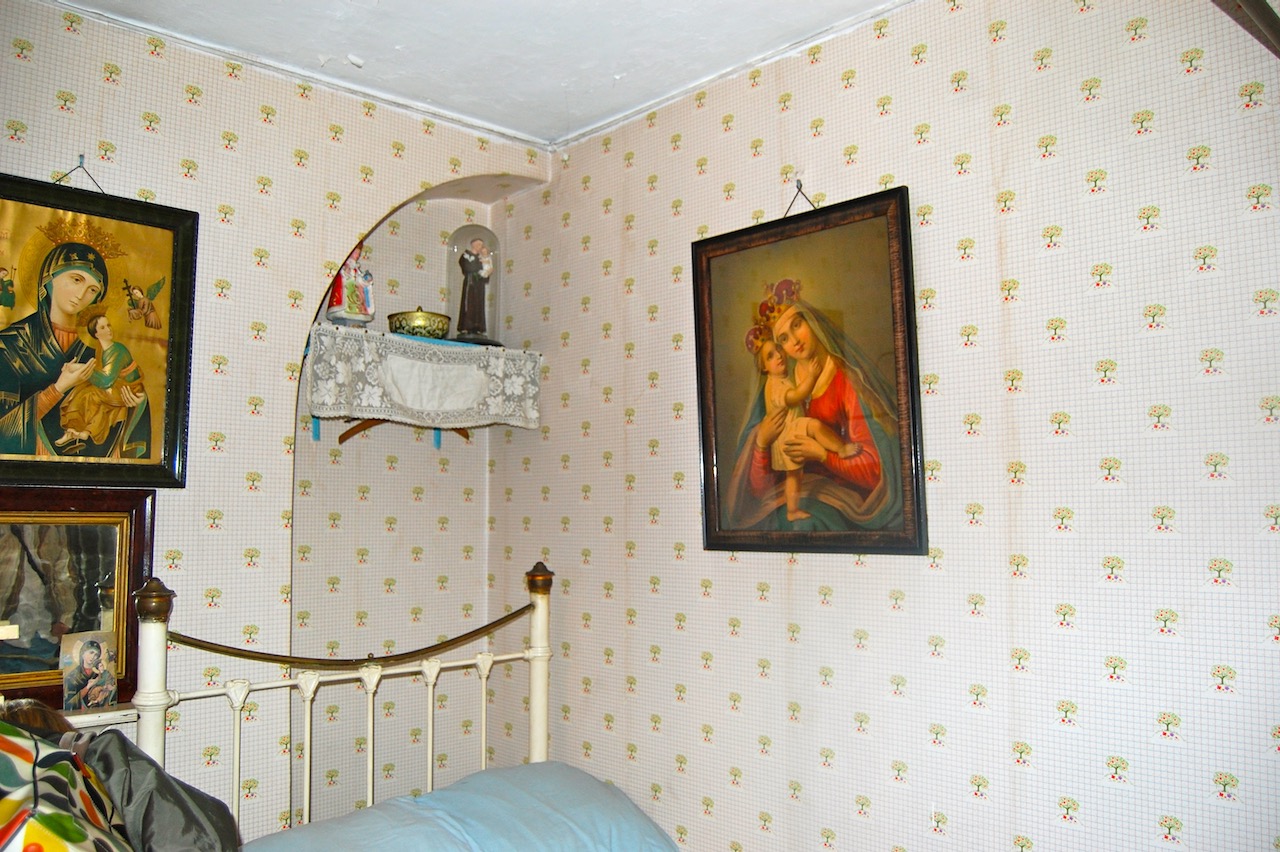
Iveagh Trust flat, Iveagh Trust buildings on Patrick Street, Dublin 8. Child of Prague and St. Christopher in the alcove. Photograph © Jennifer Winder-Baggot, www.irishhistorichouses.com
Iveagh Trust flat, Iveagh Trust buildings on Patrick Street, Dublin 8. Photograph © Jennifer Winder-Baggot, www.irishhistorichouses.com
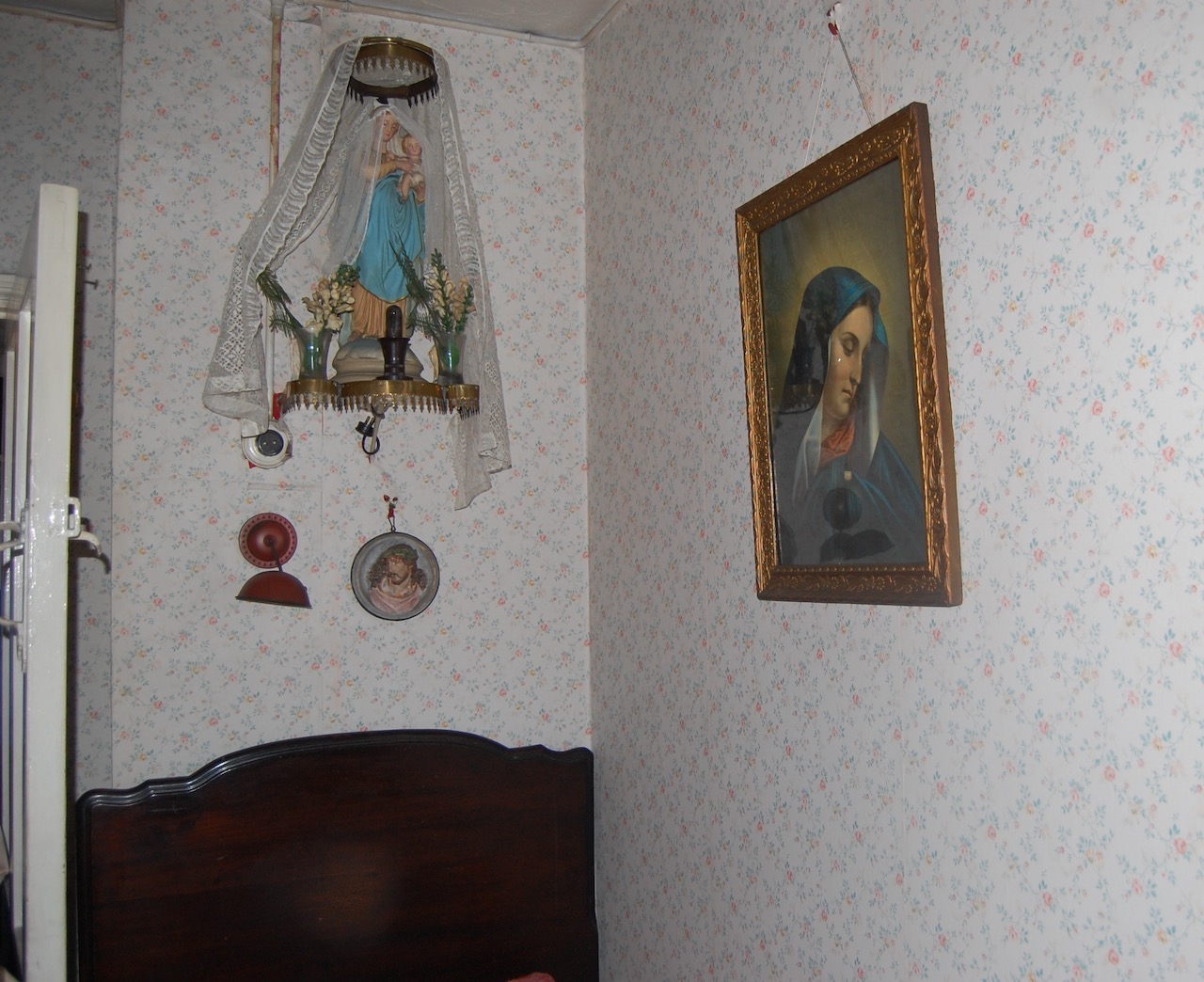
Iveagh Trust flat, Iveagh Trust buildings on Patrick Street, Dublin 8. Religion was more dominant in peoples’ lives in those days than it is generally in Irish people today! Photograph © Jennifer Winder-Baggot, www.irishhistorichouses.com
Iveagh Trust flat, Iveagh Trust buildings on Patrick Street, Dublin 8. Photograph © Jennifer Winder-Baggot, www.irishhistorichouses.com
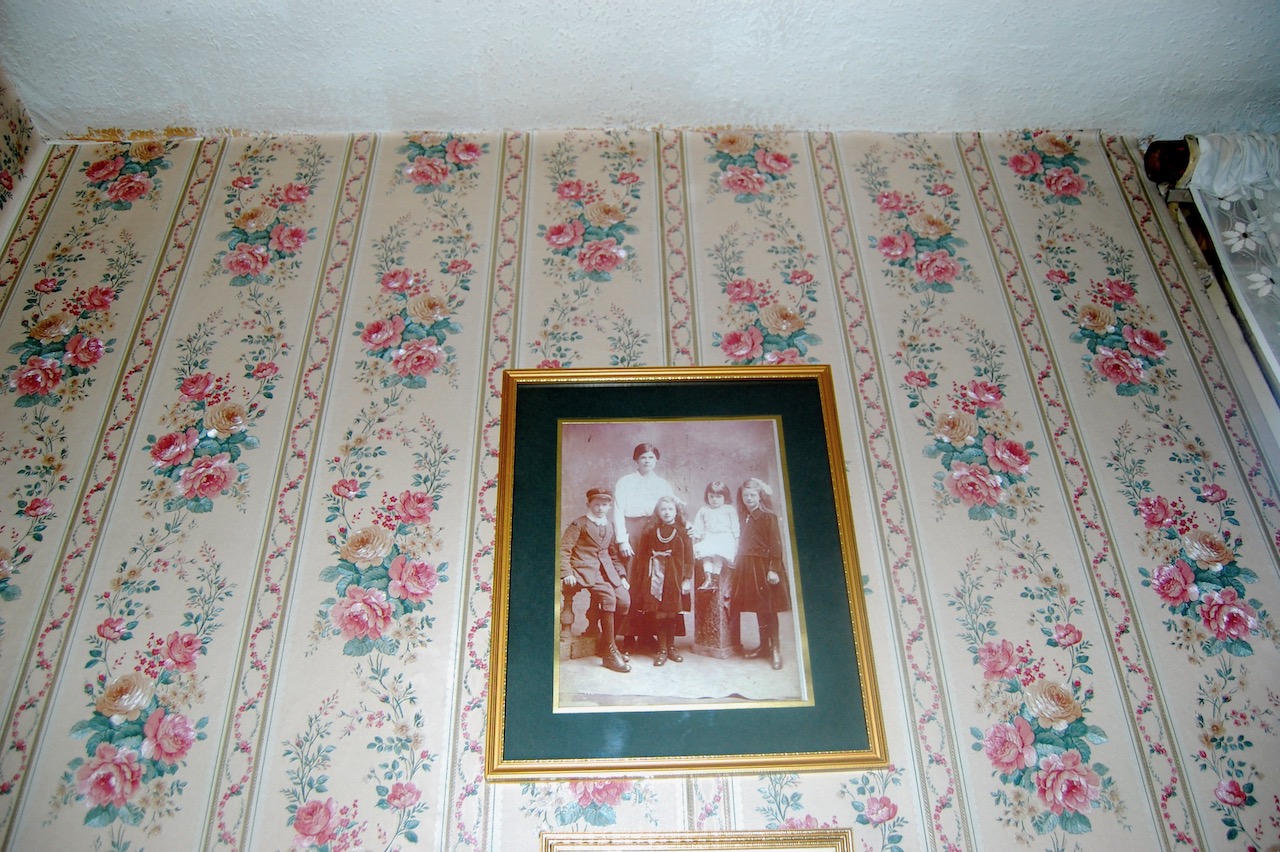
Iveagh Trust flat, Iveagh Trust buildings on Patrick Street, Dublin 8, picture of Nelly and her family. Photograph © Jennifer Winder-Baggot, www.irishhistorichouses.com
Iveagh Trust flat, Iveagh Trust buildings on Patrick Street, Dublin 8. Photograph © Jennifer Winder-Baggot, www.irishhistorichouses.com

9. Pigeonhouse Power Station and hotel (2021)

https://openhousedublin.com/locations/pigeon-house-power-station/

Photograph © Jennifer Winder-Baggot, www.irishhistorichouses.com

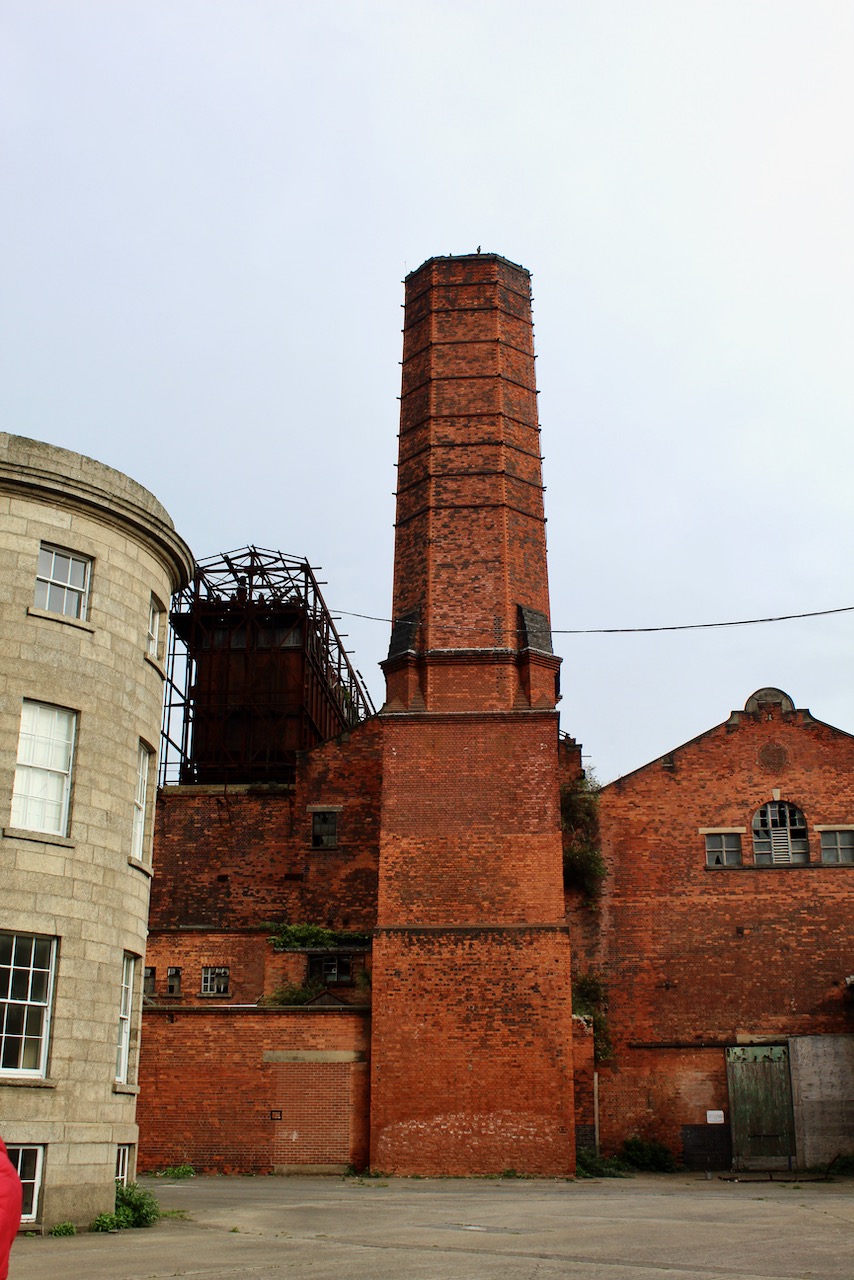
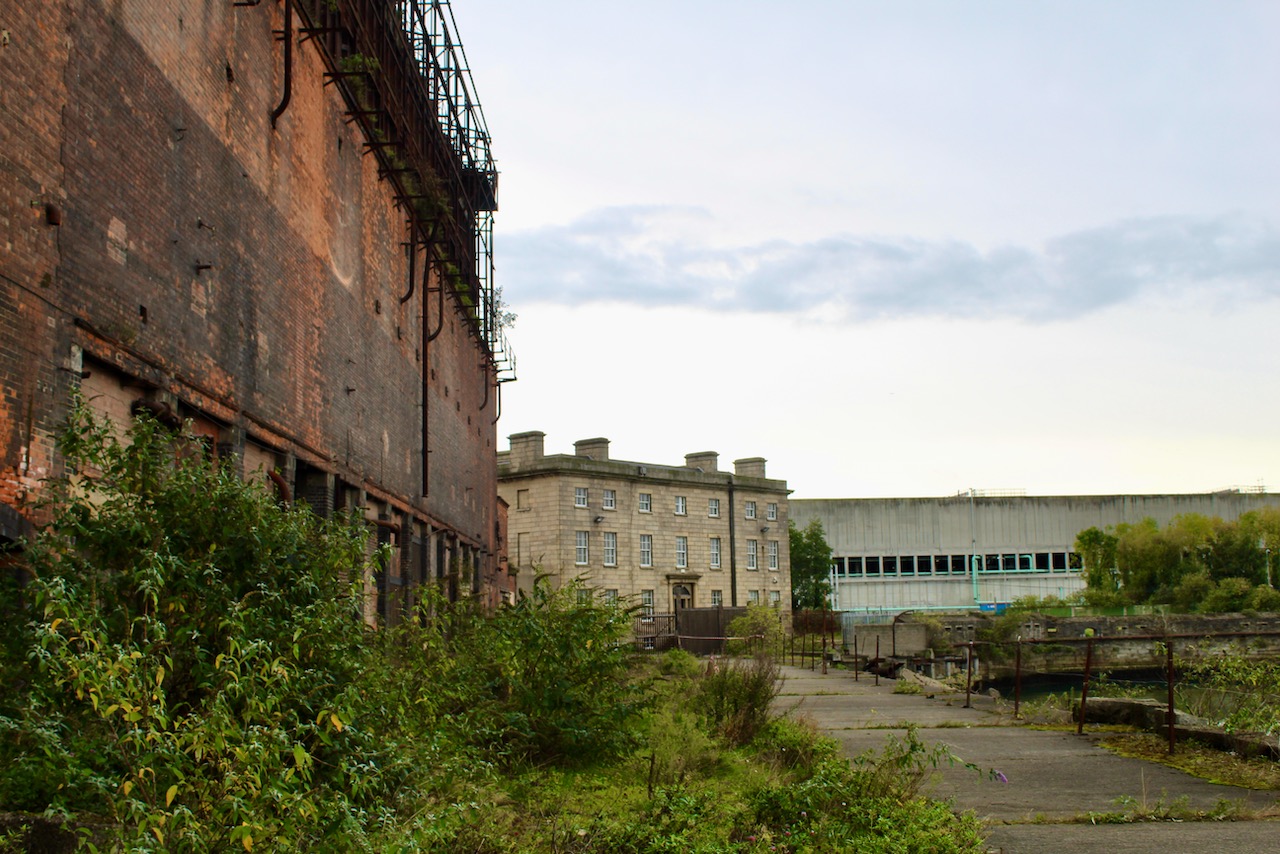
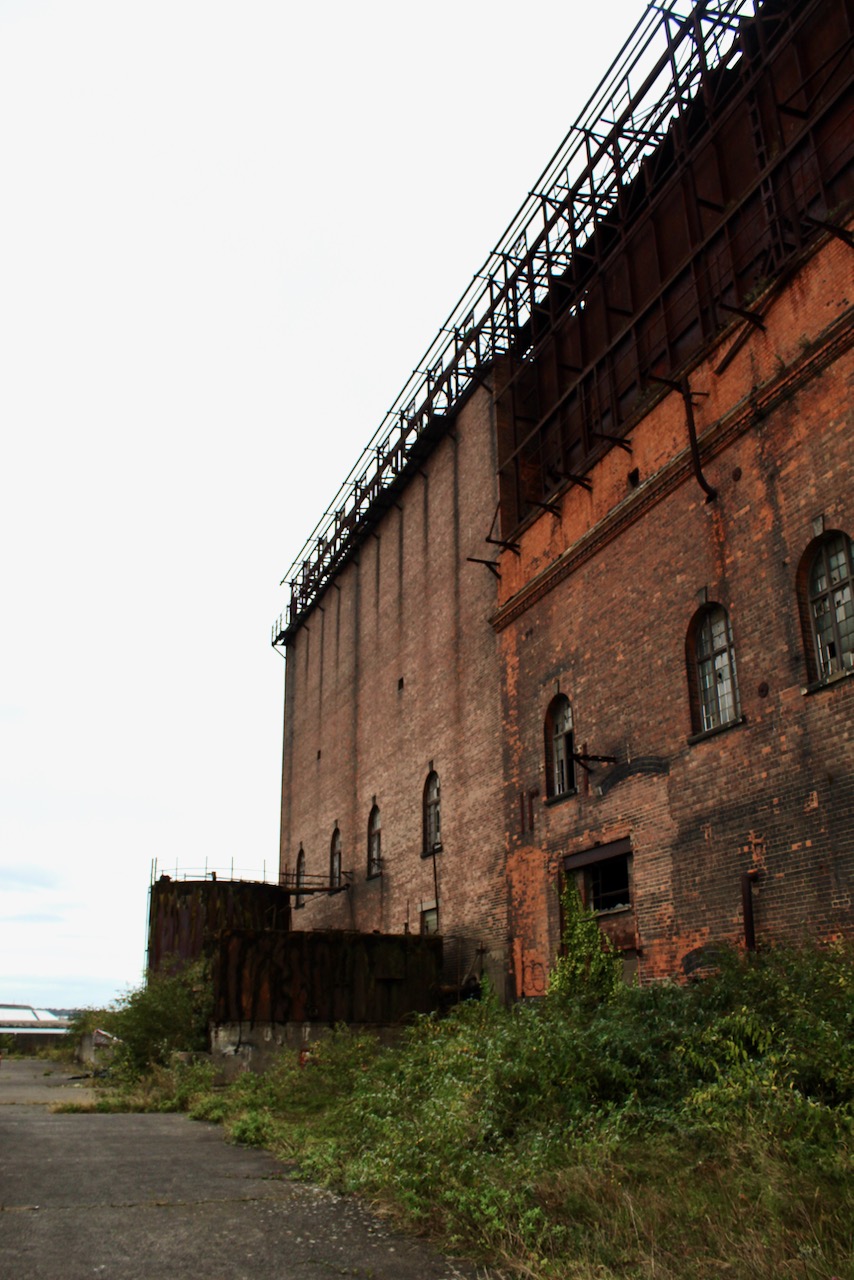
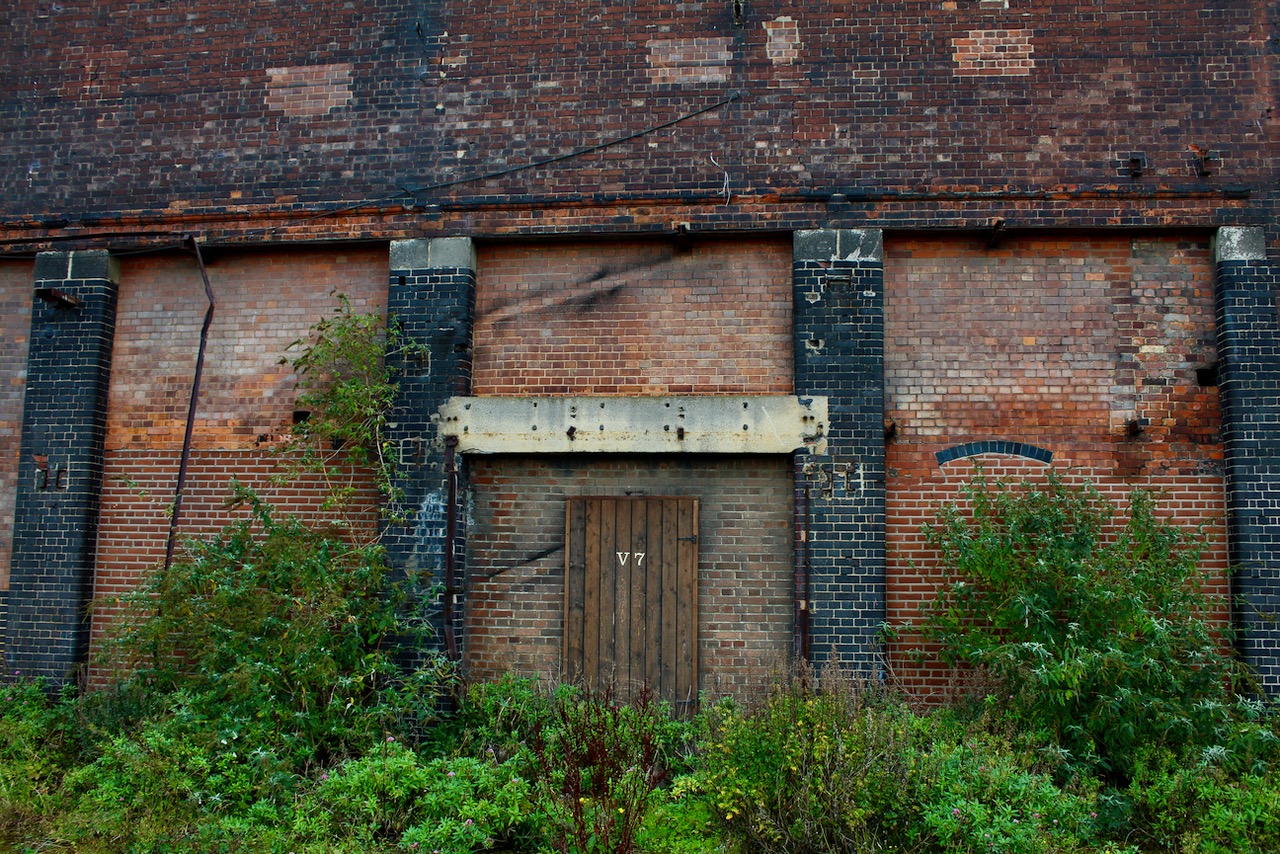
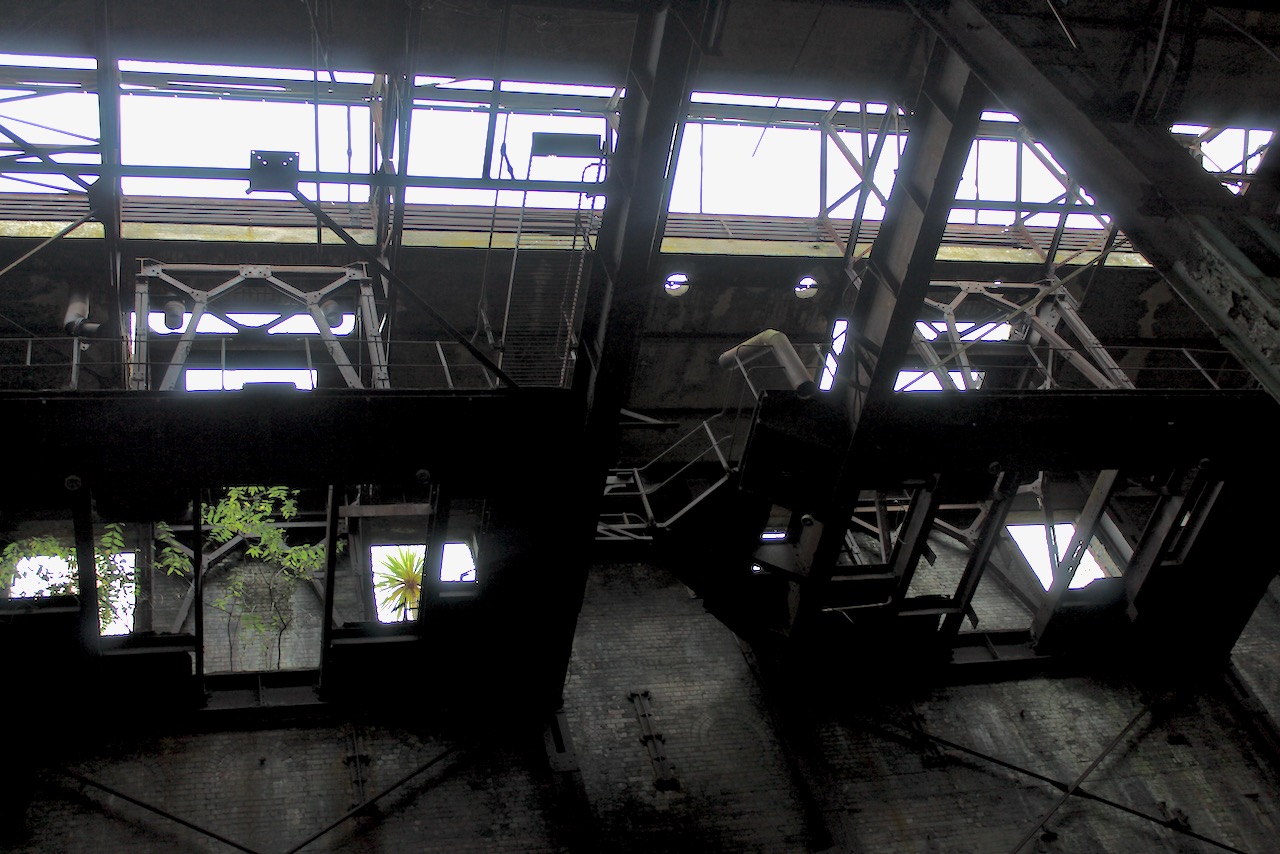
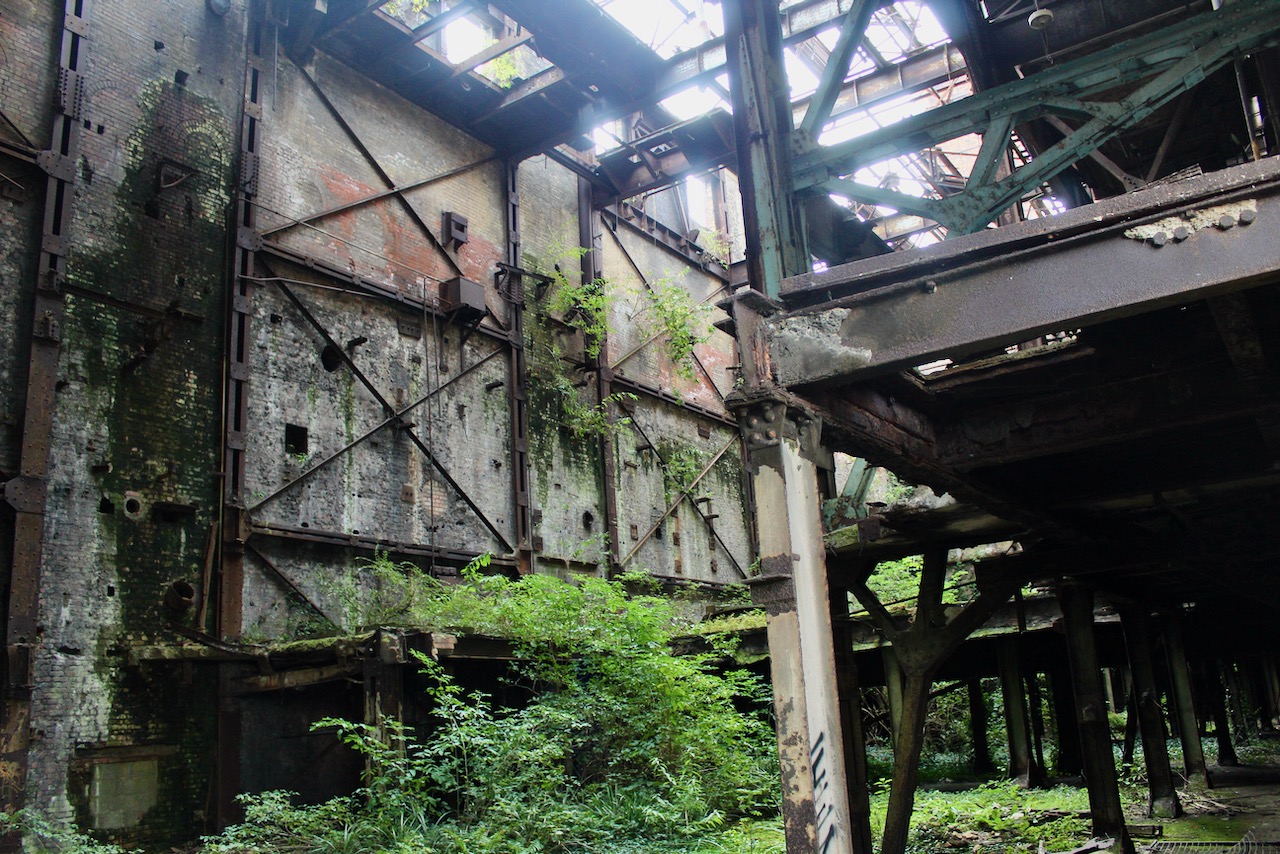
The vast ruin of the former Pigeon House power station is the one of the most striking industrial architecture complexes in the city and is now one of the largest protected structures in Ireland. Built in three main phases (1902-03, 1911-1913 and 1933-40; decommissioned in the 1970s), the power station was constructed of red brick and steel, and later of reinforced concrete. These layers of exposed fabric show how the building was constantly modified to keep up with increasing electricity demand.
Today, only one of the 12 chimneys remain and the ruins of the power station resemble the atmospheric drawings of classical ruins by the 18th century Italian artist Giovanni Battista Piranesi. The vast ruin of the former Pigeon House power station is the one of the most striking industrial architecture complexes in the city and is now one of the largest protected structures in Ireland. Built in three main phases (1902-03, 1911-1913 and 1933-40; decommissioned in the 1970s), the power station was constructed of red brick and steel, and later of reinforced concrete. These layers of exposed fabric show how the building was constantly modified to keep up with increasing electricity demand.
Today, only one of the 12 chimneys remain and the ruins of the power station resemble the atmospheric drawings of classical ruins by the 18th century Italian artist Giovanni Battista Piranesi.

Join to 30-40 minute tour. Exterior of building only. This tour is pre-book only and booking opens 14 September.

The old Pigeonhouse Hotel. Photograph © Jennifer Winder-Baggot, www.irishhistorichouses.com
The old Pigeonhouse Power Station. Photograph © Jennifer Winder-Baggot, www.irishhistorichouses.com
Photograph © Jennifer Winder-Baggot, www.irishhistorichouses.com
Old Pigeonhouse power station. Photograph © Jennifer Winder-Baggot, www.irishhistorichouses.com
Pigeonhouse power station. Photograph © Jennifer Winder-Baggot, www.irishhistorichouses.com
Photograph © Jennifer Winder-Baggot, www.irishhistorichouses.com

10. Royal College of Surgeons, Dublin (Open House 2011)

https://openhousedublin.com/locations/open-house-at-rcsi-123-st-stephens-green/

William Dease sculpture, one of the founders of the Royal College of Surgeons, Open House, 2011, Royal College of Surgeons. Photograph © Jennifer Winder-Baggot, www.irishhistorichouses.com

The Royal College of Surgeons was built in two phases, first by architect Edward Parke, who built what is now the last three bays on the south side and five bays deep on York Street. This was subsumed later by architect William Murray, who added four bays to the north and moved the pediment to the new centre of the building, on St. Stephen’s Green. The facade has large round-headed windows separated by freestanding columns. The pediment has the royal arms, and is topped with three statues: Athena (goddess of Wisdom and War), Asclepius (god of Medicine) and Hygiea (Goddess of Health), all by John Smyth [Archiseek]. It has a rusticated basement storey.

The interior, as listed in Lewis’s guide in 1837, contains a large board room, a library, an apartment for general meetings, an examination hall, several committee rooms and offices, lecture theatres and three museums, two of which have galleries.

There is a top-lit gallery with Adamesque plasterwork.

Open House, 2011, Royal College of Surgeons. Photograph © Jennifer Winder-Baggot, www.irishhistorichouses.com
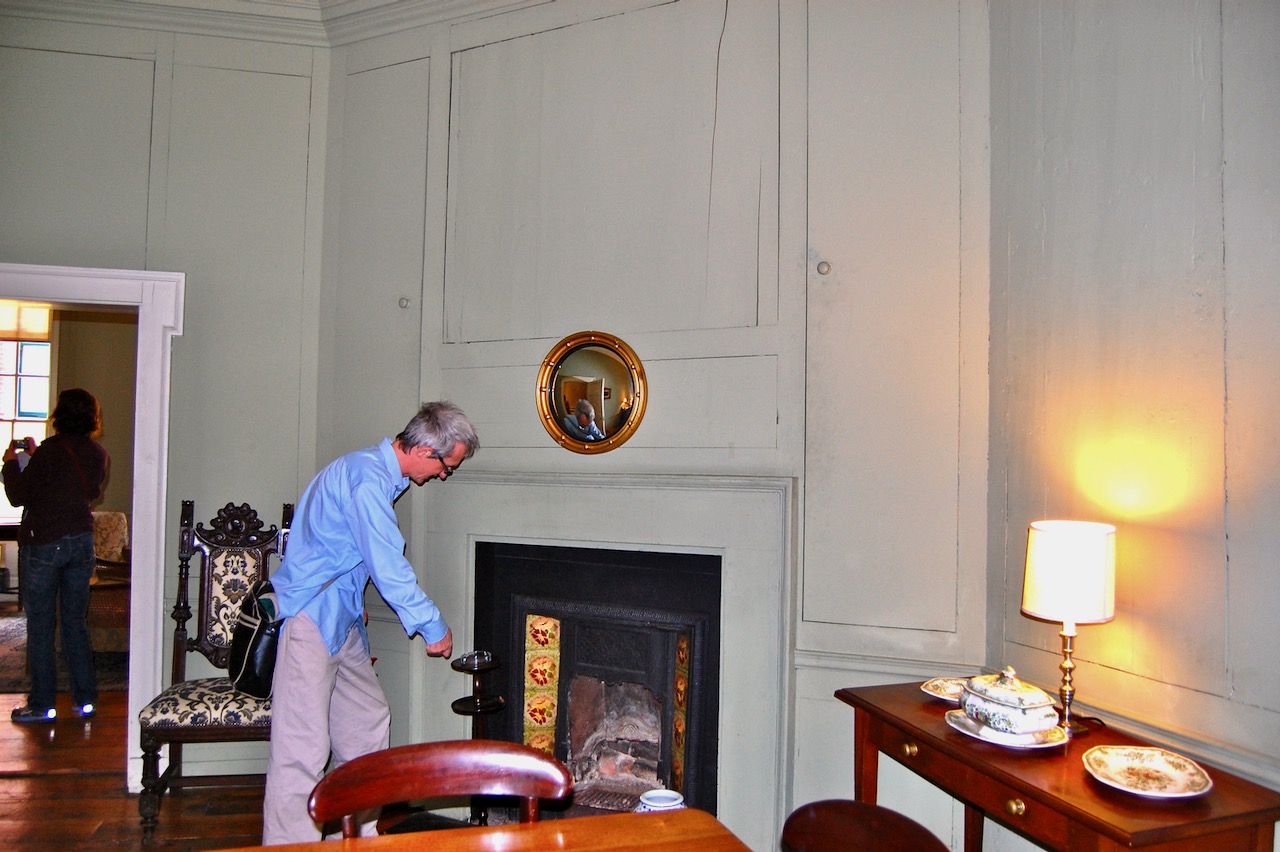
My father looks at the fireplace, 2011, Royal College of Surgeons. Photograph © Jennifer Winder-Baggot, www.irishhistorichouses.com
Open House, 2011, Royal College of Surgeons. Photograph © Jennifer Winder-Baggot, www.irishhistorichouses.com

11. Tailor’s Guild Hall, Dublin (Culture Night 2013)

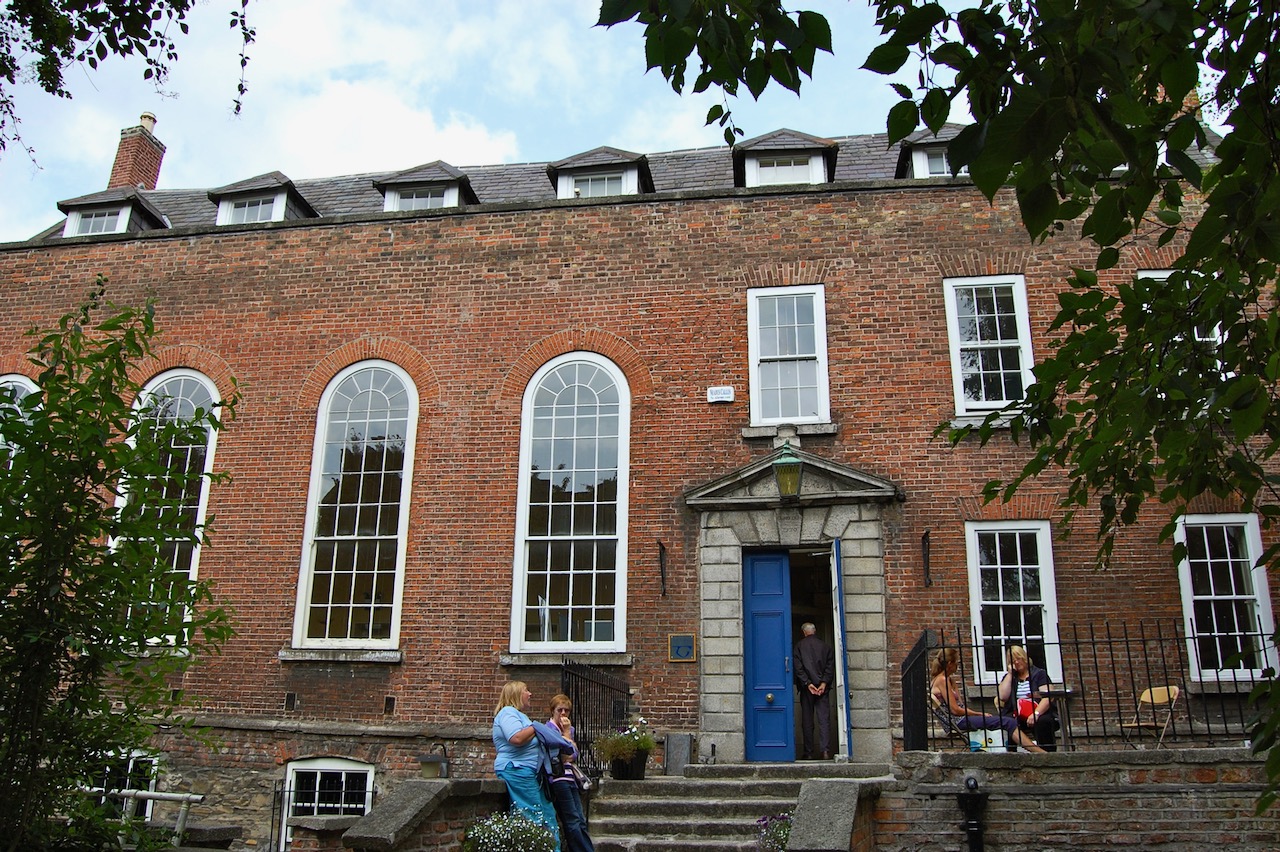
Tailor’s Guild Hall, 2013. Photograph © Jennifer Winder-Baggot, www.irishhistorichouses.com

https://openhousedublin.com/locations/tailors-hall/

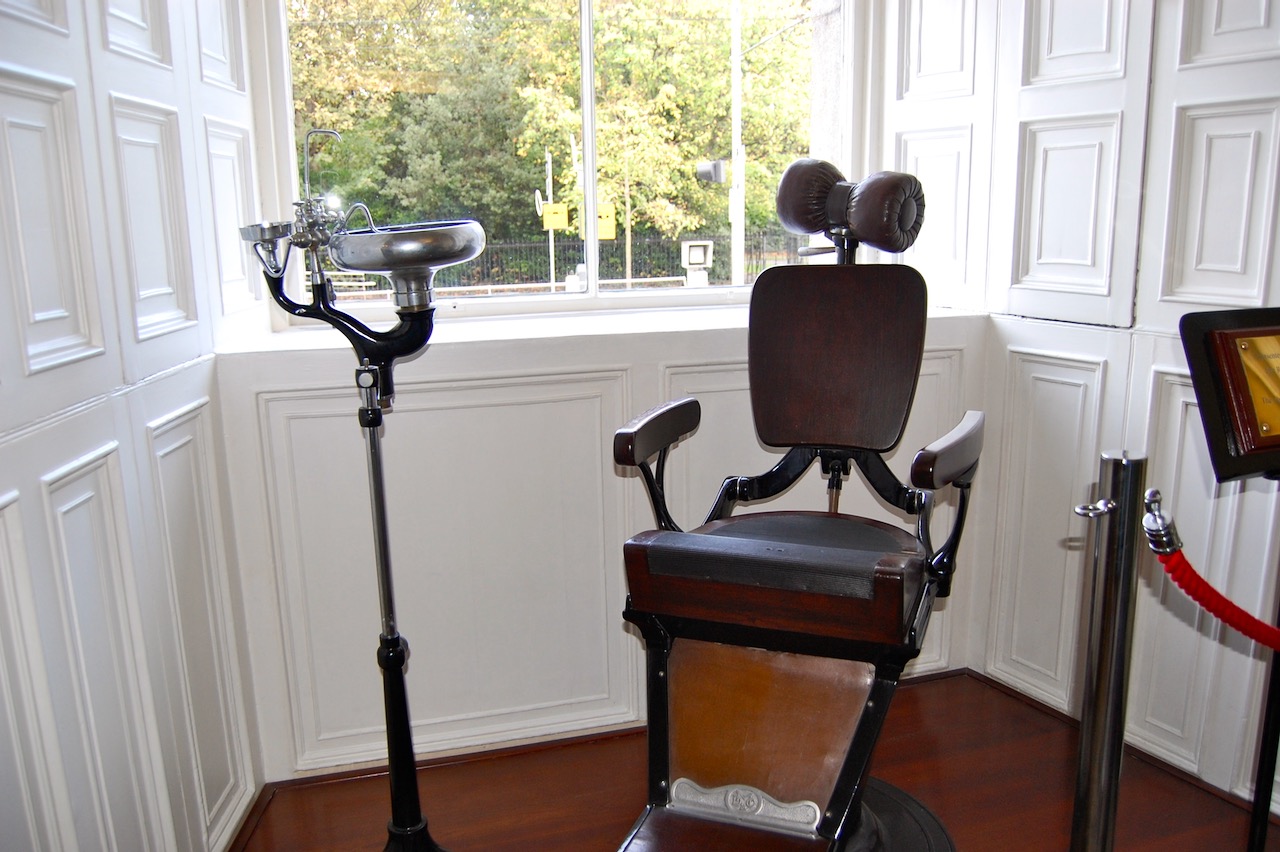
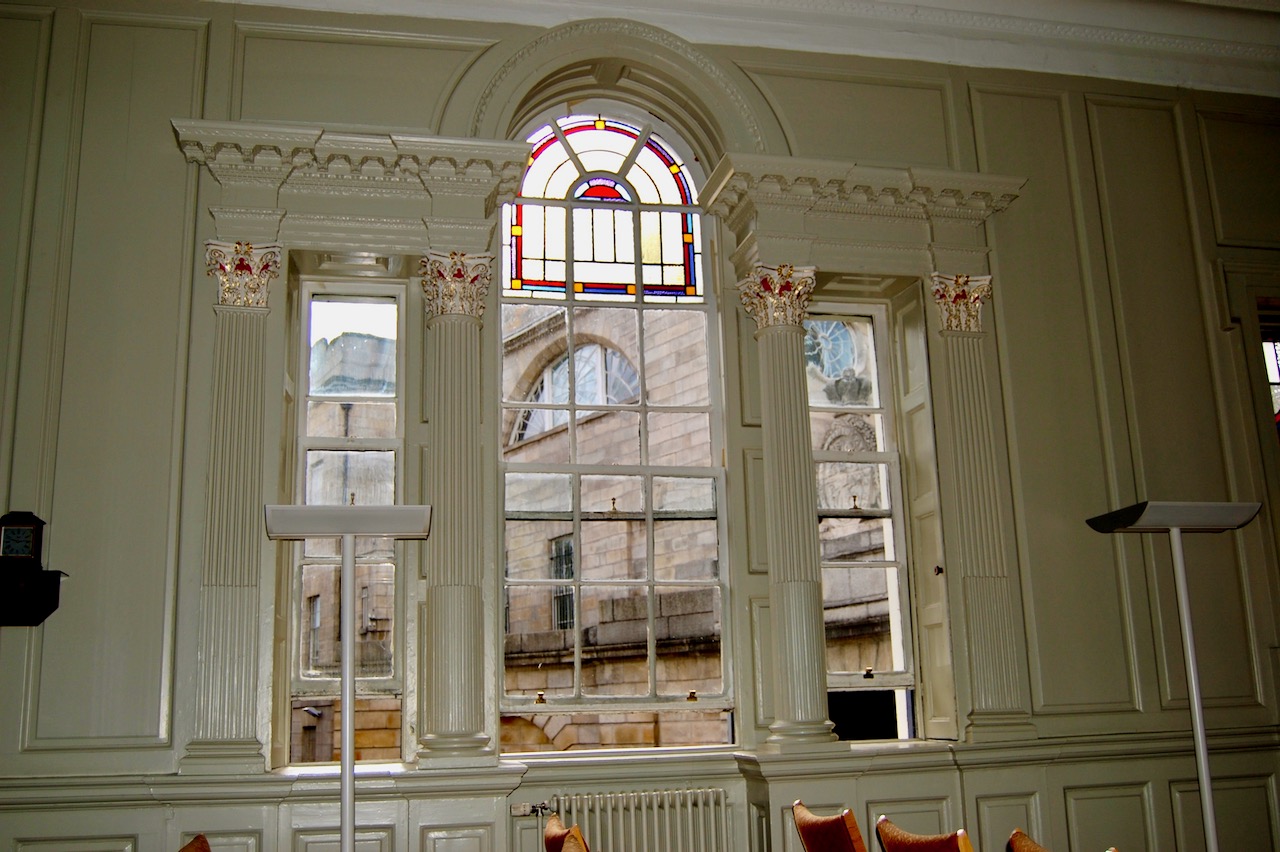
Tailor’s Hall was built in 1706 and is the only Guild Hall from the medieval guilds still in existence in Dublin. It is two storeys over basement and the hall inside is lit by tall round-headed windows on both sides, and has two floors of smaller rooms. It is now the headquarters for An Taisce. It was originally the meeting hall for the Guild of Merchant Tailors, from 1706-1841.

It was used in 1792 as the meeting place for the Catholic Committee during their campaign against Penal Law, and for this the building earned the nickname of “Back Lane Parliament.” Later still, it was used as a meeting place for the United Irishmen around 1798.

From Christine Casey, The Buildings of Ireland: Dublin, 2005, p. 367:
1703-1707, Richard Mills overseer. The Tailors’ Guild Hall is a tall shallow red brick building with a steep roof and dormer windows, a large gabled chimneystack and stair compartment projecting from the rear or N. wall. The entrance front is the long S elevation, reached by a stone arch and forecourt from Back Lane. In the 18th century the Hall was concealed behind houses on High Street and Back Lane and preceded only by the narrow arched pathway and a basement area. This unusual sequestered position is explained by the fact that the site was formerly occupied by a Jesuit chapel and college, endowed in 1629 by the Countess of Kildare. Seized by the Crown in 1630, it was subsequently repossessed by Lord and Lady Kildare and returned to the Jesuits who remained here for an unknown period prior to 1706…Tailors’ Hall is substantially early 18C. However, curiosities in the design and [p.368] structure suggest that it may incorporate something of the fabric of the 17C chapel.

The most striking feature of the facade is its asymmetry. Four tall narrow round-headed windows lighting the assembly hall fill almost two-thirds of the facade. To their right the facade is of two storeys and three bays with the entrance on the left next to the hall framed by an elegant rusticated limestone door surround of 1770. The basic arrangement reflects a pragmatic medieval-based system of hall and upper chamber, common in London livery halls of the late C17… A granite base-mould divides the brick masonry of the principal floor from the basement walling, which is largely of Calp with a band of brick forming the slightly cambered heads of the basement windows.”

Casey, p. 368: “the finest feature of the interior is the staircase, which is an elaborate open-well type with a low moulded handrail, barley sugar banisters and later square newels.” They are hand carved. Photograph © Jennifer Winder-Baggot, www.irishhistorichouses.com
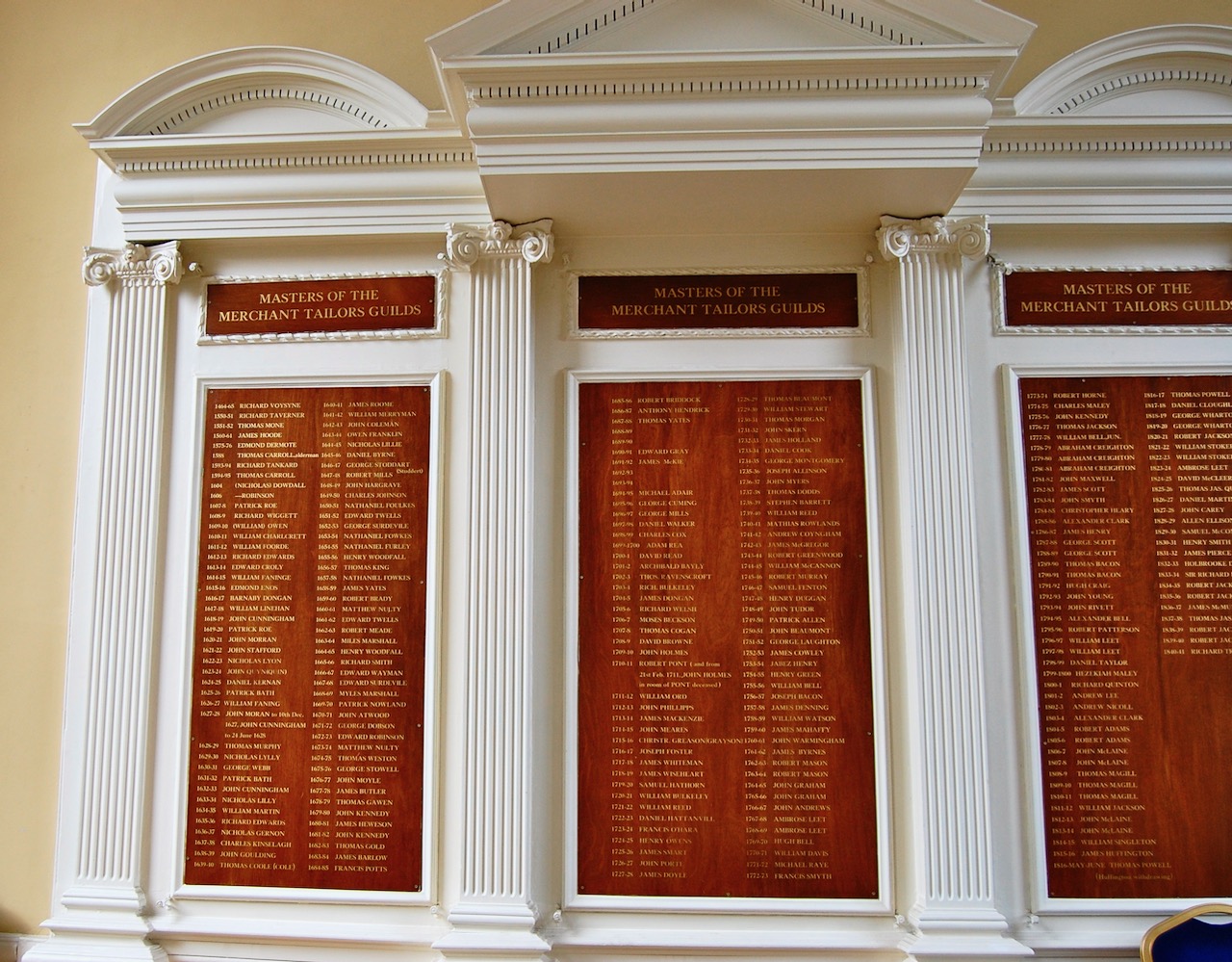
Tailor’s Guild Hall, Heritage Week 2013: p. 368, Casey: “an elegant double-height brightly lit hall with a fine early C18 Ionic reredos at the W end bearing the name of guild masters, a handsome marble chimneypiece…and at the east end a bowed draught lobby with a curious Gothic pelmet and above it a Late Georgian Neoclassical wrought-iron balcony reached from the room above the entrance hall.” Photograph © Jennifer Winder-Baggot, www.irishhistorichouses.com
Tailor’s Guild Hall, Heritage Week 2013. Photograph © Jennifer Winder-Baggot, www.irishhistorichouses.com

[1] https://www.archiseek.com/2010/1715-mansion-house-dawson-street-dublin/

[2] https://www.buildingsofireland.ie/building-of-the-month/the-mansion-house-dawson-street-dublin-2/ 

[3] National Library and Archives digital repository.

Open House, Culture Night and Heritage Week Dublin Visits

For the day that’s in it (it’s Culture Night 2022 today): this entry is not perfect but I want to publish it, and will improve it over time…

1. 9/9A Aungier Street, Dublin (Open House 2014)

2. Belvedere House, Dublin (Open House 2015)

3. Blackhall Place (formerly Blue Coat School) Dublin (Open House 2019)

4. City Assembly Hall, Dublin (Culture Night 2012)

5. Department of Trade and Commerce (2019)

6. Freemason’s Hall (Culture Night 2010)

7. Georgian Townhouse, 25 Eustace Street (2011)

8. 10 Henrietta Street, Dublin (2011)

9. 12 Henrietta Street, Dublin (2019)

10. 14 Henrietta Street, Dublin (July 2013 Heritage Week)

11. Iveagh House, Dublin (Department of Foreign Affairs) (Open House 2014)

12. Iveagh Trust flat, Iveagh Trust, Patrick Street, Dublin (Open House 2014)

13. Mansion House, Dublin (2015)

14. Marsh’s Library, Dublin (Heritage Week 2013)

15. 10 Mill Street, Dublin (2017)

16. 13 North Great Georges Street, Dublin (Open House 2012)

17. Pigeonhouse (2021)

18. Rates Office, Dublin (Open House 2013)

19. Royal Academy Dublin (2013)

20. Royal College of Physicians, Dublin (Heritage Week 2013)

21. Royal College of Surgeons, Dublin (2011)

22. St. Mary’s Abbey, Dublin (Culture Night 2012)

23. Tailor’s Guild Hall, Dublin (Heritage Week 2013)

24. Trinity Innovation Centre, former Bank, Foster Place, Dublin (Open House 2013)

1. 9/9A Aungier Street, Dublin (Open House 2014)

No. 9/9a Aungier Street, Dublin. Photograph © Jennifer Winder-Baggot, www.irishhistorichouses.com

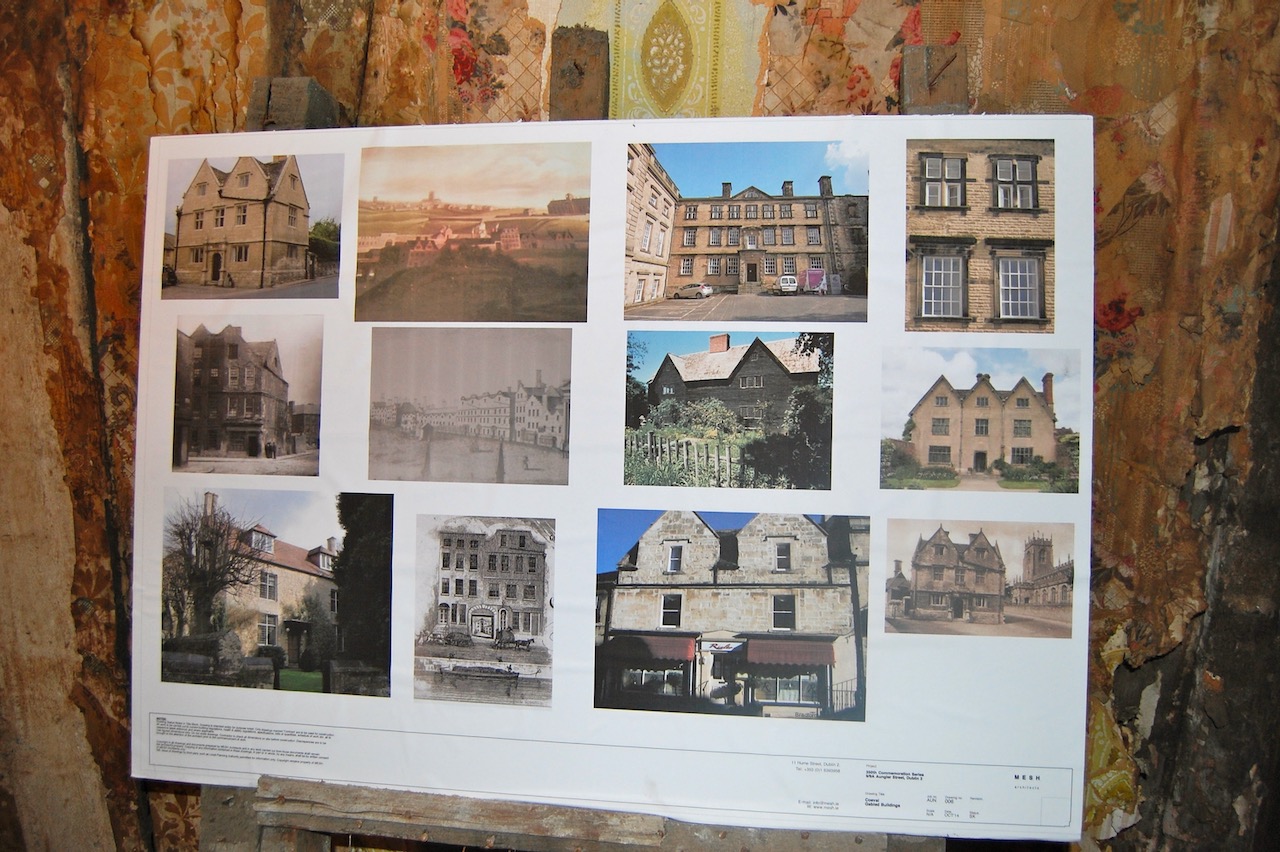
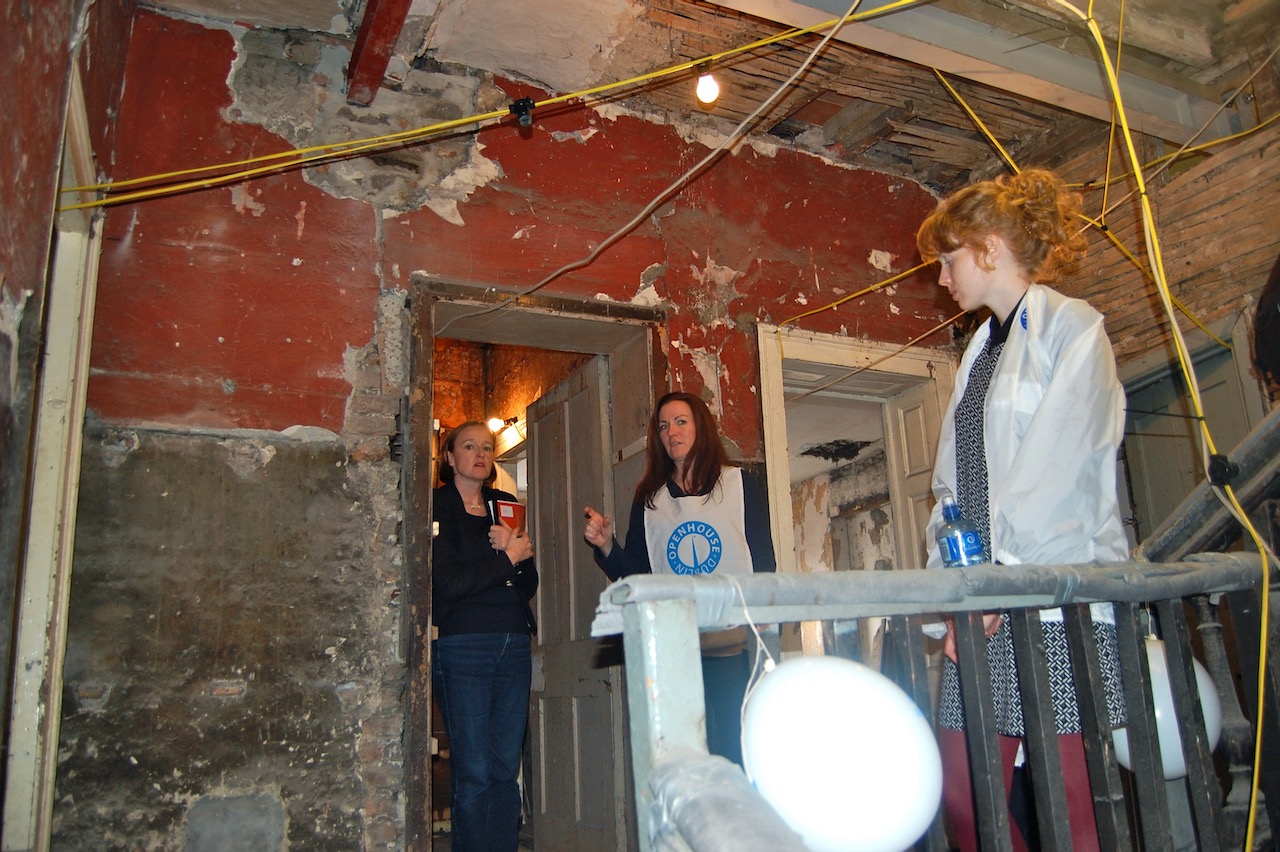
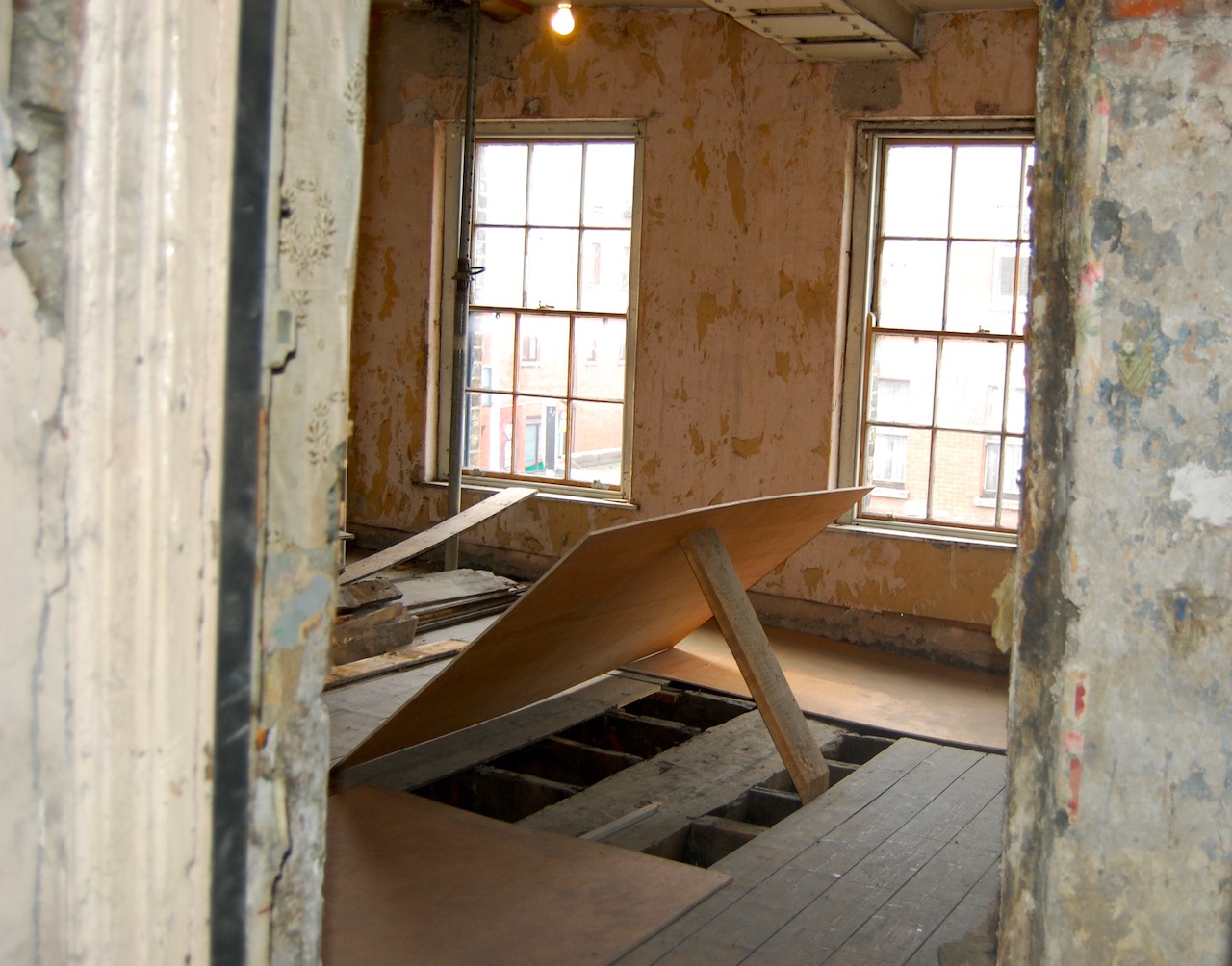
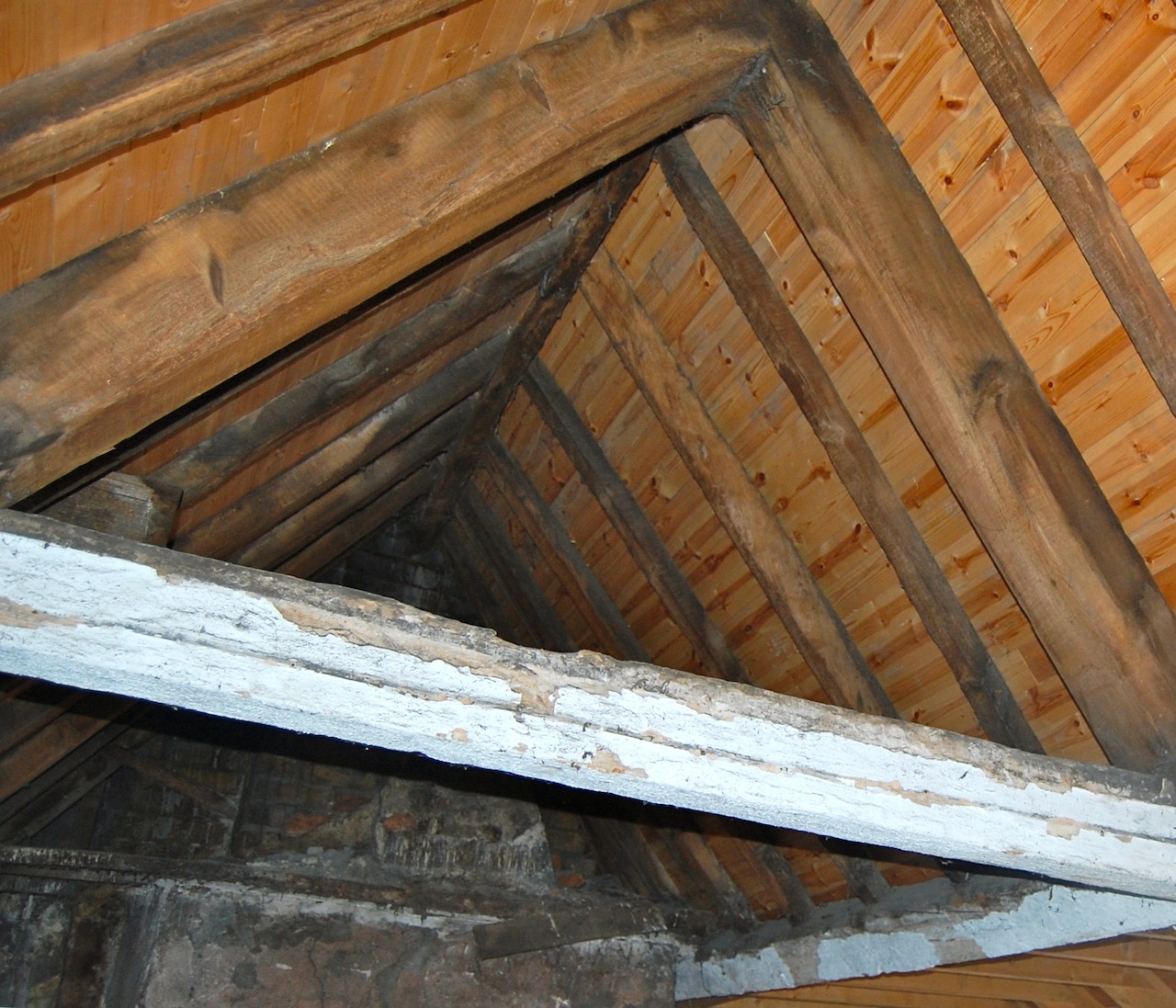
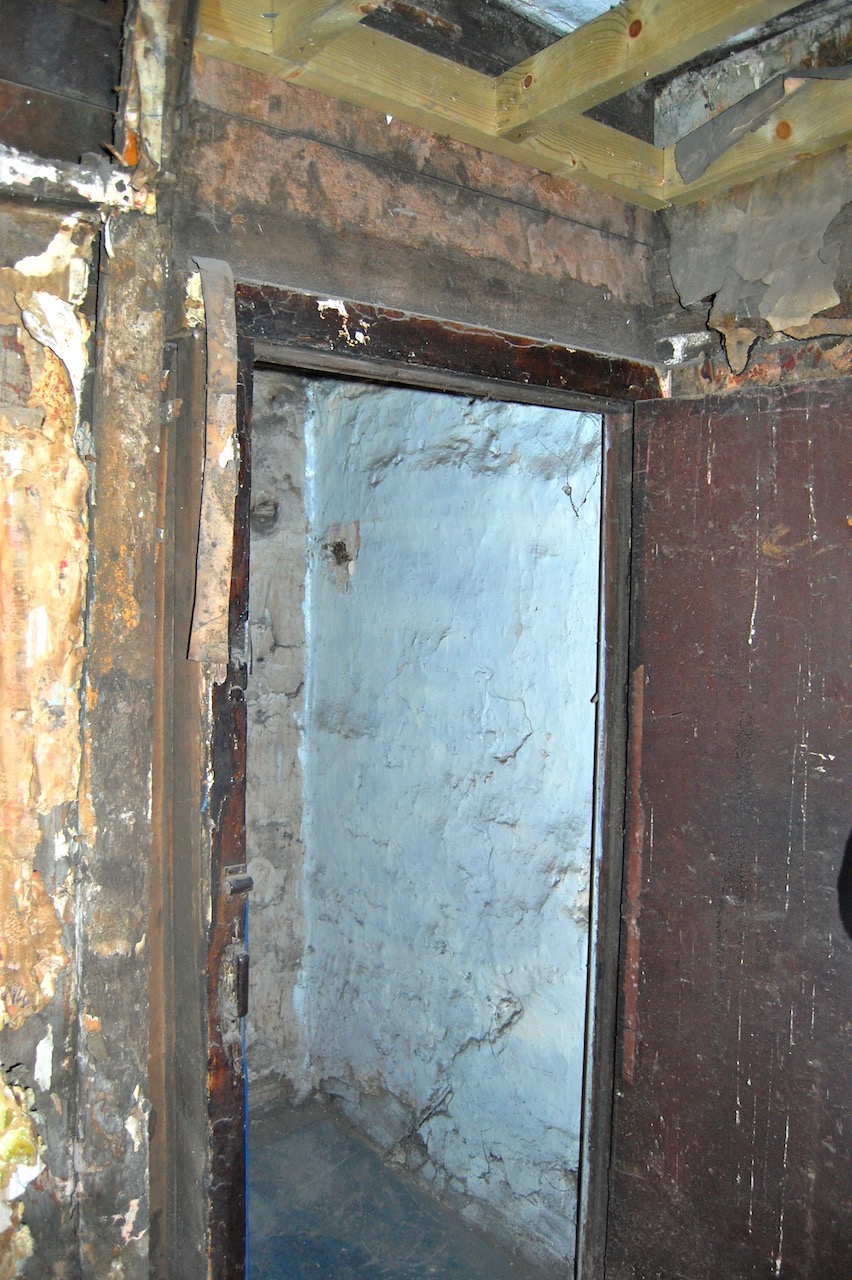
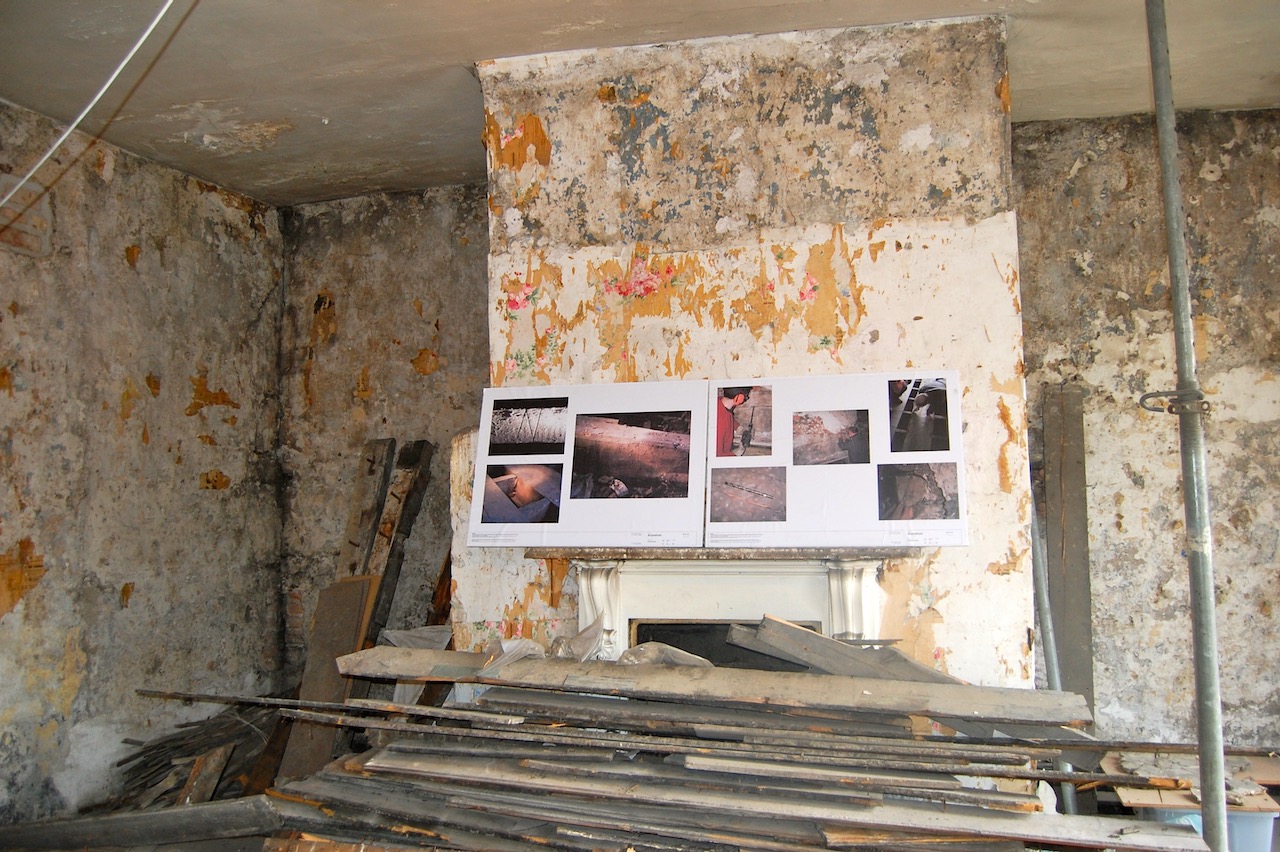
When remedial works were undertaken the age of this building was discovered. It was first realised it was older than thought when planners appraising development changes noticed the way the fireplace sticks so far out into the room.

No. 9/9a Aungier Street, Dublin, 350 years old, what it probably looked like on outside, see lower second picture. Photograph © Jennifer Winder-Baggot, www.irishhistorichouses.com
No. 9/9a Aungier Street, Dublin, 350 years old. Photograph © Jennifer Winder-Baggot, www.irishhistorichouses.com
No. 9/9a Aungier Street, Dublin. Photograph © Jennifer Winder-Baggot, www.irishhistorichouses.com
No. 9/9a Aungier Street, Dublin, 350 years old, exposing flooring method, with original pine floor support. Photograph © Jennifer Winder-Baggot, www.irishhistorichouses.com
No. 9/9a Aungier Street, Dublin, 350 years old, not original woodwork, probably later, decorative. Photograph © Jennifer Winder-Baggot, www.irishhistorichouses.com
No. 9/9a Aungier Street, Dublin, 350 years old. Photograph © Jennifer Winder-Baggot, www.irishhistorichouses.com
No. 9/9a Aungier Street, Dublin, 350 years old, original walls and beams inside niche. Photograph © Jennifer Winder-Baggot, www.irishhistorichouses.com
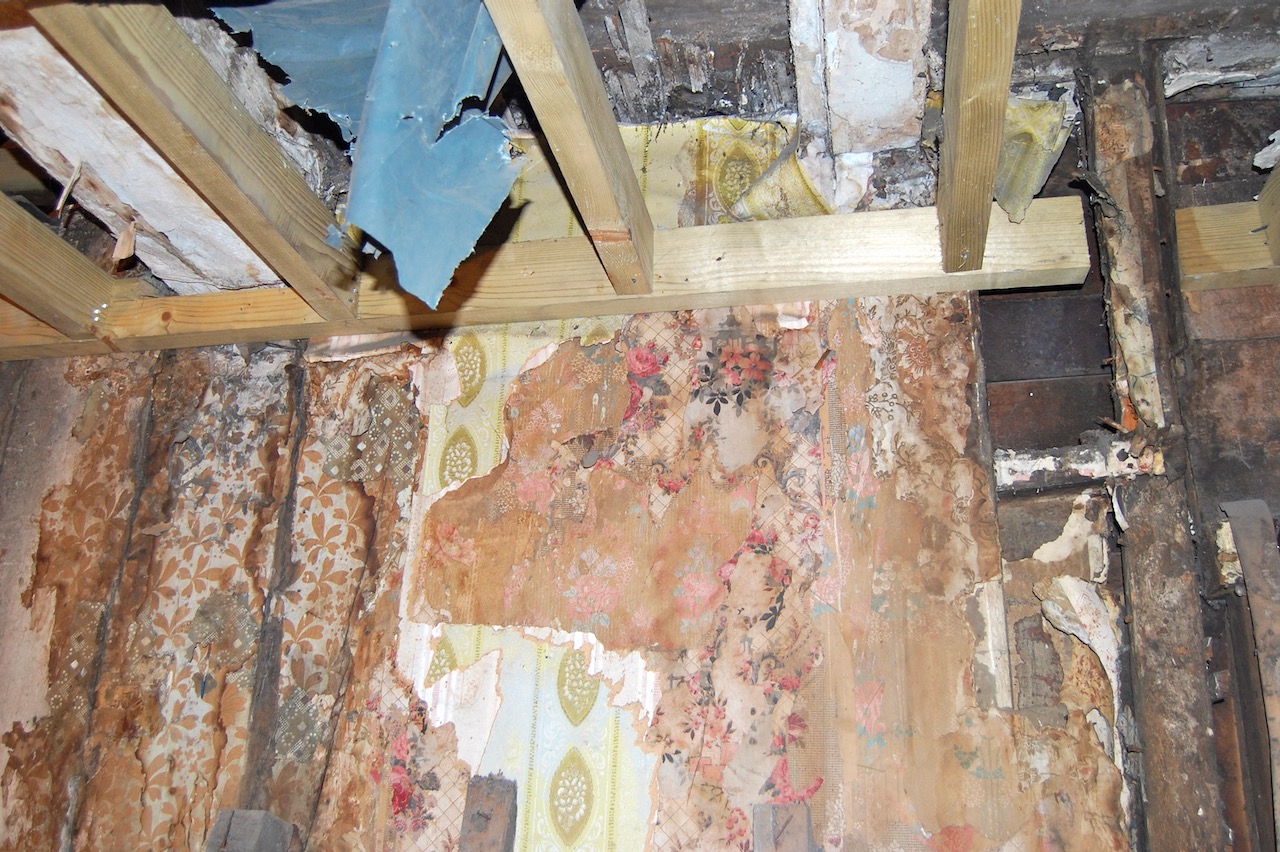
No. 9/9a Aungier Street, Dublin, 350 years old – layers of wallpaper. Photograph © Jennifer Winder-Baggot, www.irishhistorichouses.com
No. 9/9a Aungier Street, Dublin, 350 years old. It was first realised it was older than thought when planners appraising development changes noticed the way the fireplace sticks so far out into the room. Photograph © Jennifer Winder-Baggot, www.irishhistorichouses.com
No. 9/9a Aungier Street, Dublin, 350 years old, marks made by builders to let them know which beam fits into which joint, of the Baltic pine flooring, see the “v” carved into beam and joint. Photograph © Jennifer Winder-Baggot, www.irishhistorichouses.com
No. 9/9a Aungier Street, Dublin, 350 years old. Photograph © Jennifer Winder-Baggot, www.irishhistorichouses.com
No. 9/9a Aungier Street, Dublin, 350 years old, original fireplace. Photograph © Jennifer Winder-Baggot, www.irishhistorichouses.com
No. 9/9a Aungier Street, Dublin, 350 years old. Photograph © Jennifer Winder-Baggot, www.irishhistorichouses.com

2. Belvedere House, 6 Great Denmark Street, Dublin (Open House 2015):

https://www.oreillytheatre.com/belvedere-house.html

Open House 2015, Belvedere House, Belvedere College, Dublin. Photograph © Jennifer Winder-Baggot, www.irishhistorichouses.com

We went into three rooms upstairs, up the beautiful staircase. We weren’t allowed photograph on the tour, unfortunately, in the Apollo Room, Venus Room and Jupiter Room.

Belvedere House is a detached symmetrical five-bay four-storey Georgian townhouse over exposed basement, completed 1786, designed by Robert West who, in addition to being a stuccodore was also an architect and property developer, for George Augustus Rochfort, 2nd Earl of Belvedere. The house was built for £24,000 on what would have been rural green fields with a view of the Custom House, the bay and distant mountains. It is alleged that the house is haunted by Mary Molesworth, the first lady of Belvedere, mother to George Rochfort – we came across her at Belvedere in County Westmeath.

Rochfort was the son of the cruel Robert Rochfort, 1st Earl of Belvedere, who kept his wife under lock and key in the countryside after he believed she had an affair with his brother. Some believe that she was the inspiration for Charlotte Bronte’s “madwoman in the attic.” Robert Rochfort had the summer lodge, Belvedere, built in County Westmeath, now open to the public, which also has fine plasterwork. Robert O’Byrne writes that it was the 1st Earl who bought the property on Great Denmark Street. At first his son attempted to sell the property, but then he finished having the house built. Robert O’Byrne also tells us that it is similar to 86 St Stephen’s Green (Newman House, now housing the Museum of Literature of Ireland (MOLI), which was begun in 1765, and which is also attributed to Robert West.

North Great Georges Street itself was originally laid out in 1774 as a driveway leading to Belvedere House.

In 1841 the house was bought by the Society of Jesus (Jesuits) to accommodate their growing boys school which had started life ten years previously around the corner on Hardwicke Street, now known as Belvedere College.

One of the more outstanding features of the house is the stucco-work of Adamesque style popularised by Robert and James Adam. This can be seen in the ornamental surrounds, wherein pictures are framed in plaster rather than oil.

Dublin stuccodore and designer Michael Stapleton (1740-1801) was responsible for this work and further examples of his craftsmanship include the ceiling in the exam hall in Trinity College as well as some of the plasterwork in Powerscourt House in South William Street in Dublin and the Aras an Uachtarain in Phoenix Park.

Open House, Belvedere House, Belvedere College, Dublin. Photograph © Jennifer Winder-Baggot, www.irishhistorichouses.com

It seems odd that a house designed by Robert West, however, would have plasterwork by Michael Stapleton. Robert O’Byrne elucidates this for us:

“In 1967 C.P. Curran’s  Dublin Decorative Plasterwork of the 17th and 18th centuries noted in the collection of drawings left by stuccodore Michael Stapleton several items directly relating to the design of ceilings in Belvedere House. Accordingly, this work was assigned to Stapleton. However, the fact that West was responsible for designing the house complicates matters, and the consensus now appears to be that both he and Stapleton had a hand in the plasterwork. Conor Lucey (in The Stapleton Collection, 2007) suggests that Stapleton may have been apprenticed to, or trained with, West and the fact that he was named the sole executor of the latter’s will in 1790 indicates the two men were close. The source material for the stucco work is diverse, that in the stair hall deriving in part from a plate in Robert Adam’s Works in Architecture, but the first-floor rooms feature a wider range of inspiration, much of it from France and Italy.”

Open House 2015, Belvedere House, Belvedere College, Dublin – excuse the shakey camera – I need to visit again! Photograph © Jennifer Winder-Baggot, www.irishhistorichouses.com

We were given a leaflet, which tells us:

The ground floor rooms were intended for everyday and business use and therefore are minimally ornamented. However when one ascends they will encounter Stapleton’s stucco-work that depicts scenes from Greek and Roman mythology. On the half-landing the Bacchanalia is celebrated. The left panel depicts Bacchus with his thyrsis and staff, the right panel is Ceres with her cornucopia. The central oval shows Cupid being demoted by the three Graces. The arched window is ornamented with symbols of the authority of ancient Rome. The tall pilasters on each side have the Green anthemion (honeysuckle) motifs.

At the top of the stairs the panel between the two doors on the right show Juno seated on a cloud with her peacock. The panel on the centre wall is Aurora in her chariot pulled by winged horses. Under this plaque “The New Bride” from an ancient marble popular in 18th century Rome. All the five doors have the same over-door: Silenus, the tutor of Bacchus. On the ceiling, Eros is depicted gazing at Psyche as she sleeps. Next is an Apollo head with winged lions and lastly, Cupid with a flower.

The door immediately to the right of the stairs leads to the Apollo Room, named after the featured frieze of Apollo the music-maker holding court with attendent putti playing a variety of instruments. The adjoining Diana Room depicts Diana, patron of the chase, in a chariot drawn by stags. The design is taken directly from Pergolesi, however, Stapleton added the outer circle of flowers.

Finally the Venus Room’s flanking panels have lunettes representing astronomy, architecture and sculpture. Notice the beautiful over-doors in all three rooms, each with the head of the principle subject.”

Notice that Venus was taken down by the Jesuits as she was nude, and it is supposedly in the National Gallery.

3. Blackhall Place (formerly Blue Coat School) Dublin, 2019.

Blackhall Place, Dublin, or The Blue Coat School, by Thomas Ivory, 2019. A taller tower was initially planned. Photograph © Jennifer Winder-Baggot, www.irishhistorichouses.com

Archiseek tells us that the first Blue Coat School or King’s Hospital was erected in Oxmantown Green between 1669-1673. It was officially named the Hospital and Free School of King Charles II. Orphans were nominated to attend the school by the Alderman or the parish, with funding coming from voluntary donations and from ground rent of St. Stephen’s Green. This building was demolished to make way for the new building, pictured above. The current building was started in 1773. Ivory resigned in disgust before it was finished, due to lack of funds, and only a stub was built instead of his tower, and the stub was removed in 1894 and a dome constructed.

The description of the tour tells us:

The last of Dublin’s Palladian public buildings, the granite and Portland stone Blue Coat School replaced earlier premises, which had been established by King Charles I in 1671 to care for the sons of impoverished citizens. Construction began in 1773 to designs by Thomas Ivory, however funding issues led to a reduced building programme and Ivory’s departure. In 1894, a copper-clad cupola designed by Robert Stirling was added. Today, the building is home to the Law Society of Ireland, which has taken great care to retain many fine interior features.

Blackhall Place, Dublin, or The Blue Coat School, by Thomas Ivory, 2019. Photograph © Jennifer Winder-Baggot, www.irishhistorichouses.com

The building now houses the Law Society. It was built as a traditional country house composition with a central block, two wings and connecting passages. The wings have decorations intended to mirror the central tower.

Blackhall Place, Dublin, or The Blue Coat School, by Thomas Ivory, 2019. Photograph © Jennifer Winder-Baggot, www.irishhistorichouses.com
Stephen Trotter, Judge of the Prerogative Court, by Peter Scheemakers (1691-1781), brought from Duleek, County Louth. Photograph © Jennifer Winder-Baggot, www.irishhistorichouses.com
Blackhall Place, Dublin, or The Blue Coat School, by Thomas Ivory, 2019. Photograph © Jennifer Winder-Baggot, www.irishhistorichouses.com

The interior contains plasterwork by Charles Thorpe and carvings by Simon Vierpyl.

Blackhall Place, Dublin, or The Blue Coat School, by Thomas Ivory, 2019. Photograph © Jennifer Winder-Baggot, www.irishhistorichouses.com
back of Blackhall Place, Dublin, or The Blue Coat School, by Thomas Ivory, 2019. Photograph © Jennifer Winder-Baggot, www.irishhistorichouses.com
Collins Barracks, behind Blue Coat School/Blackhall Place, 2019. Photograph © Jennifer Winder-Baggot, www.irishhistorichouses.com
Collins Barracks behind Blackhall Place, 2019. Photograph © Jennifer Winder-Baggot, www.irishhistorichouses.com
Back of Blackhall Place, Dublin, or The Blue Coat School, by Thomas Ivory, 2019. Photograph © Jennifer Winder-Baggot, www.irishhistorichouses.com
back of Blackhall Place, Dublin, or The Blue Coat School, by Thomas Ivory, 2019. Photograph © Jennifer Winder-Baggot, www.irishhistorichouses.com
Photograph © Jennifer Winder-Baggot, www.irishhistorichouses.com
Side of Blackhall Place, Dublin, or The Blue Coat School, by Thomas Ivory, 2019. Photograph © Jennifer Winder-Baggot, www.irishhistorichouses.com
side of Blackhall Place, Dublin, or The Blue Coat School, by Thomas Ivory, 2019. Photograph © Jennifer Winder-Baggot, www.irishhistorichouses.com

4. City Assembly Hall, Dublin (2012 Culture Night)

The Octagon Room of the City Assembly Hall, Dublin, in September 2012, after renovation by the Irish Georgian Society. Photograph © Jennifer Winder-Baggot, www.irishhistorichouses.com
2012: City Assembly Hall, Dublin. Photograph © Jennifer Winder-Baggot, www.irishhistorichouses.com
City Assembly Rooms lantern light and balcony September 2021. Photograph © Jennifer Winder-Baggot, www.irishhistorichouses.com
2012: inside the octagon room in the City Assembly Hall, Dublin. Photograph © Jennifer Winder-Baggot, www.irishhistorichouses.com
2012: City Assembly Hall, Dublin. Photograph © Jennifer Winder-Baggot, www.irishhistorichouses.com
Upper room in City Assembly Hall, Dublin, September 2021. Photograph © Jennifer Winder-Baggot, www.irishhistorichouses.com
Photograph © Jennifer Winder-Baggot, www.irishhistorichouses.com

5. Department of Industry and Commerce, Kildare Street (Open House 2019)

Department of Industry and Commerce, Open House 2019: The tall round-headed window passes up through the floors to a keystone of representing Eire, with “jazzy” interstitial panels. Photograph © Jennifer Winder-Baggot, www.irishhistorichouses.com
The carved lintel of the doorway represents the celtic god Lugh releasing aeroplanes into the air! Photograph © Jennifer Winder-Baggot, www.irishhistorichouses.com

The architect was J. R. Boyd Barrett, who won a competition to built it in 1936. It has a stripped Classical design with an Art Deco entrance bay addition. The external relief sculptures are by Gabriel Hayes. The tall round-headed window passes up through the floors to a keystone of representing Eire, with “jazzy” interstitial panels [Archiseek]. On the Schoolhouse Lane side the keystone represents Brendan the Navigator. The main entrance has a heavy cast bronze gates, and the carved lintel of the doorway represents the celtic god Lugh releasing aeroplanes into the air!

On the Schoolhouse Lane side the keystone represents Brendan the Navigator. Photograph © Jennifer Winder-Baggot, www.irishhistorichouses.com
Department of Industry and Commerce, Open House 2019. Photograph © Jennifer Winder-Baggot, www.irishhistorichouses.com
Department of Trade and Commerce, Open House 2019. Photograph © Jennifer Winder-Baggot, www.irishhistorichouses.com
Department of Trade and Commerce, Open House 2019. The relief carvings here represent stylised images of industry and commerce. Photograph © Jennifer Winder-Baggot, www.irishhistorichouses.com

The interiors were also designed by Boyd Barrett and everything from the ashtrays, fireplaces and door handles were specially designed. The interiors feature polished woods and metals and patterned linoleum floors, and the ceilings are deeply coffered.

Department of Trade and Commerce, Open House 2019. The interiors were also designed by Boyd Barrett and everything from the ashtrays, fireplaces and door handles were specially designed. Photograph © Jennifer Winder-Baggot, www.irishhistorichouses.com
Department of Trade and Commerce, Open House 2019. Photograph © Jennifer Winder-Baggot, www.irishhistorichouses.com

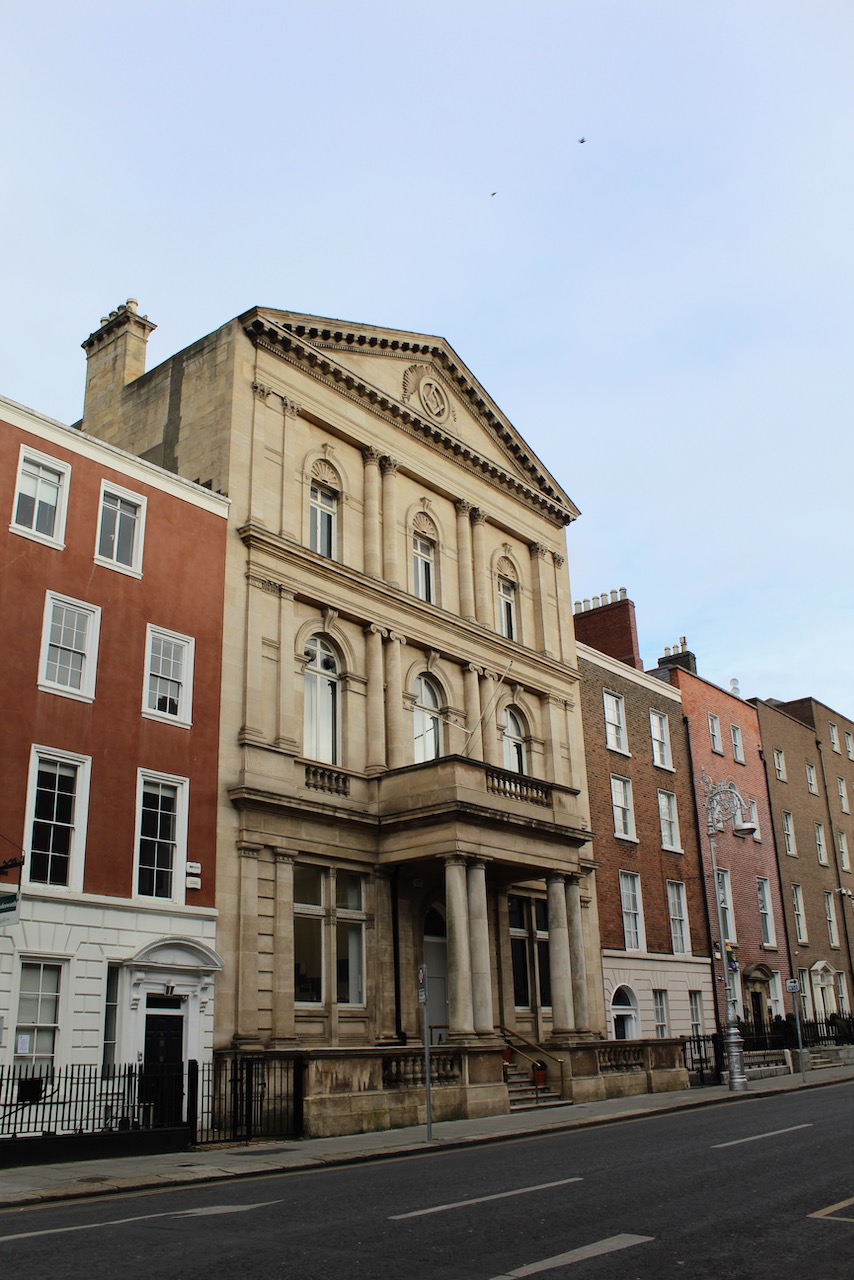
6. Freemason’s Hall, Molesworth Street (Dublin 2010)

Freemason’s Hall, Molesworth Street, Dublin, 2022. Photograph © Jennifer Winder-Baggot, www.irishhistorichouses.com

https://freemason.ie/museum-library-archive/

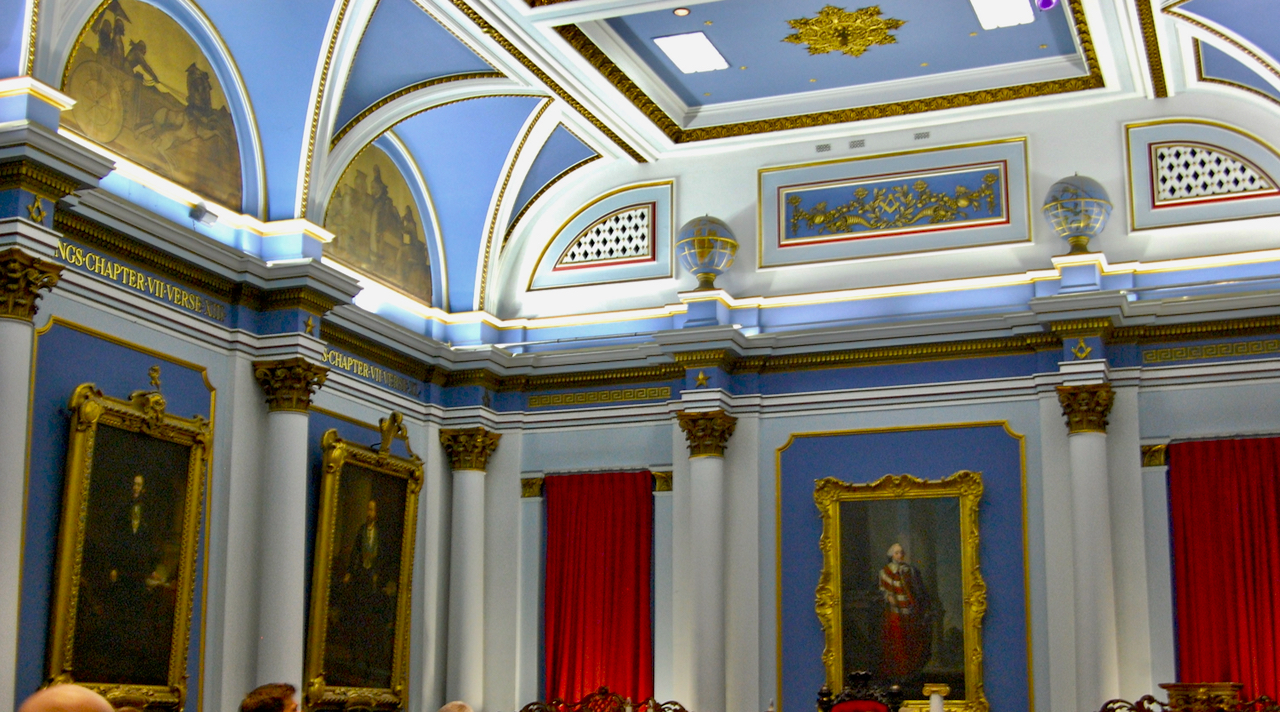
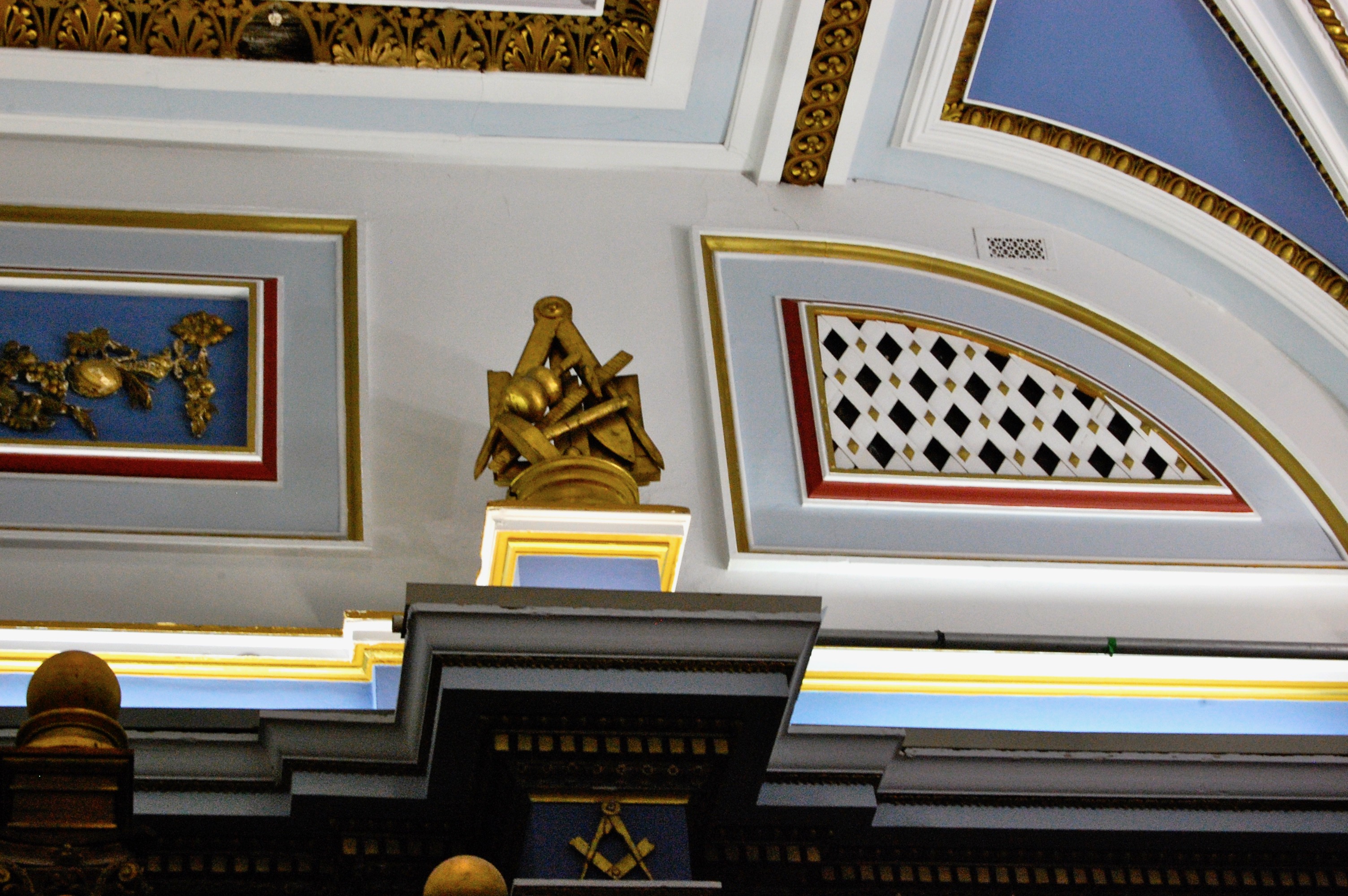
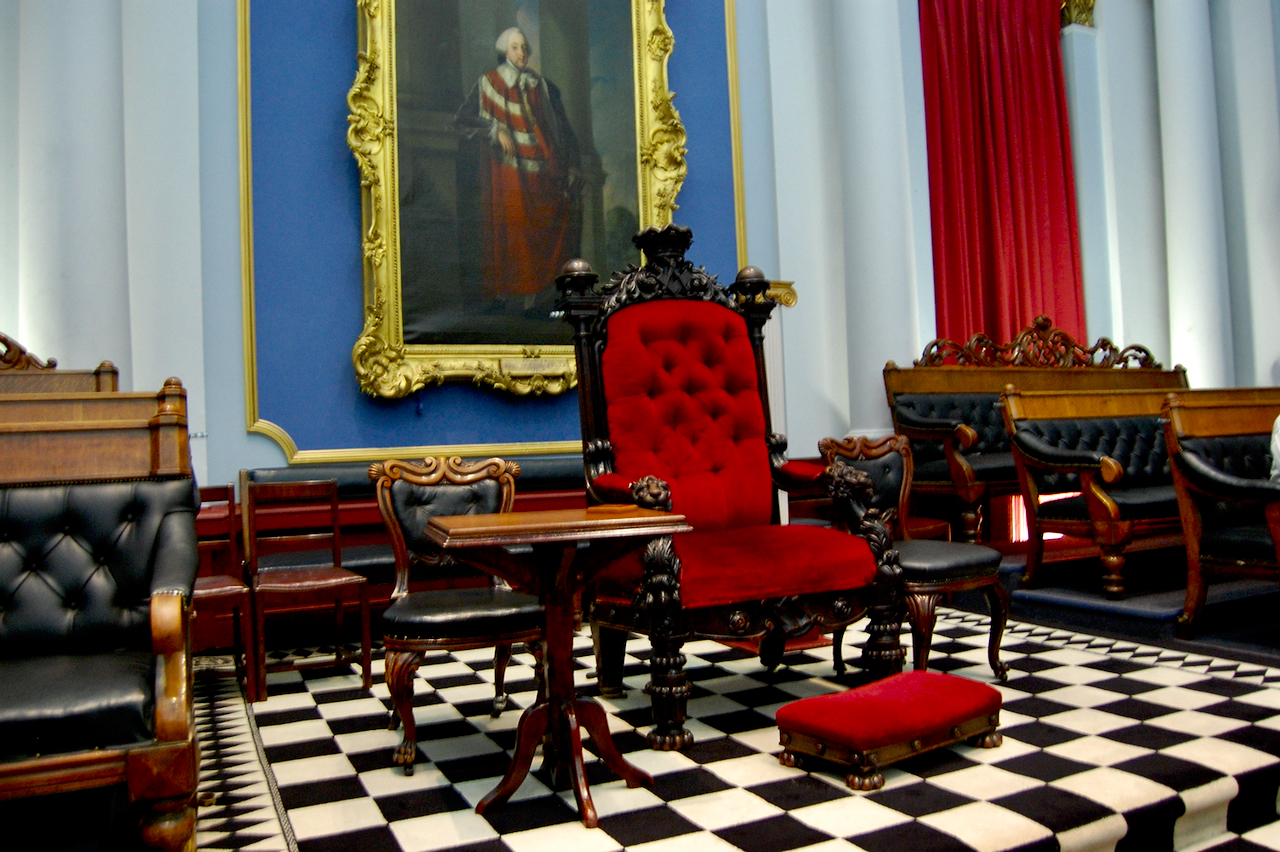
The Freemason’s Hall was built on the site of the townhouse of their first Grand Master, the Earl of Rosse. The building was completed in 1866, designed by Edward Holmes of Birmingham. The architect used three orders on the facade: Doric (lower), Ionic (centre) and Corinthian (upper). The pediment contains the Masonic square and compass.

Freemason’s Hall, Molesworth Street, Dublin, 2022. Photograph © Jennifer Winder-Baggot, www.irishhistorichouses.com

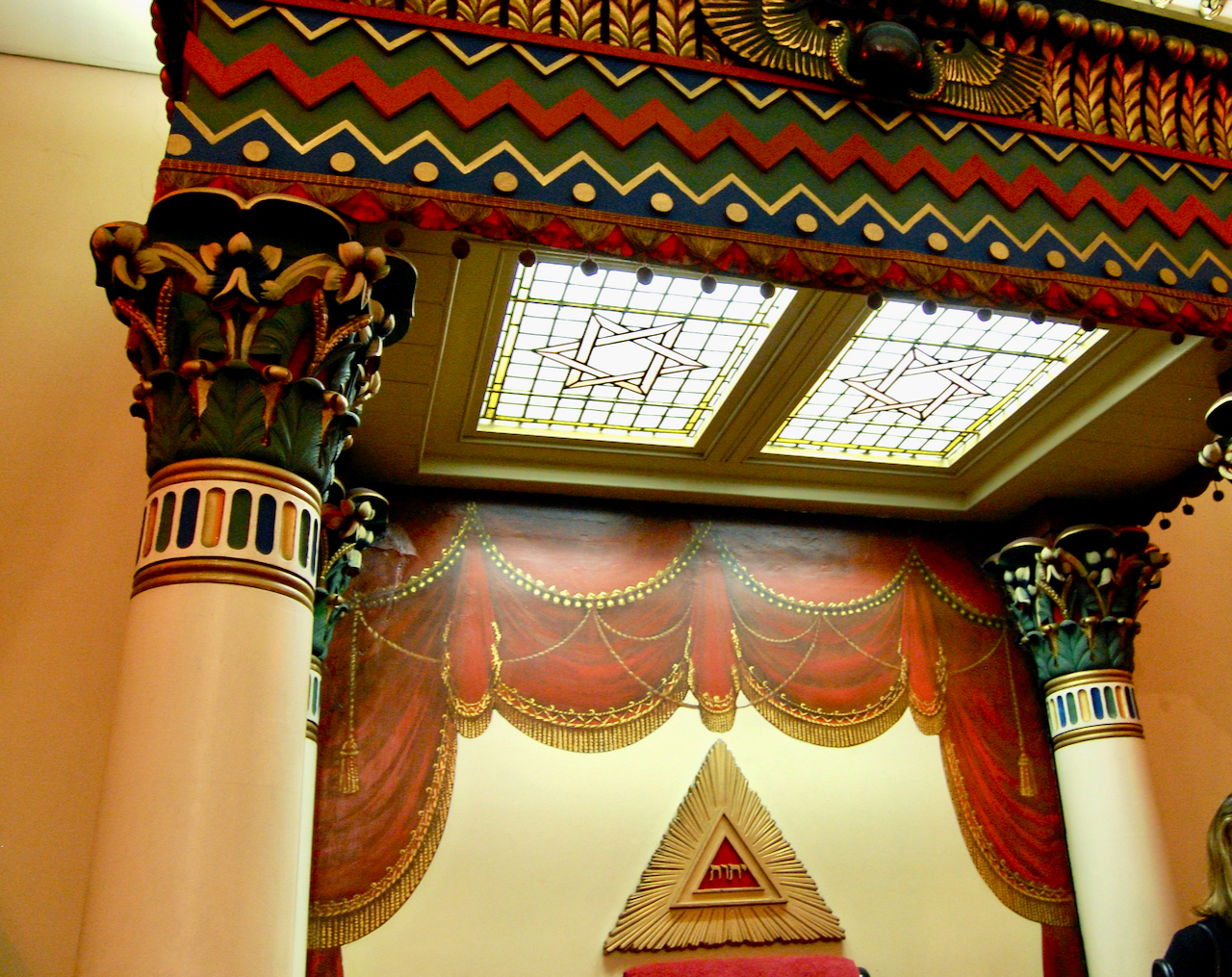
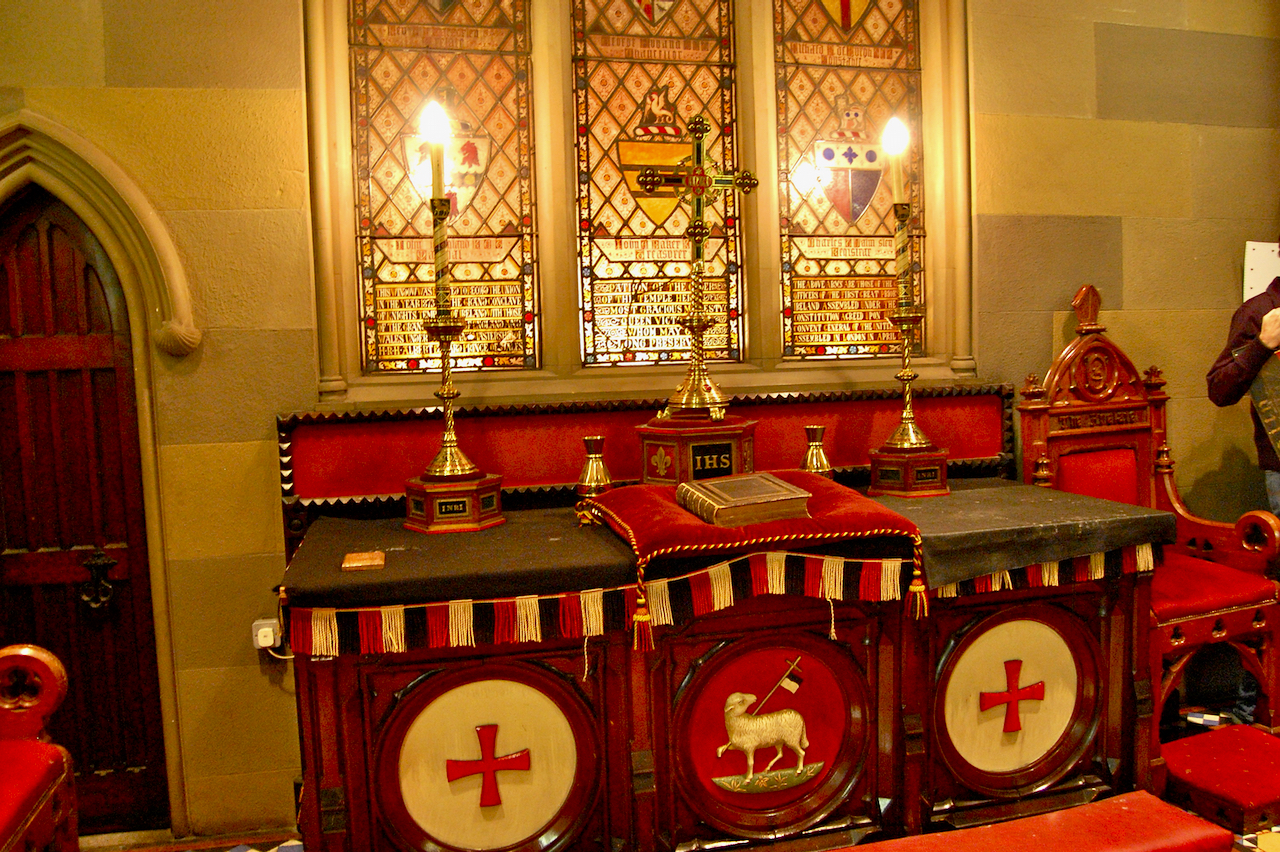
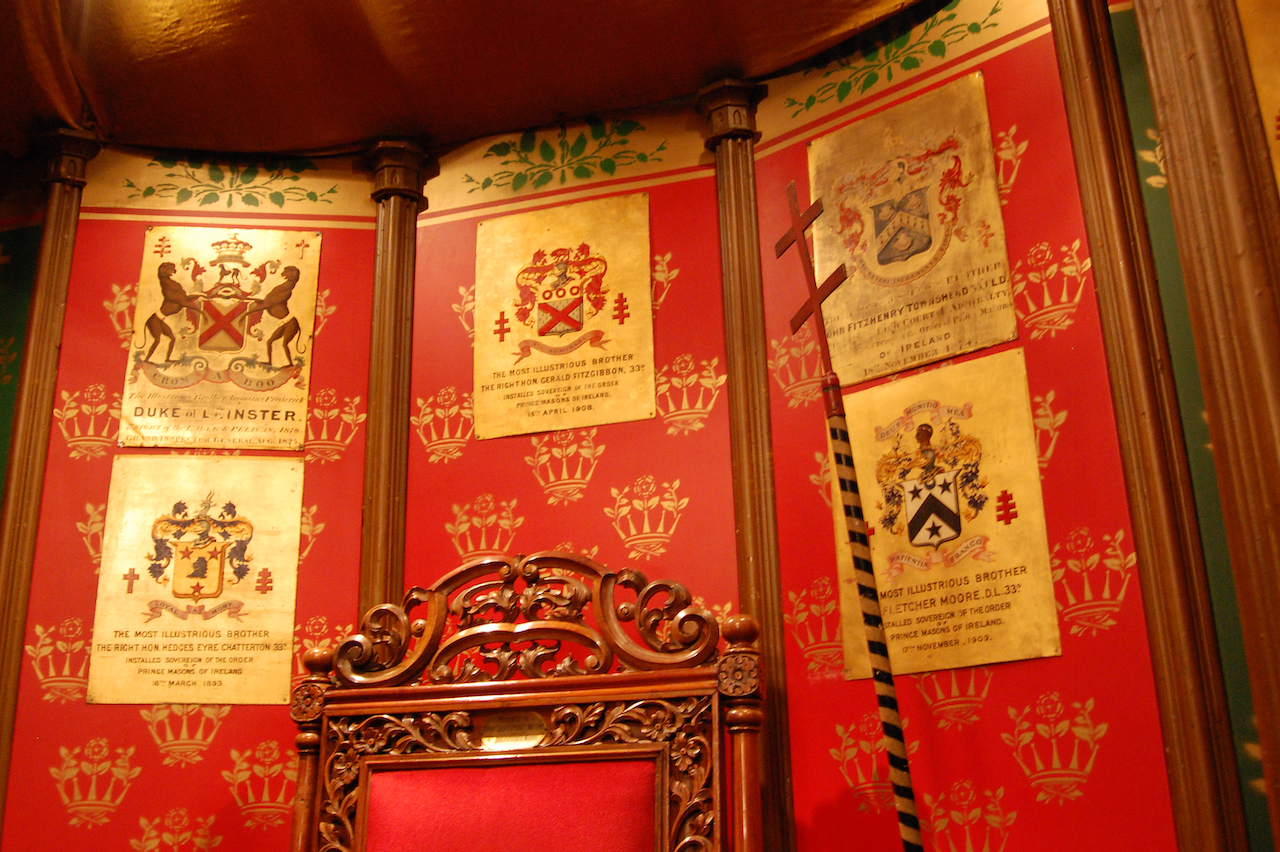
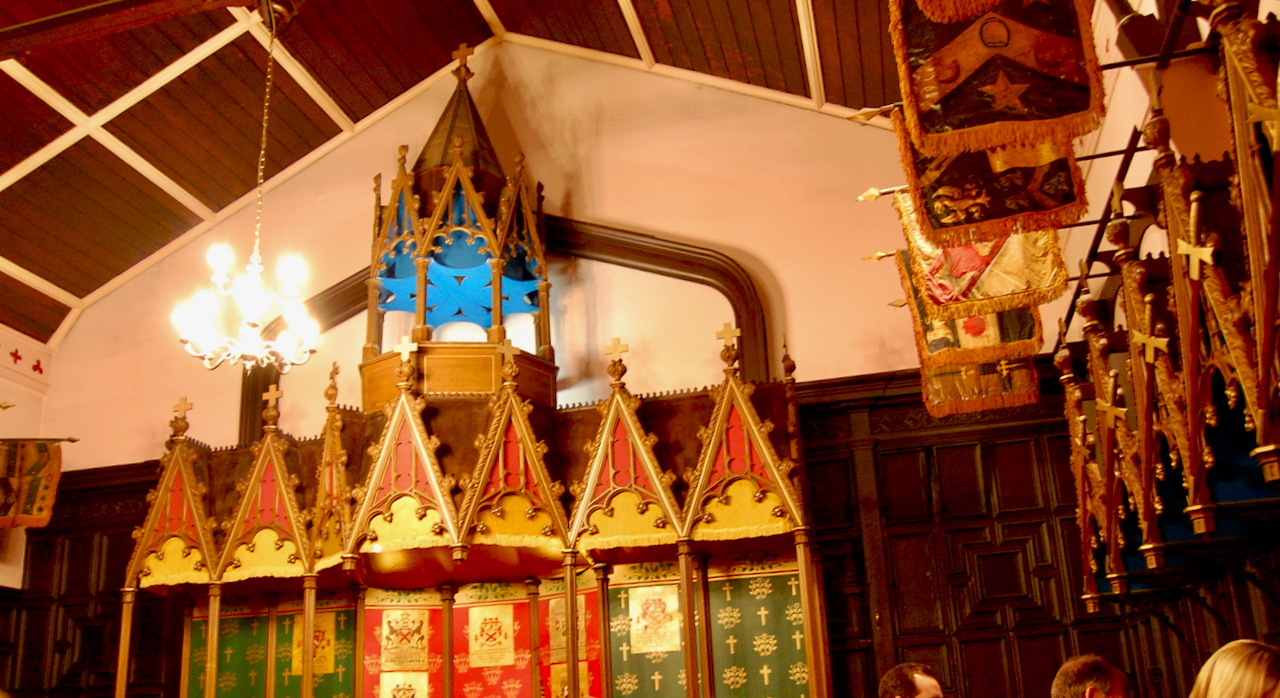
The inside is an exuberant smorgasbord of themes. The Royal Arch Chapter Room has an Egyptian theme.

Royal Arch Chapter Room, Culture Night 2010, Freemason’s Grand Lodge, Photograph © Jennifer Winder-Baggot, www.irishhistorichouses.com

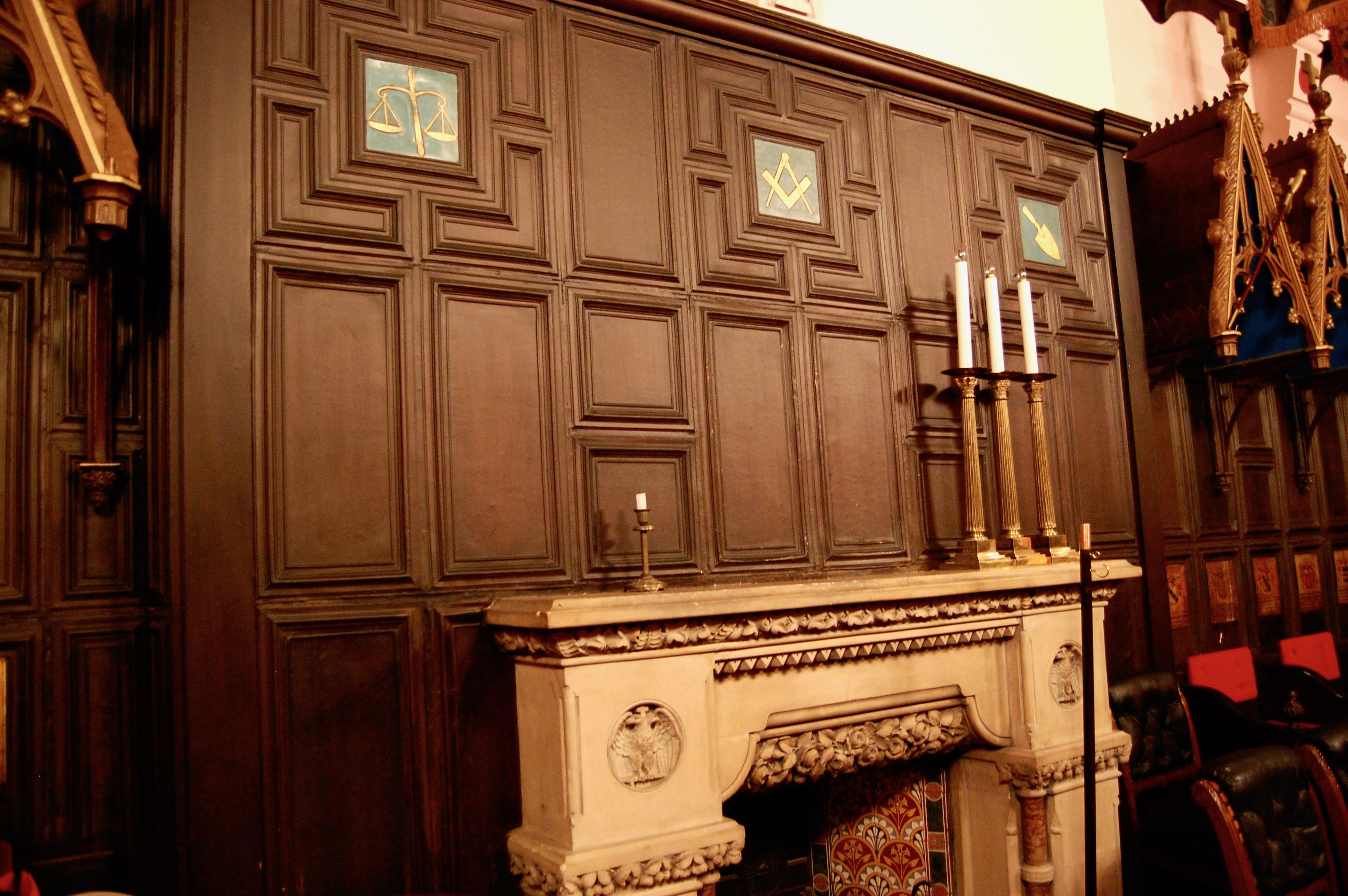
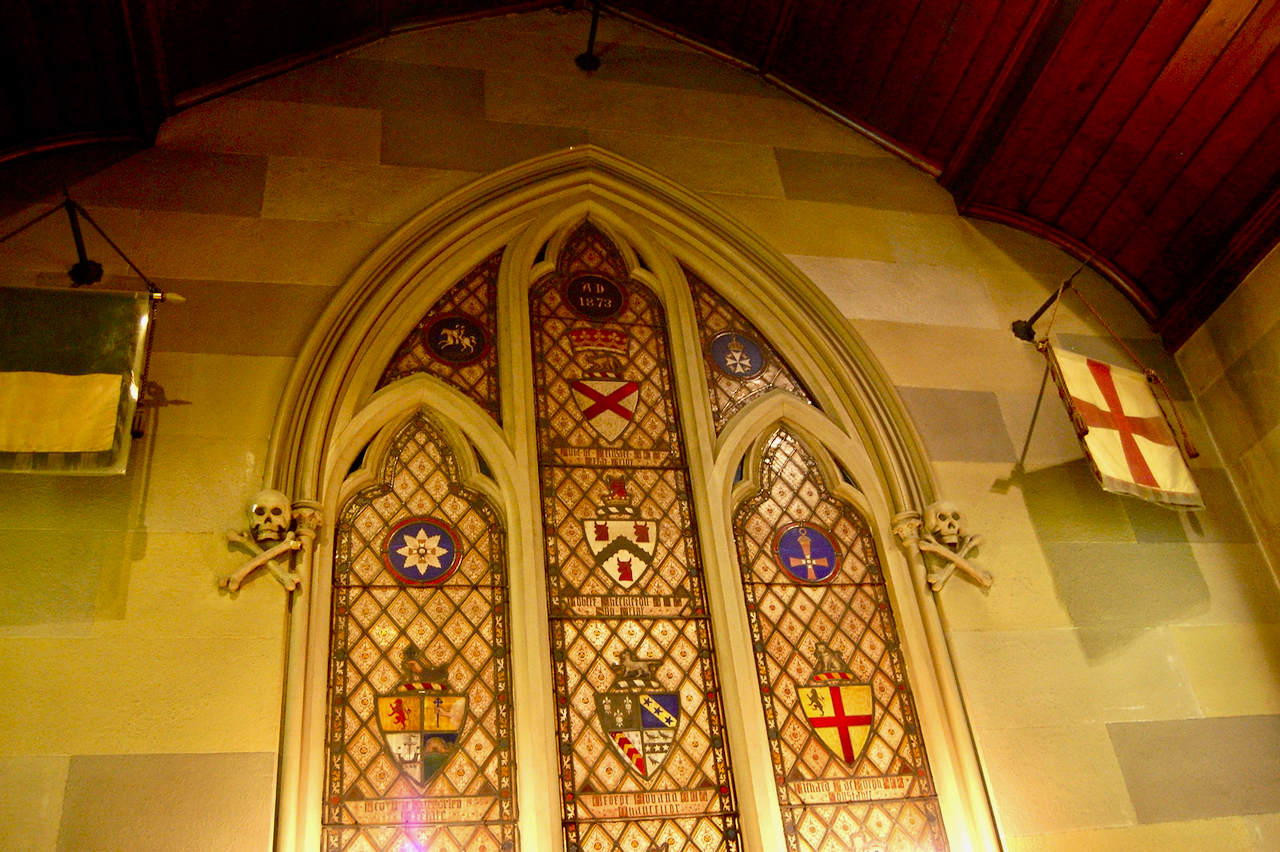
The Prince Mason’s Chapter Room is Gothic Tudor. The Knights Templar Room is designed as a medieval chapel.

Freemason’s Hall, Dublin. Photograph © Jennifer Winder-Baggot, www.irishhistorichouses.com

The Irish Builder 1877 described the interior: The main hall “is larger than St. Patrick’s Hall in Dublin Castle…Along each side are six pillars with Corinthian capitals, and there are two of the same style at each end. These are painted to represent white enamel. The capitals are gilt, the pedestals and lower part of the wall are painted a rich chocolate colour; between the pillars the wall spaces are painted a light dun colour, each space being formed into a large panel by a matted gilt moulding with a deep margin of grey. The pillars support a richly designed and gilt entablature. From this spring five semi-circular arches on each side. These arches contain a series of ten cartoons, illustrative of the building of Solomon’s Temple. The ceiling is intersected by beams, which divide it into five panels, and is painted blue, and studded with gold stars. The intersecting beams, together with the architrave and cornice, are cream colour and white, relieved with gold. The predominating colour in the painting of the hall is blue, in order to meet Masonic requirements, that colour being associated with the lower ranks of the order, and the hall being used for general meetings; but other tints are introduced in sufficient abundance. The cartoons have been painted in sepia by Mr. Edward Gibson, Great Russell Street, London, son of Mr. James Gibson of Mary Street, Dublin, by whom the entire of the rest of the hall was designed and finished...”

Freemasons Hall, Dublin. Photograph © Jennifer Winder-Baggot, www.irishhistorichouses.com

7. Georgian Townhouse, 25 Eustace Street (2011)

Open House 2011, 25 Eustace Street. Photograph © Jennifer Winder-Baggot, www.irishhistorichouses.com
Photograph © Jennifer Winder-Baggot, www.irishhistorichouses.com

8. 10 Henrietta Street, (Blessington House), Dublin (2011)

Henrietta Street, Dublin. Photograph © Jennifer Winder-Baggot, www.irishhistorichouses.com
10 Henrietta Street, Dublin. Photograph © Jennifer Winder-Baggot, www.irishhistorichouses.com
Open House, 2011, 10 Henrietta Street. Photograph © Jennifer Winder-Baggot, www.irishhistorichouses.com

The Archiseek website tells us:

It was built circa 1730 by Luke Gardiner [1690-1755] as his own residence. The design of the original building has been attributed to Sir Edward Lovett Pearce. The building is a three storey, eight bay over basement house with a Venetian window between the second and third bays at first floor level. Two major interiors of the 1730’s survive, the upper part of the original main stair hall and a rear room on the ground floor. The first floor reception rooms were embellished with Rococo plasterwork circa 1760. Luke Gardiner was succeeded on his death in 1755 by his son, the Right Honourable Charles Gardiner PC, MP, Surveyor General of Customs and Ranger of the Phoenix Park [The original house was extended to the west c.1755 by Charles Gardiner]. Following his death in 1769, his son, the right honourable Luke Gardiner MP succeeded. He was created Baron Mountjoy in 1779, Viscount in 1795 and killed in the Battle of New Ross, County Wexford in 1798. He was succeeded by his son Charles John Gardiner, Second Viscount Mountjoy, created Earl of Blessington in 1816. 

Luke Gardiner, M.P., (d. 1755), Vice-Treasurer of Ireland and building developer in Dublin Engraver John Brooks, Irish, fl.1730-1756 After Charles Jervas, Irish, c.1675-1739, photograph courtesy of National Gallery of Ireland.

The Earl died in 1829 without male heirs and the house was leased to a succession of lawyers becoming the Queen’s Inn Chambers in the late 19th century. It was acquired in the early 20th century by the French Order of Daughters of Charity of St Vincent de Paul to provide relief to distressed females. The work of the order continues today and the building is actively used for a variety of community and social services projects. 

The 2001 Europa Nostra Restoration Fund Grant generously contributed to the restoration of the decayed decorative Rococo ceiling on the first floor. The restoration works were also co-funded by a grant from Dublin City Council.” 

Open House, 2011, 10 Henrietta Street. Photograph © Jennifer Winder-Baggot, www.irishhistorichouses.com
This image has an empty alt attribute; its file name is img_5677-1.jpeg
Henrietta Crofts, Duchess of Bolton (1682-1730) as shepherdess, by James Maubert. Henrietta Street was named in her honour. Vicereine 1717-1720. She was the daughter of James Crofts (Scott), 1st and last Duke of Monmouth, illegitimate son of King Charles II. She married Charles Paulet, 2nd Duke of Bolton.

The Archiseek website quotes The Irish Builder, July 15 1893:

This magnificent mansion was erected about the year 1725, by the Rt. Hon. Luke Gardiner, grandfather of the 1st Viscount Mountjoy, ancestor of the Earl of Blesinton, and may be described as the Manor House of Henrietta-street. The reception-rooms are seven in number, and the cornices and ceilings are finished in a rich and antique style. 

The ball-room is a noble apartment; the architraves of the doors and windows are adorned with fluted Corinthian columns sur mounted by pediments. The drawing-room, to the left of the ante-room on the first floor, possesses a beautifully carved oak cornice, the effect of which is peculiarly striking. The front staircase is spacious and lofty; the walls are panelled, and the ceiling is handsomely ornamented. The principal dining room, looking into the garden, is square, with fine stuccoed ceiling, and walls in square panels stuccoed, the squares broken off at the angles by curves. The architraves of the parlour doors are as rich as carving could make them. There is a mock key-stone or block of wood that for elegant and elaborate carving in relief cannot be surpassed. The stuccoed ceilings are in panels with enriched fillets, quite palatial, and only in the ball room are seen arabesques in the centre. The window of the ball-room, which is over the porte-cochère, has three opes, the centre ope being arched, and this is the only architectural adornment externally. Mountjoy House had originally a fine porte-cochère, or covered carriage entry, arched with cut stone, on the park side, next to the present King’s Inns buildings.” [1]

Open House, 2011, 10 Henrietta Street. Photograph © Jennifer Winder-Baggot, www.irishhistorichouses.com
10 Henrietta Street, photograph from UCD Archive [ https://digital.ucd.ie/view/ivrla:31546 ]

See also the wonderfully informative book, The Best Address in Town: Henrietta Street, Dublin and its First Residents 1720-80 by Melanie Hayes, published by Four Courts Press, Dublin 8, 2020.

Open House, 2011, 10 Henrietta Street. Photograph © Jennifer Winder-Baggot, www.irishhistorichouses.com
Open House, 2011, 10 Henrietta Street. What looks like stucco work in this room is actually papier mache. Photograph © Jennifer Winder-Baggot, www.irishhistorichouses.com

Robert O’Byrne tells us about the use of papier-mache instead of plaster for some decorative work. He tells us:

When the house was first built, it featured a double-height entrance containing stairs leading to the first-floor. However, some years after the death of Luke Gardiner in 1755 his son Charles reordered this space to create a single-storey entrance hall, behind which a new staircase hall was instated. Probably around the same time a number of rooms were given new ceilings in the rococo manner. These decorations are important because in the majority of cases they are made not of plaster but papier-mâché. The use of this medium is unusual but not unique – a number of other examples survive elsewhere in the city and in Carton, County Kildare – but it seems strange to find it here. One of the attractions of papier-mâché was its relative cheapness (relative to stuccowork, that is) but the Gardiners were certainly affluent to afford anything they wished. On the other hand, its great merit is easier (and cleaner) installation than plaster, so perhaps this is why papier-mâché was preferred for the redecoration of existing rooms. 

It was not used, on the other hand, for the saloon, or ballroom (now used as a chapel), which in its present form looks to have been either added or extended at the time when Charles Gardiner was re-fashioning other spaces in the house.” [2]

Open House, 2011, Henrietta St, window by Harry Clarke. Photograph © Jennifer Winder-Baggot, www.irishhistorichouses.com

9. 12 Henrietta Street, Dublin – private, sometimes open during Open House Dublin

12 Henrietta Street, October 2022. Photograph © Jennifer Winder-Baggot, www.irishhistorichouses.com
12 Henrietta Street, Open House October 2019. Photograph © Jennifer Winder-Baggot, www.irishhistorichouses.com

12 Henrietta Street was first occupied by Sir Gustavus Hume (1677-1731), MP, privy councillor and courtier to King George I. He was the third son of the prominent Ulster-Scot Sir John Hume of Castle Hume (2nd Baronet), County Fermanagh and of Sidney, daughter and co-heiress of James Hamilton of Manor Hamilton, County Leitrim and became 3rd Baronet of Castle Hume (now demolished) when his father died as his two elder brothers predeceased their father. Castle Hume was architect Richard Castle’s first known commission in Ireland. It was pulled down in the 1830s and the materials reused to build Ely Lodge nearby.

view from window of 12 Henrietta Street, Dublin, 2019. Photograph © Jennifer Winder-Baggot, www.irishhistorichouses.com
12 Henrietta Street, Open House October 2019. Photograph © Jennifer Winder-Baggot, www.irishhistorichouses.com

The National Inventory of Architectural Heritage tells us it is:

Terraced three-bay three-storey house over exposed basement, built c.1730, by Luke Gardiner as pair with No. 11, heavily remodelled c.1780…This house was built as a pair with No. 11, possibly to the designs of Edward Lovett Pearce. It was initially leased to Henry Boyle, Speaker of the House of Commons. Later, the house was leased to the 2nd Earl of Shannon in 1780, and subsequently gutted with the removal of a floor to provide a truly grand piano nobile. The building retains most of the interior detailing from that remodelling including stucco decoration by Charles Thorp, with remnants from the earlier scheme. The house has been undergoing a painstaking programme of conservation works and forms an important part of what has been described as ‘Dublin’s Street of Palaces’ while the ongoing conservation work will contribute to the improving fortunes of this remarkable streetscape. Laid out by Luke Gardiner in the 1720s, Henrietta Street is a short cul-de-sac containing the finest early Georgian houses in the city. It was named after Henrietta Crofts, the third wife of Charles Paulet, 2nd Duke of Bolton and Lord Lieutenant in 1717-21, the street developed in a piecemeal fashion and set the trends of scale and design in domestic architecture.”

See also the wonderfully informative book, The Best Address in Town: Henrietta Street, Dublin and its First Residents 1720-80 by Melanie Hayes, published by Four Courts Press, Dublin 8, 2020.

In 1733 William Stewart (1709-1769), 3rd Viscount Mountjoy and later 1st Earl of Blessington, moved to 12 Henrietta Street.

12 Henrietta Street, Open House October 2019. Photograph © Jennifer Winder-Baggot, www.irishhistorichouses.com
12 Henrietta Street, Dublin, 2019. Photograph © Jennifer Winder-Baggot, www.irishhistorichouses.com
12 Henrietta Street, Open House October 2019. Photograph © Jennifer Winder-Baggot, www.irishhistorichouses.com
Photograph © Jennifer Winder-Baggot, www.irishhistorichouses.com
12 Henrietta Street, Dublin, 2019. Photograph © Jennifer Winder-Baggot, www.irishhistorichouses.com
12 Henrietta Street, Open House October 2019. Photograph © Jennifer Winder-Baggot, www.irishhistorichouses.com
12 Henrietta Street, Dublin, 2019. Photograph © Jennifer Winder-Baggot, www.irishhistorichouses.com
12 Henrietta Street, Open House October 2019. Photograph © Jennifer Winder-Baggot, www.irishhistorichouses.com
Photograph © Jennifer Winder-Baggot, www.irishhistorichouses.com
12 Henrietta Street, Open House October 2019. Photograph © Jennifer Winder-Baggot, www.irishhistorichouses.com
Photograph © Jennifer Winder-Baggot, www.irishhistorichouses.com
12 Henrietta Street, Open House October 2019. Photograph © Jennifer Winder-Baggot, www.irishhistorichouses.com
12 Henrietta Street, Dublin, 2019. Photograph © Jennifer Winder-Baggot, www.irishhistorichouses.com

10. 14 Henrietta Street, Dublin (July 2013 Heritage Week)

https://14henriettastreet.ie

This house is now a museum. See my entry https://irishhistorichouses.com/2020/06/06/covid-19-lockdown-20km-limits-and-places-to-visit-in-dublin/

See also the wonderfully informative book, The Best Address in Town: Henrietta Street, Dublin and its First Residents 1720-80 by Melanie Hayes, published by Four Courts Press, Dublin 8, 2020.

14 Henrietta Street, 2022. Photograph © Jennifer Winder-Baggot, www.irishhistorichouses.com
14 Henrietta Street, Dublin, July 2013. Photograph © Jennifer Winder-Baggot, www.irishhistorichouses.com
14 Henrietta Street, Dublin, July 2013.
14 Henrietta Street, Dublin, July 2013. Photograph © Jennifer Winder-Baggot, www.irishhistorichouses.com
14 Henrietta Street, Dublin, July 2013.
14 Henrietta Street, Dublin, July 2013. Photograph © Jennifer Winder-Baggot, www.irishhistorichouses.com

11. Iveagh House (80 and 81 St. Stephen’s Green) – Department of Foreign Affairs (Open House 2014)

Iveagh House, St Stephen’s Green, October 2014. Portland stone facade (1866) by James Franklin Fuller (1835-1924) disguises an early eighteenth century townhouse by Richard Castle (d. 1751) for Robert Clayton (1695-1758), Bishop of Cork and Ross. The original house, three windows wide, is on the left of the portico. Photograph © Jennifer Winder-Baggot, www.irishhistorichouses.com
Iveagh House, St Stephen’s Green, the original owner, Robert Clayton (1695-1758), Bishop of Cork and Ross. Photograph © Jennifer Winder-Baggot, www.irishhistorichouses.com

The Archiseek website tells us:

Iveagh House is now the Department of Foreign Affairs as it was donated to the Irish State by the Guinness family in 1939. Originally two houses, nos 80/81 St Stephen’s Green, no 80 was originally designed by Richard Cassels [also spelled “Castle”] in 1736. After both houses were bought by Benjamin Guinness in 1862, he acted as his own architect and produced the current house. 

“The Dublin Builder, February 1 1866: ‘In this number we give a sketch of the town mansion of Mr. Benjamin Lee Guinness, M.P , now in course of erection in Stephen’s Green, South, the grounds of which run down to those of the Winter Garden. As an illustration so very quiet and unpretending a front is less remarkable as a work of architectural importance than from the interest which the name of that well-known and respected owner gives it, and from whose own designs it is said to have been built. The interior of the mansion promises to be of a very important and costly character, and to this we hope to have the pleasure of returning on a future occasion when it is more fully advanced. The works, we believe, have been carried out by the Messrs. Murphy of St. Patrick’s Cathedral notoriety, under Mr. Guinness’s own immediate directions, without the intervention of any professional architect.’ “

Iveagh House, St Stephen’s Green, October 2014. Photograph © Jennifer Winder-Baggot, www.irishhistorichouses.com

The building was donated to the Irish government by Benjamin Guinness’s grandson Rupert, the 2nd Earl of Iveagh, in 1939 and was renamed Iveagh House.

Iveagh House, St Stephen’s Green, October 2014. Photograph © Jennifer Winder-Baggot, www.irishhistorichouses.com
Iveagh House, St Stephen’s Green. Photograph © Jennifer Winder-Baggot, www.irishhistorichouses.com
Iveagh House, St Stephen’s Green, October 2014. Painting by De Chirico. Photograph © Jennifer Winder-Baggot, www.irishhistorichouses.com
Iveagh House, St Stephen’s Green, October 2014. Photograph © Jennifer Winder-Baggot, www.irishhistorichouses.com
Iveagh Gardens, the part kept by the Guinness’s as part of Iveagh House. Photograph © Jennifer Winder-Baggot, www.irishhistorichouses.com
Mahogany doorframe and door, Iveagh House, Stephen’s Green. The architect took advantage of the tax on mahogany not imposed in Ireland. Photograph © Jennifer Winder-Baggot, www.irishhistorichouses.com
The Sleeping Faun, bought by the Guinness’s, for almost the same price as the house! Donated by the Guinnesses along with the house to the state. Photograph © Jennifer Winder-Baggot, www.irishhistorichouses.com
Iveagh House, St Stephen’s Green, medieval wooden carving, picturing Homer’s Illiad scenes. Photograph © Jennifer Winder-Baggot, www.irishhistorichouses.com
Iveagh House, St Stephen’s Green. Photograph © Jennifer Winder-Baggot, www.irishhistorichouses.com
Iveagh House, St Stephen’s Green, “Modesty.” Photograph © Jennifer Winder-Baggot, www.irishhistorichouses.com
Iveagh House, St Stephen’s Green, original fireplace. Photograph © Jennifer Winder-Baggot, www.irishhistorichouses.com
Iveagh House, St Stephen’s Green, originally the study. Photograph © Jennifer Winder-Baggot, www.irishhistorichouses.com
Iveagh House, St Stephen’s Green, originally the study. Medieval wood carvings of scenes from Homer’s Illiad, and crest of Lord Iveagh who donated the house to the state. Original fireplace. Photograph © Jennifer Winder-Baggot, www.irishhistorichouses.com
Iveagh House, St Stephen’s Green, The Music Room. Photograph © Jennifer Winder-Baggot, www.irishhistorichouses.com
The Music room ceiling, in Iveagh House. Photograph © Jennifer Winder-Baggot, www.irishhistorichouses.com
Iveagh House, St Stephen’s Green. Photograph © Jennifer Winder-Baggot, www.irishhistorichouses.com
Iveagh House, St Stephen’s Green, probably originally the room of the Lady of the house. Photograph © Jennifer Winder-Baggot, www.irishhistorichouses.com
Iveagh House ballroom. Photograph © Jennifer Winder-Baggot, www.irishhistorichouses.com
Original curtains and seats in ballroom in Iveagh House. Photograph © Jennifer Winder-Baggot, www.irishhistorichouses.com
Iveagh House ballroom. Photograph © Jennifer Winder-Baggot, www.irishhistorichouses.com
Fireplace built for ballroom in Iveagh House to host a Royal visit to the Guinness’s, the room was built specially to have the guests, for £30,000. JFK was hosted at a reception here and had his picture taken in front of the fireplace, and his daughter Caroline Kennedy had her picture taken there years later. Photograph © Jennifer Winder-Baggot, www.irishhistorichouses.com
Ballroom stucco in Iveagh House, made from moulds but then finished by hand to make look like fully hand-done. Photograph © Jennifer Winder-Baggot, www.irishhistorichouses.com
Minstrals’ gallery in Iveagh House ballroom, made of the new at the time material, aluminium. Photograph © Jennifer Winder-Baggot, www.irishhistorichouses.com
Ceiling of Iveagh house ballroom, in Wedgewood blue. Photograph © Jennifer Winder-Baggot, www.irishhistorichouses.com

12. Iveagh Trust Apartment, Iveagh Buildings (Open House 2014)

Iveagh Trust flat, Iveagh Trust buildings on Patrick Street, Dublin 8. Photograph © Jennifer Winder-Baggot, www.irishhistorichouses.com

The Iveagh Trust buildings were commissioned by the Earl of Iveagh in 1901. The architects were Joseph and Smithem, London architects. The centrepiece of the buildings, built to house people who lived in the slums about St. Patrick’s cathdral, was the Iveagh Baths.

Iveagh Trust flat, Iveagh Trust buildings on Patrick Street, Dublin 8. Photograph © Jennifer Winder-Baggot, www.irishhistorichouses.com
The range, in Iveagh Trust flat, Iveagh Trust buildings on Patrick Street, Dublin 8. Photograph © Jennifer Winder-Baggot, www.irishhistorichouses.com
Iveagh Trust flat, Iveagh Trust buildings on Patrick Street, Dublin 8. Photograph © Jennifer Winder-Baggot, www.irishhistorichouses.com
Iveagh Trust flat, Iveagh Trust buildings on Patrick Street, Dublin 8. Child of Prague and St. Christopher in the alcove. Photograph © Jennifer Winder-Baggot, www.irishhistorichouses.com
Iveagh Trust flat, Iveagh Trust buildings on Patrick Street, Dublin 8. Photograph © Jennifer Winder-Baggot, www.irishhistorichouses.com
Iveagh Trust flat, Iveagh Trust buildings on Patrick Street, Dublin 8. Religion was more dominant in peoples’ lives in those days than it is generally in Irish people today! Photograph © Jennifer Winder-Baggot, www.irishhistorichouses.com
Iveagh Trust flat, Iveagh Trust buildings on Patrick Street, Dublin 8. Photograph © Jennifer Winder-Baggot, www.irishhistorichouses.com
Iveagh Trust flat, Iveagh Trust buildings on Patrick Street, Dublin 8, picture of Nelly and her family. Photograph © Jennifer Winder-Baggot, www.irishhistorichouses.com
Iveagh Trust flat, Iveagh Trust buildings on Patrick Street, Dublin 8. Photograph © Jennifer Winder-Baggot, www.irishhistorichouses.com

13. Mansion House, Dawson Street, Dublin – private, home of the Mayor of Dublin (Open House 2015)

Mansion House, Dublin 2015. Originally there were statues along the parapet, which was later balustraded. Photograph © Jennifer Winder-Baggot, www.irishhistorichouses.com

The Buildings of Ireland website featured the Mansion House as one of its Buildings of the Month, and tells us that The Mansion House, Dawson Street, is the oldest freestanding house in the city and the only surviving mayoral residence in Ireland.

The Mansion House owes its origins to Joshua Dawson (1660-1725), a member of the Guild of Merchants and at the time the second-wealthiest man in Ireland, who in 1705 purchased a tract of poor marshy ground east of the medieval core of Dublin and within two years had laid out a new street which he named Dawson Street. Work on a suitable townhouse began in 1710 and it is clear that the house was intended as the centrepiece of the new street.

The house, a rare example of a Queen Anne-style house, was substantially refronted in 1851 when the original brick finish was plastered, the windows were given robust classical frames, and the parapet was remodelled about a central pediment carrying the Coat of Arms of the City. The elaborate cast-iron canopy (1886) was designed by Daniel J. Freeman (1856/7-1902), City Architect (fl. 1879-93).

Mansion House, March 2015. Photograph © Jennifer Winder-Baggot, www.irishhistorichouses.com
The Drawing Room, Mansion House, March 2015. It contains portraits of Earl Whitworth, the Earls of Hardwicke and Westmoreland, John Foster the last Speaker of the House of Commons and Alderman Alexander [3]. Photograph © Jennifer Winder-Baggot, www.irishhistorichouses.com

The death of Queen Anne in 1714 abruptly disrupted Dawson’s ambitious plans. Fearing that her successor would not be so favoured towards him, Dawson agreed on the 18th of May, 1715, to sell the house to Dublin Corporation at a cost of £3,500 in addition to a yearly ground rent of forty shillings and a loaf of double-refined sugar weighing six pounds due each Christmas. As a condition of the sale, Dawson agreed to build an additional room which could be used for civic receptions: the now-famous Oak Room. 

The Oak Room was the venue of the annual City Ball throughout the eighteenth century. On such occasions the Lord Mayor dispensed generous hospitality, aided in no small part by a yearly grant of twenty thousand oysters from the civic oyster beds. The Oak Room continues to play a central role in the life of the Mansion House today. [4] It contains portraits of Charles II, George II, Duke of Cumberland and the Duke of Richmond.

The Oak room contains crests for all of the Mayors. Photograph © Jennifer Winder-Baggot, www.irishhistorichouses.com
Mayor John Gormley’s crest – the mayors pick symbols that they feel are suitable to represent them. Photograph © Jennifer Winder-Baggot, www.irishhistorichouses.com
I don’t know what this means for Mayor Moyers! Photograph © Jennifer Winder-Baggot, www.irishhistorichouses.com
Mansion House, March 2015. The “Sheriff’s Room” with portraits of the Duke of Northumberland, Lord Townshend, John Duke of Bedford and Aldermen Sankey, Thorpe and Manders. [3] Photograph © Jennifer Winder-Baggot, www.irishhistorichouses.com
Mansion House, March 2015. Photograph © Jennifer Winder-Baggot, www.irishhistorichouses.com

The extension of the property continued well into the nineteenth century and included the Round Room completed in just six weeks in 1821 for the reception of King George IV. Designed by John Semple (d.1840) in the “exotic” style, an apparent nod to the monarch’s Hindu-Gothic Brighton Pavilion, it was remodelled 1892 by J. G. Ashlin, and was the venue for the first sitting of Dáil Éireann in January 1919.

The improvement of the Mansion House continued into the early twentieth century when, in anticipation of a royal visit by Queen Victoria, new ceilings were installed in the entrance hall and drawing room to designs by Charles James McCarthy (c.1857-1947), City Architect (fl. 1893-1921). The stained glass window over the principal staircase dates from the same period and carries the signature of Joshua Clarke and Sons of North Frederick Street. The Dublin City coat-of-arms again features as the centrepiece in a frame including the shields of the four provinces of Ireland and the names of prominent supporters of Home Rule. Topped and tailed by a Garland of Peace and a Cornucopia of Prosperity, the window is today known as “The Peace Window”. 

14. Marsh’s Library, Dublin (2013)

Marsh’s Library 1975, photograph from National Library and Archives.[5]

Marsh’s Library was built in 1701, designed by William Robinson who was surveyor general from 1670-1700, and who also designed the Royal Hospital Kilmainham. The Library was set up as the first public library in Ireland, by Archbishop Narcissus Marsh (1638-1713).

Narcissus Marsh, Provost of Trinity ca. 1690, then Archbishop of Dublin. Photograph © Jennifer Winder-Baggot, www.irishhistorichouses.com
Photograph © Jennifer Winder-Baggot, www.irishhistorichouses.com
Entrance to Marsh’s library. Photograph © Jennifer Winder-Baggot, www.irishhistorichouses.com

The interior of the library remains unchanged from when it was set up. It is no longer a public library, unfortunately, as the books are too delicate for general handling, but one can request to look up books in the catalogue, and it operates as a sort of museum open to the public for a fee. It contains dark oak bookcases topped with lettered gables and a mitre. The library contains the original reading cages – a reader would be locked in so that he or she could not steal the books.

Marsh’s Library, Feb 26, 2012. Photograph © Jennifer Winder-Baggot, www.irishhistorichouses.com
Marsh’s Library librarians. The first Librarian, Elias Bouhereau, was a Huguenot refugee from France. Photograph © Jennifer Winder-Baggot, www.irishhistorichouses.com
Garden of Marsh’s library, Heritage Week tour 2013. Photograph © Jennifer Winder-Baggot, www.irishhistorichouses.com
Garden of Marsh’s Library, Heritage week tour 2013. Photograph © Jennifer Winder-Baggot, www.irishhistorichouses.com

15. 10 Mill Street, Dublin (Open House 2017)

10 Mill Street in October 2010 before renovations. Photograph © Jennifer Winder-Baggot, www.irishhistorichouses.com

10 Mill Street was built in the 1720s by the Brabazon family, Earls of Meath. In the early 19th century it was converted into a school by the Christian Brothers and later used by several charitable groups. It was remodelled in 1894 by architect George P. Beater as a Methodist mission house and school. [Archiseek]

10 Mill Street in October 2010 before renovations. Photograph © Jennifer Winder-Baggot, www.irishhistorichouses.com

After renovations:

10 Mill Street after renovations. Photograph © Jennifer Winder-Baggot, www.irishhistorichouses.com
Inside 10 Mill Street, Dublin 8. Original panelling, paint only partially stripped. Photograph © Jennifer Winder-Baggot, www.irishhistorichouses.com
Inside 10 Mill Street, Dublin 8. Panelling restored. Photograph © Jennifer Winder-Baggot, www.irishhistorichouses.com
Inside 10 Mill Street, Dublin 8. Fireplace left in situ. Photograph © Jennifer Winder-Baggot, www.irishhistorichouses.com
Inside 10 Mill Street, Dublin 8. Old piece of banisters.
Inside 10 Mill Street, Dublin 8. Panelling made to look like the original. Staircase suspended from ceiling. Photograph © Jennifer Winder-Baggot, www.irishhistorichouses.com
Inside 10 Mill Street, Dublin 8. Photograph © Jennifer Winder-Baggot, www.irishhistorichouses.com

14. Pigeonhouse Power Station and hotel (2021)

Photograph © Jennifer Winder-Baggot, www.irishhistorichouses.com
The old Pigeonhouse Hotel. Photograph © Jennifer Winder-Baggot, www.irishhistorichouses.com
The old Pigeonhouse Power Station. Photograph © Jennifer Winder-Baggot, www.irishhistorichouses.com
Photograph © Jennifer Winder-Baggot, www.irishhistorichouses.com

15. Rates Office, formerly Newcomen Bank, Dublin (2013)

Rates Office, formerly Newcomen Bank, photograph by Robert French, Lawrence Collection National Library of Ireland, flickr constant commons.

Built in 1781 by Thomas Ivory. The original building was half the size, and Ivory’s half was built in mirror image with a portico built to link the two halves. [archiseek]

In 1722 Simon (or William?) Gleadowe (d. 21 August 1807) married into the Newcomen family of Carriglass House in County Longford and took their name. He started the Newcomen Bank. He was knighted to become 1st Baronet Newcomen in 1781 and elected to the Irish Parliament. He voted for the Act of Union and his wife Charlotte was rewarded with a Peerage to become Viscountess Newcomen. Their son inherited her title and became Thomas Gleadowe-Newcomen, 2nd Viscount Newcomen (1776-1825), and he also inherited the Newcomen Bank. The bank had a series of failures and closed in 1825, and Thomas shot himself and died in his office. After his death the title became extinct.

Rates Office, formerly Newcomen Bank, Dublin. Photograph © Jennifer Winder-Baggot, www.irishhistorichouses.com

The Open House description tells us:

“An elegant block in Portland stone, the building stands at the corner of Cork Hill and Castle Street, doubled in length on Cork Hill by an 1862 addition. Ivory’s original plan comprised three rooms with a large stair hall, with the site’s irregular boundaries concealed by the use of oval rooms. The interior has been recently renovated and retains fine decoration, with highlights including the larger first-floor oval room and the highly decorated ceiling over the stair hall.”

Rates Office, formerly Newcomen Bank, Dublin. Photograph © Jennifer Winder-Baggot, www.irishhistorichouses.com
City Hall, opposite the Rates Office. Photograph © Jennifer Winder-Baggot, www.irishhistorichouses.com
Doorway in Rates Office shows the thickness of the wall, and the oval shape of the room. Photograph © Jennifer Winder-Baggot, www.irishhistorichouses.com

16. Royal Irish Academy Dublin (2013)

Photograph © Jennifer Winder-Baggot, www.irishhistorichouses.com

17. Royal College of Physicians, Dublin (2013)

Royal College of Physicians, Heritage Week 2013. Photograph © Jennifer Winder-Baggot, www.irishhistorichouses.com

Designed by William George Murray who also designed the Hibernian Bank. It was built in 1861 to replace the College of Physicians previous premises which had burned down at this location. The facade eroded and was completely replaced 100 years later in 1960. A description in the 1862 Irish Builder describes it:

Entering from the portico, the outer hall or vestibule leads by a spacious flight of five steps to the inner hall, in which the main staircase is placed. On the right and left of this hall are the entrances to the council and examination rooms, registrar’s apartments, back stairs, reading room etc. The college hall is at the rere of the building, and is entered from the first landing of the main staircase, which here divides into a double flight, returning to the right and left.

This noble apartment, 58 feet by 30 feet and 30 feet high… is divided into five bays in length and three in breadth by Corinthian pilasters elevated on a panelled daedo, and surmounted by the ordinary frieze and cornice from which springs a quadrant coved ceiling with semi-circular arches over each bay groined into it. This hall is lighted by five lofty windows at the rere, and also three circular dome-lights in the ceiling…

The room with the ceremonial mace also contained glass cases with memorabilia and diary of Napoleon from his days on St. Helena, as his physician was an Irishman. He gave his physician his toothbrush and diary as a memorial, telling him the diary would make him rich! He chose this physician on hearing him talk. The physician agreed to be the doctor but said he would not spy for the British. They became friends. He had to bleed Napoleon several times as Napoleon fell ill, and the lancet used is also in the glass case.

Royal College of Physicians, Heritage Week 2013. Casey, p. 482: “The stair hall is an impressive double-height space with a coved and traceried ceiling and central lantern. Fine cast-iron lamp standards and balustrade to the stair. Corinthian pilaster order to the upper walls, beneath which are extraordinary shallow pilaster strips with odd bases which must surely be a C20 intervention. At the head of the stairs on the first-floor landing paired Corinthian columns flank the balustrade and a central [483] door to the library, a plain five-bay room which fills the entire street frontage, originally contrived as a separate library and museum.” Photograph © Jennifer Winder-Baggot, www.irishhistorichouses.com
Ceiling of Royal College of Physicians, Heritage Week 2013. Photograph © Jennifer Winder-Baggot, www.irishhistorichouses.com
Patrick Dun’s Library, Royal College of Physicians, Kildare St, Dublin – celebrating its 300th year in 2013! Photograph © Jennifer Winder-Baggot, www.irishhistorichouses.com
Patrick Dun’s Library, Royal College of Physicians, Kildare St, Dublin, Heritage Week 2013. Photograph © Jennifer Winder-Baggot, www.irishhistorichouses.com

18. Royal College of Surgeons, Dublin (Open House 2011)

William Dease sculpture, one of the founders of the Royal College of Surgeons, Open House, 2011, Royal College of Surgeons. Photograph © Jennifer Winder-Baggot, www.irishhistorichouses.com

The Royal College of Surgeons was built in two phases, first by architect Edward Parke, who built what is now the last three bays on the south side and five bays deep on York Street. This was subsumed later by architect William Murray, who added four bays to the north and moved the pediment to the new centre of the building, on St. Stephen’s Green. The facade has large round-headed windows separated by freestanding columns. The pediment has the royal arms, and is topped with three statues: Athena (goddess of Wisdom and War), Asclepius (god of Medicine) and Hygiea (Goddess of Health), all by John Smyth [Archiseek]. It has a rusticated basement storey.

The interior, as listed in Lewis’s guide in 1837, contains a large board room, a library, an apartment for general meetings, an examination hall, several committee rooms and offices, lecture theatres and three museums, two of which have galleries.

There is a top-lit gallery with Adamesque plasterwork.

Open House, 2011, Royal College of Surgeons. Photograph © Jennifer Winder-Baggot, www.irishhistorichouses.com

Open House, 2011, Royal College of Surgeons. Photograph © Jennifer Winder-Baggot, www.irishhistorichouses.com

Open House, 2011, Royal College of Surgeons. Photograph © Jennifer Winder-Baggot, www.irishhistorichouses.com
My father looks at the fireplace, 2011, Royal College of Surgeons. Photograph © Jennifer Winder-Baggot, www.irishhistorichouses.com
Open House, 2011, Royal College of Surgeons. Photograph © Jennifer Winder-Baggot, www.irishhistorichouses.com

19. St. Mary’s Abbey, Dublin (Culture Night 2012)

Photograph © Jennifer Winder-Baggot, www.irishhistorichouses.com

The Archiseek website tells us that in the early 1880s, seven feet below street level, under a bakery, the chapter house of St. Mary’s Abbey was discovered. St. Mary’s Abbey was a Cistercian Abbey founded by the Benedictine monks in 1139. It was dissolved in 1530 and fell into disrepair and its existence is reflected in the street names surrouding it: Mary Street and Abbey Street. The Chapter House is the only part remaining, and was built in 1190! [6]

The Chapter House of St Mary’s Abbey, which was built in 1190. Photograph © Jennifer Winder-Baggot, www.irishhistorichouses.com

It was in the Chapter House, which could be rented out, that at a meeting of the Privy Council in 1534, “Silken Thomas” FitzGerald objected to the King, who had imprisoned his father. Thomas thought his father had been executed.

Photograph © Jennifer Winder-Baggot, www.irishhistorichouses.com

20. Tailor’s Guild Hall, Dublin (Culture Night 2013)

Tailor’s Guild Hall, 2013. Photograph © Jennifer Winder-Baggot, www.irishhistorichouses.com

Tailor’s Hall was built in 1706 and is the only Guild Hall from the medieval guilds still in existence in Dublin. It is two storeys over basement and the hall inside is lit by tall round-headed windows on both sides, and has two floors of smaller rooms. It is now the headquarters for An Taisce. It was originally the meeting hall for the Guild of Merchant Tailors, from 1706-1841.

It was used in 1792 as the meeting place for the Catholic Committee during their campaign against Penal Law, and for this the building earned the nickname of “Back Lane Parliament.” Later still, it was used as a meeting place for the United Irishmen around 1798.

From Christine Casey, The Buildings of Ireland: Dublin, 2005, p. 367:
1703-1707, Richard Mills overseer. The Tailors’ Guild Hall is a tall shallow red brick building with a steep roof and dormer windows, a large gabled chimneystack and stair compartment projecting from the rear or N. wall. The entrance front is the long S elevation, reached by a stone arch and forecourt from Back Lane. In the 18th century the Hall was concealed behind houses on High Street and Back Lane and preceded only by the narrow arched pathway and a basement area. This unusual sequestered position is explained by the fact that the site was formerly occupied by a Jesuit chapel and college, endowed in 1629 by the Countess of Kildare. Seized by the Crown in 1630, it was subsequently repossessed by Lord and Lady Kildare and returned to the Jesuits who remained here for an unknown period prior to 1706…Tailors’ Hall is substantially early 18C. However, curiosities in the design and [p.368] structure suggest that it may incorporate something of the fabric of the 17C chapel.

The most striking feature of the facade is its asymmetry. Four tall narrow round-headed windows lighting the assembly hall fill almost two-thirds of the facade. To their right the facade is of two storeys and three bays with the entrance on the left next to the hall framed by an elegant rusticated limestone door surround of 1770. The basic arrangement reflects a pragmatic medieval-based system of hall and upper chamber, common in London livery halls of the late C17… A granite base-mould divides the brick masonry of the principal floor from the basement walling, which is largely of Calp with a band of brick forming the slightly cambered heads of the basement windows.”

Tailor’s Guild Hall, Heritage Week 2013. Twisted barley bannisters, hand carved, turned on lathe. Photograph © Jennifer Winder-Baggot, www.irishhistorichouses.com
Casey, p. 368: “the finest feature of the interior is the staircase, which is an elaborate open-well type with a low moulded handrail, barley sugar banisters and later square newels.” Photograph © Jennifer Winder-Baggot, www.irishhistorichouses.com
Tailor’s Guild Hall, Heritage Week 2013: p. 368, Casey: “an elegant double-height brightly lit hall with a fine early C18 Ionic reredos at the W end bearing the name of guild masters, a handsome marble chimneypiece…and at the east end a bowed draught lobby with a curious Gothic pelmet and above it a Late Georgian Neoclassical wrought-iron balcony reached from the room above the entrance hall.” Photograph © Jennifer Winder-Baggot, www.irishhistorichouses.com
Tailor’s Guild Hall, Heritage Week 2013. Photograph © Jennifer Winder-Baggot, www.irishhistorichouses.com

21. Trinity Innovation Centre, former Bank, Foster Place, Dublin (2013)

Innovation Centre of Trinity, Foster Place. Photograph © Jennifer Winder-Baggot, www.irishhistorichouses.com
[Former] Innovation Centre of Trinity, Foster Place, in 2022, unused and becoming dilapidated. Photograph © Jennifer Winder-Baggot, www.irishhistorichouses.com

This building is on Foster Place, just next to College Green and the Bank of Ireland. It was the Royal Bank, which was the predecessor of Allied Irish Bank. Before that, Robert O’Byrne tells us, it was Daly’s Clubhouse, a Gentlemans’ Club. [7]

A Neo-Classical porch was added by George Papworth in 1850. The banking hall was added by Charles Geoghegan in 1859 at the rear of the building. It has a coffered barrel vaulted space top-lit and supported by cast iron Corinthian columns. The building has a double-height entrance hall. The bank closed in 2002 and the building is now owned by Trinity College Dublin.

Innovation Centre of Trinity, Foster Place. Photograph © Jennifer Winder-Baggot, www.irishhistorichouses.com

The description of the day’s event tells us:

“Behind a neat stucco facade (with a neo-classical porch added by George Papworth circa 1850) and a double-height entrance hall, the interior includes what has been described as Dublin’s finest Victorian banking hall. A curving mahogany counter wraps most of the floor area, previously as a barrier between the bank clerks and customers. The space is in excellent condition, lit from above by a coffered and glazed barrel vault, supported by elegant cast-iron columns. For those who love pattern and ornament, the friezes and the plasterwork on the columns and their capitals will be particularly enjoyable.”
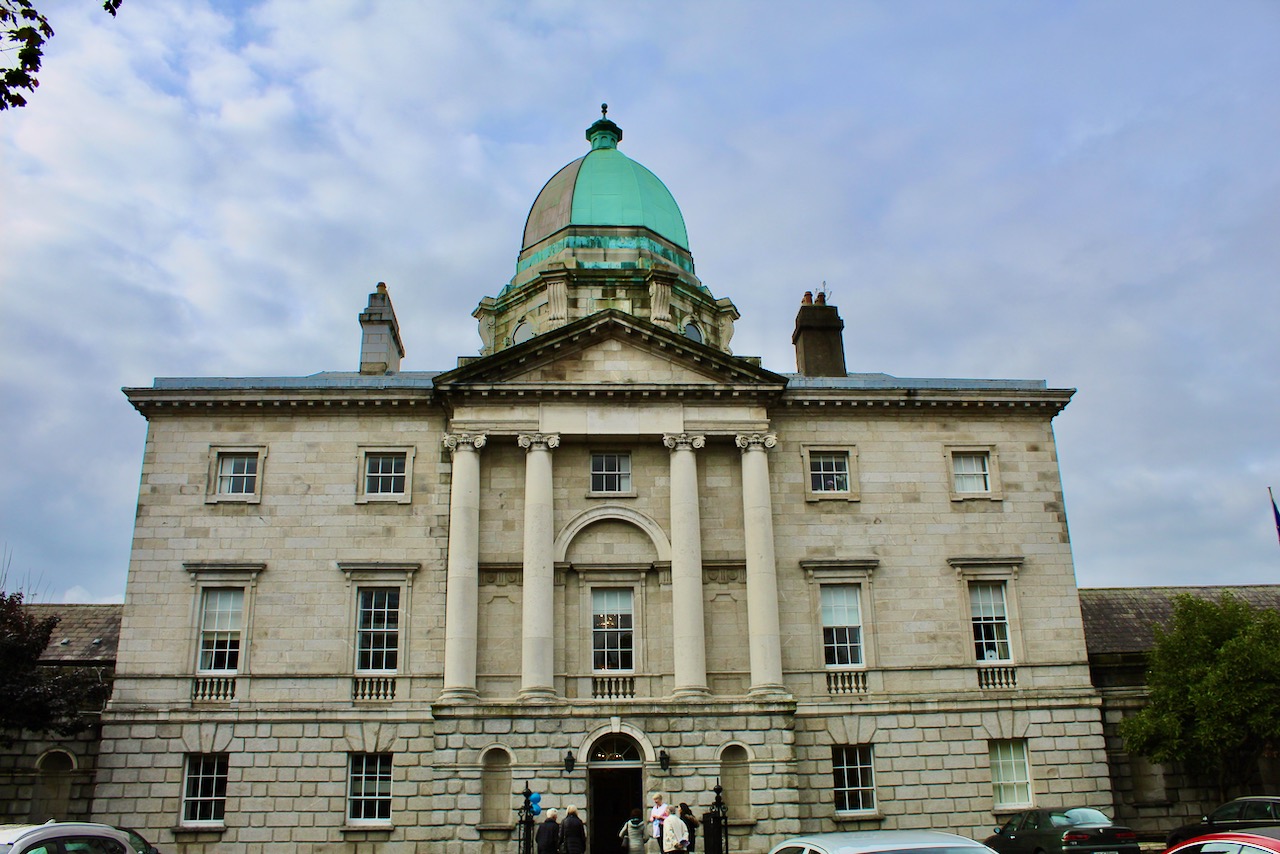
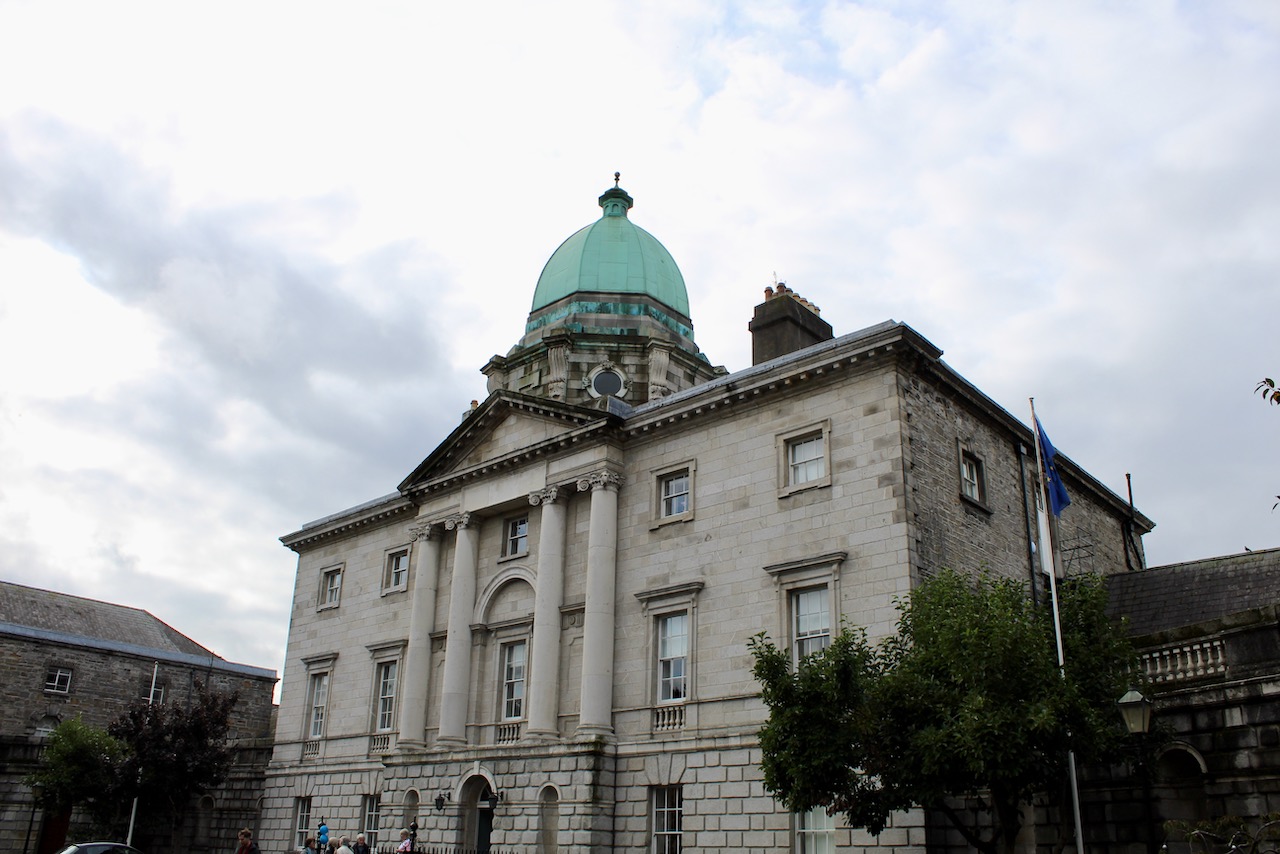
Photograph © Jennifer Winder-Baggot, www.irishhistorichouses.com
Open House 2013, Innovation Centre in Trinity College Dublin. Photograph © Jennifer Winder-Baggot, www.irishhistorichouses.com
Photograph © Jennifer Winder-Baggot, www.irishhistorichouses.com
[Former] Innovation Centre of Trinity, Foster Place, in 2022, unused and becoming dilapidated. Photograph © Jennifer Winder-Baggot, www.irishhistorichouses.com

[1] https://www.archiseek.com/2010/1730-no-10-henrietta-street-dublin/

[2] https://theirishaesthete.com/2017/03/20/shedding-light-on-a-subject/ 

[3] https://www.archiseek.com/2010/1715-mansion-house-dawson-street-dublin/

[4] https://www.buildingsofireland.ie/building-of-the-month/the-mansion-house-dawson-street-dublin-2/ 

[5] National Library and Archives digital repository.

[6] https://www.archiseek.com/2010/st-marys-abbey-chapter-house-marys-abbey-dublin/

[7] https://theirishaesthete.com/2024/07/12/b-of-i/