Places to visit and stay in County Sligo, Connaught

On the map above:

blue: places to visit that are not section 482

purple: section 482 properties

red: accommodation

yellow: less expensive accommodation for two

orange: “whole house rental” i.e. those properties that are only for large group accommodations or weddings, e.g. 10 or more people.

green: gardens to visit

grey: ruins

For places to stay, I have made a rough estimate of prices at time of publication:

€ = up to approximately €150 per night for two people sharing (in yellow on map);

€€ – up to approx €250 per night for two;

€€€ – over €250 per night for two.

For a full listing of accommodation in big houses in Ireland, see my accommodation page: https://irishhistorichouses.com/accommodation/

donation

Help me to pay the entrance fee to one of the houses on this website. This site is created purely out of love for the subject and I receive no payment so any donation is appreciated!

€15.00

Sligo:

1. Ballymote Castle, County Sligo (OPW)
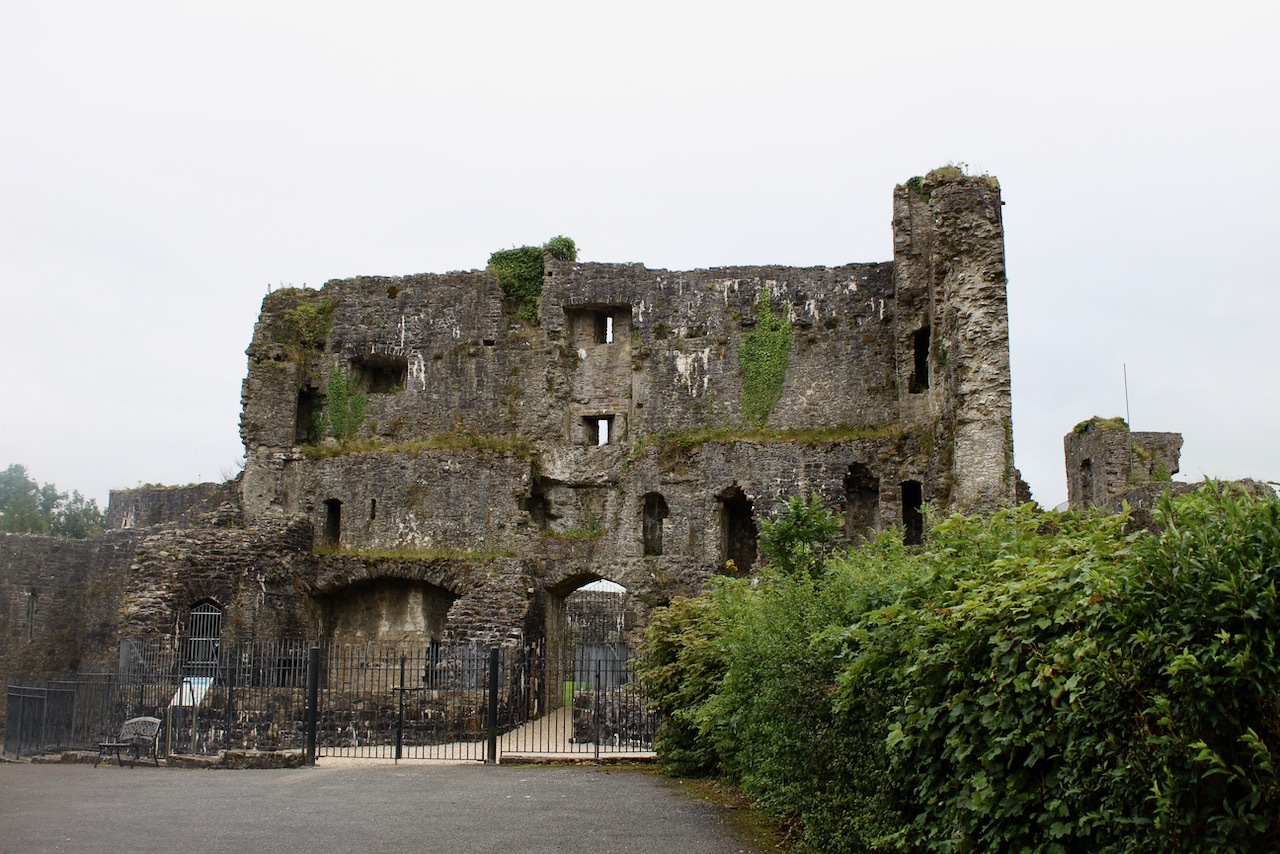
2. Ballynafad Castle (or Ballinafad), Co Sligo – a ruin, OPW

3. Lissadell House & Gardens, Lissadell, Ballinfull, Co. Sligo – section 482

4. Markree Castle, Collooney, Co Sligo – section 482

6. Newpark House and Demesne, Newpark, Ballymote, Co. Sligo – section 482

7. Rathcarrick House, Rathcarrick, Strandhill Road, Co. Sligo – section 482

Places to stay, County Sligo:

1. Annaghmore, Colloony, County Sligo

2. Schoolhouse at Annaghmore, County Sligo € for 3/4

3. Ardtarmon Castle, Ballinfull, Co Sligo – accommodation

4. Castle Dargan Lodges, Ballygawley, Co. Sligo, Ireland 

5. Carrowcullen old Irish Farmhouse, County Sligo

7. Lissadell rental properties, County Sligo

8. Markree Castle, Collooney, Co Sligo – section 482

10. Newpark House and Demesne, Newpark, Ballymote, Co. Sligo – section 482

11. Temple House, Ballymote, Co. Sligo – section 482

Whole house rental:

1. Coopershill House, Riverstown, Co. Sligo – section 482

Sligo:

1. Ballymote Castle, County Sligo (OPW)

Ballymote Castle, County Sligo, Photograph © Jennifer Winder-Baggot, www.irishhistorichouses.com

see my OPW entry: https://irishhistorichouses.com/2022/10/31/office-of-public-works-properties-in-connaught-counties-leitrim-mayo-roscommon-and-sligo/

2. Ballynafad Castle (or Ballinafad), Co Sligo – a ruin, OPW

3. Lissadell House & Gardens, Lissadell, Ballinfull, Co. Sligo – section 482

Lissadell, August 2022. Photograph © Jennifer Winder-Baggot, www.irishhistorichouses.com

www.lissadell.com
Open dates in 2025: June 1-2, 4-8, 11-15, 18-22, 25-29, July 2-6, 9-13, 16-20, 23-27, 30-31, Aug 1-4, 6-10, 13-24, 27-31, 10.30am-6pm

Fee: adult €16, OAP/student €14, child €8, tour groups of over 30 persons who pay in advance receive a discount

See my entry https://irishhistorichouses.com/2023/04/27/lissadell-house-gardens-lissadell-ballinfull-co-sligo/

4. Markree Castle, Collooney, Co Sligo – section 482

Markree Castle, County Sligo, Photograph © Jennifer Winder-Baggot, www.irishhistorichouses.com

See my entry:

https://irishhistorichouses.com/2021/11/06/markree-castle-collooney-co-sligo/

http://www.markreecastle.ie

Open in 2025, but check in advance due to events and weddings: July, Aug, Sept 12 noon-4pm 
Fee: Free to visit.

10am-4pm

Fee: Free

Markree Castle Home Farm, County Sligo. Photograph © Jennifer Winder-Baggot, www.irishhistorichouses.com

6. Newpark House and Demesne, Newpark, Ballymote, Co. Sligo F56 X985 – section 482
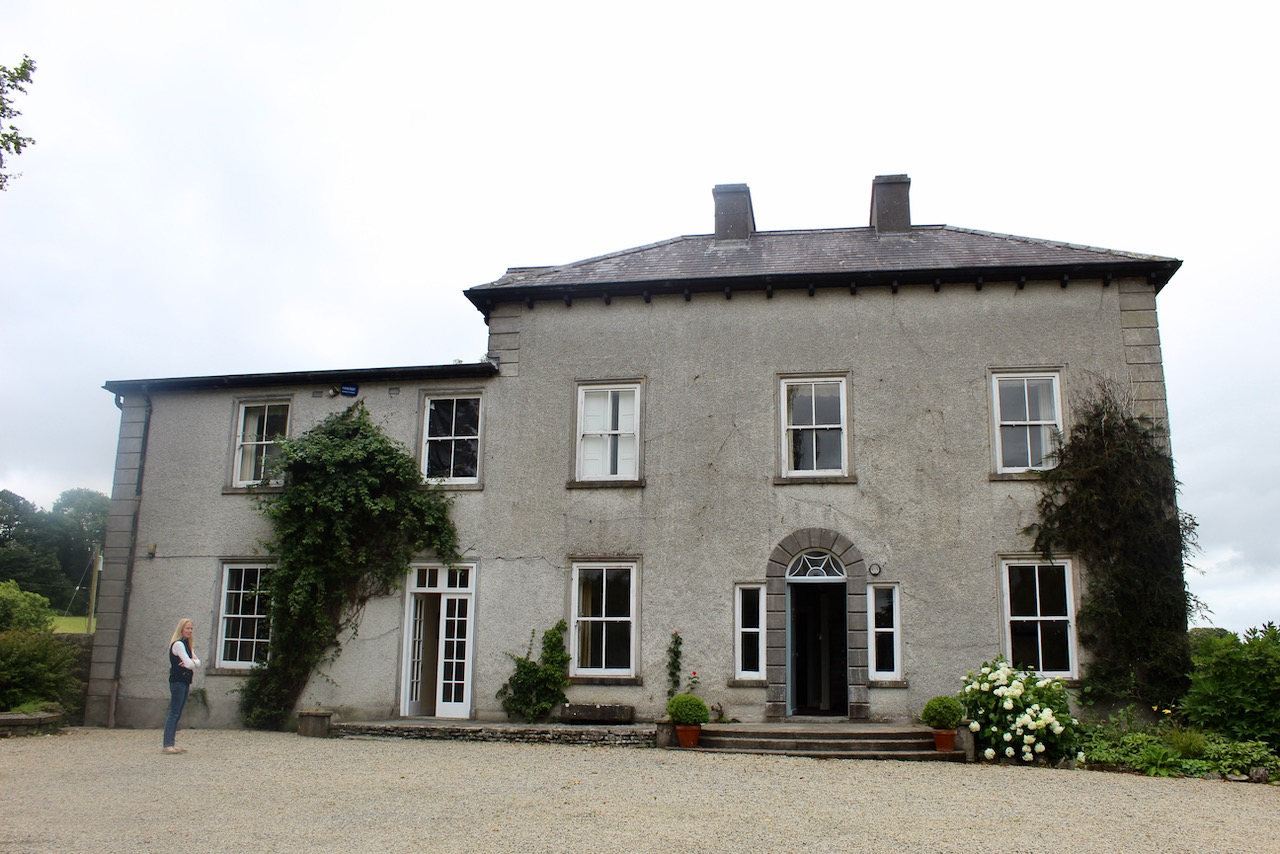
Newpark, County Sligo, Photograph © Jennifer Winder-Baggot, www.irishhistorichouses.com

See my entry:

https://irishhistorichouses.com/2021/11/30/newpark-house-and-demesne-newpark-ballymote-co-sligo/

Open dates in 2025: Jan 20-24, 27-31, Feb 10-14, 17-21, May 6-10, 12-23, June 9-13, 23-29, Aug 16-24, 29-30, 9.30am-1.30pm

Fee: adult €7, OAP/student €5, child free

7. Rathcarrick House, Rathcarrick, Strandhill Road, Co. Sligo F91 PK58 – section 482

Open dates in 2025: June, July, Aug, Tue-Sat, National Heritage Week, Aug 16-24, 2pm-6pm

Fee: adult €5, child/OAP/student free

Places to stay, County Sligo:

1. Annaghmore, Colloony, County Sligo €

https://www.annaghmore.ie/history

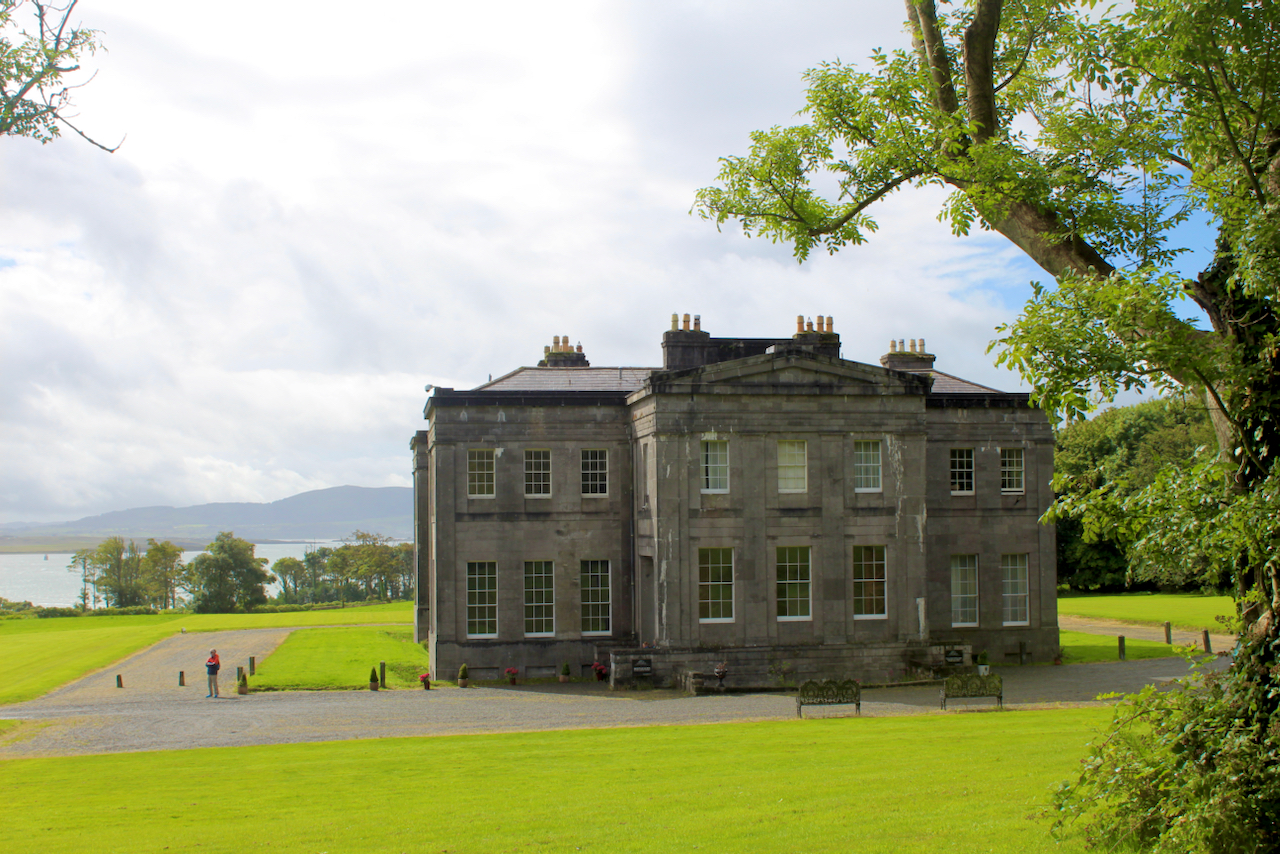
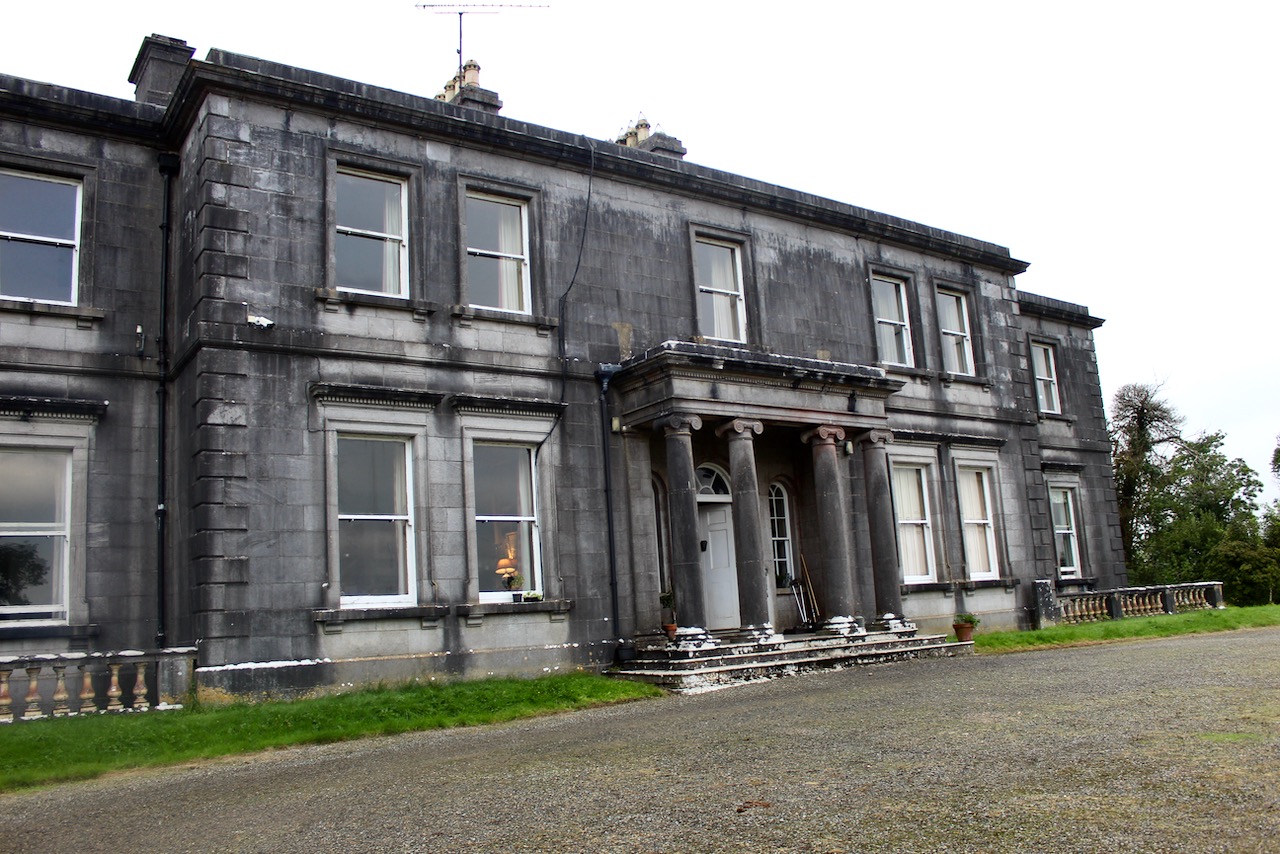
Annaghmore, County Sligo. Photograph © Jennifer Winder-Baggot, www.irishhistorichouses.com

We stayed here during Heritage Week in 2021 and will be visiting again in 2022! You can book to stay with the owners on airbnb.
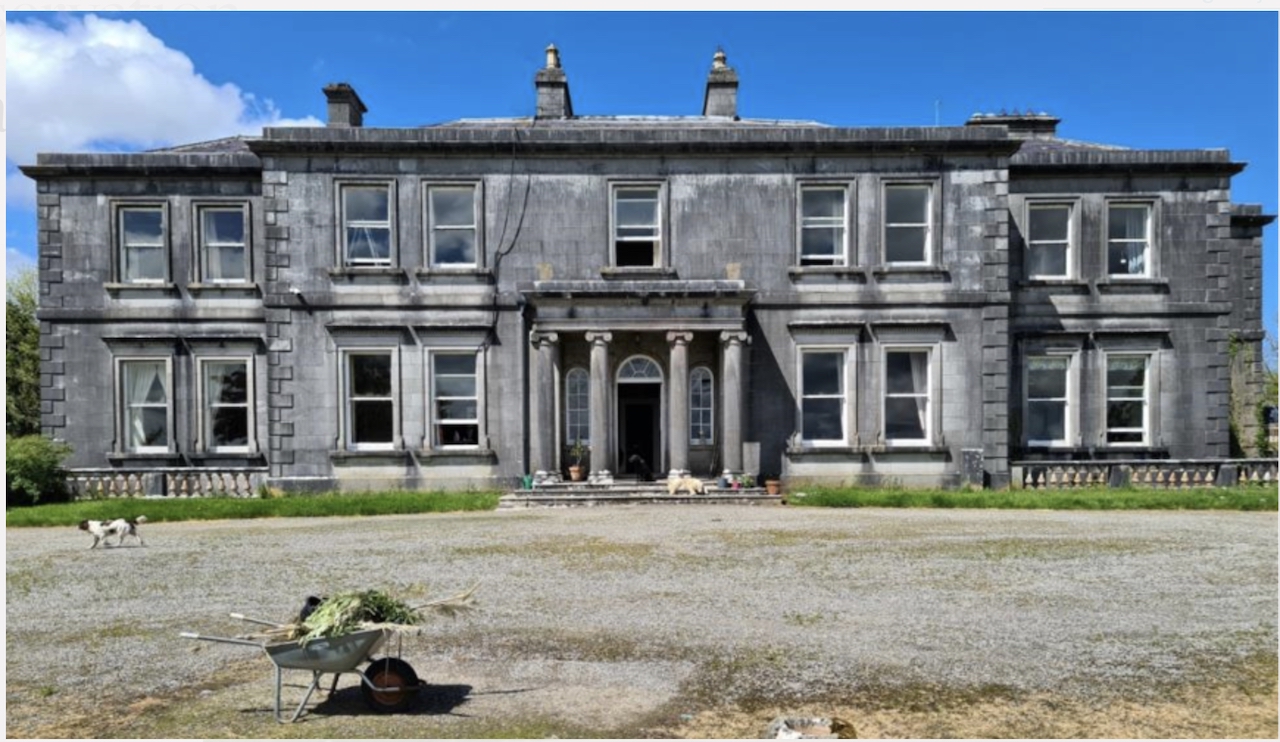
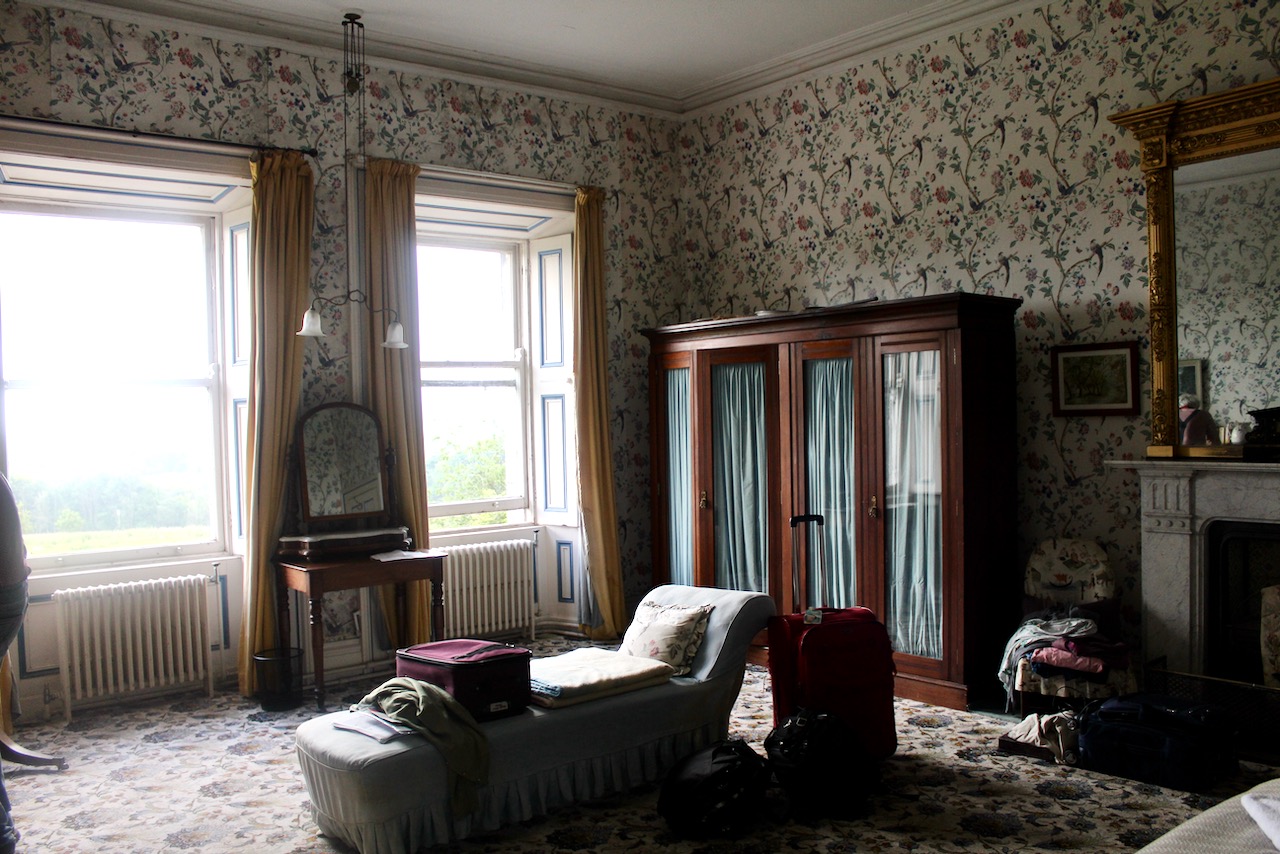
Our lovely bedroom in Annaghmore, County Sligo. Photograph © Jennifer Winder-Baggot, www.irishhistorichouses.com

The website tells us:

The O’Hara’s were Chiefs of Luighne, an extensive territory in the County of Sligo, and maintained an independent position down to the time of Oliver Cromwell. The family have always had a residence on the present site, as well as castles at Castlelough, Memlough and other parts of Leyne prior to the modern Annaghmore house being built in the 1790s. The house was dramatically added to in the 1830s and again in the 1870s by architect James Franklin Fuller, to form the unusually restrained classical house it is today.   We are one of the very few original old Gaelic families to still live in the family seat.   Over generations The O’Hara’s have made a profound contribution to Irish history both at home and abroad; holding important roles in politics, the military, religious, cultural and sporting arenas.  Annaghmore is a living testimony to the family’s achievements and steadfast commitment and love for the people of Sligo, well documented through manuscripts, paintings, personal diaries, maps and photographs still very much visible within the house today.

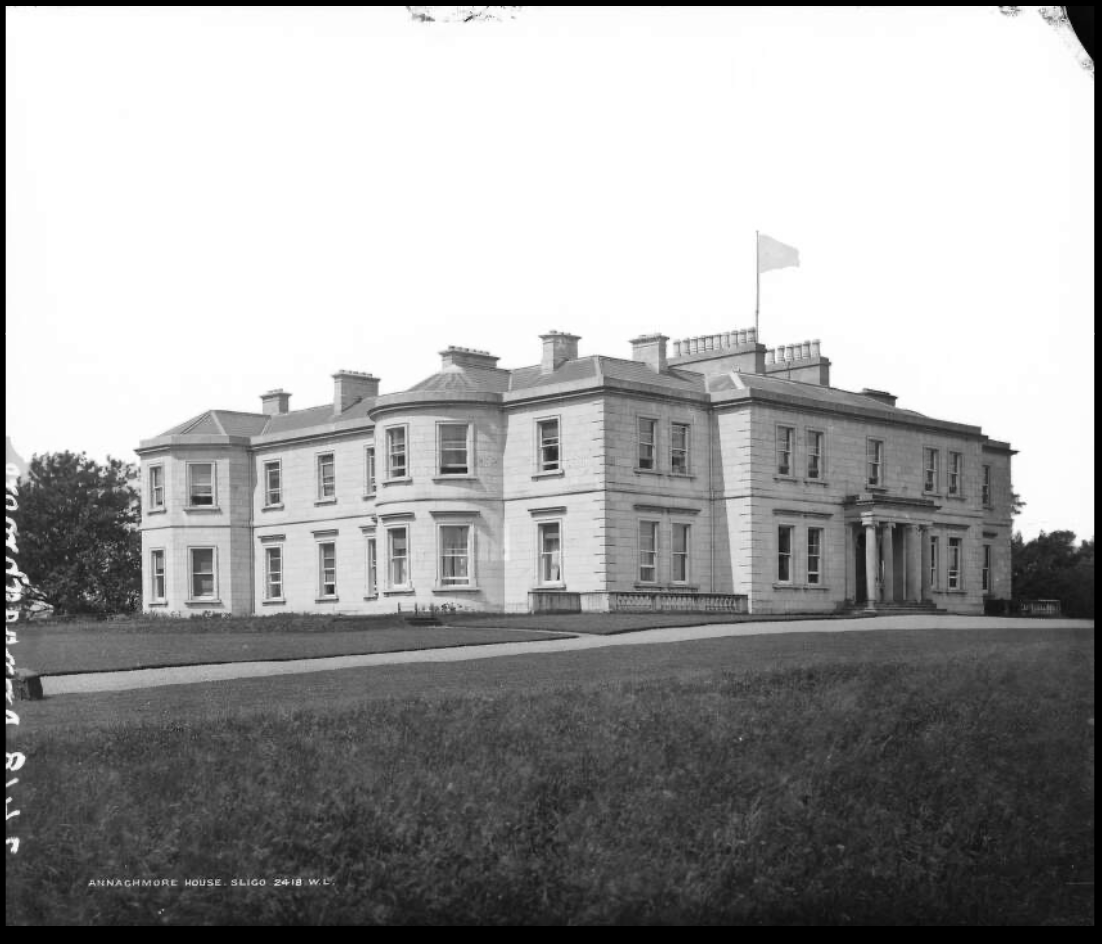
Annaghmore, County Sligo, photograph by Robert French, Lawrence Photographic Collection, National Library of Ireland. Some of the house was taken down.

Mark Bence-Jones tells us (1988):

p. 4. “[O’Hara] A house of ca. 1820, consisting of a 2 storey 3 bay centre with single-storey Ionic portico and single-storey 2 bay wings, greatly enlarged ca. 1860-70 by C. W. O’Hara to the design of James Franklin Fuller; the additions being in the same late-Georgian style as the original house. The wings were raised a storey and extended back so that the house had a side elevation as high as the front and as long, or longer, consisting of 1 bay, curved bow, 3 further bays and a three-sided bow. At the same time, the fenestration of the original centre was altered, paired windows being inserted into the two outer bays instead of the original single window above a Wyatt window. All the ground floor windows except for those in the three sided bow have plain entablatures over them. Parapeted roof. Short area balustrade on either side of centre. Curved staircase behind entrance hall. Doorcases with reeded architraves and rosettes.” [1]

2. Schoolhouse at Annaghmore, County Sligo € for 3-4

https://www.irishlandmark.com/propertytag/cottages-and-houses/?gclid=Cj0KCQiApL2QBhC8ARIsAGMm-KFInICcRSxwLSiDxfFNk5WFytNcVrLvOQYhzJbIBes4V-M65iXz0gYaAln_EALw_wcB

The Schoolhouse in Annaghmore was built in the 1860s to educate local children.

The schoolhouse at Annaghmore, County Sligo. Photograph © Jennifer Winder-Baggot, www.irishhistorichouses.com

3. Ardtarmon Castle, Ballinfull, Co Sligo – accommodation 

https://www.ardtarmoncastle.com

The website tells us: “Spend Your Holidays or your Honeymoon in a Castle at Seaside in Ireland – All Apartments in our Castle are South Facing with view to the Sea – Self Catering Holiday and Honeymoon Apartment in an Irish Castle.

The National Inventory tells us Ardtarmon is multiple-bay two-storey rendered castle built c. 1640. Oblong plan, circular towers to north and south ends of main east elevation and centre of west elevation, seven-bay two-storey extension c.1995 with corner turret to south-west, bawn to west. “This national monument is a transitional early-seventeenth century semi-fortified house. Although extensively renovated for residential use, the castle has retained many of its original features.

“… Ardtarmon Castle which commanded the sea approaches to Sligo town when first built around 1648. Its founder Sir Francis Gore was a distant ancestor of Constance Gore-Booth and founder of the Gore Booth family. It was the original home of the Gore-Booths before they moved to Lissadell in the early 18th century after a fire burned Ardtarmon to the ground. It is one of the two buildings built in the style of the Cromwell period that survive in the area. The other is Park’s Castle on the Shores of Lough Gill in Co. Leitrim.

Rebuilt in the late 20th century to its former glory by Holger & Erika Schiller the castle now offers state of the art luxury self-catering accommodation, with design and interiors faithful to the original but with modern day comfort including under floor heating and dishwashers in all apartments.” 

4. Castle Dargan Lodges, Ballygawley, Co. Sligo, Ireland

https://www.castledargan.com

The website tells us: “Welcome to Castle Dargan Estate, a magnificent, rambling country estate on 170 rolling acres in W.B. Yeats’ beloved County Sligo. The great poet was inspired to write of its charms in The King of The Great Clock Tower and a hundred years later we invite you to be enchanted by a timeless elegance and unique atmosphere that will stay with you forever.

Accommodation at Castle Dargan Estate offers guests a diverse range of 4-star hotel accommodation including luxury suites in the 18th century Castle Dargan House, one and two bed Walled Garden Suites which are perfect for family breaks, and self-catering lodges available for holiday rentals. With a rich history brought in to 21st century, Castle Dargan Estate offers more to our guests than hospitality and fantastic settings, it offers classic grandeur that remains timeless.

The website also tells us about Castle Dargan’s history:

Castle Dargan: I liked the place for its romance.”  – W.B.Yeats 

Beautifully situated, having delightful views of the surrounding scenery and the mansion house being suitable for the residence of a gentleman of the highest respectability.” – Patrick E. O’Brien 

Such was the description of Castle Dargan prior to public auction in 1875, lands that has been residence to many during five millenia. Extensive archaeological remains bear witness to a continuity; stone age burial sites on the heights of Sliabh Daeane to the north, a possible henge ritual site, bronze age cooking and washing sites, and until recently unknown souterrain – the underground refuge and foodstore of early medieval farmers, and ring forts beside the 5th fairway and on the high ground above the 18th hole. The old castle area, a complex of habitation from the 15 to 18 centuries and built on an earlier cashel or stone-built ring fort, has not yet been interpreted satisfactorily.

By the early 14 century, the MacDonaghs ruled the barony of Tirerrill, that eastern half of Sligo that stretches from the southern shores of Lough Arrow to Castle Dargan. In a dispute of 1422 over the strategic construction of a castle by Conor MacDonagh of Collooney – Castle Dargan was subject to Collooney – the castle was captured by an army of O’Neill and O’Donnell forces, allies of the Castledargan MacDonaghs; which having partaken of overnight hospitality in Castle Dargan, returned north the following day. On a return visit in 1516 another O’Donnell raided Sligo taking several castles, among them and took hostages.

Following the submission of O’Conor Sligo to Queen Elizabeth in 1585, the MacDonaghs found themselves paying fees to the Crown and liable to fines or confiscation. The Collooney family became one of the leading Gaelic families representing Sligo in the early 1600s, a period which ended with the death in rebellion of its leader Brian Óg MacDonagh in 1643.

In the aftermath of the subsequent Cromwellian Wars, the MacDonaghs withdrew into modest circumstances or returned to a tradition of military service in continental armies. Castle Dargan lands were split between three owners, Coote, Crofton and the Strafford & Radcliffe estate which later sold its interest to the Burton family, ancestors of the Cunninghams of Slane. The new ownership provided the opportunity in 1687 for the arrival in Castle Dargan of Stephen Ormsby, great-grandson of an Elizabethan soldier, Thomas Ormsby of Lincolnshire, who had married well in Mayo.

The Castle Dargan Ormsbys leased rather than owned land for several generations. William, Stephen’s grandson, married well during the 1740s, his wife bringing the 408 acres of nearby Knockmullen as a dowry. Having renewed the lease of Drumnamackin ‘called commonly the name of Castle Dargan’ in 1749 he was recorded as paying a chief rent of £3 for it in 1775; during those intervening years Castle Dargan had obviously come into full Ormsby ownership. Subsequently, he took out a lease on three townlands for 400 years in 1781.

Reflecting these improved circumstances, William built the original Castle Dargan House in the second half of the eighteenth century. He also developed the demesne, its farmlands and, probably, the walled and ornamental gardens in the castle area. He died in 1784 ‘deservedly lamented’ and was succeeded in turn by each of his sons, Nicholson and Thomas, both of whom died unmarried, and William who was in turn succeeded by his son, John.

John, the most public person of the Castle Dargan Ormsbys was elected a Burgess of Sligo Borough in 1824, appointed Provost in 1829 and 1839, High Sheriff of the county in 1834 and was regularly a Grand Juror of the Assizes. He was a founder member of and contributed to the first Famine Relief Committee of 1846 and served over many years as a Resident Magistrate. He died in 1870 and was succeeded by his son, Nicholson, who survived him by one year only and by his grandson, John Robert, the last Ormsby of Castle Dargan House.

In John Robert’s time, the young W.B. Yeats visited Castle Dargan House ‘where lived a brawling squireen’, married to one of his Middleton cousins; Mary Middleton was married to John Robert. It was, as he said, “the last household where I could have found the reckless Ireland of a hundred years ago in final degradation. But I liked the place for the romance of its two castles facing one another across a little lake, Castle Dargan and Castle Furey”; the Ormsbys were well-known for their country pursuits.

They had historically taken a dramatic place in Irish folklore when it is recorded that a group of Elizabethan adventurers, arriving by boat on a western shore, were promised a grant of land to the first to set foot on land. Ormsby, a veteran of the continental wars cast his cork-leg ahead of him, wading ashore at his leisure.

Cock-fighting in the Sligo of 1781 was noted in reporting the rivalry of Nicholson Ormsby and Philip Perceval of Temple house, in which Ormsby lost the princely prize of two hundred guineas. Nicholson’s reputation was such that, Archdeacon O’Rorke, writing his otherwise sober in 1889, made an exception in the case of Nicholson Ormsby, recounting tales of his practical jokes, for which he had some notoriety.

Over many years the Ormsbys had participated in Sligo horse-racing, its gentlemen and young ladies remarked upon among the attendance of the ‘beauty and fashion of the County’ at such gatherings, their racing successes beginning at the first festival of racing at Bowmore in Rosses Point in September 1781. This love of horses continued with the hunt and the hosting of several times a season. Ormsby hospitality was once remarked upon when, following ‘as good a run on so fine a day as any could wish for’, the hunting party ‘came to lunch at Castle Dargan House, where the usual hospitality of the owner was taken every advantage of’.

Inevitably, stories of Castle Dargan and Ormsby exploits made their way into Yeats’s works. Reflecting the folklore of spectral dancers in well-lit ruins; the royal attendant of, more than half a century later, sang –

    O, but I saw a solemn sight;

    Said the rambling, shambling travelling-man;

    Castle Dargan’s ruin all lit,

    Lovely ladies dancing in it.

High over Castle Dargan on Sliabh Daeane – the mountain of the two birds – is the passage tomb of Its name recalls the legend of The Old Woman of Beara – Bird Mountain Clooth-na-BareThe Hosting of the Sidhe

The host is riding from Knocknarea

    And over the grave of Clooth-na-bare;

    Caoilte tossing his burning hair,

    And Niamh calling Away, come away …

An event, not recalled in genealogies, in which an Ormsby daughter is said to have eloped with a groom, married and happily raised a family in nearby Coolaney, is reputedly evoked in; an event which may be reflected when the old man tells his son;

My mother that was your grand-dam owns it, This scenery and this countryside kennel and stables, horse and hound –She had a horse at the Curragh, and there met my father, a groom in a training stable, looked at him and married him.Her mother never spoke to her again,

By March 1875 a series of financial reversals finally forced the sale by the Landed Estates Court of the various Ormsby interests in almost 2000 acres. Castle Dargan was bought for £12,000 by William Middleton, Mary Ormsby’s father, with a five year £10,000 loan from Andrew Hosie, a successful miller of Dromahair.

William Middleton died in 1882, the loan unpaid and John Robert Ormsby having departed unexpectedly and alone for the United States. The 959 acres of Castle Dargan were auctioned in September 1883, Andrew Hosie being the sole bidder and Mary Ormsby and her family of seven children retired to Elsinore, a Middleton property in Rosses Point. A daughter, Amy Frances Vernon, subsequently achieved fame as a County Sligo lady golfer winning Irish and South African Ladies’ Championships; Larry (Arthur) Vernon, her husband, won the inaugural West of Ireland Championship at County Sligo Golf Club in 1923.

Andrew Hosie died in1888, having already vested Castle Dargan in his nephew, John, in December 1883. Following extensive repairs to the house in 1884, the current hall-door entrance and bay-windows were added in 1895. The demesne was farmed by John’s son, James, and grandson, John, until the death of John C. Hosie in November 1997. With the sale of the mountain lands in 1894 to the Coopers of Markree Castle, and of several smaller sections in the intervening years, the remaining 145 acres of Castle Dargan demesne and the nineteen acres of Carrigeenboy near the gate-lodge were sold in 1998 by Mrs Kathleen Hosie to Dermot Fallon of Ballinacarrow, Co. Sligo.

With that, the continuous occupation of three families over almost six centuries was finally drawn to a close.”

5. Carrowcullen old Irish Farmhouse, County Sligo

https://hiddenireland.com/house-pages/old-irish-farmhouse-carrowcullen/

The website tells us:

Carrowcullen: The Old Irish Farmhouse is an 1880s six room stone traditional farmhouse, with a low hipped slate roof which drew from earlier building traditions of the 1820s/1830s and offers a ‘walk back in time’ experience so that when visitors arrive they enter the farmhouse kitchen, as they would have in the past and find themselves at centre the house as would have happened traditionally.

On the first floor, the Carrowcullen: Old Irish Farmhouse offers a master bedroom, twin bedroom, a small bedroom and a bathroom with Victorian cast-iron bath with overhead shower and cast-iron cistern. On the ground floor is the kitchen, flanked on either side by the parlour and sitting room. The master and twin bedrooms have sinks. On the ground floor the sitting room also has a single bed, sink and toilet, in the event that guests may not be able to manage the narrow and irregular original stairs. The kitchen has a Stanley 8 stove (matching the original), gas cooker, microwave and toaster. An under-stairs cloakroom is off the kitchen provides additional flexibility for guests. An immersion heater provides hot water when the boiler is not being used for heating.

The Old Irish Farmhouse offers a ‘walk back in time’ experience: the fridge, microwave, dishwasher are hidden, so that when visitors arrive they enter the farmhouse kitchen, as they would the centre the house traditionally. Antique furniture, furnishings and sanitary ware are appropriate with the house’s age and some are original to the house.

Situated in Co Sligo, Carrowcullen: The Old Irish Farmhouse is set today on the fourteen acres of rugged farmland along the Wild Atlantic Way and set well back from a quiet country lane, the farmhouse is accessed by a private lane (with public access) which links with a forestry lane, providing for an easy ‘loop’ walk. Two natural springs are in the east and west pastures, and a river, the Ardnaglass runs on two sides of the east pasture; it runs from Loch Acree on Ladies Brae ultimately flowing to Dunmoran Sands. The farmhouse has spectacular views of the Ox Mountain ranges & Knocknarea. Intentionally , the Old Irish Farmhouse is embodied as a living house – as it always had been– not a ‘replica’ which would arbitrarily ‘assign’ ‘a ‘date’ to the house, from which eliminating decisions and associations would cascade. As a living house, it contains artwork associated with my family and with my family’s and my connections with American artists from the 1970 onwards and with the Swedish arts and crafts traditions. (I crochet lace using my Swedish grandmother’s patterns and paint ordinary objects with flowers inspired by those on Carrowcullen’s pastures, in the Swedish tradition; Carrowcullen gifts are available to purchase).

Carrowcullen: The Old Irish Farmhouse meets with the ‘Fáilte Ireland Welcome Standard’ and promotes sustainability and recycling as an integral part of the ‘message’ and ‘dialogue’ of Carrowcullen as re-envisioned since 2016. Biodiversity projects record plant, animal and bird species and precise times of year they appear and guests may contribute to this recording, should they so wish.

Come stay and experience late 19th c objects and farmhouse life at Carrowcullen!

Carrowcullen: The Old Irish Farmhouse is set on an east west axis with its south gabled end facing Ladies Brae, a dramatic steep passage on the Ox Mountains, from which fierce winds and rain sweep. The Sligo walking trails are directly accessible from the house and the quiet country lane. Beaches such as Dunmoran Strand and Aughris Head (with the Beach Bar) are minutes drive away. Nearby, Beltra Country Market on Saturday mornings offers home-produced food and vegetables in addition to crafts and activities. Other activities in the area include Surfing and horseriding. Local shops (Collery’s and Ardabrone) service the area. The anticipated nearby Coolaney National Mountain Bike Centre will soon be opening. The Skreen Dromard guild of the Irish Countrywomen’s Association meets on Wednesday evenings and welcomes guest visitors! With prior arrangement, guests may experience the daily sheep herding and checks. Carrowcullen also offers visitors an opportunity to engage with our roaming hens and quails who provide fresh eggs which are available to purchase and not forgetting the flock of Japanese and Jumbo Italian quails.

6. Lissadell rental properties, County Sligo

http://lissadellhouse.com/lissadellrentals/

7. Markree Castle, Collooney, Co Sligo – section 482, see above

https://irishhistorichouses.com/2021/11/06/markree-castle-collooney-co-sligo/

http://www.markreecastle.ie

9. Newpark House and Demesne, Newpark, Ballymote, Co. Sligo – section 482, see above

https://irishhistorichouses.com/2021/11/30/newpark-house-and-demesne-newpark-ballymote-co-sligo/

10. Temple House, Ballymote, Co. Sligo F56 NN50 – section 482

www.templehouse.ie
Tourist Accommodation Facility

Open for accommodation in 2025: January, April-December

See my entry https://irishhistorichouses.com/2025/11/15/temple-house-ballymote-county-sligo/
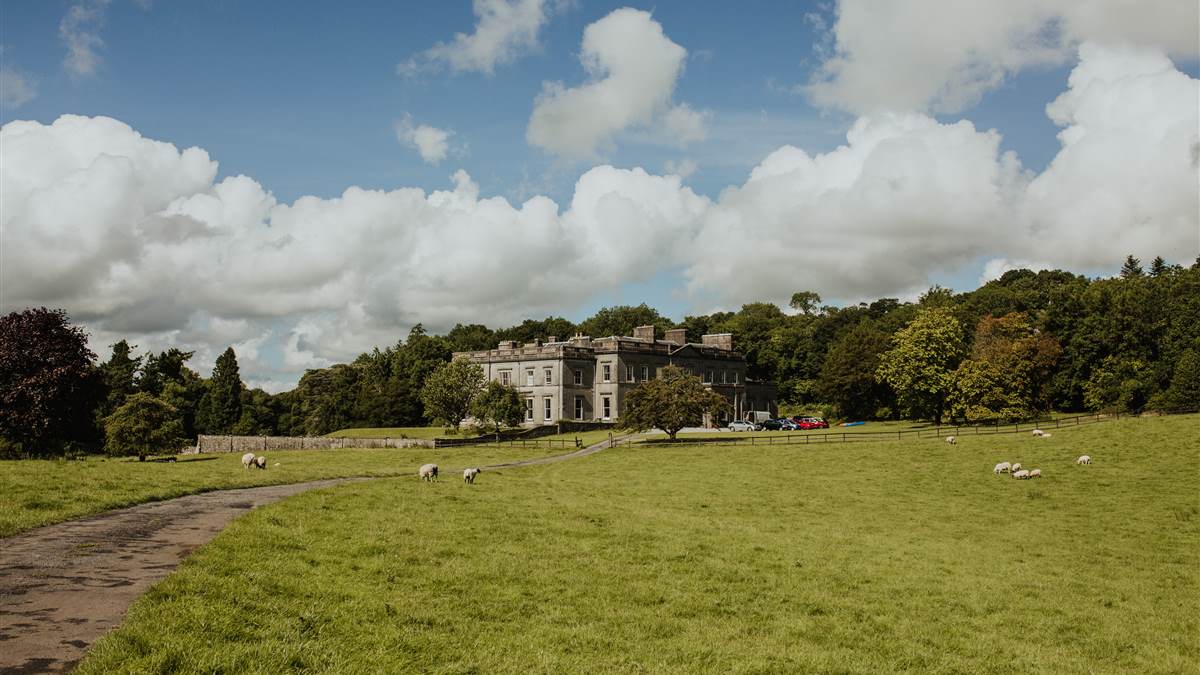
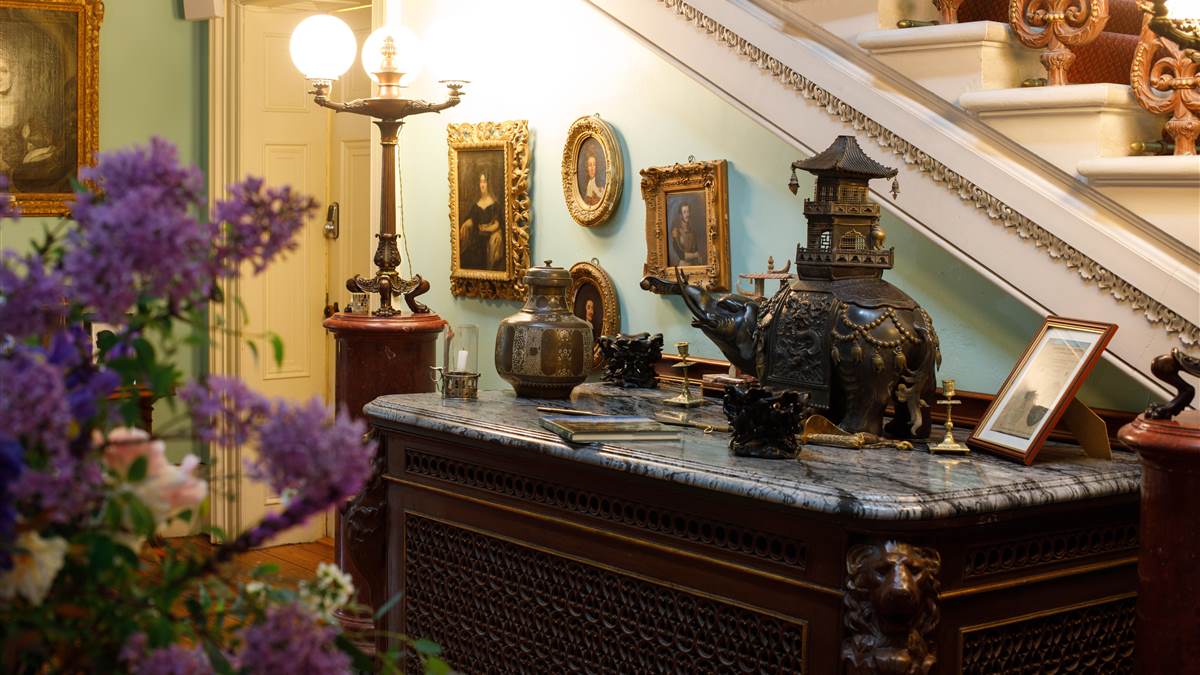
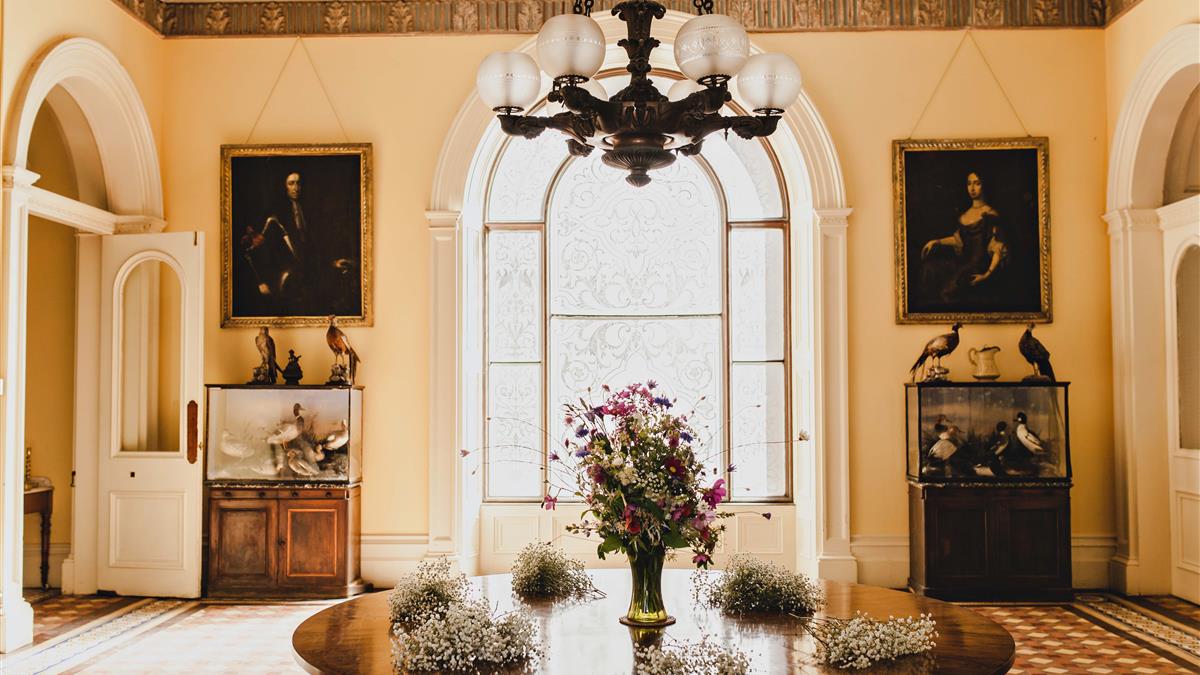
Temple House, photograph courtesy of Temple House website.
Vestiblue of Temple House, photograph courtesy of Temple House website.
Temple House, photograph courtesy of Temple House website.
Vestibule of Temple House, photograph courtesy of Temple House website.
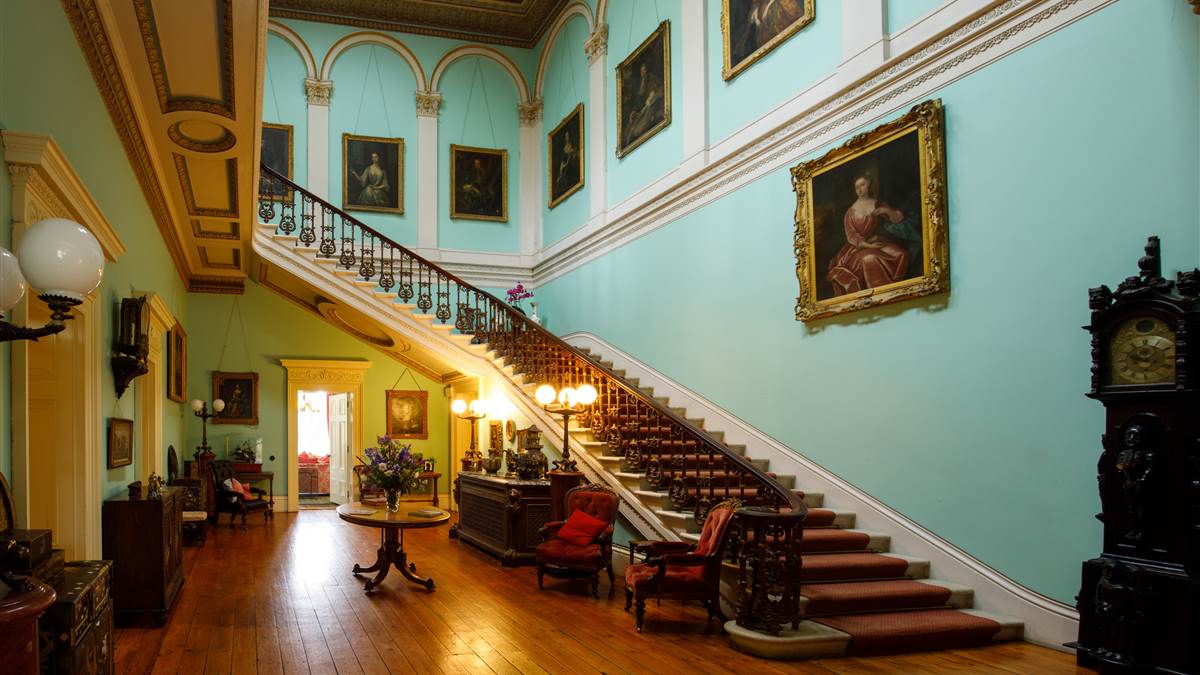
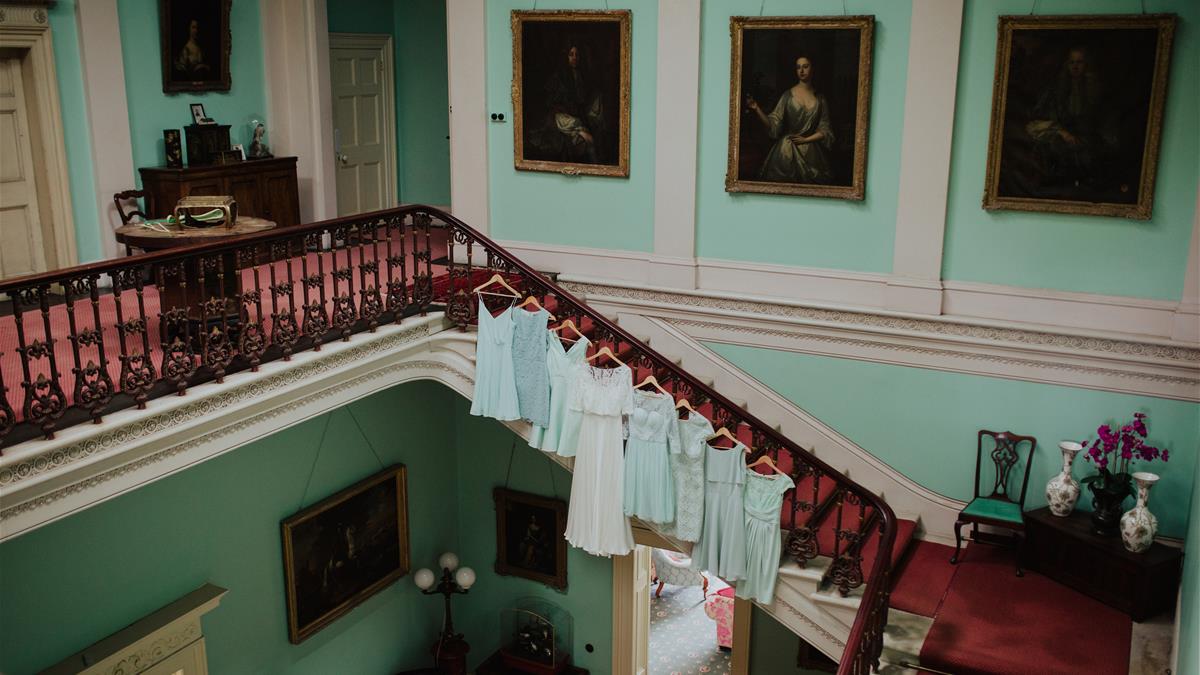
Stair hall of Temple House, photograph courtesy of Temple House website.
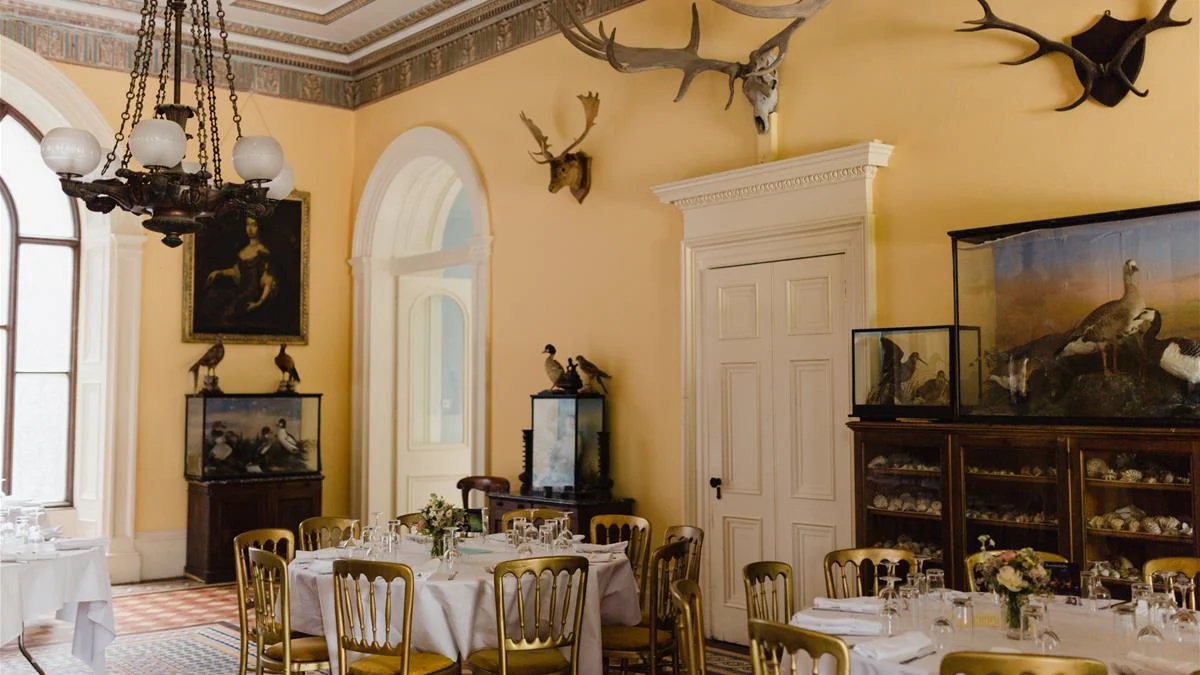
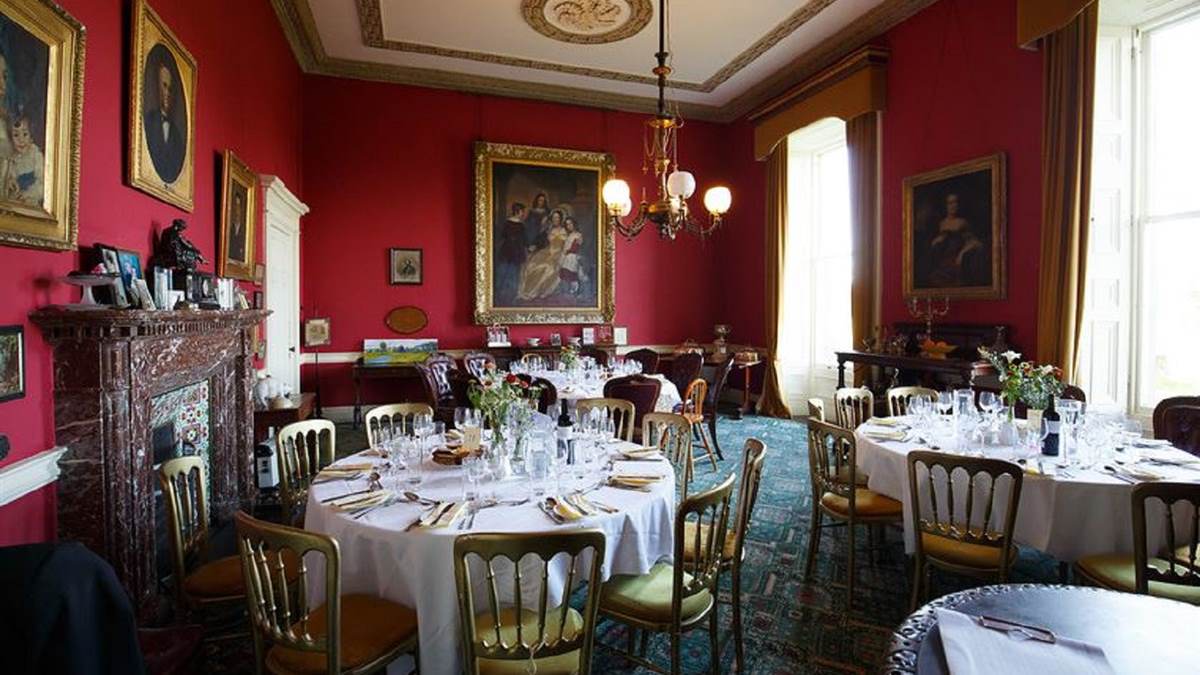
Dining room at Temple House, photograph courtesy of Temple House website.
Temple House, photograph courtesy of Temple House website.
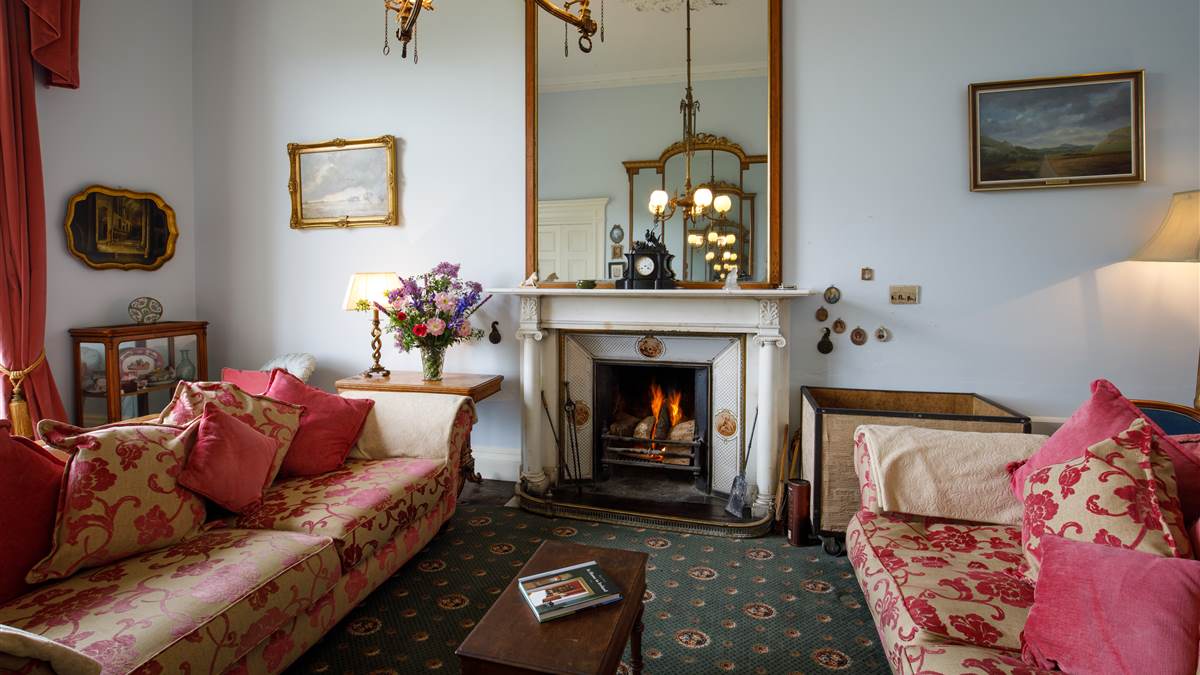
Morning Room at Temple House, photograph courtesy of Temple House website.
Temple House, photograph courtesy of Temple House website.
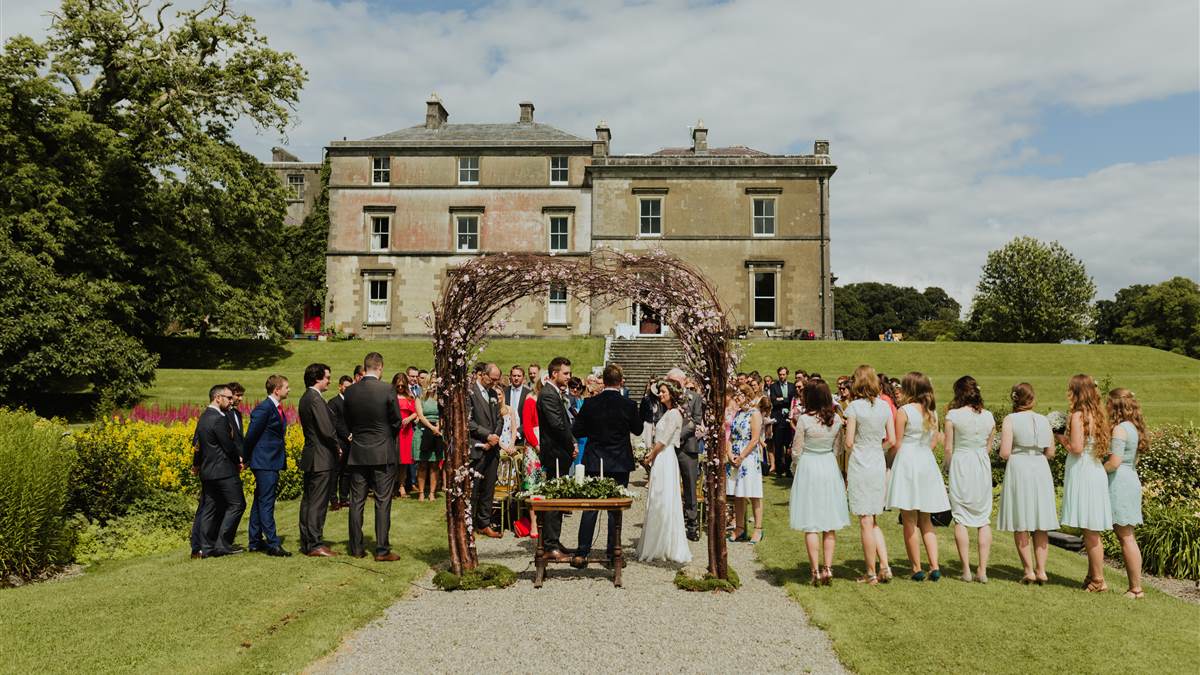
Wedding at Temple House, County Sligo, photograph from website.

and Gardener’s Cottage, https://hiddenireland.com/house-pages/temple-house/the-gardeners-cottage/
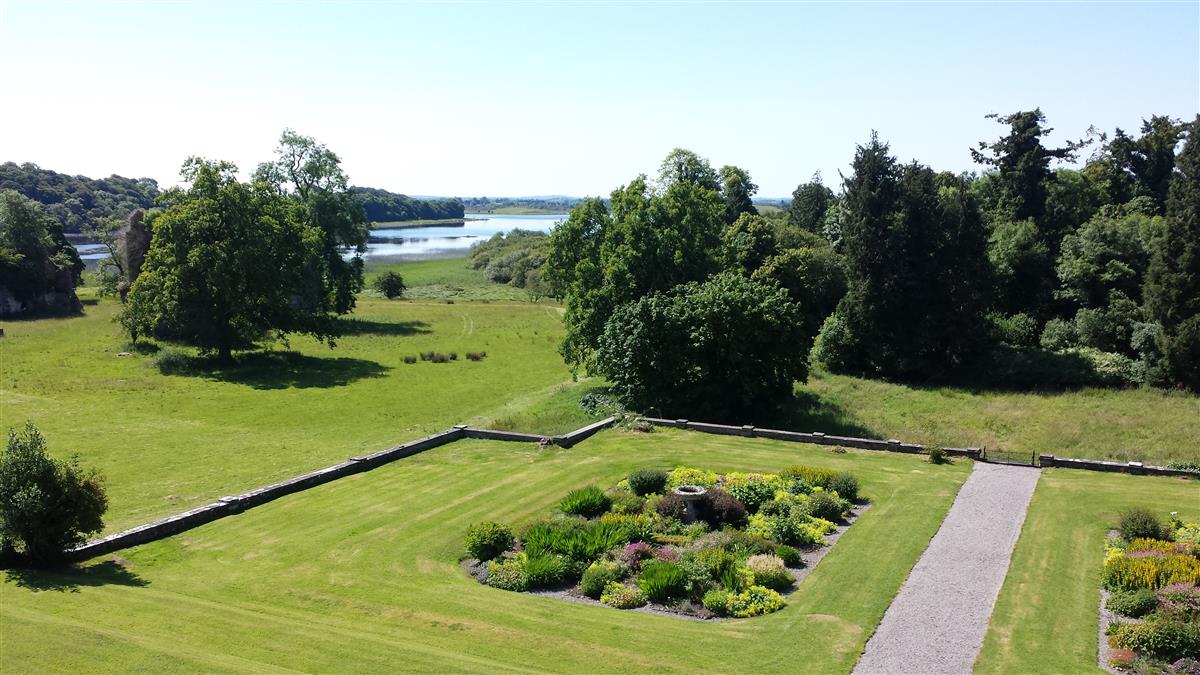
Gardens at Temple House, photograph courtesy of Temple House website.
The Knights Templar ruin at Temple House, photograph courtesy of Temple House website.

1. Coopershill House, Riverstown, Co. Sligo whole house rental

http://www.coopershill.com

Tourist Accommodation Facility Open May-October 2025.

See my entry: https://irishhistorichouses.com/2022/01/11/coopershill-house-riverstown-co-sligo/
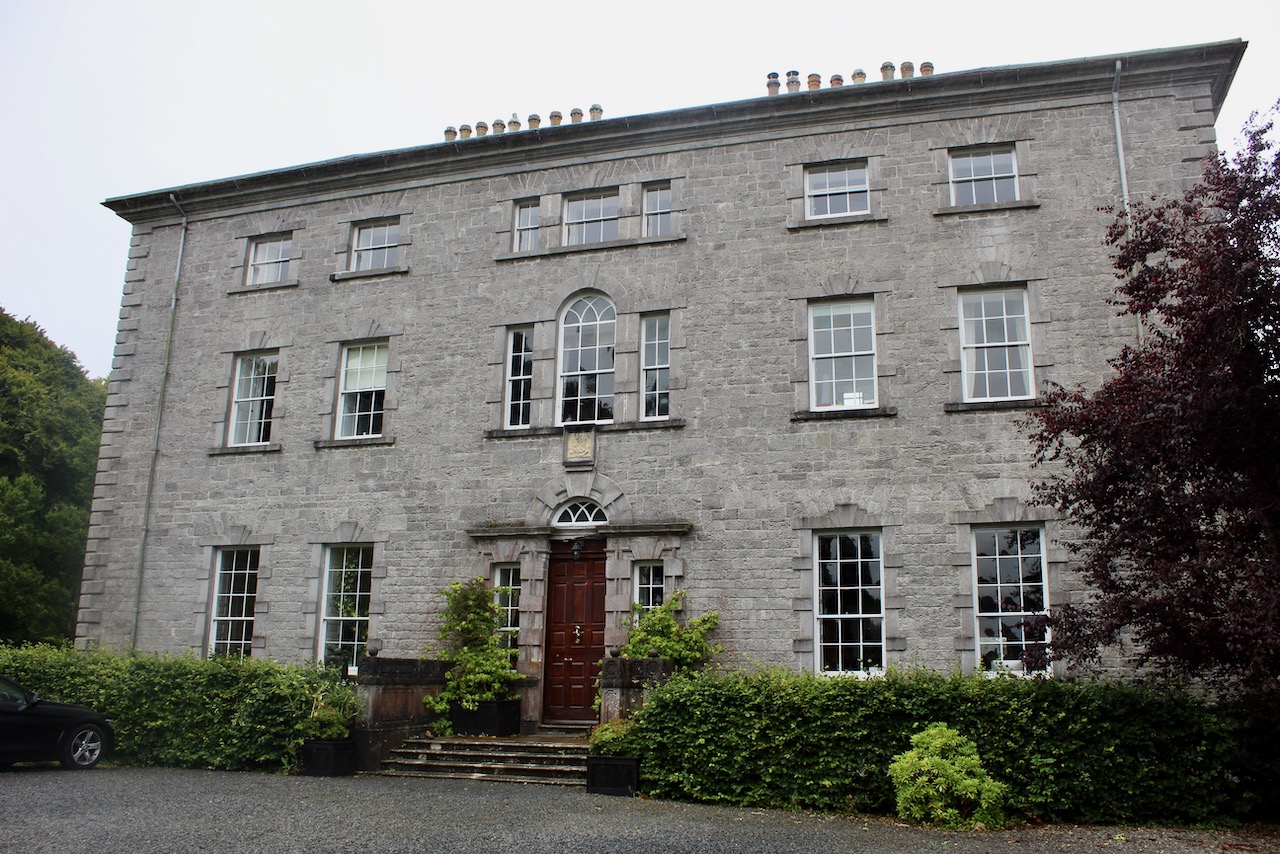
Coopershill, County Sligo, Photograph © Jennifer Winder-Baggot, www.irishhistorichouses.com

[1] Bence-Jones, Mark. A Guide to Irish Country Houses (originally published as Burke’s Guide to Country Houses volume 1 Ireland by Burke’s Peerage Ltd. 1978); Revised edition 1988 Constable and Company Ltd, London.

Text © Jennifer Winder-Baggot, www.irishhistorichouses.com
Coopershill House, Riverstown, Co. Sligo F52 EC52 – section 482 accommodation

www.coopershill.com
Tourist Accommodation Facility
Open in 2025 for accommodation: May-Oct 2025

Coopershill, August 2021. Photograph © Jennifer Winder-Baggot, www.irishhistorichouses.com
While we stayed in Annaghmore [1] during Heritage Week in August 2021 with Durcan O’Hara and his wife Nicola, we first visited Durcan’s cousin in nearby Newpark [2], then another cousin, Simon O’Hara, at Coopershill.

The O’Haras were a Gaelic family who managed to keep their position of importance through changes in sovereignty, from the invasion of the Normans through the Tudor and Stuart monarchy, the Cromwellian Parliament and the overthrow of King James II. The O’Haras of Coopershill and Annaghmore are of descendants of the “O’Hara Boy” family – the other O’Hara family of Sligo is the O’Hara Reogh family.

An ancestor, Tadgh O’Hara, encouraged his sons, Tadgh and Kean, to convert to Protestantism in order to be better able to hold on to their land. On Tadgh’s death in 1616 his sons, still minors, became Wards of Court. The eldest son, Tadgh, was raised by Sir Charles Coote (1581-1642), 1st Baronet Coote of Castle Cuffe, Queen’s County, who was Provost Marshal of Connaught and had much land in the area. Edward Cooper of Markree, another property which we visited, was a cornet in Sir Charles Coote’s dragoons. Tadgh died in 1634 and his property passed to his brother Kean. Some of the O’Hara relatives were implicated in the Rebellion of 1641 but Kean, as an Irish Protestant, was able to hold on to his property [3]. Coopershill belonged to the Cooper family but passed by marriage to the O’Hara family, as we will see below.

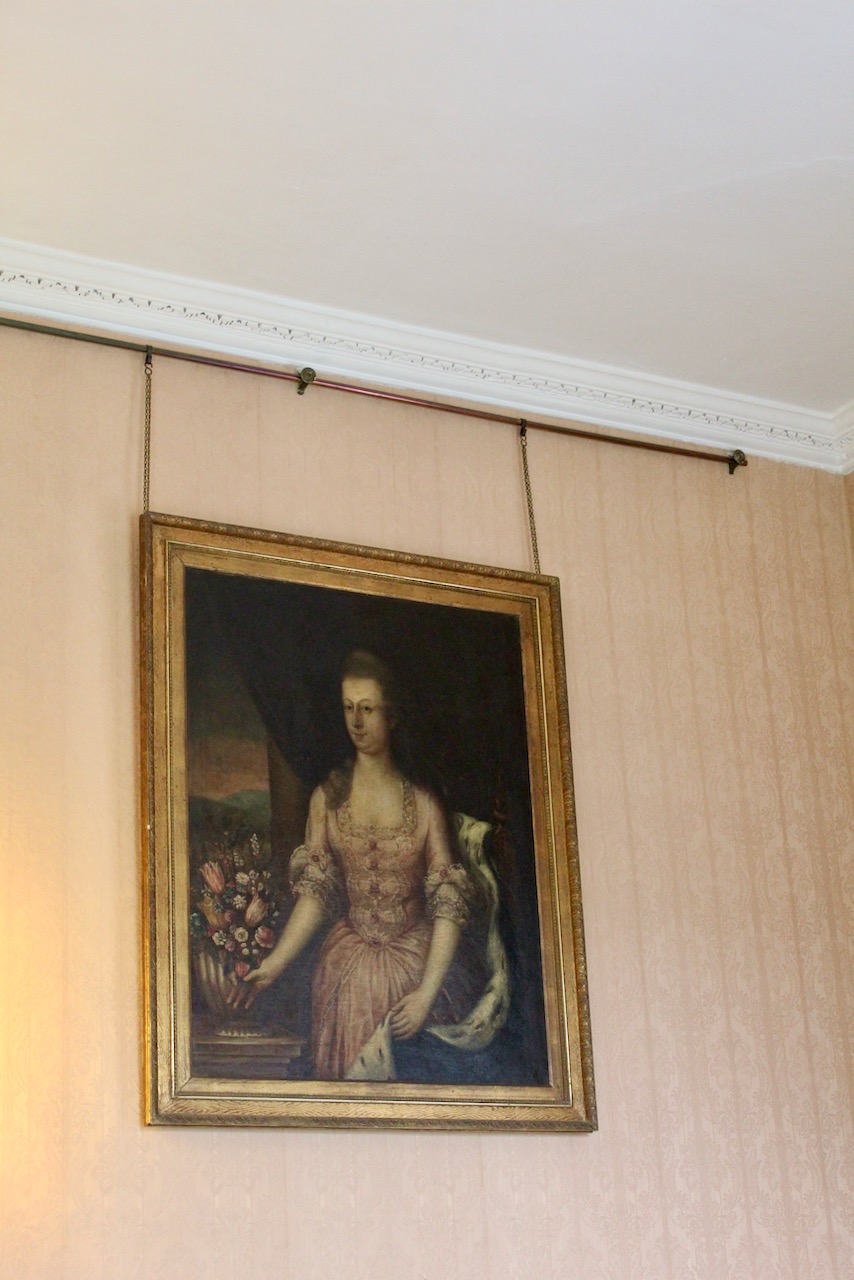
According to the Historic Houses of Ireland website, Arthur Cooper (born around 1716) and his wife Sarah (born Carleton, from Enniskillen, County Fermanagh) lived in a sixteenth century fortified house on the River Unsin (or Unshin), near the village of Riverstown. This house still exists as a ruin on the property of Coopershill, and we passed it as we approached the main house.

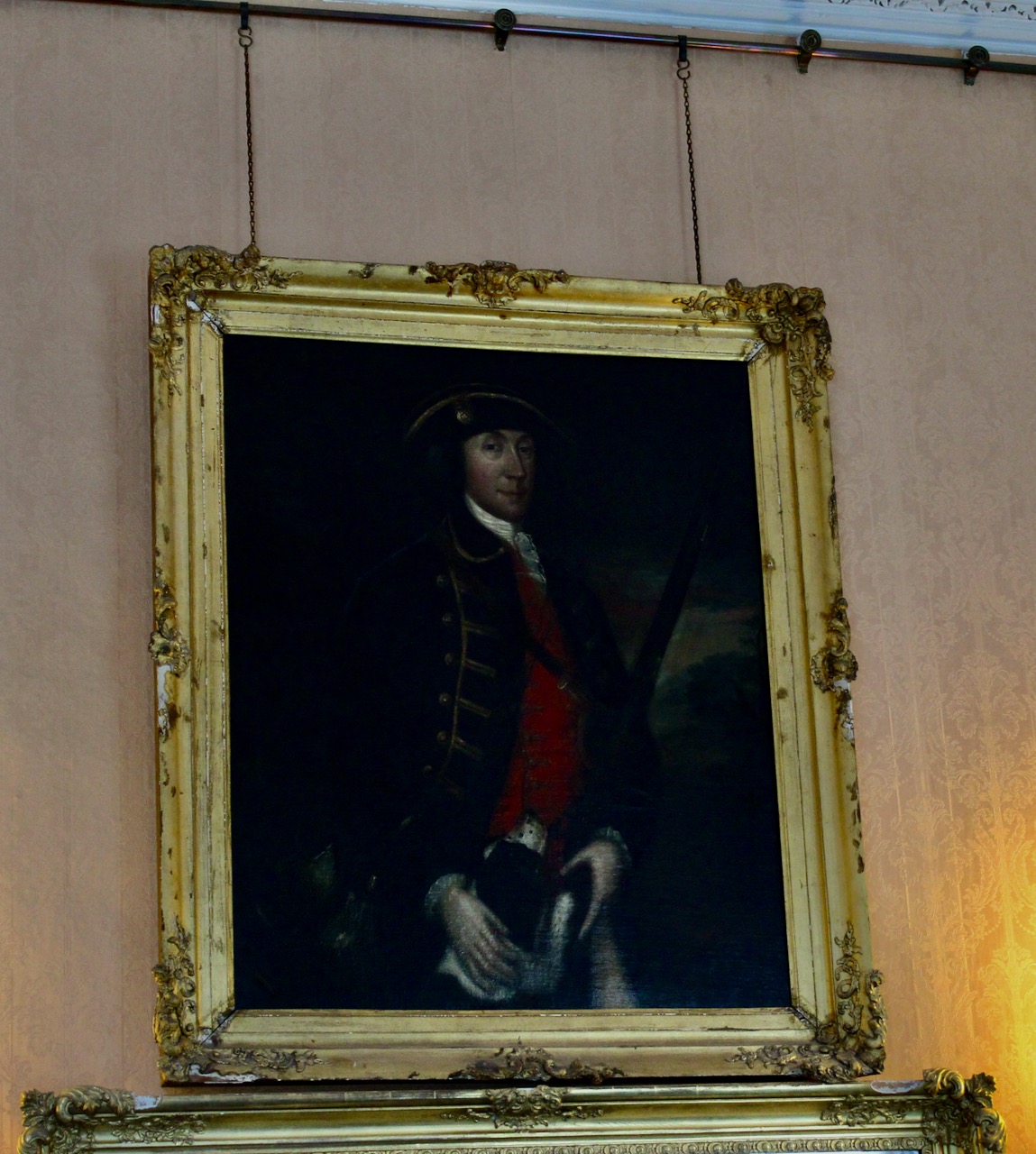
Arthur Cooper, b. 1716. Photograph © Jennifer Winder-Baggot, www.irishhistorichouses.com
Sarah Carleton (born around 1718), wife of Arthur Cooper. Photograph © Jennifer Winder-Baggot, www.irishhistorichouses.com

The pre-1700s house is attached to a farm building which was built in about 1830, according to the National Inventory of Architectural Heritage. The ruin is evocative and may have been retained in order to embody the picturesque notion of nostalgic antiquity. The newer house was positioned to been seen from a bridge, in a deliberately created picturesque view. The grounds were landscaped with plantings of trees and a deerpark, which remains today.

Pre-1700 ruin, called Tanzyfort House [4] Photograph © Jennifer Winder-Baggot, www.irishhistorichouses.com
The pre-1700 ruin is attached to an 1830s farm building. Photograph © Jennifer Winder-Baggot, www.irishhistorichouses.com
The farm building, called The Kennels, which housed the groundskeeper and the hunting dogs. Photograph © Jennifer Winder-Baggot, www.irishhistorichouses.com

Legend has it that in the early 1750s, Arthur and Sarah Cooper engaged an architect and placed two buckets of gold sovereigns on the ground, instructing him to build a suitable house on a hill in the middle of their County Sligo estate, Cooper’s Hill. [5] The architect’s plans overshot the budget and the sovereigns ran out even before the walls were built! Arthur Cooper was forced to sell some of his land to continue building, and the house was completed around twenty years after it was started, in 1774. The completion date is noted on the keystone over the front door.

The keystone of the front door surround is inscribed “1774”, the date of completion. The O’Hara armorial plate would have been put up later, as the house was still belonging to the Coopers in 1774. Photograph © Jennifer Winder-Baggot, www.irishhistorichouses.com
O’Hara Crest. Photograph © Jennifer Winder-Baggot, www.irishhistorichouses.com
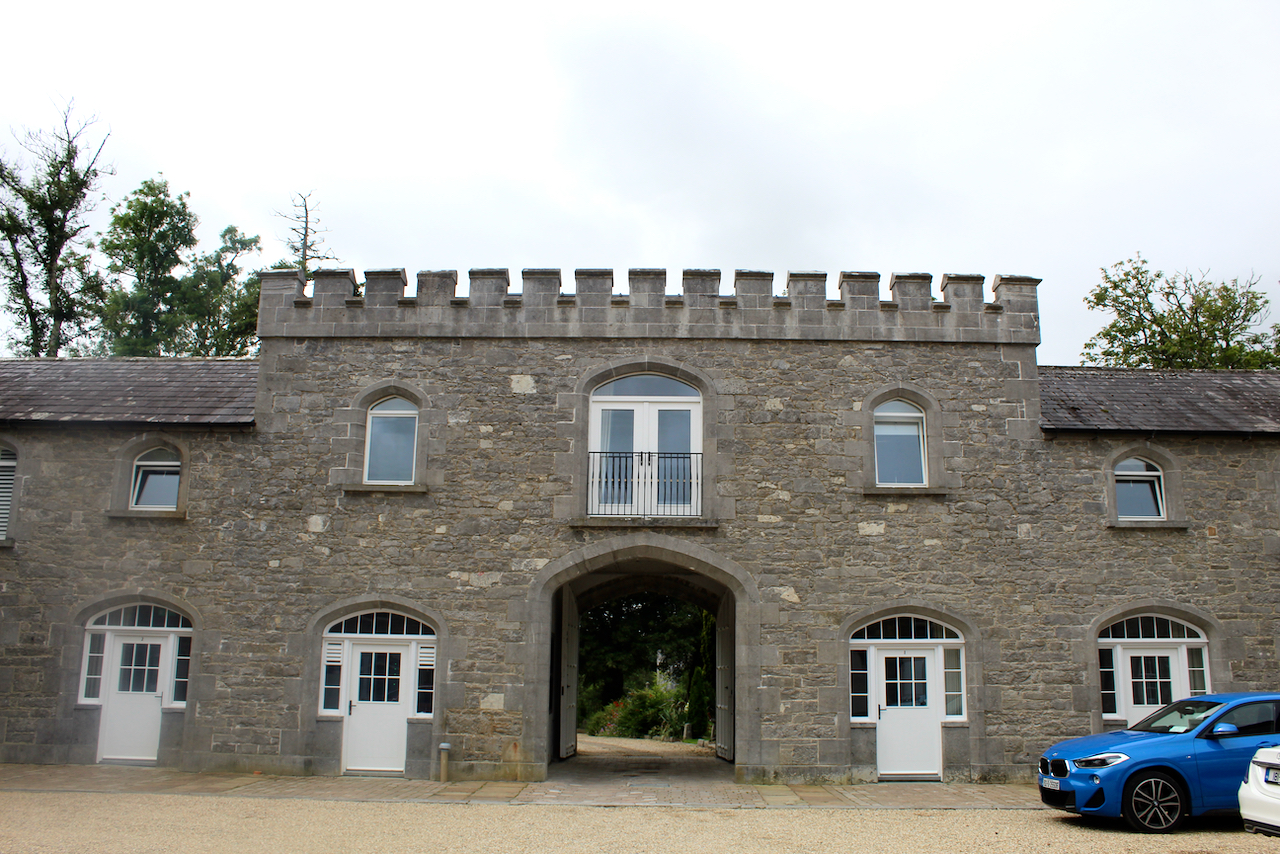
O’Hara crest on the stables at Annaghmore. Photograph © Jennifer Winder-Baggot, www.irishhistorichouses.com

Coopershill has two similar facades, at the front and back of the house.

The front of Coopershill. Photograph © Jennifer Winder-Baggot, www.irishhistorichouses.com
The back facade of the house, almost exactly the same as the front. Photograph © Jennifer Winder-Baggot, www.irishhistorichouses.com

The stone, a high quality local ashlar, took eight years to quarry. [6] One would assume that the Coopers of Markree Castle and the Coopers of Coopershill are related, but Durcan told us that he has not found the connection.

The house has been attributed by Desmond FitzGerald, the Knight of Glin, to Francis Bindon, who also designed Woodstock in County Kilkenny (1740), which we visited later in the week. [7] Bindon also painted portraits, including those of Jonathan Swift and Charles Cobbe, Archbishop of Dublin. FitzGerald writes:

Perhaps Bindon’s very last mansion is Coopershill, County Sligo, although like most of these houses, no documentary evidence exists for it. Tower-like and stark, of similar proportions to Raford [County Galway], it is made up of two equivalent fronts composed with a central rusticated Venetian window and door, and a third floor three-light window. The fenestration is reminiscent of [Richard] Castle’s demolished Smyth mansion in Kildare Place, Dublin. Coopershill is sited particularly well and stands high above a river reminding one of the feudal strength of the 17th century towerhouse. As at Raford, the roof is overlapping and 19th century.” [8]

Raford House, County Galway, also attributed to Francis Bindon, built around 1760. Photograph from National Inventory of Architectural Heritage. It has the same tripartite door structure, with a Venetian window above and a grouping of three windows together above that.
Woodstock House, County Kilkenny, also designed by Francis Bindon. Photograph © Jennifer Winder-Baggot, www.irishhistorichouses.com
A detail of Woodstock house, which shows some similarity to the tripartite window with rusticated surrounds above the front door at Coopershill. Photograph taken from the National Inventory of Architectural Heritage.

The front has two bays on either side of the Gibbsian doorcase (a Gibbsian doorcase usually has “blocking” where rectangular blocks stick out at intervals). A “Gibbsian surround” is an eighteenth century treatment of a door or window, seen particularly in the work of James Gibbs (1682-1754); it usually has columns or pilasters with an architrave, that is, a lintel resting on columns, and voussoirs (wedge shaped elements, usually stones, forming an arch), a keystone (wedge shaped stone at the top of an arch) and pediment (a formalized gable derived from that of a temple). [9] Above the doorcase of Coopershill is a rusticated Venetian window (which Bence-Jones describes as “a window with three openings, that in the centre being round-headed and wider than those on either side; a very familiar feature of Palladian architecture”), and a three-light window on the centre of the top storey. All of the other windows in the front have rusticated surrounds (that is, a particular treatment of joints or faces of masonry to give an effect of strength).

There is a hardwood door with fifteen raised-and-fielded panels, an interlaced fanlight, and sandstone steps with dressed limestone parapet walls bridging the basement area. [10]

The Gibbsian doorcase – a Gibbsian doorcase usually has “blocking” where rectangular blocks stick out at intervals. In this case, the doorcase includes two “sidelight” windows, though this is not typical of a “Gibbsian” doorcase. Above the doorcase is a Venetian window. Photograph © Jennifer Winder-Baggot, www.irishhistorichouses.com
view from the front of the house. Photograph © Jennifer Winder-Baggot, www.irishhistorichouses.com
Bridge which we crossed on the drive through the demesne. Photograph © Jennifer Winder-Baggot, www.irishhistorichouses.com

To reach the house we drove across a lovely bridge, pictured above, which was built at the same time as the house, in 1771. The foundation stones kept sinking into the mud and eventually sheepskin was laid on the ground, which stopped the stones sinking. This same technique is being used nowadays in the bog to create paths for walking. One’s first view of the house is attained when crossing the bridge.

A great little face carved into the bridge along with the date 1771. Photograph taken from the National Inventory of Architectural Heritage.
The view of Coopershill from the bridge. Photograph © Jennifer Winder-Baggot, www.irishhistorichouses.com

Simon welcomed us, the seventh generation of the family to live here. Arthur and Sarah Cooper’s son, Arthur Brooke Cooper (1775-1854) (“Brooke” was Sarah’s mother’s maiden name), inherited Coopershill and married Jane Frances O’Hara, the daughter of Charles Edward O’Hara (1746-1822) from nearby Annaghmore.

Arthur Brooke Cooper (c. 1775-1854). Photograph © Jennifer Winder-Baggot, www.irishhistorichouses.com

Their eldest son, also named Arthur Brooke Cooper, predeceased his father in 1845, so their second son, Charles William (1817-1898), inherited Coopershill on the death of his father in 1854. He also inherited Annaghmore on the death in 1860 of Jane Frances’s brother, Charles King O’Hara (1784-1860), on condition that Charles William take the name “O’Hara.”

The tennis court. The cousins from Annaghmore, Coopershill and Newpark play tennis together every week. Photograph © Jennifer Winder-Baggot, www.irishhistorichouses.com

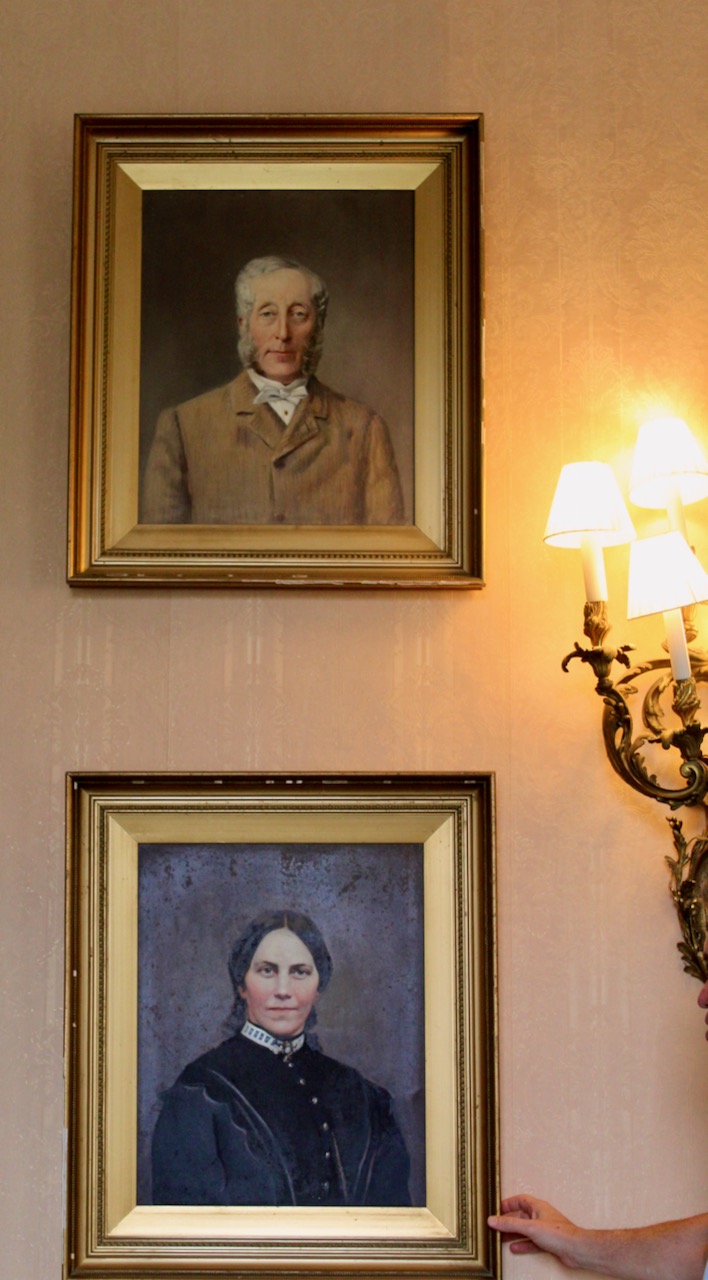
Fortunately Charles William Cooper O’Hara married well by marrying Anne Charlotte Streatfeild, daughter of Richard Shuttleworth Streatfeild of the Rocks, Uckfield, Sussex. They moved to Annaghmore and Charles William’s sisters, Margaret Sarah and Mary Jane Caroline Cooper, remained living in Coopershill.

Portraits of Charles William Cooper, who took the name O’Hara when he inherited his uncle’s estate, and his wife Anne Streatfield. Photograph © Jennifer Winder-Baggot, www.irishhistorichouses.com

Stephen and I were excited to learn that an ancestor of Simon’s and Durcan’s who had lived at Annaghmore (albeit an earlier house), Charles O’Hara (c.1705-1776), was not only a friend of Edmund Burke, politician, writer and philosopher who wrote Reflections on the Revolution in France and A Philosophical Enquiry into the Origin of Our Ideas of the Sublime and Beautiful, but also of Stephen’s ancestor George Macartney (1737-1806).

Annaghmore, County Sligo, which also belongs to the O’Hara family, and where we were staying while visiting Section 482 properties in Sligo. The principal seat of the O’Hara family since medieval times, the current house replaced an earlier house, and was built around 1820 for Charles O’Hara (1746-1822), MP for County Sligo, and enlarged and remodelled around 1860 to designs by the architect James Franklin Fuller, for Charles William Cooper, who took the name O’Hara when he inherited from his uncle. Photograph © Jennifer Winder-Baggot, www.irishhistorichouses.com
The bedroom in which we stayed at Annaghmore. Photograph © Jennifer Winder-Baggot, www.irishhistorichouses.com

Charles William and Anne Charlotte’s eldest son, Charles Kean O’Hara (1860-1947) inherited Annaghmore, and the second son, Arthur Cooper O’Hara (1862-1934), inherited Coopershill.

Charles Kean O’Hara of Annaghmore also did not marry and had no children, so when he died in 1947, Annaghmore passed to his nephew, Donal, eldest son of his brother, Frederick William O’Hara (1875-1949).

Three bay side of Coopershill. Photograph © Jennifer Winder-Baggot, www.irishhistorichouses.com
Three bay side of Coopershill plus basement. Photograph © Jennifer Winder-Baggot, www.irishhistorichouses.com
Basement of Coopershill. Photograph © Jennifer Winder-Baggot, www.irishhistorichouses.com

Charles Kean O’Hara had many brothers and sisters. His sister Charlotte Jane O’Hara married Alexander Perceval of Temple House, County Sligo, another section 482 property which unfortunately we did not visit on this trip to Sligo. Charles Kean’s brother Richard Edward had meanwhile purchased Newpark, another section 482 property which we visited. Another brother, Alexander, moved to the United States. Although his brother Frederick was not the next eldest, his son inherited Annaghmore because his older brother, Richard Edward, only had a daughter. As we were told when we visited Newpark, if Richard Edward’s daughter had been a son instead, that child would have inherited Annaghmore!

Arthur Cooper O’Hara (1862-1934) also did not have any children, so Coopershill passed to his nephew, Francis Cooper O’Hara (1906-1982), second son of his brother Frederick. Francis had married an English woman, Joan Bridgeman, during his career of tea planting in India. After his father’s death in 1947, Frank and Joan moved to Coopershill to start a new life in agriculture.

The impressive front hall of Coopershill. Photograph © Jennifer Winder-Baggot, www.irishhistorichouses.com
The front hall of Coopershill. Upon entry, one is greeted by a pair of busts in niches, deer heads, and a door with pilasters, pediment and fanlight. Photograph © Jennifer Winder-Baggot, www.irishhistorichouses.com
Thomas Wentworth, the 1st Earl of Strafford (1593-1641). Photograph © Jennifer Winder-Baggot, www.irishhistorichouses.com

The front hall has decorative plasterwork and carved door surrounds, with two doorcases on either side and one leading to the stair hall, with niches on either side. There is a nice contrast in the yellow of the walls, darker in the niches and plasterwork for emphasis. The hall features a large portrait of Thomas Wentworth, 1st Earl of Strafford (1593-1641). From 1632 to 1640 he was Lord Deputy of Ireland. He was a loyal supporter of King Charles I and was condemned to death by the Parliament and like Charles I himself, executed. He is not to be confused with the later Thomas Wentworth, 1st Earl of Strafford of a later creation (1672-1739) whose daughter Anne married William James Conolly, father of Thomas Conolly of Castletown, County Kildare.

The lock on the front door with its heart shape reminded me of the lock on the door of Cregg Castle in Galway. Photograph © Jennifer Winder-Baggot, www.irishhistorichouses.com
The heart-shaped lock in Cregg Castle in County Galway. Photograph © Jennifer Winder-Baggot, www.irishhistorichouses.com

After Frank and Joan’s family of six children had grown up, they began to take paying guests into their home. The website tells us some families came year after year for the childrens’ riding as the stables had several ponies. Frank died in 1982, and Joan continued for another four years on her own, joining a growing group of owners of large manor houses from all over Ireland who could only keep their houses in shape with the aid of income generated by taking paying guests.

Frank and Joan’s son Brian Cooper O’Hara and his wife Lindy took over the Country House Hotel in early 1987, and continued until their retirement in 2007. They now live in a new stone house beside the stables and their son Simon lives in Coopershill continues the business.

Stone accommodation next to the stables. Photograph © Jennifer Winder-Baggot, www.irishhistorichouses.com

The dining room contains portraits of the ancestors, and the house has the original fireplaces. The room has a simple decorative cornice.

Coopershill, August 2021. Photograph © Jennifer Winder-Baggot, www.irishhistorichouses.com

We then entered the Drawing Room, painted a bold turquoise. It too has a decorative cornice, tall windows with shutters and a marble fireplace.

Coopershill. Photograph © Jennifer Winder-Baggot, www.irishhistorichouses.com
Stephen admires the grandfather clock. Photograph © Jennifer Winder-Baggot, www.irishhistorichouses.com
Coopershill. Photograph © Jennifer Winder-Baggot, www.irishhistorichouses.com
Through the windows, a wonderful view of the old bridge. Photograph © Jennifer Winder-Baggot, www.irishhistorichouses.com
Coopershill, August 2021. Photograph © Jennifer Winder-Baggot, www.irishhistorichouses.com

The Historic Houses of Ireland entry about Coopershill points out that the service staircase is of stone but the principal staircase is constructed from timber in a reversal of the usual fashion. There is good decorative plasterwork of the 1770s in the reception rooms and especially over the main staircase.

The view into the front hall from the staircase – one can see the lovely old floor tiles. The doorframe mirrors those in the front hall, with carved pilasters and pediment. Photograph © Jennifer Winder-Baggot, www.irishhistorichouses.com
A rent table in the staircase hall. A tenant could place his rent in the drawer facing him then the table top spun around to the landlord. In this way other tenants may not see how much a particular tenant is paying. Photograph © Jennifer Winder-Baggot, www.irishhistorichouses.com

The staircase hall has another niche, and portraits of William and Mary hang either side of the door. It’s unusual to have the Royalist Wentworth as well as William and Mary – Stephen says the family are keeping in with both sides! (normally a monarchist supporter of Charles I would be a supporter of King James II, who was overthrown by William). In fact the O’Hara ancestor, Kean O’Hara, was careful to keep in with both the Jacobites and the Williamites.

The fine timber staircase. Although there are pikes on either side of the window overlooking the stairs, the family were not rebels in 1641 or 1798, although some of their relatives might have been! Photograph © Jennifer Winder-Baggot, www.irishhistorichouses.com
Ancient pikes. Photograph © Jennifer Winder-Baggot, www.irishhistorichouses.com

There are not only pikes, but many other souvenirs from battles and travels.

An old blunderbuss. Photograph © Jennifer Winder-Baggot, www.irishhistorichouses.com
A gong made from an enormous shell casing. Photograph © Jennifer Winder-Baggot, www.irishhistorichouses.com
Simon showing us up the stairs. Photograph © Jennifer Winder-Baggot, www.irishhistorichouses.com
Beautiful Adamesque plasterwork on the ceiling of the staircase hall. Photograph © Jennifer Winder-Baggot, www.irishhistorichouses.com
The position of the staircase crosses the doorcase of the back facade of the house rather awkwardly, which is probably a result of the house being built over two decades. Photograph © Jennifer Winder-Baggot, www.irishhistorichouses.com

Upstairs are the bedrooms, available for accommodation. All are en suite and several have canopied beds. You can see photographs of all of the bedrooms on the website.

Coopershill. Photograph © Jennifer Winder-Baggot, www.irishhistorichouses.com
The bedrooms doors also have elaborate carved doorcases. Photograph © Jennifer Winder-Baggot, www.irishhistorichouses.com
We continued on up the stairs to the third storey.

Coopershill. Photograph © Jennifer Winder-Baggot, www.irishhistorichouses.com
Coopershill, August 2021. Photograph © Jennifer Winder-Baggot, www.irishhistorichouses.com

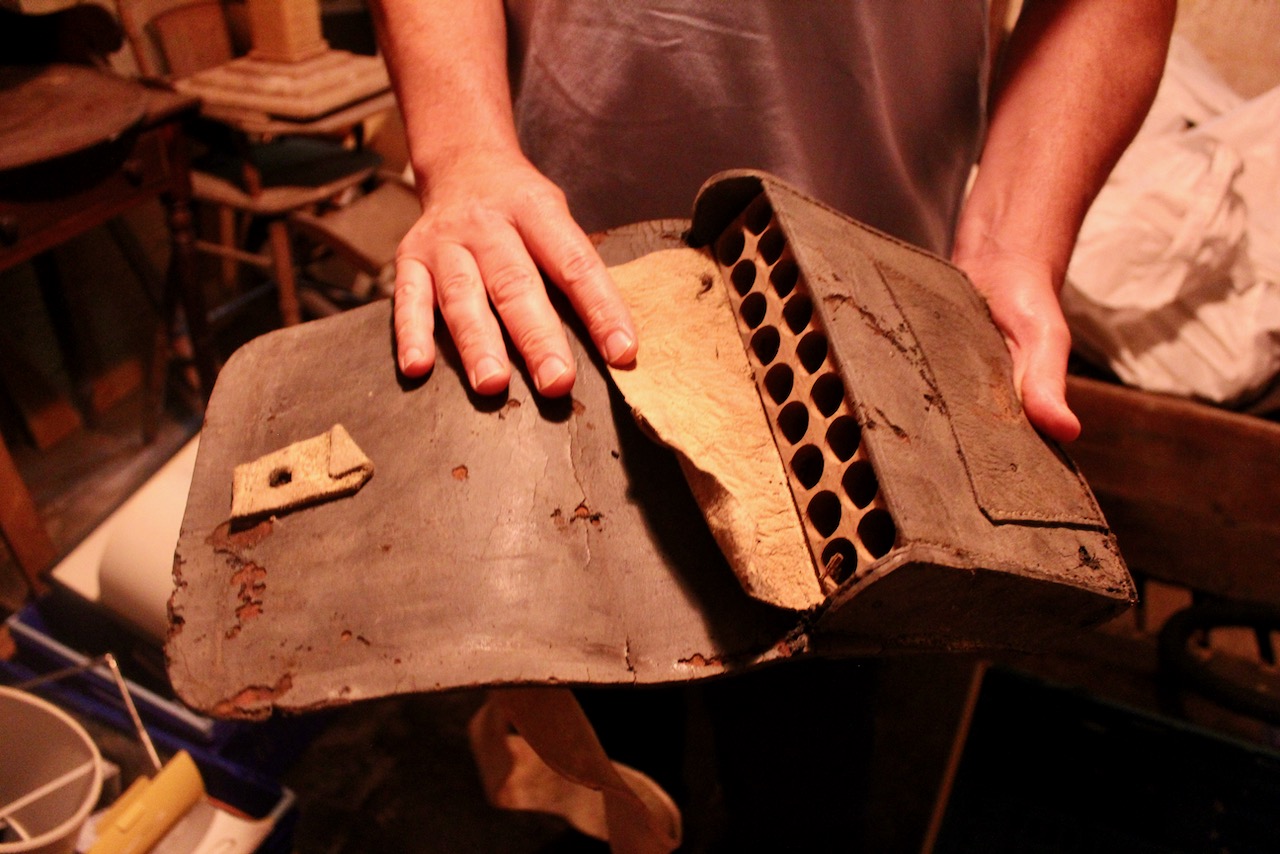
After our tour upstairs, Simon took us down to the basement. Here he showed us some wonderful leather ammunition pouches that must be very old as they bear the initials of Arthur Brooke Cooper.

Coopershill. Photograph © Jennifer Winder-Baggot, www.irishhistorichouses.com
Coopershill, August 2021. Photograph © Jennifer Winder-Baggot, www.irishhistorichouses.com

He also showed us the laundry, which still contains an beautiful old washing unit as well as the new ones. There is also a working, certified abbatoir, for processing the deer in the deer park for venison, which can be purchased (along with Coopershill honey, from their own bees).

Old laundry boiler, with lovely details. Photograph © Jennifer Winder-Baggot, www.irishhistorichouses.com
Coopershill. Photograph © Jennifer Winder-Baggot, www.irishhistorichouses.com
An example of an old bell alert system for the servants, in the basement of Coopershill. Photograph © Jennifer Winder-Baggot, www.irishhistorichouses.com
More complete set of bells for servants in Annaghmore. Photograph © Jennifer Winder-Baggot, www.irishhistorichouses.com
A newer bell system at Coopershill. Photograph © Jennifer Winder-Baggot, www.irishhistorichouses.com

We went outside after our tour to take a quick look around the stables and gardens.

Fresh fruit and vegetables from the garden are served to guests at Coopershill. Photograph © Jennifer Winder-Baggot, www.irishhistorichouses.com
Coopershill. Photograph © Jennifer Winder-Baggot, www.irishhistorichouses.com
Archway leading past the tennis court to the stable yard. Photograph © Jennifer Winder-Baggot, www.irishhistorichouses.com
Coopershill. Photograph © Jennifer Winder-Baggot, www.irishhistorichouses.com
Coopershill, August 2021. Photograph © Jennifer Winder-Baggot, www.irishhistorichouses.com

donation

Help me to pay the entrance fee to one of the houses on this website. This site is created purely out of love for the subject and I receive no payment so any donation is appreciated!

€15.00

[1] https://www.annaghmore.ie/

[2] https://irishhistorichouses.com/2021/11/30/newpark-house-and-demesne-newpark-ballymote-co-sligo/

[3] Bartlett, Thomas. “The O’Haras of Annaghmore c. 1600—c. 1800: Survival and Revival.”

Irish Economic and Social History. Vol. 9 (1982), pp. 34-52. Published on JStor, https://www.jstor.org/stable/24337261?seq=1#metadata_info_tab_contents

[4] Orser, Charles E. Jr. “Symbolic Violence and Landscape Pedagogy: An Illustration from the Irish Countryside” Historical Archaeology. Vol. 40, No. 2 (2006), pp. 28-44. Published on JStor, https://www.jstor.org/stable/25617328?read-now=1&refreqid=excelsior%3Ab2963d83c7041caf7fce13fe69e6dc6b&seq=5#page_scan_tab_contents

[5] http://www.ihh.ie/index.cfm/houses/house/name/Coopershill

[6] Mark Bence-Jones. A Guide to Irish Country Houses (originally published as Burke’s Guide to Country Houses volume 1 Ireland by Burke’s Peerage Ltd. 1978); Revised edition 1988, Constable and Company Ltd, London.

[7] FitzGerald, Desmond, “Francis Bindon (c. 1690-1765) His Life and Works,” Quarterly Bulletin of the Irish Georgian Society April-Sept 1967.

[8] I am indebted to the blog of “Lavender’s Blue” for this quote from Desmond FitzGerald. https://lvbmag.wpcomstaging.com/2018/10/02/coopershill-house-county-sligo-francis-bindon/

[9] https://irishhistorichouses.com/2020/04/18/architectural-definitions/

[10] https://www.buildingsofireland.ie/buildings-search/building/32313019/coopershill-house-cooperhill-riverstown-sligo

Text © Jennifer Winder-Baggot, www.irishhistorichouses.com