Open dates in 2026: April 1-30 Mon-Fri, May 1-31 Mon -Sat, 25-30, June 1-6, Aug 15-23,
9.30am-1.30pm
Fee: adult €10, OAP/student €5, child free

2026 Diary of Irish Historic Houses (section 482 properties)
To purchase an A5 size 2026 Diary of Historic Houses (opening times and days are not listed so the calendar is for use for recording appointments and not as a reference for opening times) send your postal address to jennifer.baggot@gmail.com along with €20 via this payment button. The calendar of 84 pages includes space for writing your appointments as well as photographs of the historic houses. The price includes postage within Ireland. Postage to U.S. is a further €10 for the A5 size calendar, so I would appreciate a donation toward the postage – you can click on the donation link.
€20.00

donation
Help me to pay the entrance fee to one of the houses on this website. This site is created purely out of love for the subject and I receive no payment so any donation is appreciated!
€15.00
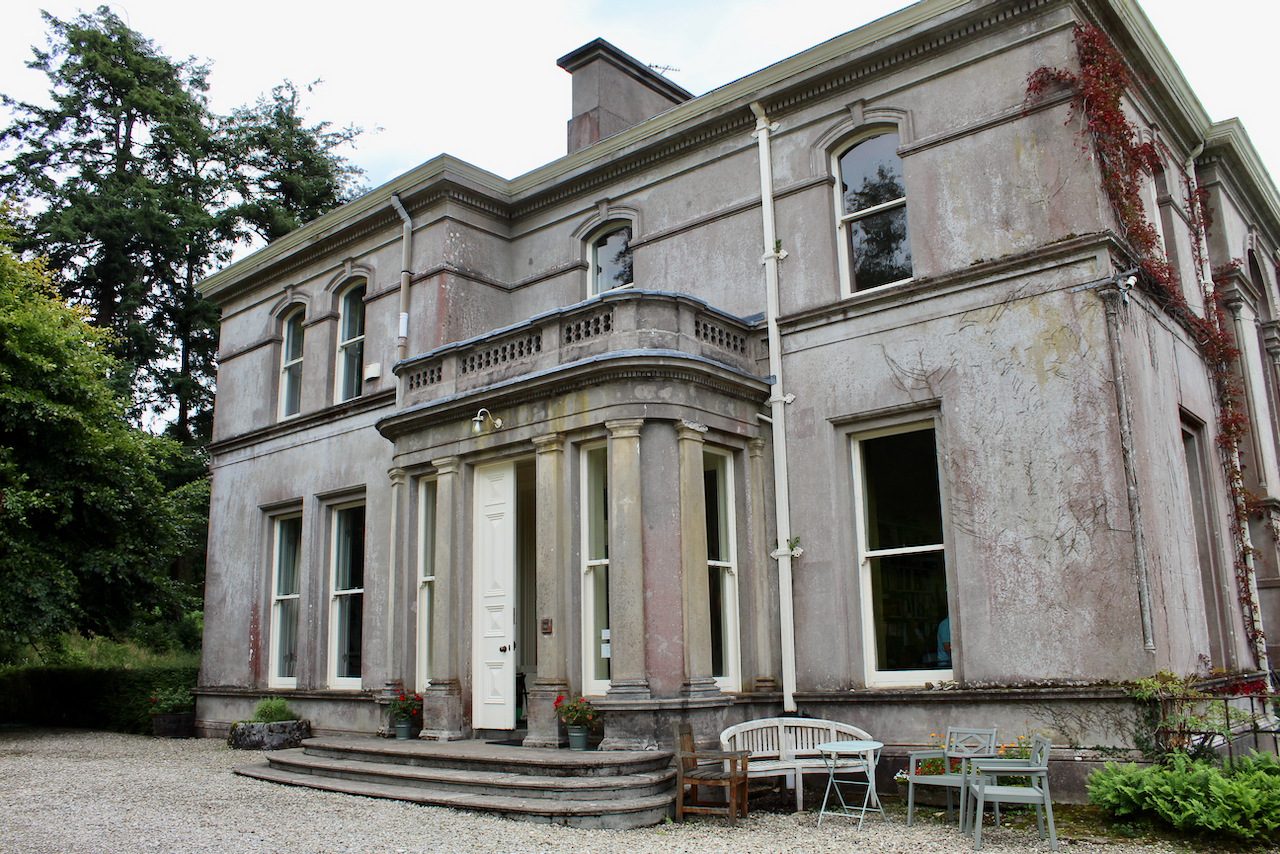
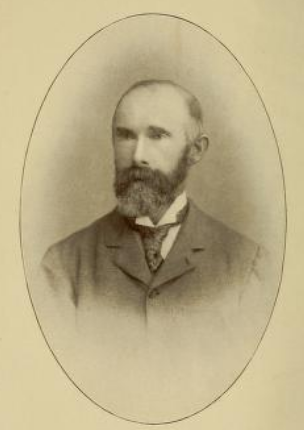
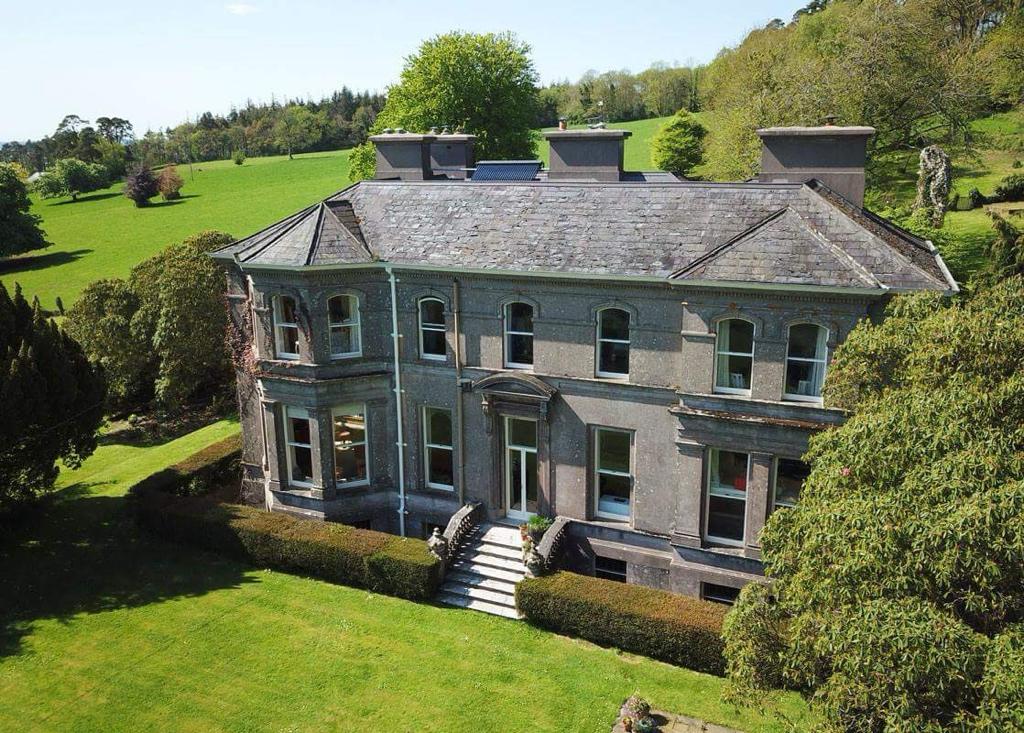
The present Cappagh House, the “new” house, was built in 1874 for Richard John Ussher (1841-1913). Anyone who went to Trinity College in Dublin will be familiar with the name of Ussher as one of the lecture theatres is named after one of the family. Archbishop James Ussher (1581-1656) famously but incorrectly calculated the moment of the Earth’s creation: around 6pm on 22 October 4004 BC. He was from a different branch of the Ussher family.
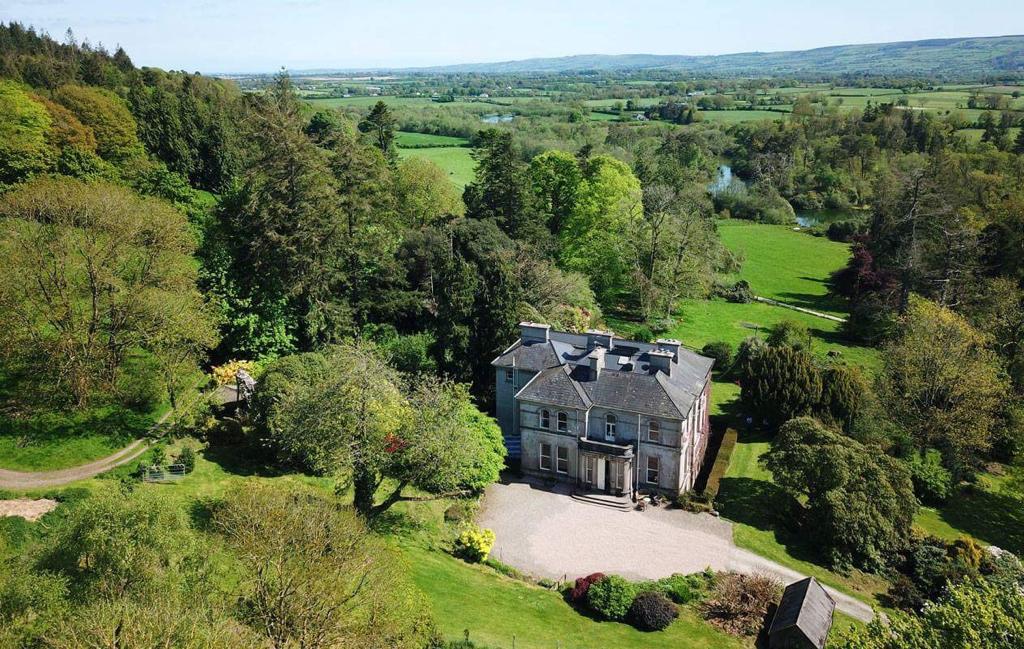

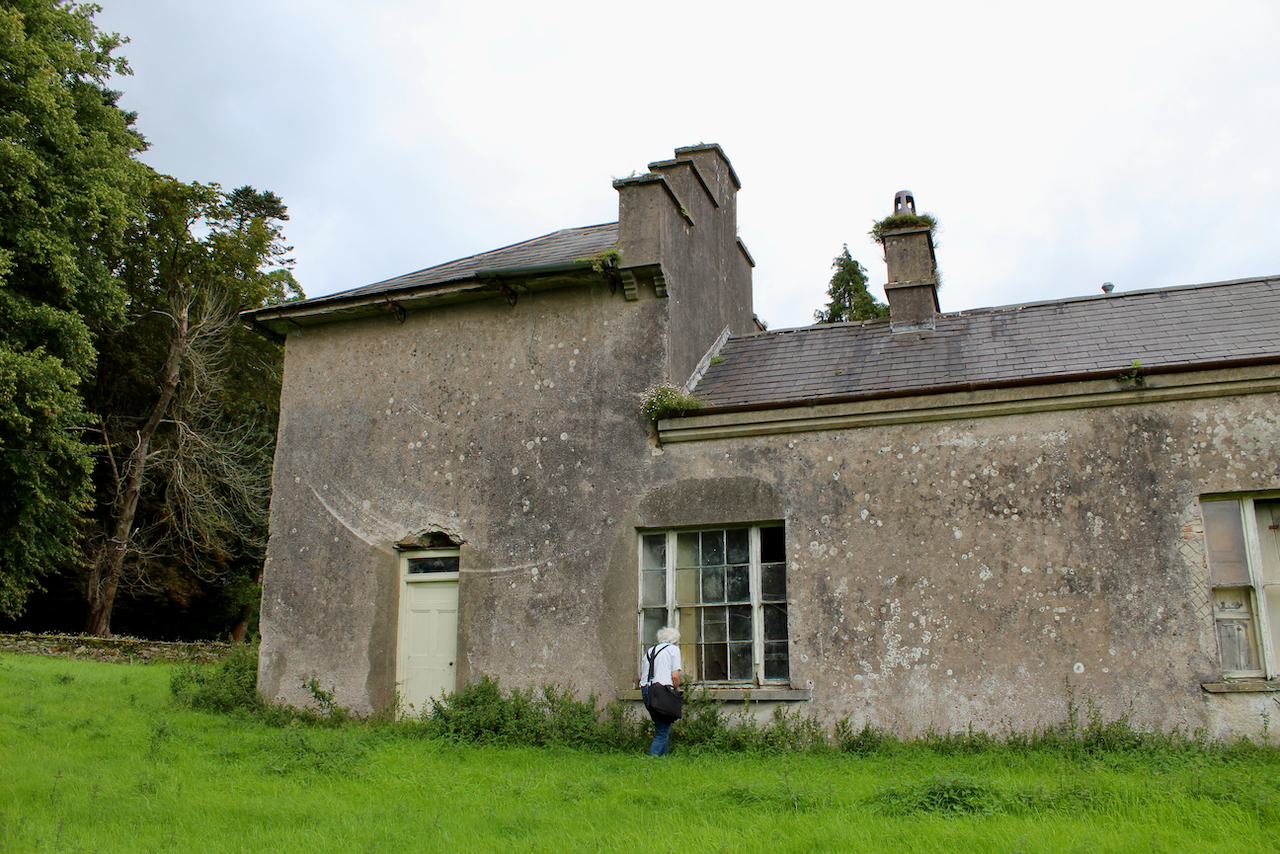
A previous, “Old Cappagh” house, still stands, albeit currently derelict, by the stable yards, with a view overlooking a lake. Current owners attribute it to Richard John’s father Richard (1778-1854).

The lands were originally acquired by the Ussher family in the early eighteenth century through a marriage settlement. Beverly Ussher (d. 1683), son of Arthur Ussher and Judith Newcomen, married first Joan Smyth, daughter of Percy Smyth of Ballynatray in County Waterford (another section 482 property – write up coming soon!). Joan Smyth’s mother was a sister of Beverly’s so he seems to have married his niece!
Beverly and Joan had a daughter Mary, and then Joan died and Beverly remarried. It was through his second marriage that the land at Cappagh and also Camphire came into the Ussher family. He married Grace Osborne, daughter of Richard, 2nd Baronet Osborne, of Ballintaylor and Ballylemon, County Waterford. The Osbornes originally had their family seat in Cappagh in County Tyrone, which explains the name.
It was one of Beverly Ussher’s younger sons, Arthur (1683-1768), who came into ownership of Cappagh in County Waterford. He married Lucy Taylor of Askeaton, County Limerick.
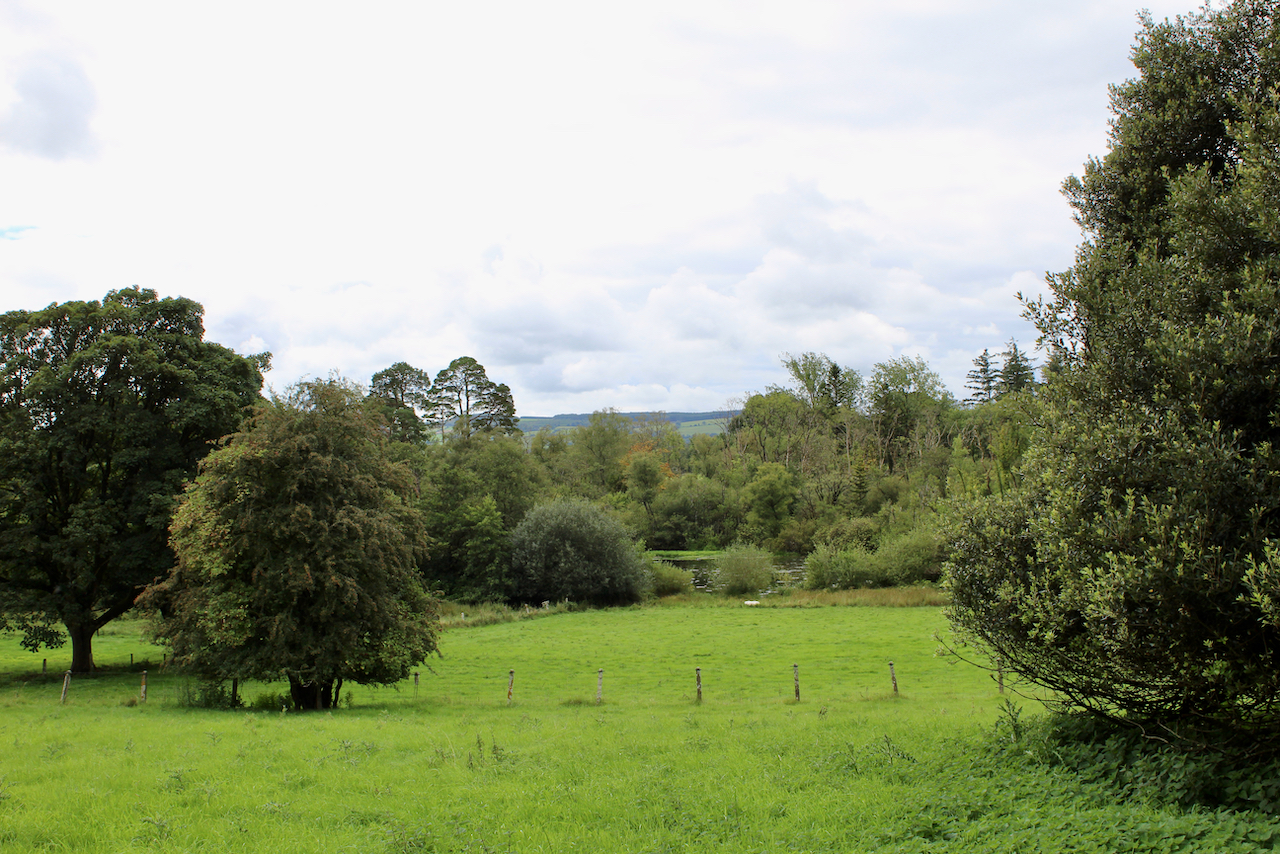
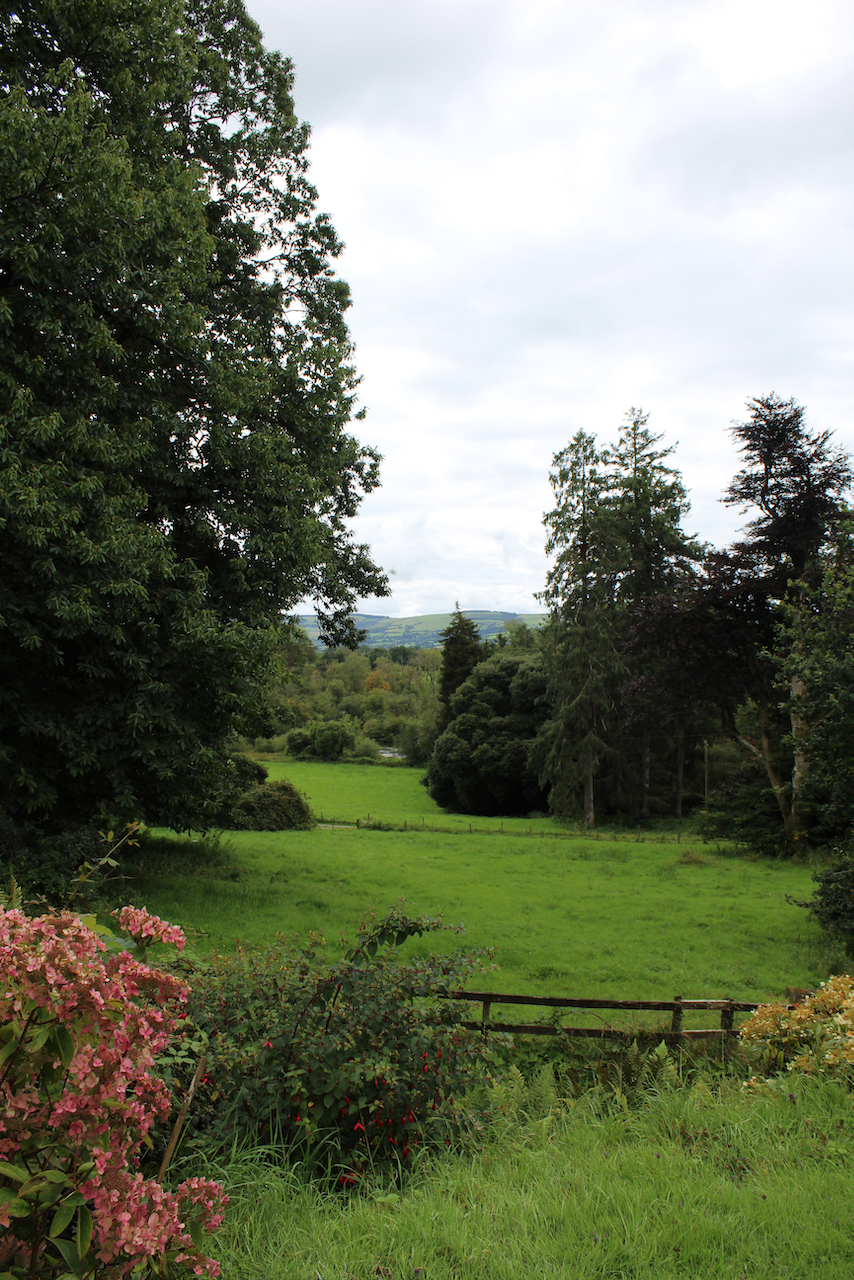
The lake is part of an area called “The American Grounds.” The lake was dug around 1840, and formal grounds were laid out around the lake, and ruins of an early sixteenth century fortified house were partially restored as a folly. The work was reputedly overseen by an American which led to the unusual name for the area.
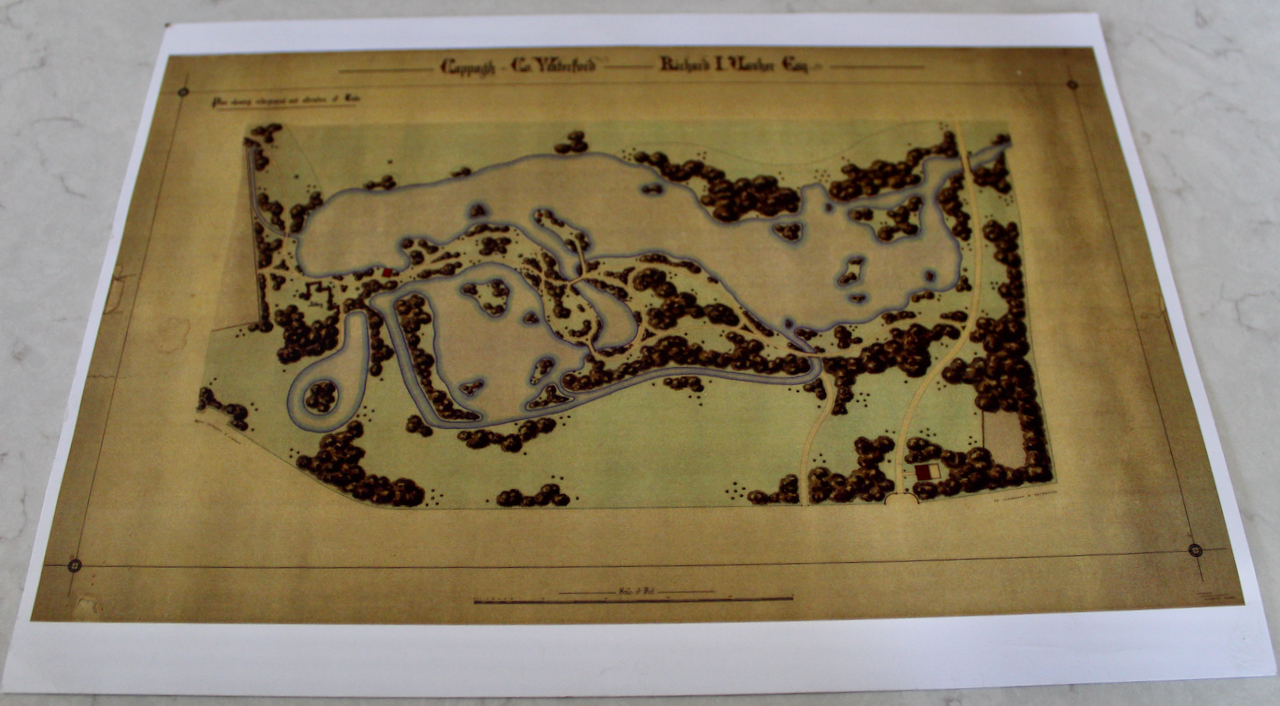
Arthur and Lucy’s son John (1743-1787) inherited Cappagh.
John married Elizabeth Musgrave, daughter of Christoper Musgrave (1715-1787) of Tourin, County Waterford, another section 482 property. Elizabeth’s mother was Susannah Ussher, a granddaughter of aforementioned Beverly Ussher (d. 1683)! A son of John and Elizabeth, Arthur (1764-1820) inherited Camphire, County Waterford. Elizabeth née Musgrave died and John married Elizabeth Paul. Richard (1778-1854) who inherited Cappagh and built Old Cappagh house in the early 1800s was a son of the second marriage.
The family increased the size of the Cappagh estate to around 5,000 acres, most of which was farmed by tenant farmers and about 300 acres of which was farm and woodland managed by the Ussher family. The family held the estate for six generations, although it was much reduced in size after the land acts of the late nineteenth and early 20th century.
The Ussher Memoirs by Reverend William Ball Wright, published in Dublin and London in 1889, tells us more about Richard Ussher:
“Richard Keily Ussher, born 4th Feb, 1778, of Cappagh, Freeman of Waterford. 1st Dec, 1800 he entered the Royal Navy at the age of twelve, and when only sixteen, while going out to the West Indies such storms were encountered that his senior officers were all incapacitated by over-work, and he had to take the command, and work the ship. He was engaged in the capture of St. Lucia and Martinique from the French; while in the West Indies he nearly died of yellow fever.
“On his brother William’s death in 1796 (Thomas Paul Ussher having died in 1794), Richard succeeded to his estate, and left the Navy.“
“When Richard Ussher came into possession of the Cappagh estate, the old castle or house that his grandfather, Arthur, had lived in sixty years before was a ruin, and there was no house fit for him to live in, the property being held by a large number of small tenants. No trees stood on it, all the timber
having been previously cut down. Where Cappagh Demesne now exists there were bare furze-covered hills above, and an undrained morass in front, that gave rise annually to fever and ague, while the property was financially encumbered by the mortgage of 1786 and subsequent incumbrances, to so
large an amount that, with the lawlessness prevailing among the lower classes, Richard Ussher could hardly realize more than agent’s fees on the nominal rental at first.
“He built a house at Ballynahemery where he lived for a time.“
“In the early part of this century there were no police in Co. Waterford, and it was abandoned to lawlessness, murderers and robbers keeping the population in a state of terrorism, the frequent outrages by day as well as by night being by no means exclusively or even generally of an agrarian character while those who denounced outrages to the authorities were visited by death. It was dangerous even to sit in one’s house without bullet-proof shutters. Faction fights on a large scale were customary at certain fairs. The gentry had all quitted the country and Richard Ussher, with his brother- in-law, George Hewetson, and one other were the only magistrates who could be got to execute the laws. They had to perform the functions of police, and made many an expedition by night to the houses of criminals in mountainous parts of the country, whom they brought prisoners to Cappagh, where they had to keep them until they could be sent for trial to Waterford. In the detection and apprehension of criminals Richard Ussher was indefatigable and successful. He was said by his poorer neighbours to have been ” the friend of every honest man,” while he inspired a terror in criminals that seemed to render them powerless when in his hands.
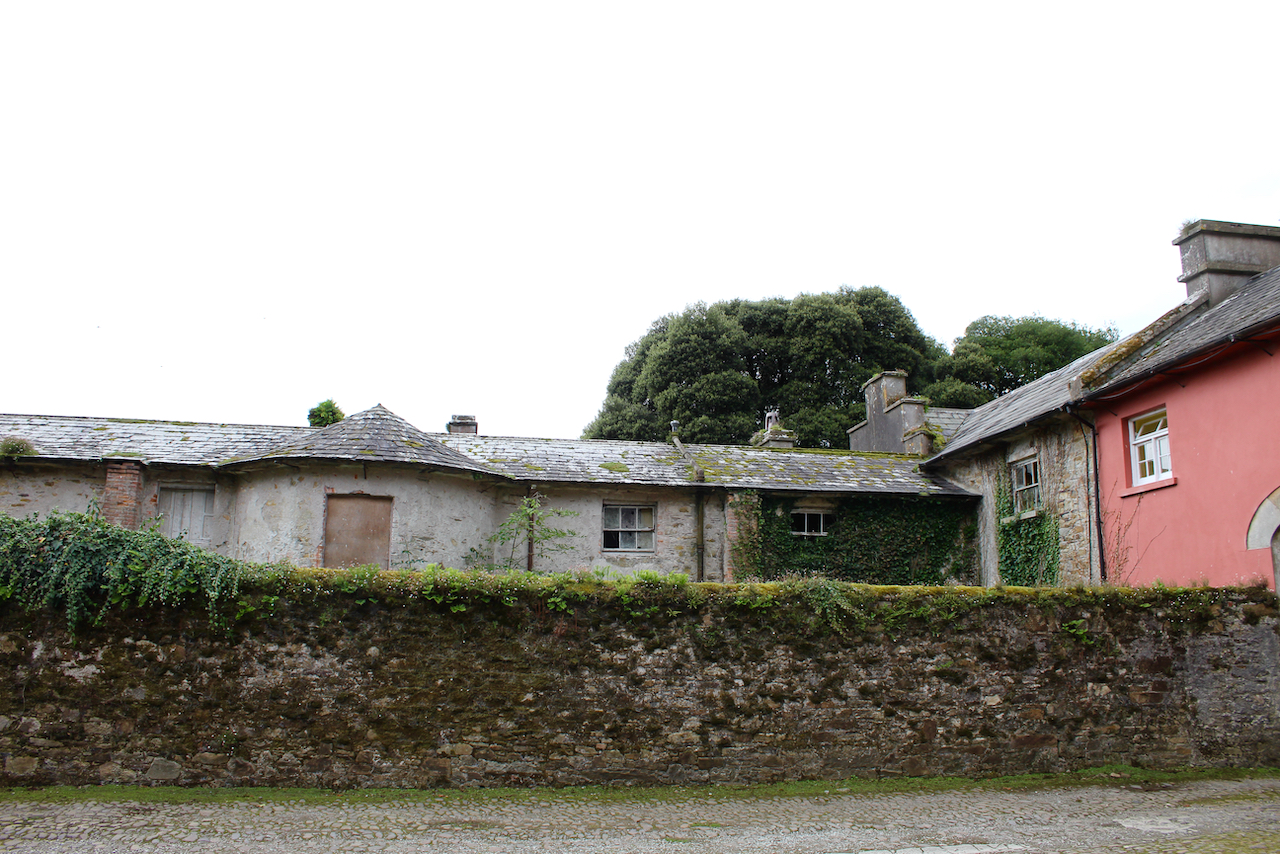
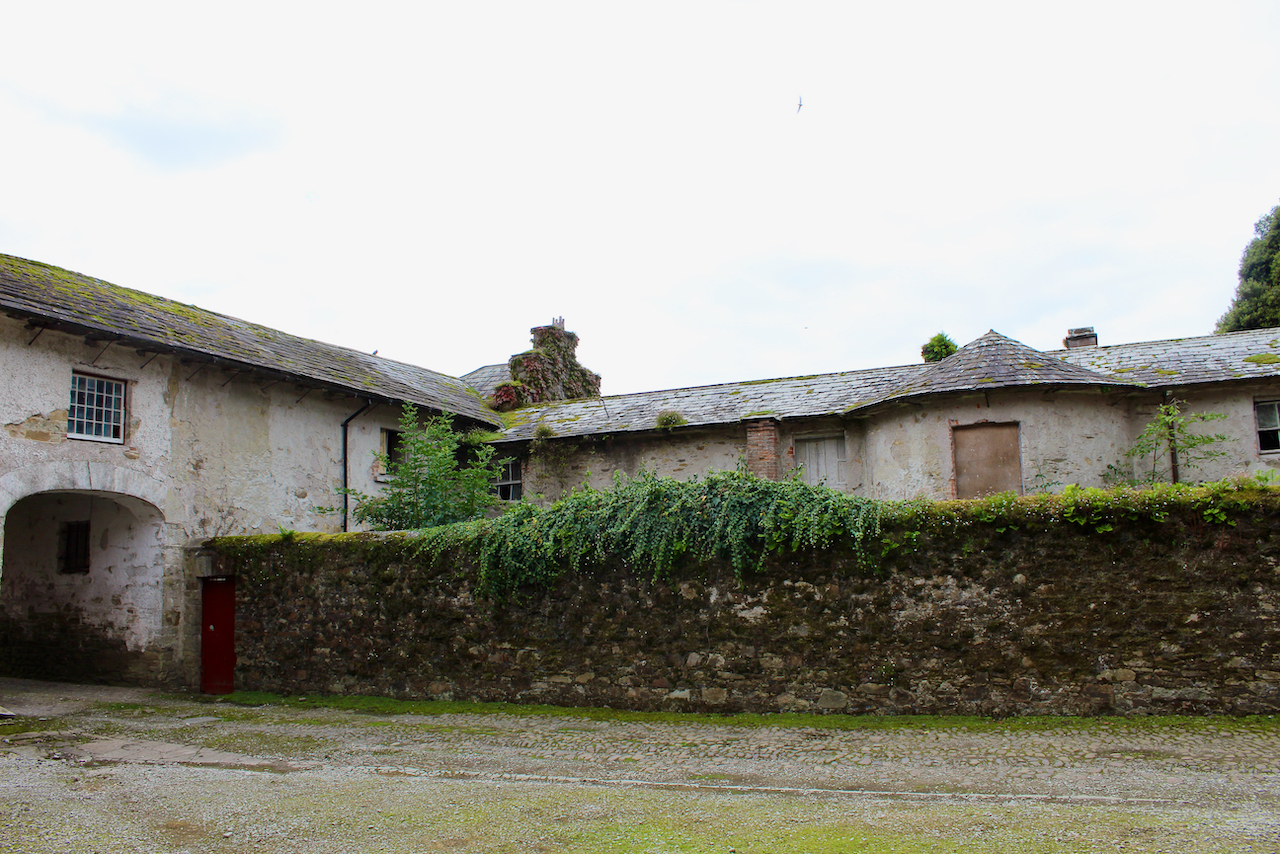
“While he lived at Ballynahemery his out-offices were burned and his cows ripped open with reaping-hooks. He subsequently left it, and built the older house at Cappagh, which with its offices formed a quadrangle closed by two strong gates in archways. For some time he and his wife inhabited the
upper rooms, the lower windows being built up and loop-holed for defence.
“Richard Ussher throughout his life at Cappagh continued to improve it. He built extensive farm-offices in connection with the house he had erected, reclaimed upland tracts of the property and made plantations along the hills, as well as about the demesne and lakes. These he excavated gradually by
raising turf with boats in the morass, which being thereby drained ceased to produce ague. He consolidated the holdings and encouraged a more substantial tenantry.
“At the same time, while continually entertaining his numerous relations and those of his wife (to all of whom his house was open) he gradually paid off all the incumbrances on the estate which at his death was left perfectly clear, his 2nd wife’s fortune having enabled him to do this.” [2]
Richard married first Martha Hewetson but she died and he married Isabella Grant, daughter of Colonel Jasper Grant who had been Lieutenant Governor of Canada, and of Isabella Odell.
The Memoir tells us: “His first wife was a herbalist, and in the absence of medical charities she effected innumerable cures among the peasantry, carried on various household arts, such as weaving and spinning, candle making, etc., now not thought of in private homes. She, as well as Elizabeth Ussher, his mother, and all his sisters joined the Society of Friends who carried on an intense religious movement in the South of Ireland, the Church being then in a very dead state… Richard Ussher, though he did not conform to the Society of Friends, imbibed their conscientious objections to take or administer oaths, and accordingly ceased to act as a magistrate.” [2]
Richard and Isabella had a son, Richard John Ussher (1841-1913). It is he who built the newer Cappagh House, in 1874.

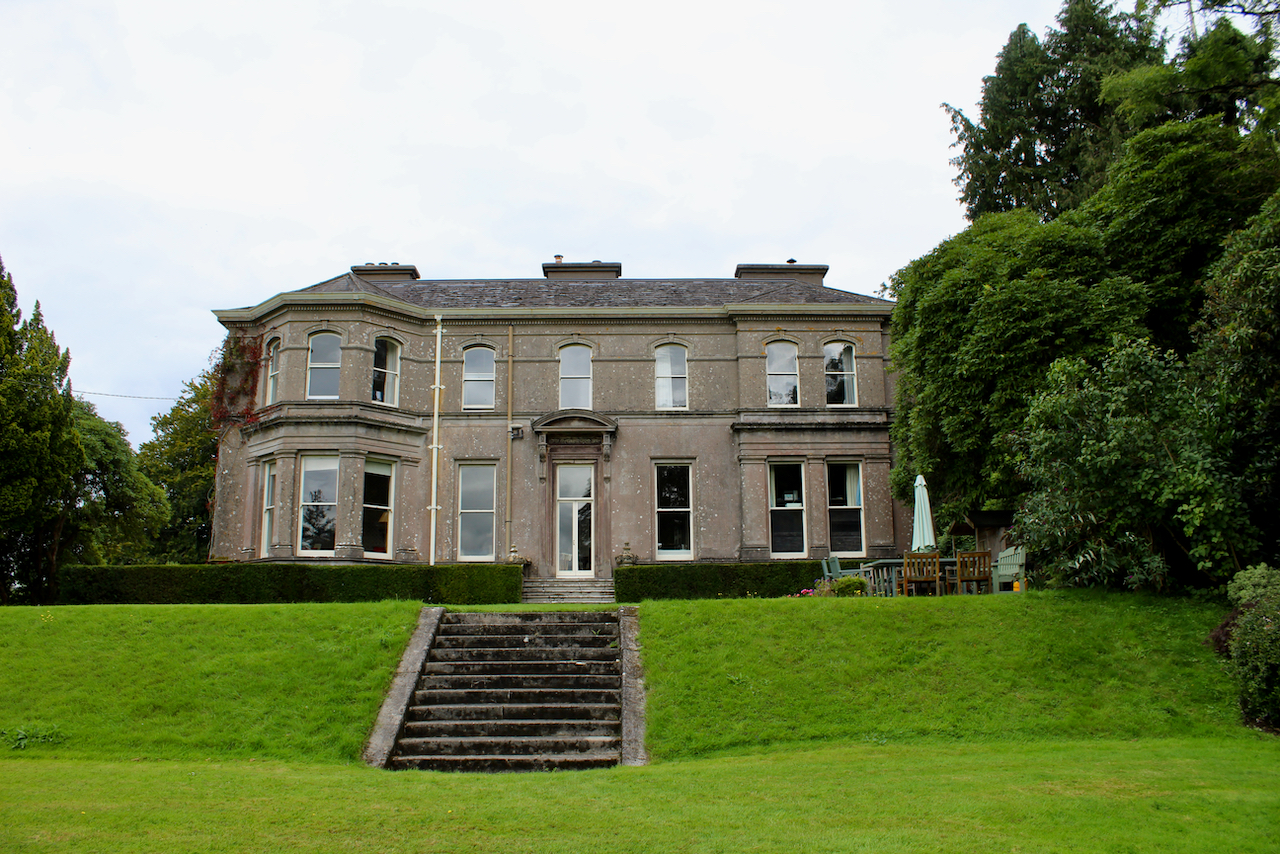
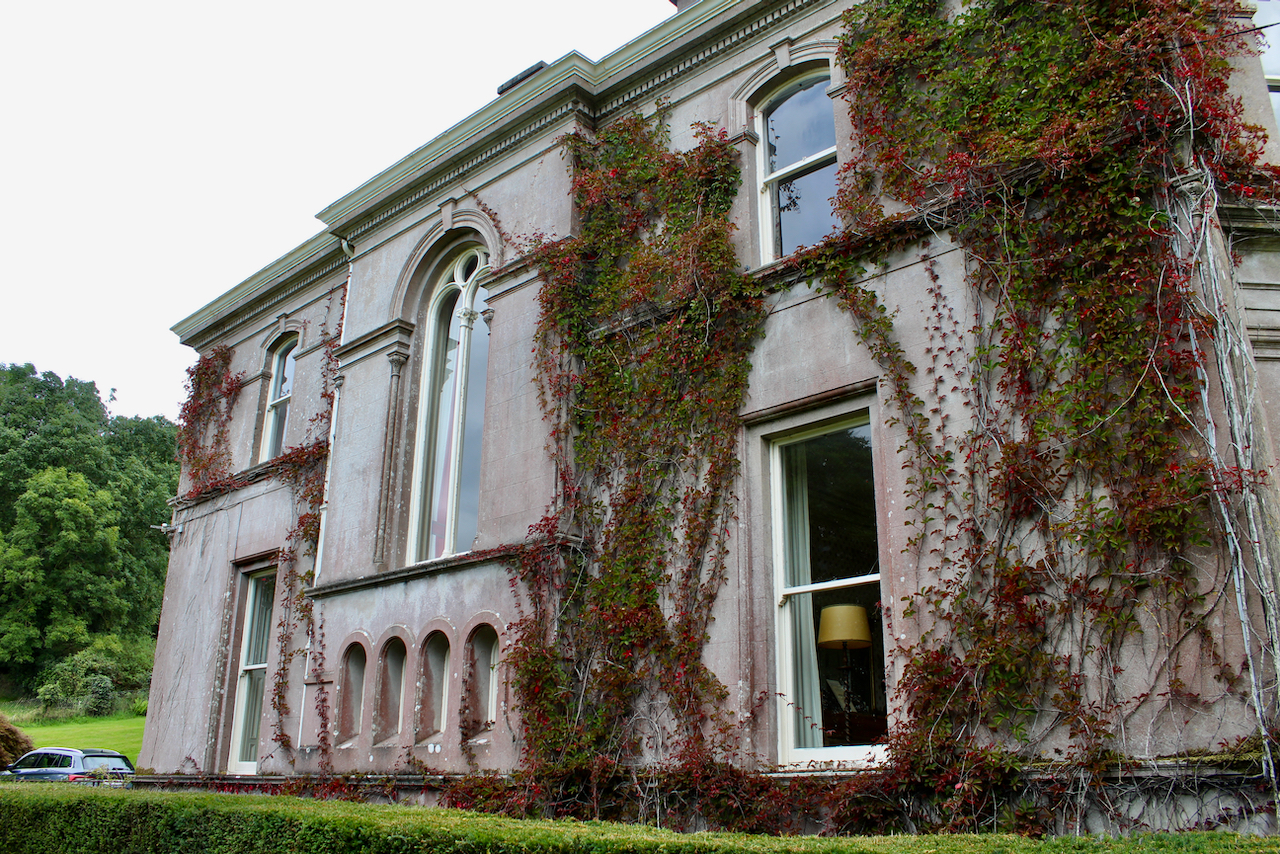
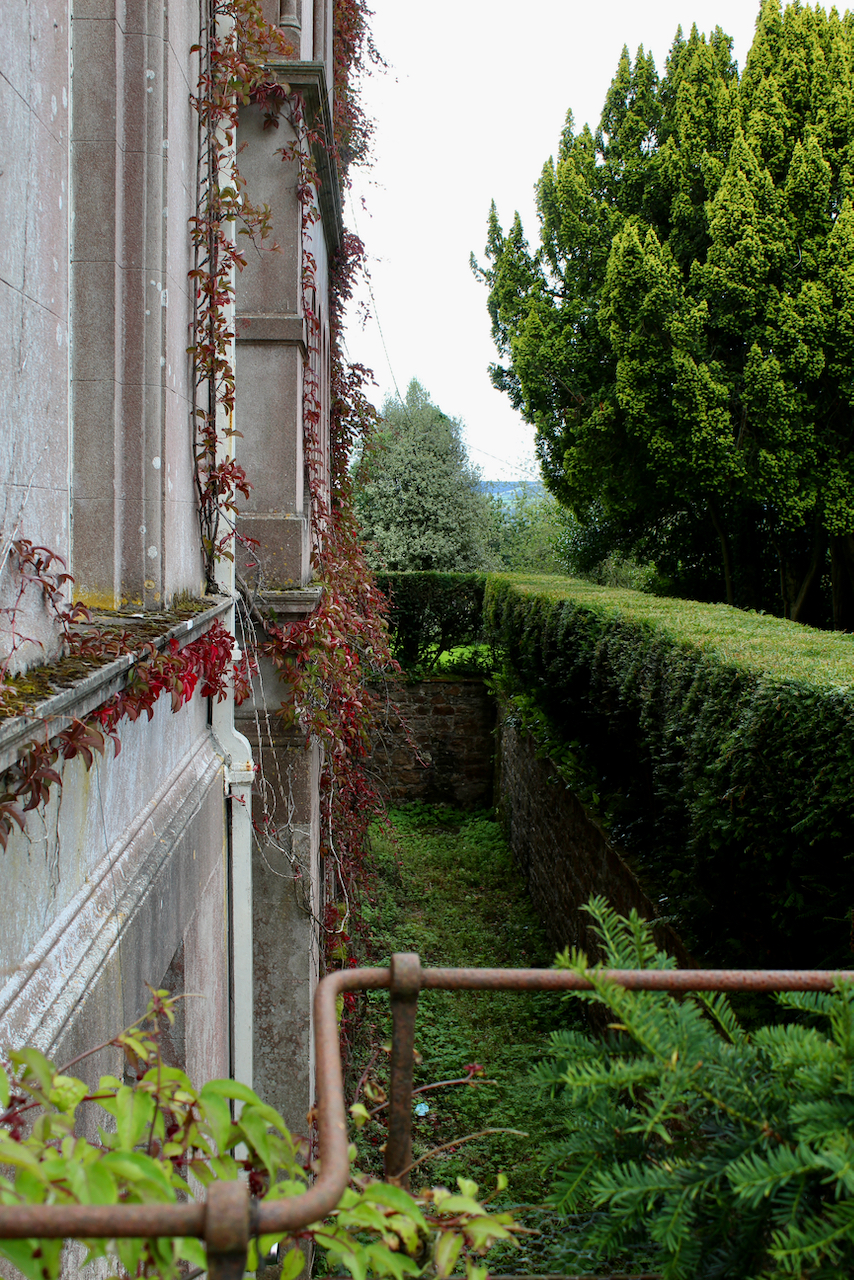
The newer Cappagh house was built on an elevated site near the older house. It is a two storey Victorian house with basement, built to the design of James Otway (1843-1906) and Robert Graeme Watt, who constructed the railway from Cork to Rosslare. Otway and Watt also prepared drawings for the building of Corbally More, Summerville in County Waterford for Dudley Fortescue, built few years later than the new Cappagh house, in 1878. They are not the first engineers whom we have come across who also designed houses.
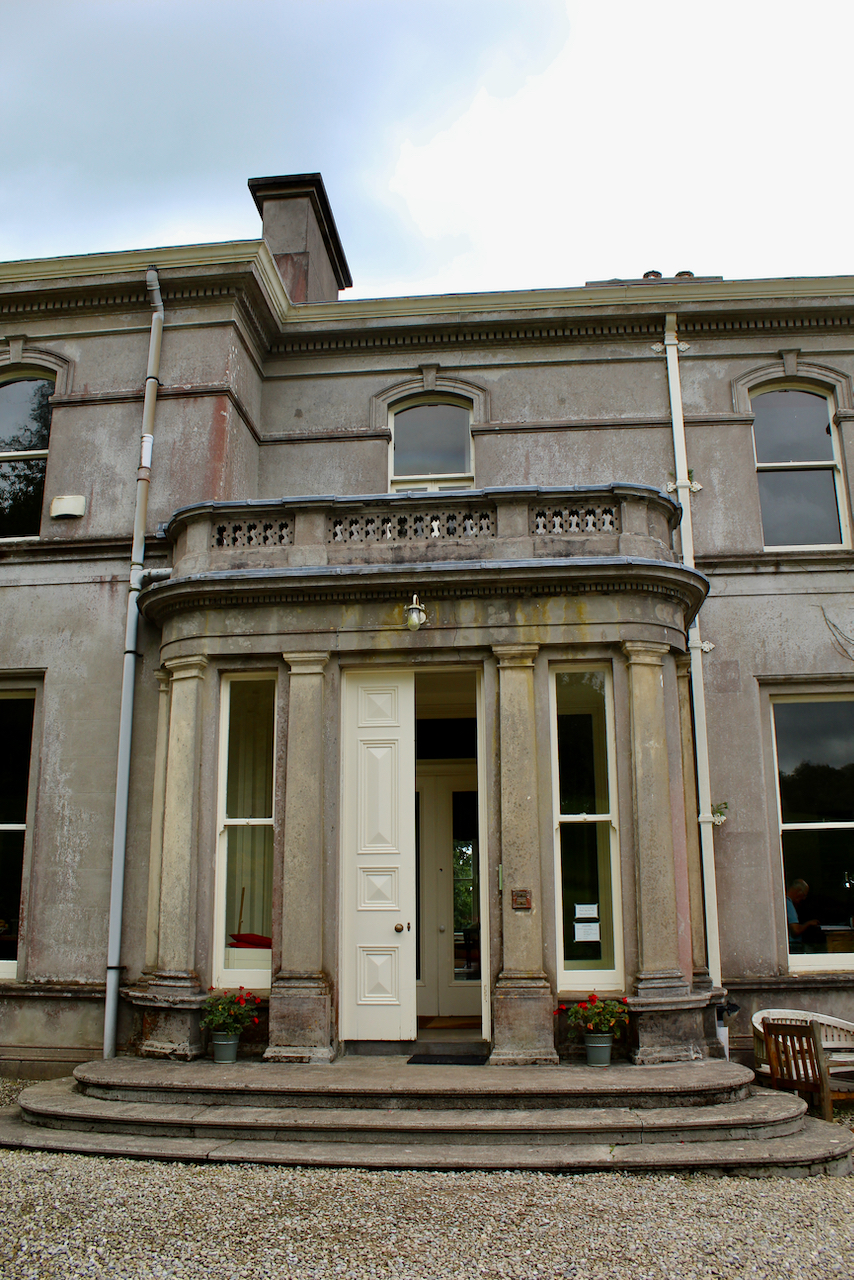
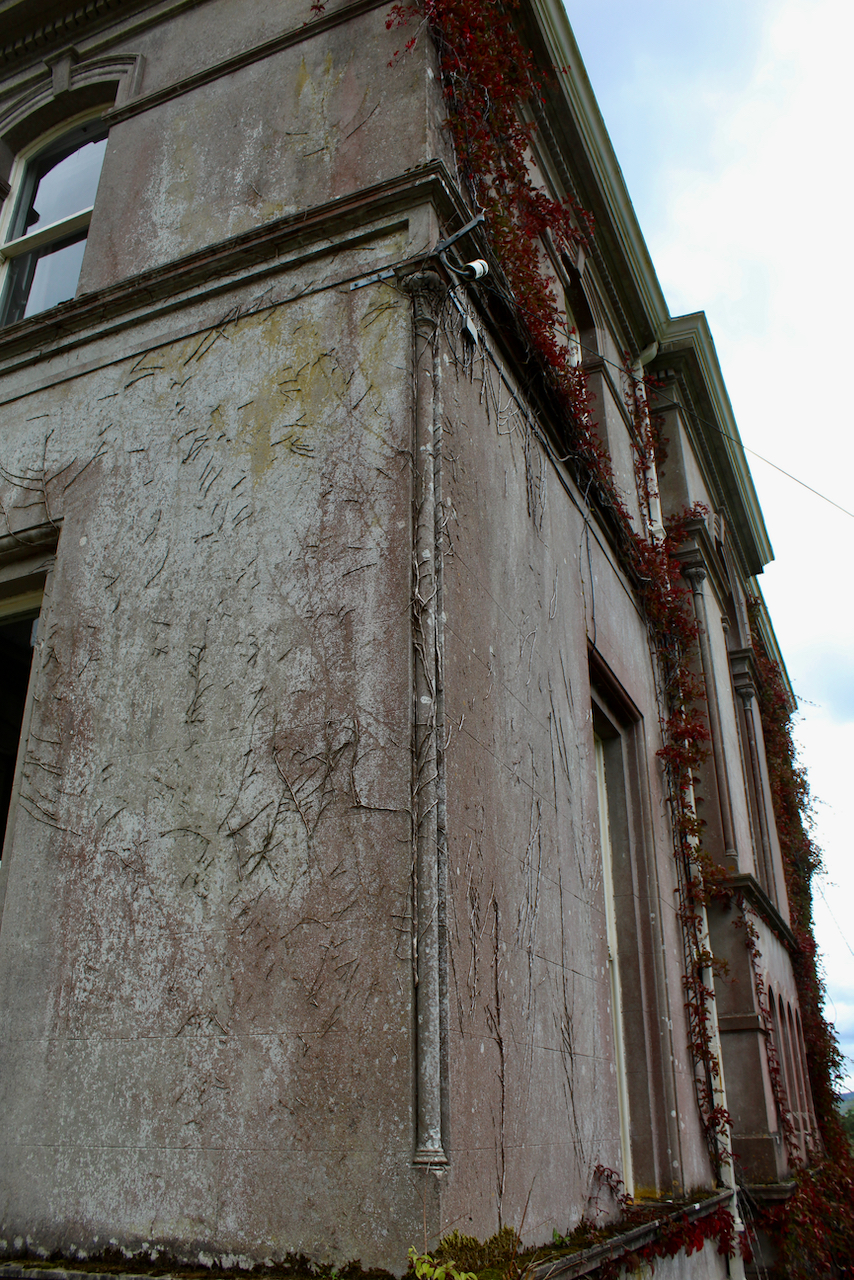
The older house was subsequently used as outbuildings. The windows on the upper storey are “camber-headed” i.e. they form an arch, these ones have a keystone, and the windows interrupt the string course at this level. [3] The front has a one storey curved porch with pilasters and a balustrade. The front and back doors look unusually tall.
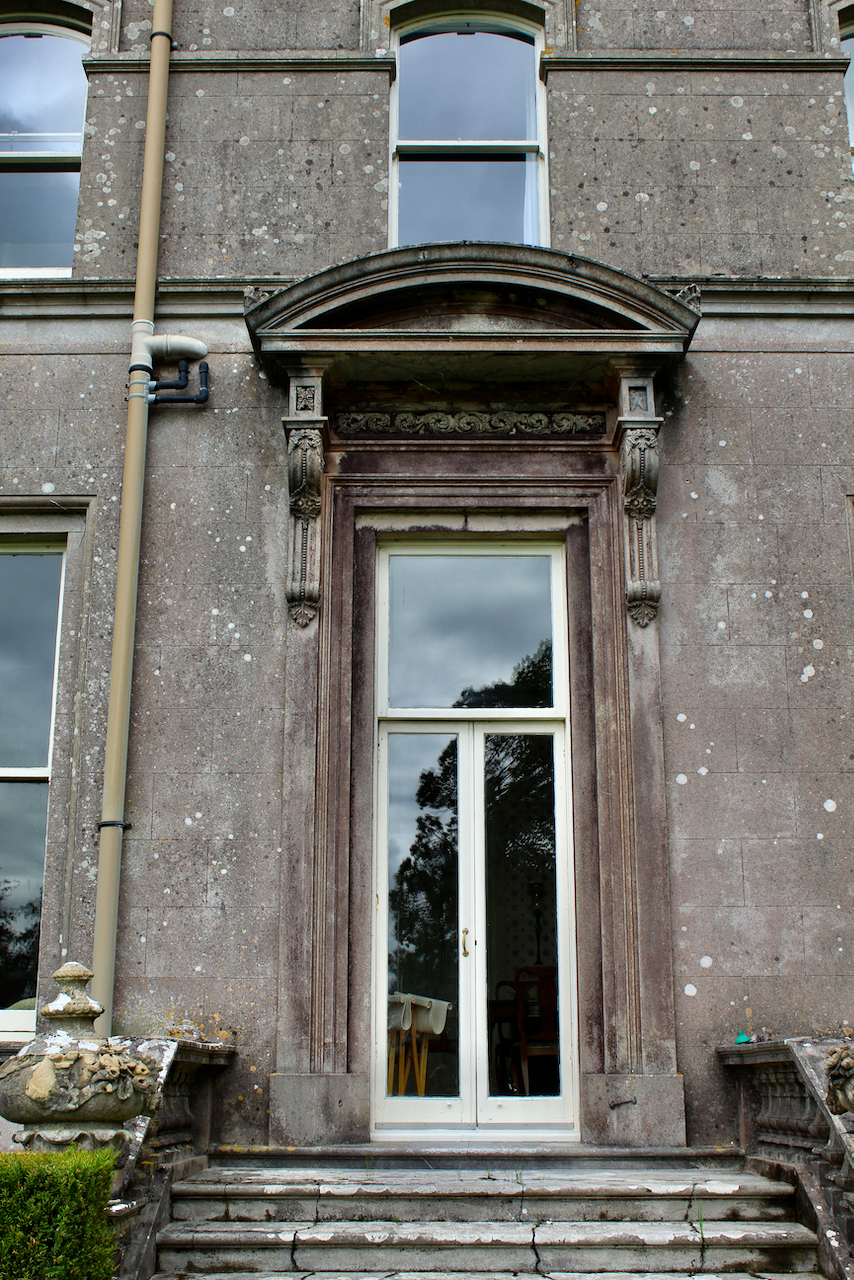
The south side has a double height bow, and a doorframe with stone arched pediment and carved corbels and decorative frieze over the fluted architrave.
A biography of Richard John Ussher by William Fraher, from the Waterford County Museum website tells us:
“In 1863 Richard John Ussher (1841-1913) was appointed a Justice of the Peace for Co. Waterford. On 20 January 1866 he married Elizabeth, daughter of John William Finlay of Corkagh House, Co Dublin. They had four boys and a girl.
“In 1875 he built a new house at Cappagh just above the old one which still survives. The new house was designed by James Otway and Robert Watt, railway engineers. He developed an interest in ornithology and became obsessed with collecting bird’s eggs. He later joined the Irish Society for the Protection of Birds. He began to study rare bird species and also explored caves for fossil remains of birds. He is said to have found remains of the Great Auk in the sand dunes at Tramore. In 1906 he was the co-author of an important book – Birds of Ireland. Towards the end of his life he spent much time excavating caves in Waterford, Cork, Sligo and Clare. His excavation results were published in various archaeological and natural history journals.” [3]
He was also High Sheriff and Deputy Lieutenant of County Waterford.
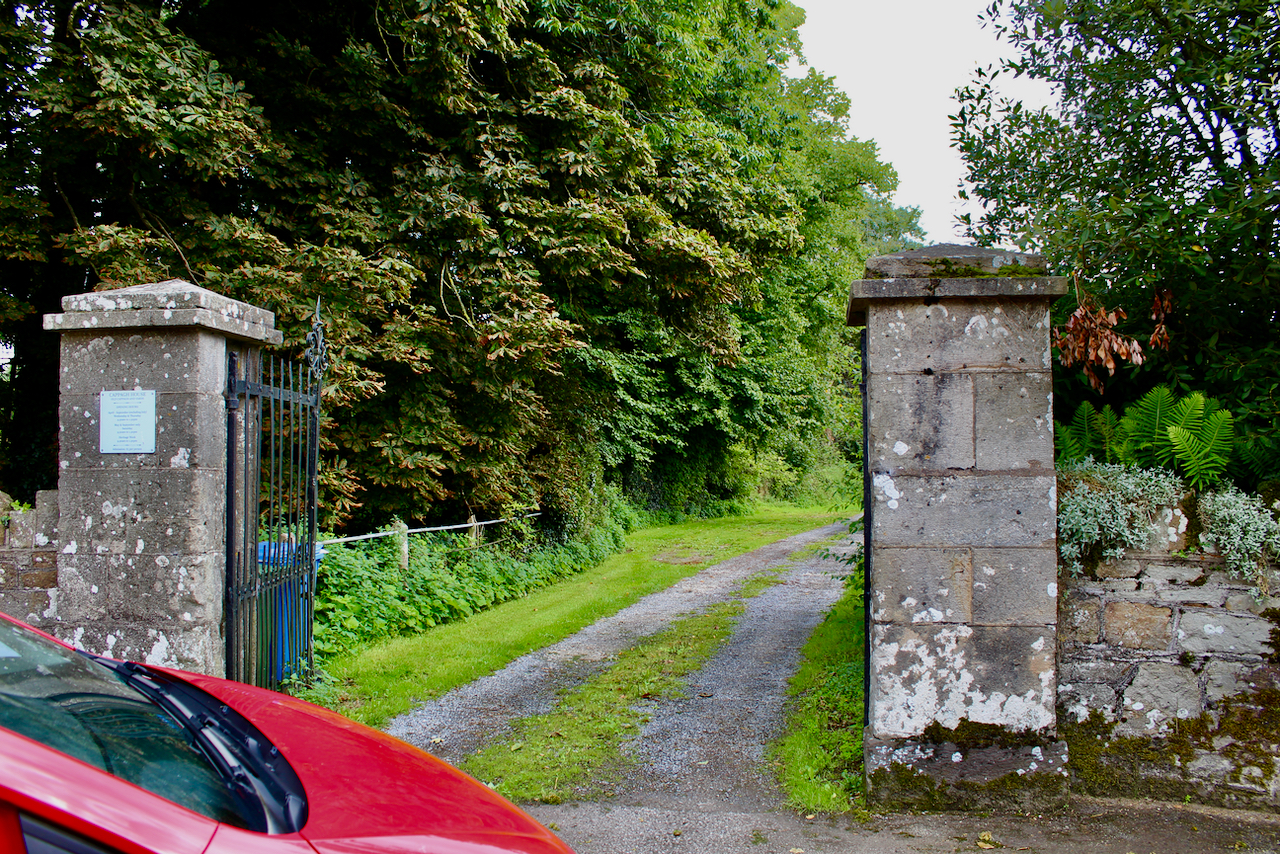
The house was occupied by three generations of Usshers before Arland Ussher sold it to Oonah and Kendal Chavasse in 1944. The house passed to Beverley Grant Ussher (1867-1956) and then to his son Percival Arnold “Arland” Ussher (1899-1980).
Beverley Ussher worked as a schools inspector for the Board of Education in England. The family lived in England until he retired in 1914, and they then moved to Ireland and lived at Cappagh House.
Arland Ussher wrote the books Postscript on Existentialism, The Face and Mind of Ireland, and Three Great Irishmen, a comparative study of Bernard Shaw, W.B. Yeats and James Joyce. He also taught himself Irish and translated The midnight court (1926), by Brian Merriman. With his interest in Existentialism, he wrote A journey through dread (1955), an account of Kierkegaard, Heidegger, and Sartre. He farmed at Cappagh until he sold it, claiming, according to the Dictionary of Irish Biography, that farming bored him. [4]
A collection of photographs (August 1922) illustrates the occupation of Cappagh House by the West Waterford Flying Column of the Irish Republican Army during “The Troubles” (1919-23). [5]
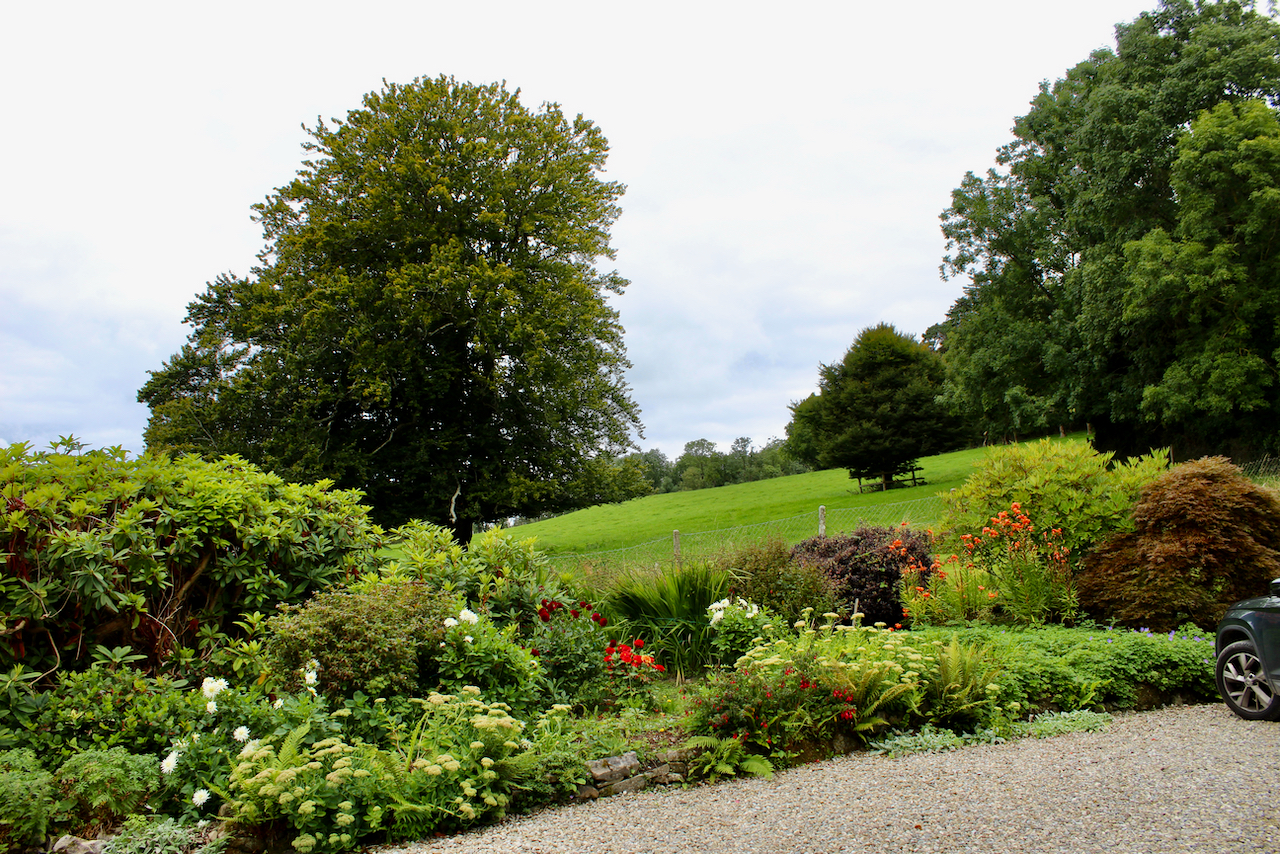
We were welcomed to the house by owner Claire.
Claire told us that Oonah Chavasse, daughter of Henry Spencer Perceval-Maxwell of Moore Hill, Tallow, County Waterford, dreamed for three nights in a row that she would live at Cappagh House. She contacted her sister-in-law in Tallow who told her that indeed the house was for sale! The following week Oonah caught the train from West Cork and arrived at Cappagh train station just in time for the auction.
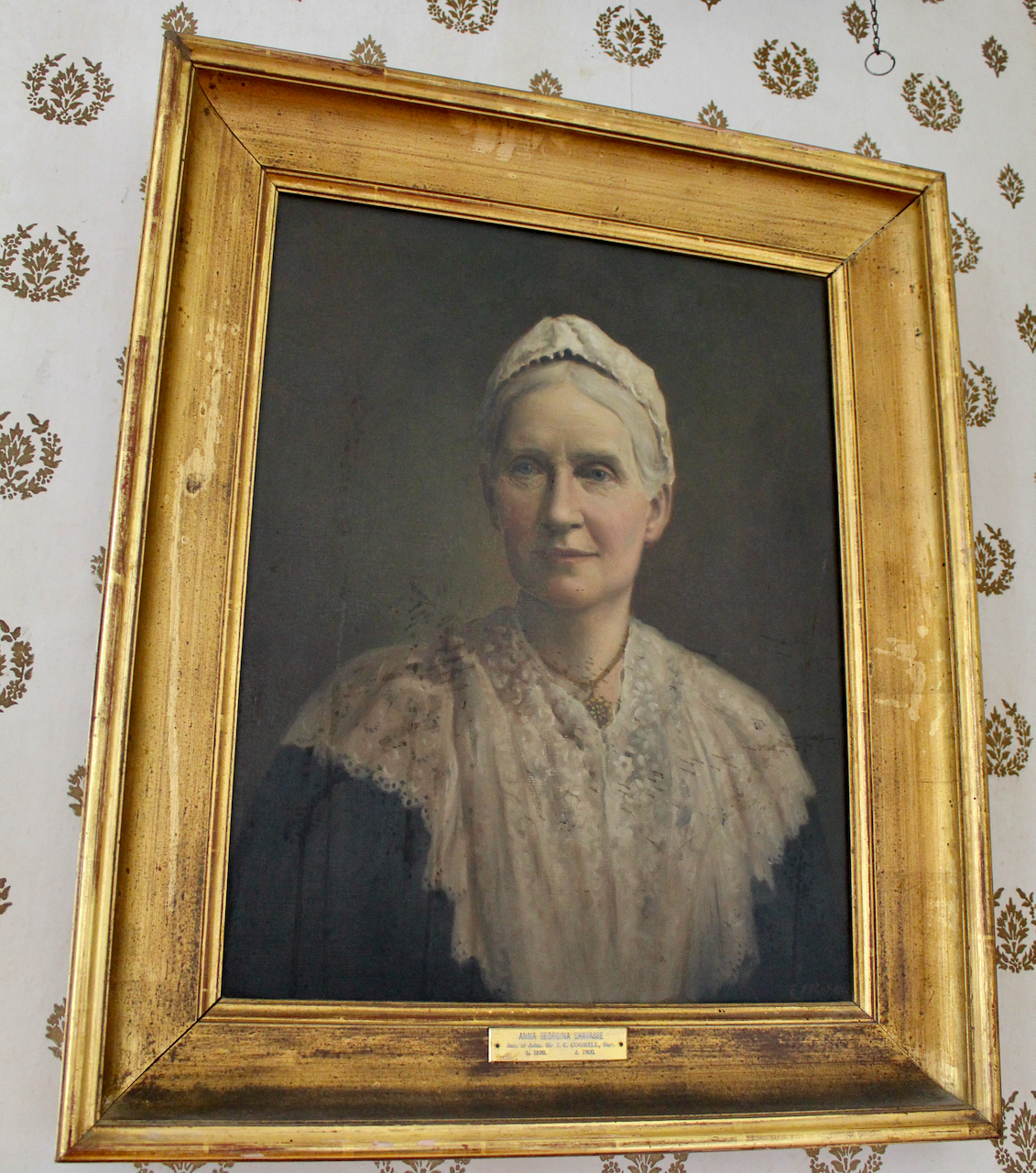
Oonah’s husband Kendal (“the Colonel”) was from Castletownshend in West Cork. He took up farming after he returned from the second world war, and was a founder member of the Irish Farmers’ Association. He was also secretary of the West Waterford Hunt. Kendal’s grandmother Anna Georgiana née Coghill’s husband died young and she took her children to live in Castletownshend. Her sister married Thomas Henry Somerville of Drishane, Castletownshend (another section 482 property).
The current owners Charlie and Claire are the third generation of Chavasses to live at Cappagh.
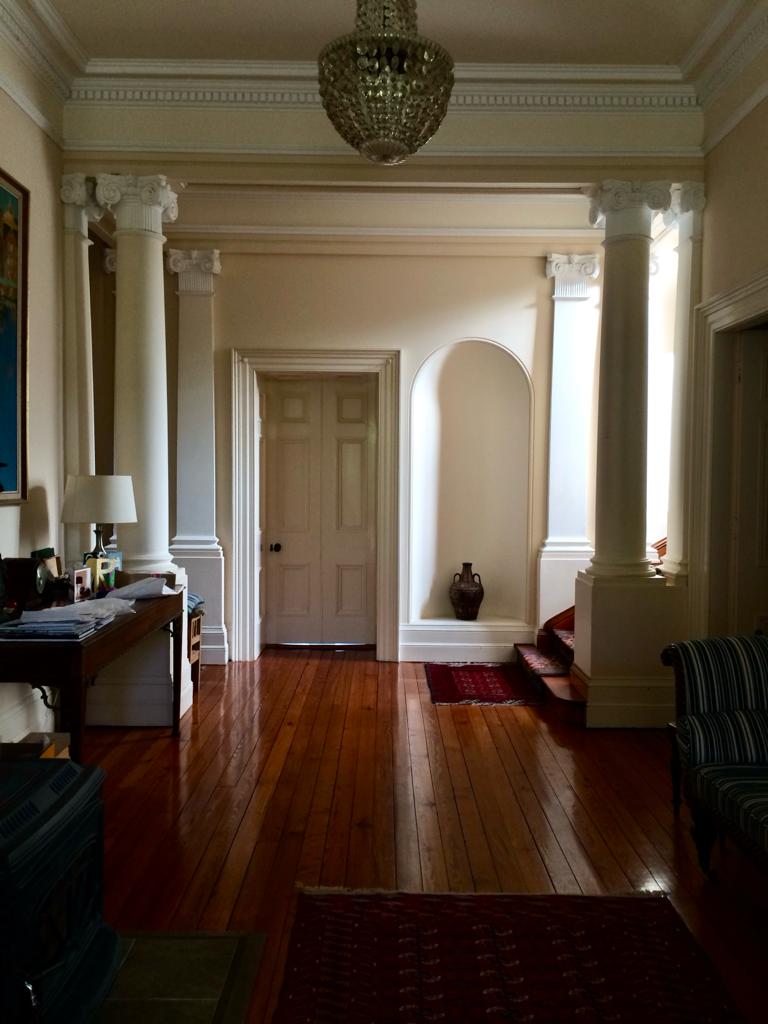
The front door leads into a spacious hallway. Ahead lies the drawing room and beside that, the dining room, which was formerly the “morning room.” The original dining room was in the northeast corner facing the front of the house, and is now the kitchen. Previously the kitchen would have been in the basement.
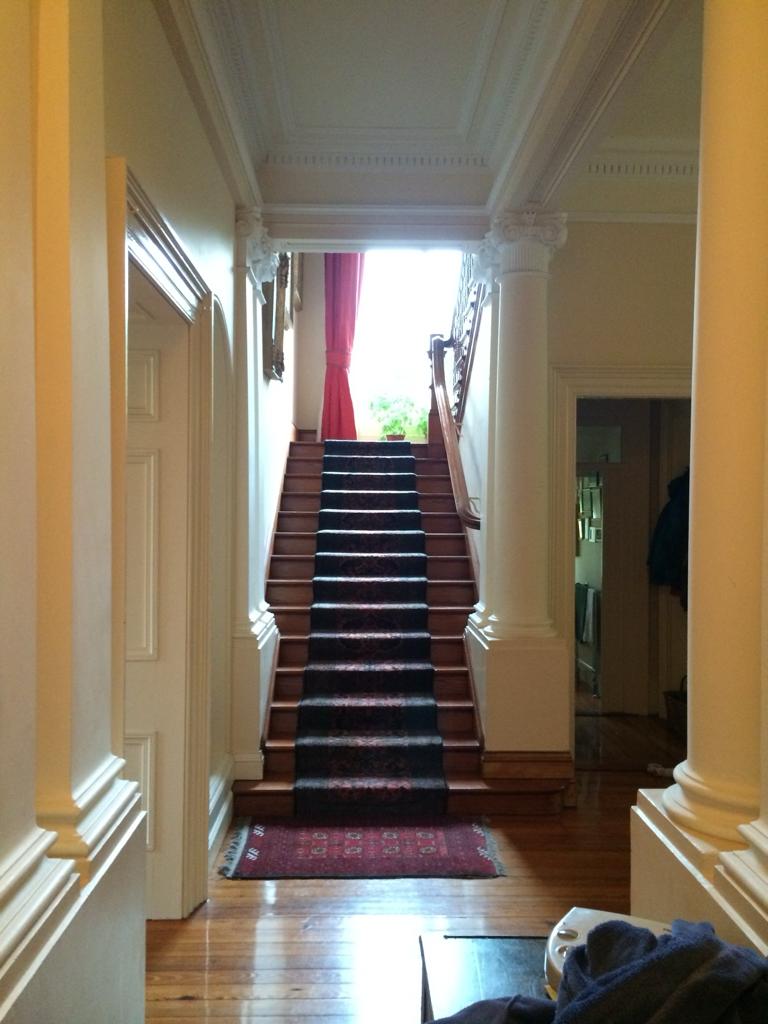
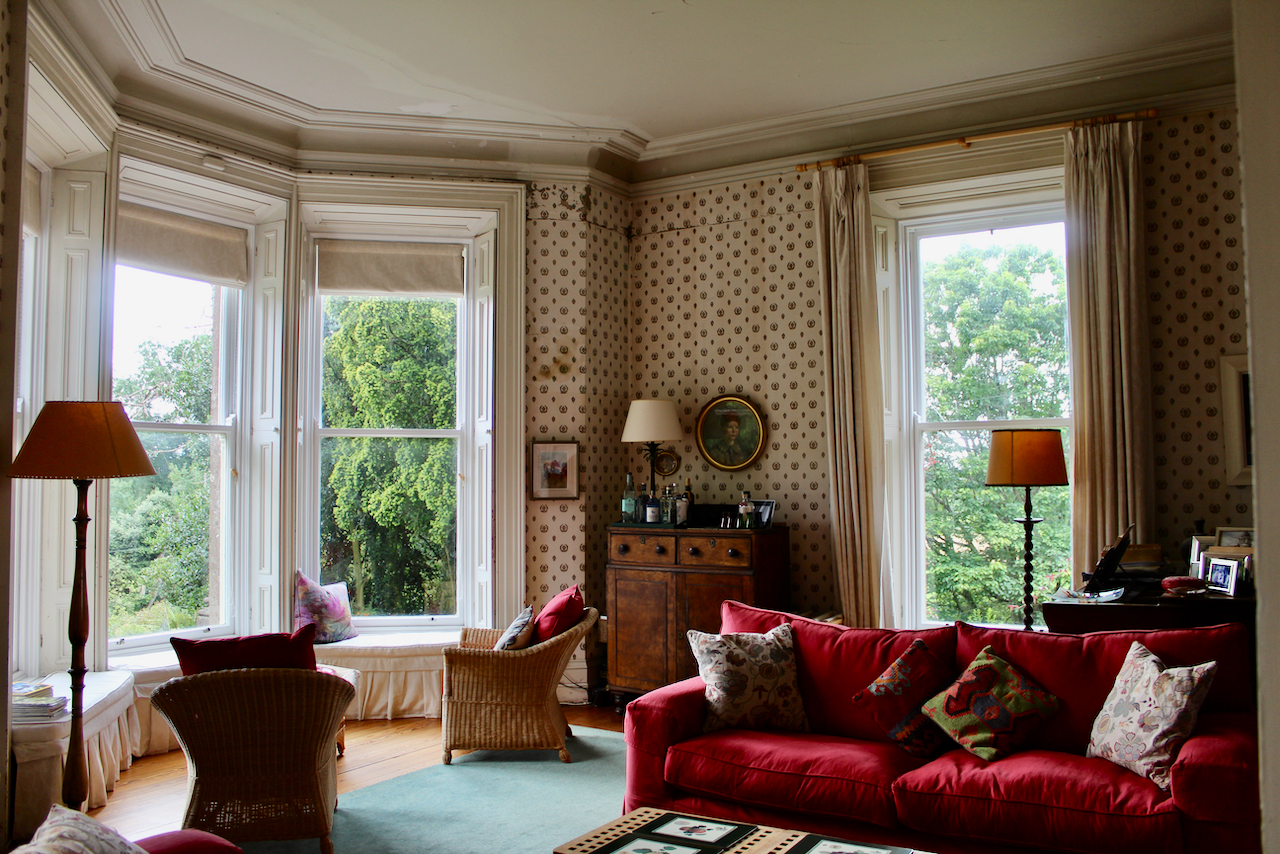
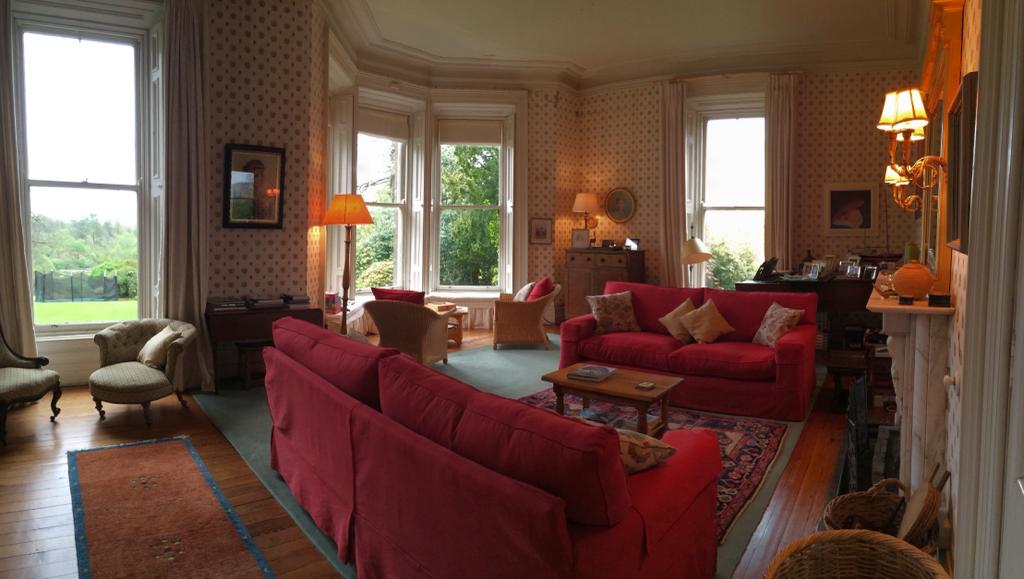
The current owner, Charlie, is the grandson of Colonel Kendal.

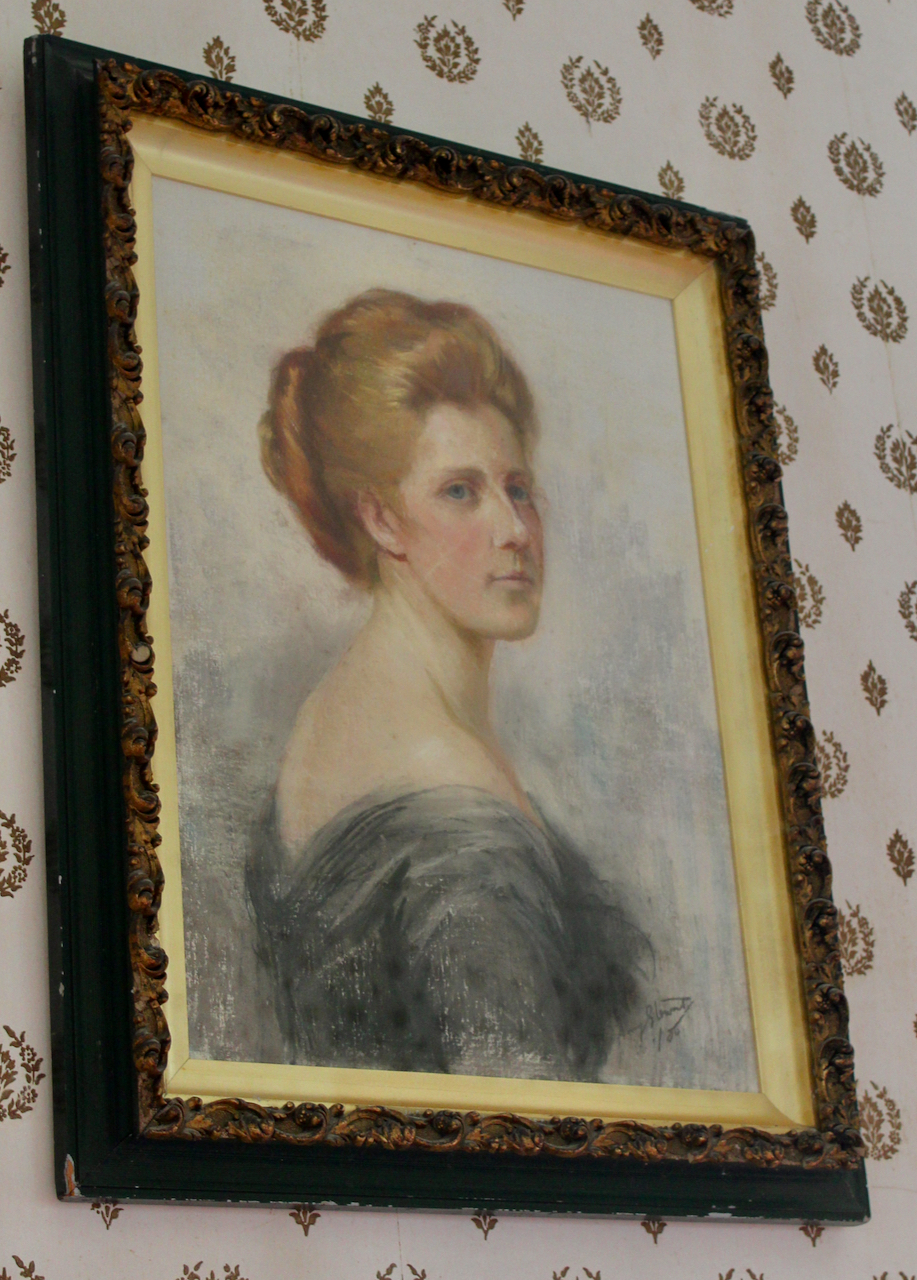
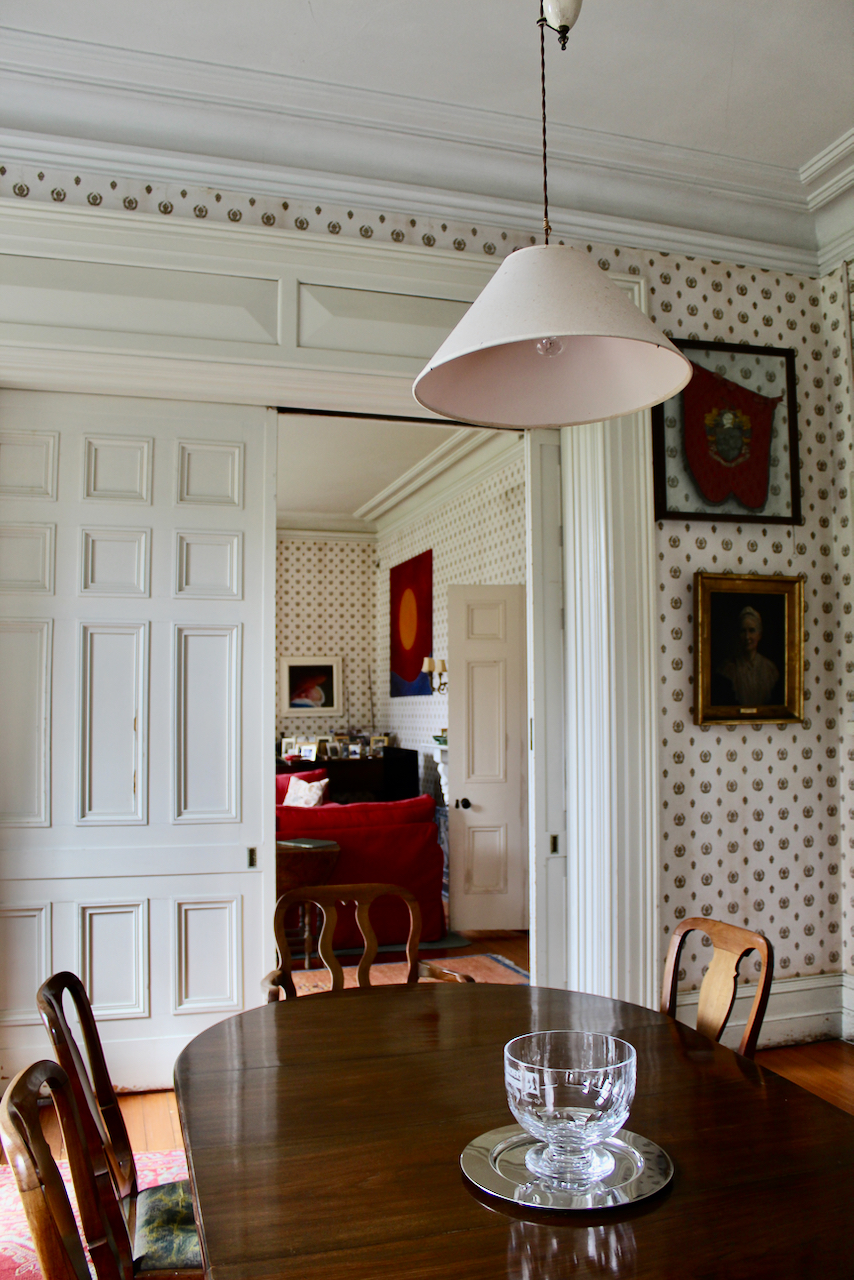
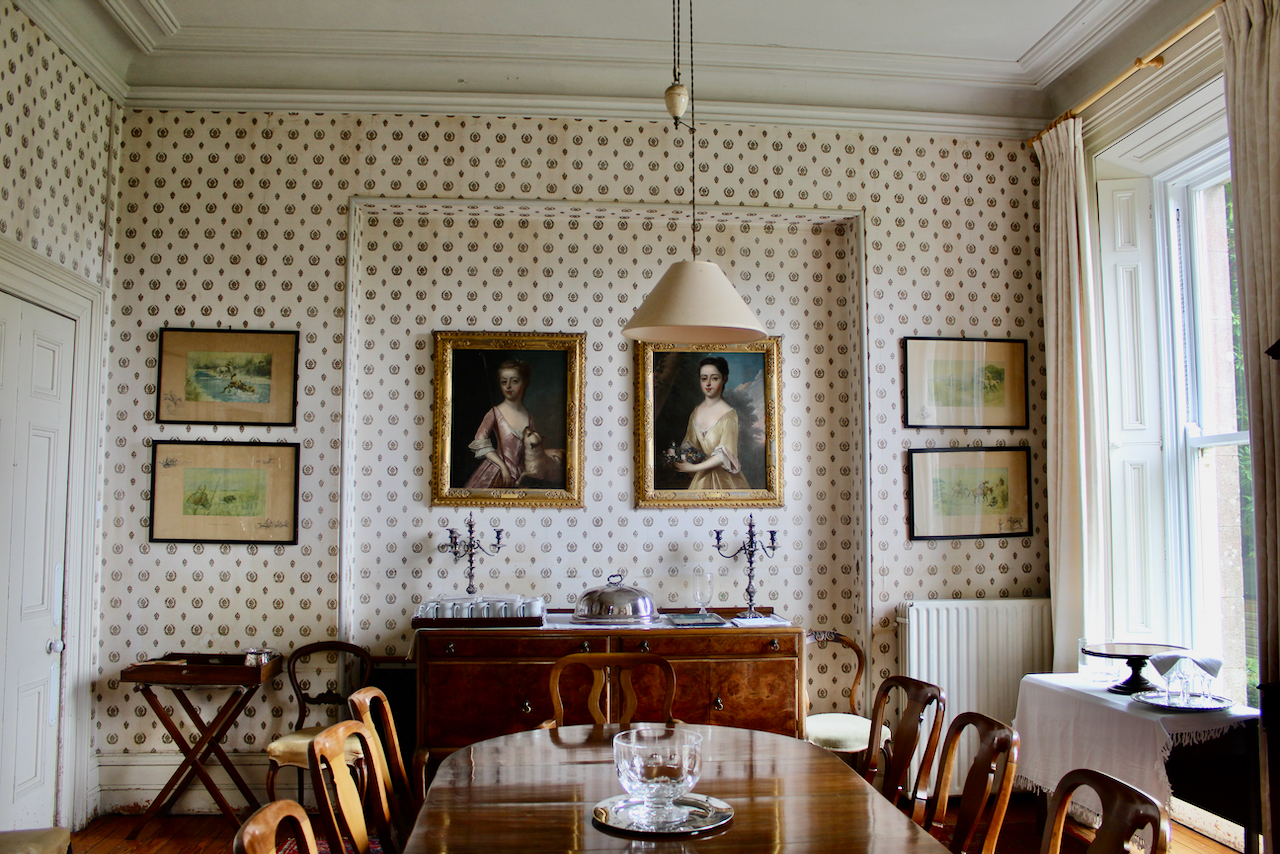

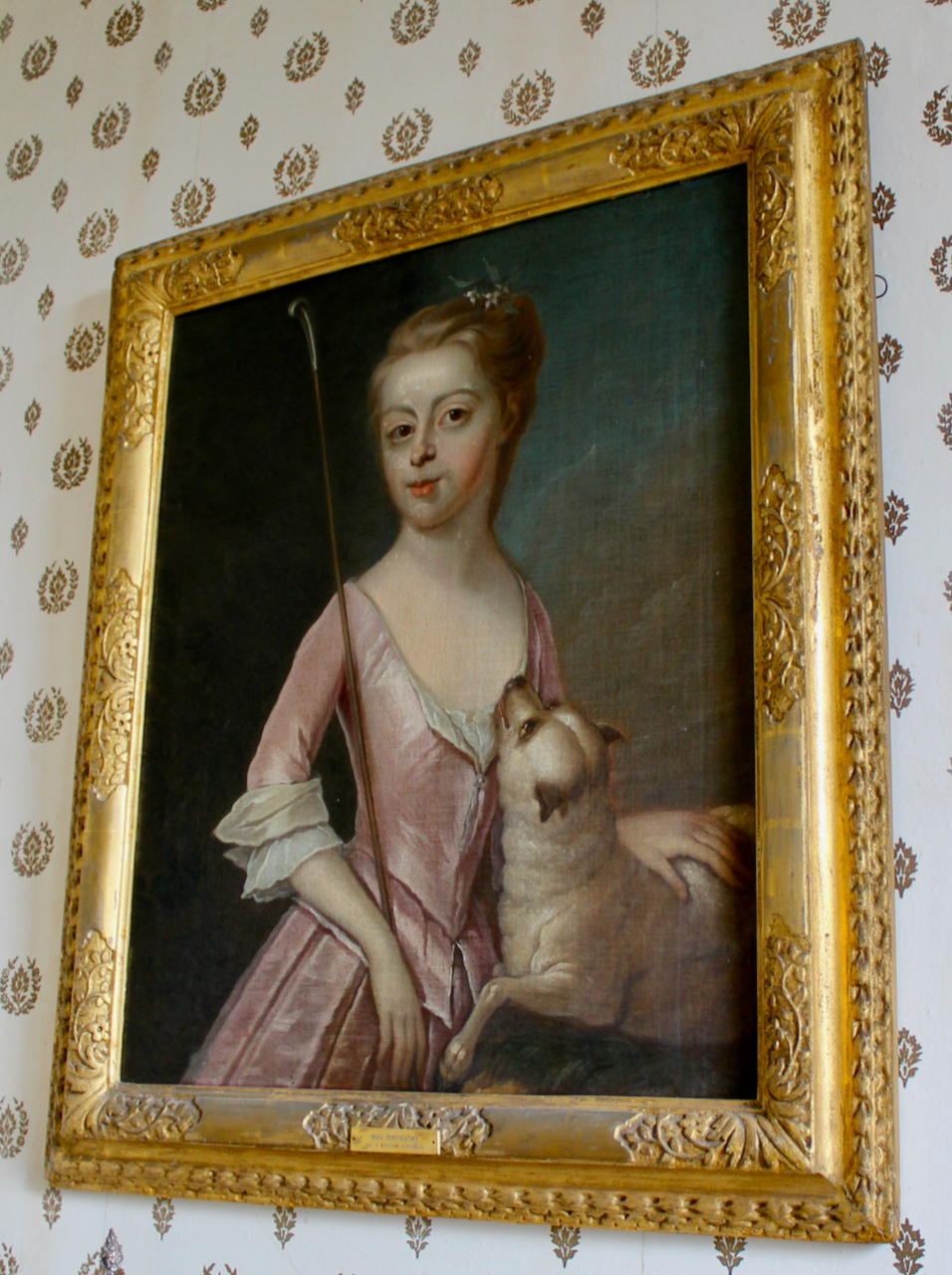
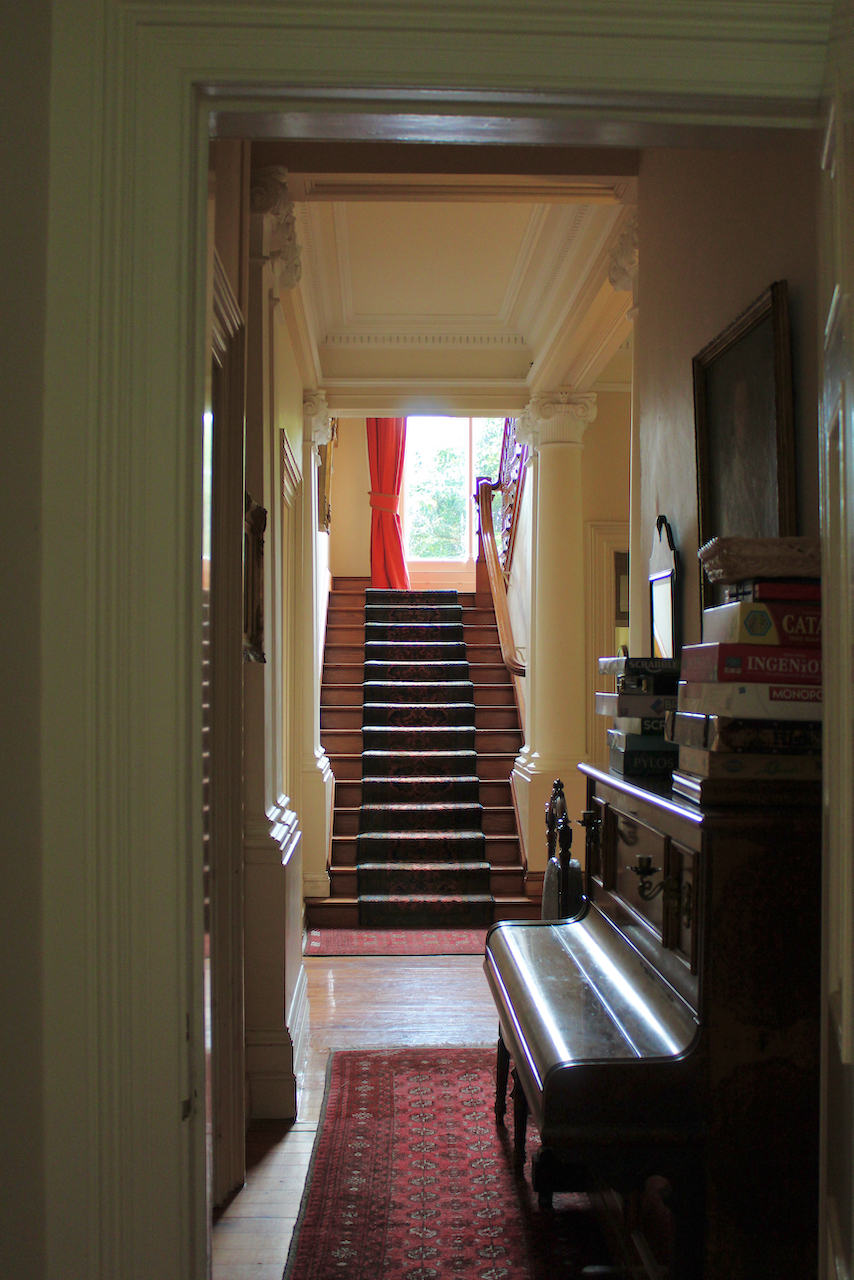
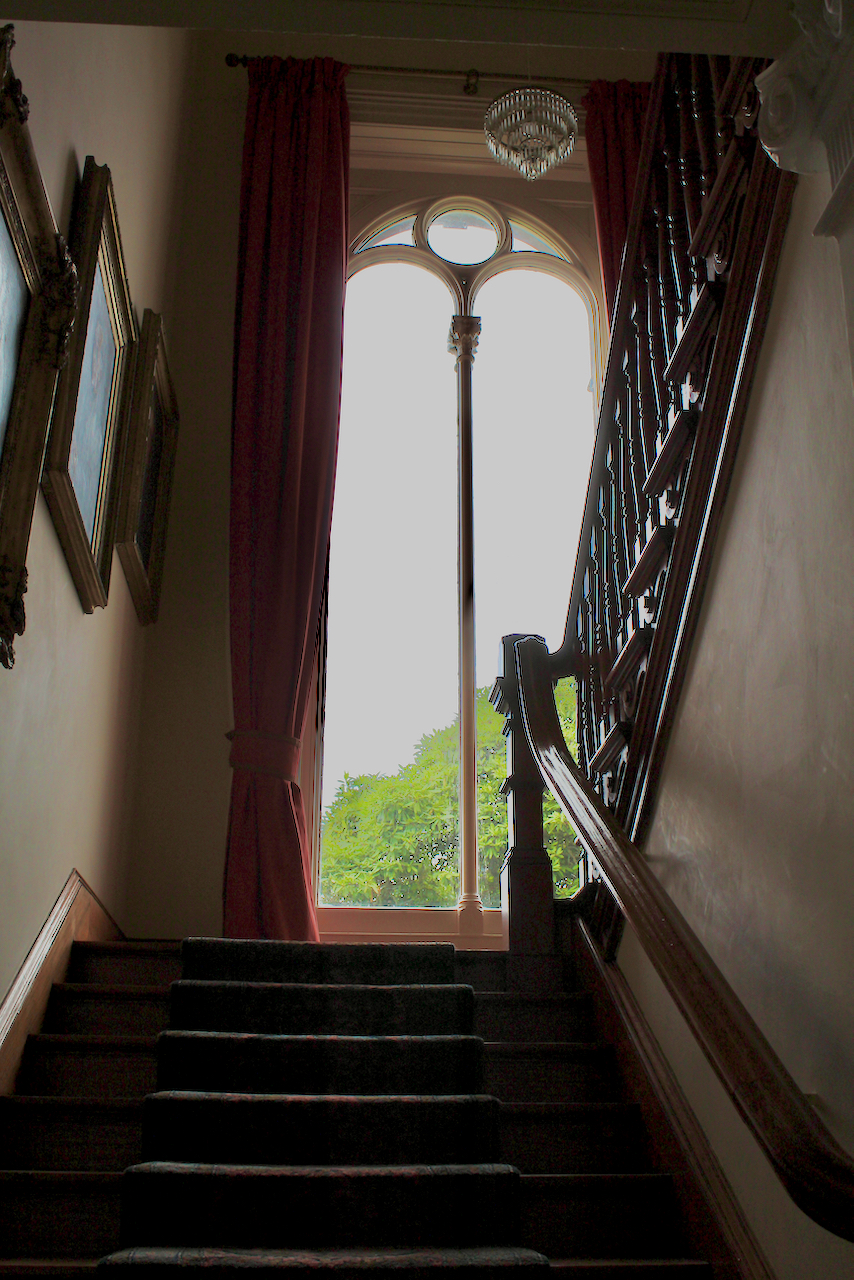

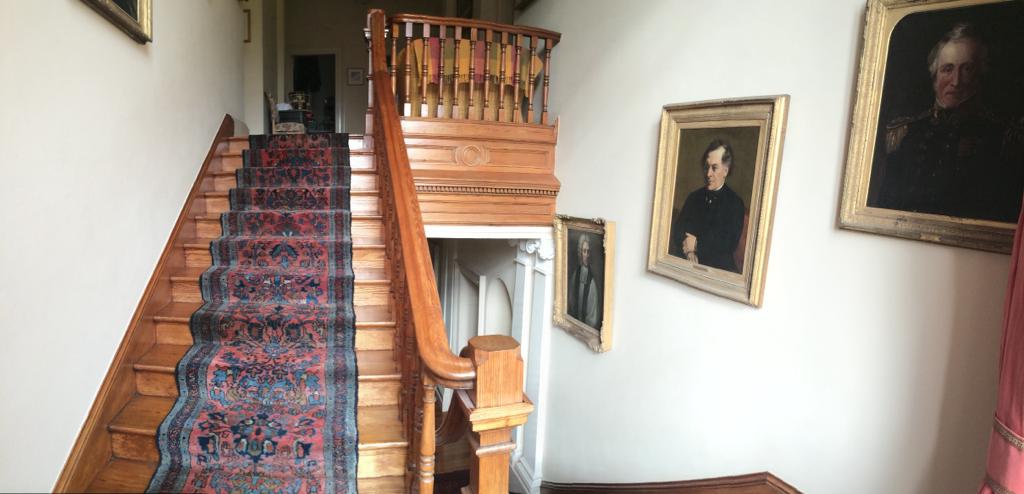


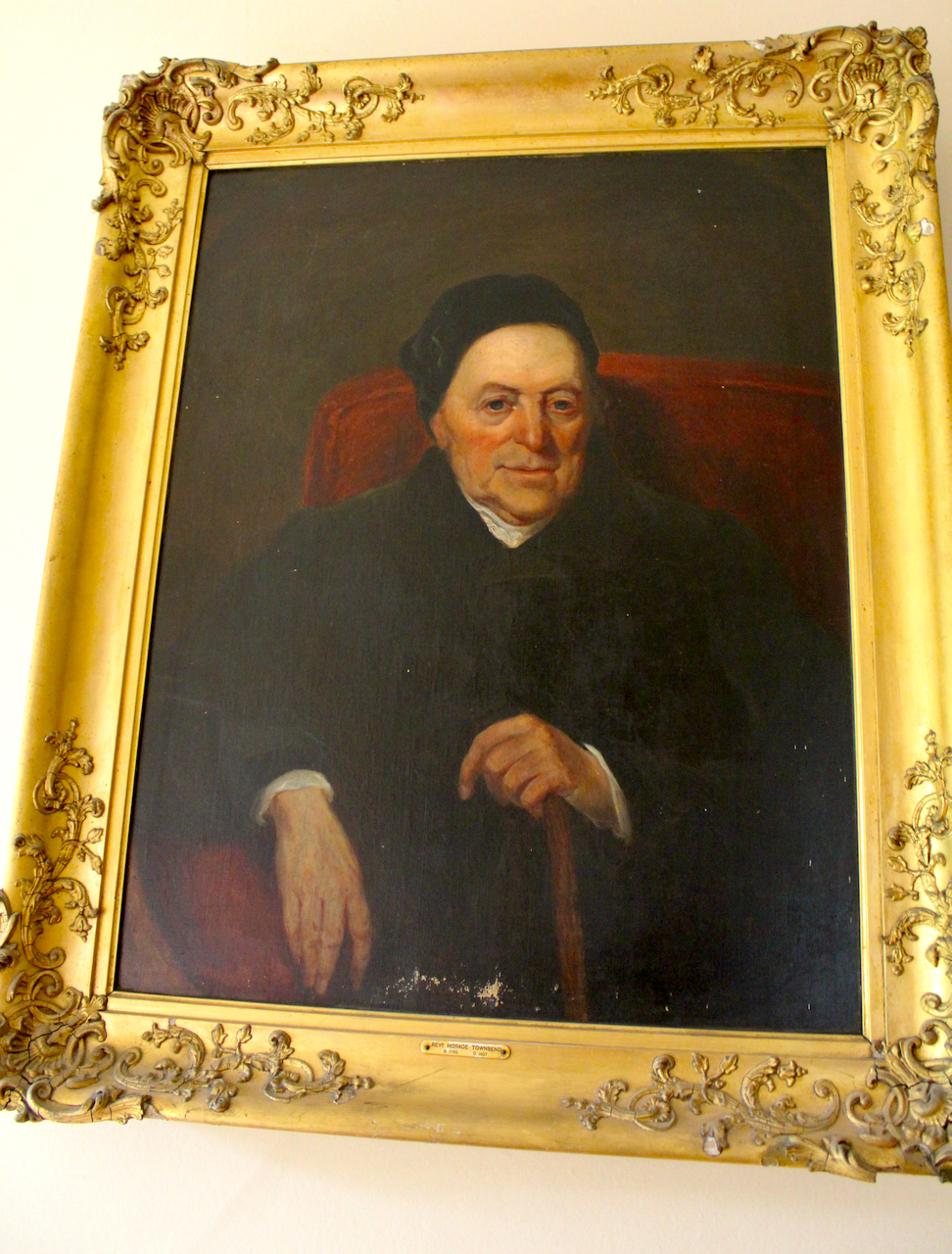
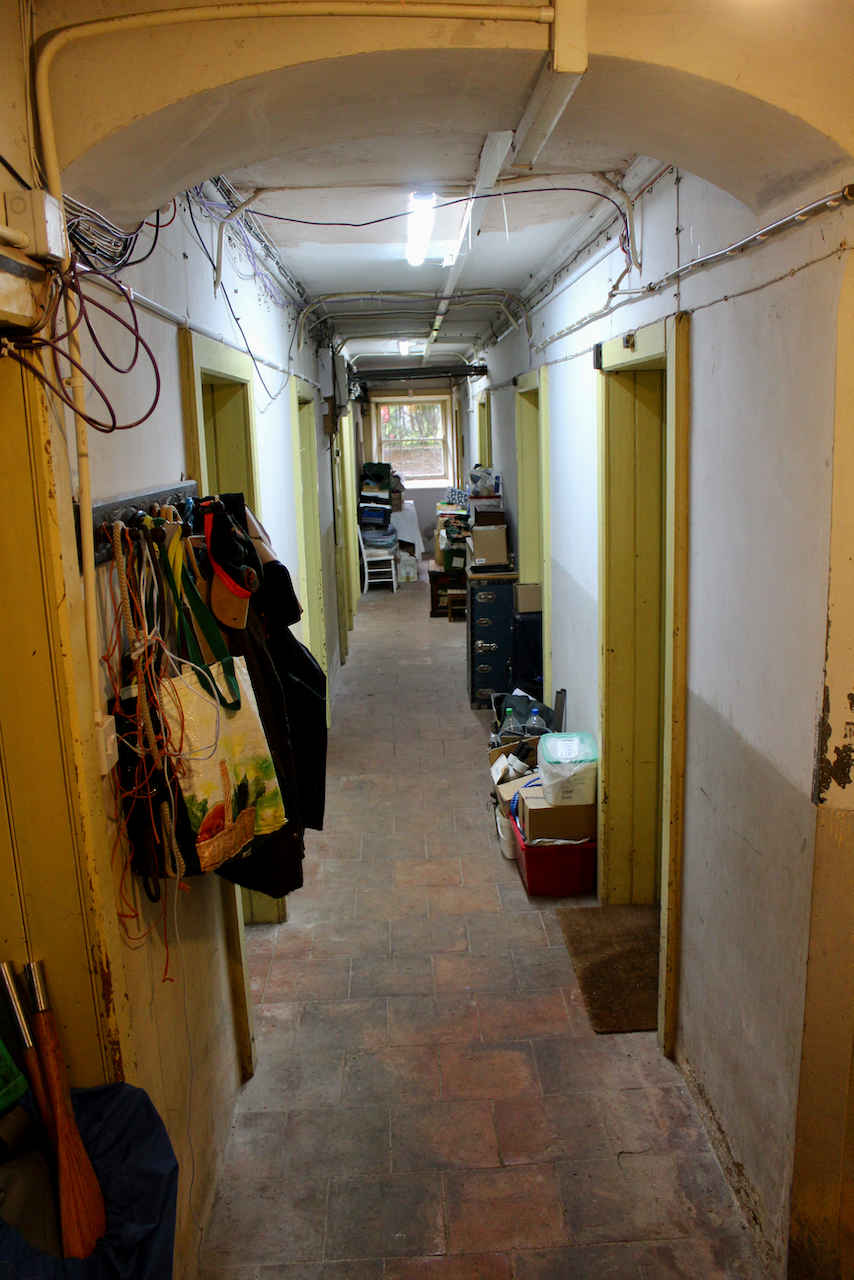
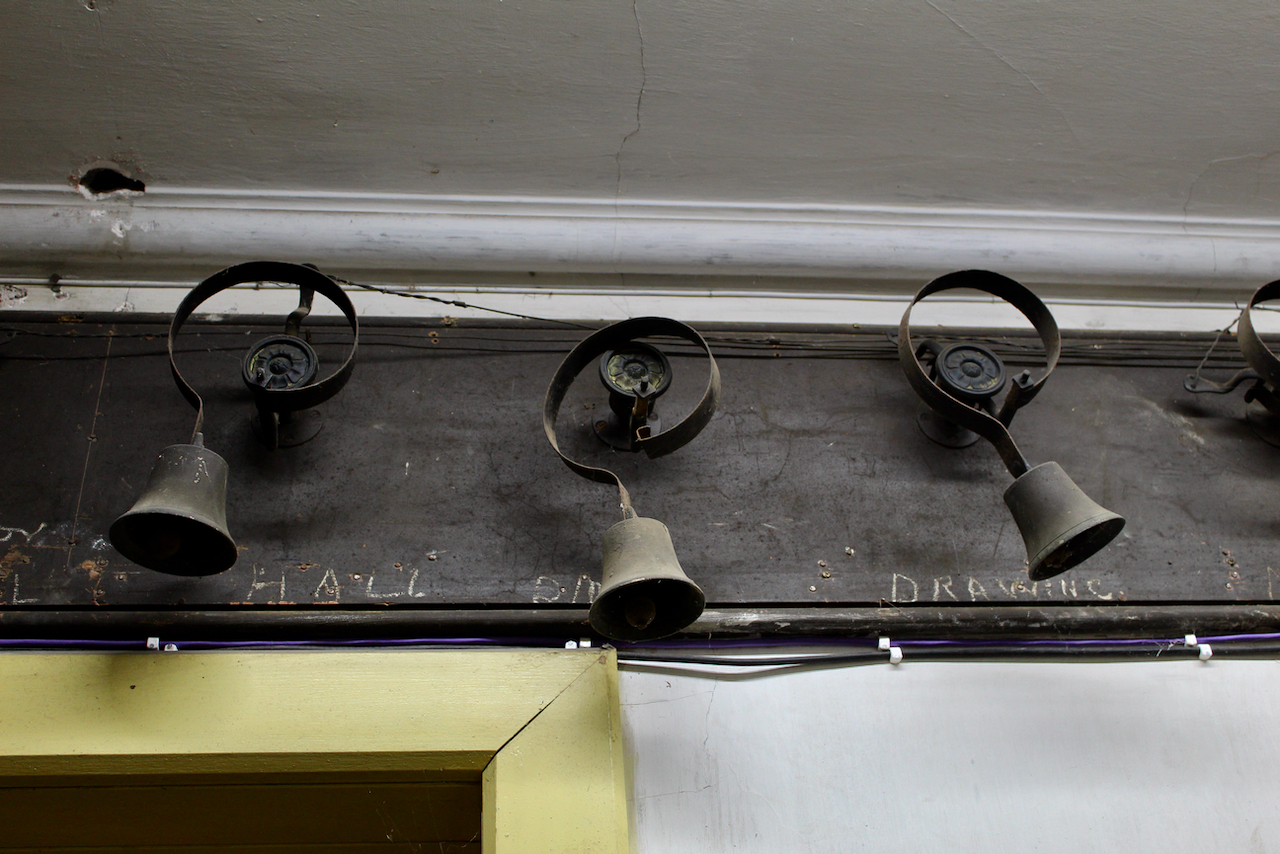
Claire then brought us down to the basement. She showed us the service bells, which unfortunately no longer work although one can see the bell-pulls on either side of the fireplaces upstairs.
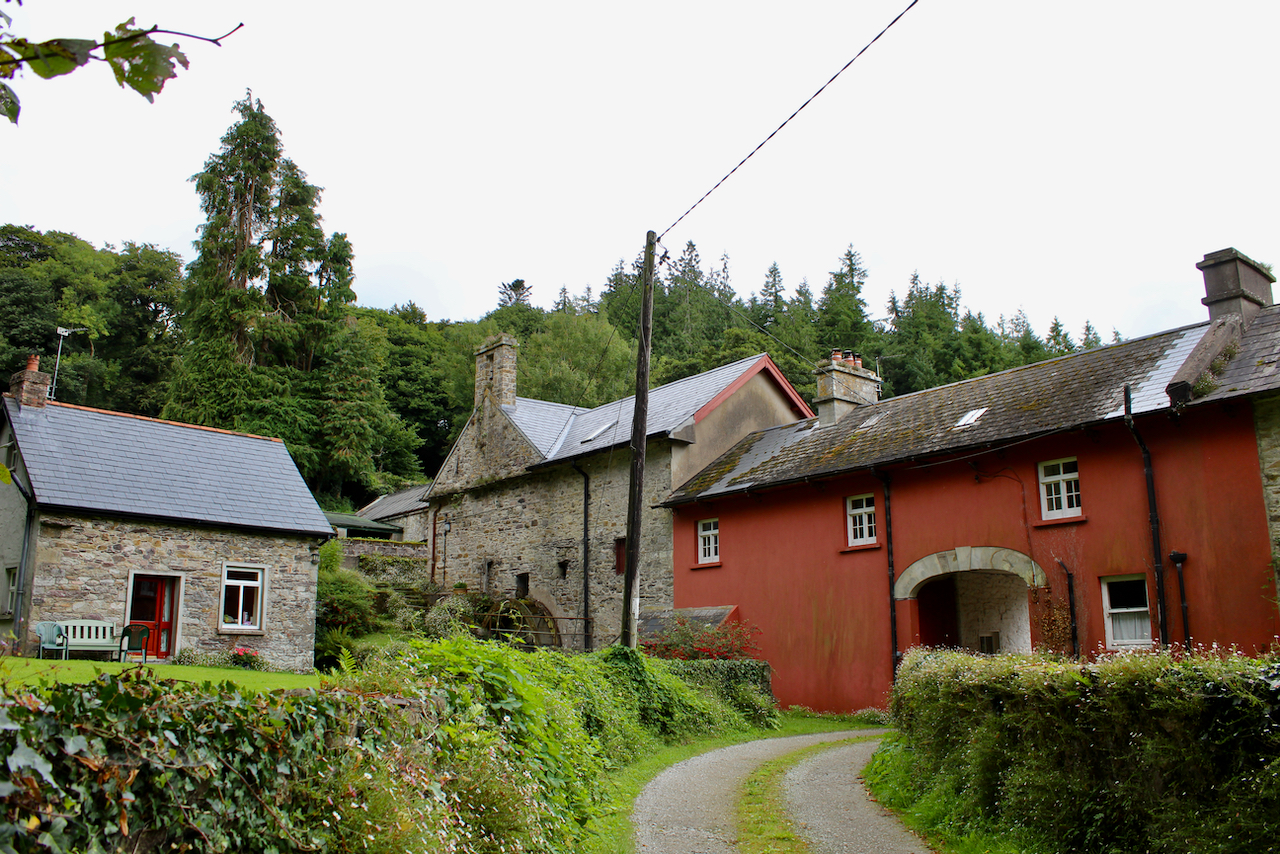
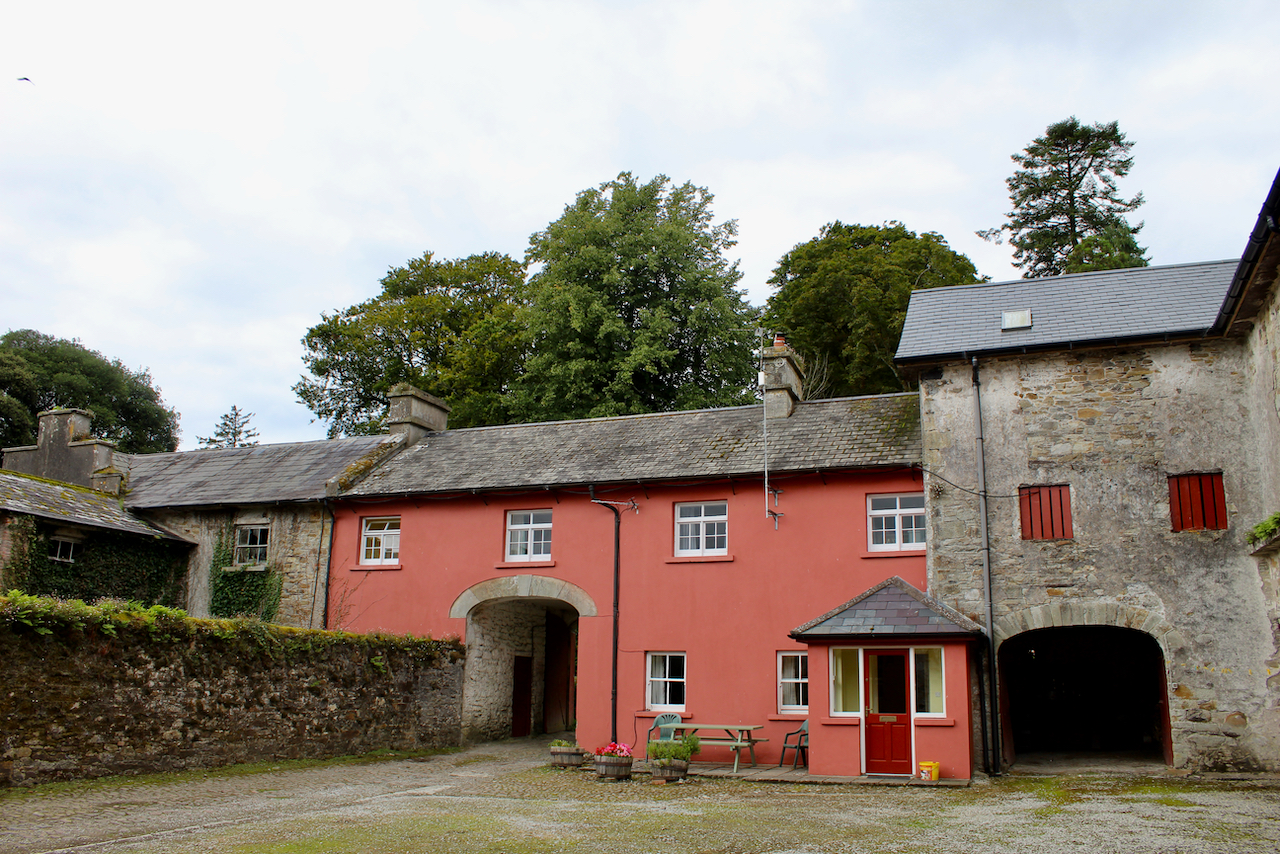
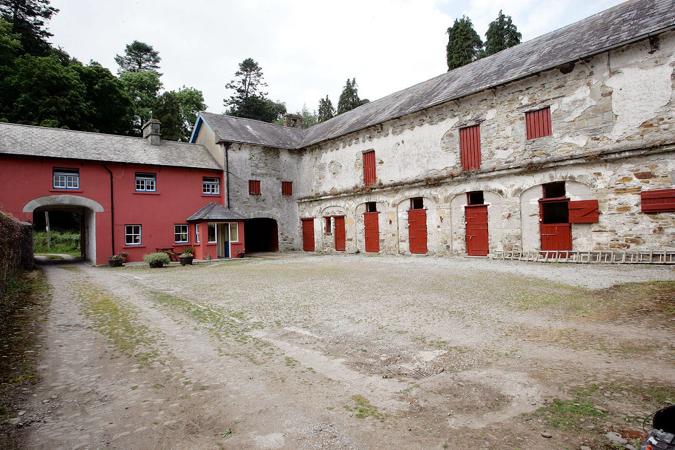
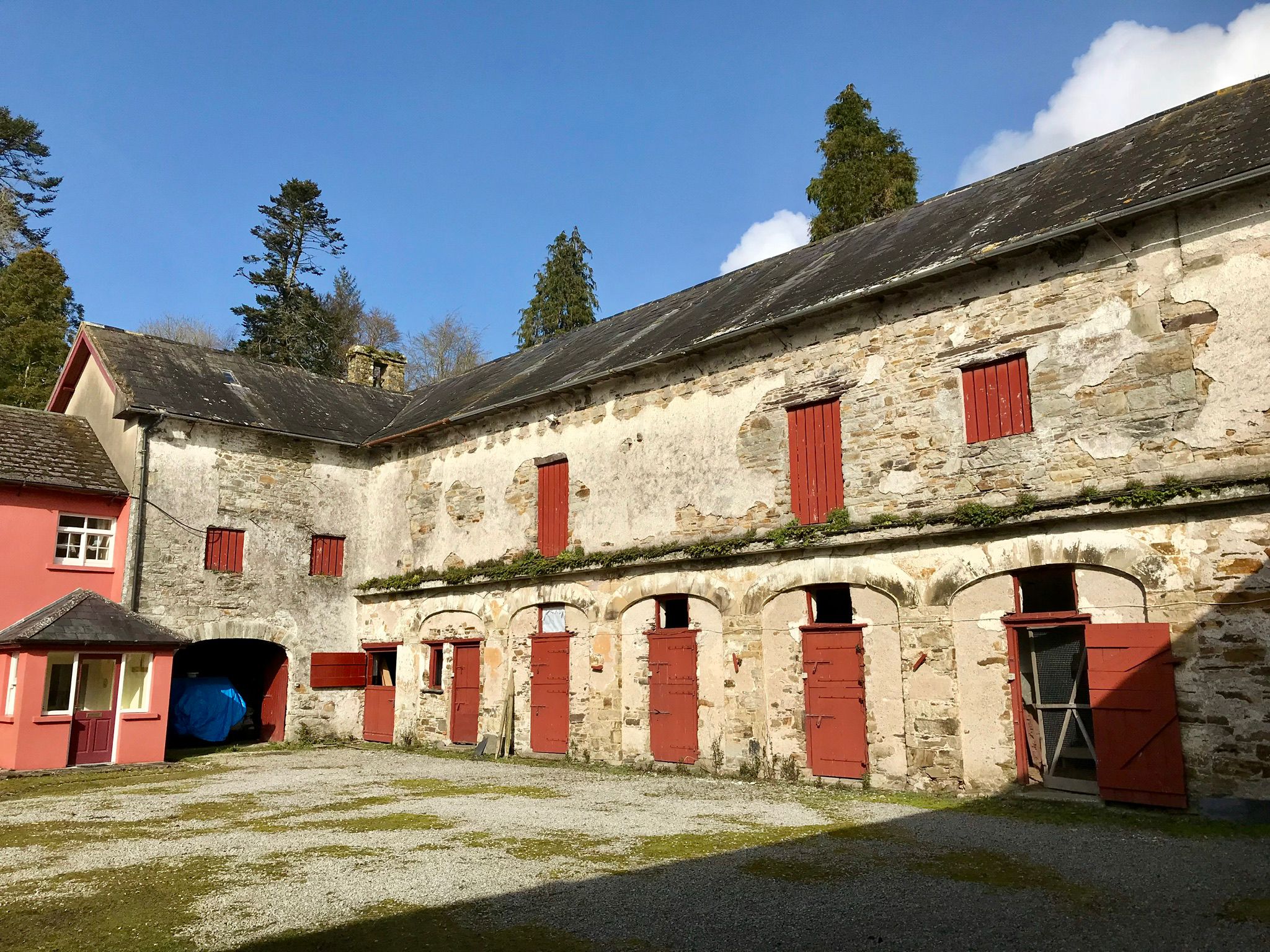
We then walked over to Old Cappagh and the stable yards. The Chavasses have some self-catering options, it would be a lovely base from which to explore more of County Waterford!
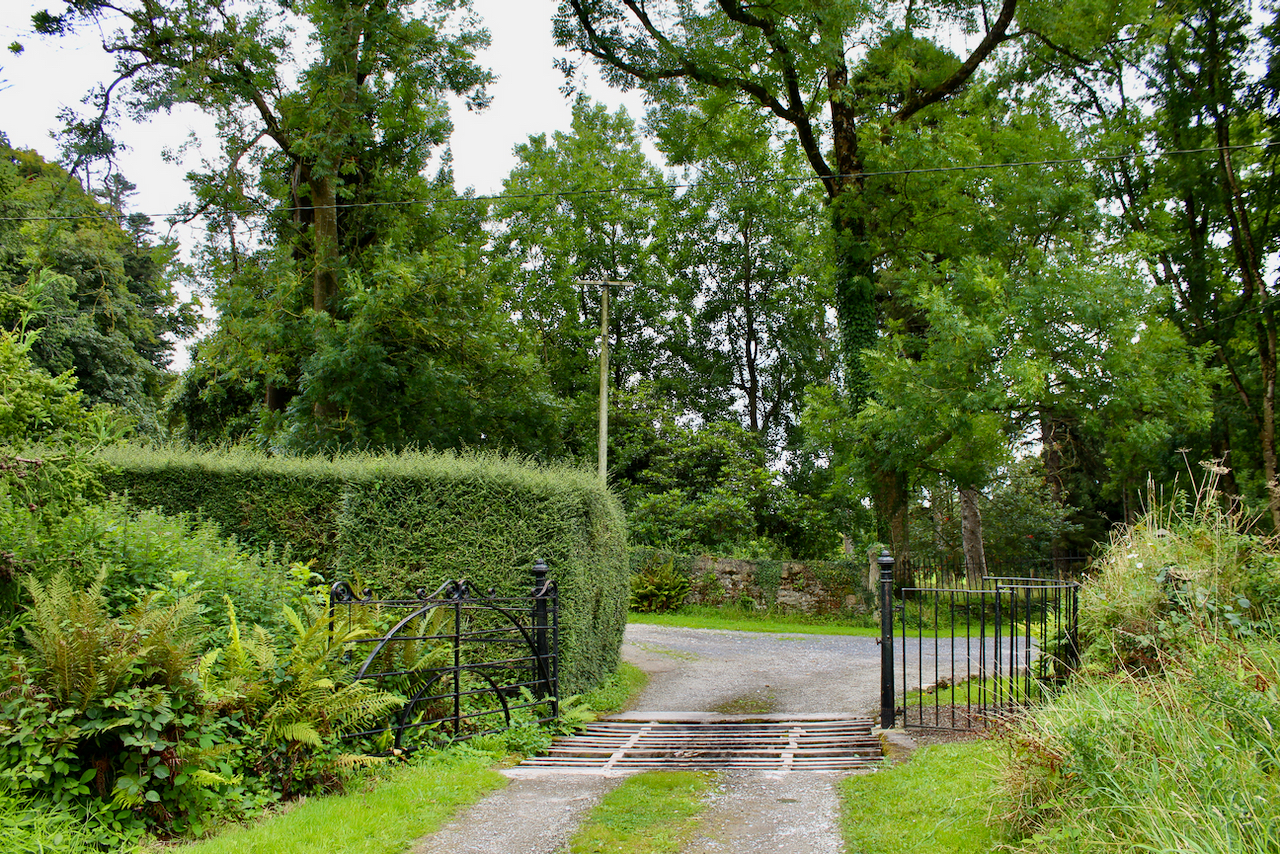
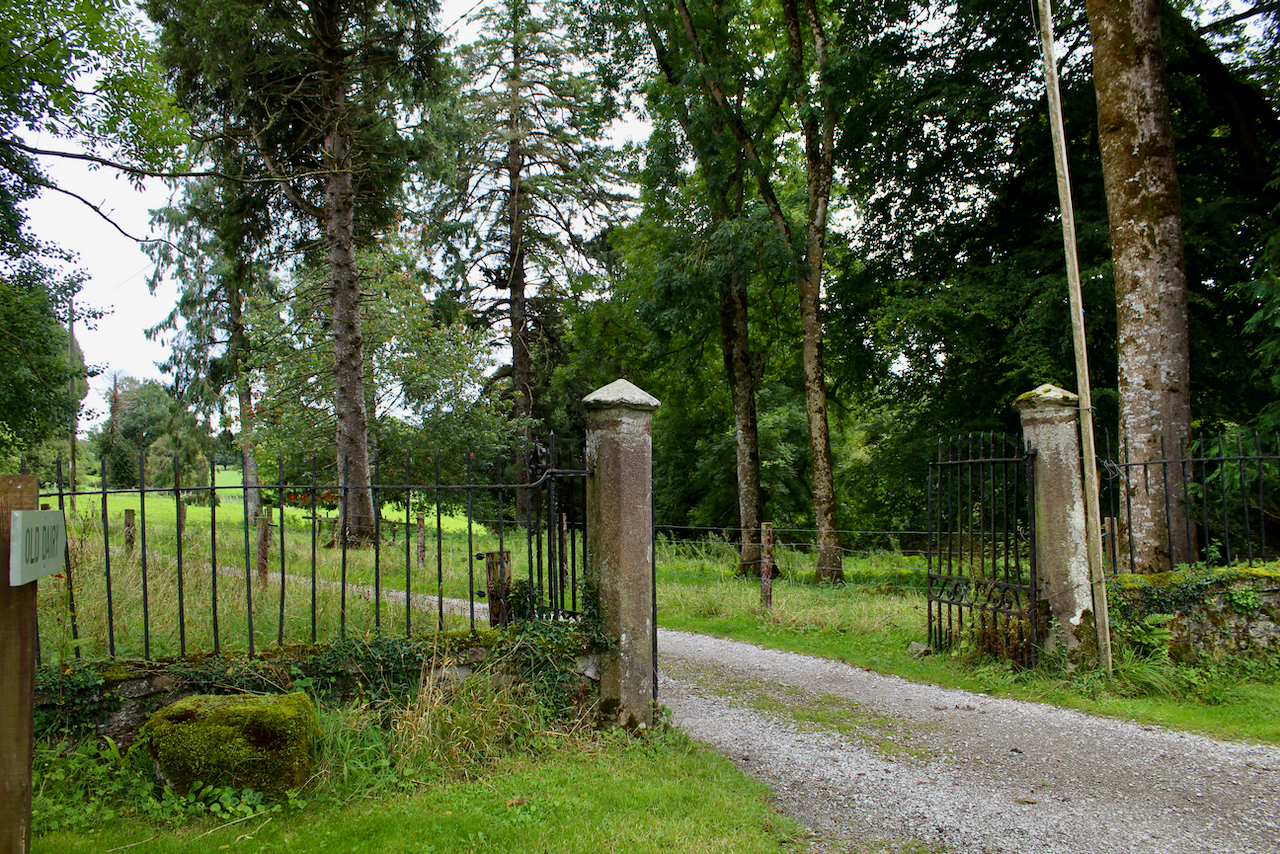
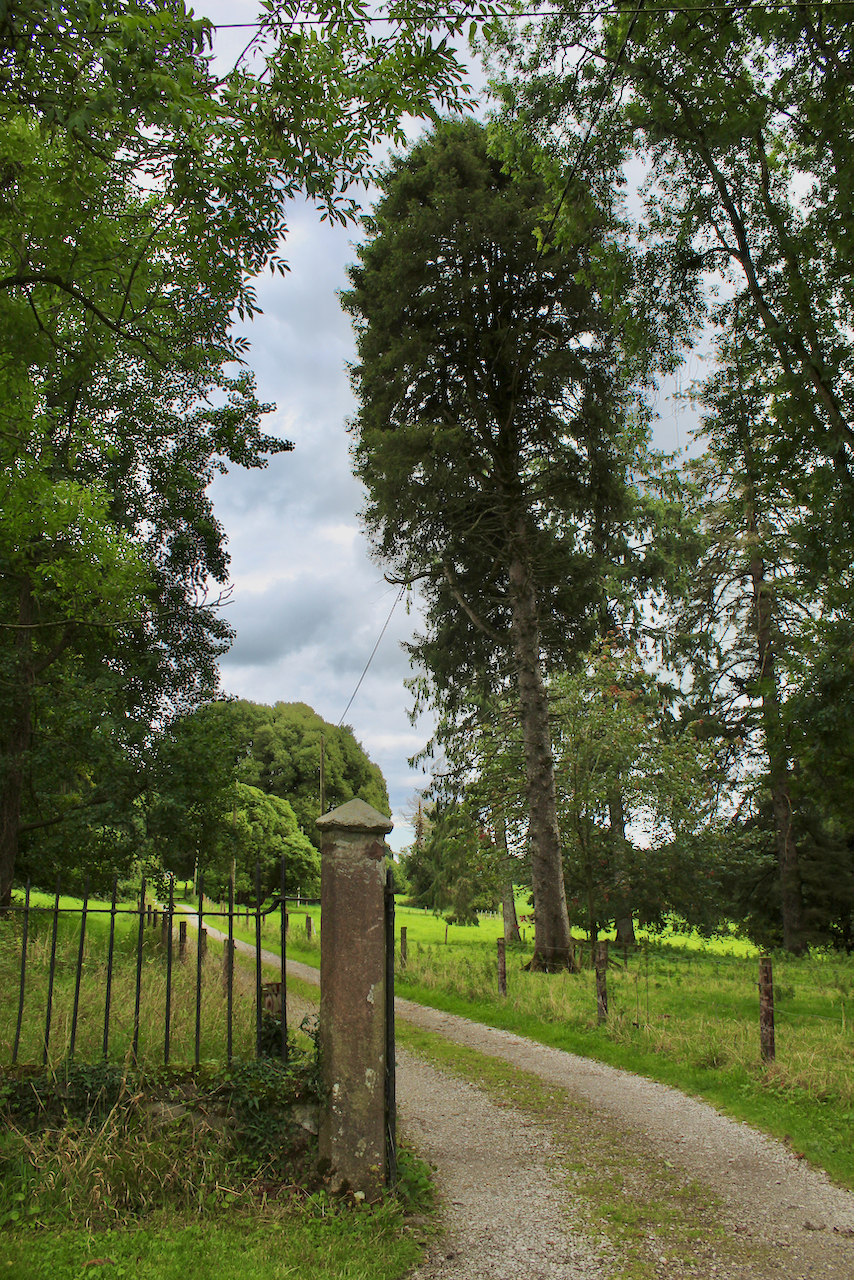

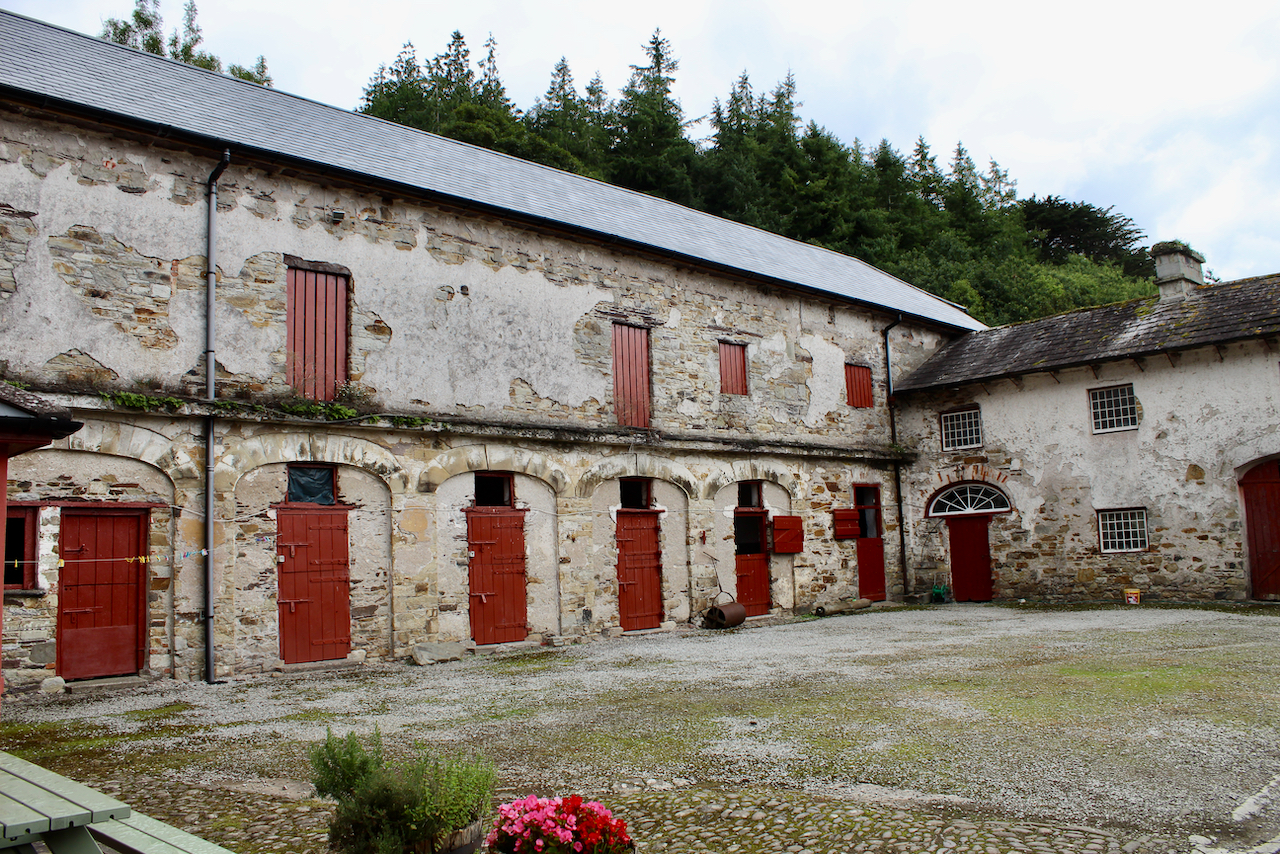
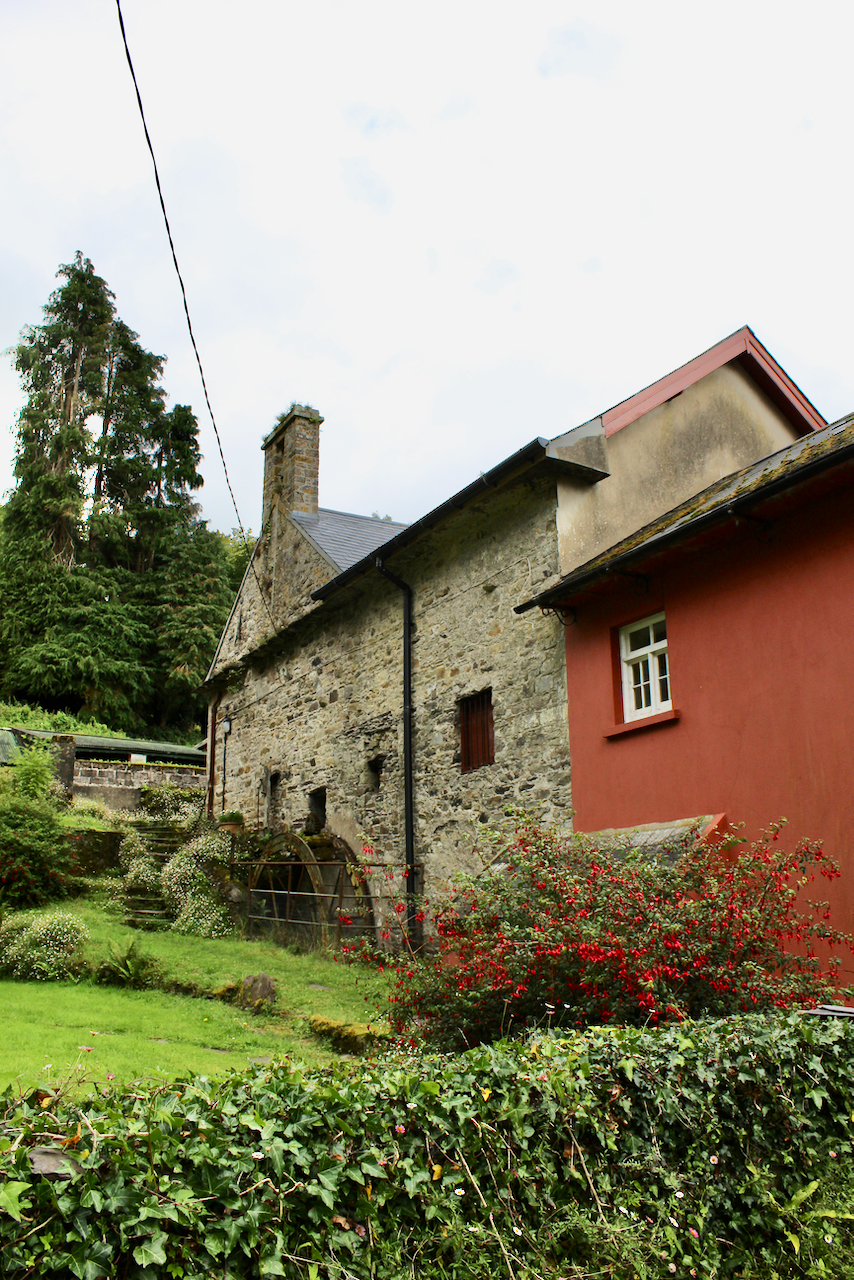
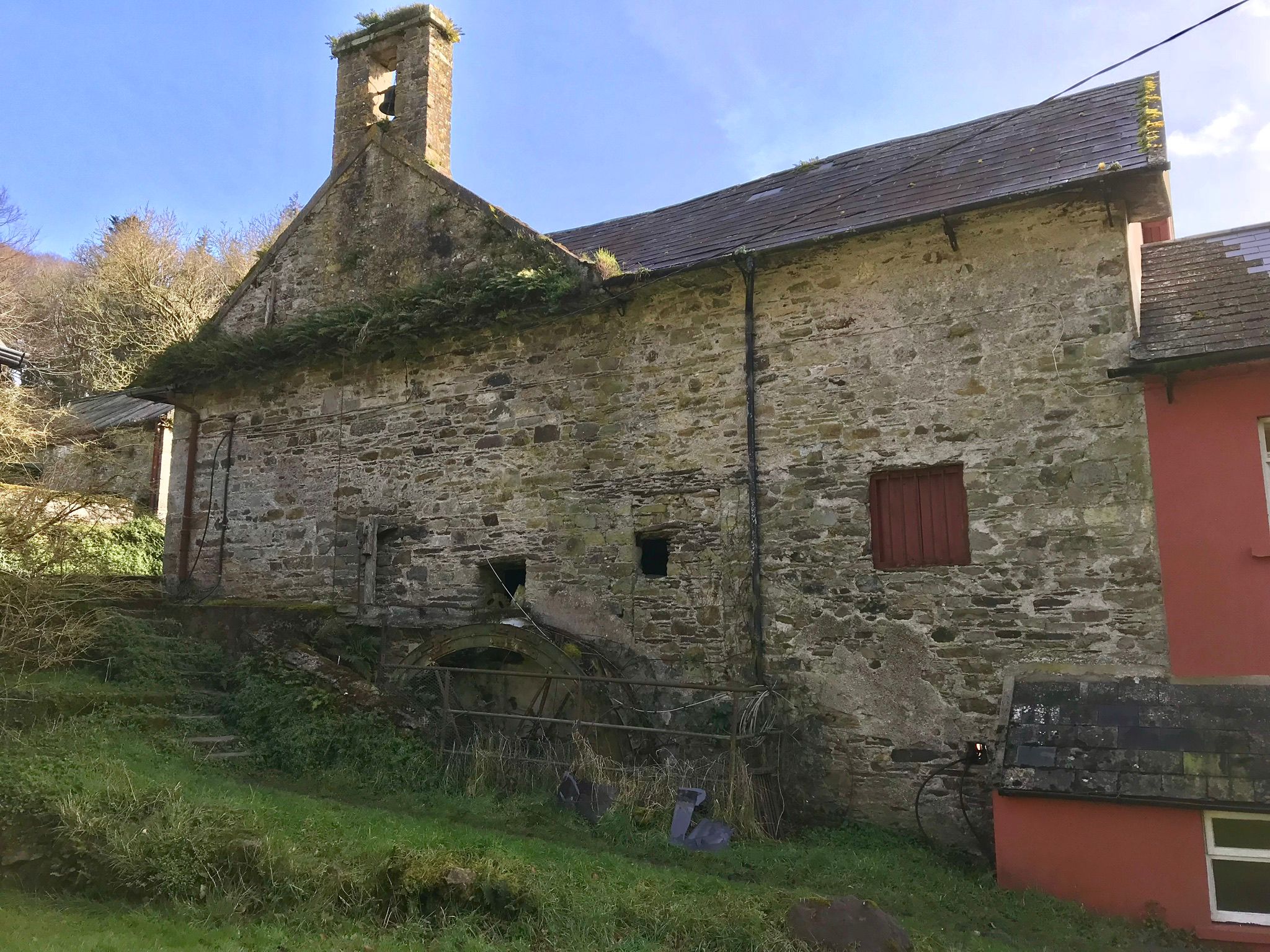
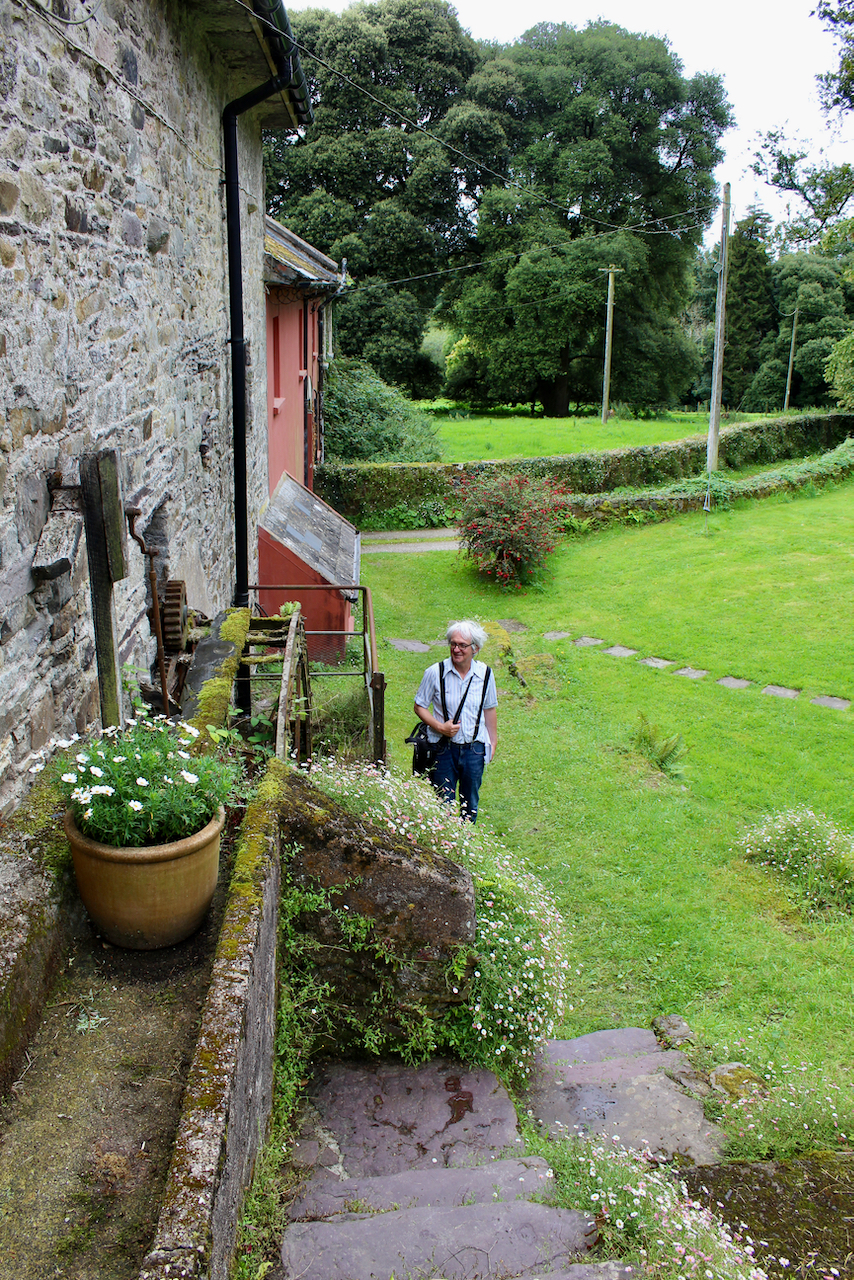
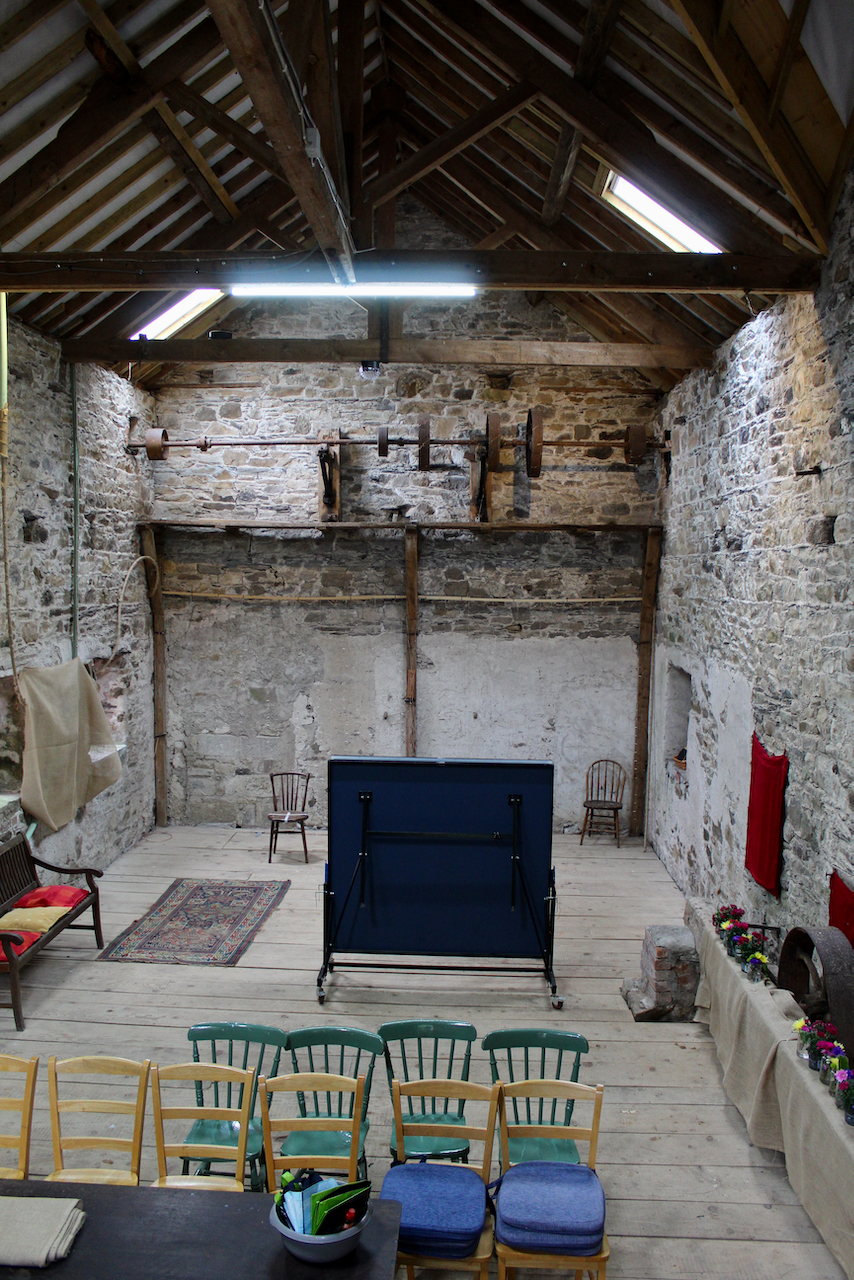
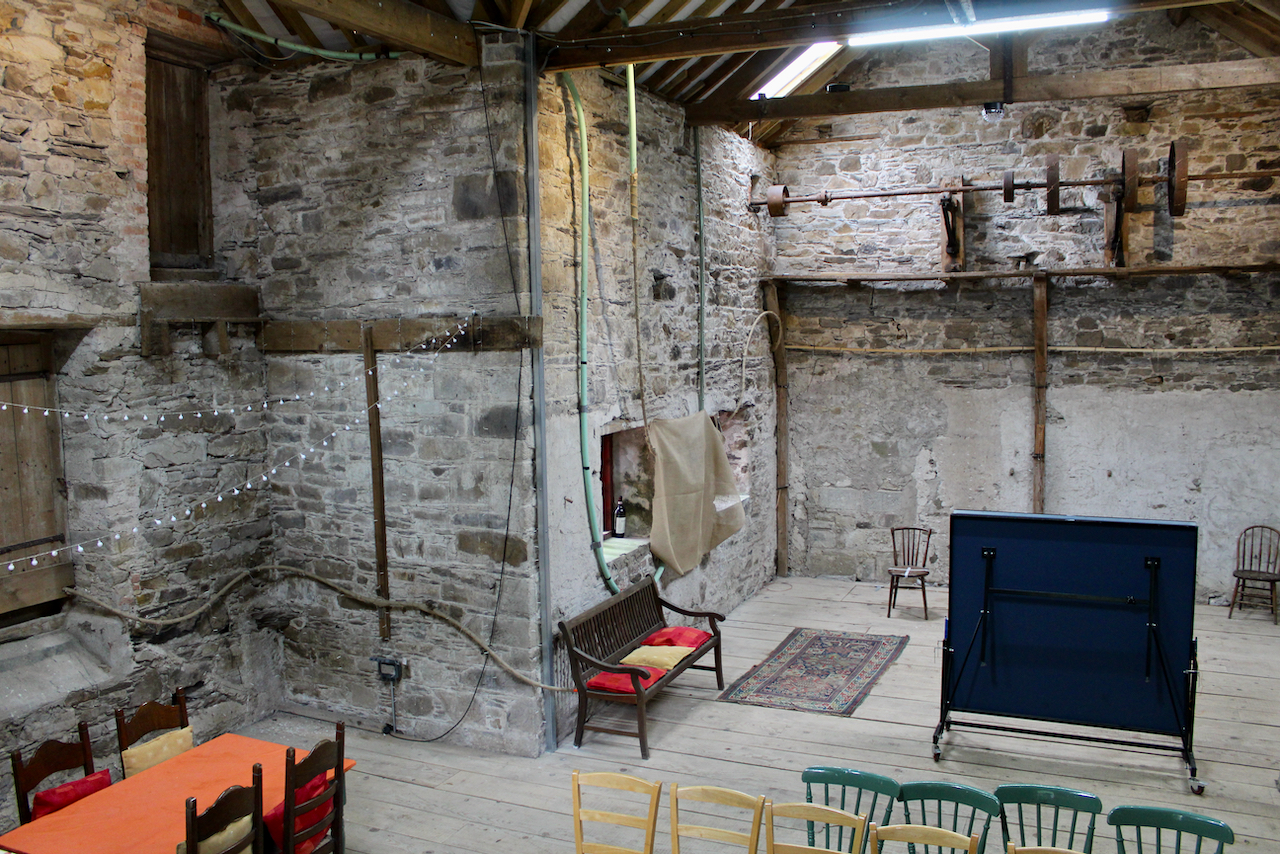
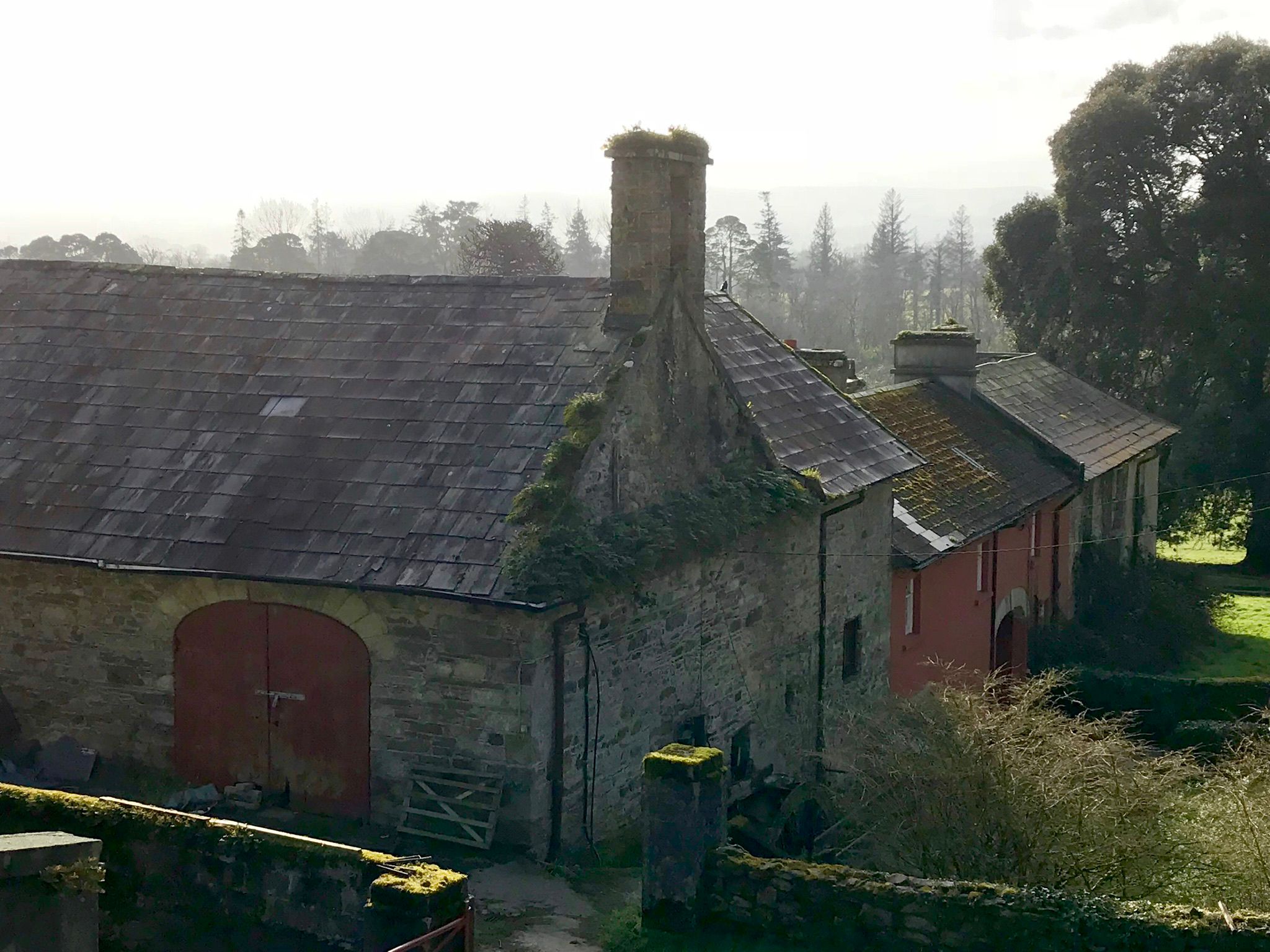
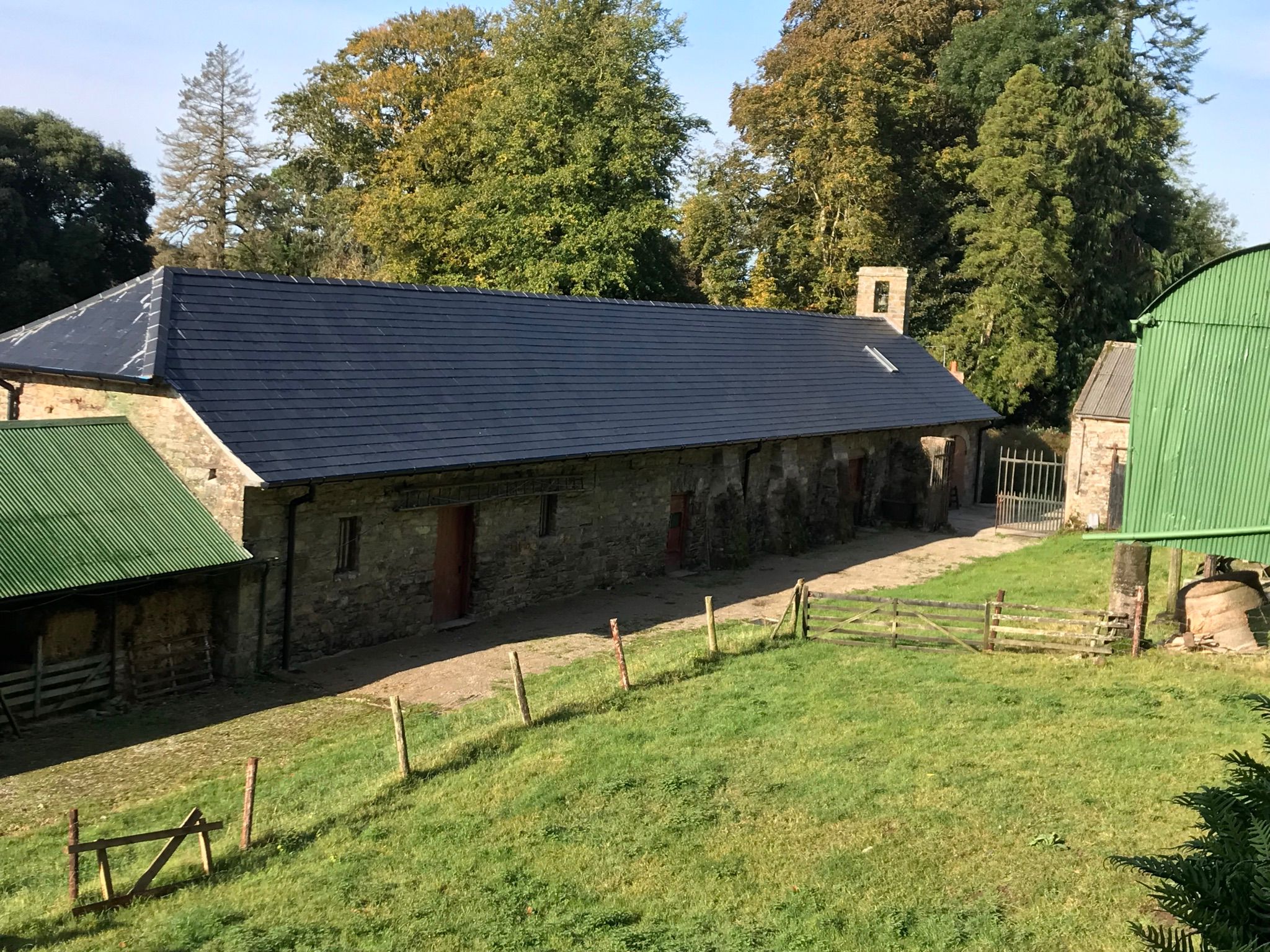
Access to the stable yards at both ends is through sandstone carriage arches. Claire and her husband renovated living quarters in the red barn and there’s also a small cottage next to the old mill. At the mill a mill wheel remains. A “leet” or channel of water travels from a stream over a mile away and was used to power the mill wheel and to provide water for the house. Over the mill wheel you can see a bell tower, the bell would have called farm workers from the fields at the end of the day.
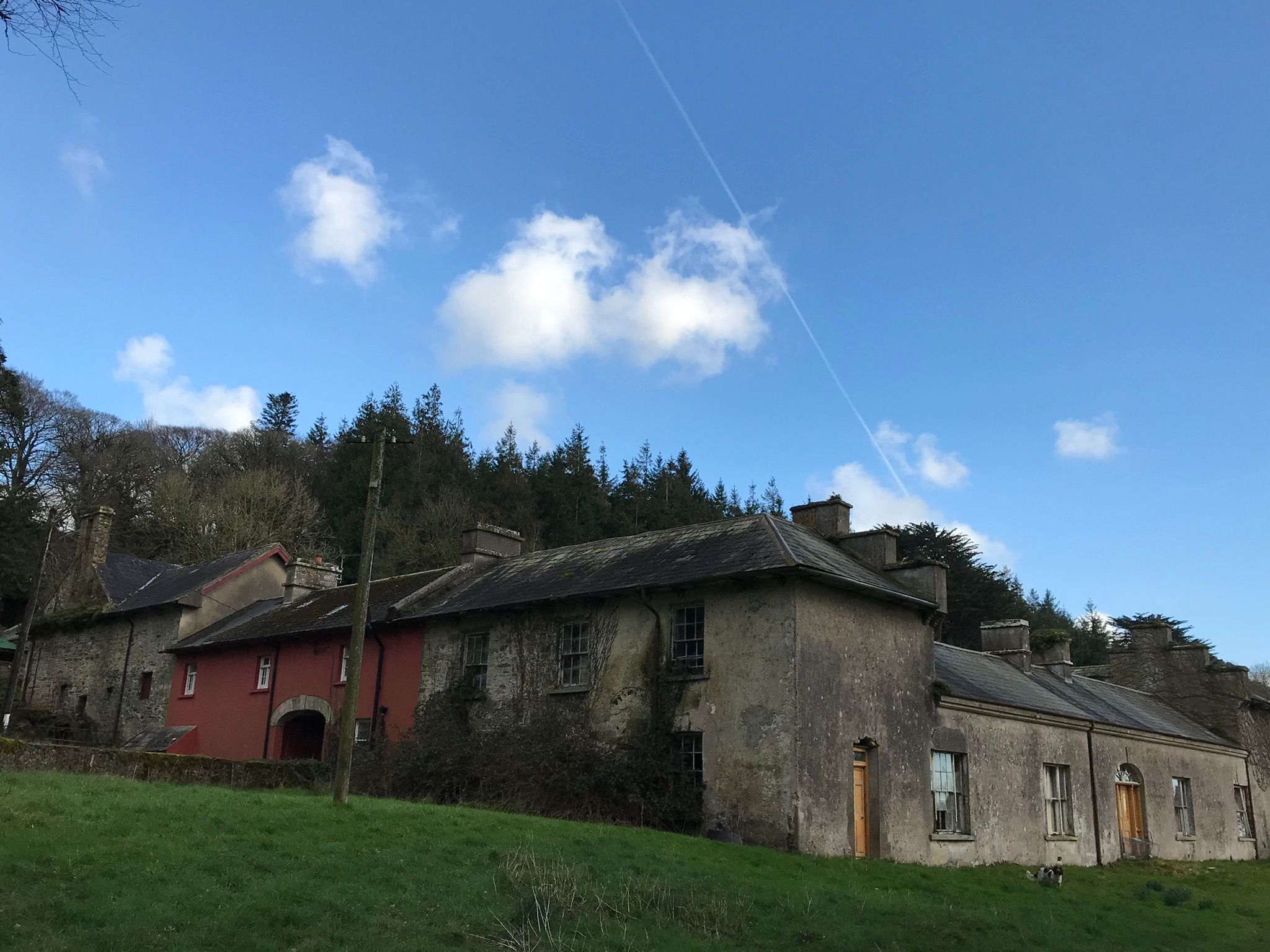
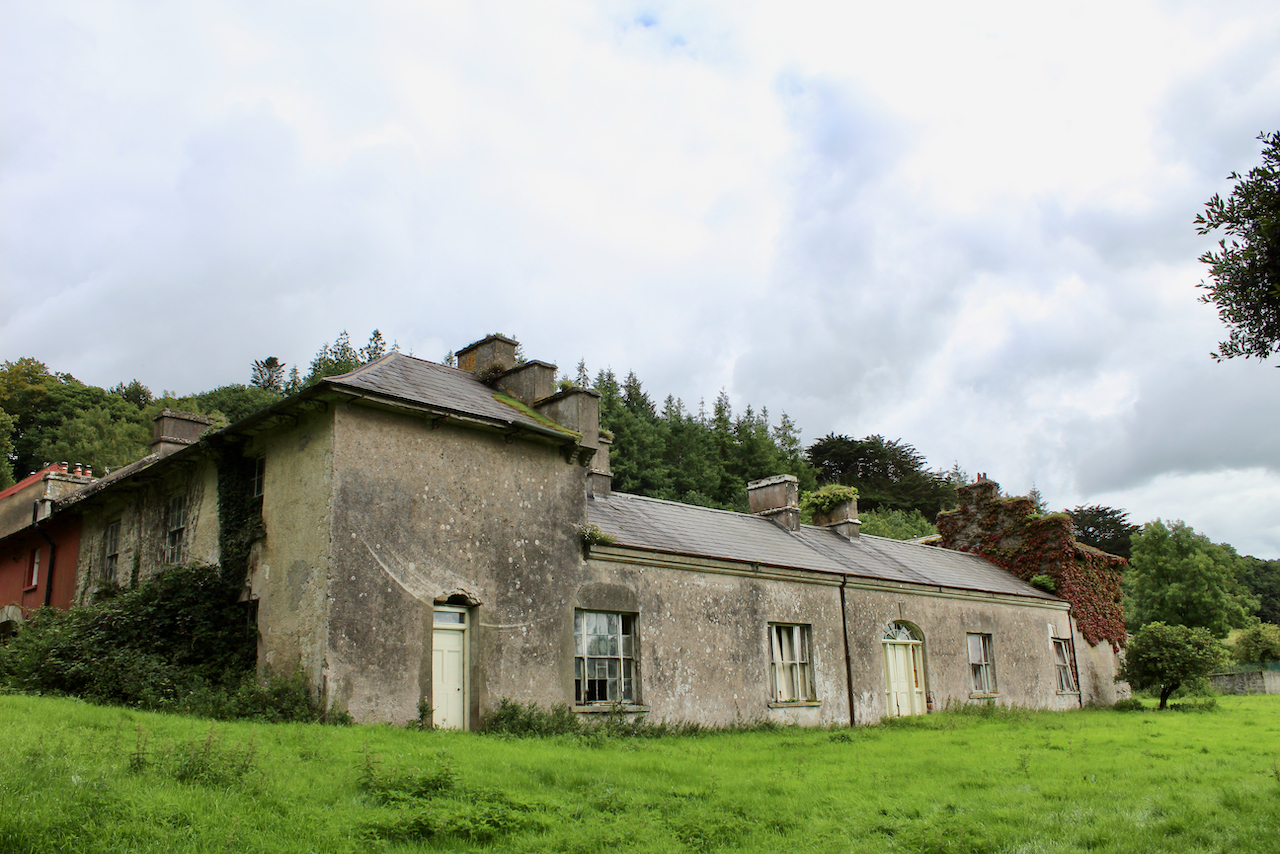
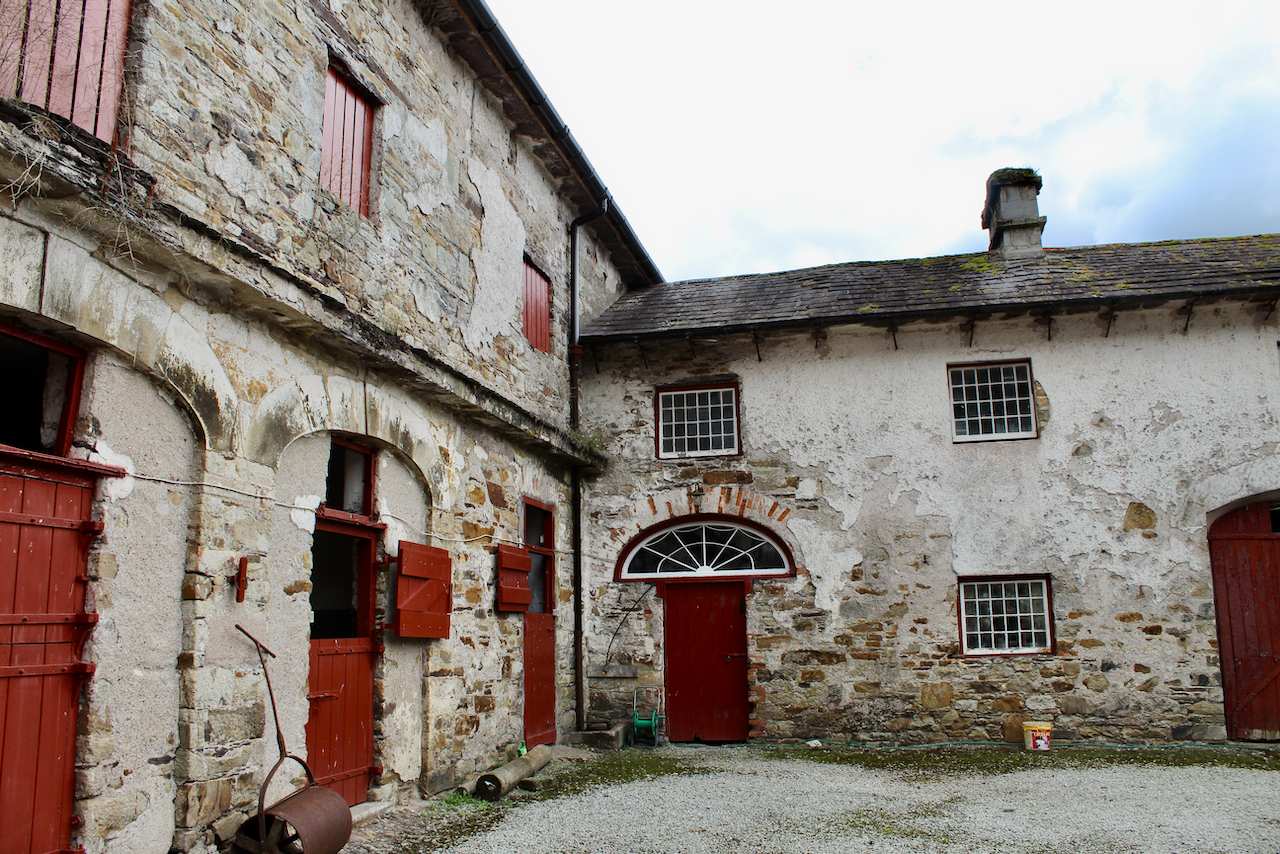
Old Cappagh is situated by the stableyard. It must have been started but not completed, as the end bays are taller than the house attached! The end bays are two storeys, one bay across and two bays deep, and the middle section of the house is one storey, five bays across. It is split-level however, as the back of the house rises to two storeys and the staircase is in a bow visible at the back of the house.
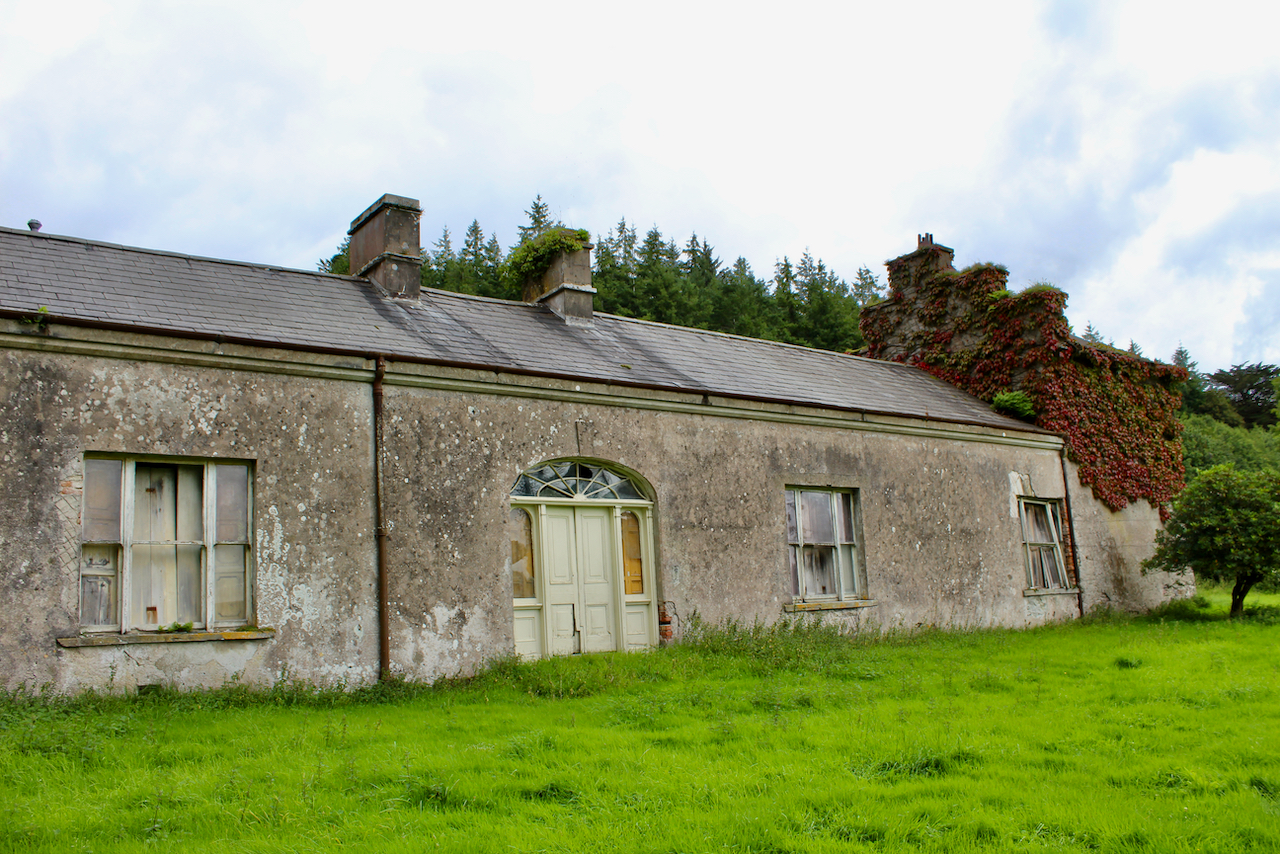
Old Cappagh house has a fine central doorcase with fanlight and sidelights. The back of the house has a central rounded bow, visible from the stableyard.
[1] https///www.biodiversitylibrary.org/page/46724140#page/236/mode/1up, Public Domain, https///commons.wikimedia.org/w/index.php?curid=98793540
[2] https://ia800302.us.archive.org/2/items/usshermemoirsorg00wrig/usshermemoirsorg00wrig.pdf
[3] p. 56, Bence-Jones, Mark. A Guide to Irish Country Houses published by Constable and Company Limited, London, 1988, previously published by Burke’s Peerage Ltd as Burke’s Guide to Country Houses, vol. 1 Ireland, 1978.
[4] https://www.dib.ie/biography/ussher-percy-arland-a8776
[5] https://www.waterfordmuseum.ie/exhibit/web/Display/article/226/Ussher_Richard_John_18411913.html
Text © Jennifer Winder-Baggot, www.irishhistorichouses.com
 Irish Historic Houses
2 thoughts on “Cappagh House (Old and New), Dungarvan, Co Waterford X35 RH51 – section 482”