I am republishing this as a separate entry. Sorry not to have a Section 482 property to write about this week – still one to write up, and we haven’t been visiting as we’ve been looking for our own house to buy in the countryside – it won’t be a Georgian house, unfortunately! I hope to get back to visiting Section 482 properties eventually….
The website tells us:
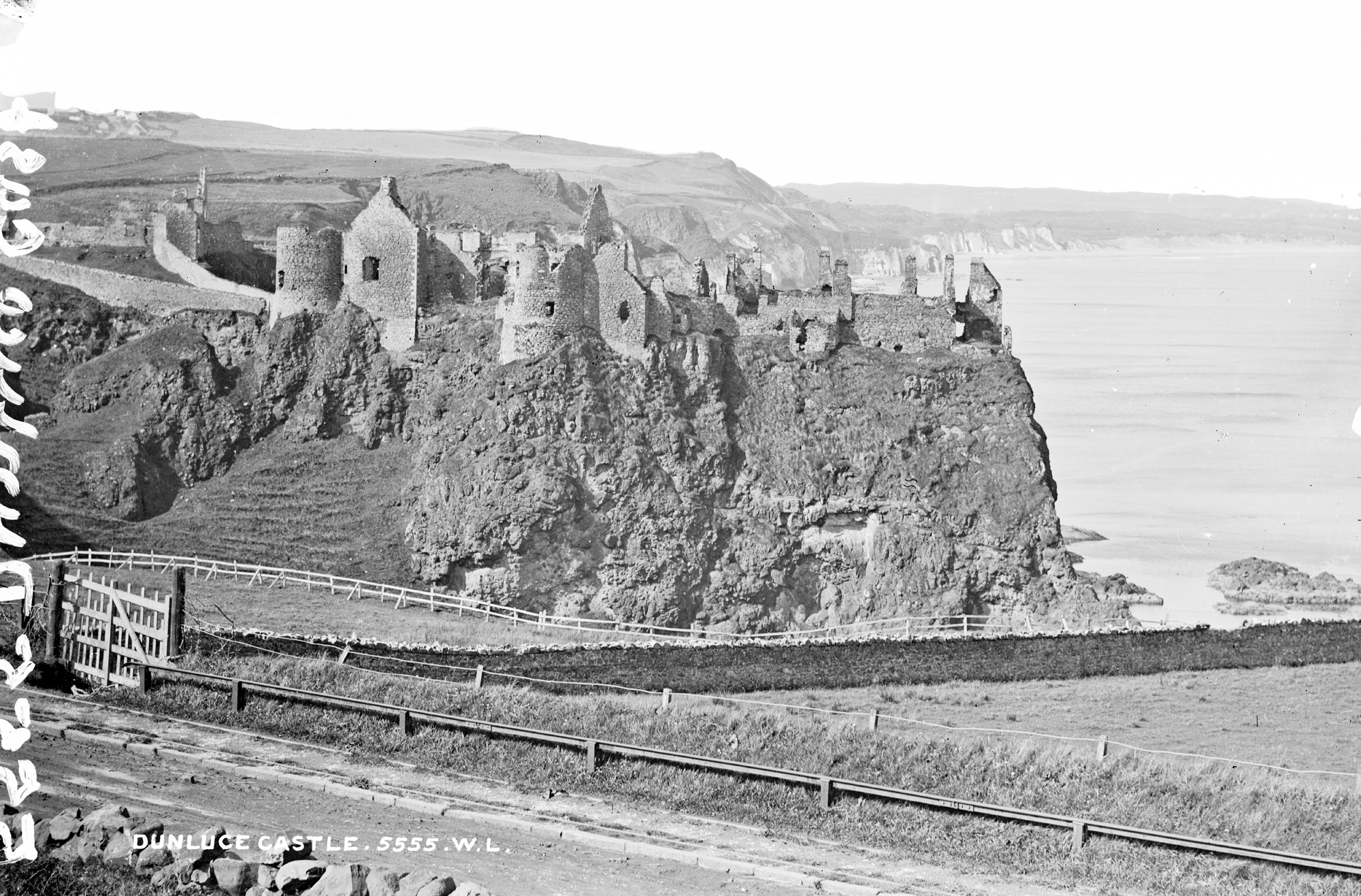
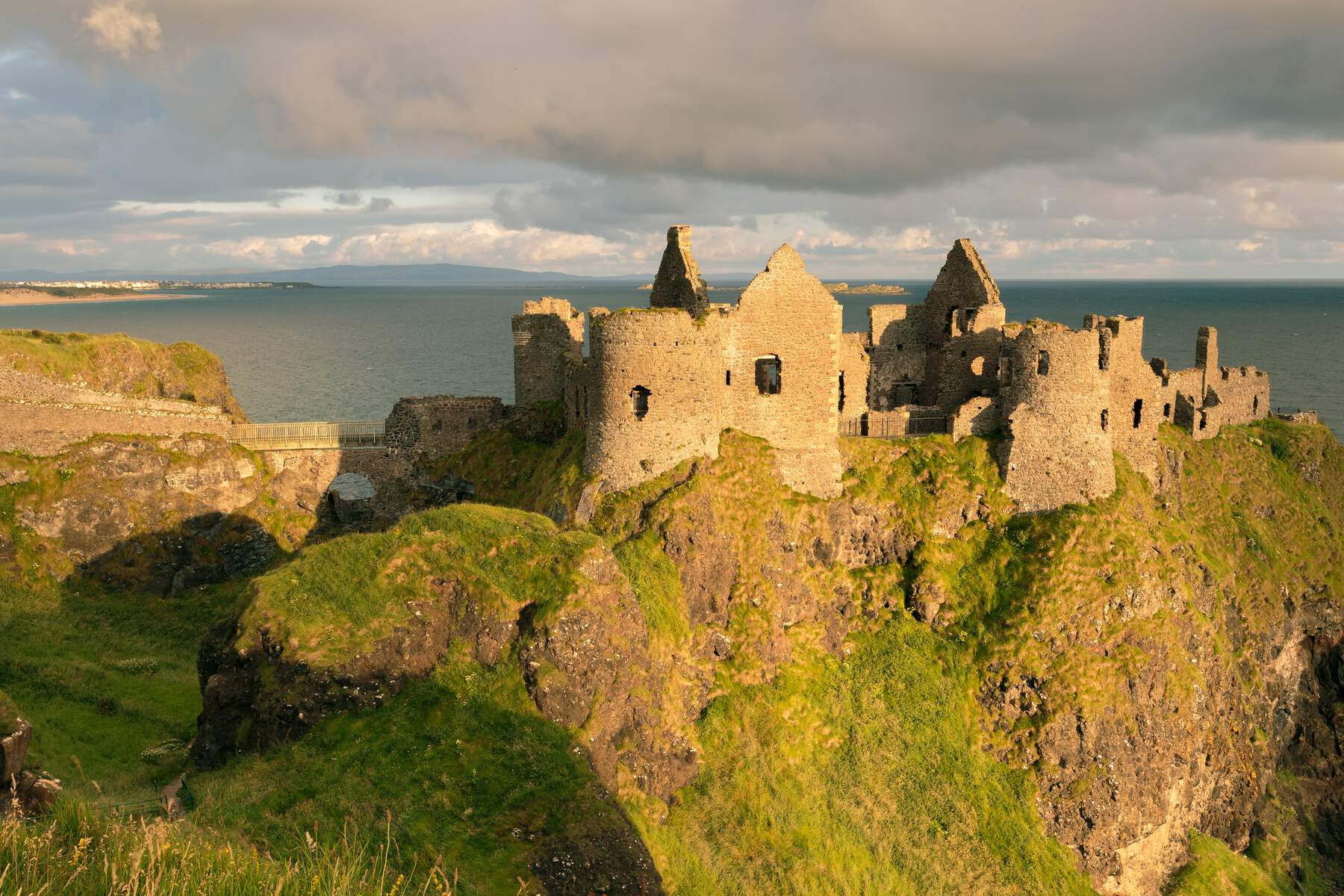
“With evidence of settlement from the first millennium, the present castle ruins date mainly from the 16th and 17th centuries. It was inhabited by both the feuding MacQuillan and MacDonnell clans. Historical and archaeological exhibits are on display for public viewing.
Opening Hours: Please check before visiting as public access may be restricted.“
We visited in June 2023.


The storyboards tell us that Colla MacDonnell was head of the clan and overthrew the MacQuillans, and that when he died in 1558, Dunluce passed to his brother, Sorley Boy MacDonnell. The MacDonnells had more castles up along the coast. Sorley Boy had to spend much time in battle defending his territory. In 1565 he was captured by Shane O’Neill and held hostage for two years.
Sorley Boy married Mary O’Neill, daughter of Conn Baccach O’Neill (1484-1559), 1st Earl of Tyrone. Families intermarried to form alliances.
In 1563, an expedition of the Walter Devereux, 1st Earl of Essex, massacred Sorley Boy’s troops on Rathlin Island, across the bay from his castle, when they had fled there for safety.
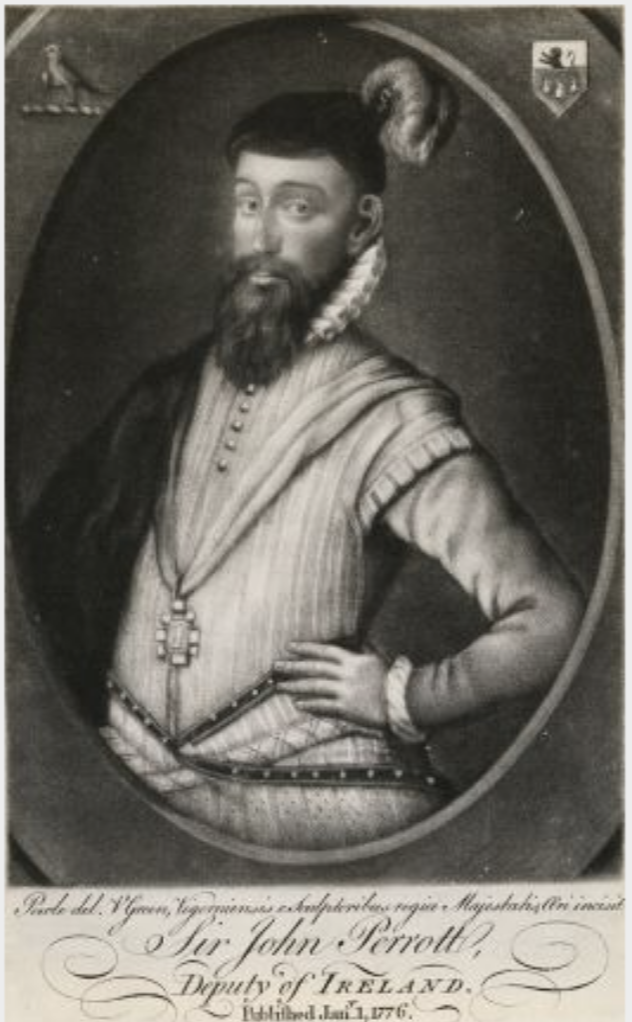
Dunluce Castle was captured in 1584 by John Perrot, Lord Deputy of Ireland. Sorley Boy’s troops scaled the cliffs to attack and recapture the castle. Sorley Boy surrendered to Queen Elizabeth in order to be rewarded his lands again, under “Surrender and Regrant.” Sorley Boy died in 1589.

The sign boards tell us that after Sorley Boy’s death in 1589 he was succeeded by his third son, James. James died in 1601 and was succeeded by his brother, Randall Arranach MacDonnell (1556-1635). He fought against the English in the Battle of Kinsale in 1601, but later sought to regain favour with the crown and again surrendered and was regranted the lands of “the Route” and the Glens of Antrim, owning 330,000 acres. He was made Viscount Dunluce in 1618 and Earl of Antrim in 1620.

Mark Bence-Jones writes in his A Guide to Irish Country Houses:
“(McDonnell, Antrim, E/PB) The ancestral stronghold of the McDonnells, Earls of Antrim, dramatically situated at the end of a rocky promontory jutting out into the sea off the north Antrim coat. The castle, which was built at various periods from C14 to C17, eventually consisted of several round towers and a gatehouse with rather Scottish bartizans, joined by a curtain wall, with domestic buildings inside this enclosure. The latter included a mid-C16 loggia with sandstone columns, and a two storey Elizabethan or Jacobean house, with three large oriels. These two buildings were first of two courtyards into which the castle enclosure was divided; the other and lower yard containing offices and servants’ quarters. There were also buildings on the mainland, erected early C17. In 1639, part of the curtain wall of the castle collapsed into the sea, together with some of the servants’ quarters and a number of servants. After the Civil Wars, the castle was abandoned by the family in favour of Glenarm Castle, it is now a romantic ruin.” [2]
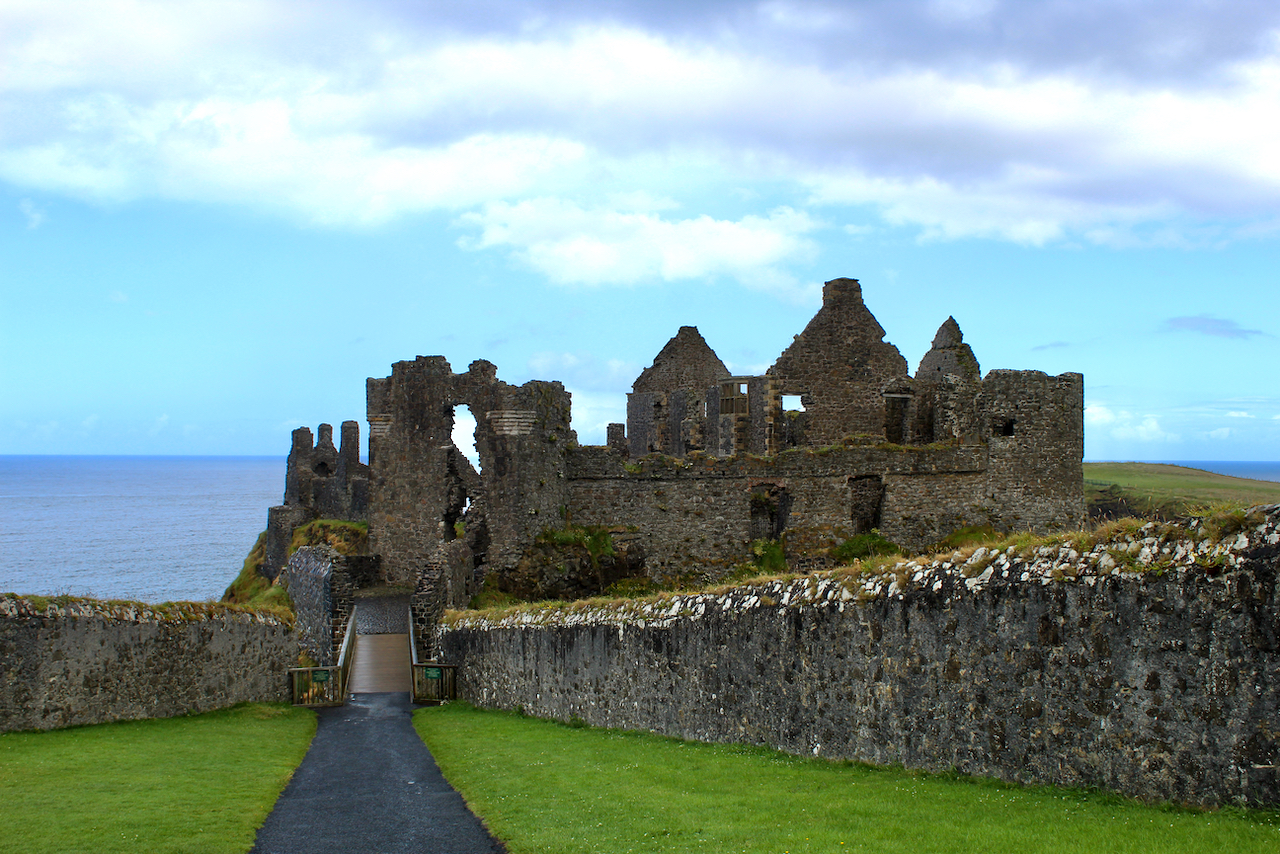


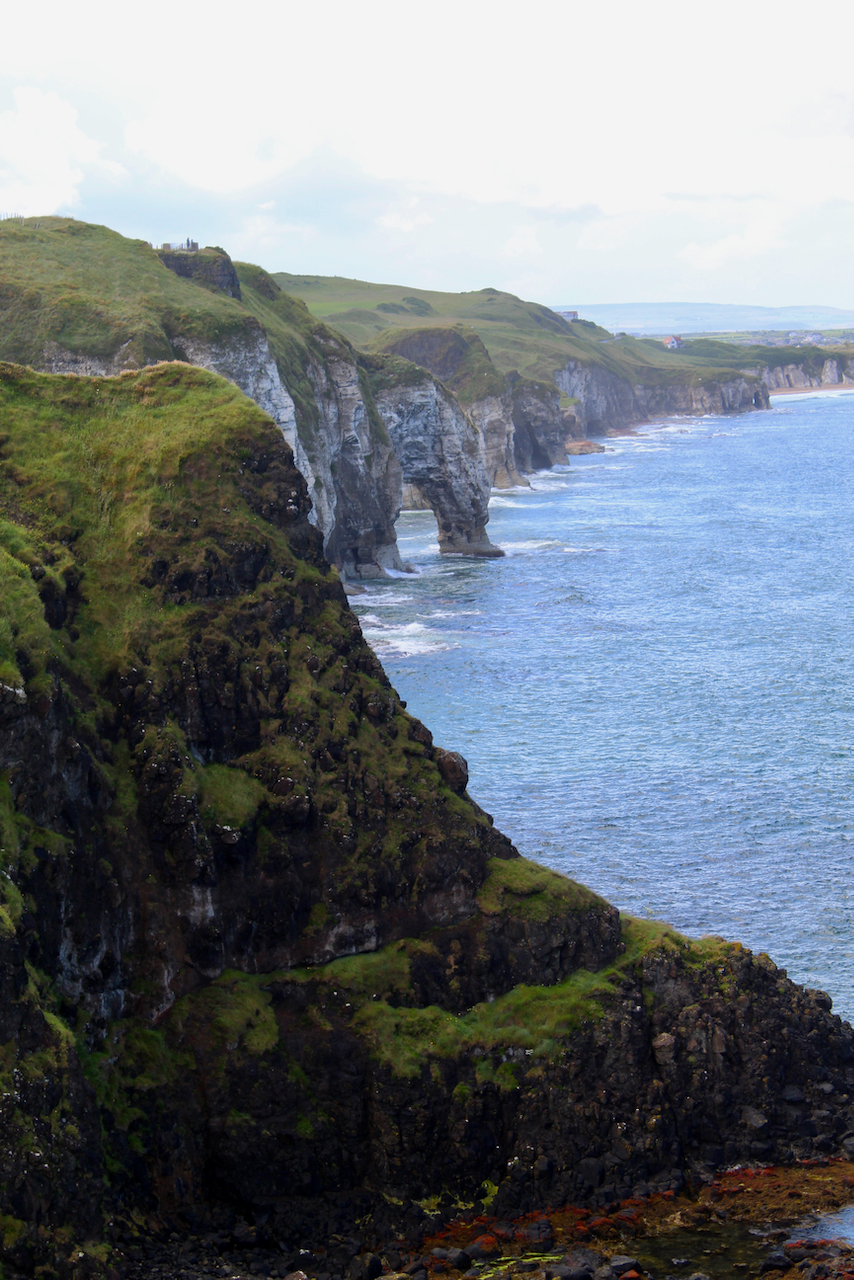

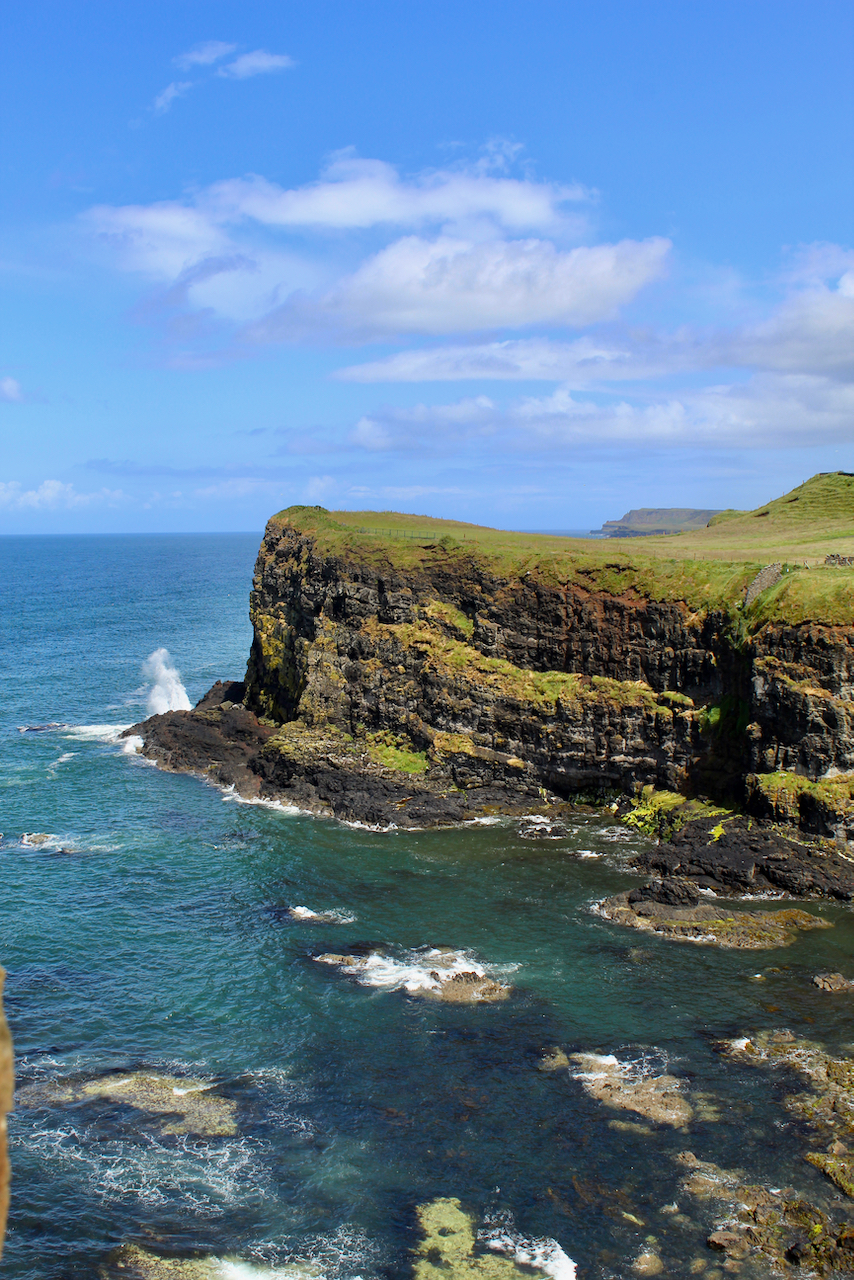

The structure consisted of the gatehouse and a curtain wall, with domestic buildings inside the enclosure. Signage tells us that Sorley Boy MacDonnell built the Scottish style gate house. About forty years later, Randal MacDonnell built a manor house, by 1620, inside the enclosure, of which we can see remnants. It was of two or three storeys and had three large oriel windows.


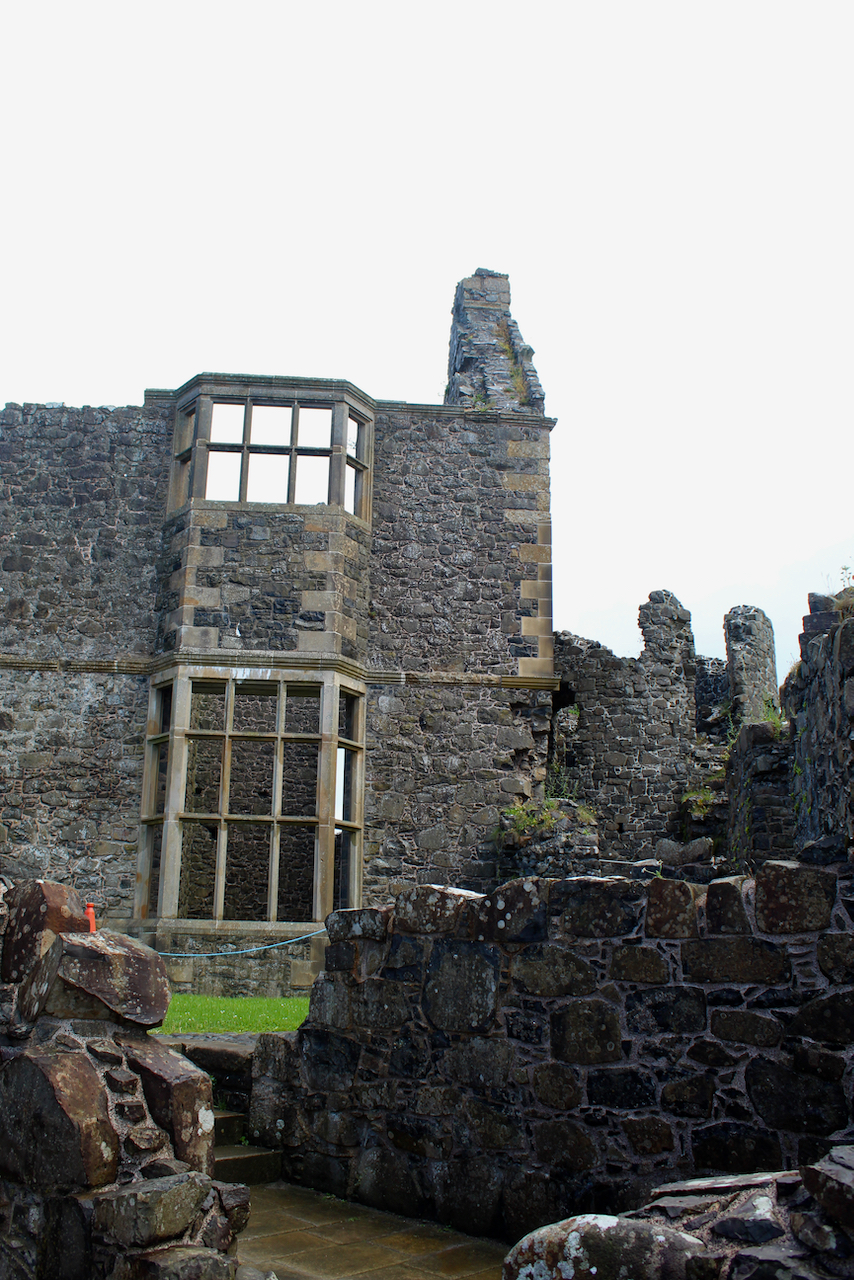


As Mark Bence-Jones writes: “The castle, which was built at various periods from C14 to C17, eventually consisted of several round towers and a gatehouse with rather Scottish bartizans, joined by a curtain wall, with domestic buildings inside this enclosure. The latter included a mid-C16 loggia with sandstone columns, and a two storey Elizabethan or Jacobean house, with three large oriels. These two buildings were first of two courtyards into which the castle enclosure was divided; the other and lower yard containing offices and servants’ quarters.“

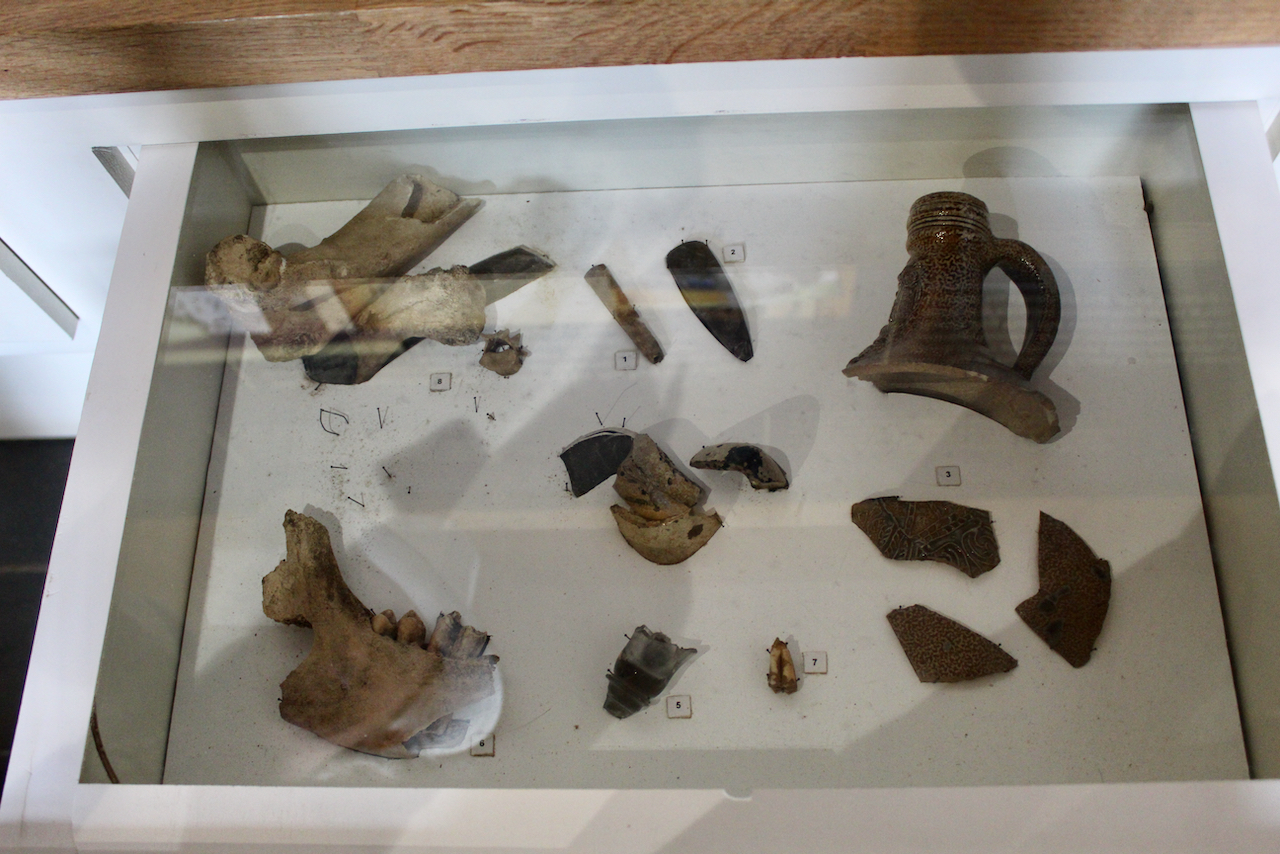
Archaeologists have recently unearthed remains of merchants’ houses and a forge, cobbled streets 11 metres wide, and an array of personal artefacts.




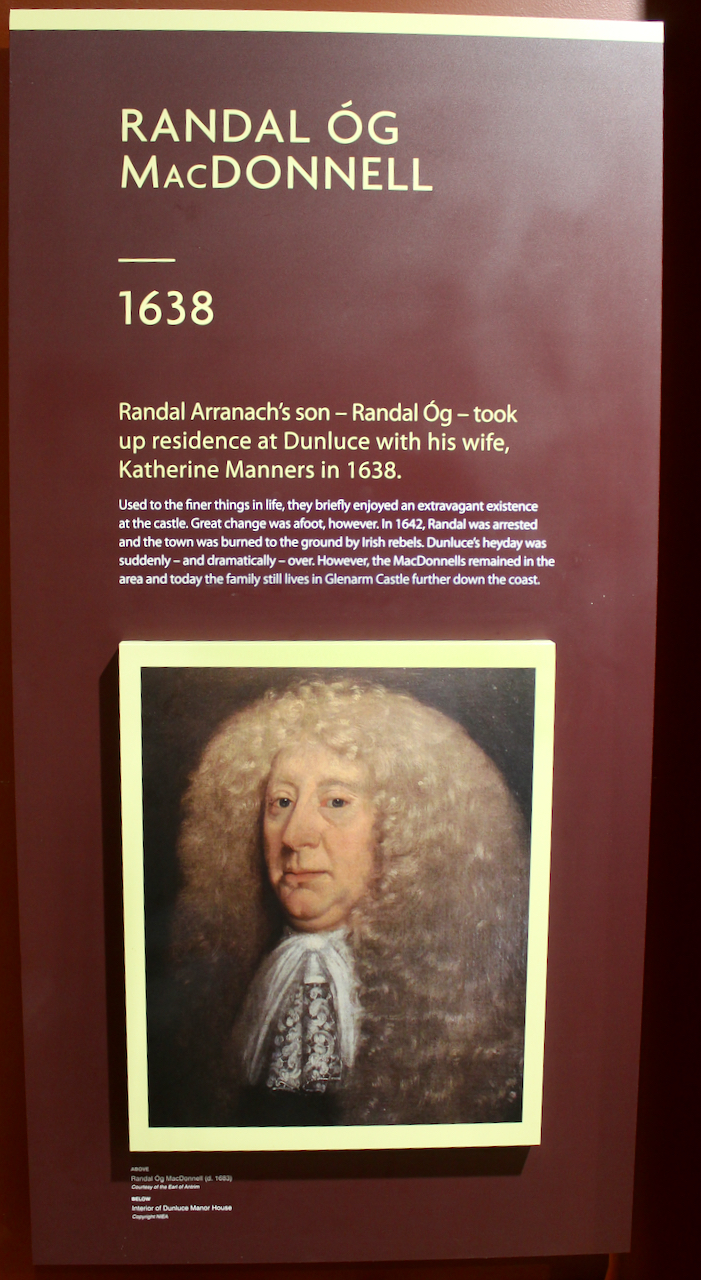
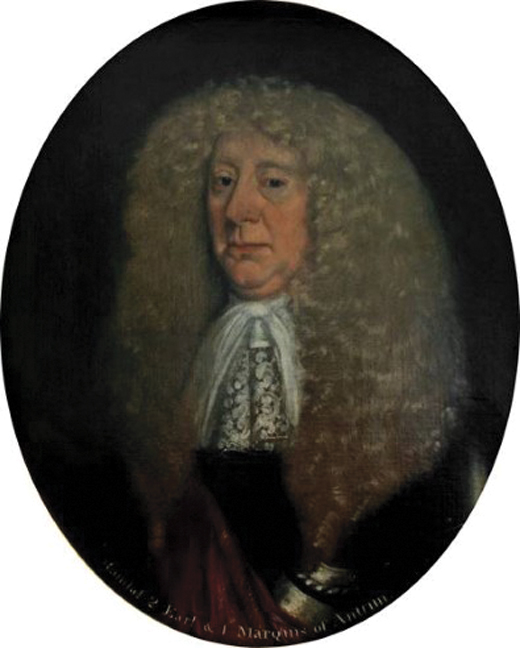
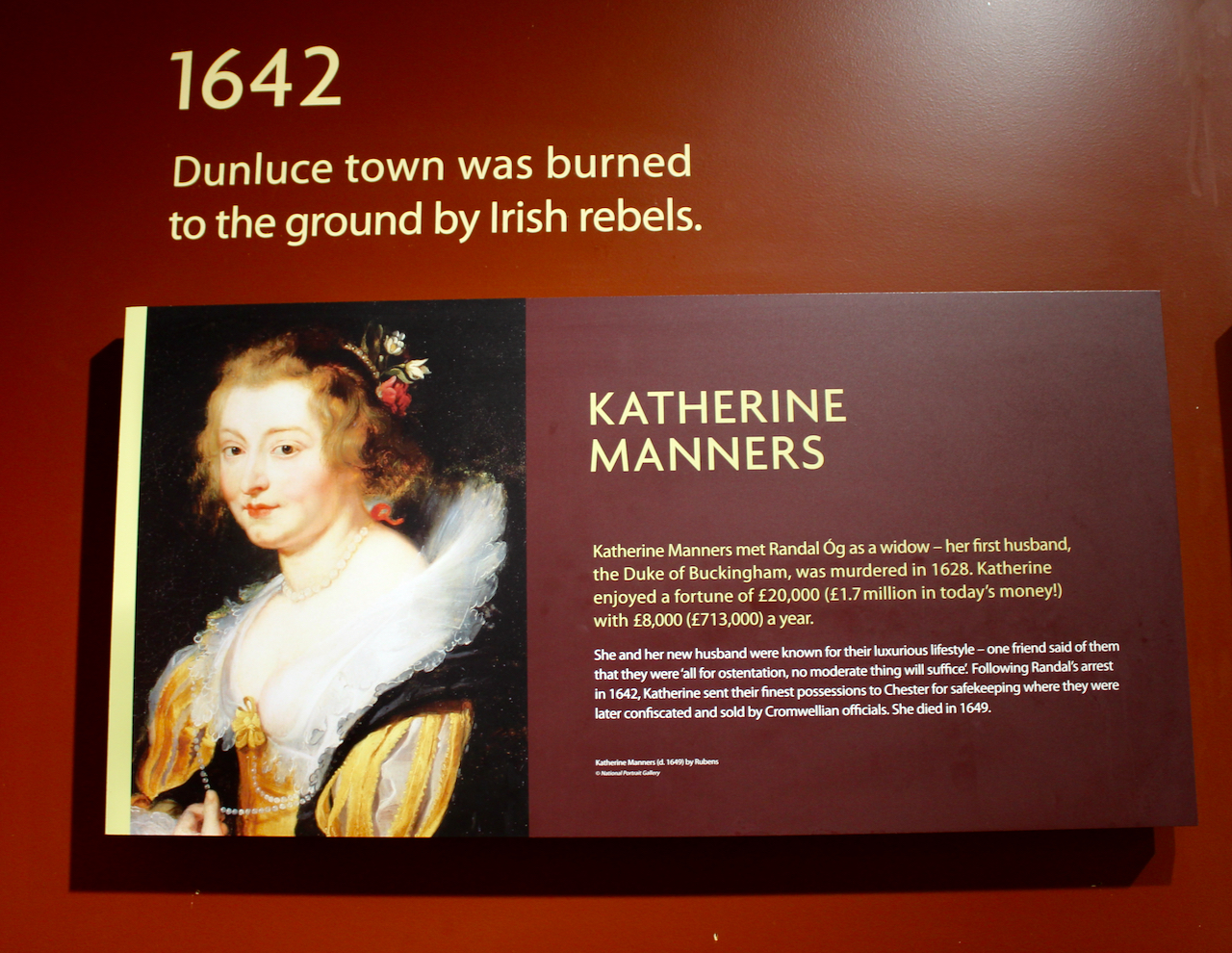
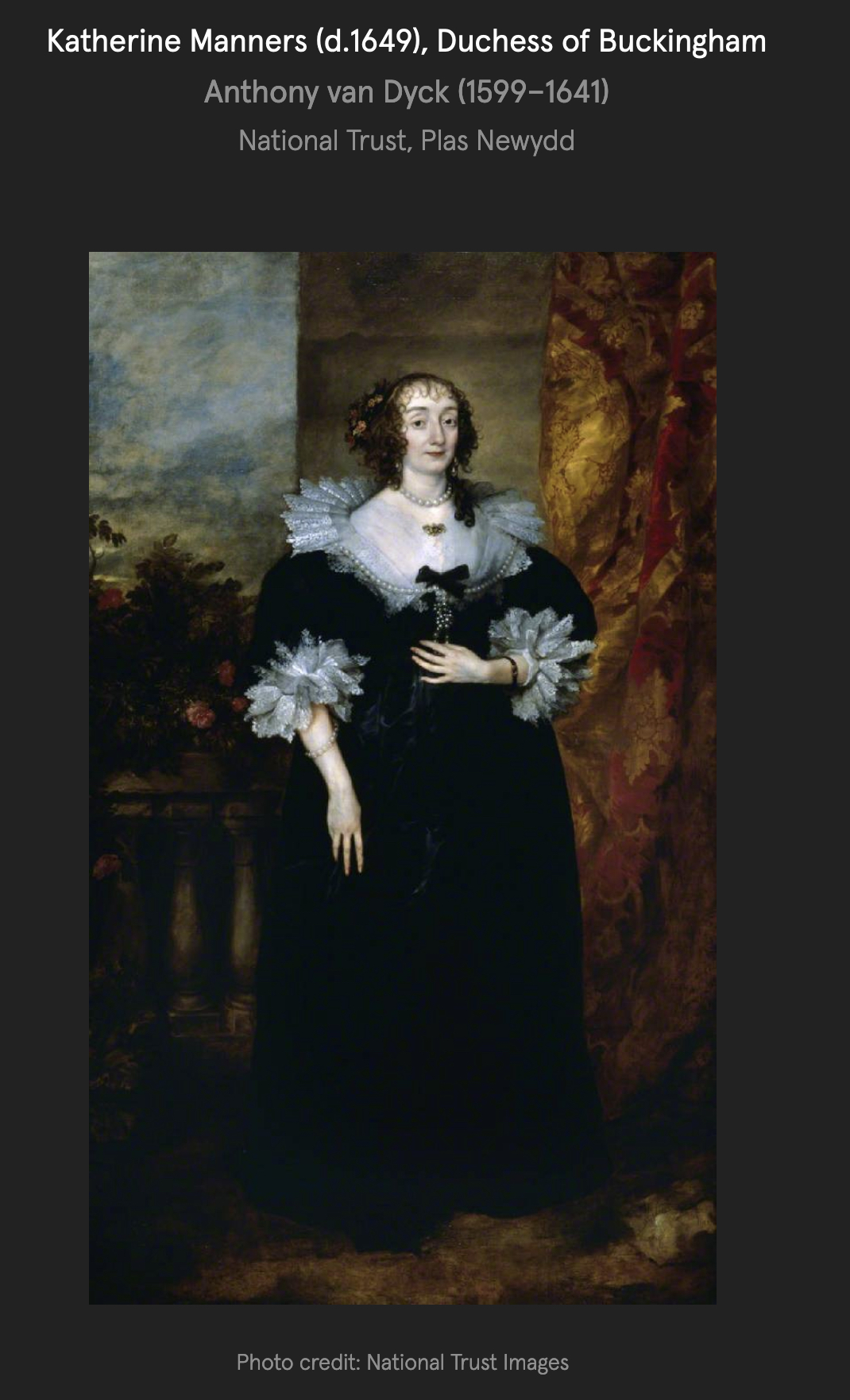
In 1642 Dunluce was burned to the ground. At that time, the next generation, Randal Macdonnell (1610-1682) 1st Marquess of Antrim and 2nd Earl of Antrim inhabited the castle, with his wife Katherine Manners, who was the widow of George Villiers, 1st Duke of Buckingham.

Before walking across to the Castle, you pass remains of ancilliary buildings.


[1] https://www.irelandscontentpool.com/en
[2] p. 116. Bence-Jones, Mark. A Guide to Irish Country Houses (originally published as Burke’s Guide to Country Houses volume 1 Ireland by Burke’s Peerage Ltd. 1978); Revised edition 1988 Constable and Company Ltd, London.
 Irish Historic Houses
3 thoughts on “Dunluce Castle (ruin), County Antrim, Northern Ireland”