Swiss Cottage, Ardfinnan Road, Cahir, County Tipperary:
General Information: 052 744 1144, swisscottage@opw.ie

donation
Help me to pay the entrance fee to one of the houses on this website. This site is created purely out of love for the subject and I receive no payment so any donation is appreciated!
€15.00
From the OPW website https://heritageireland.ie/visit/places-to-visit/swiss-cottage/:
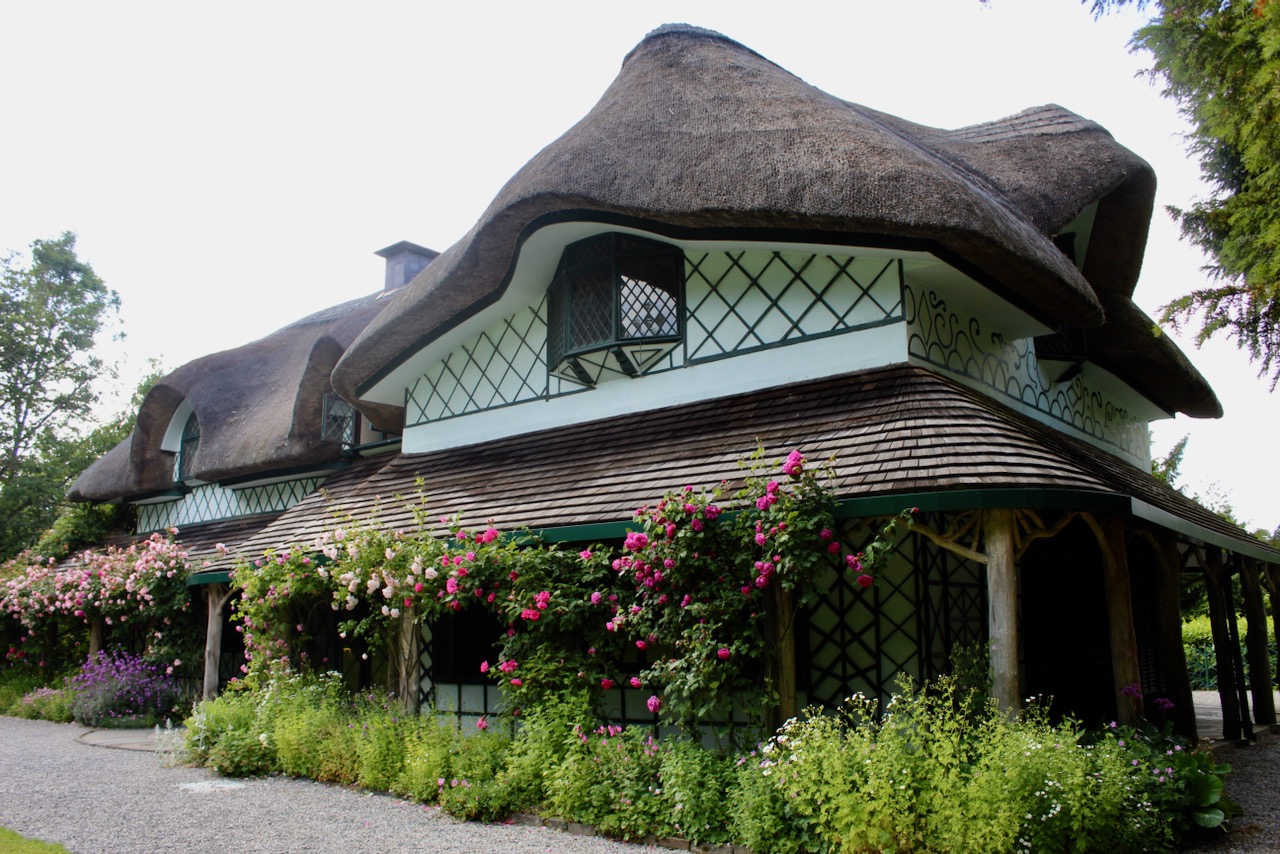
“The Swiss Cottage, just outside the heritage town of Cahir, is a cottage orné – a fanciful realisation of an idealised countryside cottage used for picnics, small soirees and fishing and hunting parties and was also a peaceful retreat for those who lived in the nearby big house.
“Built in the early 1800s [around 1810] by Richard Butler, 1st Earl of Glengall, who, we believe, managed to persuade world-famous Regency architect John Nash to design it [he also designed Buckingham Palace for the Crown]. Originally, simply known as “The Cottage” it appears to have acquired its present name because it was thought to resemble an Alpine cottage.
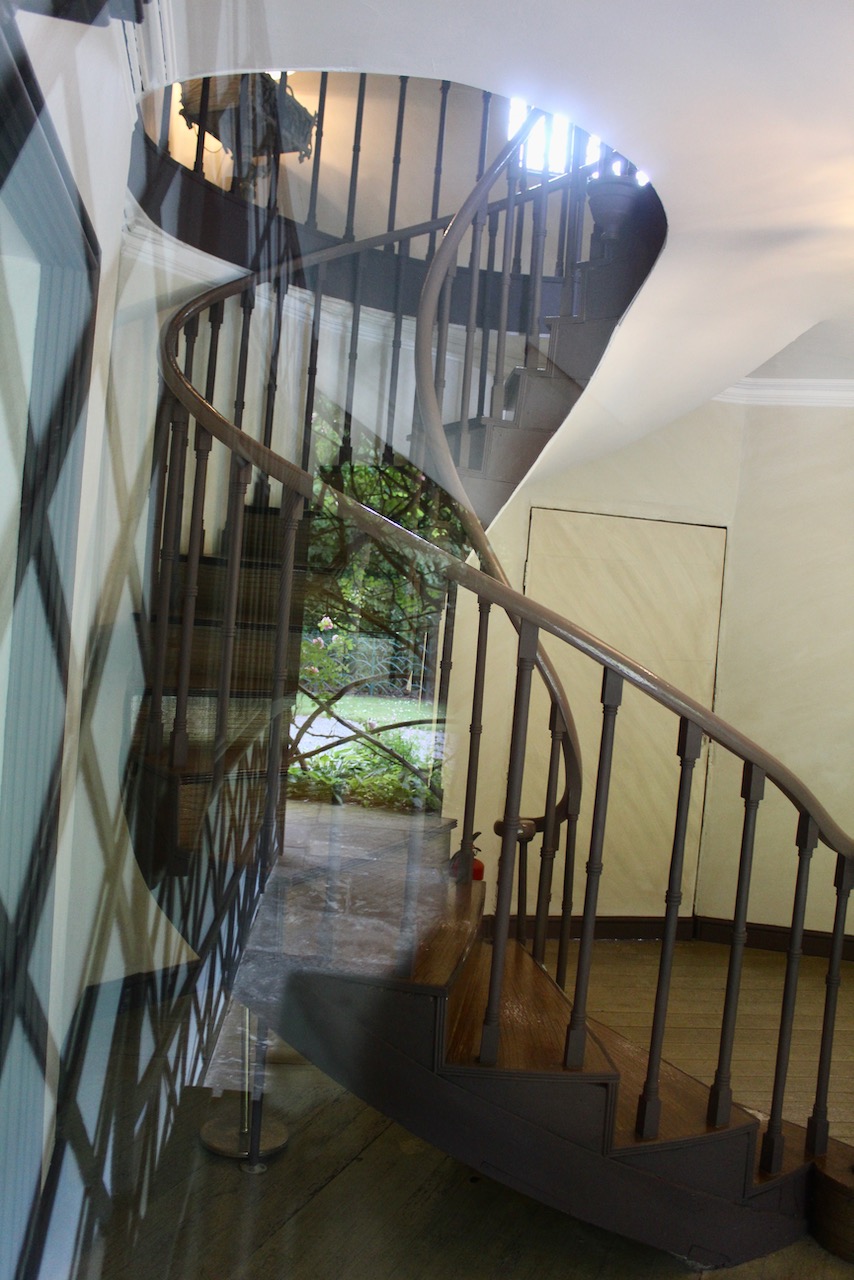
“Inside, there is a graceful spiral staircase and some exquisitely decorated rooms. The wallpaper is partly original and partly the fruit of a 1980s restoration project, in which the renowned fashion designer Sybil Connolly was responsible for the interiors.“
We visited the Swiss Cottage in June 2022. The guide told us that the Glengalls probably never even spent a night in their cottage! They used it for entertaining. They lived in the town of Cahir, in what is now Cahir House Hotel, a house that was more comfortable than Cahir Castle, which they also owned.
Richard Butler (1775-1819) 1st Earl of Glengall was the 12th Baron Caher. He was the illegitimate son of James Butler, 11th Baron Caher (d. 1788). The Butlers sent him away with his mother to France to prevent his ever learning of his noble lineage and claims to his family’s title.
His father succeeded his distant cousin Piers Butler (1726-1788) as 11th Baron Caher, as Piers had no offspring. However, the 11th Baron died suddenly the following month with no legitimate son, so Richard became the rightful heir to the title. Unaware of his inheritance, he grew up in poverty in a garret in Paris, where his mother was obliged to winnow corn and occasionally beg for subsistence. [1]
One day Arabella Jefferyes née Fitzgibbon, sister of the Lord Chancellor John Fitzgibbon, wife of James St John Jefferyes of Blarney Castle, Co. Cork, was passing through Cahir and heard about the illegitimate son of the 11th Baron Caher. She determined to go to Paris to find the young man!
She managed to find him and brought him back to Ireland. Probably with the assistance of her brother, she brought the case before the courts and succeeded in having Richard declared the rightful heir of the Caher title and estate. This must have been a large fortune, for she then arranged to have her youngest daughter Emily, who was eight years his senior, marry the newly discovered Lord Caher, despite the fact that Richard Butler was not yet of an age to be married, being just 18 years old. The Lord Chancellor was furious and threatened to put his sister in gaol! However, he did not, and the marriage was allowed.
The Dictionary of Irish Biography tells us that Richard, probably under pressure from his mother-in-law, renounced his Catholicism and converted to the established church. He was accepted readily into society, and became governor of County Tipperary and a trustee of the board of the linen manufacturers. [see 1].
Richard was a representative peer (baron) in the UK parliament from 1801, and was created Viscount Caher and Earl of Glengall on 22 January 1816. He remained till his death a loyal supporter of the government and regularly voted against any pro-Catholic proposals, the Dictionary of Irish Biography tells us.
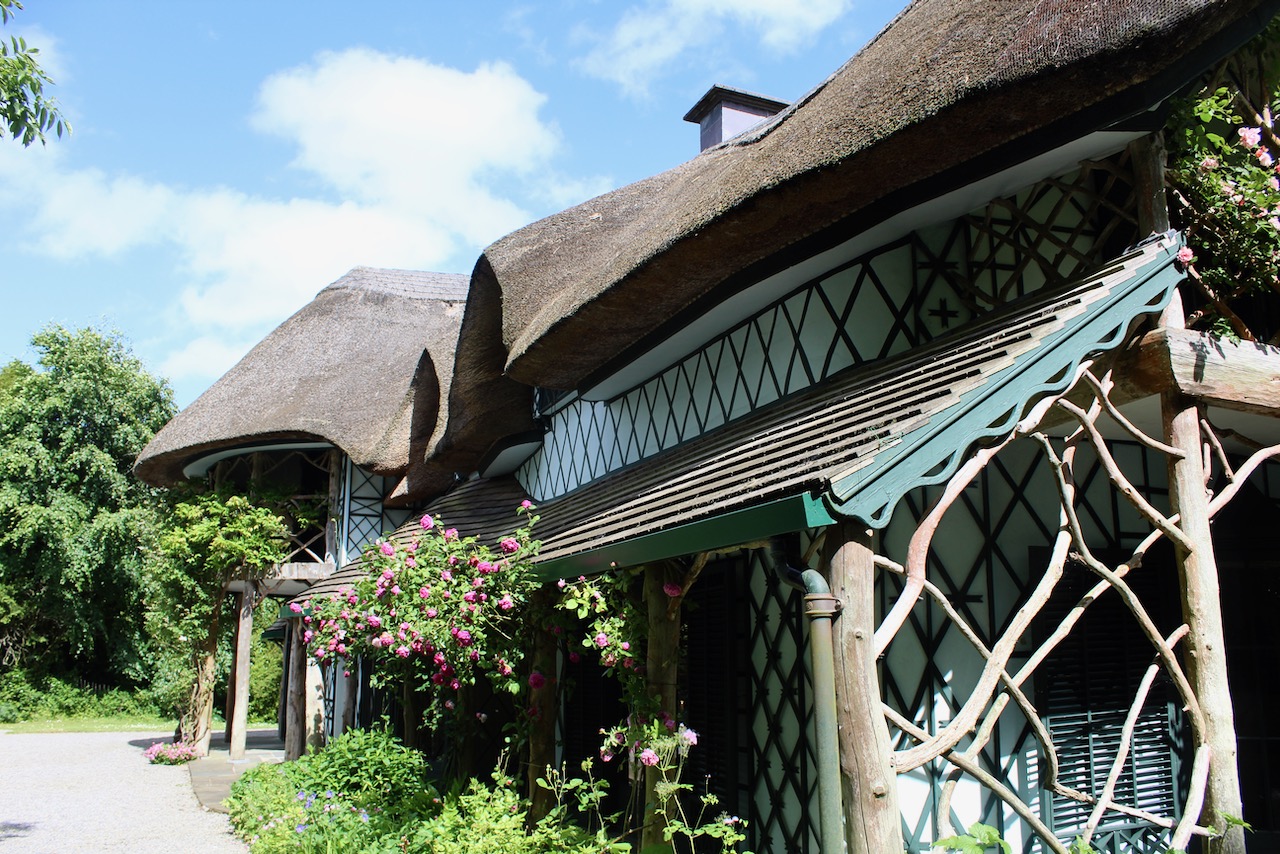
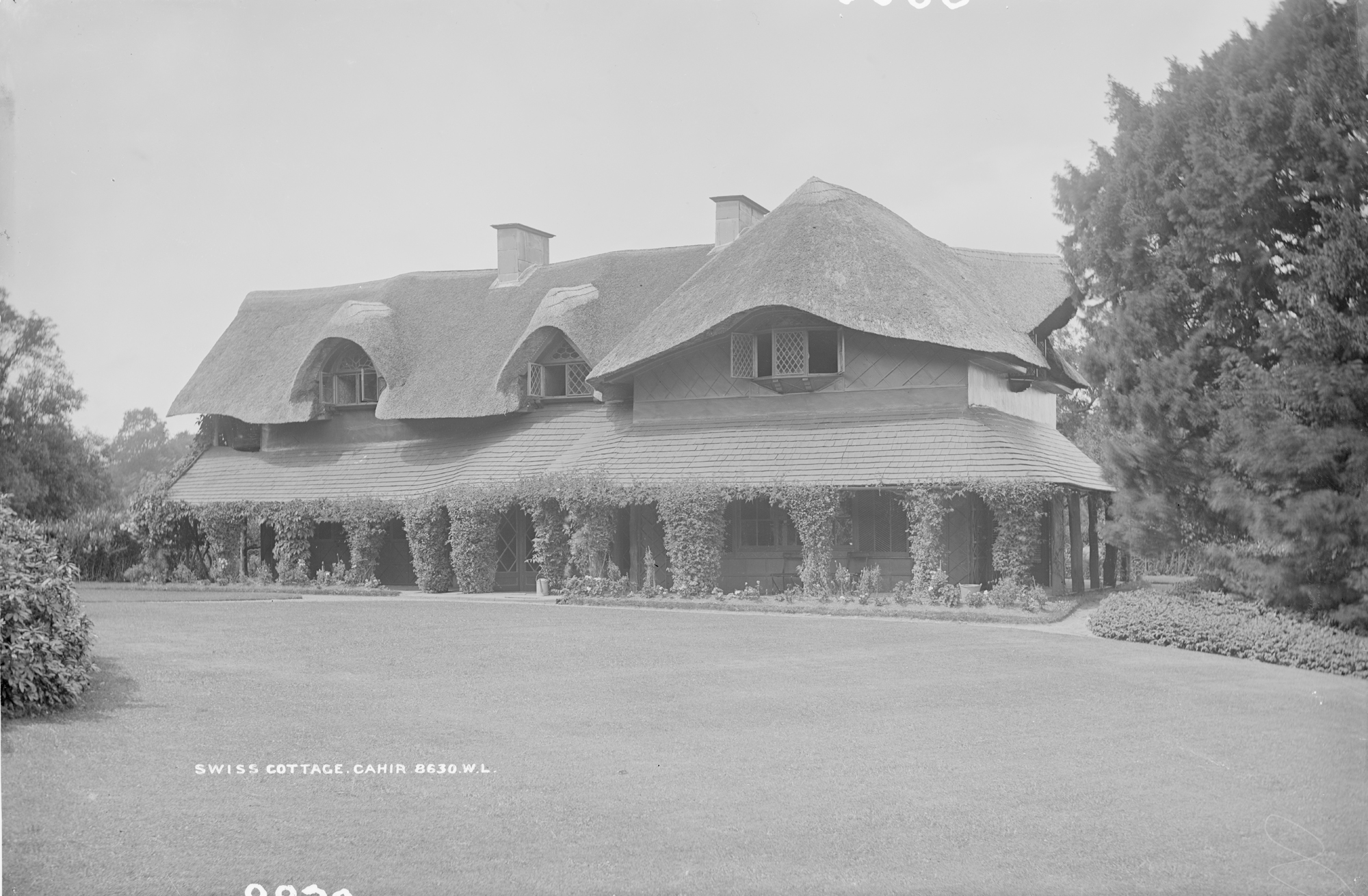
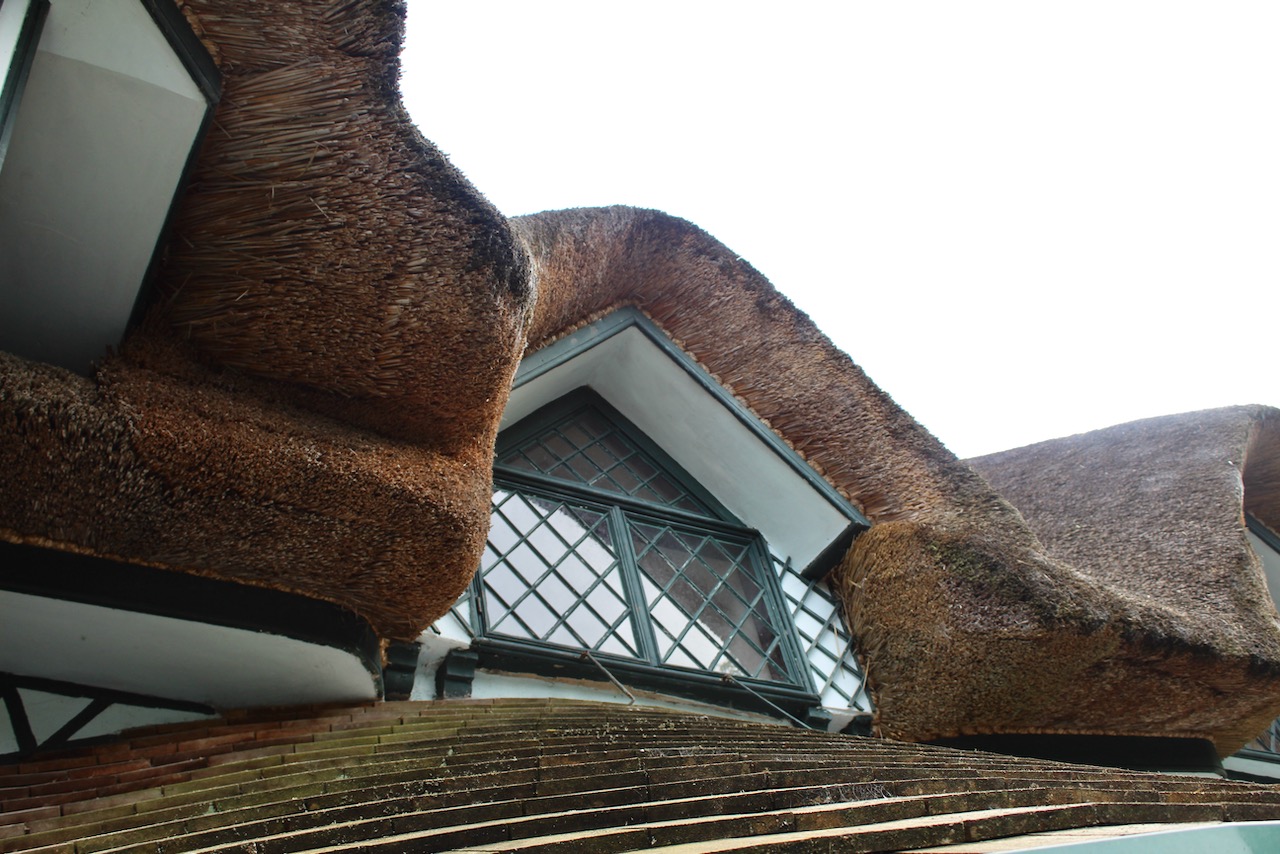
A Swiss Cottage, or cottage ornee, was the ultimate in impressive entertainment. It was meant to look like it had grown from the ground, and it was designed deliberately off-kilter and asymmetrical with different windows, wavy rooves, oddly shaped rooms. Even the expensive floorboards were painted to look like they were made of a cheaper wood!

The National Inventory describes it:
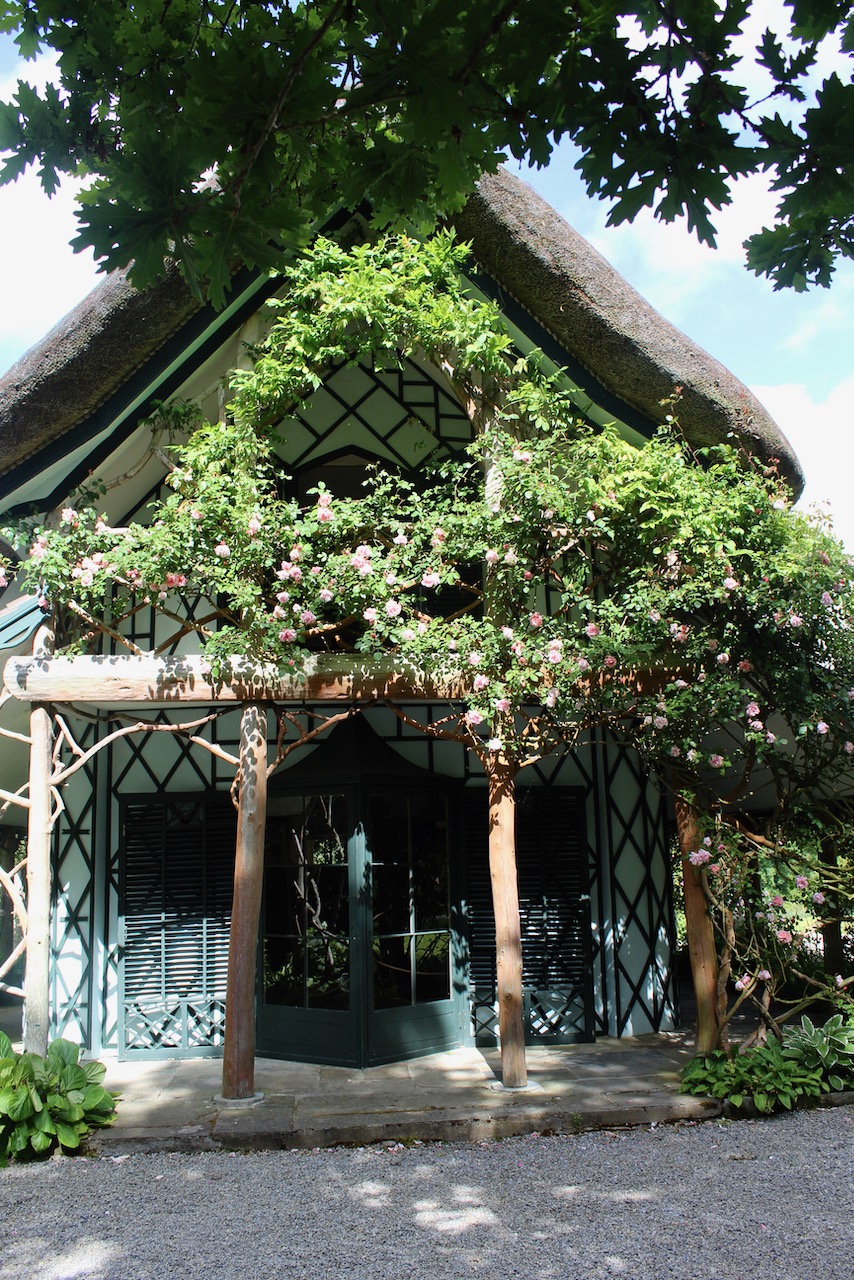
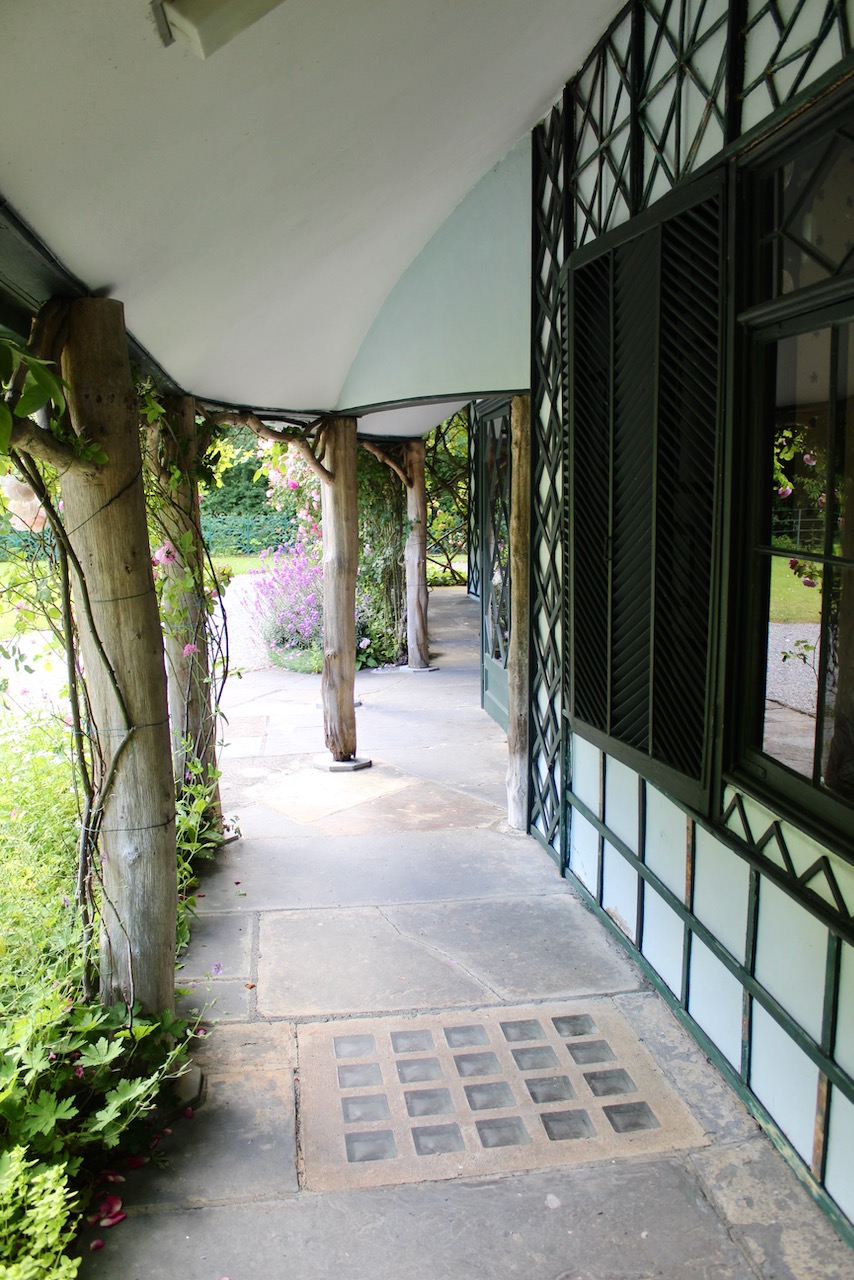
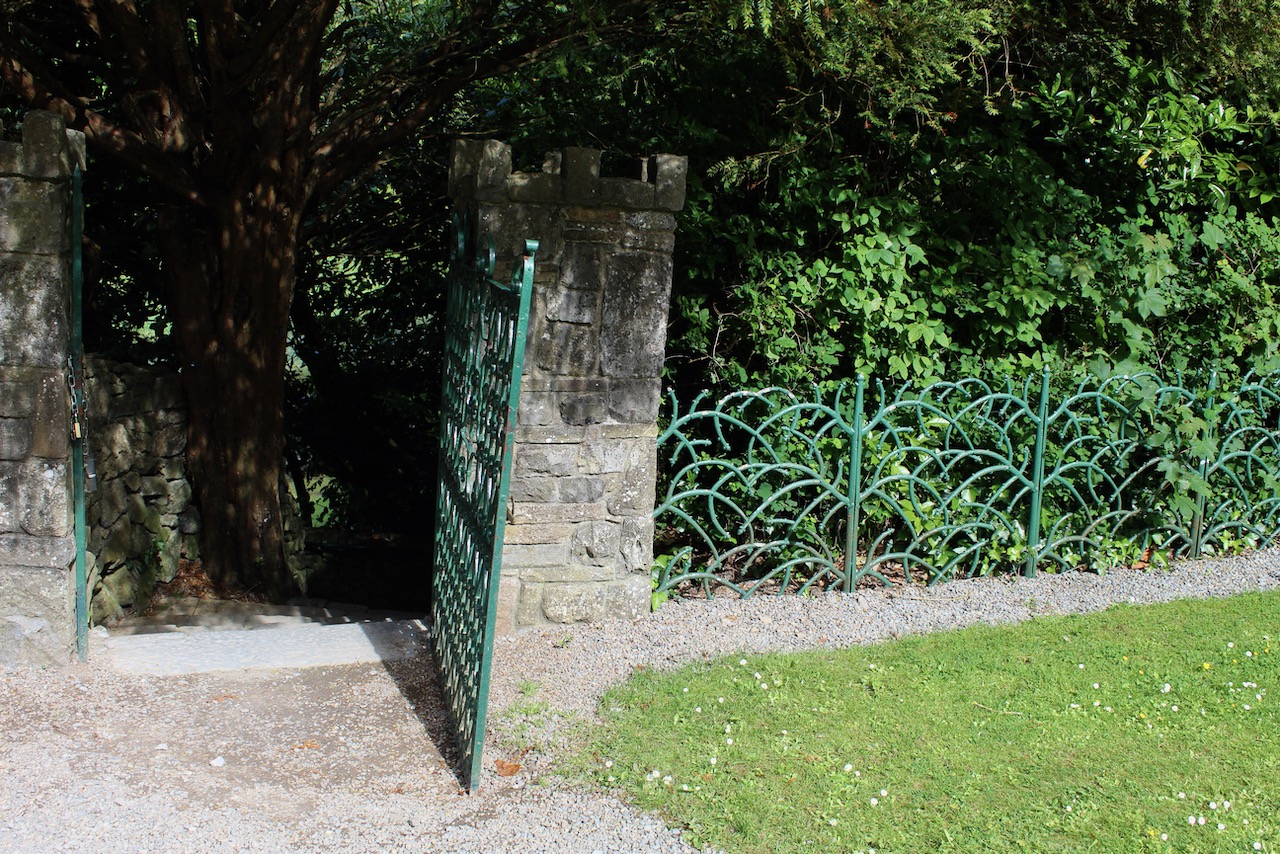
“The building, constructed as an architectural toy, was used as a lodge for entertainment purposes and was designed specifically to blend with nature. The roof pitches and tosses and varies in length while differing window sizes and openings punctuate it. The verandah and balconies, although luxury features, have been fashioned to appear humble with exposed rustic tree trunk pillars. The asymmetrical design of the cottage, although immediately apparent of architectural detailing, is deliberately flawed and distorted to appear unsophisticated. Both the building and its setting right down to its cast-iron rustic fencing maintains a sense of blending with nature as it was originally designed.” [2]

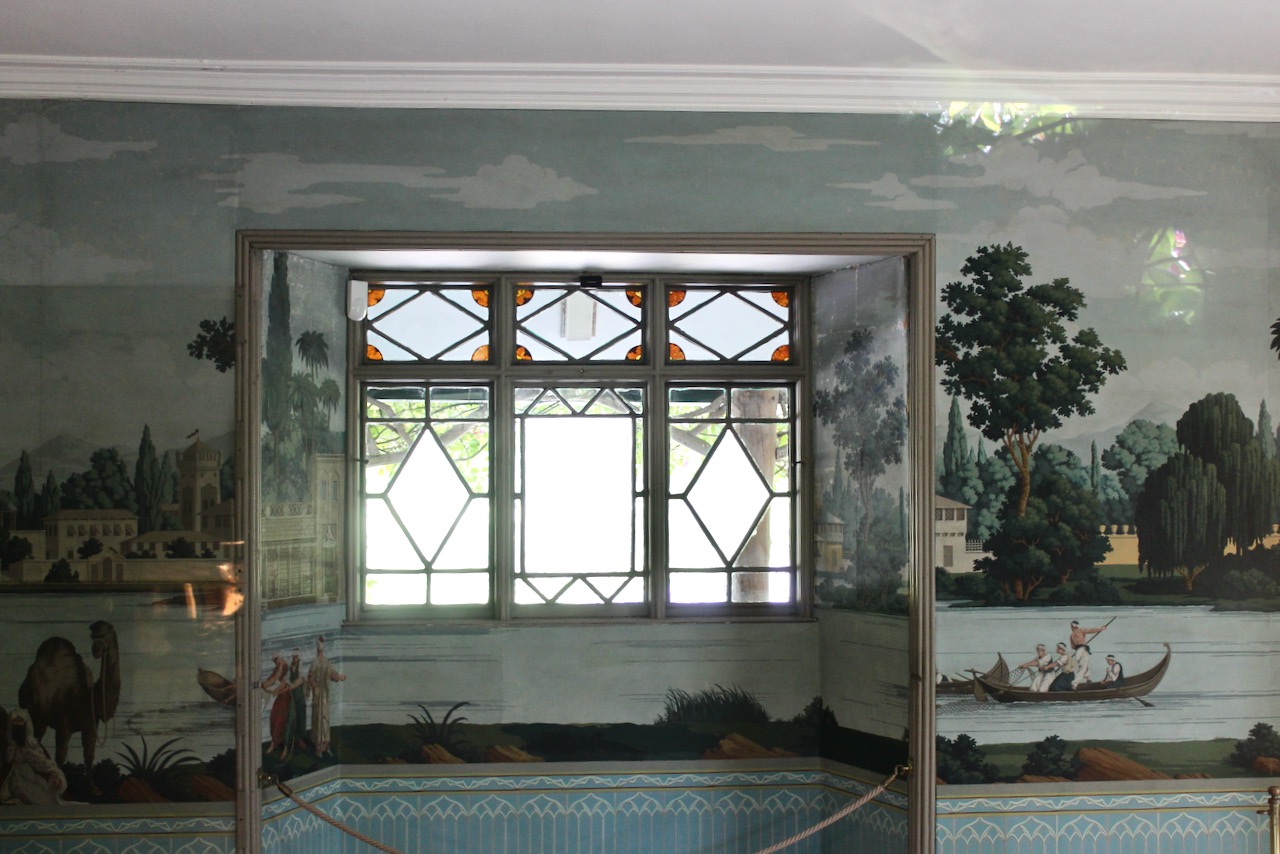
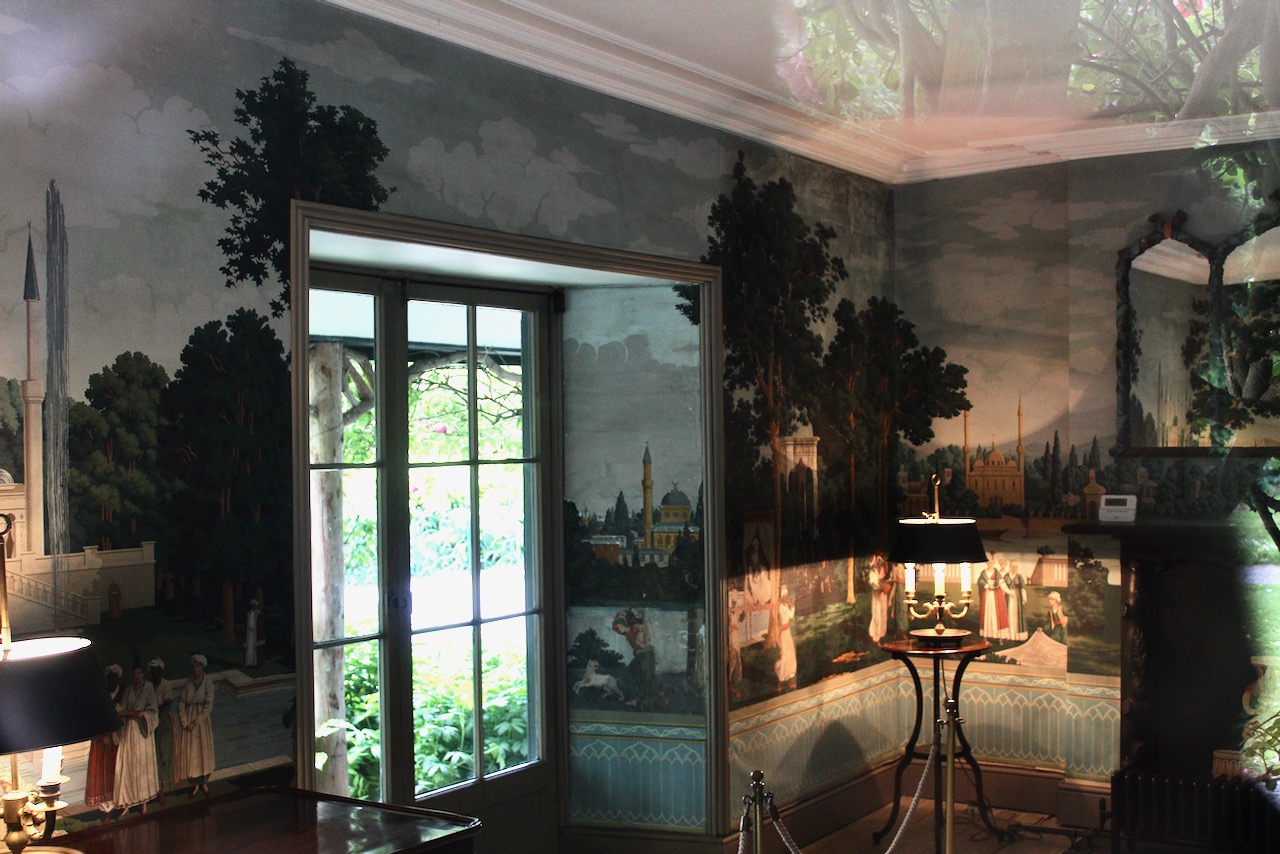
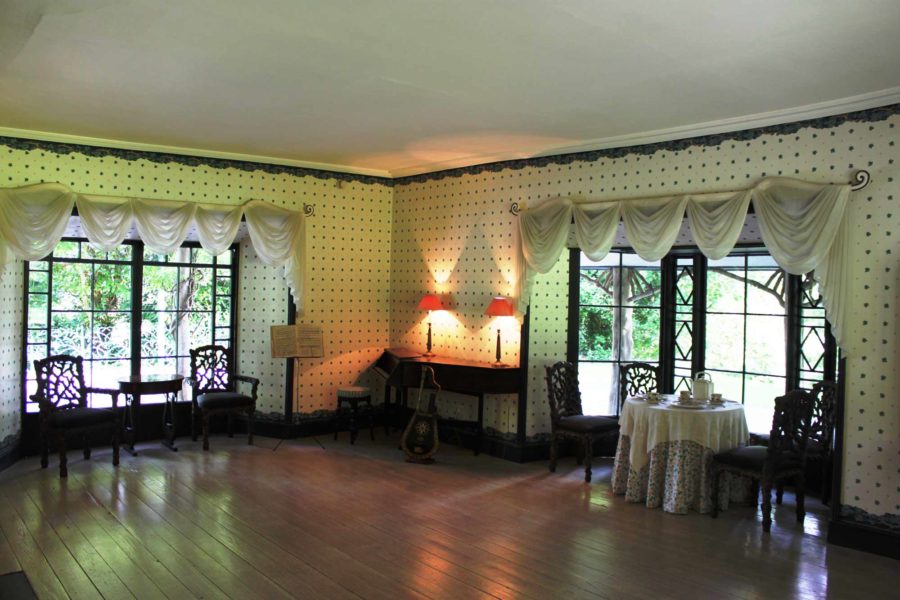
Unfortunately we were not allowed to take photographs inside. I took a few photographs looking through the windows. There are a few photographs on the OPW website, which I copy here.
Downstairs has a room off either side of the hallway, the Dufour Room and the Music Room. The Dufour room is so called due to some original Dufour wallpaper, depicting Constantinople, much of which has been reproduced to line the room. Dufour was one of the first Parisian manufacturers creating commercially produced wallpaper. Another door from the central hall leads to a limestone stairway and basement.

The first floor interior comprises a landing with rooms leading directly to the west (Small bedroom) and east (Master bedroom) through angular-headed timber panelled doors.
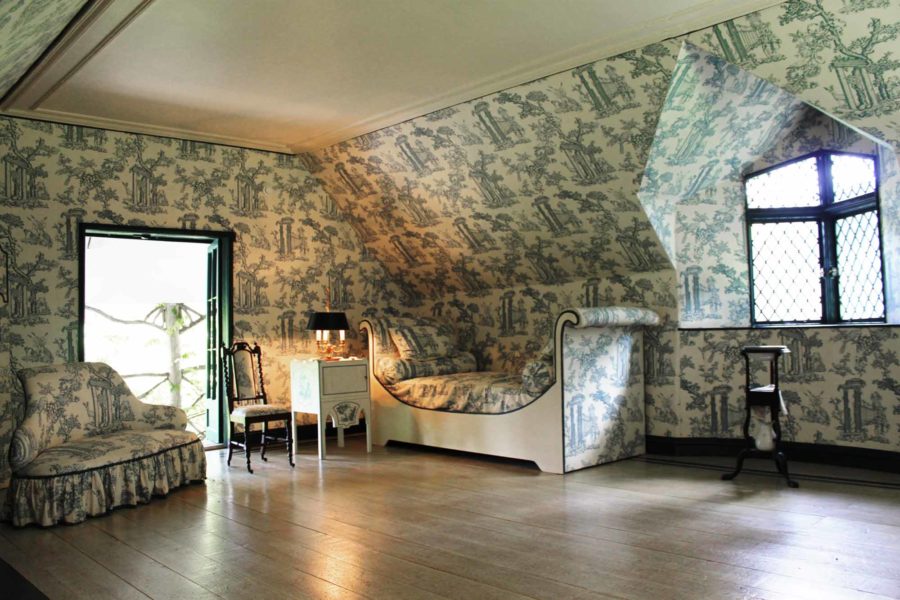
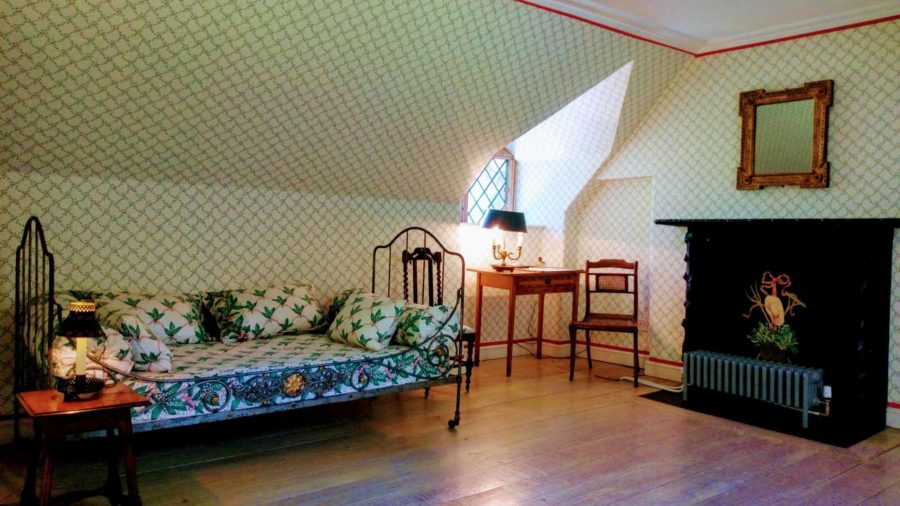
Every window has a different shape.
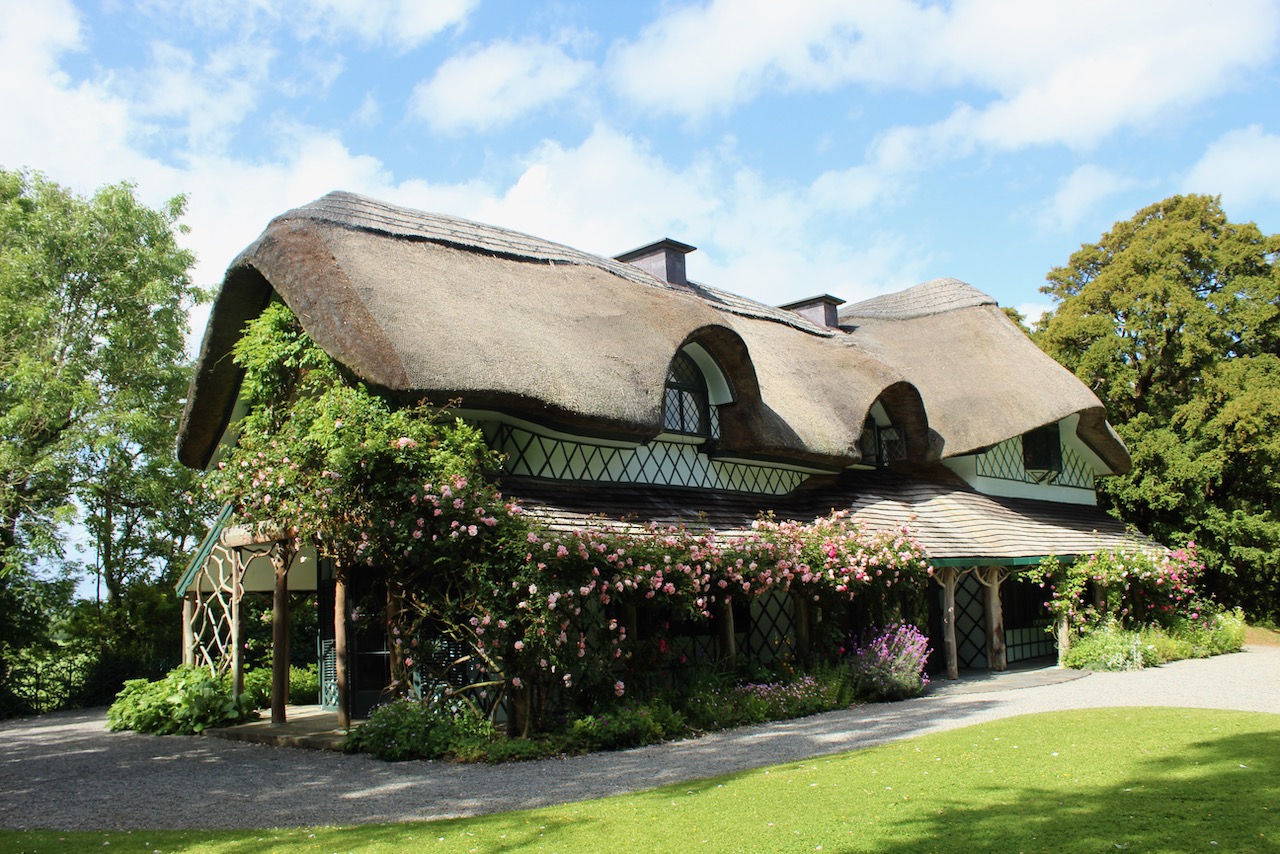

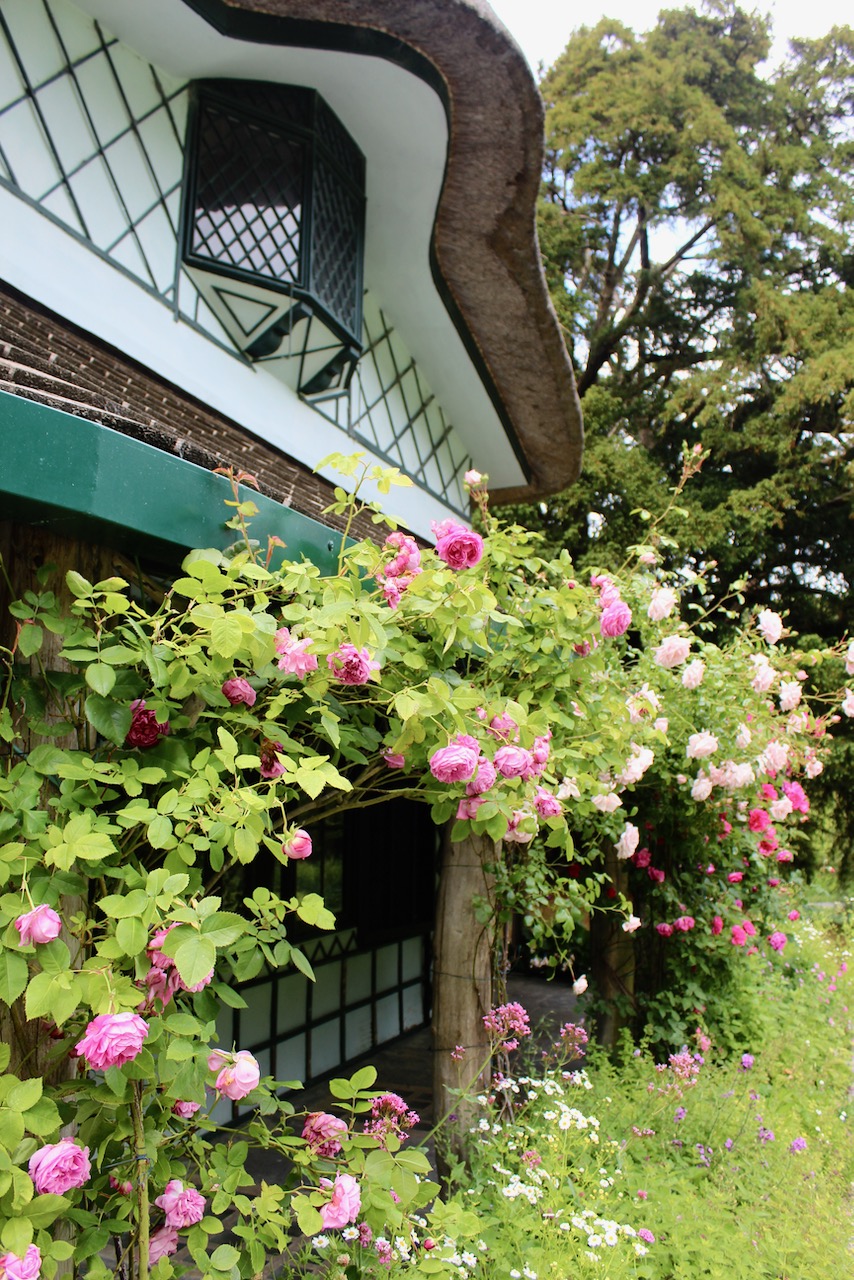
Walking under the balcony one is embraced with the glorious scent of the roses and other flowers.

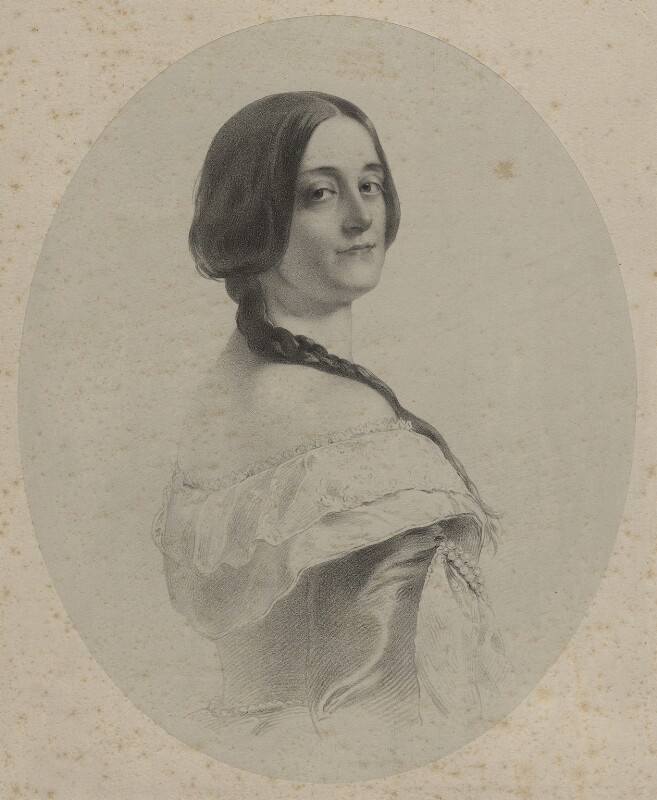
Richard and Emily had one son and three daughters. His son Richard, Viscount Caher (b. 17 May 1794), was elected MP for Tipperary county in 1818, and succeeded his father as 2nd Earl of Glengall. Emily survived Richard by seventeen years, passing away (2 May 1836) in Grosvenor Square, Middlesex. [see 1]



 Irish Historic Houses
2 thoughts on “Swiss Cottage, Ardfinnan Road, Cahir, County Tipperary – Office of Public Works”