
Donation
Help me to fund my creation and update of this website. It is my “full time job” and created purely out of love for the subject and I receive no payment so any donation is appreciated! My costs include travelling to our destinations from Dublin, accommodation if we need to stay somewhere nearby, and entrance fees. Your donation could also help with the cost of the occasional book I buy for research (though I mostly use the library – thank you Kevin Street library!). Your donation could also help with my Irish Georgian Society membership or attendance for talks and lectures, or the Historic Houses of Ireland annual conference in Maynooth.
€15.00
General enquiries: 086 810 7916, emocourt@opw.ie
From the OPW website https://heritageireland.ie/visit/places-to-visit/heywood-gardens/:
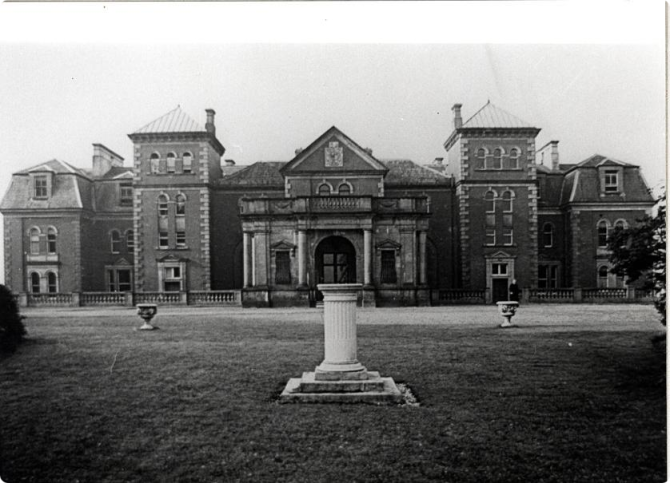
Heywood House in County Laois burned in an accidental fire in 1950, but the demesne is maintained and open to the public. My father, who grew up in nearby Abbeyleix, was at a musical concert with his mother the night of the fire and saw the house burning! At the time, the house was owned by the Salesian order of priests.
The house was designed by its owner Michael Frederick Trench (1746-1836) in 1770s, with the help of his friend James Gandon who designed, among other buildings, Dublin Custom House. Trench was an amateur architect, and designed the parish church of Swords, as well as an addition to the Rotunda in Dublin. [1]


Robert O’Byrne tells us in his blog The Irish Aesthete that: “In the early 18th century, a younger son William Trench settled in Laois and acquired land there which was initially developed by his heir, the Rev. Frederick. The English antiquary Owen Brereton wrote of the property in 1763, describing it as ‘a sweet Habitation’ with ’24 Acres Walld round 10 feet high. The ground naturally in fine Slopes and Rising, large trees properly disperst, a River of very clear Water running through it. Pouring Cascades, upon which I counted near 100 Couple of rabbits & 100 of Brace of Hares which are in this Grounds…very extensive Views.’ Both the habitation and the grounds were enlarged by the Rev. Trench’s son Michael Frederick Trench…” [2]
The house was named after Trench’s mother-in-law, Mary Heywood (daughter of a Drogheda merchant). Michael Frederick Trench married Anna Helena Stewart who was the only daughter of Patrick Stewart and Mary Heywood of Killymoon in Co. Tyrone.
Mark Bence-Jones describes the house in his Irish Country Houses (1988):
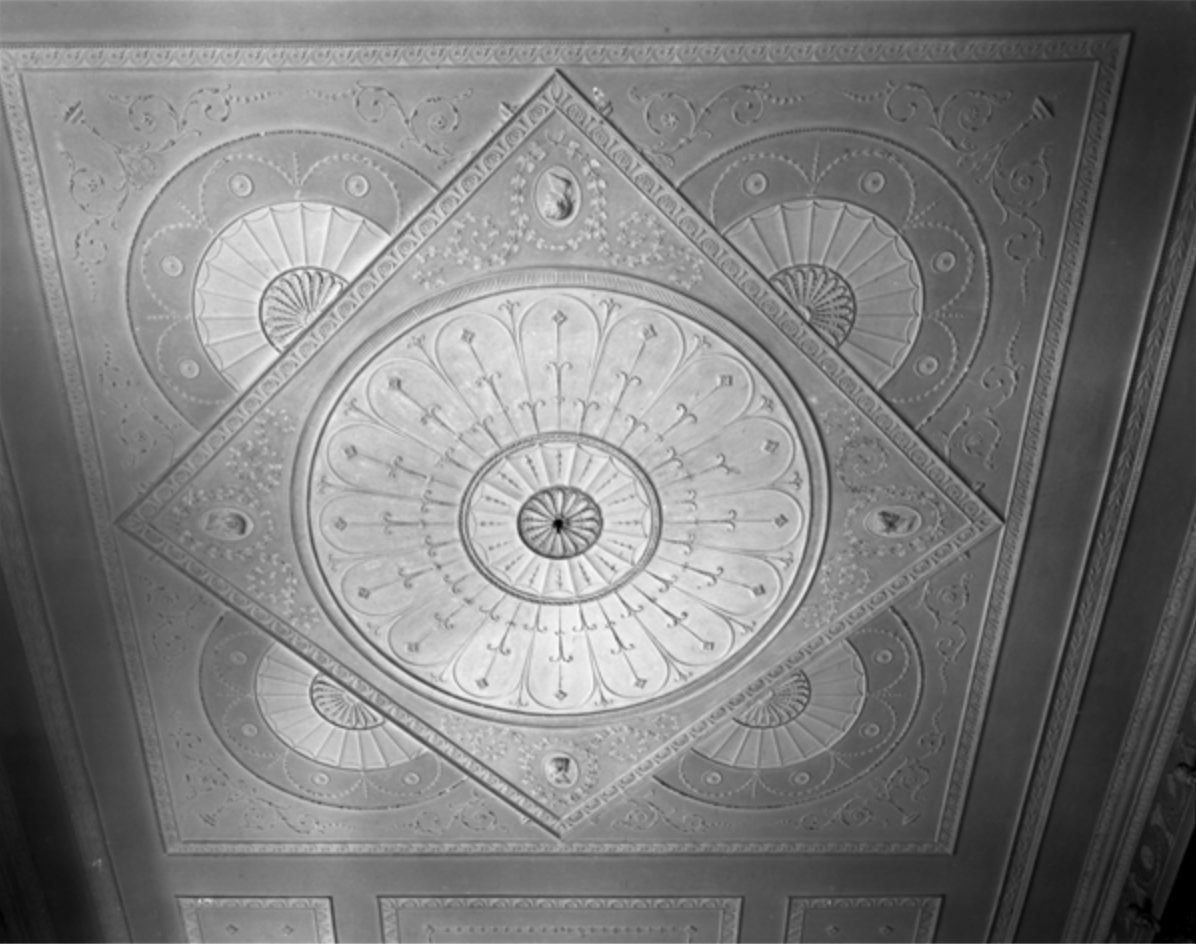
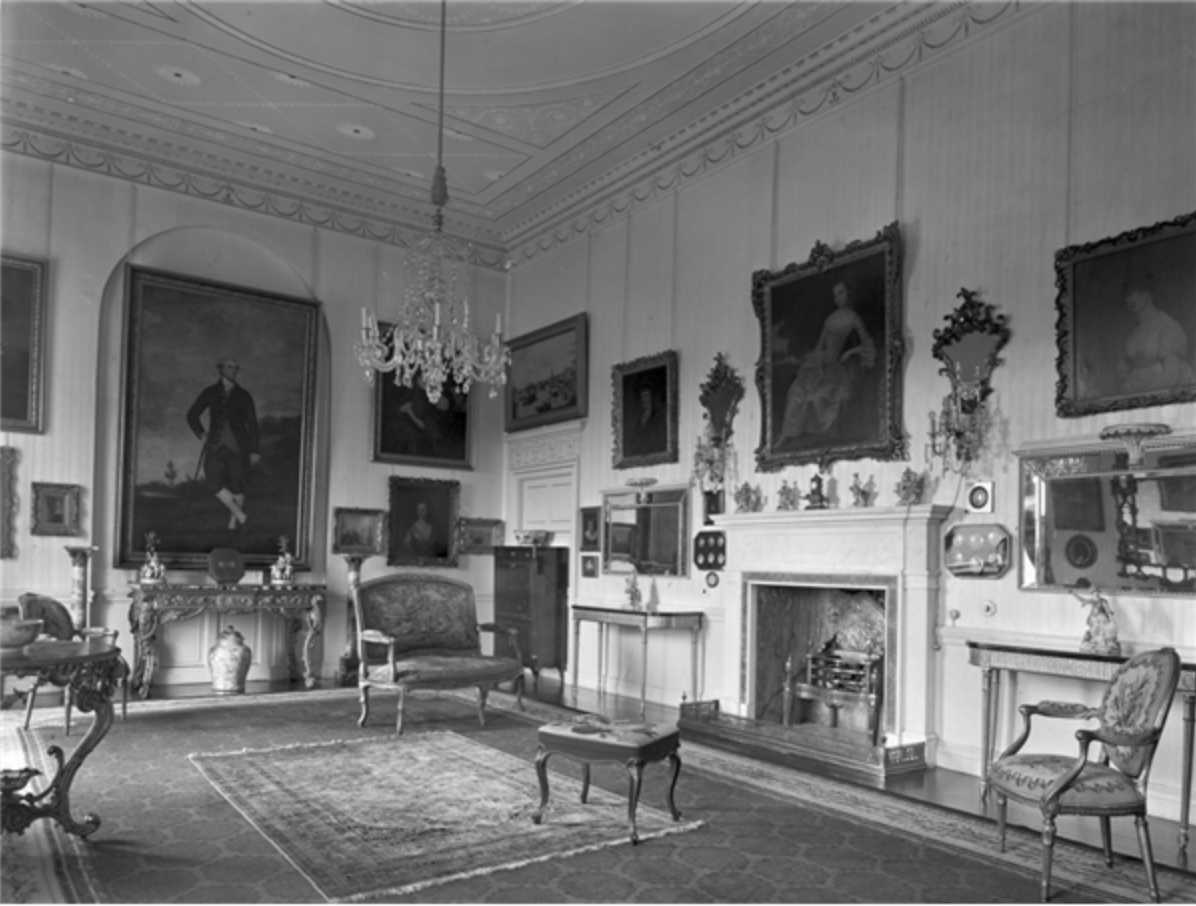
“A house consisting of three storey four bay late C18 centre, with mansard roofed Victorian wings of the same height but in a totally different style. The C18 centre built 1773 by M.F. Trench, who is said to have been the only man who ever called a house after his mother-in-law…The dining room was one of the most accomplished interiors of the Adam period in Ireland, with delicate plasterwork on the ceiling and in panels on the walls.“

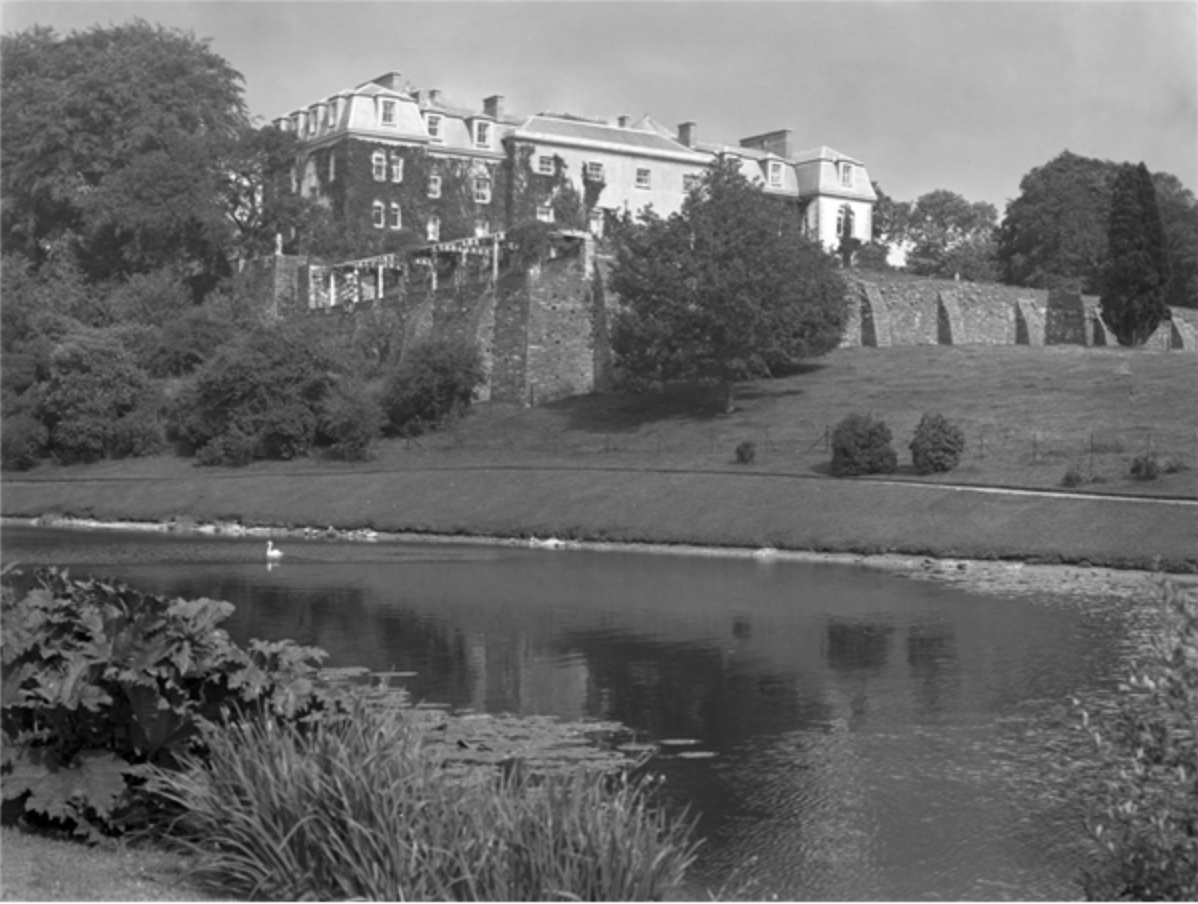

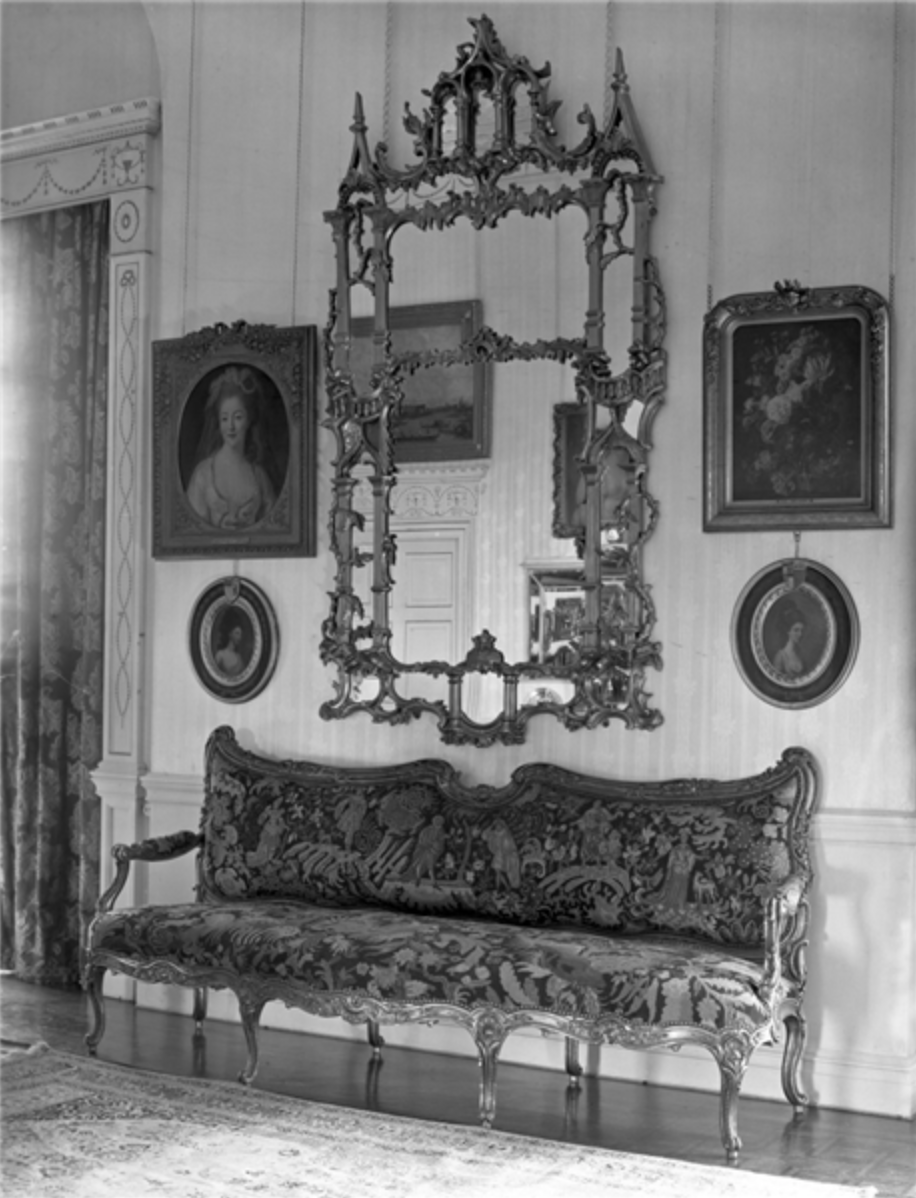
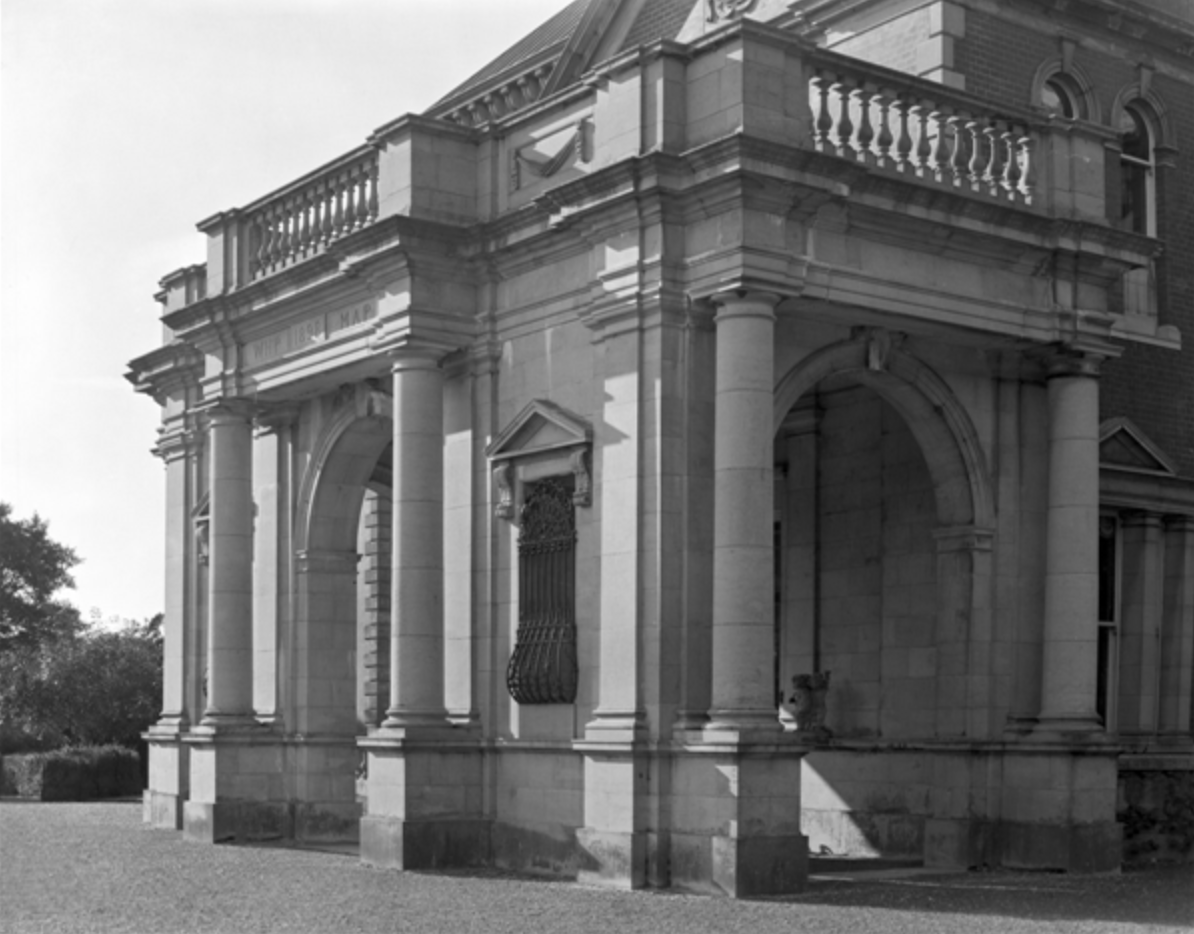
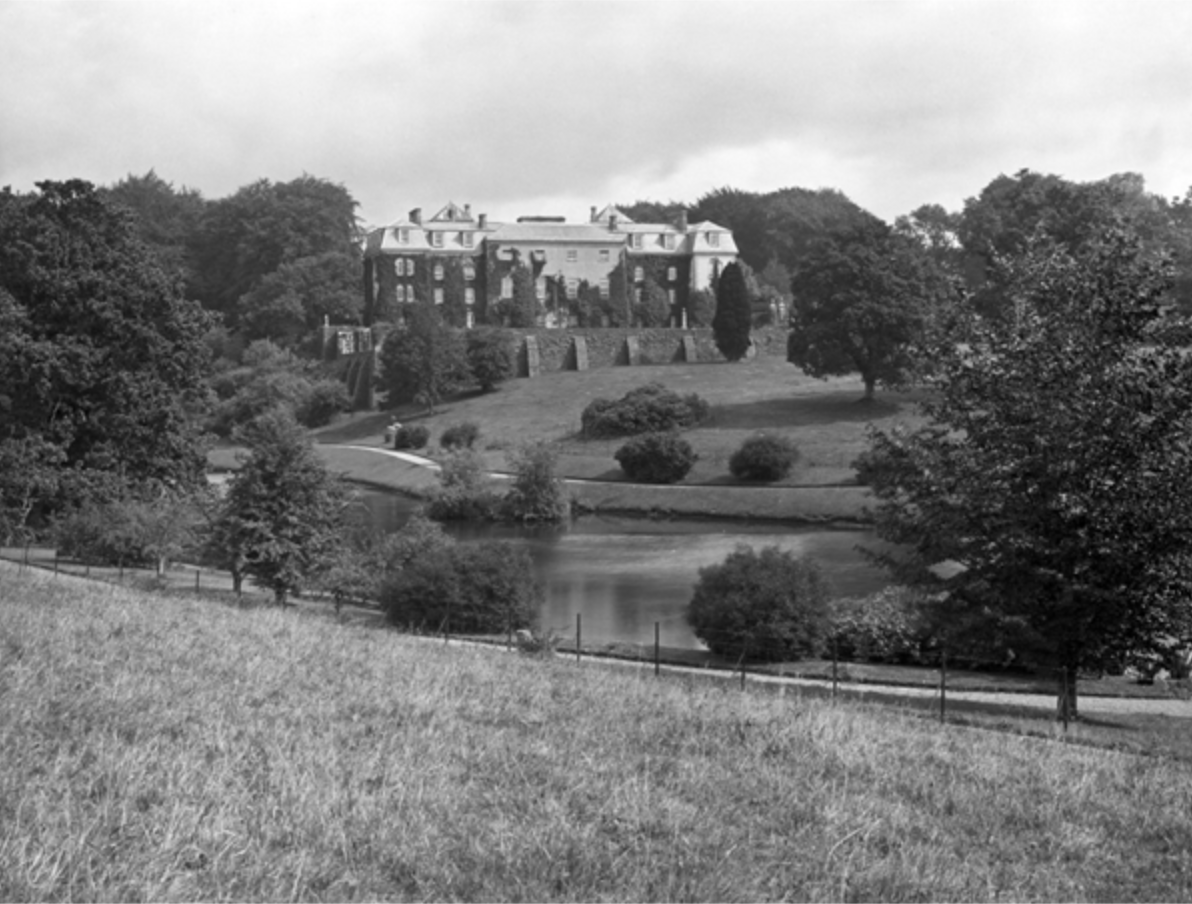
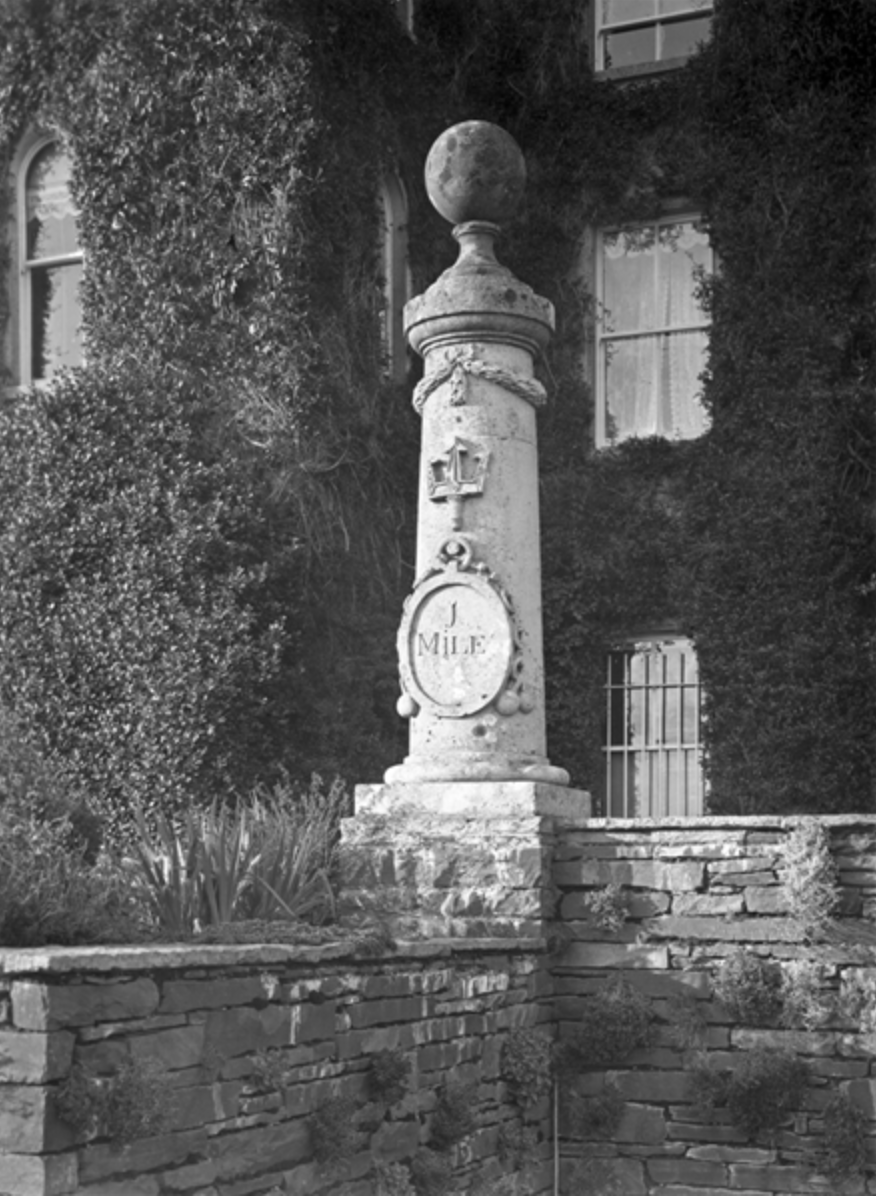
After Michael Frederick Trench built the house, he landscaped the area between his house and the village of Ballinakill, apparently moving hills, digging lakes (he made three artificial lakes), planting trees and placing follies. He created a picturesque garden. The idea of the picturesque first emerges as an idea in late Renaissance in Italy where the term pittoresco began to be used in writing about art. It means that the subject, in this case, the landscape, is “like a traditional picture”. In Holland in the early 17th century a new genre of landscape painting was often referred to as “painter-like” (schilder-achtig). [3] At roughly the same time, French artists Claude Lorraine and Nicholas Poussin painted Arcadian landscapes with classical elements such as ruined temples and mythological figures. These paintings inspired William Kent (c. 1685 – 12 April 1748), an architect, landscape architect and painter. Kent began a style of “natural” gardening that revolutionised the laying out of gardens and estates.

The landscape gardens designed by Lancelot ‘Capability’ Brown (c. 1716-1783) and his followers were considered to be quintessentially picturesque.

The demesne includes parkland, woodland, a lake, some architectural features and a formal garden by Edwin Lutyens with a beautiful vista, which takes in seven counties!


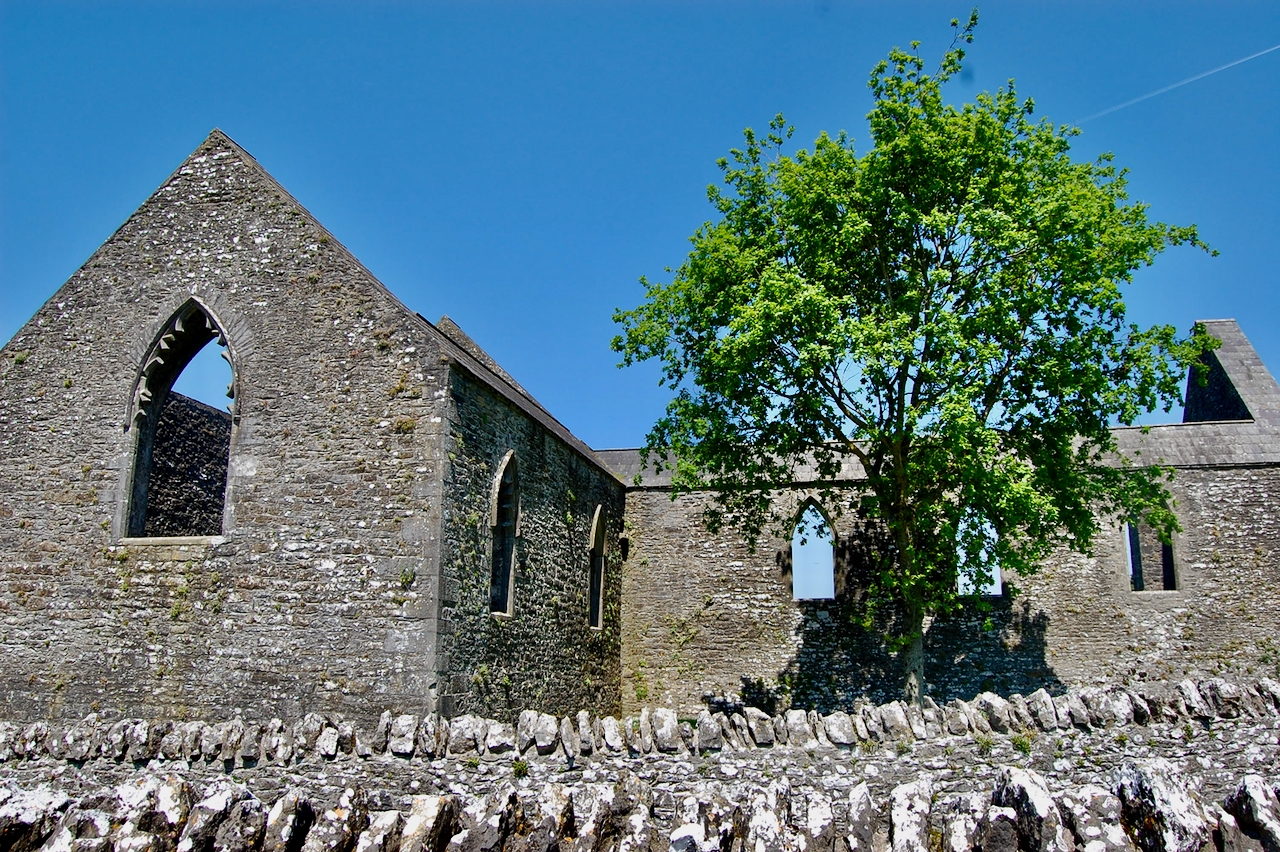
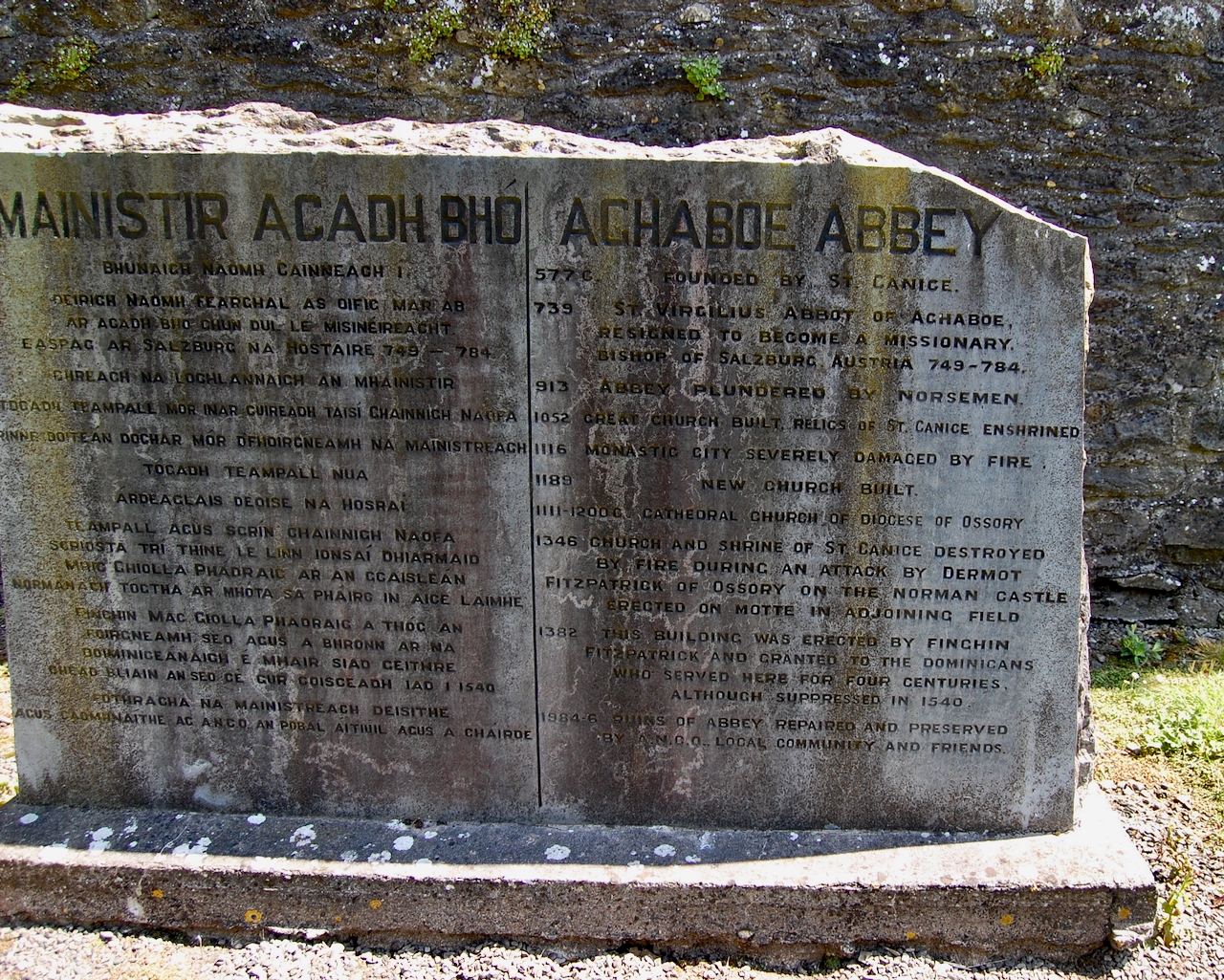
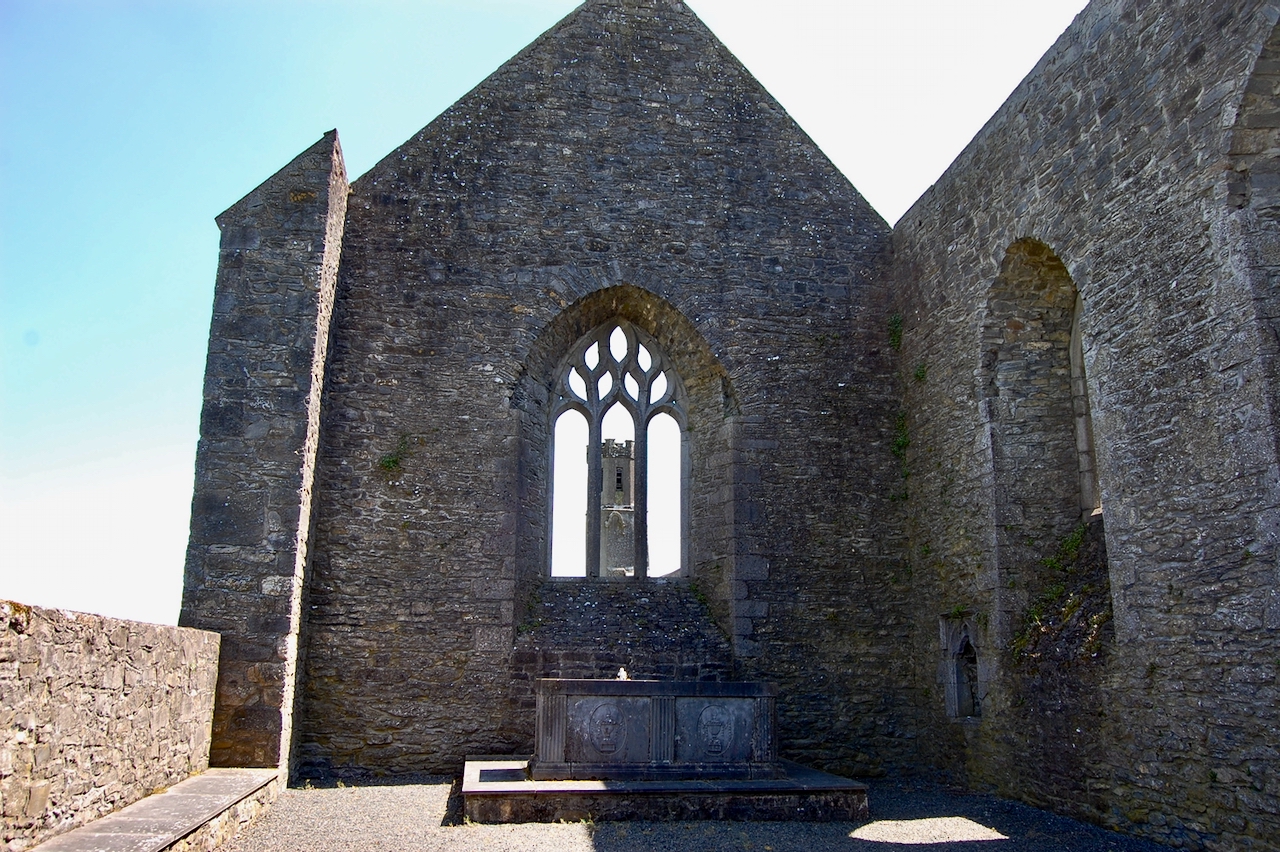
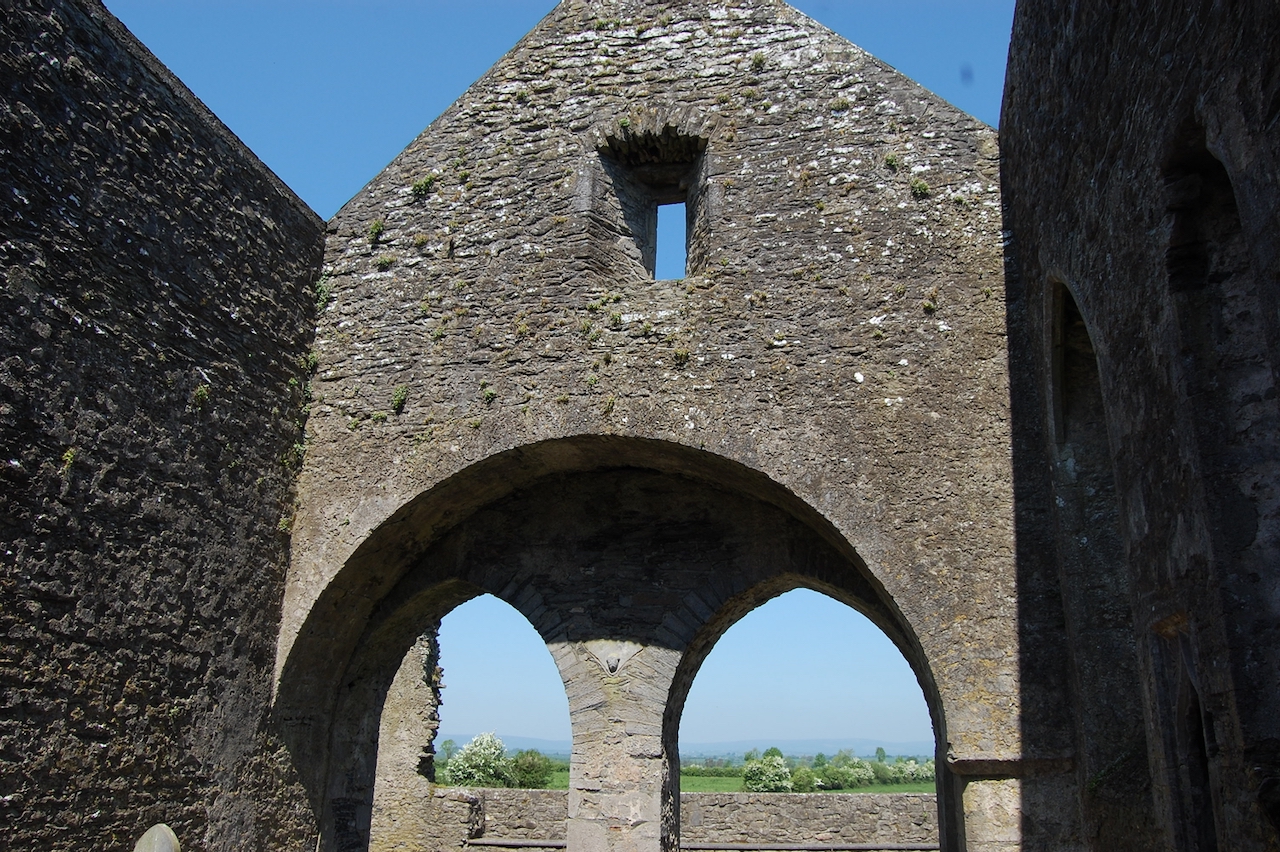
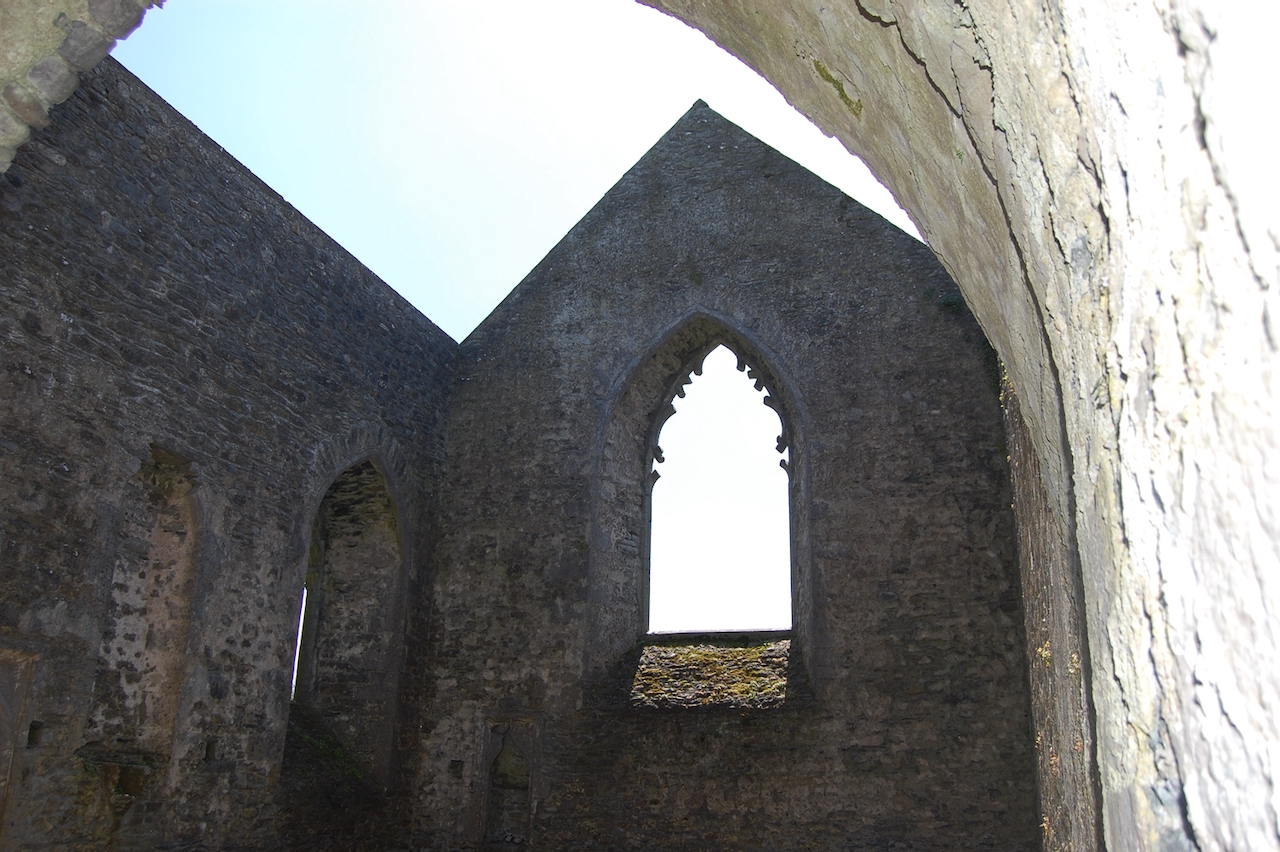
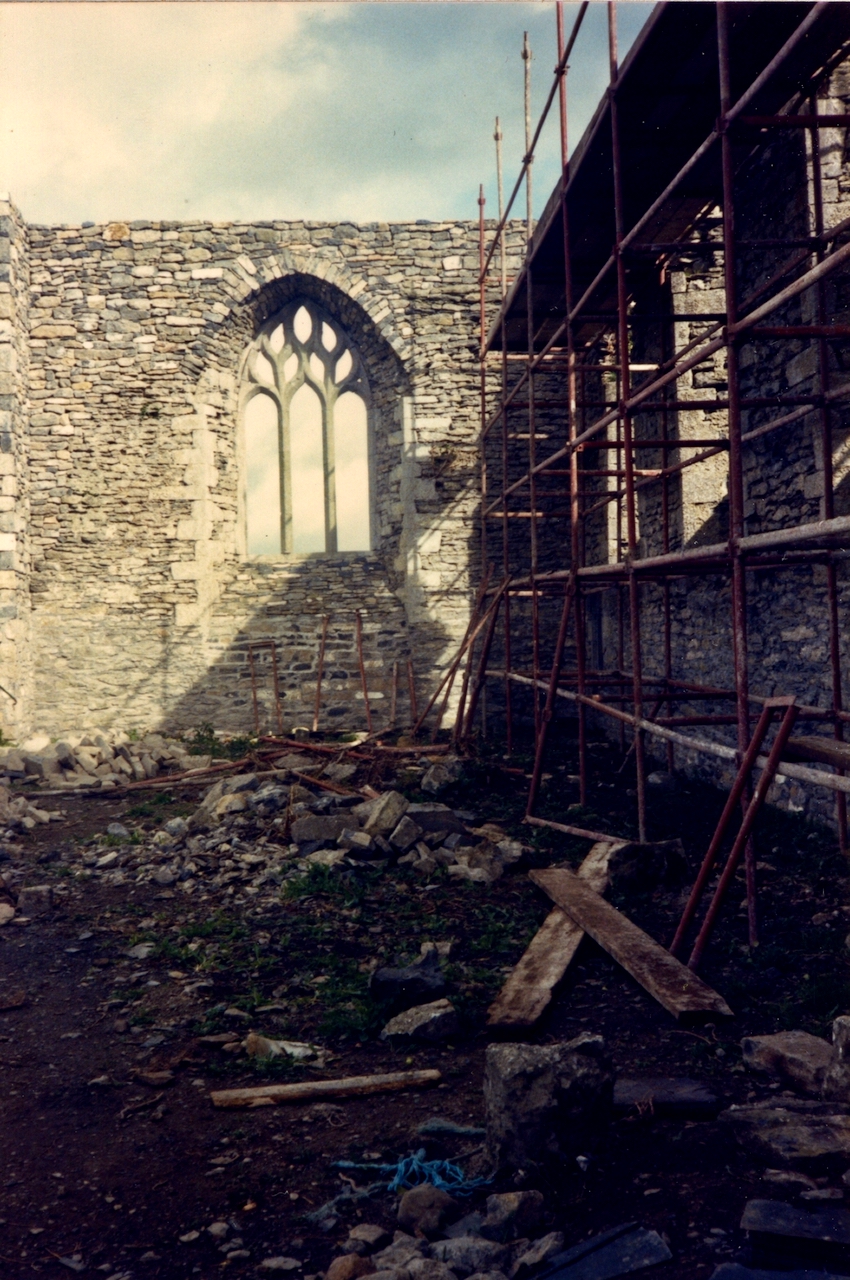
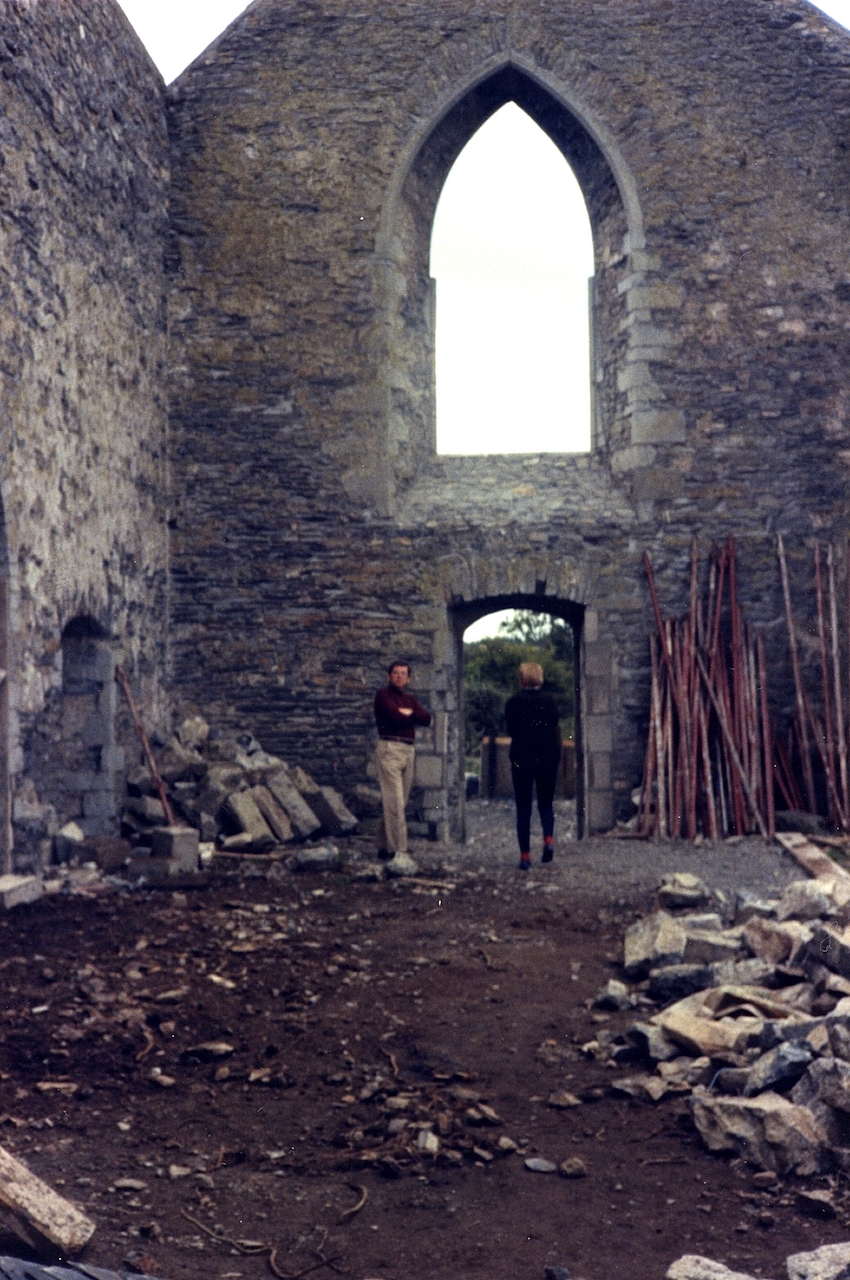
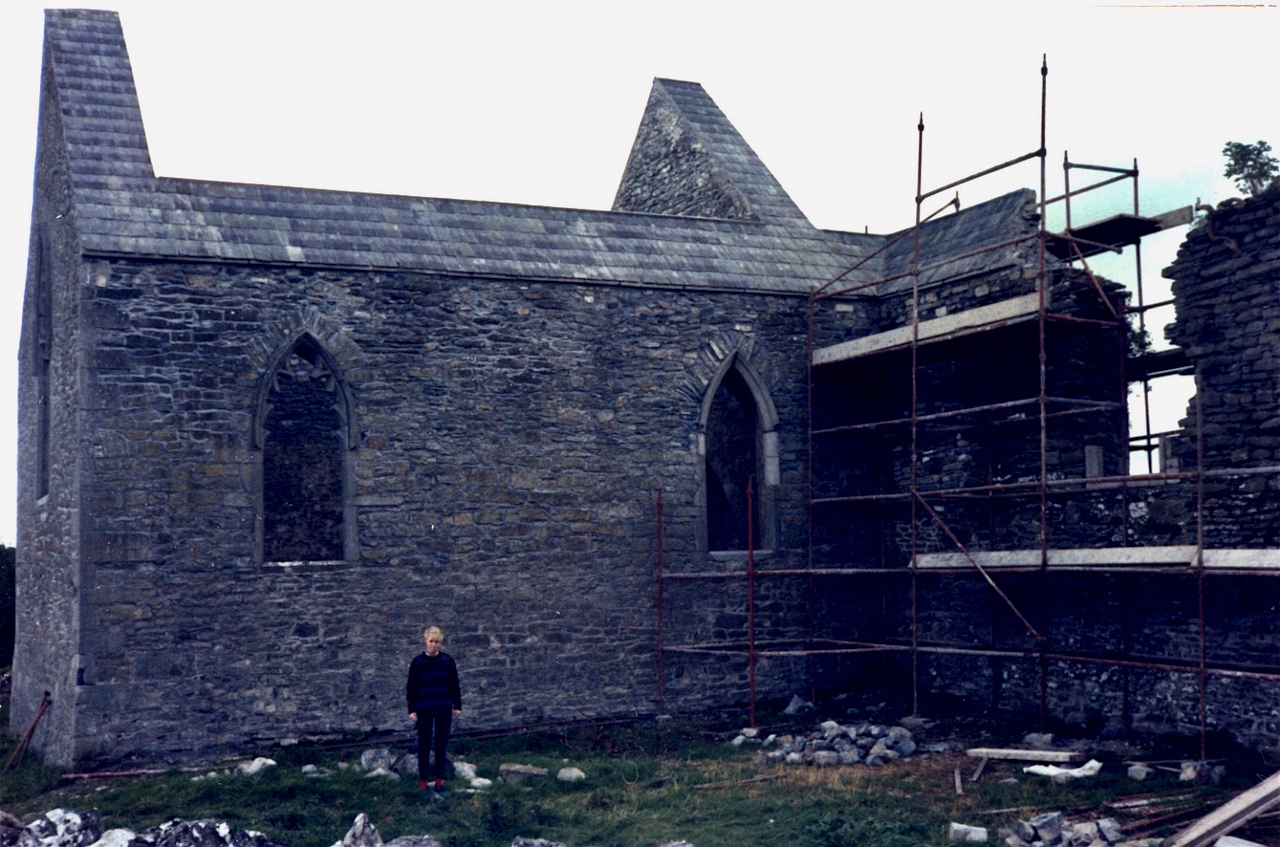
The garden, set within a 250 acre demesne, is, Andrew Tierney claims, the best of its kind in Ireland: a blend of the Arcadian and the Picturesque, above which Edwin Lutyens later erected his walled terraces and enclosures. [4] One of the follies built by the Trenches may contain windows from nearby Aghaboe Abbey. My grandfather purchased property (house and farm) at Aghaboe but the family lost the property when the land was bought by compulsory purchase by the Land Commission in 1977, after my grandfather John Baggot died. I always thought we actually owned the Abbey but that may have been wishful thinking on my Dad’s part.



Michael Frederick’s daughter Helena married Compton Pocklington Domvile, 1st Baronet Domvile, of Templeogue and Santry, Dublin. They had several children, but the house was passed down via their daughter Mary Adelaide, who married Lt-Col William Hutcheson Poë (1848-1934) 1st Baronet.
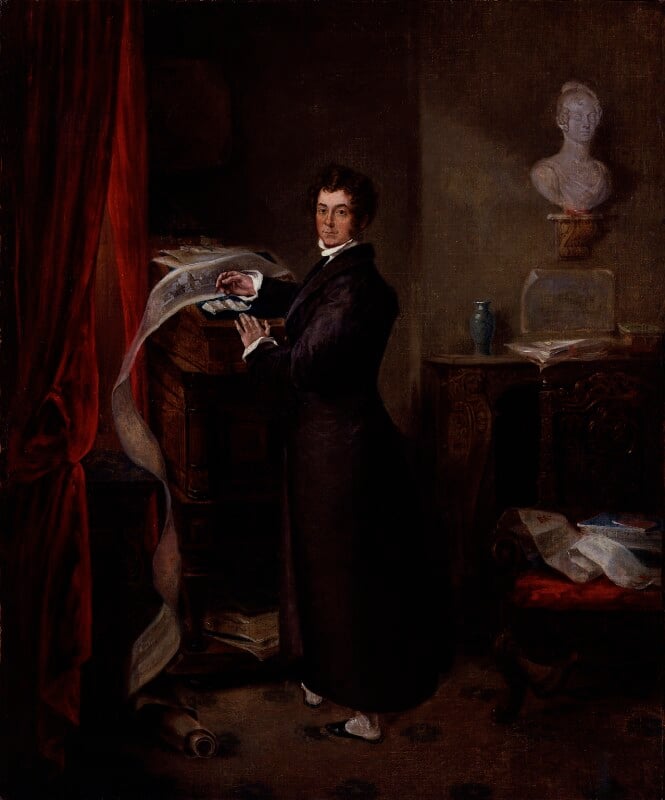
Heywood House was enlarged by Lt-Col William Hutchison-Poë in 1875. Around 1906, William Hutchison-Poë hired Edwin Lutyens to create a garden for Heywood.

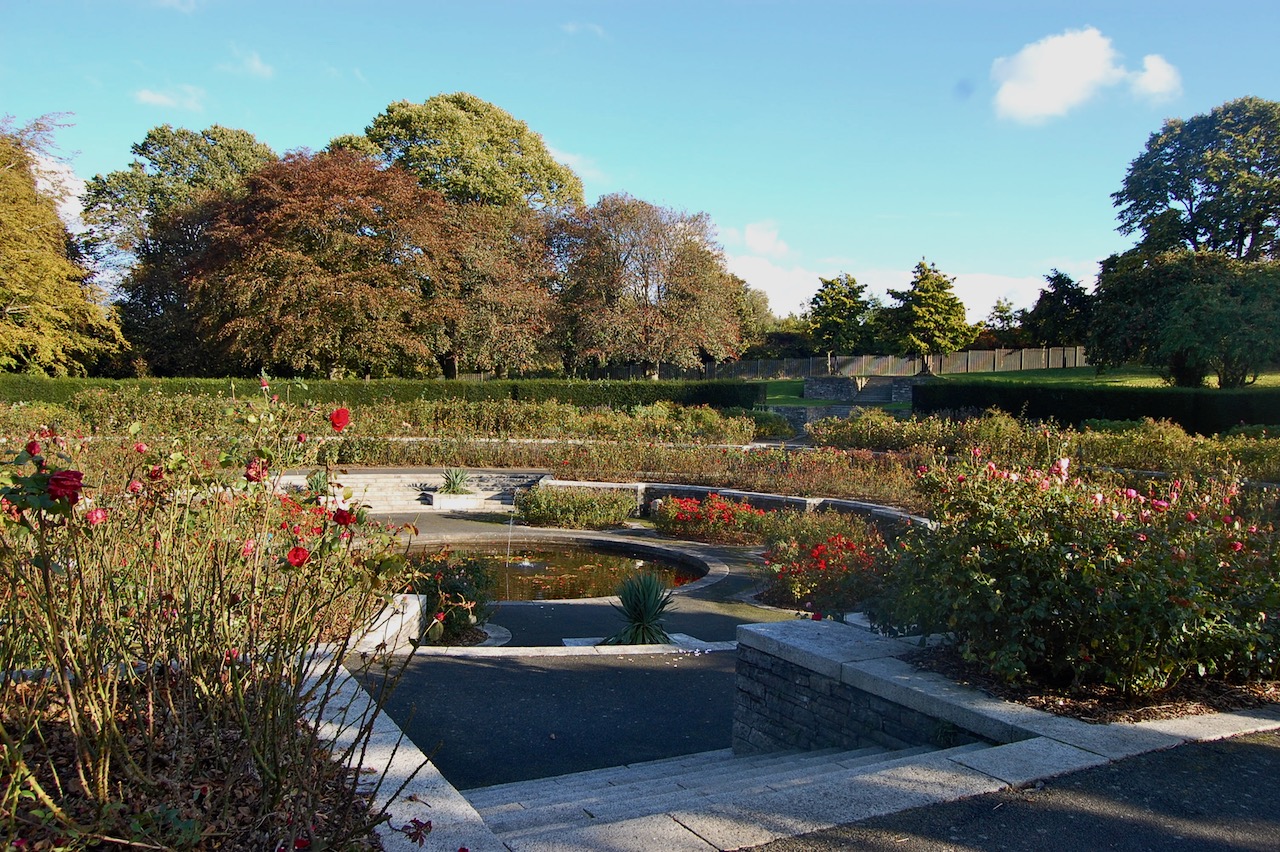
The website tell us that “The architect Sir Edwin Lutyens designed the formal gardens, which are the centrepiece of the property. It is likely that renowned designer Gertrude Jekyll landscaped them.
“The gardens are composed of elements linked by a terrace that originally ran along the front of the house. (Sadly, the house is no more.) One of the site’s most unusual features is a sunken garden containing an elongated pool, at whose centre stands a grand fountain.“

Lutyens designed the National War Memorial Gardens in Islandbridge in Dublin many years later, in the 1930s.
Heywood was bought by the Salesian Fathers in 1923, and it was during their time that the fire occurred. It was transferred to State ownership from the Salesian Fathers in November 1993 .
The OPW website tells us “The Heywood experience starts beside the Gate Lodge. Information panels and signage will guide you around the magical Lutyens gardens and the surrounding romantic landscape.“

An information board tells us that the main entrance was on a turnpike road, on which a toll had to be paid.


Tierney describes the garden: “The gardens stretch from the principal gates for almost a kilometer and a half, incorporating a sequence of three adjoining lakes and a fourth, further east, and areas of rolling parkland skirted by woodlands. Trench named each part of his garden after Alpine scenery. Trench’s Gothic follies include the Abbeyleix gate, an arrangement of octagonal towers joined by a Tudor-arched gateway. The Trench coat of arms is visible to the right of the gateway arch. From this gate the winding drive opens to Trench’s valley. Nearby, marking a split in the road, is the Spire, a shaft raised in memory of Trench’s friend Andrew Caldwell. Further along is a sham castle. High up behind that is a bridge, and a ruin, on the other side, with the Aghaboe windows. Up the pathway is the Gothic Greenhouse, a brick construction with five lancets with hood mouldings. On the east side of the lake is a grotto or bath house. On the east side of the demesne is the Trench mausoleum.”. [see 4]


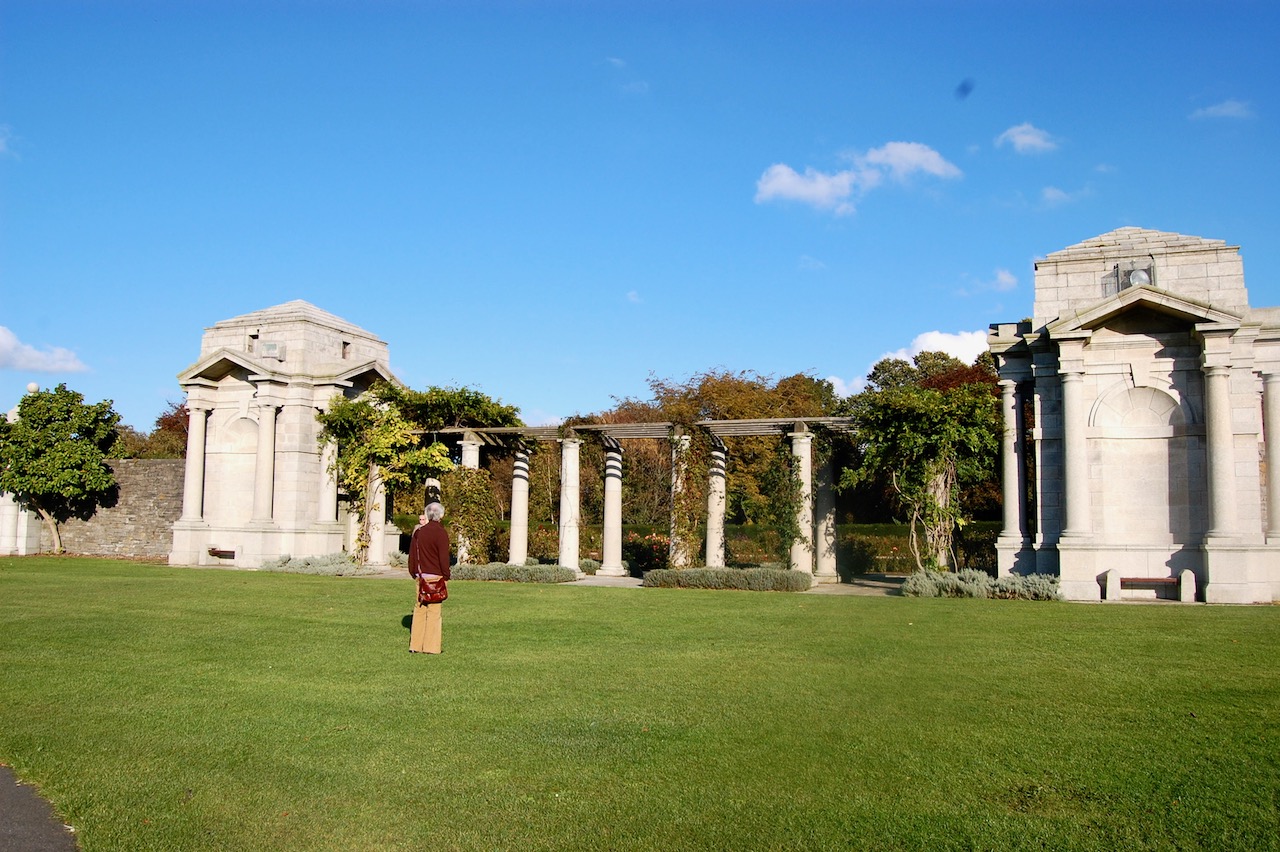
Heading toward the Lutyens sunken garden from the Orangerie displays the stunning view, over a lawn of perfect grass. Below the lawn, toward the river, is a trellised walkway, by Lutyens. The house was above. To the east of the house was an alley of “pleached” limes: pleaching means bending and weaving the branches of a row of trees to form a living wall.


Sean O’Reilly describes the Lutyens garden addition:
“Lutyens worked on the gardens from about 1906. He complemented the strong architectural framework with an informal planting style, following the same combination of structure and nature developed at Lambay and made popular with his associate – and Country Life author – Gertrude Jekyll. Laying out the garden in a series of terraces and stepped passageways exploding east and west from the falling southern terraces of the house itself, the architect shaped these spaces with a bewildering variety of retaining walls – vertical and battered, stepped and sheer – screen walls – straight and curved, large and dwarf – columns, steps and architectural artifacts.” [5]




The Lutyens garden descends to a sunken garden, with terraced borders leading down to a pool surrounded by bronze tortoises perched on stone balls.


The Tuatha website tells us that, sadly, in 1920, Poe’s car was set alight by Republicans when he was returning from a dinner party in Ballyroan. Poe left Heywood a month later, never to return. [6] Perhaps the website is incorrect and it was slightly later, which would make sense, as Poe served as a Senator in the Irish Free State from 1922 to 1925. Many senators had their houses burned by anti-Treaty forces, so burning his car may have occurred for that reason.
In 1941, the house and gardens at Heywood were broken up, and the Salesian Brothers purchased the property. The Salesians are a religious institute founded in the late-19th century by Italian priest, Saint Don Bosco, in order to help children suffering from poverty during the industrial revolution. The Salesians set up a novitiate at Heywood to a train aspirants to the priesthood. They utilised the glasshouses created by Poe to grow fruit and vegetables, with tomatoes, nectarines, peach trees and grape vines.


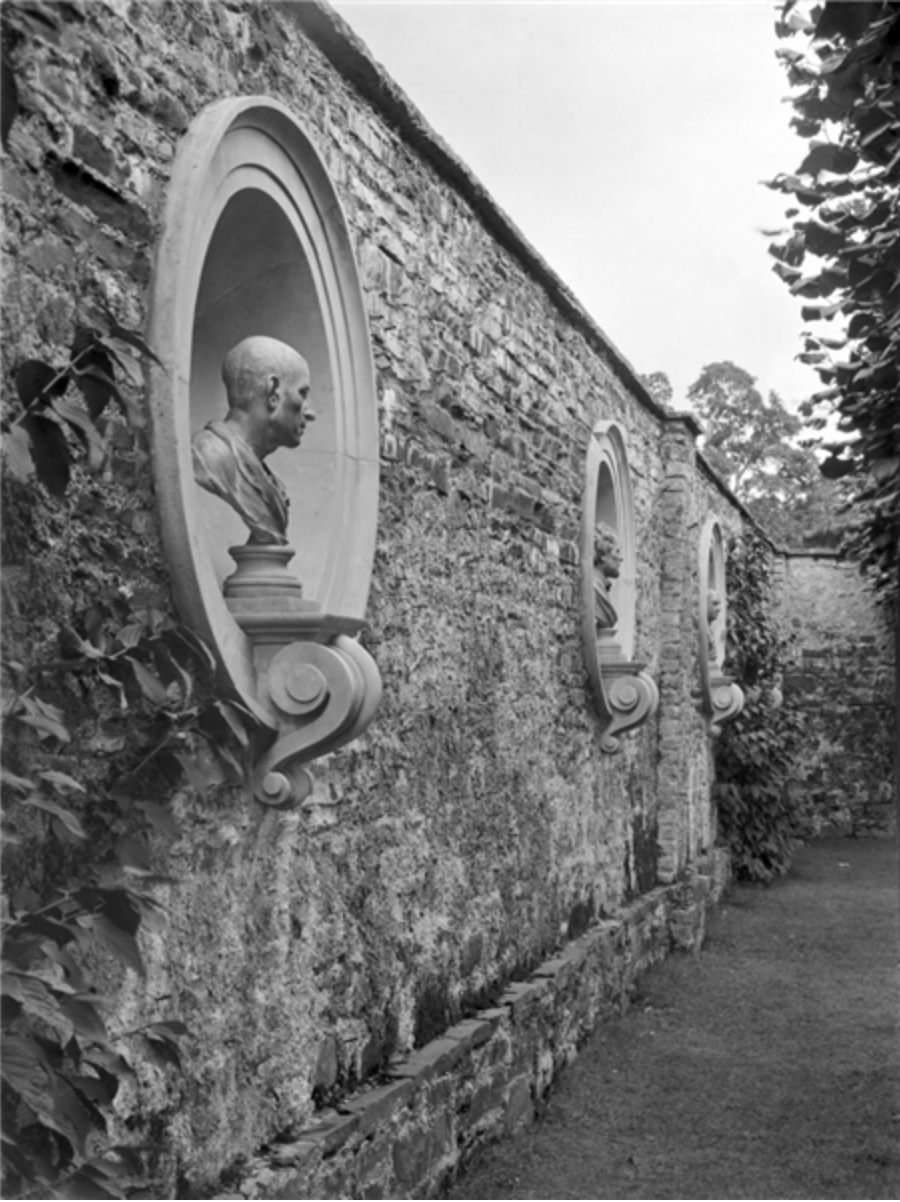
On the east side of the pond Luytens created a Pavilion with Portland stone dressings, terracotta tiled roof and saucer-domed interior, containing two Corinthian capitals rescued by Trench from the Parliament House in Dublin, which he was involved in remodelling. The north wall had busts of philosphers in oval niches, now replaced by urns.


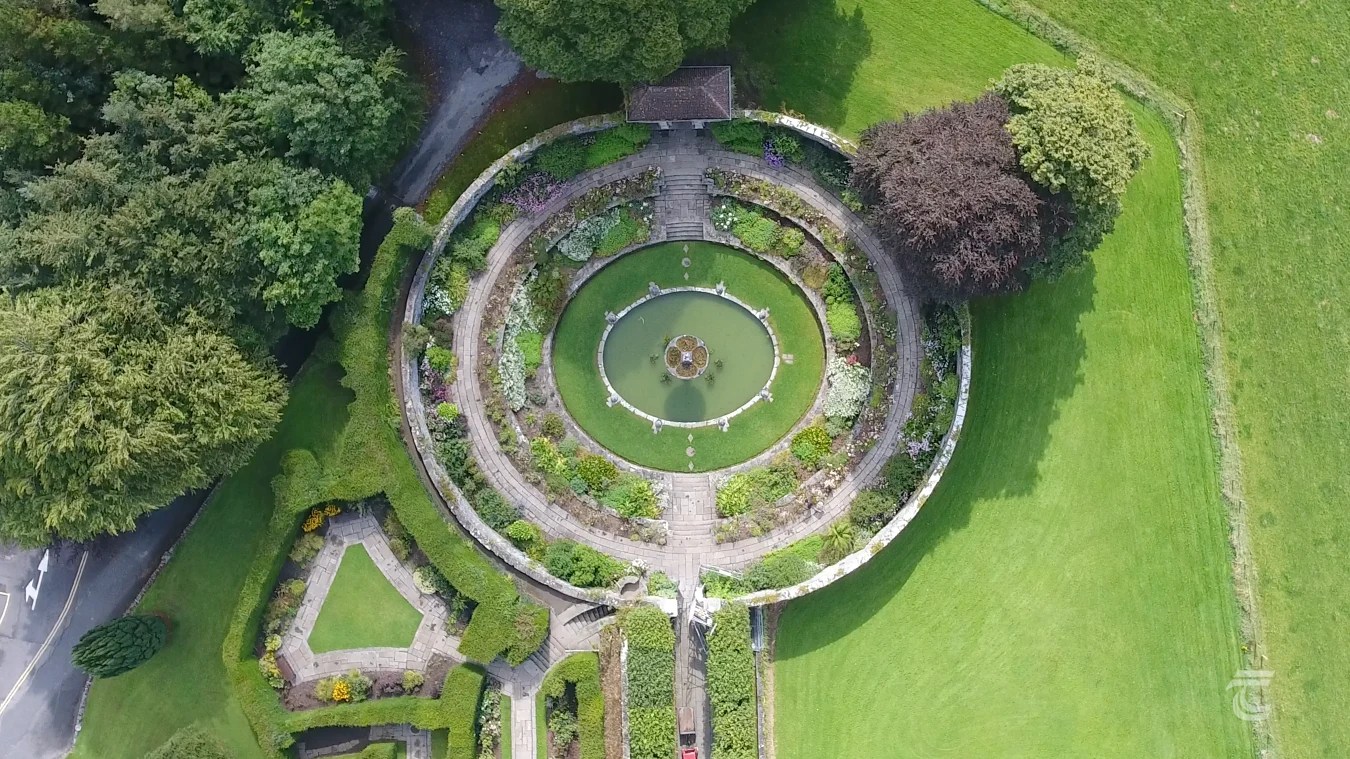

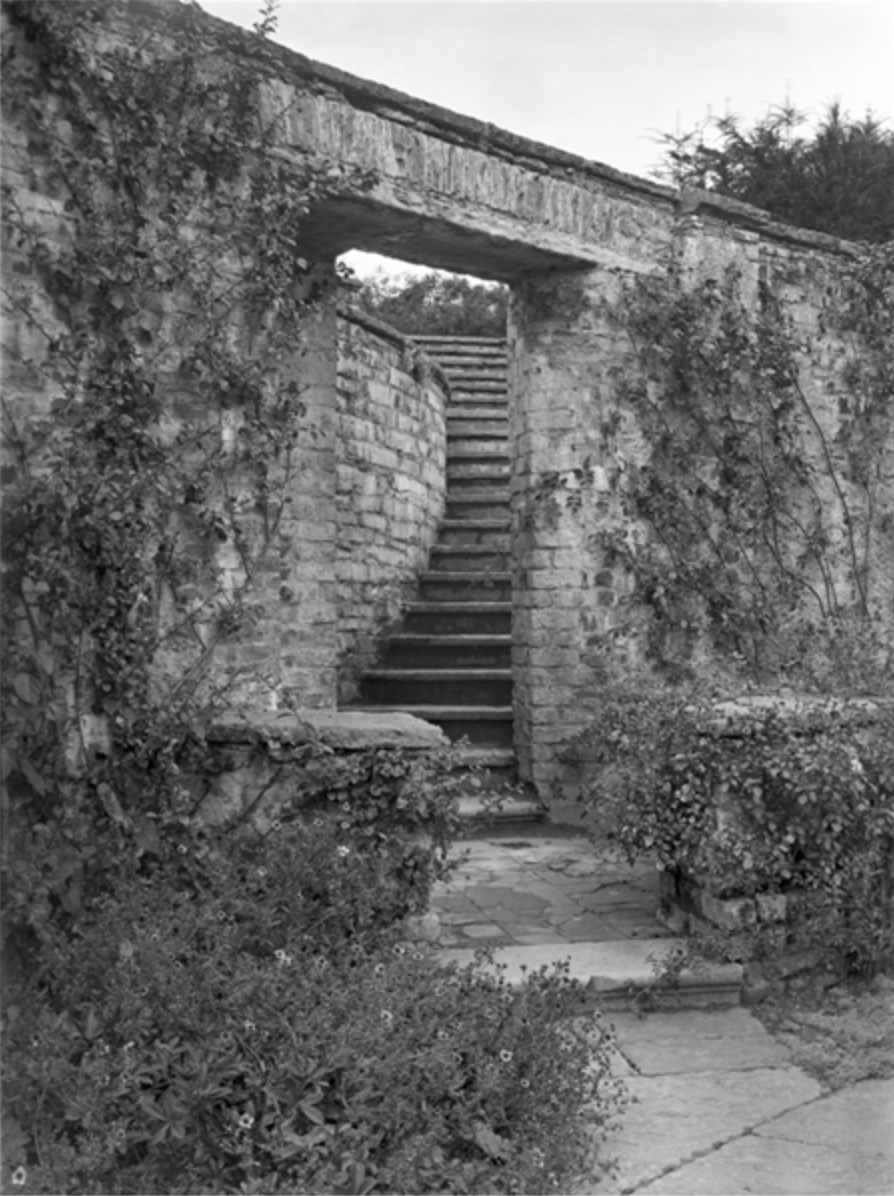
Behind and above the Sunken Garden are a series of “rooms” created by tall hedges and floral planting, stone structures and a suntrap of a seating area.


[1] p. 96. Sadleir, Thomas U. and Page L. Dickinson. Georgian Mansions in Ireland with some account of the evolution af Georgian Architecture and Decoration. Dublin University Press, 1915.
[2] https://theirishaesthete.com/2018/08/27/heywood/
[3] https://thegardenhistory.blog/2024/09/28/what-is-a-picturesque-garden/
[4] p. 356. Tierney, Andrew. The Buildings of Ireland: Central Leinster: Kildare, Laois and Offaly. Yale University Press, New Haven and London, 2019.
[5] p. 61. O’Reilly, Sean. Irish Houses and Gardens. From the Archives of Country Life. Aurum Press Ltd, London, 1998.
[6] https://www.tuatha.ie/heywood-gardens/
and https://theirishaesthete.com/2014/05/12/to-smooth-the-lawn-to-decorate-the-dale/
 Irish Historic Houses
2 thoughts on “Heywood gardens, Ballinakill, County Laois, Office of Public Works”