
donation
Help me to pay the entrance fee to one of the houses on this website. This site is created purely out of love for the subject and I receive no payment so any donation is appreciated!
€15.00
Dunguaire Castle, Kinvara, County Clare
https://www.dunguairecastle.com/dunguaire-castle/
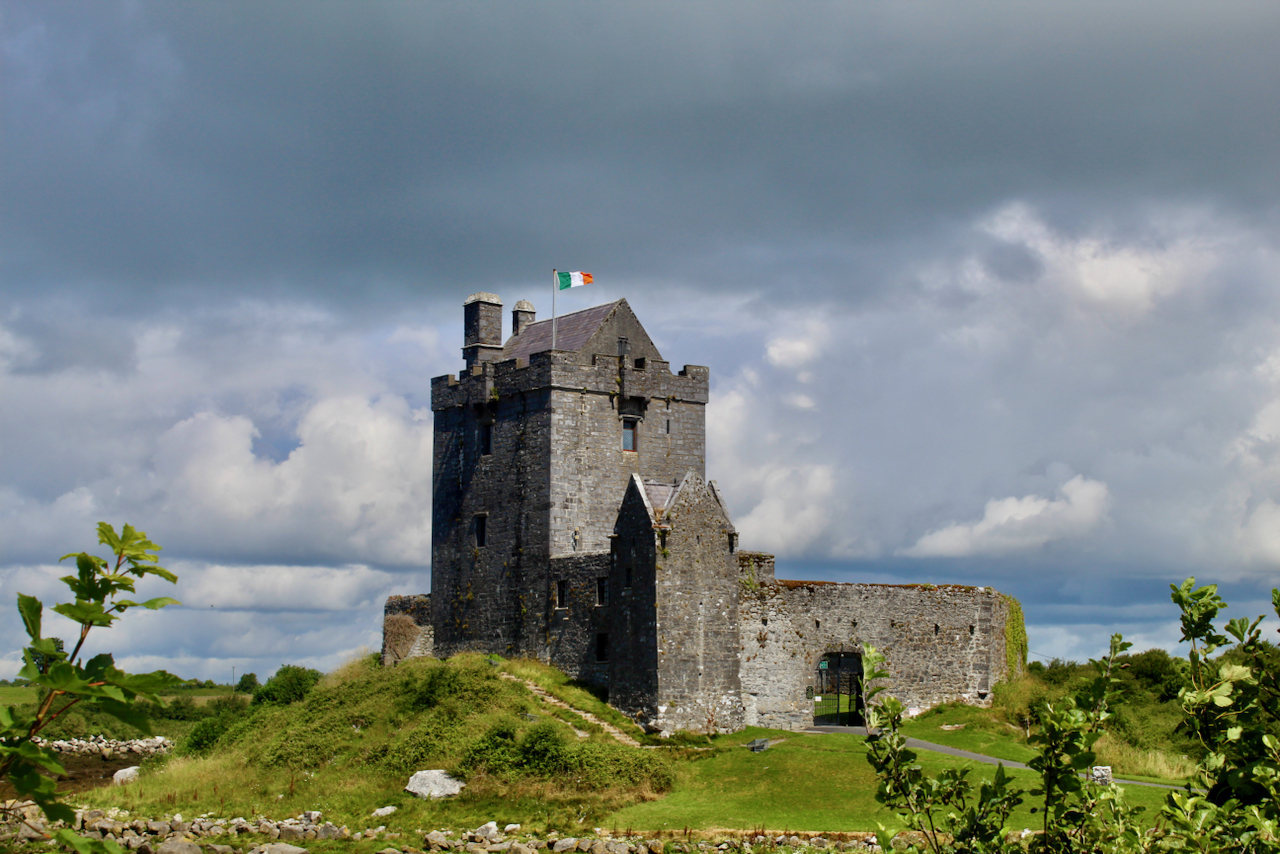
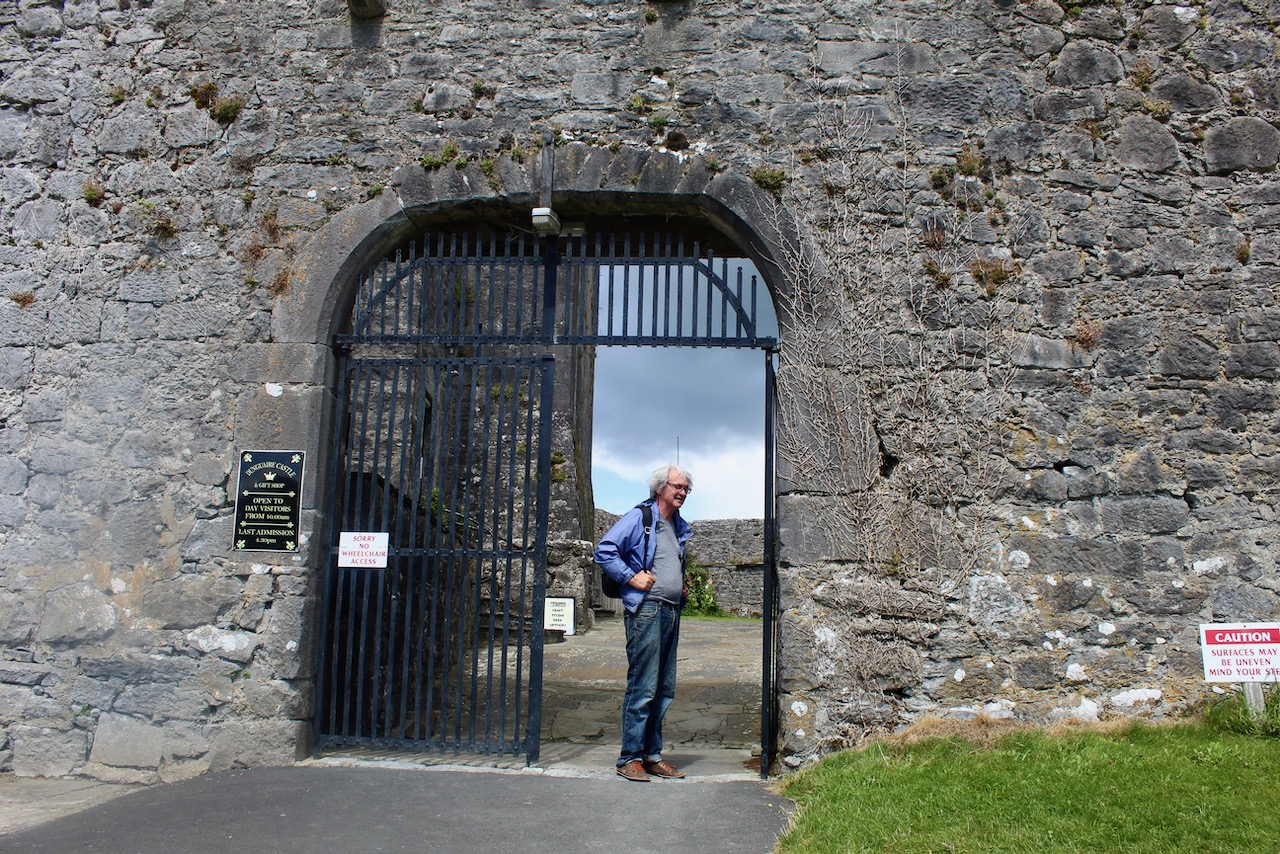
Dunguaire is maintained by Shannon Heritage, which also owns Bunratty Castle, King Johns Castle in Limerick, Craggaunowen folk park, Knappogue Castle in County Clare, Dublin GPO Witness History and Malahide Castle and Gardens in Dublin. Stephen and I visited Dunguaire Castle in July 2021. The website currently tells us that it is temporarily closed.
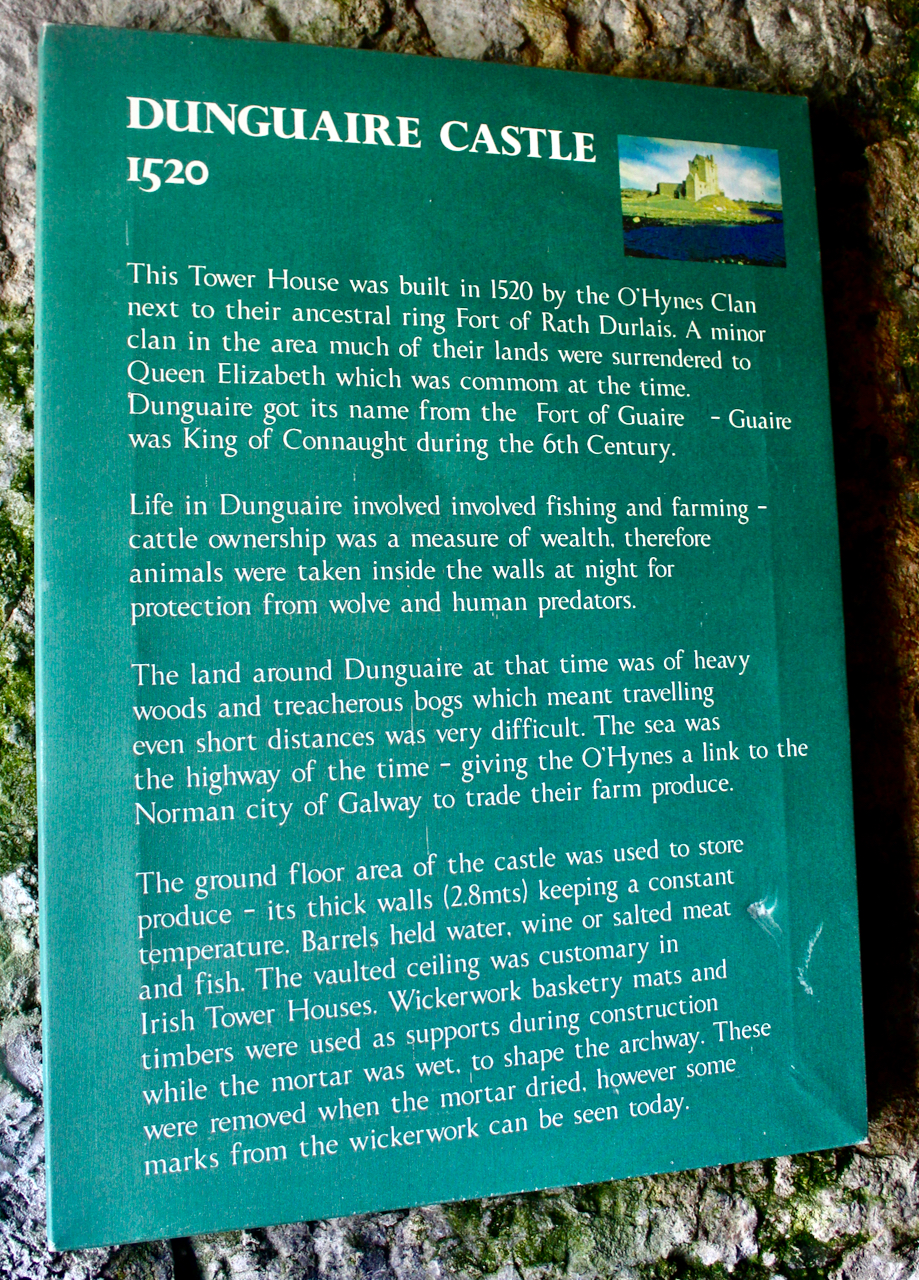
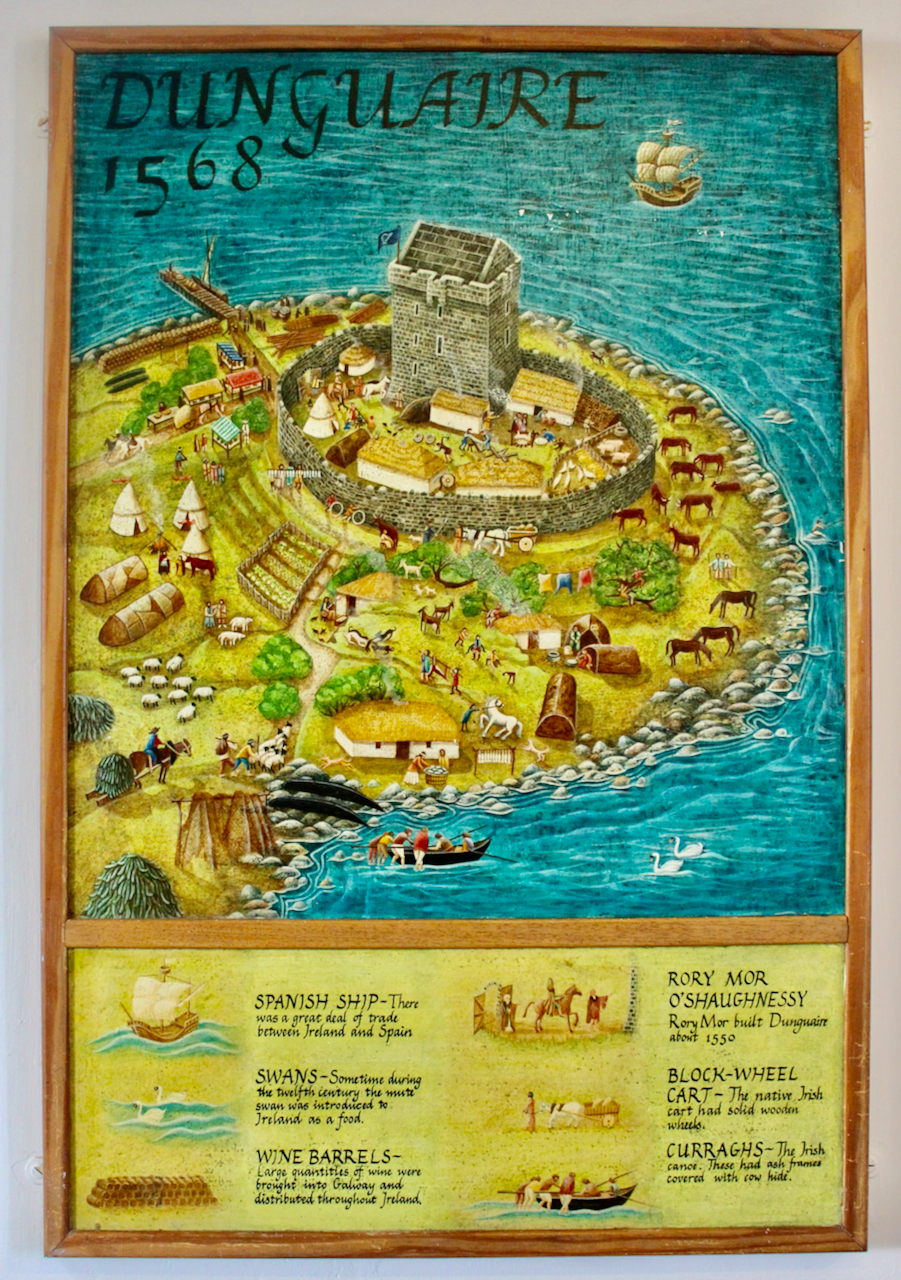
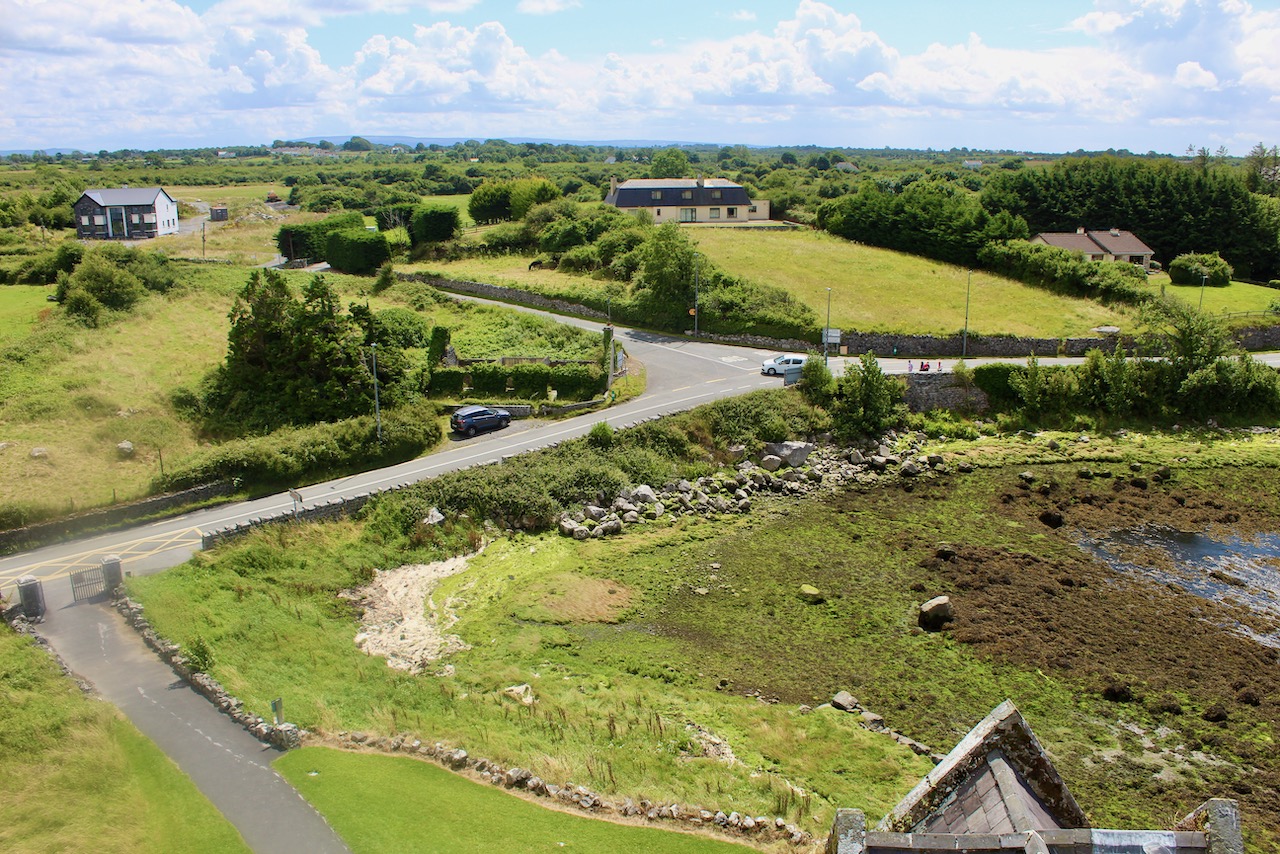
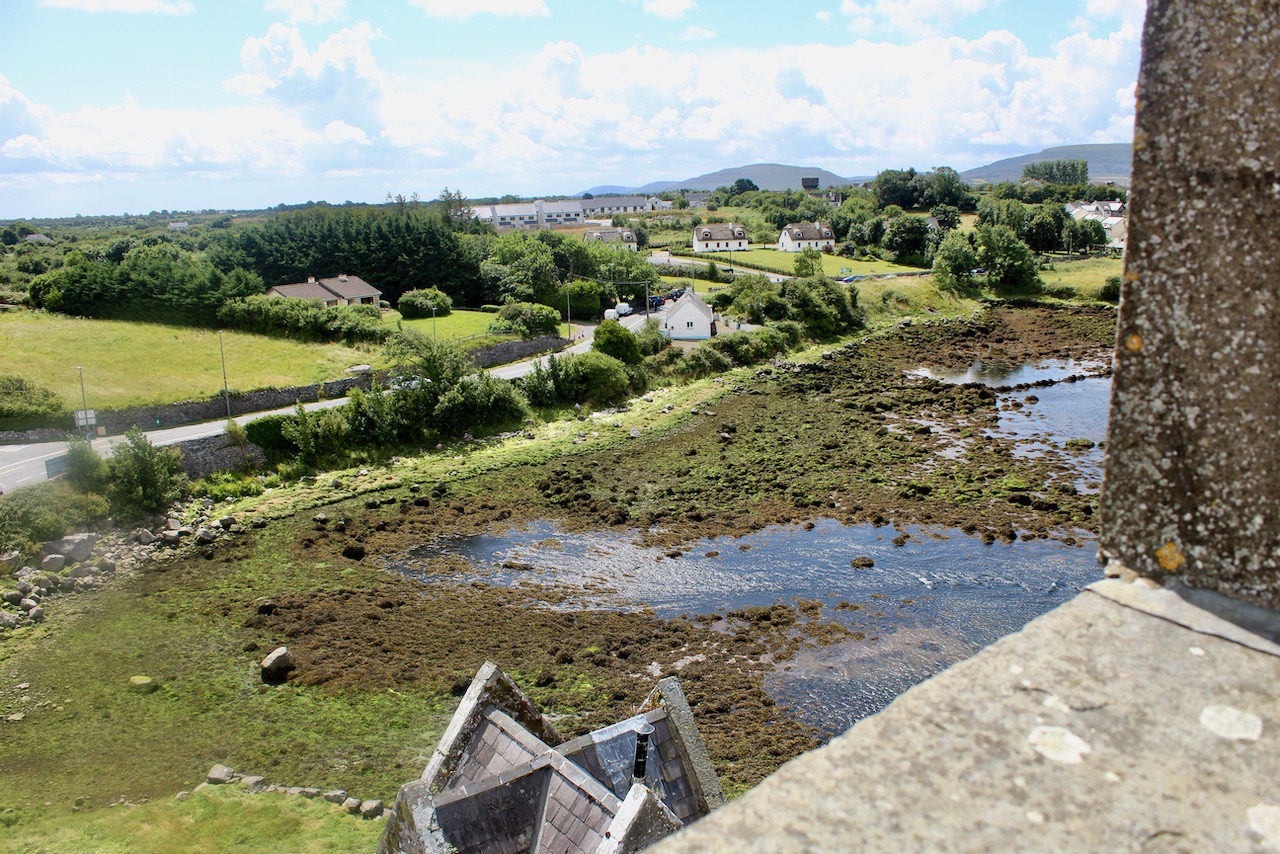
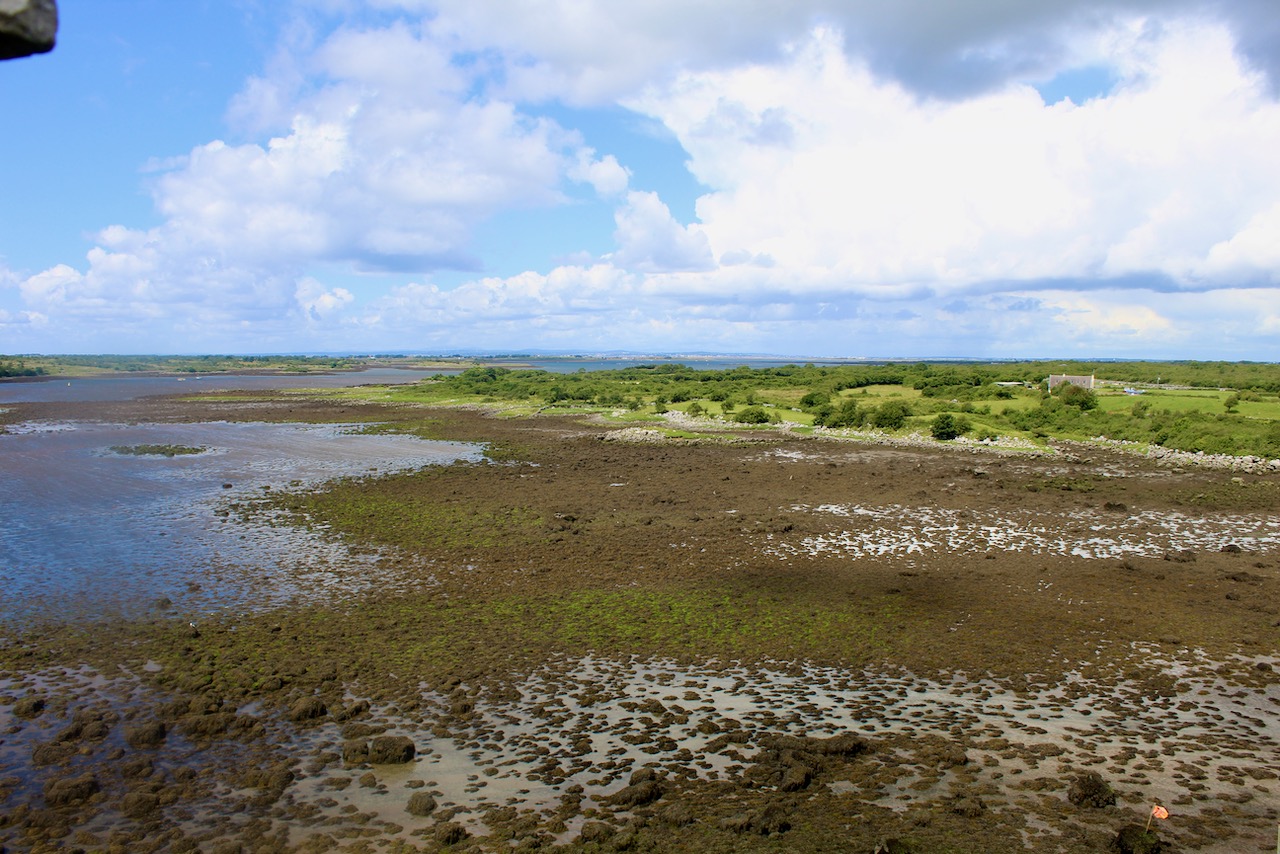
Dunguaire is a tower house built in 1520 by the O’Hynes clan on the shores of Galway Bay. “Dun Guaire” is from Fort of Guaire; Guaire was King of Connaught in the sixth century. Inland lay forests, bogs and wolves, so people travelled at that time by boat.
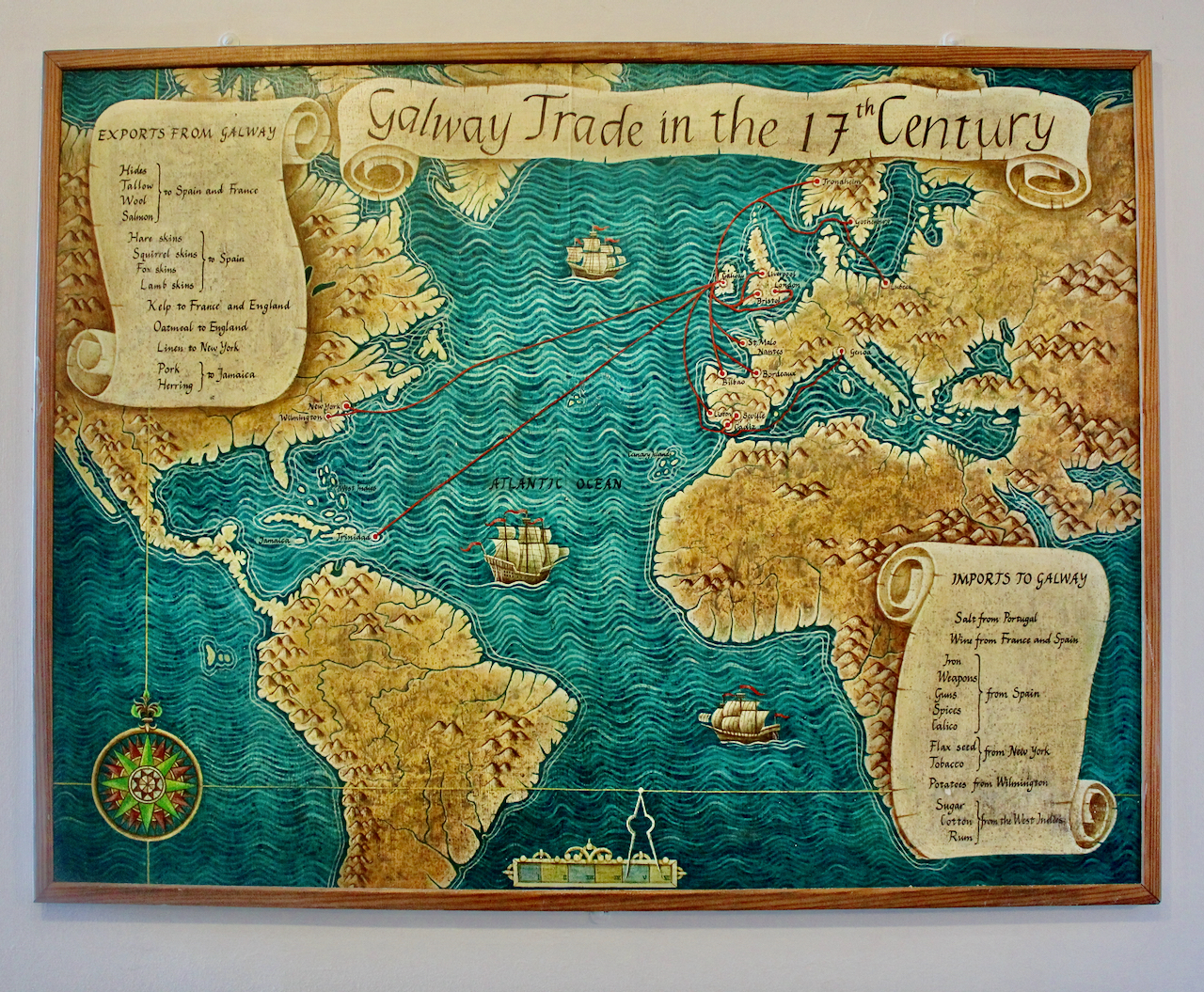
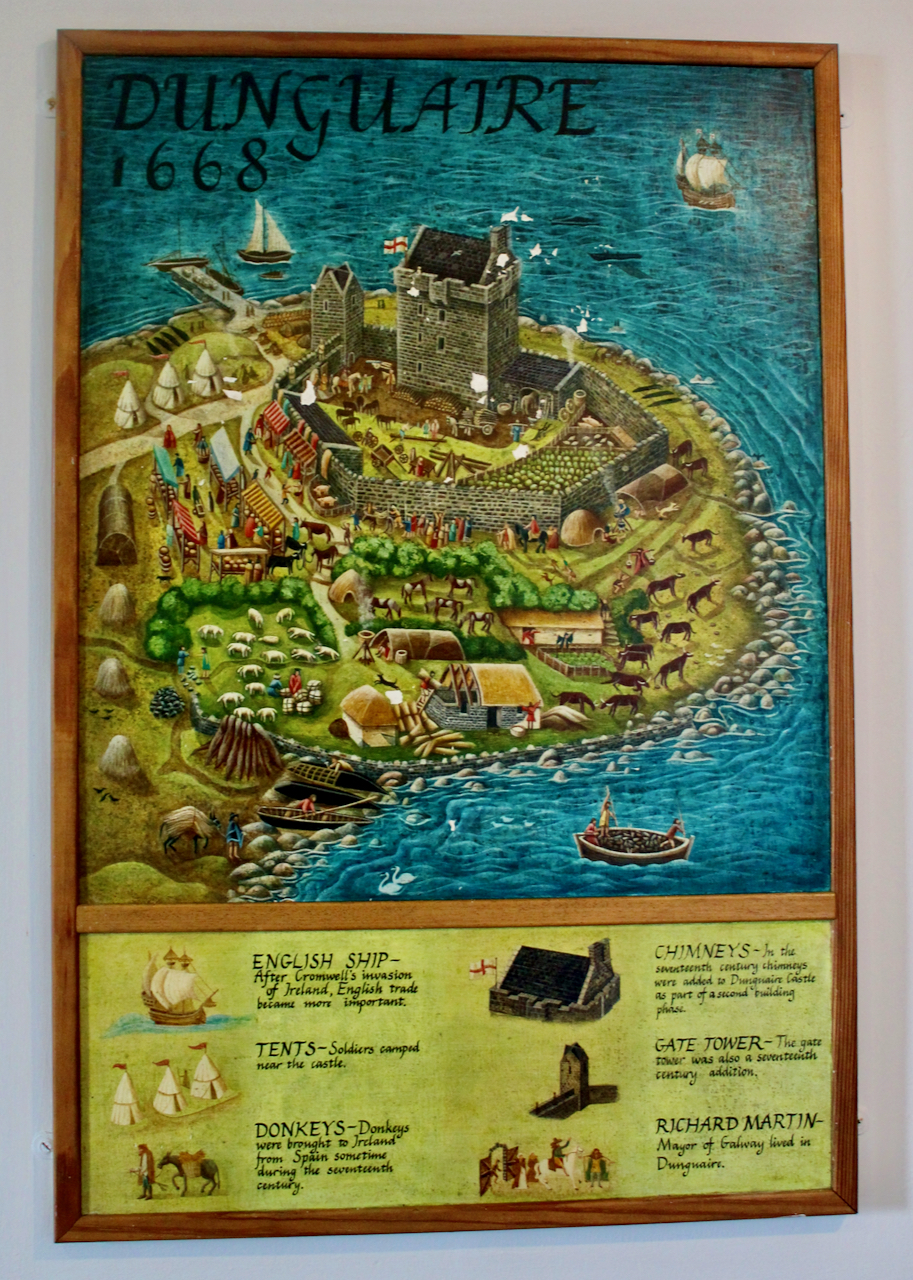
A map in the castle showed us that from Galway in the 17th century, animal hides, tallow from fat, wool and salmon were exported to Spain and France, hare, squirrel, lamb and fox skins imported to Spain, kelp seaweed to France and England, Linen to New York (from flax) and pork and herring to colonies in Jamaica.
Galway would have obtained imports of salt from Portugal (although salt mines were also developed in Ireland), wine from France and Italy, iron, weapons, spices and calico from Spain, flax seed and tobacco from New York, potatoes from Delaware (!), and sugar, cotton and rum from the West Indies.
Another information board tells us that donkeys were brought to Ireland from Spain sometime during the seventeenth century.
The castle retains a small bawn and a second small tower.
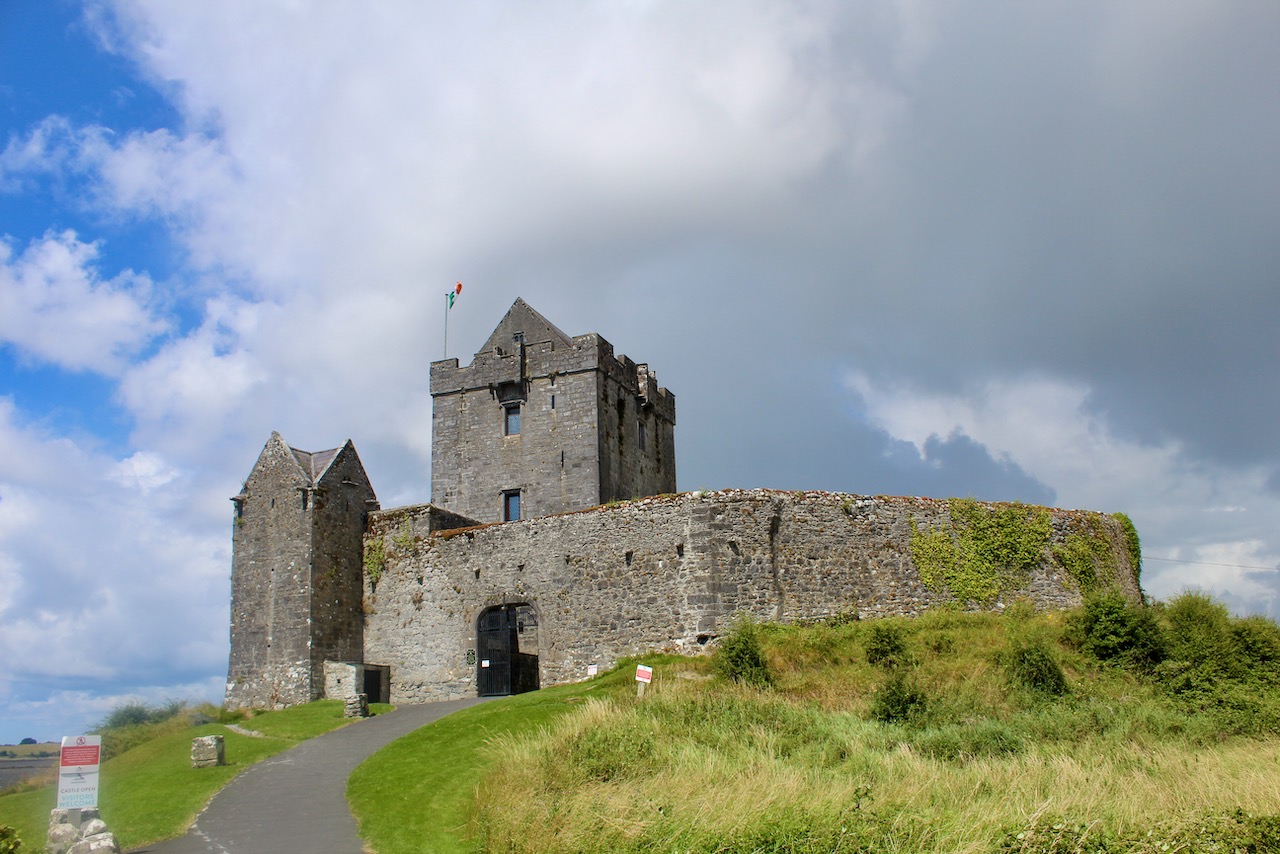
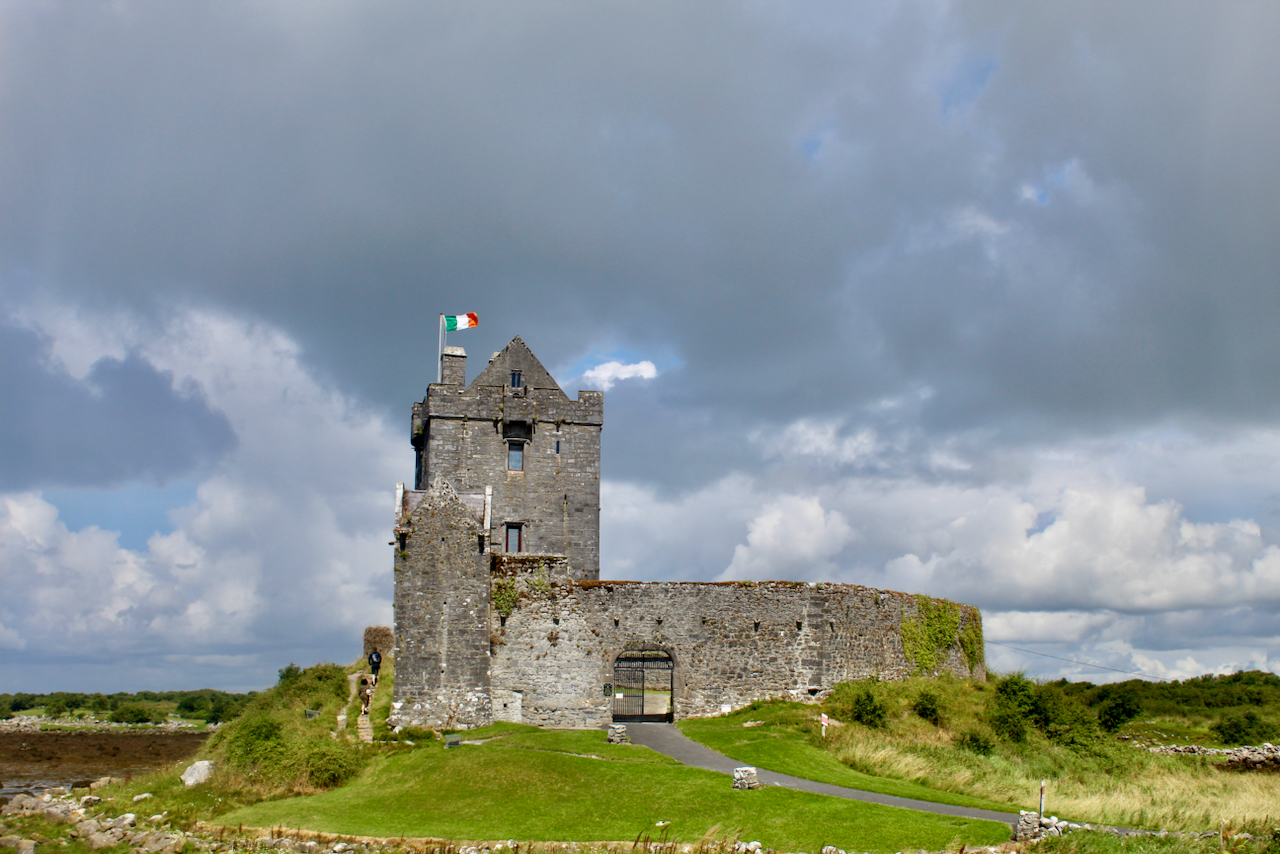
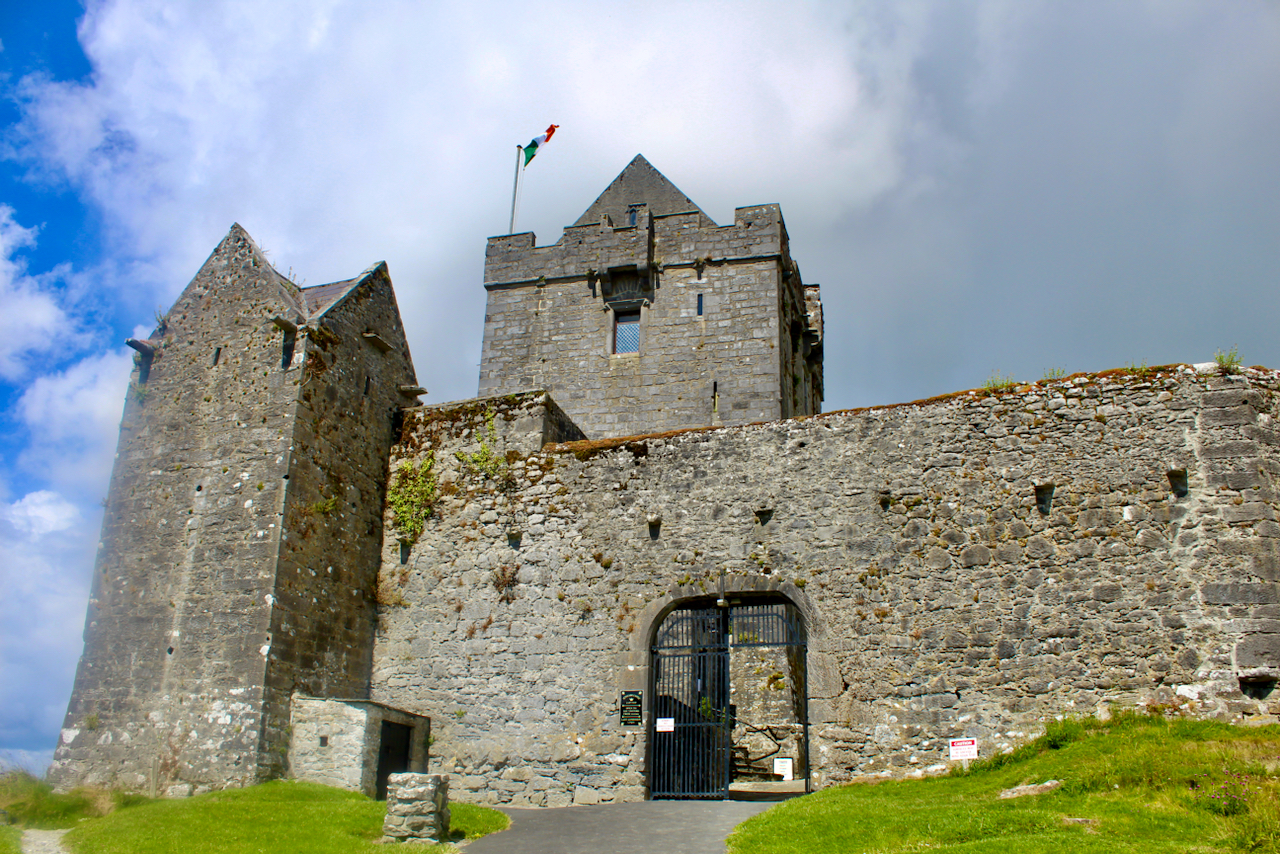
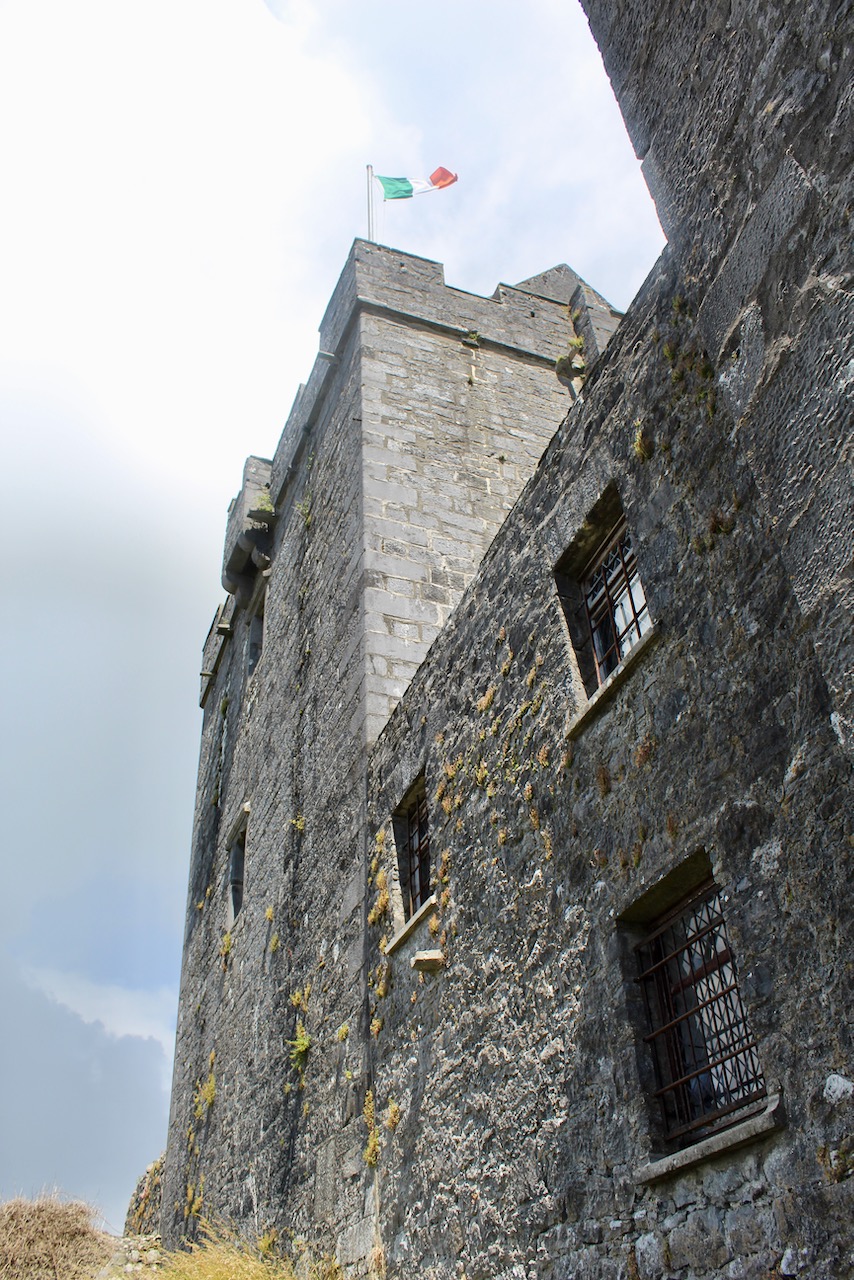
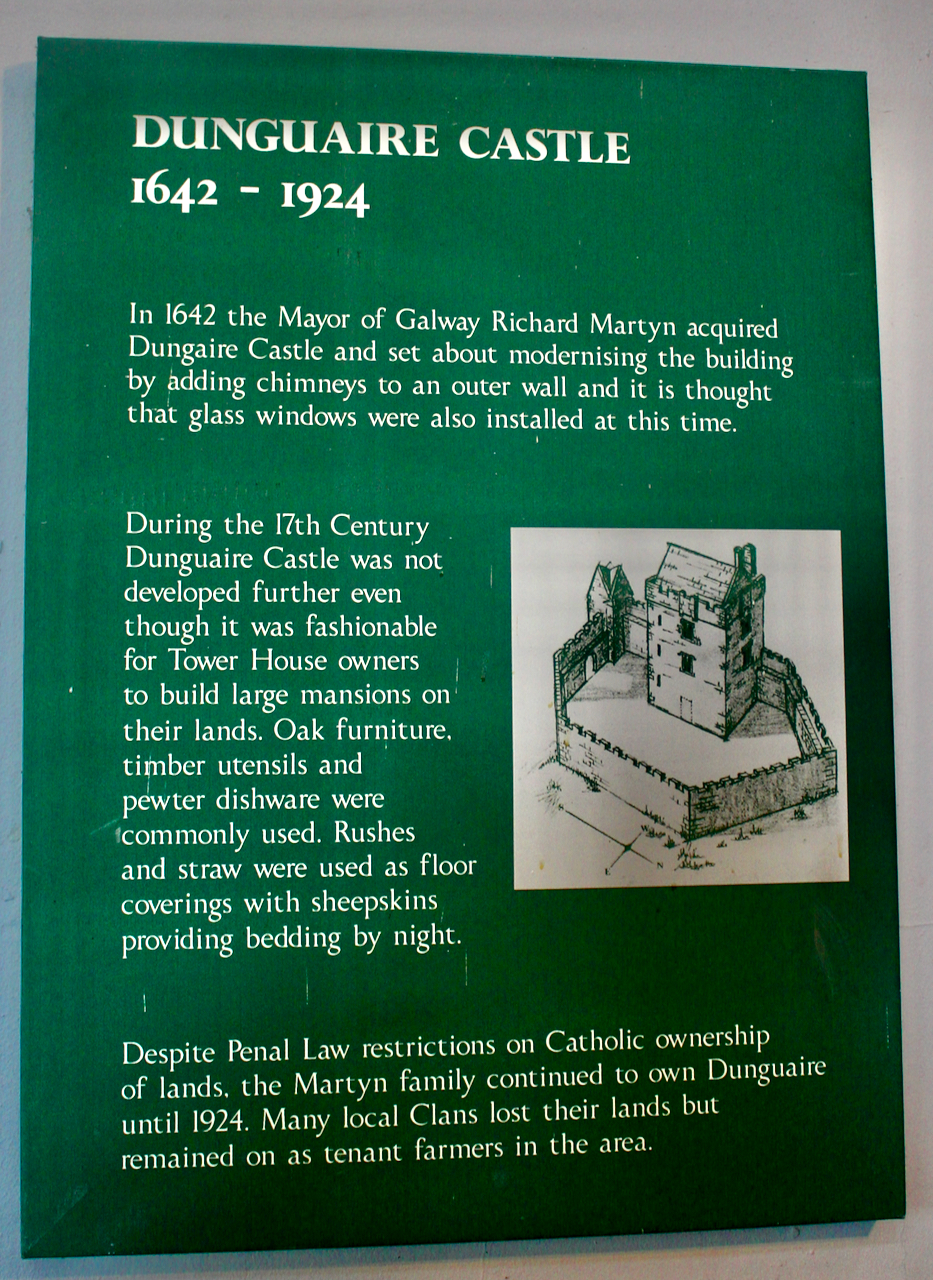
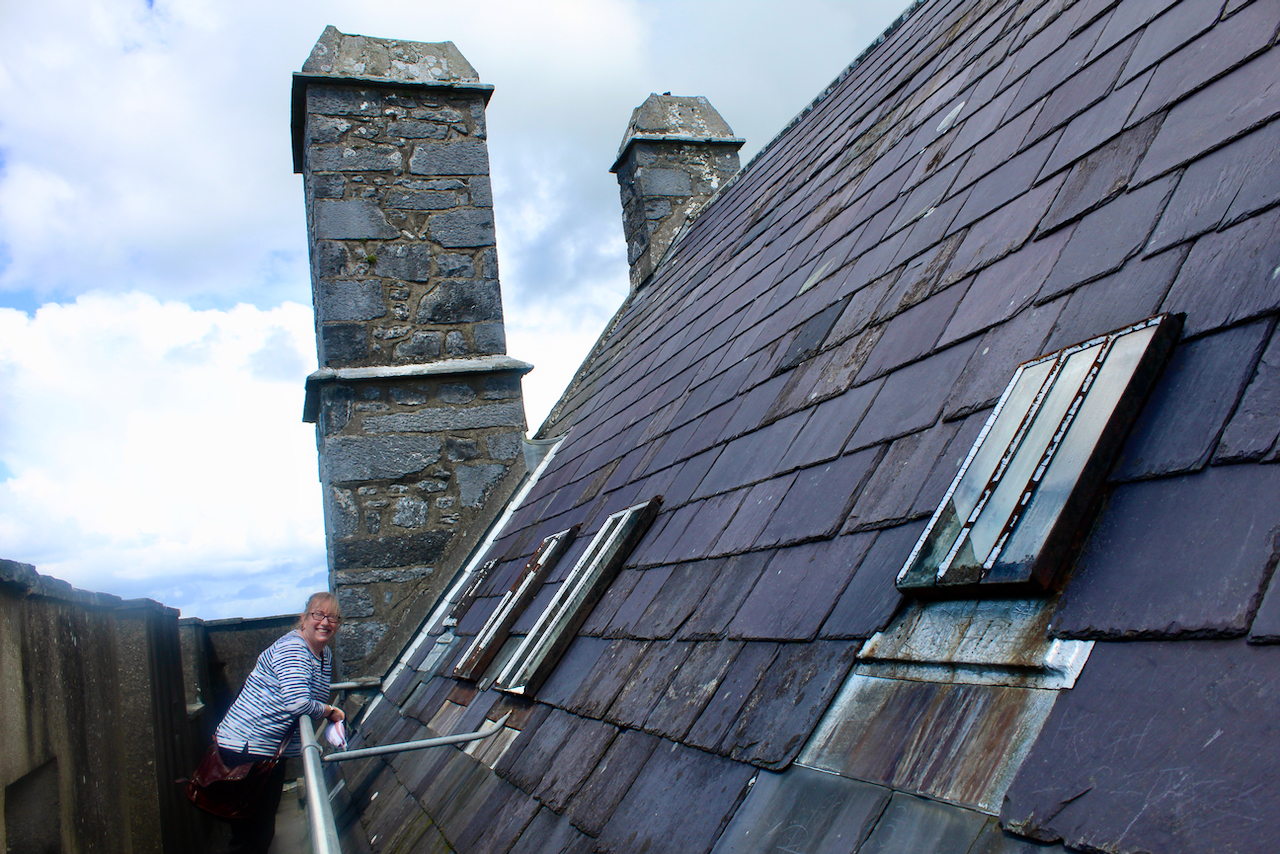
Richard Martyn, Mayor of Galway in 1643-43, lived here until 1642 and the Martyn family, who also owned Tullira Castle in County Galway, continued to own Dunguaire castle through the eighteenth and nineteenth centuries and on until 1924. Richard Martyn is though to have modernised the building and added glass windows. Chimneys were added in the seventeenth century.
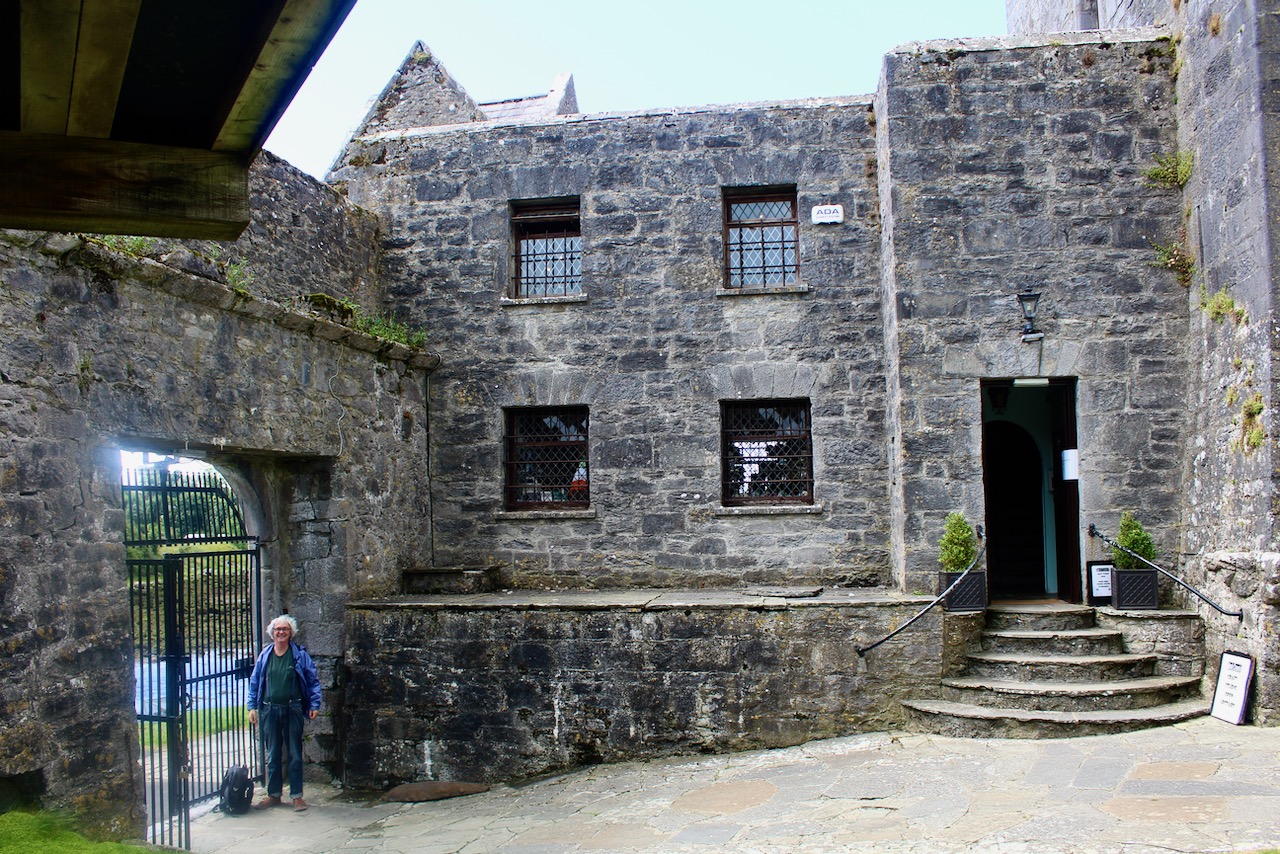
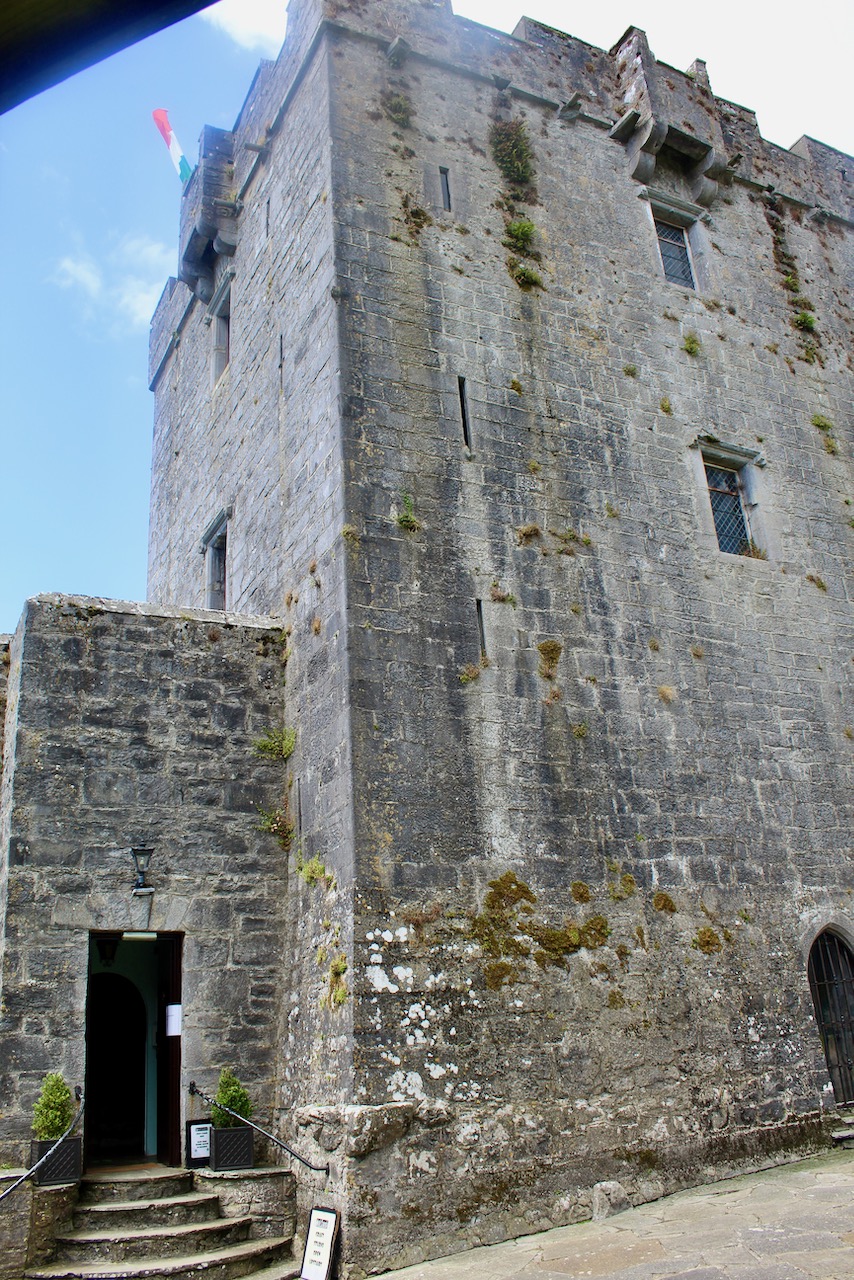
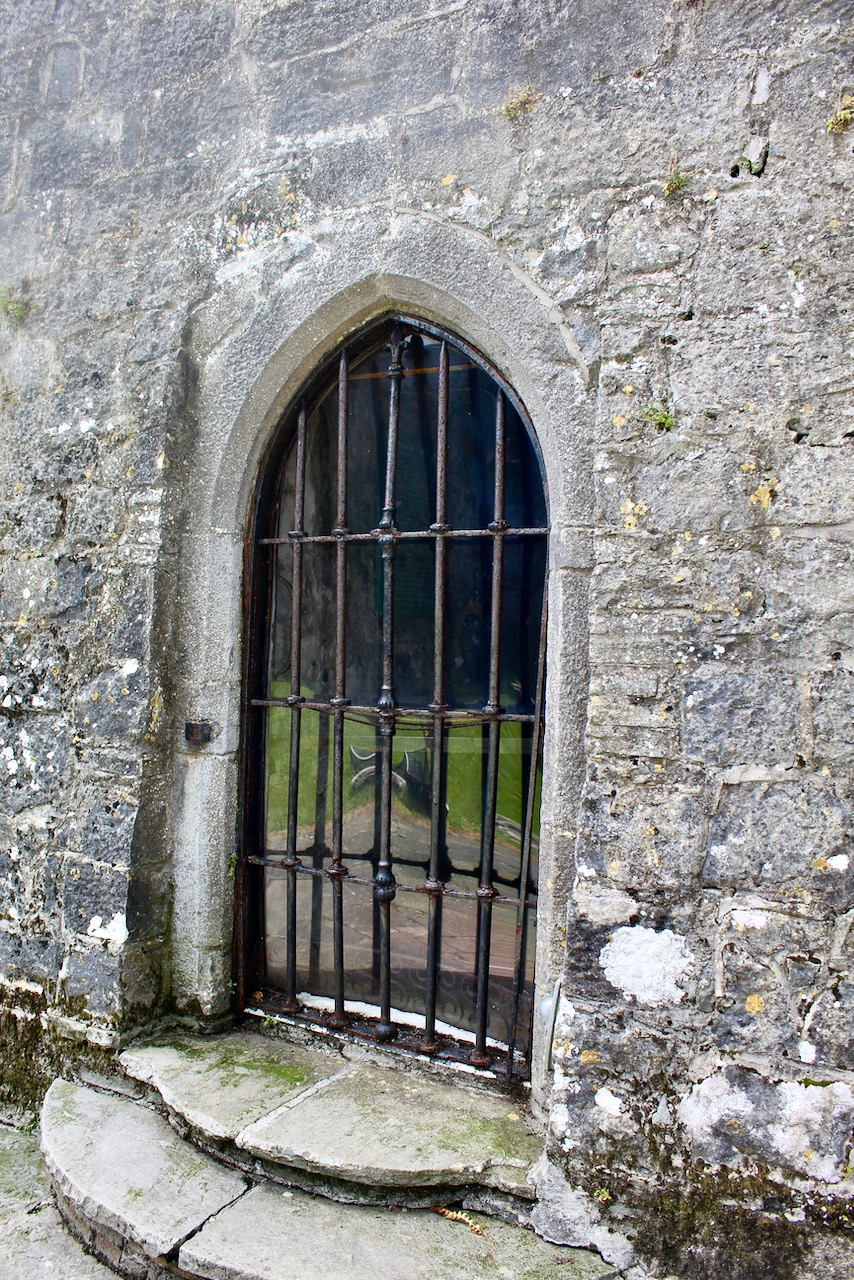
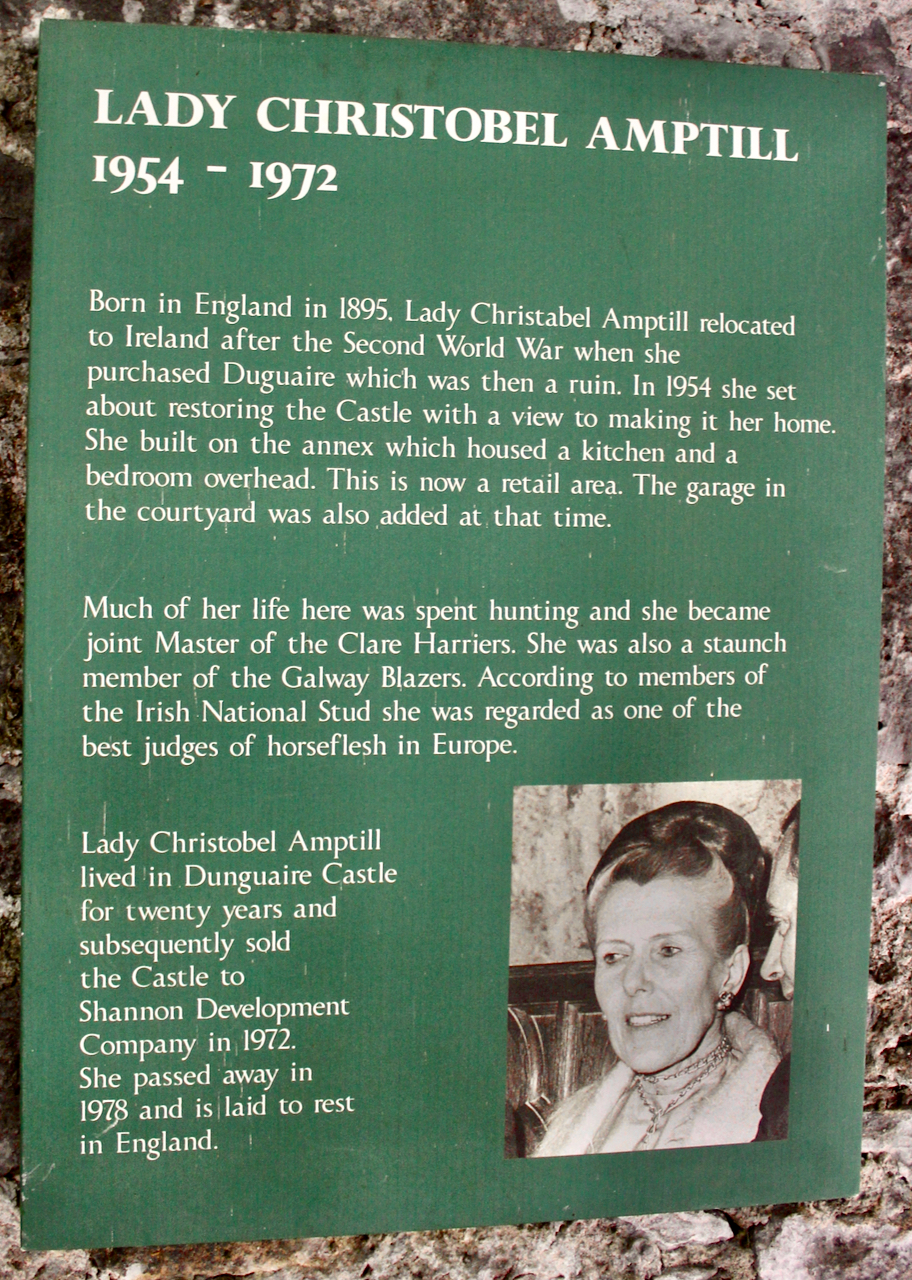
In 1924 Dunguaire was bought and repaired by Oliver St. John Gogarty, the famous surgeon and literary figure, who saved it from demolition. It became the venue for meetings of the literary revivalists such as W.B. Yeats, his patron Lady Gregory, George Bernard Shaw, Edward Martin and J.M. Synge. In 1954 the castle was acquired by Christobel Lady Amptill, who completed the restoration started by Oliver St. John Gogarty.
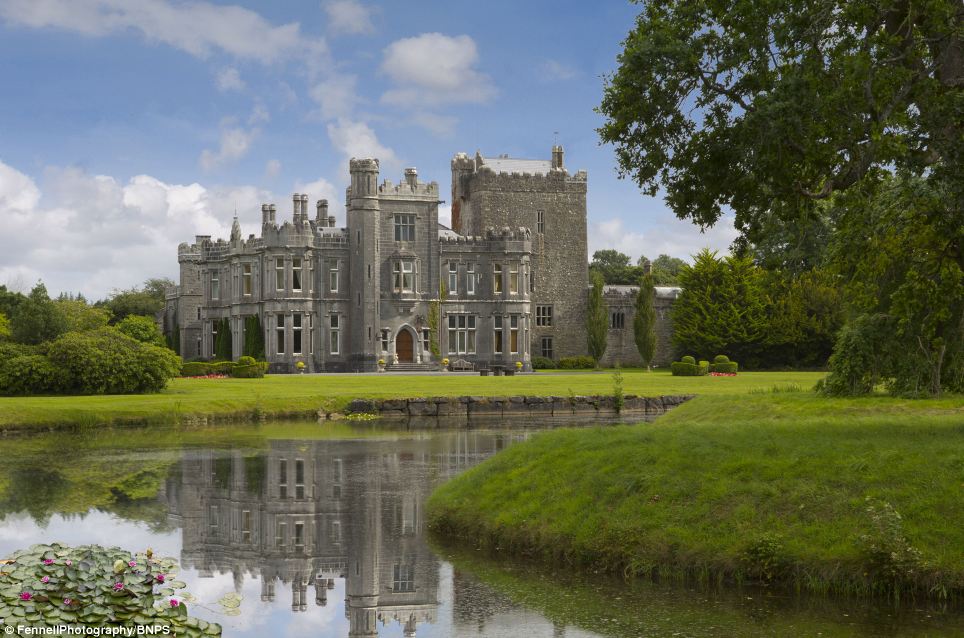
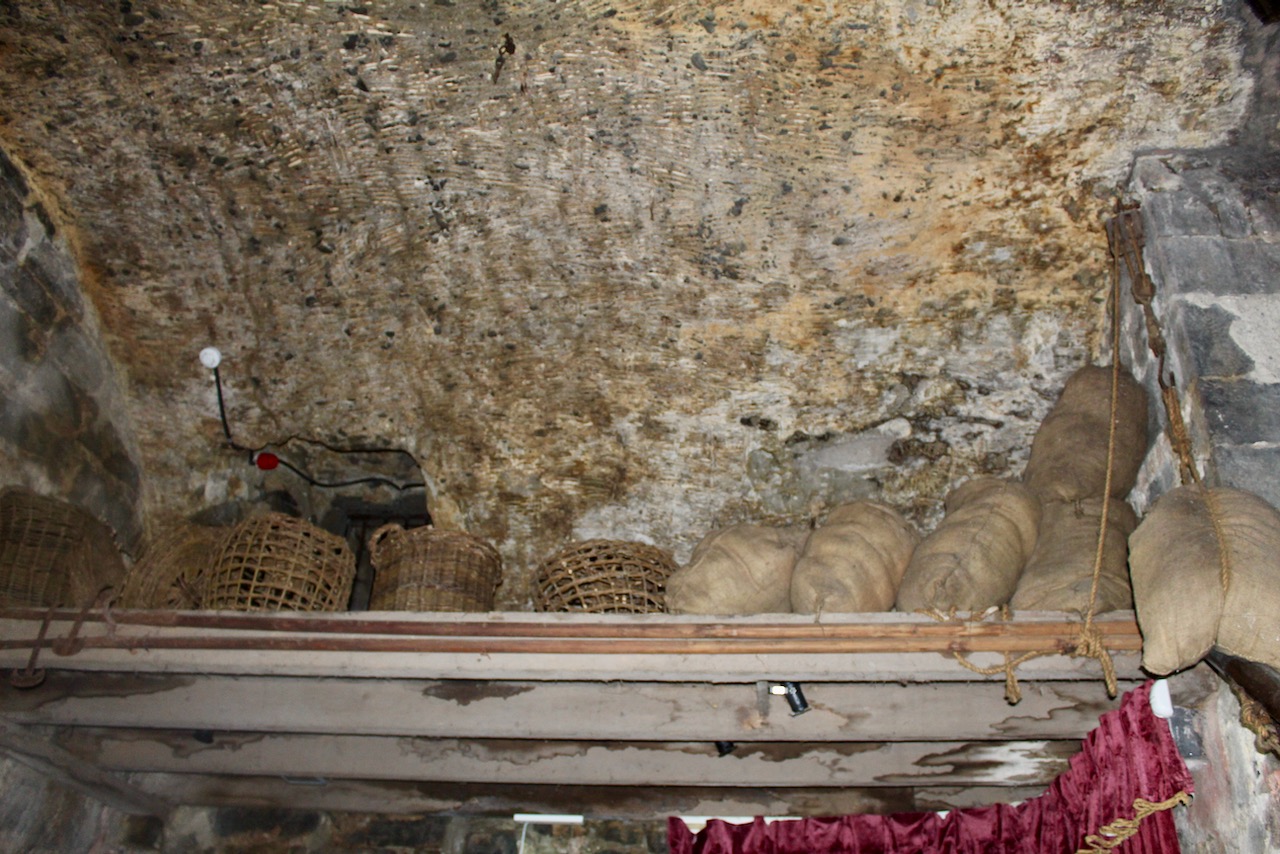
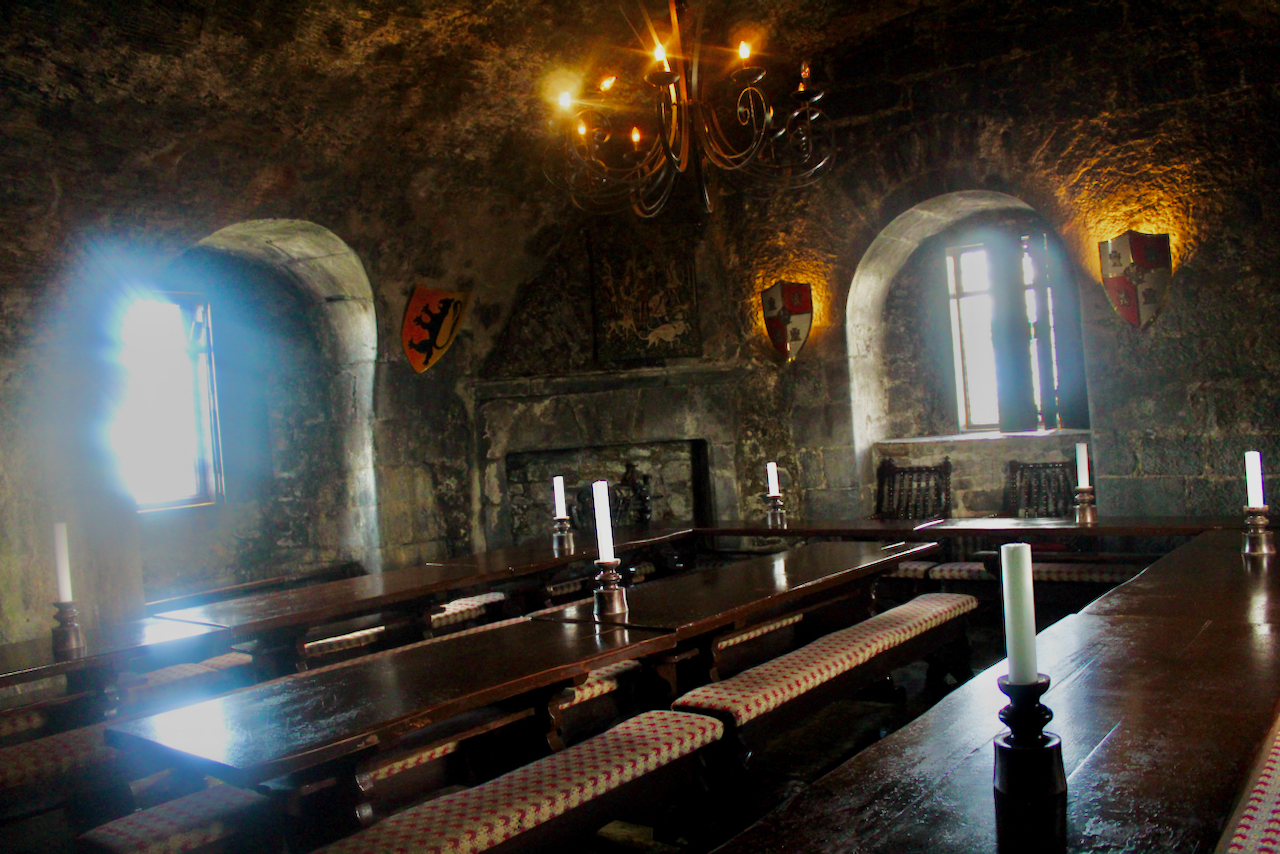
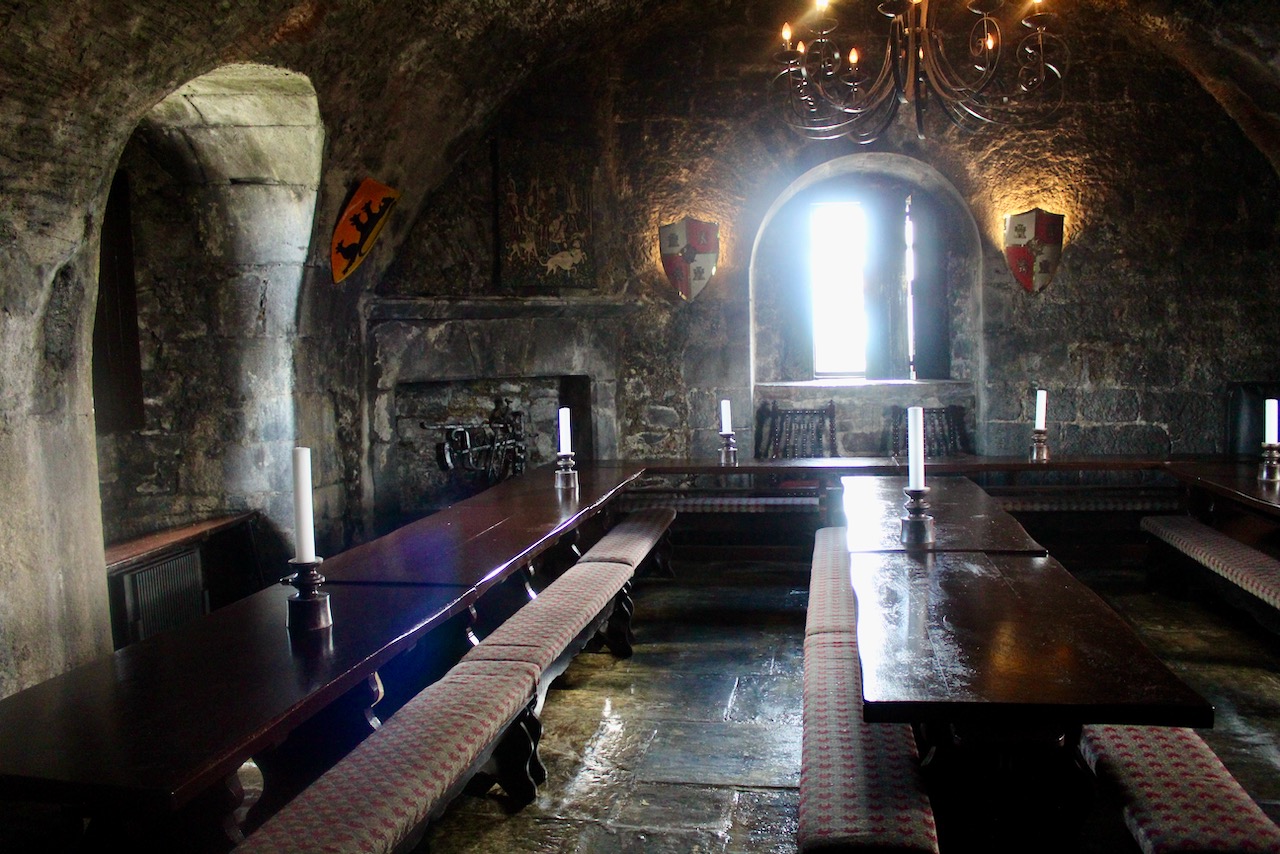
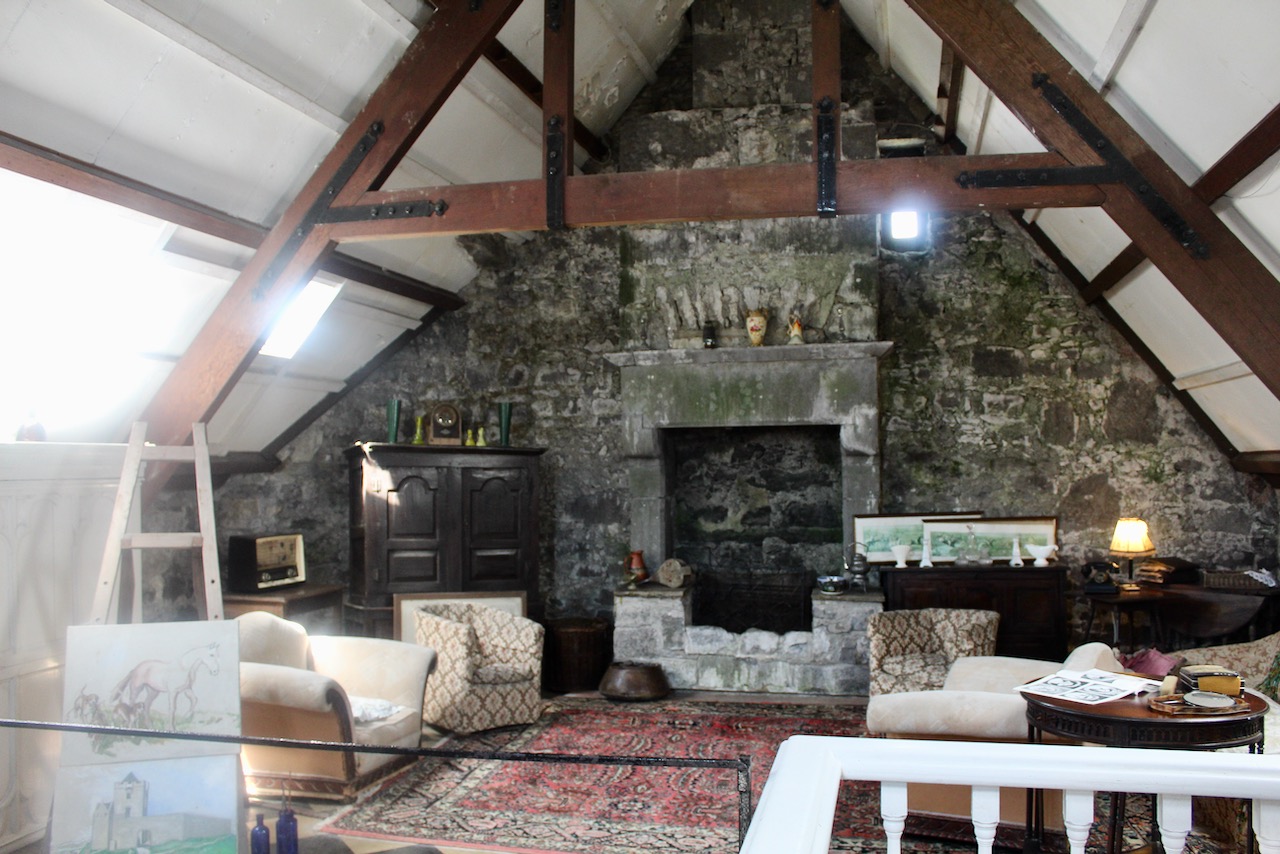
Mark Bence-Jones tells us in his A Guide to Irish Country Houses (1988) that Lady Ampthill’s architect was Donal O’Neill Flanagan, “who carried out a most successful and sympathetic restoration. The only addition to the castle was an unobtrusive two storey wing joining the main tower to the smaller one. The main tower has two large vaulted rooms, one above the other, in its two lower storeys, which keep their original fireplaces; these were made into the dining room and drawing room.” [1]
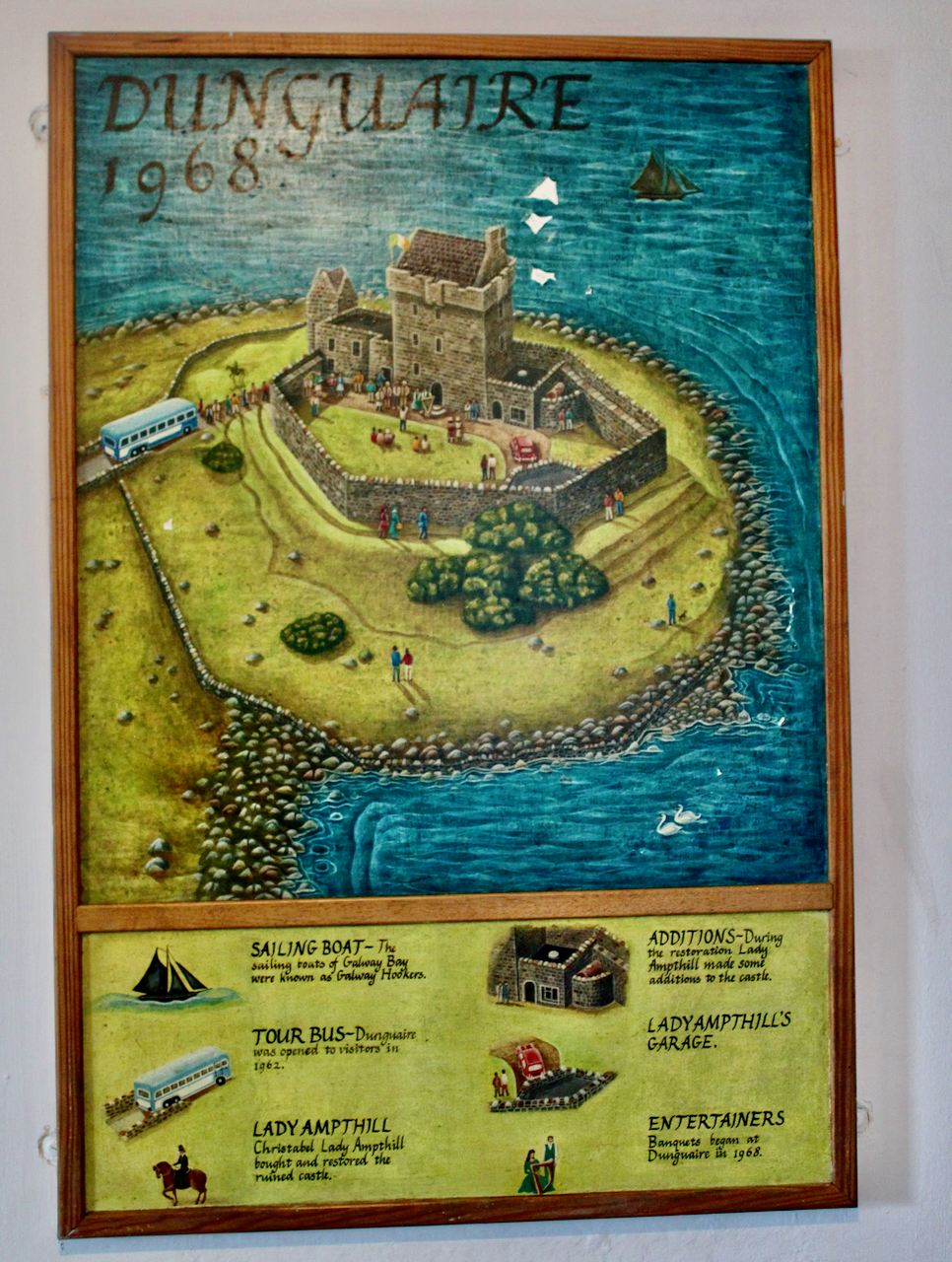
She must have been a brave character to live in the tower all on her own! She sold it to the Shannon Development company in 1972. It was opened to visitors before that, however, when Lady Christobel owned it, according to another information board telling us that it was opened to visitors in 1962. Banquets began at the castle in 1968 – although I am sure there were many banquets in the castle before that!
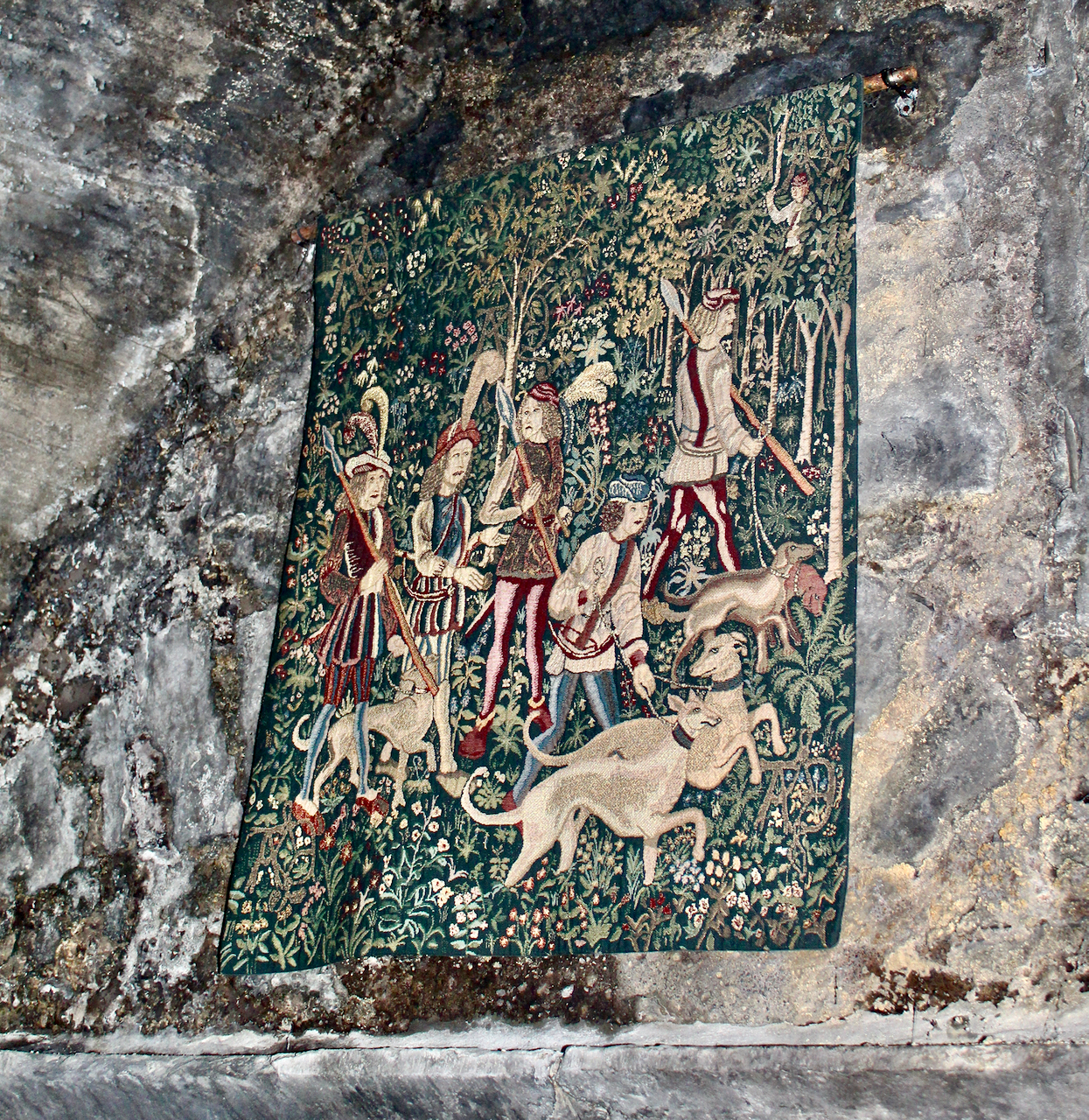
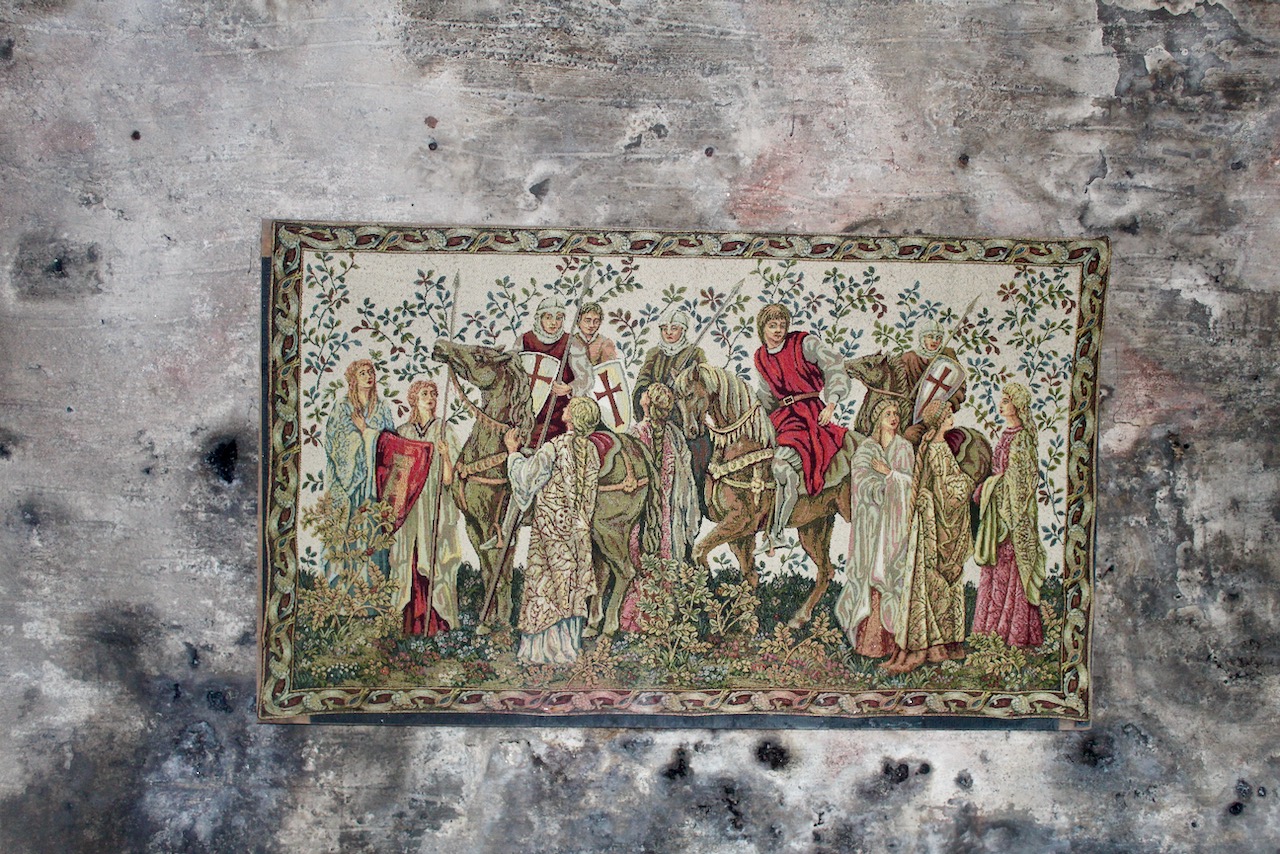

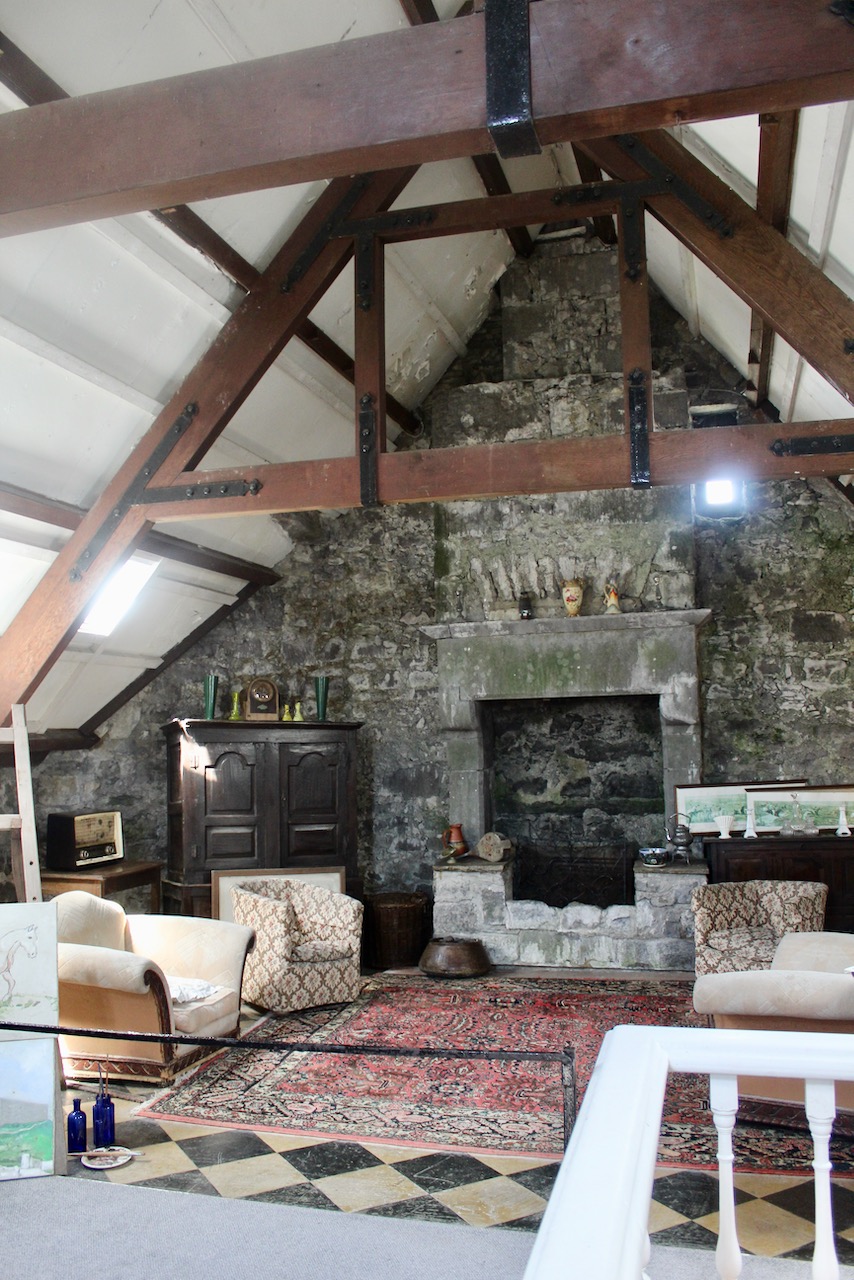
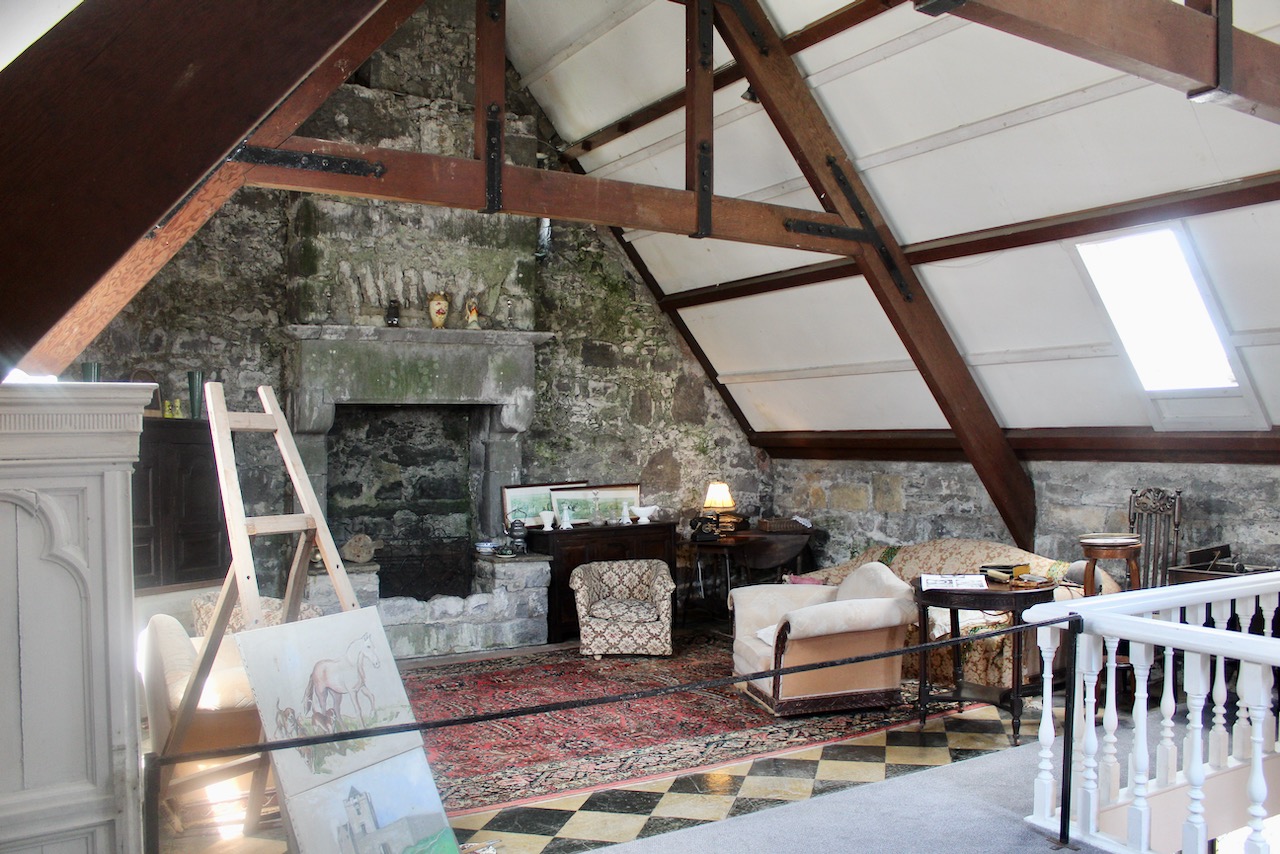
[1] Mark Bence-Jones writes in A Guide to Irish Country Houses (1988):
p. 115. “(Martyn/LGI1912; Gogarty/IFR; Russell, Ampthill, B/PB) An old tower-house with a bawn and a smaller tower, on a creek of Galway Bay; which was for long roofless, though in other respects well maintained by the Martyn family, of Tulira, who owned it C18 and C19, and which was bought in the present century by Oliver St John Gogarty, the surgeon, writer and wit, to save it from threat of demolition. More recently, it was bought by the late Christabel, Lady Ampthill, and restored by her as her home; her architect, being Donal O’Neill Flanagan, who carried out a most successful and sympathetic restoration. The only addition to the castle was an unobtrusive two storey wing joining the main tower to the smaller one. The main tower has two large vaulted rooms, one above the other, in its two lower storeys, which keep their original fireplaces; these were made into the dining room and drawing room. “Medieval” banquets and entertainments are now held here.”
Bence-Jones, Mark. A Guide to Irish Country Houses (originally published as Burke’s Guide to Country Houses volume 1 Ireland by Burke’s Peerage Ltd. 1978); Revised edition 1988 Constable and Company Ltd, London.
Text © Jennifer Winder-Baggot, www.irishhistorichouses.com
 Irish Historic Houses
2 thoughts on “Dunguaire Castle, Kinvara, County Clare – open to the public”