Open in 2026: May 13-17, 20-24, 27-31, June 3-7, 10-14, 17-21, 24-28, July 1-5, 8-12, 15-19, 22-26, 29-31, Aug 15-23 2pm-6pm
Fee: adult €14, OAP/student €12, children under 5 years €5
Home of the Percy French Festival, www.percyfrench.ie

donation
Help me to pay the entrance fee to one of the houses on this website. This site is created purely out of love for the subject and I receive no payment so any donation is appreciated!
€15.00

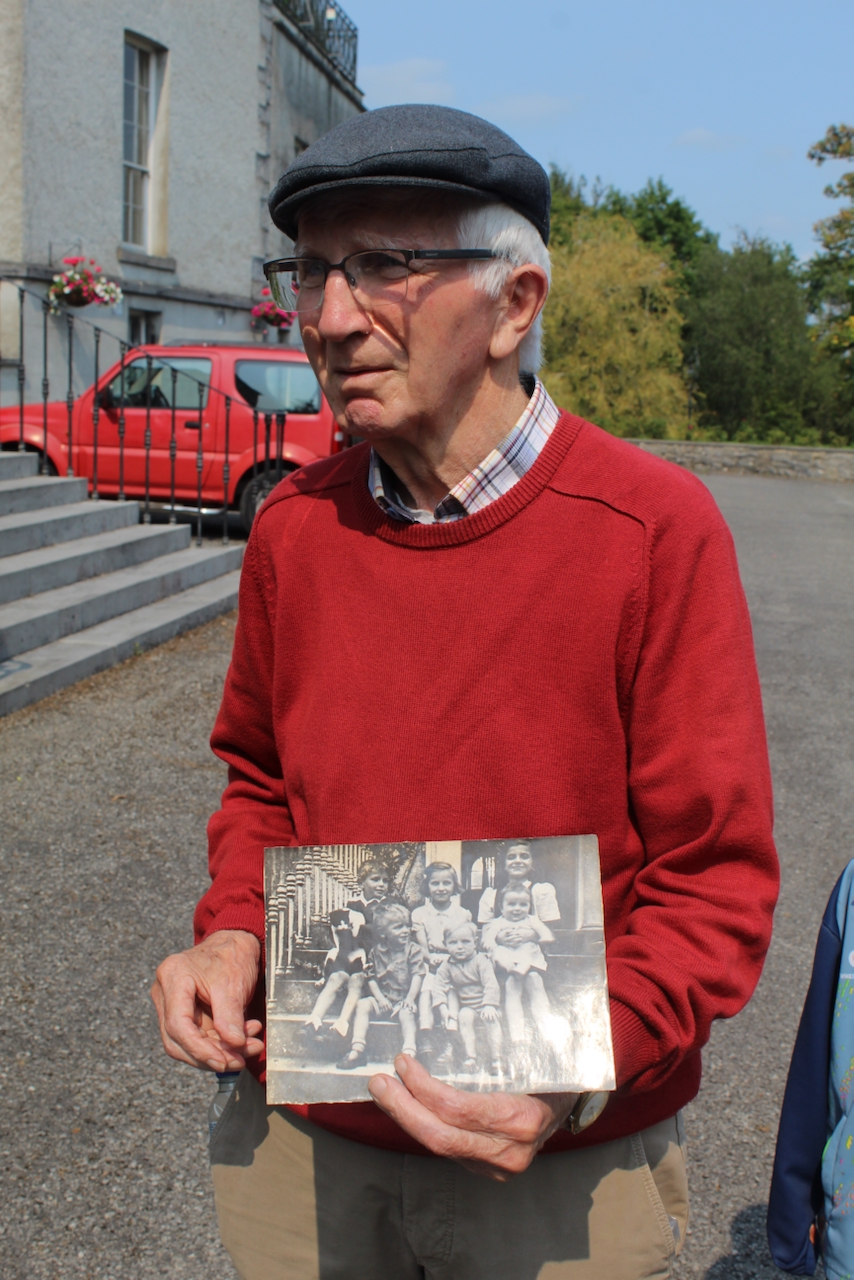
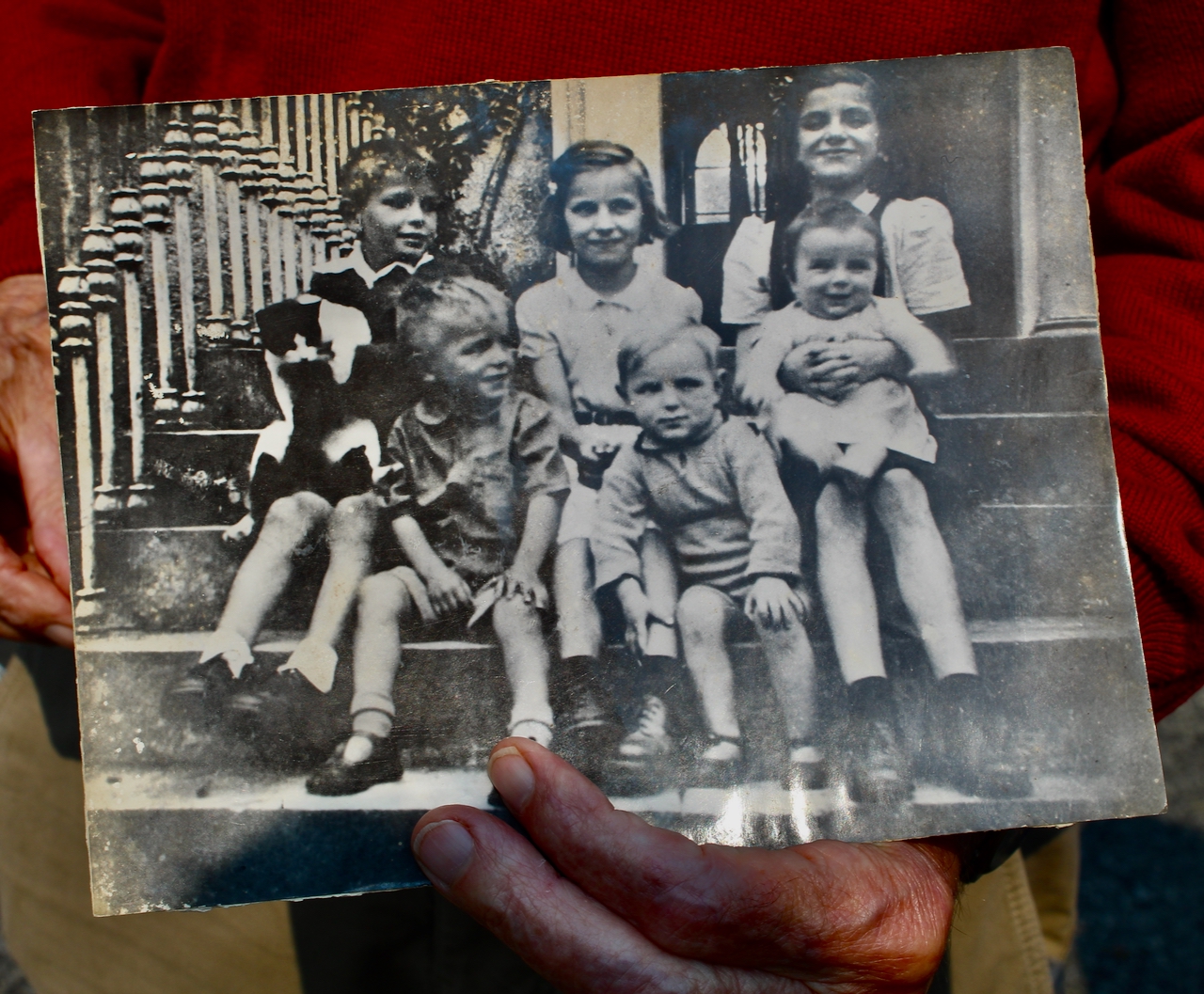
We visited Castlecoote in County Roscommon during Heritage Week 2025. The owner, Kevin, showed us around, and we were lucky enough to be accompanied on the tour by a previous owner, Tony Convoy, who lived here as a child after the 1920s and moved out in 1988 or 1989.
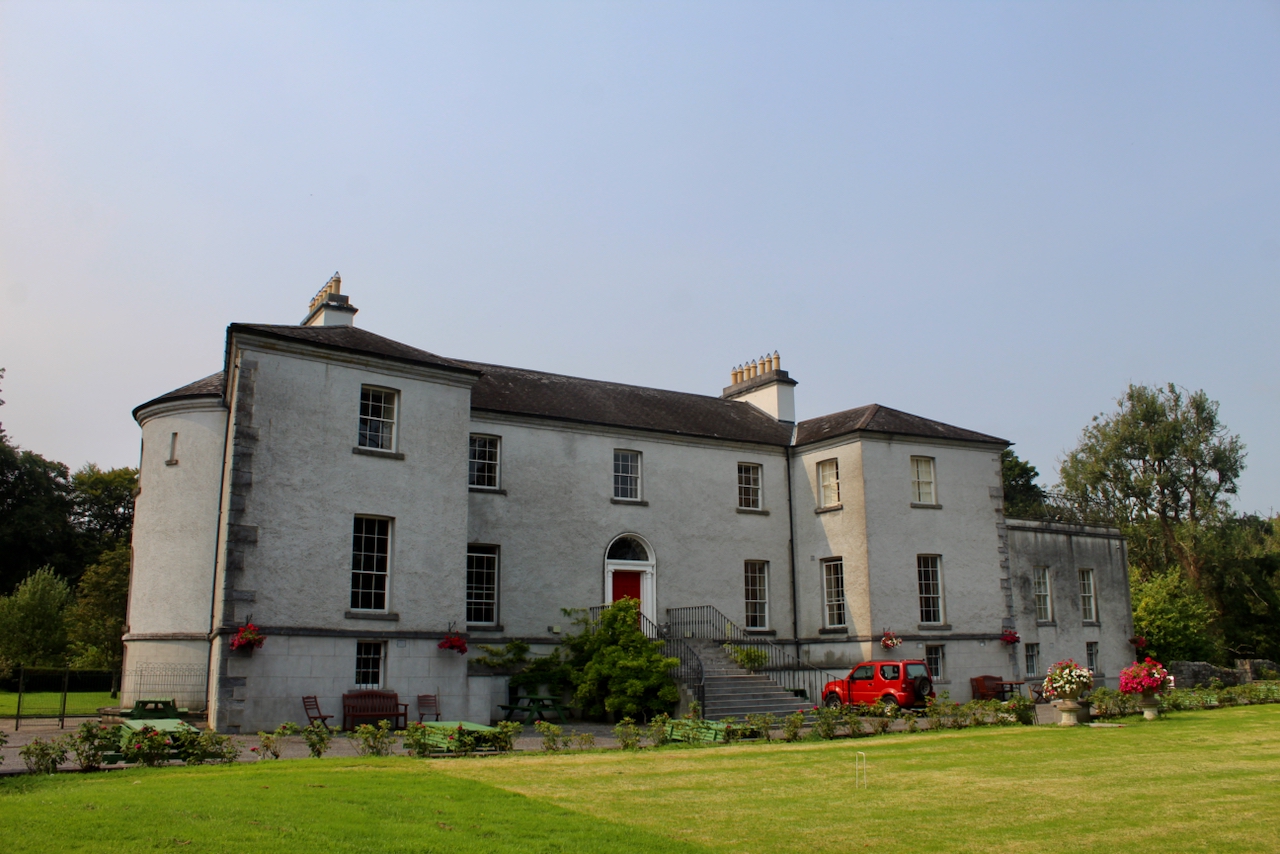
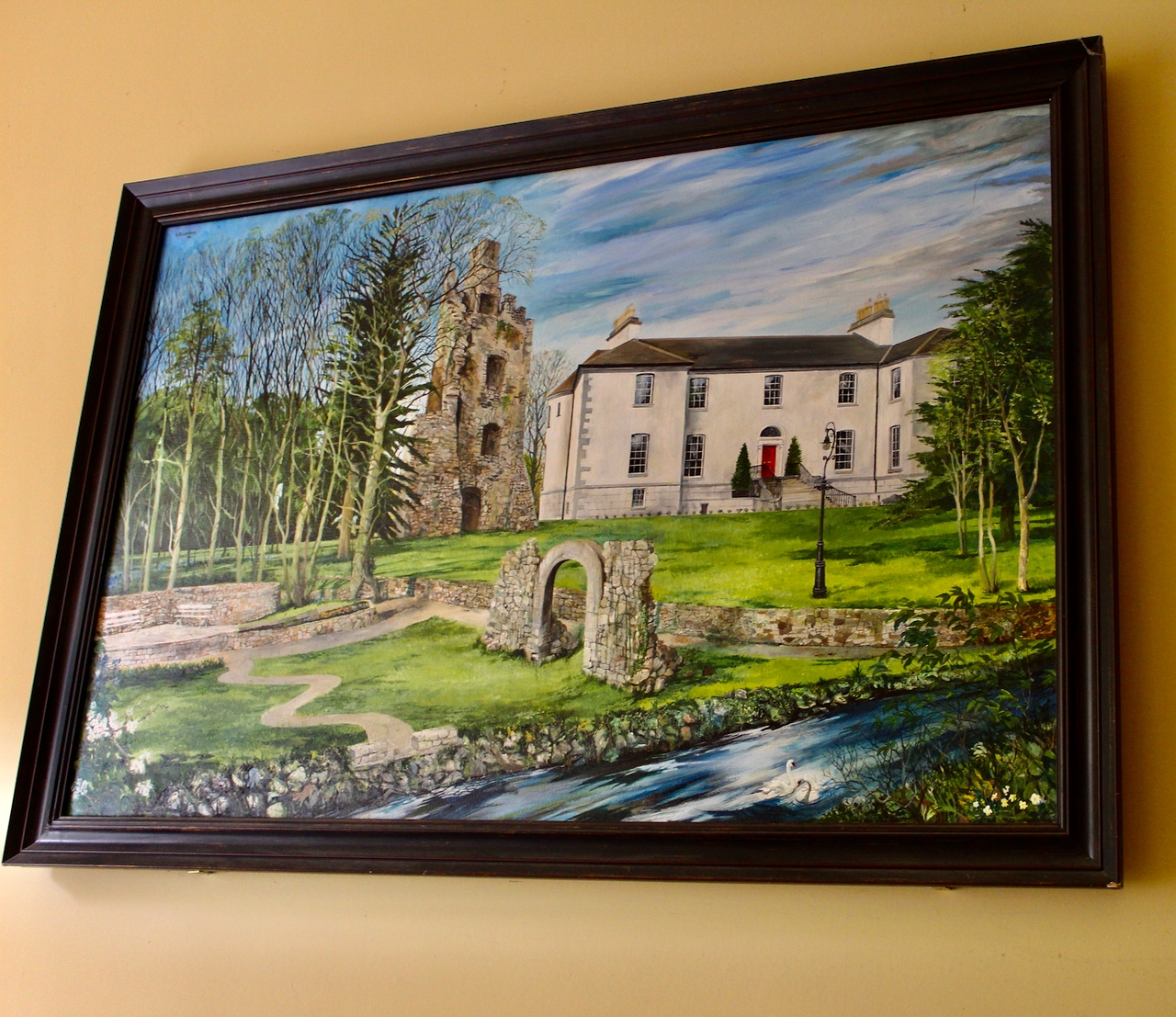
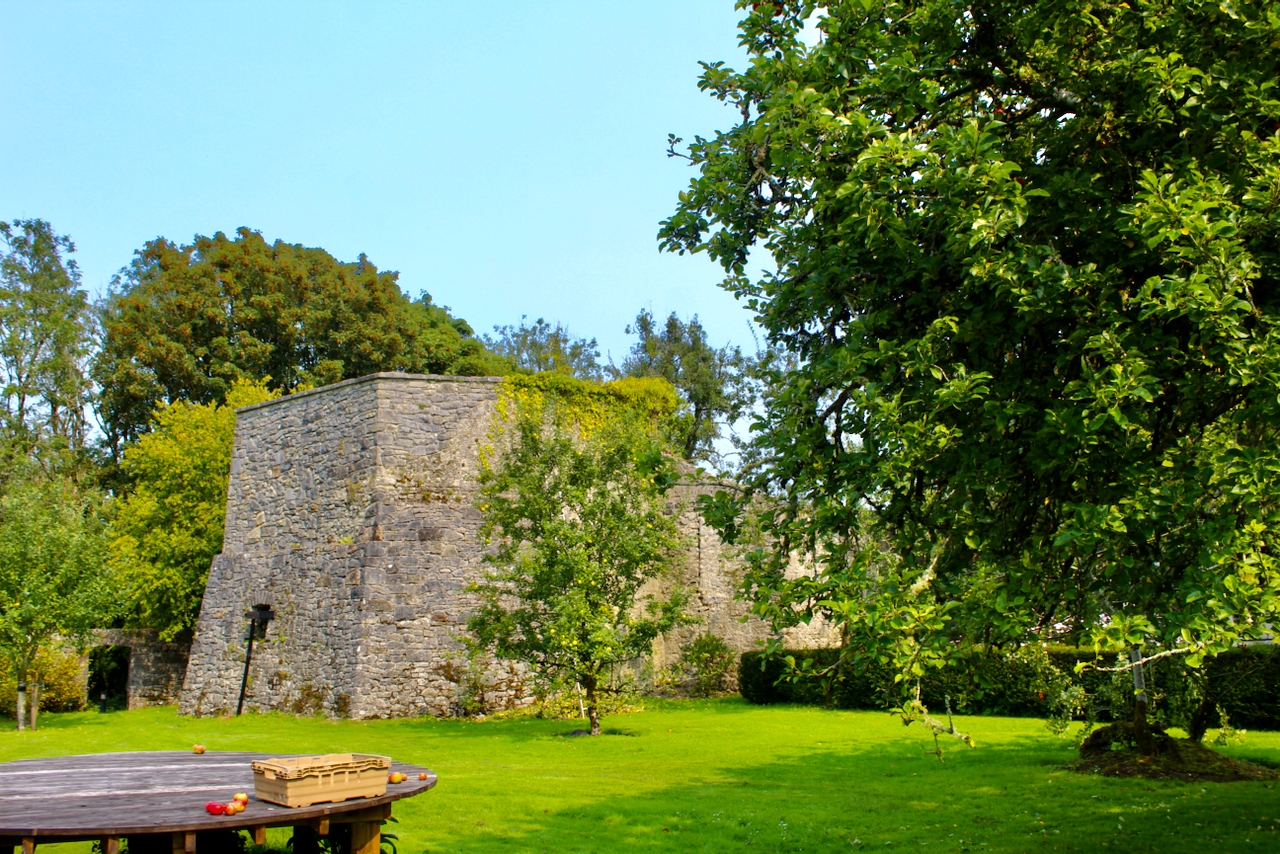
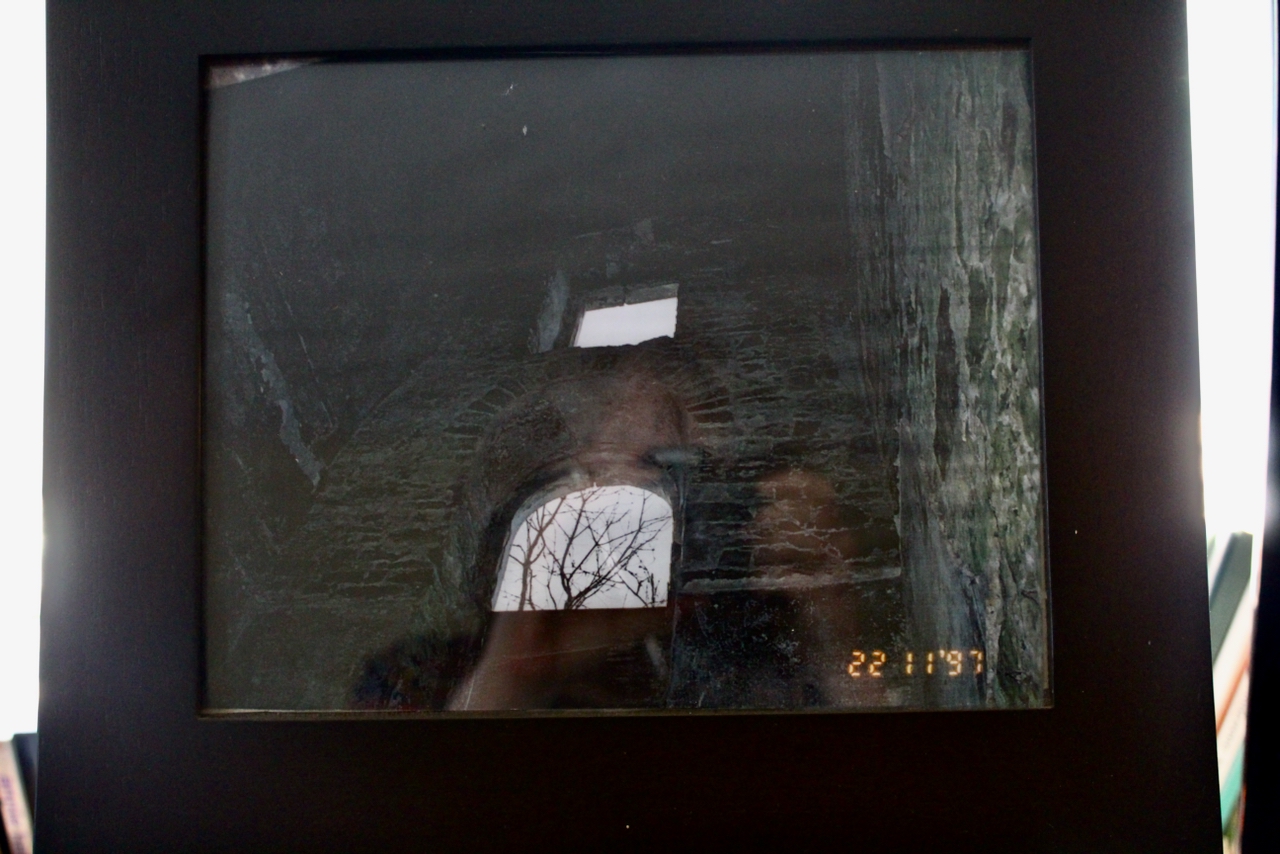
Castlecoote house is situated in the grounds of a 14th or 15th century fort of the Mageraghty clan built on the river Suck. The fort may have been taken over by Nicholas Malby, President of Connaught, in the 1580s. Four towers of the original fort are still standing. The National inventory tells us that the castle was erected in the Raphoe-Rathfarnham star fort plan type with two of the original flanking towers incorporated into the main house. [1] The house was largely destroyed in the 1640s but the flanking towers that now form the wings of the house remained, with their stone flagged floors and musket chambers. Stephen was particularly excited to hear that recently when a tree was blown down in a storm, a skeleton was found underneath, at the bottom of a tower!
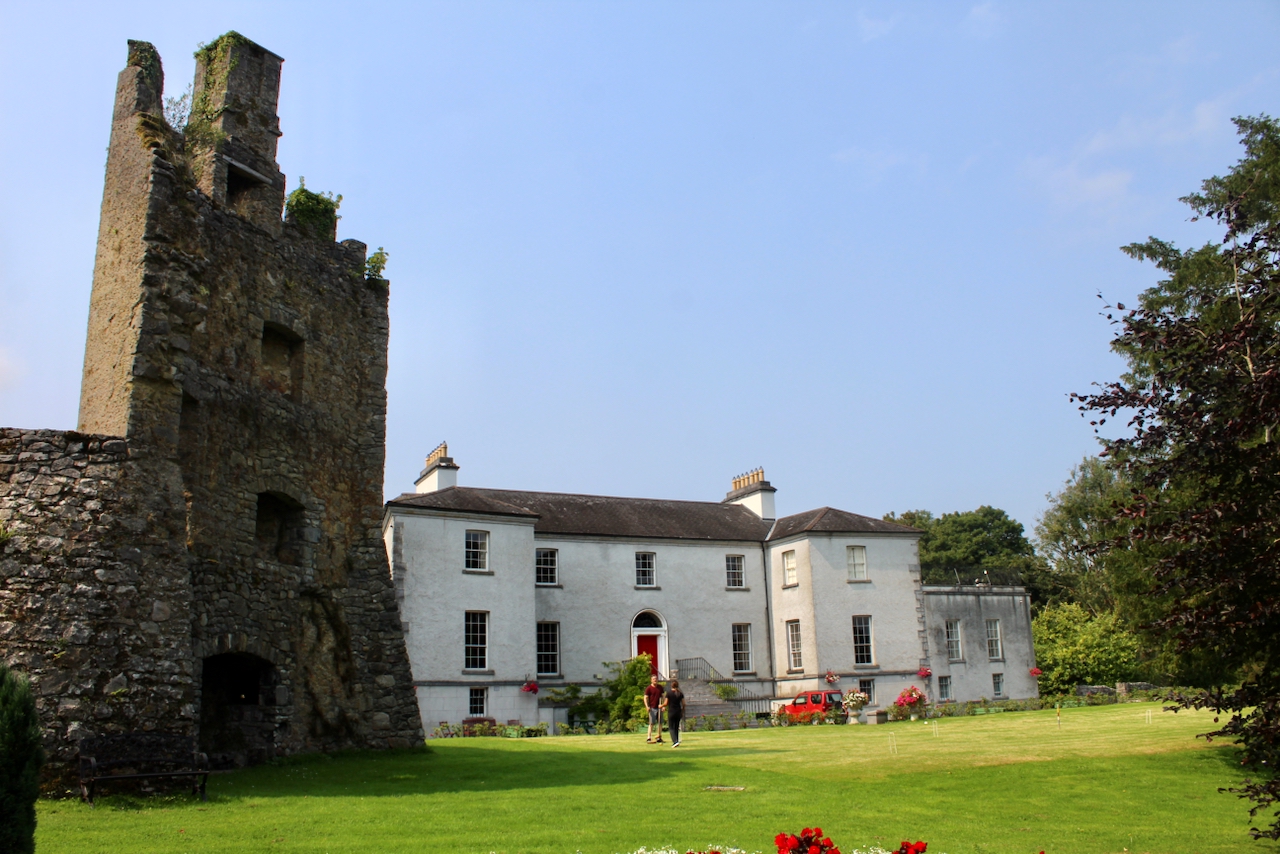
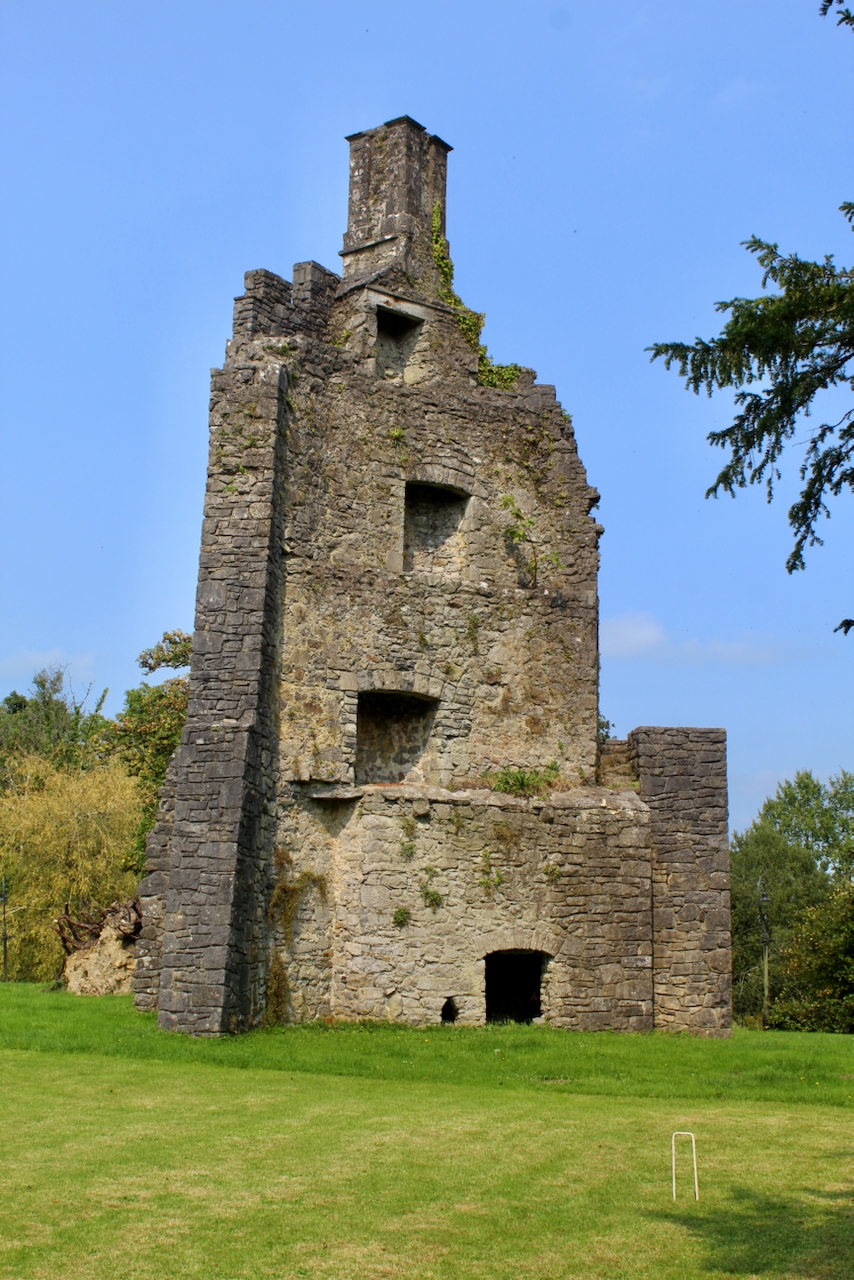
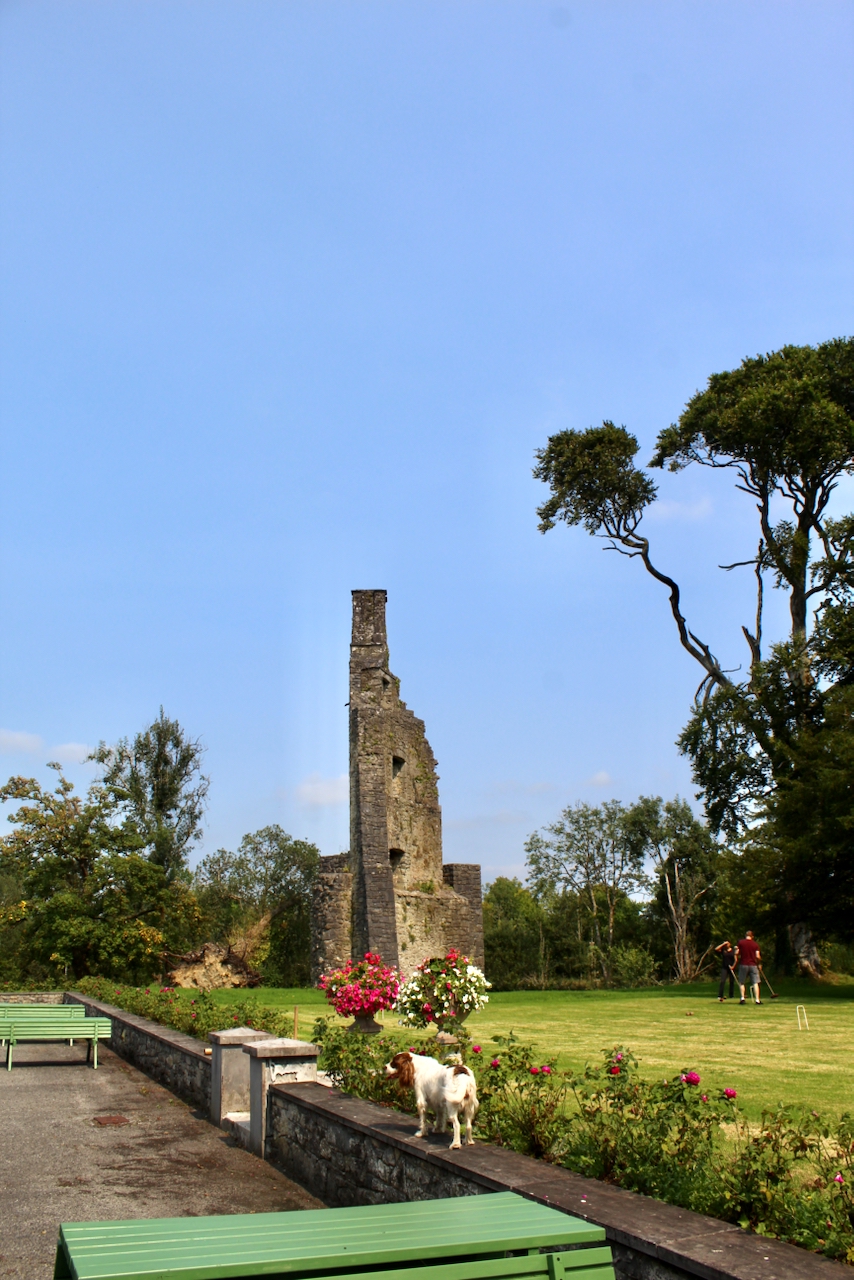
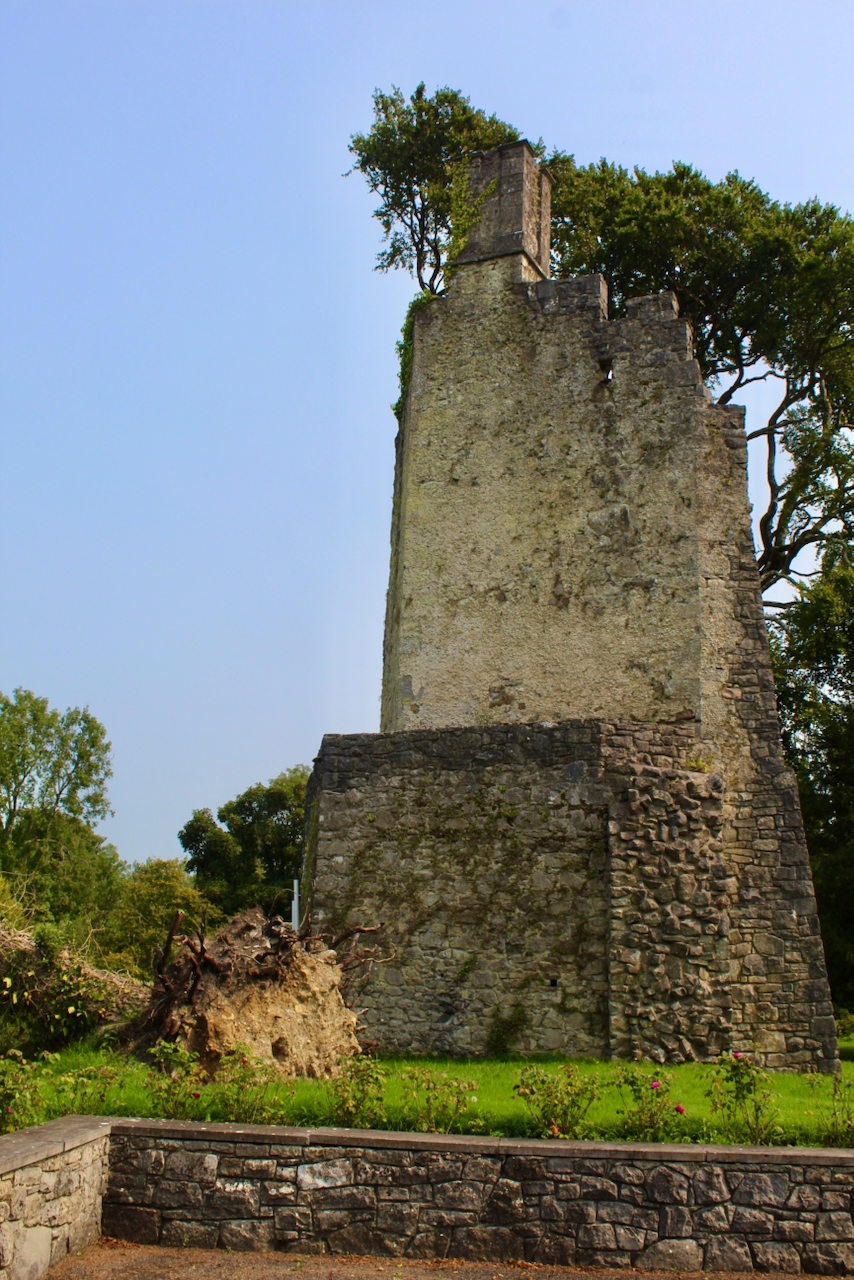
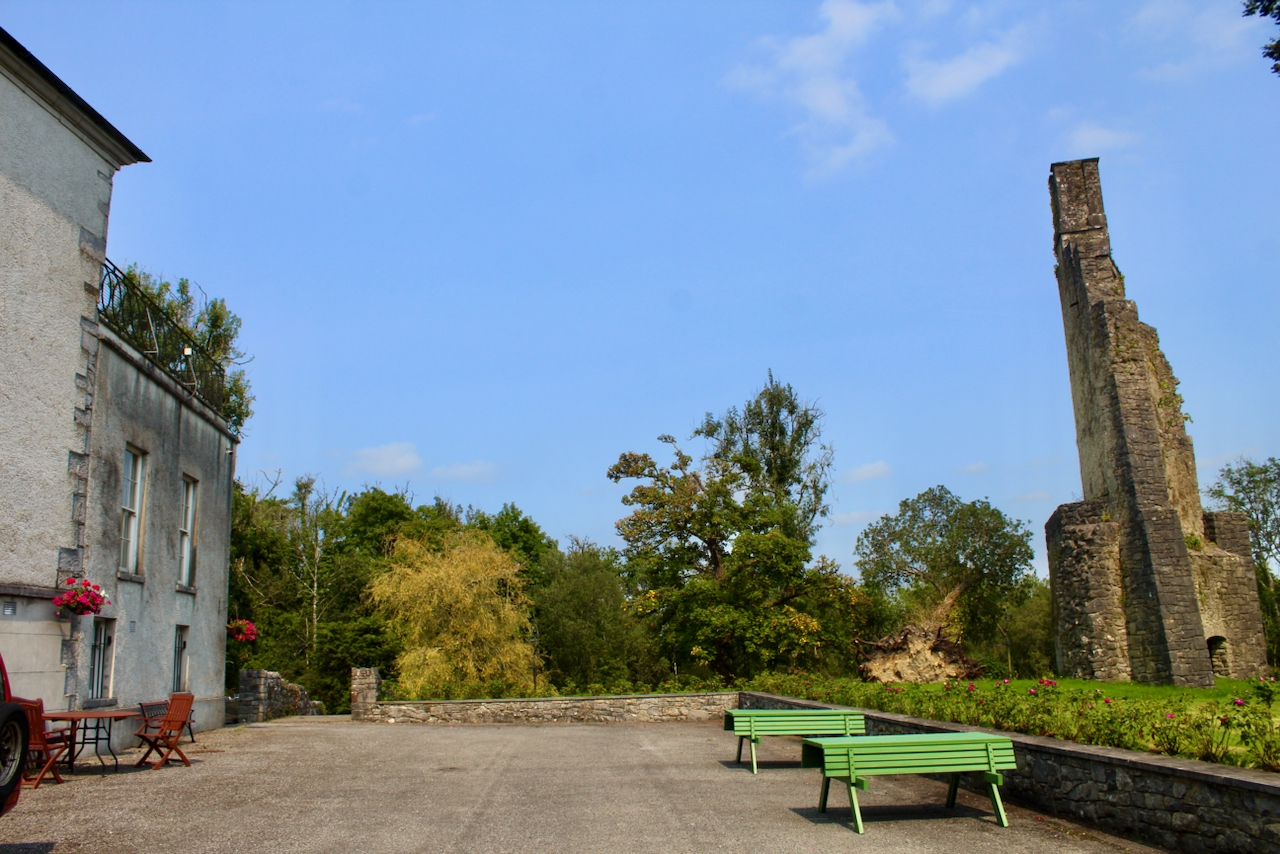
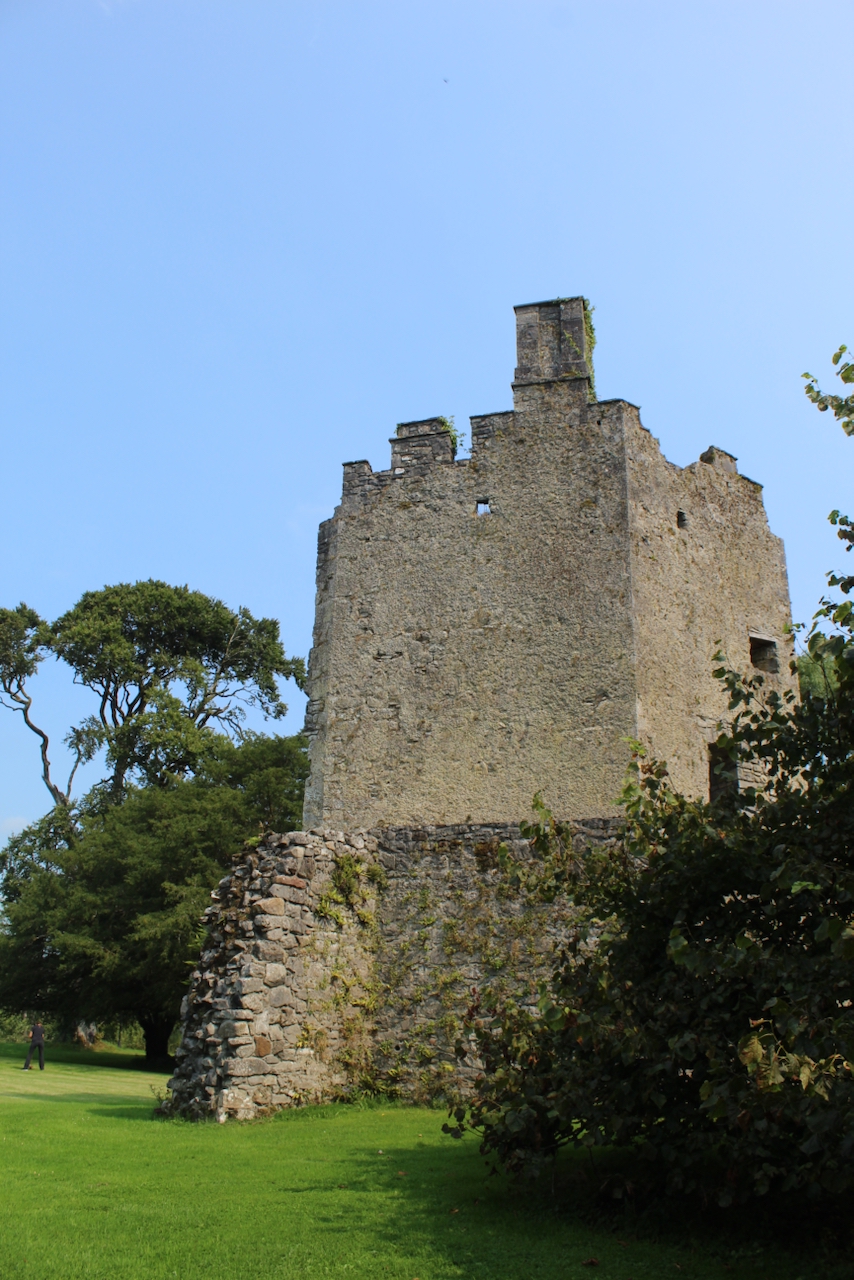
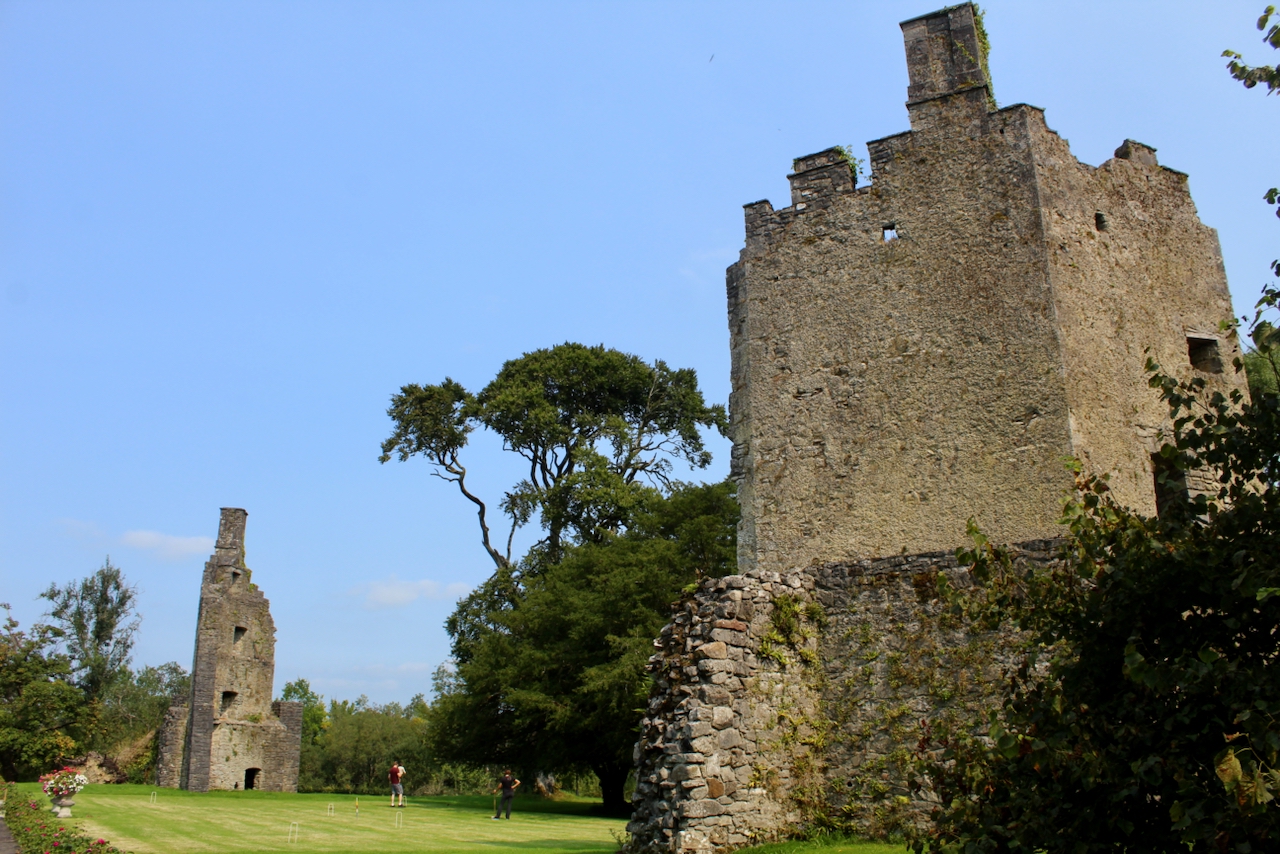
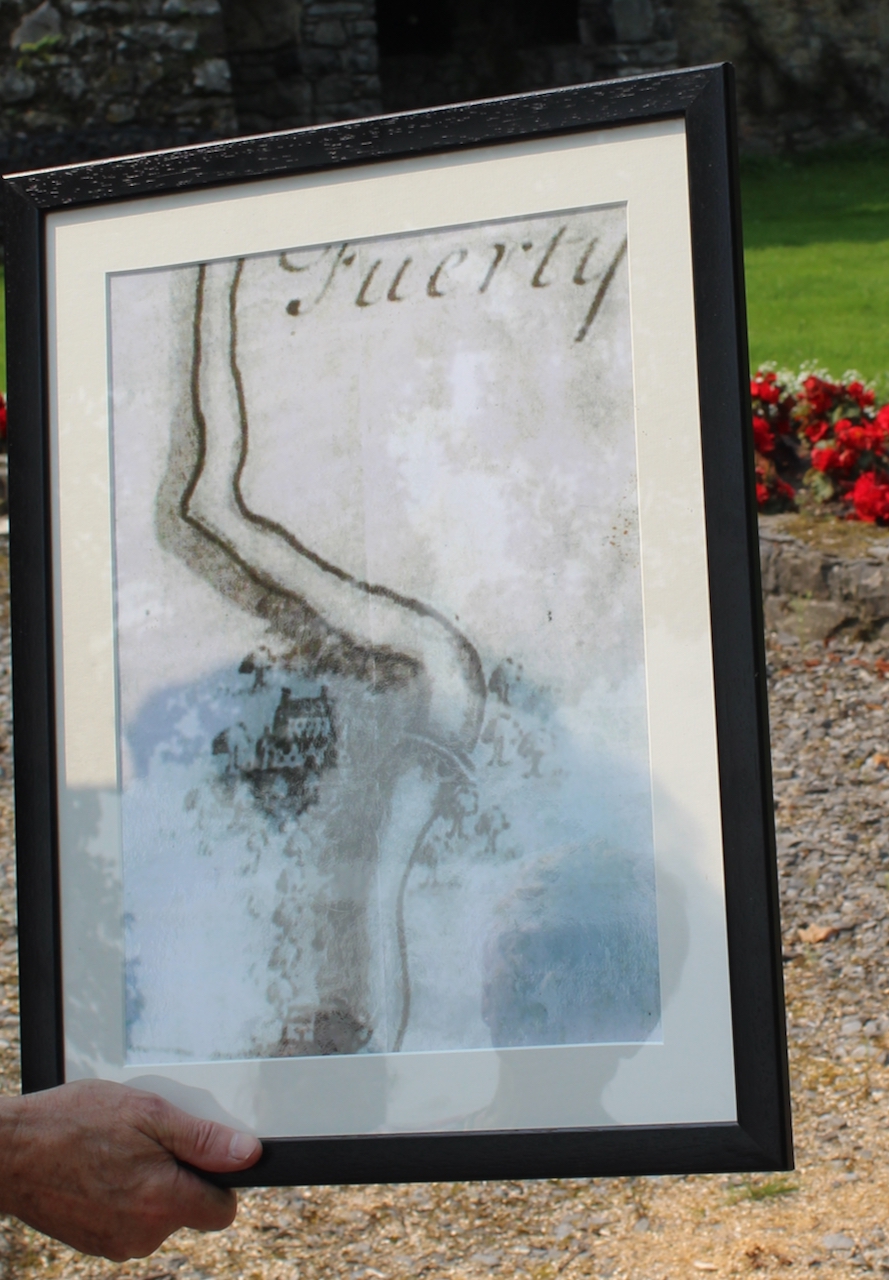
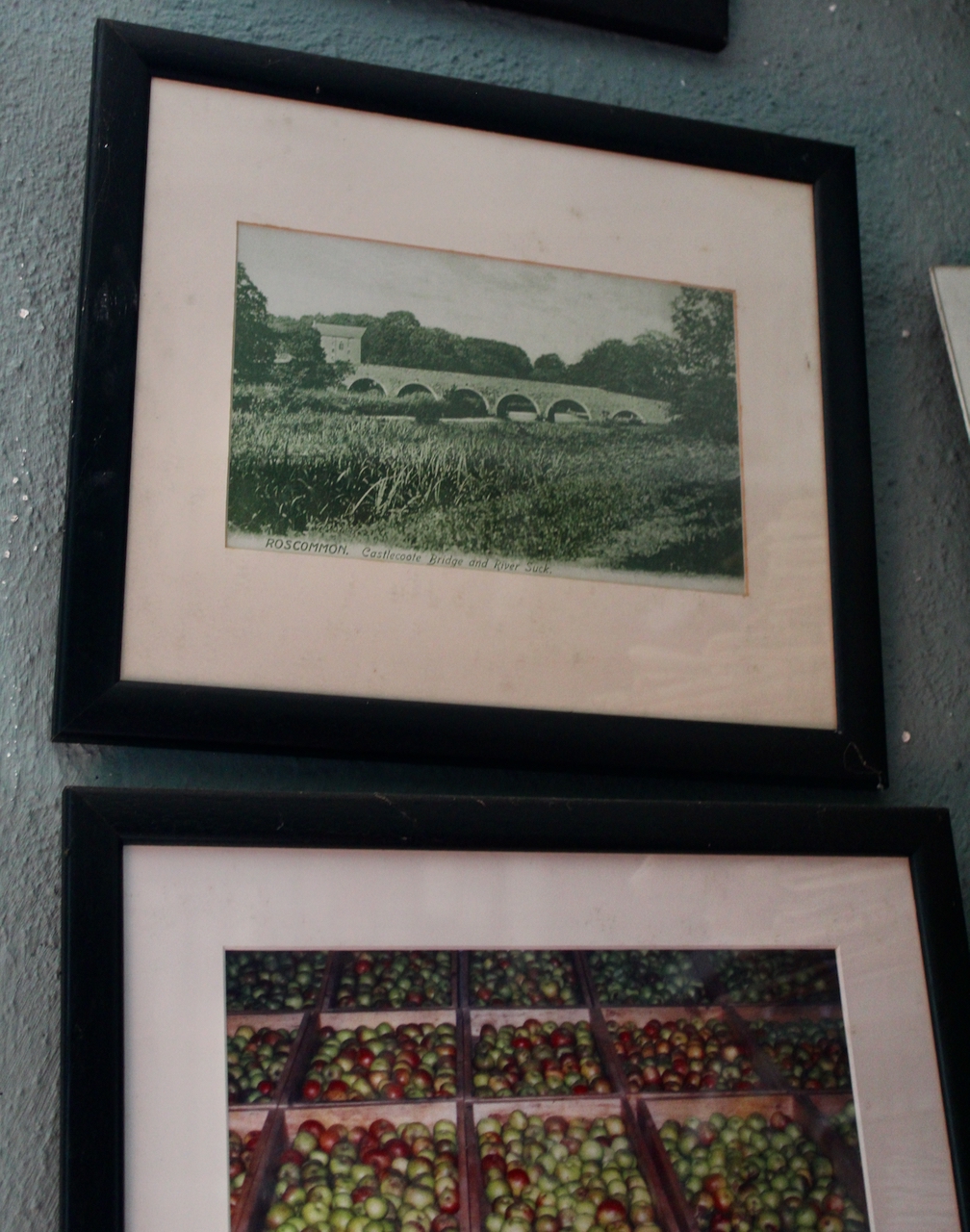
Charles Coote (1581-1642), a British soldier who came to Ireland to fight in the Nine Years War, when the Irish tried to take Ireland back from British control, took Castlecoote as his base in 1616, and renamed the castle fort Castlecoote. He enlarged and fortified the castle. Kevin showed us a picture of the old house and the bridge. The house seems to have had more upper floors than today.
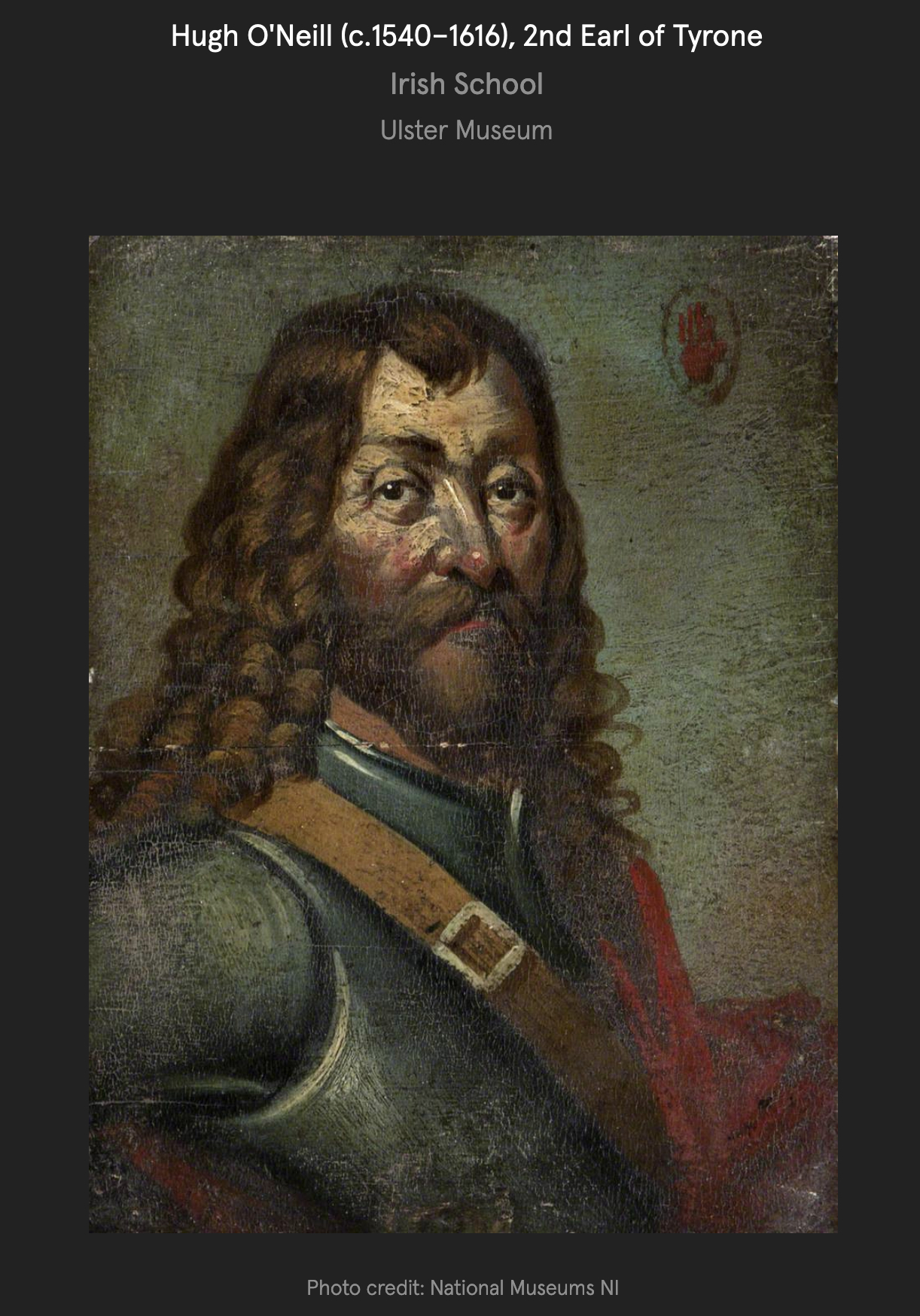
Charles Coote fought in the Siege of Kinsale in 1601-2, a battle which ultimately led to rebel Hugh O’Neill’s defeat and the end of the Nine Years’ War. In 1605 Coote was appointed Provost-Marshal of Connaught and in 1613, General Collector and Receiver of the King’s composition money for Connaught.

Charles Coote married Dorothea Cuffe in 1617, and in 1620 became Vice President of Connaught. Dorothea brought with her to the marriage land in Counties Cork and Laois. In 1621 Coote was created Baronet of Castle Cuffe in Queen’s County (Laois).
As commissioner to examine and contest Irish land titles, Coote acquired much property. He served as MP for Queens County in 1640.
In 1641, Coote was appointed governor of Dublin and told to raise a regiment to fight against the Catholic uprising. He helped to beat the Irish Confederates in the Battle of Kilrush but was killed by the opposition in 1642.
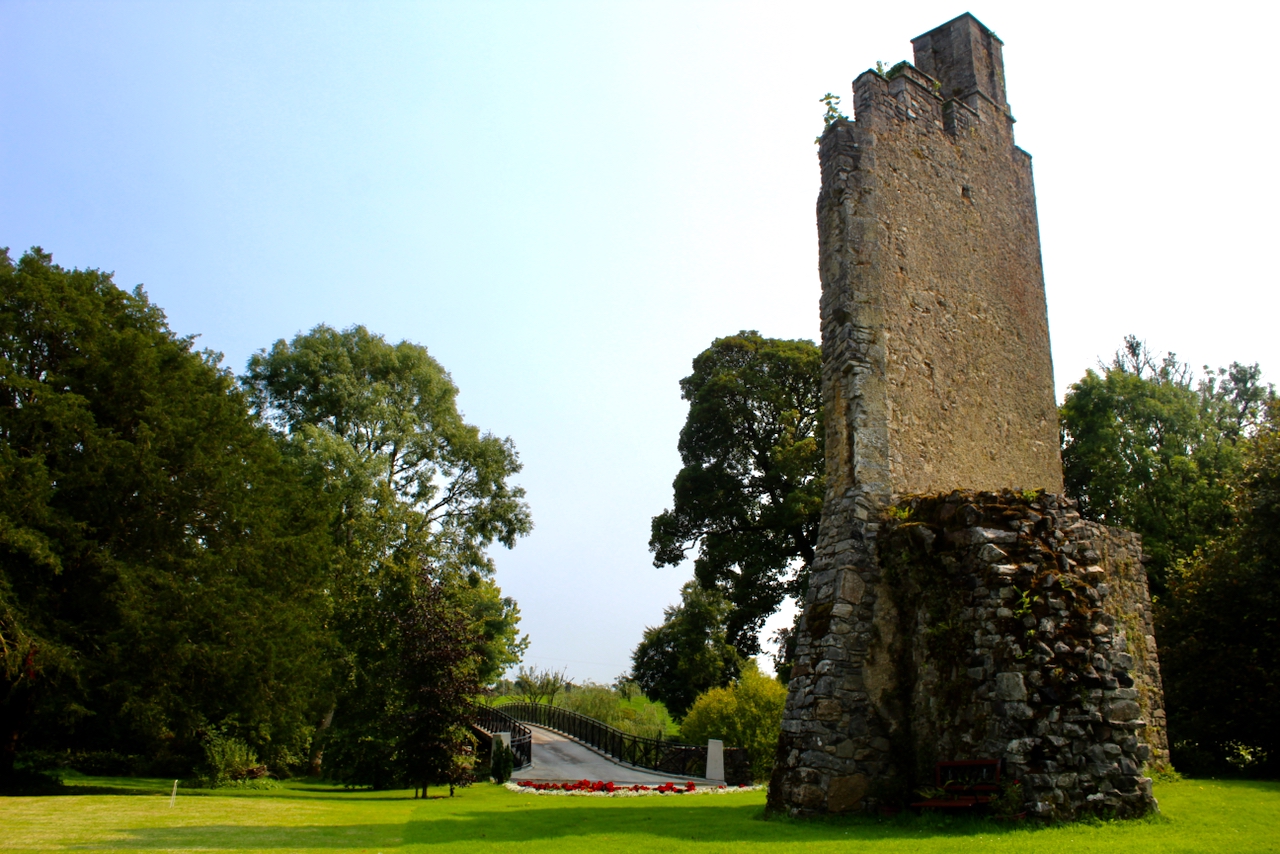
The castle was attacked by 1200 men during the 1641 rebellion. Coote’s son Charles (c.1609–1661) held the castle successfully, withstanding a siege of around ten days of attack.
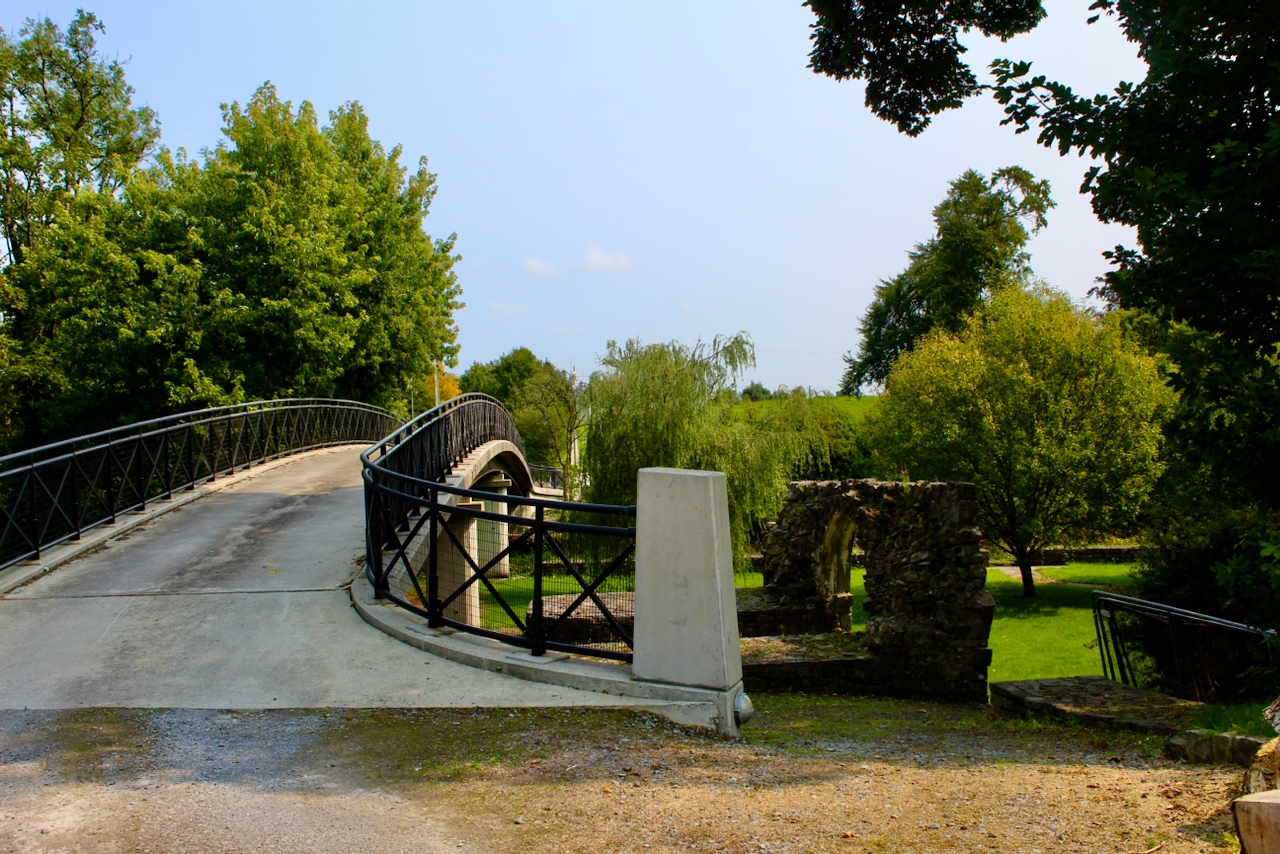
The bridge was destroyed by the attack and was replaced only relatively recently by the current owner, who took great care to have the most suitable bridge designed and built – one with a curved arch that shows the house at its best, much like the original. Kevin told us that the arches from the original bridge were reused to make a new bridge further down the River Suck.
The Dictionary of Irish Biography gives an intriguing hint when it tells us that the son Charles Coote was elected to the Irish parliament for Co. Leitrim in 1640 and “appointed in the same year to a commission to examine those accused of bewitching Katherine, sometime duchess of Buckingham, latterly wife of the earl of Antrim.”
We came across Katherine née Manners who became the Duchess of Buckingham before, when we visited Glenarm, as she married Randal MacDonnell 2nd Earl and 1st Marquess of Antrim. They moved to Ireland after their marriage to live in Dunluce Castle in County Antrim (see my entries https://irishhistorichouses.com/2024/07/04/dunluce-castle-ruin-county-antrim-northern-ireland/ and https://irishhistorichouses.com/2024/07/11/glenarm-castle-county-antrim-northern-ireland-private-can-book-a-tour/ ).
She was the widow of George Villiers, Duke of Buckingham, favourite of King James I. George Villiers and his mother were recently depicted in a tv series “Mary and George,” based on Benjamin Wooley’s book The King’s Assasin.
Katherine was heiress to her mother’s fortune and to extensive unentailed portions of the Manners estates in Northamptonshire and Yorkshire, together with estates in Buckinghamshire and Leicestershire. She renounced her Catholicism to marry George Villiers.
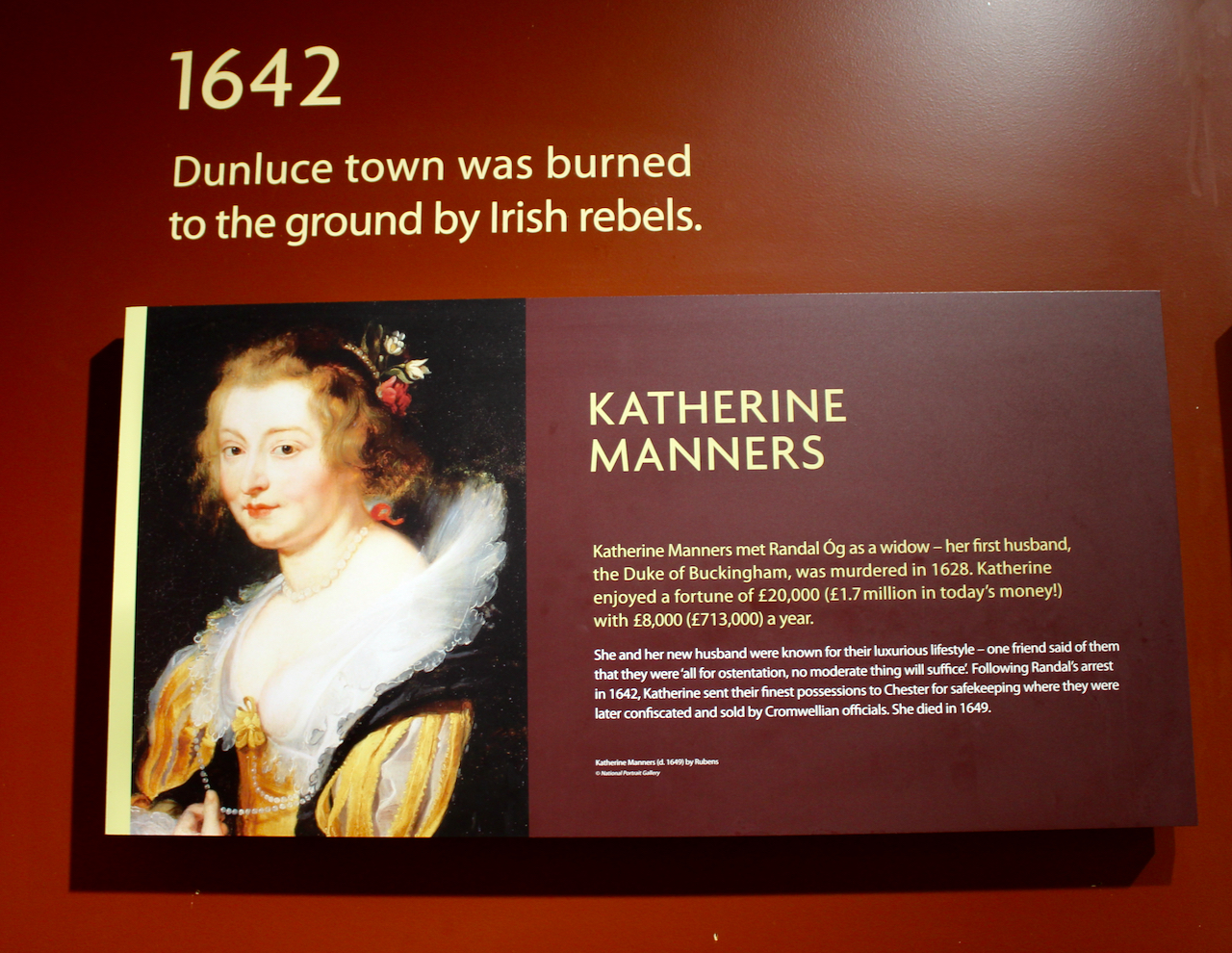
Her so-called bewitching occurred before her marriage to George Villiers. The story of the bewitching takes place in 1613 when Katherine and several of her relatives fell ill at their home in Belvoir Castle, and her brother Henry died. It was said that the family were poisoned by some witches. The women accused of witchcraft were from a family who had fallen on hard times, who took work in the castle. They were dismissed, and it was said that in revenge, they poisoned the family. The former servants, Joan, Margaret and Philippa Flower, were known to be herbal healers. They were accused of having used witchcraft to to attack the family, and they became known as “the Belvoir Witches.”
Joan died on route to trial in Lincoln when she choked on a piece of bread: she allegedly requested the bread, saying that if she was guilty it would choke her. If bread blessed by a priest stuck in the woman’s throat, then her crime was an affront to God himself. Her death was taken as evidence of the crime and further incriminated the daughters, who confessed, probably under torture. These ‘witches’ were executed on 11 March 1618. [3]
In 2013, historian Tracy Borman suggested in Witches: A Tale of Sorcery, Scandal and Seduction (Cape, 2013) that the Flower women may have been framed by George Villiers, who may have poisoned Katherine’s brothers in order to inherit the title Duke of Rutland after he married Katherine, sole surviving heir.
George Villiers Duke of Buckingham was assassinated in 1628 and his wife Katherine and her sons inherited an enormous fortune as well as Buckingham’s London mansions – Wallingford House, Walsingham House, and York House – together with nineteen more modest properties on the Strand, a mansion in Chelsea, and another, New Hall, north of Chelmsford in Essex. She was therefore quite a catch for Randal McDonnell.
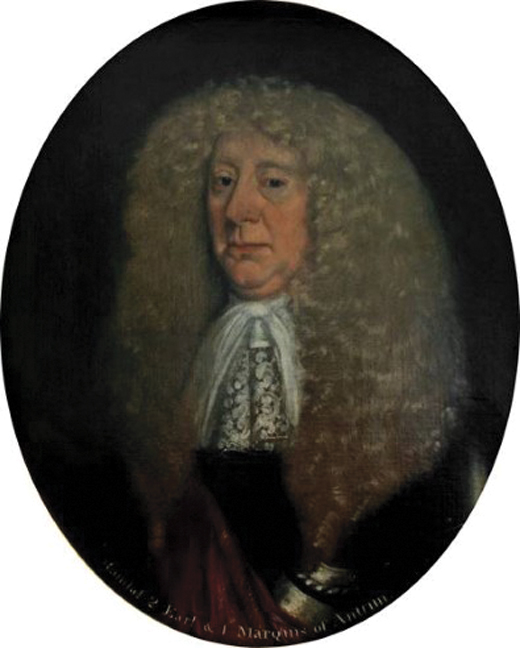
After Buckingham’s death she reverted to Catholicism.
Let’s return to Castlecoote. In 1645 Charles Coote (c.1610 –1661) the son was made Lord President of Connaught.
Coote fought on the Cromwellian side in the Civil War but managed to win King Charles II’s favour after the restoration of the monarchy, and was created earl in 1661. After becoming earl, he was made one of the lord justices of Ireland.

Charles chose Mountrath for his earldom because his father had led a very successful advance through the district of Mountrath during the 1641 uprising, riding over forty eight hours on horseback without losing a single man. (see the Dictionary of National Biography)
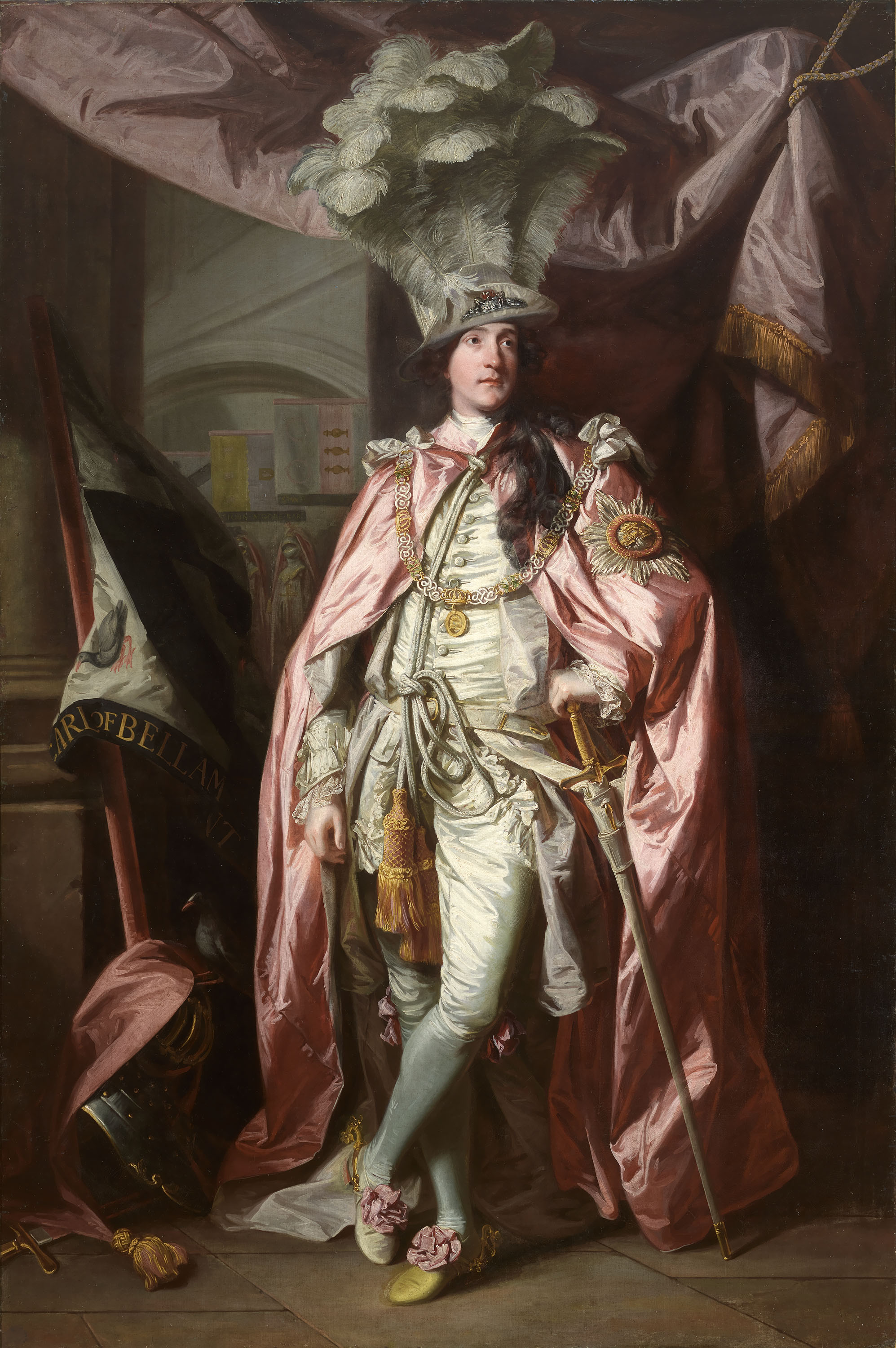
Charles’s brother Chidley Coote (d. 1668) lived at Mount Coote in County Limerick, later Ash Hill, which was a Section 482 property until 2025 and provides beautiful accommodation (see my entry https://irishhistorichouses.com/2023/04/06/ash-hill-kilmallock-co-limerick/. ) Another brother Thomas (d. 1671) lived in Cootehill, County Cavan, and Richard Coote (1620-1683) 1st Baron Coote of Coloony, County Sligo, married Mary St. George and had a son Richard (1636-1700) who became 1st Earl of Bellamont, or he of the splendid pink robe and feathers as I like to think of him.

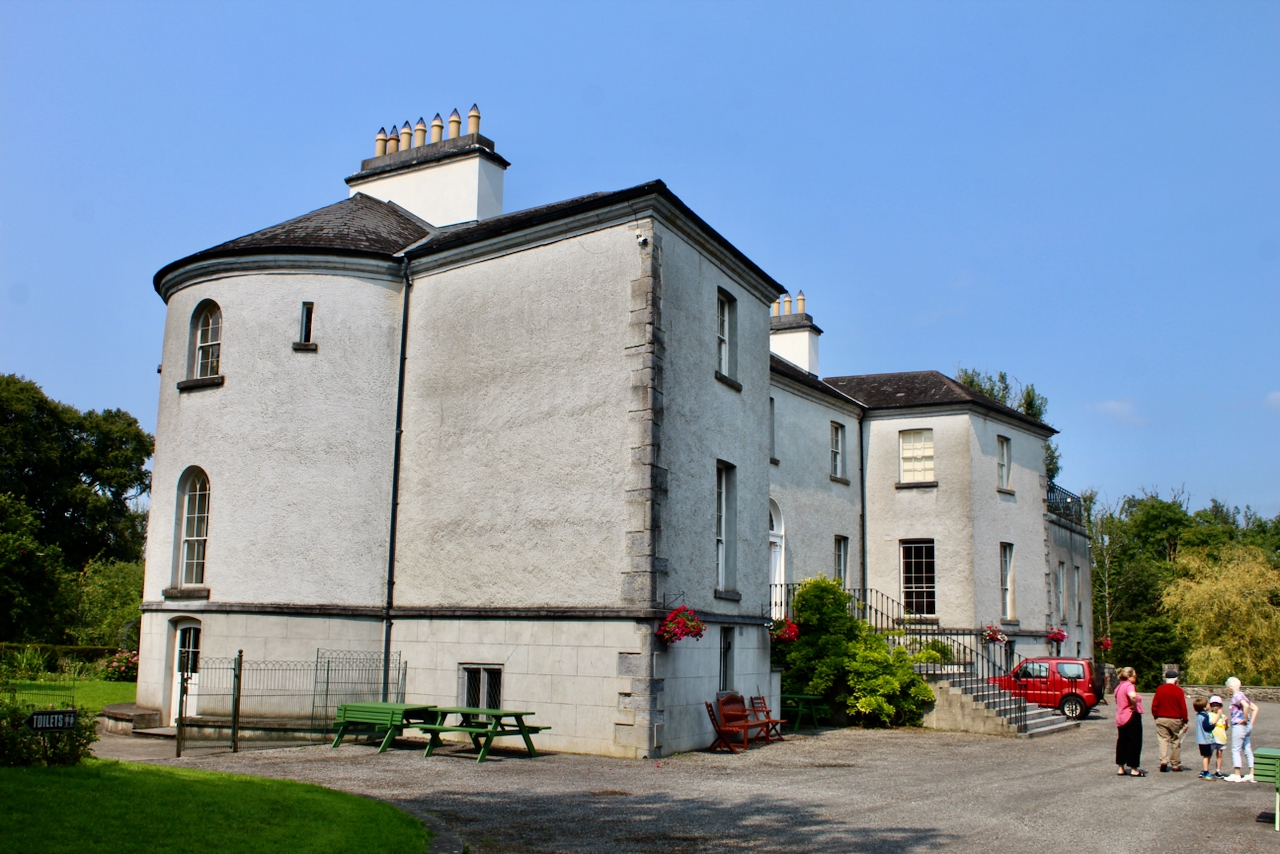
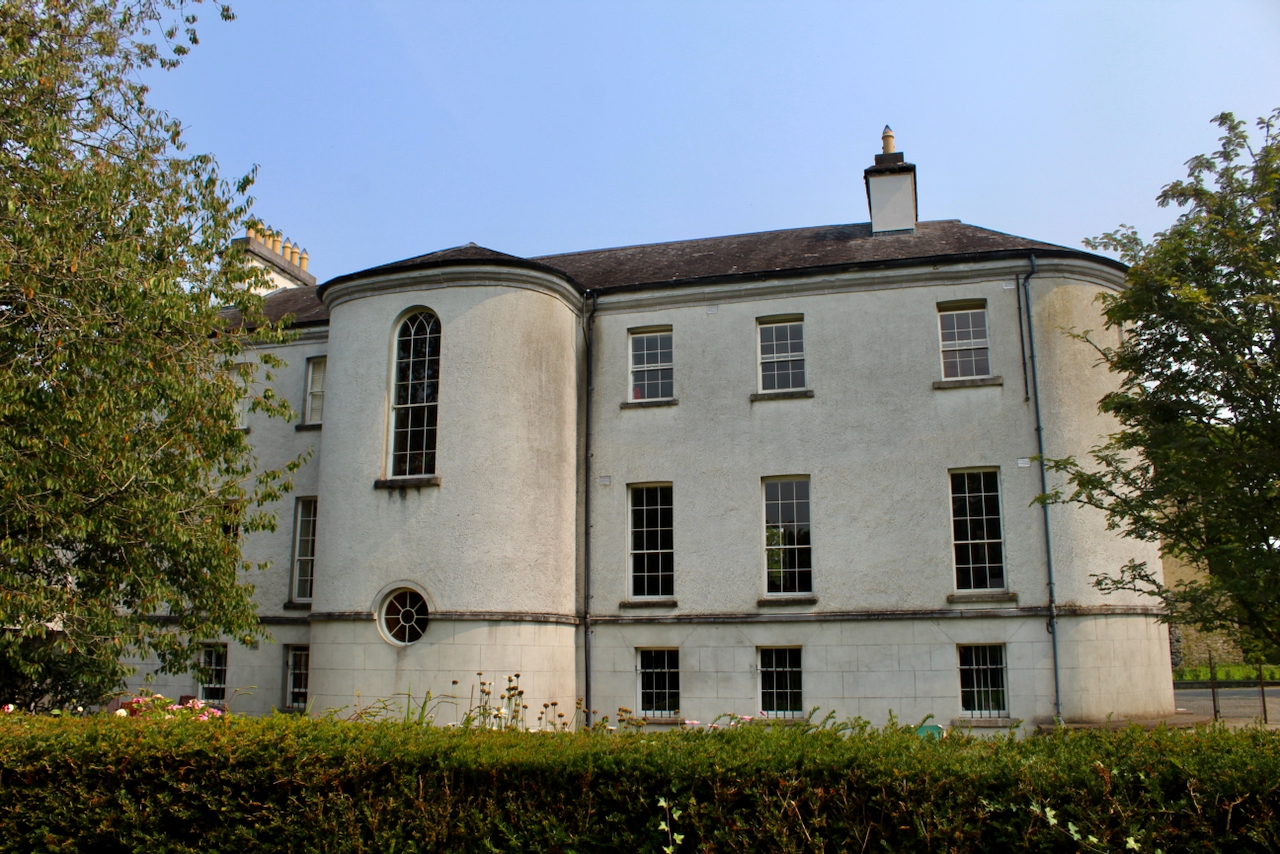
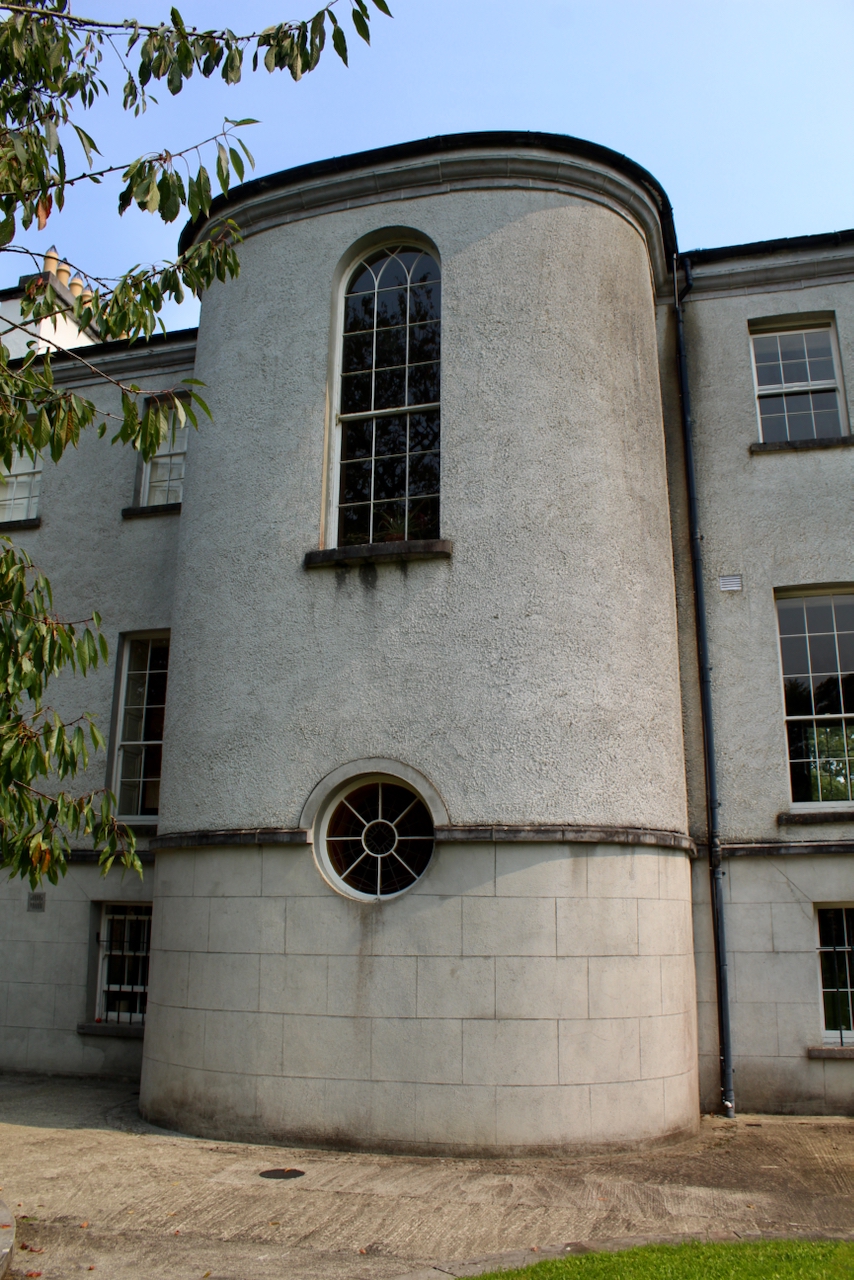
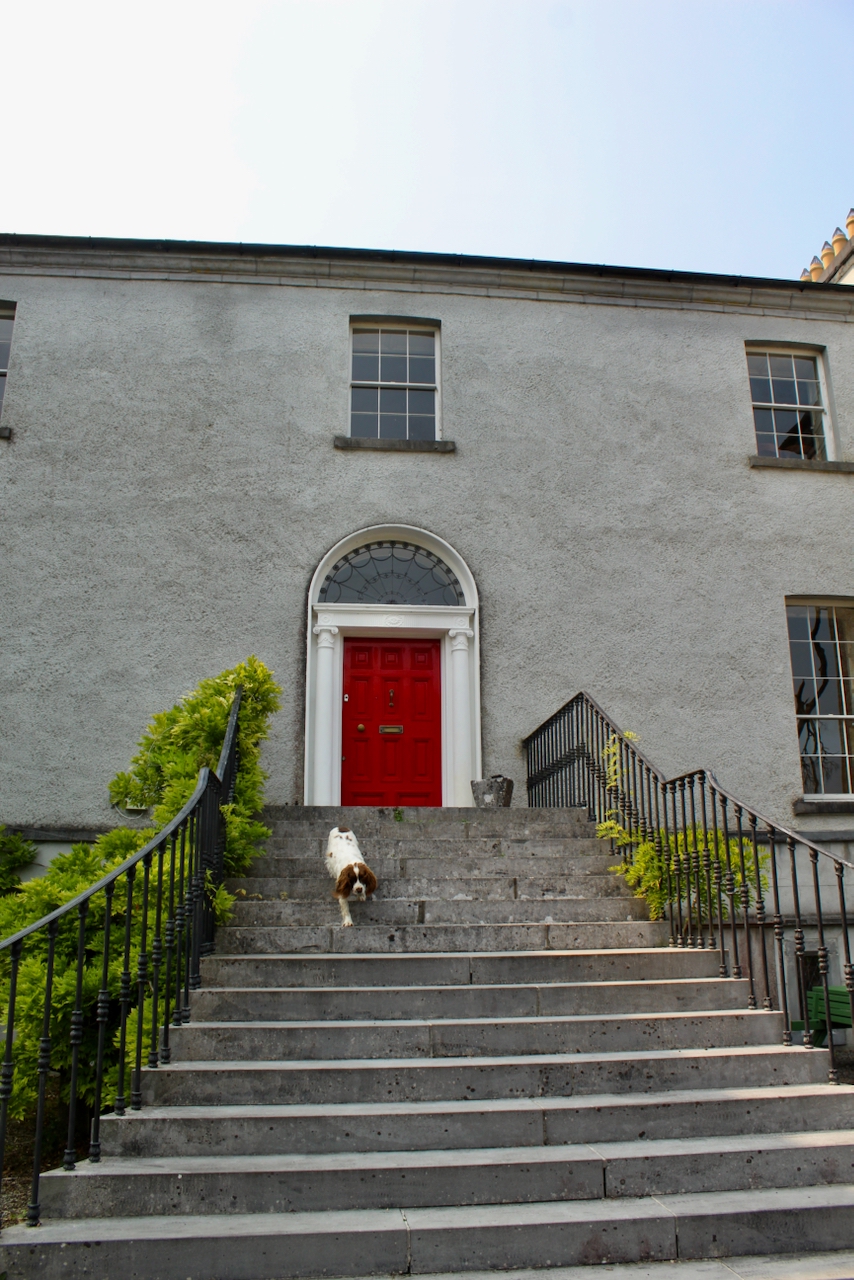
The Historic Houses of Ireland website tells us that the fortified house was remodelled in the Palladian style in the eighteenth century to create the house as we see it today. [2] The National Inventory tells us that this work was carried out around 1770. The house is a three-bay two-storey house over raised basement, with single-bay flanking projecting wings from the fortified house of c.1630. It has full-height bows to the south and west elevations.
The next family to live in Castlecoote were the Gunning family. The Historic Houses of Ireland website tells us that the family are reputed to have won the estate through a game of cards. [2] Due to their beauty, John Gunning’s daughters Maria and Elizabeth were the toast of 1750s London.
Horace Walpole wrote: “There are two Irish girls, of no fortune, who make more noise than any of their predecessors since the days of Helen, and are declared the two handsomest women alive. I think there being two so handsome, and such perfect figures, is their chief excellence, for singly I have seen much handsomer women than either. However, they can’t walk in the park, or go to Vauxhall, but such mobs follow them that they themselves are driven away.”
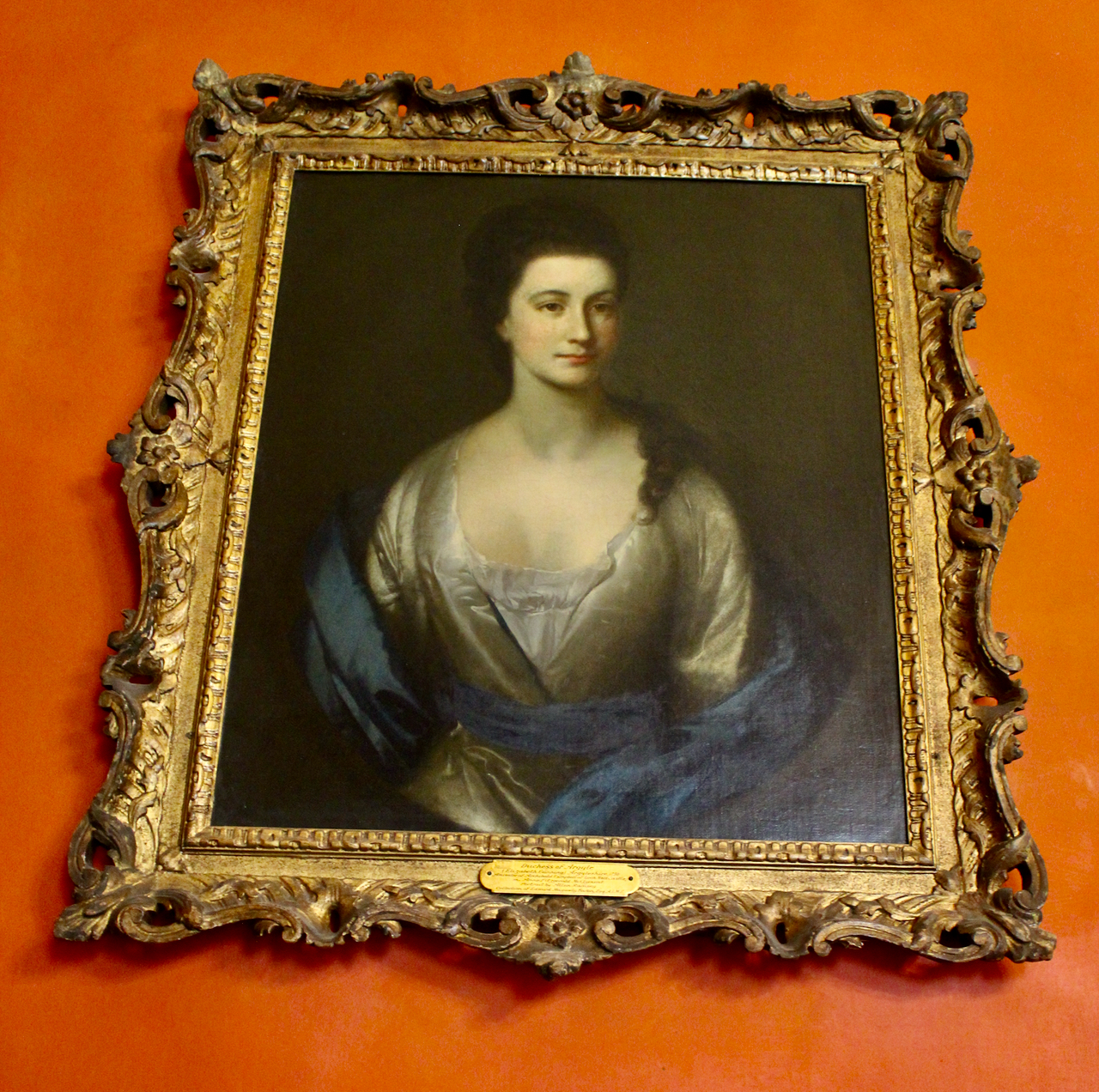
In an article in the Roscommon Champion newspaper on February 7th 1992, Angela Doyle writes that Bryan Gunning acquired land in Roscommon, including Castlecoote. Theobald Bourke, 6th Viscount Mayo, married Bryan Gunning’s daughter Margaret in 1731.
Bryan Gunning’s son John married Bridget Bourke, a daughter of the 6th Viscount of Mayo by his first wife, Mary Browne, a daughter of one of the drafters of the Treaty of Limerick (Colonel John Browne – d. 1712).
An extract from Notable Irishwomen tells us more about the Gunning family. It tells us that John Gunning, the second son, was a barrister of the Middle Temple in London. He settled at Hemingford Grey, in Huntingdonshire, and here his eldest daughter, Maria, afterwards Countess of Coventry, was born in 1733. Elizabeth, afterwards Duchess of Hamilton, followed the year afterwards, and there were three more daughters, two of whom died young, and then came a son, who subsequently entered the army, fought at Bunker’s Hill (during the American War of Independence), and attained the rank of General. [4]
“In 1740, by the death of his elder brother, Mr. Gunning succeeded to the property of Castle Coote. The little family now migrated from Hemingford Grey to Roscommon, a formidable journey in those days of stage coaches and sailing boats. Money was not plentiful at Castle Coote, and no wonder, with such numerous charges as there must have been on it. Mrs. Gunning was a clever, ambitious woman, and as she looked at the wonderful beauty of her daughters, fast growing to maturity, she thought that the girls must be taken out into the world to make their mark there. It would never do for them to be thrown away on country squires or struggling attorneys. So she brought them to Dublin, and took a house in Great Britain Street, at that time quite a fashionable locality, within easy reach of Dominick Street, then the head-quarters of high life. But debts soon accumulated. ..“
“It was said that Peg Woffington lent the Gunnings dresses from her theatrical wardrobe, in which they appeared at Dublin Castle. Whether this be true or not, it is certain that they were presented to the Lord Lieutenant at a birthright ball, and they made such a sensation there that Lord Harrington, then Viceroy, advised their mother to take them to London. This she was only too eager to do. By hook or by crook she got the money together… The year they went to London, the two girls had their portraits painted by Francis Cotes, R.A. They are represented in low-cut, long-waisted, grey satin gowns, with rows of pink rosettes down each side of the bodice, black hair curled at the back and fastened with a string of pearls. A small black patch, is, according to the fashion of the day, on one cheek.” [4]
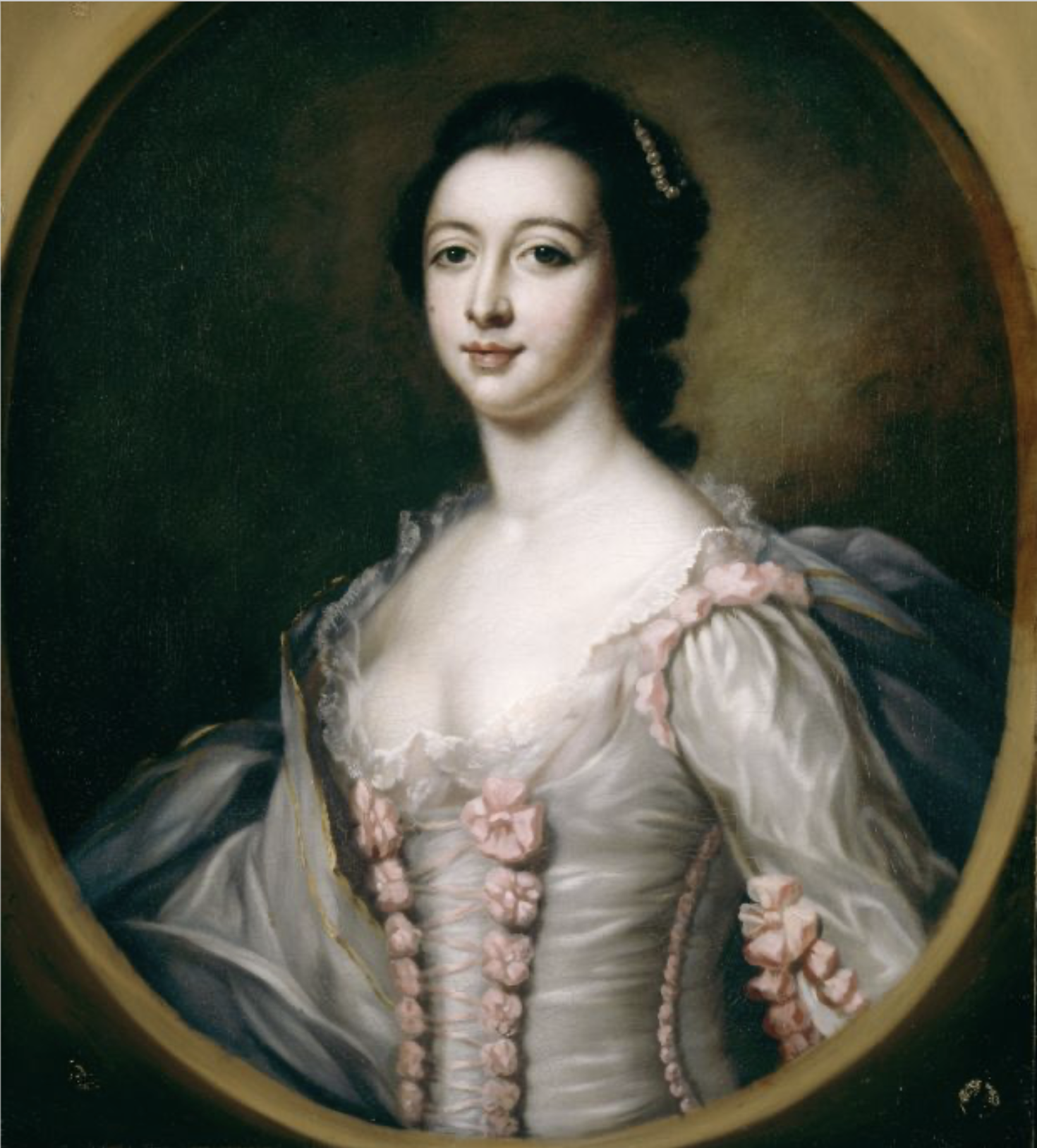
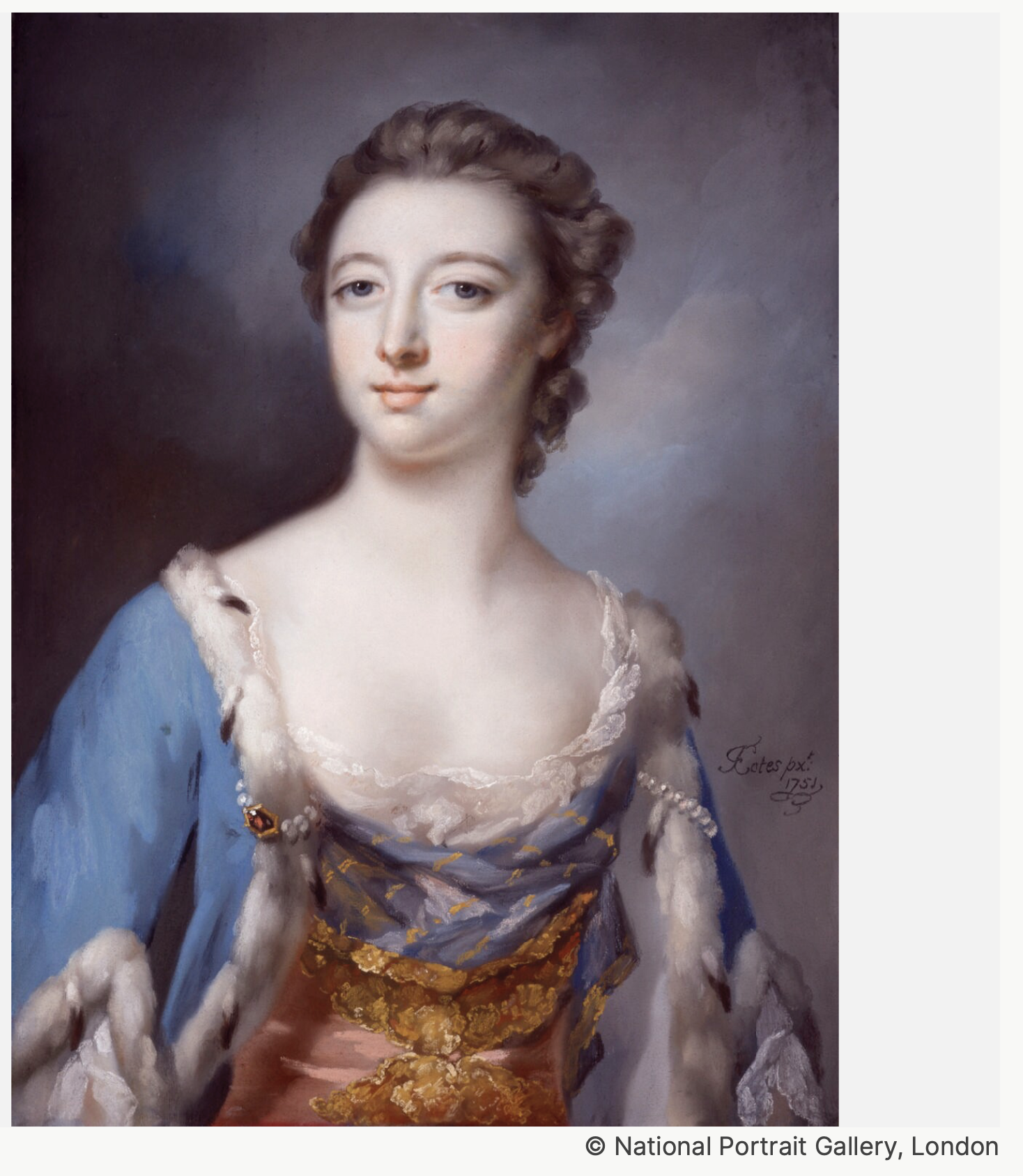
“They were presented to the King (George II.) one Sunday afternoon, and another Sunday in the Park, such crowds assembled to gaze on them that Lord Clermont with some other gentlemen, had to draw their swords to protect them from the mob…” [4]
A Royal Trust Collection picture of Elizabeth tells us:
“Elizabeth Gunning was the second daughter of Col. John Gunning of Castle Coote, County Roscommon, Ireland and his wife, the Hon. Bridget Bourke, daughter of the 6th Viscount Mayo. Born in Hemingford Grey, Huntingdonshire, she was taken to Ireland at the age of three and lived there until 1750 when, with her elder sister Maria, she was brought back to England and presented in London society. Thanks to their beauty and unsophisticated charm the Gunning sisters ‘became the rage and the subject of conversation at every fashionable rout’. Elizabeth became the wife of James, 6th Duke of Hamilton in an extraordinary ceremony, performed with the ring of a bed-curtain at half past midnight on St. Valentine’s Day 1752 after a party at Bedford House at which the Duke had lost £1200 at cards. The Duke of Hamilton, by whom she had three children, died on 17 January 1758 and early in the following year she married John Campbell, Marquis of Lorne, who in 1771 succeeded as 5th Duke of Argyll. She was created Baroness Hamilton of Hambledon in her own right in 1776. Lady of the Bedchamber to Queen Charlotte from 1761 to 1784, she was appointed Mistress of the Robes in 1778 and died on 20 December 1790. She was one of the most portrayed women in Britain during the period 1750-70.“
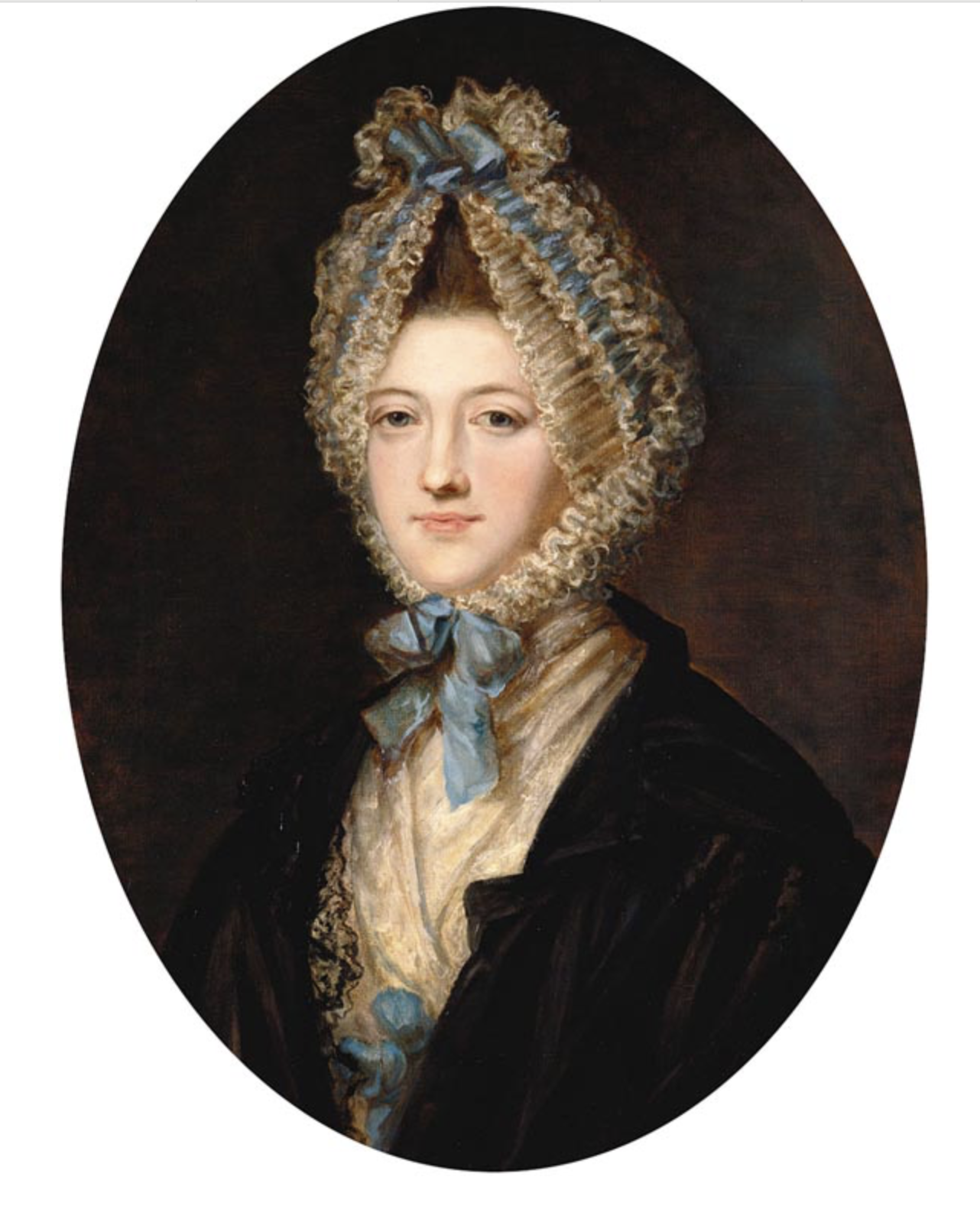
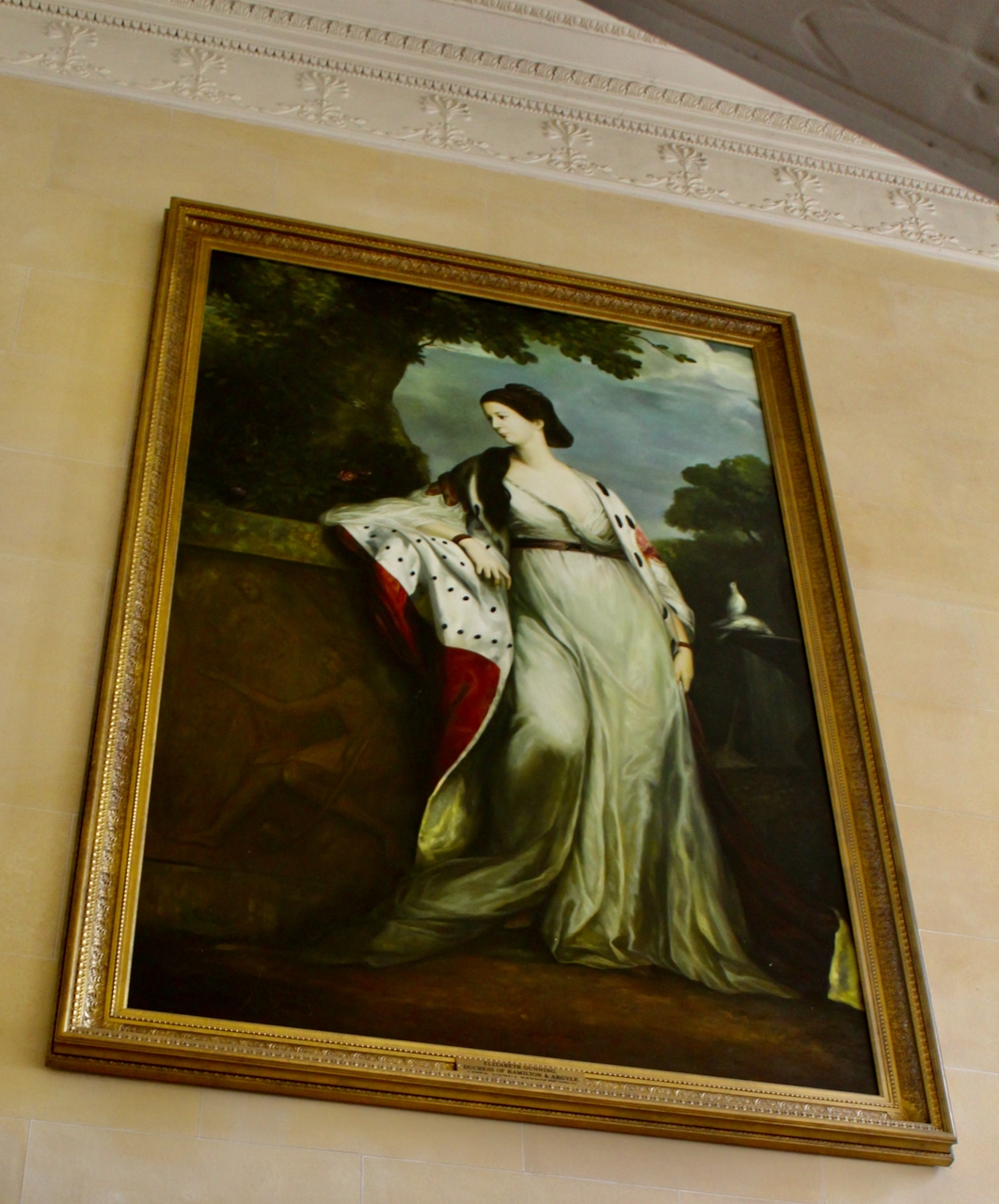
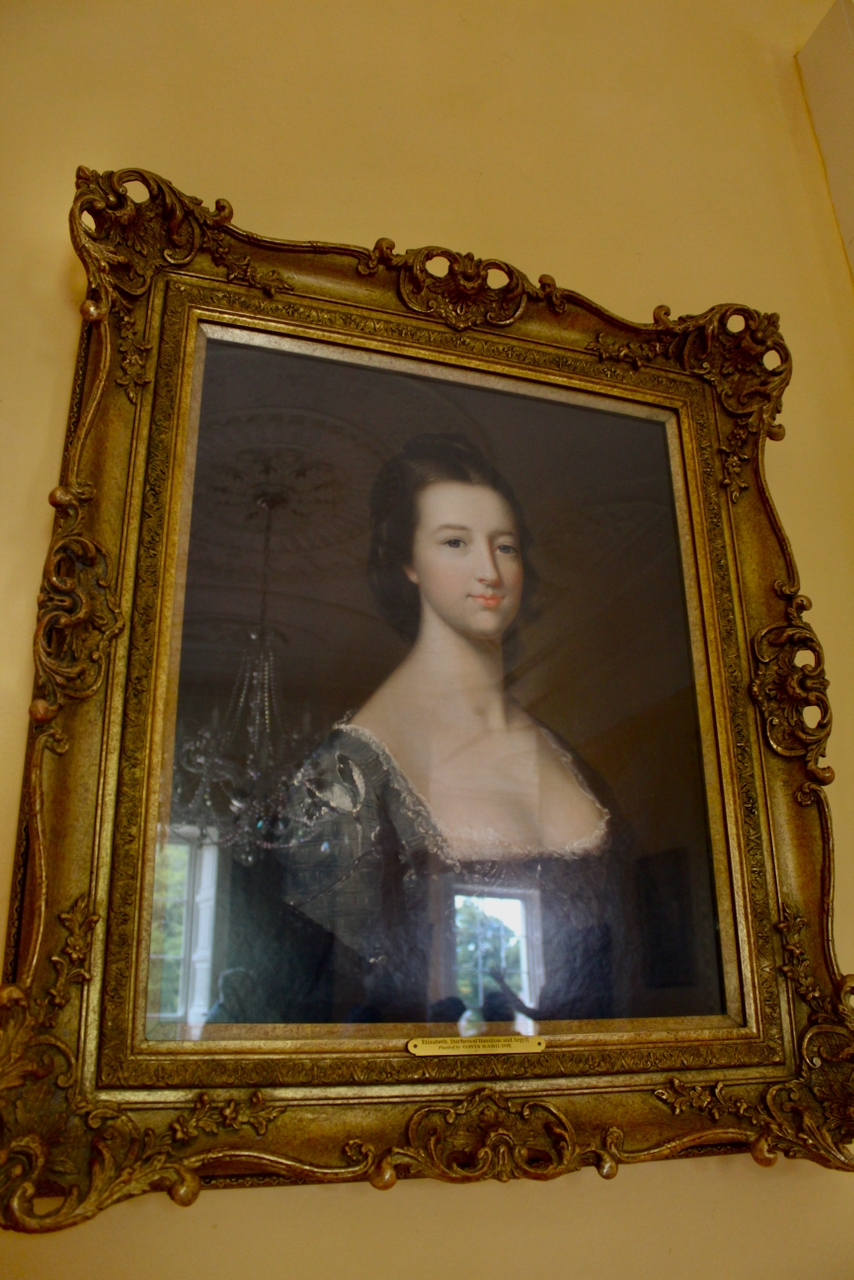
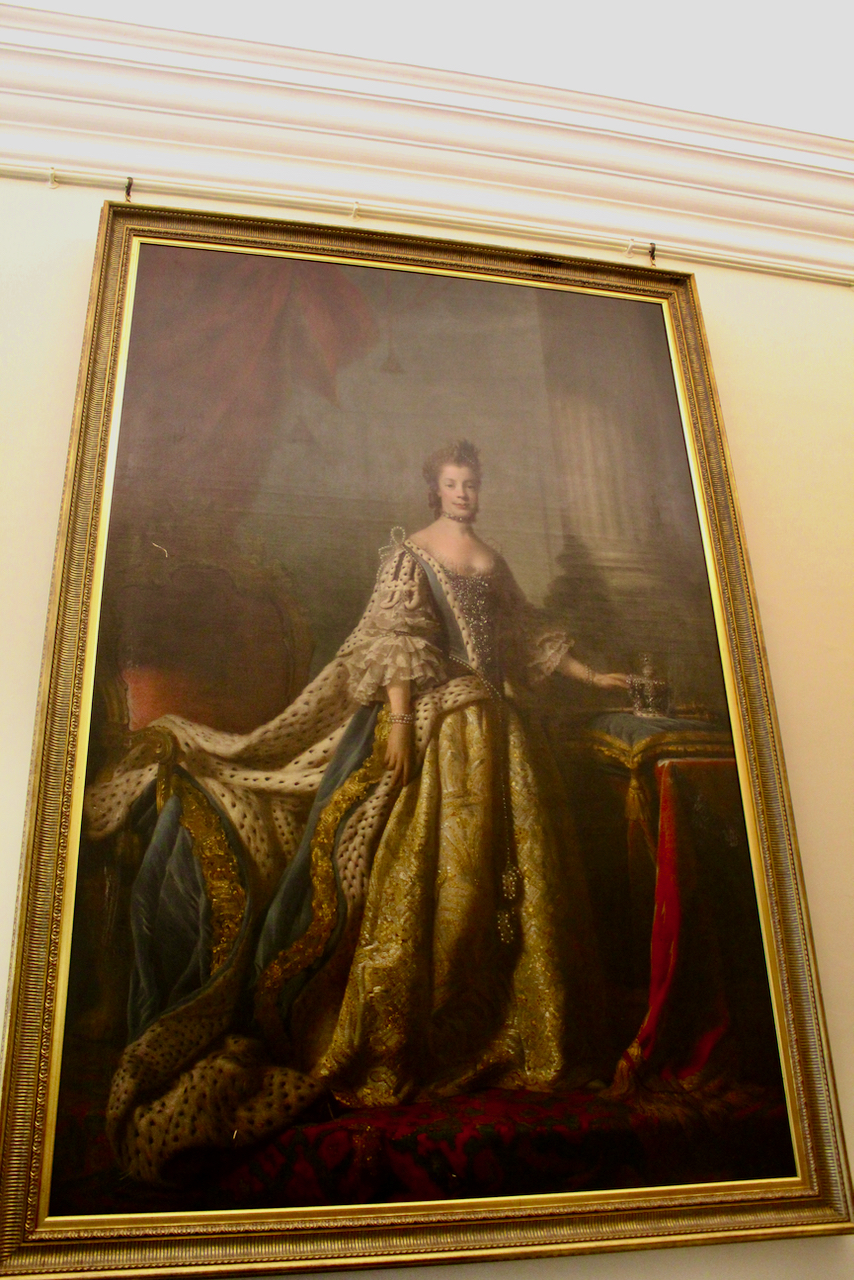
Elizabeth held the office of Lady of the Bedchamber to Queen Consort Charlotte, wife of King George III, between 1761 and 1784.
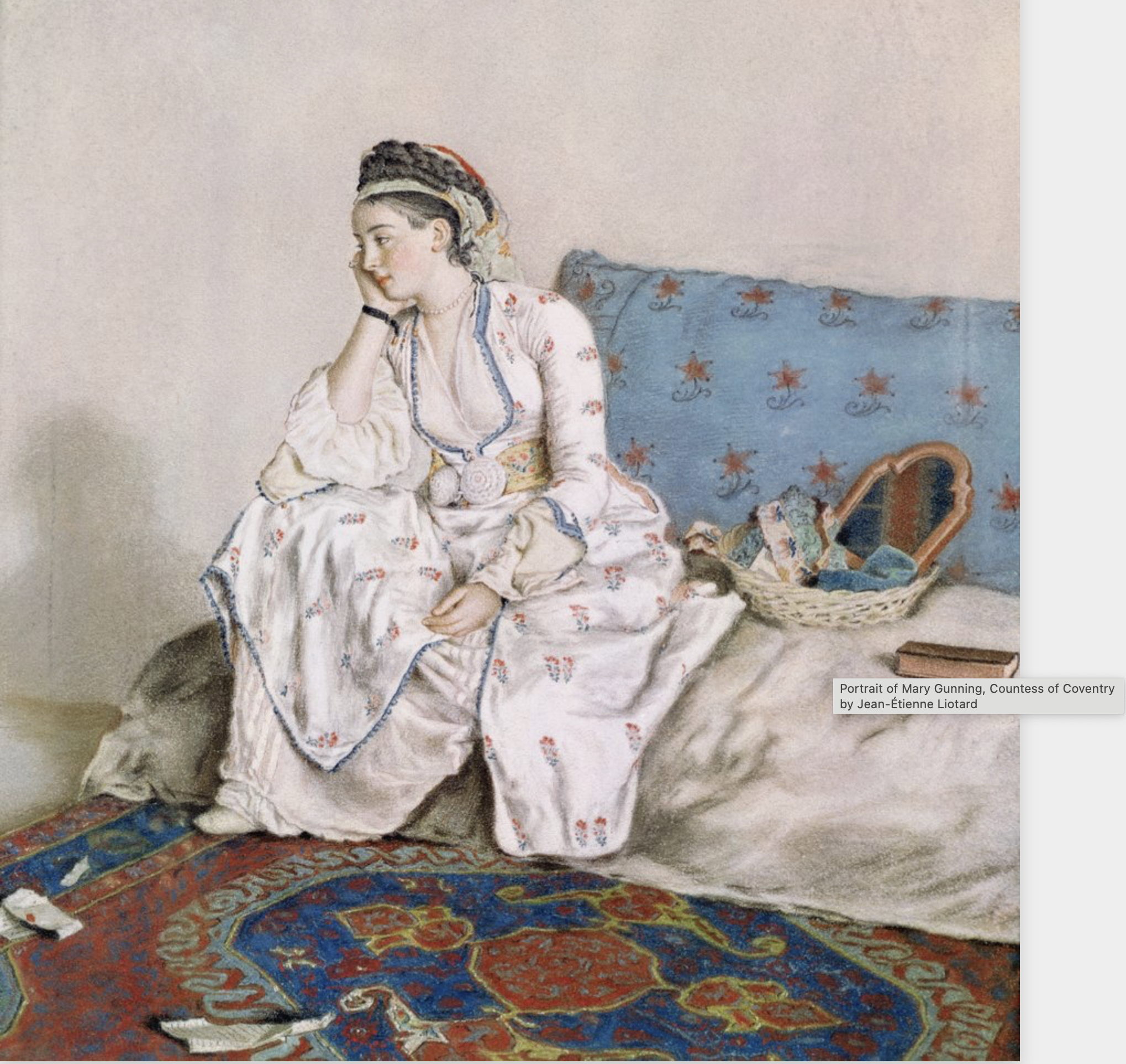
Maria, who married the Earl of Coventry, died aged 27, Robert O’Byrne tells us she most likely died from lead poisoning due to efforts to maintain her pale skin.
Castlecoote changed hands several times until its current owner. When Tony’s father Pat took over the property in the 1930s and farmed the land, he made sure that the house would have a future. However, a fire occurred soon after it was sold by the Convoys in 1989.
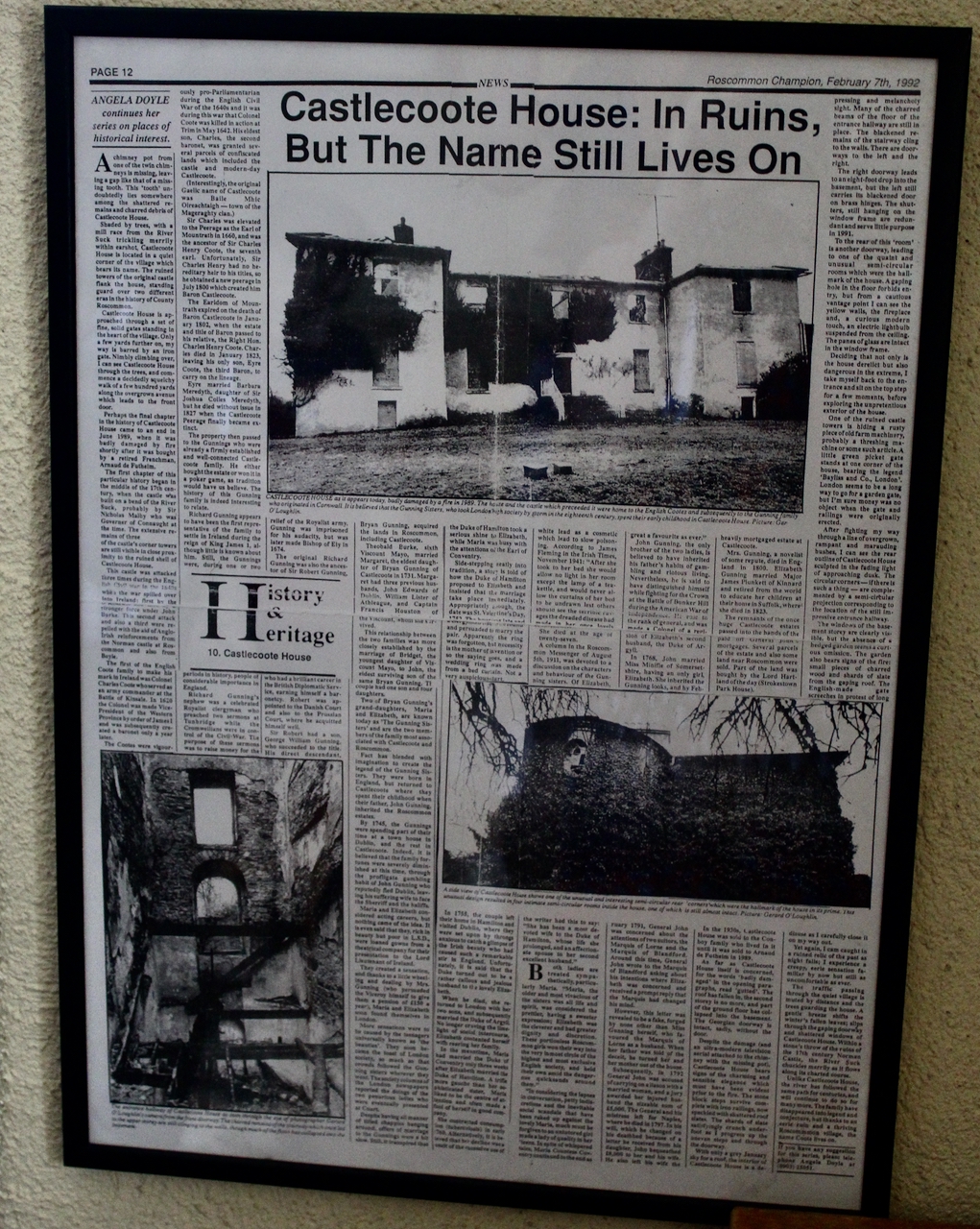
Angela Doyle writes that the brother of the Gunning sisters, Colonel John, married and had a daughter Elizabeth who inherited the Coote good looks. When she forged a letter from a potential suitor, saying that he had changed his mind, her father was outraged and cast out his wife and daughter. He took a mistress and moved to Naples, where he died. His wife Susannah Gunning née Minifie inherited the heavily mortgaged estate at Castlecoote. She was a novelist who wrote romantic and Gothic tales. Her daughter Elizabeth, also a novelist, married Major James Plunkett of Kinnaird, County Roscommon. The literary historian Isobel Grundy tells us in the Oxford Dictionary of National Biography: “Elizabeth Gunning’s early novels are, like her mother’s, sentimental, with heavy-footed humour, trite moralizing, a self-consciously elaborate style, and intense class-consciousness. Each woman wrote more interestingly, with more criticism of society, later in life.” The estate passed out of Coote ownership.
In 1997, when bought by the present owner Kevin Finnerty, the Historic Houses of Ireland website tells us, Castlecoote was a cavernous ruin, without floors, stairs or windows, while the internal walls were crumbling away. The basement was enveloped by earth, the front doorsteps had collapsed, and the surroundings were badly overgrown.
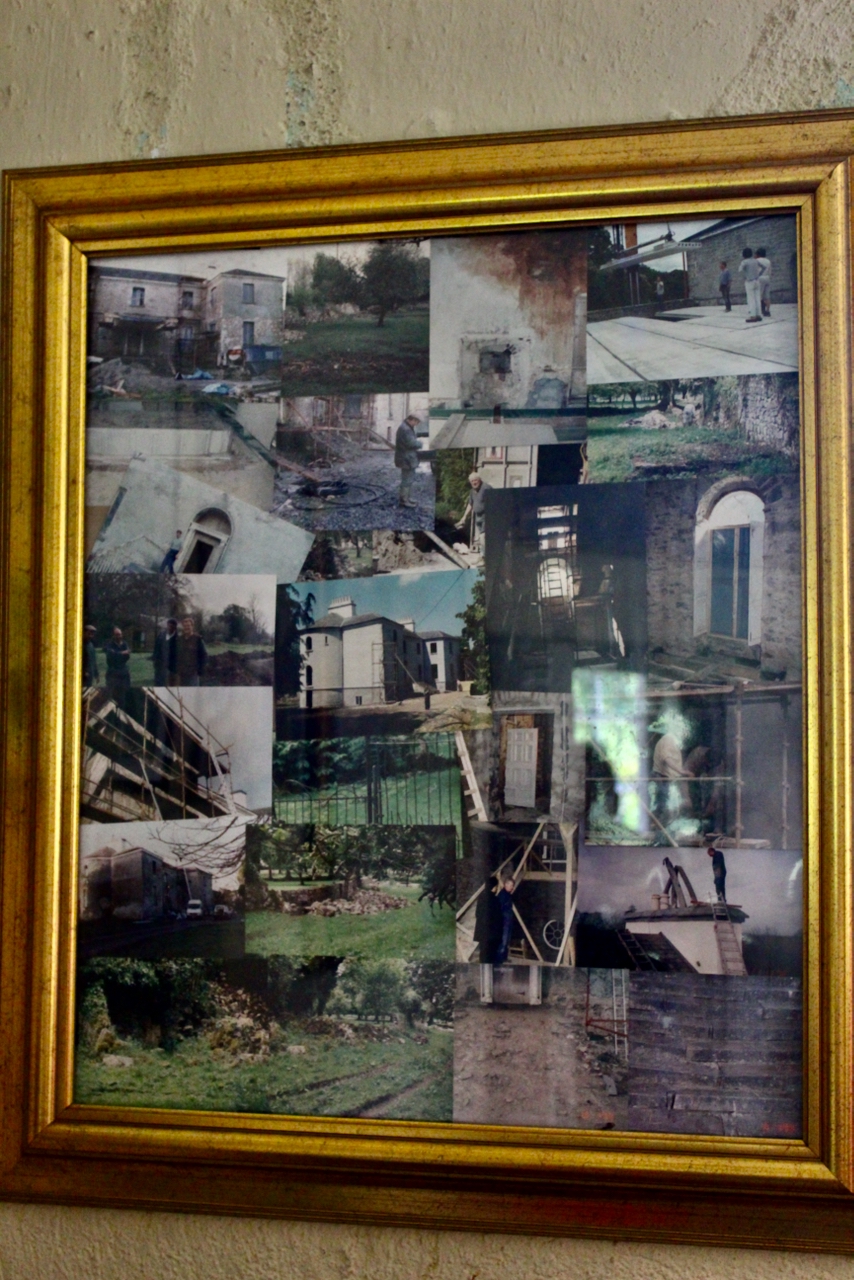
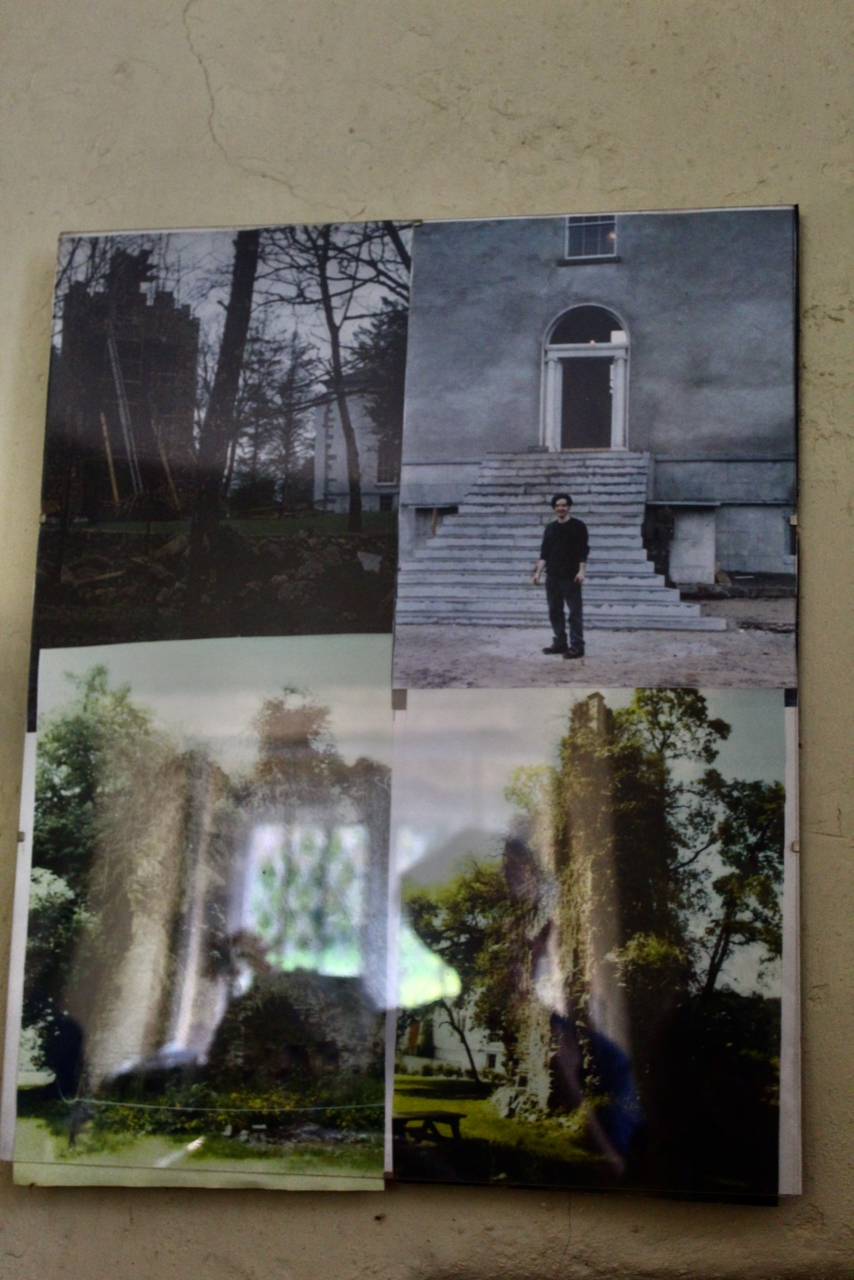
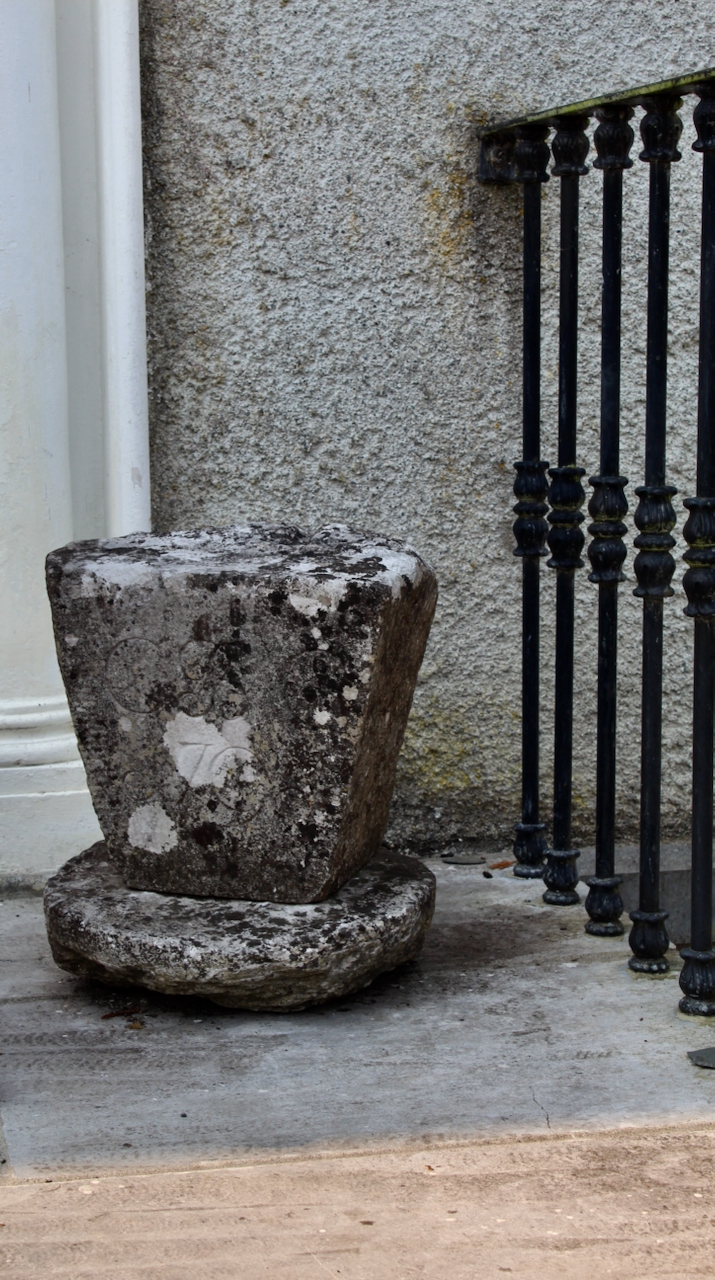
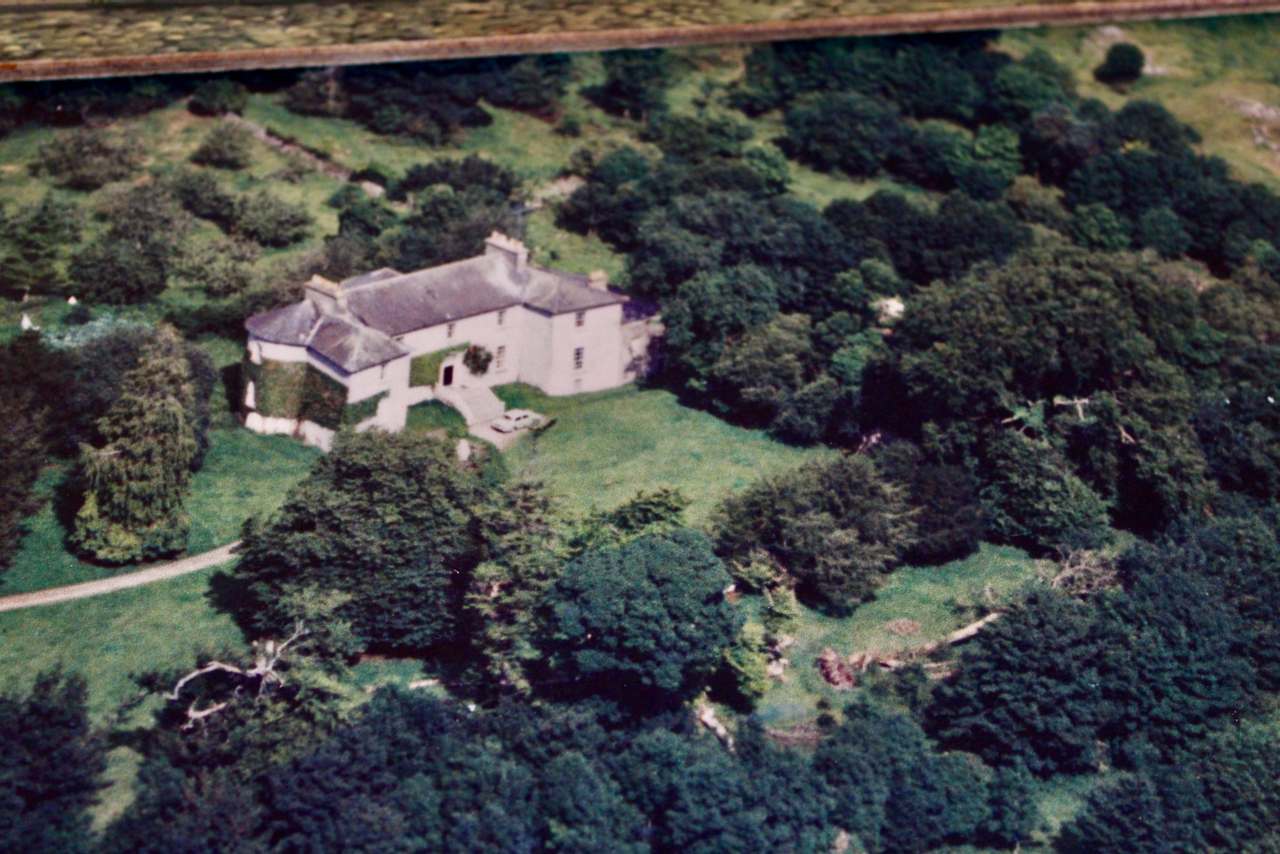
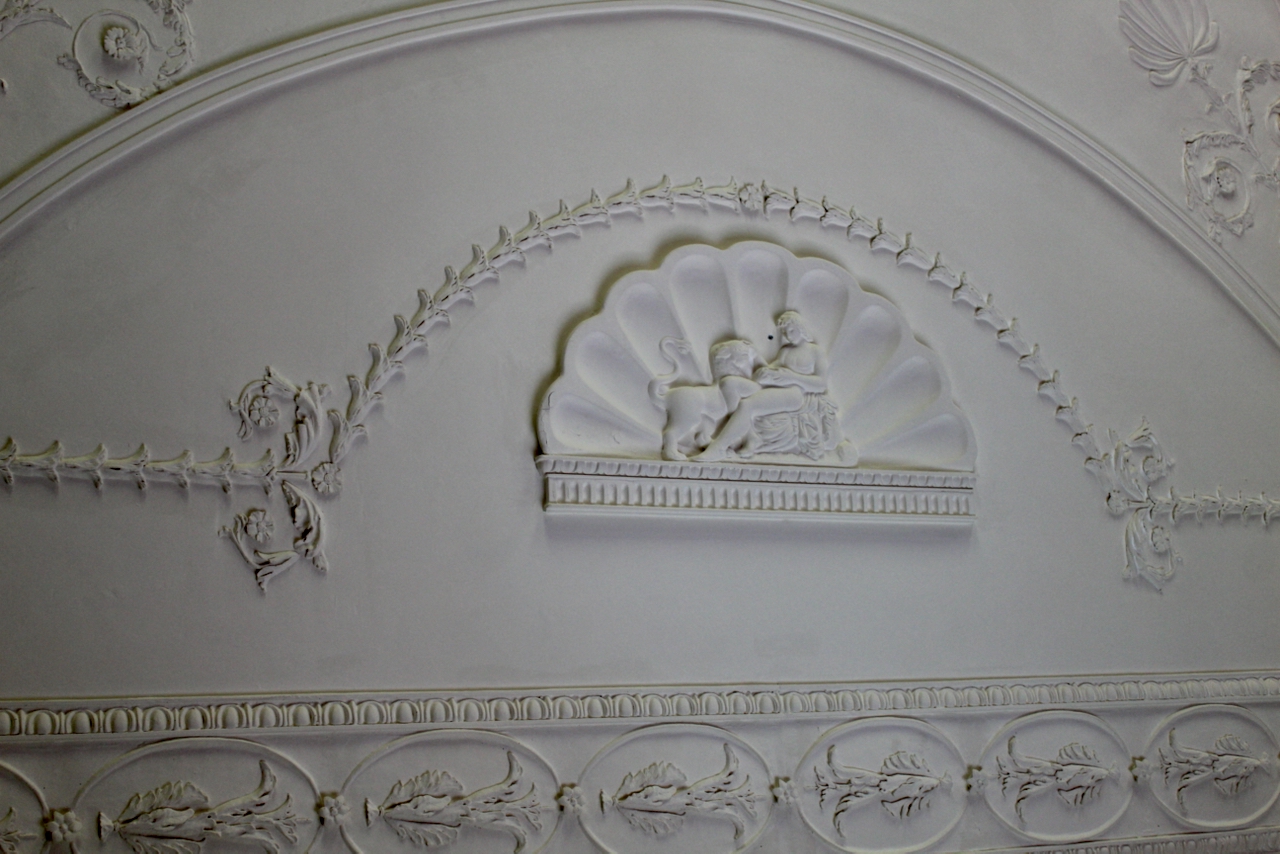
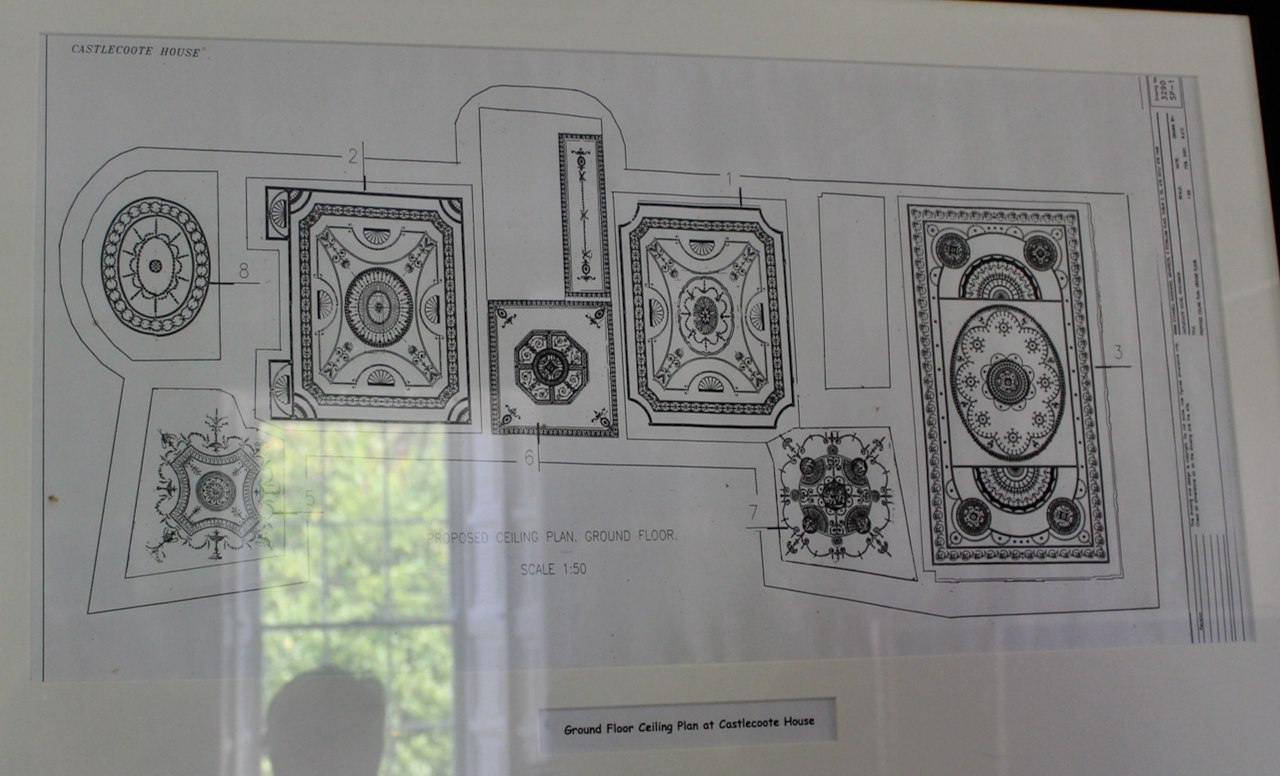
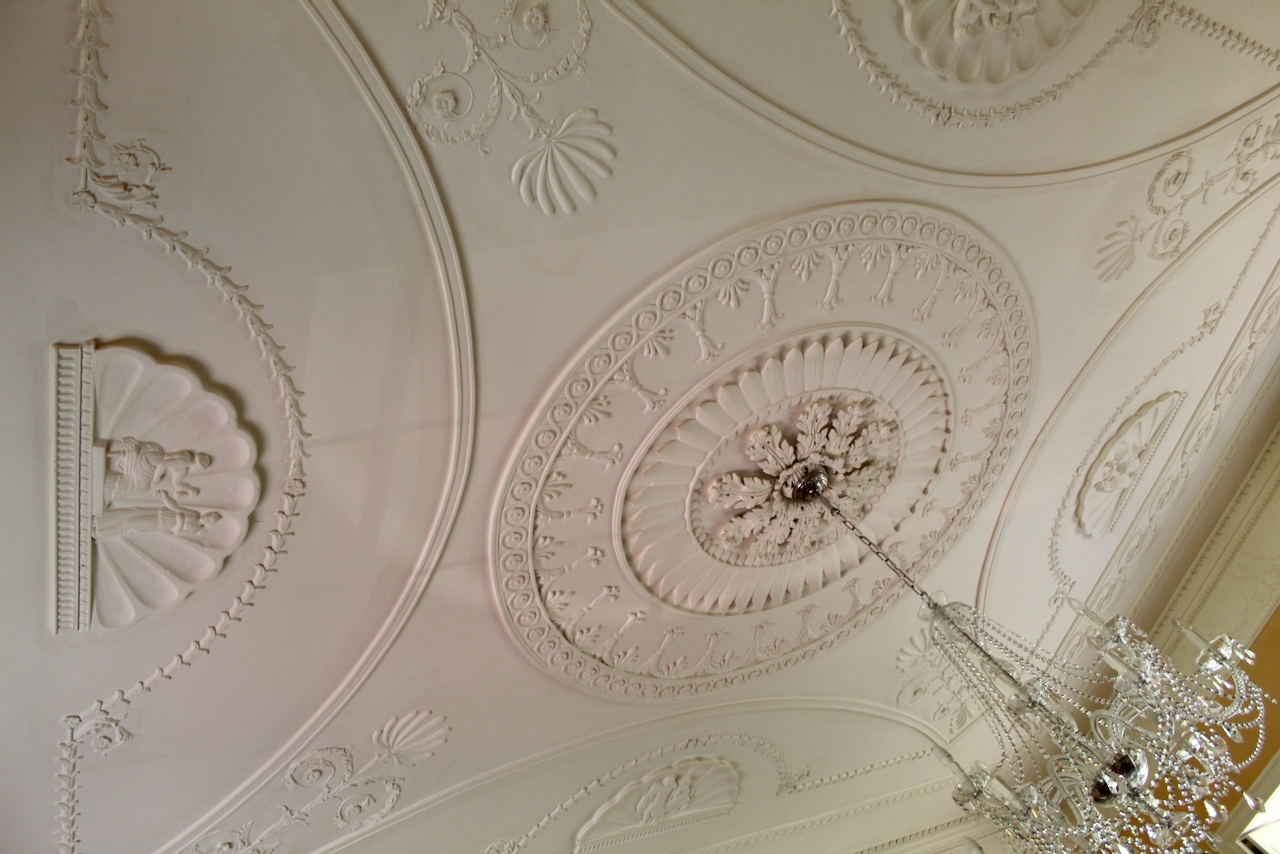
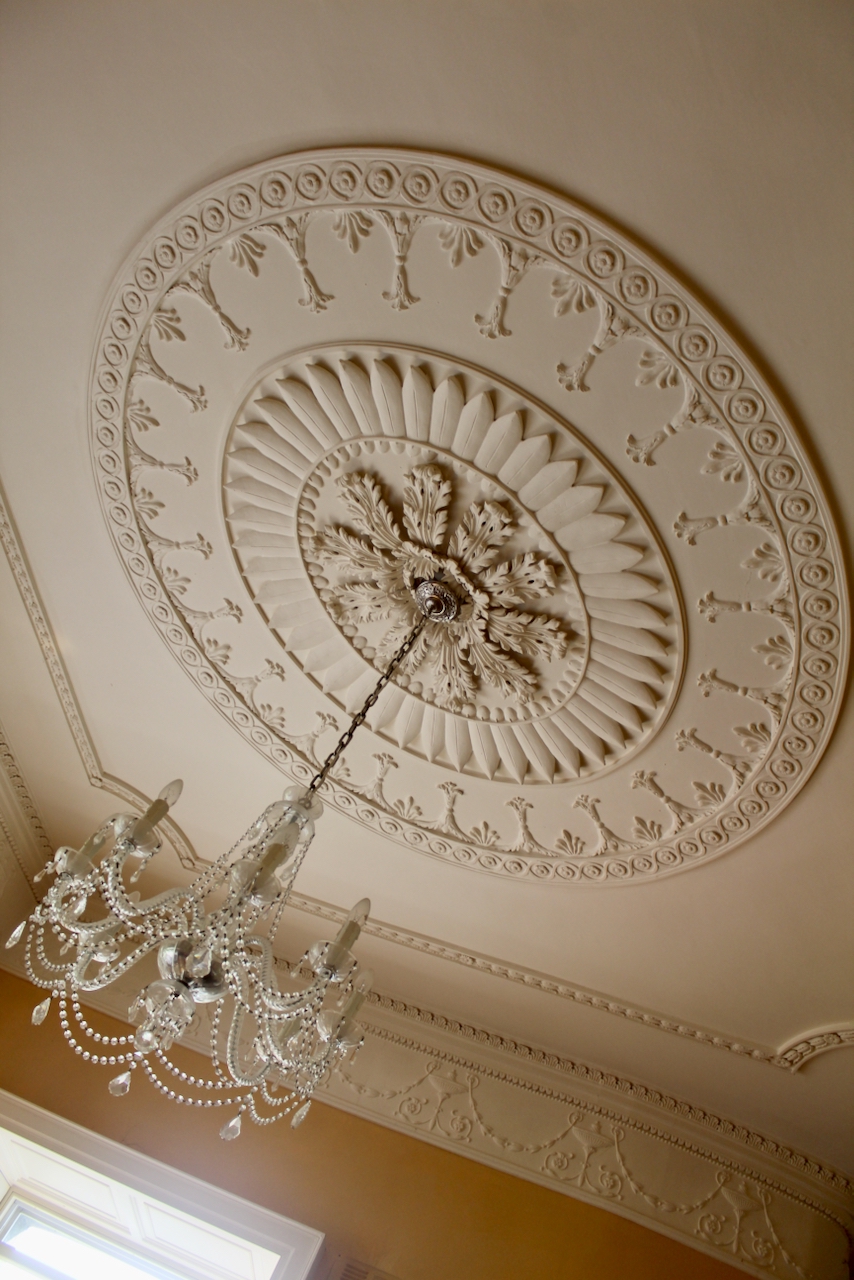
The Historic Houses of Ireland entry tells us that Kevin began a lengthy period of restoration, which took five years to complete. Work included essential repairs to the structure, underpinning the foundations, consolidating the castle towers, re-roofing and more intricate work such as restoring the plaster ceilings, replacing the chimneypieces, the internal doors and other joinery, and completely redecorating the interior.
The result is beautiful. Kevin gave us a tour inside. Although the historic houses website mentions five years, Kevin says it took twelve years to make the house habitable.
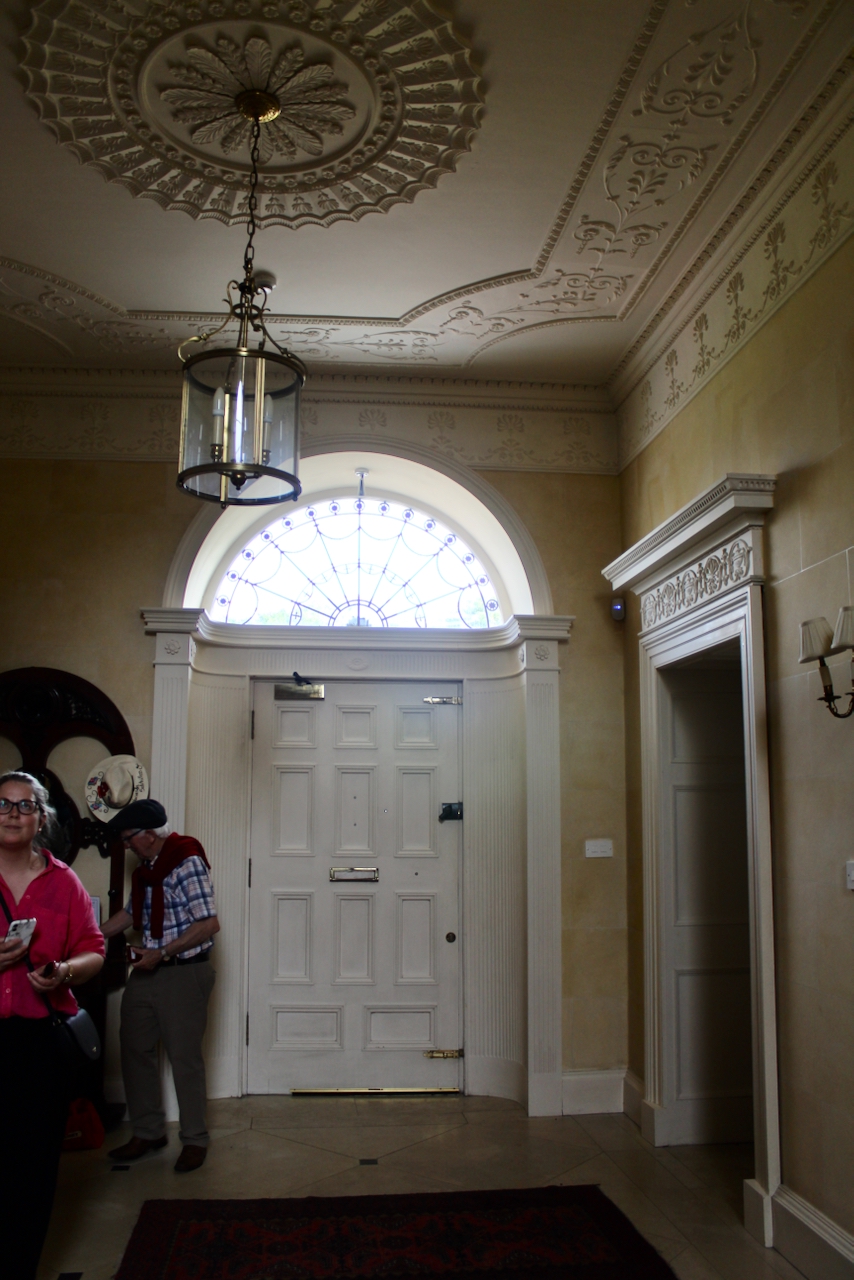
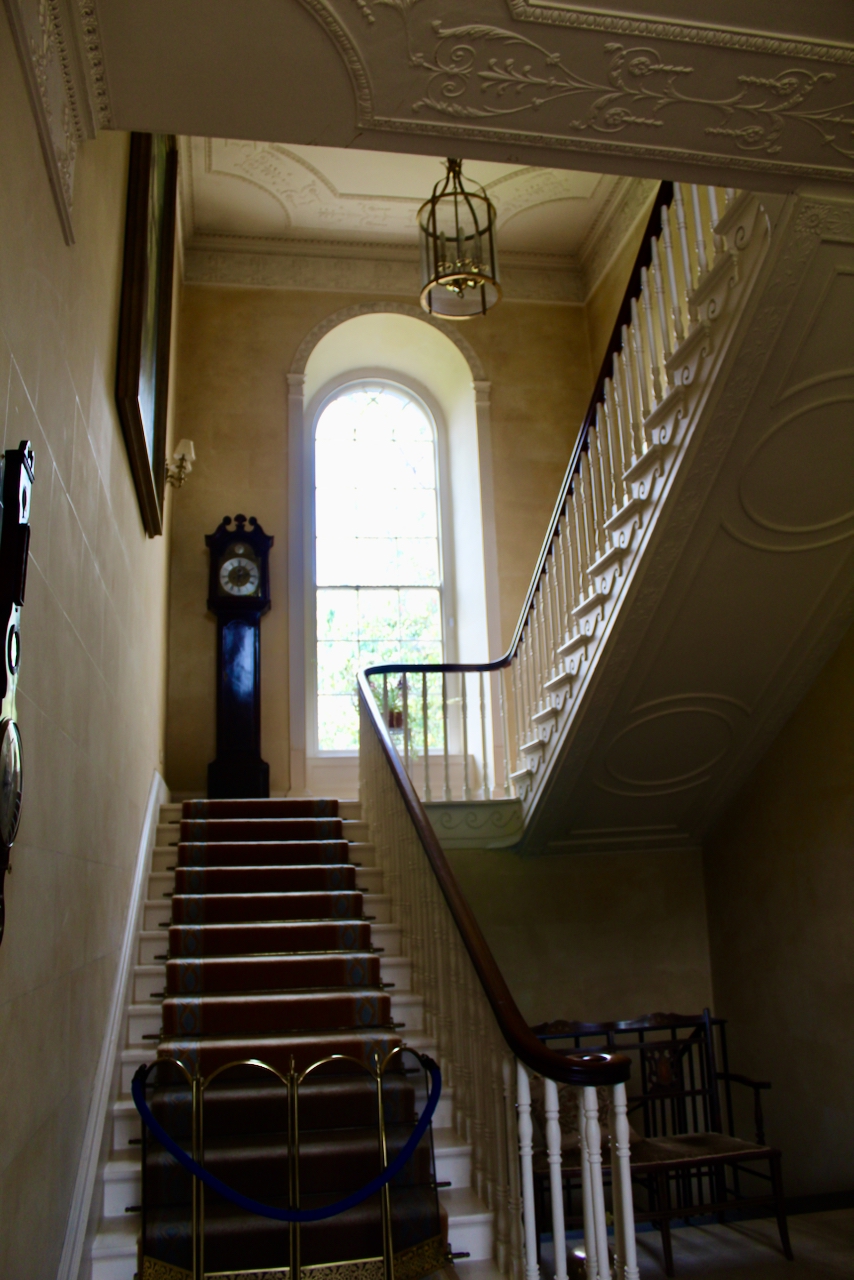
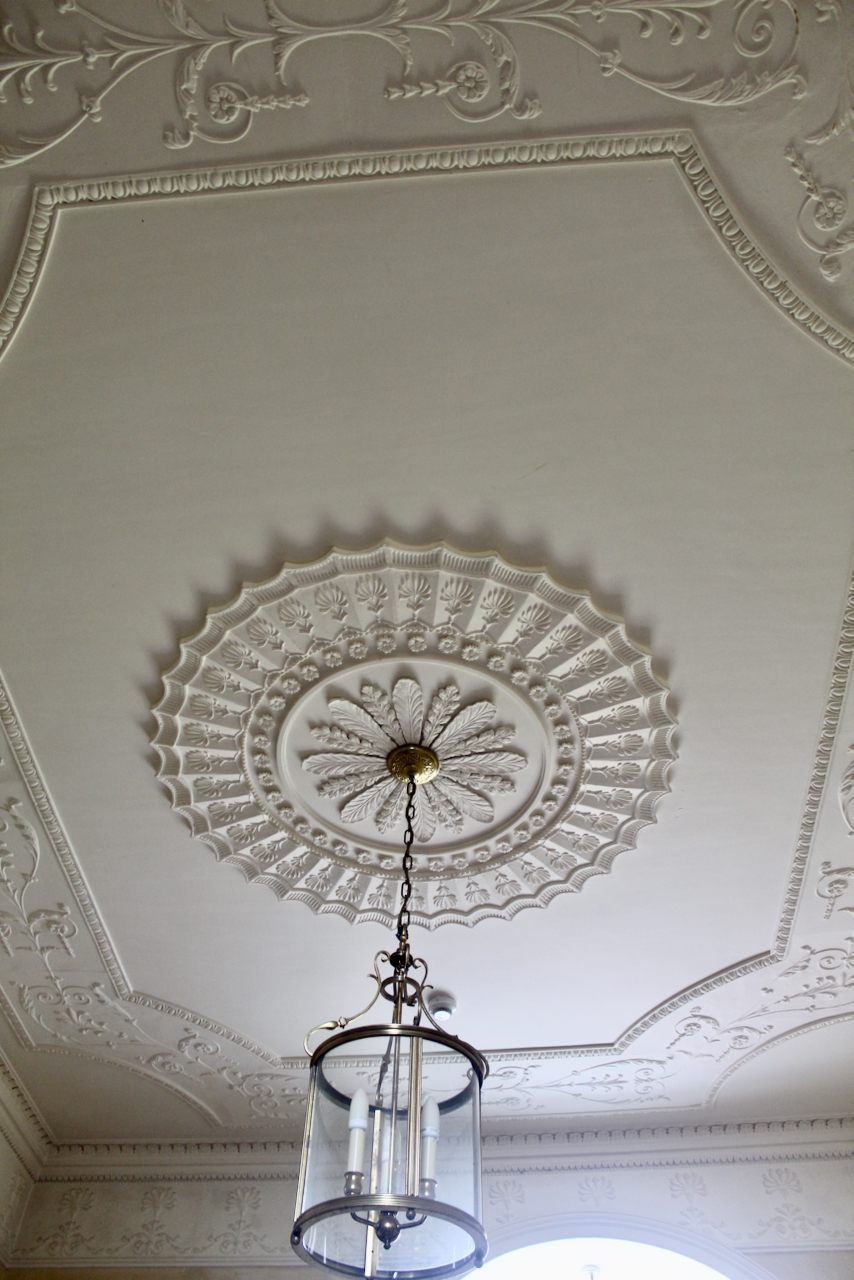
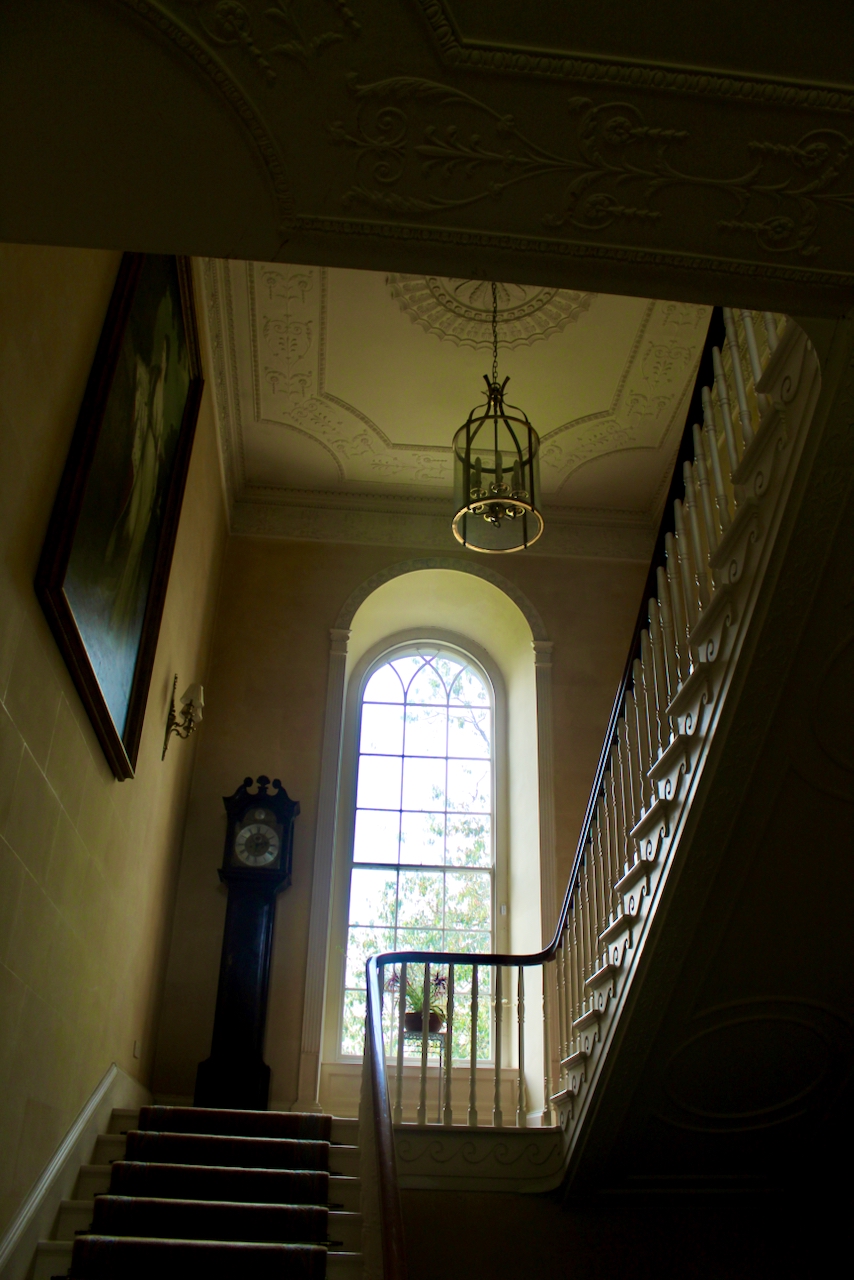
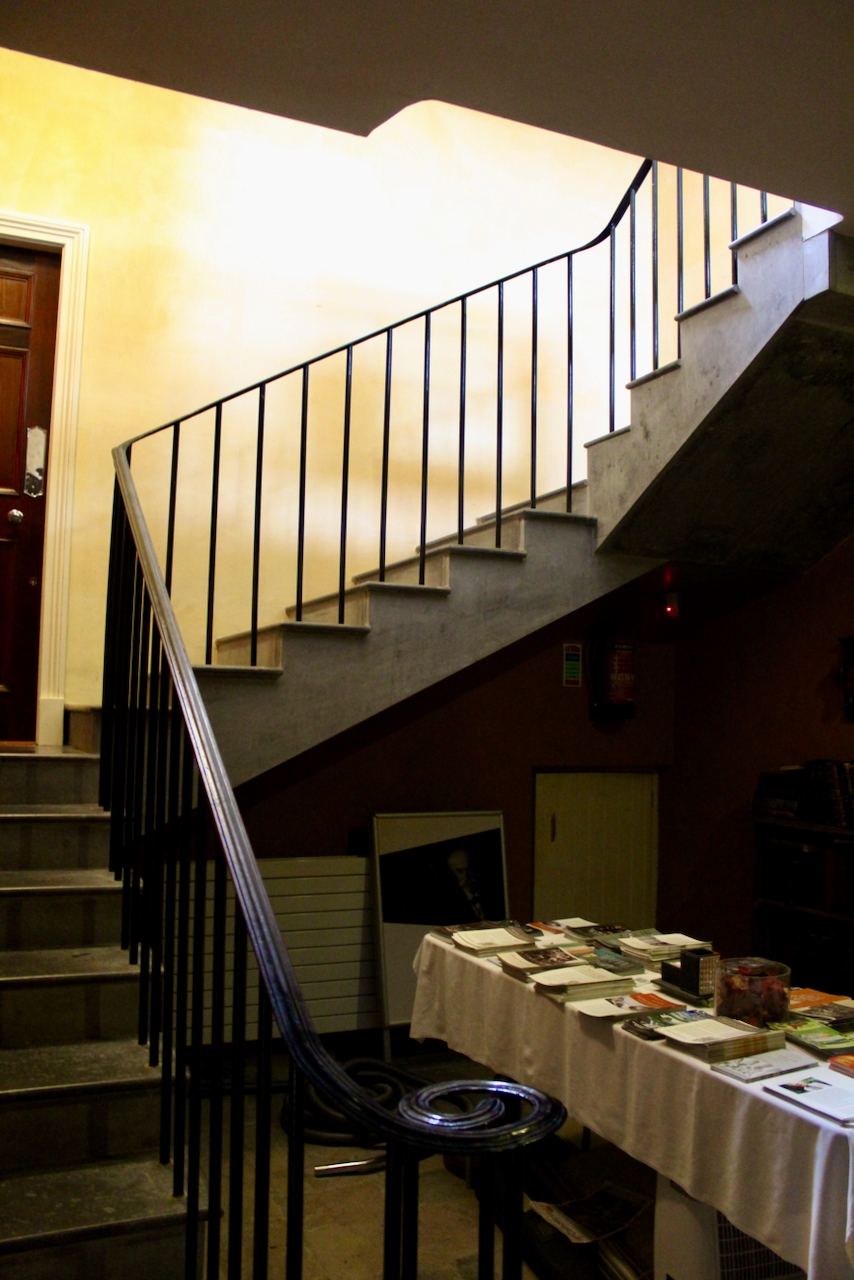
Part of the castle has been let to tenants, so Kevin took us first to the basement to show us the renovations, including lime render on the walls and underfloor heating. There had been no stairs down to the basement and the ones installed are much as the original would have been, of limestone.
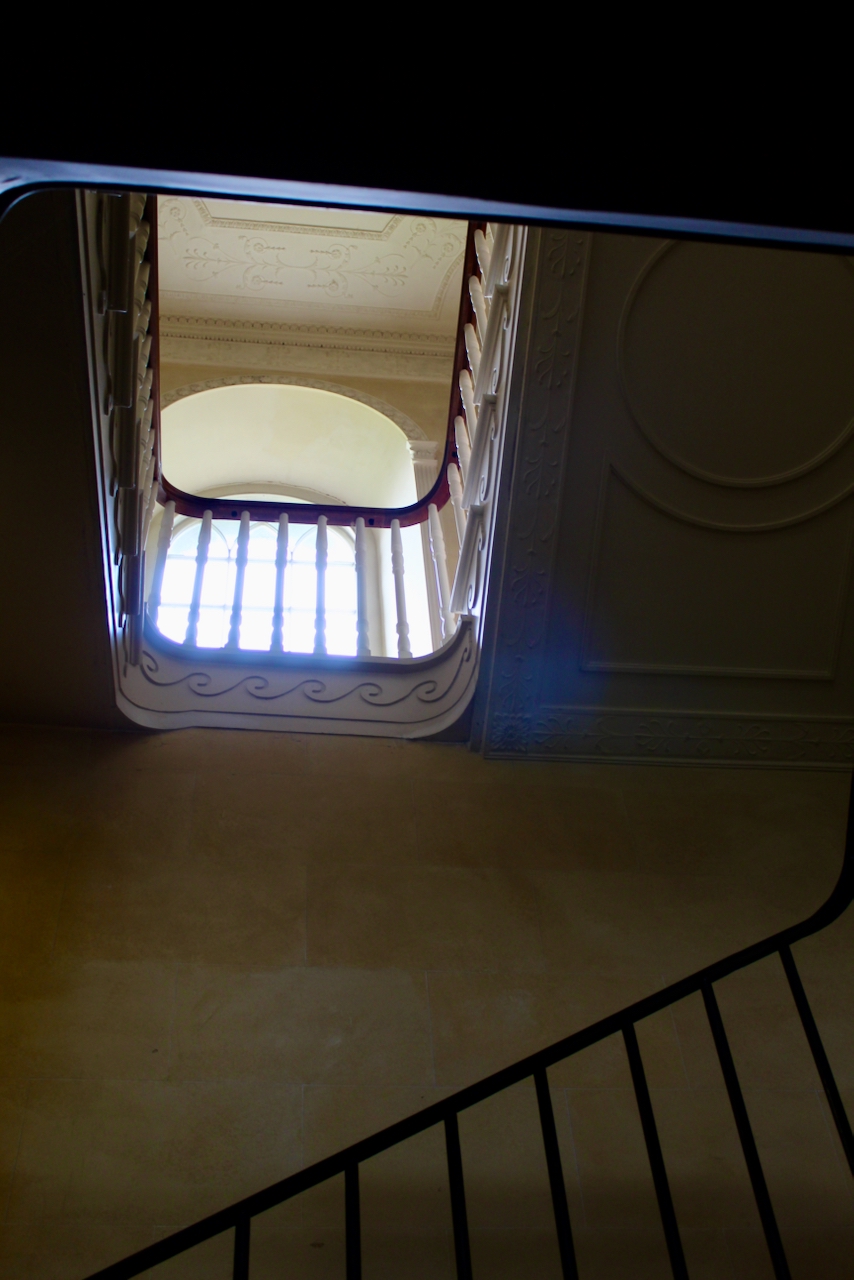
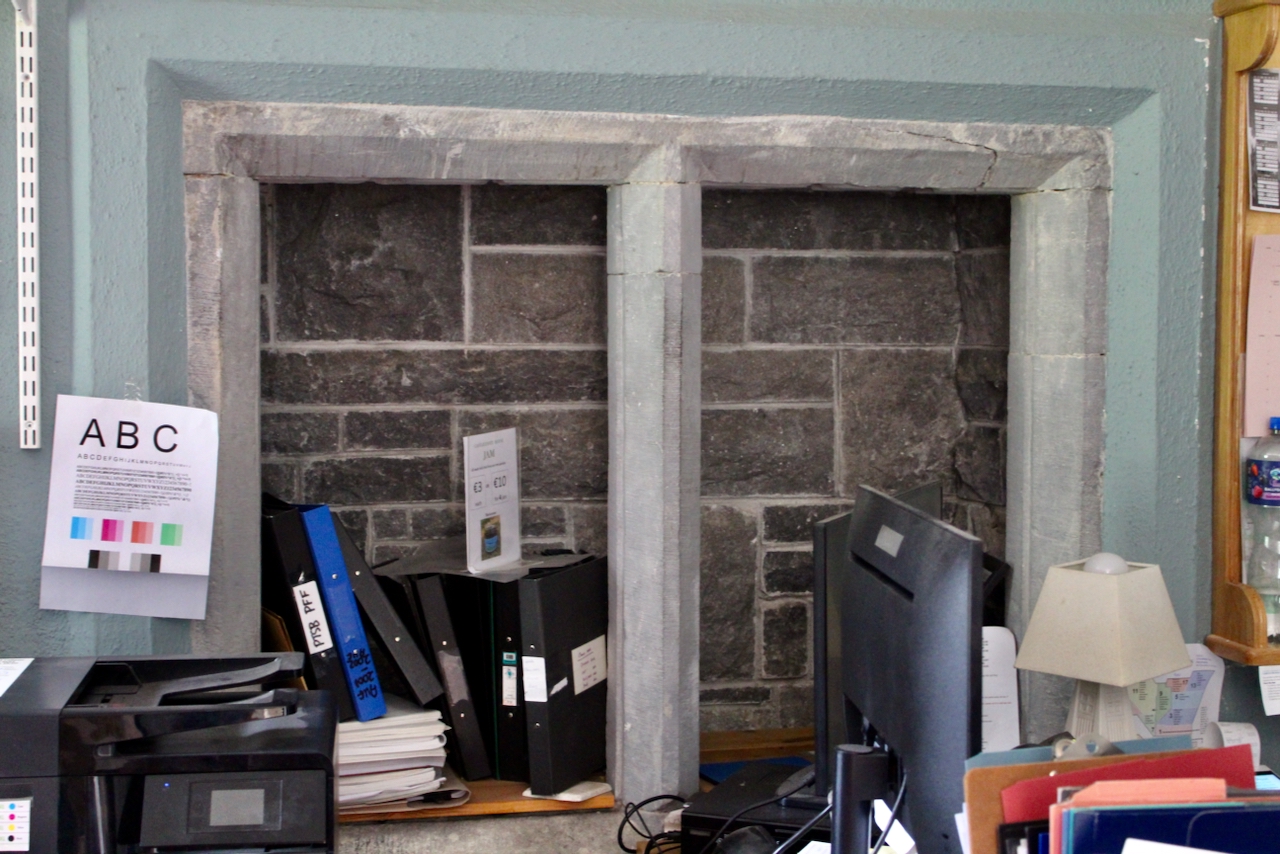
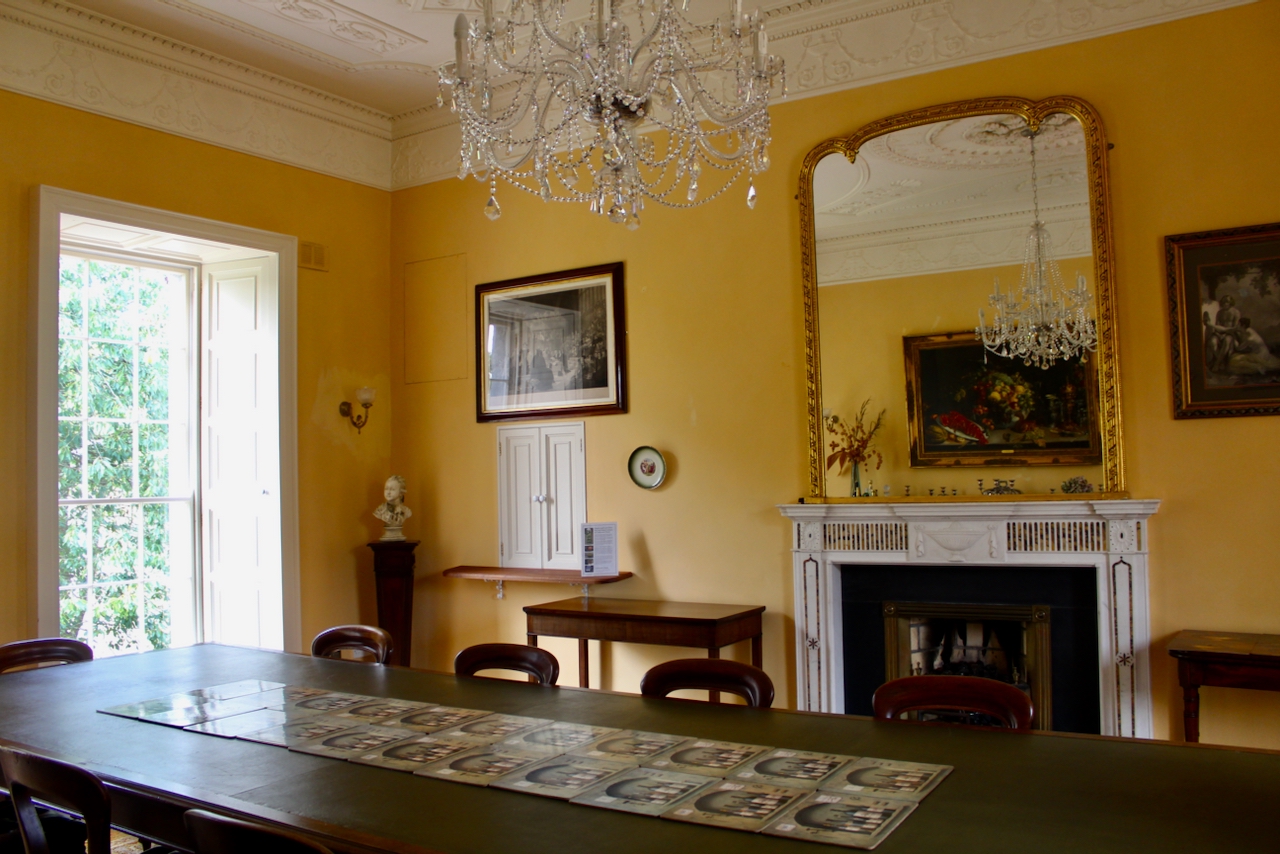
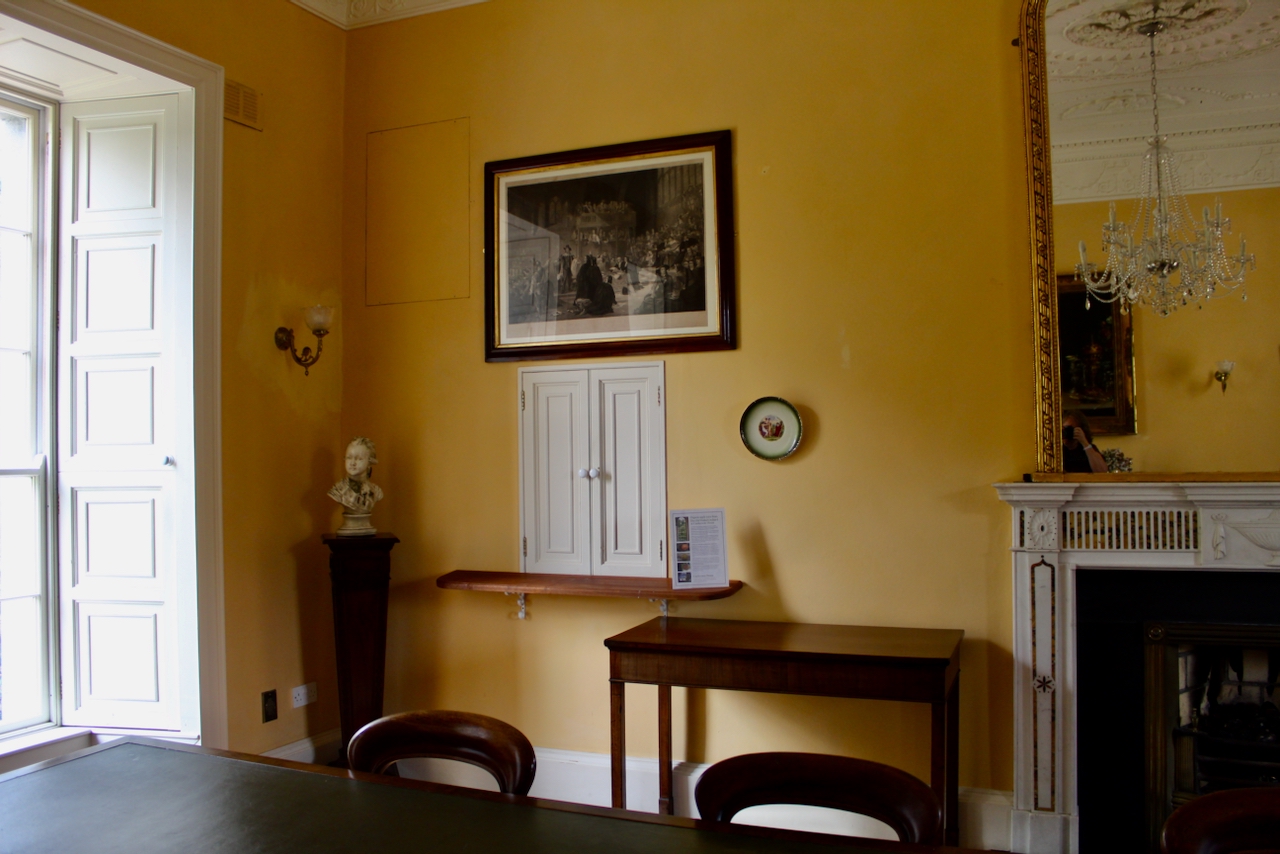
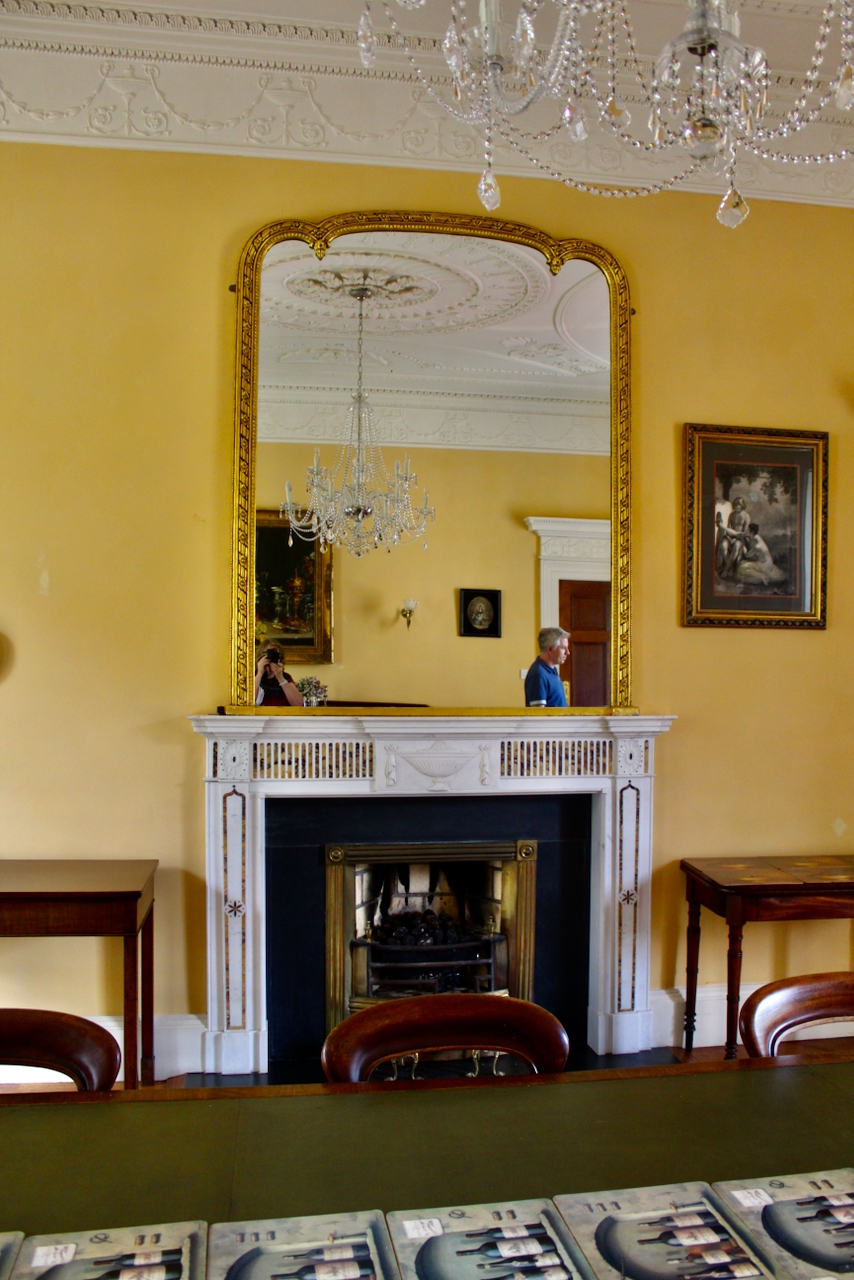
The fireplaces had to have sixteen new chimneypieces installed as the originals had disappeared while the castle was an empty ruin after the fire. Kevin pointed out that the older the chimneypiece, the narrower the mantle shelf. It was the Victorians, I believe, who instigated wide mantlepieces in order to display pieces. Before, the mantle was used to rest a mirror, which was often tilted upward to reflect light and often, a beautiful ceiling.
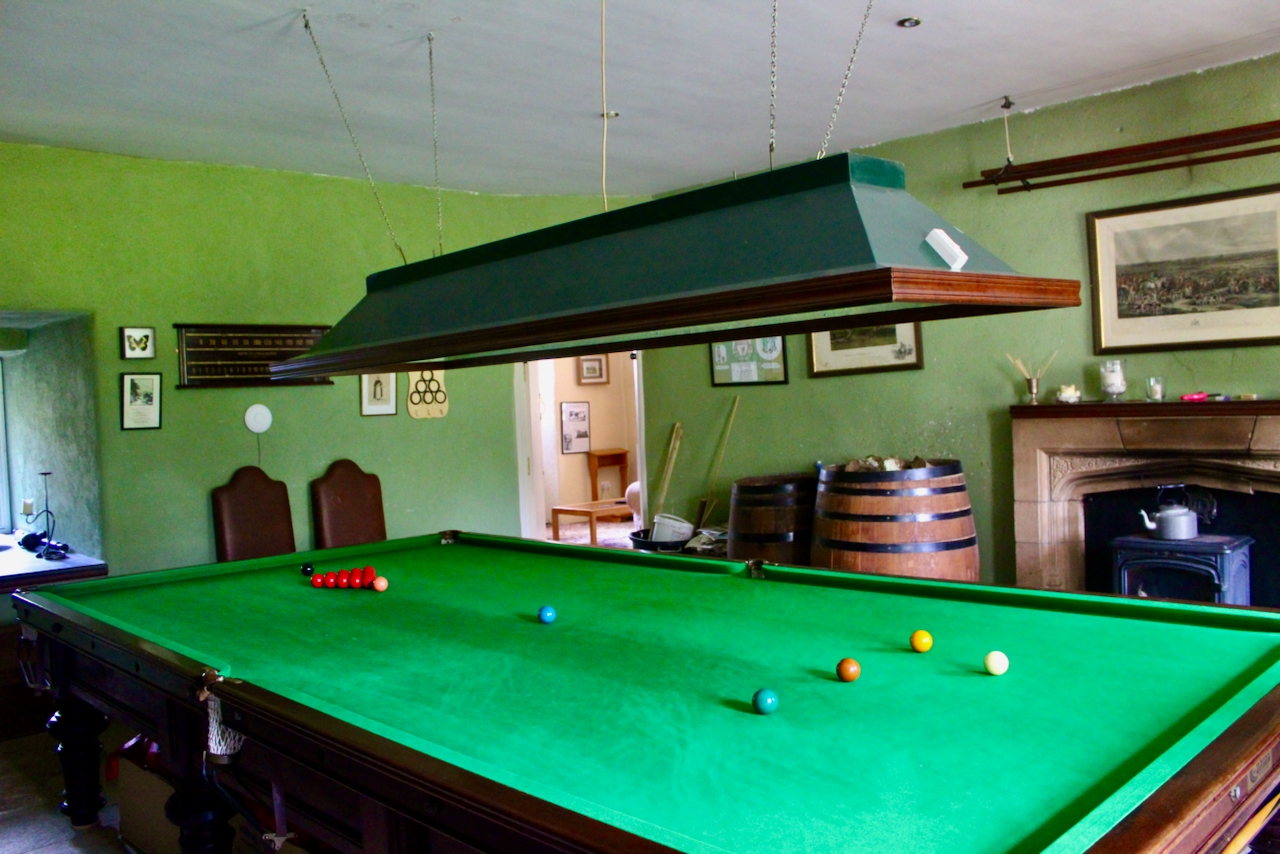
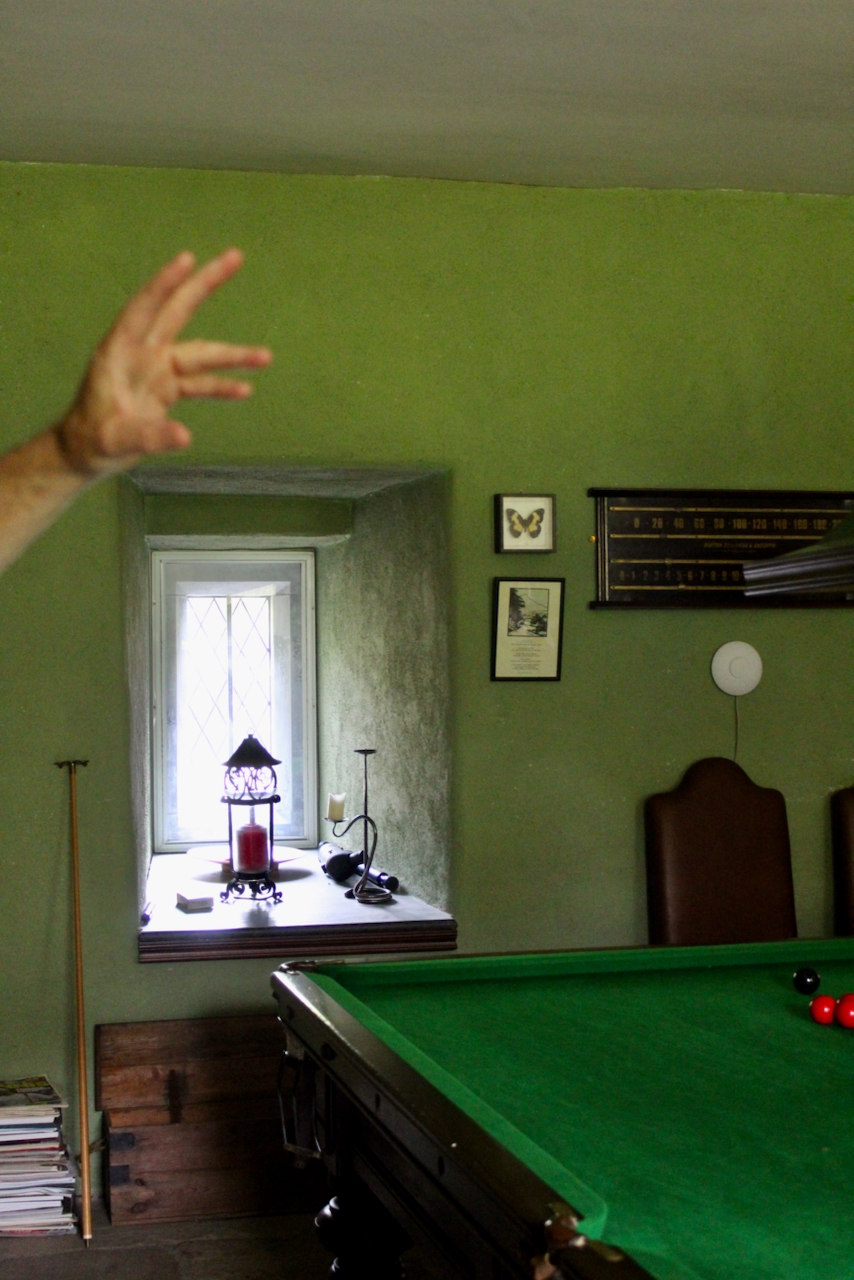
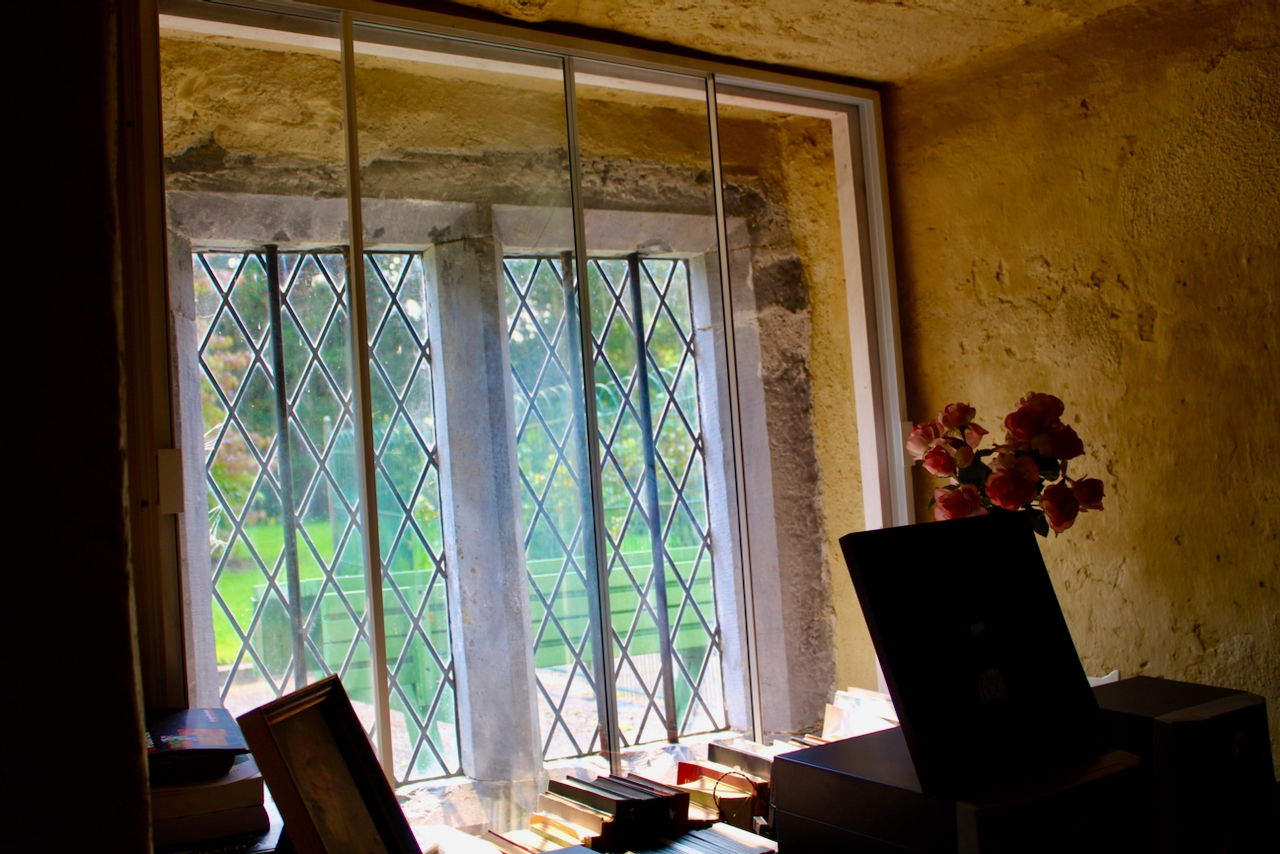
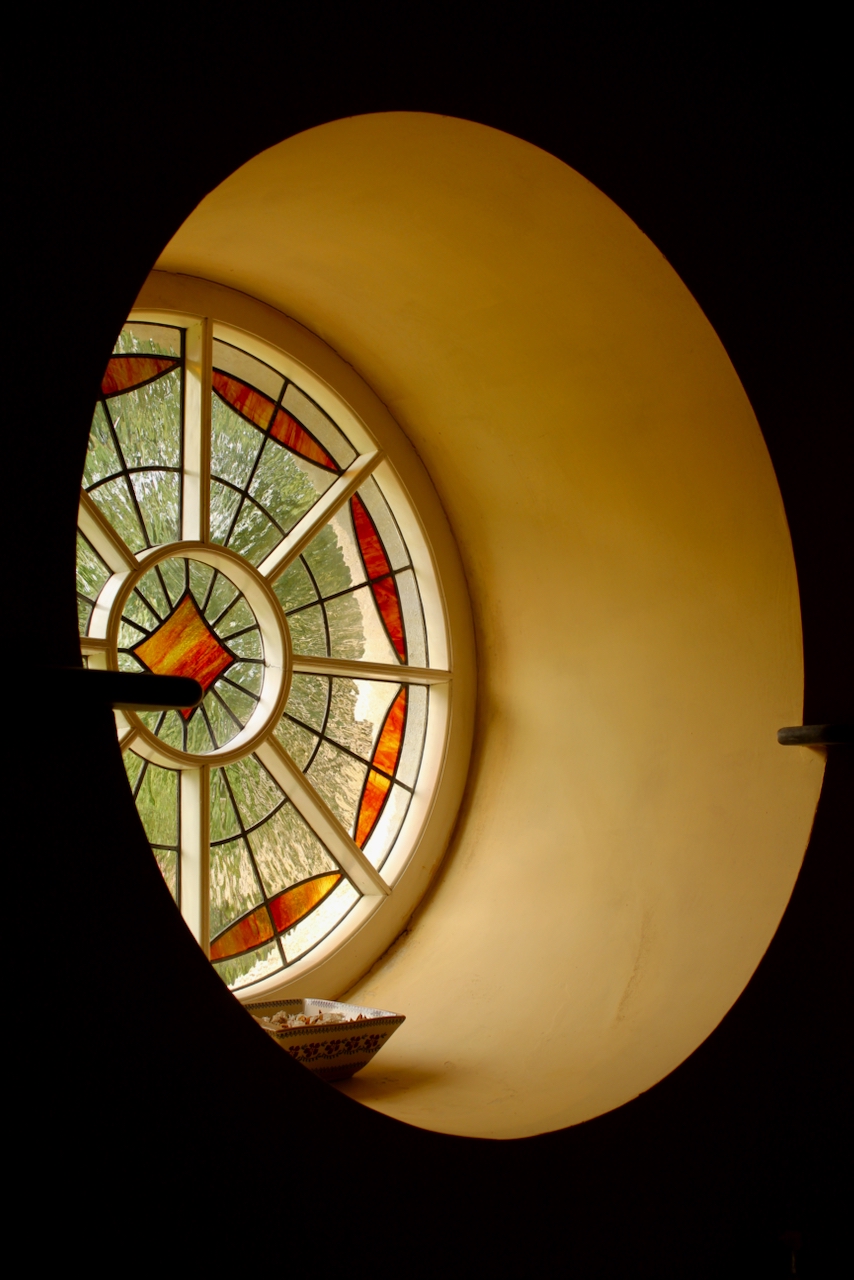
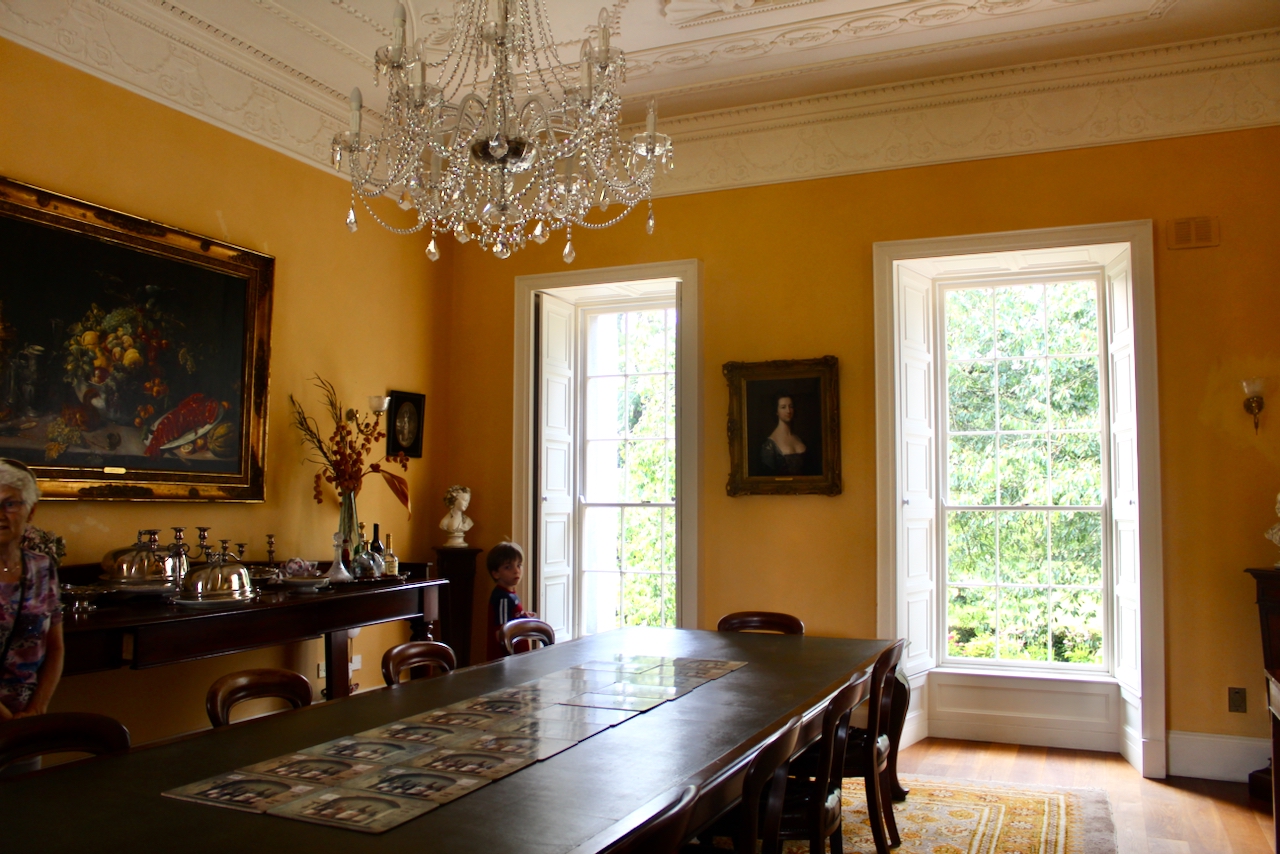
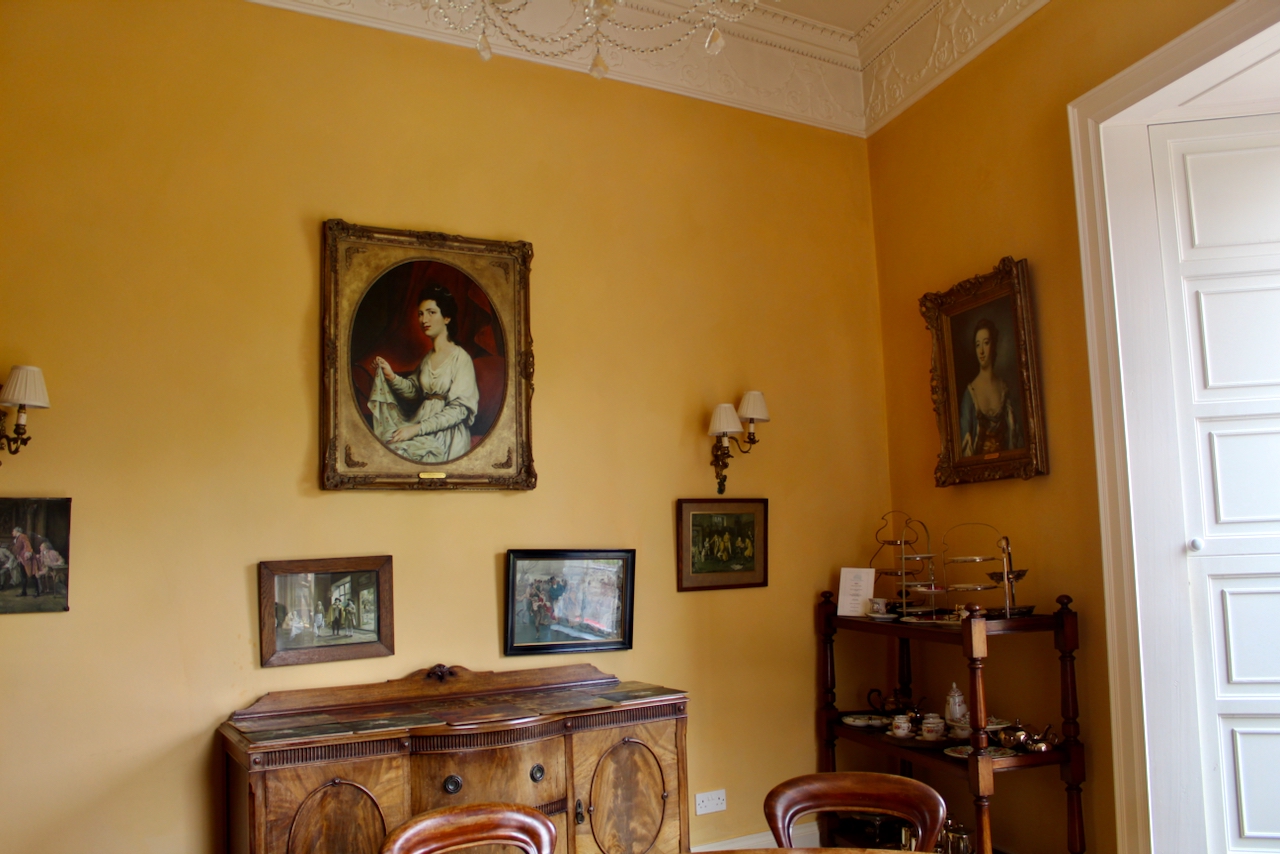
Kevin has done the Cootes and the Gunnings and all the former occupants of the house proud, by reinstating its formal splendour in the ceiling plasterwork. With careful attention to detail, he made sure that the windows have the narrow glazing bars of the Georgian period.
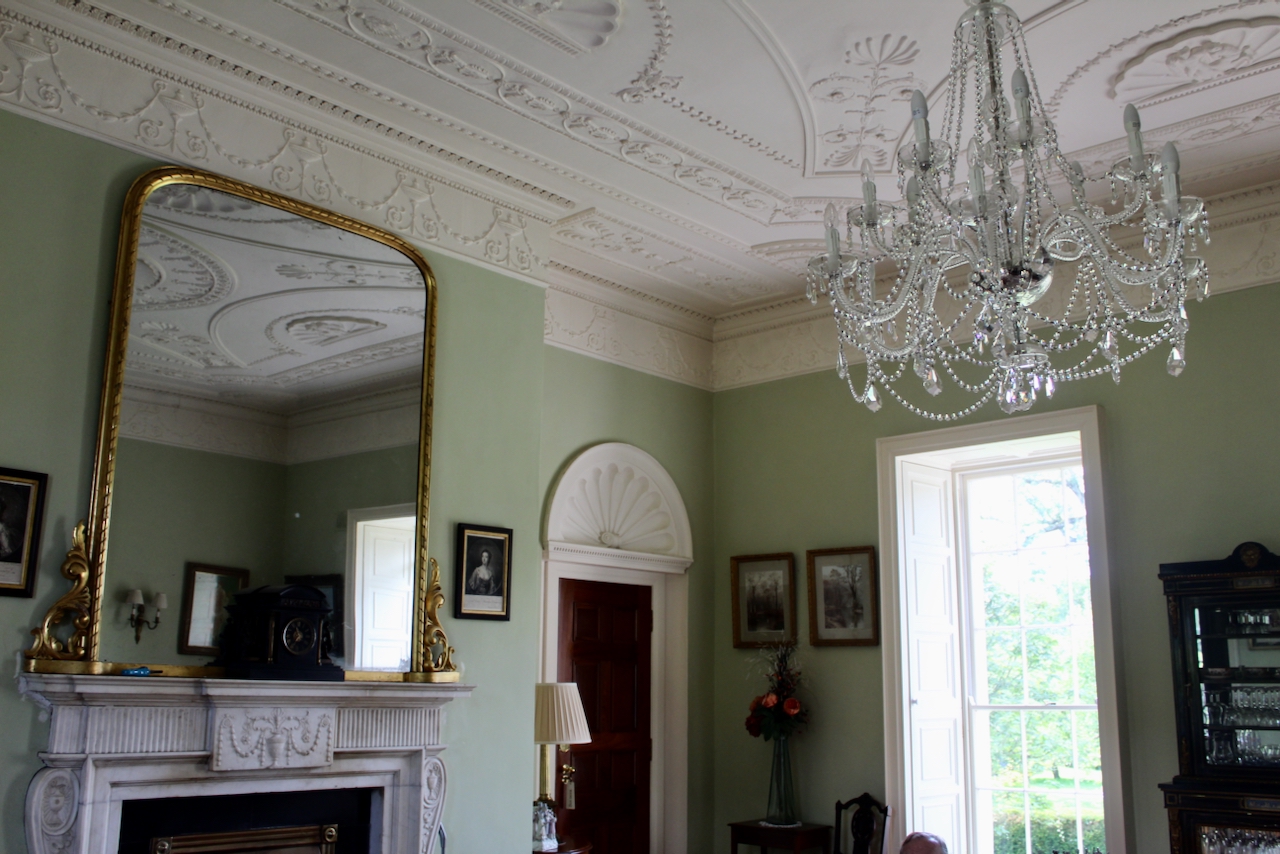
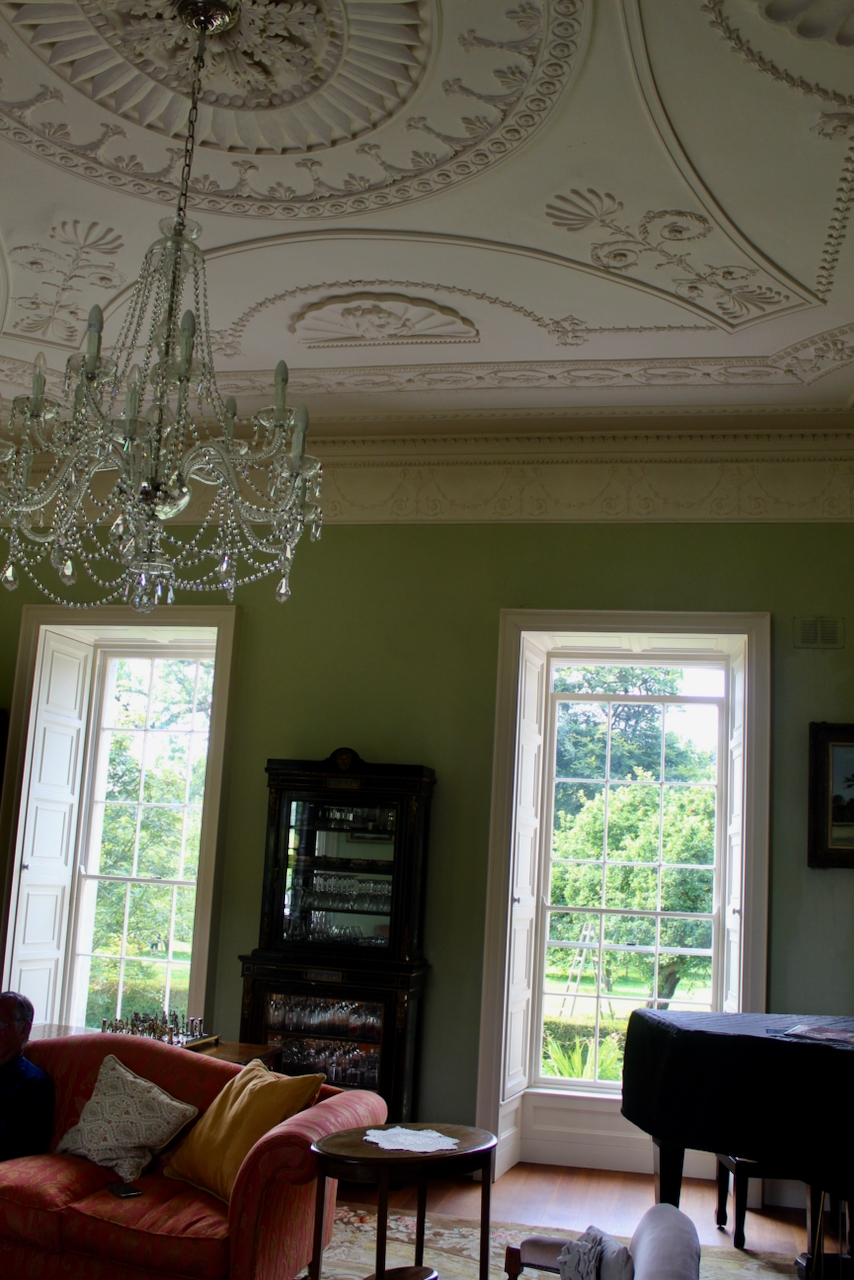
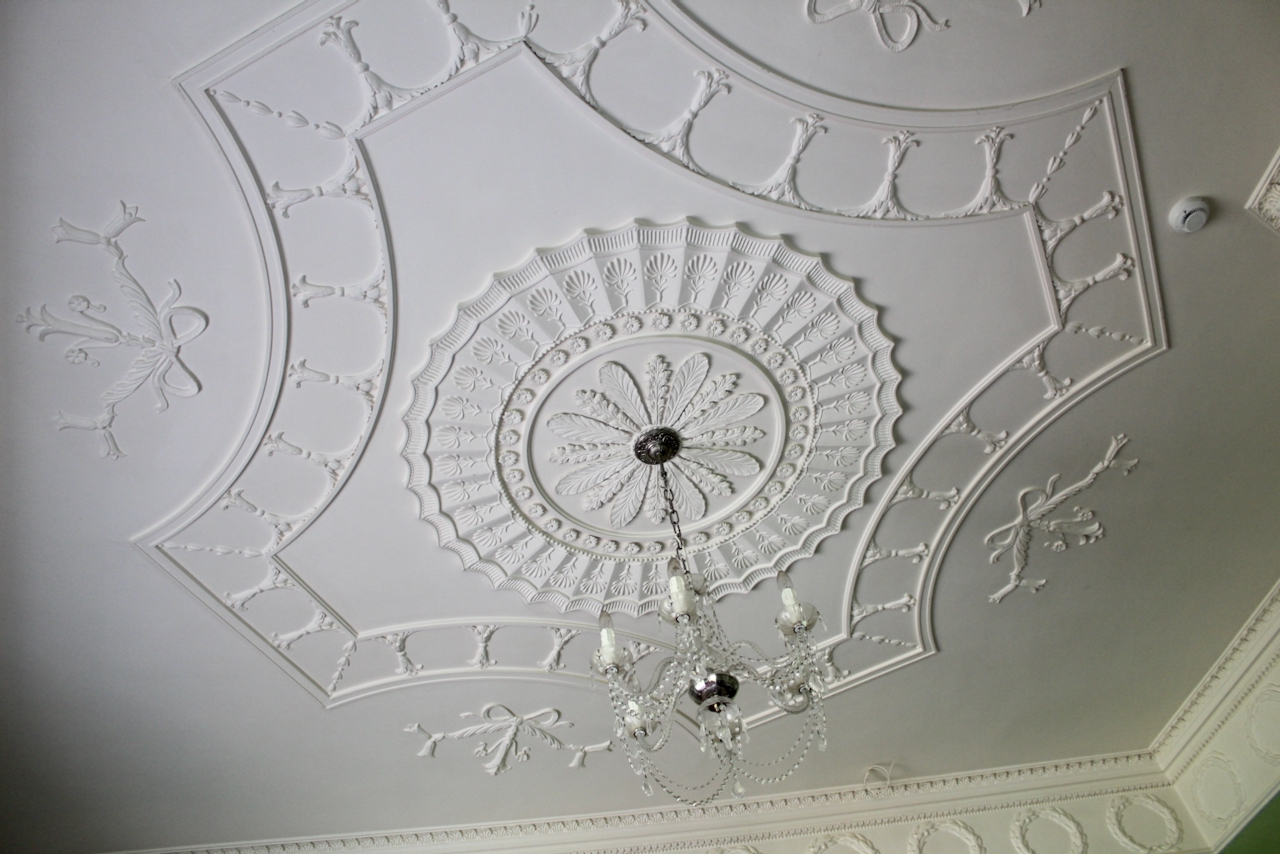
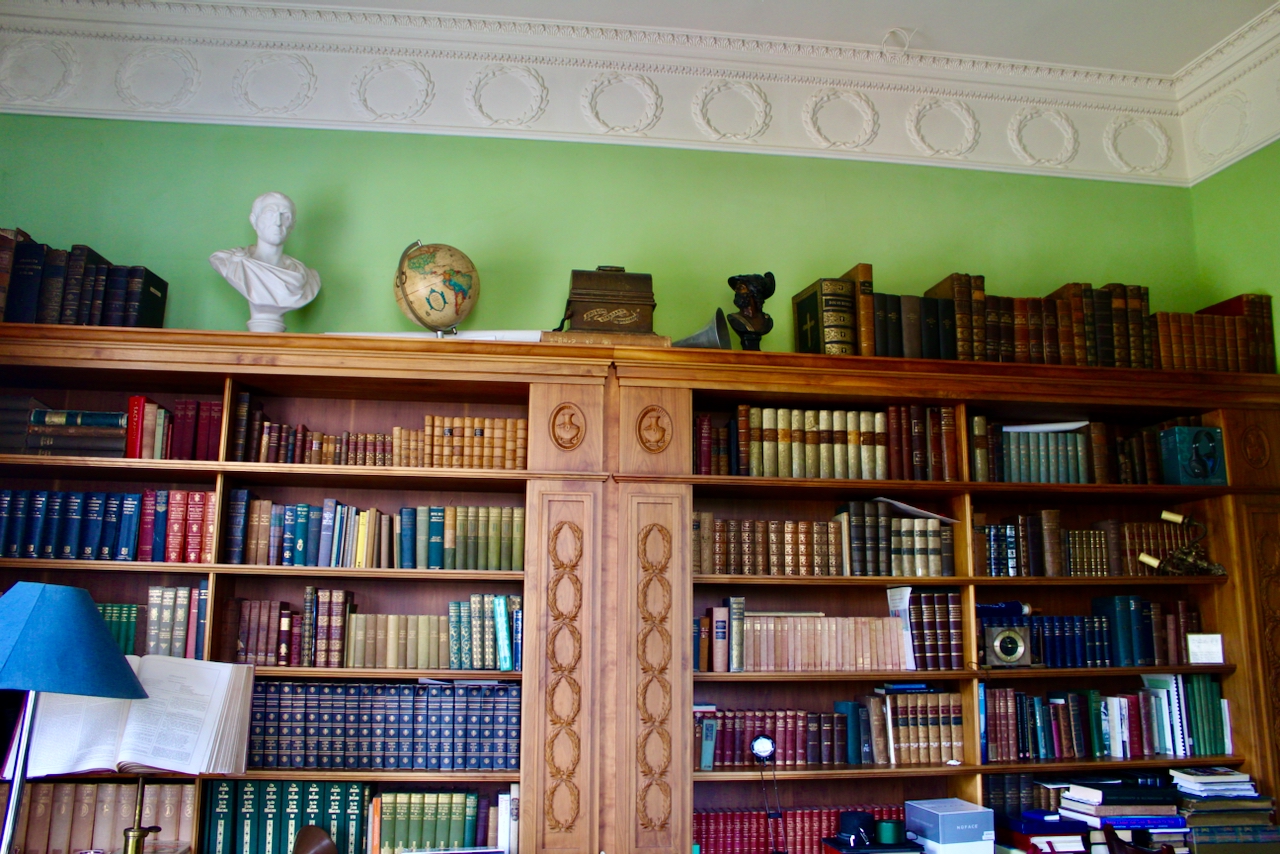
The bookcases in the library have carving to reflect the wall frieze.
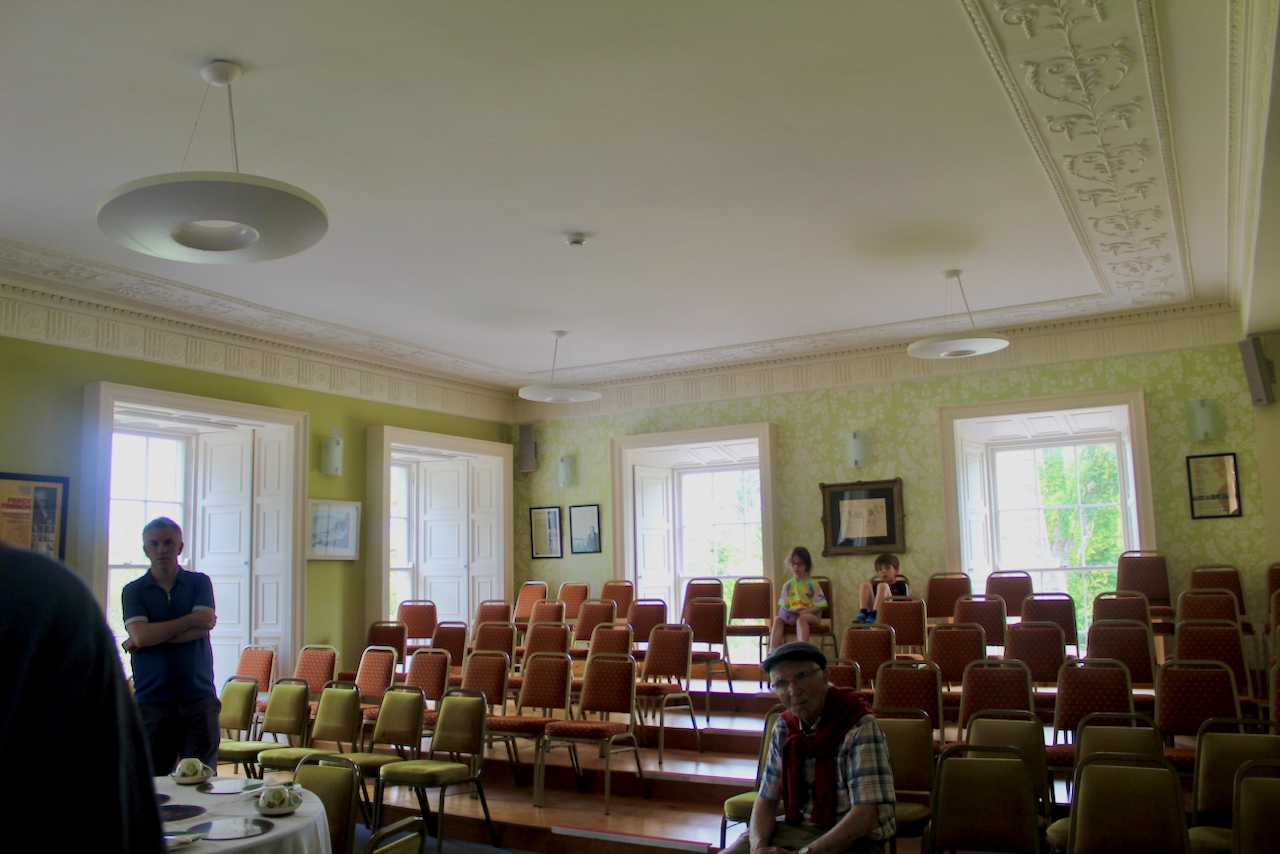
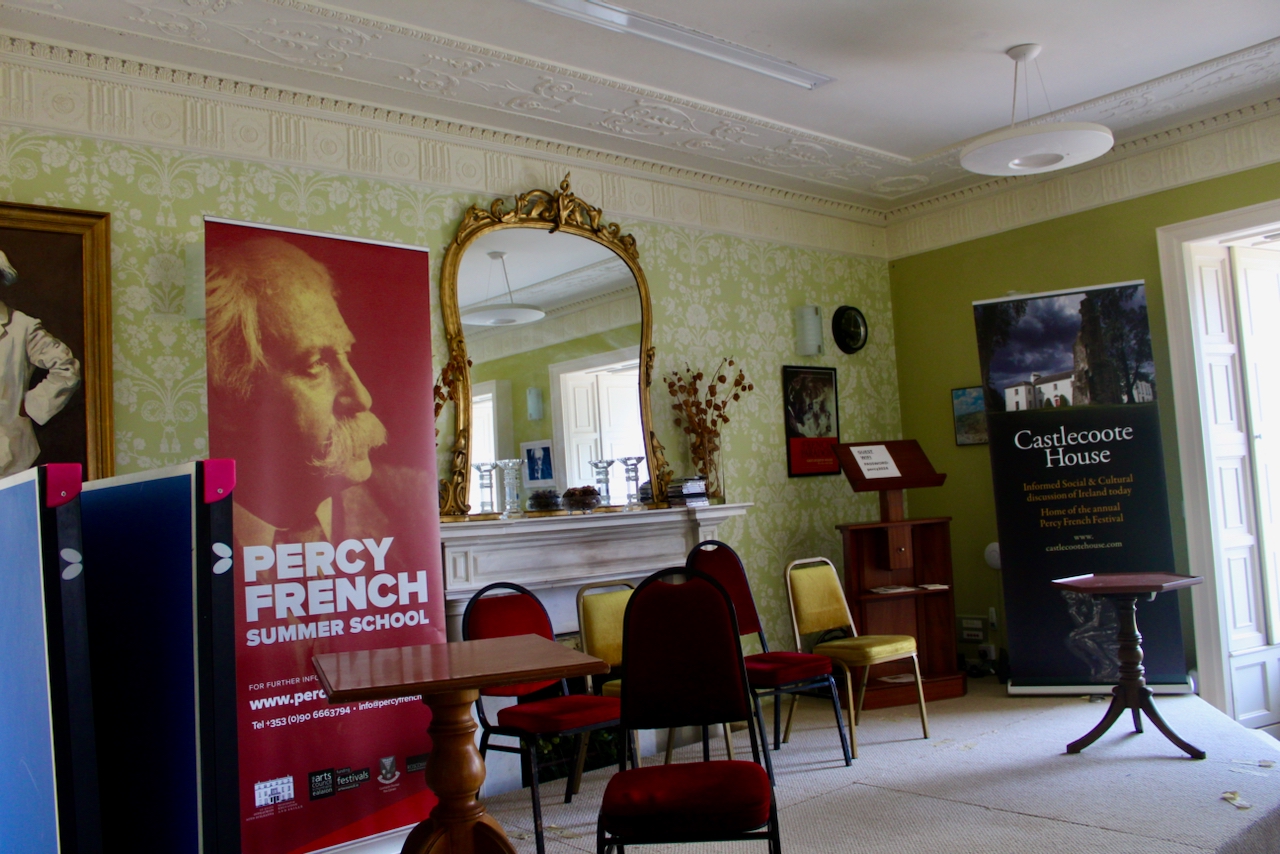
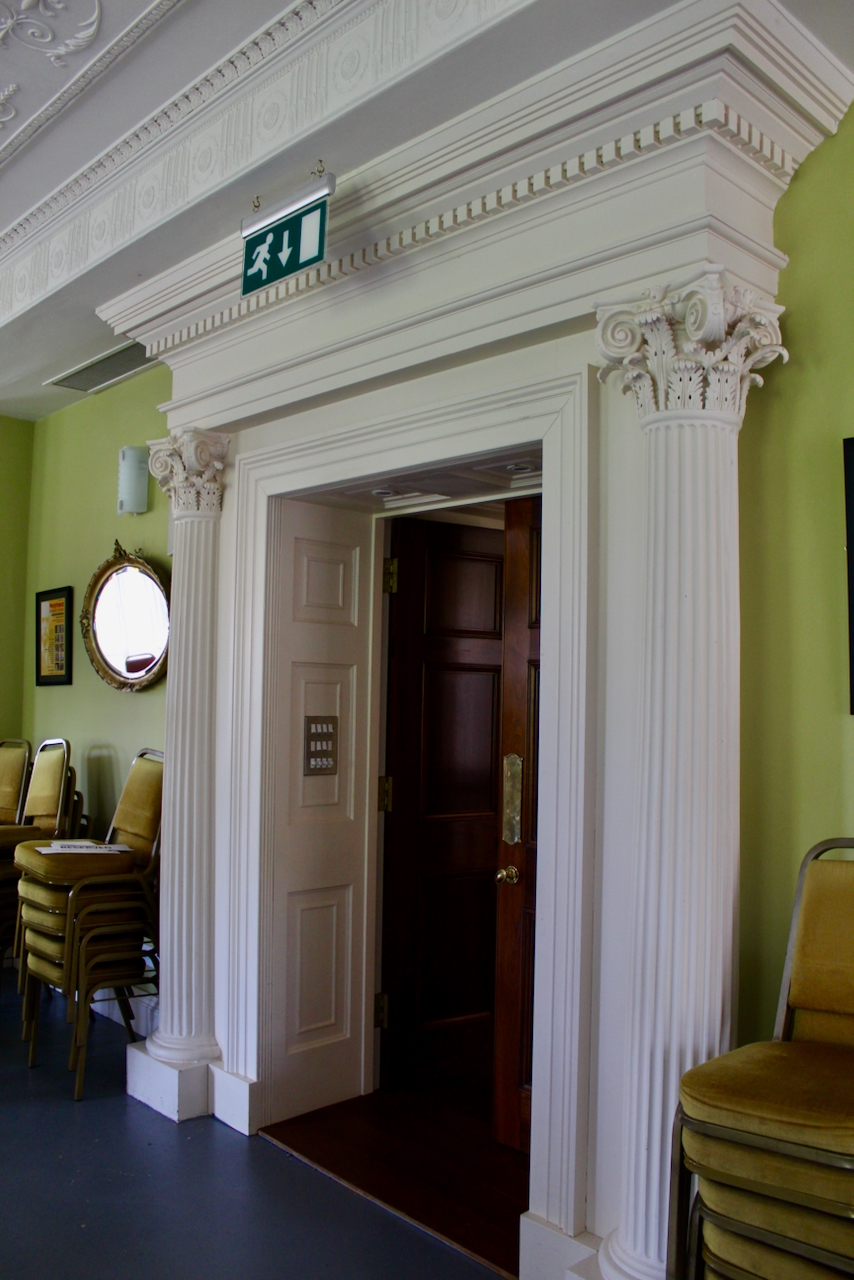
We ended the tour in the grand hall that houses the annual Percy French Summer School. I see that it features very interesting speakers – we must keep a watch for next year’s summer school! The Percy French Summer School began in the 1950s, I believe, and Kevin’s father was one of the founding members. It moved to Castlecoote house in 2009.
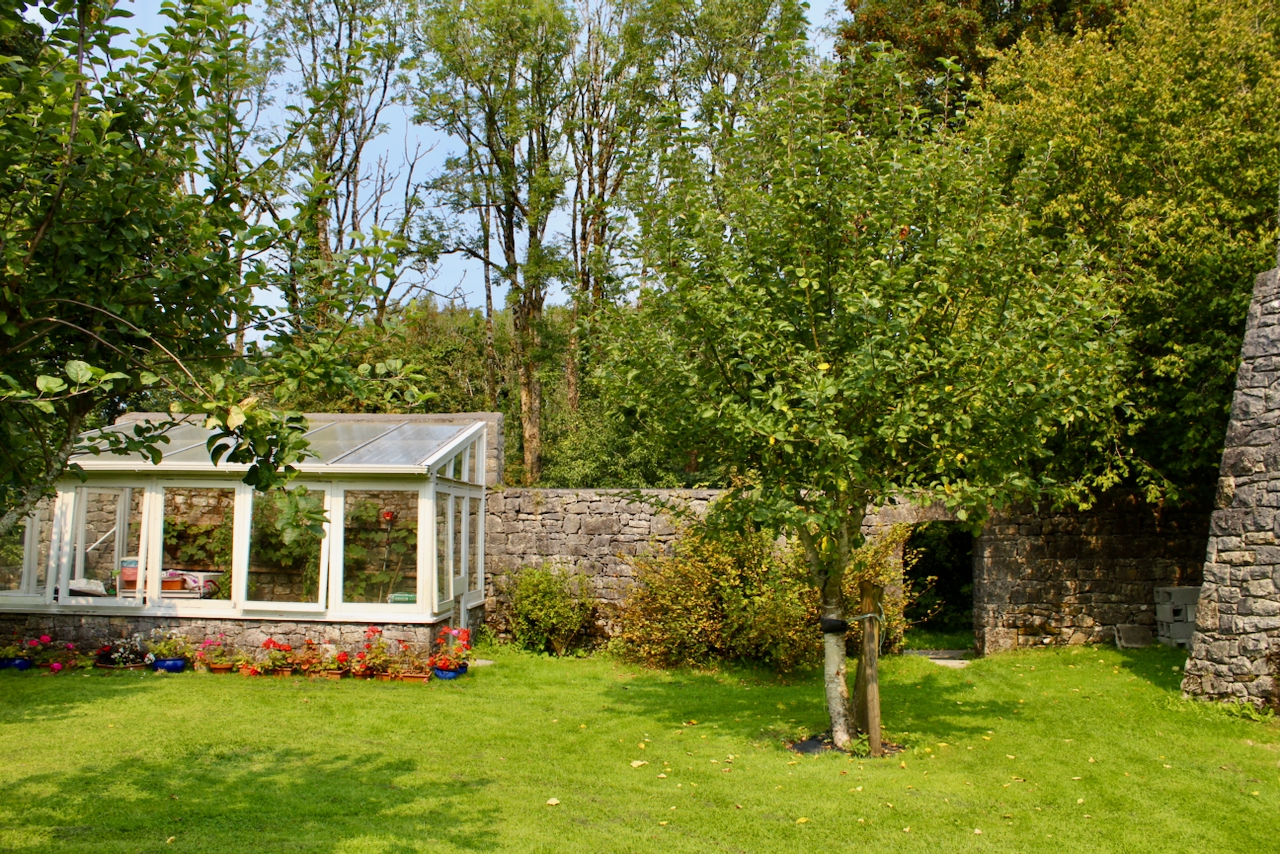
The tour included the grounds. In front of the house alongside the river is a millrace, as the family owned a mill on the river.
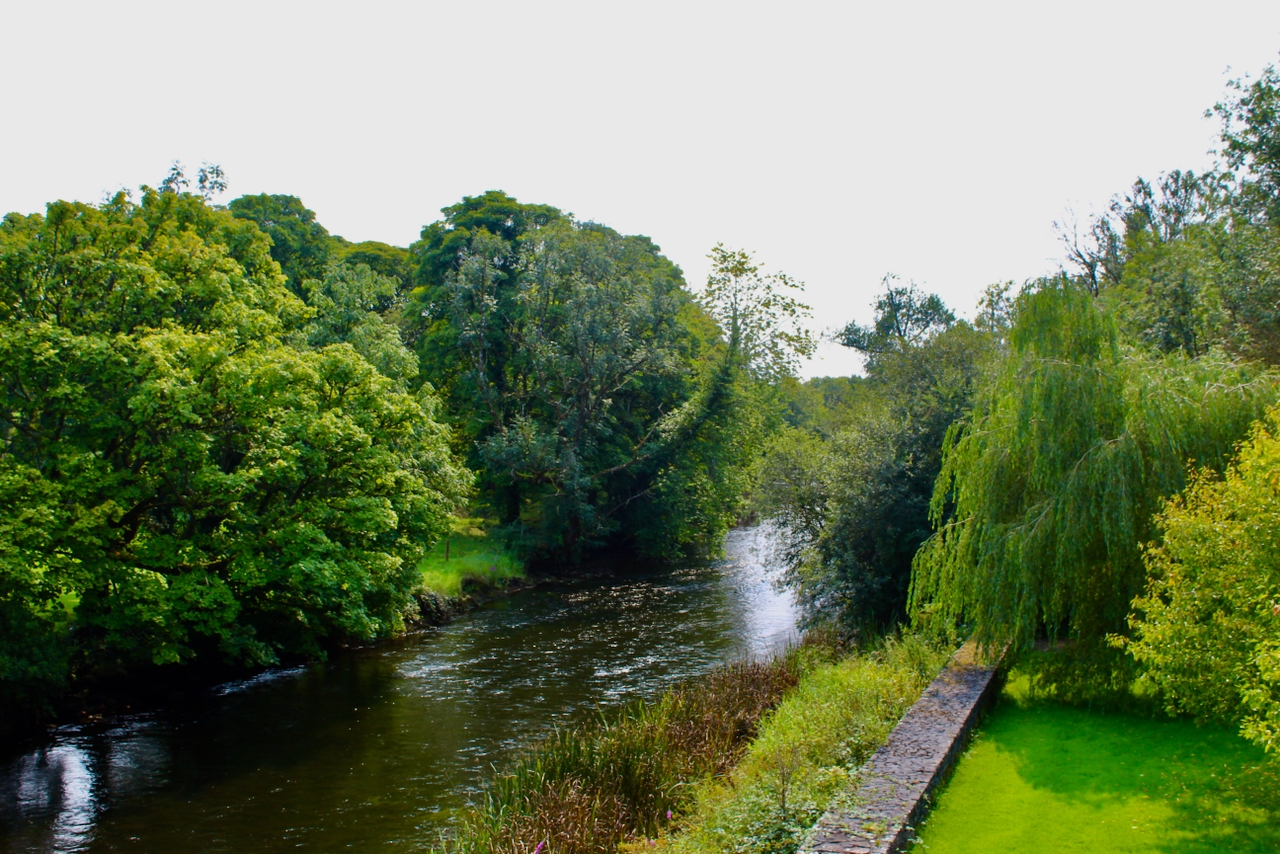
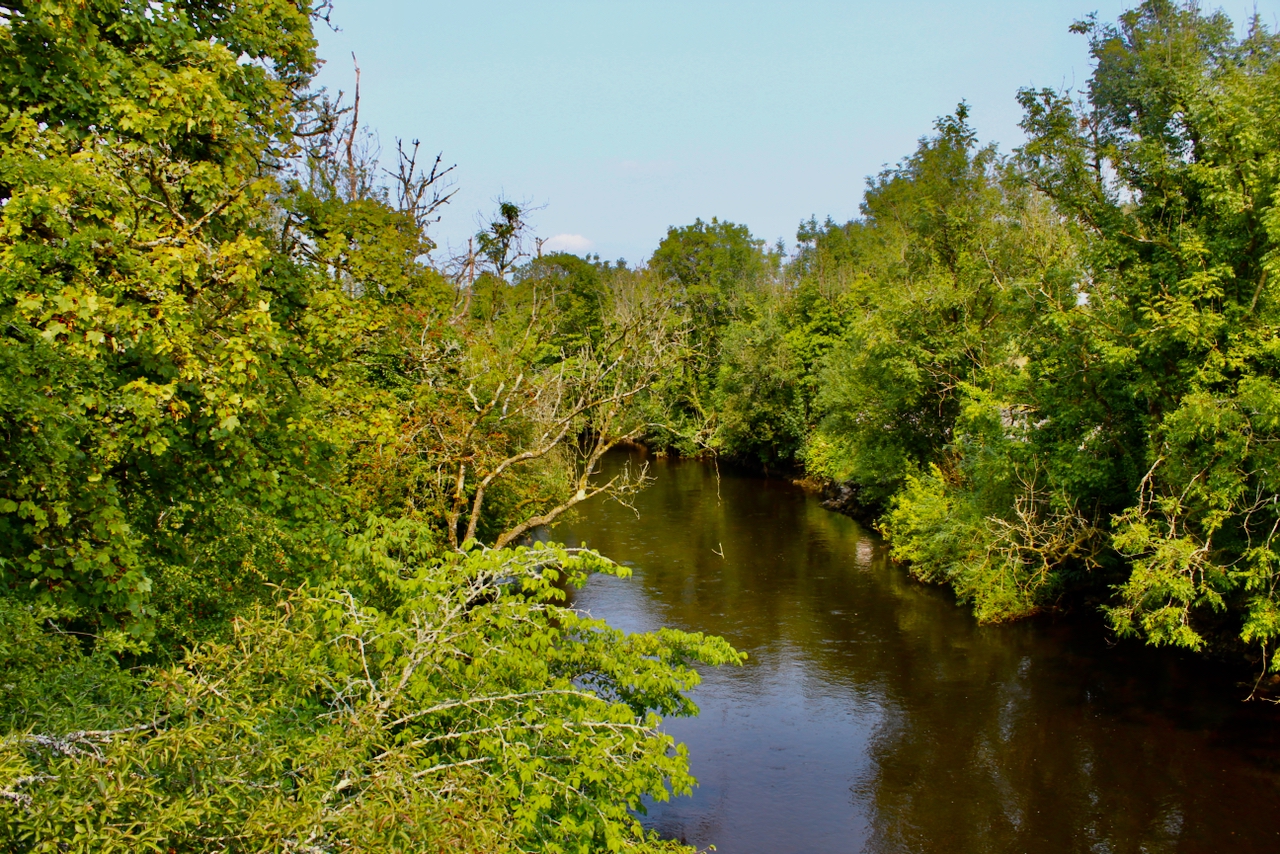
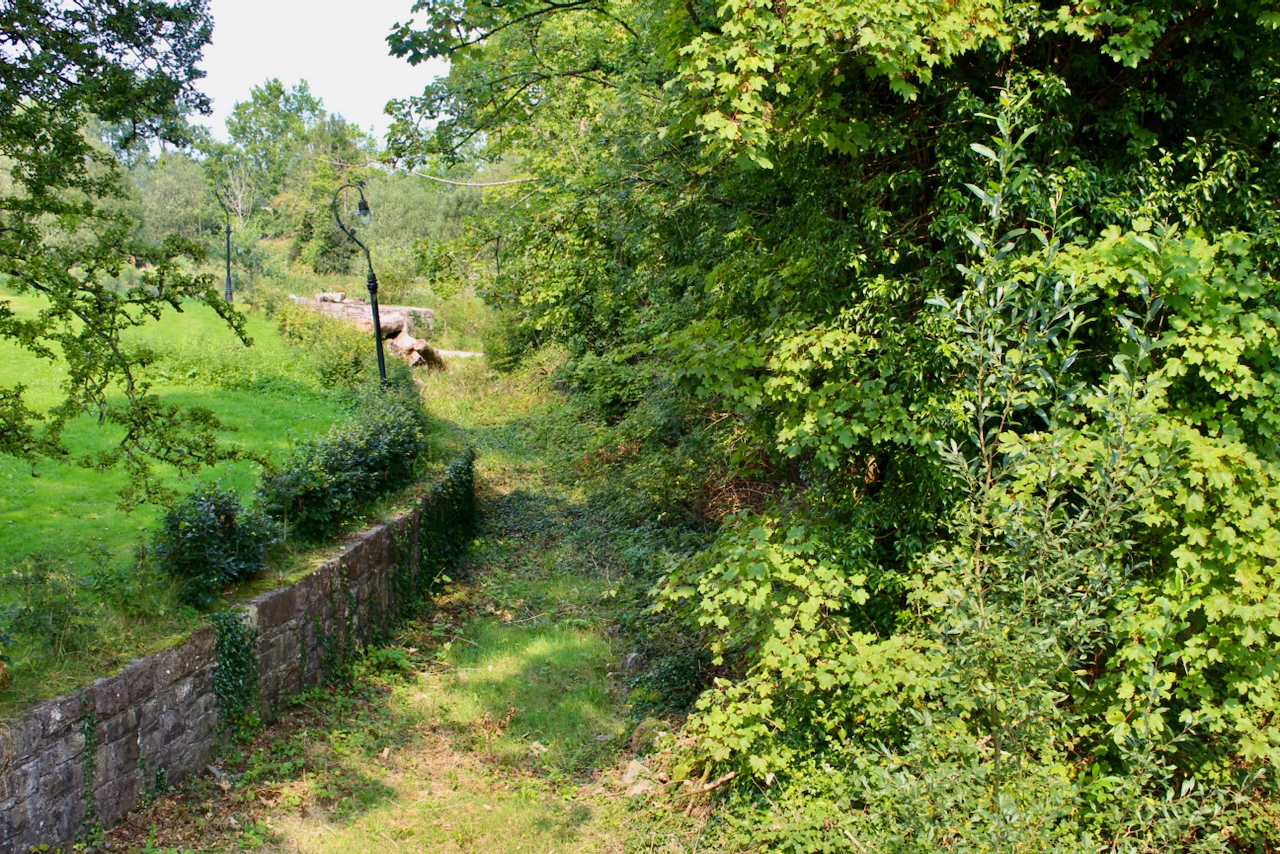
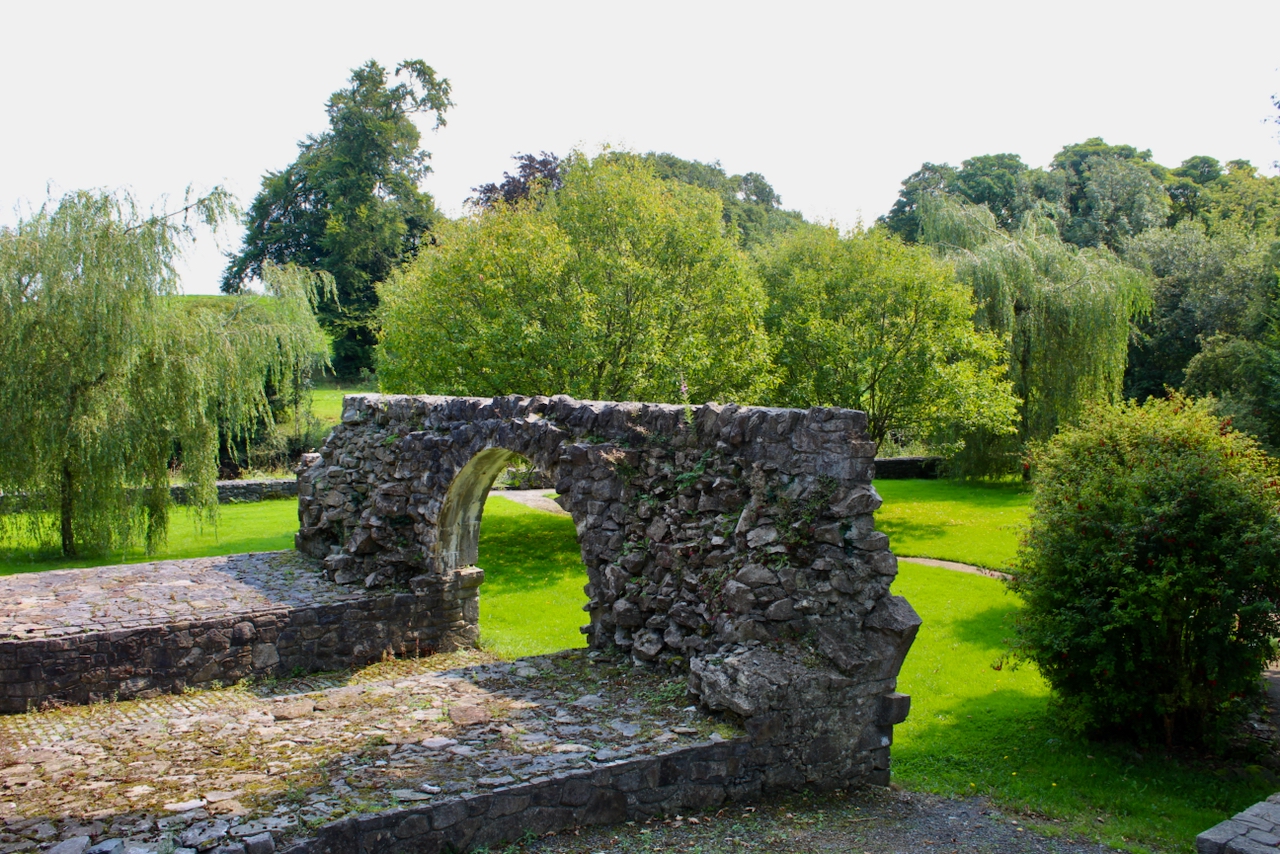
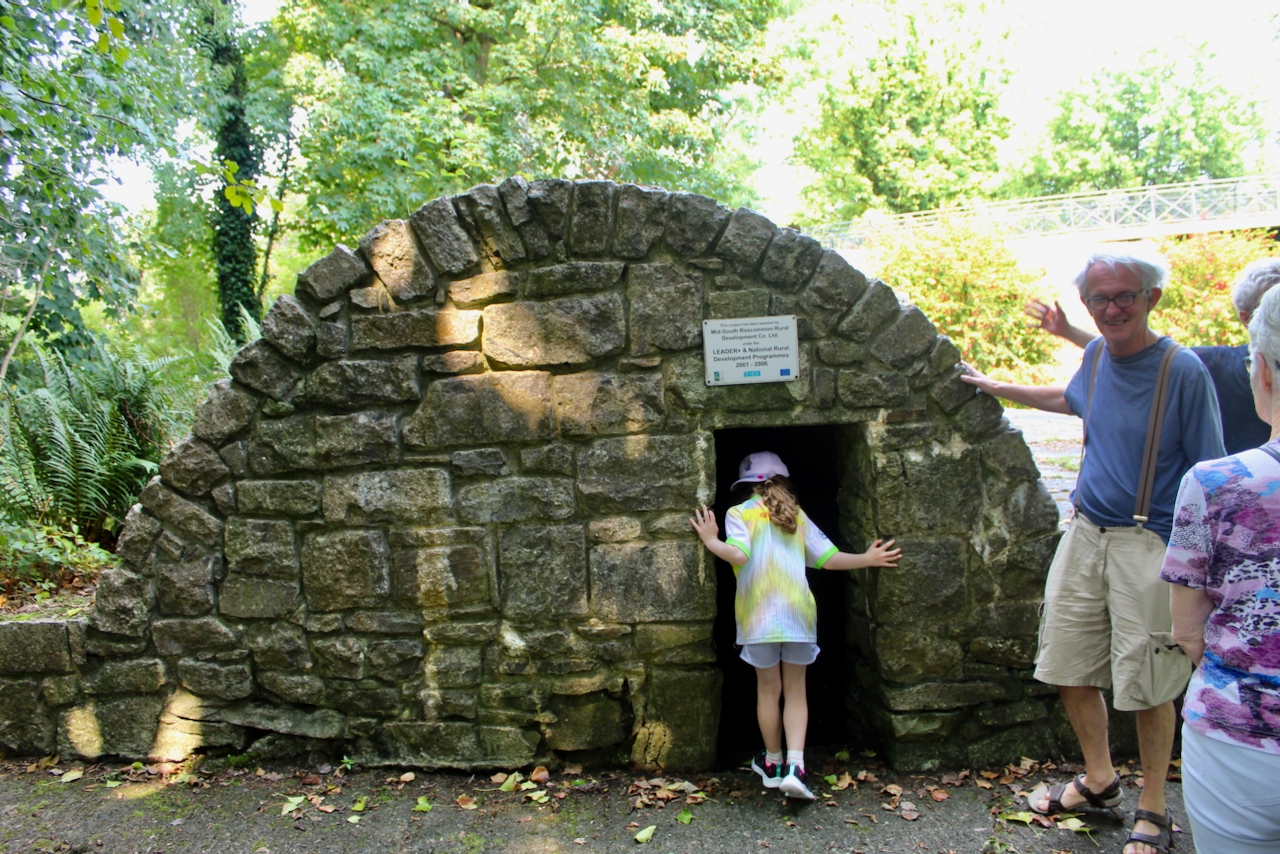
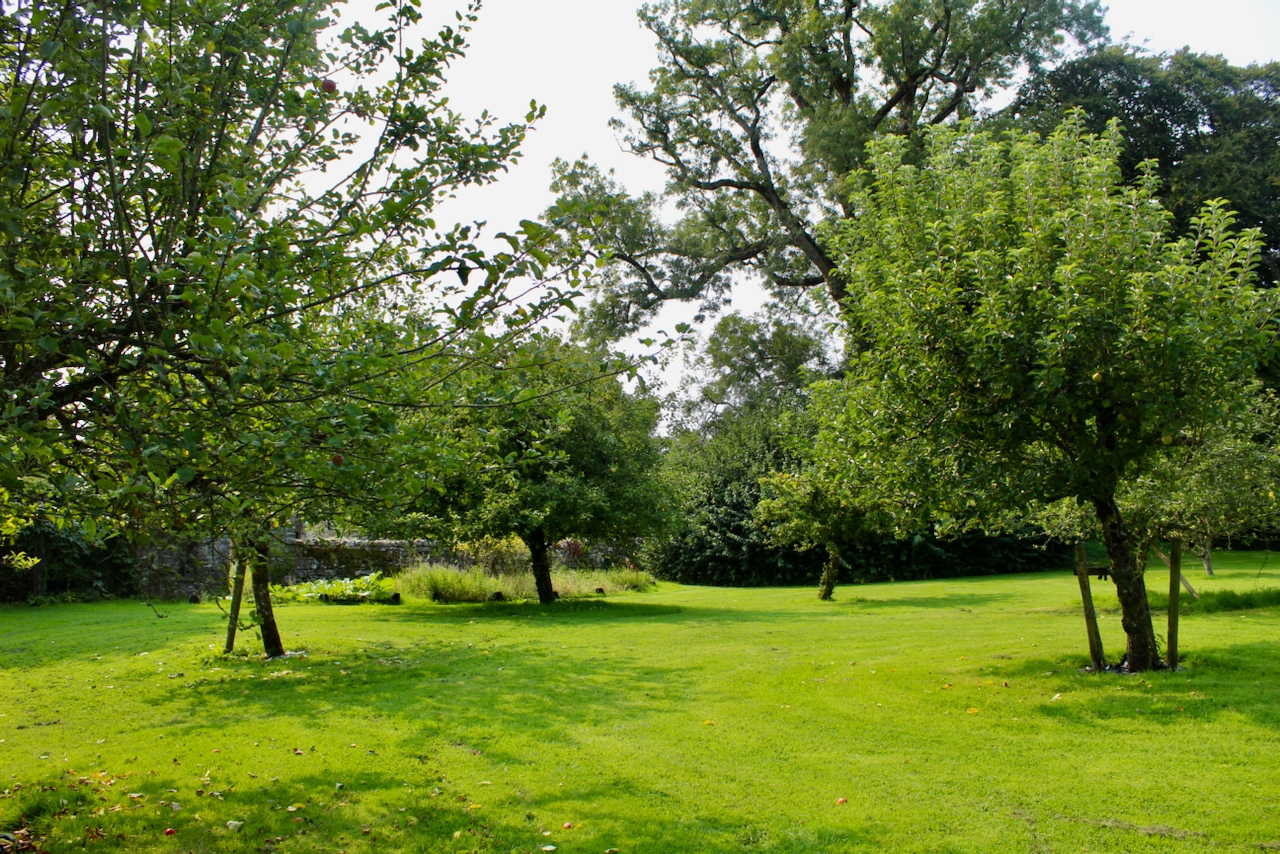
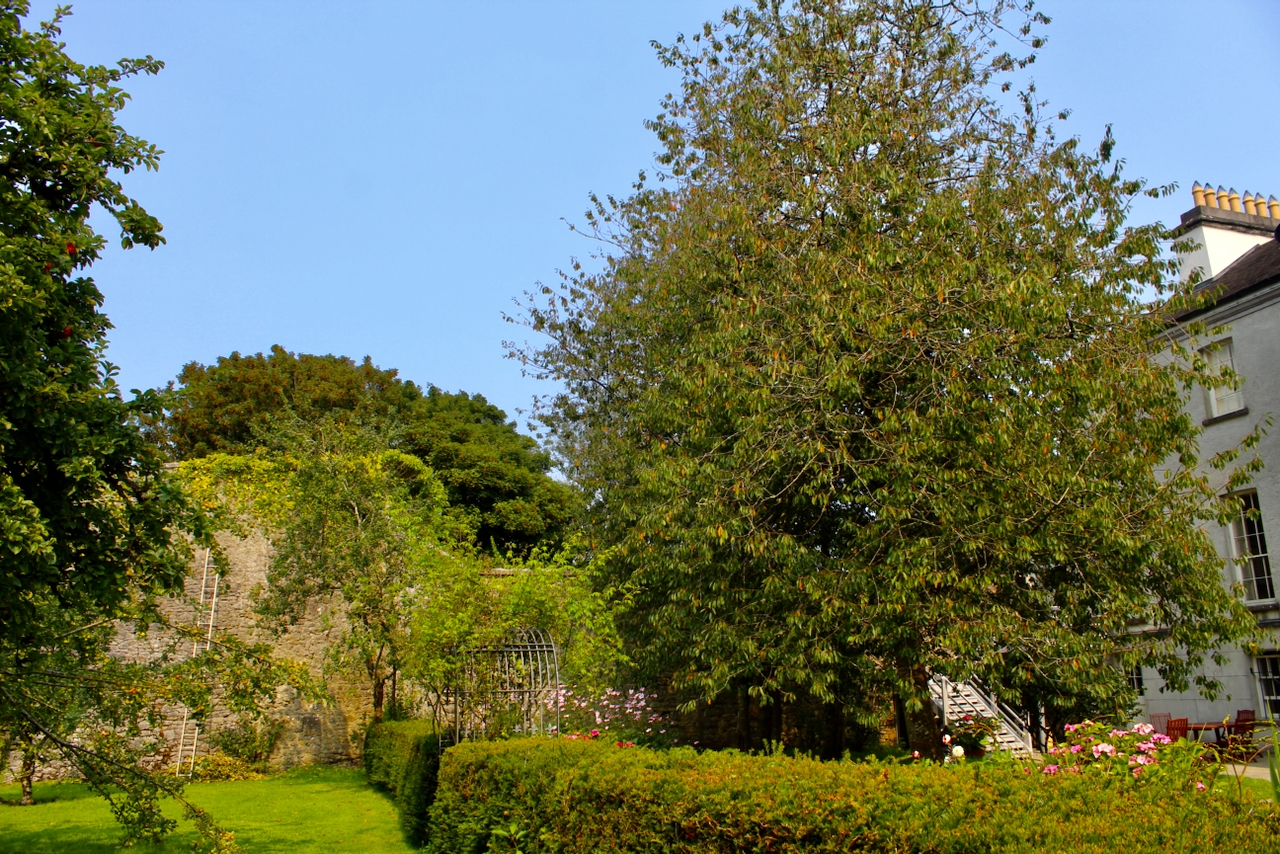
In the back garden is a wonderful apple orchard of heritage specimen trees. Kevin gave us a glass of delicious sweet apple juice.
The house is available for short and long term rent. For booking, see the house website https://www.castlecootehouse.com
[1] https://www.buildingsofireland.ie/buildings-search/building/31816001/castle-coote-house-castlecoote-castlecoote-co-roscommon
[2] http://www.ihh.ie/index.cfm/houses/house/name/Castlecoote%20House
[2] https://lincolnshirefolktalesproject.com/2024/02/21/the-witches-of-belvoir/
[4] From Notable Irishwomen: https://en.wikisource.org/wiki/Page:Notable_Irishwomen.djvu/26
 Irish Historic Houses

2 thoughts on “Castlecoote House, Castlecoote, Co. Roscommon F42 H288 – section 482”