Avondale House, County Wicklow

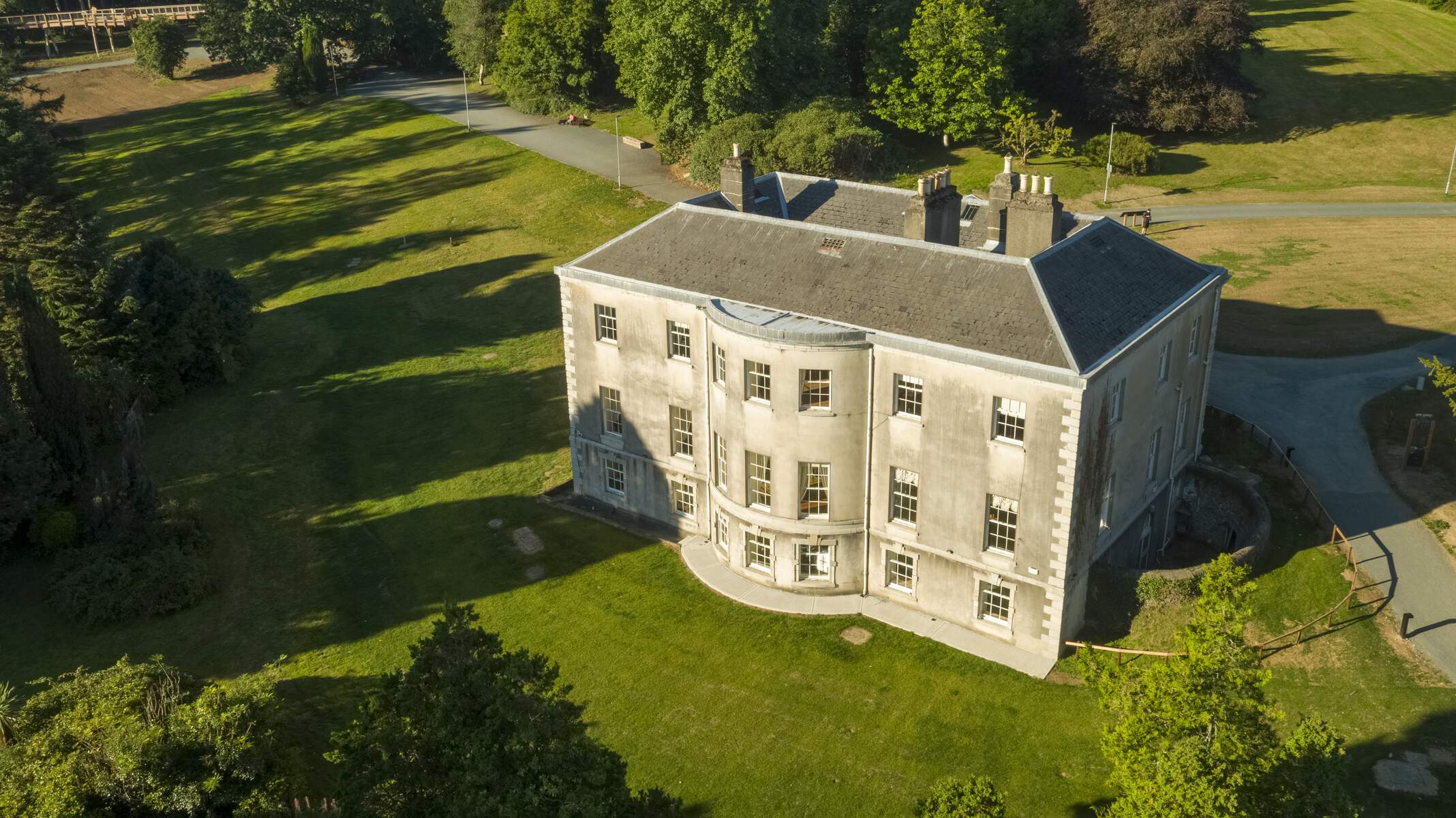
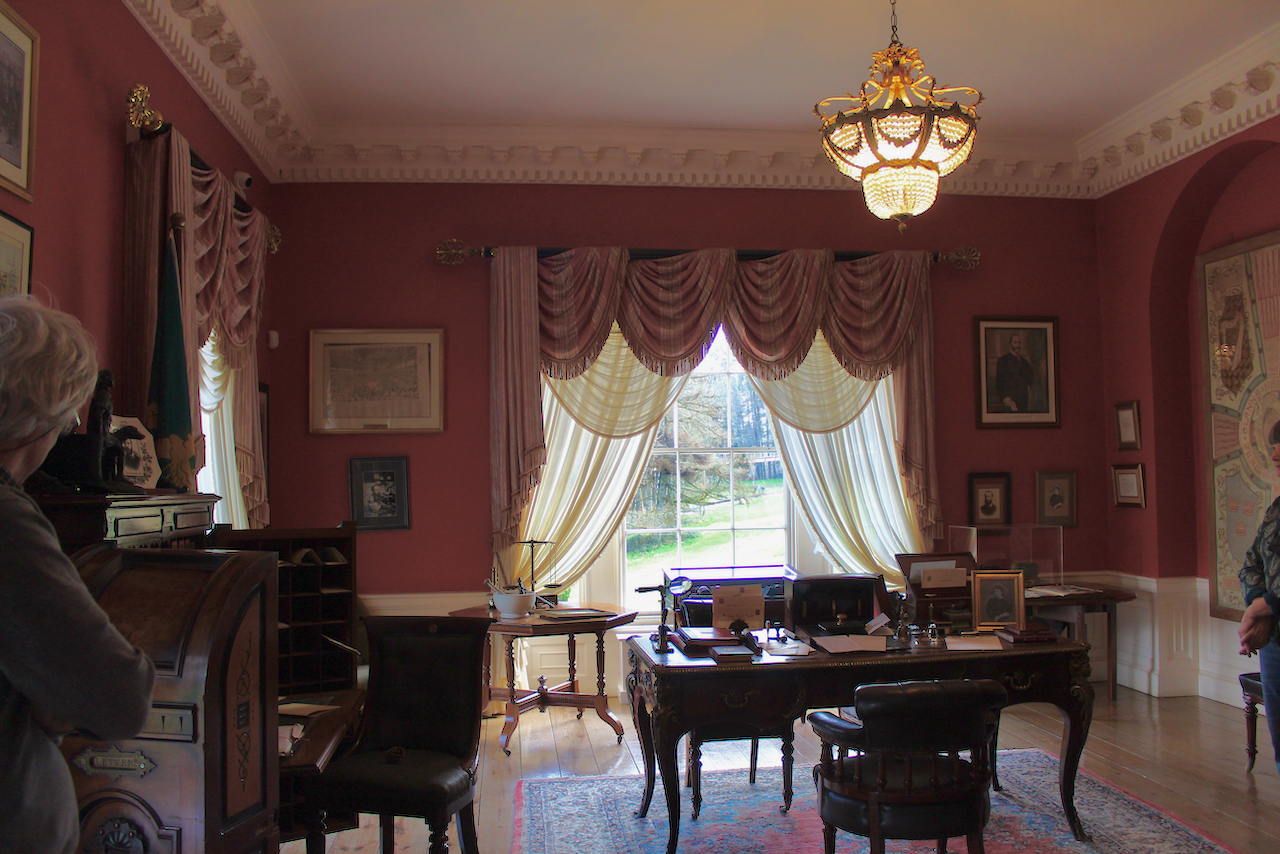
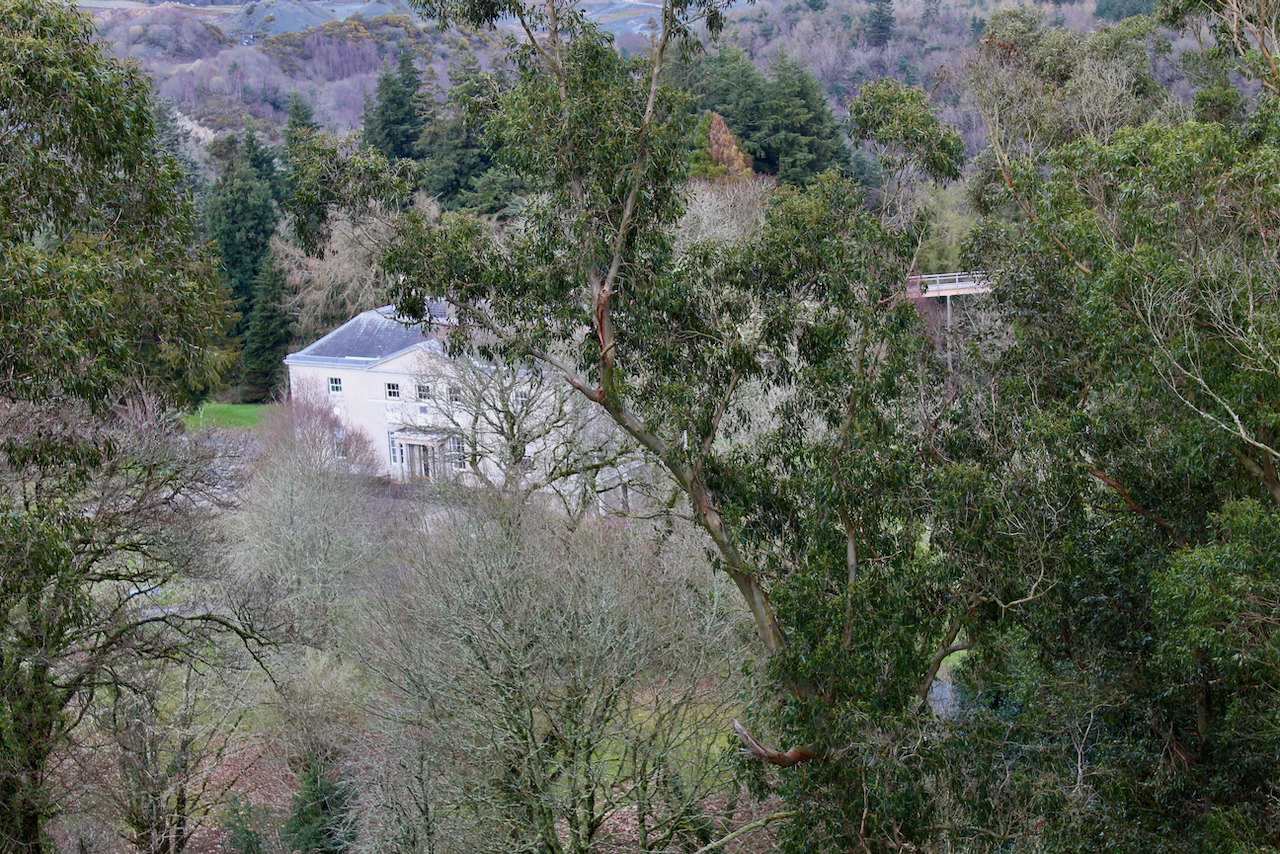
We visited in March 2023. The house was built in 1779 for Samuel Hayes and may have been designed by James Wyatt (1746-1813), or by Samuel Hayes himself. It then passed to the Parnell family and was the birthplace of the politician Charles Stewart Parnell. In 1904 the state purchased the Avondale Estate to develop modern day forestry in Ireland.
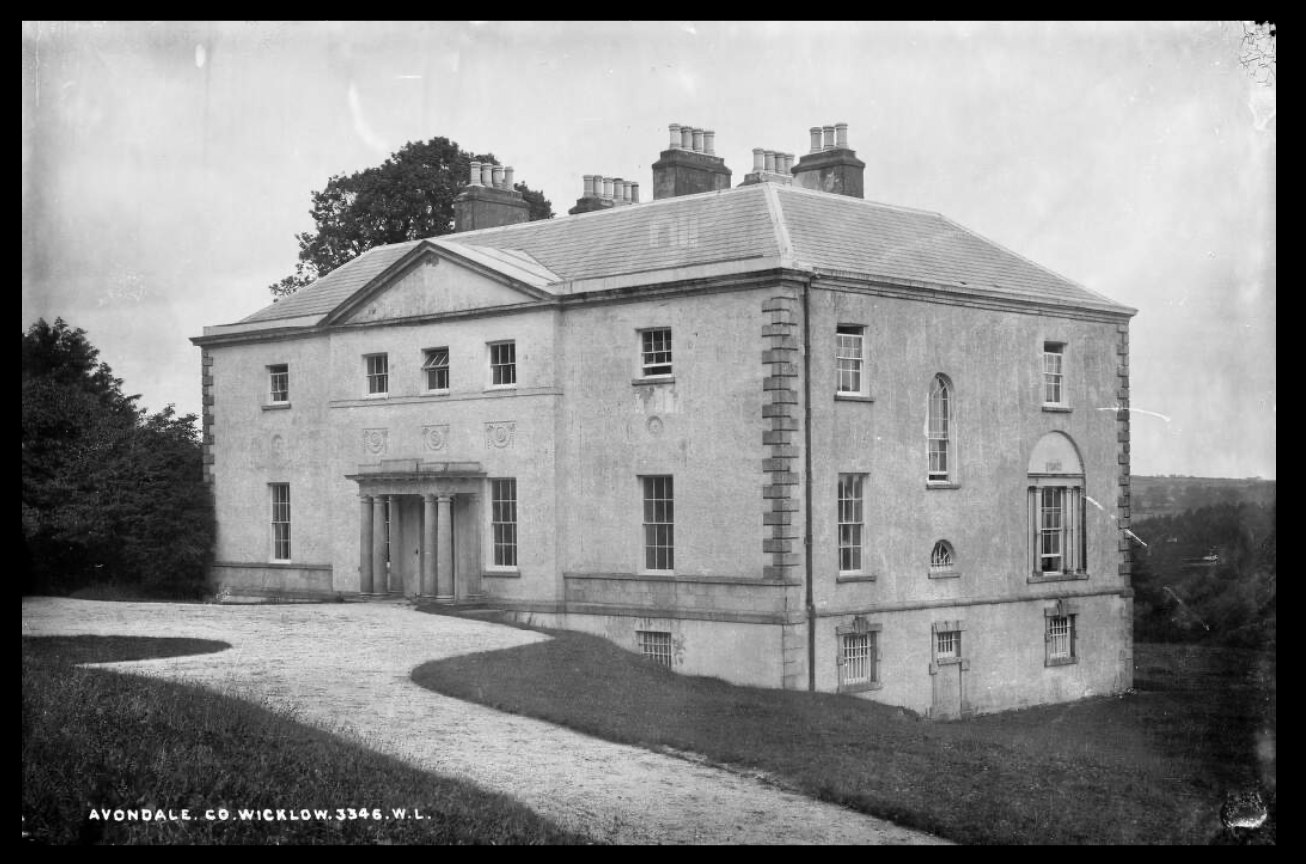
Mark Bence-Jones writes in his A Guide to Irish Country Houses (1988):
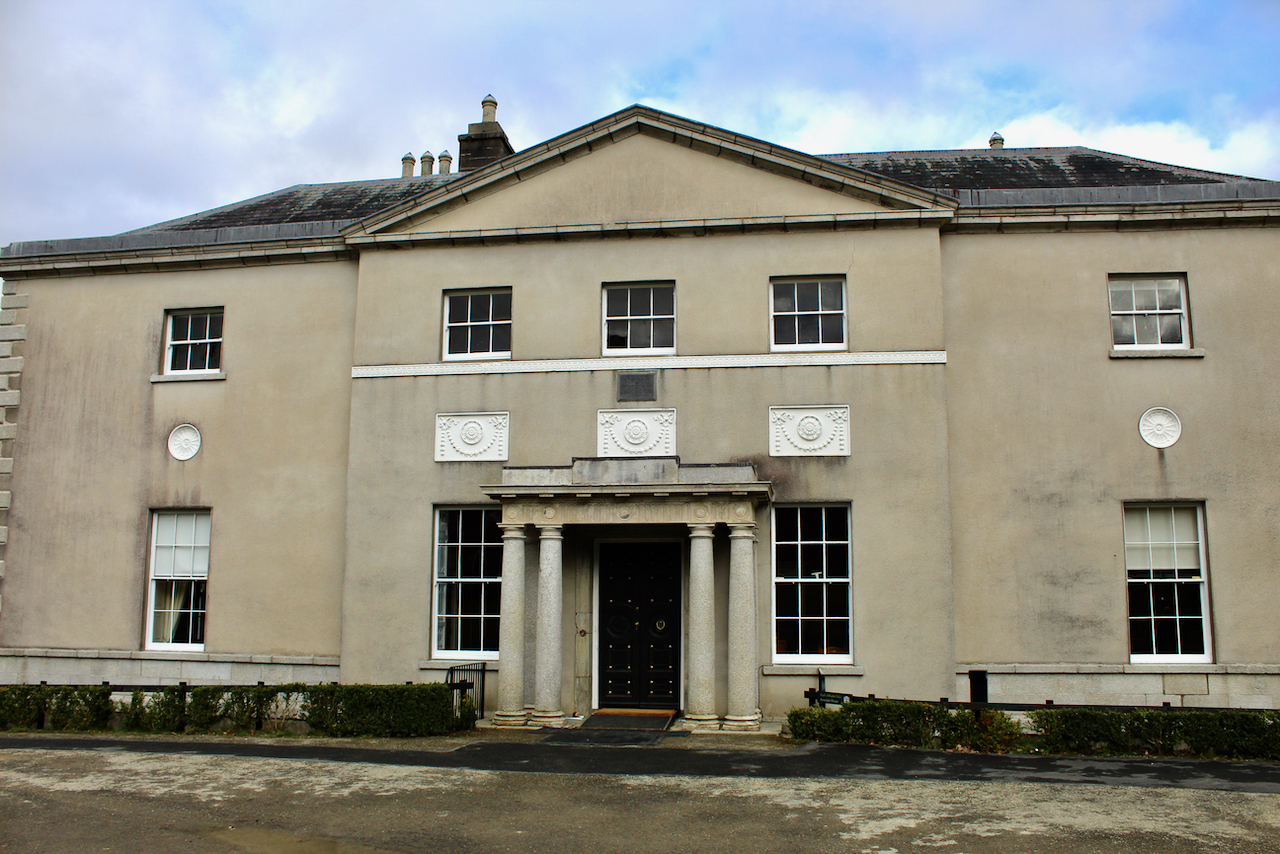
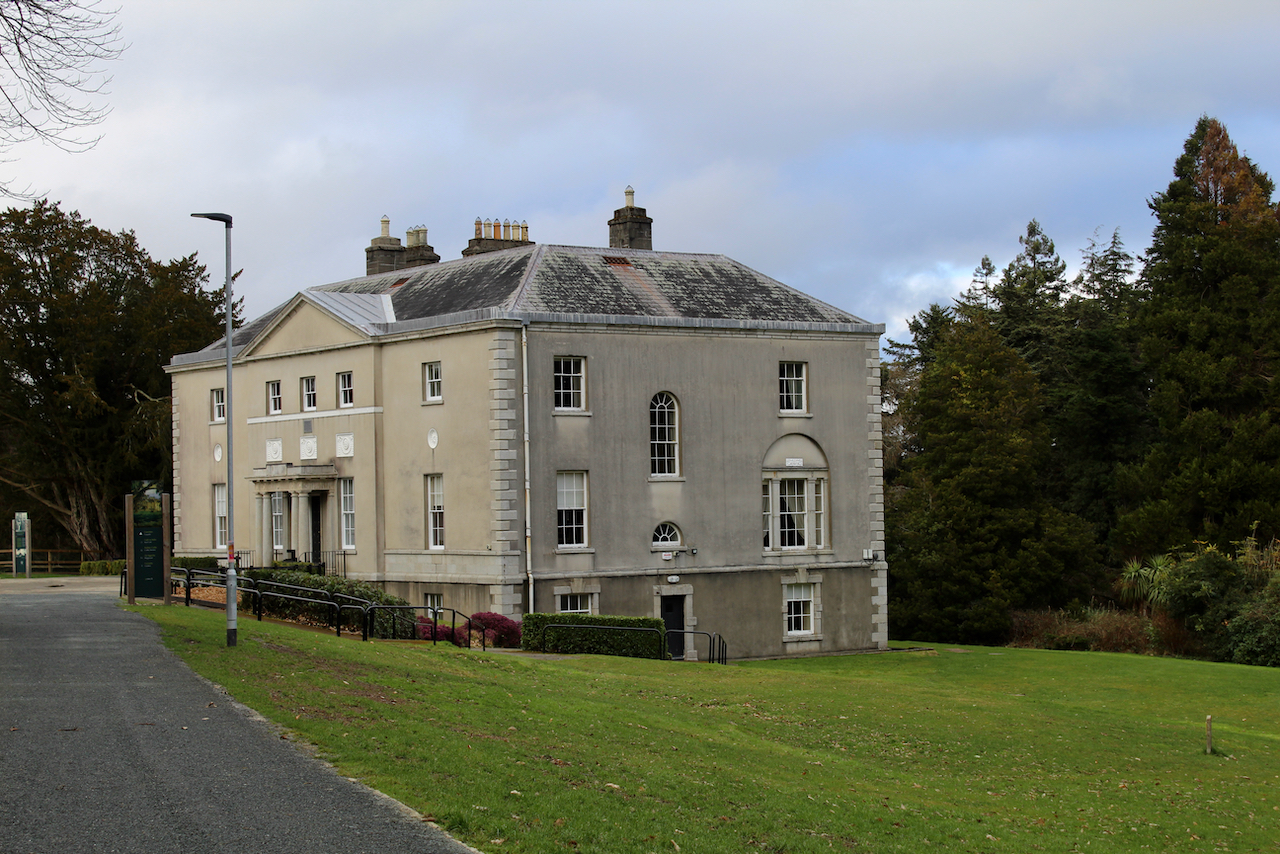
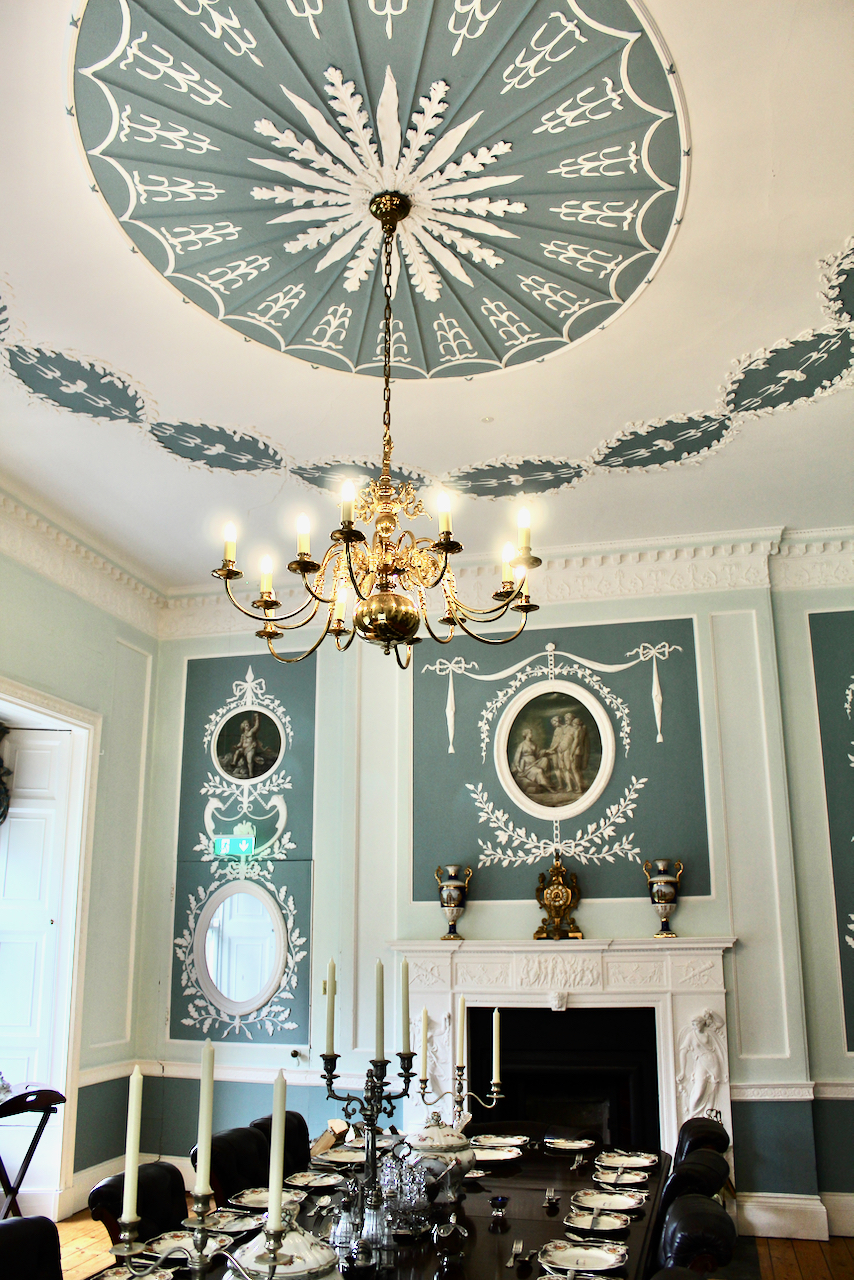
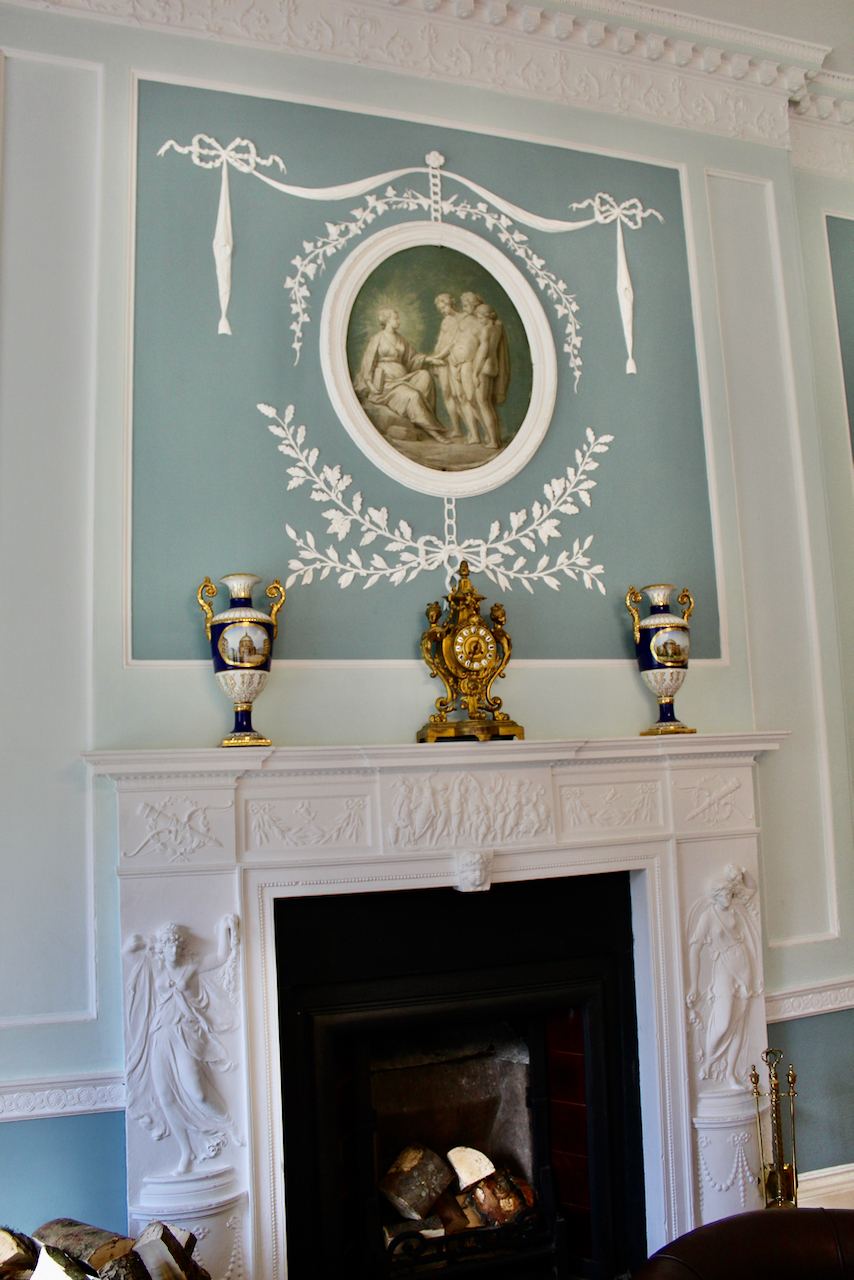
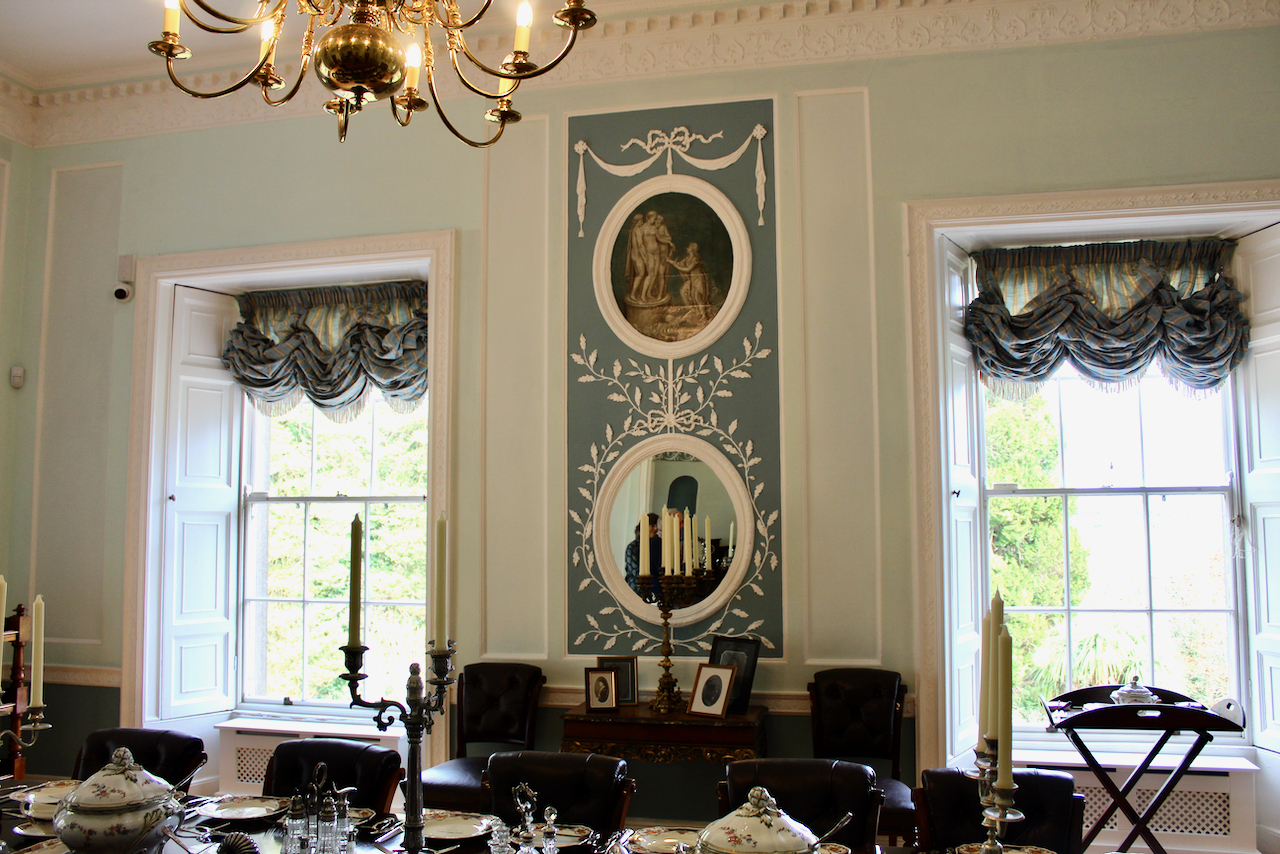
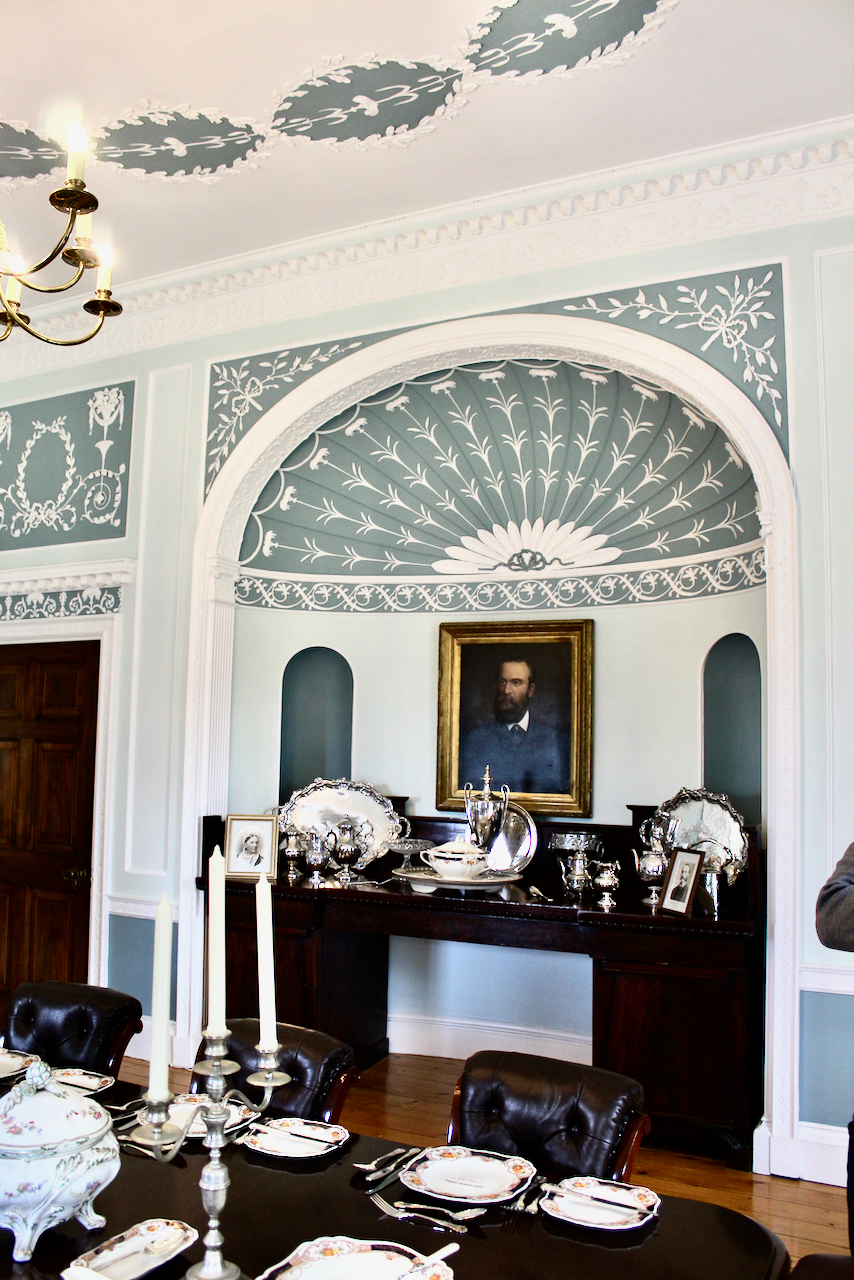
p. 15. “A square house of two storeys over basement, built 1779 for Samuel Hayes, a noted amateur architect who possibly designed it himself. Five bay entrance front, the three centre bays breaking forward under a pediment; small Doric porch with paired columns, Coade stone panels with swags and medallions between lower and upper windows. Garden front with central bow; the basement, which in the entrance front is concealed, is visible on this side with its windows have Gibbsian surrounds. Magnificent and lofty two storey hall with C18 Gothic plasterwork and gallery along inner wall. Bow room with beautiful Bossi chimneypiece. Dining room with elaborate neo-Classical plasterwork on walls and ceiling; the wall decorations incorporating oval mirrors and painted medallions. Passed to William Parnell-Hayes, brother of the 1st Baron Congleton, and grandfather of Charles Steward Parnell, who was born here and lived here all his life with his mother and elder brother. Now owned by the dept of Lands, Forestry Division, which maintains the splendid demesne as a forest park…The house has in recent years been restored by the Board of Works.” [1]
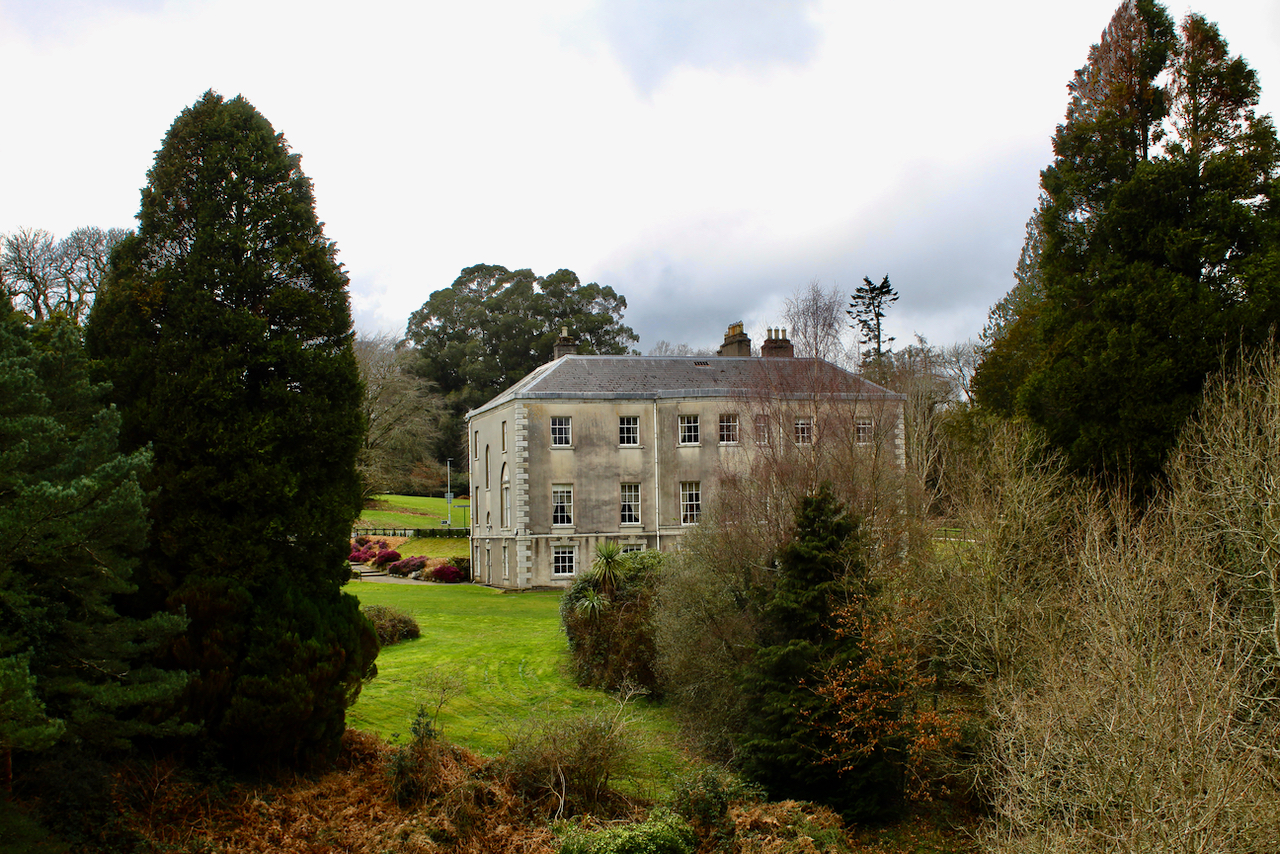
Samuel Hayes who built the house also planted a forest. He was an expert on trees and wrote books and planted experimentally to see what trees grow best in Ireland. Hayes wrote A practical treatise on planting and the management of woods and coppices (1794). Intended to be a practical guide to the planting of trees and the managing of wood for timber, it was in fact Ireland’s first full-length book on trees. It is fitting that the property is now owned by Coillte, and that they also grow trees and ran the “Great Tree Experiment” here at Avondale. For several years after the house passed into the ownership of the state a forestry school was located in the property.
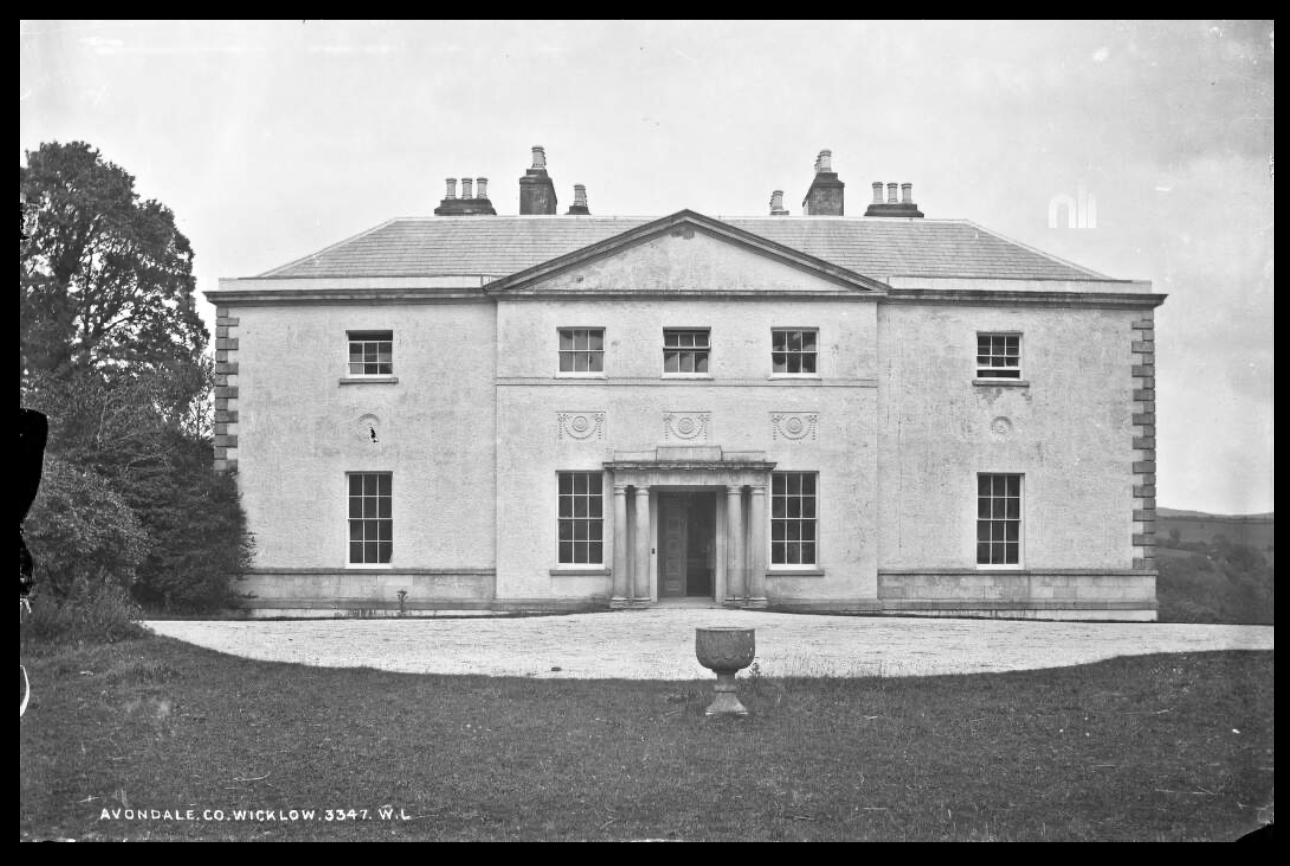
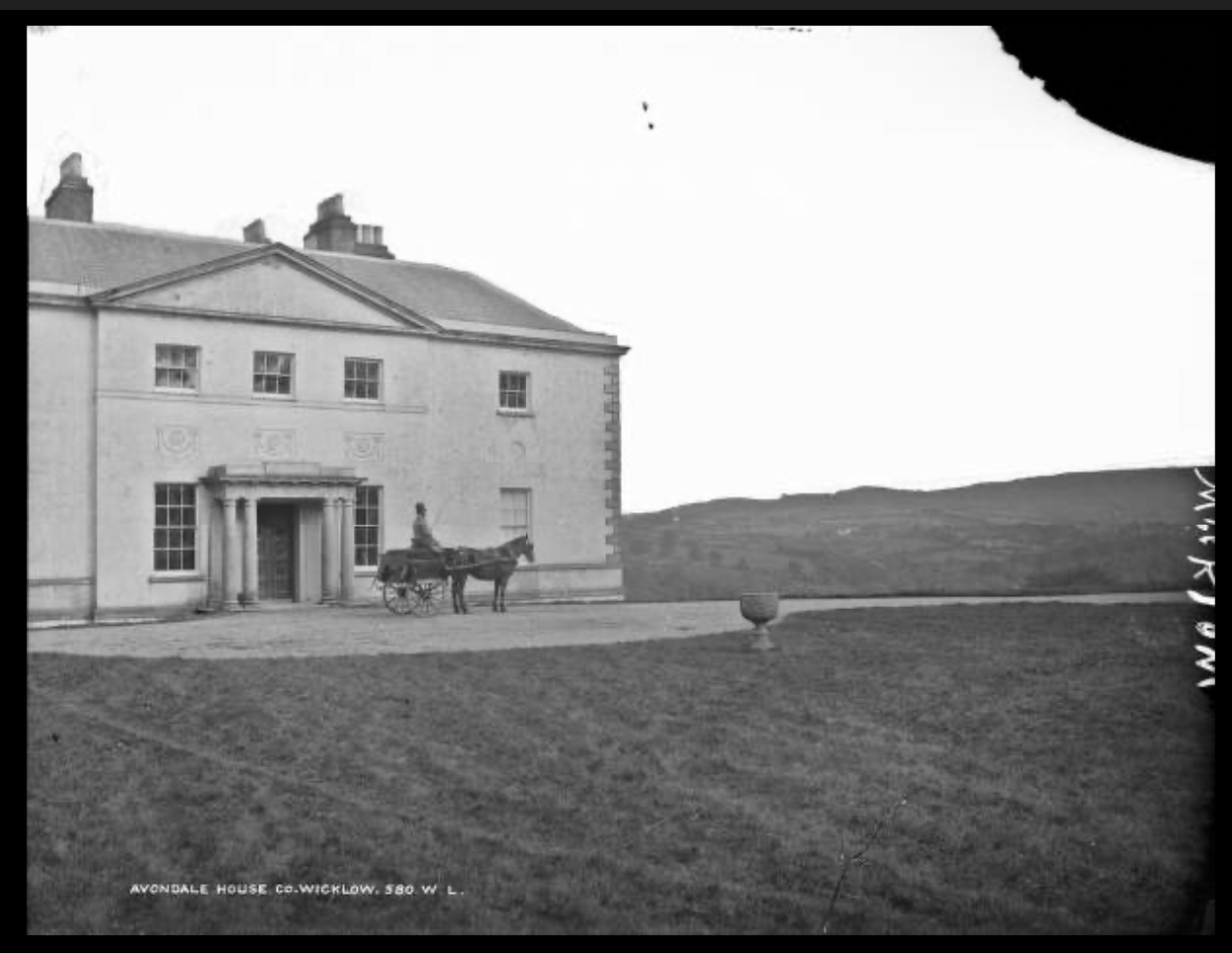
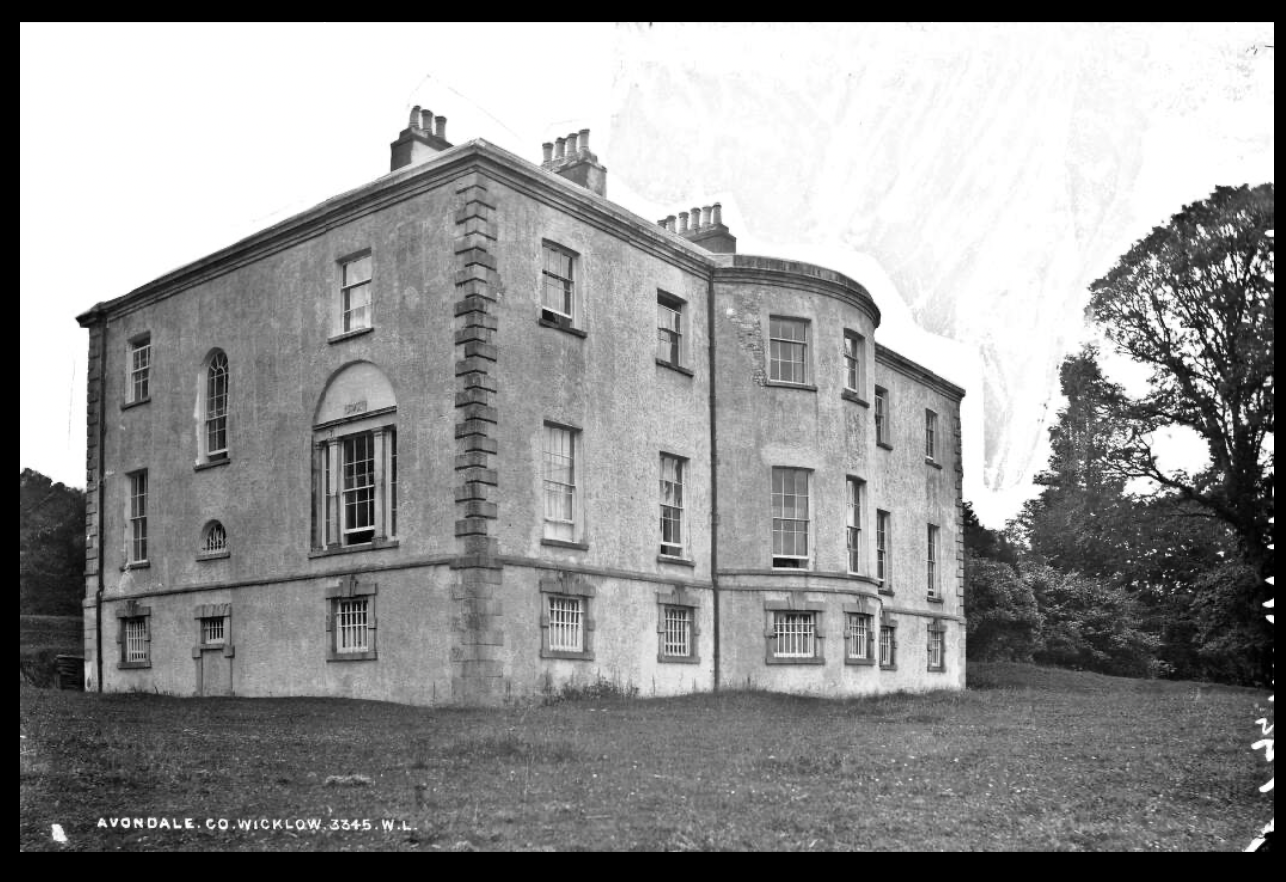
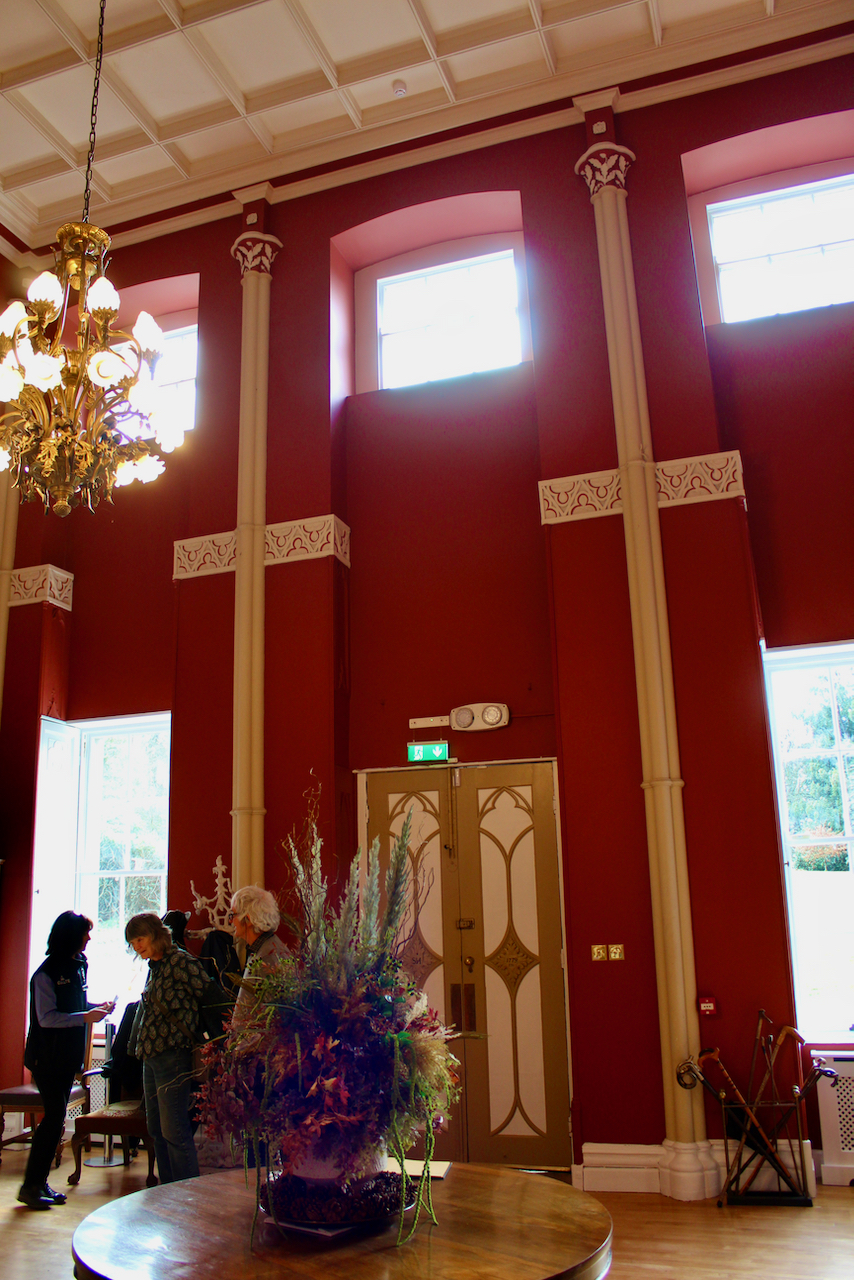
The house contains Gothic features in the front hall, especially in the stuccowork. The front hall is double-height and has an overlooking balcony.

Charles Stewart Parnell was a very shy man, and so he used to practice his speeches from the balcony in the front hall of Avondale. For this reason, his family called him “the Blackbird.” Photograph © Jennifer Winder-Baggot, www.irishhistorichouses.com
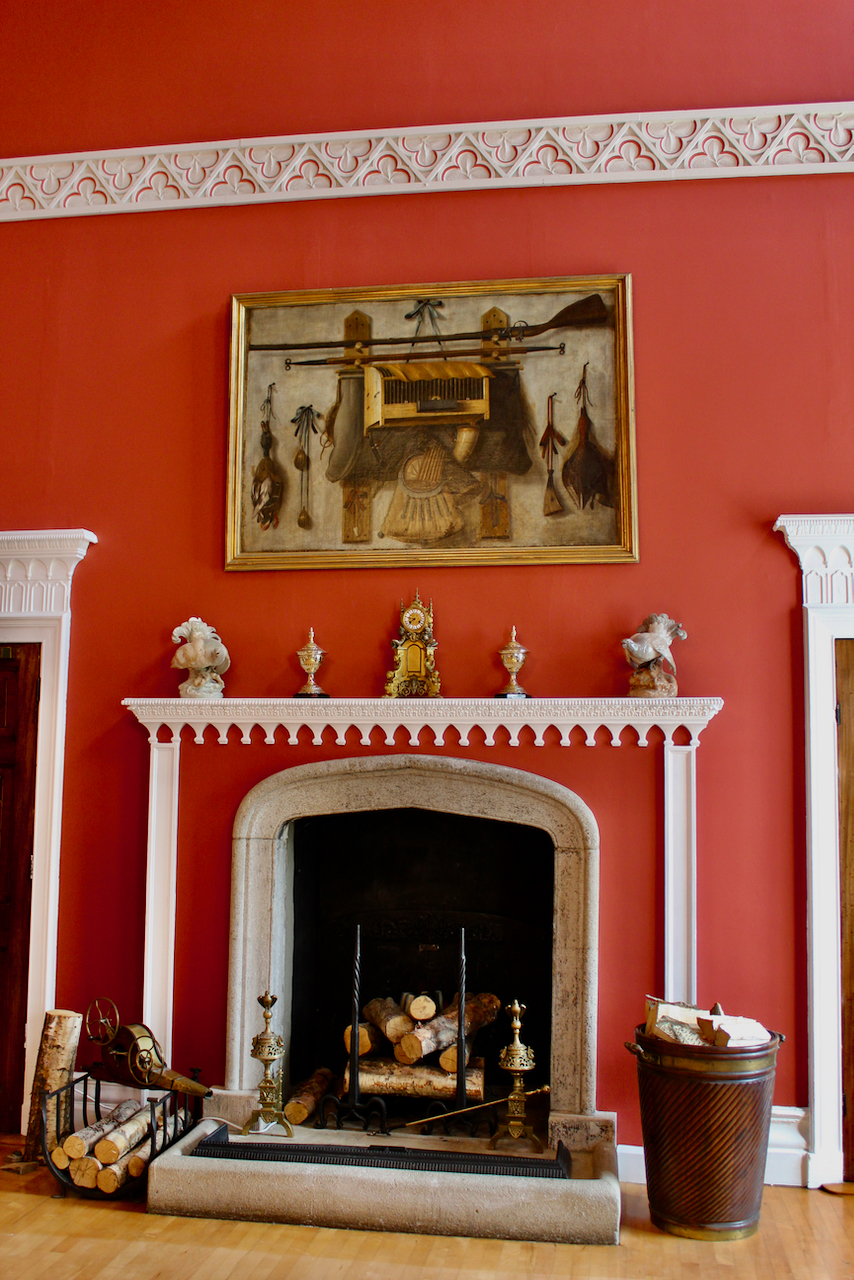

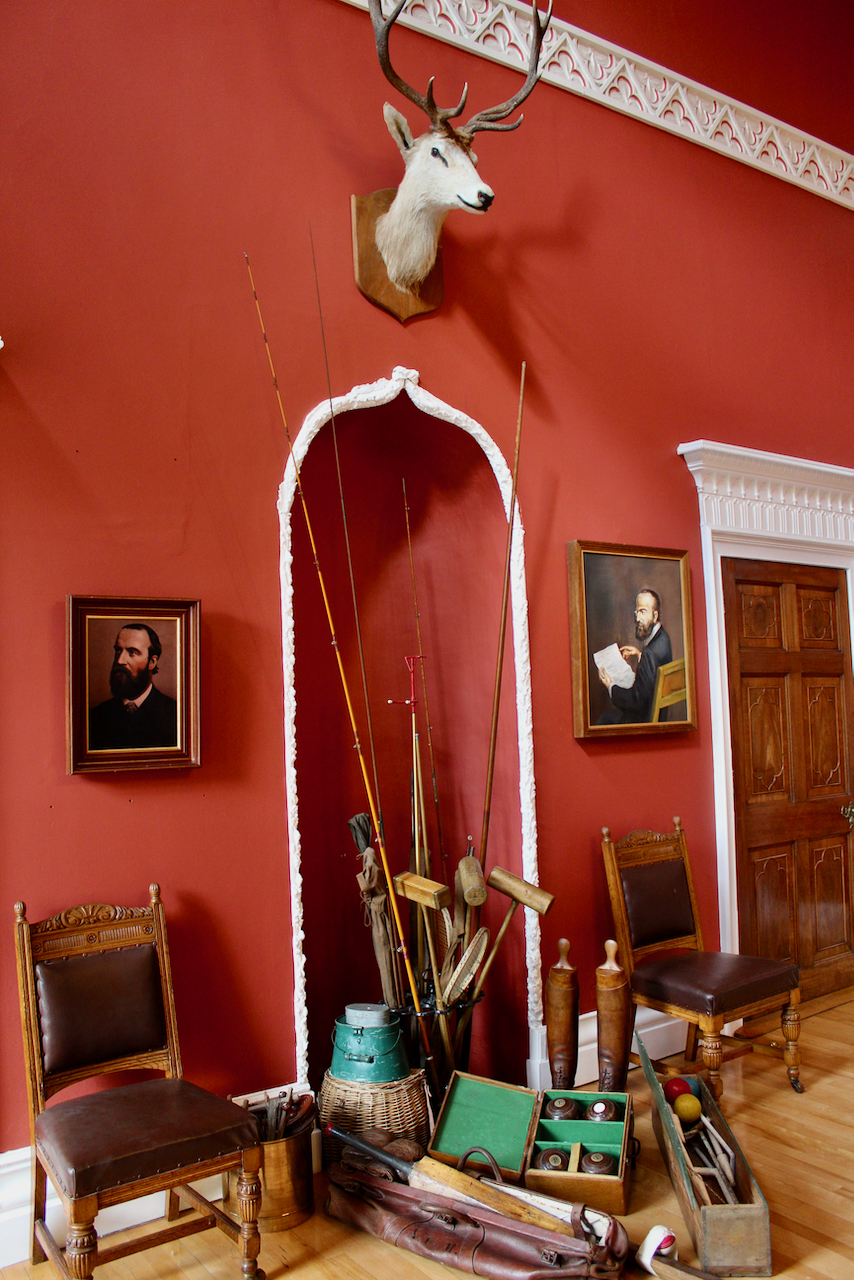
The first room we entered from the hall is dedicated to Samuel Hayes.

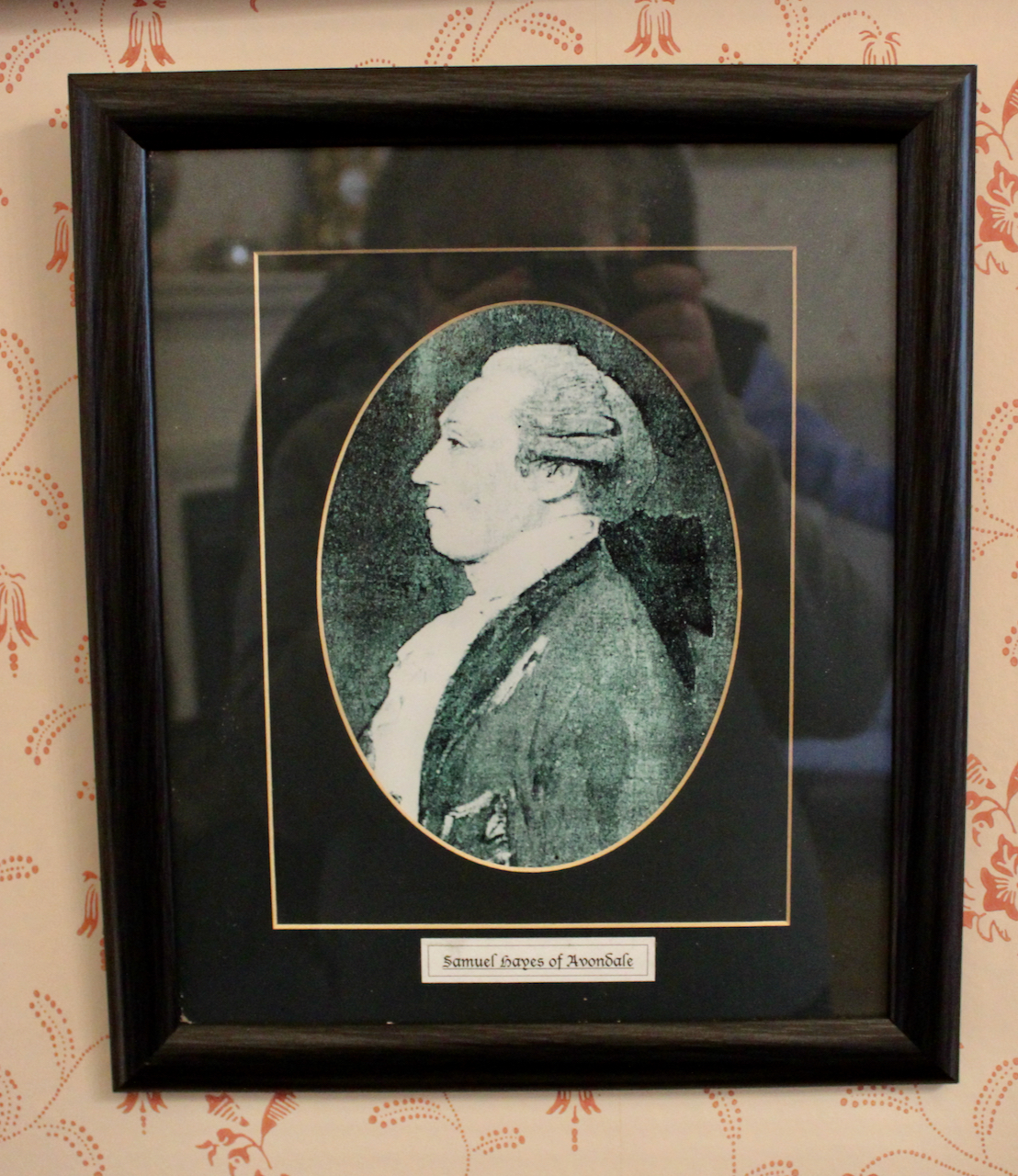
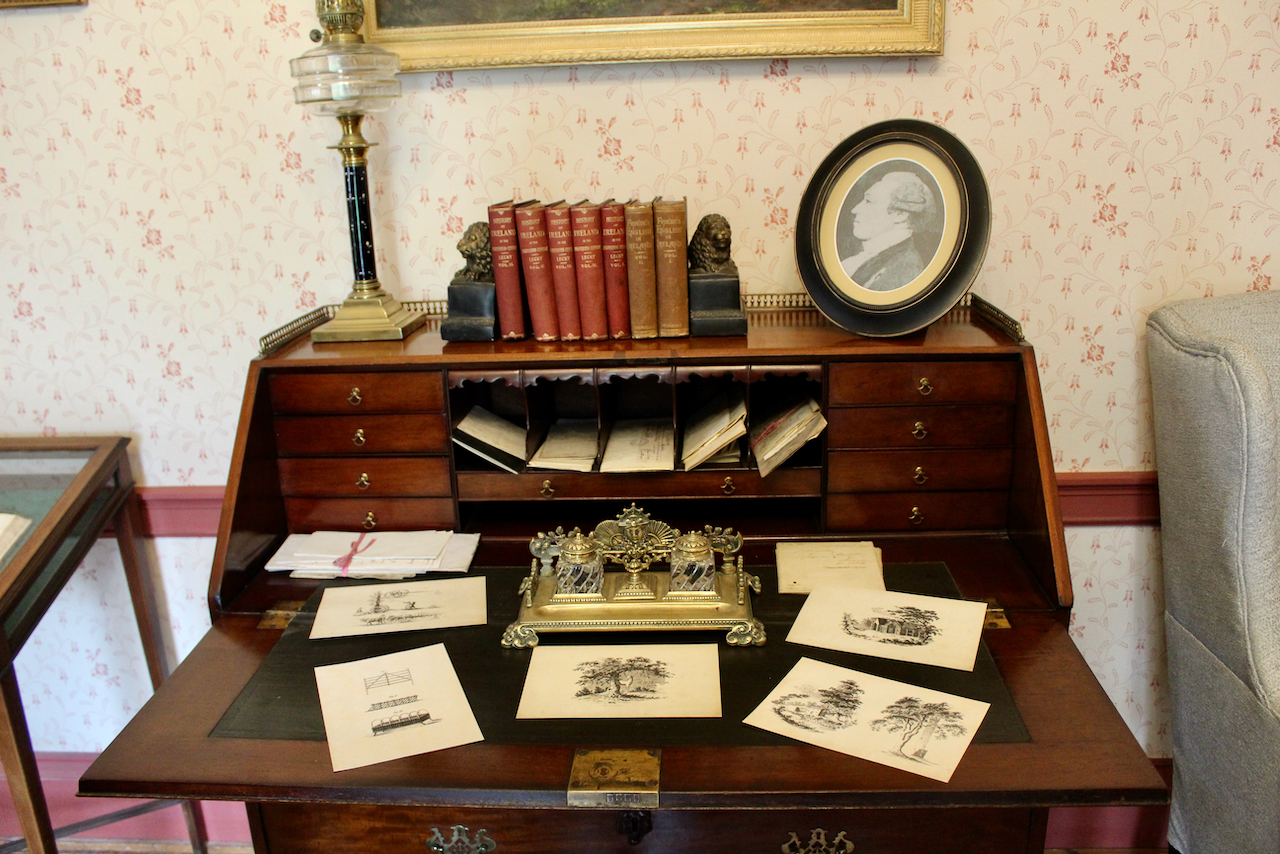
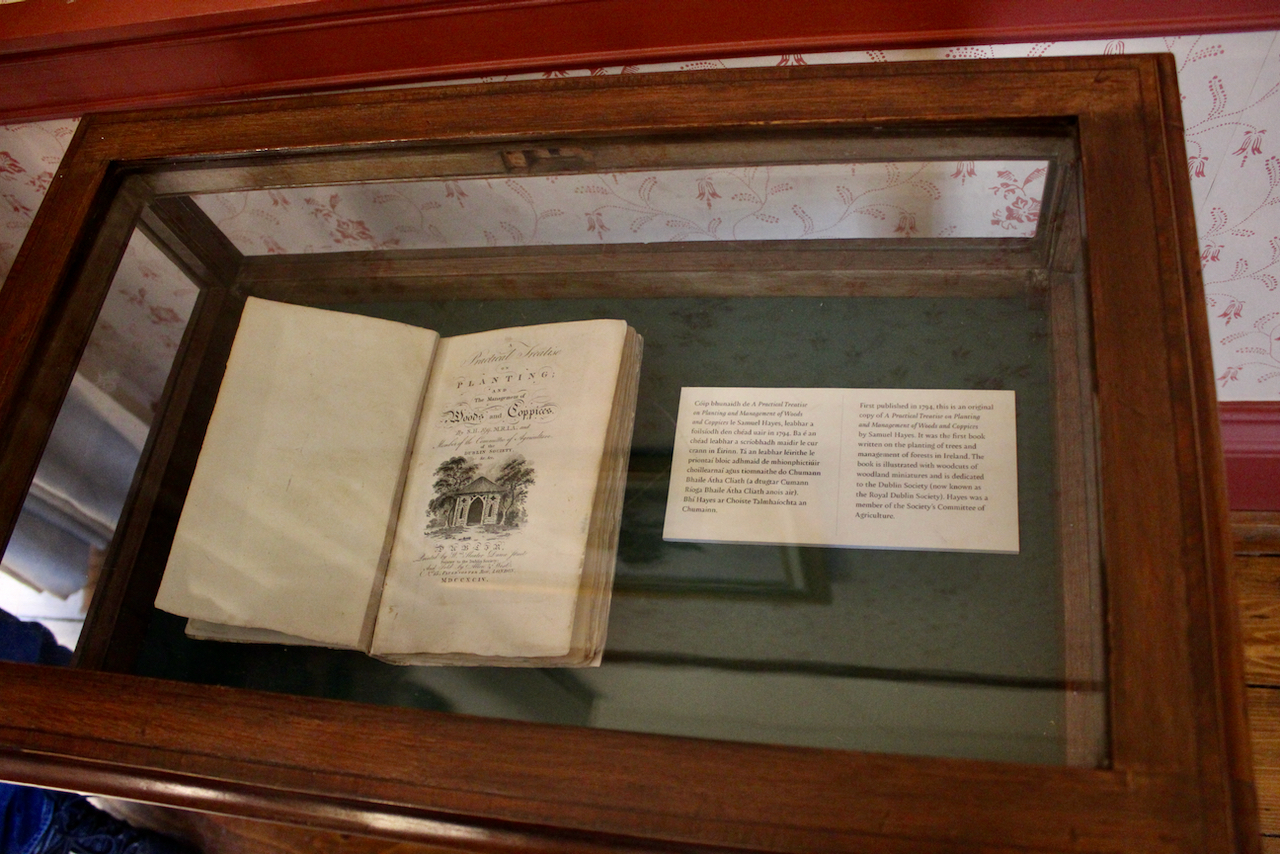
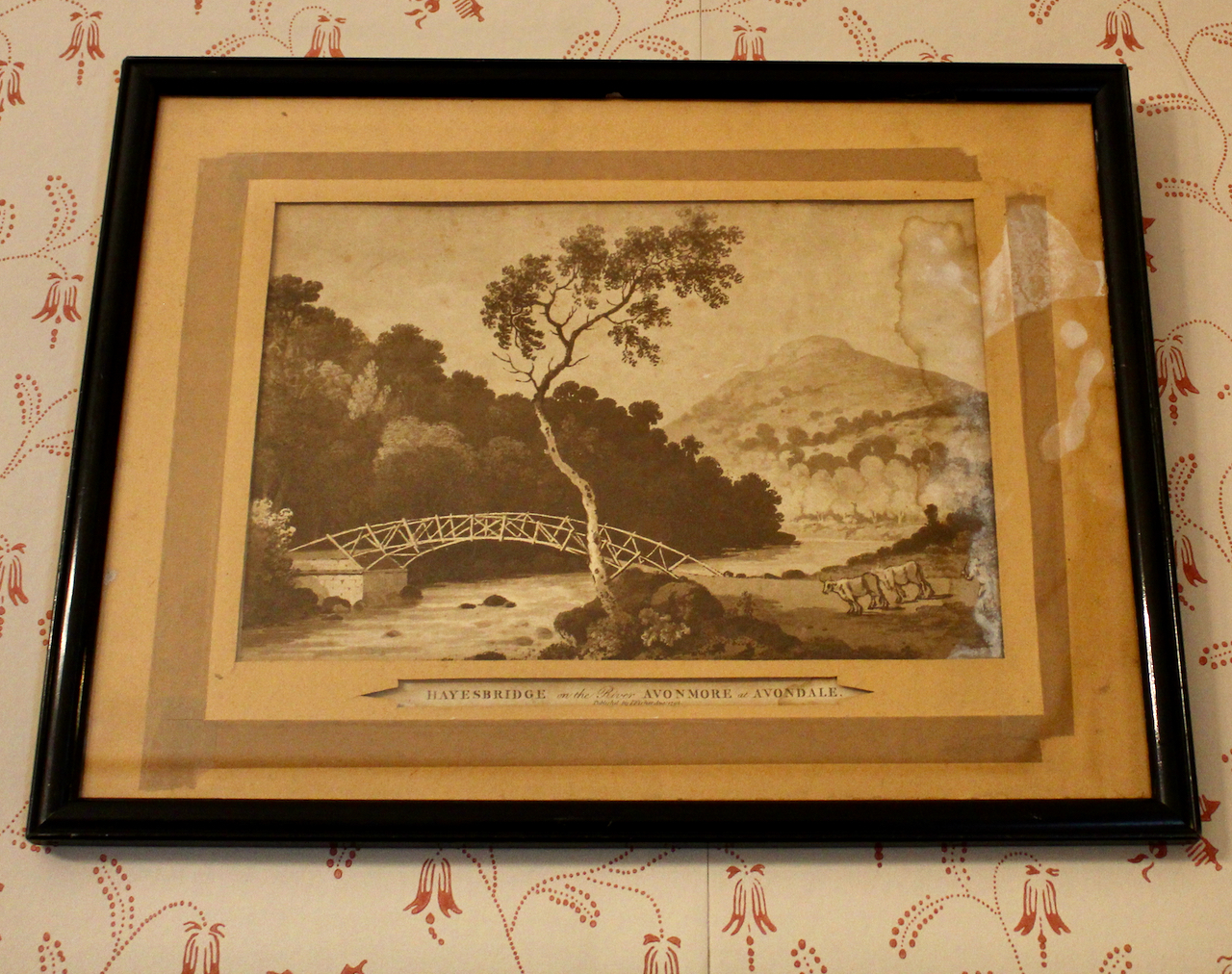
Samuel Hayes was the great grandson of Thomas Parnell (1625-1686), the first of the Parnell family to come to Ireland, and from whom Charles Stewart Parnell was also descended. Thomas’s son John (1680-1727) became Judge of the Court of King’s Bench and built a house at Rathleague in County Laois. According to the family tree framed in the Drawing Room, John had a daughter Anne who married John Hayes and gave birth to the builder of Avondale, Samuel Hayes.
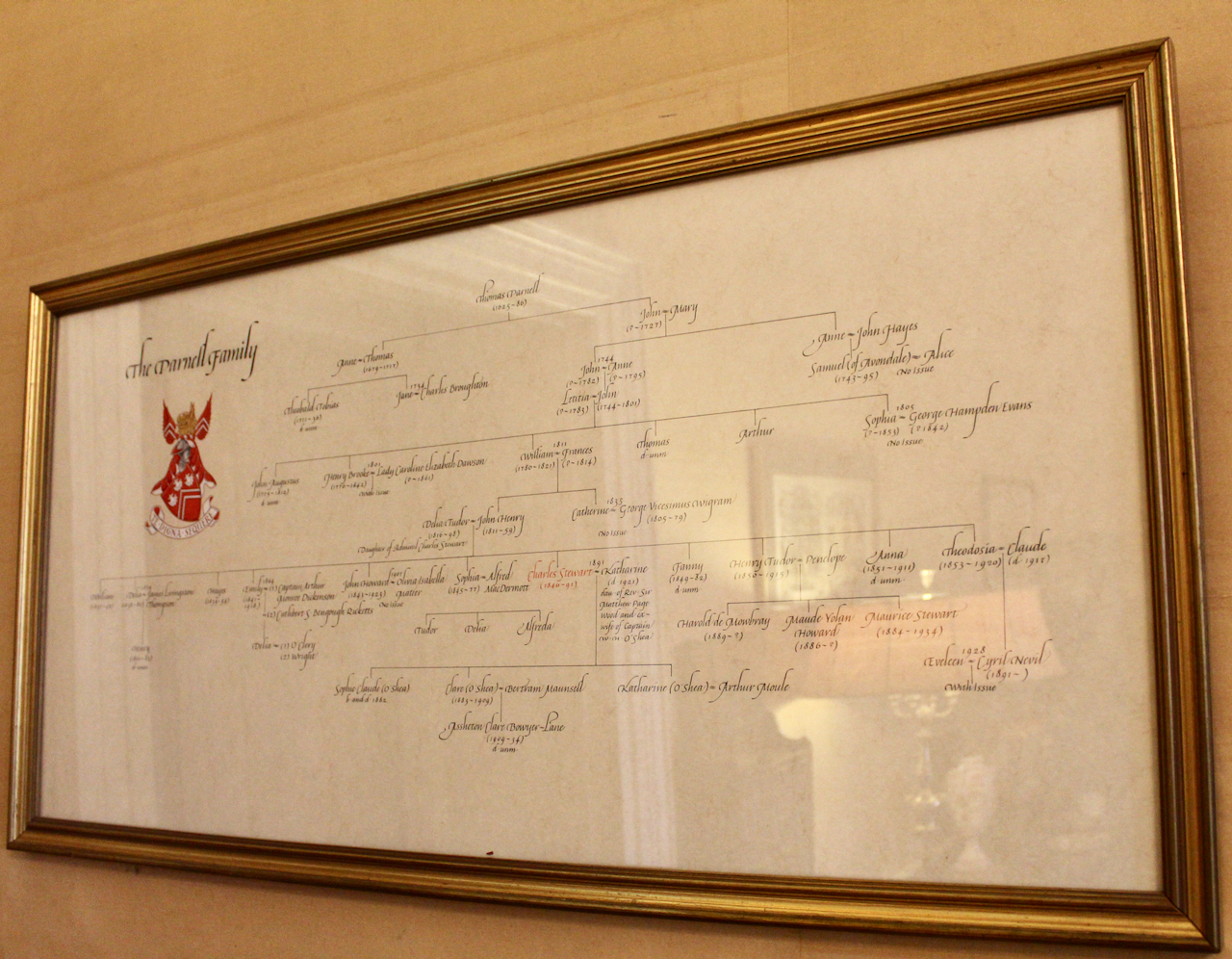
In 1766 Samuel Hayes married Alice Le Hunt, daughter of Thomas Le Hunt, MP and wide streets commissioner of Dublin, but he died childless. The estate was initially inherited by Sir John Parnell (1744–1801), 2nd baronet. John Parnell (1680-1727) married Mary Whitshed, daughter of Thomas, Member of Parliament (M.P.) for Carysfort, County Wicklow between 1692 and 1698. Their son John (d. 1782) became 1st Baronet Parnell, of Rathleague, Queen’s County in 1766, after being High Sheriff for County Laois and MP for Maryborough in Laois (now Portlaoise).
1st Baronet Parnell married Anne Ward from Castle Ward in County Down. They had a son John (1744–1801), 2nd Baronet. He married Laetitia Charlotte Brooke, daughter of Arthur, 1st Baronet Brooke, of Colebrooke, Co. Fermanagh.

By the terms of Hayes’s will, Avondale passed from the 2nd Baronet to his son William Parnell (1777–1821), writer, landlord, and MP. Hayes stipulated in his will that rather than being inherited by the eldest son of the family, the estate would be inherited by a younger son. William was the younger brother of John Augustus, 3rd Baronet, who was disabled and died childless, and of Henry Brooke Parnell, who became 4th Baronet Parnell and later, 1st Baron Congleton, of Congleton, Cheshire, which had been the birthplace of the original Thomas Parnell who emigrated to Ireland.
As a result of his inheritance of Avondale, William Parnell assumed the name ‘Parnell-Hayes.’ [2] William married Francis Howard, granddaughter of Ralph Howard, 1st Viscount Wicklow. They had a son John Henry, who was Charles Stewart Parnell’s father. Charles Stewart Parnell inherited Avondale as he also was not the oldest son, but the seventh of eleven children. It was an unusual stipulation that Samuel Hayes made.
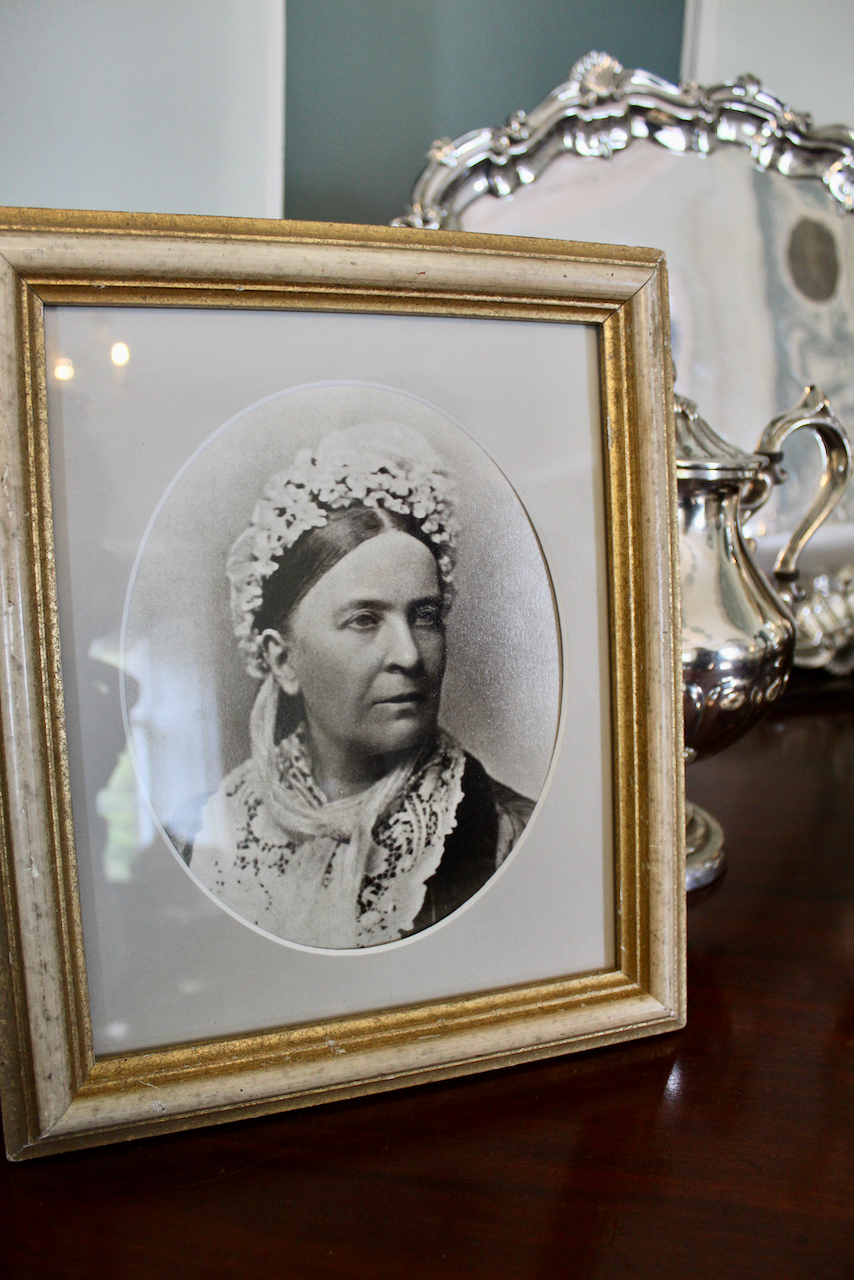

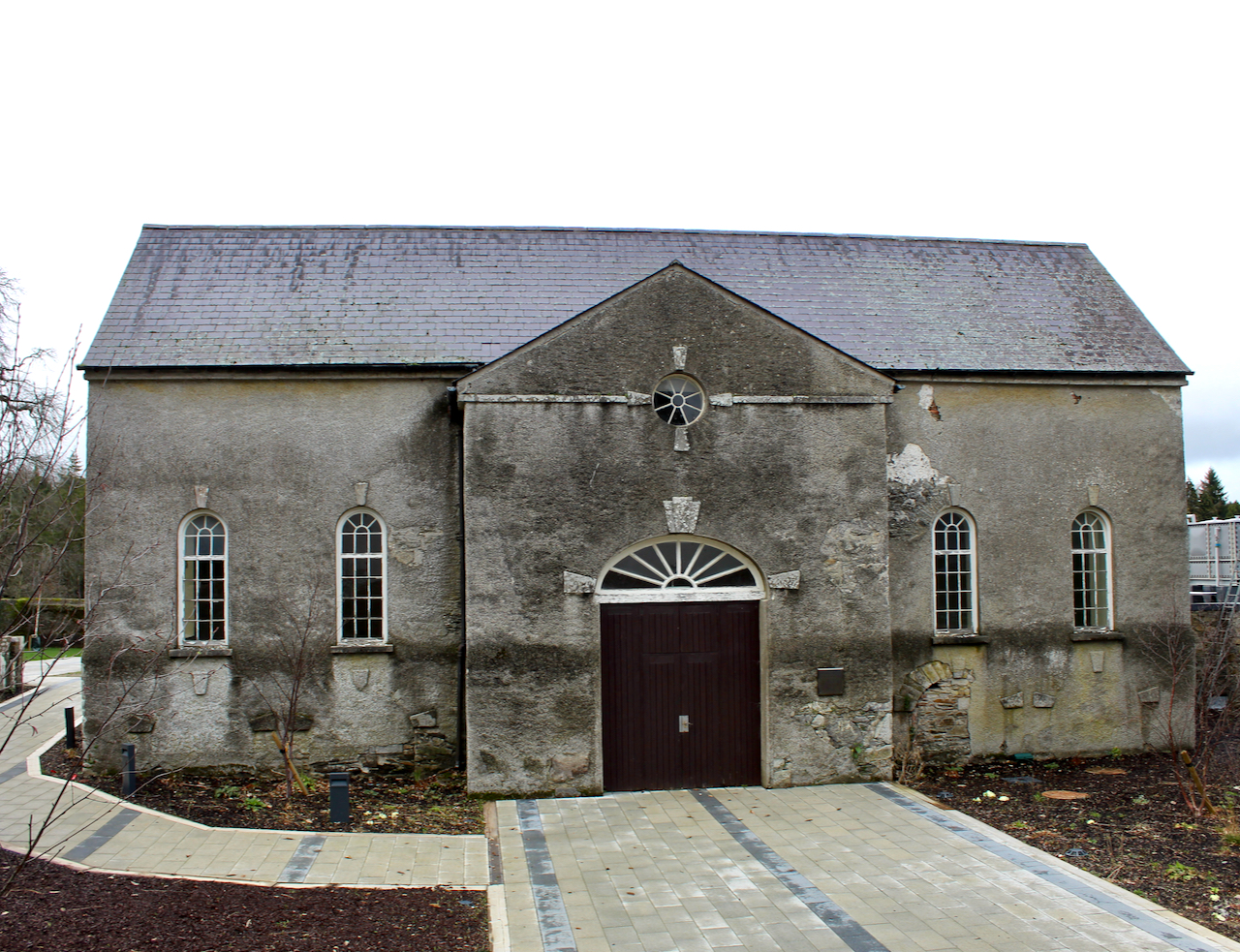
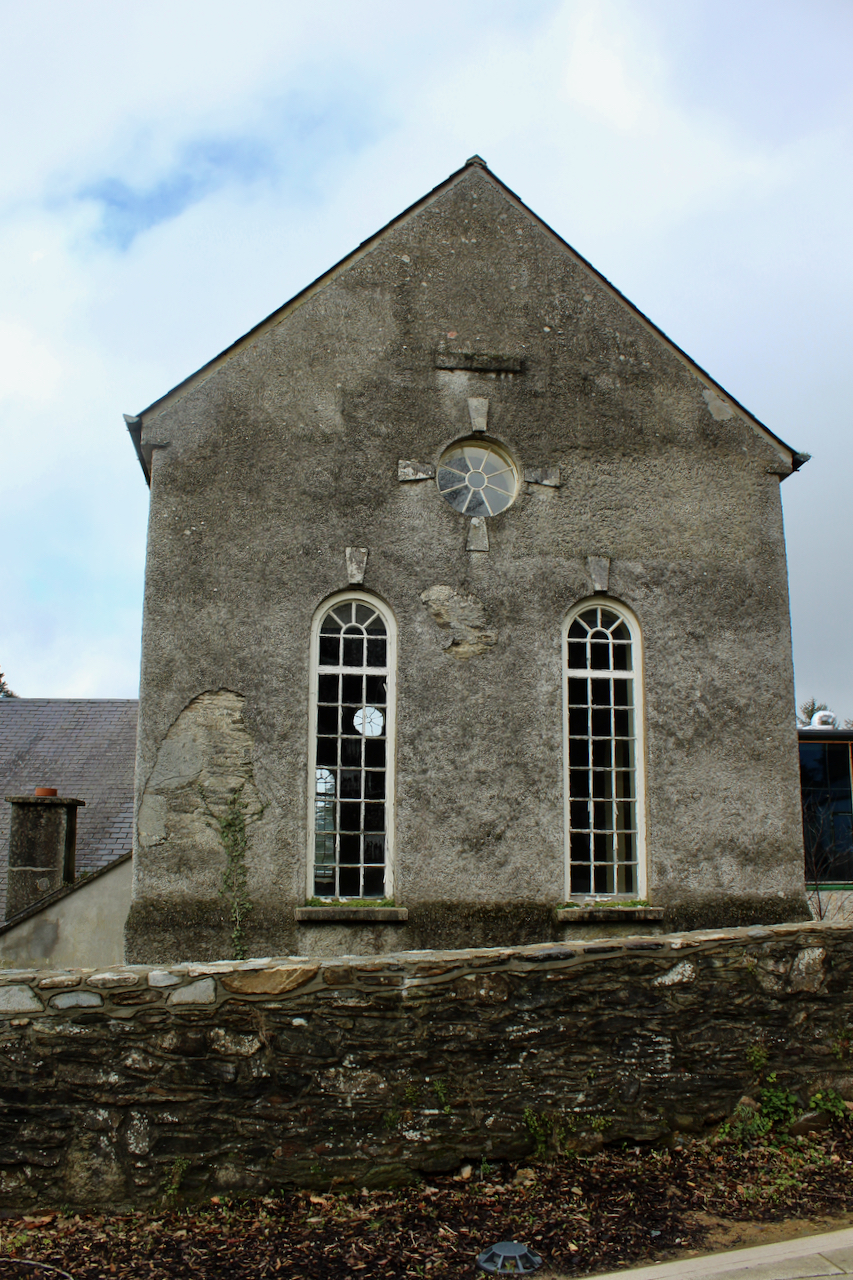
Delia was a member of the Plymouth Brethren, and converted a building on the property into house for worship. The 2nd Baron Congleton also converted to the Plymouth Brethren who met in Aungier Street in Dublin.
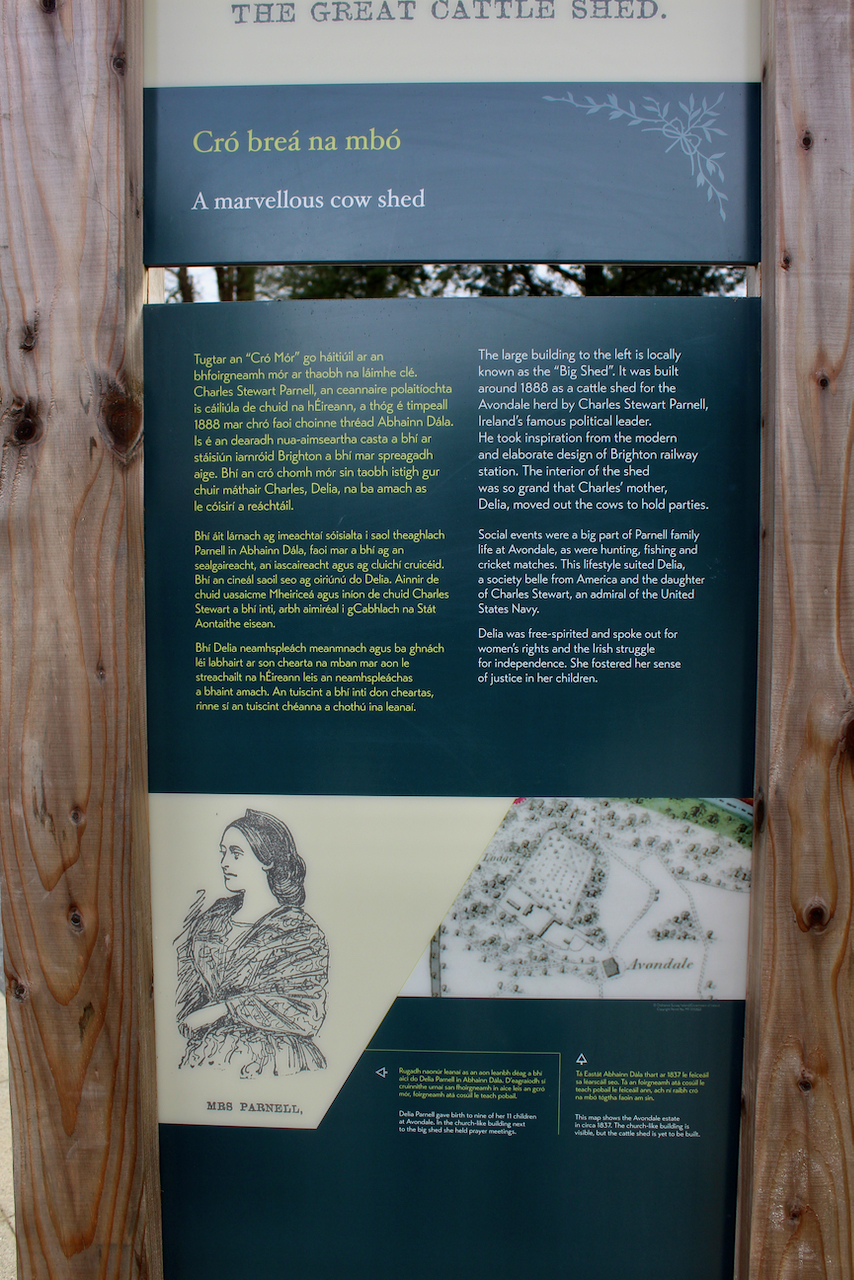


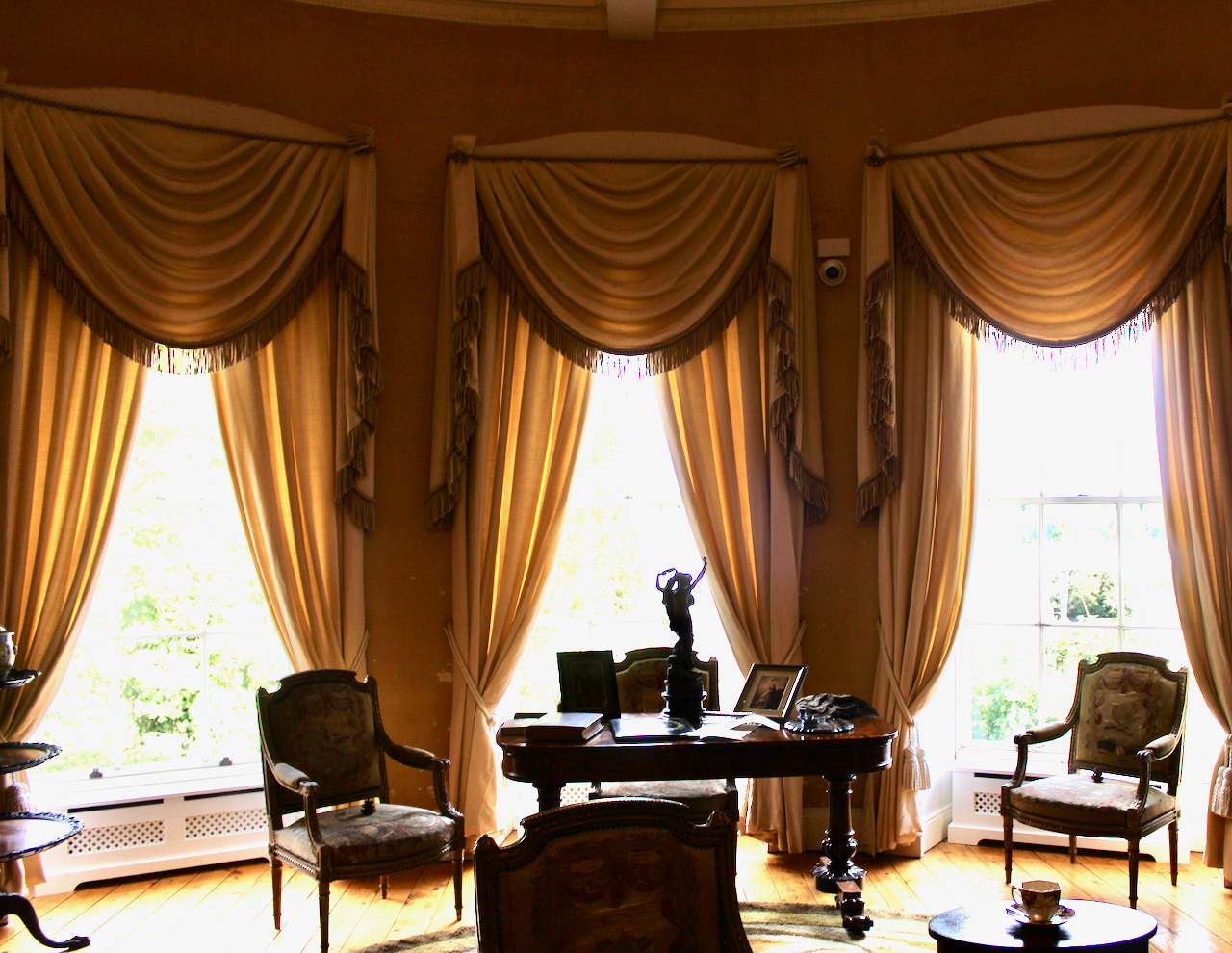
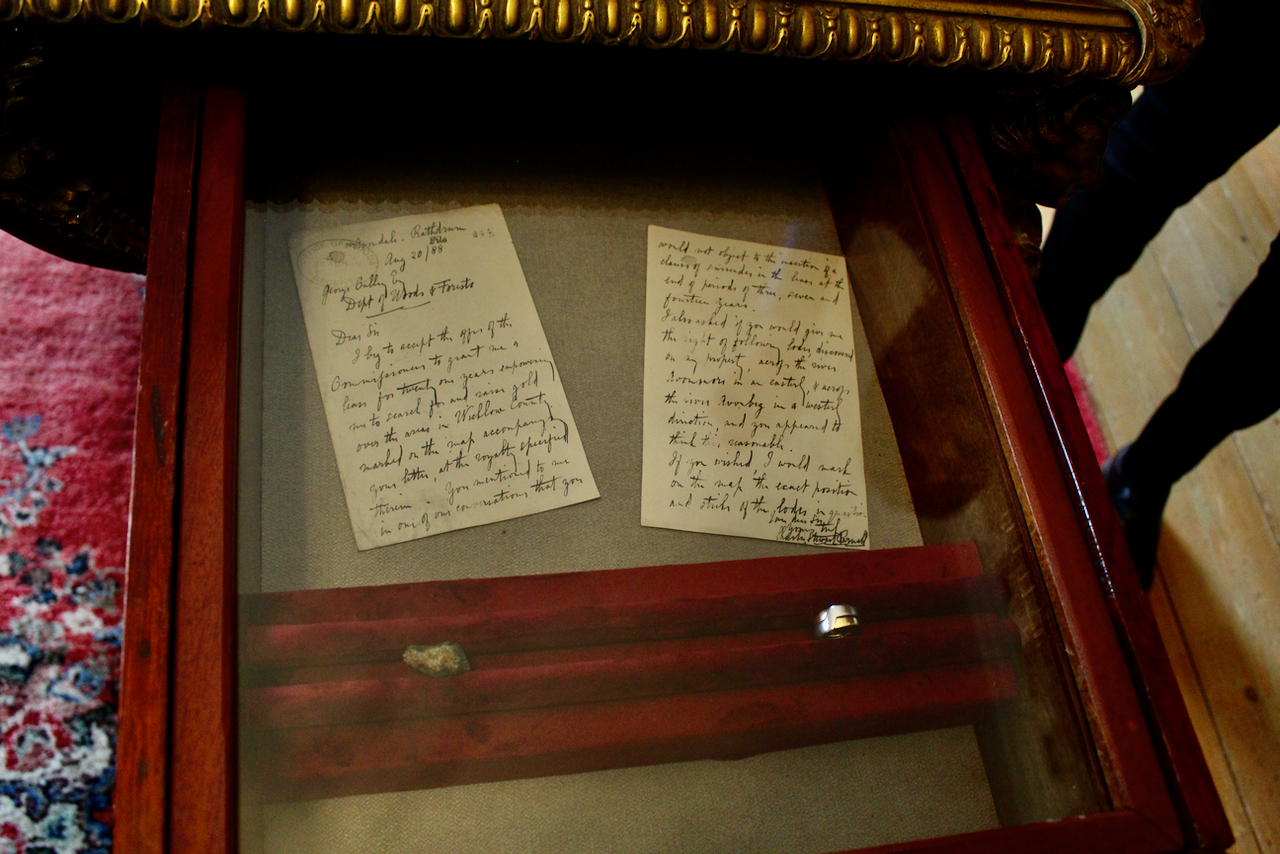
When Charles Stewart Parnell inherited Avondale estate, it was mired in debt. He sought to increase his income by mining the local area. He became a politician chiefly, our tour guide told us, to earn money to support the estate. The Dictionary of Irish Biography tells us:
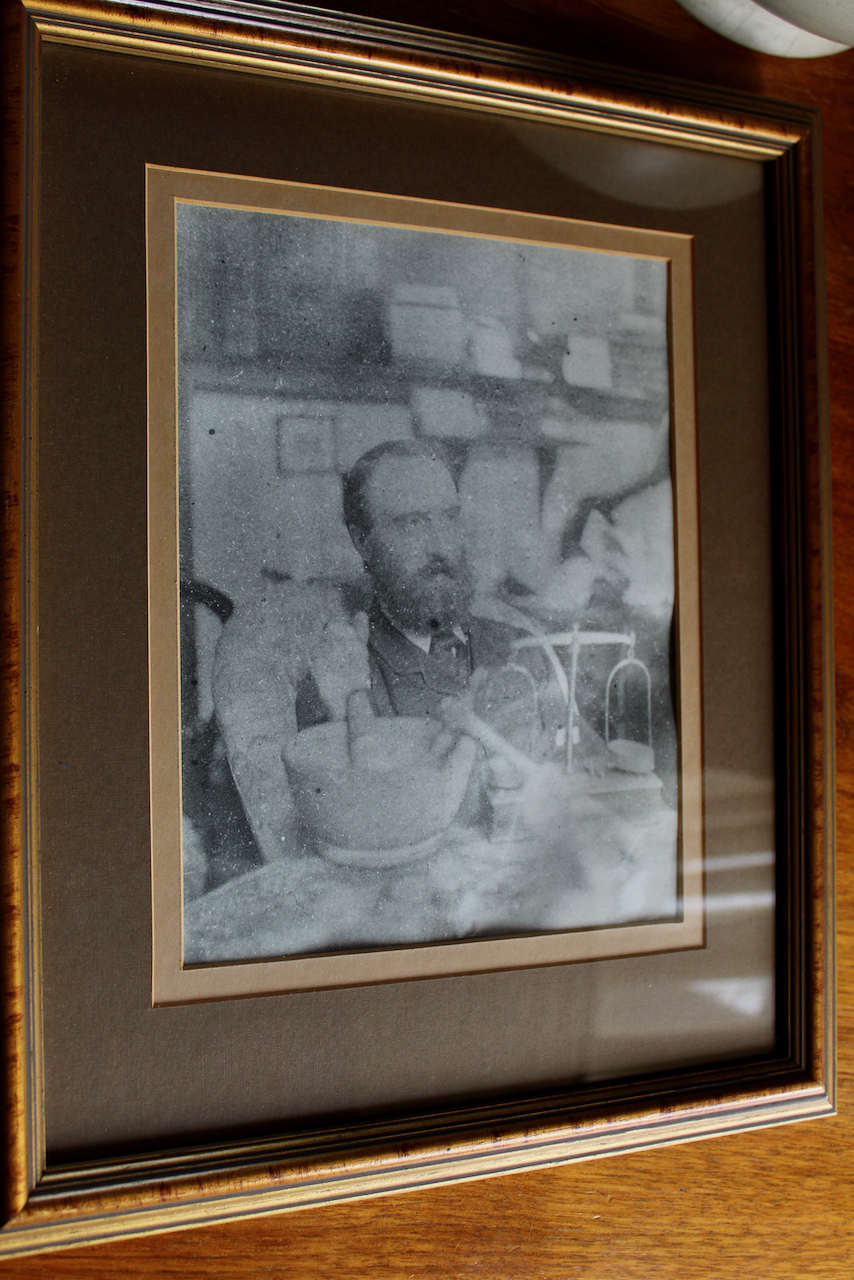
“Parnell invested heavily in mining and quarrying ventures in Wicklow, in particular stone quarrying at Big Rock, near Arklow, from which he supplied paving setts to Dublin corporation. He expended money and effort in seeking to revive the old lead mine and to relocate the lodes of iron and seams of copper that had formerly been worked in the vicinity of Avondale. Through the late 1880s his chief recreation was the quest for gold in Wicklow, assaying samples of ore in his workshops successively at Etham and Brighton.” [3]
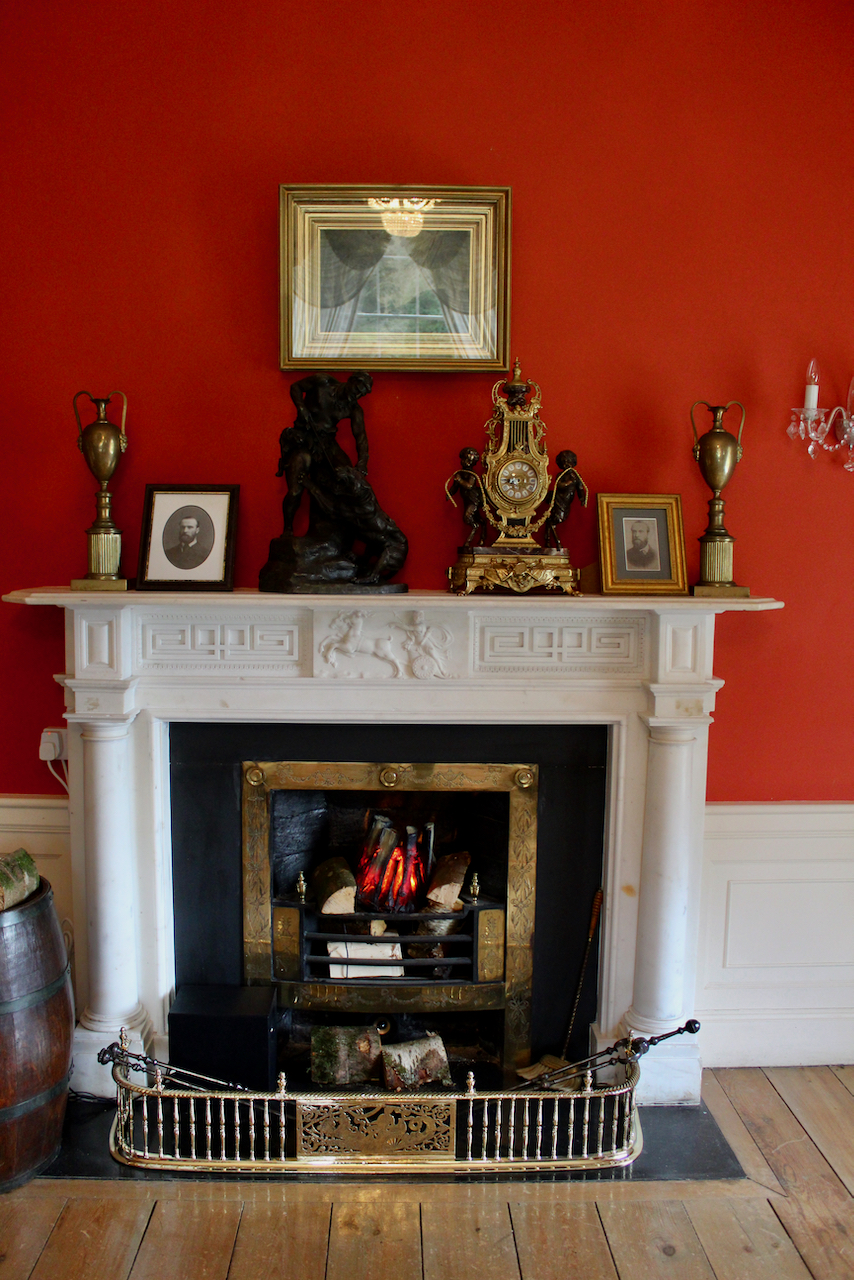
He may have been influenced in his politics by his mother’s Republican views, i.e. anti-monarchy. He sought home rule for Ireland and was President of the Land League, which sought to enable tenants to own the land on which they worked. He was arrested for this and put in rather luxurious quarters in Kilmainham Gaol, where he was incarcerated for six months.
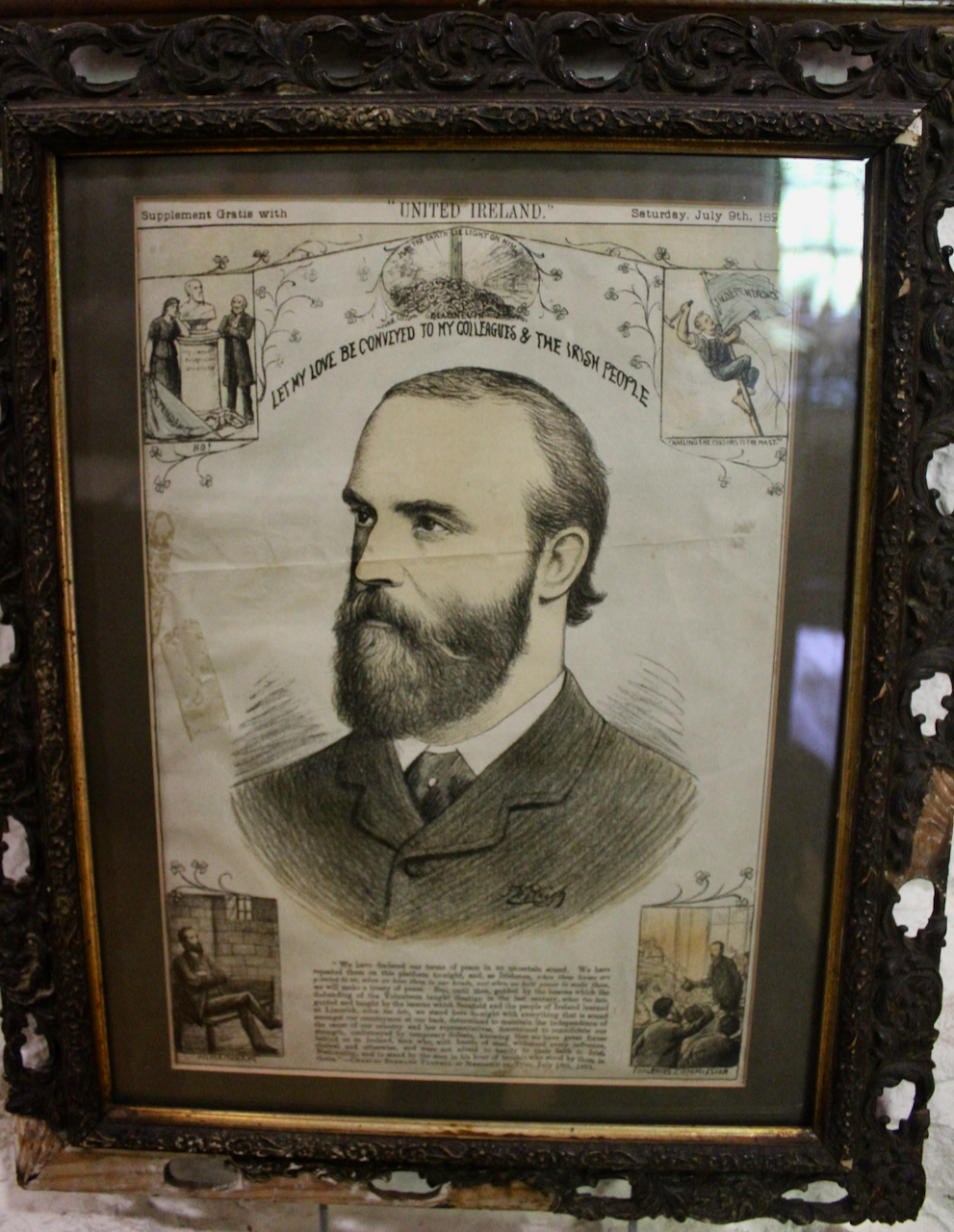
By this time he was having an affair with Katherine O’Shea who was called “Kitty” in the press in order to belittle her. She was the wife of another MP who allowed the affair, presumably to maintain his position in parliament as Parnell commanded wide support. He fathered three children with Katherine and when her husband divorced her, they married, but she was unable to inherit Avondale, which passed to Parnell’s older brother.
The Irish turned against Parnell due to his affair, as discussed in James Joyces’s Portrait of the Artist as a Young Man where Stephen Daedalus’s father and aunt argue about Parnell and Stephen’s father laments “Ireland’s poor dead King.” There is a lengthy biography about him in the Dictionary of Irish Biography.

The Dictionary of Irish Biography tells us:
“Katharine Parnell lived on in deteriorating circumstances and died in Littlehampton, Sussex, on 5 February 1921. After Claude Sophie, who died shortly after her birth, Parnell and Katharine had two further daughters, Clare (1883–1909) and Katharine (‘Katie’) (1884–1947). Clare, who bore a haunting resemblance to Parnell, died in labour. Her son Assheton Clare Bowyer-Lane Maunsell, a lieutenant in the Lancashire Fusiliers, died of enteric fever in India on 29 July 1934, aged 24. As Parnell’s biographer F. S. L. Lyons wrote, ‘the line of direct descent from Parnell therefore ends in a cemetery in Lahore.’ “


Like many old houses, Avondale had a tunnel for the servants, to the outbuildings.

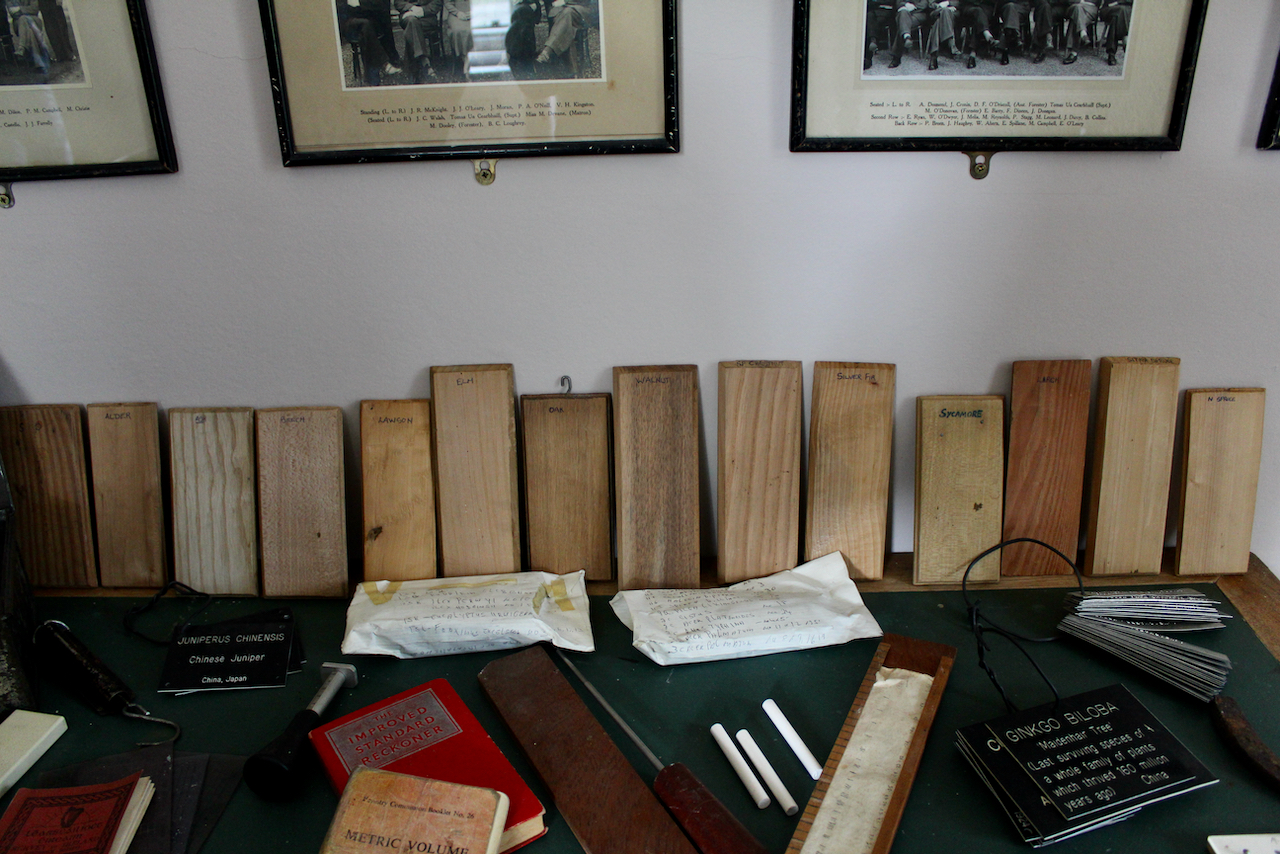
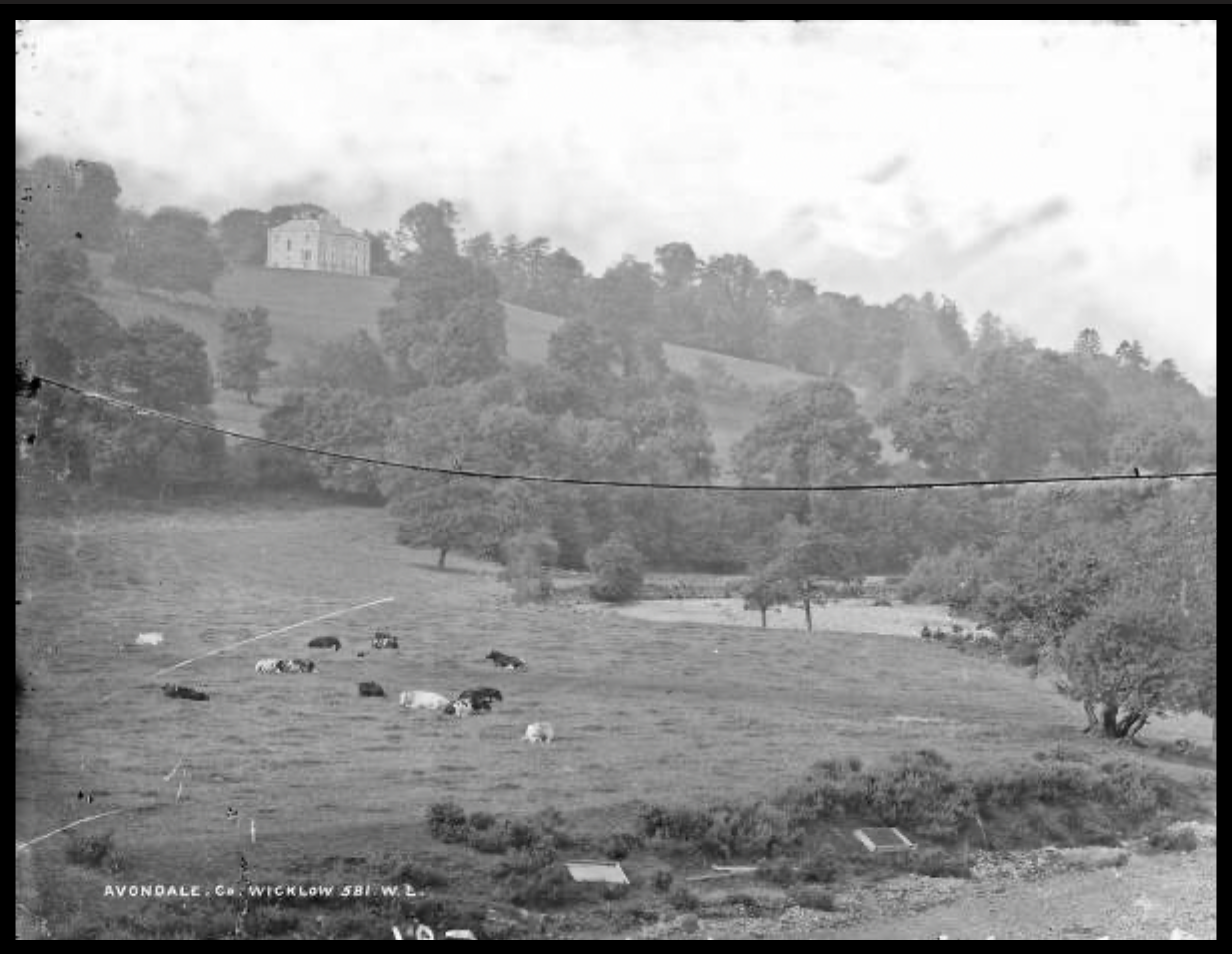
The forest planted by Samuel Hayes mostly did not last, as we see from a photograph from 1900. However, the forestry school reinstated the forest, now owned by Coillte.

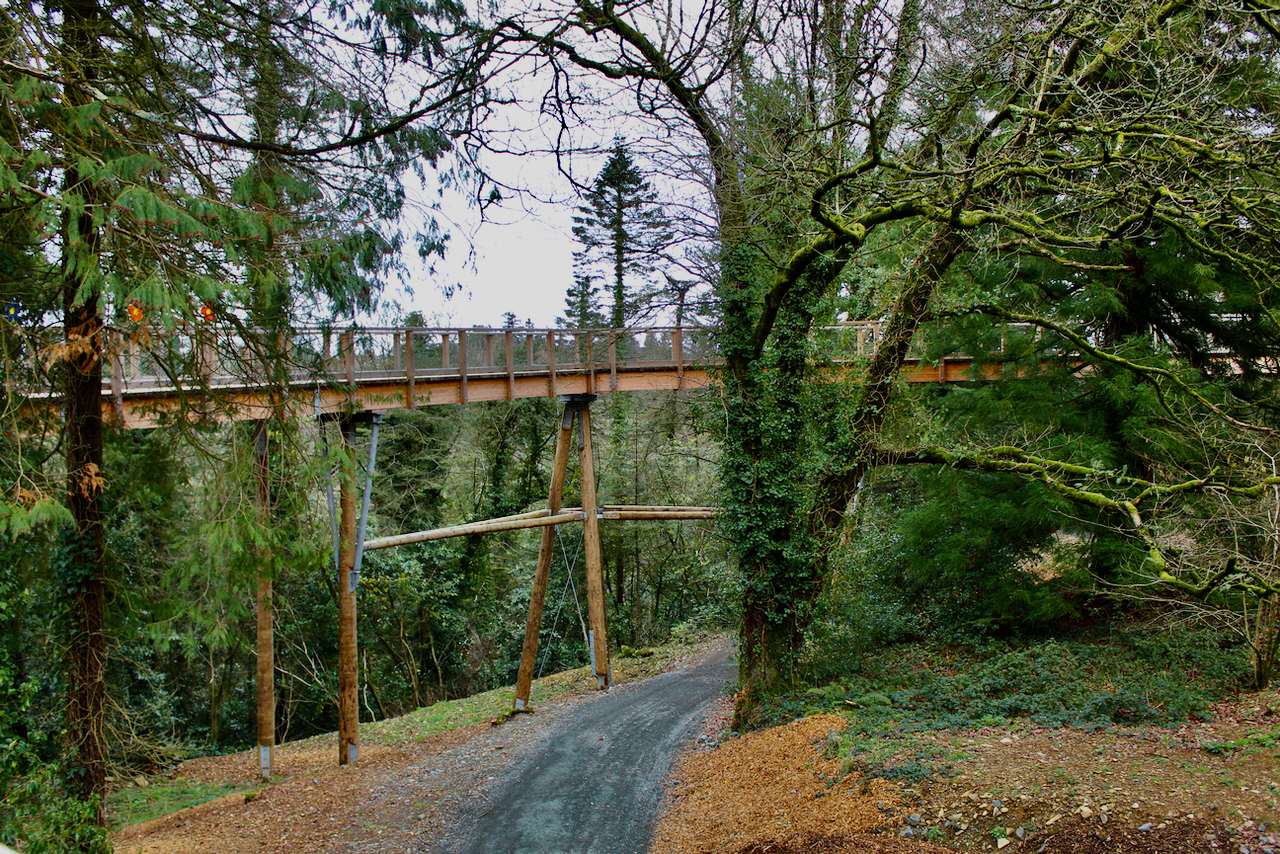
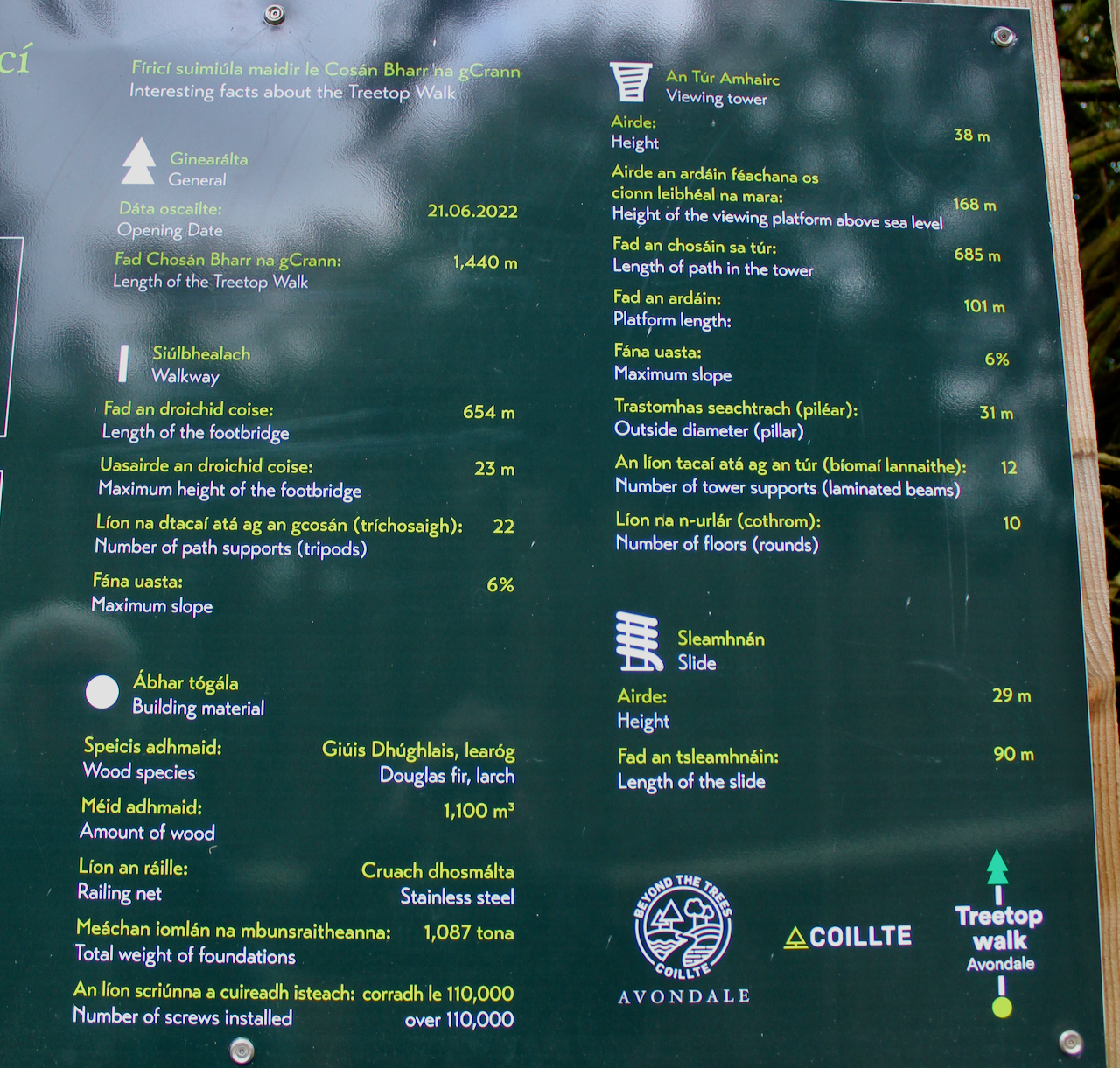
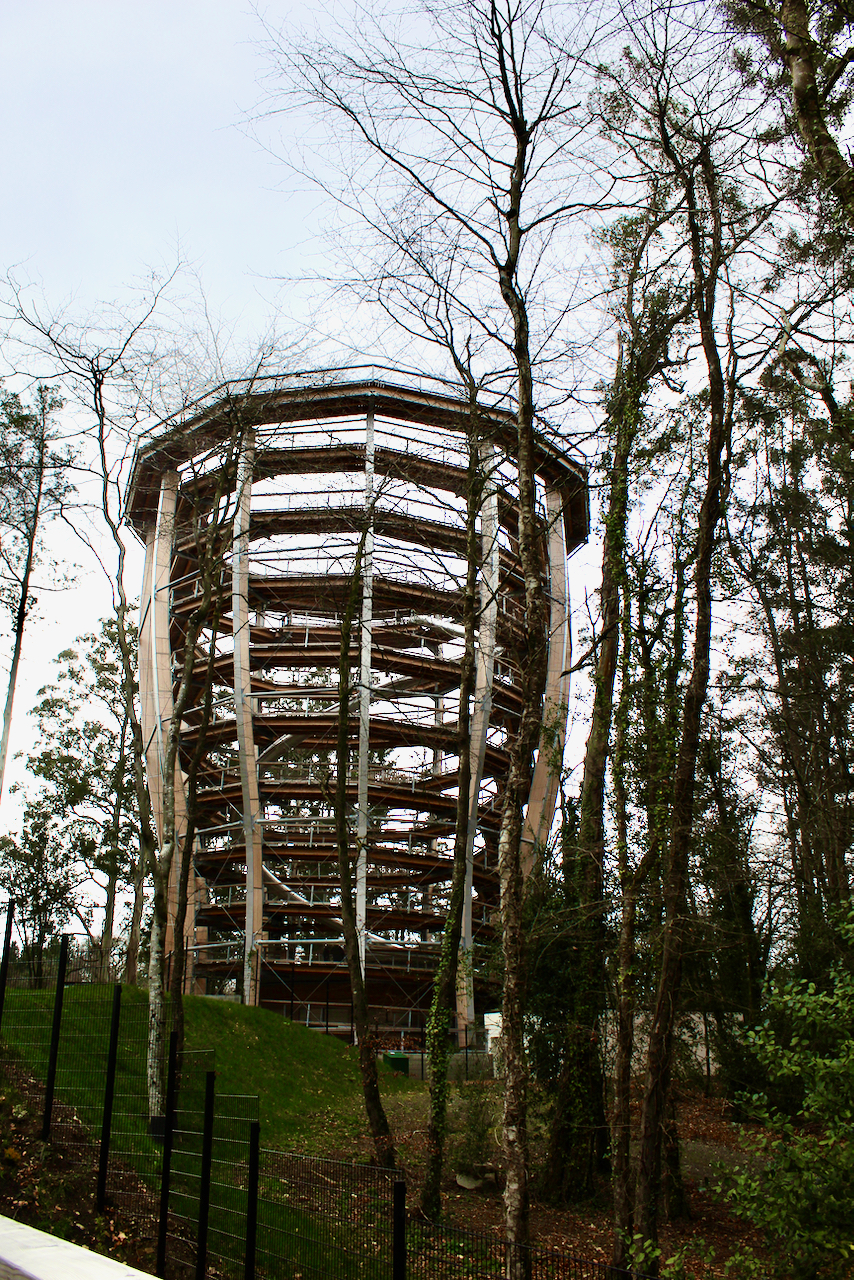
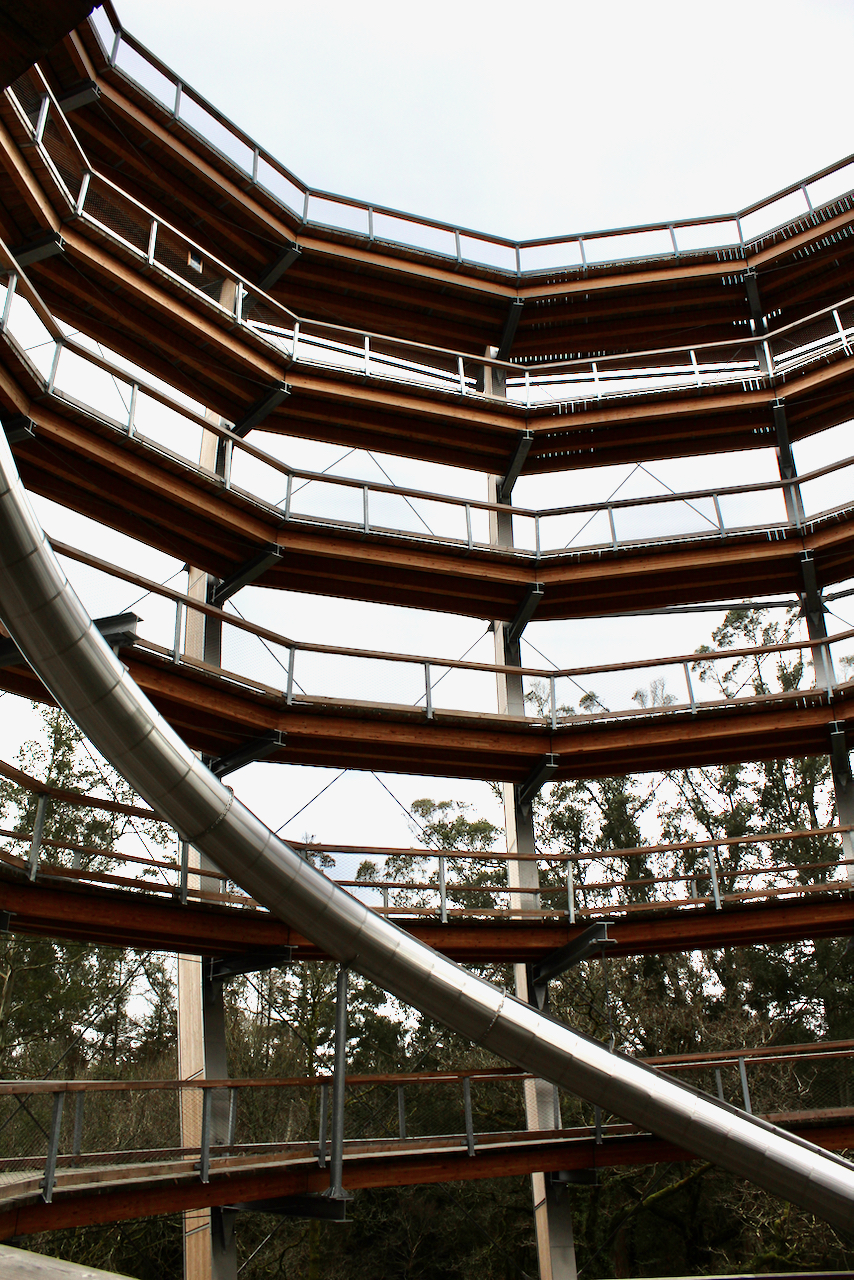
There are many walks on the estate, including a “tree top walk” and a viewing tower, which has a large enclosed screwshaped slide, which Stephen and I could not resist sliding down! Be prepared to lose all control to speed!
[1] Bence-Jones, Mark. A Guide to Irish Country Houses (originally published as Burke’s Guide to Country Houses volume 1 Ireland by Burke’s Peerage Ltd. 1978); Revised edition 1988 Constable and Company Ltd, London.
[2] https://www.dib.ie/biography/hayes-samuel-a3878
[3] https://www.dib.ie/biography/parnell-charles-stewart-a7199
 Irish Historic Houses
One thought on “Avondale House, County Wicklow – open to the public”