Durrow Abbey, Tullamore, Offaly

Durrow Abbey, Tullamore, Offaly – dilapidated 

Mark Bence-Jones. A Guide to Irish Country Houses (originally published as Burke’s Guide to Country Houses volume 1 Ireland by Burke’s Peerage Ltd. 1978); Revised edition 1988 Constable and Company Ltd, London.

p. 117. “(Graham-Toler, Norbury, E/PB; Slazenger, sub Powerscourt, V/PB) Originally a plain three storey 7 bay C18 house with a pillared porch; replaced ca 1837 by a Tudor-Gothic house built for 2nd Earl of Norbury, who was murdered here 1839. The house now consists of two two storey ranges at right angles to each other, one of them standing on slightly lower ground, with a small battlemented tower at their junction. The higher range has a central projecting porch-gable, with a corbelled oriel over the entrance door, and a slightly stepped gable at each end. There are tall Tudor-style chimneys and a few pinnacles. The house was rebuilt in the same style 1924. Nearby is the site of an ancient abbey, with a fine C10 High Cross. Durrow passed to the descendants of a younger son of 2nd Earl; it was sold ca 1950 and was afterwards the home of Mr and Mrs Ralph Slazenger; it is now the home of Mr and Mrs Michael Williams.” 

https://archiseek.com/2015/1860-durrow-abbey-durrow-co-offaly

1860 – Durrow Abbey, Durrow, Co. Offaly 

The story of Durrow Abbey House is framed by two fires. One in 1843 when the house was under construction destroyed the adjacent Georgian mansion and all the furnishings stored there, the other in 1923 meant the total destruction of itself. 

Construction was underway in 1837 when Lewis remarked “The principal seats are Durrow Abbey, that of the Earl of Norbury, situated in an ample and highly improved demesne, in which his lordship is erecting a spacious mansion in the ancient style”. After the murder of Lord Norbury in 1839, work had largely ceased on construction prior to the fire of 1843. A contemporary newspaper article described it: “This magnificent abbey is nearly destroyed. On Saturday evening last, it took fire, and before assistance could be procured to arrest the progress of the flames the abbey was almost reduced to ruin. This noble structure remained in an unfinished state as the entire works were stopped immediately after the murder of the late munificent proprietor, Lord Norbury. The new building which was not completed, joined the old one, which it was intended to adopt as a wing by facing it with stone; in this portion all the valuable furniture was stored and this part of the extensive building is totally destroyed.” After the fire, construction continued and the building was completed around 1860. 

The house consisted of three storeys over a sunken basement, with an off-center three-storey entrance porch – a later porte cochere was added. Richly ornamented with gable end bay windows, tall chimney stacks and corner turrets, all of limestone. To the rear was a simple castellated service wing facing a sunken courtyard, two sides of which were bounded by a single storey range of stores. 

In 1923, during the Irish Civil War, the house was gutted by fire, the roof collapsing, and the entire fixtures and fittings destroyed. It was rebuilt in the mid 1920s to designs by Ralph H. Byrne. 

https://archiseek.com/2015/1926-durrow-abbey-durrow-co-offaly

1926 – Durrow Abbey, Durrow, Co. Offaly 

Architect: Ralph H. Byrne 

After the second Durrow Abbey House was gutted by fire during the Civil War in 1923. Ralph H. Byrne was commissioned to oversee reconstruction of Durrow Abbey House for Ottoway Graham Toler in 1926. As all that remained of the old house was the exterior walls, a complete redesign was in order. Byrne produced several designs, one with a strong Arts and Crafts style, and the other Tudor Gothic in keeping with the old house. The new house was to be a storey lower, while largely utilising the floor plan of the previous house. Interior designs show an elaborate Arts and Crafts interior, but this was scaled back to more basic interior finish. The house currently sits empty. 

Photographs courtesy and copyright of Paul Moore 

On An Taisce Buildings at Risk register 

https://www.antaisce.org/buildingsatrisk/durrow-abbey-house-tullamore

  • Suffering from structural problems 
  • Abandoned ruin 

Assessment 

  • Condition of Structure: Poor 
  • Level of Risk: High 

Appraisal 

This building has been vacant for a number of years and does not appear to be maintained. Most of the external fabric remains, but there are obvious signs of deterioration, particularly water penetration, slipped slates, vegetation growth, broken windows and vandalism. There is no immediate danger of collapse but the condition is such that unless urgent remedial works are carried out the building will sharply deteriorate. 

The structure is of significant historic importance and requires conservation works to prevent further deterioration. This building urgently requires new uses to be identified to prevent further deterioration of its character. 

Photograph Credit: N/A Local Association: Offaly 

https://www.buildingsofireland.ie/buildings-search/building/14909010/durrow-abbey-house-durrow-demesne-county-offaly

Detached L-plan multiple-bay two-storey over basement Jacobean Revival style house, built between 1837-43, with breakfront tower and gable to north elevation and canted bays to eastern projecting bay and southern bay, courtyard buildings to rear. Built on the site of the eighteenth-century house and set within grounds of Durrow Abbey demesne. Pitched slate roof with ashlar limestone chimneystacks, terracotta ridge tiles and some cast-iron rainwater goods. Ashlar limestone walls with string coursing and pinnacles to angles. Variety of square-headed fenestration with some hoodmouldings and limestone transoms and mullions. Pointed-arched door opening to eastern elevation with tooled limestone surround and timber door, square-headed door opening to rear with overlight chamfered surround and hoodmoulding. Courtyard to rear with single-storey buildings, open arcading and crenellations accessed through pointed-arched door opening to west. External access to eastern façade by limestone balustraded steps and piers supporting carved stone urns. Ashlar gate piers to west. Ranges of outbuildings, gates and gate lodge associated with house. 

Built on the former site of Durrow Abbey, this grand house dominates the grounds of the demesne which it overlooks. Superbly executed cut stonework construction to the elevations, crenellations, canted bays, pointed arches, blind niches and chimneystacks is evident. Apparently largely rebuilt in the 1920s following a fire, the interior was designed by Ralph Byrne in the Queen Anne Art Nouveau style. Blind cross niches hint to the site’s history and urns to the steps are similar to those found in the eighteenth-century church doorway, suggesting these steps originate from the earlier site. When considered in conjunction with the demesne’s full history and related sites, the sixth-century abbey that became the birth place of the early Medieval script, the Book of Durrow, Durrow high cross, the site of the medieval motte and Saint Columbkille’s church and well, Durrow Abbey House is archaeologically and architecturally significant on a national scale. 

Durrow Abbey, County Laois, photograph courtesy of National Inventory.

https://www.buildingsofireland.ie/buildings-search/building/14908012/durrow-abbey-house-durrow-demesne-co-offaly

Durrow Abbey, County Laois, photograph courtesy of National Inventory.

Ranges of multiple-bay single- and two-storey outbuildings, built in 1833, and arranged around two courtyards with modern concrete additions. Set within grounds of Durrow Demesne. Now mostly disused. Hipped slate roofs with terracotta ridge tiles, ashlar chimneystacks and cast-iron rainwater goods. Tooled ashlar limestone walls. Timber sash windows to upper storey with tooled limestone sills. Segmental-headed door openings. Circular opening with date plaque to south-west elevation. Squared limestone turbine house to centre of north-west courtyard. Yellow brick workers’ accommodation to north-west of site. Walled garden and moat to rear of site, also associated with Durrow Demesne. 

Appraisal 

The high quality stone masonry, as the dominating feature of Durrow Demesne, is no less evident in its pair of courtyards. They may have been executed to a design by William Murray. Each piece of limestone has been skillfully cut and tooled to fit flawlessly into the design. Segmental-headed arches elegantly line the yards many stable fittings and some machinery survives. This sprawling group of outbuildings and associated workers’ housing stands as a further testament to the former vitality of this estate. 

Durrow Abbey, County Laois, photograph courtesy of National Inventory.

https://www.buildingsofireland.ie/buildings-search/building/14909008/durrow-abbey-house-durrow-demesne-co-offaly

Durrow Abbey, County Laois, photograph courtesy of National Inventory.

Detached T-plan three-bay single-storey gate lodge, built c.1840 with return to rear. Not in use. Set within grounds of Durrow Demesne. Pitched slate roof with terracotta ridge tiles, ashlar chimneystacks, coping and cast-iron rainwater goods. Triple-light timber windows with limestone hoodmoulding. Square-headed door opening in north projection with timber panelled door and limestone hoodmoulding. Plaque with crown and fleur-de-lis on north projection gable wall and hoodmoulding. Yellow brick pitched roofed return to rear. Palladian style wrought-iron gateway to east, set on ashlar limestone plinth with carriage arch and pedestrian gates to centre. 

Appraisal 

Finely executed stone masonry and metal working are displayed at this site, testament to the skilled craftsmanship available at the time. This high quality construction of the lodge and gates indicate the importance of the house to which they belong; an outward display of sophistication and wealth to all who call to Durrow Abbey House. 

Durrow Abbey, County Laois, photograph courtesy of National Inventory.
Durrown Abbey, County Offaly, photograph courtesy of National Inventory.
Eglish Castle, County Offaly, photograph courtesy of National Inventory.
Durrow Abbey, County Laois, photograph courtesy of National Inventory.

Durrow Abbey House, a Tudor/Gothic building near Tullamore in county Offaly,was begun in 1837 (to replace an earlier 18th century plain house) by Hector Toler, (later Hector John Graham -Toler ), the 2nd Earl of Norbury. Unfortunately he never saw it finished as he was murdered in 1839. Originally (?at least after Church ownership) the lands had being acquired by the Herbert family (mid 16th century I believe), and were inherited by the Stepneys, who eventually sold it to John Toler. This John Toler had his origins in Co.Tipperary and eventually received a title and became a judge, although by all accounts he was exceedingly poor at his job and quite harsh. 
Add a fire in 1843 and the completion of the “ new” house wasn’t until the 1850s. 
In 1876 The Hon Otway Toler was in possession of the house, and about 4500 acres, although he gave his main address as Albermarle St ,Mayfair, in London (indeed his residence is recorded as Windsor House, Ryde in a separate document I’ve read).He also retained 8,789 acres in Co. Tipperary (although the estate in Tipperary had been larger in the past), it seems there was also just over 3,000 acres in Laois and 140 odd in Westmeath. 
In the 1911 census, another Otway Toler was in residence with 9 servants,there were 36 rooms used in the house. 
1922 saw a malicious fire which necessitated the rebuilding of the house in the mid 1920s. 
It went from 3 storey over basement to 2 storey over basement , but retained its footprint and architectural style. It had of course originally somewhat mimicked Castle Bernard (Kinnitty Castle) in the same county. 
Within the estate lies the ancient abbey of Durrow with its 10th century high cross (now in situ within the abbey). The Toler family remained at Durrow until 1949 and in 1950 the  
house was purchased by the Slazenger (now of Powerscourt house) .The Williams family of Tullamore Dew fame bought it from them and eventually sold it to the O Brien family who I believe may have had commercial intentions for the estate, which obviously didn’t happen. 
It’s now in public/opw ownership, they ( the government) paid over €3m in 2003 for the house and abbey. 
It appears the property was then leased at a nominal rent to the Arts for Peace Foundation for 99 years,however there seems to have been a dispute between them and the OPW over I believe maintenance issues which has meant the building has been in essence disused for several years now. 
Unfortunately the stables/outhouse and gardens are a sad sight in their state of dereliction. The house, although it appears structurally sound, is now too starting to reflect its lack of recent habitation or use and is perhaps in need of at least some tender loving care. In fairness to the OPW, charged with looking after monuments, parks, houses, castles etc, they do an admirable job, the 1930 National Monuments Act has moved on, as have their minuscule budgets of the past.Harold Leask had a seemingly impossible task in his day,but they’ve come a long way thankfully, and hopefully a happy ending may be on the horizon for Durrow Abbey House, it would be a shame to see it wasted.  
(Incidentally I’ve since written a small feature about the abbey on my other Facebook page called Old Irish Buildings and Places which may be of interest to some readers, in March 2019). 

https://theirishaesthete.com/2018/04/23/in-limbo-2/

In Limbo

by theirishaesthete


The house at Durrow Abbey, County Offaly has a long and frequently unhappy history. Asits name implies, this was originally a religious settlement (for more on which, see On the Plain of Oaks, February 2nd 2015). However in the 16th century and following the dissolution of the monasteries, the lands on which it stood were leased to Nicholas Herbert at a rent of £10 per annum payable to the Crown and military service when required. Herbert was granted a second lease in 1574 on condition that he built two stone fortresses on the site within four years. The Herberts remained in residence here until the death without male heirs of Sir George Herbert, third baronet, in 1712. The estate was then inherited by Sir George’s sister Frances, married to a Major Patrick Fox: it was Mrs Fox who rebuilt the old adjacent church that remains today. The Foxes having no direct heirs, Durrow was then inherited by Philip Rawson Stepney and eventually by Herbert Rawson Stepney who, three years before his death in 1818 sold the estate to John Toler, first Lord Norbury. It would appear that during the time of the Stepneys that a new residence was built at Durrow: a surviving drawing made by architect William Murray in September 1829 shows the building – then called Durrow Park – to have been a plain classical structure of three storeys and seven bays, centred on a groundfloor doorcase with portico. Already at that date plans were being made for something more distinctive to be constructed on the site, but ultimately it was Norbury’s son who embarked on this enterprise.


Politician and lawyer, John Toler enjoyed a highly successful career at the bar despite being almost universally reviled for his ability to combine corruption with incompetence. He served as Chief Justice of the Irish Common Pleas for twenty-seven years (1800-1827) during which time he became known as the ‘Hanging Judge’ such was his propensity to prescribe the death sentence and only resigned at the age of 82 when offered an earldom and an annual pension of more than £3,000. Dying in 1831 he was succeeded by his son Hector John Graham-Toler, second Earl of Norbury who some years later decided to embark of a comprehensive redevelopment of the house: Samuel Lewis’ Topographical Dictionary of Ireland (1837) mentions that ‘his lordship is erecting a spacious mansion in the ancient style.’ Two years later, in January 1839, Lord Norbury was shot dead by an unknown assailant while out riding: no one was ever brought to court (despite a reward being offered of £5,000 and 100 acres) but it seems likely the person responsible was a tenant recently evicted from a holding on the estate.
The widowed Lady Norbury pressed on with her late husband’s plans to rebuild Durrow and work continued there until 1843 when a fire broke out. A contemporary account in The Nation recorded that ‘The new building which was not completed, joined the old one, which it was intended to adopt as a wing by facing it with stone; in this portion all the valuable furniture was stored and this part of the extensive building is totally destroyed.’ At some later date the new building was completed, and thereafter owned by successive generations of the Graham-Toler family until the 1940s.


Completed around 1860, Durrow Abbey House’s architect is unknown. Designed in the popular Jacobean Revival style, the building was originally of three storeys over a sunken basement with high gable-end windows, raised chimney stacks and corner turrets, the whole in cut limestone. Behind the main block runs a long service wing opening onto a sunken courtyard. At one stage, a large porte-cochere stood in front of the main entrance. This survived until April 1923 when the house was burnt during the Civil War. It was subsequently rebuilt three years later with the top storey and porte-cochere removed, and with simplified Arts and Crafts interiors designed by Dublin architect Ralph Henry Byrne. Following the sale of the property by the Graham-Tolers, Durrow was owned first by the Slazenger family (who later became owners of Powerscourt, County Wicklow) and then the Williams family (who owned the local whiskey distillery). Subsequent owners proposed to change use of the property from private residence to hotel and golf resort as part of a €170 million scheme that would also have included several hundred houses and apartments. This plan was comprehensively rejected by the planning authorities, not least because of the importance of the immediately adjacent medieval site. Durrow languished in uncertainty until 2003 when the Irish State paid in the region of €3.5 million to acquire the place and surrounding 80-odd acres.


In May 2007 a 99-year lease on the main house was agreed by Dick Roche, then-Minister for the Environment, Heritage and Local Government and a charitable organisation called Arts for Peace Foundation. Incorporated in August 2004, Arts for Peace ‘provides therapeutic peace education programmes for children affected by conflict.’ Paying an annual peppercorn rent of €10, the organisation used the house as a respite centre for groups of young people from diverse places around the world. Meanwhile the Office of Public Works carried out necessary work on the old church and moved a mid-ninth century High Cross moved indoors. All seemed well for the future of the entire site until five years ago when Arts for Peace stopped using the main house for its projects. In December 2016 The Times reported that a month before the charity and its founder Elizabeth Garrahy had filed a High Court action against the Office of Public Works and the Irish State seeking damages for alleged breach of contract. The charity alleged the OPW had committed to providing €500,000 and then €250,000 for repair work, but then failed to provide the funding. The OPW in turn accused the charity of failing to carry out necessary repairs and maintenance of the property according to the terms of its lease. It transpires this is why the building has not been occupied or used since 2013: for the past five years the OPQ and Arts for Peace have been at war. Although this matter ought to be of widespread interest (not least because of the potential financial implications for the Irish taxpayer), it seems the only public representative to express concern has been Carlow-Kilkenny TD John McGuinness. He has regularly raised the question of Durrow Abbey in Dáil Éireann, and elsewhere. The last time Deputy McGuinness did so was two months ago on February 15th at a meeting of the Select Committee on Finance, Public Expenditure and Reform (of which Mr McGuinness is chair) attended by Kevin Moran, current Minister of State for the Office of Public Works and Flood Relief. In the course of a discussion on the unresolved problems at Durrow Abbey, Mr McGuinness stated, ‘I firmly believe that with an effort, with both sides sitting down without being tied by legal process and without prejudice, they could reach a resolution, rather than spend unnecessary funds and scarce resources on a case when in my opinion the Arts for Peace Foundation has a good case. Going to court is a step beyond common sense in my opinion in this instance.’
The state, which is to say the Irish citizenry, has spent a considerable amount of money acquiring and restoring portions of the historic Durrow Abbey site and, as was announced at the end of last year, the state intends to spend more in the near future making the property more accessible to visitors. However at the same time a substantial group of buildings sits empty and neglected: tellingly, in May/June 2016, despite the ongoing dispute, the OPW undertook emergency remedial works to prevent water ingress to the house). This argument is surely capable of resolution, but the longer it takes to find agreement, the greater the cost. A speedy settlement is obviously advantageous. Until this happens the house at the centre of the estate and of the legal wrangle remains in a state of limbo. This is a situation that benefits no one.

Anne St. George née Stepney of Durrow Abbey County Offaly, and Child, 1971, by George Romney courtesy of August Heckscher Collection 1959.147. Her brother Herbert Rawson Stepney (1768-1818) inherited Durrow Abbey.

https://offalyhistoryblog.wordpress.com/2018/01/06/durrow-abbey-house-tullamore-a-better-future-on-the-horizon-for-the-monastic-site-house-and-lands/

Durrow Abbey House, Tullamore A better future on the horizon for the monastic site, house and lands? 

JANUARY 6, 2018 ~ MICHAEL BYRNE 

It would be nice to write that Durrow Abbey house, Tullamore is in course of restoration and that it, the High Cross and Church and the parklands adjoining will soon be properly open to the public. It’s possible but getting more difficult as the house continues to deteriorate. It has been vacant for a considerable time. Councillor Tommy McKeigue drew attention to it recently at Offaly County Council and Paul Moore has reminded us of it in his photographs that are too kind to its present sad condition. But there are hopeful signs. The footpath from Durrow Woods should be completed this year and will allow walkers to come close to the house and the old church at Durrow and High Cross. At least more people will see it and become aware of its potential to midlands/ Ireland East, or is it Lakelands Tourism. 

There is growing pressure on the monastic site at Clonmacnoise of which the OPW is painfully aware. It has been suggested that Durrow should be ‘developed’ as a new monastic visitor facility to ease that pressure, much as happened at Newgrange. The management and councillors want it and Offaly tourism needs it. Recent figures indicate how poorly the Midlands performs relative to Dublin and the Atlantic Way. 

The house needs attention. 

What can be done? 

 The state needs to come to a satisfactory settlement with the current tenant but has not been in a hurry. It was the same with the right of way to the old church and graveyard – a saga that went on from its first being raised in 1974 to 2003 when these concerns were finally resolved by purchase. It needs one great push from our TDs and councillors to get the financial support that is needed to develop Durrow as a first class visitor attraction. 

What’s special about the house? Has it a history? 

The lands of Durrow formerly belonged to the monastery. After the Reformation the monastic lands were immediately regranted to the Prior of the now dissolved monastery, Contan O’Molloy, on a 21 year lease in the 1540s.  According to the Obits of Kilcormac Contan O’Molloy, prior of Durrow, was slain in 1553.  About 1561 the Durrow lands were leased for 21 years at a rent of £10 a year to Nicholas Herbert, a member of an old English family.  Herbert received a full grant of the property in 1574. 

Nicholas Herbert was succeeded by Richard and in turn by George, the third baronet.  The latter died without issue in 1712.  His sister Frances Herbert married Major Patrick Fox of Foxhall, County Longford but there were no children of the marriage and as a result Philip Rawson Stepney succeeded to the estates. It was Mrs Fox who rebuilt the abbey church in about 1730. 

The Durrow estate eventually passed to Herbert Rawson Stepney who was obliged to sell it to John Toler in 1815. His death is marked on a memorial tablet in the old church. 

The Hanging Judge whose ‘scanty knowledge of law, his gross partiality, his callousness and his buffoonery, completely disqualified him from the position’. 

John Toler was born at Beechwood, Co. Tipperary in 1745.  and graduated BA in 1761, was called to the Irish Bar in 1770 and was elected MP for Tralee in 1776.  He sat for the borough of Philipstown (Daingean) in 1783.  For his constant support of the government he was well rewarded.  For his support of the Union (1800) he was advanced to be Chief Justice of the Common Pleas and elevated to the peerage as Baron Norbury.  He held his bench appointment for nearly twenty seven years, although his scanty knowledge of law, his gross partiality, his callousness and his buffoonery, completely disqualified him from the position.  His presence on the bench was however, ultimately felt by all parties to be a scandal and an obstacle to the establishment of a better understanding with the Catholics.  In 1825 O’Connell drew up a petition to parliament calling for his removal on the grounds that he had fallen asleep during a trial for murder and was unable to give any account of the evidence when called on for his notes by the lord-lieutenant.  The petition was presented, but no motion was based upon it, as Peel gave an assurance that the matter would be inquired into.  But it was not till the accession of Canning as Prime Minister in 1827, when Norbury was in his eighty-second year that he was induced to resign, or as O’Connell put it ‘bought off the bench by a most shameful traffic’ by his advancement in the peerage as Viscount Glandine and Earl of Norbury, with special remainder to his second son, together with a retiring pension of £3,046 (equivalent to €400,000 today).  He died at Dublin on 27 July 1831, aged 85 (and is recalled in Norbury Woods, Tullamore). Toler married Grace, daughter of Hector Graham in 1778 and by her had two sons and two daughters.  He was succeeded in his estates by his second son Hector as his eldest son was said to be of unsound mind. 

Murder of Lord Norbury at Durrow 

Hector Toler, the second Lord Norbury, was a man of quiet disposition, very little interested in politics and seemingly content to manage and develop his estates.  According to a return of 1839 supplied by George Garvey, Lord Norbury’s agent, Norbury was possessed of 26,720 acres in six counties with 654 tenants.  His largest estate was in Tipperary where he had 16,464 acres and his King’s County estate came next at 3,598 acres.  The latter estate had 156 tenants.  The murder of Hector Toler has to this day remained a mystery but it is thought that it had its origins in a dispute between the landlord and one or more of his tenants. 

Norbury Eulogy by Lord Oxmantown of Birr 

From the statement by Lord Oxmantown of Birr (later the third Earl of Rosse) on the one side and the parish priest of Tullamore, Fr. O’Rafferty, on the other we can take it that relations between landlord and tenant were generally good.  Lord Oxmantown stated that: 

When the late lamented nobleman became a permanent resident at Durrow Abbey, the tenantry on the estate were in the most wretched condition.  It had been purchased by his father from a gentleman who had been in great difficulties and the tenantry, as usual exhibited the shocking evidences of the poverty of their former landlord. Lord Norbury, by a large expenditure, and repeated acts of profuse generosity raised their condition to a state of comfortable independence.  He was in the act of building a splendid residence, to be permanent residence of his family, and consequently the centre of a great expenditure, he employed a large proportion of the surrounding peasantry, conferring upon them all the advantages which accrue from the residence of an extensive landed proprietor.  Go where you may, you can hear but one opinion of him – all classes unite in conferring upon him this just tribute of praise – that a better landlord, a more charitable man, and a more excellent country gentleman could not have existed. 

Lewis in his Topographical Dictionary  of 1837 mentions that a new mansion house was being built at Durrow Abbey house in similar in style to Pain’s Castle Bernard (Kinnitty Castle) in the mid-1830s.  No architectural plans are known to have survived.  The present Durrow Abbey was built close to the site of the earlier house because in 1843 it was reported that: 

The old house formerly the residence of Colonel Stepney was nearly all consumed to the vaults, nothing remains but the walls, Revd. Mr. O’Rafferty got a sod wall built between the old building and the new that was erected by the late Earl of Norbury and saved the latter from being consumed. 

Durrow Abbey shared the same fate as many as 12 other country houses in Offaly in the early 1920s when it was destroyed by a band of armed men in May 1923 – as the Civil War was fizzling out.  It was rebuilt about 1926. 

The Toler family continued to reside at Durrow until the late 1940s.  The house and contents were sold in 1950.  Noel Terence Graham-Toler, the sixth earl of Norbury, succeeded on the death of his father in 1955 and lived in England.  Durrow Abbey, during the 1950s and up to the mid-1960s was the home of Mr. and Mrs. Ralph Slazenger (later of Powerscourt).  It was subsequently purchased by Mr and Mrs. M. M. Williams, of the local Tullamore distilling family.  They in turn sold it to Mr and Mrs. Patrick O’Brien of Navan, Co. Meath who planned to build a hotel, golf course and generally have a small sporting estate.  Nothing came of this and in 2003 the Office of Public Works purchased the house and about 70 acres inclusive of the old Abbey church, High Cross and graveyard. 

he house was in constant occupation until 14 years ago and was rebuilt to a high standard in 1926. The Slazenger family kept it in excellent repair as is clear from the outbuildings. Uses come under Community or Private. Any such would have to get substantial support from the OPW for the restoration and work in with a plan for the monastic site and the OPW lands. More lands might be acquired in time for nature trails, forest walks and organic farming. 

The example is there in the work done on the church and High Cross. The cross needed to brought indoors just as Clonmacnoise needs to be less busy today. High Cross on right courtesy of friend Paul Moore who has done so much to highlight the house. 

The potential is there. These pictures of the interior  in the early 1990s 

https://digital.ucd.ie/view/ucdlib:46895

Durrow Abbey before restoration. Durrow Abbey was originally constructed in approximately the 1830s. Restoration of the building after a fire was undertaken by G. & T. Crampton in 1926. The architect for these works was Ralph Henry Byrne. 

Dungar, Coolderry, Co Offaly

Dungar, Coolderry, Co Offaly 

Mark Bence-Jones. A Guide to Irish Country Houses (originally published as Burke’s Guide to Country Houses volume 1 Ireland by Burke’s Peerage Ltd. 1978); Revised edition 1988 Constable and Company Ltd, London. 

p. 115. “A two storey C19 house with a front and side elevation of three bays, the centre bay of the front being recessed, and that of the side breaking forwards. Porch and arches and rusticated piers; single-storey curved bow in centre of side elevation; prominent quoins; entabaltures over ground floor windows; eaved roof on bracket cornice. The home of Mr Harry Read, who in 1911-12 had the unique distinction of playing for Ireland at cricket, rugby, and tennis. Some years ago, Mr and Mrs Read moved to a new house which they had built for themselves near an old castle in the grounds, and which is named the Old Castle House.” 

https://www.buildingsofireland.ie/buildings-search/building/14943005/dungar-house-dungar-county-offaly

Detached three-bay two-storey over raised basement country house in the Italianate style, built in 1839, by Thomas A. Cobden, architect, with portico to entrance and bow to south-facing side elevation. Two-storey five-bay range to north. Hipped slate roof with rendered chimneystacks, open eaves and cast-iron rainwater goods. Ruled and lined rendered walls with sandstone dressings including plinth, quoins and string courses. Square-headed window openings with sandstone architrave surrounds and timber sash windows. Rusticated ashlar portico with arched-openings contains round-headed door opening with sandstone surround, timber panelled double door and glazed fanlight. Door accessed up six sandstone steps. Walled garden to north-west of house. 

Dungar House, County Offaly, courtesy of National Inventory.

Built in 1839 by the architect Thomas A. Cobden, Dungar House is an extraordinary mid nineteenth-century country house. Located east of Roscrea, the house displays a high degree of architectural detailing and embellishment in the bold ornate Italianate style. The former owners left this house and built a new home near the ruins of the old castle on the estate. The house was neglected but fortunately the present owners acquired the house before it fell into ruin and saved this valuable contributor to the architectural heritage of County Offaly. The walled garden is notable for its size. 

Old Castle House, Dungar, Roscrea, Co Tipperary

Old Castle House, Dungar, Roscrea, Co Tipperary for sale courtesy Sherry Fitzgerald Fogarty

E53 WT22 

Old Castle House, Dungar, Roscrea, Co Tipperary for sale courtesy Sherry Fitzgerald Fogarty.

Sold.  Price advertised €395,000 5 beds3 baths416 m2

Old Castle, Dungar is a home for the discerning buyer. A beautiful cut stone, double bay fronted house built in the 1920’s. The property is beautifully positioned to the edge of the town, is very private and surrounded by approx. 4.96 acres of walled gardens, woodland, castle grounds, farm yard and a paddock. In need now of some restoration and upgrading the house has many possibilities with its large number of rooms and great outside spaces. Accommodation extends to approx. 416 sq. mts (4,477 sq. ft.). There are six reception rooms and six bedrooms, and a kitchen with varied pantries and stores. It’s beautiful rooms have pitch pine floor boards, original panelled doors, moulded architraving, high ceilings, a wide gracious teak staircase, Art Deco fireplaces and a sunny southerly aspect. The property is situated within the grounds of a well preserved 16th Century Tower House, once home to Rory O’Carroll. Upon ascending the internal stone stairs the views from the top are breath taking. There are extensive outbuildings which are suitable for conversion to residential or commercial use. (Subject to required permissions) There is also stabling and ample grounds to support equestrian uses. The gardens include a disused all weather tennis court, an orchard, a stone patio, together with mature lawns, trees and shrubbery. One can also make out the outline and level of the former croquet lawn. With some investment Old Castle has immense potential and can be easily reinstated as a home of immense importance and appeal. 

Old Castle House, Dungar, Roscrea, Co Tipperary for sale courtesy Sherry Fitzgerald Fogarty.

More recent advertisement by Sherry Fitz Fogarty:

Old Castle, Dungar is a home for the discerning buyer. A beautiful cut stone, double fronted house with two bay windows built in the 1920’s. The property is beautifully positioned to the edge of the town, is very private and surrounded by approx. 4.96 acres of walled gardens (natural sandstone), woodland, castle grounds, farm yard and a paddock.Almost fully restored now by the current owners this is such a special property. Most rooms have been restored with new wiring, flooring, panelling, tiling etc, and some rooms are ready for you to put your touch to them. Accommodation extends to approx. 416 sq. mts (4,477 sq. ft.). There are six reception rooms and five bedrooms, three bathrooms and a kitchen with boot room & pantry. The house has many original features such as panelled doors, moulded architraving, high ceilings, a wide gracious teak staircase, Art Deco fireplaces and a sunny southerly aspect to the front. Recent renovations include an all new central heating system installed with zoned areas, and all new radiators throughout, & new hot water cistern. The layout has been reconfigured to create a big “heart of the home kitchen” and a generous boot room and walk in pantry. Complete re-wire throughout the house including internet fibre cable (FTTP) via underground cable laid from the road. High internet speeds available. CAT 6 cables and sockets in 2 of the rooms and further CAT 6 cabling to the Annex and to 2 WiFi repeaters (downstairs hallway and kitchen) to allow for professional working from home with a fast, stable internet connection.Electric trunking laid from the house to top and bottom gates on the driveway to facilitate electric gates and intercoms. The property is situated within the grounds of a well preserved 16th Century Tower House, once home to Rory O’Carroll. Upon ascending the internal stone stairs the views from the top are breath taking.There are extensive outbuildings which are suitable for conversion to residential or commercial use. (Subject to required permissions) There is also stabling and ample grounds to support smaller scale equestrian uses.The stunning gardens include a disused all weather tennis court, an orchard, a stone patio, together with mature lawns, trees and shrubbery. One can also make out the outline and level of the former croquet lawn.Accommodation 
Entrance Porch – 1.5m x 2.42m Original quarry tiled floor.

Entrance Hall – 9m x 2.4m Beautiful timber floor and gracious wide staircase to first floor. Wall panelling painted a lovely country green. Sitting Room – 4.57m x 4.86m Bay window. Wood burning stove installed and chimney lined. Dining Room – 5.57m x 4.86m Bay window. Wood burning stove installed and chimney lined. Home office – 3.32m x 4.88m CAT 6 cabling connected. Open fireplace. Walls panelled. Kitchen – 7.09m x 7.55m Stunning limestone floor. Bespoke kitchen units with Island unit, Belfast sink, and Rangemaster cooker with extractor, plumbed for dish washer. Chimney lined and ideally suited to an Aga/Stanley cooker. Boot Room – 2.27m x 6m Oil burners located here. Great space for outdoor clothing and sports gear. Pantry – 2.04m x 3.41m Original pantry cabinets still in place. SSSU. Games Room – 4.88m x 4m The combination of the following rooms being the lobby, games room, old library and WC, with their own separate entrance from the garden could combine to be a separate living unit ideal for relatios, operating a home business, or an au pair. WC – 2m x 0.98m Library – 6.67m x 5.49m Open fireplace with chimney lined and ready for stove installation. Lobby – 3.331m x 4m Glazed porch with access to the patio and library. FIRST FLOOR – Landing – 4.85m x 6.81m Beautiful arched window overlooking walled in garden. Bedroom 1 – 4.57m x 6.27m Super size room with wall to wall built in wardrobes. Walk in Wardrobe – 3m x 1.13m Bedroom 2 – 4.57m x 5.05m Located on the east elevation of the house. Lovey bright morning room. Dual aspect of garden. Bedroom 3 – 3.43m x 4.88m Over looking patio and western side of house. Bedroom 4 – 3.49m x 4.86m Located on the east elevation of the house. Bathroom – 3.38m x 3m Newly installed encloed electric shower unit. WHB. Lovely guest bathroom. Bedroom 5 – 4.71m x 3.93m Located to the back right side Family Bathroom – 2.1m x 4.05m Freestanding cast iron rolltop bath with telephone shower head, vanity unit with marble top and 40cm white ceramic bowl. WC, WHB, heated towel rail & electric shower unit. Separate WC – 2.1m x 0.9m Hotpress – 2.1m x 1.07m Store – 1.08m x 3.5m

Features 

  • New central heating system installed with two Grant oil fired boiler for heating and hot water with 2 zones downstairs and third zone upstairs with separate wall controller units
  • New radiators in all rooms & new hot water cistern.
  • Layout reconfigured to create a big “heart of the home kitchen” and a generous boot room with separate laundry room.
  • Complete re-wire throughout the house to current electrical standard
  • Internet fibre cable to the house (FTTP) via underground cable laid from the road. High speeds available.
  • CAT 6 cables and sockets in 2 of the rooms and further CAT 6 cabling to the Annex and to 2 WiFi repeaters (downstairs hallway and kitchen) to allow for professional working from home with a fast, stable internet connection.
  • Electric trunking laid from the house to top and bottom gates on the driveway to facilitate electric gates and intercoms.
  • Local granite flagstone floor in the kitchen.
  • Country kitchen with two handmade solid pine units, dove-tailed drawers, Belfast sink and lovely bridge tap. Handmade kitchen island with storage underneath and solid pine top. Further low-level kitchen units with laminate worktop. 90cm electric Leisure Range cooker, 5 zone ceramic hob, 2 ovens and separate grill. 60cm Dishwasher
  • 14mm thick Engineered Wooden floors in one reception room and downstairs hallway, 12mm thick laminate floor in further 2 reception rooms, all with Trojan Traffic Excel Underlay, providing sound proofing, an extra layer of insulation and a built-in moisture membrane
  • New tartan carpet fitted on staircase and landing.
  • Three of the open fireplaces have been closed with Arada Aarrow multi-fuel stoves, 8.8kW Energy rating. These chimneys have been fully lined. The three stoves have hearths, cast iron insets and wooden surrounds, all have been professionally installed.
  • All 13 chimney pots have been fitted with new cowls.
  • Roof repairs have been carried out on the main house.
  • New roofs installed over the double garage, wood store and dog kennel.
  • Sky satellite dish for TV installed, cabling to the living room
  • Complete re-fit of main bathroom and toilet upstairs as well as toilet downstairs, including new suites and plumbing.
  • Natural stone wall enclosed gardens (approx. 5 acres)
  • Site contains beautiful mature trees & has small stream on perimeter. Accessed through upper & lower cut stone entrances.
  • Disused Gate House / Farm Building
  • Disused Tennis Court & Croquet Lawn
  • Orchard with old apple, pear, red plum, and fig trees.
  • 3 car garage recently re roofed.
  • Castle Yard Complex Including:
  • 16th Century O’Carroll Tower House (Rory O’Carroll in 1640)
  • Coach Houses
  • Livestock Sheds / Stables (Ideal For Conversion To Large Workshop)
  • Large stone wall enclosed & cobbled courtyard
  • Stable Yard complex Including:
  • Old farm House
  • 6 Stables (Ideal for conversion into 2 houses)
  • 2 enclosed, 1 open shed. Possible conversion potential.
  • Slated hay barn & a machinery shed
  • Wall enclosed paddock (c 0.4 acres)
Old Castle House, Dungar, Roscrea, Co Tipperary for sale courtesy Sherry Fitzgerald Fogarty.
Earlier photo, Old Castle House, Dungar, Roscrea, Co Tipperary for sale courtesy Sherry Fitzgerald Fogarty.
Old Castle House, Dungar, Roscrea, Co Tipperary for sale courtesy Sherry Fitzgerald Fogarty.
Earlier photo, Old Castle House, Dungar, Roscrea, Co Tipperary for sale courtesy Sherry Fitzgerald Fogarty.
Old Castle House, Dungar, Roscrea, Co Tipperary for sale courtesy Sherry Fitzgerald Fogarty.
Earlier photo, Old Castle House, Dungar, Roscrea, Co Tipperary for sale courtesy Sherry Fitzgerald Fogarty.
Old Castle House, Dungar, Roscrea, Co Tipperary for sale courtesy Sherry Fitzgerald Fogarty.
Earlier photo, Old Castle House, Dungar, Roscrea, Co Tipperary for sale courtesy Sherry Fitzgerald Fogarty.
Old Castle House, Dungar, Roscrea, Co Tipperary for sale courtesy Sherry Fitzgerald Fogarty.
Earlier photo, Old Castle House, Dungar, Roscrea, Co Tipperary for sale courtesy Sherry Fitzgerald Fogarty.
Old Castle House, Dungar, Roscrea, Co Tipperary for sale courtesy Sherry Fitzgerald Fogarty.
Earlier photo, Old Castle House, Dungar, Roscrea, Co Tipperary for sale courtesy Sherry Fitzgerald Fogarty.
Old Castle House, Dungar, Roscrea, Co Tipperary for sale courtesy Sherry Fitzgerald Fogarty.
Earlier photo, Old Castle House, Dungar, Roscrea, Co Tipperary for sale courtesy Sherry Fitzgerald Fogarty.
Old Castle House, Dungar, Roscrea, Co Tipperary for sale courtesy Sherry Fitzgerald Fogarty.
Earlier photo, Old Castle House, Dungar, Roscrea, Co Tipperary for sale courtesy Sherry Fitzgerald Fogarty.
Old Castle House, Dungar, Roscrea, Co Tipperary for sale courtesy Sherry Fitzgerald Fogarty.
Earlier photo, Old Castle House, Dungar, Roscrea, Co Tipperary for sale courtesy Sherry Fitzgerald Fogarty.
Old Castle House, Dungar, Roscrea, Co Tipperary for sale courtesy Sherry Fitzgerald Fogarty.
Earlier photo, Old Castle House, Dungar, Roscrea, Co Tipperary for sale courtesy Sherry Fitzgerald Fogarty.
Old Castle House, Dungar, Roscrea, Co Tipperary for sale courtesy Sherry Fitzgerald Fogarty.
Earlier photo, Old Castle House, Dungar, Roscrea, Co Tipperary for sale courtesy Sherry Fitzgerald Fogarty.
Old Castle House, Dungar, Roscrea, Co Tipperary for sale courtesy Sherry Fitzgerald Fogarty.
Earlier photo, Old Castle House, Dungar, Roscrea, Co Tipperary for sale courtesy Sherry Fitzgerald Fogarty.
Newer photos, Old Castle House, Dungar, Roscrea, Co Tipperary for sale courtesy Sherry Fitzgerald Fogarty.
Old Castle House, Dungar, Roscrea, Co Tipperary for sale courtesy Sherry Fitzgerald Fogarty.
Earlier photo, Old Castle House, Dungar, Roscrea, Co Tipperary for sale courtesy Sherry Fitzgerald Fogarty.
Old Castle House, Dungar, Roscrea, Co Tipperary for sale courtesy Sherry Fitzgerald Fogarty.
Old Castle House, newer photos, Dungar, Roscrea, Co Tipperary for sale courtesy Sherry Fitzgerald Fogarty.
Old Castle House, Dungar, Roscrea, Co Tipperary for sale courtesy Sherry Fitzgerald Fogarty.
Earlier photo, Old Castle House, Dungar, Roscrea, Co Tipperary for sale courtesy Sherry Fitzgerald Fogarty.
Old Castle House, Dungar, Roscrea, Co Tipperary for sale courtesy Sherry Fitzgerald Fogarty.

Old ad: Accessed Through Upper & Lower Cut Stone Entrances Disused Gate House / Farm Building Wall Enclosed Gardens (c 5 acres) Site Contains Mature Trees & Has Small Stream On Perimeter Disused Tennis Court & Croquet Lawn Orchard Kennels 3 Car Garage Castle Yard Complex Including: 16th Century O’Carroll Tower House (Rory O’Carroll in 1640) Coach Houses Livestock Sheds / Stables (Ideal For Conversion To Large Workshop) Large, Wall Enclosed & Cobbled Courtyard Stable Yard Complex Including: Farm House 6 Stables (Ideal For Conversion Into 2 Houses) 2 Enclosed, 1 Open Shed (Ideal For Conversion Into 2 Houses) Slated Hey Shed Machinery Shed Wall Enclosed Paddock (c 0.4 acres) 

Earlier photo, Old Castle House, Dungar, Roscrea, Co Tipperary for sale courtesy Sherry Fitzgerald Fogarty.
Old Castle House, Dungar, Roscrea, Co Tipperary for sale courtesy Sherry Fitzgerald Fogarty.
Earlier photo, Old Castle House, Dungar, Roscrea, Co Tipperary for sale courtesy Sherry Fitzgerald Fogarty.
Old Castle House, Dungar, Roscrea, Co Tipperary for sale courtesy Sherry Fitzgerald Fogarty.
Earlier photo, Old Castle House, Dungar, Roscrea, Co Tipperary for sale courtesy Sherry Fitzgerald Fogarty.
Old Castle House, Dungar, Roscrea, Co Tipperary for sale courtesy Sherry Fitzgerald Fogarty.
Earlier photo, Old Castle House, Dungar, Roscrea, Co Tipperary for sale courtesy Sherry Fitzgerald Fogarty.
Old Castle House, Dungar, Roscrea, Co Tipperary for sale courtesy Sherry Fitzgerald Fogarty.
Earlier photo, Old Castle House, Dungar, Roscrea, Co Tipperary for sale courtesy Sherry Fitzgerald Fogarty.

The Doon, Togher, County Offaly

The Doon, Togher, County Offaly

Mark Bence-Jones. A Guide to Irish Country Houses (originally published as Burke’s Guide to Country Houses volume 1 Ireland by Burke’s Peerage Ltd. 1978); Revised edition 1988 Constable and Company Ltd, London. 

p. 106. “Enraght-Moony/iFR) A square two storey house built 1798 by R.J. Enraght-Moony, incorporating a late C17 or early C18 house which had been the dower house when the family lived in the old castle nearby. Three bay front with single-storey portico; three bay side.” 

https://www.buildingsofireland.ie/buildings-search/building/14906002/the-doon-doon-demesne-county-offaly

Detached three-bay two-storey over basement country house, built c.1800, with Doric portico to front elevation and return and extensions to rear. Set within demesne amongst woods and farmland. Hipped slate roof with rendered chimneystacks and cast-iron rainwater goods. Roughcast rendered walls with limestone cornice to front elevation and limestone eaves course to side and rear elevations. Square-headed window openings with limestone sills and timber sash windows. Square-headed door opening with timber panelled double doors set within portico flanked by limestone pilasters and sidelights with decorative coloured glass. Door accessed up three limestone steps. Stable yard to south-west of house accessed through limestone rock-faced arched entrance surmounted by belfry. Two-storey ranges to stable yard with pedimented entrance-bay, hipped slate roofs, roughcast rendered walls and carriage arch openings. Walled garden to west of house accessed through arched opening in random coursed wall. Wrought-iron gates supported on limestone piers to front site. Cast-iron double gates supported by ashlar limestone piers flanked by pedestrian gates with railings terminating in similar piers to entrance. Ruin of ancestral castle to east of house. 

The Doon, County Offaly, photograph courtesy of National Inventory.

The Doon is the seat of the Mooney family who can trace their association with this area back to Norman times. Located beside native woodlands and accessed up a winding avenue lined with mature trees, The Doon enjoys an undisturbed view of Doon Castle, a striking ruin perched on a hill to the east of the house. The limestone Doric portico provides a suitably impressive entrance to the house and together with the cornice, original windows and original interior plan contributes to the architectural significance of the structure. The stable yard complex is traditional in its plan and arrangement, however, the belfry and rockfaced limestone entrance bay make this range of buildings noteworthy. The main house, walled garden, stable yard, entrance gates and Doon Castle forms an interesting group of buildings. 

The Doon, County Offaly, photograph courtesy of National Inventory.

Riverview House, Blackrock Road, Blackrock, Co. Cork

Riverview House, Blackrock Road, Blackrock, Co. Cork for sale 2025 courtesy Barry Auctioneers T12V5N7

€995,000

4 Bed2 Bath190 m²

BARRY AUCTIONEERS & VALUERS are delighted to bring to the market this charming period house located in the heart of Blackrock village. Dating back to 1828, this historic property is steeped in local heritage and Cork folklore. The property boasts unique architectural features, including a basement kitchen and a double pantry. With the current owner having lived in the property for almost 50 years, Riverview House has been carefully tended to and now offers a unique opportunity to the modern market. Though not a Protected Structure, Riverview House is situated within the Blackrock Road Architectural Conservation Area (Sub Area C) and is listed on the National Inventory of Architectural Heritage. The front façade and windows are protected, preserving the property’s character and charm. Upon entering the property, the hallway leads into a large reception room that is bathed in natural light from the south-facing rear garden. To the left of the hallway is a utility room and a spacious four-piece bathroom/wet room. The property also enjoys river views, particularly in the winter months, as mature deciduous trees in the garden offer more coverage in summer. A set of stairs from the hall leading to the basement are currently closed off from under-stairs storage, but could be reopened as another access point. To the right of the entrance is a cozy reception/TV room, which seamlessly flows into the bright and airy kitchen/dining room, enhanced by dual aspect sunlight. Upstairs on the first floor, the landing includes a large storage press and leads to three generously sized bedrooms, one of which features an ensuite bathroom and a walk-in wardrobe/office space. On the top floor, there is an additional bedroom and a study. The basement level comprises three rooms, including the original kitchen and a double pantry. Blackrock benefits from and is in close proximity to Weekend markets, Blackrock Castle, Páirc Uí Chaoimh ,The Rockies GAA Club & “The Line” walk from Blackrock Castle to Harty’s Quay in Rochestown. ACCOMMODATION: Ground Floor: Hallway: 3.18 x 1.25 Radiator, carpet Sitting Room: 4.91 x 3.05 Radiator, carpet and open fireplace Drawing Room: 7.29 x 4.06 Sliding sash windows, radiator, fireplace, carpet. Kitchen/Dining Room: 7.59 x 2.52 2 x radiators, atrio tiling and Amtico flooring. Utility Room: 1.92 x 2.59 Radiator and tiled. Downstairs WC/Wet Room: 2.38 x 1.97 3-piece suite with electric shower, tiled and radiator. First Floor: Landing: 3.24 x 3.06 Radiator and carpet. Bedroom 1: 3.57 x 3.27 Radiator, carpet and built-in storage. Bedroom 2: 4.32 x 2.65 Radiator and carpet. Bedroom 3 (Main bedroom): 4.46 x 4.13 Radiator, carpet and fireplace Ensuite Bathroom: 2.65 x 2.85 Bath, electric shower, 3-piece suite, tiled and radiator. Walk-in Wardrobe/Office Space: 4.66 x 2.36 Radiator and carpet. Second Floor: Bedroom 4: 4.56 x 2.52 Carpet. Bedroom 5: 4.96 x 2.57 Carpet. Basement (Formerly the Kitchen in the 1840s): 7.23 x 7.18 3 rooms, including the original kitchen and double pantry. Outside: South facing well-maintained rear garden. Off street parking. 2 patio areas (directly behind the property & at the far end of the garden). Greenhouse, shed, and pod structure.

The Downs House, Glen Of The Downs, Delgany, County Wicklow

The Downs House, Glen Of The Downs, Delgany, County Wicklow for sale 2025 courtesy Sherry Fitzgerald Country Homes, Farms and Estates

The Downs House, Glen Of The Downs, Delgany, County Wicklow for sale 2025 courtesy Sherry Fitzgerald Country Homes, Farms and Estates.

€2,850,000 A63 PY50 5 beds3 baths339 m2

An exceptional period country residence extending to approx. 11.827 Hectares (29.22 Acres) with panoramic sea views, formal gardens and approx. 18 miles (28 km) from Dublin city centre. SPECIAL FEATURES • Exceptional period country residence set on 11.827 Hectares (29.22 Acres) • Elevated position with panoramic sea and countryside views • Grand, light-filled interiors with sash and bay windows • Original period details: high ceilings, ornate cornicing, timber floors, and marble fireplaces • Gracious reception rooms ideal for entertaining • Traditional stone courtyard with original coach houses and storage buildings • Separate mews • Landscaped gardens with mature woodland, specimen planting, and a private lake • Approx. 1km tree-lined avenue approach • Superb location in Glen of the Downs, Co. Wicklow • Just 32 km from Dublin City Centre and 54 km from Dublin Airport DESCRIPTION Set on a prime elevated position amidst some of County Wicklow’s most picturesque landscape, The Downs House is a distinguished period country residence, offering seclusion, grandeur, and sweeping views over its own lake towards the Irish Sea. This is a residence of rare distinction, rich in charm, presence, and potential set on approximately 11.827 Hectares (29.22 Acres) of gardens and woodland. A long and graceful avenue winds for nearly one kilometre through wooded grounds before revealing the house itself: a fine, two-storey, over basement residence of considerable stature, beautifully proportioned and elegantly detailed. Sash windows frame long views across the countryside; bay windows open the principal rooms to light and horizon. Internally, the residence retains a wealth of period features, high ceilings with ornate cornicing, marble fireplaces, and timber floors, all of which evoke a timeless elegance. The gardens are particularly enchanting, laid out in sweeping lawns, mature woodland and specimen planting, with ornamental trees and flowering shrubs providing colour throughout the seasons. To one side, a tranquil lake reflects the sky, while to the west, the house is sheltered by mature woodland. The Downs House offers a rare opportunity to secure a private country retreat of scale and stature in a coveted and convenient part of Ireland’s east coast. THE MAIN RESIDENCE Set in a commanding position, The Downs House is arranged over three floors and offers generous, light-filled accommodation that is both impressive and welcoming. The front entrance opens into a gracious reception hall, with a grand staircase rising gently to the first floor. Decorative plasterwork, timber flooring, and a classic sense of scale immediately set the tone. To one side lies the drawing room, a beautifully proportioned space with a tall bay window framing garden views. An ornate marble fireplace forms the centrepiece, while delicate ceiling cornicing adds refinement. Opposite, the formal dining room mirrors this elegance, also enjoying a bay window and original white marble chimney piece — ideal for entertaining on any scale. A handsome study, again with a marble fireplace and bookshelves, offers a quiet retreat. The kitchen serves as an informal heart of the home and is fitted with a range of cabinets, a breakfast bar, and an AGA with companion module. A utility room, pantry, cloakroom, and home office complete the ground floor, ensuring that the house remains as practical as it is stately. Upstairs, the bedroom accommodation is both spacious and flexible, offering excellent privacy and comfort. The bedrooms are generously sized, filled with natural light, and enjoy beautiful views over the surrounding grounds. One of the rooms features an original fireplace, adding a charming period detail. In addition, the original walk-in linen cupboard has been cleverly converted into a separate shower room, accessed from the gallery landing. A third bathroom is also located on this floor. The main bedroom benefits from a practical dressing room. Off a back hall-way leads to two further bedrooms, one of which is used as an office. There is a marble tiled bathroom fitted with a shower, wash hand basin, and w.c. A second access to the dressing room/hot press is adjacent. At garden level, is the basement room which includes a cellar along with an old coal cellar. This area offers ample storage space. THE COTTAGE & YARD A short walk from the main house leads to a traditional stone yard, which once served as the residences carriage compound. The outbuildings here include original coach houses and a storage unit. The mews, quietly tucked away near the yard, is a two-bedroom dwelling with a spacious sitting room centred around a wood-burning stove, a well-appointed kitchen and bathroom. It is ideal for guests, extended family, or staff. It could serve as accommodation for guests or staff. THE LANDS & GARDENS The lands surrounding The Downs House extend to approximately 11.827 Hectares (29.22 Acres), offering a perfect blend of formal gardens and natural woodland. Approximately 11.827 Hectares (29.22 Acres) wrap around the main house, including elevated lawns, mature trees, ornamental gardens and the lake. LOCATION The Downs House is located in the Glen of the Downs, a stunning natural area in County Wicklow, Ireland, known for its breathtaking landscapes and rich biodiversity. Situated between the picturesque Wicklow Mountains and the tranquil coastal regions, this scenic glen offers visitors a unique blend of lush greenery, winding trails, and vibrant wildlife. One of the standout features of the Glen of the Downs is its extensive network of walking paths that meander through the ancient woodlands and along the riverbanks. These trails are suitable for all levels of hikers and provide opportunities to explore the area’s natural beauty at a leisurely pace. Along the way, you may encounter a variety of flora and fauna, making it a paradise for nature enthusiasts and photographers alike. The glen is also home to several historic sites, including remnants of old estates and structures that add a sense of history to the landscape. Additionally, the area is great for family outings, picnics, or simply enjoying a peaceful day outdoors. Whether you’re looking to hike, observe wildlife, or just relax amidst the beauty of nature, the Glen of the Downs is a wonderful place to experience the serene charm of County Wicklow. County Wicklow, often referred to as the “Garden of Ireland,” is renowned for its stunning natural beauty, diverse landscapes, and rich cultural heritage. Located just south of Dublin, it serves as an accessible getaway for both locals and tourists seeking a retreat from urban life. The county is characterized by its majestic mountains, rolling hills, and picturesque valleys. The Wicklow Mountains National Park is a significant highlight, offering a vast expanse of rugged terrain, tranquil lakes, and hiking trails for all skill levels. Popular spots within the park, such as Glendalough, are famous for their stunning views and historical significance, featuring the remains of an ancient monastic settlement alongside serene glacial lakes. Wicklow’s coastline is equally captivating, with charming seaside towns like Bray and Greystones, which is located just a short drive from The Downs House. Greystones offers a vibrant community atmosphere, an upgraded harbour with excellent dining and marina facilities, and direct DART rail access to Dublin, making commuting and coastal day trips effortless. Golf enthusiasts will also appreciate the proximity to some of Wicklow’s finest courses, including Druids Glen Golf Club, Powerscourt Golf Club, and Wicklow Golf Club, all of which are known for their world-class facilities and scenic fairways. Wicklow is also known for its vibrant arts scene, local markets, and traditional Irish music. Visitors can experience the warmth and hospitality of the local communities through various festivals, fairs, and cultural events held throughout the year.

*********

According to an articles on June 8-9 2025 by Tina-Marie O’Neill, it is a stately 19th C pile set in 27 acres of private parklands, including a lake. It includes landscaped grounds, woodland and pasture, and gazes out to the Irish sea. It has a near kilometre long tree-lined avenue winding through ancient oak woodland and open paddocks.

The main house is two storey over basement. At basement level there’s wine storage and a coal cellar.

At the rear is a traditional stone yard, with original coach houses and storage. There’s a separate mews, a two bedroom cottage.

12 Merrion Square, Dublin

IGS instagram post

‘Irish ADS’ journal we look at ‘Number 12 Merrion Square: Townhouse of the Right Honourable William Brownlow’ by Loreto Calderon and Christine Casey, featured in Vol V (2002). Built between 1764 and 1766, No. 12 Merrion Square stands as an exceptional example of Dublin’s Georgian architectural heritage. Commissioned by William Brownlow, an influential MP for Lurgan, it embodies both his political ambitions and refined artistic taste.

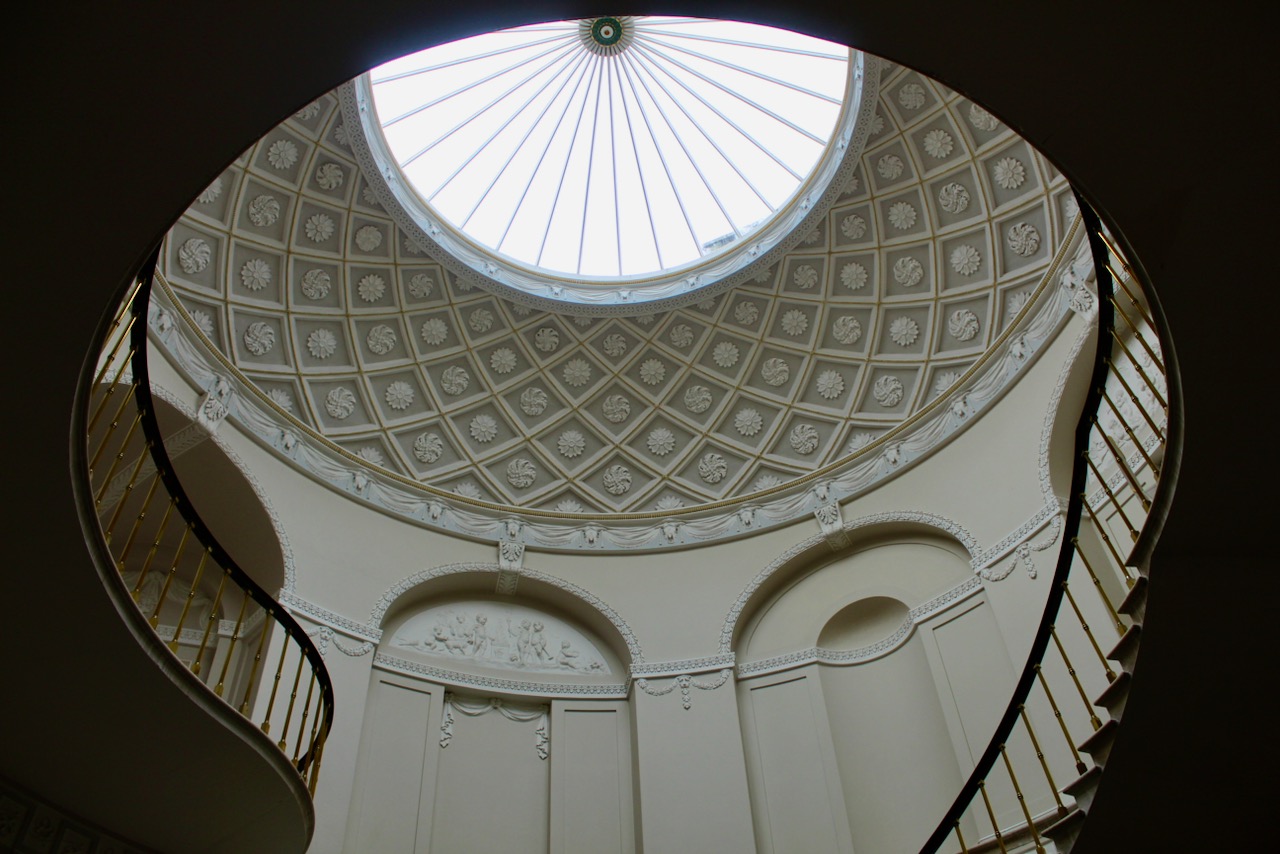
The article explores the architectural and artistic significance of No. 12, detailing its grand interiors, elaborate stuccowork, and the remarkable plasterwork by James Byrne. The house was designed with opulence in mind, featuring a strikingly broad and tall entrance hall – the only one in a Dublin terraced house to include an Ionic pilaster order. The stairhall, illuminated by a magnificent round-headed window, boasts intricate floral and bird motifs, Corinthian and Doric orders, and sculptural plasterwork that rivals the best of the Dublin school of stuccowork. The first-floor rooms echo the grandeur of contemporary Dublin interiors, with ornate ceilings that bear striking similarities to those found in No. 86 St Stephen’s Green and Charlemont House.

The article delves into the meticulous building accounts of No. 12, offering invaluable insights into 18th-century Dublin’s domestic construction practices, material costs, and the artisans responsible for shaping the city’s architectural identity. Brownlow’s personal records provide a rare glimpse into the lavish furnishings that once adorned the townhouse; Wilton carpets, damask curtains, elaborate chandeliers, and finely carved furniture by Dublin’s leading craftsmen.

This article can be accessed for free via our journal website www.igsjournal.ie

Stairhall of 12 Merrion Square, Dublin, photograph courtesy of Irish Georgian Society.
William Brownlow (1726–94) c.1790 by Gilbert Stuart, photograph courtesy Irish Georgian Society.
Exterior of 12 Merrion Square, Dublin, photograph courtesy Irish Georgian Society.

Heritage Week 2025

donation

Help me to pay the entrance fee to one of the houses on this website. This site is created purely out of love for the subject and I receive no payment so any donation is appreciated!

€15.00

2025 Diary of Irish Historic Houses (section 482 properties)

To purchase an A5 size 2025 Diary of Historic Houses (opening times and days are not listed so the calendar is for use for recording appointments and not as a reference for opening times) send your postal address to jennifer.baggot@gmail.com along with €20 via this payment button. The calendar of 84 pages includes space for writing your appointments as well as photographs of the historic houses. The price includes postage within Ireland. Postage to U.S. is a further €10 for the A5 size calendar, so I would appreciate a donation toward the postage – you can click on the donation link.

€20.00

I am preparing for my busiest week of the year: Heritage Week! All of the section 482 houses are open for a visit (except those listed as Tourist Accommodation). See my home page for opening times: https://irishhistorichouses.com

This year we were lucky enough to secure a place on a tour of Temple House in County Sligo, which is normally not open as it is on the section 482 list as accommodation, but this year they are giving tours on Sunday 17th – you have to book in advance but maybe there are still places left.

Temple House, County Sligo. Photograph courtesy of Temple House and Historic Houses of Ireland.

I can’t wait to identify the people in the portraits! I do hope we have time to do so, as it’s only a 45 minute tour.

We are staying in what looks like a historic farm house, Andresna House, on the border of Roscommon and Sligo. I look forward to finding out more about its history. https://www.andresnahouse.com

We’ll also be visiting Castlecoote in County Roscommon. It was always booked for accommodation in previous years when I asked to visit so I am happy to have this opportunity.

Castlecoote, County Roscommon, photograph courtesy of National Inventory of Architectural Heritage.

We may get to Frybrook house in Boyle as well.

We’re mainly based in Dublin and Wexford this year since we can’t afford to stay away from home – and I need to water my veggies in Wexford at some point during this heatwave!

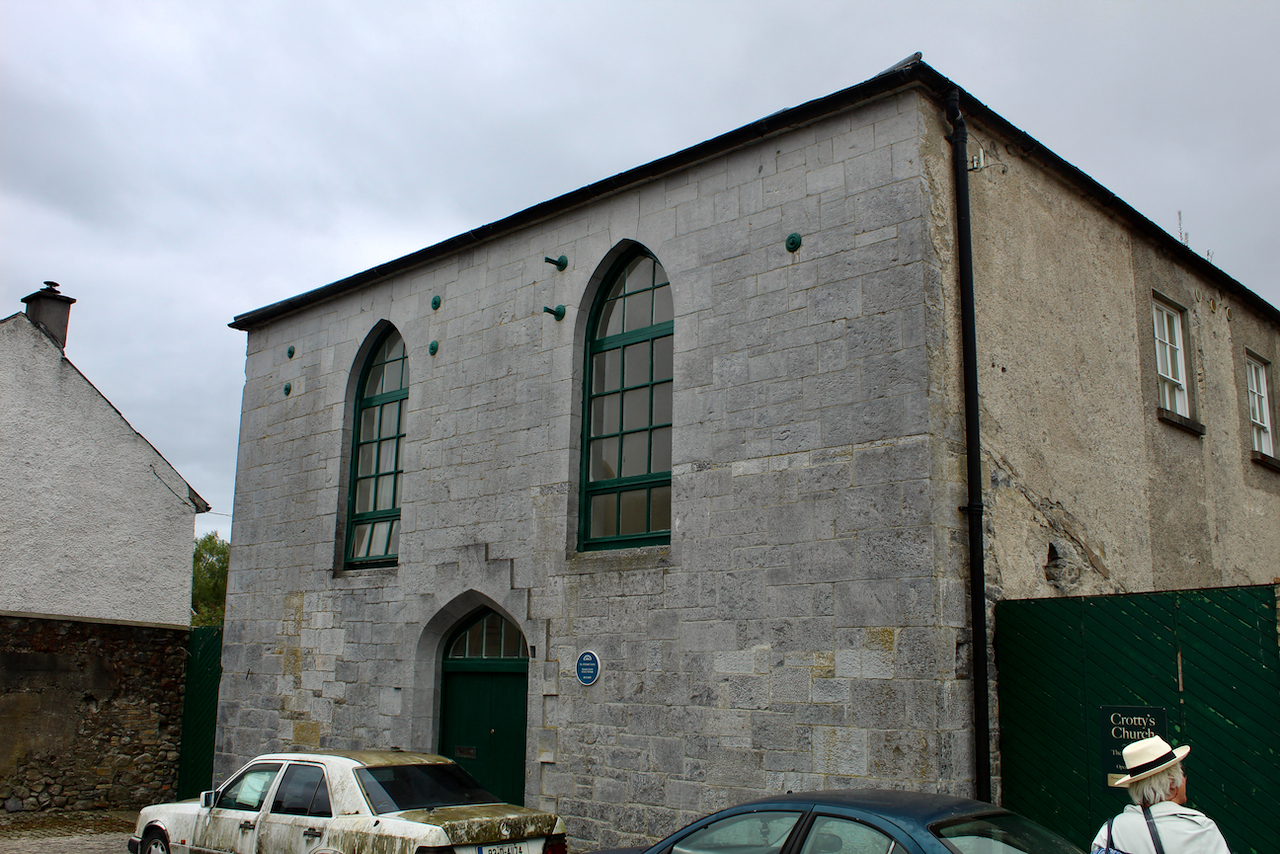
We’re off to Birr again, where we spent time last year during Heritage week to see Crotty Church. This time we have booked a tour of the Castle. While in the area, we will also visit Bellefield house and gardens.

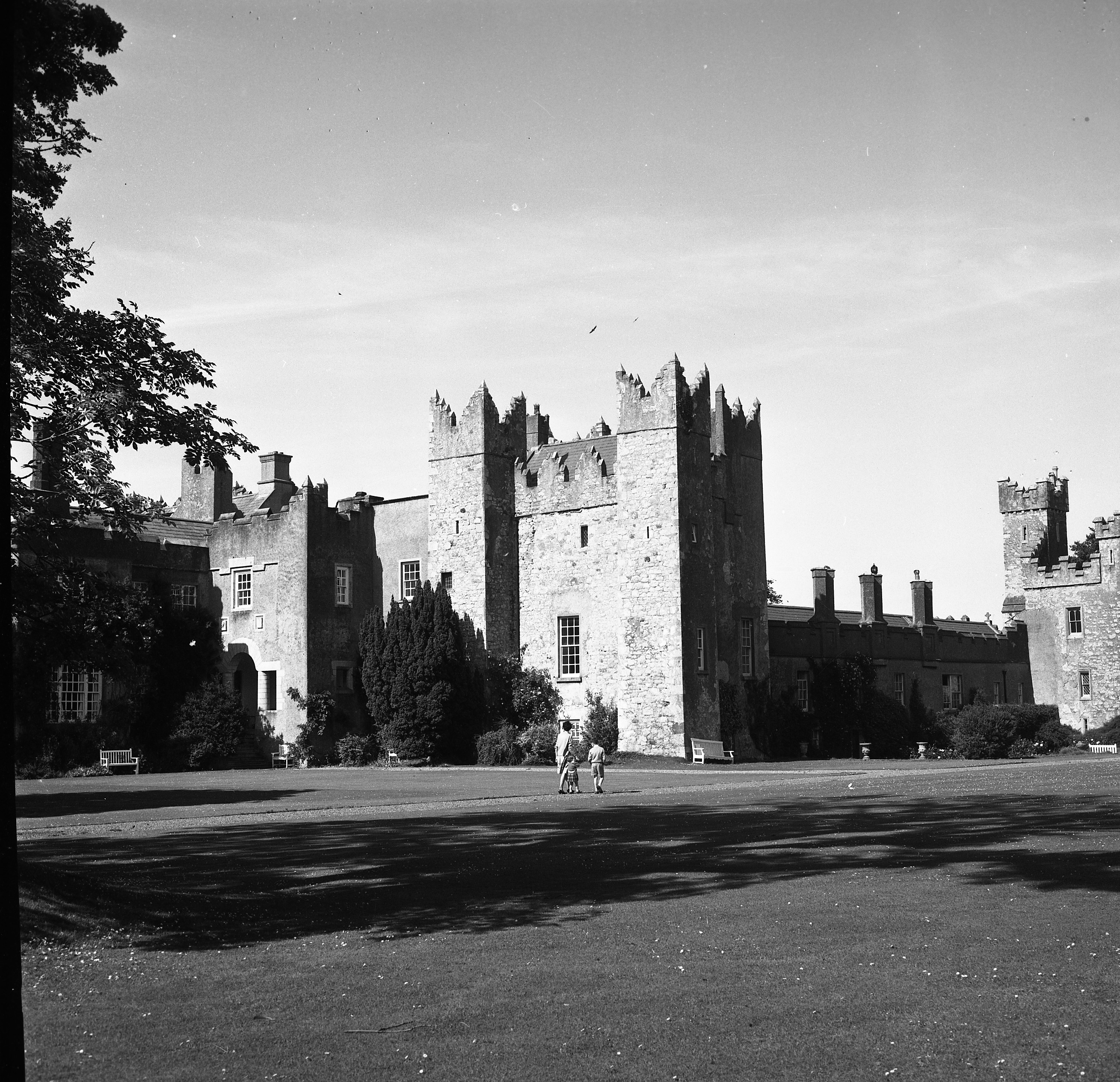
I’m excited that we also managed to book a place on the tour of Howth Castle. I was in it once before, for the book sale when it was sold after over 800 years of ownership. We only saw the impressive front hall and library so I can’t wait to see some more, although unfortunately it will probably be empty since contents were also sold.

Howth Castle 1966, Dublin City Library and Archives.

I have also booked a tour of Rokeby in County Louth, which we visited years ago but I’d love to see again, to have our dose of Francis Johnston, also visiting Townley Hall.

Townley Hall, County Louth.

Let us know if you have Heritage Week plans – you can share in the Comments section.

In previous years, we have been very busy during Heritage Week, and we visited houses before I embarked upon this project. In 2019 I read an article in the Irish Times about the Section 482 scheme and I decided to visit them and to blog about it.

There are generally about 180 properties on the Revenue Section 482 list every year and the properties stay on the list for at least five years in order to obtain state aid by subtracting a percentage of maintenance costs from income tax.

See the entry that I wrote at the end of 2022 summarising our travels thus far, https://irishhistorichouses.com/2022/12/09/a-summary-of-2022-and-previous-years/

Heritage Week visits in previous years:

Old Glebe in Newcastle Lyons, County Dublin, during Heritage Week 2012:

“The Old Glebe,” Newcastle, County Dublin, Heritage Week, 17th August 2012. Photograph © Jennifer Winder-Baggot, www.irishhistorichouses.com

Primrose Hill, County Dublin, 17th August 2013:

Primrose Hill, Lucan, Dublin, which may have been designed by James Gandon, who designed the Custom House in Dublin. Photograph © Jennifer Winder-Baggot, www.irishhistorichouses.com

Huntington Castle, County Carlow, in August 2016:

Huntington Castle, Clonegal, County Carlow, August 2016home of the Esmondes and later, still related by marriage, the Durdin Robertsons. Photograph © Jennifer Winder-Baggot, www.irishhistorichouses.com

In 2019 we visited Swainstown House in County Meath, Marlay Park house in Rathfarnham (we’ll be visiting again next month when it is open during Dun Laoghaire/Rathdown Heritage), Beaulieu in County Louth, and Harristown House and Blackhall Castle in County Kildare. Not all are on the Section 482 property list.

Swainstown House, County Meath, 19th August 2019

Swainstown, County Meath, still home of the Preston family. Photograph © Jennifer Winder-Baggot, www.irishhistorichouses.com

Harristown, County Kildare, 22nd August 2019

Harristown, County Kildare, 22 Aug 2019.. Photograph © Jennifer Winder-Baggot, www.irishhistorichouses.com

Blackhall Castle, County Kildare, 22nd August 2019

Blackhall Castle, County Kildare, a former Eustace (or Fitzeustace) home, 22 Aug 2019. Photograph © Jennifer Winder-Baggot, www.irishhistorichouses.com

In 2020 during Heritage Week we went to Counties Cork and Waterford:

Kilshannig House, Rathcormac, Co. Cork – 14th Aug 2020
Cappoquin House & Gardens, Co. Waterford – 15 Aug 2020
Dromana House, Cappoquin, Co. Waterford – 5th May 2019 and 15th Aug 2020
Drishane House, Castletownshend, Co. Cork – 20th Aug 2020

Kilshannig, County Cork, 14th August 2020

Kilshannig, County Corkwhich features stuccowork by Lafranchini brothers.Photograph © Jennifer Winder-Baggot, www.irishhistorichouses.com

Dromana House, Cappoquin, Co. Waterford – 15th Aug 2020

Dromana, County Waterford. Photograph © Jennifer Winder-Baggot, www.irishhistorichouses.com

Cappoquin, County Waterford, 15th August 2020

Cappoquin House, County Waterford, built for and still owned by the Keane family.Photograph © Jennifer Winder-Baggot, www.irishhistorichouses.com

Drishane House, County Cork, 20th August 2020

Drishane House, County Cork, former home of Edith Somerville, who wrote novels with her cousin Violet Martin, as “Somerville and Ross” – the latter the name of Violet Martin’s childhood home. Photograph © Jennifer Winder-Baggot, www.irishhistorichouses.com

Baltimore Castle, County Cork, 20th August 2020

Baltimore Castle, County Cork – it wasn’t open when we visited but I took a photograph. We returned in 2023. Photograph © Jennifer Winder-Baggot, www.irishhistorichouses.com

In 2021 we headed to County Sligo and Mayo for Heritage Week then over to Counties Westmeath, Kilkenny and Carlow.

Markree Castle, Collooney, Co. Sligo – 16th Aug 2021
Newpark House and Demesne, Co. Sligo – 16th Aug 2021
Enniscoe House & Gardens, Ballina, Co. Mayo (accommodation) – 17th Aug 2021
Coopershill House, Riverstown, Co. Sligo (accommodation) – 18th Aug 2021
Tullynally Castle & Gardens, Co. Westmeath – 4th Aug 2019 and 21st Aug 2021
Kilfane Glen & Waterfall, Co. Kilkenny (garden) – 23rd Aug 2021
The Old Rectory Killedmond, Borris, Co. Carlow – 1st July 2020 and 23rd Aug 2021

Markree Castle, County Sligo, 16th August 2021

Markree Castle, County Sligo, originaly owned by the Cooper family, it is now a hotel.Photograph © Jennifer Winder-Baggot, www.irishhistorichouses.com

Newpark, County Sligo, 16th August 2021

Newpark, County Sligo, home to the Kitchen family, descended from the O’Haras who own Annaghmore house and Coopershill. Photograph © Jennifer Winder-Baggot, www.irishhistorichouses.com

Enniscoe, County Mayo, 17th August 2021

Enniscoe, County Mayo, still in the hands of the same family, descended from the Jacksons. Photograph © Jennifer Winder-Baggot, www.irishhistorichouses.com

Coopershill, County Sligo, 18th August 2021

Coopershill, County Sligo, home to the O’Haras, descendants of the original Cooper family. Photograph © Jennifer Winder-Baggot, www.irishhistorichouses.com
Tullynally, County Westmeath. Photograph © Jennifer Winder-Baggot, http://www.irishhistorichouses.com.

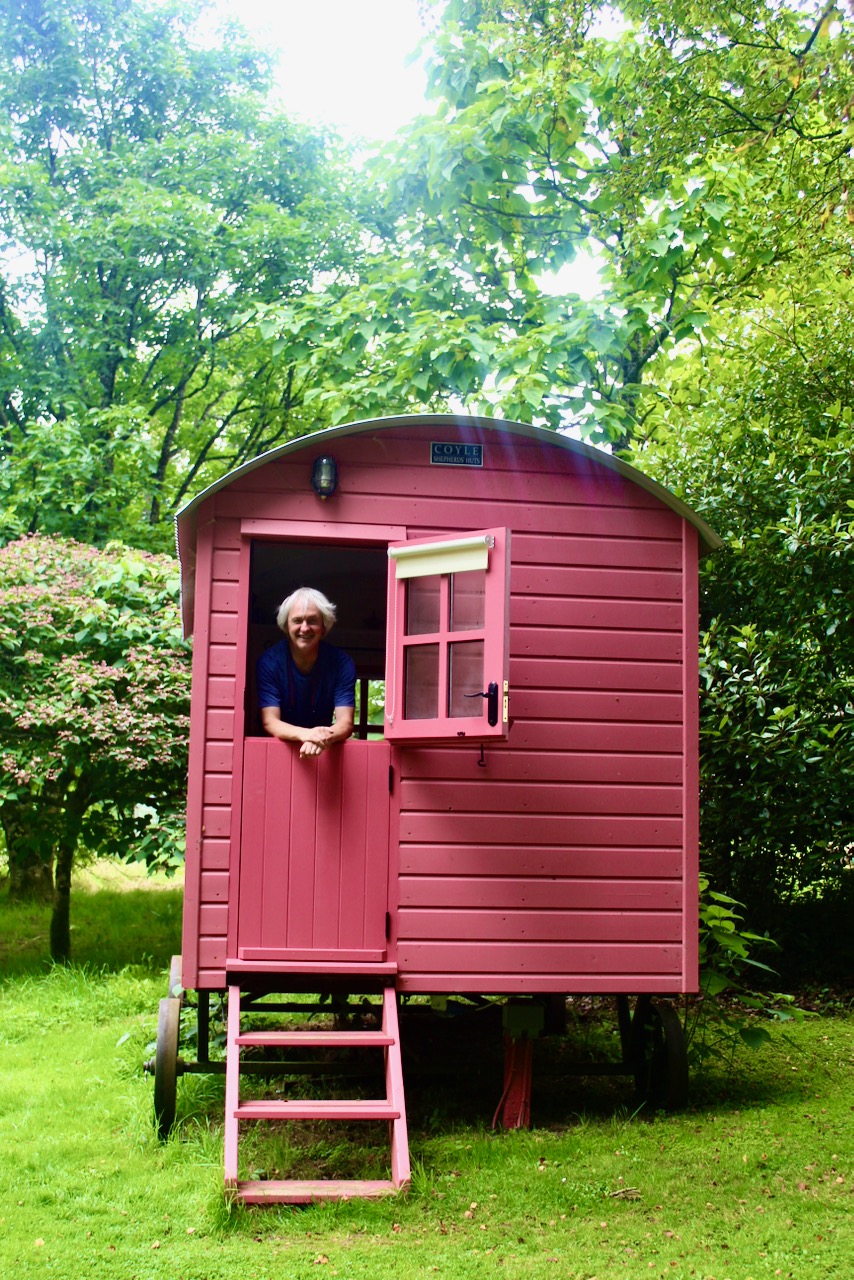
The Old Rectory Killedmond, Borris, Co. Carlow – 1st July 2020 and 23rd Aug 2021, where we stayed in a shepherd’s hut.

Shepherd’s hut at the Old Rectory Killedmond, Borris, County Carlow.

Kilfane, County Kilkenny, 23rd August 2021

Kilfane, County Kilkenny – only the grounds are open, which are developed into a wonderful haven of the Picturesque, with thatched cottage and small waterfall. Photograph © Jennifer Winder-Baggot, www.irishhistorichouses.com

In 2022 during Heritage Week we travelled to Counties Limerick, Galway and on up to Roscommon, Sligo and Leitrim and home via County Monaghan! We treated ourselves to a stay in Ash Hill in County Limerick.

Ash Hill, Kilmallock, Co. Limerick (accommodation) – 12-15 Aug 2022
Beechwood House, Co. Tipperary – 13 Aug 2022
The Turret, Rylanes, Ballingarry, Co. Limerick – 13th Aug 2022
Glenville House, Glenville, Ardagh, Co. Limerick – 14th Aug 2022
Mount Trenchard House and Garden, Co. Limerick – 14th Aug 2022
Claregalway Castle, Claregalway, Co. Galway (accommodation) – 15th Aug 2022
Oranmore Castle, Oranmore, Co. Galway – 15th Aug 2022
Strokestown Park House, Co. Roscommon – 16 and 17th Aug 2022
King House, Boyle, Co. Roscommon – 18th Aug 2022
Lissadell House & Gardens, Co. Sligo – 19th Aug 2022
Manorhamilton Castle (Ruin), Co. Leitrim – 20th Aug 2022
Hilton Park House, Co. Monaghan (accommodation) – 21st Aug 2022

Ashill, County Limerick, where we treated ourselves to a stay. Photograph © Jennifer Winder-Baggot, www.irishhistorichouses.com
The Turret, County Limerick. Photograph © Jennifer Winder-Baggot, www.irishhistorichouses.com

Beechwood, County Tipperary, 13th August 2022

Beechwood, County Tipperary, August 2022 – I still have to write up about our visit to this lovely former Rectory. Photograph © Jennifer Winder-Baggot, www.irishhistorichouses.com

Glenview, County Limerick, 14th August 2022

Glenville, County Limerick, a former home of the Massey family, we enjoyed our visit with the current owners. Photograph © Jennifer Winder-Baggot, www.irishhistorichouses.com

Mount Trenchard, County Limerick, 14th August 2022

Mount Trenchard, County Limerick, currently undergoing renovation. We were given a wonderful tour of the house and its grounds, including the walled garden. Photograph © Jennifer Winder-Baggot, www.irishhistorichouses.com

Oranmore Castle, County Galway, 15th August 2022

Oranmore Castle, County Galway, the gift from her mother to Anita Leslie from Castle Leslie, County Monaghan. Photograph © Jennifer Winder-Baggot, www.irishhistorichouses.com

Claregalway Castle, County Galway, 15th August 2022

Claregalway Castle, County Galway, parts of which can be booked for accommodation. Photograph © Jennifer Winder-Baggot, www.irishhistorichouses.com

King House, County Roscommon, 18th August 2022

King House, County Roscommon, once home of the King family, now a beautiful museum. Photograph © Jennifer Winder-Baggot, www.irishhistorichouses.com

Strokestown Park, County Roscommon, August 2022

Strokestown, County Roscommon – it was listed as open in Section 482 but opening was delayed due to renovations. We were lucky to get on a Heritage Week tour. Photograph © Jennifer Winder-Baggot, www.irishhistorichouses.com

Lissadell, County Sligo, 19th August 2022

Lissadell, County Sligo, the former home of the Countess Markievicz and the Gore-Booth family. Photograph © Jennifer Winder-Baggot, www.irishhistorichouses.com

Manorhamilton, County Leitrim, 20th August 2022

Manorhamilton Castle, Leitrim. It was not open on the day we visited despite being listed as an open day during Heritage Week. Photograph © Jennifer Winder-Baggot, www.irishhistorichouses.com

Hilton Park, County Monaghan, 21st August 2022

Hilton Park, still in the ownership of the Madden family for whom it was built. Photograph © Jennifer Winder-Baggot, www.irishhistorichouses.com

In 2023 during Heritage Week we visited Counties Waterford, Tipperary, and Cork:

Cappagh House (Old and New), Dungarvan, Co. Waterford – 14th Aug 2023

Ballynatray Estate, Co. Waterford (garden) – 19th Aug 2023

Kilcascan Castle, County Cork – 15th Aug 2023

Bantry House, County Cork – 15 and 16th Aug 2023

Dún Na Séad Castle, Baltimore, Co. Cork – 16th Aug 2023

Drishane Castle & Gardens, Co. Cork – 17th Aug 2023

Burton Park, Churchtown, Mallow, Co. Cork – 17th Aug 2023

Clashleigh House, Clogheen, Co. Tipperary – 19th Aug 2023

Grenane House, Tipperary, Co. Tipperary – 19th Aug 2023

Cappagh House, County Waterford. Photograph © Jennifer Winder-Baggot, www.irishhistorichouses.com

That year we made a circle from around Clogheen County Tipperary, driving through it to our first airbnb in County Waterford and ending up nearby at our last airbnb in Ardfinnan in County Tipperary. We visited ten Section 482 properties!

Curraghmore, County Waterford. Photograph © Jennifer Winder-Baggot, www.irishhistorichouses.com
Bantry House, County Cork. Photograph © Jennifer Winder-Baggot, www.irishhistorichouses.com
Kilcascan Castle, County Cork. Photograph © Jennifer Winder-Baggot, www.irishhistorichouses.com
Baltimore Castle, Cork. Photograph © Jennifer Winder-Baggot, www.irishhistorichouses.com
Drishane Castle, County Cork. Photograph © Jennifer Winder-Baggot, www.irishhistorichouses.com
Burton Park, County Cork. Photograph © Jennifer Winder-Baggot, www.irishhistorichouses.com
Fota House, County Cork. Photograph © Jennifer Winder-Baggot, www.irishhistorichouses.com
Ballynatray house – the house is not Section 482 but the gardens are. Photograph © Jennifer Winder-Baggot, www.irishhistorichouses.com
Ballynatray. Photograph © Jennifer Winder-Baggot, www.irishhistorichouses.com
Grenane House, County Tipperary. Photograph © Jennifer Winder-Baggot, www.irishhistorichouses.com
Clashleigh, County Tipperary. Photograph © Jennifer Winder-Baggot, www.irishhistorichouses.com

Our last day in Heritage Week 2023, we visited Clashleigh House in Clogheen, County Tipperary. A beautiful house, it was used for some years as a rectory. We visited in the morning, so had time to drive down to Lismore in the afternoon to see the idyllic Lismore Castle gardens.

Lismore Castle, County Waterford. Photograph © Jennifer Winder-Baggot, www.irishhistorichouses.com

In 2024 during Heritage Week we went to the wonderful Charleville Woods Castle in County Offaly (which is not Section 482). 

Charleville Castle Tullamore by Matt McKnight 2007, courtesy of flickr constant commons. Unfortunately this room was closed to the public yesterday as it is being used in filming Wednesday, the Addams family movie.

On the Monday we went to see Tullynisk house. We were given a wonderful tour by its resident Alicia Clements, daughter of the Earl of Rosse, who married a descendant of Nathaniel Clements who built the Áras an Uachtaráin in the Phoenix Park.

Tullynisk House, County Offaly. Photograph © Jennifer Winder-Baggot, www.irishhistorichouses.com

Emo Park finally opened its doors albeit for just a few days during the week last year. 

Emo Park, County Laois. Photograph © Jennifer Winder-Baggot, www.irishhistorichouses.com

We found ourselves with spare time after Emo Park as it was too rainy to wander the lush grounds, so we headed to Roscrea for more OPW properties: Damer House and Roscrea Castle. Unfortunately we weren’t allowed to take photographs inside Damer House except in the exhibition rooms. After a tour of Damer House we went across the bawn to tour Roscrea Castle. It is a treasure for the beautiful ancient town of Roscrea.

Damer House, Roscrea, 21st August 2024. Photograph © Jennifer Winder-Baggot, www.irishhistorichouses.com

Roscrea Castle, August 2024. Photograph © Jennifer Winder-Baggot, www.irishhistorichouses.com

We went to Birr last year to attend a talk about the Crotty Schism which took place in the Catholic church in the mid 1800s.

Crotty’s Church, Birr, which despite being a Section 482 property is not open to the public. Photograph © Jennifer Winder-Baggot, www.irishhistorichouses.com

On the Saturday we visited Ballybrittan Castle, which we were lucky to see before it changes hands to a new owner. Rosemarie warmly welcomed her visitors, sharing the home she lived in and loved for 27 years along with her late husband Jerry Healy, who served on the boards of the Irish Georgian Society and the Alfred Beit Foundation, which manages Russborough House, Co Wicklow.

Ballybrittan, courtesy of Sherry Fitzgerald Rose de Vere Hunt and myhome.ie

Donation towards maintaining website

I receive no funding nor aid to create and maintain this website, it is a labour of love. I travel all over Ireland to visit Section 482 properties and sometimes this entails an overnight stay. A donation would help to fund my accommodation or my website which costs €300 annually.

€150.00

Click here to purchase.

Knockmore House, County Wicklow

Knockmore House, County Wicklow

Knockmore is a Regency style house built around 1850, with gardens created by two sisters in the 1880’s, and further developed by well-known garden writer Ruth Isabel Ross, who published a book about the garden in 1999.

Since the present owners purchased the house in 2019, a major restoration of the property has taken place, and work on the gardens is now underway. There are lawns, borders, ponds, a vegetable garden, a wild garden, woodland and many large old trees.

Join us to hear a bit about the history of the house and the restoration work that has been carried out. Enjoy a walk around the gardens created by The Maye sisters in the 1890’s, and see the on-going works.

Knockmore House is a member of Historic Houses of Ireland.

Roseville House Desert Cross, Enniskeane, Co. Cork

Roseville House Desert Cross, Enniskeane, Co. Cork for sale courtesy Hodnett Forde

P47Y135

€375,000

4 Bed2 Bath333 m²

About this property

  • Charming Period Residence On C.2.94 Acres
  • Spacious 2 Storey Stone Built Residence of Character
  • Residence Require Refurbishment & Upgrading
  • Lovely Rural Location 2.5 Miles South of Enniskeane & Ballineen Villages
  • Excellent Investment Opportunity 

Charming Period Residence Of Character on C. 2.94 Acres. Roseville House is a delightful period residence full of character and charm located in a peaceful and unspoiled rural setting, The residence having a southerly aspect is a spacious 2 storey rendered stone built structure having a slated roof. The residence retains some of its original features and characteristics however it requires extensive refurbishing and modernizing a worthwhile project for an enthusiastic investor. to the rear of the residence are the original stone built out buildings together with more modern farm buildings. Located 2 miles to the south east of Enniskeane & Ballineen villages which provide an excellent variety of local services and amenities. The renowned Bandon River flows in close proximity to the residence ideally located for a fishing enthusiast. Roseville provides the opportunity to acquire a genuine Period Country House located in a lovely unspoiled area of West Cork.