3 Seaview Terrace Donnybrook Dublin 4, Donnybrook, Dublin 4 For sale April 2025 courtesy Lisney Sotheby’s D04DA02
3 Seaview Terrace Donnybrook Dublin 4, Donnybrook, Dublin 4 For sale April 2025 courtesy Lisney Sotheby’s .
AMV: €2,500,000
5 Bed
5 Bath
470 m²
For sale April 2025 courtesy Lisney Sotheby’s
3 Seaview Terrace Donnybrook Dublin 4, Donnybrook, Dublin 4 For sale April 2025 courtesy Lisney Sotheby’s .
3 Seaview Terrace is a distinguished three-storey-over-basement period residence, designed by the renowned architect John Semple in the 1830s. This elegant home, set on approximately 0.30 acres of secluded southwest-facing gardens, offers an impressive 470 m² (5,060 ft²) of accommodation. The property has been well maintained to preserve its original Georgian features, including high ceilings, intricate cornicing, marble fireplaces, and tall sash windows with shutters, but would now benefit from some modernisation and refurbishment.
3 Seaview Terrace Donnybrook Dublin 4, Donnybrook, Dublin 4 For sale April 2025 courtesy Lisney Sotheby’s .3 Seaview Terrace Donnybrook Dublin 4, Donnybrook, Dublin 4 For sale April 2025 courtesy Lisney Sotheby’s .3 Seaview Terrace Donnybrook Dublin 4, Donnybrook, Dublin 4 For sale April 2025 courtesy Lisney Sotheby’s .
The southwest-facing gardens are a standout feature of the property, designed to capture all-day sunshine. Lovingly cultivated and planted, they boast a variety of mature trees, shrubs, and plants that provide a spectrum of colour throughout the year. Generous, secure off-street parking is available to the front of the house.
Seaview Terrace is superbly located just off Ailesbury Road on this prestigious and sought-after stretch of six period homes leading to Nutley Road. The property is within comfortable walking distance of an extensive choice of amenities in Ballsbridge and Donnybrook, including excellent coffee shops, restaurants, and specialty shops.
Many of the city’s principal schools are close by, including St. Michael’s, The Teresian School, Blackrock College, and St. Andrew’s College. Recreational amenities are well provided for, with Elm Park Golf & Tennis Club.
Hall Floor Entrance Hall with a high ceiling, intricate ceiling cornice, stained glass window, Carrera marble floor, and display niche. Guest WC fully tiled with a stained glass window, WC, and wash hand basin. Inner Hall with an intricate ceiling cornice, Carrera marble floor, dado rail, and access to the garden. Drawing Room with a marble fireplace, ceiling cornice, centre rose, two sash windows with shutters, picture rail, and folding doors to the dining room.
3 Seaview Terrace Donnybrook Dublin 4, Donnybrook, Dublin 4 For sale April 2025 courtesy Lisney Sotheby’s .3 Seaview Terrace Donnybrook Dublin 4, Donnybrook, Dublin 4 For sale April 2025 courtesy Lisney Sotheby’s .3 Seaview Terrace Donnybrook Dublin 4, Donnybrook, Dublin 4 For sale April 2025 courtesy Lisney Sotheby’s .3 Seaview Terrace Donnybrook Dublin 4, Donnybrook, Dublin 4 For sale April 2025 courtesy Lisney Sotheby’s .3 Seaview Terrace Donnybrook Dublin 4, Donnybrook, Dublin 4 For sale April 2025 courtesy Lisney Sotheby’s .
Dining Room with a marble fireplace, ceiling cornice, centre rose, sash windows overlooking the garden with shutters, and picture rail. Family/Breakfast Room with an oak floor, ceiling cornice, recessed lights, and a large bay window with built-in seating overlooking the garden. Kitchen with wall and floor units, granite work surfaces, tiled splashback, Zanussi cooker, Bosch dishwasher, under-counter lights, ceiling cornice, recessed lights, and oak floor.
3 Seaview Terrace Donnybrook Dublin 4, Donnybrook, Dublin 4 For sale April 2025 courtesy Lisney Sotheby’s .3 Seaview Terrace Donnybrook Dublin 4, Donnybrook, Dublin 4 For sale April 2025 courtesy Lisney Sotheby’s .3 Seaview Terrace Donnybrook Dublin 4, Donnybrook, Dublin 4 For sale April 2025 courtesy Lisney Sotheby’s .3 Seaview Terrace Donnybrook Dublin 4, Donnybrook, Dublin 4 For sale April 2025 courtesy Lisney Sotheby’s .3 Seaview Terrace Donnybrook Dublin 4, Donnybrook, Dublin 4 For sale April 2025 courtesy Lisney Sotheby’s .3 Seaview Terrace Donnybrook Dublin 4, Donnybrook, Dublin 4 For sale April 2025 courtesy Lisney Sotheby’s .
Basement Hall with tiled floor, recessed lights, and door to the front garden. Living Room with a brick fireplace, open fire, timber floor, and door to the garden. Study with timber floor.
Kitchenette with a range of units, tiled floor, tiled splashback, integrated dishwasher, hob, oven, extractor fan, integrated microwave, and door to under-stairs storage.
Utility Room with tiled floor, hotpress, gas boiler, and plumbing for washing machine and dryer.
Bathroom with fully tiled with bath, overhead electric shower, WC, and wash hand basin.
3 Seaview Terrace Donnybrook Dublin 4, Donnybrook, Dublin 4 For sale April 2025 courtesy Lisney Sotheby’s .3 Seaview Terrace Donnybrook Dublin 4, Donnybrook, Dublin 4 For sale April 2025 courtesy Lisney Sotheby’s .3 Seaview Terrace Donnybrook Dublin 4, Donnybrook, Dublin 4 For sale April 2025 courtesy Lisney Sotheby’s .3 Seaview Terrace Donnybrook Dublin 4, Donnybrook, Dublin 4 For sale April 2025 courtesy Lisney Sotheby’s .3 Seaview Terrace Donnybrook Dublin 4, Donnybrook, Dublin 4 For sale April 2025 courtesy Lisney Sotheby’s .
Bedroom 6 with tiled fireplace, timber floor, and fitted wardrobe. Bedroom 7 with timber floor. First Floor Return Bedroom 1 with two sash windows, original shutters, stunning marble fireplace, intricate ceiling cornice, centre rose, extensive built-in wardrobes, and folding doors to the library. Library with sash window overlooking the rear garden, original shutters, marble fireplace, and ceiling cornice. Dressing Room accessed from the landing and from a hidden door in the main bedroom with arched sash window, ceiling cornice, and built-in wardrobe. Bedroom 2/Study with marble fireplace, polished timber floor, and access to a sunny terrace overlooking the garden. Bathroom fully tiled with bath, overhead shower, WC, and wash hand basin.
3 Seaview Terrace Donnybrook Dublin 4, Donnybrook, Dublin 4 For sale April 2025 courtesy Lisney Sotheby’s .3 Seaview Terrace Donnybrook Dublin 4, Donnybrook, Dublin 4 For sale April 2025 courtesy Lisney Sotheby’s .3 Seaview Terrace Donnybrook Dublin 4, Donnybrook, Dublin 4 For sale April 2025 courtesy Lisney Sotheby’s .3 Seaview Terrace Donnybrook Dublin 4, Donnybrook, Dublin 4 For sale April 2025 courtesy Lisney Sotheby’s .3 Seaview Terrace Donnybrook Dublin 4, Donnybrook, Dublin 4 For sale April 2025 courtesy Lisney Sotheby’s .3 Seaview Terrace Donnybrook Dublin 4, Donnybrook, Dublin 4 For sale April 2025 courtesy Lisney Sotheby’s .3 Seaview Terrace Donnybrook Dublin 4, Donnybrook, Dublin 4 For sale April 2025 courtesy Lisney Sotheby’s .
Second Floor Return Laundry Room large hotpress with shelved storage, gas boiler, and wash hand basin. Second Floor Bedroom 3 with polished timber floor, original fireplace, and sash window to the front. Shower Room fully tiled with shower, WC, heated towel rail, and wash hand basin. Bedroom 4 with two sash windows, original shutters, ceiling cornice, original fireplace (currently blocked), and polished timber floor. Ensuite fully tiled with shower, rainwater shower head, contemporary basin, WC, recessed lights, and underfloor heating. Bedroom 5 overlooking the rear garden with sash window, original shutters, original fireplace, and polished timber floor. Ensuite fully tiled with shower, rainwater shower head, wash hand basin with storage beneath, WC, and underfloor heating. Top Floor Return Staircase leading to the roof/fire escape. Bathroom with bath, WC, wash hand basin, and tiled floor.
3 Seaview Terrace Donnybrook Dublin 4, Donnybrook, Dublin 4 For sale April 2025 courtesy Lisney Sotheby’s .3 Seaview Terrace Donnybrook Dublin 4, Donnybrook, Dublin 4 For sale April 2025 courtesy Lisney Sotheby’s .3 Seaview Terrace Donnybrook Dublin 4, Donnybrook, Dublin 4 For sale April 2025 courtesy Lisney Sotheby’s .3 Seaview Terrace Donnybrook Dublin 4, Donnybrook, Dublin 4 For sale April 2025 courtesy Lisney Sotheby’s .3 Seaview Terrace Donnybrook Dublin 4, Donnybrook, Dublin 4 For sale April 2025 courtesy Lisney Sotheby’s .3 Seaview Terrace Donnybrook Dublin 4, Donnybrook, Dublin 4 For sale April 2025 courtesy Lisney Sotheby’s .3 Seaview Terrace Donnybrook Dublin 4, Donnybrook, Dublin 4 For sale April 2025 courtesy Lisney Sotheby’s .3 Seaview Terrace Donnybrook Dublin 4, Donnybrook, Dublin 4 For sale April 2025 courtesy Lisney Sotheby’s .3 Seaview Terrace Donnybrook Dublin 4, Donnybrook, Dublin 4 For sale April 2025 courtesy Lisney Sotheby’s .3 Seaview Terrace Donnybrook Dublin 4, Donnybrook, Dublin 4 For sale April 2025 courtesy Lisney Sotheby’s .3 Seaview Terrace Donnybrook Dublin 4, Donnybrook, Dublin 4 For sale April 2025 courtesy Lisney Sotheby’s .
Like many 18th century residential buildings in central Dublin, the facade of Ely House is extremely plain, of red brick with only the pedimented stone fan- and side-lit doorcase offering some interest. Of four storeys-over-basement, the building had been bought in 1770 by Henry Loftus from Dublin physician and property developer Gustavus Hume. The previous year, following the death of his unmarried nephew, the hitherto somewhat impoverished Loftus had inherited a substantial estate and the title Viscount Loftus: the following year he would be created Earl of Ely. Known for his social pretensions, he would be mocked as ‘Count Loftonzo’ in the satirical History of Barataria published in the Freeman’s Journal in Spring 1771. The work he commissioned at Rathfarnham Castle, County Dublin has already been discussed here (see A Whiter Shade of Pale « The Irish Aesthete and Flying High « The Irish Aesthete). Although Loftus already owned a house in the capital on Cavendish Row, following his inheritance evidently he felt the need to cross the river Liffey and occupy a new property, hence the purchase of Ely House. Unusual because of its size, the building was originally of six bays, a seventh being acquired on the left-hand (north) side in the 19th century around the time the house was divided into two properties: today it is near-impossible to photograph the entire exterior of the house without being assaulted by traffic: hence the somewhat truncated image here. When first occupied, the attic floor seemingly contained a private, sixty-seat theatre with space for an orchestra. The Freeman’s Journal of 19th April 1785 reports on the performance of both a tragedy (‘The Distressed Mother’) and a comedy (‘All the World’s a Stage’), both acted by friends of the earl’s second and much-younger wife, Anne Bonfoy. Sadly, nothing of this theatre now survives. But other parts of the remarkable interior remain to be explored.
The rear of Ely House’s groundfloor is given over to the double-height stair hall, the steps of which are of Portland Stone, while the panelled balustrade is made of wrought iron and carved gilt-wood. At the base can be seen a life-size figure of Hercules, resting from his Labours. The latter are then depicted as one ascends the staircase, although not in the correct narrative order: shown here is the eagle killed with an arrow by the mythical hero. The inspiration for this work is believed to have been a substantially larger staircase in the Palace of Charles of Lorraine in Brussels – now a museum – created by the Flemish sculptor Laurent Delvaux in 1769. The stuccodore Barthelemy Cremillion, who had been employed in Ireland in the second half of the 1750s, was responsible for the Brussels palace plasterwork and is therefore thought to have been behind the similar scheme in Ely House since by this date he had returned to Dublin. On the other hand, Professor Christine Casey has pointed out that the stoneyard of sculptor John van Nost adjoined Lord Ely’s property and that both he and Cremillion had worked at the same time on the decoration of the city’s Lying-in Hospital (otherwise known as the Rotunda Hospital), so he may also have been involved here.
Many of the reception rooms in Ely House, Dublin, are rather plain, although it retains some splendid chimneypieces again thought to have been the work of John van Nost. One of the ground floor reception rooms features a series of figurative ovals and roundels depicting a variety of scenes and surrounded by pendants and swirls that look like strings of pearls. It used to be judged that this plasterwork was part of the house’s 18th century decoration but more recently the scheme is considered to date from the late 19th/early 20th century when the building was occupied by the wealthy surgeon and collector Sir Thornley Stoker (incidentally, the elder brother of Bram Stoker, author of Dracula): he lived here from 1890 to 1911 and filled the building with his valuable collection of art and furniture, alas all auctioned before his death in 1912. The room directly above certainly suggests a relatively recent vintage, the figures here looking as though they had stepped out of the work of an Edwardian illustrator like Kate Greenaway. Since 1923, Ely House has been owned by the Knights of St Columbanus, an Irish Roman Catholic society which uses the building as its national headquarters.
Dublin’s Ely House was supposedly built as a townhouse in 1771 by Henry Loftus, 3rd Earl of Ely, though recent research suggests he may have bought it from developer, Gustavus Hume. It was originally built with six bays. In 1811 Nathaniel Callwell added the left entrance door to create two houses and the central entrance hall was re-planned. The house remained in private ownership until Lady Aberdeen secured the lease for use as the Women’s National Health Association headquarters circa 1908. In 1923 the present owners, the Knights of St. Columbanus, acquired the building. The Knights applied to the Irish Georgian Society in 2003 for funds to restore the Palladian window in the stairwell as part of a larger conservation programme. Inappropriate repairs, damaged flashings, and water ingress had left the window in poor condition. The Society, recognising the importance of this project, provided over sixty percent of the window project funds.
Brief description of project: The repair of the Palladian window entailed cleaning the granite stone, removing cement repairs and corroded iron bars, re-fixing the stone arch with stainless steel rods, fitting matching stone grafts with stainless steel pins, and providing new lead flashings.
The majestic building, now restored, continues to serve the Knights of St. Columbanus and stands as an important example of Dublin’s rich Georgian architectural and cultural history.
Architectural description: The house is a brick terraced house of seven bays and four storeys with a pitched roof and brick chimneystacks. Sash windows of nine-over-nine exist on the ground and first floors, while windows of six-over-six and three-over-three configuration are to the second floor and third floors, respectively. The left entry door added in 1811 is graced with Ionic columns and is topped by a fanlight. Each window on the first floor also maintains an early-nineteenth century cast iron balcony. The interior is ornate and boasts impressive Neoclassical detail, the most significant feature being the grand, Portland stone staircase. It features an extravagant, wrought iron and panelled balustrade with carved gilt-wood which portrays the Labours of Hercules. At its base is a statue of Hercules which is joined to the handrail. The rest of the stairhall displays intricate plasterwork complete with festoons, masks, and flower-baskets.
Attached seven-bay four-storey over basement former mansion, built c. 1770, with additions 1956 and c. 1975 to rear (east). Now in commercial office use. M-profile slate roof, hipped to north end with pitched roof over central rear (east) bay, running perpendicular to street and hipped to east end, concealed behind brick parapet with lead flashing over. Multiple chimneystacks with lipped yellow clay pots including shouldered rendered chimneystack to south party wall, buff brick chimneystack to centre, and red brick chimneystack to north party wall. Concealed gutters with uPVC hopper and downpipe breaking through to north end and rear (east). Red brick walling laid in Flemish bond, refaced in English garden wall bond to third floor, over ruled-and-lined rendered walling to basement with granite stringcourse over. Ruled-and-lined rendered walling to rear elevation (east). Square-headed window openings with projecting granite sills, patent reveals and brick voussoirs with ornate cast-iron balconettes affixed to first floor openings. Plain surrounds to basement and rear (east) openings. Largely nine-over-six timber sliding sash windows, six-over-six to second floor and basement, three-over-three to third floor; some upper floor windows having convex or profiled horns. Round-headed door opening to central bay, flanked by three-light sidelights and framed by a carved stone doorcase comprising; engaged Doric columns on plinth stops rising to triglyphed frieze and lead-lined cornice with projecting open-base pediment over simplified spoked fanlight and raised-and-field timber panelled door with brass furniture. Granite entrance platform with single step to street flanked by cast-iron lamp standards and cast-iron railings with decorative corner posts on granite plinth enclosing basement wells to north and south. Round-headed door opening to northern bay with moulded reveals and sandstone doorcase comprising stylised Ionic columns on plinth stops rising to fluted frieze with moulded cornice and spoked fanlight over panelled timber door, opening onto ramped granite entrance platform with single step to street. Square-headed door opening located beneath south-end entrance platform with rendered doorcase flanked by stepped piers rising to open-base pediment, with wired glass overlight and timber panelled door. Basement well to south accessed by recent concrete steps with steel handrail from street level. Plainly detailed square-headed door opening to south end of basement level with recent four-panelled timber door. Basement well to north accessed by recent steel steps from street level. Street fronted onto the west side of Ely Place facing the junction with Hume Street to the west. A plaque on the principal façade indicates that theoretical physicist George Francis Fitzgerald lived here from 1851 to 1901.
Appraisal
Originally named Hume Row, Ely Place was laid out in 1768, and was named after the surgeon Gustavus Hume who built his house at No. 1 Hume Street (now demolished). Following the construction of this large townhouse in 1770, Ely Place (originally Hume Row) developed as a desirable residential street throughout the late-eighteenth and early-nineteenth centuries. The house was originally thought to have been constructed by Henry Loftus, third Earl of Ely after whom the street and house are named, but Casey (2005) notes that a recent re-examination of the title deeds suggests that it may have been purchased from Hume. The house became famous in the late eighteenth-century for the lavish entertainments hosted by the Countess of Ely including a unique sixty seat theatre in the attic, nothing of which survives but which was reputed to have been the first of its kind in Ireland. The northern bay was added at some point during the nineteenth-century, when the building was subdivided and a three-bay house (No. 7)created at the northern end, indicated by the separate doorcase to the northern bay. Ely House is a focal point within the streetscape, successfully terminating the vista along Hume Street from St. Stephen’s Green, the grand façade is characterised by balanced proportions and restrained detailing which is enriched by two neo-classical doorcases and cast-iron balconettes. Despite the insertion of some replacement fabric and having been extensively altered to the rear during the mid-twentieth century, the former mansion is well preserved example of the Dublin Georgian idiom on a grand scale, which makes a vital contribution to the architectural continuity of this important streetscape. Additionally, the remaining interior features of note include a finely carved Portland stone staircase with relief profiles depicting the Labours of Hercules, and fine stuccowork, both thought to have been executed by Flemish sculptor Bartholomew Cramillion. The remaining interior is largely neo-classical in style, with finely stuccoed ceilings, ornate marble chimneypieces and rare paktong doorknobs and escutcheons. No. 7 was the residence of the theoretical physicist George Francis Fitzgerald in the latter part of the nineteenth century.
References to IGS Bulletins and Journals:
‘Private theatricals in Irish houses, 1730-1815’
Author: Patricia McCarthy
Irish Architectural and Decorative Studies Vol XVI — 2013
Bremore Castle, County Dublin, courtesy Irish Aesthete.
‘Bremore, 9th June 1783, the castle of Bremore about a mile N.of Balbriggan is situated on a rising ground very near the sea and commands a delightful prospect therof. It seems rather a modern building with good limestone quoins,window frames, munnions etc,the door on the W,side is particularly neat,ornamented on each side with pilaster wch support a suitable pediment in the space of wch are two coat of arms parted and pale Vizt-Ermine, a border engrailed on the sinister side-Barnewall and a fess between 5 martins 3 and 2, on the dexter side.The lower part of this case. is very strong and arched in a very irregular manner and the whole appears to me to have been not many years ago inhabited. Besides a number of garden walls and such like inclosures, still to be traced, are the walls of a Chapel in which is nothing remarkable…..‘ Antiquary Austin Cooper, 1783
Bremore Castle, County Dublin, courtesy Irish Aesthete.
Bremore Castle, County Dublin, courtesy Irish Aesthete.
Bremore Castle, County Dublin, courtesy Irish Aesthete.
Bremore Castle, County Dublin, courtesy Irish Aesthete.
Bremore Castle, County Dublin, courtesy Irish Aesthete.
Located some twenty miles north of Dublin and overlooking the Irish Sea, Bremore is supposed to have been the location of a monastic settlement founded by St Molaga, a Welshman traditionally said to have introduced bee-keeping into Ireland. The ruins of a late-medieval church called St Molaga’s are located to the immediate south of Bremore Castle for which it served as a manorial chapel. As for the castle, or at least the lands on which it now stands, the earliest reference appears to date from c.1300 when one Willam Rosel de Brimor is referred to in the Calendar of Documents Relating to Ireland. More definitely, in 1316 Wolfran de Barnewall married Nichola, daughter of Robert de Clahull, and through this alliance acquired large tracts of land in north county Dublin. The Barnewalls have been mentioned here before (see Fallen Out of Use « The Irish Aesthete. Incidentally, the 21st and last Baron Trimlestown died last year). Wolfran and his descendants were a cadet branch of this family. By the time of his son Reginald’s death some time before 1395, the Barnewalls were being described as lords of Bremore, Balrothery and Balbriggan, although their main residence was Drimnagh Castle, situated a couple of miles west of central Dublin. In an inquisition of 1567 the estate at Bremore is stated to have consisted of ‘a castle, 8 messuages or buildings, a dovecote, 8 gardens and 132 acres’ and to have been held by Edward Barnewall of Drimnagh, ‘as of his manor of Balrothery.’ This is the earliest reference to a castle being located here. A mid-16th century limestone mantel, now housed in St Macculin’s church but thought to have originally been made for the castle, celebrates the marriage of Edward Barnewall’s son James to Margaret St Lawrence, whose family lived at Howth Castle. The Barnewalls remained Roman Catholic during the Confederate Wars of the 1640s and in the Civil Survey carried out during the following decade, the property of Matthew Barnewall, ‘Irish Papist’, was described as containing ‘one burnt castle with a great barne and eight tenements, one orchard & parke with some young ash trees.’ His son James regained the estate in 1663 and presumably refurbished the building. However, he – or perhaps his son – had no male heirs, only a daughter Eleanor, who married Walter Bagenal in 1706. The link with the Barnewalls then ended as Bremore and its surrounding lands were sold for £7,000 to Henry Petty, Earl of Shelburne, from whom the property passed to the Petty-Fitzmaurices, Marquesses of Lansdowne.
Bremore Castle, County Dublin, courtesy Irish Aesthete.
Bremore Castle, County Dublin, courtesy Irish Aesthete.
Bremore Castle, County Dublin, courtesy Irish Aesthete.
Bremore Castle, County Dublin, courtesy Irish Aesthete.
Bremore Castle, County Dublin, courtesy Irish Aesthete.
No longer occupied by its owners but instead let to tenants, Bremore Castle gradually fell into decay. Austin Cooper’s report of the building has already been cited. In 1837 Samuel Lewis noted ‘the ruins of Bremore castle, the ancient seat of a branch of the Barnewall family, consisting of some of the out-buildings and part of a chapel, with a burial ground, which is still used by some of the inhabitants’. John D’Alton in 1844 referred to ‘the ancient castle, of which traces are yet discernible’ and commanging ‘that sublime and extensive prospect over land and sea.’ By this time the castle was occupied by a tenant called John King and his descendants remained there until 1926, although Bremore Castle and its surrounding lands had been sold by the fifth Marquess of Lansdowne to the Land Commission in 1904. Another family acquired the building and remained there until finally the old building came into the possession of Dublin County Council in 1984. A decade later, following the break-up of that authority, the newly-created Fingal County Council became responsible for Bremore Castle. Since then, a programme of reconstruction, incorporating the opportunity to train stonemasons and other craftsmen and using traditional materials and methods, has been proceeding on the site. At the time of its initial construction in the 15th/16th century, Bremore Castle consisted of a rectangular hall-house with eastern flanking tower, a two storey extension being introduced on the north-western facade in the late 16th – early 17th century. Not a lot of this survived into the late 20th century. Today it has been rebuilt to an idealised version of a fortified house based on a sketch of the western view of the castle made by Austin Cooper in 1783, with a number of conjectural embellishments to both exterior and interior, the latter’s chimneypieces, doors and window openings in large measure being new additions inspired by examples of fortified houses from the 15th to 17th centuries surviving elsewhere in the country. It has been a long-running project and one that has yet to be finished.
Bremore Castle, County Dublin, courtesy Irish Aesthete.
A sketch of Henry Petty (1675-1751) Earl of Shelburne by George Townshend, 4th Viscount and 1st Marquess Townshend National Portrait Gallery of London ref. 4855(15)
Help me to fund my creation and update of this website. It is my “full time job” and created purely out of love for the subject and I receive no payment so any donation is appreciated! My costs include travelling to our destinations from Dublin, accommodation if we need to stay somewhere nearby, and entrance fees. Your donation could also help with the cost of the occasional book I buy for research (though I mostly use the library – thank you Kevin Street library!). Your donation could also help with my Irish Georgian Society membership or attendance for talks and lectures, or the Historic Houses of Ireland annual conference in Maynooth.
€15.00
MOLI (Museum of Literature Ireland), Newman House, 85-86 St. Stephen’s Green, Dublin
“No. 85 St. Stephen’s Green was built in 1738 by Richard Cassels, architect of Powerscourt House and Russborough House, and is notable for its exquisite baroque plasterwork by the Lafranchini brothers. The adjoining townhouse at No. 86 was constructed in 1765 and features superb examples of rococo stuccowork by the distinguished Dublin School of Plaster Workers.“
85 St. Stephen’s Green was built for Captain Hugh Montgomerie. Robert O’Byrne tells us that Hugh was one of five children born to Sir Thomas Montgomerie and Clemence Hovell. Clemence was married to Charles Stuart, who died in 1709, and her children with Thomas Montgomerie were born before her husband’s death so were illegitimate. [1]
In 1738 Hugh Montgomerie married Mary Bingham, eldest daughter of Sir John Bingham 5th Baronet of Castlebar, County Mayo, and it may have been her wealth that helped to build their new house on St. Stephen’s Green designed by Richard Castle (or Cassels). After Hugh Montgomerie’s death, Mary married Vesey Colclough (1734-1745), whom we came across when we saw Tintern Abbey in County Wexford.
86 St Stephen’s Green is a granite-faced townhouse built in 1765 for Richard Chapel Whaley (d. 1796) who was called “Burn Chapel” Whaley due to his anti-Catholic sentiment. The “Chapel” or “Chapell” was really part of his name, from his mother’s family. The Dictionary of Irish Biography tells us “he was a fervent priest-hunter, and once while hunting a priest burned down a catholic chapel when he fired his fowling-piece into the roof and the wadding lodged in the thatch. Forever afterwards he was known as ‘Burn-Chapel ’ Whaley.”
It is ironic that Richard Chapel Whaley’s house is now owned by the Catholic university, University College Dublin, and named for Cardinal John Henry Newman (1801-1890) who famously converted from Protestantism to Catholicism, and by his example, encouraged many others to convert to Catholicism! The house may have been designed by Robert West, more famous as a stuccadore [2]. Much of the stucco work inside is in the style of Robert West – he may have done some of the work and it is thought that others were involved also. [2]
Richard Chapel Whaley (1700–69) wanted to create a house that dwarfed his neighbour in number 85, which was owned at that time by John Meade, 1st Earl Clanwilliam. 85 St. Stephen’s Green was known as Clanwilliam House.
The two houses, 85 and 86, were joined in the mid 19th century and named after Cardinal Newman (1801-90). Together they contain some of the most spectacular plasterwork in Ireland.
The MOLI website continues: “The building takes its name from the theologian and educationalist Dr. John Henry Newman, who was rector when the Catholic University was founded in 1854. UCD Newman House also boasts many literary and cultural associations. The poet Gerard Manley Hopkins lived here during his time as Professor of Classics at the university, and James Joyce was a student here before graduating with a BA in 1902. Other famous Irish writers to have studied at UCD Newman House include Flann O’Brien, Kate O’Brien and Maeve Binchy.
“Explore the stunning surroundings and turbulent history of Numbers 85 and 86 St Stephen’s Green on MoLI’s Historic House Tour.
“These beautiful examples of Georgian opulence – with lavish stuccowork by the famous Lafranchini brothers – have served not only as a university and a museum, but also as the townhouse of Buck Whaley, one of Ireland’s most infamous playboys and adventurers.
“Join your guide as they bring you on a journey through these hidden historic rooms, witness these architectural treasures up close, and learn about the many fascinating characters that have passed through over the centuries.“
86 St. Stephen’s Green is of five bays across, of four storeys over basement. It has a two bay entrance hall flanked by two further rooms, and the service stair is on the transverse axis between the entrance hall and the rear right-hand parlour, Christine Casey tells us. [3]
The stair hall decoration is particularly splendid. Acanthus ornament mixes with Rococo elements such as trophies of musical instruments, asymmetrical scrolls and birds distinctive of the Dublin school of plasterwork.
Richard Chapel Whaley was the father of Thomas “Buck” Whaley (1766-1800). Thomas’s father died when he was only three years old, and Thomas inherited much property and wealth. He gambled away nearly everything he owned and died almost penniless aged just 34. [4] Another house he inherited was Castletown in County Carlow – not to be confused with the more well-known Castletown in County Kildare (or Castletown “Cox” in County Kilkenny), and also Whaley Abbey in County Wicklow. Jimmy O’Toole tells us that his annual income was the equivalent of about £700,000 today. Poor Buck Whaley was a gambler, and he made a bet that he could travel to Israel and back within two years. He won the wager, and £15,000. I read his memoir and he comes across as a lovely man despite his foibles.
Thomas “Buck” Whaley (1766-1800), c. 1780.Buck Whaley’s Memoirs, courtesy Fonsie Mealy auction.The sitter’s maiden name was Maria Courtney but for some seven or eight years before her death in 1798 in Douglas, Isle of Man, she was known as Mrs. Whaley. She was the constant companion of a wealthy and dissolute young Irishman, Thomas, or Buck, Whaley, by whom she had four children: Thomas, Richard, Ann, and Sophia Isabella. They lived in a house Buck Whaley built on the Isle of Man, where this portrait may have hung in the dining room. Portrait is attributed to George Chinnery, c. 1795. Picture courtesy of The Met, New York.
After his lover Maria Courtney died, he married Mary Catherine Lawless, sister of Valentine Lawless 2nd Baron Cloncurry.
Valentine Lawless, 2nd Baron Cloncurry, a portrait in 85 St. Stephen’s Green.
Thomas “Buck” Whaley’s sister Anne married John Fitzgibbon, later 1st Earl of Clare, who became Lord Chancellor of Ireland.
The front ground-floor drawing room is, Casey tells us, virtually identical to the now lost French Room at Charlemont House, the home of James Caulfeild, 1st Earl of Charlemont, a house built in 1763. The plaster and timber panels of the walls, Casey writes, appear to emulate the boiserie interiors of mid eighteenth century France.
The Great Room, three bays wide and overlooking St. Stephen’s Green, is not normally part of the MOLI tour, but our guide let us pop our heads in to marvel at the plasterwork. It is let to the School of Music. It has an elaborate and stylized bird ceiling, similar to one by Filippo Lafranchini at 9 St. Stephen’s Green. [see 3].
The Bishop’s Room is to the rear of the house. It has a Rococo ceiling composed of interlocking C-scrolls and acanthus ornament. The front drawing room has a Rococo ceiling with a flock of birds encircling the central boxx, “rocaille-backed scrolls” in the corners, flower baskets and garlands of flowers.
We then went outside on the tour to enter 85 St Stephen’s Green, next door. This is a smaller building, a Neo-Palladian urban palazzo designed by Richard Castle for Captain Hugh Montgomerie (d. 1741), built for entertaining! It has a rusticated granite street front, a Venetian window overhead formed by pedimented openings, and a balustraded parapet. The strict symmetry of the front hides an asymmetrical interior.
85 St. Stephen’s Green is of three bays and two storeys. Its lower floor is rusticated, and the first floor has a central Venetian window. Inside, it has a two bay entrance hall with a screen of two rounded arches opeing to the stair hall behind. On the right is a single bay front parlour, called the Apollo Room. The stair hall is flanked by a back parlour, and their is a service stair behind the stair hall, and a third room projecting out the back. [3] Christine Casey describes the spatial sequence as Baroque, and points out that it shows us the link Castle had to the Vanbrugh-Pearce circle of architects. The hall retains its eighteenth century flagsone, wainscoting and Kilkenny marble chimneypiece.
I don’t think we entered the Apollo room. Christine Casey tells us that it is rich in stucco ornament, which is accepted to be by Paolo and Filippo Lafranchini. Around the walls are high-relief almost Neoclassical figures of the Nine Muses set in moulded rectangular frames. I mistook the picture in Dublin City Library and Archives (below) to be of Riverstown House in County Cork, which is very similar.
Christine Casey tells us that the stair is mahogany with finely crafted Tuscan balusters and carved tread ends. The upper stair hall, she tells us, was much altered in the nineteenth century and a reconstruction of its ceiling and plasterwork was recently installed, based on an outline of the original scheme found behind the nineteenth century plaster.
At the head of the stair is the ante-room to the saloon, which was much altered c. 1830 by Judge Nicholas Ball (the last private owner), who cut through the ceiling and created an elegant top-lit galleried library. A large extension with a canted bow was built across the back wall of the house in the early nineteenth century, creating a new reception room on each floor, blocking the light into the now windowless ground floor parlour and first floor ante-room.
The Great Room or Saloon is the full width of the house and overlooks St. Stephen’s Green. The stucco work is by the Lafranchini brothers Paolo and Filippo. The room is entered by a pair of Corinthian doorcases. It is lit by a central Venetian window flanked by two sash windows, all with Corinthian frames.
Newman House 1953, Dublin City Library and Archives.A layer of plasterwork has been added below the dentil cornice in this photograph, as we can see in my photographs. [2]
The frieze below the dentil cornice was deed relatively recently and was copied from the saloon frieze at Tyrone House. [see 3]
The cove, Christine Casey tells us, is ornamented with six lobed ovals containing figure groups, two on each of the long walls and one at each end. These are linked by a frieze of putti who grasp and swing from the oak garlands!
The figures of Prudence and Justice at each end of the room derive from paintings by Simon Vouet in the Salon de Mars at Versailles, Christine Casey tells us.
[3] Casey, Christine. The Buildings of Ireland: Dublin. The City Within the Grand and Royal Canals and the Circular Road with the Phoenix Park. Yale University Press, New Haven and London, 2005.
[4] p. 125, O’Toole, Jimmy, The Carlow Gentry: What will the neighbours say! Published by Jimmy O’Toole, Carlow, Ireland, 1993. Printed by Leinster Leader Ltd, Naas, Kildare.
Bellevue, Cross Avenue, Blackrock, Co Dublin A94D2K4
€2,150,000
4 Bed
3 Bath
321 m²
for sale April 2025, courtesy Sherry Fitzgerald
Welcome to Bellevue. Dating back to 1770, Bellevue is a large historic home that was separated into three individual properties in the middle of the last century. The house is steeped in history, and it was here that Éamon de Valera drafted the Constitution while he and his family lived here during the 1930s. Former President of Ireland Éamon De Valera, who lived in Bellevue for most of the 1930’s and wrote the Constitution in the property, once said that he spent his happiest years in Bellevue, and he moved back to Cross Avenue after serving as President. The house has been a home for the present owners for almost half a century. Bellevue is one of the oldest houses in south Dublin. Built in the 1770s by the Countess of Brandon, it once stood on a thousand acres. Later additions were made in the Victorian era by a succession of owners and families including a ballroom. Approached via a wide gravelled driveway this character-filled property has beautiful period features with tiled and granite steps with two lions either side. There are double doors leading to a tiled entrance porch which leads to the main entrance hallway. There is parquet flooring in the dining room and main drawing room. There is a large kitchen accessed through sliding doors from the dining area, which has lovely views over the rear garden. Downstairs has beautiful ceiling cornicing work and pillared entrance to the dining room, and original sash windows with working shutters. From the hall level there is a door which has granite steps leading to the large rear gardens which is a real oasis of calm and the ideal space to enjoy the sunshine. Upstairs at first floor level; there are two large bedrooms. The main one has a dual aspect with lovely views over both front and rear. There is a large family bathroom and a further shower room at this level. On the top floor there are two very spacious attic rooms (currently used as guest spaces) with Velux windows to both front and rear. At basement level, which comes with its own separate entrance to the front of the property there are two further bedrooms, a cosy living room, fully fitted kitchen and shower room. The front driveway provides parking for five plus cars and is very private, tucked in behind a high hedge onto Cross Avenue with its own storage shed. There is private vehicular and pedestrian access to a laneway which runs behind the terrace of houses here. The large rear garden, mainly laid in lawn is an oasis of calm and the ideal place to enjoy the sunshine and for dining al fresco. There are lots of mature trees and flowering shrubs and plants giving colour all year round. Renowned schools such as Blackrock College, St Andrew’s College, Willow Park and Sion Hill are all within a short stroll, while UCD and the Smurfit Business School are within an easy commute as well as Coláiste Íosagáin and Coláiste Eoin. The convenience of the location is second to none with a wealth of amenities on the doorstep including local shops. Blackrock Village with its array of specialty shops, cafes and restaurants is a pleasant stroll, while The Merrion, Stillorgan and Dundrum shopping centres are within a short drive. Public Transport is well catered for with Booterstown Dart Station and the Quality Bus Corridors on the Rock Road and Stillorgan Road. Dublin Bay can be enjoyed via Booterstown Strand and Bird Sanctuary while local parks with modern children’s playgrounds are within easy reach at Booterstown & Blackrock. Entrance Hall 1.97m x 2.11m. Accessed via tiled, granite steps via double doors, tiled porch with arched sash windows on either side, ceiling corning. Dining Room 3.47m x 6.04m. Lovely reception dining room with ornate pillared entrance to dining area, parquet flooring and two sash windows with working shutters and sliding doors leading to Kitchen/breakfast Room 5.31m x 4.06m. Large wooden built kitchen with good range of wall and floor presses and cupboards, double oven, provision for fridge/freezer. Sink unit with tiled splashback, large bay window overlooking the rear garden and ample space for table and chairs for casual dining. Door to rear hallway with steps leading to garden. Drawing Room 8.88m x 3.93m. Lovely bright dual aspect room with original sash windows to front and rear with working shutters and a lovely bay window to the rear with window seat with a beautiful view over the rear garden. Parquet flooring, ceiling coving and marble Adams fireplace. Can be accessed from the front and rear hallways. Landing and stairs to First Floor 8.61m x 1.88m. Lovely sash window on the landing over looking the rear garden and door to front balcony over the entrance porch. Main Bedroom 8.88m x 4.06m. Large dual aspect bedroom with original fireplace and black granite hearth and ceiling coving. There is original parquet flooring with original sash windows and working shutters on front and rear windows. Bedroom 2 4.88m x 3.93m. Large double bedroom to the front with ceiling coving, dual sash windows and working shutters, original parquet flooring and built in dresser and wardrobe. Bathroom 2.96m x 3.93m. Large family bathroom to rear with tiled floor and wainscotting, bay window overlooking the rear garden with sash windows and working shutters, free standing bath with claw feet, wash hand basin with mirror over and wc, recessed lighting and panelled ceiling. Shower Room 1.36m x 3.12m. Partially tiled walls with tiled floor, large shower cubicle, wash hand basin with mirror, heated towel rail and wc. Landing and stairs to Top Floor With large storge cupboard on the landing Attic Room 1 5.33m x 4.06m. Large room with wooden flooring and panelled ceiling, two Velux windows front and rear. Attic Room 2 5.33m x 3.93m. Large room with wooden flooring and panelled ceiling, two Velux windows, the one at the rear giving sea glimpses. Eaves storage. Ground Floor Level Accessed via stairs from hall/entrance level. Hallway 9.61m x 1.88m. Door leading to the front garden with a little area to sit and read in the sunshine. Storage cupboard. Living Room 6.01m x 4.06m. With wooden flooring and window to front, open fireplace with tiled inset and hearth. Door to Bedroom 4 2.77m x 4.06m. Double bedroom with window, wooden flooring. Bedroom 3 3.97m x 3.93m. Large double bedroom to the rear with wooden flooring and recessed lighting and window to the rear. Shower Room Fully tiled with shower cubicle, wash hand basin and mirror, wc and window to the side. Kitchen 4.81m x 3.93m. With wooden flooring, range of cupboards with sink unit and provision for all kitchen appliances. Cupboard with boiler and window to the front.
Nestled in the heart of Dublin’s prestigious Fitzwilliam Square, this remarkable Georgian building constructed in c.1822 is currently in office use however it offers a wonderful opportunity to create an exceptionally fine and substantial residential home. The property’s timeless elegance and historical charm present the perfect canvas for a transformation into a luxurious, modern home or retain and create a series of high-end offices. A classic Georgian façade featuring elegant sash windows and many features synonymous with the era of construction provide a perfect foundation for a sophisticated and stylish property. 66 Fitzwilliam Square is currently divided into multiple office units and extends to approximately 568sq.m (6,113sq. ft), offering generous proportions and the potential for reconfiguration. With wonderful high ceilings, floor to ceiling sash windows and beautiful period features this property offers a multitude of possibilities for both residential and mixed-use spaces. To the rear of the property there is a mews which can be accessed via the main property at 66 Fitzwilliam Square or from the rear of the building. The mews extends to approximately 104sq.m (1,121sq. ft). Again, currently in office use, the mews offers potential to be kept as such or used as additional residential accommodation, or guest suites. There is the added advantage of parking to the rear of the mews. This Georgian property presents an unparallelled opportunity for investors, developers or residential homeowners seeking a prestigious address and significant potential for growth. Whether you are looking to restore a piece of Dublin’s history or create a perfect blend of traditional and modern living space with character, 66 Fitzwilliam square offers an exciting proposition. Fitzwilliam Square is one of Dublin’s finest squares, renowned for its rich history. Surrounded by elegant period buildings, the square offers a tranquil oasis in the heart of the city. The square itself is beautifully maintained and residents have private access and can enjoy this quiet oasis in the heart of the city. The location is second to none, located in the very centre of Dublin’s main business and shopping districts and excellent transport links makes the rest of Dublin and beyond an effortless commute. Reception Hall (5.30m x 2.50m )Wonderful inviting hallway with ornate fanlight and tiled floor. Reception Room (5.40m x 4.70m )Generous bright room overlooking Fitzwilliam Square with feature marble mantel piece with gas fire inset and brass surround. Large sliding sash window to front, feature cornice and coving. Inner Hall (7.10m x 2.30m )Continuation of the attractive tiled floor. Access to lift servicing all floors. Meeting Room (4.80m x 3.00m )Interconnecting room leading through to Rear Office (4.90m x 4.80m )Magnificent Bay window with sliding sash window. Juliette balcony off with views over the courtyard and mews to the rear. Office / Reception Space (12.30m x 3.10m )Spacious office/ reception area with door out to side garden, three sliding sash windows to side. Door from rear off office to hallway in Mews. Garden Level with feature arched coving and double glass panelled doors leading to Kitchenette with door to rear steps leading to the mews. Lower Lobby Office 1 (5.00m x 3.80m )Located to the front of the building with sliding sash window to front. Kitchen (3.30m x 2.30m )Featuring a range of floor and eye level fitted press units, stainless steel sink unit, space for fridge, lift. Internal Office (3.70m x 2.70m )with access out to the side garden. Shower Room Gents and ladies wc, rear store. Very attractive staircase to first floor Double mahogany doors and feature Georgian fanlight over, ornate carved entrance to Reception Room (6.80m x 2.80m )Stunning room with beautiful ornate cornice work, centre atrium, ionic pillars, sliding sash window to side, door to Rear Office (5.00m x 3.00m )with sliding sash window to side and rear. FIRST FLOOR Beautiful mahogany doors lead through to an office suite comprising Magnificent Drawing Room/Main Office (7.30m x 5.30m )Magnificent room with wonderful natural light. Two large floor to ceiling sliding sash windows overlooking Fitzwilliam Square, beautiful cornice work, centre ceiling ornate decorate detail, double doors with feature over mantles, magnificent marble fireplace with Connemara marble inset. Inner Hallway (4.70m x 3.70m )To include bathroom Bathroom Vanity wash hand basin, wc, tiled floor, storage, electric towel rail Office (4.70m x 3.20m )Magnificent large floor to ceiling sliding sash window, decorative cornice work. SECOND FLOOR Landing Return Beautiful oval sliding sash window. Office (5.60m x 4.30m )Located to the rear of the building Office (7.20m x 5.50m )Located to the front of the building THIRD FLOOR Kitchenette (3.00m x 2.10m )Stainless steel sink unit, range of fitted press units. Ladies and Gents WC access to the roof. Office (5.20m x 4.00m )Attractive carved fireplace, window overlooking Fitzwilliam Square. Office (5.20m x 4.00m )Stairs provides roof access MEWS PROPERTY Interconnecting Hallway (4.20m x 2.40m )Double doors out to a paved patio area, exposed brick archway through into Meeting Room (4.50m x 3.50m )Modern glazed meeting room. Office (3.70m x 3.00m )Arch shaped window overlooking patio. WC Hallway Alarm panel. Door to Pembroke Lane, staircase leading up to first floor of mews. Kitchenette Range of units, sink unit. FIRST FLOOR MEWS Storage Room Office (3.30m x 3.10m )Velux window and porthole window overlooking the courtyard. Office (4.30m x 2.60m )Window to side, Velux window. Office (5.60m x 3.40m ) Outside Positioned to the rear of 66 Fitzwilliam Square is a modern mews building with access to a secluded garden terrace benefitting from excellent sunshine. There is also one car space accessed via Pembroke Lane. The owner has access to Fitzwilliam Square to the front, a superb convenience which is beautifully maintained.
Coolgreen, Brennanstown Road, Dublin 18, courtesy Sherry Fitzgerald March 2025.
4 Bed
3 Bath
254 m²
Coolgreen is an elegant, historic home, offering exceptional privacy and charm, with generous gardens totaling approx. 0.4 of an acre, close to the Luas and with easy access to the M50. Coolgreen comes to the market with a stunning interior totalling approx 254 Sq.m. abundant reception space and family sized bedrooms that all combine to captivate.
The design of Coolgreen is attributed to Richard Francis Caulfield Orpen (1863-1938), the architect synonymous with the Arts & Crafts style that heavily influenced the design of homes built in Foxrock and Carrickmines at the turn of the last century.
In addition to its architectural significance, Coolgreen is a historic Irish home, built c.1900 for Sir Edward O’Farrell KCB (1857-1926), Estate Commissioner of Ireland.
Coolgreen has been recently and lovingly renovated by its present owners and retains a wealth of period features to include fine fireplaces, exposed beams, original joinery, bay windows with seating areas, making the most of the wonderful southerly aspect. Additional features that the current owners have added are solid oak floors and period radiators from Victorian Salvage, custom woodwork, cabinetry and wardrobes by Newtown Woodworks, and a fine bespoke Newcastle Design kitchen.
The property has also been completely re wired and re plumbed with a gas-fired central heating system. The property will suit a variety of discerning buyers with elegantly proportioned, light-filled and adaptable accommodation throughout and all positioned within walking distance of every local amenity. Internally the property is warm and inviting with a wonderful balance of living and sleeping accommodation.
Coolgreen, Brennanstown Road, Dublin 18, courtesy Sherry Fitzgerald March 2025.Coolgreen, Brennanstown Road, Dublin 18, courtesy Sherry Fitzgerald March 2025.
The ground floor comprises of a generous and welcoming reception hall with gallery landing above. Three wonderful reception rooms, each with its own unique character, open off the hall – the spacious dual aspect drawing room with south facing bay, the cozy library / study with direct access to the garden and the warm stylish family room with south and west views over the gardens and the hills beyond. There is a large kitchen/dining room featuring a bespoke Newcastle Design kitchen with generous Island, a separate comms room, understairs storage and a well-appointed guest cloakroom which completes the ground floor accommodation.
Coolgreen, Brennanstown Road, Dublin 18, courtesy Sherry Fitzgerald March 2025.Coolgreen, Brennanstown Road, Dublin 18, courtesy Sherry Fitzgerald March 2025.Coolgreen, Brennanstown Road, Dublin 18, courtesy Sherry Fitzgerald March 2025.Coolgreen, Brennanstown Road, Dublin 18, courtesy Sherry Fitzgerald March 2025.Coolgreen, Brennanstown Road, Dublin 18, courtesy Sherry Fitzgerald March 2025.Coolgreen, Brennanstown Road, Dublin 18, courtesy Sherry Fitzgerald March 2025.Coolgreen, Brennanstown Road, Dublin 18, courtesy Sherry Fitzgerald March 2025.Coolgreen, Brennanstown Road, Dublin 18, courtesy Sherry Fitzgerald March 2025.Coolgreen, Brennanstown Road, Dublin 18, courtesy Sherry Fitzgerald March 2025.
On the first floor we have a spacious gallery landing with Velux windows and a generous main family bathroom off the return: the attractive stained-glass door was once the main hall door of the house. The principal bedroom features a sun drenched south facing aspect and a bespoke ensuite shower room with built in wardrobes. There are three other generous bedrooms some with dual aspect and again featuring bespoke built-in wardrobes. a large laundry room is also at this level.
Coolgreen, Brennanstown Road, Dublin 18, courtesy Sherry Fitzgerald March 2025.Coolgreen, Brennanstown Road, Dublin 18, courtesy Sherry Fitzgerald March 2025.Coolgreen, Brennanstown Road, Dublin 18, courtesy Sherry Fitzgerald March 2025.Coolgreen, Brennanstown Road, Dublin 18, courtesy Sherry Fitzgerald March 2025.Coolgreen, Brennanstown Road, Dublin 18, courtesy Sherry Fitzgerald March 2025.Coolgreen, Brennanstown Road, Dublin 18, courtesy Sherry Fitzgerald March 2025.Coolgreen, Brennanstown Road, Dublin 18, courtesy Sherry Fitzgerald March 2025.
In addition, positioned off the large private and sunny patio / BBQ area accessed directly from the Kitchen / dining area is a spacious annex which has been beautifully constructed matching the architecture of the main house with a coastal-themed interior and cedar shingle walls and roof – currently used as a gym, but could suit a variety of uses including home office. There is also an additional garage / store to the front also designed to match the profiling and tiled roof and tile-clad walls of the main house. The gardens are truly exceptional, totalling 0.4 of an acre, with the house positioned in the middle of the grounds allowing light to flood the home from every direction.
Coolgreen, Brennanstown Road, Dublin 18, courtesy Sherry Fitzgerald March 2025.Coolgreen, Brennanstown Road, Dublin 18, courtesy Sherry Fitzgerald March 2025.Coolgreen, Brennanstown Road, Dublin 18, courtesy Sherry Fitzgerald March 2025.
To the front there are manicured flowerbeds featuring mature planting and specimen trees. There are also large mature pines and native trees. There are electric gates with cut stone pillars with terracotta caps leading to a generous gravel drive with cobble lock edging and ample off-street parking. There are wide side gardens which are very private and mature, To the east there are mature lawned grounds with well planted borders and a natural stone patio. To the rear, which is south facing, there are mature lawns and wonderful planted borders with a mix of raised and ground level beds. To the south west, positioned off the Kitchen, there is a large natural stone patio, the spacious annex, a BBQ area and built in cut stone fireplace. ideal for long summer evenings. This side of the garden also features plenty of mature flowering plants, shrubs and trees.
Coolgreen, Brennanstown Road, Dublin 18, courtesy Sherry Fitzgerald March 2025.Coolgreen, Brennanstown Road, Dublin 18, courtesy Sherry Fitzgerald March 2025.Coolgreen, Brennanstown Road, Dublin 18, courtesy Sherry Fitzgerald March 2025.Coolgreen, Brennanstown Road, Dublin 18, courtesy Sherry Fitzgerald March 2025.Coolgreen, Brennanstown Road, Dublin 18, courtesy Sherry Fitzgerald March 2025.Coolgreen, Brennanstown Road, Dublin 18, courtesy Sherry Fitzgerald March 2025.Coolgreen, Brennanstown Road, Dublin 18, courtesy Sherry Fitzgerald March 2025.Coolgreen, Brennanstown Road, Dublin 18, courtesy Sherry Fitzgerald March 2025.Coolgreen, Brennanstown Road, Dublin 18, courtesy Sherry Fitzgerald March 2025.
Ideally located on leafy Brennanstown Road within a short stroll of Foxrock and Cabinteely villages and their trendy eateries, chic boutiques and popular coffee shops. The Park shopping plaza is nearby with a wide selection of shops and restaurants. Sporting and leisure facilities include, Carrickmines Golf Club, Carrickmines Croquet and Lawn Tennis Club, Leopardstown and Foxrock Golf clubs, Westwood and Leopardstown Racecourse, Cabinteely Park with its acres of parkland offer many recreational facilities including a large children’s playground. There is a wide choice of Primary and Secondary schools nearby including the well reputed St Brigid’s boys and St Brigid’s girls primary schools with a wealth of choice for secondary schools close by including Loreto Foxrock, Lycée Francois, Wesley College, Blackrock College, CBC Monkstown, Mount Anville and the highly regarded International school Nord Anglia. The nearby Luas, M50 and N11 provide excellent transport links to the city. Reception Hall Double doors from Victorian Salvage, with antique door furniture, lead to the impressive reception hall. Solid oak floors, Victorian Salvage radiators. Wainscot panelling and original ceiling coving. Inset lighting. The imposing pitch pine original staircase with its sturdy bannisters and balustrades leads to the return and main gallery landing on the first floor. There is also a large west facing window to the end of the hall providing excellent light. Guest Cloakroom Solid oak floors and period radiator. Wc and Burlington antique wall mounted wash hand basin with chrome towel rail. Inset lights and extractor. Drawing room Elegant, spacious and bright, this gracious reception room features solid oak floors, a dual aspect overlooking the side and rear gardens. A wonderful bay window with window seat and storage faces south and floods the room with natural light. Bespoke cabinetry and shelving. Attractive cast iron fireplace with brick surround, slate hearth and solid fuel cast iron stove. Eichholtz chandelier. Family room Another warm and stylish reception room with a sunny south and west dual aspect overlooking the grounds. Orpen style beamed ceiling, timber panelled walls and bespoke cabinetry and shelving. Solid oak floors and period radiators, original ceiling coving and attractive open fireplace. Eichholtz chandelier. Library / Study A third cozy reception room featuring solid oak floors, period radiators with dual aspect overlooking the front of the property and the easterly side garden. Double french doors lead to the gardens. Original ceiling cornice. Timber panelling and built-in bespoke shelving and storage. Fireplace with tiled inset and timber mantle, slate hearth and coal effect gas fire. Inset lights and spot lighting. Kitchen / dining area Step down from the hall to the spacious kitchen / dining area. Door to understairs storage. Door to separate plant room with modern hot water tank, dual gas boilers etc. Spacious, bright and beautiful fitted kitchen / dining room. With windows on three sides and windows and double doors out to the west patio. Bespoke Newcastle Design kitchen in New England style and large functional island unit offering plenty of storage, seating area and open shelving and wine rack. Polished granite worktops. Extensive wall and floor units with larder etc. Built-in stainless steel Ilve range with six ring gas hob and extractor. Built in Miele dishwasher and Liebherr double fridge with freezer. 1.5 stainless steel sink unit. The kitchen also features a large glass fronted dresser which is another attractive feature. Upstairs A return landing has steps to the family bathroom and also to the main gallery landing. This landing is bright with a Velux window over and attic access. The ceilings are partly vaulted which adds character and charm throughout the first floor. The stairs also feature wainscot panelled walls. Inset lights. Principal bedroom suite Very bright and spacious main bedroom with large south facing window with garden aspect. Range of bespoke built in wardrobes. Attractive part vaulted ceiling. Ensuite Ensuite shower room with porcelain tiled floor. Large step in shower, fully tiled with watering can shower head. Chrome heated towel rail, Modern Wc and wash hand basin set in vanity unit with plenty of storage and marble work top. Wall mounted lights and inset lights. Bedroom Two Another very spacious room with south facing windows commanding views of the mature trees, garden and surrounding hills. Part vaulted ceiling. Bedroom Three A third fine double room with dual aspect. Built in bespoke wardrobes and shelving with drawers. Bedroom four A most attractive bedroom with excellent bespoke built in wardobes, shelving and drawers. A lovely bedroom full of character. Laundry room Sliding door from the landing leads to this good sized practical laundry room which is plumbed for washing machine and has space for a drier. There is additional shelving and a drying rail. Family Bathroom Positioned off the return with an attractive stained glass door that was once the main hall door to the house. Solid oak floors, period radiator and wall mounted heater. Wc and large oval wash hand basin set in vanity unit with marble top and wall mounted mirror and lights. Deep set bath with fully tiled surround and shower over with watering can shower head. Outside Approached via electric gates with most attractive, cut stone circular pillars with terracotta tile caps the front garden features plenty of off-street parking for numerous cars on the immaculate gravel driveway with cobblelock borders, well stocked and pristine flower beds featuring neat box hedges and a variety of older, more mature and specimen trees including wonderful, mature magnolia, beech, pine and native trees. The garden has feature lighting and two mature lawned areas. There is a most attractive storage shed to the front with pitched and tiled roof mirroring the architectural design of the main house Attention to detail is evident throughout Coolgreen both inside and out. Dual side gates lead to the two side gardens and to the rear. Coolgreen is positioned in the middle of its generous site and as a result features wide side gardens on both sides of the property, providing access to the sun all throughout the day. To the east side of the house, we have mature hedging, providing privacy from the front garden and an attractive sandstone patio, which gets wonderful sunshine all day long. The garden is fully walled and not overlooked. Mature lawns surround the property on three sides with neat well stocked, raised and ground level flowerbeds featuring mature, specimen, trees, shrubs, flowering plants and bushes. The rear of the house faces due south and features a sunny gravel patio area. To the west side of the house we have two large wonderful outdoor entertaining spaces which feature a mix of gravel and natural stone patio areas. This area is very private and features wonderful, mature trees, an attractive stone fireplace and aviary. Annex: This most attractive flexible room has again been beautifully designed to match the architectural design of the main house. Currently used as a gym but could be used as a study, etc. The interior is finished in a coastal style with timber walls, vaulted ceiling with exposed beams and floors all painted white with electricity points and electric lighting. There are double glass panel doors to the patio leading across to the kitchen.
Detached three-bay two-storey house, built 1900; occupied 1901, on a U-shaped plan with single-bay two-storey gabled advanced (east) or single-bay two-storey projecting (west) end bays centred on single-bay single-storey lean-to projecting porch. Sold, 2011. Pitched terracotta tile roof on a U-shaped plan with pitched (gabled) or pitched terracotta tile roofs (end bays); lean-to terracotta tile roof (porch), terracotta ridge tiles, rendered chimney stacks having concrete capping supporting terracotta tapered or yellow terracotta octagonal pots, timber bargeboards to gables, sprocketed eaves, and cast-iron rainwater goods on timber eaves boards on box eaves retaining cast-iron downpipes. Gritdashed roughcast walls on rendered plinth; slate hung surface finish (first floor) with gritdashed roughcast surface finish to gables. Square-headed central door opening with concealed dressings framing timber panelled double doors having sidelights on panelled risers. Square-headed window openings with carved timber sills, and timber surrounds framing timber casement windows. Set in landscaped grounds with tuck pointed rubble granite cylindrical piers to perimeter having slate or terracotta tile mosaic conical capping.
Appraisal
A house representing an integral component of the domestic built heritage of south County Dublin with the architectural value of the composition, one attributed to Richard Francis Caulfield Orpen (1863-1938) owing to similarities with his own house at nearby Coologe (see 60260211), suggested by such attributes as the compact plan form; the diminishing in scale of the multipartite openings on each floor producing a graduated visual impression; and the high pitched roofline. Having been well maintained, the elementary form and massing survive intact together with substantial quantities of the original fabric, both to the exterior and to the interior, thus upholding the character or integrity of a house having historic connections with Sir Edward O’Farrell KCB (1857-1926), Estate Commissioner of Ireland (Whitakers Peerage Baronetage Knightage and Comanionage for 1921 1921, 725); and his son Second Lieutenant Archibald Hugh O’Farrell (1899-1918) of the 1st Battalion Irish Guards (cf. 60260180; 60260242).
In 1840 Samuel Bewley and his son Charles began to import tea directly from China. Charles’s brother Joshua established the China Tea Company, the precursor to Bewleys. Fiona Murdoch tells us that Joshua Bewley started off with a premises consisting of three houses on Sycamore Street in Dublin, just off Dame Street beside the Olympia Theatre. He dealt mostly in tea and sugar and a small amount of coffee. He also sold vases and ornaments. [1]
The Georges Street café, which is no longer a Bewleys café, opened in 1894. Joshua changed supplier for his coffee and had to purchase in larger quantities. Worried he would not sell it all, he started to hold coffee-making demonstrations at the back of the shop, hoping people would purchase the coffee on their way out. His wife Bertha made rolls and scones which Joshua carried on his bicycle into town to serve with the coffee.
In 1896, he opened another café at 10 Westmoreland Street. Joshua’s son Ernest joined the business. In 1916 he bought 12 Westmoreland Street.
The Grafton Street branch opened in 1927 in what were originally two Georgian townhouses.
The higgeldy piggeldy rooms upstairs remind us that it was a private residence. One of the rooms upstairs now houses a lunchtime theatre, which opened in 1999. They have lately introduced a new Soirée performance, which takes place on the second Thursday of each run at 7pm.
The buildings on Grafton Street previously housed Whyte’s Academy, a school attended by Arthur Wellesley, Duke of Wellington, and Robert Emmet.
The Buildings of Ireland publication on Dublin South City tells us: “Rebuilt in 1926 to designs by Miller and Symes, the playful mosaics framing the ground and mezzanine floors are indebted to the Egyptian style then in vogue following the discovery of Tutankhamun’s tomb. The interior, originally modelled on the grand cafés of Europe and Oriental tearooms, was restructured in 1995 but retains a suite of six stained glass windows designed (1927) by the celebrated Harry Clarke (1889-1931). Four windows lighting the back wall of the tearoom are particularly fine and represent the four orders of architecture.” [2]
The 1995 renovation was designed by Paul Brazil.
Image by James Fennell, 2014, Tourism Ireland, from Ireland’s Content Pool.Bewleys, courtesy Bewleys stock photographs, flickr, 2009.
The four orders of architecture represented are the Doric, Corinthian, Ionic and Composite.
Ernest Bewley’s three sons Victor, Alfred and Joe took over: Victor ran the business, Alfred cooked and Joe ran Knocksedan farm with its prize-winning Jersey cows. Ernest imported the first Jersey cows to Ireland. I remember looking forward to the jersey cow milk when we’d visit when I was young. I used to think the waitresses’ smart black and white uniform the height of glamour.
My great-aunt Harriet, famed for her severity, who used to say one should always leave the table hungry, would buy the famed cherry buns in the vestibule, which was a shop, and bring them inside to eat, as they were cheaper in the shop than in the café!
In the 1980s and 90s Dubliners loved the coffee with hot milk that Bewleys served, a precursor to today’s flat white. A group of friends met weekly for a conversation group downstairs in the Grafton Street branch. It was a rare venue open in the evening that was not a pub. One evening we were locked in when the staff didn’t notice we were still deep in discussion!
The Westmoreland Street venue was my haunt in the late 1990s, where I loved the animal skin themed snug downstairs and where we could chat philosophy for hours.
Bewleys Westmoreland Street courtesy Liam Blake, Real Ireland [3]
Recently Paddy Bewley died, the last of the family directly involved with the running of the cafe and coffee business of Bewleys. Paddy was responsible for starting the coffee supplying end of the Bewley business.
Paddy, like those in his family before him, was a Quaker, and he lived by their ethos. Mungo Bewley left Cumberland for Ireland in 1700 and settled in Edenderry, County Offaly. Ireland offered religious tolerance under the Toleration Act. Many Quakers entered trade rather than professions because the former did not require an oath, and Quakers did not believe in taking oaths, believing that their word was enough.
Victor Bewley writes in his memoir that Maud Gonne frequented Bewleys. He adds:
“Bewley’s was obviously a place conducive to writers because there was a lot of life milling around, so to speak. Mary Lavin was donkey’s years coming in and I believe she wrote some of her early stories in the cafés. Maeve Binchy became a regular customer when she worked on The Irish Times.” [4]
In 1986 Patrick Campbell acquired the company of Bewleys, forming the Campbell Bewley Group, and Paddy Bewley continued to work for the company.
In 1996, Paddy Bewley signed up the company to purchase Fair Trade coffee only, guaranteeing that producers of coffee and their communities would be paid a good price for their beans, irrespective of market fluctuations. In 2008 the company’s roasteries and headquarters in Dublin became 100% carbon neutral. (notes from Paddy Bewley’s obituary in the Irish Times, Saturday January 8th 2022).
There has been much discussion lately about the beautiful Harry Clarke windows in the Grafton Street Bewleys – are they part of the building, or removeable art? I believe they are not actually the windows but can be removed. It is being discussed because it’s not clear who owns them.
The Bewleys business branched into hotels. Stephen and I held our wedding reception in the Bewleys hotel in Ballsbridge, a former school run by the Freemasons. The hotels too have been sold on to another business.
61 Baggot Street Lower, Dublin 2, D02VE84 for sale January 2025 courtesy Hunters Estate Agents.
€2,950,000
6 Bed
6 Bath
480 m²
61 Baggot Street Lower is a stunning mid terrace Georgian townhouse which has been completely refurbished and stylishly maintained by the current owners. Arranged four storeys over basement with a self-contained two bedroom apartment at basement level, the property also boasts a full rear garden with rear access and possible mews potential (subject to planning permission) on to Convent Close. Located in the heart of Georgian Dublin on Baggot Street Lower, just a short stroll from Leeson Street and St Stephens Green this property benefits from a fantastic array of central Dublin highlights to include the finest dining options, with shops, bars and cafes all in abundance. Grand Canal Dock is also in close proximity. An excellent selection of schools are within the vicinity to include Loreto College and St Conleth`s College while Trinity College is also a short walk. For transport, hireable Dublin City bikes can be found on Herbert Street while DART, LUAS and Dublin Bus services are all in close proximity. The property benefits from excellent transport links with Pearse Street DART Station a short walk away (15 min), the LUAS Green Line is accessible at St. Stephen’s Green (15 min) and services the south suburbs and Cherrywood. Numerous Dublin Bus Routes on the doorstep of the property that serve all areas of Dublin. Dublin Bikes are available at Herbert Place, Wilton Terrace, and Herbert Lane. Merrion Square and Fitzwilliam Square parks have recently been opened to the public to accommodate food markets, festivals and events. Viewing is essential and highly recommended. SPECIAL FEATURES Mid-terrace Georgian 4 storey over basement property Extending to circa 480 sq. m /5,166 sq. ft Retaining many original period features throughout Prime city centre location Self-contained 2 bedroom apartment at basement level Walking distance to Grafton Street and St. Stephen’s Green Excellent transport links including Pearse Street DART station and LUAS Green line Large rear garden with vehicular access onto Convent Close. Mews development potential (subject to relevant planning permission) ACCOMMODATION: ENTRANCE HALLWAY 12.3m (40.4ft) x 2.56m (8.4ft) Magnificent entrance hallway with wainscoting dado rail, picture rail, ornate cornicing, ceiling rose, feature fan light above the door. Feature archway in middle of the entrance hall with ornate fanlight above hall door. Radiator covers. UTILITY ROOM 5.28m (17.3ft) x 2.41m (7.10ft) Hotpress, fitted shelving, fitted wall and base units, stainless steel sink and washing machine. W.C. to the rear. GUEST W.C. / BACK HALLWAY 1.93m (6.3ft) x 2.31m (7.6ft) W.C., wash-hand basin, wainscoting, door to the rear garden. LIVING ROOM 5.17m (16.11ft) x 4.39m (14.4ft) Original wide plank floorboards sanded and varnished, large fitted shelving unit and T.V. cabinets. Wall mirrors either side of the chimney breast. Sandstone fireplace with log effect gas fire, picture rail, cornicing, centre rose and large sash window to the front. Double folding doors opening into the kitchen: KITCHEN 6.73m (22.0ft) x 4.09m (13.5ft) Range of fitted wall and base kitchen units from Coolmore Kitchens with large Island unit and Sile Stine countertop. Integrated Smeg dishwasher, Range master with 6 ring gas hob and extractor hood. Iintegrated Normende American style double fridge. Cornicing, surround sound, picture rail. Varnished wooden floors. SPACIOUS FIRST FLOOR RETURN LANDING Double doors leading to the guest w.c. GUEST W.C. 2.56m (8.4ft) x 2.39m (7.10ft) Spacious bathroom with tiled floor, w.c., and wash-hand basin. FIRST FLOOR BAR / LOUNGE / ENTERTAINMENT ROOM 7.06m (23.1ft) x 5.18m (16.11ft) Fine marble fireplace with slate hearth and surround and brass inset, open fire. Dado rail wall panelling throughout, cornicing, picture rail, ceiling rose and radiator cover. Large fully built-in bar with magnificent drinks cabinet and bar countertop. Two large matching sash windows with Juliet balconies to the front overlooking Baggot Street below. Painted original floorboards. Double interconnecting doors lead to the dining room: DINING ROOM 6.74m (22.1ft) x 4.58m (15.0ft) Matching marble fireplace with slate hearth and surround. Picture rail, radiator cover, surround sound, cornicing and ceiling rose. Ceiling height is 4m. SECOND FLOOR Wall lights, wainscoting all the way up, double windows and a large feature arch window overlooking the rear of the property. UPSTAIRS LANDING BEDROOM 2 5.06m (16.7ft) x 4.12m (13.6ft) (max measurement) Rear aspect, wainscoting, ceiling cornicing, fitted wardrobes. Fine sash window with Juliet balcony overlooking the City to the rear. ENSUITE 1.03m (3.4ft) x 2.53m (8.3ft) Shower cubicle with rain water shower head, w.c., wash-hand basin, and heated towel rail. Sliding pocket door. BEDROOM 3 5.39m (17.8ft) x 3.08m (10.1ft) (max measurement) Front aspect, ceiling cornicing, built-in wardrobes and ensuite. ENSUITE 1.16m (3.9ft) x 2.37m (7.9ft) Shower cubicle with rain water shower head attachment, w.c., and wash-hand basin. BEDROOM 4 5.58m (18.3ft) x 3.36m (11.0ft) (max measurement) Front aspect, built-in wardrobes, ceiling cornicing, and ensuite with pocket sliding door. ENSUITE 1.18m (3.10ft) x 2.21m (7.3ft) Heated towel rail, w.c., wash-hand basin. Shower cubicle with rain water shower head attachment. THIRD FLOOR Rising to the Master Suite. Wall lights, and large velux window above the landing. MASTER BEDROOM 5.41m (17.9ft) x 6.59m (21.7ft) Recessed ceiling lighting, attractive Sandstone fireplace with cast iron inset and slate hearth. Fitted shelving and cabinet space. Wall panelling, rose centre piece. MASTER ENSUITE 6.96m (22.9ft) x 2.12m (6.11ft) Recessed ceiling lighting, surround sound, wall lights, heated towel rail. His and Her’s wash-hand basin. Double shower (His and Her’s) each with rain water shower head, fully tiled with mosaic tiled flooring, free standing roll over bath with telephone shower head attachment. W.C., door into walk-in wardrobe: WALK-IN WARDROBE 3.15m (10.3ft) x 4.90m (16.0ft) Abundance of hanging space shelving and cupboards. BASEMENT LEVEL Self contained 2 bedroom apartment with access from both front and rear and was fully renovated in the past 12 months. Entering from the rear there is the boiler room and stairs that connect this level to the main part of the house are still in place, it is simply closed off at the top but could easily be re-instated. There is solid oak flooring throughout the ground floor. KITCHEN 2.06m (6.9ft) x 2.79m (9.1ft) Fully fitted kitchen with wall and base kitchen units, 4 ring ceramic hob, Hotpoint dishwasher, integrated oven. Samsung fridge freezer, tiled floor and splashback. BEDROOM 2 2.60m (8.6ft) x 4.24m (13.10ft) Fine double bedroom with fitted wardrobes. LAUNDRY / UTILITY ROOM 2.09m (6.10ft) x 2.09m (6.10ft) Plumbed for washing machine. Shelving. LIVING / DINING AREA 3.5m (11.5ft) x 5.03m (16.6ft) (max measurement) Solid plank oak flooring. Door to main bedroom and front entrance hall. FRONT ENTRANCE HALLWAY 2.75m (9.0ft) x 2.16m (7.1ft) Stone tiling and door which lead out to the small courtyard with granite steps up to the street above. Storage units. BEDROOM 1 3.95m (12.11ft) x 5m (16.4ft) (max measurement) Double bedroom with fitted wardrobe and ensuite. ENSUITE 2.17m (7.1ft) x 2.82m (9.3ft) W.C., wash-hand basin, heated towel rail. Shower cubicle with rain water shower head attachment. REAR INNER COURTYARD 4.62m (15.1ft) x 6.02m (19.9ft) At the back of the basement level. Coal shed for storing bikes and garden furniture. REAR GARDEN 33m x 7m Large rear garden which is walled on all sides and landscaped with artificial grass and selection of Olive trees. Paved pathways with planting and wooden panelling along the sides with Buxus hedging. Roller shutters at the end of the garden with access out to Convent Close which provides parking for at least 3 or 4 cars. There is potential for mews development at the rear of the garden, subject to relevant planning permission. FLOORPLAN Not to scale. For identification purposes only. BER DETAILS BER Exempt VIEWING Strictly by prior appointment with sole selling agents. Hunters Estate Agent City on 01 6680008.
Attached two-bay four-storey former house over basement, built c. 1845, having flat-roofed two-storey return to east end of rear. Now in use as offices. M-profile roof, hipped to east end, having brick parapet with granite copings, shared brown brick chimneystacks with clay pots and rendered base to north party wall, and concealed rainwater goods. Flemish bond brown brick walling on painted granite plinth over painted rendered basement. Square-headed window openings, diminishing in height to upper floors, with painted rendered reveals, painted granite sills and brick voussoirs. Timber sliding sash windows with four-over-four pane windows to ground and first floors with cavetto horns, two-over-two pane to second and third floors with convex horns, and replacement timber casement window to basement. Decorative cast-iron balconettes to ground, first and second floors, and wrought-iron window-guards to top floor. Apparently timber sash windows to rear, three-over-three pane and two-over-two pane to top floor and six-over-six pane below, tripartite to ground and first floors. Recessed round-headed doorcase with moulded surround, limestone freestanding Ionic columns, entablature with fluted frieze, decorative cobweb fanlight and recent four-panel painted timber door with brass furniture. Granite entrance platform with decorative cast-iron boot-scrape and two granite steps. Wrought-iron railings on painted moulded granite plinth enclosing basement area, with decorative cast-iron posts. Wrought-iron gate leads to quarter-turn masonry stairs with winders and simple iron handrail accessing basement. Recent timber glazed door to basement level. Yard and carparking to rear.
No. 61 Baggot Street Lower is a well-preserved mid-nineteenth-century former house, forming part of a cohesive row on a street that has been well retained. It displays the well-balanced proportions and graded fenestration pattern typical of the period and is enriched with decorative iron balconettes to three storeys, and a Greek Revival doorcase executed in Portland limestone, with a decorative boot-scrape. The intact setting contributes to the character of the streetscape. Development of Baggot Street began at the west end in the late eighteenth century, but was slow due to recession during the mid-1790s. The majority of houses were built during the early decades of the nineteenth century, but a number of plots were still being advertised during the early 1840s, by which time the street had developed into a thriving residential thoroughfare. Nos. 60-63 Baggot Street Lower had not been erected by 1843. There are many signs of speculative building including variation in levels, materials and detailing. However, by the mid-nineteenth century Baggot Street had developed into a thriving residential thoroughfare.
Bence-Jones, Mark. A Guide to Irish Country Houses (originally published as Burke’s Guide to Country Houses volume 1 Ireland by Burke’s Peerage Ltd. 1978); Revised edition 1988 Constable and Company Ltd, London.
p. 287. (Hamilton/IFR) A rambling house…In 1837 the eat of Major-Gen Sir H.S. Scott. In the present century, stood empty for years, but from ca 1950 to their death is was the home of Eva and Letitia Hamilton, both of them distinguished painters, and their younger sisters. It has since been demolished.”
The Hamilton Family at Woodville House, Lucan County Dublin by Letitia Hamilton.
Listed in Vanishing Country Houses of Ireland by The Knight of Glin, David J. Griffin and Nicholas K. Robinson, published by The Irish Architectural Archive and The Irish Georgian Society, 1988.
p. 67. “An attractive two storey villa attributed to Nathaniel Clements. The main block was joined to flanking pavilions by quadrant screen walls. Much altered in 19C. The home of Major H.S. Scott in 1837. Demolished in 1960s.”


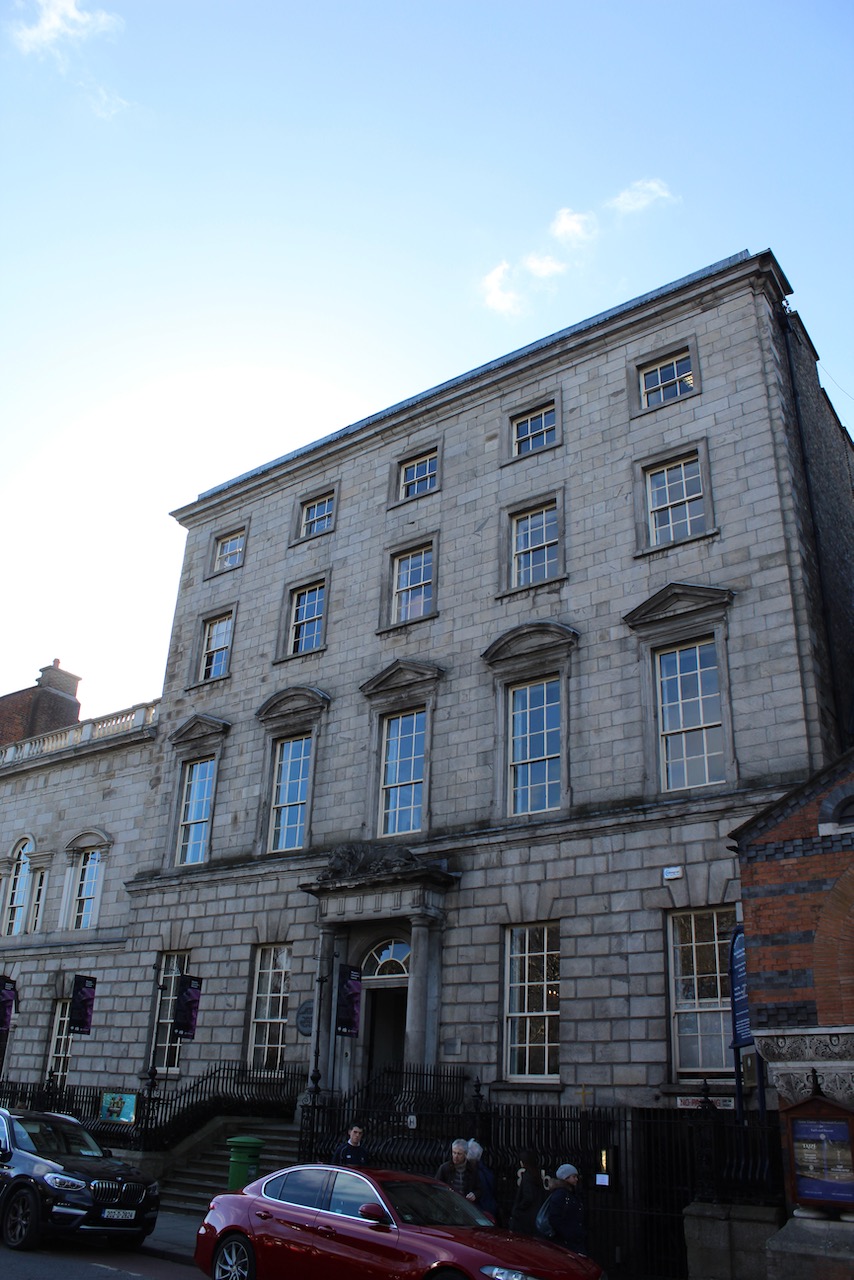
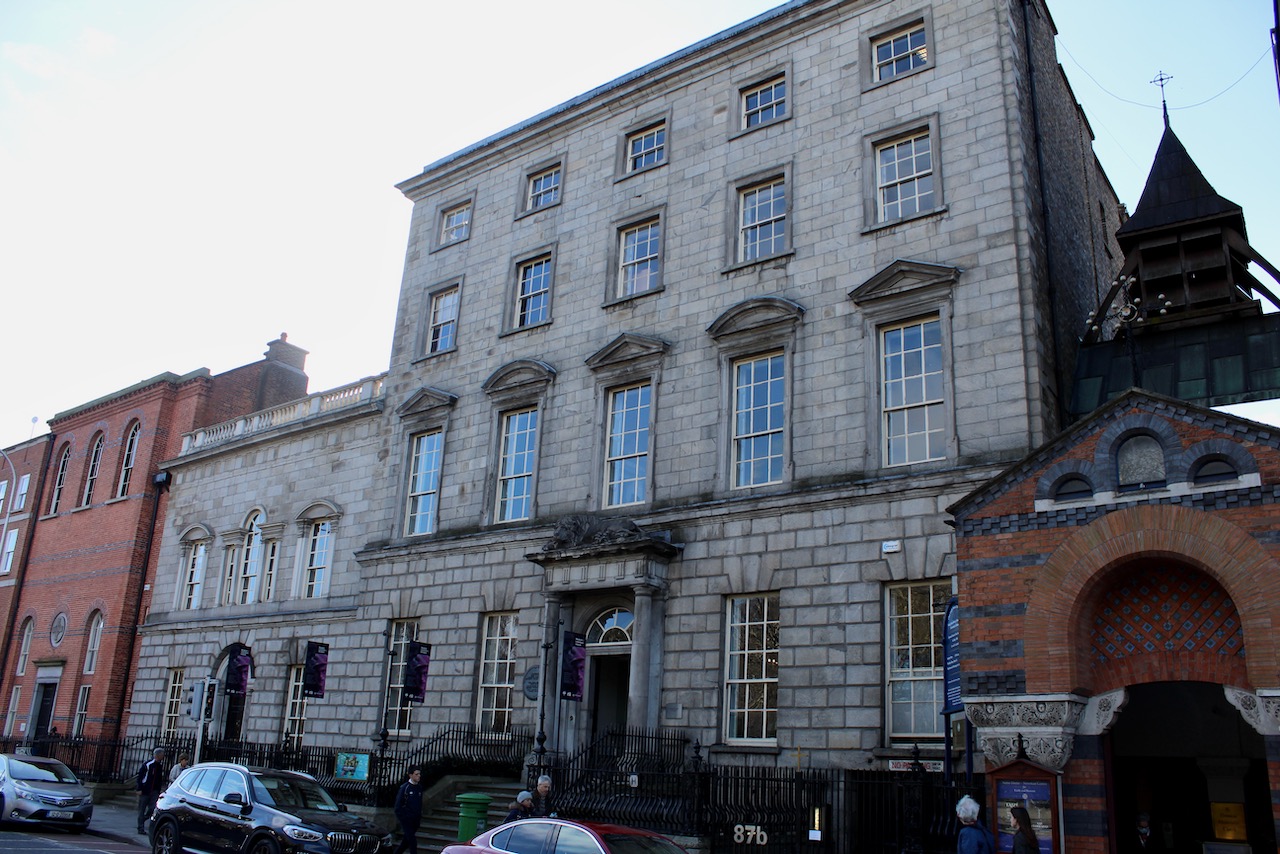
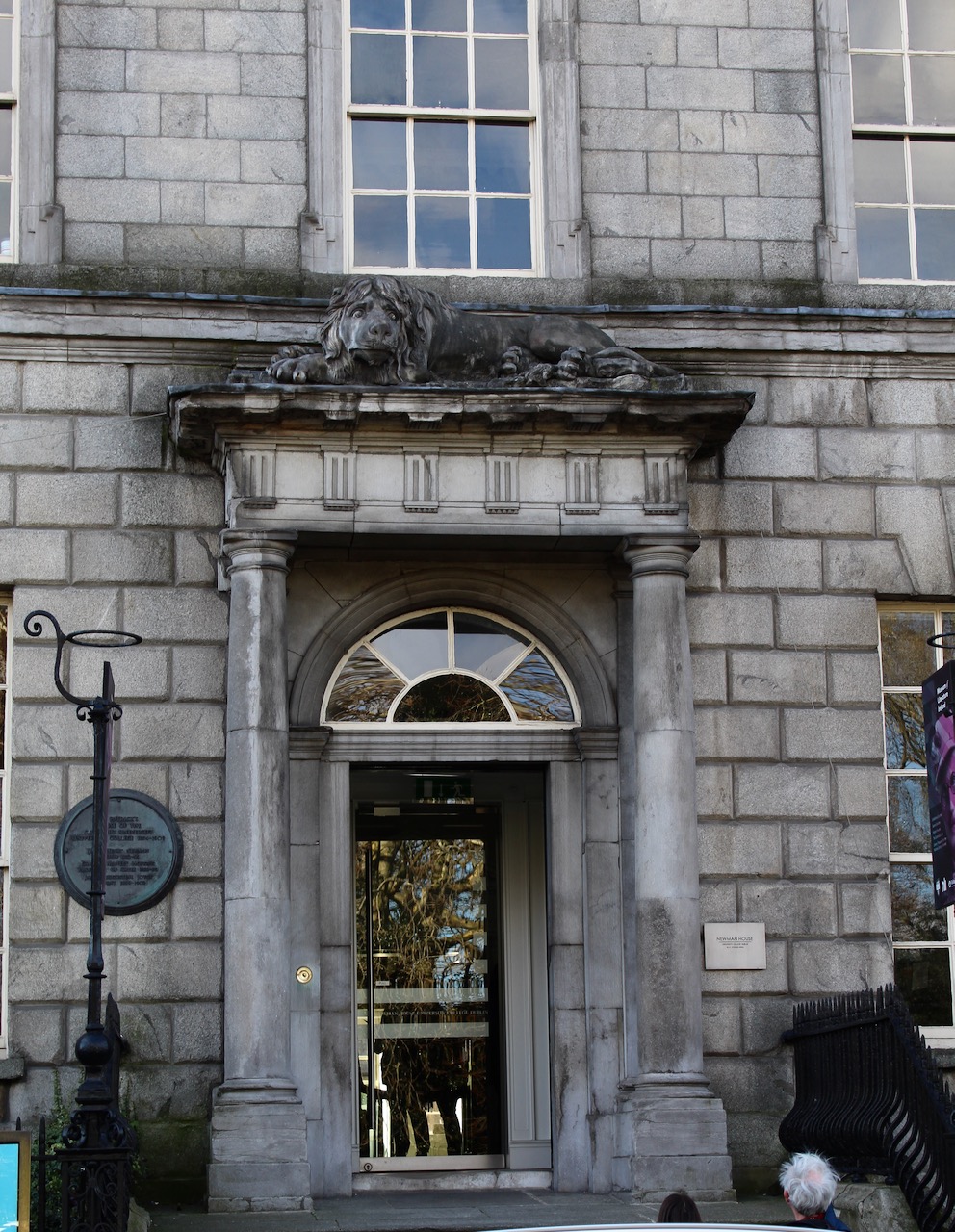
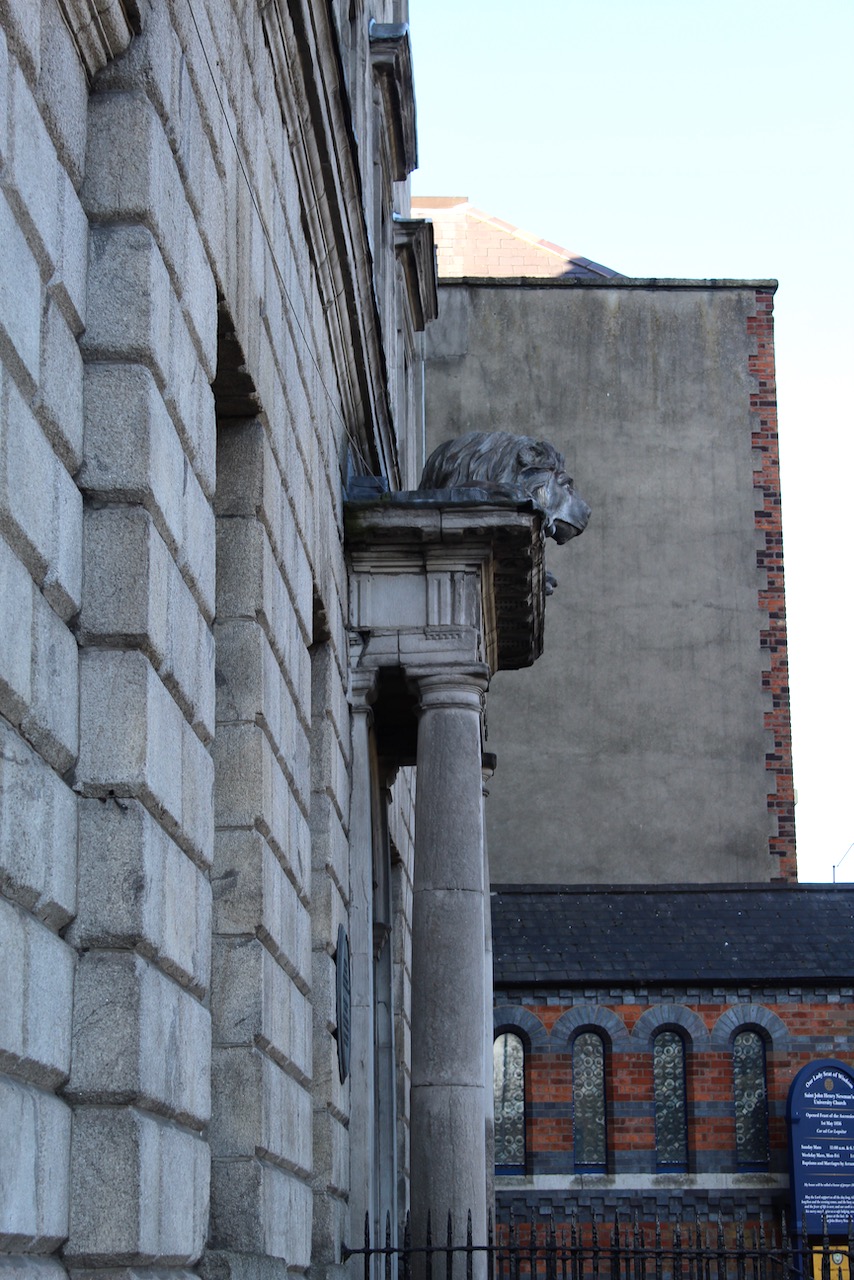
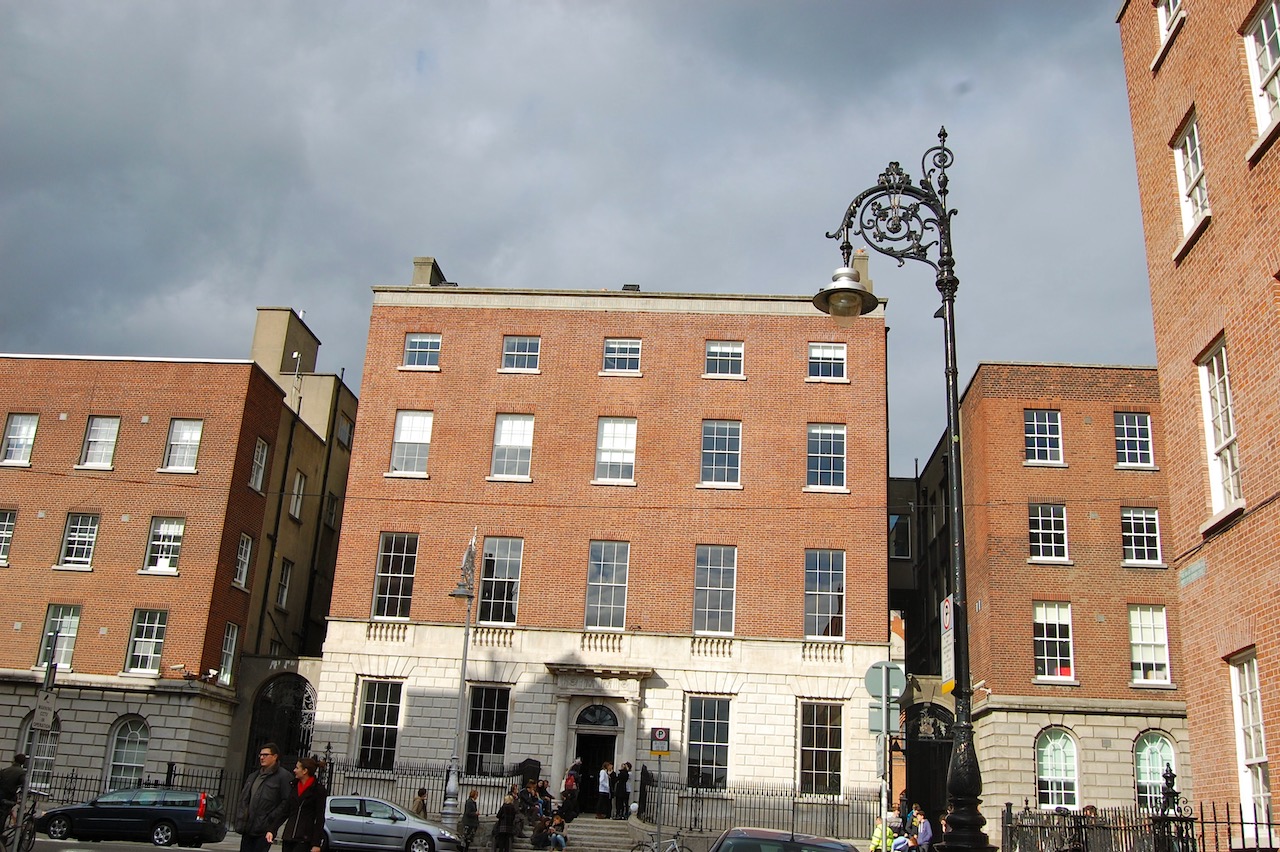

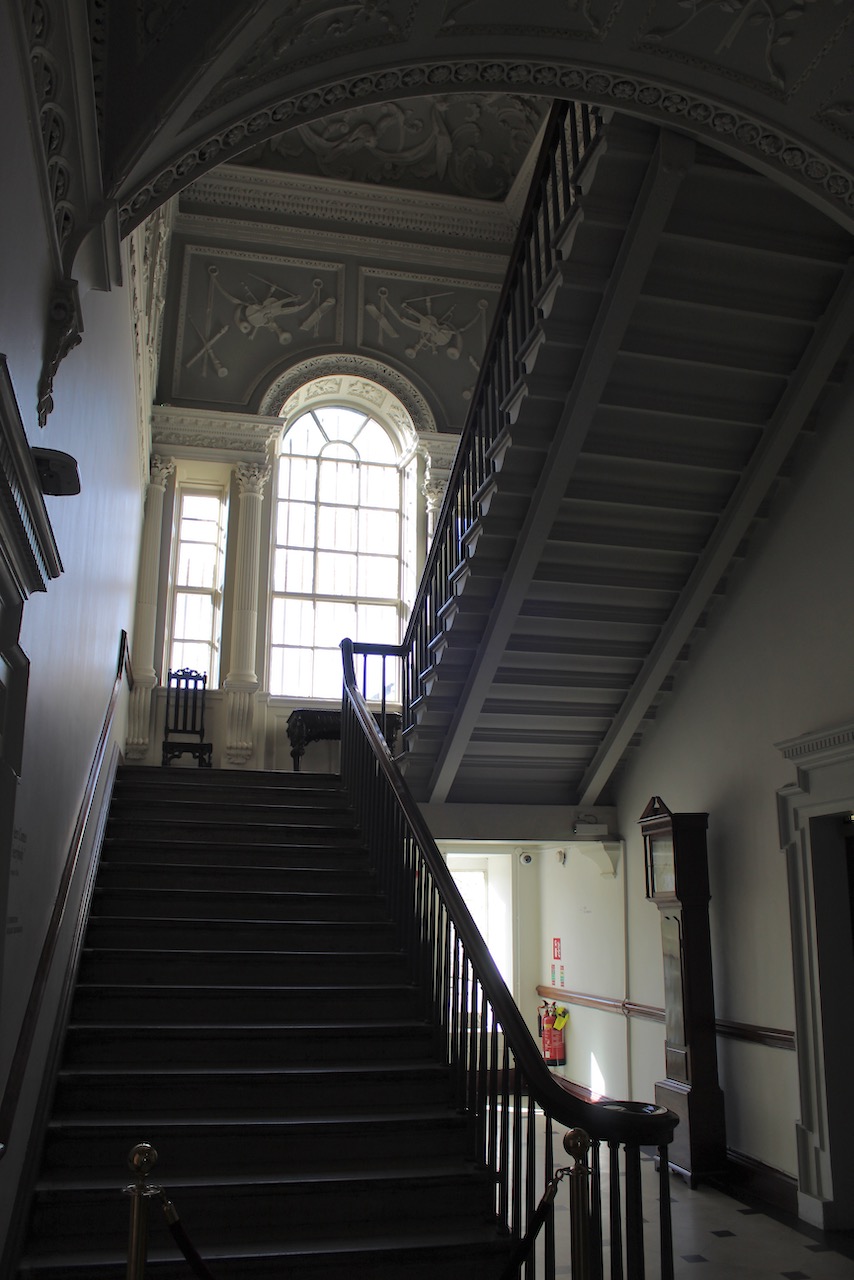
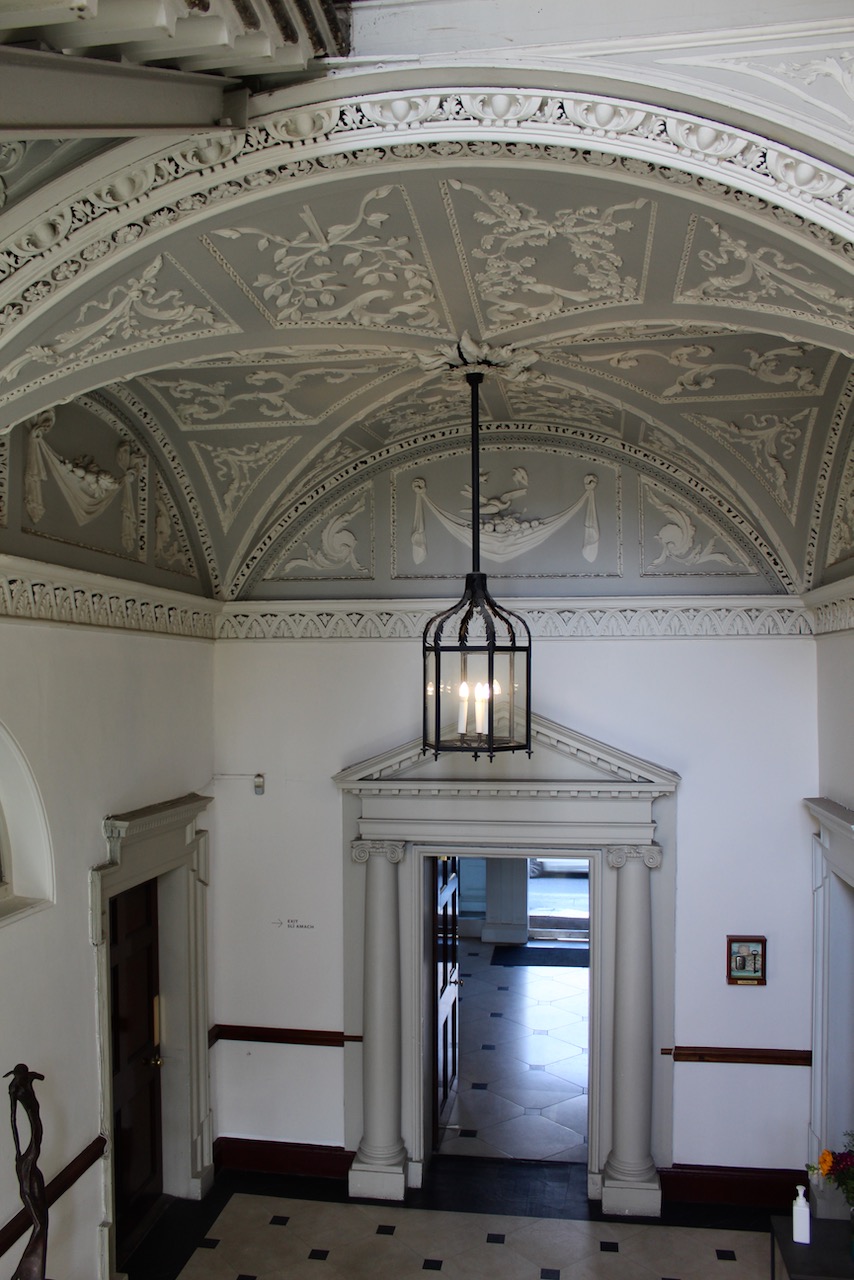
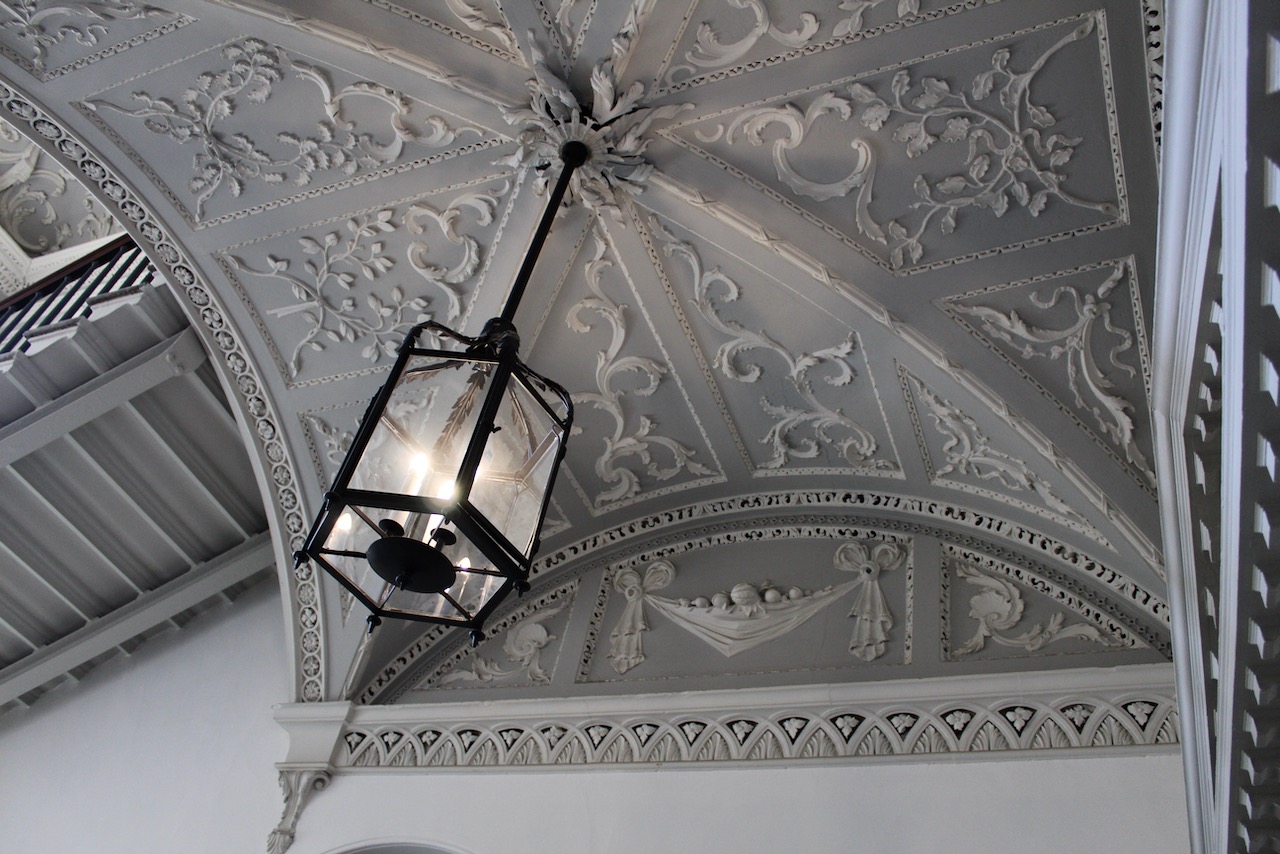
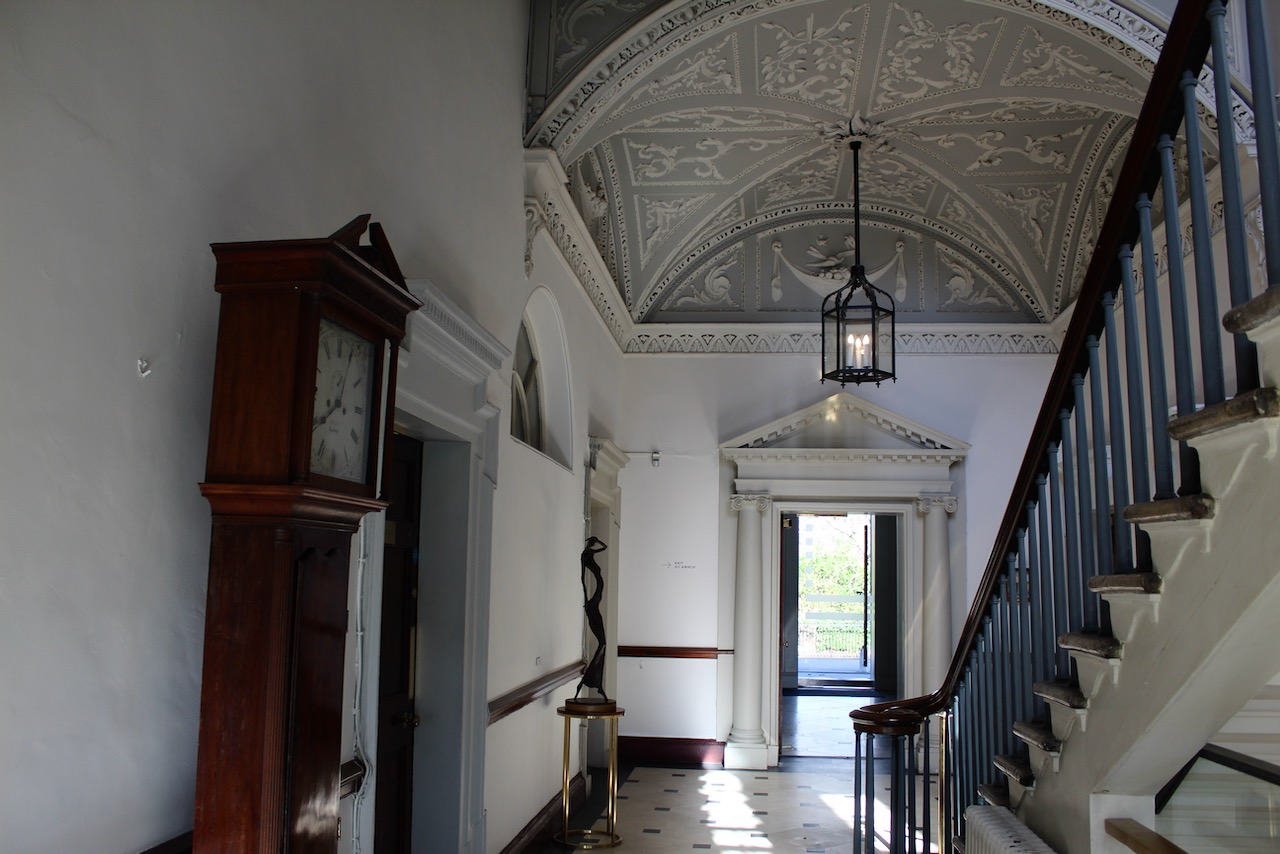
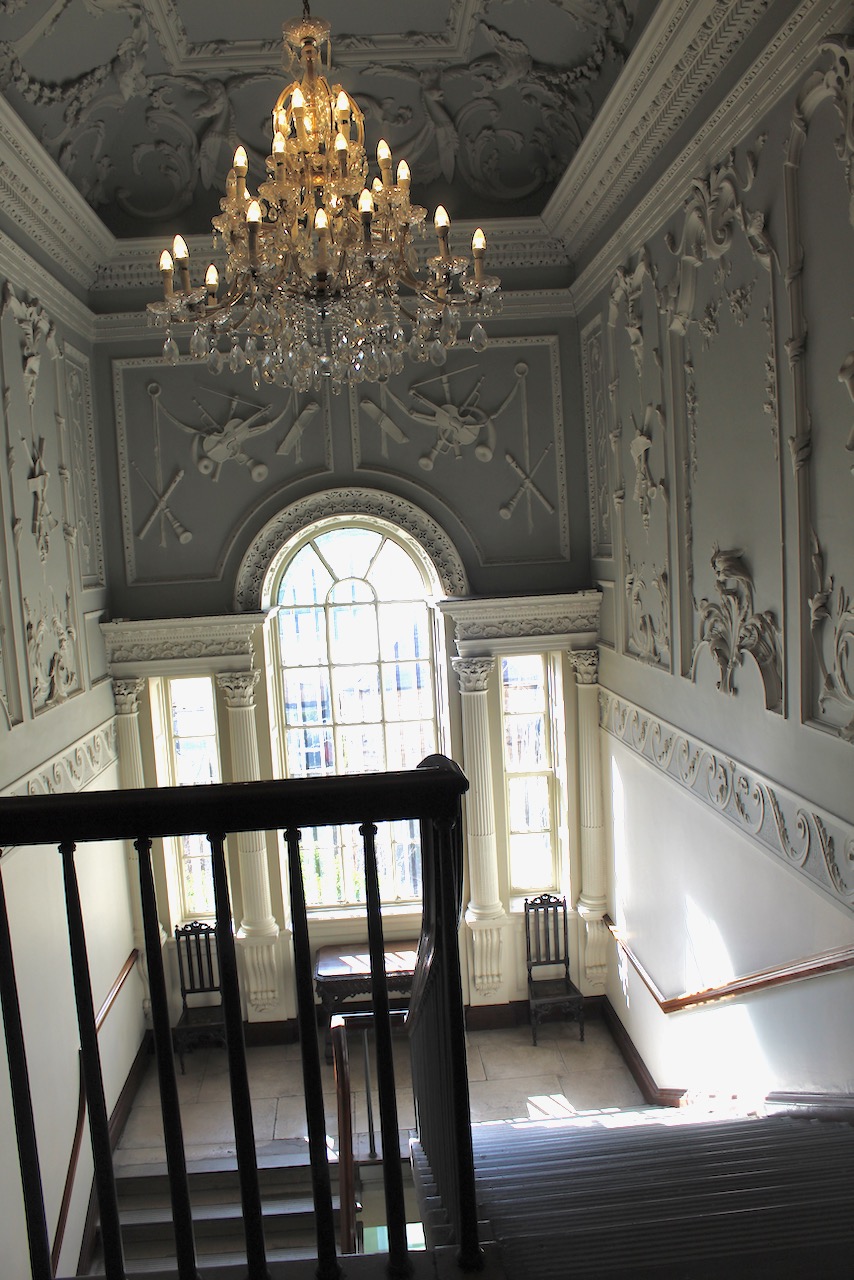
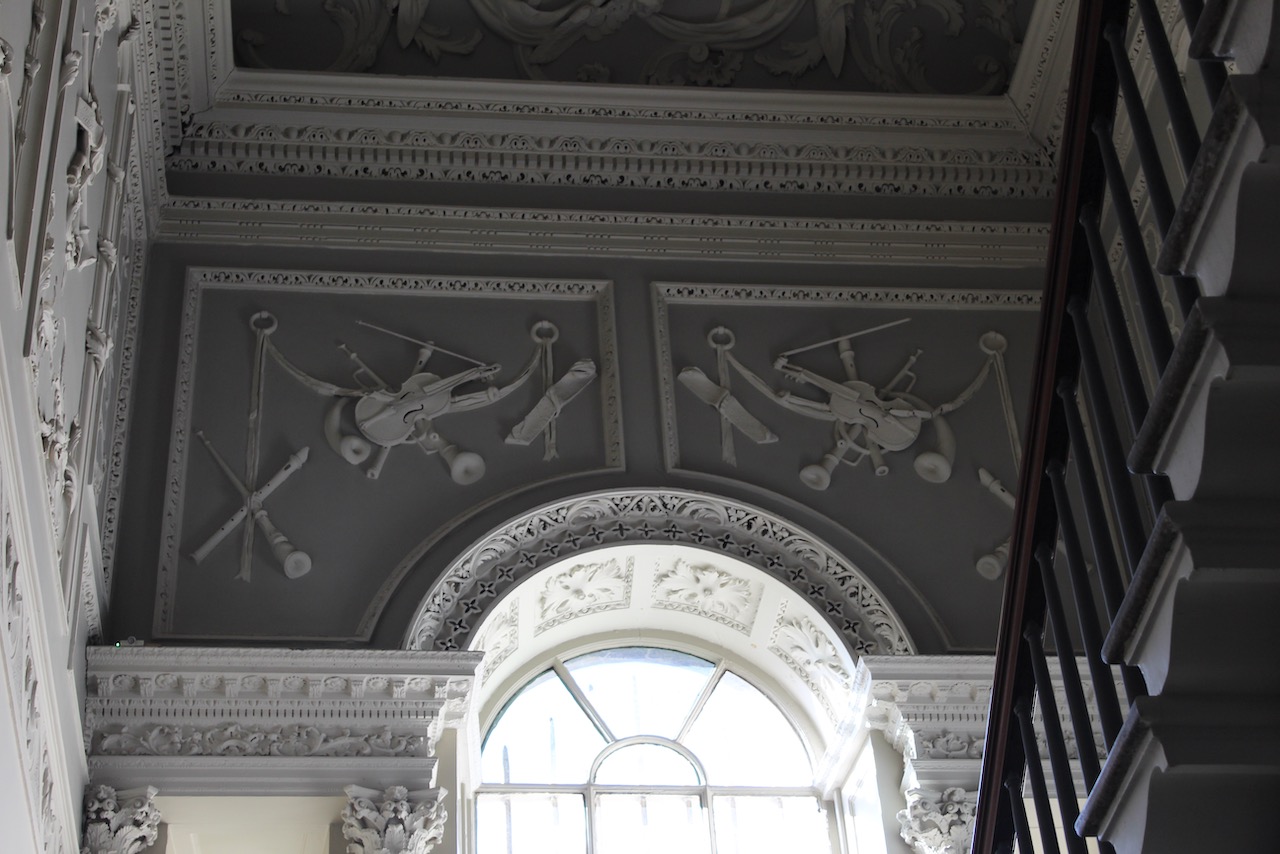
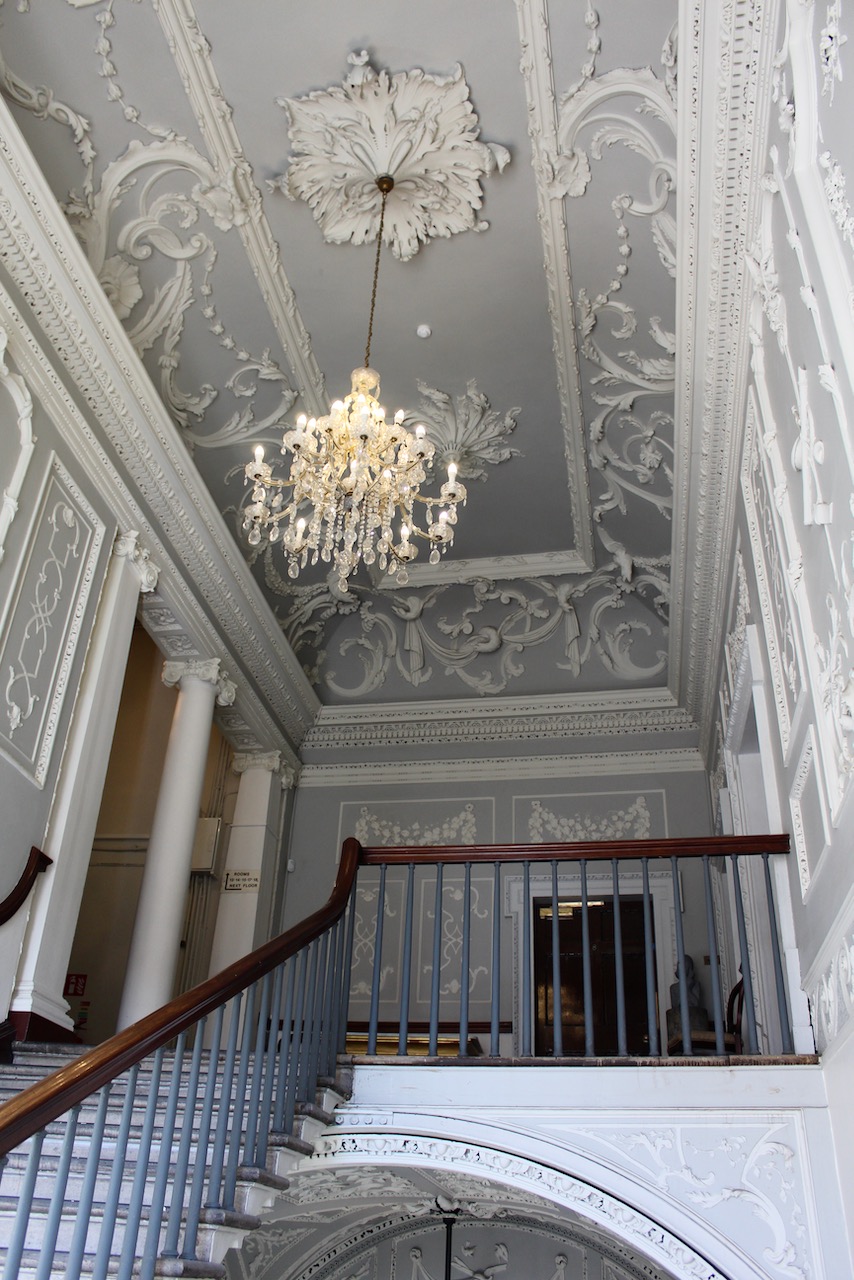


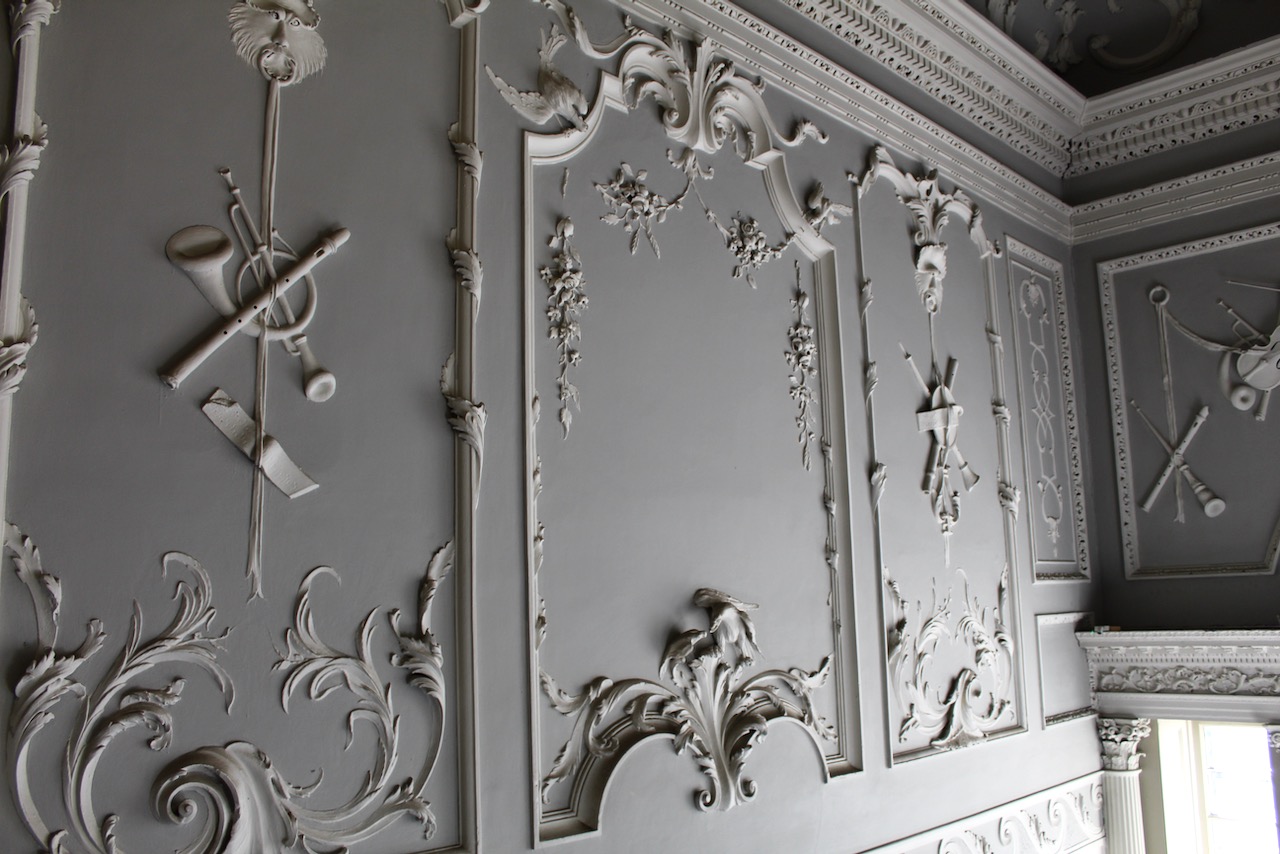

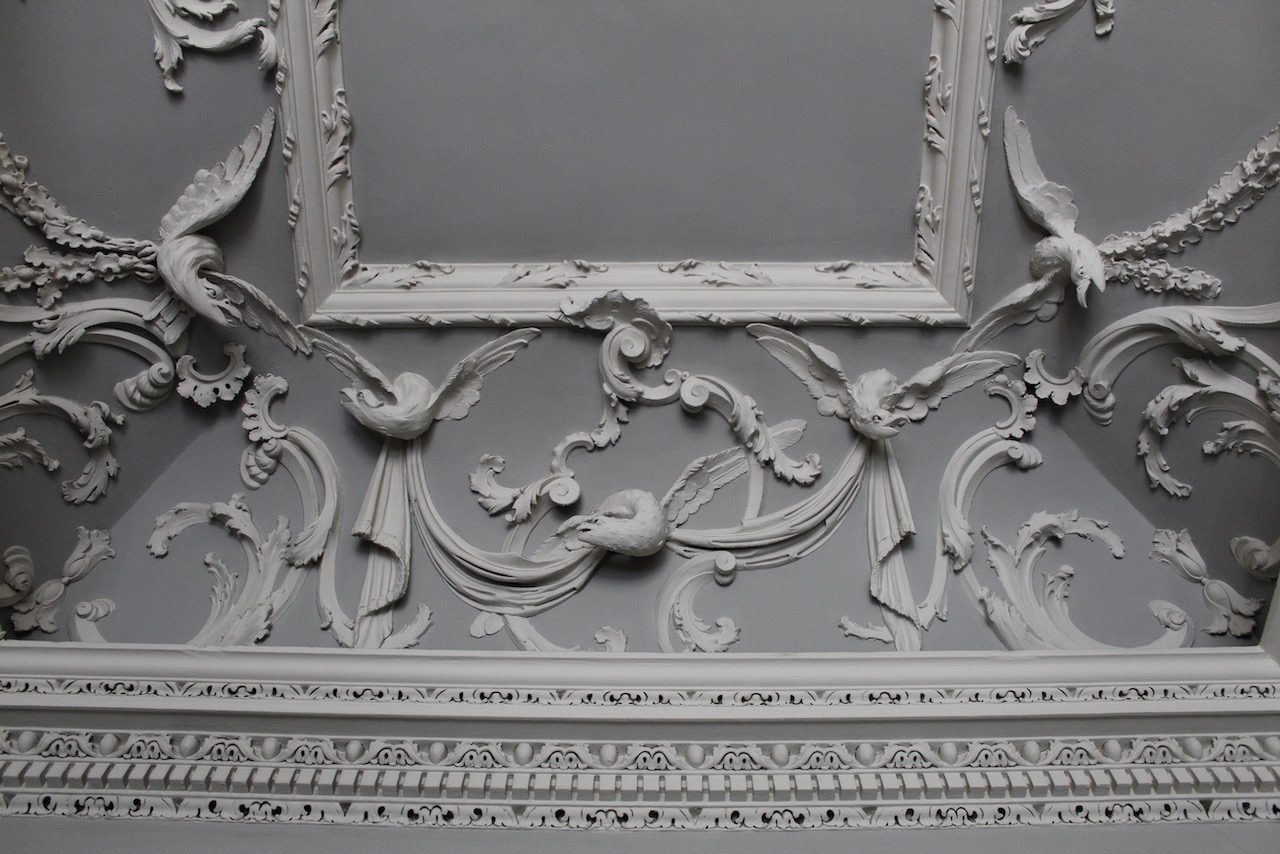

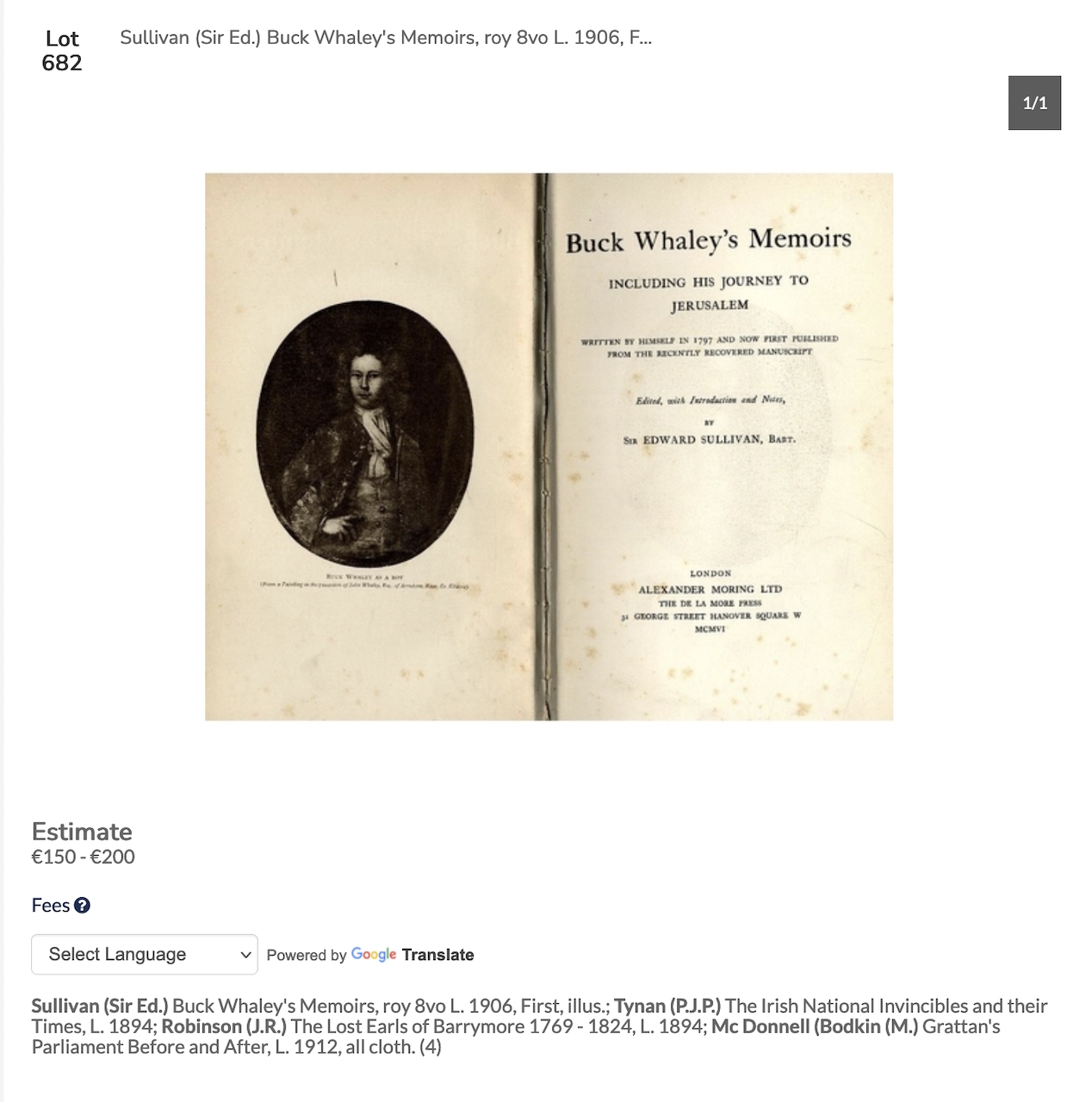

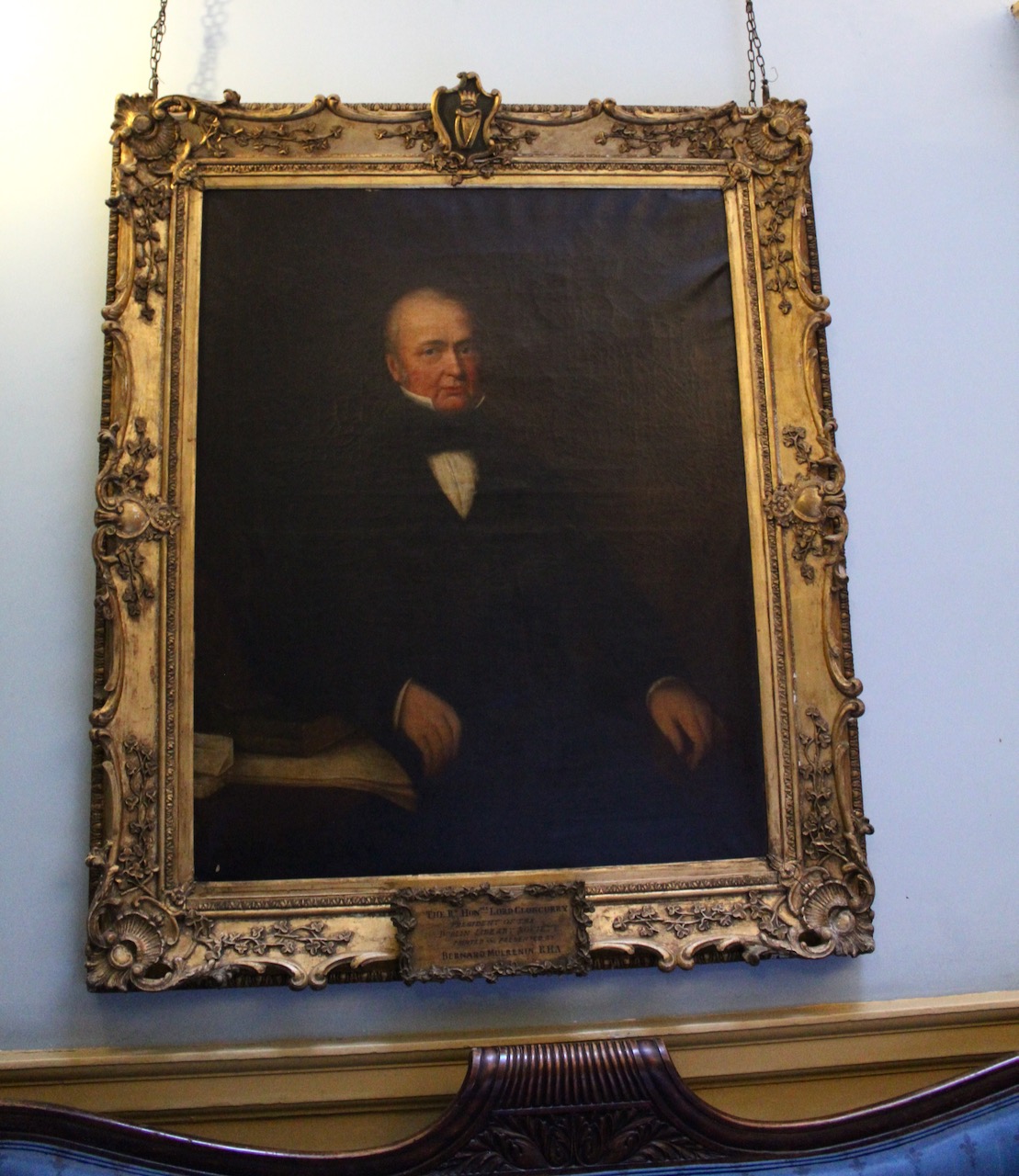
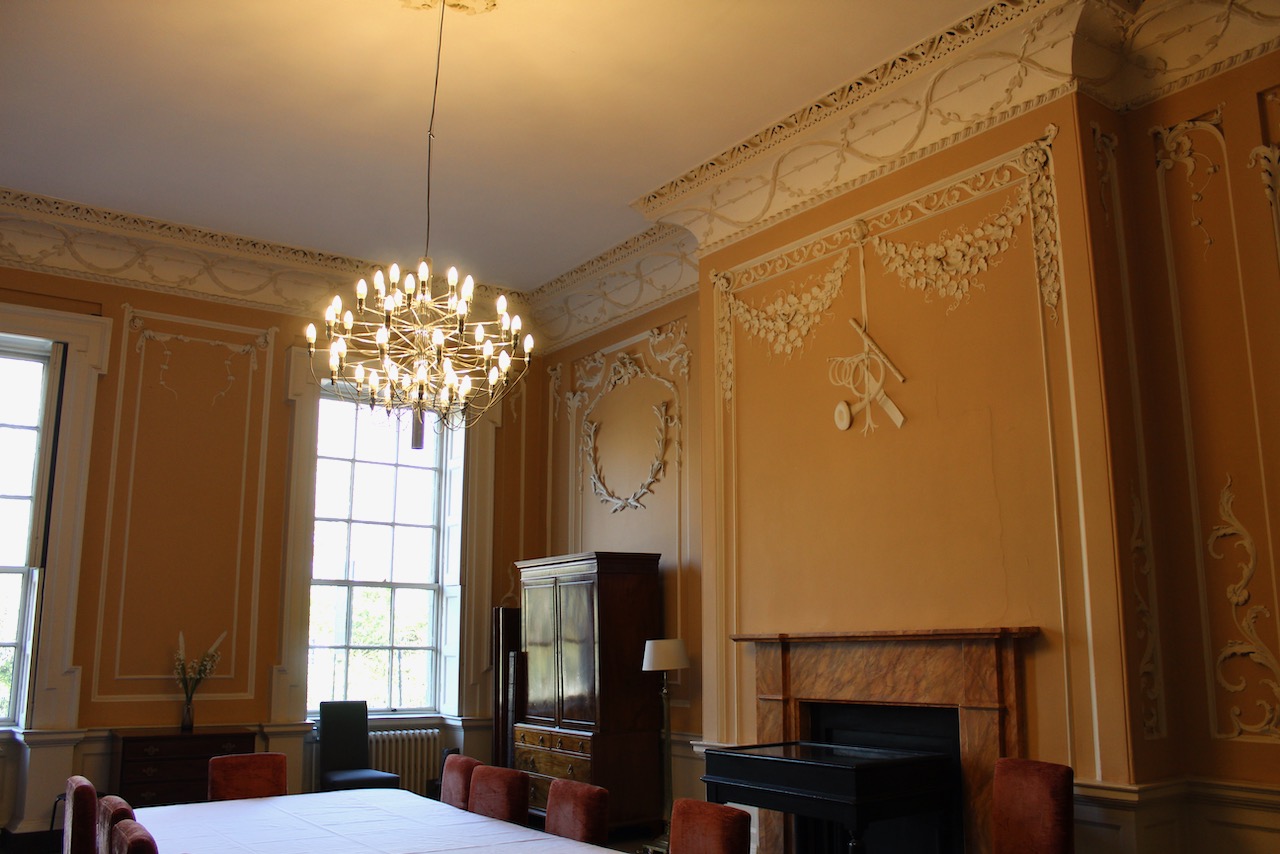
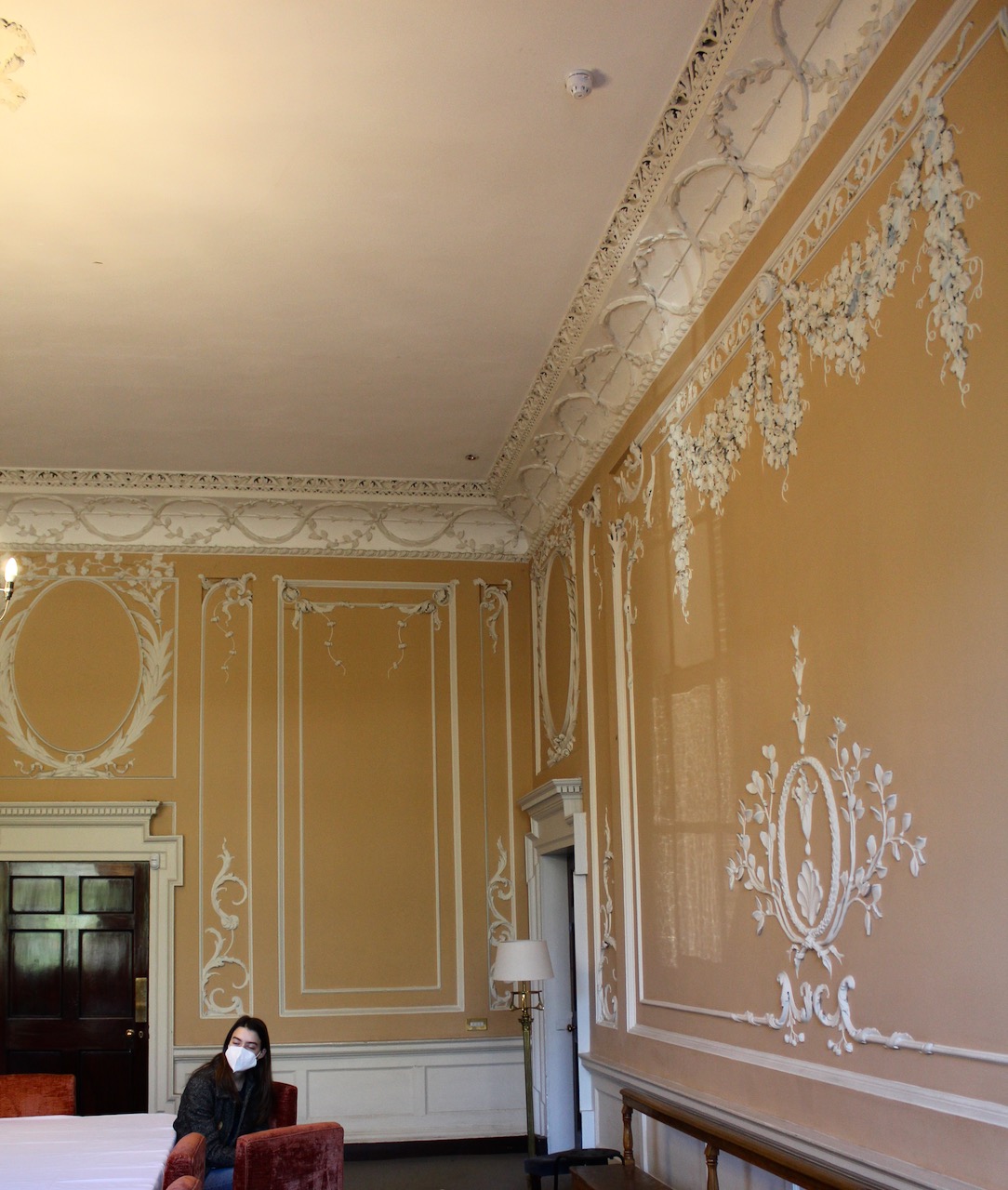
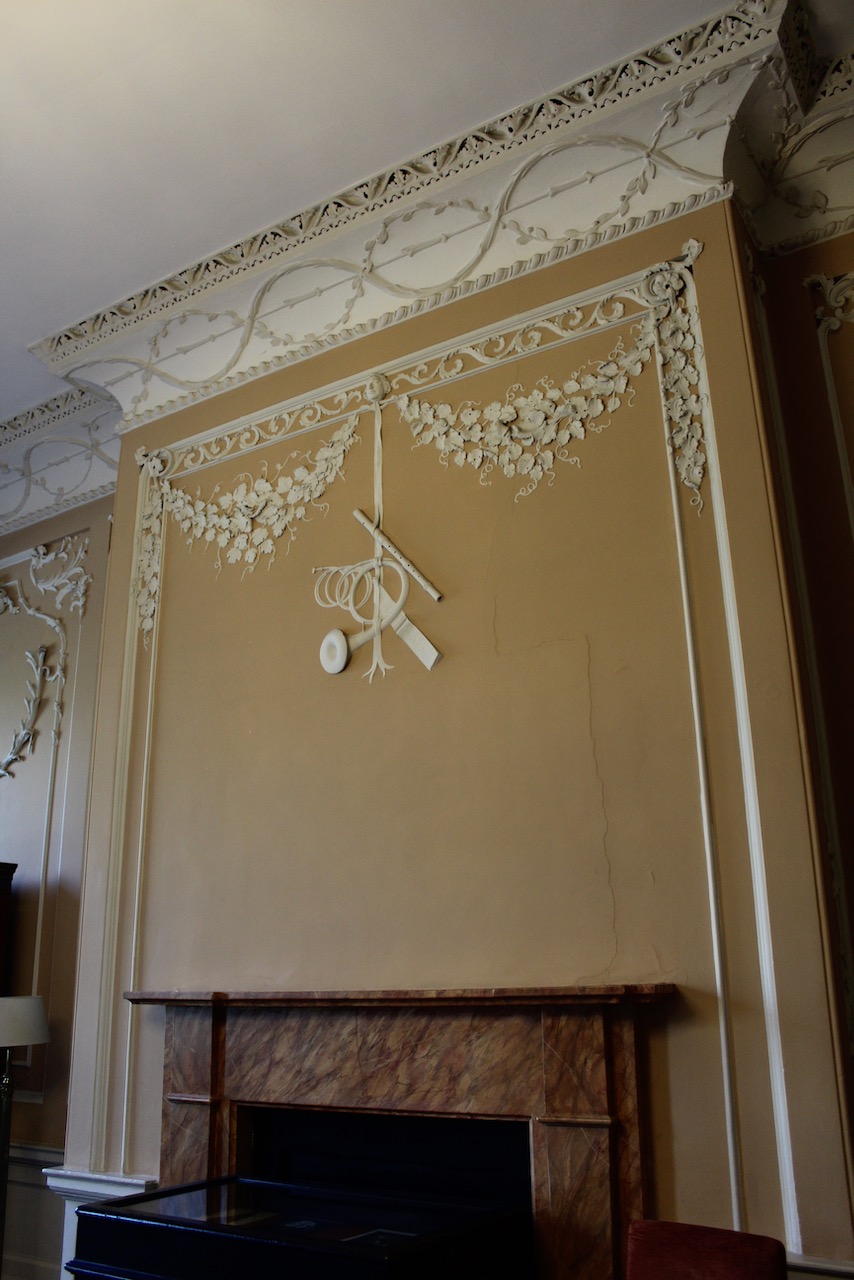
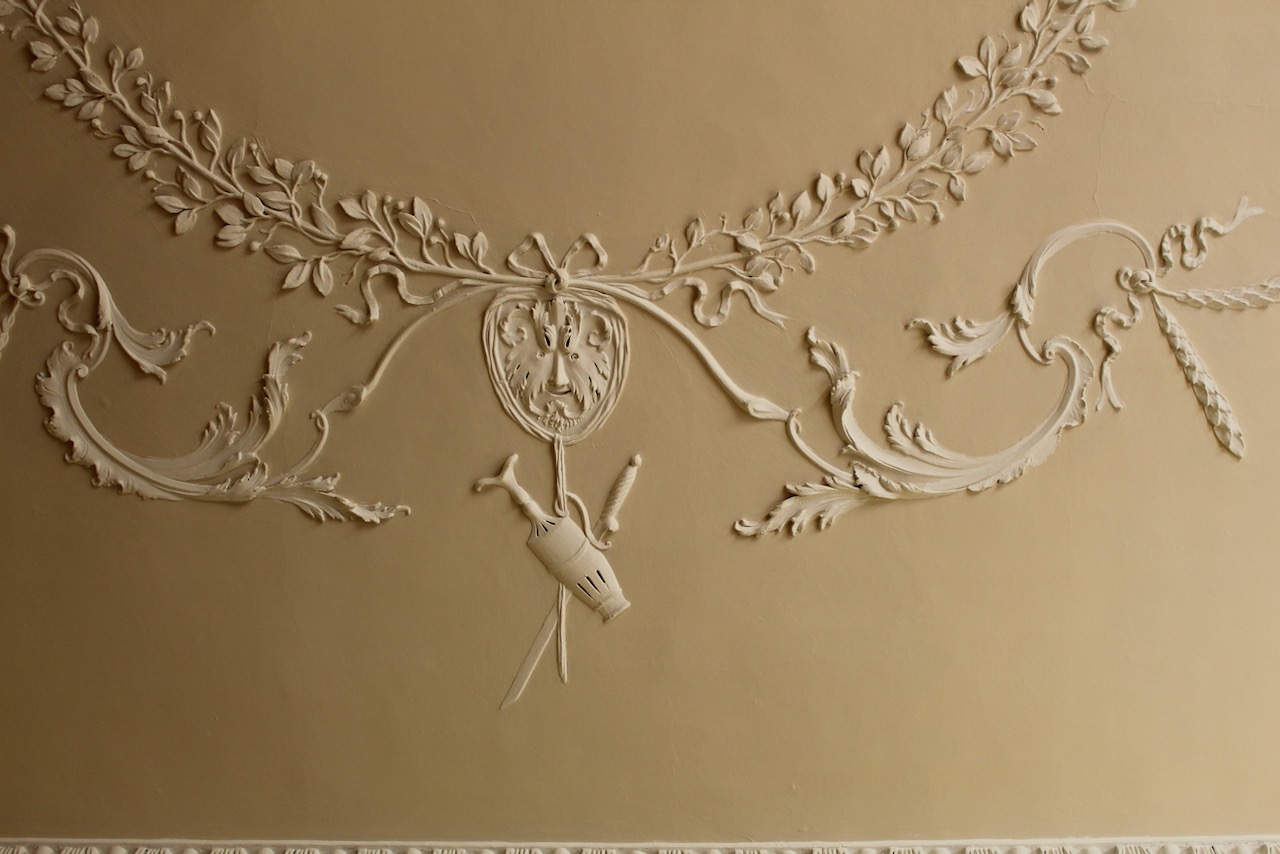

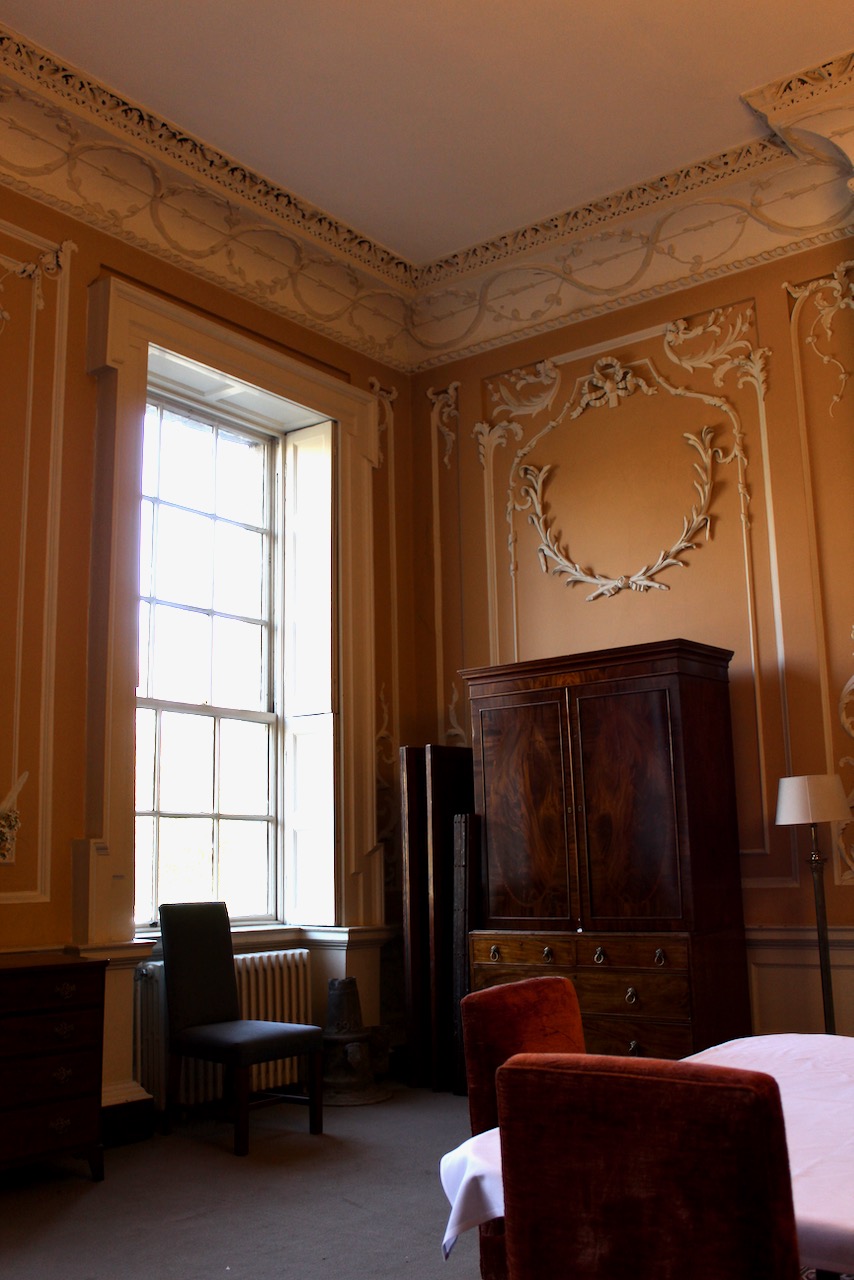
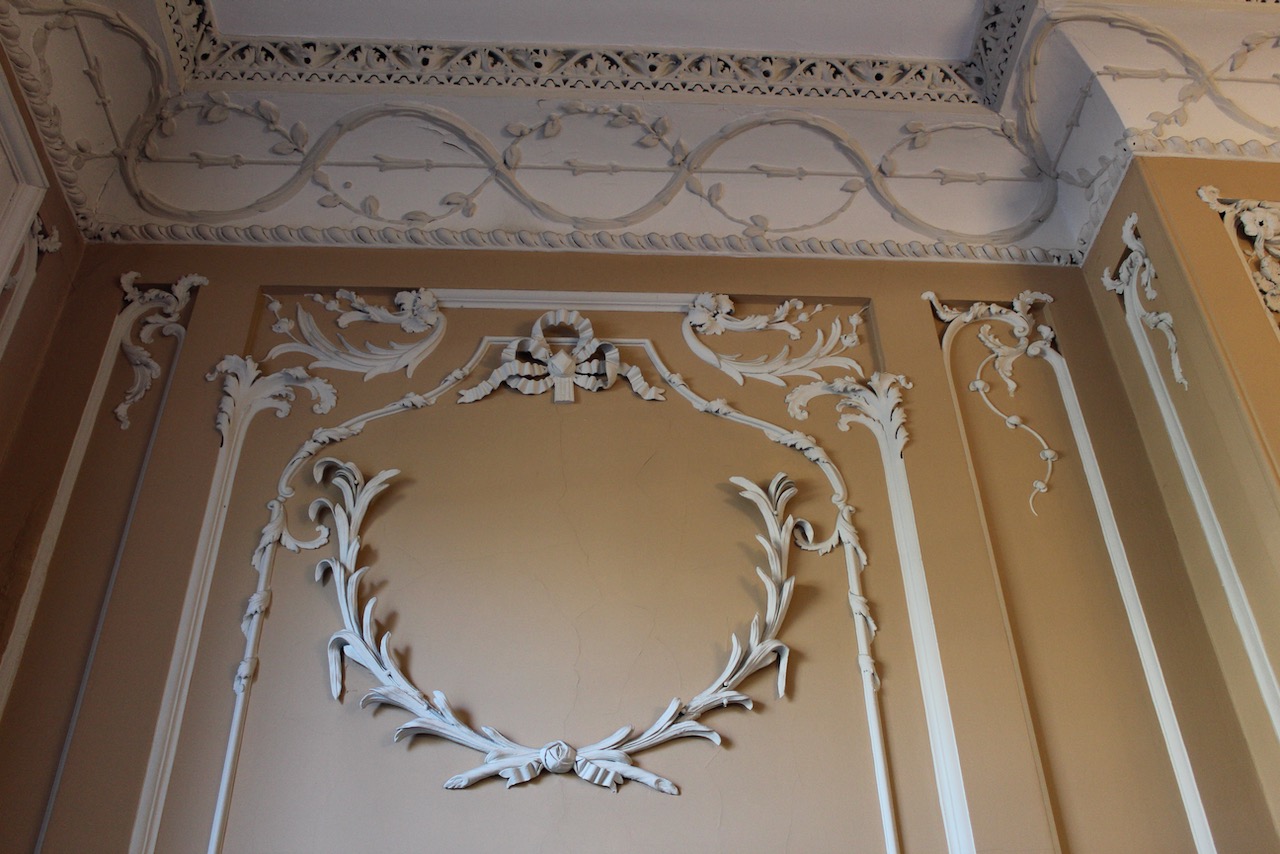

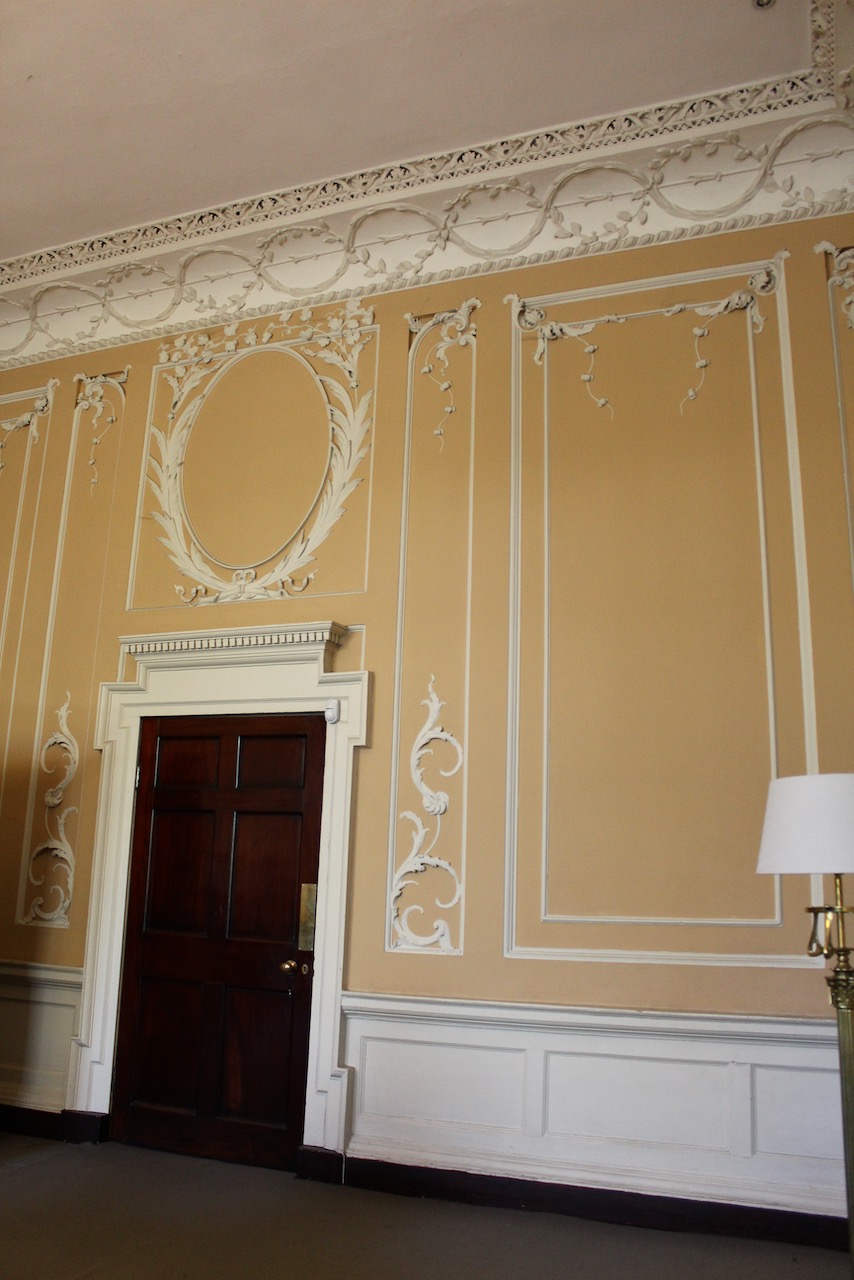
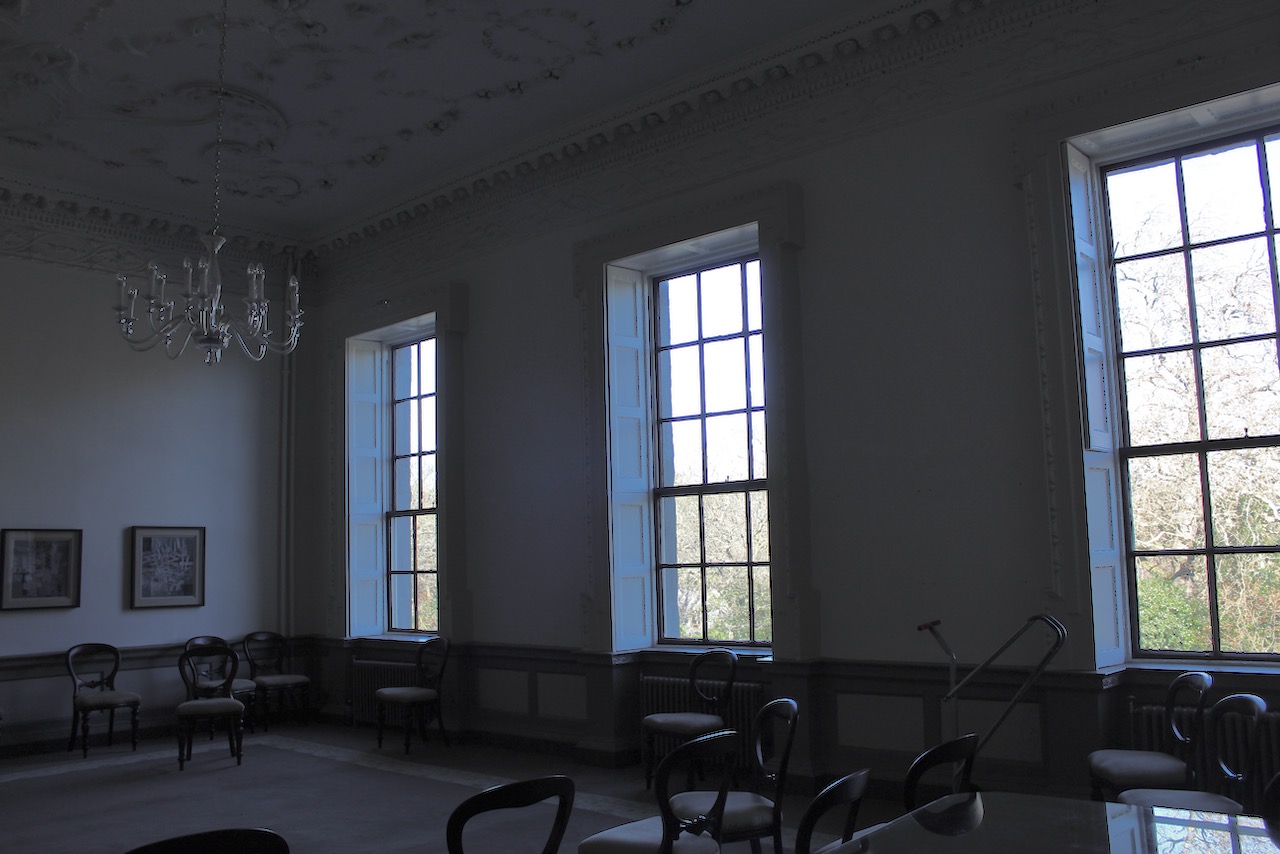
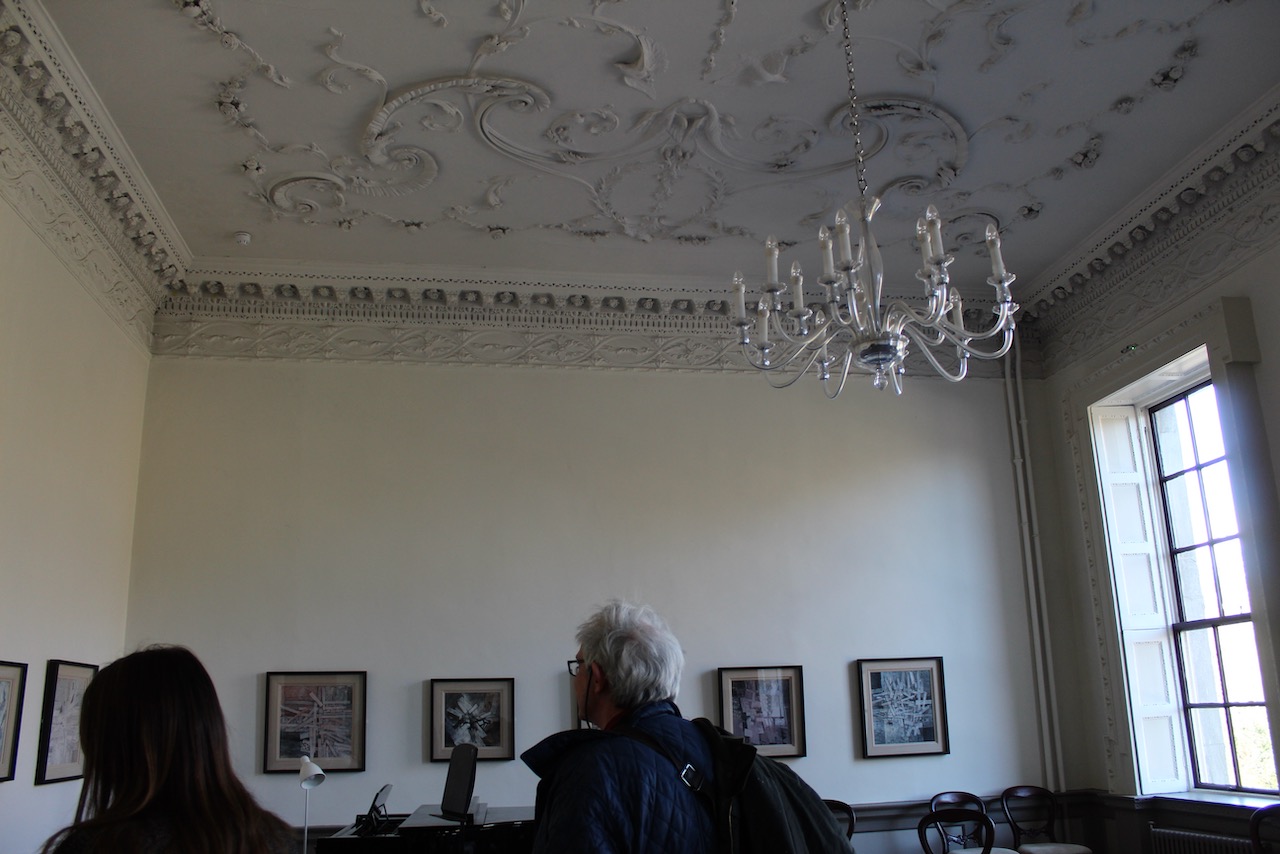
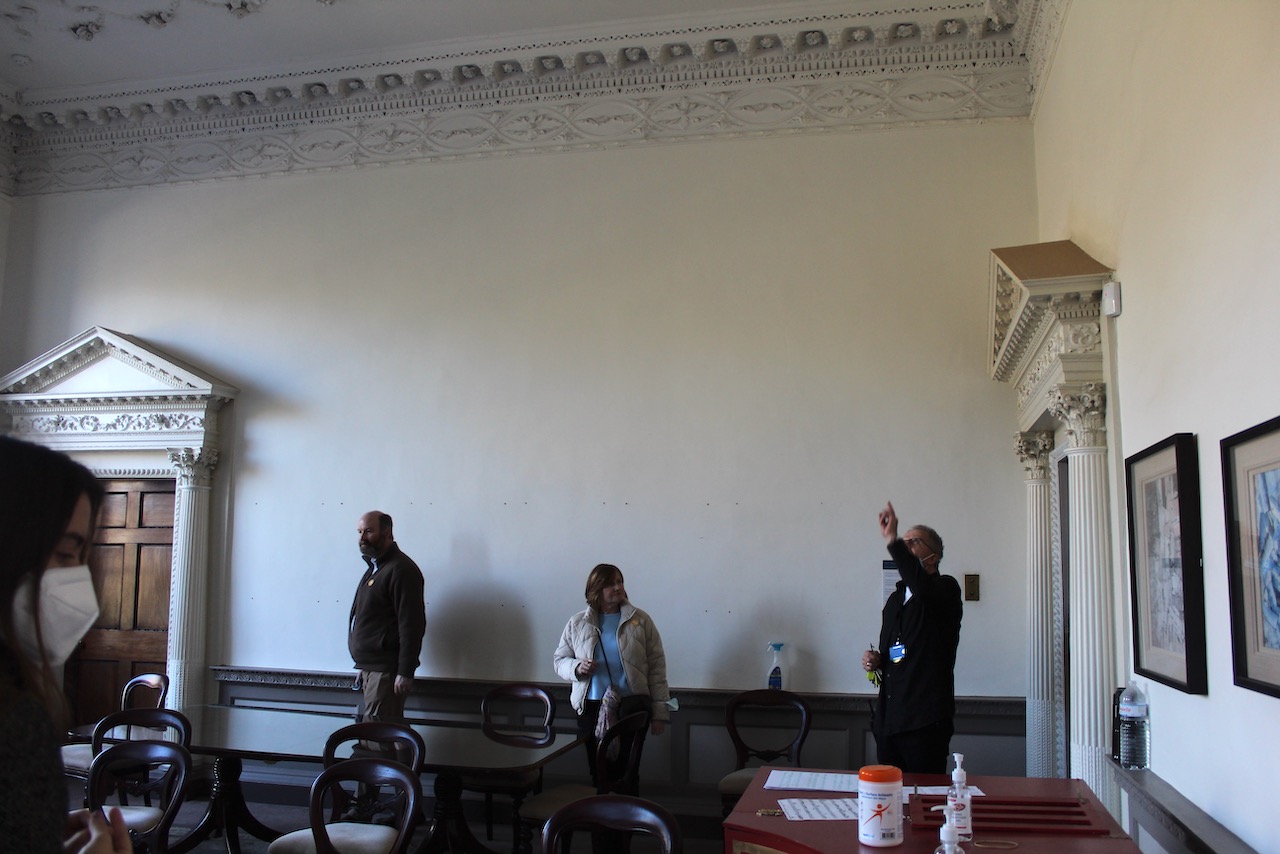

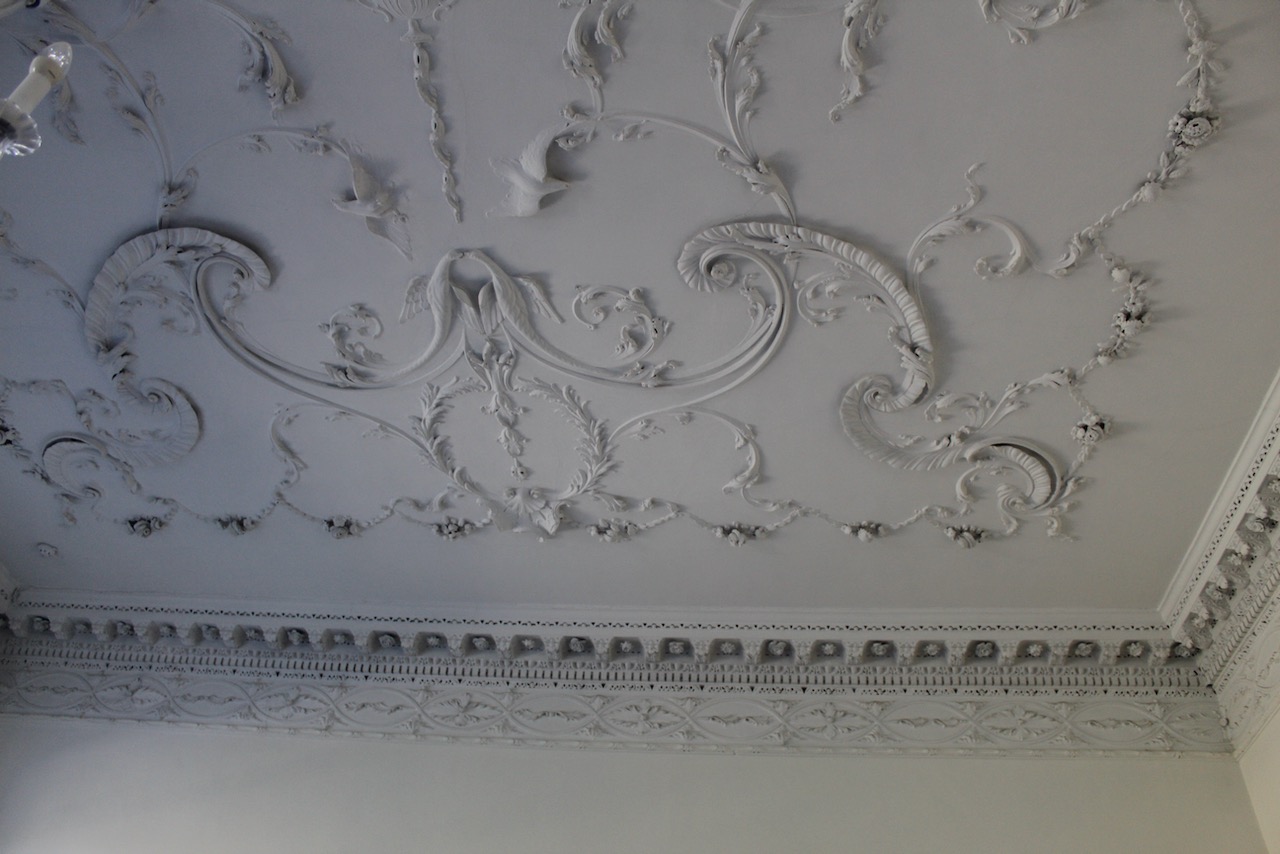
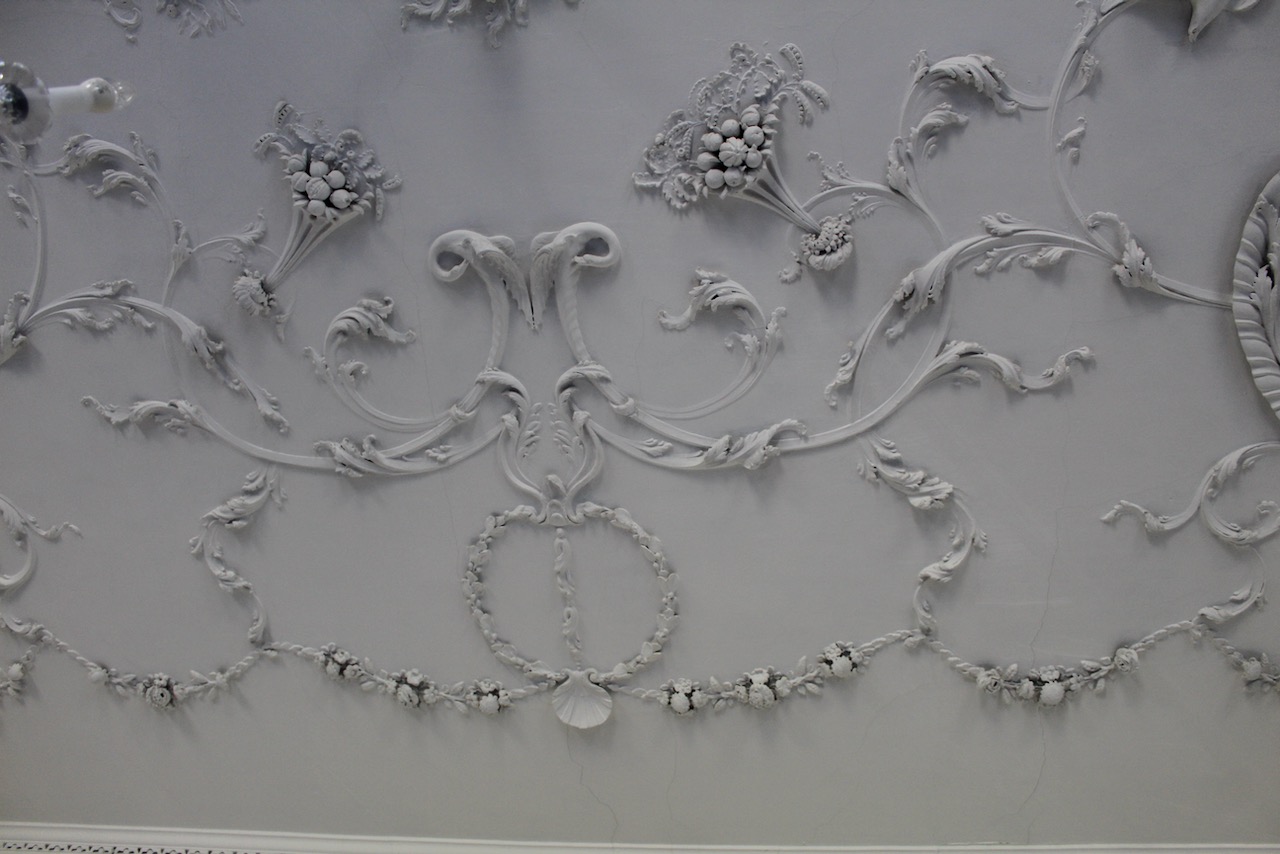


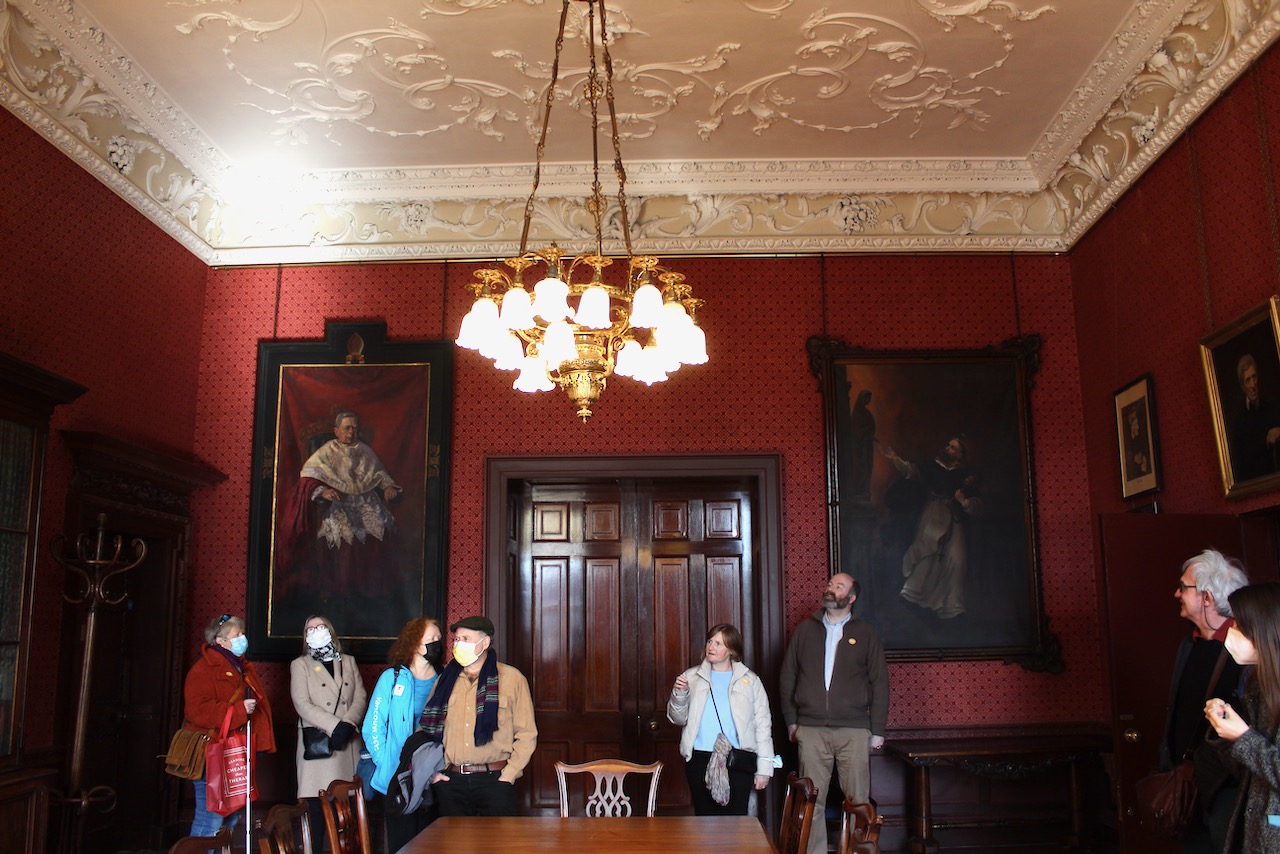
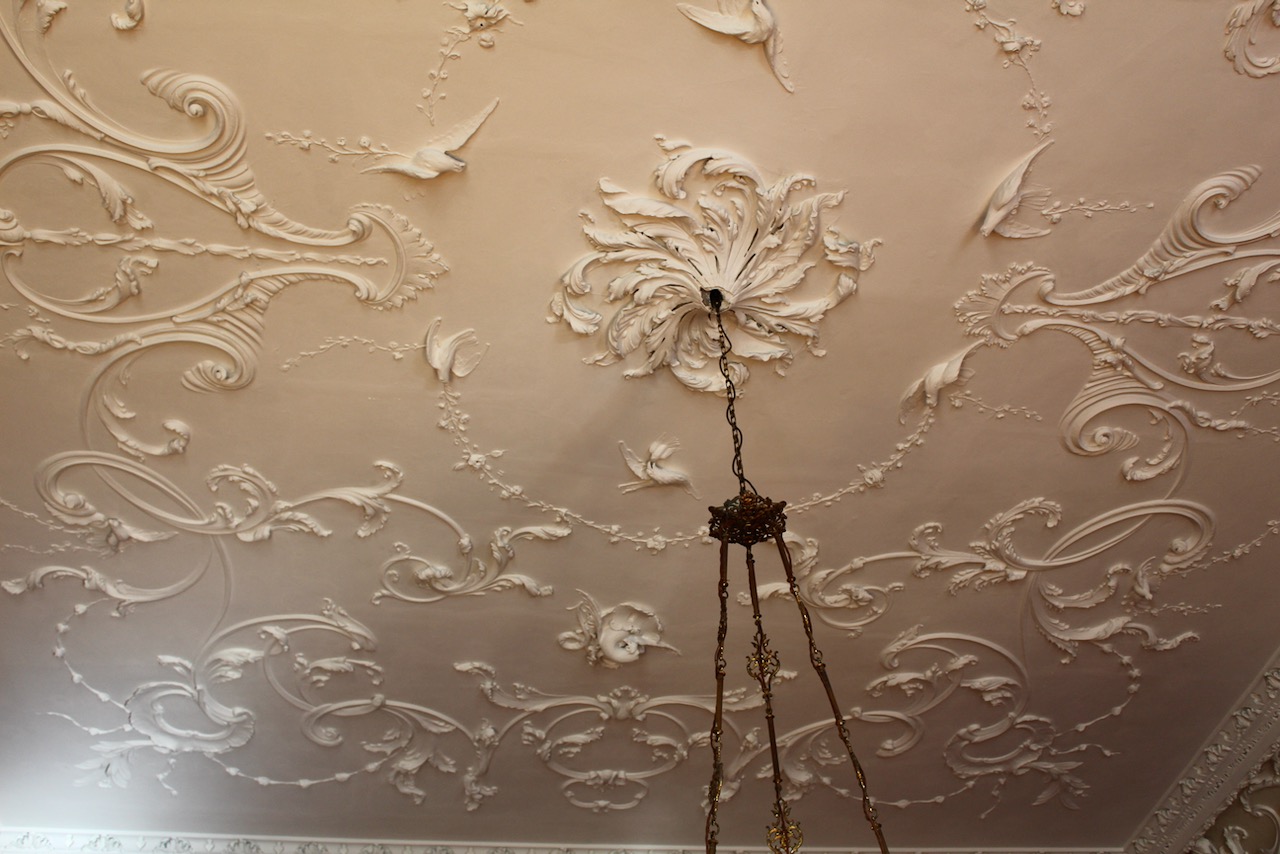

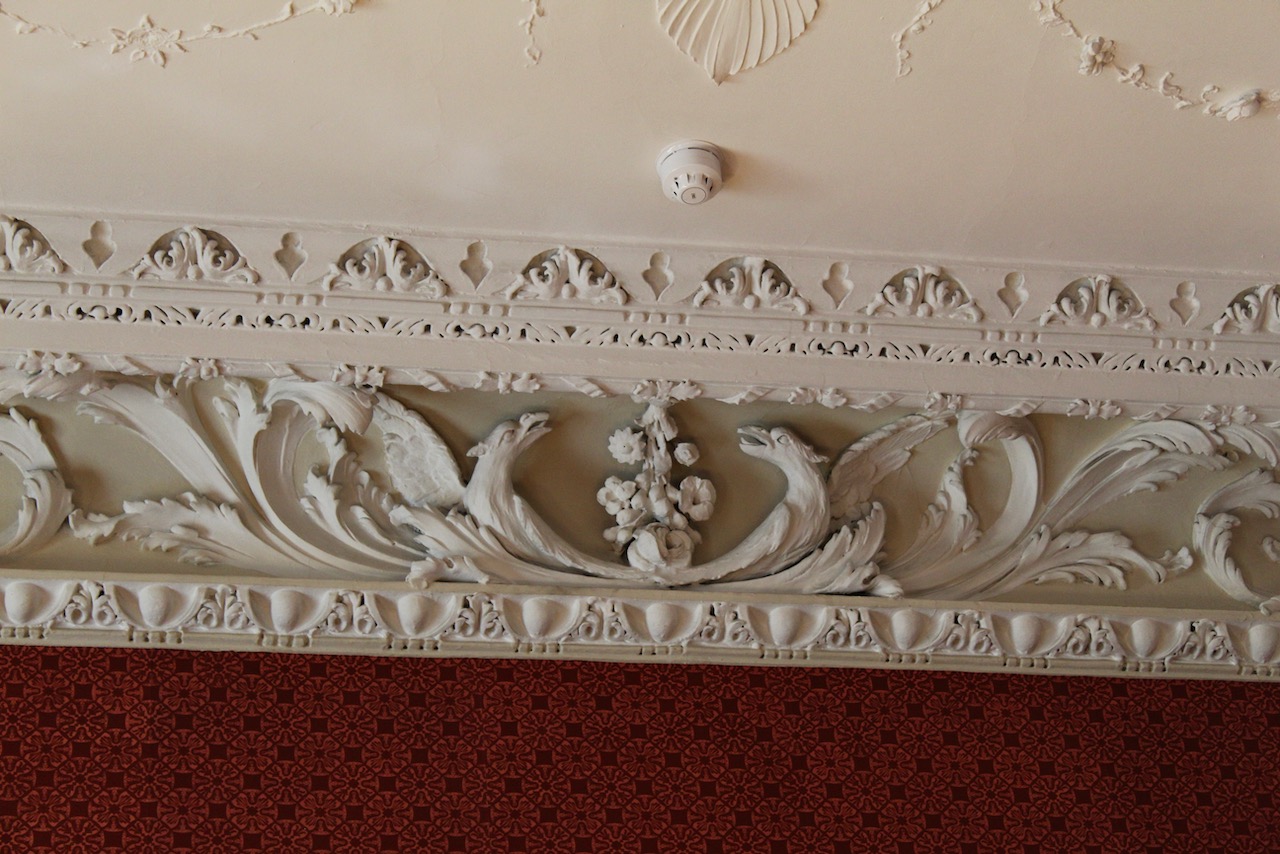
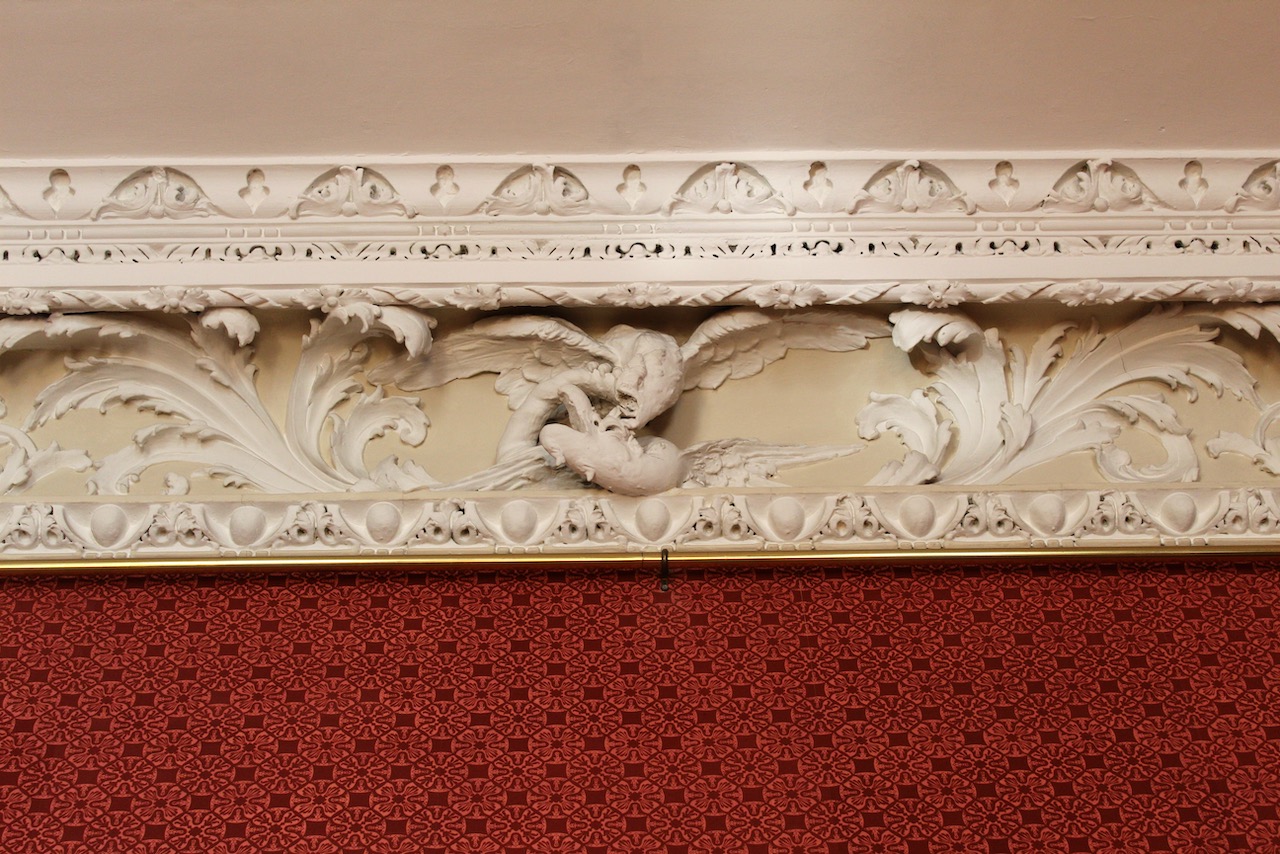
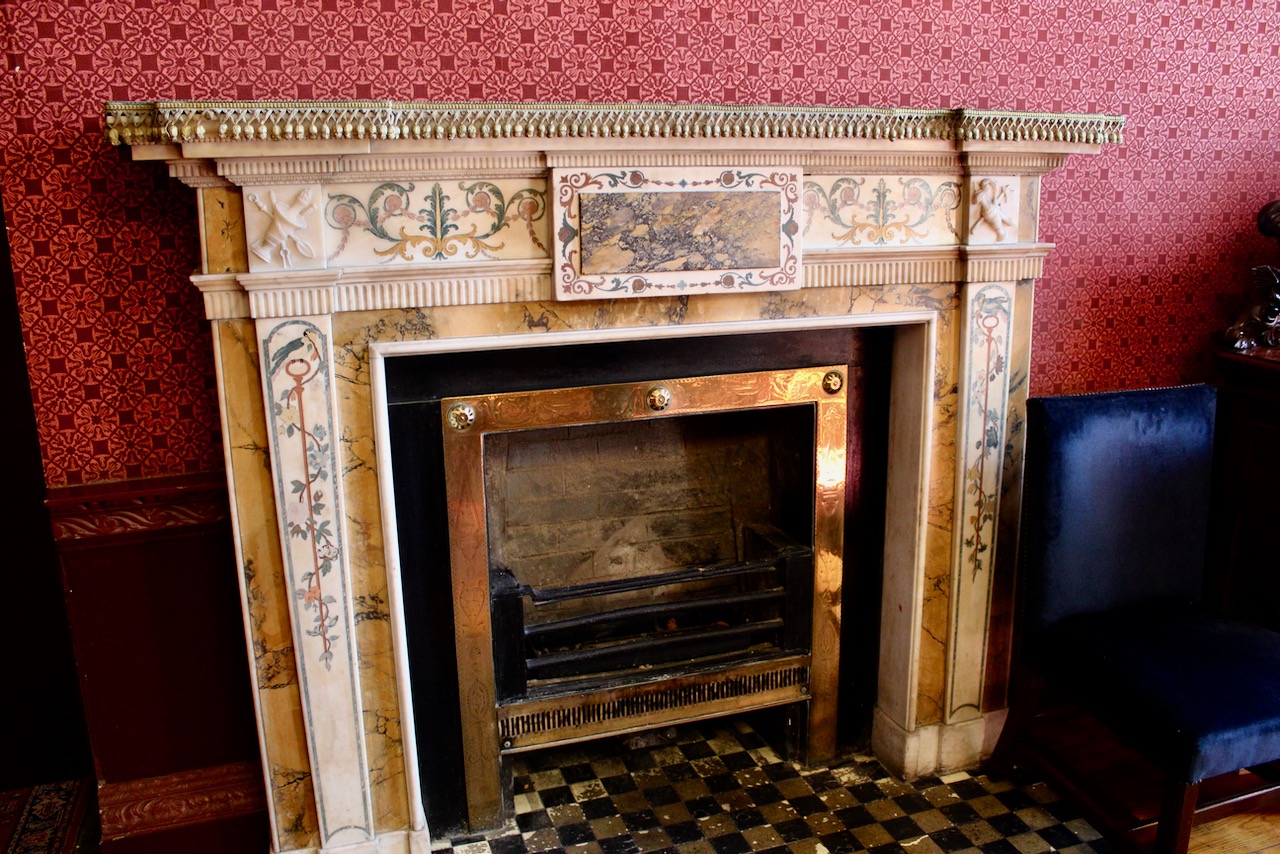
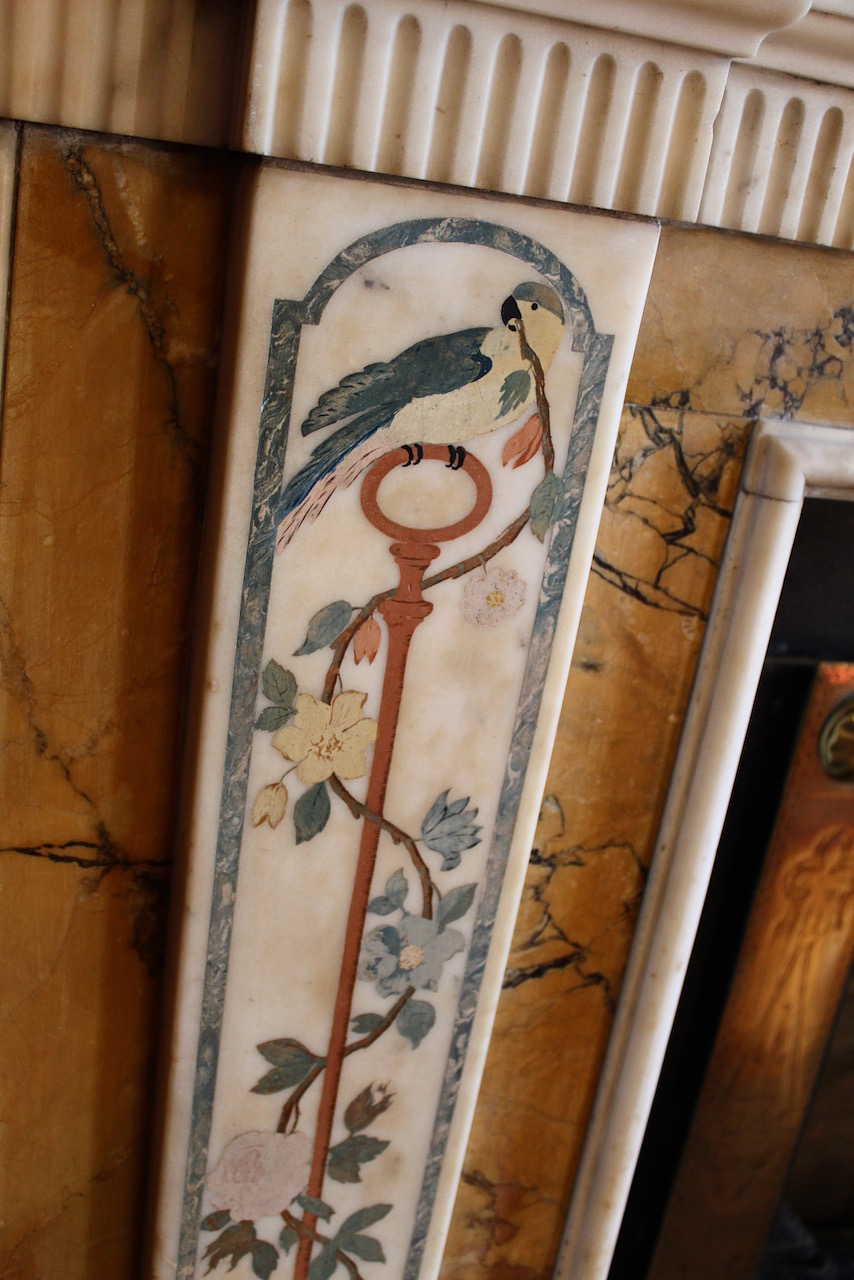

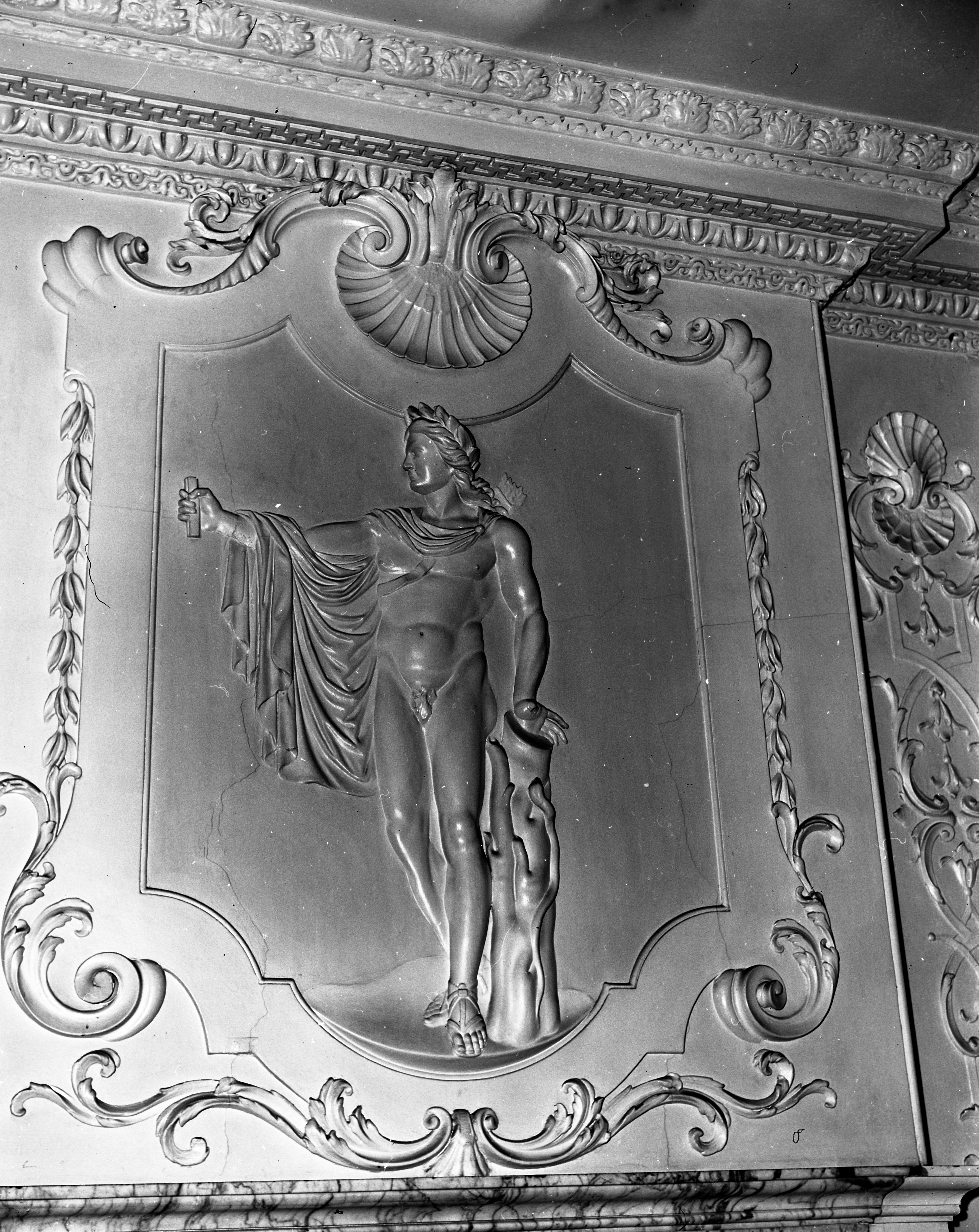

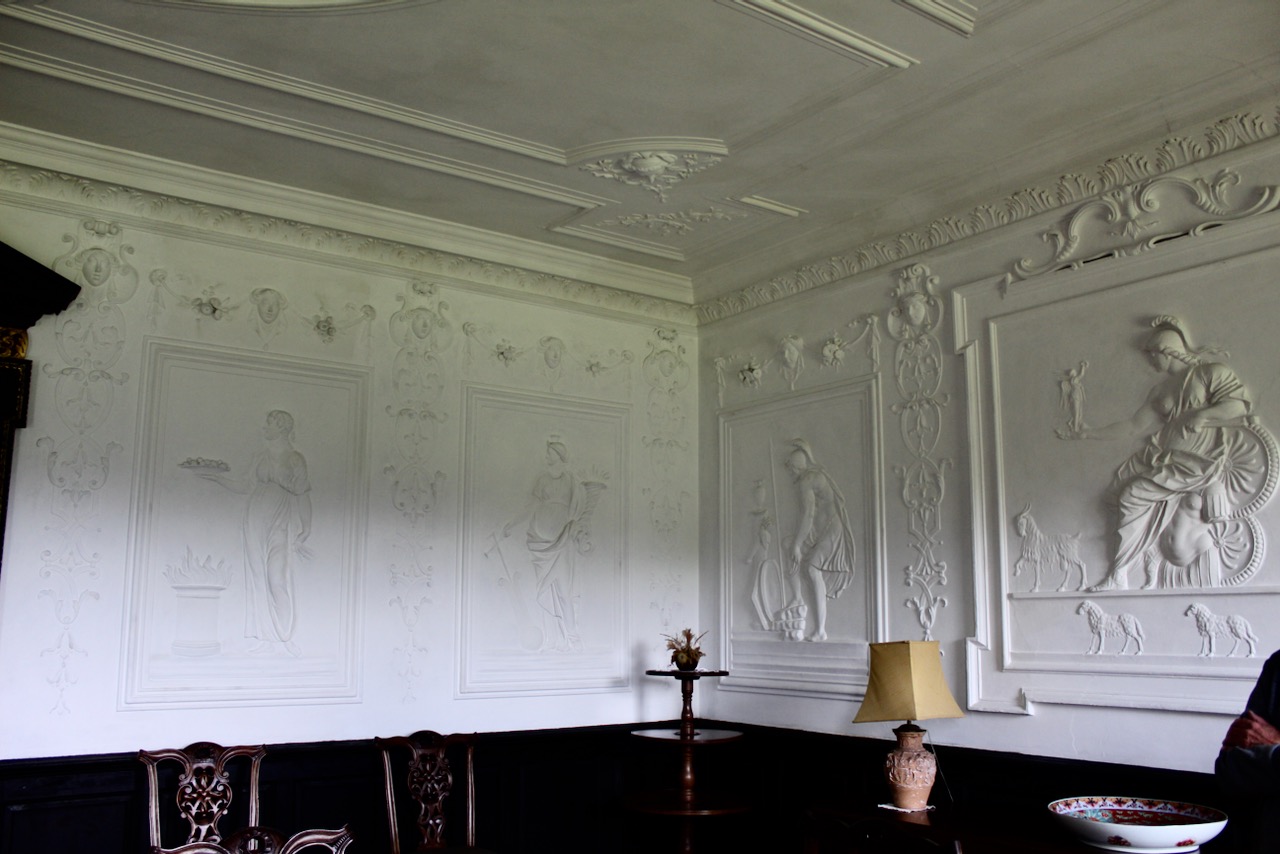


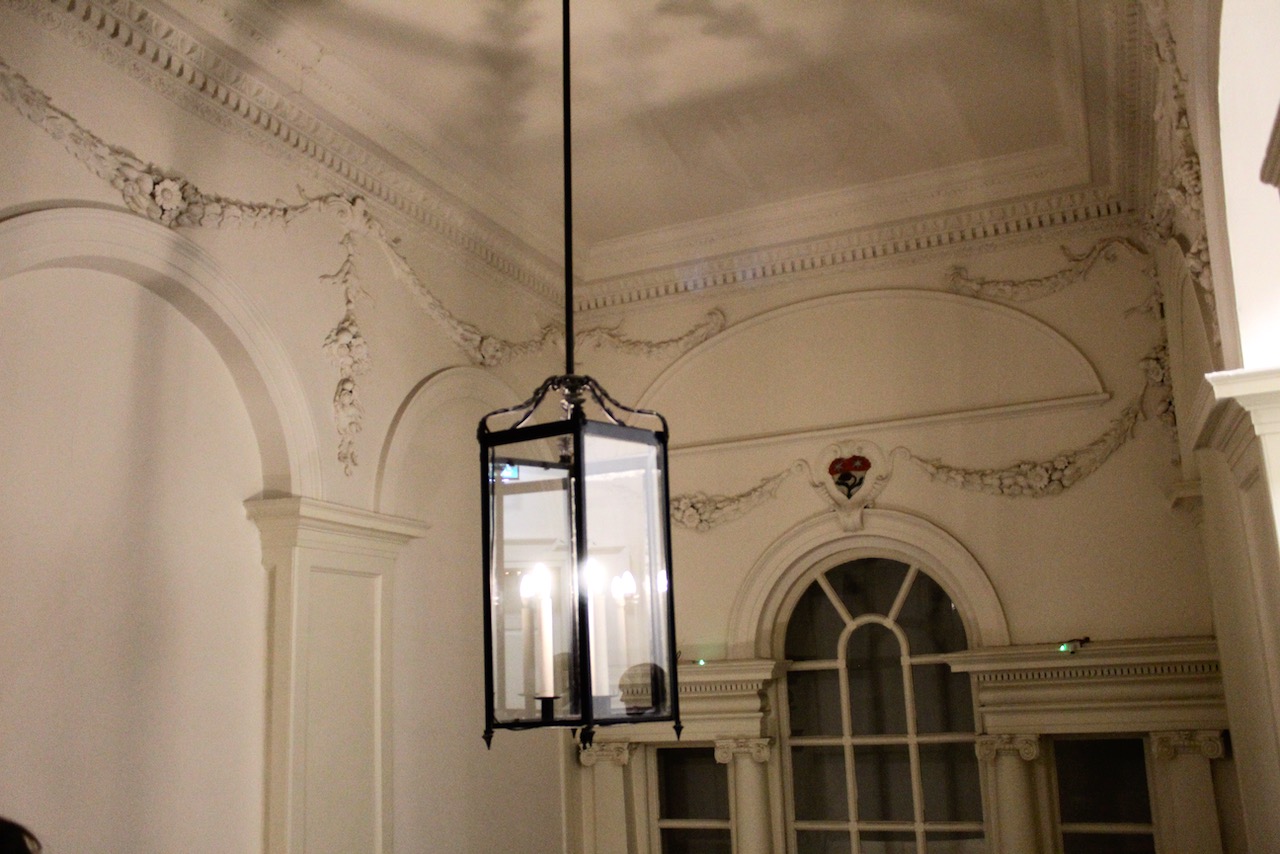

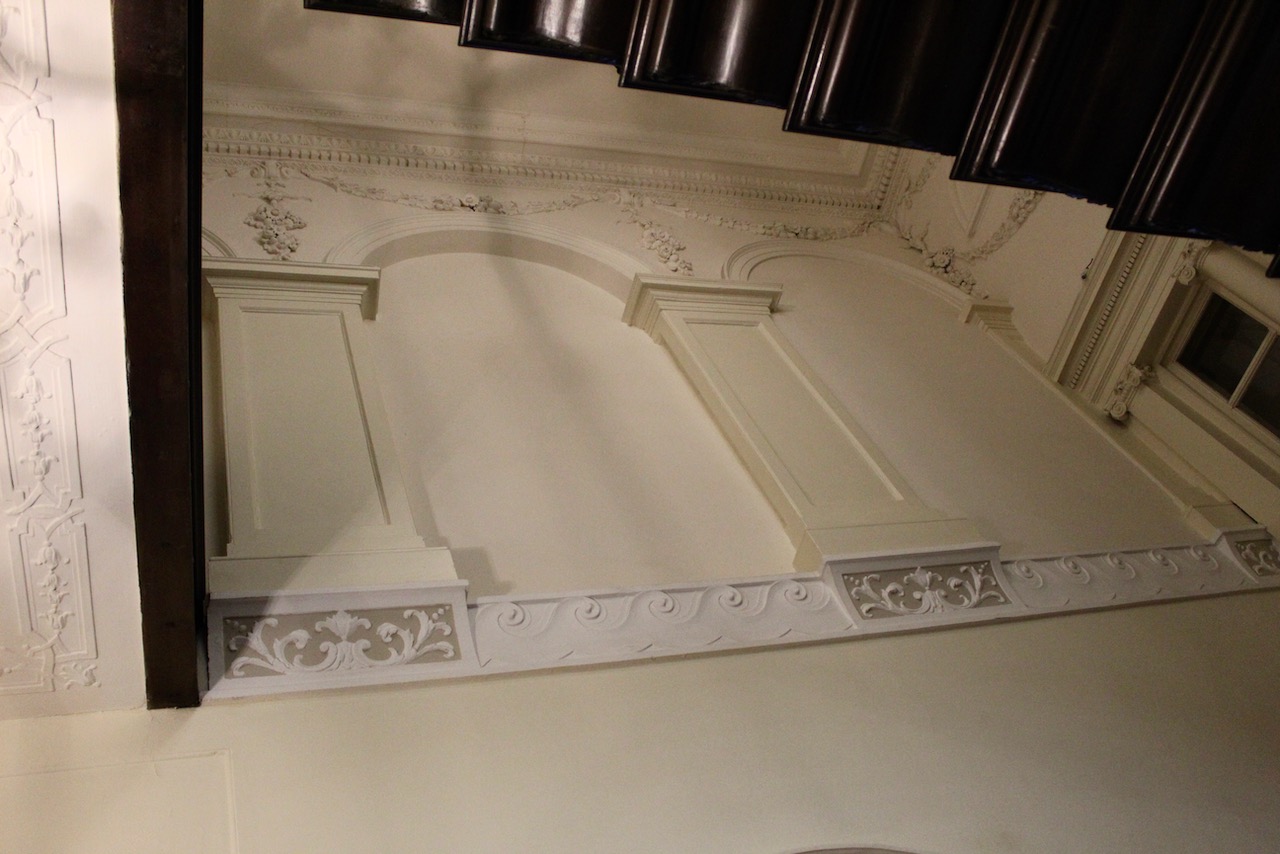


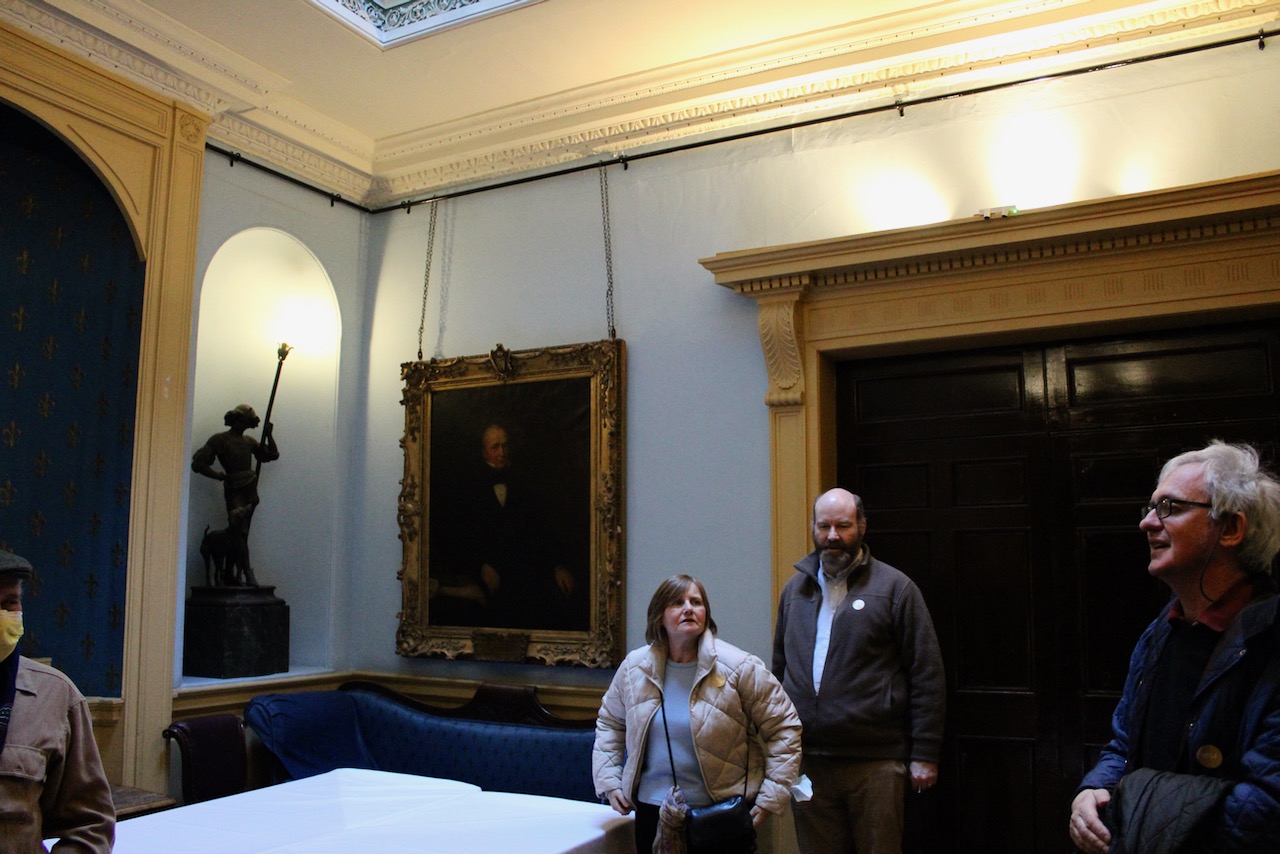

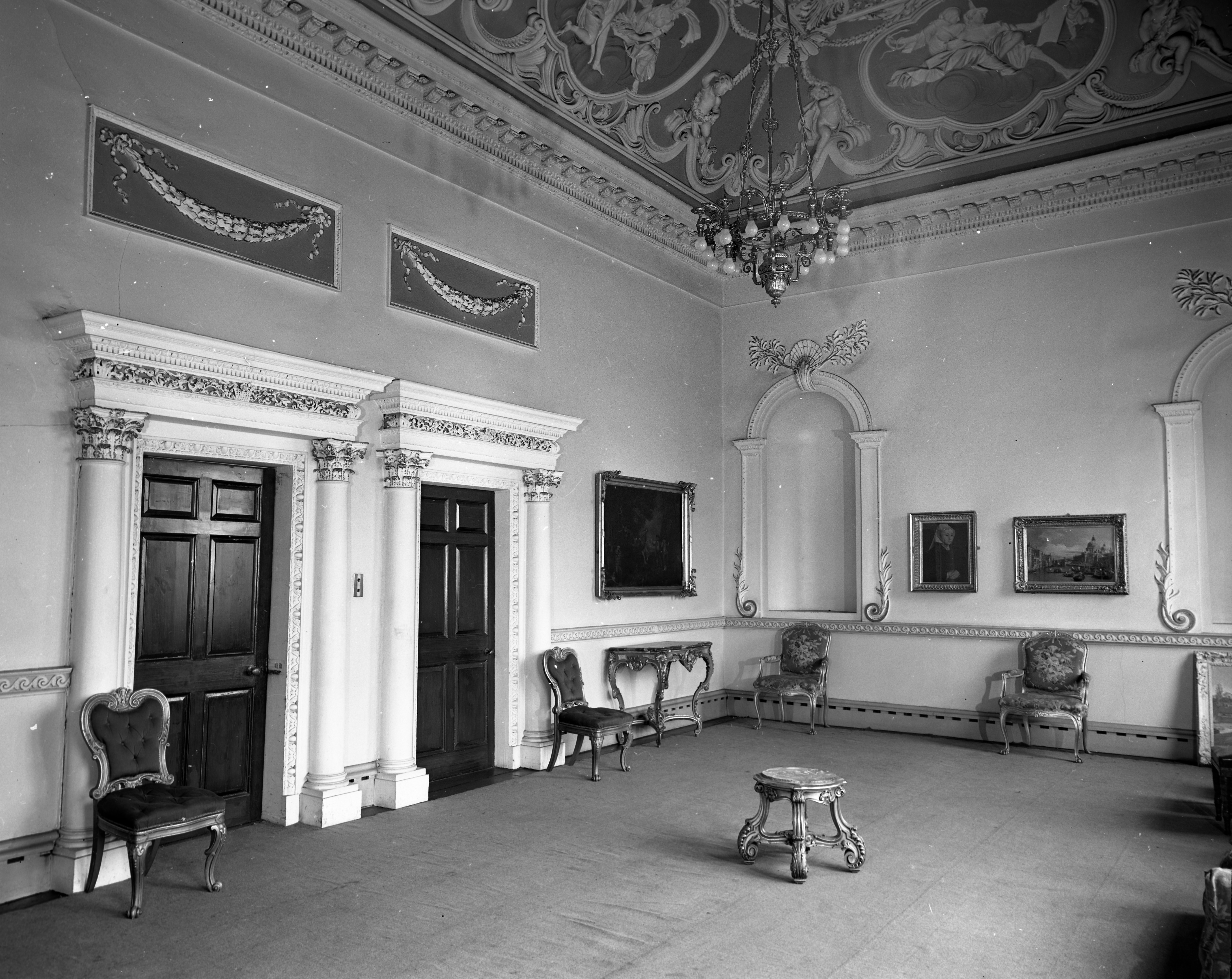
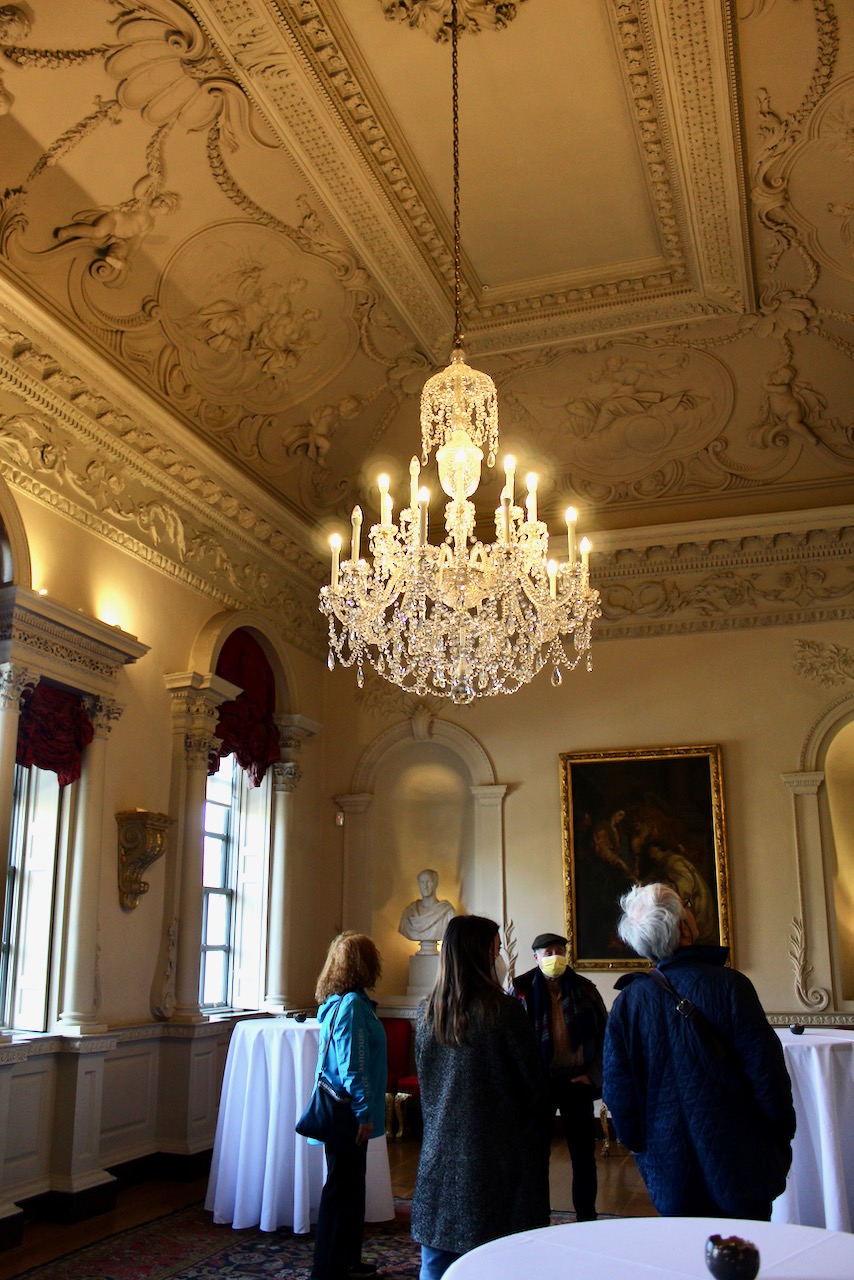


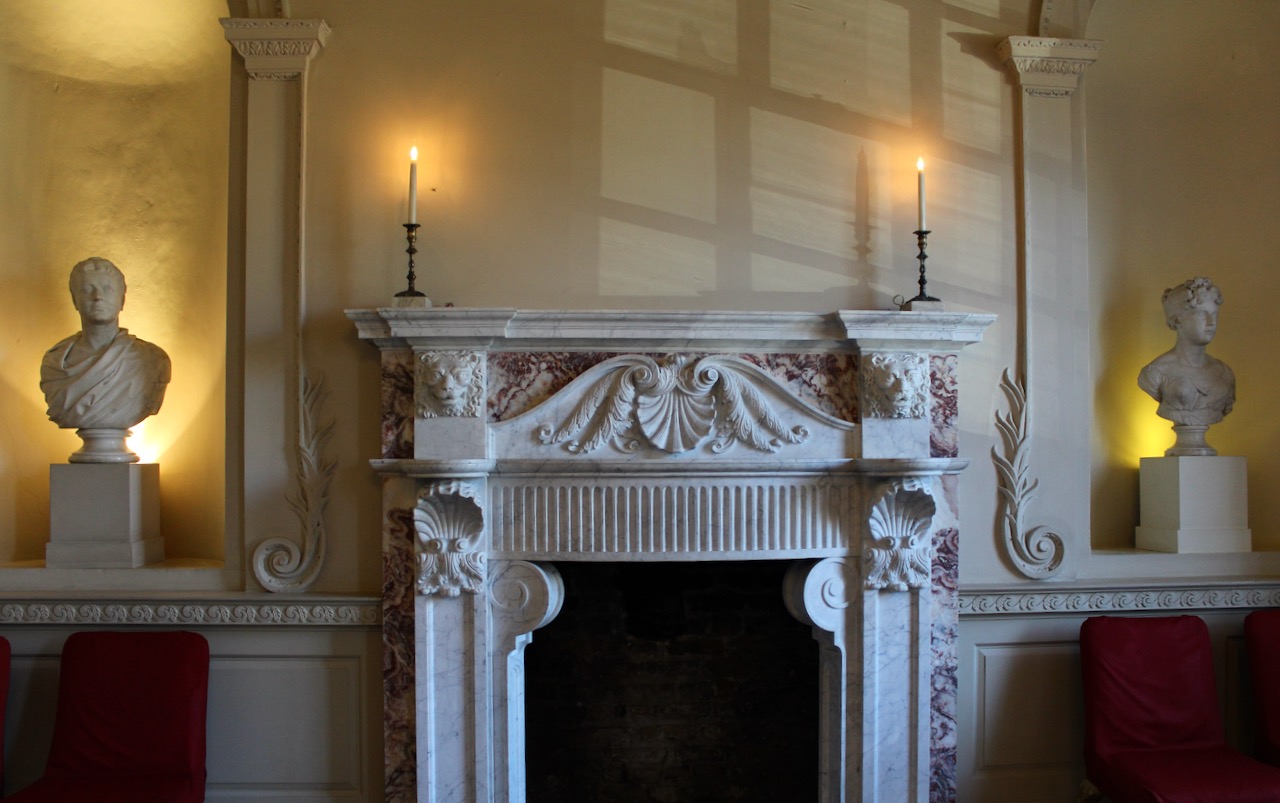
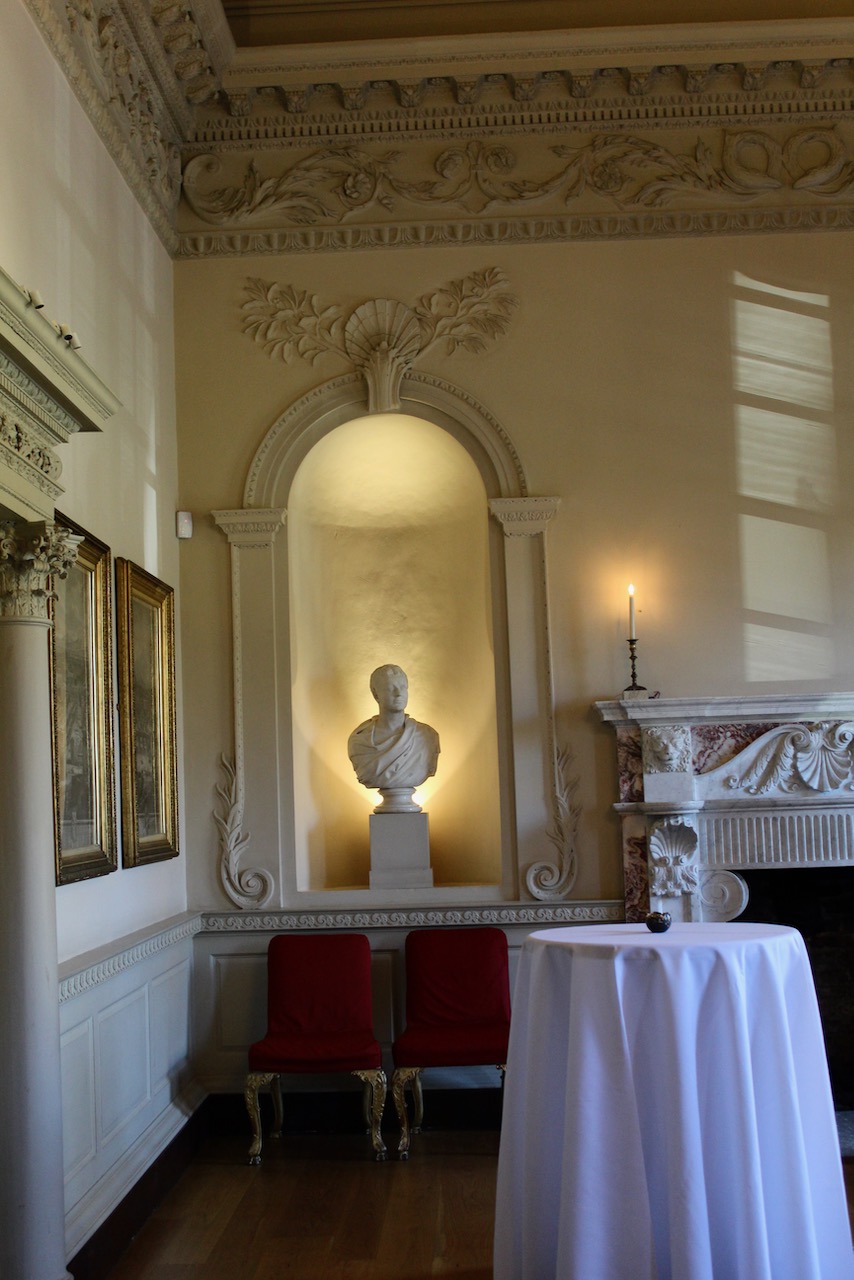


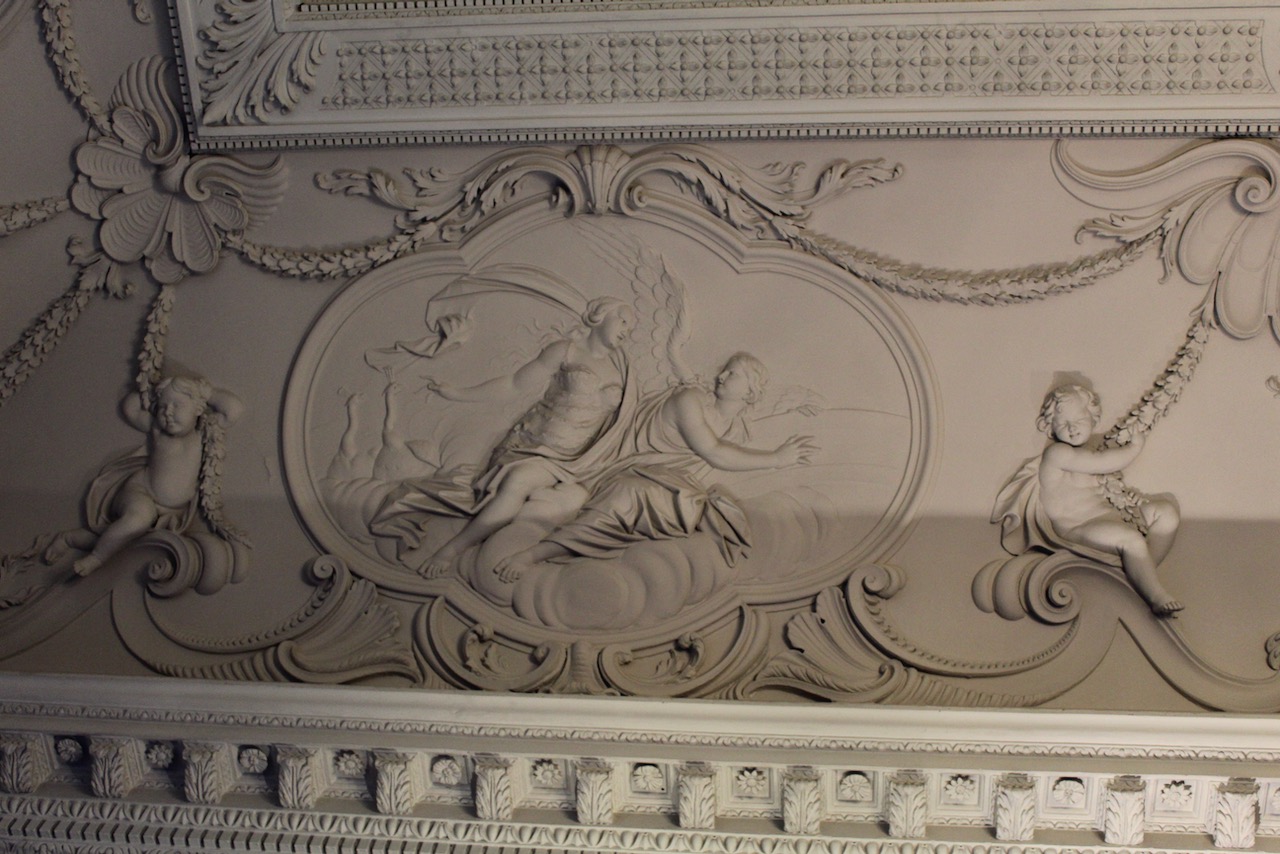
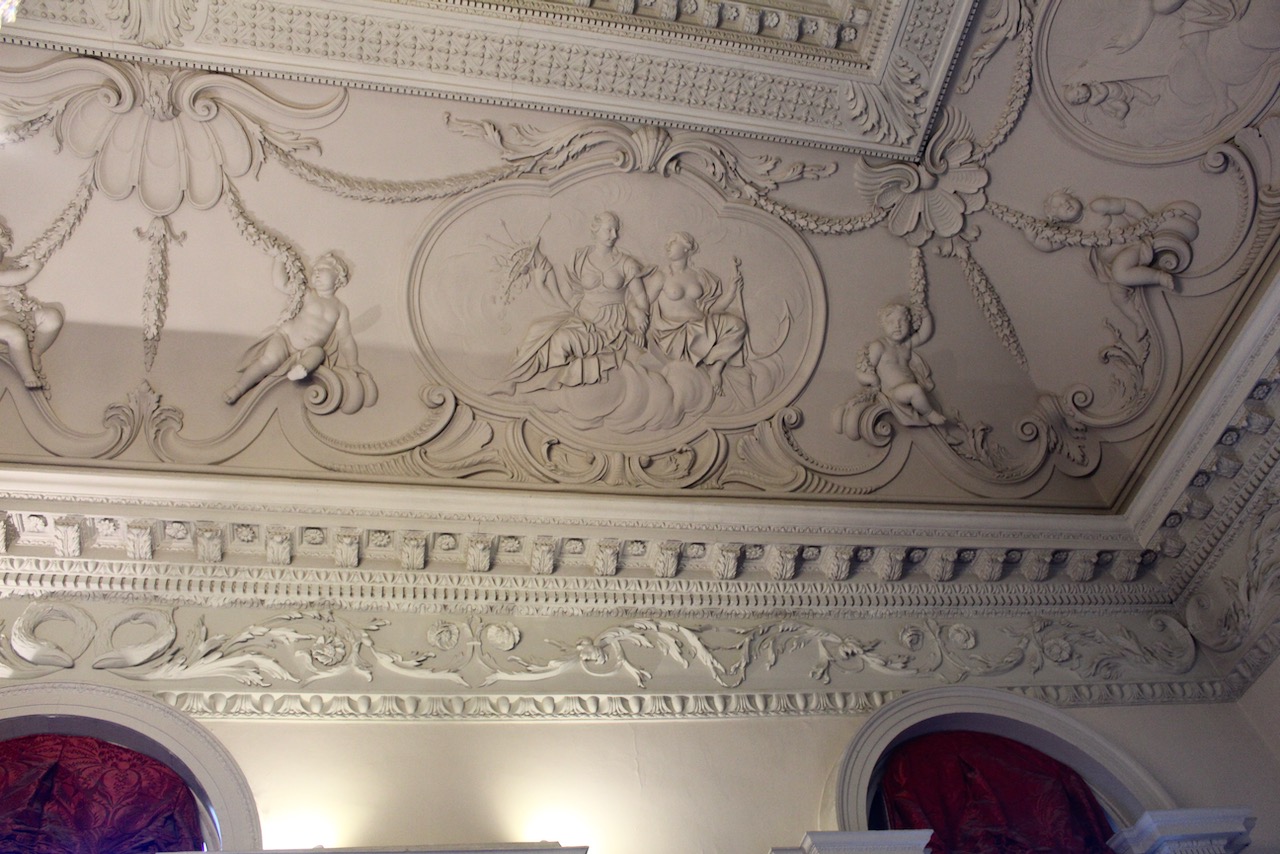
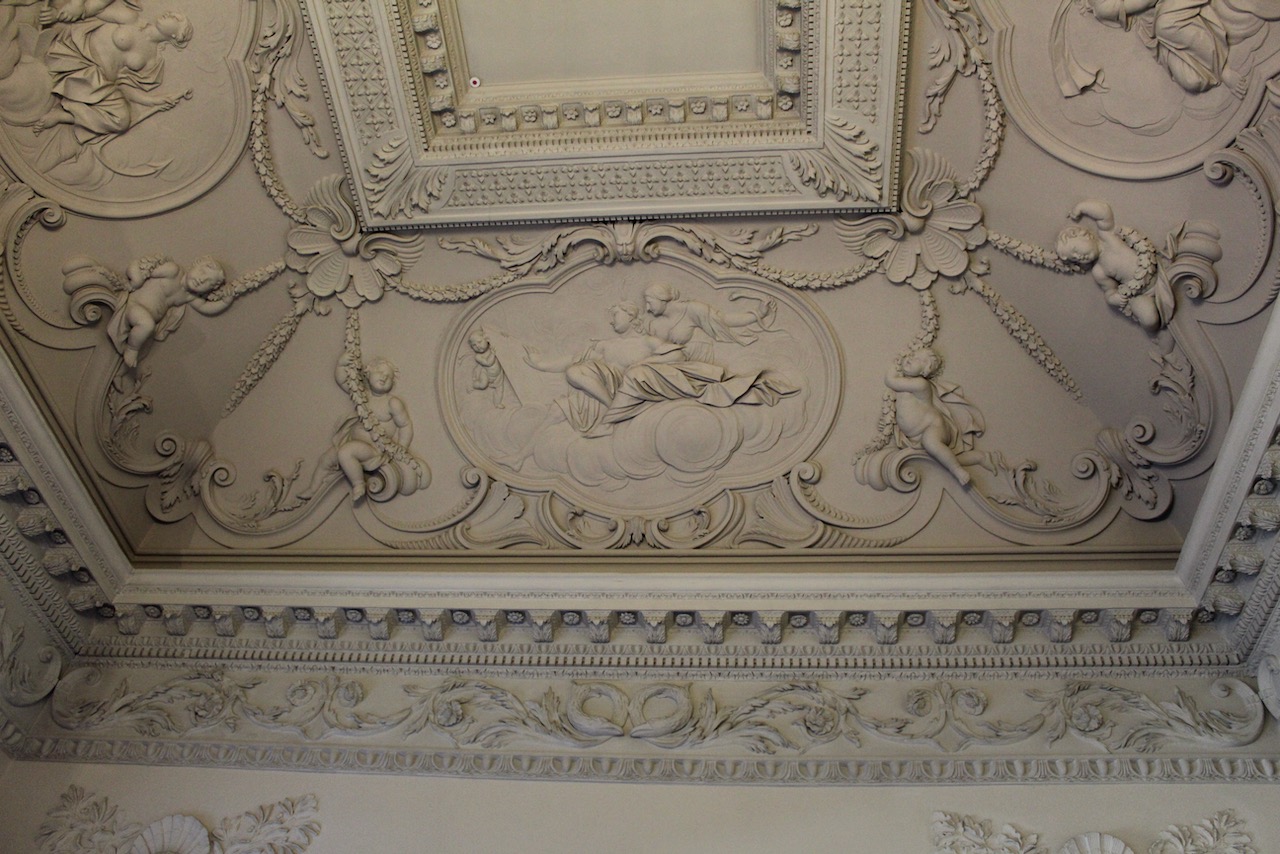
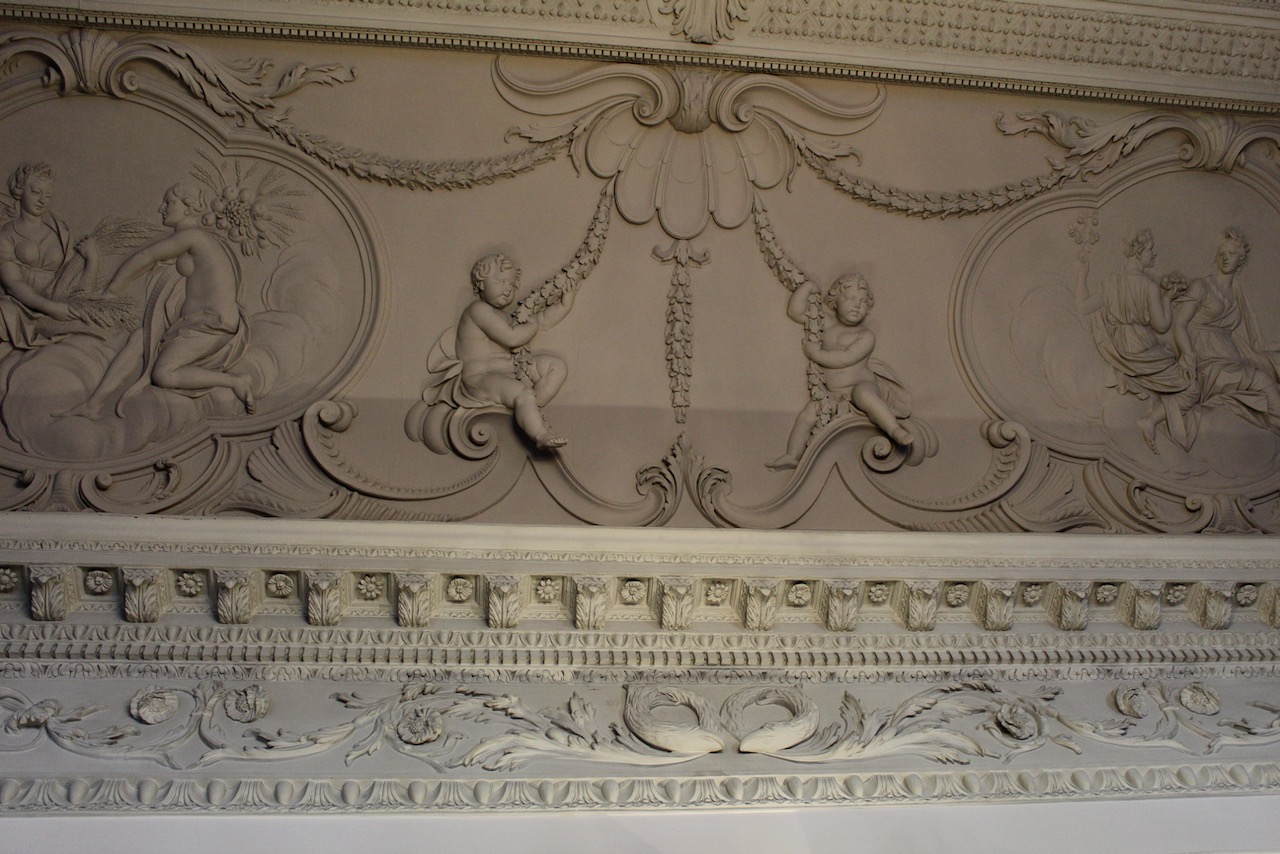
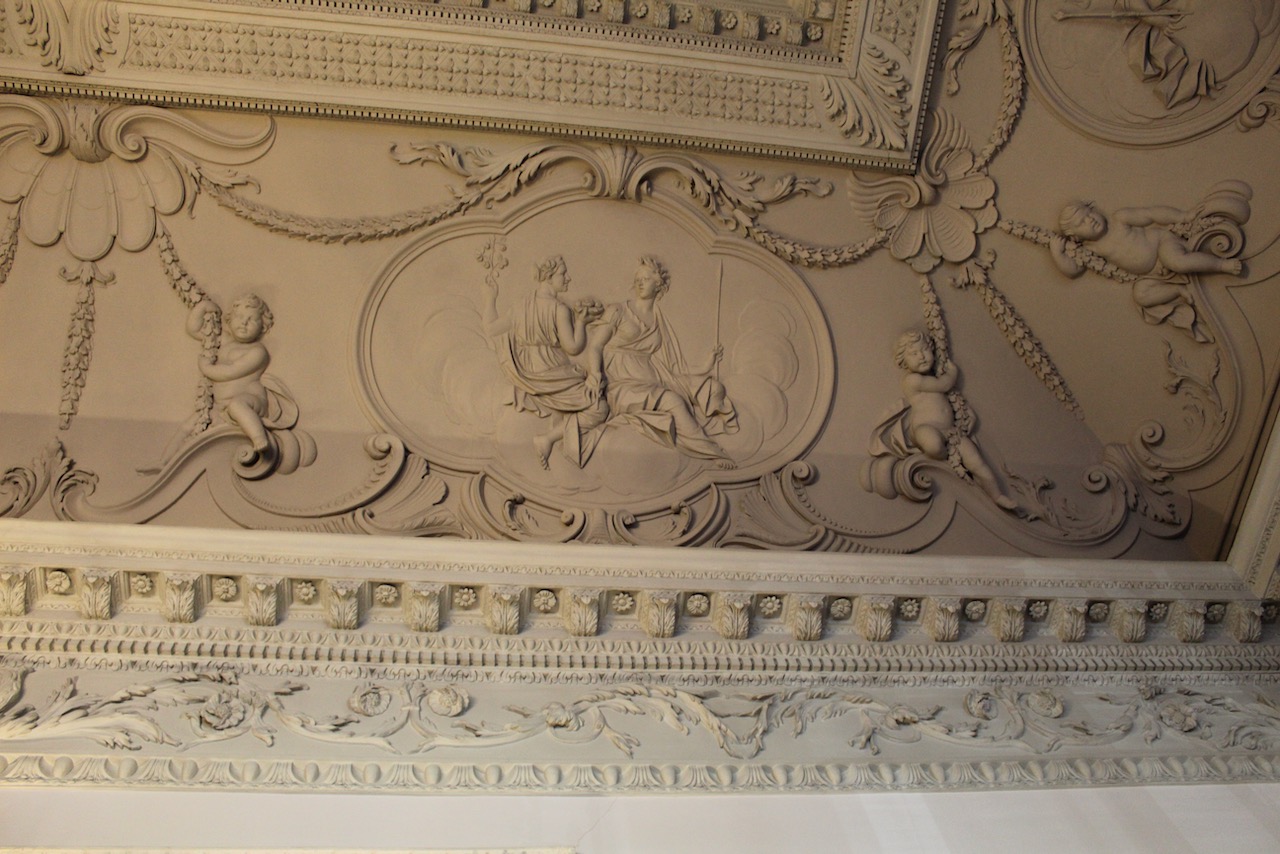

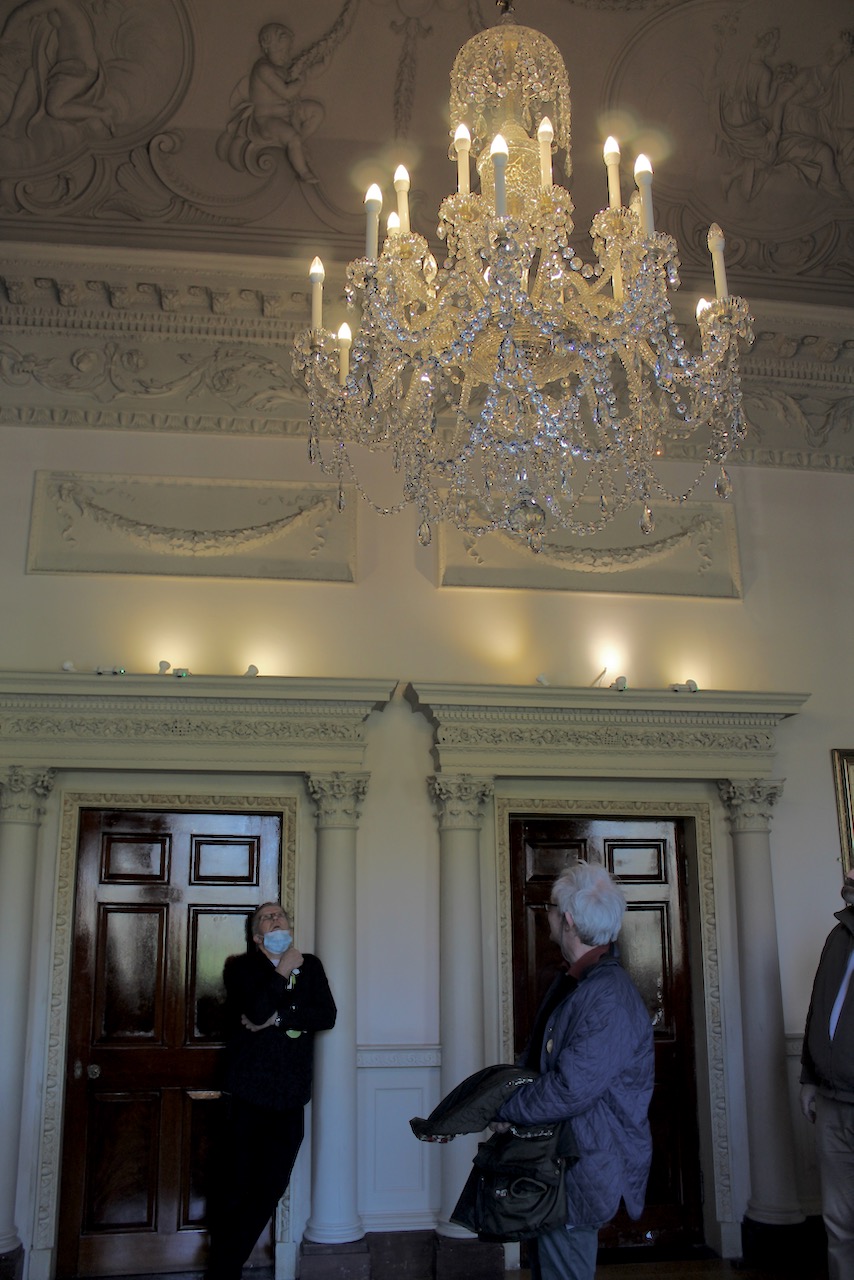


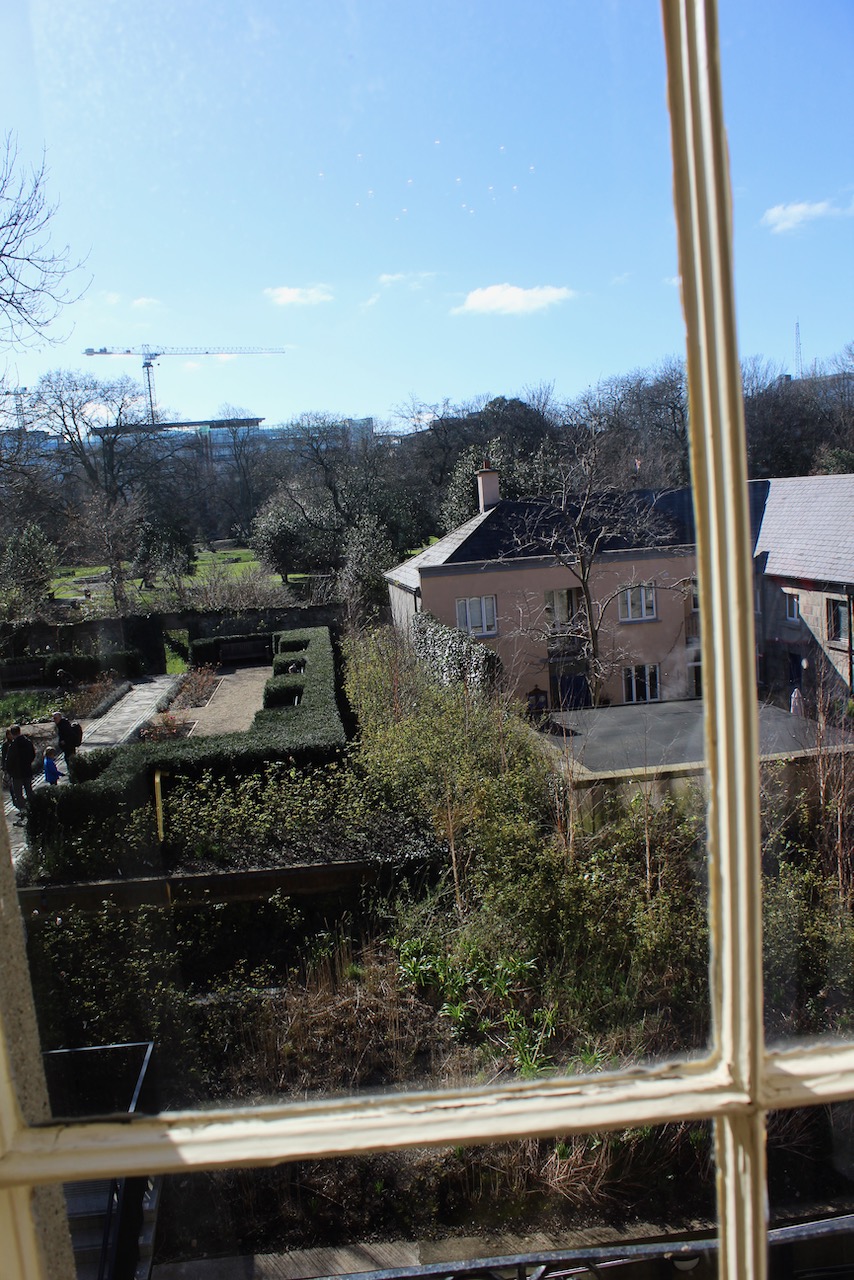
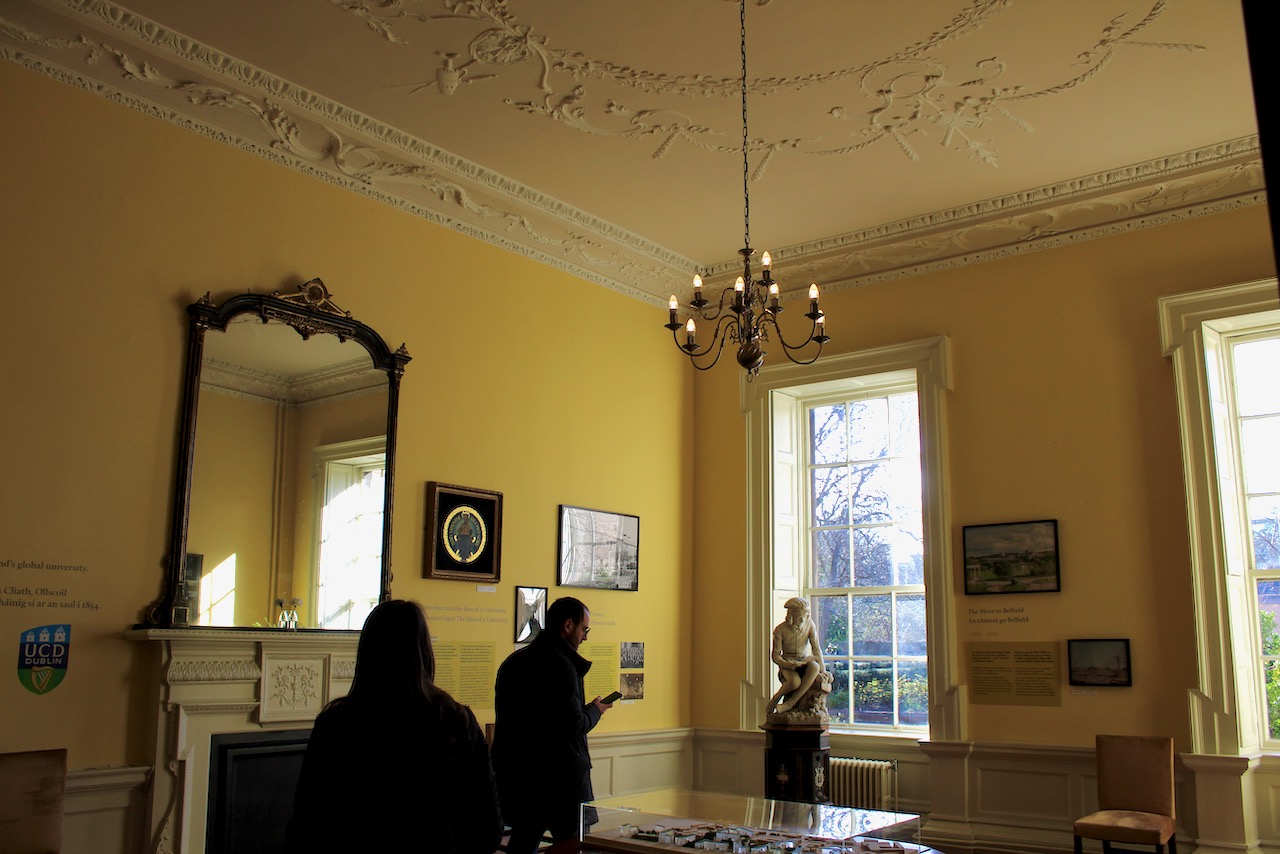
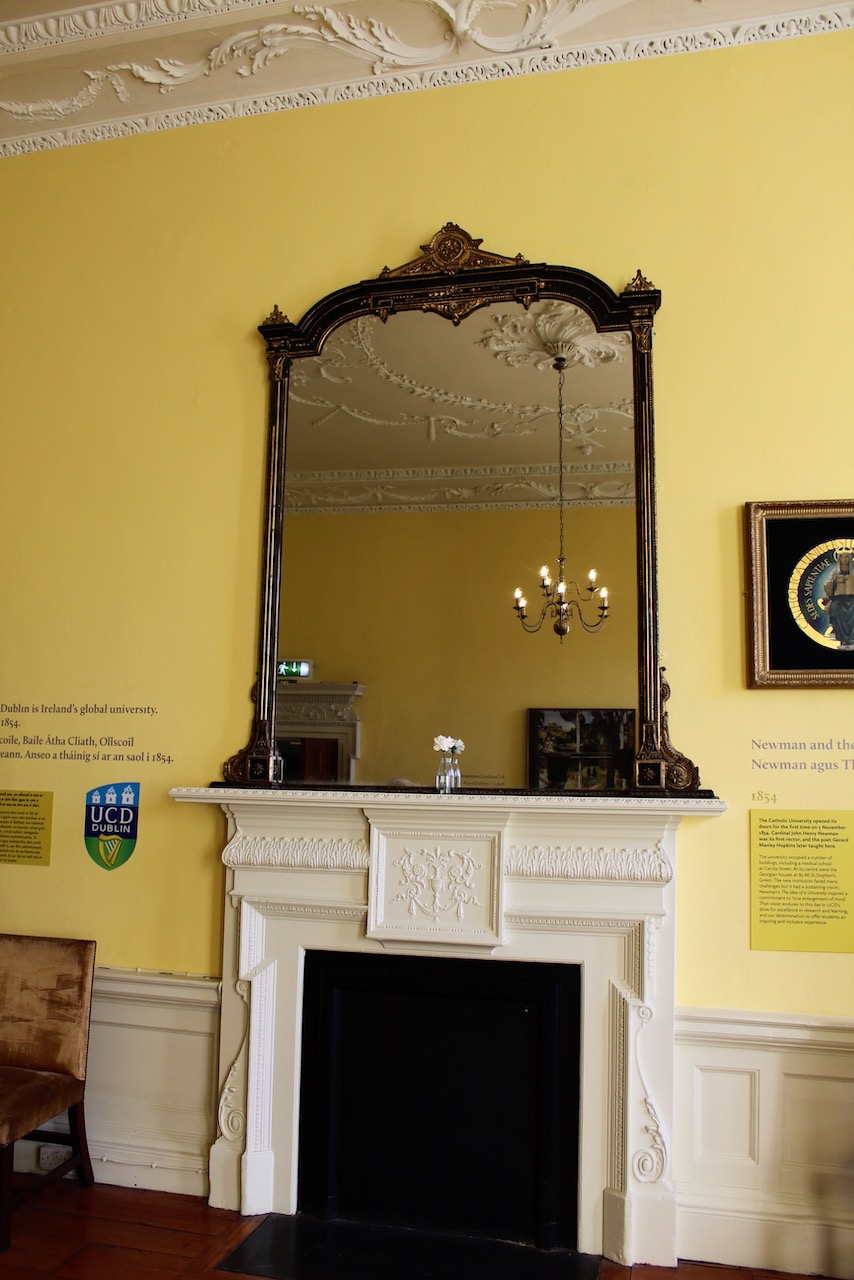
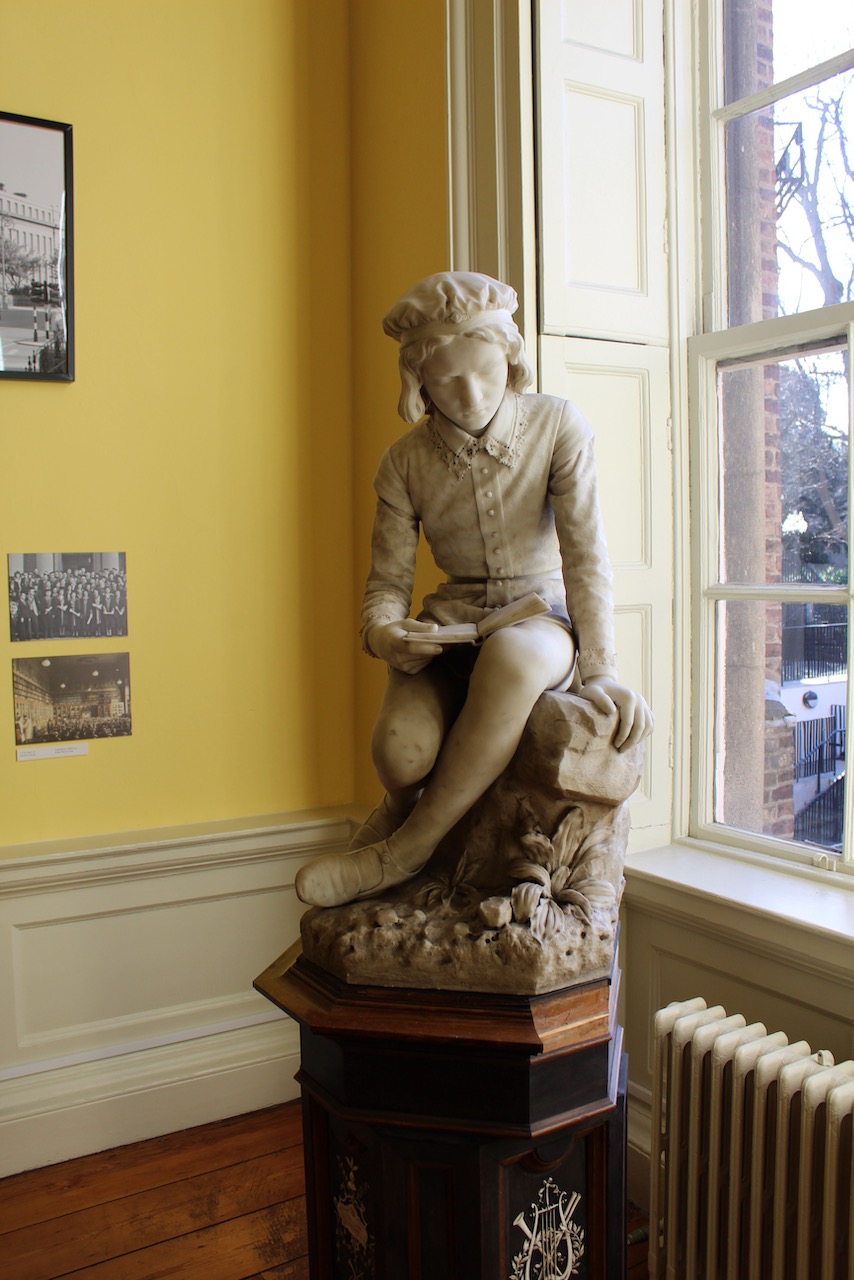
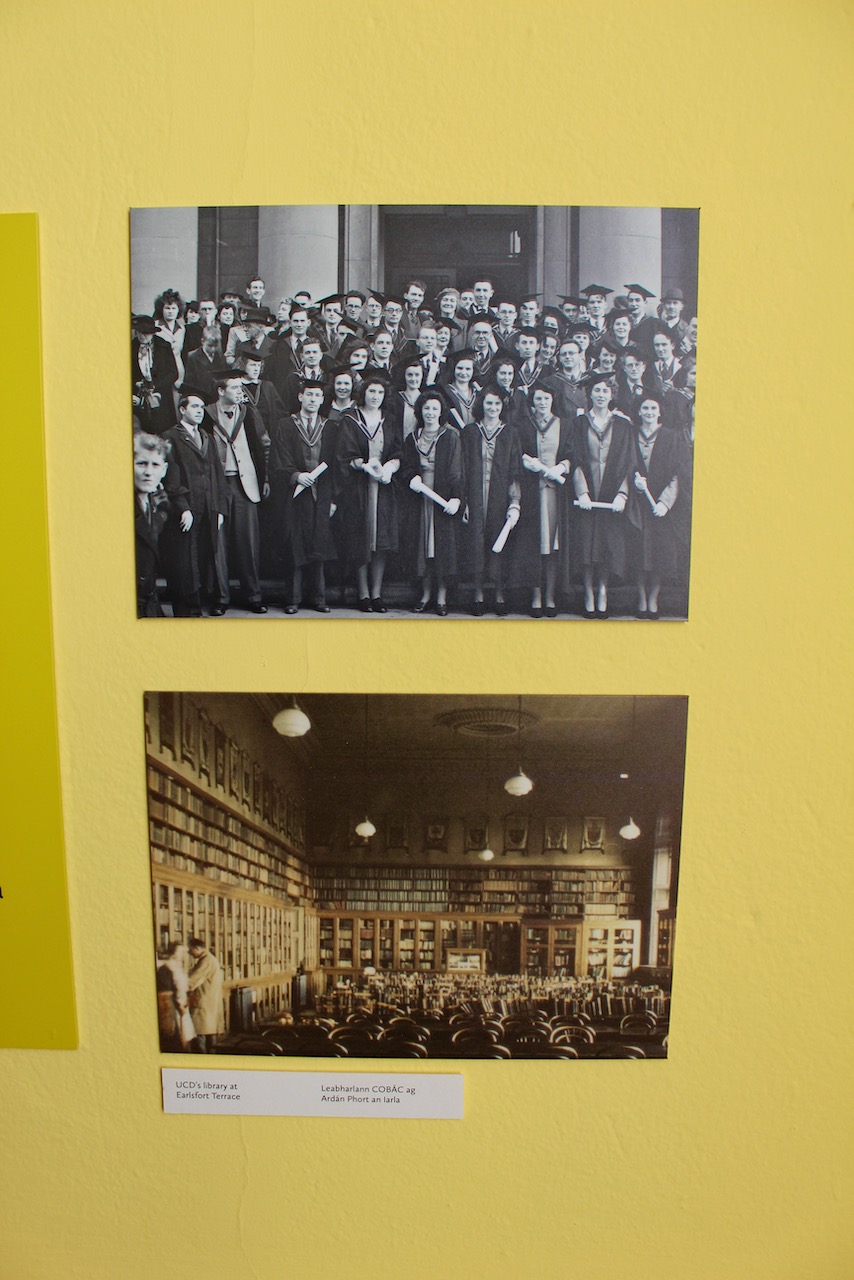
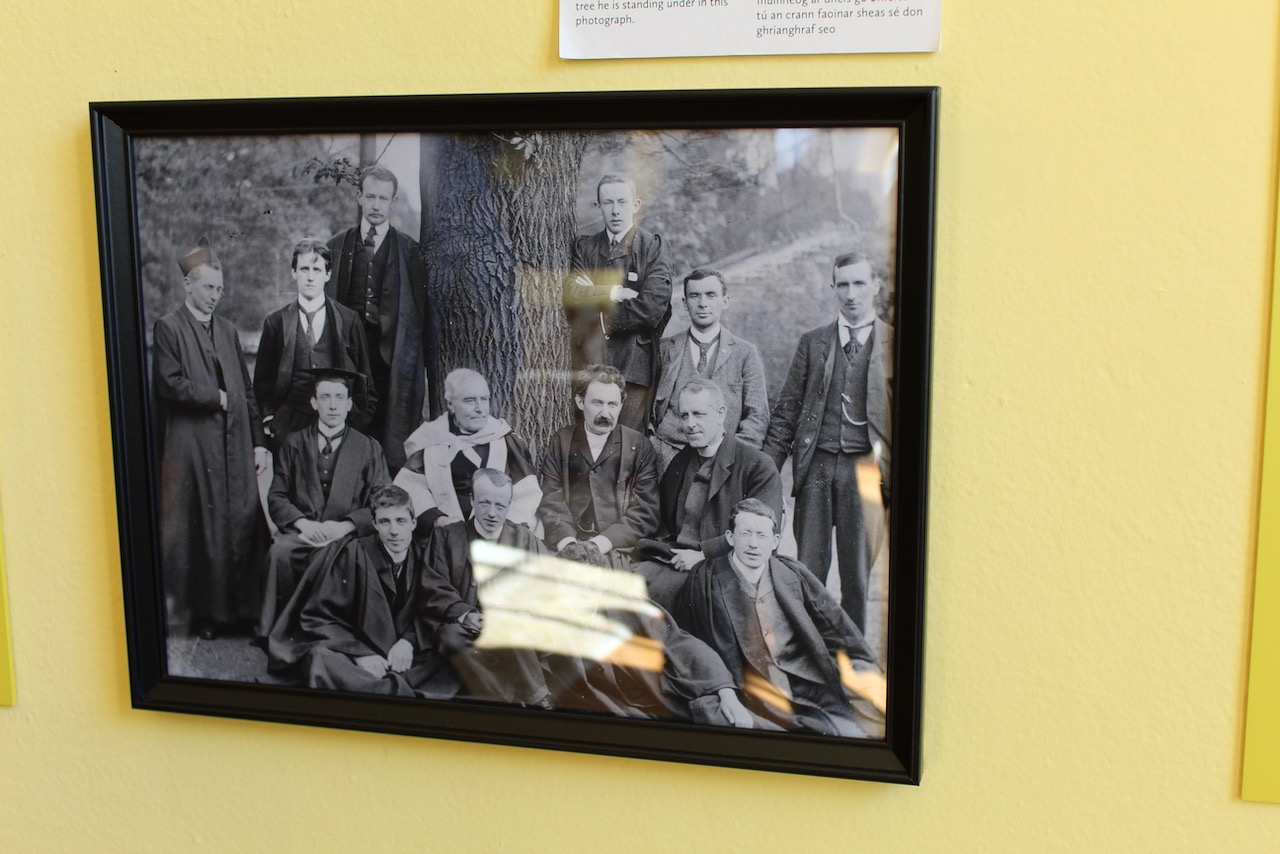
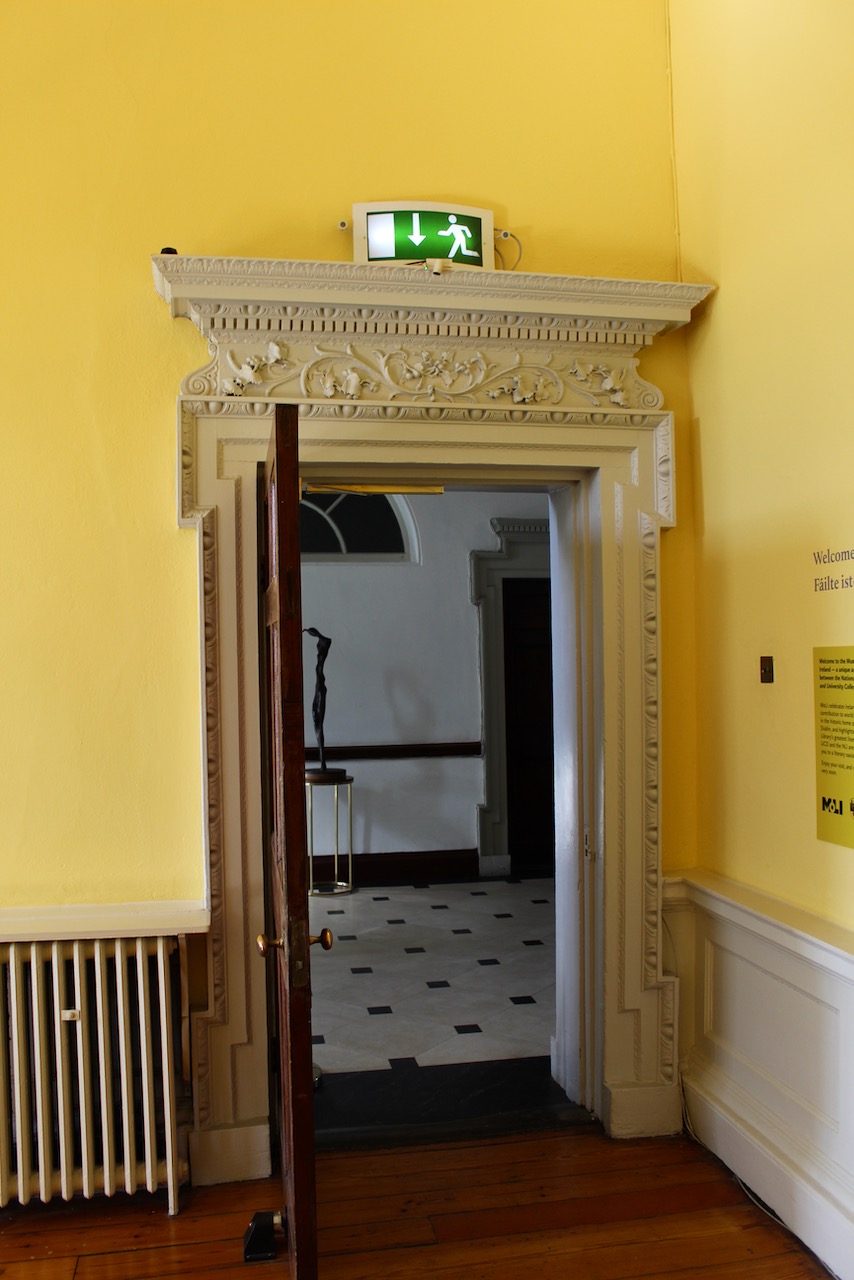
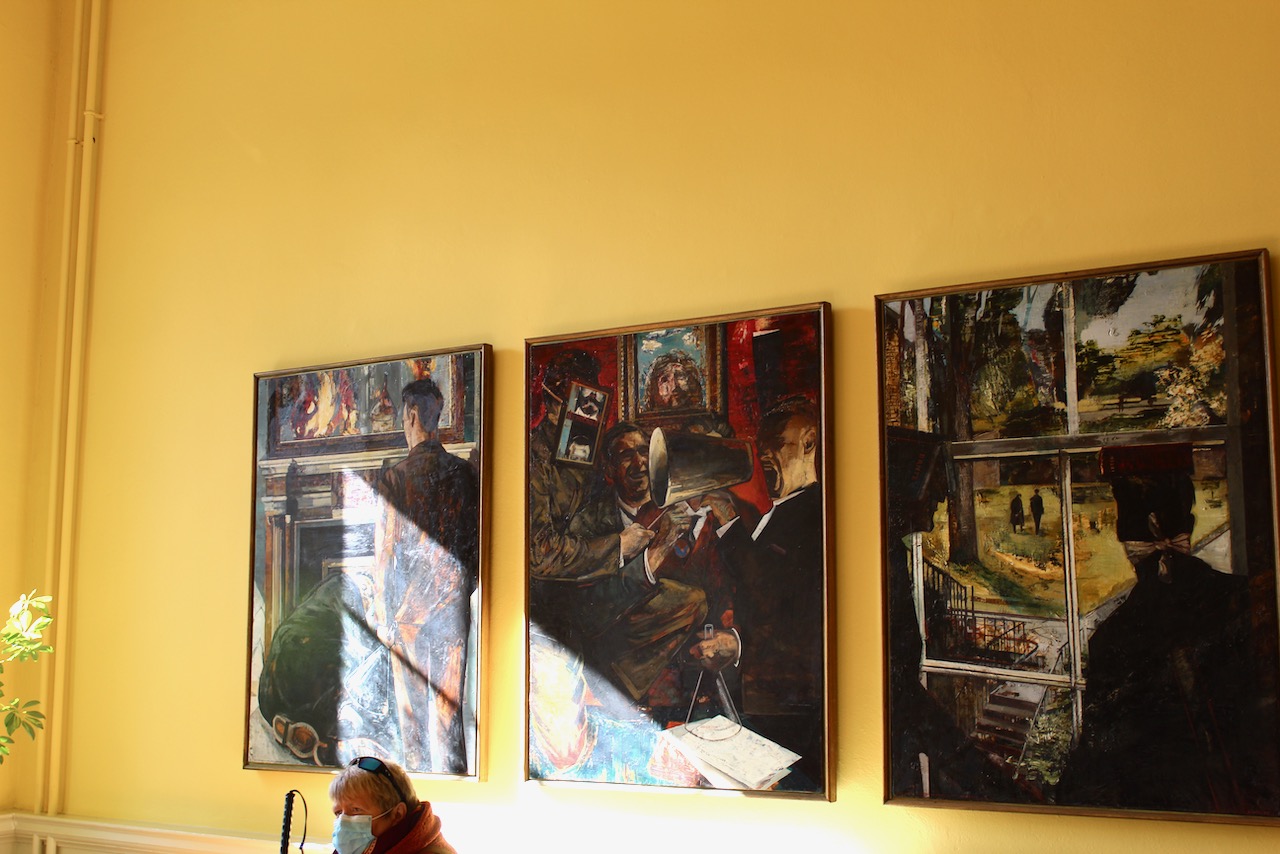
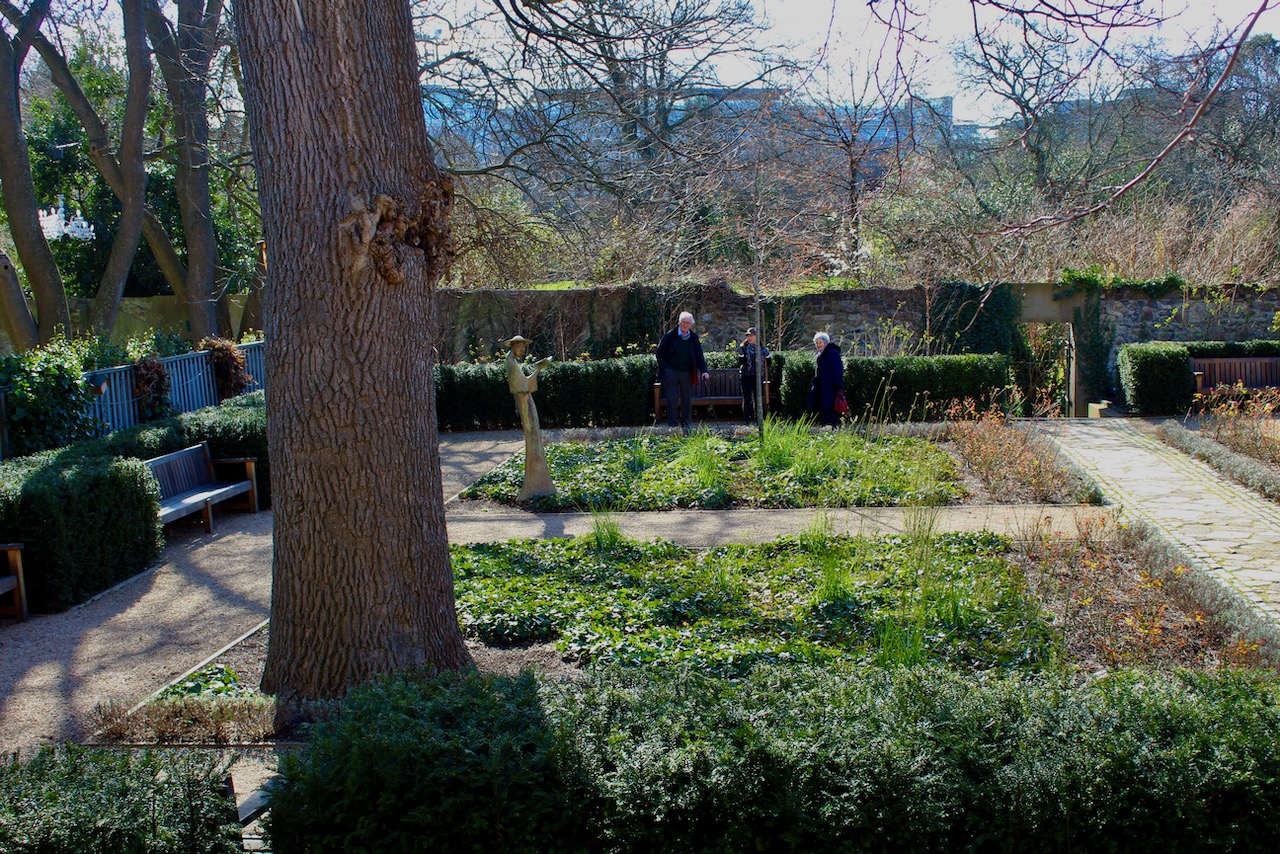


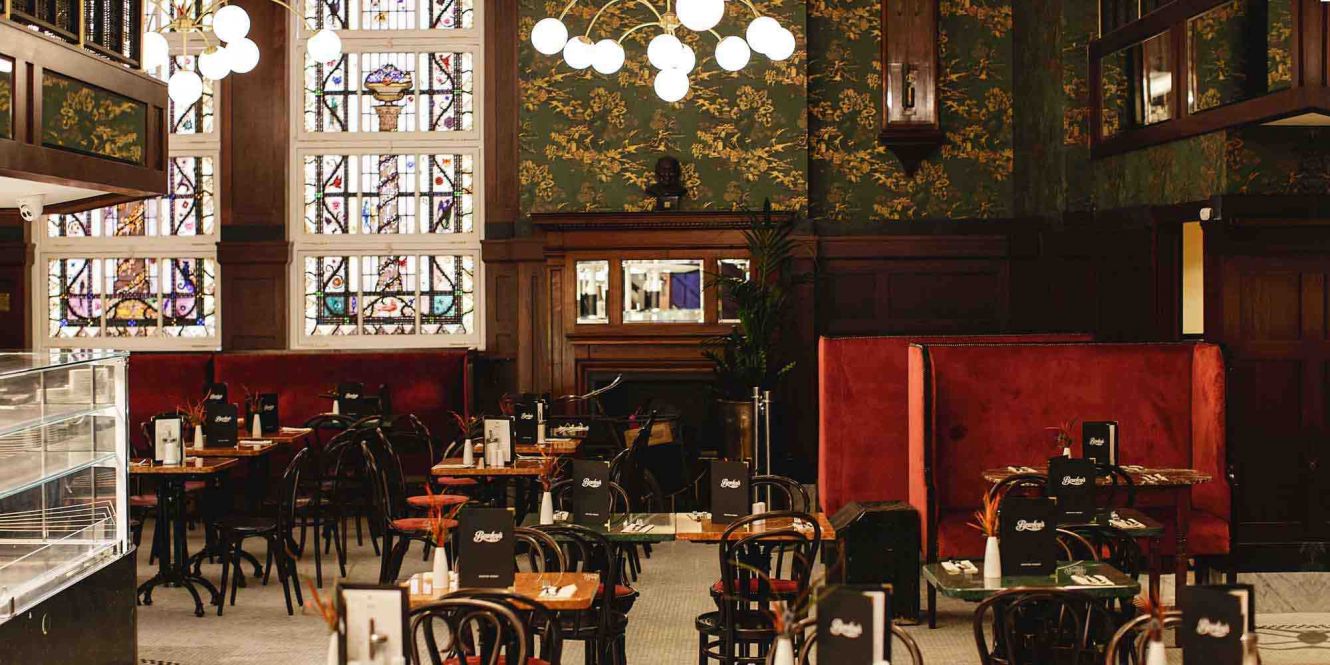


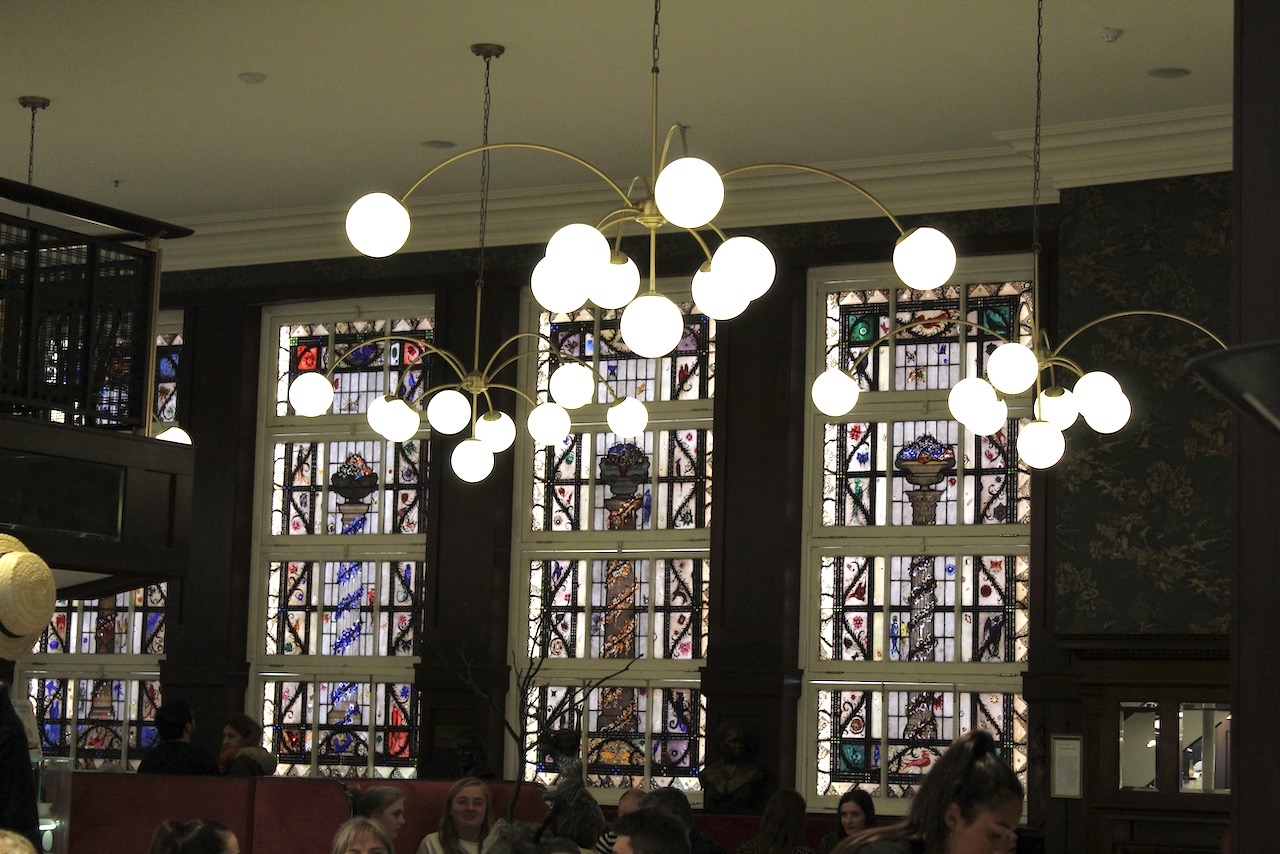


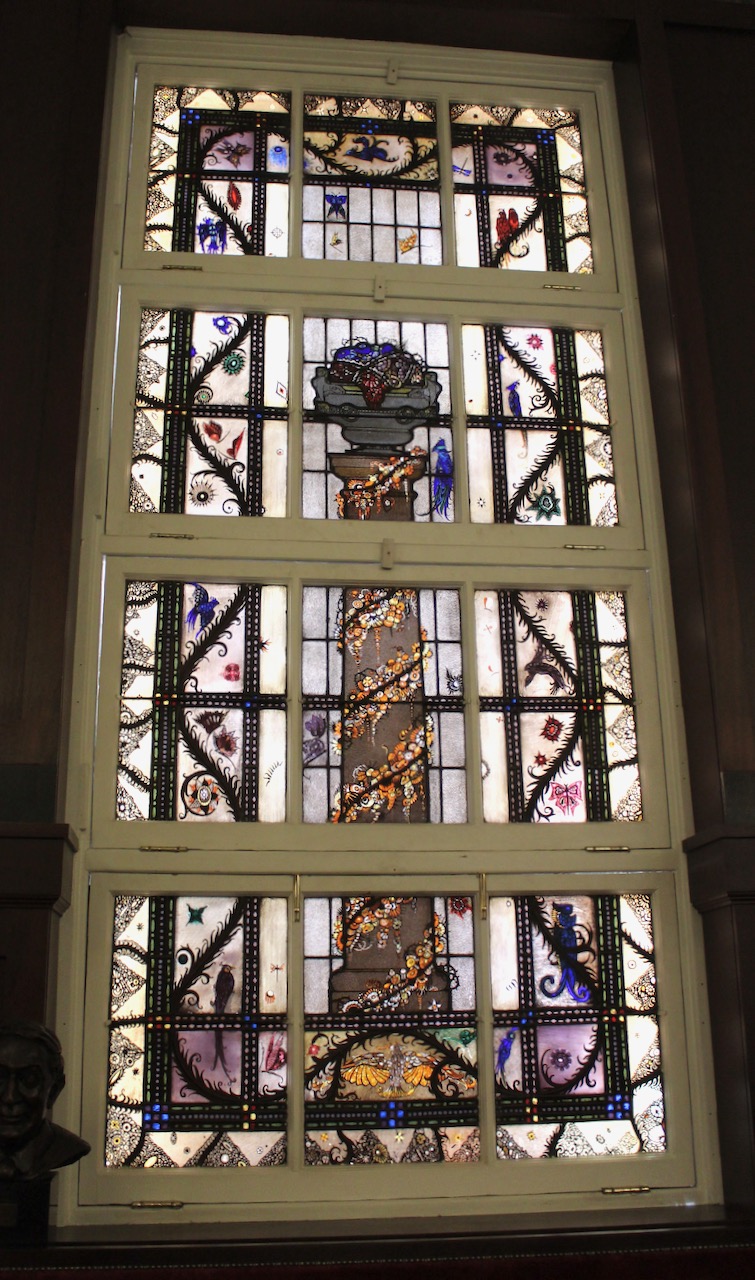
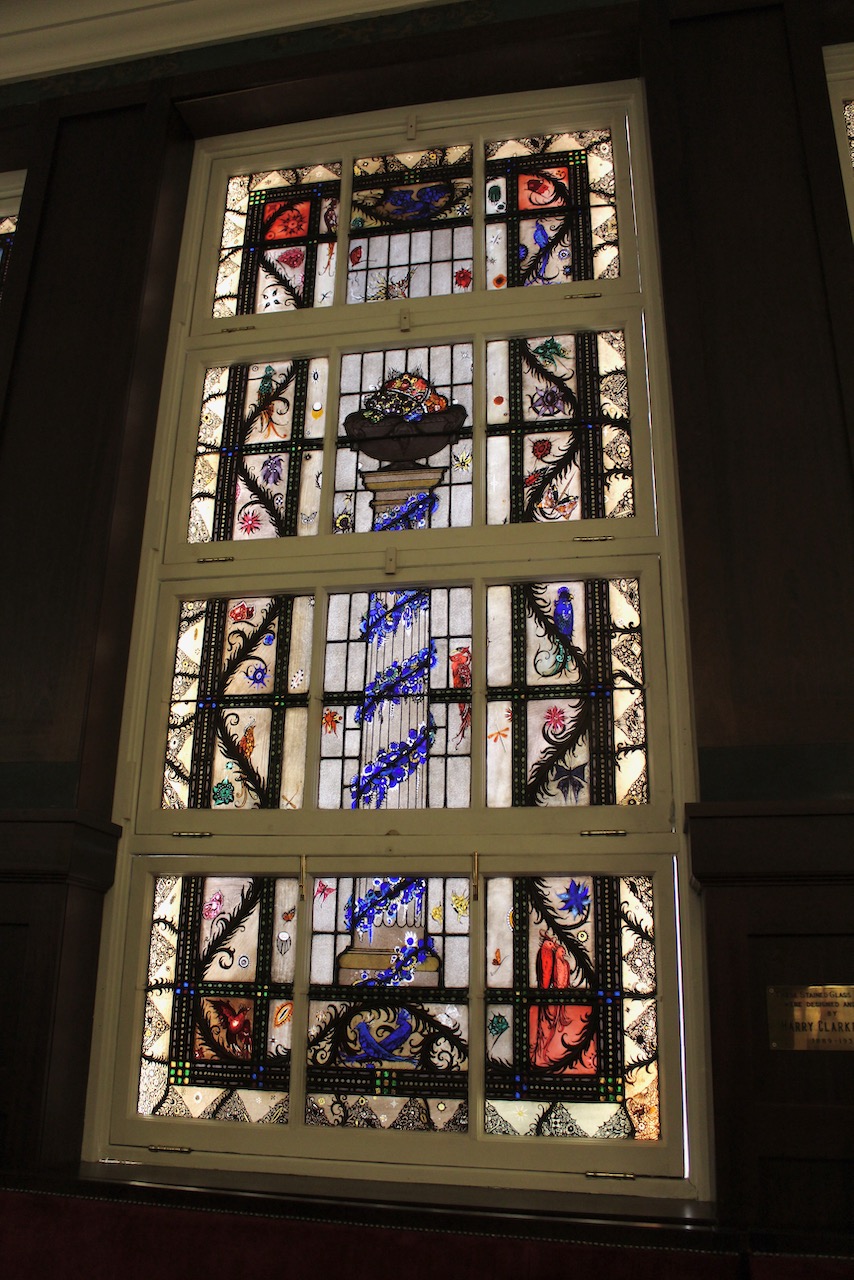


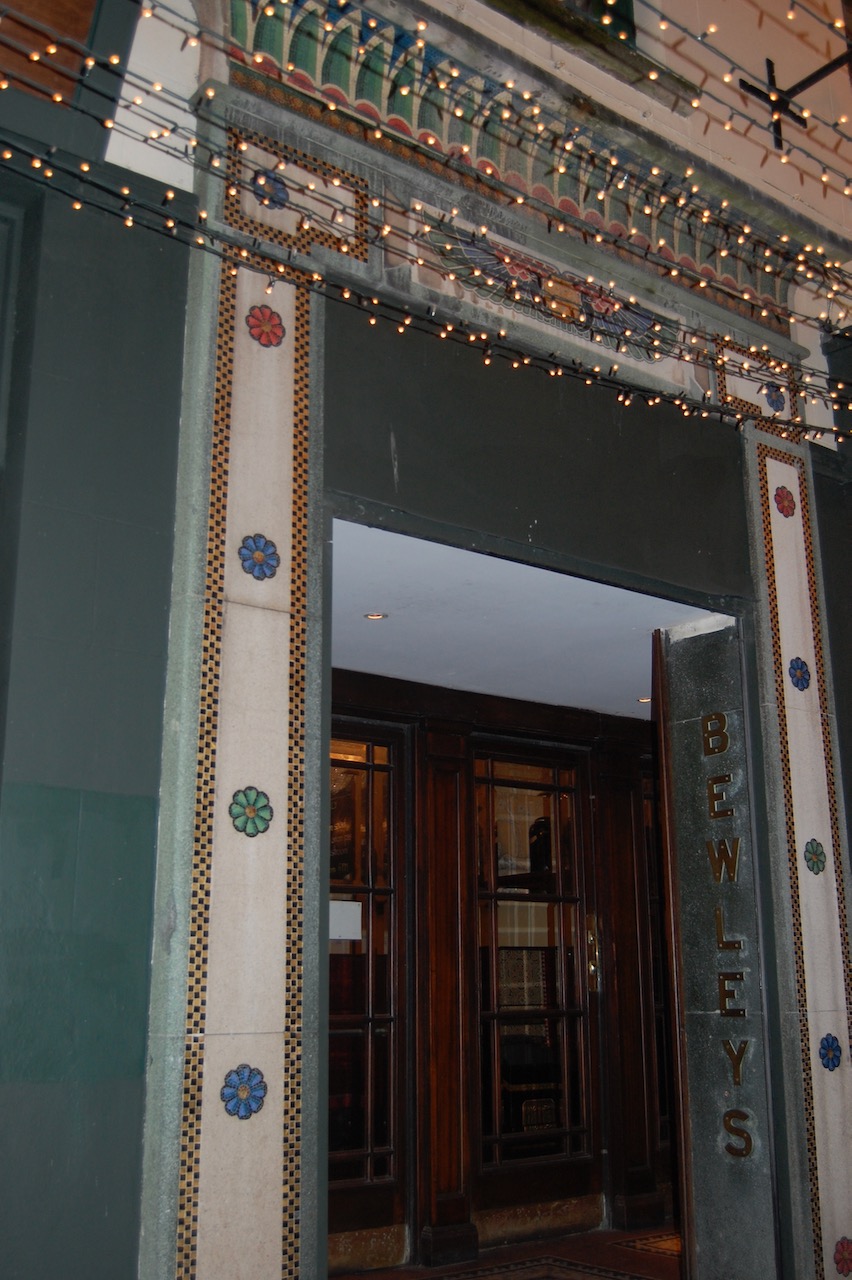

 Irish Historic Houses