Places to visit and stay in County Tipperary, Munster

On the map above:

blue: places to visit that are not section 482

purple: section 482 properties

red: accommodation

yellow: less expensive accommodation for two

orange: “whole house rental” i.e. those properties that are only for large group accommodations or weddings, e.g. 10 or more people.

green: gardens to visit

grey: ruins

Munster’s counties are Clare, Cork, Kerry, Limerick, Tipperary and Waterford.

For places to stay, I have made a rough estimate of prices at time of publication:

€ = up to approximately €150 per night for two people sharing (in yellow on map);

€€ – up to approx €250 per night for two;

€€€ – over €250 per night for two.

For a full listing of accommodation in big houses in Ireland, see my accommodation page: https://irishhistorichouses.com/accommodation/

donation

Help me to pay the entrance fee to one of the houses on this website. This site is created purely out of love for the subject and I receive no payment so any donation is appreciated!

€15.00

Tipperary:

1. Beechwood House, Ballbrunoge, Cullen, Co. Tipperary – section 482

2. Cahir Castle, County Tipperary – OPW

3. Carey’s Castle, Clonmel, County Tipperary

4. Clashleigh House, Clogheen, Co. Tipperary – section 482

5. Damer House and Roscrea Castle, Roscrea, County Tipperary

6. Fancroft Mill, Fancroft, Roscrea, Co. Tipperary – section 482

7. Farney Castle, Holycross, County Tipperary

8. Grenane House, Tipperary, Co. Tipperary – section 482

9. Killenure Castle, Dundrum, Co Tipperary – section 482

10. Nenagh Castle, County Tipperary

11. Ormond Castle, Carrick-on-Suir, County Tipperary – OPW

12. Redwood Castle, Redwood, Lorrha, Nenagh, North Tipperary – section 482

13. Roscrea Castle and Damer House (see “Damer”) County Tipperary

14. Silversprings House, Clonmel, Co. Tipperary – section 482

14. Swiss Cottage, County Tipperary – OPW

Places to stay, County Tipperary

1. Ashley Park, Nenagh, Co Tipperary – accommodation

2. Cahir House Hotel, Cahir, County Tipperary €

3. Cashel Palace Hotel, County Tipperary €€€

4. Clonacody House, County Tipperary €€

5. Croc an Oir, Mullinahone, County Tipperary € for 4-15

6. Hotel Minella, Clonmel, County Tipperary

7. Raheen House Hotel, Clonmel, County Tipperary €€

8. The Rectory, Cashel Road, Cahir, Co. Tipperary – section 482

Whole house rental/wedding venue County Tipperary

1. Aherlow Castle, County Tipperary – on airbnb

2. Bansha Castle, County Tipperary – whole house rental €€€ for 2; € for 7-16

3. Clonacody House, County Tipperary – whole house

4. Cloughjordan House, Cloughjordan, Co. Tipperary

5. Inch House, Thurles, County Tipperary, Ireland – whole house rental €€€ for 2; €€ for 7-10

6. Killaghy Castle, Mullinahone, Tipperary – whole house rental €€€ for 2; € for 11-14

7. Kilshane, Tipperary, Co Tipperary – whole house rental

8. Kilteelagh House, Dromineer, Lough Derg, County Tipperary – whole house €€€ for 2; €€ for 10-12

9. Lisheen Castle, Thurles, County Tipperary €€€ for two, € for 11-14

10. Lismacue, County Tipperary, ihh member, whole house rental

11. Lissanisky House, County Tipperary

Tipperary:

1. Beechwood House, Ballbrunoge, Cullen, Co. Tipperary E34 HK00 – section 482

Open dates in 2025: Feb 25-27, Mar 4-6, 11-13, April 1-11, May 8-11, 15-18, 22-25, June 7-8, 14-15, Aug 16-24, Sept 2-4, 9-11, 16-18, 23-28, 9.15am-1.15pm

Fee: adult €5, OAP/student €2, child free, fees donated to charity

We visited during Heritage Week 2022 – https://irishhistorichouses.com/2023/07/13/beechwood-house-ballbrunoge-cullen-co-tipperary-e34-hk00/

2. Cahir Castle, County Tipperary – OPW

See my entry https://irishhistorichouses.com/2024/03/29/cahir-castle-county-tipperary-an-office-of-public-works-property/
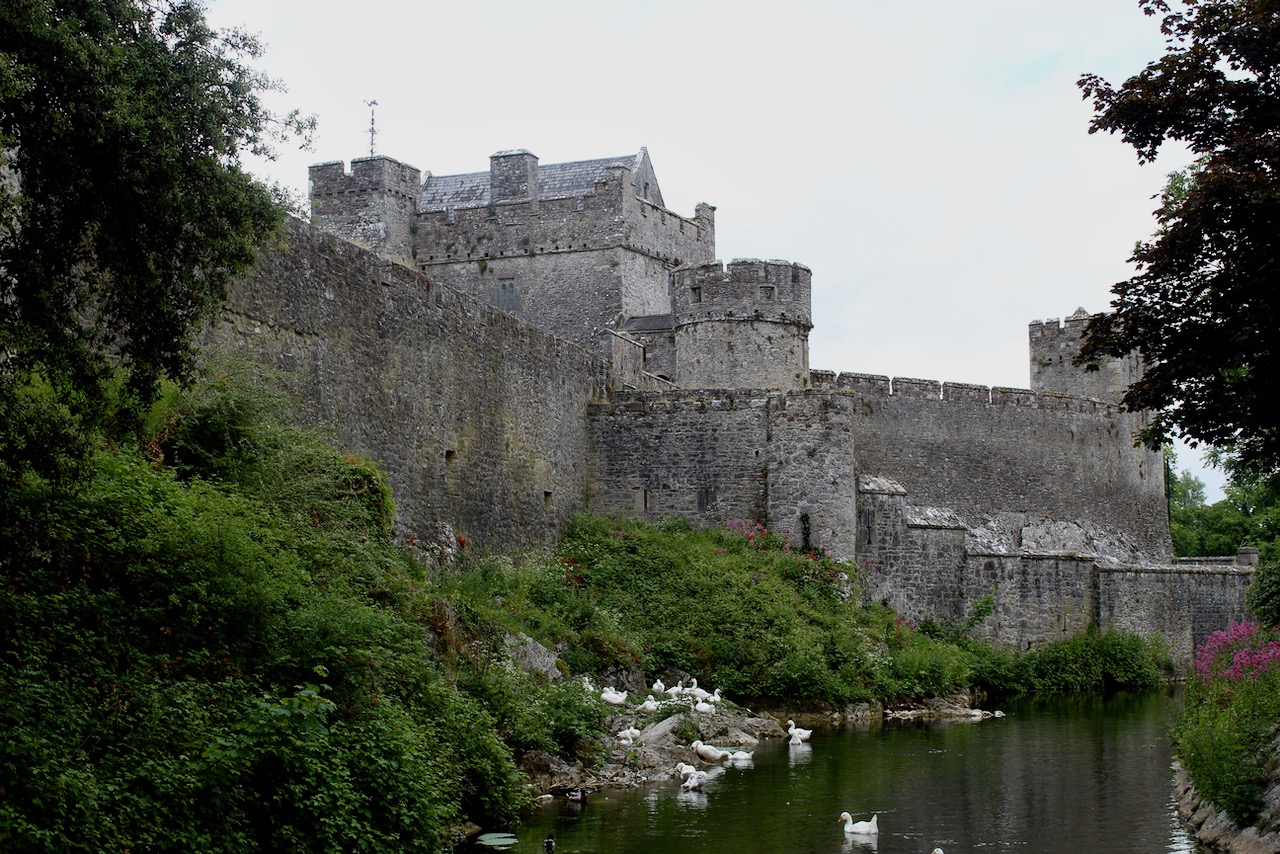
Cahir Castle, County Tipperary. Photograph © Jennifer Winder-Baggot, www.irishhistorichouses.com

3. Carey’s Castle, Clonmel, County Tipperary – a ruin, owned by Coillte:

https://www.coillte.ie/site/careys-castle/

This is a beautiful mixed woodland that lies close to the Glenary River, a tributary of the Suir. The main feature of this site is the ruins of the castle that gives the forest its name. It is just 500m from the car park down a mixed woodland trail that leads to the river. It is believed to have been built at some stage during the 1800’s by the Carey family, who were local schoolmasters in the Clonmel area. A number of architectural styles are still evident in the ruined remains, including; Gothic windows, a Celtic round tower, a Norman Keep, and both Romanesque and Gothic arches. The remnants of a walled garden can be found to the southern side of the castle. An ice-house is located just off the trail beyond the castle. This is a stone-lined pit which used to serve as a ‘fridge’ when the castle was inhabited. Carey’s Castle was occupied by monks and up to recent years the ruins of the alms house was still in evidence. A real gem of a site for local historians.”

4. Clashleigh House, Clogheen, Co. Tipperary – section 482
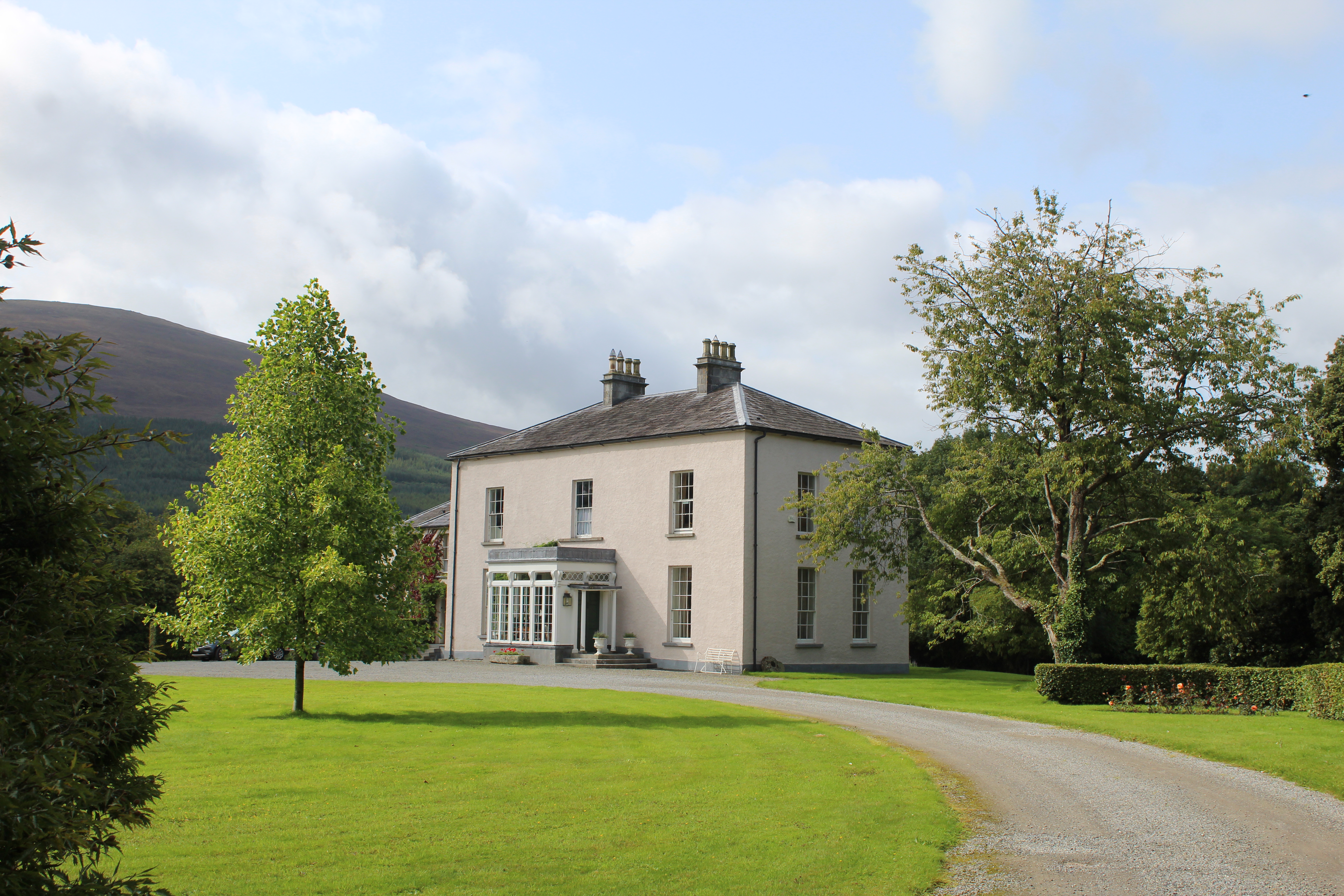
Clashleigh House, County Tipperary, August 2023. Photograph © Jennifer Winder-Baggot, www.irishhistorichouses.com

Open dates in 2025: Mar 4, 6, 11, 13, 18, 20, 25, 27, Apr 1, 3, 8, 10, 15, 17, 22, 24, 30, May 6, 8, 10-11, 13, 15, 17-18, 20, 22, 24-25, 27, 29, June 3, 5, 10, 12, 17, 19, 24, 26, Aug 16-24, Sept 2, 4, 9, 11, 16, 18, 23, 25, 30, Oct 2, 7, 9, 9am-1pm

Fee: adult €8, OAP/student/child €4

See my entry https://irishhistorichouses.com/2024/02/16/clashleigh-house-clogheen-co-tipperary/

5. Damer House and Roscrea Castle, Roscrea, County Tipperary – See my write-up: https://irishhistorichouses.com/2024/10/03/damer-house-and-roscrea-castle-county-tipperary-office-of-public-works-properties/
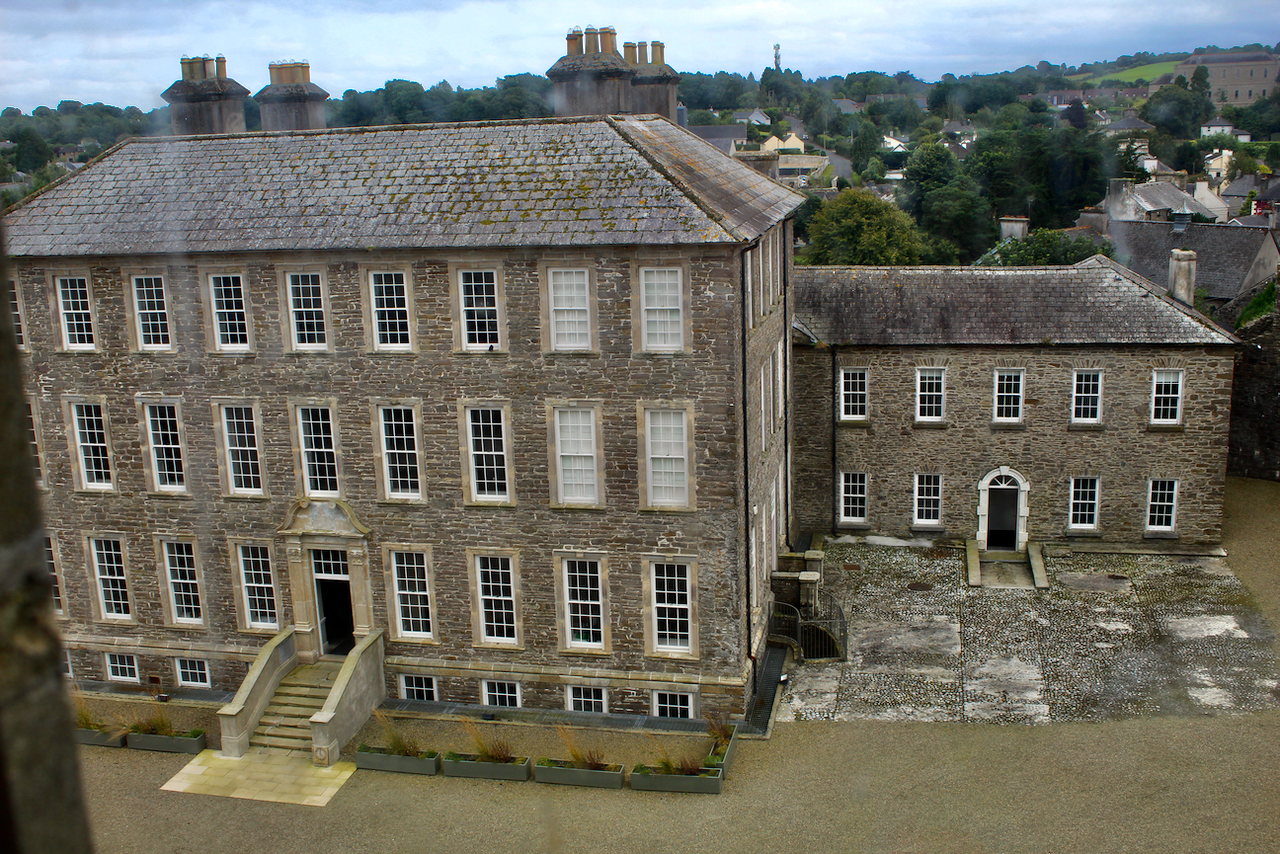
Damer House, Roscrea, 21st August 2024. Photograph © Jennifer Winder-Baggot, www.irishhistorichouses.com

6. Fancroft Mill, Fancroft, Roscrea, Co. Tipperary – section 482

Fancroft Mill, County Tipperary, photograph from National Inventory of Architectural Heritage.

www.fancroft.ie

Open dates in 2025: Feb 3-15, Mar 24-30, May 13-28, June 10-20, Aug 15-27, 10am-2pm

Fee: adult €8, OAP/student €6, child free under 5 years, one to one adult supervision essential, group rates available

Fancroft  Fancroft Gardens are not open to visitors for the seasons 2021/22.

The website tells us:

An extensive conservation project, commenced in 2006 by Marcus & Irene Sweeney, has resulted in the rescue from dereliction of this mill complex which is of noted industrial heritage importance. A set of new mill stones were installed in 2010. Milling capability is now restored for domestic   purposes. A recently installed generator contributes to the household heating system. All of the buildings at Fancroft are included on  the  Offaly County Council list of  Protected Structures.

The rescue from dereliction of the mill complex at Fancroft received public recognition in 2017 when the Irish Georgian Society awarded the owners one of their Conservation Awards. The inaugural Norman Campion award for Best Restored Industrial Site or Museum was conferred on Fancroft Mill & Gardens by the Industrial Heritage Association of Ireland in 2019.

Approached by the winding  road  one has no idea of what lies behind the hedge  and across the stream which drives the water wheel  in the corn mill. Consequently the extensive gardens, created mostly in the 1990’s by previous owner Angela Jupe, unfold as a series of delightful surprises as one proceeds beyond the pebbled courtyard leaving the busy world behind.

In recent years Fancroft  Mill & Gardens has proven to be a wonderful venue for successful  heritage seminars, classical and traditional music events, sponsored walks and visits by interested individuals and groups from Ireland and overseas.

Eircode: E53 ET72.
e.mail: millgardens@gmail.com

7. Farney Castle, Holycross, County Tipperary

Farney Castle, photograph from National Inventory of Architectural Heritage.

https://cyrilcullen.wordpress.com/farney-castle/

The website tells us:

Farney Castle Visitor centre

As well as being the Cullen family home, Cyril Cullen Knitwear and porcelain is designed and produced in the converted ‘old stables’ in the castle courtyard. The unique parian/porcelain designs are sold in what was the old dairy at Farney castle, the knitwear boutique is situated in the original kitchen of the castle and a coffee shop is situated in the 15th century round tower.It is the only Round Tower in Ireland occupied as a family home. Tours of the castle are available daily and harp recitals take place in the drawing room by arrangement.

The History of Farney Castle

The first castle was built at Farney in 1185 and this would have been a timbered structure. The present round tower was built in 1495 by Thomas Butler, 7th Earl of Ormond, and it was part of a defensive system created by the Butlers to protect their land in Tipperary. The Butlers were in Farney Castle for 500 years but in 1536 the castle was confiscated by King Henry VIII of England. He returned the lands again to the Butlers in 1538 when he married Anne Boleyn who was the daughter of James, 3rd Earl of Ormond. Subsequently the castle was occupied for short periods by two other English monarchs namely King James 1st from 1617 – 1625, and King George 1st from 1716 -1721.

In 1649 Cromwell landed in Ireland and shortly after 1650 a Cromwellian soldier named Hulett took over the castle. Then in 1660 Capt. William Armstrong, a Cavalier who supported the Stuarts and who fought against Cromwell, acquired the castle and lands, and there were Armstrongs in the castle for the next 200 years. William Armstrong came from a Scottish Border country family which was famed in the sixteenth century for its ferocity, and in 1677 he purchased large estates in the area including Holy Cross Abbey and Holy Cross lands.

The round tower is 58 ft. high and has five stories. It is unusual in being circular whereas the majority of this sort of tower were square or oblong. It possesses a mural staircase (built within the thickness of the walls) off which it appears that secret rooms still exist undiscovered. The main door was opened up by Cyril Cullen having been closed for 200 years. There is a “murdering hole” over the main door and this enabled the castle defenders to shoot from above at any intruders. The tower castles were built to safeguard the Butler lands during the long periods when the family was away in England.”

8. Grenane House, Tipperary, Co. Tipperary E34 EP22 – section 482
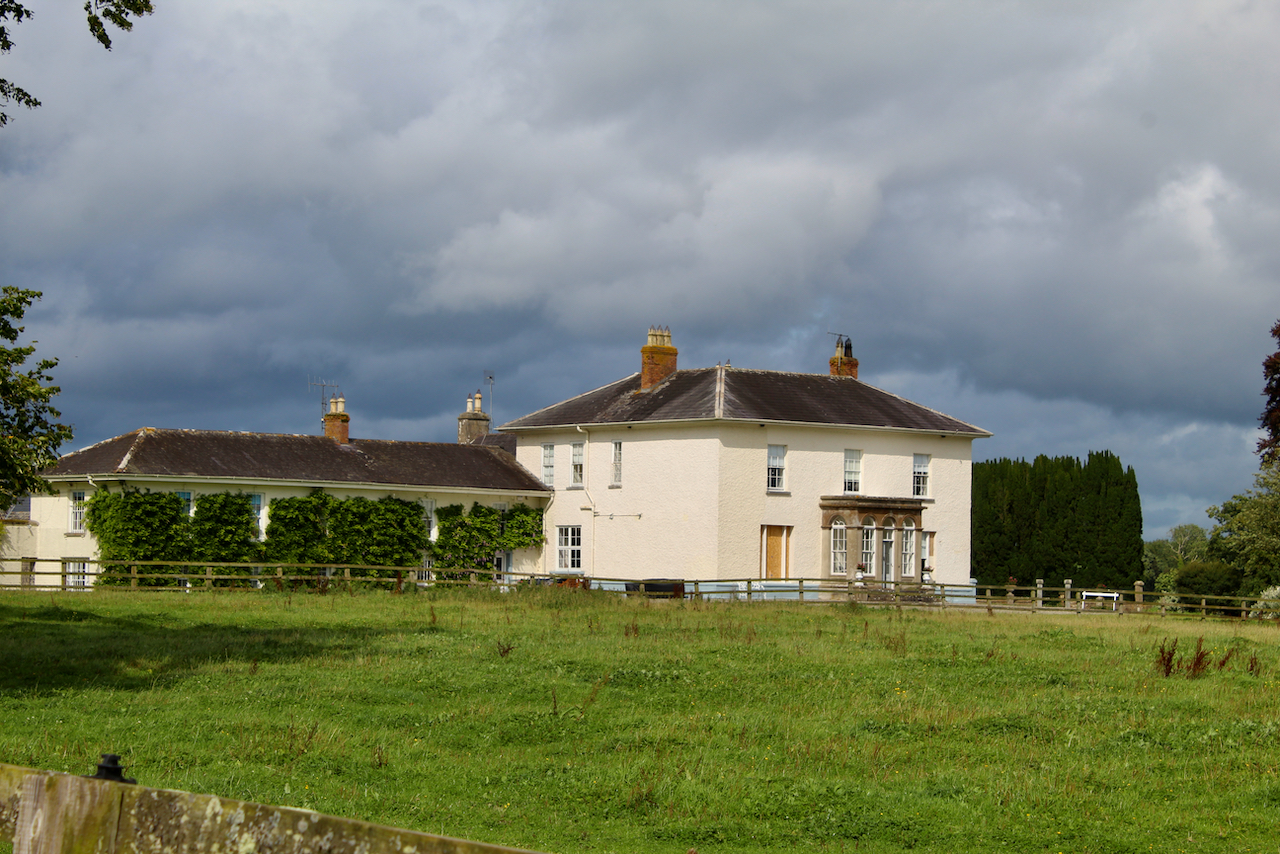
Grenane House, County Tipperary, August 2023. Photograph © Jennifer Winder-Baggot, www.irishhistorichouses.com

www.hfhtours.ie

Open dates in 2025: May 1-31 closed Sundays, Aug 16-24, Sept 1-30, closed Sundays, 2pm-6pm,

Tours: booking essential for National Heritage Week, 2am and 4pm

Fee: adult €20, OAP €10, child €10 over 12 years and under 18 years

See my entry https://irishhistorichouses.com/2024/04/04/grenane-house-tipperary-co-tipperary-e34-ep22/

9. Killenure Castle, Dundrum, Co Tipperary – section 482

Killenure Castle, County Tipperary, photograph from National Inventory of Architectural Heritage.

www.killenure.com
Open in 2025: Feb 1-20, May 1-31, Aug 16-24, 10.30am-2.30pm

Fee: adult €10, child /OAP €8

Mark Bence-Jones tells us (1988): p. 170. “(Cooper/IFR) A large tower-house of the O’Dwyer family, burnt by the Cromwellians but still very well preserved, with a plain and unassuming C18 house of two storeys over basement alongside it. Sold in recent years, now a private school.” 

The National Inventory adds: “Detached two-storey country house, comprising T-plan five-bay block, c. 1770, with central pedimented breakfront and rear return, with four-bay block built to south-west, c. 1800, to give overall L-plan. Two-storey pitched addition to north gable, with single-storey lean-to extension to rear and having catslide addition to rear of later block. Early seventeenth-century fortified house located to west….Fortified house has round-plan corner towers and three-bay four-storey gable-fronted façade, triple-gabled rear elevation, rubble limestone walls, dressed limestone string courses, loops to towers and ground floor of main facades, upper floors of latter having square-headed one-and mullioned two-light and three-light windows, some blocked, to main facades with chamfered limestone surrounds and label-mouldings. Pointed-arch doorways to front and rear walls, and flight of external steps up to north-west tower. Conical slate roof to north-eastern tower, rubble limestone chimneystacks and dripstones. Some later square-headed window openings to south-east tower, with red brick surrounds, one having carved timber traceried casement windows. Lofted stable and coach house to rear of house with half-hipped slate roofs and rendered rubble limestone walls and having square- and segmental-headed openings. Three-bay single-storey gate-lodge with hipped slate roof and rendered walls and entrance gates with dressed limestone piers to vehicluar and pedestrian entrances with wrought-iron gates and flanking rubble limestone walls. 

This multi-period country house was formerly the home of the antiquary Austin Cooper. Its setting, next to a substantial fortified house, indicates considerable continuity of living at this location, and reflects the transition in attitudes to living patterns with a concentration on defence shifting to one of comfortable living. The later wing is typical of an early nineteenth-century country house with centrally-placed chimneystacks and tall sash windows. The fortified house retains mainly notable feature features including defensive elements such as the gun loops. The fortified house, country house and associated outbuildings make an impressive complex in the landscape.”

The Killenure website tells us:

Nestled in the spectacular scenery of South Tipperary, Killenure Castle the home of Killenure Dexter beef is a truly stunning gift from times gone by. It has held a central place in the local community for over five centuries, as a stronghold; a school; an artistic retreat; a visitor attraction; and vitally, a family home. 

“Since its purchase in 2007, the house has been lovingly restored and updated. The renovations reflect the family’s role as both inhabitants and custodians of the castle, and have successfully balanced the needs – and responsibilities – that come with both. This continues the organic pattern of development that Killenure Castle has enjoyed for the over 450 years. From the original castle whose ruinous remains now dominates the space, to a charming ‘Hansel and Gretel’ style tree-house that is built around a 300-year-old living Irish Beech tree, the eclectic range of buildings reflects the fascinating range of almost five centuries of lucky inhabitants. 

As well as providing shelter for generations of owners and their families, Killenure Castle represents the centre of a community. Its survival through 500 years is testament to the strength of the community it represents, and Eavaun and her family are delighted to share the castle with visitors. As custodians of Killenure Castle, we have built a sustainable, community-orientated business, ensuring the survival of the castle and Killenure Dexter beef for future generations. 

Whilst the spectacular medieval castle and grounds have previously been open to visitors during the summer, they will remain closed in 2017 due to ongoing restoration works. If you would like to learn more, a guidebook is available for those wishing to learn more about this extra-ordinary castle, and the community that surrounds it. 

You can purchase a short history of Killenure which documents the history of Killenure from the O’Dwyer Clan up to the contemporary Killenure of today. The cost of the book is €5.00 plus postage. To order a copy please contact info@killenure.com  

10. Nenagh Castle, County Tipperary

See my OPW write-up: https://irishhistorichouses.com/2022/11/17/office-of-public-works-properties-in-county-tipperary/

11. Ormond Castle, Carrick-on-Suir, County Tipperary – OPW

See my entry https://irishhistorichouses.com/2024/09/05/ormond-castle-carrick-on-suir-county-tipperary-an-opw-property/
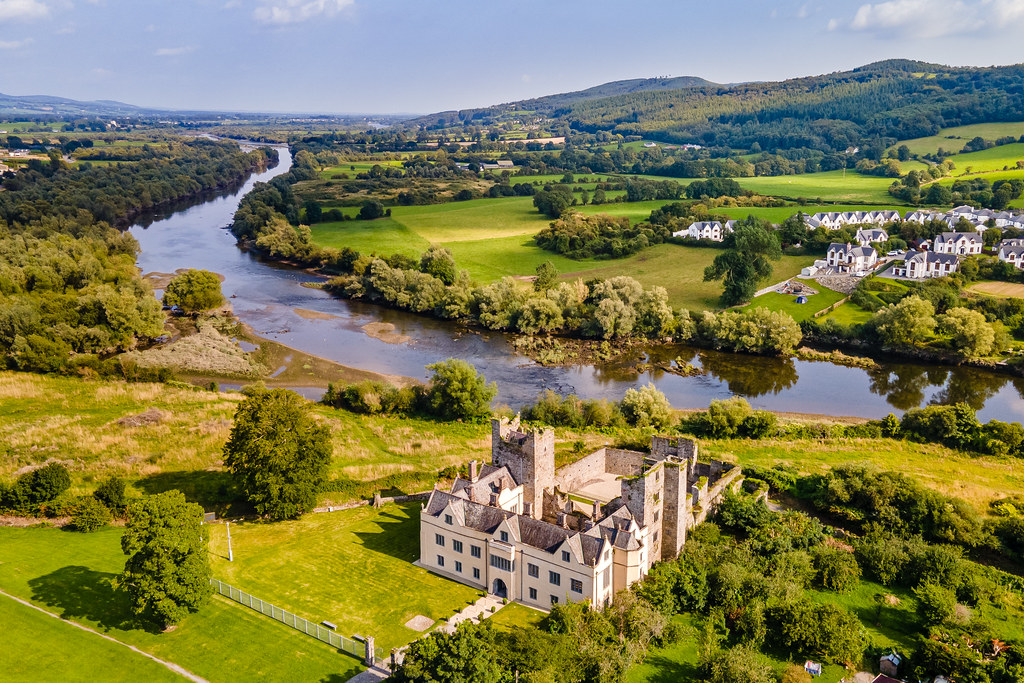
Carrick-On-Suir, Co Tipperary Courtesy Tipperary Tourism photo by Kerry Kissane All Around Ireland 2021

12. Redwood Castle, Redwood, Lorrha, Nenagh, North Tipperary E45 HT38 – section 482

Redwood Castle by irishfireside on flickr constant commons.

Redwood is off the Birr/Portumna Rd

www.redwoodcastleireland.com

Open dates in 2025: May 10-11, 17-18, 24-25, June 9-12, 14-19, 21-26, 28-29, July 7-10, 12-17, 19-24, 26-27, Aug 11-31, Sept 1-4, 2.30pm-6.30pm,

Fee: adult €15, OAP/student €10, child €5, 4 adults €50, 2 adults and 2 children €35

Redwood Castle from flickr constant commons Discover Lough Derg.

The website tells us:

Welcome to Redwood Castle in Co. Tipperary, ancient home of the MacEgan’s and O’Kennedy’s.

“Today the Castle is one of the main historical attractions in the midlands of Ireland. Come and take a guided tour around Redwood Castle and learn about the history of the Castle and surrounding area.

The website tells us more about the castle:

Redwood is a complex structure made up of two main sections. Firstly, there are a series of main chambers stacked one above the other that form the core of the tower house. These are accompanied by a series of smaller ancillary rooms at the front of the building, which were used as bed chambers.

This layout may seem fairly straightforward but it is complicated by each room being on different levels. While we normally think of castle walls as thick and strong for defensive purposes, they were in reality riddled with passageways and staircases that served the larger rooms inside. Irish castle builders generally made very economical use of walls for domestic purposes rather than military strength, meaning that castles were far less impenetrable than they appeared.

A series of defensive features on the exterior such as battlements and machicolation were instead used to convey a certain military bravado to those who approached the castle. The occupants of these castles were aristocratic warriors who participated in an ancient martial culture, and castles played an important part in dramatising and expressing their identity.

The earliest recorded occupants of Redwood are the O’Kennedy sept who are referred to in possession of the castle in the 1540s. However, it was likely to have previously been in possession of the O’Maddens whose east Galway lordship once extended into the north of Ormond and the parish of Lusmagh beyond. They seem to have lost this territory in the 1440s and it would appear that the sept of O’Kennedy Roe came into possession of the castle around that time.

The Mac Egans were a prominent bardic family in their day, and they were one of only seven Irish families to practice the ancient Brehon Law. Of these seven, five served just one ruling family, one served five senior lords, and members of the Mac Egan clan served as the chief advisors to all of the remaining thirteen lords and chieftains. The position of the “Brehon” was one of great importance. They served as a kind of first minister for their master, functioning as his chief advisors on legal matters as well as those of a more general nature. In addition, they served as ambassadors and negotiators, brokering deals and treaties between the feudal lords of medieval Ireland. As such, they were widely respected and were treated as neutrals in any conflicts. There is only one medieval record of a Brehon being killed by an Irish chief, and even that was a case of mistaken identity. Finally, the Brehons sat in judgement on the Brehon courts, which ran in conflict with the English Common Law system which was theoretically the one and only legal system.

The website gives us more information about Brehon Law.

Redwood Castle was originally constructed around 1210 by an Anglo-Norman family by the name of De Cougan. Redwood’s strategic position was of the utmost importance owing to its close proximity to the River Shannon. The Anglo-Normans made several attempts to cross the Shannon and administer the west of Ireland, but none were successful enough to allow the invaders to settle on a permanent basis. As a result, the Anglo-Normans faced the constant danger of being attacked themselves from across the Shannon, leading to a long line of castles and towerhouses being constructed along its eastern bank. The original structure here at Redwood was only two storeys tall, and there were no entrances or exits here on the ground floor for security reasons. The original doorway would have been on the second floor, accessible by a retractable ladder. The main entrance you see today dates from the mid-1300s. For many years ivy covered all of the castle except this doorway, and so a lot of tourist material still mistakenly dates the entire castle from this period.

The De Cougans eventually vacated Redwood, and the castle was granted to the O’Kennedy family in 1350. It was then that the other floors were added to the castle. The local branch of the O’Kennedy family were based in Lackeen Castle, approximately 3 miles south of here, and so they turned this castle over to their chief bardic family, the Mac Egans. The bardic families played a crucial role in medieval Ireland, serving Gaelic chieftains and English lords alike. They fulfilled many functions, including those of advisors, administrators, lawyers, musicians, poets, physicians and ambassadors. However, each individual family tended to specialise in just one or two specific areas of study. The Mac Egans of Redwood were experts in historical study and the practice of the ancient Irish Brehon law. Only seven families in medieval Ireland practised and studied this ancient legal system. Most of these served only one master, whilst the Mac Egans served at least thirteen lords and chieftains, giving them a virtual monopoly over medieval Irish law. They founded a school of history and law here at Redwood, and some of Ireland’s foremost medieval thinkers had close links to this centre. Michael O’Cleary led a team of historians which compiled the famous Annals of the Four Masters, an enormous and comprehensive text which gave an account of all recorded Irish history up until the early seventeenth century. Upon its completion, Michael O’Cleary brought the text to some of the most influential men in the country, including the Archbishop of Dublin and the Bishop of Tuam. However, the first approval he sought was from a Flann Mac Aoghain, one of his former teachers and the lord of Redwood Castle.

However, by this time, Redwood Castle had reached its apex, and its decline began with a tide of political and religious unrest which culminated with Oliver Cromwell’s invasion of Ireland in 1649. The development of artillery effectively ended the reign of castles and towerhouses in Ireland, which had previously only had to deal with the occasional uprising by poorly armed peasants. Nearby Lackeen Castle was forfeited to Cromwell’s troops in 1653, whilst records of 1654 state that by that date, the castle at Redwood was nothing more than a ruin. It therefore seems likely that Redwood was besieged sometime in 1653. There are no obvious signs of damage from heavy artillery on the outside of the castle, and therefore it seems likely that the castle was forfeited without a fight once the Mac Egans saw what they were facing. Whatever the circumstances of the castle’s seizure, we do know that once it was in the possession of Cromwell’s troops, it was fired and practically burnt to the ground. The roof and most of the floors were wooden, and so only the walls and the spiral stone stairway were left standing.

The castle remained in ruins for over 300 years. At the turn of the twentieth century, a local farmer cut a second opening into the ground floor, just wide enough to let through a horse and cart which could be sheltered from the elements under the stone-barred vaulted arch. It is believed that it took three men a fortnight to cut through the 11 foot thick western wall. In 1972, a lawyer from Castlebar, County Mayo by the name of Michael Egan bought Redwood Castle and undertook its restoration. He was a descendant of the Mac Egans of Redwood, and so was determined to restore his family seat to its former glory. The government refused to support the project with any grants, believing the ruins to be beyond redemption. Michael Egan therefore funded the entire restoration project out of his own pocket. His ultimate goal was to have the castle as a second family home, which could also be used for important family occasions. To avoid tax burdens, the castle was opened to the public for sixty days a year as a site of historical interest, beginning in the early 1980s.

“To this day, Redwood Castle continues to host the Clan Egan Rallies, and to educate the public.

13. Roscrea Castle and Damer House, County Tipperary

Damer House, Roscrea, Co Tipperary, Photographer/Creator: Kerry Kissane – All Around Ireland, 2021, Courtesy Tipperary Tourism.

See my write-up: https://irishhistorichouses.com/2024/10/03/damer-house-and-roscrea-castle-county-tipperary-office-of-public-works-properties/
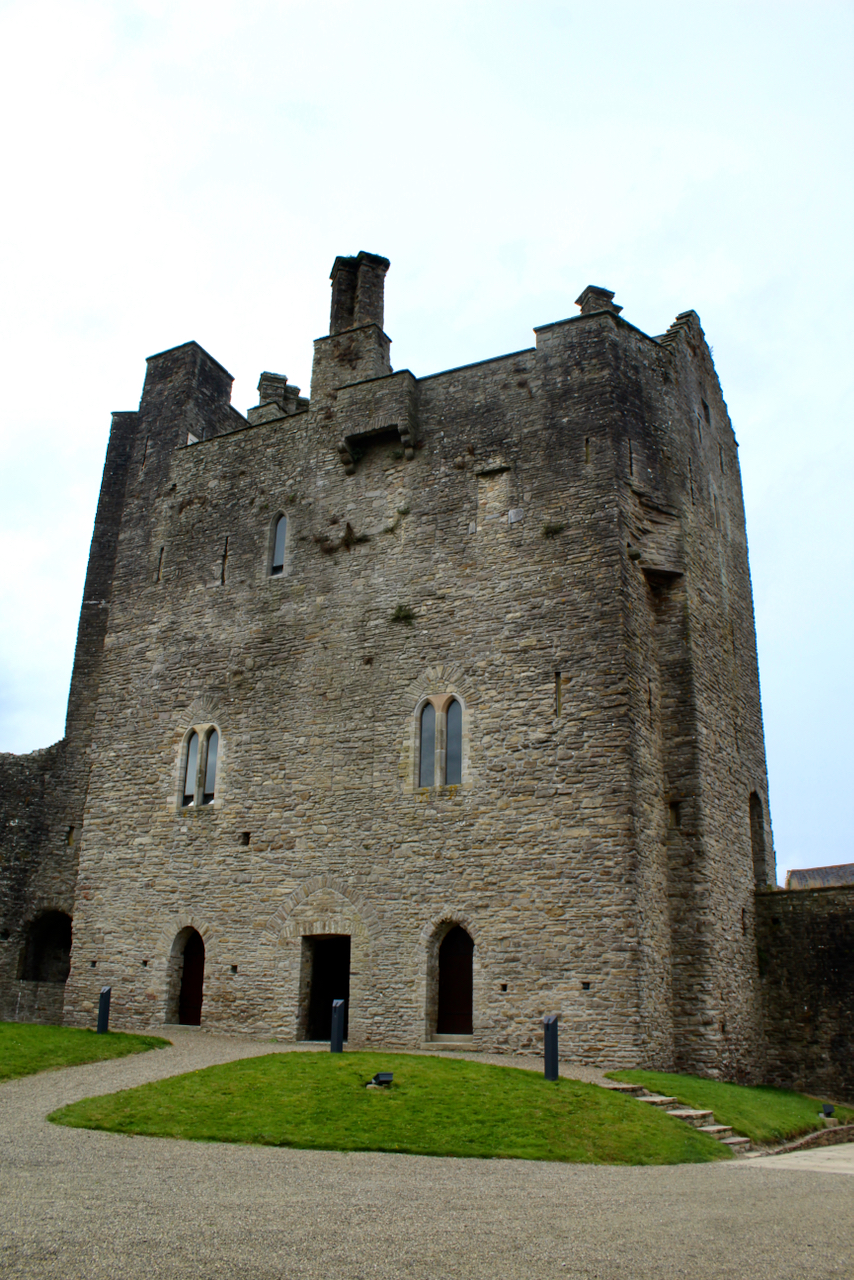
Roscrea Castle, August 2024. Photograph © Jennifer Winder-Baggot, www.irishhistorichouses.com

14. Silversprings House, Clonmel, Co. Tipperary E91 NT32 – section 482

Silversprings House, County Tipperary, photograph from National Inventory of Architectural Heritage.

Open dates in 2025: May 1-31, June 1-30, Aug 16-24, 12 noon-4pm

Fee: adult €5, OAP €4, student €3, child free

The National Inventory tells us: “Detached nine-bay two-storey former charter school with projecting pairs of end bays, built 1747, with projecting barrel-roofed porch addition…Patronised by Sir Charles Moore and John Dawson, this former charter school retains much of its original form and is a notable feature in the urban landscape. In the nineteenth century it was occupied by Charles Bianconi, who ran a coach transport enterprise throughout Ireland from his headquarters in Clonmel. It displays evidence of fine stonework in the window surrounds and eaves course which contrast with the limestone of the walls to enliven and offer textural variety to the façade.

15. Swiss Cottage, County Tipperary – OPW

See my write-up https://irishhistorichouses.com/2025/03/20/swiss-cottage-ardfinnan-road-cahir-county-tipperary-office-of-public-works/
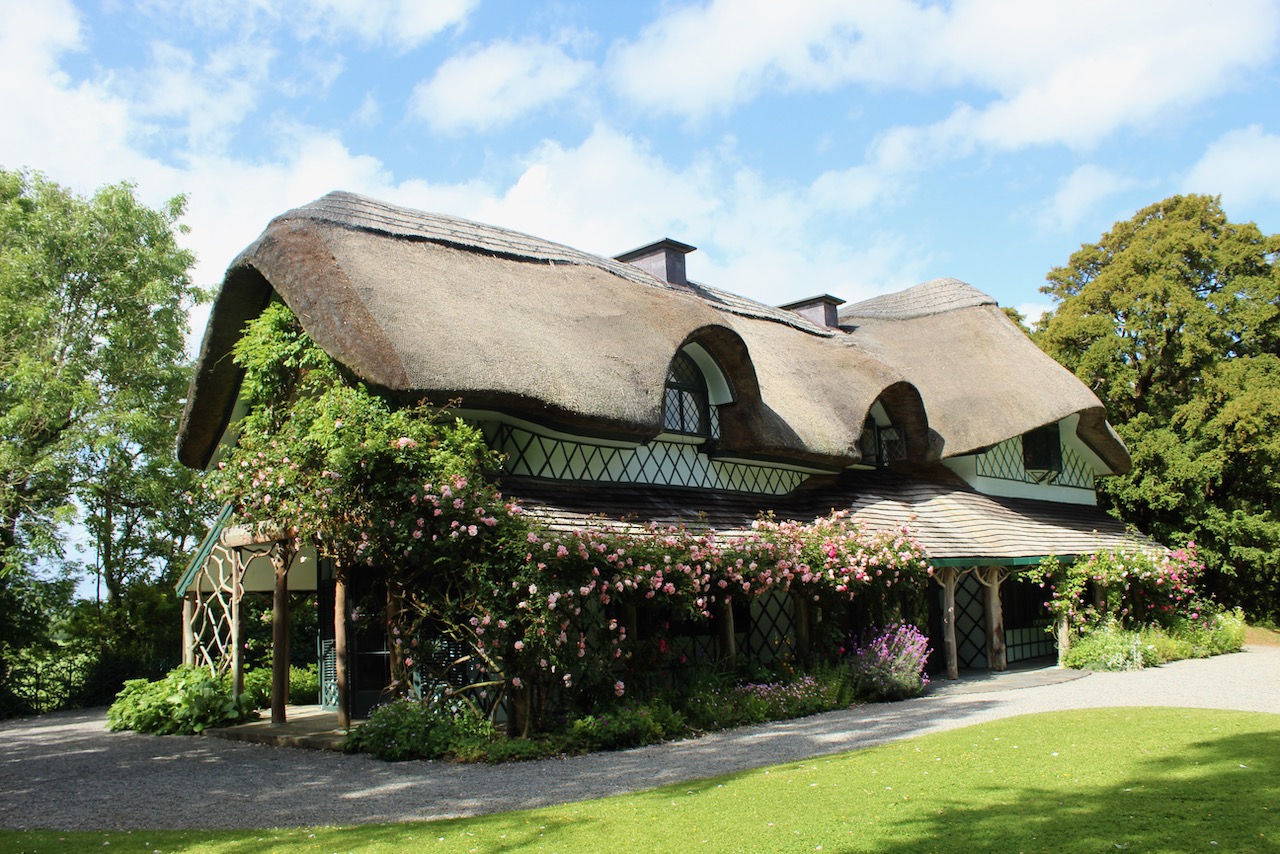
Swiss Cottage, County Tipperary.

Places to stay, County Tipperary

1. Ashley Park, Nenagh, Co Tipperary – accommodation €€

 https://hiddenireland.com/stay/bed-breakfast-guesthouses/

Ashley Park, County Tipperary, December 2016. Photograph © Jennifer Winder-Baggot, www.irishhistorichouses.com

The Hidden Ireland website tells us:

“Ashley Park House has a magical quality that is particularly appealing. The avenue winds along the shore, through deep woods of oak and beech, until–suddenly–you reach the Georgian house, surrounded by tall trees, with beautiful views over a private lake. Inside, the rooms are large, comfortable and well equipped so offering a truly relaxing break away from the busyness of modern life.
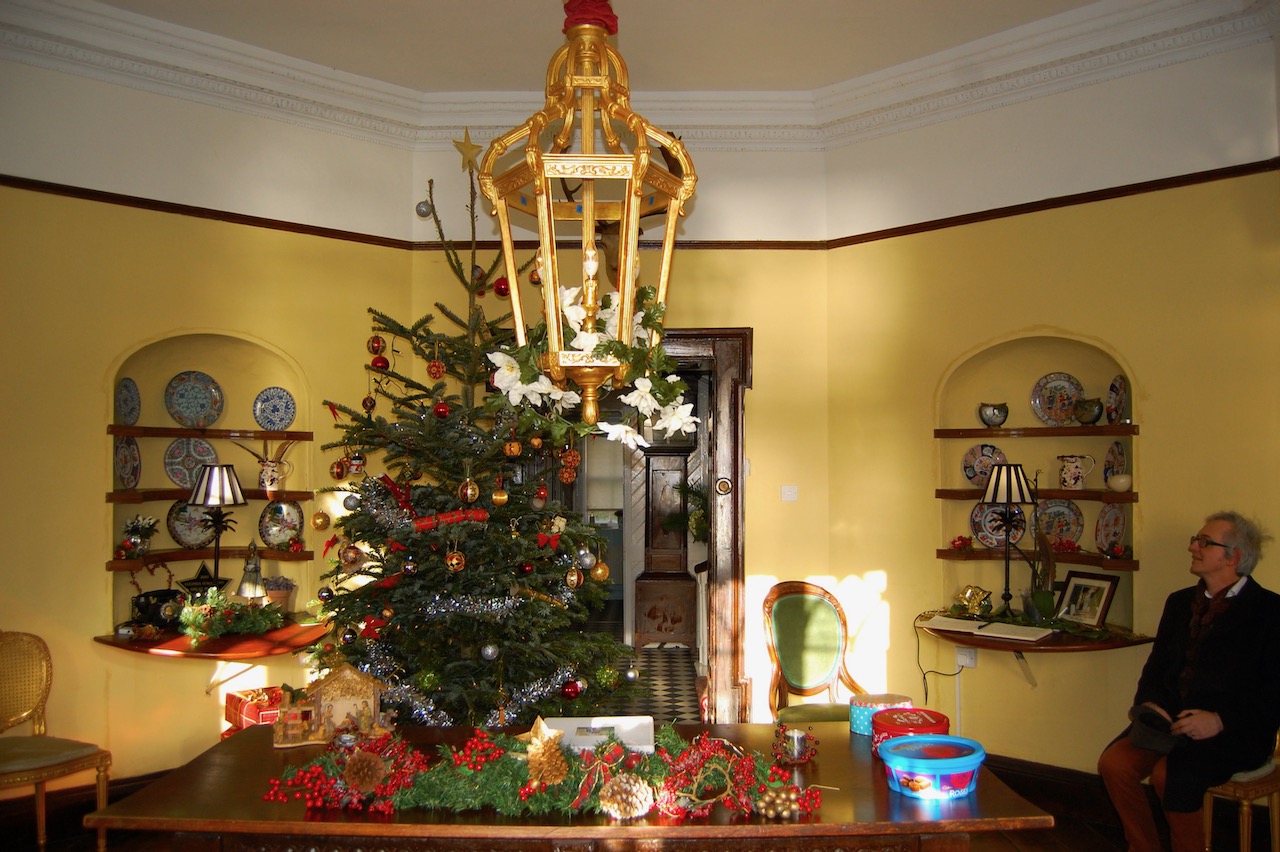
Ashley Park, County Tipperary, December 2016. Photograph © Jennifer Winder-Baggot, www.irishhistorichouses.com

The owners, Margaret & David McKenzie  run their home in a relaxed and informal way in the style of the traditional Irish country house, ideal for family and friends taking a break to celebrate a special occasion. Guests like nothing more than losing themselves in the woods and gardens, or rowing around the lake and exploring the ruins of the ancient fort on the island.

Ashley Park House sits peacefully in the middle of 76 acres of beech woodland and formal gardens in the heart of County Tipperary, in the centre of Ireland six miles north of the busy market town of Nenagh with its famous circular keep, on the road to Borrisokane and Birr. This beautiful 18th century country house, with its sweeping Edwardian verandas overlooking the lake, is approached through a rusticated stone arch, down a long tree-lined avenue with lovely views across Lough Ourna (‘the lake of the barley’), framed by ancient ring-forts on the shore, towards Keeper Hill in the distance.”
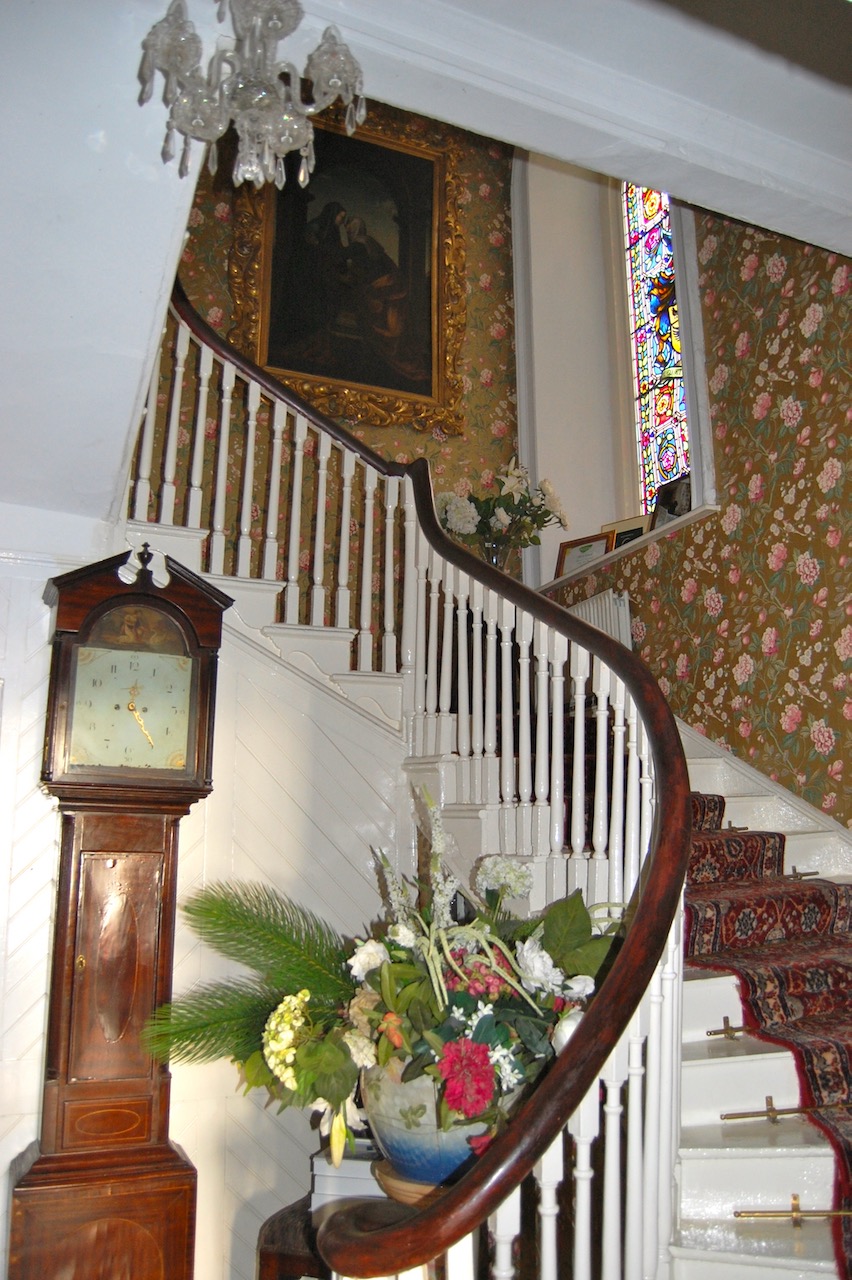
Ashley Park, County Tipperary, December 2016. Photograph © Jennifer Winder-Baggot, www.irishhistorichouses.com
Photograph © Jennifer Winder-Baggot, www.irishhistorichouses.com

Ashley Park House retains many of its original Georgian fittings and has been faithfully restored to its original appearance, with fine period furniture and all modern comforts, giving visitors the opportunity to appreciate truly authentic Irish country house accommodation. The main rooms are spacious and relaxing, while the large bedrooms either overlook the lake in front, or have views over a series of walled courtyards at the rear where there are hens, ducks and peafowl. Recent renovations have created stylish new rooms in the Coach Houses next to the main house where modern comforts link with traditional styling.

Ashley Park House has a fantastic in house culinary team who prepare delicious suppers using fresh local ingredients to the highest standard. Enjoy a romantic break away with four course dinner in the Main House dining room overlooking the lake and then move into the luxurious drawing room to enjoy a digestif from the residents bar. Wake up refreshed to enjoy a delicious breakfast, which is Highly Recommended by the Georgina Campbell Irish Breakfast Awards.

Our wonderful bedroom suite at Ashley Park, December 2016. Photograph © Jennifer Winder-Baggot, www.irishhistorichouses.com
Ashley Park, County Tipperary, December 2016. Photograph © Jennifer Winder-Baggot, www.irishhistorichouses.com

2. Cahir House Hotel, Cahir, County Tipperary

https://www.cahirhousehotel.ie/en/

The website tells us:

Cahir House Hotel is a Historical Town House and the leading hotel in Cahir, County Tipperary. This former manor house offers luxury  hotel accommodation in Cahir and is the ideal base for your hotel break in the South East of Ireland.

Situated centrally in Cahir, Co. Tipperary, with views of Cahir Castle, Cahir Main Square. Cork, Waterford & Shannon Airport and Cities such as Kilkenny, Cork, Waterford, Limerick, a mere 1 hour drive away.

Cahir House Hotel is the perfect location at the crossroads to the south.

The National Inventory tells us that it was built c. 1770: “This impressive townhouse, designed by William Tinsley on a prominent corner site, which became the residence of the Earls of Glengall when the family ceased to live in Cahir Castle [The first Earl of Glengall was the 10th Baron Cahir, Richard Butler (1775-1819). He married Emilia Jefferyes, daughter of James St. John Jefferyes of Blarney Castle]. Although it has undergone many alterations and a change of use, it retains much character and interesting fabric, such as the stone to the window and door dressings.

3. Cashel Palace Hotel, Cashel, County Tipperary – €€€

https://www.cashelpalacehotel.ie

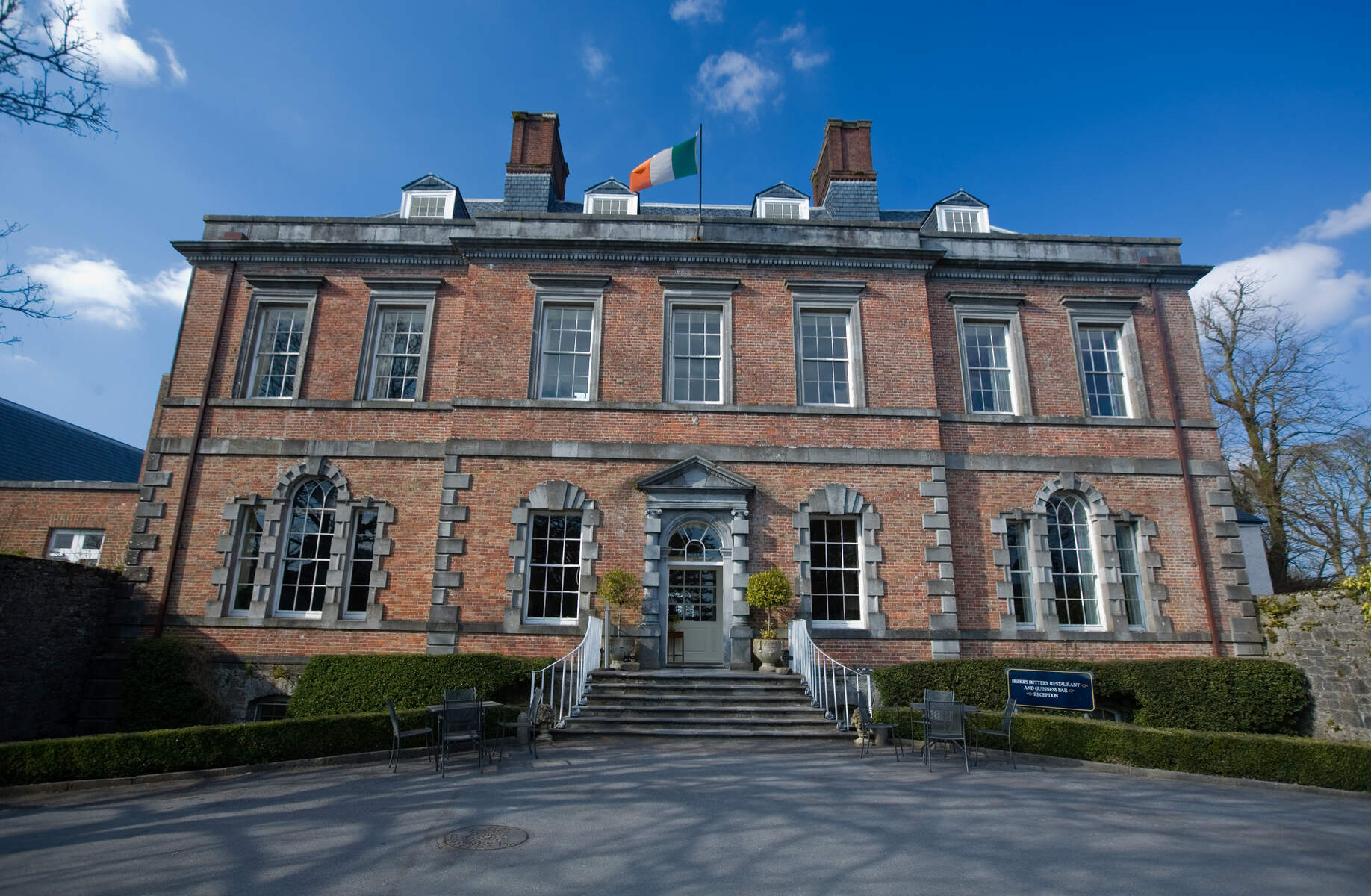
The website tells us it is: “A Palladian manor, in the heart of Ireland, Cashel Palace is a luxury hideaway, meticulously restored and exquisitely reimagined. Spectacularly located by the Rock of Cashel in picturesque Co. Tipperary, the hotel is enveloped in nature and overlooked by ancient history.

Cashel Palace hotel, County Tipperary, photograph by Brian Morrison 2014 for Tourism Ireland, Ireland’s Content Pool. [2]

The website tells us of the history:

Built in 1732, as the home of Church of Ireland Archbishop Theophilus Bolton, Cashel Palace was designed by the eminent architect Sir Edward Lovett Pearce. Lovett Pearce was one of the most celebrated architects of the time, and would go on to design Dublin’s impressive Parliament House – now the Bank of Ireland in College Green.

Palladian in style, Cashel Palace’s handsome red brick facade contrasts with its limestone rear. While the rear façade mirrors the front, the use of different materials makes it exceptionally rare for this period. Carved limestone dressings enhance the house’s symmetry, with the triple-opening Venetian – or Serlian – windows a typical feature of the Palladian style.

“If you look closely at the front elevation, you will spot a crowned harp over the entrance. A fire mark issued by the Hibernian Insurance Company of Dublin, they were in business from 1771 to 1839 and were the first company in Ireland to offer fire insurance.

No expense was spared in the Palace’s construction, with dozens of skilled craftsmen hired to complete the ornate and capacious interiors. Thanks to generations of mindful custodians, many of the house’s original features were well preserved. Described as ‘a place of notable hospitality’ in Loveday’s Tour of 1732, it is clear the residents enjoyed the finest comforts of the day.

The large entrance hall retains its original wood panelling, and two imposing fluted Corinthian columns. Off the hall, stands the remarkable staircase, an early Georgian style carved from red pine and featuring hundreds of intricately hand-turned ‘barley sugar’ banisters.

Photograph from Mark Bence-Jones, A Guide to Irish Country Houses (1988).

Occupying 25 acres, with an impressive driveway and gardens, a private walkway, ‘The Bishops Walk’ was constructed, to give residents private access to the Rock of Cashel, ancient seat of the Kings of Munster and home to a 13th century Cathedral. Cashel Palace was not impervious to political upheaval, and suffered damage during the turbulent Wolfe Tone Rebellion of 1798. The 1st Earl of Normanton, then Archbishop of Cashel, oversaw the room repairs, with the modifications reflecting the fashionable Regency style of the time.

“To the rear of the Palace beautiful gardens were planted, including two ancient mulberry trees. Predating the house, these striking trees stand tall today, planted in 1702 to commemorate the Coronation of Queen Anne.

During the construction and excavation the builders stumbled upon the opening of an ancient well. Perfectly formed and completely intact, the 15-foot well was historically used to provide water to the Main House of the Cashel Palace during the period when the Archbishops occupied the house from the 1730’s to the 1900’s.

Every period house in this time had a land agent who would brew beer for the owners, and it was Richard Guinness, who was the land agent for Archbishop Arthur Price, who used hops from the Palace Garden and water from this well to brew ale for Cashel Palace. His son Arthur Guinness, who was the Archbishop’s godson, was left £100 in his godfather’s will – the same £100 he used to secure the lease on the site of St. James’s Gate brewery in Dublin. This same well can be seen in The Glass Well at our sister property, Mikey Ryan’s Bar & Kitchen adjacent to the hotel.

101 years after it was built, the last Archbishop left Cashel Palace. In 1833, under the Church Temporalities Act, the dioceses of Cashel and Emly were merged with Waterford and Lismore. This act saw the then present resident, Archbishop Richard Lawrence, relocate to Waterford, where he and future successors would make their home. Without an Archbishop in residence, Cashel Palace was divided for use by the Dean of Cashel and a Canon of the Church of Ireland.

For more than 200 years, the Palace had found itself at the heart of religious life, hosting many powerful families and their guests. That all changed in 1959, when the Church of Ireland sold Cashel Palace to Lord Brockett, a man of some means. Opened as a luxury hotel in May 1962, Lord Brockett also owned the Wicklow Hotel in Dublin and Benner’s Hotel in Tralee at the time.

Over the years, Cashel Palace hosted many glamorous guests, including Jacqueline Kennedy, Richard Burton and Elizabeth Taylor, Ronald Reagan, Diana Spencer and Prince Joachim of Denmark.

The hotel has enjoyed a long association with the horse-racing community and was once owned by the legendary horse trainer Vincent O’Brien before being sold to local entrepreneurs Pat and Susan Murphy who took stewardship and operated the hotel until its closure in 2014.

Then, in 2016, the iconic house was purchased by the Magnier Family, also owners of Coolmore, the world’s largest and most successful thoroughbred breeding operation. Since then, the house as undergone an incredible transformation which will see it transformed a magnificent five-star Relais & Châteaux property.

The doors of Cashel Palace opened more on 1st March 2022 after a long slumber, ready to welcome guests from across the globe, thus ushering in a new era in the legacy of a building already steeped in such incredible history.“”The doors of Cashel Palace opened more on 1st March 2022 after a long slumber, ready to welcome guests from across the globe, thus ushering in a new era in the legacy of a building already steeped in such incredible history.

4. Clonacody House, County Tipperary €€

https://www.clonacodyhouse.com/home

5. Croc an Oir, Mullinahone, County Tipperary € for 4-15

https://www.airbnb.ie/rooms/6651715?adults=1&children=0&infants=0&check_in=2023-04-18&check_out=2023-04-25&federated_search_id=06207691-0de5-49ec-8323-71f088df9e7c&source_impression_id=p3_1654355901_X6OQQUqoSRlCkOnM

Crocanoir is a home away from home tucked away down a leafy boreen. This beautifully restored house offers a truly relaxing holiday where hospitality and a traditional Irish experience is offered in abundance. It enjoys stunning views of Slievenamon mountain and there are lovely countryside walks only a stroll from the doorstep. Guests are welcome to wander the woodland paths and leave the world behind. The Old House has oodles of character and is ideal for large families or groups of friends.

6. Hotel Minella, Clonmel, County Tipperary

Hotel Minella, Clonmel Co Tipperary, photograph Courtesy Tipperary County Council 2022.

https://www.hotelminella.com

The National Inventory tells us it is a five-bay two-storey over basement country house with three-bay entrance breakfront, three-bay side elevations and having bowed end bays to rear, built 1863. Now in use as hotel, with later three-bay flat-roofed porch. Built for the Malcolmson family by J.S Mulvany, this neo-classical house is located on a fine site on the banks of the River Suir. Its form is enhanced by well-crafted decoration such as the window surrounds, balustrade and channelling and by the retention of features such as the timber sash windows and timber panelled door. It forms a group with the similarly executed gate lodge and well-crafted boundary walls and piers.

7. Raheen House Hotel, Clonmel, County Tipperary €€

https://www.raheenhouse.ie/

Raheen House Hotel is one of the leading hotels in the vibrant town of Clonmel, County Tipperary. This captivating hotel, with a history dating back to the 17th century, offers visitors the opportunity to relax and luxuriate in exquisite surroundings.

The Hotel offers 15 elegant bedrooms within the tranquillity of its own 3.5 acre gardens. The refinement extends throughout the whole house; have a drink in front of the open fire in the bar, take afternoon tea in the sumptuous Drawing Room or enjoy a delicious formal dinner in our restaurant.”

The tranquil atmosphere at present day Raheen House Hotel belies a turbulent and violent history that spans over nine centuries.The annals of the area stretches from the early thirteenth century to modern day times whilst the house can be chronicled to the middle of the 17th century.

The earliest grantee of the land was William Fitz Adelm, Lord Lieutenant under King Henry the Second, who was granted the “Golden Vale from Cashel to Limerick and the alluvial districts from Clonmel to Carrick in 1220. His property then passed to his son Baron de Burgh [Richard, died abt. 1243], who is largely responsible for founding the town of Clonmel and whose descendants retained commercial interests in the town for generations.

Political upheaval over the intervening years meant that by 1650 ownership of the land was with the Earl of Ormond. It is in connection with the Earl that we find one of the earliest mentions of the name Raheen, though it was spelled “Rahines” during this time. The name is thought to mean ” Little Fort” a combination of “Rath” being fort and the diminutive “een”.

As Ireland was a subject of Great Britain, any political changes there were reflected here, thus, when the monarchy was overthrown, with the execution of King Charles the First, and Cromwell came to power this had a dramatic affect on the history of Raheen. It is thought that it was during the rule of Cromwell that the original Raheen House was built. It is believed that Col Solomon Richards [1636-1691] was the builder of the first house, which still stands today and shows many architectural features of that era. It is estimated that the house was built between 1652 -1654.

Col Richards was a prominent member in Cromwell’s army and sat on his War Council. He was appointed Commissioner of Revenue at Clonmel on December 25th 1652. By April 1655 he was appointed Governor of Clonmel. He operated out of Raheen House in his role of Revenue Commissioner. A daughter of Colonel Richards, Elizabeth, went on to marry Capt. Samuel Foley who had a registered interest in the property of the Revenue Commissioners. Indeed, one of his own grandchildren, Charles Blount held the office of Revenue Commissioner under the reign of King Charles the Second. The descendants of Colonel Solomon Richards produced branches of the Foley, Oliver and Dominick families. In fact his great, great, granddaughter, Elizabeth Dominick became Lady St. George, a peer of the Realm when her husband, St.George Ussher was named Baron St.George in 1773 by King George the Third. It is this king who purchased present day Buckingham Palace.

The Georgian addition to Raheen House was constructed in the early 1840’s and as was common practise at the time it was built adjoining the original Cromwellian structure. The 19th century owners of the house, the Greer family put the house for sale in 1878 for £55 when the legal owner, William Greer, was declared insane.

Another military element was again associated with Raheen House when Col E George Cobden took ownership of the house. As nobility, the Colonel was part of the ruling class in post-famine Clonmel and he was an Ex-Officio Guardian on the Board of Guardians for the Union (workhouse) as well as a Magistrate.

Trouble came to Raheen House in July 1914 due to Cobden’s connection with the house. His son George E Cobden, Jnr, was one of the officers at the Bachelors Walk massacre in Dublin where three people were killed and 38 injured. It is thought he was the officer who gave the order that resulted in these deaths. Nationwide outrage at the slaughter was mirrored locally and an angry mob descended on Raheen House, still home to Cobden Snr, where a violent riot erupted. Fortunately, there were no deaths as a result of the incident.

In more recent times Raheen House was the home of Clonmel senator, Denis E Burke, a Fine Gael politician who held two terms in the 1960’s. The public park opposite Raheen House was named after the late politician.

“The current owners, Elizabeth and John Day, purchased the house in 1988 from the Burke family. After raising their three daughters, Catherine, Lois and Orla, in the house they decided, in 1996, to establish Raheen House as a hotel. The house, including the gate lodge at the entrance, opened its doors as a hotel to the delight of the public. The hotel underwent an extensive re-vamp of both the interior décor and the grounds in 2014, and rightly holds the position of one of the finest manor hotels in Ireland.”

8. The Rectory, Cashel Road, Cahir, Co. Tipperary – section 482 accomodation

The Rectory, Cahir, photograph from National Inventory of Architectural Heritage.

contact: Richard Fahey
Tel: 087-2601994
(Tourist Accommodation Facility

Open for accommodation: April 1-Sept 30 2025

https://www.discoverireland.ie/accommodation/the-rectory

The National Inventory describes the house: “A substantial former rectory with an attractive bowed bay which dominates the principal elevation and creates interest in an otherwise austere design. The placement of the entrance doorway in an end elevation is unusual. Of significance also is the range of outbuildings to the north, with an attractive arched entrance and retaining much interesting fabric.” [20]

Whole house rental County Tipperary

1. Aherlow Castle, County Tipperary – on airbnb

At one stage, Aherlow Castle was a ruin, when it was listed on the Landed Estates database, but it has been renovated! It is on airbnb, https://www.airbnb.ie/rooms/27327721?source_impression_id=p3_1719420952_P3AT57r9rlZLUMvE

Mark Bence-Jones wrote in his  A Guide to Irish Country Houses (originally published as Burke’s Guide to Country Houses volume 1 Ireland by Burke’s Peerage Ltd. 1978), Revised edition, 1988, Constable and Company Ltd, London:

p. 3. “(Moore/IFR) A small late C19 “pasteboard” castle in the Glen of Aherlow, built by the Moore family, of Mooresfort. Polygonal tower, with dummy loops; square tower. Recently demolished.” 

It was built in 1805, a former website for the house tells us: The house was bought as a ruin in 2003 by  Freda and Declan Roche. Freda’s family lived in Aherlow Castle from 1949 to 1955 so it was a life long dream of hers to restore the house and make it a family home again.

2. Bansha Castle, County Tipperarywhole house rental €€€ for 2; € for 7-16

Bansha Castle, County Tipperary by Kerry Kissane 2021 for Tourism Ireland (see [2]).

https://www.banshacastle.com

Mark Bence-Jones writes (1988):

p. 30. “(Butler/IFR) A two storey Victorian house with a round tower at one end, a square tower at the other and a gabled porch. Odd-shaped windows and a few blind loops; but no castellations or other pseudo-medieval features.” 

The website tells us: “If you’ve ever dreamed of staying in an Irish castle, then 300-year old Bansha Castle is exactly what you’ve been looking for. This gracious castle with elegant period features is beautifully positioned amid mature private parkland by the Glen of Aherlow, framed by the famous Galtee mountains. Built in 1760 and recently lovingly restored to full former glory, Bansha Castle is the perfect location for a private family gathering, birthday celebration or friendly get-together.

It tells us of the history also:

Bansha Castle was built circa 1760 on the site of the original 11th century castle. Extensively remodelled around 1830 and also in the early 1900s, it originally consisted of a late Georgian wing attached to a medieval tower house. The castle was the home of the O’Ryan family until late 1800s, when it was acquired by the British Government as a grace and favour house for General Sir William Butler on his retirement following the Boer war.

General Butler was born in Ballycarron, about three miles from Bansha village. After joining the British Army he saw service initially in Burma and India and was subsequently posted to Canada where he was responsible for submitting the report which led to the setting up of the North Western Police- the Mounties. Although a brilliant soldier, Butler hated war. As Commander-in-Chief of the British forces in South Africa in the 1890s, he tried to dissuade the British Government from taking on the Boers, knowing it would be a long and costly war, whereas the Government thought they were only up against inexperienced farmers. In 1899 he was forced to resign having been accused of having pro-Boer sympathies. He was made the scapegoat for the bloody war which followed and suffered intense humiliation.

Butler retired to Bansha Castle and happily was able to clear his name before he died in 1910. He carried out a number of alterations to the house – removing the castellations around the roof, demolishing the early tower, and replacing it and re-roofing the house. He was buried in Kilaldriff cemetery, not far from Bansha.

If General Sir William Butler was famous then his wife, Elizabeth Thompson was equally distinguished. She became Lady Butler, The Battle Artist. Never having witnessed war at first hand, her battle scenes won her the popularity and critical success that no other female British painter has ever approached. Among her most famous paintings are The Roll Call, Scotland Forever, and The Charge. Many of her paintings were completed in Bansha Castle. She used the top room of the North tower as her studio.

She continued to live on in Bansha Castle after her husband’s death. During the troubles in 1922, the house was occupied by the IRA. In great indignation Lady Butler walked out of the house, leaving everything behind. She was never to return. It was left to her son, a colonel in the British Army, to retrieve her paintings. One of her paintings, The Camel Corp, is rumoured to have a bullet hole in it,
received in Bansha Castle. She went to live with her daughter, Lady Gormanstown, at Gormanstown Castle where she died in 1932. An account of this episode can be read in her book A Little Kept.

Bansha Castle then became the property of Mr.Tom Givens, retired Chief of Police in Shanghai, before it was acquired in the early fifties by Dr.James Russell He ran it as a stud farm and bred the famous 1970s racehorse Rheingold on the lands. In 1975 there was a major fire and the house was closed for a number of years.

In 1982 John and Teresa Russell decided to renovate the house to provide luxury accommodation in Ireland. As can be observed, this renovation has become an ongoing labour of love.

3. Clonacody House, County Tipperary – whole house

https://www.clonacodyhouse.com/home

Clonacody has six spacious bedrooms, all boasting genuine antique interiors. Expect the good-old fashioned hospitality of the bygone days, curious family history, artwork and photographs to pour over. Curl up on our squishy sofas with a good book while enjoying an open fire on our ground floor, or have a bath beside an open window taking in the glorious surrounding views of Co. Tipperary’s mountains for endless relaxation. All include quality bedlinen, towels and toiletries.

4. Cloughjordan House, Cloughjordan, Co. Tipperary – wedding venue
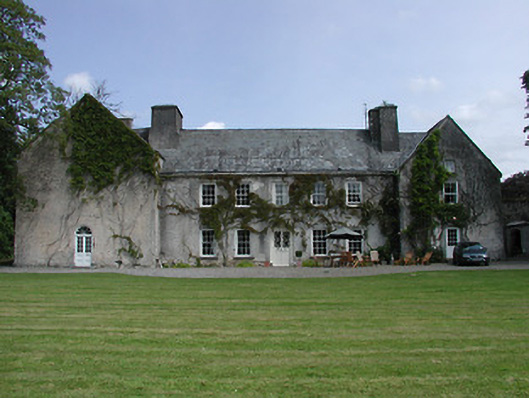
Cloughjordan House, County Tipperary, photograph from National Inventory of Architectural Heritage.

https://www.cloughjordanhouse.com/accommodation

The website tells us: “Cloughjordan House has a variety of colourful accommodation options for guests. There is on-site accommodation for up to 86 guests. The attention to detail leaves each finished room with a sense of its own personality and flair, meaning every lodger has a unique experience of the venue. The bathrooms are stocked with The Handmade Soap Company toiletries and the property is littered with Nespresso machines so that guests can take a break during their stay to sit back and smell the coffee.

There are four double bedrooms with ensuites in the beautifully elegant main house. The bedrooms have all the glamour of period features but with modern adjustments for a more comfortable stay. Guests staying here are steeped in luxury with; super king sized beds, crisp Egyptian Cotton sheets, soft cashmere blankets from Hanly Woollen Mills and under floor heating in the bathrooms. They also have use of the sitting room in the main house for relaxing and tea/coffee facilities with homemade cookies. Sleeps 8.

There are two double bedrooms with ensuites above the cookery school in the Coach House. These rooms are an extension of the accommodation available in the main house. Guests have access to the living rooms there for relaxation. This building was originally a store for horse-drawn carriages, hence its name The Coach House. Sleeps 4.

There are four double bedrooms with ensuites located in the Dairy. The structure was the original milking parlour for 150 dairy cows which is why each room; Daisy, Bluebell, Buttercup and Primrose are named after the animals. The décor here is rustic with unique features making use of Cloughjordan farm wood and other farmyard materials like galvanised sheeting. The beds are traditional farm structures with super comfortable mattresses. The handcrafted nature of these rooms means you are guaranteed to have never stayed anywhere like this. Sleeps 8.

There are 18 bedrooms with ensuites located in the Cowshed. The bedrooms are farmyard inspired with wood used from the Cloughjordan House forest and wooden sinks and rugs from South Africa, where both Sarah and Peter love spending time. The beds are large and luxurious and the showers are powerful. The common room is like something out of a novel, spacious and bright with an Argentinian feel. The veranda opens out onto the property with big, comfortable couches complete with blankets for the ultimate in chilling-out and when the sun is shining this is the best spot in the house (or shed)! Sleeps 45.

The glamping area in the walled garden has 11 newly arrived wooden “pod” cabins offering Scandinavian comfort and style. Mattresses and bedding are the same as any of the other rooms in the house. In order to keep our guest’s stay as premium as possible, we have built a Pamper Room so that ladies can get ready in comfort for the day ahead. This Girlie Room is bright and spacious and comes complete with mirrors and plugs for appliances. Glamping guests have access to The Cowshed lounge for relaxing and chilling-out. Sleeps 22.

The website tells us: “An 800 year old French style manor house set in the lush countryside of North Tipperary. Cloughjordan House is at heart a place of wholesome home-grown food, warm, welcoming rooms, gardens to explore and wide lawns to play on.

The website tells us a little about the history of the house: “You can’t walk around the grounds of Cloughjordan House without feeling steeped in Irish history. The house itself has been there for over 800 years, dating back to as early as 1214. It’s covered in a colourful Virginia creeper residual from the historic Hodgins’ Arboretum and nursery gardens that the grounds were once famous for. The property has been in the hands of The Baker family since 1914 when they purchased it from the Hodgins family. In 1922, free state soldiers occupied the house and evidence of their target practise can see be seen on an ancient tree outside.

Peter Baker, his wife Sarah and their children; Julie, Holly and Sam are the proud residents of Cloughjordan House today. Over the past decade or more, they have transformed Cloughjordan House from a dairy farm into a magical destination with the best in food, atmosphere and accommodation. The family live in their own wing of the main house and welcome guests as though they are friends and family, even the family dogs Louis and Monty are available for a belly rub during your stay.”

The National Inventory tells us it is a “Detached multi-period country house, comprising five-bay two-storey central block, built c.1675, having rear stairs return, flanked by two blocks that advance forwards, eastern being medieval tower house and western being ballroom block built c.1850. Flanking blocks are gable-fronted and two-storey with attic, and middle block has pitched slate roofs with massive rendered chimneystacks. Rendered walls, with battered base and dressed quoins to tower house...Round-headed doorway with petal fanlight and replacement timber and glazed door to ballroom block. Part of original staircase with barley-twist balusters survives. Various gabled and lean-to additions to rear. Detached L-plan stable block, built c.1860. Wrought-iron gates set on limestone plinth to entrance. Remains of moat to north and east. 

Cloughjordan House is a substantial farmhouse that contains significant fabric from the medieval period to the nineteenth century. Its form, detailing and original fabric provide important information about rural architectural development in Ireland. The house also contains fine joinery and plaster work and the barley-twist staircase is a rare survival. It has one of the few surviving nursery gardens for which there is substantial documentation that is now preserved in the National Botanic Gardens.

5. Inch House, Thurles, County Tipperary, Ireland – whole house rental €€€ for 2; €€ for 7-10

http://www.inchhouse.ie

Inch House County Tipperary, photograph from National Inventory of Architectural Heritage.

The website tells us:

The Egan Family are proud owners of Inch House since 1985. The family bought the house & farm that surrounds it with no idea as to the real treasure that lay inside this Georgian mansion. John, a farmer, and Nora, a nurse, along with their eight children have worked tirelessly to bring their dreams for Inch House to fruition and opened their home to guests in 1989 following a major restoration project.

Having run an  award winning restaurant for some 25 years since then, John and Nora now embark on a new journey and for the first time this year are offering their magnificent house to holiday makers for their exclusive hire. this is an exciting new venture for the Egans’ and given their extensive experience in the hospitality and food sector they aim to bring their experience into this new venture and bring their plans to fruition.

Inch House was built in 1720 by John Ryan [1692-1723] on the site of a previous structure. John, who had inherited extensive lands from his father, Daniel, married Frances Mary Mathew of Thurles in 1723. Frances was daughter of George Mathew, and granddaughter of Lady Thurles (1587-1673), formerly Elizabeth Poyntz.

Lady Thurles was married twice, firstly to Thomas Butler, Viscount Thurles (who, had he lived would have succeeded to the Earldom of Ormonde), and secondly to George Mathew. Her eldest son by the Butler marriage was the remarkable James, 1st Duke of Ormonde and Lord Lieutenant of Ireland. Her daughter was an ancestor of the late Princess of Wales. The descendants of her Mathew alliance were equally notable for they included the saintly Nano Nagle, Foundress of the Presentation Sisters in the 18th Century.

Nano Nagle was a daughter of Garnet Nagle and Anne Mathew granddaughter of Thomas Mathew of Anfield, a mere stone’s throw from the Ryan seat at Inch. The Capuchin priest, Rev. Theobald Mathew, the renowned “Apostle of Temperance” also descended from this Stock.

Ryans of Inch were one of the few landed Catholic families in Tipperary and in the late 18th Century and owned up to 5,000 acres of land. Inch remained the property of the Ryan family until 1985 when it was sold to the present owners, John and Nora Egan.

6. Killaghy Castle, Mullinahone, Tipperary – whole house rental €€€ for 2; € for 11-14

https://www.airbnb.ie/rooms/41229269?source_impression_id=p3_1646849021_iHJka1F69OaEkVKZ

Mark Bence-Jones tells us (1988):

p. 169. “An old tower-house of the Tobin family, with a two storey five bay C19 castellated wing attached. Doorway with segmental pointed arch, mullioned windows with hood mouldings, bartizan. Forfeited by the Tobins 1653, passed to the Greene family, from whom it passed through marriage to the Despards; it was garrisoned by Lieut Despard 1798. It then passed by inheritance to the Wright family, by whom it was sold. Since then, it has been owned successively by the families of Watson, Fox, Naughton and Bradshaw.” 

The National Inventory describes it: “Detached T-plan five-bay two-storey country house, built c.1760, façade remodelled and octagonal turret added to southwest corner c.1825, and having four-storey tower house, built c.1550, adjoining to east. Lower two-storey extension to north gable of return. Adjoining outbuildings to rear….The turret, crenellations and label-mouldings applied to this building are a witty reference to the original defensive nature of the tower house to which it has been added. This combination of structures of various eras is familiar in large rural houses in Ireland. The later parts form an interesting horizontal counterpoint to the very tall tower house. The house forms an interesting group with the outbuildings and walled garden. “

7. Kilshane, Tipperary, Co Tipperary – whole house rental for weddings.
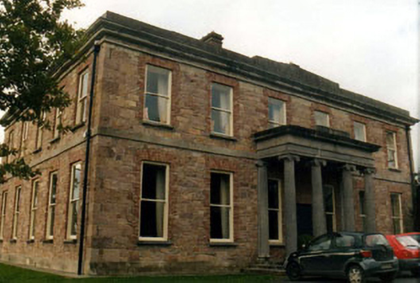
Kilshane, County Tipperary, photograph from the National Inventory of Architectural Heritage.

https://www.kilshanehouse.ie

Mark Bence-Jones tells us (1988):

p. 299. “(Low/LGI1912) A Classical house of ca 1830; two storey, 6 bay front with single storey Ionic portico; solid roof parapet with central die. A very large and handsome conservatory with curvilinear roofs, in the style of th Dublin ironmasters Richard and William Turner, was added to one end of the house ca 1880; it has an interior of cast-iron columns supporting delicate fan-like arches with. Central fountain. The seat of the Low family; afterwards owned by a religious order, which made some institutional additions to the house. Now owned by Mr and Mrs Ian Horst.

The National Inventory tells us this impressive country house was built by the architect C.F. Anderson for John Lowe. 

Kilshane, County Tipperary: the impressive conservatory – see the website for a better picture, photograph from the National Inventory of Architectural Heritage.

8. Kilteelagh House, Dromineer, Lough Derg, County Tipperary – whole house €€€ for 2; €€ for 10-12

https://www.airbnb.ie/rooms/16299584?source_impression_id=p3_1646849122_v85eLlk0Y7hZDOYc

Kilteelagh House, County Tipperary, photograph from National Inventory of Architectural Heritage.

Mark Bence-Jones writes (1988):

p. 176. “(Gason/IFR) A house rebuilt in High Victorian style 1863 by Lt-Col W.C. Gason. Two storey; steep gables with bargeboards; rectangular plate glass windows and large two storey Perpendicular window in centre. High-pitched polychrome roof. Fine demesne along the shore of Lough Derg. Sold 1962 by Col A.W. Gason to Lt-Col J.A. Dene.” 

Kilteelagh House, County Tipperary, photograph from National Inventory of Architectural Heritage.

9. Lisheen Castle, Thurles, County Tipperary €€€ for two, € for 11-14

airbnb https://www.airbnb.ie/rooms/337170?adults=2&category_tag=Tag%3A8047&children=0&infants=0&search_mode=flex_destinations_search&check_in=2022-05-16&check_out=2022-05-21&federated_search_id=e5acaa55-1906-41d1-92c4-e1dcc2012c70&source_impression_id=p3_1652454843_bH11BQ6b7Xq9YDK0

Lisheen Castle, photograph from National Inventory of Architectural Heritage.

The entry tells us: “In 1996, Michael and Joan undertook the complete restoration and renovation of the Castle, their son Zane now runs and manages the castle since 2009. This has been a real labour of love for them, as they have a wonderful appreciation of history and things beautiful. It was specially pleasing to Michael and Joan that all the craftsmen needed to carry our this momentous task were available locally. They have left no stone unturned to ensure that Lisheen Castle would be restored to its former glory, a residence fit for a Lord.

During your Irish castle vacation you will enter the beautiful hallway, through the Great Oak Door,you will be immediately impressed by the opulance of the diningroom, reception rooms and library. At the end of the long corridor visitors will see a beautiful Ash Carved Stairs. Upstairs, there are currently 9 luxury bedrooms, 8 of which are en-suite. While the emphasis in Lisheen Castle is historical, the facilities are up to today’s standard with wi-fi and pc/printer available for use by the guests.

One of the two kitchens is fully fitted to the highest catering standard. Of interest to the guests will be the “old-style kitchen”, which is furnished with pine furniture and terracotta floor.

Even though the Castle is centrally heated throughout, you can still experience the special ambience of the “open turf fires” which are in all the reception rooms.

Lisheen Castle is available for your Irish castle vacation on a weekly or monthly basis. So, go on, if you would like to experience the wonderful opulance of past times, while still having all the modern conveniences.

10. Lismacue House, Bansha, Co. Tipperary – section 482, whole house rental, up to 10 people

Lismacue House, County Tipperary, photograph from National Inventory of Architectural Heritage.

www.lismacue.com
(Tourist Accommodation Facility) Open for accommodation: Mar 1-Oct 31 2025

See my entry https://irishhistorichouses.com/2025/02/10/lismacue-house-bansha-co-tipperary-section-482-accommodation/

Lismacue House, photograph courtesy of website.

The accommodation consists of a classically proportioned drawing room, dining room, breakfast room and library. The house is centrally heated throughout, with traditional warm and welcoming log fires in the reception rooms. All windows have the original pine shutters that are closed each evening.

Lismacue House, photograph courtesy of website.

All bedrooms contain a King or Queen size bed and are especially designed for perfect rest. Each spacious room features antique furniture, direct dial telephones, fresh cut flowers all year round. There’s a sumptuous deep soaking bath and shower in all bathrooms. Each room enjoys panoramic views over the surrounding landscaped gardens and estate.

11. Lissanisky House, County Tipperary

https://www.lissaniskyhouse.com/

Lissanisky House, photograph from National Inventory of Architectural Heritage.

The website tells us:

Lissanisky House is a listed Irish Georgian country house just outside Nenagh in Tipperary, Ireland. Built in approx. 1770 on the site of the 12th century O’Meara castle, it boasts a pedimented breakfront, five bays and three storeys over the basement. It is also renowned for its glorious cobweb fanlight above the front door. It was once a huge estate, but this was carved up by the land commission and now retains 10 acres of the original grounds, including the Victorian walled garden. ​The trees planted in the walled garden are still producing the tastiest apples, pears, quinces, plums and hazelnuts. If you’re around at the right time, you’ll get to enjoy one of our scrumptious homemade apple and toffee puddings with fresh cream. Delicious!

The house itself is full of history, with some interesting previous owners, like Dr Barry O’Meara, Napoleon’s doctor in St Helena and author of the definitive book on Napoleon, ‘Napoleon in Exile’; The Hon Otway Fortescue Graham-Toler, son of the second Earl of Norbury and relation of John Toler, the infamous ‘hanging judge’ and R Smithwick who is believed to be of the Kilkenny brewing family. We also recently discovered that former owners, the Cleeve family, were related to a member of the Guinness brewing family via the matriarch Heath Otway Waller of Priory Park.

THE FUTURE

We fell in love with Lissanisky House and made it our joint life goal to ensure that it would be restored to its full potential and secure it for future generations. By staying with us in our bed and breakfast or celebrating your wedding here, you are helping to fund all future restoration work to the house and outbuildings, making a huge contribution to the preservation of such an important building.

[1] Bence-Jones, Mark. A Guide to Irish Country Houses (originally published as Burke’s Guide to Country Houses volume 1 Ireland by Burke’s Peerage Ltd. 1978); Revised edition 1988 Constable and Company Ltd, London.

[2] https://www.irelandscontentpool.com/en

Text © Jennifer Winder-Baggot, www.irishhistorichouses.com

Covid-19 lockdown, 20km limits, and Places to visit in Dublin

I have a bigger project than this section 482 houses blog. It helps, when writing about big houses, to know what is out there. So I have studied Mark Bence-Jones’s 1988 publication in great detail, A Guide to Irish Country Houses, and have conducted research with the help of the internet.

For my own interest, and I am sure many of my readers will appreciate, I am compiling a list of all of the “big house” accommodation across Ireland – finding out places to stay for when Stephen and I go on holidays, especially when we go to see the section 482 houses!

I am also discovering what other houses are open to the public. There are plenty to see which are not privately owned or part of the section 482 scheme. In fact many of the larger houses are either owned by the state, or have been converted into hotels.

This Monday, 8th June 2020, Ireland moves to the next phase of the government’s Covid-19 prevention plan, and we are allowed to travel 20km from our home, or to places within our county. Big houses won’t be open for visits, but some will be opening their gardens – already my friend Gary has been to the gardens of Ardgillan Castle for a walk. Stephen and I went there before lockdown, meeting Stephen’s cousin Nessa for a walk. The castle was closed, but we were blown away by the amazing view from the garden, and walked down to the sea.

Ardgillan Castle, Balbriggan, County Dublin, and its view, June 2020. Photograph © Jennifer Winder-Baggot, www.irishhistorichouses.com
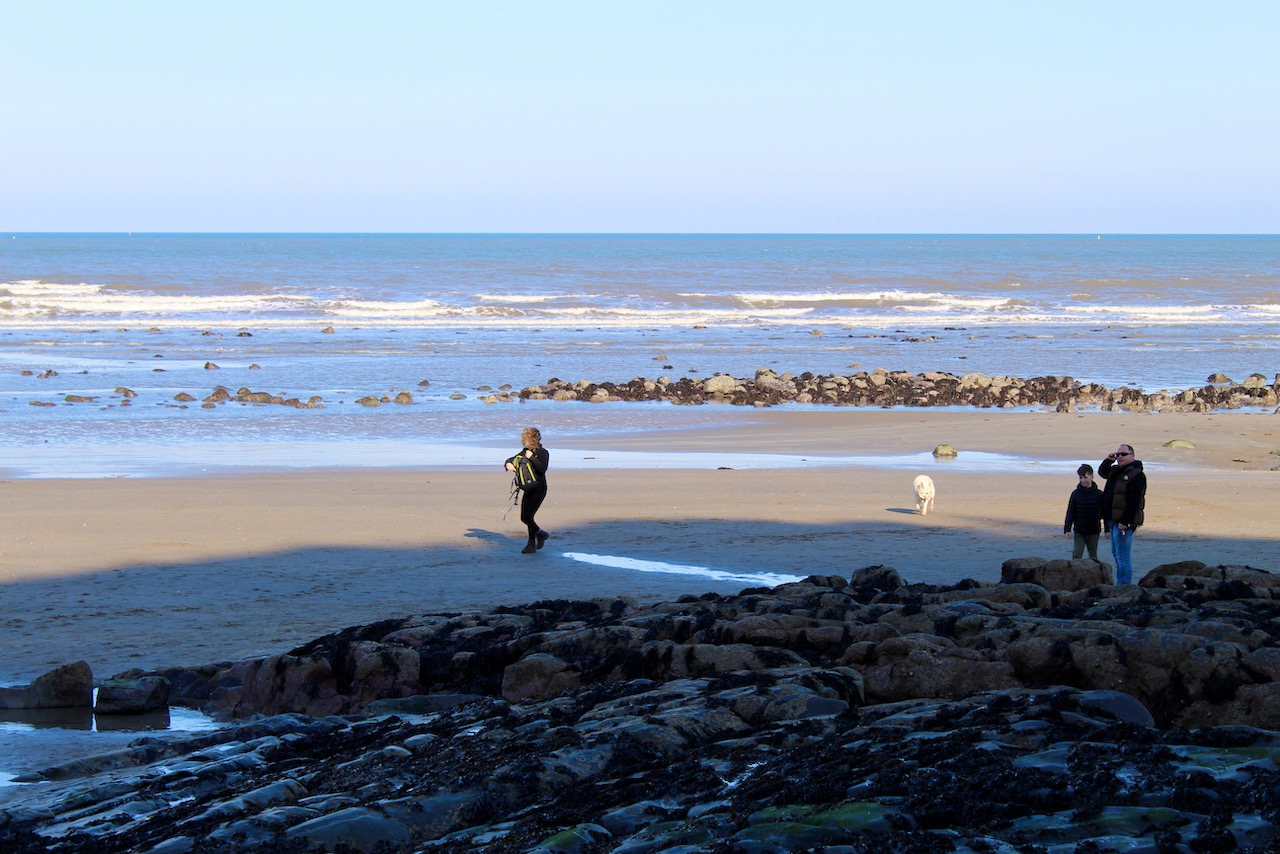
Nessa at the sea on our visit to Ardgillan Castle, June 2020. Photograph © Jennifer Winder-Baggot, www.irishhistorichouses.com
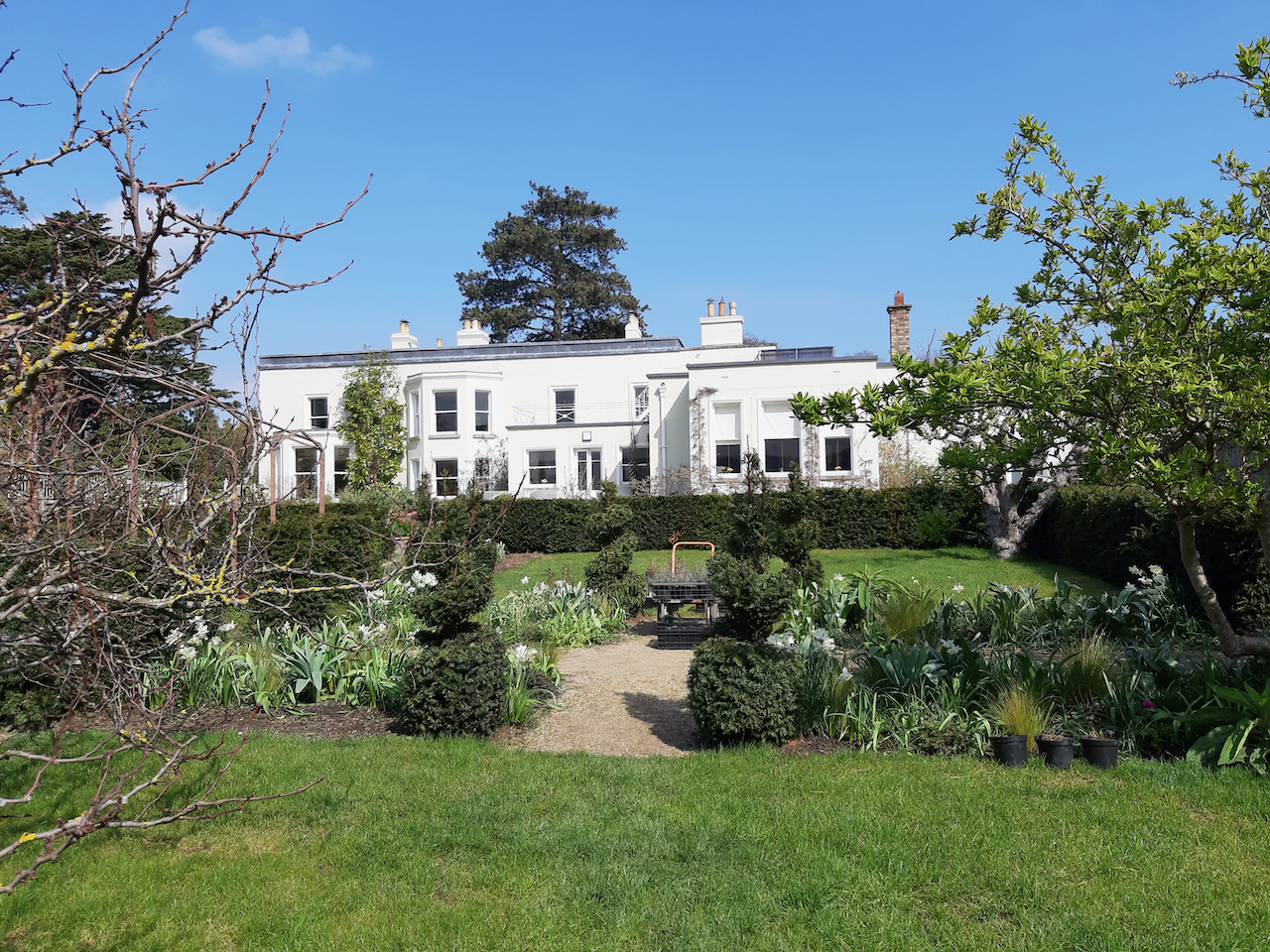

Here is my list of houses/castles to visit in Dublin. Some are on section 482 so are private houses with very limited visting times; others are state-owned and are open most days – though not during Covid-19 restriction lockdown – they might be open from June 29th but check websites. Some have gardens which are open to the public now for a wander.

1. Airfield, Dundrum, Dublin

2. Aras an Uachtarain, Phoenix Park, Dublin – OPW

3. Ardgillan Castle, Dublin

4. Ashtown Castle, Phoenix Park, DublinOPW

5. Bewley’s, 78-79 Grafton Street/234 Johnson’s Court, Dublin 2 – section 482

6. Cabinteely House [formerly Clare Hill, or Marlfield], Cabinteely, Dublin 

7. The Casino at Marino, DublinOPW

8. Charlemount House, Parnell Square, Dublin – Hugh Lane gallery

9. Clonskeagh Castle, 80 Whitebean Road, Clonskeagh, Dublin 14  section 482

10. Colganstown House, Hazelhatch Road, Newcastle, Co. Dublinsection 482

11. Corke Lodge Garden, Shankill, Co. Dublin section 482

12. Dalkey Castle, Dublin – heritage centre 

13. Doheny & Nesbitt, 4/5 Lower Baggot Street, Dublin 2 – section 482 

14. Drimnagh Castle, Dublin

15. Dublin Castle, Dublin – OPW

16. Fahanmura, 2 Knocksina, Foxrock, Dublin 18 – section 482

17. Farm Complex, Toberburr Road, Killeek, St Margaret’s, Co. Dublin – section 482

18. Farmleigh, Phoenix Park, Dublin – OPW

19. Fern Hill, Stepaside, Dublin – gardens open to public

20. Georgian House Museum, 29 Lower Fitzwilliam Street, Merrion Square, Dublin 2 – virtual visit only

21. 14 Henrietta Street, Dublin

22. Hibernian/National Irish Bank, 23-27 College Green, Dublin 2 – section 482

23. Howth Castle gardens, Howth, County Dublin

24. Hurdy Gurdy Radio Museum Howth Martello Tower

25. Lambay Castle, Lambay Island, Malahide, Co. Dublin – section 482

26. Lissen Hall, County Dublin – ihh member, check dates, May and June.

27. Malahide Castle, County Dublin

28. Marlay Park, Rathfarnham, County Dublin

29. Martello Tower, Portrane, Co. Dublin – section 482

30. Meander, Westminister Road, Foxrock, Dublin 18 – section 482

31. Irish Architectural Archive, 45 Merrion Square, Dublin 

32. MOLI, Museum of Literature Ireland, Newman House, St Stephen’s Green, Dublin

33. Newbridge House, Donabate, County Dublin

34. 11 North Great George’s Street, Dublin 1 – section 482

35. 39 North Great George’s Street, Dublin 1

36. 81 North King Street, Smithfield, Dublin 7 – section 482

37. The Odeon (formerly the Old Harcourt Street Railway Station), 57 Harcourt Street, Dublin 2section 482

38. The Old Glebe, Upper Main Street, Newcastle, Co. Dublin – section 482

39. Powerscourt Townhouse Centre, 59 South William Street, Dublin 2 – section 482

40. Primrose Hill, Very Top of Primrose Lane, Lucan, Co. Dublin section 482

41. Rathfarnham Castle, DublinOPW

42. Royal Hospital Kilmainham, Irish Museum of Modern Art (IMMA) – OPW

43. 10 South Frederick Street, Dublin 2 Section 482

44. St. Enda’s Park and Pearse Museum, Dublin OPW

45. St. George’s, St. George’s Avenue, Killiney, Co. Dublin – section 482

46. Swords Castle, Swords, County Dublin.

47. The Church, Junction of Mary’s Street/Jervis Street, Dublin 1 – section 482

48. Tibradden House, Mutton Lane, Rathfarnham, Dublin 16 – section 482

49. Tickknock Gardens, Ticknock Lodge, Ticknock Road, Sandyford, Dublin, Dublin 18

50. Tyrrelstown House Garden, Powerstown Road, Tyrrelstown, Dublin, D15 T6DD – gardens open

1. Airfield, Dundrum, Dublin 

https://www.airfield.ie

Situated:
Overend Way, Dundrum, D14 EE77

Open: see website

Instagram@airfieldgardens

20190410_123353
Airfield House, Dublin, April 2019. Photograph © Jennifer Winder-Baggot, www.irishhistorichouses.com
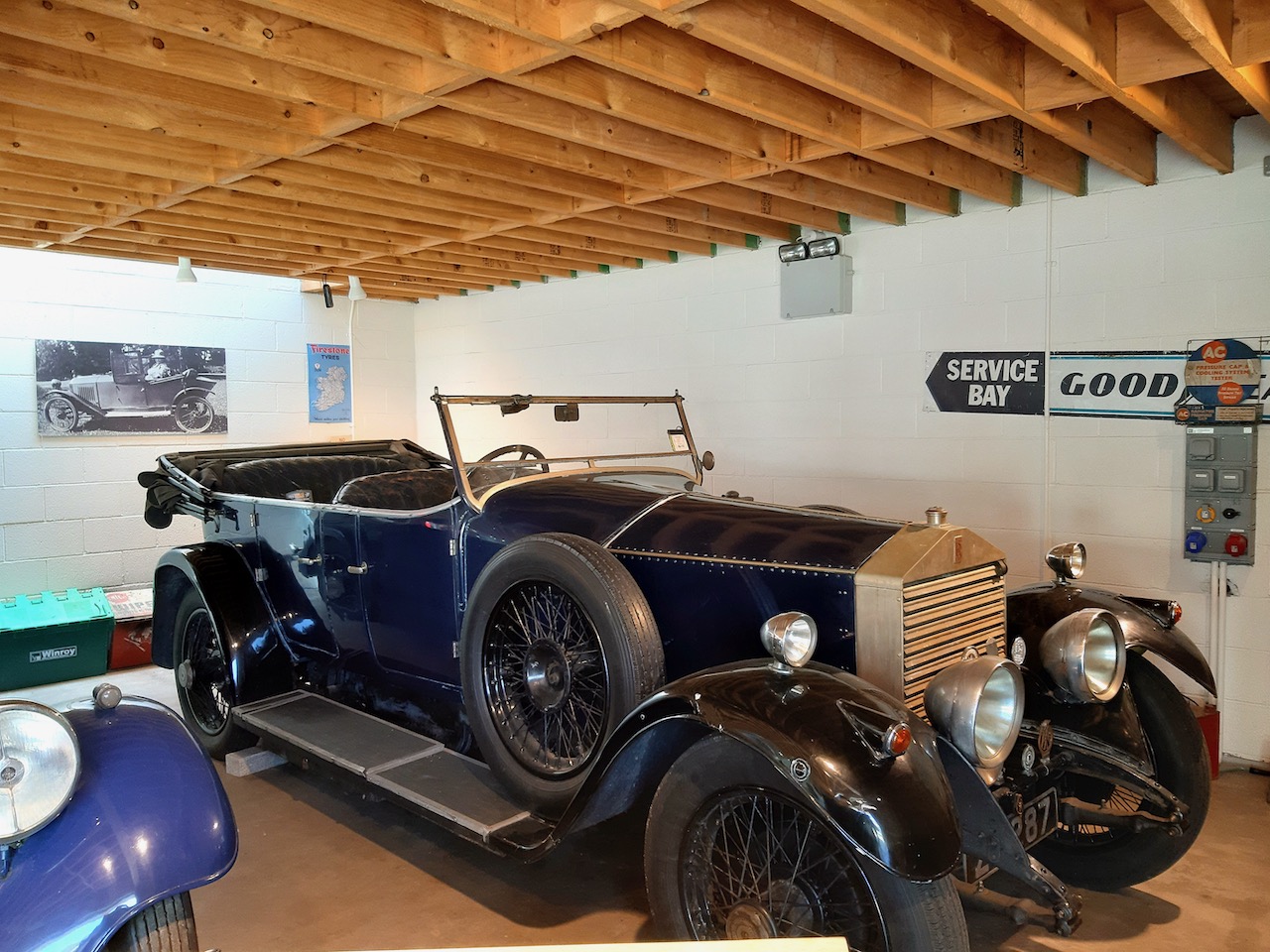
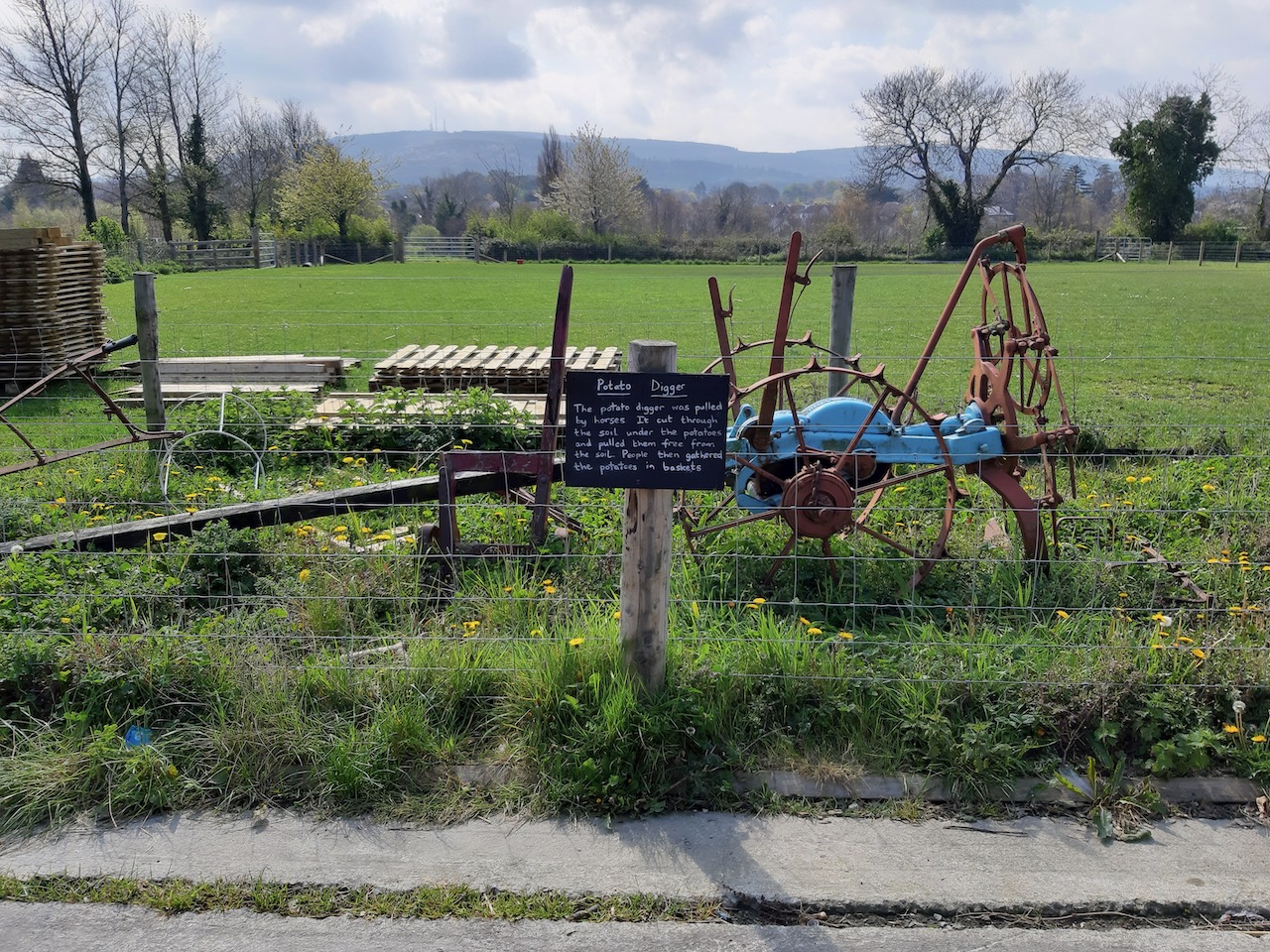
The website says “Original home to the Overend family, today Airfield House is an interactive tour and exhibition which brings visitors closer to this admired Dublin family. Here you’ll view family photographs, letters, original clothing and display cases with information on their prize-winning Jersey herd, vintage cars and their much loved Victorian toys and books.

We focus not just on the way of life the family lived at Airfield, but also on their fantastic charitable work for organisations such as St John Ambulance and The Children’s Sunshine Home (now The Laura Lynn Foundation) to name but a few.

The name was changed from Bess Mount to Airfield circa 1836. It is a working farm, in the middle of suburban Dundrum! The house was built around 1830. [1] It was built for Thomas Mackey Scully, eldest son of James Scully of Maudlins, Co Kildare. Thomas Mackey Scully was a barrister at Law Grays Inn 1833 and called to the bar in 1847.  He was a supporter of O’Connell and a member of the Loyal National Repeal Association. In 1852 the house went into the Encumbered Estates, and was purchased by Thomas Cranfield.

Overend cars at Airfield estate. Photograph © Jennifer Winder-Baggot, www.irishhistorichouses.com
Overend cars at Airfield. Photograph © Jennifer Winder-Baggot, www.irishhistorichouses.com
Photograph © Jennifer Winder-Baggot, www.irishhistorichouses.com
The Stillorgan History and Genealogy website tells us that Thomas Cranfield married Anne Keys in 1839. Thomas was a stationer and printer of 23 Westmorland Street. In 1847 he became the first mezzotint printer in Ireland producing copies of a works by Irish artists such as William Brocas. He received an award from the RDS for his print from a portrait of the Earl of Clarendon. He moved to 115 Grafton Street and received a Royal Warrant in 1850. The family moved to Airfield in 1854. Thomas was also an agent for the London Stereoscopic company and moved into photography. He disposed of his business in 1878 to his son and his assistant George Nutter. I recently heard Brian May member of the former rock band Queen discussing his interest in stereoscopic photography, which was fascinating. I wonder has he been to Airfield? It’s a pity there is nothing about it in the house. Thomas moved to England in 1882 after the death of his son Charles. 

Thomas’s father was interesting also: the website tells us: “In 1753, Dr Richard Russell published The Use of Sea Water which recommended the use of seawater for healing various diseases. Circa 1790 Richard Cranfield opened sea baths between Sandymount and Irishtown and by 1806 was also offering tepid baths. Originally called the Cranfield baths it was trading as the Tritonville baths by 1806. Richard Cranfield born circa 1731 died in 1809 at Tritonville Lodge outliving his wife by four years to whom he had been married for over 60 years. He was a sculptor and a carver of wood and had a share in the exhibition Hall in William Street which was put up for sale after his death. He was also the treasurer for the Society of Artists in Ireland.  He worked at Carton House and Trinity College. His son Richard took over the baths.

The Stillorgan History and Genealogy website continues. When the Cranfields left Airfield, it was taken over by the Jury family of the Shelbourne hotel in Dublin. William Jury born circa 1805 was a hotel proprietor. He and his second wife went to live at Tolka Park, Cabra and William became proprietor of the Imperial Hotel in Cork and in Belfast and also had an interest  ‘Jurys’ in Derry. In 1865 William, together with Charles Cotton, (brother of his wife Margaret) and Christian Goodman, (manager of the Railway Hotel in Killarney) purchased The Shelbourne from the estate of Martin Burke. They closed The Shelbourne in February 1866, purchased additional ground from the Kildare Society, and proceeded with a rebuild and reopened on 21.02.1867. John McCurdy was the architect and Samuel Henry Bolton the builder. The four bronze figures of Assyrian muses/mutes installed at the entrance of the Shelbourne Hotel were designed by the Bronze-founders of Gustave Barbezat & CIE of France.

William’s wife Margaret took over the running of the hotel after the death of her husband. She travelled from Airfield each morning bringing fresh vegetables for use in the hotel. She left Airfield circa 1891.

Airfield estate. Photograph © Jennifer Winder-Baggot, www.irishhistorichouses.com
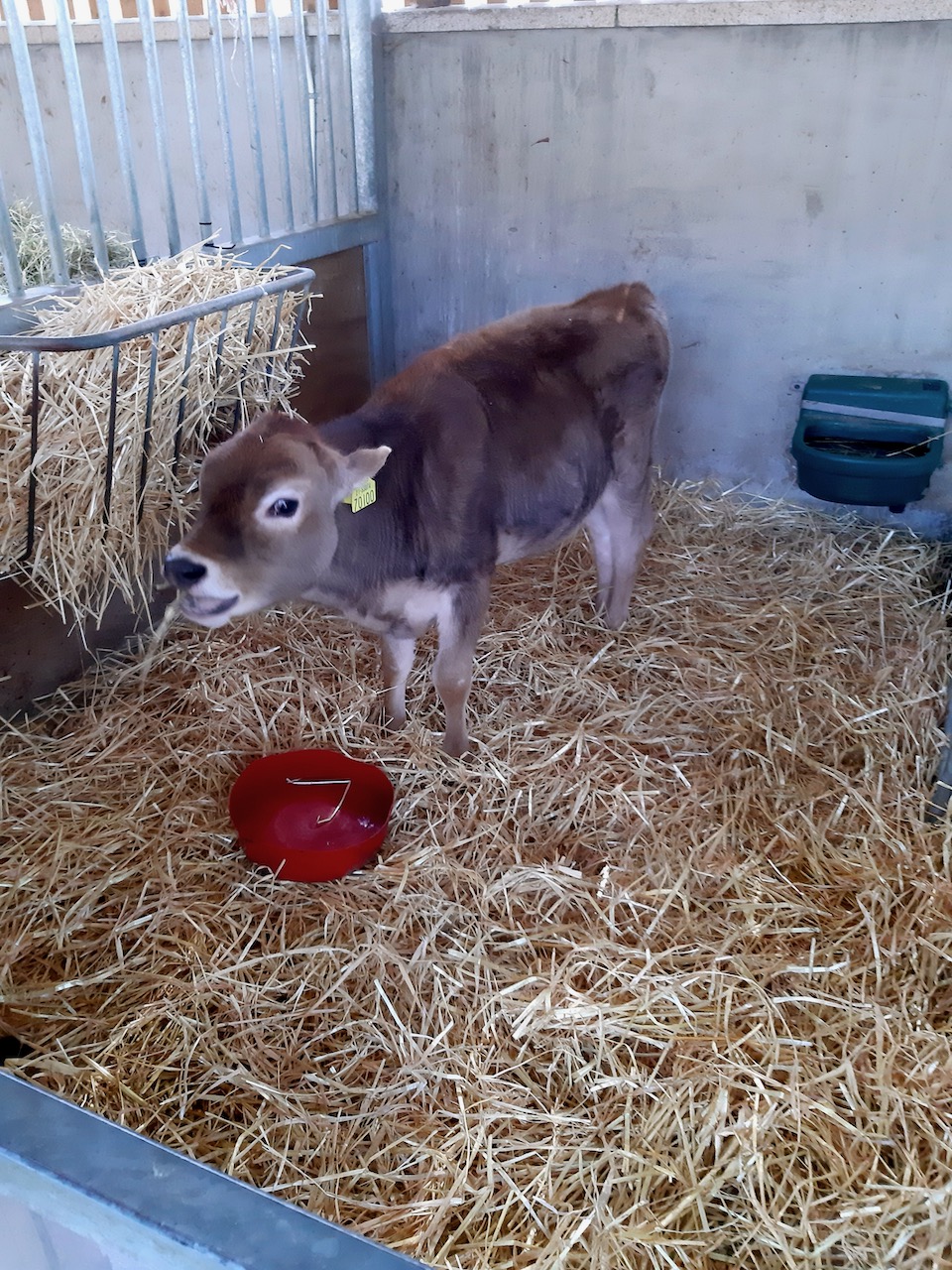
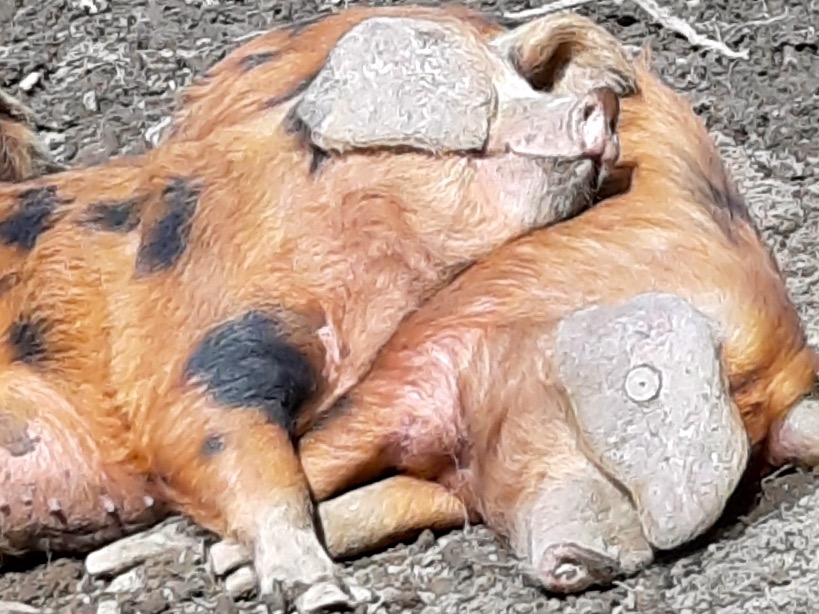
Photograph © Jennifer Winder-Baggot, www.irishhistorichouses.com

Four of their sons followed into the hotel business. Their fourth son, Charles, took over the running of The Shelbourne and died in 1946 in Cheshire aged 91 years.

The Overends seem to have taken over Airfield from 1884. Trevor Thomas Letham Overend (1847-1919) was born in Portadown, 3rd son of John Overend of 57 Rutland Square. He married Elizabeth Anne (Lily) Butler 2nd daughter of William Paul Butler and Letitia Gray of Broomville, County Carlow. Their daughters Letitia and Naomi were left well provided for with no necessity to work and instead devoted themselves to volunteer work and never married.

The website continues: “We focus not just on the way of life the family lived at Airfield, but also on their fantastic charitable work for organisations such as St John Ambulance and The Children’s Sunshine Home (now The Laura Lynn Foundation) to name but a few.

Airfield Ornamental Gardens
Airfield gardens came to prominence under the leadership of Jimi Blake in the early 2000’s. Like all progressive gardens the garden in Airfield is an ever-evolving landscape. The gardens were redesigned in 2014 by internationally renowned garden designer Lady Arabella Lenox Boyd and landscape architect Dermot Foley. The colour and life you see in our gardens today are the result of the hard work and imagination of our Head Gardener Colm O’Driscoll and his team who have since put their stamp on the gardens as they continue to evolve. The gardens are managed organically and regeneratively with a focus on arts and craft style of gardening.

Espaliered trees at Airfield, April 2019. Photograph © Jennifer Winder-Baggot, www.irishhistorichouses.com
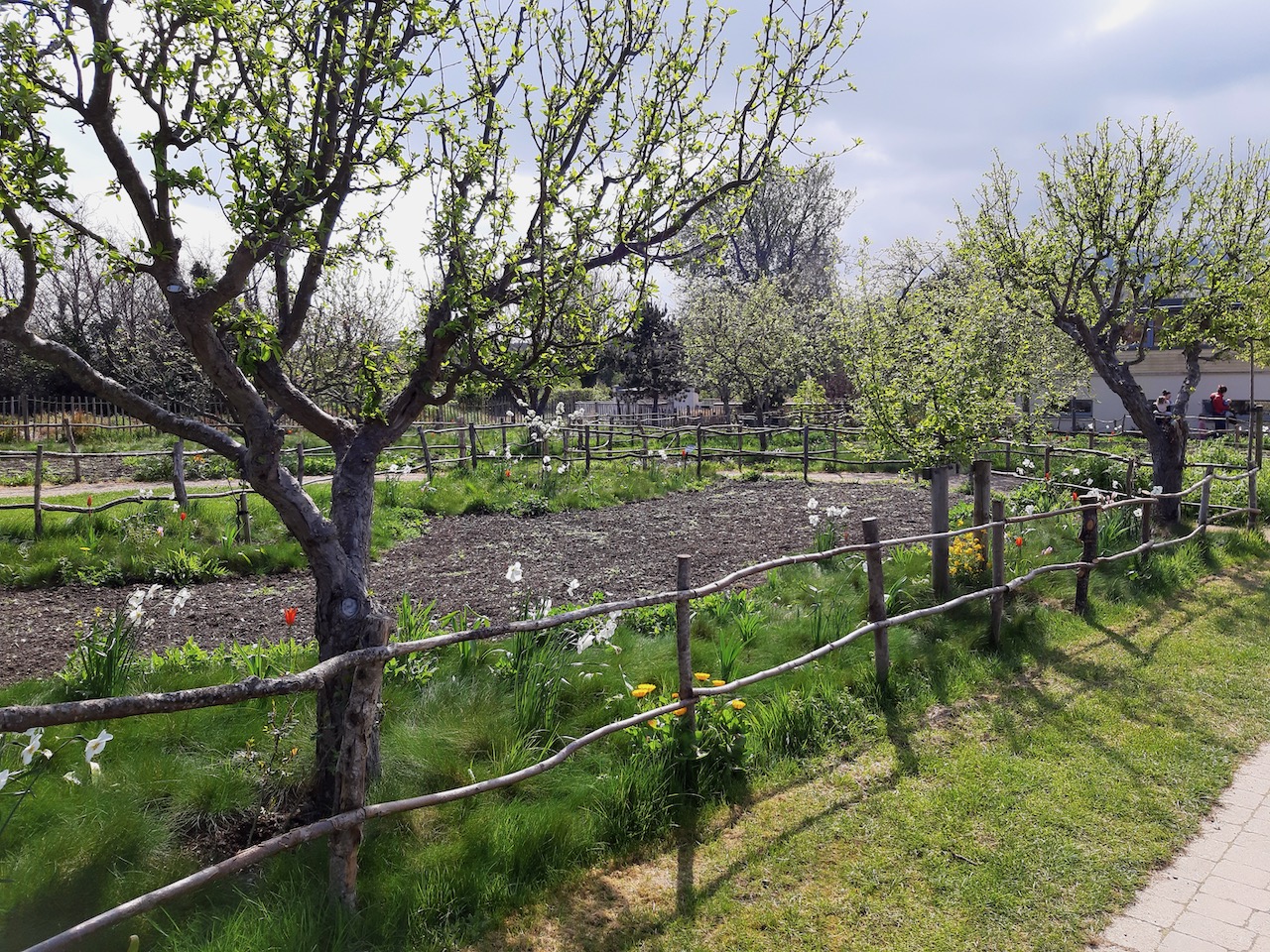
Airfield Food Gardens
Certified organic by the Irish Organic Association this productive 2-acre garden supplies the onsite café and farmers market with fresh seasonal produce. Food production is only one element of this dynamic food garden. Education is at the core of this space. Annual crop trails, experimental crops and forward-thinking growing methods are implemented throughout the garden. Soil is at the heart of the approach to growing and and on top of being certified organic the garden is managed under “no dig” principals. These regenerative approaches result in a thriving food garden that is a hive of activity throughout the growing season.”

Gardens at Airfield, April 2019. Photograph © Jennifer Winder-Baggot, www.irishhistorichouses.com
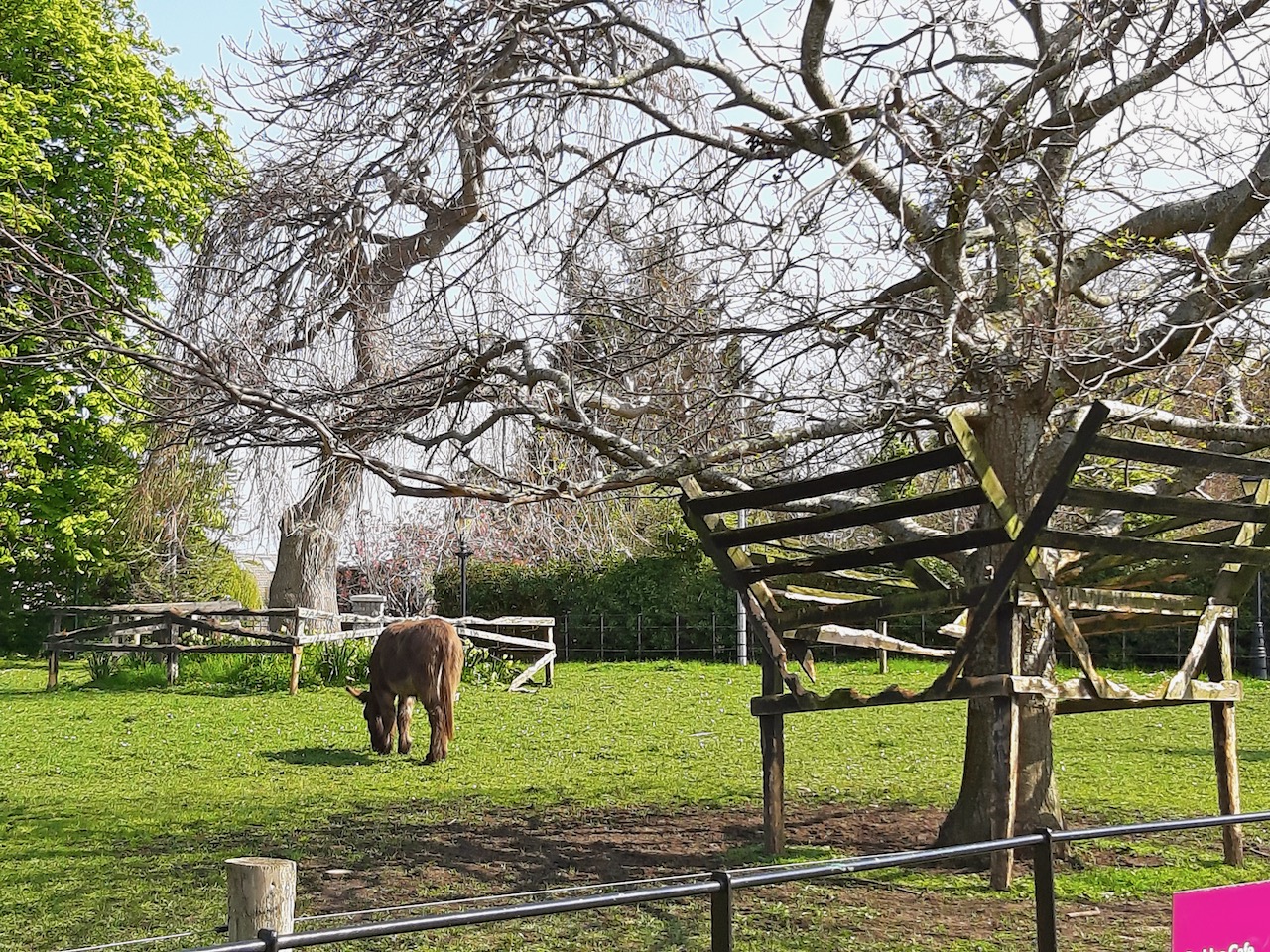
Photograph © Jennifer Winder-Baggot, www.irishhistorichouses.com

2. Aras an Uachtarain, Phoenix Park, Dublin – OPW

See my entry https://irishhistorichouses.com/2023/10/17/office-of-public-works-dublin-aras-an-uachtarain-phoenix-park/

3. Ardgillan Castle, Balbriggan, Dublin

https://ardgillancastle.ie

Ardgillan Castle, Balbriggan, February 2022. Photograph © Jennifer Winder-Baggot, www.irishhistorichouses.com
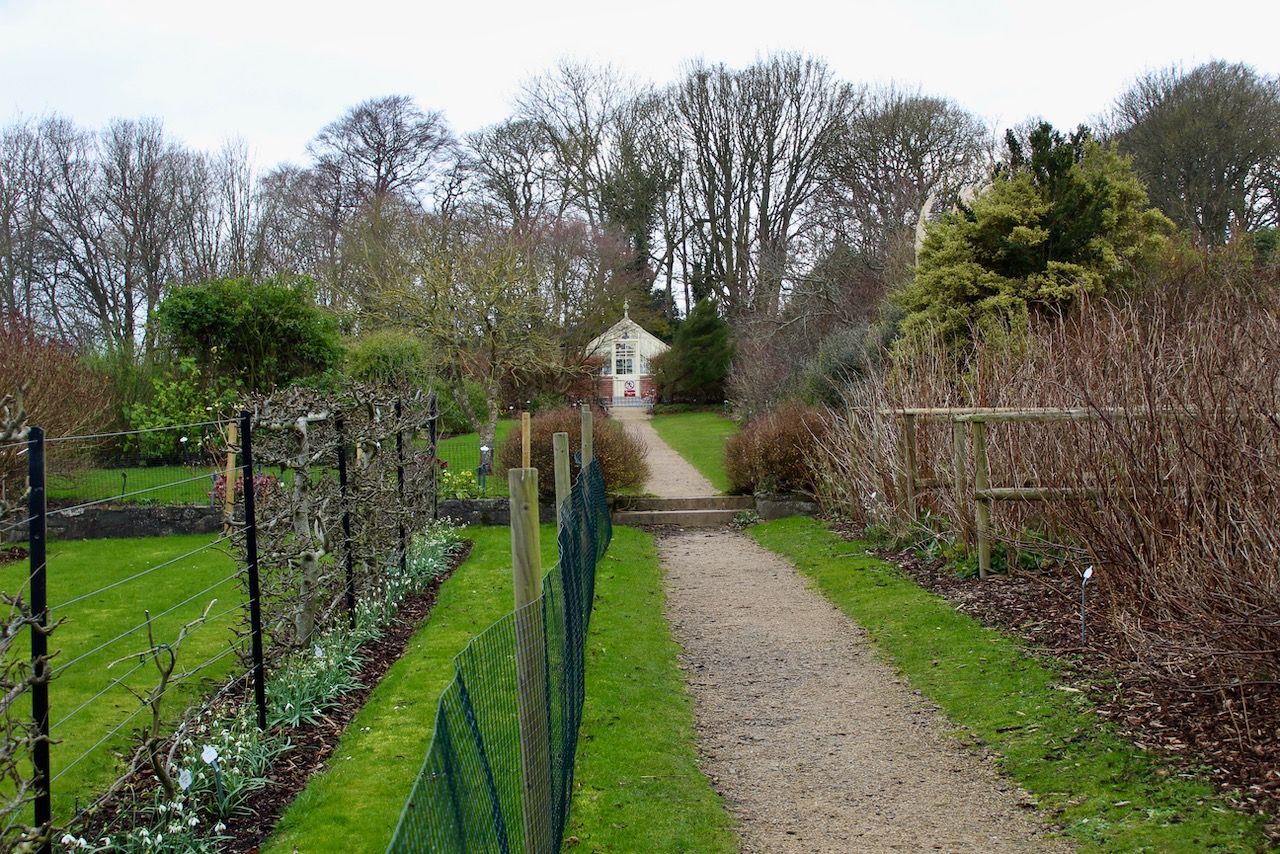
You approach Ardgillan Castle from the back, coming from the car park, facing down to the amazing vista of Dublin bay. See my entry about Ardgillan Castle https://irishhistorichouses.com/2022/10/15/places-to-visit-in-dublin-ardgillan-castle-balbriggan-county-dublin/

The Walled Garden was originally a Victorian-styled kitchen garden that used to supply the fruit, vegetables and cut flower requirements to the house. It is 1 hectare (2.27 acres) in size, and is subdivided by free standing walls into five separate compartments. The walled garden was replanted in 1992 and through the 1990’s, with each section given a different theme.

The walled garden at Ardgillan, February 2022. Photograph © Jennifer Winder-Baggot, www.irishhistorichouses.com
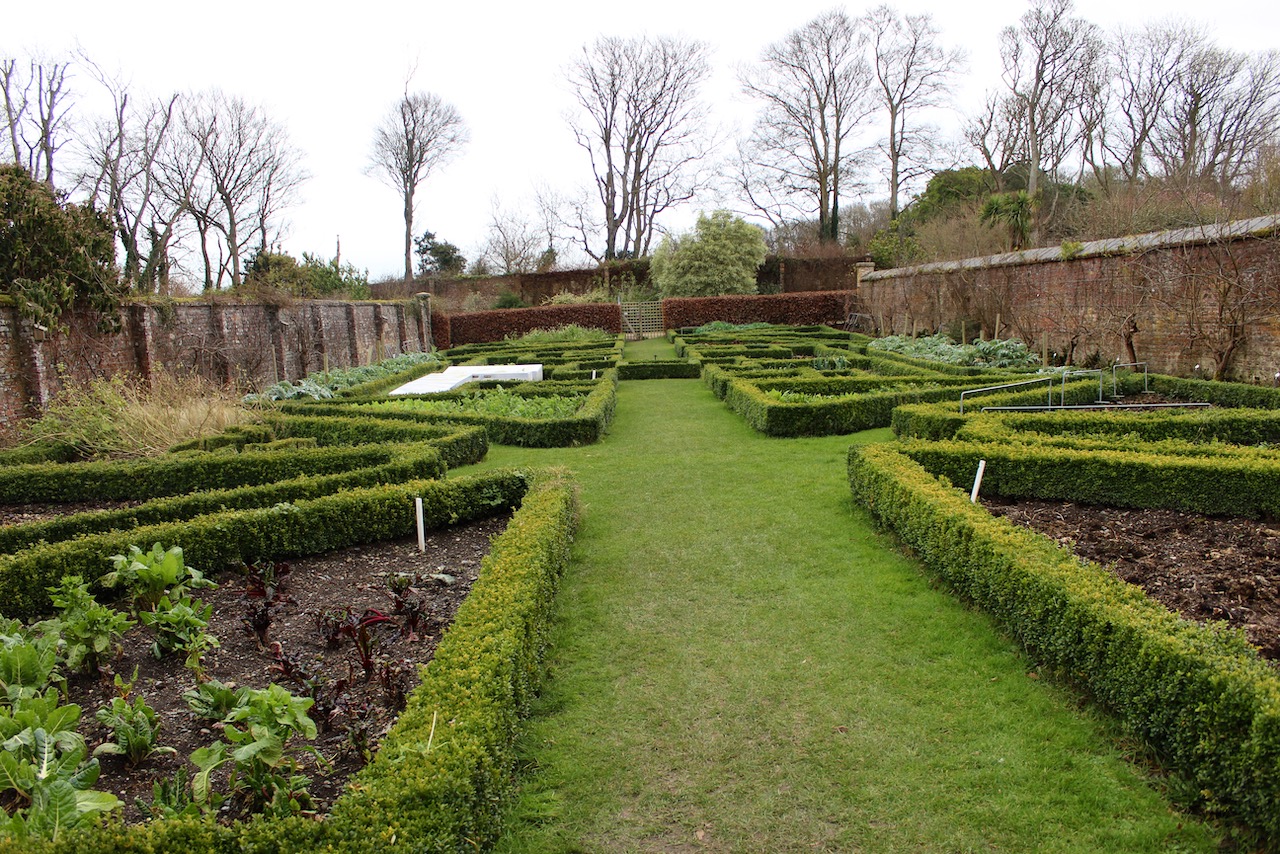
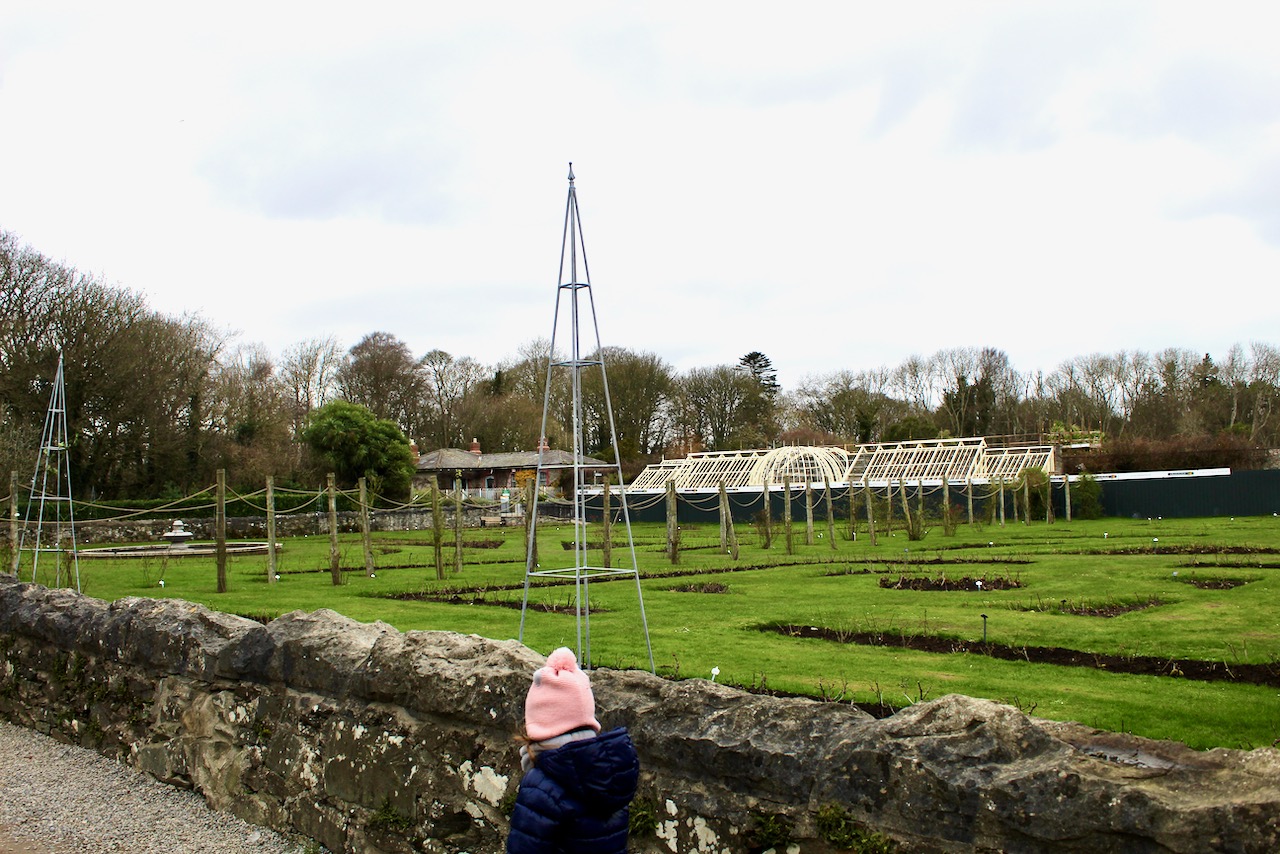
Photograph © Jennifer Winder-Baggot, www.irishhistorichouses.com
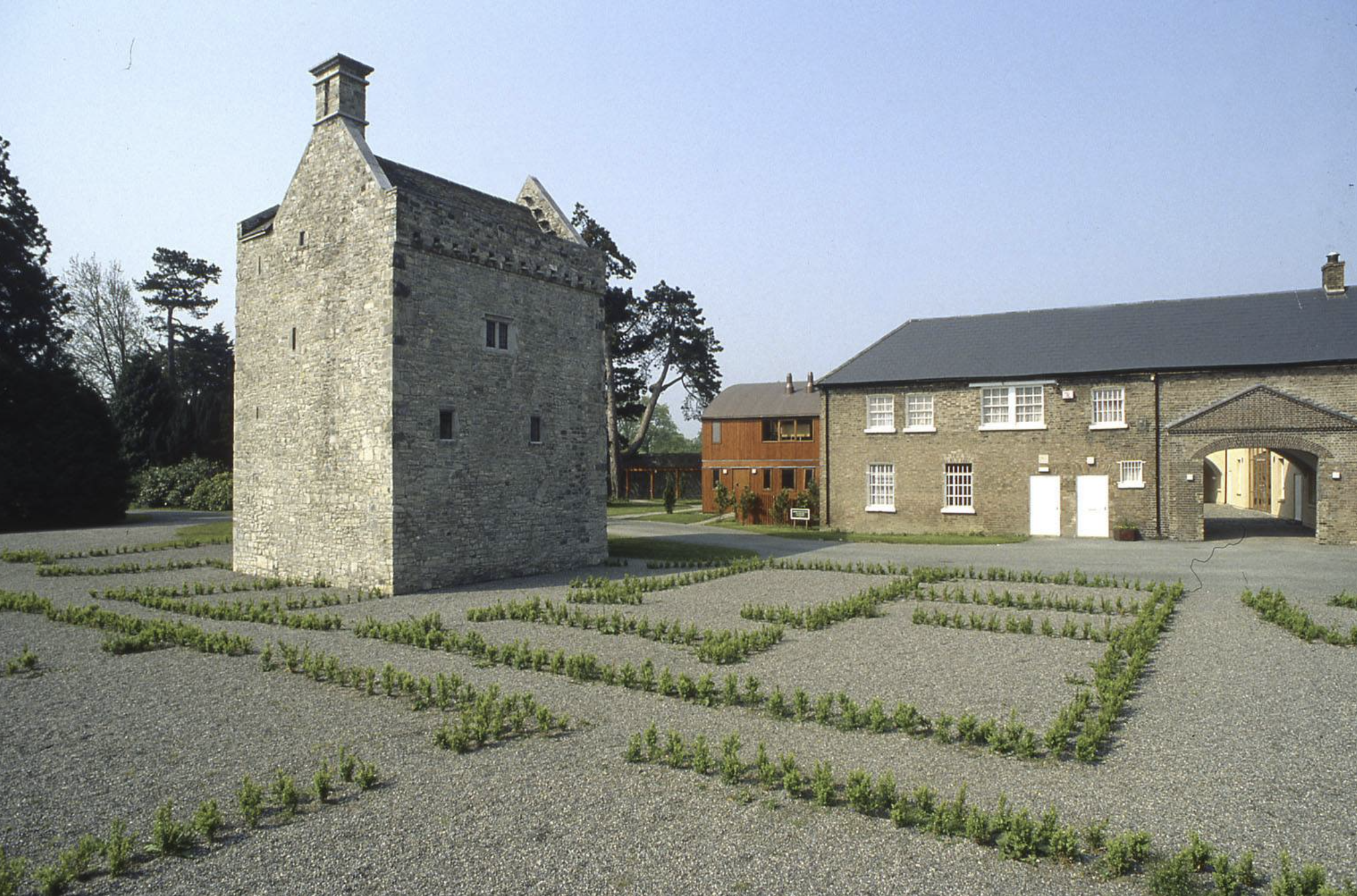
The Victorian Conservatory was originally built in 1880 at Seamount, Malahide, the home of the Jameson family, who became famous for their whiskey all over the world. It was built by a Scottish glasshouse builder McKenzie & Moncur Engineering, and is reputed to be a replica of a glasshouse built at Balmoral in Scotland, the Scottish home of the British Royal Family. The conservatory was donated to Fingal County Council by the present owner of Seamount, the Treacy family and was re-located to the Ardgillan Rose Garden in the mid-1990s by park staff.

The Department of Arts, Heritage and the Gaeltacht (DAHG) approached Fingal County Council in early 2014 to participate in a pilot project to develop and enhance skill sets in built heritage conservation, under the Traditional Building Skills Training Scheme 2014. The glass house/ conservatory at Ardgillan was selected as part of this project. The glass house has been completely dismantled because it had decayed to such an extent that it was structurally unstable. All parts removed as part of this process are in safe storage. This work is the first stage of a major restoration project being undertaken by the Councils own Direct Labour Crew in the Operations Department supervised by David Curley along with Fingal County Council Architects so that the glasshouse can be re-erected in the garden and can again act as a wonderful backdrop to the rose garden. This is a complex and difficult piece of work which is currently on going and we are hopeful to have the glasshouse back to its former glory as a centrepiece of the visitor offering in Ardgillan Demesne in the near future.

4. Ashtown Castle, Phoenix Park, Dublin – OPW

See my entry https://irishhistorichouses.com/2025/05/17/ashtown-castle-phoenix-park-dublin-an-opw-property/ and

http://phoenixpark.ie/what-to-see/

Ashtown Castle, photograph from Phoenix park website.

5. Bewley’s, 78-79 Grafton Street/234 Johnson’s Court, Dublin 2 – section 482

www.bewleys.com
Open dates in 2025: all year, except Christmas Day, Jan- Nov, 8am-6.30pm, Dec 8am-8pm

Fee: Free.

See my entry https://irishhistorichouses.com/2025/01/31/bewleys-78-79-grafton-street-234-johnsons-court-dublin-2-section-482-property-in-2024/

Photograph © Jennifer Winder-Baggot, www.irishhistorichouses.com

The Bewleys business began in 1840 as a leading tea and coffee company, started by Samuel Bewley and his son Charles, when they imported tea directly from China. Charles’s brother Joshua established the China Tea Company, the precursor to Bewleys.

The Buildings of Ireland publication on Dublin South City tells us: “Rebuilt in 1926 to designs by Miller and Symes, the playful mosaics framing the ground and mezzanine floors are indebted to the Egyptian style then in vogue following the discovery of Tutankhamun’s tomb. The interior, originally modelled on the grand cafés of Europe and Oriental tearooms, was restructured in 1995 but retains a suite of six stained glass windows designed (1927) by the celebrated Harry Clarke (1889-1931). Four windows lighting the back wall of the tearoom are particularly fine and represent the four orders of architecture.

Photograph © Jennifer Winder-Baggot, www.irishhistorichouses.com
Recently Paddy Bewley died, the last of the family directly involved with the running of the cafe and coffee business of Bewleys. Paddy was responsible for starting the coffee supplying end of the Bewley business.

Paddy, like those in his family before him, was a Quaker, and he lived by their ethos. The Bewley family migrated from Cumberland in England to County Offaly in 1700. Their association with coffee and tea dates back to the mid nineteenth centry, when they began to import tea from China.

Photograph © Jennifer Winder-Baggot, www.irishhistorichouses.com
6. Cabinteely House [formerly Clare Hill, or Marlfield], Cabinteely, Dublin 

https://www.dlrcoco.ie/en/heritage/heritage

There’s a terrific online tour, at https://www.dlrcoco.ie/en/heritage/3d-online-tours-–-heritage-home

DSC_1142
Cabinteely House, Dublin. Photograph © Jennifer Winder-Baggot, www.irishhistorichouses.com

Mark Bence-Jones writes in his A Guide to Irish Country Houses (1988):

p. 52. [Nugent, Byrne 1863, Ormsby-Hamilton sub Ormsby] A C18 house built round three sides of a square; with well-proportioned rooms and good decoration.  Built by that genial Irishman on the C18 English political scene, Robert [1702-1788] 1st and last Earl Nugent, on an estate which belonged to his brother-in-law, George Byrne [or O’Byrne (1717-1763), husband of Clare Née Nugent], and afterwards to his nephew and political protege, Michael Byrne MP. The house was originally known as Clare Hill, Lord Nugent’s 2nd title being Viscount Clare; but it became known as Cabinteely House after being bequeathed by Lord Nugent to the Byrnes, who made it their seat in preference to the original Cabinteely House, which, having been let for a period to John Dwyer – who, confusingly, was secretary to Lord Chancellor Fitzgibbon, 1st Earl of Clare [John Fitzgibbon (1748-1802)] – was demolished at end of C18 and a new house, known as Marlfield and afterwards a seat of the Jessop family (1912), built on the site. The new Cabinteely House (formerly Clare Hill), afterwards passed to the Ormsby-Hamilton family. In recent years, it was the home of Mr. Joseph McGrath, founder of the Irish Sweep and a well-known figure on the Turf.” 

Cabinteely House, photograph from Dun Laoghaire Rathdown County Council website.

The National Inventory attributes it to architect Thomas Cooley. It is described as: Detached nine-bay (three-bay deep) two-storey country house, built 1769, on a quadrangular plan originally nine-bay two-storey on a U-shaped plan; six-bay two-storey parallel block (west). Sold, 1883. “Improved” producing present composition” when sold to George Pim (1801-87) of neighbouring Brenanstown House. The Inventory also lists other owners: estate having historic connections with Robert Byrne (d. 1798, a brother to above-mentioned Michael Byrne MP) and his spinster daughters Mary Clare (d. 1810), Clarinda Mary (d. 1850) and Georgina Mary (d. 1864); William Richard O’Byrne (1823-96), one-time High Sheriff of County Wicklow (fl. 1872) [he inherited the house after his cousin Georgiana Mary died]; a succession of tenants of the Pims including Alfred Hamilton Ormsby Hamilton (1852-1935), ‘Barrister – Not Practicing’ (NA 1901); John Hollowey (1858-1928); and Joseph McGrath (1887-1966), one-time Deputy Minister for Labour (fl. 1919-2) and co-founder of the Irish Hospitals’ Sweepstake (1930). [4]

Cabinteely House, photograph from National Inventory of Architectural Heritage.
The gardens in front of Cabinteely House, August 2015. Photograph © Jennifer Winder-Baggot, www.irishhistorichouses.com
Cabinteely House, photograph from Dun Laoghaire Rathdown County Council website.
The gardens in front of Cabinteely House, August 2015. Photograph © Jennifer Winder-Baggot, www.irishhistorichouses.com
7. The Casino at Marino, Dublin – OPW

See my entry https://irishhistorichouses.com/2023/11/09/office-of-public-works-dublin-the-casino-at-marino/

 http://casinomarino.ie

DSC_1072.JPG
Casino at Marino, Dublin. Photograph © Jennifer Winder-Baggot, www.irishhistorichouses.com

8. Charlemount House, Parnell Square, Dublin – Hugh Lane gallery

 https://www.hughlane.ie

Charlemount House. Photograph from flickr constant commons, National Library of Ireland.

The architect of Charlemount House was William Chambers, and it was built in 1763. The Archiseek website tells us:

Lord Charlemont [James Caulfeild, 1st Earl, 4th Viscount of Charlemont] had met and befriended Sir William Chambers in Italy while Chambers was studying roman antiquities and Charlemont was on a collecting trip. Years later Charlemont had hired Chambers to design his Casino on his family estate at Marino outside Dublin. When the need arose for a residence in the city Charlemont turned again to Chambers who produced the designs for Charlemont House finished in 1763. The house now the Municipal Gallery of Modern Art consists of a single block of five bays with curved screen walls to either side. The house breaks up the regularity of this side of Parnell Square as it is set back from the other houses…Charlemont house was sold to the government in 1870 becoming the General Register and Census Offices for Ireland and later the Municipal Gallery for Modern Art – a development that Charlemont would undoubtedly would have approved.” [5]

Robert O’Byrne tells us that inside is work by Simon Vierpyl also.

James Caulfeild, 1st Earl of Charlemont (1728-1799) by Richard Livesay, British, 1753-1826.

9. Clonskeagh Castle, 80 Whitebean Road, Clonskeagh, Dublin 14 – section 482

www.clonskeaghcastle.com

Open dates in 2025: Jan 5-9, Feb 28, Mar 1-7, 9, May 1-10, June 1-10, July 1-10, Aug 16-25, Nov 4-6, Dec 2-4, 10am-2pm

Fee: adult €12, student/OAP/groups €8, groups over 4 people €8 each.

See my entry https://irishhistorichouses.com/2024/04/25/clonskeagh-castle-dublin/

Clonskeagh Castle, photograph courtesy of myhome.ie

10. Colganstown House, Hazelhatch Road, Newcastle, Co. Dublin D22 PK16 – section 482

see my write-up:

https://irishhistorichouses.com/2020/05/21/colganstown-house-hazelhatch-road-newcastle-county-dublin/

Open dates in 2025:  Jan 13-19, May 3-11, 23-31, June 1-13, Aug 16-24, Nov 9-21, 9am-1pm

Fee: Free

see Section 482 listing https://www.revenue.ie/en/personal-tax-credits-reliefs-and-exemptions/documents/section-482-heritage-properties.pdf

IMG_1482
Colganstown, Newcastle, County Dublin. Photograph © Jennifer Winder-Baggot, www.irishhistorichouses.com

11. Corke Lodge Garden, Shankill, Co. Dublin – section 482

Postal address Woodbrook, Bray, Co. Wicklow
contact: Alfred Cochrane
Tel: 087-2447006
www.corkelodge.com
Open dates in 2025: June 2-27, Mon-Fri, July 1-26, Tue-Sat, Aug 4-24, 10am-2pm

Fee: adult €10, entrance fee is a voluntary donation in honesty box at door.

The house was built in the 1820’s to designs by William Farrell as an Italianate seaside villa. A Mediterranean grove was planted with a Cork tree as its centrepiece. In the remains of this romantic wilderness, the present owner, architect Alfred Cochrane, designed a garden punctuated by a collection of architectural follies salvaged from the demolition of Glendalough House, an 1830’s Tudor revival mansion, built for the Barton family by Daniel Robertson who designed Powerscourt Gardens.”

“There is more fun at Corke Lodge” writes Jane Powers, The Irish Times, where ” the ‘ancient garden’ of box parterres is punctuated by melancholy gothic follies, and emerges eerily from the dense boskage of evergreen oaks, myrtles, and a writhing cork oak tree with deeply corrugated bark. Avenues of cordyline palms and tree ferns, dense planting of sword-leaved New Zealand flax, and clumps of whispering bamboos lend a magical atmosphere to this rampantly imaginative creation.”

12. Dalkey Castle, Dublin – heritage centre 

https://www.dalkeycastle.com

Believe it or not, I did my Leaving Certificate examinations in this building! I was extremely lucky and I loved it and the great atmosphere helped me to get the points/grades I wanted!

Dalkey Castle in Dalkey in the suburbs of south Dublin, photograph by Brian Morrison, 2014, from Tourism Ireland. (see [2])

The website tells us: “Dalkey Castle is one of the seven fortified town houses/castles of Dalkey. The castles were built to store the goods which were off-loaded in Dalkey during the Middle Ages, when Dalkey acted as the port for Dublin. The castles all had defensive features to protect the goods from being plundered. These are all still visible on the site: Machicolation, Murder Hole, Battlements and arrow-loop windows. In Dalkey Castle, you will see a fine example of barrel-vaulted ceiling and traces of the wicker work that supported it. Niches have been exposed on the walls where precious goods may have been stored. The Castle is an integral entrance to both the Heritage Centre and Dalkey Town Hall.

Dalkey Castle was called the Castle of Dalkey in the Middle Ages. Later, in the mid to late 1600s it was called Goat Castle when the Cheevers family of Monkstown Castle were the owners.

In 1860s the former living quarters, upstairs, became a meeting room for the Dalkey Town Commissioners. It continued as a meeting room until 1998 when it was incorporated into Dalkey Castle & Heritage Centre. Today, part of the Living History tour takes place there. There is a re-creation of the stocks that were across the street where the entrance to the church is today.

13. Doheny & Nesbitt, 4/5 Lower Baggot Street, Dublin 2 – section 482

www.dohenyandnesbitts.ie

Opening times: see the website.

See my entry https://irishhistorichouses.com/2025/06/19/doheny-nesbitt-pub-4-5-lower-baggot-street-dublin-2-section-482/

This is a popular pub, and one of the oldest family owned pubs in Dublin.

14. Drimnagh Castle, Dublin

 https://www.drimnaghcastle.org

See the website for opening times. It is also available for hire, and we attended a party there in 2015!

DSC_0725
Party in Drimnagh Castle. Photograph © Jennifer Winder-Baggot, www.irishhistorichouses.com

The website describes the Castle: “Drimnagh Castle is the only castle in Ireland to retain a fully flooded moat. Its rectangular shape enclosing the castle, its gardens and courtyard, created a safe haven for people and animals in times of war and disturbance. The moat is fed by a small stream, called the Bluebell. The present bridge, by which you enter the castle, was erected in 1780 and replaced a drawbridge structure.

See my entry https://irishhistorichouses.com/2024/09/19/drimnagh-castle-dublin-open-to-public/

Photograph © Jennifer Winder-Baggot, www.irishhistorichouses.com

The gardens also have an alley of hornbeams:

15. Dublin Castle, Dublin – OPW

 https://www.dublincastle.ie

See my entry https://irishhistorichouses.com/2024/07/25/dublin-castle-an-office-of-public-works-property/

IMG_1897
Dublin Castle: Records Tower and part of Royal Chapel. Photograph © Jennifer Winder-Baggot, www.irishhistorichouses.com
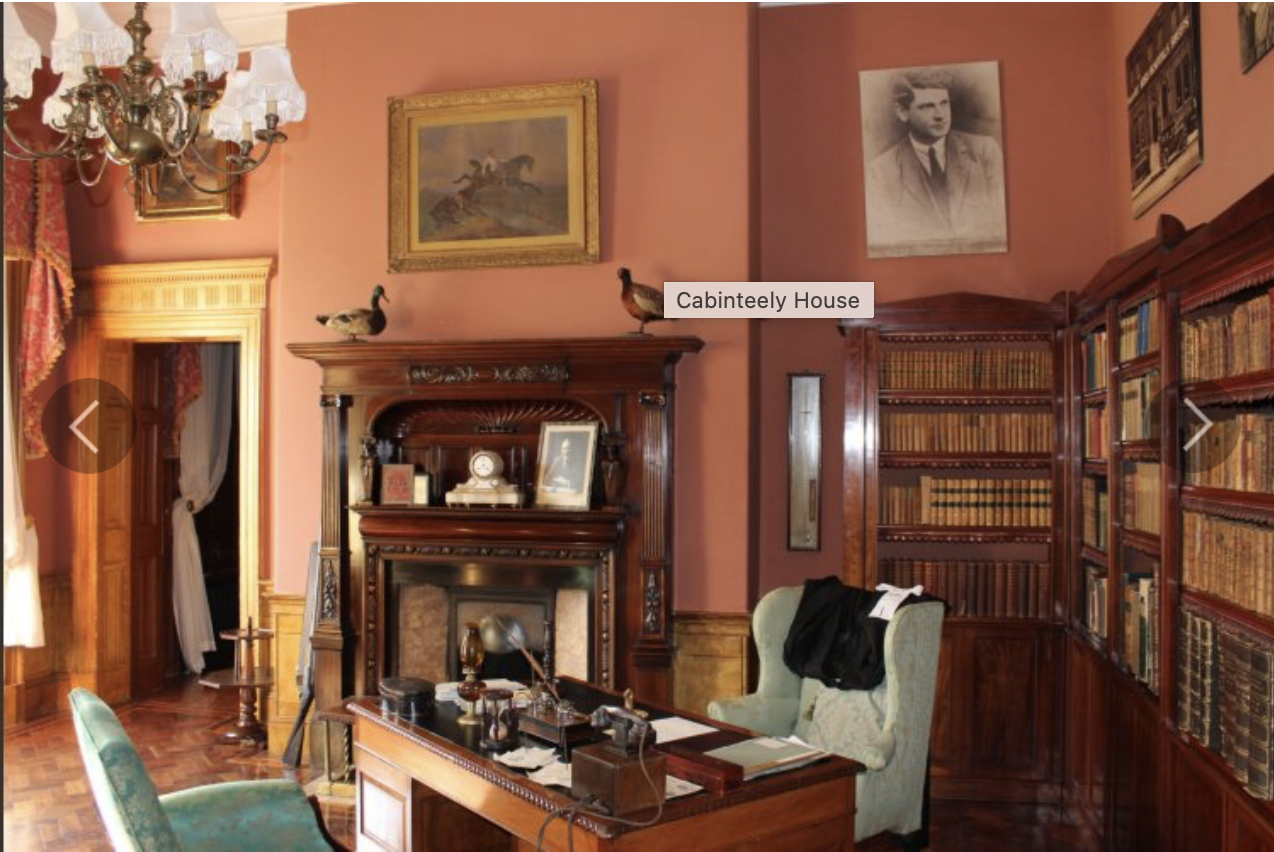
16. Fahanmura, 2 Knocksina, Foxrock, Dublin 18, D18 W3F2 – section 482

www.fahanmura.ie
Open dates: see website for details.

Fahanmura, Photograph from National Inventory of Architectural Heritage.

See my entry: https://irishhistorichouses.com/2023/08/10/fahanmura-2-knocksinna-foxrock-dublin-18-d18-w3f2/

17. Farm Complex, Toberburr Road, Killeek, St Margaret’s, Co. Dublin – section 482

Open dates in 2025Jan 10-12, 24-26, Mon-Fri, 9.30pm-1.30pm, Sat-Sun, 1pm-5pm, May 2-5, 9-12, 16-19, 23-26, 30-31, Aug 16-24, Sept 5-8, 12-13, 19-21, 26-29, Oct 10-12, 17-19, 24-27, Mon- Fri 9.30am-1.30pm, Sat-Sun 2pm-6pm, Nov 8-9, 22-23, Mon-Fri, 9.30-1.30, Sat-Sun, 1pm-5pm

Fee: adult €6, student/OAP/child €5

18. Farmleigh, Phoenix Park, Dublin – OPW

see my entry https://irishhistorichouses.com/2025/08/03/farmleigh-house-and-iveagh-house-phoenix-park-dublin/

 http://farmleigh.ie

Farmleigh
Farmleigh, Phoenix Park.

19. Fern Hill, Stepaside, Dublingardens open to public

https://www.dlrcoco.ie/en/parks/fernhill-park-and-gardens-0

The website tells us: “Fernhill is a former substantial family residence on 34 hectares of land at Stepaside. Fernhill Park and Gardens is Dublin’s newest Public Park, and forms an important component of the historic landscape on the fringe of Dublin City and an impressive example of a small estate dating back to around 1823. The former estate is a unique collection of heritage buildings, gardens, parkland, woodland and agricultural land. The elevated nature of the site, overlooking Dublin Bay on the threshold between the city and the Dublin mountains, lends a particular magic to the place.  Fernhill is also home to a unique plant collection, made up of acid-loving plants such as Rhododendrons, Camelias and Magnolias, among others.

The Stillorgan Genealogy and History website tells us:

The original house was a single-storey (possibly a hunting lodge) built circa 1723. By 1812 it was substantial family residence with additional out buildings surrounded by gardens, woodlands, parkland and farming land on an elevated location overlooking Dublin Bay. The house itself is a series of rambling interconnecting blocks of one and two stories transcended by a three storey tower which has developed and evolved over the years.

The gardens were planted with exotics such as magnolia and Chilean firetrees but it is also home to an
extensive daffodil collection. Originally on 110 acres it now now on about 82 acres. The land was owned
by Sir William Verner and part was leased to Joseph Stock. Alderman Frederick Darley purchased the 
lease from Verner in 1812 and his son William purchased the property outright in 1841.
” Another son was the architect Frederick Darley (1798-1872).

20. Georgian House Museum, 29 Lower Fitzwilliam Street, Merrion Square, Dublin 2 – virtual visit only

http://www.numbertwentynine.ie

21. 14 Henrietta Street, Dublin – museum 

https://14henriettastreet.ie

Henrietta Street, Dublin. Photograph © Jennifer Winder-Baggot, www.irishhistorichouses.com
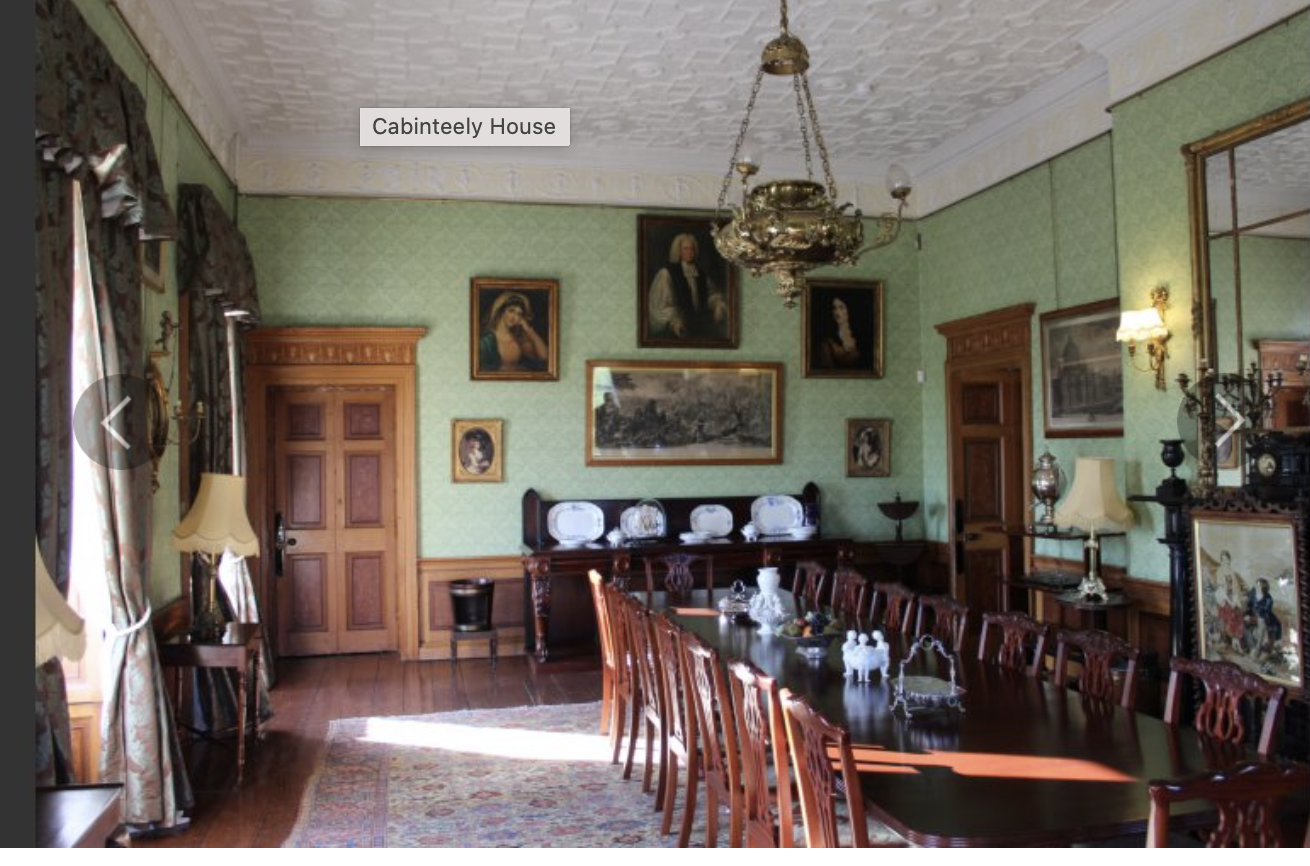
Henrietta Street, October 2022. Photograph © Jennifer Winder-Baggot, www.irishhistorichouses.com
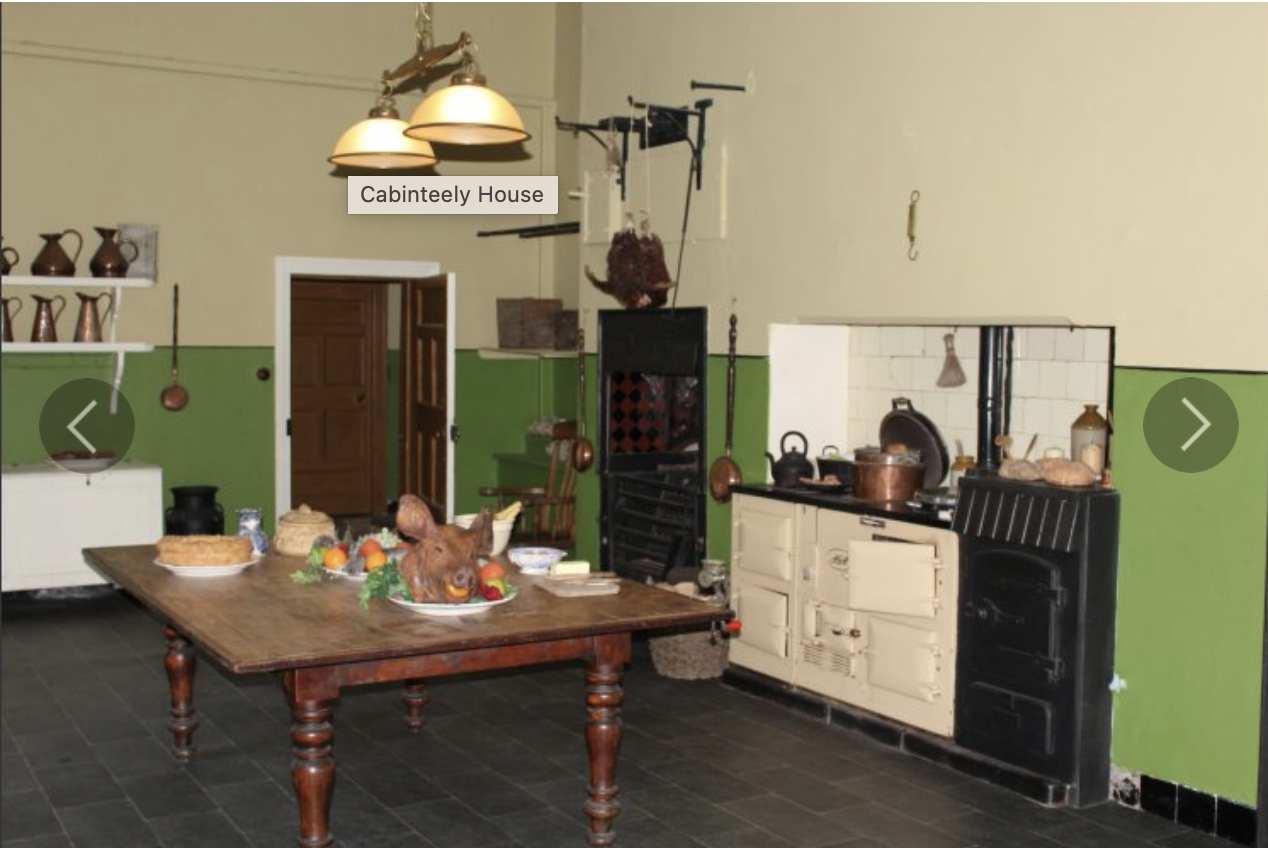
14 Henrietta Street is a social history museum of Dublin life, from one building’s Georgian beginnings to its tenement times. See my entry https://irishhistorichouses.com/2024/09/12/14-henrietta-street-dublin-museum/

22. Hibernian/National Irish Bank, 23-27 College Green, Dublin 2 – section 482

Open dates in 2025: all year, except Jan 1, and Dec 25, 9am-8pm

Fee: Free

Former Hibernian Bank, now H&M store, 2013. Photograph courtesy of Swire Chin, Toronto.

See my entry https://irishhistorichouses.com/2023/01/28/hibernian-national-irish-bank-23-27-college-green-dublin-2/

23. Howth Castle gardens, and Transport Museum Dublin

Photograph © Jennifer Winder-Baggot, www.irishhistorichouses.com

Mark Bence-Jones. A Guide to Irish Country Houses.[originally published as Burke’s Guide to Country Houses volume 1 Ireland by Burke’s Peerage Ltd. 1978; Revised edition 1988 Constable and Company Ltd, London.] 

p. 155. “Gaisford-St. Lawrence/IF) A rambling and romantic castle on the Hill of Howth, which forms the northern side of Dublin bay; the home of the St. Lawrences for 800 years. Basically a massive medieval keep, with corner towers crenellated in the Irish crow-step fashion, to which additions have been made through the centuries. The keep is joined by a hall range to a tower with similar turrets which probably dates from early C16; in front of this tower stands a C15 gatehouse tower, joined to it by a battlemented wall which forms one side of the entrance court, the other side being an early C19 castellated range added by 3rd Earl of Howth. The hall range, in the centre, now has Georgian sash windows and in front of it runs a handsome balustraded terrace with a broad flight of steps leading up to the entrance door, which has a pedimented and rusticated Doric doorcase. These Classical features date from 1738, when the castle was enlarged and modernized by William St. Lawrence, 14th Lord Howth, who frequently entertained his friend Dean Swift here; the Dean described Lady Howth as a “blue eyed nymph.” On the other side of the hall range, a long two storey wing containing the drawing room extends at right angles to it, ending in another tower similar to the keep, with Irish battlemented corner turrets. This last tower was added 1910 for Cmdr Julian Gaisford-St. Lawrence, who inherited Howth from his maternal uncle, 4th and last Earl of Howth, and assumed the additional surname of St Lawrence; it was designed by Sir Edward Lutyens, who also added a corridor with corbelled oriels at the back of the drawing room wing and a loggia at the junction of the wing with the hall range; as well as carrying out some alterations to the interior. The hall has C18 doorcases with shouldered architraves, an early C19 Gothic frieze and a medieval stone fireplace with a surround by Lutyens. The dining room, which Lutyens restored to its original size after it had been partitioned off into several smaller rooms, has a modillion cornice and panelling of C18 style with fluted Corinthian pilasters. The drawing room has a heavily moulded mid-C18 ceiling, probably copied from William Kent’s Works of Inigo Jones; the walls are divided into panels with arched mouldings, a treatment which is repeated in one of the bedrooms. The library, by Lutyens, in his tower, has bookcases and panelling of oak and a ceiling of elm boarding. Lutyens also made a simple and dignified Catholic chapel in early C19 range on one side of the entrance court; it has a barrel-vaulted ceiling and an apse behind the altar. Howth Castle is celebrated for the custom, continuing down to the present day, of laying an extra place at meals for the descendent of the chieftan who, several centuries ago, kidnapped the infant heir of the Lord Howth at the time in retaliation for being refused admittance to the castle because the family was at dinner, only returning him after the family had promised that the gates of the castle should always be kept open at mealtimes and an extra place always set at the table in case the kidnapper’s descendants should wish to avail themselves of it. Famous gardens; formal garden laid out ca 1720, with gigantic beech hedges; early C18 canal; magnificent plantings of rhododendrons.” 

Howth Castle 1940, Dublin City Library and Archives (see [6]). The English architect Sir Edwin Lutyens restyled a 14th century castle built here, overlooking Dublin Bay.
Howth Castle 1966, Dublin City Library and Archives (see [6]).
Marriage plate Howth Castle, Dublin City Library and Archives. (see [6])
Howth Castle, Dublin City Library and Archives (see [6]).
Howth Castle on the day we visited for the sale of its library. Photograph © Jennifer Winder-Baggot, www.irishhistorichouses.com
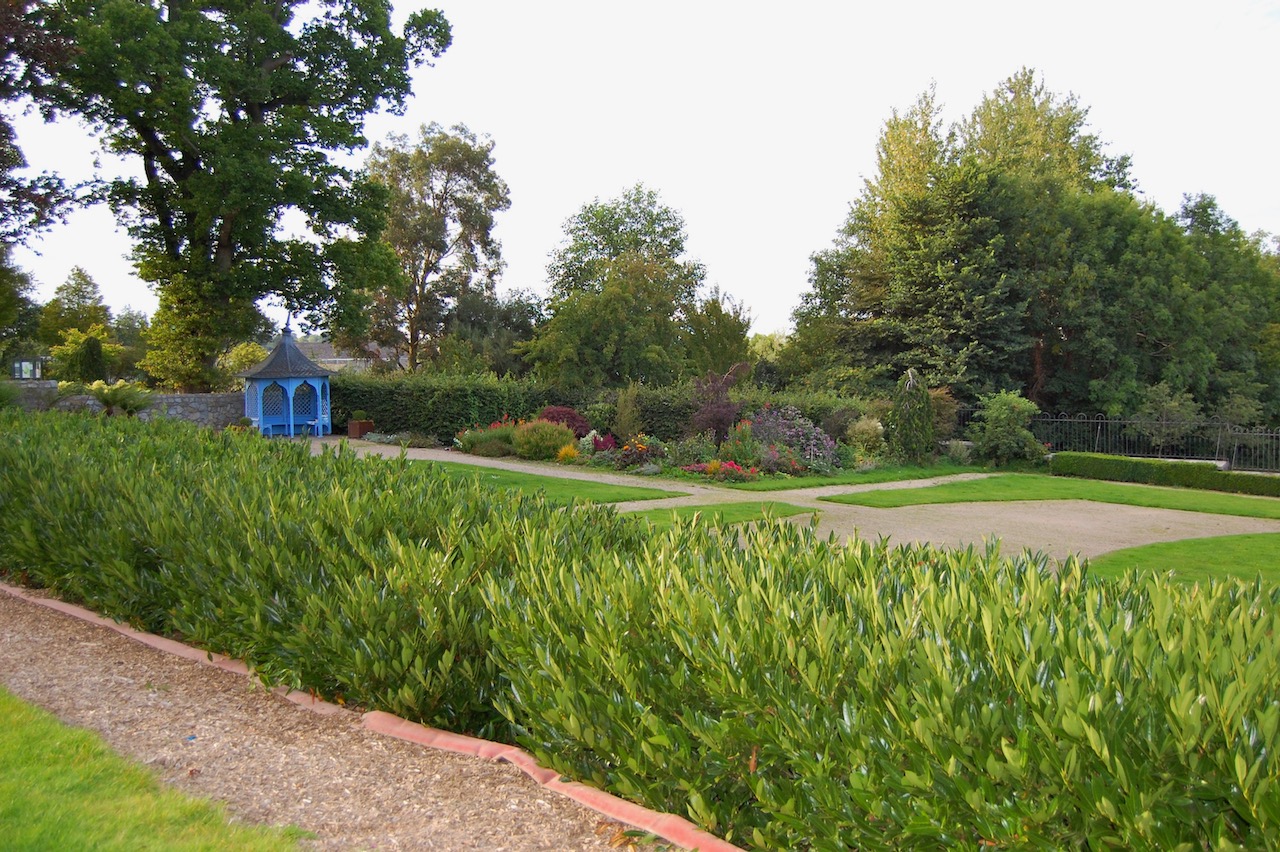
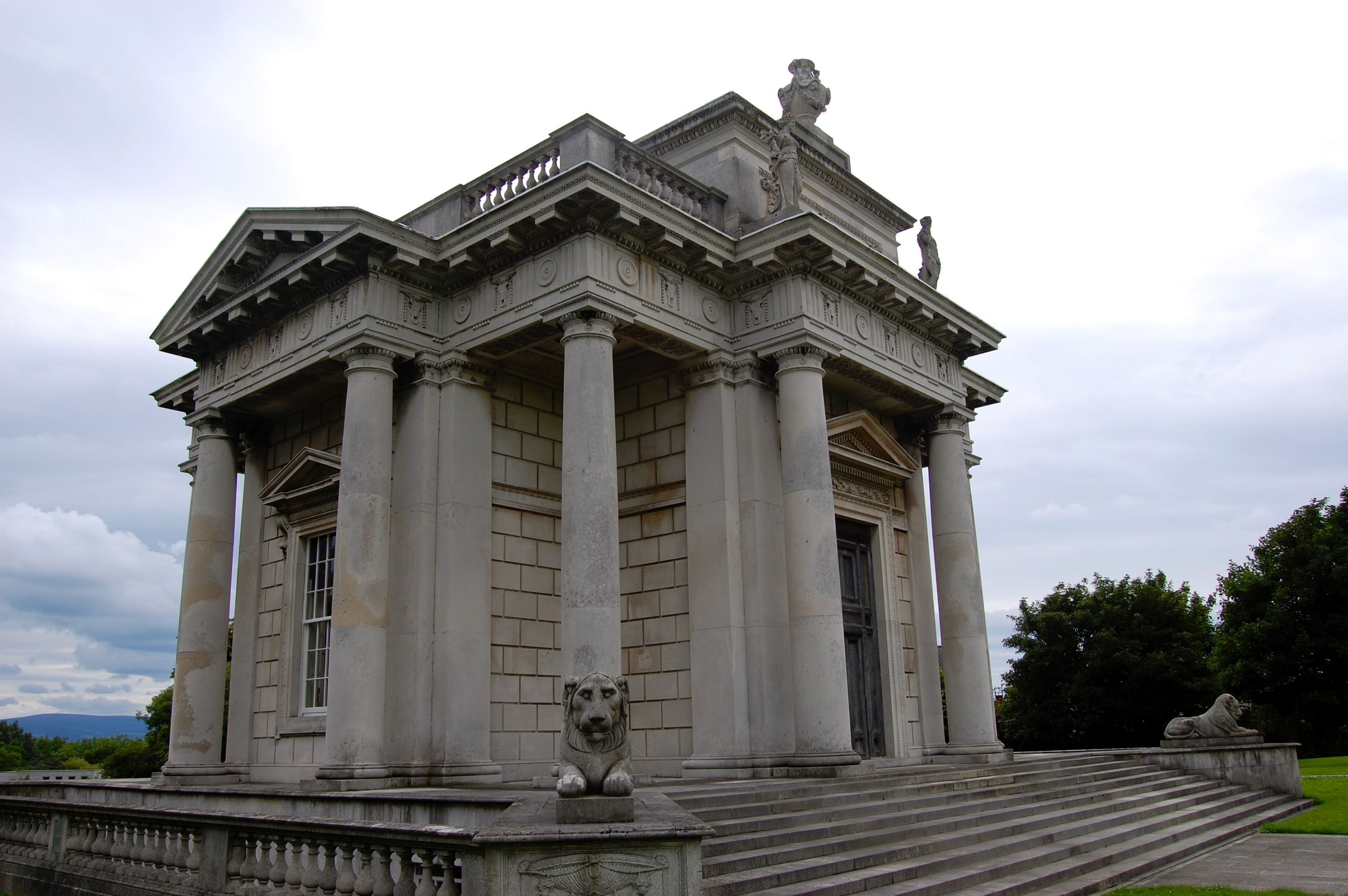
The National Inventory tells us that this part of Howth Castle is “six-bay two-storey over basement late-medieval house, c.1650. Comprising four-bay two-storey central block flanked by single-bay five-storey square plan crenellated turrets. Renovated 1738, with openings remodelled and terrace added. Renovated, 1910, with interior remodelled.” Photograph © Jennifer Winder-Baggot, www.irishhistorichouses.com
Reproduction of a painting of Howth Castle and its gardens in the 18th century, courtesy of the “In Harmony with Nature, The Irish Country House Garden 1600-1900” exhibition curated by Robert O’Byrne. Photograph © Jennifer Winder-Baggot, www.irishhistorichouses.com
Howth Castle on the day we visited for the sale of its library. Photograph © Jennifer Winder-Baggot, www.irishhistorichouses.com
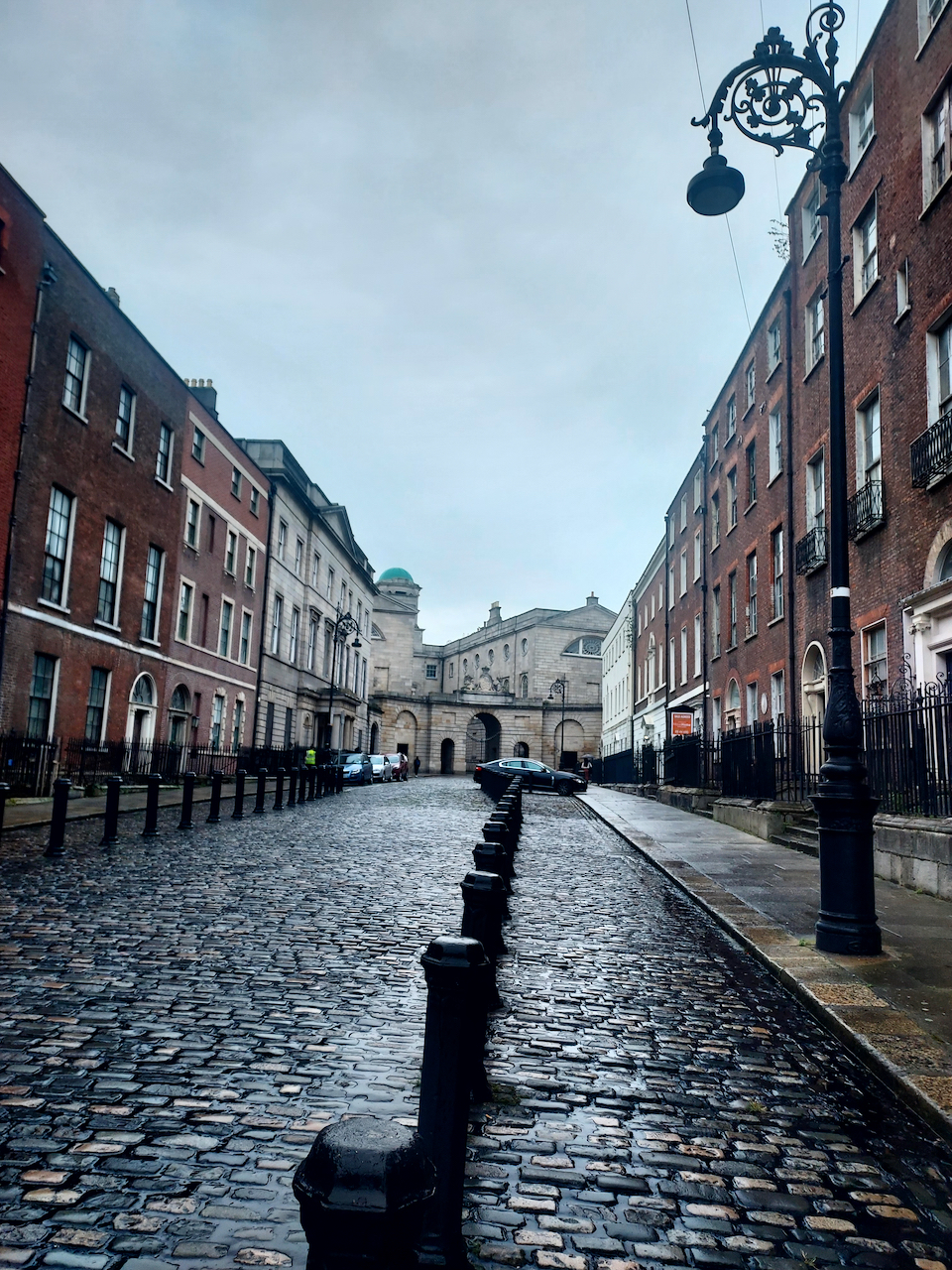
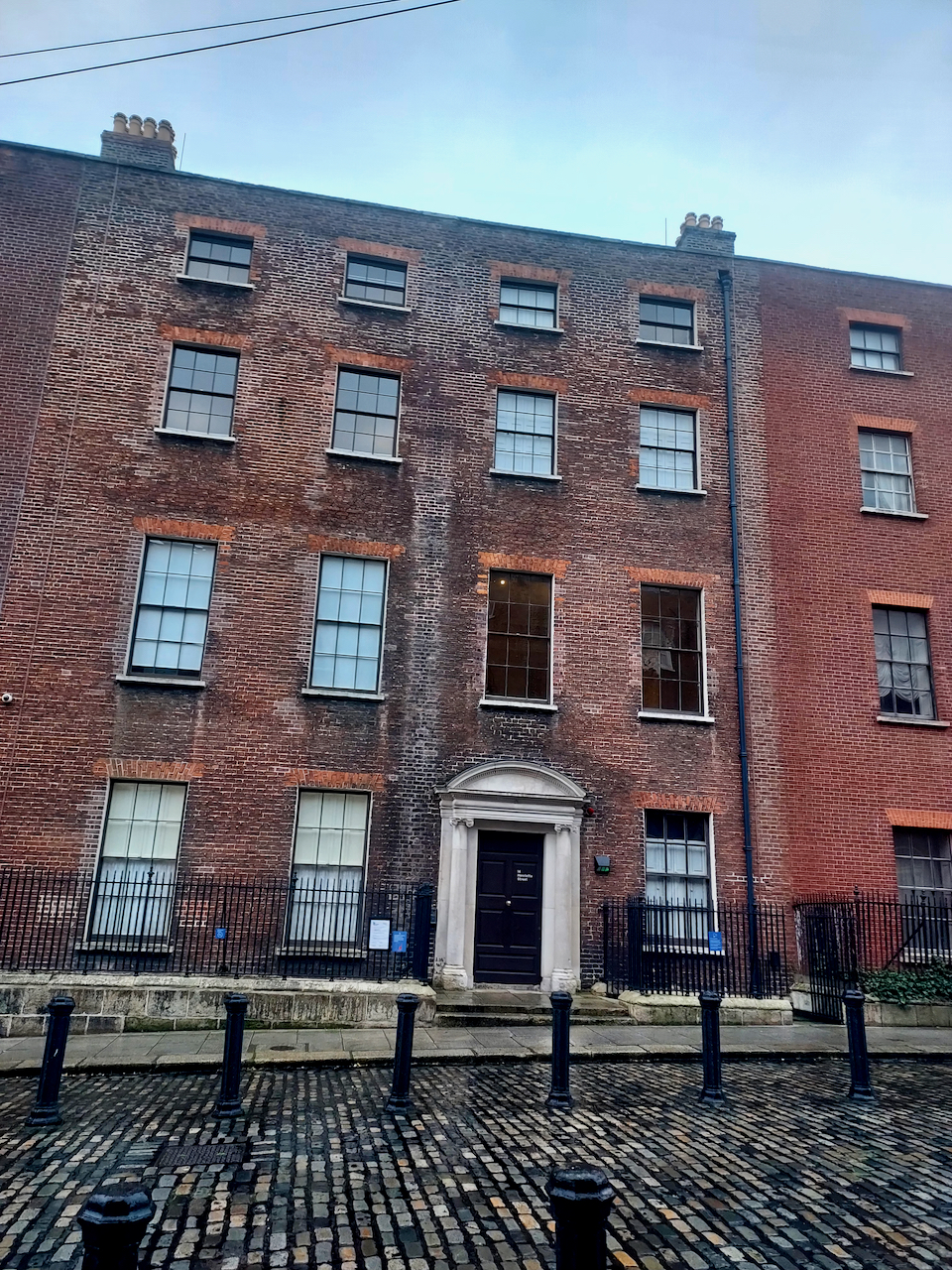
Howth Castle, Dublin City Library and Archives. (see [6])
Howth Castle library, National Library of Ireland, from constant commons on flickr.
The National Inventory tells us about this tower: “Attached single-bay three-storey rubble stone gate tower, c.1450, with round-headed integral carriageway to ground floor. Renovated 1738.” Photograph © Jennifer Winder-Baggot, www.irishhistorichouses.com
Howth Castle on the day we visited for the sale of its library. Photograph © Jennifer Winder-Baggot, www.irishhistorichouses.com
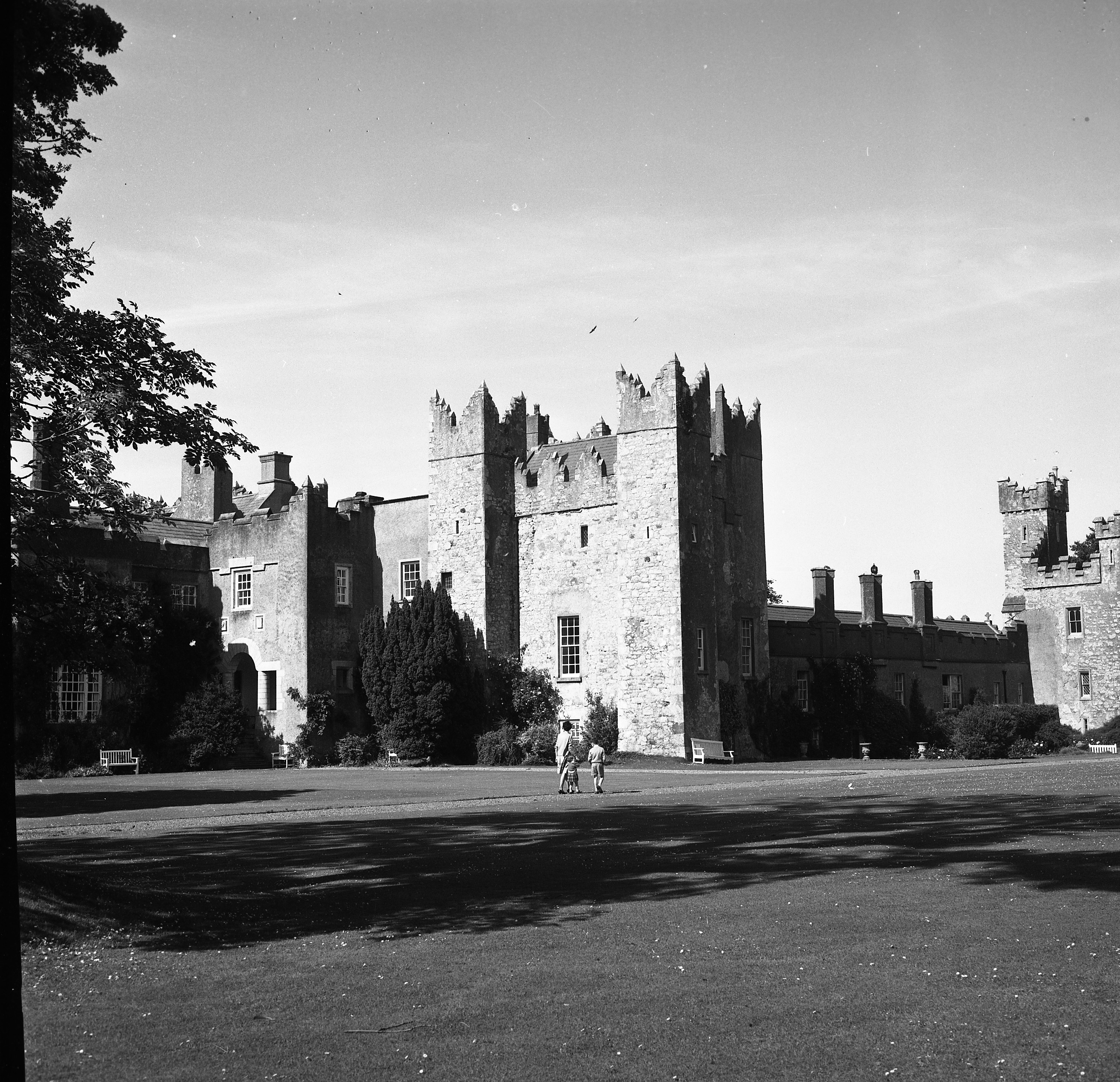
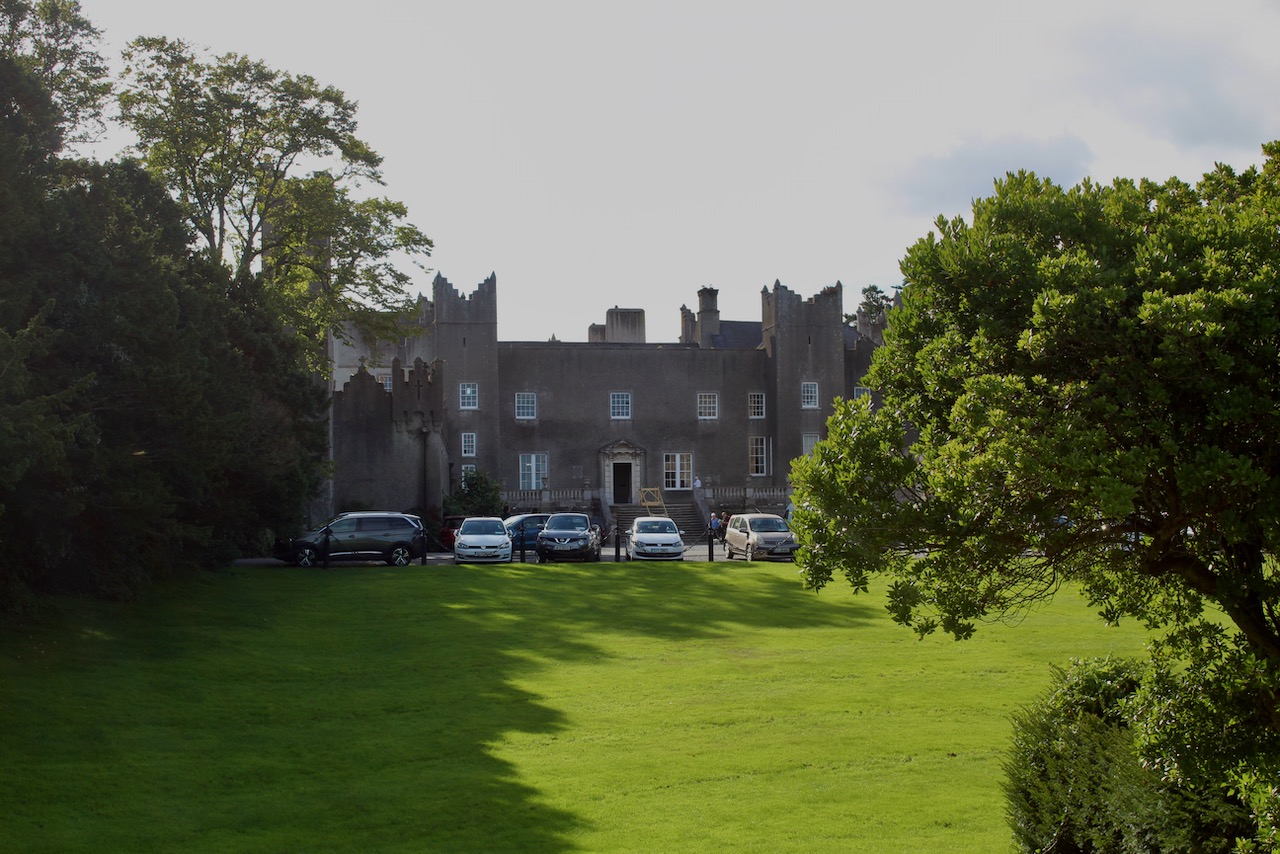
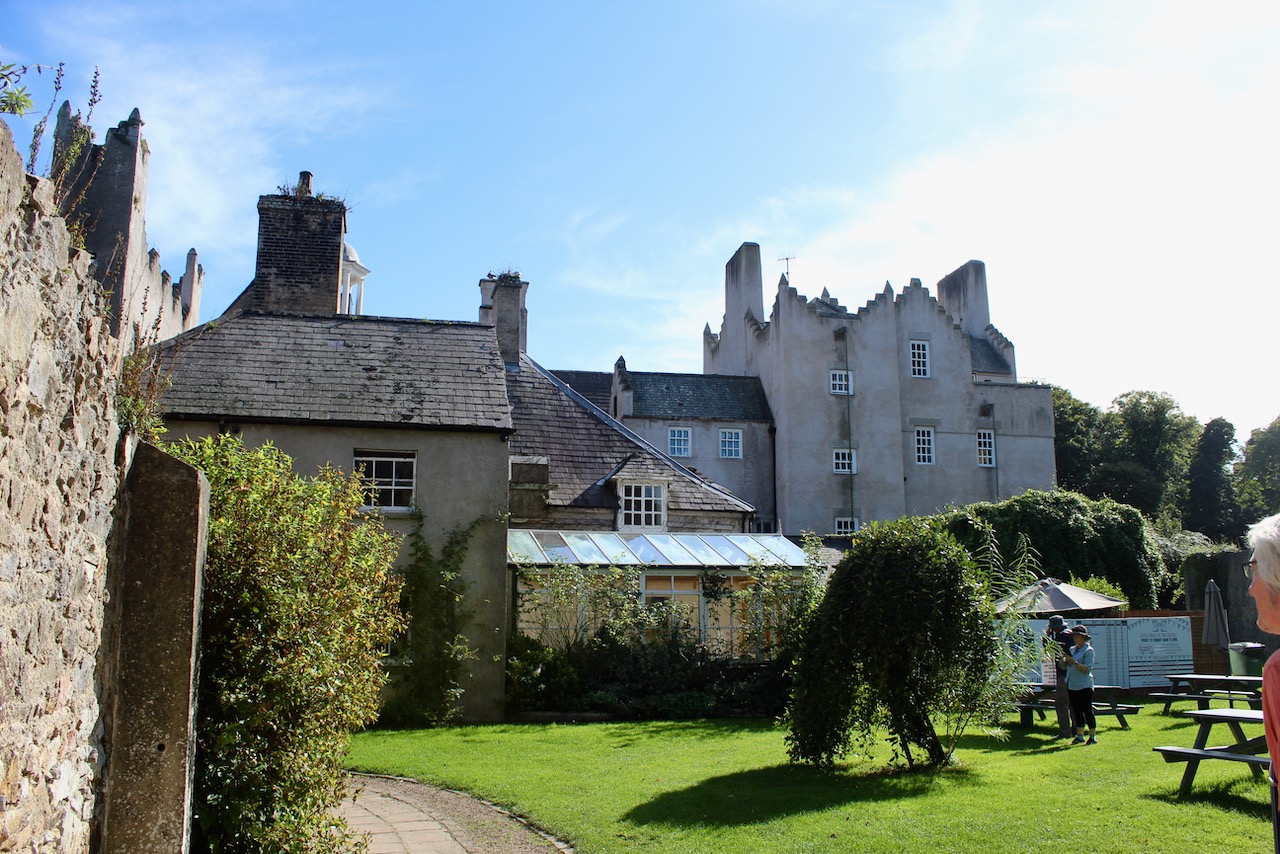
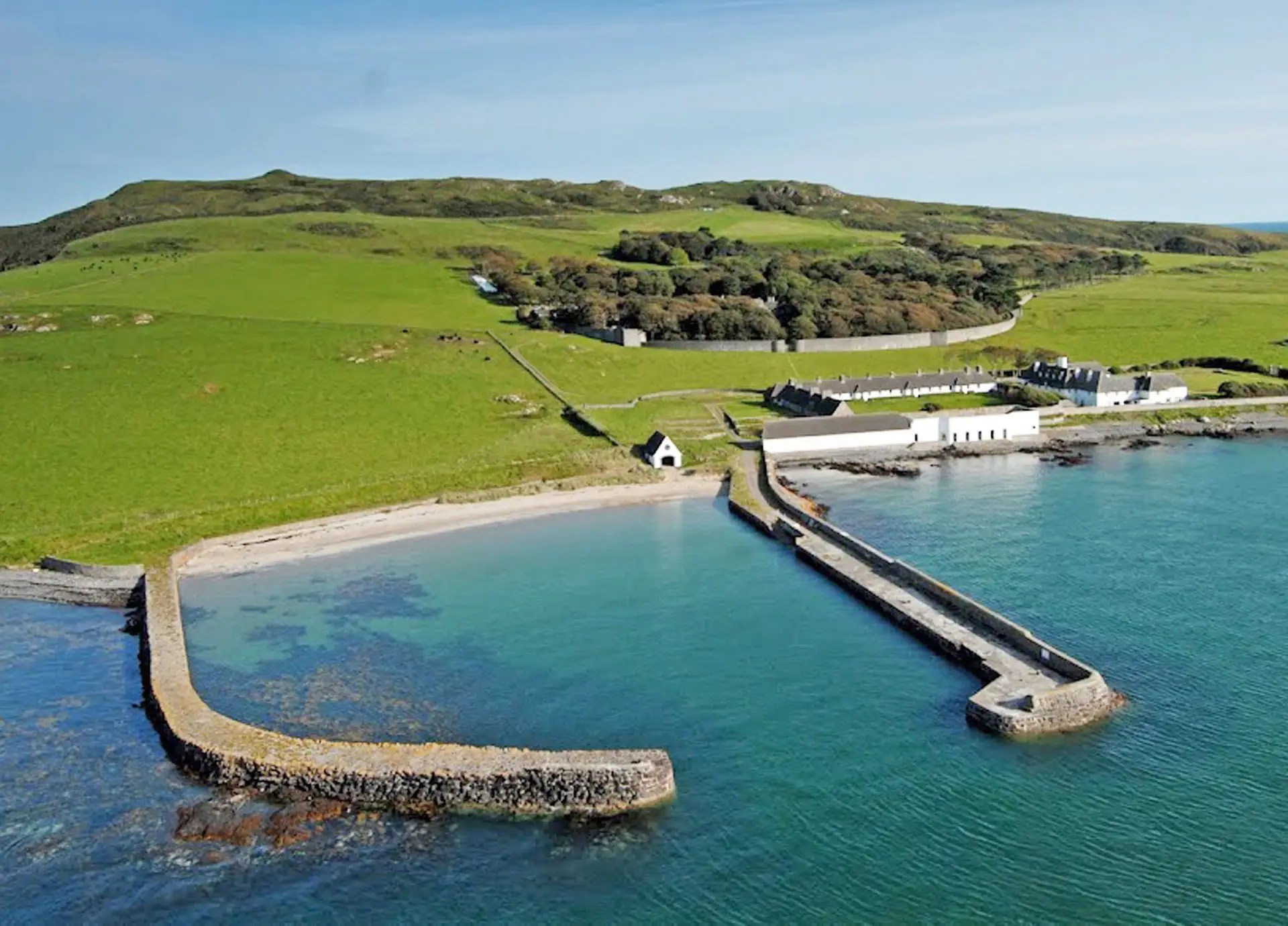
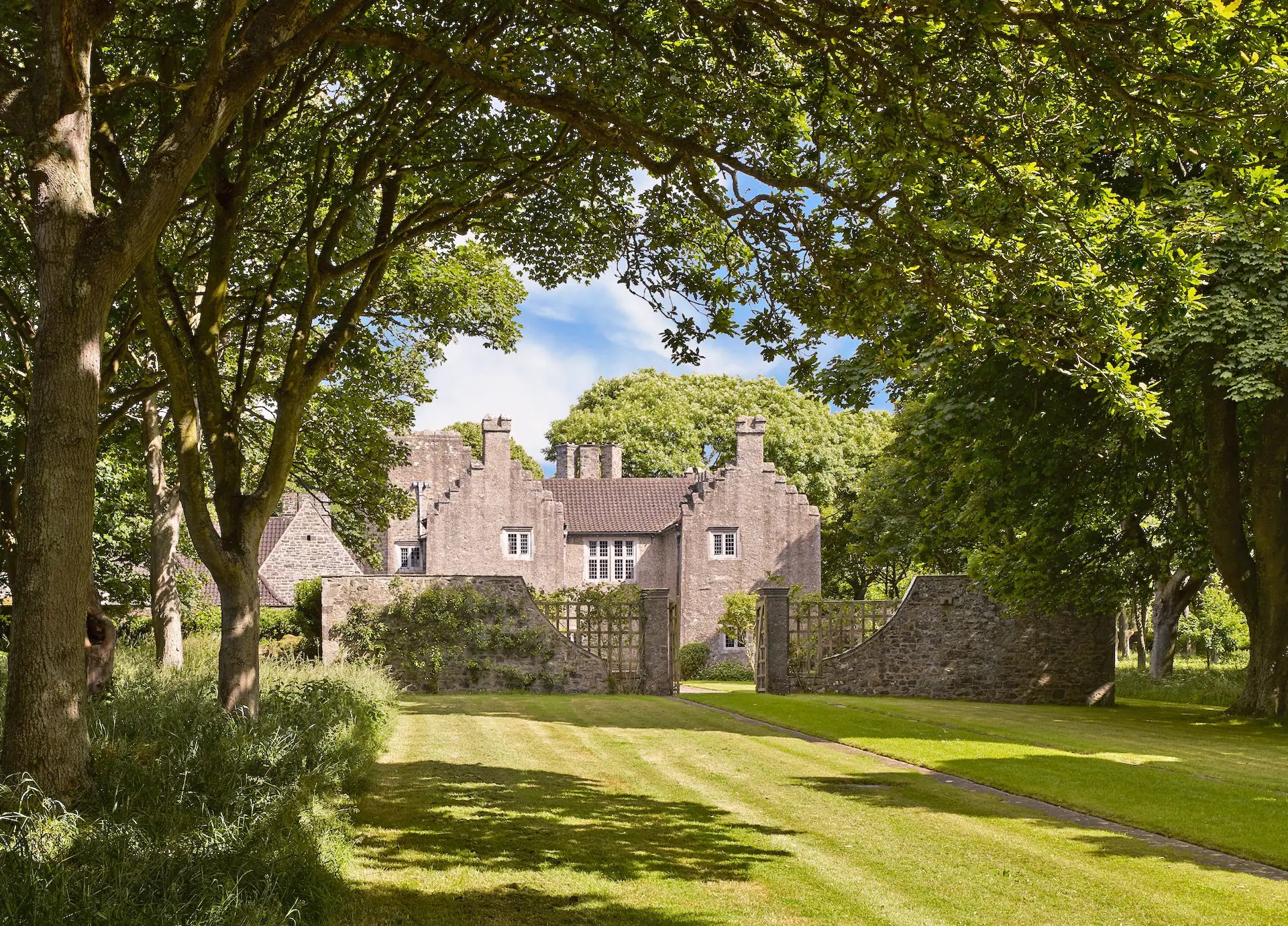
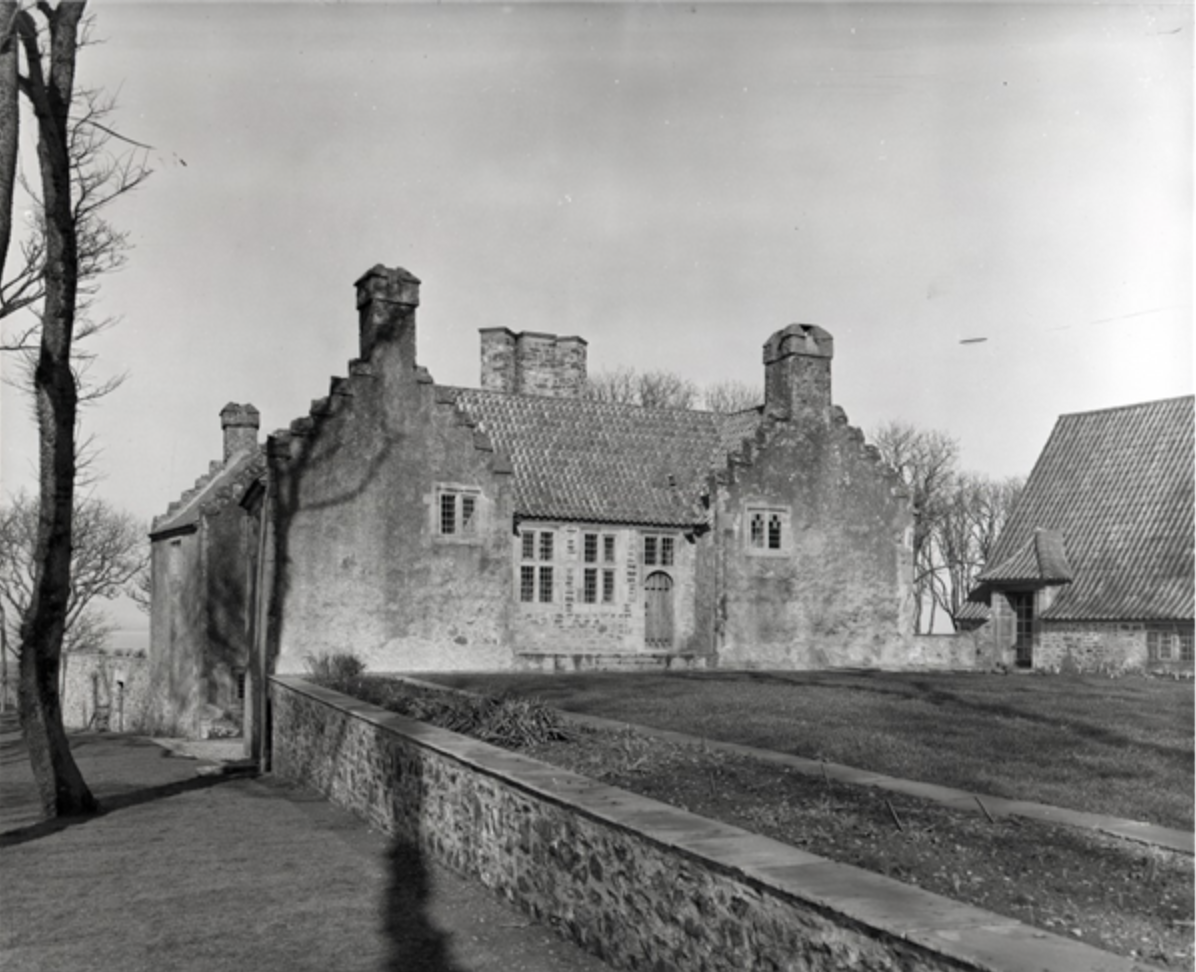
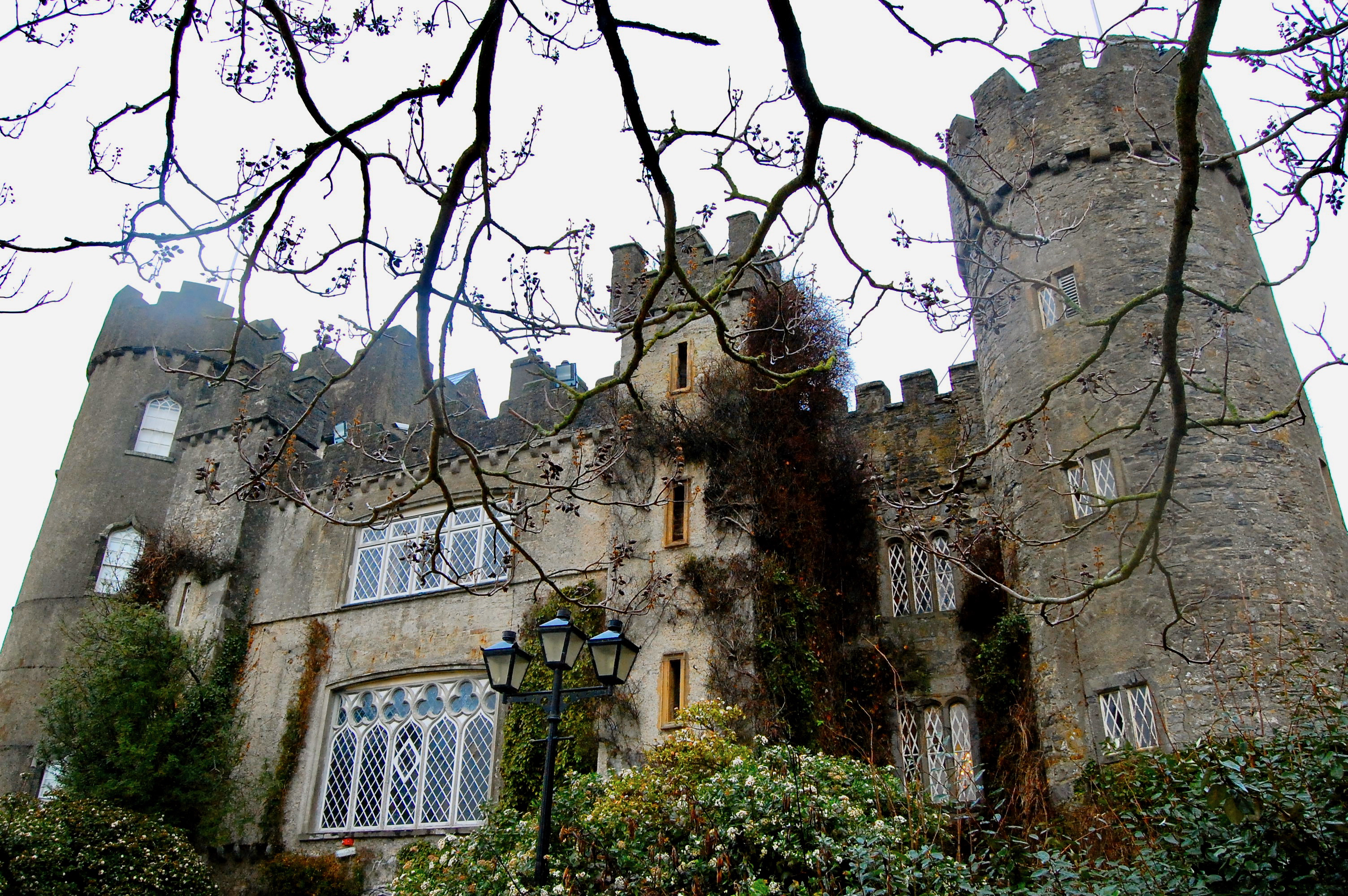
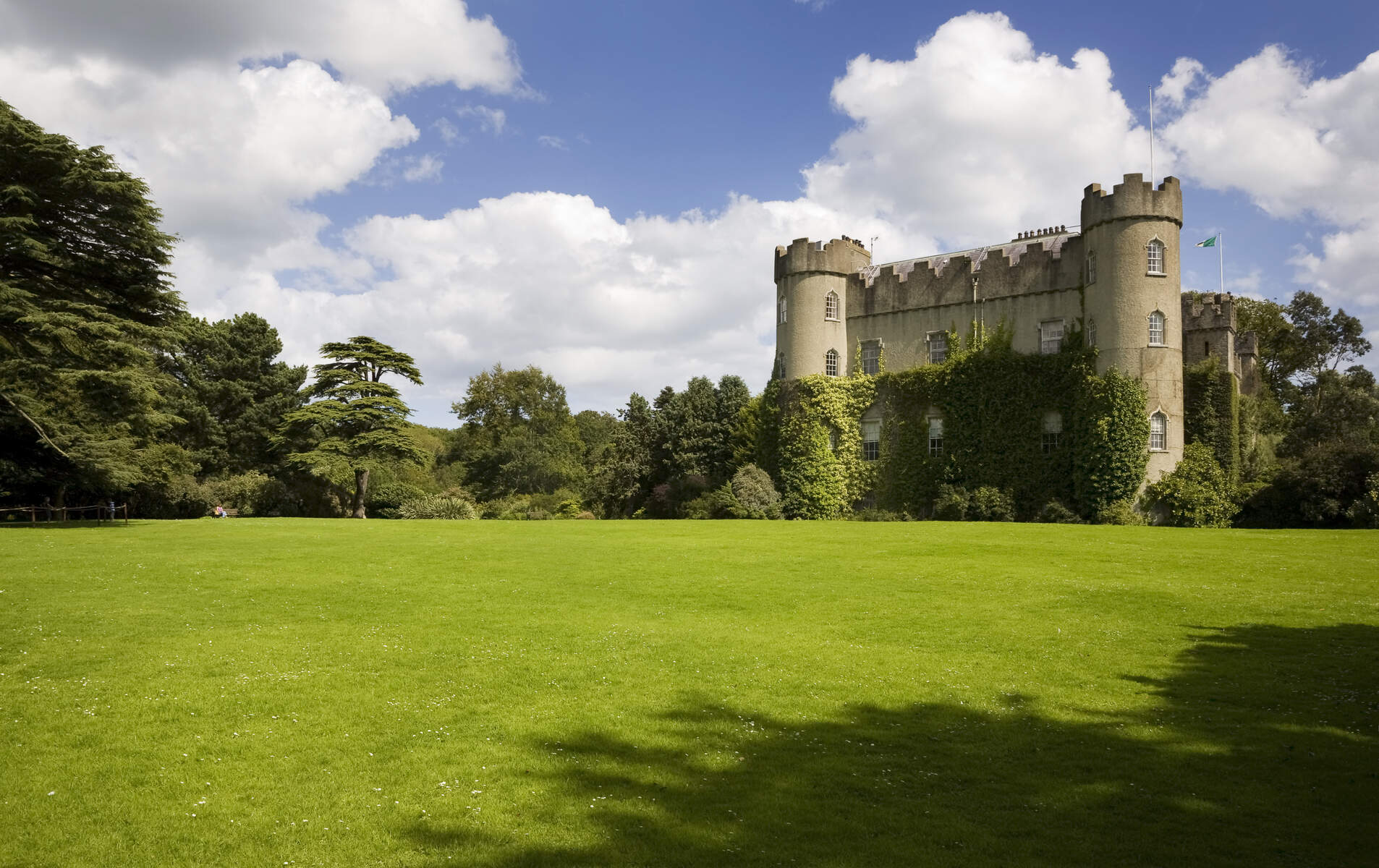
Howth Castle on the day we visited for the sale of its library.
Howth Castle on the day we visited for the sale of its library. Photograph © Jennifer Winder-Baggot, www.irishhistorichouses.com
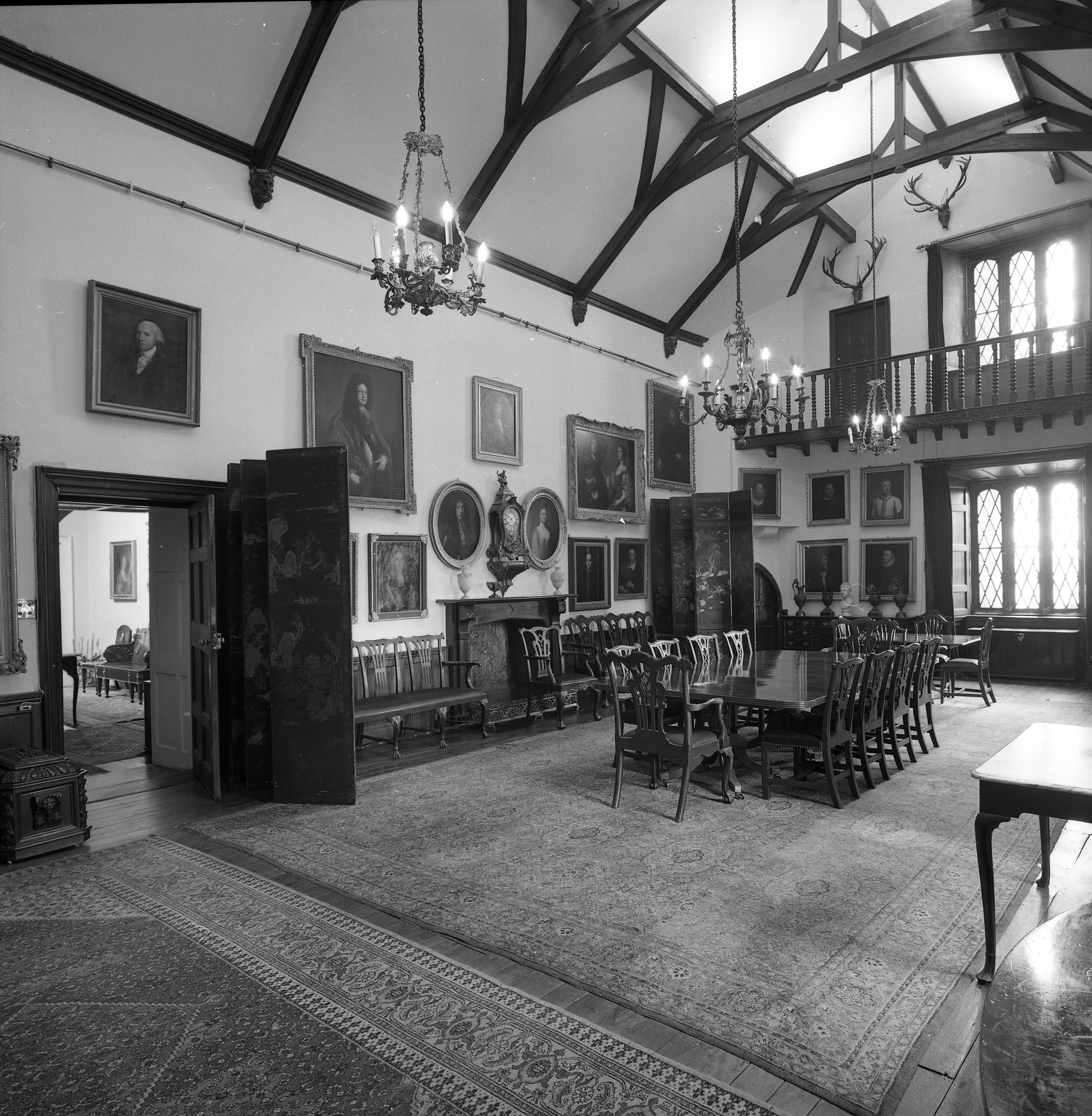
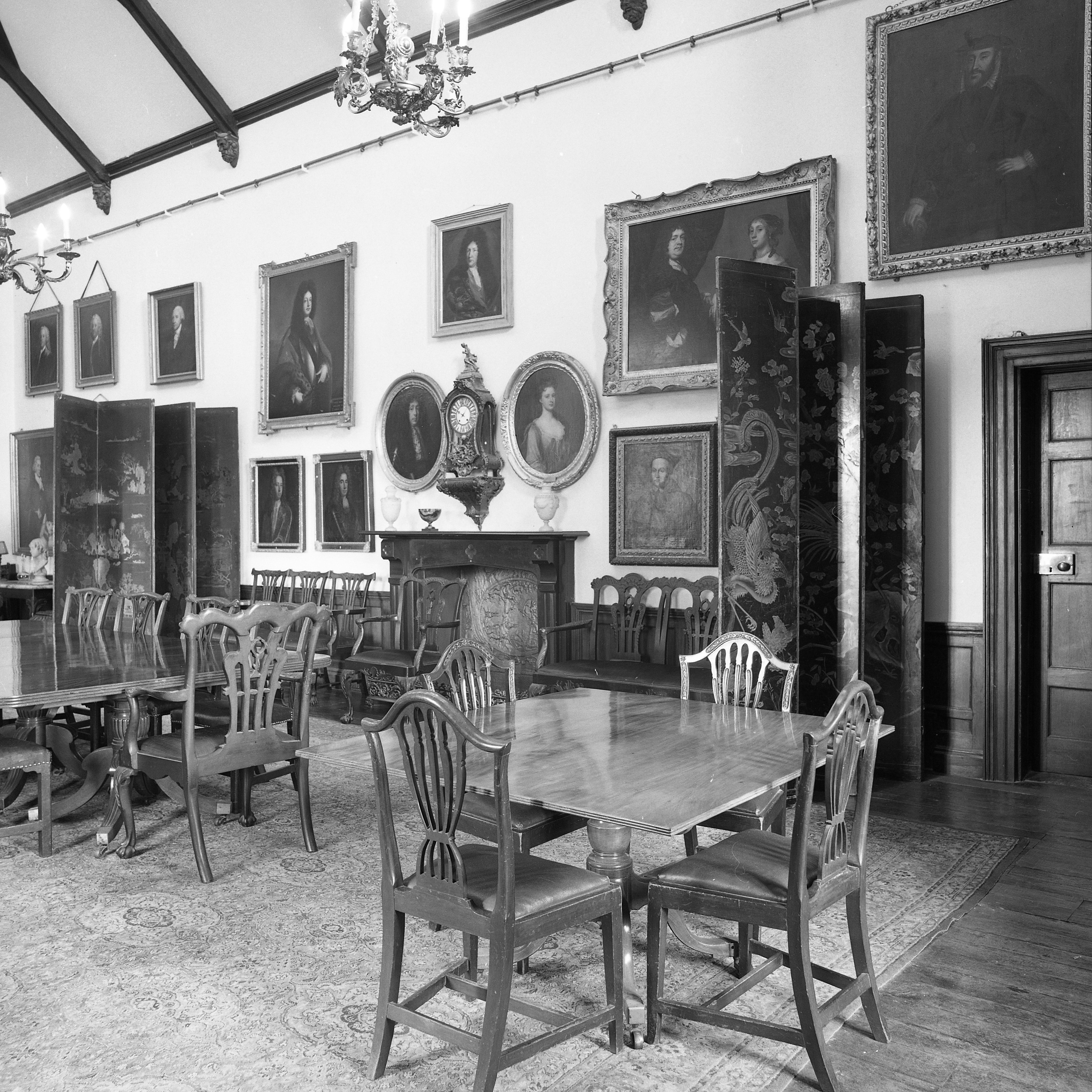
At the background end of this photograph is what the National Inventory describes: “Attached four-bay three-storey medieval tower house with dormer attic, c.1525, with turret attached to north-east. Renovated c.1650. Renovated and openings remodelled, 1738. Renovated with dormer attic added, 1910.” Photograph © Jennifer Winder-Baggot, www.irishhistorichouses.com
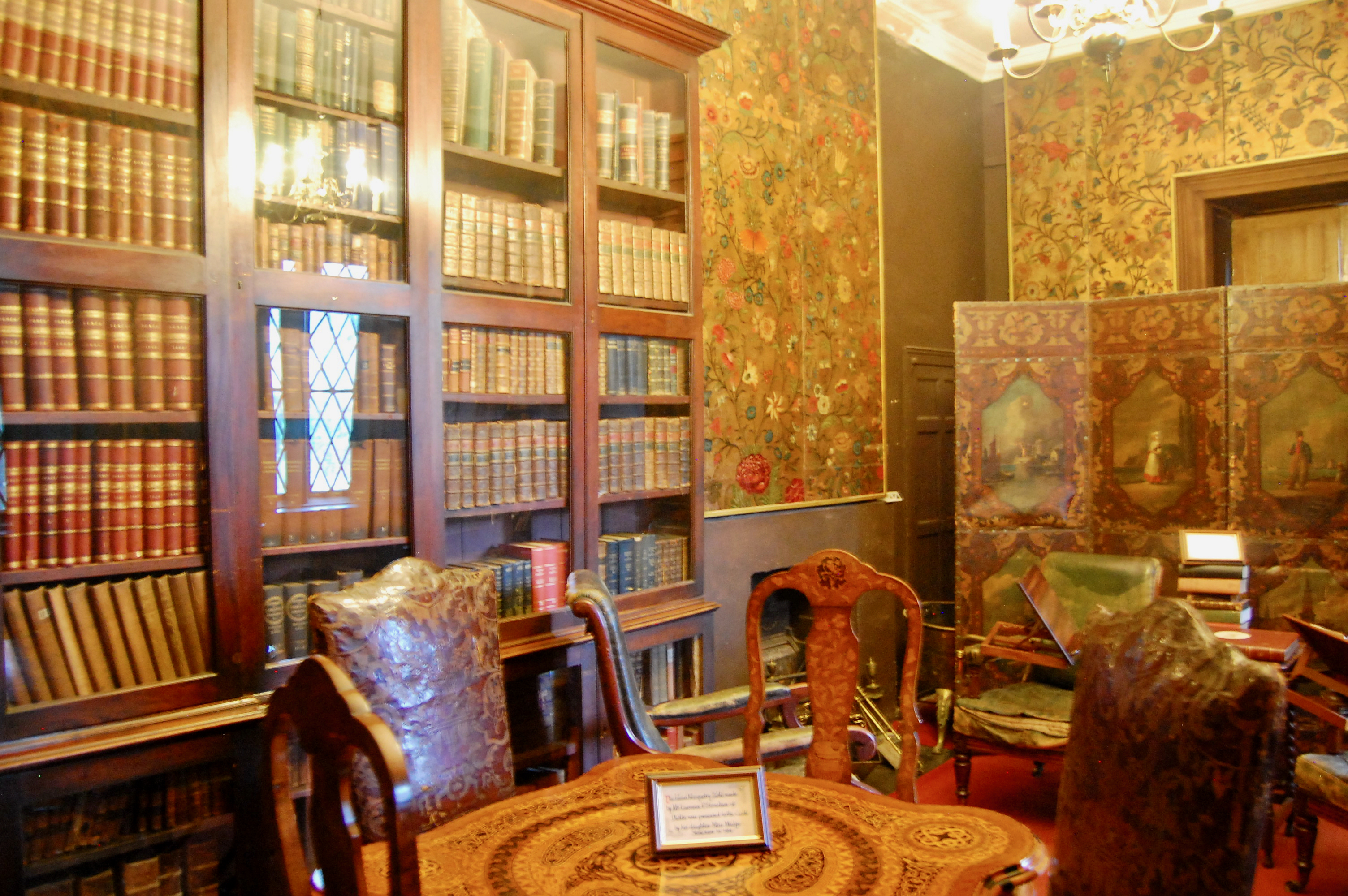
24. Hurdy Gurdy Radio Museum Howth Martello Tower

https://sites.google.com/site/hurdygurdymuseum/home 

It is with great sadness that we report the death of Pat Herbert, the founder and curator of The Hurdy Gurdy Museum of Vintage Radio, sadly he passed away on the 18th of June, 2020.

The museum has been a very special place since it first opened its doors in 2003. Pat had begun collecting radios and all things connected with communications, when he was working in the construction industry in London in the 1950’s. His collection grew over the years and found its rightful home in the Martello Tower which has a long history with the story of radio in Ireland. Pat had an encyclopedic knowledge on the history of radio and was also a great storyteller. He generously allowed the setting up of the amateur station EI0MAR in the Martello Tower and was always fascinated with the contacts made throughout the world over the airwaves.”

25. Lambay Castle, Lambay Island, Malahide, Co. Dublin R36 XH75 – section 482

www.lambayisland.ie
Open for accommodation: April 1- September 30 2025

They do give tours if booked in advance – see the website.

See my entry https://irishhistorichouses.com/2025/01/03/lambay-castle-lambay-island-malahide-co-dublin-section-482-tourist-accommodation/

Lambay Island, photograph courtesy of www.visitdublin.com
Lambay Castle, Lambay Island. Photograph from Country Life. The east court of Lambay Castle. (see [8])

26. Lissen Hall, Lissenhall Demesne, Swords, Dublin – open by appointment 

http://www.ihh.ie/index.cfm/houses/house/name/Lissen%20Hall

The Historic Houses of Ireland tells us about Lissen Hall:

Looking over the Meadow Water near the expanding village of Swords, Lissen Hall presents a tranquil mid-Georgian façade that is typical of rural Leinster. In fact country houses have become a rarity in the suburb of Fingal, formerly North County Dublin, which reuses an ancient place name for one of Ireland’s newest administrative regions. A pair of end bows disguise the fact that Lissen Hall is part of a far earlier building, possibly dating from the very end of the 17th century. The newer five-bay front is a typical mid-Georgian concept, with a tripartite door-case surmounted by a Serlian window. 

The arrangement is repeated on the upper storey, where the central window is flanked by a pair of blind sidelights, and the façade continues upwards to form a high parapet, now adorned with a pair of stone eagles. The building’s other main decorative features, a pair of attached two-storey bows with half conical roofs, have many similarities with Mantua, a now-demolished house that faced Lissen Hall across the Meadow Water in former times. At Mantua, which was probably slightly earlier, the silhouettes of the bow roofs prolonged the hip of the main roof in an uninterrupted upward line. It is difficult to imagine how this arrangement could have been achieved at Lissen Hall without compromising the outer windows on the top floor. 

The principal rooms are not over large but the interior of the mid-Georgian range is largely intact and original, with good joinery and chimneypieces. Architectural drawings from 1765 can be seen in the house, which at that time was owned by John Hatch, MP for Swords in the Irish Parliament in Dublin. 

Lissen Hall has only been sold once in 250 years. It passed from John Hatch to the politically influential Hely-Hutchinson family, one of whose seats was Seafield House in nearby Donabate. In 1950 Terence Chadwick purchased the house and park from the Hely-Hutchinsons and the house was subsequently inherited by his daughter Sheelagh, the wife of Sir Robert Goff.”

27. Malahide Castle, Malahide, County Dublin

 https://www.malahidecastleandgardens.ie

Maintained by Shannon Heritage. See my entry https://irishhistorichouses.com/2024/06/27/malahide-castle-dublin-maintained-by-shannon-heritage/

DSC_0059
Malahide Castle. Photograph © Jennifer Winder-Baggot, www.irishhistorichouses.com
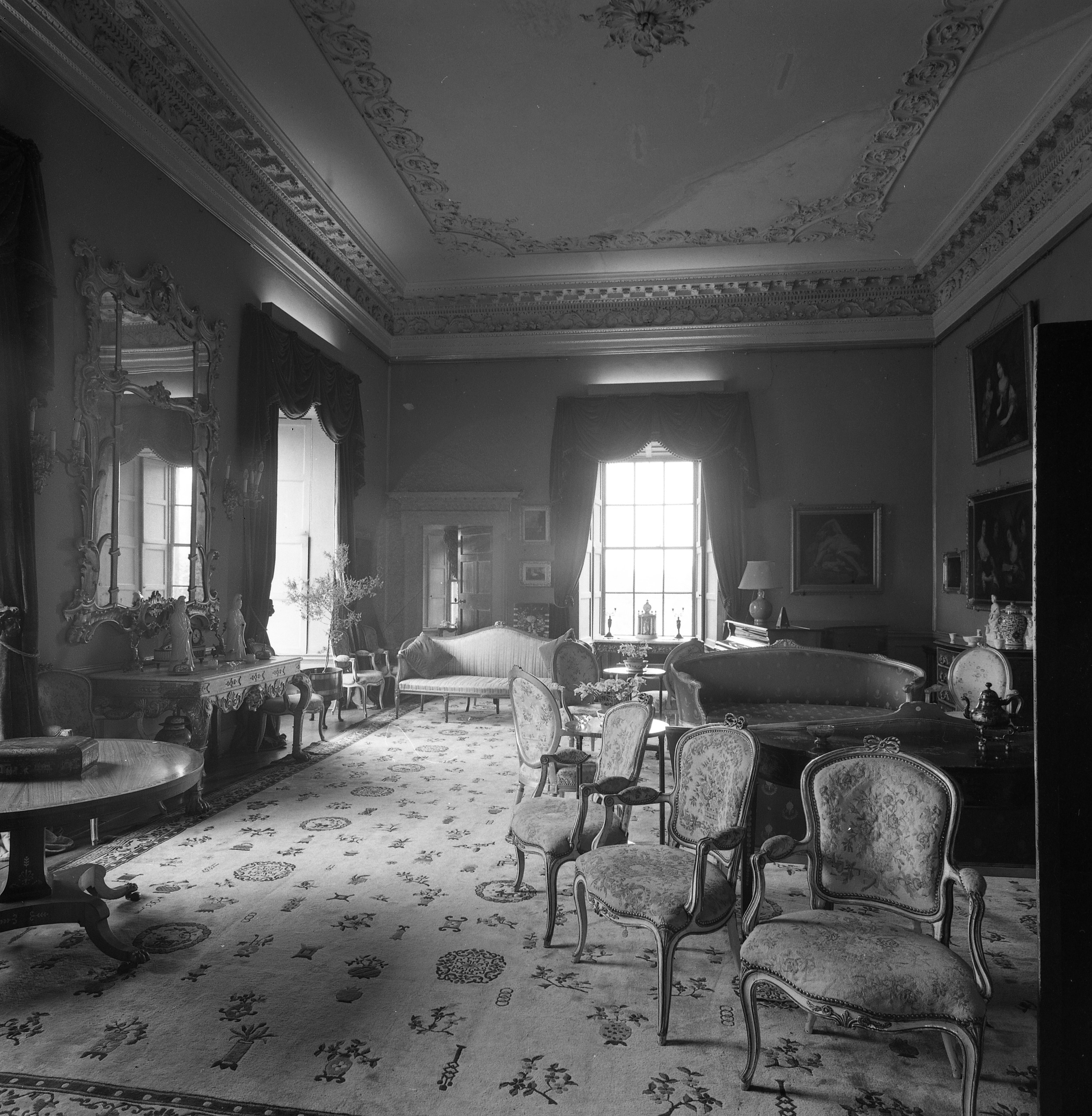
The Castle from the Pleasure Garden, photograph by George Munday, 2014, Tourism Ireland. (see [2])

The Great Hall has an important collection of Jacobite portraits, on loan from the National Gallery of Ireland. It has corbel heads of King Edward IV (28 April 1442 – 9 April 1483), which are original.

Malahide Castle 1976, Dublin City Library and Archives. (see [6])

The library wing dates to the seventeenth century and is hung with eighteenth century leather wall hangings.

Malahide Castle January 2018. Photograph © Jennifer Winder-Baggot, www.irishhistorichouses.com

The pair of drawing rooms were rebuilt c.1770 after a fire in 1760. They contain rococo plasterwork and decorative doorcases. The castle also has turret rooms.

Malahide Castle drawing room 1976, Dublin City Library and Archives. (see [6])
Malahide Castle, County Dublin. Photograph © Jennifer Winder-Baggot, www.irishhistorichouses.com
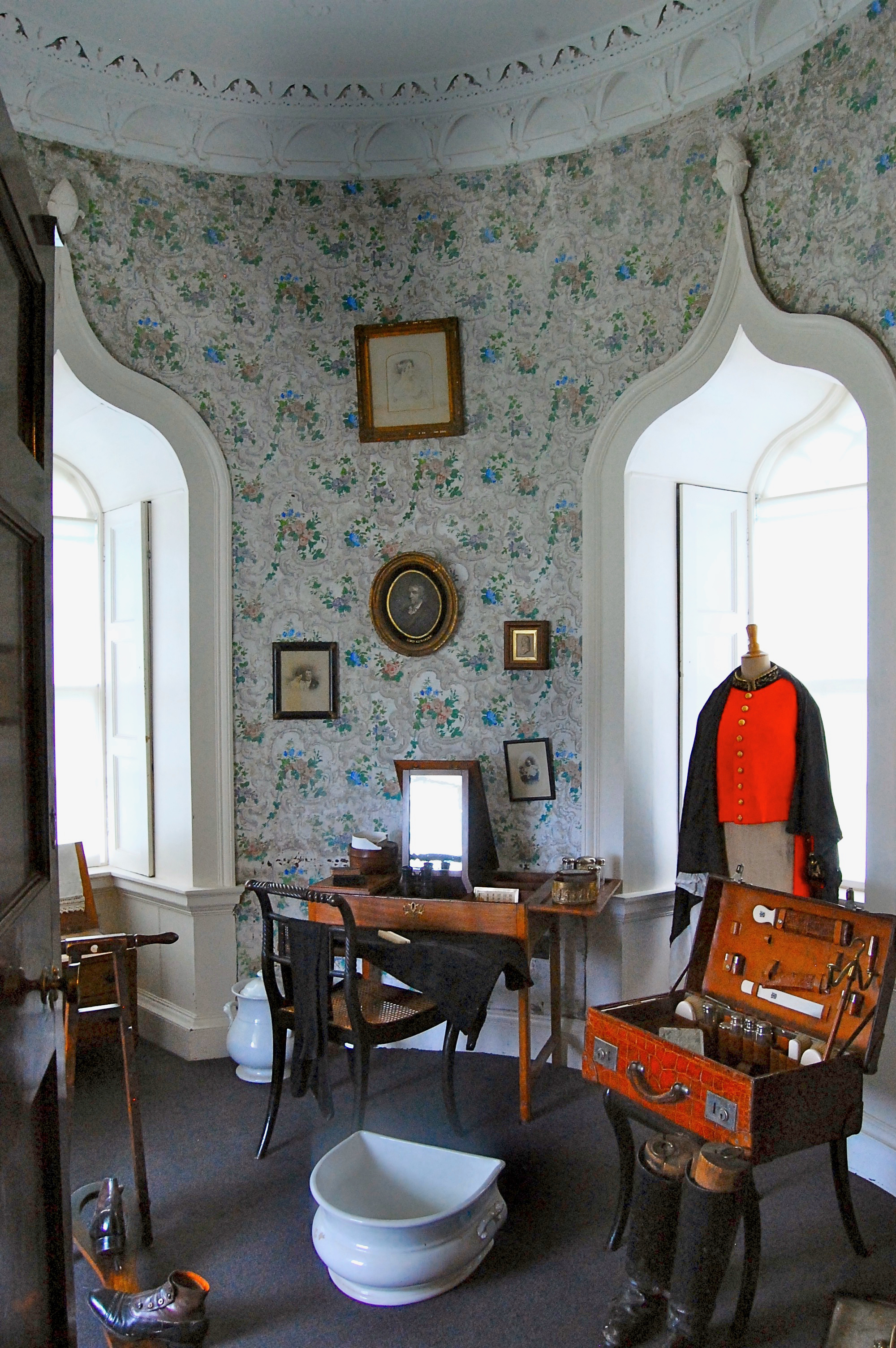
Malahide Castle January 2018. Photograph © Jennifer Winder-Baggot, www.irishhistorichouses.com
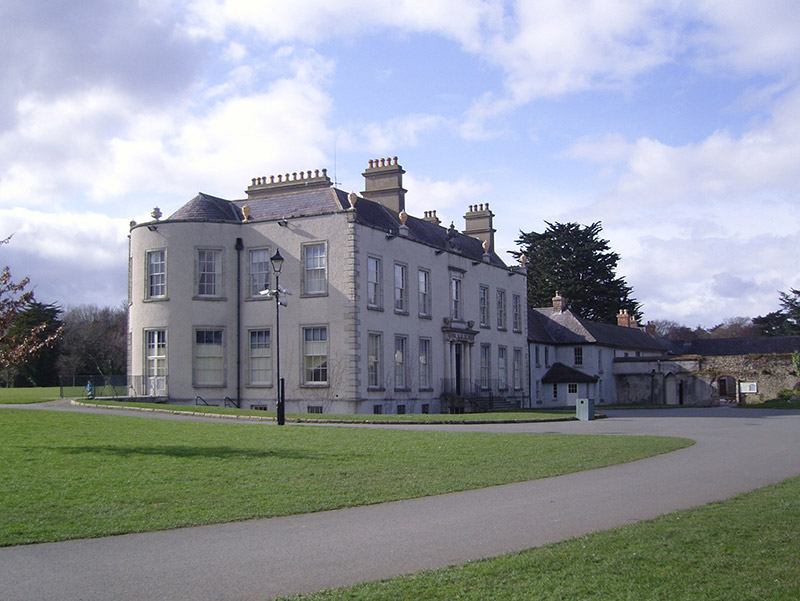
28. Marlay Park, Rathfarnham, County Dublin

https://www.dlrcoco.ie/en/heritage/heritage

and online tour https://www.dlrcoco.ie/en/heritage/3d-online-tours-–-heritage-home

Marlay Park house, Dublin

29. Martello Tower, Portrane, Co. Dublin – section 482

Open dates in 2025: March 1- Sept 21, Sat & Sun, National Heritage Week, Aug 16-24, 9am-1pm

Fee: adult €6, student/OAP €2, child free

See my entry https://irishhistorichouses.com/2022/07/29/martello-tower-portrane-co-dublin/

Martello Tower, Portrane.

30. Meander, Westminister Road, Foxrock, Dublin 18, D18 E2T9 – section 482

Open dates in 2025: Jan 6-10, 13-17, 20-24, 27-31, May 1-3, 6-10, 26-31, June 3-7, 9-14, 16-21, 23, Aug 16-24, 9am-1pm

Fee: adult €5, OAP/child/student €2

Meander, photograph from National Inventory of Architectural Heritage.

The National Inventory of Architectural Heritage describes it:

Detached four-bay two-storey mono-pitched house, built 1939, on an asymmetrical plan with single-bay single-storey flat-roofed projecting porch to ground floor abutting single-bay two-storey mono-pitched higher projection; five-bay two-storey rear (south) elevation with single-bay two-storey projection on a shallow segmental bowed plan….A house erected to a design by Alan Hodgson Hope (1909-65) representing an important component of the twentieth-century domestic built heritage of south County Dublin with the architectural value of the composition, one ‘exploring Scandinavian modernism rather than Mediterranean modernism‘ (Becker 1997, 117), confirmed by such attributes as the asymmetrical plan form; the cedar boarded surface finish; the slight diminishing in scale of the openings on each floor producing a graduated visual impression with some of those openings showing horizontal glazing bars; and the oversailing roofline: meanwhile, a cantilevered projection illustrates the later “improvement” of the house expressly to give the architect’s children a room to wallpaper (pers. comm. 12th April 2016). Having been well maintained, the elementary form and massing survive intact together with substantial quantities of the original fabric, both to the exterior and to the plywood-sheeted interior, thus upholding the character or integrity of a house ‘which has grown and matured together with its garden to make an ensemble appealing more to the senses than to the mind’.”

31. Irish Architectural Archive, 45 Merrion Square, Dublin

 www.iarc.ie

Irish Architectural Archive, 45 Merrion Square, November 2022. Photograph © Jennifer Winder-Baggot, www.irishhistorichouses.com
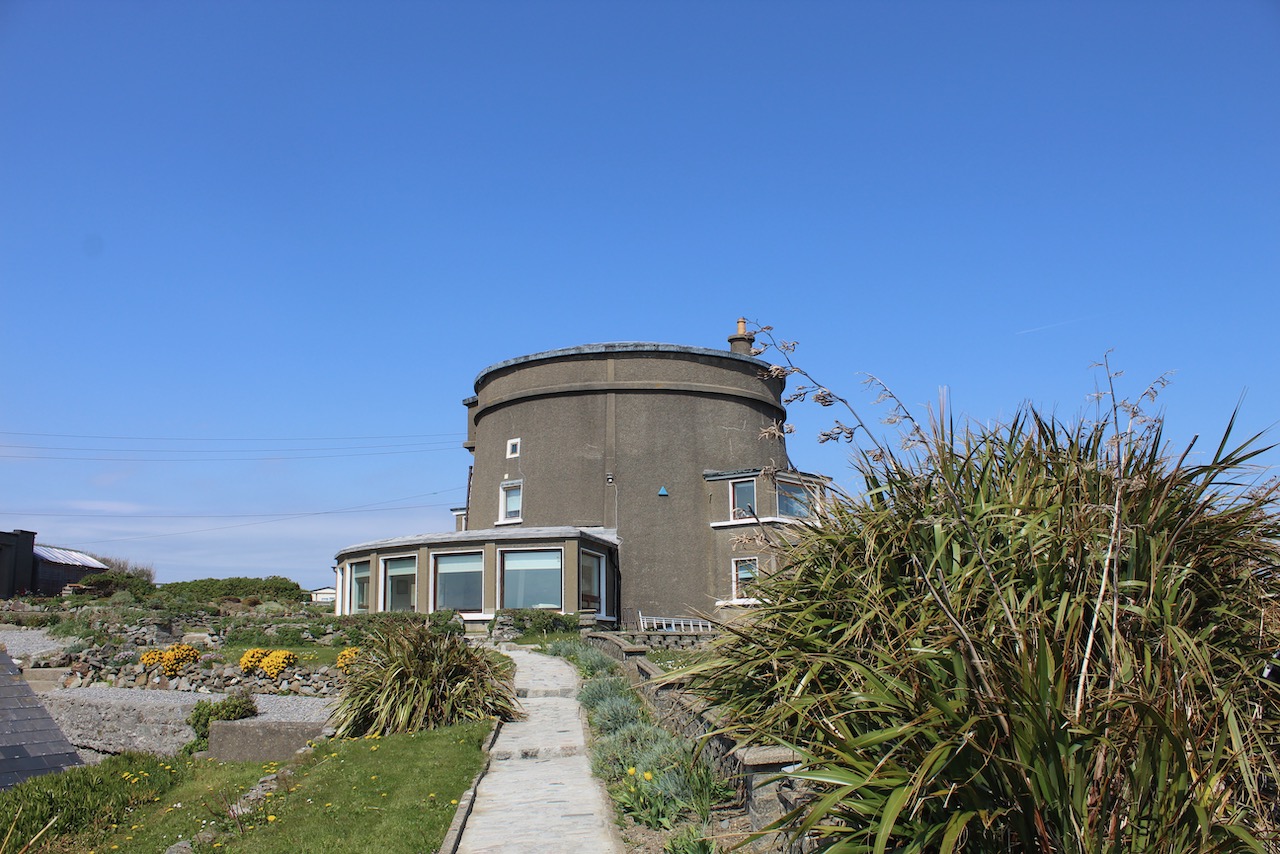
No. 45 Merrion Square, the home of the Irish Architectural Archive, is one of the great Georgian houses of Dublin. Built for the speculative developer Gustavus Hume in the mid-1790s and situated directly across Merrion Square from Leinster House, this is the largest terraced house on the Square and is the centrepiece of its East Side.

Irish Architectural Archive, 45 Merrion Square, November 2022. Photograph © Jennifer Winder-Baggot, www.irishhistorichouses.com
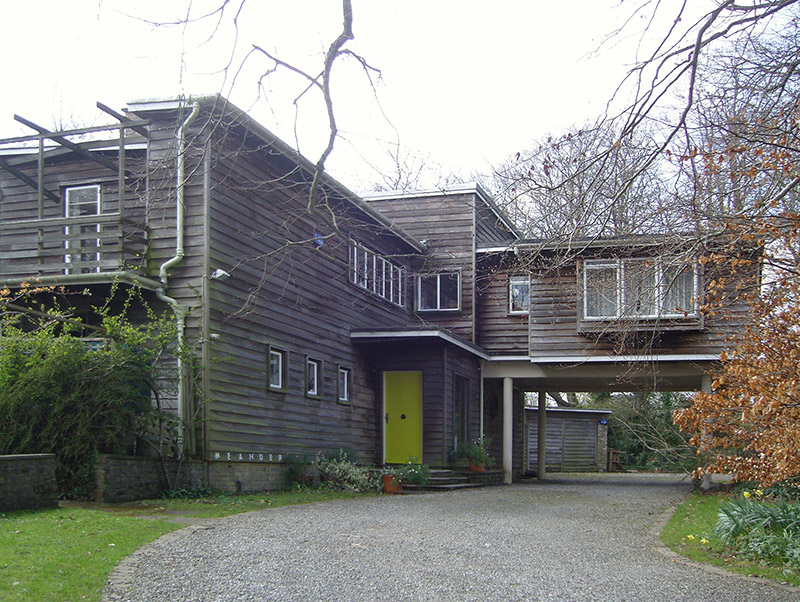
Light-filled, spectacularly-proportioned, interconnected rooms on the piano nobile of this Georgian palazzo offer a range of venues and facilities: meeting rooms for up to 20 people; multimedia lecture facilities for up to 55, dining space for up to 80, and receptions for up to 250. Whether the event is a meeting, a conference with breakout sessions, or a private or corporate reception, the Irish Architectural Archive’s beautifully graceful spaces provide Georgian elegance in the heart of Dublin.”

Irish Architectural Archive, 45 Merrion Square, November 2022. Photograph © Jennifer Winder-Baggot, www.irishhistorichouses.com
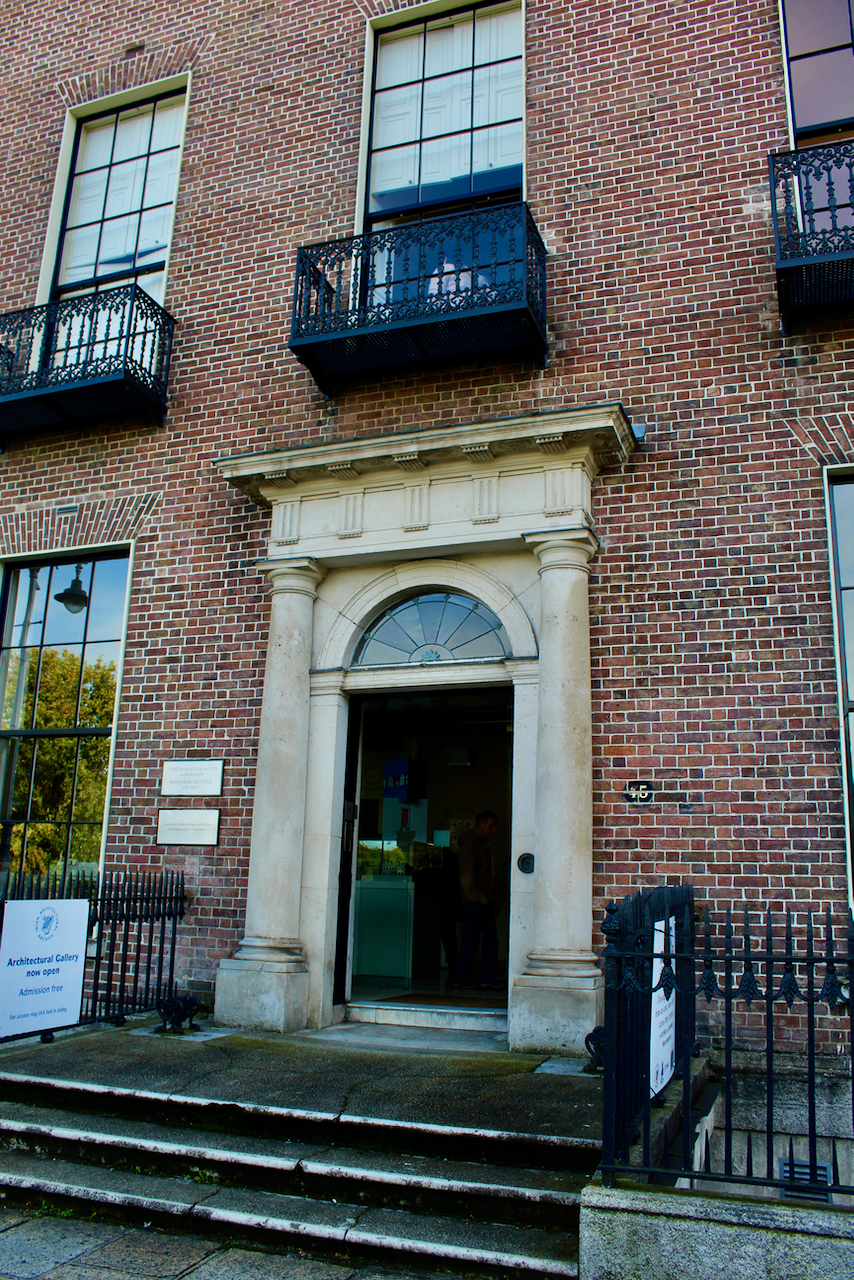
Babel by Aidan Lynam. Photograph © Jennifer Winder-Baggot, www.irishhistorichouses.com
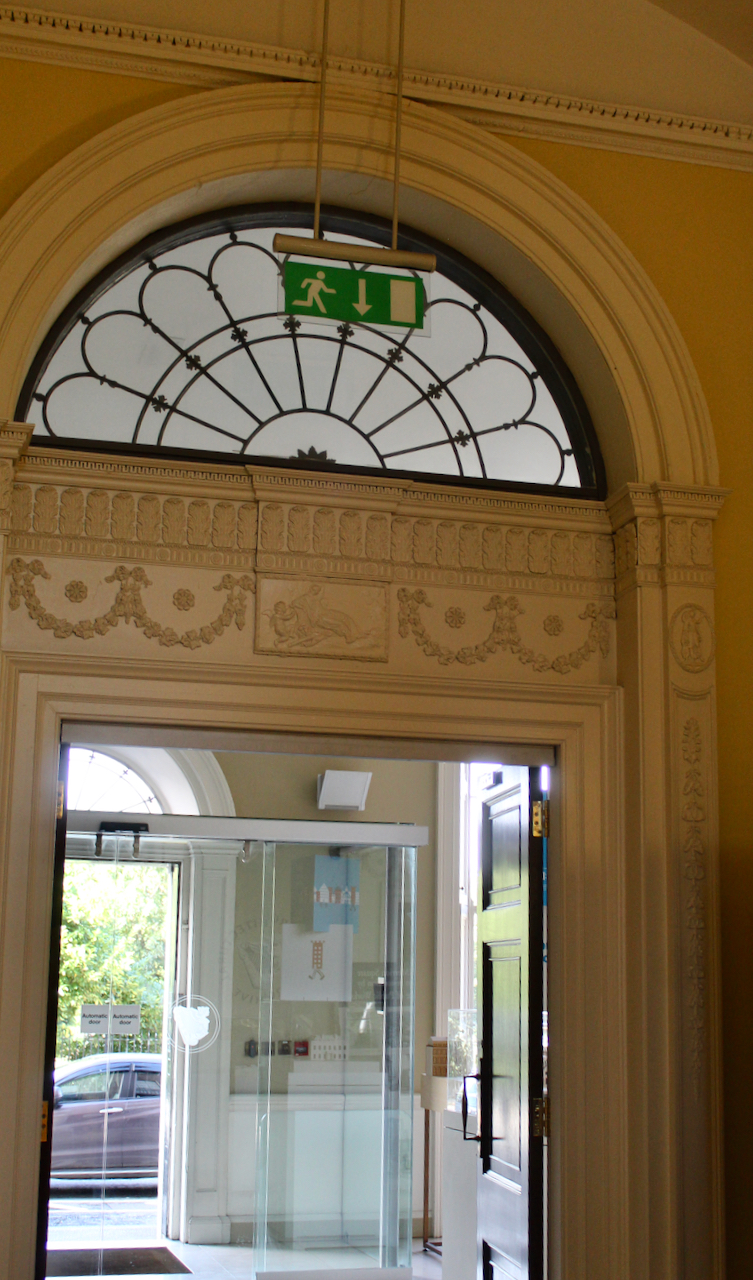
Standing four stories over basement, and five bays wide, No. 45 is the largest of the terraced houses on Merrion Square. The house was built circa 1794 for the property developer Gustavus Hume. The architect may have been Samuel Sproule who, in the early 1780s, was responsible for the laying out of much of Holles Street, of both Mount Streets and of the east side of Merrion Square. The first person to live in the house seems to have been Robert la Touche who leased the building in 1795. In 1829 the house was sold to Sir Thomas Staples. It had been built in an ambitious and optimistic age, but in the Dublin of the late 1820s its huge size was somewhat anachronistic and certainly uneconomical, so Sir Thomas had the building carefully divided into two separate houses. Sir Thomas died aged 90 in 1865, the last survivor of the Irish House of Commons.

On his death, both parts of the house passed to Sir John Banks, Regius Professor of Medicine in Trinity College, who, like his predecessor, leased the smaller portion of the divided building, by now numbered Nos. 10 and 11 Merrion Square East. Banks himself lived in No. 11, the larger part, which he maintained in high decorative order. Banks died in 1910, and both parts of the building fell vacant and remained so until 1915 when the whole property was used to accommodate the clerical offices of the National Health Insurance Company. With single occupancy restored, the division of the building, renumbered 44 – 45 Merrion Square, began to be reversed, a process carried on in fits and starts as successive Government departments and agencies moved in and out over the decades. The last to go was the Irish Patents Office, relocated to Kilkenny in 1996.

The house was assigned to Irish Architectural Archive by Ruairí Quinn TD, Minister for Finance, in his budget of 1996. The Office of Public Works carried out an extensive programme of works to the house from 2002 to 2004, including the refurbishment of the historic fabric and the construction of new state-of-the-art archival stores to the rear.

32. MOLI, Museum of Literature Ireland, Newman House, 85-86 St Stephen’s Green, Dublin

https://moli.ie

86 St Stephen’s Green, Newman House, which belongs to University College Dublin and now houses the Museum of Literature of Ireland. Photograph © Jennifer Winder-Baggot, www.irishhistorichouses.com

See my entry https://irishhistorichouses.com/2025/04/17/moli-museum-of-literature-ireland-newman-house-85-86-st-stephens-green-dublin/

The website tells us:

No. 85 St. Stephen’s Green was built in 1738 by Richard Cassels, architect of Powerscourt House and Russborough House, and is notable for its exquisite baroque plasterwork by the Lafranchini brothers. The adjoining townhouse at No. 86 was constructed in 1765 and features superb examples of rococo stuccowork by the distinguished Dublin School of Plaster Workers.

The building takes its name from the theologian and educationalist Dr. John Henry Newman, who was rector when the Catholic University was founded in 1854.”

86 St Stephen’s Green. Photograph © Jennifer Winder-Baggot, www.irishhistorichouses.com
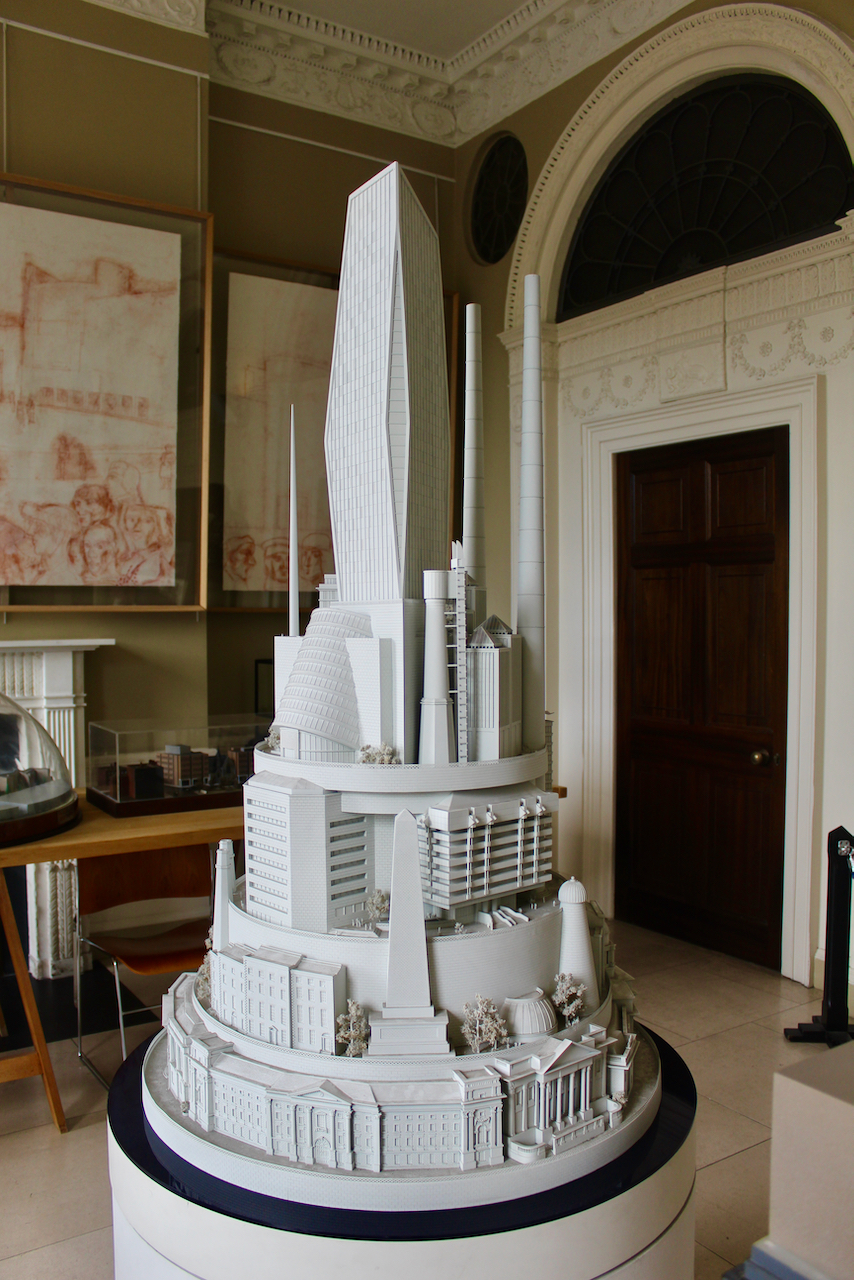
33. Newbridge House, Donabate, County Dublin

maintained by Shannon Heritage

https://www.newbridgehouseandfarm.com

This image has an empty alt attribute; its file name is img_4216.jpeg
Newbridge House, Donabate, County Dublin. Photograph © Jennifer Winder-Baggot, www.irishhistorichouses.com
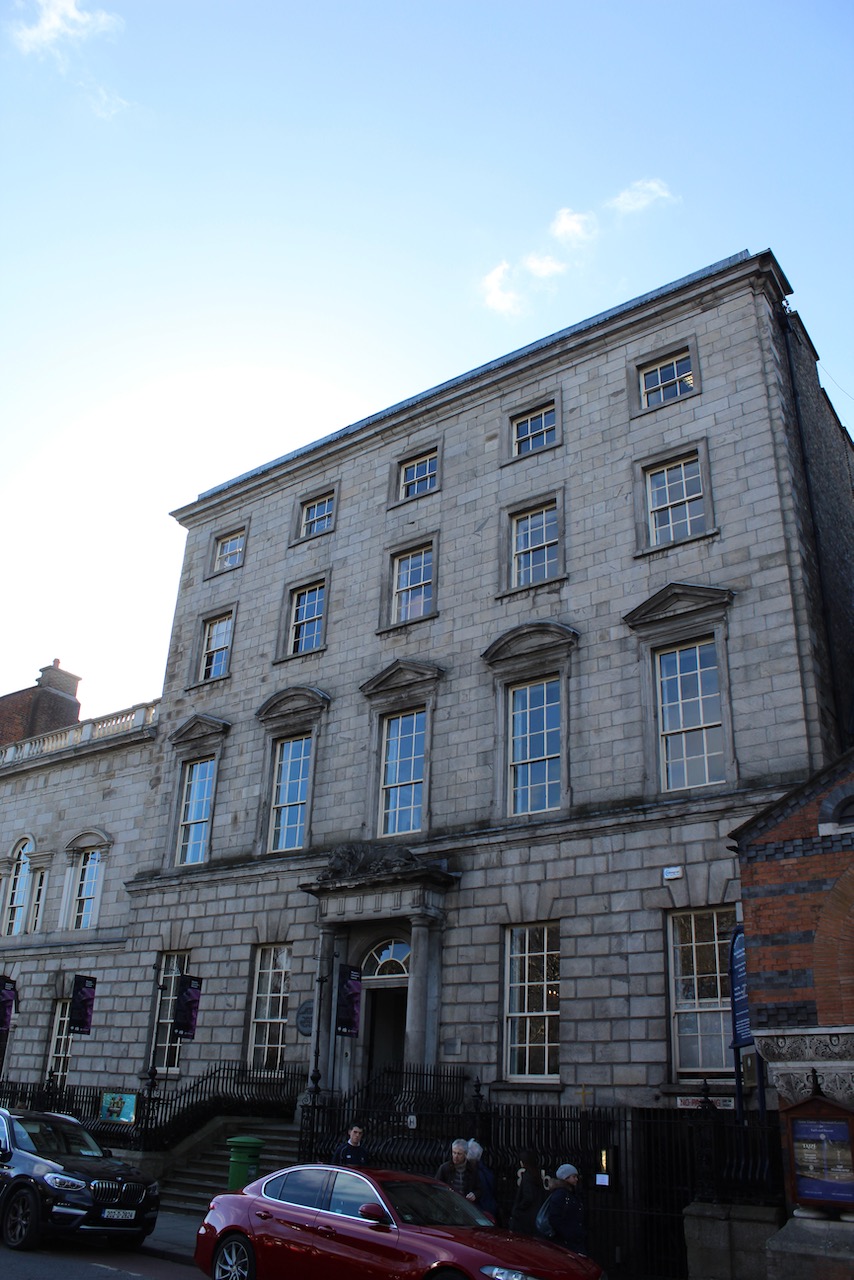
See my entry https://irishhistorichouses.com/2024/06/20/newbridge-house-donabate-county-dublin-maintained-by-shannon-heritage/

The Robert Mack designed courtyard of Newbridge House. Photograph © Jennifer Winder-Baggot, www.irishhistorichouses.com
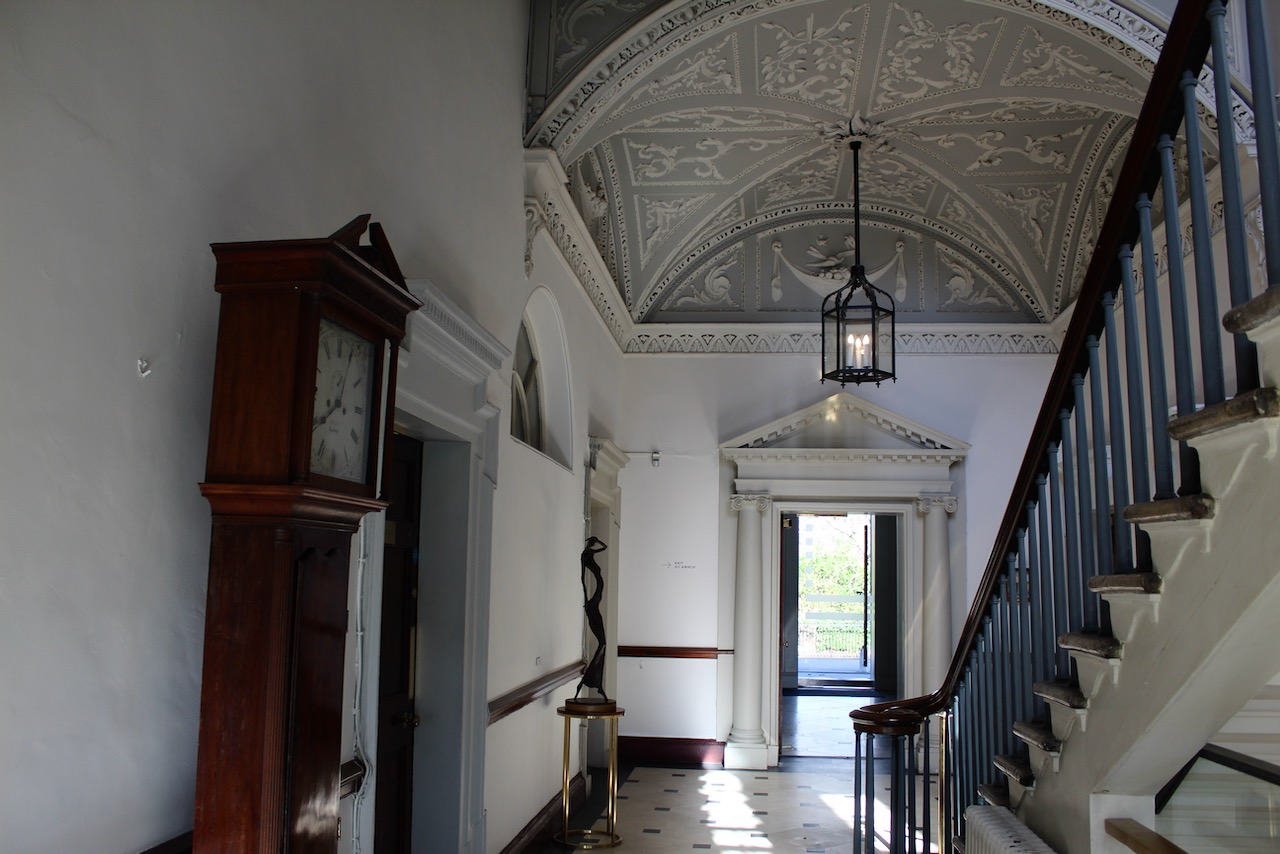
This image has an empty alt attribute; its file name is img_4193.jpeg
Newbridge House, Donabate, County Dublin. Photograph © Jennifer Winder-Baggot, www.irishhistorichouses.com
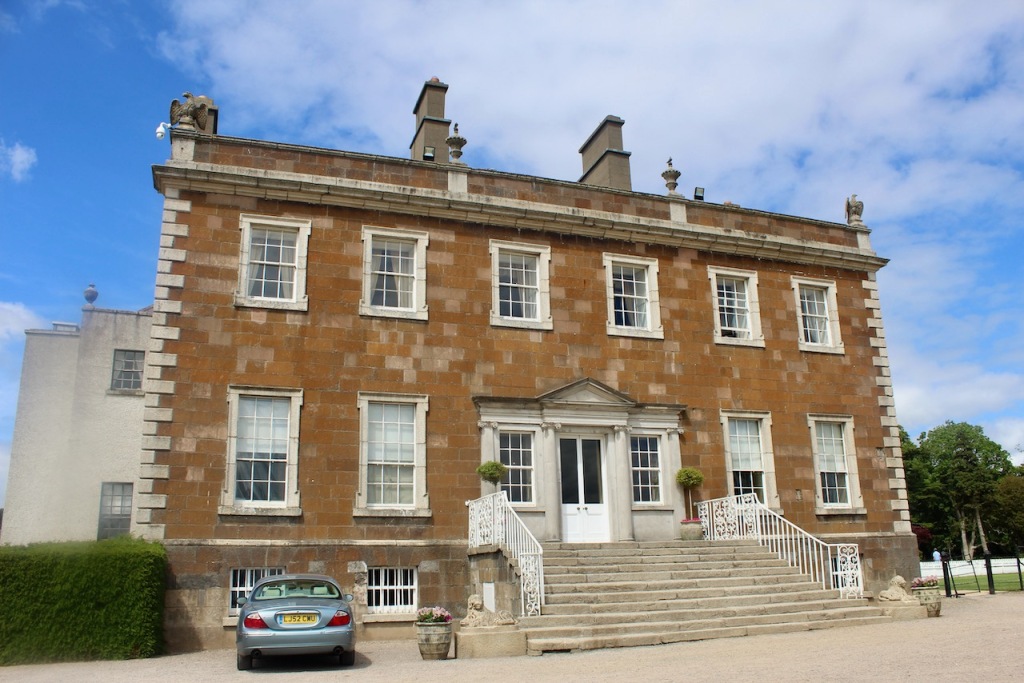
This image has an empty alt attribute; its file name is img_4191.jpeg
Photograph © Jennifer Winder-Baggot, www.irishhistorichouses.com

One entire room is dedicated as a “cabinet of curiosities.” Desmond Guinness and Desmond FitzGerald tells us in their entry about Newbridge House in Great Irish Houses that the collection may have started life as a shell collection in the 1790s by Elizabeth Beresford (1736-1860), who married the archbishop’s son Colonel Thomas Cobbe (1733-1814). She came from Curraghmore in County Waterford (see my entry on Curraghmore) and would have been familiar with her mother’s Shell Cottage. Much of what we see in the collection today comes from the Indian subcontinent, including a Taj Mahal in alabaster, ostrich eggs, corals, statues of house gods, snake charmer’s box and tusks with carving noting the abolition of slavery [see 12]. The oriental theme is even carried through to the elephant design curtains. The panels on the wall are reproduction of the originals.

This image has an empty alt attribute; its file name is img_4195.jpeg
Newbridge House, Donabate, County Dublin. Photograph © Jennifer Winder-Baggot, www.irishhistorichouses.com
This image has an empty alt attribute; its file name is img_4198.jpeg
Photograph © Jennifer Winder-Baggot, www.irishhistorichouses.com
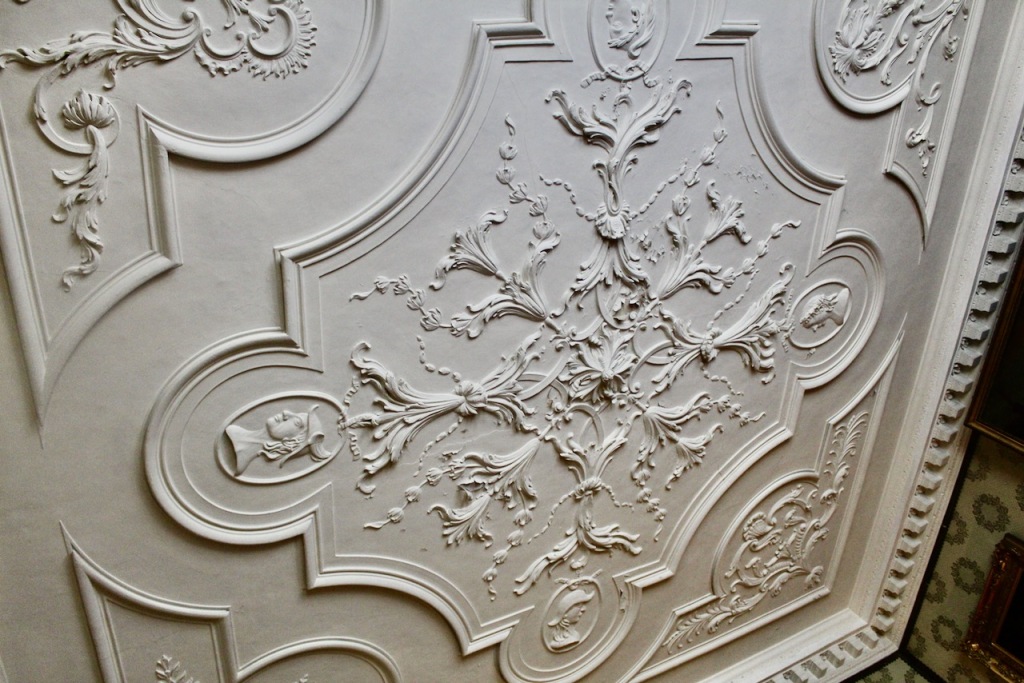
This image has an empty alt attribute; its file name is img_4202.jpeg
Newbridge House, Donabate, County Dublin. Photograph © Jennifer Winder-Baggot, www.irishhistorichouses.com
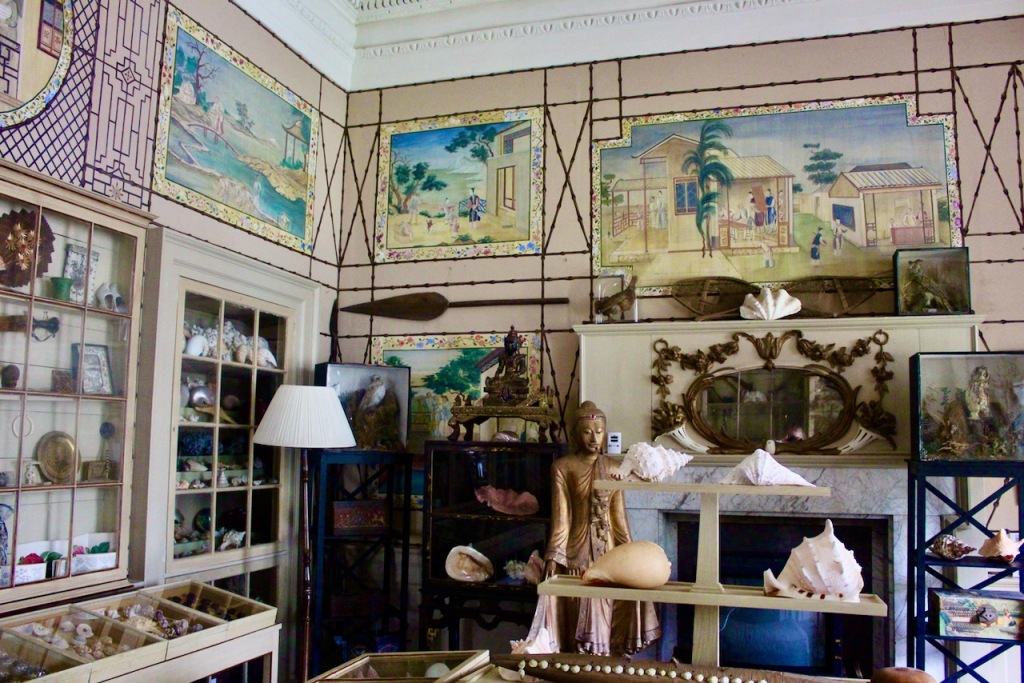
The house tour includes the basement and servants’ quarters.

This image has an empty alt attribute; its file name is img_4208.jpeg
Newbridge House, Donabate, County Dublin. Photograph © Jennifer Winder-Baggot, www.irishhistorichouses.com
This image has an empty alt attribute; its file name is img_4214.jpeg
Newbridge House, Donabate, County Dublin. Photograph © Jennifer Winder-Baggot, www.irishhistorichouses.com
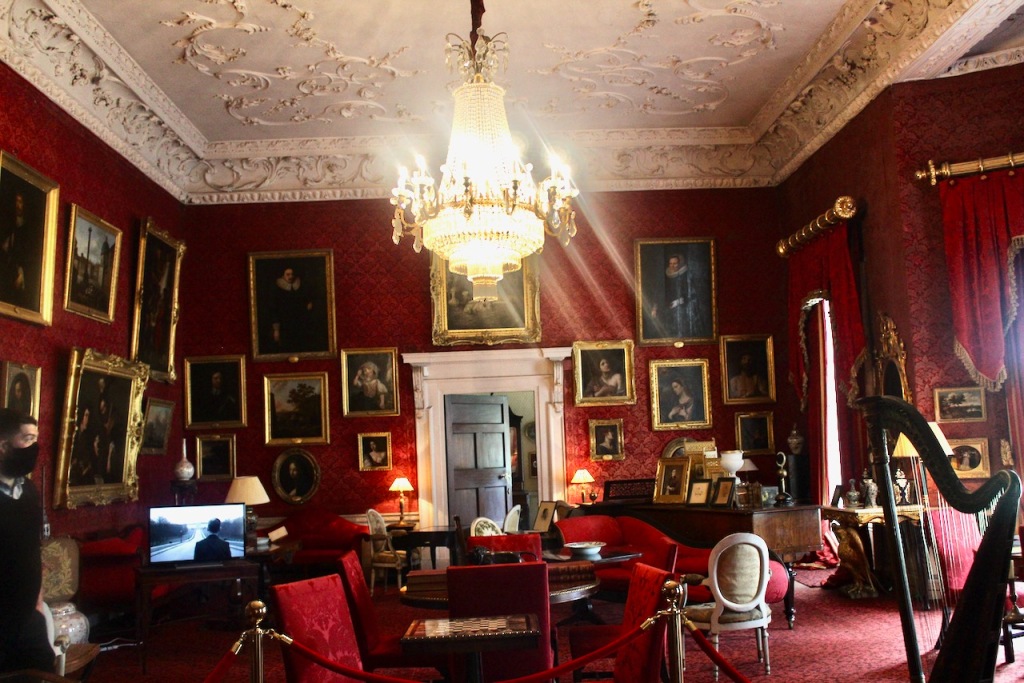
34. 11 North Great George’s Street, Dublin 1 – section 482

see my write-up:

https://irishhistorichouses.com/2019/12/31/11-north-great-georges-street-dublin-1/

www.number11dublin.ie
Open: see website for listing.

DSC_0995
interior of 11 North Great Georges Street, Dublin. Photograph © Jennifer Winder-Baggot, www.irishhistorichouses.com

35. 39 North Great George’s Street, Dublin 1

www.39northgreatgeorgesstreet.com

See website for opening times. See my entry https://irishhistorichouses.com/2023/07/06/39-north-great-georges-street-dublin/

39 North Great Georges Street, Dublin. Photograph © Jennifer Winder-Baggot, www.irishhistorichouses.com.

36. 81 North King Street, Smithfield, Dublin 7 – section 482

Open:see listing https://www.revenue.ie/en/personal-tax-credits-reliefs-and-exemptions/documents/section-482-heritage-properties.pdf

Fee: Free

The National Inventory tells us it is a: “Terraced two-bay four-storey over basement house with adjoining carriage arch to east, built c.1750, rebuilt c.1800. Now in use as offices… has recently undergone conservation. Due to appropriate materials such as timber sash windows with narrow glazing bars and careful repointing with lime mortar, it retains its Georgian aspect. The diminishing windows and regular fenestration create a well-proportioned façade, which is enhanced by an Ionic doorcase and spoked fanlight. The presence of an adjoining carriage arch adds interest to the building and to the streetscape. Its stone surround is well-executed and attests to the skill and craftsmanship of stonemasons and builders in the early nineteenth century. Thom’s directory of 1850 lists this house as being the residence of Richard Spring, pawnbroker.”

37. The Odeon (formerly the Old Harcourt Street Railway Station), 57 Harcourt Street, Dublin 2section 482

www.odeon.ie
Open: see the website.

see my entry https://irishhistorichouses.com/2025/06/09/the-odeon-formerly-harcourt-street-railway-station-dublin-2-d02ve22-section-482/

The Odeon, 1931, from the National Library archives, see flickr constant commons.
The Odeon, December 2020. Photograph © Jennifer Winder-Baggot, www.irishhistorichouses.com

The archiseek website tells us that the building that now houses the Odeon bar was built in 1859 and the architect was George Wilkinson. [16]

38. The Old Glebe, Upper Main Street, Newcastle, Co. Dublin – section 482

See my write-up:

https://irishhistorichouses.com/2019/12/31/the-old-glebe-newcastle-lyons-county-dublin/

Open dates in 2025: May 1-31, June 2-30, Mon-Sat, Aug 16-24, 10am-2pm

Fee: Free

Old Glebe, Newcastle-Lyons, County Dublin. Photograph © Jennifer Winder-Baggot, www.irishhistorichouses.com

39. Powerscourt Townhouse Centre, 59 South William Street, Dublin 2 – section 482

see my write-up: https://irishhistorichouses.com/2020/04/02/powerscourt-townhouse-59-south-william-street-dublin-2/

https://www.powerscourtcentre.ie/
Open: see the website.

IMG_1955
Powerscourt Townhouse. Photograph © Jennifer Winder-Baggot, www.irishhistorichouses.com
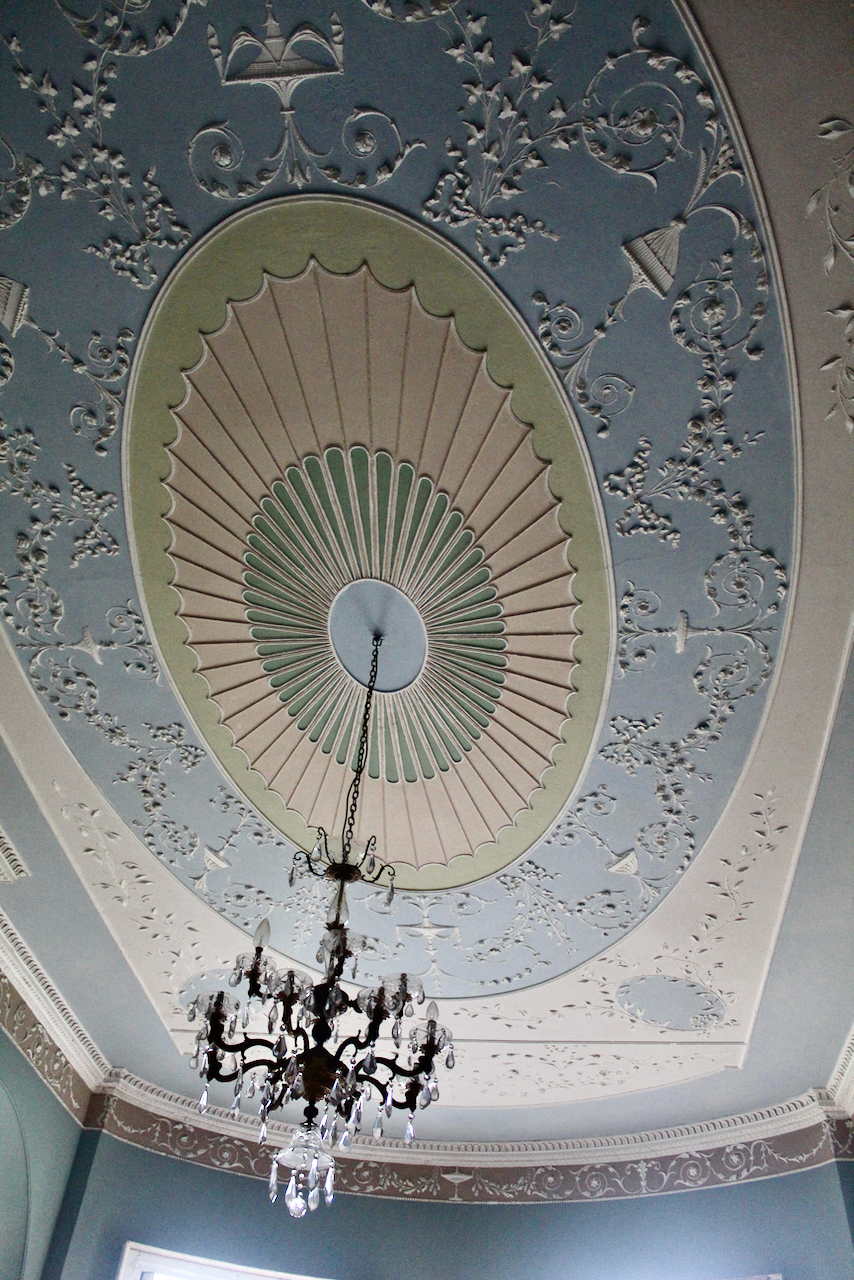
40. Primrose Hill, Very Top of Primrose Lane, Lucan, Co. Dublin – section 482

Open dates in 2025: Feb 1-28, June 1-30, July 1-7, Aug 16-24, 2pm-6pm

Fee: adult/OAP/student €6, child free

Primrose Hill, possibly designed by James Gandon. Photograph © Jennifer Winder-Baggot, www.irishhistorichouses.com

The website states that Primrose Hill House is a regency villa attributed to the architect James Gandon. See my entry https://irishhistorichouses.com/2019/12/31/primrose-hill-primrose-lane-lucan-county-dublin/

https://www.gardensofireland.org/directory/18/

41. Rathfarnham Castle, Dublin – OPW

see my OPW entry. https://irishhistorichouses.com/2022/01/21/office-of-public-works-properties-dublin/

and http://rathfarnhamcastle.ie

Rathfarnham Castle, Dublin. Photograph © Jennifer Winder-Baggot, www.irishhistorichouses.com

42. Royal Hospital Kilmainham (Irish Museum of Modern Art, IMMA)

see my entry https://irishhistorichouses.com/2025/01/22/royal-hospital-kilmainham-dublin-office-of-public-works/

43. 10 South Frederick Street, Dublin 2, DO2 YT54 – Section 482

Open dates in 2025: all year, 2pm-6pm

Fee: Free

44. St. Enda’s Park and Pearse Museum, Dublin – OPW

Formerly the Hermitage, and also formerly called Fields of Odin

see my OPW entry https://irishhistorichouses.com/2022/01/21/office-of-public-works-properties-dublin/

and  http://pearsemuseum.ie

45. St. George’s, St. George’s Avenue, Killiney, Co. Dublin – section 482

Open dates in 2025: July 1-31, Aug 1-31, 9am-1pm
Fee:  adult €6, OAP/student/child €3

We visited in 2022 – see my entry https://irishhistorichouses.com/2022/11/24/st-georges-st-georges-avenue-killiney-co-dublin/

St. George’s, Killiney, August 2022. Photograph © Jennifer Winder-Baggot, www.irishhistorichouses.com

An Arts and Crafts Gothic Revival mansion built in the late 1870s by its architect owner George Coppinger Ashlin for himself and his wife, Mary in tribute to her father, the hugely influential Gothic Revival architect, Augustus Pugin, who most famously designed the British Houses of Parliament and a number of Irish churches and Cathedrals.  [17]

46. Swords Castle, Swords, County Dublin.

https://swordscastle.events

The website tells us: “Located in the centre of the ancient town Swords Castle contains over 800 years of history and, as a recent surprising discovery of burials beneath the gatehouse shows, it has yet to give up all of its secrets. The castle was built by the Archbishop of Dublin, John Comyn, around 1200, as a residence and administrative centre. The extensive complex of buildings is in the form of a rough pentagon of 0.5 hectares and is enclosed by a perimeter wall of 260 meters. It is a National Monument, and it is the best surviving example of an Archbishop’s Palace in Ireland. The curtain walls enclose over an acre of land that slopes down to the Ward River. This complex of buildings is made up of many phases of reuse and redesign reflecting its long history and changing fortunes.”

Swords Castle, 1971, Dublin City Library and Archives photograph. (see [6])

47. The Church, Junction of Mary’s Street/Jervis Street, Dublin 1 – section 482

www.thechurch.ie
Open: See the website. Fee: Free

The Church, Mary Street. Photograph © Jennifer Winder-Baggot, www.irishhistorichouses.com
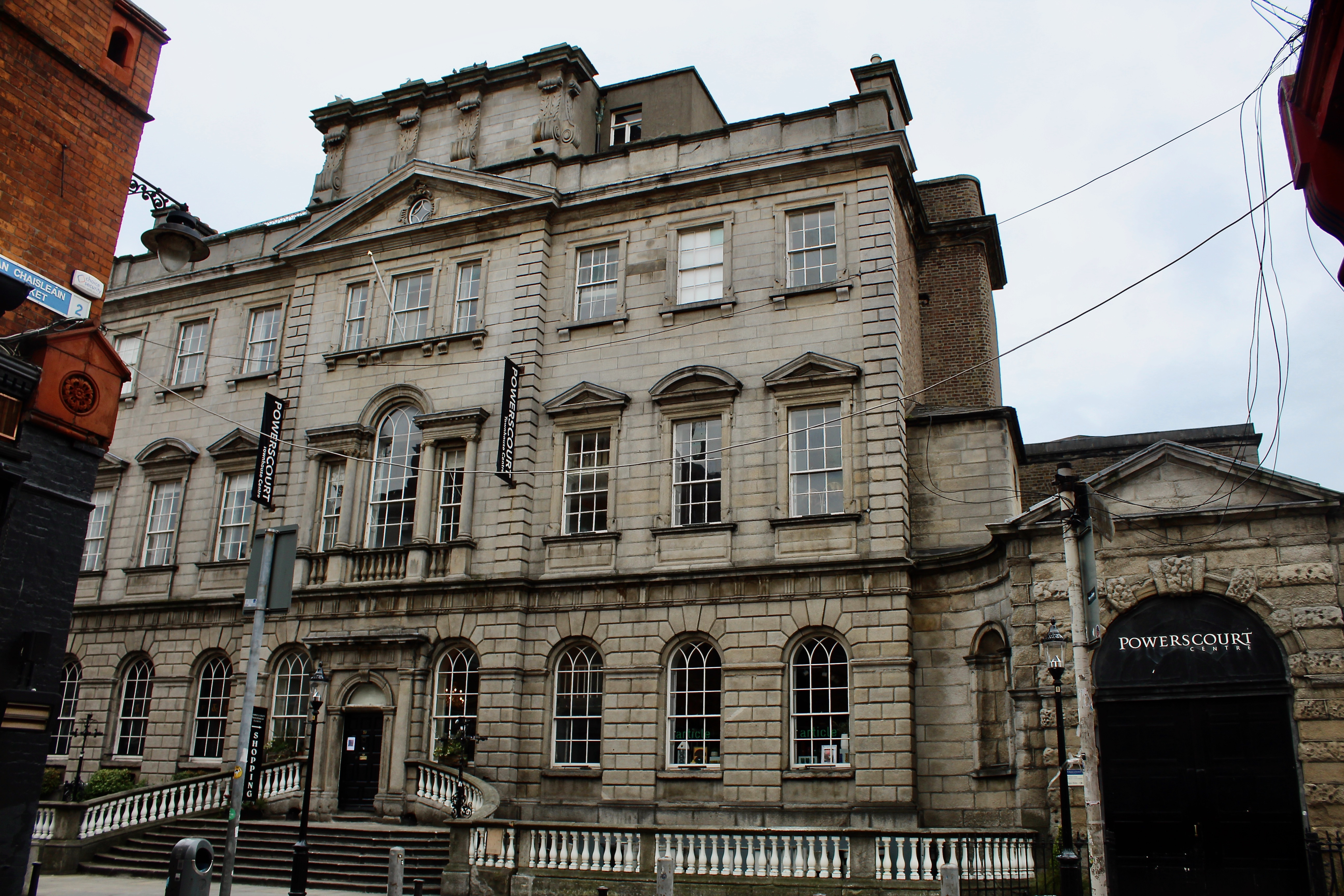
See my entry https://irishhistorichouses.com/2022/11/09/the-church-junction-of-marys-street-jervis-street-dublin/

The National Inventory tells us it is: “Freestanding former Church of Ireland church, built 1700-4 Now in use as bar and restaurant, with recent glazed stair tower built to northeast, linked with recent elevated glazed walkway to restaurant at upper level within church… Saint Mary’s (former) Church of Ireland was begun c.1700 to the design of Sir William Robinson and was completed by his successor, Thomas Burgh.” [18]

The Church, Mary Street. Photograph © Jennifer Winder-Baggot, www.irishhistorichouses.com
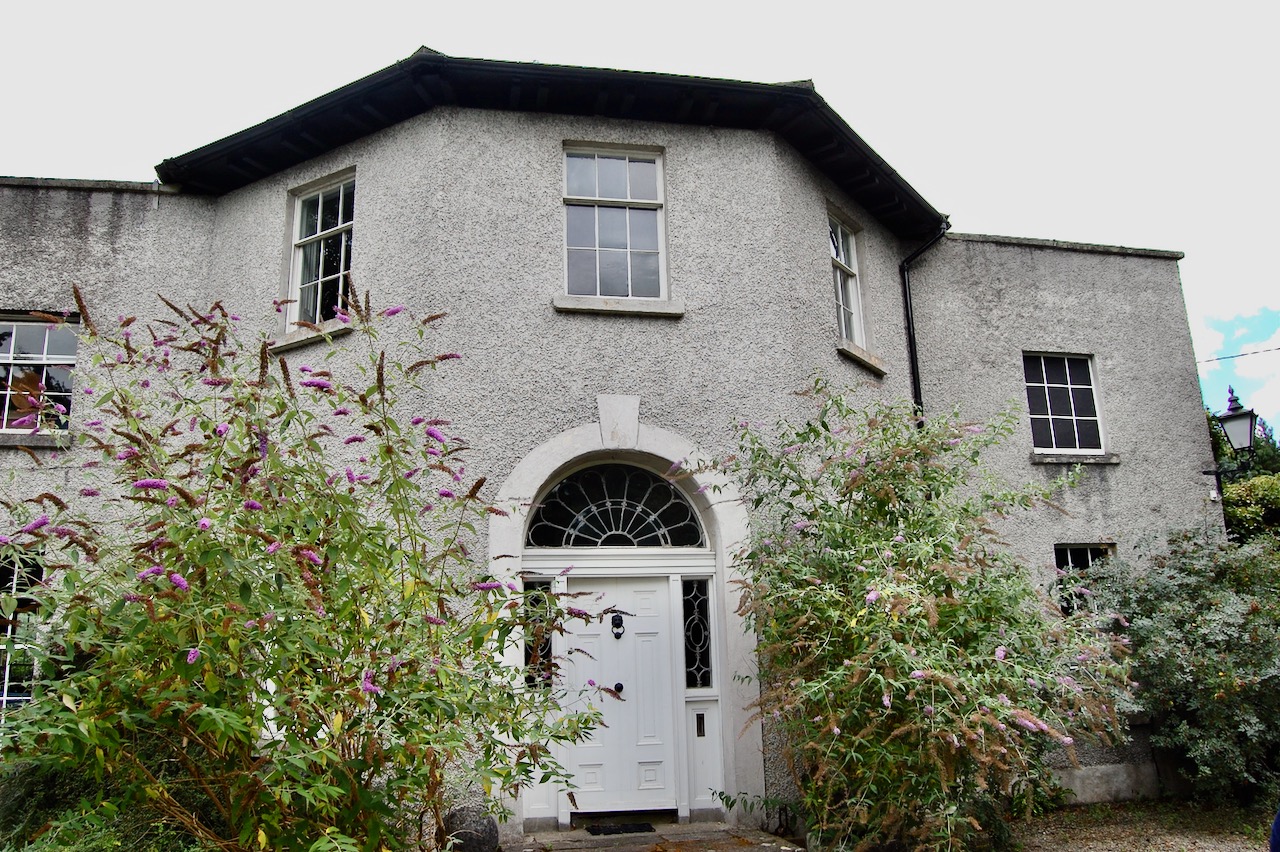
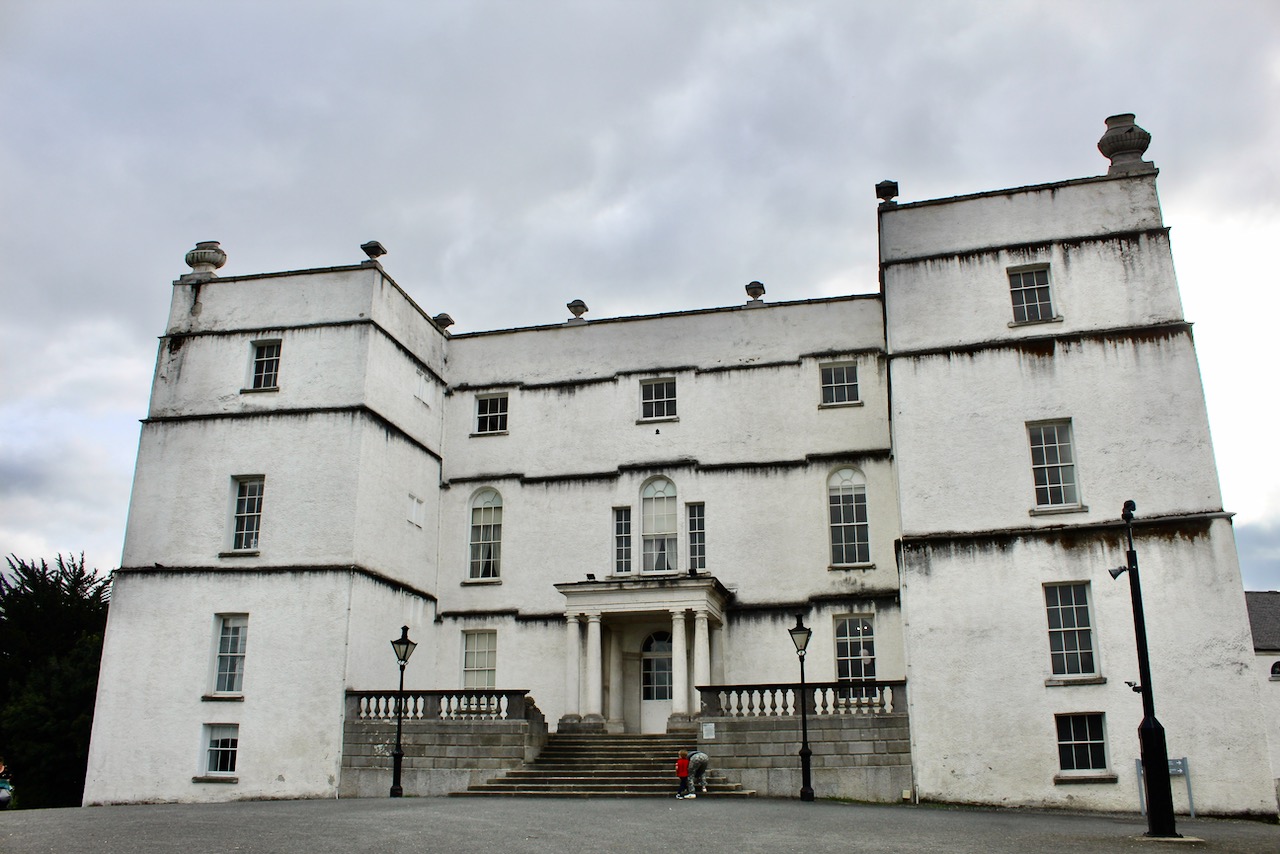
48. Tibradden House, Mutton Lane, Rathfarnham, Dublin 16 – section 482

www.selinaguinness.com
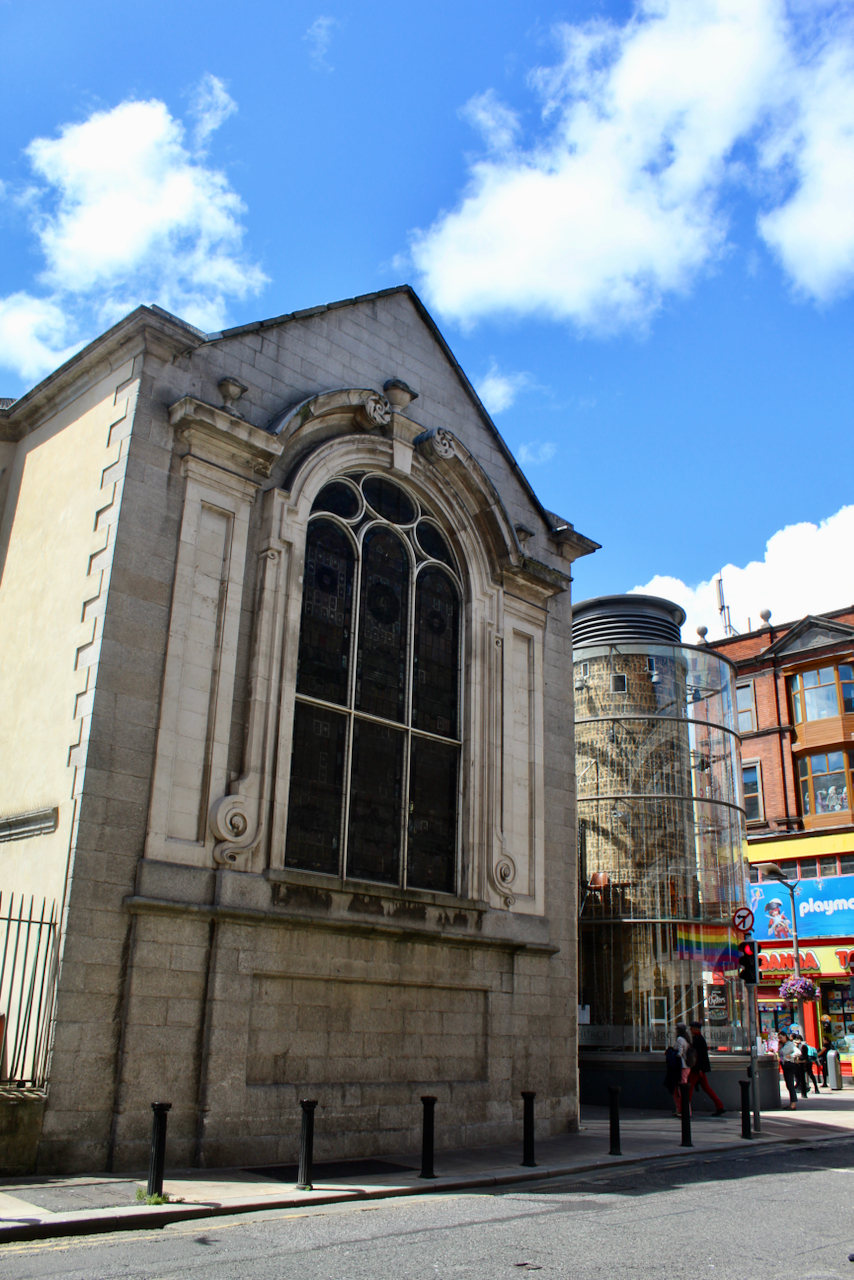
Open dates in 2024: see website.

Mark Bence-Jones writes in his A Guide to Irish Country Houses (1988):

“[Guinness/IFR] A Victorian house of two storeys over a basement with plate glass windows, built ca 1860 for Thomas Hosea Guinness and his wife Mary, nee Davis, who was heiress of the estate. Rich plasterwork and Corinthian columns with scagliola shafts in hall.” 

The National Inventory adds the following assessment:

A country house erected for Thomas Hosea Guinness JP (1831-88) to a design by Joseph Maguire (1820-1904) of Great Brunswick Street [Pearse Street], Dublin (Dublin Builder 1st December 1861, 692), representing an integral component of the mid nineteenth-century domestic built heritage of south County Dublin with the architectural value of the composition, one superseding an adjacent farmhouse annotated as “Tibradden House” on the first edition of the Ordnance Survey (surveyed 1837; published 1843), confirmed by such attributes as the deliberate alignment maximising on scenic vistas overlooking rolling grounds and the minor Glin River; the compact near-square plan form centred on a Classically-detailed doorcase demonstrating good quality workmanship; the diminishing in scale of the openings on each floor producing a graduated visual impression; and the open bed pediment embellishing a slightly oversailing roofline. Having been well maintained, the elementary form and massing survive intact together with substantial quantities of the original fabric, both to the exterior and to the interior where contemporary joinery; Classical-style chimneypieces; and decorative plasterwork enrichments, all highlight the artistic potential of the composition. Furthermore, adjacent outbuildings (extant 1909); a walled garden (extant 1837); and a nearby gate lodge (see 60250002), all continue to contribute positively to the group and setting values of a self-contained ensemble having historic connections with the Guinness family including Colonel Charles Davis Guinness (1860-1939), one-time High Sheriff of County Louth (fl. 1918); Major Owen Charles Guinness OBE (1894-1970); and Second Lieutenant Charles Spencer Guinness (1932-2004).

Current owner Selina Guinness’s memoir The Crocodile by the Door tells us about the house and how she acquired it from her uncle, and the work she has undertaken to run it as a family home, with her adventure of taking up sheep farming to maintain the property and its land.

49. Tickknock Gardens, Ticknock Lodge, Ticknock Road, Sandyford, Dublin, Dublin 18

www.ticknockgardens.ie 

50. Tyrrelstown House Garden, Powerstown Road, Tyrrelstown, Dublin, D15 T6DD – gardens open

www.tyrrelstownhouse.ie 

Tyrrelstown House & Garden is set in 10 hectare of parkland in Fingal, North County Dublin, just minutes from the M50, off the N3 (Navan Road). There are 2 walled gardens, and an arboretum with woodland walks including 2 hectares of wild flower & pictorial meadows. Lots of spring bulbs and cyclamen adorn this lovely sylvan setting.

The walled gardens are over 600 years old and include a wide range of alkaline and acid loving plants and shrubs and include an organic vegetable garden.

The Wilkinson family arrived here in 1895 & have been farming the land ever since.

[1] https://www.youwho.ie/airfield.html

[2] https://www.irelandscontentpool.com/en/media-assets/media/100792

[3] Mark Bence-Jones  A Guide to Irish Country Houses (originally published as Burke’s Guide to Country Houses volume 1 Ireland by Burke’s Peerage Ltd. 1978); Revised edition 1988 Constable and Company Ltd, London.

[4] https://www.buildingsofireland.ie/buildings-search/building/60260236/cabinteely-house-old-bray-road-cabinteely-cabinteely-dublin

[5] www.archiseek.com

[6] Dublin City Library and Archives. https://repository.dri.ie

[7] https://www.irishtimes.com/life-and-style/homes-and-property/new-to-market/labour-of-love-restoration-of-17th-century-co-dublin-farmhouse-1.3060801

[8] https://www.countrylifeimages.co.uk/Image.aspx?id=e18a45dd-8693-4d92-826a-84092b97d935&rd=1|3df3b2a9-1248-4719-bd66-091149000a8a||9|20|492|150 

[9] https://www.dib.ie/biography/browne-thomas-wogan-a1055 and Hugh A. Law “Sir Charles Wogan,”

The Journal of the Royal Society of Antiquaries of Ireland, Seventh Series, Vol. 7, No. 2 (Dec. 31, 1937), pp. 253-264 (12 pages), on JStor https://www.jstor.org/stable/25513883?read-now=1&seq=5#page_scan_tab_contents

[9] p. 241, Great Irish Houses. Foreward by Desmond FitzGerald and Desmond Guinness. IMAGE Publications, 2008.

[10] p. 131, Montgomery-Massingberd, Hugh and Christopher Simon Sykes. Great Houses of Ireland, Laurence King Publishing, London, 1999. 

[11] p. 123, Montgomery-Massingberd, Hugh and Christopher Simon Sykes. Great Houses of Ireland, Laurence King Publishing, London, 1999. 

[12] p. 242, Great Irish Houses. Foreward by Desmond FitgGerald and Desmond Guinness. IMAGE Publications, 2008.

[13] https://theirishaesthete.com/2018/05/28/newbridge/

[14] http://lordbelmontinnorthernireland.blogspot.com/2015/03/newbridge-house.html

[15] https://archiseek.com/2010/1859-former-harcourt-street-station-dublin/

[16] https://www.irishtimes.com/life-and-style/homes-and-property/new-to-market/step-back-in-time-to-fairytale-house-on-killiney-hill-for-9-25m-1.3472893 

[17] https://www.christiesrealestate.com/sales/detail/170-l-78051-2006230532331747/st-georges-georges-avenue-killiney-co-dublin-dublin-du 

[18] https://www.buildingsofireland.ie/buildings-search/building/50010453/saint-marys-church-the-church-bar-mary-street-jervis-street-dublin-1-dublin