orange: “whole house rental” i.e. those properties that are only for large group accommodations or weddings, e.g. 10 or more people.
green: gardens to visit
grey: ruins
donation
Help me to pay the entrance fee to one of the houses on this website. This site is created purely out of love for the subject and I receive no payment so any donation is appreciated!
€15.00
Kerry:
1. Derrynane House, Caherdaniel, County Kerry – OPW
Fee: adult €12, child €6, family ticket €45 (2 adults & all accompanying children under18) season tickets from €40 Concession discounts available for large groups
“Set on a peninsula at the head of Kilmackillogue Harbour and surrounded by the Caha Mountains, the garden at Derreen covers 60 acres.
“A network of winding paths passes through a mature woodland garden laid out 150 years ago with subtropical plants from around the world and incomparable views of the sea and mountains.“
3. Kells Bay Garden, Kells, Caherciveen, Co Kerry, V23 EP48 – garden only
The website tells us: “Kells Bay Gardens is one of Europe’s premier horticultural experiences, containing a renowned collection of Tree-ferns and other exotic plants growing in its unique microclimate created by the Gulf Stream. It is the home of ‘The SkyWalk’ Ireland’s longest rope-bridge.“
Originally called Kenmare House. The stable block of Kenmare House was converted in 1830 into this house. The original Kenmare House was built in 1726 and was demolished in 1872 by Valentine Augustus Browne, 4th Earl of Kenmare. The succeeding house, called Killarney House, and was accidentally destroyed by fire in 1913 and never rebuilt; instead, in 1915 the stable block of the original Kenmare House was converted into the present Killarney House, although the Brownes called it Kenmare House.
John McShain, renowned architect and building contractor, acquired Killarney House, the former home of the Earls of Kenmare, in 1956. After the death of McShain’s wife, Mary, in 1998, the stately house, and its lavish gardens were sold to the State with the proviso that the property would be incorporated into the neighbouring Killarney National Park. The McShains were allowed to live in the house for the remainder of their lives, and they remodelled extensively. When Mrs. McShain died in 1998 the house reverted to the state. It sat empty and became derelict, but in 2011 restoration was begun. The gardens are open to the public and at some stage, the house also will be opened up.
5. Knockreer House and Gardens, County Kerry – part of park, Education centre
“Killarney National Park Education Centre is based in Knockreer House, the last of the Kenmare mansions. The centre is situated on a hill close to the town of Killarney and has spectacular views over the National Park.
“We provide a range of specialist courses linked directly to the curriculum, using the diverse habitats of Killarney National Park as an outdoor classroom. We work with groups from all backgrounds, ages and abilities, including primary schools, post-primary schools, third level institutions, tour groups and youth groups. We also provide facilities and programmes for the general public and the corporate sector.“
The website tells us:
“Found in County Kerry’s Killarney National Park, Knockreer House and Gardens are within walking distance of Killarney Town. The area includes a circular walk with excellent views of the Lower Lake.
“The Knockreer section of Killarney National Park is within walking distance of Killarney Town, County Kerry. This area was formerly part of the Kenmare Estate, which was laid out by Valentine Brown, the third Viscount of Kenmare. Deenagh Lodge Tearoom dates back to 1834 and was the gate lodge of the Kenmare Estate. The tearoom is a popular haunt with locals and visitors after a stroll in the park. It is located just inside Kings Bridge across from St Mary’s Cathedral.
“Knockreer House, a short walk up the hill, is the Killarney National Park Education Centre and is built on the site of the original Killarney House, which was destroyed by fire in 1913. The circular walk is signposted and offers excellent views of the Lower Lake. On the circular walk there is a pathway off to the right that leads up to the viewing point on top of the hill, which provides a wonderful panorama of the surrounding countryside.“
“This nineteenth century Victorian mansion is set against the stunning beauty of Killarney National Park. The house stands close to the shores of Muckross Lake, one of Killarney’s three lakes, famed world wide for their splendour and beauty. As a focal point within Killarney National Park, Muckross House is the ideal base from which to explore this landscape.
“Muckross House was built for Henry Arthur Herbert and his wife, the water-colourist Mary Balfour Herbert. This was actually the fourth house that successive generations of the Herbert family had occupied at Muckross over a period of almost two hundred years. William Burn, the well-known Scottish architect, was responsible for its design. Building commenced in 1839 and was completed in 1843.
“Originally it was intended that Muckross House should be a larger, more ornate, structure. The plans for a bigger servants’ wing, stable block, orangery and summer-house, are believed to have been altered at Mary’s request. Today the principal rooms are furnished in period style and portray the elegant lifestyle of the nineteenth century landowning class. In the basement, one can imagine the busy bustle of the servants as they went about their daily chores. “
“During the 1850s, the Herberts undertook extensive garden works in preparation for Queen Victoria’s visit in 1861. Later, the Bourn Vincent family continued this gardening tradition. They purchased the estate from Lord and Lady Ardilaun early in the twentieth century. It was at this time that the Sunken Garden, Rock Garden and the Stream Garden were developed.“
“Constructed entirely without mortar, Staigue cashel encloses an area of 27.4 m (90 ft) in diameter, with walls as tall as 5.5 m (18 ft) and a sturdy 4 m (13 ft) in thickness. It has one double-linteled entrance, a passageway 1.8 m (6 ft) long. In the virtual-reality environment (above) click the hotspots to proceed to the fort’s interior. It is similar in construction to the Grianan of Aileach in Co. Donegal, and was possibly constructed in the same period of the Early Medieval period (approximately fifth to eleventh century CE). The fort is surrounded by a large bank and ditch, most evident on its northern side. This may have been a part of Staigue’s defenses, or it may be a prehistoric feature that pre-dates the construction of the stone fort.“
The website continues: “In 1897 T.J. Westropp reported that the local peasantry called the building Staig an air, which he translated as “Windy House, or “Temple of the Father,” or “The Staired Place of Slaughter.” These different translations may inspire distinctly different conjectures about the builders of Staigue. It has been described as both a temple or an observatory, and has been attributed to many different cultures in the past, such as Druids, Phoenicians, Cyclopeans, and Danes. But it was, of course, built by the “Kerrymen of old.”
“The sign at the site explains that Staigue “was the home of the chieftain’s family, guards and servants, and would have been full of houses, out-buildings, and possibly tents or other temporary structures.” The illustration from this sign is in the gallery below. Cashels, of which Staigue is an impressive and probably high-status example, were enclosed and defendable farmsteads of the Irish Early Medieval period. They housed an extended family and, in high-status examples, their retinue. However archaeologist Peter Harbison was unable to explain why the ancient architects would have created so many (10) sets of X-shaped stairs climbing up the inner face of the wall to its ramparts.“
Bence-Jones, Mark. A Guide to Irish Country Houses (originally published as Burke’s Guide to Country Houses volume 1 Ireland by Burke’s Peerage Ltd. 1978); Revised edition 1988 Constable and Company Ltd, London.
The Battle of the Boyne museum is housed in Oldbridge Hall, which is built on the site where the battle of the took place. The house is maintained by the Office of Public Works.
Stephen and I have a personal connection, as Oldbridge was built by the Coddington family, and a daughter from the house, Elizabeth Coddington (1774-1857), married Stephen’s great great grandfather Edward Winder (1775-1829).
Battle of the Boyne painted by Jan Wyck, in the National Gallery of Ireland. The point of view is that of the Williamites who were based on high ground north of the River Boyne, looking southwards towards Donore Hill where James II and his troops were based.
The Battle of the Boyne, 1st July 1690, was just one of several battles that took place in Ireland when the rule of King James II was challenged by his son-in-law, a Dutch Protestant Prince, William of Orange. James II was Catholic, and he attempted to introduce freedom of religion, but this threatened families who had made gains under the reformed Protestant church. When James’s wife gave birth to a male heir in 1688, many feared a permanent return to Catholic monarchy and government. In November 1688, seven English lords invited William of Orange to challenge the monarchy of James II. William landed in England at the head of an army and King James feld to France and then to Ireland. William followed him over to Ireland in June 1690.
There were 36,000 men on the Williamite side and 25,000 on the side of King James, the Jacobites. William’s army included English, Scottish, Dutch, Danes and Huguenots (French Protestants). Jacobites were mainly Irish Catholics, reinforced by 6,500 French troops sent by King Louis XIV. Approximately 1,500 soldiers were killed at the battle.
After winning the battle, William gained control of Dublin and the east of Ireland. However, the war continued until the Battle of Aughrim in July 1691, which led to the surrender at Limerick the following autumn. The surrender terms promised limited guarantees to Irish Catholics and allowed the soldiers to return home or to go to France. The Irish Parliament however then enacted the Penal Laws, which ran contrary to the treaty of Limerick and which William first resisted, as he had no wish to offend his European Catholic allies.
John Coddington (1691-1740) purchased the land in 1729 from Henry Moore the 4th Earl of Drogheda. John’s father Dixie (1665-1728) fought in the Battle of the Boyne in 1690 on the side of King William III. The unusual name “Dixie” comes from the maternal side, as Dixie’s father Captain Nicholas Coddington of Holm Patrick (now Skerries) in Dublin married as his second wife Anne Dixie, possibly a daughter of Sir Wolstan Dixie, 1st Baronet (1602-1682).
John married Frances Osbourne in 1710, and with the marriage came property in County Meath including Tankardstown. Tankardstown House is a boutique hotel and a section 482 property (see my entry https://irishhistorichouses.com/2020/07/11/tankardstown-estate-demesne-rathkenny-slane-co-meath/ ). John Coddington served as High Sheriff of County Meath in 1725, before he acquired the property at Oldbridge.
John’s son, also named John, predeceased him, tragically drowning in the Boyne. In the Meath History Hub Noel French recounts a story about how a young woman refused to marry John because she dreamed that he would die, as he did, before the age of twentyone. [1] I have obtained most of my information in today’s entry from the wonderfully informative Meath History Hub website.
Noel French tells us that the office of High Sheriff had judicial, electoral, ceremonial and administrative functions and executed high court writs. The usual procedure for appointing the sheriff from 1660 onwards was that three persons were nominated at the beginning of each year from the county and the Lord Lieutenant then appointed his choice as High Sheriff for the remainder of the year. Often the other nominees were appointed as under-sheriffs. Members of the Coddington family held the position in 1725, 1754, 1785, 1798, 1843, 1848 and 1922. [see 1]
After John’s death in 1740 the house at Oldbridge was advertised for lease, described as the house, gardens and demesne, so the house must have been built by this time. [see 1] The property passed to John’s brother Nicholas’s son, Dixie Coddington (1725-1794).
I am confused about the date of construction. According to the notice for lease, a house stood at the site in 1740. Evidence that the current house was built around 1750 however was found in an inscription on piece of baseboard of a stair removed during repairs carried out in 1960s that reads: ‘ December 1836 Patrick Kelly of the City of Dublin / Put up these Staircases. / I worked at this building from April / till now. / 86 years from the first / Building of this house/ till now as we see by a stick like this found.’
In The Buildings of Ireland: North Leinster, The Counties of Longford, Louth, Meath and Westmeath (published in 1993), Casey and Rowan accept that the house was built around 1750. They suggest that it may have been designed by George Darley (1730-1817), due to affinities with Dowth Hall nearby and to Dunboyne Castle.
Dowth Hall, County Meath, photograph courtesy Sherry Fitzgerald.Dowth Hall, County Meath, photograph courtesy Sherry Fitzgerald.Dunboyne Castle, County Meath, now a hotel, photograph courtesy of hotel website.Signage at Oldbridge House, County Meath, including an old photograph of the house.
The house is three storey with a plain ashlar frontage of seven bays, with the centre three slightly advanced. Christine Casey and Alistair Rowan tell us in The Buildings of Ireland: North Leinster, The Counties of Longford, Louth, Meath and Westmeath (published in 1993) that the house was originally designed as a three bay three storey block with low single-storey wings, and the upper stories of the wings were added later. [2]
In the early nineteenth century two floors were added to each wing. Casey and Rowan tell us that this was apparently carried out by Frederick Darley (1798-1872).
Quadrant walls link the house to its park, with rusticated doors.
It has a centrally located tripartite doorcase with pilasters surmounted by a closed pediment, which holds a canonball from the fields of the Battle of the Boyne. It has a string course between ground and first floors and sill course to first floor, and three central windows on first floor with stone architraves. [3]
Dixie Coddington (1725-1794) married Catherine Burgh, daughter of Thomas Burgh (1696-1754) of Burgh (or Bert) house in County Kildare. Burgh Quay in Dublin is named after a sister of Thomas Burgh’s, Elizabeth, who was the wife of the Speaker of the House in Ireland, Anthony Foster. Thomas Burgh’s uncle, another Thomas Burgh (1670-1730), was Surveyor General and architect.
On 13 April 1757 Dixie Coddington of Oldbridge sold Tankardstown. [see 1]
Dixie Coddington served as MP for Dunleer, County Louth. He and his wife had several daughters who all died in infancy, and no son, so Oldbridge passed to his brother, Henry Coddington (1728-1816). Dixie had previously leased Oldbridge to his brother, and has spent most of his life living in Dublin on Raglan Road. [see 1]
Henry Coddington (1728-1816) was father to Stephen’s ancestor Elizabeth. Henry was a barrister, and served as MP for Dunleer, County Louth, and he married Elizabeth Blacker from Ratheskar, County Louth. He served as High Sheriff for County Louth, then for County Meath, and was Deputy Serjeant-at-Arms between 1791 and 1800. He served as Justice of the Peace also for Counties Louth and Meath.
Henry and Elizabeth’s son Nicholas (1765-1837) followed in his father’s footsteps, and served as MP for Dunleer before the Act of Union in 1800, and also served as high sheriff for counties Louth and Meath. Nicholas and his son, Henry Barry, carried out a number of improvements on the estate. The house was re-modelled in the 1830s to the drawing of Frederick Darley. [see 1]
The Oldbridge Estate then passed to Henry-Barry Coddington, son of Nicholas. Henry-Barry Coddington was born on May 22nd in the year 1802; he was the eldest surviving son of Nicholas Coddington and Laetitia Barry. Henry Barry took a Grand Tour of Europe and kept a diary. He married Maria Crawford, eldest daughter of William Crawford of Bangor Co. Down in 1827.
Noel French tells us of Maria Crawford’s father and his role in tenant land rights:
“William Sharman Crawford, was the owner of 5,748 acres in County Down … as well as 754 acres at Stalleen in County Meath. William Sharman Crawford took an active interest in politics. He is best known for his advocacy of Tenant Right – the Ulster Custom which gave a tenant greater security through the three “f”s: fair rent, fixity of tenure and free sale of goodwill. Crawford called this “The darling object of my heart”. This idea was not popular with other landlords, but Crawford remained a strong advocate of it for the rest of his life. In 1843 Crawford managed to persuade Sir Robert Peel, the Conservative prime minister, to establish the Devon Commission to investigate the Irish land question. Tenant right, the subject of eight successive bills drafted by Sharman Crawford, was eventually conceded in the Land Acts of 1870 and 1881.”
Despite the admirable work of his father-in-law, Henry-Barry Coddington was a slave owner. He inherited an estate in Jamaica from his great uncle, Fitzherbert Richards. The estate, Creighton Hall in the parish of St. Davids in Jamaica, had previously belonged to Fitzherbert’s brother Robert Richards. The estate was 1165 acres. 399 acres was planted with sugar cane in 1790. The plantation produced sugar, rum, molasses, cotton, ginger, coffee, cocoa and pimento. [see 1]
In A Parliamentary Return of 1837-38, which listed names of those who claimed a loss of “property” after slavery was abolished in 1834, Henry-Barry Coddington was recorded as the `Master` to 235 enslaved individuals. It seems, however, that Coddington was unsuccessful in his claim for compensation.
Oldbridge House was occupied by the National Army in July 1922. In 1923 Arthur F. Coddington of Oldbridge brought a claim against the government for damages done by the National Army forces when they occupied Oldbridge House. The repairs included slates, plumbing, painting and six trees felled.[see 1]
Captain Arthur Coddington, his daughter Diana with the dog, Arthur’s wife Dorothea née Osborne from Smithstown, Julianstown in County Meath, and possibly Denise another daughter.
Arthur’s son Dixie fought in World War II then returned to live in Oldbridge, where he began a commercial market gardening business, and where he trained young people in horticulture.
The Meath History hub tells us that in 1982 a gang broke into Oldbridge House and stole £600,00 in antiques. Two years later, Dixie’s son Nicholas and his wife were held at gunpoint for eleven terrifying hours in their house. Among the items stolen was an eight-foot picture of King William III, dating back to 1700, a number of landscape paintings and a number of family portraits. The haul included items that had been recovered from the robbery two years previously. In 1984 Nicholas Coddington put the house and contents up for sale.
Oldbridge House was purchased by the state in 2000 as part of the Good Friday Peace Agreement, and renovation began.
Oldbridge House, County Meath.Coddington photographs of a tennis match at the house.
To the left of the house there is a cobble stone stable yard with fine cut stable block. This originally contained coach houses, stables, tack and feed rooms.
To the right of the house is a small enclosed courtyard which contains the former butler’s house.
The gardens of Oldbridge House have been restored, with an unusual sunken octagonal garden, peach house, orchard and herbaceous borders, with a tearoom in the old stable block. Throughout the year outdoor theatre, workshops and events such a cavalry displays and musket demonstrations help to recreate a sense of what it might have been like on that day in July 1690.
[2] p. 446. Casey, Christine and Alistair Rowan, The Buildings of Ireland: North Leinster, The Counties of Longford, Louth, Meath and Westmeath. Penguin Books, UK, 1993.
General Enquiries: 01 493 9462, rathfarnhamcastle@opw.ie
Rathfarnham Castle is a wonderful property to visit and I suspect, much underappreciated! It is one of the oldest surviving residences in Ireland, and has a variety of impressive ceilings. It is also another property which was inhabited by the Jesuits at one time, as was Emo Court in County Laois. Although they no longer own either of these properties, they still run schools in the former Castle Browne in County Kildare (now Clongowes Wood College) and Belvedere House in Dublin. They certainly knew how to pick impressive properties! [1]
Rathfarnham Castle was built around 1583 for Adam Loftus (1533-1605), a clergyman originally from Yorkshire, who rose to the position of Archbishop of Dublin and Lord Chancellor of Ireland. Its position outside the city of Dublin made it vulnerable to attack, so it was built as a fortified house, with four flanker towers shaped to give maximum visibility of the surrounding landscape. The OPW website tells us:
“Loftus wanted the Castle to be a grand and impressive home which would reflect his high status in Irish society. He also needed it to be easily defended against attack from hostile Irish families such as the O’Byrnes based in the mountains to the south. The design was radically modern for the time and based on recent continental thinking about defensive architecture. The angled bastion towers located at each corner of the building were equipped with musket loops which allowed a garrison of soldiers to defend all approaches to the castle.”
Archbishop-Chancellor Adam Loftus (1533-1605). The portrait is in Trinity College Dublin, as he was the first Provost. He was also Keeper of the Great Seal of Ireland, and he is here holding the embroidered purse which held the seal.Adam Loftus (1533-1605), Lord Chancellor, 1619. Painting hangs in Malahide Castle, courtesy of National Museum of Ireland.This shows the special shape of Rathfarnham Castle’s flanker towers.
Loftus had previously lived in an archiepiscopal palace in Tallaght, and it had been sacked by the O’Byrnes and O’Tooles from the Wicklow mountains, which is why he ensured that his new house in Rathfarnham had strong defenses. The Bishop’s Palace in Raphoe, now a ruin, is similarly shaped.
Maurice Craig points out in his The Architecture of Ireland from the earliest times to 1880 that there are a group of similar buildings, built over a period of fifty years or more: Rathfarnham; Kanturk for MacDonagh MacCarthy, built before 1609; Portumna for the Earl of Clanrickarde, before 1618; Manorhamilton for Sir Frederick Hamilton, probably around 1634; Raphoe, for Bishop John Leslie (the “Fighting Bishop” – see my entry on Castle Leslie https://irishhistorichouses.com/2020/08/07/castle-leslie-glaslough-county-monaghan/) in 1636, and Burncourt for Sir Richard Everard before 1650. Manorhamilton is a section 482 ruin (see my entry https://irishhistorichouses.com/2025/02/20/manorhamilton-castle-castle-st-manorhamilton-co-leitrim/) and we visited Portumna in County Galway – see my entry https://irishhistorichouses.com/2022/02/14/office-of-public-works-properties-connacht/. The buildings resemble a fort, such as Mountjoy Fort in County Tyrone built 1600-1605. Killenure, County Tipperary, is similar but has cylindrical flankers, Craig tells us. This last was unroofed by 1793, and it is now (2025) a Section 482 property which I must visit!
Loftus attended Cambridge, where he took holy orders as a Catholic priest. Upon Queen Elizabeth’s accession to the throne in 1558, he declared himself Anglican. The Dictionary of Irish Biography tells us that a major turning point in Loftus’s life and career occurred in 1560, when he emigrated to Ireland as a chaplain to Thomas Radcliffe, 3rd Earl of Sussex, who had been granted a commission to serve as Lord Lieutenant of Ireland by Queen Elizabeth. On the recommendation of Sussex, Loftus was appointed Archbishop of Armagh, his consecration taking place on 2 March 1563. In January 1565, on account of the poverty of the archbishopric of Armagh, Queen Elizabeth granted Loftus the deanery of St Patrick’s cathedral in Dublin. In 1567 he was made Archbishop of Dublin.
It was Adam Loftus who had Reverend Dermot O’Hurley executed, whom I wrote about a couple of weeks ago in my entry about Doheny & Nesbitt.
The Dictionary of Irish Biography tells us:
He was “a strongly delineated establishment figure whose primary concerns were to serve the crown in Ireland, in whatever capacity the queen and her advisers thought fit; and to build up his own personal affinity, so that he would be in a position to execute the offices that came his way with a measure of genuine political and social authority. Thus, during the periods when the archbishop served as lord chancellor of Ireland (1581–1605), or as acting governor of the country during the periodic absences from Ireland of a serving viceroy (August 1582–June 1584, November 1597–April 1599, September 1599–February 1600), he was also careful to establish a network of connections throughout the country, particularly through the marriage of his children to leading families among the new English protestant elite. Among the families with which Loftus made these connections were the Bagenals of Co. Down, the Dukes of Castlejordan, the Hartpoles of Shrule, the Usshers of Dublin, the Colleys of Castle Carbury, the Berkeleys of Askeaton, and the Warrens of Warrenstown. The social ascent of Loftus and his family was also evident in the archbishop’s decision to proceed with the purchase of the estate of Rathfarnham, Co. Dublin (c.1589–90), on which he built a stately castle.” [2]
Adam Loftus married Jane Purdon. They had twenty children, not all of whom survived to adulthood, and those who did married very well.
Anne Loftus married, first, Henry Colley of Castle Carbury in County Kildare, and second, Edward Blayney, 1st Lord Blayney, Baron of Monaghan.
Martha Loftus (d. 1609) married Thomas Colclough (1564-1624) of Tintern Abbey in Wexford.
Isabelle Loftus (d. 1597) married William Ussher (1561-1659)
Thomas Loftus (d. 1635) married Helen Hartpole of Shrule.
Alice Loftus (d. 1608) married Henry Warren of Warrenstown, County Offaly.
Katherine Loftus married Francis Berkeley of Askeaton, County Limerick.
son Adam died unmarried in 1599.
Margaret Loftus married George Colley of Castle Carbury.
Edward Loftus (d. 1601) married Anne Duke of Castle Jordan, County Meath.
Dudley Loftus (1561-1616) married Anne Bagenal of Newry Castle, County Down, daughter of Nicholas Henry Bagenal, Marshal of Ireland.
Dorothy Loftus (d. 1633) married John Moore (d. 1633)
Adam Loftus was the first Provost of Trinity College Dublin.
The Dictionary of Irish Biography continues:
“Although by the early 1590s Loftus had largely reconciled himself to the reality that the task of converting the indigenous community to protestantism, and securing its allegiance to the state church, was beyond him, the queen and her advisers still expected him to discharge his religious duties and press ahead with reforming initiatives on behalf of the state church. To this end, and in the midst of a period of mounting political crisis that culminated in the outbreak of the Nine Years War, Loftus was the prime mover behind the foundation of TCD, which received its royal charter on 3 March 1592. The archbishop also served as the college’s first provost till June 1594.“
Adam Loftus died in the old Palace of St. Sepulchre beside St. Patrick’s Cathedral, which until recently was the Garda barracks on Kevin Street, now housed in a new building. I hope they will make something of the historic old archbishop’s palace now, which could be a great museum!
Adam’s son Dudley (1561-1616) sat in the Irish parliament for Newborough in County Wexford. He married Anne Bagenal of Newry Castle, County Down, daughter of Nicholas Henry Bagenal, Marshal of Ireland. The castle passed to their son, Adam Loftus (1590-1666), who married Jane Vaughan of Golden Grove, County Offaly.
Another son of Dudley and Anne Bagenal was Nicholas Loftus (1592-1666), the ancestor of Henry Loftus, the Earl of Ely. Nicholas’s second son Henry (1636-1716) lived in Loftus Hall in County Wexford.
Loftus Hall, County Wexford, for sale April 2025 courtesy Colliers.Formerly named Redmond Hall, it is a three-storey mansion built in 1871, incorporating parts of a previous house here, which was late 17th century or early C18. [3]
Adam Loftus (1590-1666) and Jane née Vaughan’s children also made good marriages. Their son Arthur Loftus (1616-1659) married Dorothy Boyle (1616-1668), daughter of Richard Boyle the 1st Earl of Cork. Arthur also served as MP for County Wexford, as well as Provost Marshall of Ulster.
The castle came under seige in 1641 and in 1642 the house was occupied by Cromwell’s Parliamentary troops. [4] In 1649 it was stormed and taken by Royalist troops under the Marquess of Ormond and all occupants were taken as prisoners. Ormond writes that nobody was killed. [5] Rathfarnham Castle was restored to Adam Loftus (1590-1666) when Charles II was crowned king.
Adam’s son Arthur predeceased him, so the castle passed to Arthur’s wife Dorothy née Boyle. In 1665 she obtained six firelock muskets from the Master of Ordinance to protect the castle.
Arthur Loftus and Dorothy née Boyle had a son Adam Loftus (1632-1691). Adam Loftus was Ranger of the Phoenix Park in Dublin and from 1685, a member of the Irish Privy Council. King James II created him Baron of Rathfarnham and Viscount Lisburne in the Peerage of Ireland. Adam married Lucy Brydges, daughter of George Brydges, 6th Baron Chandos of Sudeley, England.
Lucy Loftus née Brydges (1654-1681), by Peter Lely.She was a renowned Restoration beauty and the first wife of Viscount Adam Loftus. He died at the Siege of Limerick in 1691 and the cannon ball which reputedly killed him hangs in St Patrick’s Cathedral. Lucy is dressed in pseudo-antique clothing against an Arcadian landscape. The parrot in the background is an ambiguous symbol and can refer to a number of characteristics including eloquence, marital obedience or exoticism. Peter Lely was of Dutch origin but spent most of his career in England and became the most influential portrait painter at court following the death of Anthony van Dyck. He successfully navigated the turbulence of the 17th century to paint at the court of Charles I, the Cromwellian Commonwealth and Charles II following the Restoration. Lely was prolific, often only painting the sitter’s head while students and assistants at his studio completed the portraits.
After his wife Lucy died, Adam Loftus married Dorothy, the daughter of Patrick Allen or Alen, of St. Wolstan’s of Celbridge in County Kildare. Adam was a gallant at the court of King Charles II.
Despite earning his peerage from King James II, Adam Viscount Lisburn supported the cause of William III. He died at the Siege of Limerick in 1691 and the cannon ball which reputedly killed him hangs in St Patrick’s Cathedral.
The castle passed to Adam’s daughter Lucy, who married Thomas Wharton, 1st Marquess of Wharton in 1692, who in 1715 was created 1st Earl of Rathfarnham, 1st Marquess of Carlow and 1st Baron of Trim.
Lucy Loftus, Marchioness of Wharton (1670-1717) by Godfrey Kneller.
Lucy and the Marquess of Wharton had a son Philip, who became the Duke of Wharton. He was a Jacobite and supporter of the titular James III, and was subsequently granted many titles. The Peerage website lists the titles. As well as those he inherited from his father, he was created 1st Viscount Winchendon, Co. Buckingham [England] and 1st Marquess of Woodburn, Co. Buckingham [England], 1st Earl of Malmesbury, Co. Wilts [England] on 22 December 1716, Jacobite.
He was appointed Privy Counsellor (P.C.) in Ireland between 1717 and 1726. He was created 1st Duke of Wharton, Co. Westmorland [Great Britain] on 28 January 1717/18, in an attempt by the authorities to wean him from his Jacobitism and make him a good Whig like his father. Darryl Lundy of The Peerage website tells us that his Dukedom did at least make him for a while speak and vote with the Tories in the House of Lords, for instance in debates on the South Sea Bubble. He lost a fortune from participation in the South Sea Bubble. In June 1725 he left the country. He was Envoy to Vienna in August 1725, for the Jacobite King James III, and then Envoy to Madrid in March 1725/26.
Philip Wharton Duke of Wharton by Rosalba Carriera – Royal Collection, Public Domain.
Out of money, he took a position in the Jacobite forces and commanded a Spanish detachment at the Siege of Gibraltar in 1727, fighting against the English. On 3 April 1729 he was outlawed and his titles and such estates as he still held in Britain forfeited.
He had no surviving male issue when he died on 31 May 1731. On his death, all his titles, most forfeited by his treason, expired, except the Barony of Wharton, which was deemed by the House of Lords in 1915 to be descendible to his heirs.
He sold Rathfarnham Castle in 1724. It was purchased by Speaker William Conolly for £62,000. Speaker Conolly never lived in the Castle since he had built Castletown in County Kildare, and he leased Rathfarnham in 1742 to Dr. Hoadley, Archbishop of Armagh.
Dr. Hoadley was interested in building, and he had built an Episcopal mansion in Tallaght to replace a medieval castle. He then restored Rathfarnham Castle. It was famed for its excellent agriculture and fruit gardens. [see 5].
Dr. Hoadley’s daughter Sarah married Bellingham Boyle (1709-1772), and they inherited Rathfarnham Castle. Boyle also took an interest in farming and grew the first oats in Ireland. [see 5]. The Hoadley-Boyle tenancy lasted for twenty-five years, and Bellingham Boyle and his wife mixed in high society, entertaining two Lords Lieutenant in the castle: the Duke of Devonshire and the Earl of Harrington. Boyle may be be responsible for installing some of the delicate rococo ceilings in the castle.
“Bellingham Boyle (1709-1772). He inherited Rathfarnham Castle in 1746 from his father-in-law, Archbishop John Hoadley who leased the castle in 1742 by “indented lease renewable forever.” Bellingham Boyle served as an MP, first for Bandon then for Youghal in Cork and was later appointed a Commissioner for the Revenue. Prior to his marriage, Belingham travelled across Europe to Italy where he had his portrait painted by Giorgio Dupra.”
Interestingly, in Aug 1742, Bellingham Boyle was appointed to a commission to investigate the soundness of mind of Jonathan Swift, Dean of St. Patrick’s Cathedral in Dublin. The Writ “De Lunatico Inquirendo,” in the case of Jonathan Swift, D.D. was issued to investigate and ascertain whether the ailing Dean Swift was of unsound mind and memory to safely conduct his own business. Belllingham Boyle was one of 12 commissioned to perform the investigation. Dean Swift was found to be of unsound mind and memory and was placed under the protection of the Court of Chancery. [6]
Boyle’s daughter Anne married Robert Langrishe 2nd Baronet Langrishe, of Knocktopher, Co. Kilkenny.
Knocktopher Abbey, Knocktopher, Co. Kilkenny, for sale November 2024, photograph courtesy DNG Country Homes & Estates.
The castle returned to the ownership of the Loftus family in 1767, to Nicholas Hume Loftus, 2nd Earl of Ely, a descendant of the original owner Adam Loftus. Nicholas never married and on his death in 1769 the Castle passed to his uncle, Henry Loftus (created Earl of Ely in 1771). Henry continued the remodelling of the castle and the works were completed by the time of his death in 1783.
Let us backtrack now to look at the descendants of the first Adam Loftus. Adam’s grandson Nicholas lived in Fethard, County Wexford, in the precursor to Loftus Hall. His son Henry (1636-1716) of Loftus Hall was the father of Nicholas Loftus (1687-1763) who was created 1st Viscount Loftus of Ely.
Nicholas Loftus, 1st Viscount Ely (1687-1763). Painter unknown. This painting was completed in 1758 to mark the 70th birthday of Nicholas, father of both Nicholas (the 1st Earl of Ely) and Henry Loftus. He sits next to a book entitled The Present State of Ireland. This anonymous work was originally published in 1730 and contained criticism of the amount of money flowing out of Ireland to absentee landlords, no doubt reflecting Nicholas’s concern with the financial state of the kingdom. He is sometimes known as “the Extinguisher” because of his threat to extinguish the Hook lighthouse in Wexford unless the rent he received from it was increased.
Nicholas served as MP for Wexford, and married Anne Ponsonby, daughter of William Ponsonby, 1st Viscount Duncannon. He was first created Baron Loftus of Loftus Hall in 1751, and then assumed a seat in the House of Lords, and became Privy Counsellor of Ireland in 1753. He was created Viscount Loftus of Ely in County Wicklow in 1756.
After Anne died, around 1724, Nicholas Viscount Ely married Letitia Rowley (d. 1765) of Summerhill in County Meath. To make matters more confusing, she had been previously married to Arthur Loftus (1644-1725) 3rd Viscount of Ely!
Summerhill, County Meath, etnrance front, photograph: Maurice Craig, Vanishing Country Houses of Ireland by The Knight of Glin, David J. Griffin and Nicholas K. Robinson, published by The Irish Architectural Archive and The Irish Georgian Society, 1988.
Viscount Loftus is a title that has been created three times in the Peerage of Ireland for members of the Anglo-Irish Loftus family. The first creation was for Adam Loftus (1568-1643) on 10 May 1622, who served as Lord Chancellor of Ireland in 1619. He is not to be confused the our Adam Loftus (1533-1605) of Rathfarnham Castle. This title became extinct in 1725 upon the death of the third viscount, who had no male heir, despite having married three times.
Nicholas and Anne’s son Nicholas Loftus (1708-1766) became the 1st Earl of Ely, and added Hume to his surname after marrying Mary Hume, daughter of Gustavus Hume, 3rd Baronet of Castle Hume, County Fermanagh. As well as Loftus Hall in Wexford, they owned 13 Henrietta Street in Dublin. He became known as the “wicked earl” due to a court hearing about the supposed mental incapacity of his son, also named Nicholas. Young Nicholas’s uncle, George Rochfort (1713-1734), brother of the 1st Earl of Belvedere, sought to have young Nicholas declared incapable of succeeding to the title. George Rochfort was married to another daughter, Alice, of Gustavus Hume, 3rd Baronet of Castle Hume. Family members testified that young Nicholas was of normal intelligence, and that any eccentric behaviour should be blamed on his father’s ill-treatment. The trial lasted for nine years and was even brought to the House of Lords. Poor young Nicholas died before the trial was finished and Rochfort’s case was declared invalid.
Nicholas Hume Loftus, 1st Earl of Ely (1708-1766), unknown artist. It was after Nicholas Loftus (son of the Extinguisher) had married into the wealthy Hume family that the Ely earldom was created for the first time. This depicts Nicholas, the so-called “Wicked Earl” in the doctoral robes of Trinity College Dublin.Nicholas Hume Loftus, 1st Earl of Ely (1708-1766) by Jacob Ennis. These two portraits depict Nicholas, the so-called “Wicked Earl” at various stages of his life. Nicholas is much older in the Ennis portrait. Jacob Ennis was an Irish historical and portrait painter who spent some time studying in Italy. He was later a Master in the Dublin Society’s Drawing Schools.
Nicholas Loftus Hume officially succeeded as 2nd Earl of Ely (1738-1769). It was through him that Rathfarnham Castle returned to Loftus ownership. Nicholas bequeathed Rathfarnham Castle and the estate to his uncle, Henry Loftus (1709-1783) who became the 1st Earl of Ely of the second creation. Henry was the younger son of Nicholas Loftus (d. 1763) 1st Viscount Loftus and Anne née Ponsonby, brother to the earlier Nicholas Hume Loftus (d. 1766) 1st Earl of Ely, the Wicked Earl.
Henry Loftus, 1st Earl of Ely of the 2nd Creation (1709-1783) by Angelica Kauffman. Henry inherited Rathfarnham Castle and its demesne in 1769 upon the death of Nicholas, his nephew. Nicholas had been the subject of a long running legal case concerning the state of his mind and Henry had supported him throughout. The Swiss artist Angelica Kauffman is known to have spent several months in Dublin in 1771. As well as this portrait which was probably completed to mark Henry’s elevation to the earldom of Ely, this renowned painter also completed a group portrait of Henry and his family (now in the National Gallery) as well as a series of ceiling paintings for the long gallery on the first floor depicting scenes from Greek mythology.
Between 1769 and his death in 1783 Henry funded some of the most substantial 18th century changes to Rathfarnham Castle and the demesne.
He contracted Sir William Chambers to remodel several of the rooms including the Ballroom and Anteroom. Externally, the window openings were enlarged, and a new stone Tuscan entrance portico added, probably to the designs of William Chambers. The original battlements were removed and the new parapet was embellished with ball finials and urns some of which also serve as chimneys. On the south front new garden steps were added, while on the east front a three bay bow had been added by 1774.
“Loftus’s castle, with its four flanker towers, is an excellent example of the Elizabethan fortified house in Ireland. In the late eighteenth century, the house was remodelled on a splendid scale employing some of the finest architects of the day including Sir William Chambers and James ‘Athenian’ Stuart. The collection includes family portraits by Angelica Kauffman, Sir Peter Lely, and Hugh Douglas Hamilton.“
From an information panel in the entrance hall: “This room is believed to have been built to a design by the influential architect Sir William Chambers (1723-1796). Despite never visiting Ireland, Chambers left a significant mark on Dublin where he also designed the Casino at Marino, Charlemont House on Parnell Square, and much of Front Square in Trinity College. The floor and free standing Doric columns are in Portland stone. The painted glass panels featuring fruit and flowers are believed to be by the Dublin Huguenot artist Thomas Jervais (d. 1799). The marble relief busts on the walls depict well known figures from the Classical and Renaissance past, including the Egyptian queen Cleopatra and Italian poet Dante. These sculptures seem to have been acquired in Italy and would have been incorporated into the design of the Entrance Hall to signal the taste and refinement and learning of the Loftus family. The original eighteenth century marble fireplace was replaced with a painted timber one in around 1913. It was one of several of the original fireplaces which were removed and sold when the Blackburne family left the castle in 1911.“
Henry Loftus (1709-1783) is pictured below. He married first, Frances Monroe of Roe’s Hall, County Down, (pictured below), who died in 1774, then married secondly Anne Bonfoy. He purchased Ely House in Dublin (built 1770) from Sir Gustavus Hume, 3rd Baronet (now owned by the Knights of Columbanus).
Painting by Angelica Kauffman, who spent several months in Dublin in 1771. It shows Henry Loftus 1st Earl of Ely of the 2nd Creation (1709-1783) with his wife Frances, her nieces and an exotic trophy servant, a young Indian page in Oriental dress carrying a cushion with two coronets, symbolising the title the Earl had just received. The older niece, Dolly Monroe, was Classical costume. Her younger sister Frances plays a fashionable aria on the harpsichord.
As well as the ante room and ballroom and the entrance hall on the first floor, Chambers was responsible for the small drawing room ceiling, back staircase lobby, and the octagonal room in one of the towers.
There are also several rooms which are attributed to architect and designer James “Athenian” Stuart, whose best work in Ireland is the Temple of the Winds at Mount Stewart, County Down. Stuart was employed at Rathfarnham from at least 1769 and was responsible for the design of the ground floor gallery and two rooms above it. He was also involved in the decoration of some interiors at the family townhouse, Ely House, Dublin.
Henry Loftus was succeeded by his nephew Charles Tottenham (1738-1806), son of Henry’s sister Elizabeth (1720-1747) and her husband John Tottenham (1714-1786) 1st Baronet of Tottenham Green, County Wexford. Charles Tottenham’s name was changed to Charles Loftus in 1783 after the death of Henry Loftus 1st Earl of Ely of the 2nd Creation.
Charles held the office of Member of Parliament (M.P.) for New Ross between 1761 and 1768, M.P. for Bannow between 1768 and 1776, M.P. for New Fethard between 1776 and 1783. and M.P. for County Wexford between 1783 and 1785. He was created 1st Baron Loftus of Loftus Hall, Co. Wexford [Ireland] on 28 June 1785. He succeeded as the 2nd Baronet Tottenham [I., 1780] on 29 December 1786. He was created 1st Viscount Loftus of Ely [Ireland] on 28 December 1789 and 1st Earl of Ely [Ireland] on 2 March 1794. He was created 1st Marquess of Ely [Ireland] on 1 January 1801 and 1st Baron Loftus of Long Loftus, Co. York [U.K.] on 19 January 1801. He was also Privy Counsellor.
Charles Tottenham Loftus, Marquis of Ely by Hugh Douglas Hamilton. Charles was the nephew of Henry Loftus Earl of Ely and inherited Rathfarnham Castle and the demesne on his death in 1783. The painting shows Charles in the robes of the Irish House of Lords. He is also wearing a chain indicating his membership of the prestigious Order of St Patrick. He was elevated to a Marquis, given a baronetcy in England as well as £45,000 in return for his votes in favour of the Act of Union. Hugh Douglas Hamilton (1740-1808) was born and grew up in Dublin and attended the Dublin Society’s Drawing Schools. He had a long and successful career as an artist and worked in London and Rome as well as Dublin. He is perhaps best known for his work in pastels and left an extensive series of portraits of leading figures in Irish society.
At Rathfarnham, Charles did little beyond the erection in 1790 of the Gothic or Back Gate, now almost competely demolished to make way for a road.
He married Jane Myhill of Killarney, County Kerry. Her sister Hannah married Hercules Langrishe, 1st Baronet of Knocktopher, County Kilkenny.
The Dining Room. “This room remains unrestored which allows us to see the changes and alternations which were made to the building over the years. The door on the left-hand (northern) wall is typically eighteenth century in style and decoration. However to the left of it a trace of the original Elizabethan doorway is visible. It was blocked up during the 18th century refurbishments. The bow extension to the eastern side of the building is another change dating to that period which added space and brought more light into these rooms. The 18th century timber wall panelling and lining paper survives in this room. It is likely that the walls were covered with silk. Although designed as a dining room, in the 20th century the Jesuits used this room as a library.“
The Castle fell into disrepair. From the Parliamentary Gazetteer of Ireland 1846 (vol. iii): ‘Rathfarnham Castle, situated in a once noble demesne, at the south-east extremity of the village, was not long ago esteemed a magnificent building, and boasted a gorgeous picture-gallery, and superb series of garden and pleasure grounds, but it was allowed to fall into decay in consequence of the prolonged non-residence of its proprietor, the Marquis of Ely, and it now prosaically, though usefully, figures as a diary‘.
At this time, John Loftus (1770-1845) was 2nd Marquess of Ely, who inherited the Castle and lands from his father, Charles Tottenham Loftus. John Loftus rented out the house and surrounding lands, and between 1812 and 1852 the estate was leased to the Roper family. [from the castle’s Instagram page]
Oil painting on canvas, John Loftus, 2nd Marquess of Ely (1770-1845), attributed to Sir Thomas Lawrence (1769-1830). A three-quarter-length portrait, in a brown coat and blue sash. Peer’s robes to the right, red curtain to the background. A picture of the sitter’s wife by Lawrence is in the Art Institute of Chicago. By Studio of Thomas Lawrence – Sothebys, Public Domain, https://commons.wikimedia.org/w/index.php?curid=15266849
Rathfarnham Castle was sold in 1852 to Francis Blackburne (1782-1867), Lord Chancellor of Ireland.
Francis Blackburne (1782-1867), Lord Chancellor of Ireland, 1852 by engraver George Sanders, after Stephen Catterson Smith, courtesy of National Gallery of Ireland.
His family lived there until 1911. Coincidentally almost in the footsteps of Adam Loftus who built Rathfarnham Castle, Francis Blackburne became Vice-Chancellor of Trinity College.
The Society of Jesus then acquired the building and for much of the remainder of the 20th century it was used as a Retreat House for lay visitors as well as accommodation for seminarians attending college in the city. Following the departure of the Jesuits in 1985, the Castle came into the care of the state and a great deal of restoration work has been carried out. Most of the rooms have been restored to their 18th century state and several are furnished with a collection of fine eighteen and nineteenth century pieces from continental Europe, Britain and Ireland.
Belvedere House in Dublin, Castle Browne, now Clongowes Wood College, and Manresa House in Clontarf, formerly called Granby Hall and Baymount Castle.
Manresa Jesuit Retreat Centre, Clontarf, photograph courtesy of National Inventory.A three-bay three-storey house over basement, dated 1838, incorporating mid-eighteenth-century fabric.Originally known as Granby Hall, this house was leased by Doctor James Traill, Church of Ireland Bishop of Down and Connor, in 1775. Robert Warren was later granted a lease of the land and house from J.E.V. Vernon in 1838, undertaking to construct new outbuildings, gate lodges, and to repair and improve the house, and renaming it Baymount Castle.
Clongowes Wood College, County Kildare:
Clongowes Wood College, County Kildare, is a school run by the Jesuits. It was purchased by the Jesuits in 1814. There was a castle here since 1450, built by the Eustace family to protect the area called The Pale. The Pale rampart itself was a six foot high bank surrounded by a double ditch. There are two areas of well preserved Pale on the property of Clongowes Wood. The name comes from a hybrid of Latin and Irish, meaning “the wood of the meadow of the smith.” See https://www.clongowes.net/about-us/clongowes-history/ Photograph by Brian O’Neill, This file is licensed under the Creative CommonsAttribution-Share Alike 3.0 Unported license.
In 1718 Stephen Fitzwilliam Browne (d. 1767) rebuilt Clongowes Wood Castle, creating the western front facade as it appears today, comprising the central keep and two square towers. In 1788 Thomas Wogan Browne (d. 1812) extended and decorated the castle. The extension consists of the eastern facade and two round towers at the back of the castle. Note that this information is from the Clongowes Wood school website, with information from A Short History of Clongowes Wood College by Brendan Cullen.
Stephen and I visited Belvedere House during Open House in 2015. We went into three rooms upstairs, up the beautiful staircase. We weren’t allowed photograph on the tour, unfortunately, in the Apollo Room, Venus Room and Jupiter Room.
Belvedere House is a symmetrical five-bay four-storey Georgian townhouse over exposed basement, completed 1786, designed by Robert West who, in addition to being a stuccodore was also an architect and property developer. It was built for George Augustus Rochfort, 2nd Earl of Belvedere. The house was built for £24,000 on what would have been rural green fields with a view of the Custom House, the bay and distant mountains. It is alleged that the house is haunted by Mary Molesworth, the first lady of Belvedere, mother to George Rochfort – we came across her at Belvedere in County Westmeath.
Rochfort was the son of the cruel Robert Rochfort, 1st Earl of Belvedere, who kept his wife under lock and key in the countryside after he believed she had an affair with his brother. Some believe that she was the inspiration for Charlotte Bronte’s “madwoman in the attic.” Robert Rochfort had the summer lodge, Belvedere, built in County Westmeath, now open to the public, which also has fine plasterwork. Robert O’Byrne writes that it was the 1st Earl who bought the property on Great Denmark Street. At first his son attempted to sell the property, but then he finished having the house built. Robert O’Byrne also tells us that it is similar to 86 St Stephen’s Green (Newman House, now housing the Museum of Literature of Ireland (MOLI), which was begun in 1765, and which is also attributed to Robert West.
North Great Georges Street itself was originally laid out in 1774 as a driveway leading to Belvedere House.
In 1841 the house was bought by the Society of Jesus (Jesuits) to accommodate their growing boys school which had started life ten years previously around the corner on Hardwicke Street, now known as Belvedere College.
One of the more outstanding features of the house is the stucco-work of Adamesque style popularised by Robert and James Adam. This can be seen in the ornamental surrounds, wherein pictures are framed in plaster rather than oil.
Dublin stuccodore and designer Michael Stapleton (1740-1801) was responsible for this work and further examples of his craftsmanship include the ceiling in the exam hall in Trinity College as well as some of the plasterwork in Powerscourt House in South William Street in Dublin and the Aras an Uachtarain in Phoenix Park.
It seems odd that a house designed by Robert West would have plasterwork by Michael Stapleton. Robert O’Byrne elucidates this for us:
“In 1967 C.P. Curran’s Dublin Decorative Plasterwork of the 17th and 18th centuries noted in the collection of drawings left by stuccodore Michael Stapleton several items directly relating to the design of ceilings in Belvedere House. Accordingly, this work was assigned to Stapleton. However, the fact that West was responsible for designing the house complicates matters, and the consensus now appears to be that both he and Stapleton had a hand in the plasterwork. Conor Lucey (in The Stapleton Collection, 2007) suggests that Stapleton may have been apprenticed to, or trained with, West and the fact that he was named the sole executor of the latter’s will in 1790 indicates the two men were close. The source material for the stucco work is diverse, that in the stair hall deriving in part from a plate in Robert Adam’s Works in Architecture, but the first-floor rooms feature a wider range of inspiration, much of it from France and Italy.”
“The ground floor rooms were intended for everyday and business use and therefore are minimally ornamented. However when one ascends they will encounter Stapleton’s stucco-work that depicts scenes from Greek and Roman mythology.On the half-landing the Bacchanalia is celebrated. The left panel depicts Bacchus with his thyrsis and staff, the right panel is Ceres with her cornucopia. The central oval shows Cupid being demoted by the three Graces. The arched window is ornamented with symbols of the authority of ancient Rome. The tall pilasters on each side have the Green anthemion (honeysuckle) motifs.
“At the top of the stairs the panel between the two doors on the right show Juno seated on a cloud with her peacock. The panel on the centre wall is Aurora in her chariot pulled by winged horses. Under this plaque “The New Bride” from an ancient marble popular in 18th century Rome. All the five doors have the same over-door: Silenus, the tutor of Bacchus. On the ceiling, Eros is depicted gazing at Psyche as she sleeps. Next is an Apollo head with winged lions and lastly, Cupid with a flower.
“The door immediately to the right of the stairs leads to the Apollo Room, named after the featured frieze of Apollo the music-maker holding court with attendent putti playing a variety of instruments. The adjoining Diana Room depicts Diana, patron of the chase, in a chariot drawn by stags. The design is taken directly from Pergolesi, however, Stapleton added the outer circle of flowers.
“Finally the Venus Room’s flanking panels have lunettes representing astronomy, architecture and sculpture. Notice the beautiful over-doors in all three rooms, each with the head of the principle subject.”
Venus was taken down by the Jesuits as she was nude, and it is supposedly in the National Gallery.
Belvedere House, Dublin, photograph from Brendan Merry and Partners website from their conservation and restoration of Belvedere House.Belvedere House, Dublin, photograph from Brendan Merry and Partners website from their conservation and restoration of Belvedere House.Belvedere House, Dublin, photograph from Brendan Merry and Partners website from their conservation and restoration of Belvedere House.Belvedere House, Dublin, photograph from Brendan Merry and Partners website from their conservation and restoration of Belvedere House.Belvedere House, Dublin, photograph from Brendan Merry and Partners website from their conservation and restoration of Belvedere House.
[3] Loftus Hall: Formerly named Redmond Hall, it is a three-storey mansion built in 1871, incorporating parts of a previous house here, which was late 17th century or early C18.
Loftus Hall, County Wexford, for sale April 2025 photograph courtesy Colliers.Loftus Hall, County Wexford, for sale April 2025 photograph courtesy Colliers.Loftus Hall, County Wexford, for sale April 2025 photograph courtesy Colliers.Loftus Hall, County Wexford, for sale April 2025 photograph courtesy Colliers.Loftus Hall, County Wexford, for sale April 2025 photograph courtesy Colliers.
Help me to fund my creation and update of this website. It is my “full time job” and created purely out of love for the subject and I receive no payment so any donation is appreciated! My costs include travelling to our destinations from Dublin, accommodation if we need to stay somewhere nearby, and entrance fees. Your donation could also help with the cost of the occasional book I buy for research (though I mostly use the library – thank you Kevin Street library!). Your donation could also help with my Irish Georgian Society membership or attendance for talks and lectures, or the Historic Houses of Ireland annual conference in Maynooth.
Ashtown Castle is in the Phoenix Park. The Office of Public Works are currently running one tour per day. [1] The tower house had been incorporated into a house in the late 1700s, and the Office of Public Works demolished the house, which had become very dilapidated, to restore the tower house.
Hugh Tyrrell (d. 1199), later 1st Baron of Castleknock, came to Ireland with Strongbow, Richard de Clare, 2nd Earl of Pembroke. Tyrrell, a second cousin of Strongbow, became right hand man to Hugh de Lacy, Lord of Meath. De Lacy conferred the feudal barony of Castleknock to Tyrrell.
The land at Ashtown, now part of the Phoenix Park, was granted by Hugh Tyrrell to the Hospital of St. John the Baptist in the 12th century. The Hospital belonged to the “Crutched Friars” (brothers of the cross) and was one of the earliest city charities.
When the monasteries were dissolved in 1540, Walter Foster was leasing the land, which he in turn sublet to two tenants.
It is not known when the tower house was built but a fragment of a wooden roof truss, found in the wall during the restoration project, has been dated by dendrochronology to the early seventeenth century. The OPW website tells us that it could date further back, as early as the fifteenth century.
In 1429 a statute was passed by King Henry IV to grant £10 to every man within the Pale who would build a castle of certain minimal dimentions in the following ten years. Ashtown may have been built in this period.
On the tour, our tour guide told us the castle was built for a General Lambert in the early 1600s. I am not sure if this is conjecture or fact! General John Lambert (7 September 1619 – 1 March 1684) was an English army officer and politician and he fought in Cromwell’s army for the Parliamentarians. He was also Deputy Lord Lieutenant of Ireland.
Major-General John Lambert, (1619-1683), Parliamentarian, Deputy Lord Lieutenant of Ireland, courtesy of National Gallery of Ireland.
From the OPW website:
“For years it was completely hidden within the walls of a Georgian mansion once occupied by the under-secretary for Ireland. When that house was demolished in the late 1980s, the castle was rediscovered. It has since been fully restored and now welcomes visitors.”
Ashtown Castle, Dublin, courtesy of Phoenix Park website. The arrangement of the growing hedges outline where the house was, before it was demolished.
Outside, the hedges to one side of the castle form the shape of the house that used to stand there, attached to the old castle.
“The castle was dated to the early seventeenth century on the basis of surviving fragments of a roof truss found in the wall during the restoration project in the early 1990s. There is in the stonework some suggestion of a further wing to the north, but no archaeological evidence was found, leaving this section unresolved. The builder is unknown, but in 1641 the estate was in the ownership of John Connell, a distant ancestor of Daniel O’Connell. Curiously the Civil Survey, 1654, lists him as a Protestant. Stone from a quarry at Pelletstown owned by Connell was used in the building of the original wall of the Park.”
When James Butler 12th Earl of Ormond (who later became 1st Duke of Ormond) was created Lord Lieutenant of Ireland in 1662, he purchased the tower house and lands around it to create a deer park for King Charles II.
In 1668 Marcus Trevor, Viscount Dungannon, was appointed Ranger of the Park. Along with two Keepers, he was responsible for overseeing the Fallow deer imported from England.
The tower house became the official residence of second Keeper of the Park, William Flower, but he assigned it to a subordinate.
In the late eighteenth century the tower house was extended to become the Under Secretary’s residence, and was called Ashtown Lodge.
After Irish Independence, the house served as the residence of the Papal Nuncio. In 1978 the Papal Nuncio moved to a different residence.
The guide showed us what the house used to look like, that had been attached to the castle. For some more photographs, you can visit the Irish Tower House website. [2]
Restoration started in Autumn 1989. Corbels that carried the floor levels were uncovered, and also portions of fireplaces on the first and second floors and a piece of window jamb on the first floor.
Restoration work including new stonework, insertion of oak floors and roof was carried out by craftsmen attached to the National Monuments depot in the Phoenix Park.
Help me to fund my creation and update of this website. It is my “full time job” and created purely out of love for the subject and I receive no payment so any donation is appreciated! My costs include travelling to our destinations from Dublin, accommodation if we need to stay somewhere nearby, and entrance fees. Your donation could also help with the cost of the occasional book I buy for research (though I mostly use the library – thank you Kevin Street library!). Your donation could also help with my Irish Georgian Society membership or attendance for talks and lectures, or the Historic Houses of Ireland annual conference in Maynooth.
Heywood House in County Laois burned in an accidental fire in 1950, but the demesne is maintained and open to the public. My father, who grew up in nearby Abbeyleix, was at a musical concert with his mother the night of the fire and saw the house burning! At the time, the house was owned by the Salesian order of priests.
The house was designed by its owner Michael Frederick Trench (1746-1836) in 1770s, with the help of his friend James Gandon who designed, among other buildings, Dublin Custom House. Trench was an amateur architect, and designed the parish church of Swords, as well as an addition to the Rotunda in Dublin. [1]
Michael Frederick Trench (1746-1836) by Hugh Douglas Hamilton, picture courtesy of National Gallery of Ireland, NGI.7773James Gandon (1743-1823), courtesy of National Gallery of Ireland.
Robert O’Byrne tells us in his blog The Irish Aesthete that: “In the early 18th century, a younger son William Trench settled in Laois and acquired land there which was initially developed by his heir, the Rev. Frederick. The English antiquary Owen Brereton wrote of the property in 1763, describing it as ‘a sweet Habitation’ with ’24 Acres Walld round 10 feet high. The ground naturally in fine Slopes and Rising, large trees properly disperst, a River of very clear Water running through it. Pouring Cascades, upon which I counted near 100 Couple of rabbits & 100 of Brace of Hares which are in this Grounds…very extensive Views.’ Both the habitation and the grounds were enlarged by the Rev. Trench’s son Michael Frederick Trench…” [2]
The house was named after Trench’s mother-in-law, Mary Heywood (daughter of a Drogheda merchant). Michael Frederick Trench married Anna Helena Stewart who was the only daughter of Patrick Stewart and Mary Heywood of Killymoon in Co. Tyrone.
Mark Bence-Jones describes the house in his Irish Country Houses (1988):
“A house consisting of three storey four bay late C18 centre, with mansard roofed Victorian wings of the same height but in a totally different style. The C18 centre built 1773 by M.F. Trench, who is said to have been the only man who ever called a house after his mother-in-law…The dining room was one of the most accomplished interiors of the Adam period in Ireland, with delicate plasterwork on the ceiling and in panels on the walls.“
Information board at Heywood, County Laois.Heywood, County Laois, photograph by A.E. Henson, from Country Life, volume XLV, 1919.The dining room at Heywood House,ceiling probably by Michael Stapleton, photograph by A.E. Henson, from Country Life, volume XLV, 1919.Heywood, County Laois, photograph by A.E. Henson, from Country Life, volume XLV, 1919.Heywood, County Laois, photograph by A.E. Henson, from Country Life, volume XLV, 1919.Heywood, County Laois, photograph by A.E. Henson, from Country Life, volume XLV, 1919.Heywood, County Laois, photograph by A.E. Henson, from Country Life, volume XLV, 1919.Heywood, County Laois, photograph by A.E. Henson, from Country Life, volume XLV, 1919.Heywood, County Laois, photograph by A.E. Henson, from Country Life, volume XLV, 1919.
After Michael Frederick Trench built the house, he landscaped the area between his house and the village of Ballinakill, apparently moving hills, digging lakes (he made three artificial lakes), planting trees and placing follies. He created a picturesque garden. The idea of the picturesque first emerges as an idea in late Renaissance in Italy where the term pittoresco began to be used in writing about art. It means that the subject, in this case, the landscape, is “like a traditional picture”. In Holland in the early 17th century a new genre of landscape painting was often referred to as “painter-like” (schilder-achtig). [3] At roughly the same time, French artists Claude Lorraine and Nicholas Poussin painted Arcadian landscapes with classical elements such as ruined temples and mythological figures. These paintings inspired William Kent (c. 1685 – 12 April 1748), an architect, landscape architect and painter. Kent began a style of “natural” gardening that revolutionised the laying out of gardens and estates.
There’s a seat in the gardens called “Claud’s Seat” that may be a tribute to Claude Lorraine.
The landscape gardens designed by Lancelot ‘Capability’ Brown (c. 1716-1783) and his followers were considered to be quintessentially picturesque.
“Capability” Launcelot Brown (1716-1783), Landscape gardener, painting by Nathaniel Dance (later Sir Nathaniel Holland, Bt), c. 1773, courtesy of National Portrait Gallery NPG 6049
The demesne includes parkland, woodland, a lake, some architectural features and a formal garden by Edwin Lutyens with a beautiful vista, which takes in seven counties!
The garden, set within a 250 acre demesne, is, Andrew Tierney claims, the best of its kind in Ireland: a blend of the Arcadian and the Picturesque, above which Edwin Lutyens later erected his walled terraces and enclosures. [4] One of the follies built by the Trenches may contain windows from nearby Aghaboe Abbey. My grandfather purchased property (house and farm) at Aghaboe but the family lost the property when the land was bought by compulsory purchase by the Land Commission in 1977, after my grandfather John Baggot died. I always thought we actually owned the Abbey but that may have been wishful thinking on my Dad’s part.
Michael Frederick’s daughter Helena married Compton Pocklington Domvile, 1st Baronet Domvile, of Templeogue and Santry, Dublin. They had several children, but the house was passed down via their daughter Mary Adelaide, who married Lt-Col William Hutcheson Poë (1848-1934) 1st Baronet.
A son of Michael Frederick Trench, this is Frederick Trench (1775-1859). Inscribed on a label on the back: General Sir Frederick Trench/late of Heywood/A prominent promoter of/The Thames Embankment/& other improvements in London. By Unknown artist circa 1827, courtesy National Portrait Gallery 5505. The panorama of the Thames Quay cascading from Trench’s desk appears to stop at St Paul’s and is therefore intended to represent his A Collection of Papers relating to the Thames Quay, with Hints for some further Improvements, illustrated with lithographs by C. M. Baynes and published in 1825, re-issued in 1827. This followed an unsuccessful Bill in Parliament introduced to obtain Treasury support for the project, but in spite of influential backing the plans were dropped and the Embankment was not begun until five years after Trench’s death, with his elegant colonnades omitted. The furnishing of his room includes on a bracket the marble bust by Matthew Wyatt (1826) of Trench’s patron, the Duchess of Rutland, now at Castle Howard. Manuscripts and a William Kent table point to his various antiquarian interests.
Heywood House was enlarged by Lt-Col William Hutchison-Poë in 1875. Around 1906, William Hutchison-Poë hired Edwin Lutyens to create a garden for Heywood.
Information board aboutHeywood, County Laois.
The website tell us that “The architect Sir Edwin Lutyens designed the formal gardens, which are the centrepiece of the property. It is likely that renowned designer Gertrude Jekyll landscaped them.
“The gardens are composed of elements linked by a terrace that originally ran along the front of the house. (Sadly, the house is no more.) One of the site’s most unusual features is a sunken garden containing an elongated pool, at whose centre stands a grand fountain.“
Heywood was bought by the Salesian Fathers in 1923, and it was during their time that the fire occurred. It was transferred to State ownership from the Salesian Fathers in November 1993 .
The OPW website tells us “The Heywood experience starts beside the Gate Lodge. Information panels and signage will guide you around the magical Lutyens gardens and the surrounding romantic landscape.“
Tierney describes the garden: “The gardens stretch from the principal gates for almost a kilometer and a half, incorporating a sequence of three adjoining lakes and a fourth, further east, and areas of rolling parkland skirted by woodlands. Trench named each part of his garden after Alpine scenery. Trench’s Gothic follies include the Abbeyleix gate, an arrangement of octagonal towers joined by a Tudor-arched gateway. The Trench coat of arms is visible to the right of the gateway arch. From this gate the winding drive opens to Trench’s valley. Nearby, marking a split in the road, is the Spire, a shaft raised in memory of Trench’s friend Andrew Caldwell. Further along is a sham castle. High up behind that is a bridge, and a ruin, on the other side, with the Aghaboe windows. Up the pathway is the Gothic Greenhouse, a brick construction with five lancets with hood mouldings. On the east side of the lake is a grotto or bath house. On the east side of the demesne is the Trench mausoleum.”. [see 4]
Heading toward the Lutyens sunken garden from the Orangerie displays the stunning view, over a lawn of perfect grass. Below the lawn, toward the river, is a trellised walkway, by Lutyens. The house was above. To the east of the house was an alley of “pleached” limes: pleaching means bending and weaving the branches of a row of trees to form a living wall.
Sean O’Reilly describes the Lutyens garden addition:
“Lutyens worked on the gardens from about 1906. He complemented the strong architectural framework with an informal planting style, following the same combination of structure and nature developed at Lambay and made popular with his associate – and Country Life author – Gertrude Jekyll. Laying out the garden in a series of terraces and stepped passageways exploding east and west from the falling southern terraces of the house itself, the architect shaped these spaces with a bewildering variety of retaining walls – vertical and battered, stepped and sheer – screen walls – straight and curved, large and dwarf – columns, steps and architectural artifacts.” [5]
The Tuatha website tells us that, sadly, in 1920, Poe’s car was set alight by Republicans when he was returning from a dinner party in Ballyroan. Poe left Heywood a month later, never to return. [6] Perhaps the website is incorrect and it was slightly later, which would make sense, as Poe served as a Senator in the Irish Free State from 1922 to 1925. Many senators had their houses burned by anti-Treaty forces, so burning his car may have occurred for that reason.
In 1941, the house and gardens at Heywood were broken up, and the Salesian Brothers purchased the property. The Salesians are a religious institute founded in the late-19th century by Italian priest, Saint Don Bosco, in order to help children suffering from poverty during the industrial revolution. The Salesians set up a novitiate at Heywood to a train aspirants to the priesthood. They utilised the glasshouses created by Poe to grow fruit and vegetables, with tomatoes, nectarines, peach trees and grape vines.
On the east side of the pond Luytens created a Pavilion with Portland stone dressings, terracotta tiled roof and saucer-domed interior, containing two Corinthian capitals rescued by Trench from the Parliament House in Dublin, which he was involved in remodelling. The north wall had busts of philosphers in oval niches, now replaced by urns.
Heywood, County Laois, photograph by A.E. Henson, from Country Life, volume XLV, 1919.
Behind and above the Sunken Garden are a series of “rooms” created by tall hedges and floral planting, stone structures and a suntrap of a seating area.
[1] p. 96. Sadleir, Thomas U. and Page L. Dickinson. Georgian Mansions in Ireland with some account of the evolution af Georgian Architecture and Decoration. Dublin University Press, 1915.
General information: 051 562650, tinternabbey@opw.ie
donation
Help me to pay the entrance fee to one of the houses on this website. This site is created purely out of love for the subject and I receive no payment so any donation is appreciated!
€15.00
We visited Tintern Abbey when we were in Wexford in May 2023. We visited again recently as it had rained on our previous visit and we didn’t get to to go to Colclough walled garden, so we made a beeline for the walled garden on our second visit.
The Abbey was converted into a residence after the Dissolution of the Monasteries in King Henry VIII’s time. When the Abbey was gifted to the state, the Irish Board of Works immediately demolished the residence, so that the building was left a ruin. It was only two decades later that the Board of Works began to conserve the property.
The OPW website https://heritageireland.ie/visit/places-to-visit/tintern-abbey/ tells us that the Abbey was founded as a Cistercian monastery around the year 1200 by William Marshall, 1st Earl of Pembroke, who became Lord of Leinster as he married Isabella de Clare, the daughter of “Strongbow,” Richard de Clare, 2nd Earl of Pembroke. Marshall vowed to create an abbey wherever he could safely land in Ireland during a storm, and he landed in Bannow Bay. Tintern Abbey is located at the head of a small inlet of the sea, next to a stream that provided fresh water. The Abbey was founded as a “daughter house” of Tintern Abbey in Wales, made famous by poet William Wordsworth. To distinguish it from the Welsh abbey, Wexford’s Abbey was also called “Tintern de Voto” meaning “of the vow.”
After the dissolution of the monasteries by Thomas Cromwell and King Henry VIII, Tintern Abbey was granted to a soldier, Anthony Colclough (d. 1584).
Information boards tell us about the history of the Abbey and the Cistercian Order, which was based on a strict interpretation of Benedictine rule. The monks would have lived according to a spartan routine of prayer and manual labour. Most of the difficult tasks were carried out by lay brothers. The practice of having lay brothers began because initially the monks wanted to cut themselves off from the outside world and did not allow lay people on their land. However, they needed labourers, so the lay ministry was formed. Some of these lay brothers may have lived nearby in Rathumney Hall, or Castle, now a ruin. Lay brothers often lived in out-farms or “granges,” which would have their own hall, dormitory, kitchen and chapel, and the brothers would then join the monks at the Abbey at weekends.
Tintern Abbey, County Wexford, May 2023.Tintern Abbey, County Wexford, situated at the top of an inlet.Tintern Abbey, photograph by Celtic Routes, 2019 for Tourism Ireland, Ireland’s Content Pool. [see 1]
Information boards tell us of the various phases of the Abbey. It would have been built first by lay monks, and later by the mid 1200s, by professional masons.
Tintern Abbey, County Wexford, May 2023.Reconstruction drawings by Daniel Tietzsch-Tyler.Tintern Abbey, County Wexford, May 2023.Makers Marks, from as early as the 1200s, Tintern Abbey, County Wexford, May 2023.
Cistercian simplicity was reflected in their buildings, of strong form and good building techniques. In 1140, Malachy, Bishop of Down, visited Bernard of Clairvaux. Bernard sent helped to establish the Cistercian monastery in Mellifont, County Louth, and by 1169 Ireland had fourteen Cistercian settlements. The Anglo Normans established a further ten in the fifty years after 1169, including Dunbrody Abbey, another Cistercian monastery near Tintern Abbey.
The Cistercians built according to well-established convention. The churches consisted of an aisled nave and presbytery with north and south transepts. A tower was not a usual feature. The cloister was south of the church and was surrounded by buildings such as the infirmary, dormitory, kitchen, guest house and scriptorium.
Sculpture was not encouraged in Cistercian buildings but Tintern has a few fine surviving examples. A carved corbel table remains, which contains twenty four carved heads, some human, some monstrous.
In the 16th century the old abbey was granted to the Colclough family (pronounced Coakley) and soon after the church was partly converted into living quarters and further adapted over the centuries. The Colcloughs occupied the abbey from the sixteenth century until the mid-twentieth.
The nave contained the main residence of the Colclough family.Renovations and excavation at Tintern Abbey.Tintern Abbey, County Wexford, May 2023.
A chapter by Sean Clooney about Tintern Abbey in Tintern Abbey County Wexford, Cistercians and Colcloughs, Eight Centuries of Occupation, 1st Edition edited by Kevin Whelan, 2nd Edition edited by Anne Finn, tells us that Anthony Colclough, much like King Henry VIII, divorced his first wife! He divorced Thomasine Sutton in 1547 and married Clare Agard. He converted the tower of the abbey into a fortified tower house. A fire in 1562 had destroyed many of the other buildings. He also built the unique fortified bridge nearby.
He is buried in the small ruined church a few hundred metres south east of the abbey. The plaque in this church reads:
“Here lieth the body Syr Anthony Colclought Knight, eldest sune of Richard Colcloughtof Wolstanton in Stafordshire Esquier who came first into this land in the 34 yere of Henry the 8 and then was Captayn of the Pensioners in which place and others of greater charge he continued a most faythful serviter during the life of Edward the VI and Queen Mary and until the XXVI yer of our most noble Queen Elisabeth and then died the IX of December 1584. He left his wife, Clare Agare, daughter of Thomas Agare Esquier7 sonns, Frances, Ratlife, Anthony, Syr Thomas Colclough, Knight, John, Matew, Lenard and 5 doghters, Jaqnet who married to Nicholas Walsh Esquier of the Priveie Counsayle and one of the Justice of the Kings Bench in Ireland; Fraunc married to William Smethwike of Smethwik in Cheshier; Clare married to William Snead of Brodwal in Stafordshire Esquier; Elinor died iunge.”
Anthony’s son Thomas continued to develop Tintern, and is said to have established oyster beds in Bannow Bay. He married, first, Martha Loftus, daughter of Adam Loftus, Protestant Archbishop of Dublin. Their son Adam was raised to the baronetcy as 1st Baronet of Tintern Abbey. Thomas’s second wife, Eleanor Bagenal, was Catholic. After her husband’s death, she married Lucas Plunkett, 1st Earl of Fingall. Thomas’s son by his second marriage inherited lands at Duffry, where Duffry Hall was built by his grandson Patrick Colclough (d. 1691).
Tintern Abbey, County Wexford, May 2023.Tintern Abbey, County Wexford, May 2023.Reconstruction drawings by Daniel Tietzsch-Tyler.Colclough family tree, in Tintern Abbey County Wexford, Cistercians and Colcloughs, Eight Centuries of Occupation, 1st Edition edited by Kevin Whelan, 2nd Edition.
During the 1641 rebellion 200 local Protestant people took refuge in Tintern which was garrisoned by forty soldiers from Duncannon Fort situated nearby. At that time Tintern would have been inhabited by the 2nd Baronet, Caesar Colclough (d. 1684). Shortly afterwards the Catholic branch of the family laid siege to the Protestant branch who were in residence in Tintern Abbey. [2]
The Catholic branch who took control of the abbey following a two-week siege included Dudley Colclough (1613-1663), who had married Katherine Esmonde of Johnstown Castle, and his two brothers John and Anthony (who married Mary Esmonde from Johnstown Castle). Following Oliver Cromwell’s arrival in 1649 Dudley was banished to Connaught and he ultimately died in exile in France.
The 3rd Baronet of Tintern Abbey, Caesar (1650-1687) had no heir so the title expired and the lands passed to his sister Margaret. She married firstly, in 1673, Robert Leigh, of Rosegarland, who thereupon assumed the surname of Colclough; and secondly, in 1696, John Pigott, of Kilfinney, County Limerick, who also assumed the surname of Colclough.
Caesar Colclough (d. 1766), known as “Great Caesar,” great-grandson of Catholic Dudley who had rebelled in 1641, united the properties. His grandfather, Patrick Colclough of Duffry Hall, married Katherine Bagenal of Dunleckney, County Carlow. Patrick Colclough was Catholic and very active in the Jacobite cause and was attainted of High Treason and outlawed by King William III but he died in 1691, before the attainder passed into law, so his eldest son was able to inherit his estates. His son Dudley (d. 1712) was brought up in the Protestant faith. [3] He married Mary Barnewall, granddaughter of Nicholas Barnewall, 1st Viscount Barnewall of Kingsland. The Great Caesar was their son.
The “Great Caesar” was a great sportsman and generous landlord. He brought a team of men to play hurling in front of King George. The team wore a yellow sash to distinguish them from the opposition, and the king or queen called out, “Come on the yellow bellies!” and from then on, Wexford men are called “yellow bellies.”
Caesar’s second wife, Henrietta Vesey, was the great-granddaughter of King Charles II, granddaughter of Mary Walters de Crofts, illegitimate daughter of Charles II.
Upon the Great Caesar’s death in 1766, the Tintern estates passed to his grandson Vesey, and the Duffry estates passed to his younger son Adam. Vesey Colclough (1745-1794) married Catherine Grogan of Johnstown Castle in County Wexford. It was not a happy marriage and they separated, but Vesey remained in Tintern and transformed the chancel of the abbey into a residence. He was extravagant in his lifestyle, however, and his son John had to extricate himself from debt accrued.
John did more renovations of the abbey, constructing a second storey over the south transept aisle, which was known as the Lady Chapel. The lower storey held a kitchen and above, a library, wiht a massive Gothic window facing the sea.
However, when John was standing for election he was shot dead in a duel in 1807 by William Alcock of Wilton Castle in County Wexford, an opponent in the election. Alcock was acquitted by a jury of his peers, but his mental health deteriorated.
Four Colcloughs died in duels. Thomas of Duffrey Hall was killed in a duel in 1690. Agmondisham, son of “Great Caesar,” was killed in a duel in 1758, and John Colclough of St. Kieran’s was killed in 1801 by Henry Loftus Tottenham of Loftus Hall, far down on the Hook Peninsula (a property that is again advertised for sale).
Tintern passed to John’s brother, another Caesar Colclough (1766-1843). He and his wife Jane Kirwan had no children, and some suspected his wife of killing him. She went on to marry Thomas Boyce. Her right to the property was challenged by the Colclough family. So many court cases were instigated that it has been said that it was one of the inspirations for Dickens’ “Jarndice vs Jarndice” in Bleak House.
Adam, the son of “Great Caesar” who inherited Duffry, had a son, Caesar, who died in 1822. He was Chief Justice of Prince Edward Island in Canada. It was his daughter, Mary, who married John Thomas Rossborough, who eventually gained ownership. Her husband took the name Colclough.
The Colclough family lived there until 1958, when it was presented to the state by Lucy Biddulph-Colclough.
The Board of Works that took on care of Tintern Abbey dismantled the residential part of the building: floors, doors and windows were taken out, the roof was taken off, and materials were sold by auction. It was only twenty years later that the Board of Work returned to preserve the abbey.
Tintern Abbey noticeboard.Reconstruction drawings by Daniel Tietzsch-Tyler.Tintern before restoration work.Tintern before restoration work.
When it was being restored, the roof of the tower was rebuilt. The coach house with the medieval gateway was restored to provide visitor facilities.
When the Abbey was converted into a residence, new flooring was added and the tower house was divided into rooms with wattle and daub timber frame screen walls and oak panelling fixed to the masonry walls. What remains of the oak panelling has been conserved and is now located on the first floor of the Crossing Tower. Dendrochronology dates the timbers to 1600-1620. It was known as “wainscotting.” It added warmth to the room.
The website continues: “Conservation works have included special measures to protect the local bat colonies. The abbey is set in a special area of conservation and is surrounded by woodland within which are walking trails. Not to be missed is the restored Colclough Walled Garden situated within the old estate.“
Following the donation of Tintern Abbey to the Irish State in 1959 the walled garden was abandoned to nature and became overgrown. The gradual restoration of the walled garden by a team of volunteers began in 2010 and the 1830s layout shown on the Ordnance Survey was reinstated. The restored garden, which opened to the public in 2012, is divided into two sections: the Ornamental Garden and the Kitchen Garden.
See the sale of Loftus Hall, courtesy of Colliers.
Loftus Hall, County Wexford, for sale April 2025 courtesy Colliers.
Loftus Hall is a large, partly re-furbished country house which was built on the site of the original Redmond Hall. The property boasts one of the most scenic locations in the southeast with views over Hook Peninsula and the world famous Hook Lighthouse, providing the most stunning landscape which is steeped in history and reputed by locals to have been haunted the property. The property was purchased by the Quigley family in 2011 and run as a tourist attraction with guided tours of the property and seasonal events. In 2021 the property was bought by its current owners who had a masterplan to refurbish the original building over two phases. The estate has already undergone extensive renovations, with Phase 1 nearing completion, set to transform the property into an exclusive 22-bedroom luxury hotel with high-end amenities, extensive food and beverage facilities, and beautifully landscaped gardens. The vision for Phase 2, included an additional 56 bedroom hotel block, a gym and spa, dedicated wedding facilities, 33 standalone garden cottages and 10 eco pods strategically placed along the perimeter of the property.
Loftus Hall, County Wexford, for sale April 2025 courtesy Colliers.
Location Loftus Hall is located on the southern tip of Hook Peninsula, close to the famous Hook Lighthouse, one of the oldest operational lighthouses in the world. Loftus Hall offers an unparalleled location for exploring the beauty and history of County Wexford. Just 4km from the iconic Hook Lighthouse, 33km from the vibrant town of New Ross, 45km from Wexford and 51km from Waterford. The property is also in close proximity to several popular tourist destinations, including Passage East (17km) and Dunmore East (30km) and the charming nearby villages such as Hookless Village, Slade, and Fethard-On-Sea, all within easy access. The location is quite picturesque, making it a popular spot for visitors interested in history, architecture, and the paranormal. Main House Built originally between 1870 and 1871 on the site of Redmond Hall, which traces its history to 1350, Loftus Hall comprises a detached nine-bay, three storey house. The estate is situated on approximately 27.68 hectares (68 acres) with the house extending to a total gross internal area (GIA) of 2,460 sq.m (26,480 sq. ft). Loftus Hall is a protected structure under RPS Ref WCC0692 and under the NIAH Ref 15705401. The estate has already undergone extensive renovations, with Phase 1 nearing completion. The ground floor of the original building has been transformed to contain a large dining room, a cigar room and a number of guest lounge areas. When completed the restaurant will seat over 100 covers which will feature visibility of the chefs working with an open pass, an outside BBQ area and fire pit adjacent to the new restaurant area with the existing bar fully refurbished. The hotel bedrooms are finished to second fix over the first and second floors and are appointed with large ensuite bathrooms and with commanding and sweeping views out to sea. The vision for Phase 2 consists of the development of a permanent marquee erected on the grounds which will cater for up to 300 seated wedding guests, a gym & spa, a new hotel bedroom block which will contain up to 56 additional bedrooms, 33 standalone garden cottages, 10 eco pods wrapped around the perimeter of the property, a children’s playground, a herb and vegetable garden, over two hundred car park spaces in total between the front and rear of the development and a walkway that will allow guests to access the beach directly from the development. The Grounds The grounds are a feature of Loftus Hall and have been maintained to the highest standards throughout the refurbishment. The gardens at Loftus Hall, particularly the walled garden, were designed to thrive in the unique climate of the Hook Peninsula. The garden’s high walls provided a sheltered environment, allowing a variety of plants to flourish. Fruit trees were a significant feature, with mulberry trees being particularly successful. The sheltered environment also supported other fruit trees like apple and pear. Additionally, the garden likely included a variety of herbs and vegetables, which were essential for the estate’s kitchen. The garden’s design and plant selection reflect the practical needs and aesthetic preferences of the time, creating a space that was both beautiful and functional.
Help me to pay the entrance fee to one of the houses on this website. This site is created purely out of love for the subject and I receive no payment so any donation is appreciated!
“The Swiss Cottage, just outside the heritage town of Cahir, is a cottage orné – a fanciful realisation of an idealised countryside cottage used for picnics, small soirees and fishing and hunting parties and was also a peaceful retreat for those who lived in the nearby big house.
“Built in the early 1800s [around 1810] by Richard Butler, 1st Earl of Glengall, who, we believe, managed to persuade world-famous Regency architect John Nash to design it [he also designed Buckingham Palace for the Crown]. Originally, simply known as “The Cottage” it appears to have acquired its present name because it was thought to resemble an Alpine cottage.
“Inside, there is a graceful spiral staircase and some exquisitely decorated rooms. The wallpaper is partly original and partly the fruit of a 1980s restoration project, in which the renowned fashion designer Sybil Connolly was responsible for the interiors.“
We visited the Swiss Cottage in June 2022. The guide told us that the Glengalls probably never even spent a night in their cottage! They used it for entertaining. They lived in the town of Cahir, in what is now Cahir House Hotel, a house that was more comfortable than Cahir Castle, which they also owned.
Richard Butler (1775-1819) 1st Earl of Glengall was the 12th Baron Caher. He was the illegitimate son of James Butler, 11th Baron Caher (d. 1788). The Butlers sent him away with his mother to France to prevent his ever learning of his noble lineage and claims to his family’s title.
His father succeeded his distant cousin Piers Butler (1726-1788) as 11th Baron Caher, as Piers had no offspring. However, the 11th Baron died suddenly the following month with no legitimate son, so Richard became the rightful heir to the title. Unaware of his inheritance, he grew up in poverty in a garret in Paris, where his mother was obliged to winnow corn and occasionally beg for subsistence. [1]
One day Arabella Jefferyes née Fitzgibbon, sister of the Lord Chancellor John Fitzgibbon, wife of James St John Jefferyes of Blarney Castle, Co. Cork, was passing through Cahir and heard about the illegitimate son of the 11th Baron Caher. She determined to go to Paris to find the young man!
She managed to find him and brought him back to Ireland. Probably with the assistance of her brother, she brought the case before the courts and succeeded in having Richard declared the rightful heir of the Caher title and estate. This must have been a large fortune, for she then arranged to have her youngest daughter Emily, who was eight years his senior, marry the newly discovered Lord Caher, despite the fact that Richard Butler was not yet of an age to be married, being just 18 years old. The Lord Chancellor was furious and threatened to put his sister in gaol! However, he did not, and the marriage was allowed.
The Dictionary of Irish Biography tells us that Richard, probably under pressure from his mother-in-law, renounced his Catholicism and converted to the established church. He was accepted readily into society, and became governor of County Tipperary and a trustee of the board of the linen manufacturers. [see 1].
Richard was a representative peer (baron) in the UK parliament from 1801, and was created Viscount Caher and Earl of Glengall on 22 January 1816. He remained till his death a loyal supporter of the government and regularly voted against any pro-Catholic proposals, the Dictionary of Irish Biography tells us.
A Swiss Cottage, or cottage ornee, was the ultimate in impressive entertainment. It was meant to look like it had grown from the ground, and it was designed deliberately off-kilter and asymmetrical with different windows, wavy rooves, oddly shaped rooms. Even the expensive floorboards were painted to look like they were made of a cheaper wood!
“The building, constructed as an architectural toy, was used as a lodge for entertainment purposes and was designed specifically to blend with nature. The roof pitches and tosses and varies in length while differing window sizes and openings punctuate it. The verandah and balconies, although luxury features, have been fashioned to appear humble with exposed rustic tree trunk pillars. The asymmetrical design of the cottage, although immediately apparent of architectural detailing, is deliberately flawed and distorted to appear unsophisticated. Both the building and its setting right down to its cast-iron rustic fencing maintains a sense of blending with nature as it was originally designed.” [2]
Unfortunately we were not allowed to take photographs inside. I took a few photographs looking through the windows. There are a few photographs on the OPW website, which I copy here.
Downstairs has a room off either side of the hallway, the Dufour Room and the Music Room. The Dufour room is so called due to some original Dufour wallpaper, depicting Constantinople, much of which has been reproduced to line the room. Dufour was one of the first Parisian manufacturers creating commercially produced wallpaper. Another door from the central hall leads to a limestone stairway and basement.
The first floor interior comprises a landing with rooms leading directly to the west (Small bedroom) and east (Master bedroom) through angular-headed timber panelled doors.
Master bedroom, Swiss Cottage, photograph courtesy of Office of Public Works.Small bedroom, Swiss Cottage, photograph courtesy of Office of Public Works.
Richard and Emily had one son and three daughters. His son Richard, Viscount Caher (b. 17 May 1794), was elected MP for Tipperary county in 1818, and succeeded his father as 2nd Earl of Glengall. Emily survived Richard by seventeen years, passing away (2 May 1836) in Grosvenor Square, Middlesex. [see 1]
Royal Hospital Kilmainham, Military Road, Dublin 8.
Since the 2025 Revenue Section 482 list has not yet been published, today’s entry is about the Royal Hospital Kilmainham: not a Historic House, but of relevance since designed by several important architects: William Robinson, Thomas Burgh and Francis Johnson.
The most decorative rooms have been closed to the public for years for renovation, but I am writing now as I had an opportunity to enter the magnificently baroque chapel in order to see a film. Excuse the poor quality of my photographs in the chapel – I didn’t want to disturb the other film viewers.
“Since 2018, The North Range has been closed due to remedial works and essential upgrades, including fire safety improvements, mechanical and electrical system replacements, and the meticulous restoration of the Baroque Chapel ceiling, historic timber panelling, and stained glass. This extensive project, operated by the Office of Public Works (OPW), was completed in July 2024, and it was announced the reopening after 6.5 years. We are more than proud to share the news that we are preparing to host events in The North Range.“
Aww, events? But what about access to the wonderful dining room with its portraits? We shall have to see if it is open…
“Kilmainham” is named after St. Maighneann who established a church and monastery in the area around AD 606. In 1174 the Knights Hospitaller, a Catholic order that focussed on aiding the sick and the poor, founded a Priory in Kilmainham, with the aid of Richard de Clare, 2nd Earl of Pembroke, better known as Strongbow. The Priory was destroyed in 1530s with the dissolution of the monasteries by King Henry VIII.
With this history, it seemed appropriate to locate the Royal Hospital here when Arthur Forbes, later Earl of Granard, proposed the idea of building an institution to accommodate veteran soldiers, similar to Les Invalides in Paris. The building was founded by King Charles II in 1679 to accommodate 300 soldiers and construction was overseen by the King’s representative in Ireland, known as the viceroy or Lord Lieutenant, James Butler 1st Duke of Ormond. He was Lord Lieutenant of Ireland from 1661-1669 then again 1677-1684.
Over the next 247 years, thousands of army pensioners lived out their final days within its walls.
The information board from the Royal Hospital tells us that it was hoped that care for injured and elderly soldiers would promote recruitment. After the Civil War between Cromwellian Parliamentarians and Royalists, Charles II was naturally concerned to have a strong military force.
The building was designed by the Chief Engineer and Surveyor General for Fortifications, Buildings, Works, Mines and Plantations for Ireland, William Robinson (1645-1712).
The information board tells us: “Born in England, Robinson went on to hold a great number of public positions. When he resigned as Surveyor General in 1700 due to ill health, he was knighted and given the position of Deputy Receiver-General at the Privy Council of Ireland. However, he was implicated in a financial scandal and following a period of imprisonment at Dublin Castle, he fled to England. He died in 1712 and is buried in Westminster Abbey.”
He must have been forgiven if buried in the Abbey! The notice board also tells us that he personally acquired the portion of the original site near Islandbridge, and built himself a house with a view of the Royal Hospital, but it no longer stands.
Royal Hospital Kilmainham, 15th October 2023.Royal Hospital Kilmainham, 15th October 2023.
The next Surveyor General, Thomas Burgh (1670-1730), added more to the building. In 1704 he added the tower and steeple over the north range, and designed the infirmary.
In the fourth wing, not generally open to the public, is the splendid Robinson’s Chapel with a baroque plaster ceiling, carved oak and beautiful stained glass window, and the Geat Hall. You can see an online tour at https://my.matterport.com/show/?m=ce2pG4J1huc&mls=1
The chapel is dedicated to the memory of King Charles I and its ceiling is beautifully Baroque, a profusion of cherubs’ heads, geometrical shapes, borders, garlands and flowers. Amazingly, the ceiling is a papier-maché replica of the original. The original was too heavy, and the replica was installed in 1901. The artist of the original is unknown. The room is panelled in Baltic pine with ornate oak carving and Corinthian pilasters.
The oak carving of the altar is by Huguenot refugee from Paris, James Tabary. The carvings above the south, east and west Hospital entrances, which are made of wood but painted to look like stone, may also be by Tabary.
The stained glass in the Chapel’s large east window mostly dates to the 19th century, although some of it is said to come from the medieval Priory of St. John the Hospitaller.
In 1849 young Queen Victoria visited the hospital and bestowed a gift of stained glass which shows the coats of arms of the various Masters of the Hospital, which was made c. 1852 in London by Irish artist Michael O’Connor.
The Great Hall contains portraits that have hung here since 1713, and splendidly carved trophies over the doors remind me of those at Beaulieu in County Louth. The portaits include Queen Anne, Queen Mary, William III, Narcissus Marsh, Charles II, James 1st Duke of Ormond and the Richard Butler Earl of Arran and Earl of Ossory (sons of the Duke of Ormond), amongst others. A library which belonged to the original hospital is also cared by the OPW. The northern wing also contains the Master’s Lodgings, made for the Master of the Royal Hospital.
Royal Hospital Kilmainham, 15th October 2023.The Great Hall, Royal Hospital Kilmainham, photograph taken 1987, from Dublin City Library and Archives. [see 2]Royal Hospital Kilmainham dining hall by Robert French, Lawrence Photographic Collection NLI, flickr constant commons.Royal Hospital Kilmainham, 15th October 2023.Royal Hospital Kilmainham, 15th October 2023.Richard Butler (1639-1686) 1st Earl of Arran, son of the Duke of Ormonde, Royal Hospital Kilmainham, 15th October 2023.Thomas Butler (1634-1680) 6th Earl of Ossory, studio of Sir Peter Lely, circa 1678, courtesy of National Portrait Gallery NPG 371. Second son of the Duke and Duchess of Ormond and father of 2nd Duke of Ormonde.
In 1805, Francis Johnston carried out restoration work, and in the 1820s remodelled the Master’s Quarters in the northwest corner. He also designed the Adjutant General’s office and the Richmond Tower which stands at the west entrance to the hospital grounds.
The garden, known as the Master’s Garden, has been restored to its formal glory under the suprvision of architect Elizabeth Morgan. In 1693 Chambré Brabazon 5th Earl of Meath was Master of the Hospital and a Minute of the Royal Hospital Committee notes that he was asked to prepare an account for an estimate of works necessary to put some order on the garden. The work was not carried out at the time.
The Garden house is included in a painting by Joseph Tudor in 1750. It was probably designed as a small dining pavilion or banqueting house, with a high coved ceiling on the first floor, and it is attributed to Edward Lovett Pearce circa 1734.
The house was extended in the late 19th century into ahouse for the head gardener.

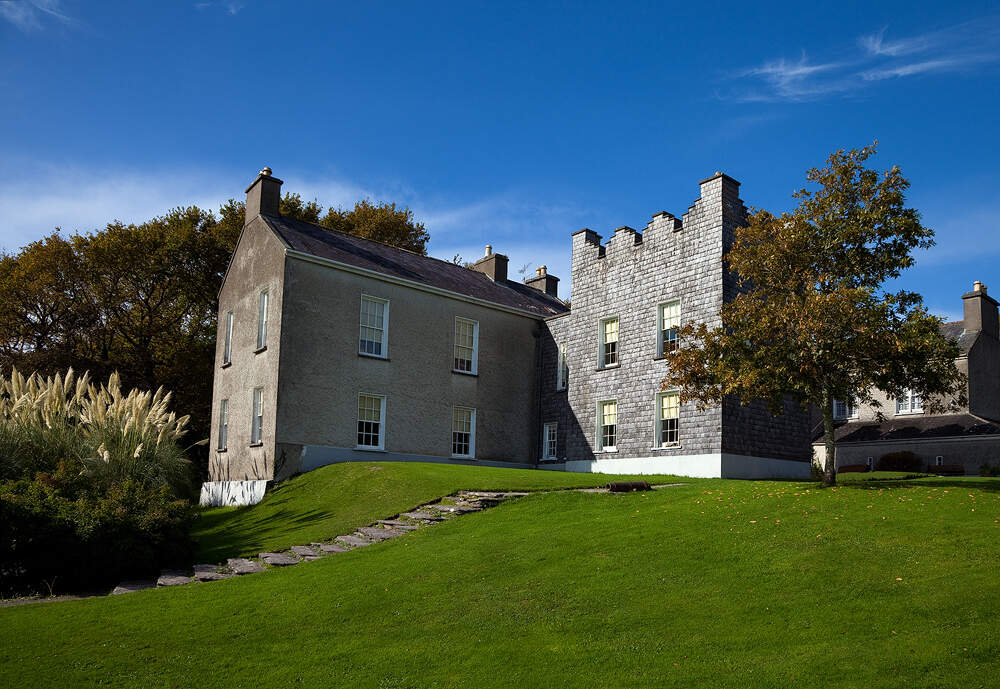
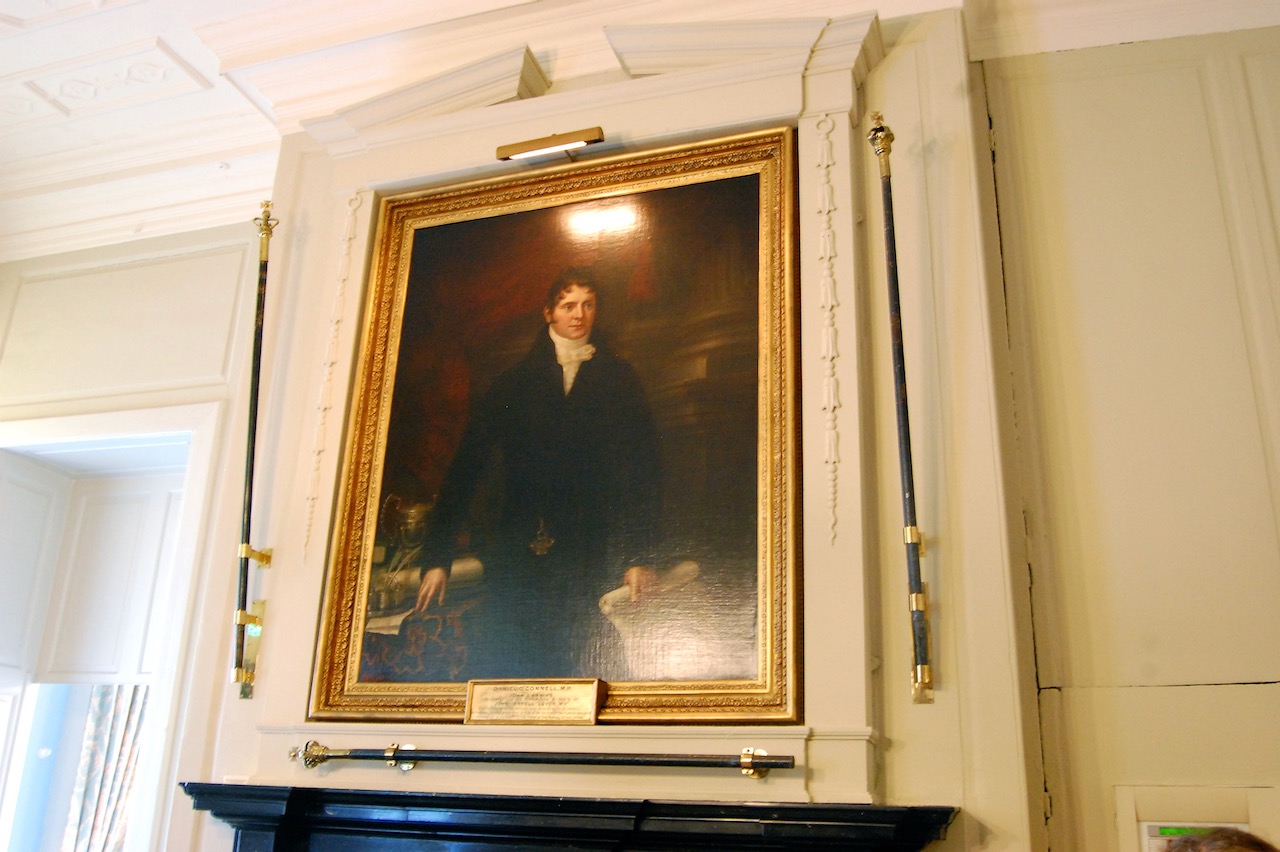
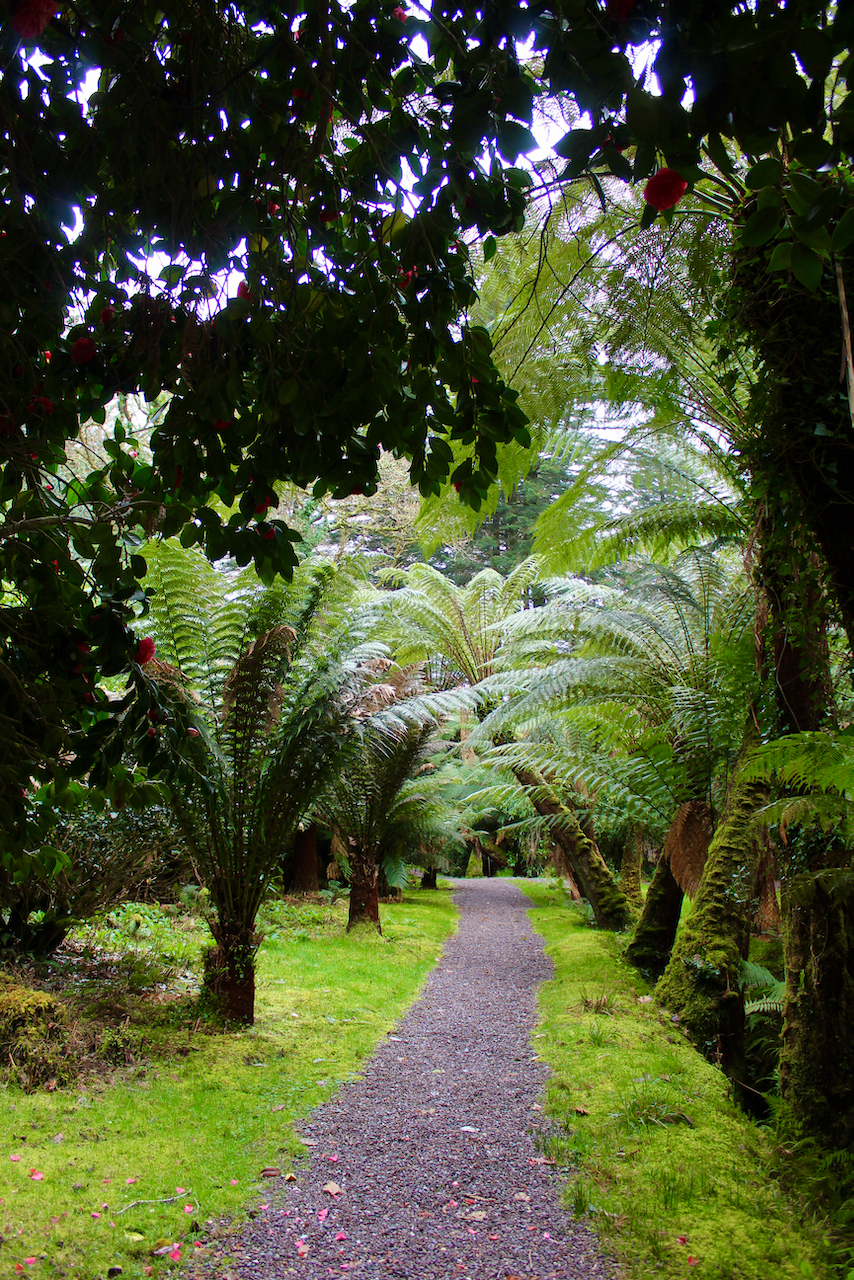
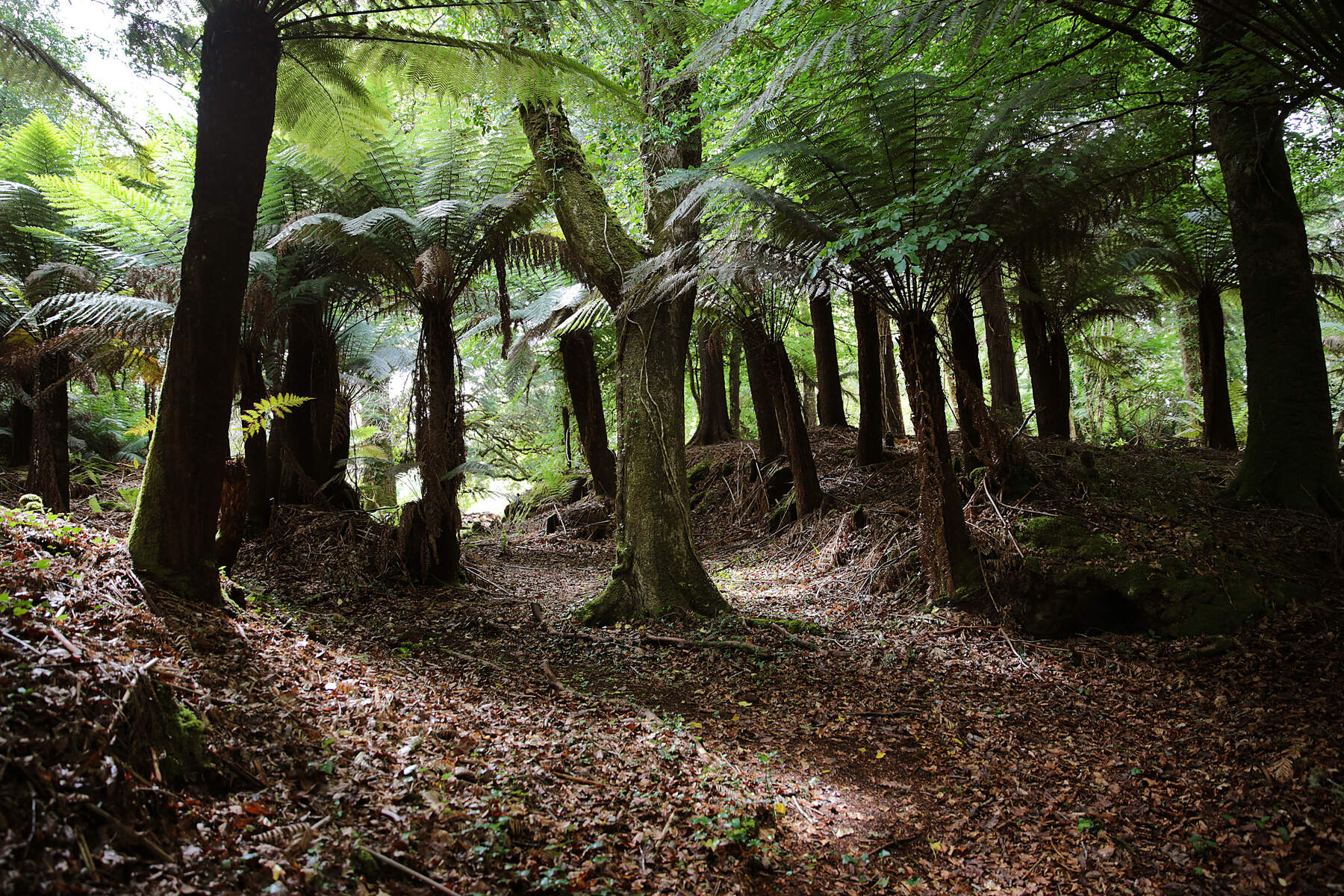
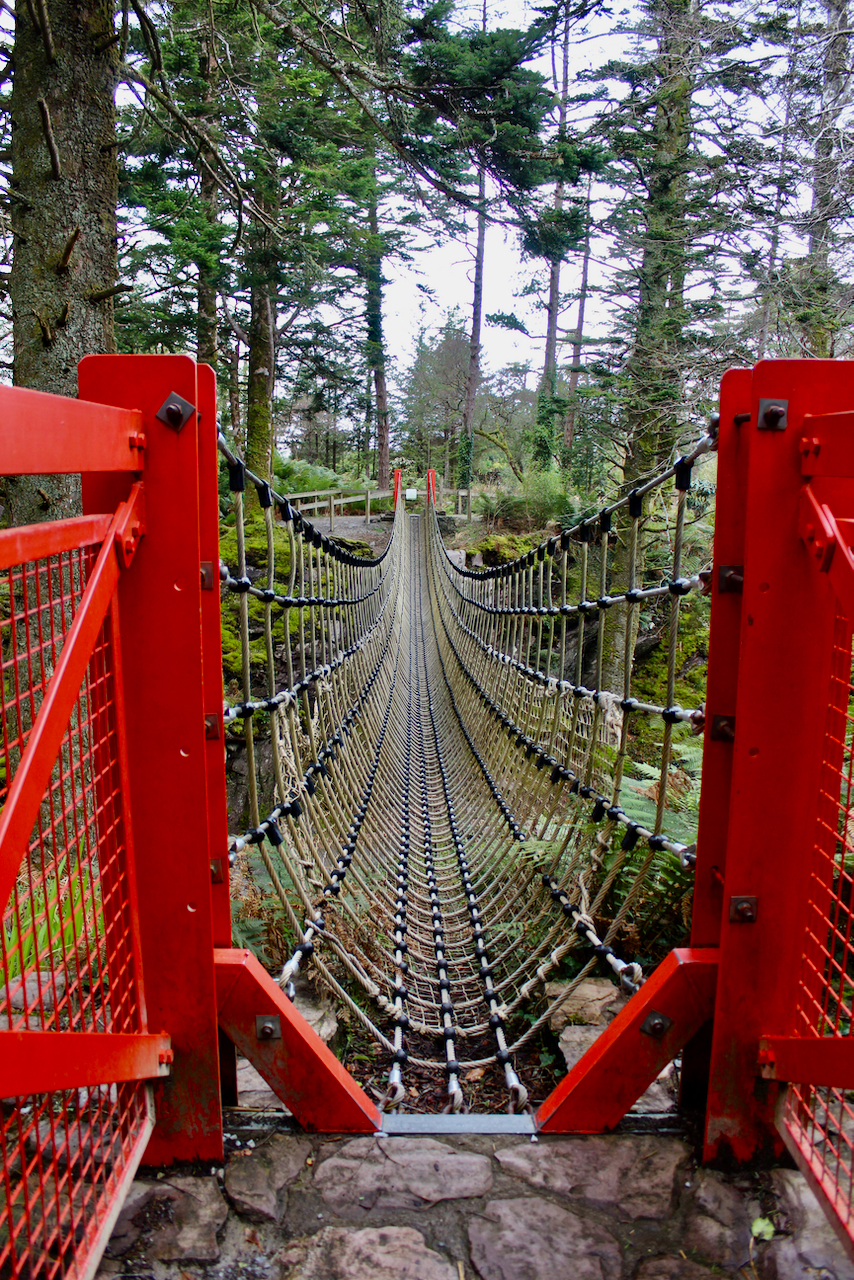
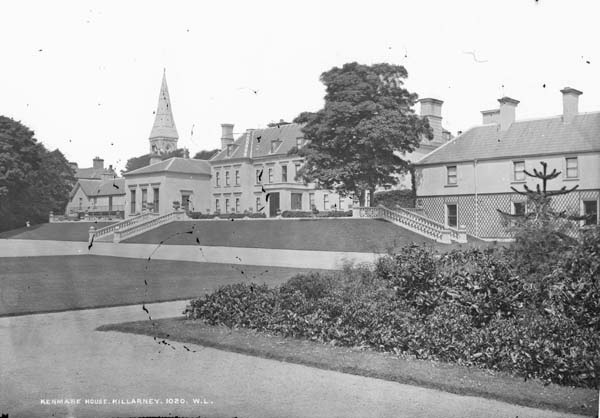
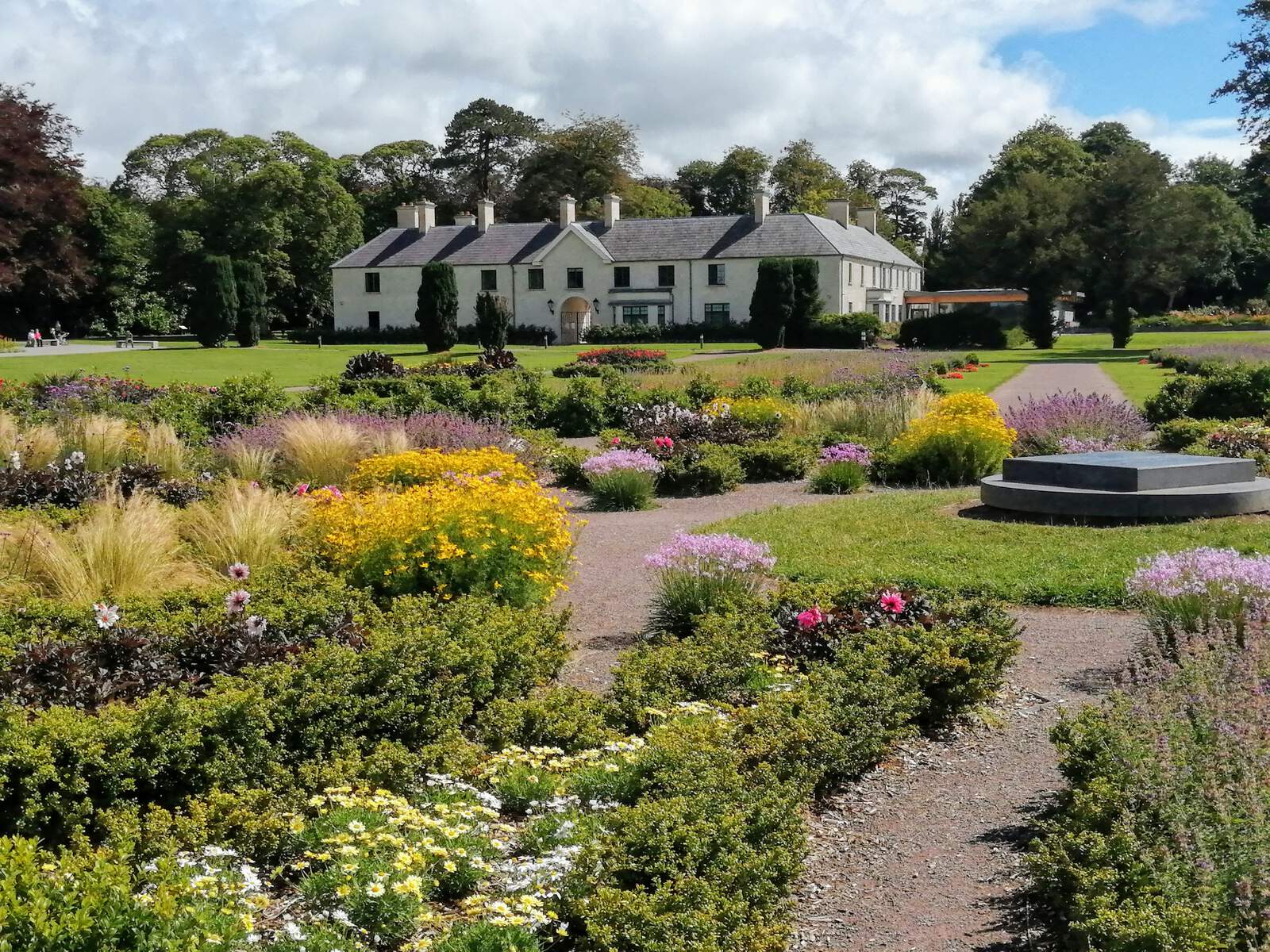
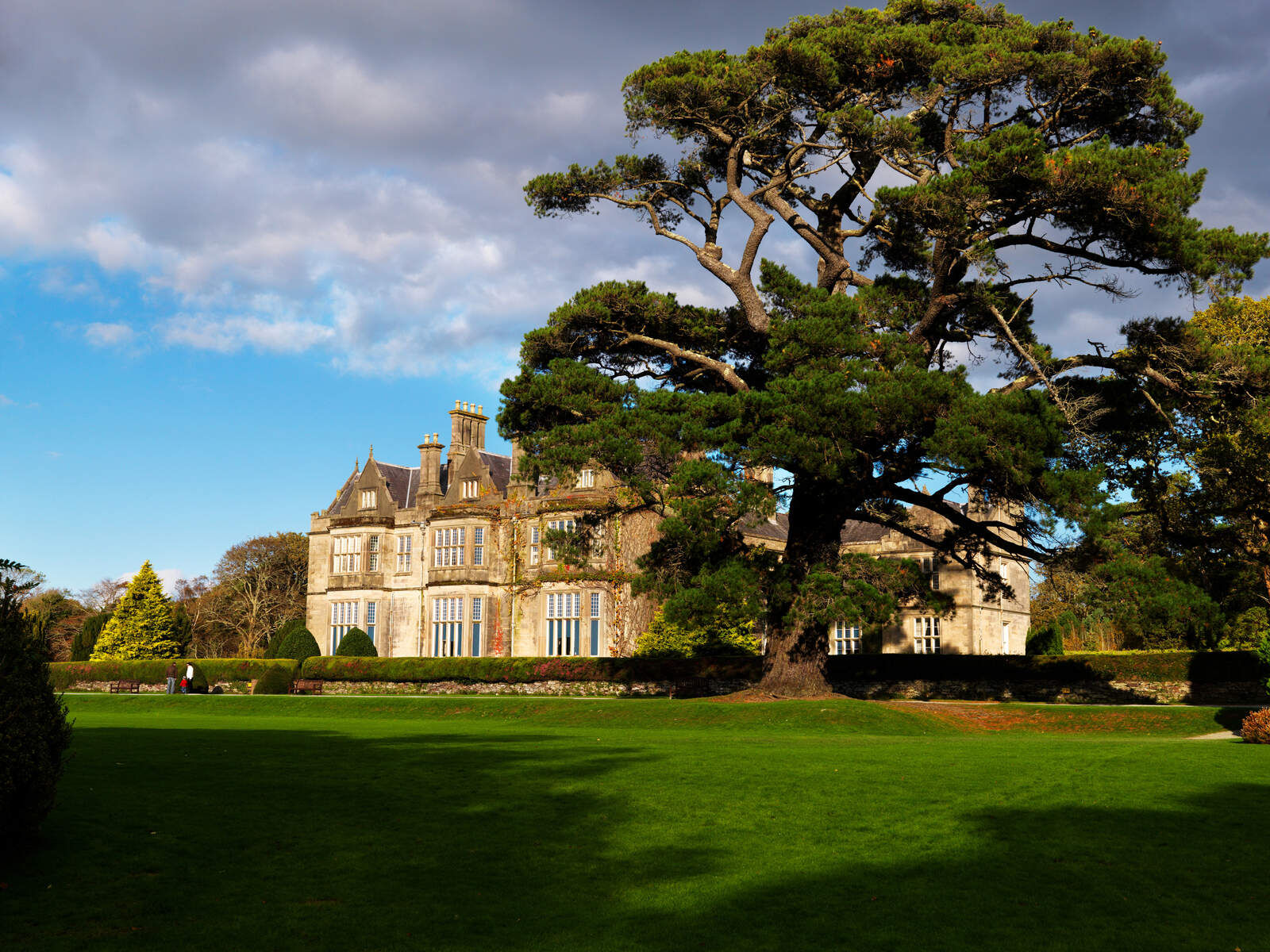
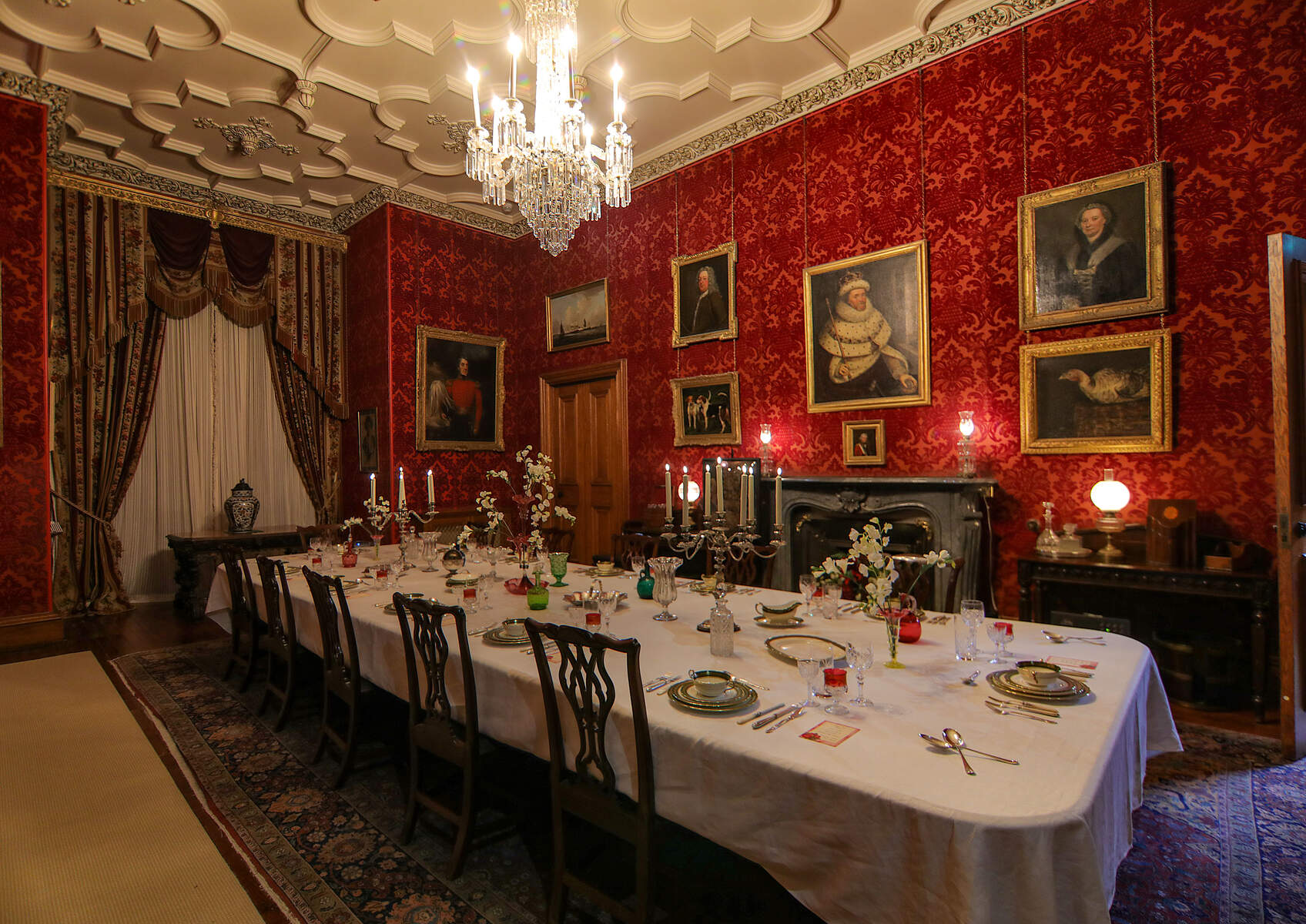

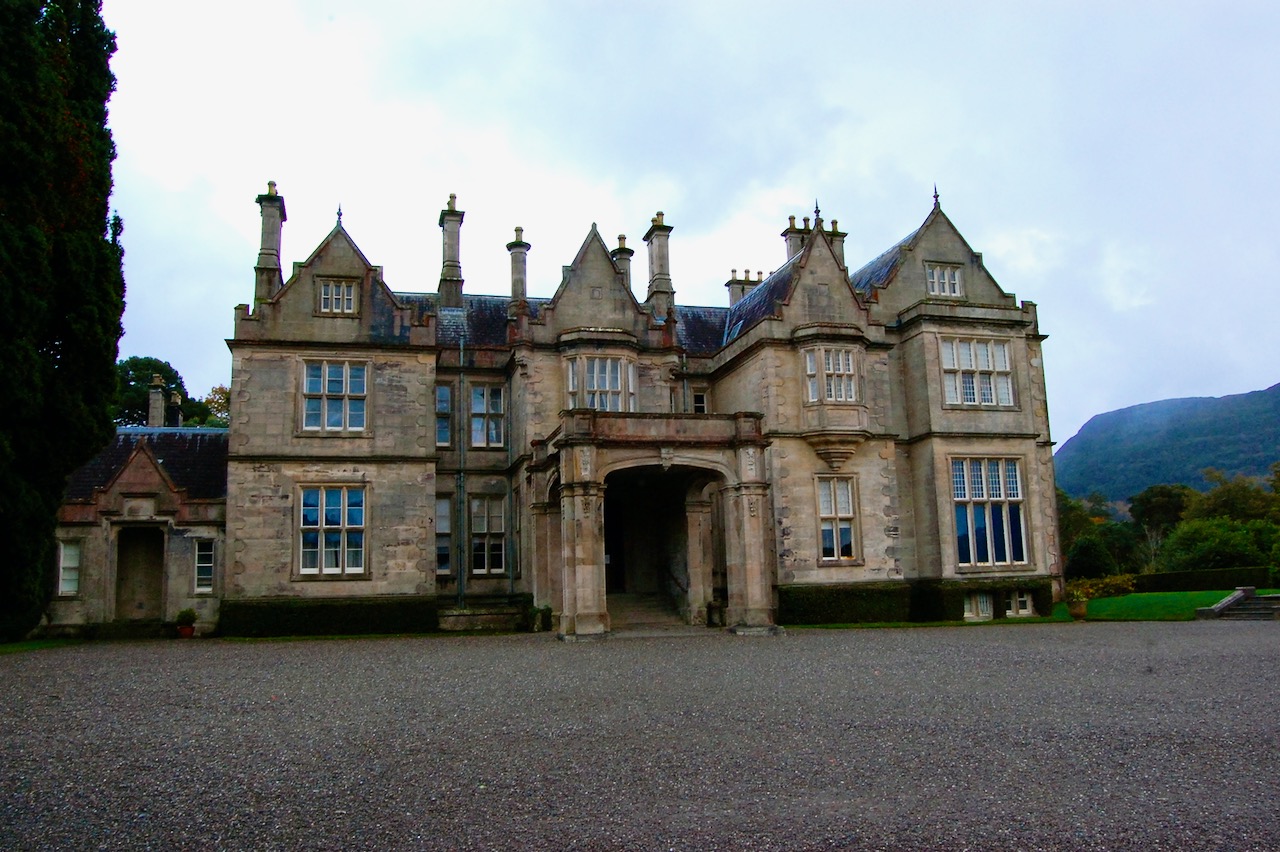
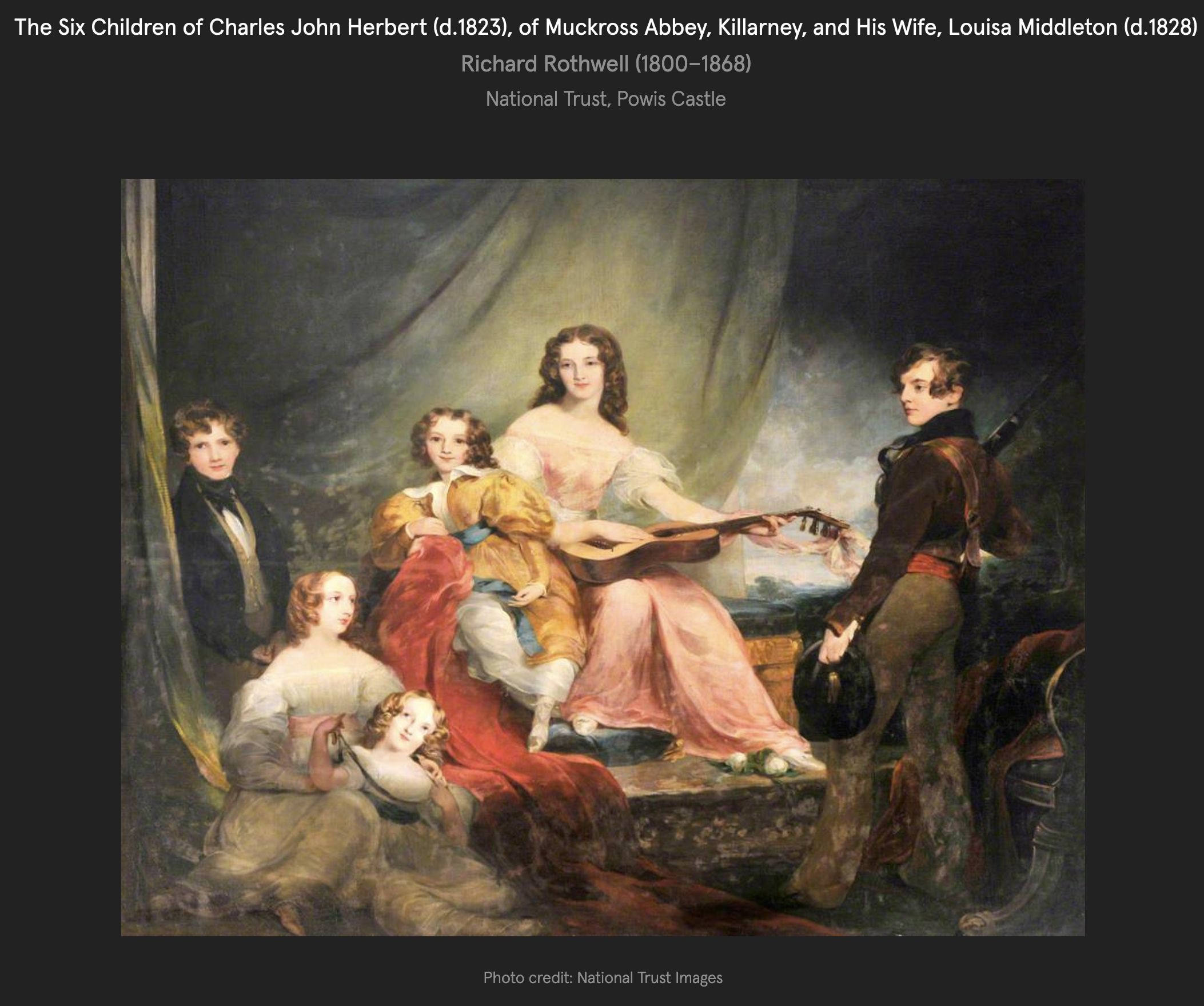


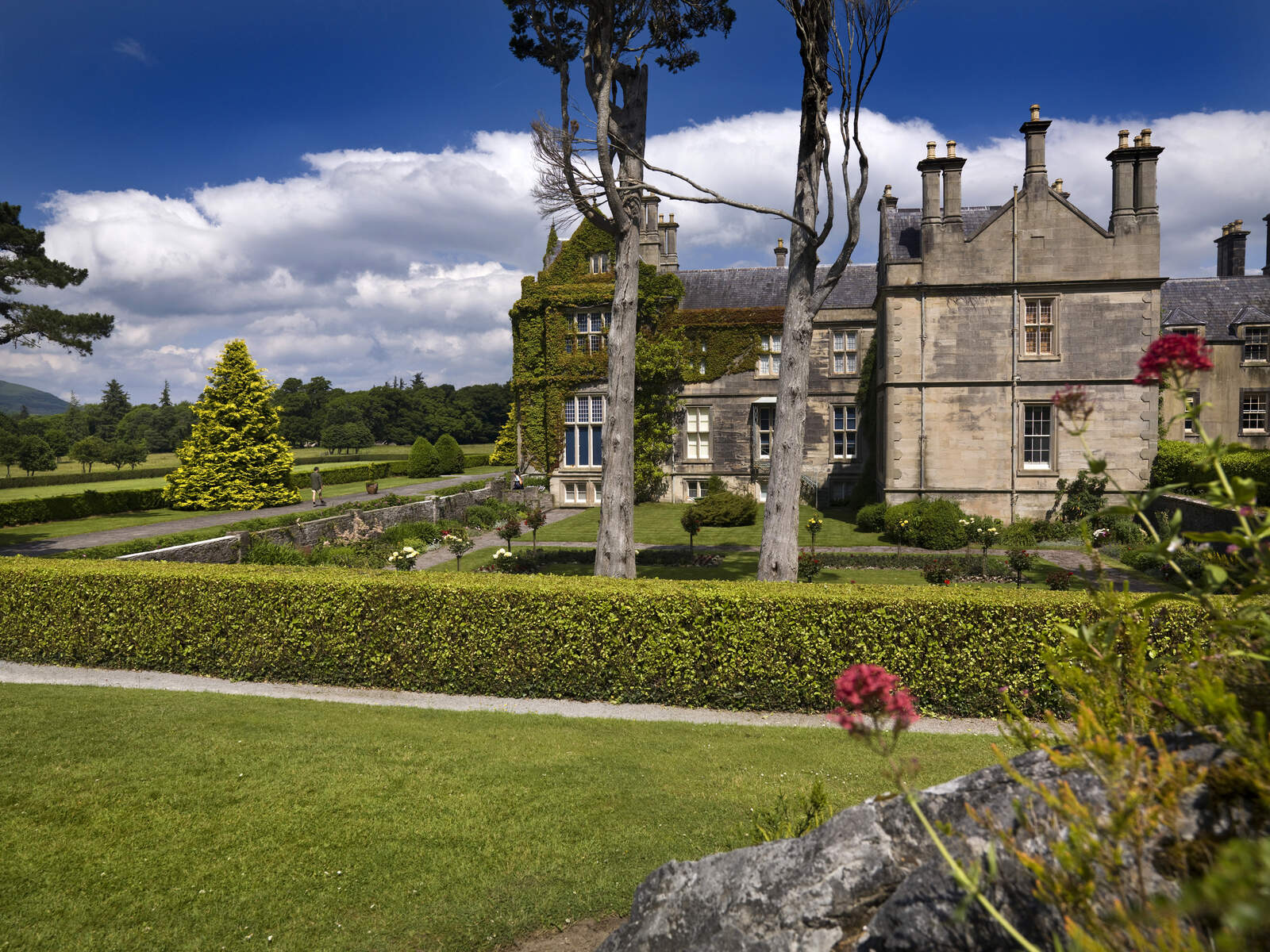


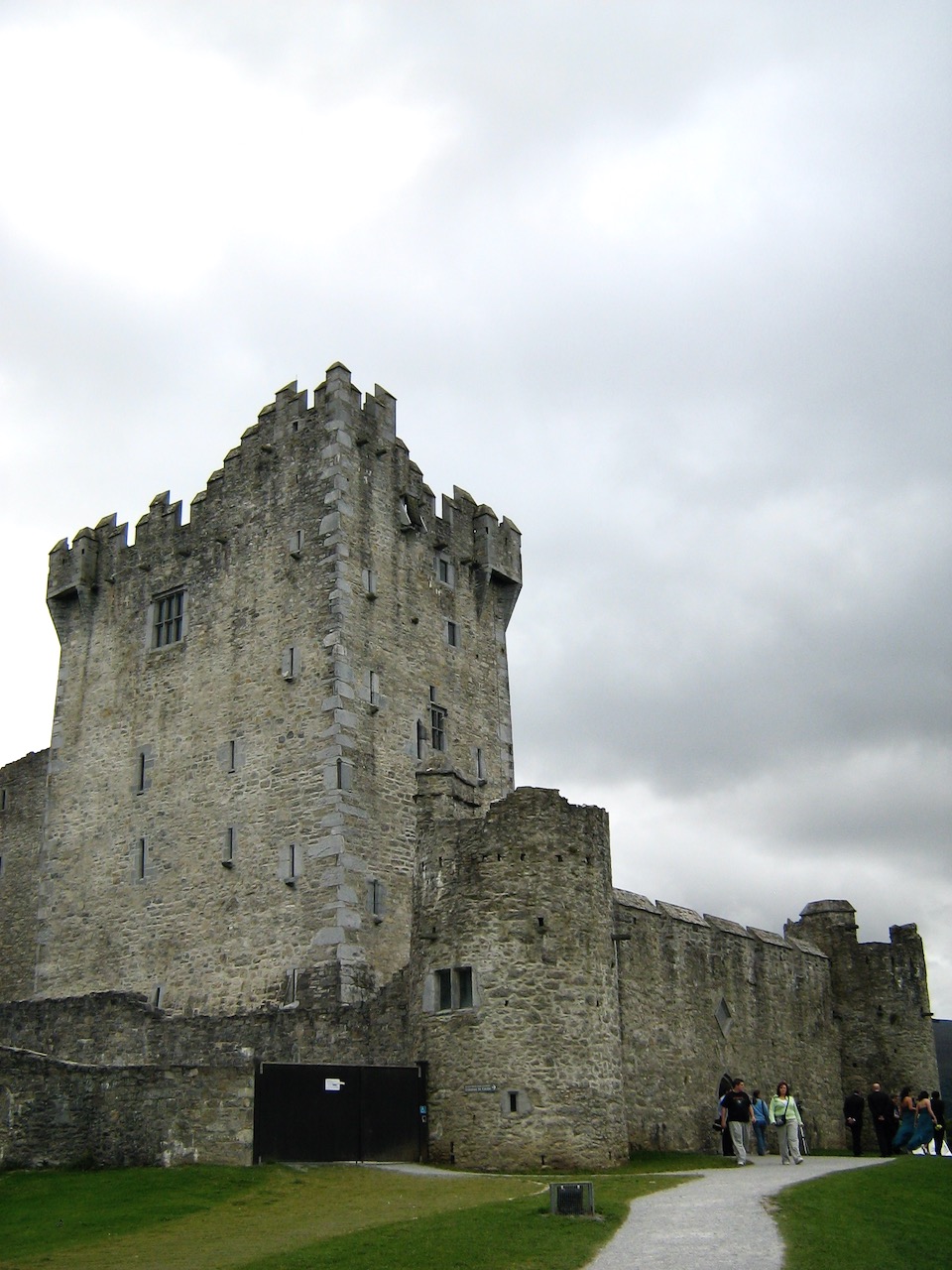


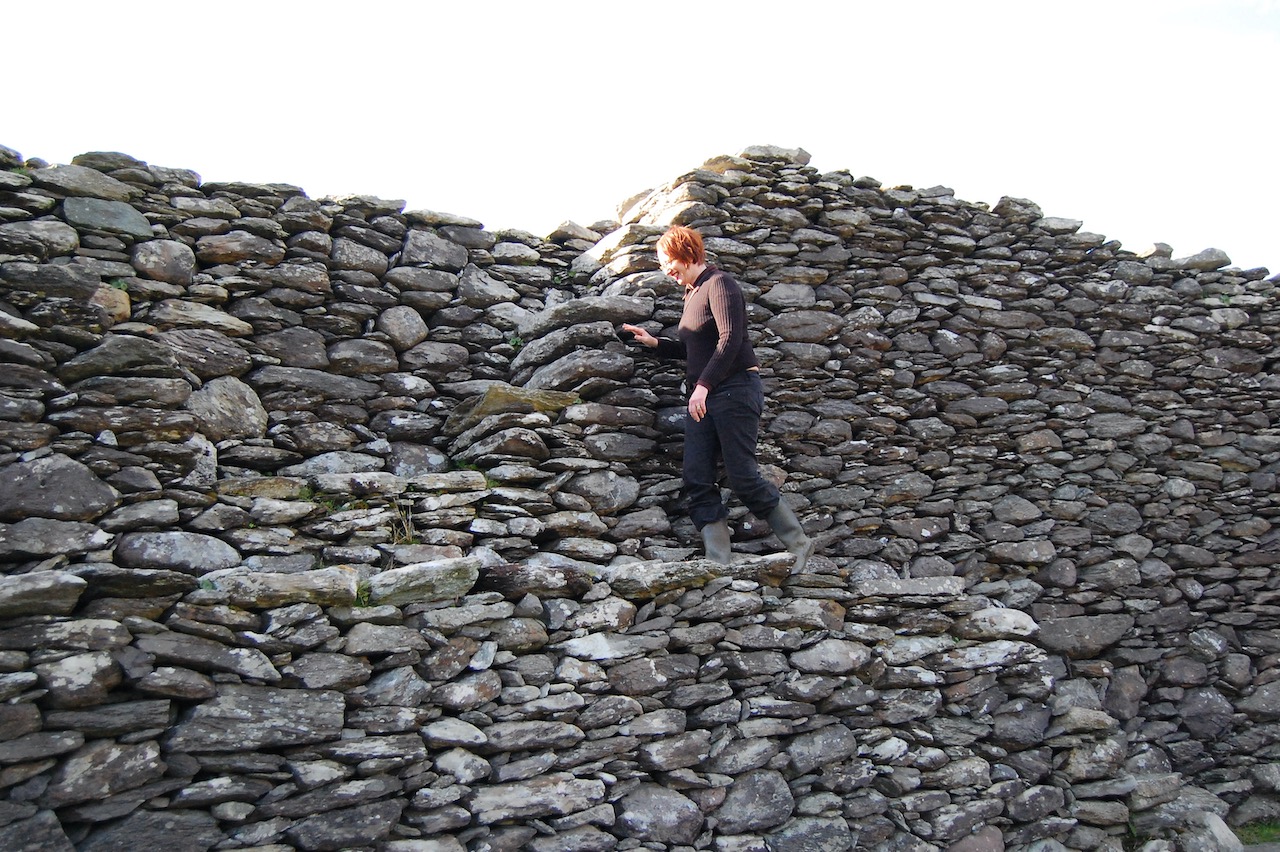
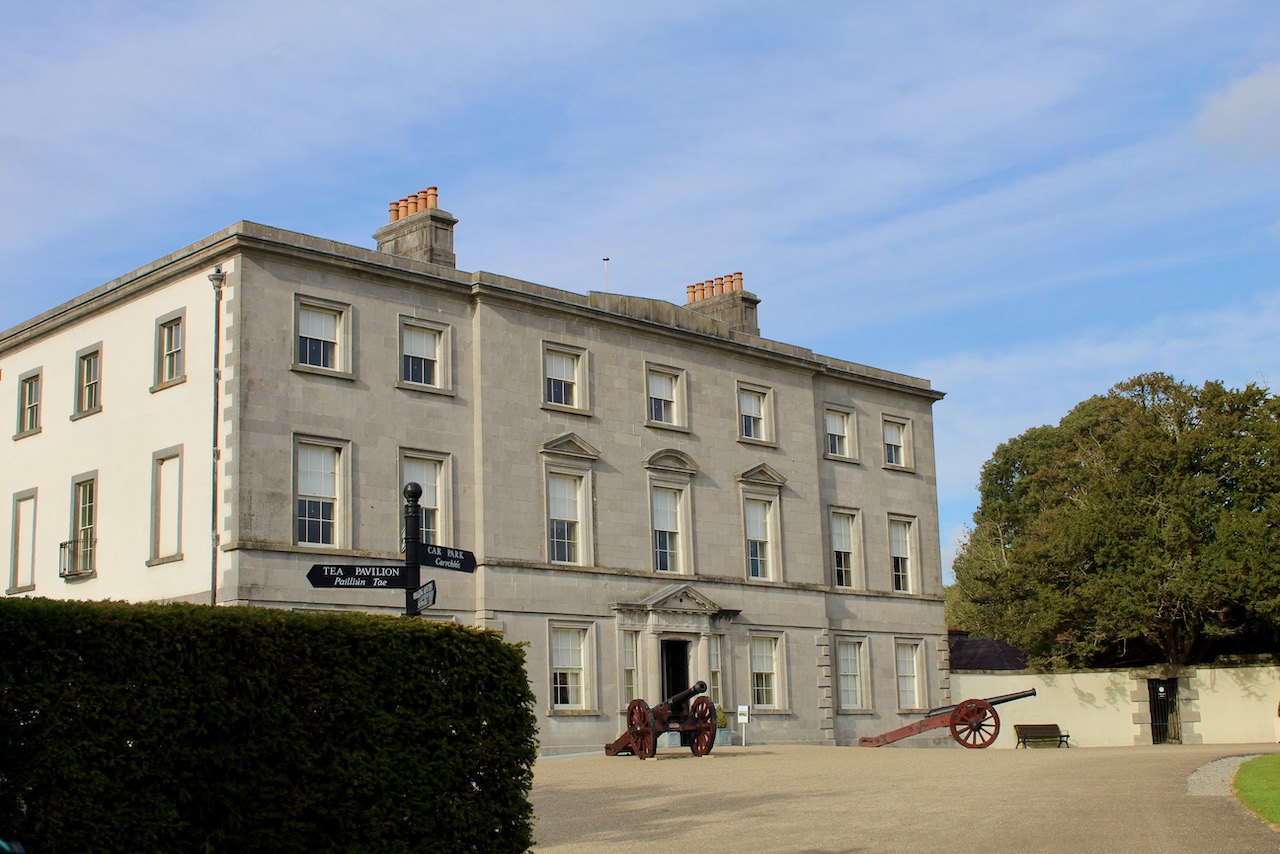

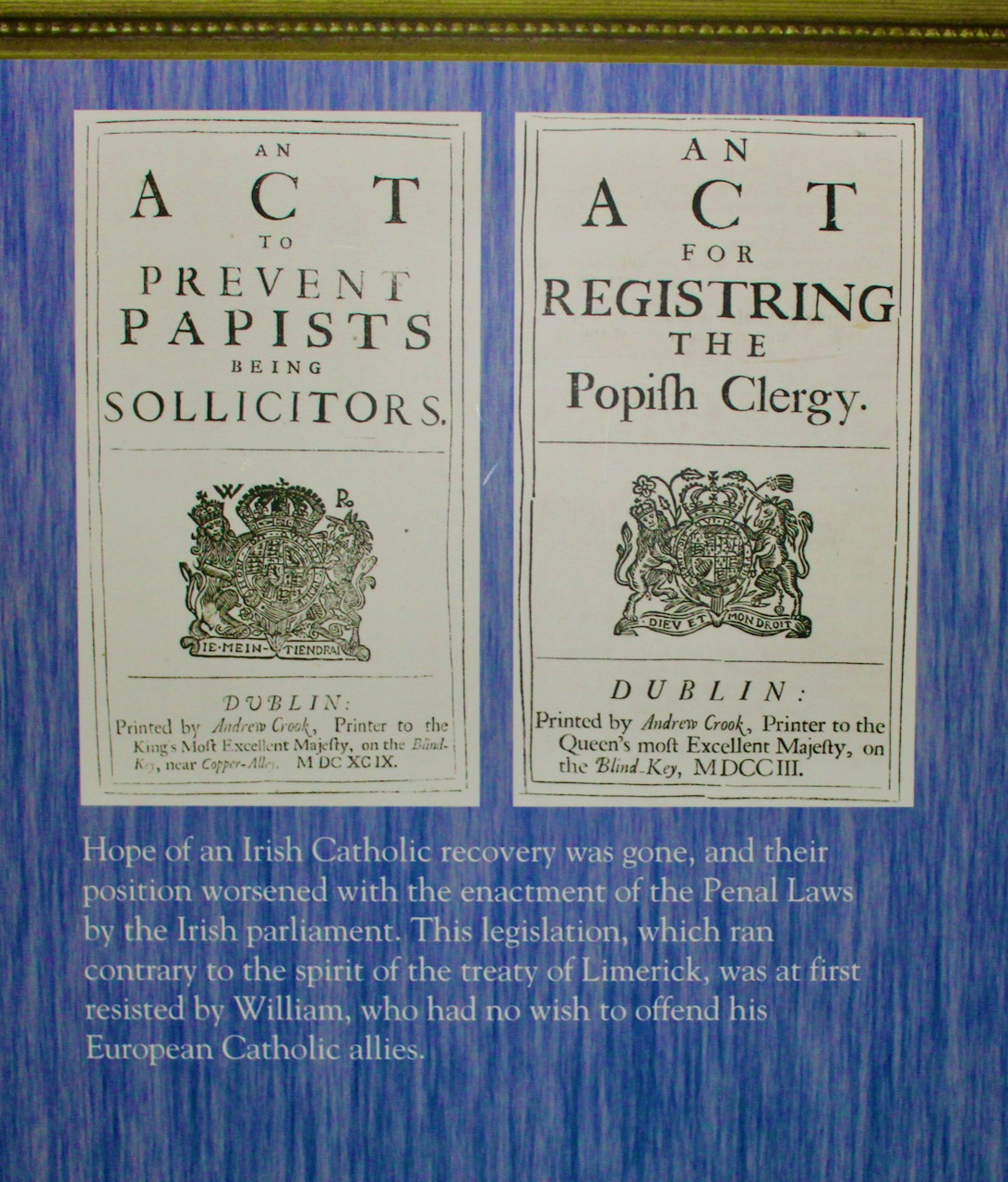
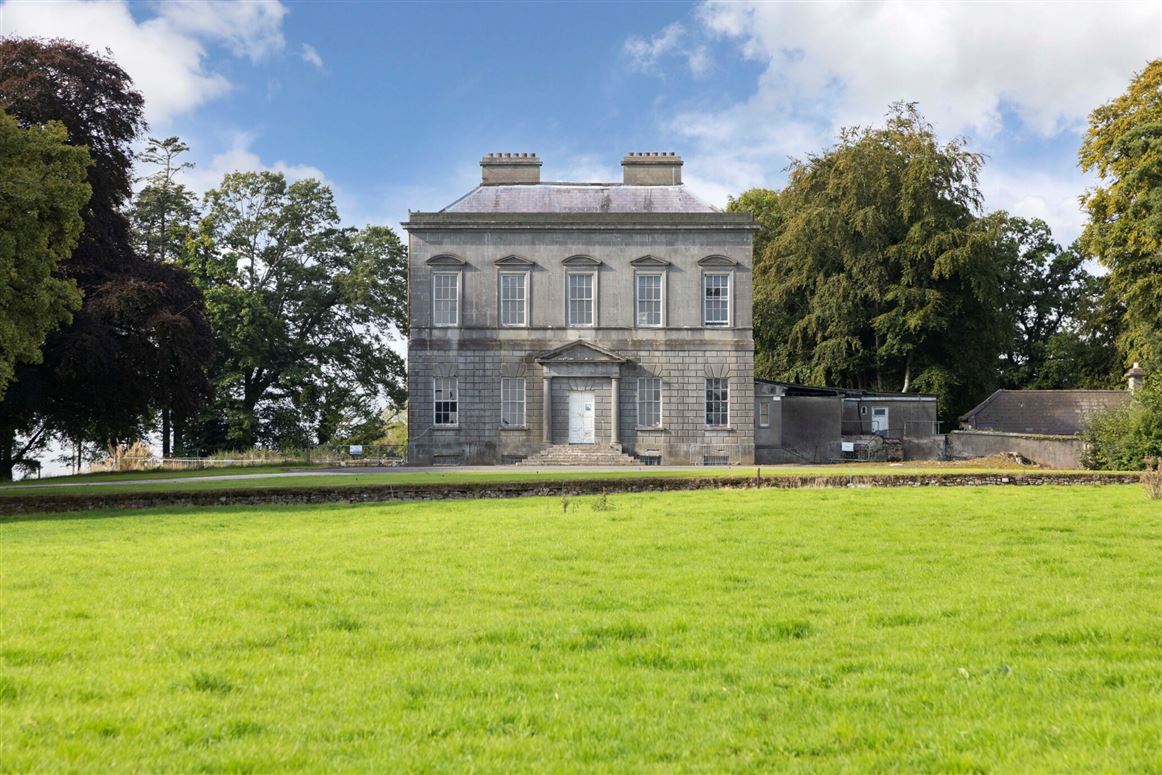
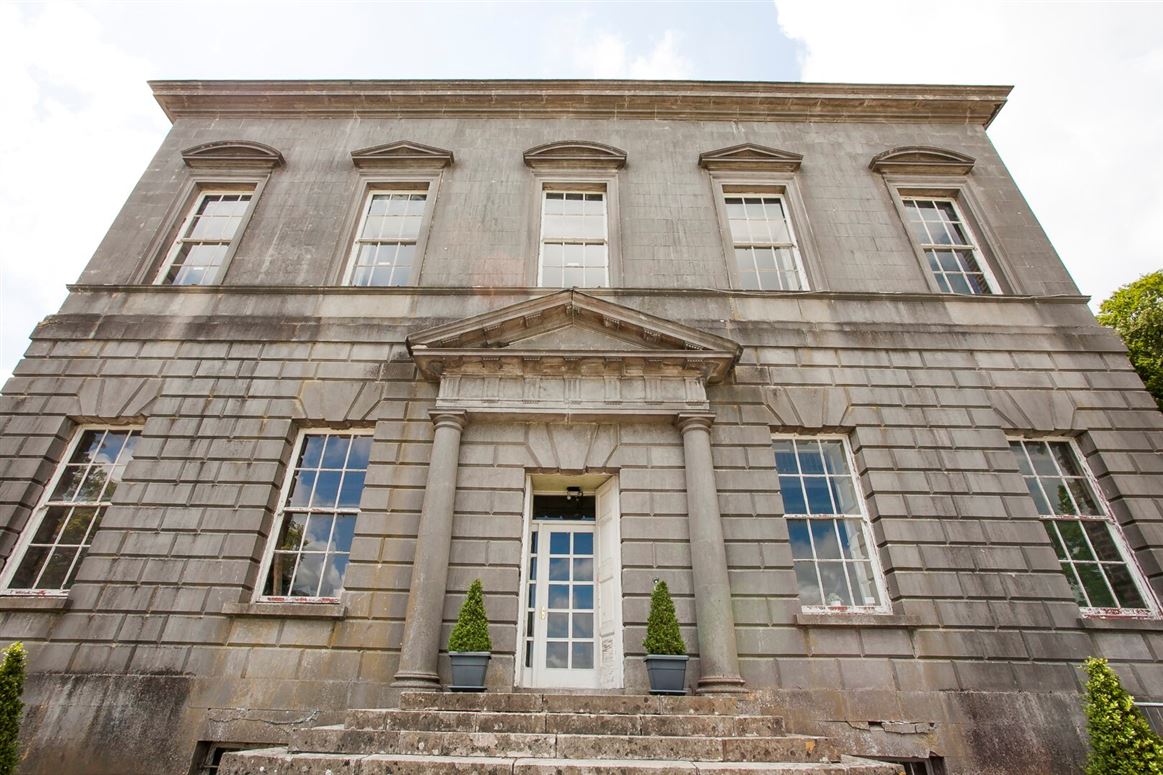
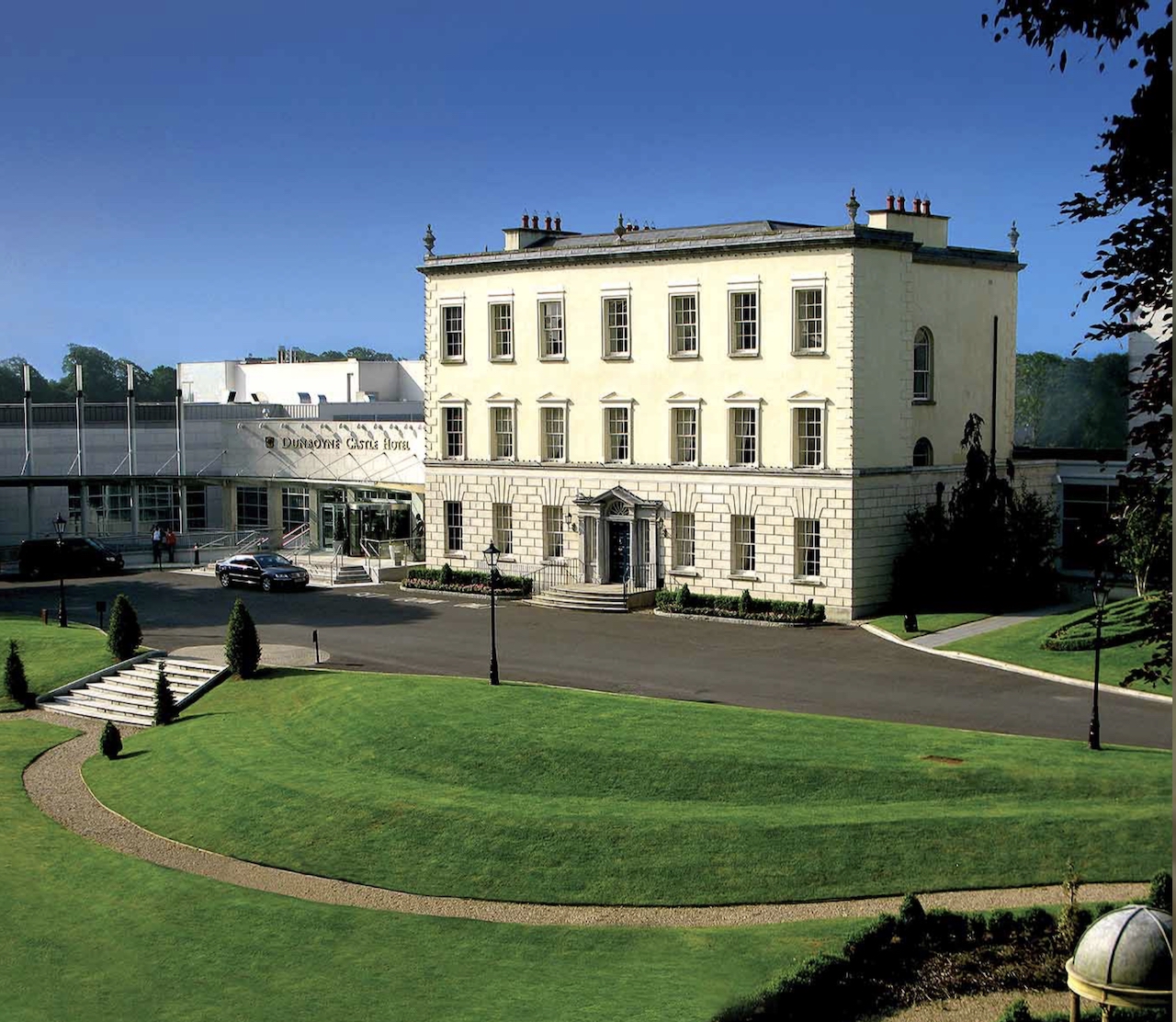
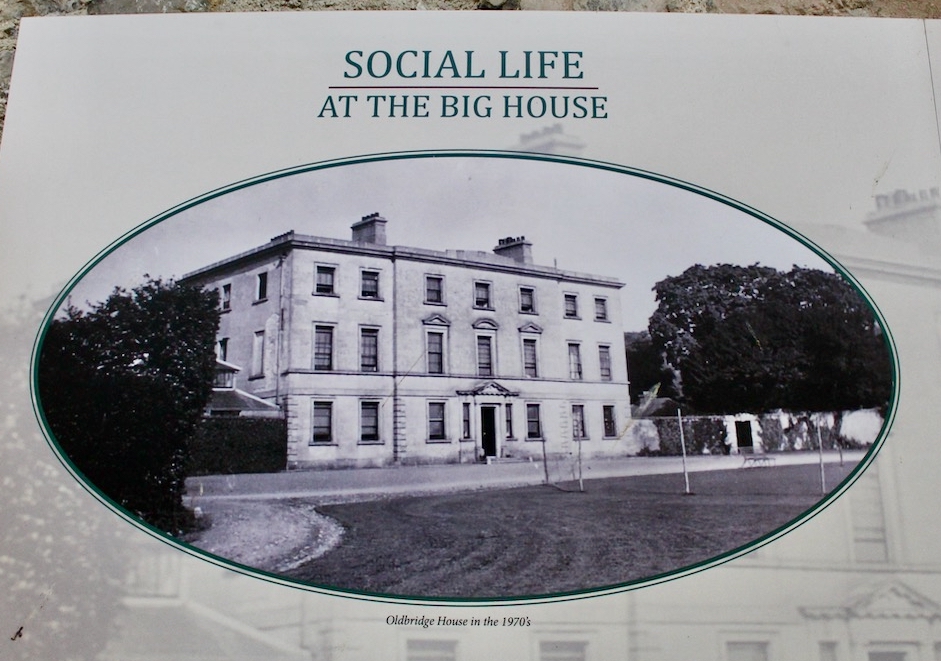
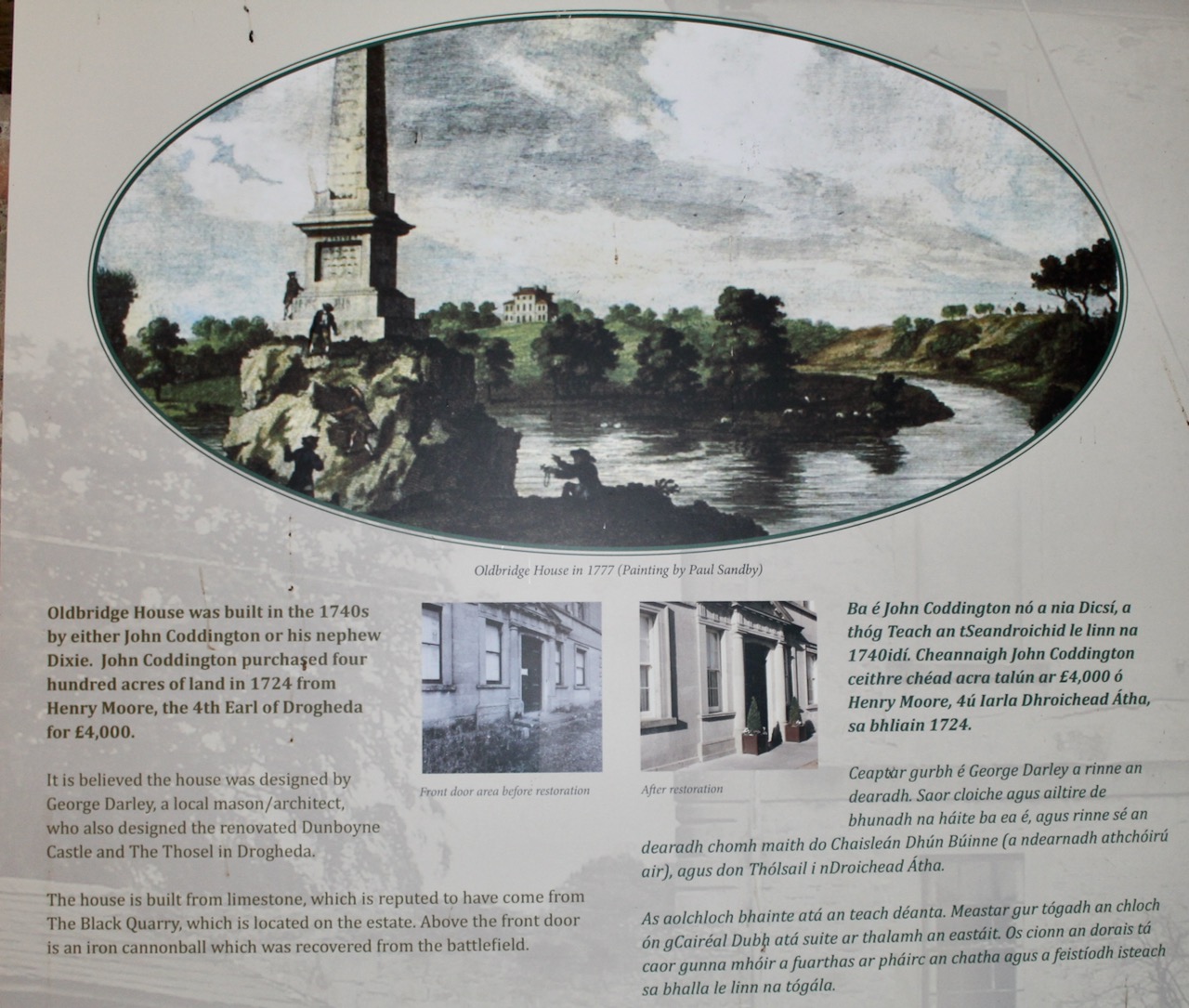
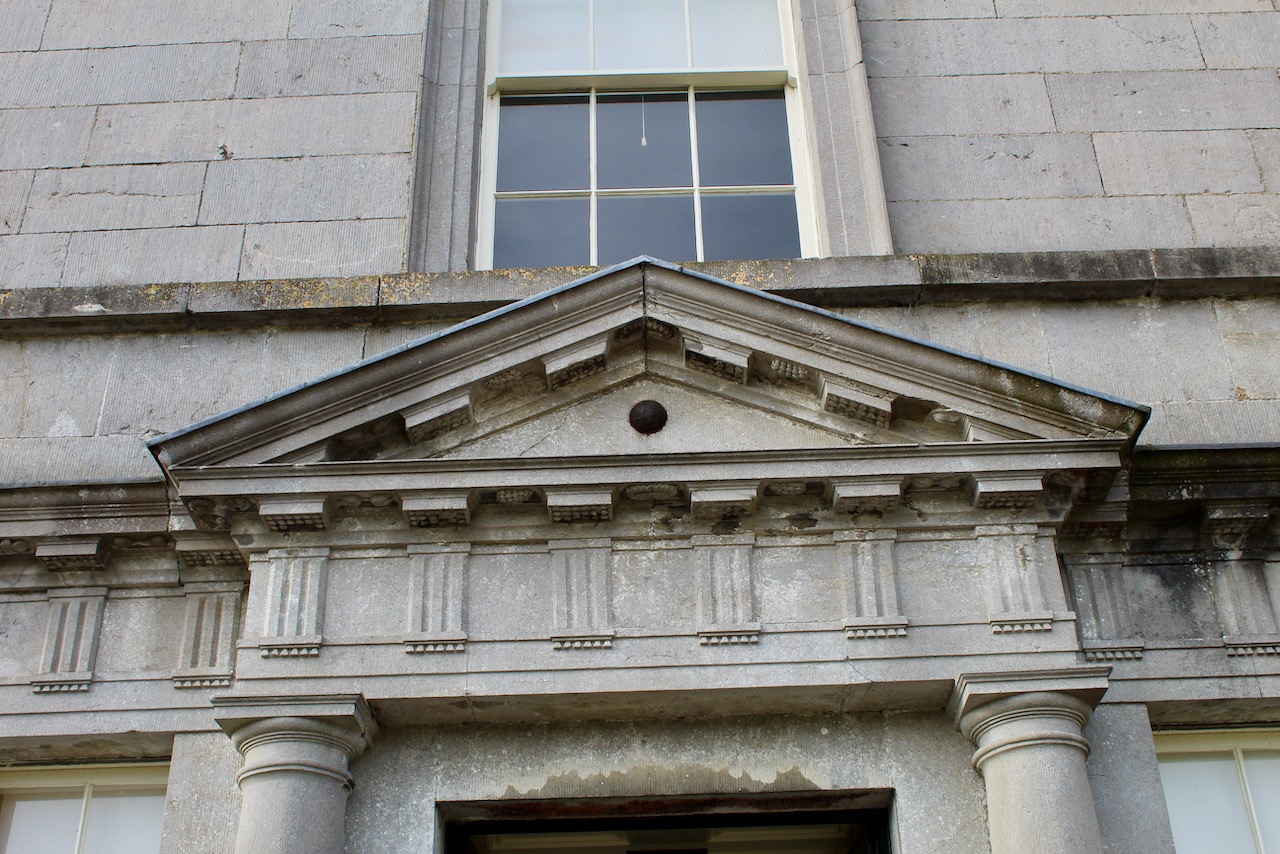
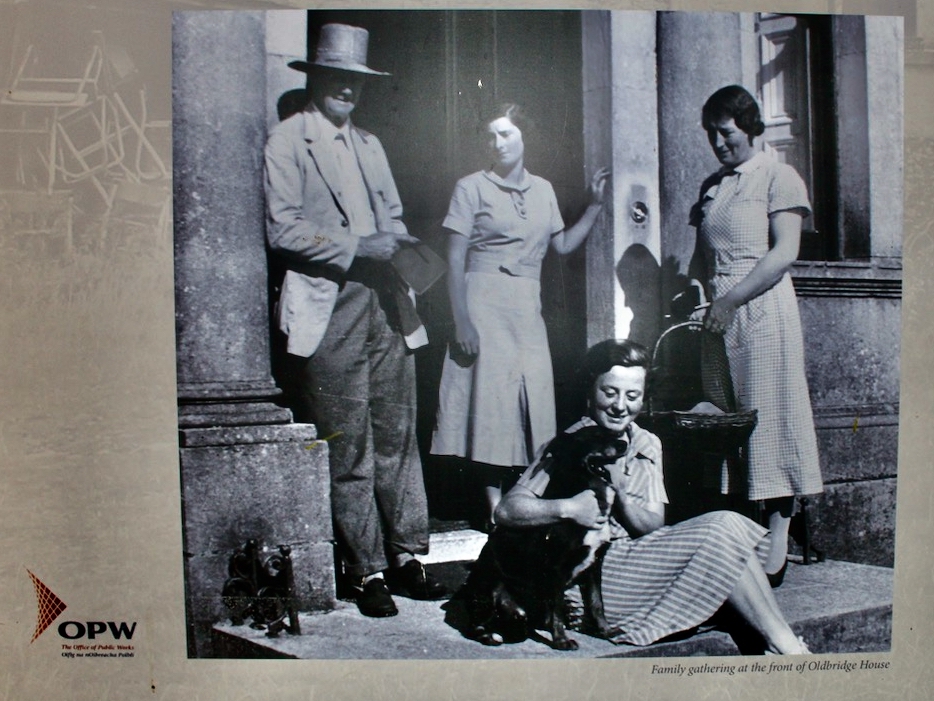
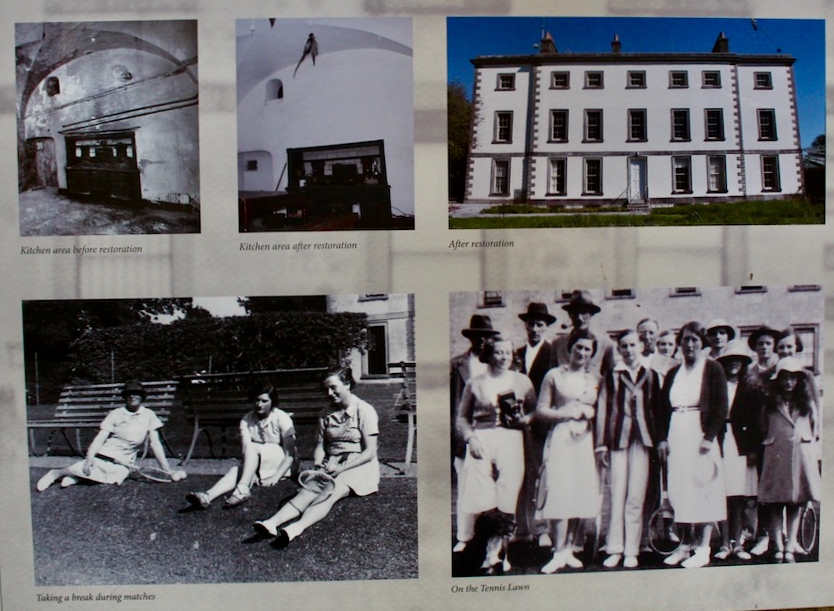
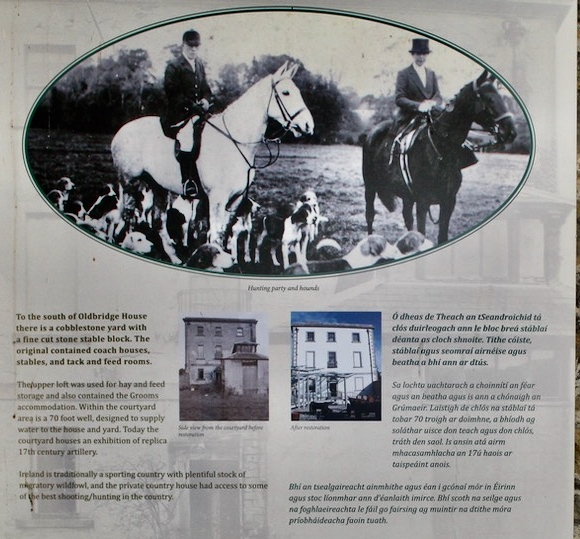


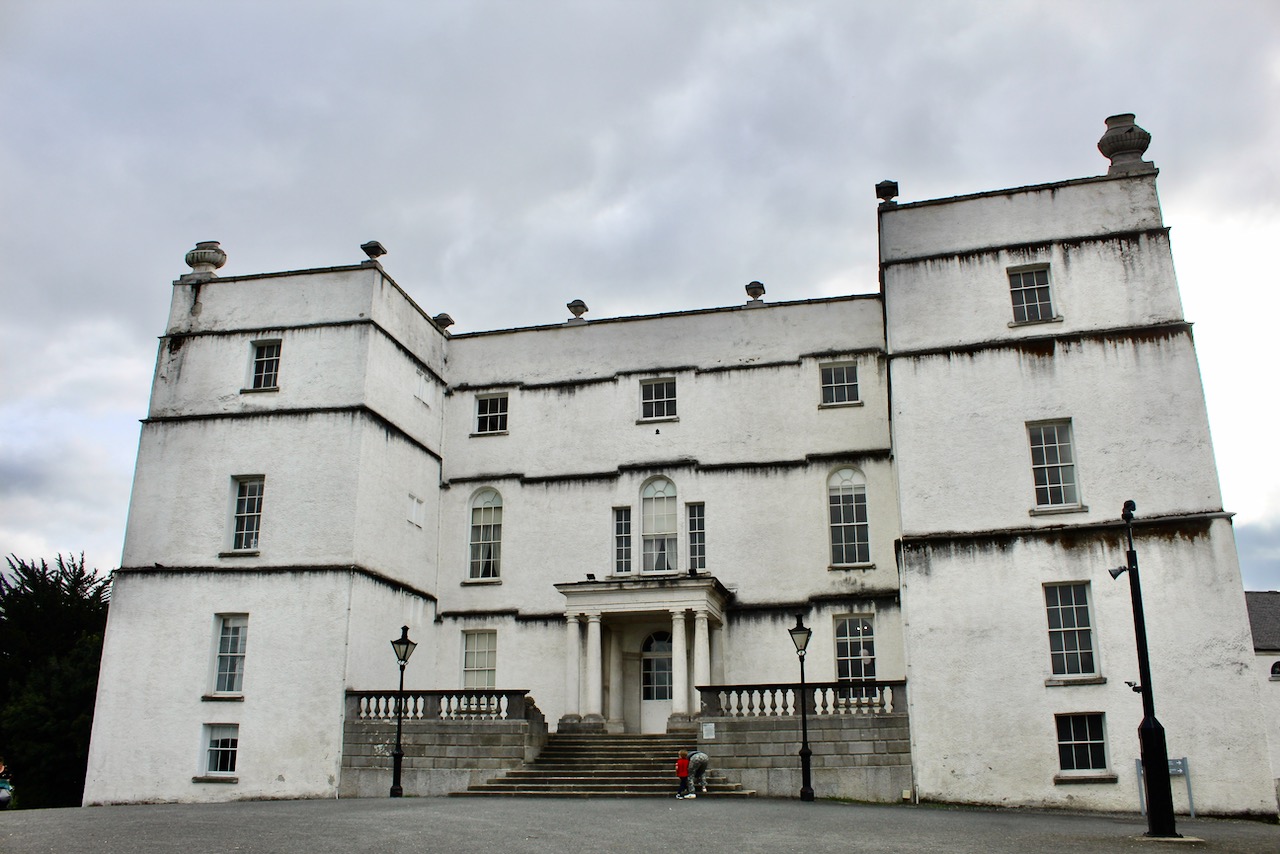
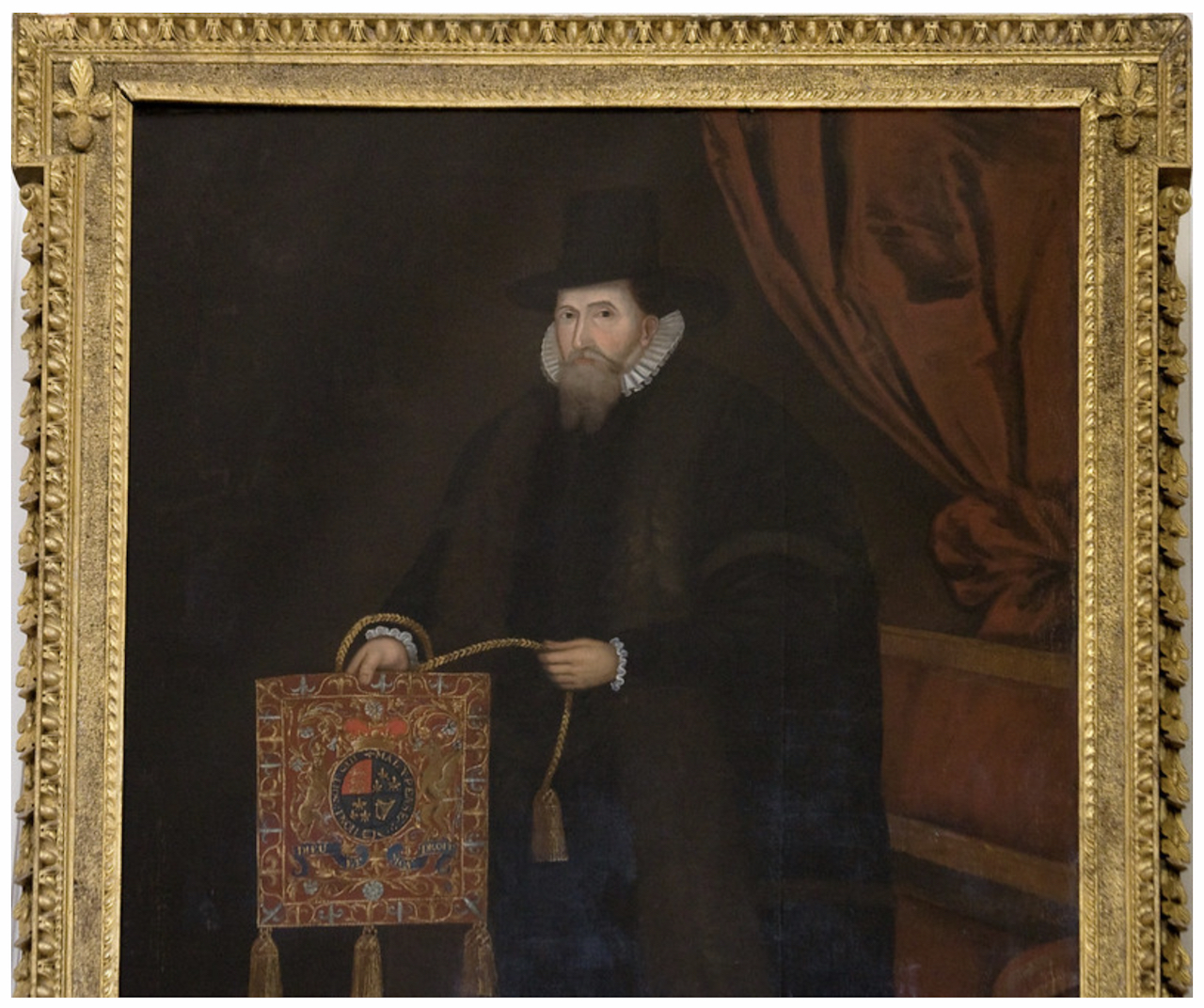
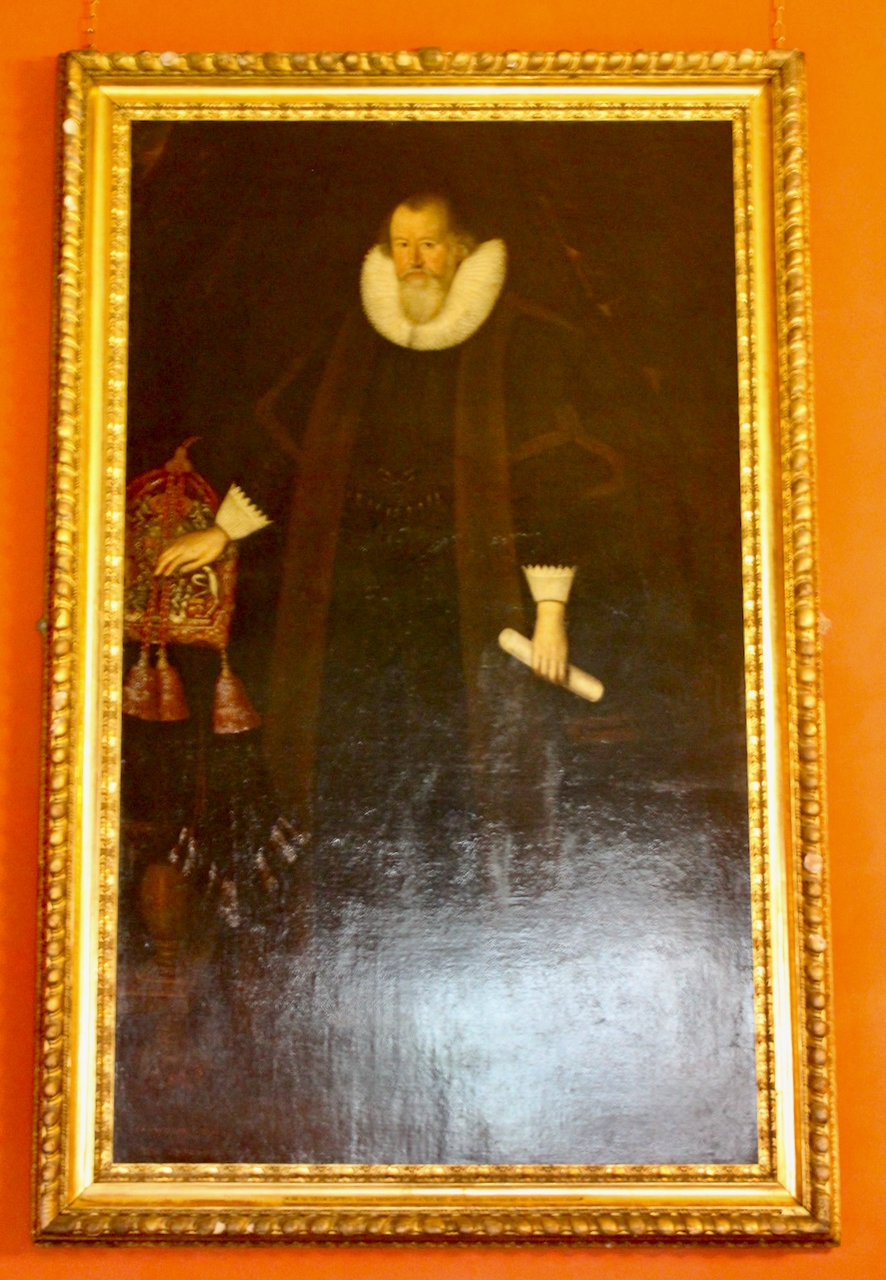
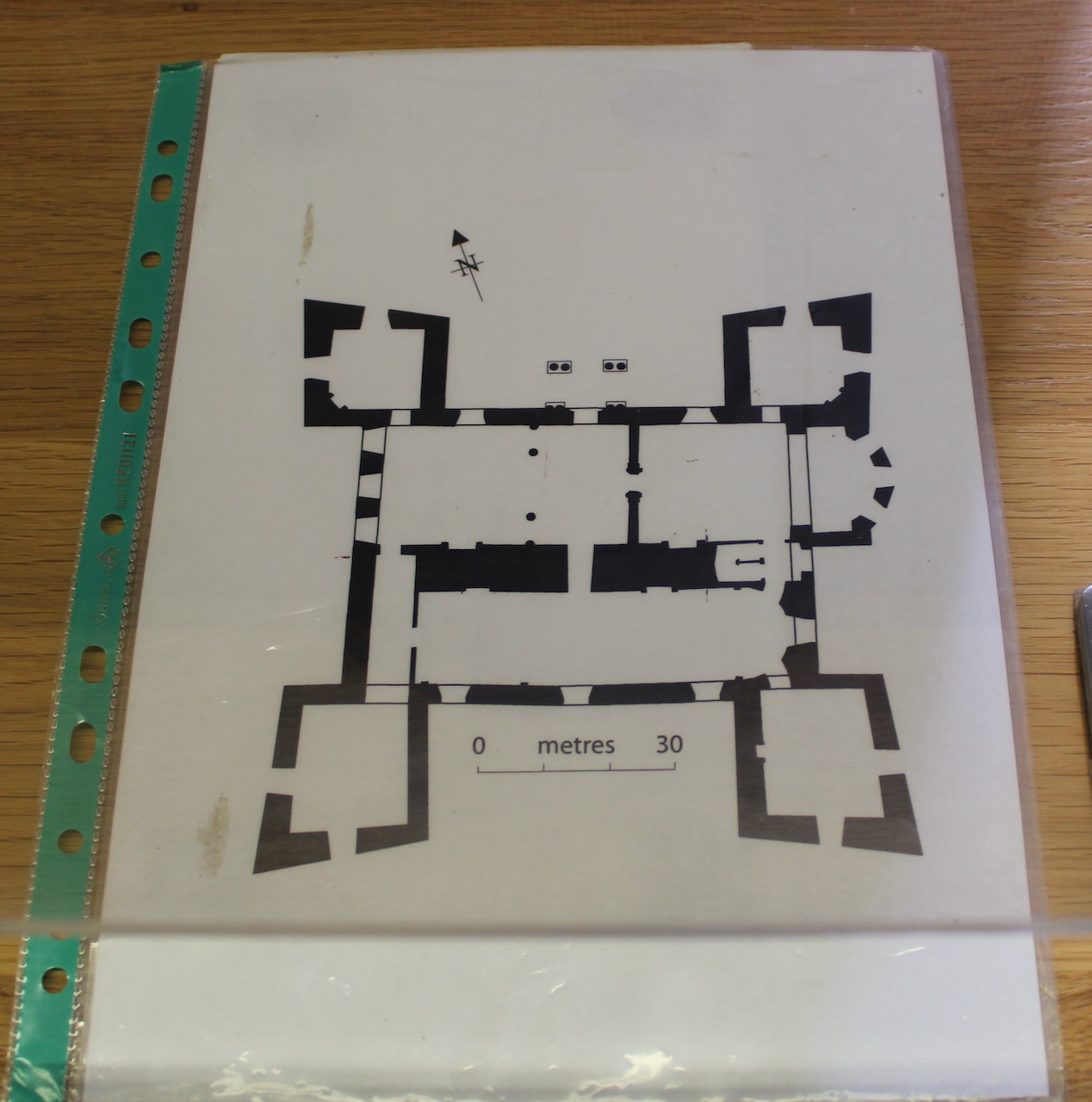
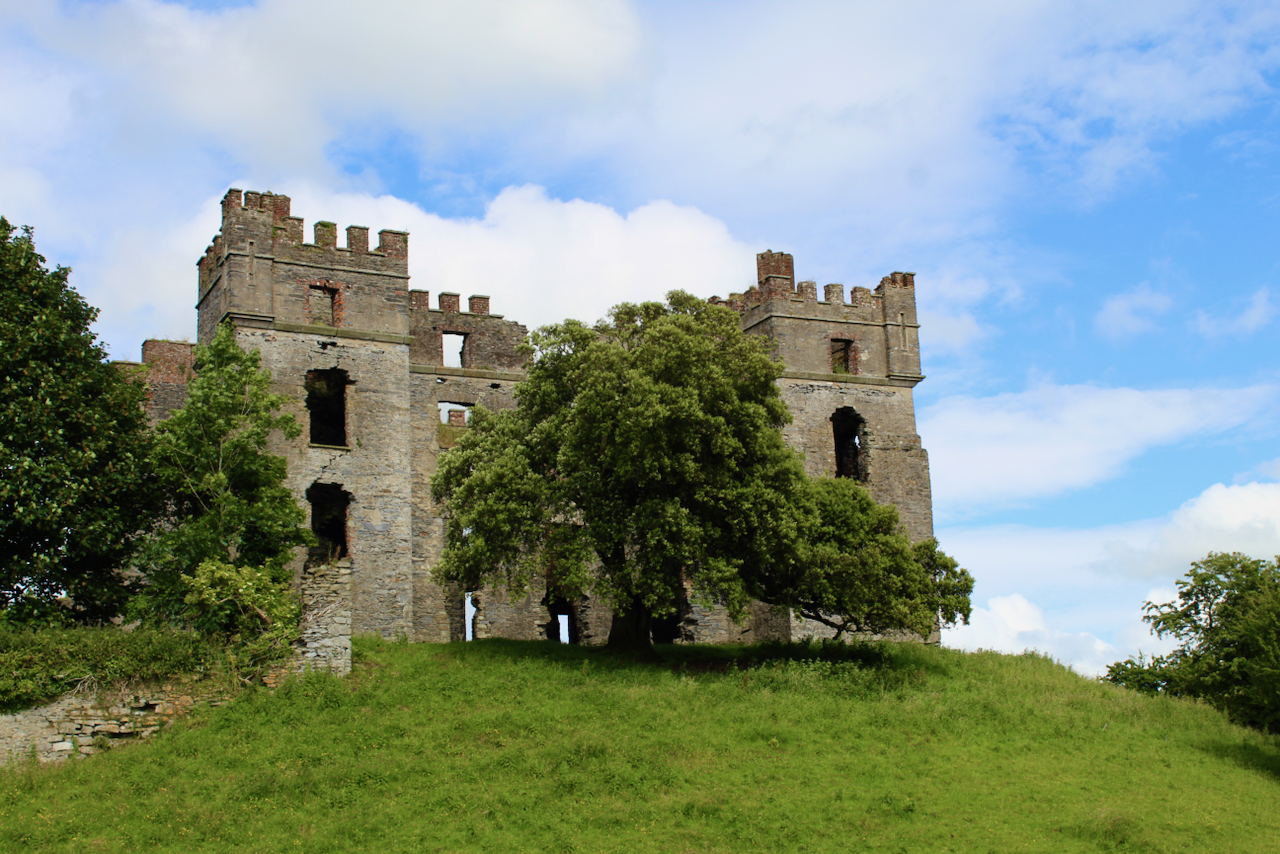
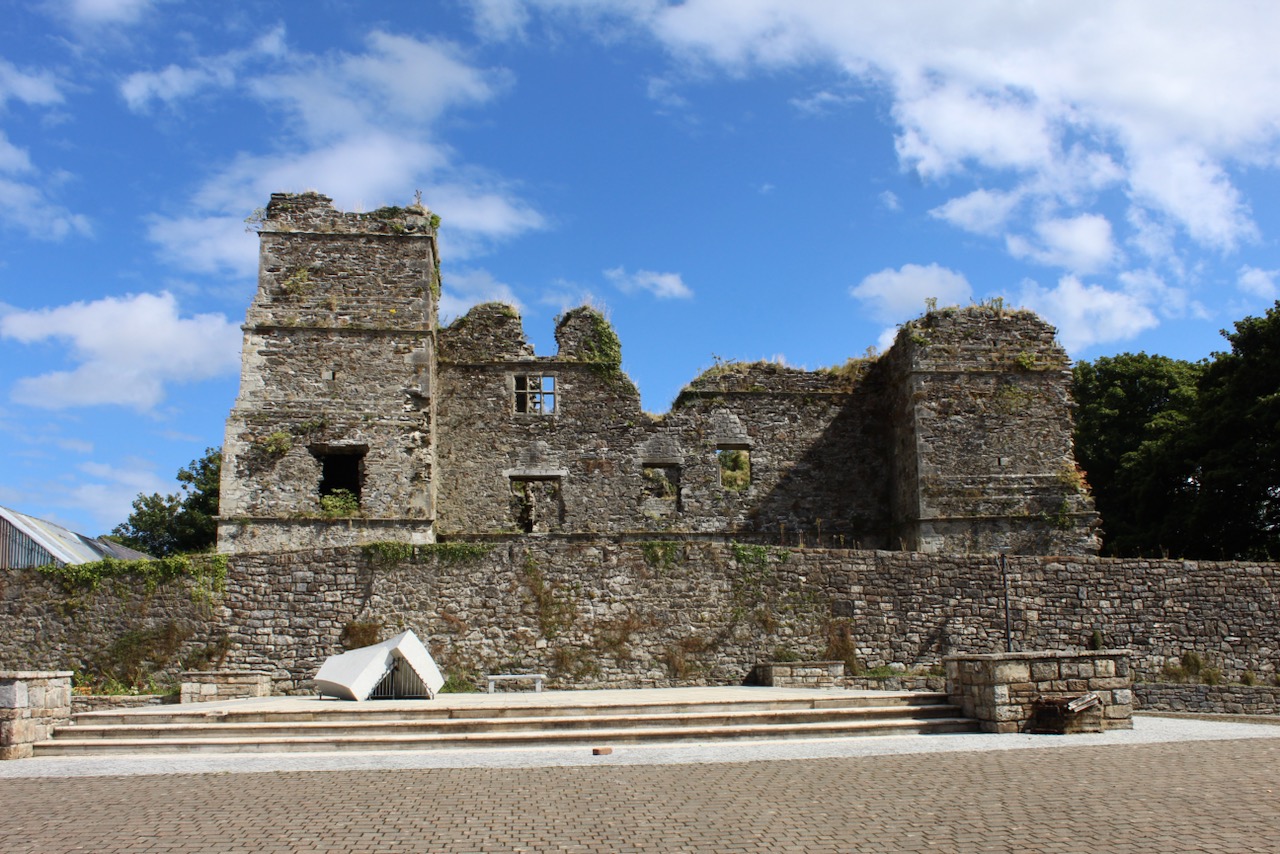
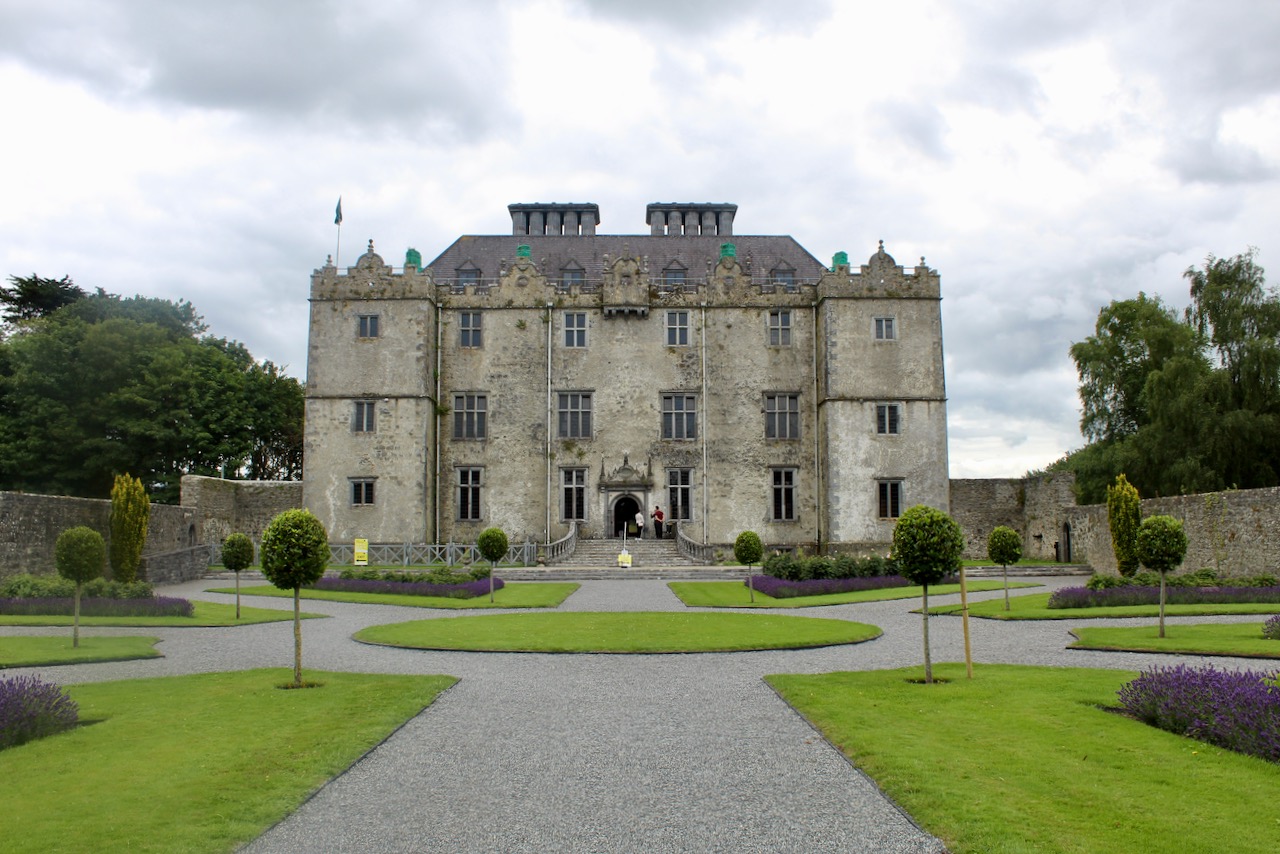
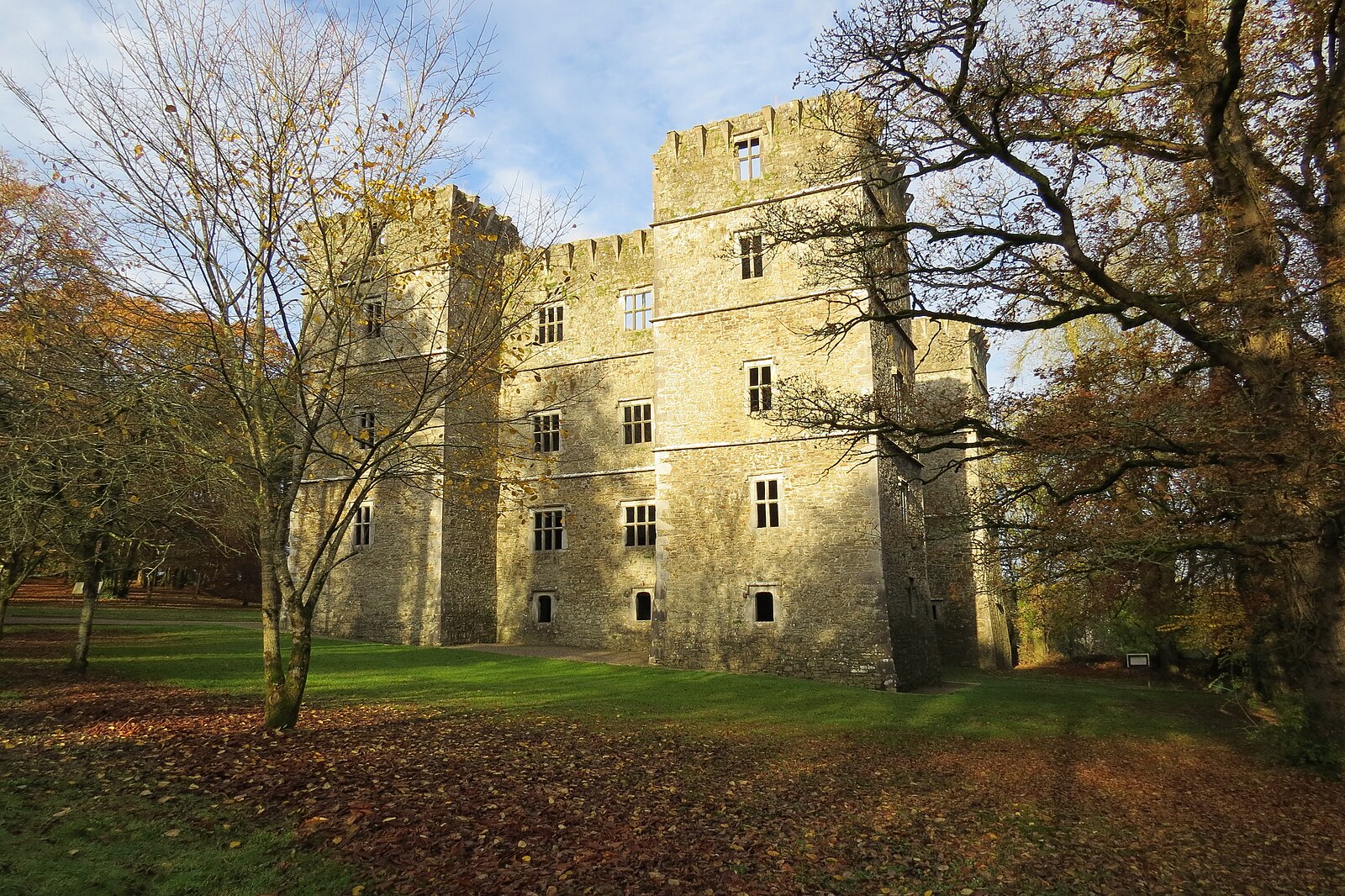
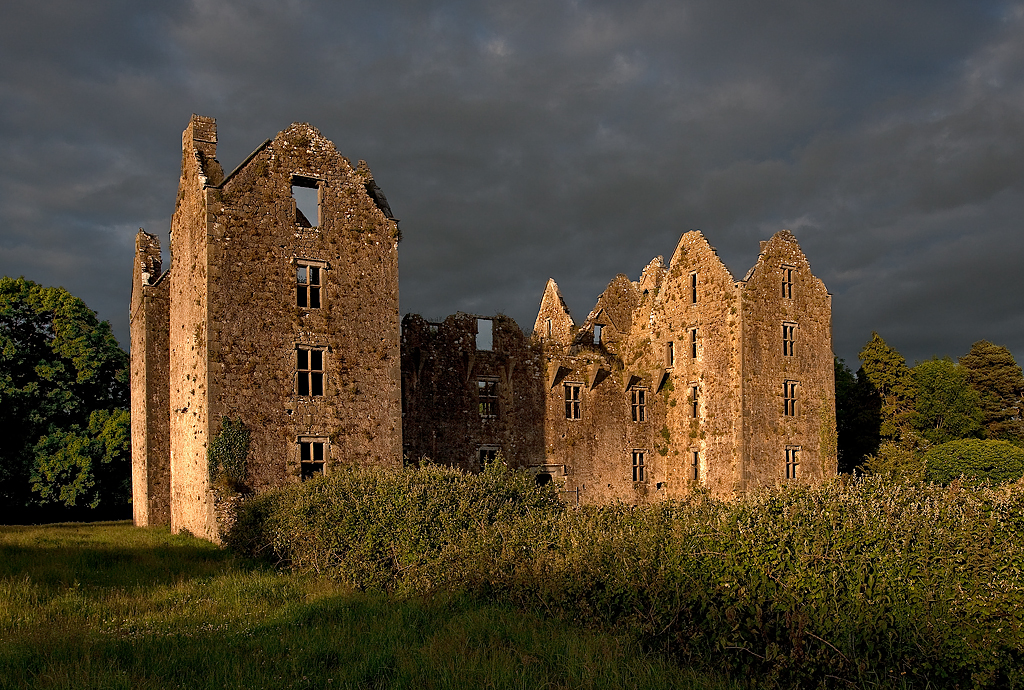
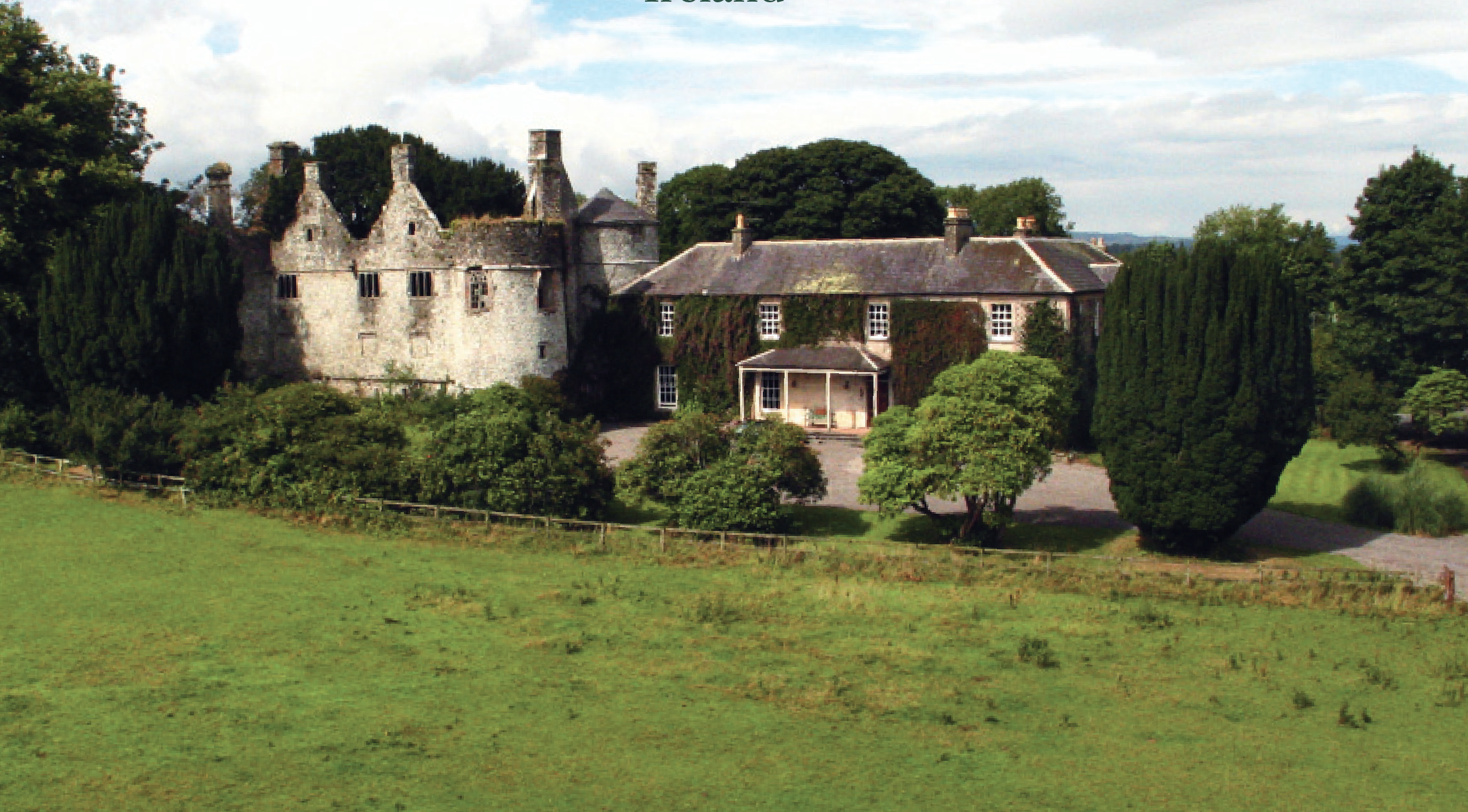
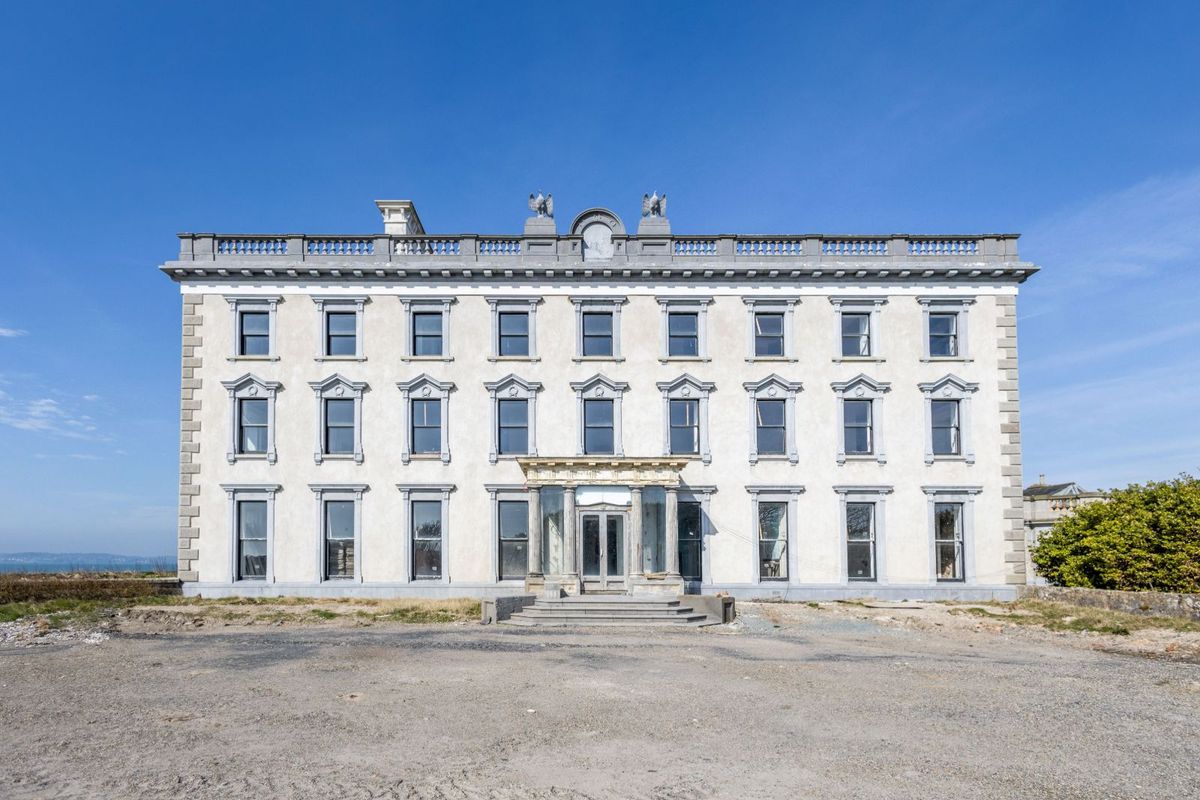
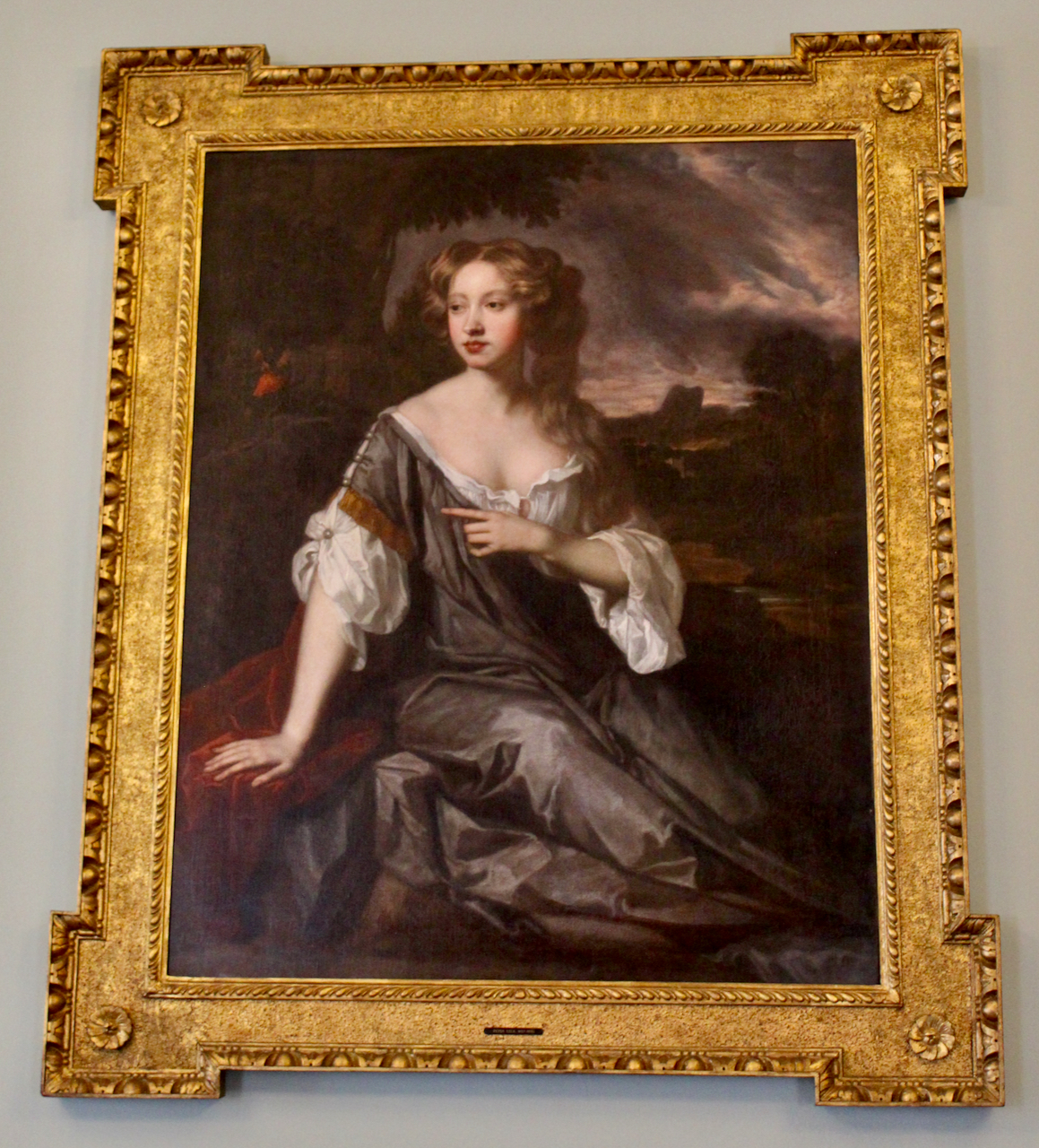
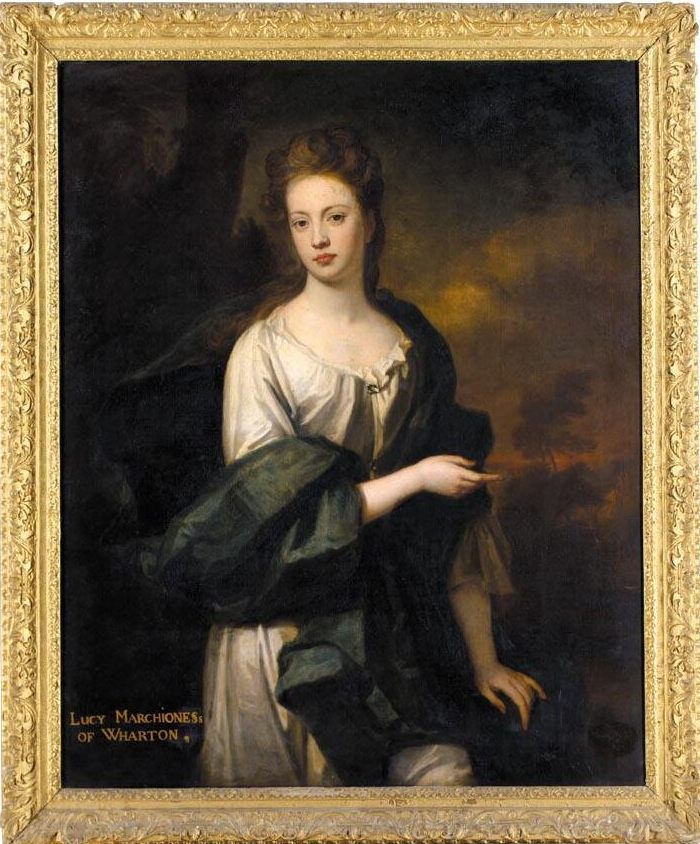
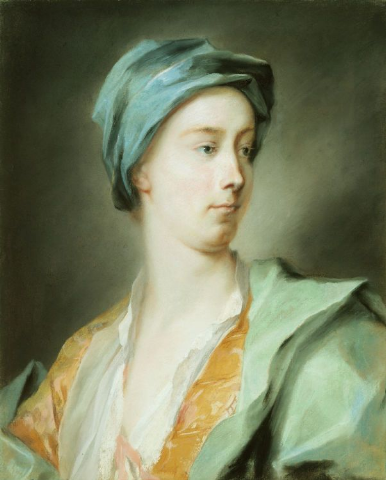
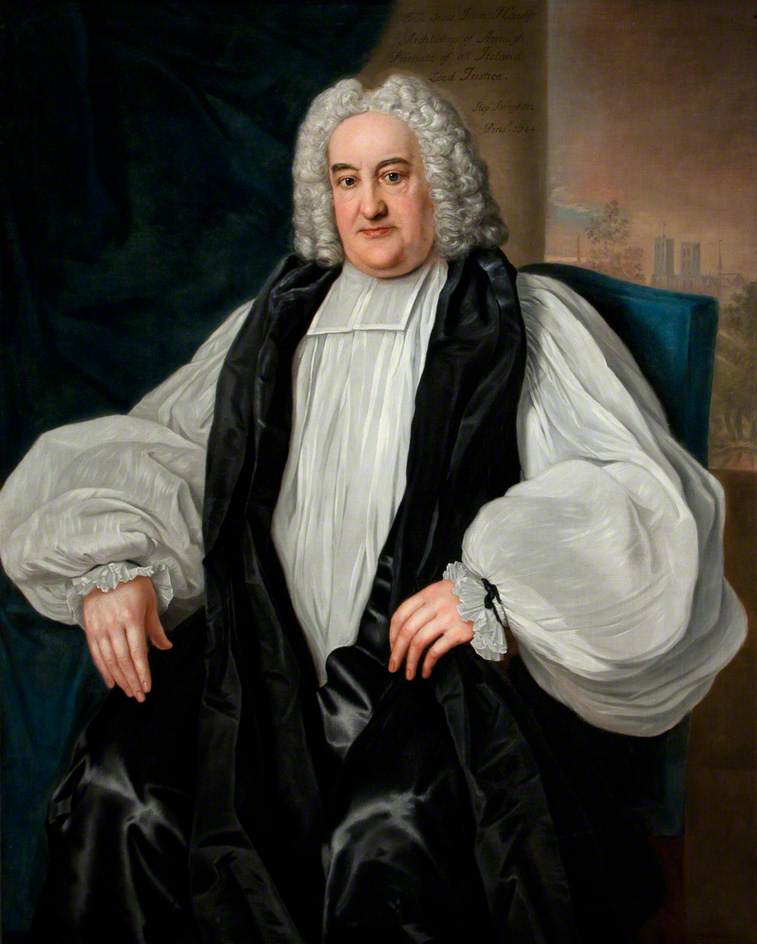
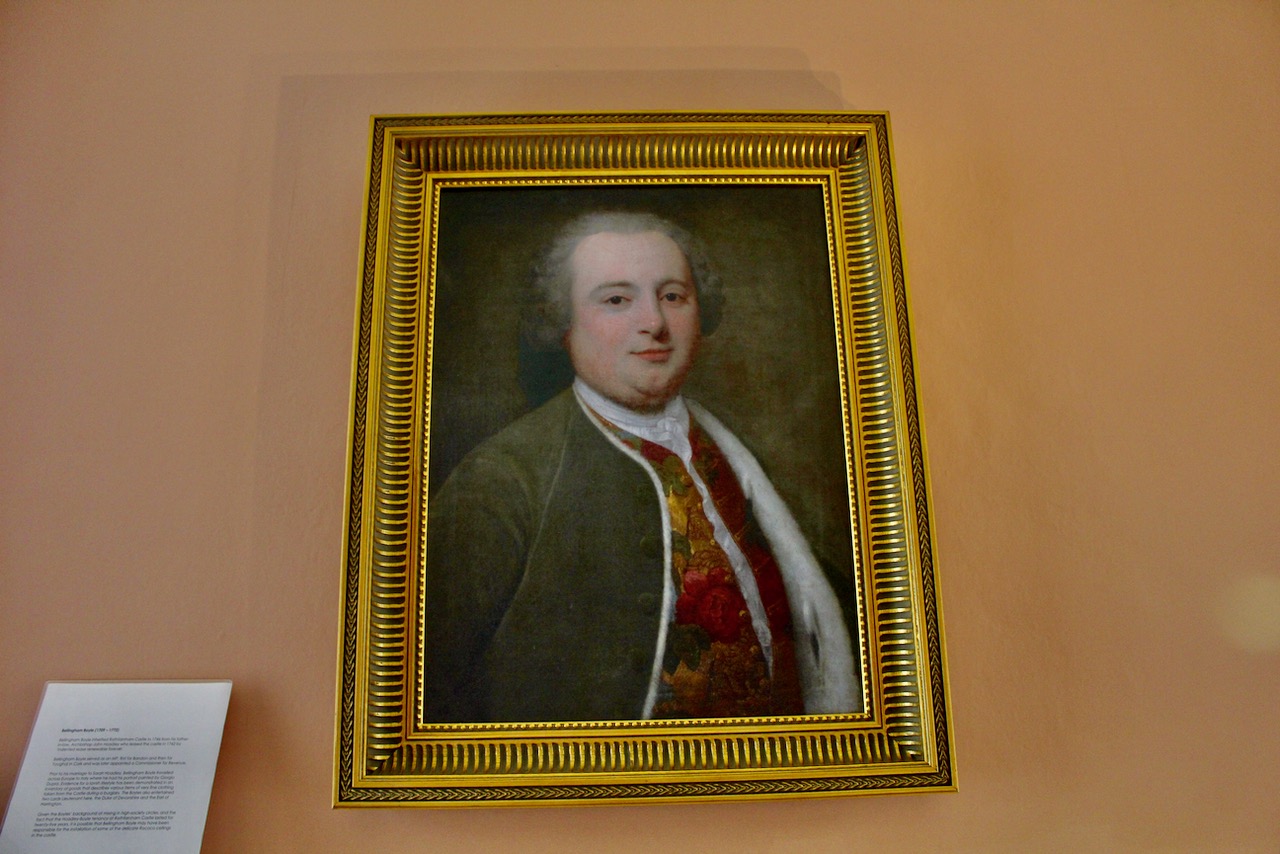

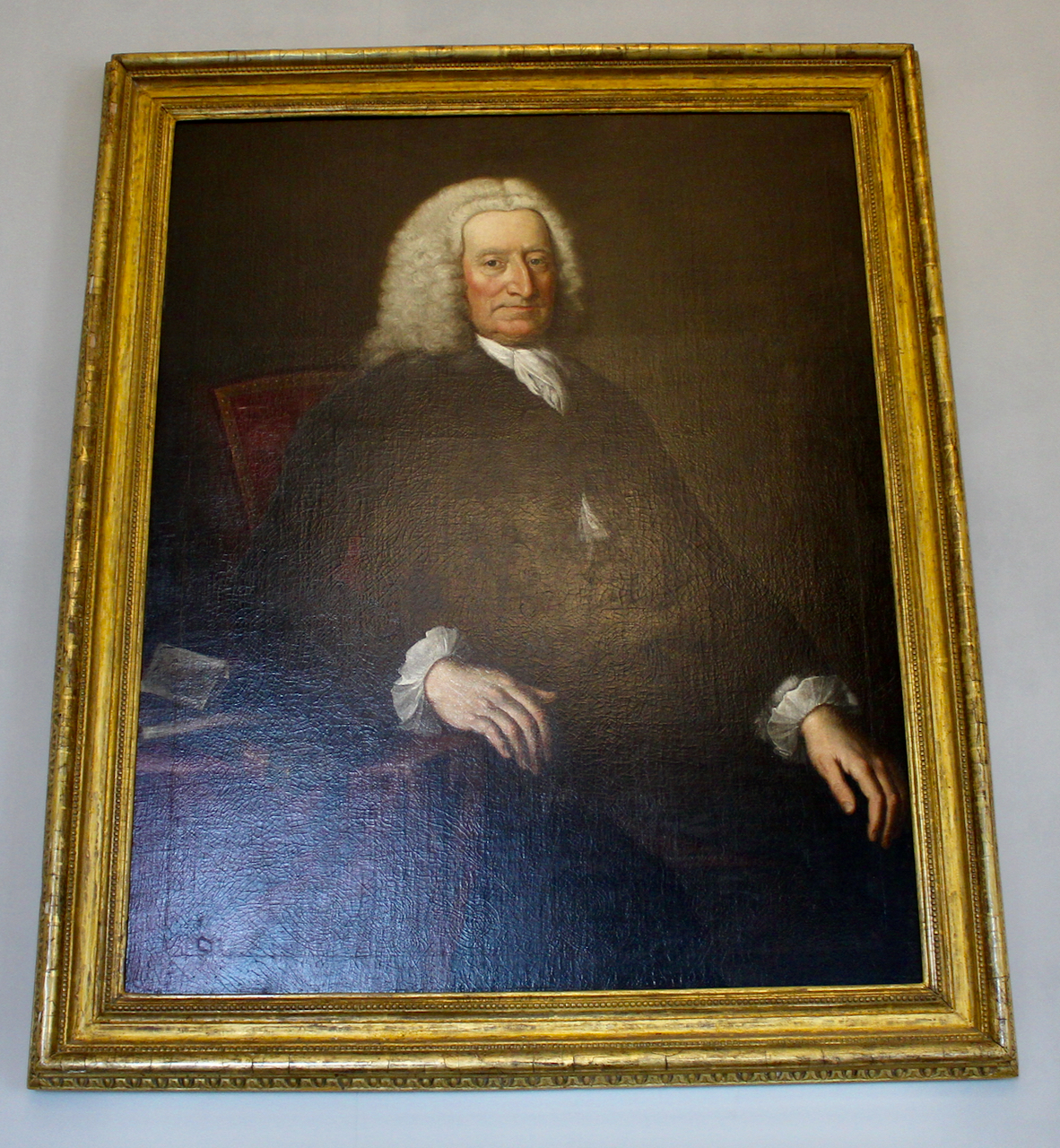

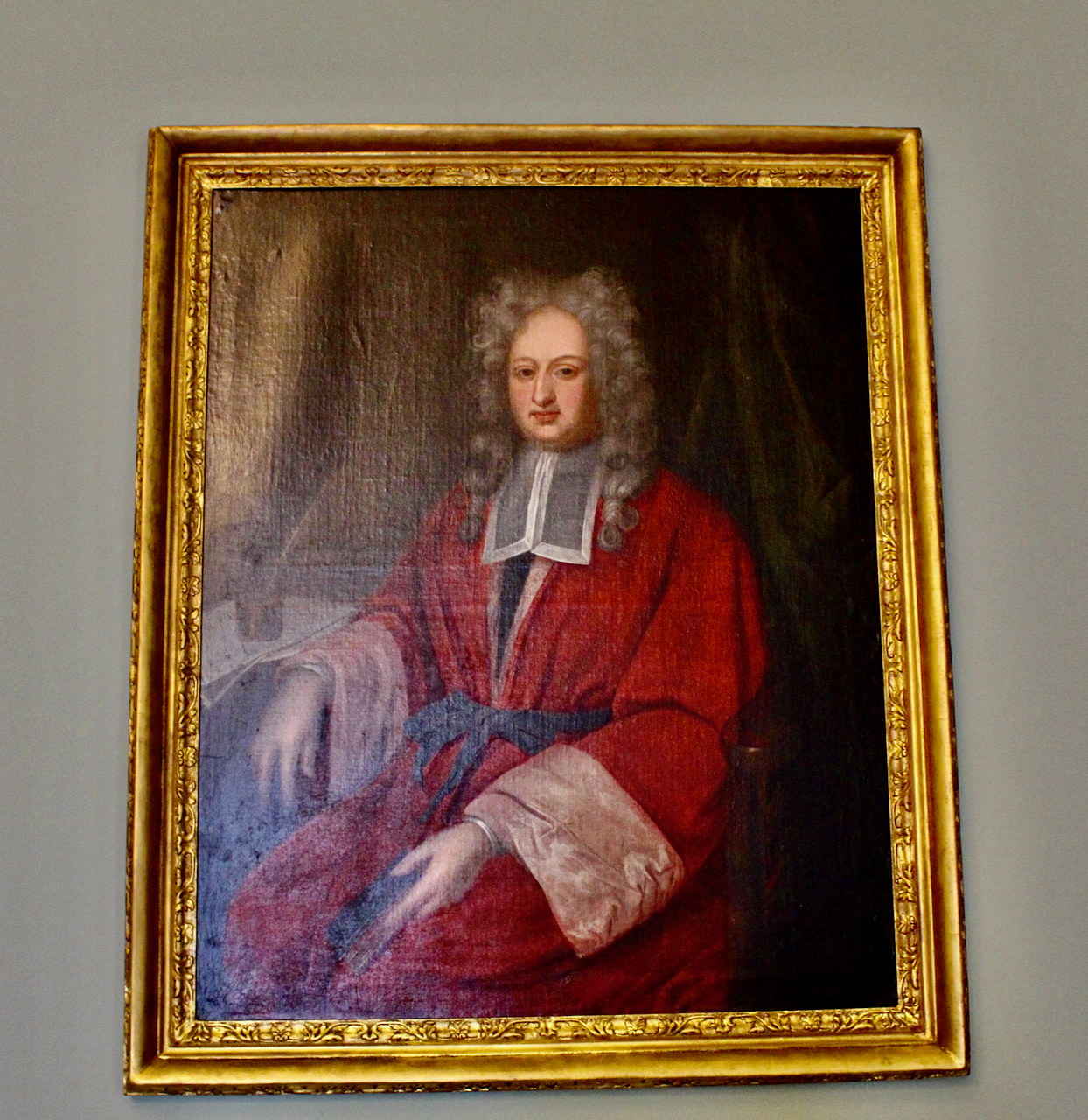
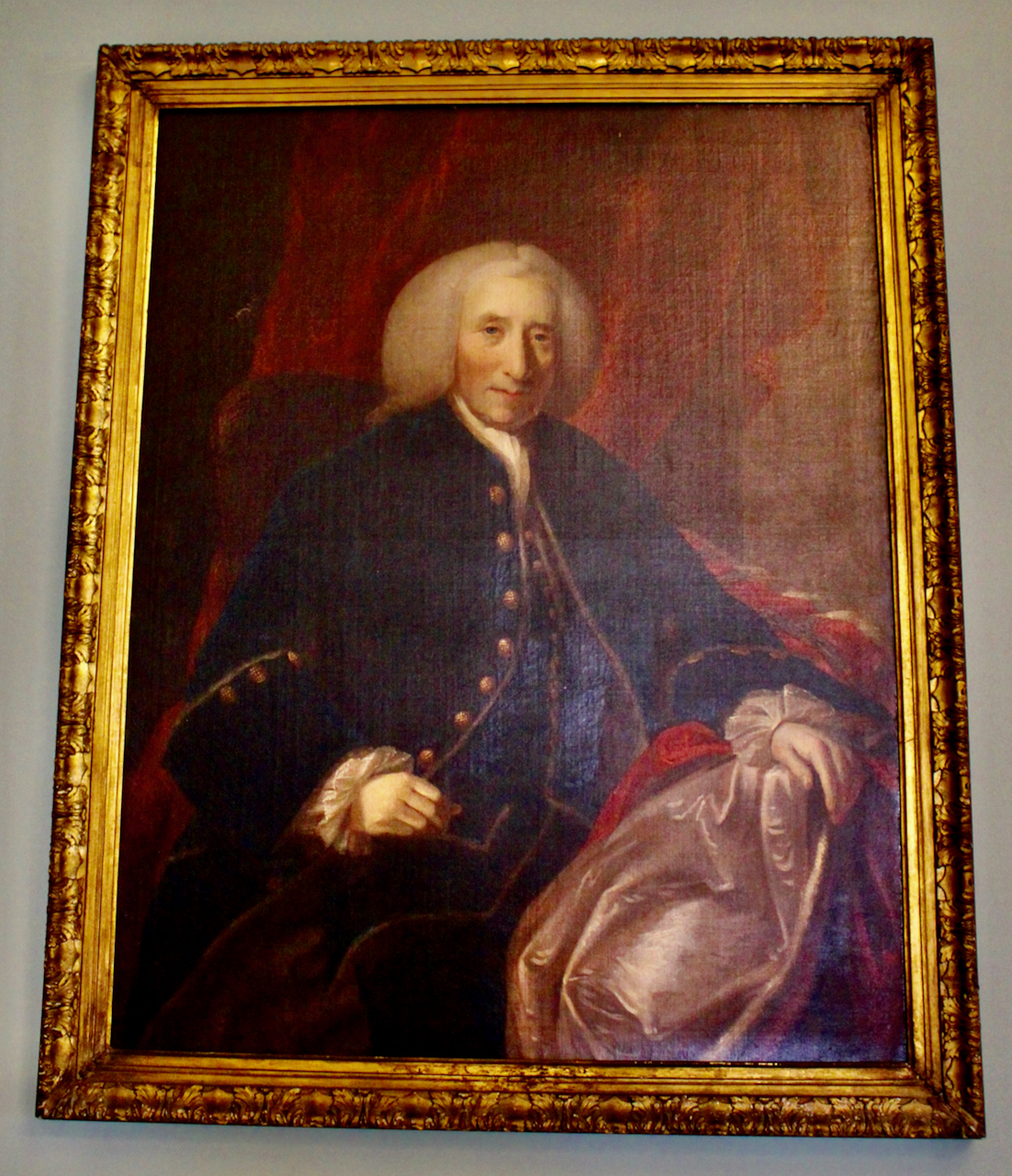
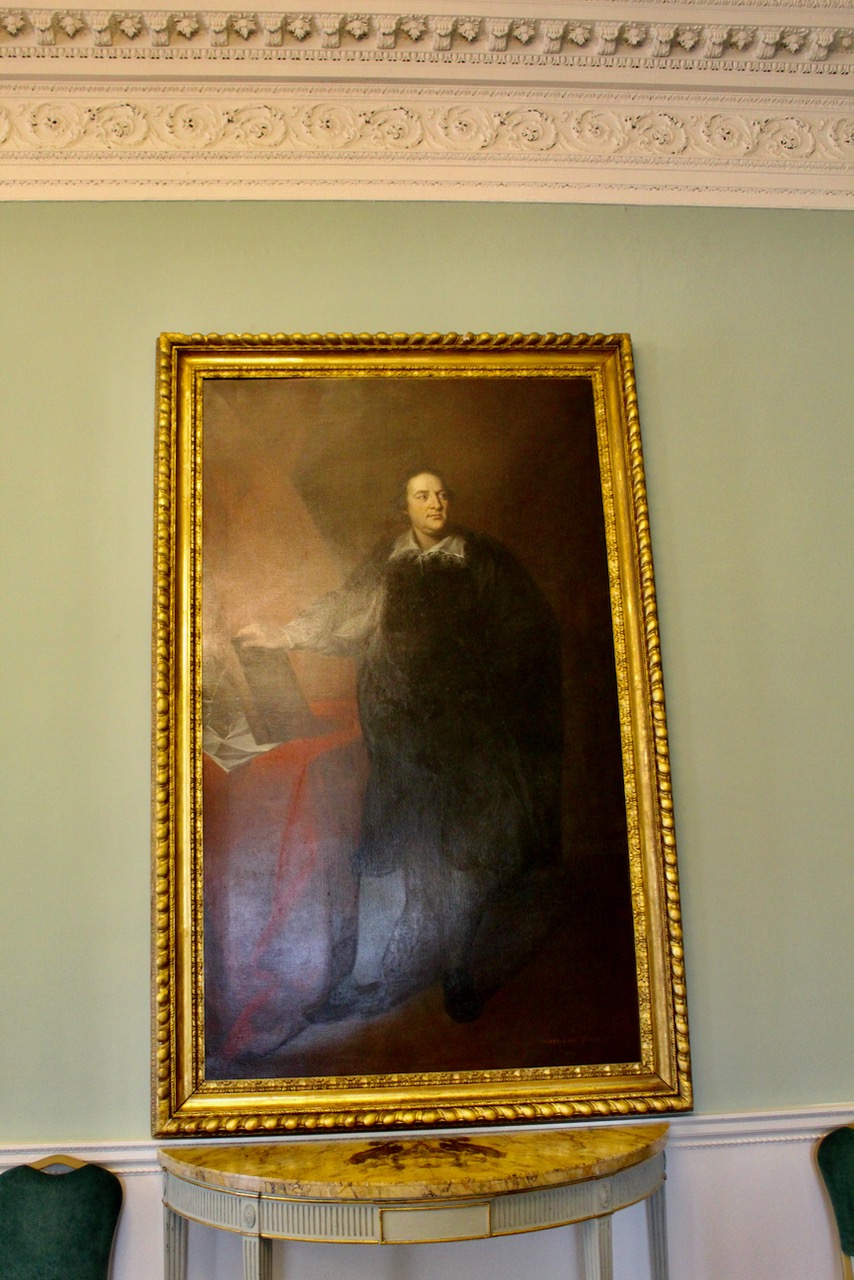
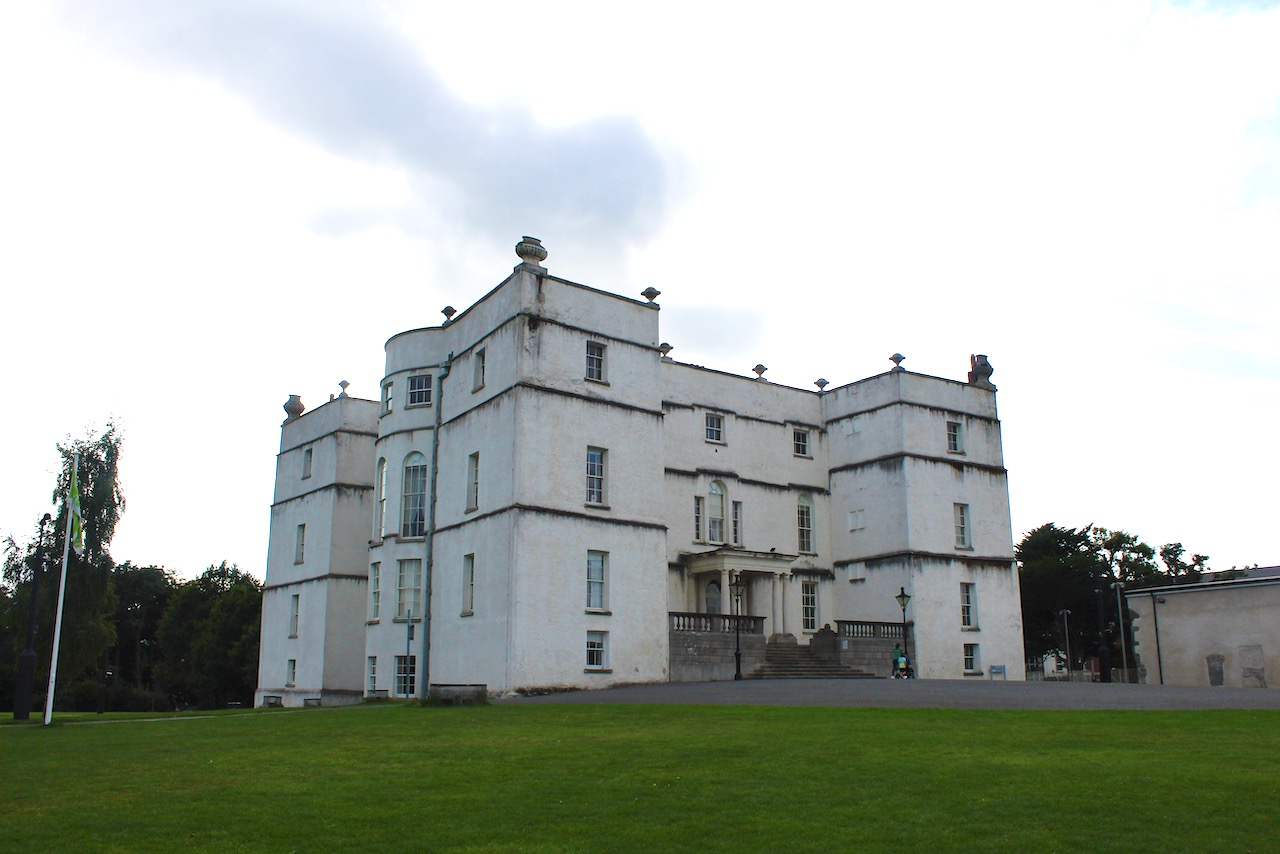
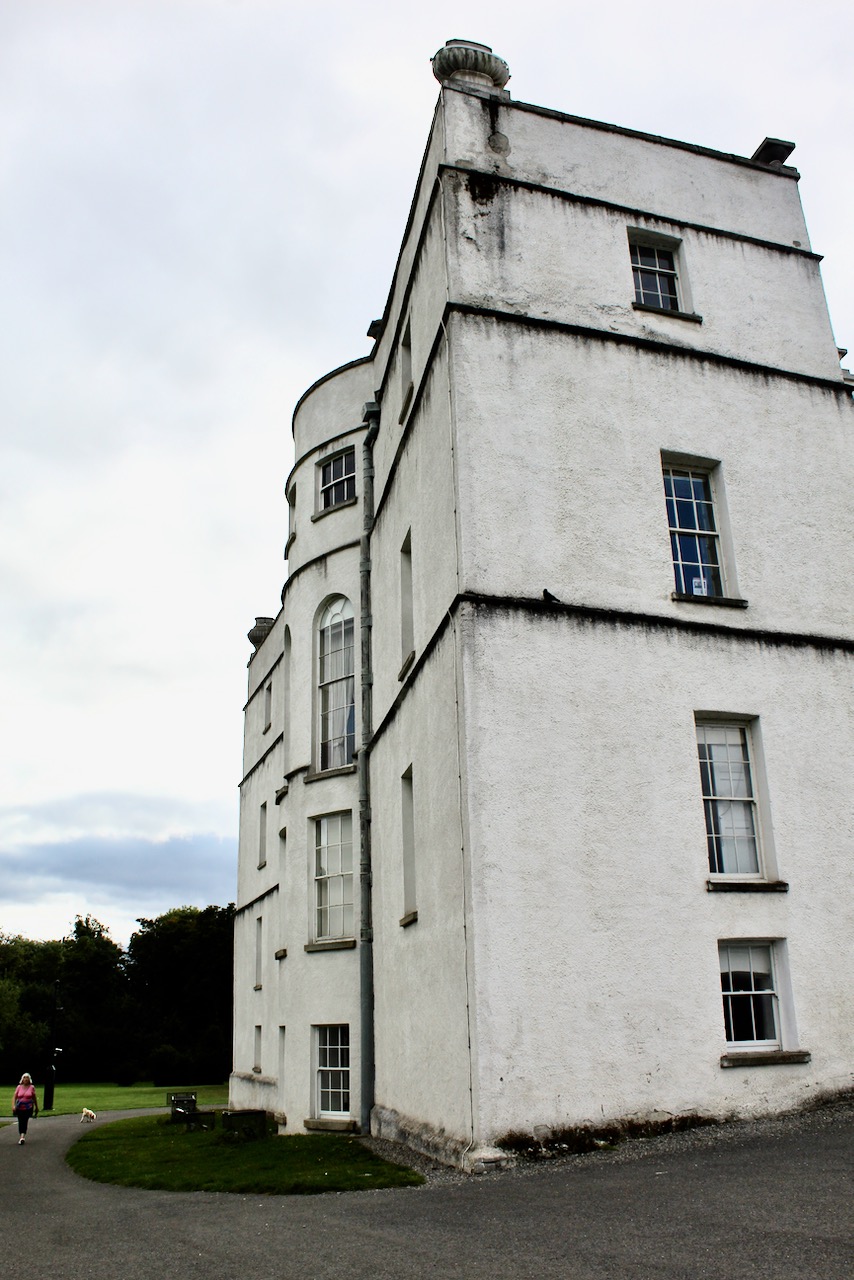
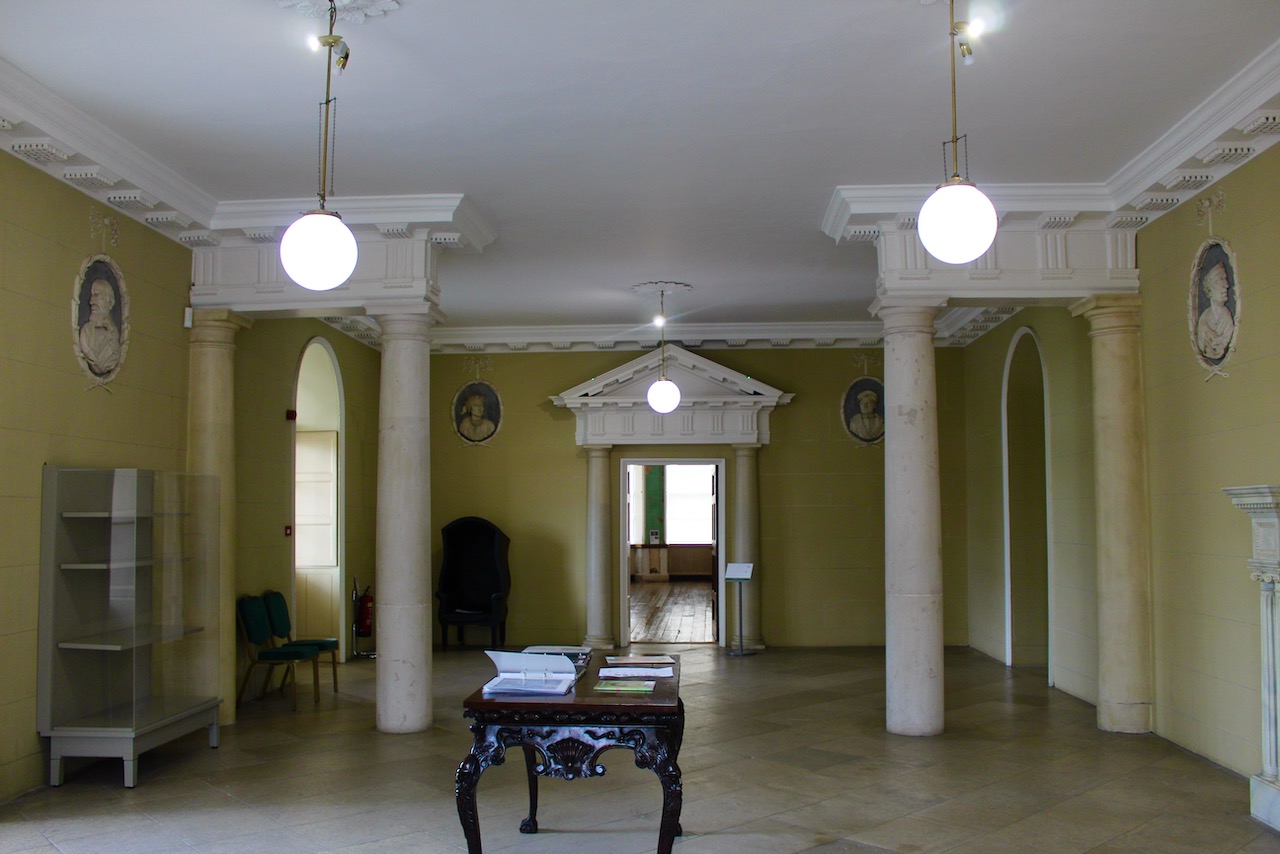
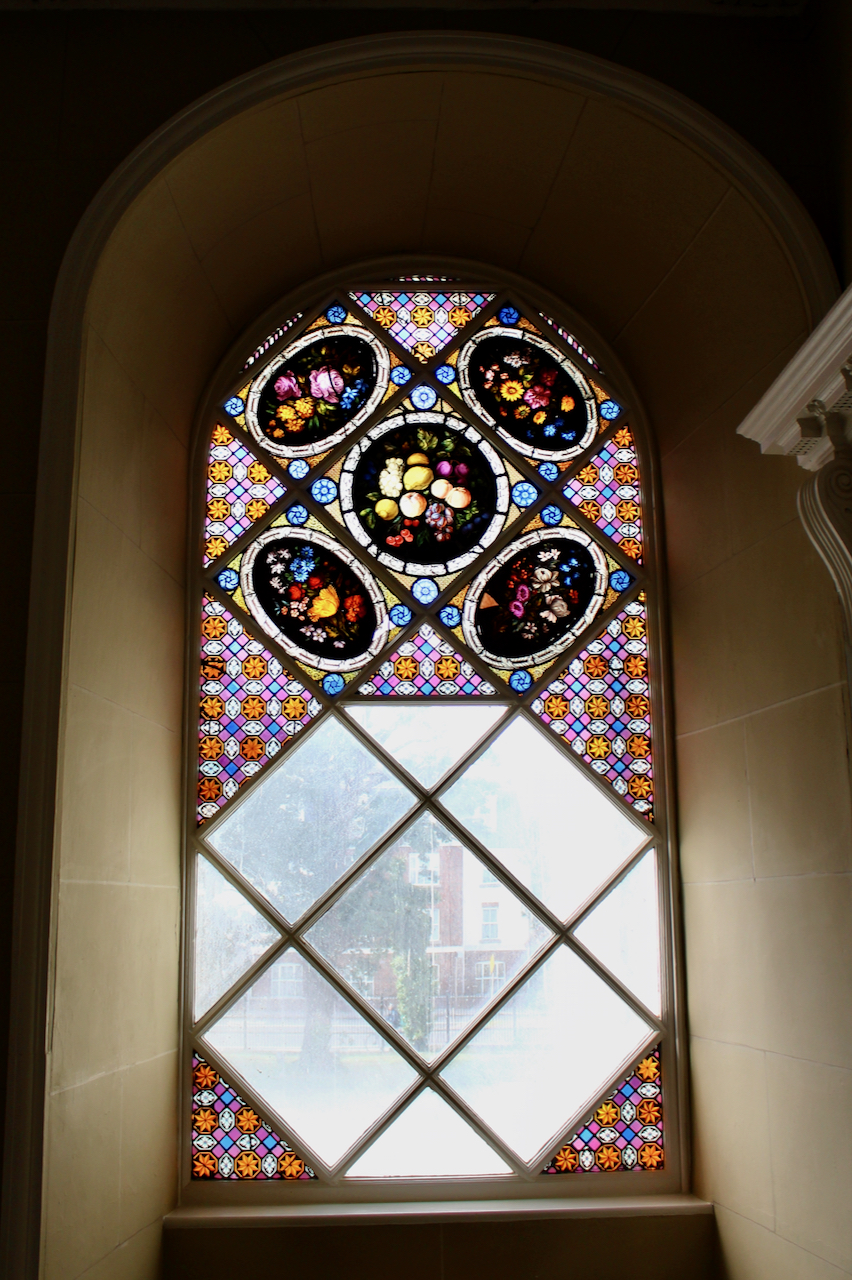
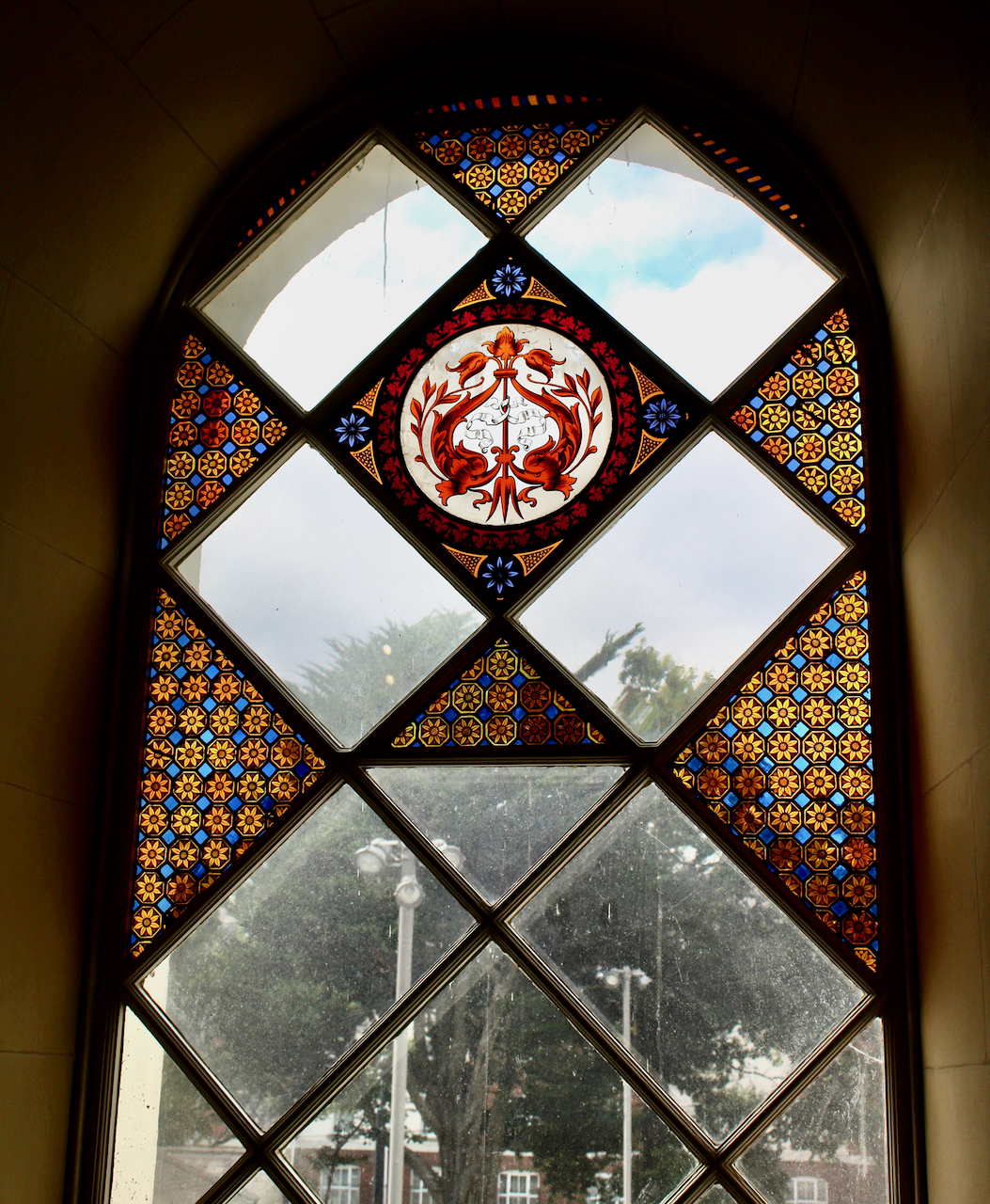
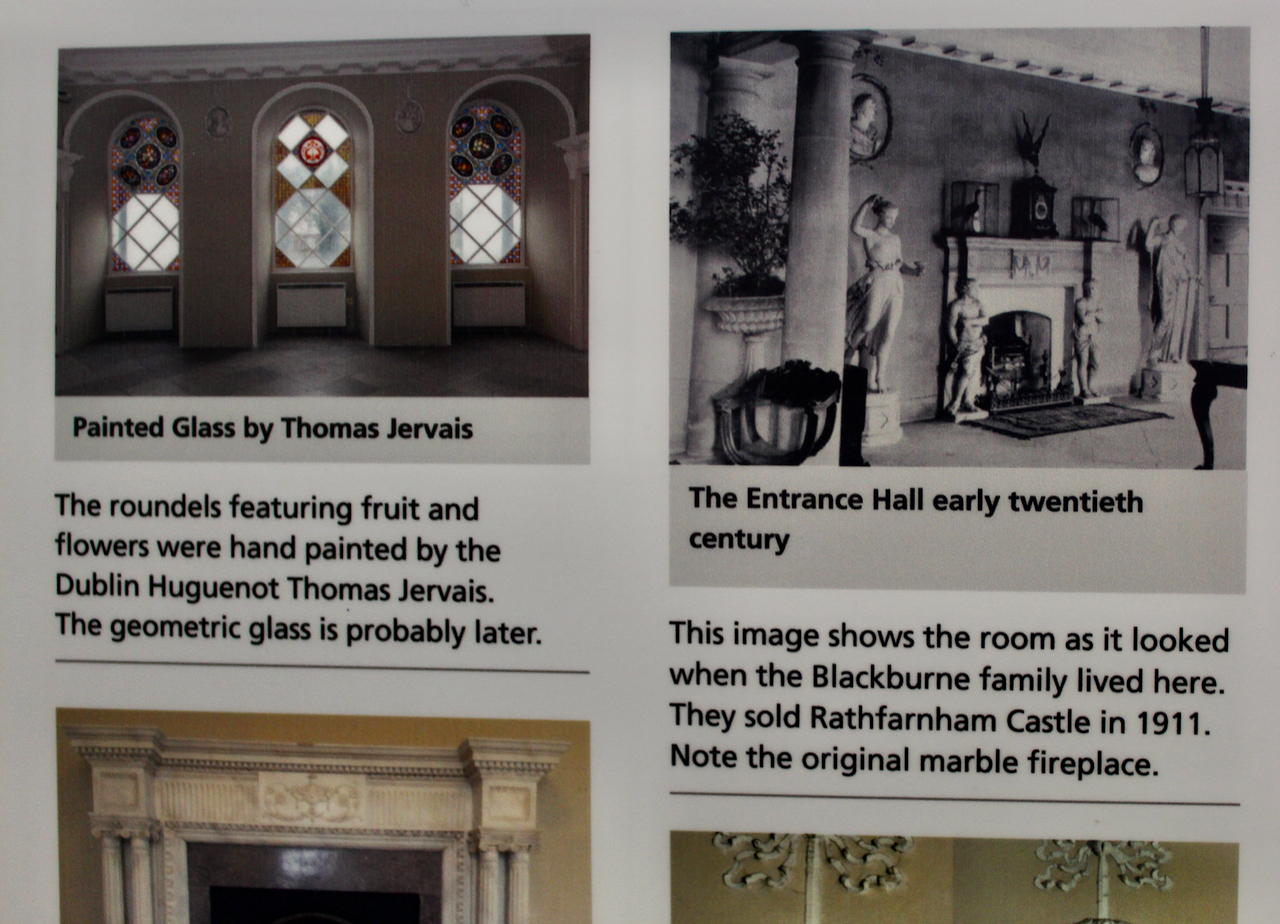
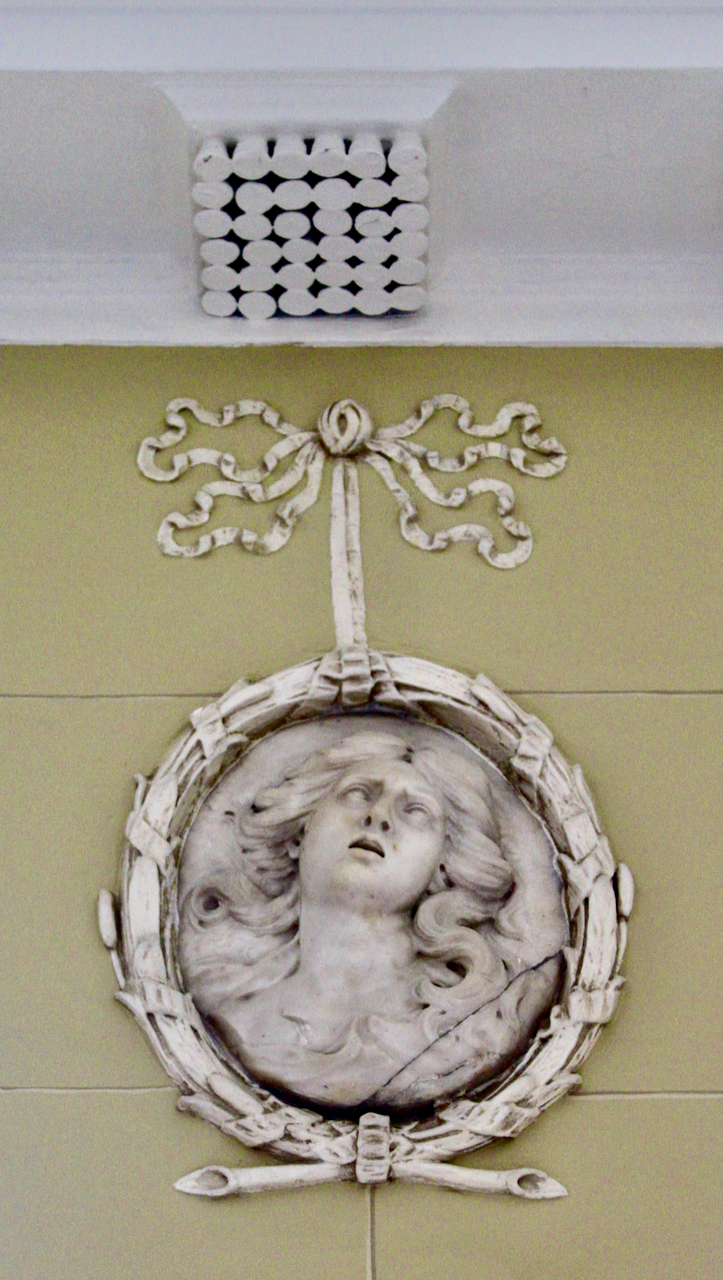

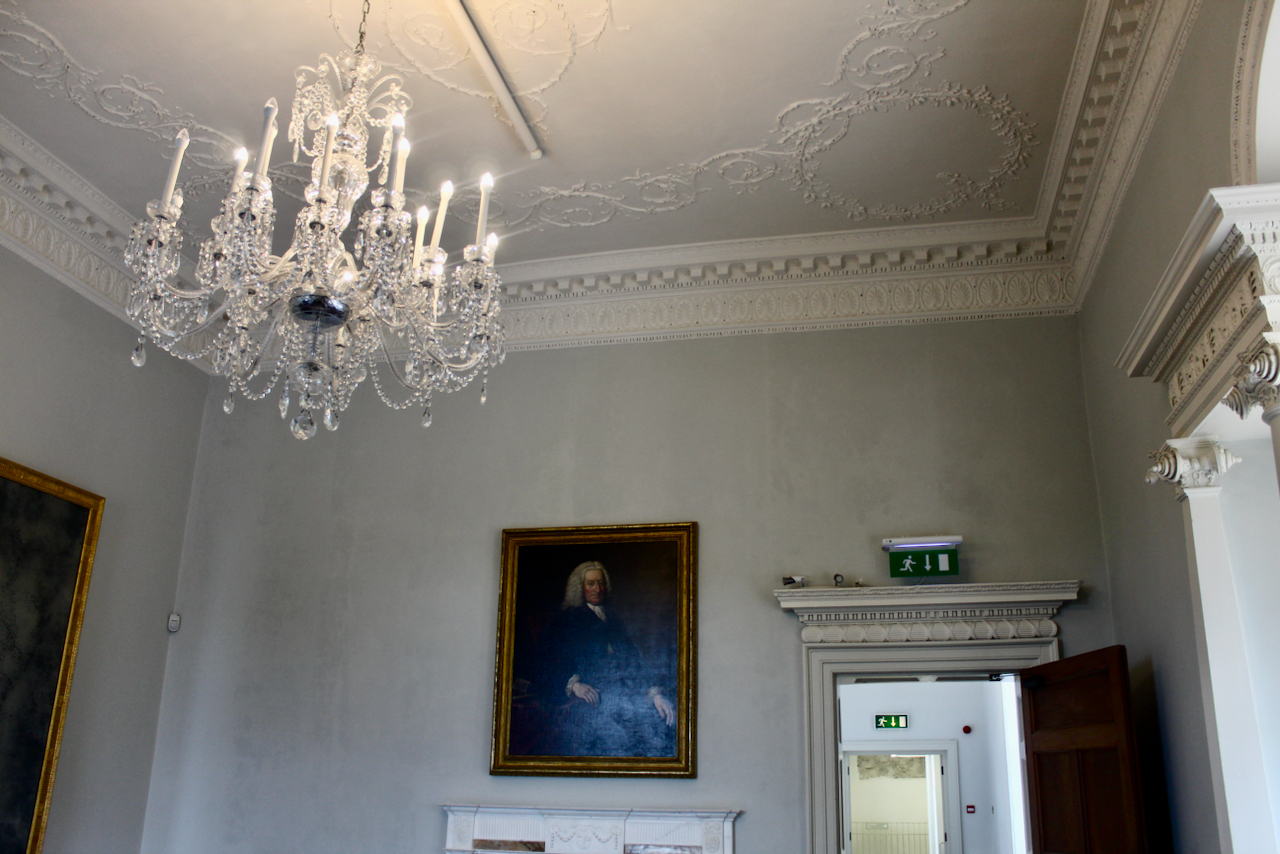

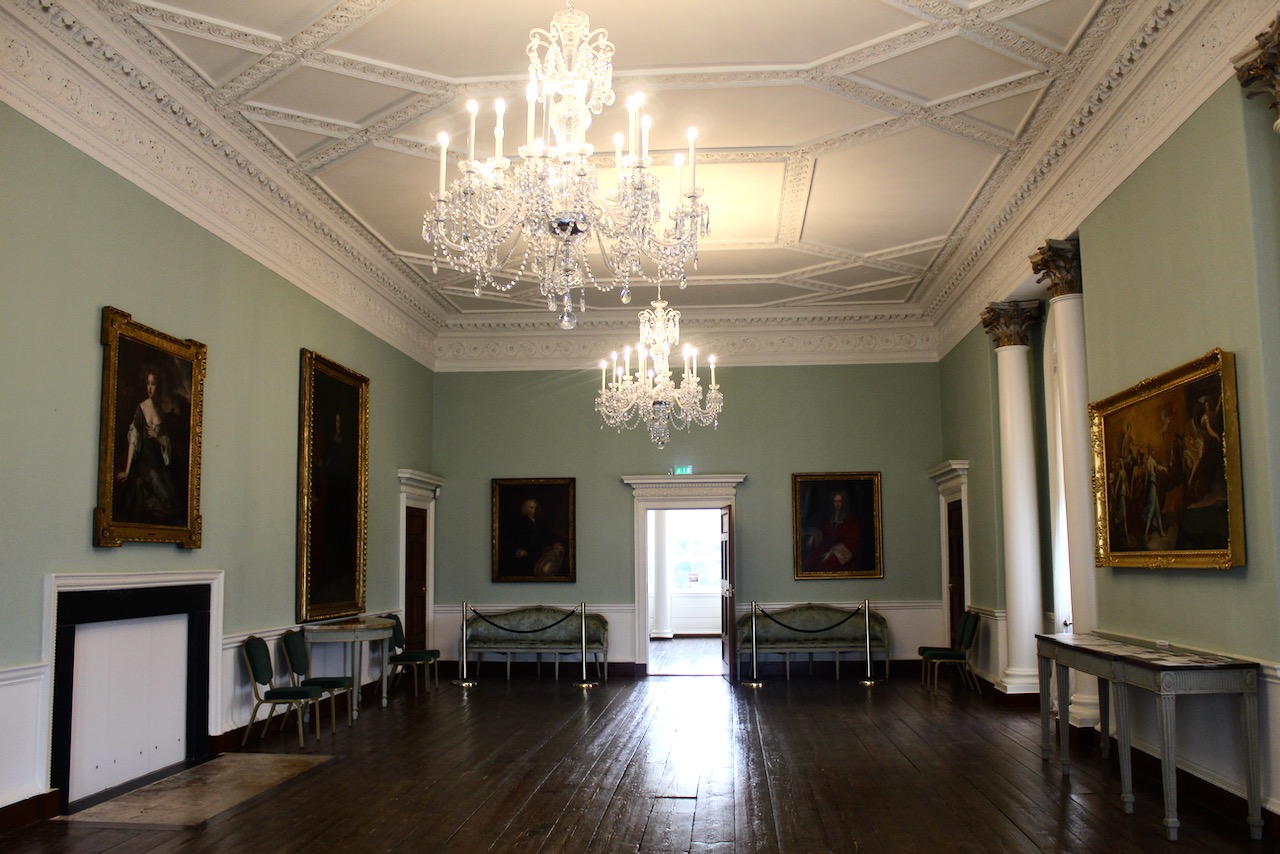
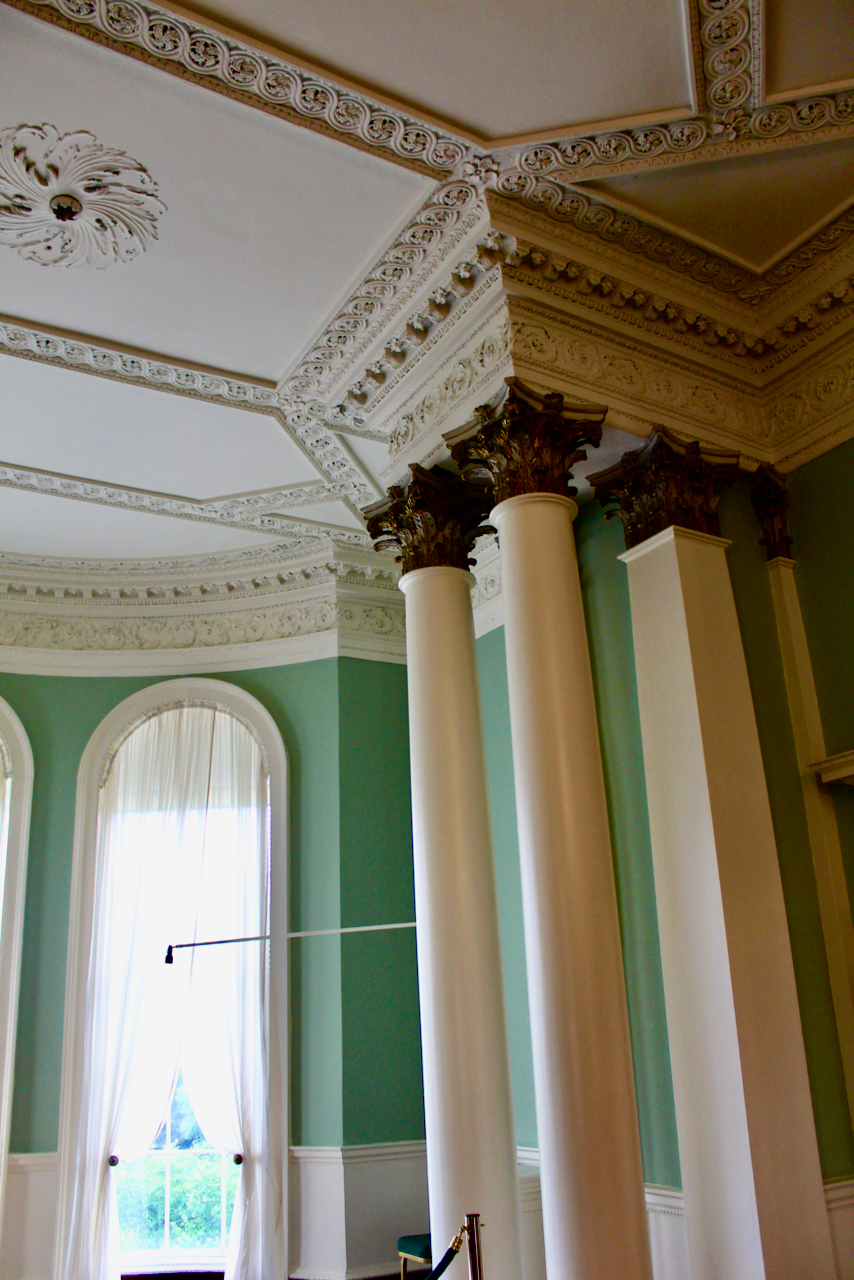
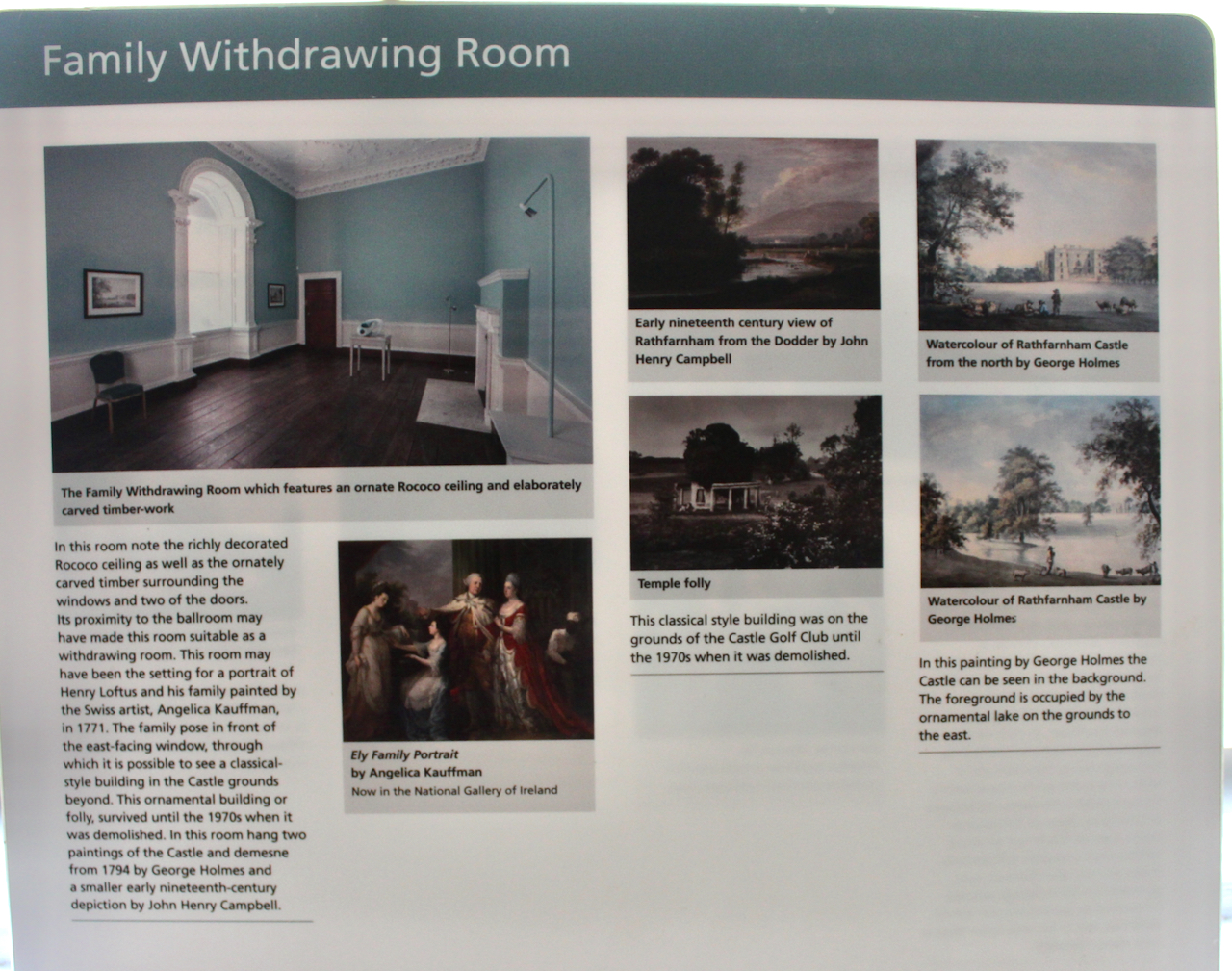
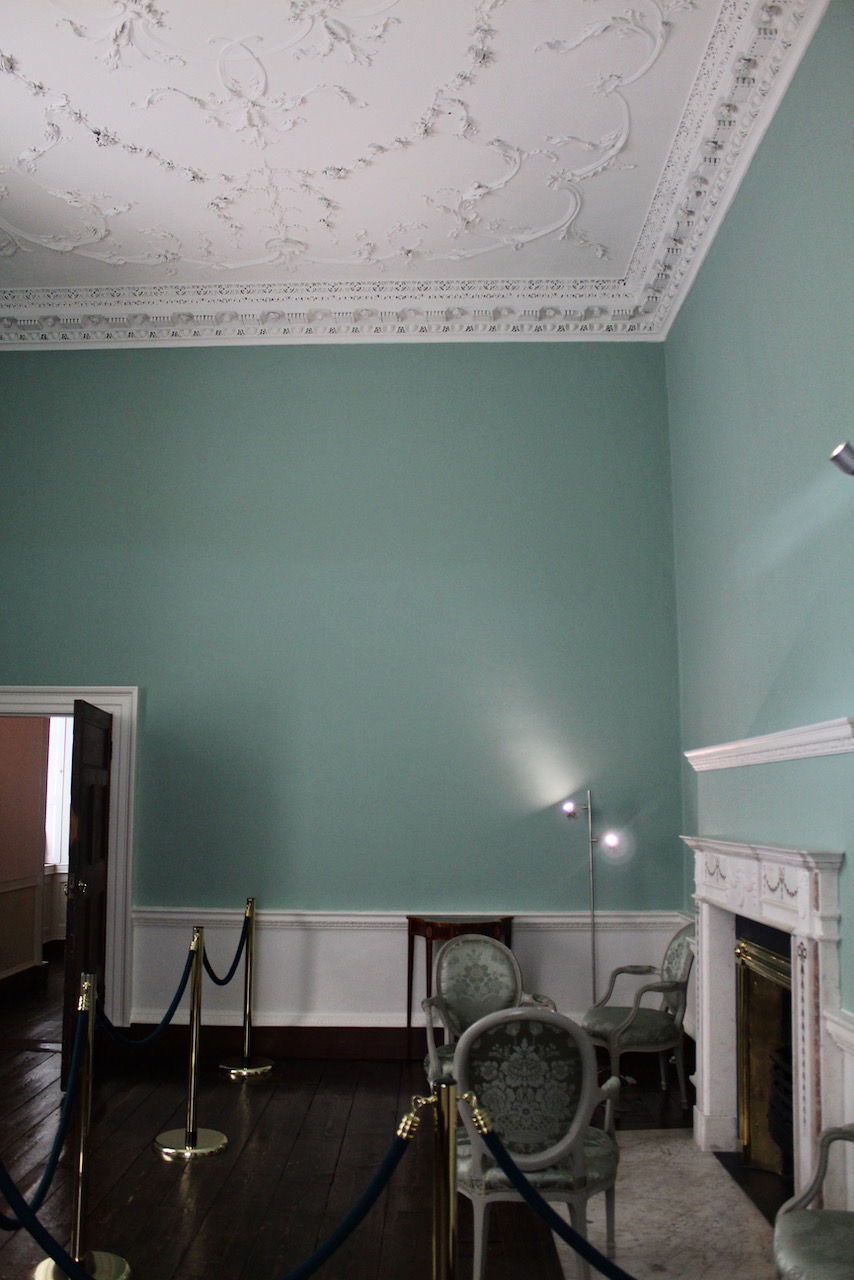
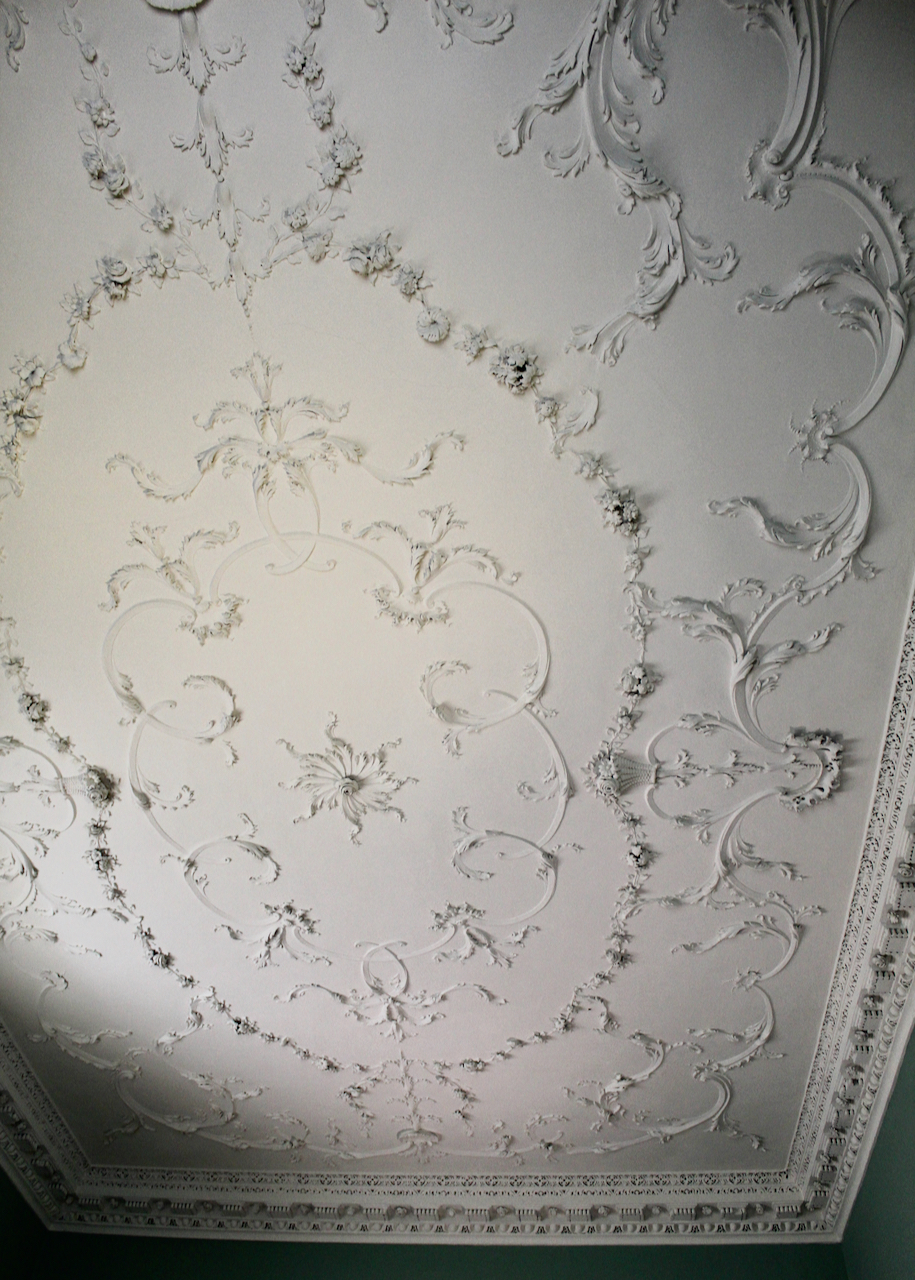
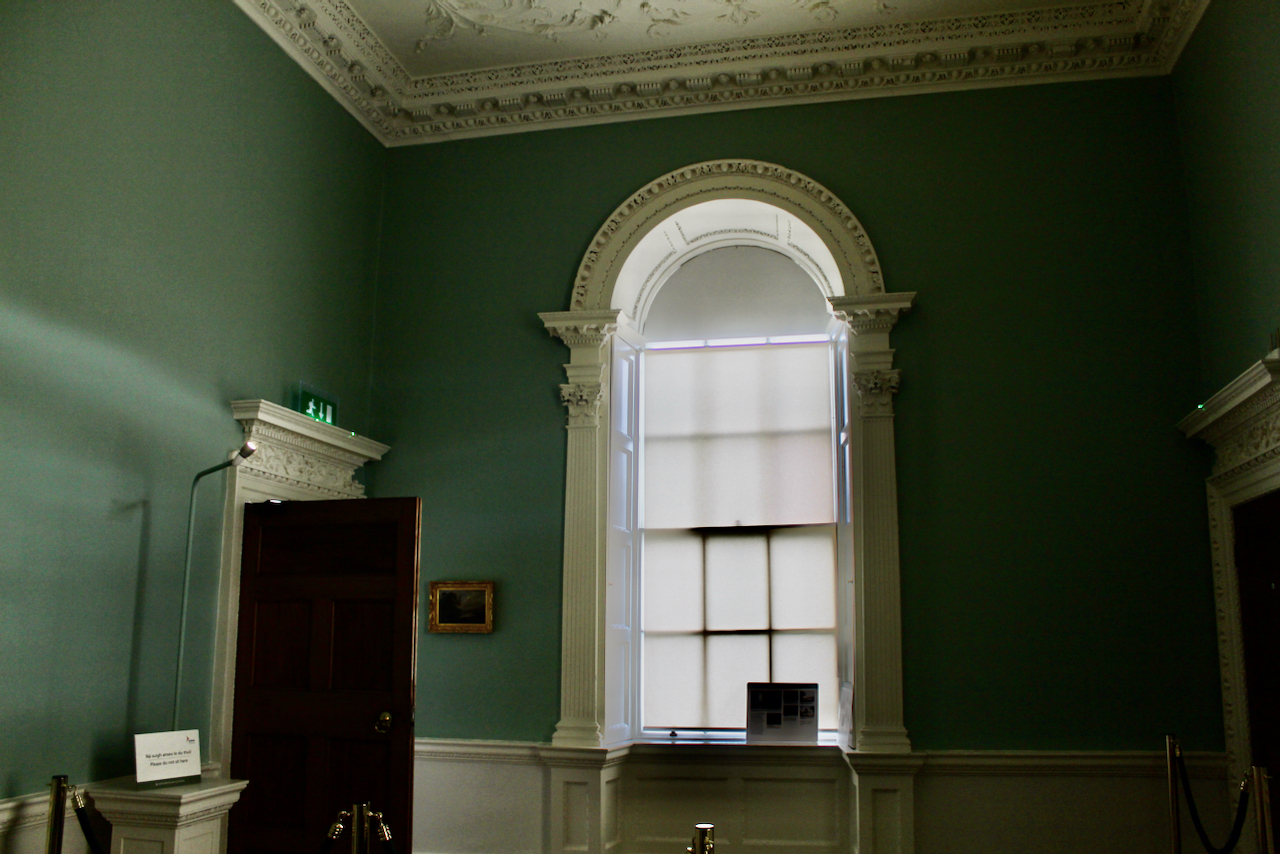
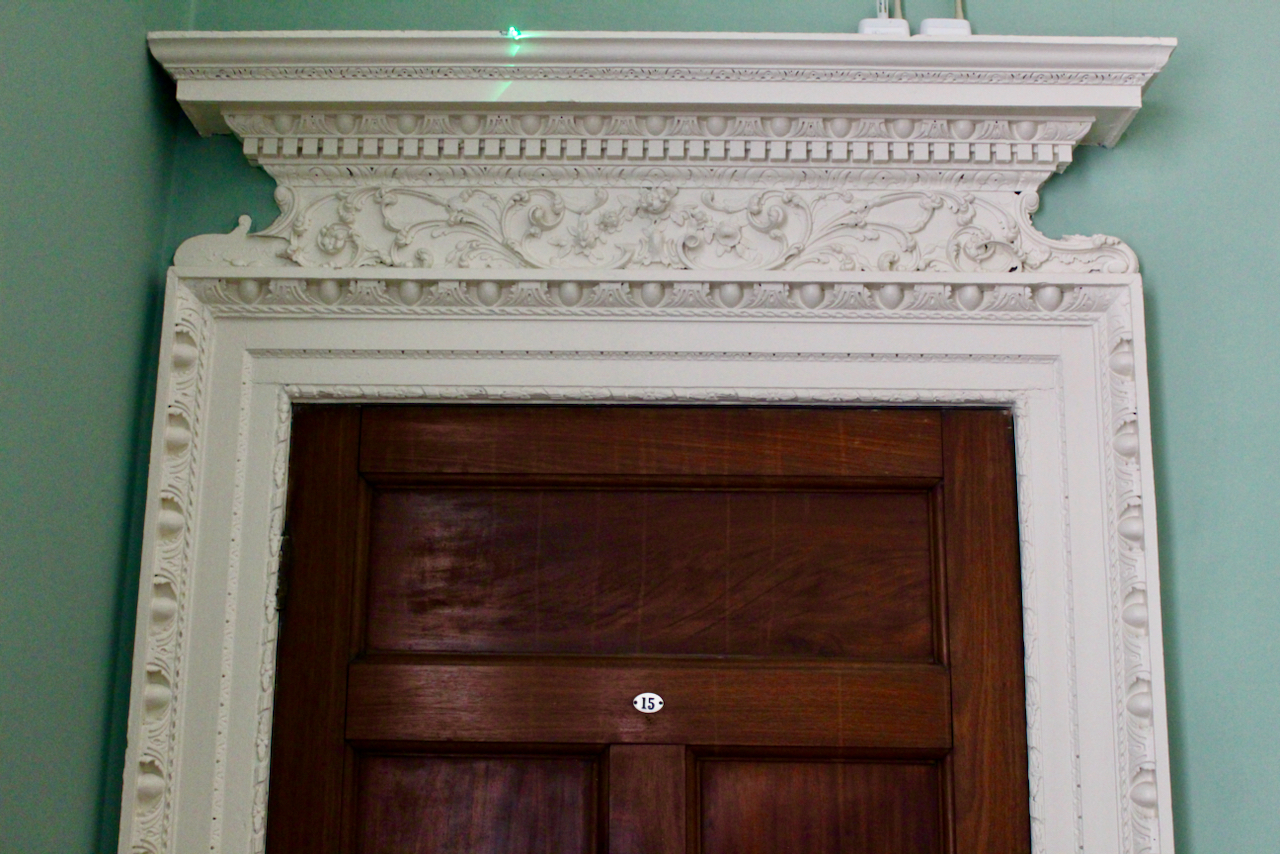
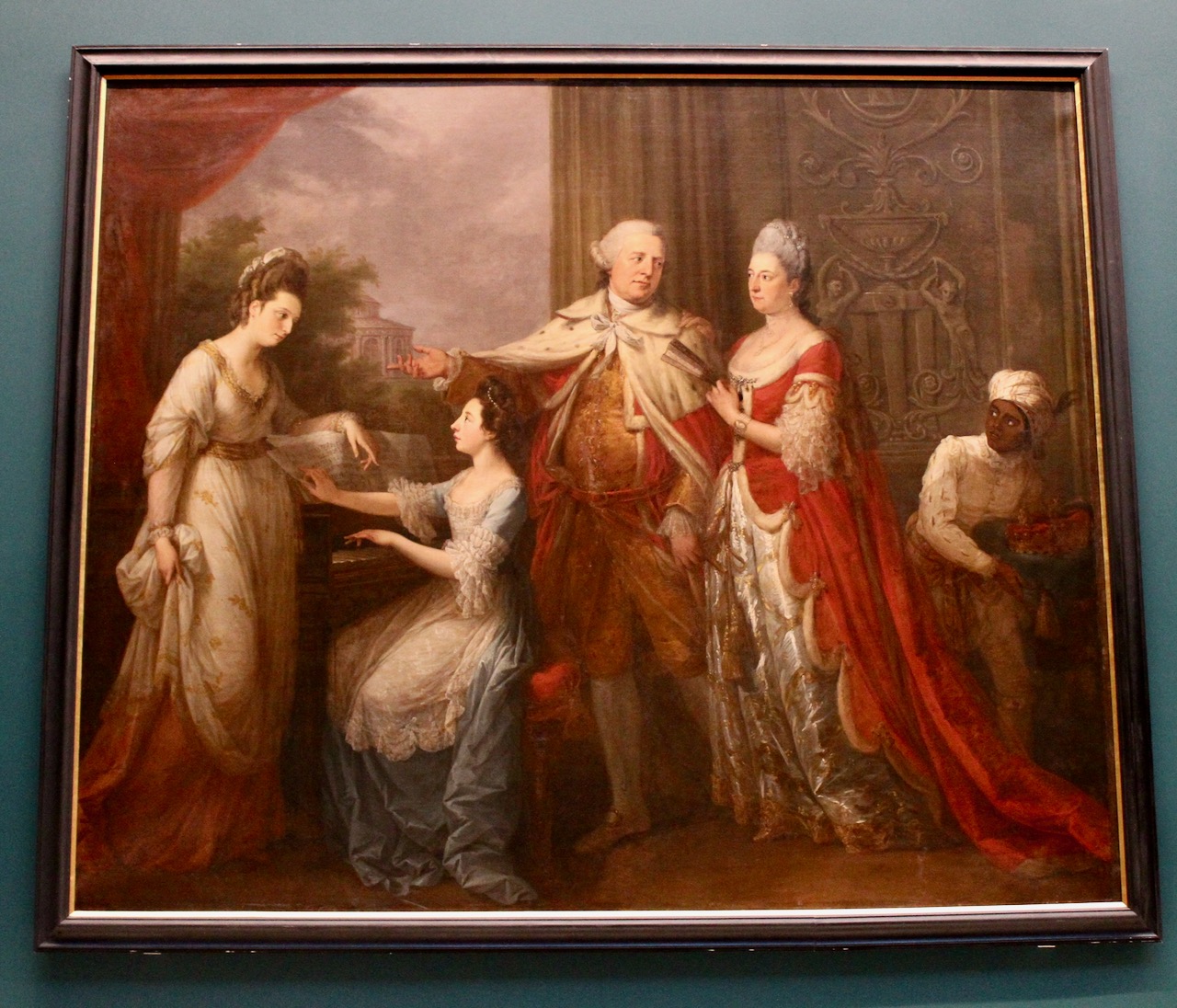
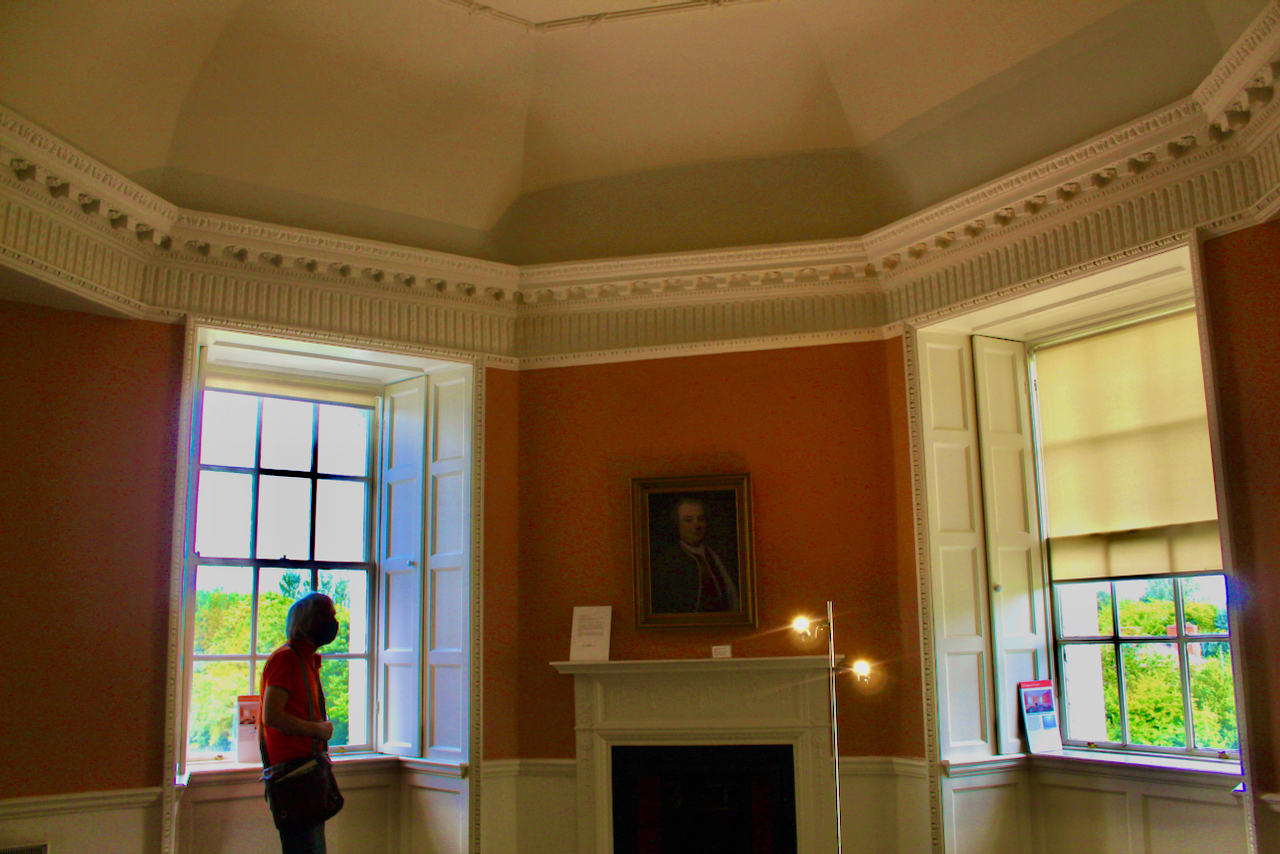
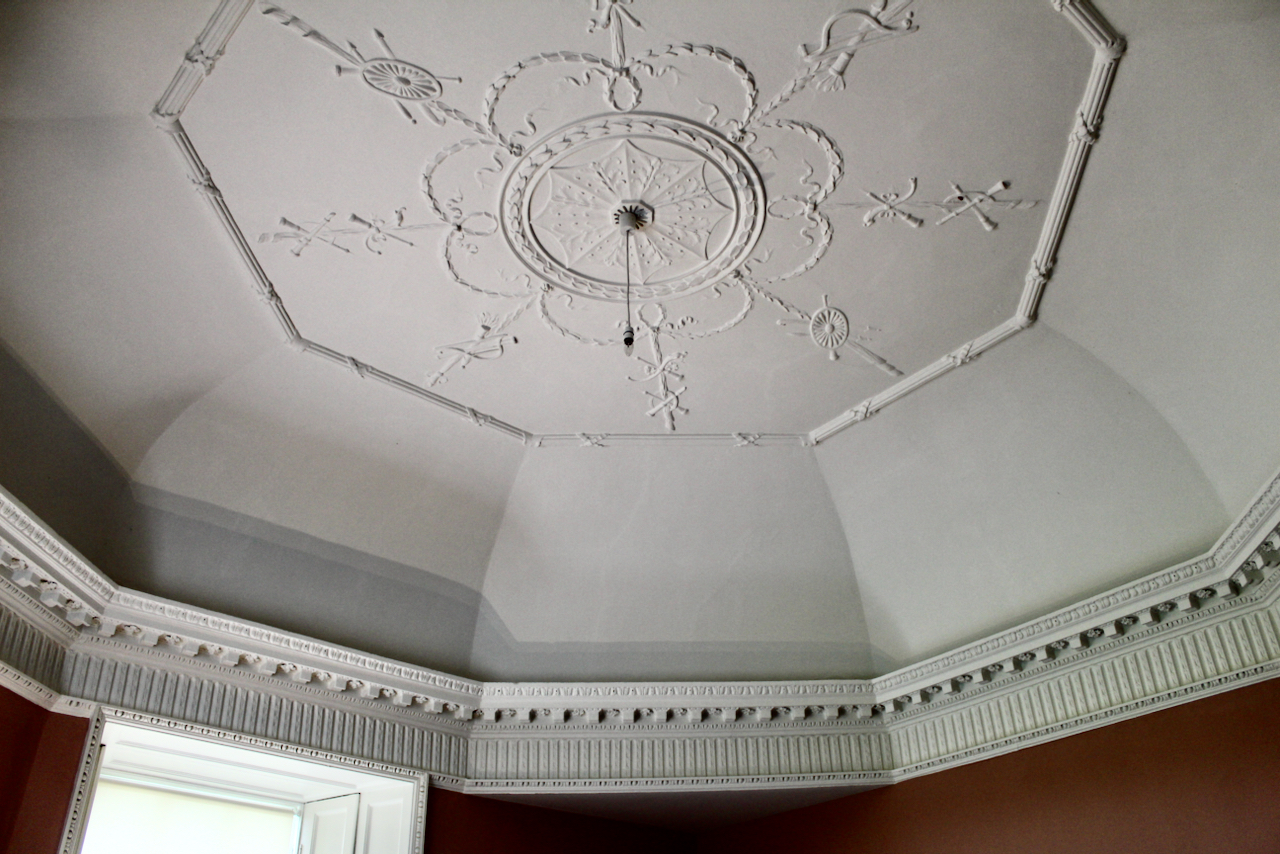
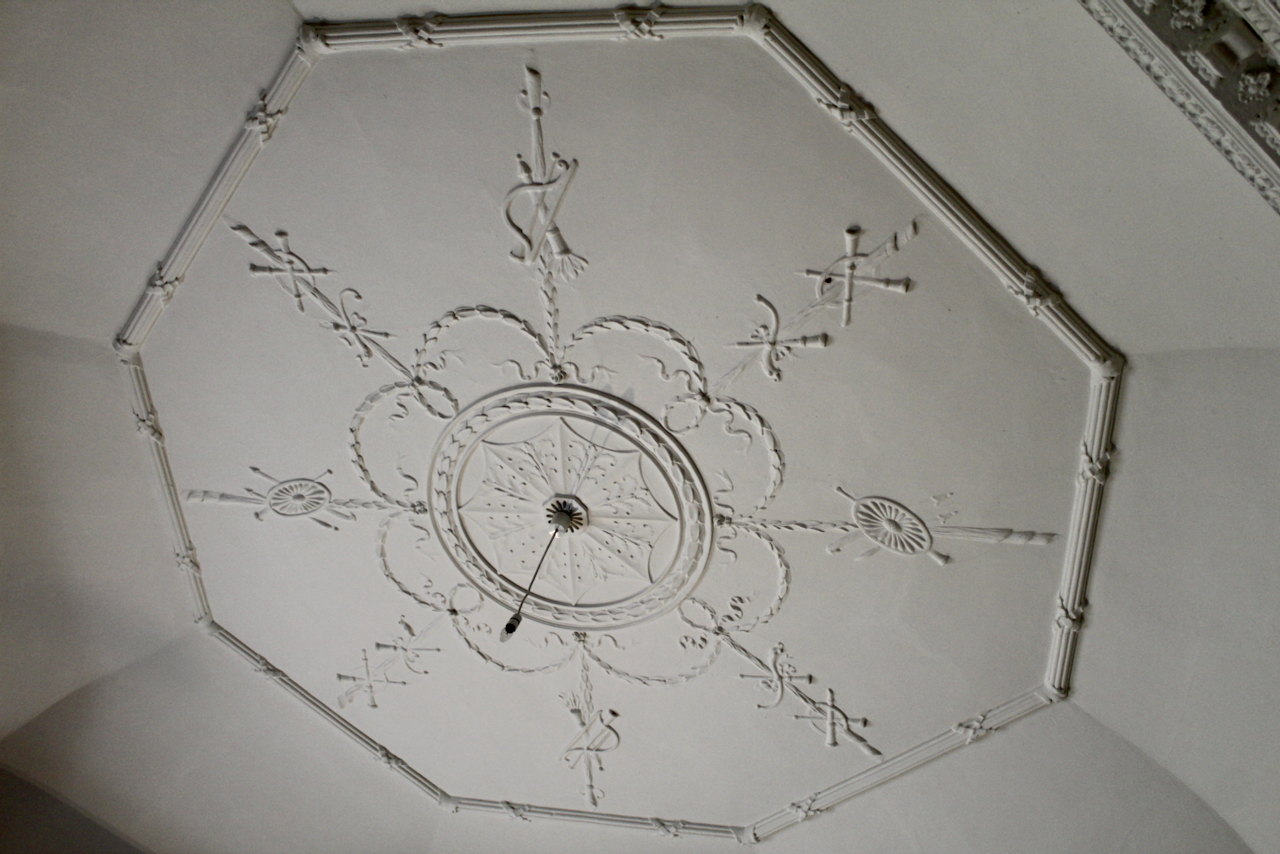
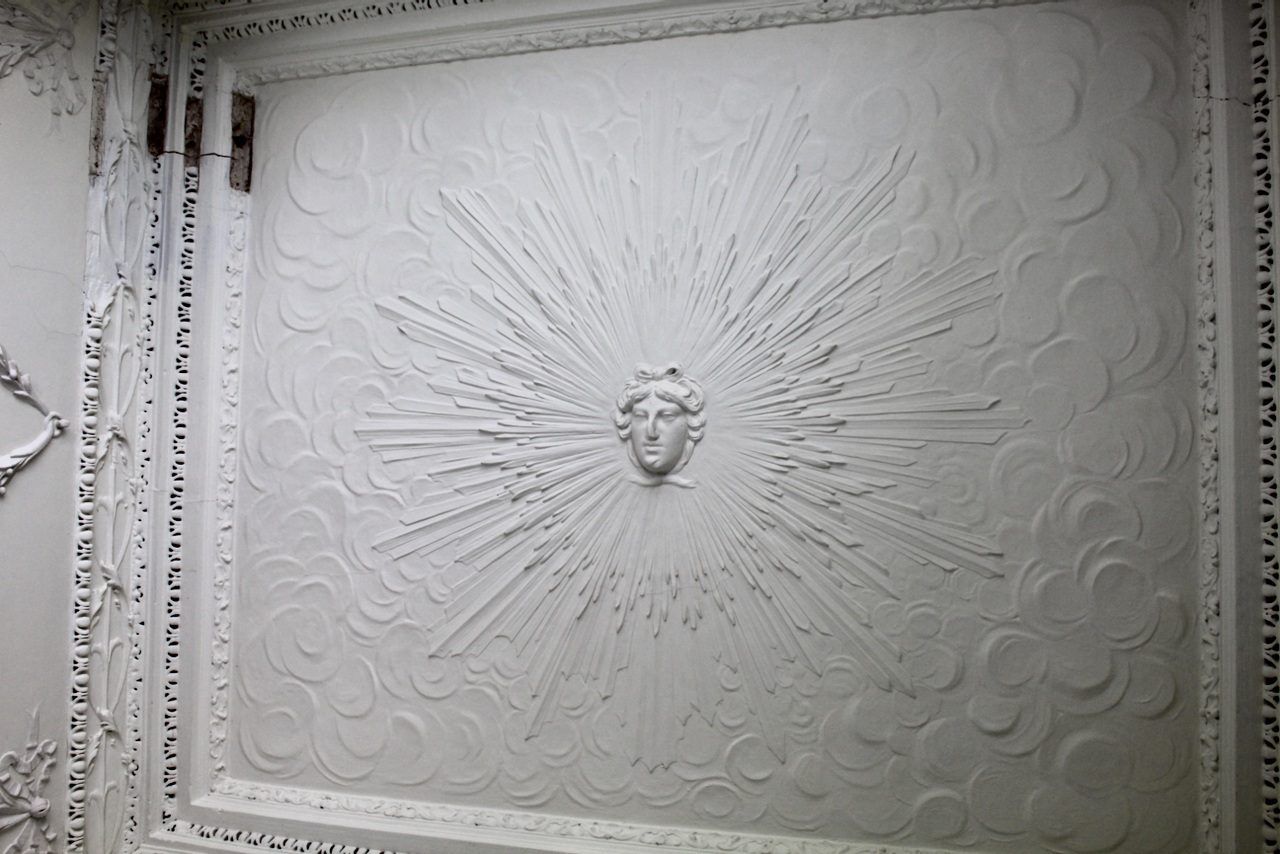
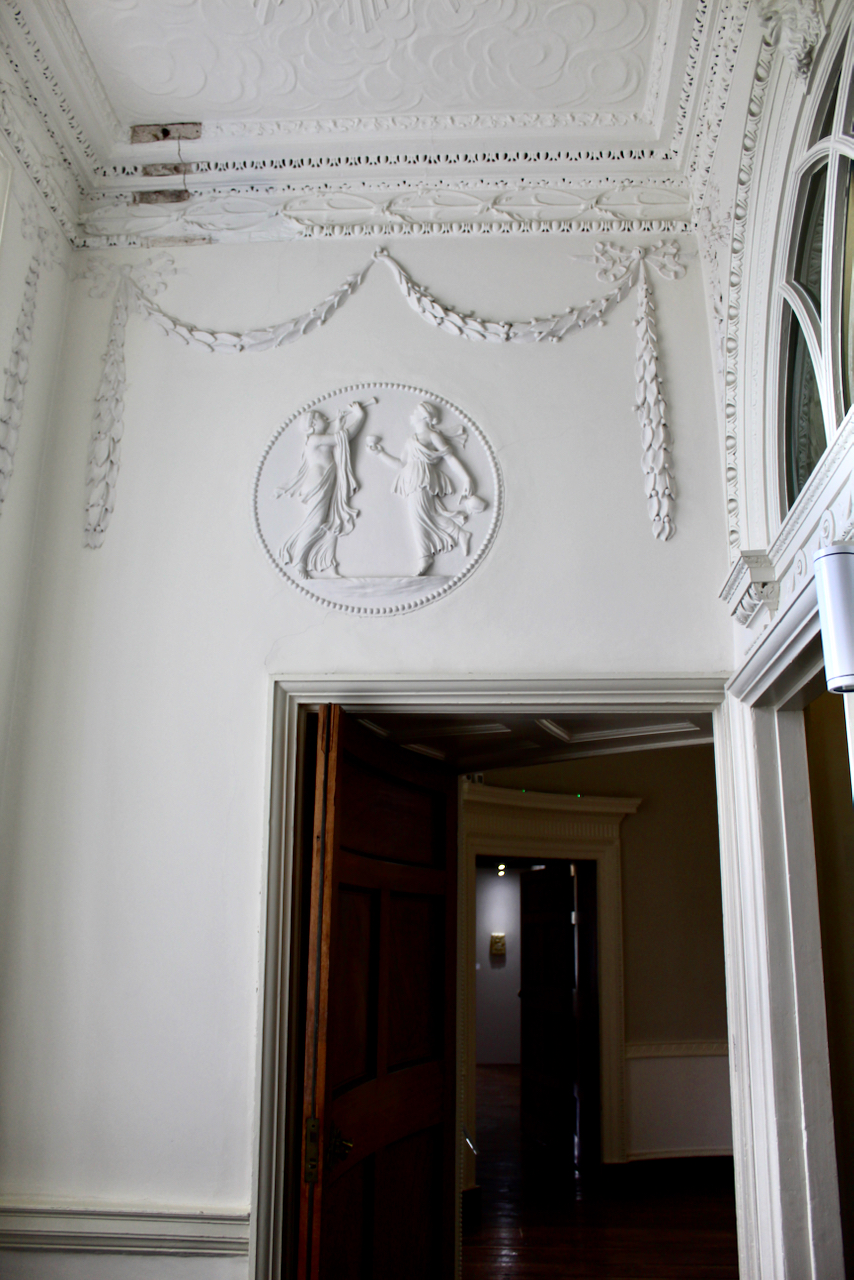
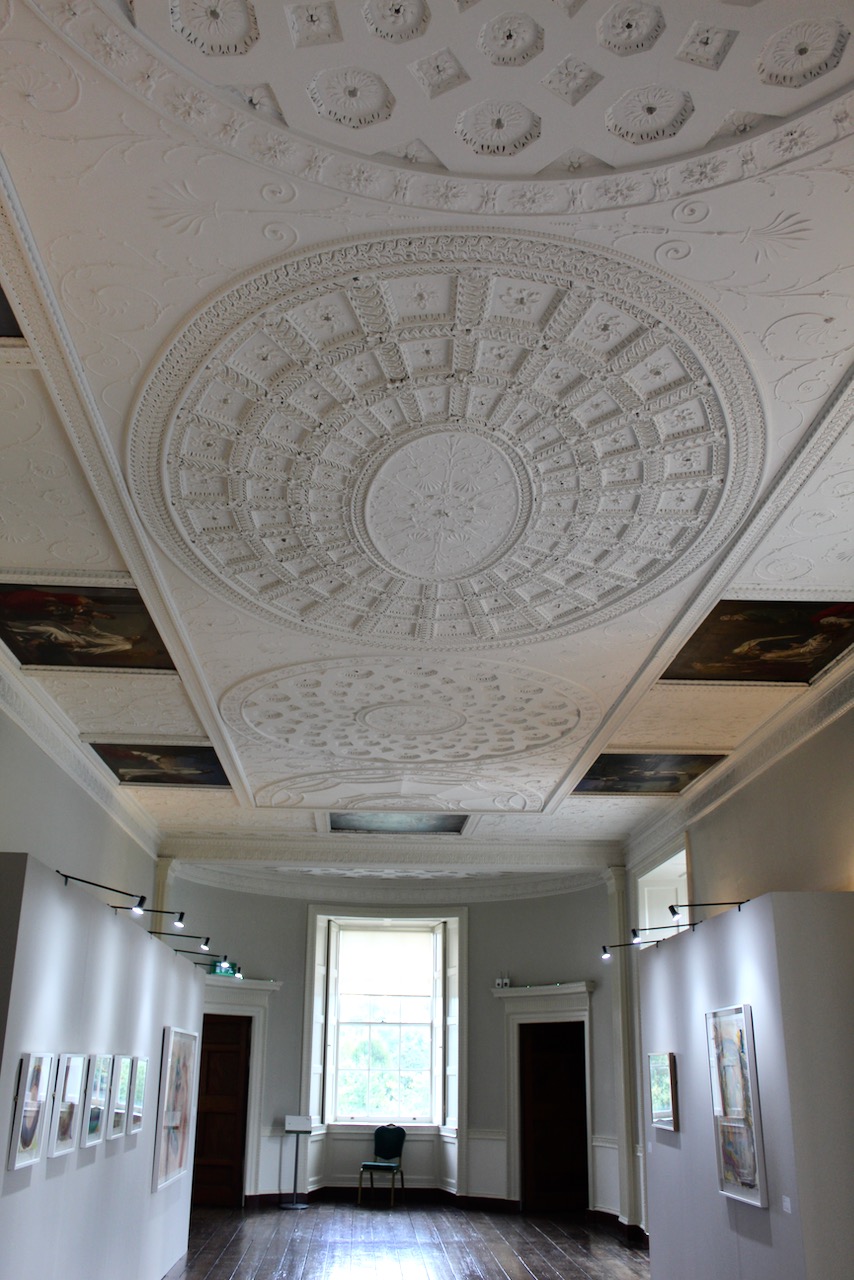
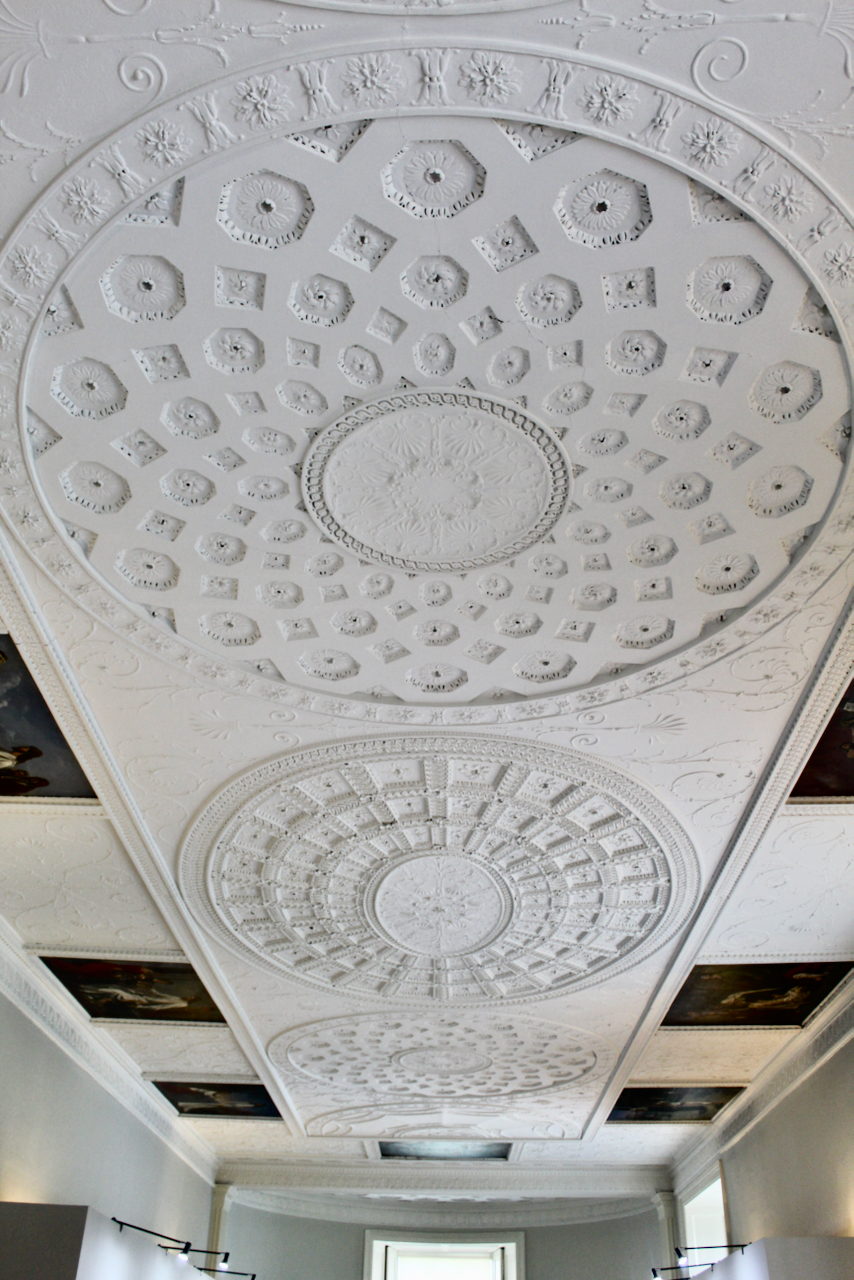
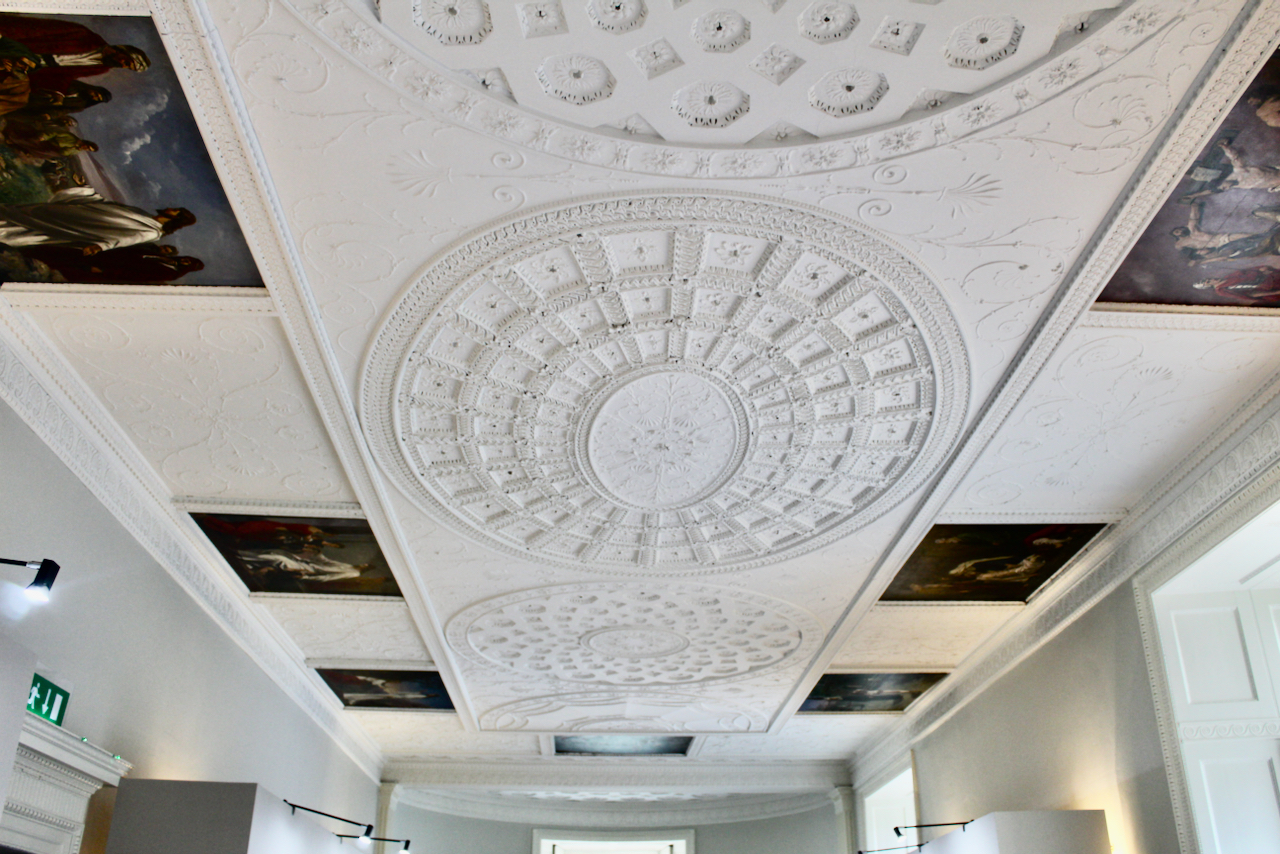
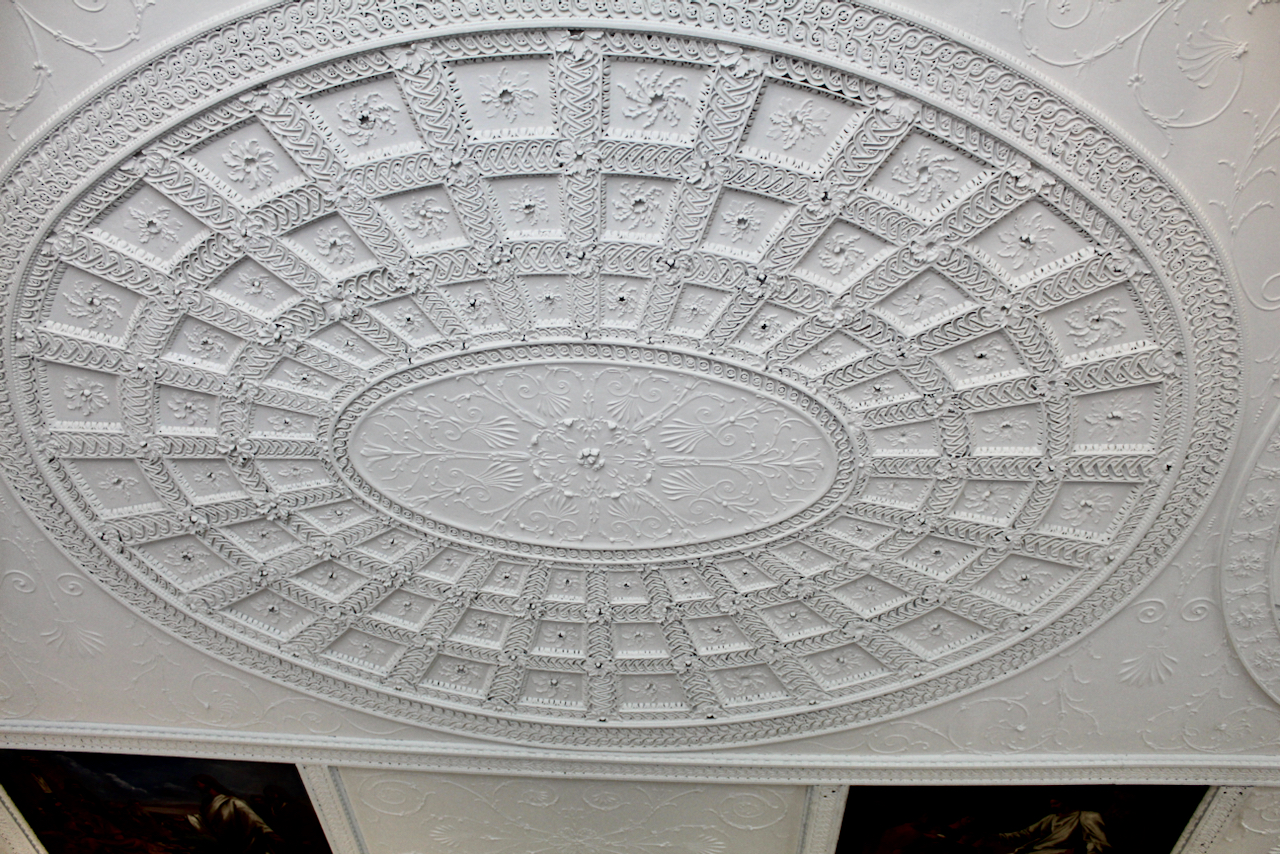
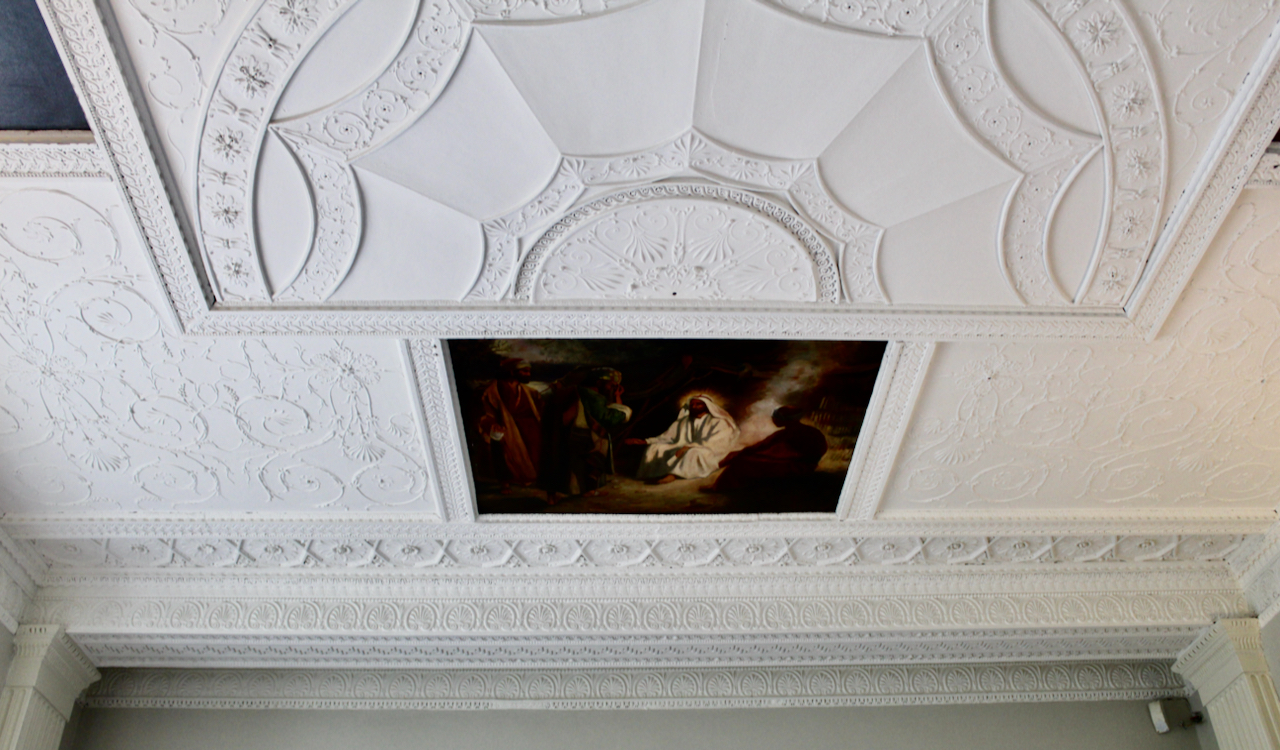
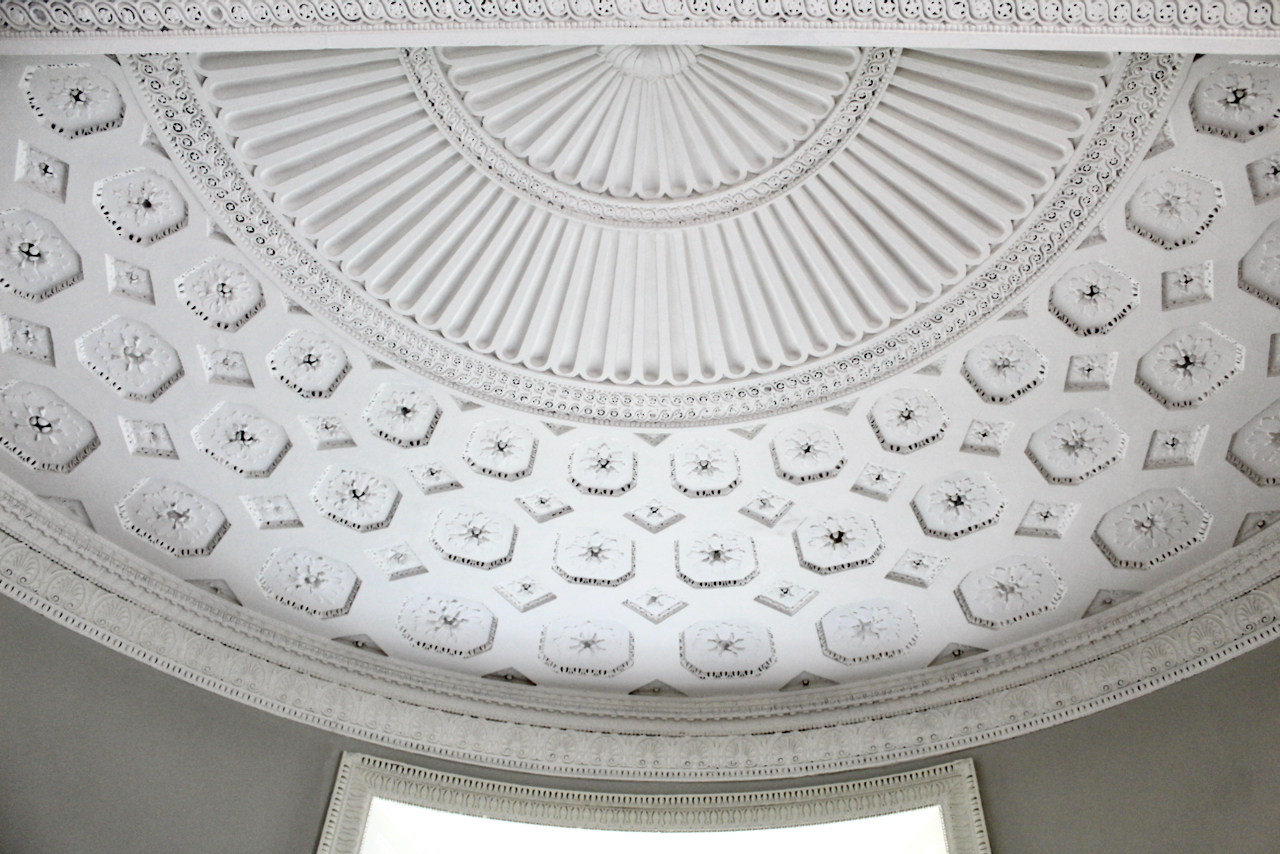

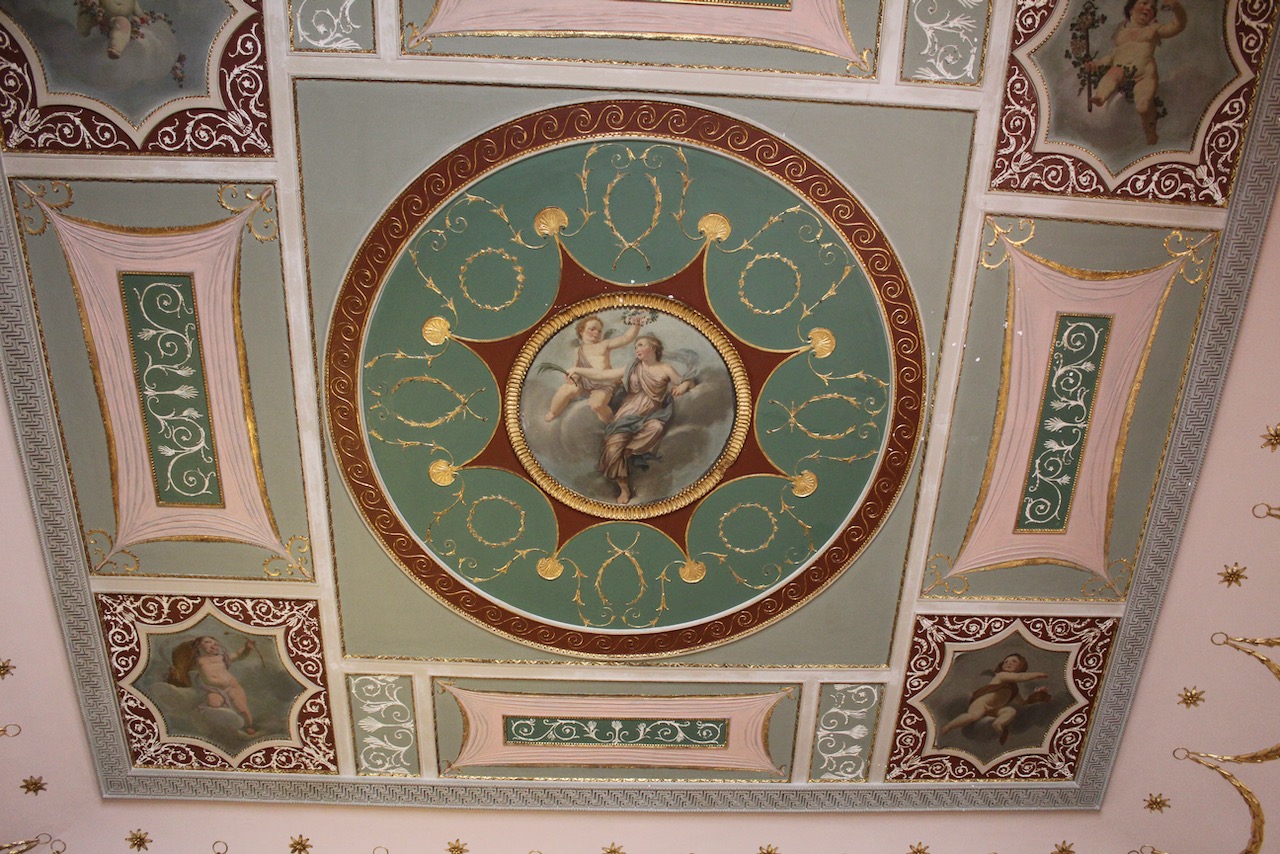
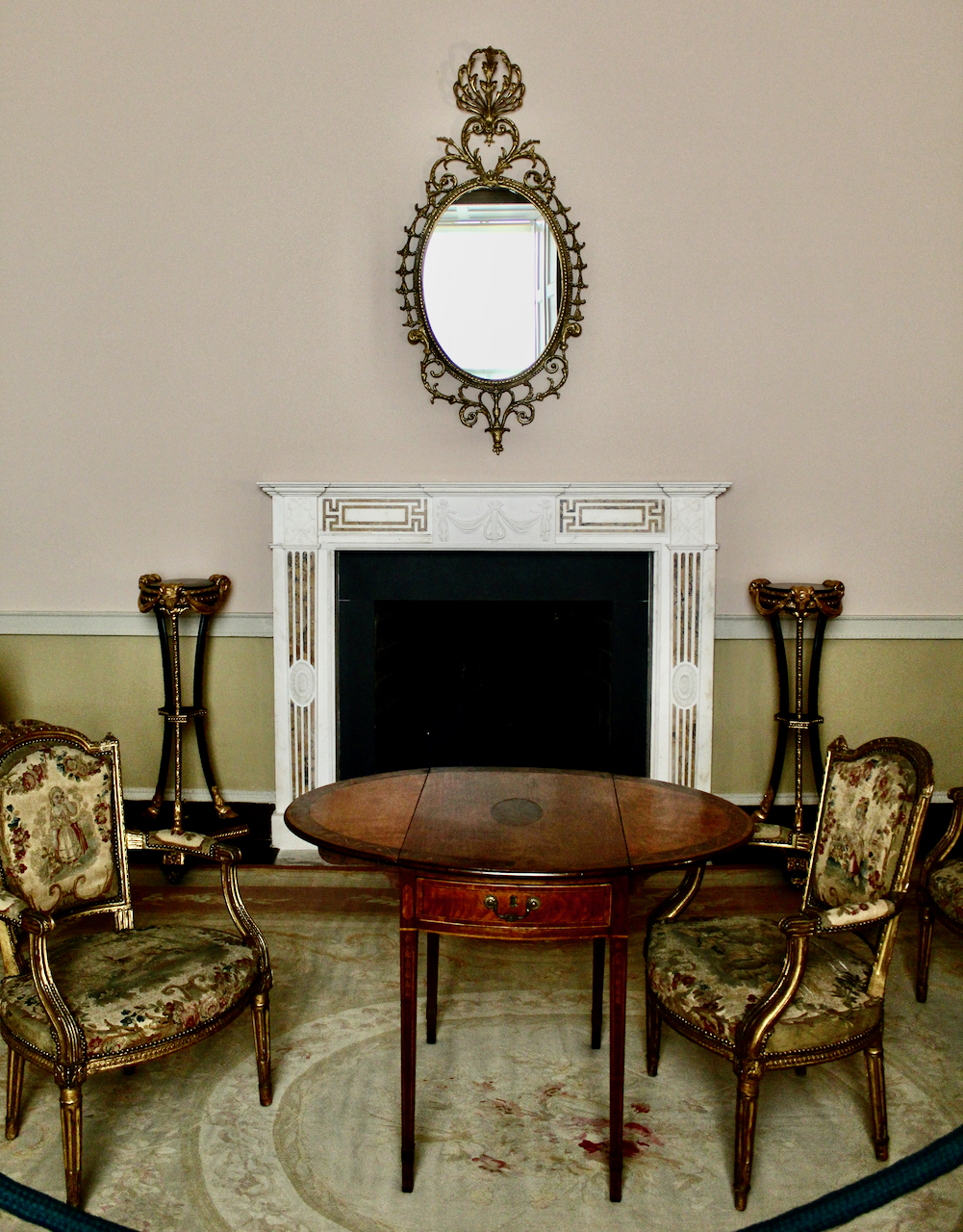
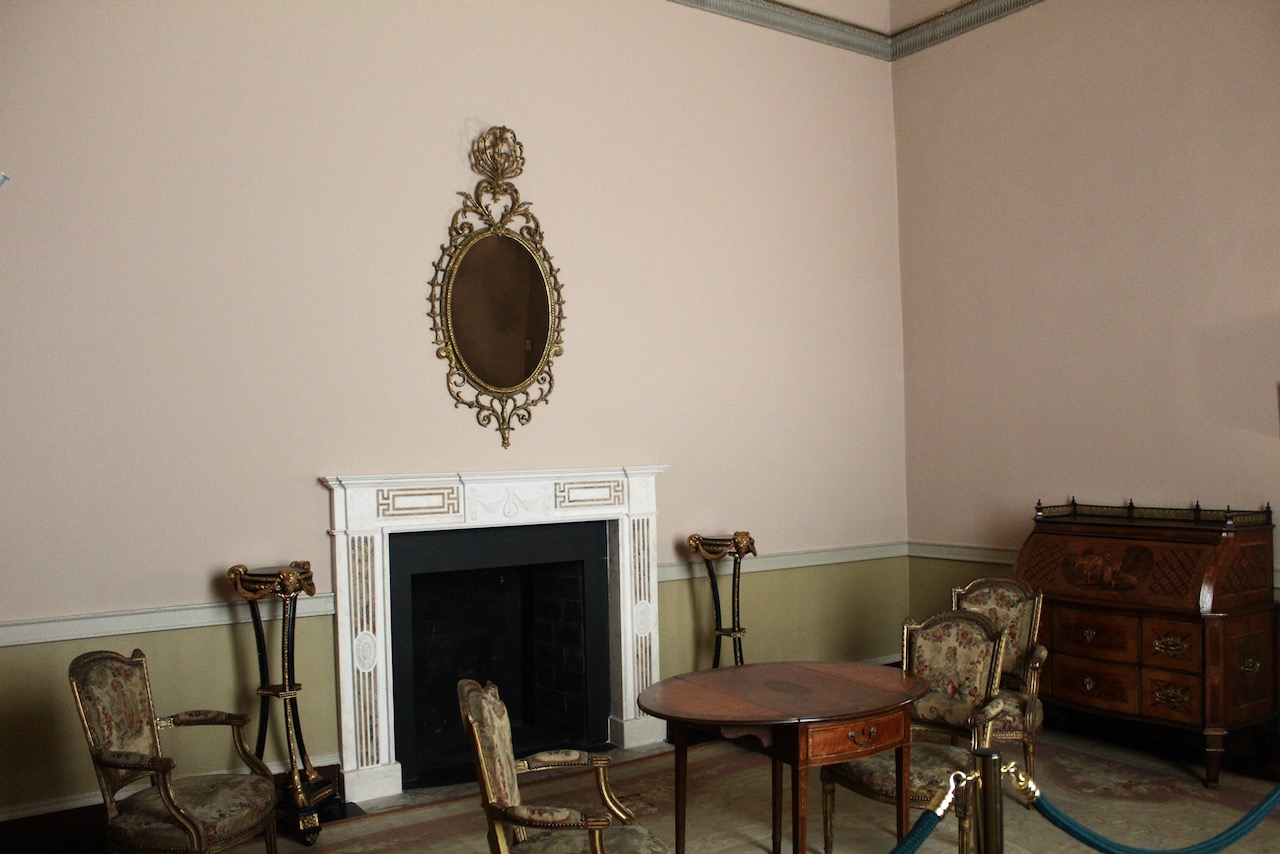
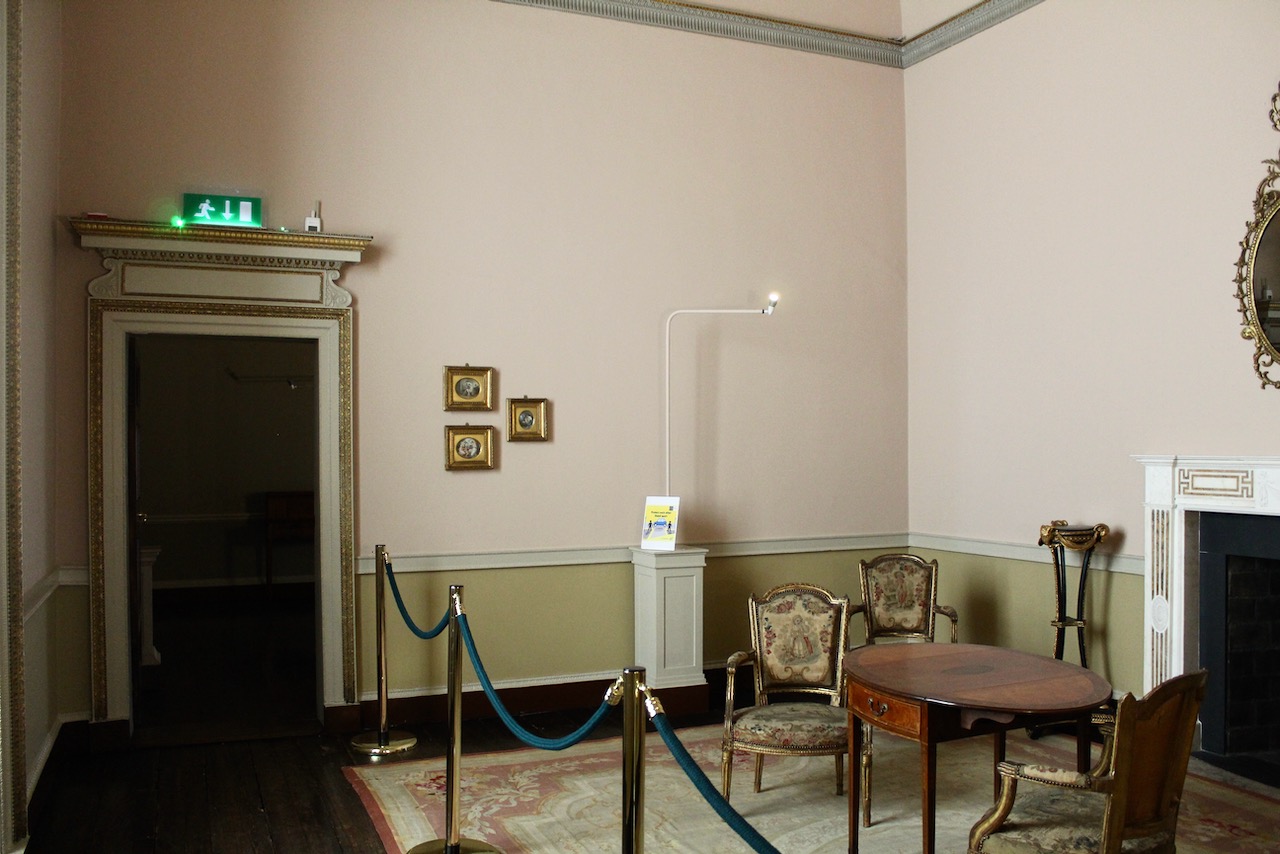

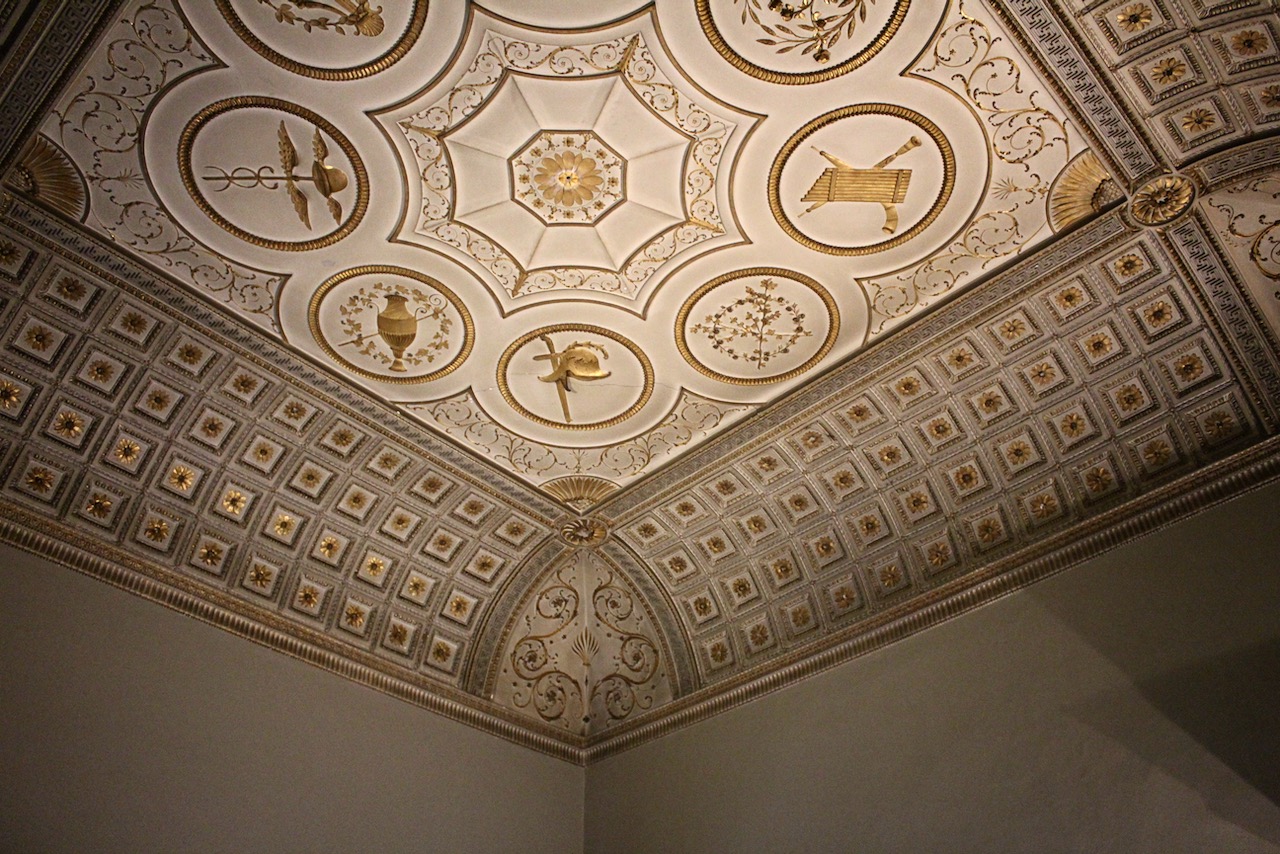
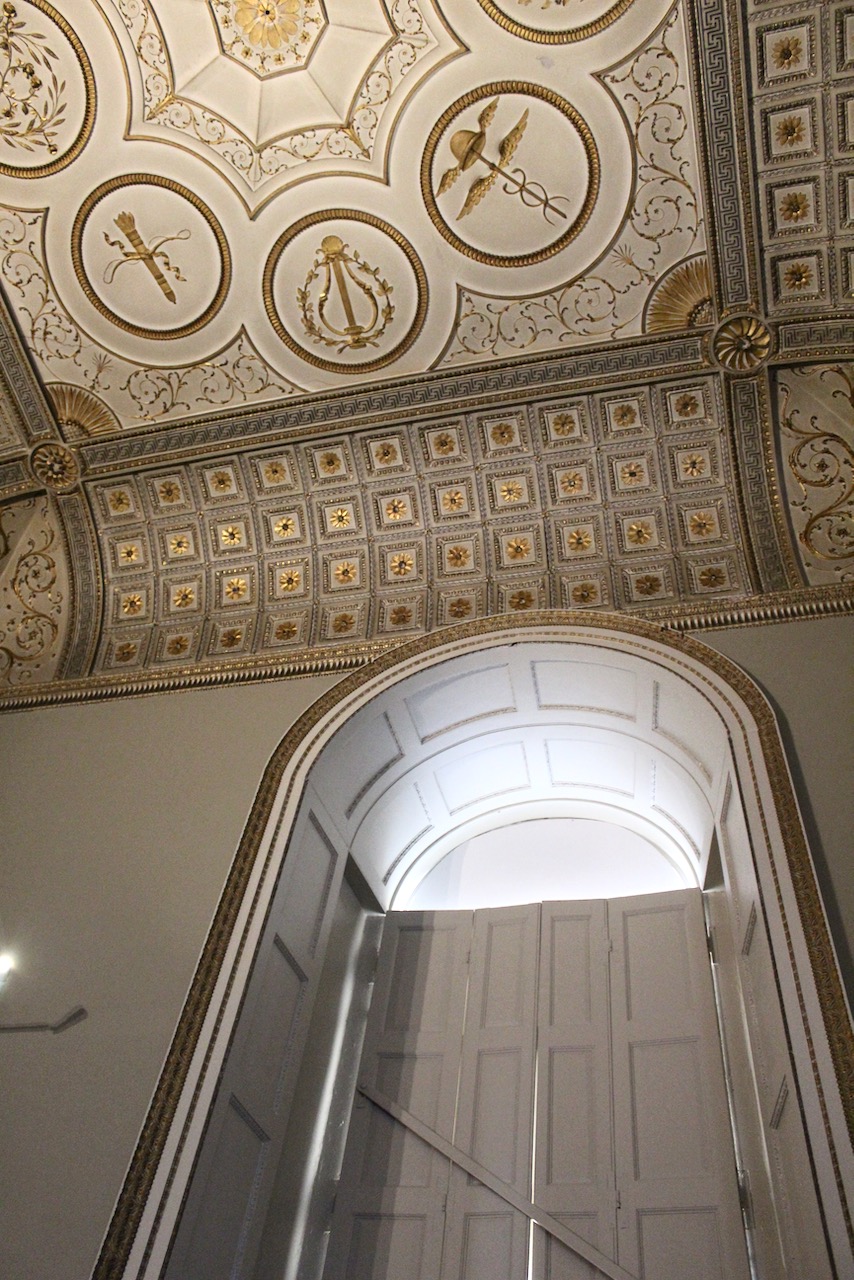
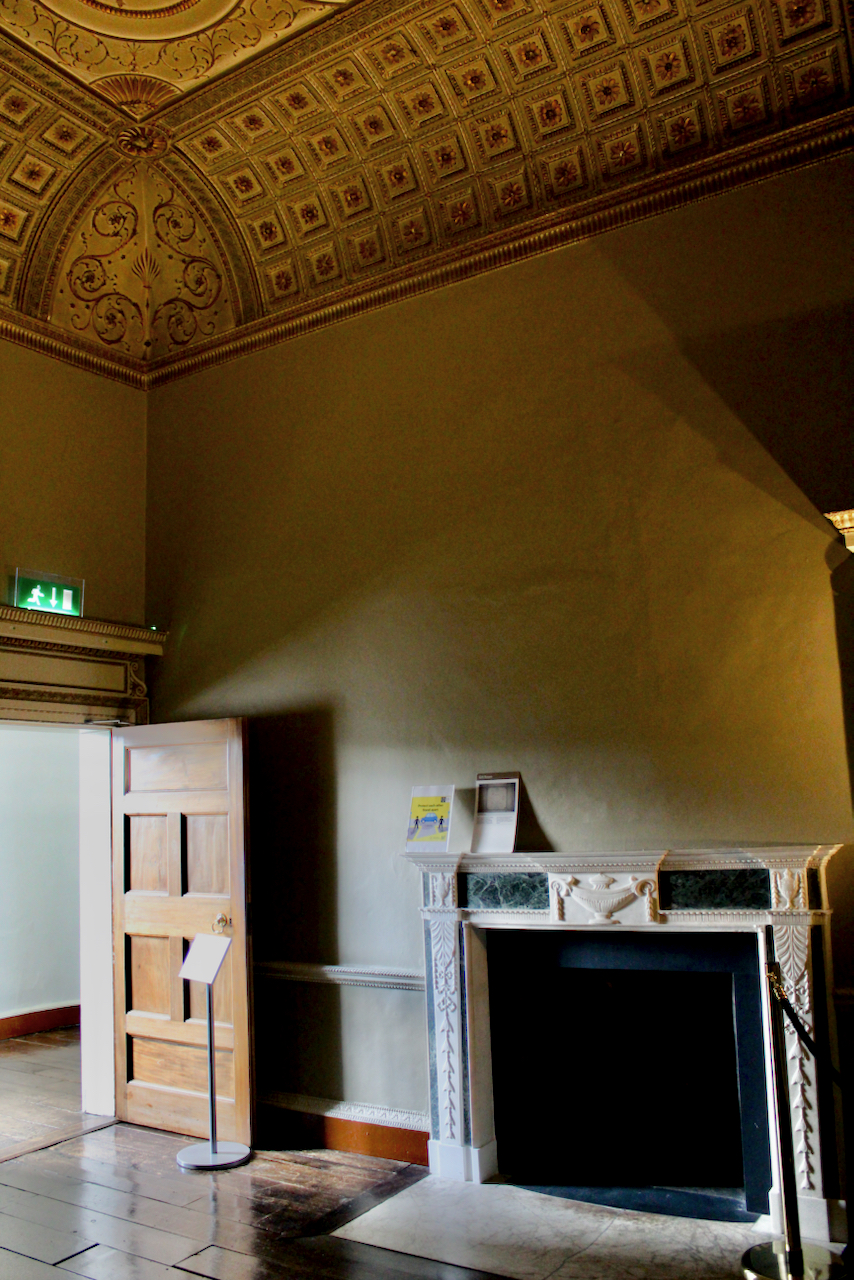
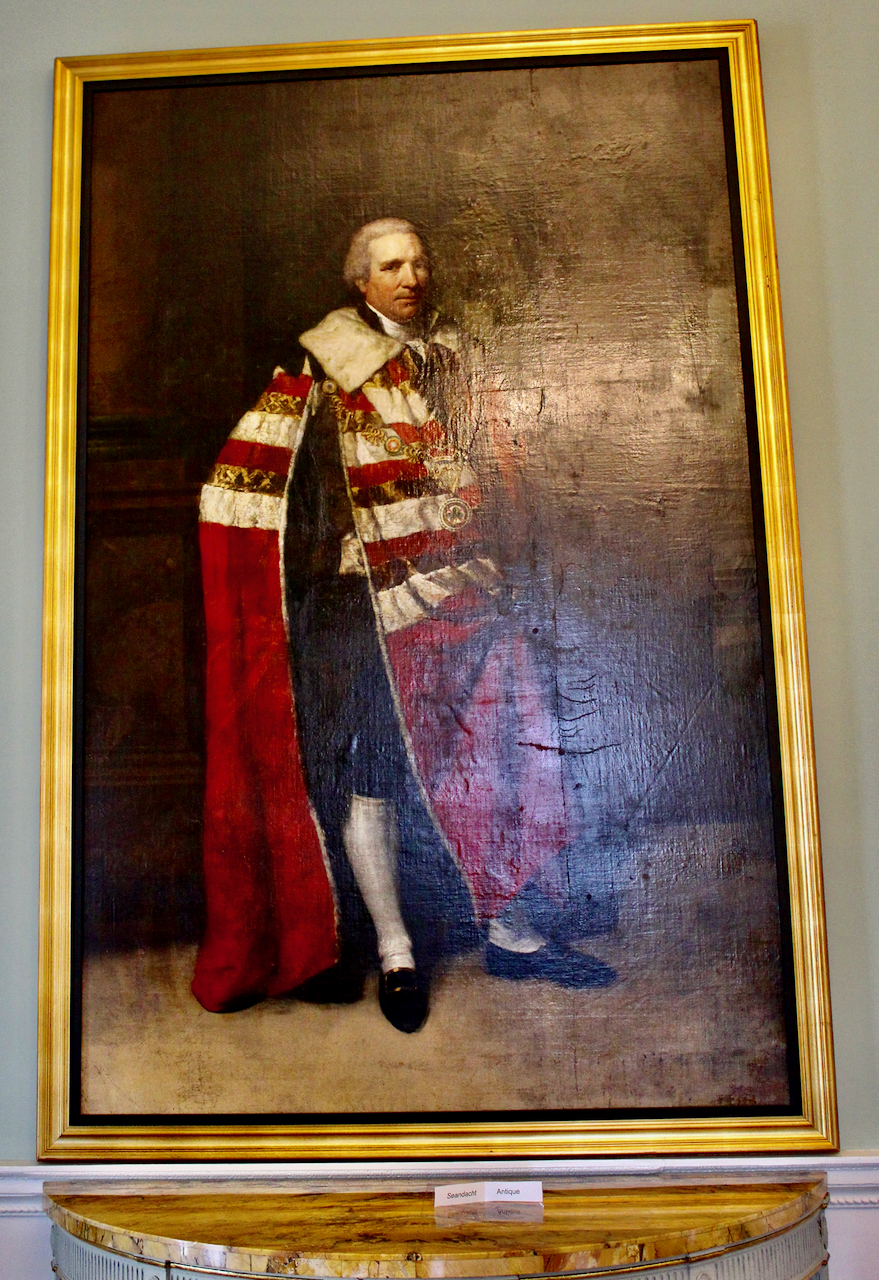
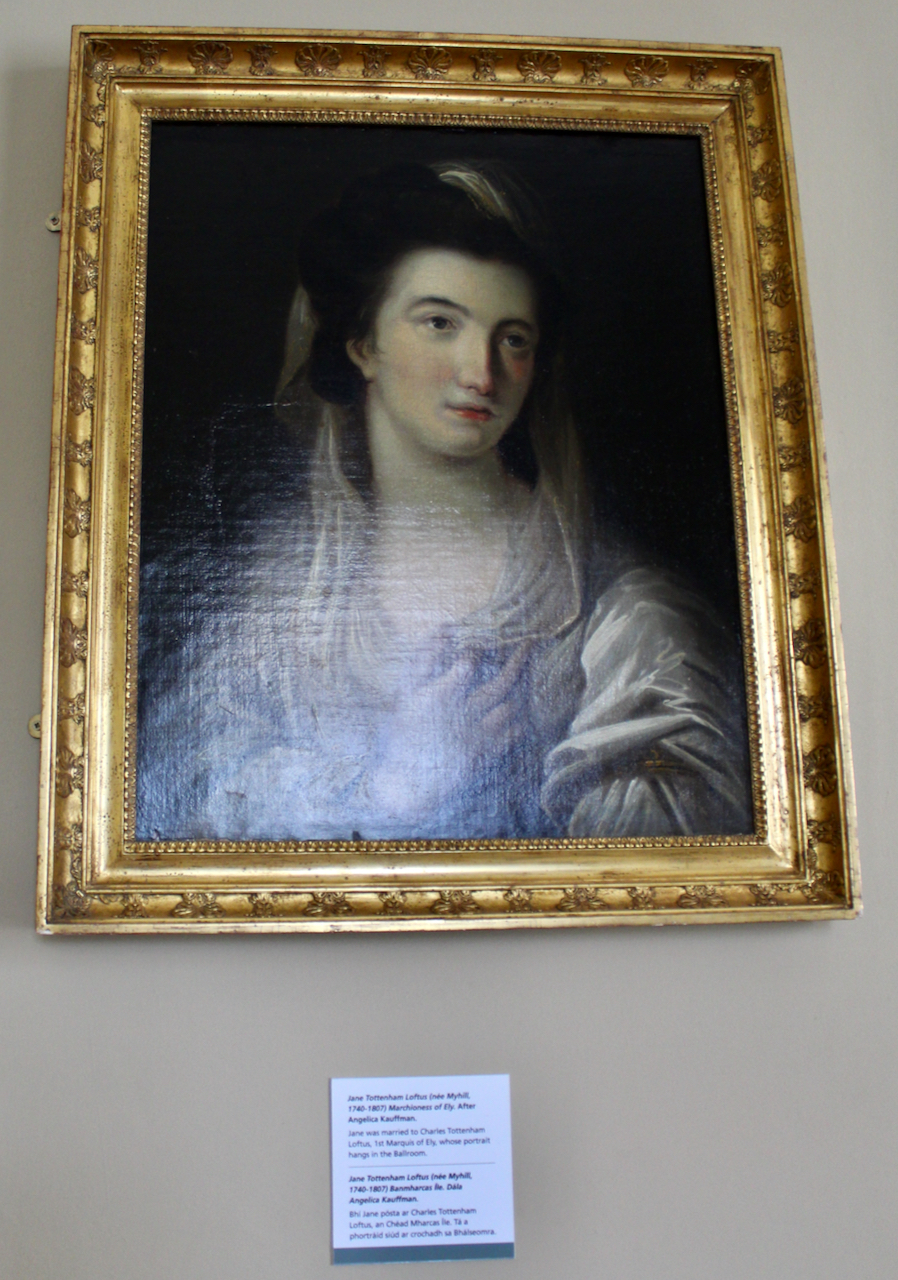

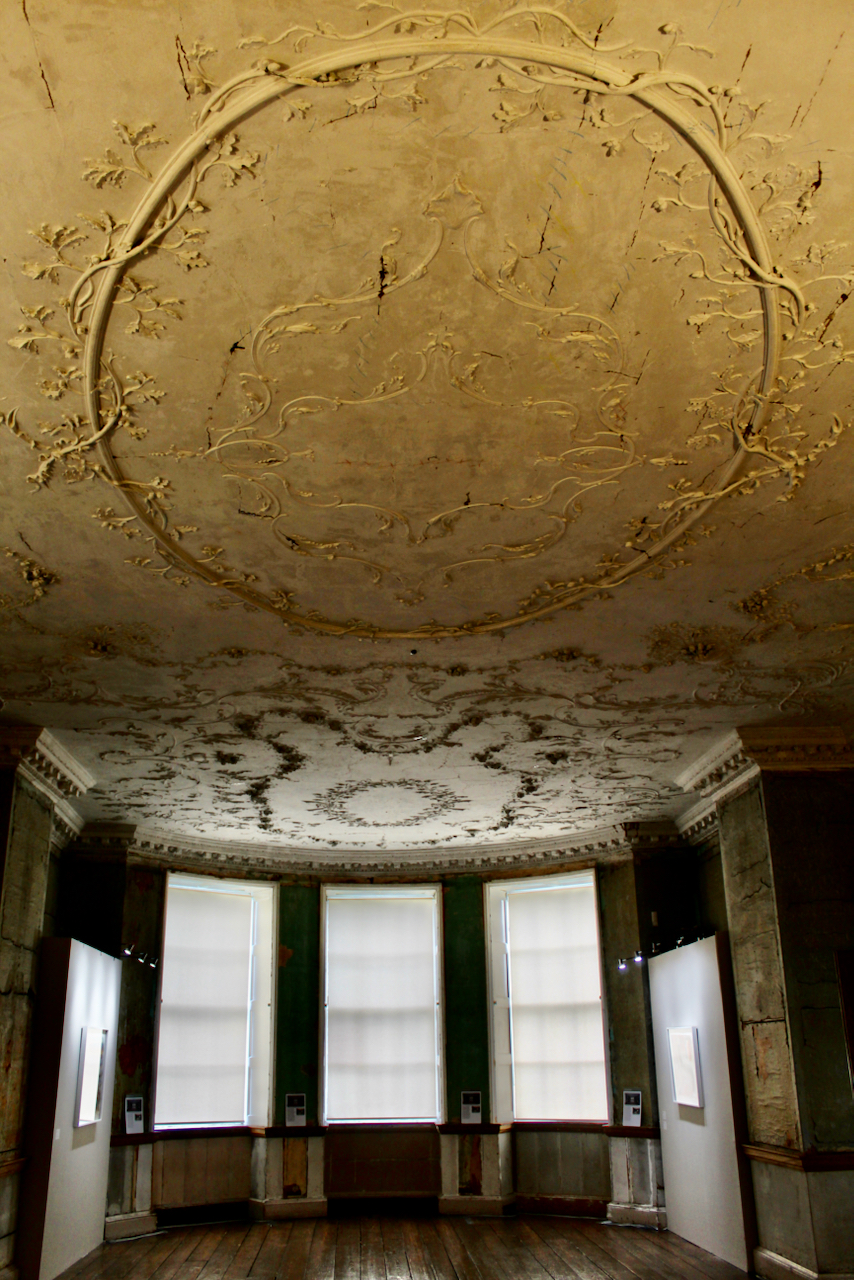
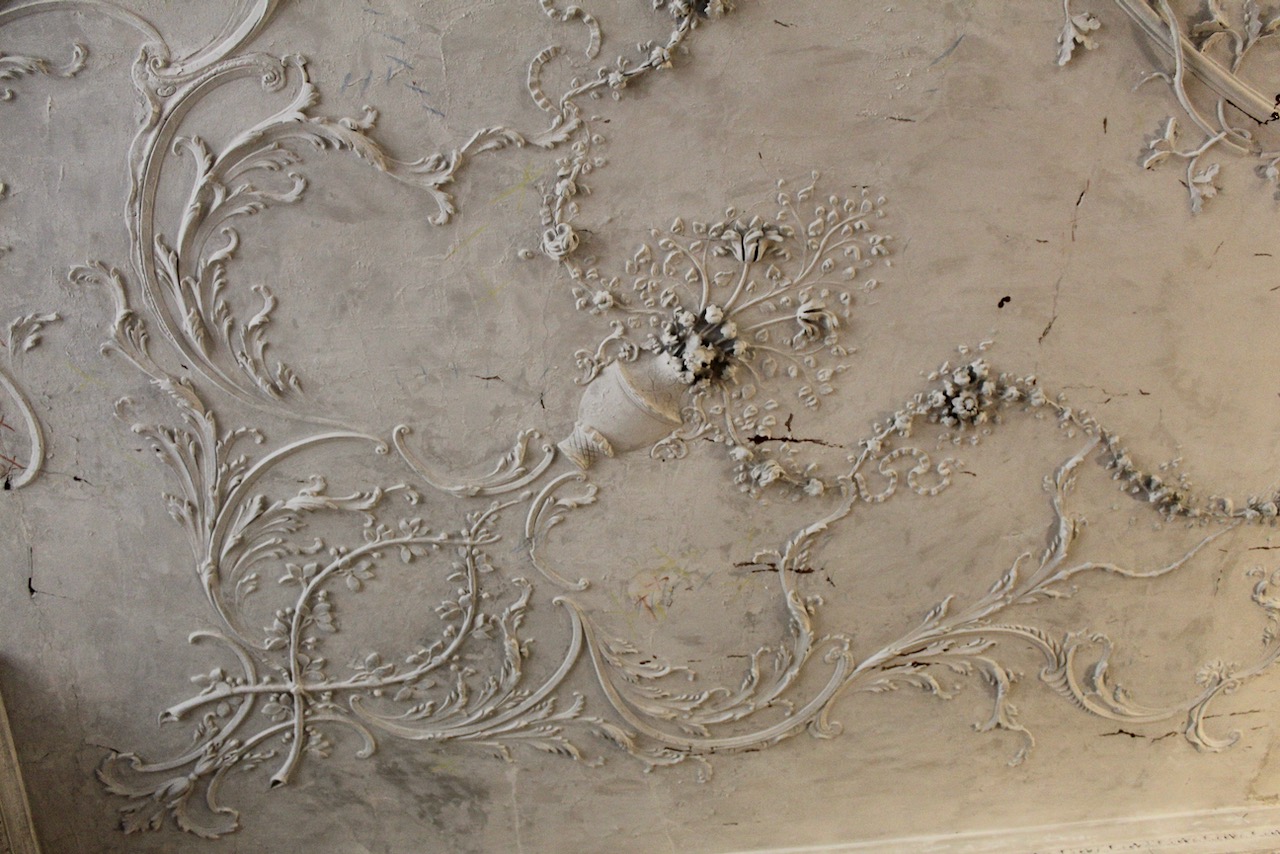
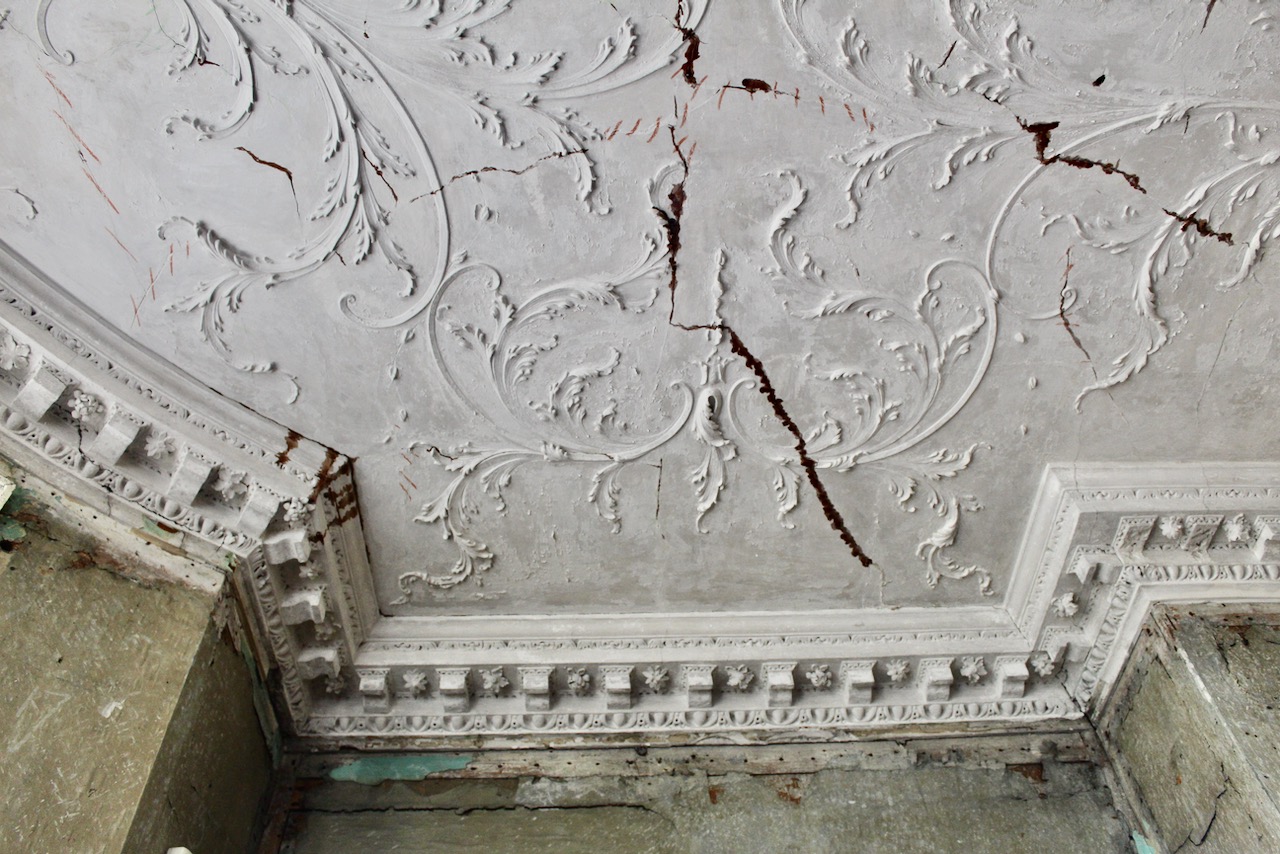
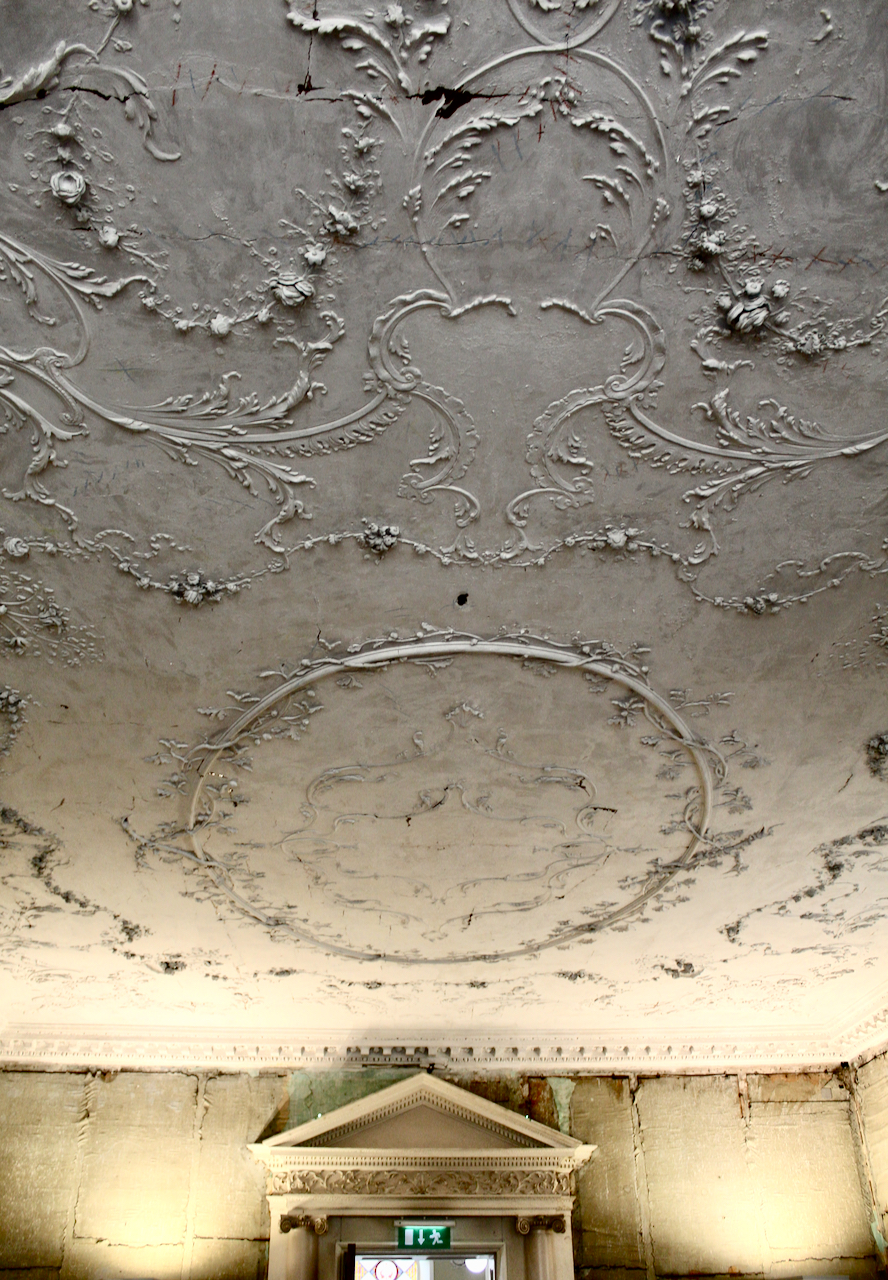
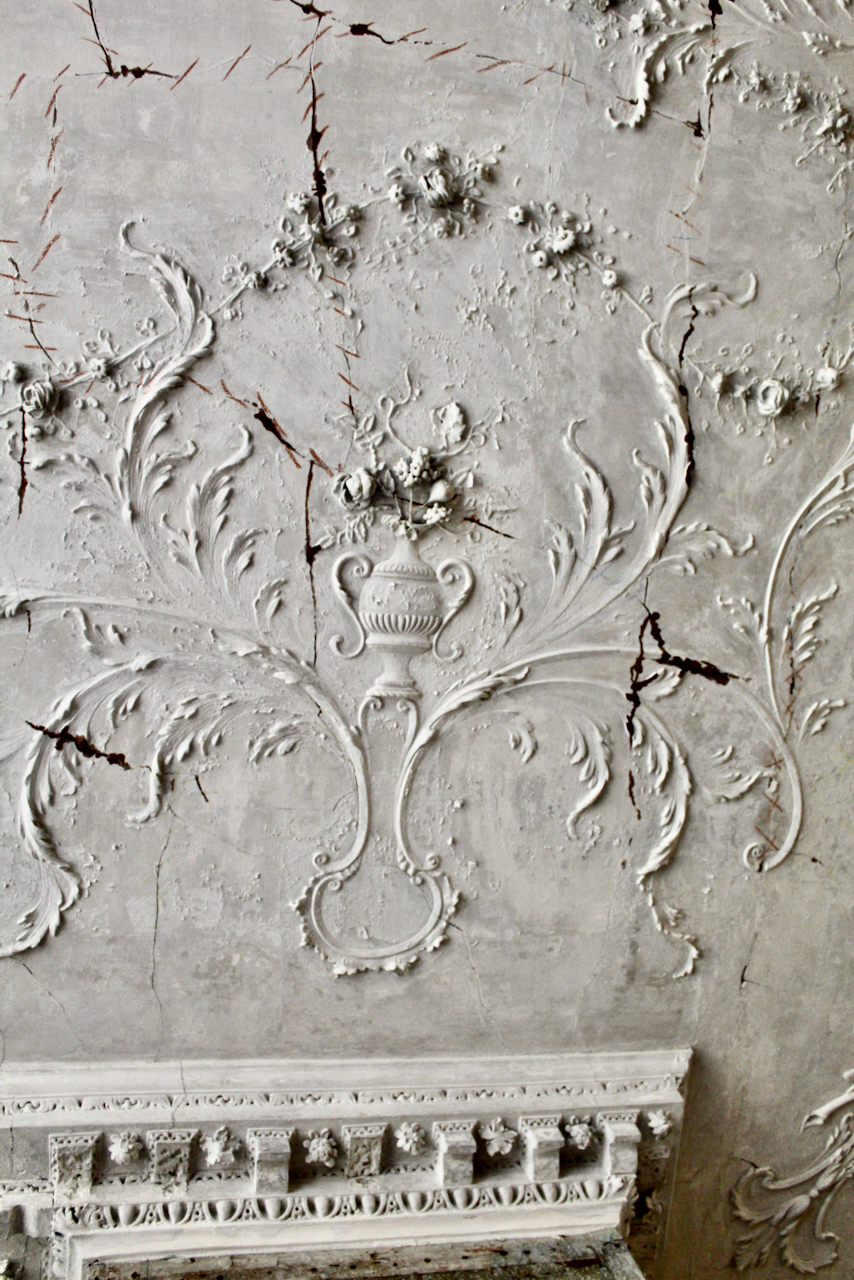
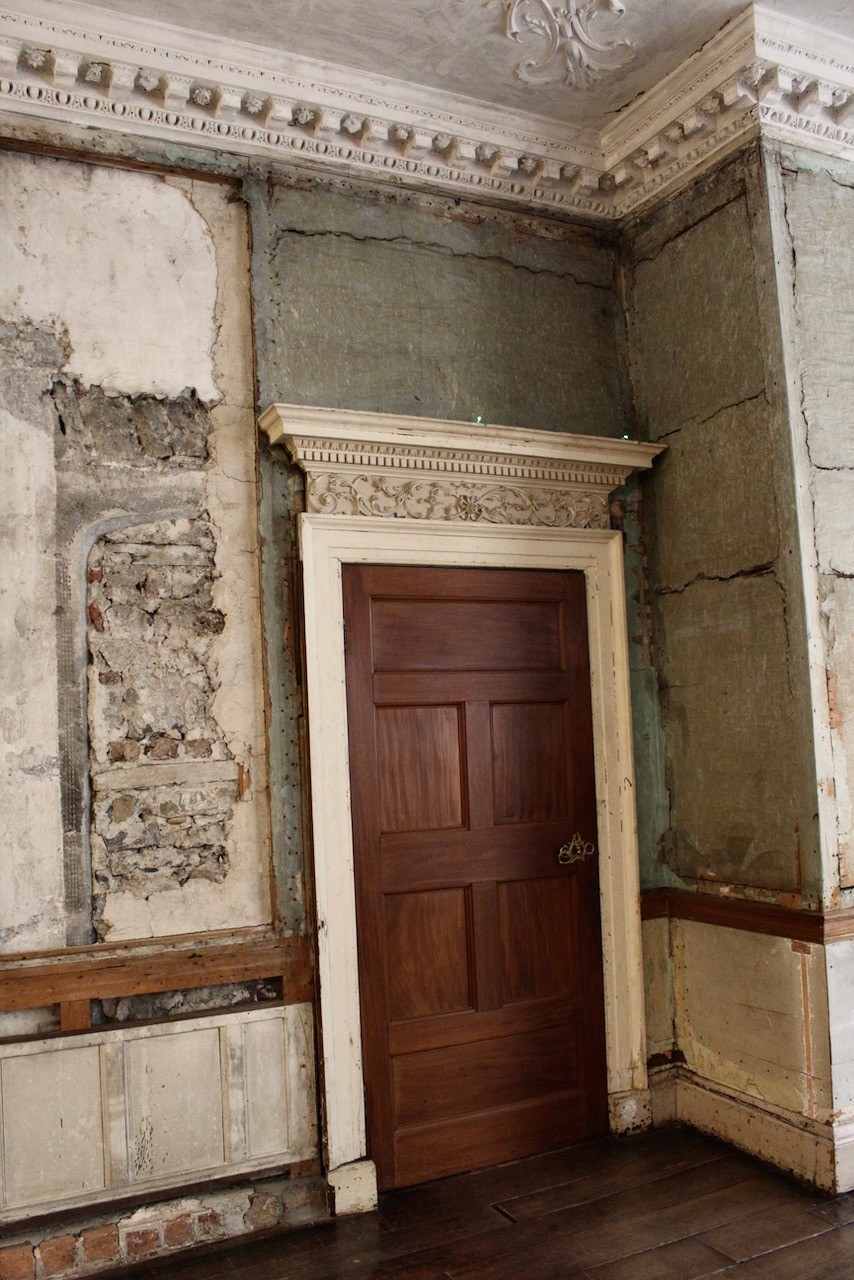


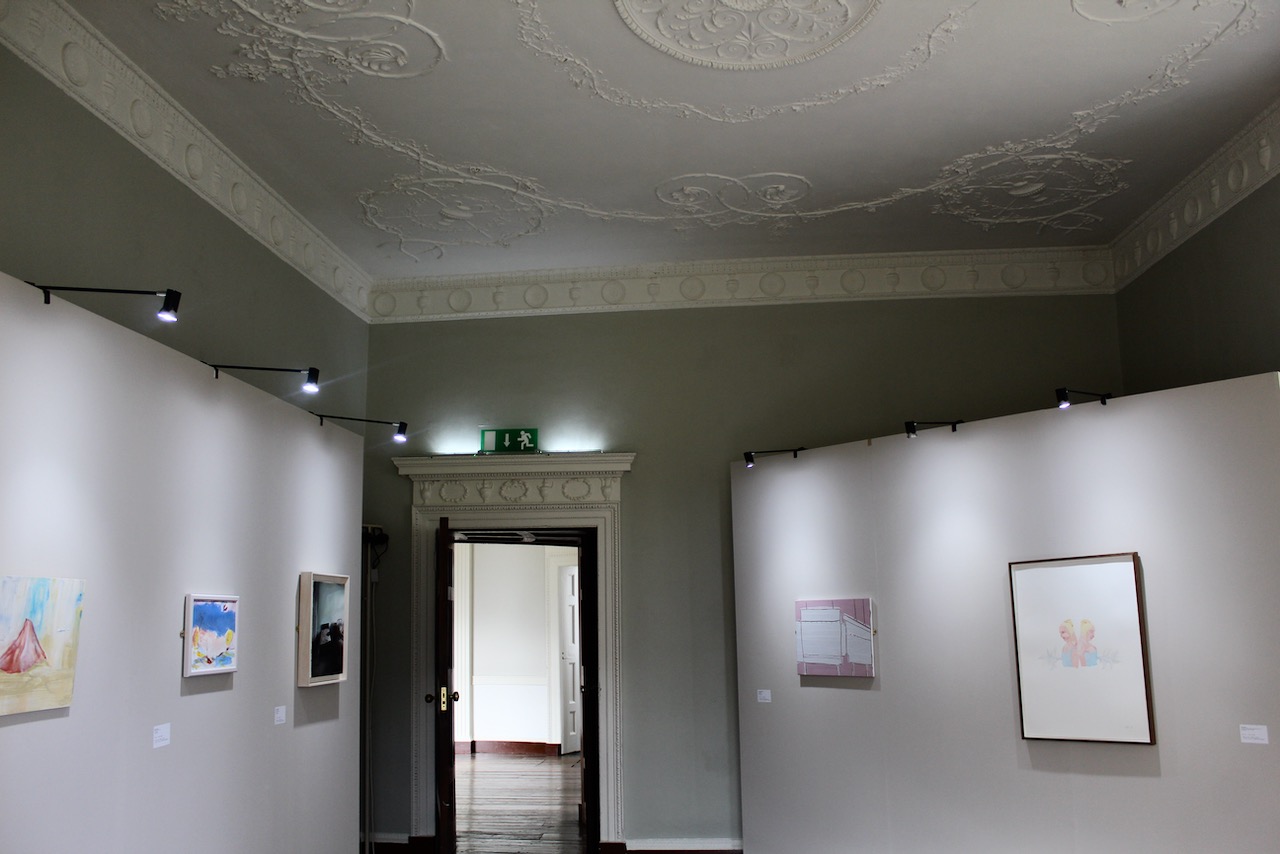
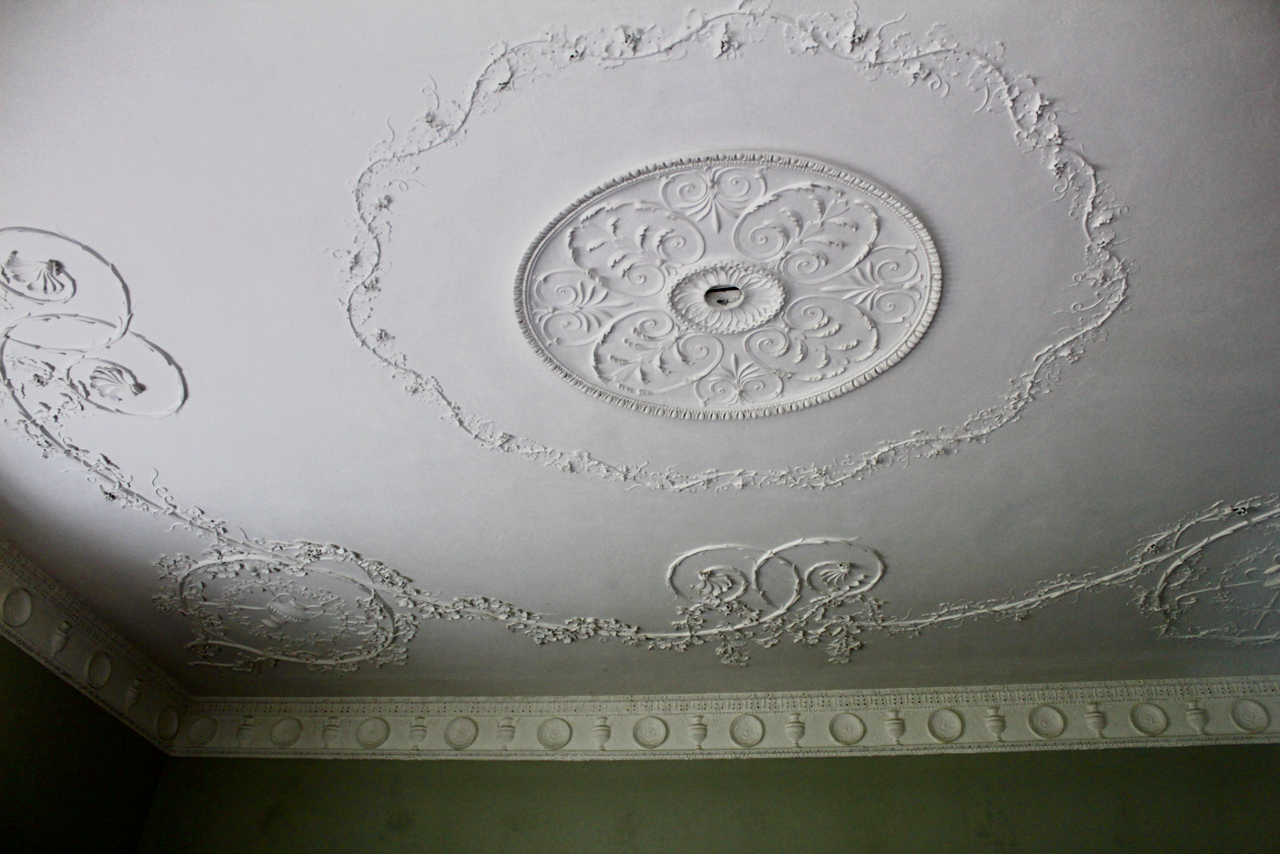
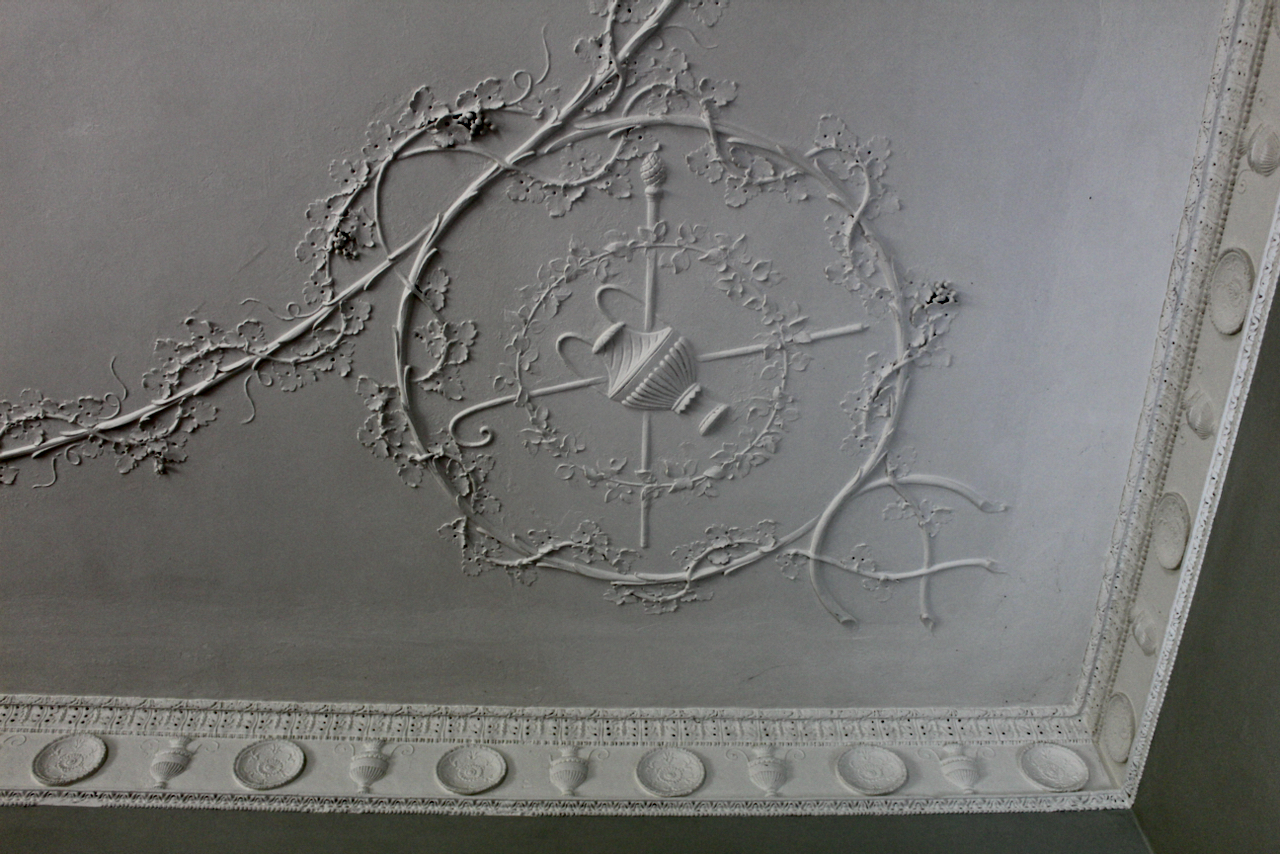
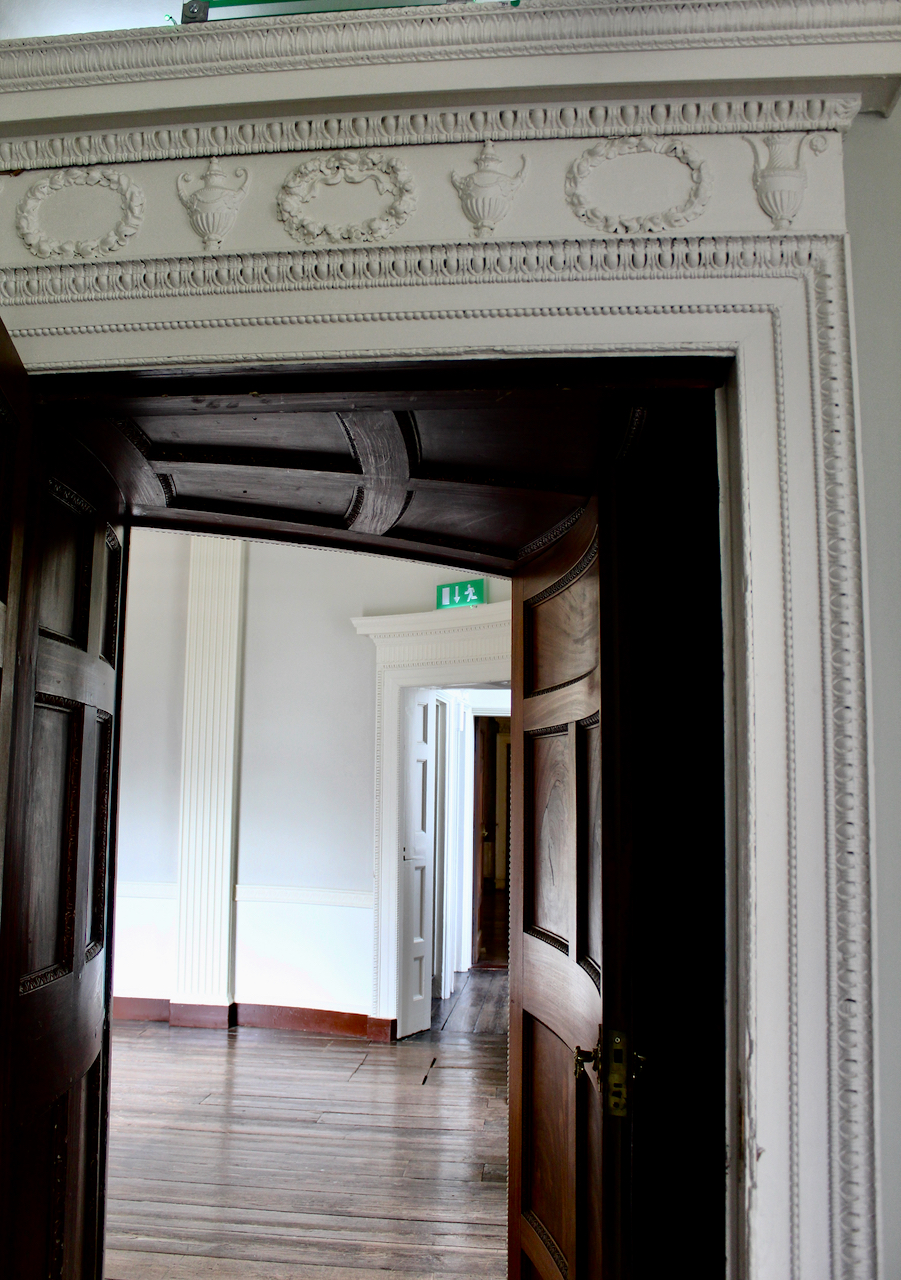
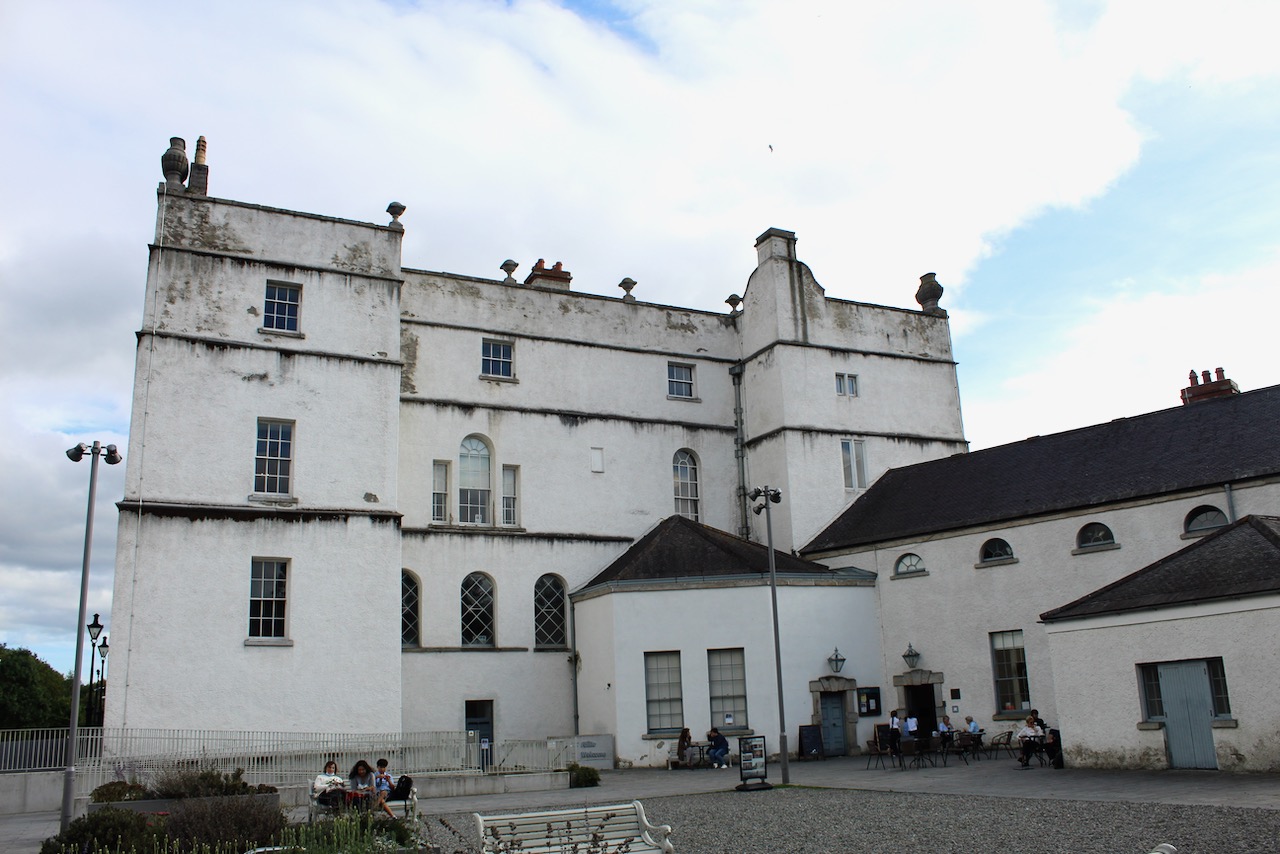

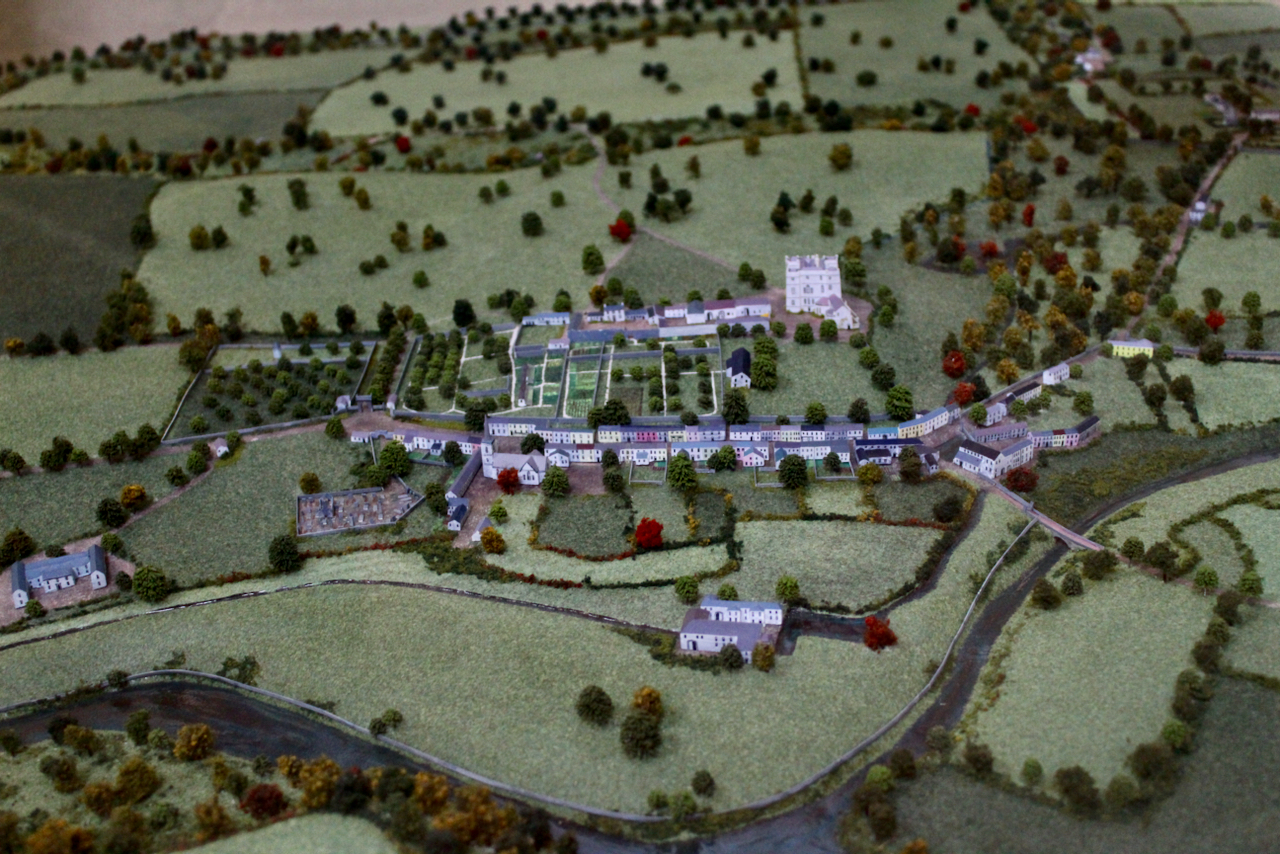
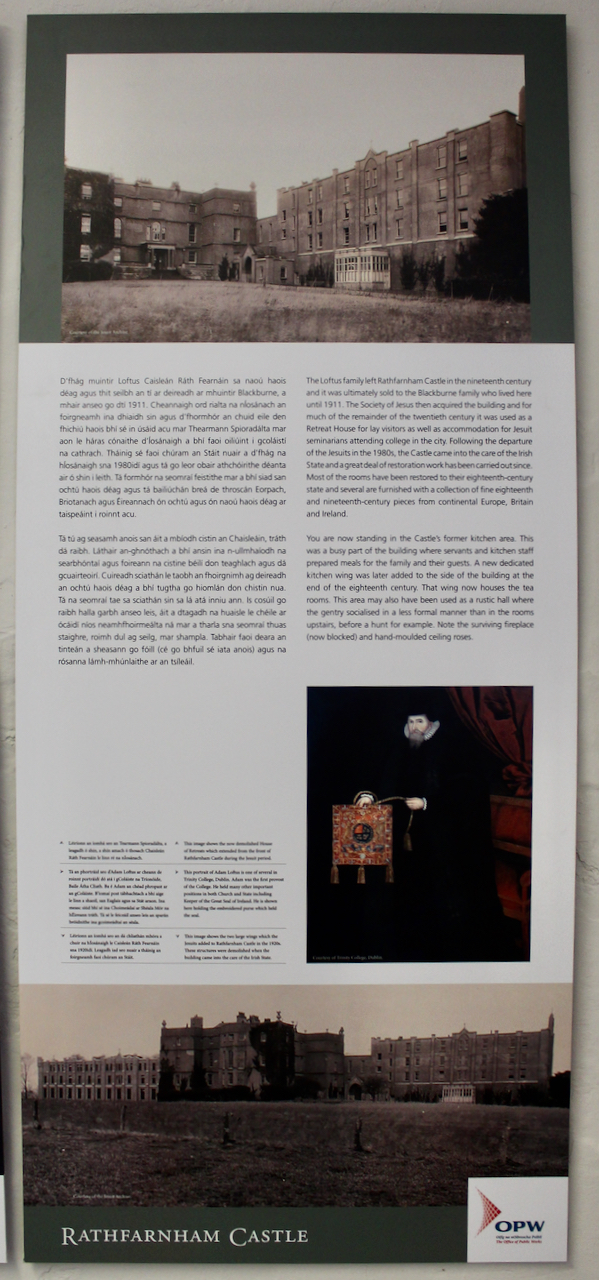
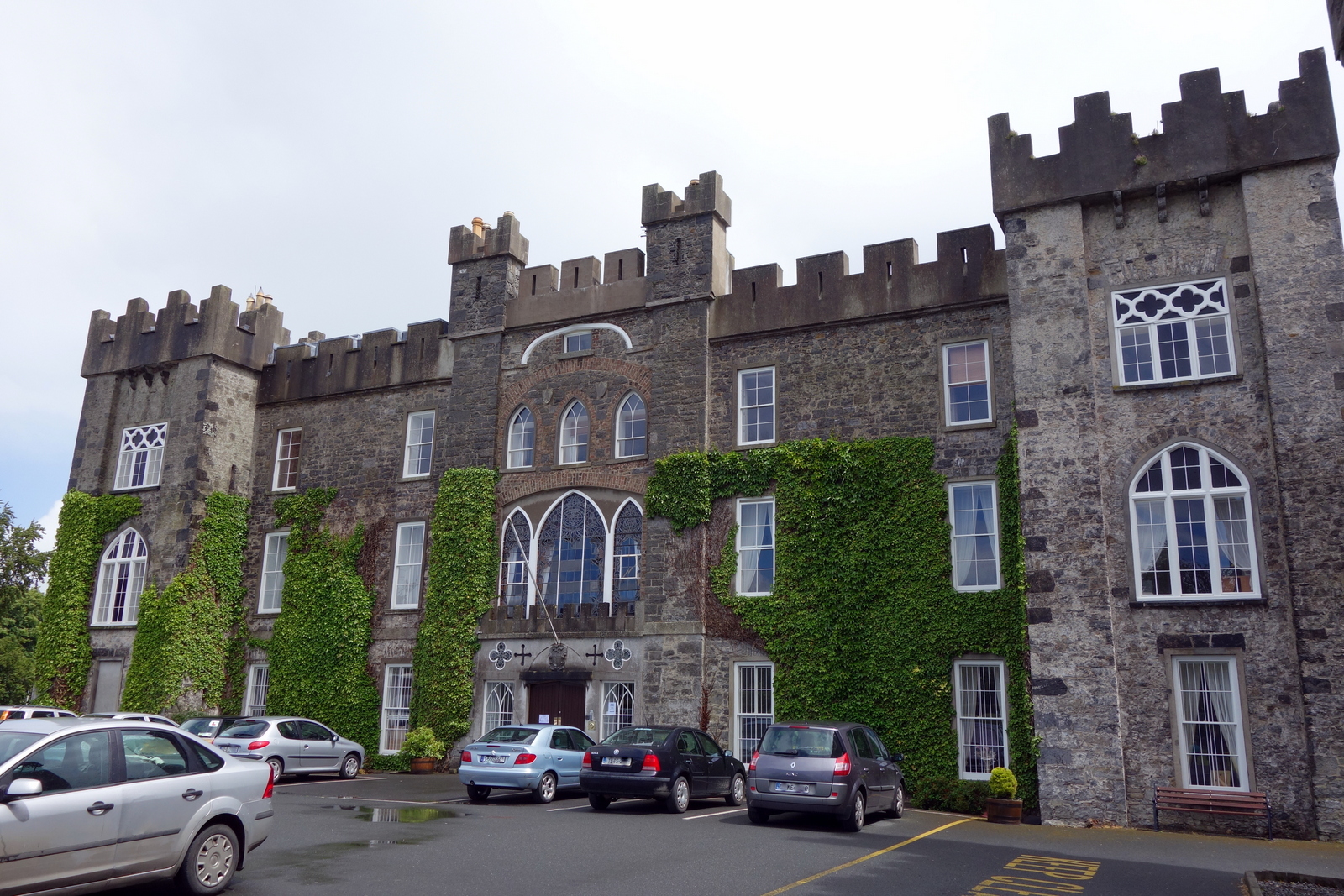
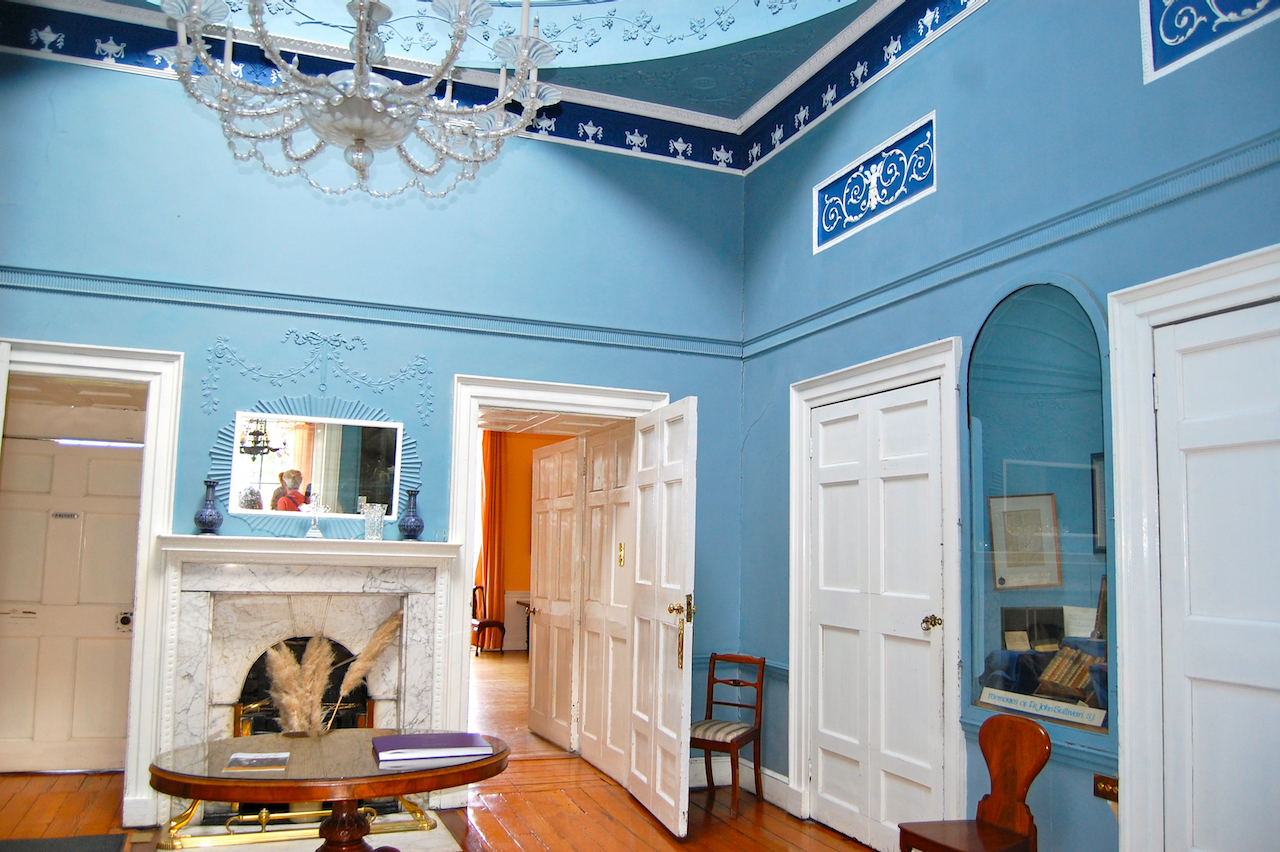
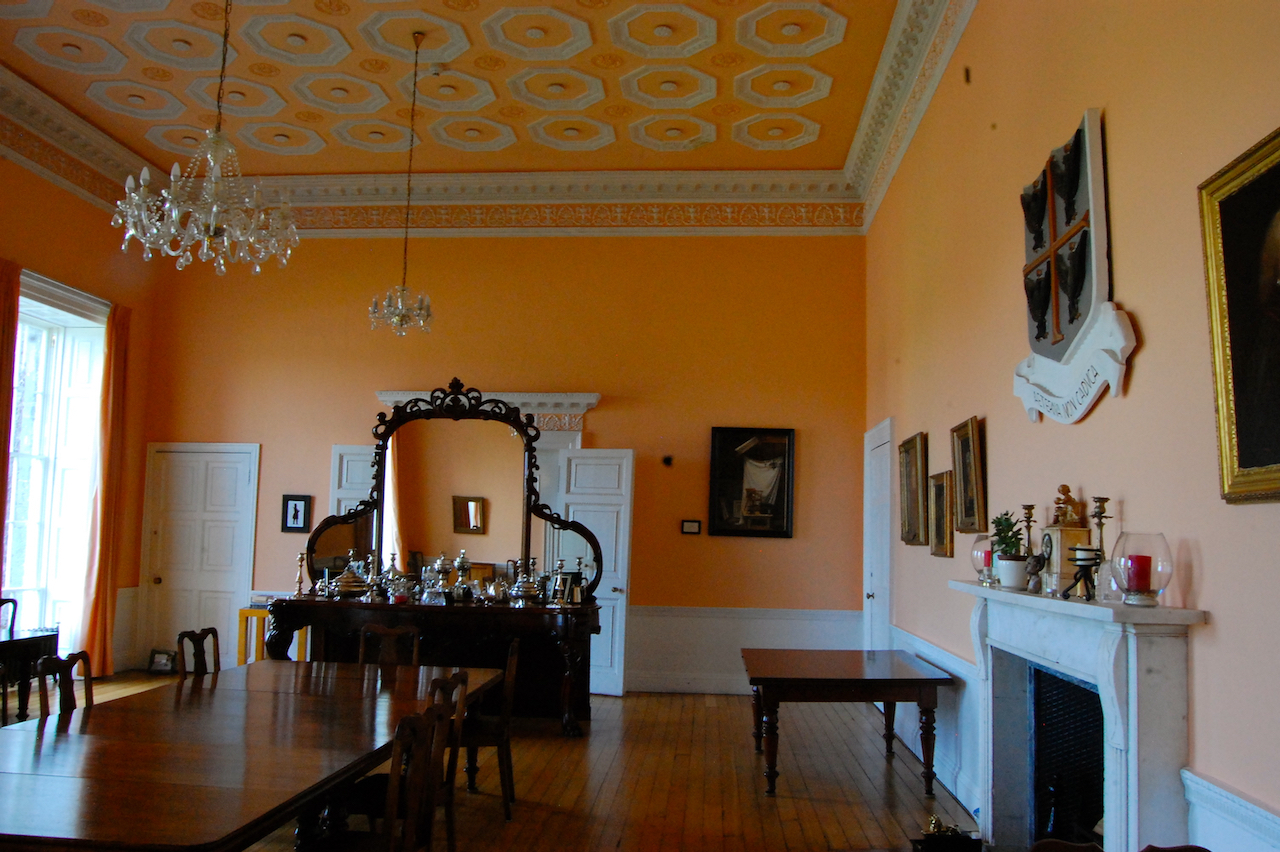

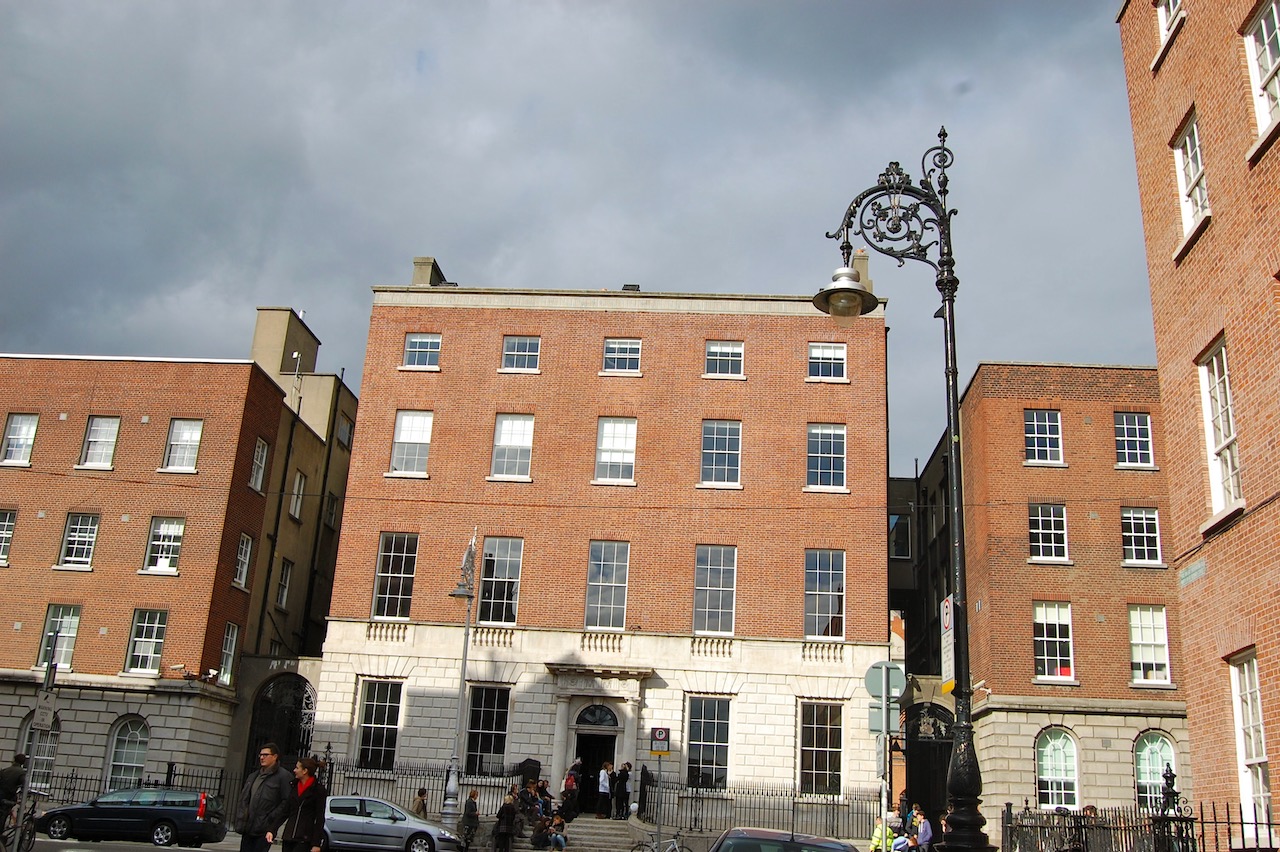

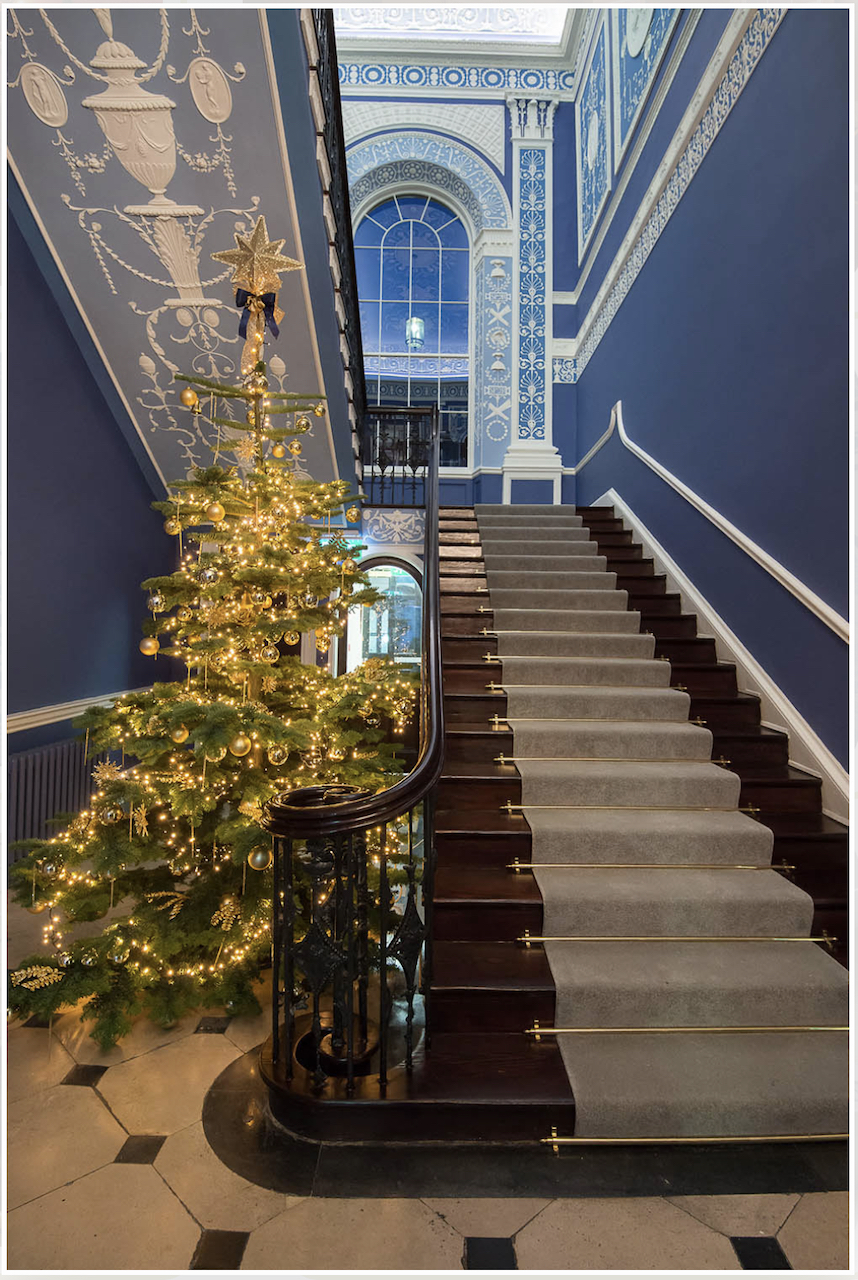

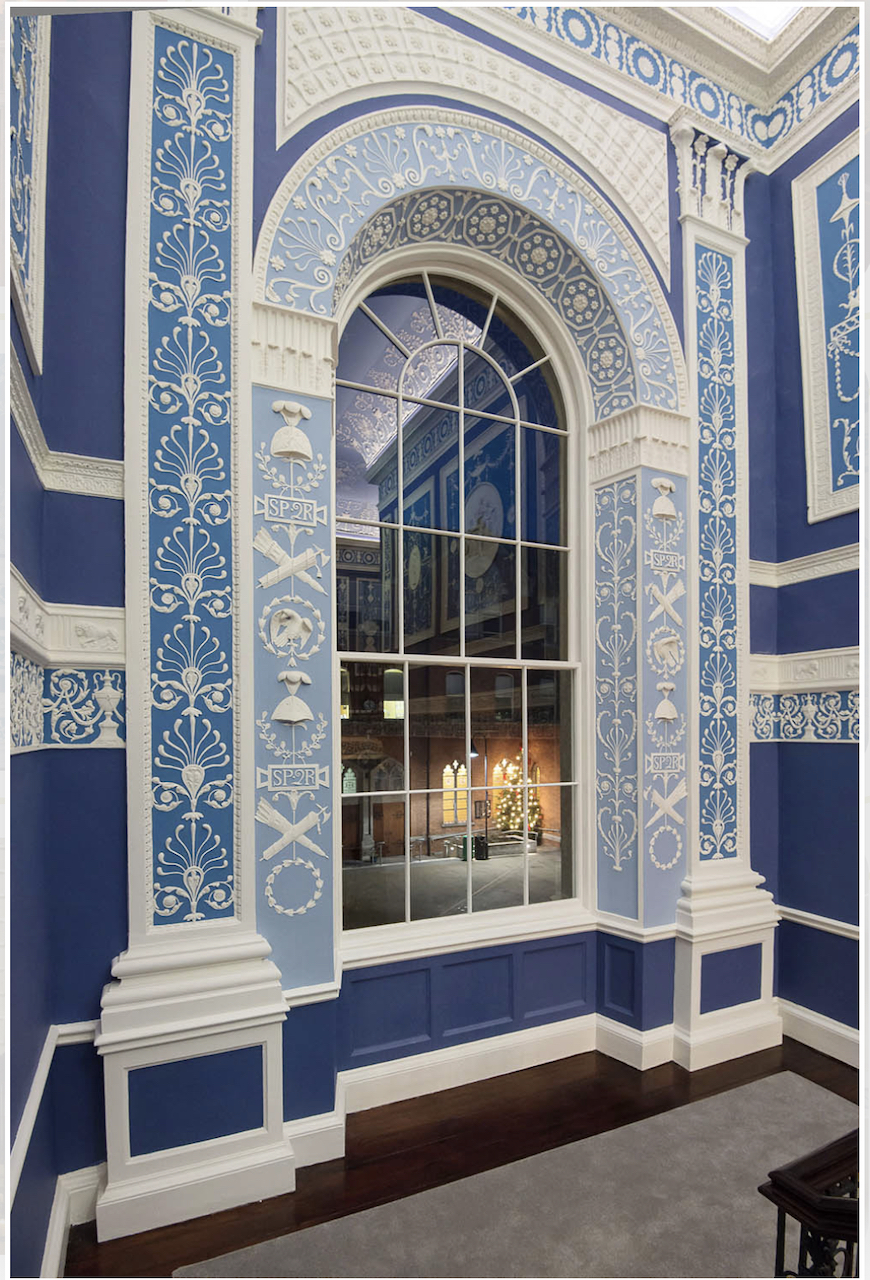
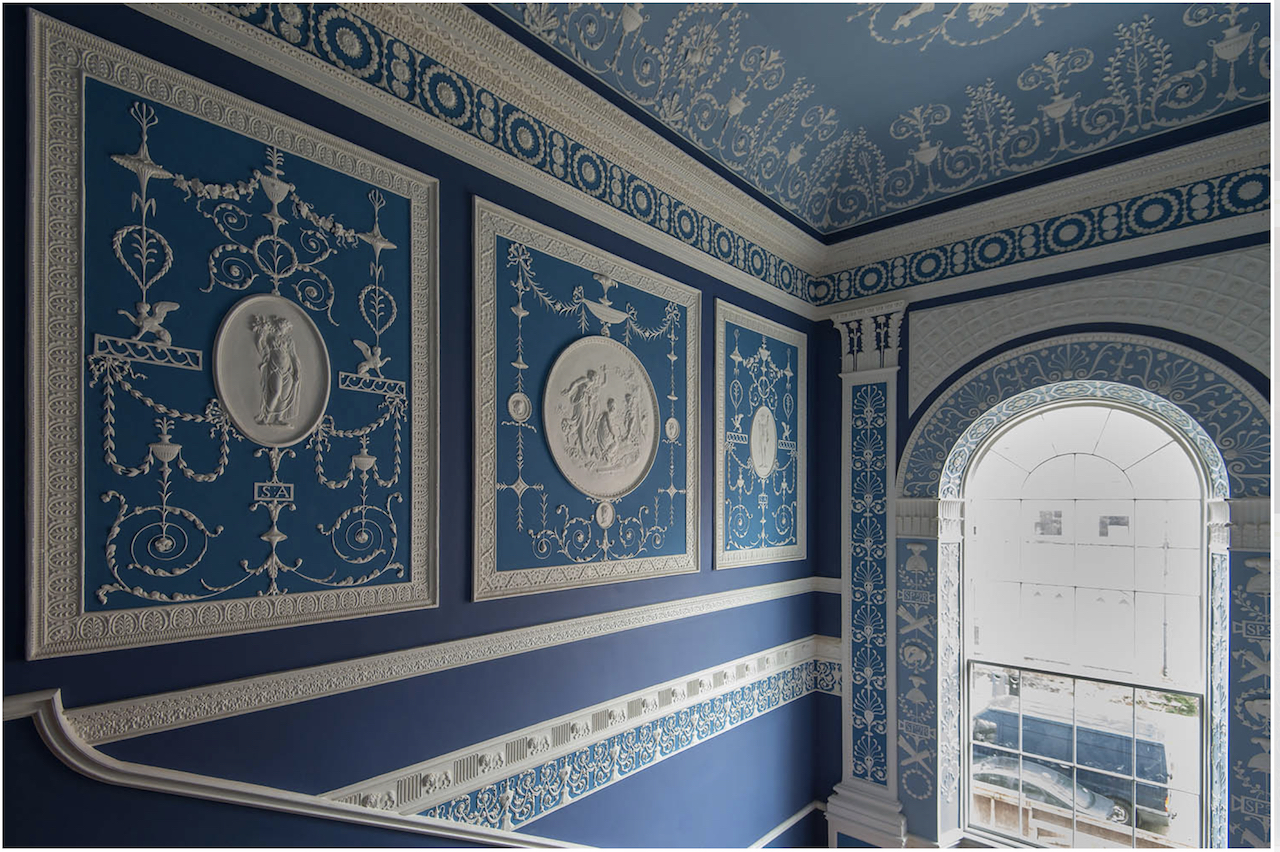
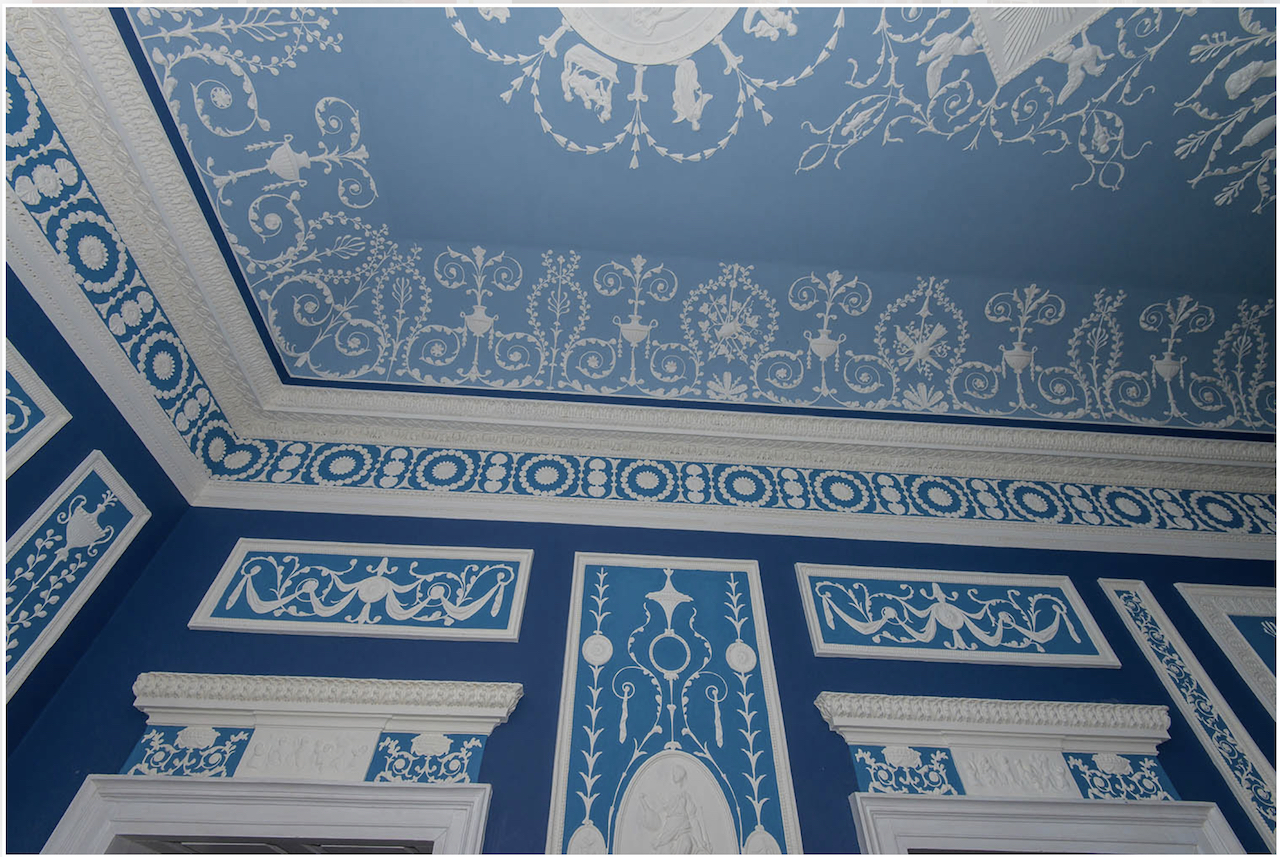
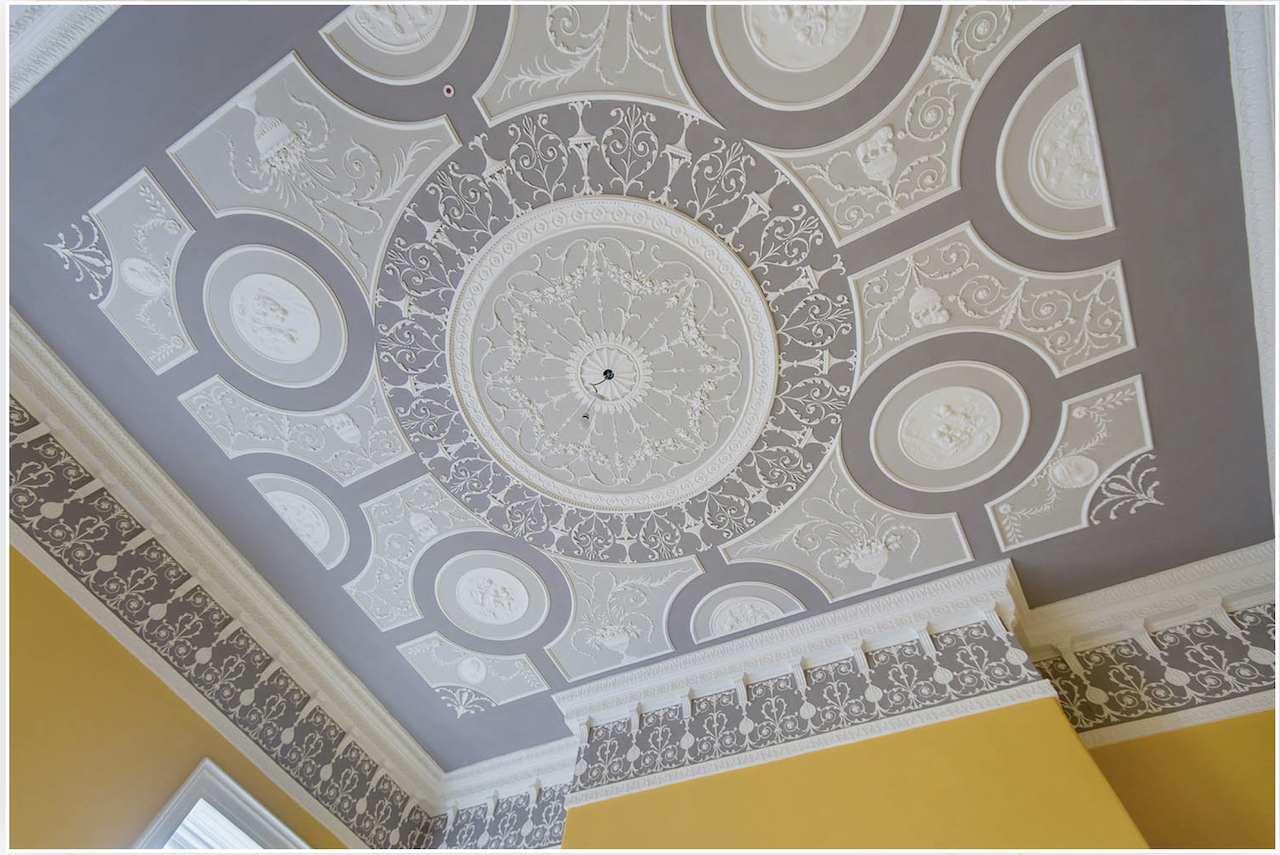
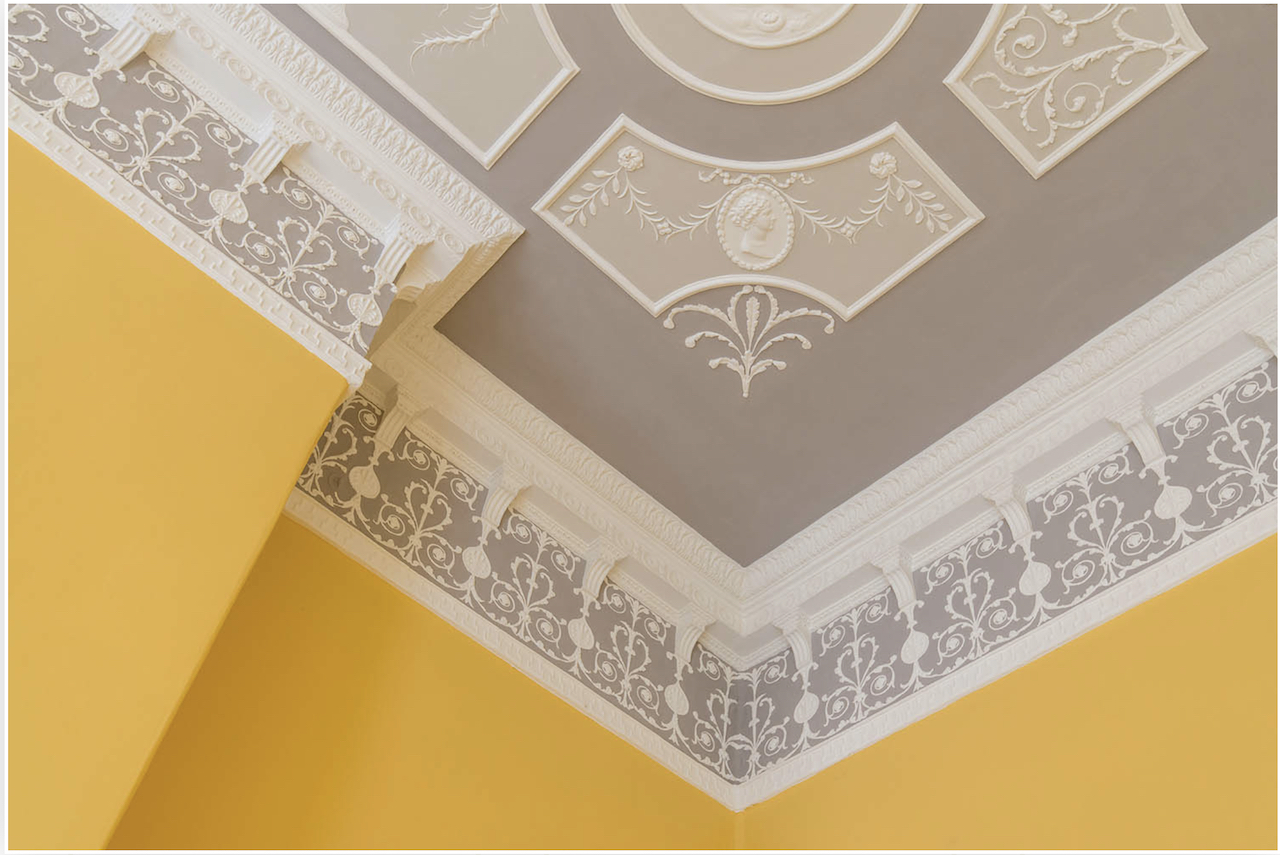
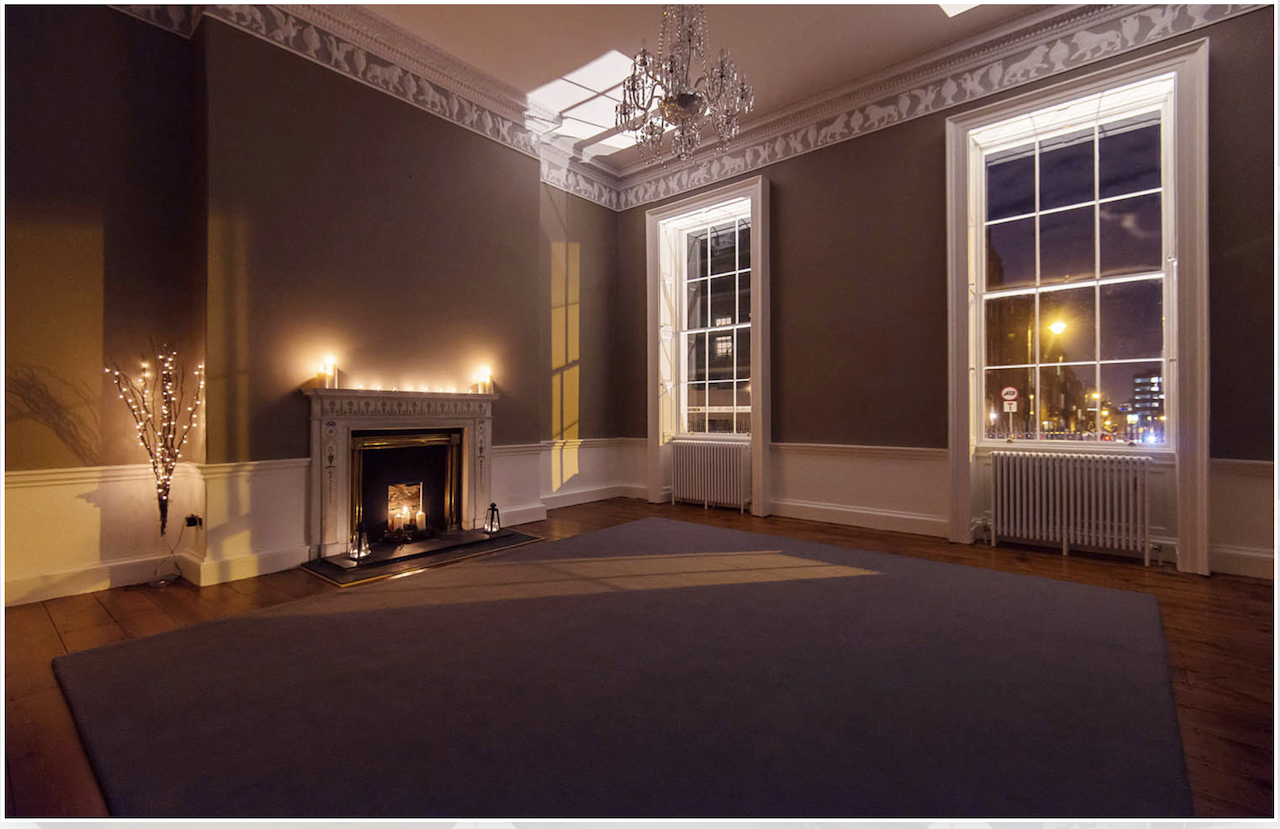
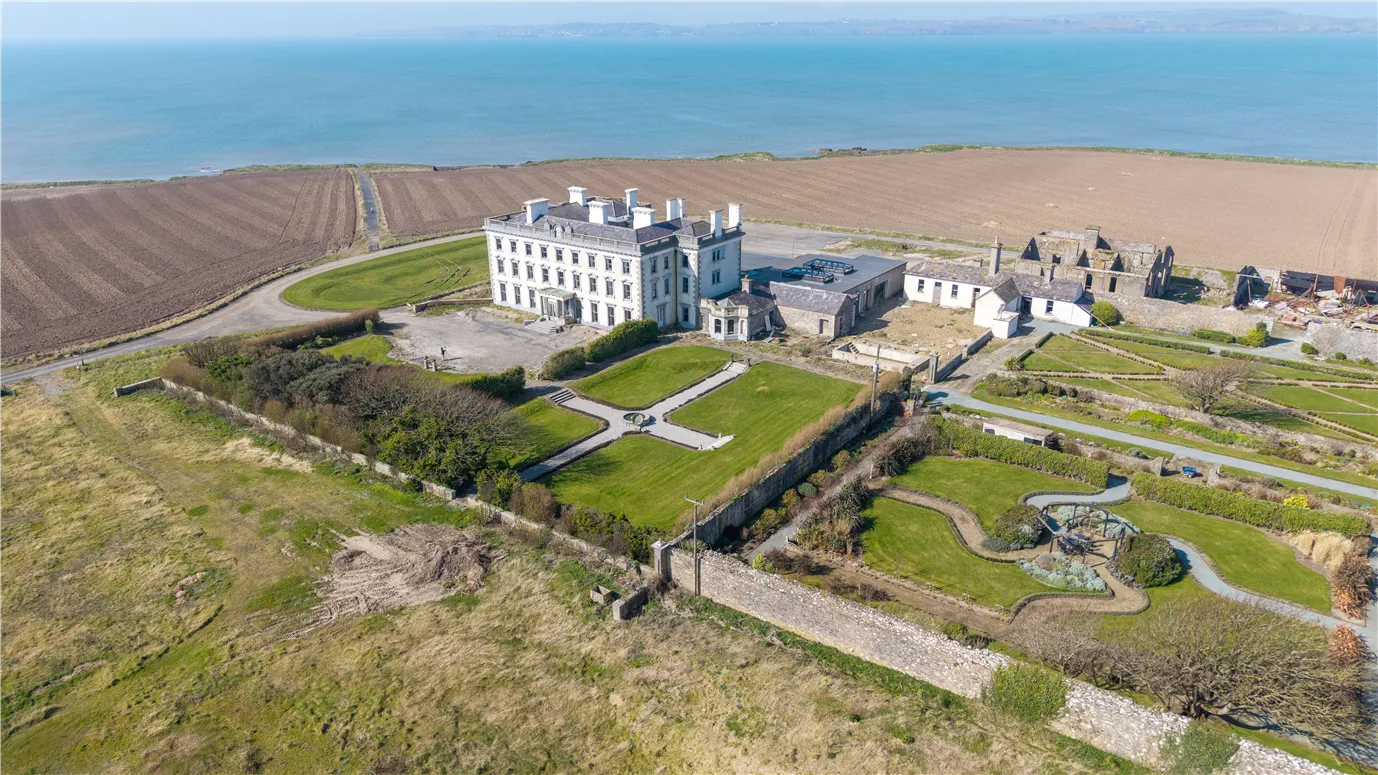
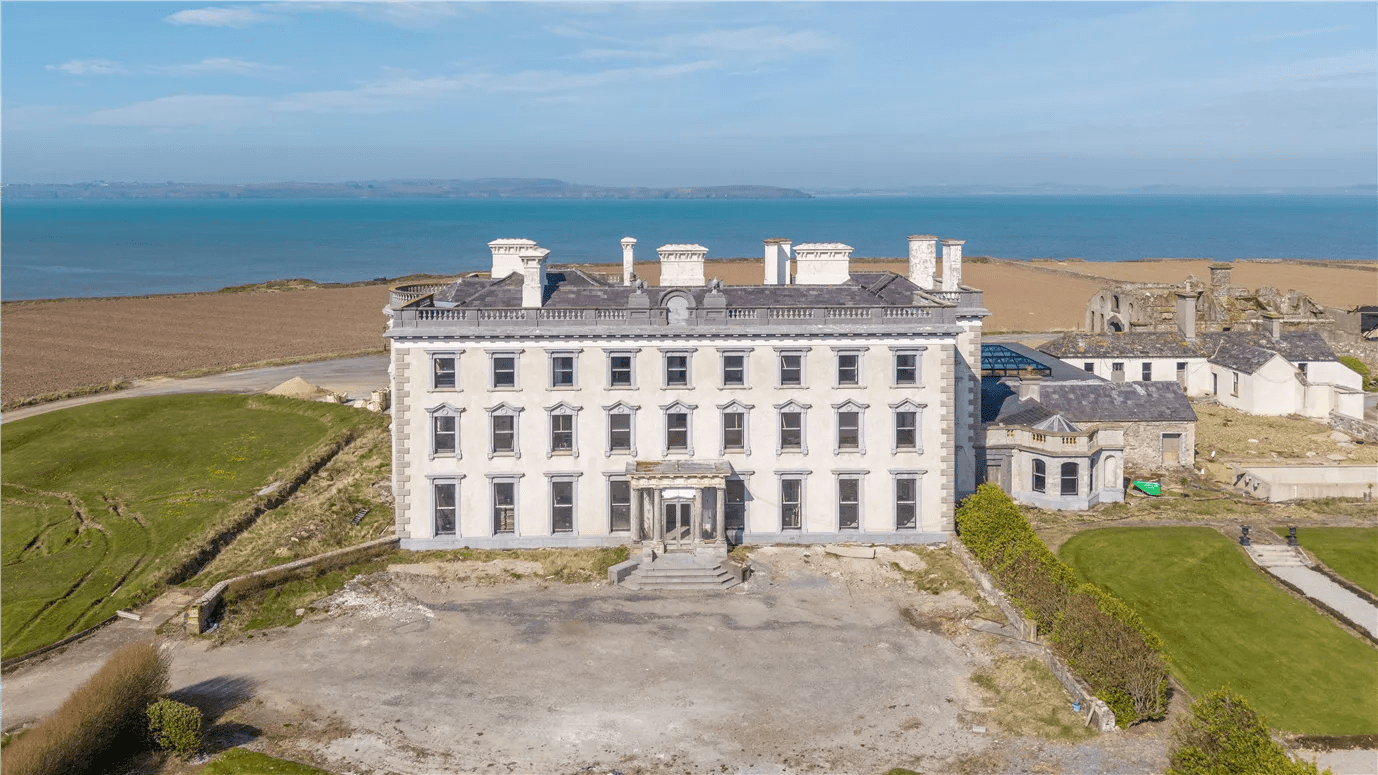
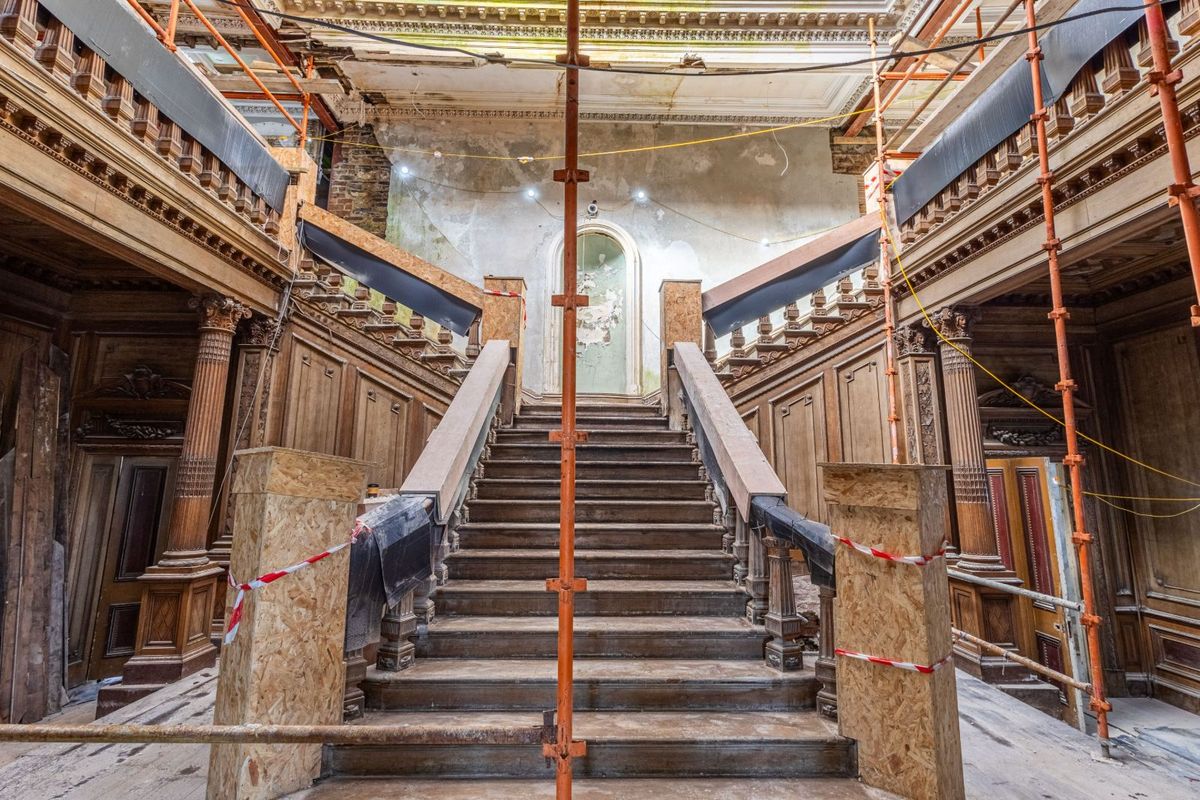
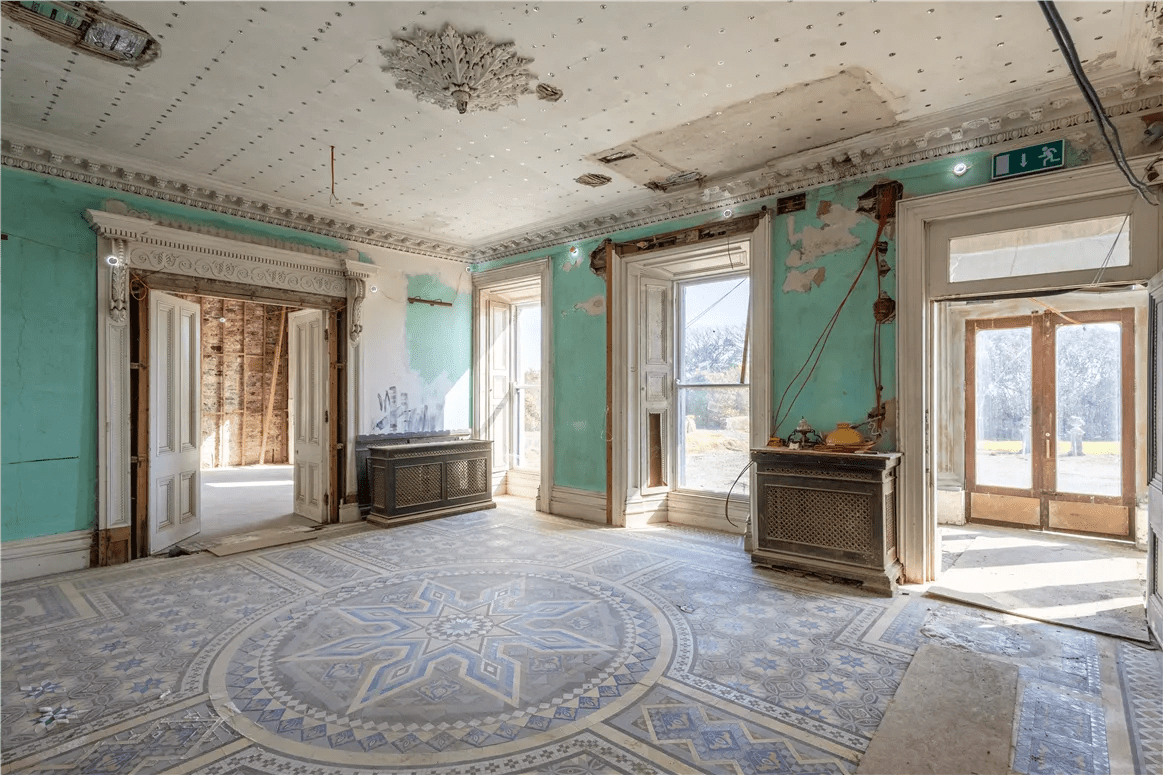
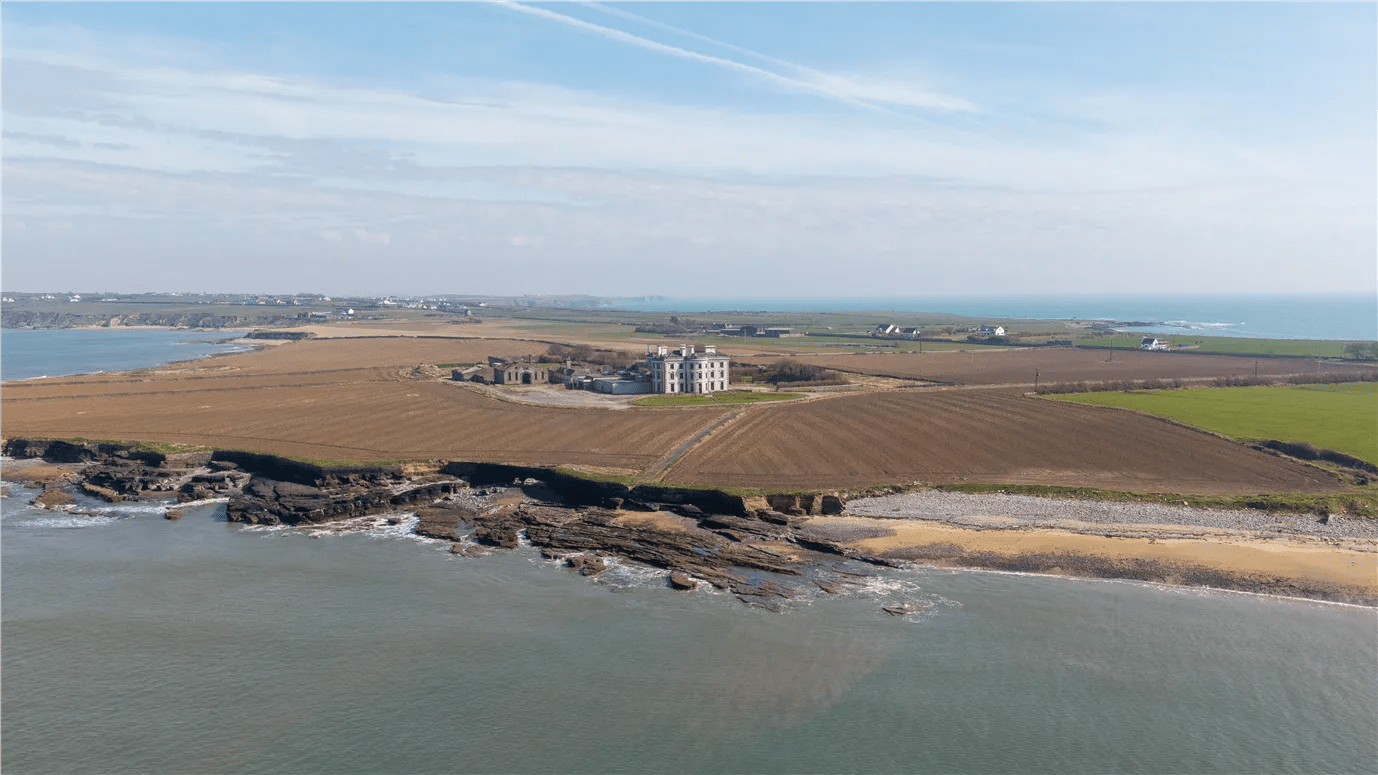

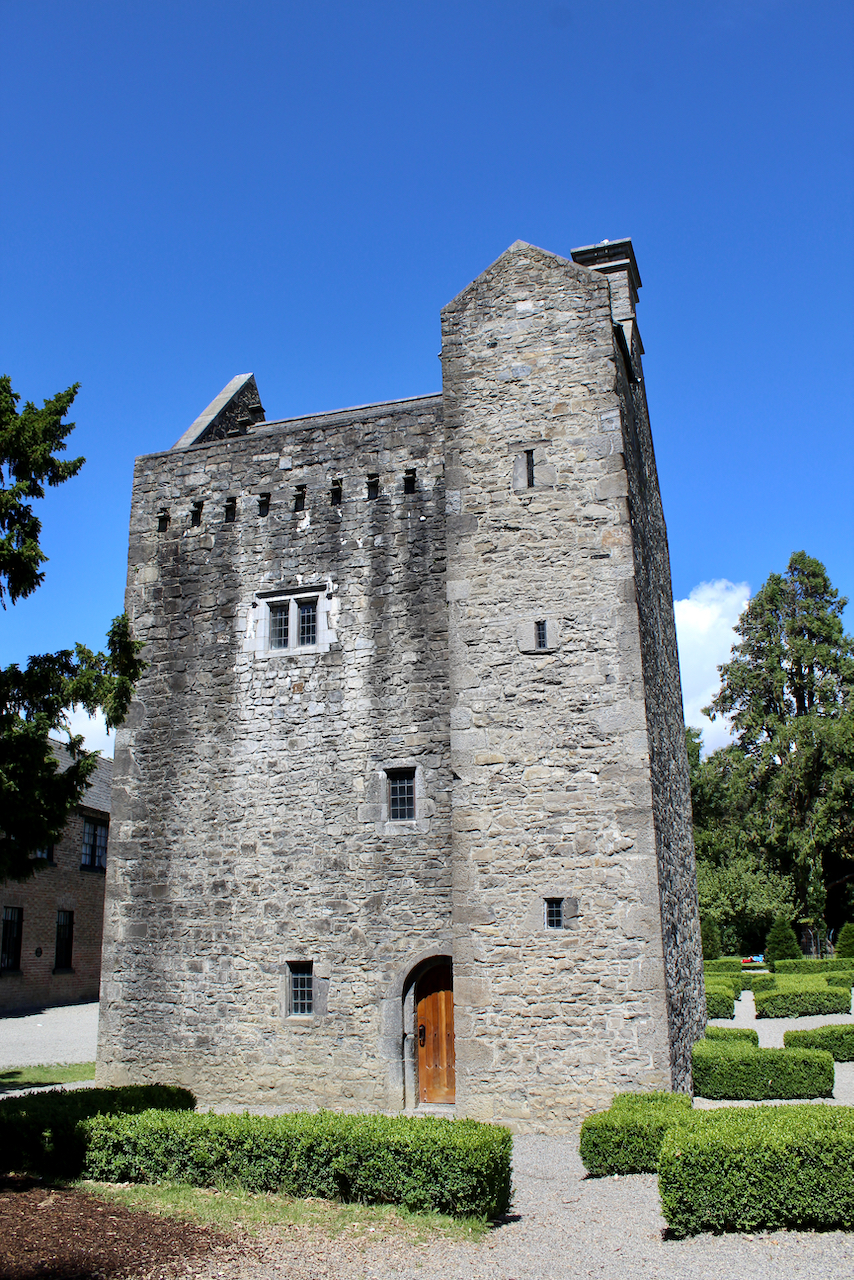
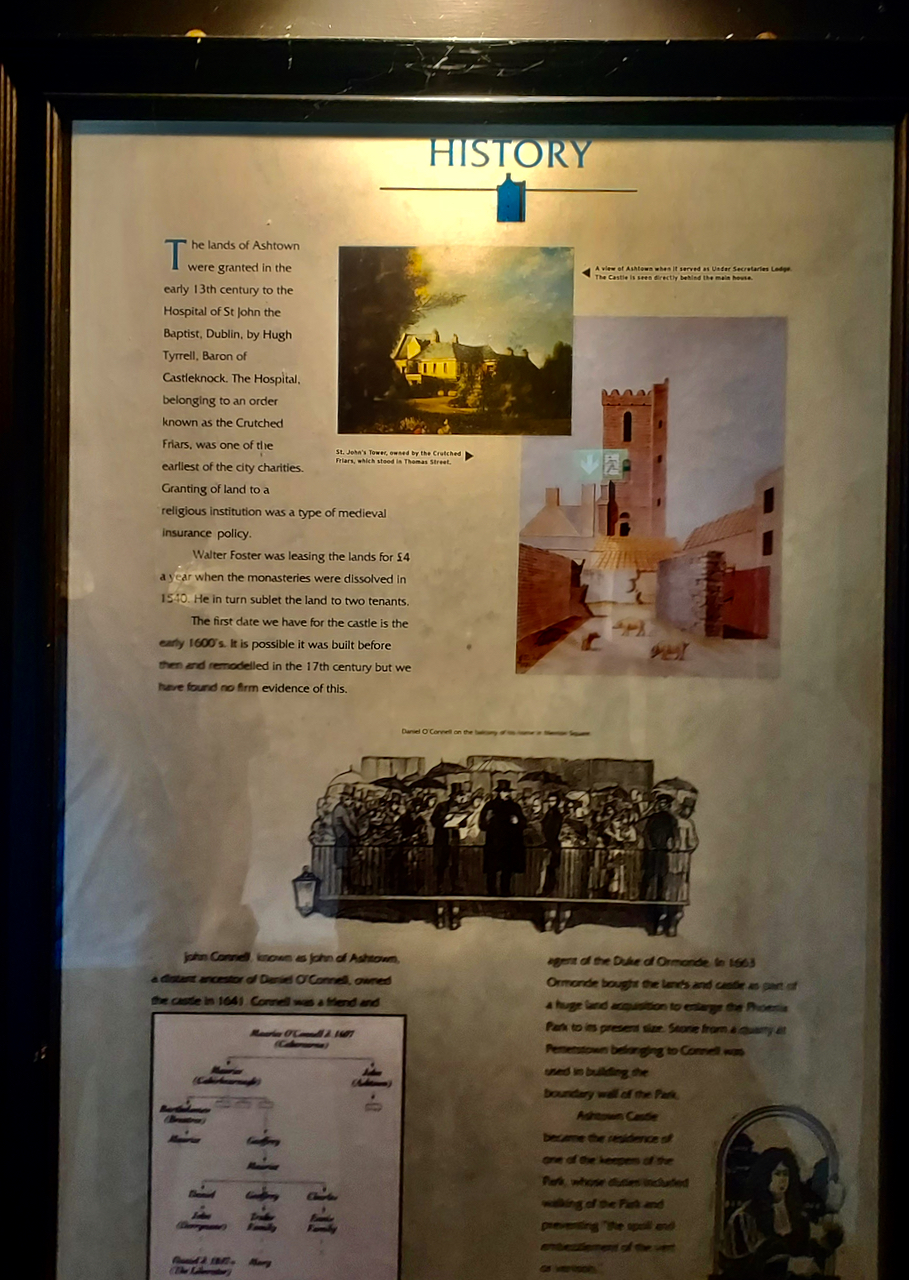
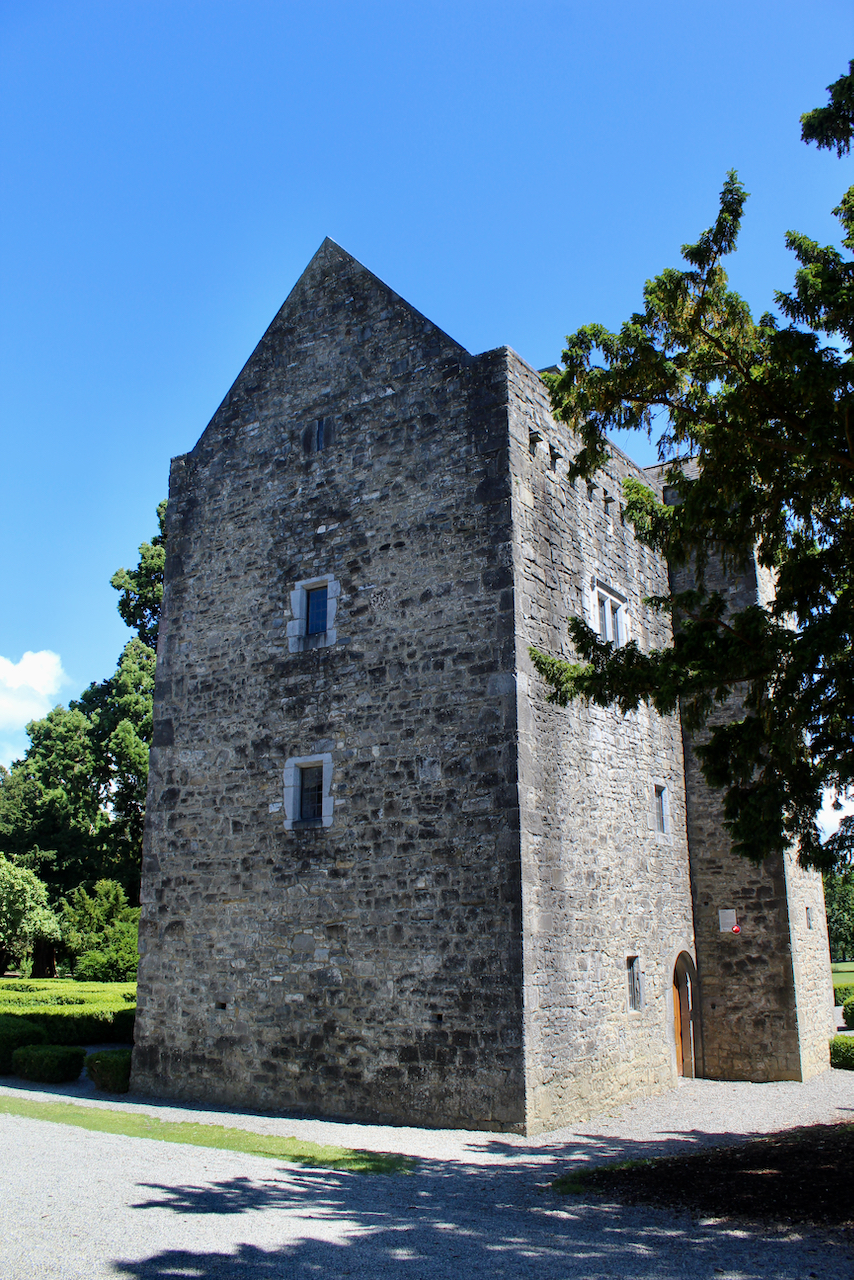
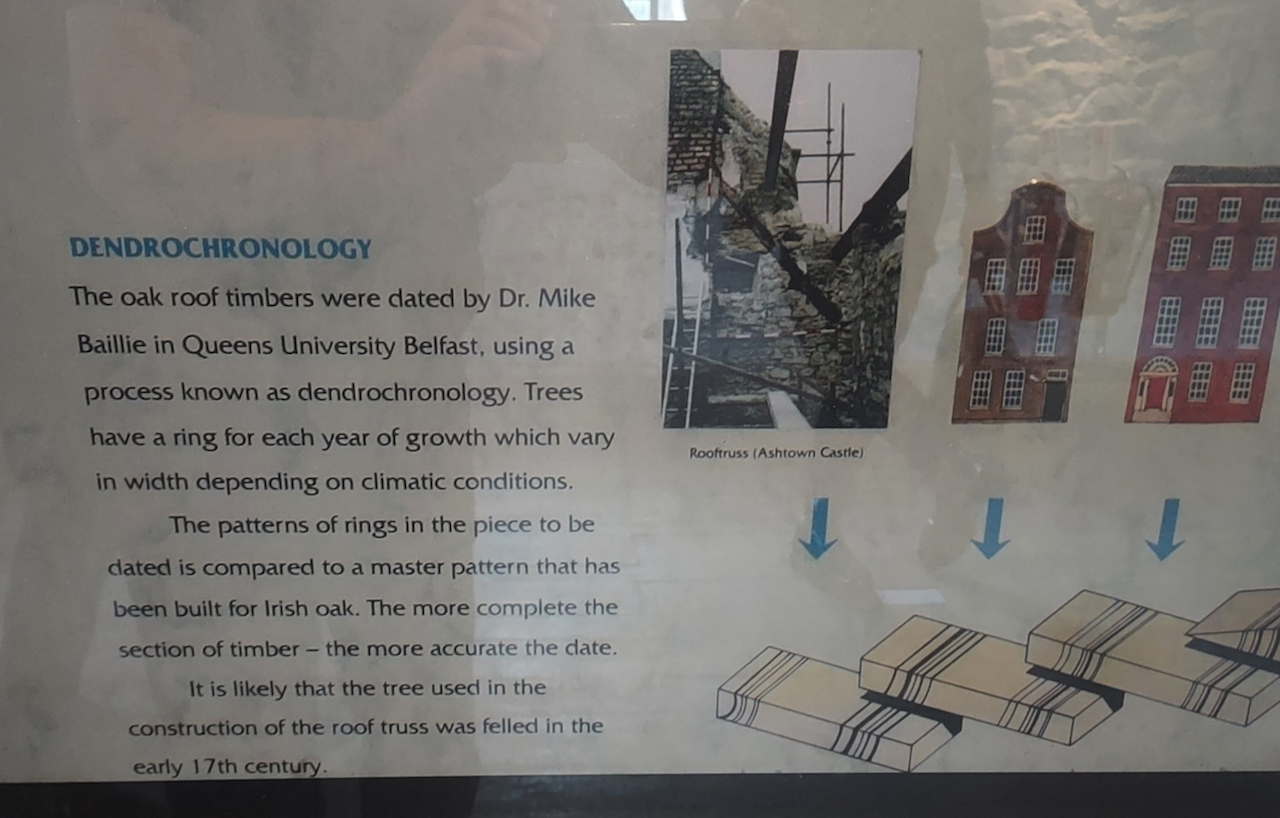
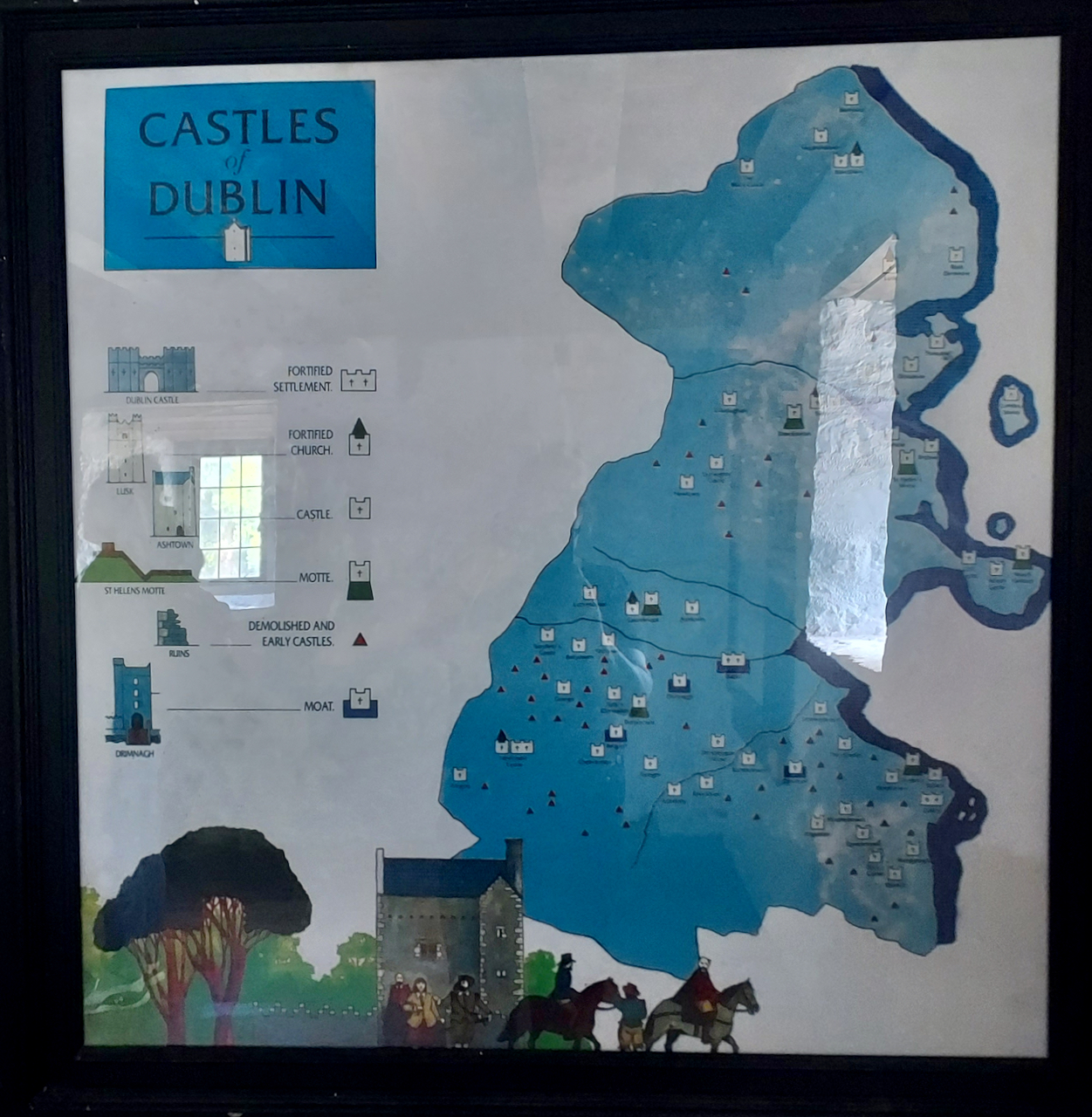
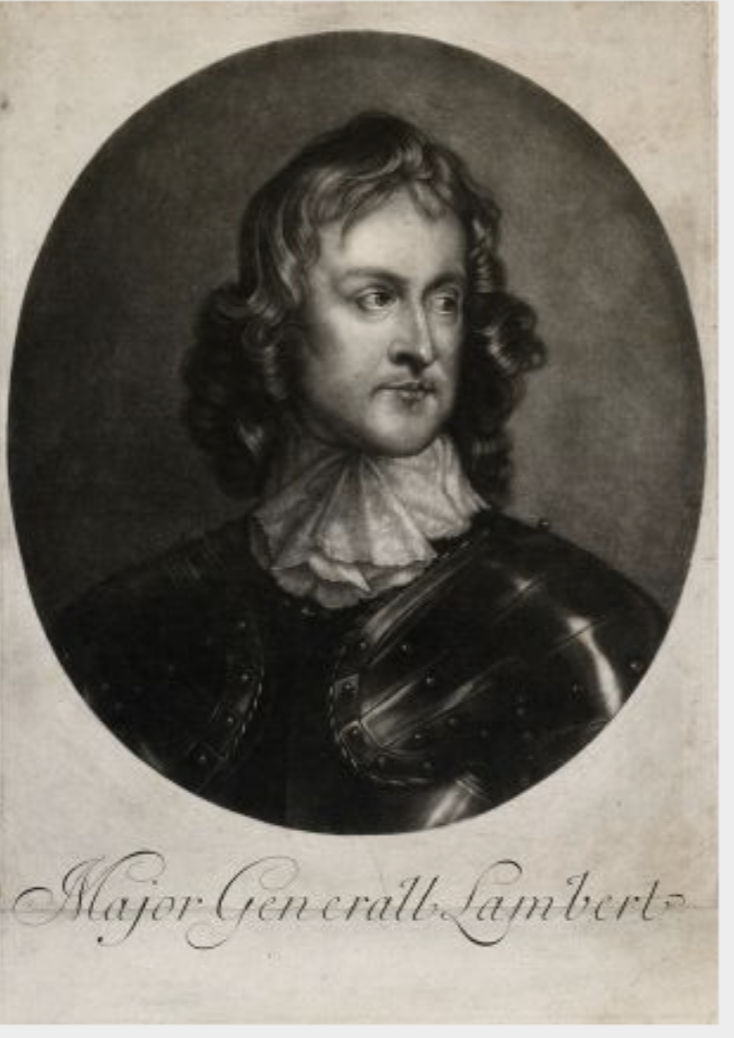
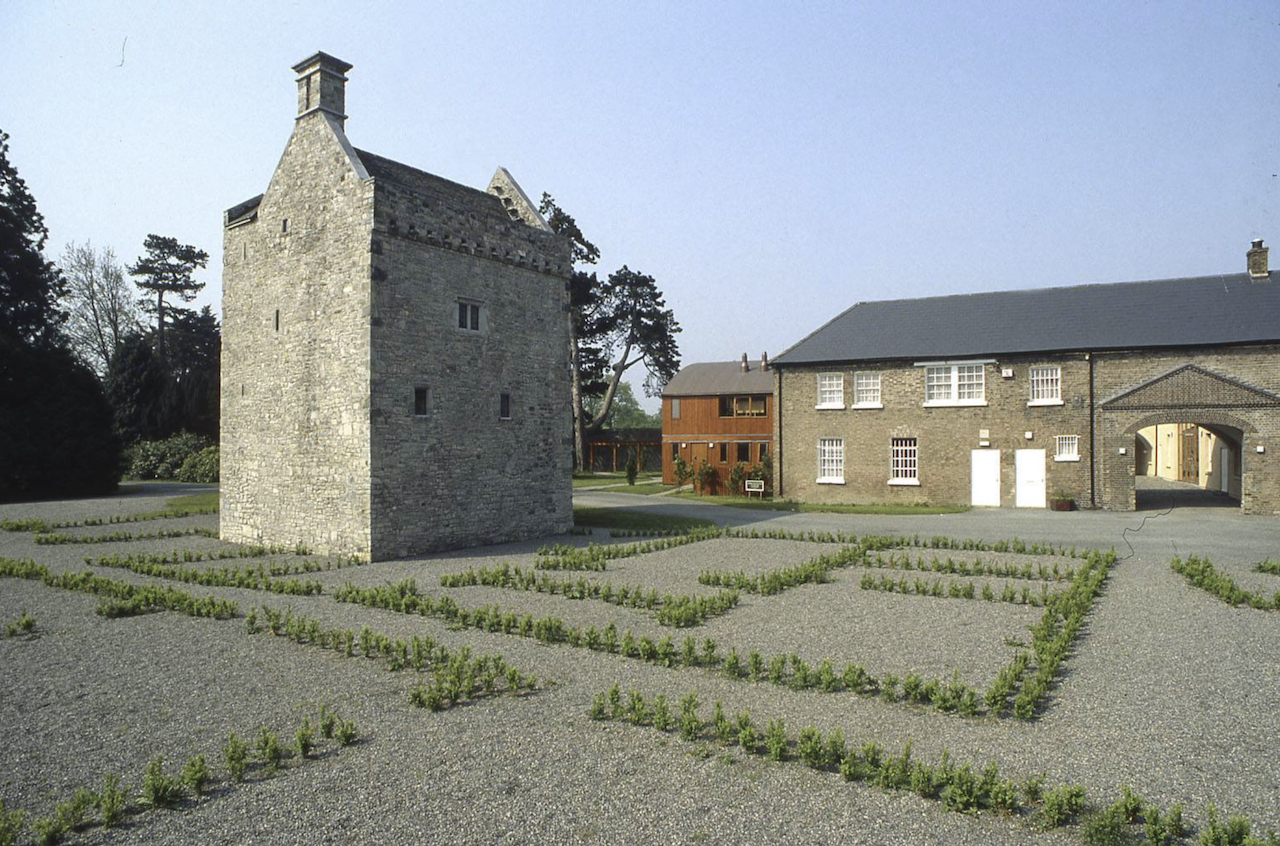
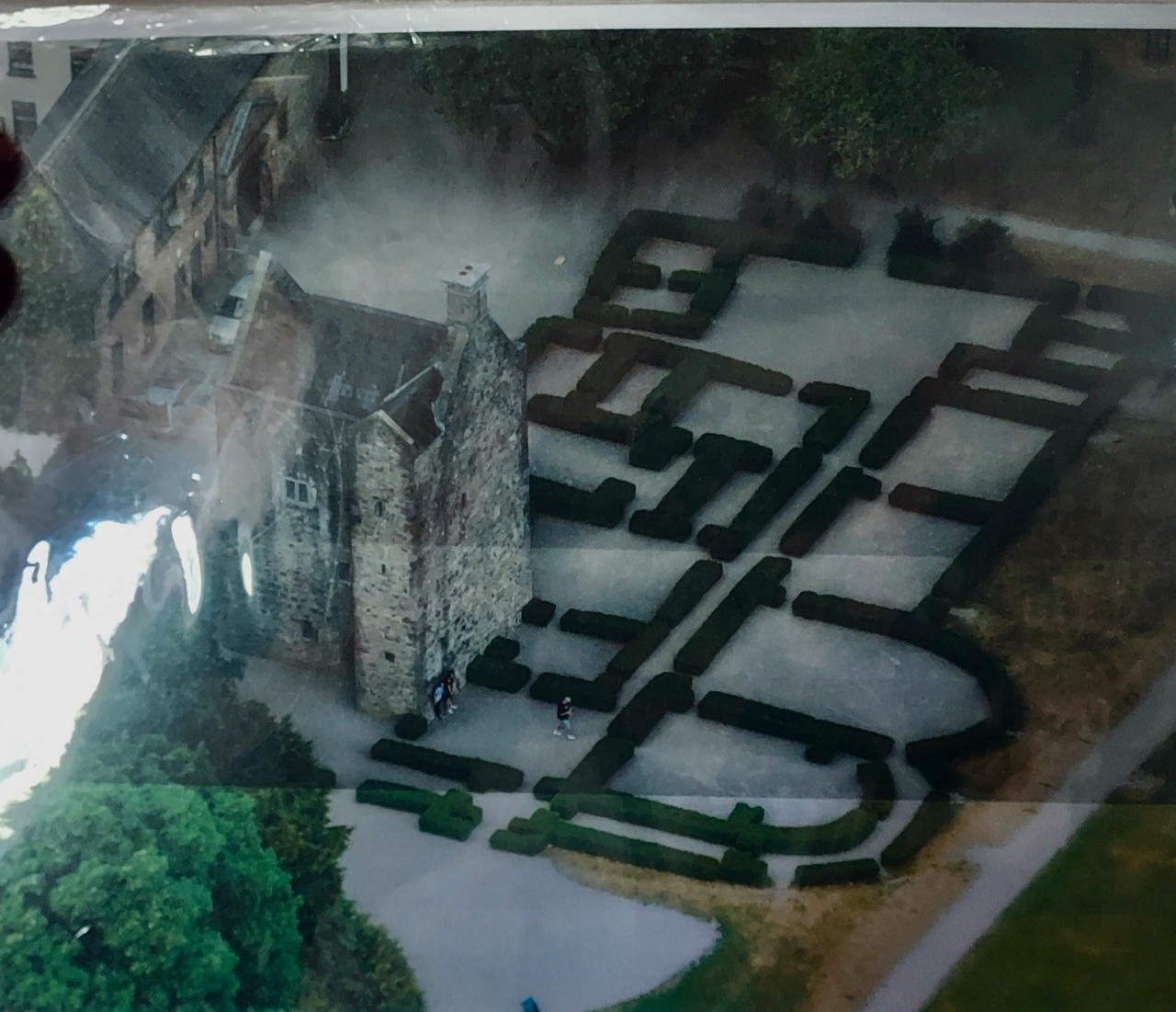
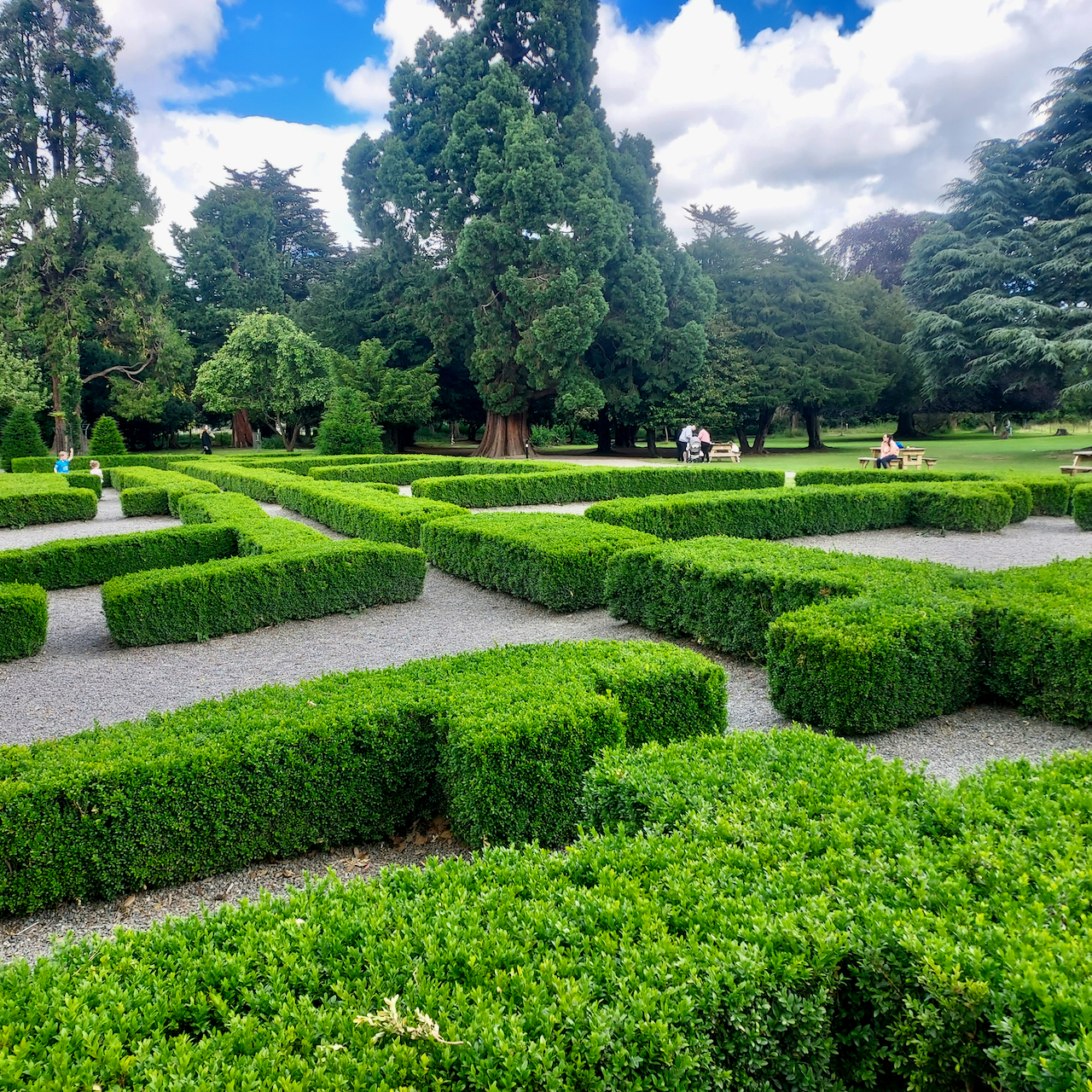
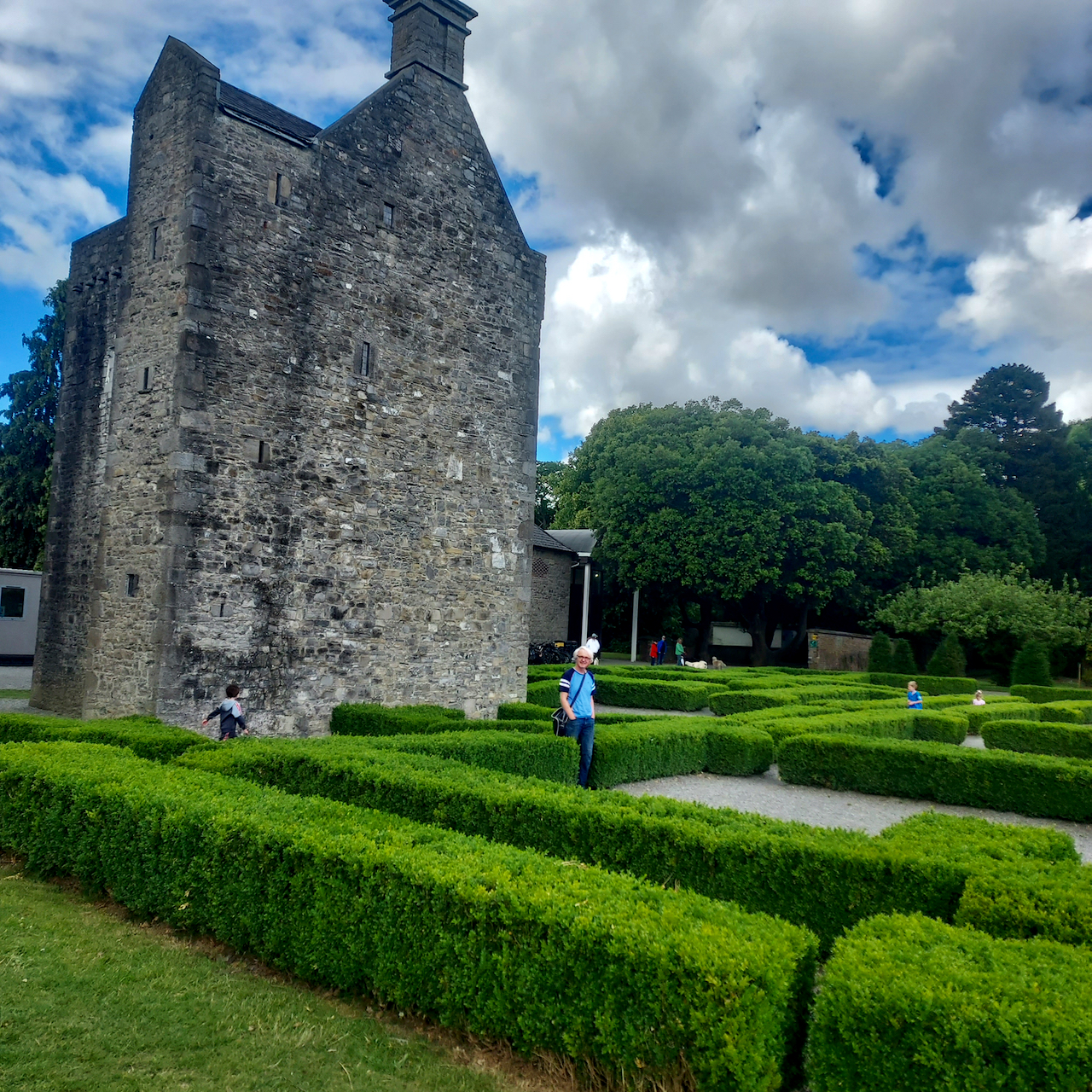
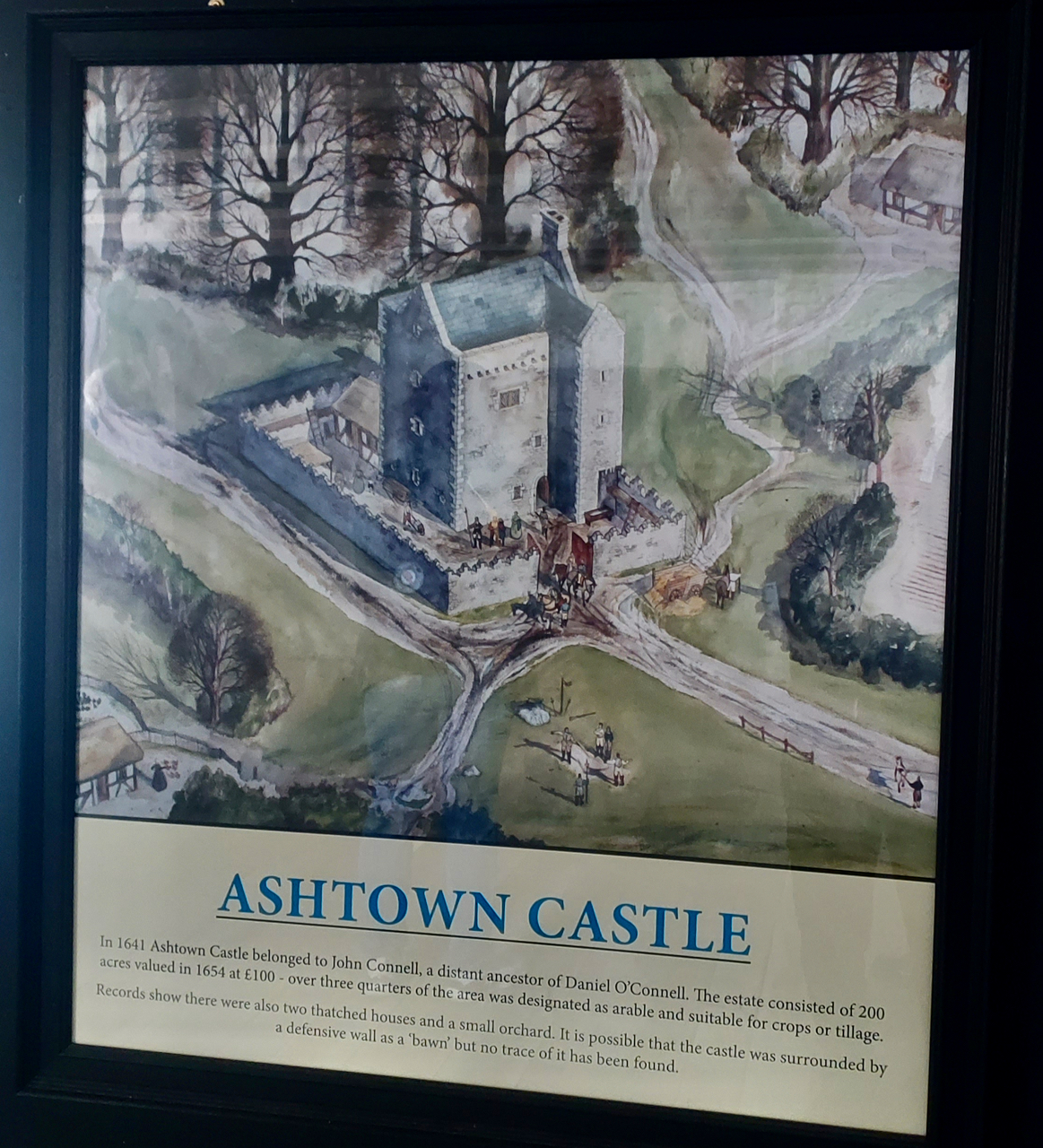
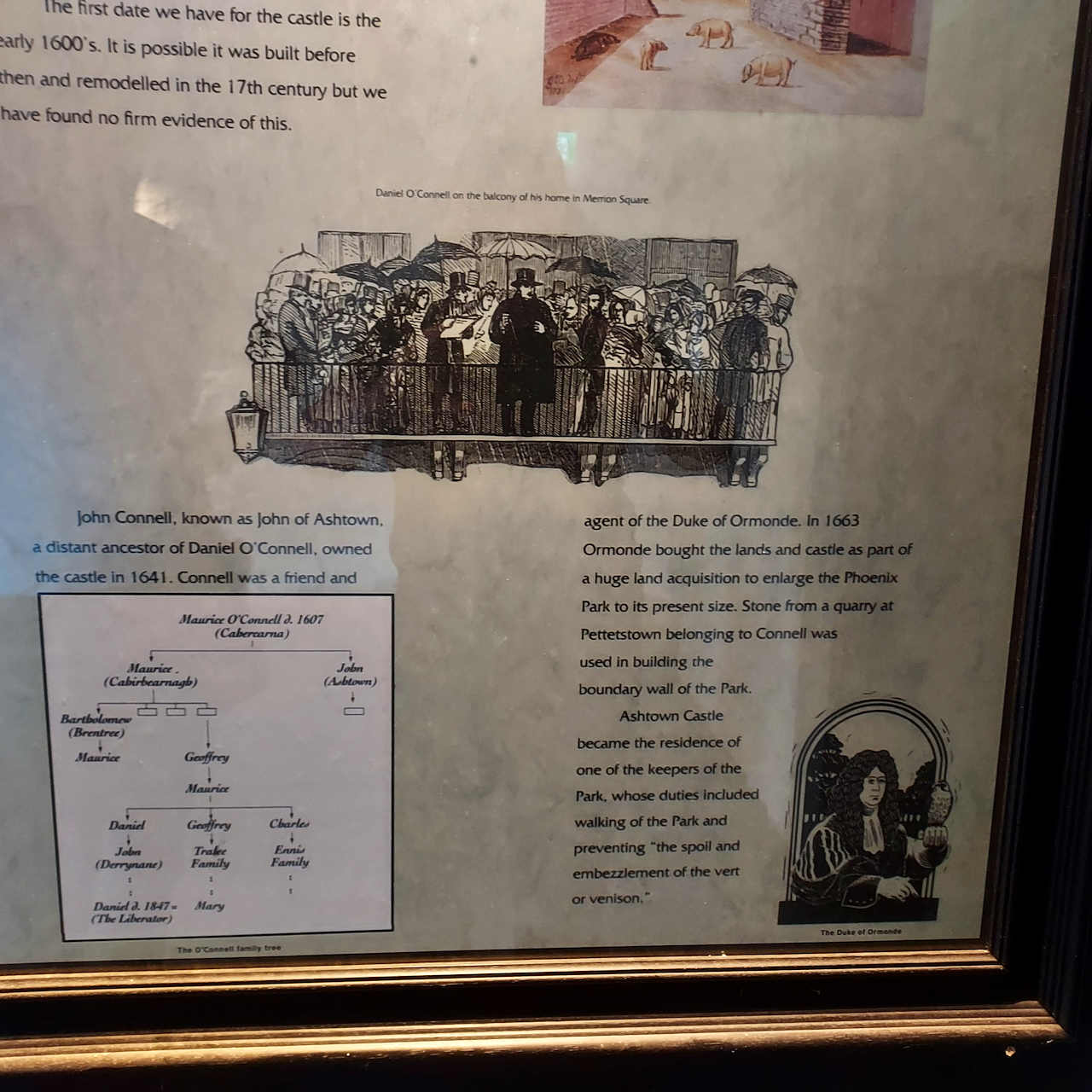
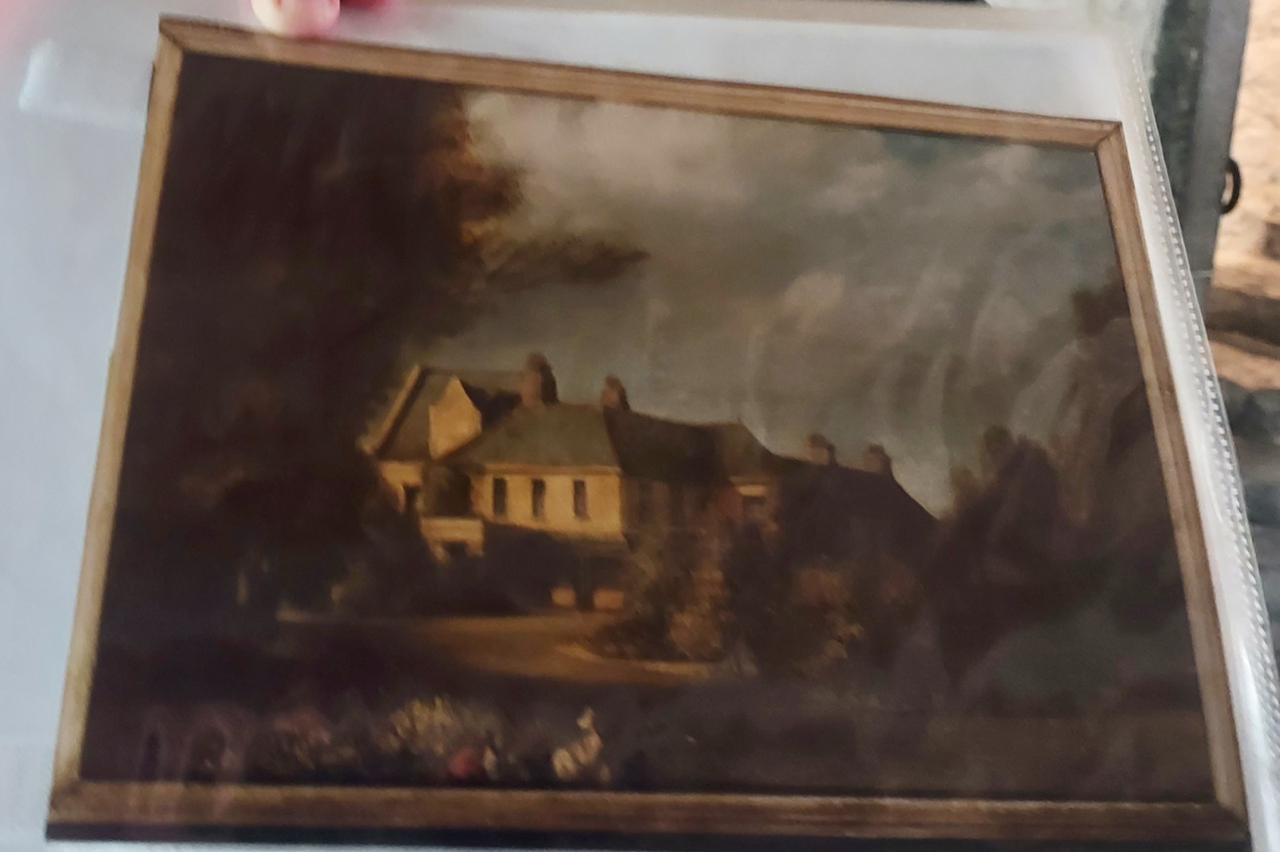
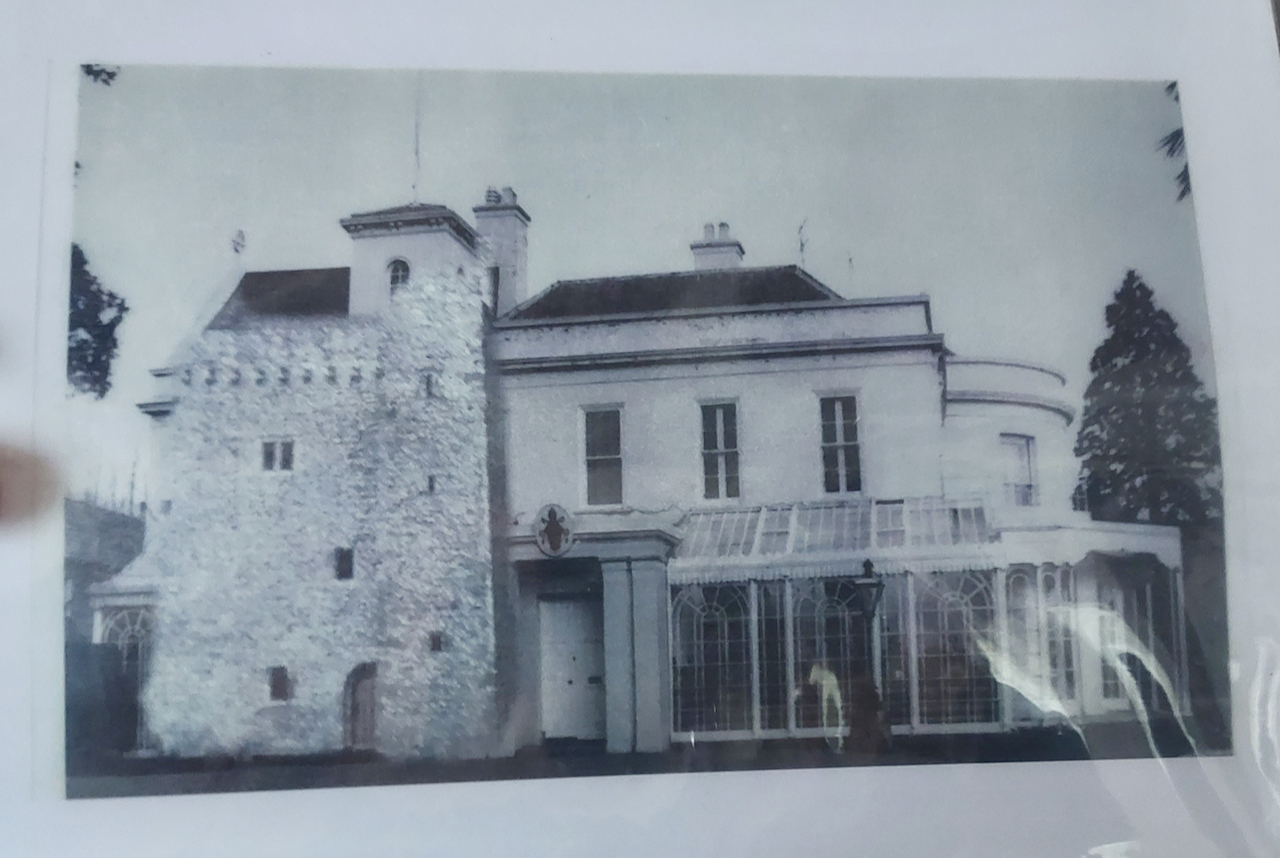
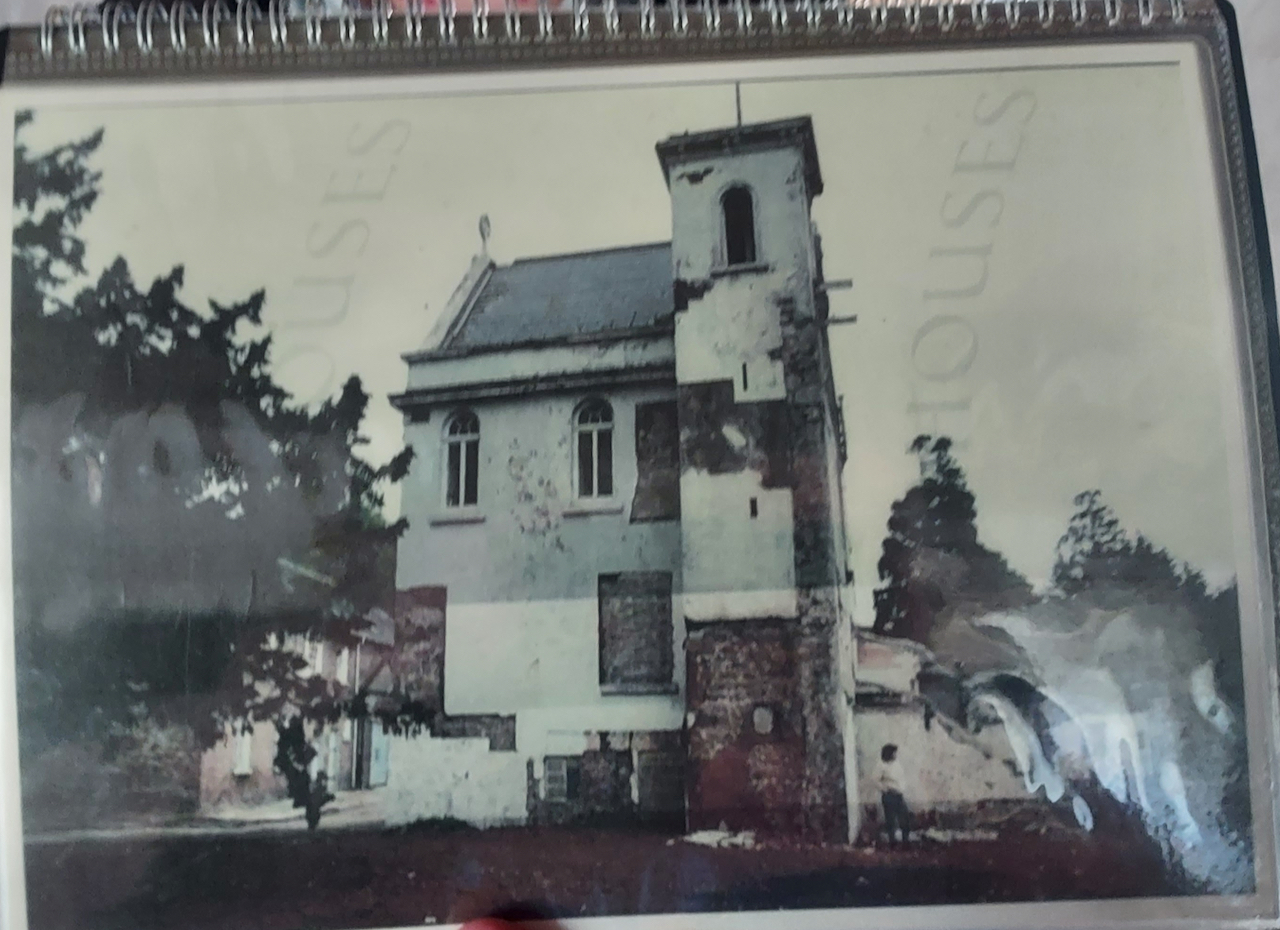
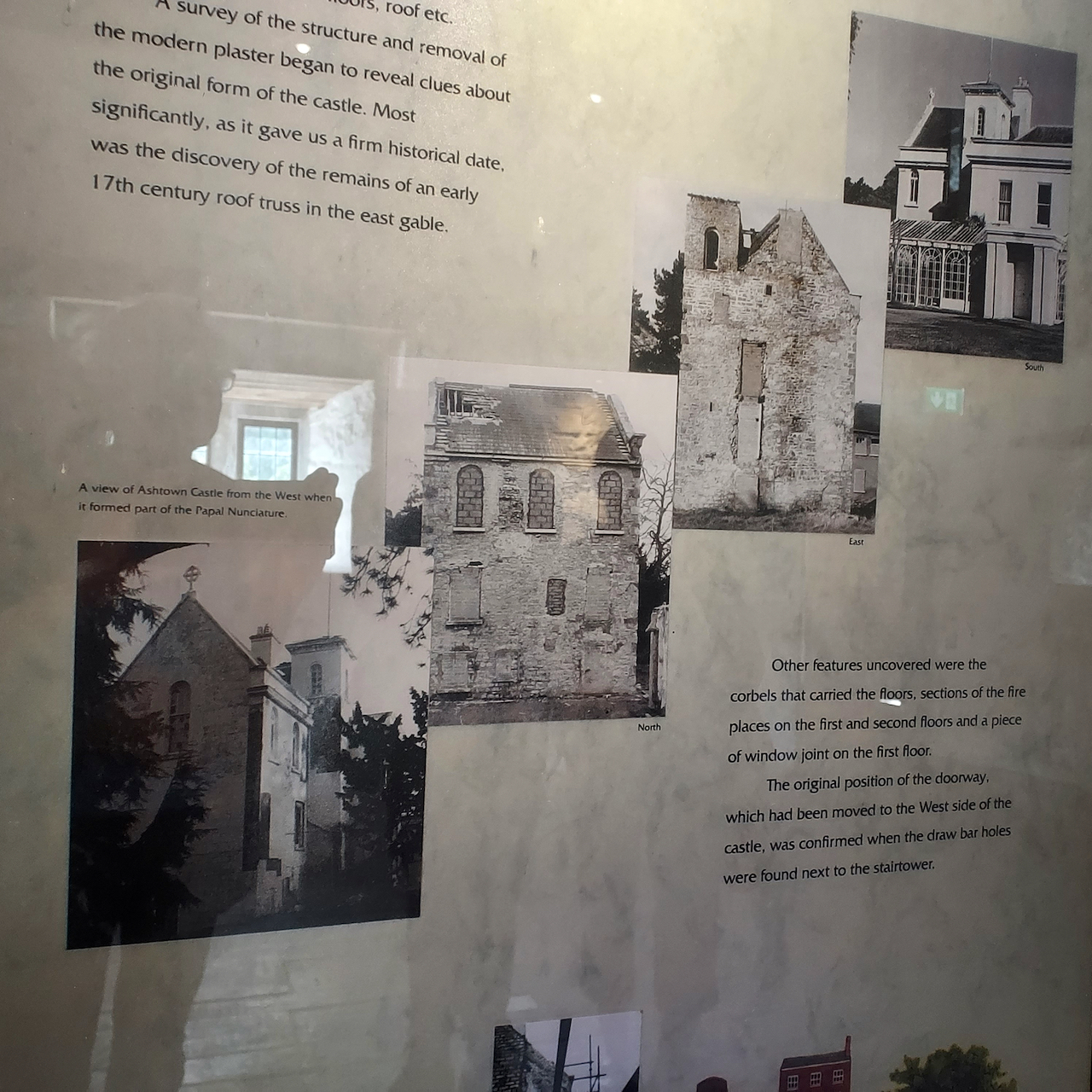
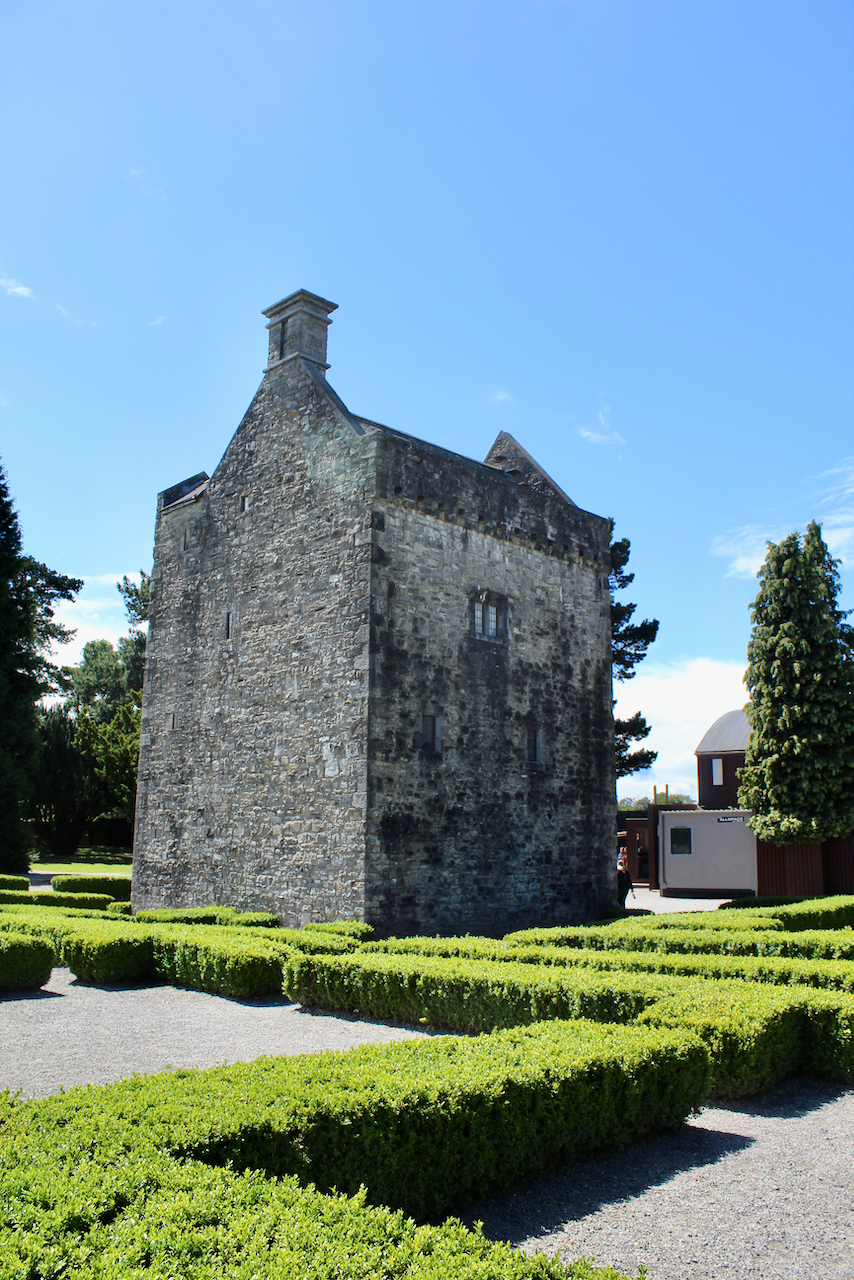
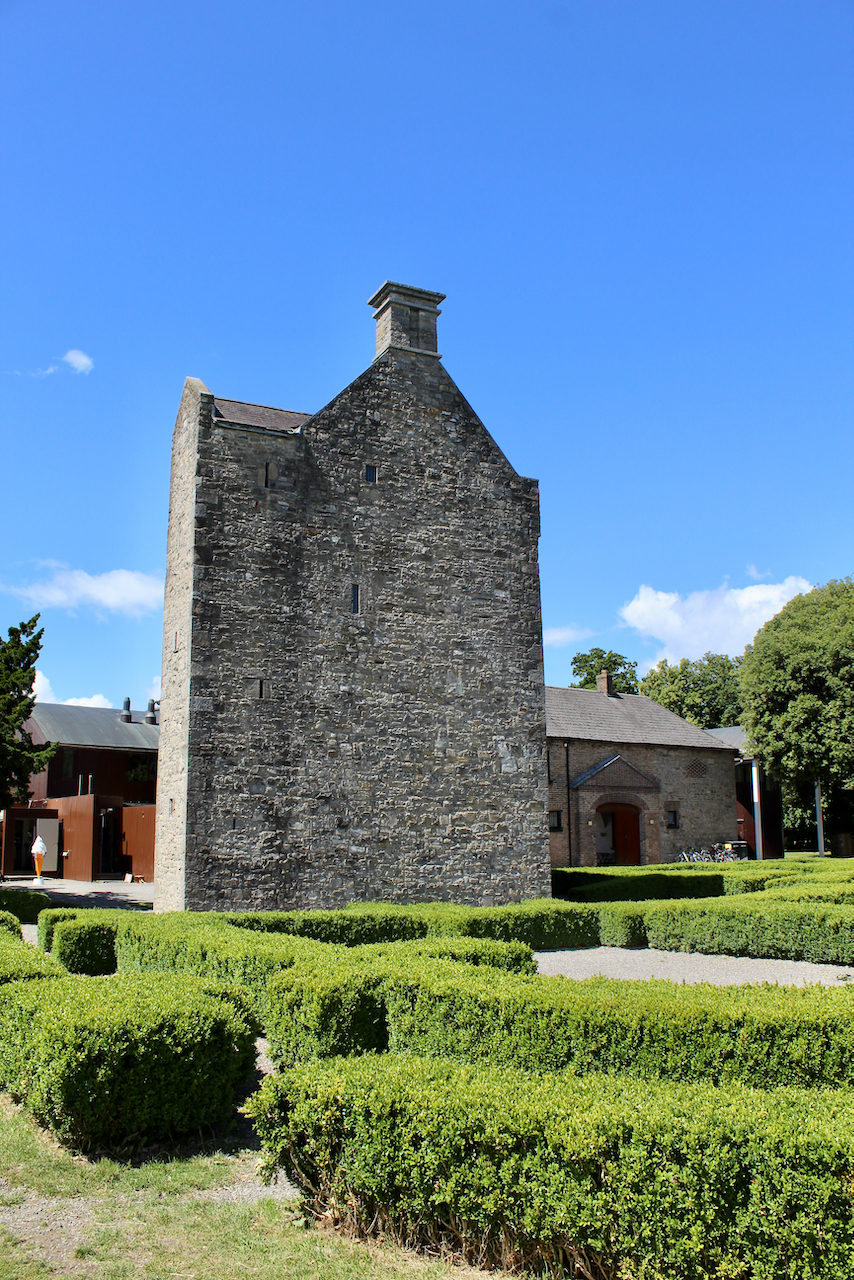
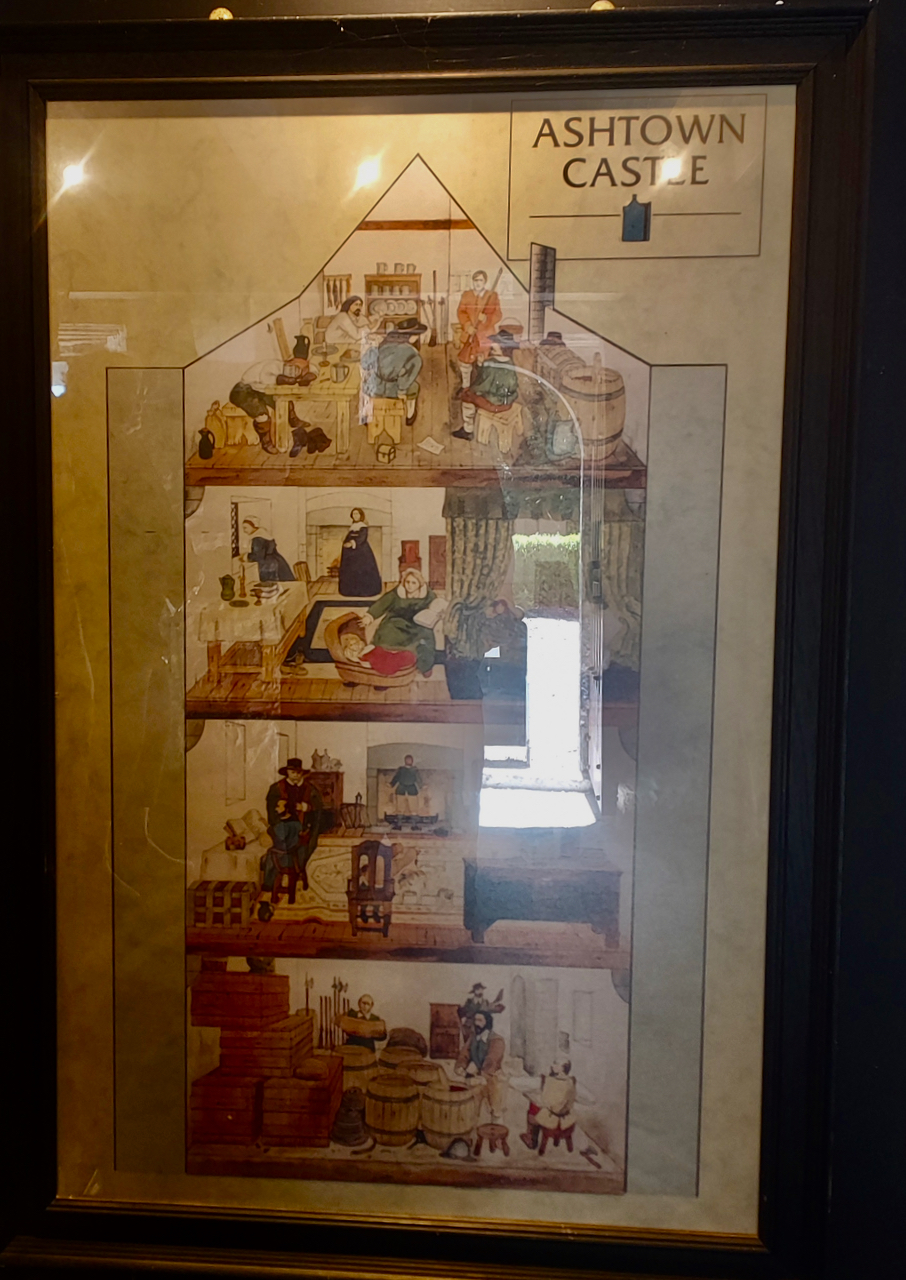
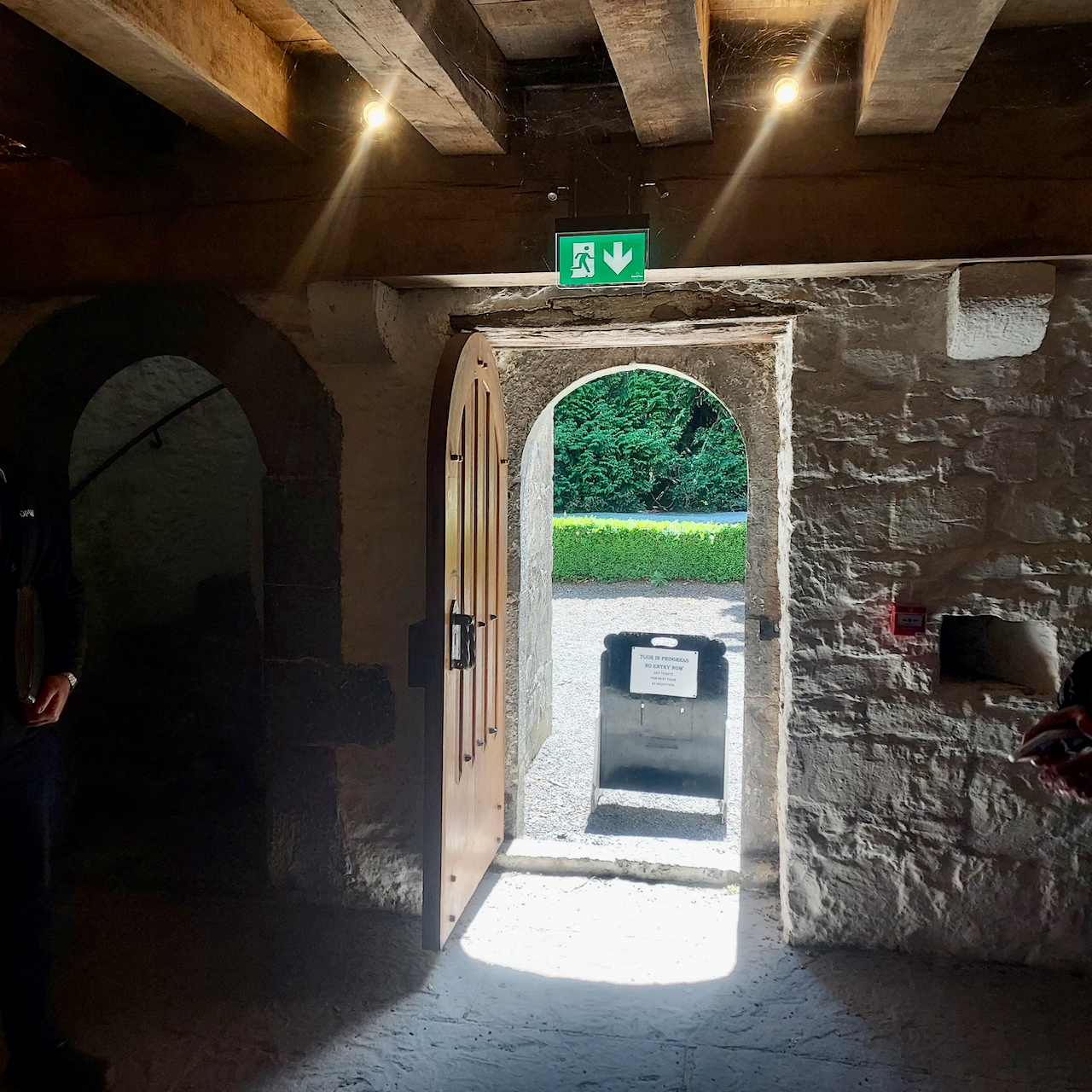
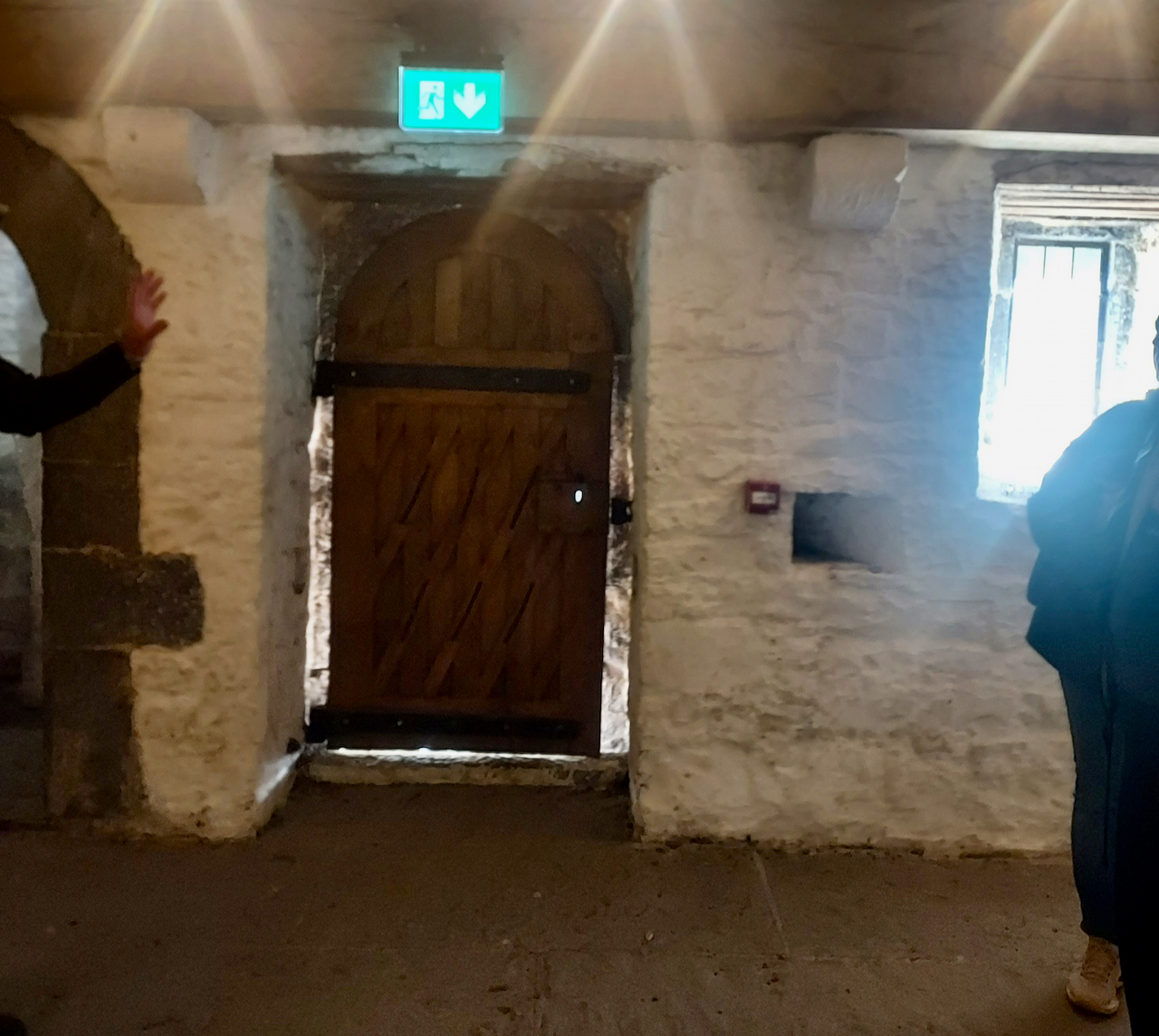
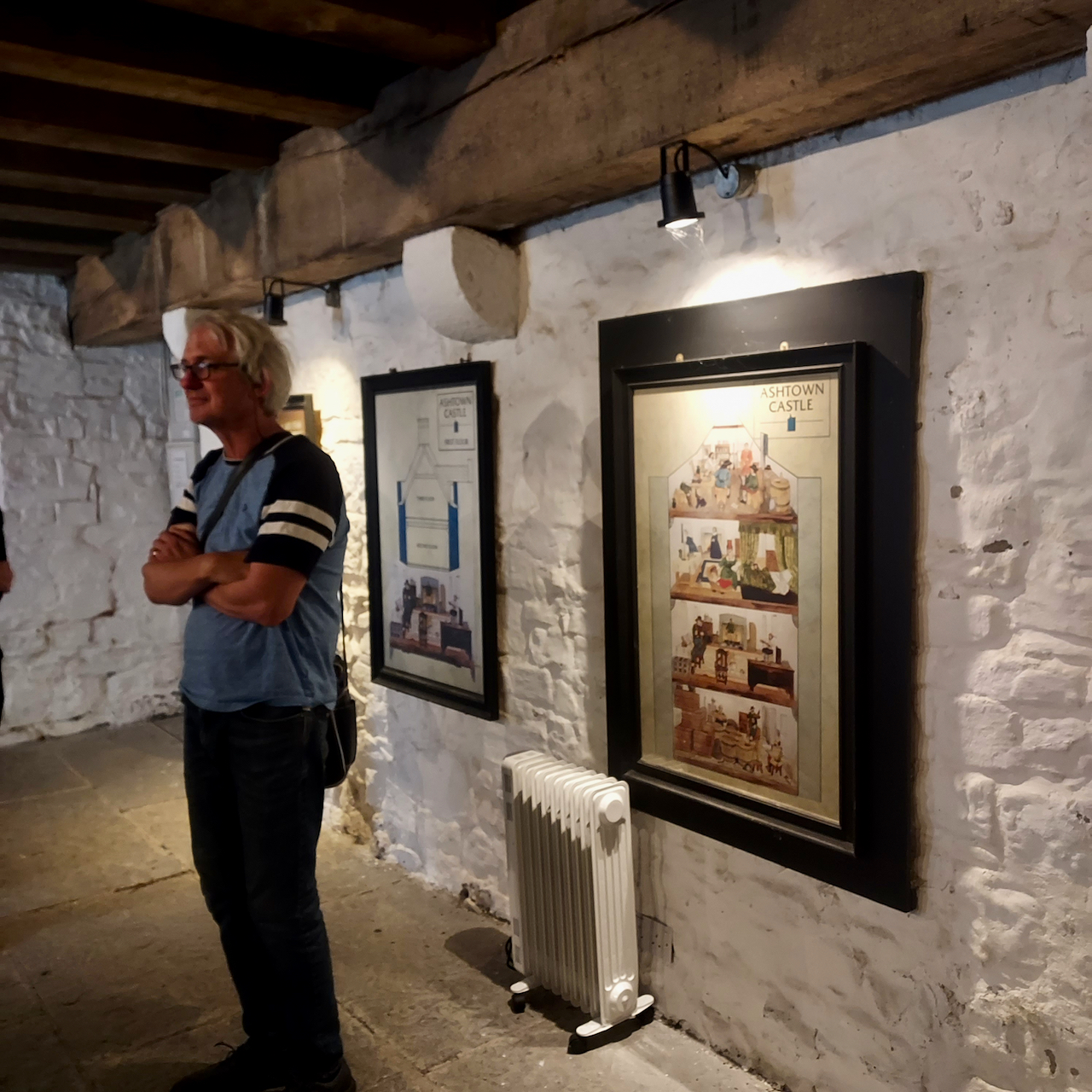
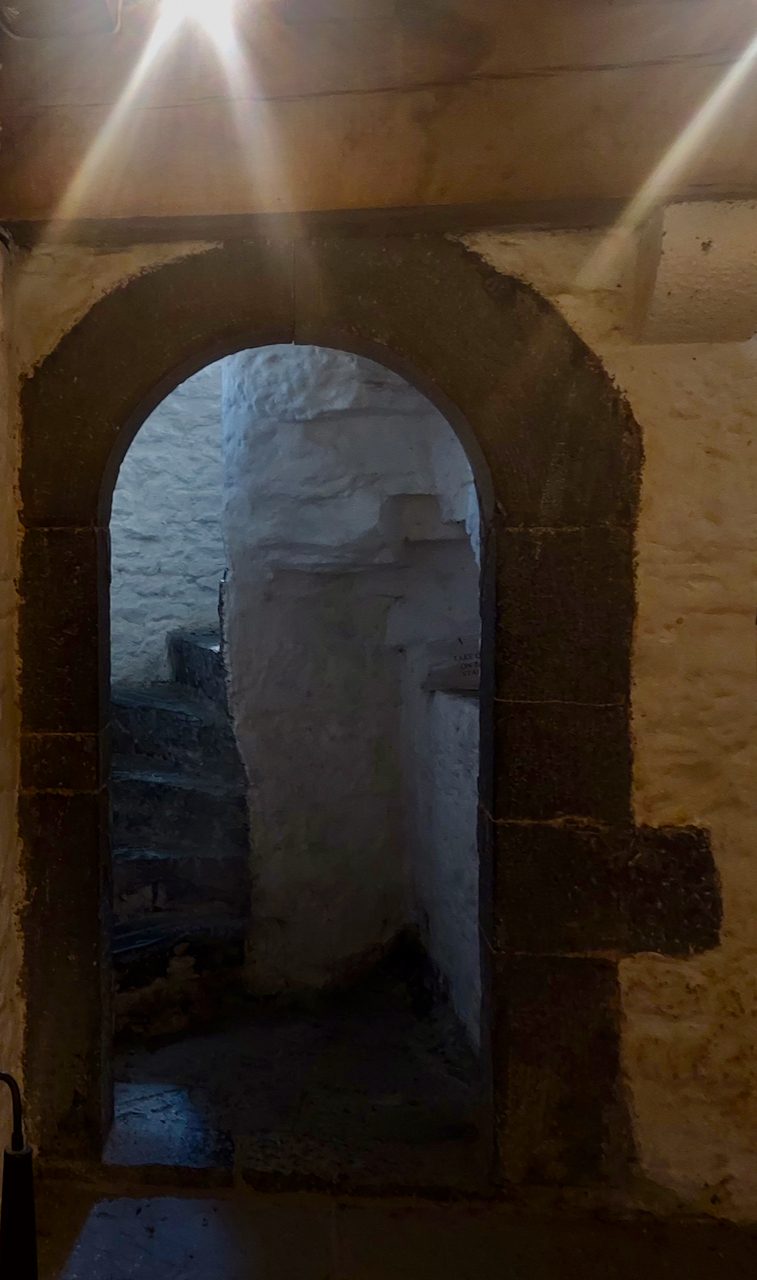
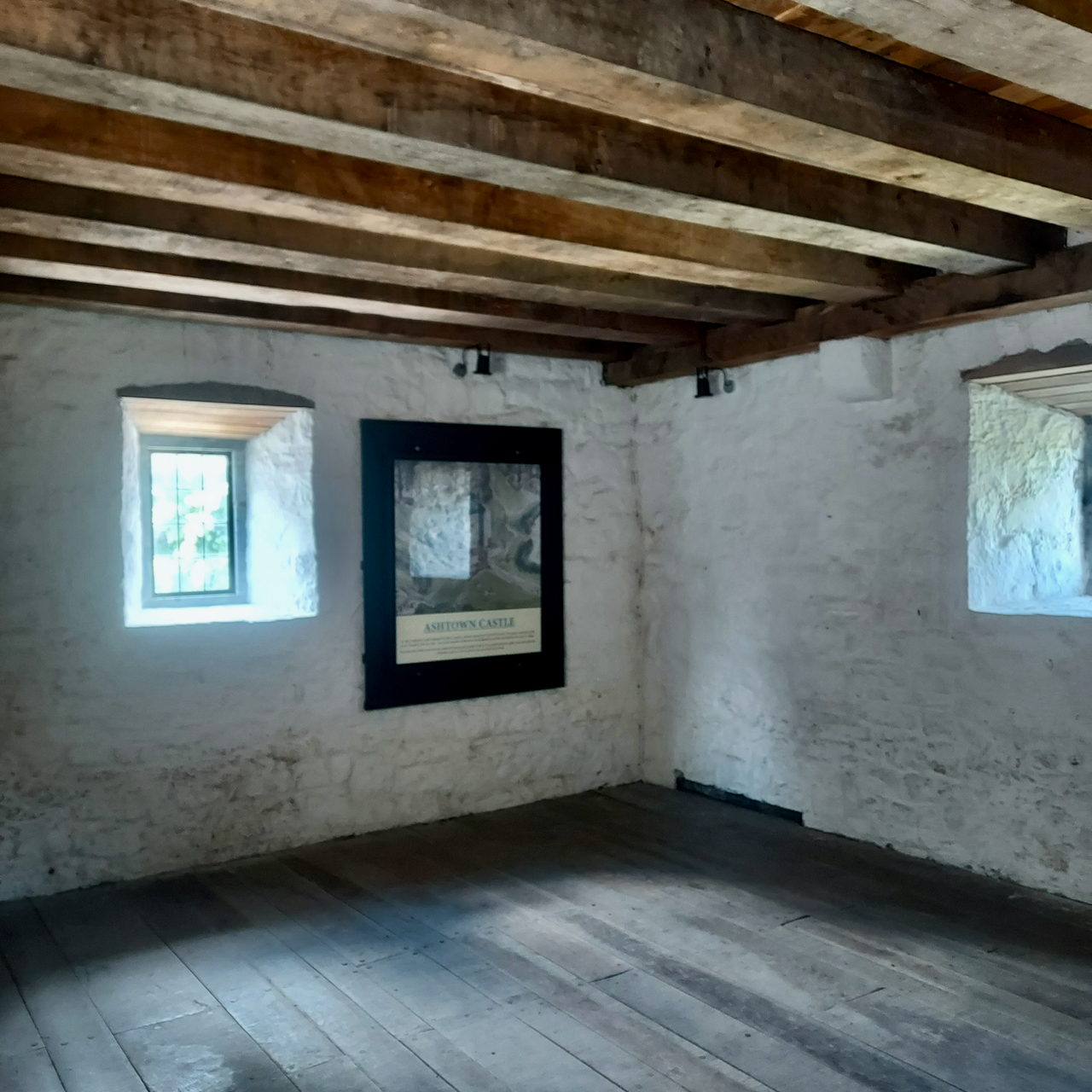
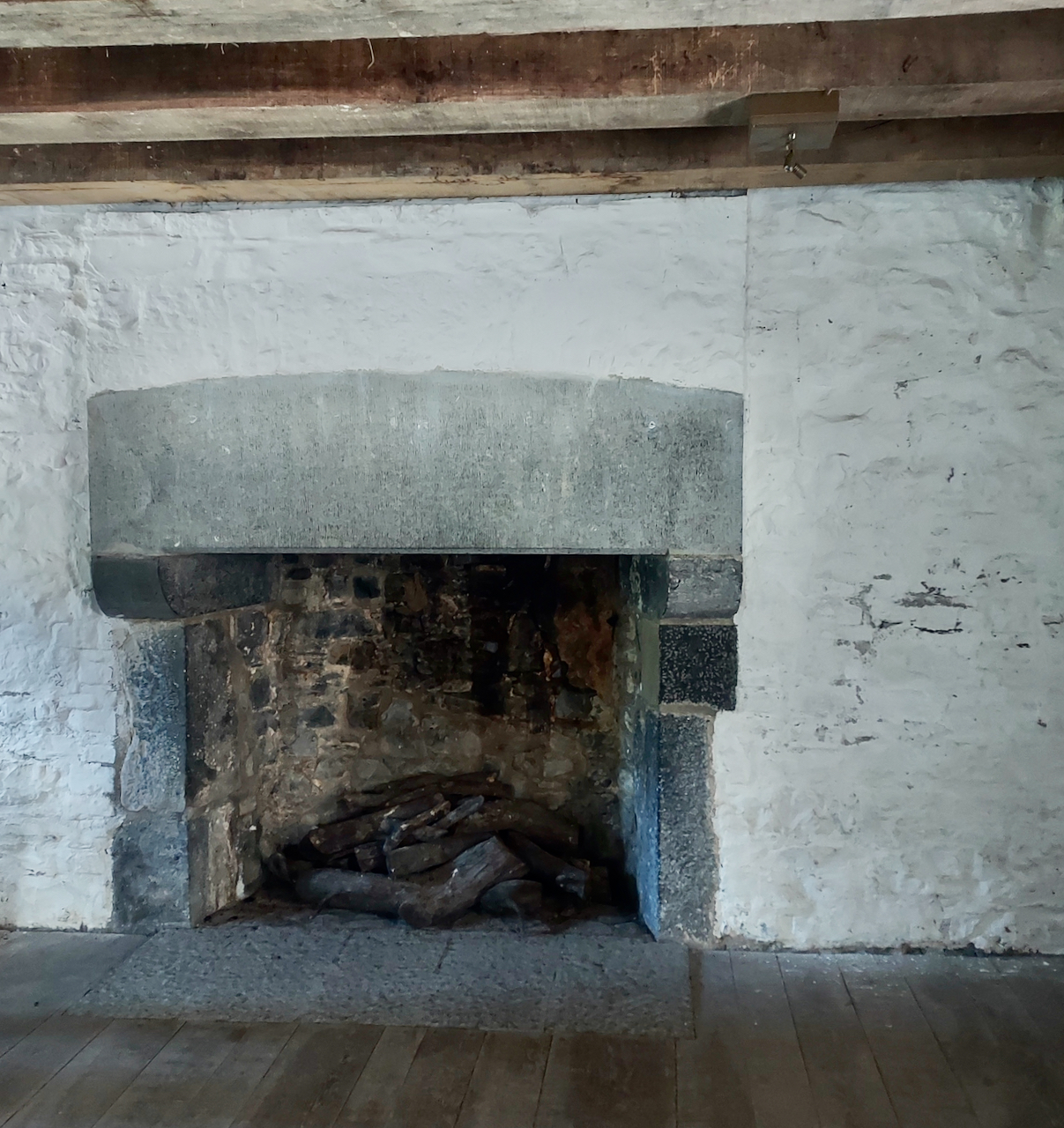
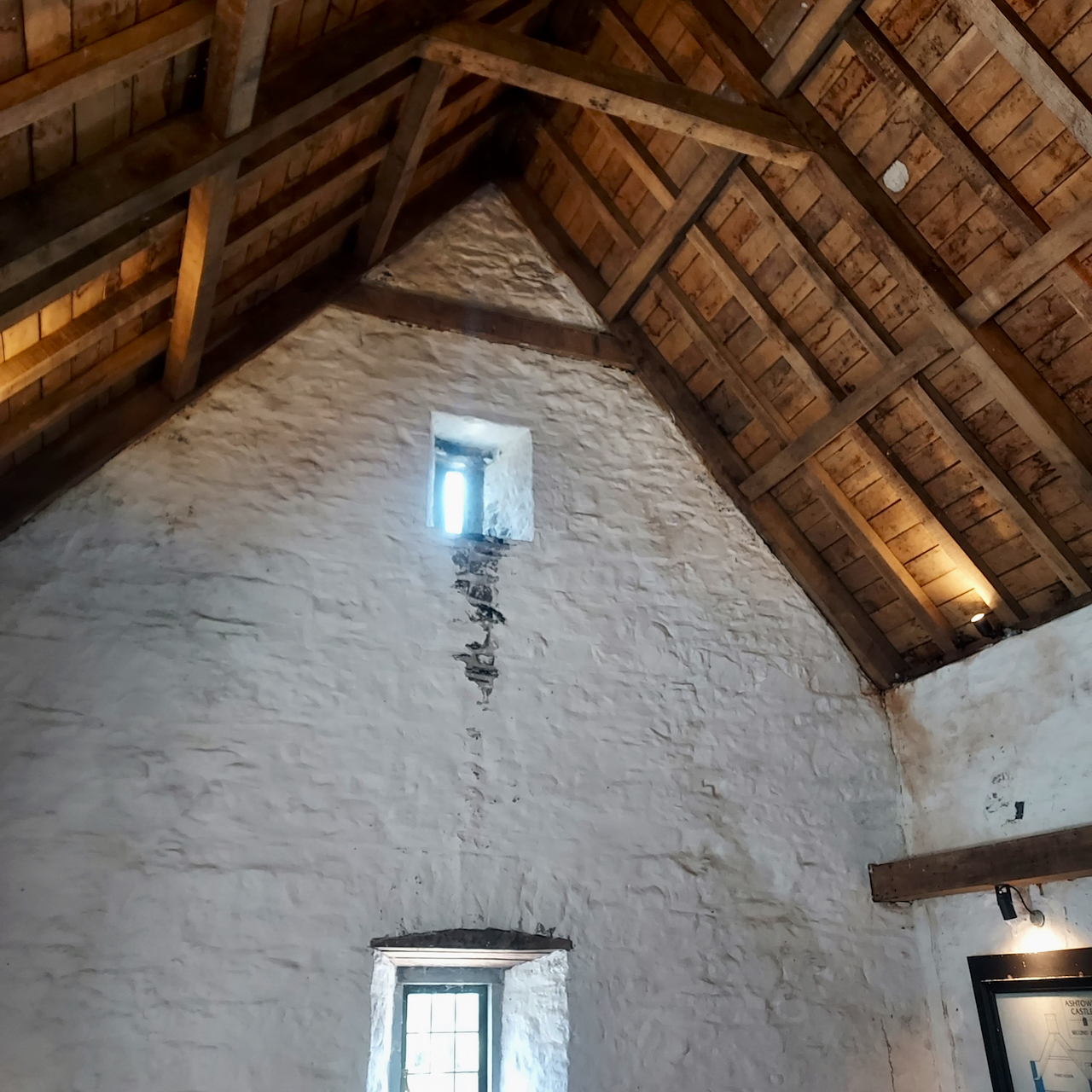
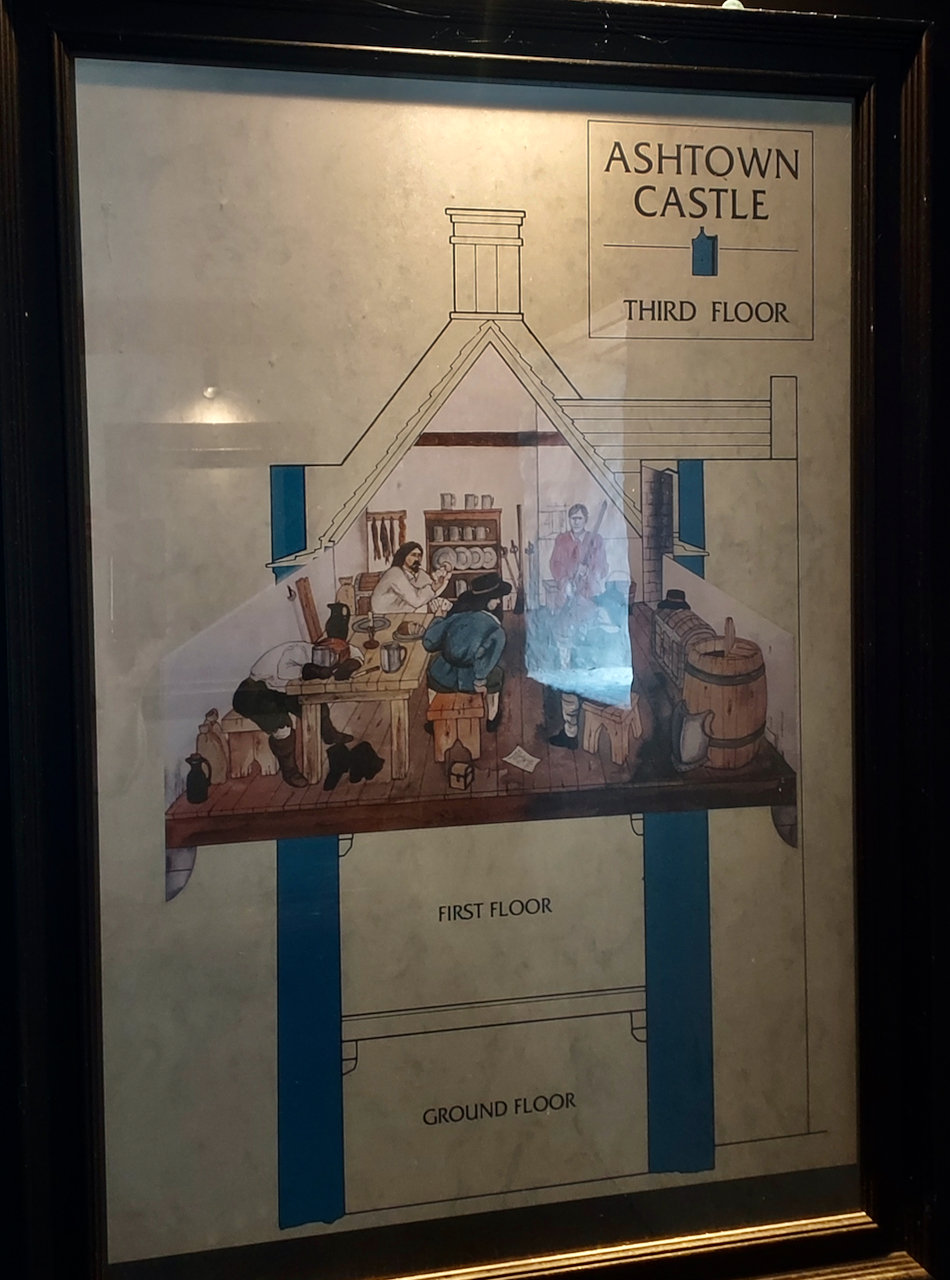
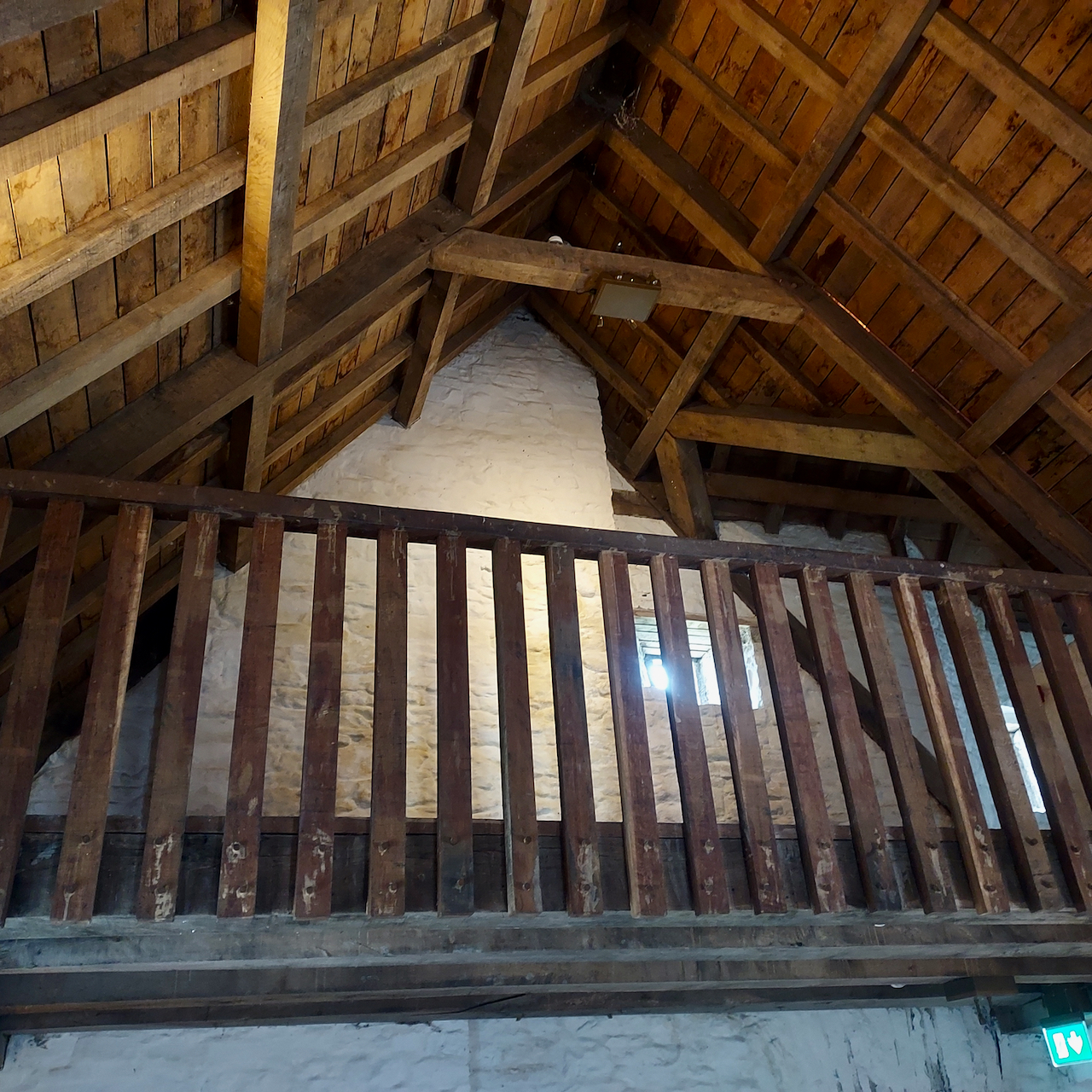
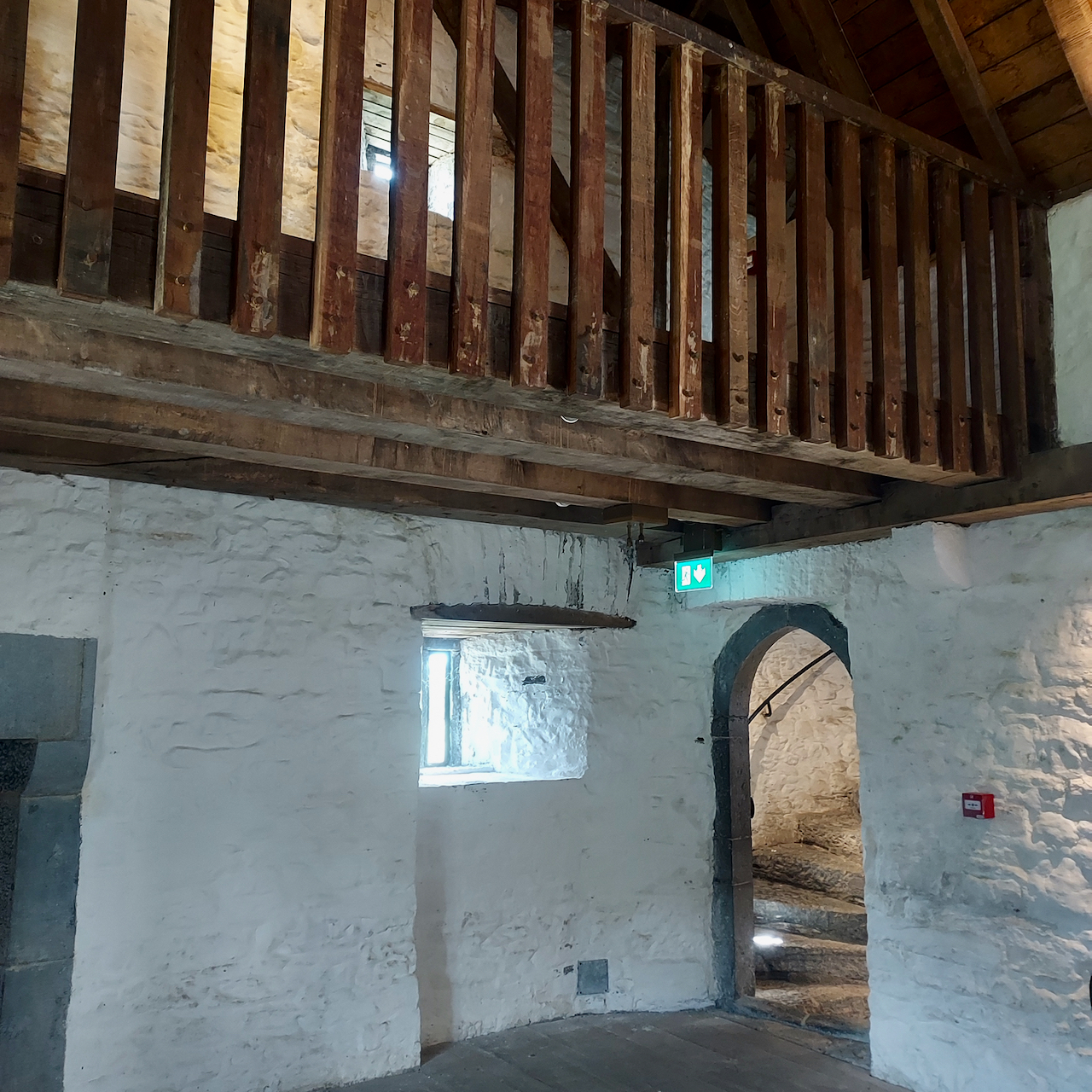
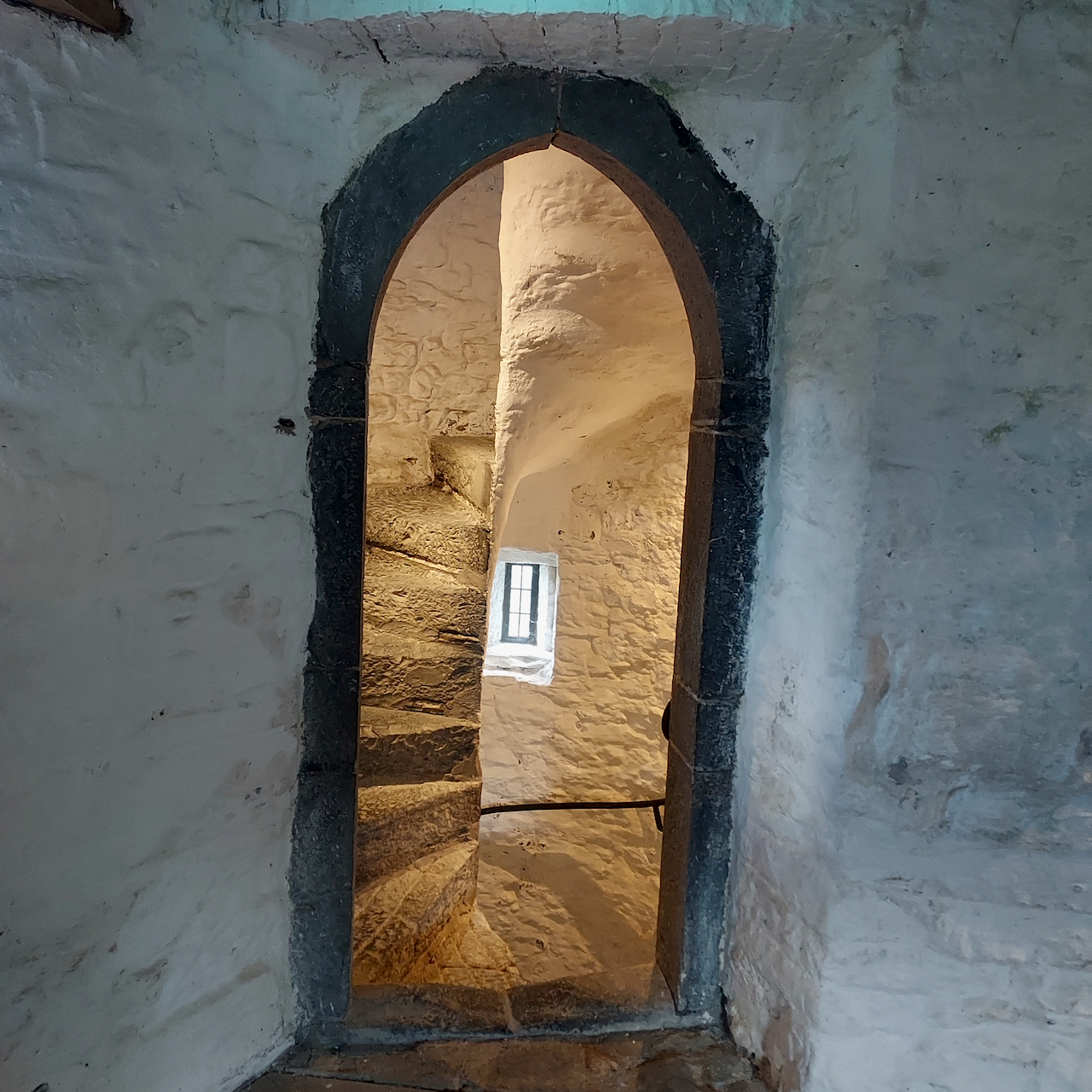
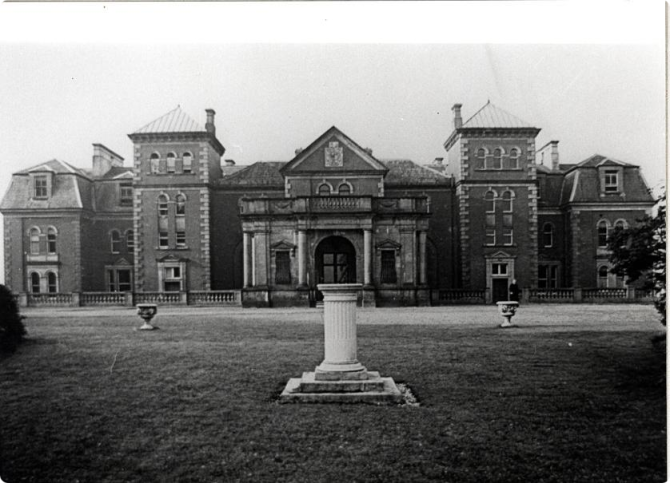


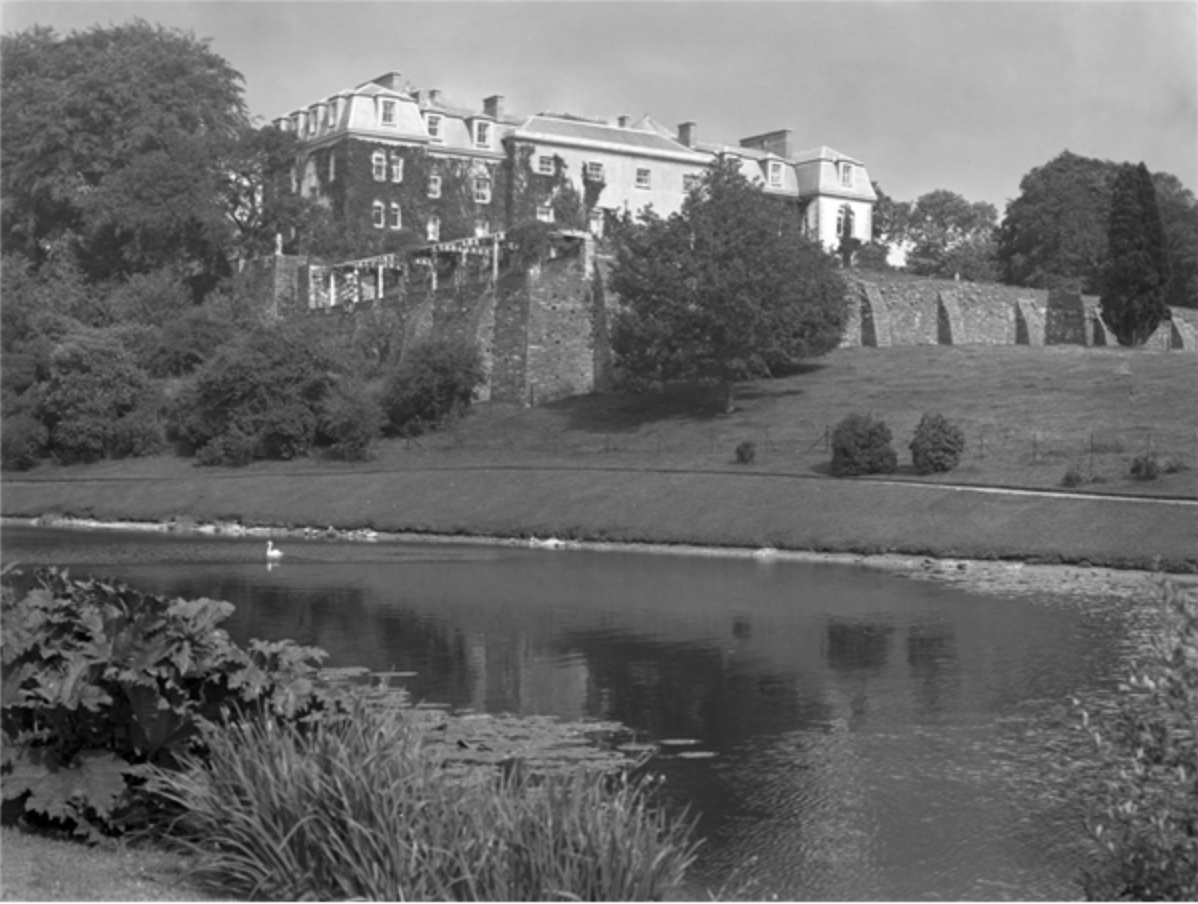

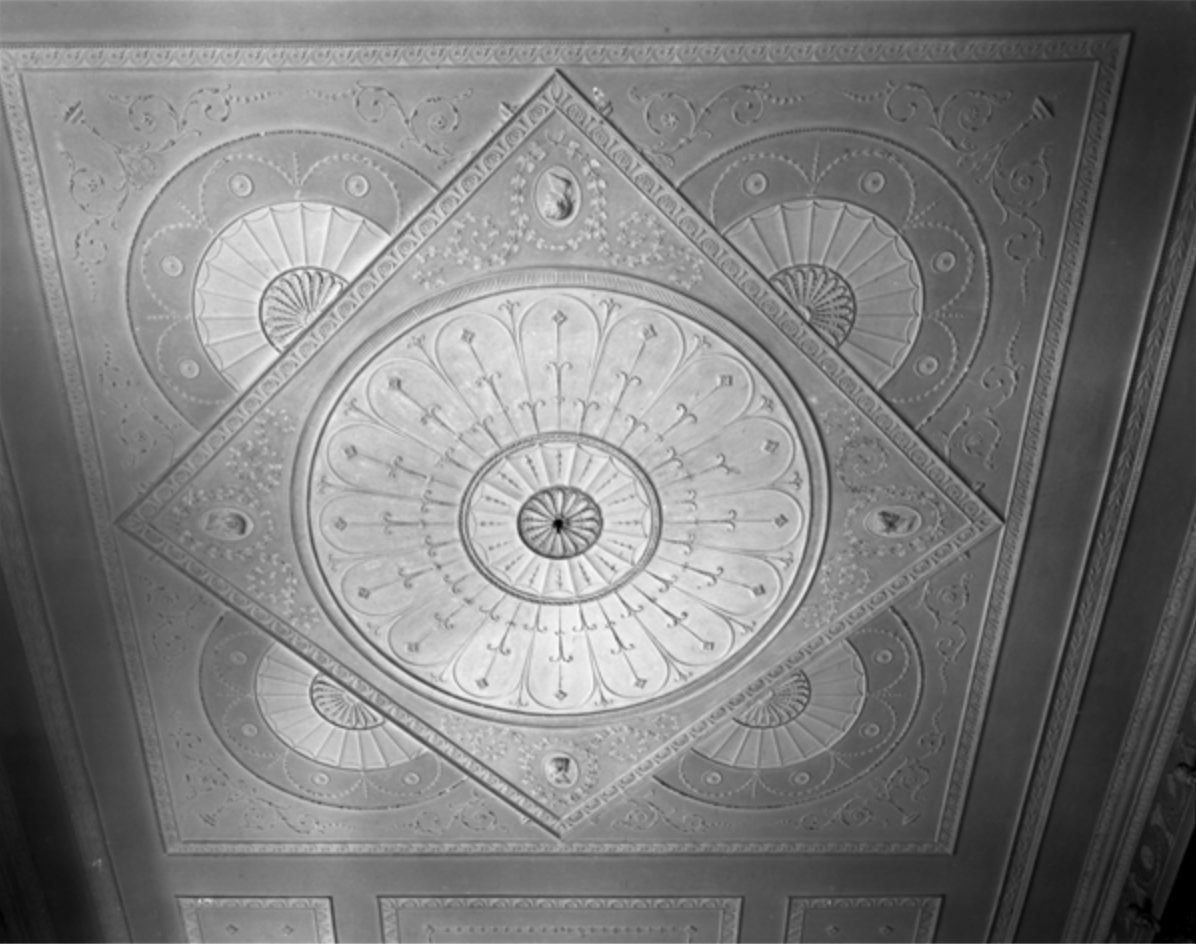
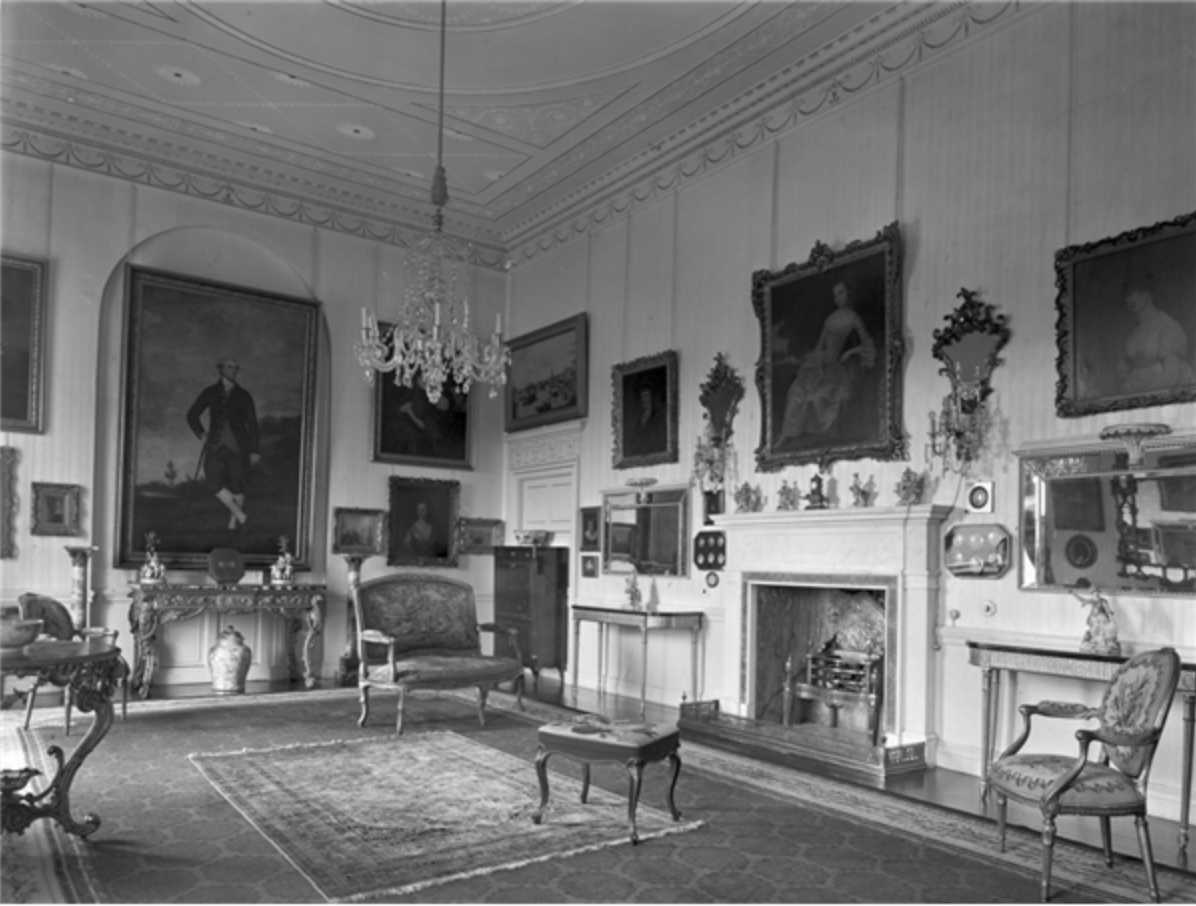
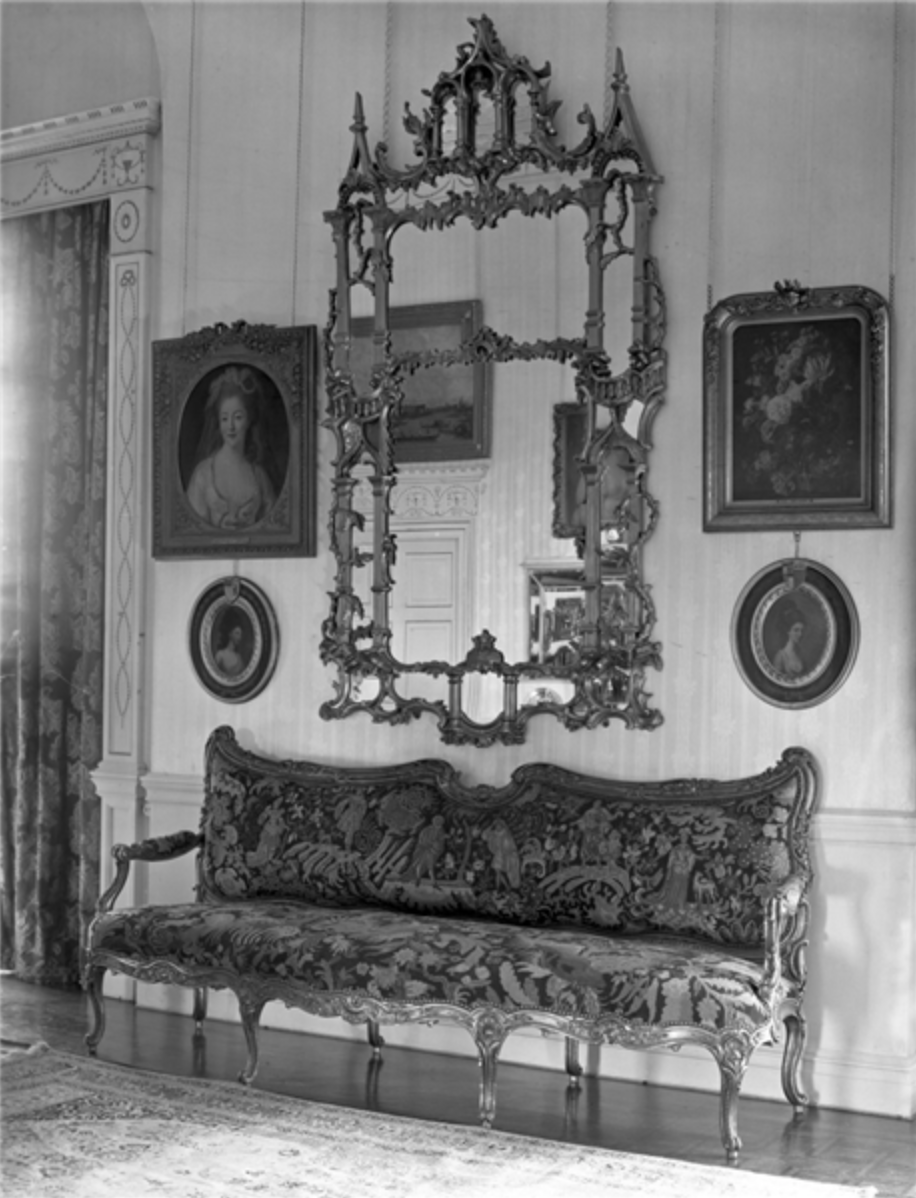
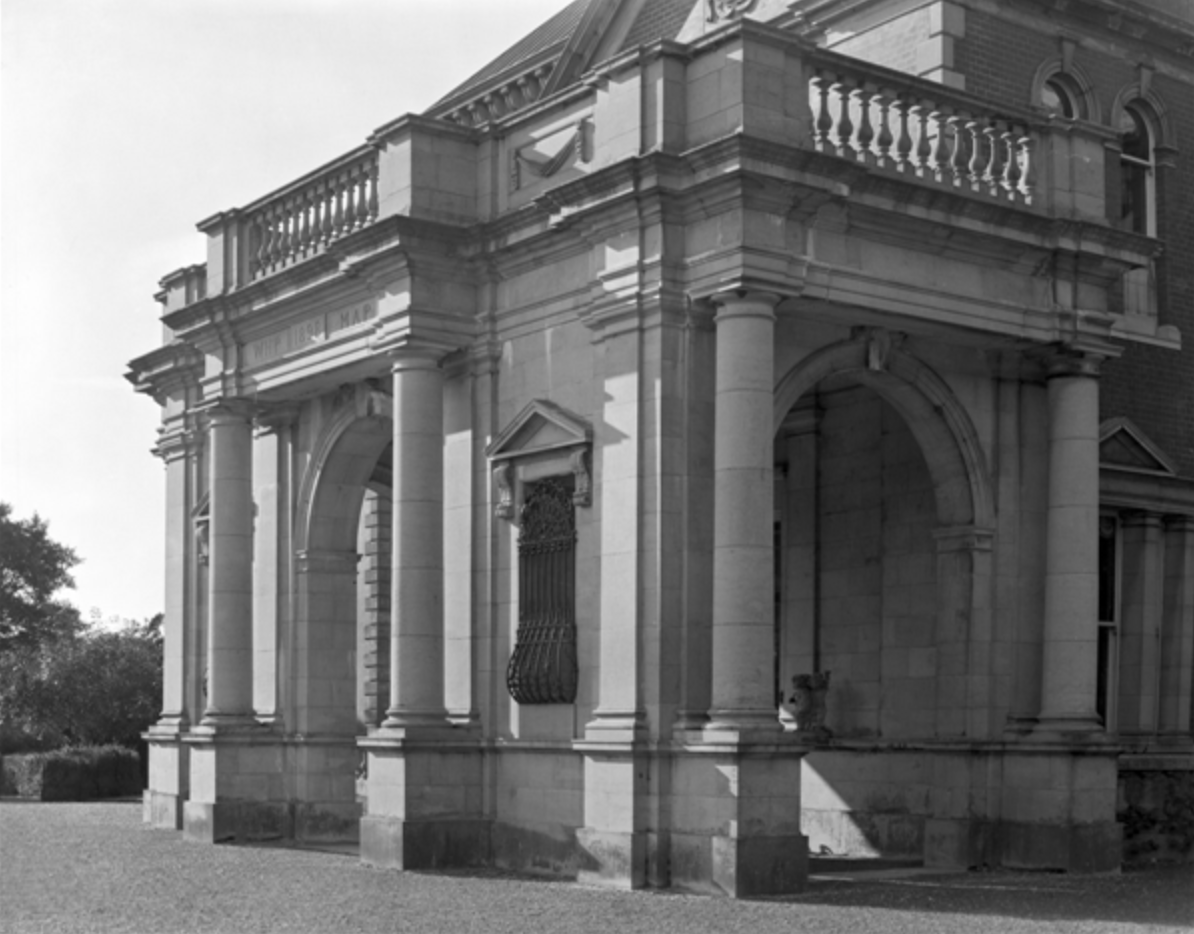
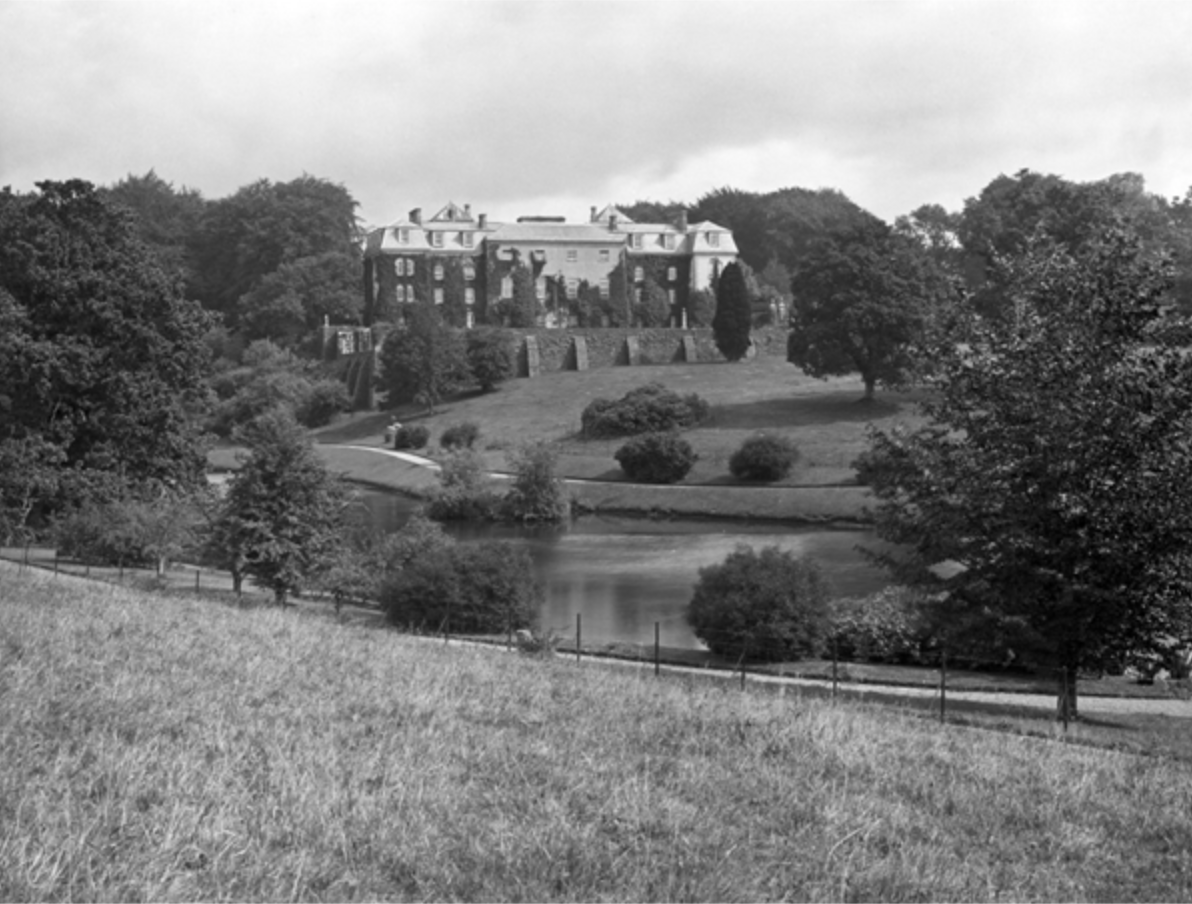
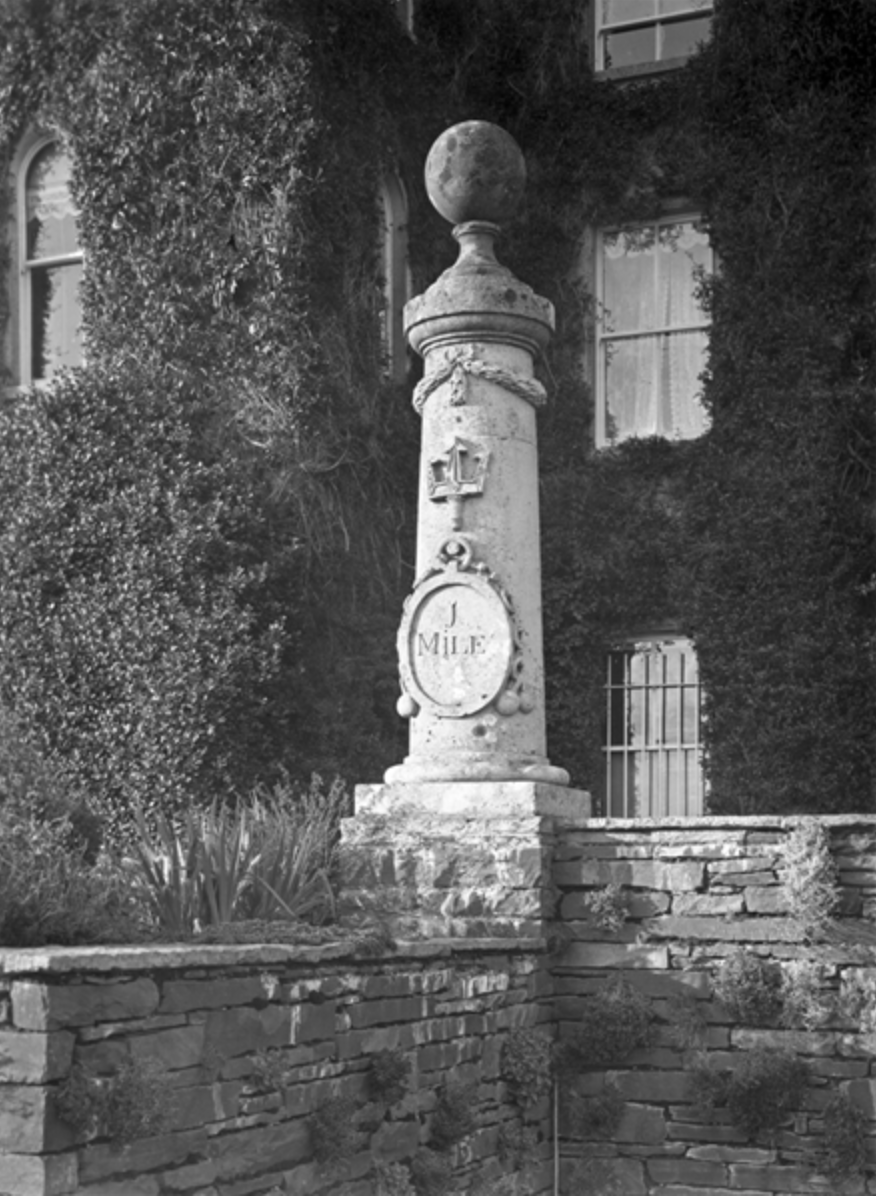


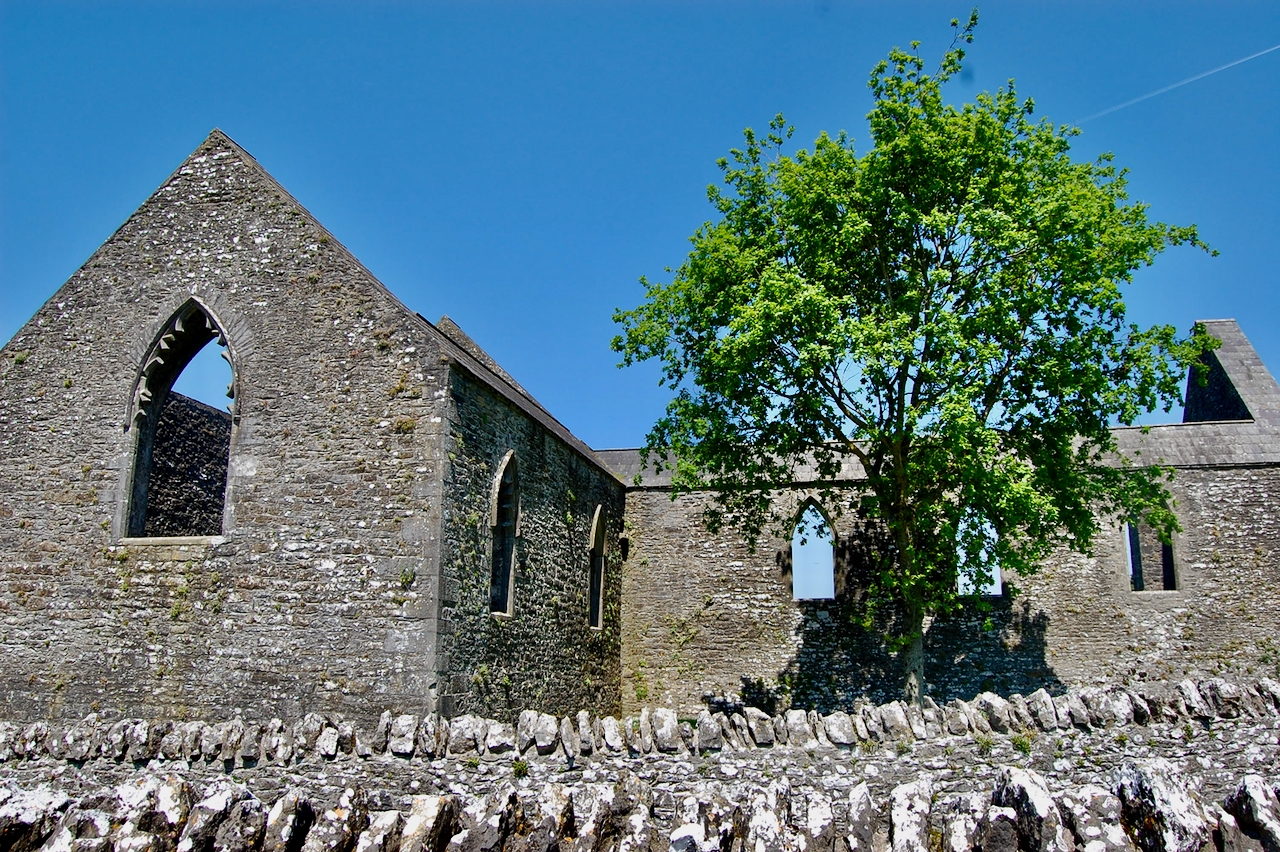
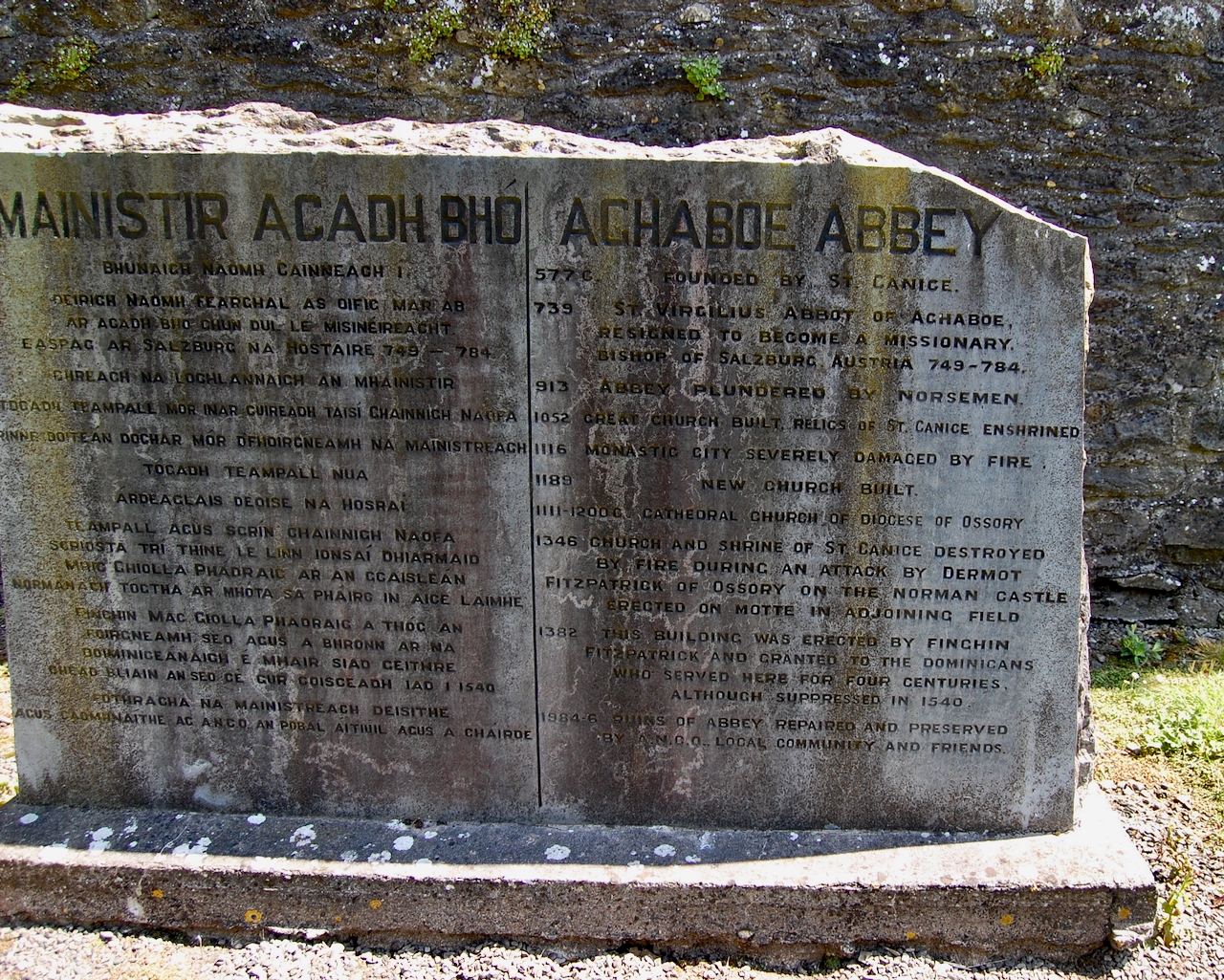
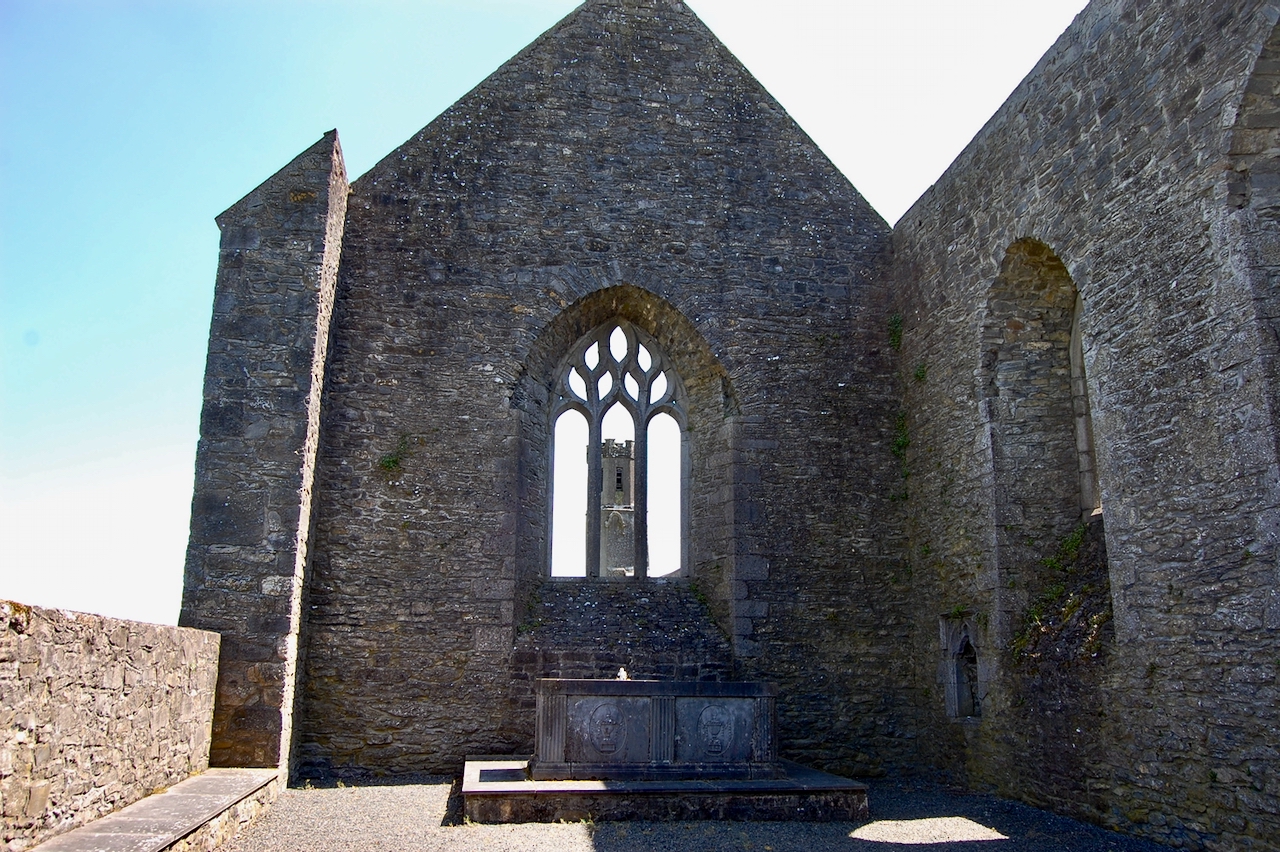
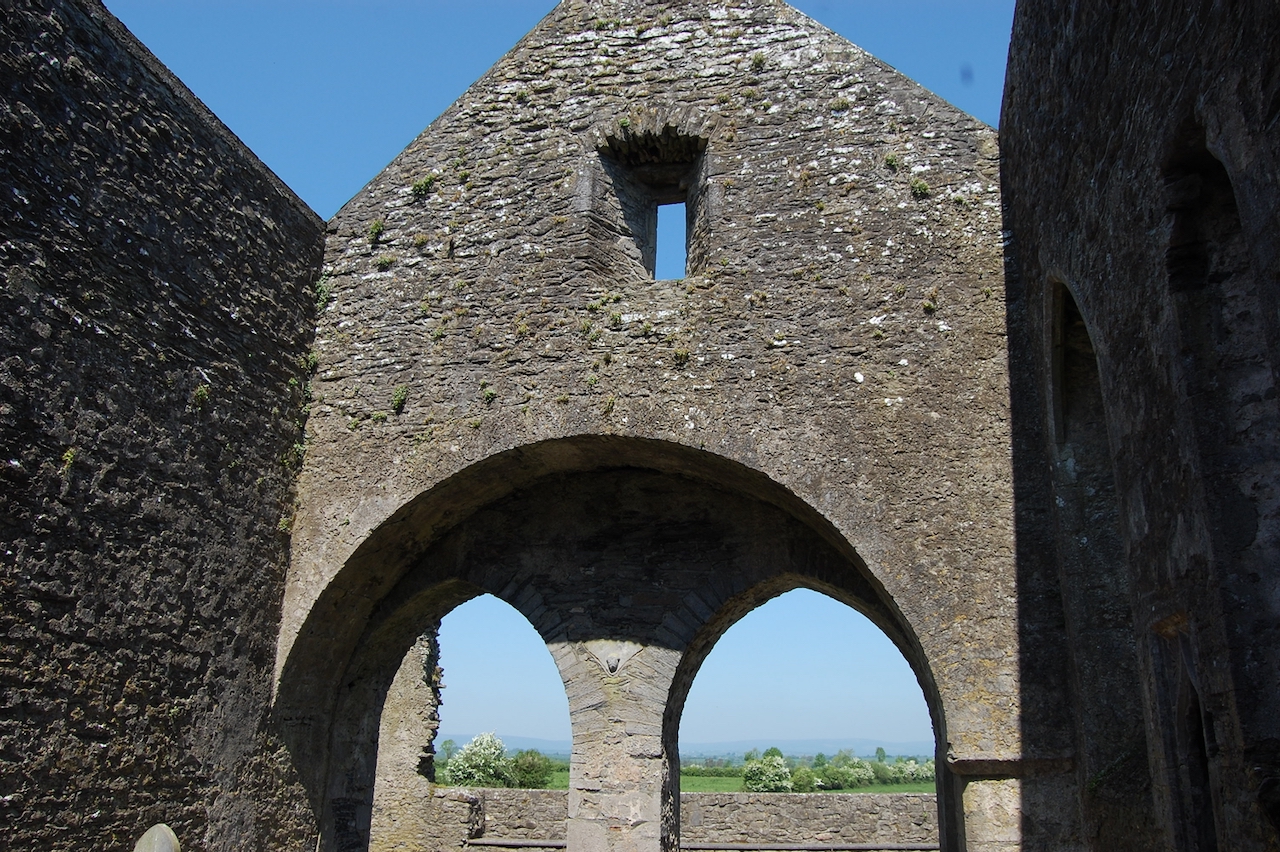
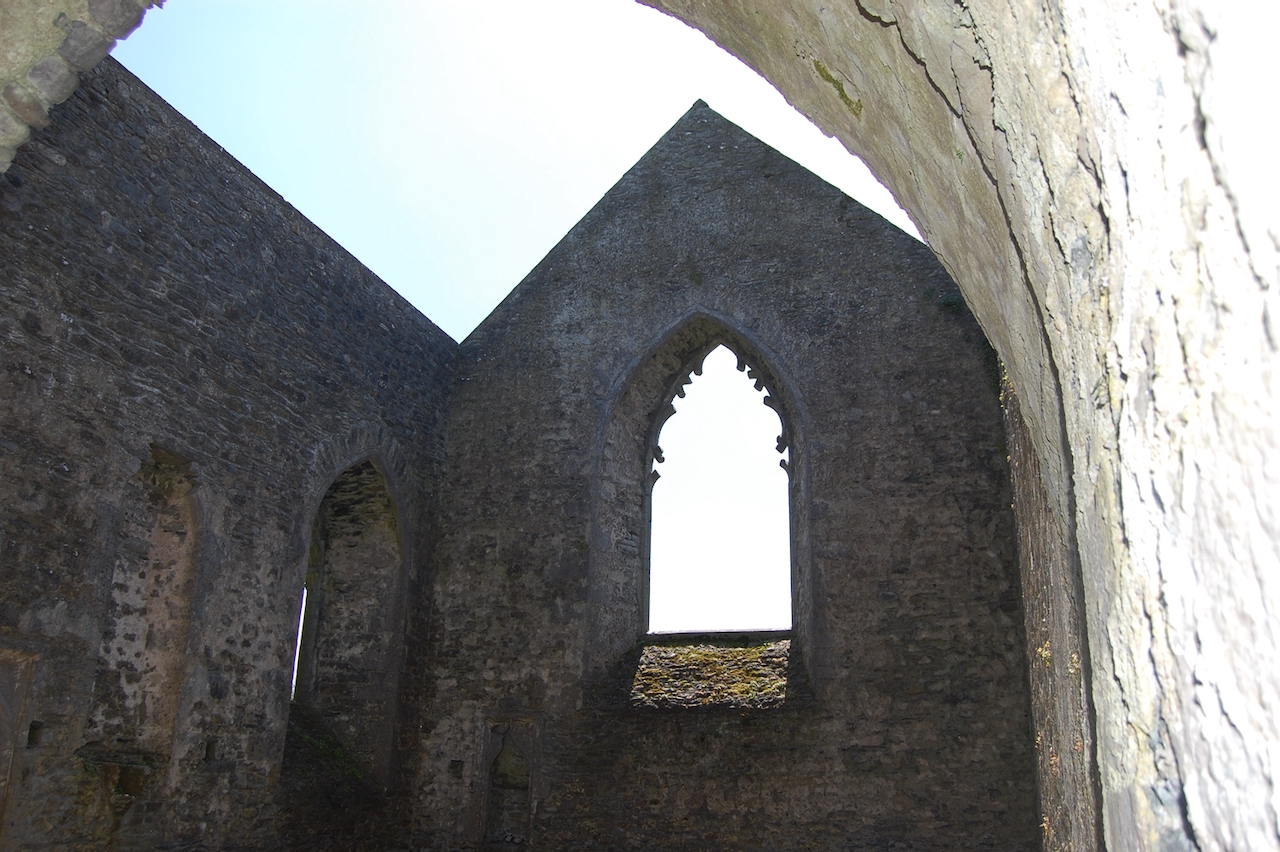
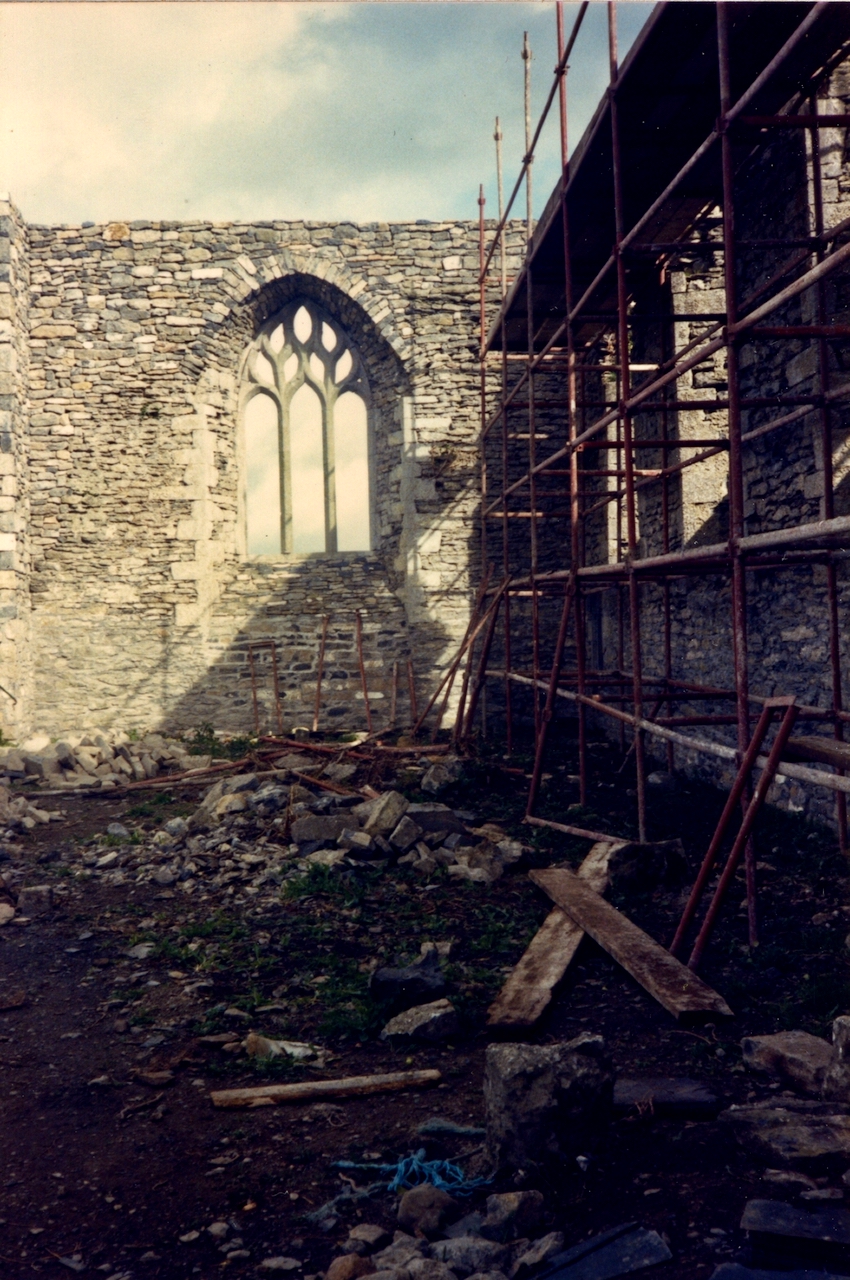
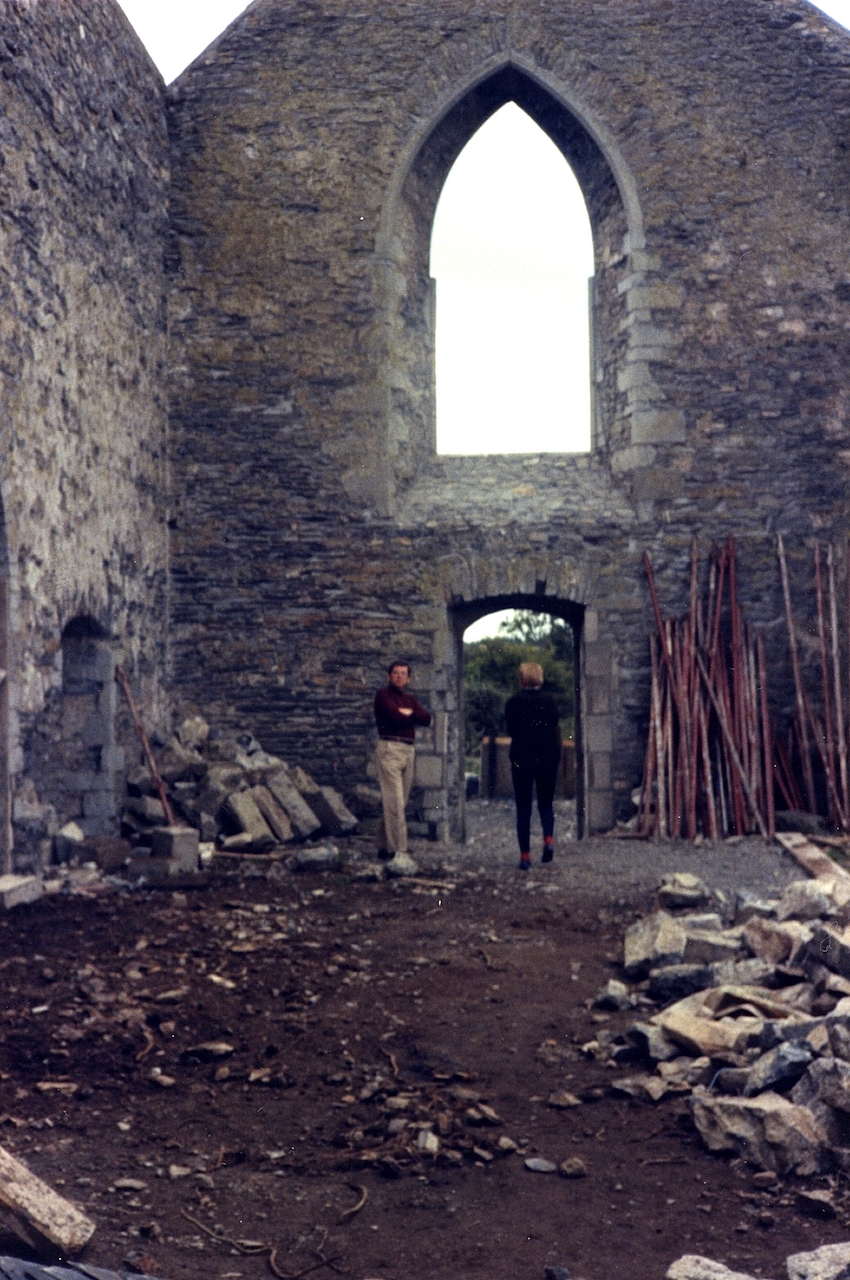
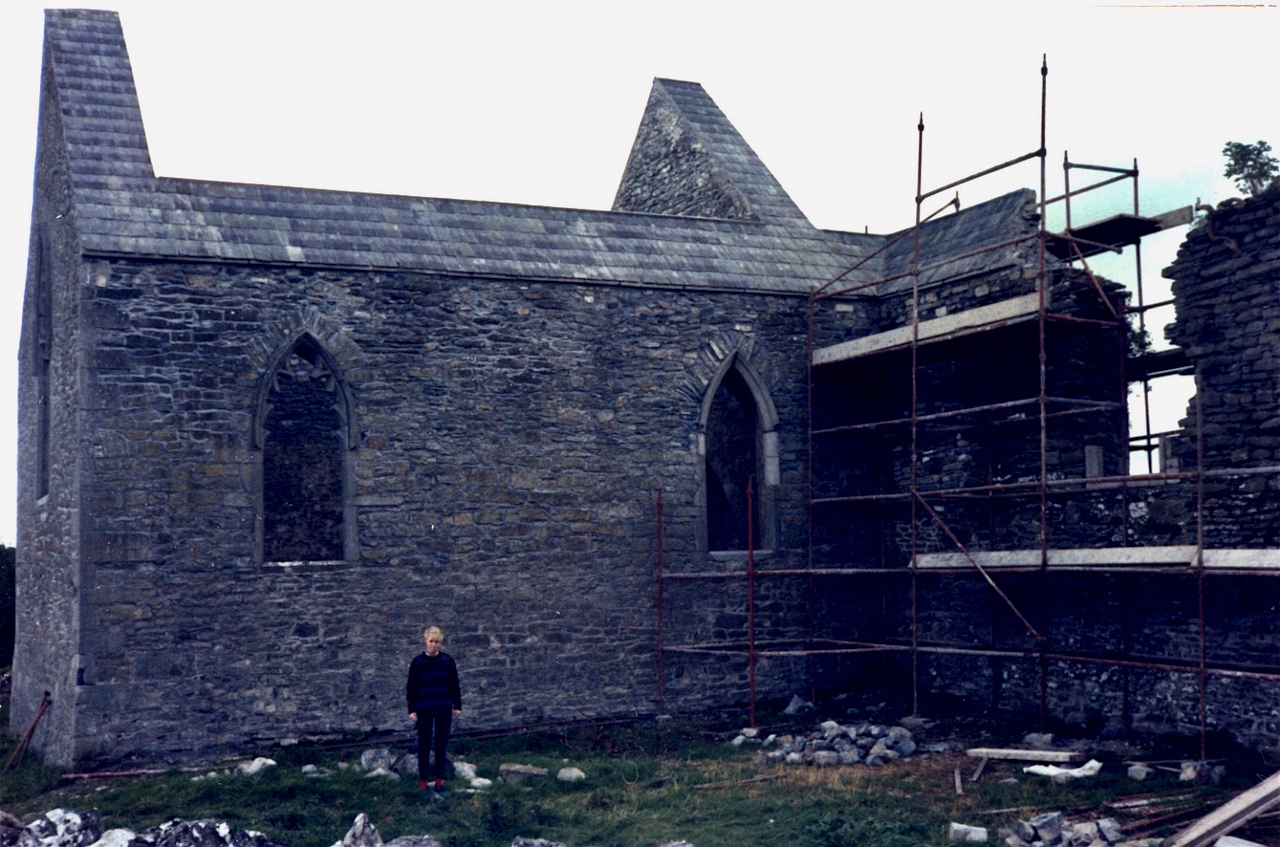


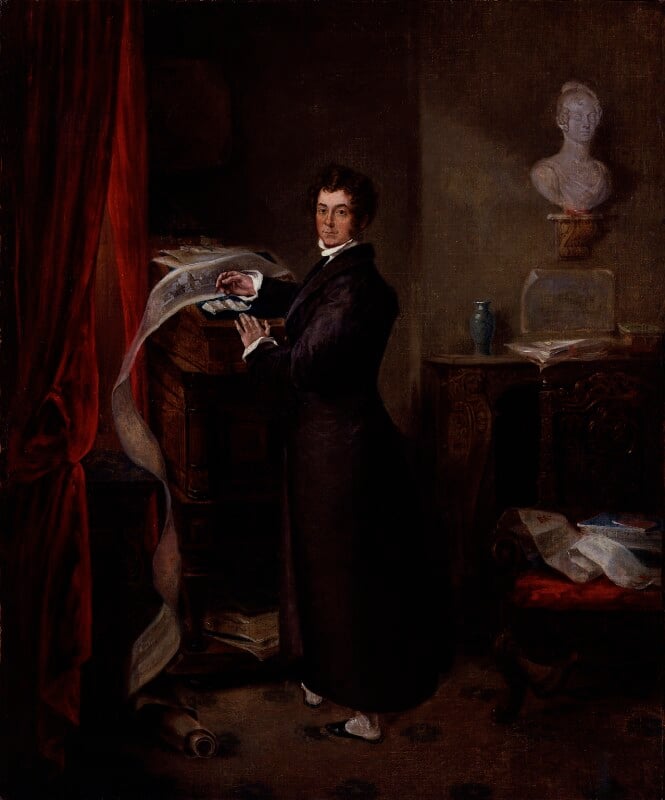


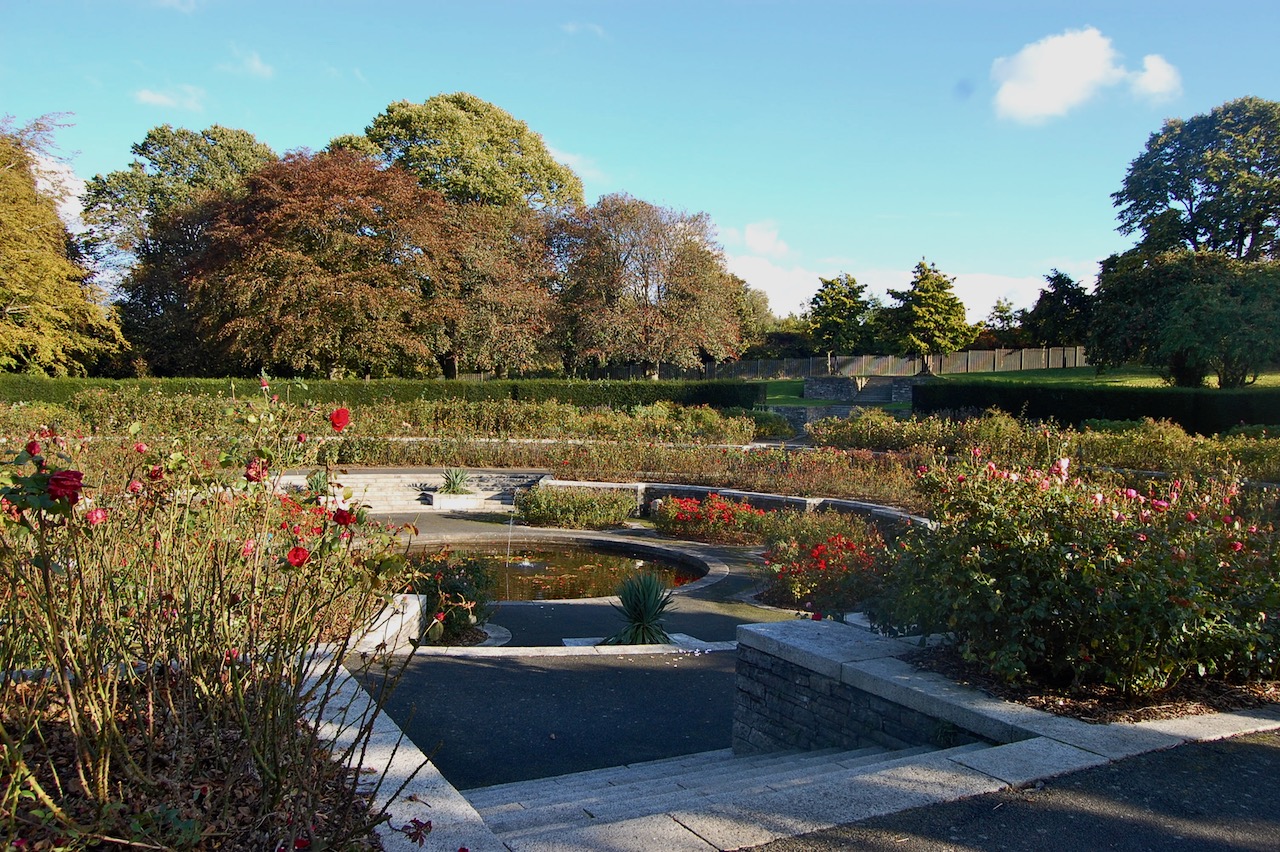
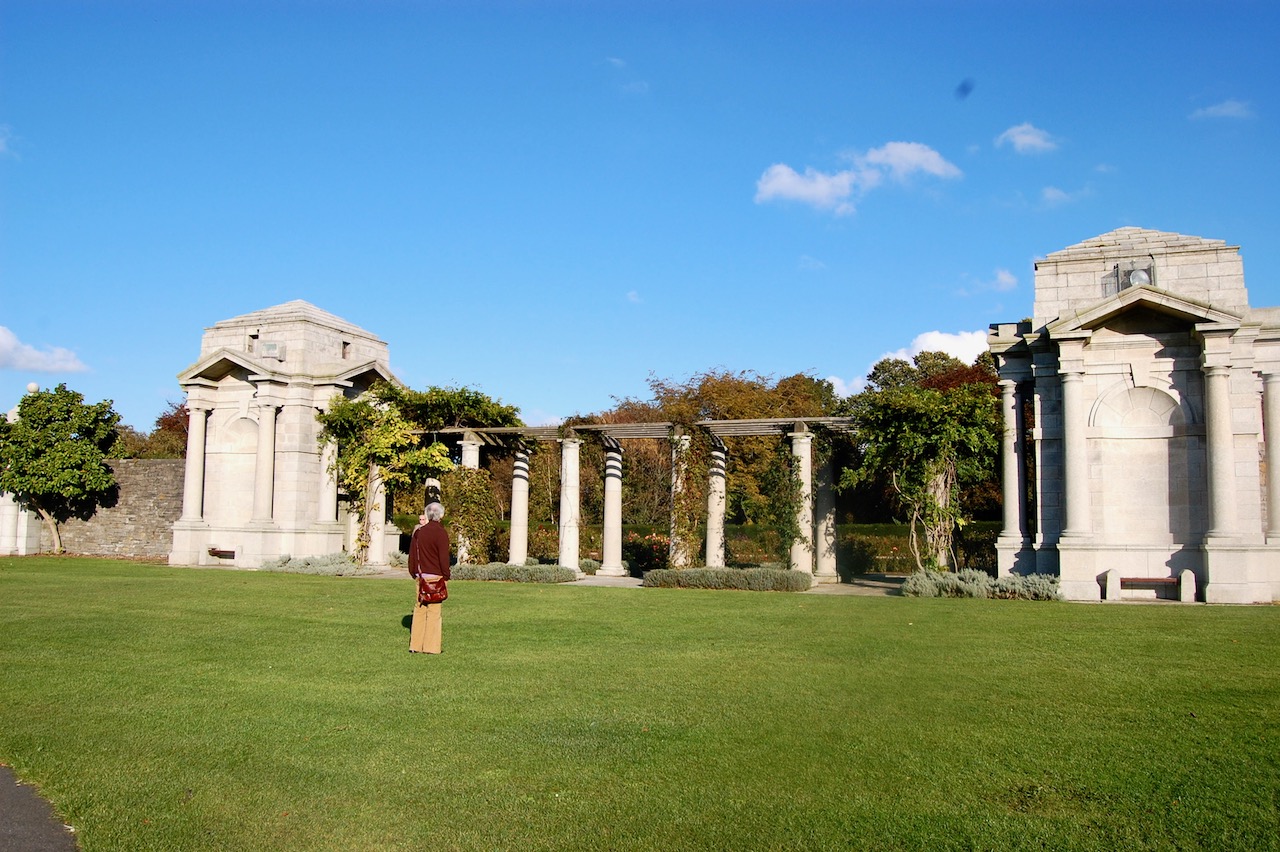


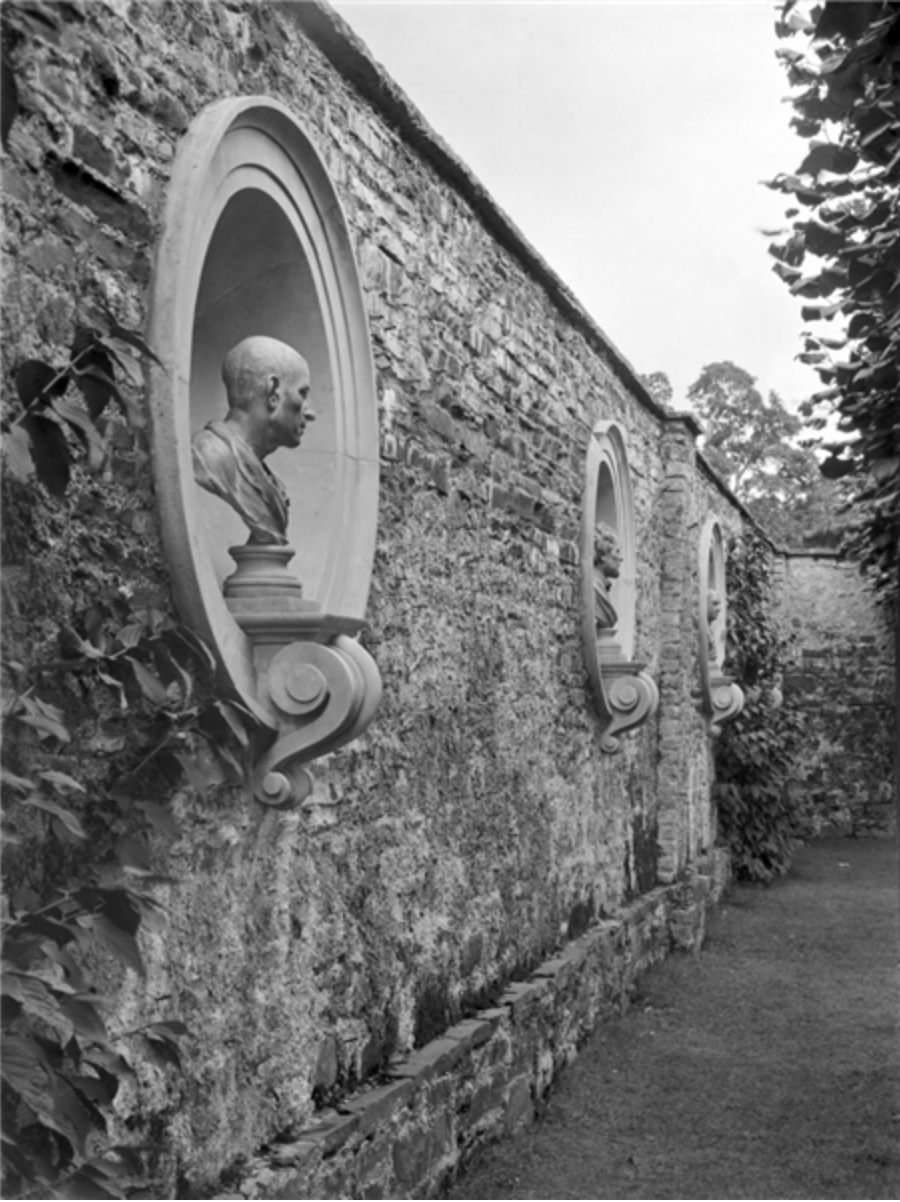


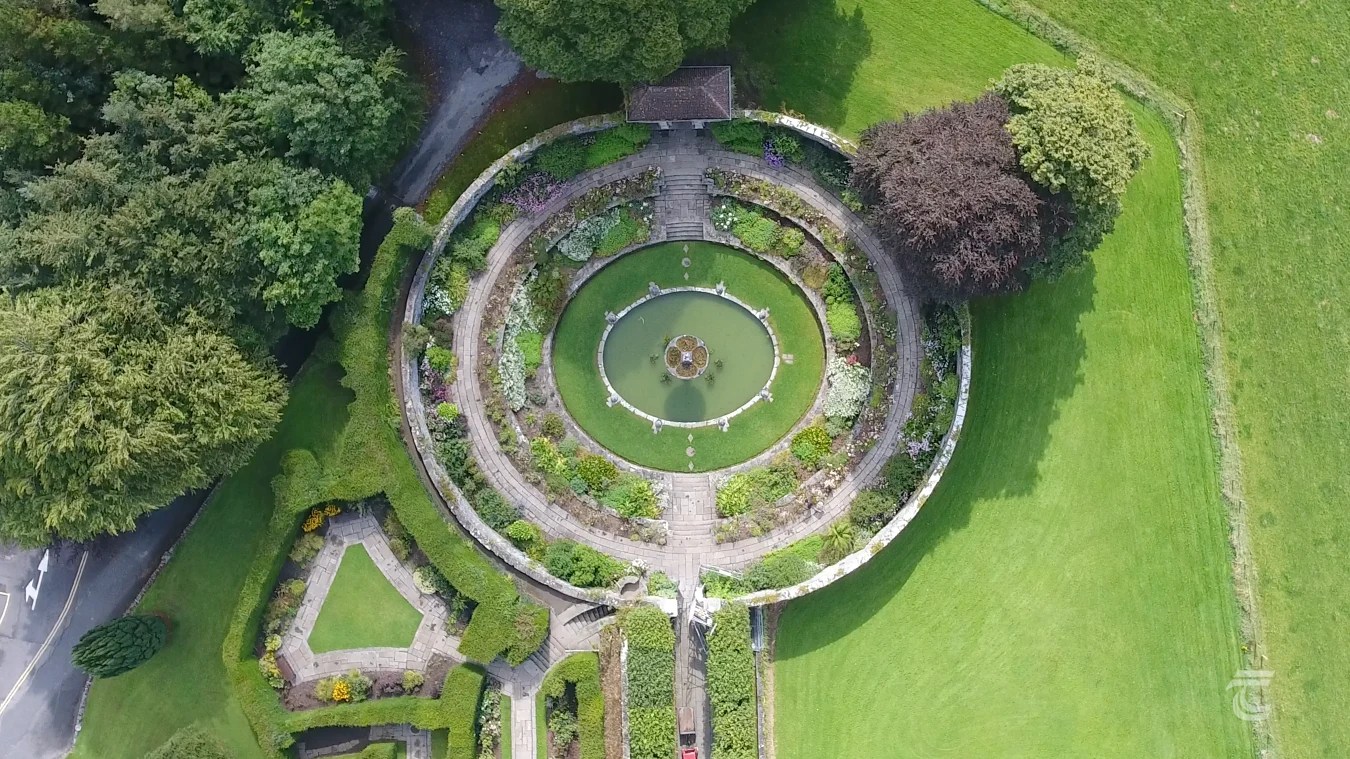

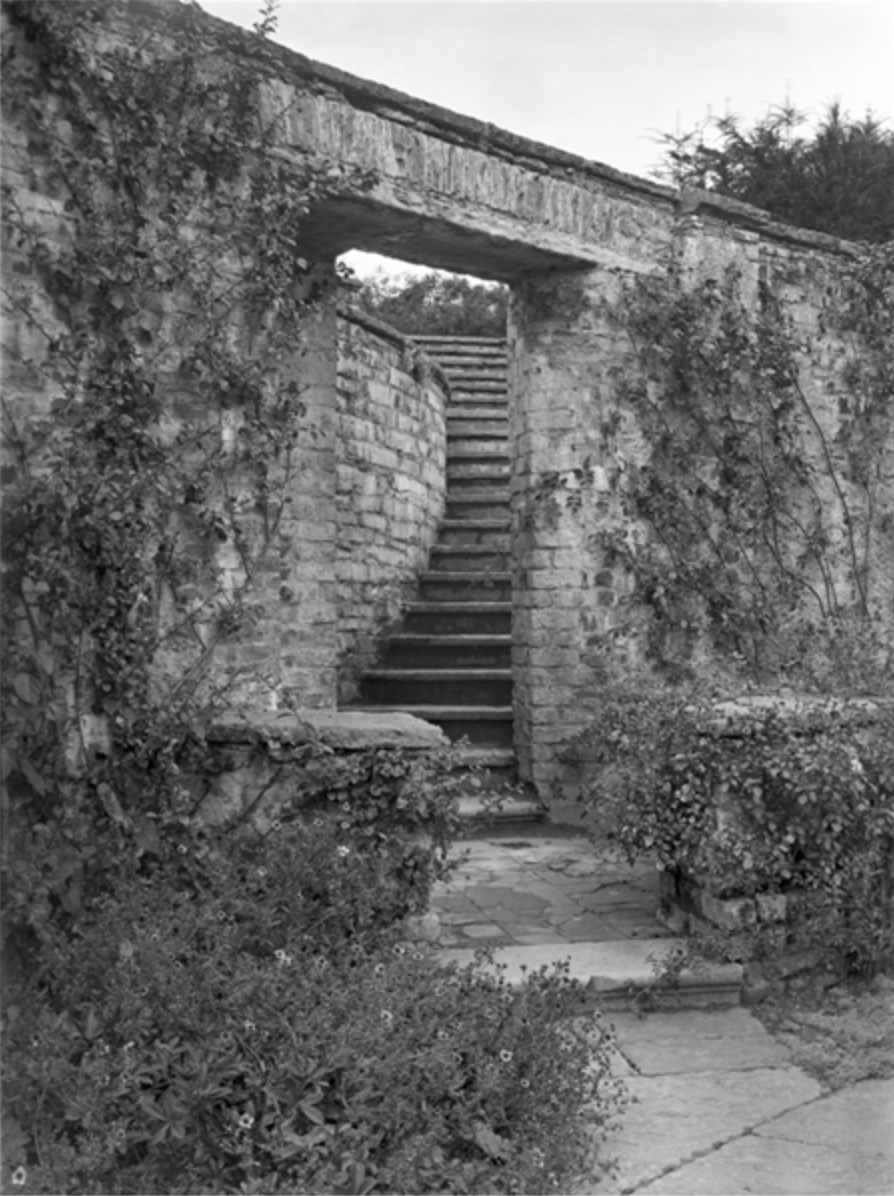


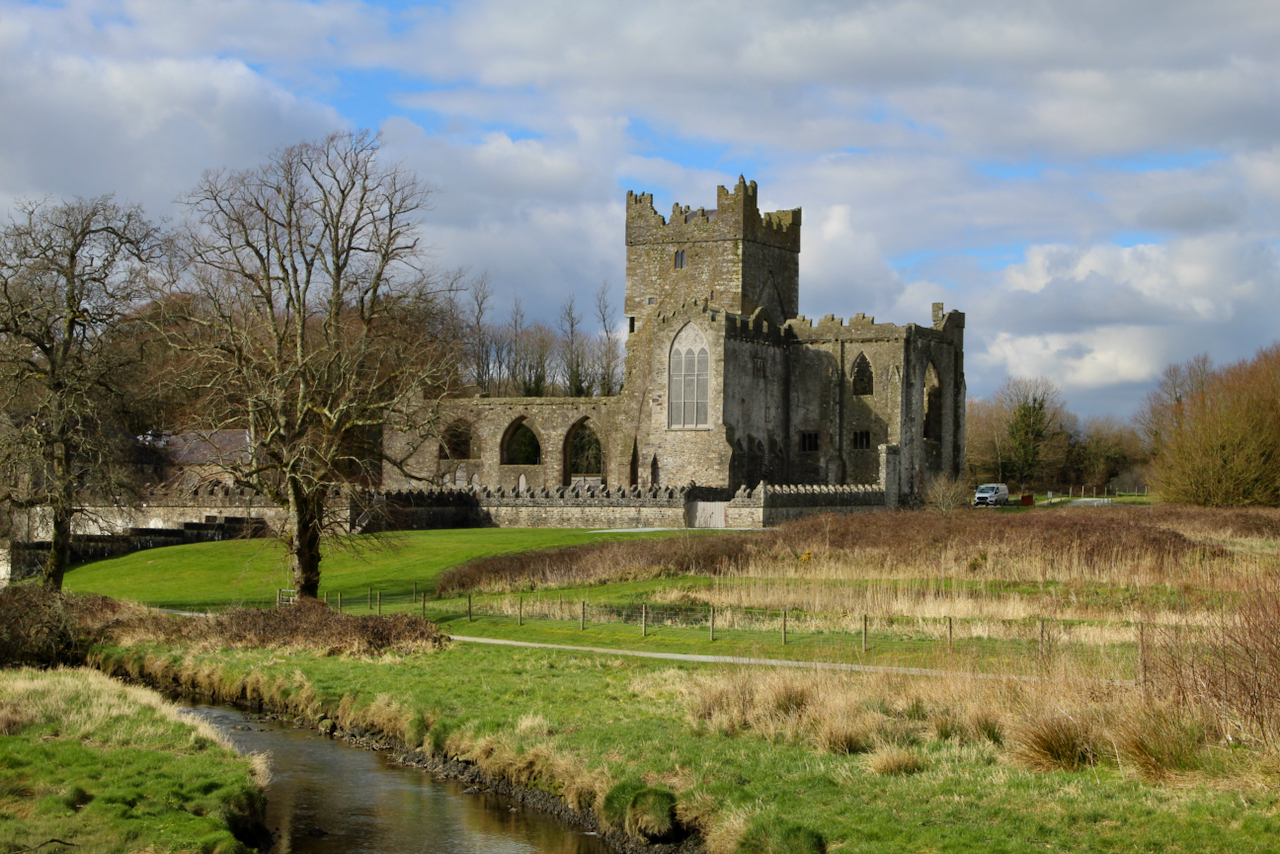

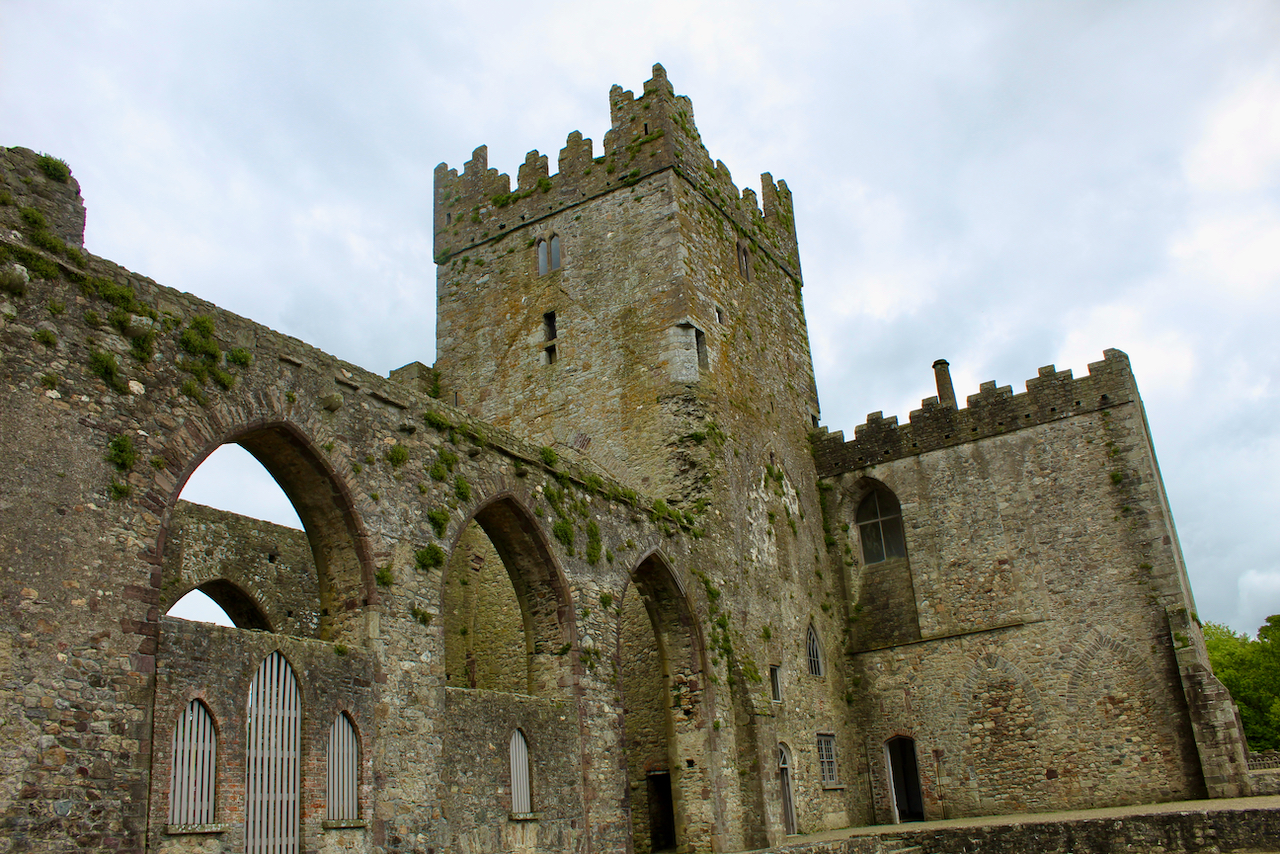
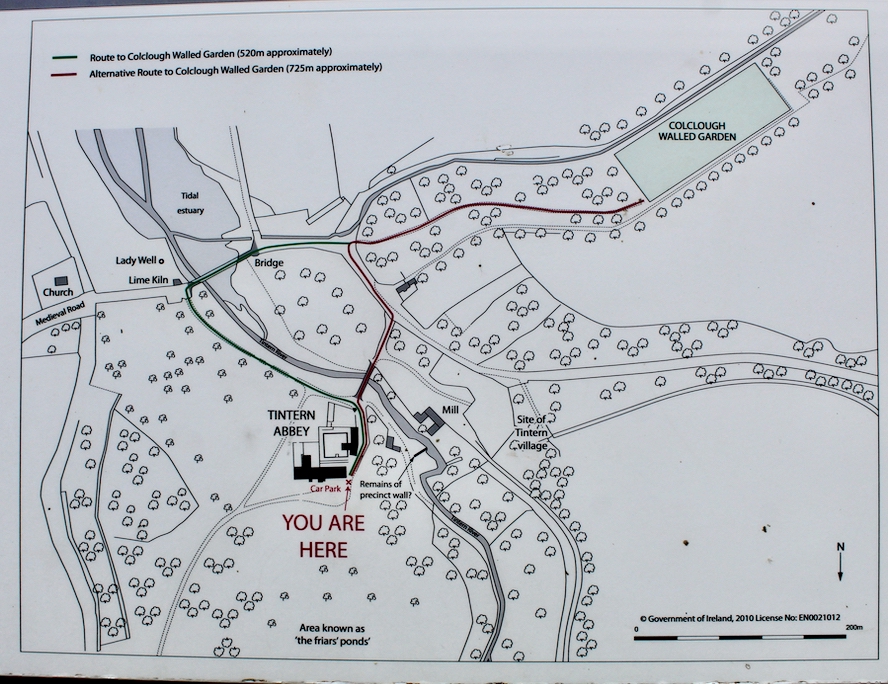

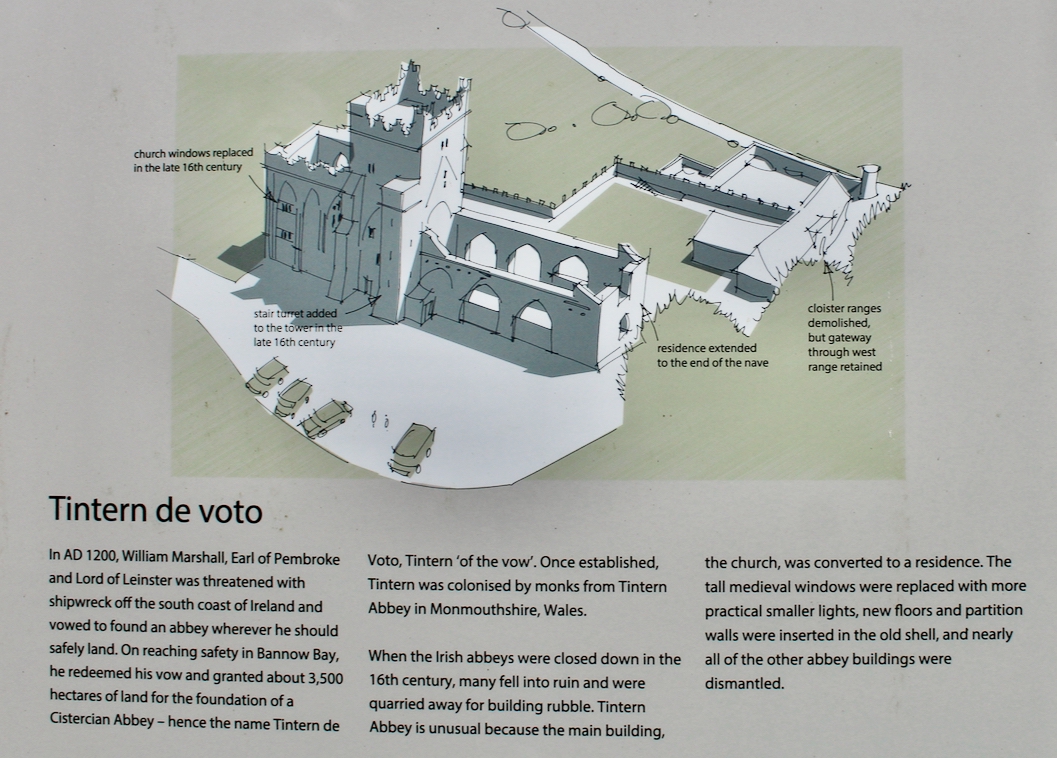
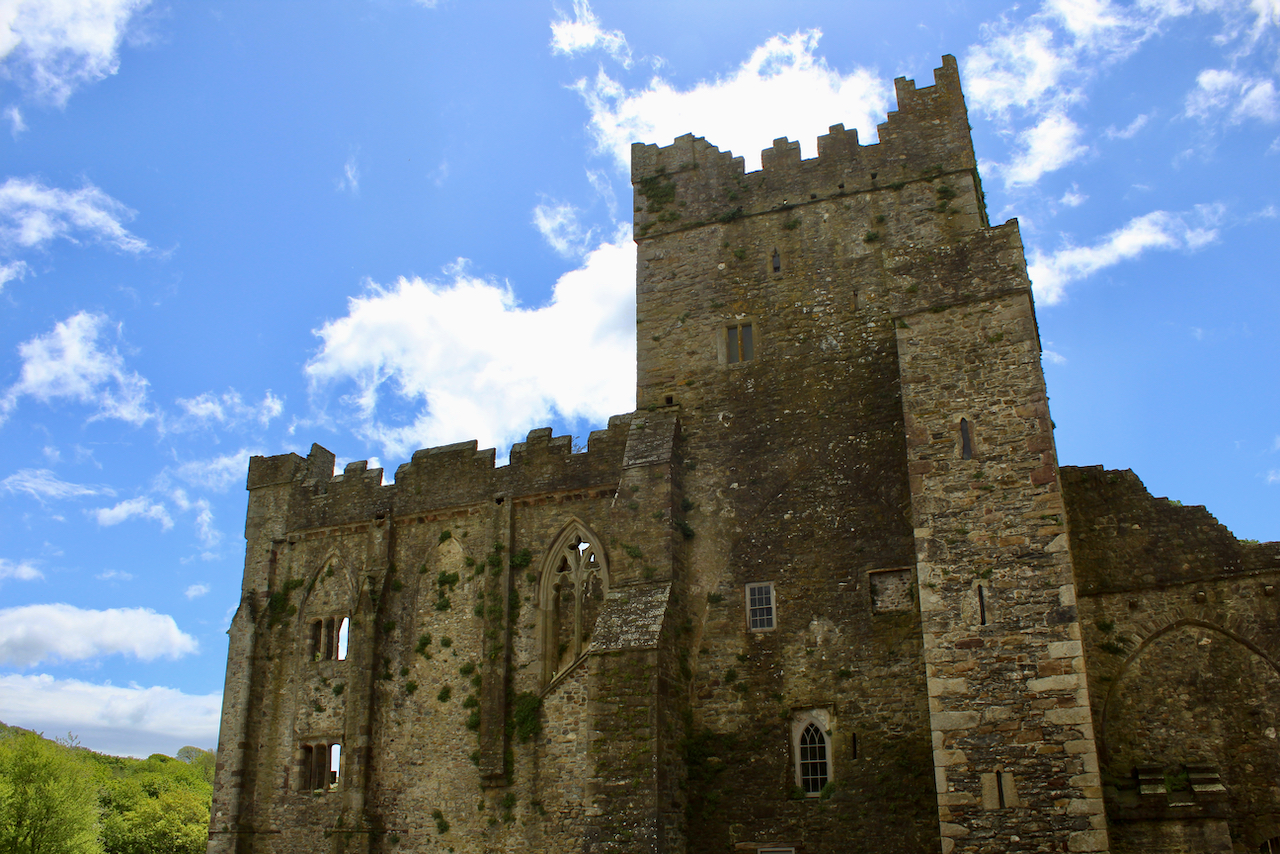
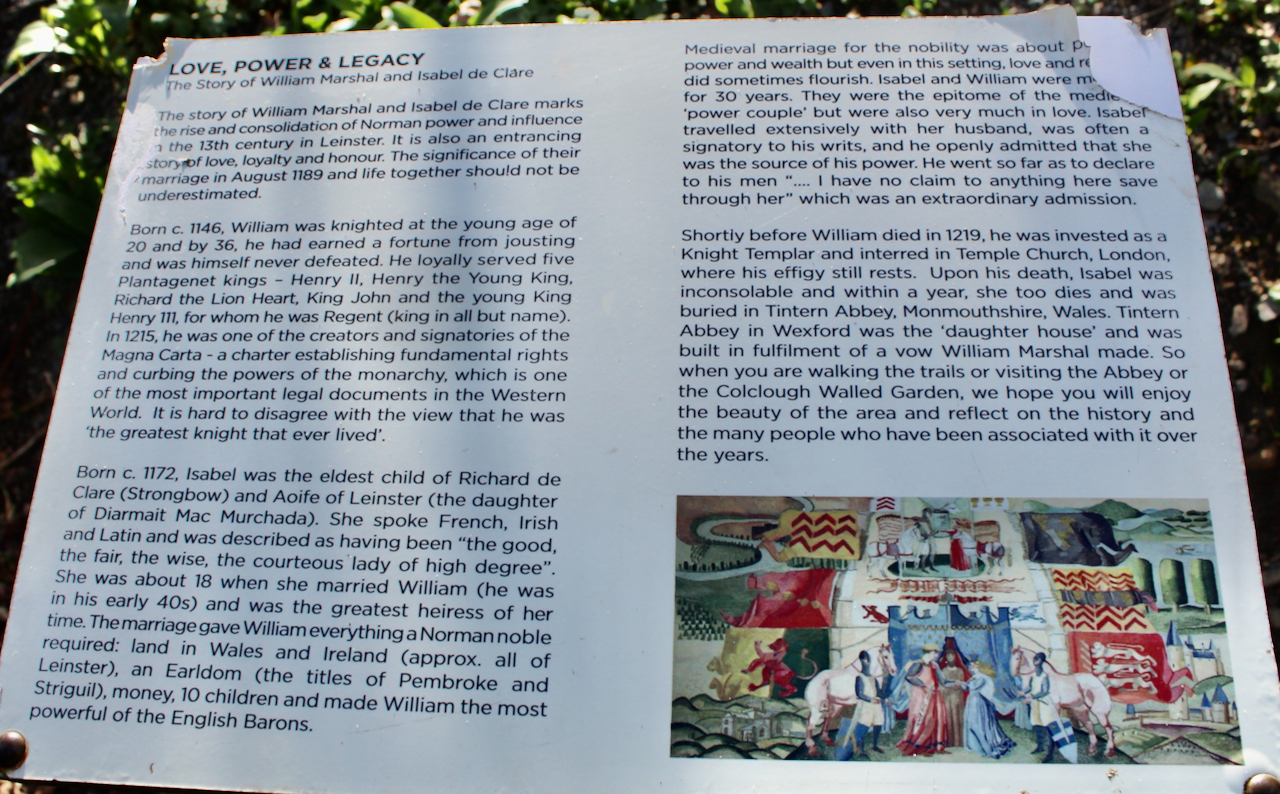

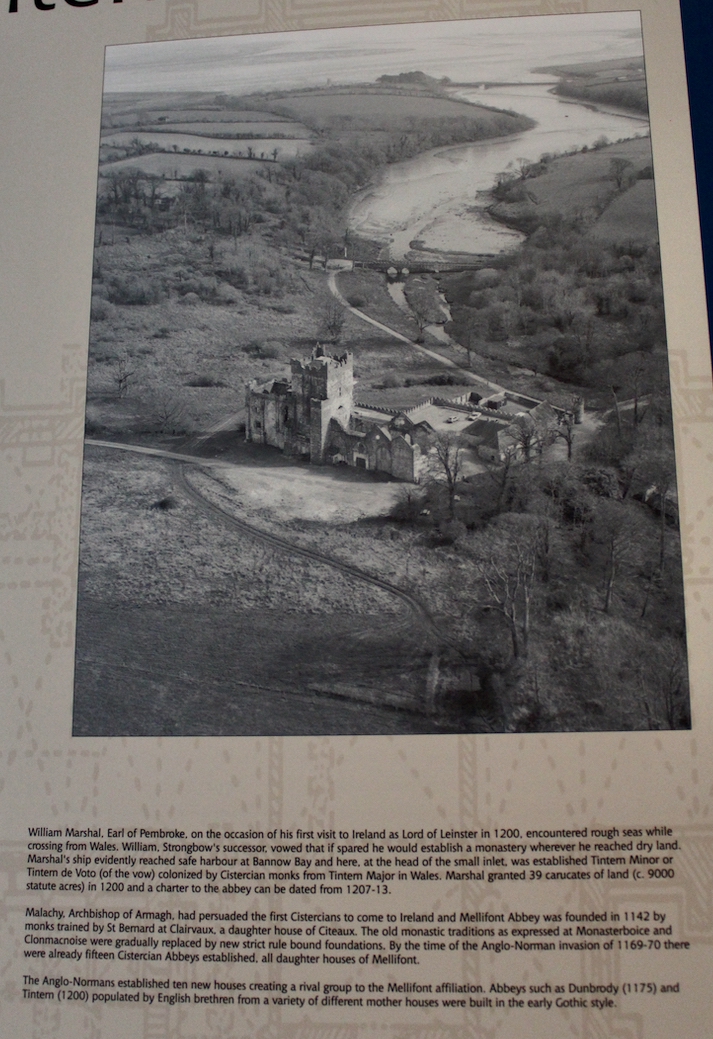

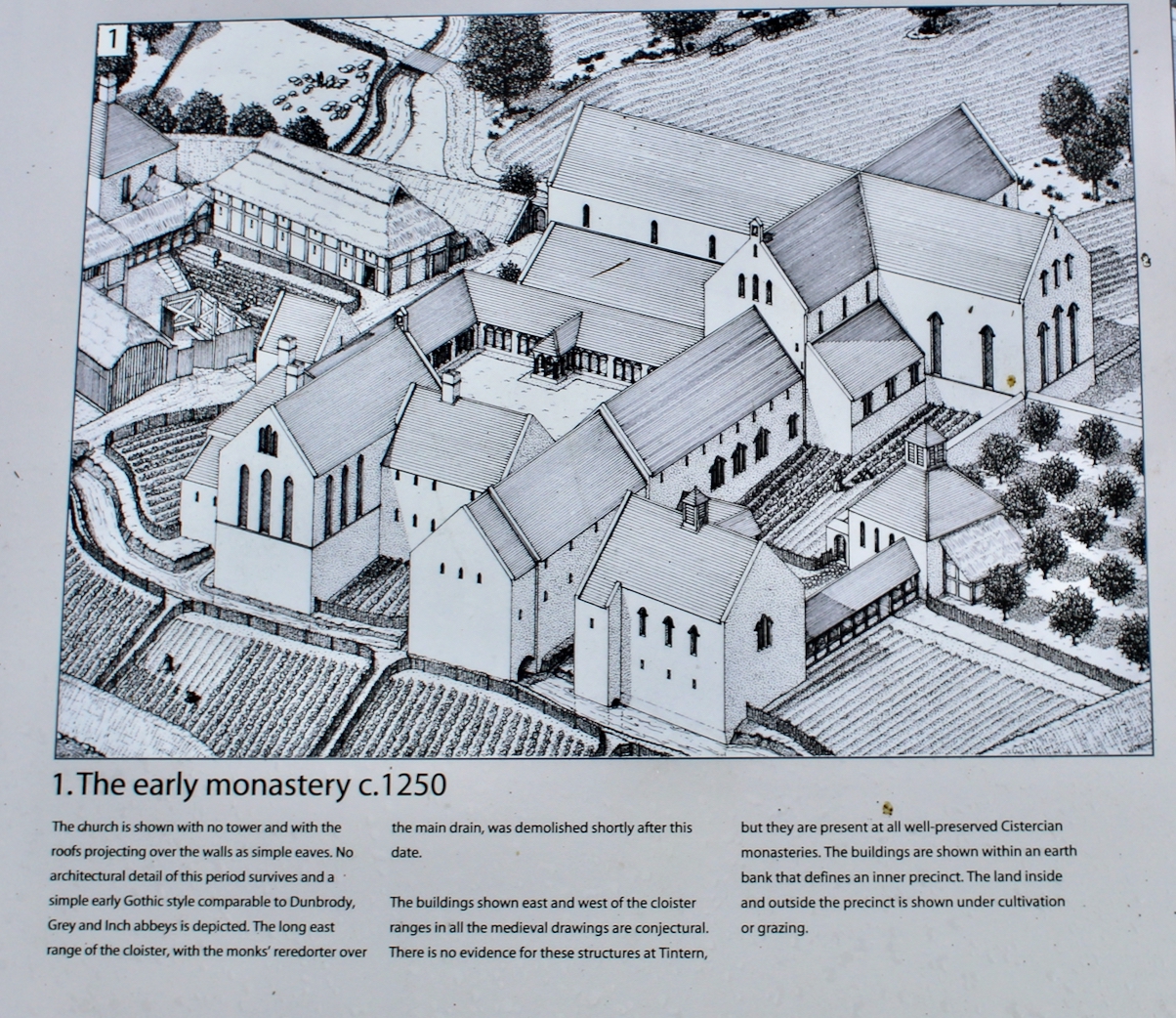
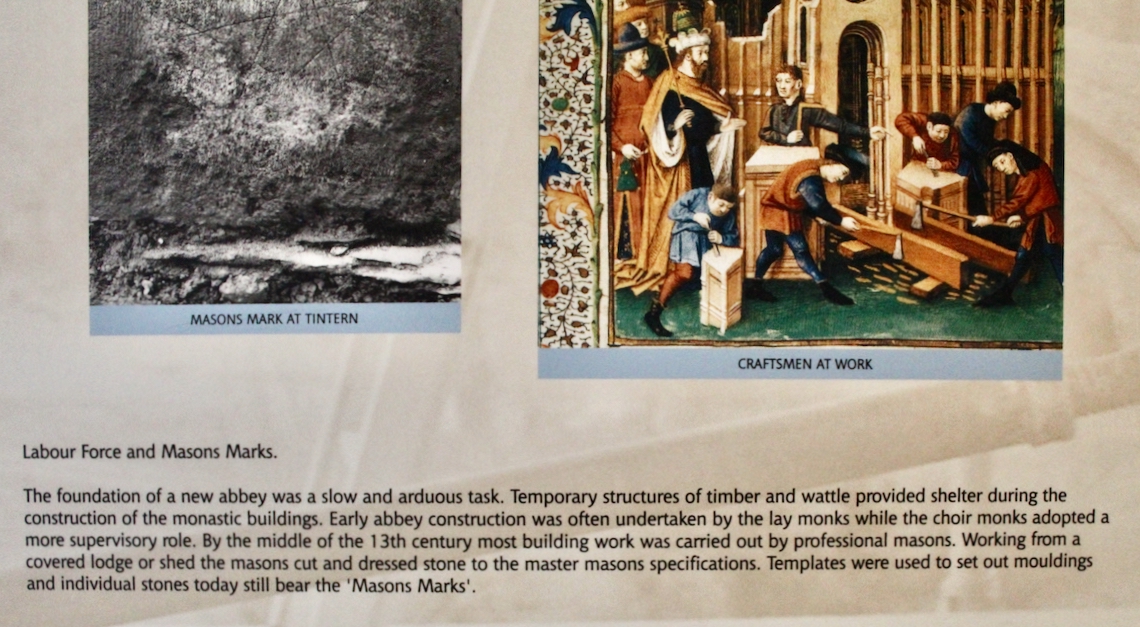
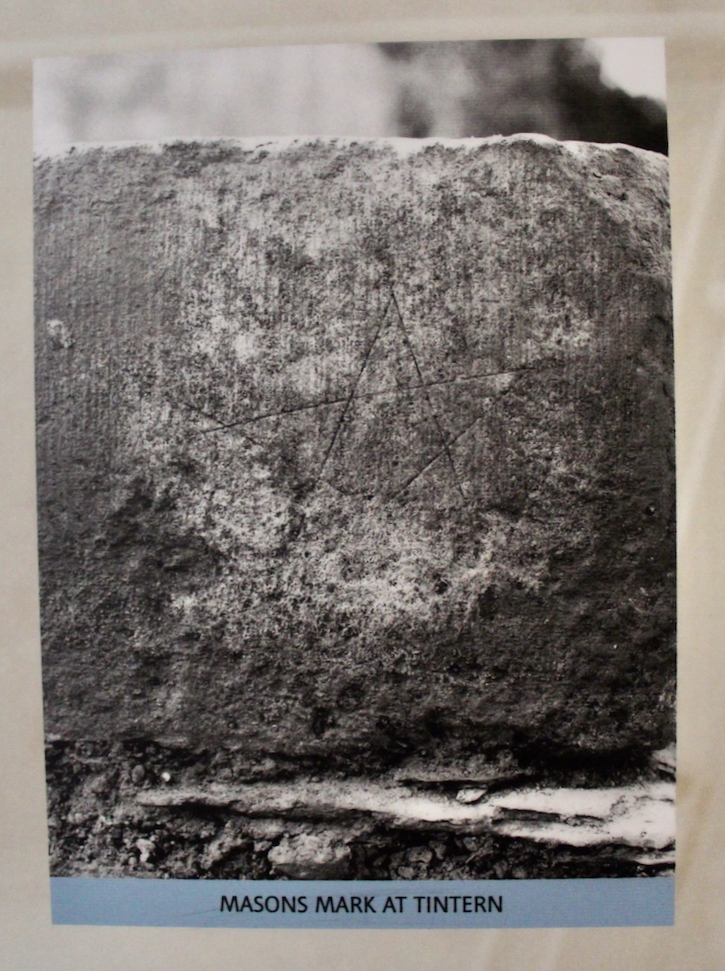
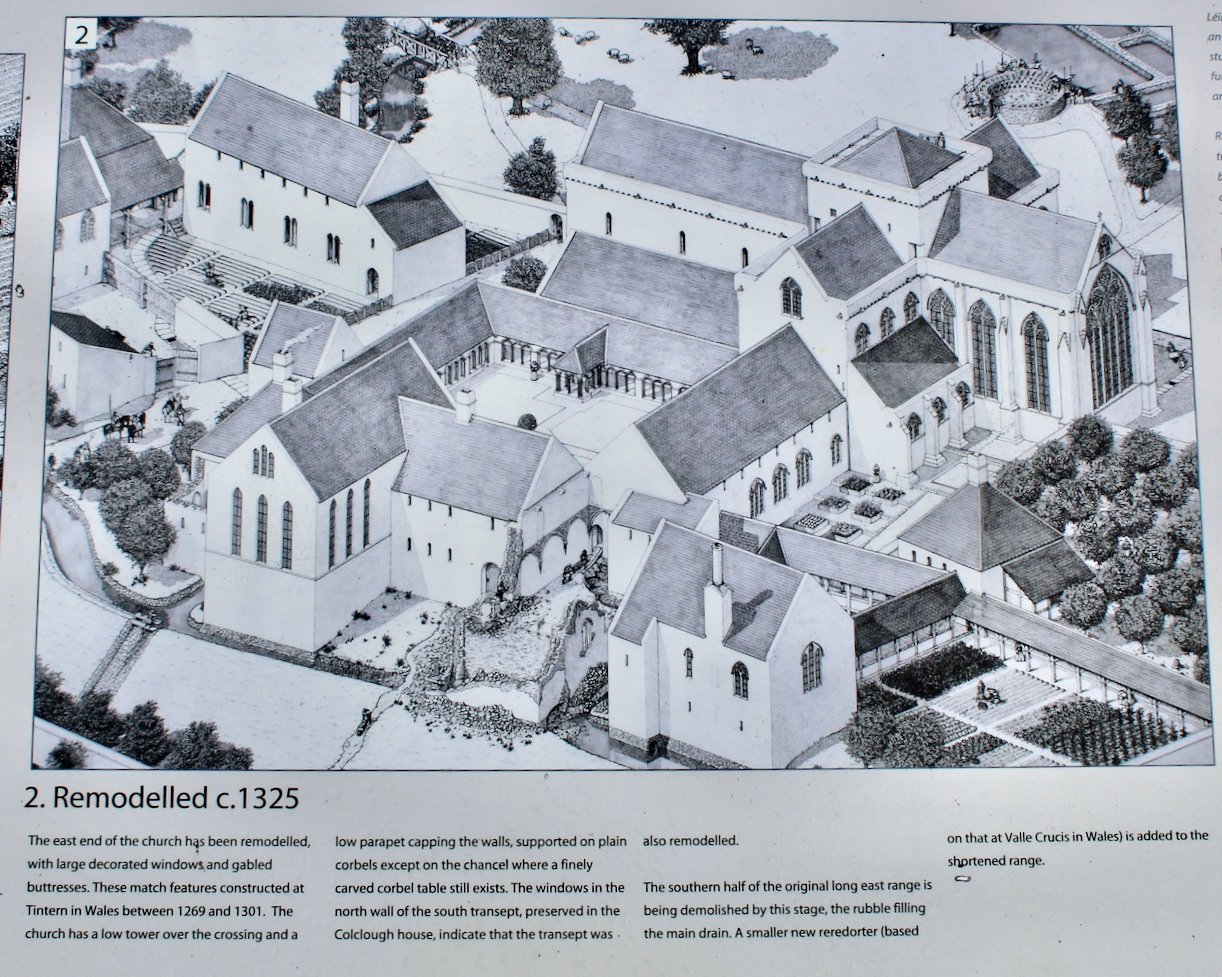
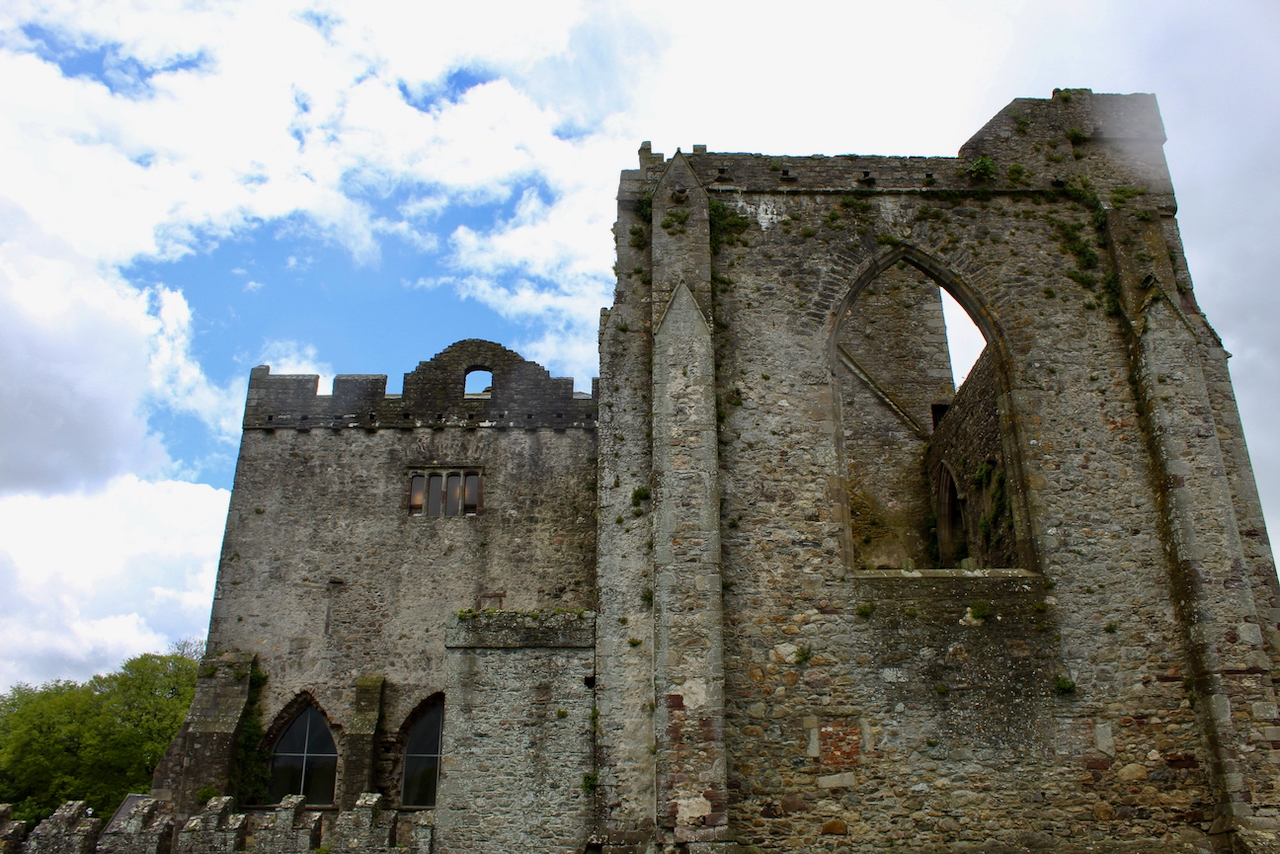
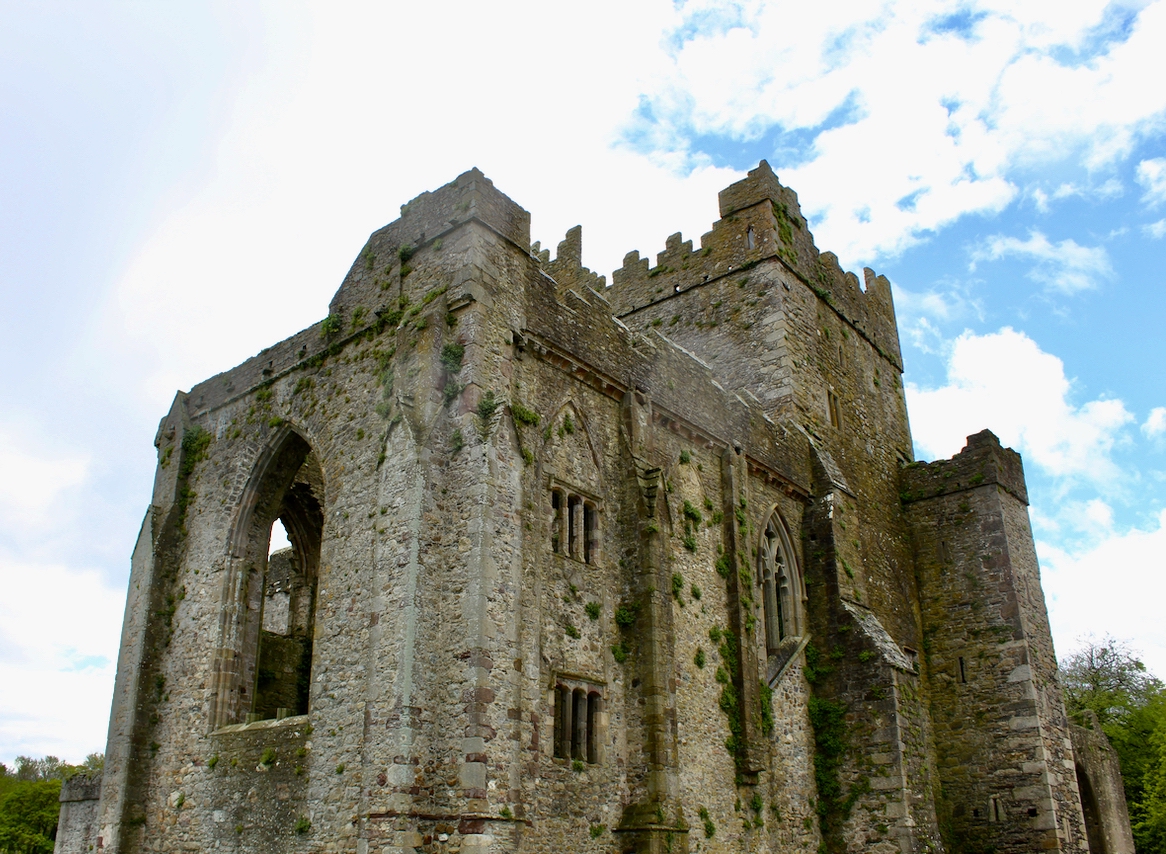
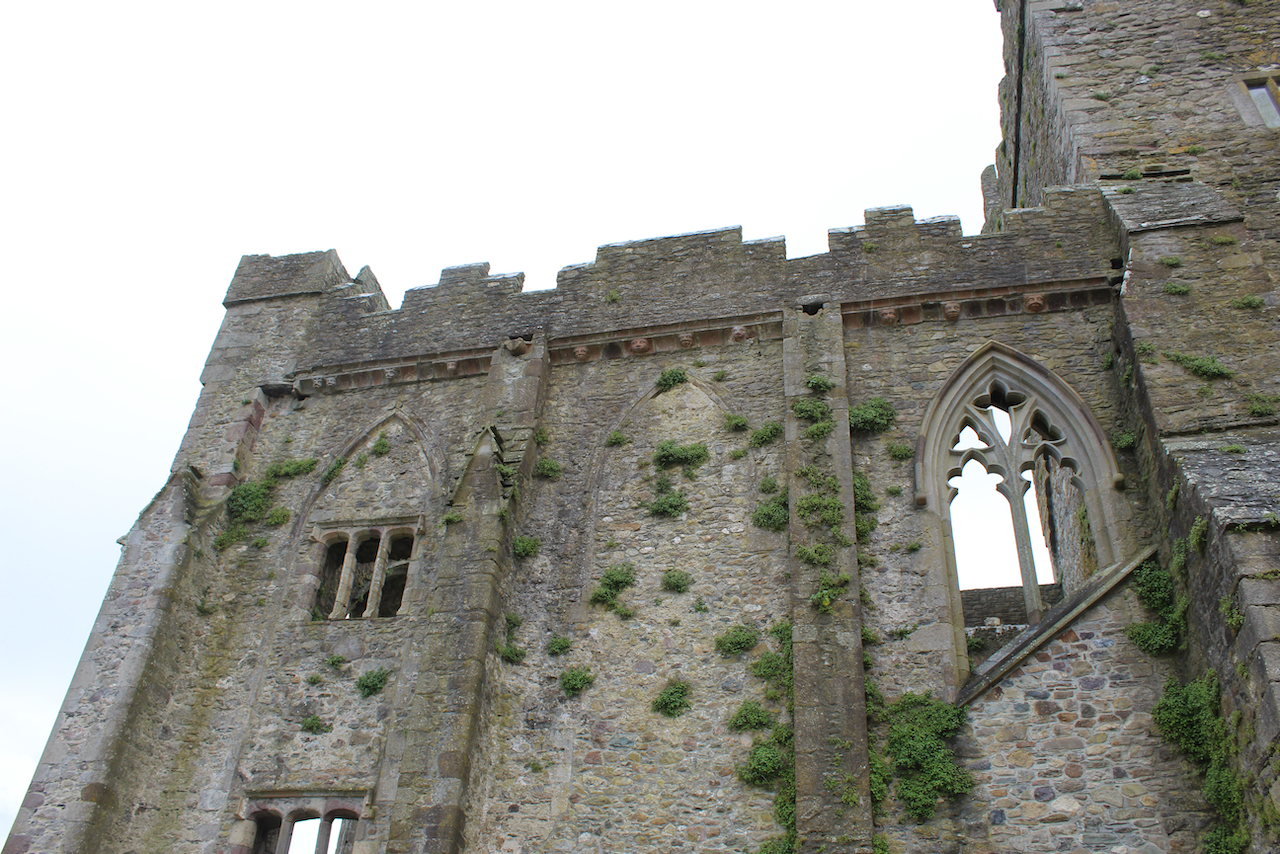
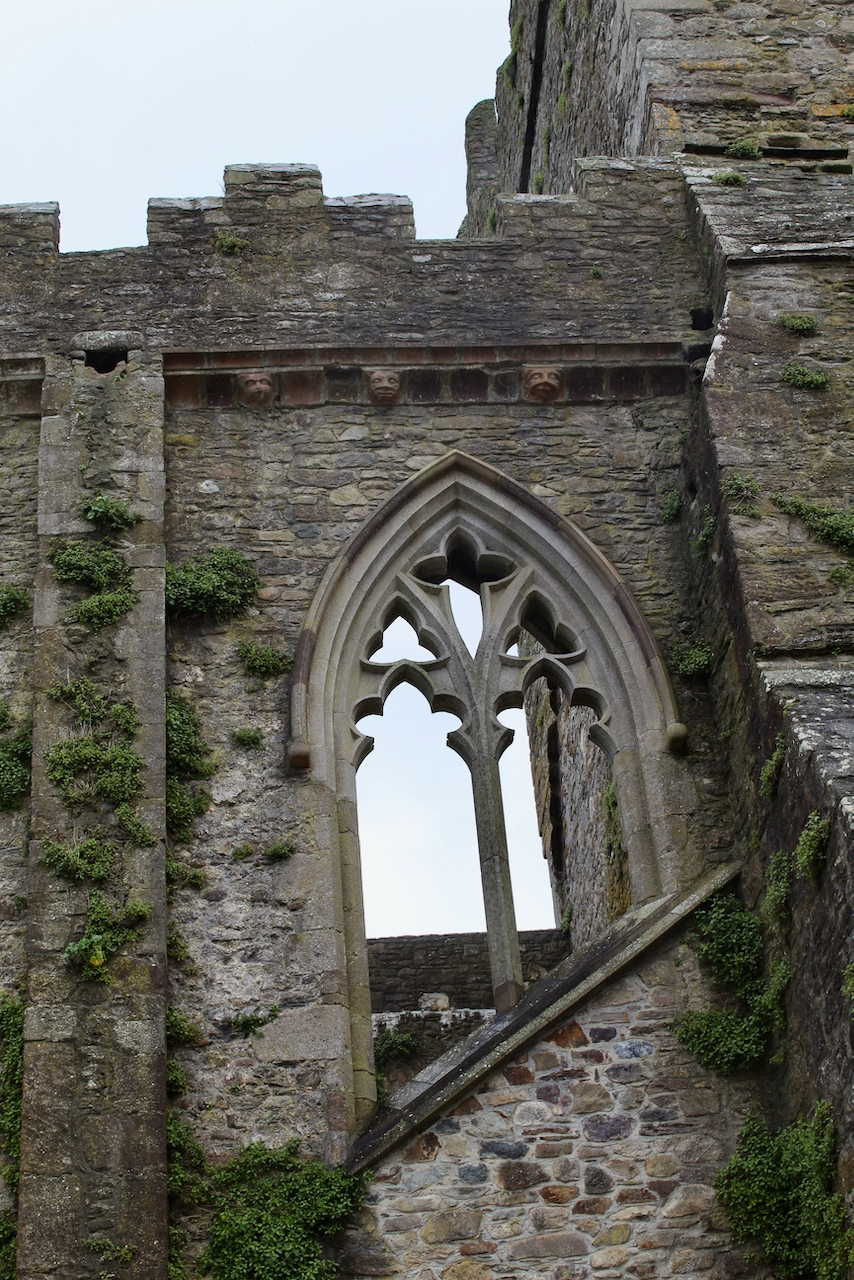
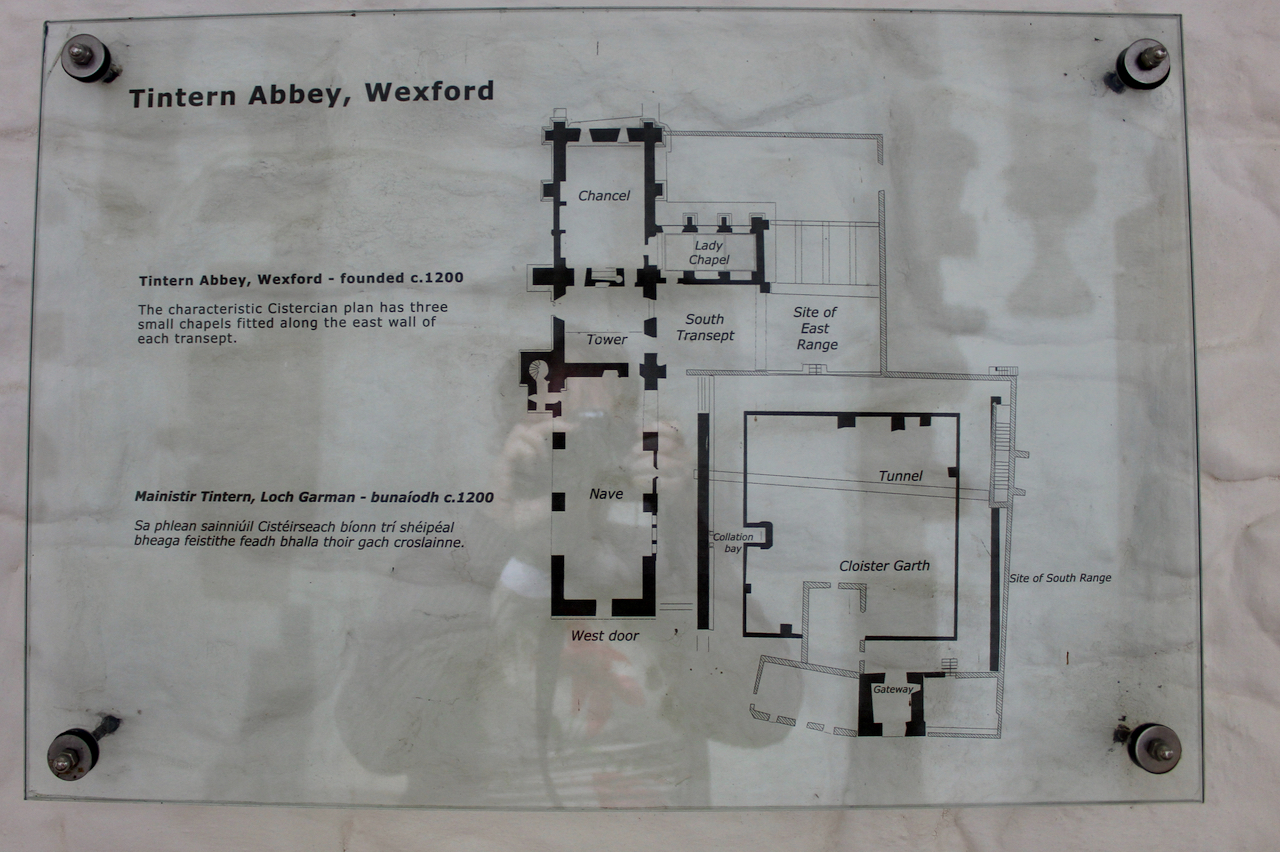
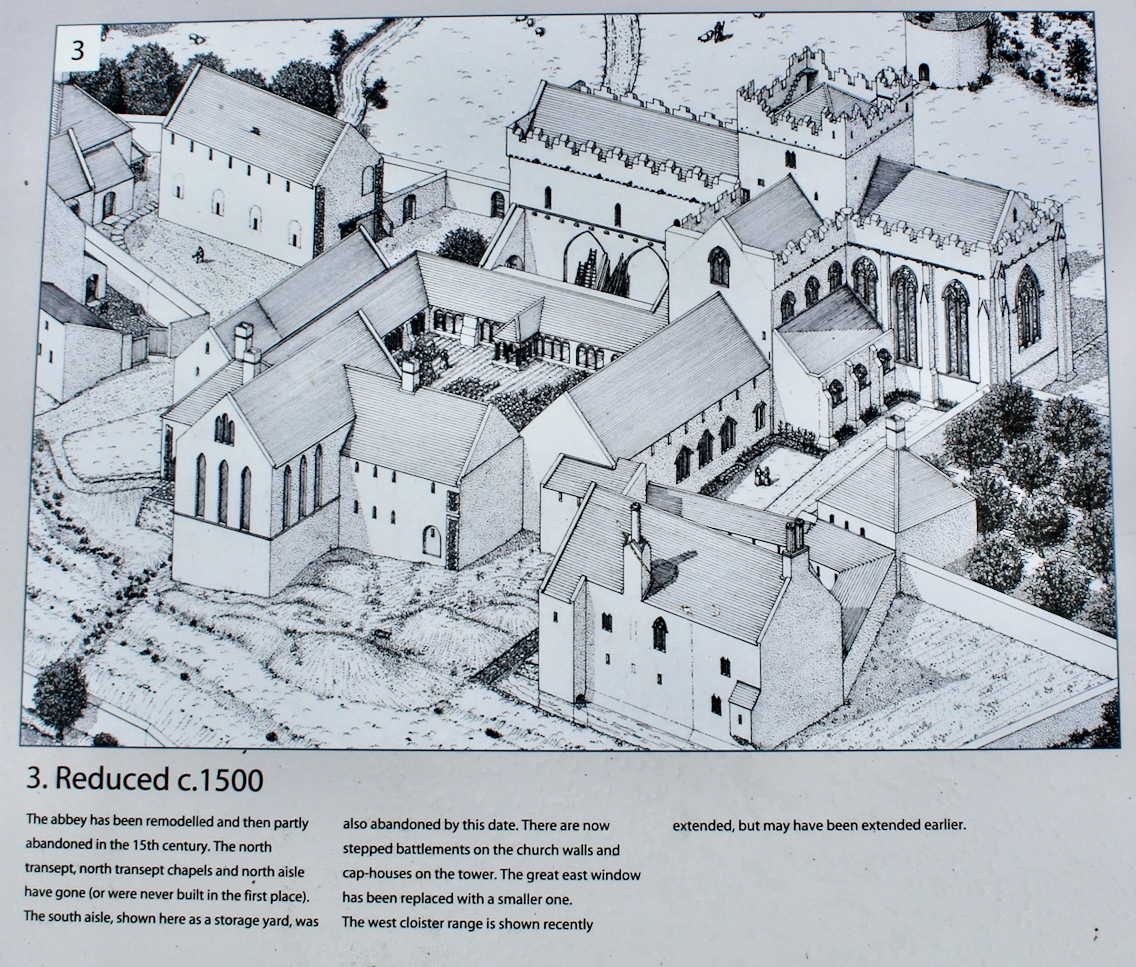
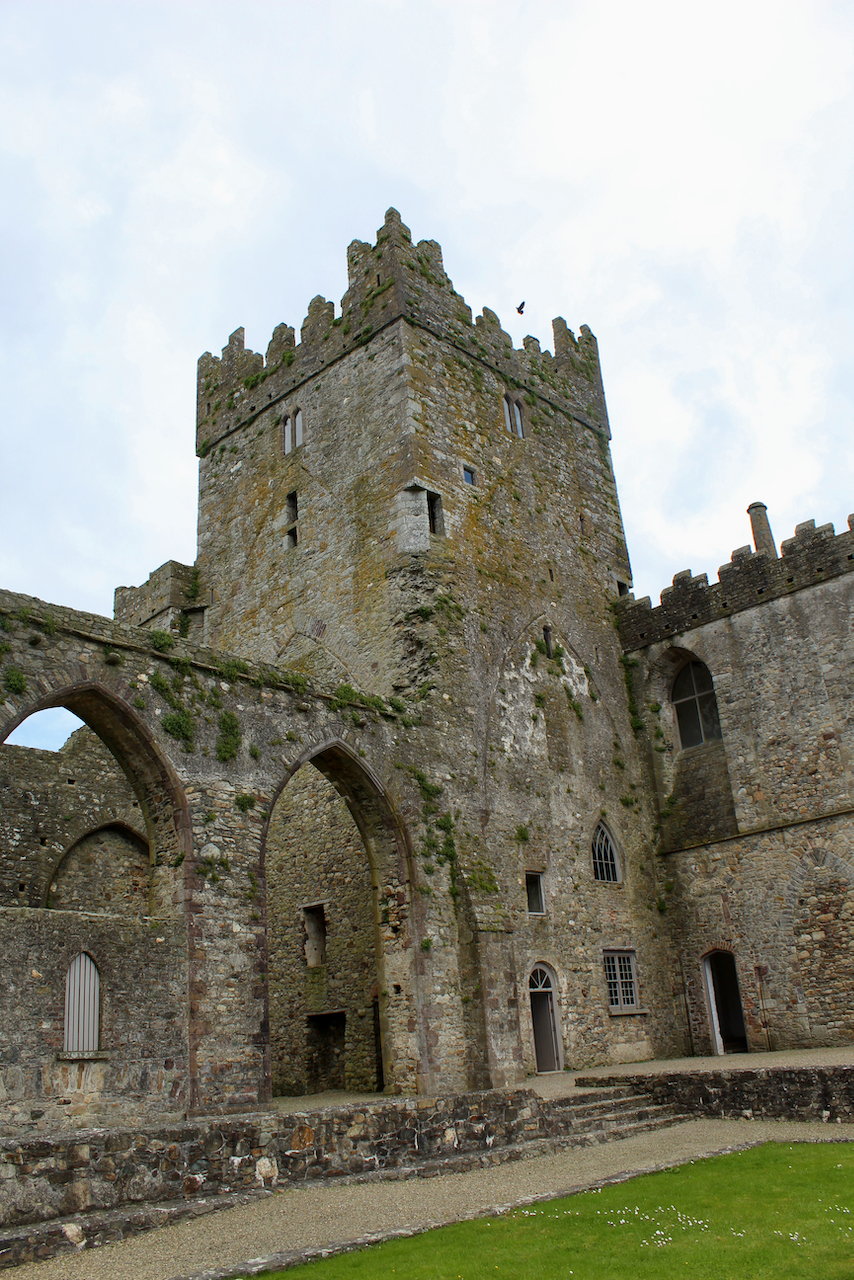
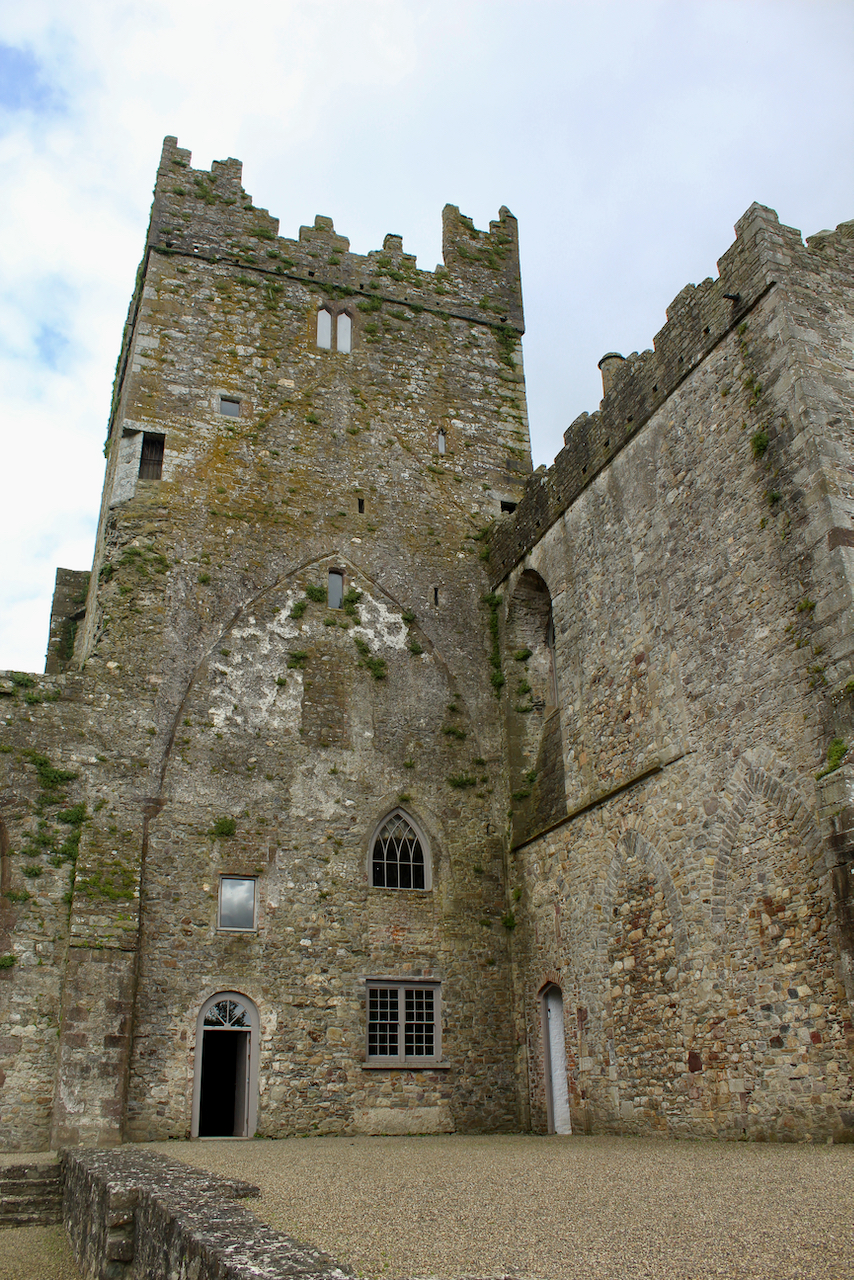
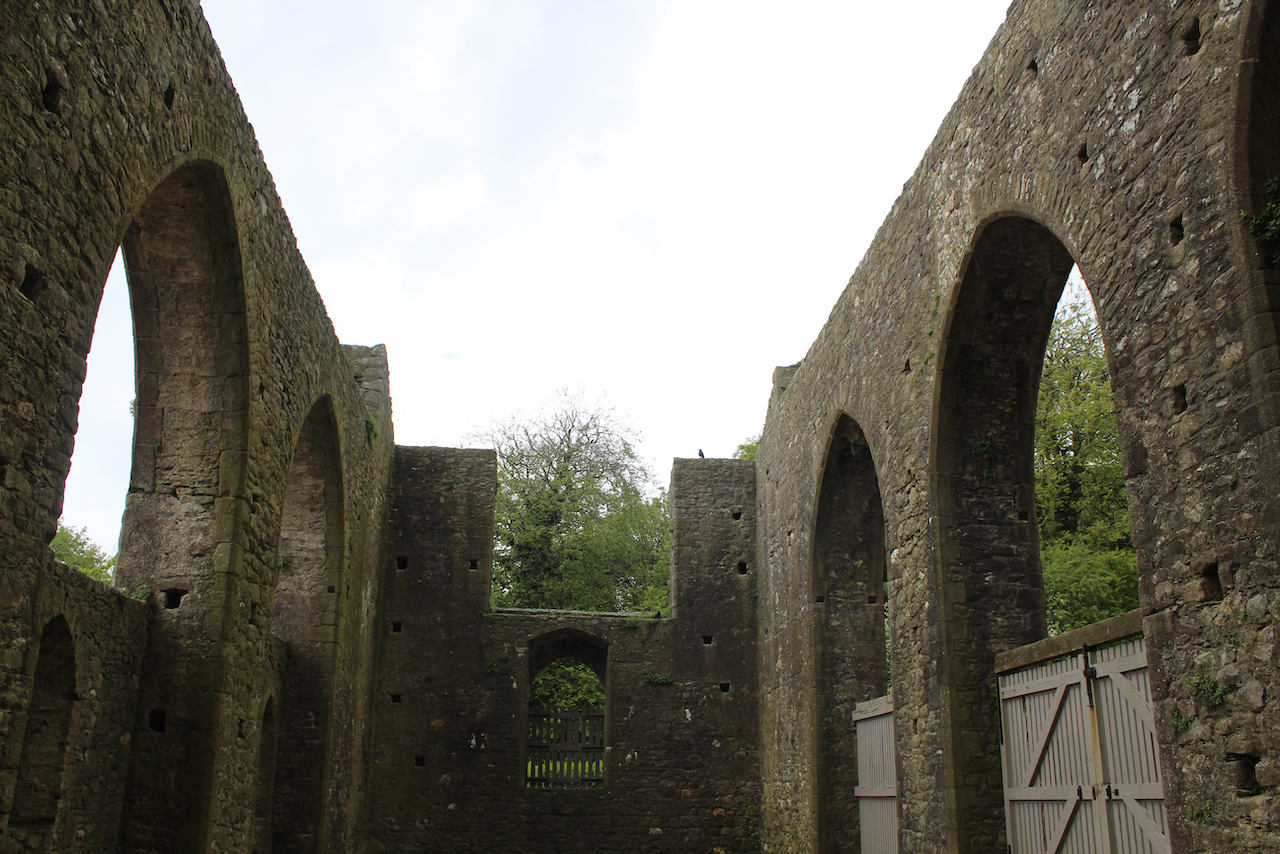
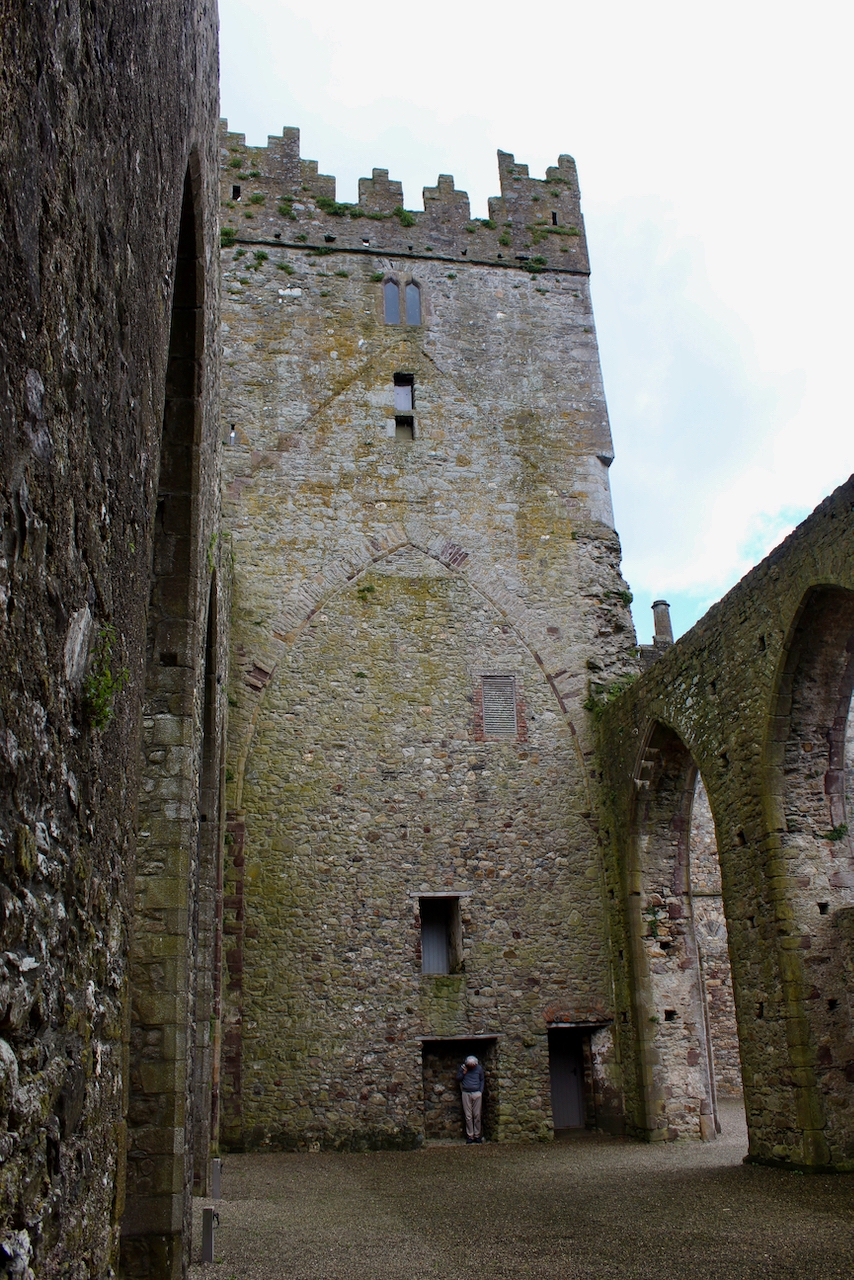
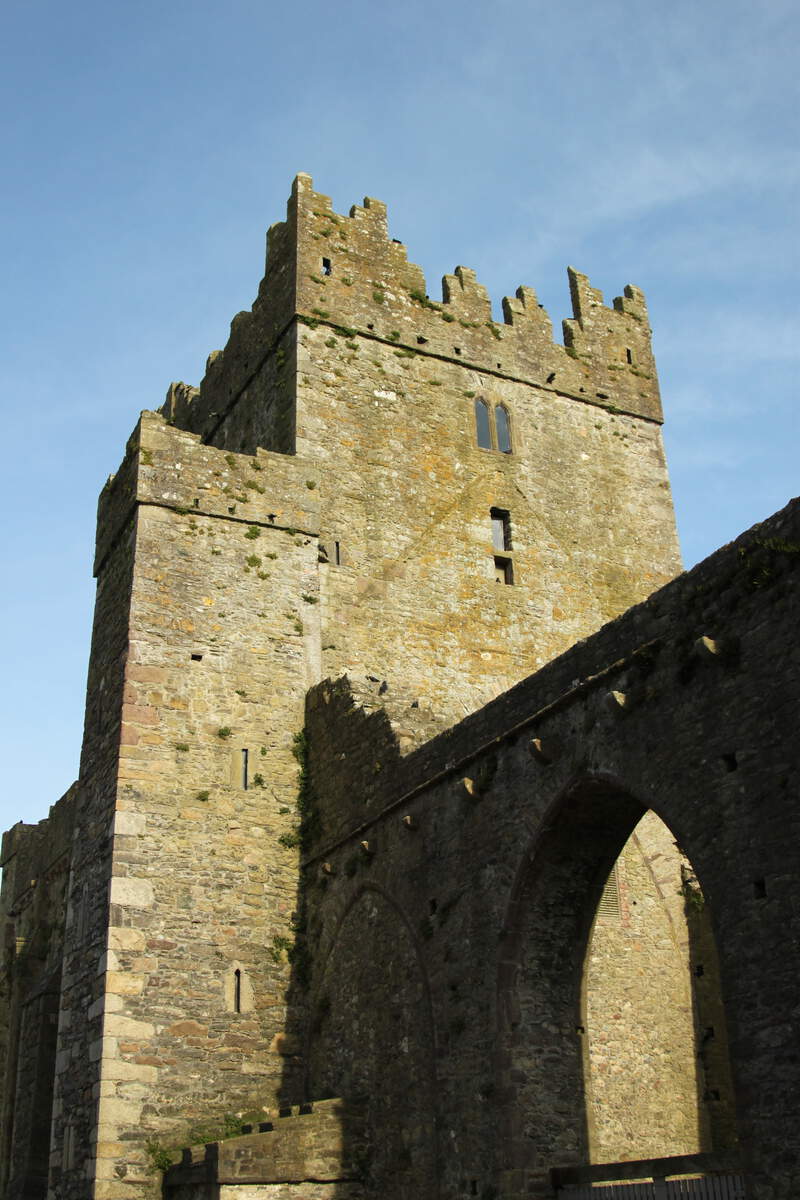
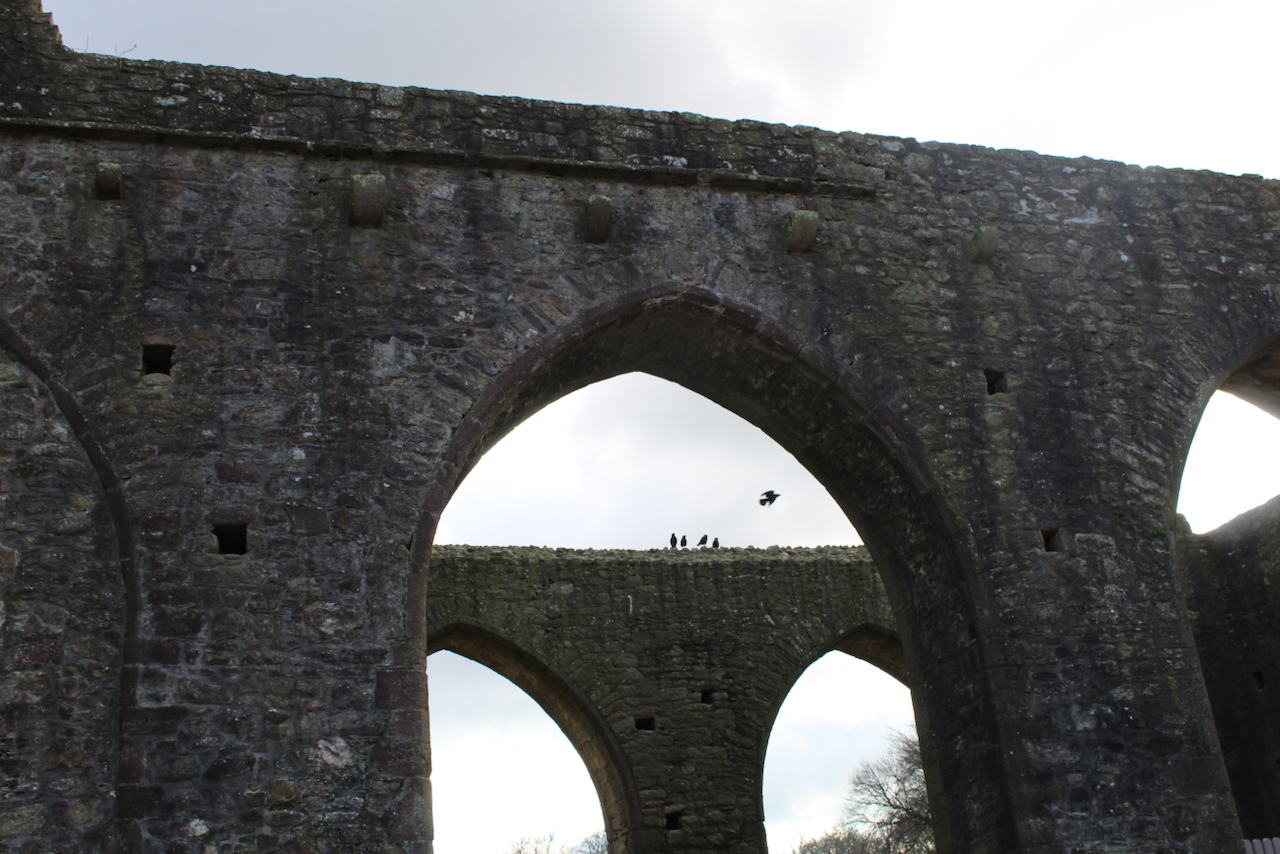
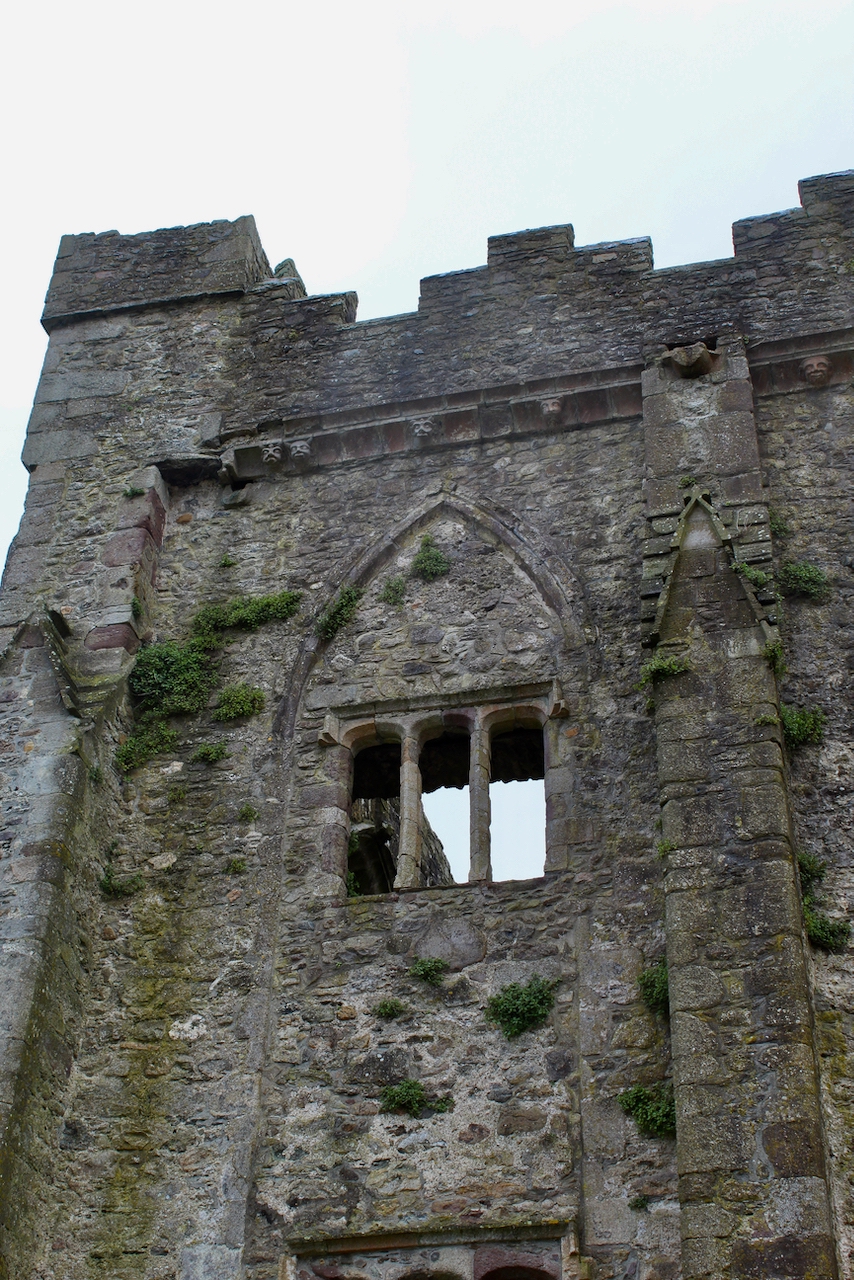
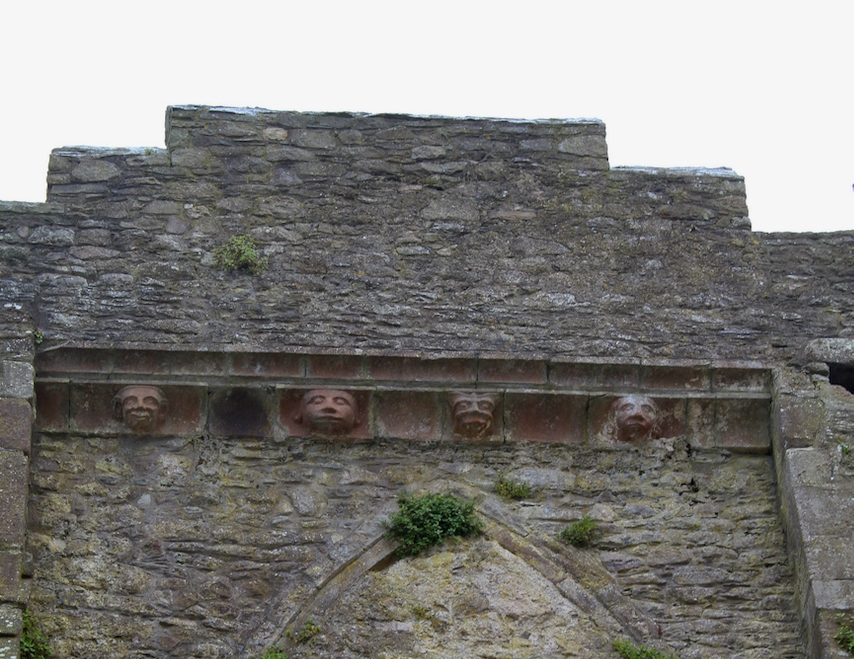
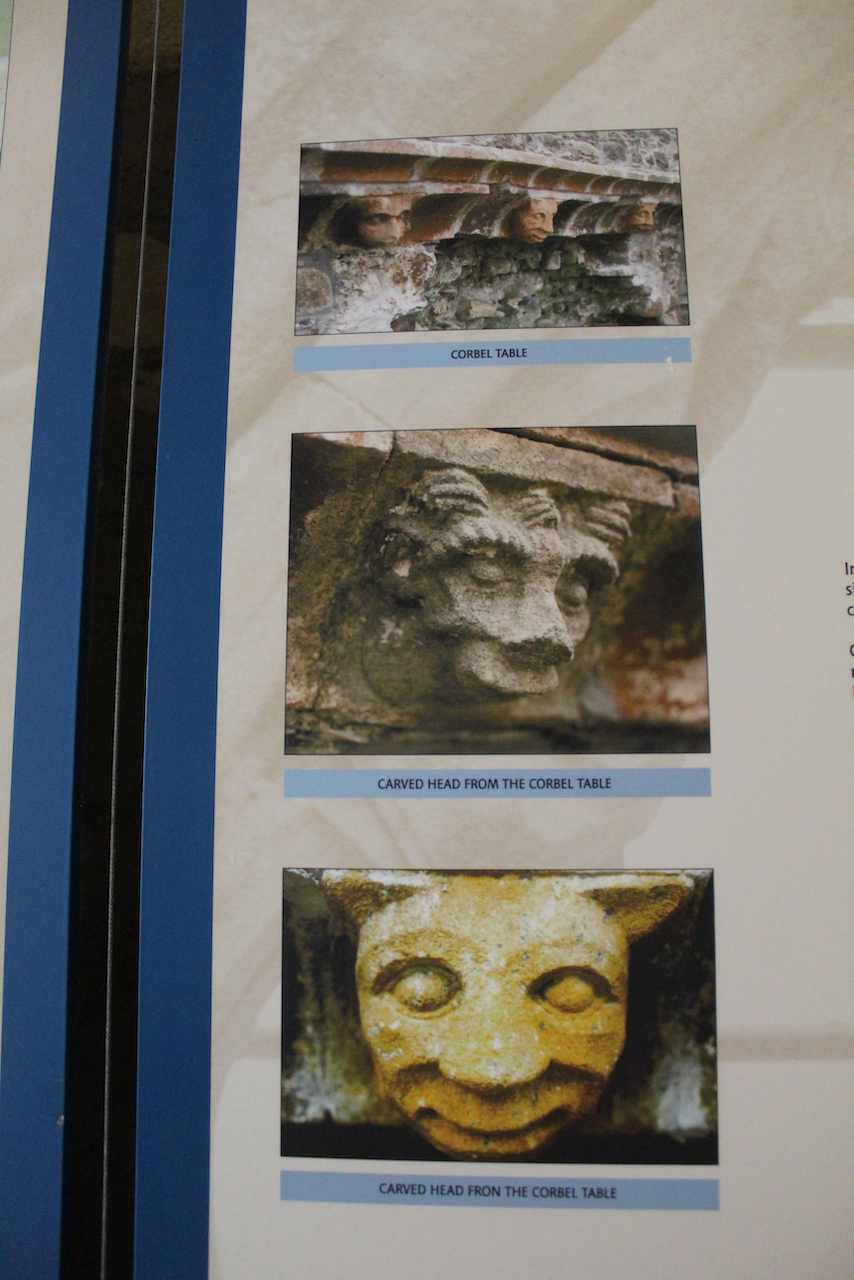
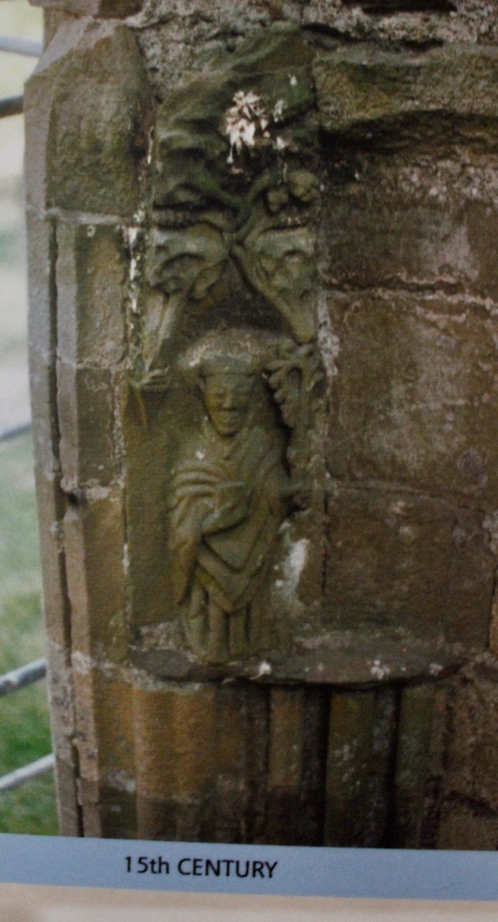
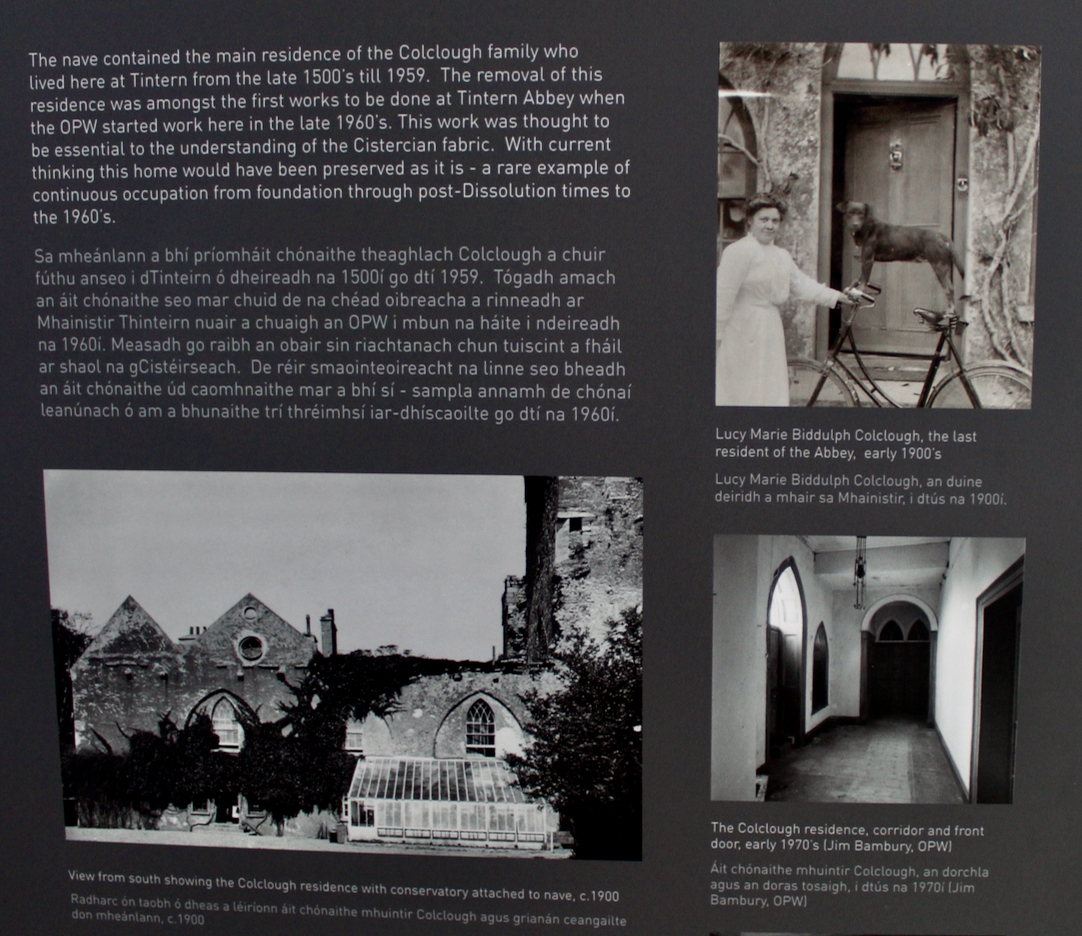
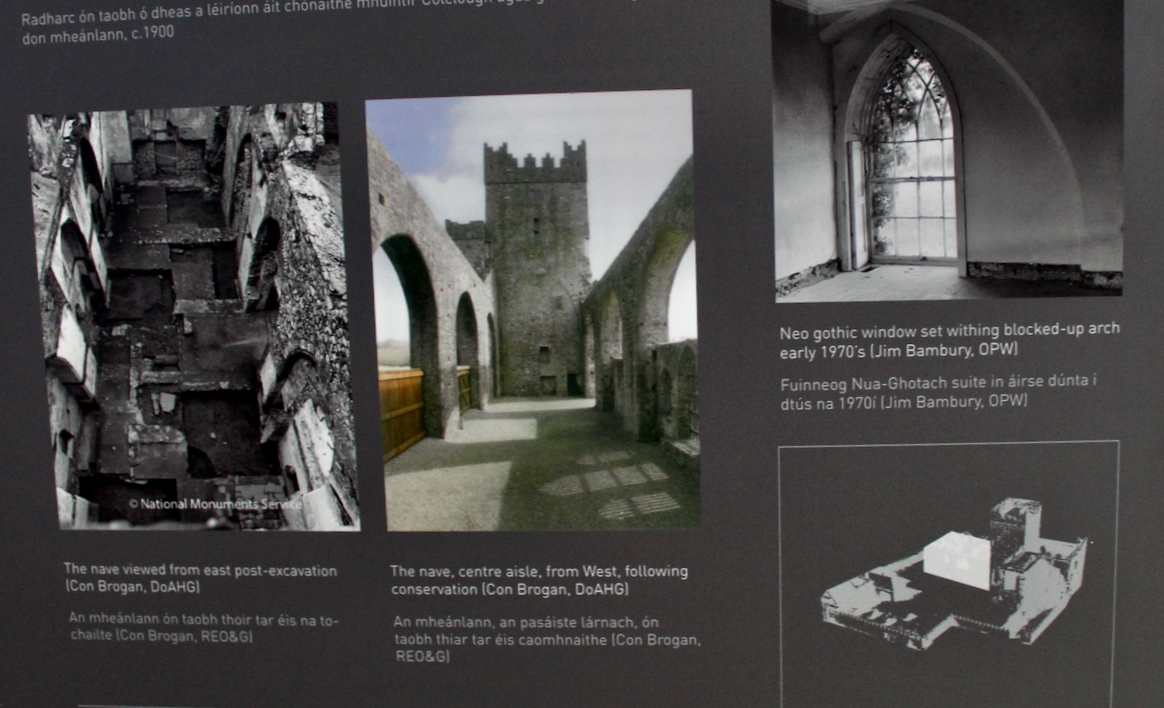
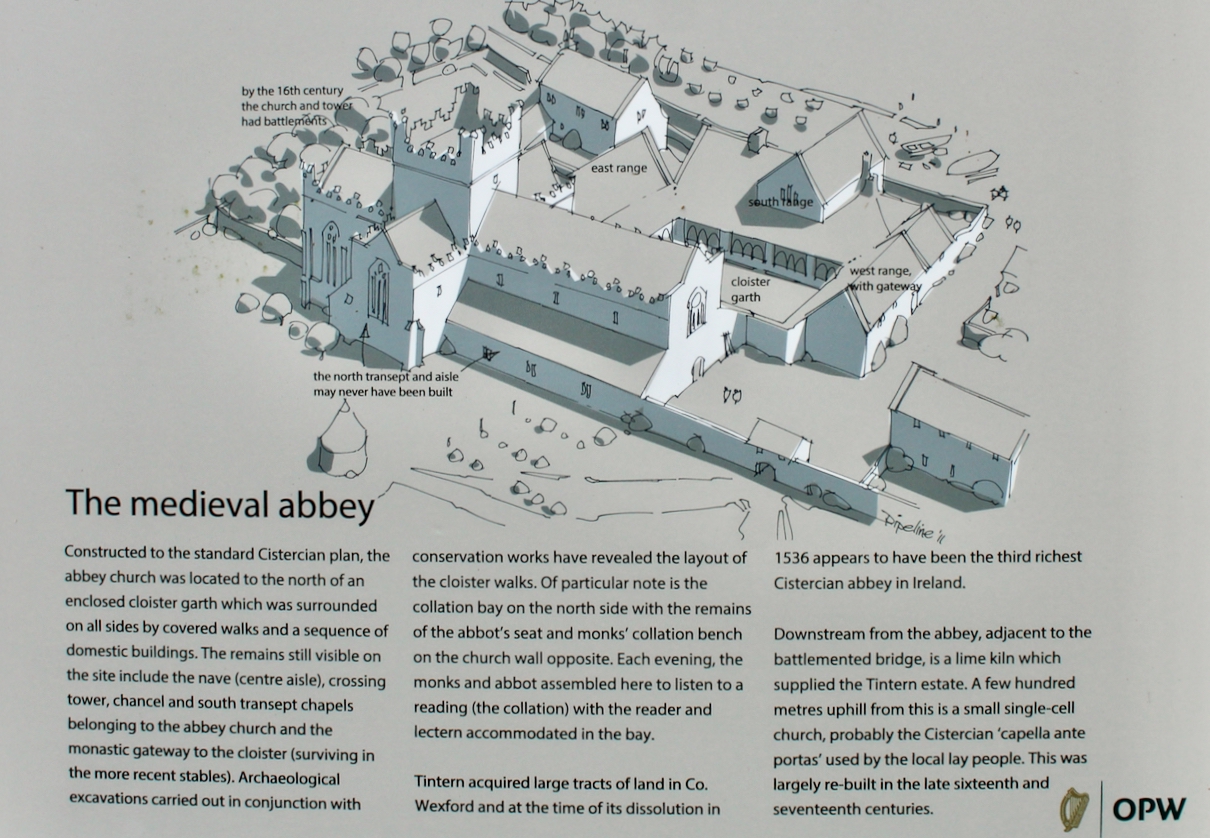
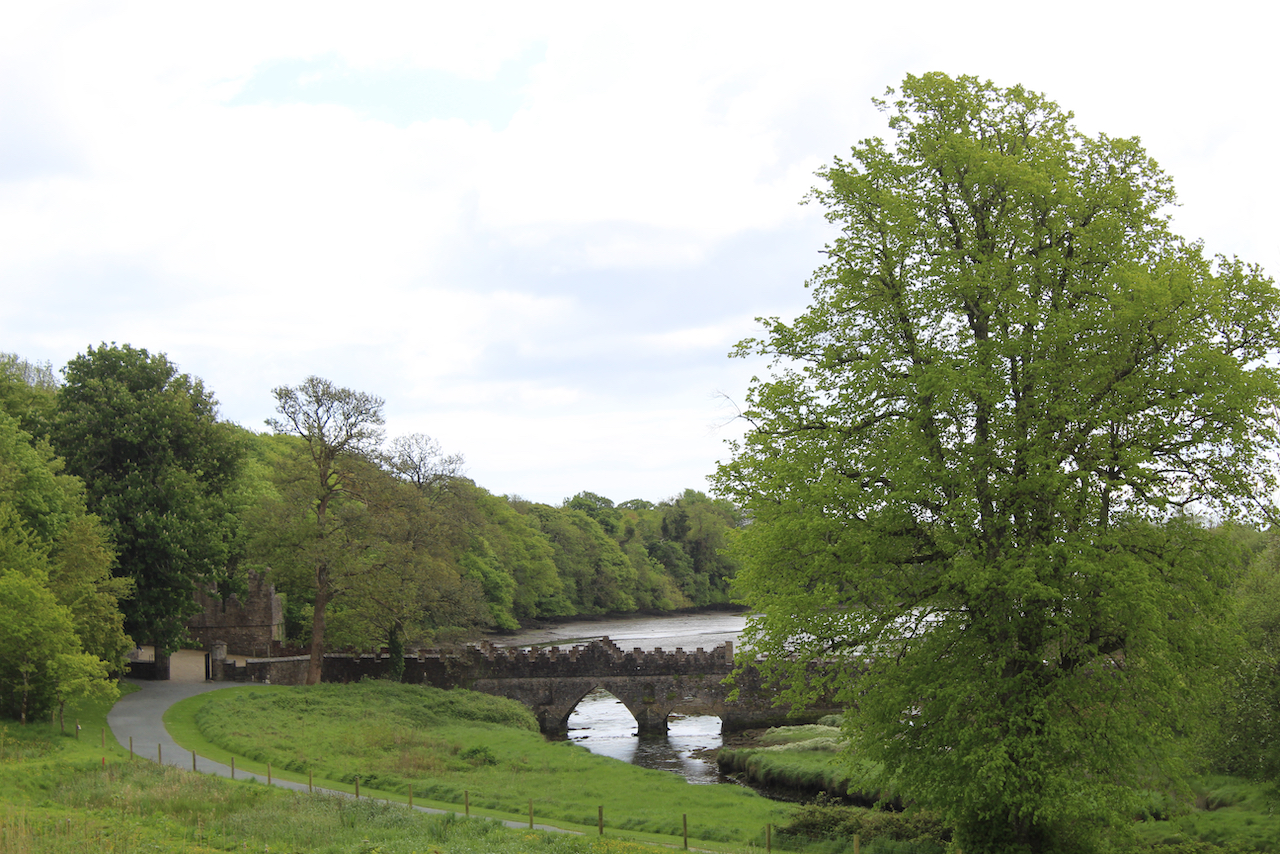
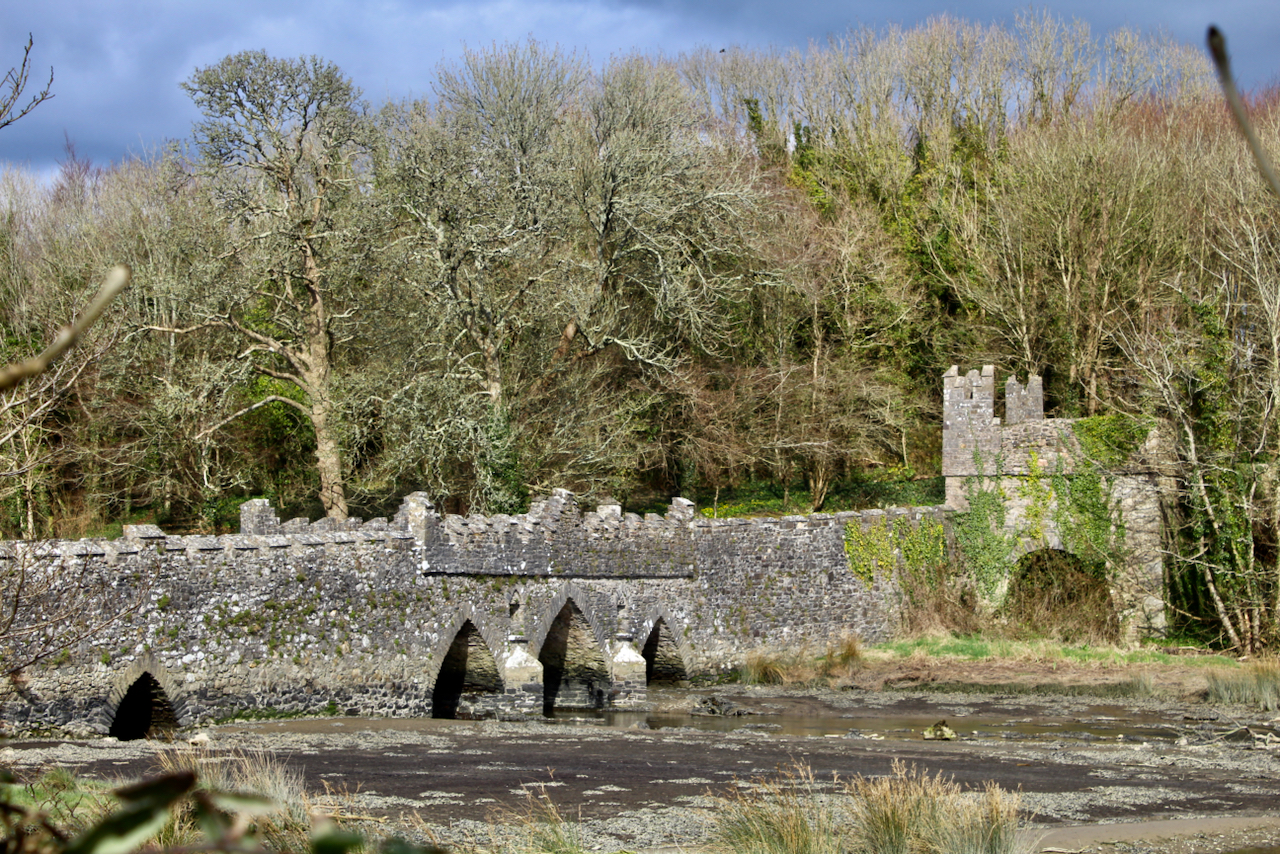
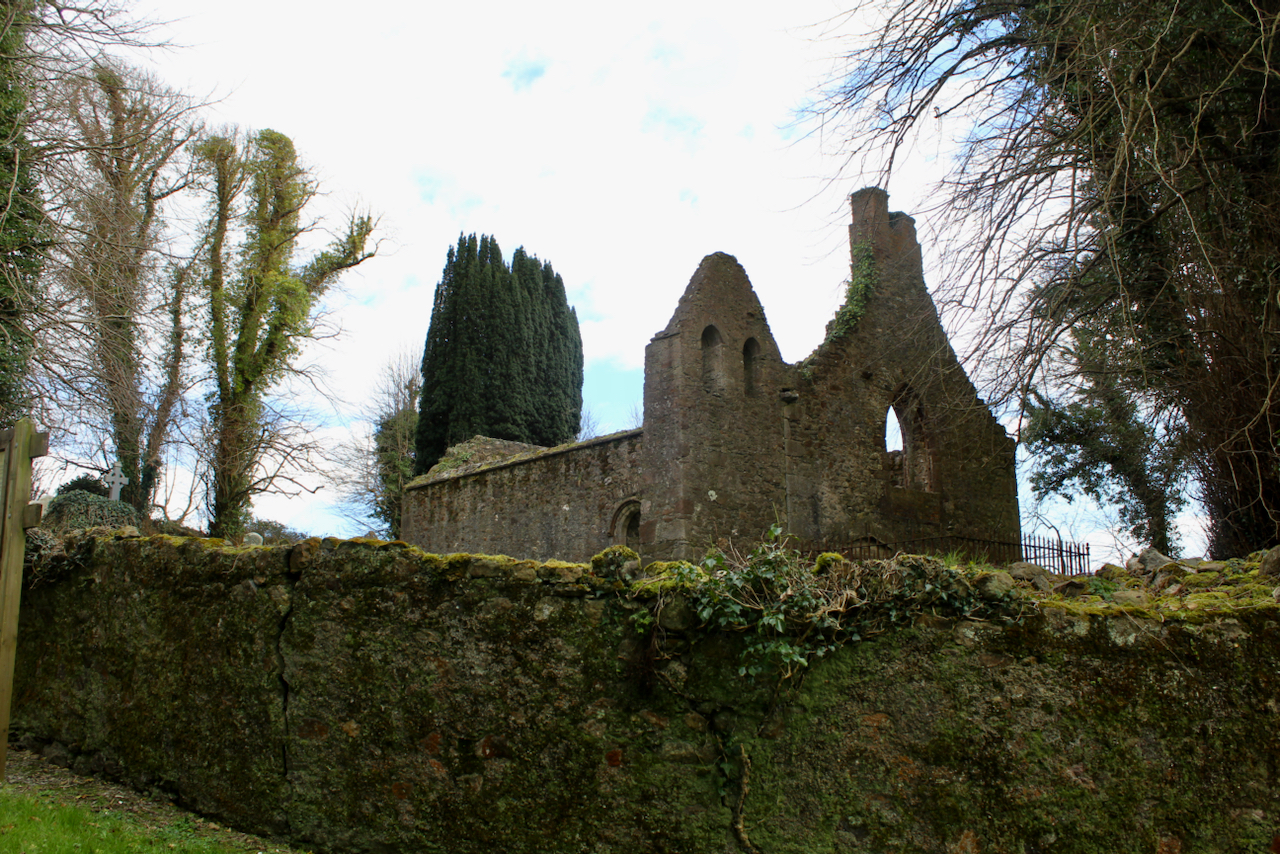
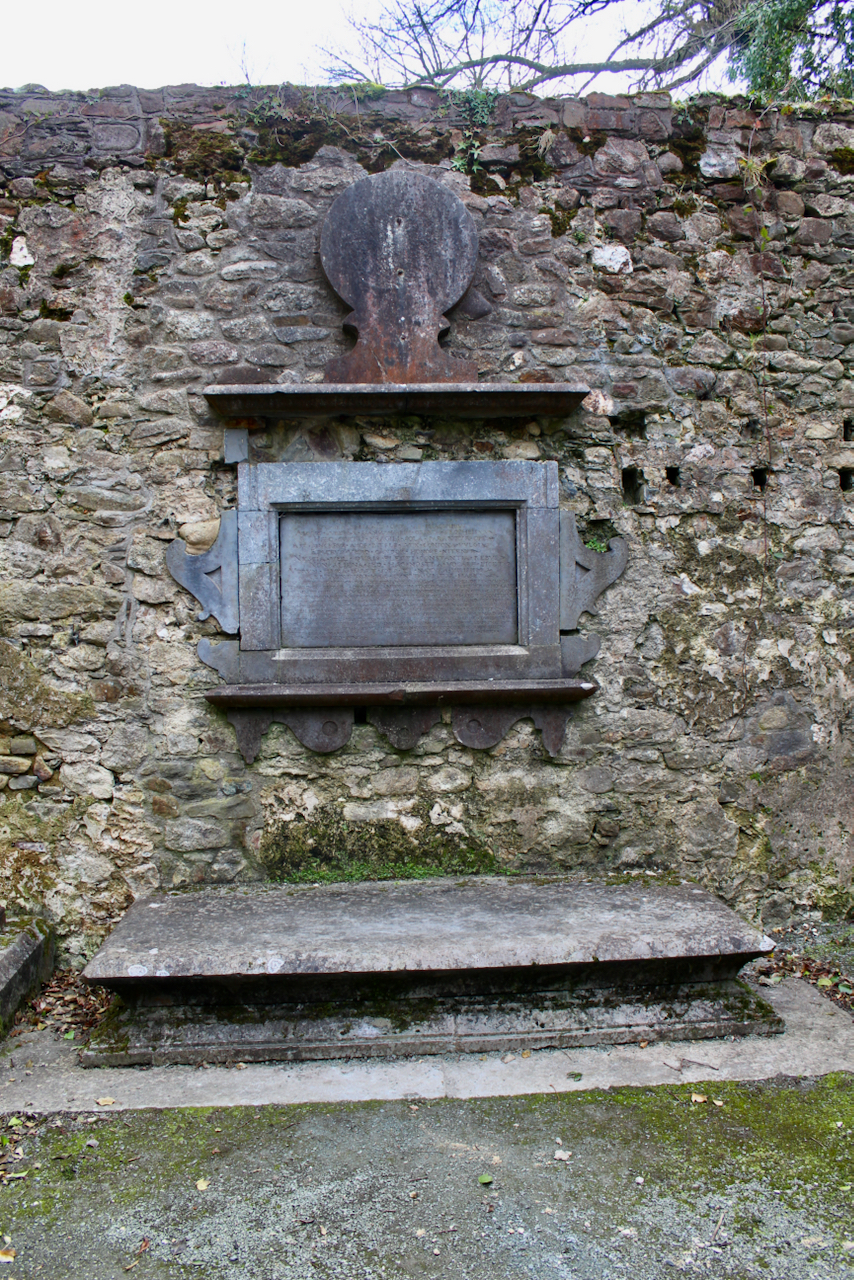
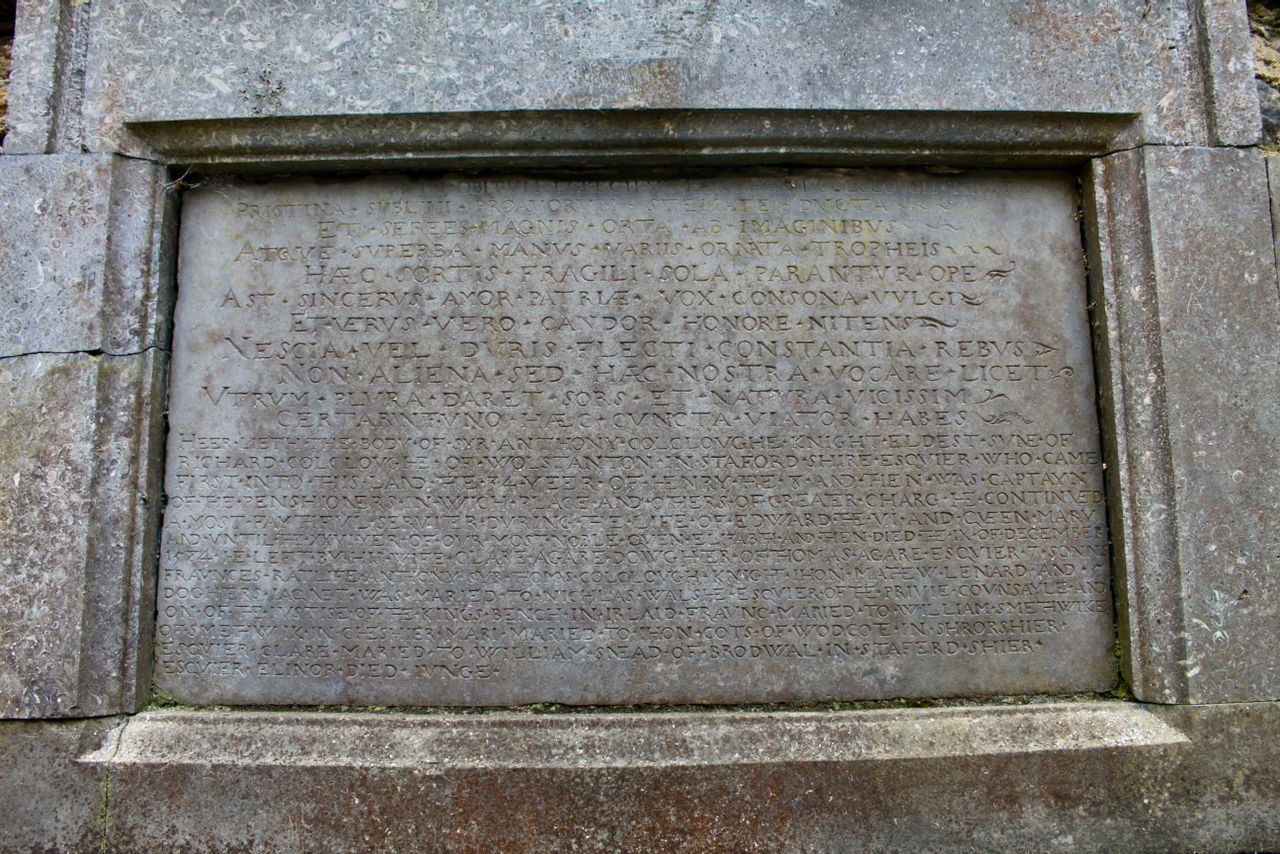
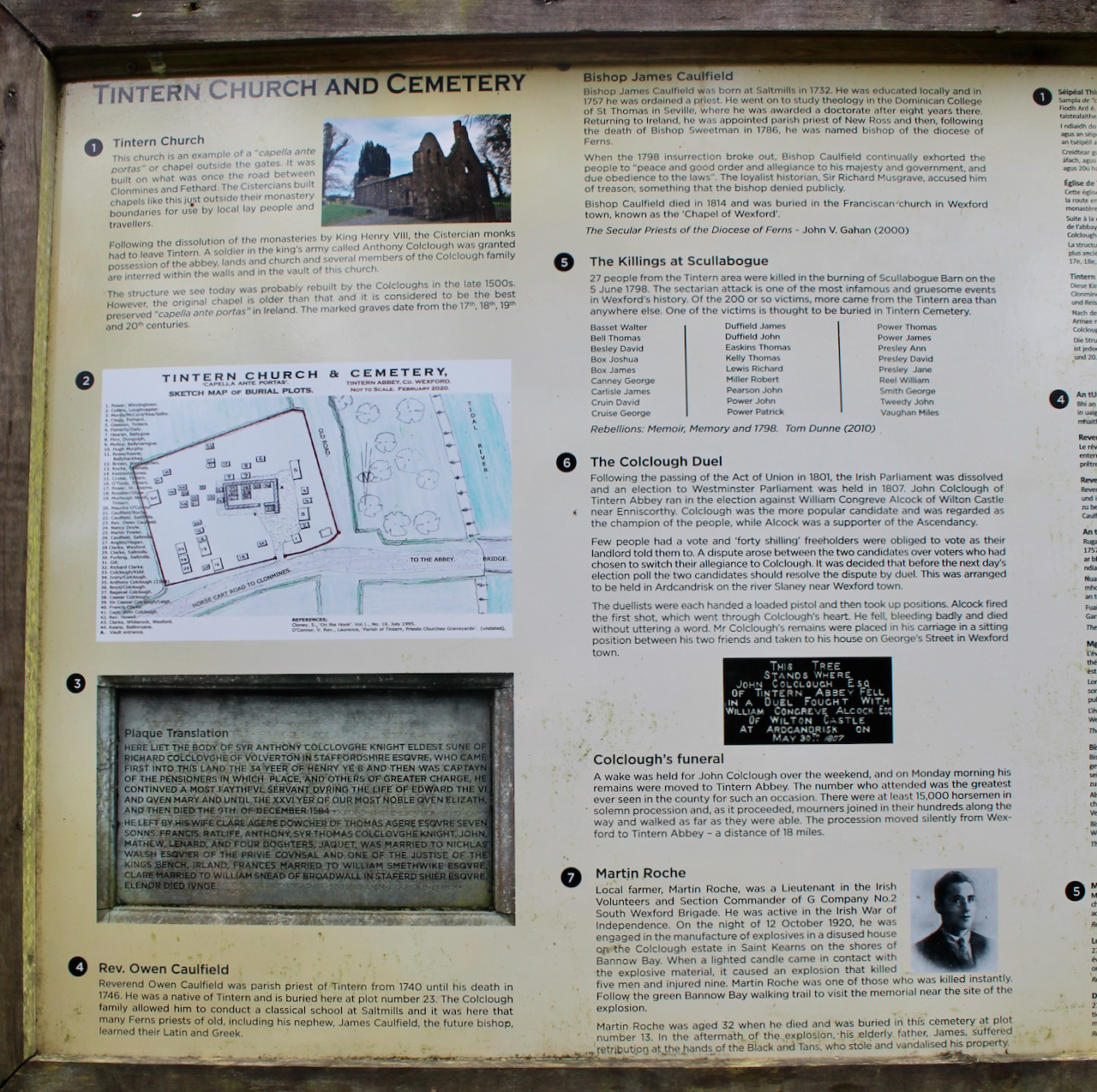
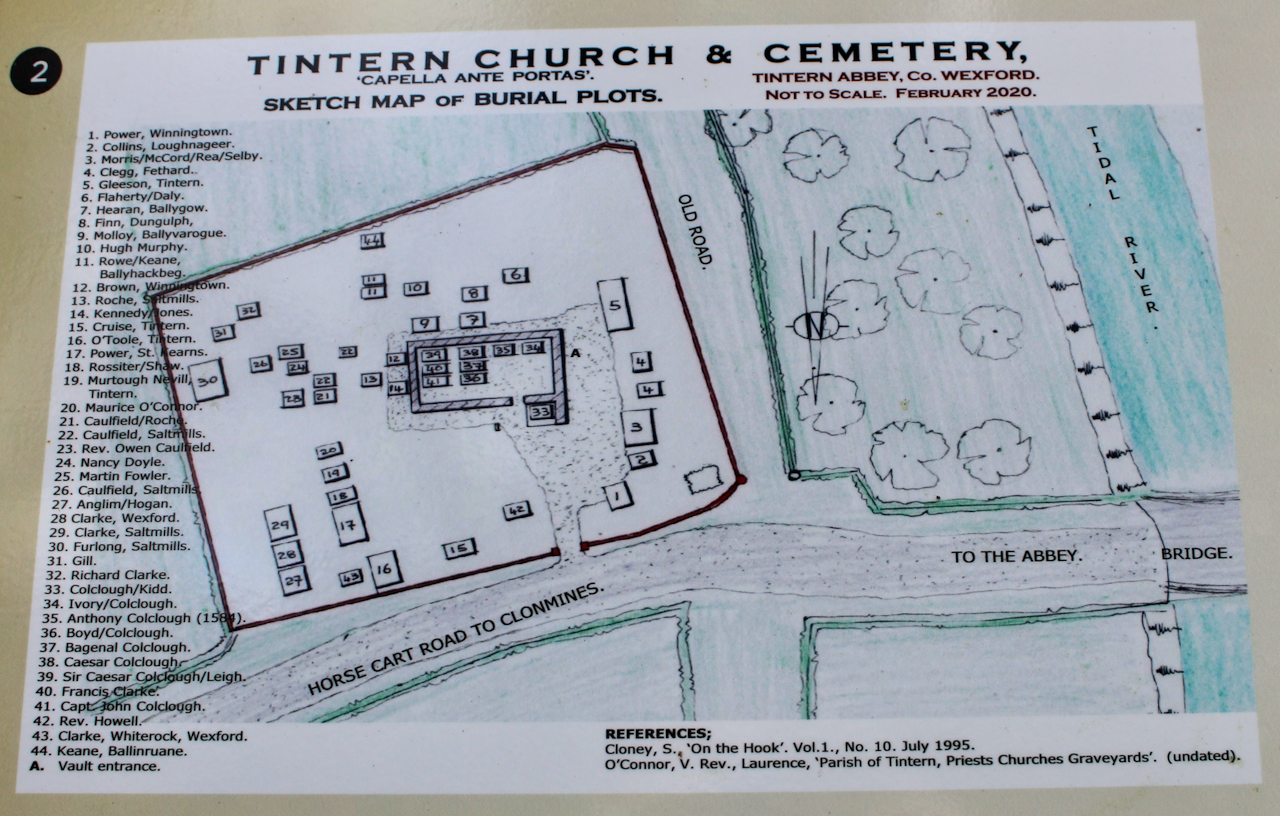
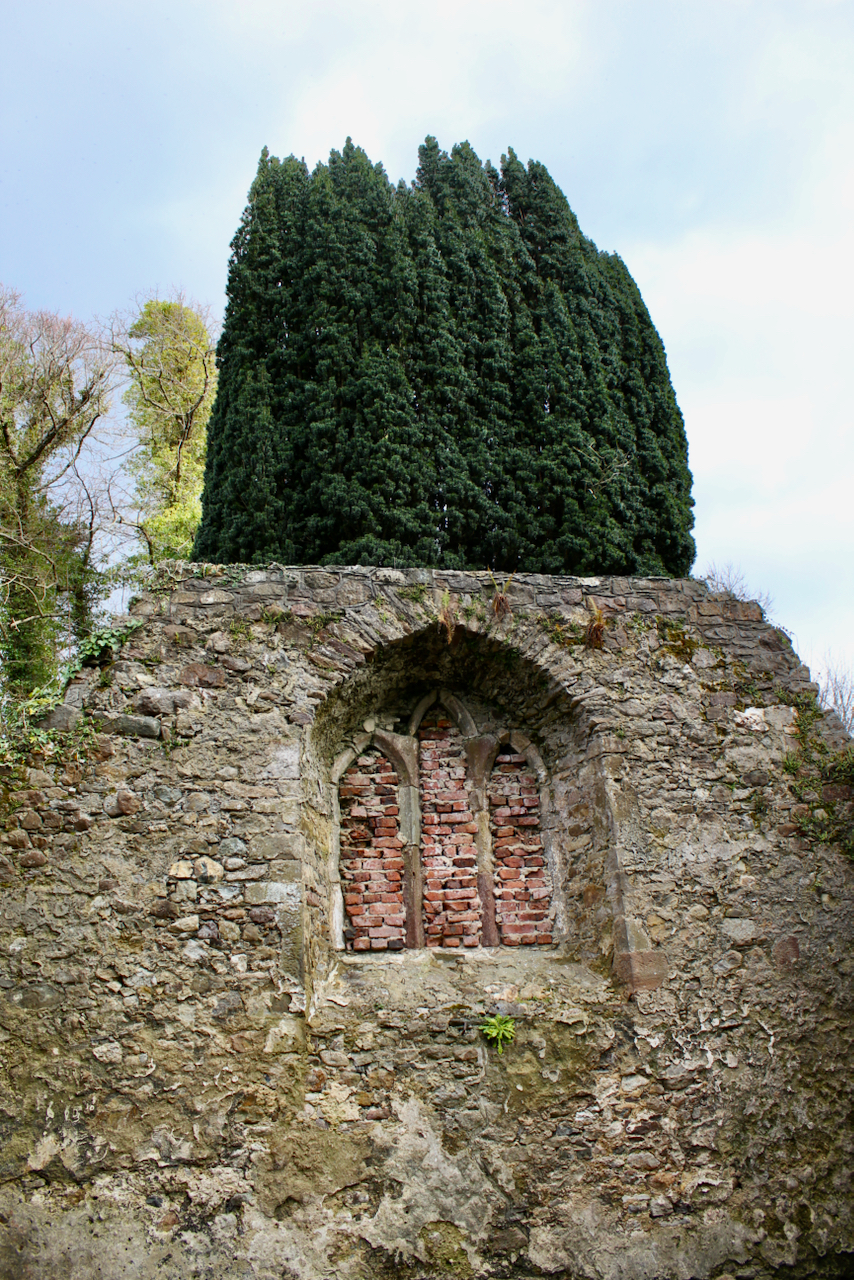
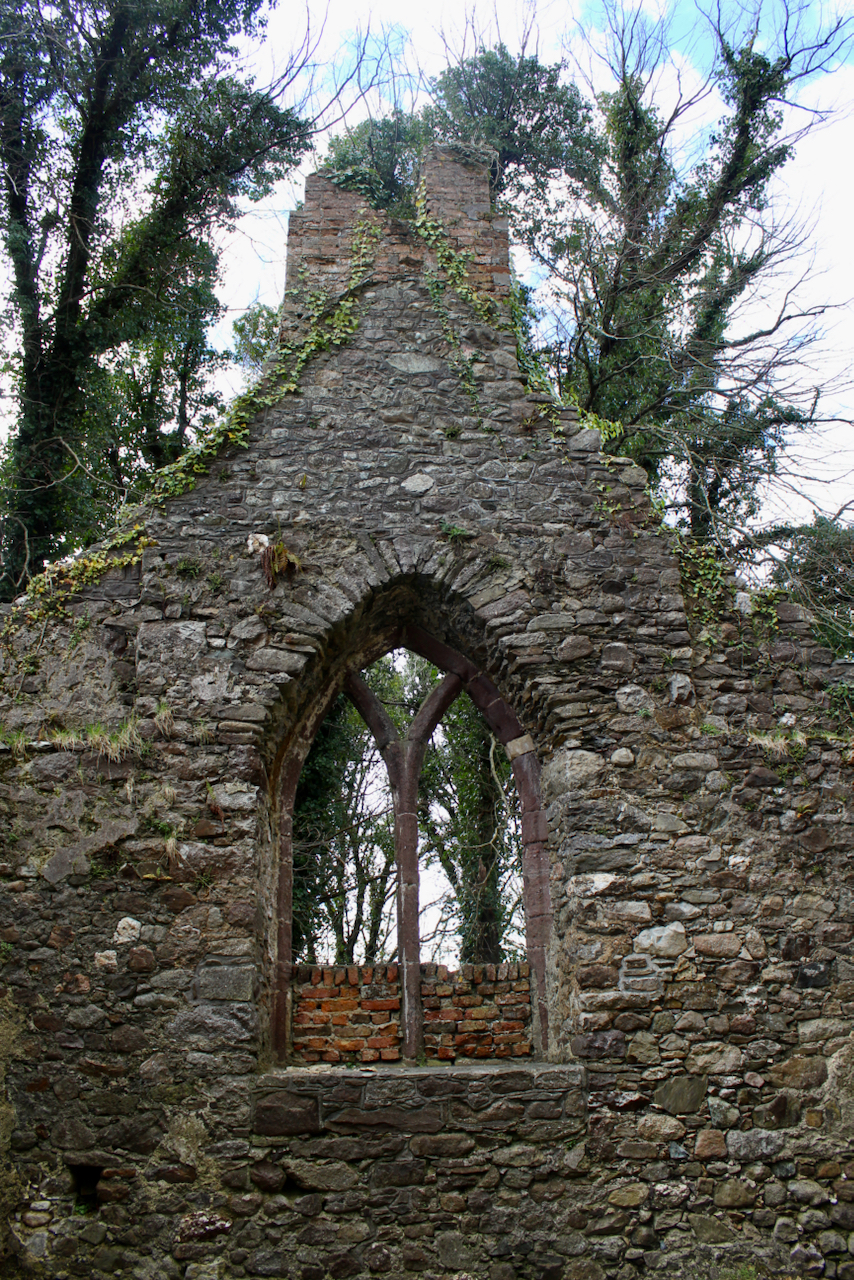
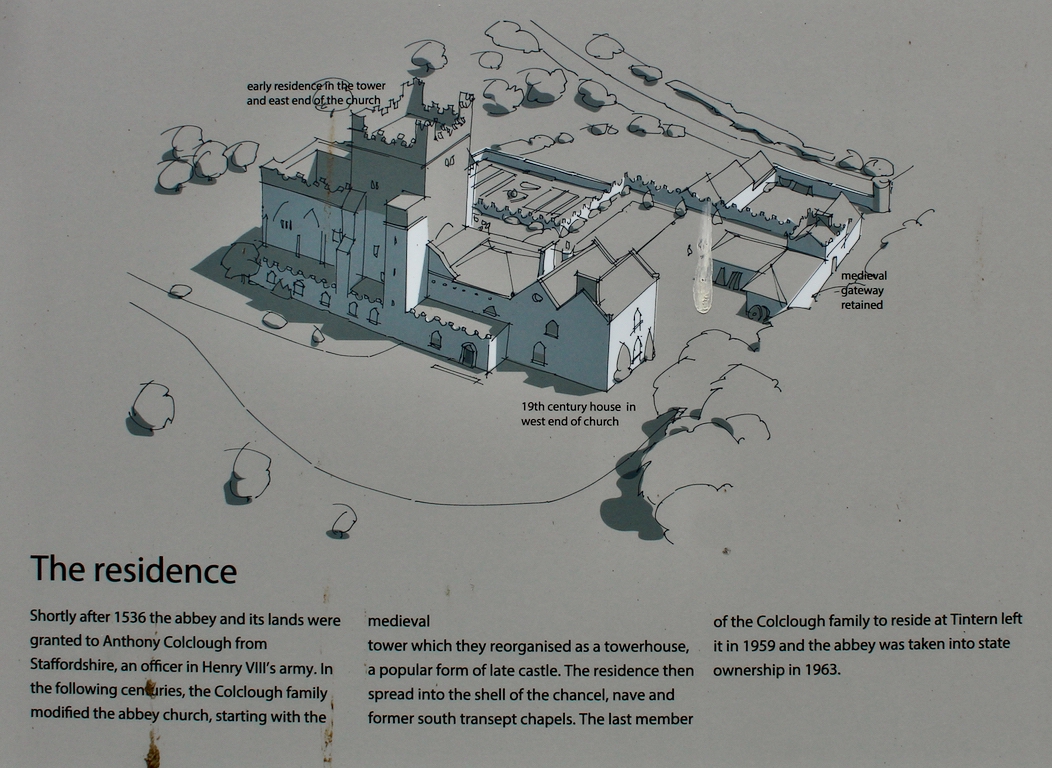
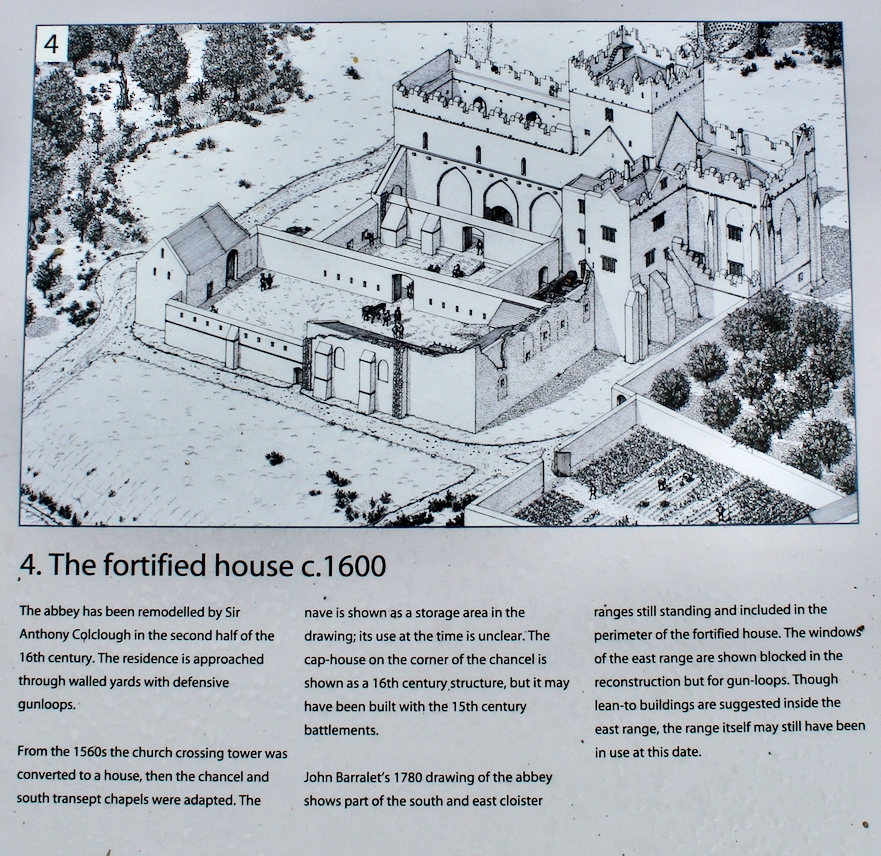
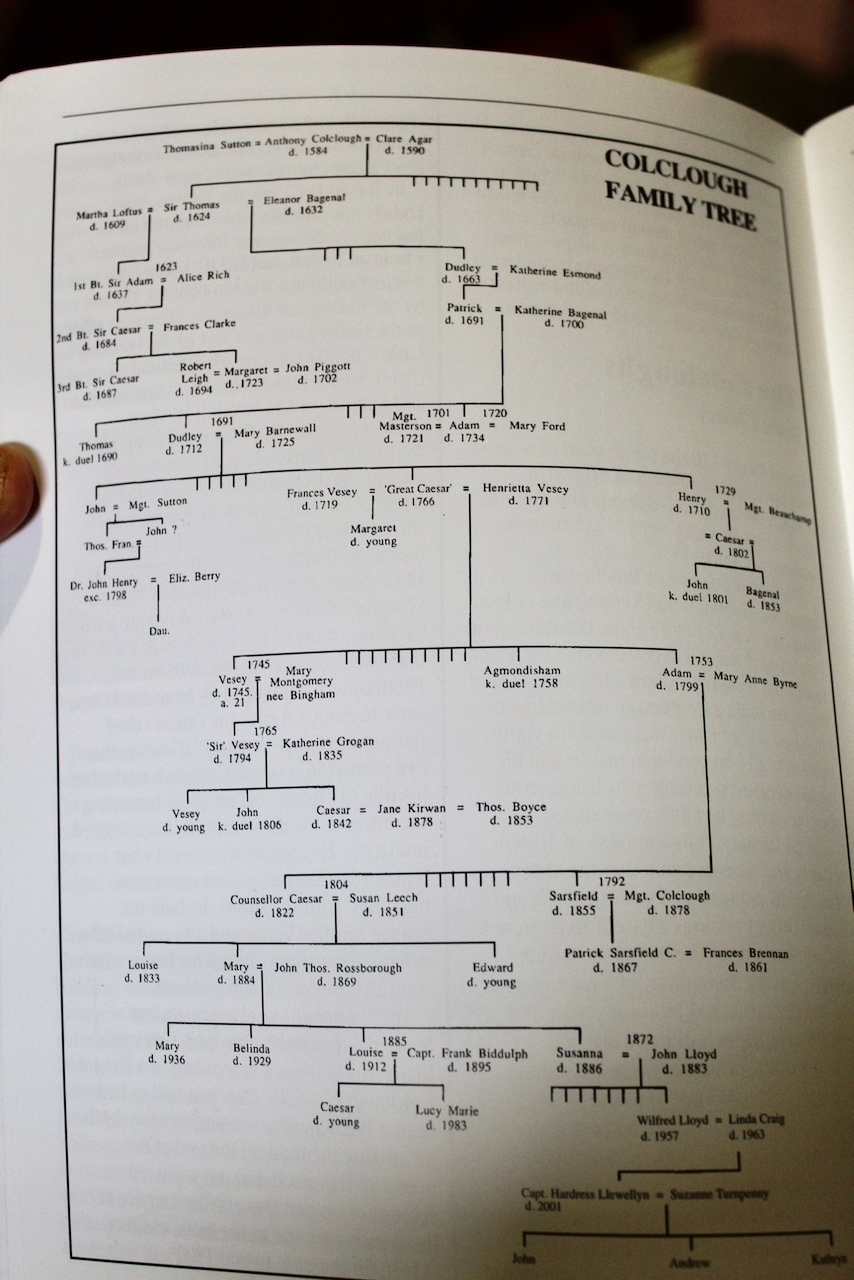
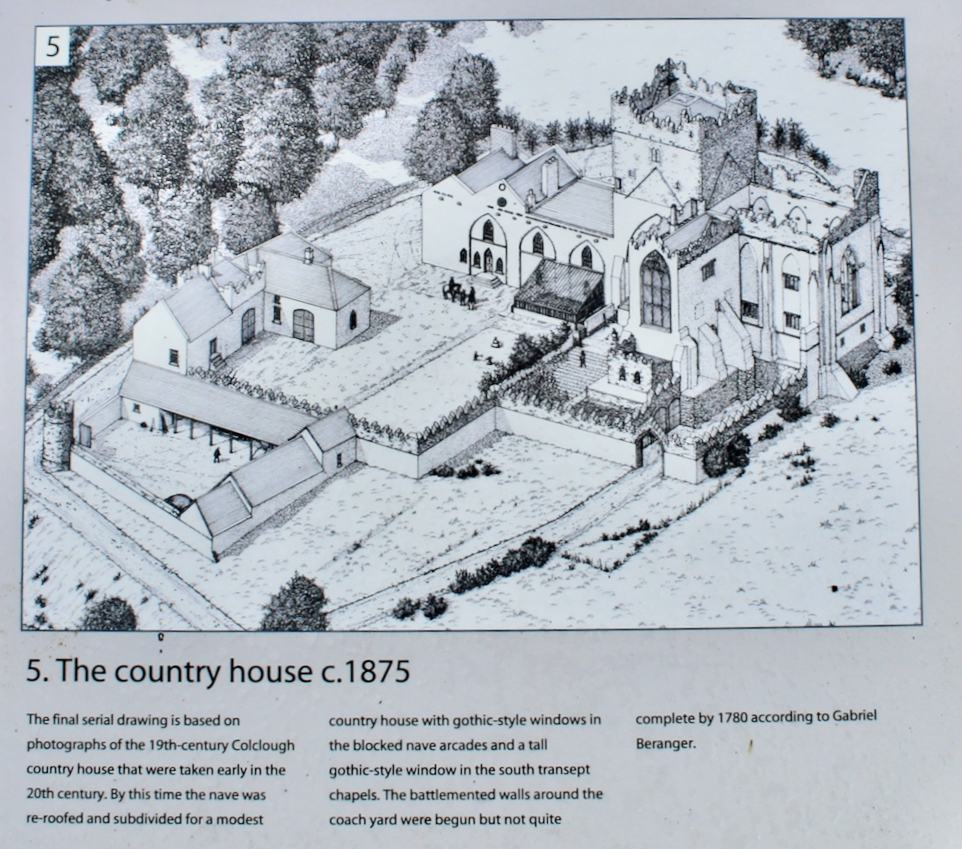
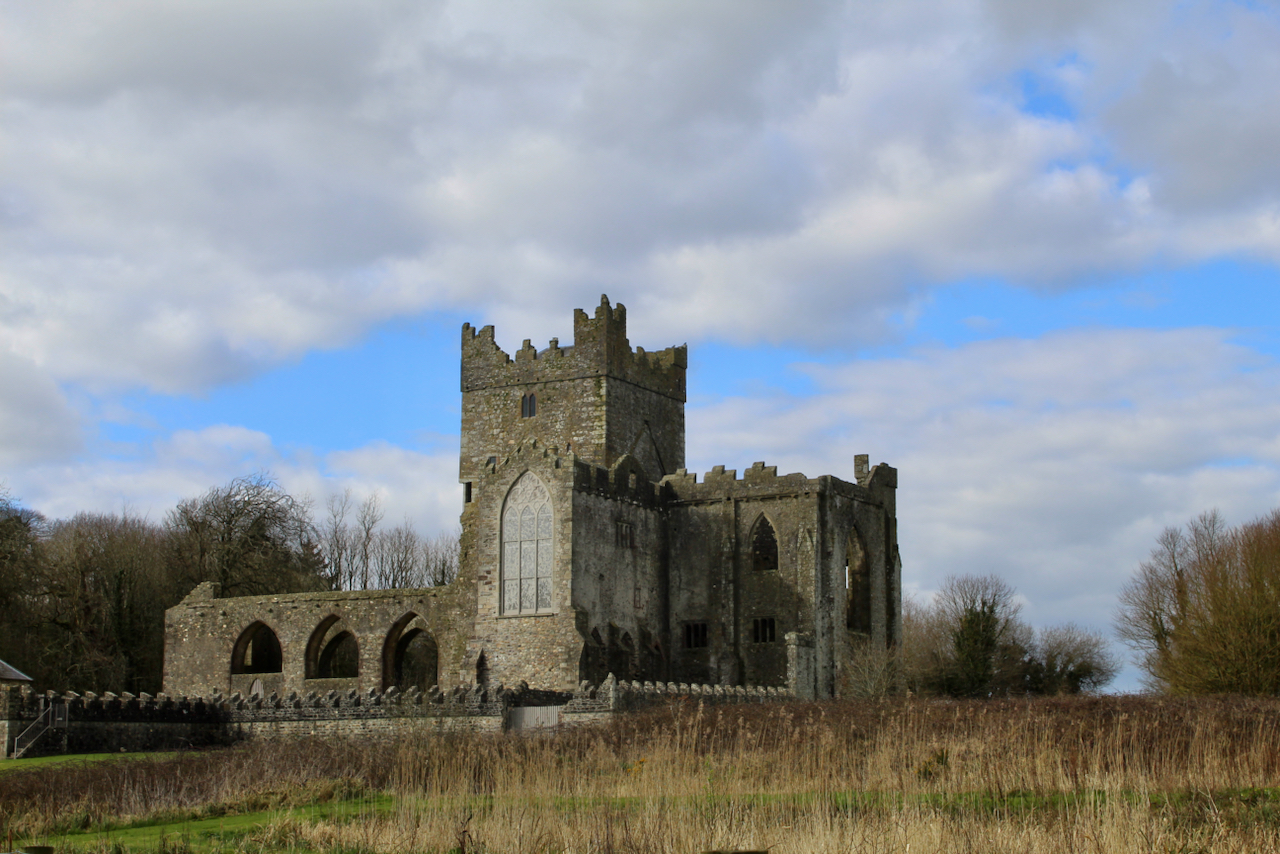
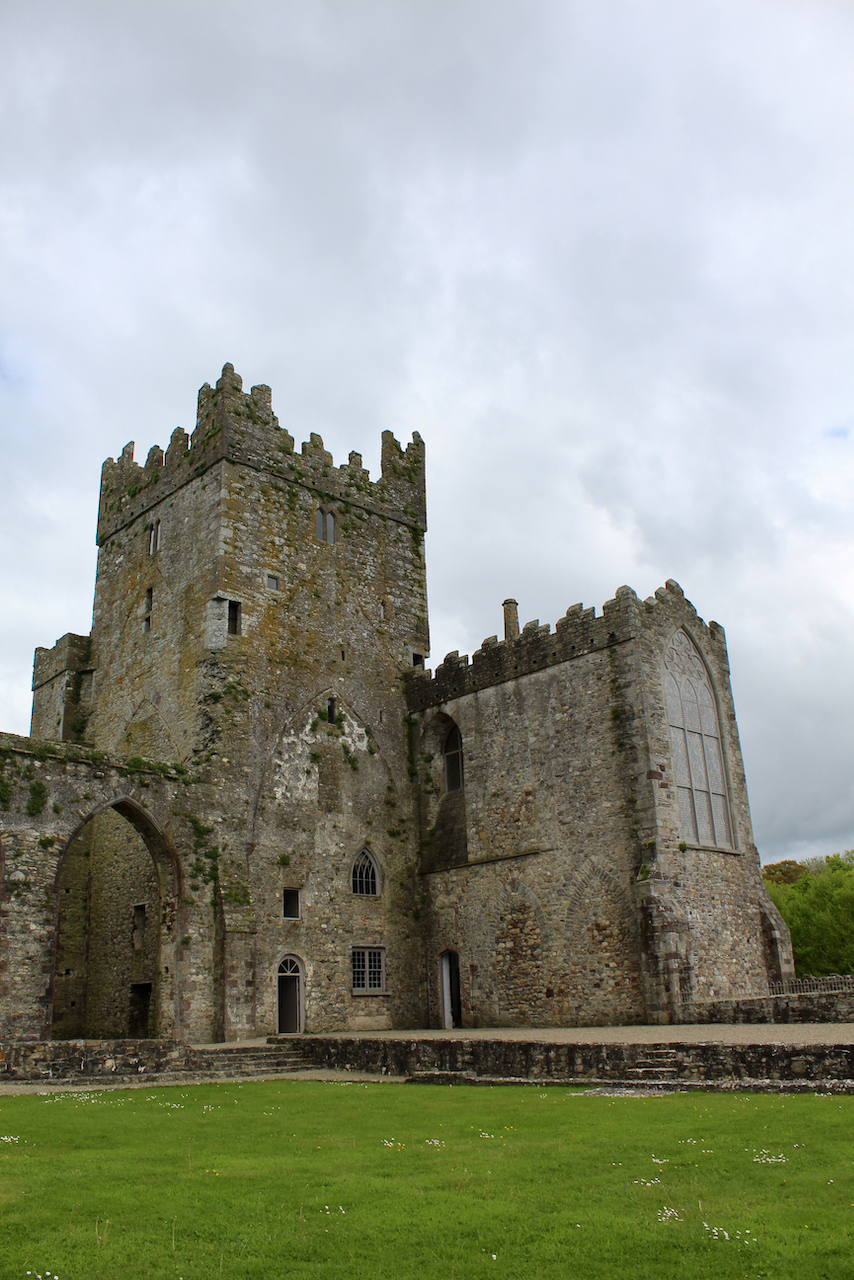

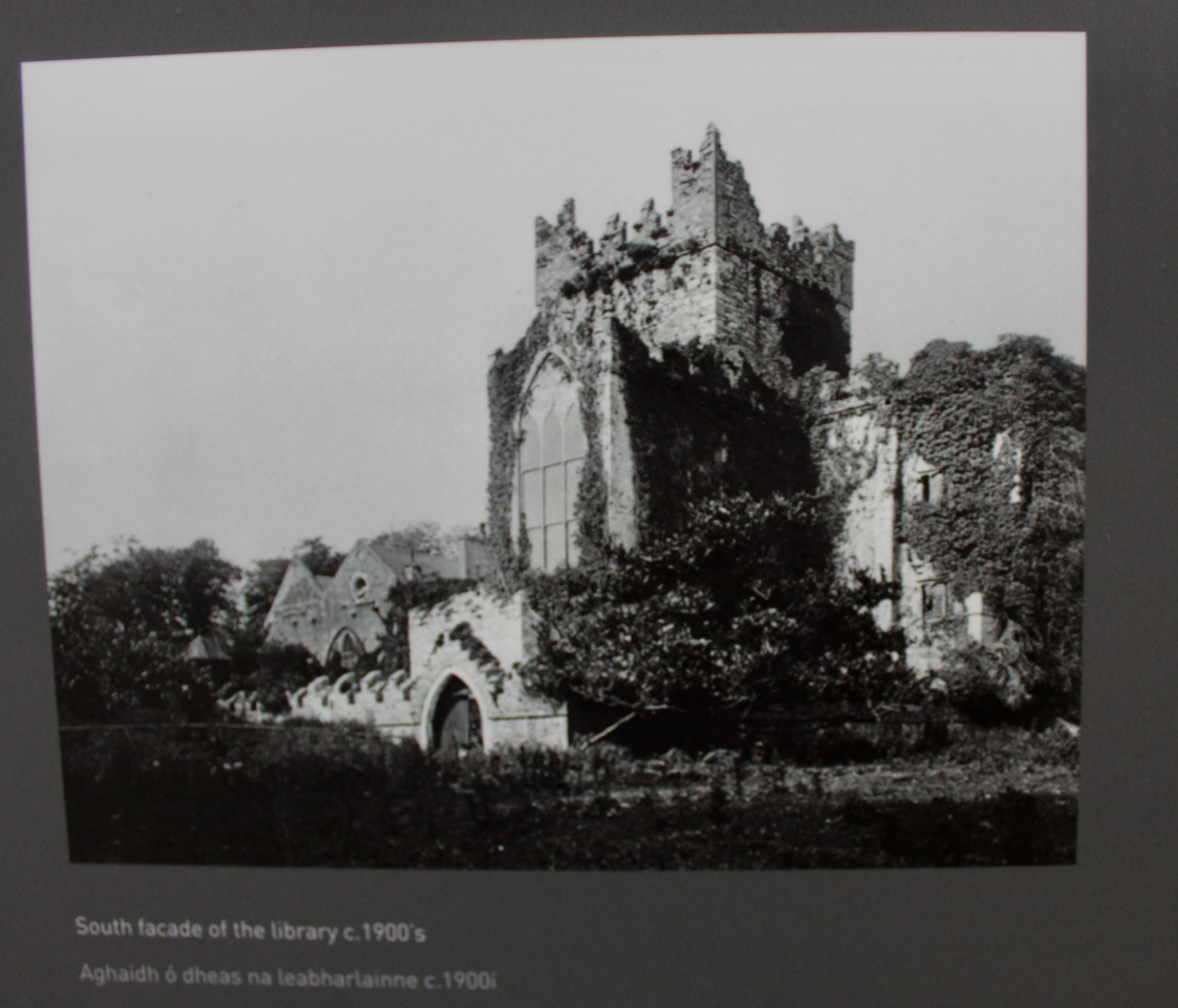
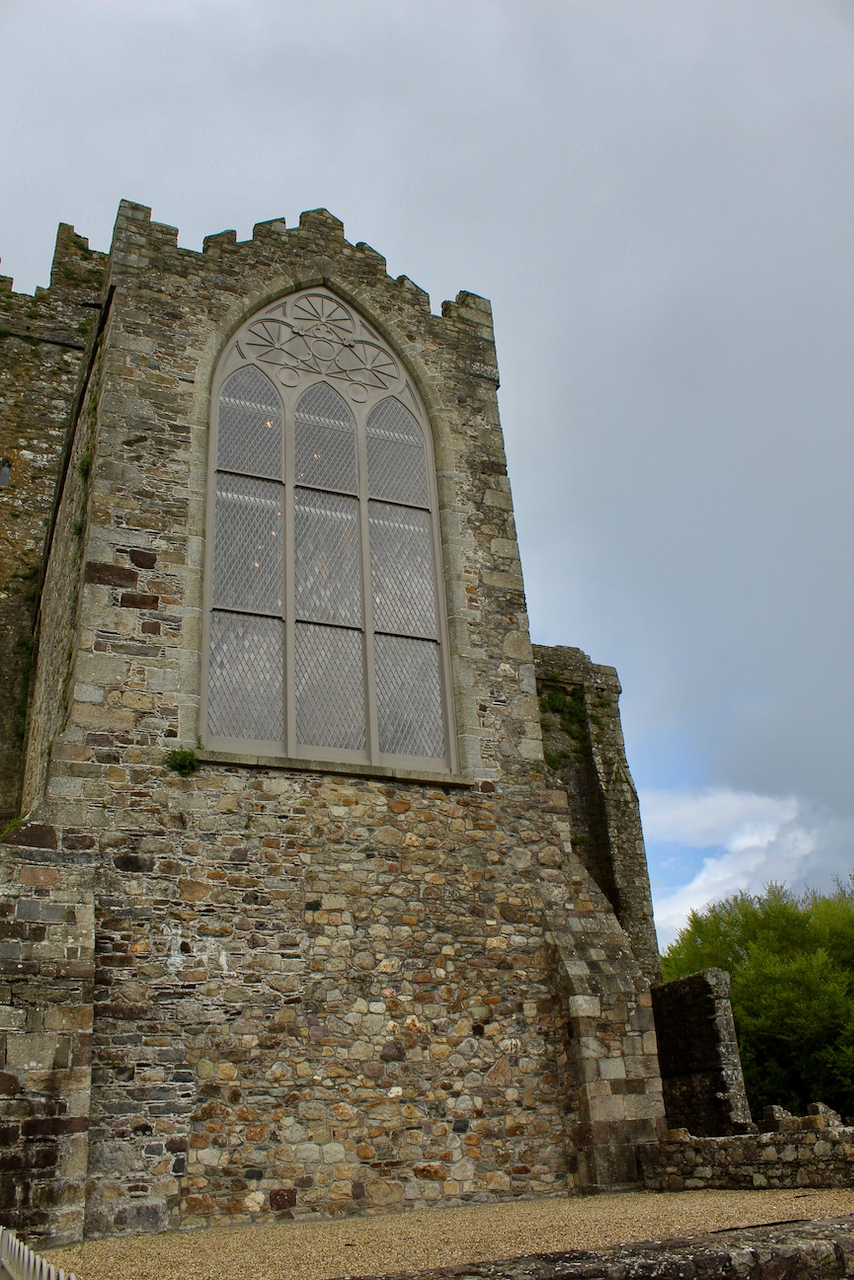
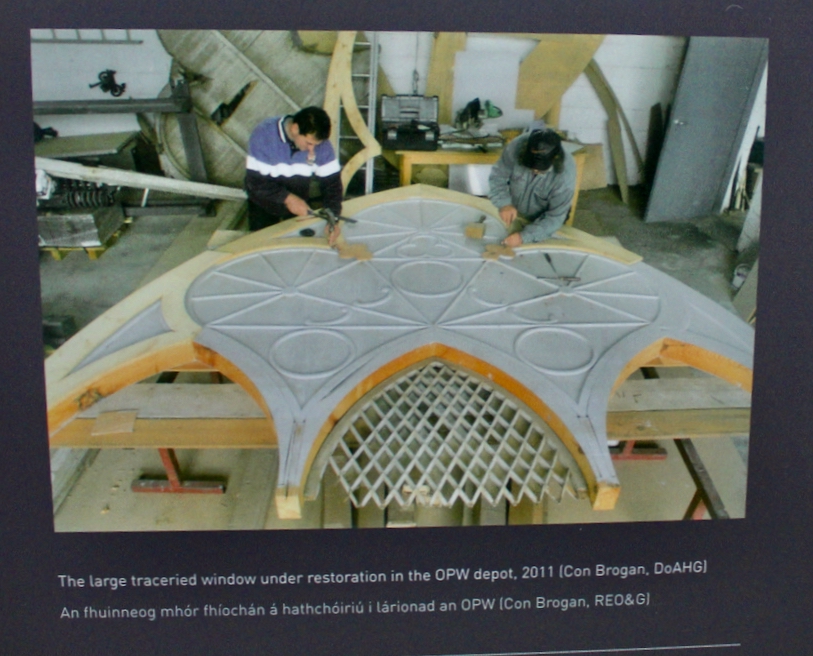
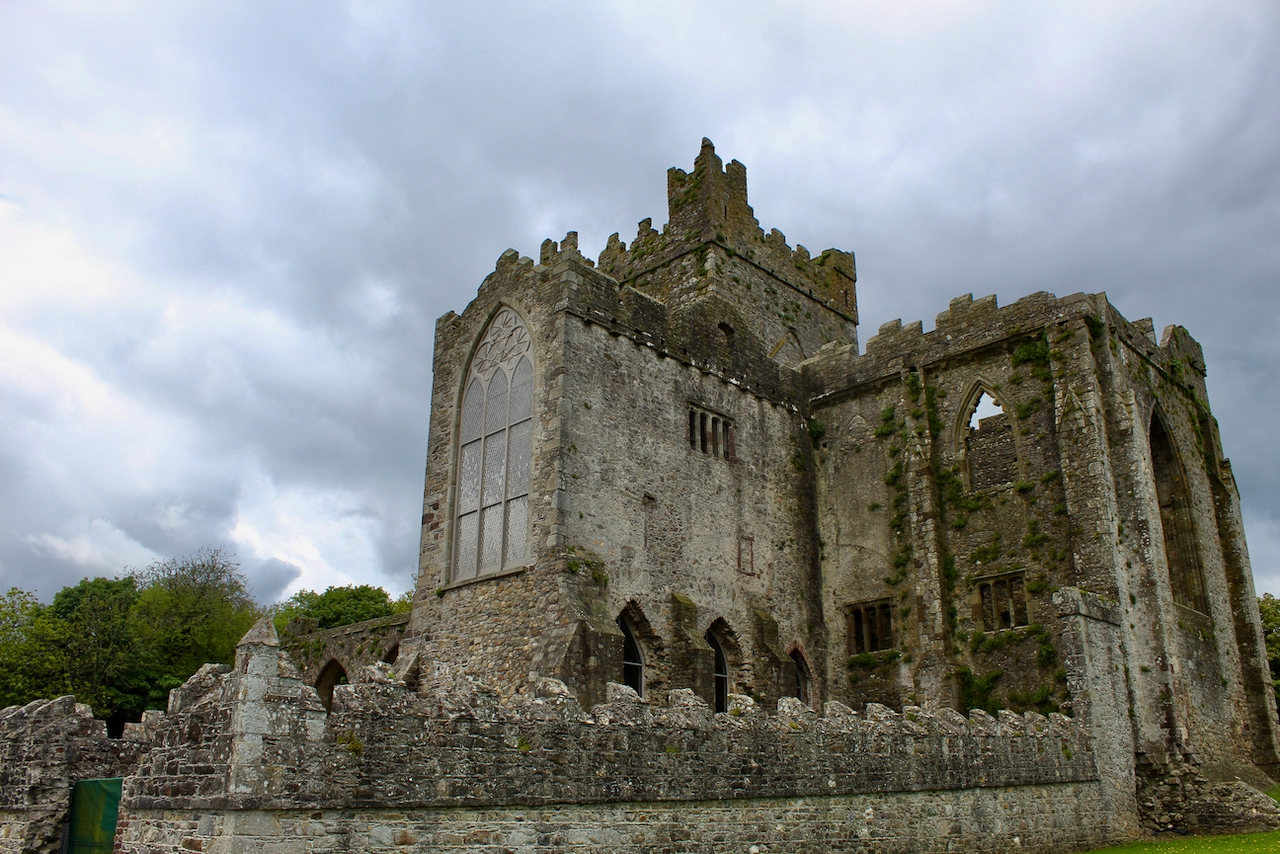
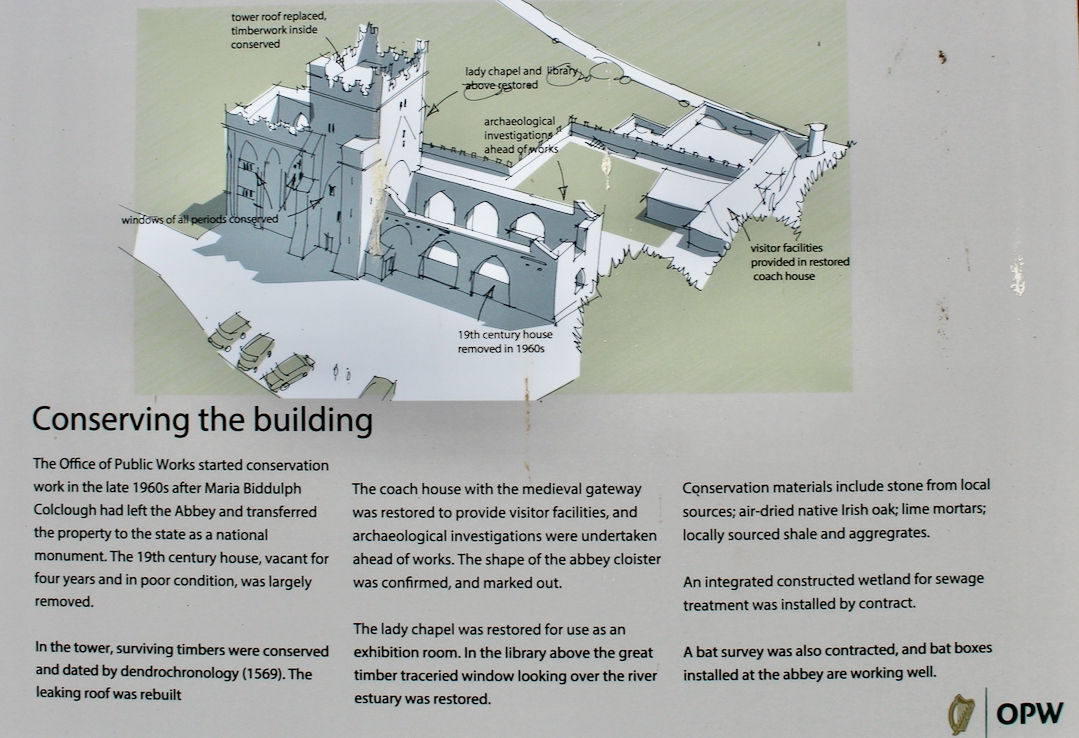
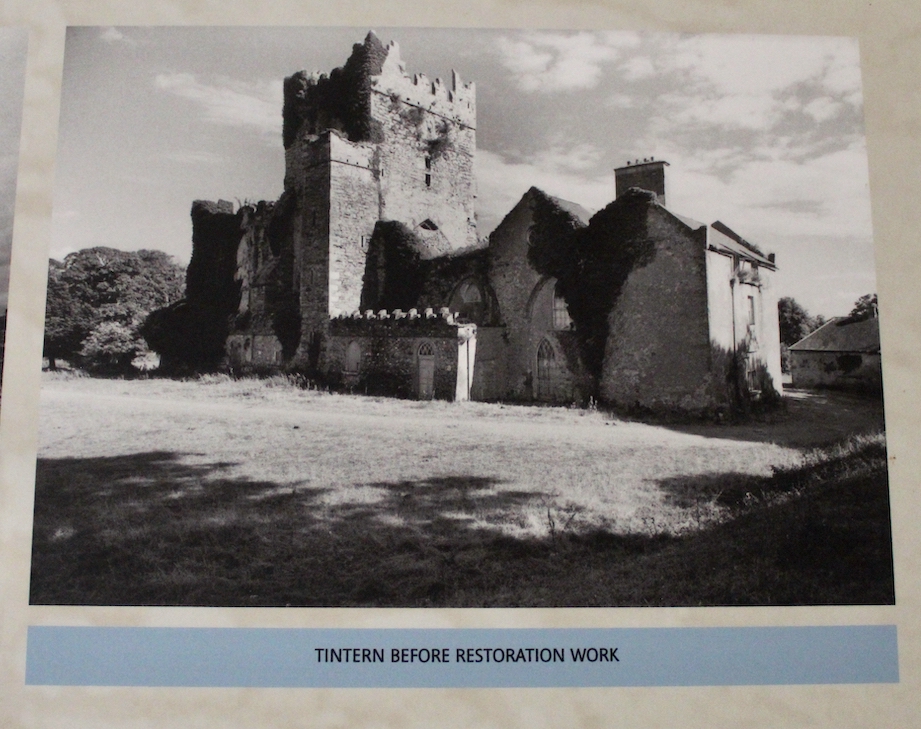
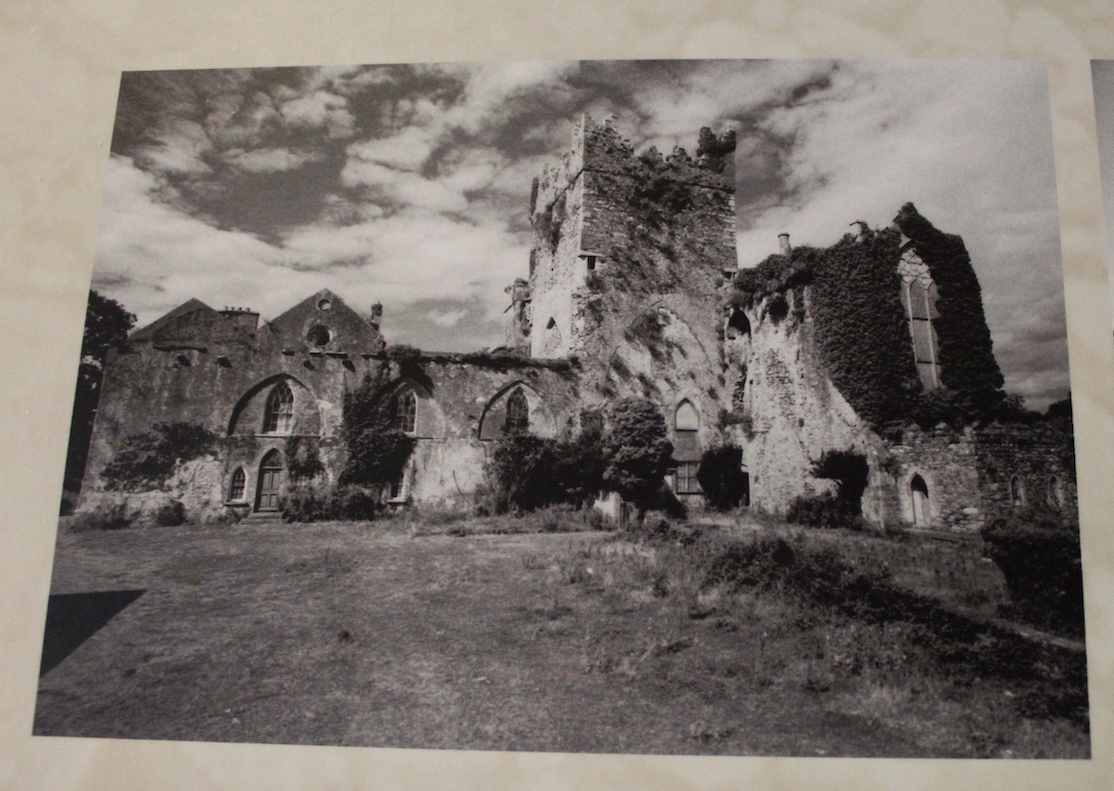
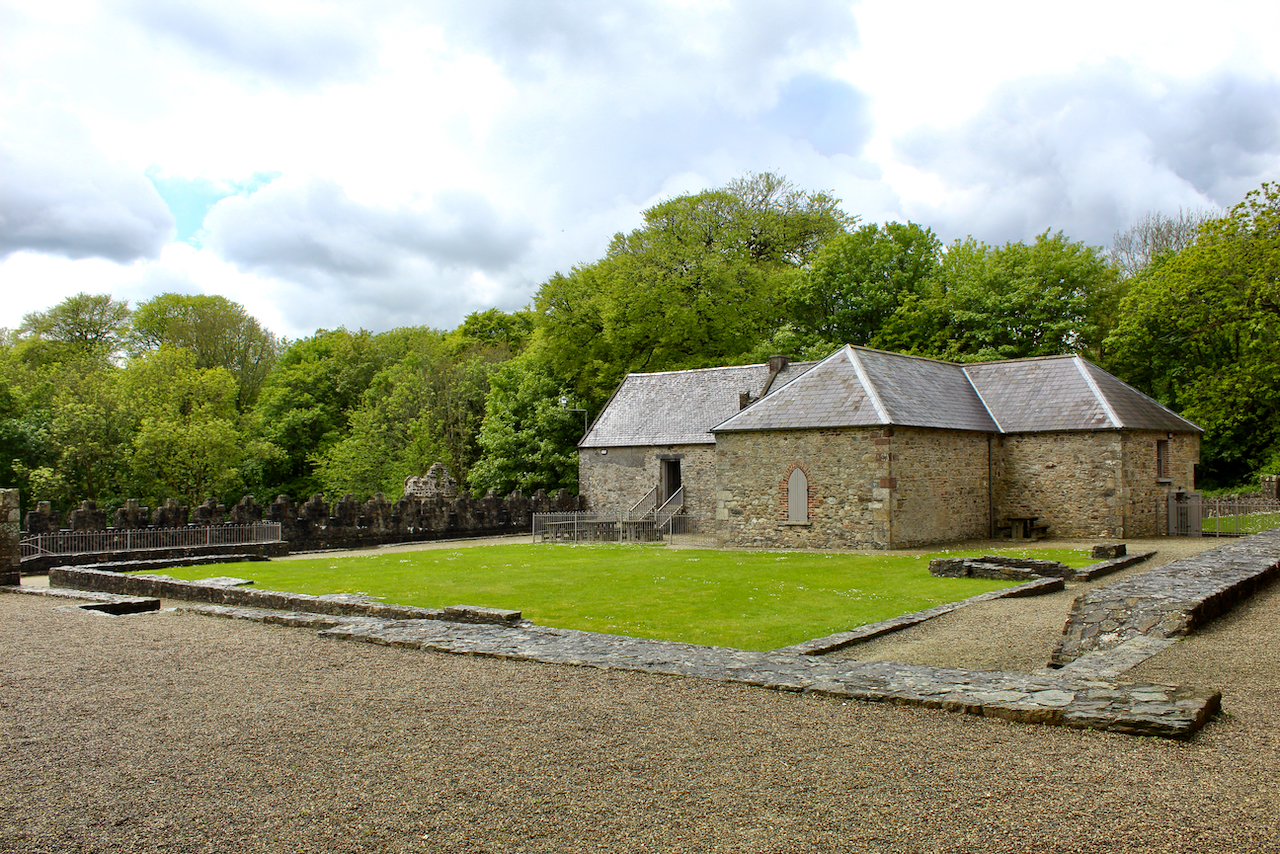

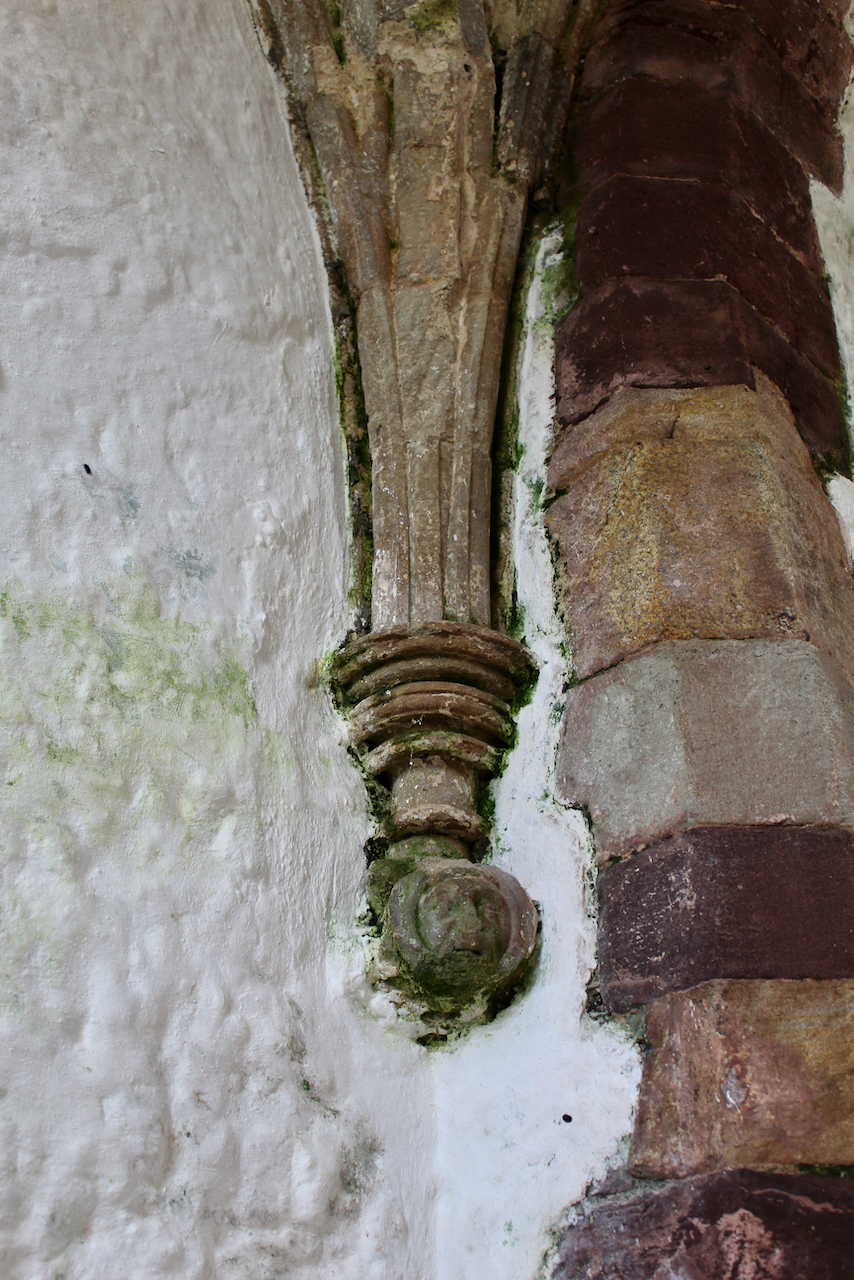

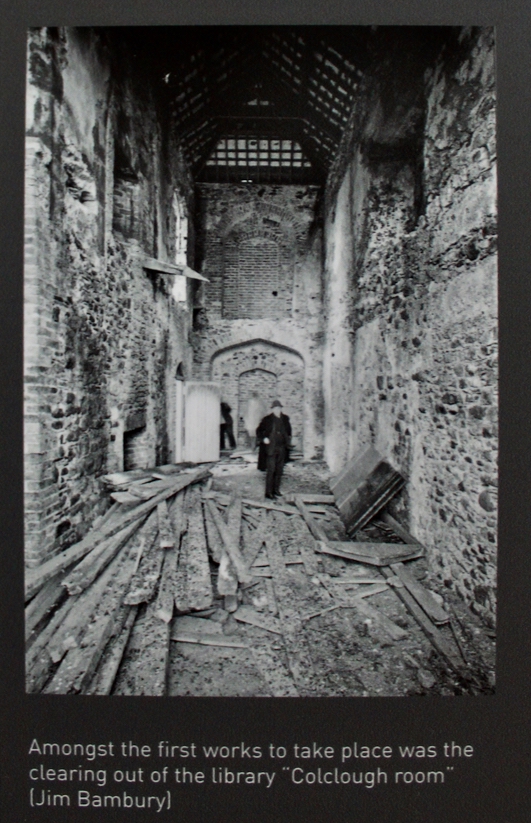
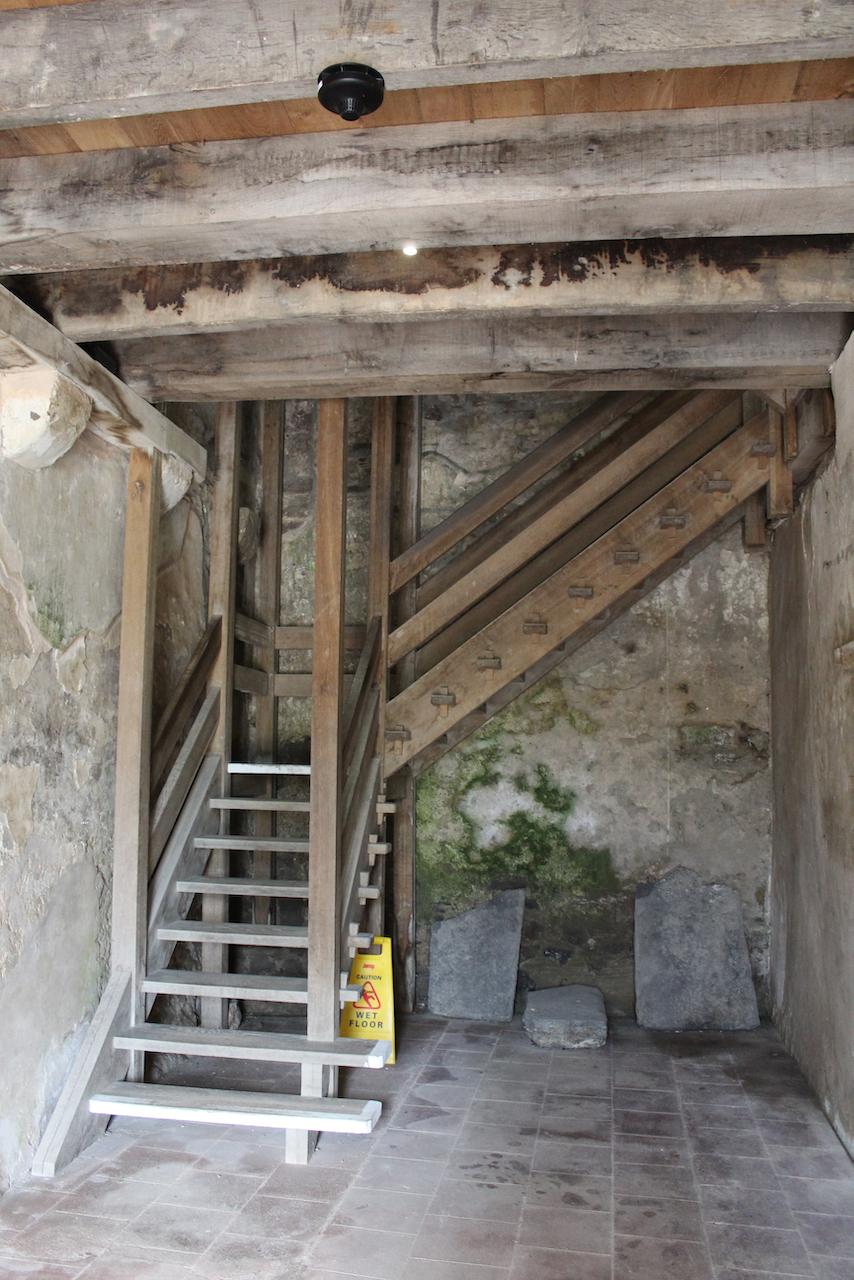
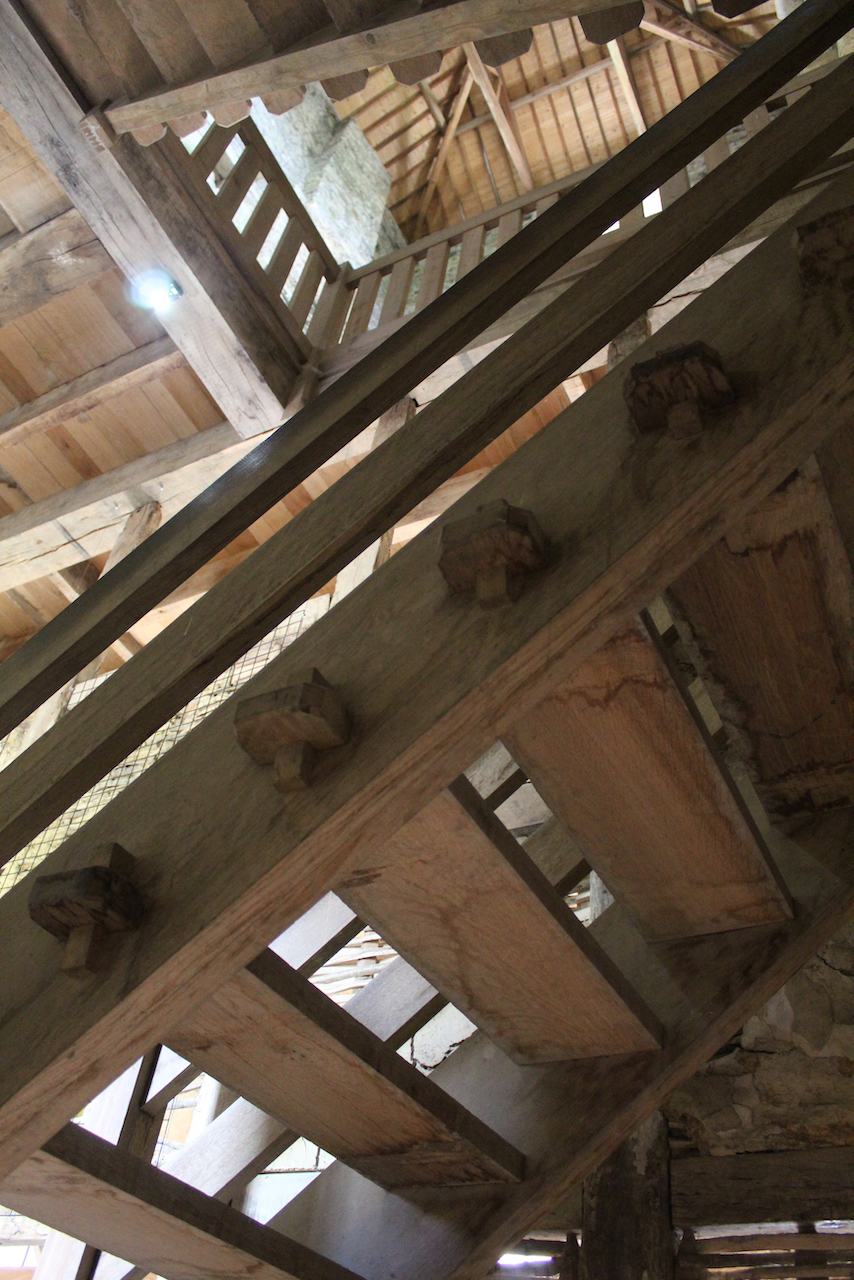
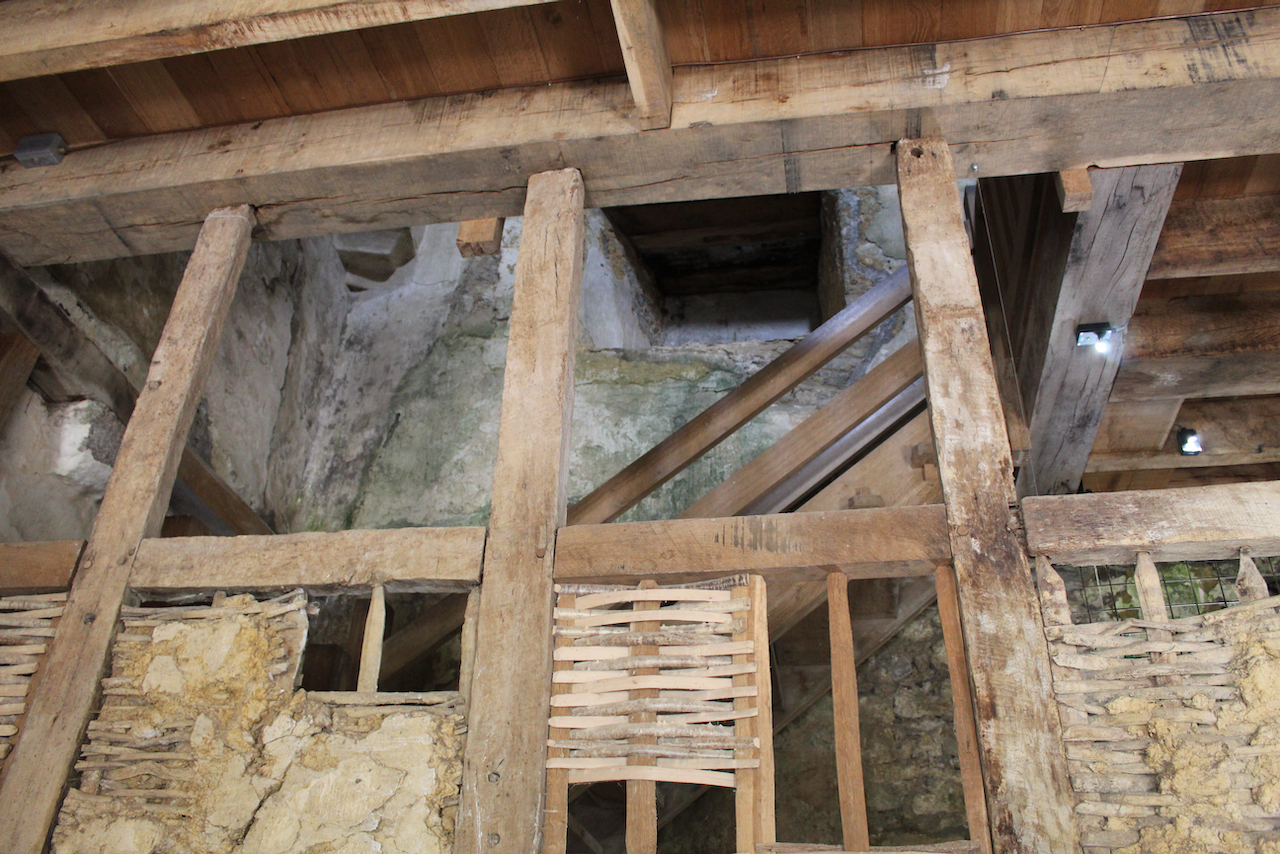
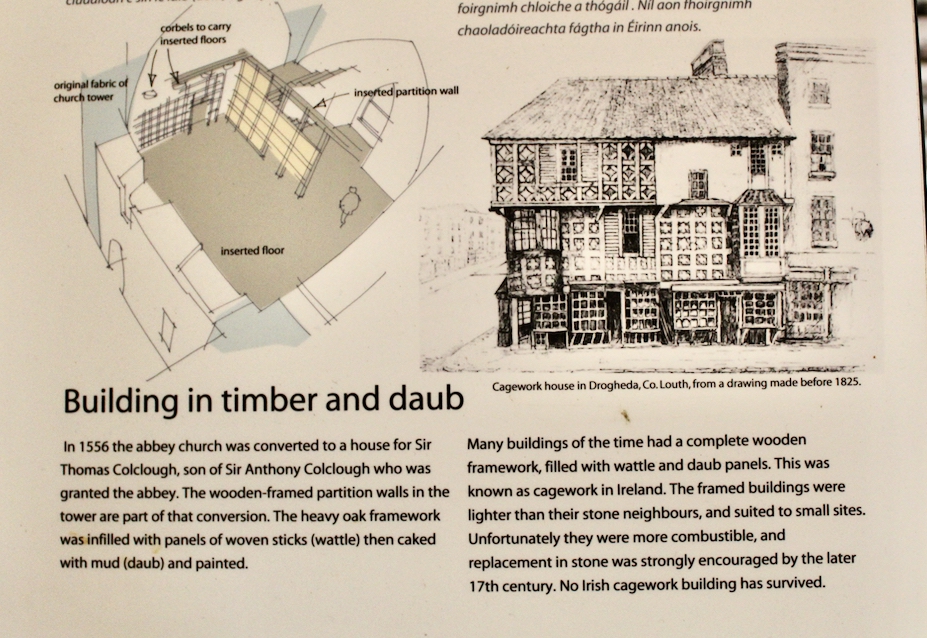
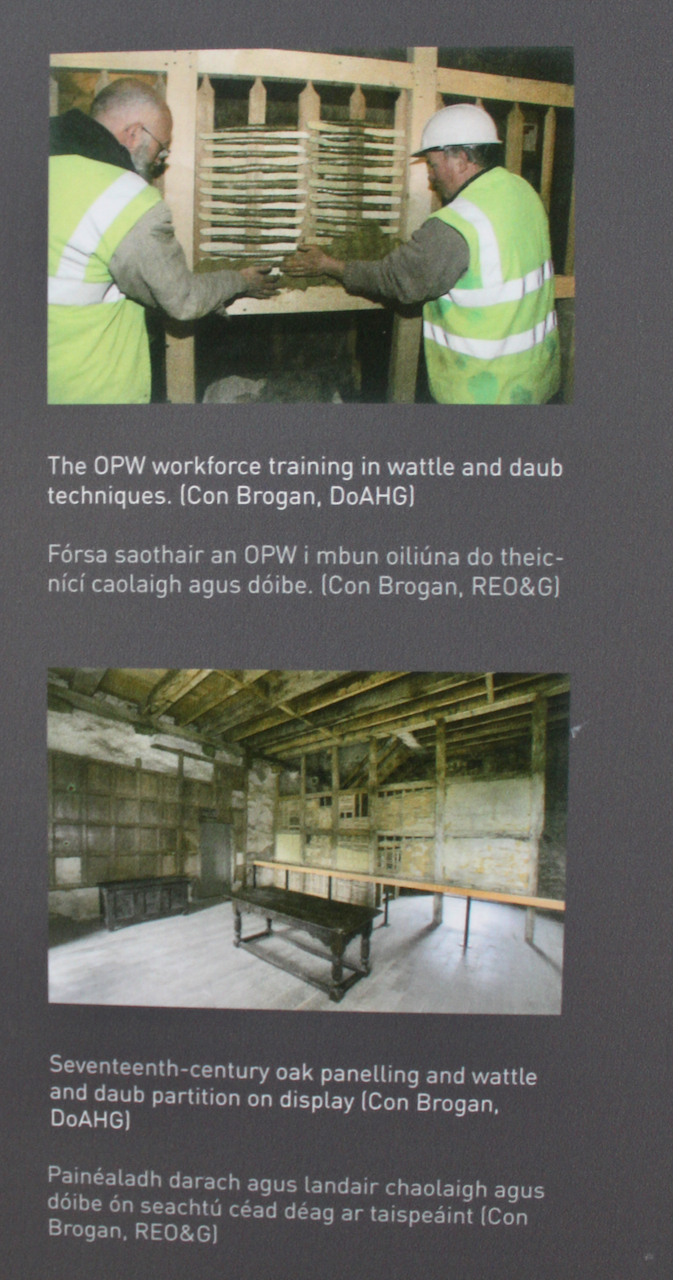
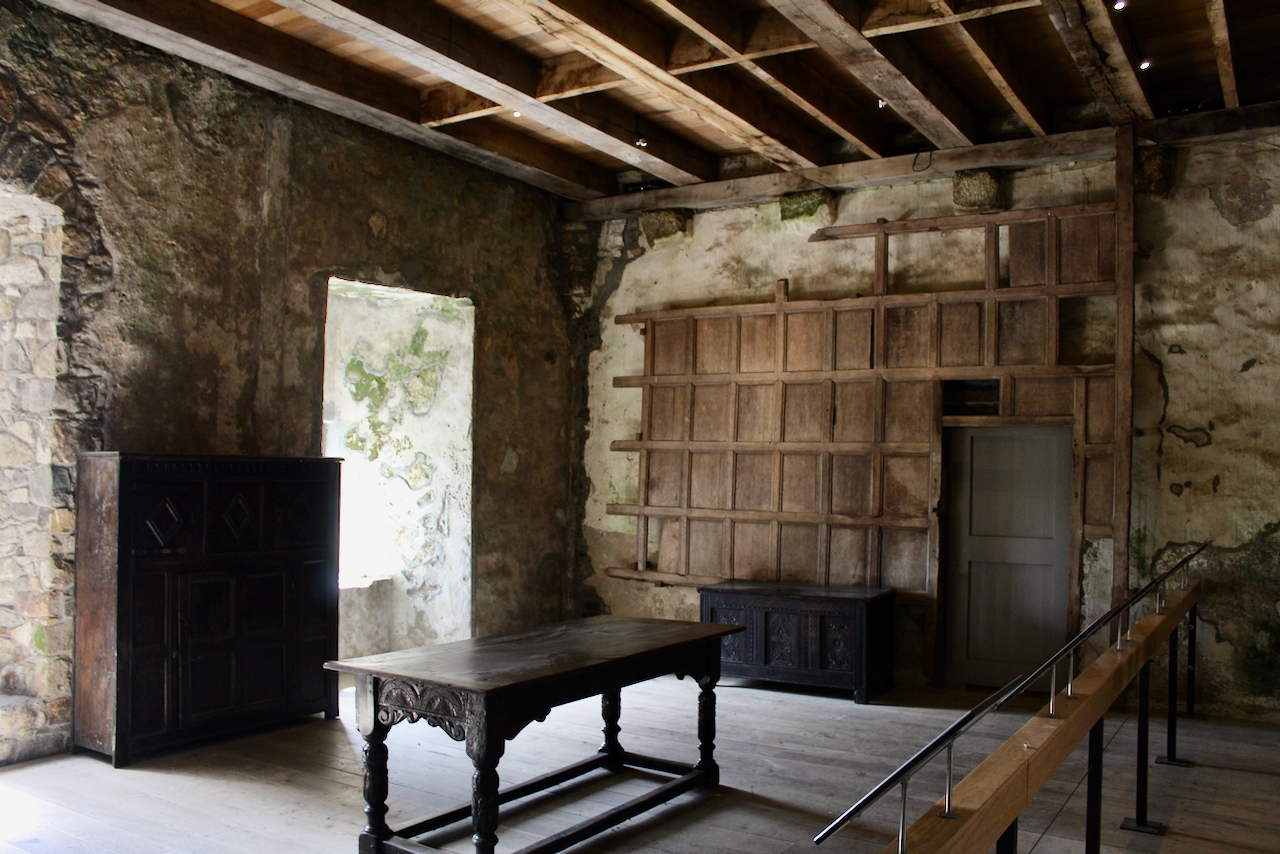
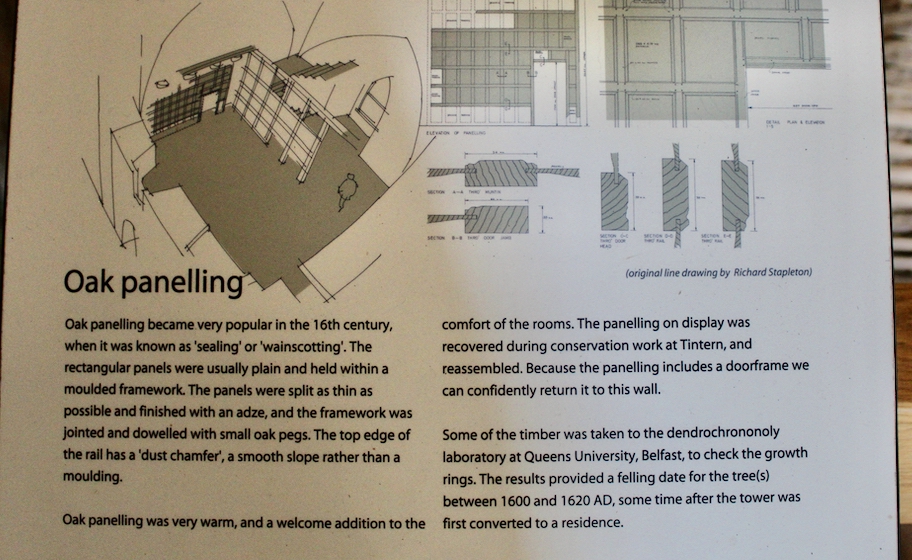
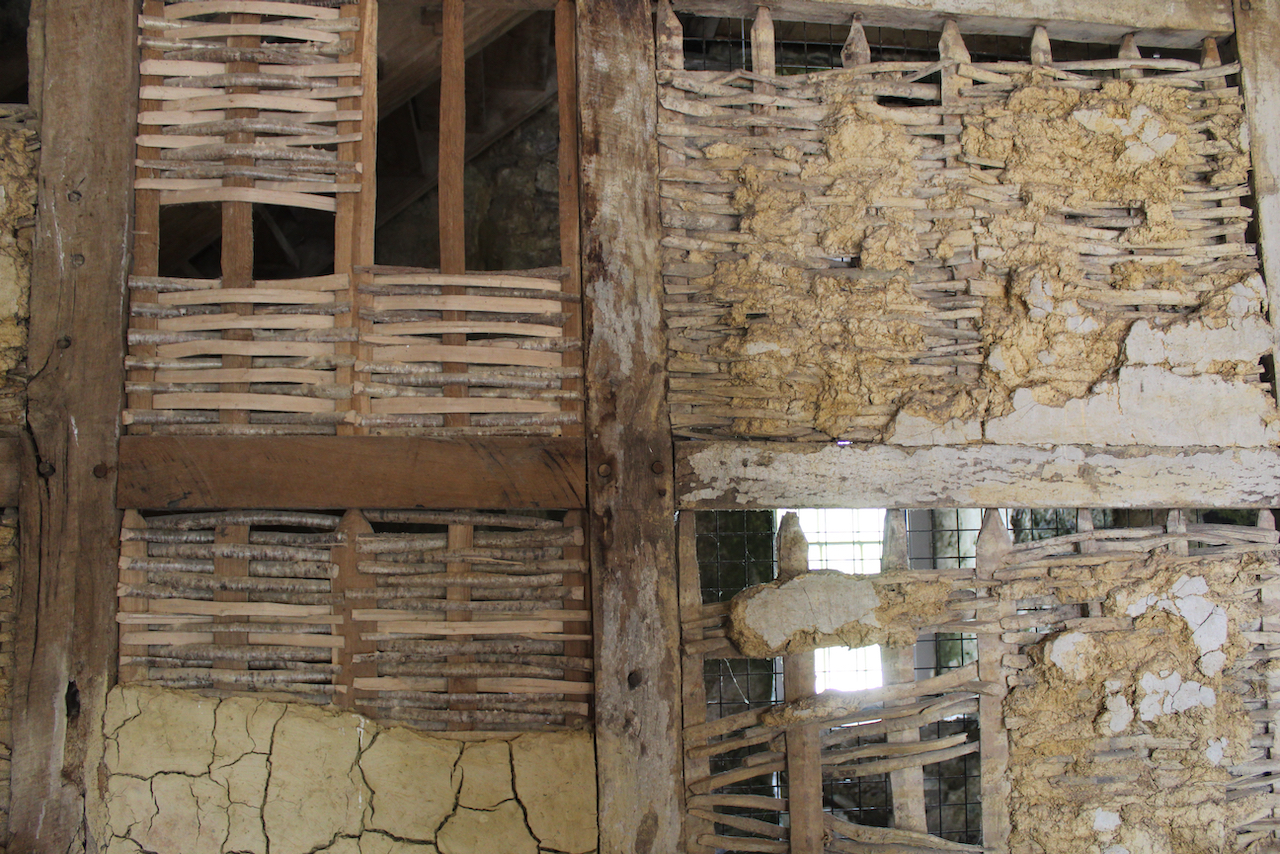
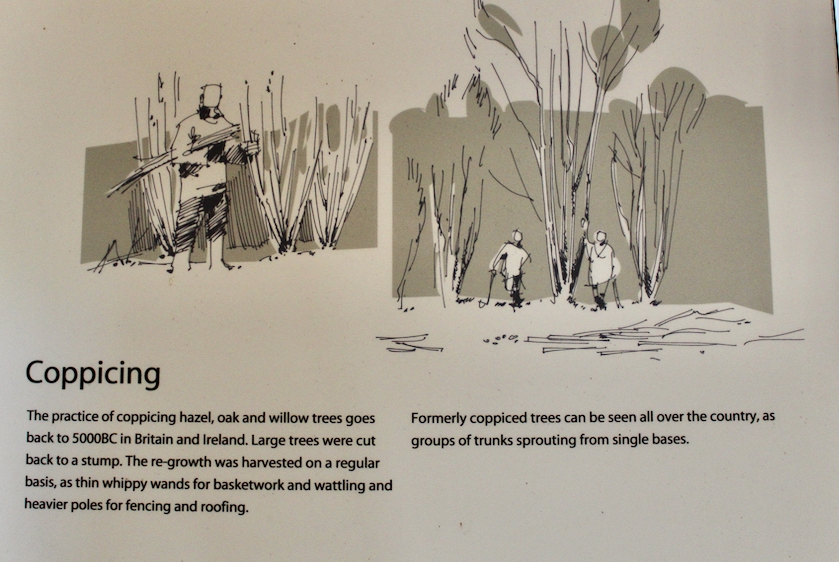
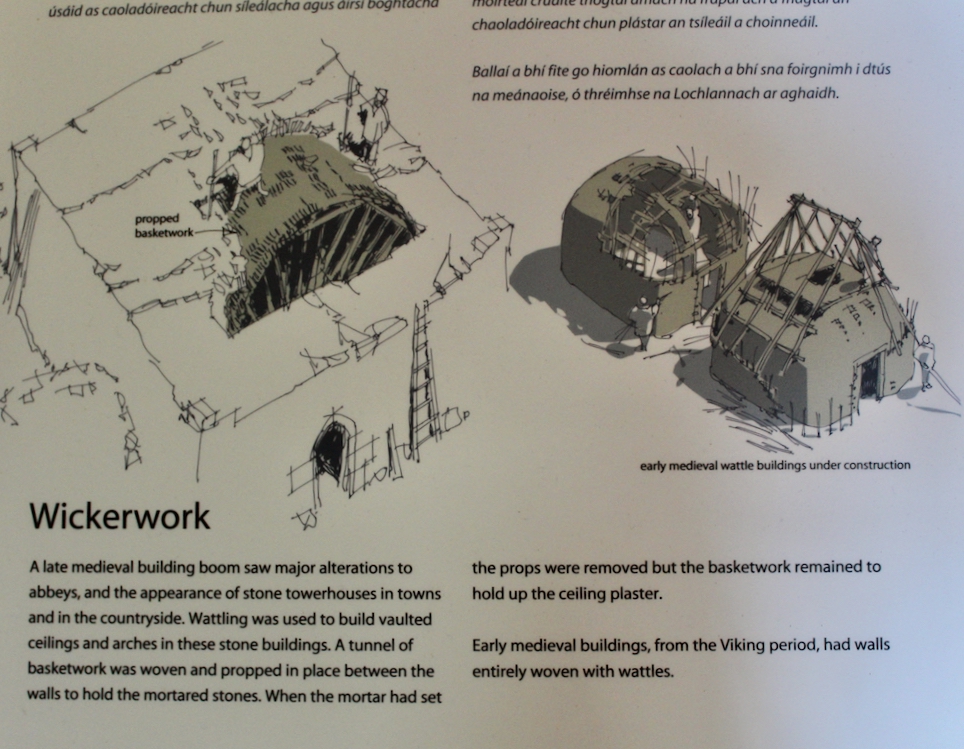
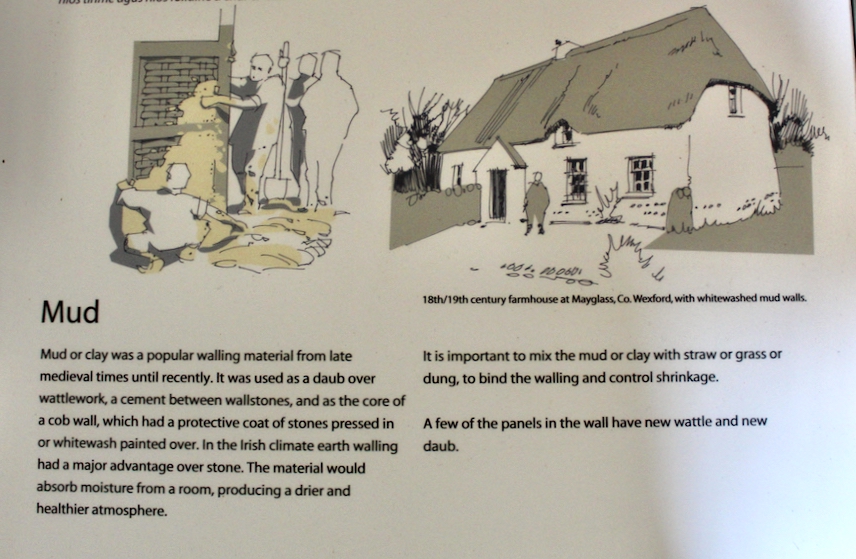

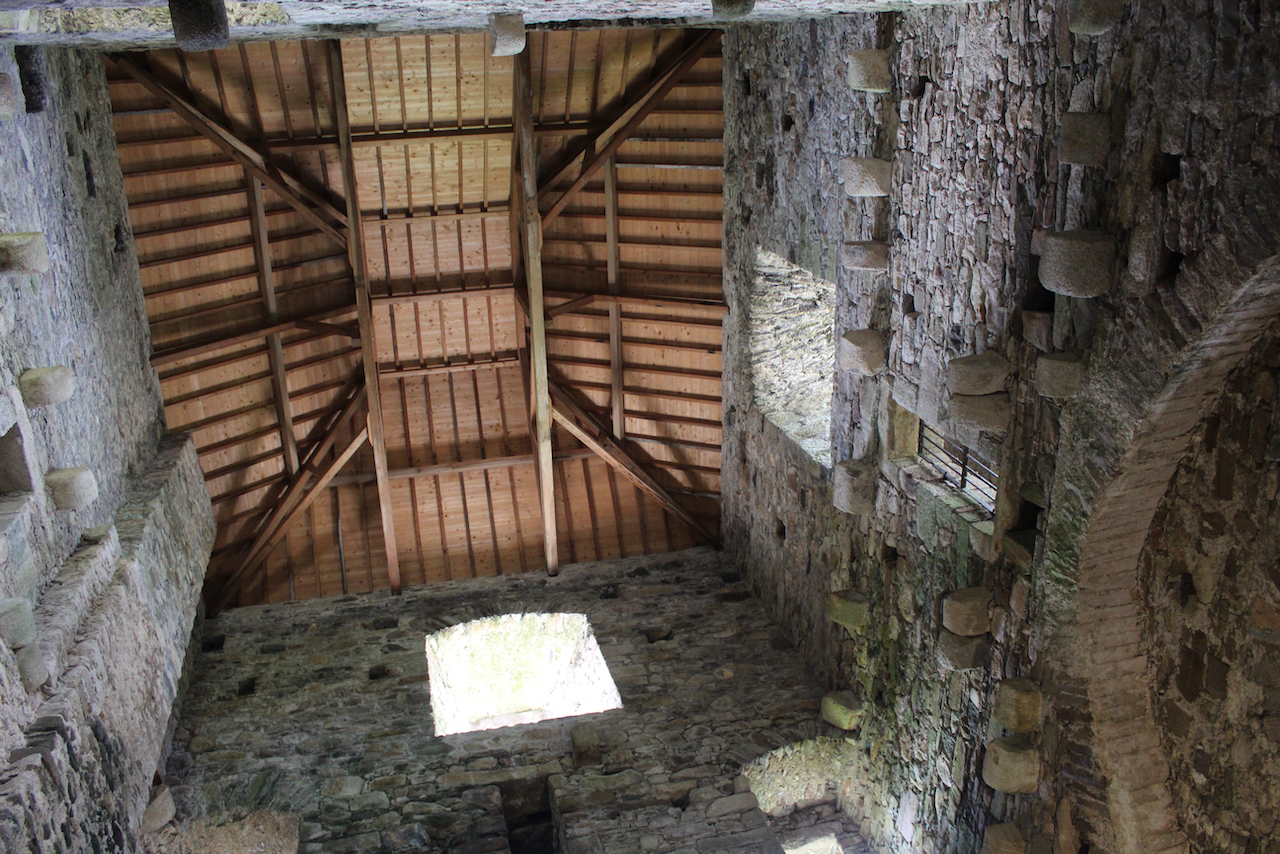

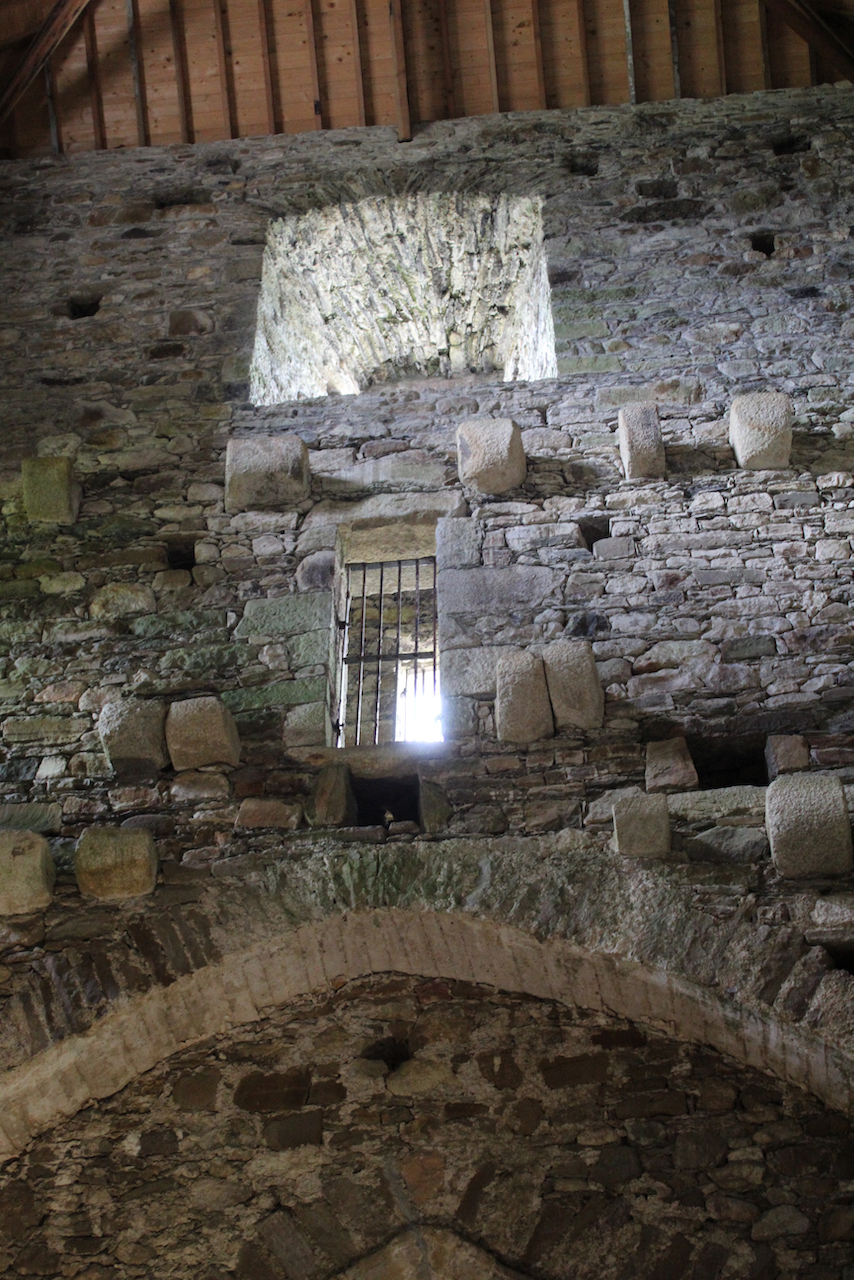
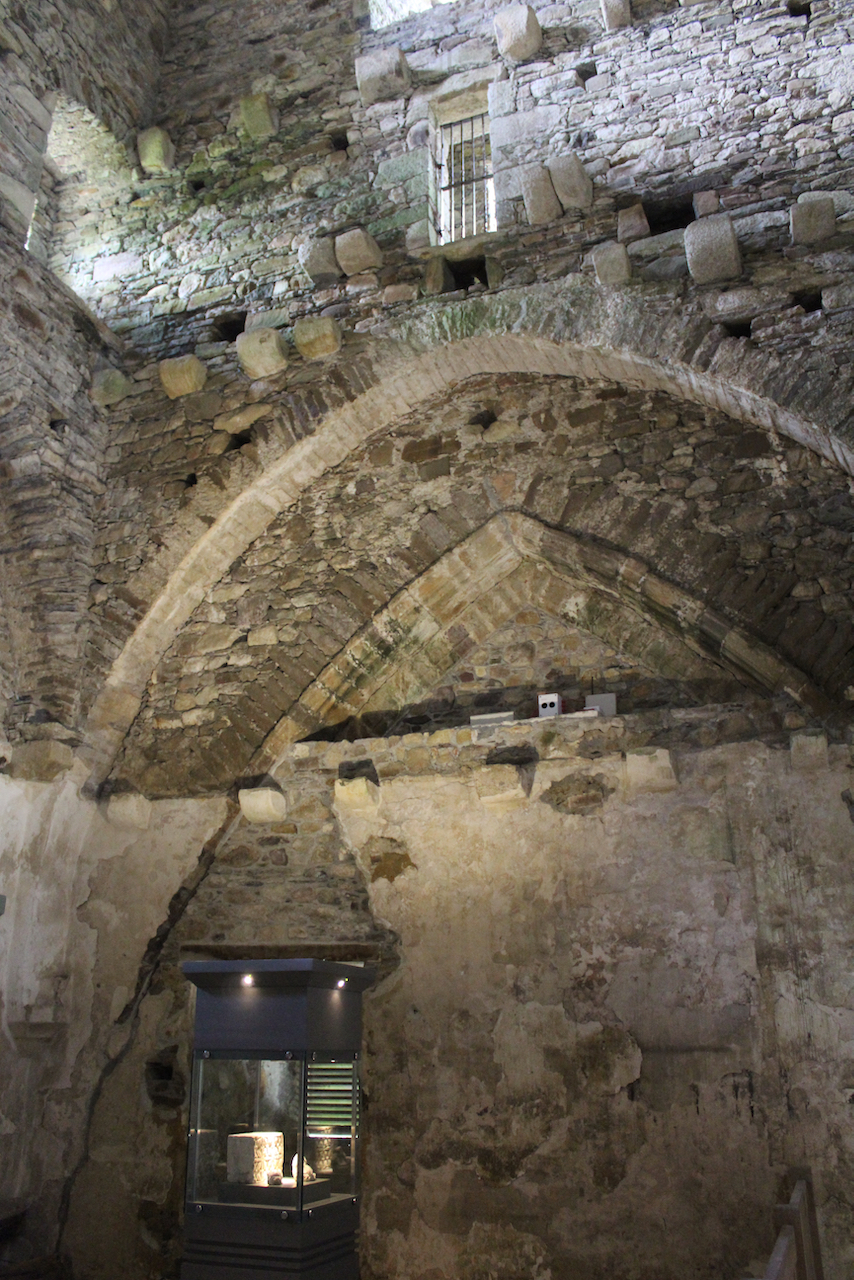
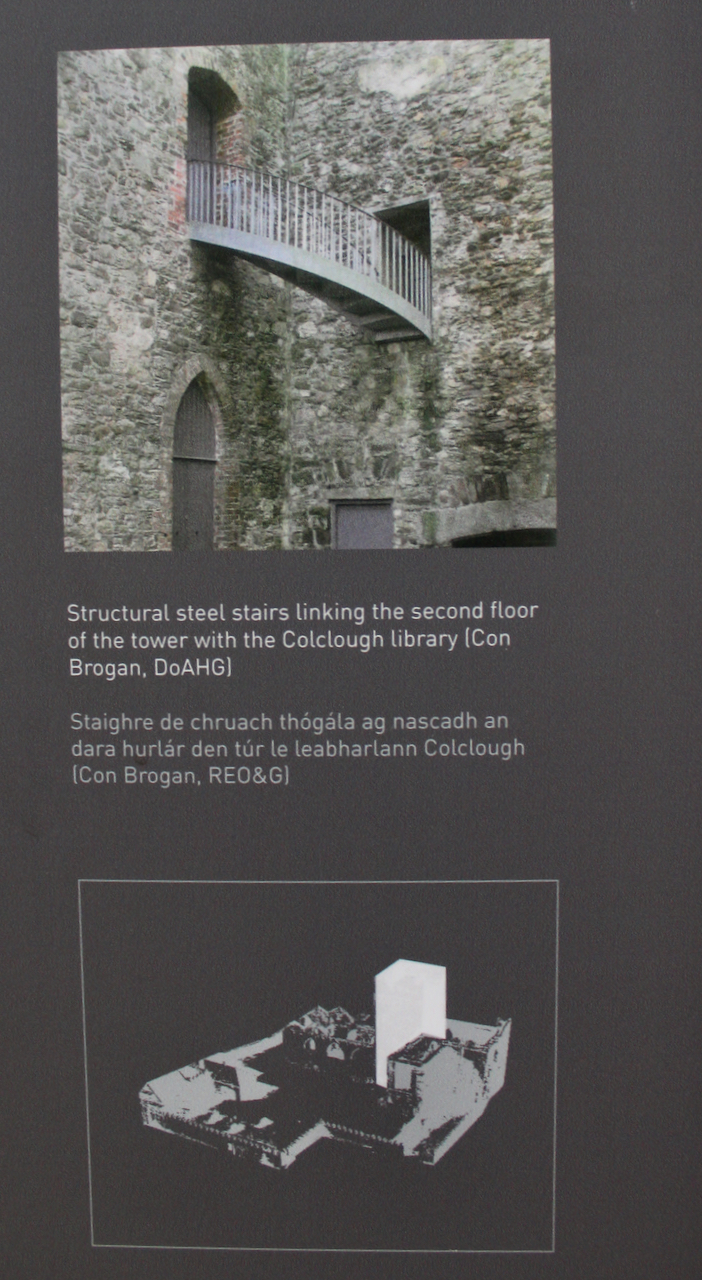


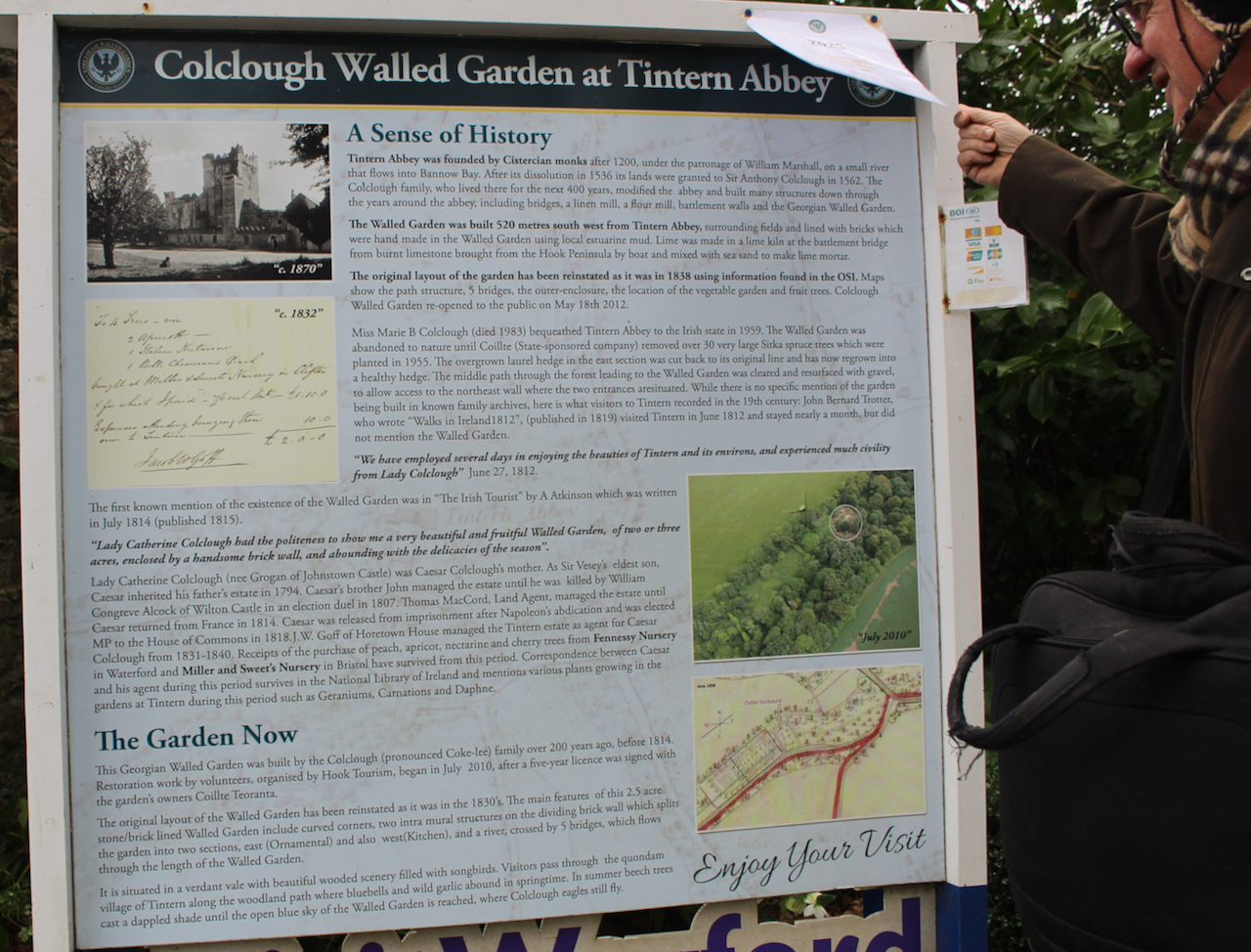
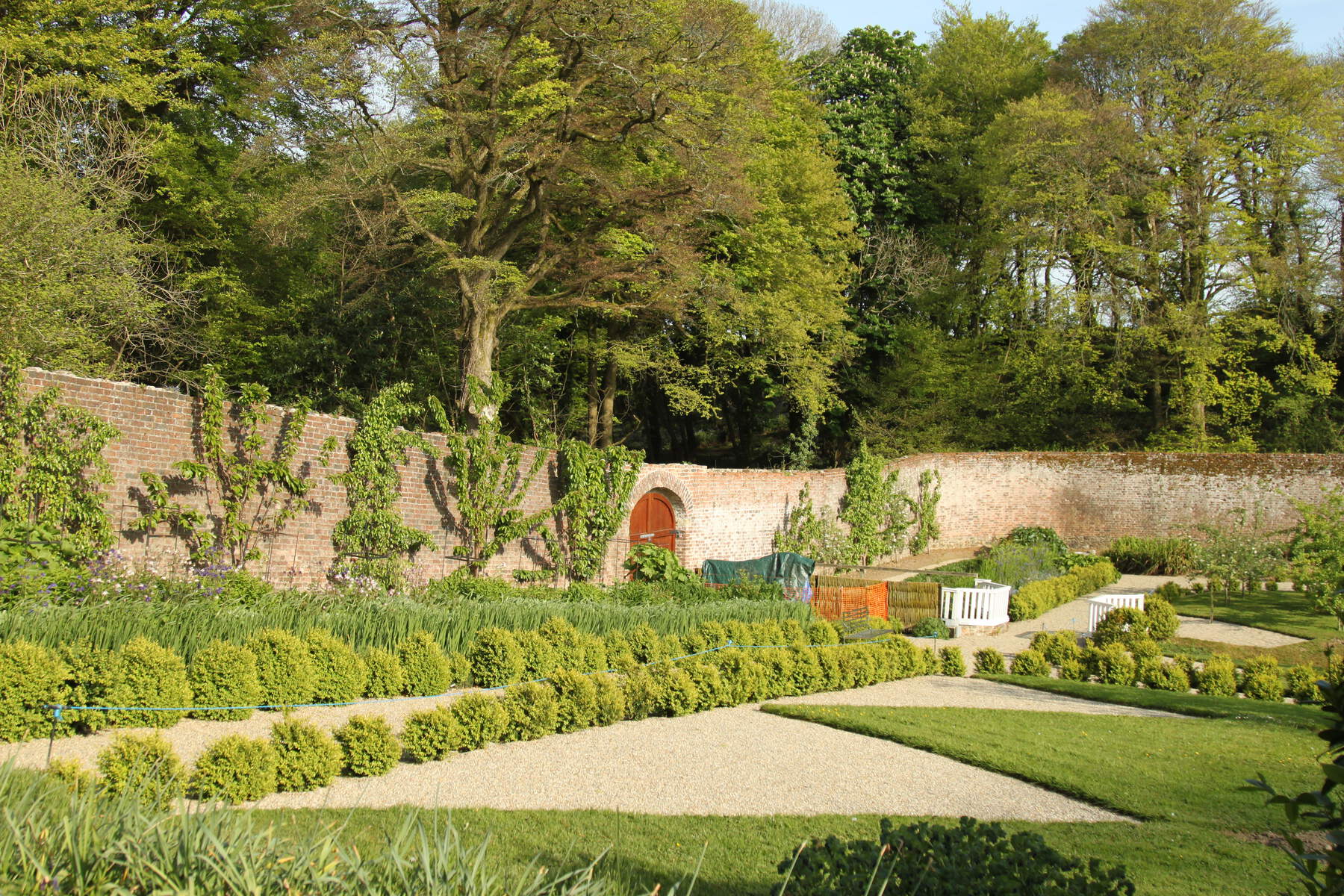

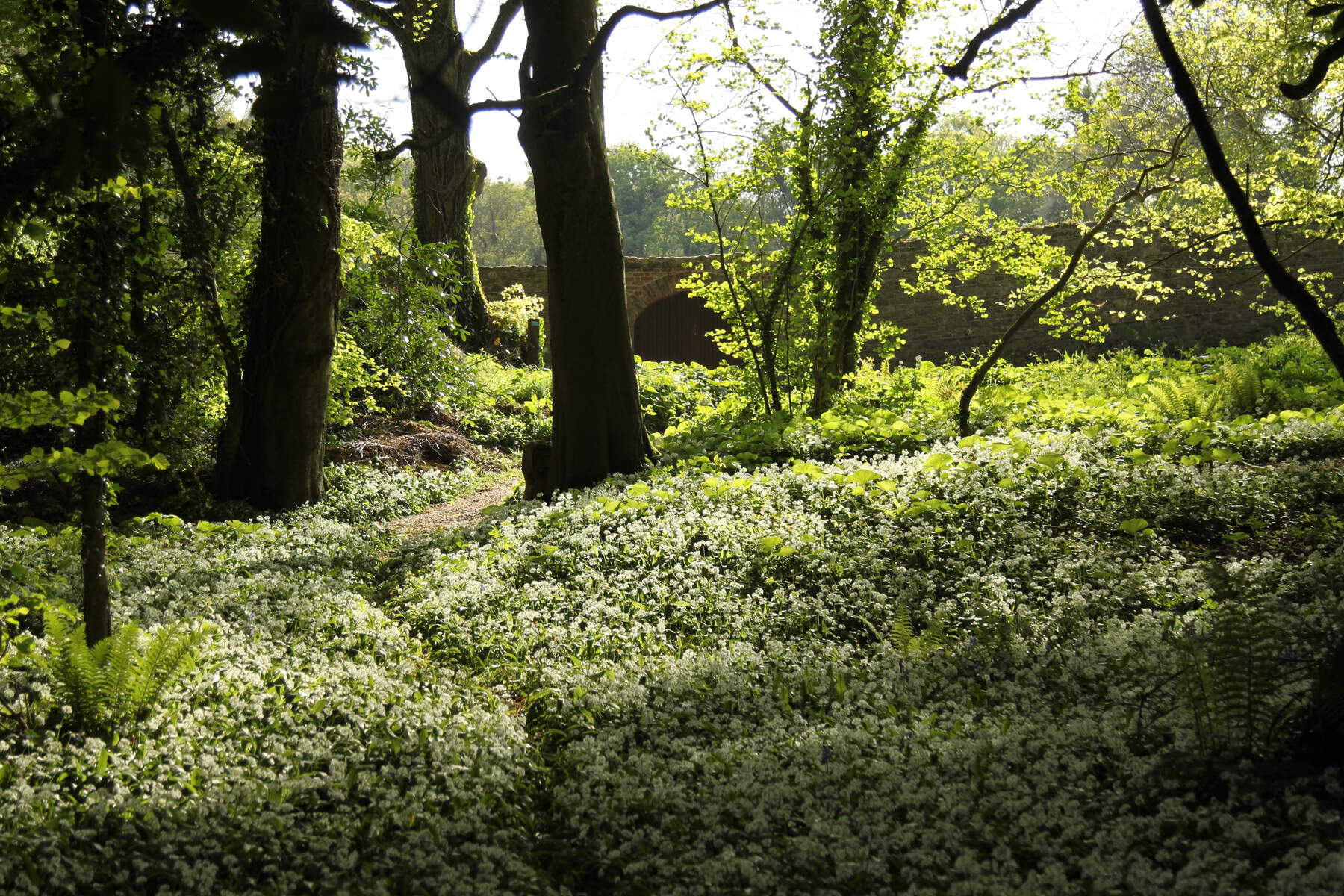
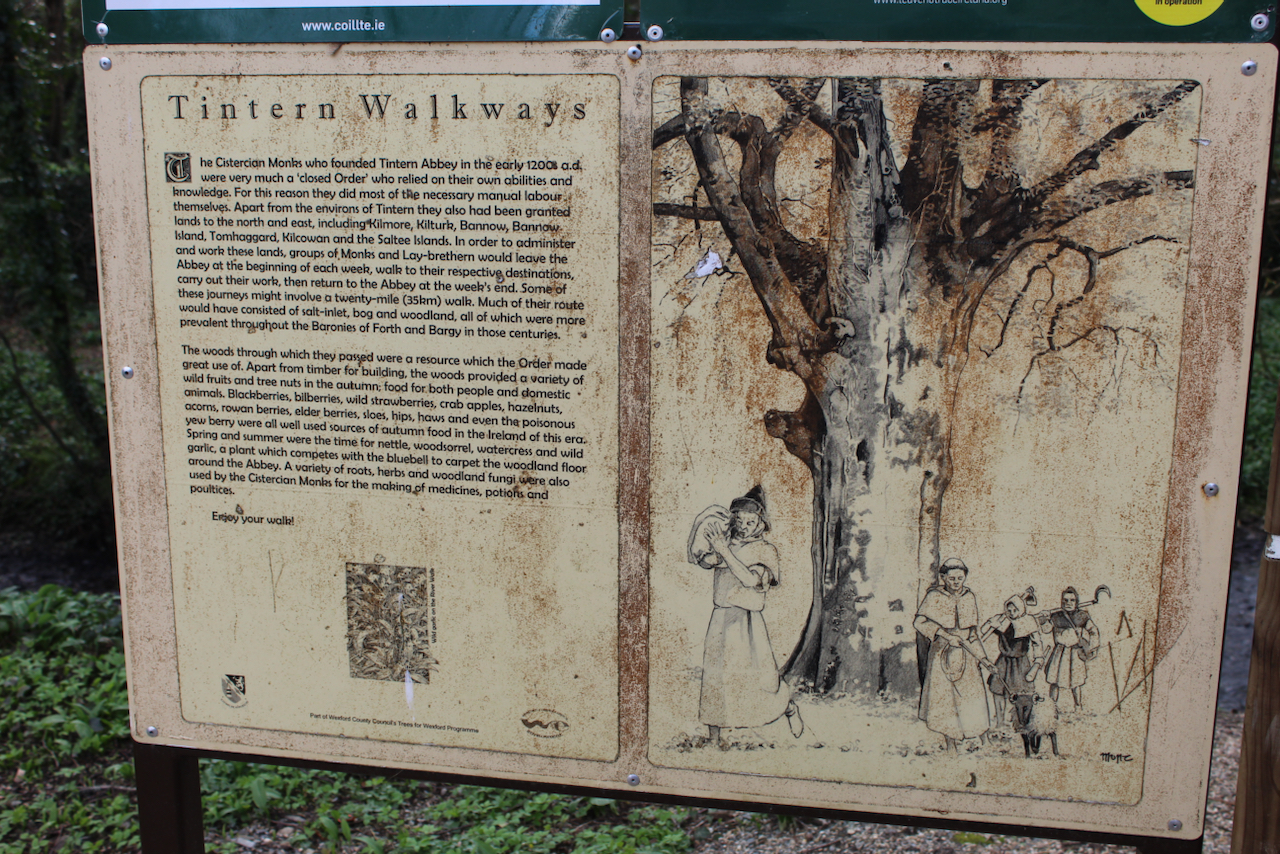
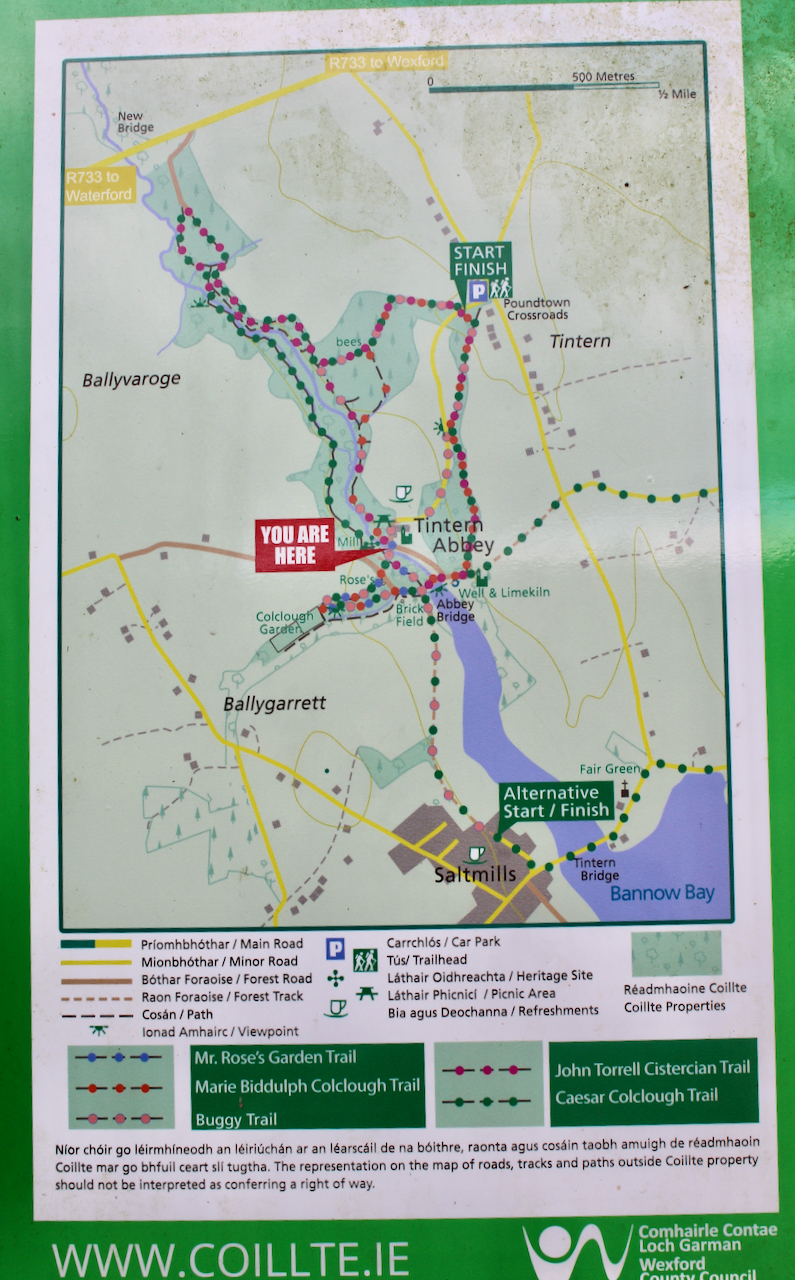
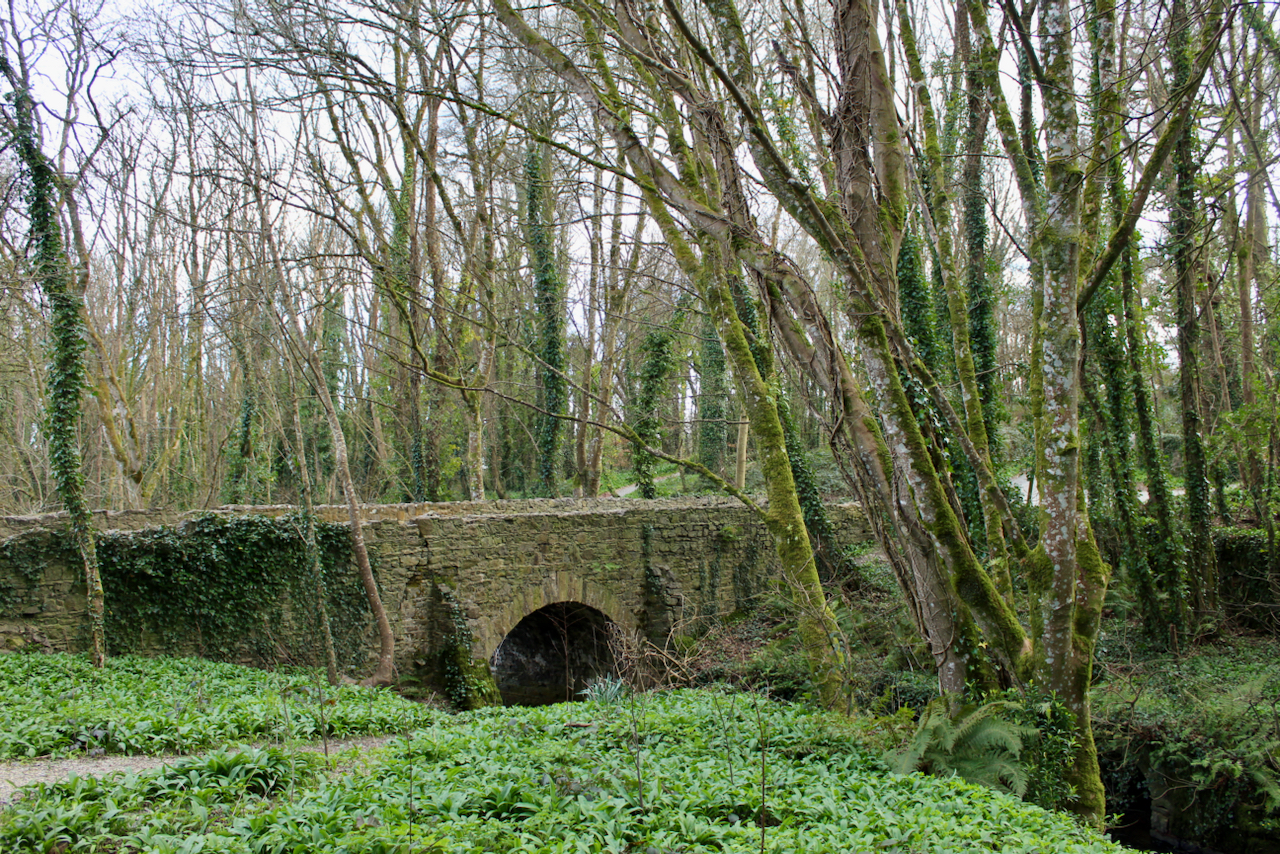
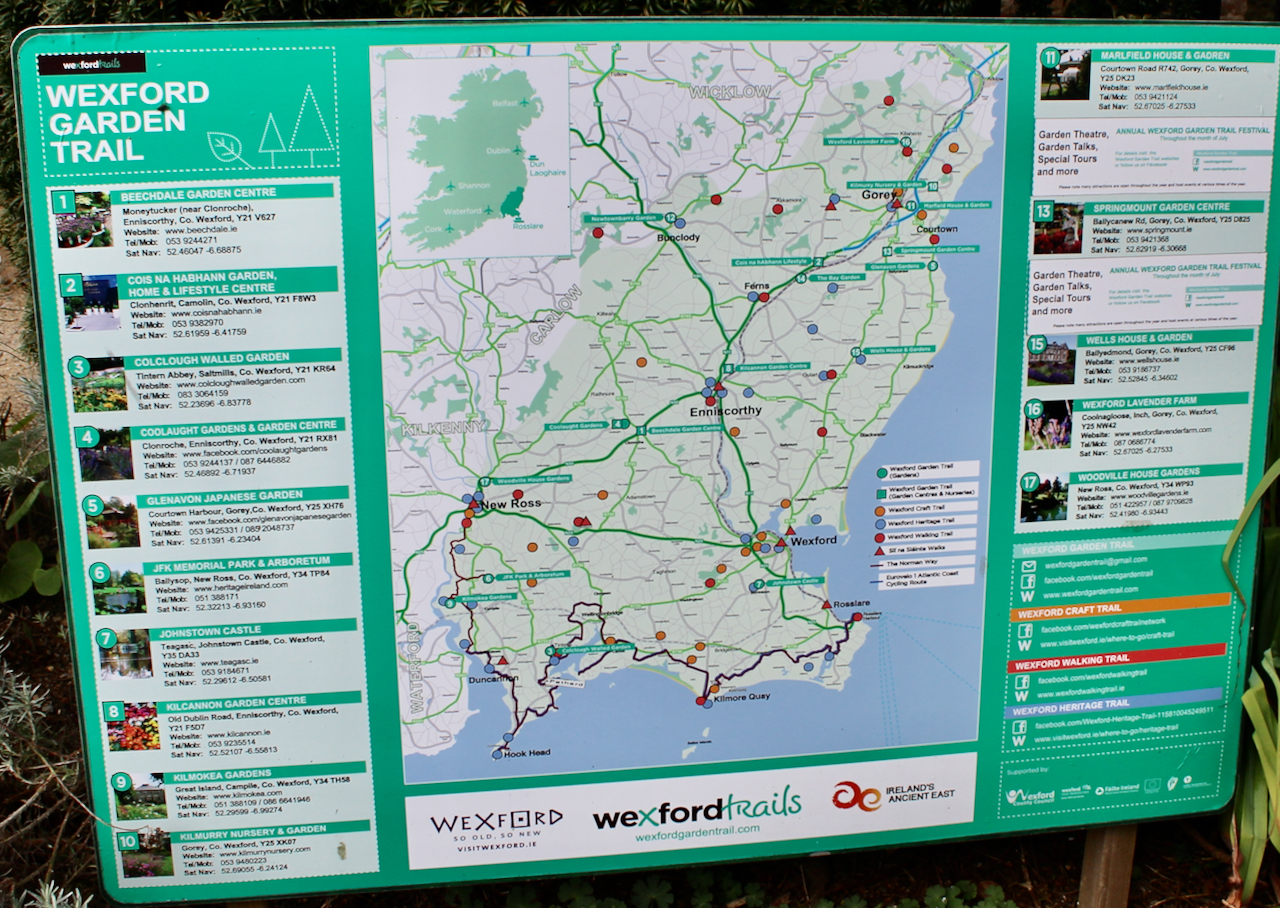
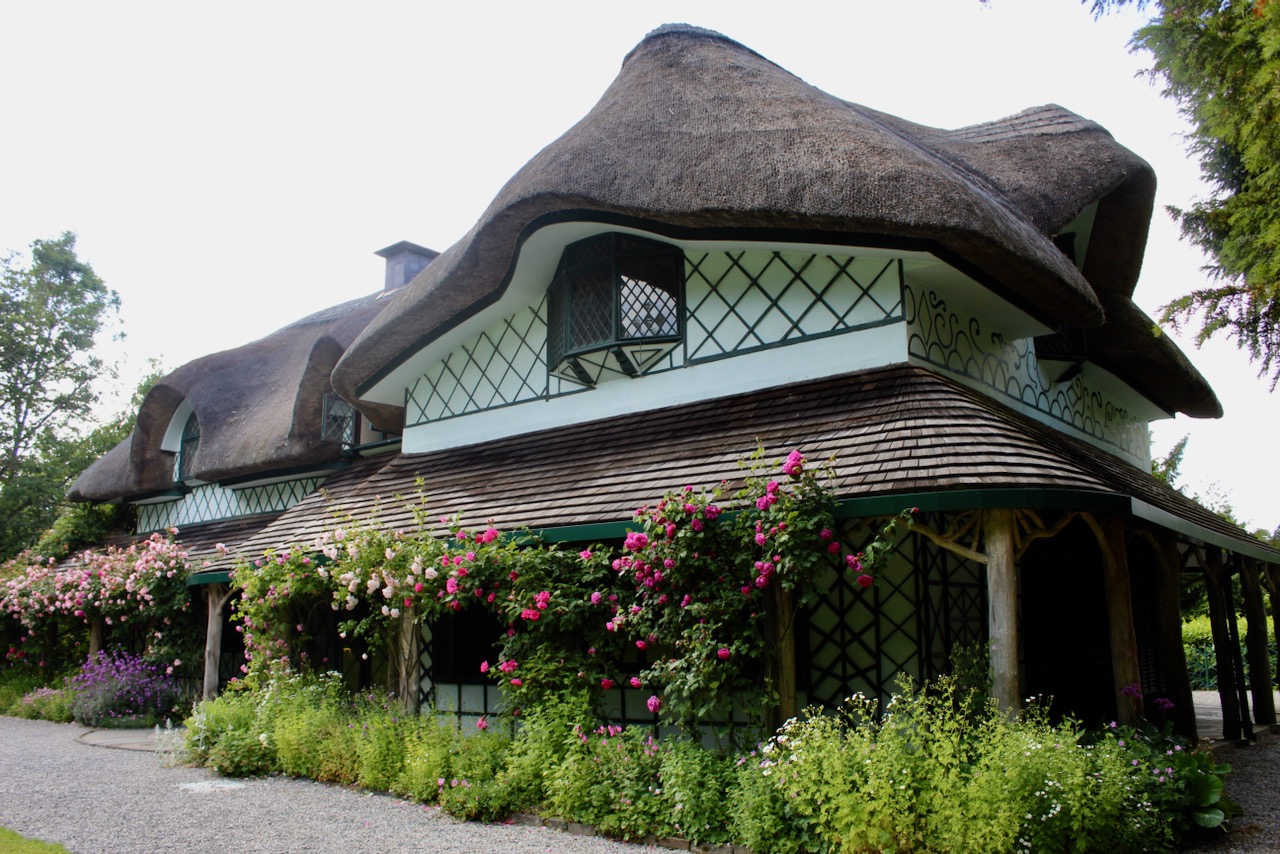
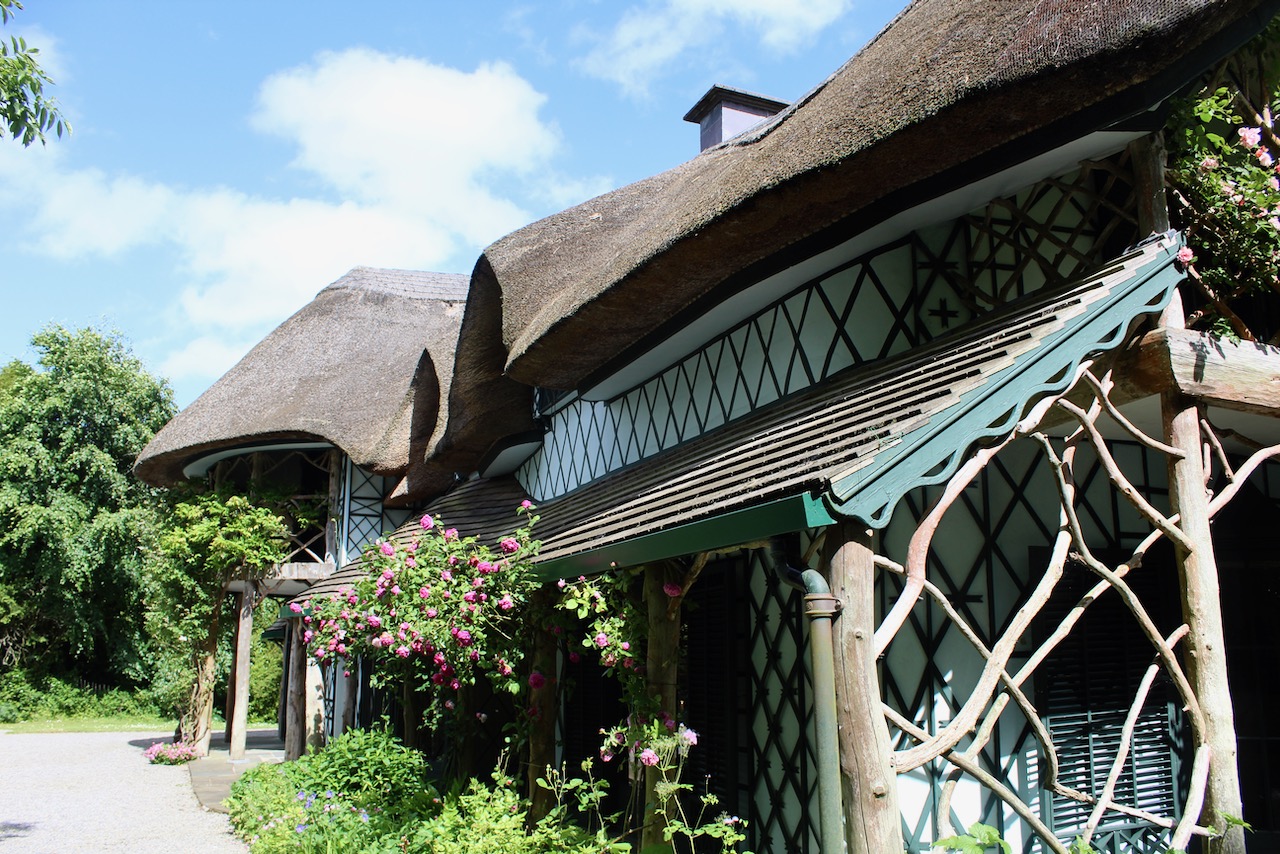

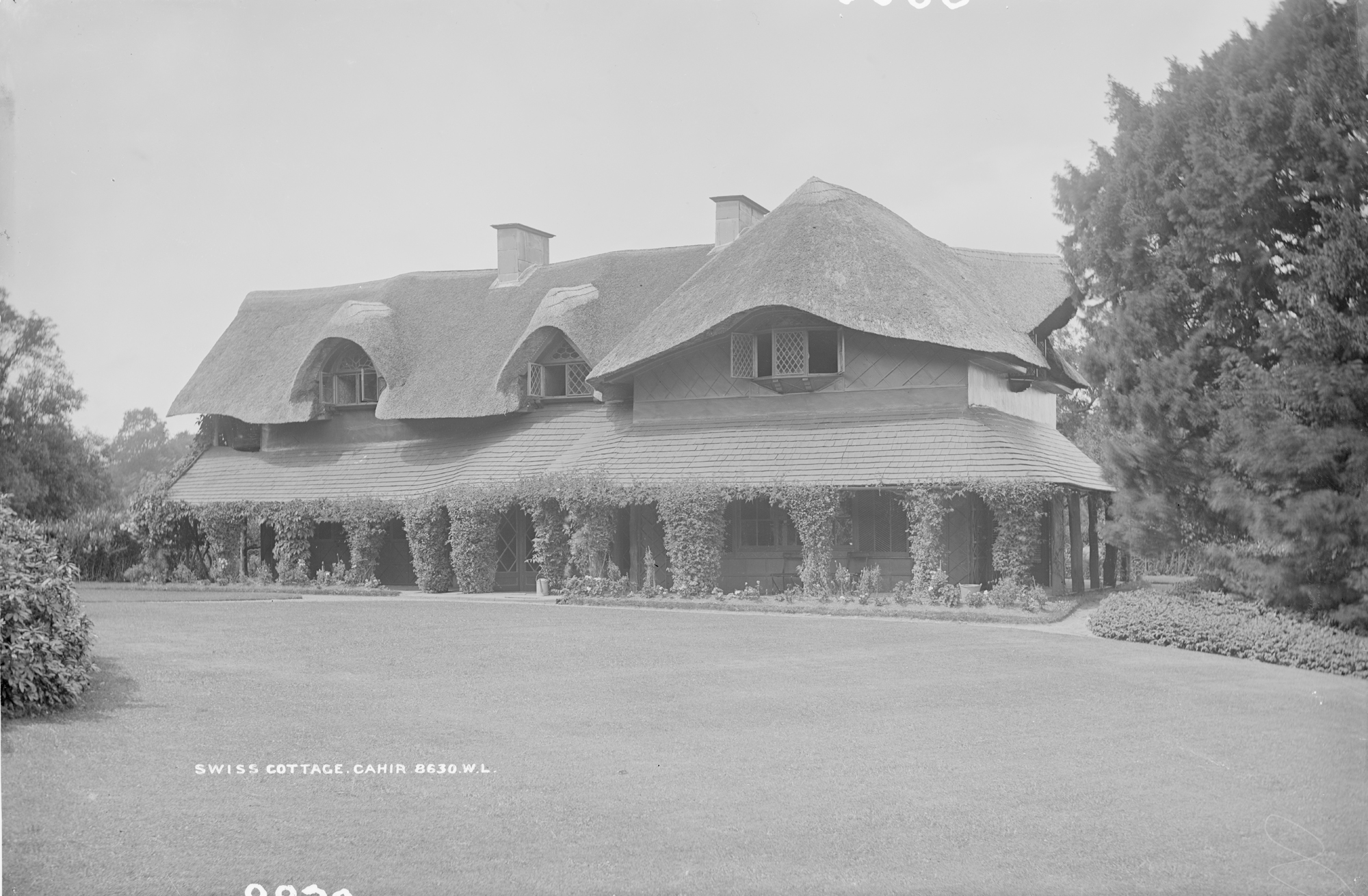

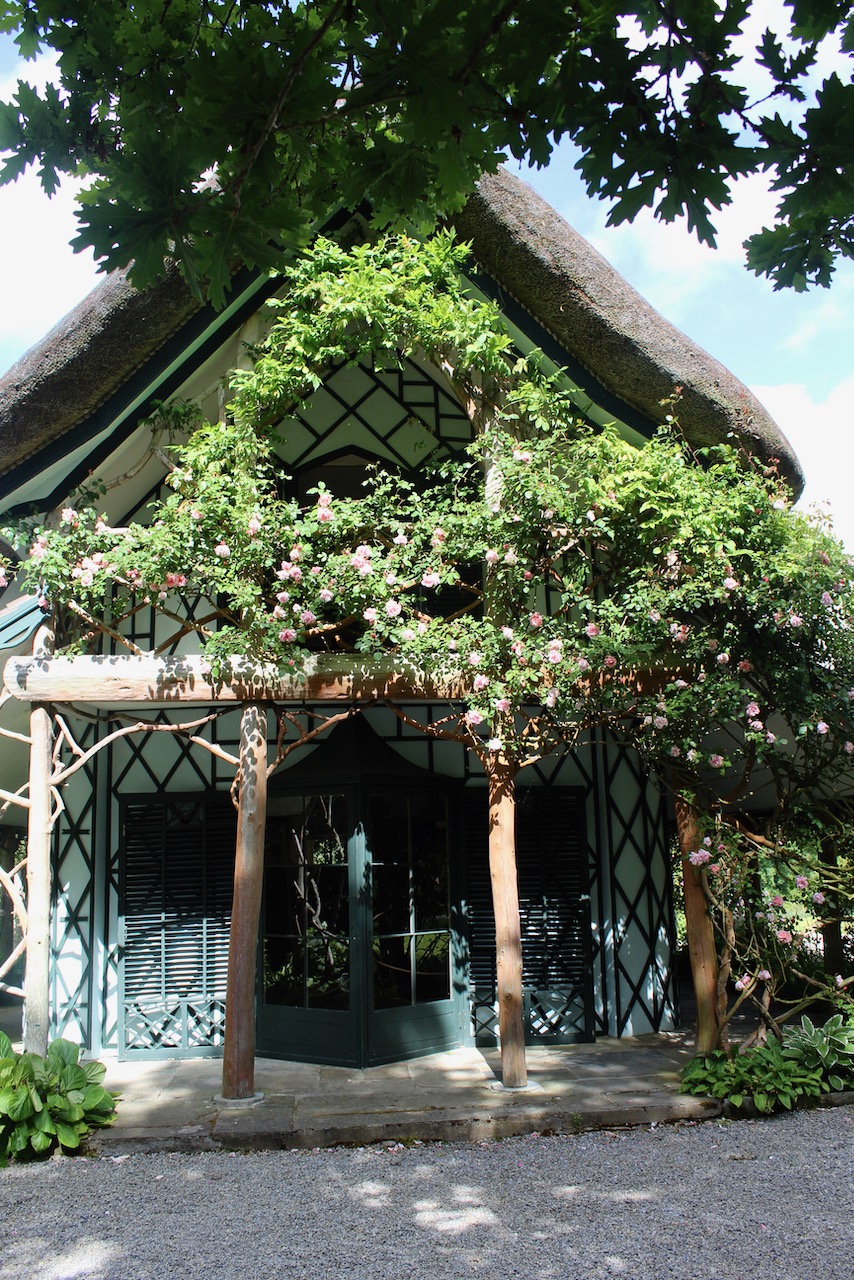
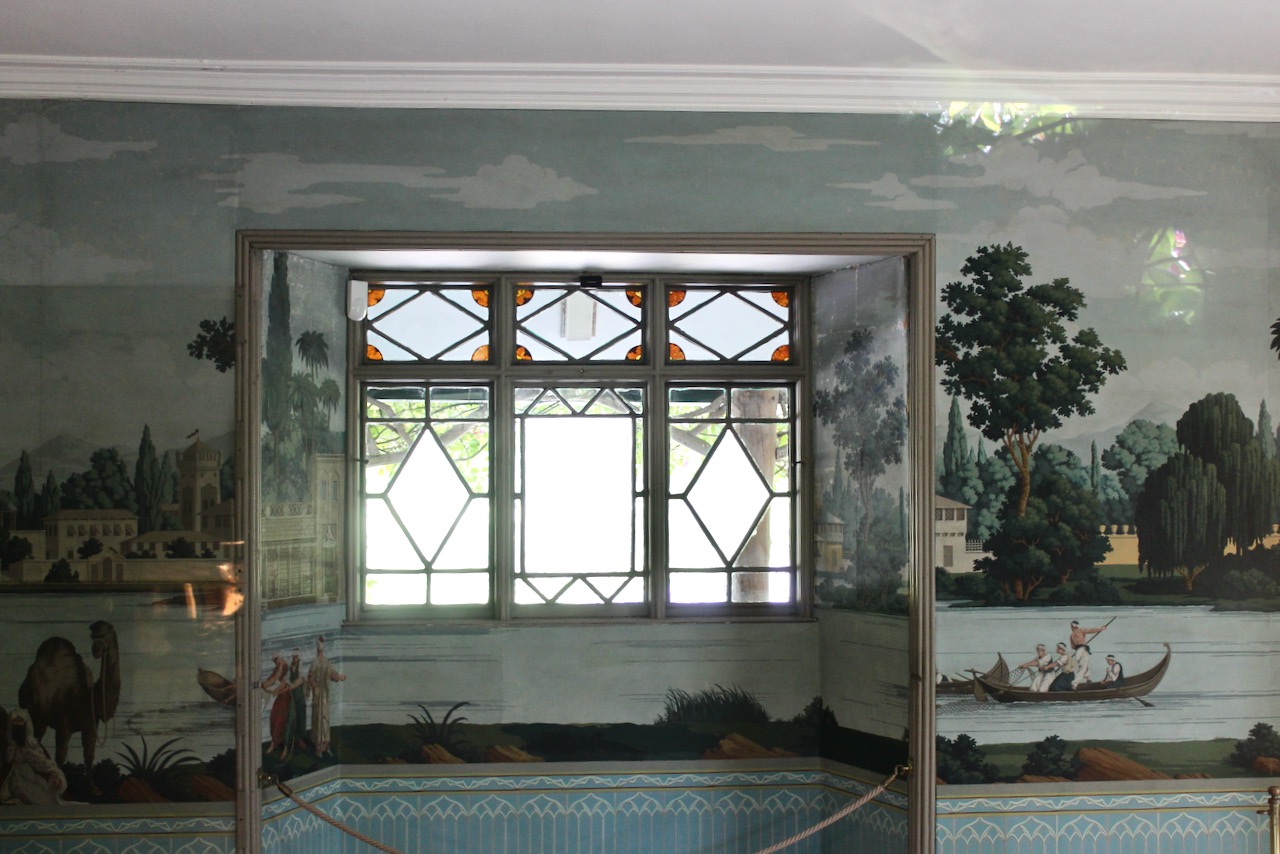
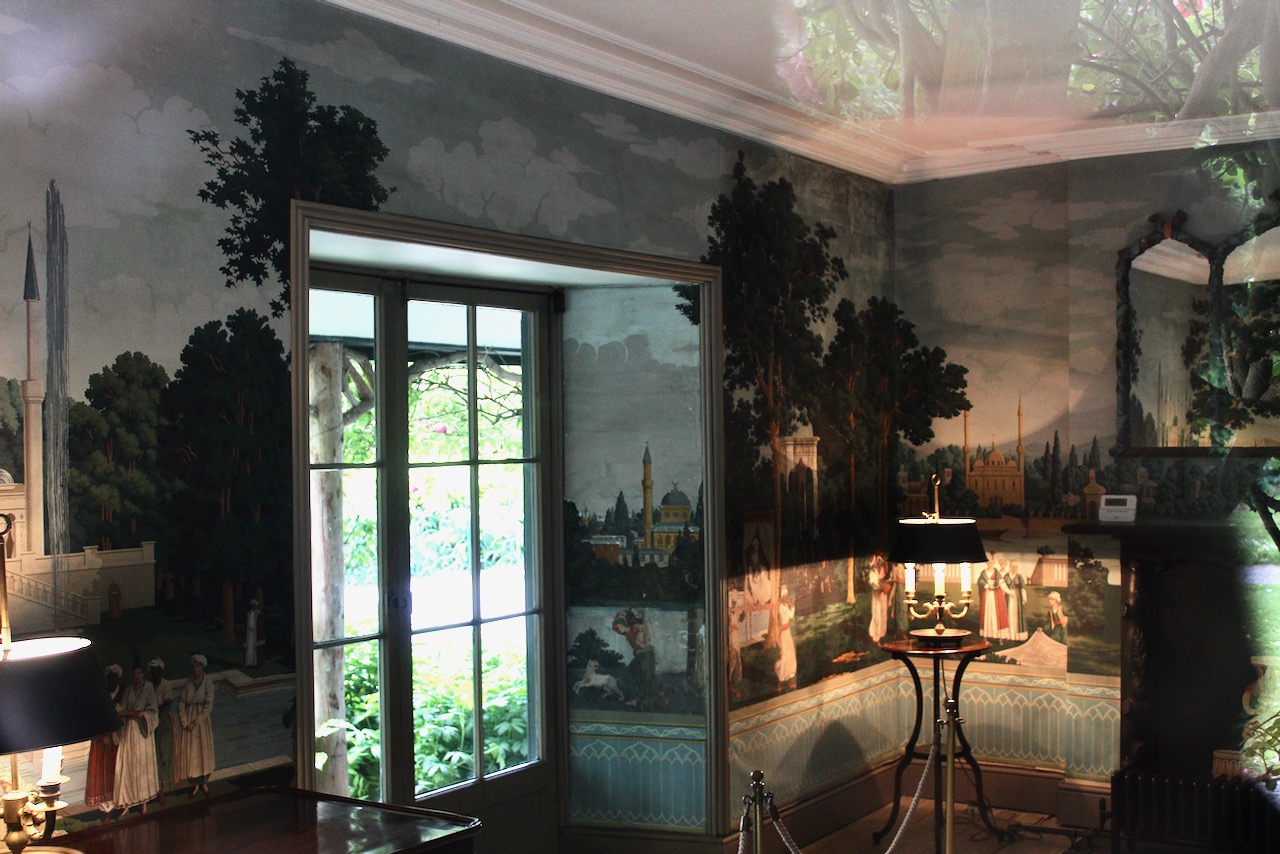

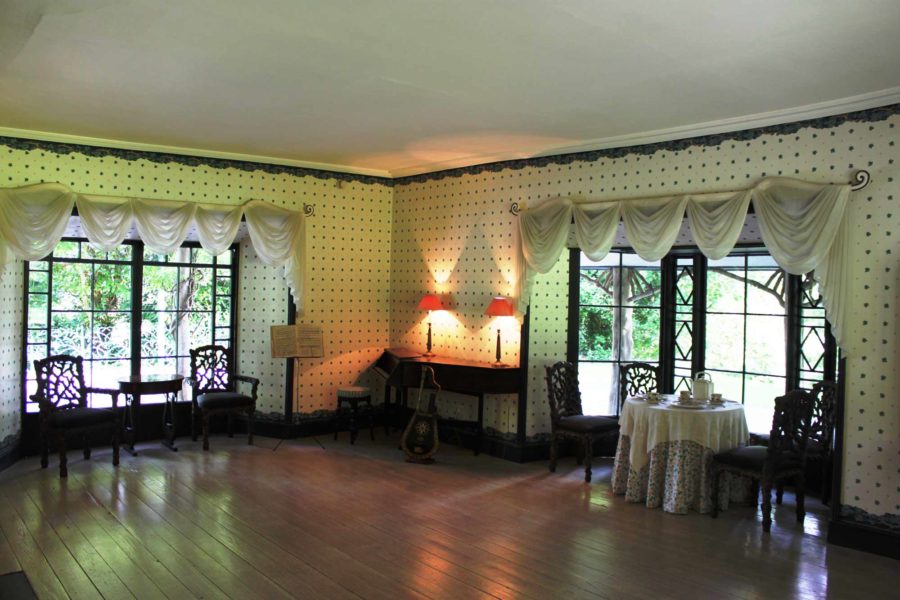
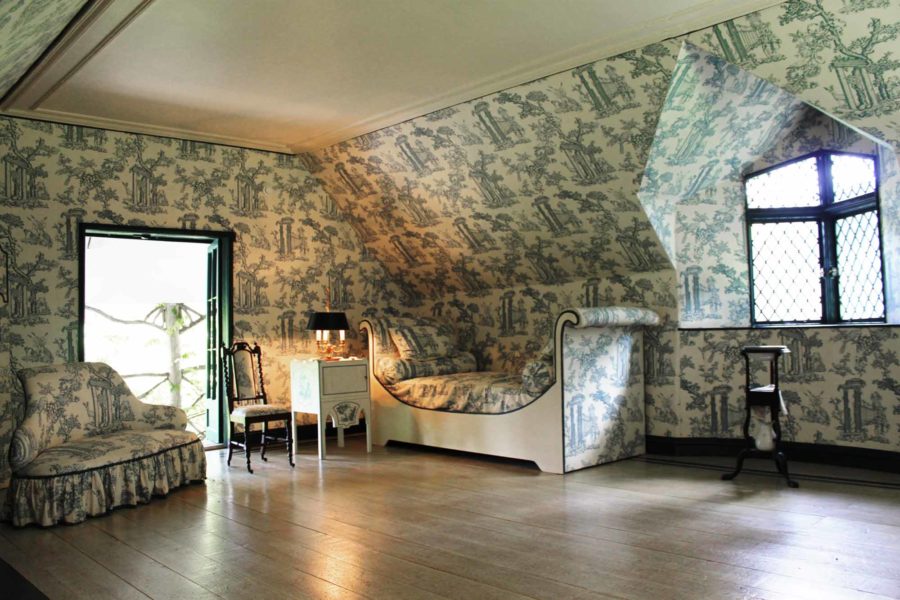
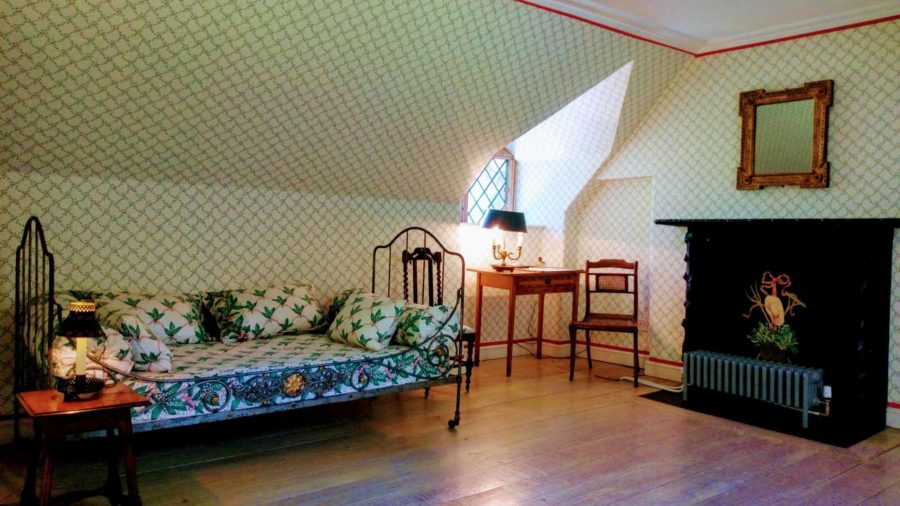
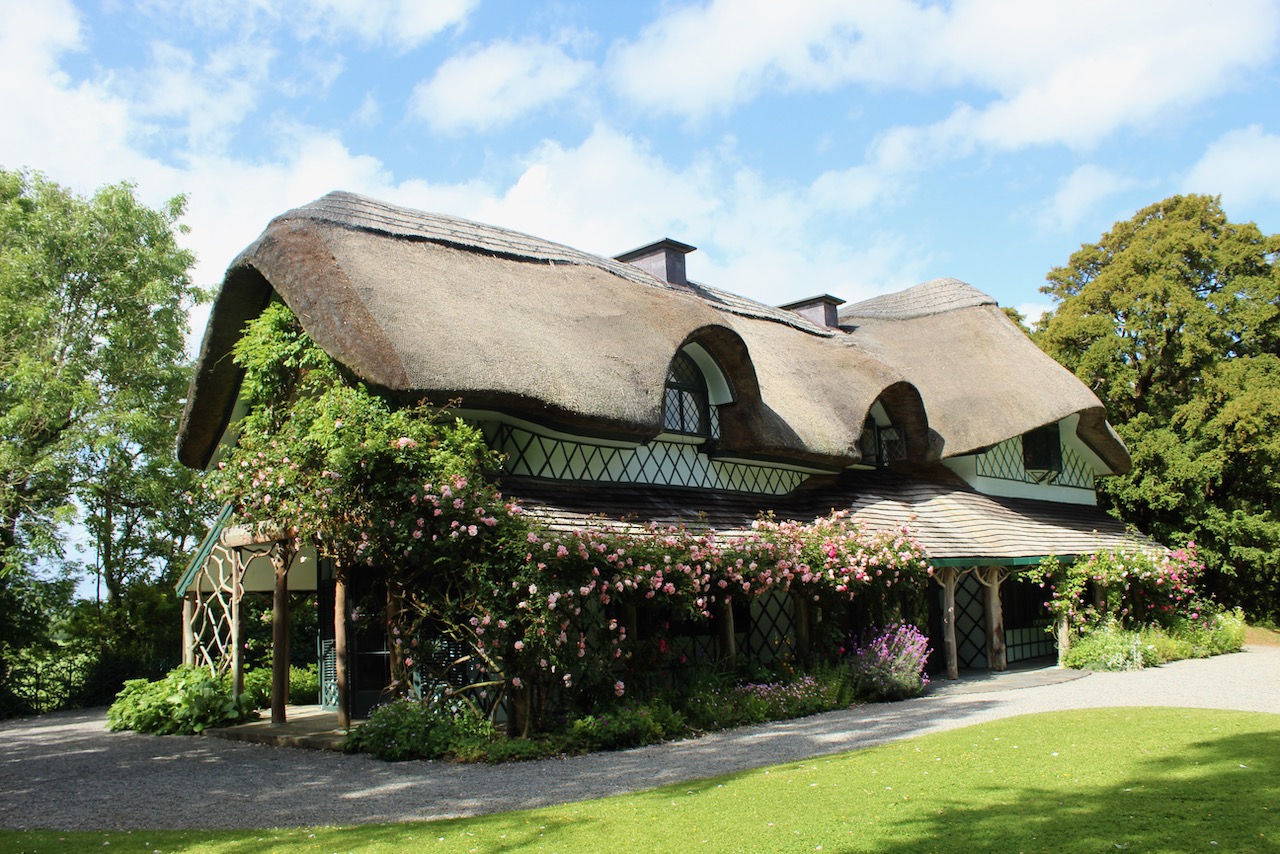



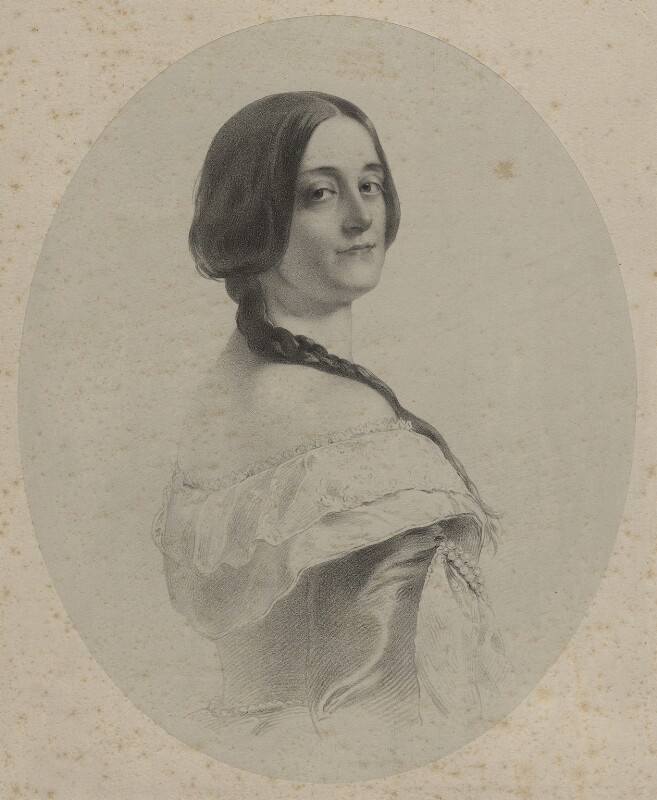
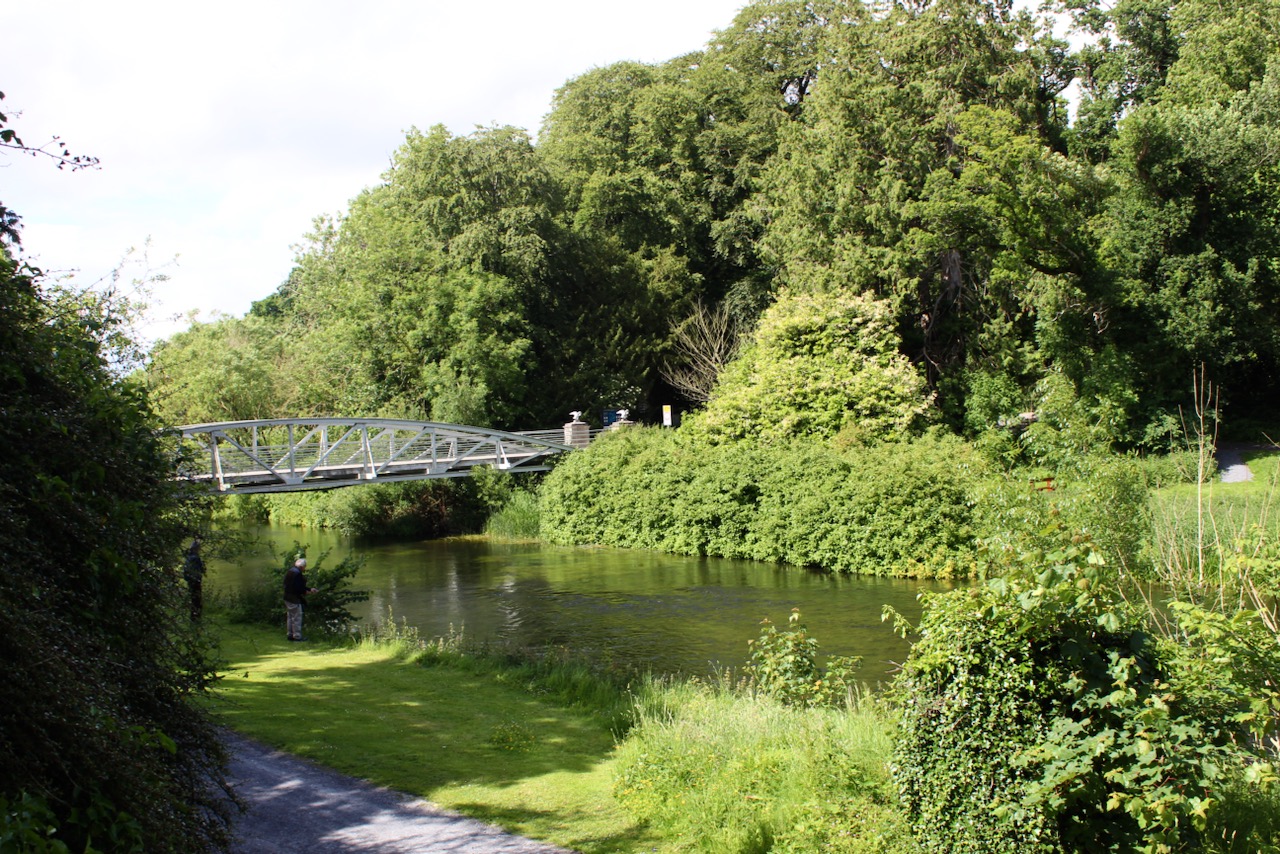
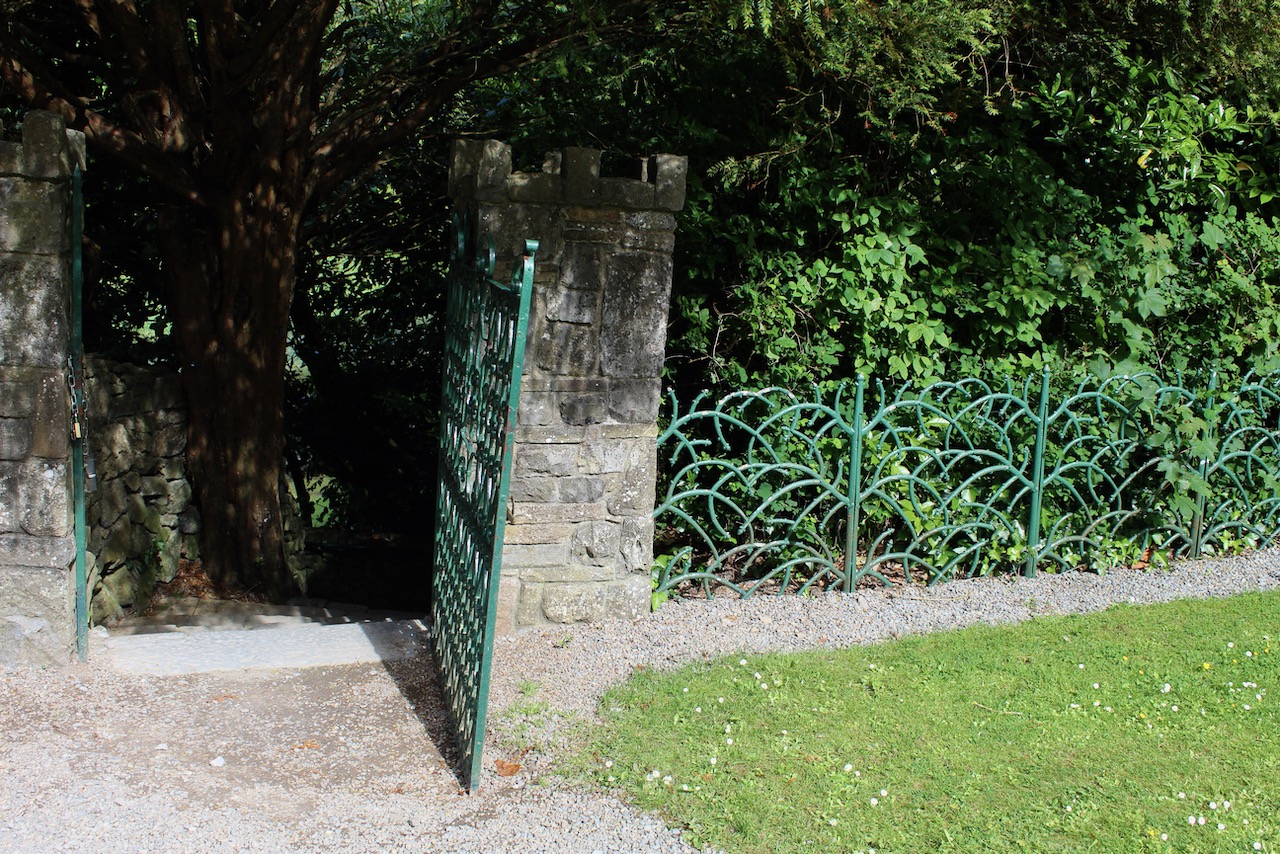
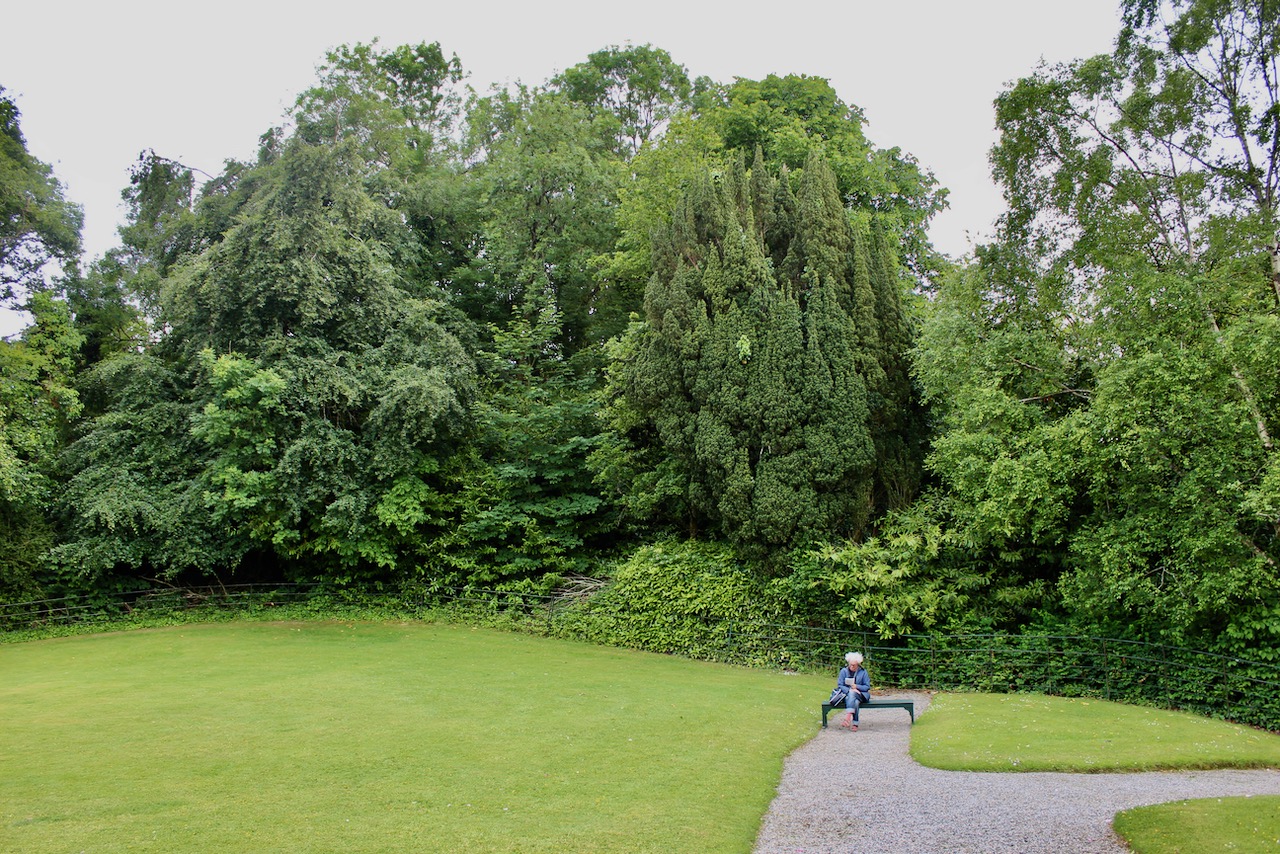

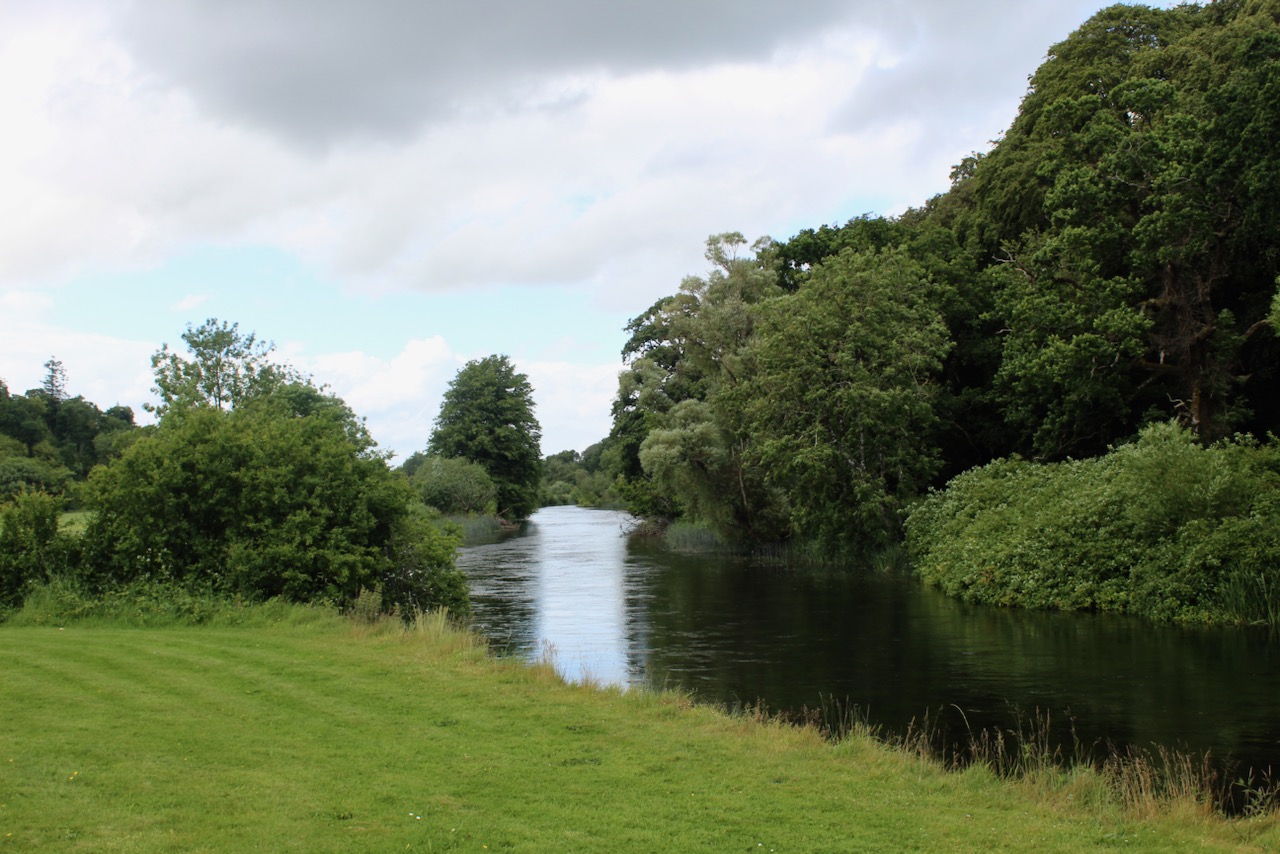


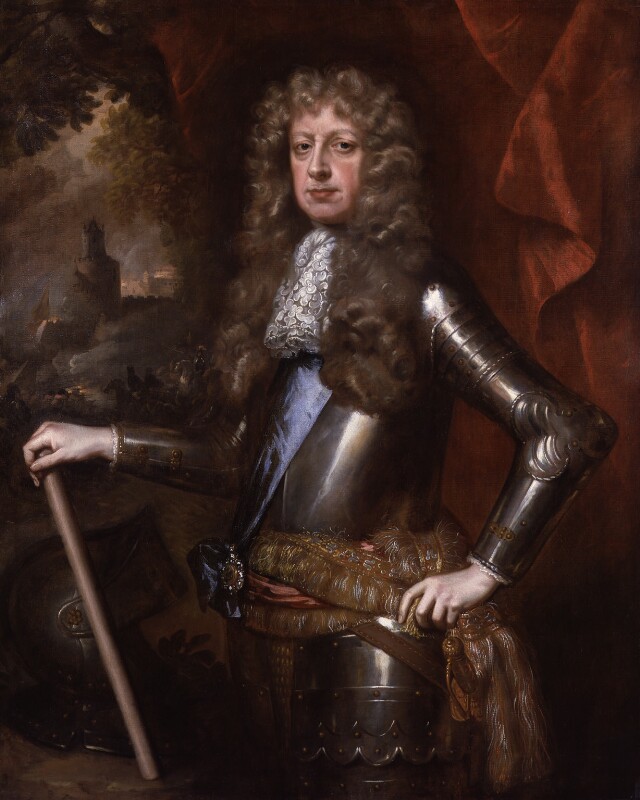


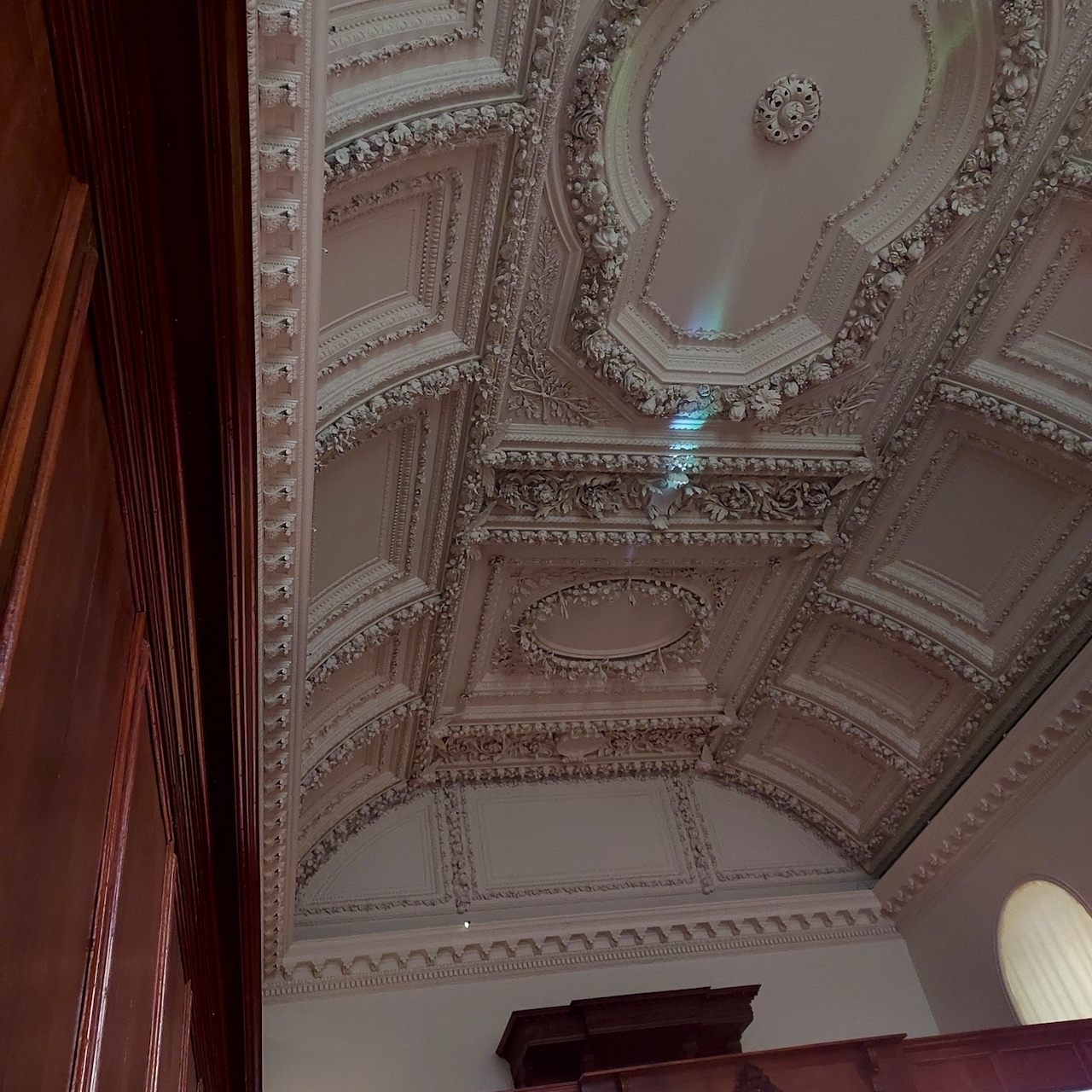


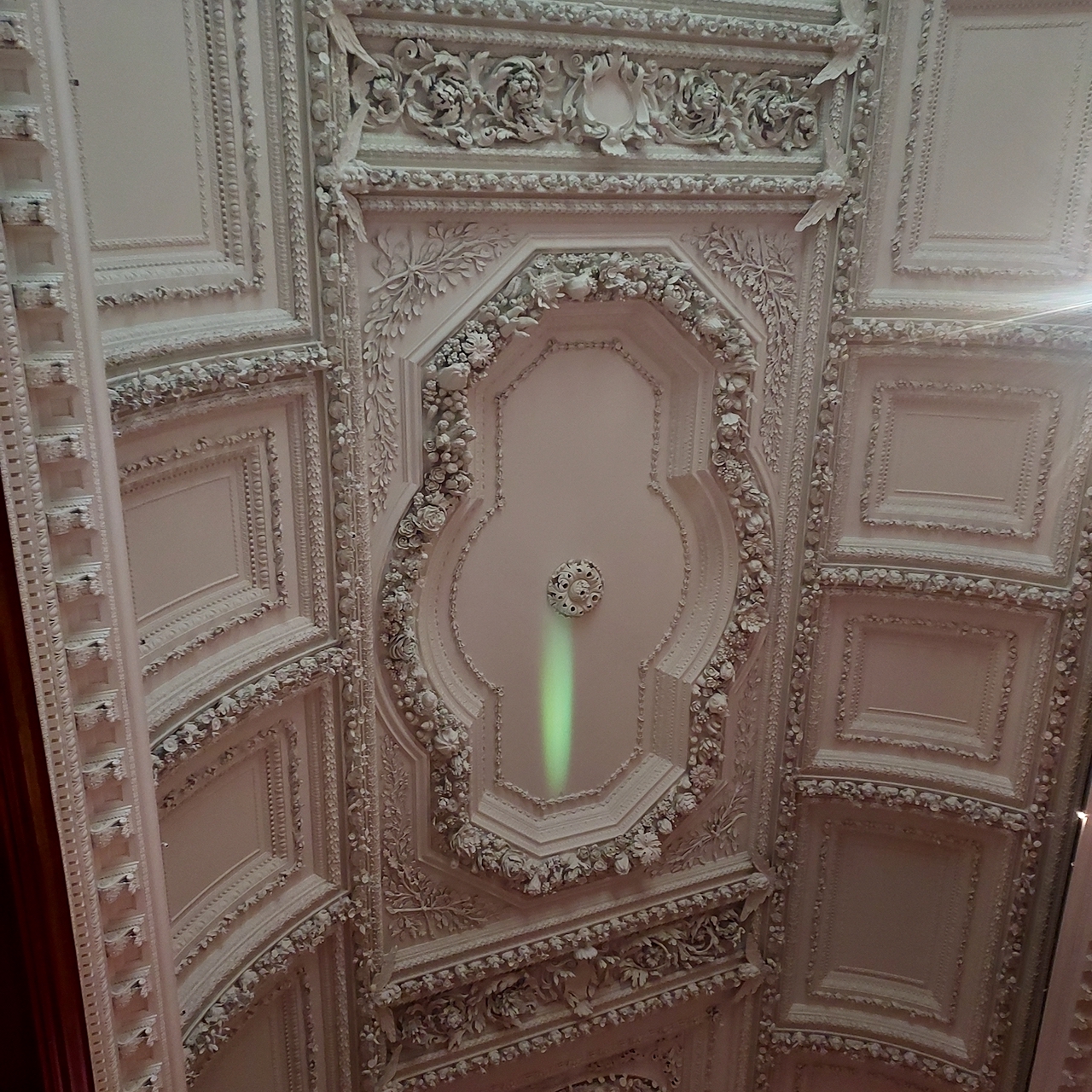
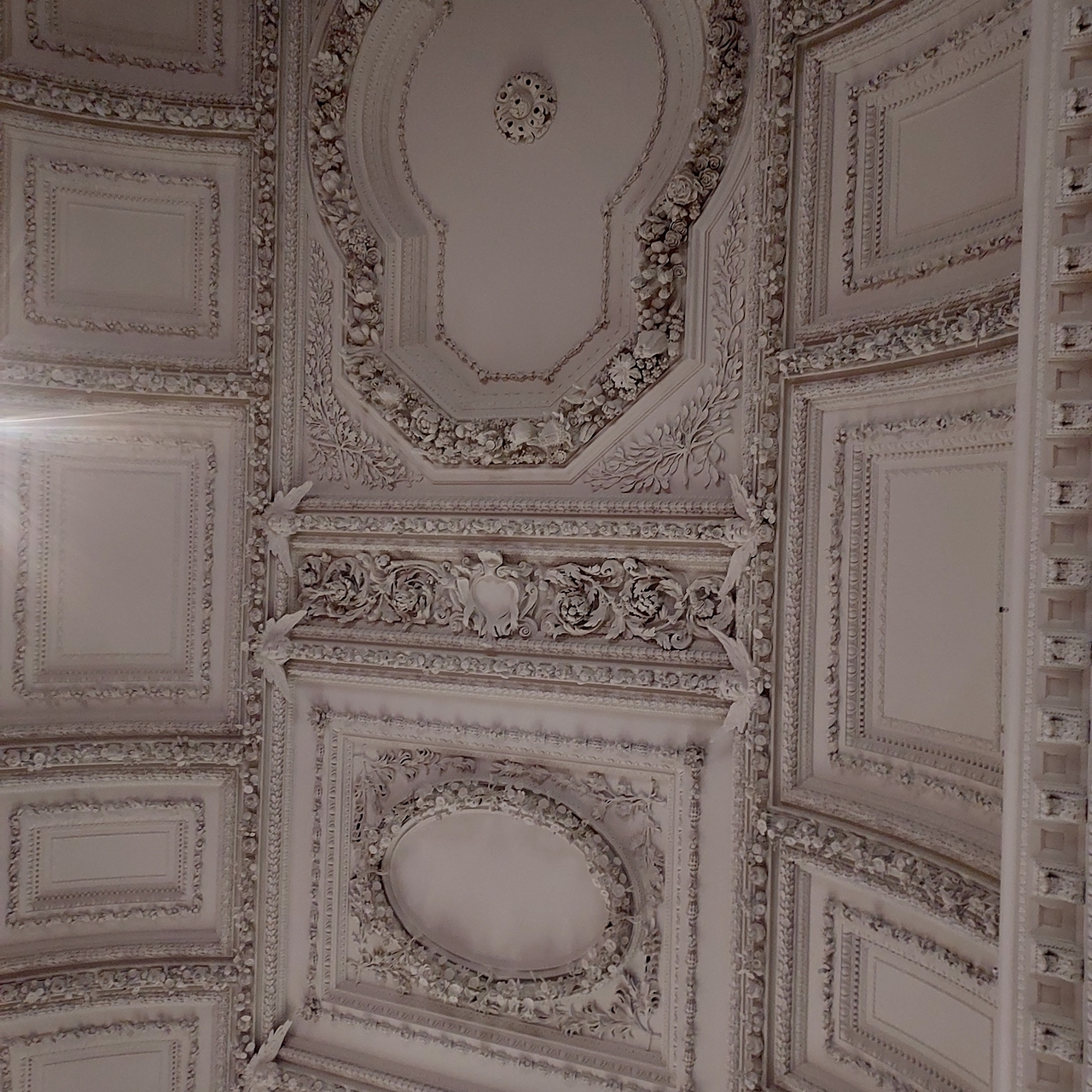

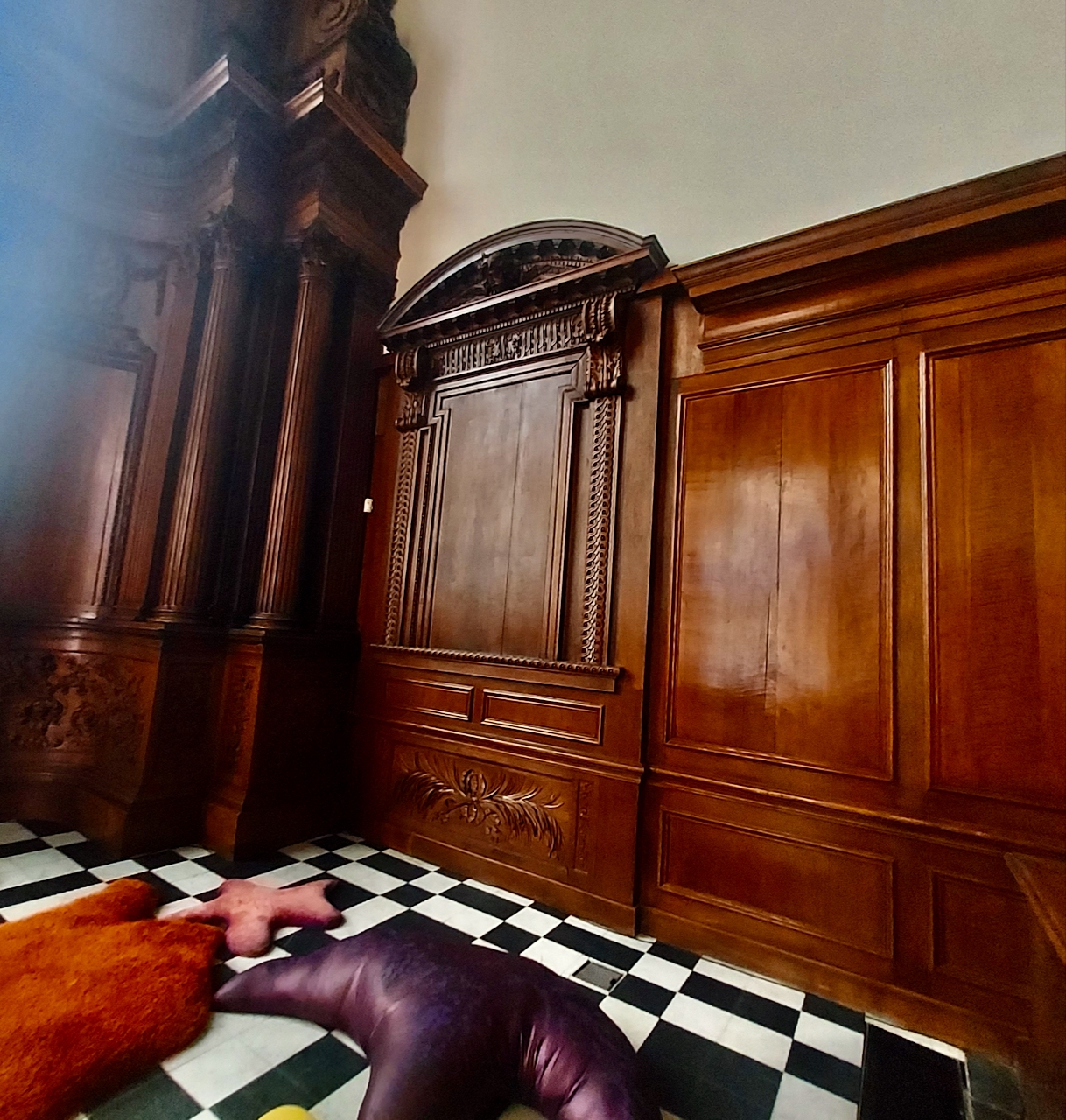

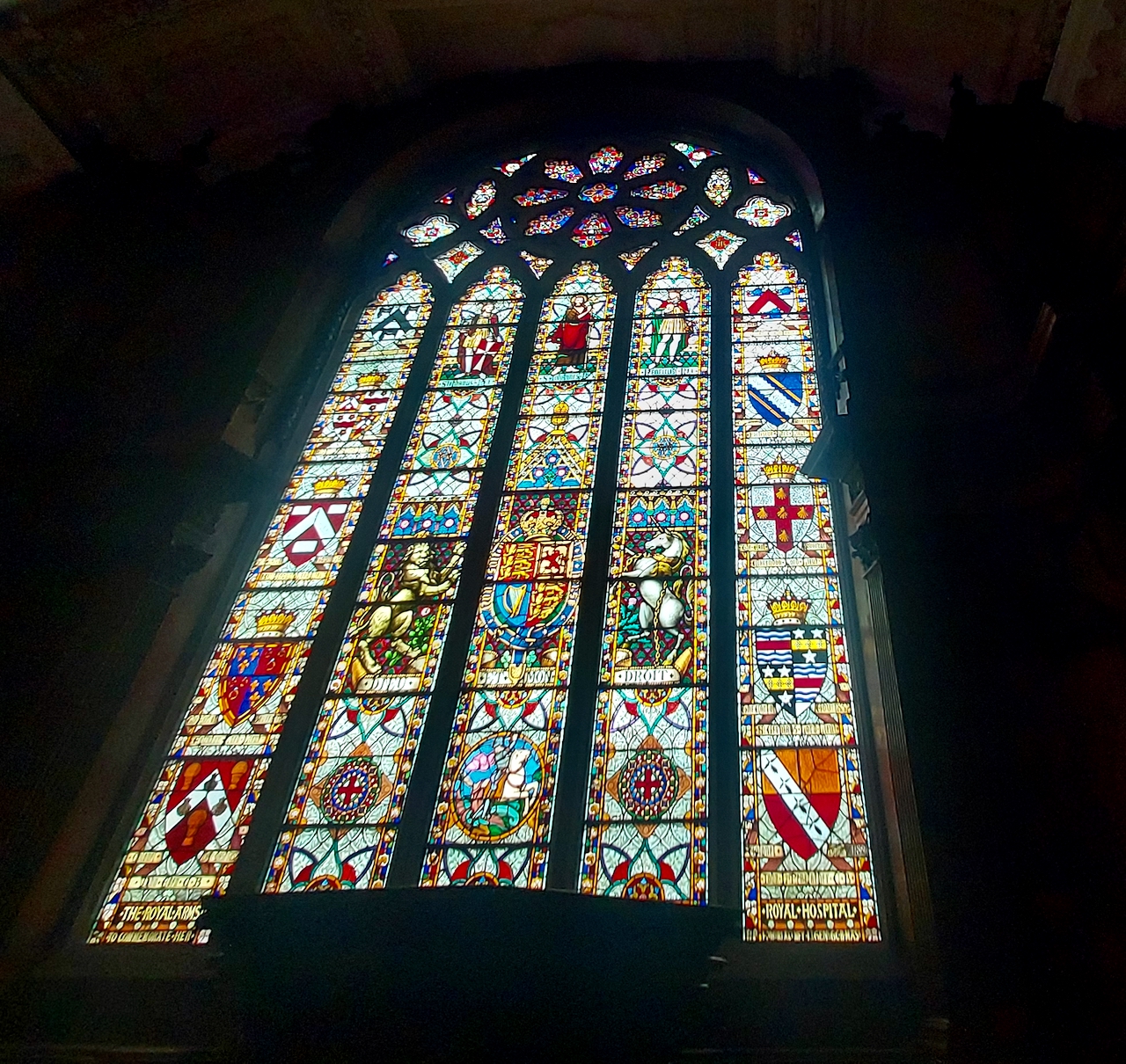
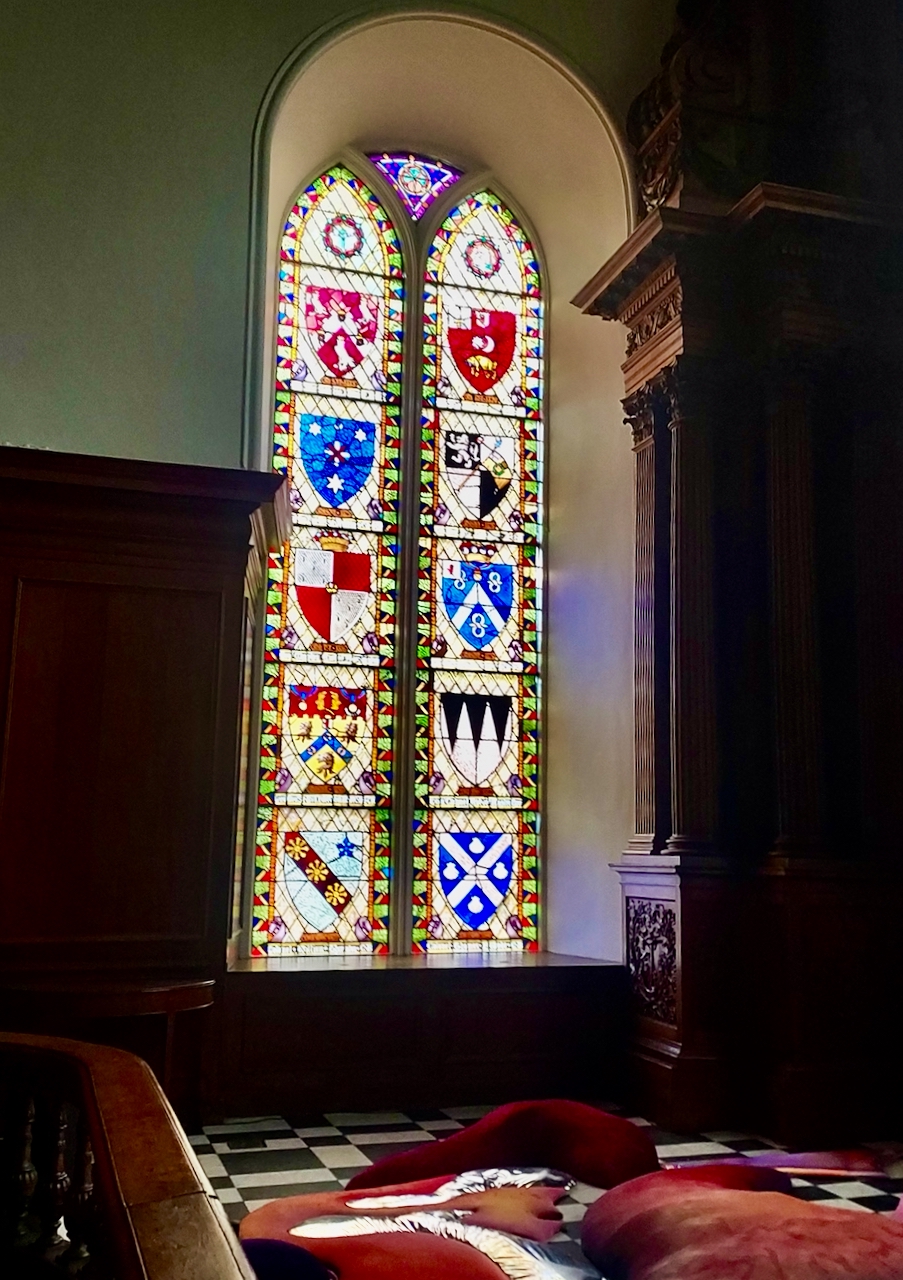
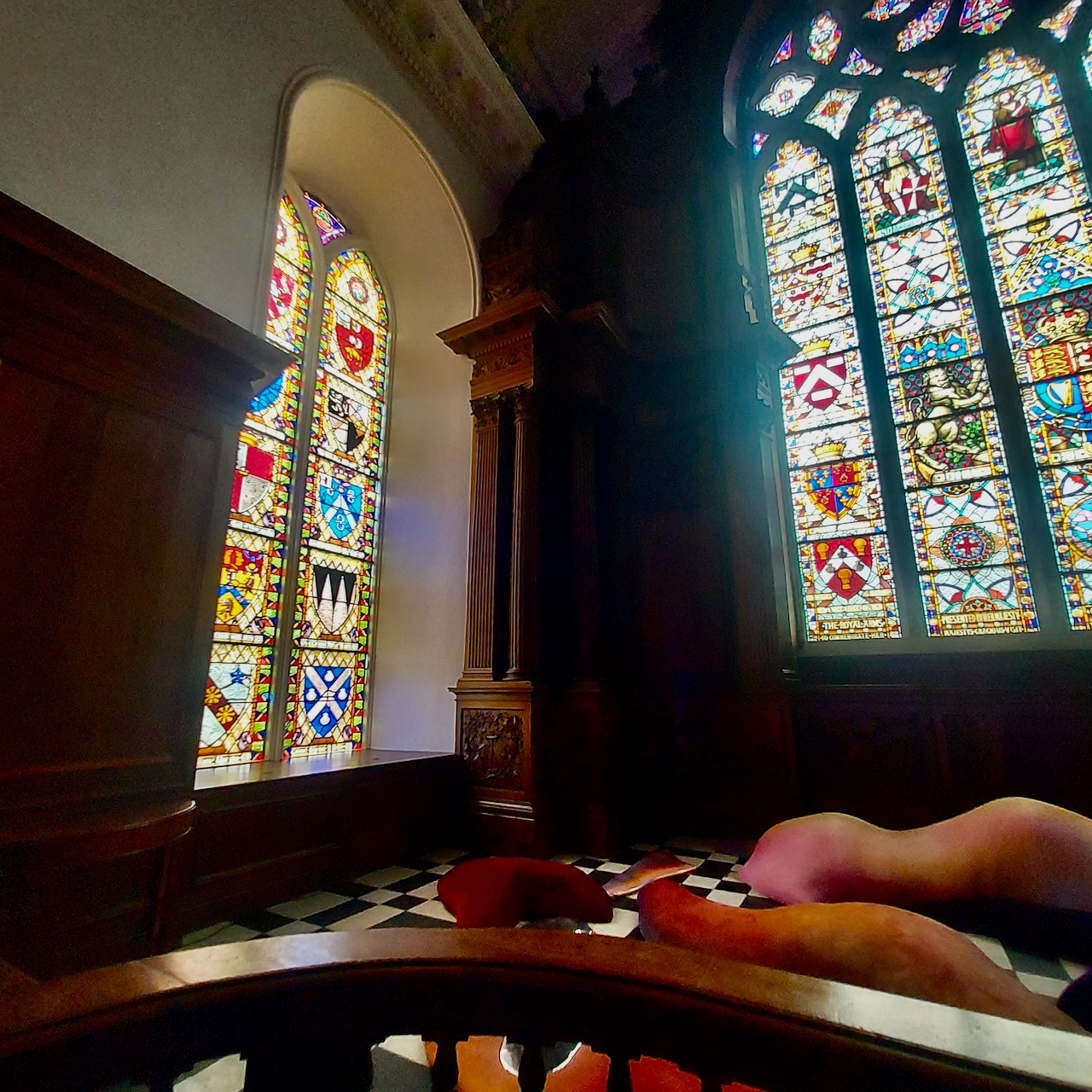


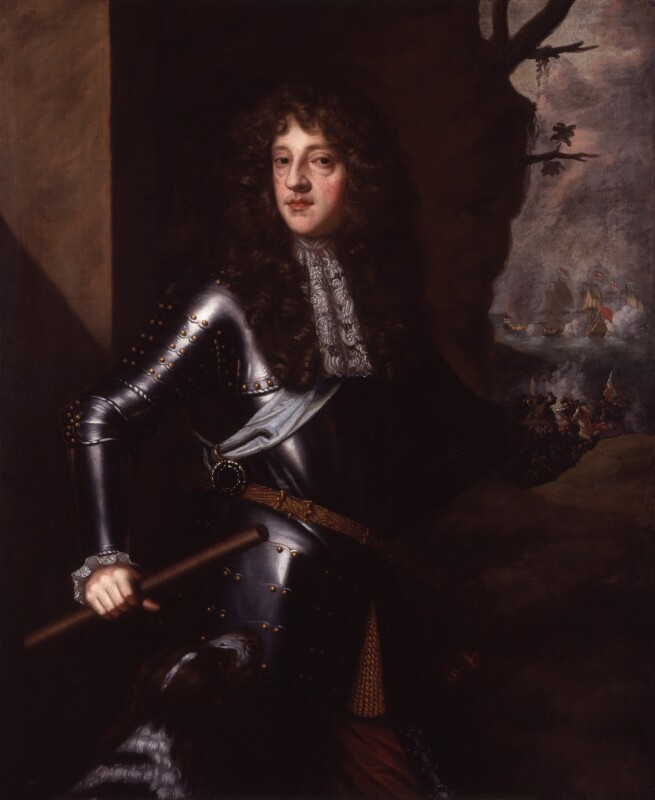


 Irish Historic Houses