General Enquiries: 01 493 9462, rathfarnhamcastle@opw.ie
Rathfarnham Castle is a wonderful property to visit and I suspect, much underappreciated! It is one of the oldest surviving residences in Ireland, and has a variety of impressive ceilings. It is also another property which was inhabited by the Jesuits at one time, as was Emo Court in County Laois. Although they no longer own either of these properties, they still run schools in the former Castle Browne in County Kildare (now Clongowes Wood College) and Belvedere House in Dublin. They certainly knew how to pick impressive properties! [1]
Rathfarnham Castle was built around 1583 for Adam Loftus (1533-1605), a clergyman originally from Yorkshire, who rose to the position of Archbishop of Dublin and Lord Chancellor of Ireland. Its position outside the city of Dublin made it vulnerable to attack, so it was built as a fortified house, with four flanker towers shaped to give maximum visibility of the surrounding landscape. The OPW website tells us:
“Loftus wanted the Castle to be a grand and impressive home which would reflect his high status in Irish society. He also needed it to be easily defended against attack from hostile Irish families such as the O’Byrnes based in the mountains to the south. The design was radically modern for the time and based on recent continental thinking about defensive architecture. The angled bastion towers located at each corner of the building were equipped with musket loops which allowed a garrison of soldiers to defend all approaches to the castle.”
Archbishop-Chancellor Adam Loftus (1533-1605). The portrait is in Trinity College Dublin, as he was the first Provost. He was also Keeper of the Great Seal of Ireland, and he is here holding the embroidered purse which held the seal.Adam Loftus (1533-1605), Lord Chancellor, 1619. Painting hangs in Malahide Castle, courtesy of National Museum of Ireland.This shows the special shape of Rathfarnham Castle’s flanker towers.
Loftus had previously lived in an archiepiscopal palace in Tallaght, and it had been sacked by the O’Byrnes and O’Tooles from the Wicklow mountains, which is why he ensured that his new house in Rathfarnham had strong defenses. The Bishop’s Palace in Raphoe, now a ruin, is similarly shaped.
Maurice Craig points out in his The Architecture of Ireland from the earliest times to 1880 that there are a group of similar buildings, built over a period of fifty years or more: Rathfarnham; Kanturk for MacDonagh MacCarthy, built before 1609; Portumna for the Earl of Clanrickarde, before 1618; Manorhamilton for Sir Frederick Hamilton, probably around 1634; Raphoe, for Bishop John Leslie (the “Fighting Bishop” – see my entry on Castle Leslie https://irishhistorichouses.com/2020/08/07/castle-leslie-glaslough-county-monaghan/) in 1636, and Burncourt for Sir Richard Everard before 1650. Manorhamilton is a section 482 ruin (see my entry https://irishhistorichouses.com/2025/02/20/manorhamilton-castle-castle-st-manorhamilton-co-leitrim/) and we visited Portumna in County Galway – see my entry https://irishhistorichouses.com/2022/02/14/office-of-public-works-properties-connacht/. The buildings resemble a fort, such as Mountjoy Fort in County Tyrone built 1600-1605. Killenure, County Tipperary, is similar but has cylindrical flankers, Craig tells us. This last was unroofed by 1793, and it is now (2025) a Section 482 property which I must visit!
Loftus attended Cambridge, where he took holy orders as a Catholic priest. Upon Queen Elizabeth’s accession to the throne in 1558, he declared himself Anglican. The Dictionary of Irish Biography tells us that a major turning point in Loftus’s life and career occurred in 1560, when he emigrated to Ireland as a chaplain to Thomas Radcliffe, 3rd Earl of Sussex, who had been granted a commission to serve as Lord Lieutenant of Ireland by Queen Elizabeth. On the recommendation of Sussex, Loftus was appointed Archbishop of Armagh, his consecration taking place on 2 March 1563. In January 1565, on account of the poverty of the archbishopric of Armagh, Queen Elizabeth granted Loftus the deanery of St Patrick’s cathedral in Dublin. In 1567 he was made Archbishop of Dublin.
It was Adam Loftus who had Reverend Dermot O’Hurley executed, whom I wrote about a couple of weeks ago in my entry about Doheny & Nesbitt.
The Dictionary of Irish Biography tells us:
He was “a strongly delineated establishment figure whose primary concerns were to serve the crown in Ireland, in whatever capacity the queen and her advisers thought fit; and to build up his own personal affinity, so that he would be in a position to execute the offices that came his way with a measure of genuine political and social authority. Thus, during the periods when the archbishop served as lord chancellor of Ireland (1581–1605), or as acting governor of the country during the periodic absences from Ireland of a serving viceroy (August 1582–June 1584, November 1597–April 1599, September 1599–February 1600), he was also careful to establish a network of connections throughout the country, particularly through the marriage of his children to leading families among the new English protestant elite. Among the families with which Loftus made these connections were the Bagenals of Co. Down, the Dukes of Castlejordan, the Hartpoles of Shrule, the Usshers of Dublin, the Colleys of Castle Carbury, the Berkeleys of Askeaton, and the Warrens of Warrenstown. The social ascent of Loftus and his family was also evident in the archbishop’s decision to proceed with the purchase of the estate of Rathfarnham, Co. Dublin (c.1589–90), on which he built a stately castle.” [2]
Adam Loftus married Jane Purdon. They had twenty children, not all of whom survived to adulthood, and those who did married very well.
Anne Loftus married, first, Henry Colley of Castle Carbury in County Kildare, and second, Edward Blayney, 1st Lord Blayney, Baron of Monaghan.
Martha Loftus (d. 1609) married Thomas Colclough (1564-1624) of Tintern Abbey in Wexford.
Isabelle Loftus (d. 1597) married William Ussher (1561-1659)
Thomas Loftus (d. 1635) married Helen Hartpole of Shrule.
Alice Loftus (d. 1608) married Henry Warren of Warrenstown, County Offaly.
Katherine Loftus married Francis Berkeley of Askeaton, County Limerick.
son Adam died unmarried in 1599.
Margaret Loftus married George Colley of Castle Carbury.
Edward Loftus (d. 1601) married Anne Duke of Castle Jordan, County Meath.
Dudley Loftus (1561-1616) married Anne Bagenal of Newry Castle, County Down, daughter of Nicholas Henry Bagenal, Marshal of Ireland.
Dorothy Loftus (d. 1633) married John Moore (d. 1633)
Adam Loftus was the first Provost of Trinity College Dublin.
The Dictionary of Irish Biography continues:
“Although by the early 1590s Loftus had largely reconciled himself to the reality that the task of converting the indigenous community to protestantism, and securing its allegiance to the state church, was beyond him, the queen and her advisers still expected him to discharge his religious duties and press ahead with reforming initiatives on behalf of the state church. To this end, and in the midst of a period of mounting political crisis that culminated in the outbreak of the Nine Years War, Loftus was the prime mover behind the foundation of TCD, which received its royal charter on 3 March 1592. The archbishop also served as the college’s first provost till June 1594.“
Adam Loftus died in the old Palace of St. Sepulchre beside St. Patrick’s Cathedral, which until recently was the Garda barracks on Kevin Street, now housed in a new building. I hope they will make something of the historic old archbishop’s palace now, which could be a great museum!
Adam’s son Dudley (1561-1616) sat in the Irish parliament for Newborough in County Wexford. He married Anne Bagenal of Newry Castle, County Down, daughter of Nicholas Henry Bagenal, Marshal of Ireland. The castle passed to their son, Adam Loftus (1590-1666), who married Jane Vaughan of Golden Grove, County Offaly.
Another son of Dudley and Anne Bagenal was Nicholas Loftus (1592-1666), the ancestor of Henry Loftus, the Earl of Ely. Nicholas’s second son Henry (1636-1716) lived in Loftus Hall in County Wexford.
Loftus Hall, County Wexford, for sale April 2025 courtesy Colliers.Formerly named Redmond Hall, it is a three-storey mansion built in 1871, incorporating parts of a previous house here, which was late 17th century or early C18. [3]
Adam Loftus (1590-1666) and Jane née Vaughan’s children also made good marriages. Their son Arthur Loftus (1616-1659) married Dorothy Boyle (1616-1668), daughter of Richard Boyle the 1st Earl of Cork. Arthur also served as MP for County Wexford, as well as Provost Marshall of Ulster.
The castle came under seige in 1641 and in 1642 the house was occupied by Cromwell’s Parliamentary troops. [4] In 1649 it was stormed and taken by Royalist troops under the Marquess of Ormond and all occupants were taken as prisoners. Ormond writes that nobody was killed. [5] Rathfarnham Castle was restored to Adam Loftus (1590-1666) when Charles II was crowned king.
Adam’s son Arthur predeceased him, so the castle passed to Arthur’s wife Dorothy née Boyle. In 1665 she obtained six firelock muskets from the Master of Ordinance to protect the castle.
Arthur Loftus and Dorothy née Boyle had a son Adam Loftus (1632-1691). Adam Loftus was Ranger of the Phoenix Park in Dublin and from 1685, a member of the Irish Privy Council. King James II created him Baron of Rathfarnham and Viscount Lisburne in the Peerage of Ireland. Adam married Lucy Brydges, daughter of George Brydges, 6th Baron Chandos of Sudeley, England.
Lucy Loftus née Brydges (1654-1681), by Peter Lely.She was a renowned Restoration beauty and the first wife of Viscount Adam Loftus. He died at the Siege of Limerick in 1691 and the cannon ball which reputedly killed him hangs in St Patrick’s Cathedral. Lucy is dressed in pseudo-antique clothing against an Arcadian landscape. The parrot in the background is an ambiguous symbol and can refer to a number of characteristics including eloquence, marital obedience or exoticism. Peter Lely was of Dutch origin but spent most of his career in England and became the most influential portrait painter at court following the death of Anthony van Dyck. He successfully navigated the turbulence of the 17th century to paint at the court of Charles I, the Cromwellian Commonwealth and Charles II following the Restoration. Lely was prolific, often only painting the sitter’s head while students and assistants at his studio completed the portraits.
After his wife Lucy died, Adam Loftus married Dorothy, the daughter of Patrick Allen or Alen, of St. Wolstan’s of Celbridge in County Kildare. Adam was a gallant at the court of King Charles II.
Despite earning his peerage from King James II, Adam Viscount Lisburn supported the cause of William III. He died at the Siege of Limerick in 1691 and the cannon ball which reputedly killed him hangs in St Patrick’s Cathedral.
The castle passed to Adam’s daughter Lucy, who married Thomas Wharton, 1st Marquess of Wharton in 1692, who in 1715 was created 1st Earl of Rathfarnham, 1st Marquess of Carlow and 1st Baron of Trim.
Lucy Loftus, Marchioness of Wharton (1670-1717) by Godfrey Kneller.
Lucy and the Marquess of Wharton had a son Philip, who became the Duke of Wharton. He was a Jacobite and supporter of the titular James III, and was subsequently granted many titles. The Peerage website lists the titles. As well as those he inherited from his father, he was created 1st Viscount Winchendon, Co. Buckingham [England] and 1st Marquess of Woodburn, Co. Buckingham [England], 1st Earl of Malmesbury, Co. Wilts [England] on 22 December 1716, Jacobite.
He was appointed Privy Counsellor (P.C.) in Ireland between 1717 and 1726. He was created 1st Duke of Wharton, Co. Westmorland [Great Britain] on 28 January 1717/18, in an attempt by the authorities to wean him from his Jacobitism and make him a good Whig like his father. Darryl Lundy of The Peerage website tells us that his Dukedom did at least make him for a while speak and vote with the Tories in the House of Lords, for instance in debates on the South Sea Bubble. He lost a fortune from participation in the South Sea Bubble. In June 1725 he left the country. He was Envoy to Vienna in August 1725, for the Jacobite King James III, and then Envoy to Madrid in March 1725/26.
Philip Wharton Duke of Wharton by Rosalba Carriera – Royal Collection, Public Domain.
Out of money, he took a position in the Jacobite forces and commanded a Spanish detachment at the Siege of Gibraltar in 1727, fighting against the English. On 3 April 1729 he was outlawed and his titles and such estates as he still held in Britain forfeited.
He had no surviving male issue when he died on 31 May 1731. On his death, all his titles, most forfeited by his treason, expired, except the Barony of Wharton, which was deemed by the House of Lords in 1915 to be descendible to his heirs.
He sold Rathfarnham Castle in 1724. It was purchased by Speaker William Conolly for £62,000. Speaker Conolly never lived in the Castle since he had built Castletown in County Kildare, and he leased Rathfarnham in 1742 to Dr. Hoadley, Archbishop of Armagh.
Dr. Hoadley was interested in building, and he had built an Episcopal mansion in Tallaght to replace a medieval castle. He then restored Rathfarnham Castle. It was famed for its excellent agriculture and fruit gardens. [see 5].
Dr. Hoadley’s daughter Sarah married Bellingham Boyle (1709-1772), and they inherited Rathfarnham Castle. Boyle also took an interest in farming and grew the first oats in Ireland. [see 5]. The Hoadley-Boyle tenancy lasted for twenty-five years, and Bellingham Boyle and his wife mixed in high society, entertaining two Lords Lieutenant in the castle: the Duke of Devonshire and the Earl of Harrington. Boyle may be be responsible for installing some of the delicate rococo ceilings in the castle.
“Bellingham Boyle (1709-1772). He inherited Rathfarnham Castle in 1746 from his father-in-law, Archbishop John Hoadley who leased the castle in 1742 by “indented lease renewable forever.” Bellingham Boyle served as an MP, first for Bandon then for Youghal in Cork and was later appointed a Commissioner for the Revenue. Prior to his marriage, Belingham travelled across Europe to Italy where he had his portrait painted by Giorgio Dupra.”
Interestingly, in Aug 1742, Bellingham Boyle was appointed to a commission to investigate the soundness of mind of Jonathan Swift, Dean of St. Patrick’s Cathedral in Dublin. The Writ “De Lunatico Inquirendo,” in the case of Jonathan Swift, D.D. was issued to investigate and ascertain whether the ailing Dean Swift was of unsound mind and memory to safely conduct his own business. Belllingham Boyle was one of 12 commissioned to perform the investigation. Dean Swift was found to be of unsound mind and memory and was placed under the protection of the Court of Chancery. [6]
Boyle’s daughter Anne married Robert Langrishe 2nd Baronet Langrishe, of Knocktopher, Co. Kilkenny.
Knocktopher Abbey, Knocktopher, Co. Kilkenny, for sale November 2024, photograph courtesy DNG Country Homes & Estates.
The castle returned to the ownership of the Loftus family in 1767, to Nicholas Hume Loftus, 2nd Earl of Ely, a descendant of the original owner Adam Loftus. Nicholas never married and on his death in 1769 the Castle passed to his uncle, Henry Loftus (created Earl of Ely in 1771). Henry continued the remodelling of the castle and the works were completed by the time of his death in 1783.
Let us backtrack now to look at the descendants of the first Adam Loftus. Adam’s grandson Nicholas lived in Fethard, County Wexford, in the precursor to Loftus Hall. His son Henry (1636-1716) of Loftus Hall was the father of Nicholas Loftus (1687-1763) who was created 1st Viscount Loftus of Ely.
Nicholas Loftus, 1st Viscount Ely (1687-1763). Painter unknown. This painting was completed in 1758 to mark the 70th birthday of Nicholas, father of both Nicholas (the 1st Earl of Ely) and Henry Loftus. He sits next to a book entitled The Present State of Ireland. This anonymous work was originally published in 1730 and contained criticism of the amount of money flowing out of Ireland to absentee landlords, no doubt reflecting Nicholas’s concern with the financial state of the kingdom. He is sometimes known as “the Extinguisher” because of his threat to extinguish the Hook lighthouse in Wexford unless the rent he received from it was increased.
Nicholas served as MP for Wexford, and married Anne Ponsonby, daughter of William Ponsonby, 1st Viscount Duncannon. He was first created Baron Loftus of Loftus Hall in 1751, and then assumed a seat in the House of Lords, and became Privy Counsellor of Ireland in 1753. He was created Viscount Loftus of Ely in County Wicklow in 1756.
After Anne died, around 1724, Nicholas Viscount Ely married Letitia Rowley (d. 1765) of Summerhill in County Meath. To make matters more confusing, she had been previously married to Arthur Loftus (1644-1725) 3rd Viscount of Ely!
Summerhill, County Meath, etnrance front, photograph: Maurice Craig, Vanishing Country Houses of Ireland by The Knight of Glin, David J. Griffin and Nicholas K. Robinson, published by The Irish Architectural Archive and The Irish Georgian Society, 1988.
Viscount Loftus is a title that has been created three times in the Peerage of Ireland for members of the Anglo-Irish Loftus family. The first creation was for Adam Loftus (1568-1643) on 10 May 1622, who served as Lord Chancellor of Ireland in 1619. He is not to be confused the our Adam Loftus (1533-1605) of Rathfarnham Castle. This title became extinct in 1725 upon the death of the third viscount, who had no male heir, despite having married three times.
Nicholas and Anne’s son Nicholas Loftus (1708-1766) became the 1st Earl of Ely, and added Hume to his surname after marrying Mary Hume, daughter of Gustavus Hume, 3rd Baronet of Castle Hume, County Fermanagh. As well as Loftus Hall in Wexford, they owned 13 Henrietta Street in Dublin. He became known as the “wicked earl” due to a court hearing about the supposed mental incapacity of his son, also named Nicholas. Young Nicholas’s uncle, George Rochfort (1713-1734), brother of the 1st Earl of Belvedere, sought to have young Nicholas declared incapable of succeeding to the title. George Rochfort was married to another daughter, Alice, of Gustavus Hume, 3rd Baronet of Castle Hume. Family members testified that young Nicholas was of normal intelligence, and that any eccentric behaviour should be blamed on his father’s ill-treatment. The trial lasted for nine years and was even brought to the House of Lords. Poor young Nicholas died before the trial was finished and Rochfort’s case was declared invalid.
Nicholas Hume Loftus, 1st Earl of Ely (1708-1766), unknown artist. It was after Nicholas Loftus (son of the Extinguisher) had married into the wealthy Hume family that the Ely earldom was created for the first time. This depicts Nicholas, the so-called “Wicked Earl” in the doctoral robes of Trinity College Dublin.Nicholas Hume Loftus, 1st Earl of Ely (1708-1766) by Jacob Ennis. These two portraits depict Nicholas, the so-called “Wicked Earl” at various stages of his life. Nicholas is much older in the Ennis portrait. Jacob Ennis was an Irish historical and portrait painter who spent some time studying in Italy. He was later a Master in the Dublin Society’s Drawing Schools.
Nicholas Loftus Hume officially succeeded as 2nd Earl of Ely (1738-1769). It was through him that Rathfarnham Castle returned to Loftus ownership. Nicholas bequeathed Rathfarnham Castle and the estate to his uncle, Henry Loftus (1709-1783) who became the 1st Earl of Ely of the second creation. Henry was the younger son of Nicholas Loftus (d. 1763) 1st Viscount Loftus and Anne née Ponsonby, brother to the earlier Nicholas Hume Loftus (d. 1766) 1st Earl of Ely, the Wicked Earl.
Henry Loftus, 1st Earl of Ely of the 2nd Creation (1709-1783) by Angelica Kauffman. Henry inherited Rathfarnham Castle and its demesne in 1769 upon the death of Nicholas, his nephew. Nicholas had been the subject of a long running legal case concerning the state of his mind and Henry had supported him throughout. The Swiss artist Angelica Kauffman is known to have spent several months in Dublin in 1771. As well as this portrait which was probably completed to mark Henry’s elevation to the earldom of Ely, this renowned painter also completed a group portrait of Henry and his family (now in the National Gallery) as well as a series of ceiling paintings for the long gallery on the first floor depicting scenes from Greek mythology.
Between 1769 and his death in 1783 Henry funded some of the most substantial 18th century changes to Rathfarnham Castle and the demesne.
He contracted Sir William Chambers to remodel several of the rooms including the Ballroom and Anteroom. Externally, the window openings were enlarged, and a new stone Tuscan entrance portico added, probably to the designs of William Chambers. The original battlements were removed and the new parapet was embellished with ball finials and urns some of which also serve as chimneys. On the south front new garden steps were added, while on the east front a three bay bow had been added by 1774.
“Loftus’s castle, with its four flanker towers, is an excellent example of the Elizabethan fortified house in Ireland. In the late eighteenth century, the house was remodelled on a splendid scale employing some of the finest architects of the day including Sir William Chambers and James ‘Athenian’ Stuart. The collection includes family portraits by Angelica Kauffman, Sir Peter Lely, and Hugh Douglas Hamilton.“
From an information panel in the entrance hall: “This room is believed to have been built to a design by the influential architect Sir William Chambers (1723-1796). Despite never visiting Ireland, Chambers left a significant mark on Dublin where he also designed the Casino at Marino, Charlemont House on Parnell Square, and much of Front Square in Trinity College. The floor and free standing Doric columns are in Portland stone. The painted glass panels featuring fruit and flowers are believed to be by the Dublin Huguenot artist Thomas Jervais (d. 1799). The marble relief busts on the walls depict well known figures from the Classical and Renaissance past, including the Egyptian queen Cleopatra and Italian poet Dante. These sculptures seem to have been acquired in Italy and would have been incorporated into the design of the Entrance Hall to signal the taste and refinement and learning of the Loftus family. The original eighteenth century marble fireplace was replaced with a painted timber one in around 1913. It was one of several of the original fireplaces which were removed and sold when the Blackburne family left the castle in 1911.“
Henry Loftus (1709-1783) is pictured below. He married first, Frances Monroe of Roe’s Hall, County Down, (pictured below), who died in 1774, then married secondly Anne Bonfoy. He purchased Ely House in Dublin (built 1770) from Sir Gustavus Hume, 3rd Baronet (now owned by the Knights of Columbanus).
Painting by Angelica Kauffman, who spent several months in Dublin in 1771. It shows Henry Loftus 1st Earl of Ely of the 2nd Creation (1709-1783) with his wife Frances, her nieces and an exotic trophy servant, a young Indian page in Oriental dress carrying a cushion with two coronets, symbolising the title the Earl had just received. The older niece, Dolly Monroe, was Classical costume. Her younger sister Frances plays a fashionable aria on the harpsichord.
As well as the ante room and ballroom and the entrance hall on the first floor, Chambers was responsible for the small drawing room ceiling, back staircase lobby, and the octagonal room in one of the towers.
There are also several rooms which are attributed to architect and designer James “Athenian” Stuart, whose best work in Ireland is the Temple of the Winds at Mount Stewart, County Down. Stuart was employed at Rathfarnham from at least 1769 and was responsible for the design of the ground floor gallery and two rooms above it. He was also involved in the decoration of some interiors at the family townhouse, Ely House, Dublin.
Henry Loftus was succeeded by his nephew Charles Tottenham (1738-1806), son of Henry’s sister Elizabeth (1720-1747) and her husband John Tottenham (1714-1786) 1st Baronet of Tottenham Green, County Wexford. Charles Tottenham’s name was changed to Charles Loftus in 1783 after the death of Henry Loftus 1st Earl of Ely of the 2nd Creation.
Charles held the office of Member of Parliament (M.P.) for New Ross between 1761 and 1768, M.P. for Bannow between 1768 and 1776, M.P. for New Fethard between 1776 and 1783. and M.P. for County Wexford between 1783 and 1785. He was created 1st Baron Loftus of Loftus Hall, Co. Wexford [Ireland] on 28 June 1785. He succeeded as the 2nd Baronet Tottenham [I., 1780] on 29 December 1786. He was created 1st Viscount Loftus of Ely [Ireland] on 28 December 1789 and 1st Earl of Ely [Ireland] on 2 March 1794. He was created 1st Marquess of Ely [Ireland] on 1 January 1801 and 1st Baron Loftus of Long Loftus, Co. York [U.K.] on 19 January 1801. He was also Privy Counsellor.
Charles Tottenham Loftus, Marquis of Ely by Hugh Douglas Hamilton. Charles was the nephew of Henry Loftus Earl of Ely and inherited Rathfarnham Castle and the demesne on his death in 1783. The painting shows Charles in the robes of the Irish House of Lords. He is also wearing a chain indicating his membership of the prestigious Order of St Patrick. He was elevated to a Marquis, given a baronetcy in England as well as £45,000 in return for his votes in favour of the Act of Union. Hugh Douglas Hamilton (1740-1808) was born and grew up in Dublin and attended the Dublin Society’s Drawing Schools. He had a long and successful career as an artist and worked in London and Rome as well as Dublin. He is perhaps best known for his work in pastels and left an extensive series of portraits of leading figures in Irish society.
At Rathfarnham, Charles did little beyond the erection in 1790 of the Gothic or Back Gate, now almost competely demolished to make way for a road.
He married Jane Myhill of Killarney, County Kerry. Her sister Hannah married Hercules Langrishe, 1st Baronet of Knocktopher, County Kilkenny.
The Dining Room. “This room remains unrestored which allows us to see the changes and alternations which were made to the building over the years. The door on the left-hand (northern) wall is typically eighteenth century in style and decoration. However to the left of it a trace of the original Elizabethan doorway is visible. It was blocked up during the 18th century refurbishments. The bow extension to the eastern side of the building is another change dating to that period which added space and brought more light into these rooms. The 18th century timber wall panelling and lining paper survives in this room. It is likely that the walls were covered with silk. Although designed as a dining room, in the 20th century the Jesuits used this room as a library.“
The Castle fell into disrepair. From the Parliamentary Gazetteer of Ireland 1846 (vol. iii): ‘Rathfarnham Castle, situated in a once noble demesne, at the south-east extremity of the village, was not long ago esteemed a magnificent building, and boasted a gorgeous picture-gallery, and superb series of garden and pleasure grounds, but it was allowed to fall into decay in consequence of the prolonged non-residence of its proprietor, the Marquis of Ely, and it now prosaically, though usefully, figures as a diary‘.
At this time, John Loftus (1770-1845) was 2nd Marquess of Ely, who inherited the Castle and lands from his father, Charles Tottenham Loftus. John Loftus rented out the house and surrounding lands, and between 1812 and 1852 the estate was leased to the Roper family. [from the castle’s Instagram page]
Oil painting on canvas, John Loftus, 2nd Marquess of Ely (1770-1845), attributed to Sir Thomas Lawrence (1769-1830). A three-quarter-length portrait, in a brown coat and blue sash. Peer’s robes to the right, red curtain to the background. A picture of the sitter’s wife by Lawrence is in the Art Institute of Chicago. By Studio of Thomas Lawrence – Sothebys, Public Domain, https://commons.wikimedia.org/w/index.php?curid=15266849
Rathfarnham Castle was sold in 1852 to Francis Blackburne (1782-1867), Lord Chancellor of Ireland.
Francis Blackburne (1782-1867), Lord Chancellor of Ireland, 1852 by engraver George Sanders, after Stephen Catterson Smith, courtesy of National Gallery of Ireland.
His family lived there until 1911. Coincidentally almost in the footsteps of Adam Loftus who built Rathfarnham Castle, Francis Blackburne became Vice-Chancellor of Trinity College.
The Society of Jesus then acquired the building and for much of the remainder of the 20th century it was used as a Retreat House for lay visitors as well as accommodation for seminarians attending college in the city. Following the departure of the Jesuits in 1985, the Castle came into the care of the state and a great deal of restoration work has been carried out. Most of the rooms have been restored to their 18th century state and several are furnished with a collection of fine eighteen and nineteenth century pieces from continental Europe, Britain and Ireland.
Belvedere House in Dublin, Castle Browne, now Clongowes Wood College, and Manresa House in Clontarf, formerly called Granby Hall and Baymount Castle.
Manresa Jesuit Retreat Centre, Clontarf, photograph courtesy of National Inventory.A three-bay three-storey house over basement, dated 1838, incorporating mid-eighteenth-century fabric.Originally known as Granby Hall, this house was leased by Doctor James Traill, Church of Ireland Bishop of Down and Connor, in 1775. Robert Warren was later granted a lease of the land and house from J.E.V. Vernon in 1838, undertaking to construct new outbuildings, gate lodges, and to repair and improve the house, and renaming it Baymount Castle.
Clongowes Wood College, County Kildare:
Clongowes Wood College, County Kildare, is a school run by the Jesuits. It was purchased by the Jesuits in 1814. There was a castle here since 1450, built by the Eustace family to protect the area called The Pale. The Pale rampart itself was a six foot high bank surrounded by a double ditch. There are two areas of well preserved Pale on the property of Clongowes Wood. The name comes from a hybrid of Latin and Irish, meaning “the wood of the meadow of the smith.” See https://www.clongowes.net/about-us/clongowes-history/ Photograph by Brian O’Neill, This file is licensed under the Creative CommonsAttribution-Share Alike 3.0 Unported license.
In 1718 Stephen Fitzwilliam Browne (d. 1767) rebuilt Clongowes Wood Castle, creating the western front facade as it appears today, comprising the central keep and two square towers. In 1788 Thomas Wogan Browne (d. 1812) extended and decorated the castle. The extension consists of the eastern facade and two round towers at the back of the castle. Note that this information is from the Clongowes Wood school website, with information from A Short History of Clongowes Wood College by Brendan Cullen.
Stephen and I visited Belvedere House during Open House in 2015. We went into three rooms upstairs, up the beautiful staircase. We weren’t allowed photograph on the tour, unfortunately, in the Apollo Room, Venus Room and Jupiter Room.
Belvedere House is a symmetrical five-bay four-storey Georgian townhouse over exposed basement, completed 1786, designed by Robert West who, in addition to being a stuccodore was also an architect and property developer. It was built for George Augustus Rochfort, 2nd Earl of Belvedere. The house was built for £24,000 on what would have been rural green fields with a view of the Custom House, the bay and distant mountains. It is alleged that the house is haunted by Mary Molesworth, the first lady of Belvedere, mother to George Rochfort – we came across her at Belvedere in County Westmeath.
Rochfort was the son of the cruel Robert Rochfort, 1st Earl of Belvedere, who kept his wife under lock and key in the countryside after he believed she had an affair with his brother. Some believe that she was the inspiration for Charlotte Bronte’s “madwoman in the attic.” Robert Rochfort had the summer lodge, Belvedere, built in County Westmeath, now open to the public, which also has fine plasterwork. Robert O’Byrne writes that it was the 1st Earl who bought the property on Great Denmark Street. At first his son attempted to sell the property, but then he finished having the house built. Robert O’Byrne also tells us that it is similar to 86 St Stephen’s Green (Newman House, now housing the Museum of Literature of Ireland (MOLI), which was begun in 1765, and which is also attributed to Robert West.
North Great Georges Street itself was originally laid out in 1774 as a driveway leading to Belvedere House.
In 1841 the house was bought by the Society of Jesus (Jesuits) to accommodate their growing boys school which had started life ten years previously around the corner on Hardwicke Street, now known as Belvedere College.
One of the more outstanding features of the house is the stucco-work of Adamesque style popularised by Robert and James Adam. This can be seen in the ornamental surrounds, wherein pictures are framed in plaster rather than oil.
Dublin stuccodore and designer Michael Stapleton (1740-1801) was responsible for this work and further examples of his craftsmanship include the ceiling in the exam hall in Trinity College as well as some of the plasterwork in Powerscourt House in South William Street in Dublin and the Aras an Uachtarain in Phoenix Park.
It seems odd that a house designed by Robert West would have plasterwork by Michael Stapleton. Robert O’Byrne elucidates this for us:
“In 1967 C.P. Curran’s Dublin Decorative Plasterwork of the 17th and 18th centuries noted in the collection of drawings left by stuccodore Michael Stapleton several items directly relating to the design of ceilings in Belvedere House. Accordingly, this work was assigned to Stapleton. However, the fact that West was responsible for designing the house complicates matters, and the consensus now appears to be that both he and Stapleton had a hand in the plasterwork. Conor Lucey (in The Stapleton Collection, 2007) suggests that Stapleton may have been apprenticed to, or trained with, West and the fact that he was named the sole executor of the latter’s will in 1790 indicates the two men were close. The source material for the stucco work is diverse, that in the stair hall deriving in part from a plate in Robert Adam’s Works in Architecture, but the first-floor rooms feature a wider range of inspiration, much of it from France and Italy.”
“The ground floor rooms were intended for everyday and business use and therefore are minimally ornamented. However when one ascends they will encounter Stapleton’s stucco-work that depicts scenes from Greek and Roman mythology.On the half-landing the Bacchanalia is celebrated. The left panel depicts Bacchus with his thyrsis and staff, the right panel is Ceres with her cornucopia. The central oval shows Cupid being demoted by the three Graces. The arched window is ornamented with symbols of the authority of ancient Rome. The tall pilasters on each side have the Green anthemion (honeysuckle) motifs.
“At the top of the stairs the panel between the two doors on the right show Juno seated on a cloud with her peacock. The panel on the centre wall is Aurora in her chariot pulled by winged horses. Under this plaque “The New Bride” from an ancient marble popular in 18th century Rome. All the five doors have the same over-door: Silenus, the tutor of Bacchus. On the ceiling, Eros is depicted gazing at Psyche as she sleeps. Next is an Apollo head with winged lions and lastly, Cupid with a flower.
“The door immediately to the right of the stairs leads to the Apollo Room, named after the featured frieze of Apollo the music-maker holding court with attendent putti playing a variety of instruments. The adjoining Diana Room depicts Diana, patron of the chase, in a chariot drawn by stags. The design is taken directly from Pergolesi, however, Stapleton added the outer circle of flowers.
“Finally the Venus Room’s flanking panels have lunettes representing astronomy, architecture and sculpture. Notice the beautiful over-doors in all three rooms, each with the head of the principle subject.”
Venus was taken down by the Jesuits as she was nude, and it is supposedly in the National Gallery.
Belvedere House, Dublin, photograph from Brendan Merry and Partners website from their conservation and restoration of Belvedere House.Belvedere House, Dublin, photograph from Brendan Merry and Partners website from their conservation and restoration of Belvedere House.Belvedere House, Dublin, photograph from Brendan Merry and Partners website from their conservation and restoration of Belvedere House.Belvedere House, Dublin, photograph from Brendan Merry and Partners website from their conservation and restoration of Belvedere House.Belvedere House, Dublin, photograph from Brendan Merry and Partners website from their conservation and restoration of Belvedere House.
[3] Loftus Hall: Formerly named Redmond Hall, it is a three-storey mansion built in 1871, incorporating parts of a previous house here, which was late 17th century or early C18.
Loftus Hall, County Wexford, for sale April 2025 photograph courtesy Colliers.Loftus Hall, County Wexford, for sale April 2025 photograph courtesy Colliers.Loftus Hall, County Wexford, for sale April 2025 photograph courtesy Colliers.Loftus Hall, County Wexford, for sale April 2025 photograph courtesy Colliers.Loftus Hall, County Wexford, for sale April 2025 photograph courtesy Colliers.
General information: 051 562650, tinternabbey@opw.ie
donation
Help me to pay the entrance fee to one of the houses on this website. This site is created purely out of love for the subject and I receive no payment so any donation is appreciated!
€15.00
We visited Tintern Abbey when we were in Wexford in May 2023. We visited again recently as it had rained on our previous visit and we didn’t get to to go to Colclough walled garden, so we made a beeline for the walled garden on our second visit.
The Abbey was converted into a residence after the Dissolution of the Monasteries in King Henry VIII’s time. When the Abbey was gifted to the state, the Irish Board of Works immediately demolished the residence, so that the building was left a ruin. It was only two decades later that the Board of Works began to conserve the property.
The OPW website https://heritageireland.ie/visit/places-to-visit/tintern-abbey/ tells us that the Abbey was founded as a Cistercian monastery around the year 1200 by William Marshall, 1st Earl of Pembroke, who became Lord of Leinster as he married Isabella de Clare, the daughter of “Strongbow,” Richard de Clare, 2nd Earl of Pembroke. Marshall vowed to create an abbey wherever he could safely land in Ireland during a storm, and he landed in Bannow Bay. Tintern Abbey is located at the head of a small inlet of the sea, next to a stream that provided fresh water. The Abbey was founded as a “daughter house” of Tintern Abbey in Wales, made famous by poet William Wordsworth. To distinguish it from the Welsh abbey, Wexford’s Abbey was also called “Tintern de Voto” meaning “of the vow.”
After the dissolution of the monasteries by Thomas Cromwell and King Henry VIII, Tintern Abbey was granted to a soldier, Anthony Colclough (d. 1584).
Information boards tell us about the history of the Abbey and the Cistercian Order, which was based on a strict interpretation of Benedictine rule. The monks would have lived according to a spartan routine of prayer and manual labour. Most of the difficult tasks were carried out by lay brothers. The practice of having lay brothers began because initially the monks wanted to cut themselves off from the outside world and did not allow lay people on their land. However, they needed labourers, so the lay ministry was formed. Some of these lay brothers may have lived nearby in Rathumney Hall, or Castle, now a ruin. Lay brothers often lived in out-farms or “granges,” which would have their own hall, dormitory, kitchen and chapel, and the brothers would then join the monks at the Abbey at weekends.
Tintern Abbey, County Wexford, May 2023.Tintern Abbey, County Wexford, situated at the top of an inlet.Tintern Abbey, photograph by Celtic Routes, 2019 for Tourism Ireland, Ireland’s Content Pool. [see 1]
Information boards tell us of the various phases of the Abbey. It would have been built first by lay monks, and later by the mid 1200s, by professional masons.
Tintern Abbey, County Wexford, May 2023.Reconstruction drawings by Daniel Tietzsch-Tyler.Tintern Abbey, County Wexford, May 2023.Makers Marks, from as early as the 1200s, Tintern Abbey, County Wexford, May 2023.
Cistercian simplicity was reflected in their buildings, of strong form and good building techniques. In 1140, Malachy, Bishop of Down, visited Bernard of Clairvaux. Bernard sent helped to establish the Cistercian monastery in Mellifont, County Louth, and by 1169 Ireland had fourteen Cistercian settlements. The Anglo Normans established a further ten in the fifty years after 1169, including Dunbrody Abbey, another Cistercian monastery near Tintern Abbey.
The Cistercians built according to well-established convention. The churches consisted of an aisled nave and presbytery with north and south transepts. A tower was not a usual feature. The cloister was south of the church and was surrounded by buildings such as the infirmary, dormitory, kitchen, guest house and scriptorium.
Sculpture was not encouraged in Cistercian buildings but Tintern has a few fine surviving examples. A carved corbel table remains, which contains twenty four carved heads, some human, some monstrous.
In the 16th century the old abbey was granted to the Colclough family (pronounced Coakley) and soon after the church was partly converted into living quarters and further adapted over the centuries. The Colcloughs occupied the abbey from the sixteenth century until the mid-twentieth.
The nave contained the main residence of the Colclough family.Renovations and excavation at Tintern Abbey.Tintern Abbey, County Wexford, May 2023.
A chapter by Sean Clooney about Tintern Abbey in Tintern Abbey County Wexford, Cistercians and Colcloughs, Eight Centuries of Occupation, 1st Edition edited by Kevin Whelan, 2nd Edition edited by Anne Finn, tells us that Anthony Colclough, much like King Henry VIII, divorced his first wife! He divorced Thomasine Sutton in 1547 and married Clare Agard. He converted the tower of the abbey into a fortified tower house. A fire in 1562 had destroyed many of the other buildings. He also built the unique fortified bridge nearby.
He is buried in the small ruined church a few hundred metres south east of the abbey. The plaque in this church reads:
“Here lieth the body Syr Anthony Colclought Knight, eldest sune of Richard Colcloughtof Wolstanton in Stafordshire Esquier who came first into this land in the 34 yere of Henry the 8 and then was Captayn of the Pensioners in which place and others of greater charge he continued a most faythful serviter during the life of Edward the VI and Queen Mary and until the XXVI yer of our most noble Queen Elisabeth and then died the IX of December 1584. He left his wife, Clare Agare, daughter of Thomas Agare Esquier7 sonns, Frances, Ratlife, Anthony, Syr Thomas Colclough, Knight, John, Matew, Lenard and 5 doghters, Jaqnet who married to Nicholas Walsh Esquier of the Priveie Counsayle and one of the Justice of the Kings Bench in Ireland; Fraunc married to William Smethwike of Smethwik in Cheshier; Clare married to William Snead of Brodwal in Stafordshire Esquier; Elinor died iunge.”
Anthony’s son Thomas continued to develop Tintern, and is said to have established oyster beds in Bannow Bay. He married, first, Martha Loftus, daughter of Adam Loftus, Protestant Archbishop of Dublin. Their son Adam was raised to the baronetcy as 1st Baronet of Tintern Abbey. Thomas’s second wife, Eleanor Bagenal, was Catholic. After her husband’s death, she married Lucas Plunkett, 1st Earl of Fingall. Thomas’s son by his second marriage inherited lands at Duffry, where Duffry Hall was built by his grandson Patrick Colclough (d. 1691).
Tintern Abbey, County Wexford, May 2023.Tintern Abbey, County Wexford, May 2023.Reconstruction drawings by Daniel Tietzsch-Tyler.Colclough family tree, in Tintern Abbey County Wexford, Cistercians and Colcloughs, Eight Centuries of Occupation, 1st Edition edited by Kevin Whelan, 2nd Edition.
During the 1641 rebellion 200 local Protestant people took refuge in Tintern which was garrisoned by forty soldiers from Duncannon Fort situated nearby. At that time Tintern would have been inhabited by the 2nd Baronet, Caesar Colclough (d. 1684). Shortly afterwards the Catholic branch of the family laid siege to the Protestant branch who were in residence in Tintern Abbey. [2]
The Catholic branch who took control of the abbey following a two-week siege included Dudley Colclough (1613-1663), who had married Katherine Esmonde of Johnstown Castle, and his two brothers John and Anthony (who married Mary Esmonde from Johnstown Castle). Following Oliver Cromwell’s arrival in 1649 Dudley was banished to Connaught and he ultimately died in exile in France.
The 3rd Baronet of Tintern Abbey, Caesar (1650-1687) had no heir so the title expired and the lands passed to his sister Margaret. She married firstly, in 1673, Robert Leigh, of Rosegarland, who thereupon assumed the surname of Colclough; and secondly, in 1696, John Pigott, of Kilfinney, County Limerick, who also assumed the surname of Colclough.
Caesar Colclough (d. 1766), known as “Great Caesar,” great-grandson of Catholic Dudley who had rebelled in 1641, united the properties. His grandfather, Patrick Colclough of Duffry Hall, married Katherine Bagenal of Dunleckney, County Carlow. Patrick Colclough was Catholic and very active in the Jacobite cause and was attainted of High Treason and outlawed by King William III but he died in 1691, before the attainder passed into law, so his eldest son was able to inherit his estates. His son Dudley (d. 1712) was brought up in the Protestant faith. [3] He married Mary Barnewall, granddaughter of Nicholas Barnewall, 1st Viscount Barnewall of Kingsland. The Great Caesar was their son.
The “Great Caesar” was a great sportsman and generous landlord. He brought a team of men to play hurling in front of King George. The team wore a yellow sash to distinguish them from the opposition, and the king or queen called out, “Come on the yellow bellies!” and from then on, Wexford men are called “yellow bellies.”
Caesar’s second wife, Henrietta Vesey, was the great-granddaughter of King Charles II, granddaughter of Mary Walters de Crofts, illegitimate daughter of Charles II.
Upon the Great Caesar’s death in 1766, the Tintern estates passed to his grandson Vesey, and the Duffry estates passed to his younger son Adam. Vesey Colclough (1745-1794) married Catherine Grogan of Johnstown Castle in County Wexford. It was not a happy marriage and they separated, but Vesey remained in Tintern and transformed the chancel of the abbey into a residence. He was extravagant in his lifestyle, however, and his son John had to extricate himself from debt accrued.
John did more renovations of the abbey, constructing a second storey over the south transept aisle, which was known as the Lady Chapel. The lower storey held a kitchen and above, a library, wiht a massive Gothic window facing the sea.
However, when John was standing for election he was shot dead in a duel in 1807 by William Alcock of Wilton Castle in County Wexford, an opponent in the election. Alcock was acquitted by a jury of his peers, but his mental health deteriorated.
Four Colcloughs died in duels. Thomas of Duffrey Hall was killed in a duel in 1690. Agmondisham, son of “Great Caesar,” was killed in a duel in 1758, and John Colclough of St. Kieran’s was killed in 1801 by Henry Loftus Tottenham of Loftus Hall, far down on the Hook Peninsula (a property that is again advertised for sale).
Tintern passed to John’s brother, another Caesar Colclough (1766-1843). He and his wife Jane Kirwan had no children, and some suspected his wife of killing him. She went on to marry Thomas Boyce. Her right to the property was challenged by the Colclough family. So many court cases were instigated that it has been said that it was one of the inspirations for Dickens’ “Jarndice vs Jarndice” in Bleak House.
Adam, the son of “Great Caesar” who inherited Duffry, had a son, Caesar, who died in 1822. He was Chief Justice of Prince Edward Island in Canada. It was his daughter, Mary, who married John Thomas Rossborough, who eventually gained ownership. Her husband took the name Colclough.
The Colclough family lived there until 1958, when it was presented to the state by Lucy Biddulph-Colclough.
The Board of Works that took on care of Tintern Abbey dismantled the residential part of the building: floors, doors and windows were taken out, the roof was taken off, and materials were sold by auction. It was only twenty years later that the Board of Work returned to preserve the abbey.
Tintern Abbey noticeboard.Reconstruction drawings by Daniel Tietzsch-Tyler.Tintern before restoration work.Tintern before restoration work.
When it was being restored, the roof of the tower was rebuilt. The coach house with the medieval gateway was restored to provide visitor facilities.
When the Abbey was converted into a residence, new flooring was added and the tower house was divided into rooms with wattle and daub timber frame screen walls and oak panelling fixed to the masonry walls. What remains of the oak panelling has been conserved and is now located on the first floor of the Crossing Tower. Dendrochronology dates the timbers to 1600-1620. It was known as “wainscotting.” It added warmth to the room.
The website continues: “Conservation works have included special measures to protect the local bat colonies. The abbey is set in a special area of conservation and is surrounded by woodland within which are walking trails. Not to be missed is the restored Colclough Walled Garden situated within the old estate.“
Following the donation of Tintern Abbey to the Irish State in 1959 the walled garden was abandoned to nature and became overgrown. The gradual restoration of the walled garden by a team of volunteers began in 2010 and the 1830s layout shown on the Ordnance Survey was reinstated. The restored garden, which opened to the public in 2012, is divided into two sections: the Ornamental Garden and the Kitchen Garden.
See the sale of Loftus Hall, courtesy of Colliers.
Loftus Hall, County Wexford, for sale April 2025 courtesy Colliers.
Loftus Hall is a large, partly re-furbished country house which was built on the site of the original Redmond Hall. The property boasts one of the most scenic locations in the southeast with views over Hook Peninsula and the world famous Hook Lighthouse, providing the most stunning landscape which is steeped in history and reputed by locals to have been haunted the property. The property was purchased by the Quigley family in 2011 and run as a tourist attraction with guided tours of the property and seasonal events. In 2021 the property was bought by its current owners who had a masterplan to refurbish the original building over two phases. The estate has already undergone extensive renovations, with Phase 1 nearing completion, set to transform the property into an exclusive 22-bedroom luxury hotel with high-end amenities, extensive food and beverage facilities, and beautifully landscaped gardens. The vision for Phase 2, included an additional 56 bedroom hotel block, a gym and spa, dedicated wedding facilities, 33 standalone garden cottages and 10 eco pods strategically placed along the perimeter of the property.
Loftus Hall, County Wexford, for sale April 2025 courtesy Colliers.
Location Loftus Hall is located on the southern tip of Hook Peninsula, close to the famous Hook Lighthouse, one of the oldest operational lighthouses in the world. Loftus Hall offers an unparalleled location for exploring the beauty and history of County Wexford. Just 4km from the iconic Hook Lighthouse, 33km from the vibrant town of New Ross, 45km from Wexford and 51km from Waterford. The property is also in close proximity to several popular tourist destinations, including Passage East (17km) and Dunmore East (30km) and the charming nearby villages such as Hookless Village, Slade, and Fethard-On-Sea, all within easy access. The location is quite picturesque, making it a popular spot for visitors interested in history, architecture, and the paranormal. Main House Built originally between 1870 and 1871 on the site of Redmond Hall, which traces its history to 1350, Loftus Hall comprises a detached nine-bay, three storey house. The estate is situated on approximately 27.68 hectares (68 acres) with the house extending to a total gross internal area (GIA) of 2,460 sq.m (26,480 sq. ft). Loftus Hall is a protected structure under RPS Ref WCC0692 and under the NIAH Ref 15705401. The estate has already undergone extensive renovations, with Phase 1 nearing completion. The ground floor of the original building has been transformed to contain a large dining room, a cigar room and a number of guest lounge areas. When completed the restaurant will seat over 100 covers which will feature visibility of the chefs working with an open pass, an outside BBQ area and fire pit adjacent to the new restaurant area with the existing bar fully refurbished. The hotel bedrooms are finished to second fix over the first and second floors and are appointed with large ensuite bathrooms and with commanding and sweeping views out to sea. The vision for Phase 2 consists of the development of a permanent marquee erected on the grounds which will cater for up to 300 seated wedding guests, a gym & spa, a new hotel bedroom block which will contain up to 56 additional bedrooms, 33 standalone garden cottages, 10 eco pods wrapped around the perimeter of the property, a children’s playground, a herb and vegetable garden, over two hundred car park spaces in total between the front and rear of the development and a walkway that will allow guests to access the beach directly from the development. The Grounds The grounds are a feature of Loftus Hall and have been maintained to the highest standards throughout the refurbishment. The gardens at Loftus Hall, particularly the walled garden, were designed to thrive in the unique climate of the Hook Peninsula. The garden’s high walls provided a sheltered environment, allowing a variety of plants to flourish. Fruit trees were a significant feature, with mulberry trees being particularly successful. The sheltered environment also supported other fruit trees like apple and pear. Additionally, the garden likely included a variety of herbs and vegetables, which were essential for the estate’s kitchen. The garden’s design and plant selection reflect the practical needs and aesthetic preferences of the time, creating a space that was both beautiful and functional.
Mark Bence-Jones. A Guide to Irish Country Houses (originally published as Burke’s Guide to Country Houses volume 1 Ireland by Burke’s Peerage Ltd. 1978); Revised edition 1988 Constable and Company Ltd, London.
p. 189. (Redmond/LG1863; Loftus, Ely, M/PB) A gaunt, three-storey mansion of 1871, with rows of plate-glass windows and a balustraded parapet, incorporating parts of a previous house here, which was late 17th century or early C18, gable-ended and of two storeys and nine bays, with a dormered roof and a steep pedimented gable; it was fronted by a forecourt with tall piers surmounded by ball finials and had a haunted tapestry room. .
The house stands near the tip of Hook Head, and must have been one of the most wing-swept noblemen’s seats in the British Isles; “No tree will grow above the shelter of the walls,” Bishop Pococke observed of Loftus Hall in C18, and the same is true of the place today. The site was originally occupied by an old castle of the Redmonds, which was known in their day as The Hall; and of which a square turret remained near the old house, but was demolished when the present house was built. The present house, which was built soon after his coming-of-age by the 4th Marquess of Ely – who also planned to rebuild his other seat, Ely Lodge – contains an impressive staircase hall, with an oak stair in Jacobean style, richly decorated with carving and marquetry; the gallery being carried on fluted Corinthian columns of wood. The house is now a convent.”
Loftus Hall, County Wexford
Loftus Hall: Formerly named Redmond Hall, it is a three-storey mansion built in 1871, incorporating parts of a previous house here, which was late 17th century or early C18.
Henry Loftus of Dunguelph Castle moved to Redmond Hall. He was the father of Nicholas Loftus (d. 1763) who was created 1st Viscount of Ely.
Lord Belmont tells us:
NICHOLAS LOFTUS, MP for County Wexford, who was elevated to the peerage as Baron Loftus, of Loftus Hall, in 1751.
Nicholas Loftus, 1st Viscount Ely (1687-1763)
His lordship was sworn of the privy council in 1753; nominated Governor of County Wexford, and advanced to a viscountcy, as Viscount Loftus, of Ely, in 1756.
He married firstly Anne Ponsonby, 2nd daughter of William, Viscount Duncannon, by whom he had issue,
NICHOLAS (d. 1766), his successor;
HENRY (1709-1783), succeeded as 4th Viscount Loftus;
Mary; Anne; Elizabeth.
His lordship wedded secondly, Letitia, daughter of Sir John Rowley, knight, by whom he had no issue.
He died in 1763, and was succeeded by his elder son,
NICHOLAS, 2nd Viscount, who was advanced to the dignity of Earl of Ely in 1766.
Nicholas Hume Loftus, 1st Earl of Ely (1708-1766) by Jacob Ennis. These two portraits depict Nicholas, the so-called “Wicked Earl” at various stages of his life. Nicholas is much older in the Ennis portrait on the left. Lord Loftus allegedly mistrated his son (also Nicholas) leading to a protracted court case. That son would later bequeath Rathfarnham Castle and the estate to his uncle, Henry Loftus (1709-1783) who became the 1st Earl of Ely (of the second creation). Jacob Ennis was an Irish historical and portrait painter who spent some time studying in Italy. He was later a Master in the Dublin Society’s Drawing Schools.
He married Mary, eldest daughter and heir of Sir Gustavus Hume Bt, of Castle Hume, County Fermanagh; and dying in 1766, was succeeded by his only son,
NICHOLAS, 2nd Earl, who died unmarried, in 1769, when the earldom expired, and the viscountcy and barony reverted to his uncle,
THE HON HENRY LOFTUS, as 4th Viscount, born in 1709.
His lordship was advanced to an earldom, in 1771, as Earl of Ely; and installed a Knight Founder of the Most Illustrious of St Patrick, 1783.
Henry Loftus, 1st Earl of Ely of the 2nd Creation (1709-1783) by Angelica Kauffman.Henry Loftus (1709-1783) 1st Earl of Ely and wife Frances Monroe courtesy of National Trust.
Lord Loftus married twice, though died without issue, in 1783, when the titles became extinct; while the estates devolved upon his nephew,
THE RT HON CHARLES TOTTENHAM, who then assumed the surname and arms of LOFTUS, and was created, in two years afterwards, Baron Loftus, of Loftus Hall.
His lordship was advanced to a viscountcy, in 1789, as Viscount Loftus; and Earl of Ely in 1794.
He was further advanced, to the dignity of a marquessate, in 1800, as MARQUESS OF ELY.
His lordship was postmaster-general of Ireland in 1789; privy counsellor; Knight of St Patrick; governor of Wexford; governor of Fermanagh; colonel, the Wexford Militia.
Loftus Hall, County Wexford, for sale April 2025 photograph courtesy Colliers.Loftus Hall, County Wexford, for sale April 2025 photograph courtesy Colliers.Loftus Hall, County Wexford, for sale April 2025 photograph courtesy Colliers.Loftus Hall, County Wexford, for sale April 2025 photograph courtesy Colliers.Loftus Hall, County Wexford, for sale April 2025 photograph courtesy Colliers.
Adam’s son Dudley (1561-1616) sat in the Irish parliament for Newborough in County Wexford. He married Anne Bagenal of Newry Castle, County Down, daughter of Nicholas Henry Bagenal, Marshal of Ireland. The castle passed to their son, Adam Loftus (1590-1666), who married Jane Vaughan of Golden Grove, County Offaly.
Another son of Dudley and Anne Bagenal was Nicholas Loftus (1592-1666), the ancestor of Henry Loftus, the Earl of Ely. Nicholas’s second son Henry (1636-1716) lived in Loftus Hall in County Wexford.
Loftus Hall, County Wexford, for sale April 2025 courtesy Colliers.Formerly named Redmond Hall, it is a three-storey mansion built in 1871, incorporating parts of a previous house here, which was late 17th century or early C18. [3]
Let us backtrack now to look at the descendants of the first Adam Loftus. Adam’s grandson Nicholas lived in Fethard, County Wexford, in the precursor to Loftus Hall. His son Henry (1636-1716) of Loftus Hall was the father of Nicholas Loftus (1687-1763) who was created 1st Viscount Loftus of Ely.
Nicholas Loftus, 1st Viscount Ely (1687-1763). Painter unknown. This painting was completed in 1758 to mark the 70th birthday of Nicholas, father of both Nicholas (the 1st Earl of Ely) and Henry Loftus. He sits next to a book entitled The Present State of Ireland. This anonymous work was originally published in 1730 and contained criticism of the amount of money flowing out of Ireland to absentee landlords, no doubt reflecting Nicholas’s concern with the financial state of the kingdom. He is sometimes known as “the Extinguisher” because of his threat to extinguish the Hook lighthouse in Wexford unless the rent he received from it was increased.
Nicholas served as MP for Wexford, and married Anne Ponsonby, daughter of William Ponsonby, 1st Viscount Duncannon. He was first created Baron Loftus of Loftus Hall in 1751, and then assumed a seat in the House of Lords, and became Privy Counsellor of Ireland in 1753. He was created Viscount Loftus of Ely in County Wicklow in 1756.
After Anne died, around 1724, Nicholas Viscount Ely married Letitia Rowley (d. 1765) of Summerhill in County Meath. To make matters more confusing, she had been previously married to Arthur Loftus (1644-1725) 3rd Viscount of Ely!
Summerhill, County Meath, etnrance front, photograph: Maurice Craig, Vanishing Country Houses of Ireland by The Knight of Glin, David J. Griffin and Nicholas K. Robinson, published by The Irish Architectural Archive and The Irish Georgian Society, 1988.
Viscount Loftus is a title that has been created three times in the Peerage of Ireland for members of the Anglo-Irish Loftus family. The first creation was for Adam Loftus (1568-1643) on 10 May 1622, who served as Lord Chancellor of Ireland in 1619. He is not to be confused the our Adam Loftus (1533-1605) of Rathfarnham Castle. This title became extinct in 1725 upon the death of the third viscount, who had no male heir, despite having married three times.
Nicholas and Anne’s son Nicholas Loftus (1708-1766) became the 1st Earl of Ely, and added Hume to his surname after marrying Mary Hume, daughter of Gustavus Hume, 3rd Baronet of Castle Hume, County Fermanagh. As well as Loftus Hall in Wexford, they owned 13 Henrietta Street in Dublin. He became known as the “wicked earl” due to a court hearing about the supposed mental incapacity of his son, also named Nicholas. Young Nicholas’s uncle, George Rochfort (1713-1734), brother of the 1st Earl of Belvedere, sought to have young Nicholas declared incapable of succeeding to the title. George Rochfort was married to another daughter, Alice, of Gustavus Hume, 3rd Baronet of Castle Hume. Family members testified that young Nicholas was of normal intelligence, and that any eccentric behaviour should be blamed on his father’s ill-treatment. The trial lasted for nine years and was even brought to the House of Lords. Poor young Nicholas died before the trial was finished and Rochfort’s case was declared invalid.
Nicholas Hume Loftus, 1st Earl of Ely (1708-1766), unknown artist. It was after Nicholas Loftus (son of the Extinguisher) had married into the wealthy Hume family that the Ely earldom was created for the first time. This depicts Nicholas, the so-called “Wicked Earl” in the doctoral robes of Trinity College Dublin.Nicholas Hume Loftus, 1st Earl of Ely (1708-1766) by Jacob Ennis. These two portraits depict Nicholas, the so-called “Wicked Earl” at various stages of his life. Nicholas is much older in the Ennis portrait. Jacob Ennis was an Irish historical and portrait painter who spent some time studying in Italy. He was later a Master in the Dublin Society’s Drawing Schools.
Nicholas Loftus Hume officially succeeded as 2nd Earl of Ely (1738-1769). It was through him that Rathfarnham Castle returned to Loftus ownership. Nicholas bequeathed Rathfarnham Castle and the estate to his uncle, Henry Loftus (1709-1783) who became the 1st Earl of Ely of the second creation. Henry was the younger son of Nicholas Loftus (d. 1763) 1st Viscount Loftus and Anne née Ponsonby, brother to the earlier Nicholas Hume Loftus (d. 1766) 1st Earl of Ely, the Wicked Earl.
Henry Loftus, 1st Earl of Ely of the 2nd Creation (1709-1783) by Angelica Kauffman. Henry inherited Rathfarnham Castle and its demesne in 1769 upon the death of Nicholas, his nephew. Nicholas had been the subject of a long running legal case concerning the state of his mind and Henry had supported him throughout. The Swiss artist Angelica Kauffman is known to have spent several months in Dublin in 1771. As well as this portrait which was probably completed to mark Henry’s elevation to the earldom of Ely, this renowned painter also completed a group portrait of Henry and his family (now in the National Gallery) as well as a series of ceiling paintings for the long gallery on the first floor depicting scenes from Greek mythology.
Loftus Hall, Fethard-On-Sea, Co. Wexford, Y34YC93 courtesy Colliers, April 2025
€3,000,000
22 Bed
22 Bath
2460 m²
Loftus Hall is a large, partly re-furbished country house which was built on the site of the original Redmond Hall. The property boasts one of the most scenic locations in the southeast with views over Hook Peninsula and the world famous Hook Lighthouse, providing the most stunning landscape which is steeped in history and reputed by locals to have been haunted the property. The property was purchased by the Quigley family in 2011 and run as a tourist attraction with guided tours of the property and seasonal events. In 2021 the property was bought by its current owners who had a masterplan to refurbish the original building over two phases. The estate has already undergone extensive renovations, with Phase 1 nearing completion, set to transform the property into an exclusive 22-bedroom luxury hotel with high-end amenities, extensive food and beverage facilities, and beautifully landscaped gardens. The vision for Phase 2, included an additional 56 bedroom hotel block, a gym and spa, dedicated wedding facilities, 33 standalone garden cottages and 10 eco pods strategically placed along the perimeter of the property. Location Loftus Hall is located on the southern tip of Hook Peninsula, close to the famous Hook Lighthouse, one of the oldest operational lighthouses in the world. Loftus Hall offers an unparalleled location for exploring the beauty and history of County Wexford. Just 4km from the iconic Hook Lighthouse, 33km from the vibrant town of New Ross, 45km from Wexford and 51km from Waterford. The property is also in close proximity to several popular tourist destinations, including Passage East (17km) and Dunmore East (30km) and the charming nearby villages such as Hookless Village, Slade, and Fethard-On-Sea, all within easy access. The location is quite picturesque, making it a popular spot for visitors interested in history, architecture, and the paranormal. Main House Built originally between 1870 and 1871 on the site of Redmond Hall, which traces its history to 1350, Loftus Hall comprises a detached nine-bay, three storey house. The estate is situated on approximately 27.68 hectares (68 acres) with the house extending to a total gross internal area (GIA) of 2,460 sq.m (26,480 sq. ft). Loftus Hall is a protected structure under RPS Ref WCC0692 and under the NIAH Ref 15705401. The estate has already undergone extensive renovations, with Phase 1 nearing completion. The ground floor of the original building has been transformed to contain a large dining room, a cigar room and a number of guest lounge areas. When completed the restaurant will seat over 100 covers which will feature visibility of the chefs working with an open pass, an outside BBQ area and fire pit adjacent to the new restaurant area with the existing bar fully refurbished. The hotel bedrooms are finished to second fix over the first and second floors and are appointed with large ensuite bathrooms and with commanding and sweeping views out to sea. The vision for Phase 2 consists of the development of a permanent marquee erected on the grounds which will cater for up to 300 seated wedding guests, a gym & spa, a new hotel bedroom block which will contain up to 56 additional bedrooms, 33 standalone garden cottages, 10 eco pods wrapped around the perimeter of the property, a children’s playground, a herb and vegetable garden, over two hundred car park spaces in total between the front and rear of the development and a walkway that will allow guests to access the beach directly from the development. The Grounds The grounds are a feature of Loftus Hall and have been maintained to the highest standards throughout the refurbishment. The gardens at Loftus Hall, particularly the walled garden, were designed to thrive in the unique climate of the Hook Peninsula. The garden’s high walls provided a sheltered environment, allowing a variety of plants to flourish. Fruit trees were a significant feature, with mulberry trees being particularly successful. The sheltered environment also supported other fruit trees like apple and pear. Additionally, the garden likely included a variety of herbs and vegetables, which were essential for the estate’s kitchen. The garden’s design and plant selection reflect the practical needs and aesthetic preferences of the time, creating a space that was both beautiful and functional. Services • ESB – full upgrade of supply to the property with 80kVA allowance • Mains Water – two water supplies to the property • Gas – storage tank for supply to the building • Heating – plumbed for electric central heating system
Loftus Hall, County Wexford, courtesy National Inventory.
Detached nine-bay three-storey country house, built 1870-1, on an L-shaped plan centred on single-bay single-storey flat-roofed projecting porch to ground floor; seven-bay three-storey side (south) elevation centred on three-bay three-storey breakfront on a bowed plan. Occupied, 1901; 1911. In alternative use, 1916-35. In alternative use, 1937-83. In alternative use, 1983-91. For sale, 1991. Vacant, 2007. For sale, 2008. Roof not visible behind parapet with cast-iron rainwater goods retaining cast-iron downpipes. Roughcast walls on lichen-spotted chamfered cushion course on rendered plinth with lichen-spotted vermiculated-panelled quoins to corners supporting dentilated cornice on blind frieze below balustraded parapet. Square-headed central door opening in tripartite arrangement approached by flight of four steps with engaged columns on panelled pedestals supporting dentilated cornice on “triglyph”-detailed frieze on entablature framing glazed timber panelled double doors having sidelights. Square-headed window openings (ground floor) with lichen-spotted chamfered sill course, and rendered surrounds with bull nose-detailed pilasters supporting “Cyma Recta”- or “Cyma Reversa”-detailed hood mouldings on panelled consoles framing boarded-up one-over-one timber sash windows. Square-headed window openings (first floor) with thumbnail beaded sills, and rendered surrounds with bull nose-detailed pilasters on “Cavetto” consoles supporting “Cyma Recta”- or “Cyma Reversa”-detailed open bed pediments on panelled consoles framing boarded-up one-over-one timber sash windows. Square-headed window openings (top floor) with sills on “Cavetto” consoles, and rendered surrounds with bull nose-detailed pilasters supporting “Cyma Recta”- or “Cyma Reversa”-detailed hood mouldings on panelled consoles framing boarded-up one-over-one timber sash windows. Interior including (ground floor): vestibule; square-headed door opening into hall with carved timber surround having roundel-detailed panelled concave reveals framing glazed timber panelled door having overlight; hall retaining encaustic tiled floor carved timber Classical-style surrounds to door openings framing timber panelled doors centred on cut-veined marble Classical-style chimneypiece with carved timber surrounds to opposing window openings framing timber panelled shutters on panelled risers, and decorative plasterwork cornice to ceiling; top-lit double-height staircase hall (west) retaining inlaid timber parquet floor, timber panelled staircase on an Imperial plan with fluted timber balusters supporting carved timber banisters terminating in timber panelled newels, round-headed niche to half-landing with moulded plasterwork frame, carved timber Classical-style surrounds to door openings to landing framing timber panelled doors, and decorative plasterwork cornice to compartmentalised ceiling centred on stained glass lantern with “Acanthus” ceiling rose; reception room retaining carved timber Classical-style surround to door opening framing timber panelled double doors with carved timber surrounds to window openings framing timber panelled shutters on panelled risers, cut-veined black marble Classical-style chimneypiece with lugged frame centred on keystone, and decorative plasterwork cornice to ceiling centred on “Acanthus” ceiling rose; reception room retaining carved timber Classical-style surround to door opening framing timber panelled double doors with carved timber surrounds to window openings framing timber panelled shutters on panelled risers, cut-veined red marble Classical-style chimneypiece, and decorative plasterwork cornice to ceiling; reception room (south-east) retaining carved timber surround to door opening framing timber panelled door with carved timber surrounds to window openings framing timber panelled shutters on panelled risers, roundel-detailed cut-veined red marble Classical-style chimneypieces, and decorative plasterwork cornice to ceiling; bow-ended reception room (south) retaining carved timber Classical-style surround to door opening framing timber panelled double doors with carved timber surrounds to opposing window openings framing timber panelled shutters on panelled risers, and decorative plasterwork cornice to ceiling; chapel (south-west) retaining inlaid timber parquet floor, cut-veined black marble Classical-style chimneypiece with carved timber surrounds to opposing window openings framing timber panelled shutters on panelled risers, and timber boarded ceiling in carved timber frame on carved timber cornice; and (upper floors): carved timber surrounds to door openings framing timber panelled doors with carved timber surrounds to window openings framing timber panelled shutters on panelled risers. Set in unkempt grounds.
Appraisal
A country house erected for John Henry Wellington Graham Loftus (1849-89), fourth Marquess of Ely, representing an important component of the later nineteenth-century domestic built heritage of south County Wexford with the architectural value of the composition, one retaining at least the footings of a house (1680-4) illustrated in Volume IV of Philip Herbert Hore’s (1841-1931) “History of the Town and County of Wexford” (1901), confirmed by such attributes as the deliberate alignment maximising on panoramic vistas overlooking windswept grounds with Saint George’s Channel and Waterford Harbour as backdrops; the symmetrical frontage centred on a pillared porch demonstrating good quality workmanship; the diminishing in scale of the openings on each floor producing a graduated visual impression with those openings showing “stucco” refinements ‘designed to resemble a grand hotel’ (Williams 1994, 186); the definition of the principal “apartments” by Osborne House (1845-51)-like bows; and the balustraded roofline repurposing eagle finials shown in a sketch (1835-6) by Charles Newport Bolton (1816-84) of County Waterford (Hore 1901 IV, 381). A prolonged period of unoccupancy notwithstanding, the elementary form and massing survive intact together with substantial quantities of the original fabric, both to the exterior and to the interior where encaustic tile work; contemporary joinery; robust chimneypieces; plasterwork by James Hogan and Sons of Great Brunswick Street [Pearse Street], Dublin (The Irish Builder 15th May 1874, 148; Freeman’s Journal 6th November 1875); and ‘an impressive oak stair in the Jacobean style…richly decorated with carving and marquetry’ (Bence-Jones 1978, 189-90), all highlight the artistic potential of the composition. Furthermore, an adjacent coach house-cum-stable outbuilding (see 15705402); a walled garden (see 15705403); and a nearby gate lodge (see 15705405), all continue to contribute positively to the group and setting values of an estate having subsequent connections with John Henry Loftus (1851-1925), fifth Marquess of Ely. NOTE: Loftus Hall is the subject of two apocryphal legends with the first being the famous “Legend of Loftus Hall” (1765) and the second being that the country house was erected in anticipation of a royal visit from Queen Victoria (1819-1901; r. 1837-1901) by whom Jane Loftus (née Hope-Vere) (1821-90), Dowager Marchioness of Ely, was appointed to the office of Lady of the Bedchamber (1851).
Loftus Hall, County Wexford, courtesy National Inventory.Loftus Hall, County Wexford, courtesy National Inventory.Loftus Hall, County Wexford, courtesy National Inventory.Loftus Hall, County Wexford, courtesy National Inventory.Loftus Hall, County Wexford, courtesy National Inventory.Loftus Hall, County Wexford, courtesy National Inventory.Loftus Hall, County Wexford, courtesy National Inventory.Loftus Hall, County Wexford, courtesy National Inventory.Loftus Hall, County Wexford, courtesy National Inventory.
At Loftus Hall, County Wexford, courtesy National Inventory.
Farmyard complex, extant 1902, including: Detached three- or five-bay single-storey hipped gable-fronted coach house-cum-stable outbuilding with attic on a rectangular plan. Now in ruins. Hipped gable-fronted roof now missing, paired rendered central chimney stacks having stringcourses below “Cyma Recta”- or “Cyma Reversa”-detailed cornice capping, and no rainwater goods surviving on rendered eaves. Fine roughcast walls. Segmental-headed central carriageway with overgrown threshold, and cut-limestone block-and-start surround having bull nose-detailed reveals centred on keystone with no fittings surviving. Camber-headed window opening (half-attic) with cut-limestone sill, and limestone lugged surround having chamfered reveals with no fittings surviving. Paired square-headed window openings with cut-granite sills, and concealed red brick block-and-start surrounds with no fittings surviving. Interior in ruins. Set in unkempt grounds shared with Loftus Hall.
Appraisal
A farmyard complex contributing positively to the group and setting values of the Loftus Hall estate.
AtLoftus Hall, County Wexford, courtesy National Inventory.
Gateway, extant 1771, on a symmetrical plan comprising pair of tuck pointed limestone ashlar piers on moulded cushion courses on plinths having stringcourses below ball finial-topped “Cyma Recta”- or “Cyma Reversa”-detailed cornice capping. Now disused. Road fronted at entrance to grounds of Loftus Hall.
Appraisal
A gateway not only making a pleasing visual statement in a rural street scene at the entrance on to the grounds of the Loftus Hall estate, but also surviving as a repurposed relic of the seventeenth-century estate as evidenced by a sketch (1835-6) by Charles Newport Bolton (1816-84) of County Waterford (cf. 15705406).
Loftus Hall, County Wexford, courtesy National Inventory.
Loftus Hall is a gaunt, three-storey nine-bay mansion of 1871, with rows of plate-glass windows and a parapet. It incorporates parts of a previous, late 17th century house. The house stands near the tip of Hook Head, an extremely wind-swept spot bereft of trees and shelter, and was built after his coming-of-age by the 4th Marquess of Ely. It largely built on the foundations of the old. Only the circular foundation of one of the towers in the ‘Ringfield’ and an underground passage survive of the original building. The new Loftus Hall was built with no expense spared – the entrance and staircase halls being of particular note. The house was supplied throughout with lighting by gas which was made on the premises and all the rooms heated by hot air pipes.
In 1917 Loftus Hall was bought by the Sisters of Providence and turned into a convent and a school for young girls interested in joining the order. In 1983, it was purchased by Michael Deveraux who reopened it as “Loftus Hall Hotel”, which was subsequently closed again in the late 1990s.
Featured in The Wexford Gentry by Art Kavanagh and Rory Murphy. Published by Irish Family Names, Bunclody, Co Wexford, Ireland, 1994.
p. 194. Redmond of the Hall.
The Redmonds of the Hall (now Loftus Hall on the Hook peninsula) became famous for defending their castle during the Rebellion of 1641. The Catholic Redmonds were Confederates. They were attacked by a force of soldiers from Duncannon fort, under the command of Captain Ashton. The English soldiers did not expect any formidable opposition and they pounded the castle with cannon. However Alexander and his sons and some tenants, pressed into service, stoutly defended the hall. A small army of rebels were camped at a short distance away. Among them were William and Antony Hore of Harperstown. When they heard the shooting and commotion, realising what was happening, they rushed to the help of the bealeaguered defendants. As luck would have it, a sudden mist swept in from the sea and the soldiers were unable to charge their pieces. They were outnumbered two to one by the rebels and the outcome was inevitable. Captain Ashton was killed (by Anthony Hore, it’s said), and seventy of his fellow soldiers also fell.
Alexander Redmond continued to live in the Hall until his death in 1650. When Cromwell’s forces arrived at his gates in 1649, he surrendered the castle but he was allowed to live there because of his advanced years. His sons were dispossessed. The lands were granted to Sir Nicholas Loftus, a Protestant neighbour, the grandson of Adam Loftus the archbishop of Dublin.
p. 195. It is generally thought that the South Wexford Redmonds descended from Raymond le Gros, who was one of the original Norman invaders. He appears to have had a son Alexander who was given a grant of the lands of the Hook Peninsula. In 1232 there is mention of a Sir Robert Redmond…[A Robert Redmond] married Eleanor Esmonde of Johnstown, daughter of Sir William Esmonde. They had four sons, Sir Alexander killed in battle against the Welsh, Richard, also killed in Wales, John who was a soldier in King Edward’s army and his succesor and heir Sir Walter Redmond. Sir Robert also had a daughter who married her first cousin Sir William Esmonde of Johnstown. It was noted that Walter died in 1350. Either Walter or his father is credited with building the castle subsequently konwn as Redmond’s Hall. Over one hundred years later an Andrew FitzRedmond is mentioned… an in 1520 a Sir John Redmond of hte Hall achieve fame as a most hospitable and generous patron of the church…
In 1559 Alexander Redmond of the Hook, was a government appointed collectr of Revenue which was to be used for the protection of the Wexford Pale.
Nearly one hundred years later, in 1642, another Alexander Redmond as the owner of Redmond Hall.
He had at least two sons, Robert and Michael, and at least ond daughter, Ellen, who was married to Henry Laffan (a descendant of James Laffane Prebendary of Whitechurch in 1570). Henry Laffan appears to have died before 1642, because that year Robert, his brother in law, was the guardian of Ellen’s four year old son. Ellen and her son were living in Slade Castle, which was fortified for her protection during the Rebellion.
P 196. Robert was married to Eleanor the daughter of William Esmonde of Johnstown, whose brother Patrick appeared to be living in the Hall at that time. Interestingly, when Robert lost his property in 1653 following the Cromwellian Confiscations, it was noted that Eleanor Redmond occupied property in Fethard village, not far from the Hall. Follwing that dark episode of history the Redmonds seem to disappear for a time.
In Burke’s Irish Family Records, it is surmised that the family of Redmonds of Wexford of whom John Redmond the renowned politician was a famous scion, descended from the Redmonds of the Hall.
p. 197. …John Edward Redmond, the famous politician. Born in 1856 …he was an MP from 1881 to 1918. He was Parnell’s chief supporter on the split in 1890 [p. 198] and leader of the Parnellite group on the death of Parnell in 1891. He succeeded in reuniting the party, which he led until his death in 1918.
He urged all young Irishmen to fight for Britain in the first World War He was a strict parliamentarian and fought for a free Ireland within the British Empire. He was totally opposed to the 1916 Rising and because of his stance, his popularity declined in Wexford.
Loftus Hall is located on Hook Head in co.Wexford. This was originally the site of a castle built by a family called Redmonds in 1350. It later ‘fell into the hands’ of the Loftus family in the 1650’s as result of the Cromwellian confiscations. One of their descendants, the 4th Marquess of Ely, built this house with the finest materials in 1872. Over the following years there were reports of strange happenings. One infamous story happened on a stormy winter’s night as the family relaxed before a roaring log fire. A stranger arrived on horseback who knocked on the door and was invited to stay for the night. After refreshments, he participated in a game of cards and when one fell on the floor, Lady Anne bent down to retrieve it. She was shocked to discover that the stranger had a cloven foot and when she screamed in terror, the stranger vanished through the ceiling in a puff of smoke!! (scared yet?) Lady Anne then fainted but when she awoke, she was apparently mentally ill. This was an embarrassment for the family and so she was locked away in her out of sight until she died. More ghost stories followed including that presumed to be of Anne Tottenham who frequently ‘appeared’ in the in the Tapestry Room. An exorcism was even carried out on the house by Father Broaders who’s own epitaph reads..‘here lies the body of Thomas Broaders, who did good and prayed for all and banished the Devil from Loftus Hall.‘ Loftus Hall was re opened again on Friday 13th of July 2012 and the public can now do ‘The Loftus Hall Tour’…if they dare! A new movie is also being made about the house which will be the first Irish film to be released in 3D.
THE MARQUESSES OF ELY WERE MAJOR LANDOWNERS IN COUNTY WEXFORD, WITH 14,023 ACRES
The family of LOFTUS, or, as it was anciently spelt, Lofthouse, appears, from the archives of York Minster, to have flourished in Yorkshire as early as the reign of ALFRED THE GREAT.
Before the advent of the Normans, this family held the town and lands of Loftus, Yorkshire, by thaneage, and after the Conquest, by military tenure.
The same records show that Christopher Lofthouse was prior of Helagh, Yorkshire, in 1460.
EDWARD LOFTUS, of Swineshead, Yorkshire, whose descendants have been, in different branches, thrice elevated to the Irish peerage, had two sons, namely,
ROBERT;
ADAM.
The elder son, Robert, whose second son,
ADAM LOFTUS, an eminent lawyer, was appointed LORD CHANCELLOR OF IRELAND, 1619; and created, in 1622, Viscount Loftus, of Ely, a dignity which expired with his lordship’ grandson ARTHUR, 3rd Viscount.
The younger son,
THE MOST REV ADAM LOFTUS, accompanied, as private chaplain, the Viceroy, Thomas, Earl of Sussex, into Ireland, and was consecrated Lord Archbishop of Armagh, 1562-3.
In 1567, the Lord Primate was translated to the see of Dublin; and six years afterwards we find him Lord Keeper of the Great Seal.
In 1578, His Grace was constituted LORD CHANCELLOR OF IRELAND, and he continued to hold the seals until his death.
This esteemed divine having a principal share in the foundation of Trinity College, Dublin, was appointed by charter its first Provost, which office he resigned in 1594.
He married Jane, eldest daughter of Alan Purdon, of Lurgan Race, County Louth, and by her had twenty children, of whom seven died young.
The survivors were eight sons and five daughters.
The Archbishop died in 1605, and was succeeded by his eldest son,
SIR DUDLEY LOFTUS, of Rathfarnham, who wedded Anne, daughter of Sir Henry Bagenal, of Newry, and had, with other issue,
NICHOLAS, of Fethard, born in 1592, Joint Clerk of the Pells and of the Treasury in Ireland, wedded and was succeeded by his eldest surviving son,
SIR NICHOLAS LOFTUS, of Fethard, who married twice, and had several children, all of whom died issueless, when the estates descended to his brother,
HENRY LOFTUS, of Loftus Hall, who married twice and was succeeded, in 1716, by his elder son,
NICHOLAS LOFTUS, MP for County Wexford, who was elevated to the peerage as Baron Loftus, of Loftus Hall, in 1751.
His lordship was sworn of the privy council in 1753; nominated Governor of County Wexford, and advanced to a viscountcy, as Viscount Loftus, of Ely, in 1756.
He married firstly Anne, 2nd daughter of William, Viscount Duncannon, by whom he had issue,
NICHOLAS, his successor;
HENRY, succeeded as 4th Viscount Loftus;
Mary; Anne; Elizabeth.
His lordship wedded secondly, Letitia, daughter of Sir John Rowley, knight, by whom he had no issue.
He died in 1763, and was succeeded by his elder son,
NICHOLAS, 2nd Viscount, who was advanced to the dignity of Earl of Ely in 1766.
He married Mary, eldest daughter and heir of Sir Gustavus Hume Bt, of Castle Hume, County Fermanagh; and dying in 1766, was succeeded by his only son,
NICHOLAS, 2nd Earl, who died unmarried, in 1769, when the earldom expired, and the viscountcy and barony reverted to his uncle,
THE HON HENRY LOFTUS, as 4th Viscount, born in 1709.
His lordship was advanced to an earldom, in 1771, as Earl of Ely; and installed a Knight Founder of the Most Illustrious of St Patrick, 1783.
Lord Loftus married twice, though died without issue, in 1783, when the titles became extinct; while the estates devolved upon his nephew,
THE RT HON CHARLES TOTTENHAM, who then assumed the surname and arms of LOFTUS, and was created, in two years afterwards, Baron Loftus, of Loftus Hall.
His lordship was advanced to a viscountcy, in 1789, as Viscount Loftus; and Earl of Ely in 1794.
He was further advanced, to the dignity of a marquessate, in 1800, as MARQUESS OF ELY.
His lordship was postmaster-general of Ireland in 1789; privy counsellor; Knight of St Patrick; governor of Wexford; governor of Fermanagh; colonel, the Wexford Militia.
*****
GEORGE HENRY WELLINGTON, 7th Marquess (1903-69), styled Viscount Loftus between 1925-35, became known by the courtesy title Viscount Loftus when his father succeeded to the marquessate in 1925.
He was educated at Lancing College and served as a major in the North Irish Horse during the 2nd World War. He was also High Sheriff of Fermanagh in 1931. In 1935 he succeeded in the marquessate on the death of his father.
*****
CHARLES JOHN, 8th Marquess, who died in 2006 aged 92, was a Canadian prep school headmaster for some 40 years and a dogged, if silent, attender at the House of Lords for almost 30 years until his exclusion by Tony Blair’s reforms. He was appalled by the “constitutional vandalism” that cost him his seat.
His eldest son, John, who was born in 1943, succeeded to the titles as 9th Marquess.
LOFTUS HALL, near Fethard-on-Sea, County Wexford, is, according to Mark Bence-Jones, a gaunt, three-storey mansion of 1871, with rows of plate-glass windows and a parapet, incorporating parts of a previous, late 17th century house.
The house stands near the tip of Hook Head, an extremely wind-swept spot bereft of trees and shelter.
The present house was built after his coming-of-age by the 4th Marquess of Ely (who also had plans for Ely Lodge in County Fermanagh).
It contains an impressive staircase hall.
In 1917, Loftus Hall was bought by the Sisters of Providence and turned into a convent and a school for young girls interested in joining the order.
In 1983, it was purchased by Michael Deveraux, who re-opened it as “Loftus Hall Hotel”, which was subsequently closed again in the late 1990s.
It was privately owned by Deveraux’s surviving family until late 2008, when it was sold to an unnamed buyer, rumoured to be “Bono” of U2 fame.
While in need of repair at the time of writing, the nine-bay mansion comprises seven reception rooms, twenty-two bedrooms and a function room spread across three floors.
In the drawing rooms of many Irish country houses stories abound of the night the devil paid a visit. His usual route of escape, upon discovery of his true identity, was via the chimney as a puff of smoke leaving damaged chimney pieces in his wake as a reminder. Many stories have abounded about satanic damage to fireplaces that may owe their true origin to faulty foundations rather than supernatural occurrences. However there is one story that has endured regarding Loftus Hall in Co. Wexford, of course like any tale, it should be prefaced with the words ‘Based on a True Story’.
Loftus Hall in the early 1900s, Copyright The National Library of Ireland
A house existed previously on the site of the current incarnation of Loftus Hall on the Hook Head Peninsula. It was known as Redmond Hall and it was in this house that the story of the visit of a mysterious stranger emanates. The Tottenham family were in residence the early 1770’s where, as the result of a storm, a ship deposited a mysterious man on the beach near the house. Redmond Hall being the one of the few houses in this area, the visitor was drawn to the lights from the windows. He made his equiries at the door and was welcomed in by Charles Tottenham. The young man stayed a number of days and a romance seemed to blossom with Charles’s daughter Anne.
One evening the family and their guest sat down to play cards. During the game Anne dropped her playing cards and leant down to pick them up. She was amused to see that the young man had removed his shoes. However when she glanced at his feet, she was disgusted to see her suitor had hooves. The young man seen Anne’s ashen face as she arose from beneath the table, he knew his true identity had been discovered. Anne screamed and the man regained his true form as the devil and then disappeared up through the ceiling in a puff of smoke. Anne never recovered from the shock of her close encounter with Satan and as a result she had a mental breakdown. Her family confined her to the Tapestry Room and the house became a magnet for supernatural activity. Anne remained in the Tapestry Room for the rest of her life, sitting in a hunched position refused to leave the window for fear that she may miss the return of the stranger from the shore. As a result, by the time of her death in 1775, her bones had become fused in this position. A special coffin had to be made and she was buried in the same position in which she had remained in for most of her life. This fact was confirmed when the Tottenham crypt was opened in the 1940’s and Anne’s unusual shaped coffin was seen. Despite an exorcism, the house and its replacement continued to be plagued by unexplained occurrences. In later years another tragedy was to occur at Loftus Hall when the second Marquis of Ormonde died on the the beach near the house in sight of his family. He and his family had traveled from Kilkenny Castle to Loftus Hall which he was renting from the Marquess of Ely on the 25th September 1854.
The house that now stands on the Hook peninsula was built in 1870 on the ruins of Redmond Hall by John Henry Wellington Graham Loftus, fourth Marquess of Ely. Loftus Hall was built to celebrate his coming of age, having inherited the estate and the title at the age of eight. The Marquess had another house in Fermanagh called Ely Lodge which he had blown up, also to celebrate his coming of age. It was his intention to rebuild this house but he spent too much on the new house in Wexford that his project in Fermanagh was never realised. Another reason put forward for blowing up Ely Lodge was to prevent Queen Victoria from making a visit, which seems drastic action to take to avoid an unwanted guest. Loftus Hall in Wexford reputedly stands on the foundations of the earlier seventeenth century house and it is said that both houses had a comparable footprint. The current owners believe that the new house was actually a remodeling of the existing house and incorporates numerous features from Redmond Hall. At the time of the rebuilding the Tapestry Room from the old house now became a billiards-room which continued to plagued by ghostly goings on. In later years the house keeper complained about the ghost of Anne Tottenham, “Oh! Master George, don’t talk about her. Last night she made a horrid noise knocking the billiard balls about’. The design of the new house was influenced by Queen Victoria’s Osbourne House on the Isle of Wight, as John’s mother, Jane Loftus, the Dowager Marchioness of Ely, was a Lady of the Bedchamber to the Queen . The mansion is deliberately aligned on an axis to maximise the vista over looking the Hook Peninsula. The eagle finials on the roof line are said to be relics from the earlier house and the gateway to the house is said to have been designed by Robert Adam for the first Viscount Loftus of Ely.
John Henry Wellington Graham Loftus, 4th Marquess of Ely, who built Loftus Hall when he came of age. He is pictured here with his mother, Jane Loftus (née Hope-Vere), Marchioness of Ely who is said to have influenced the design of the house.Photographed by John & Charles Watkins, published by Mason & Co (Robert Hindry Mason), circa 1860. Copyright the National Portrait Gallery London.
After the death of the fourth Marquess in 1889 and his wife in 1917, Loftus Hall was used as a convent by two different orders of nuns until 1983. After the departure of the holy orders the mansion was successfully run as a country hotel by the Devereux family until 1991. The mansion stood empty for a number of years and was sold in October 2008 to a Galway based businessman for around €1.7 million. However owing to the owner’s personal circumstances, it was put back up for sale in 2011. The local Quigley family purchased the house, mainly for the surrounding agricultural land but soon discovered the true value of the asset at its core, Loftus Hall. While they do not intend to restore the house, they have secured the fabric of the building by sorting out the leaky roof. The current owners have chosen to embrace the house’s troubled past and now use it to its advantage. They now provide ghost tours of the house which have attracted crowds of people. However when some ghostly faces were recently pictured at the windows of Loftus Hall, it has now made the house a popular tourist attraction and gained international attention
The image of the ghostly residents pictured at Loftus Hall, Co. Wexford.
If you wish to visit Loftus Hall and its ghosts, you can find more details by going to the website below:
With properties at a premium and construction at a standstill it’s not a particularly good time to be buying a home. However, if your budget runs to seven figures and you don’t mind living in one of the country’s most haunted houses then your search may be at an end.
For the princely sum of €2,650,000 prospective owners can now purchase the famous Loftus Hall and its surrounding 63 acres.
The mansion on the Hook peninsula was bought by Aidan and Shane Quigley in 2011 and subsequently opened to the public for the first time in 20 years in 2012.
Paddy McKillen Jr has cut the asking price for Loftus Hall in Wexford from €4 million to €3 million as the first phase of an ambitious redevelopment plan to turn the property into a luxury hotel nears competition.
When McKillen Jr first bought Loftus Hall in 2022, his development company Oakmount reportedly paid €1.75 million for the manor-style house and 68 acres of land, subsequently paying millions more on its restoration.
A spokesperson for Colliers said the current price “is reflective of market demand for an asset which requires substantial refurbishment work.”
Loftus Hall, which encompasses 2460 sq m, has been attracting interest from international wellness resort operators. The three-storey sea-view property overlooks the Hook lighthouse and peninsula and comes with walled gardens.
As it nears the end of McKillen’s phase one plans, Loftus Hall – built on the historic site of the original Redmond Hall – now has 22 upstairs bedrooms, a restored roof, replastered façade and a new bar and restaurant.
It also, famously, has reputation among locals for being haunted, according to its listing on Daft.ie.
“The property was purchased by the Quigley family in 2011 and run as a tourist attraction with guided tours of the property and seasonal events. In 2021 the property was bought by its current owners who had a masterplan to refurbish the original building over two phases,” the listing reads.
“The estate has already undergone extensive renovations, with Phase 1 nearing completion, set to transform the property into an exclusive 22-bedroom luxury hotel with high-end amenities, extensive food and beverage facilities, and beautifully landscaped gardens.”
Phase two of the redevelopment included an additional 56 bedroom hotel block, a gym and spa, dedicated wedding facilities for up to 300 seated guests, 33 standalone garden cottages, 10 eco pods along its perimeter, a children’s playground and more than two hundred car park spaces.
One of Ireland’s most storied properties, Loftus Hall at Fethard-on-Sea in Co Wexford, officially came to market this week and is being sold through Colliers for a reported ask of €4 million.
Developer Paddy McKillen Jr spent millions on preparatory works to convert the period pile into a high-end 22-bedroom boutique hotel after purchasing it in 2022 for €1.75 million.
The 68 acre estate which has a remarkable past, overlooks Hook Peninsula and Hook Lighthouse, and offers a blend of heritage and development potential.
[captions: The house was built in 1870, as the private residence of John Henry Wellington Graham Loftus, 4th Marquess of Ely, on the site of the original 14th-century Redmond Hall estate. Paddy McKillen’s company Oakmount had begun extensive renovations on the house, a protected structure, as part of an initial phase of development. Its original owner fell into financial difficulty and was forced to sell the property. The house later served as a convent and a hotel]
The property was built in about 1870 on the site of the original Redmond Hall estate (which dated back to 1350) and boasts a total gross internal area (GIA) of 2,460.7 square metres across three floors.
The 19th-century residence was initially the private residence of John Henry Wellington Graham Loftus, 4th Marquess of Ely, who fell into financial difficulty and was forced to sell it. It was later operated as a convent by the Sisters of Providence (1917) and then as a hotel before closing in the late 1990s.
In a case of history eerily repeating, McKillen Jnr is now divesting from his property business, Oakmount.Before that process began last autumn, Oakmount had begun extensive renovations on Loftus Hall, a protected structure, as part of an initial phase of development.
A second phase was proposed which would have added an additional 56-bedroom hotel block, a gym and spa, dedicated wedding facilities, 33 standalone garden cottages, and 10 eco pods strategically placed along the perimeter of the property.
Loftus Hall could serve as a luxury hotel, a private estate, or a heritage attraction. With its striking location, rich history, and potential for further development, it could become a premier hospitality destination.
For further inquiries or to arrange a private viewing, contact Marcus Magnier or Gillian Earley of Colliers at 01-6333785 or 01-6333708 respectively.
Carbury Castle, Co Kildare (or Castle Carbury or Carbery) – ruin
Carbury Castle, County Kildare, photograph by Robert French, (between ca. 1865-1914), Lawrence Photograph Collection, National Library of Ireland.
Mark Bence-Jones. A Guide to Irish Country Houses (originally published as Burke’s Guide to Country Houses volume 1 Ireland by Burke’s Peerage Ltd. 1978); Revised edition 1988 Constable and Company Ltd, London.
p. 64. “(Colley, sub Wellington, D.PB; and Harberton, V/PB) A fortified Jacobean manor-house, with tall chimneys, former seat of the Colleys, ancestors of the Duke of Wellington; built on the site of a medieval castle of the de Berminghams. Still inhabited by the Colleys ca 1750, but became a ruin soon afterwards.”
In Blake, Tarquin. Abandoned Mansions of Ireland. Collins Press, Cork, 2010.
Loeber, Rolf. Irish Houses and Castles: 1400-1740. Edited by Kevin Whelan and Matthew Stout, Four Courts Press, 2019. :
p. 39. Under the seventh and eighth earls of Kildare (Thomas, 143078; Gerald, 1456-1513), a renewed expansion took place, starting with the recovery of Rathangan (Kildare) in 1459; by 1500, the O’Connors had been pushed further westward, losing the strongholds of Morett and Lea in Laois. Fortifications were erected in Kildare, particularly at key border points, noteably in Castledermot (1485), where theere had been a medieval walled town, and Powerscourt (1500) in Wicklow. IN the early 16th C, the earl of Kildares justiced administered English law from Carbury Castle in Kildare near the Laois border….A map of Leinster (1520-30) showed Kildare castles at Maynooth, and along or near the “frontier” Barrow at Rathangan, Woodstock, Athy, Kilkea and Castledermot. A subsequent earl of Kildare, however, revolted between 1534 and 1536 [Silken Thomas]; in 1536, the border county of Kildare was “much waste and void of inhabitants… But would God that it would please the King’s Highness to send Englishmen to inhabit here…”
Some readers might not be aware that the Wellesley family, of which the most famous line is that descended from the first Duke of Wellington, used to spell their name Wesley. More importantly, their original name was Colley: in 1728, on inheriting the estates of Dangan and Mornington in County Meath from a cousin called Garret Wesley, Richard Colley legally adopted the latter’s surname. The grandfather of the Iron Duke, Richard Wesley was eventually created first Baron of Mornington (his son, called Garret Wesley in memory of the man who had bequeathed them his estates, would become first Earl of Mornington in 1760). All this is by way of explaining an oft-mentioned but rarely understood link between the Duke of Wellington and Carbury Castle, County Kildare. …
Carbury Castle stands at the top of a hill believed to have been at the heart of an ancient territory known as Cairbre Uí Chiardha, associated with a sept of the Uí Néill clan, Lords of Carbury first mentioned in the Annals of the Four Masters. From this clan was supposed to have been descended Niall of the Nine Hostages, a fourth century king. The name Carbury derives from Cairbre (or Coirpre), one of Niall’s sons. However the origins of the castle lie with the Norman Meiler Fitzhenry who constructed a motte on the site. The land then passed into the possession of the de Berminghams. During the confused wars of the 15th century Castle Carbury, as it was then called, was attacked and plundered on several occasions, passing in and out of diverse hands. By then titular ownership lay with the Prestons: in the second half of the 14th century, Robert Preston, first Baron Gormanston had married Margaret, daughter and heiress of Walter de Bermingham, Lord of Carbury.
In the early part of the reign of Elizabeth I, the lands of Carbury were bestowed by the crown on Henry Colley, an English soldier who rose to become an Irish Privy Counsellor and was invested as a Knight in 1574. He was succeeded by his son, another Henry who made an advantageous marriage to Anne, eldest daughter of Adam Loftus, the great Archbishop of Dublin who also acted as Lord Chancellor of Ireland and first Provost of Trinity College Dublin, which he was instrumental in founding. Several more generations of Colleys followed, until another Henry inherited Carbury in the late 17th century: it was his younger son Richard who, on inheriting estates in County Meath changed his surname to Wesley. Richard’s elder brother, yet another Henry Colley, only had one child, a daughter Mary who married Arthur Pomeroy, created first Viscount Pomeroy in 1791. It was during this couple’s lifetime that Carbury Castle was abandoned, since in the 1760s the Pomeroys built themselves a new residence nearby, the Palladian Newberry Hall.
What remains today of Carbury Castle is primarily a late 16th/early 17th century fortified manor house, presumably erected on much earlier foundations. Its most striking feature are the tall chimney stacks but inside the building one also finds the remnants of the stone window mullions and large fireplaces. The internal floors have almost gone, as have room divisions so it is difficult to gain any sense of the original layout. No doubt soil levels have altered over the centuries, making such an assessment even harder but since the site naturally slopes quite steeply it is likely there were more storeys on one side of the building than on the other, one portion holding a barrel-vaulted cellar. A little further down the hill lies an ancient graveyard, with the remains of a chapel’s west gable, and the Colley mausoleum which looks to be of early 18th century origin. It is not hard to see why a castle was built and maintained here, since it commands views of the surrounding flat Kildare countryside for many miles around, ensuring the occupants were well warned of any threat of attack. Today the scale and location of Carbury Castle ensure that even as a ruin it still exudes authority.
The motte near Carbury Castle was probably built by Meiler FitzHenry who was granted the area by Strongbow. The castle was acquired in the 14th century by the de Berminghams.
They probably built the older parts of the existing castle. In the 15th century it was taken by the native Irish and in 1562 it was granted to the Colley (or Cowley) Family. They were the ancestors of the Dukes of Wellington. The Colleys built a large strong house in the 17th century. Originally there seems to have been a rectangular building with vaulted rooms at the lower level. A projecting wing was added on the W side although the stonework in both sections is similar.
An added section on the E side has four 17th century chimney stacks and some large mullioned windows. The top of the hill may be partly artificial.
Carbury Castle is a multi-period structure featuring –
A probable 12th century earthwork castle/motte [KD008-001001].
Abutting the earthwork on its eastern flank, a 13th century masonry castle [KD008-001002].
The castle was enlarged to the north and east in the late 16th/early 17thcentury [KD008-001003].
18th/19th century alterations with landscaped gardens [KD008-001004].
There is also the possibility that the church remains [KD008-001005], lying 80m downslope, had a Medieval origin and thus an association with the castle complex.
‘Carbury Castle is a multi-period fortress sited on high ground in a very isolated area with no obvious easy access to it. It is, however, close to a graveyard and church which could originally have been contemporary with the building of the earthwork castle which is sited immediately to the west of the stone fortress. Also, like Loughcrew and Knowth, there are prehistoric burial mounds which are located on higher ground to the south of the castle’ (Sweetman 1999, 38).
The lands of Carbury were granted in the late 12th century to Meiler FitzHenry by Strongbow (Devitt 1899, 92). He was probably responsible for the construction of the original earthwork castle. Upon his death the holdings would have reverted to Strongbow’s heirs. Thus in 1189, Carbury came into the possession of William, Earl Marshall, the husband of Strongbow’s daughter Isabel (ibid., 93).
The first specific mention of the castle was in 1234. In that year a ‘mandate (was given) to Hugh de Lascy, Earl of Ulster, to give seisin to the messenger of Gilbert, Earl of Pembroke, of the castle of Cabry in his custody owing to the war between the King and Richard Earl of Pembroke’ (CDI 1875, i, 323). In 1249 the Justiciary was instructed by the King to grant Margaret, Countess of Lincoln, wife of Walter, late Earl Marshall, seisin of the castles of Kildare and Carbury (ibid., 446).
By the 14th century the castle was in the hands of the de Bermingham family. The family remained prominent throughout the following centuries. In 1319 John de Bermingham was created Earl of Louth. In 1329 he was slain during a siege of his castle at Braganstown by the gentry of that county. In 1368 a parley was held between the Irish and the English in Carbury. The Berminghams exploited the situation and seized Thomas Burley, Prior of Kilmainham and Chancellor of Ireland, John FitzRichard, Sheriff of Meath, and several others. The Chancellor was subsequently handed over in exchange for James Bermingham, who had been held, ‘in handcuffs and fetters’, in Trim Castle (Butler 1842, 154-5).
On the 23rd of October 1554 ‘Henry Cowly’ was granted a lease of ‘Castlecarbre’ – the castle, its demesne lands, along with other lands, for example Kylemore and Derrygarte (DKR 9 1877, 63). The Cowly/Colley family were ancestors of the Duke of Wellington (Mac Lysaght 1982, 209).
The crowning glory of Carbury Castle are the unrivalled examples of Elizabethan/Jacobean-style chimneys (see attached photograph). Whilst castles at Enniscorthy in County Wexford and Newtownstewart in County Fermanagh have similar examples, none are as perfectly realised as those at Carbury. It is these chimneys that are, by their very nature, currently under the greatest threat unless stabilisation work is urgently undertaken. Their avoidable loss would simply be unforgivable. Destruction by neglect.
Sir William Wilde wrote – ‘…with its chimneys, narrow pointed gables, and large stone-sashed windows… (it’s) one of the best specimens of the castellated mansions of about the time of James the 1st’ … ‘Four of the chimneys, three of which are in the eastern front, have sixteen sides, … being beautifully wrought and moulded at the top’ (Wilde 1849, 28).
David Sweetman, former Chief Archaeologist of the National Monuments Service, has stated – ‘Carbury Castle was surveyed because I thought it was an extremely important site (see attached plan). Few sites have such a continuous occupation with obvious periods of building from the Anglo-Norman fortification to the Elizabethan period. The site is obviously a dangerous structure and because of its uniqueness it would be great if stabilisation works could be undertaken’ (Pers. comm., PDS).
To achieve proper stabilisation, and to maintain ongoing maintenance, it is imperative to take this valuable monument-rich complex into the care of the State.
References:
Butler, R. (ed. & Trans.) 1842 Jacobi Grace, Kilkenniensis, Annales Hiberniae. Dublin. Calendar of Documents relating to Ireland, 1171-1307, Vol.1. 1875, London.
Devitt, M. 1896-99 ‘Carbury and the Birmingham’s country’, JKAS2, 85-110.
Mac Lysaght, E. 1982 More Irish Families. Dublin.
Report of the Deputy Keeper of the Public Records and Keeper of the State Papers in Ireland: Ninth report. 1877, Dublin and London.
Sweetman, P.D. 1999 The Medieval Castles of Ireland. Cork & Woodbridge.
Wilde, W.R. 1849 The Beauties of the Boyne, and its tributary, the Blackwater. Dublin.
General Enquiries: 01 493 9462, rathfarnhamcastle@opw.ie
Rathfarnham Castle is a wonderful property to visit and I suspect, much underappreciated! It is one of the oldest surviving residences in Ireland, and has a variety of impressive ceilings. It is also another property which was inhabited by the Jesuits at one time, as was Emo Court in County Laois. Although they no longer own either of these properties, they still run schools in the former Castle Browne in County Kildare (now Clongowes Wood College) and Belvedere House in Dublin. They certainly knew how to pick impressive properties! [1]
Rathfarnham Castle was built around 1583 for Adam Loftus (1533-1605), a clergyman originally from Yorkshire, who rose to the position of Archbishop of Dublin and Lord Chancellor of Ireland. Its position outside the city of Dublin made it vulnerable to attack, so it was built as a fortified house, with four flanker towers shaped to give maximum visibility of the surrounding landscape. The OPW website tells us:
“Loftus wanted the Castle to be a grand and impressive home which would reflect his high status in Irish society. He also needed it to be easily defended against attack from hostile Irish families such as the O’Byrnes based in the mountains to the south. The design was radically modern for the time and based on recent continental thinking about defensive architecture. The angled bastion towers located at each corner of the building were equipped with musket loops which allowed a garrison of soldiers to defend all approaches to the castle.”
Archbishop-Chancellor Adam Loftus (1533-1605). The portrait is in Trinity College Dublin, as he was the first Provost. He was also Keeper of the Great Seal of Ireland, and he is here holding the embroidered purse which held the seal.Adam Loftus (1533-1605), Lord Chancellor, 1619. Painting hangs in Malahide Castle, courtesy of National Museum of Ireland.This shows the special shape of Rathfarnham Castle’s flanker towers.
Loftus had previously lived in an archiepiscopal palace in Tallaght, and it had been sacked by the O’Byrnes and O’Tooles from the Wicklow mountains, which is why he ensured that his new house in Rathfarnham had strong defenses. The Bishop’s Palace in Raphoe, now a ruin, is similarly shaped.
Maurice Craig points out in his The Architecture of Ireland from the earliest times to 1880 that there are a group of similar buildings, built over a period of fifty years or more: Rathfarnham; Kanturk for MacDonagh MacCarthy, built before 1609; Portumna for the Earl of Clanrickarde, before 1618; Manorhamilton for Sir Frederick Hamilton, probably around 1634; Raphoe, for Bishop John Leslie (the “Fighting Bishop” – see my entry on Castle Leslie https://irishhistorichouses.com/2020/08/07/castle-leslie-glaslough-county-monaghan/) in 1636, and Burncourt for Sir Richard Everard before 1650. Manorhamilton is a section 482 ruin (see my entry https://irishhistorichouses.com/2025/02/20/manorhamilton-castle-castle-st-manorhamilton-co-leitrim/) and we visited Portumna in County Galway – see my entry https://irishhistorichouses.com/2022/02/14/office-of-public-works-properties-connacht/. The buildings resemble a fort, such as Mountjoy Fort in County Tyrone built 1600-1605. Killenure, County Tipperary, is similar but has cylindrical flankers, Craig tells us. This last was unroofed by 1793, and it is now (2025) a Section 482 property which I must visit!
Loftus attended Cambridge, where he took holy orders as a Catholic priest. Upon Queen Elizabeth’s accession to the throne in 1558, he declared himself Anglican. The Dictionary of Irish Biography tells us that a major turning point in Loftus’s life and career occurred in 1560, when he emigrated to Ireland as a chaplain to Thomas Radcliffe, 3rd Earl of Sussex, who had been granted a commission to serve as Lord Lieutenant of Ireland by Queen Elizabeth. On the recommendation of Sussex, Loftus was appointed Archbishop of Armagh, his consecration taking place on 2 March 1563. In January 1565, on account of the poverty of the archbishopric of Armagh, Queen Elizabeth granted Loftus the deanery of St Patrick’s cathedral in Dublin. In 1567 he was made Archbishop of Dublin.
It was Adam Loftus who had Reverend Dermot O’Hurley executed, whom I wrote about a couple of weeks ago in my entry about Doheny & Nesbitt.
The Dictionary of Irish Biography tells us:
He was “a strongly delineated establishment figure whose primary concerns were to serve the crown in Ireland, in whatever capacity the queen and her advisers thought fit; and to build up his own personal affinity, so that he would be in a position to execute the offices that came his way with a measure of genuine political and social authority. Thus, during the periods when the archbishop served as lord chancellor of Ireland (1581–1605), or as acting governor of the country during the periodic absences from Ireland of a serving viceroy (August 1582–June 1584, November 1597–April 1599, September 1599–February 1600), he was also careful to establish a network of connections throughout the country, particularly through the marriage of his children to leading families among the new English protestant elite. Among the families with which Loftus made these connections were the Bagenals of Co. Down, the Dukes of Castlejordan, the Hartpoles of Shrule, the Usshers of Dublin, the Colleys of Castle Carbury, the Berkeleys of Askeaton, and the Warrens of Warrenstown. The social ascent of Loftus and his family was also evident in the archbishop’s decision to proceed with the purchase of the estate of Rathfarnham, Co. Dublin (c.1589–90), on which he built a stately castle.” [2]
Adam Loftus married Jane Purdon. They had twenty children, not all of whom survived to adulthood, and those who did married very well.
Anne Loftus married, first, Henry Colley of Castle Carbury in County Kildare, and second, Edward Blayney, 1st Lord Blayney, Baron of Monaghan.
Martha Loftus (d. 1609) married Thomas Colclough (1564-1624) of Tintern Abbey in Wexford.
Isabelle Loftus (d. 1597) married William Ussher (1561-1659)
Thomas Loftus (d. 1635) married Helen Hartpole of Shrule.
Alice Loftus (d. 1608) married Henry Warren of Warrenstown, County Offaly.
Katherine Loftus married Francis Berkeley of Askeaton, County Limerick.
son Adam died unmarried in 1599.
Margaret Loftus married George Colley of Castle Carbury.
Edward Loftus (d. 1601) married Anne Duke of Castle Jordan, County Meath.
Dudley Loftus (1561-1616) married Anne Bagenal of Newry Castle, County Down, daughter of Nicholas Henry Bagenal, Marshal of Ireland.
Dorothy Loftus (d. 1633) married John Moore (d. 1633)
Adam Loftus was the first Provost of Trinity College Dublin.
The Dictionary of Irish Biography continues:
“Although by the early 1590s Loftus had largely reconciled himself to the reality that the task of converting the indigenous community to protestantism, and securing its allegiance to the state church, was beyond him, the queen and her advisers still expected him to discharge his religious duties and press ahead with reforming initiatives on behalf of the state church. To this end, and in the midst of a period of mounting political crisis that culminated in the outbreak of the Nine Years War, Loftus was the prime mover behind the foundation of TCD, which received its royal charter on 3 March 1592. The archbishop also served as the college’s first provost till June 1594.“
Adam Loftus died in the old Palace of St. Sepulchre beside St. Patrick’s Cathedral, which until recently was the Garda barracks on Kevin Street, now housed in a new building. I hope they will make something of the historic old archbishop’s palace now, which could be a great museum!
Adam’s son Dudley (1561-1616) sat in the Irish parliament for Newborough in County Wexford. He married Anne Bagenal of Newry Castle, County Down, daughter of Nicholas Henry Bagenal, Marshal of Ireland. The castle passed to their son, Adam Loftus (1590-1666), who married Jane Vaughan of Golden Grove, County Offaly.
Another son of Dudley and Anne Bagenal was Nicholas Loftus (1592-1666), the ancestor of Henry Loftus, the Earl of Ely. Nicholas’s second son Henry (1636-1716) lived in Loftus Hall in County Wexford.
Loftus Hall, County Wexford, for sale April 2025 courtesy Colliers.Formerly named Redmond Hall, it is a three-storey mansion built in 1871, incorporating parts of a previous house here, which was late 17th century or early C18. [3]
Adam Loftus (1590-1666) and Jane née Vaughan’s children also made good marriages. Their son Arthur Loftus (1616-1659) married Dorothy Boyle (1616-1668), daughter of Richard Boyle the 1st Earl of Cork. Arthur also served as MP for County Wexford, as well as Provost Marshall of Ulster.
The castle came under seige in 1641 and in 1642 the house was occupied by Cromwell’s Parliamentary troops. [4] In 1649 it was stormed and taken by Royalist troops under the Marquess of Ormond and all occupants were taken as prisoners. Ormond writes that nobody was killed. [5] Rathfarnham Castle was restored to Adam Loftus (1590-1666) when Charles II was crowned king.
Adam’s son Arthur predeceased him, so the castle passed to Arthur’s wife Dorothy née Boyle. In 1665 she obtained six firelock muskets from the Master of Ordinance to protect the castle.
Arthur Loftus and Dorothy née Boyle had a son Adam Loftus (1632-1691). Adam Loftus was Ranger of the Phoenix Park in Dublin and from 1685, a member of the Irish Privy Council. King James II created him Baron of Rathfarnham and Viscount Lisburne in the Peerage of Ireland. Adam married Lucy Brydges, daughter of George Brydges, 6th Baron Chandos of Sudeley, England.
Lucy Loftus née Brydges (1654-1681), by Peter Lely.She was a renowned Restoration beauty and the first wife of Viscount Adam Loftus. He died at the Siege of Limerick in 1691 and the cannon ball which reputedly killed him hangs in St Patrick’s Cathedral. Lucy is dressed in pseudo-antique clothing against an Arcadian landscape. The parrot in the background is an ambiguous symbol and can refer to a number of characteristics including eloquence, marital obedience or exoticism. Peter Lely was of Dutch origin but spent most of his career in England and became the most influential portrait painter at court following the death of Anthony van Dyck. He successfully navigated the turbulence of the 17th century to paint at the court of Charles I, the Cromwellian Commonwealth and Charles II following the Restoration. Lely was prolific, often only painting the sitter’s head while students and assistants at his studio completed the portraits.
After his wife Lucy died, Adam Loftus married Dorothy, the daughter of Patrick Allen or Alen, of St. Wolstan’s of Celbridge in County Kildare. Adam was a gallant at the court of King Charles II.
Despite earning his peerage from King James II, Adam Viscount Lisburn supported the cause of William III. He died at the Siege of Limerick in 1691 and the cannon ball which reputedly killed him hangs in St Patrick’s Cathedral.
The castle passed to Adam’s daughter Lucy, who married Thomas Wharton, 1st Marquess of Wharton in 1692, who in 1715 was created 1st Earl of Rathfarnham, 1st Marquess of Carlow and 1st Baron of Trim.
Lucy Loftus, Marchioness of Wharton (1670-1717) by Godfrey Kneller.
Lucy and the Marquess of Wharton had a son Philip, who became the Duke of Wharton. He was a Jacobite and supporter of the titular James III, and was subsequently granted many titles. The Peerage website lists the titles. As well as those he inherited from his father, he was created 1st Viscount Winchendon, Co. Buckingham [England] and 1st Marquess of Woodburn, Co. Buckingham [England], 1st Earl of Malmesbury, Co. Wilts [England] on 22 December 1716, Jacobite.
He was appointed Privy Counsellor (P.C.) in Ireland between 1717 and 1726. He was created 1st Duke of Wharton, Co. Westmorland [Great Britain] on 28 January 1717/18, in an attempt by the authorities to wean him from his Jacobitism and make him a good Whig like his father. Darryl Lundy of The Peerage website tells us that his Dukedom did at least make him for a while speak and vote with the Tories in the House of Lords, for instance in debates on the South Sea Bubble. He lost a fortune from participation in the South Sea Bubble. In June 1725 he left the country. He was Envoy to Vienna in August 1725, for the Jacobite King James III, and then Envoy to Madrid in March 1725/26.
Philip Wharton Duke of Wharton by Rosalba Carriera – Royal Collection, Public Domain.
Out of money, he took a position in the Jacobite forces and commanded a Spanish detachment at the Siege of Gibraltar in 1727, fighting against the English. On 3 April 1729 he was outlawed and his titles and such estates as he still held in Britain forfeited.
He had no surviving male issue when he died on 31 May 1731. On his death, all his titles, most forfeited by his treason, expired, except the Barony of Wharton, which was deemed by the House of Lords in 1915 to be descendible to his heirs.
He sold Rathfarnham Castle in 1724. It was purchased by Speaker William Conolly for £62,000. Speaker Conolly never lived in the Castle since he had built Castletown in County Kildare, and he leased Rathfarnham in 1742 to Dr. Hoadley, Archbishop of Armagh.
Dr. Hoadley was interested in building, and he had built an Episcopal mansion in Tallaght to replace a medieval castle. He then restored Rathfarnham Castle. It was famed for its excellent agriculture and fruit gardens. [see 5].
Dr. Hoadley’s daughter Sarah married Bellingham Boyle (1709-1772), and they inherited Rathfarnham Castle. Boyle also took an interest in farming and grew the first oats in Ireland. [see 5]. The Hoadley-Boyle tenancy lasted for twenty-five years, and Bellingham Boyle and his wife mixed in high society, entertaining two Lords Lieutenant in the castle: the Duke of Devonshire and the Earl of Harrington. Boyle may be be responsible for installing some of the delicate rococo ceilings in the castle.
“Bellingham Boyle (1709-1772). He inherited Rathfarnham Castle in 1746 from his father-in-law, Archbishop John Hoadley who leased the castle in 1742 by “indented lease renewable forever.” Bellingham Boyle served as an MP, first for Bandon then for Youghal in Cork and was later appointed a Commissioner for the Revenue. Prior to his marriage, Belingham travelled across Europe to Italy where he had his portrait painted by Giorgio Dupra.”
Interestingly, in Aug 1742, Bellingham Boyle was appointed to a commission to investigate the soundness of mind of Jonathan Swift, Dean of St. Patrick’s Cathedral in Dublin. The Writ “De Lunatico Inquirendo,” in the case of Jonathan Swift, D.D. was issued to investigate and ascertain whether the ailing Dean Swift was of unsound mind and memory to safely conduct his own business. Belllingham Boyle was one of 12 commissioned to perform the investigation. Dean Swift was found to be of unsound mind and memory and was placed under the protection of the Court of Chancery. [6]
Boyle’s daughter Anne married Robert Langrishe 2nd Baronet Langrishe, of Knocktopher, Co. Kilkenny.
Knocktopher Abbey, Knocktopher, Co. Kilkenny, for sale November 2024, photograph courtesy DNG Country Homes & Estates.
The castle returned to the ownership of the Loftus family in 1767, to Nicholas Hume Loftus, 2nd Earl of Ely, a descendant of the original owner Adam Loftus. Nicholas never married and on his death in 1769 the Castle passed to his uncle, Henry Loftus (created Earl of Ely in 1771). Henry continued the remodelling of the castle and the works were completed by the time of his death in 1783.
Let us backtrack now to look at the descendants of the first Adam Loftus. Adam’s grandson Nicholas lived in Fethard, County Wexford, in the precursor to Loftus Hall. His son Henry (1636-1716) of Loftus Hall was the father of Nicholas Loftus (1687-1763) who was created 1st Viscount Loftus of Ely.
Nicholas Loftus, 1st Viscount Ely (1687-1763). Painter unknown. This painting was completed in 1758 to mark the 70th birthday of Nicholas, father of both Nicholas (the 1st Earl of Ely) and Henry Loftus. He sits next to a book entitled The Present State of Ireland. This anonymous work was originally published in 1730 and contained criticism of the amount of money flowing out of Ireland to absentee landlords, no doubt reflecting Nicholas’s concern with the financial state of the kingdom. He is sometimes known as “the Extinguisher” because of his threat to extinguish the Hook lighthouse in Wexford unless the rent he received from it was increased.
Nicholas served as MP for Wexford, and married Anne Ponsonby, daughter of William Ponsonby, 1st Viscount Duncannon. He was first created Baron Loftus of Loftus Hall in 1751, and then assumed a seat in the House of Lords, and became Privy Counsellor of Ireland in 1753. He was created Viscount Loftus of Ely in County Wicklow in 1756.
After Anne died, around 1724, Nicholas Viscount Ely married Letitia Rowley (d. 1765) of Summerhill in County Meath. To make matters more confusing, she had been previously married to Arthur Loftus (1644-1725) 3rd Viscount of Ely!
Summerhill, County Meath, etnrance front, photograph: Maurice Craig, Vanishing Country Houses of Ireland by The Knight of Glin, David J. Griffin and Nicholas K. Robinson, published by The Irish Architectural Archive and The Irish Georgian Society, 1988.
Viscount Loftus is a title that has been created three times in the Peerage of Ireland for members of the Anglo-Irish Loftus family. The first creation was for Adam Loftus (1568-1643) on 10 May 1622, who served as Lord Chancellor of Ireland in 1619. He is not to be confused the our Adam Loftus (1533-1605) of Rathfarnham Castle. This title became extinct in 1725 upon the death of the third viscount, who had no male heir, despite having married three times.
Nicholas and Anne’s son Nicholas Loftus (1708-1766) became the 1st Earl of Ely, and added Hume to his surname after marrying Mary Hume, daughter of Gustavus Hume, 3rd Baronet of Castle Hume, County Fermanagh. As well as Loftus Hall in Wexford, they owned 13 Henrietta Street in Dublin. He became known as the “wicked earl” due to a court hearing about the supposed mental incapacity of his son, also named Nicholas. Young Nicholas’s uncle, George Rochfort (1713-1734), brother of the 1st Earl of Belvedere, sought to have young Nicholas declared incapable of succeeding to the title. George Rochfort was married to another daughter, Alice, of Gustavus Hume, 3rd Baronet of Castle Hume. Family members testified that young Nicholas was of normal intelligence, and that any eccentric behaviour should be blamed on his father’s ill-treatment. The trial lasted for nine years and was even brought to the House of Lords. Poor young Nicholas died before the trial was finished and Rochfort’s case was declared invalid.
Nicholas Hume Loftus, 1st Earl of Ely (1708-1766), unknown artist. It was after Nicholas Loftus (son of the Extinguisher) had married into the wealthy Hume family that the Ely earldom was created for the first time. This depicts Nicholas, the so-called “Wicked Earl” in the doctoral robes of Trinity College Dublin.Nicholas Hume Loftus, 1st Earl of Ely (1708-1766) by Jacob Ennis. These two portraits depict Nicholas, the so-called “Wicked Earl” at various stages of his life. Nicholas is much older in the Ennis portrait. Jacob Ennis was an Irish historical and portrait painter who spent some time studying in Italy. He was later a Master in the Dublin Society’s Drawing Schools.
Nicholas Loftus Hume officially succeeded as 2nd Earl of Ely (1738-1769). It was through him that Rathfarnham Castle returned to Loftus ownership. Nicholas bequeathed Rathfarnham Castle and the estate to his uncle, Henry Loftus (1709-1783) who became the 1st Earl of Ely of the second creation. Henry was the younger son of Nicholas Loftus (d. 1763) 1st Viscount Loftus and Anne née Ponsonby, brother to the earlier Nicholas Hume Loftus (d. 1766) 1st Earl of Ely, the Wicked Earl.
Henry Loftus, 1st Earl of Ely of the 2nd Creation (1709-1783) by Angelica Kauffman. Henry inherited Rathfarnham Castle and its demesne in 1769 upon the death of Nicholas, his nephew. Nicholas had been the subject of a long running legal case concerning the state of his mind and Henry had supported him throughout. The Swiss artist Angelica Kauffman is known to have spent several months in Dublin in 1771. As well as this portrait which was probably completed to mark Henry’s elevation to the earldom of Ely, this renowned painter also completed a group portrait of Henry and his family (now in the National Gallery) as well as a series of ceiling paintings for the long gallery on the first floor depicting scenes from Greek mythology.
Between 1769 and his death in 1783 Henry funded some of the most substantial 18th century changes to Rathfarnham Castle and the demesne.
He contracted Sir William Chambers to remodel several of the rooms including the Ballroom and Anteroom. Externally, the window openings were enlarged, and a new stone Tuscan entrance portico added, probably to the designs of William Chambers. The original battlements were removed and the new parapet was embellished with ball finials and urns some of which also serve as chimneys. On the south front new garden steps were added, while on the east front a three bay bow had been added by 1774.
“Loftus’s castle, with its four flanker towers, is an excellent example of the Elizabethan fortified house in Ireland. In the late eighteenth century, the house was remodelled on a splendid scale employing some of the finest architects of the day including Sir William Chambers and James ‘Athenian’ Stuart. The collection includes family portraits by Angelica Kauffman, Sir Peter Lely, and Hugh Douglas Hamilton.“
From an information panel in the entrance hall: “This room is believed to have been built to a design by the influential architect Sir William Chambers (1723-1796). Despite never visiting Ireland, Chambers left a significant mark on Dublin where he also designed the Casino at Marino, Charlemont House on Parnell Square, and much of Front Square in Trinity College. The floor and free standing Doric columns are in Portland stone. The painted glass panels featuring fruit and flowers are believed to be by the Dublin Huguenot artist Thomas Jervais (d. 1799). The marble relief busts on the walls depict well known figures from the Classical and Renaissance past, including the Egyptian queen Cleopatra and Italian poet Dante. These sculptures seem to have been acquired in Italy and would have been incorporated into the design of the Entrance Hall to signal the taste and refinement and learning of the Loftus family. The original eighteenth century marble fireplace was replaced with a painted timber one in around 1913. It was one of several of the original fireplaces which were removed and sold when the Blackburne family left the castle in 1911.“
Henry Loftus (1709-1783) is pictured below. He married first, Frances Monroe of Roe’s Hall, County Down, (pictured below), who died in 1774, then married secondly Anne Bonfoy. He purchased Ely House in Dublin (built 1770) from Sir Gustavus Hume, 3rd Baronet (now owned by the Knights of Columbanus).
Painting by Angelica Kauffman, who spent several months in Dublin in 1771. It shows Henry Loftus 1st Earl of Ely of the 2nd Creation (1709-1783) with his wife Frances, her nieces and an exotic trophy servant, a young Indian page in Oriental dress carrying a cushion with two coronets, symbolising the title the Earl had just received. The older niece, Dolly Monroe, was Classical costume. Her younger sister Frances plays a fashionable aria on the harpsichord.
As well as the ante room and ballroom and the entrance hall on the first floor, Chambers was responsible for the small drawing room ceiling, back staircase lobby, and the octagonal room in one of the towers.
There are also several rooms which are attributed to architect and designer James “Athenian” Stuart, whose best work in Ireland is the Temple of the Winds at Mount Stewart, County Down. Stuart was employed at Rathfarnham from at least 1769 and was responsible for the design of the ground floor gallery and two rooms above it. He was also involved in the decoration of some interiors at the family townhouse, Ely House, Dublin.
Henry Loftus was succeeded by his nephew Charles Tottenham (1738-1806), son of Henry’s sister Elizabeth (1720-1747) and her husband John Tottenham (1714-1786) 1st Baronet of Tottenham Green, County Wexford. Charles Tottenham’s name was changed to Charles Loftus in 1783 after the death of Henry Loftus 1st Earl of Ely of the 2nd Creation.
Charles held the office of Member of Parliament (M.P.) for New Ross between 1761 and 1768, M.P. for Bannow between 1768 and 1776, M.P. for New Fethard between 1776 and 1783. and M.P. for County Wexford between 1783 and 1785. He was created 1st Baron Loftus of Loftus Hall, Co. Wexford [Ireland] on 28 June 1785. He succeeded as the 2nd Baronet Tottenham [I., 1780] on 29 December 1786. He was created 1st Viscount Loftus of Ely [Ireland] on 28 December 1789 and 1st Earl of Ely [Ireland] on 2 March 1794. He was created 1st Marquess of Ely [Ireland] on 1 January 1801 and 1st Baron Loftus of Long Loftus, Co. York [U.K.] on 19 January 1801. He was also Privy Counsellor.
Charles Tottenham Loftus, Marquis of Ely by Hugh Douglas Hamilton. Charles was the nephew of Henry Loftus Earl of Ely and inherited Rathfarnham Castle and the demesne on his death in 1783. The painting shows Charles in the robes of the Irish House of Lords. He is also wearing a chain indicating his membership of the prestigious Order of St Patrick. He was elevated to a Marquis, given a baronetcy in England as well as £45,000 in return for his votes in favour of the Act of Union. Hugh Douglas Hamilton (1740-1808) was born and grew up in Dublin and attended the Dublin Society’s Drawing Schools. He had a long and successful career as an artist and worked in London and Rome as well as Dublin. He is perhaps best known for his work in pastels and left an extensive series of portraits of leading figures in Irish society.
At Rathfarnham, Charles did little beyond the erection in 1790 of the Gothic or Back Gate, now almost competely demolished to make way for a road.
He married Jane Myhill of Killarney, County Kerry. Her sister Hannah married Hercules Langrishe, 1st Baronet of Knocktopher, County Kilkenny.
The Dining Room. “This room remains unrestored which allows us to see the changes and alternations which were made to the building over the years. The door on the left-hand (northern) wall is typically eighteenth century in style and decoration. However to the left of it a trace of the original Elizabethan doorway is visible. It was blocked up during the 18th century refurbishments. The bow extension to the eastern side of the building is another change dating to that period which added space and brought more light into these rooms. The 18th century timber wall panelling and lining paper survives in this room. It is likely that the walls were covered with silk. Although designed as a dining room, in the 20th century the Jesuits used this room as a library.“
The Castle fell into disrepair. From the Parliamentary Gazetteer of Ireland 1846 (vol. iii): ‘Rathfarnham Castle, situated in a once noble demesne, at the south-east extremity of the village, was not long ago esteemed a magnificent building, and boasted a gorgeous picture-gallery, and superb series of garden and pleasure grounds, but it was allowed to fall into decay in consequence of the prolonged non-residence of its proprietor, the Marquis of Ely, and it now prosaically, though usefully, figures as a diary‘.
At this time, John Loftus (1770-1845) was 2nd Marquess of Ely, who inherited the Castle and lands from his father, Charles Tottenham Loftus. John Loftus rented out the house and surrounding lands, and between 1812 and 1852 the estate was leased to the Roper family. [from the castle’s Instagram page]
Oil painting on canvas, John Loftus, 2nd Marquess of Ely (1770-1845), attributed to Sir Thomas Lawrence (1769-1830). A three-quarter-length portrait, in a brown coat and blue sash. Peer’s robes to the right, red curtain to the background. A picture of the sitter’s wife by Lawrence is in the Art Institute of Chicago. By Studio of Thomas Lawrence – Sothebys, Public Domain, https://commons.wikimedia.org/w/index.php?curid=15266849
Rathfarnham Castle was sold in 1852 to Francis Blackburne (1782-1867), Lord Chancellor of Ireland.
Francis Blackburne (1782-1867), Lord Chancellor of Ireland, 1852 by engraver George Sanders, after Stephen Catterson Smith, courtesy of National Gallery of Ireland.
His family lived there until 1911. Coincidentally almost in the footsteps of Adam Loftus who built Rathfarnham Castle, Francis Blackburne became Vice-Chancellor of Trinity College.
The Society of Jesus then acquired the building and for much of the remainder of the 20th century it was used as a Retreat House for lay visitors as well as accommodation for seminarians attending college in the city. Following the departure of the Jesuits in 1985, the Castle came into the care of the state and a great deal of restoration work has been carried out. Most of the rooms have been restored to their 18th century state and several are furnished with a collection of fine eighteen and nineteenth century pieces from continental Europe, Britain and Ireland.
[3] Loftus Hall: Formerly named Redmond Hall, it is a three-storey mansion built in 1871, incorporating parts of a previous house here, which was late 17th century or early C18.
Loftus Hall, County Wexford, for sale April 2025 photograph courtesy Colliers.Loftus Hall, County Wexford, for sale April 2025 photograph courtesy Colliers.Loftus Hall, County Wexford, for sale April 2025 photograph courtesy Colliers.Loftus Hall, County Wexford, for sale April 2025 photograph courtesy Colliers.Loftus Hall, County Wexford, for sale April 2025 photograph courtesy Colliers.
General Enquiries: 01 493 9462, rathfarnhamcastle@opw.ie
From the OPW website:
“The castle at Rathfarnham dates back to the Elizabethan period. It was built [around 1583] for Adam Loftus, a Yorkshire clergyman and politician [1533-1605]. Loftus was ambitious and eventually rose to become Archbishop of Dublin and Lord Chancellor of Ireland.
“Loftus’s castle, with its four flanker towers, is an excellent example of the Elizabethan fortified house in Ireland. In the late eighteenth century, the house was remodelled on a splendid scale employing some of the finest architects of the day including Sir William Chambers and James ‘Athenian’ Stuart. The collection includes family portraits by Angelica Kauffman, Sir Peter Lely, and Hugh Douglas Hamilton.
Archbishop-Chancellor Adam Loftus (1533-1605). The portrait is in Trinity College Dublin, as he was the first Provost. He was also Keeper of the Great Seal of Ireland, and he is here holding the embroidered purse which held the seal.
“Loftus wanted the Castle to be a grand and impressive home which would reflect his high status in Irish society. He also needed it to be easily defended against attack from hostile Irish families such as the O’Byrnes based in the mountains to the south. The design was radically modern for the time and based on recent continental thinking about defensive architecture. The angled bastion towers located at each corner of the building were equipped with musket loops which allowed a garrison of soldiers to defend all approaches to the castle.” He married Jane Purdon. He was also the Provost of Trinity College Dublin, and Lord Chancellor of Ireland. They had many children, who married very well. [He died while he was Archbishop of Dublin, in the old Palace of St. Sepulchre beside St. Patrick’s Cathedral, which until recently was the Garda barracks on Kevin Street, now housed in a new building. I hope they will make something of the historic old archbishop’s palace now, which could be a great museum!]
Loftus had previously lived in an archiepiscopal palace in Tallaght, and it had been sacked by the O’Byrnes and O’Tooles from the Wicklow mountains, which is why he ensured that his new house in Rathfarnham had strong defenses. The Bishop’s Palace in Raphoe, now a ruin, is similarly shaped.
Maurice Craig points out in his The Architecture of Ireland from the earliest times to 1880 that there are a group of similar buildings, built over a period of fifty years or more: Rathfarnham; Kanturk for MacDonagh MacCarthy, before 1609; Portumna for the Earl of Clanrickarde, before 1618; Manorhamilton for Sir Frederick Hamilton, probably around 1634; Raphoe, for Bishop John Leslie (the “Fighting Bishop” – see my entry on Castle Leslie https://irishhistorichouses.com/2020/08/07/castle-leslie-glaslough-county-monaghan/) in 1636, and Burntcourt for Sir Richard Everard before 1650. Manorhamilton is a section 482 ruin which I will be writing about, and we visited Portumna in County Galway – see my entry https://irishhistorichouses.com/2022/02/14/office-of-public-works-properties-connacht/. The buildings resemble a fort, such as Mountjoy Fort in County Tyrone built 1600-1605. Killenure, County Tipperary, is similar but has cylindrical flankers, Craig tells us. This last was unroofed by 1793.
The Rathfarnham website continues: “[Adam Loftus’s] son Dudley (1561-1616) married Anne Bagenal, daughter of Nicholas Henry Bagenal, Marshal of Ireland. The castle passed to his son, Adam Loftus (1590-1666), who married Jane Vaughan of Golden Grove, County Offaly. Their son Arthur Loftus (1616-1659) married Dorothy Boyle, daughter of Richard Boyle the 1st Earl of Cork. They had a son, Adam Loftus (1632-1691) who became the 1st and last Viscount Lisburne. His only son died in infancy. Viscount Loftus was killed at the Seige of Limerick.
Lucy Loftus nee Brydges (1654-1681), by Peter Lely. She was a renowned Restoration beauty and the first wife of Viscount Adam Loftus. He died at the Siege of Limerick in 1691 and the cannon ball which reputedly killed him hangs in St Patrick’s Cathedral. Lucy is dressed in pseudo-antique clothing against an Arcadian landscape. The parrot in the background is an ambiguous symbol and can refer to a number of characteristics including eloquence, marital obedience or exoticism. Peter Lely was of Dutch origin but spent most of his career in England and became the most influential portrait painter at court following the death of Anthony van Dyck. He successfully navigated the turbulence of the 17th century to paint at the court of Charles I, the Cromwellian Commonwealth and Charles II following the Restoration. Lely was prolific, often only painting the sitter’s head while students and assistants at his studio completed the portraits.
Another son of Dudley and Anne Bagenal was Nicholas Loftus (1592-1666), the ancestor of Henry Loftus, the Earl of Ely. Nicholas’s second son Henry (1636-1716) lived in Loftus Hall in County Wexford, and was the father of Nicholas Loftus, 1st Viscount Loftus of Ely. He married Anne Ponsonby, daughter of William Ponsonby, 1st Viscount Duncannon, and they had, first, the son Nicholas Loftus (1708-1766), who became the 1st Earl of Ely, and who added Hume to his surname after marrying Mary Hume, daughter of Gustavus Hume, 3rd Baronet of Castle Hume, County Fermanagh.
Nicholas Loftus, 1st Viscount Ely (1687-1763). Painter unknown. This painting was completed in 1758 to mark the 70th birthday of Nicholas, father of both Nicholas (the 1st Earl of Ely) and Henry Loftus. He sits next to a book entitled The Present State of Ireland. This anonymous work was originally published in 1730 and contained criticism of the amount of money flowing out of Ireland to absentee landlords, no doubt reflecting Nicholas’s concern with the financial state of the kingdom. He is sometimes known as “the Extinguisher” because of his threat to extinguish the Hook lighthouse in Wexford unless the rent he received from it was increased.
Nicholas Loftus 1st Earl of Ely and his wife Mary Hume gave birth to Nicholas Loftus Hume, 2nd Earl of Ely (1738-1769).
Nicholas Hume Loftus, 1st Earl of Ely (1708-1766), unknown artist. It was after Nicholas Loftus (son of the Extinguisher) had married into the wealthy Hume family that the Ely earldom was created for the first time. This depicts Nicholas, the so-called “Wicked Earl” in the doctoral robes of Trinity College Dublin. Nicholas Hume Loftus, 1st Earl of Ely (1708-1766) by Jacob Ennis. These two portraits depict Nicholas, the so-called “Wicked Earl” at various stages of his life. Nicholas is much older in the Ennis portrait on the left. Lord Loftus allegedly mistrated his son (also Nicholas) leading to a protracted court case. That son would later bequeath Rathfarnham Castle and the estate to his uncle, Henry Loftus (1709-1783) who became the 1st Earl of Ely (of the second creation). Jacob Ennis was an Irish historical and portrait painter who spent some time studying in Italy. He was later a Master in the Dublin Society’s Drawing Schools.Henry Loftus, 1st Earl of Ely of the 2nd Creation (1709-1783) by Angelica Kauffman. Henry inherited Rathfarnham Castle and its demesne in 1769 upon the death of Nicholas, his nephew. Nicholas had been the subject of a long running legal case concerning the state of his mind and Henry had suppported him throughout. Between 1769 and his death in 1783 Henry funded some of the most substantial 18th century changes to Rathfarnham Castle and the demesne. He contracted Sir William Chambers to remodel several of the rooms including the Ballroom and Anteroom. The Swiss artist Angelica Kauffman is known to have spent several months in Dublin in 1771. As well as this portrait which was probably completed to mark Henry’s elevation to the earldom of Ely, this renowned painter also completed a group portrait of Henry and his family (now in the National Gallery) as well as a series of ceiling paintings for the long gallery on the first floor depicting scenes from Greek mythology.
Henry Loftus (1709-1783) pictured below. He married first, Frances Monroe of Roe’s Hall, County Down, (pictured below), who died in 1774, then married secondly Anne Bonfoy. He purchased Ely House in Dublin (built 1770) from Sir Gustavus Hume, 3rd Baronet.
Painting by Angelica Kauffman, who spent several months in Dublin in 1771. It shows Henry Loftus with his wife Frances, her nieces and an exotic trophy servant, a young Indian page in Oriental dress carrying a cushion with two coronets, symbolising the title the Earl had just received. The older niece, Dolly Monroe, was Classical costume. Her younger sister Frances plays a fashionable aria on the harpsichord.
Rathfarnham Castle remained in the hands of the Loftus family and their heirs until it was purchased in 1723 by Speaker William Conolly of Castletown, Co Kildare, for £62,000. It returned to ownership of the Loftus family in 1767 when it was purchased by Nicholas Hume-Loftus.
Speaker Conolly never resided at Rathfarnham, leasing it instead to Joan Hoady, Archbishop of Dublin, from 1730-1742, who began the series of alterations that were to transform the castle into a modern country residence. He gave it to his son-in-law Bellingham Boyle.
“Bellingham Boyle (1709-1772). He inherited Rathfarnham Castle in 1746 from his father-in-law, Archbishop John Hoadley who leased the castle in 1742 by “indented lease renewable forever.” Bellingham Boyle served as an MP, first for Bandon then for Youghal in Cork and was later appointed a Commissioner for the Revenue. Prior to his marriage, Belingham travelled across Europe to Italy where he had his portrait painted by Giorgio Dupra.”
The castle returned to the ownership of the Loftus family in 1767 when it was purchased by Nicholas Hume-Loftus. Nicholas never married and on his death in 1769 the Castle passed to his uncle, Henry Loftus (created Earl of Ely in 1771). Henry continued the remodelling of the castle and the works were completed by the time of his death in 1783.
Henry Loftus (1709-1783) commissioned Sir William Chambers to remodel and redecorate Rathfarnham Castle. There are also several rooms which are attributed to architect and designer James “Athenian” Stuart. Much of the neo-classical design of the Castle today can be attributed to these two architects. Externally, the window openings were enlarged, and a new stone Tuscan entrance portico added, probably to the designs of William Chambers. The original battlements were removed and the new parapet was embellished with ball finials and urns some of which also serve as chimneys. On the south front new garden steps were added, while on the east front a three bay bow had been added by 1774. Most of the main interiors can now be attributed with certainty to James Stuart, whose best work in Ireland is the Temple of the Winds at Mount Stewart, County Down, and Sir William Chambers. Stuart was employed at Rathfarnham from at least 1769 and was responsible for the design of the ground floor gallery and two rooms above it. He was also involved in the decoration of some interiors at the family townhouse, Ely House, Dublin. Chambers was responsible for the small drawing room ceiling, back staircase lobby, the ante room and ballroom above, the entrance hall on the first floor, and the octagonal room in one of the towers.
Henry Loftus was succeeded by his nephew Charles Tottenham who did little beyond the erection in 1790 of the Gothic or Back Gate, now almost competely demolished to make way for a road.
Charles Tottenham Loftus, 1st Marquess of Ely by Hugh Douglas Hamilton. Charles was the nephew of Henry Loftus Earl of Ely and inherited Rathfarnham CAstle and the demesne on his death in 1783. The painting shows Charles in the robes of the Irish House of Lords. He is also wearing a chain indicating his membership of the prestigious Order of St Patrick. He was elevated to a Marquis, given a baronetcy in England as well as £45,000 in return for his votes in favour of the Act of Union. Hugh Douglas Hamilton (1740-1808) was born and grew up in Dublin and attended the Dublin Society’s Drawing Schools. He had a long and successful career as an artist and worked in London and Rome as well as Dublin. He is perhaps best known for his work in pastels and left an extensive series of portraits of leading figures in Irish society.Jane Tottenham-Loftus (nee Myhill), 1740-1807, Marchioness of Ely. After Angelica Kauffman. She was married to Charles Tottenham Loftus, 1st Marquis of Ely, whose portrait hangs in the Ballroom. He was the son of John Tottenham, 1st Baron Tottenham of Ireland, and of Elizabeth Loftus, daughter of Nicholas Loftus, 1st Viscount Loftus of Ely.
“The Loftus family left Rathfarnham Castle in the 19th century and it was ultimately sold to the Blackburne family in 1852 (Francis Blackburne 1782-1867) who lived there until 1911. Coincidentally almost in the footsteps of Adam Loftus who built Rathfarnham Castle, Francis Blackburne became Vice-Chancellor of Trinity College. The Society of Jesus then acquired the building and for much of the remainder of the 20th century it was used as a Retreat House for lay visitors as well as accommodation for seminarians attending college in the city. Following the departure of the Jesuits in 1985, the Castle came into the care of the state and a great deal of restoration work has been carried out. Most of the rooms have been restored to their 18th century state and several are furnished with a collection of fine eighteen and nineteenth century pieces from continental Europe, Britain and Ireland.”
“This room is believed to have been built to a design by the influential architect Sir William Chambers (1723-1796). Despite never visiting Ireland, Chambers left a significant mark on Dublin where he also designed the Casino at Marino, Charlemont House on Parnell Square, and much of Front Square in Trinity College. The floor and free standing Doric columns are in Portland stone. The painted glass panels featuring fruit and flowers are believed to be by the Dublin Huguenot artist Thomas Jervais (d. 1799). The marble relief busts on the walls depict well known figures from the Classical and Renaissance past, including the Egyptian queen Cleopatra and Italian poet Dante. These sculptures seem to have been acquired in Italy and would have been incorporated into the design of the Entrance Hall to signal the taste and refinement and learning of the Loftus family. The original eighteenth century marble fireplace was replaced with a painted timber one in around 1913. It was one of several of the original fireplaces which were removed and sold when the Blackburne family left the castle in 1911.“
The Dining Room. “This room remains unrestored which allows us to see the changes and alternations which were made to the building over the years. The door on the left-hand (northern) wall is typically eighteenth century in style and decoration. However to the left of it a trace of the original Elizabethan doorway is visible. It was blocked up during the 18th century refurbishments. The bow extension to the eastern side of the building is another change dating to that period which added space and brought more light into these rooms. The 18th century timber wall panelling and lining paper survives in this room. It is likely that the walls were covered with silk. Although designed as a dining room, in the 20th century the Jesuits used this room as a library.“
Bence-Jones, Mark. A Guide to Irish Country Houses (originally published as Burke’s Guide to Country Houses volume 1 Ireland by Burke’s Peerage Ltd. 1978); Revised edition 1988 Constable and Company Ltd, London.
p. 239. “(Loftus, Ely, M/PB; Blackburne/LGI1958) A C16 castle with square corner towers, refaced C18 and given regular elevations, of three storeys over a basement, with Georgian sash windows; also given a straight roof parapet with urns. Entrance front of three bays between the towers, which are of one bay each; the three centre windows in the middle storey being round-headed and that over the doorway, which is now obscured by a later pillared porch, Venetian. Adjoining elevation with central bowed projection; garden front with curving perron ascending to door in centre. Interior of 1770-1, designed by James Stewart for Henry Loftus, 1st (and last) Earl of Ely of 2nd creation. Low-ceilinged hall with Doric columns and entablature, cornice of mutules and pedimented Doric doorcases; formerly adorned with busts on marble pedestals. Principal reception rooms on floor above, which is treated as a piano nobile. The gallery or drawing room has a ceiling with a central compartment of circles and semi-circles, surrounded by a border of plaster reliefs which formerly incorporated painted panels, possibly by Cipriani. Another room has a ceiling of painted medallions and delicate plasterwork in square, rectangular and circular compartments. Roman triumphal arch at one entrance to demesne, Gothic gateway at another. By 1837, the castle had been emptied of its furniture and pictures; and then its owner, 2nd Marquess of Ely, was planning to demolish it “and to divide the demesne into a number of small plots for the erection of villas.” It was, however, spared, and became the seat of Bt Hon Francis Blackburne, Lord Chancellor of Ireland. Subsequently owned by the Society of Jesus.”
Desmond Castle, Askeaton, County Limerick, photograph by Robert French, (between ca. 1865-1914), Lawrence Photograph Collection, National Library of Ireland.
“In the very heart of this County Limerick town stand the impressive remains of a medieval fortress. Askeaton Castle dates from 1199, when William de Burgo built it on a rock in the River Deel.
Over the centuries, the castle proved itself key to the history of Munster. It was the power base of the earls of Desmond after 1348. In 1579 it held out against the English general Sir Nicholas Malby, an incident that helped spark the second Desmond Rebellion.
The banqueting hall is one of the finest medieval secular buildings in Ireland. The tower is partly ruined, but some fine windows and an exquisite medieval fireplace have remained.
The early eighteenth-century building nearby was used as a Hellfire Club. These clubs were rumoured to be dens of excess in which wealthy gentlemen indulged in drink, mock ritual and other nefarious activities.“
The Fitzgeralds, Earls of Desmond, held the castle for over 200 years and ruled Munster from it.
Mark Bence-Jones. A Guide to Irish Country Houses (originally published as Burke’s Guide to Country Houses volume 1 Ireland by Burke’s Peerage Ltd. 1978); Revised edition 1988 Constable and Company Ltd, London.
p. 14. “(Fitzgerald, Desmond E/DEP) One of the chief castles of the Fitzgeralds, Earls of Desmond, mostly C15 and extending round two courtyards on a small rocky island in the River Deel. The buildings include a magnificent mid-C15 banqueting hall raised on a basement of vaulted chambers. Also in the castle bailey is the ruin of an enigmatic house of rubble stone with red brick dressings, which old pictures show to have had a very high roof and tall chimneys. It has a curved bow at one side of each of its two principal fronts, one of them with a Venetian window. This could be the earliest example of a Venetian window on the curve, not just in Ireland but anywhere, if, as is possible, the house dates from late C17. It may not, however, have been built until ca. 1740s, when it is said to have been the headquarters of the Limerick Hell Fire Club. In C19, it was used as barracks. Askeaton Castle is now a ruin maintained as a national monument.”
Built on a small island in the river Deel, Askeaton Castle, County Limerick dates from 1199 when built by the Norman settler William de Burgo. It subsequently became a stronghold for the FitzGerald Earls of Desmond but while surviving assault during that family’s rebellions against the English crown in the 16th century the castle was eventually dismantled around 1650 by the regicide Colonel Daniel Axtel when he was crushing opposition to Cromwell’s forces in this part of the country. Even as a ruin, its remains continue to dominate the surrounding landscape.
Askeaton Castle was founded on an island in the River Deel about 1199, probably by William de Burgo. It is not accessible at present but the remains of its tall 15th century tower can be plainly seen from a distance. It is at least five storeys high with vaults above the second and third floors. Although it stands to full height one wall is completely gone.
The Banqueting Hall can also be seen although its finer details are not visible. These buildings stand within a bawn wall and a second strong wall surrounds the island.
Desmond Castle and the Hellfire Club, Askeaton, Co. Limerick.
Location – On the N69 in the centre of Askeaton. The castle is on its own little island in the River Deel. It is connected to the road via a bridge. OS: R 341 503 (map 64) Longitude: 8° 58′ 24.74″ W Latitude: 52° 35′ 59.56″ N GPS: R 34044 50282 (Accuracy: 7m) See map at the bottom of the page.
Description and History – Like the nearby friary, this site is really fantastic and has such a rich history. At present it is only open to the public on Saturday and Sundays as the castle is being conserved and is being worked on during the week. While it is great to see the site being looked after so well it means that you have to be taken in by a tour guide and can only see certain areas and cannot get inside any of the buildings at the present time. But in the long run it will last many more years because of this essential work.
Dominating the town, Desmond Castle was built in 1199 by William de Burgo and it became the dwelling place of the Kings of Munster. The castle was built for defence and is perched on top of a rocky outcrop. The original castle was rebuilt in the 13th century and parts of this foundation still remain. Thomas de Clare was owner of the castle in 1287 but it was granted to Robert de Welle by King Edward II in 1318 and by 1348 the Earls of Desmond has made the castle their main seat of power. The castle went through another phase of rebuilding in the 15th century and most of the remains date to that period. English forces attacked the castle in 1579 when the Earls of Desmond rebelled against the English crown. When the English forces failed to take the castle they burned the town and attacked the friary. In 1652 the castle was dismantled by the Cromwellian forces and remains the same to this day, slowly crumbling away until restoration work was begun.
Also in the grounds is a banqueting hall built in 1440 by the seventh Earl of Desmond. Known as ‘Halla Mor’ (the great hall) it is one of Ireland’s finest examples of a banquet hall and has a fine groin vaulted chamber on the first floor which is part of an earlier hall built on the same spot. A small medieval church is attached to the rear of the hall which is largely featureless with only one window remaining.
Next to the castle is the infamous Hellfire Club which was built in 1740 (curiously the same year that the friary was finally abandoned) and is constructed of a mixture of red brick and stone. The Hellfire Clubs, found throughout Ireland and Britain were gentleman’s clubs where rich men would gather to drink, play games and meet prostitutes. Many stories of the occult surround the various Hellfire Clubs with the devil himself being said to have frequented certain clubs. Some clubs even have stories of human sacrifice attached to them but how true these stories are remains to be seen. One thing that did come out of the Hellfire Clubs is the tradition of mixing whiskey and cream known as ‘scaltheen’. It was a mixture of whiskey, cream and butter which was heated by a red hot poker. The club closed down by 1800. The façade of the building collapsed in the 1990’s.
Difficulty – Easy to get to but only open on Saturday and Sundays by guided tour only. Go to the yellow tourist office in the square to ask for a tour. Alternatively contact Anthony Sheehy who gives fantastic tours of here and the friary: Mobile: 00353 (0)86 0850174. Home: 00353 (0)61 392149.
Summer rain seems to add a distinctive translucent quality to the light in Ireland, and the pastel coloured shops and houses of Askeaton and the mediaeval walls of the Desmond Castle sparkled in the sunshine that was trying to break through the clouds this afternoon.
This weekend, Askeaton’s celebrated local tour guide and raconteur Anthony Sheehy is offering guided tours of the Desmond Castle, telling the historical tales behind its tall towers and crumbling crenellations.
Anthony Sheehy tells the tales behind the tall towers and crumbling crenellations of the Desmond Castle in Askeaton, Co Limerick (Photograph: Patrick Comerford, 2017)
Anthony is a former butcher who lives by the banks of the River Deel. In his retirement, he has taken on the role of volunteer historian and tour guide during summer weekends.
He does it for free, on a voluntary basis, but has received glowing recommendations on TripAdvisor and in the Lonely Planet Guide, which describes him as the ‘resourceful local historian and expert Anthony Sheehy.’
Anthony knows every nook and cranny of the Desmond Castle, the adjoining Banqueting Hall and Hellfire Club and the former 14th century Franciscan Abbey nearby with its well-preserved cloisters. A full tour of Askeaton with him takes about 2½ hours, and he does it in a way that keeps his audience enthralled.
These tours could easily be longer yet remain equally enjoyable and educational at one and the same time.
Summer reflections in the River Deel this afternoon (Photograph: Patrick Comerford, 2017)
The castle is only open to the public at weekends in the summer at present because the Office of Public Works is continuing stabilisation works on it.
This weekend [5 and 6 August], Anthony Sheehy is offering his tours of the Desmond Castle in Askeaton on Saturday, at 10.30, 11.30, 1.30 and 3 p.m., and on Sunday at the same times.
The tours leave from the tourist office in East Square, by the bridge over the River Deel.
The bridge over the River Deel at Askeaton, Co Limerick (Photograph: Patrick Comerford, 2017)
The ruins of Askeaton Hellfire Club on an island in the River Deel, with the ruins of the Desmond Castle in the background (Photograph: Patrick Comerford, 2017)
Patrick Comerford
The ruins of Limerick Hellfire Club stand beside the ruins of the Desmond Castle on the island in the middle of the River Deel. As the fast-flowing waters of the river thunder past, making their way under the old narrow bridge, these ruins appear like a benign presence in the heart of the town, especially in the early evening as the sun sets behind them and the rooks and herons hover above the remains of this centuries-old crumbling structures.
The ruins of the Hellfire Club stand within the bailey of Askeaton Castle. They date from 1636-1637, when this building was first erected as a detached barracks or tower.
The barracks or tower was built by the builder and designer, Andrew Tucker, for Richard Boyle (1566-1643), the 1st Earl of Cork, who had recently acquired Askeaton Castle.
The tower was built with battered walls with cut stone quoins, and the remains of a three-bay was built on top of the battered base later, some time in the mid-18th century.
There is a bow to the south elevation of the house and a shallow projecting end-bay to the north elevation. The house is roofless, with a limestone eaves course. The course rubble limestone walls have tolled quoins, a brick stringcourse and brick quoins to the upper floors.
There are square-headed door openings to the north elevation, a square-headed window opening to the bow with a brick architrave, and camber-headed window openings to the west, with brick voussoirs. The round-headed window opening to the east elevation has a brick surround, flanked by round-headed niches with brick surrounds and a continuous brick sill course.
By 1740, the building belonged to the St Leger family, who may have engaged John Aheron to design the bow-sided house which was built on top of the base of the barracks. By then, this was the meeting place of the Askeaton Hell Fire Club, and the building was probably used by the club until the end of the 18th century.
The club in Askeaton traced its origins to the first Hellfire Club, formed in 1719 by Philip Wharton (1698-1731), 1st Duke of Wharton. Wharton was a rake who gamble away Rathfarnham Castle in Dublin and most of his inheritance. In 1726, he married Maria Theresa O’Beirne (sometimes known as Maria Theresa Comerford). When he was in the advanced stages of alcoholism, the couple moved to a Cistercian abbey in Catalonia, where he died in 1731. His widow returned to London, and after his will was proved in court she lived comfortably in London society.
The club continued long after Wharton’s death, and the club in Askeaton was founded around 1736-1740. Known as a satirical gentlemen’s club, the revelries of its members shocked their neighbours and the outside world. The two other clubs in Ireland were based on Montpelier Hill, south of Tallaght, and near Clonlara, Co Clare.
In his recent book Blasphemers & Blackguards, The Irish Hellfire Clubs (2012), David Ryan examines the stories of these clubs. But, while local folklore recalls lurid tales of outrageous rituals, there is little actual information or evidence of the activities of the Askeaton Hellfire Club, and the name and supposedly lurid activities may have been opportunities to slight the church and to snub clerical authority, or mere excuses to hide their debauchery during evenings of wine, women and song.
James Worsdale’s painting of the members of the Askeaton Hellfire Club
One tradition recalls how a member of the club was thrown from one of the windows into the River Deel below during the course of a ‘drunken frolic.’
Evidence of the club and its members survives in a painting by James Worsdale (1692-1767) from sometime between 1736 and 1740. This painting shows a group of club members in Askeaton drinking, smoking and in conversation. Bottles of wine sit on a rack in the foreground, and there is a large bowl of punch on the table.
Eleven men and one woman, as well as a boy, fill the painting. Some of the figures that have been identified include: Edward Croker of Ballingarde, his son John (died 1804); Wyndham Quin of Adare, father of the 1st Earl of Dunraven; Thomas Royce of Nantenan, near Askeaton; John Bayley of Debsborough, Nenagh, Co Tipperary; and Henry Prittie, father of Henry Prittie (1743-1801), father of Lord Dunalley.
Worsdale, who was a founding member of the Dublin Hellfire Club, is on the far left of the painting, trying to attract the attention of the only woman in the painting. Most critics identify this woman as Margaret Blennerhassett, who was known as Celinda and who was the wife of Arthur Blennerhassett, a magistrate, of Riddlestown Park, Rathkeale. She was born Margaret Hayes, the eldest daughter of Jeremiah Hayes of Cahir Guillamore, Bruff.
Celinda is said to have been the only woman who ever became a member of the Askeaton Hellfire Club. The story is told that in her curiosity she tried to find what the men did during their meetings at the club. She hid herself in the meeting room before the members arrived, and when they discovered her she was formally inducted as a member to ensure her silence.
Later, her husband drowned in a boating tragedy in the Lakes of Killarney in 1775.
Some critics, however, have identified the woman in this painting as Laetitia Pilkington, alongside her husband, the Revd Matthew Pilkington (1701-1774), one-time friends of Jonathan Swift, Dean of Saint Patrick’s Cathedral, Dublin. This would date the painting from some time before 1738.
Matthew Pilkington moved to London, where he became friends with the painter James Worsley, led a dissolute life, divorced Laetitia, and was jailed in 1734. When he returned to Ireland, he enjoyed the patronage of Archbishop Michael Cobbe of Dublin and the Cobbe family of Newbridge House, Donabate.
Laetitia Pilkington (1709-1750), was the daughter of a Dublin obstetrician, Dr John van Lewen. After Matthew fabricated the circumstances that led to their divorce, she was arrested for a debt of £2 and ended up in a debtors’ prison in London.
If she was forced into discreet prostitute to earn a living later in life, she was also scathingly critical of the clergy of day. Speaking probably from the experience of her husband’s own lifestyle, she said ‘the holiness of their office gives them free admittance into every family’ and they abuse this so that ‘they are generally the first seducers of innocence.’
‘Our seducers were our accusers,’ she wrote.
When Laetitia Pilkington died in 1750, a monument was erected in Saint Ann’s Church, Dawson Street, Dublin, with clear references to the sufferings she had endured at the hands of her merciless husband. Less than a month after her death, Matthew Pilkington married his mistress Nancy Sandes.
In 1811, an evangelical magazine published an obituary of Captain Perry, a carousing individual and likely member of a Hellfire Club. After a short lifetime of excessive living and radical thinking, he died an early death as he struggled to repent. It was a warning to readers of the dangers of being involved in such circles.
The building was abandoned by the club sometime around 1840, and the club is inaccessible to the public, as the Office of Public Works continues work at stabilising the building.
The Limerick Leader in May 1958 that James Worsdale’s painting of the members of the Askeaton Hellfire Club was being offered for sale to Limerick City Council for £350. It is now in the National Gallery of Ireland.
Although the ruins of the Askeaton Hellfire Club have fallen into disrepair, the overall original form of this building is easily discerned, as are features such as the door and window openings. It retains many well-crafted features such as the brick window surrounds and limestone battered walls, and the high roof and the tall chimneys are of interest.
The building has a curved bow at one side of each of the building’s two principal fronts, and one of them has a Venetian window. If, as is possible, the house dates from the 17th century, then this could be one of the earliest known examples of a Venetian window on a curve, not just in Ireland but anywhere else in Europe – which could just make it a far more interesting building than the myths and legends surrounding its rakish revellers.
Askeaton Castle is perched on a rocky island in the middle of the River Deel and is the focal point of the town (Photograph: Patrick Comerford, 2017)
Patrick Comerford I got back to Askeaton in the mid-afternoon today [10 February 2017] after working in Dublin for the last two or three days. As I walked into Askeaton from the rectory, facing towards a sky filled with a beautiful red sunset, the skyline was dominated by the majestic ruins of Askeaton Castle in the centre of the town. The castle is perched on a rocky island or outcrop in the middle of the River Deel and is the focal point of the town.
I understand that at the moment the site is only open to the public by appointment on Saturdays and Sundays in the summer months. Much of it is hidden from view behind corrugated gates and fencing. Continuing restoration and repair work make it unsafe for visitors, and as I looked at it this afternoon, I imagined this essential work may last many more years.
The castle dates back to 1199, when Askeaton and the surrounding area were granted to Hamo de Valoignes, who was the Justiciary of Ireland from 1197 to 1199. However, the Annals of Inisfallen record that William de Burgo was granted the castle and estates of Askeaton by Dónal Mór O’Brien, King of Thomond. Other accounts say Askeaton Castle was built in 1199 by William de Burgo and that the original castle was rebuilt in the 13th century.
By the end of the 13th century, Thomas de Clare (1245-1287) was the owner of the castle. On 26 January 1276, he was granted the Lordship of Thomond by King Edward I, and he spent the next eight years attempting to conquer it from the O’Briens of Thomond. Thomas de Clare died in 1287, and eventually, in 1318, Edward II granted the castle to Thomas de Clare’s son-in-law, Robert de Welles.
I was interested to note that Thomas de Clare was an uncle of Lady Elizabeth de Clare, who gave her name to Clare College, Cambridge, where I stayed last year[August 2016]. She was a granddaughter of King Edward I and the heiress to large estates and tracts of land in Ireland, through her descent from Strongbow and her marriage into the de Burgo family, Earls of Ulster and ancestors of the great Burke families.
Robert de Welles died in 1320, and the Earls of Desmond made Askeaton Castle their main seat of power after 1348, when Maurice FitzGerald, 1st Earl of Desmond, paid 40 shillings for the Barony of Lystifti. The castle that stands in the River Deel today dates from this time, and the FitzGeralds of Desmond made the castle one of their principal residences for two centuries.
The Earls of Desmond were a powerful presence in mediaeval Munster, and they held Askeaton Castle for over 200 years. They made it their power base, and from here they ruled most of Munster for generations.
Askeaton Castle was the powerful stronghold of the tragic Gerald FitzGerald (ca 1533–1583), 15th Earl of Desmond, also known as the Rebel Earl. He succeeded his father in 1558 and a year later, in 1559, he rebelled against the policy of surrender and regrant imposed on Irish lords. The Desmond Rebellion turned into a war across Munster.
Desmond strengthened the defences of Askeaton Castle in 1574, and Sir Nicholas Malby was unsuccessful when he attacked the castle in 1579. In his anger and his frustration, Malby then attacked the neighbouring Franciscan Abbey and destroyed the town of Askeaton.
During a second attack on Askeaton on 3 April 1580, Desmond and his dwindling band of followers slipped out of Askeaton Castle, and as they made their departure they blew up part of the outworks. What was left of the castle was easily captured the next day, it was garrisoned, and Captain Francis Berkeley was put in command as warden of the castle and appointed Provost Marshall of Connaught and Thomond.
Berkeley continued to hold Askeaton Castle throughout the remainder of the Desmond rebellion, despite opposition from the President of Munster, Sir John Norreys. Desmond’s followers would abandon him, however, and as he fled with just four loyal retainers he was slain on 11 November 1583 by Moriarty of Castledrum, at Glenagenty, five miles east of Tralee. The Lord Justice, Sir William Pelham, who had proclaimed Desmond a traitor in 1579, then took possession of Askeaton Castle. It was the beginning of the end of the FitzGerald reign in Munster.
Askeaton Castle then came into the ownership of Francis Berkeley, who also received a grant of 7,000 acres of confiscated Desmond land in the area. Although technically the castle was now in the hands of the Crown, he received a grant for the new Manor of Rock Barkley and settled 56 new families on the estates. In 1596, he married Jane Loftus of Rathfarnham Castle, a daughter of Adam Loftus, Archbishop of Dublin. In 1597, he was appointed the Governor of Limerick Castle.
Askeaton Castle and the mediaeval bridge seen from the quays on the banks of the River Deel (Photograph: Patrick Comerford, 2017)
In 1598, the tenants of Berkeley’s manor, 500 men, women and children, sought refuge in Askeaton Castle as it came under siege. Most of the people who were hiding in the castle were taken to safety on boats at the quay on the River Deel and were brought up the River Shannon to Limerick. The town of Askeaton was pillaged and the siege turned into a blockade.
When a relief of the castle was organised in June 1599, the besieging forces were encouraged by the new claimant to the title of Earl of Desmond, James FitzThomas FitzGerald, known as the ‘Sugán Earl.’
The siege had lasted 247 days when Lord Essex and his troops arrived at Askeaton on Sunday 10 June 1599. Berkeley was knighted, and later as Sir Francis Berkeley he took a leading role at the Battle of Kinsale in 1601. Some years later, the ‘Sugán Earl’ died in the Tower of London ca 1607 or 1608. His brother, John FitzThomas FitzGerald, married a daughter of Richard Comerford of Danganmore Castle, Co Kilkenny, and the couple escaped to Spain, where he was known as the Conde de Desmond. He died a few years afterwards in Barcelona. FitzGerald His son Gerald, also known as the Conde de Desmond, entered the service of the Emperor Ferdinand, and was killed in 1632.
Meanwhile, in 1610, Berkeley proposed walling the town of Askeaton and strengthening the castle at his own cost. James I granted him the castle for life, the grants to the Manor of Rock Barkley were confirmed. Askeaton became a parliamentary borough, sending its own MPs to Irish House of Commons, and a new town council was formed in 1612, with Edmond Drew as the first provost or mayor of Askeaton.
Francis Berkeley died at Askeaton on 20 December 1615. His interests in Askeaton passed to his sons, first Maurice Berkeley (1598-1622) and then Henry Berkeley (1606-1625). But they had no children, and Askeaton Castle and the Berkeley manor were then inherited by the descendants of their sister Gertrude, who married John Taylor.
During the civil wars in the 1640s and 1650s, Askeaton Castle was occupied by Lieutenant Patrick Purcell of the Confederate Catholic forces. Askeaton was attacked and destroyed by the Cromwellian Captain Daniel Axtell in 165, and he hanged Patrick Purcell. Axtell had been the captain of the parliamentary guard at the trial of King Charles I in 1649, and shortly after the Restoration in 1660 he was hanged, drawn and quartered as a regicide.
After the restoration, the ruined Askeaton Castle and the estates were recovered by the Taylor family. Robert Taylor was the MP for Askeaton in 1715, Berkeley Taylor was MP in 1723-1727, and Edward Taylor was MP in 1727.
William Taylor’s daughter Catherine married Hugh Massey, 2nd Lord Massey, in 1760, and so Askeaton Castle and the estates passed to the Massey family, while her sister Sarah married Henry Butler, 2nd Earl of Carrick. Both Lord Massey and Lord Carrick received substantial financial compensation when the ‘rotten borough’ of Askeaton was abolished at the Act of Union in 1800.
The castle that was dismantled by Axtell and his Cromwellian forces remains as it must have looked in 1652 and was slowly crumbling away until the present restoration work began.
Askeaton Castle, the Banqueting Hall and the former Hellfire Club form one integrated archaeological and architectural site (Photograph: Patrick Comerford, 2017)
In the grounds of the castle, the Great Hall is one of the finest examples of its kind in Ireland. It was built ca 1440-1459 by James FitzGerald, 6th Earl of Desmond or ‘Usurper’ Earl, who died in 1463. It served as a place of feasting, where the Earls of Desmond entertained their allies and welcomed their guests.
The hall was 72 ft long by 30 ft wide, and is one of Ireland’s finest examples of a banquet hall. It has a fine groin-vaulted chamber on the first floor that is part of an earlier hall built on the same spot. The three blind arcades and carved windows on the south wall are of exceptional design. They are said to have been built by the same craftsmen who built the nearby Franciscan friary, and they are of the same design.
Underneath the hall are said to be wine cellars and kitchens dating from the 13th century, although I have yet to see these. A small mediaeval church attached to the rear of the hall is largely featureless with only one window remaining.
Castle Gate is an 18th century landmark building at the entrance to the castle. It has surviving mediaeval fabric, spans one branch of the River Deel at this point, and probably served as the gate lodge of the castle. It is a Protected Structure and is listed on the National Inventory of Architectural Heritage.
Next to the castle, the infamous Hellfire Club was built in 1740, the same year that the friary was finally abandoned by the Franciscan friars. It is built built of a mixture of red brick and stone. The Hellfire Clubs of the time, which were found throughout Ireland and Britain, were gentlemen’s clubs where rich men met to drink, play cards and consort with prostitutes. Many stories of the occult and appearances of the Devil surround these Hellfire Clubs, and they may have been circulated to deter prying intrusions by inquisitive neighbours anxious to find out about the club activities.
The club in Askeaton had closed by 1800, and the façade of the building collapsed in the 1990s.
Askeaton Castle is a National Monument in State ownership, but it remains closed to the public as structural renovations continue. But the influence of the castle on the layout of the town is still discernible. Askeaton is unusual to this day in having two town squares – the East Square and the West Square located on either side of the Castle Island.
I have noticed that an inordinate amount of OPW sites are closed ever since Covid restrictions, if not even before that (as in Emo, which seems to be perpetually closed) [these sites are marked in orange here]. I must write to our Minister for Culture and Heritage to complain.
I have written to Minister for Tourism Catherine Martin and received a response in June 2022:
“I wish to acknowledge receipt of your recent correspondence to Catherine Martin, TD. Minister for Tourism, Culture, Arts, Gaeltacht, Sport and Media in connection with OPW Sites.
OPW Sites would fall under the remit of Minister of State Patrick O’Donovan and the Department of Office of Public Works. Minister of State O’Donovan’s office can be reached at ministersoffice@opw.ie and should be able to assist you with your query.“
Well, I have another email to write! I’ll keep you posted…
Dublin:
1. Aras an Uachtarain, Phoenix Park, Dublin
2. Arbour Hill Cemetery, Dublin
3. Ashtown Castle, Phoenix Park, Dublin
4. The Casino at Marino, Dublin
5. Customs House, Dublin
6. Dublin Castle
7. Farmleigh House, Dublin
8. Garden of Remembrance, Dublin
9. Government Buildings Dublin
10. Grangegorman Military Cemetery, Dublin
11. Irish National War Memorial Gardens, Dublin
12. Iveagh Gardens, Dublin
13. Kilmainham Gaol, Dublin
14. National Botanic Gardens, Dublin
15. Phoenix Park, Dublin
16. Rathfarnham Castle, Dublin
17. Royal Hospital Kilmainham in Dublin – historic rooms closed
18. St. Audoen’s, Dublin
19. St. Enda’s Park and Pearse Museum, Dublin
20. St. Stephen’s Green, Dublin
donation
Help me to pay the entrance fee to one of the houses on this website. This site is created purely out of love for the subject and I receive no payment so any donation is appreciated!
“Áras an Uachtaráin started life as a modest brick house, built in 1751 for the Phoenix Park chief ranger. It was later an occasional residence for the lords lieutenant. During that period it evolved into a sizeable and elegant mansion.
“It has been claimed that Irish architect James Hoban used the garden front portico as the model for the façade of the White House.
“After independence, the governors general occupied the building. The first president of the Republic of Ireland, Douglas Hyde, took up residence here in 1938. It has been home to every president since then.” [1]
General enquiries: (01) 821 3021, superintendent.park@opw.ie
From the OPW website:
“The military cemetery at Arbour Hill is the last resting place of 14 of the executed leaders of the 1916 Rising. It is therefore a place of pilgrimage for students and aficionados of this tempestuous moment in Irish history.
“There is an adjoining church, the chapel for Arbour Hill Prison. At the rear of the church lies the old cemetery, containing fascinating memorials to British military personnel.
“The clear focus of Arbour Hill, however, is the legend of the rising. Among those buried here are Patrick Pearse, James Connolly and Major John MacBride. Their bodies were put into an unmarked pit and covered with quicklime, but their grave has now been saved from obscurity with an impressive memorial inscribed in English and Irish.
“Arbour Hill Cemetery is at the rear of the National Museum of Ireland, Collins Barracks, where you can currently find a large display of 1916-related material.“
3. Ashtown Castle, Phoenix Park, Dublin:
Ashtown Castle is in the Phoenix Park. The OPW are currently running one tour per day. From the OPW website:
“Ashtown Castle is a tower house that probably dates from the seventeenth century, but may be as early as the fifteenth.
“For years it was completely hidden within the walls of a Georgian mansion once occupied by the under-secretary for Ireland. When that house was demolished in the late 1980s, the castle was rediscovered. It has since been fully restored and now welcomes visitors.”
General enquiries (01) 833 1618, casinomarino@opw.ie
From the website:
“The Casino is a remarkable building, both in terms of structure and history. Sir William Chambers designed it as a pleasure-house for James Caulfeild, first earl of Charlemont, beside his residence in what was then the countryside. It is a gem of eighteenth-century neo-classical architecture. In fact, it is one of the finest buildings of that style in Europe.
“The term ‘casino’ in this case means ‘little house’, and from the outside it gives an impression of compactness. However, it contains 16 rooms, each of which is finely decorated and endlessly rich in subtle and rare design. The Zodiac Room, for example, has a domed ceiling which represents the sky with astrological symbols modelled around its base.“
Custom House, Dublin, by James Gandon, 1781-91. Photograph by Chris Hill, 2014, for Tourism Ireland. Ireland’s Content Pool. [2]
General enquiries: 086 606 2729, customhousevc@opw.ie
From the website:
“This architectural icon stands on the Liffey quays, which were once Ireland’s major trade route to the wider world. The architect James Gandon completed the building, a masterpiece of European neoclassicism, in 1791. Admire the decorative detail of Edward Smyth’s beautifully executed stonework carvings on the exterior and the famous carved keystones depicting the terrible heads of the river gods. There are 14 of these – one for every major river of Ireland.
“The Custom House witnessed not only the development of a great city, but also some of the most turbulent milestones in its history. The building was destroyed by burning in 1921 and later restored to its former splendour.
“The stories of the building, burning and restoration of Dublin’s Custom House are now brought to life in a new and fascinating exhibition, revealing a rich, many-layered story that spans over 200 years.“
A previous Custom House was located further up the river at Essex Quay, built in 1707. By 1780 it was judged to be unsafe for ships to come all the way up the river to that point, where the Clarence Hotel is now located, and a new building was required. John Beresford (1738-1805) determined position for the new Custom House against much objection as its position affected property prices – raising prices in the area and lowering the value of properties nearer the previous Custom House. Beresford sought to move the city centre eastwards from the Capel Street-Parliament Street axis towards College Green. The new Custom House was built on land reclaimed from the estuary of the Liffey. He wanted to shift the city near to his developer brother-in-law’s estate, the Gardiner estate, where Luke Gardiner Ist Viscount Mountjoy had developed an exclusive area for the gentry to inhabit. Both Luke Gardiner and John Beresford married sisters, daughters of William Montgomery of Magbiehill, 1st Baronet of England, who served as an MP in Ireland.
John Beresford, (1738-1805), First Commissioner of Revenue in Ireland G. Cowen, Dublin and at T. Macklin’s, London, 1st November 1790, Engraver Charles Howard Hodges, English, 1764-1837 After Gilbert Stuart, American, 1755-1828. Photograph courtesy of National Gallery of Ireland.Barbara Montgomery (?1757-1788), second wife of John Beresford (1738-1805) by Hugh Douglas Hamilton, courtesy of National Gallery of Ireland P5547. His first wife was Anne Constantia Ligondes.Montgomery sisters, Barbara, Elizabeth and Anne, as Three Ladies Adorning a Term of Hymen, 1773 by Joshua Reynolds courtesy of Tate Gallery, London. Elizabeth married Luke Gardiner 1st Viscount Mountjoy.John Beresford was related to Luke Gardiner who developed the Gardiner estate.
John Beresford was the son of Marcus Beresford 1st Earl of Tyrone and Catherine De la Poer of Curraghmore in County Waterford.
James Gandon was an English-born architect who settled in Dublin in 1781 and was responsible for three major public buildings there – the Custom House, the Four Courts, and the King’s Inns – as well as for Carlisle Bridge and for extensions to the Parliament House. He also designed Emo in County Laois for John Dawson, 1st Earl of Portarlington (formerly 2nd Viscount Carlow). He was apprenticed to William Chambers, who designed on the Casino at Marino.
James Gandon, (1743-1823), Architect, against the Custom House, Dublin, photograph courtesy of National Gallery of Ireland.
The Custom House has four different but consistent facades, linked by corner pavilions. The south facade is of Portland stone, the others of mountain granite. The exterior is adorned with sculptures by Thomas Banks, Agnostino Carlini and Edward Smyth. Smyth carved the series of sculpted keystones symbolising the rivers of Ireland: the Bann, Barrow, Blackwater, Boyne, Erne, Foyle, Lagan, Lee, Liffey, Nore, Shannon, Slaney and Suir. On the north face are personifications of the four continents of world trade: Africa, America, Asia and Europe. [4]
During the Irish Civil War, the buildings was engulfed in flames and the interior destroyed. The dome was rebuilt with Ardbraccan limestone instead of Portland stone.
Custom House photograph taken 1971, Dublin City Library archives. [see 5]
General Enquiries: 01 645 8813, dublincastle@opw.ie
From the website:
“Just a short walk from Trinity College, on the way to Christchurch, Dublin Castle is well situated for visiting on foot. The history of this city-centre site stretches back to the Viking Age and the castle itself was built in the thirteenth century.
“The building served as a military fortress, a prison, a treasury and courts of law. For 700 years, from 1204 until independence, it was the seat of English (and then British) rule in Ireland.
“Rebuilt as the castle we now know in the seventeenth, eighteenth, nineteenth and twentieth centuries, Dublin Castle is now a government complex and an arena of state ceremony.
“The state apartments, undercroft, chapel royal, heritage centre and restaurant are now open to visitors.“
What is called “Dublin Castle” is a jumble of buildings from different periods and of different styles. The castle was founded in 1204 by order of King John who wanted a fortress constructed for the administration of the city. By the beginning of the seventeenth century, the castle contained law courts, meeting of Parliament, the residence of the Viceroy and a council chamber, as well as a chapel.
The oldest parts remaining are the medieval Record Tower from the thirteenth century and the tenth century stone bank visible in the Castle’s underground excavation.
The Chapel Royal, renamed the Church of the Most Holy Trinity in 1943, was designed by Francis Johnston in 1807. It is built on the site of an earlier church which was built around 1700.
The Drawing room was largely destroyed in a fire in 1941, and was reconstructed in 1968 in 18th century style. It is heavily mirrored with five large Waterford crystal chandeliers.
The Throne Room, originally known as Battleaxe Hall, has a throne created for the visit of King George IV in 1821. The walls are decorated with roundels painted by Gaetano Gandolfi, depicting Jupiter, Juno, Mars and Venus. The Throne Room was created by George Nugent-Temple-Grenville, 1st Marquess of Buckingham, the viceroy of the day.
General enquiries: (01) 821 3021, superintendent.park@opw.ie
From the OPW website:
“This beautiful garden in the centre of the city was designed by architect Dáithí Hanly and dedicated to the memory of ‘all those who gave their lives in the cause of Irish freedom’.
“The garden was officially opened on the fiftieth anniversary of the 1916 Rising.
“The focus point is a magnificent sculpture by Oisín Kelly, based on the legend of the Children of Lir, in which four children are transformed into swans and remain so for 900 years before becoming human again. A poem by Liam Mac Uistin is inscribed on the wall behind the sculpture. It concludes: ‘O generations of freedom remember us, the generations of the vision.’
“The garden is intended as a place of quiet remembrance. It is a perfect place to enjoy some respite from the clamour of the city.“
Garden of Remembrance, Dublin, photo by Anthony Woods, 2021 for Failte Ireland, Ireland’s Content Pool.
and
“In the eighteenth century, it was the location of pleasure gardens which were intended to raise funds for the maternity hospital to the front of Rutland (now Parnell) Square. In the late nineteenth century, thesegardens contained a large temporary building which was used as a hall, and called Rotunda Rink.
“It was at Rotunda Rink in 1913 that the Irish Volunteers were formed, at a meeting reportedly attended by around 7,000 people. In 1916, the Rotunda gardens were also where many of the leaders of the Easter Rising were held, before being taken to Kilmainham Gaol for execution. The site for the Garden of Remembrance was bought from the hospital in 1939, and a competition for its design was announced the year after.” [15]
“Architect Daithí Hanly (1917-2003) was responsible for the design of the Garden. The centre of the plan contains a large cross-shaped pool, with a tiled mosaic pattern as its base. The tiles show a picture of swords, shields, and spears thrown beneath waves; this is a nod to the Celtic custom of casting weapons into water once a battle had ended. Important objects from the history of prehistoric and medieval Ireland were woven into the structure of the Garden elsewhere; in the railings can be seen the shapes of the Trinity College (Brian Boru) harp, the Loughnashade trumpet, and the Ballinderry sword.” [15]
Commemorated by the Garden of Remembrance are:
the 1798 rebellion of the Society of United Irishmen
Irish Government Buildings, Dublin, housing the office of the Prime Minister or Taoiseach, as well as the Department of Finance. Photograph by Dave Walsh, 2009, for Tourism Ireland, Ireland’s Content Pool. (see [2])Government buildings, Photograph by Jeremy Hylton, June 2022.
General Inquiries: 01 645 8813
From the OPW website:
“The imposing complex of Government Buildings on Upper Merrion Street, next door to Leinster House, was the last major public building the British constructed in Ireland. It was intended as accommodation for the Royal College of Science and various departments of the administration.
“Fortuitously, it was complete by 1922. When independence dawned, the new Free State government moved in.
“In more recent times, Taoiseach Charles Haughey converted and entirely refurbished the building to form state-of-the-art accommodation for a number of departments, including the Department of the Taoiseach, the Department of Finance and the Office of the Attorney General. Despite criticism of the expenditure involved, the renovated building won awards for its architectural design when it opened in the 1990s.
“There are free guided tours every Saturday, although they are subject to occasional cancellation for urgent government business.“
The building was constructed between 1904 and 1922 as a combination of Government offices and Royal College of Science, which occupied the centre block. My father went to college there! The function is represented by statues of William Rowan Hamilton, a mathematician, and Richard Boyle, the scientist, in niches flanking the entrance. The architects were Sir Aston Webb of London (who also designed Admiralty Arch in London’s Trafalgar Square) and Sir Thomas Manley Dean, from Cork. 1,000 people were at the opening ceremony. George V knighted the Architects on the day.
Internally the building was one of the most modern of its day. The floors were made of concrete and all the corridors were paved with marble tiles. Many rooms were fitted with fireplaces but it was mainly central heating that was used. Electricity was installed throughout and there was also a lift. Fans ventilated the rooms. It was one of the first colleges to admit women to its privileges.
The College was taken over by University College Dublin in 1926. In 1989 U.C.D. vacated the premises and moved to Belfield. Between January December 1990 and December 1991 the building was renovated by architects of the Office of Public Works to house the Department of the Taoiseach which had previously occupied as side wing. It was occupied by the Department in January 1991.
Stephen and I took the tour of the buildings in 2020 but one is not allowed to take photographs. We were excited to stand in the Office of the Taoiseach – who was Leo Varadkar at the time.
1947, photograph from Digital Repository, Dublin City Archives and Library, for Failte Ireland. [see 5]
10. Grangegorman Military Cemetery, Blackhorse Avenue, Dublin 7:
General enquiries: (01) 821 3021, superintendent.park@opw.ie
From the OPW website:
“The largest military cemetery in Ireland, Grangegorman is a stone’s throw from the landmark Phoenix Park.
“The graveyard was opened in 1876 as a resting place for service personnel of the British Empire and their families. It contains war graves from both world wars, as well as the graves of some of the British soldiers who lost their lives during the 1916 Rising.
“A simply designed screen-wall memorial, built of Irish limestone and standing nearly 2 metres high, commemorates those war casualties whose graves lie elsewhere in Ireland and can no longer be maintained.
“Mature trees and well-maintained lawns cast a sombre and reflective atmosphere over this restful place.” [16]
The cemetery adopts the “garden cemetery” styple promoted by J.C. Louden, the Victorian botanist and garden designer.
11. Irish National War Memorial Gardens, Islandbridge, Dublin:
General enquiries: (01) 475 7816, parkmanager@opw.ie
From the OPW website:
“These gardens in Islandbridge, a Dublin suburb, are one of the most famous memorial gardens in Europe. They are dedicated to the memory of the 49,400 Irish soldiers who died in the First World War. The name of every single soldier is contained in the sumptuously illustrated Harry Clarke manuscripts in the granite bookrooms.” They were created in the 1930s, with the stipulation that labour would be divided with fifty percent coming from ex-soldiers of the British army and fifty percent from ex-soldiers of the Irish army.
“These gardens are not only a place of remembrance; they are also of great architectural interest and beauty. The great Sir Edwin Lutyens (1869-1944) designed them. Lutyens was a prolific garden designer, especially of war memorials, but nonetheless lent his expertise to only four gardens in Ireland.
“Sunken rose gardens, herbaceous borders and extensive tree-planting make for an enjoyable visit in any season. The solemn, serene atmosphere of this elegant garden makes it a perfect place in which to relax and reflect.“
“The site chosen for the Gardens lies on the banks of the River Liffey, and was known as Longmeadows. It is around fifty acres in size. Its location next to this section of the Liffey meant that it was an important ancient and medieval fording point. The earliest Viking burials were discovered in the vicinity in the early nineteenth century. The most recent excavations in 2008 uncovered a grave which contained a sword, spearhead, and ringed pin. In an era when the Liffey was unconstrained by its modern quays, and spread far wider than it does today, Islandbridge was the first navigable point. The Irish National War Memorial Gardens therefore occupy a space that was important at many different points in Irish history.
“Today, the location of the Gardens mean that they are a popular recreational destination for both the local community and international visitors alike. The pathways between the rose gardens, tree avenues, and herbaceous borders allow for pleasant walking. The presence of many boatclubs, mainly along the north side of the Liffey, mean that the park is a significant hub for rowing, and other water sports, in Dublin. The 250m-long weir, dating to the 13th century, attracts a steady stream of anglers who fish its salmon and trout.” [17]
12.Iveagh Gardens, Clonmel Street, Dublin 2:
Iveagh Gardens, Dublin, October 2021.
General Enquiries: 01 475 7816, parkmanager@opw.ie
From the OPW website:
“Tucked away behind the National Concert Hall, the Iveagh Gardens are among the finest, but least known, of Dublin’s parks and gardens.
“They were designed by Ninian Niven in 1865 as the grounds for the Dublin Exhibition Palace – a space ‘where the citizens might meet for the purposes of rational amusement blended with instruction’.
“The gardens contain a unique collection of features, which include rustic grottos, sunken formal panels of lawn with fountain centrepieces, woodlands, a maze, a rosarium, the American garden, rockeries and archery grounds.
“This oasis of tranquillity and beauty, just a stone’s throw from the city centre, can justly claim to be the capital’s best-kept secret.“
The website gives us a wonderfully informative history of the garden:
“In 1777, Harcourt Street was built southwards from the south-west corner of St Stephen’s Green. The following year, its first residence was completed – Clonmel House – now number 17 Harcourt street. The proprietor was John Scott (1739 – 1798), 1st Earl of Clonmell, whose country estate was Temple Hill House in Blackrock, Co Dublin. A lawyer by profession, Scott was a friend, collaborator, and fellow-scoundrel of the infamous ‘Buck’ Whaley (whose house at number 85 St Stephen’s Green backed onto Leeson’s Fields).” John Scott, or “Jack,” was the original “Copper Faced Jack,” so called because of his face red from alcohol.
John Scott, 1st Earl of Clonmel, (1739-1798), Chief Justice of the King’s Bench in Ireland Date after 1798 by Engraver Pierre Condé, French, fl.1806-after 1840 After Richard Cosway, English, 1742-1821, photograph courtesy of National Gallery of Ireland.
“Scott bought eleven acres of Leeson’s Fields as a garden for Clonmel House. Because Harcourt Street separated the two, a subterranean passage was built (believed to be extant), from one of the now-demolished wings of Clonmel House, with two entrances in the garden. In a map of 1789 this site is named ‘Lord Earlsfort’s Lawn’ after Scott’s first title Baron Earlsfort. In the 1790s he became Earl of Clonmell, to which he added an ‘L’ (Clonmell).
“In 1817 this private land was leased, made public, and renamed the ‘Cobourg Gardens’, a name probably suggested by recent events on the Continent. For a brief period the Cobourg Gardens, barely altered from their time as the lawn of Clonmell House, enjoyed a very fashionable position among Dublin’s upper-class society…“
Iveagh Gardens 2014, photograph by James Fennell for Tourism Ireland, Ireland’s Content Pool. (see [2])
“By the 1830s the popularity of the Cobourg Gardens had declined sharply. In 1836, the ground reverted to Thomas, Earl of Clonmell, who seems to have encouraged plans to build a new street across the Garden, parallel to St Stephen’s Green to be called Clonmel Street.
“The gardens … were badly neglected until bought by Benjamin Lee Guinness from John Henry, [3rd] Earl of Clonmell, in 1862.
“Benjamin Lee Guinness acquired the land to act as a garden for his town house mansion Iveagh House (numbers 80 and 81 St Stephen’s Green), which he acquired in 1856. Being characteristic of his conscientious and philanthropic family, he became a trustee of the Dublin Exhibition Palace and Winter Garden Company, established in 1862.
“He sold the land bordered by Harcourt Street, St Stephens Green south, Earlsfort Terrace and Hatch Street, to the Company for the price he had paid for it. This was to be the location of the Company’s planned recreational and cultural centre for Dublin’s citizens…
“Meanwhile, considerable labour was required in the pleasure grounds of the Exhibition Palace. Ninian Niven, famed landscape gardener and former Director of the Botanic Gardens Glasnevin (1834 – 1838), designed the layout…” [you can see a picture of the Exhibition building on the OPW website]. The gardens combined the “French formal” style with “English landscape.” Niven also designed the gardens at a Section 482 property, Hilton Park in County Monaghan, as well as the National Botanic Gardens at Glasnevin at gardens at Aras an Uachtarain.
Iveagh Gardens 2014, photograph by James Fennell for Tourism Ireland, Ireland’s Content Pool. (see [2])
“The heir to the throne, Albert Edward, Prince of Wales, to rapturous enthusiasm, performed the grand opening, on 9 May 1865. In all a huge 930,000 visitors attended the Exhibition between 9 May and 9 November. The Company arranged special railway and other concessions and the Palace was equipped with a telegraph centre, post office branch, railway office, and facilities for a large number of international newspapers.“
The gardens remained open to the public until the exhibition building was sold and then, the land made private again in 1883. They opened again to the public in 1941, first as part of University College Dublin.
“The Gardens feature a unique collection of landscape features, which include a Rustic Grotto and Cascade, sunken formal panels of lawn with Fountain Centre Pieces, Wilderness Woodlands, a Maze, Rosariurn, American Garden, Archery grounds, Rockeries and Rookeries. Happily, many of these features were still visible when the gardens transferred into State care in 1991.
“Accordingly, a plan was put in place immediately to undertake restoration and conservation works to the gardens. Looking around the gardens the fruits of this work are visible, in features such as the Yew maze and the Rosarium with its period collection of roses pre-dating 1865. The two fountains, restored in 1994, form a magnificent centerpiece in the gardens.” [18]
Legend tell us that an elephant is buried near the sunken lawn. It may have been used for dissection in the medical school or by a veterinarian, or else could have died in Dublin zoo. However, no remains have ever been found so its presence may be an urban myth.
General Enquiries: 01 453 5984, kilmainhamgaol@opw.ie
from OPW website:
“Kilmainham Gaol is one of the largest unoccupied gaols in Europe. It opened in 1796 as the new county gaol for Dublin and finally shut its doors as such in 1924. During that period it witnessed some of the most heroic and tragic events in Ireland’s emergence as a modern nation.
“Among those detained – and in some cases executed – here were leaders of the rebellions of 1798, 1803, 1848, 1867 and 1916, as well as members of the Irish republican movement during the War of Independence and Civil War.
“Names like Henry Joy McCracken [founder of the United Irishmen. He entered the Gaol on the 11th of October 1796 and was hanged two years later], Robert Emmet [United Irishman, hung in 1803], Anne Devlin [friend of Robert Emmet, spent two years in Kilmainham Gaol] and Charles Stewart Parnell [leader of the Irish Parliamentary Party at Westminster, and many of his fellow MPs were detained in Kilmainham after their open rejection of the Land Act introduced by the British government in 1881. Parnell was imprisoned in Kilmainham from October 1881 to May 1882] will always be associated with the building. Not to be forgotten, however, are the thousands of men, women and children that Kilmainham held in its capacity as county gaol.
“Kilmainham Gaol is now a major museum. The tour of the prison includes an audio-visual presentation.“
The Gaol was closed as a convict prison in 1910 and handed over to the British Army. It was closed for good as a prison in 1924.
“The Easter Rising of 1916 was devised to take place at a time when the British were distracted by fighting the Great War on the continent. Led by members of the Military Council of the Irish Republican Brotherhood, with support from the Irish Citizen Army, the Irish Volunteers, and Cumann na mBan, the rebels seized key sites in Dublin on the 24th of April 1916. It began with a reading of the Proclamation of the Republic by Patrick Pearse. Fighting lasted for six days, until the British Army suppressed the rebellion and Pearse surrendered.
“James Connolly was badly wounded and brought to Dublin Castle. Patrick Pearse was brought to Arbour Hill, before transferring to where the rest of the leaders were located, in Richmond Barracks. There they were court-martialled and sentenced to death. They were transferred to Kilmainham Gaol. Here, they were visited by loved ones, and wrote their final goodbyes. It was also here that another leader, Joseph Plunkett, married Grace Gifford in the Gaol chapel the night before he was shot. Between the 3rd and 12th of May 1916, fourteen men were executed by firing squad in the Stonebreakers’ Yard of Kilmainham Gaol. Seven of them had been the signatories of the Proclamation. These were Thomas Clarke, Seán Mac Diarmada, Thomas MacDonagh, Patrick Pearse, Éamonn Ceannt, James Connolly, and Joseph Plunkett.” [23]
General enquiries: (01) 804 0300, botanicgardens@opw.ie
From the OPW website:
“The National Botanic Gardens in Glasnevin, just 3 kilometres from Dublin city centre, are renowned for the exquisite plant collections held there. They are home to over 15,000 plant species and cultivars from a variety of habitats from all around the world.
“The jewel in the gardens’ crown is a set of exquisitely restored and planted historic glasshouses. Most notable among these are Richard Turner’s Curvilinear Range and the Great Palm House, both winners of an award for excellence in conservation architecture.
“Conservation plays an important role in the life of the gardens and Glasnevin is home to over 300 endangered plant species, 6 of which are already extinct in the wild.
“The gardens have been closely associated with their counterpart in Kilmacurragh, County Wicklow, since 1854. Unlike the Wicklow branch, though, they provide a calm and beautiful green space in the midst of the nation’s capital.“
“In 1790, the Irish Parliament, with the active support of the Speaker of the House, John Foster, granted funds to the Dublin Society (now the Royal Dublin Society), to establish a public botanic garden.
“In 1795, the Gardens were founded on lands at Glasnevin…The original purpose of the Gardens was to promote a scientific approach to the study of agriculture. In its early years the Gardens demonstrated plants that were useful for animal and human food and medicine and for dyeing but it also grew plants that promoted an understanding of systematic botany or were simply beautiful or interesting in themselves.
By the 1830s, the agricultural purpose of the Gardens had been overtaken by the pursuit of botanical knowledge.
“This was facilitated by the arrival of plants from around the world and by closer contact with the great gardens in Britain, notably Kew and Edinburgh and plant importers such as Messrs. Veitch. By 1838, the basic shape of the Gardens had been established. Ninian Niven as Curator had, in four years, laid out the system of roads and paths, and located many of the garden features that are present today. [Niven had formerly been head gardener at the Chief Secretary’s Lodge in the Phoenix Park, now the residence of the American Ambassador to Ireland).
“The ever increasing plant collection, and especially plants from tropical areas, demanded more and more protected growing conditions and it was left to Niven’s successor, David Moore, to develop the glasshouse accommodation. Richard Turner the great Dublin iron-master, had already supplied an iron house to Belfast Gardens, and he persuaded the Royal Dublin Society that such a house would be a better investment than a wooden house. So indeed it has proved.
“…Moore used the great interest in plants that existed among the estate owners and owners of large gardens in Ireland to expand trial grounds for rare plants not expected to thrive at Glasnevin. The collections at Kilmacurragh, Headford, and Fota, for example, attest to this.
“It was David Moore who first noted potato blight in Ireland at Glasnevin on 20th August 1845, and predicted that the impact on the potato crop would lead to famine in Ireland….
A development plan for the Gardens, published in 1992, led to a dramatic programme of restoration and renewal.
“Primary amongst these was the magnificent restoration of the Turner Curvilinear Range of glasshouses completed for the bicentenary of the Garden in 1995. A new purpose-built herbarium/library was opened in 1997. The 18th century Director’s House and the Curator’s House have been refurbished. New service glasshouses and compost storage bays have been built. Additional lecture rooms for the Teagasc Course in Amenity Horticulture were opened in 1999. Improved visitor and education facilities have been provided in a new Visitor Centre. In tandem with the restoration and expansion of the buildings, upgrading of the collections and displays has also been in progress. The work of plant identification and classification, of documenting, labelling and publishing continues, as does that of education and service to the visiting public.
“The Botanic Gardens came into state care in 1878 and since then have been administered variously by the Department of Art and Industry, the Department of Agriculture, Dúchas the Heritage Service of the Department of Arts, Heritage the Gaeltacht and the Islands, and the Office of Public Works (OPW), which currently has responsibility for the Gardens.” [20]
The gardens include an extensive arboretum as well as rockery, herbaceous border, alpine house, rose garden and woodland garden.
Phoenix Park in snow, 1969, photograph from Dublin City Library archive. [see 5]
General Enquiries: 01 821 3021, superintendent.park@opw.ie
One would think it was named for the bird that rose from the flames, but in fact its name comes from the Irish phrase “Fionn Uisce” meaning “clear water.”
A neolithic burial chamber was discovered in the park in 1838, and the grave of a Viking woman.
“It was originally formed as a royal hunting Park in the 1660s [by James Butler, 1st Duke of Ormond, for King Charles II] and opened to the public in 1747. A large herd of fallow deer still remain to this day. The Park is also home to the Zoological Gardens, Áras an Uachtaráin, and Victorian flower gardens. The Phoenix Park is only a mile and a half from O’Connell Street. Both passive and active recreational pursuits may be viewed or pursued such as walking, running, polo, cricket, hurling, and many more. The Glen Pond is set in very scenic surrounds in the Furry Glen. There are many walks and cycle trails available to the public.“
“The Phoenix Park is open 24 hrs a day, 7 days a week, all year round.”
“The 4th Earl of Chesterfield [Philip Stanhope] was appointed Lord Lieutenant of Ireland in January 1745, and is credited with initiating a series of landscape works, many of which were probably not completed until after his short tenure, having been recalled to London more than a year later. These included considerable replanting of the Park as well as planting of trees on either side of the main avenue and the erection of the Phoenix Column in 1747. He is also credited with opening the Park to the public.
“The dominant eighteenth-century managerial and infrastructural characteristics of the Phoenix Park were reflected in the extensive use of the Park by the military and the number of lodges used by government officers and other lesser officials involved in Park management. Apart from the use of the Park for military manoeuvres and practices, there were also a number of military institutions which included the Royal Hibernian Military School (1766) for children who were orphaned, or whose father was on active military service abroad. The Magazine Fort, constructed in 1736 with additions in 1756, was a major military institution from which small arms, munitions and gunpowder were distributed to other military barracks in the Dublin area. Mountjoy Cavalry Barracks (formerly the home of Luke Gardiner, one of the Keepers of the Park) and the Royal Military Infirmary were two further buildings constructed during the eighteenth century, in 1725 and 1786 respectively. The role of the Salute Battery (for firing cannon on Royal and other special occasions), situated in the environs of the Wellington Testimonial, was discontinued, and the lands it occupied within the Park subsequently became known as the Wellington Fields, and on which the Wellington Testimonial was erected.
“All the important lodges and accompanying demesnes, which were originally occupied by Park Rangers or Keepers, were purchased for Government use as private dwellings for the chief officers of state. These included the Viceregal Lodge for the Lord Lieutenant (now Áras an Uachtaráin), the Chief Secretary’s Residence (now the residence of the U.S. Ambassador to Ireland [called Deerfield]) and the Under-Secretary’s Residence (subsequently the Papal Nunciature and now the Phoenix Park Visitor Centre [Ashtown Castle, next to a Victorian walled kitchen garden]).
“The beginning of the nineteenth century saw the Park in a much-neglected state with poor drainage, the roads in bad order, and most of the trees very old and/or in a state of decay. However with the Commissioners of Woods and Forests taking over the management of the public areas of the Park and the employment of the renowned architect/landscape architect, Decimus Burton, all this was about to change. Burton produced a master plan for the Park which included the building of new gate lodges, the removal and levelling of old hedgerows and shooting butts, tree planting in strategic locations, drainage, the restoration of the boundary wall, creation and realignment of the Park roads, which included Chesterfield Avenue. This latter project involved the relocation of the Phoenix Column on the main avenue. Burton’s involvement for nearly two decades represents the greatest period of landscape change since the Park’s creation by the Duke of Ormond.
“…From the 1830s and particularly after the 1860s, sporting and recreational activities became prominent. The Royal Dublin Zoological Society opened Dublin Zoo in 1830. The Promenade Grounds opened in 1840 (later to be known as the People’s Garden) and were considerably improved in the 1860s with the addition of a Head Gardener’s House, rock garden, and horticultural facilities to allow for flower production for planting in the Gardens. Between the People’s Garden and Dublin Zoo, a bandstand and tearooms were built in the final decade of the nineteenth century.” [21]
Phoenix Park People’s Garden, 1971, photograph from Dublin City Library archive. [see 5]
Next to the visitor’s centre is a Victorian Walled Garden.
An area in the park is designated as People’s Flower Garden:
“A 9-hectare section of the massive Phoenix Park is given over to this enclosed and immaculately manicured Victorian flower garden.
“The garden was laid out and opened in the mid-nineteenth century as the Promenade Grounds. It provides an opportunity to enjoy the horticulture of that era at its best. A large ornamental lake with various fowl, a children’s playground, picnic areas and Victorian bedding schemes are just some of the attractions you will come across here.
“Whether you’re looking to relax in the sun, have a picnic or simply take a pleasant walk, don’t miss this enchanting portion of the capital’s largest green space.“
Phoenix Park People’s Garden, 1959, photograph from Dublin City Library archive. [see 5]
General Enquiries: 01 493 9462, rathfarnhamcastle@opw.ie
From the OPW website:
“The castle at Rathfarnham dates back to the Elizabethan period. It was built [around 1583] for Adam Loftus, a Yorkshire clergyman and politician [1533-1605]. Loftus was ambitious and eventually rose to become Archbishop of Dublin and Lord Chancellor of Ireland.
“Loftus’s castle, with its four flanker towers, is an excellent example of the Elizabethan fortified house in Ireland. In the late eighteenth century, the house was remodelled on a splendid scale employing some of the finest architects of the day including Sir William Chambers and James ‘Athenian’ Stuart. The collection includes family portraits by Angelica Kauffman, Sir Peter Lely, and Hugh Douglas Hamilton.“
In Irish, ‘Kil Maignenn’ means Maignenn’s church, and the area takes its name from that saint, who established a church and monastery here around AD 606. After Strongbow’s arrival in Ireland, the land was granted to the Knights Hospitaller of St John of Jerusalem, who established a priory here.
From the OPW website:
“The building as we know it today was begun in 1680. Leading architects such as William Robinson, Thomas Burgh and Francis Johnson made it the starting point for Dublin’s development into a city of European standing.
“Inspired by Les Invalides in Paris, the building was to be a retirement home for old soldiers. Over the next 247 years, thousands of army pensioners lived out their final days within its walls.
“In 1991, the Royal Hospital Kilmainham became home to the Irish Museum of Modern Art.” [22]
General Enquiries: 01 677 0088, staudoenschurch@opw.ie
From the OPW website:
“Nestled in the heart of the walled medieval city of Dublin, St Audoen’s Church is the only remaining medieval parish church in the capital. It is dedicated to the seventh-century bishop of Rouen and patron saint of Normandy.
“St Audoen’s Church was crucial to the life of the medieval city. Here papal bulls were pronounced and public penances carried out. The Guild Chapel of St Ann houses an award-winning exhibition on the importance of St Audoen’s to medieval Dublin.
“Visitors to St Audoen’s can examine the part of the church still in use by the Church of Ireland. They can also view the stunning fifteenth-century tomb to Baron Portlester and his wife.“
The church is dedicated to St Ouen the 7th century bishop of Rouen and patron saint of Normandy, and was built in 1190 to replace an earlier structure. It is said to have the oldest bells in Ireland with three bells dating from 1423 hanging in the tower. In the main porch is stored an early Christian gravestone known as the Lucky Stone which has been kept here since 1309.
The OPW restored and re-roofed St Anne’s Guild Chapel, which had been without a roof since 1826. This chapel dates back to the time of Henry VI of England, who in 1430 authorised the erection of a chantry here, to be dedicated to St. Anne. The story of this Guild is fascinating as it had most of Dublin’s most important businessmen as its members. After Henry VIII made Protestantism the state religion, the Catholic members of St Anne’s Guild had to have meetings and Catholic masses in secret. They held much property, as wealthy patrons gave land to the church and guild as a way to curry favour in heaven, and so Guild members took to hiding the property deeds to the St Anne’s Guild.
An article written for the OPW tells us more about St. Anne’s Guild:
“Medieval Christians believed that only the truly saintly would enter heaven after death. Others had to spend time in purgatory to purify their souls. The idea of purgatory became widely accepted after 1290, when a chantry house or lay religious guild was established after the death of Queen Eleanor of Castile to pray for her soul. Masses sung or said for a person after death, especially on the anniversary of their death, would speed the journey through purgatory and into heaven. People regularly left money in their wills to provide for these masses.
“Christians came together in sodalities and fraternities to support each other in praying for their dead relatives. St Anne’s Guild, based in St Audoen’s Church, grew out of this movement. There were about six religious guilds in medieval Dublin. St Anne’s is the most well known and probably the most long lived of these.The guild was formally established by charter in 1430, but property deeds relating to the work of the guild go back as far as 1285. The purpose of the guild was to fund chaplains in St Audoen’s church to pray for dead guild members’ souls. Financial support for St Anne’s guild during a person’s lifetime or in their will, was a form of spiritual insurance; your soul would be cared for after your death...
“…All masters and wardens were drawn from the elite of medieval Dublin; Mayors of Dublin, Alderman of Dublin Corporation, Recorders of Dublin (chief magistrates), freemen, citizens, chaplains, knights or merchants. This connection to powerful people was one of the factors that enabled the guild to survive and thrive even through the Reformation.
“…Some of the wealthier members of the guild paid fees to St Audoen’s church so that they could be buried within the walls of the church.
“…Perhaps the most well know endowment at St Audoen’s church was from Sir Roland FitzEustace, Lord of Portlester in 1482. He funded a private chapel to the south east of the church, which was named the Portlester Chapel. FitzEustace was Lord Chancellor of Ireland and it is said he made the donation in thanks for being saved during a perilous sea journey. He also bequeathed a life size cenotaph of himself and his wife Margaret, least anyone forget his generosity. Probably as a gesture of appreciation, St Anne’s guild granted him a messuage; this medieval term referred to a property with buildings, outbuildings, a garden and an orchard. It was located close to St Audoen’s Church and was granted for his and his son’s lifetime.” [23]
The roof of the Portlester Chapel was removed in the 17th century, and the tomb was removed and can be seen in the main porch. The church still holds a weekly Church of Ireland service.
“In 1534, the guild acquired Blakeney’s Inn, located to the east of St Audoen’s Church. The guild purchased the Inn from James Blakeney of Rykynhore in exchange for cash and lands at Saucereston, near Rykynhore in the parish of Swords. The Inn is described as having a garden and a turret. It had been the home of the Blakeney family whose ancestors John and James Blakeney had been among the founders of the guild over a hundred years before. The building was renamed the College of St Anne and was used as accommodation for the guild chaplains. Parts of the College were also rented out to raise income.
“The building is long gone and St Audoen’s Catholic church stands in its place today.
“…From 1541, the new Protestant religion was promoted in Ireland. Henry VIII abolished lay religious guilds across England. Many in Ireland, including St Anne’s Guild, managed to survive. The new Protestant religion, with King Henry VIII at its head, rejected the doctrine of purgatory. This had been a core part of the existence of St Anne’s Guild. Many of the rituals at the core of St Anne’s Guild, such as veneration of shrines, were called into question by the new religion. With the dissolution of the monasteries (1536-41), St Anne’s guild lost some of its properties, such as the lands rented from St Mary’s Abbey. However, they did manage to salvage some lands in Kilmainham that were leased out to the prior of the Hospital of St John.
“Wealthy parishioners continued to support St Anne’s guild and leave money and property in their wills. Chaplains continue to be appointed each year and the property portfolio continued to grow. Affiliation to St Anne’s guild was initially able to transcend the differences between Catholics and Protestants; the guild was able to accommodate both. St Audoen’s Church had been appropriated for Anglican services after 1540s and Catholic services were fully transferred to St Anne’s College by 1611. St Anne’s College was later appropriated by the St Audoen’s Protestant parish clergy and renamed St Audoen’s College.“
“..Conscious that they were coming under attack from the state and established church, the guild recorded the minutes of their meetings meticulously. From 1591, measures were taken to secure all the property deeds of the guild. They were put in a stout chest locked with three keys. The keys were held by the wardens and a senior guild member; all three needed to be present to open it...
“There were many Catholics and recusants, those who refused to adopt the new state Protestant religion, among the membership of the guild. Walter Sedgrave, guild master in 1593, had been arrested for supporting the rebellion of Viscount Baltinglass in the early 1580s and was known to protect priests in his home. Michael Chamberlain, guild master from 1598, and Matthew Handcock, guild warden in 1593, were imprisoned for their recusancy in 1605-6, having refused an order to accompany the governor to Protestant divine service. Catholics Edmund Malone and Nicholas Stephens held guild wardenships from 1605. Stephen’s execution was ordered in 1613 for his leading role in the riot in Dublin after the overturning of the parliamentary election. He was reprieved. Handcock, Malone and Stephens spent the early months of 1606 in prison in Dublin Castle. Guild member, William Talbot, lost his position as Recorder of Dublin because of his refusal to take the Oath of Supremacy. All of these attacks on guild members hindered the administration of the guild. As the guild came under attack, they employed the services of the Lawyer, Henry Burnell. Burnell was also recusant.
“…The decision to refurbish the guild altar in St Audoen’s in 1597 and again in 1605, shows that the shrine was still important to guild members. The hall of St Anne’s college was refurbished in the following years and in 1618 it was said that masses were conducted there – despite being outlawed by the state. Masses were also said in the houses of guild members. It is likely that money paid to Catholic priests was not recorded in the guild accounts. Members of the Sedgrave, Browne and Malone families worked as priests in the Dublin area from 1600-1630 and all had kinfolk in the guild.
“In 1611, the state brought proceedings against the continued existence of St Anne’s Guild, with a view to acquiring the guild’s extensive property portfolio. John Davis, the Attorney General, filed a case against Mathew Hancock, Master, and Nicholas Stephens and Edmond Malone, wardens of St Anne’s Guild. Davis was challenging the practices of St Anne’s Guild; demanding to know the legal basis on which they were founded and challenging their corporate status. The guild successfully relied on the original 1430 charter to defend its right to exist, arguing these rights had been exercised uninterrupted since 1430. The Attorney General argued that this was insufficient to protect their property being seized by the King. But the case seemed to rest there and no action was taken.
“…The argument that the guild was being used to support Catholic members, Catholic priests and ultimately a restoration of the Catholic religion was revived in 1634 when the Anglican Vicar of Christchurch, Reverend Thomas Lowe presented his case to the Archbishop of Dublin. Lowe claimed that a Papal Bull from Pope Pius V dating to 1568-9 was found in the papers of Richard and Christopher Fagan; directing the assets of St Anne’s guild be applied only to the benefit of Catholics. He revived the argument that the guild assets were being divided between its own members, Jesuit priests and popish friars. He also accused the guild of swallowing up all the church means to the detriment of the parish church that was in need of funds.
“Lowe delivered the documents as proof of wrong-doing to The Lord Deputy of Ireland, Thomas Wentworth, in Dublin Castle. Wentworth had already been involved in a wholesale attempt to seize the assets of Irish Catholics. He sought to have these ‘secret misappropriated livings’ returned to the Anglican church. He ordered that the records of the guild be inspected to investigate their expenditure since 1603. The records showed that St Anne’s guild had investments worth over 800 pounds and were only giving a small part of that to the parish church. They attempted to seize some of the guild property for use by the parish church and imposed thirty Protestant luminaries as members of the guild. They also seize the property of St Anne’s College for the use of Anglican priests and renamed it St Audoen’s College. This attempted coup of St Anne’s Guild failed, probably because of the religious upheaval throughout the country at the time. While this attempt to close the guild failed, the membership was now mostly Protestant.
“Lord Deputy Wentworth was recalled to London for ‘high misdemeanours’ and the charges against him specifically refer to his treatment of St Anne’s Guild. Within months, he was taken to the Tower of London where he was executed on the 12th May 1641. Despite the fate of Lord Deputy Wentworth, Reverend Lowe continued his persecution of St Anne’s Guild.“
Thomas Wentworth, the 1st Earl of Strafford (1593-1641).
“…After 1690, Catholics were excluded from holding the roles of master or warden of the guild. In 1695, the assets of the guild were handed over to four trustees; Archbishop Narcissus Marsh, Rev. John Finglass, William Molyneux and Christopher Usher. The trustees later sold a large part of the property portfolio to the Wide Streets Commission for clearance prior to the layout of new wider streets in Dublin.
“The Charitable work continued through this time with funds used for the relief of poverty, the upkeep of the Blue Coat school, the upkeep of the church and the freeing of Christian slaves in Algeria and the Turkish Empire.
Blackhall Place, Dublin, or The Blue Coat School, by Thomas Ivory, 2019.
“Throughout the 18th century, the guild continued its charitable works under the watchful eye of the prebend of St Audoen’s Church. They met every year on the 26th July for their members banquet. Membership remained principally Protestant, although some small number of Catholic families continued to be members. The bonds of friendship between the families still in the guild remained strong and they continued to dispense relief from poverty and distress in a spirit of civic welfare and solidarity.
“The Accounts of the Guild of St Anne shows that guild members continued to collect rents and pay out grants up to 1779. The final property transaction in their records dates to 1817, although some small number of their properties were retained by St Audoen’s Church right up to recent years. In 1773, the parish clergy ordered the removal of the roof at the east side of the chapel, including the Portlester Chapel; the cost of maintaining the building was beyond the means of the church. In 1820, they removed the roof from St Anne’s Chapel for the same reason. In 1835, an act of parliament abolished what remained of the medieval guilds but by then St Anne’s had already ceased operation.” [23]
Photograph from the National Library of Ireland.The arch and old city walls, St. Audoen’s, 1954 photograph from Dublin City Library and Archives. [see 5]
Pearse Museum, St Enda’s Park, Dublin, photograph 2021 by Aoife O’Neill_Aidona Photography for Fáilte Ireland, Ireland’s Content Pool. (see [2])
General Enquiries: 01 493 4208, pearsemuseum@opw.ie
From the OPW website:
“The Pearse Museum in St Enda’s Park is where the leader of the 1916 Rising, Patrick Pearse, lived and operated his pioneering Irish-speaking school from 1910 to 1916.
“Set in nearly 20 hectares of attractive parkland in Rathfarnham, Dublin, the museum tells the story of Patrick Pearse and his brother Willie, both of whom were executed for their part in the 1916 Rising. Here you can peruse a fascinating exhibition on Pearse’s life and wander through the historic rooms where he, his family and his students once lived and worked.
“The romantic landscape surrounding the museum contains a wild river valley, forested areas and some enchanting eighteenth- and nineteenth-century follies.” The follies were built by two generations of the Hudson family.
and
“Edward Hudson, the State Dentist and a Doctor of Physic, signed a lease on the lands known as the ‘Fields of Odin’ in Rathfarnham which were owned by Thomas Connolly of Castletown House in Co. Kildare on 2 April, 1786. He had a home and business premises on St. Stephen’s Green but he also built the house which now houses the Pearse Museum as a country retreat and appropriately named it ‘The Hermitage’.“
We stayed in the country house of Edward Hudson in Cork in 2020, Glenville Park, which later became the home of Mark Bence-Jones.
“Across the road was The Priory, the home of the famous lawyer John Philpot Curran. His daughter, Sarah, was the sweetheart of the rebel Robert Emmet. Legend has it that Hudson allowed the two young lovers to meet in the grounds of the Hermitage away from the disapproving stares of her father. It was this story which first drew Pearse to this area of Rathfarnham in the summer of 1910.
“Edward Hudson was a very learned man with a passionate interest in science and the ancient past. This interest is reflected in the garden monuments and follies which are dotted around the park, many of which were built in imitation of ancient Irish field monuments, including the ogham stone which bears his name. His son William Elliot shared his father’s fascination with Irish history, and in particular the Irish language. He was a founder of the Celtic Society and was a friend of Thomas Davis. He was a lawyer and was involved in the defence of the Young Irelanders, Thomas Francis Meagher and William Smith O’Brien, following their rebellion in 1848. He sold The Hermitage to a legal colleague, Justice Richard Moore, in 1847. Ironically it was Moore who eventually passed sentence on Meagher and Smith O’Brien.
“From Justice Moore the property came into the ownership of Major Richard Doyne, a veteran of the Crimean War, who purchased it in 1859. It was then inherited by his son, Lieutenant-Colonel Philip Kavanagh Doyne, who spent much of his life serving with the British Army in India. In 1898, two years before his death, he sold The Hermitage to William Woodbyrne who had made his fortune in the diamond mines of South Africa. Woodbyrne made many improvements to the grounds, including the creation of the ornamental lake. He never lived in the house as his wife contracted tuberculosis and they had to move to a warmer climate. Instead he rented the house to a series of tenants, including Pearse.
“One other tenant of particular note was Sir Neville Chamberlain, a former officer in the British army in India and the person credited with the invention of the game of snooker. He moved into The Hermitage in 1900 when he was appointed Chief Inspector of the Royal Irish Constabulary, the police force of Ireland at the time. In an amazing historic coincidence, Sir Neville was head of the RIC in 1916 when Pearse led the Rising against British rule in Ireland!
“Surrounded by fifty acres of landscaped parkland, the museum is located in the former home and school of Patrick Pearse, the leader of the 1916 Rising. He founded his school, Scoil Éanna, in 1908 in Cullenswood House, Ranelagh. His initial interest in education stemmed from his involvement in the Gaelic League and the Irish language movement. However he very quickly became passionate about education and its possibilities. His ideas were progressive and radical and he had little time for the exam-focused education system of the time. He felt that schools should nurture the talents of all their pupils, even if those talents lay outside the traditional school subjects.
“For Pearse the key to real learning was inspiration, and he felt that to be a success his school needed a suitably inspiring setting. He was anxious to find a home for his school which would allow his pupils direct access to the natural world. He discovered The Hermitage in Rathfarnham in 1910 while on a historical pilgrimage of sites associated with the revolutionary Robert Emmet. Nestled in the foothills of the Dublin Mountains, it was the ideal location for his school.
“The house was also Patrick Pearse’s family home. His mother, brother and sisters all assisted in the running of the school. In 1916 he and his brother William left to fight in the 1916 Rising, never to return. Pearse was the leader of the uprising and the author of the Proclamation of the Irish Republic. He also oversaw the surrender once all hope of victory was lost. While revolution was raging in Dublin, his mother and sisters waited for news in Rathfarnham. It was there that they heard that both brothers were to be executed. His mother and eldest sister lived on in the house and ran the school there until 1935. Following the death of Pearse’s last surviving sister in 1968, the house and grounds were handed over to the state with the provision that they be used as a memorial to the lives of Patrick and William Pearse. The Pearse Museum was then opened to the public in 1979.” [25]
General Enquiries: 01 475 7816, info@heritageireland.ie
from the OPW website:
“In the very centre of Dublin’s shopping district lies one of Ireland’s best-known public parks.
“Lord Ardilaun [Arthur Edward Guinness, 1st and last Baron Ardilaun of Ashford (1840-1915)] opened it for the citizens of the city in 1880. This 9-hectare green space has been maintained in its original Victorian layout, with extensive tree and shrub planting and spectacular spring and summer bedding. The herbaceous border provides vibrant colour from early spring to late autumn.
“It boasts over 3.5 kilometres of accessible pathways. The waterfall and Pulham rockwork on the western side of the green are well worth a visit. So is the ornamental lake, which provides a home for waterfowl. Several sculptures are located throughout the green, including the James Joyce Memorial Sculpture and a fine specimen by Henry Moore.
“A children’s playground in the park is always popular and, if you visit at lunchtime during the summer months, you might even catch a free concert.”
“The name St Stephen’s Green originates from a church called St Stephen’s in that area in the thirteenth century. Attached to the church was a leper hospital. Around this time the area was a marshy piece of common ground, which extended as far as the River Dodder and was used by the citizens of the city for grazing livestock.
“In 1663 the City Assembly decided that the plot of ground could be used to generate income for the city and a central area of twenty-seven acres was marked out which would define the park boundary, with the remaining ground being let out into ninety building lots. Rent generated was to be used to build walls and paving around the Green. Each tenant also had to plant six sycamore trees near the wall, in order to establish some privacy within the park. In 1670 the first paid gardeners were employed to tend to the park.“
“The Green became a particularly fashionable place during the eighteenth century, owing mainly to the opening of Grafton Street in 1708 and Dawson Street in 1723, and the construction of desirable properties in and around this area. The Beaux Walk situated along the northern perimeter of the park became a popular location for high society to promenade. Lewis’ Dublin Guide of 1787 describes the Beaux Walk as being a scene of elegance and taste. Other walks found in the park included the French Walk found along the western perimeter of the park, and Monk’s Walk and Leeson’s Walk located along the eastern and southern boundaries of the park respectively.
“By the nineteenth century the condition of the park had deteriorated to such an extent that the perimeter wall was broken, and many trees were to be found in bad condition around the park. In 1814 commissioners representing the local householders were handed control of the park. They replaced the broken wall with ornate Victorian railings and set about planting more trees and shrubs in the park. New walks were also constructed to replace the formal paths previously found in the park. However with these improvements, the Green then became a private park accessible only to those who rented keys to the park from the Commission, despite the 1635 law which decreed that the park was available for use by all citizens. This move was widely resented by the public.“
“Sir Arthur Guinness, later known as Lord Ardilaun, grew up in Iveagh House located on St Stephen’s Green, and came from a family well noted for its generosity to the Dublin public. In 1877 Sir Arthur offered to buy the Green from the commission and return it to the public. He paid off the park’s debts and secured an Act which ensured that the park would be managed by the Commissioners of Public Works, now the OPW.
“Sir Arthur’s next objective was to landscape the park, and provide an oasis of peace and tranquility in the city. He took an active part in the design of the redeveloped park, and many of the features in the park are said to have been his suggestions. The main features of the redeveloped park included a three-acre lake with a waterfall, picturesquely-arranged Pulham rockwork, and a bridge, as well as formal flower beds, and fountains. The superintendent’s lodge was designed with Swiss shelters. It is estimated the redevelopment of the park cost £20,000.
“After three long years of construction work, and without a formal ceremony the park reopened its gates on 27th of July 1880, to the delight of the public of Dublin.” [26]
[6] p. 8, Marnham, Niamh. An Introduction to the Architectural Heritage of Dublin South City. Published by the Department of Culture, Heritage and the Gaeltacht, 2017.
[8] p. 6, Marnham, Niamh. An Introduction to the Architectural Heritage of Dublin South City. Published by the Department of Culture, Heritage and the Gaeltacht, 2017.
[10] p. 9, Marnham, Niamh. An Introduction to the Architectural Heritage of Dublin South City. Published by the Department of Culture, Heritage and the Gaeltacht, 2017.
Bibliography: Berry, H. (1904) History of the Religious Guild of St Anne in St Audoen’s Church Dublin 1430- 1740, Taken from its records in the Haliday collection, R.I.A. Proceedings of the Royal Irish Academy: Archaeology, Culture, History, Literature. Volumn 25 (1904/1905) pp. 21- 106. Empey, A. (2002) The layperson in the parish: the medieval inheritance, 1169-1536 , in The Laity and the Church of Ireland 1000-2000 eds. Gillespie,R. and Neely, W.G. Four Court Press, Dublin Lennon, C. (2017) Charitable Property: The Manuscripts of St Anne’s Guild, Dublin. RIA lecture available: https://www.ria.ie/charitable-property-manuscripts-st-annes-guild-dublin Lennon, C. (2011) ‘The Fraternity of St Anne in St Audoen’s parish, Dublin’, in Salvador Ryan & Brendan Leahy (eds), Treasures of Irish Christianity: people and places, images and texts (Dublin: Veritas, 2012), pp 116–18. Lennon, C. (1990) The Chantries in the Irish Reformation: the case of St Anne’s Guild, Dublin, 1550-1630 in Comerford, R.V., Cullen, M, Hill, J and Lennon, C. Religious Conflict and Coexistence in Ireland, 1990 published by Gill and Macmillian Ltd. Dublin McMahon, M (2006) St Audoen’s Church, Cornmarket, Dublin: Archaeology and Architecture. The Stationary Office, Dublin ‘The Case of St Anne’s Guild’ from National Library of Ireland LO2337
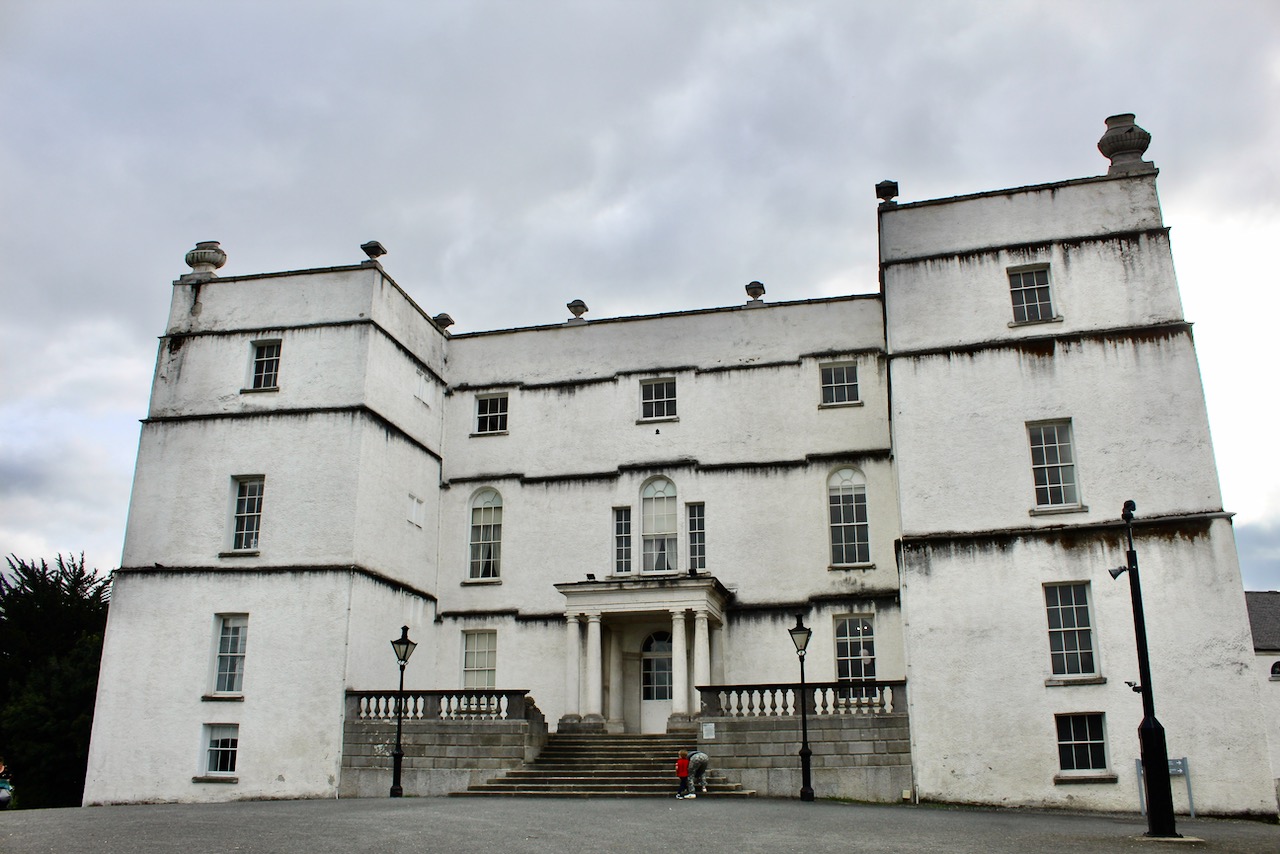
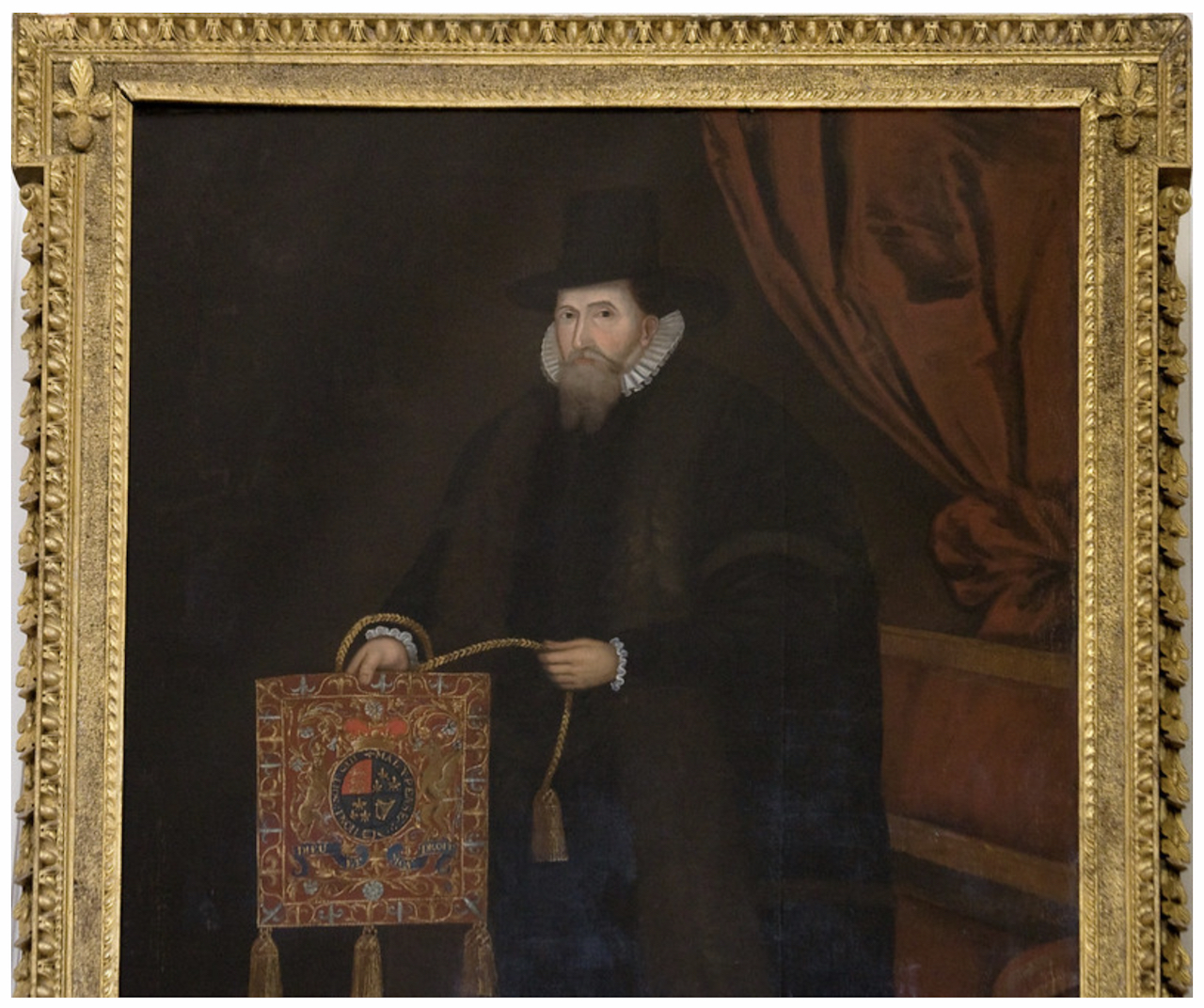
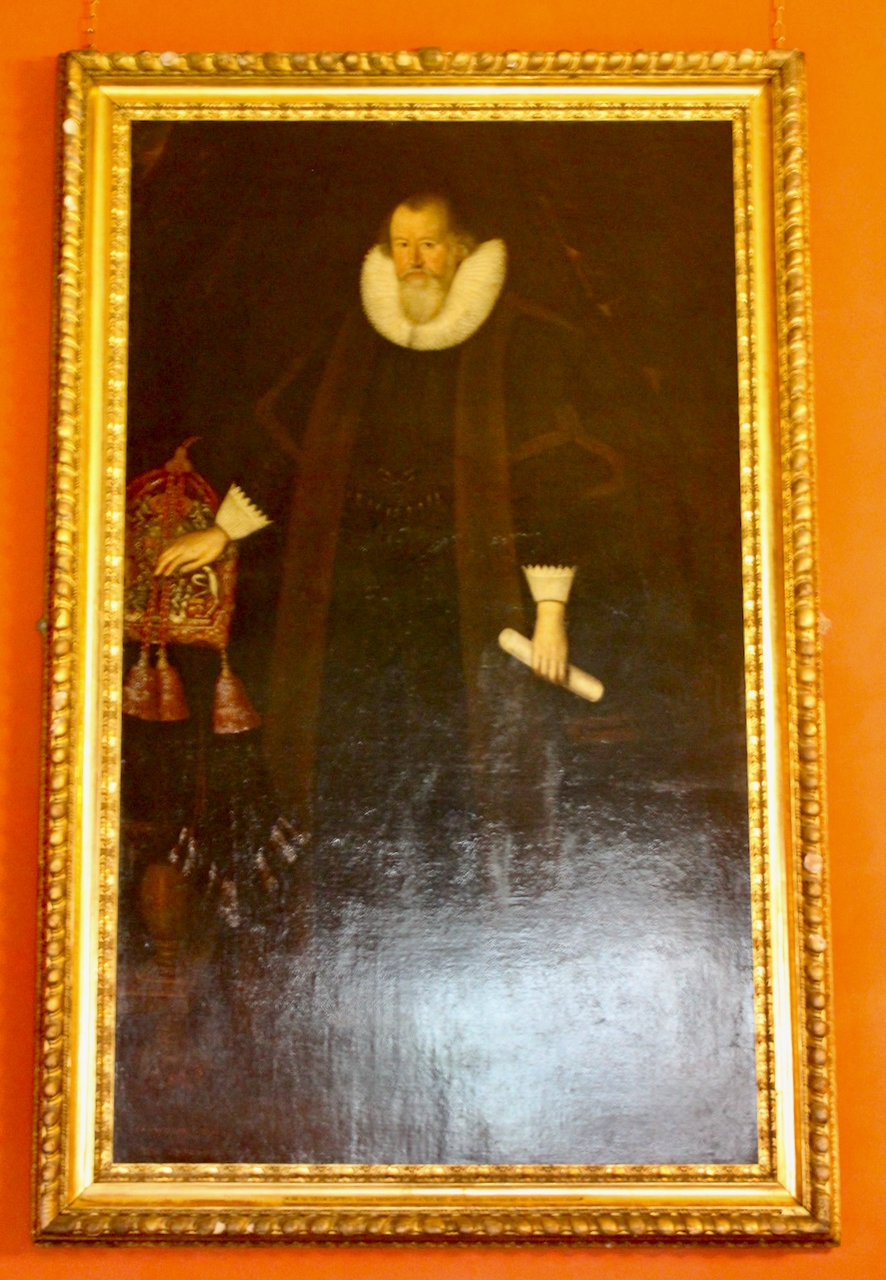
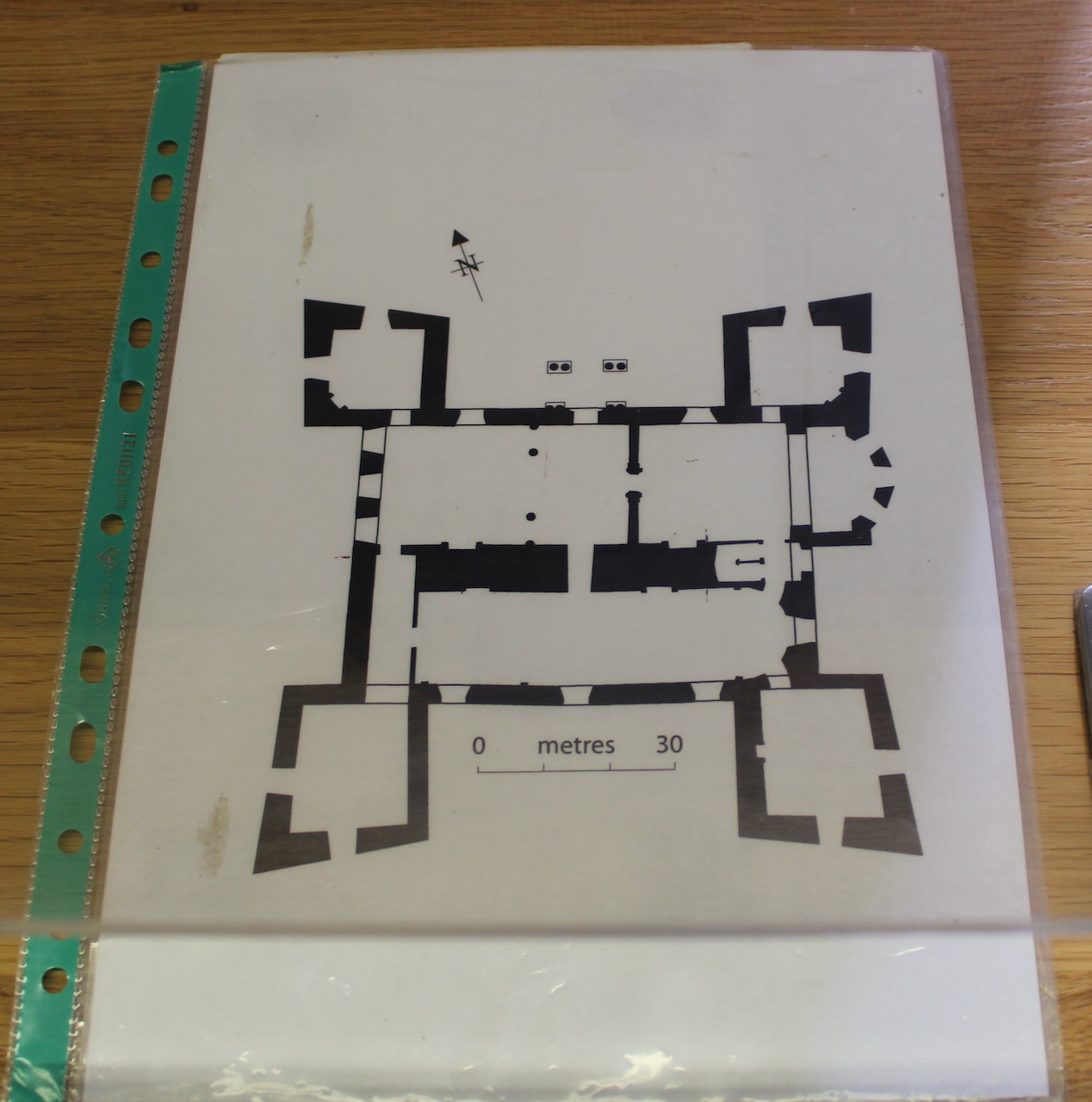
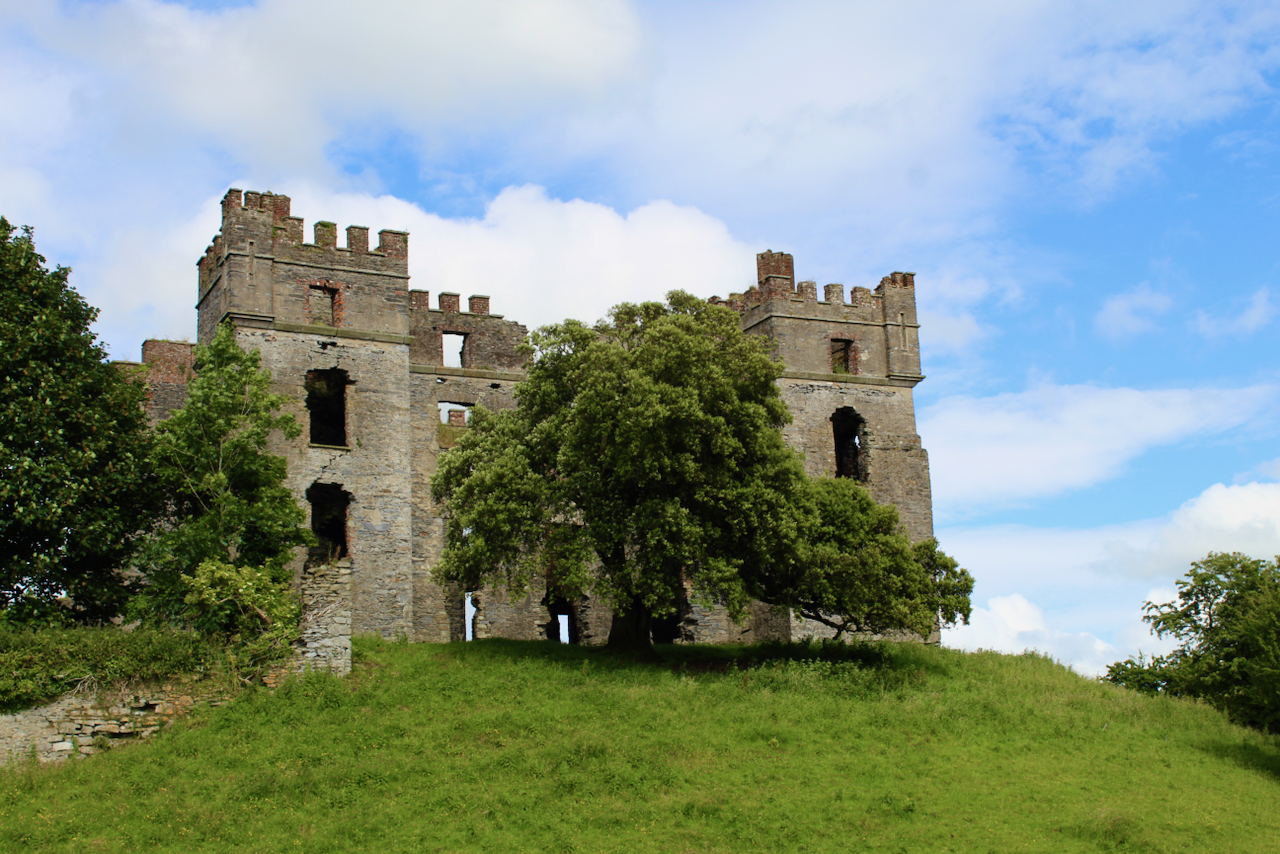
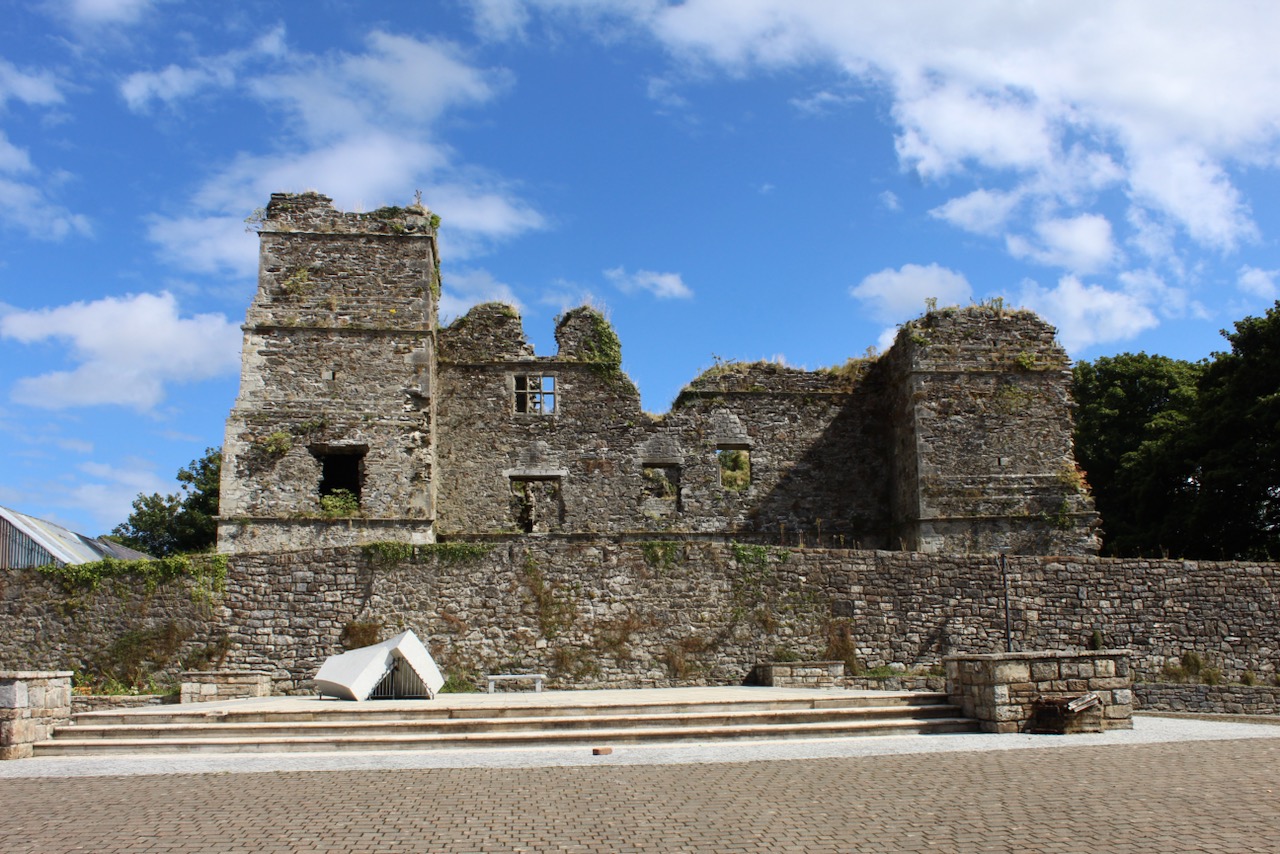
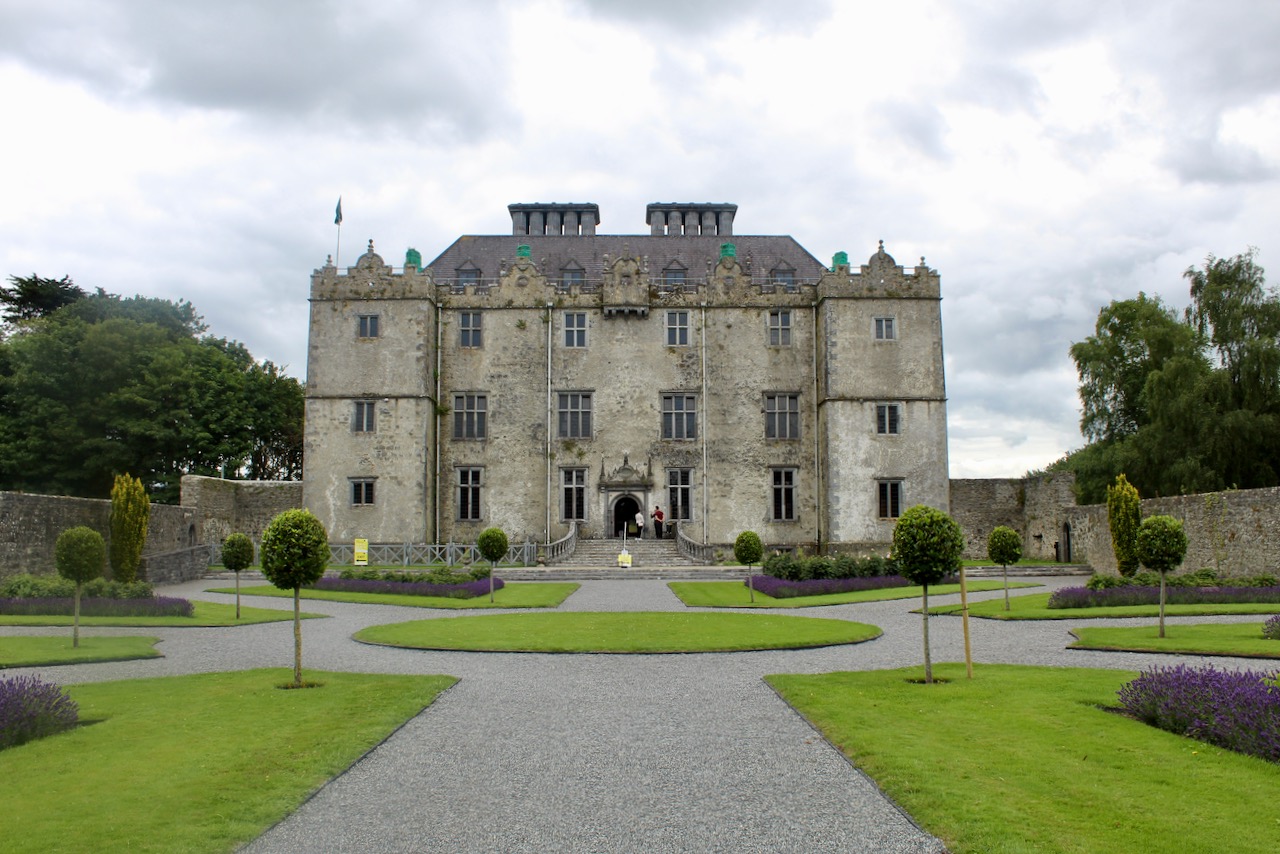
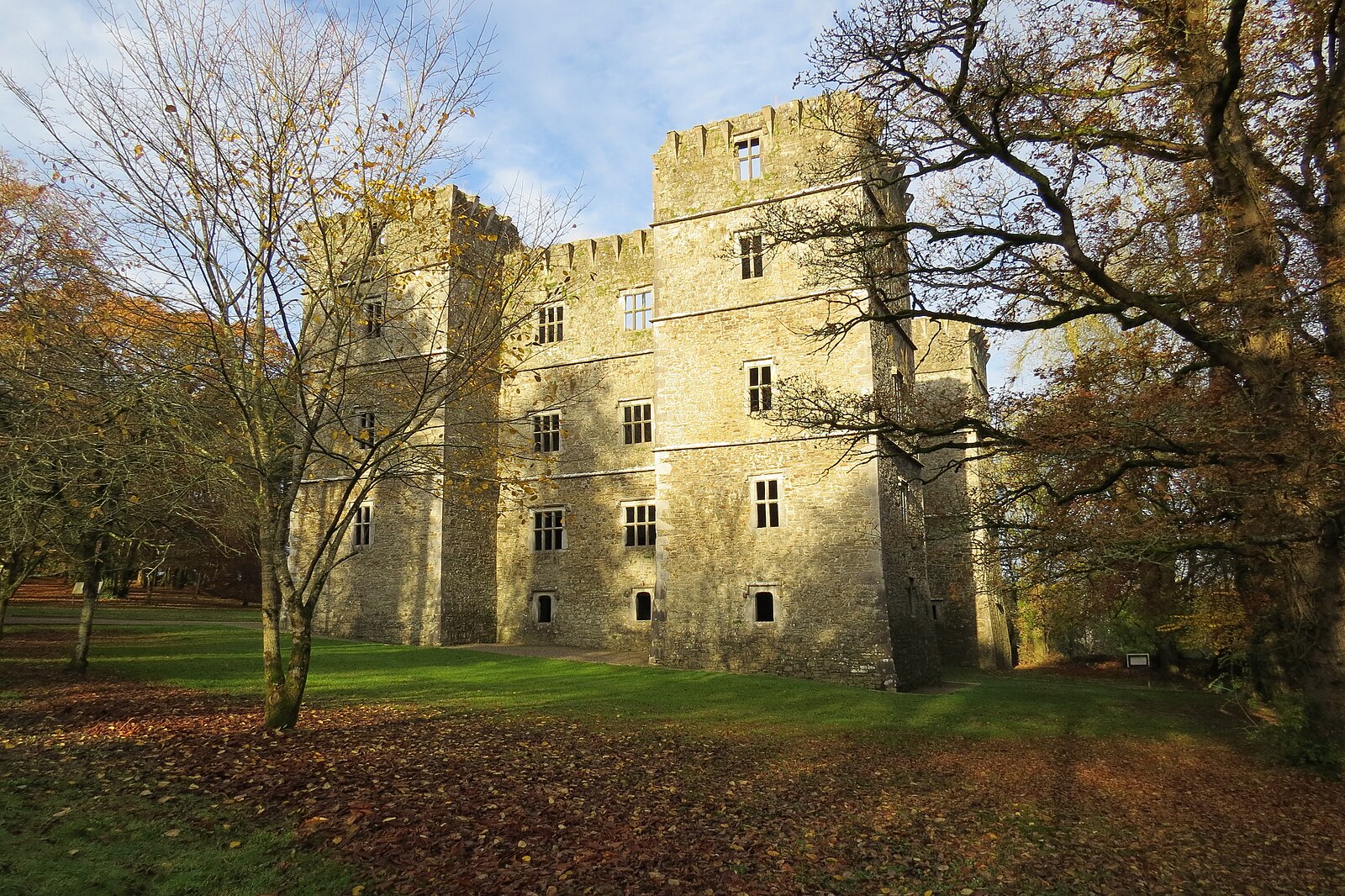
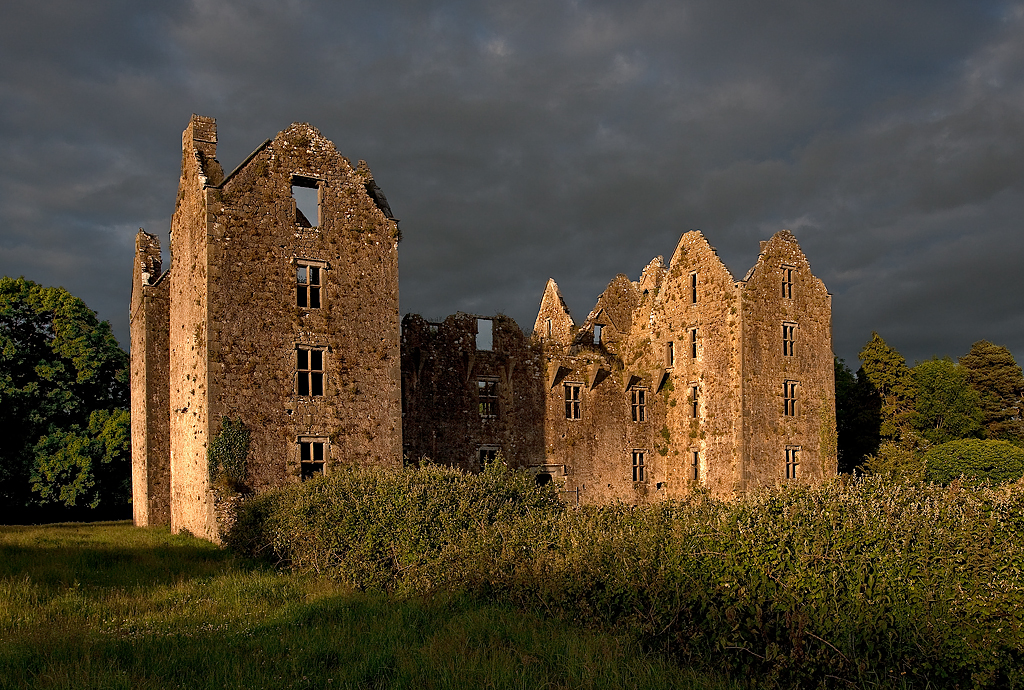
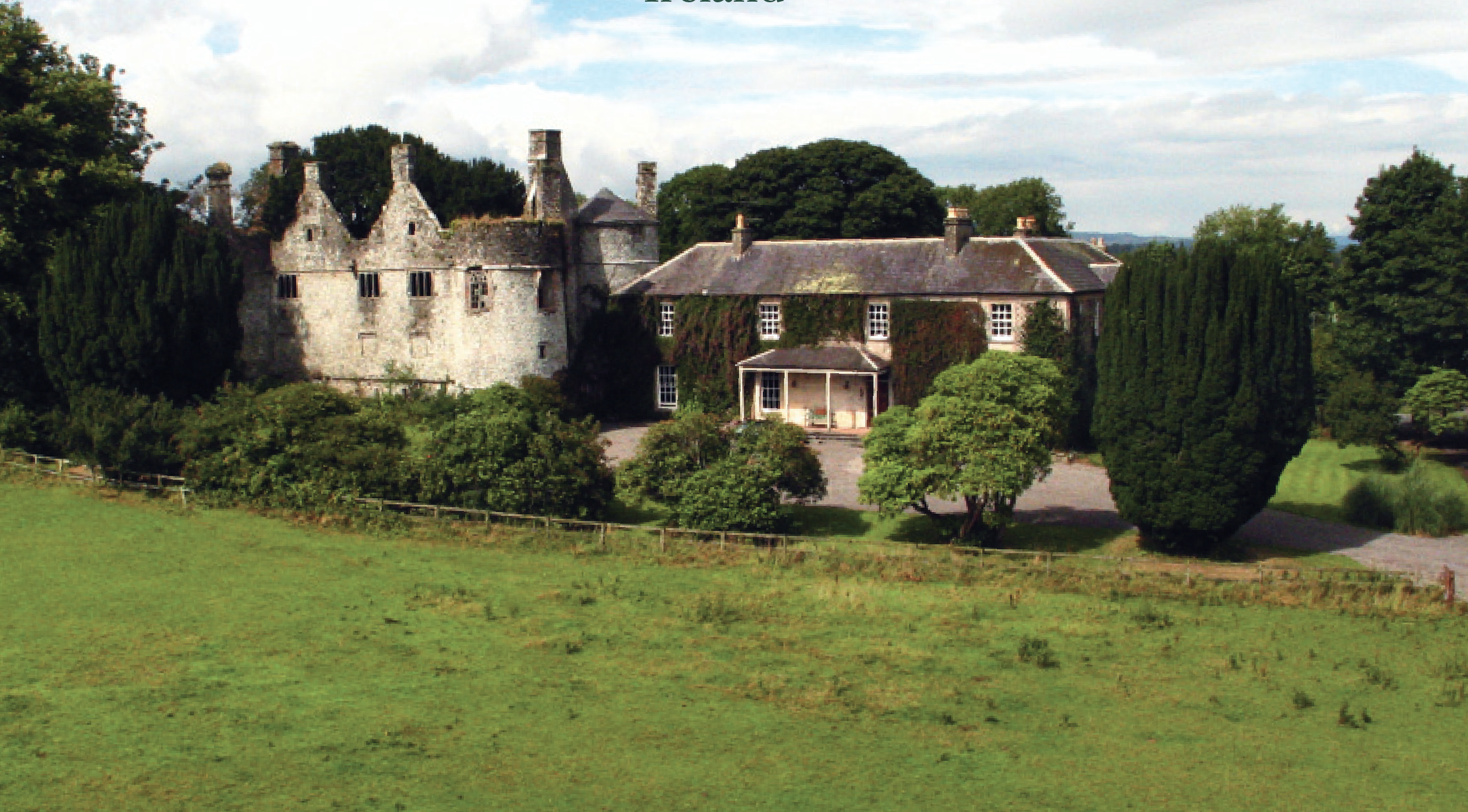
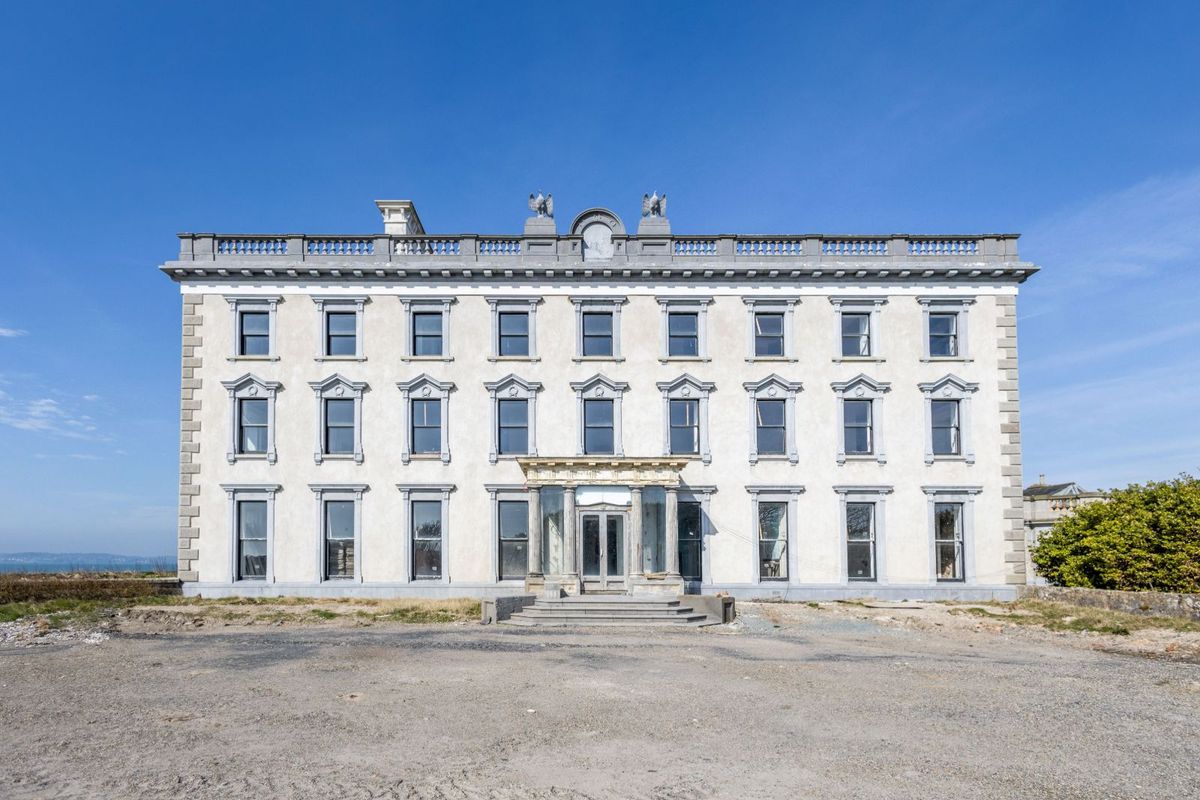
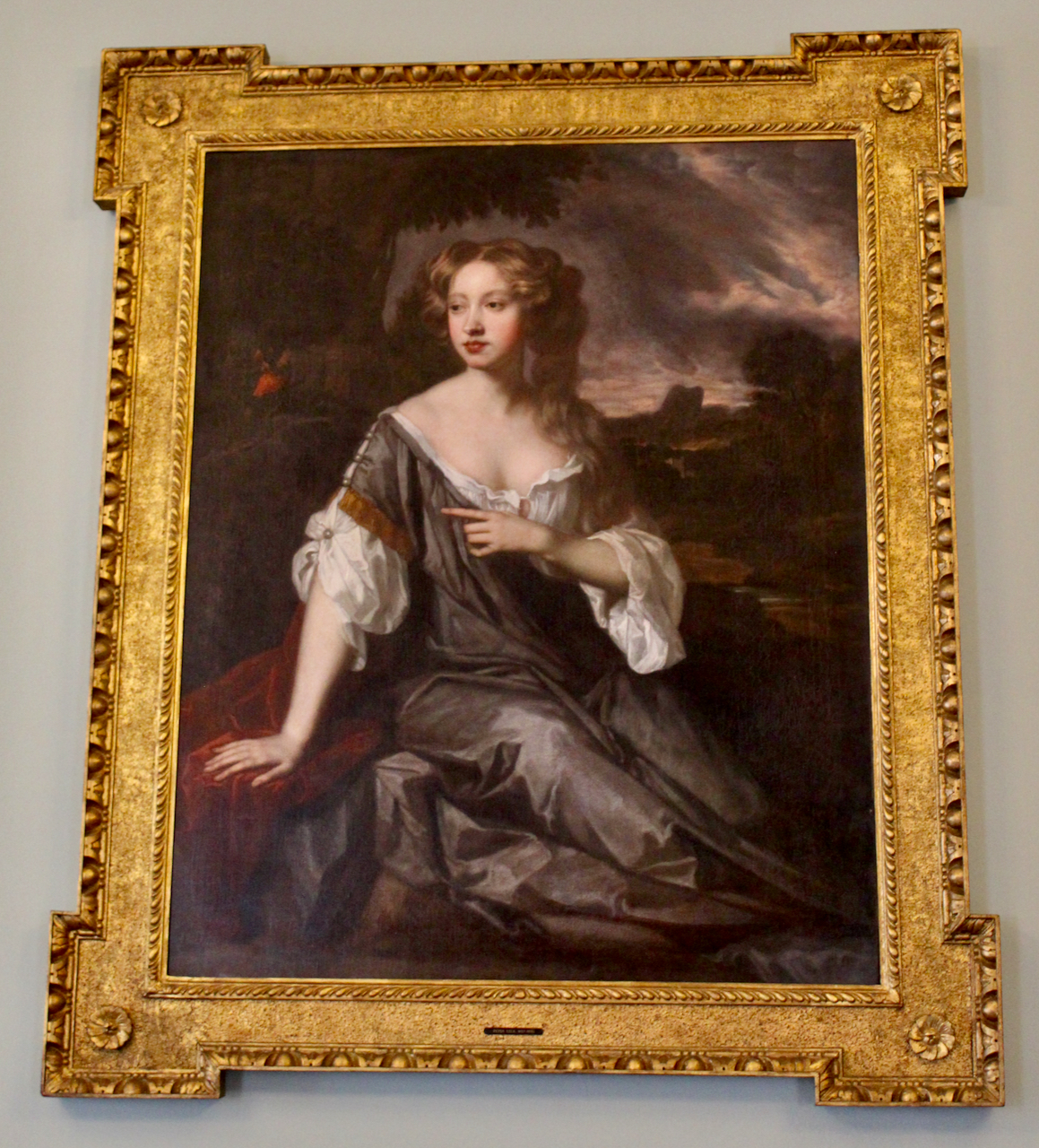
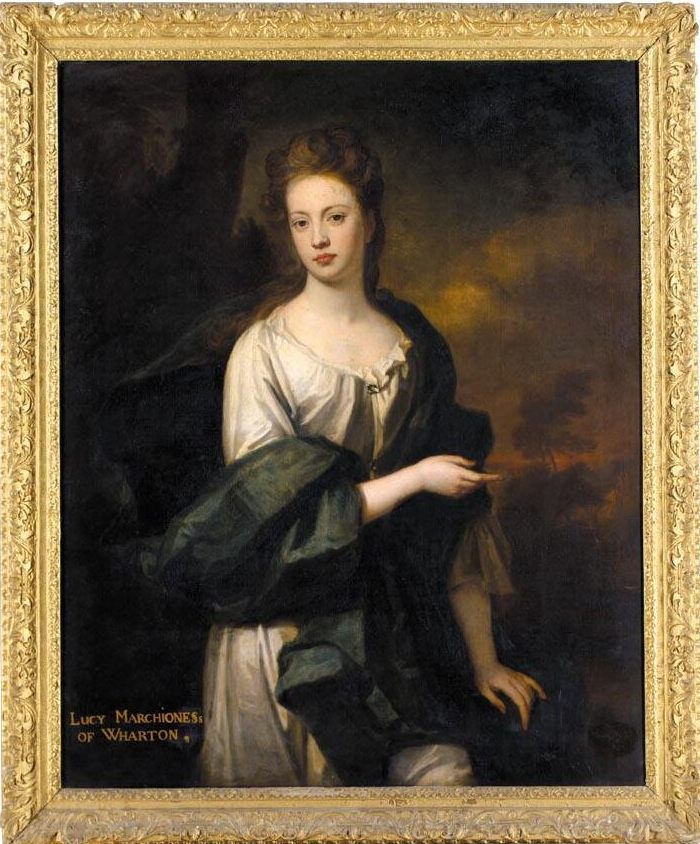
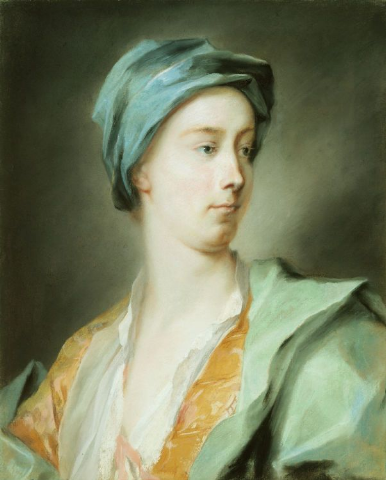
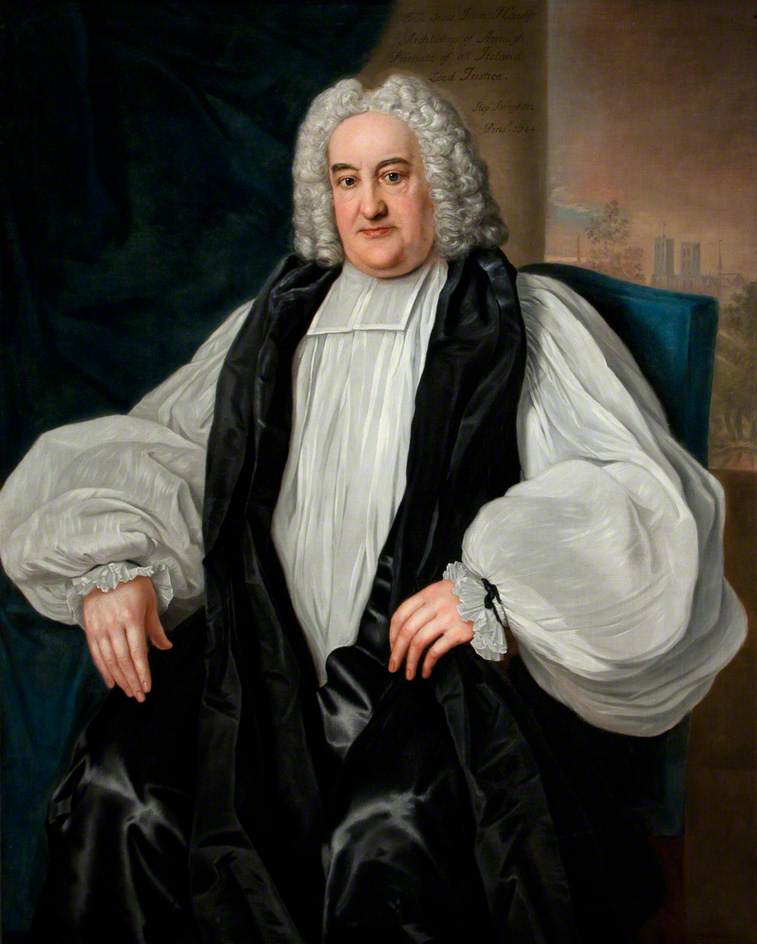
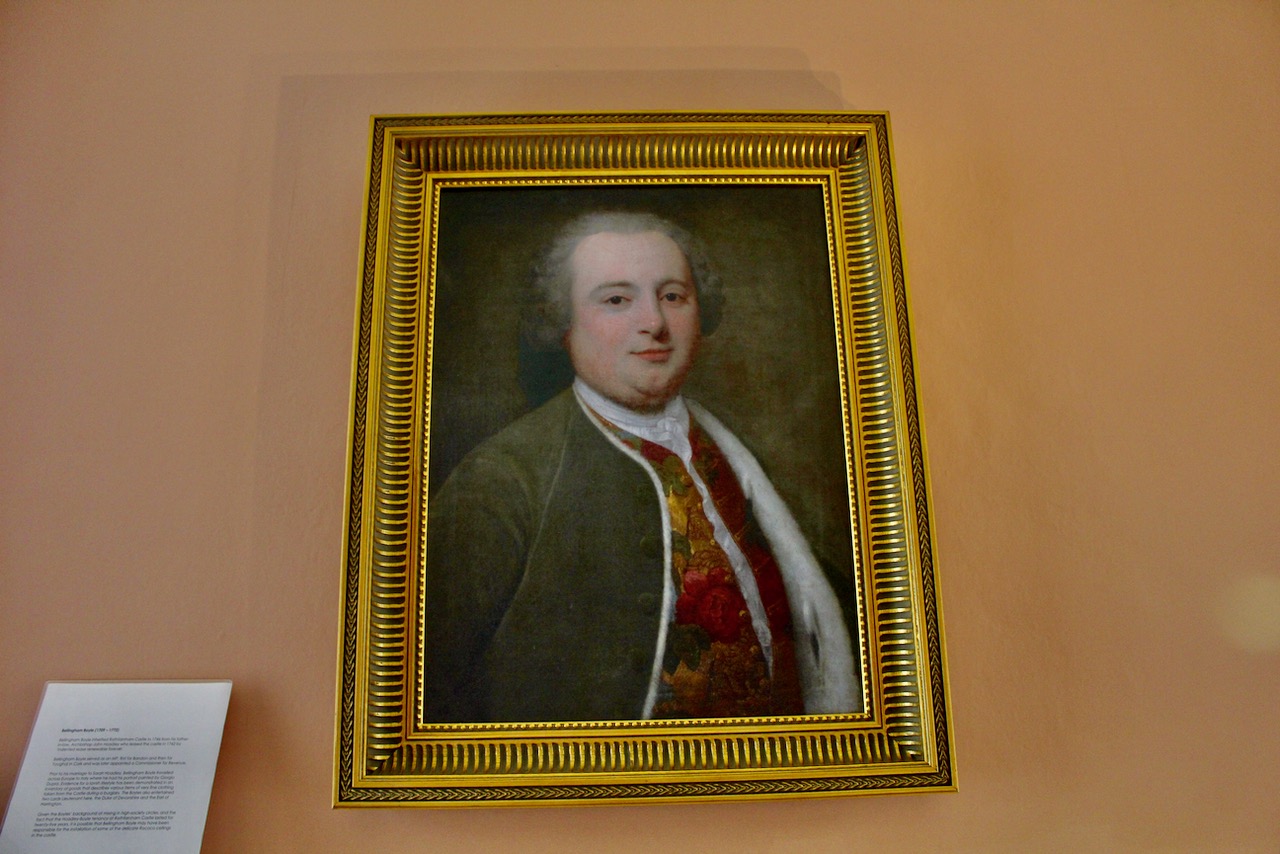

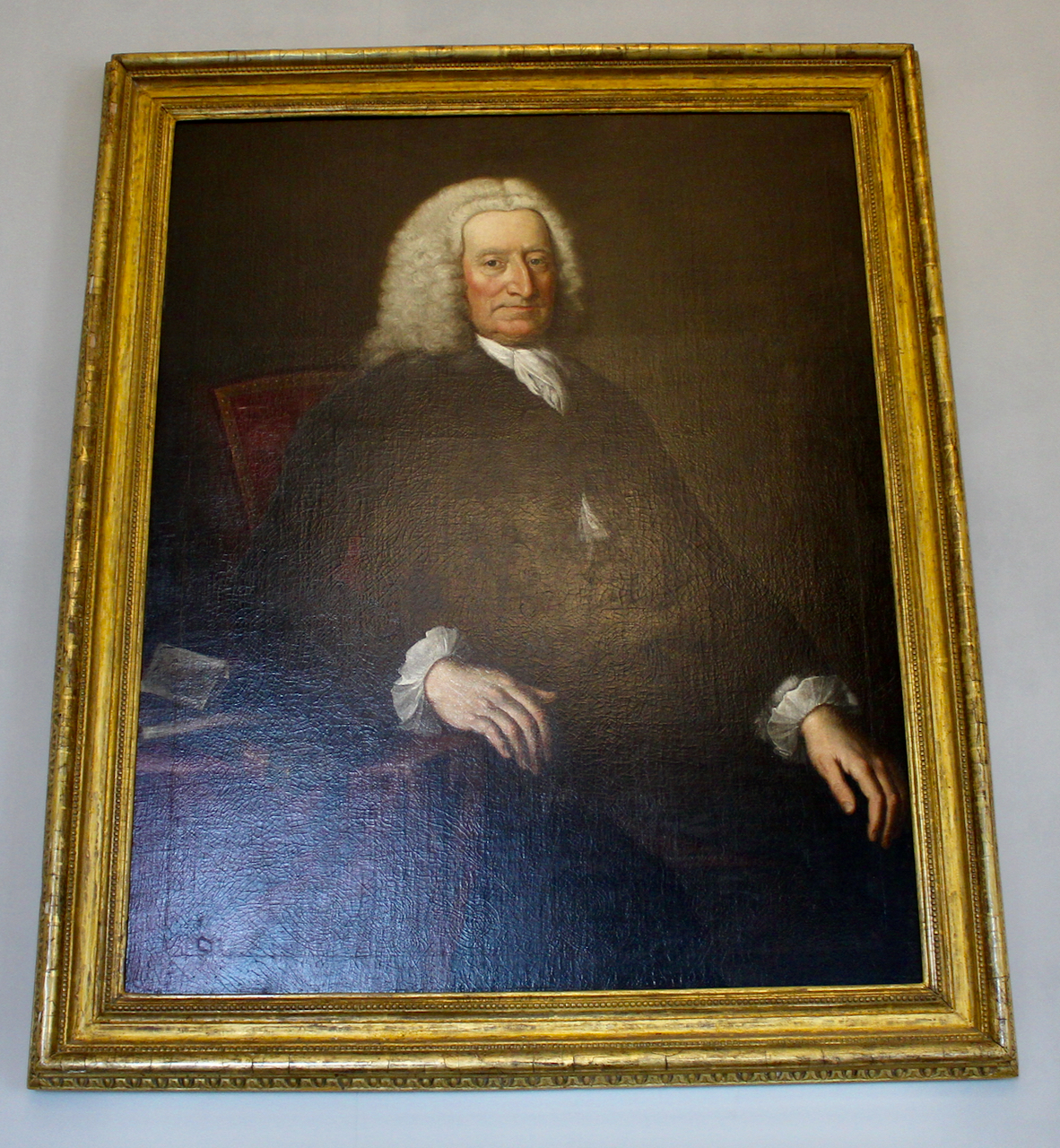

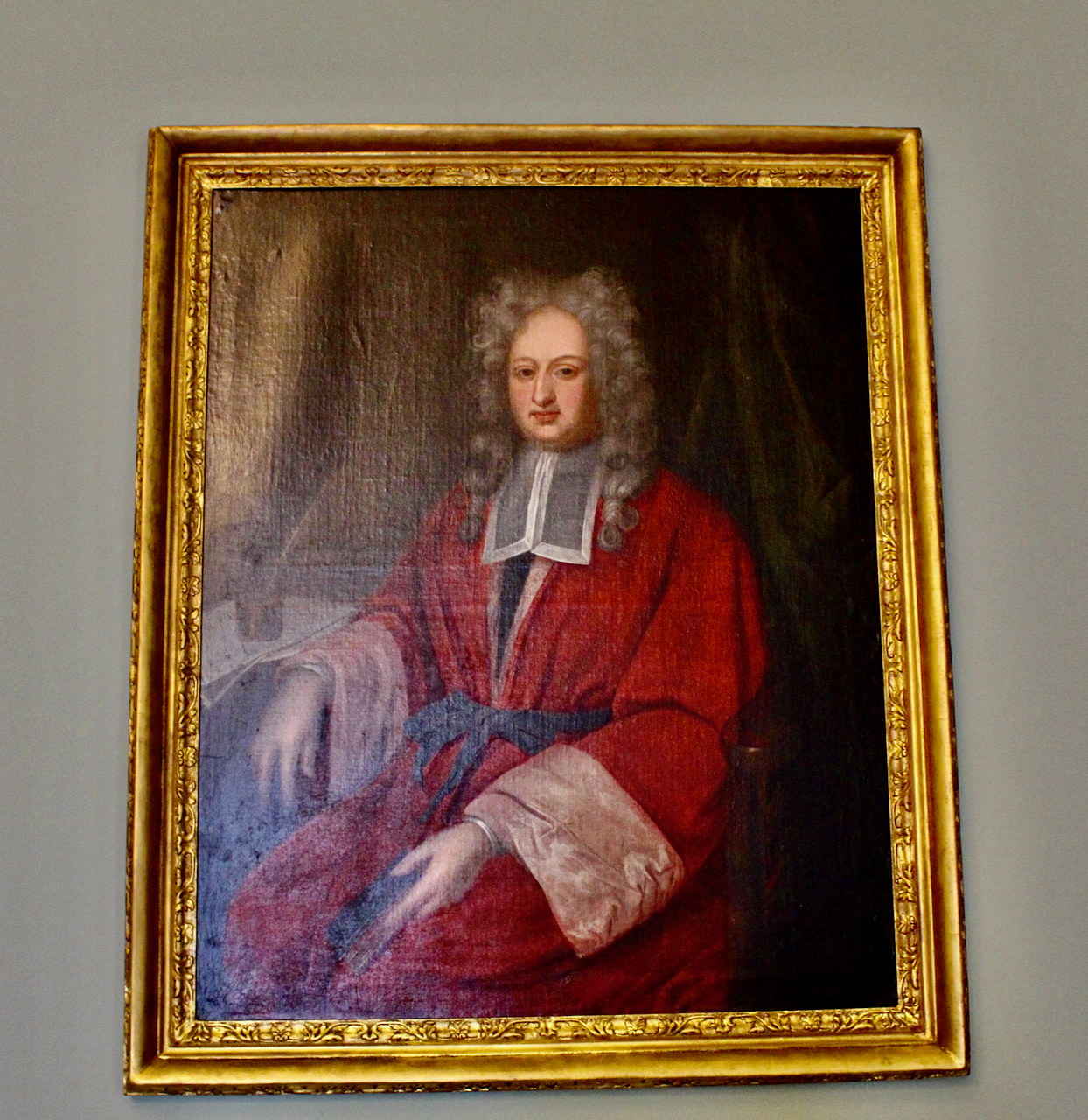
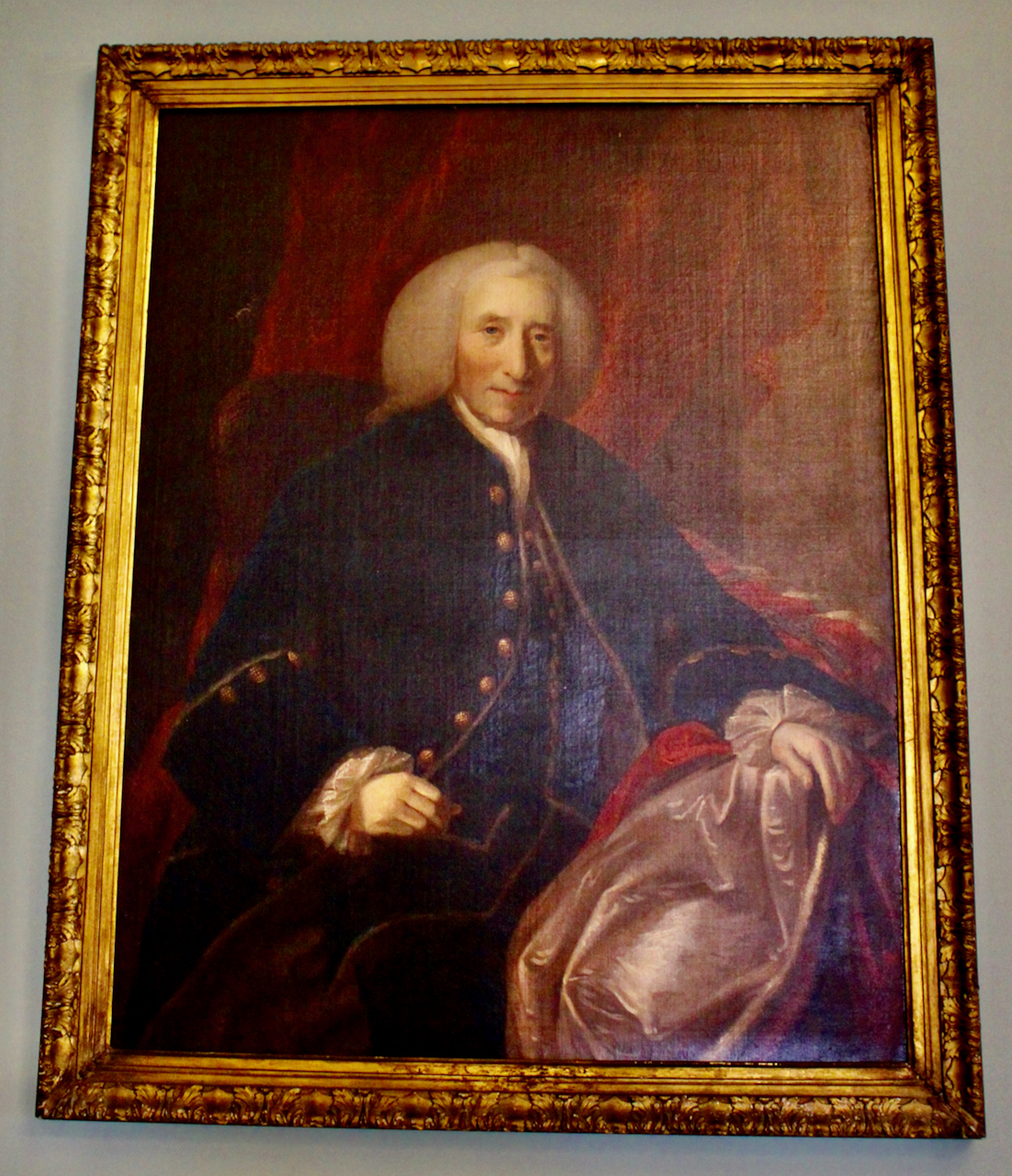
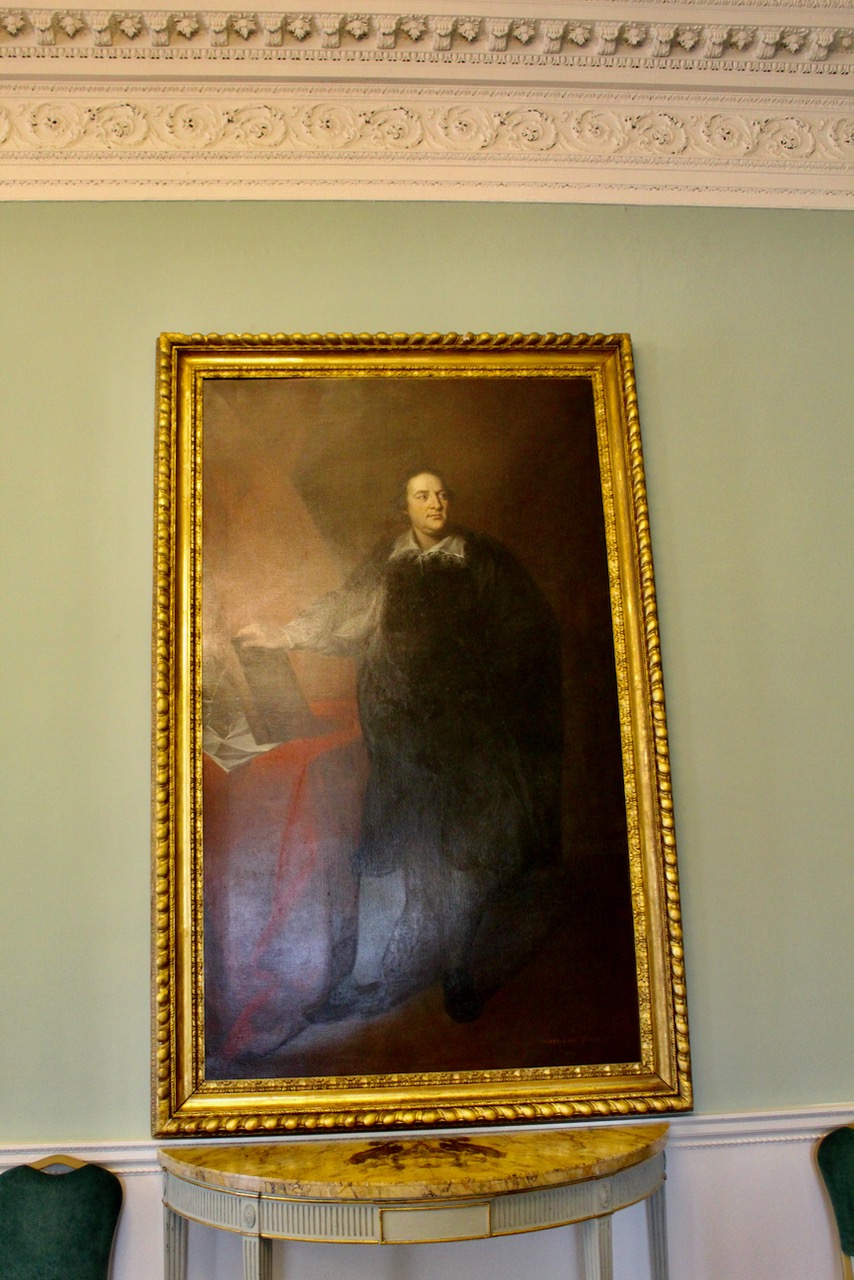
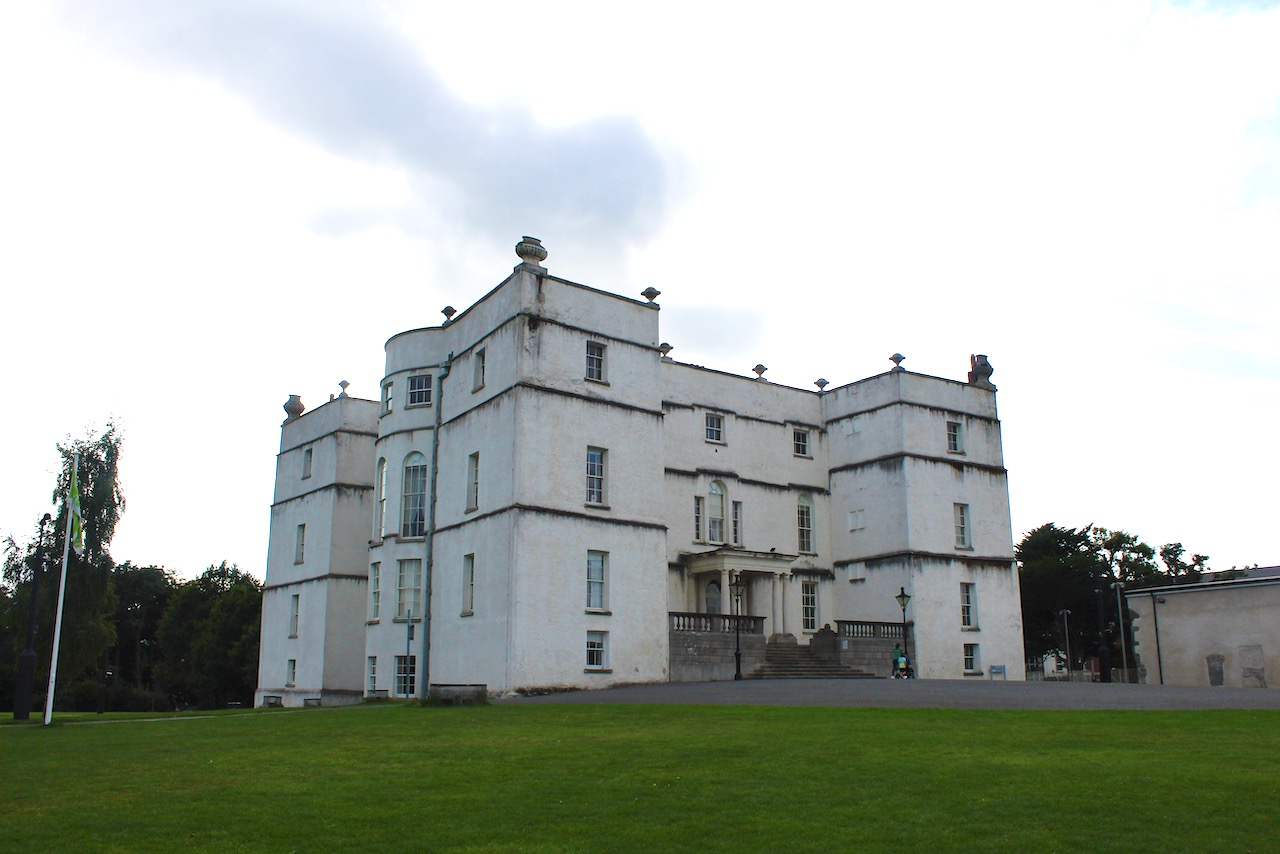
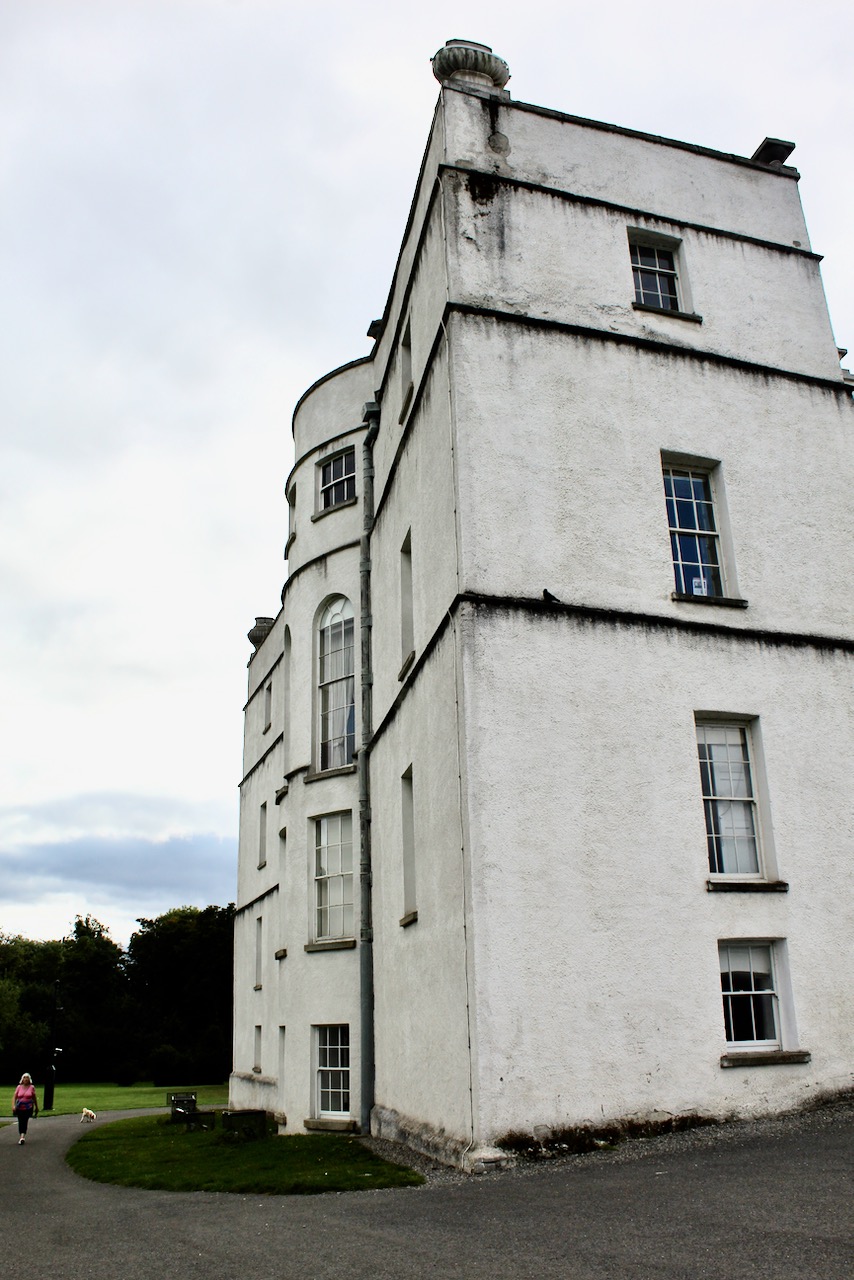
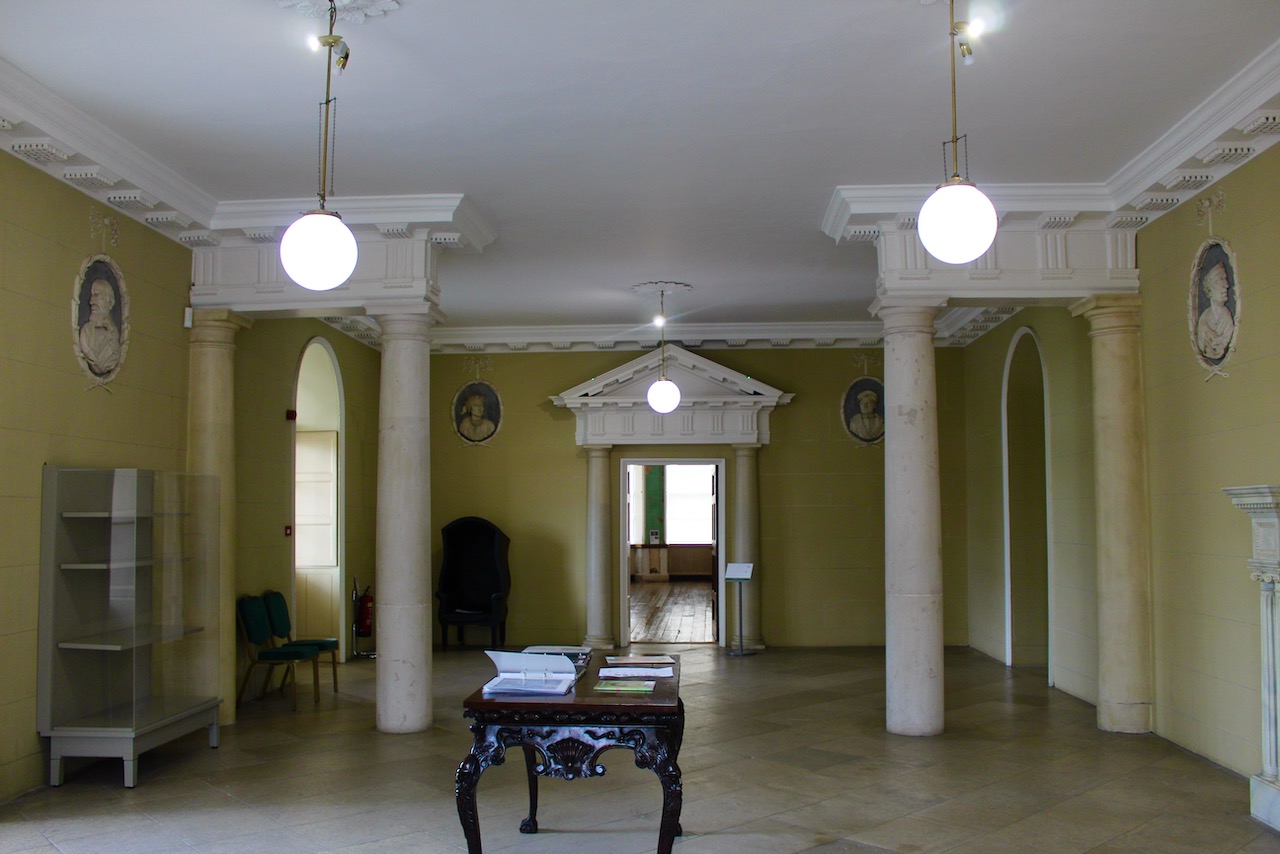
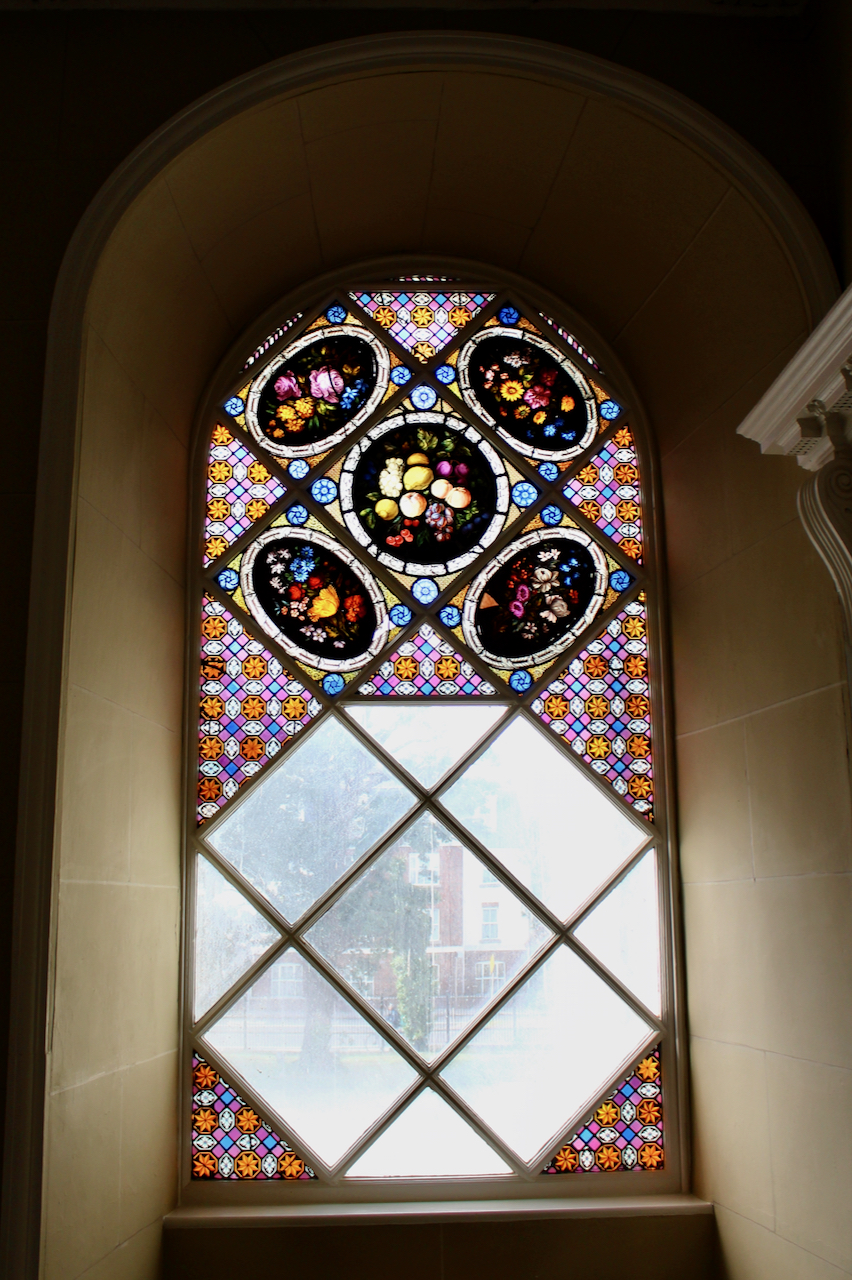
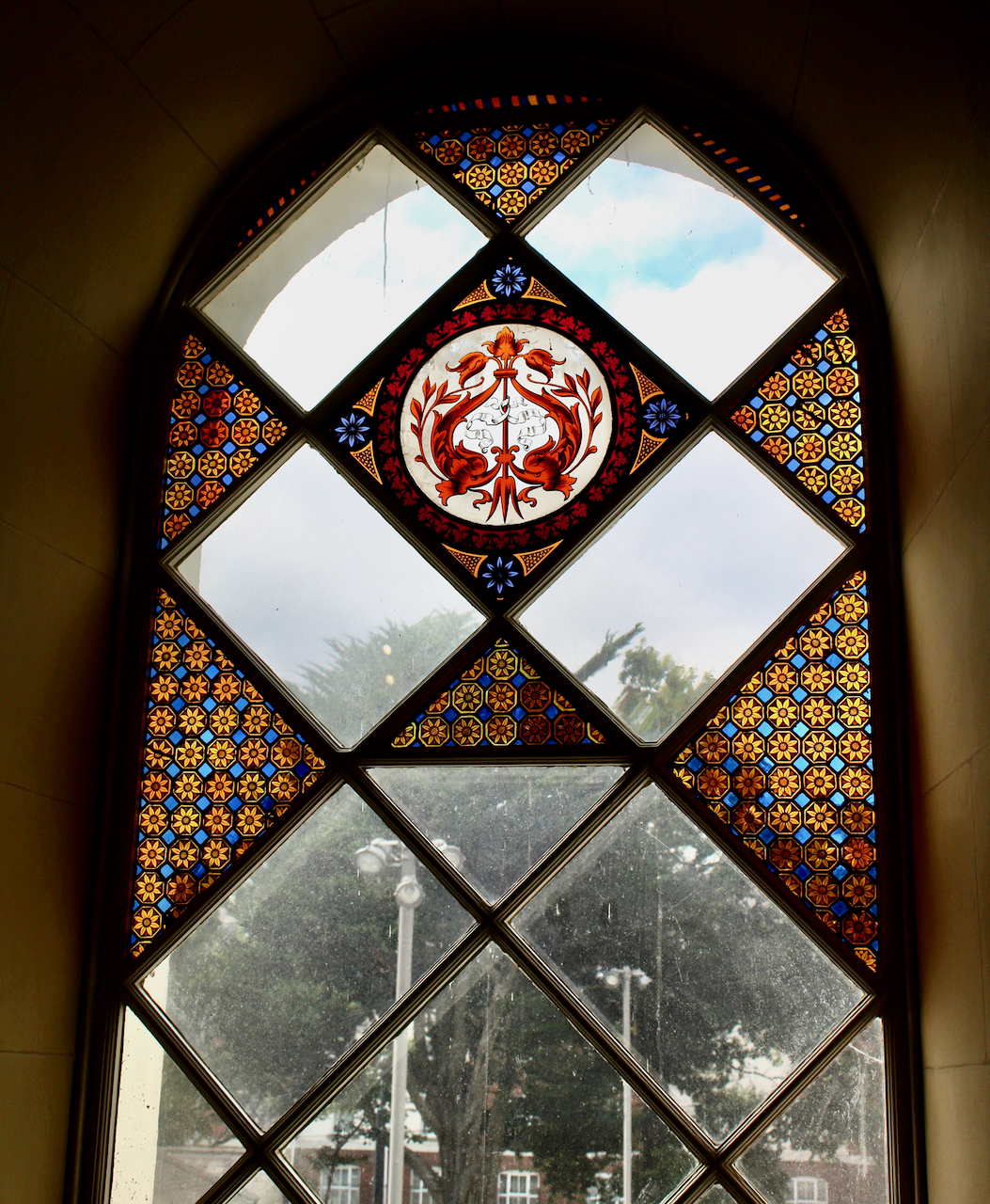
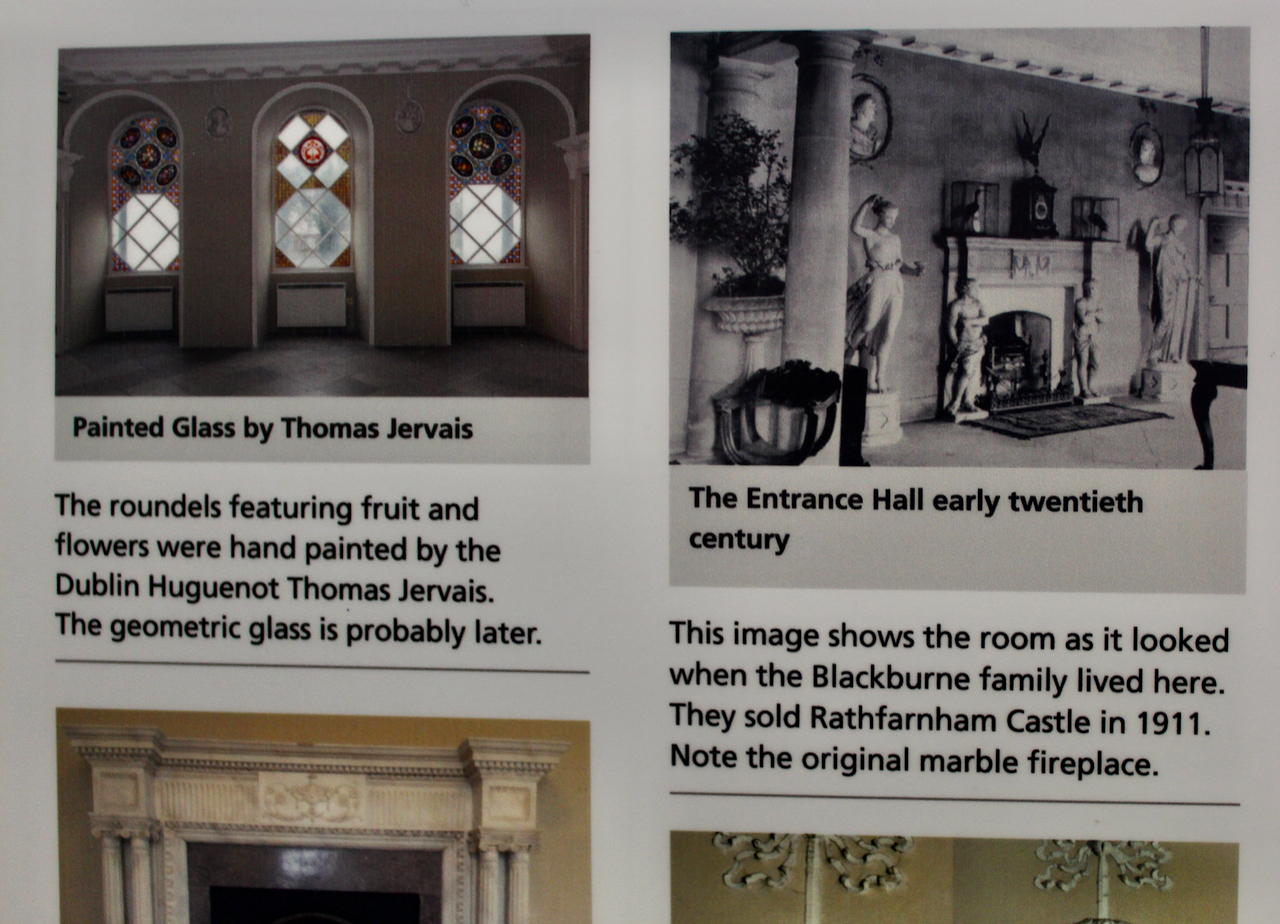
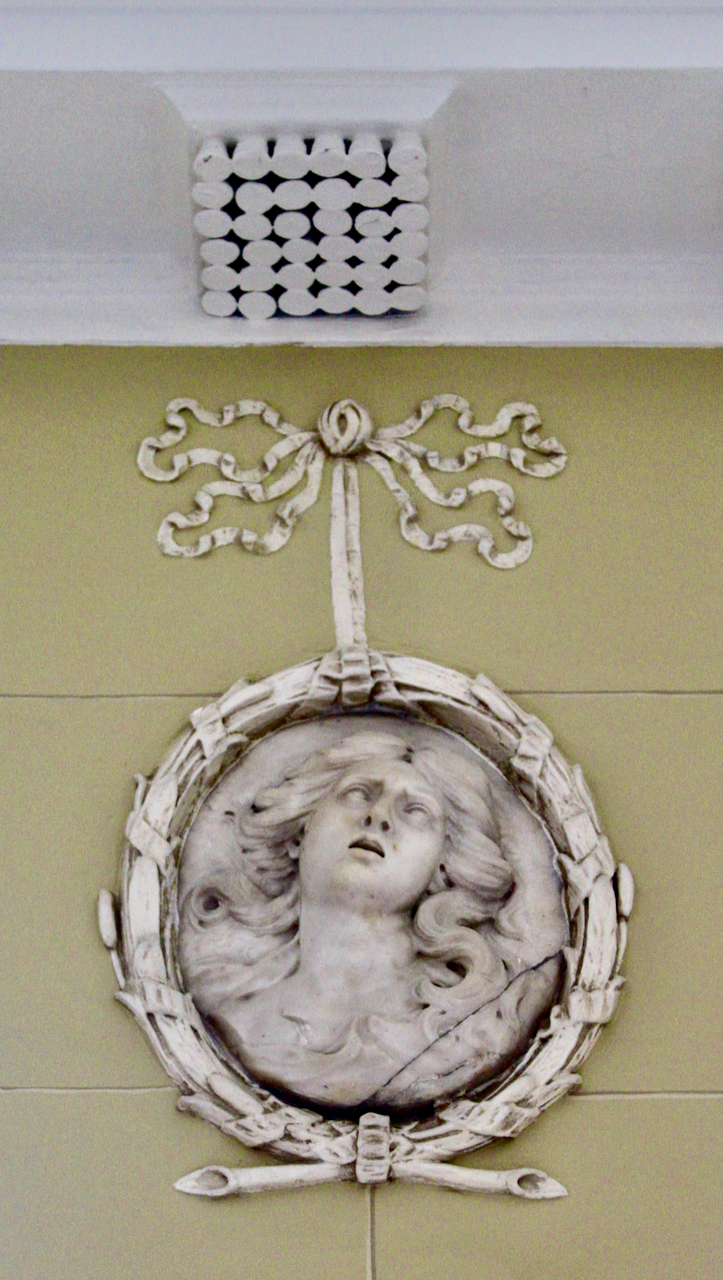

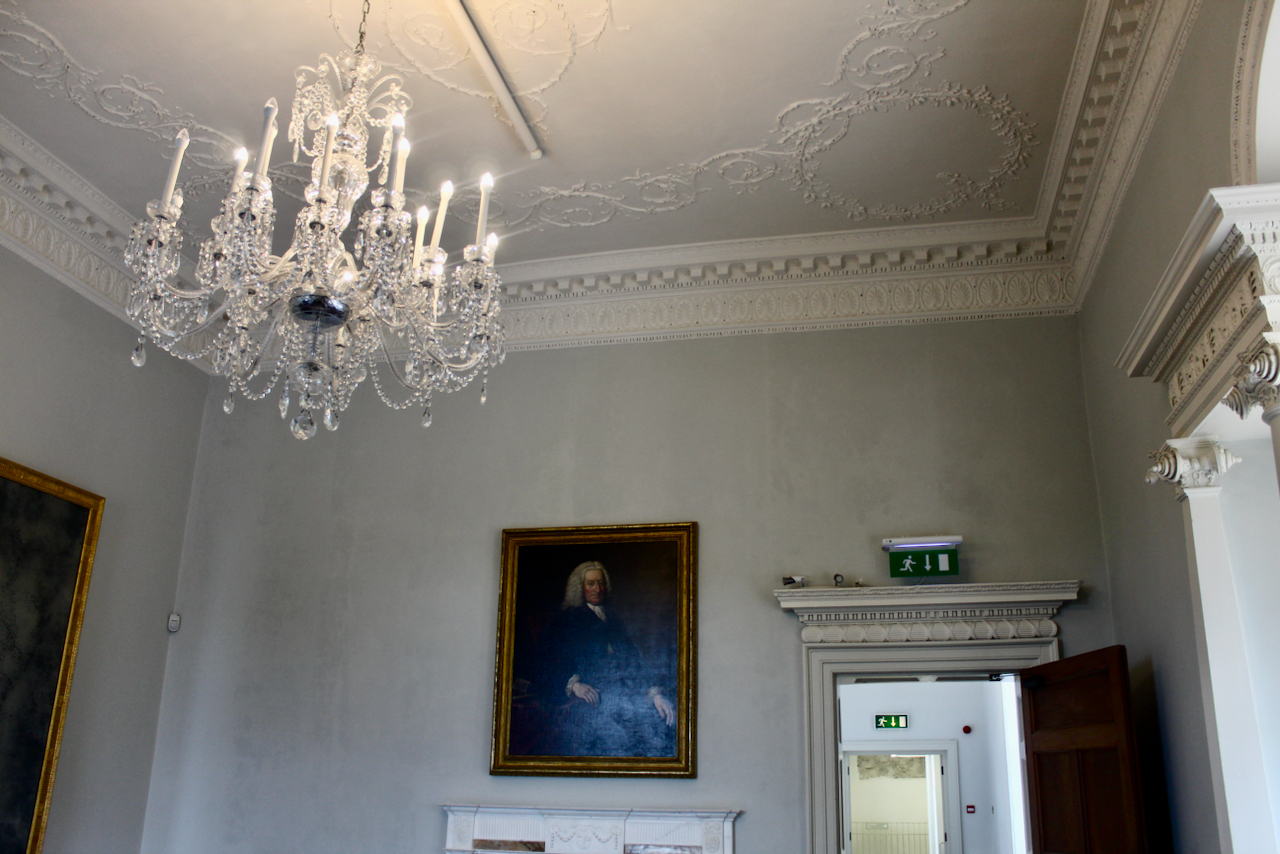

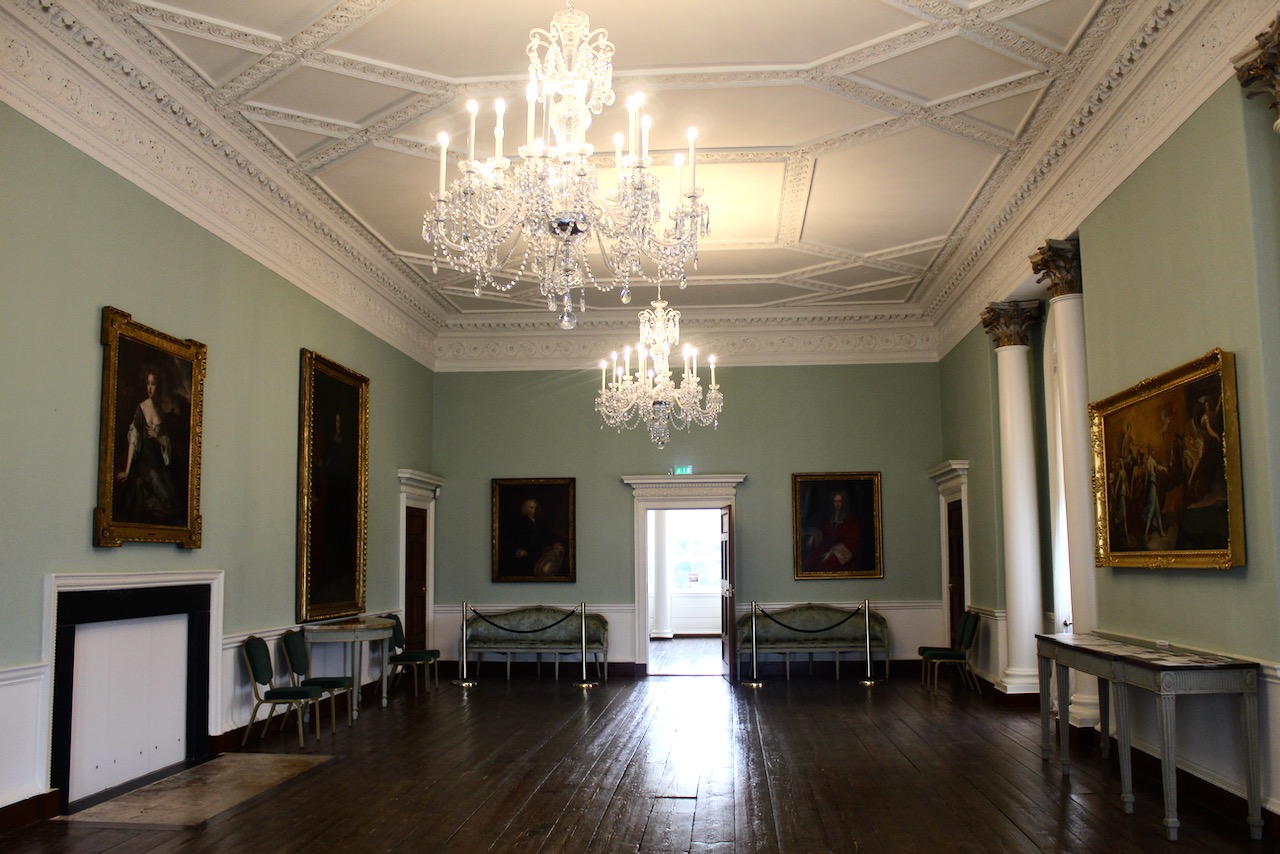
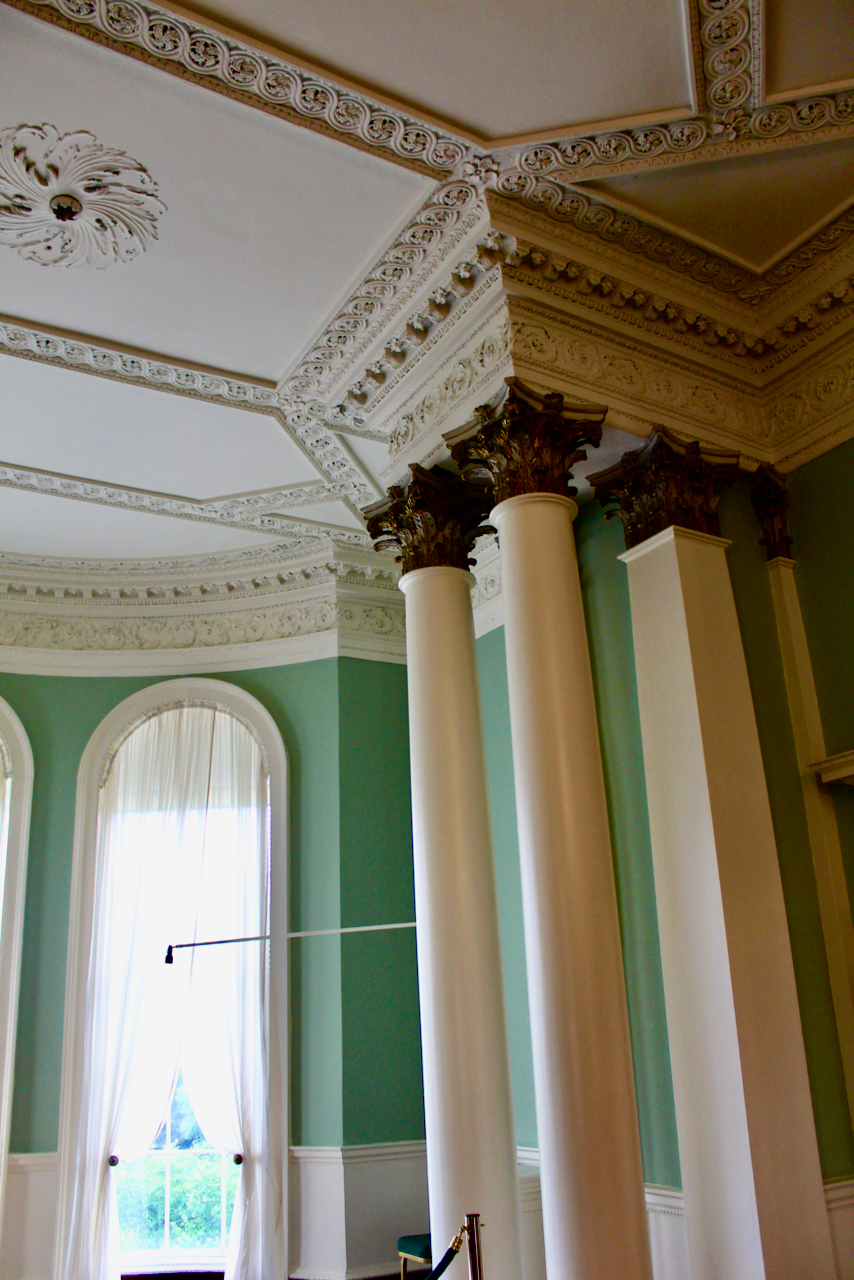
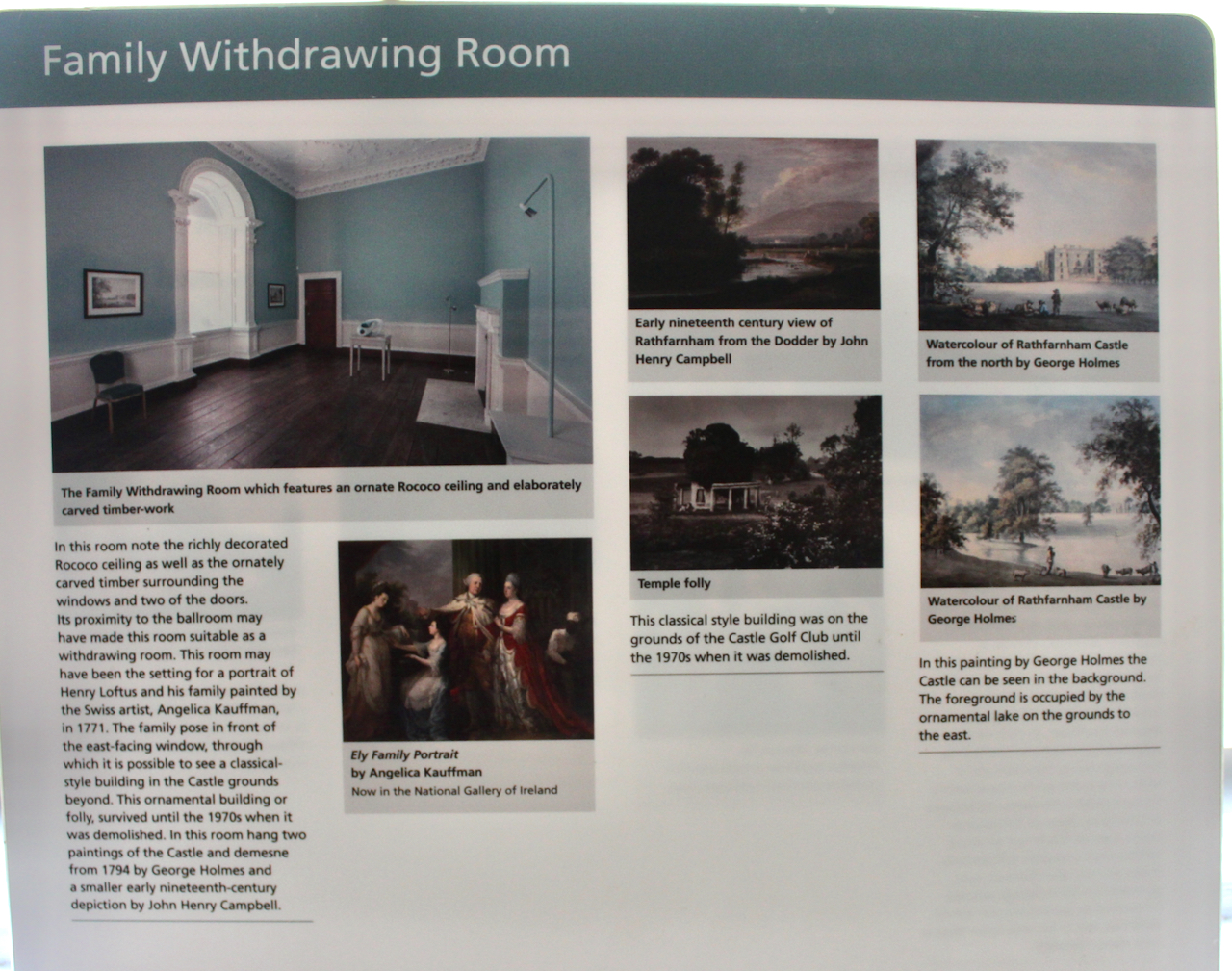
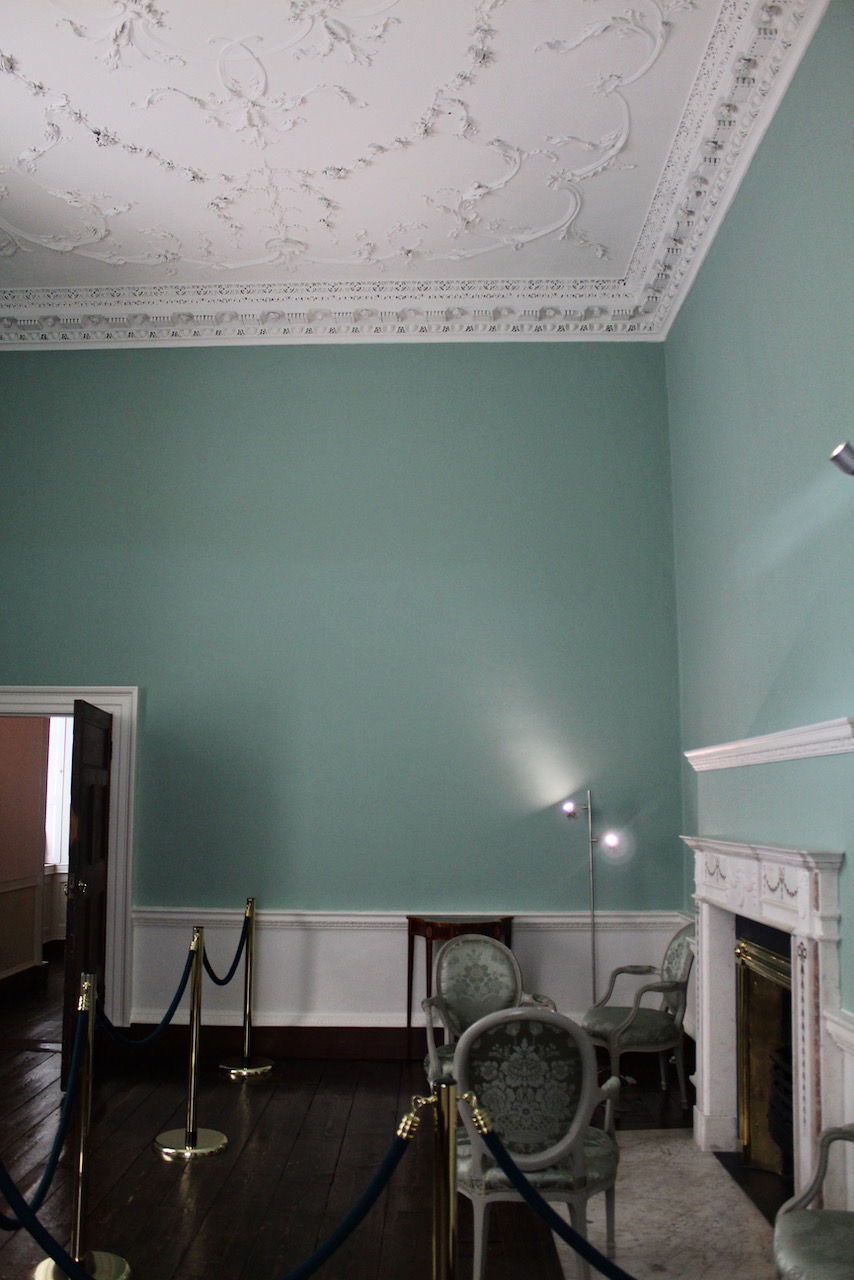
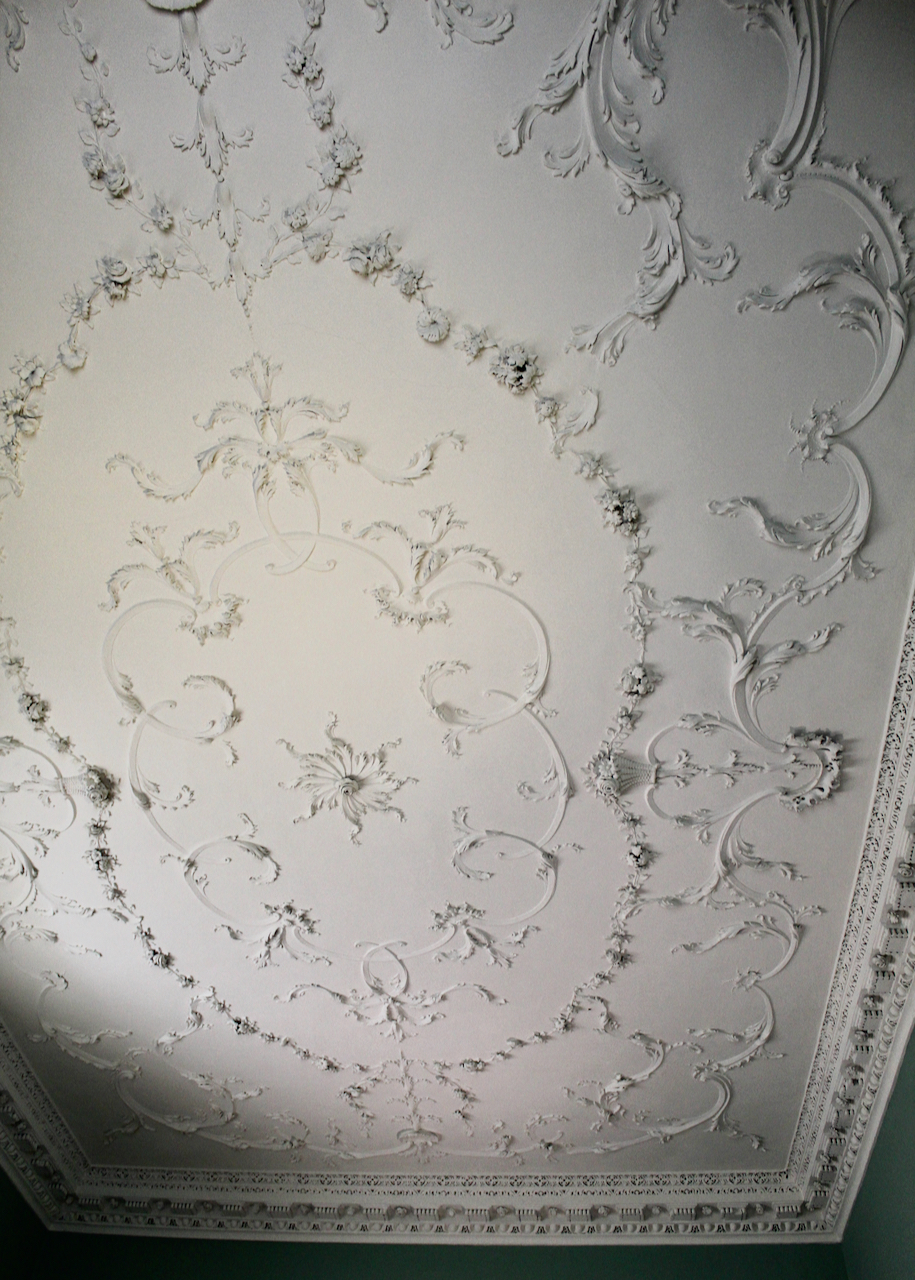
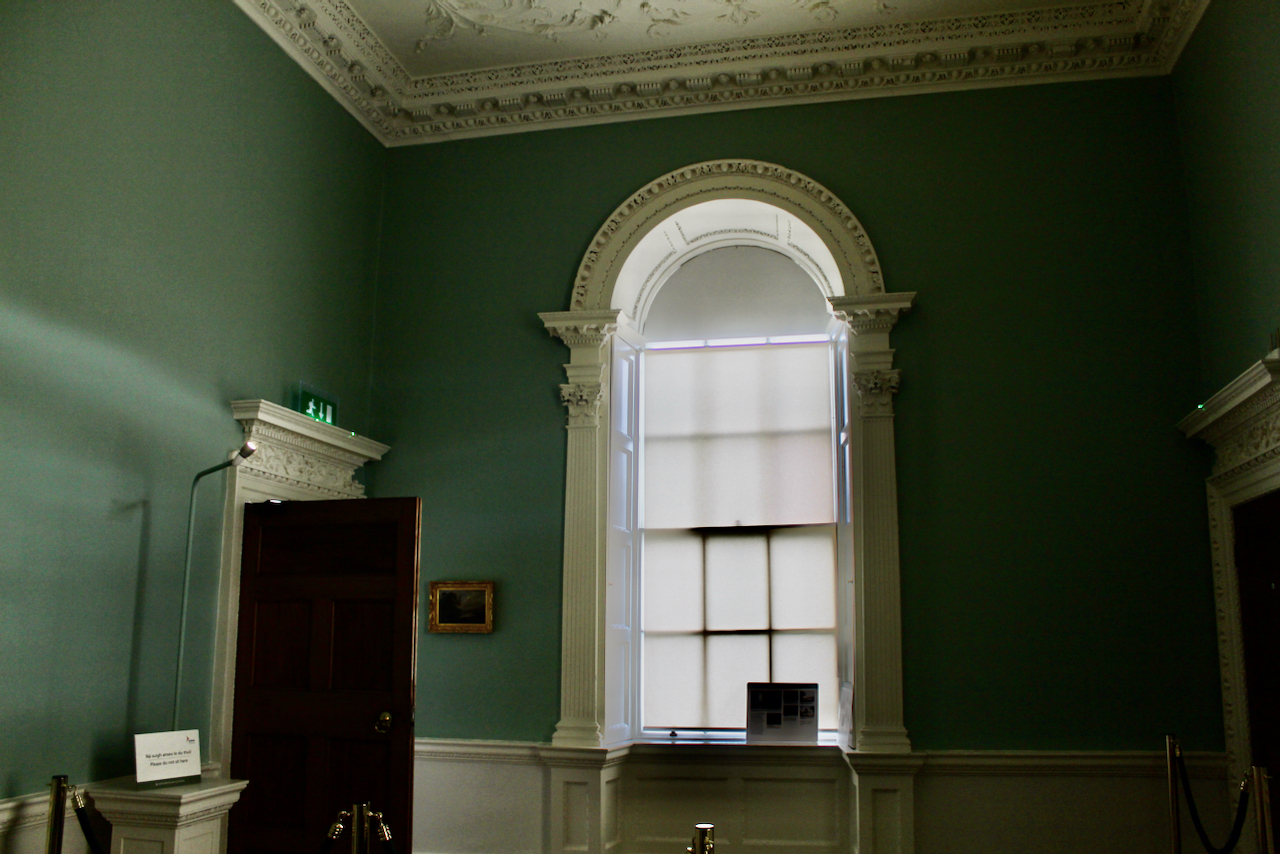
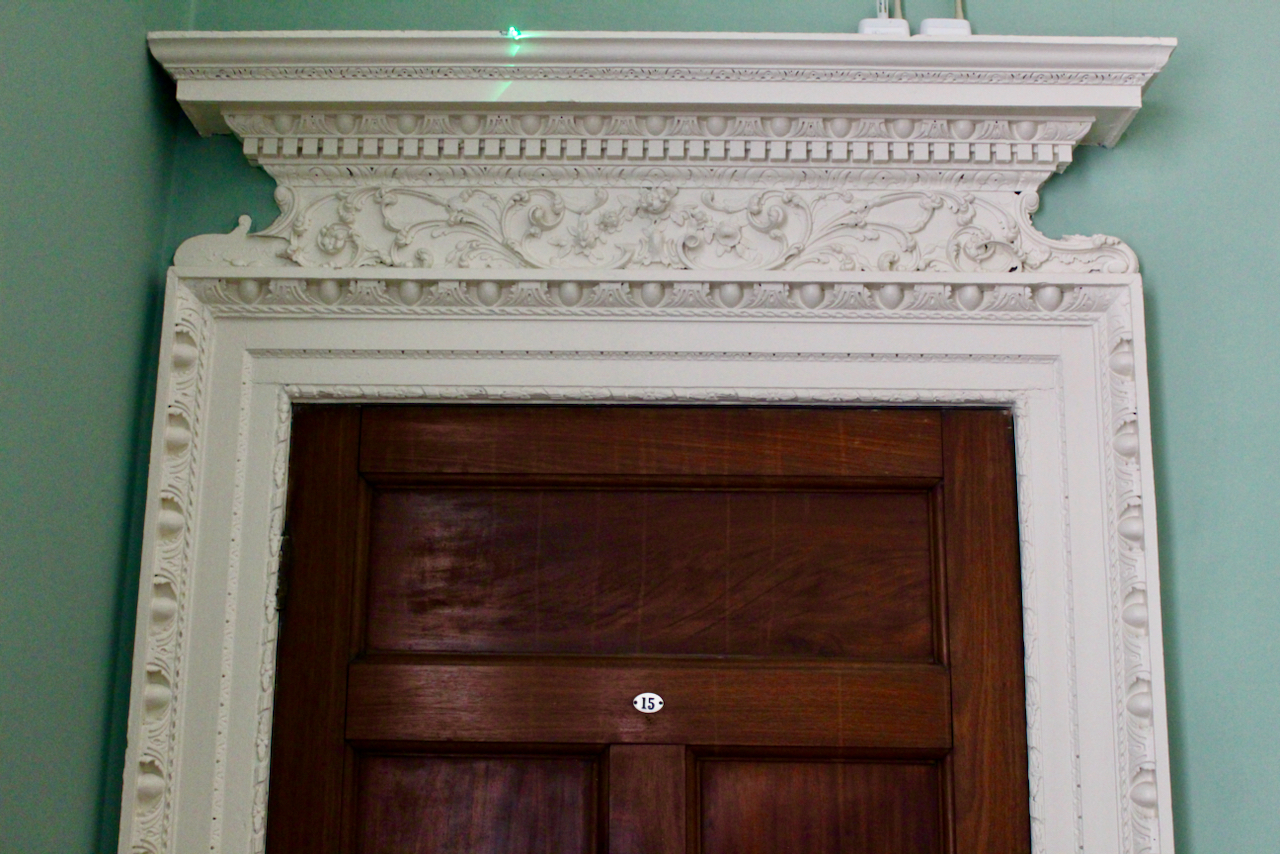
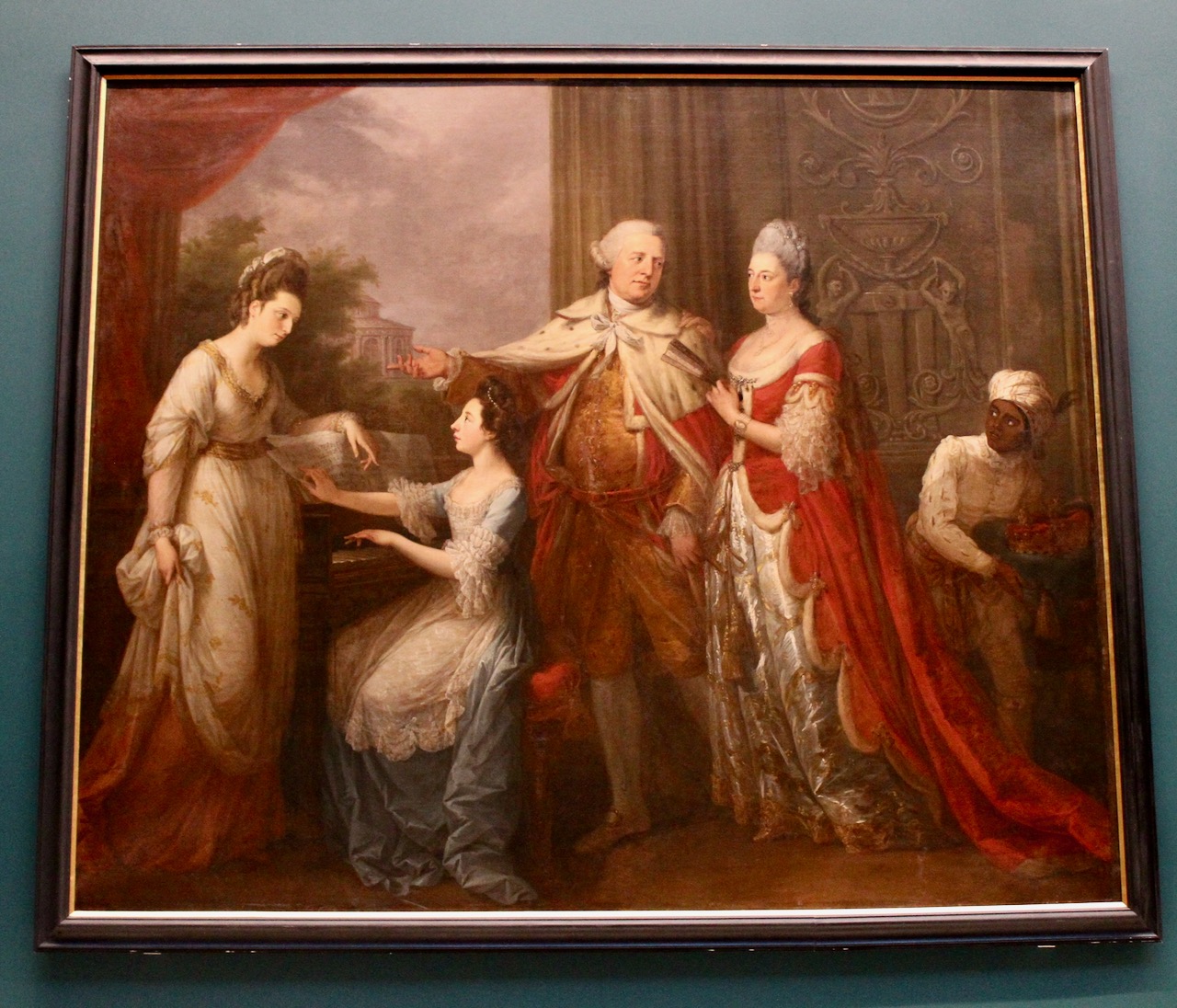
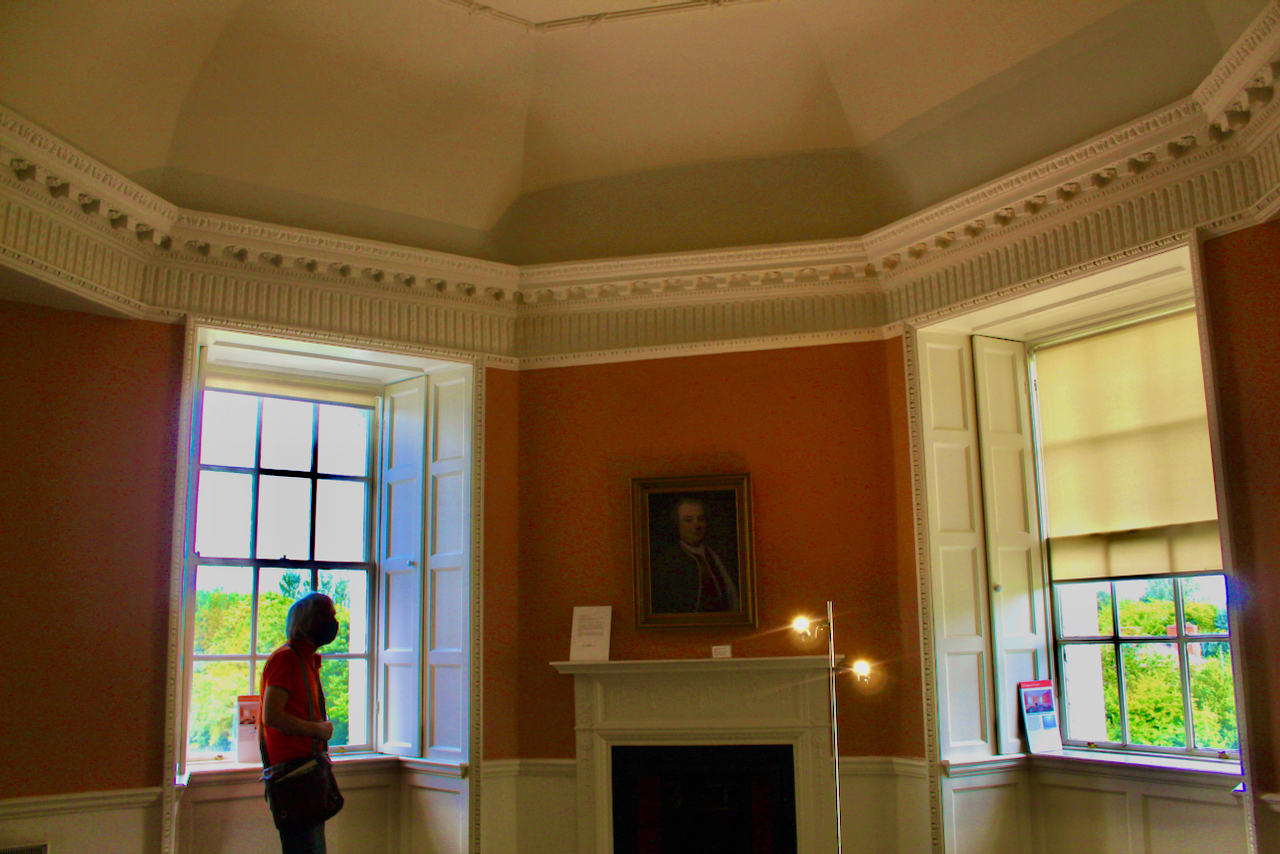
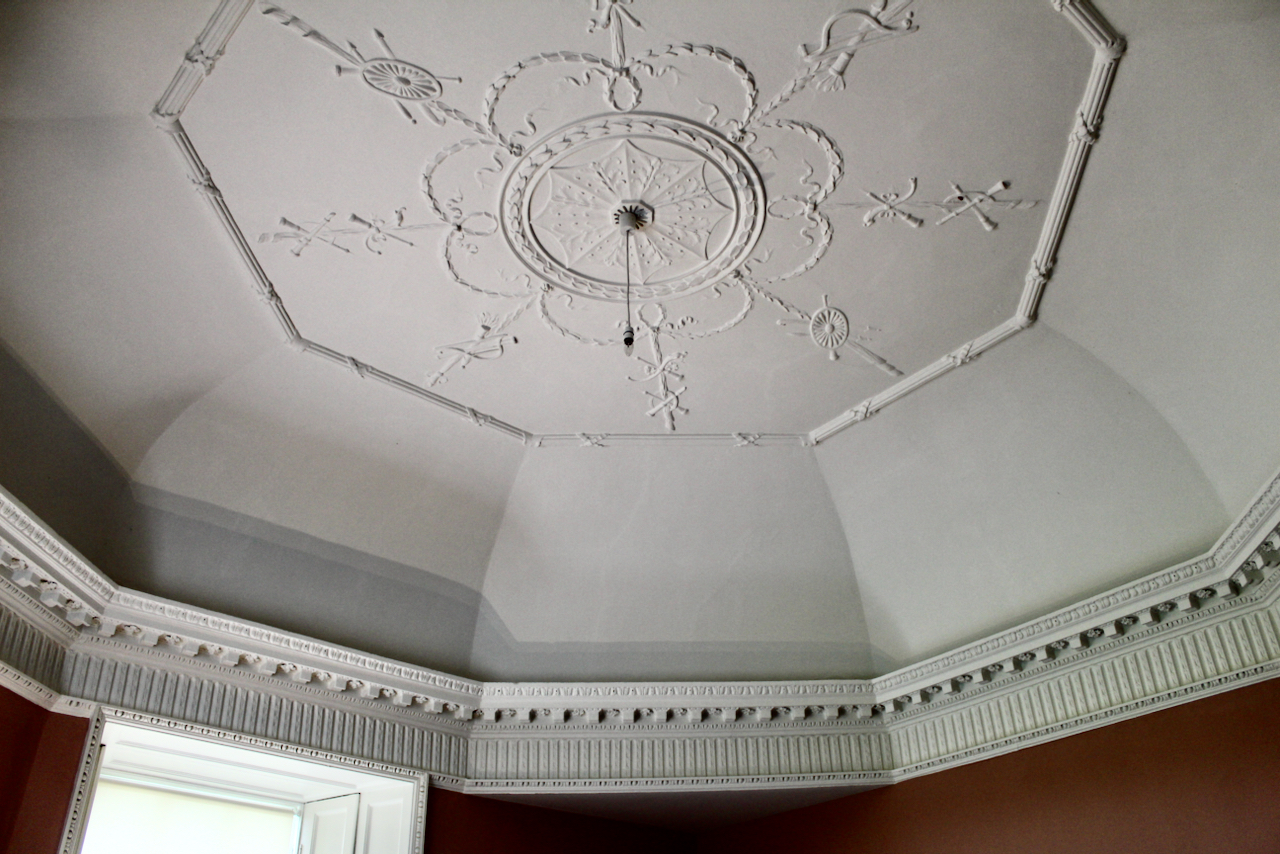
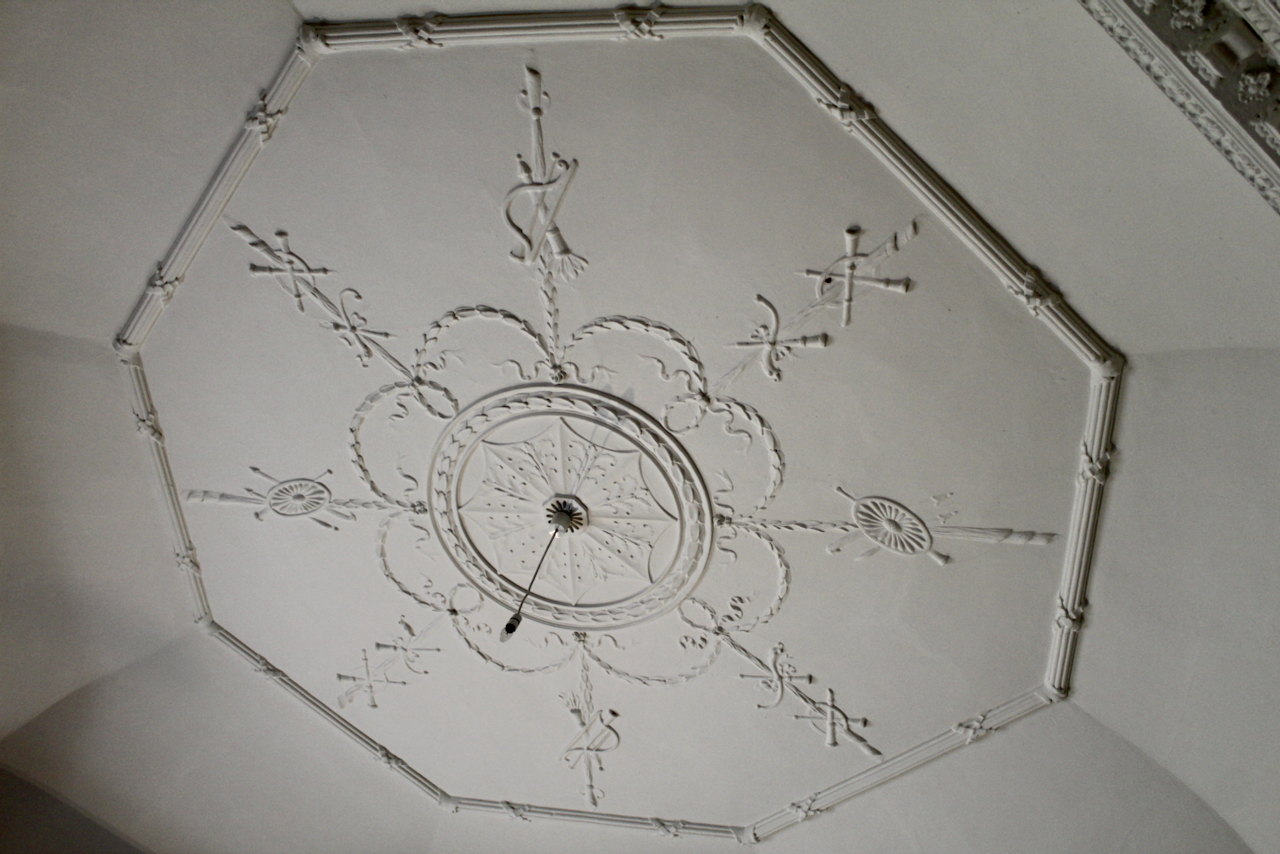
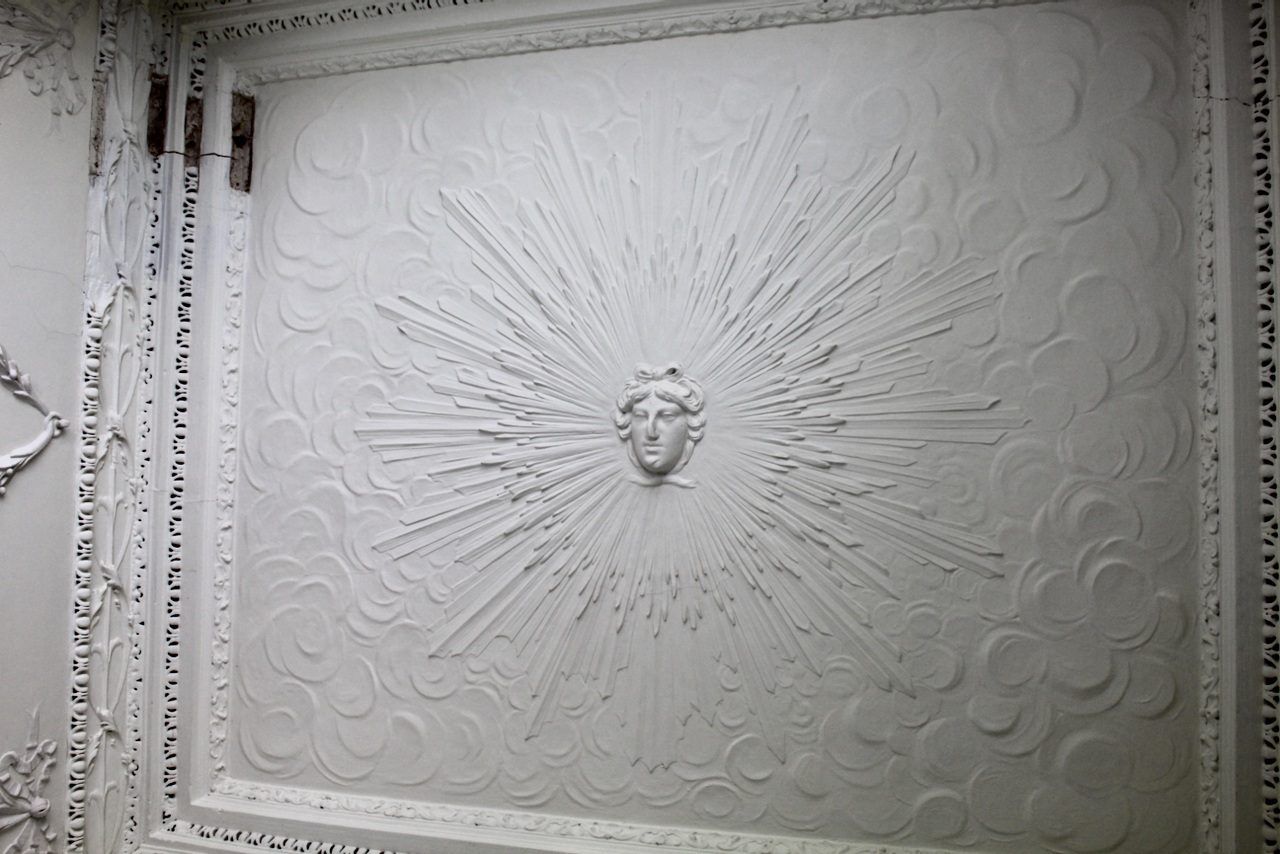
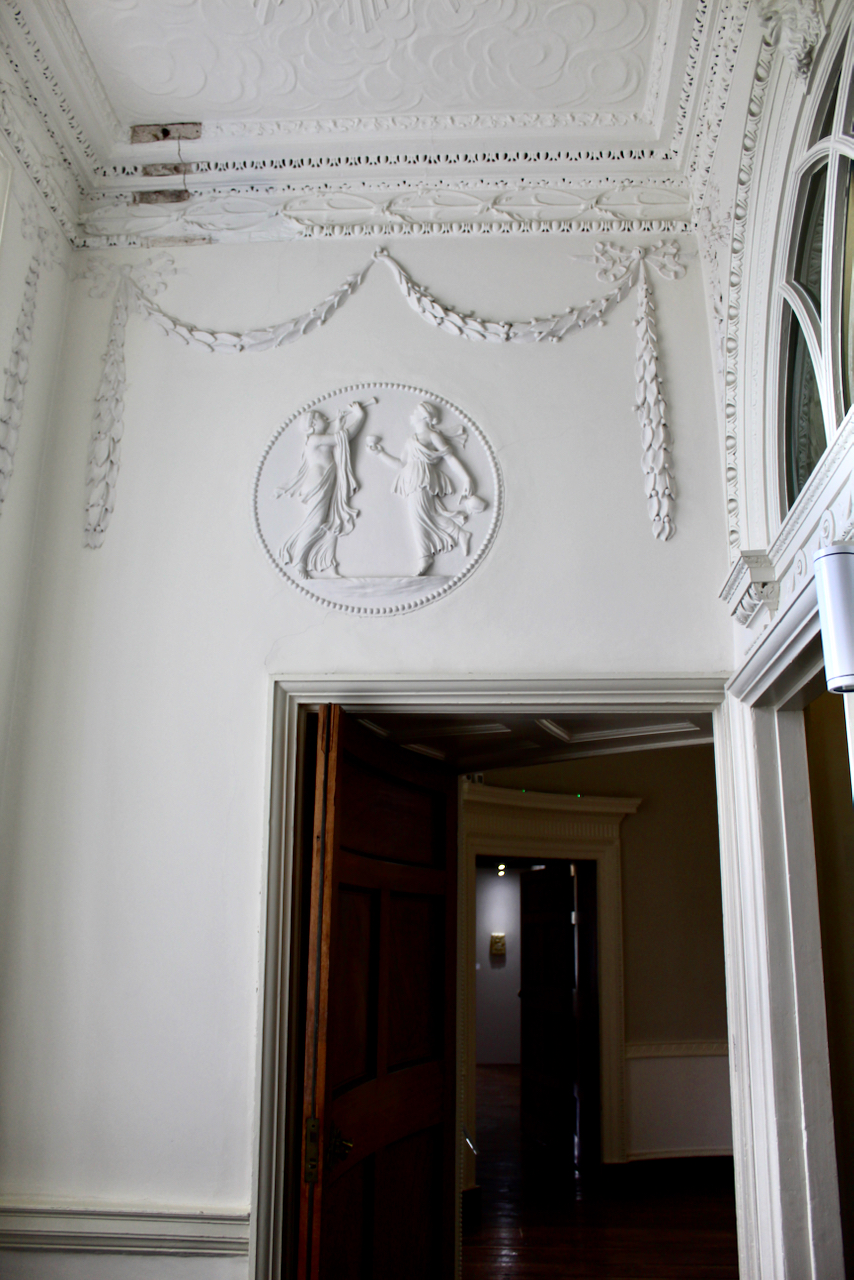
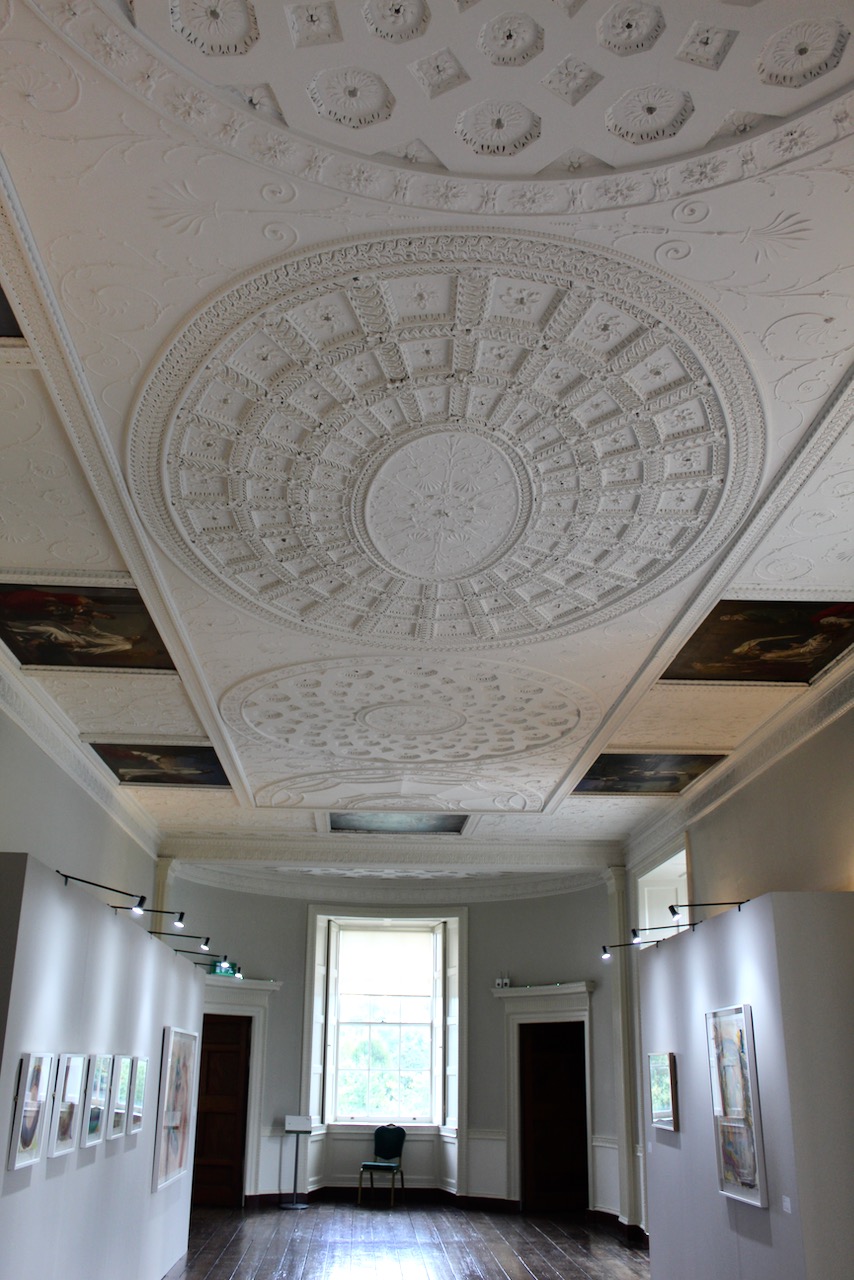
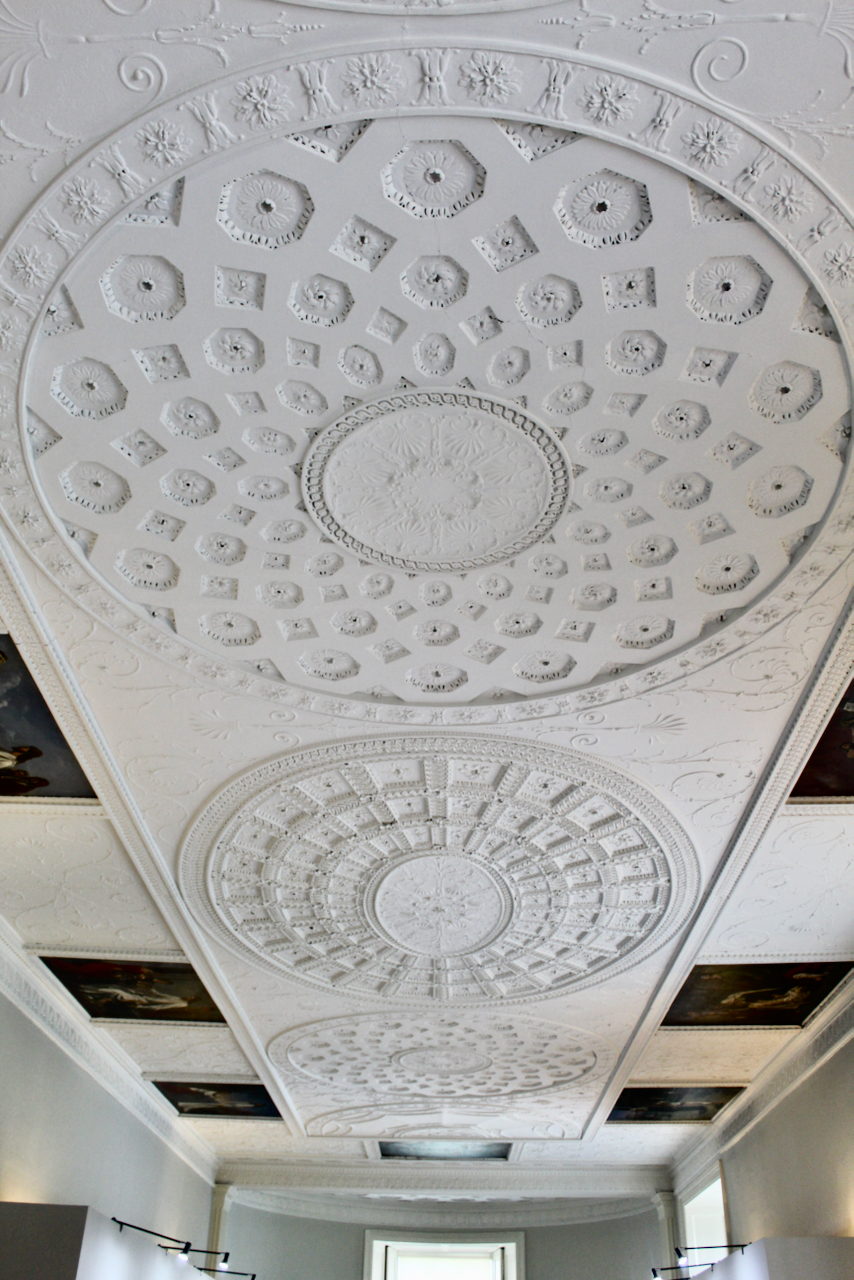
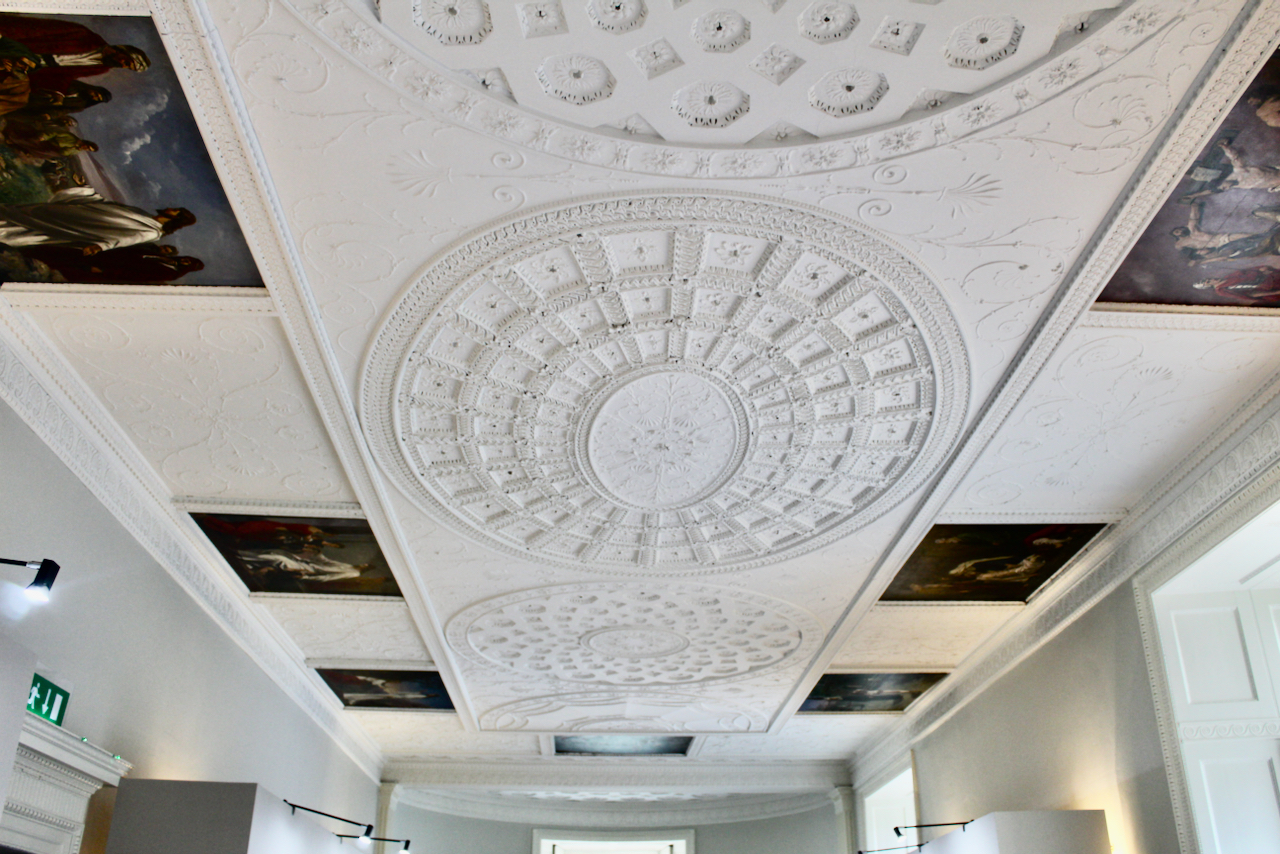
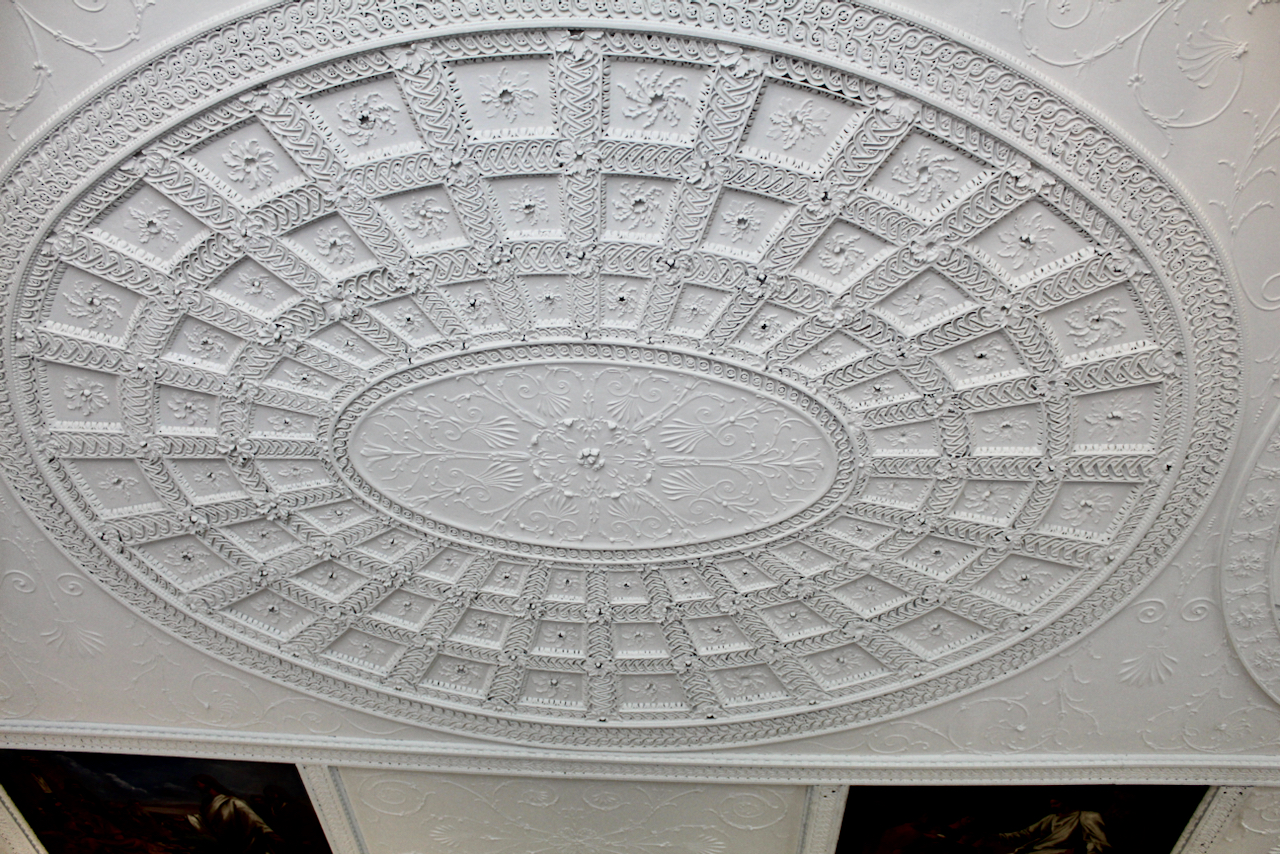
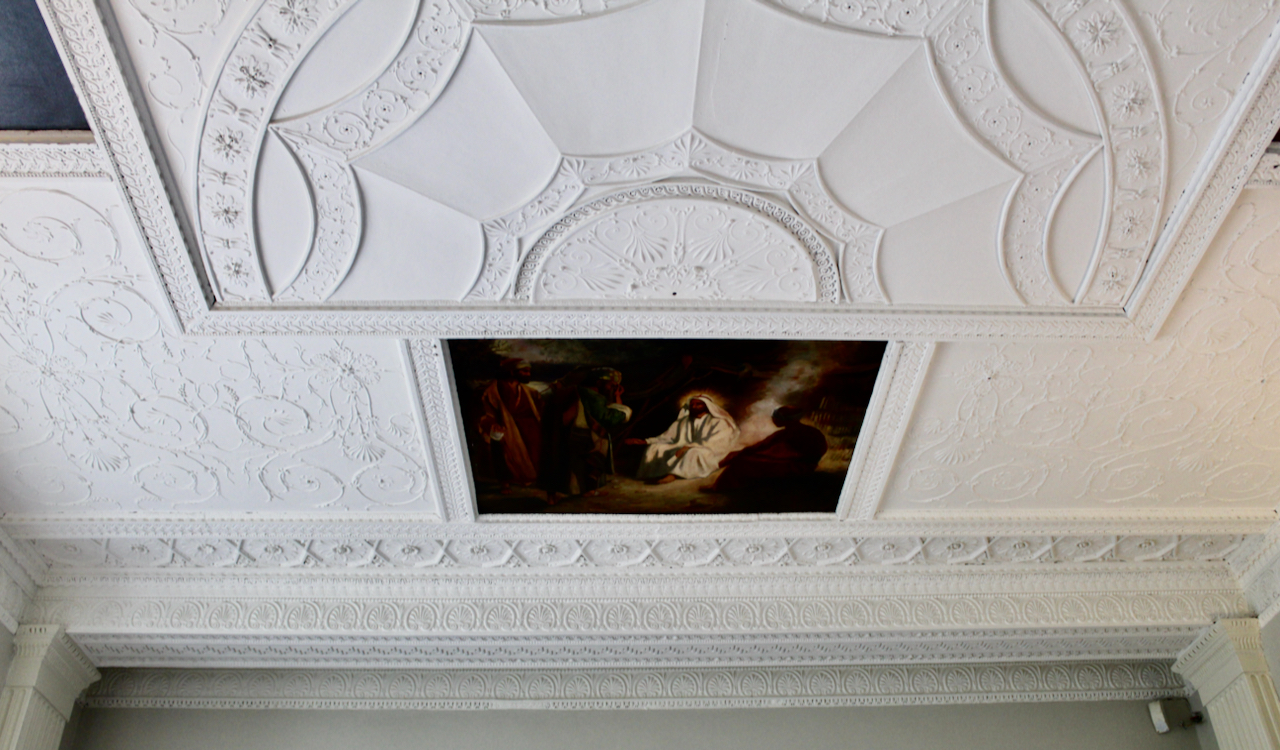
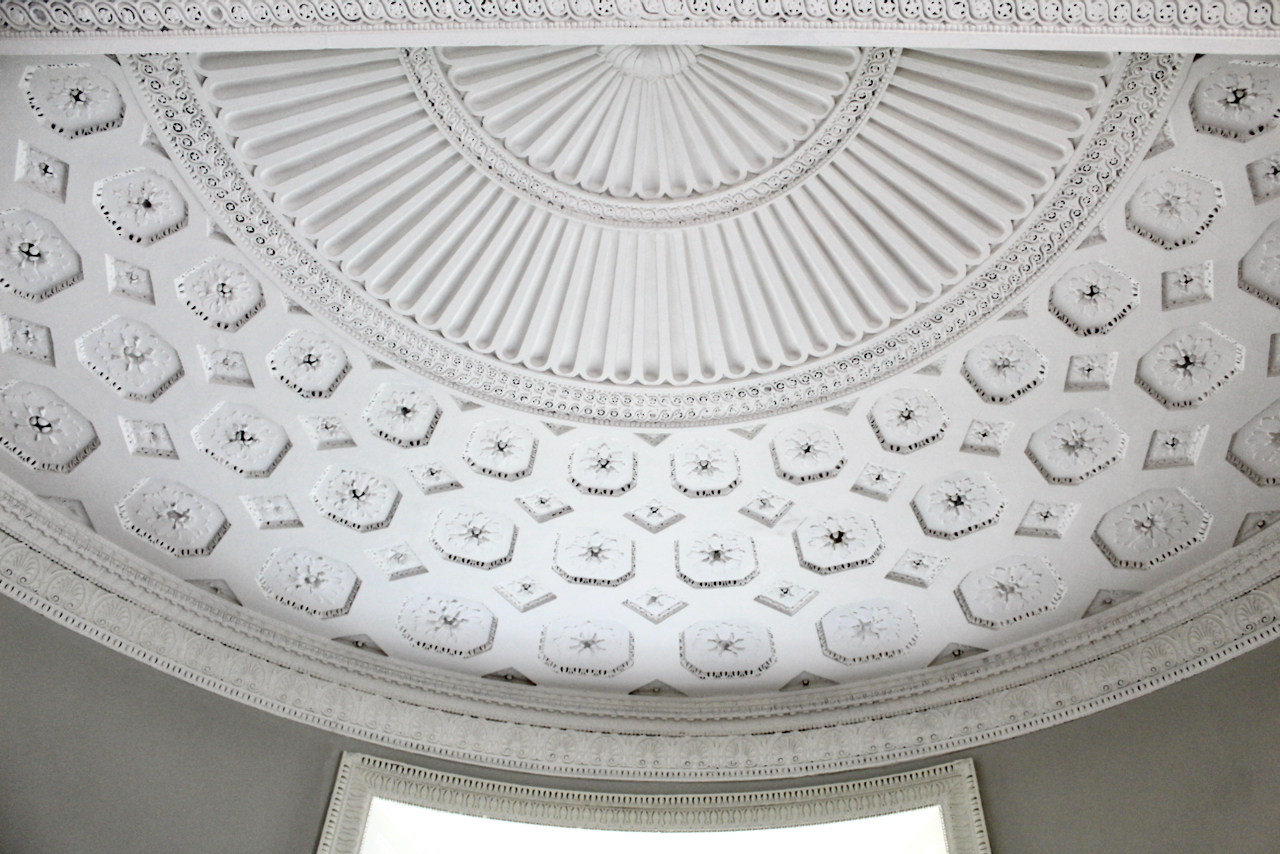

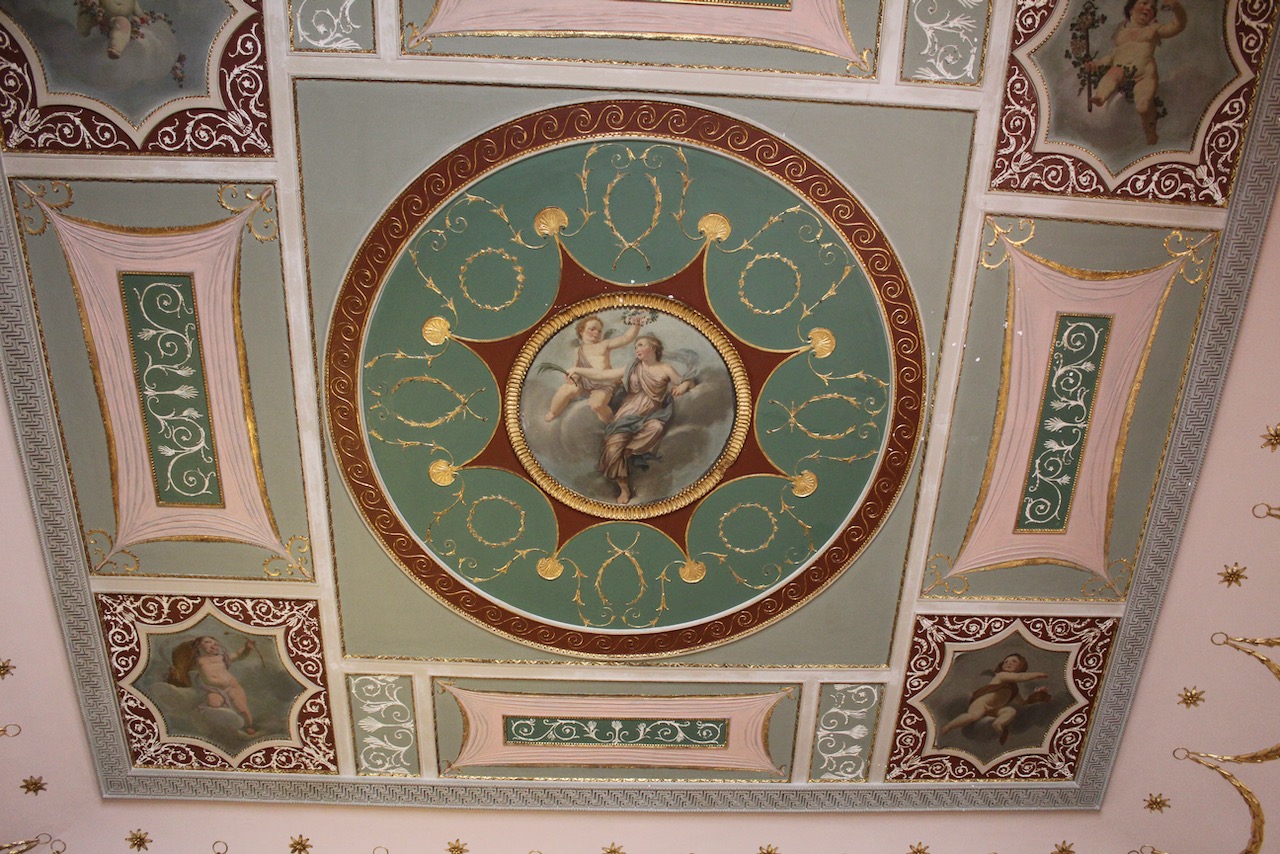
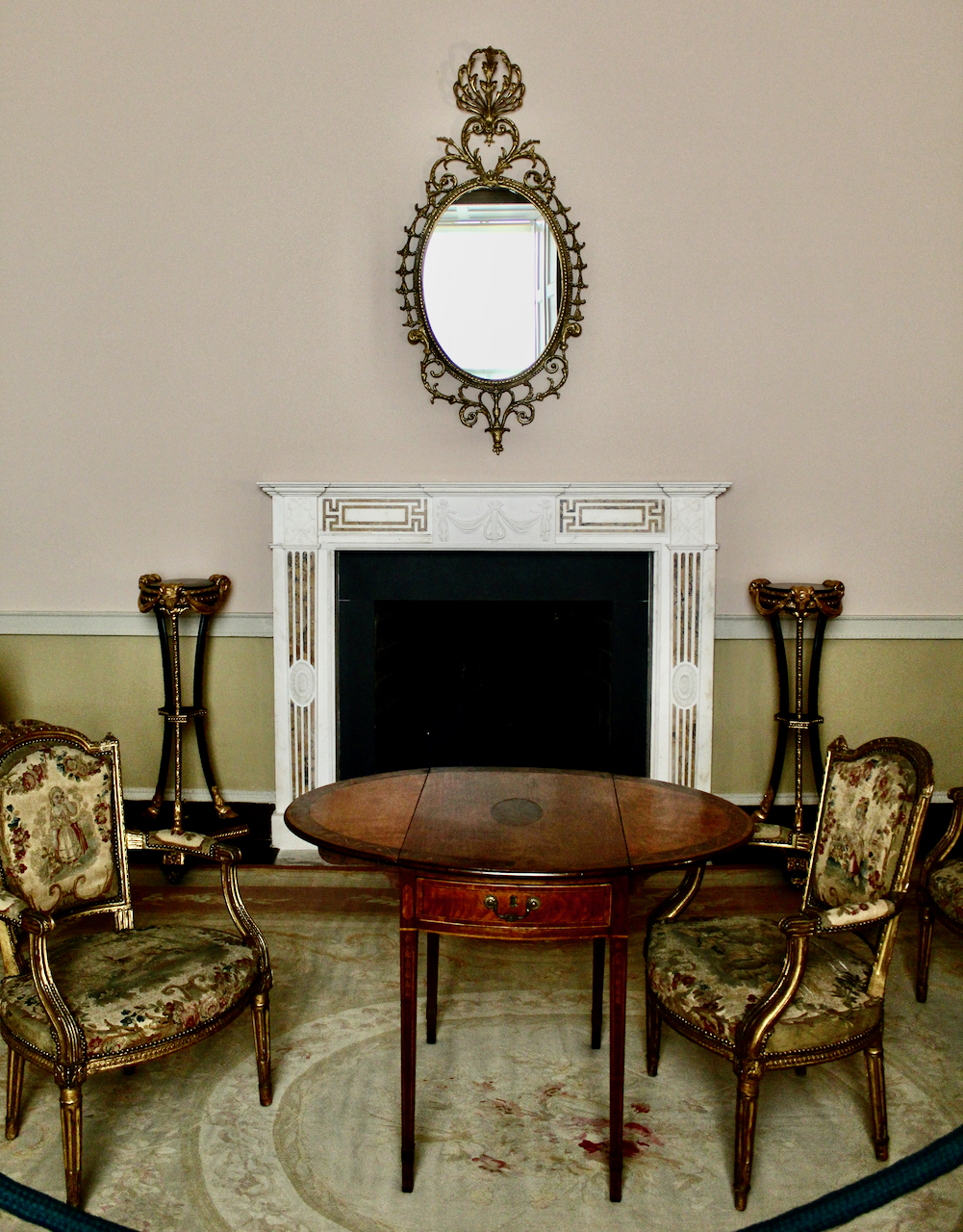
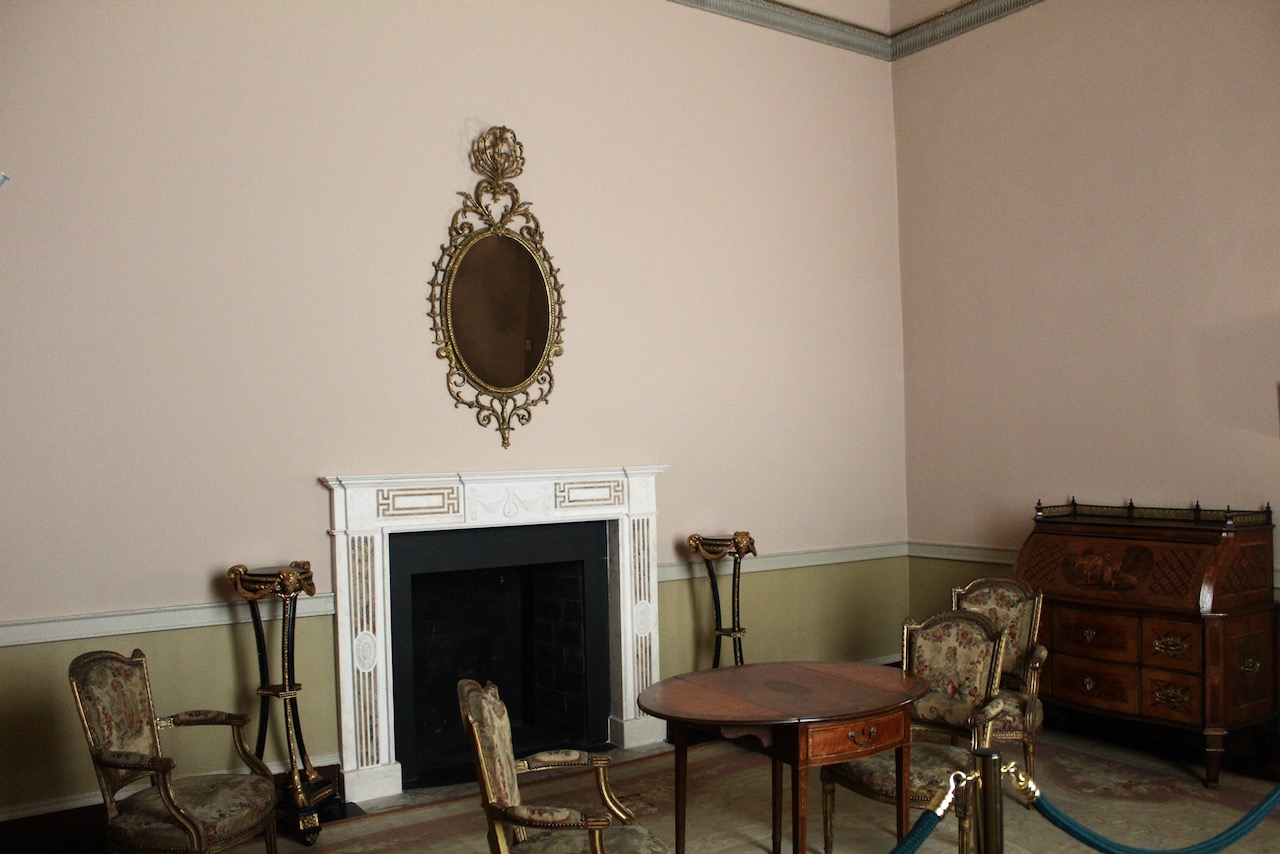
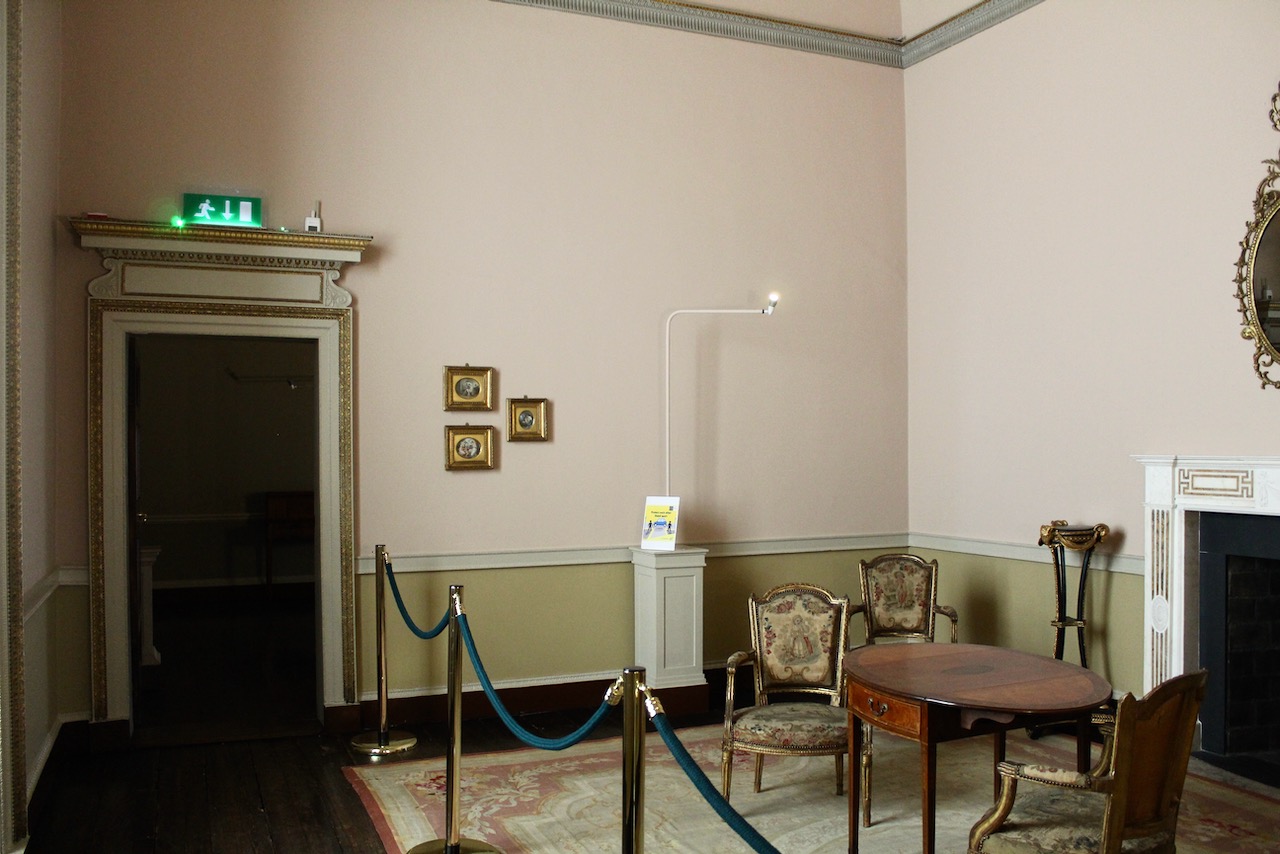

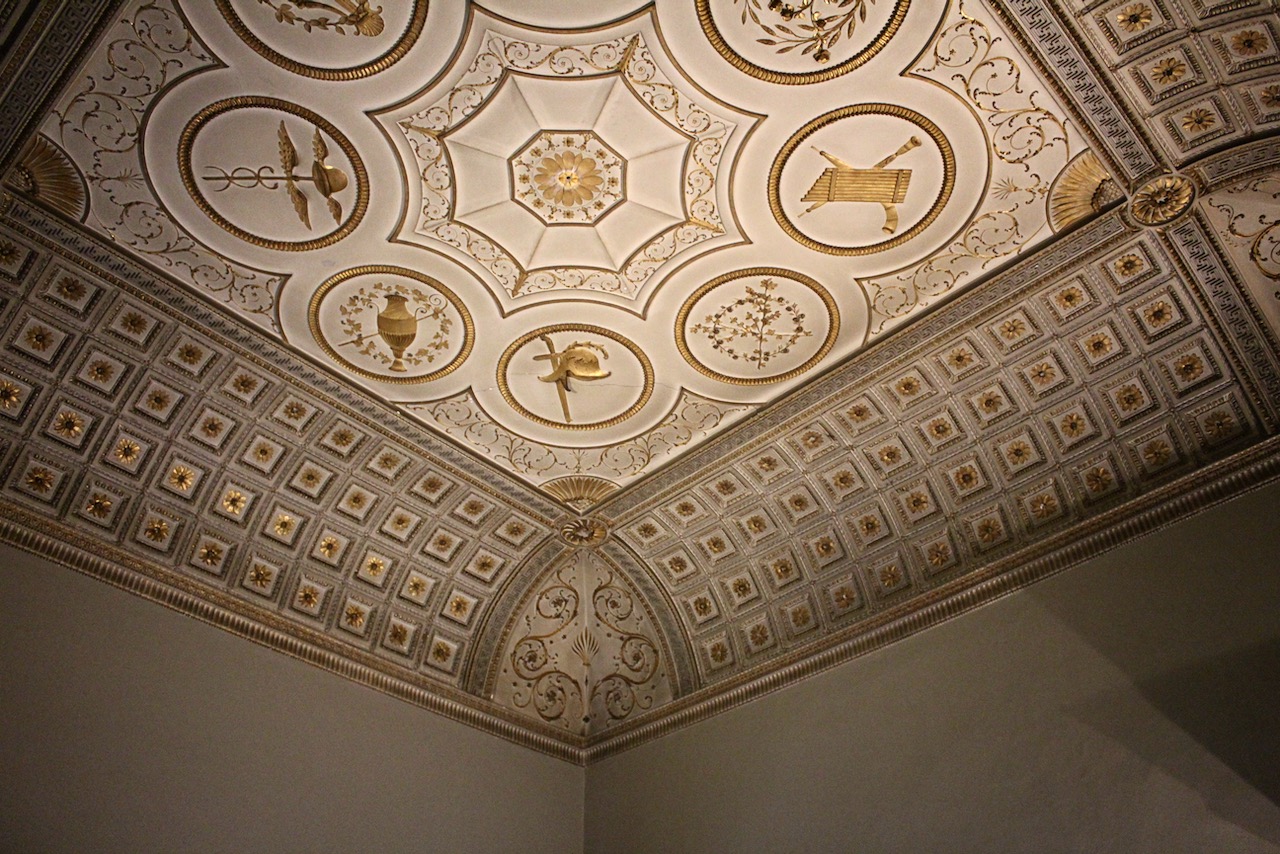
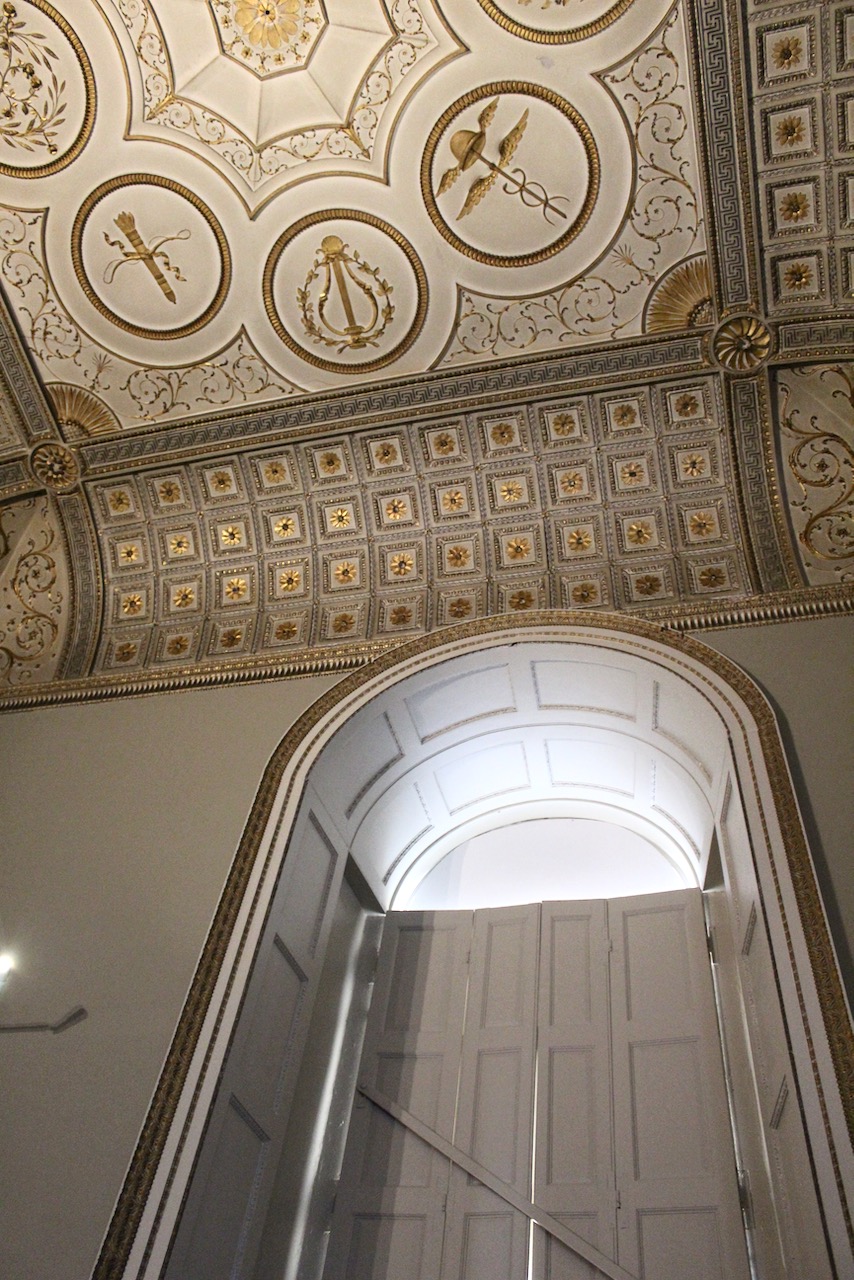
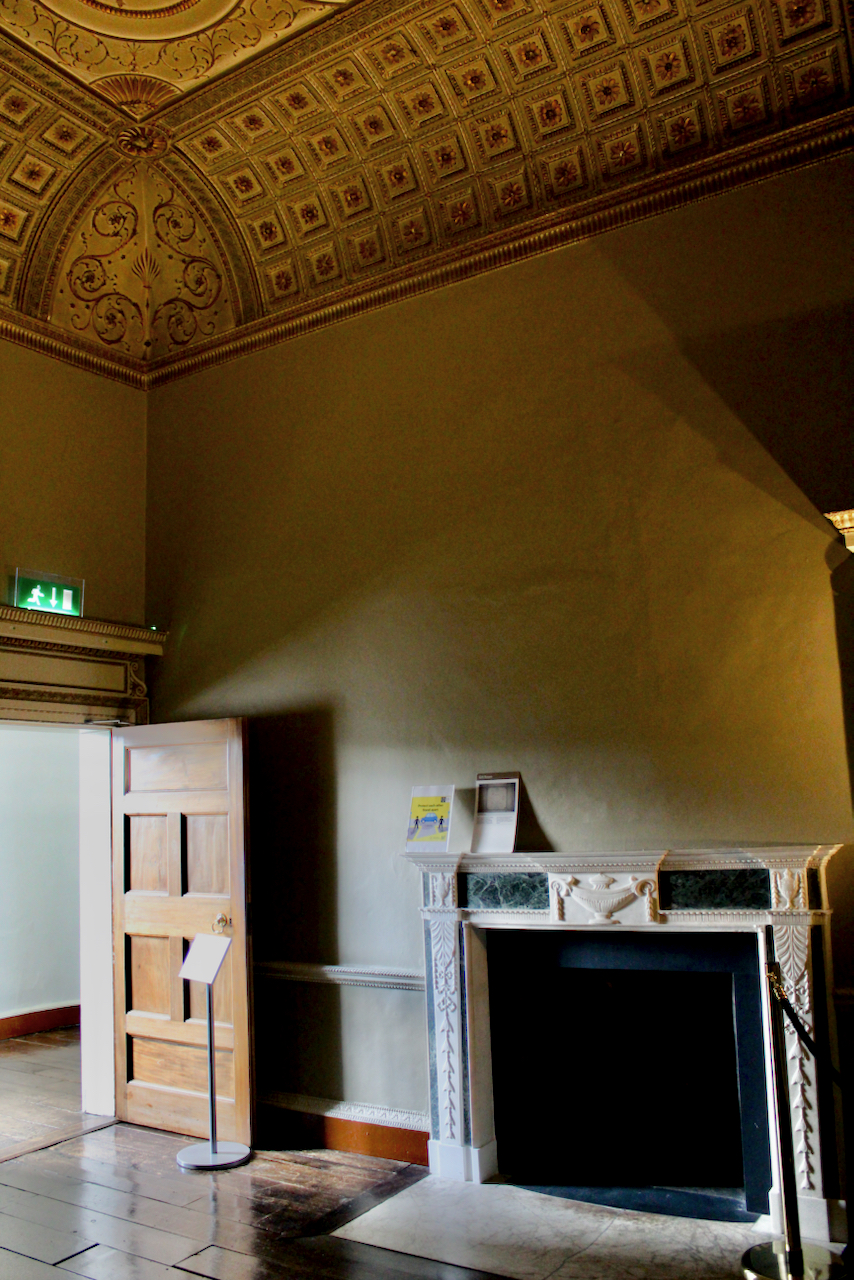
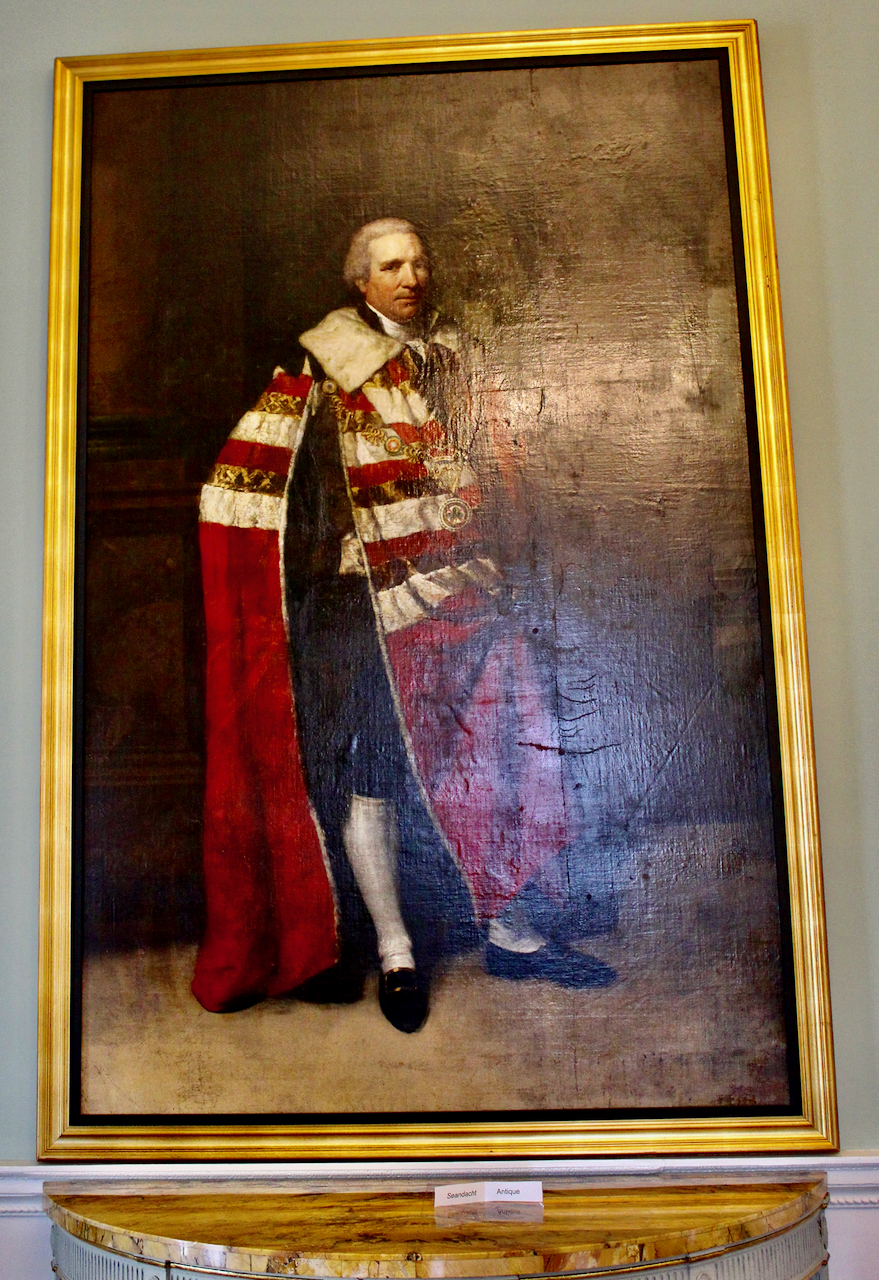
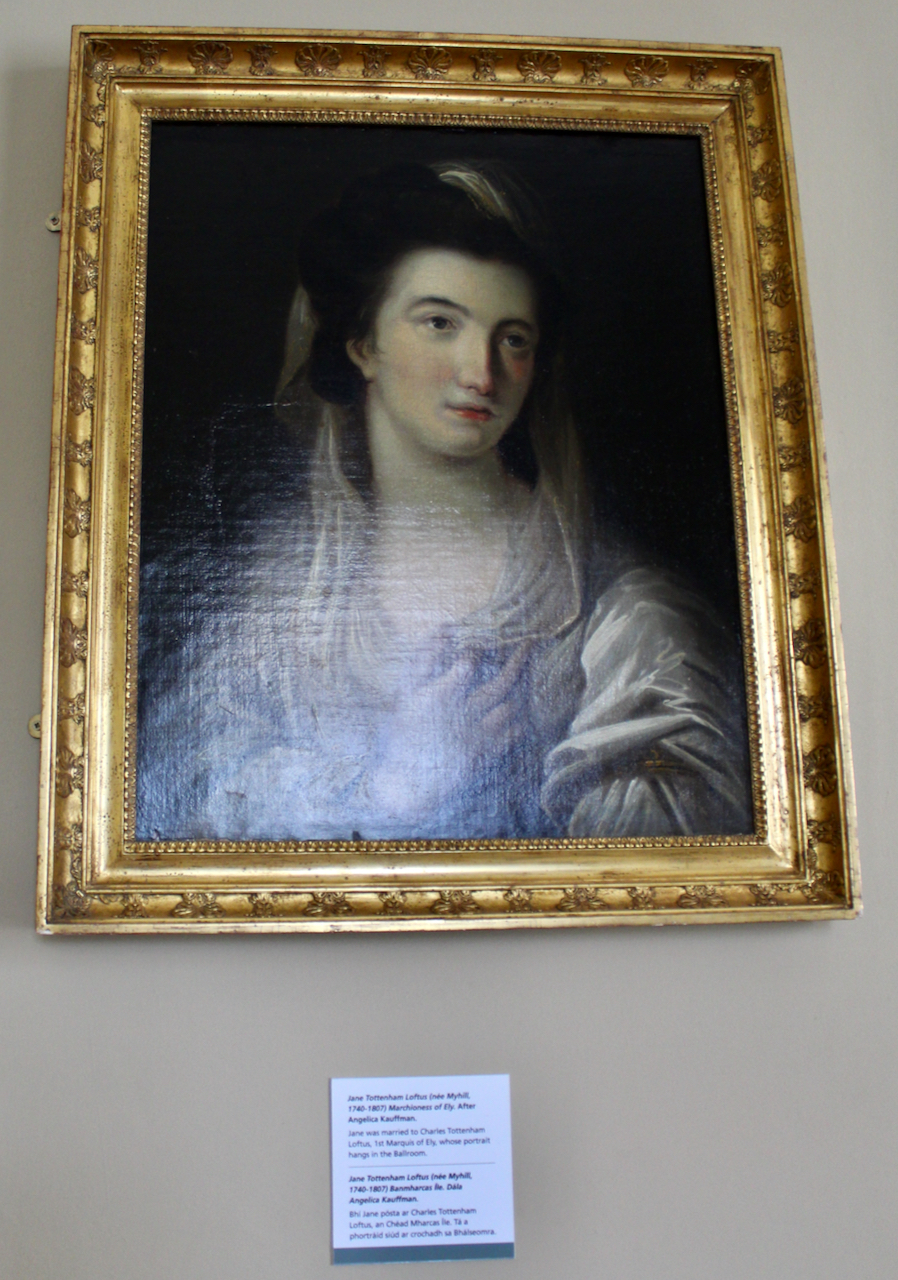

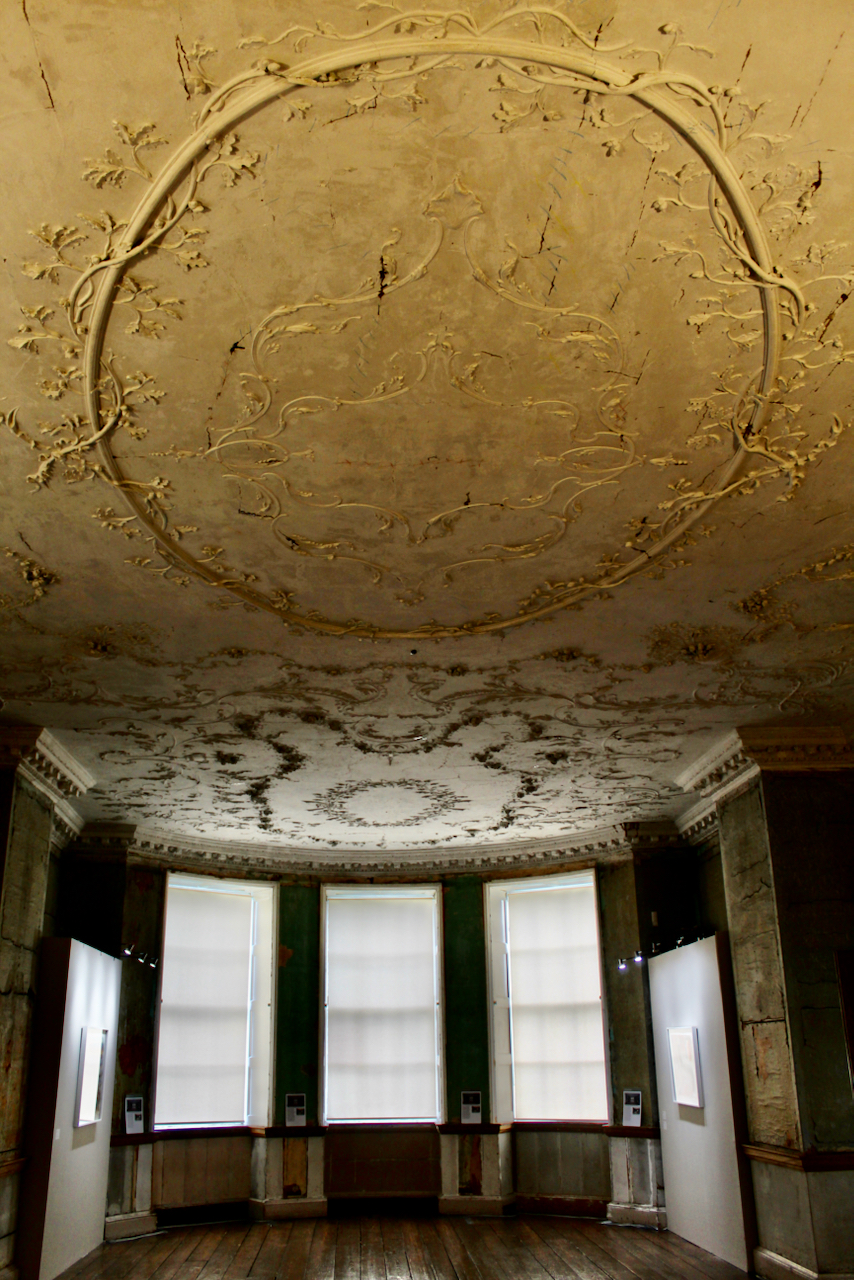
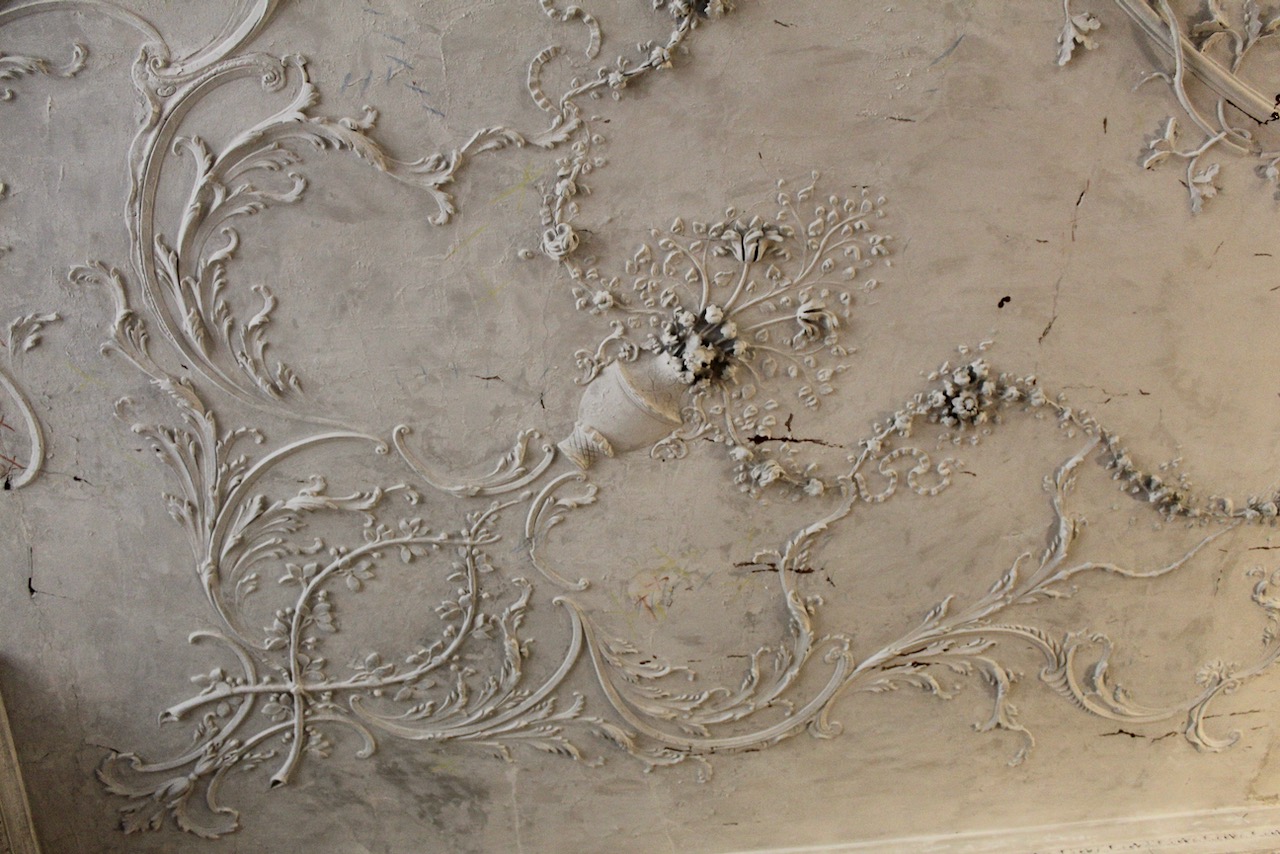
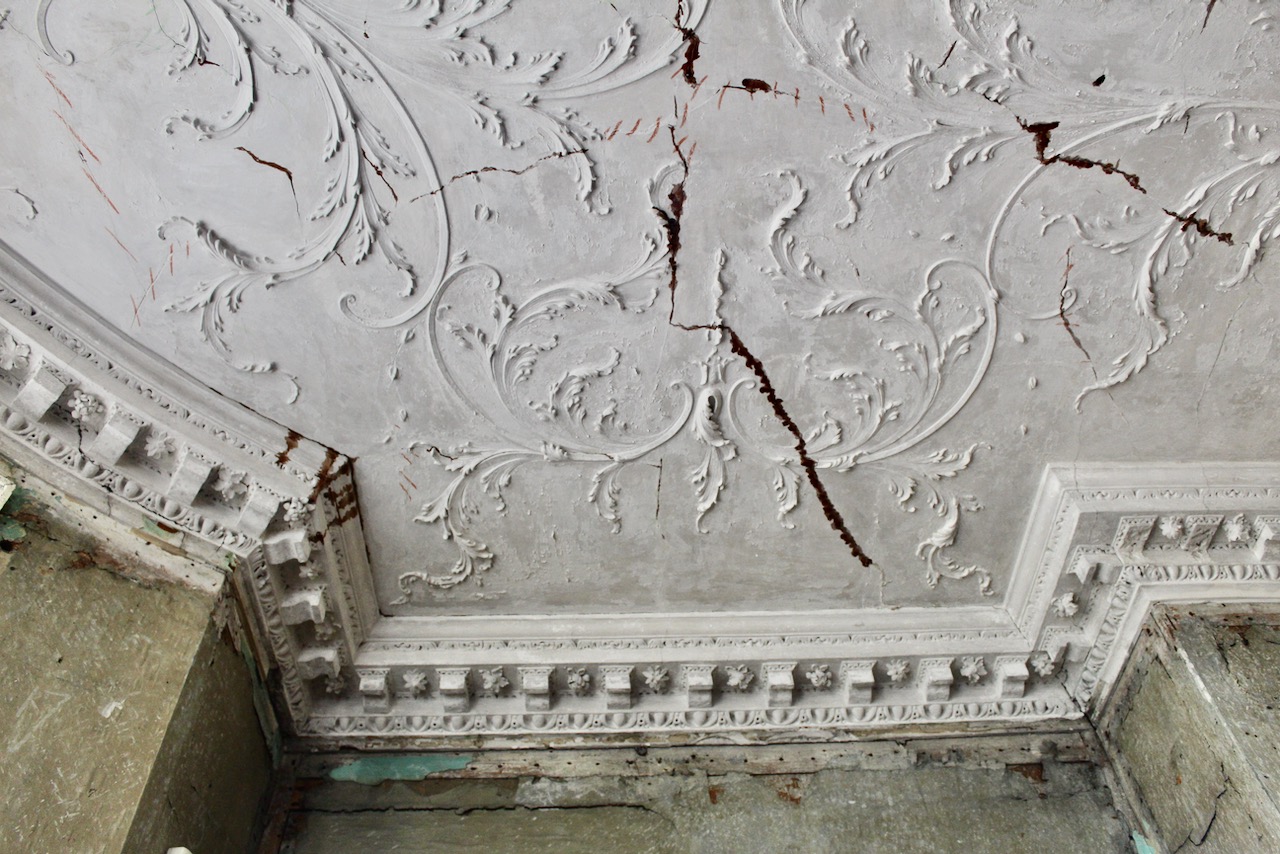
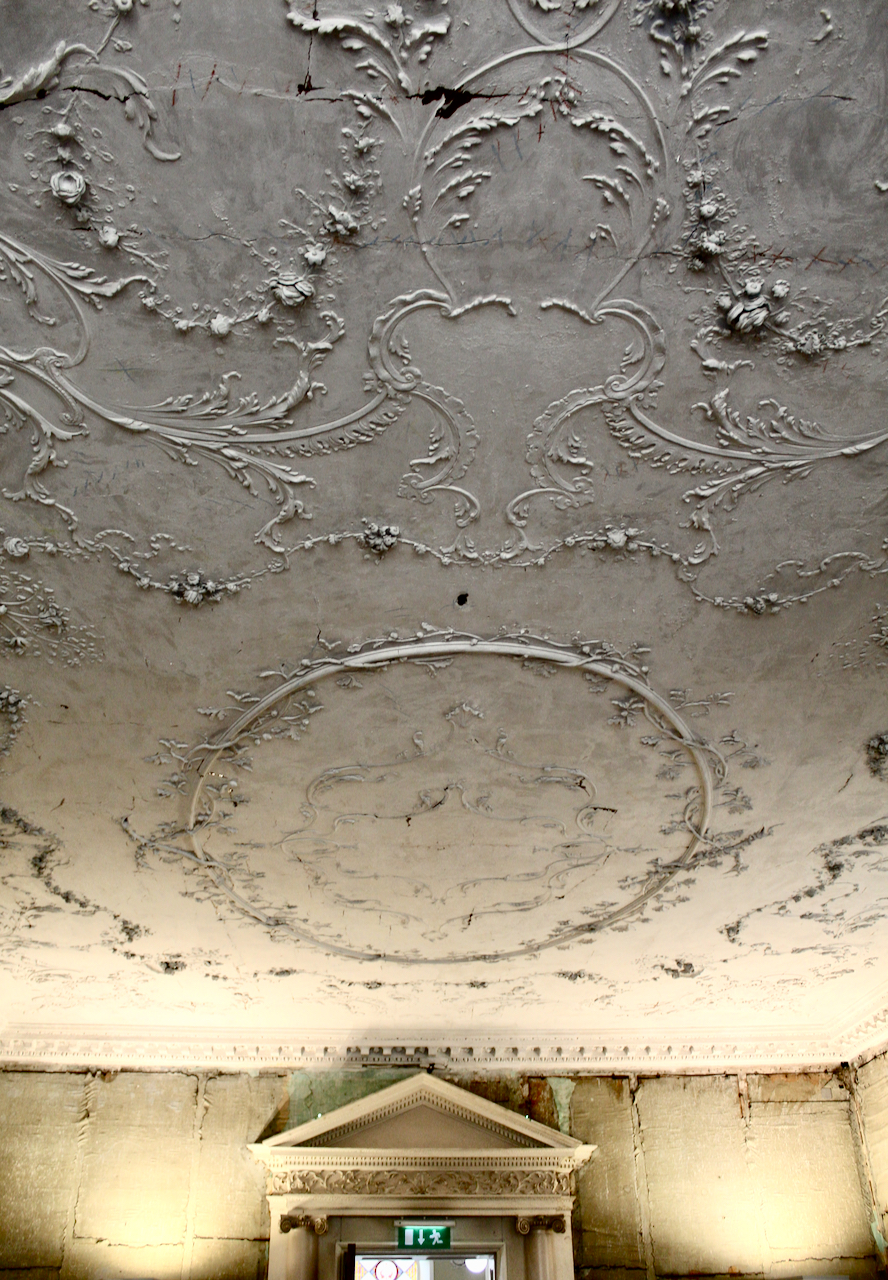
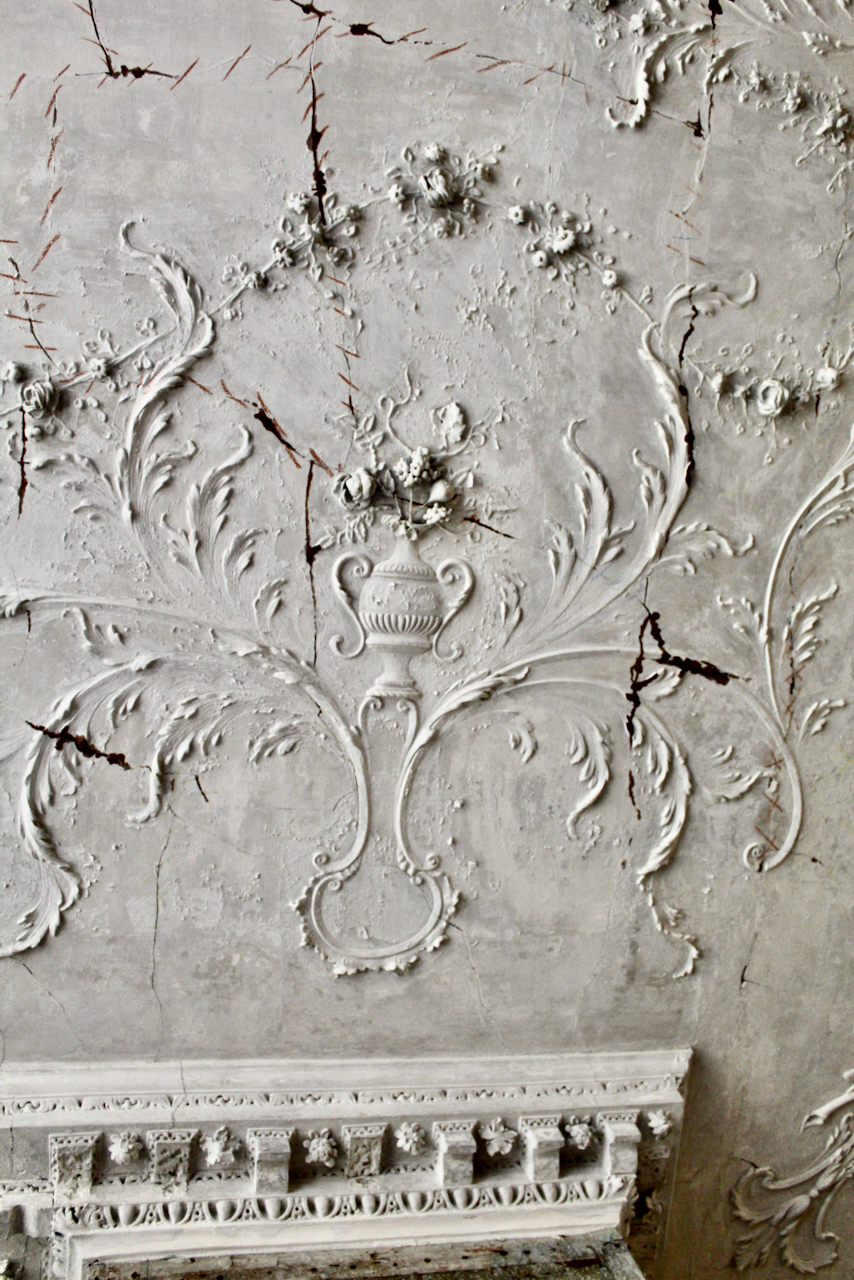
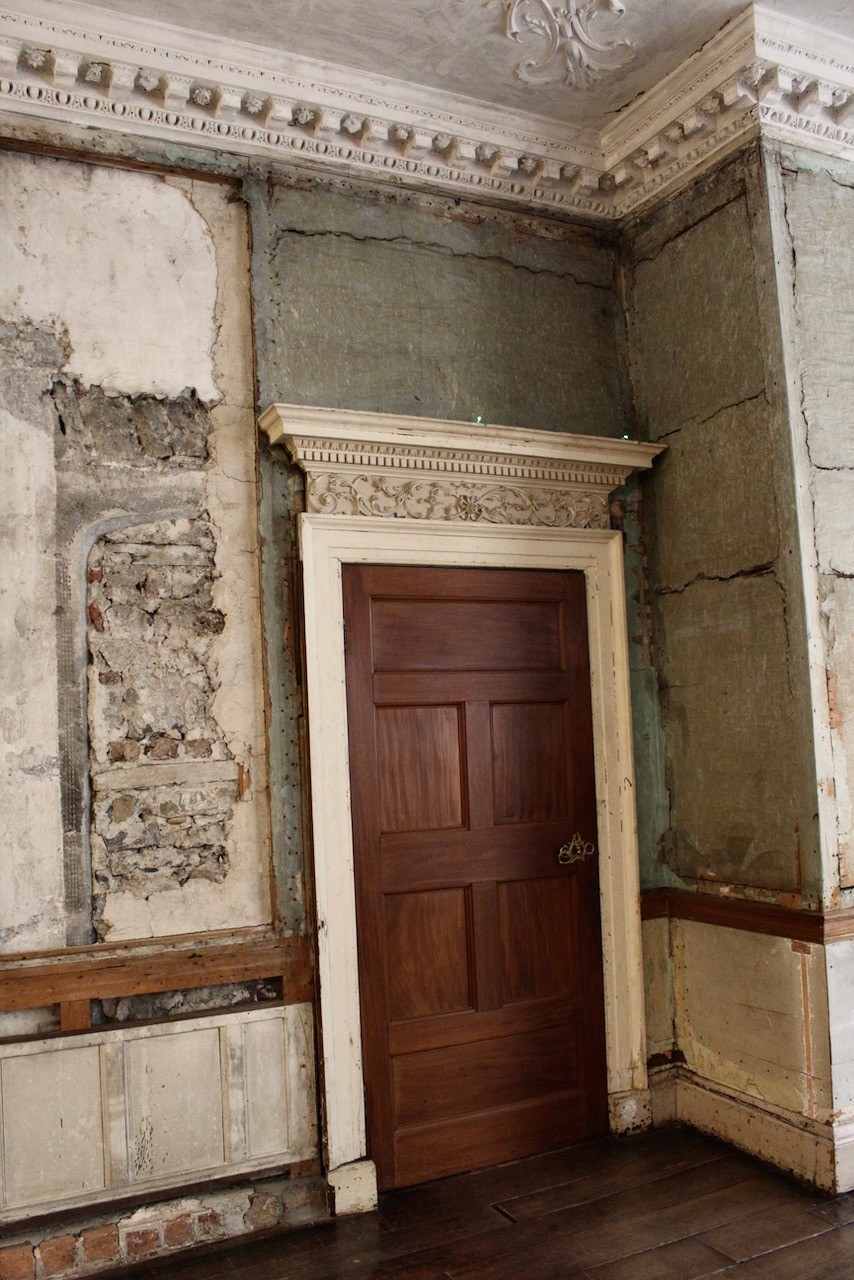


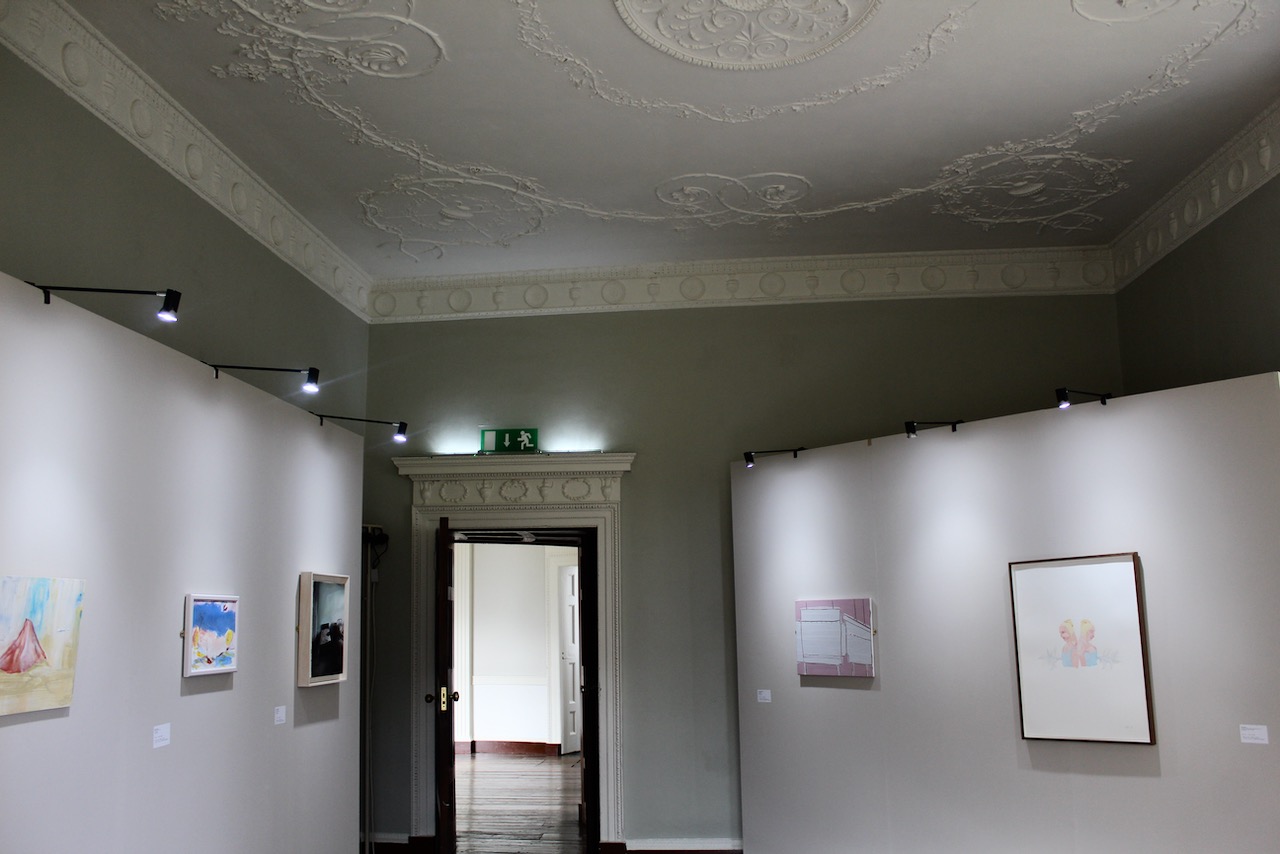
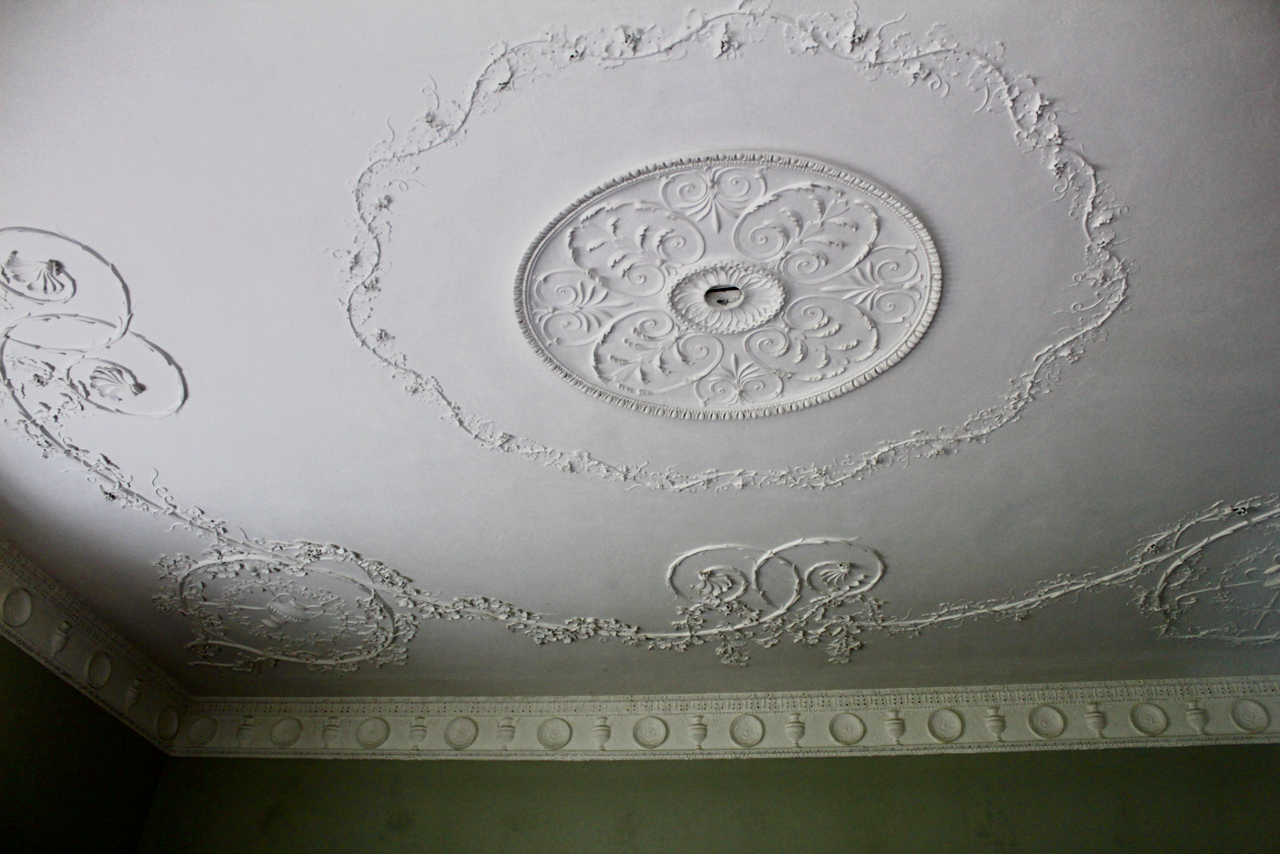
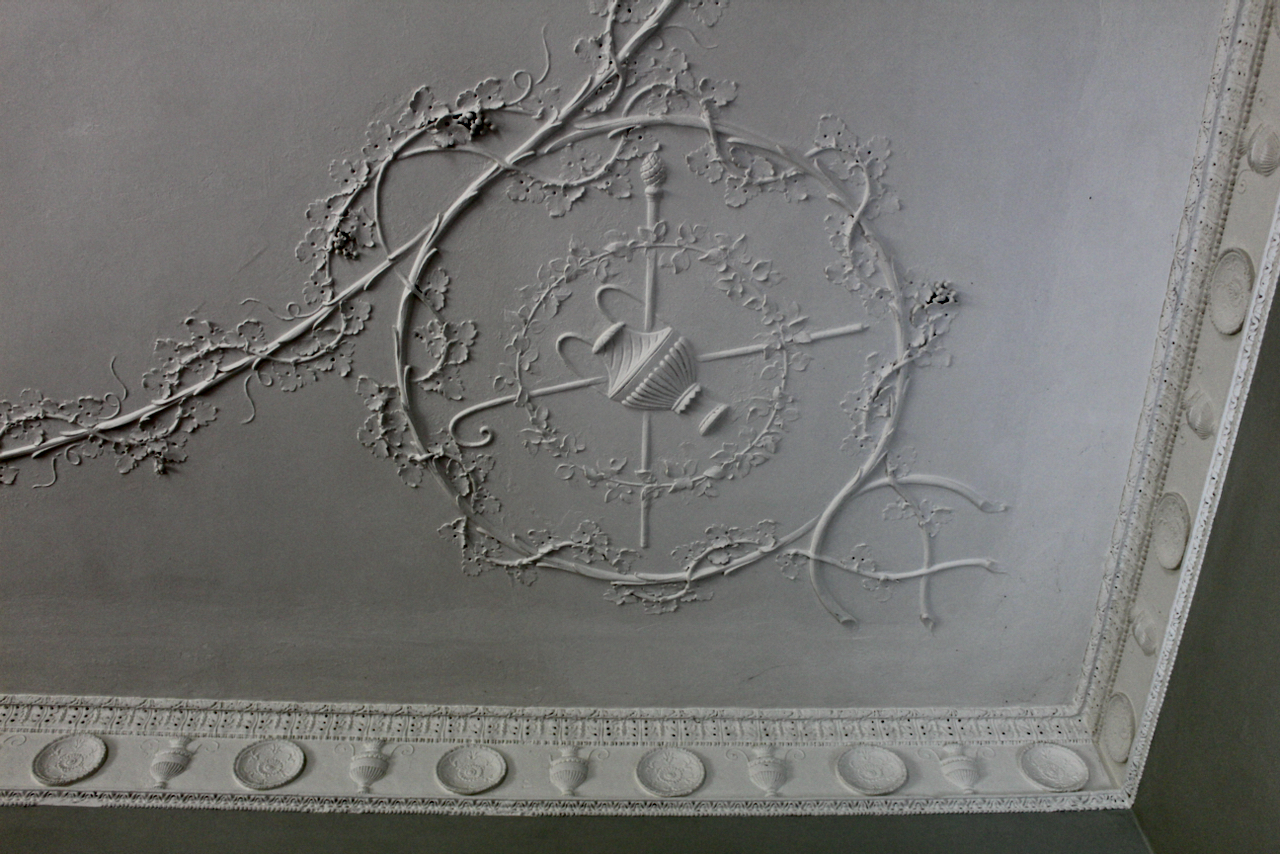
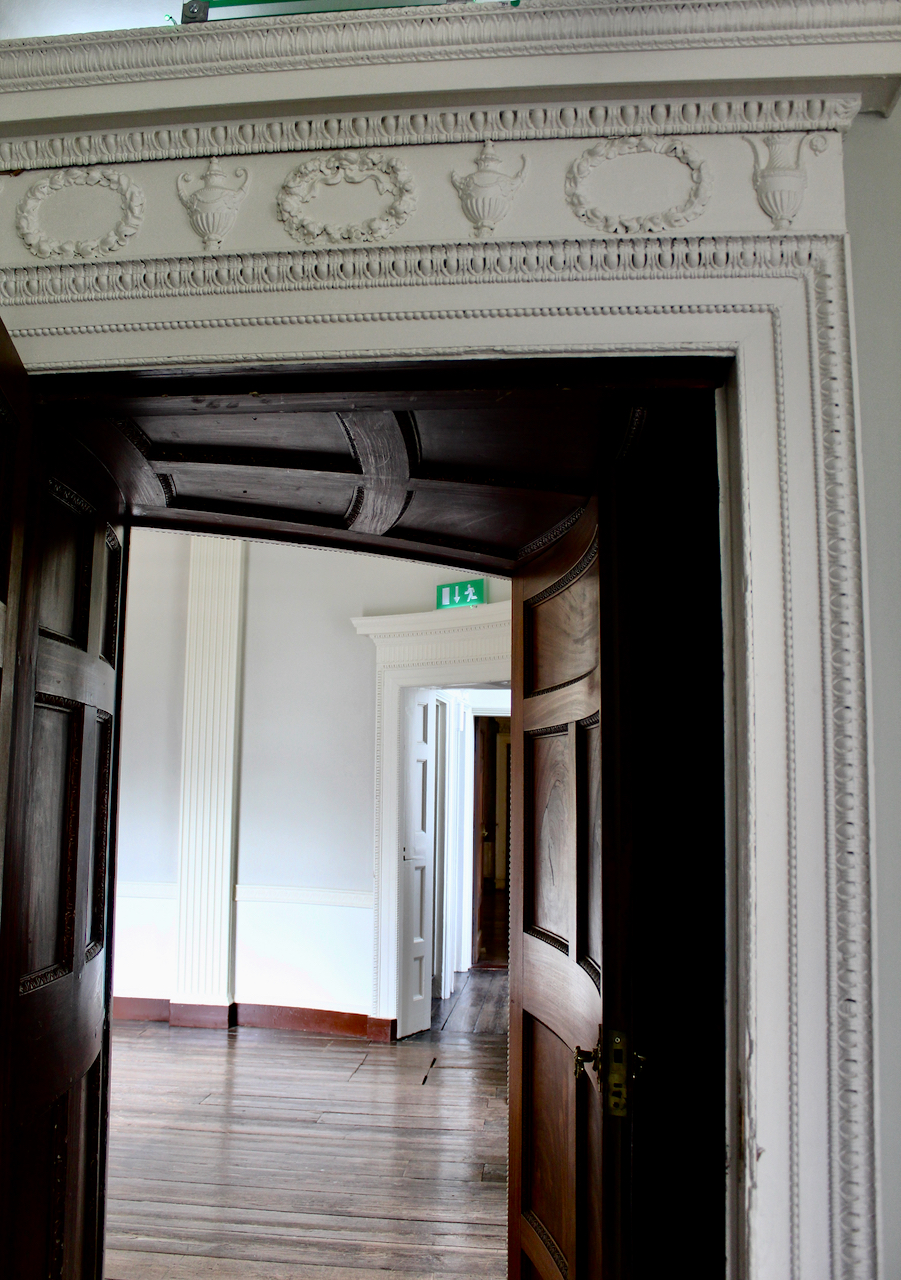
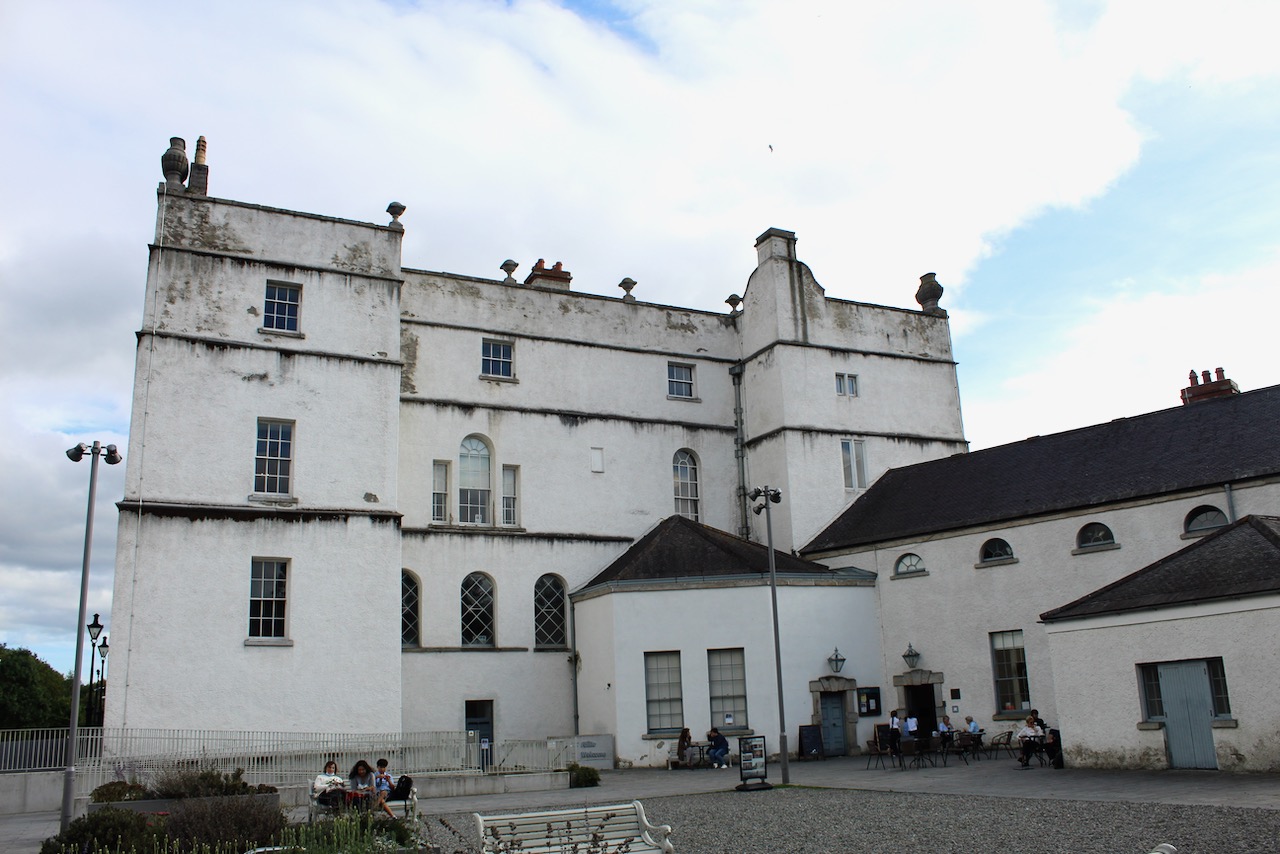

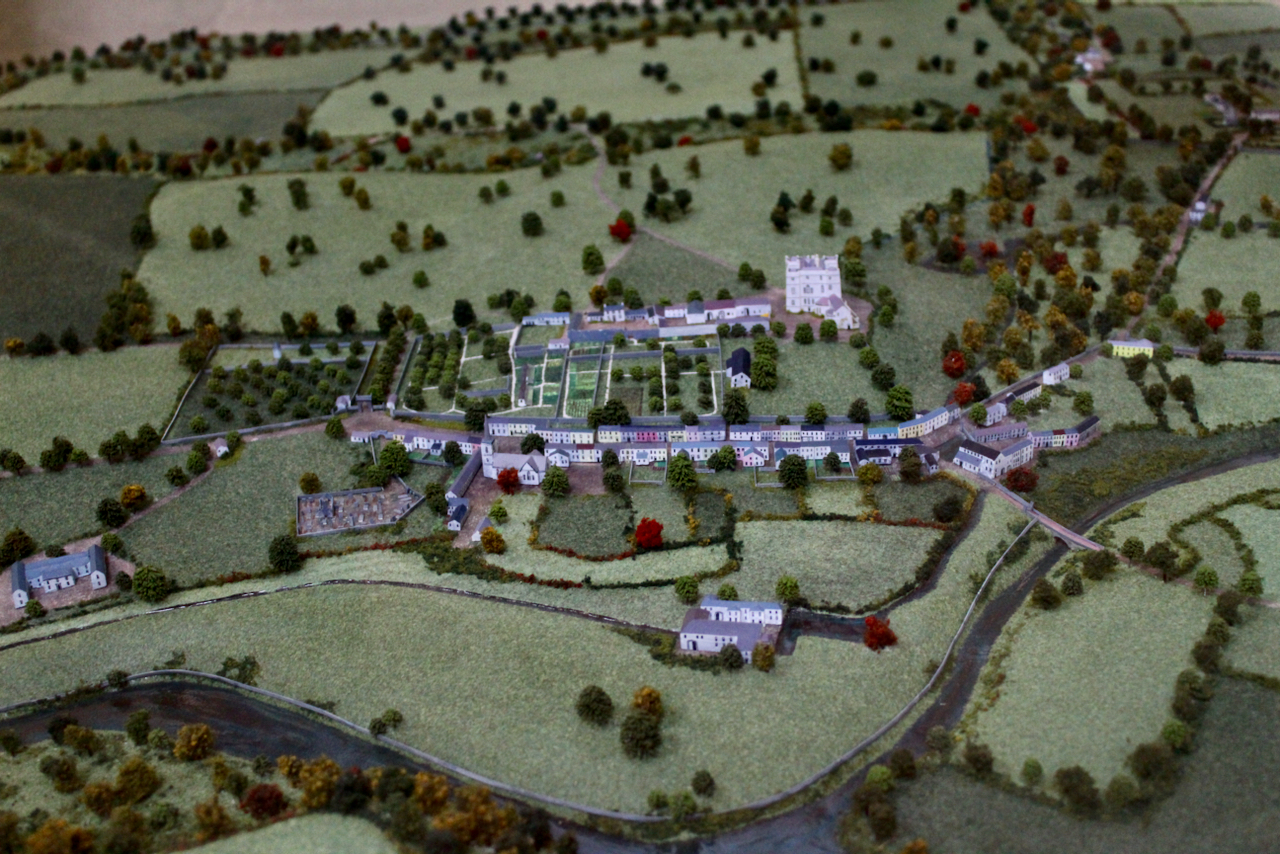
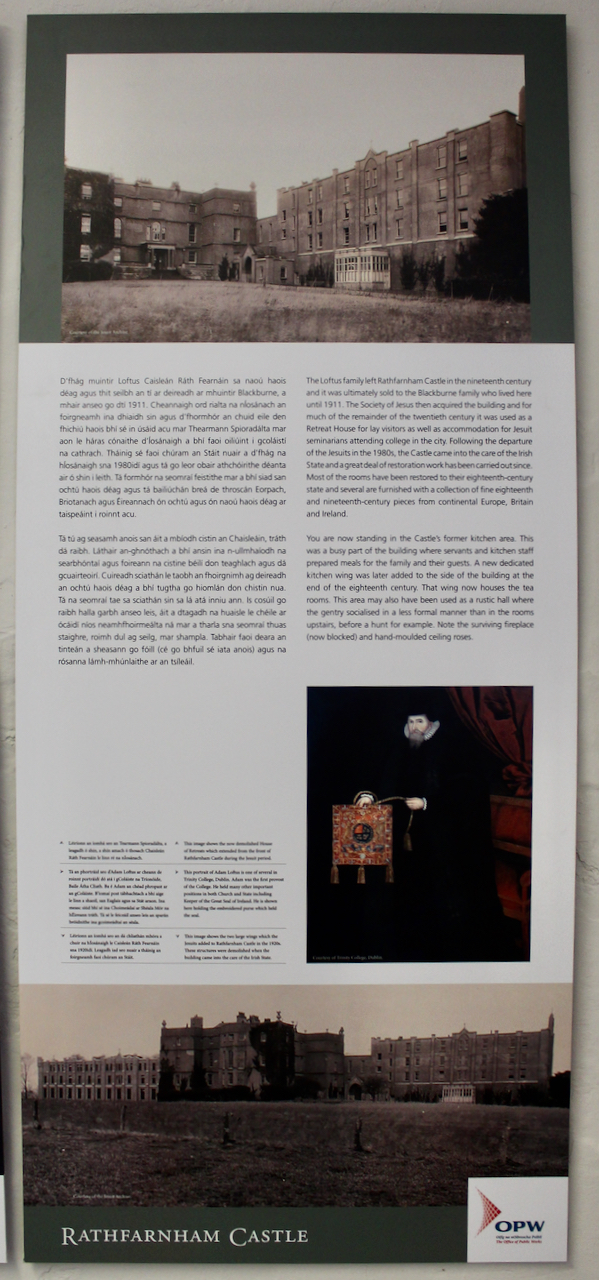
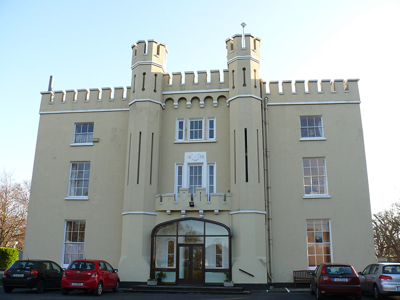
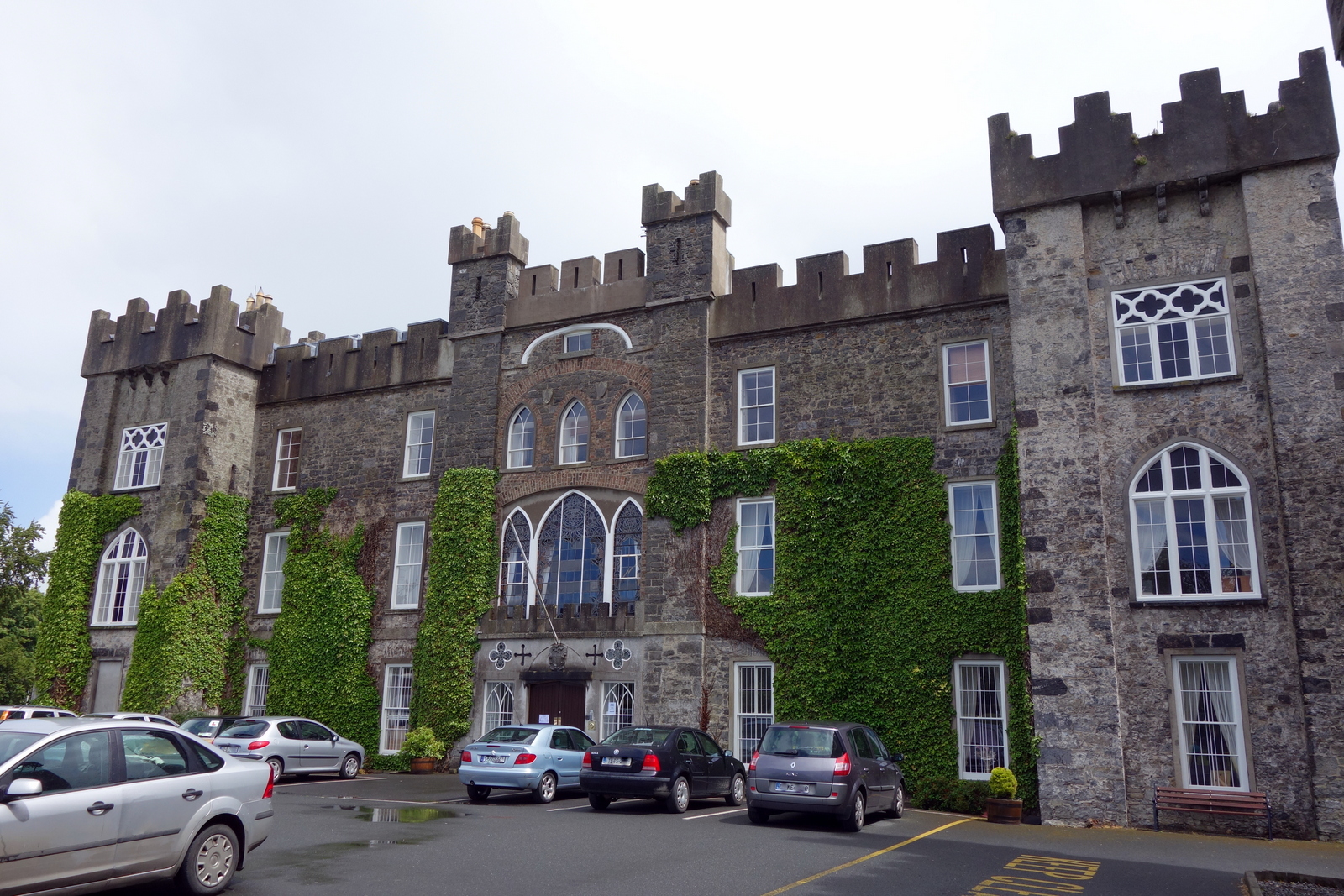
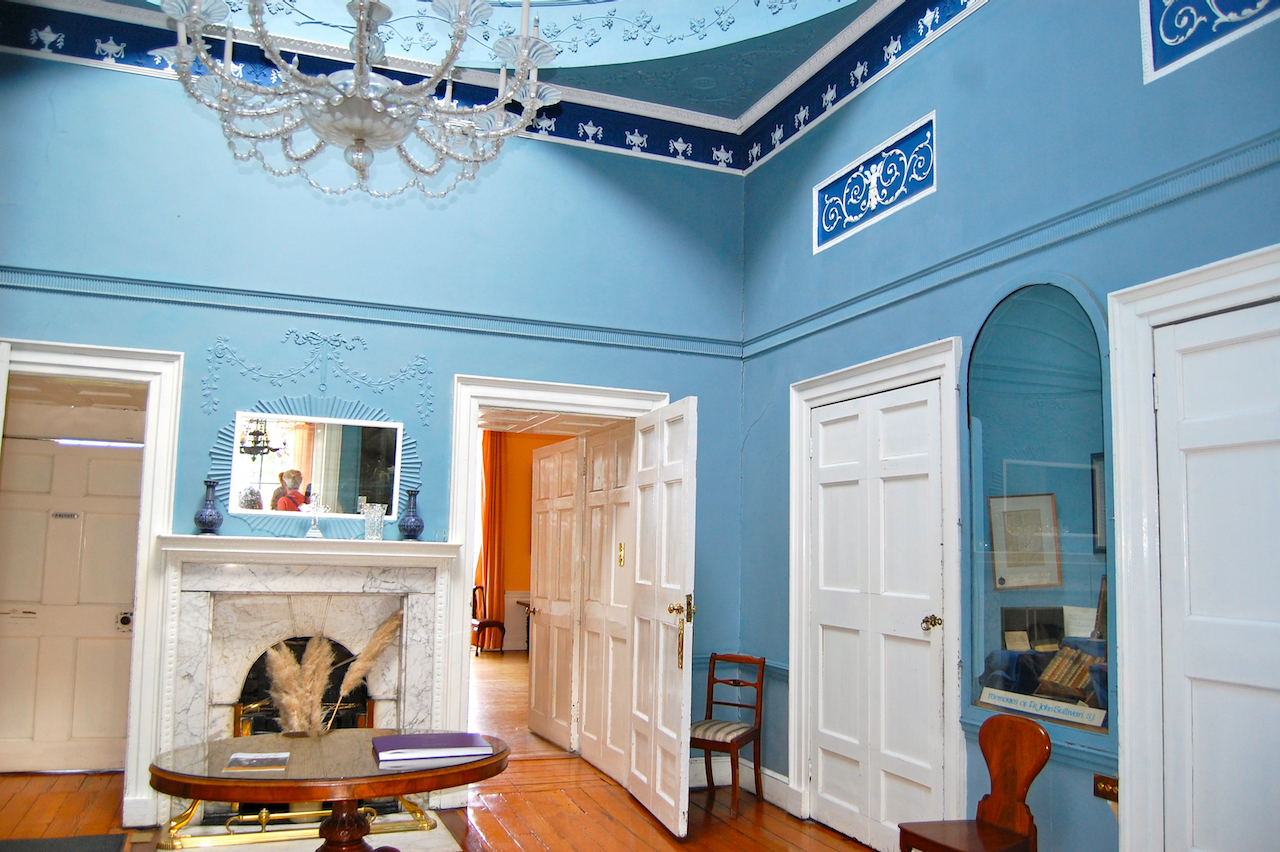
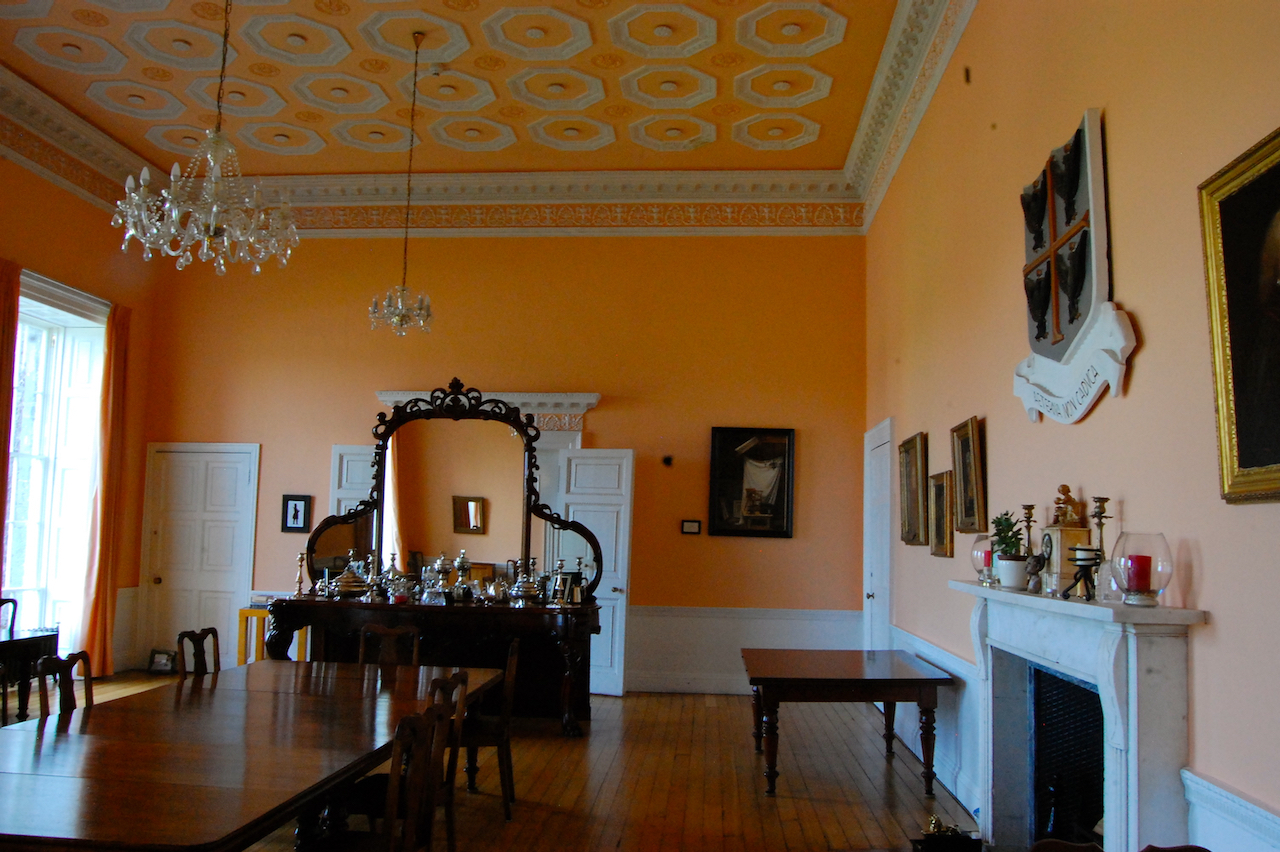

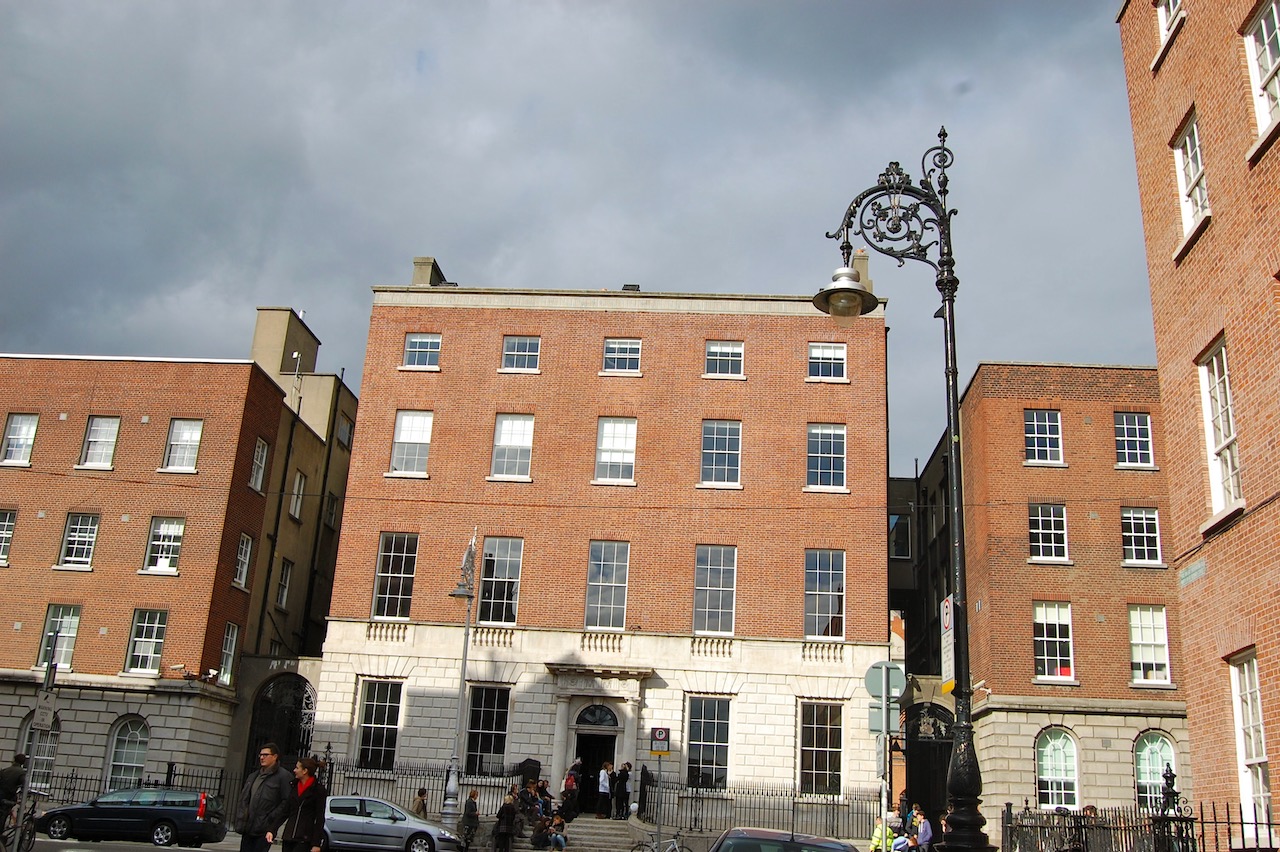

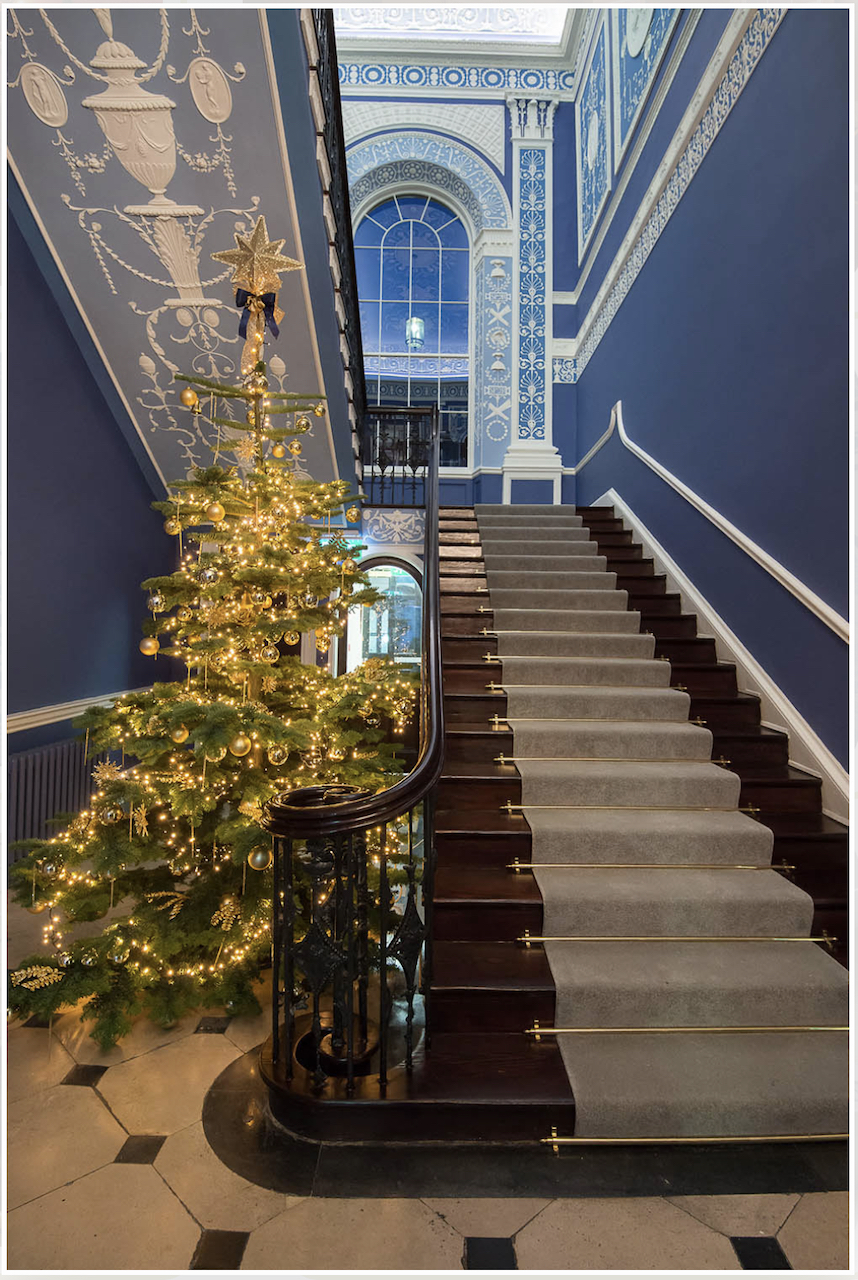

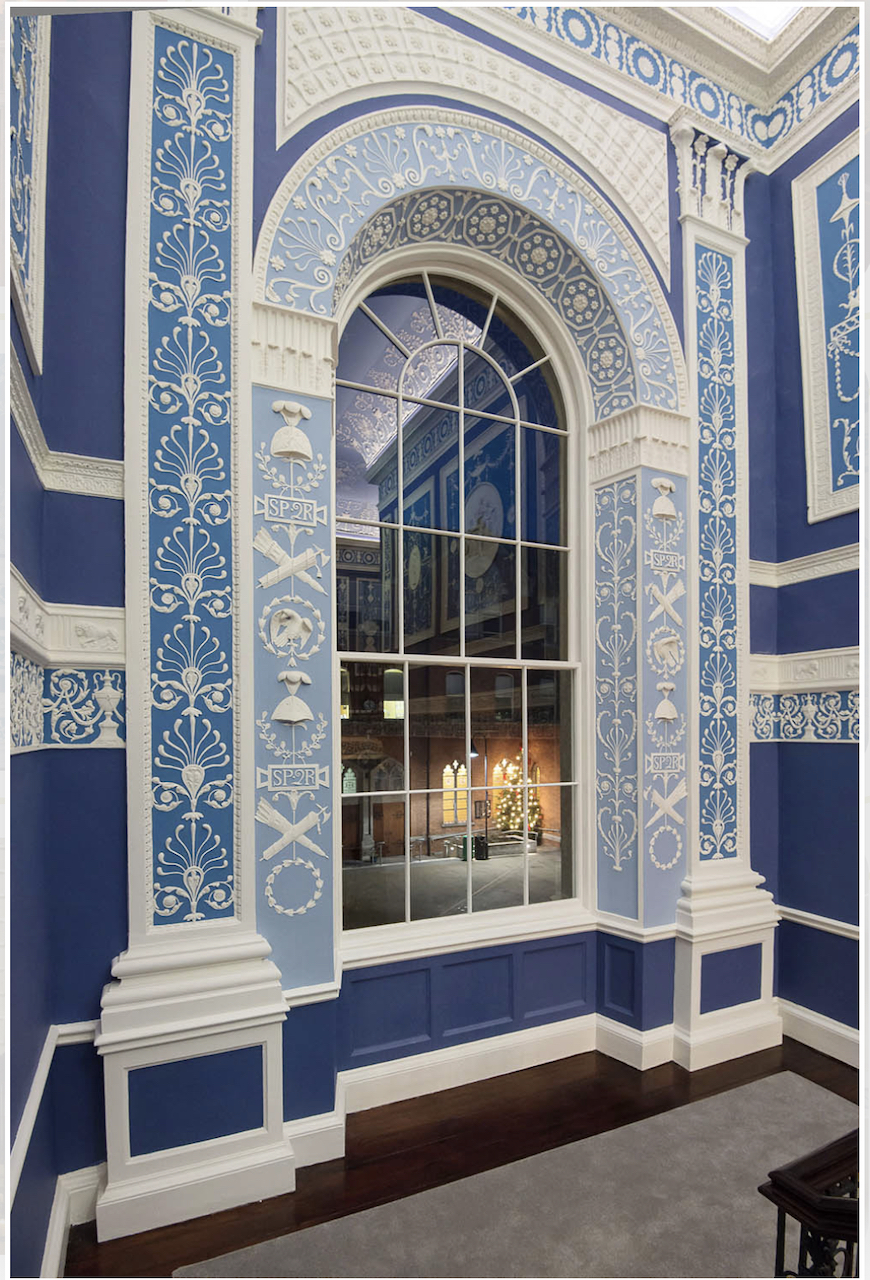
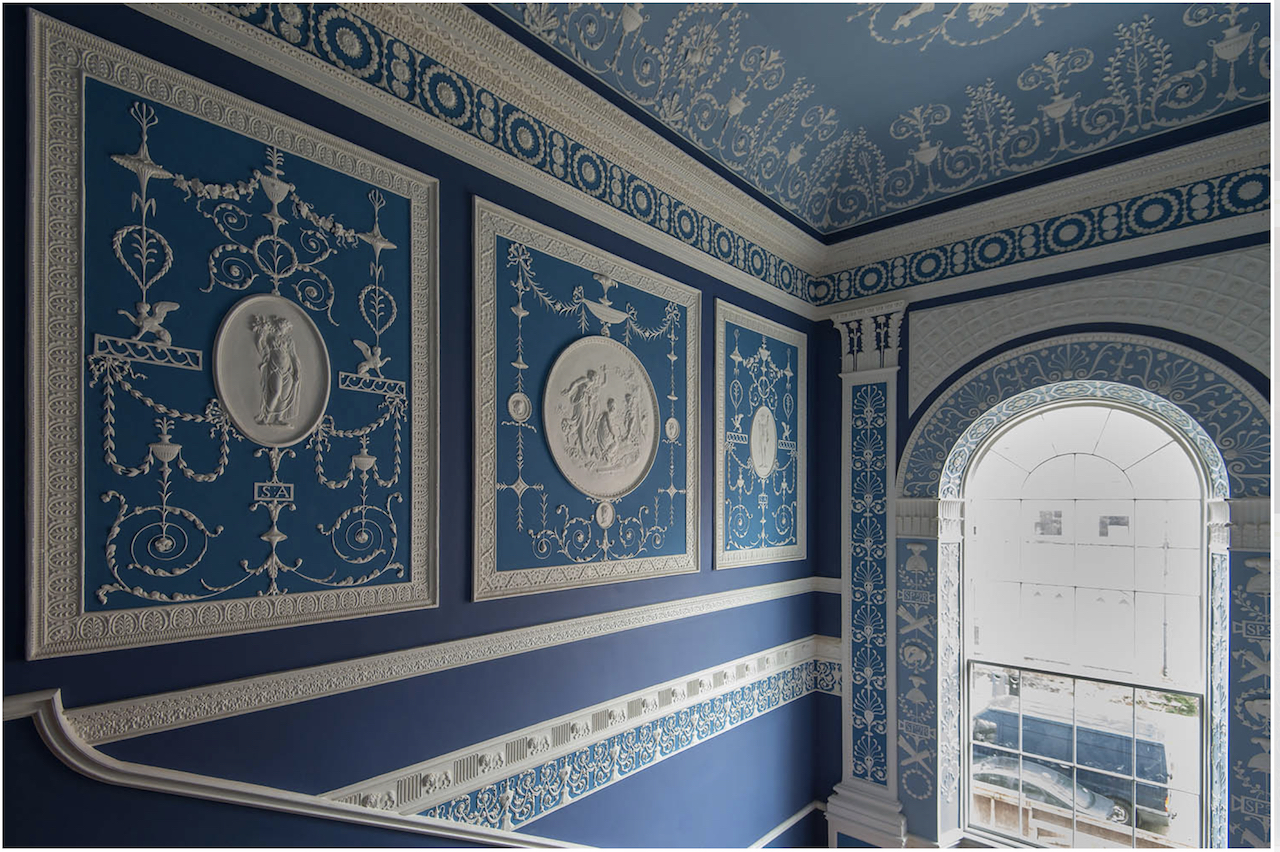
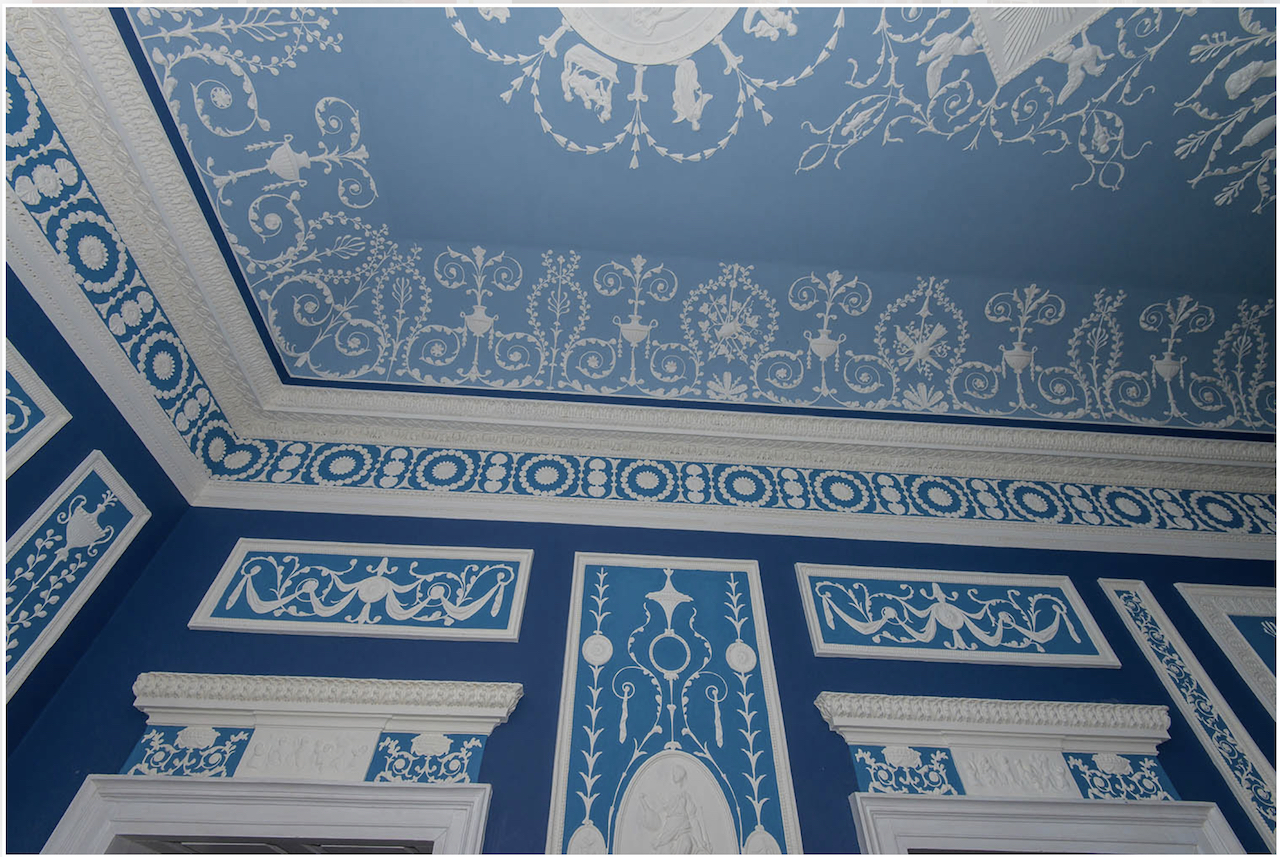
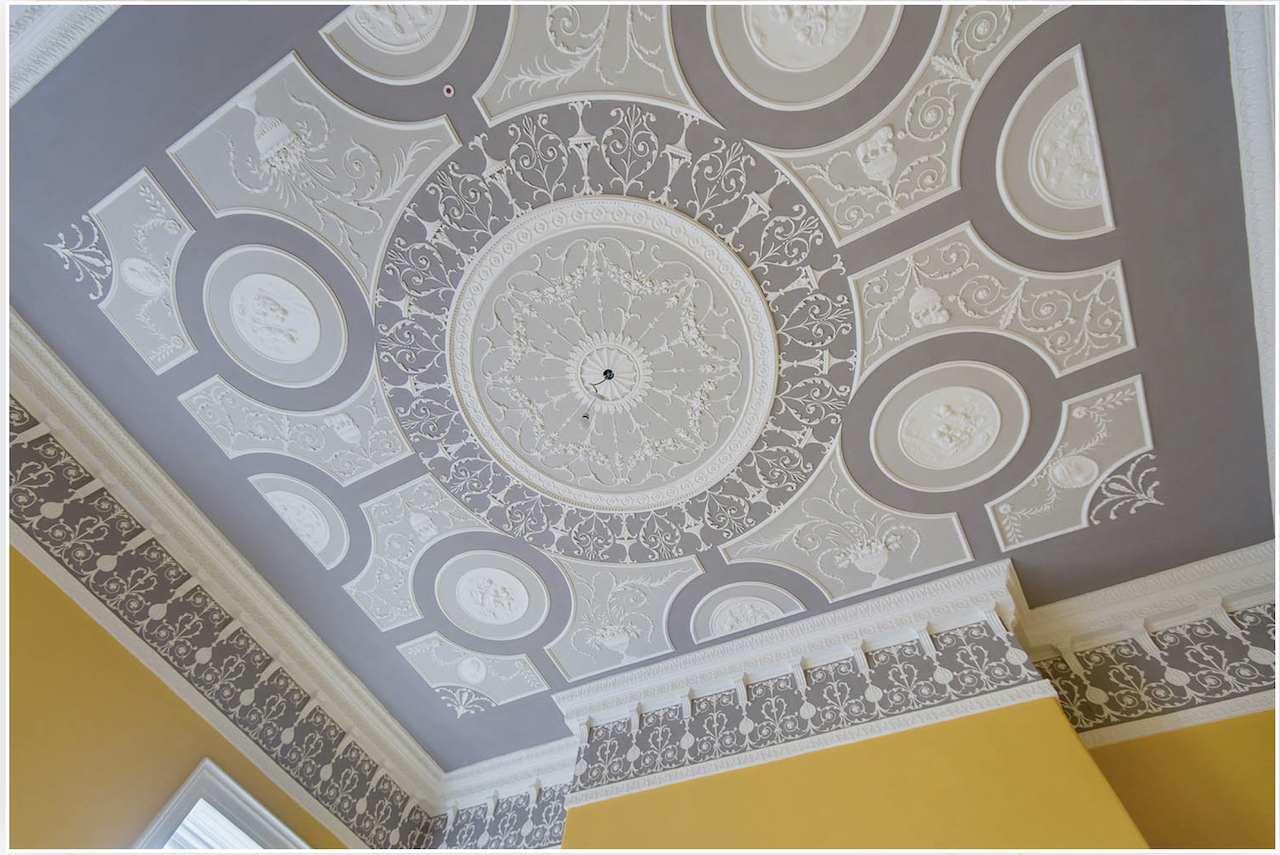
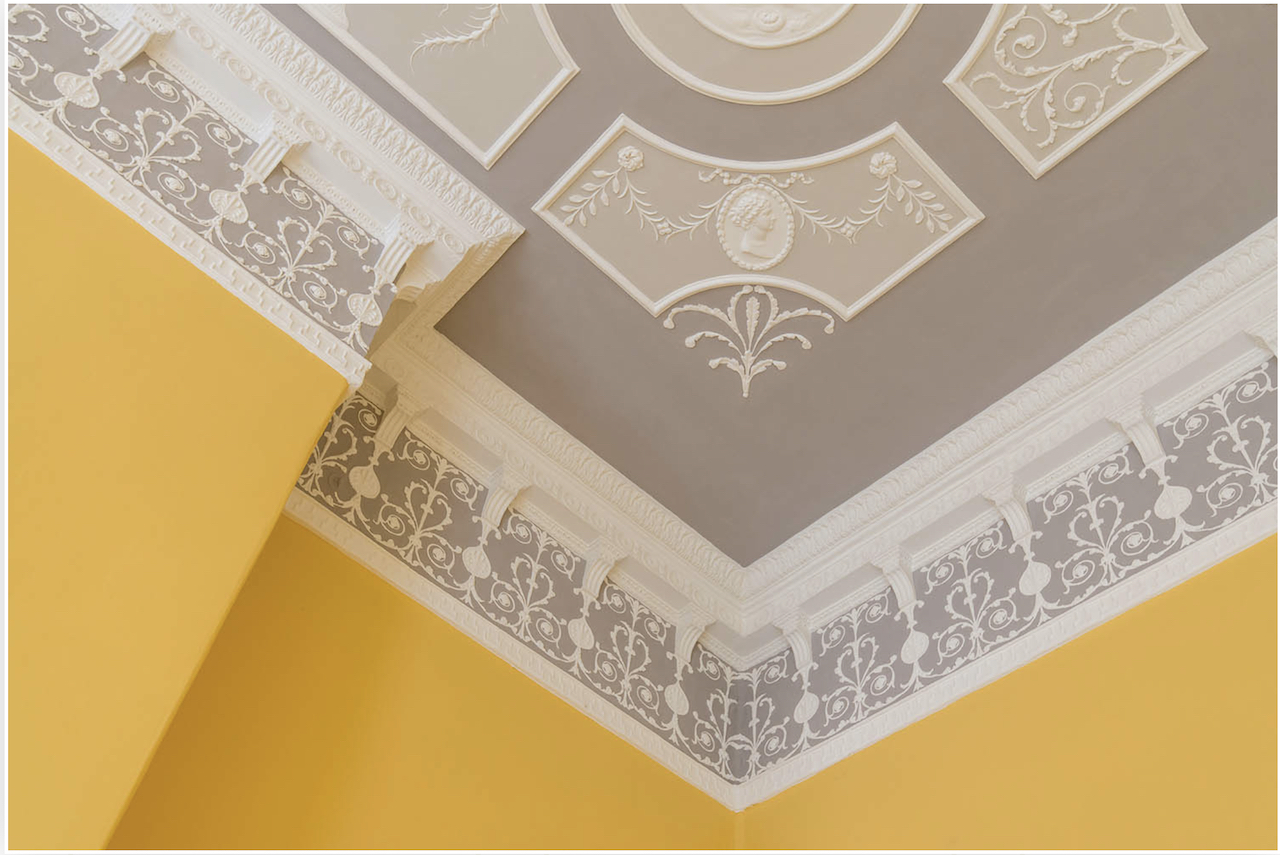
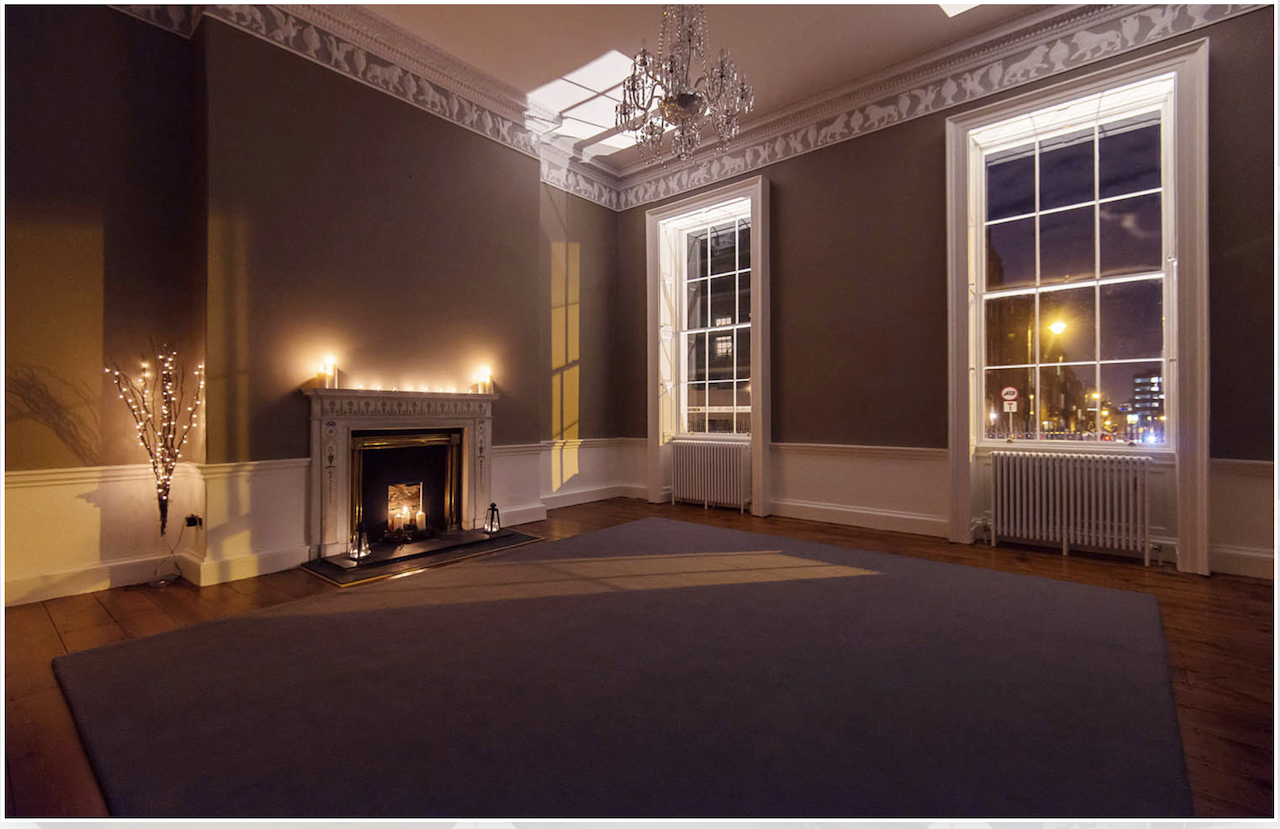
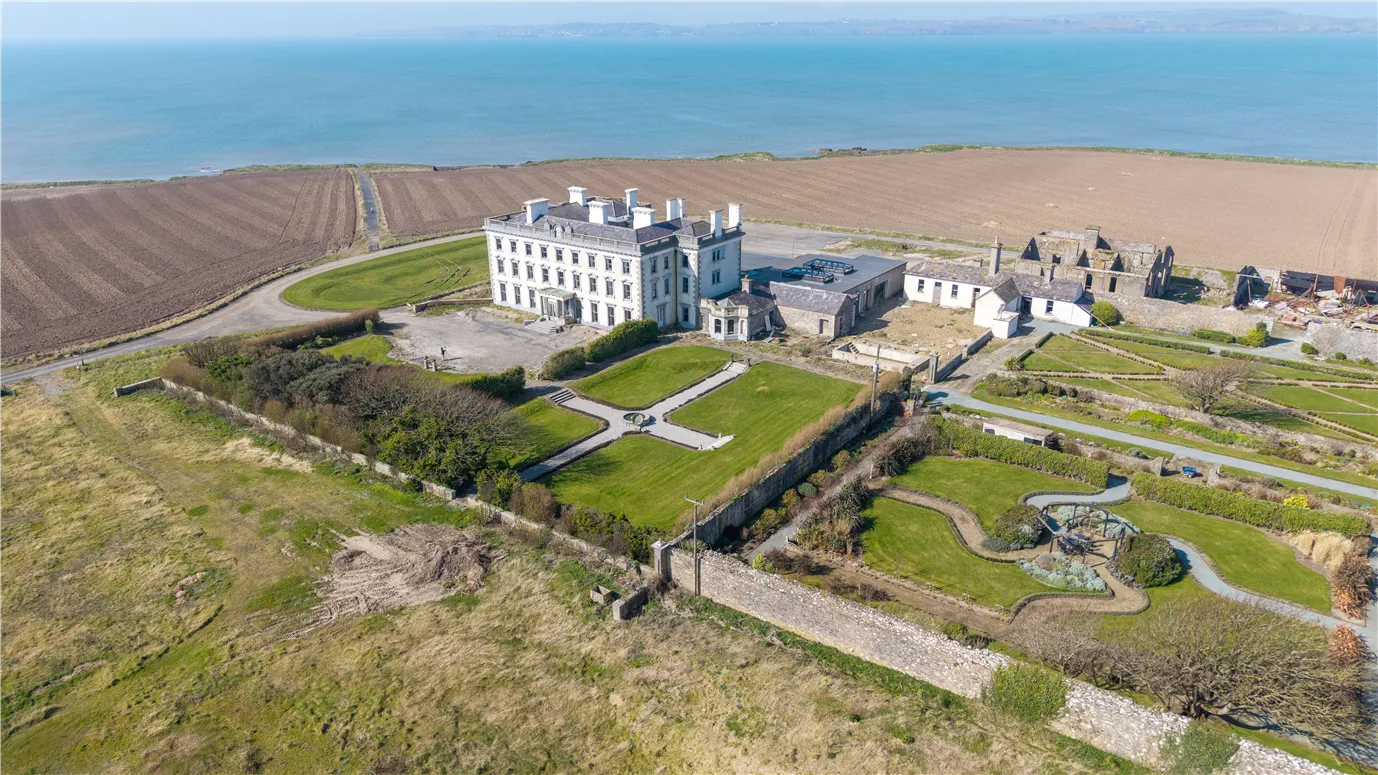
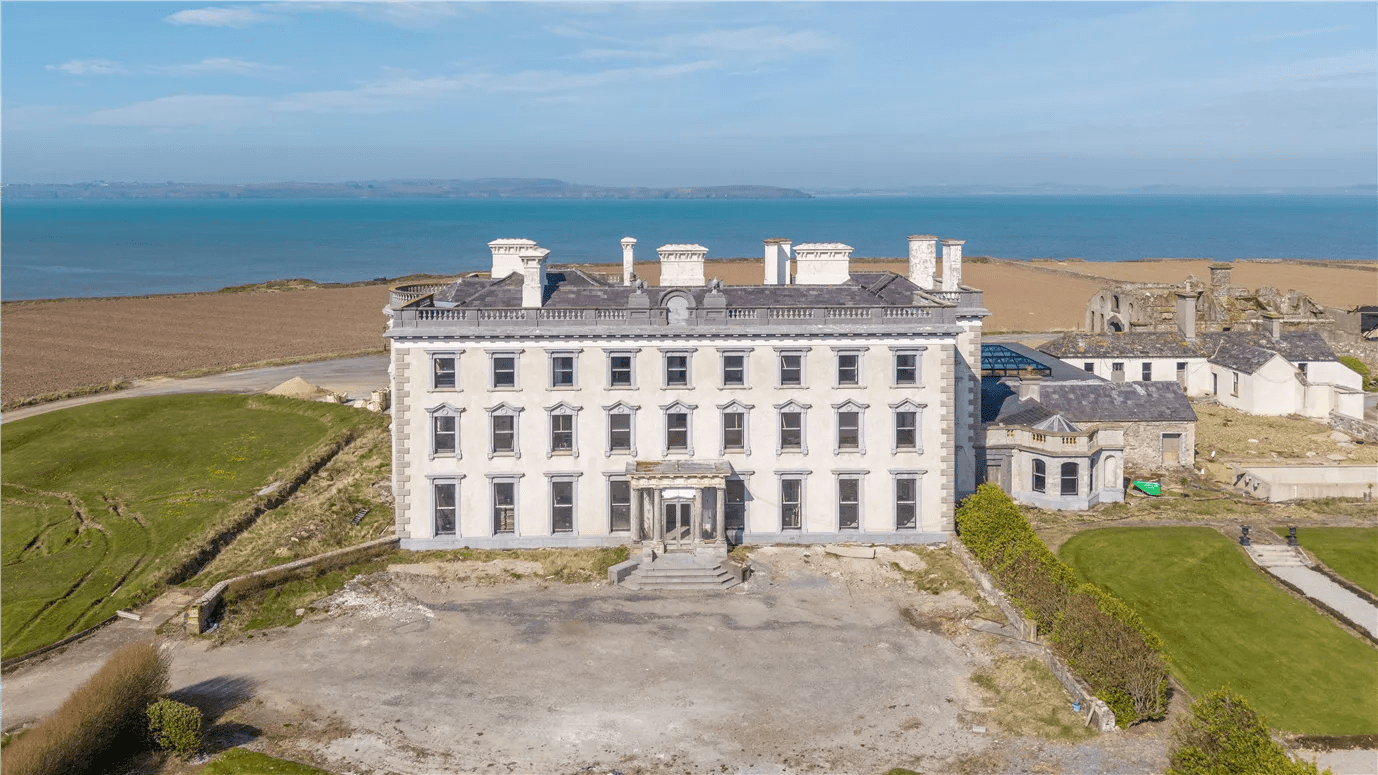
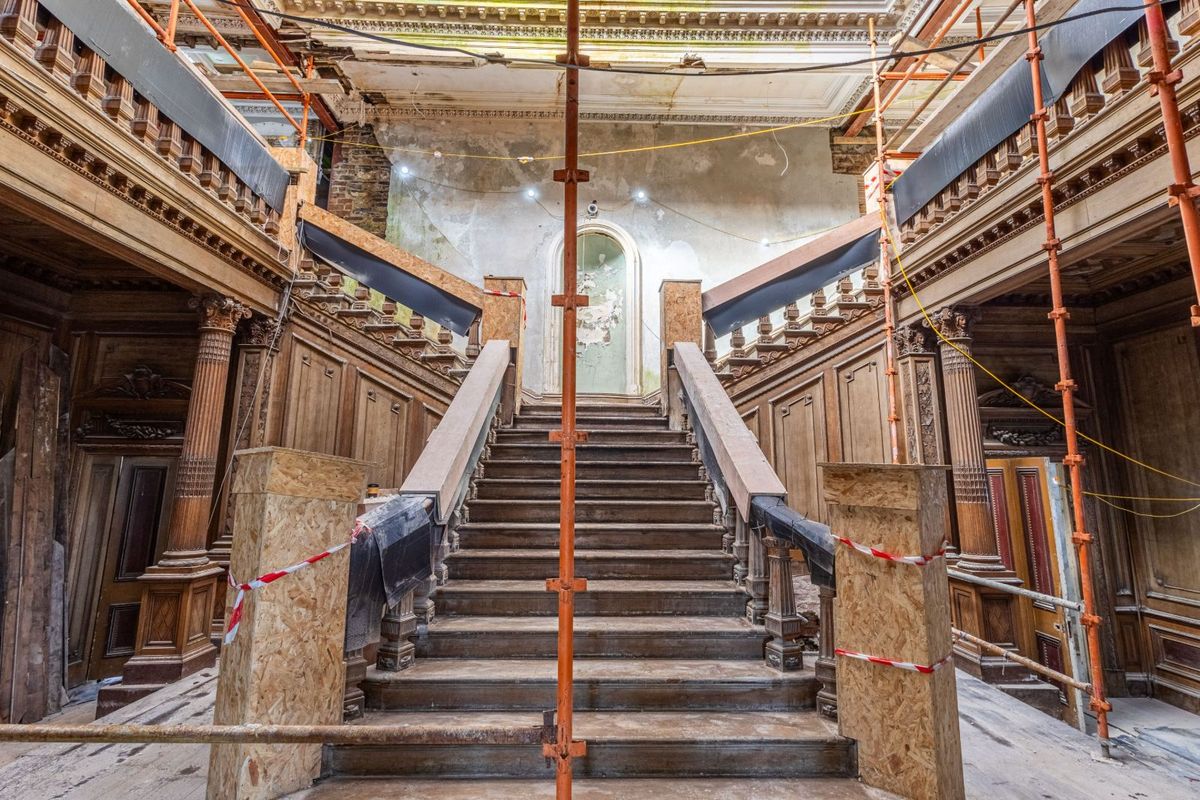
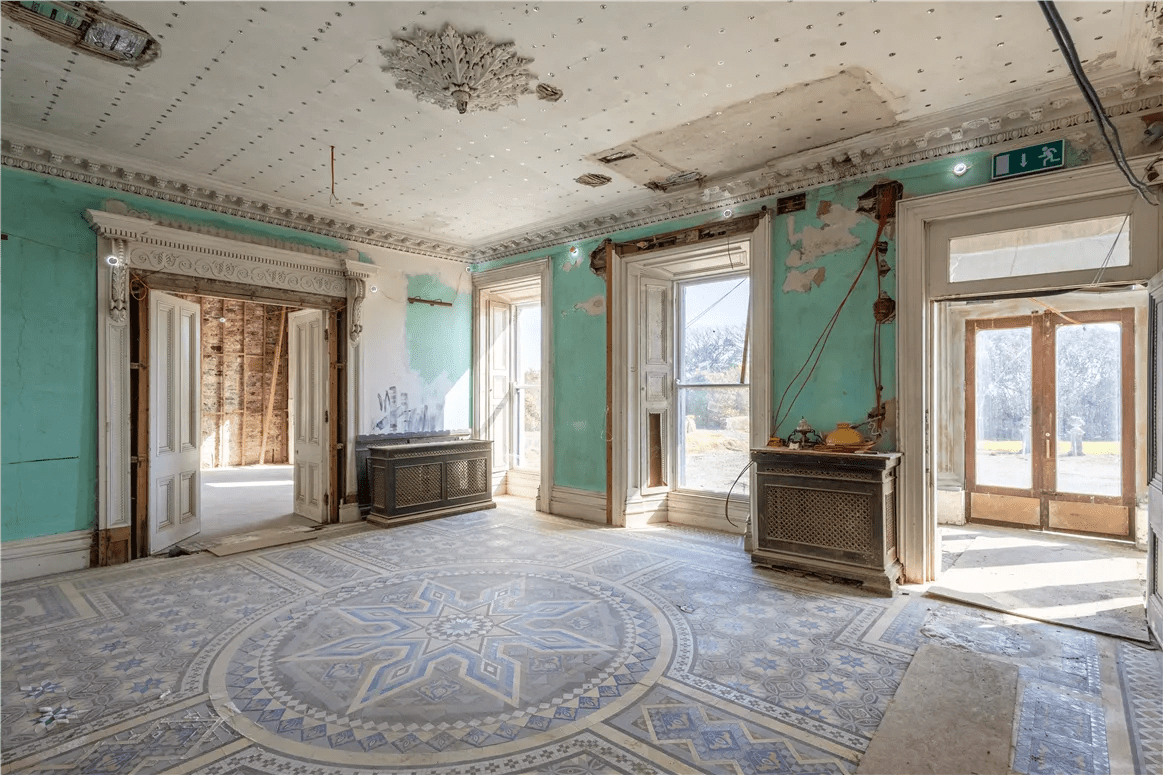
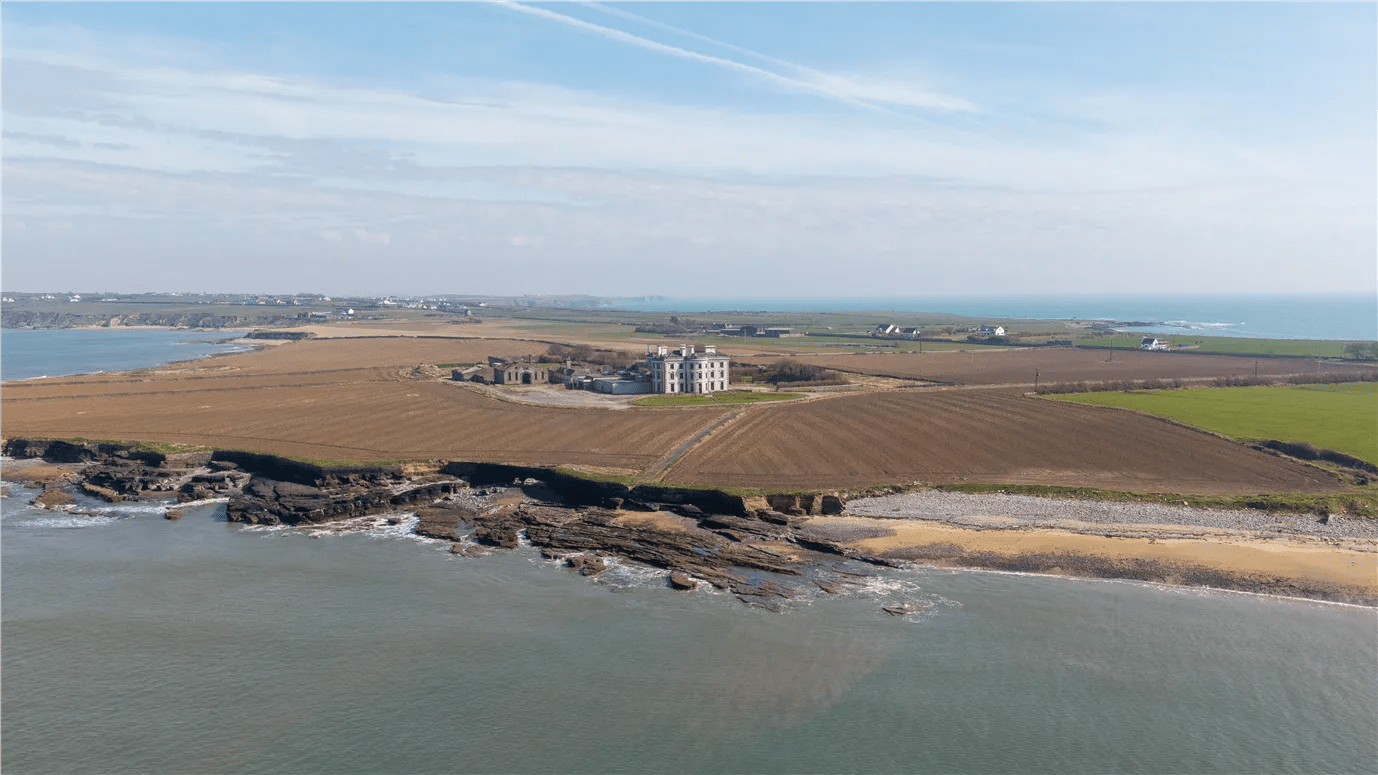
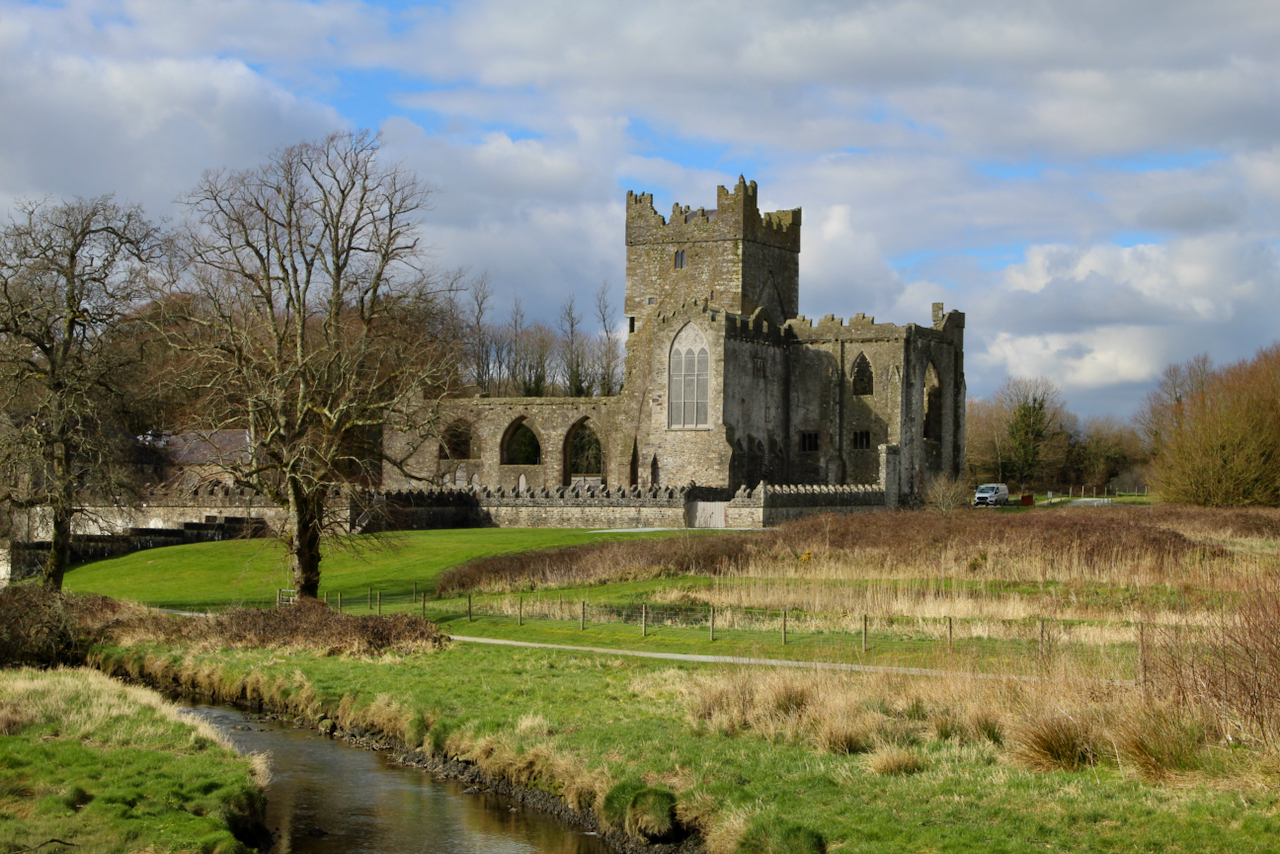


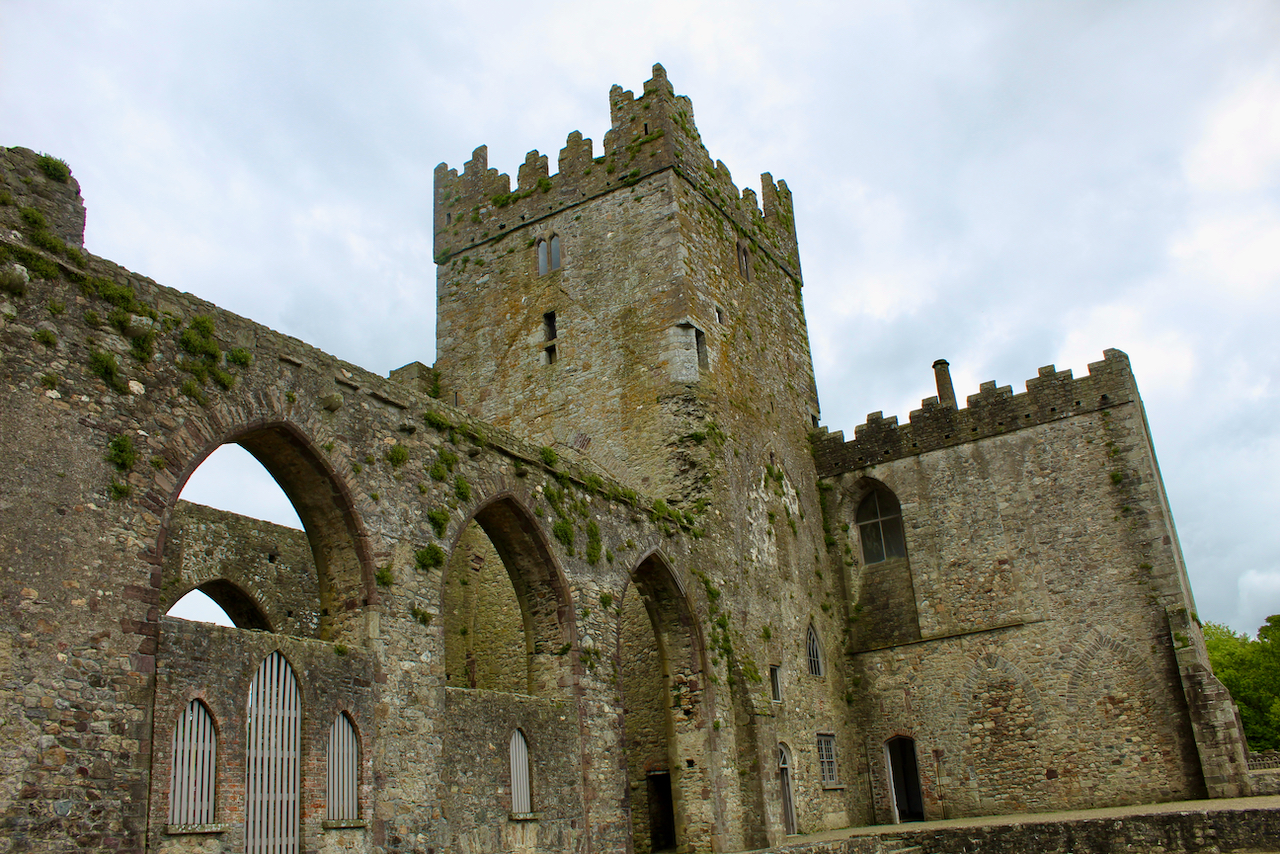
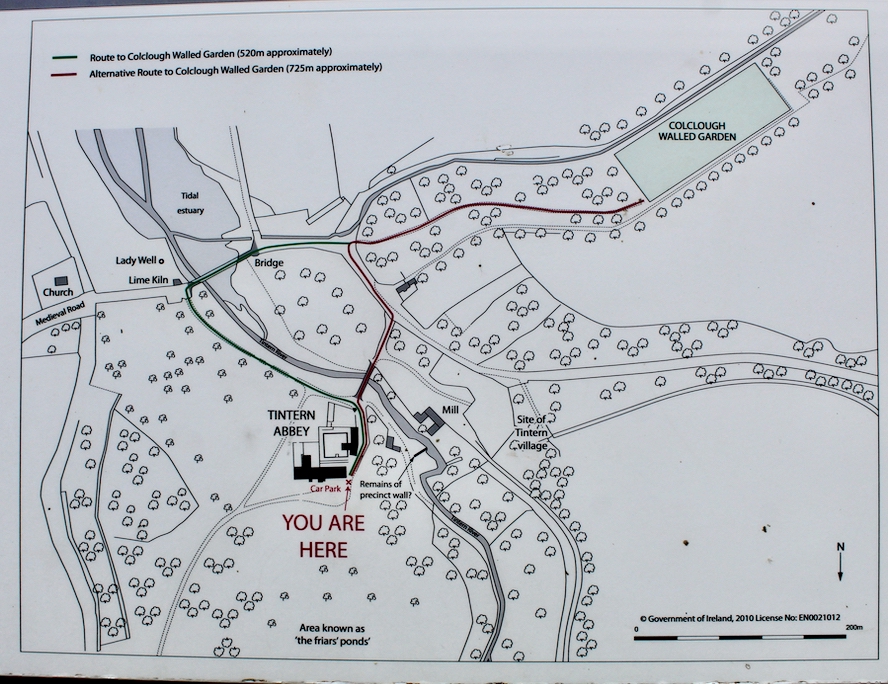

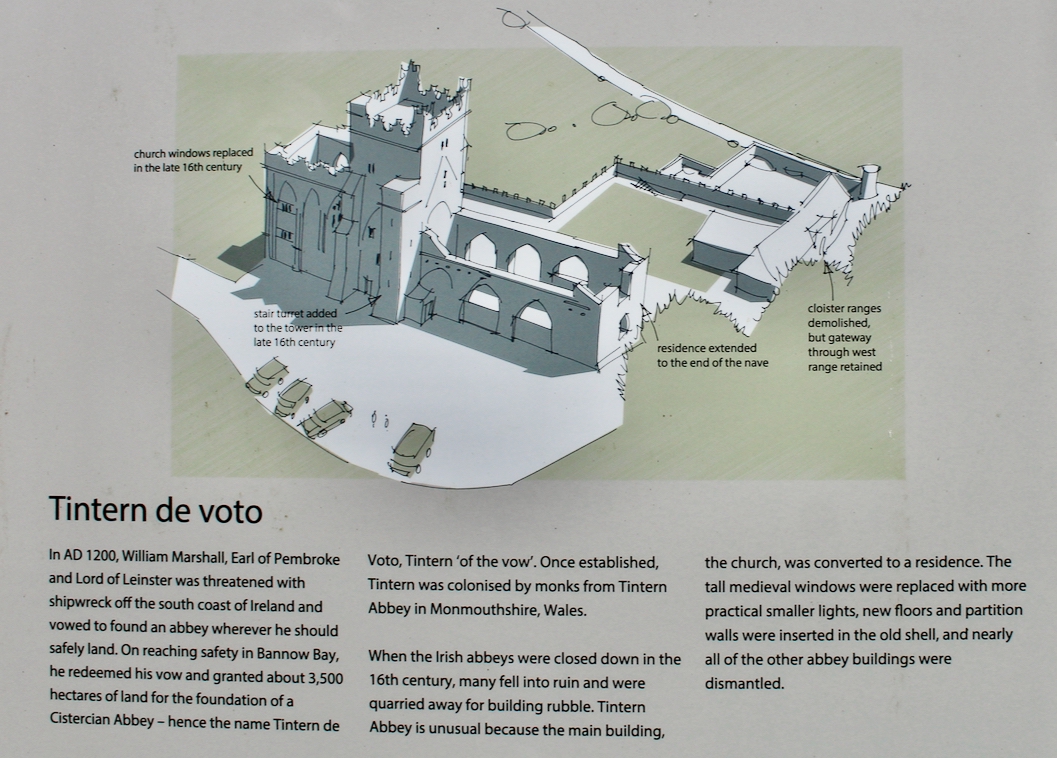
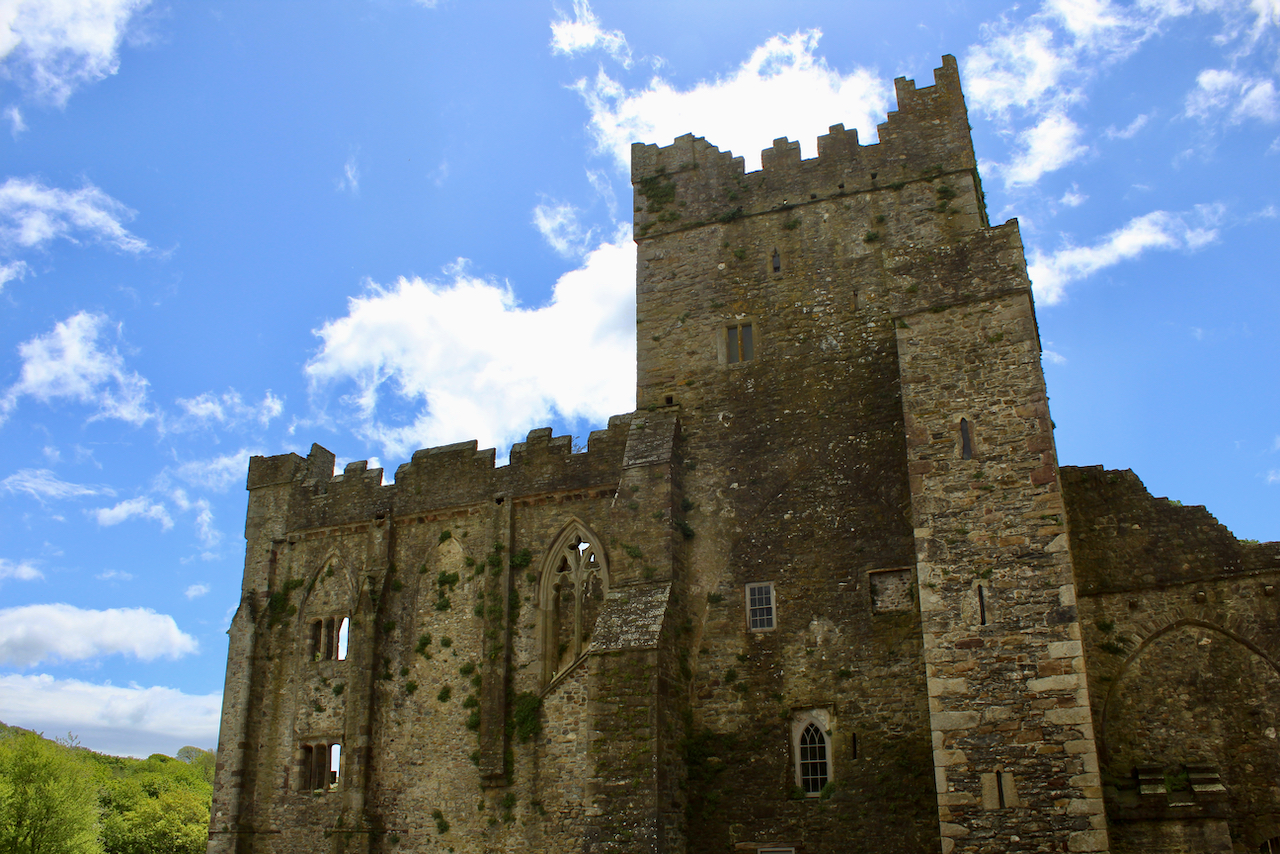
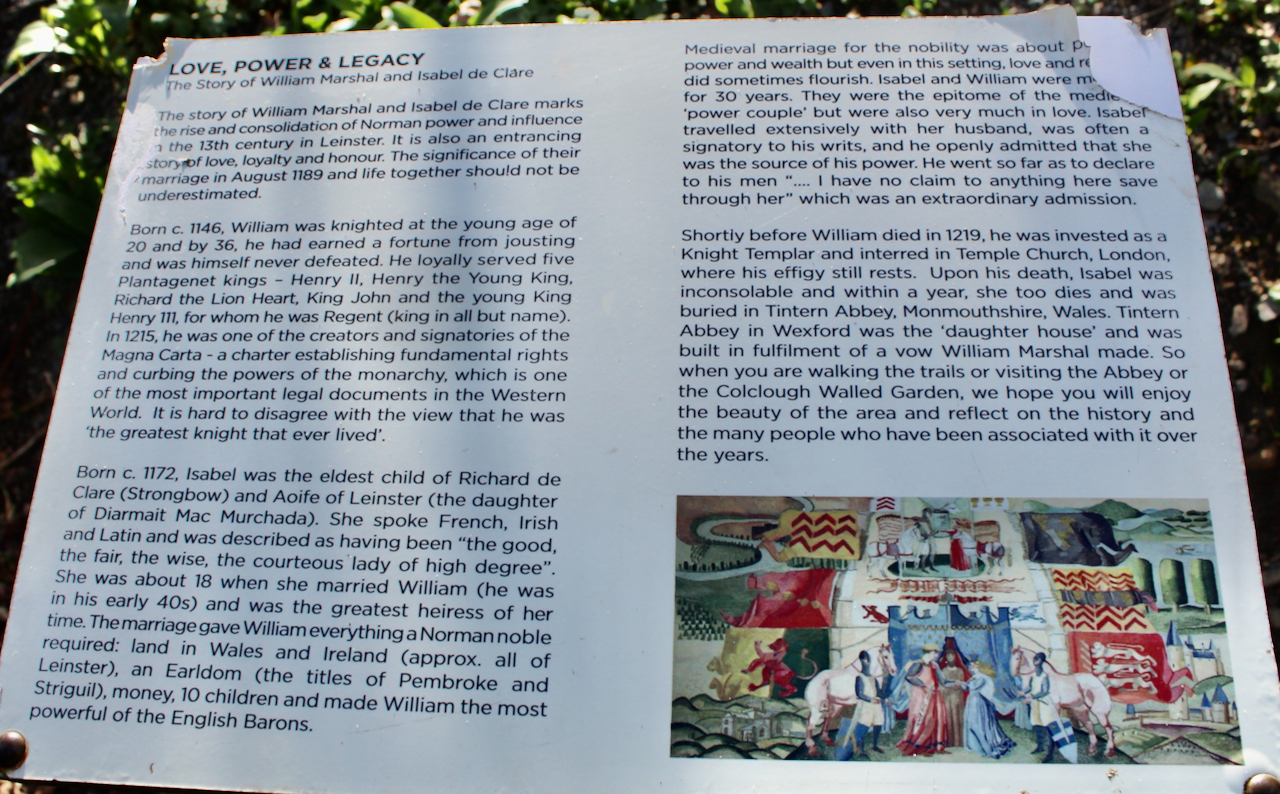

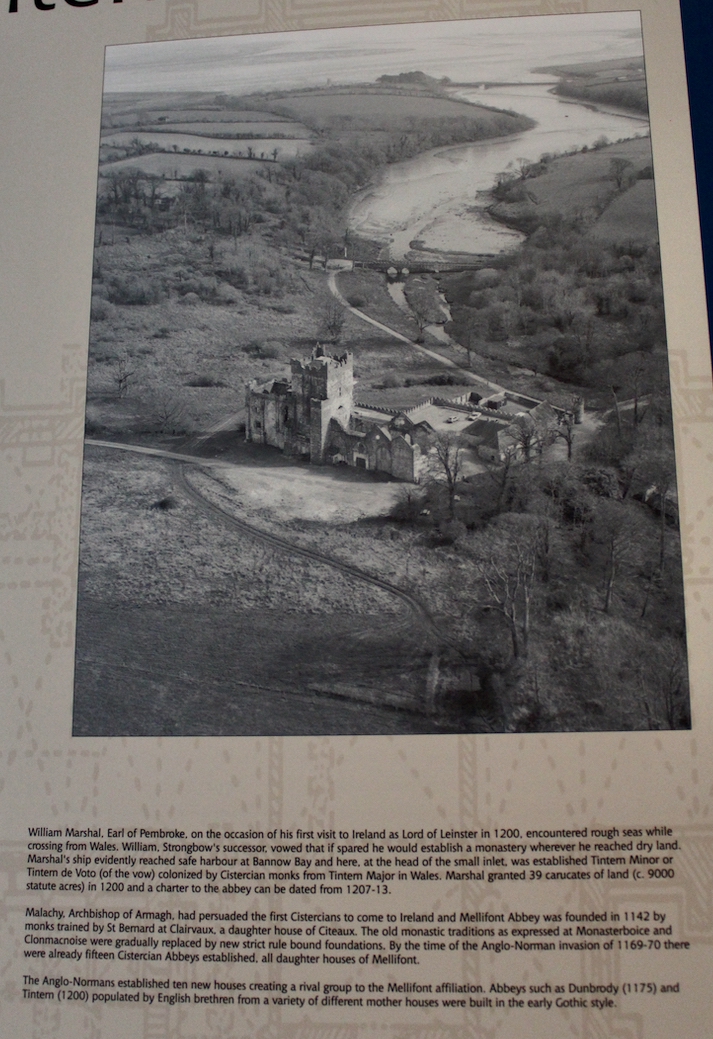

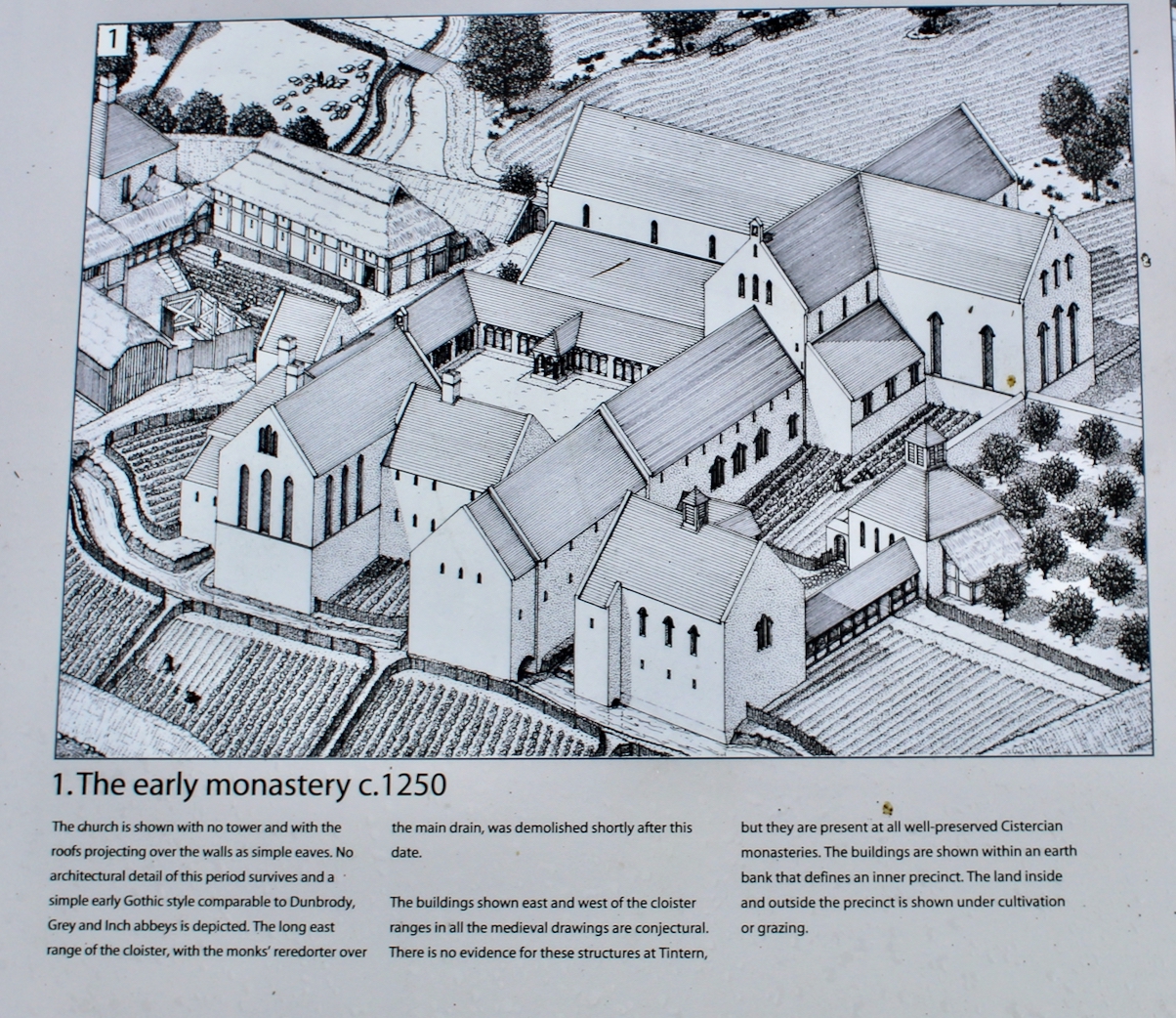
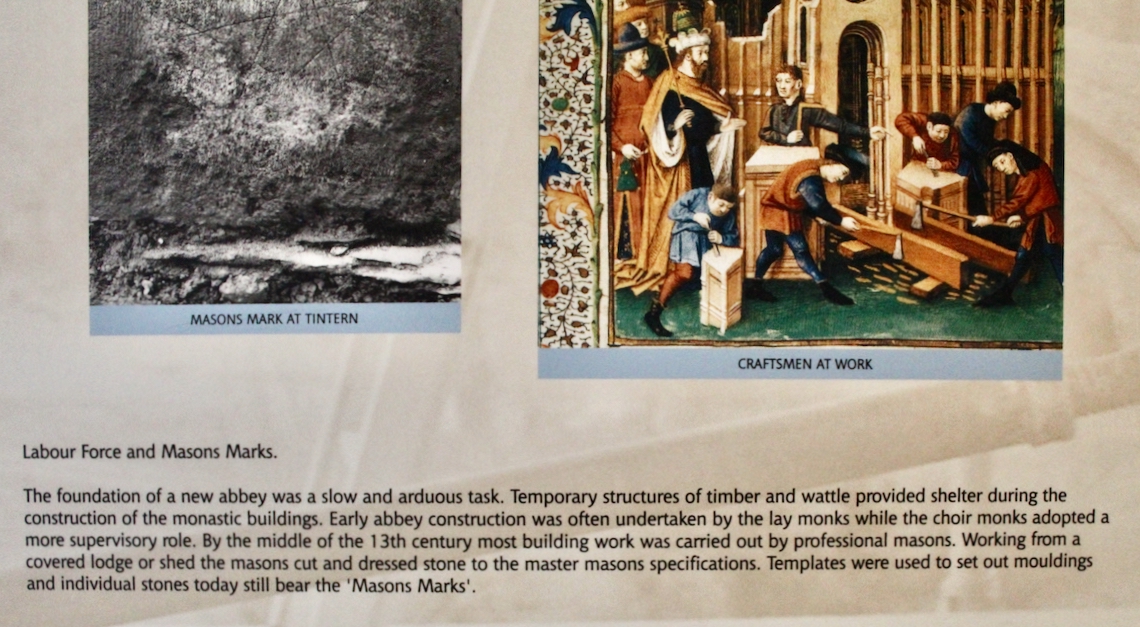
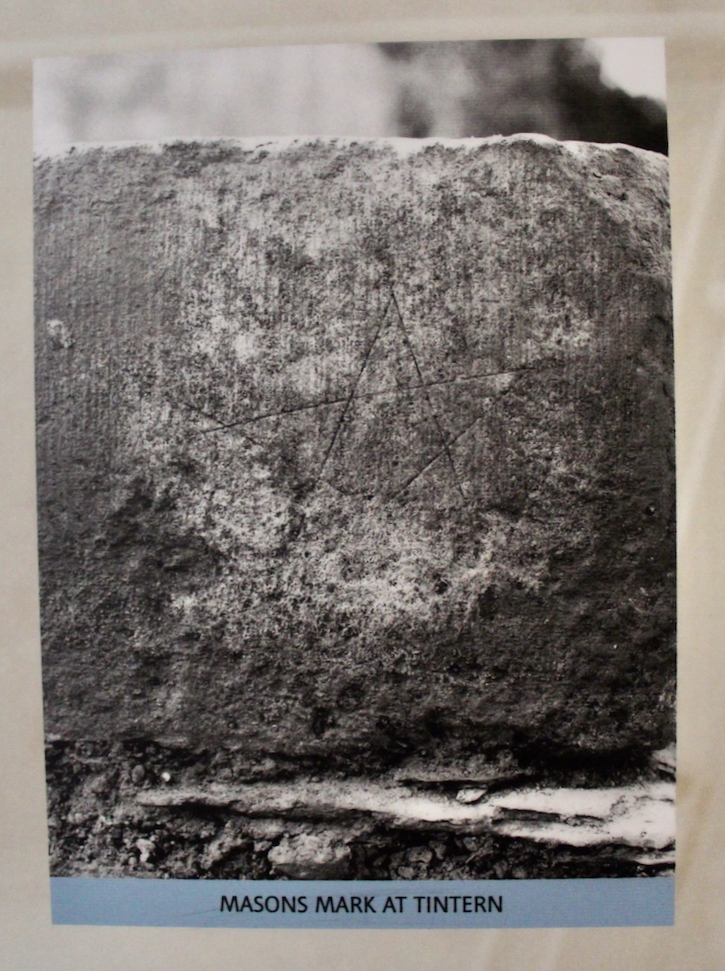
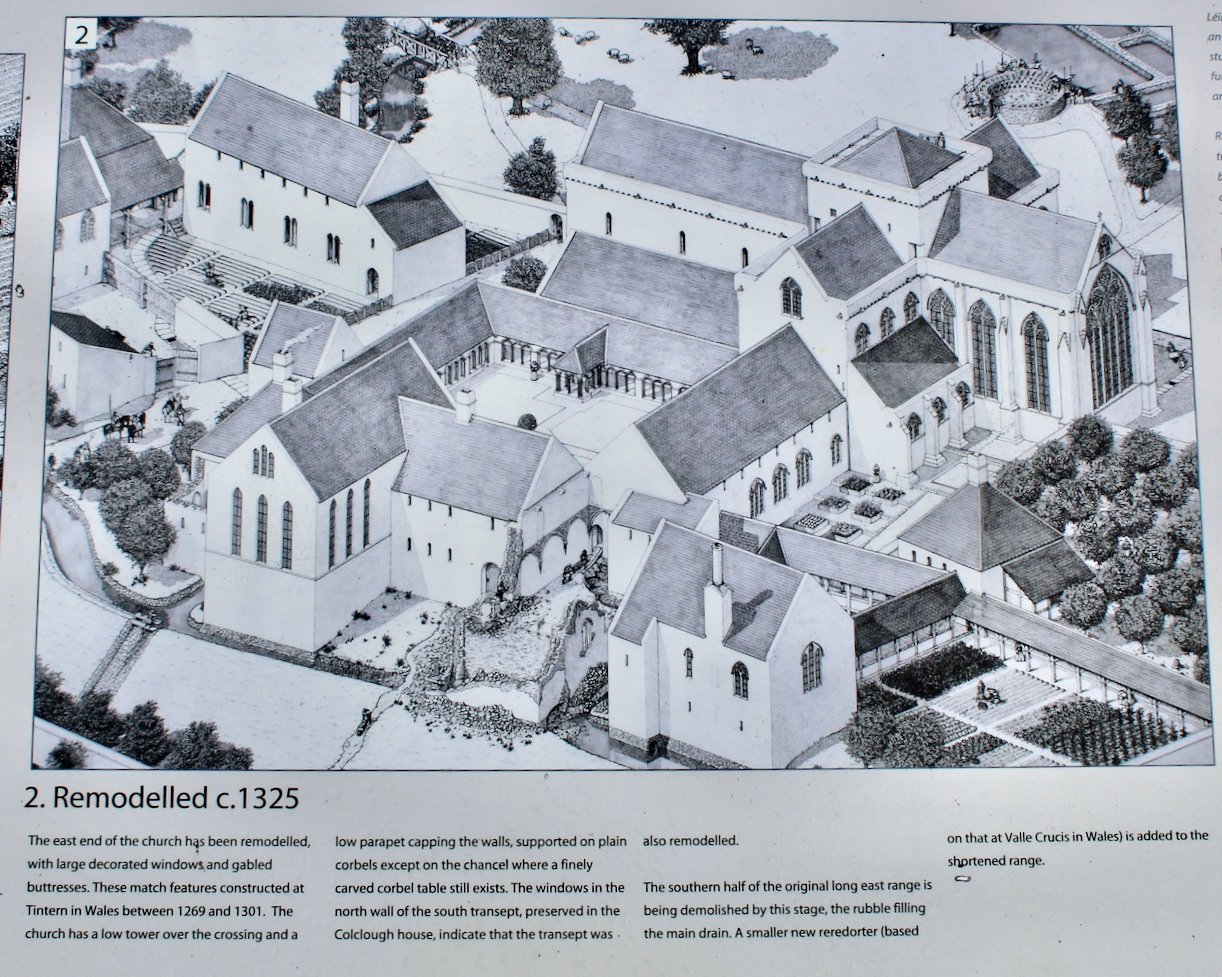
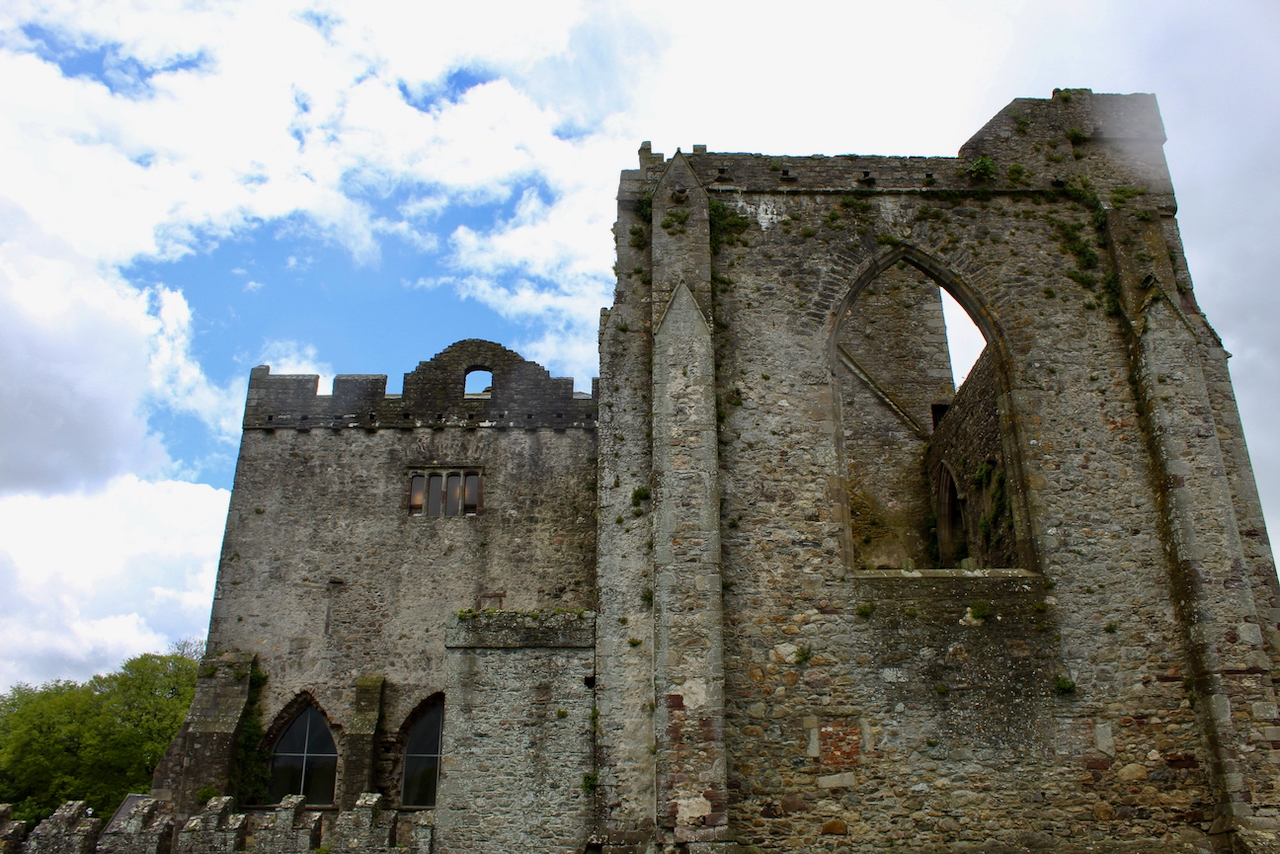
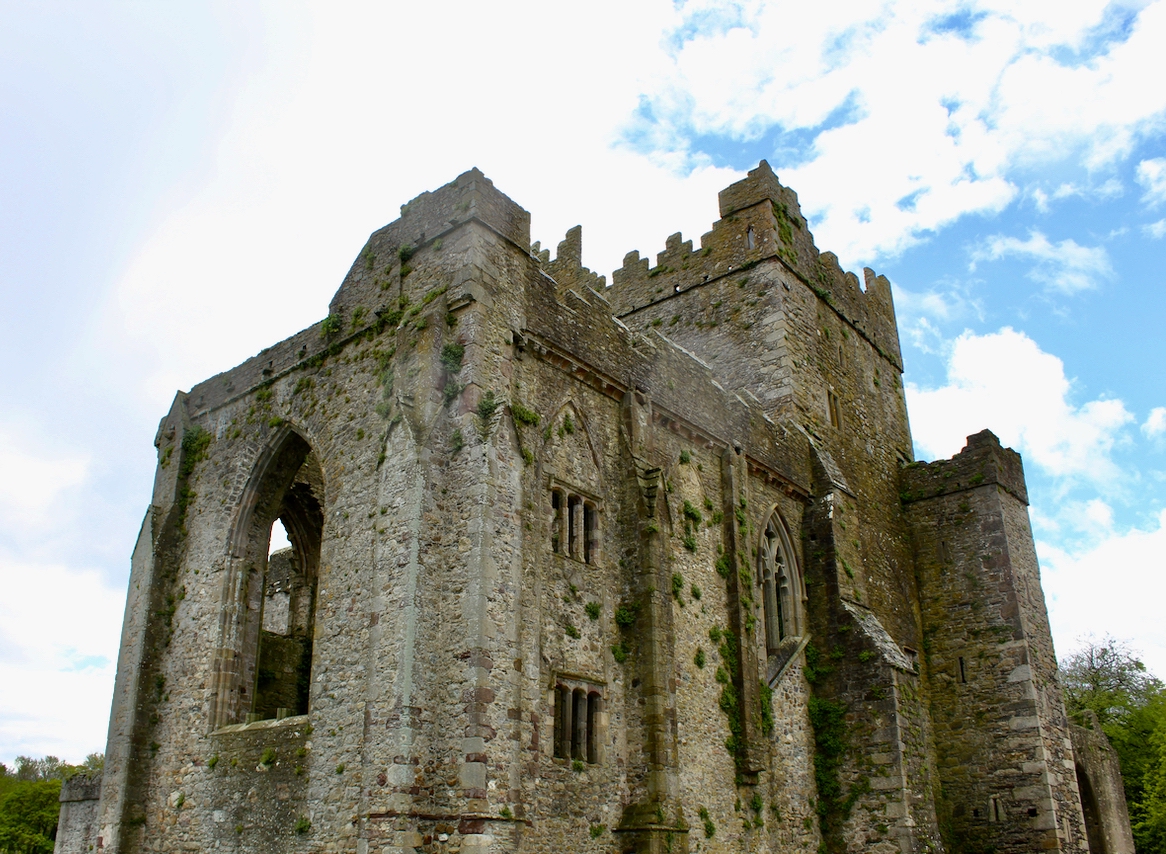
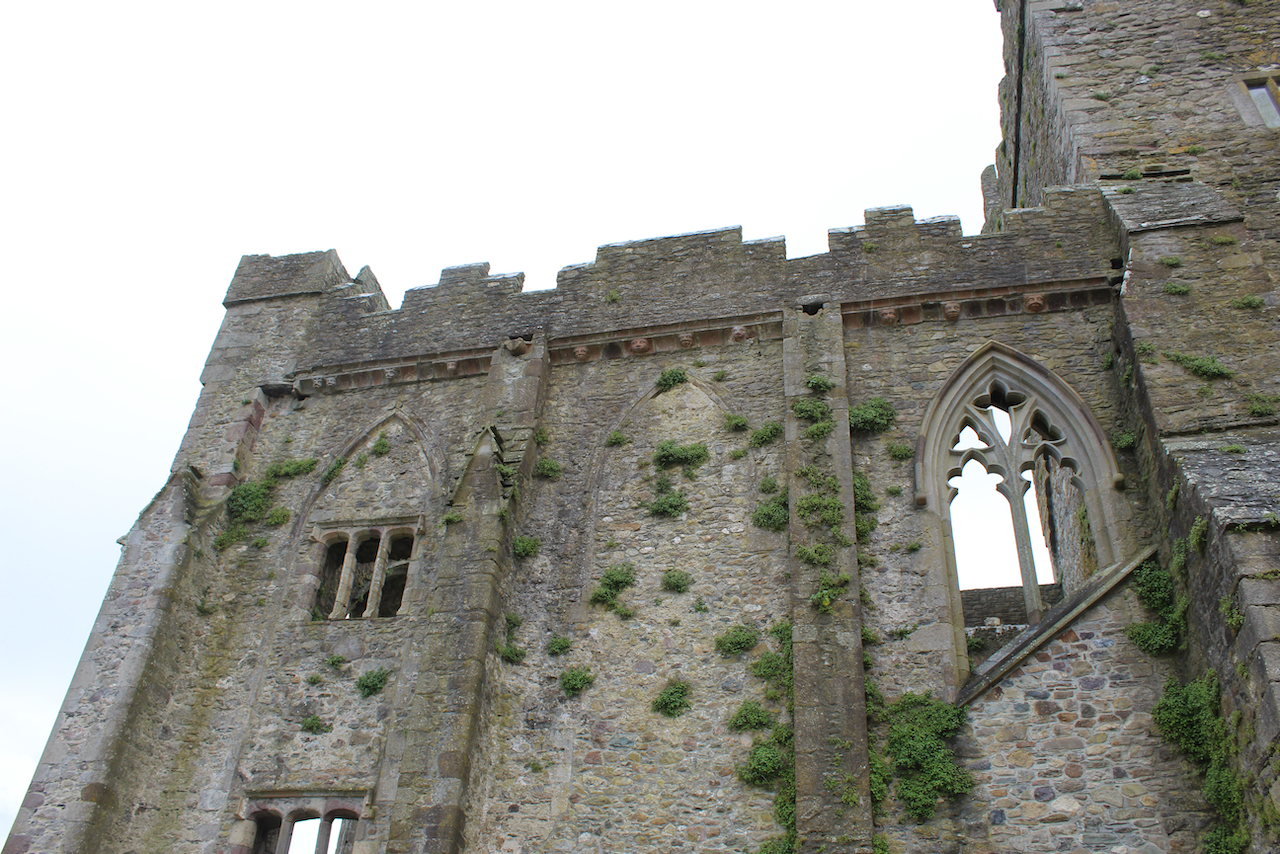
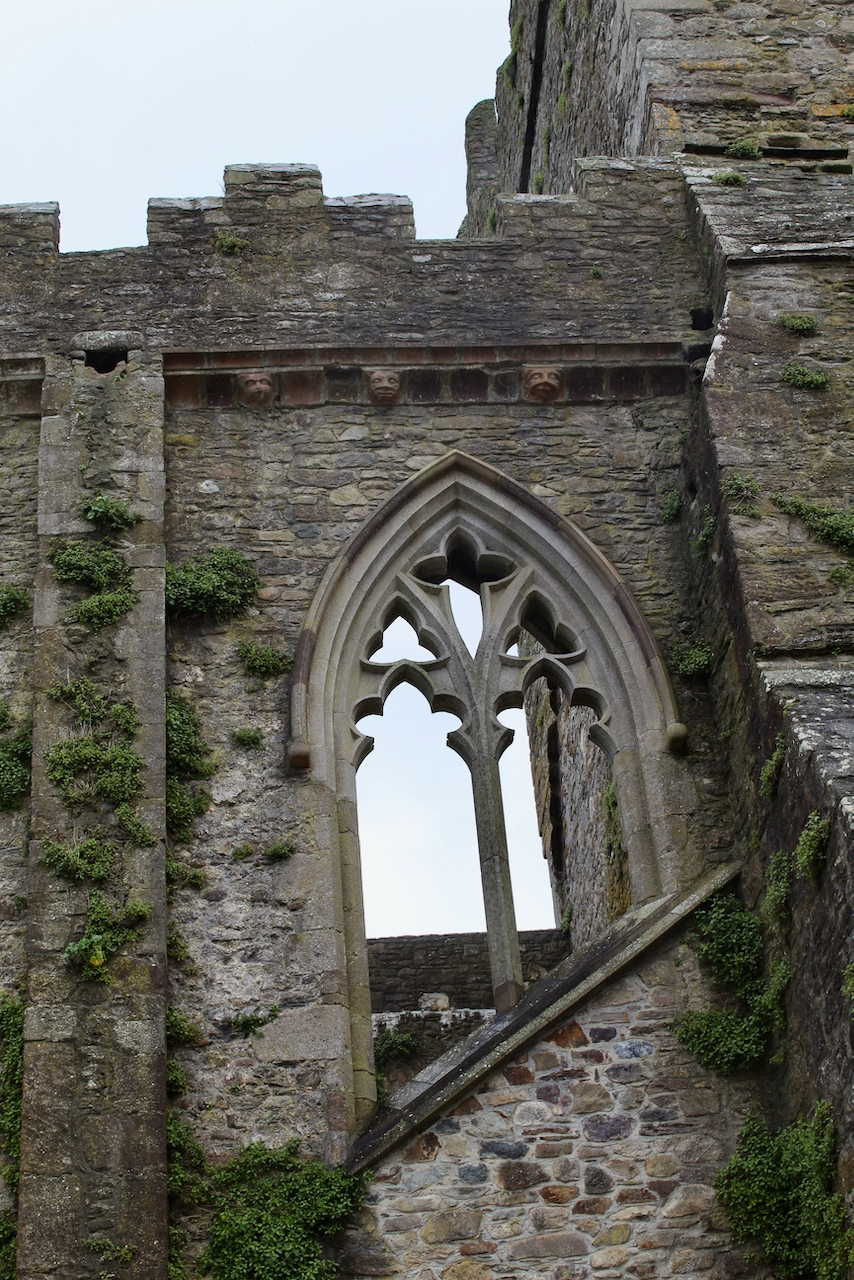
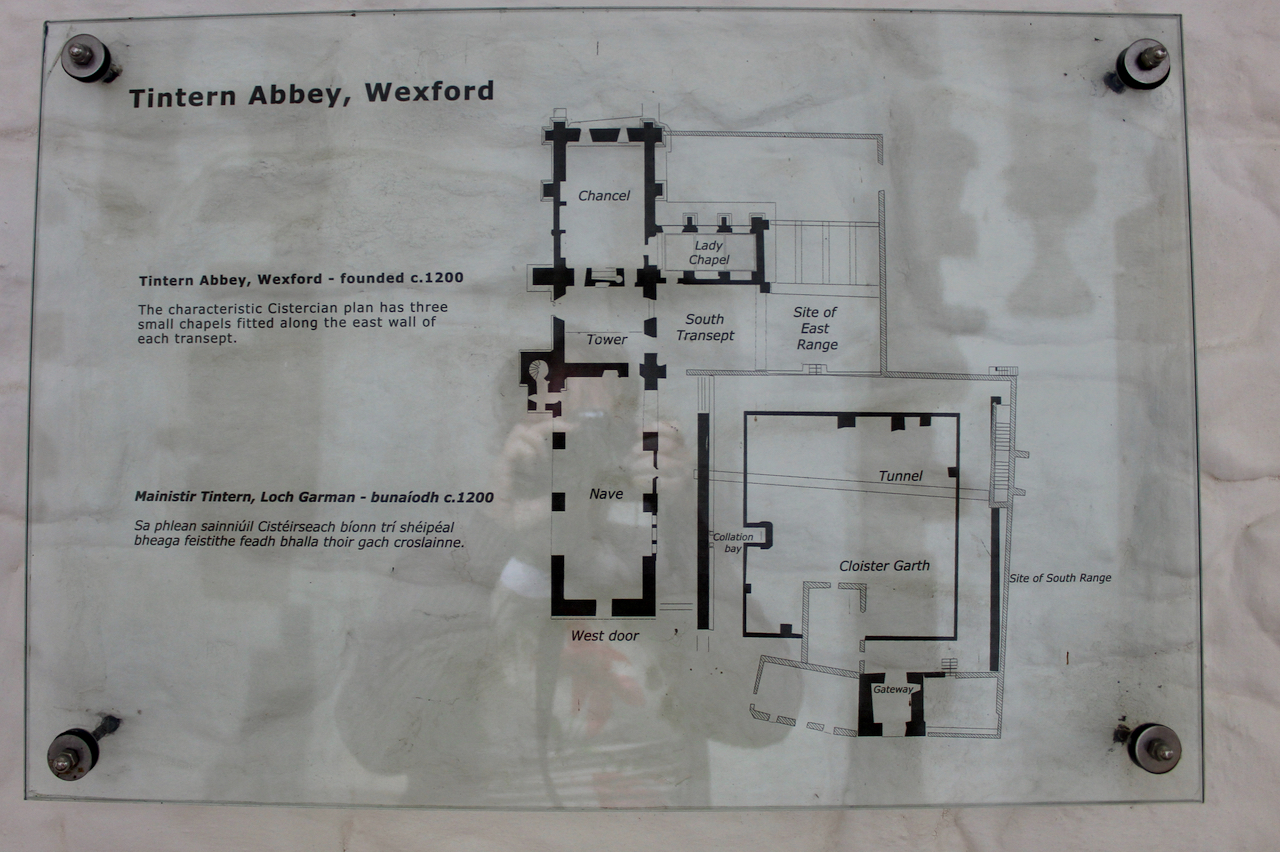
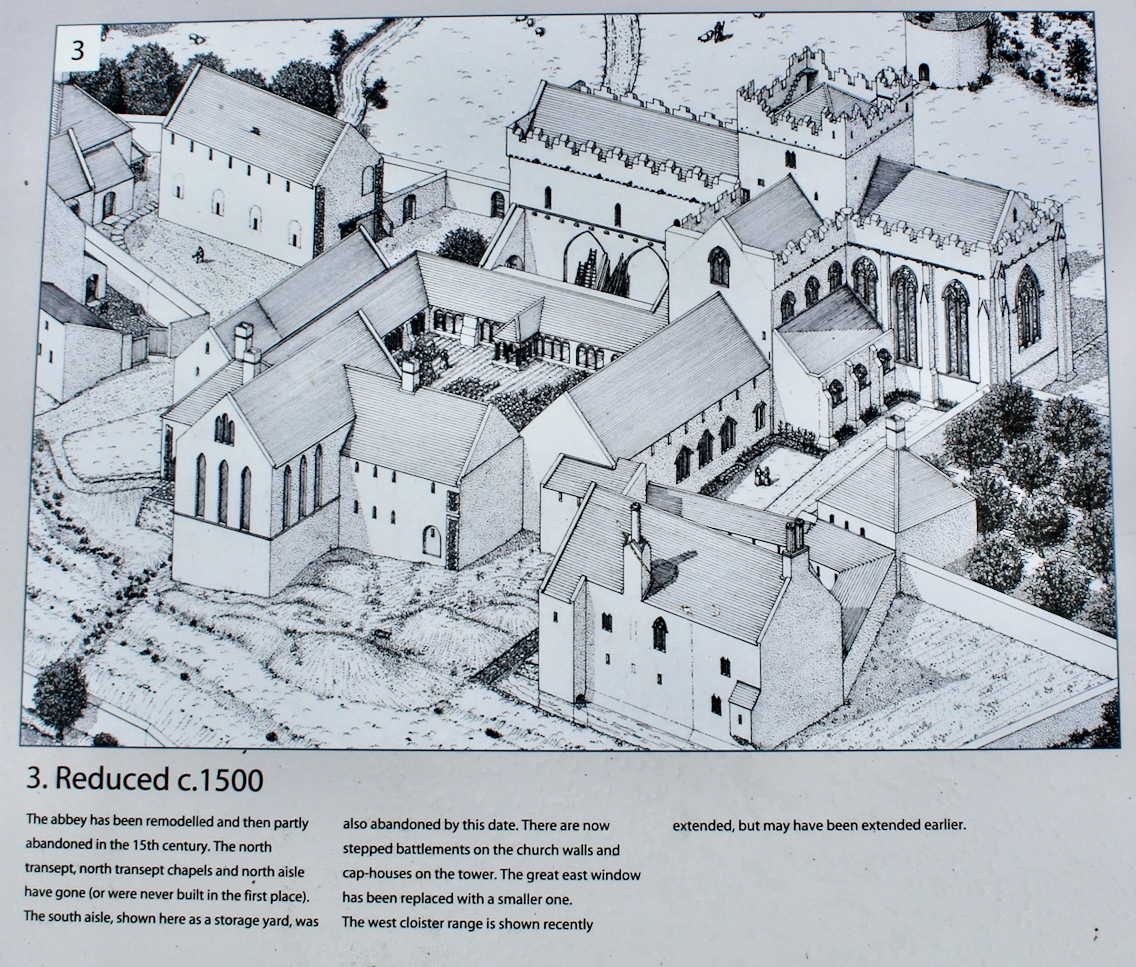
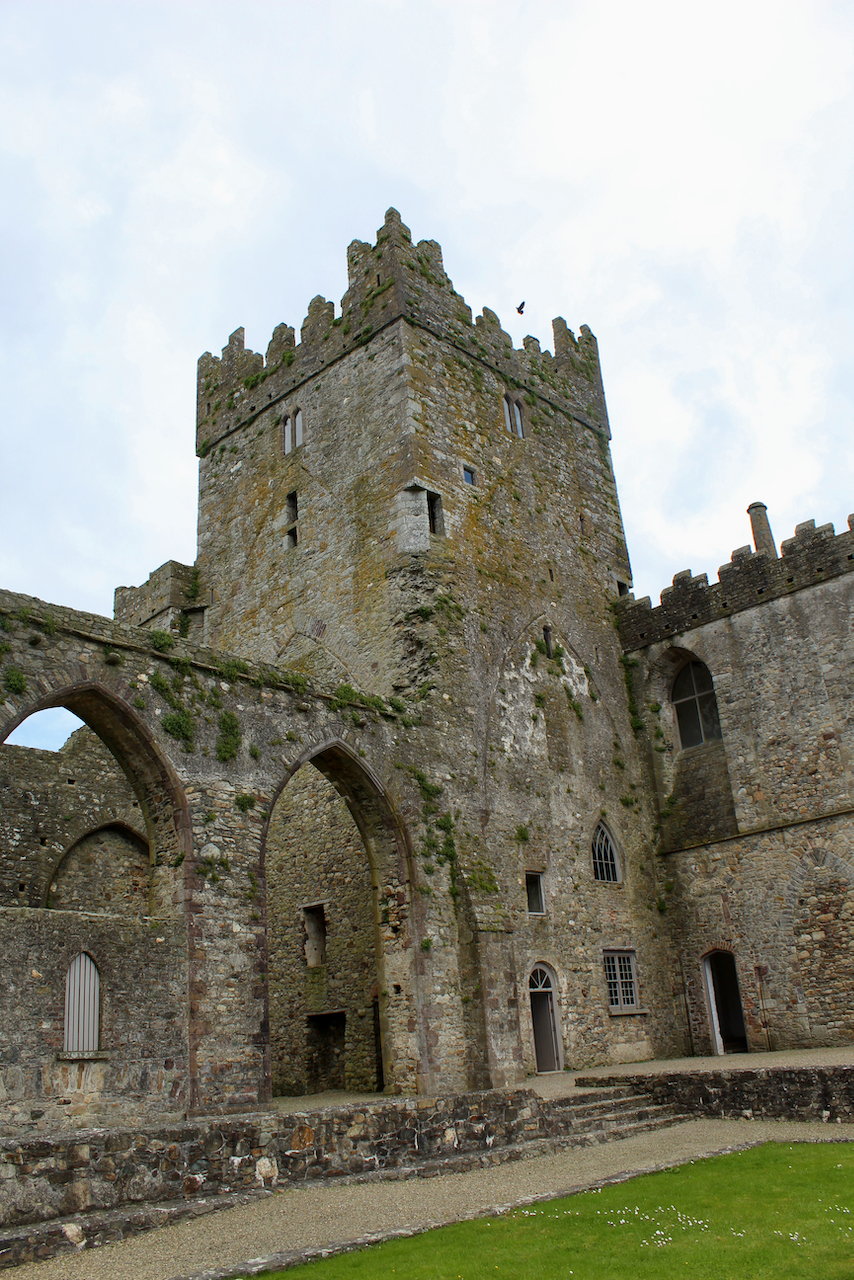
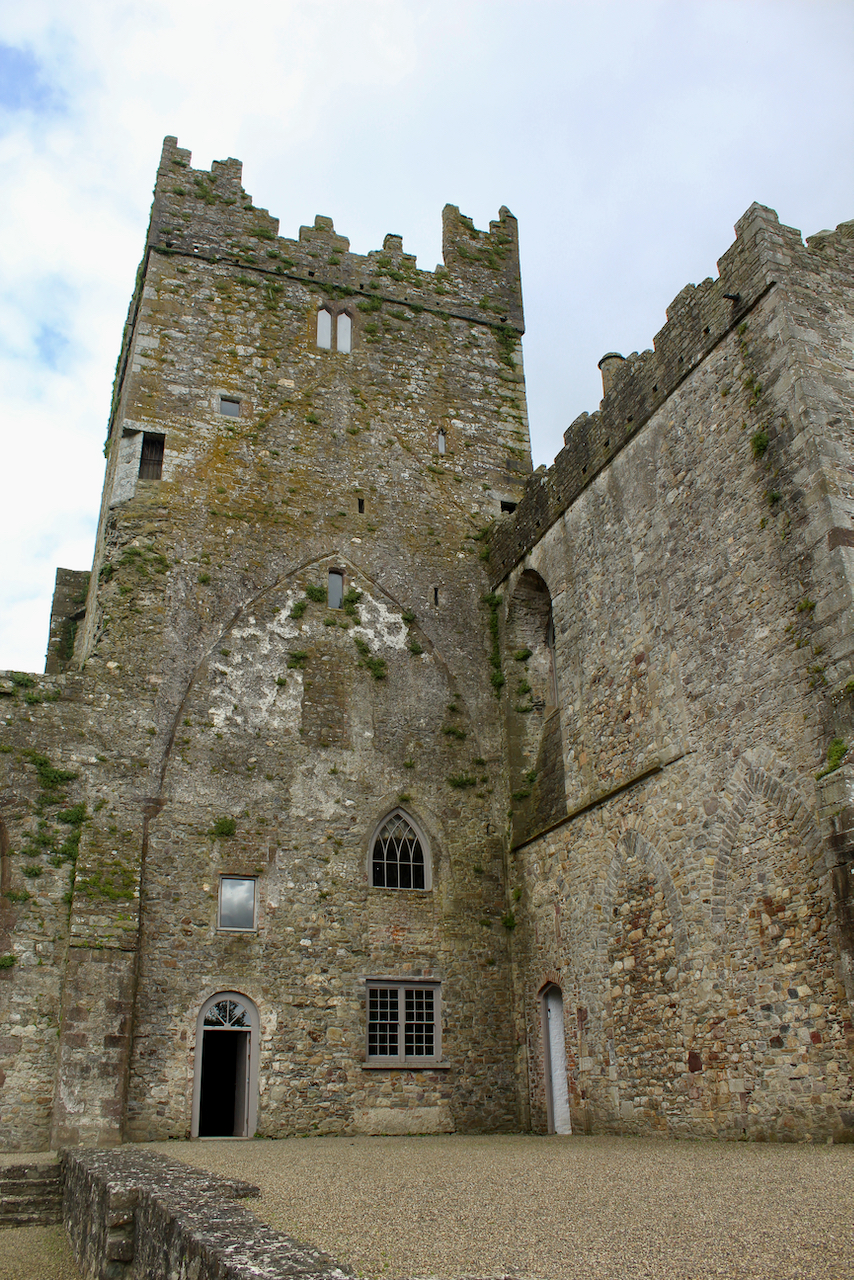
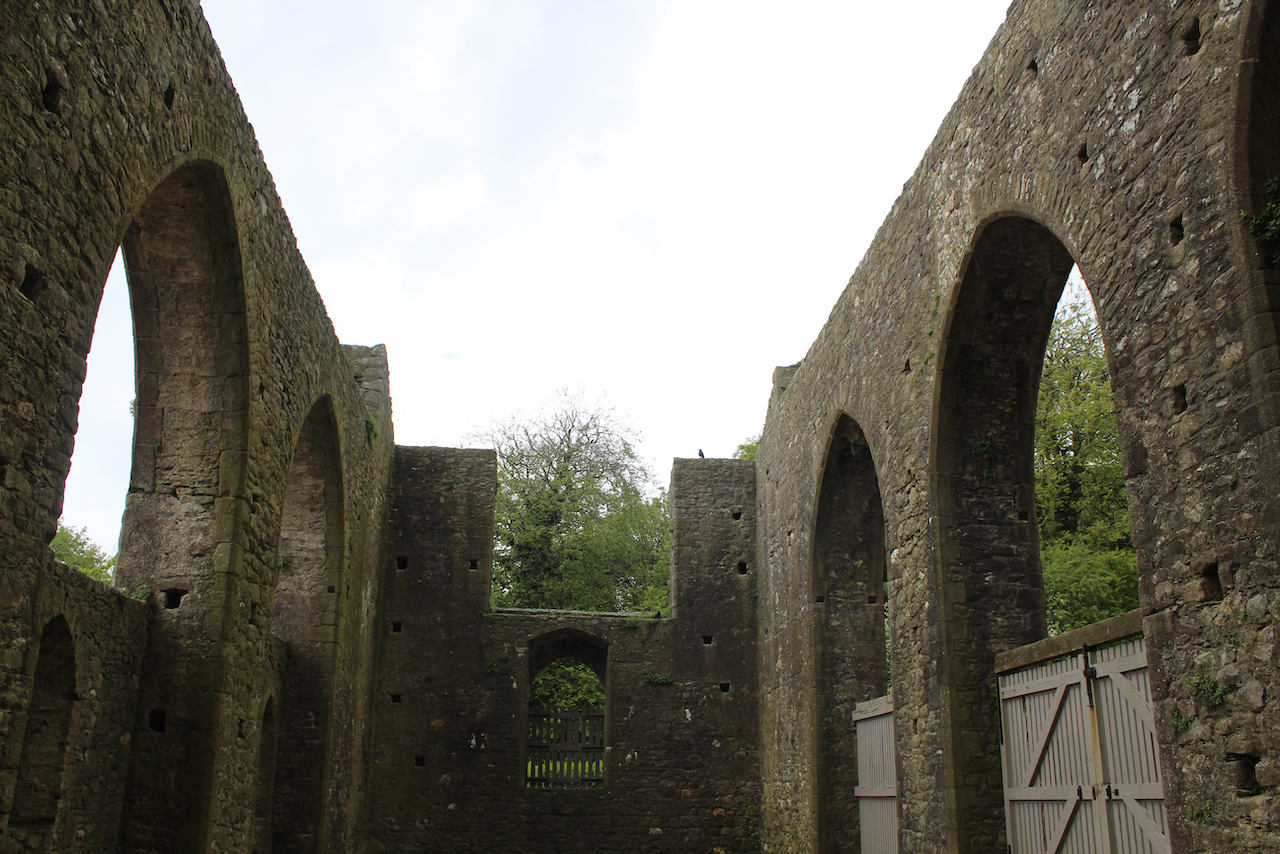
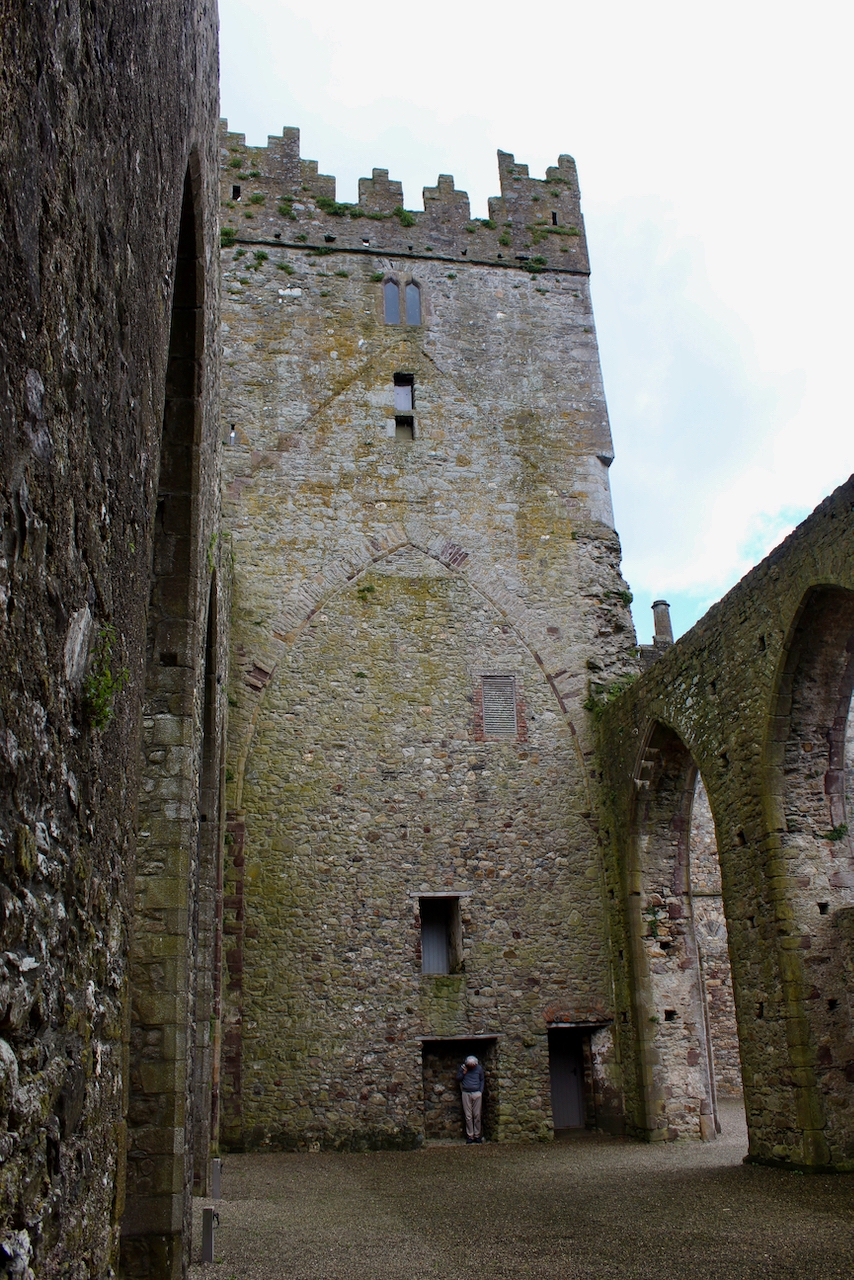
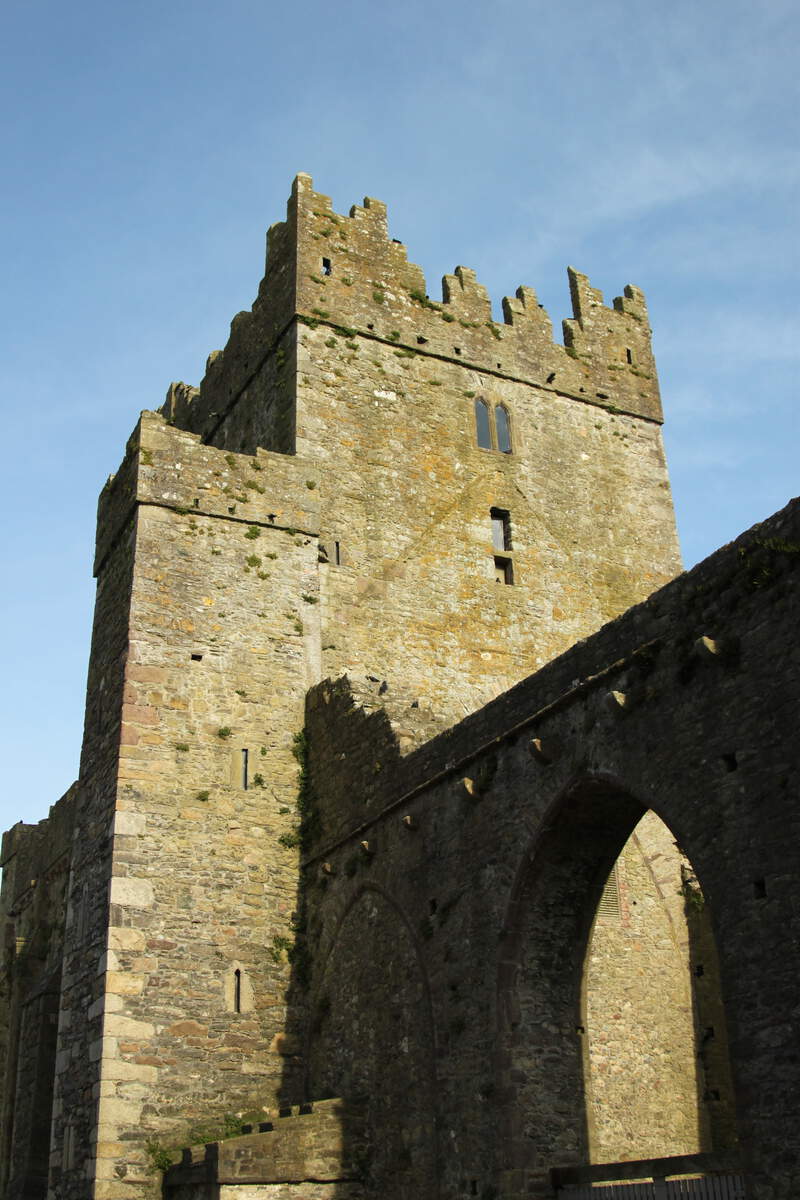
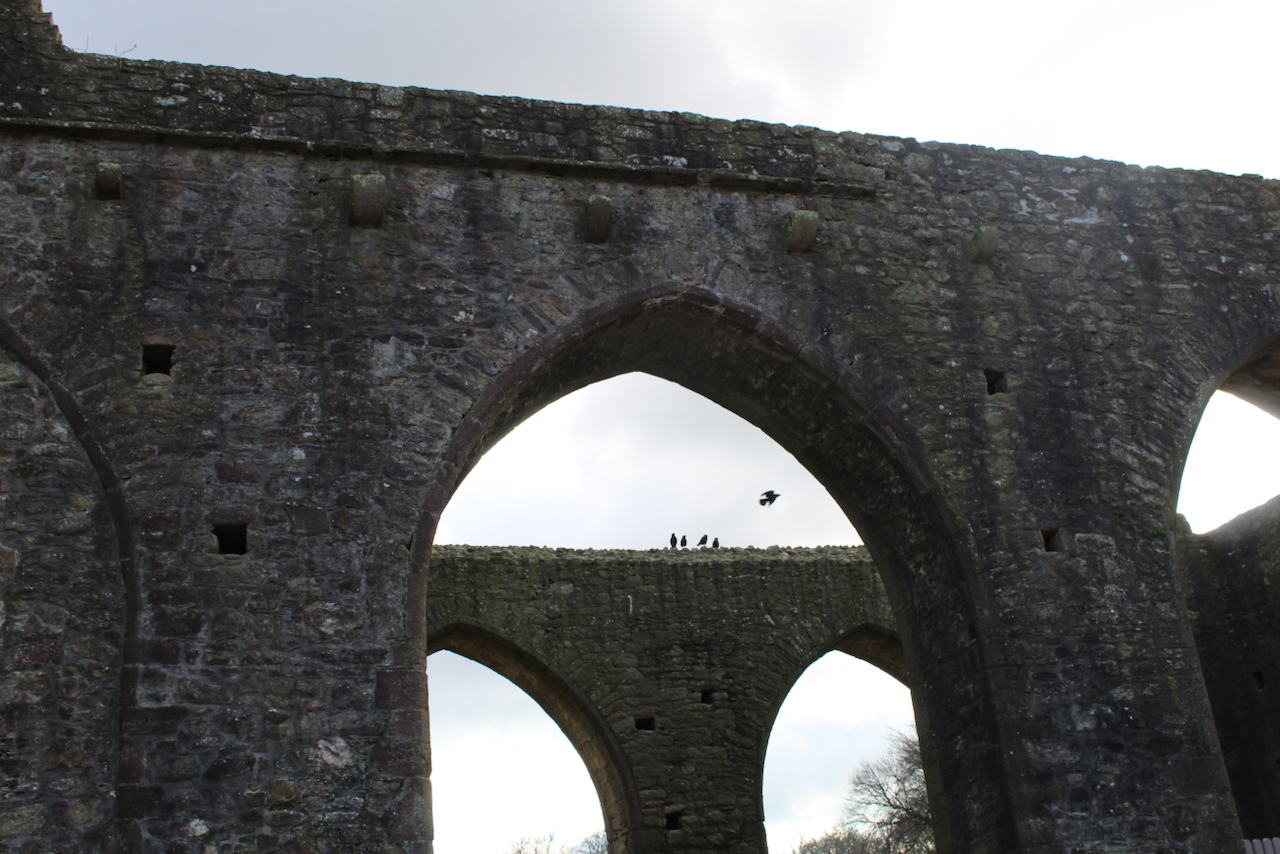
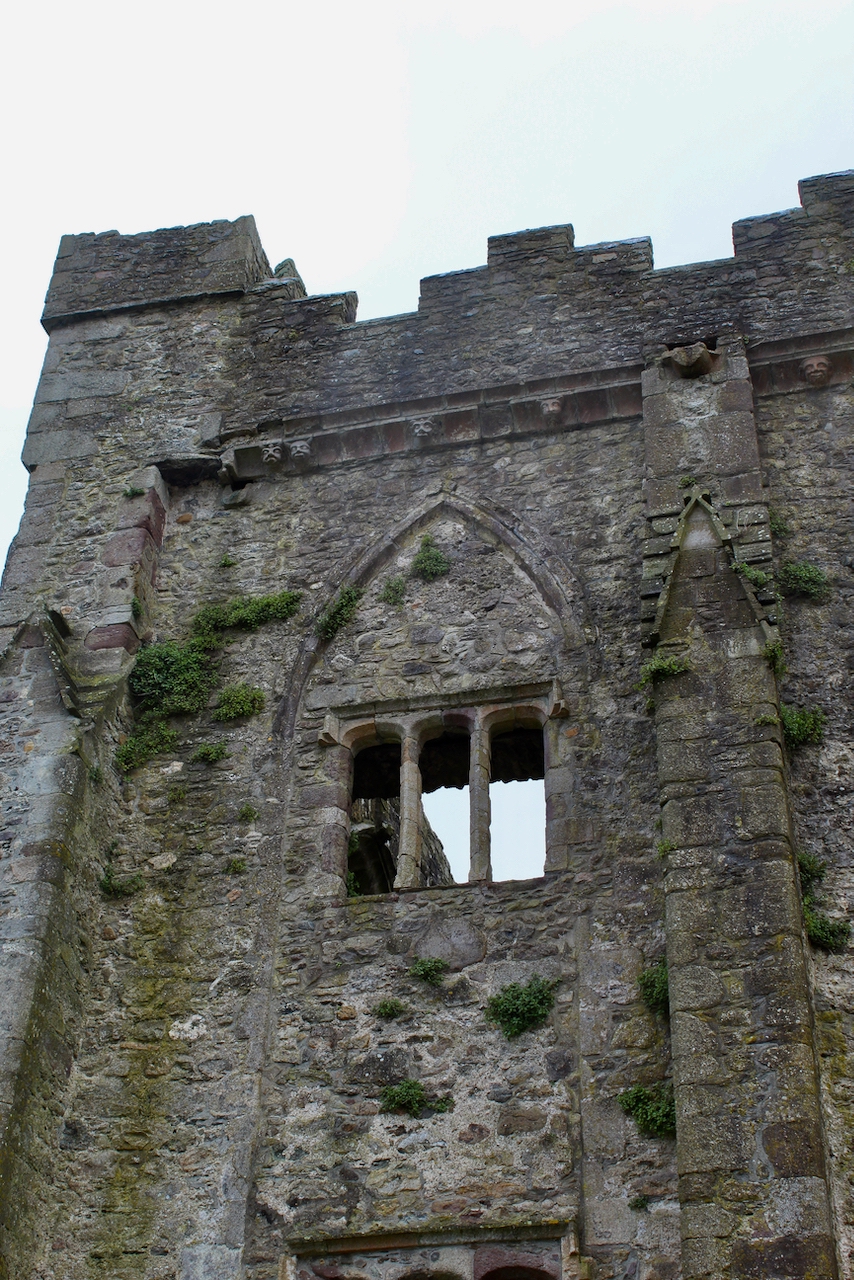
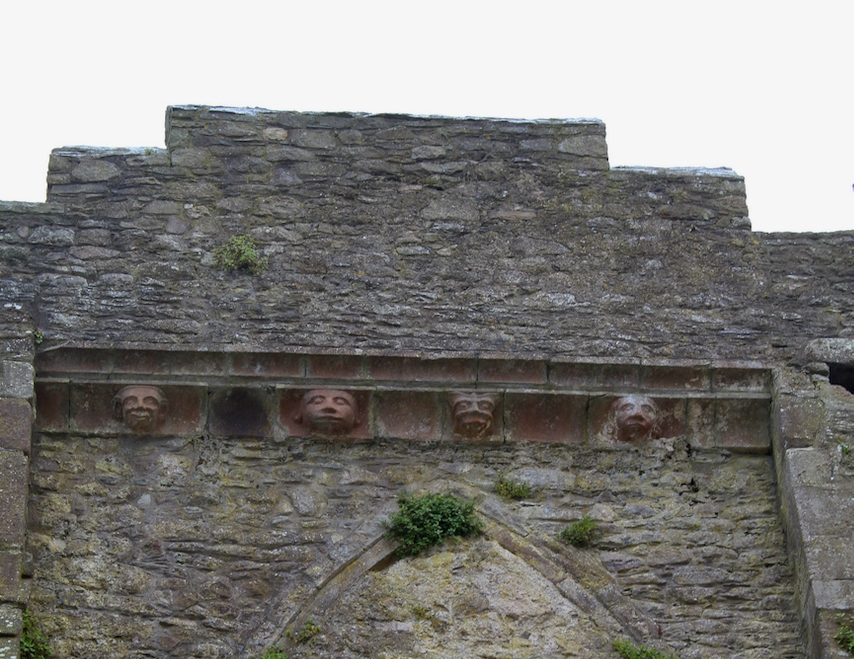
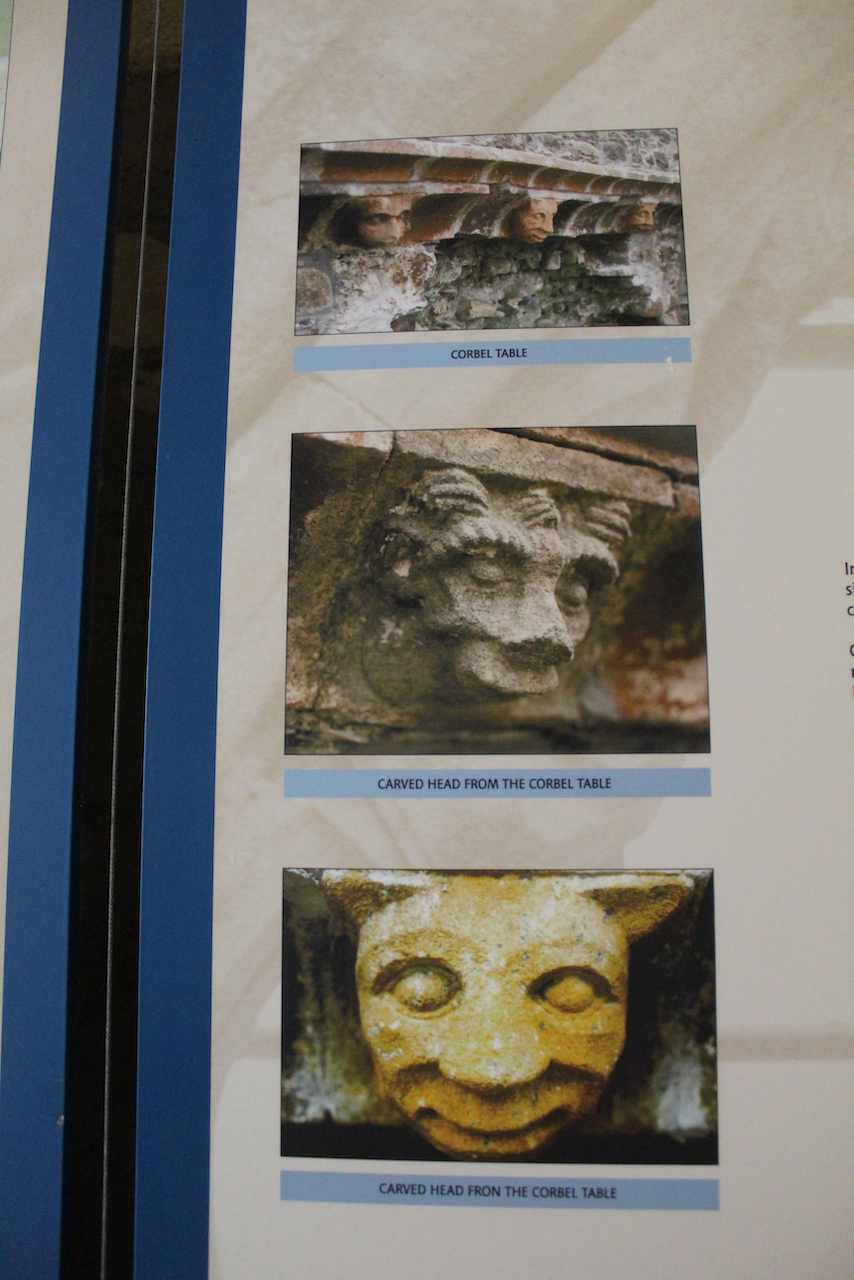
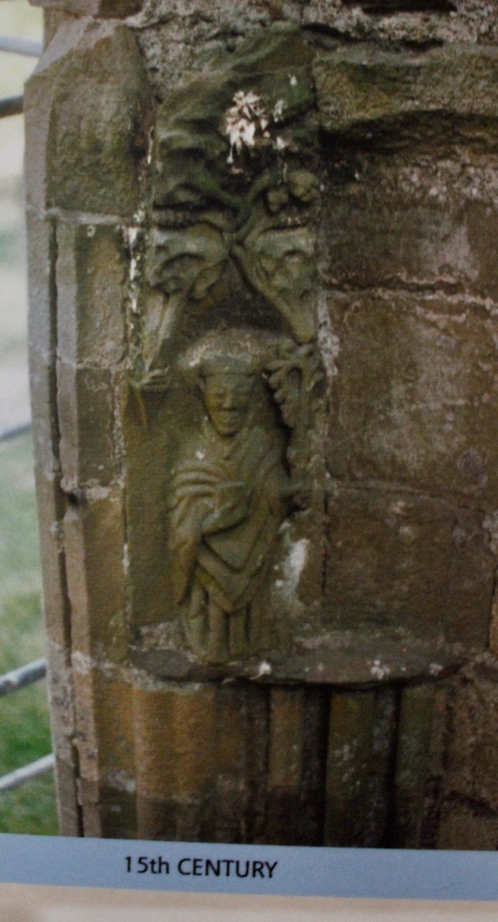
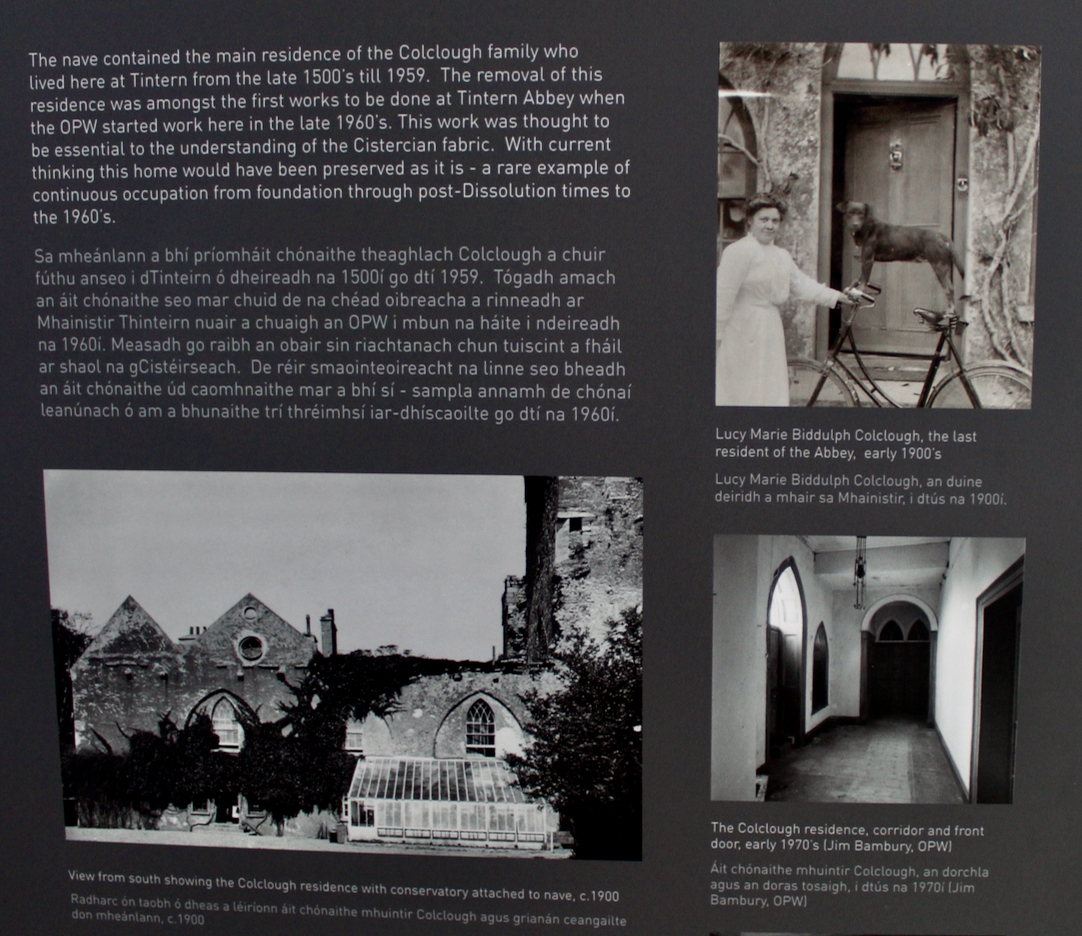
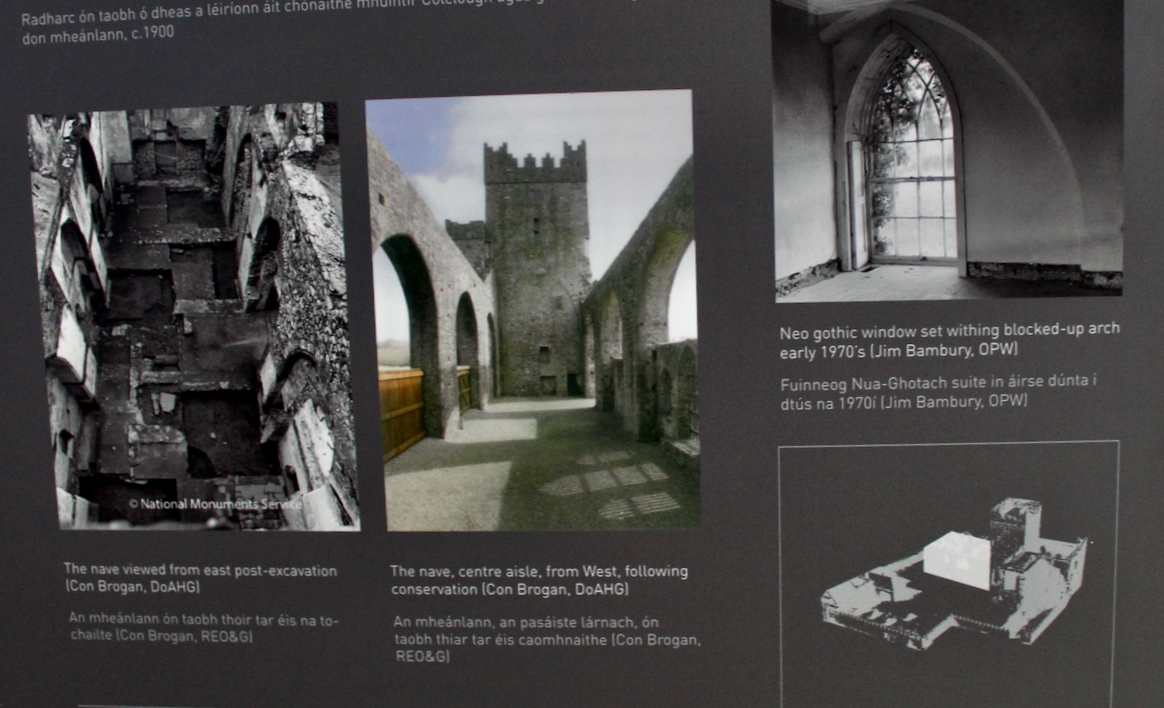
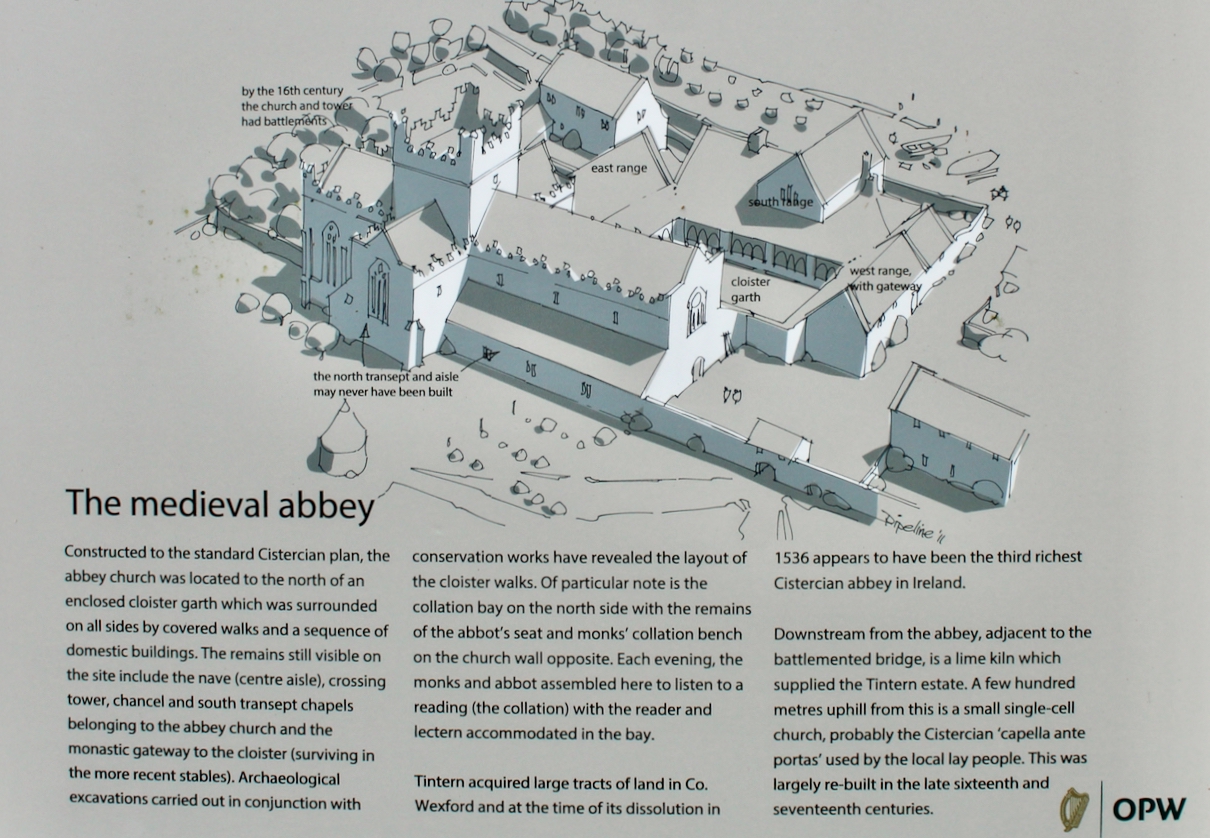
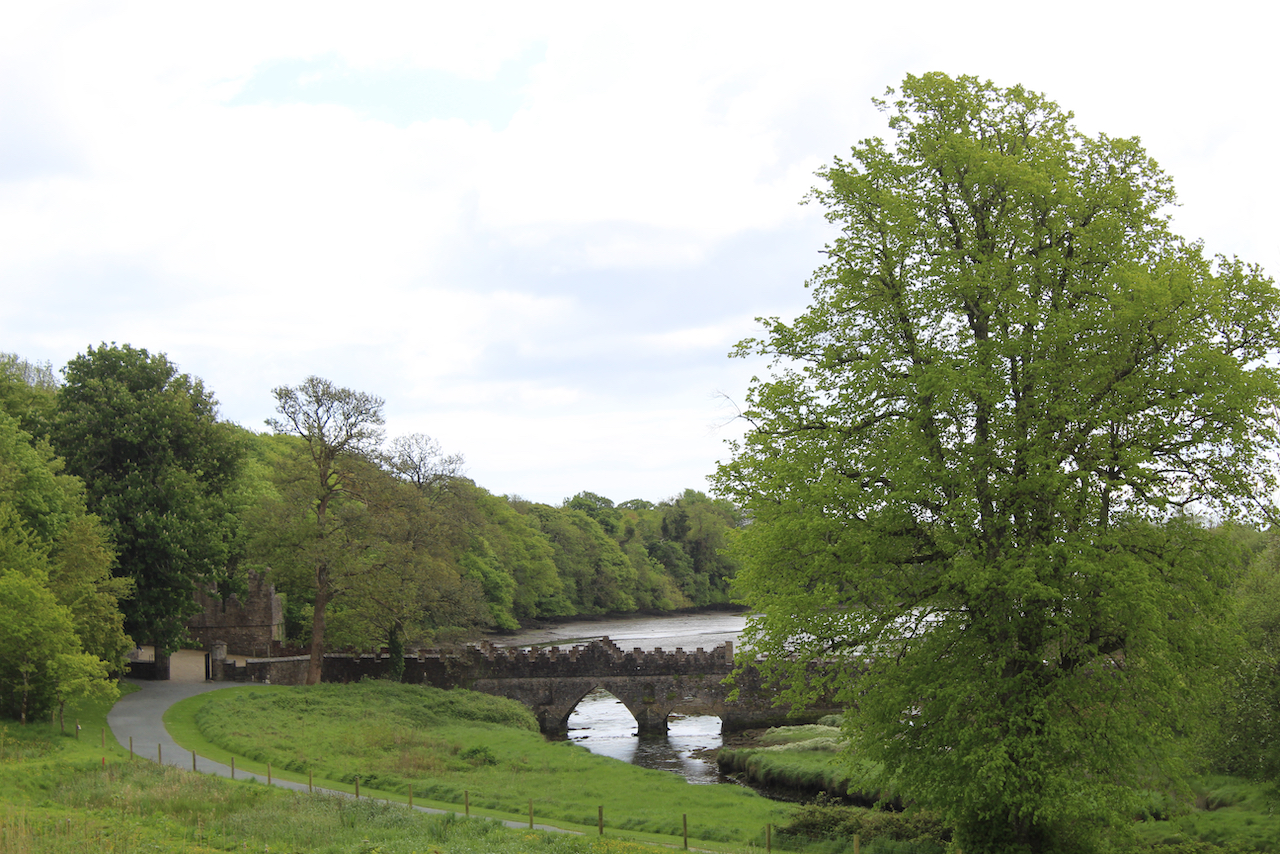
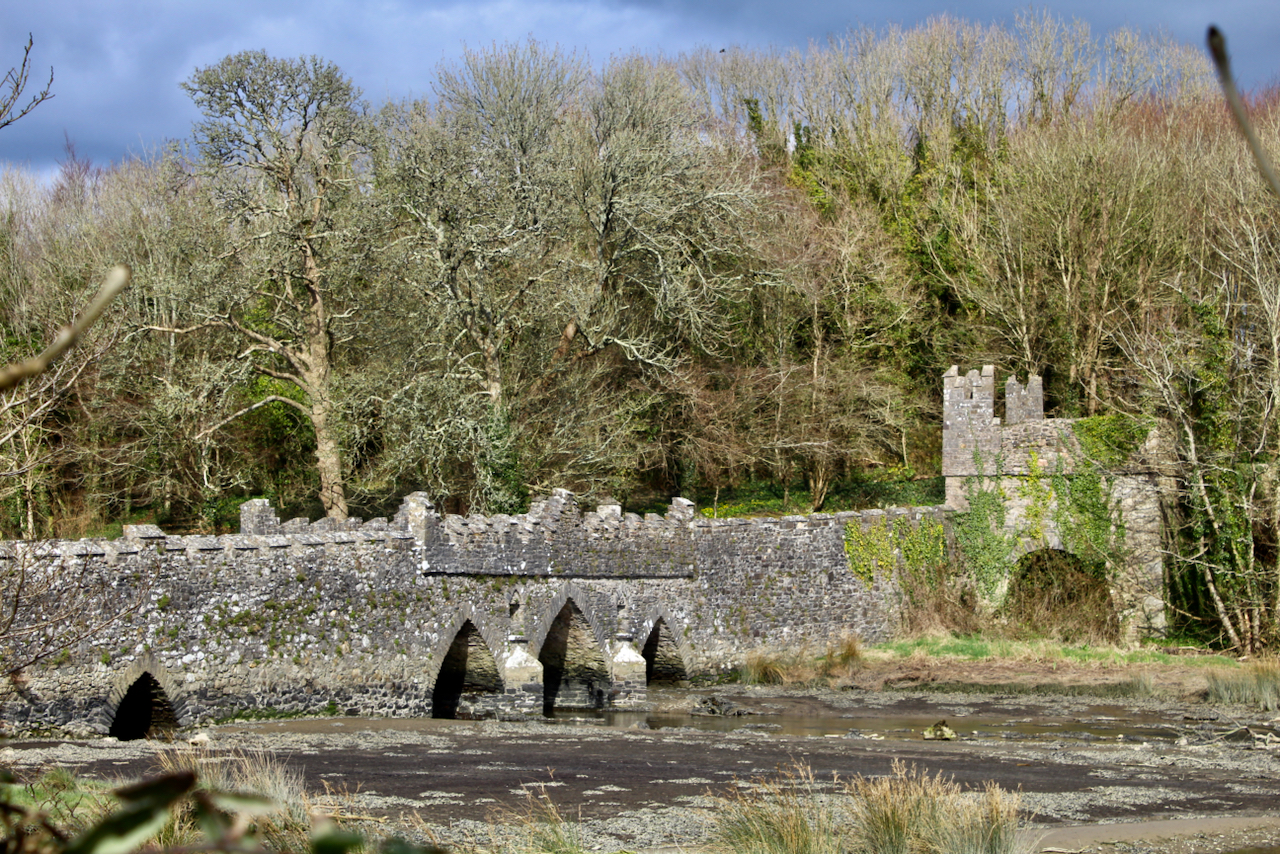
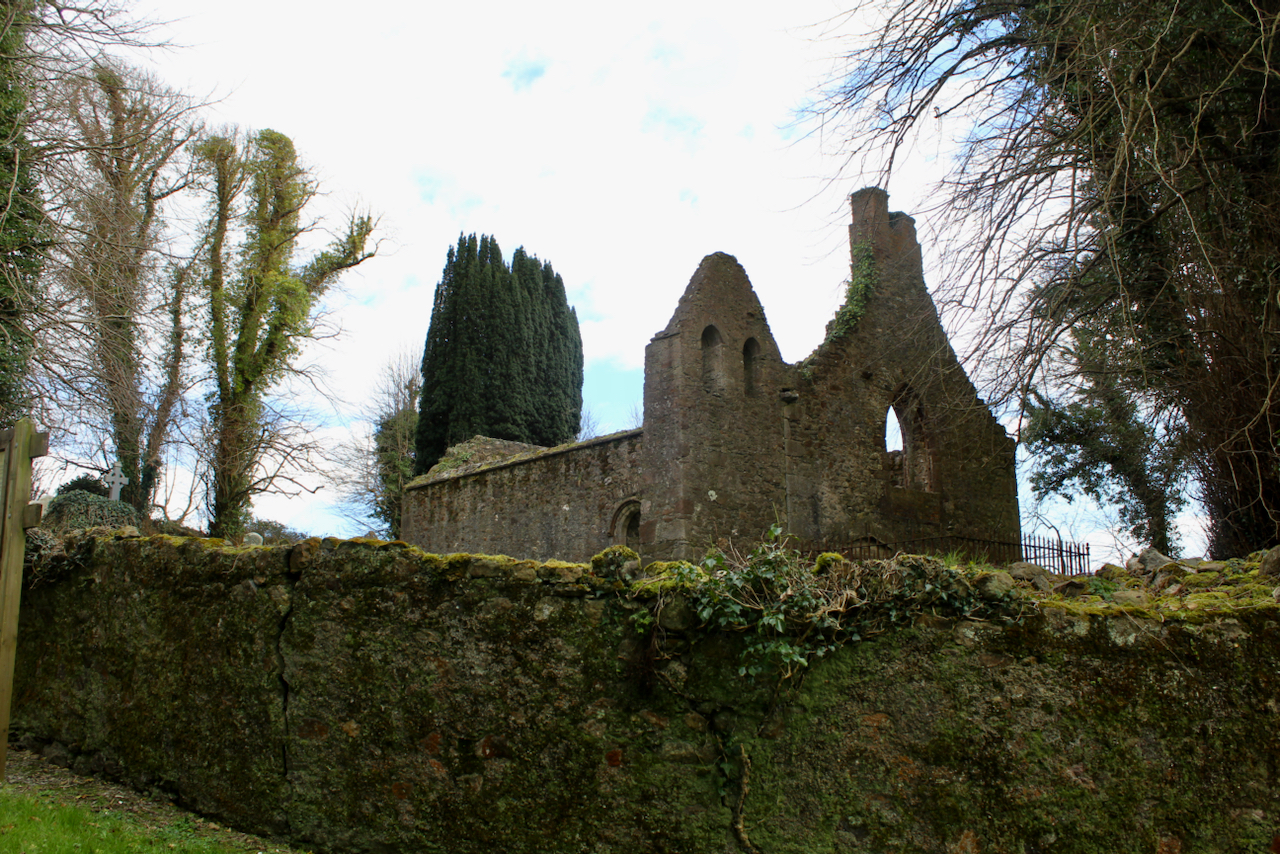
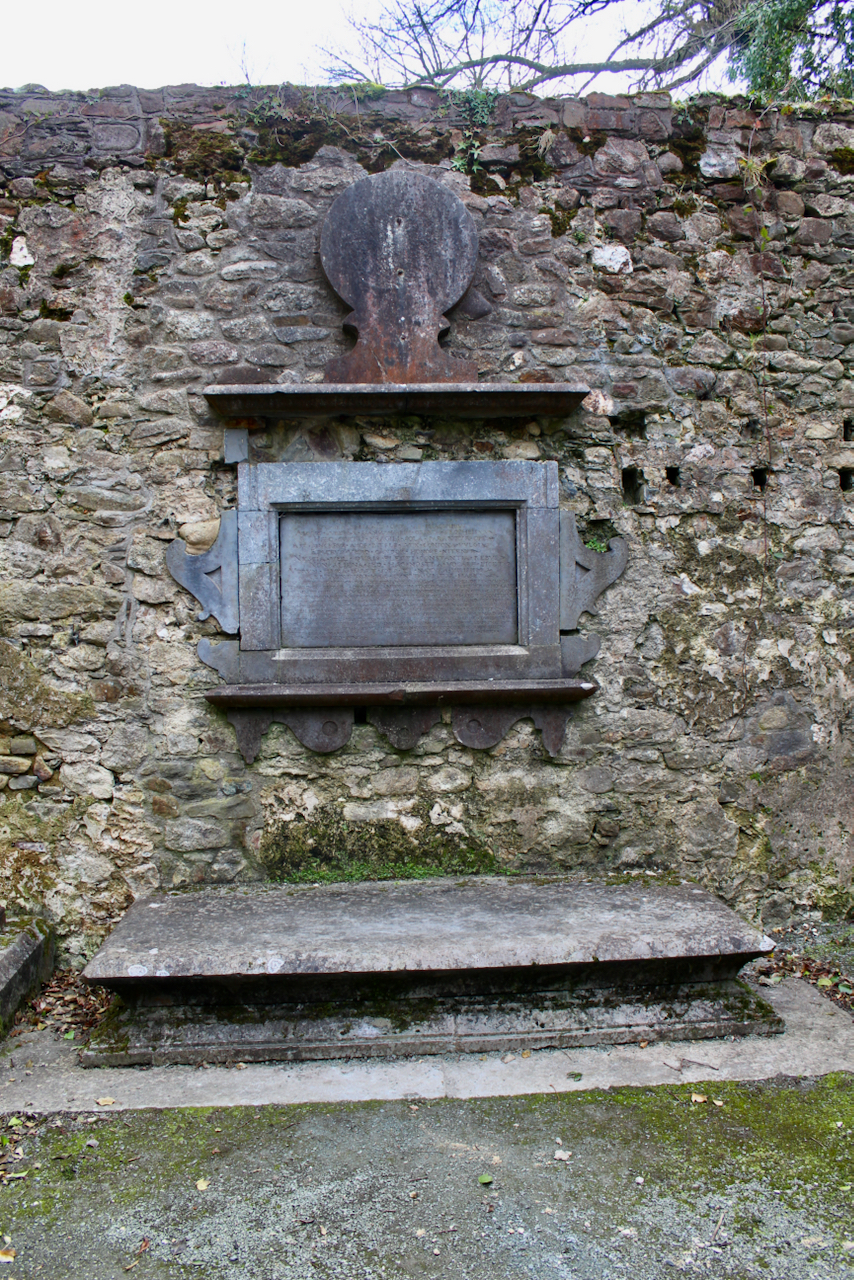
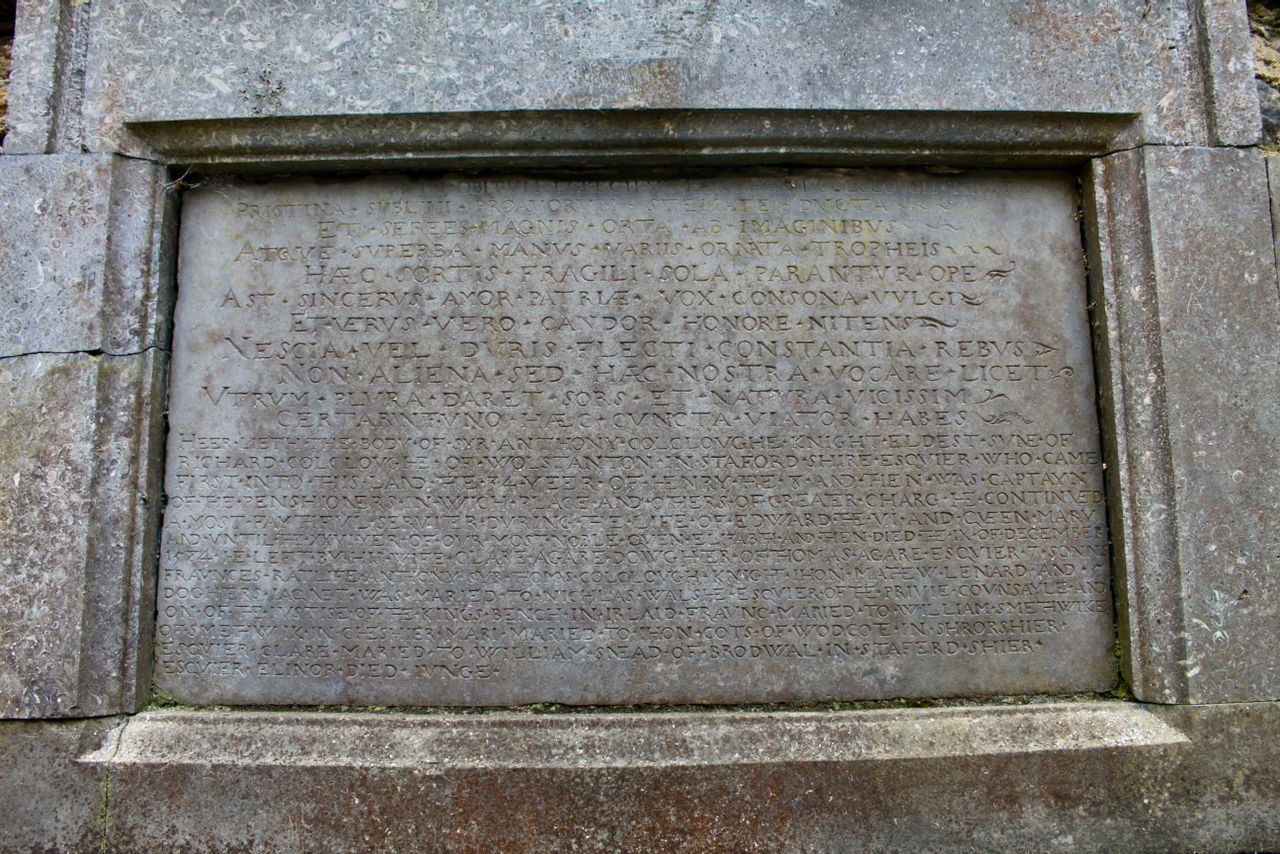
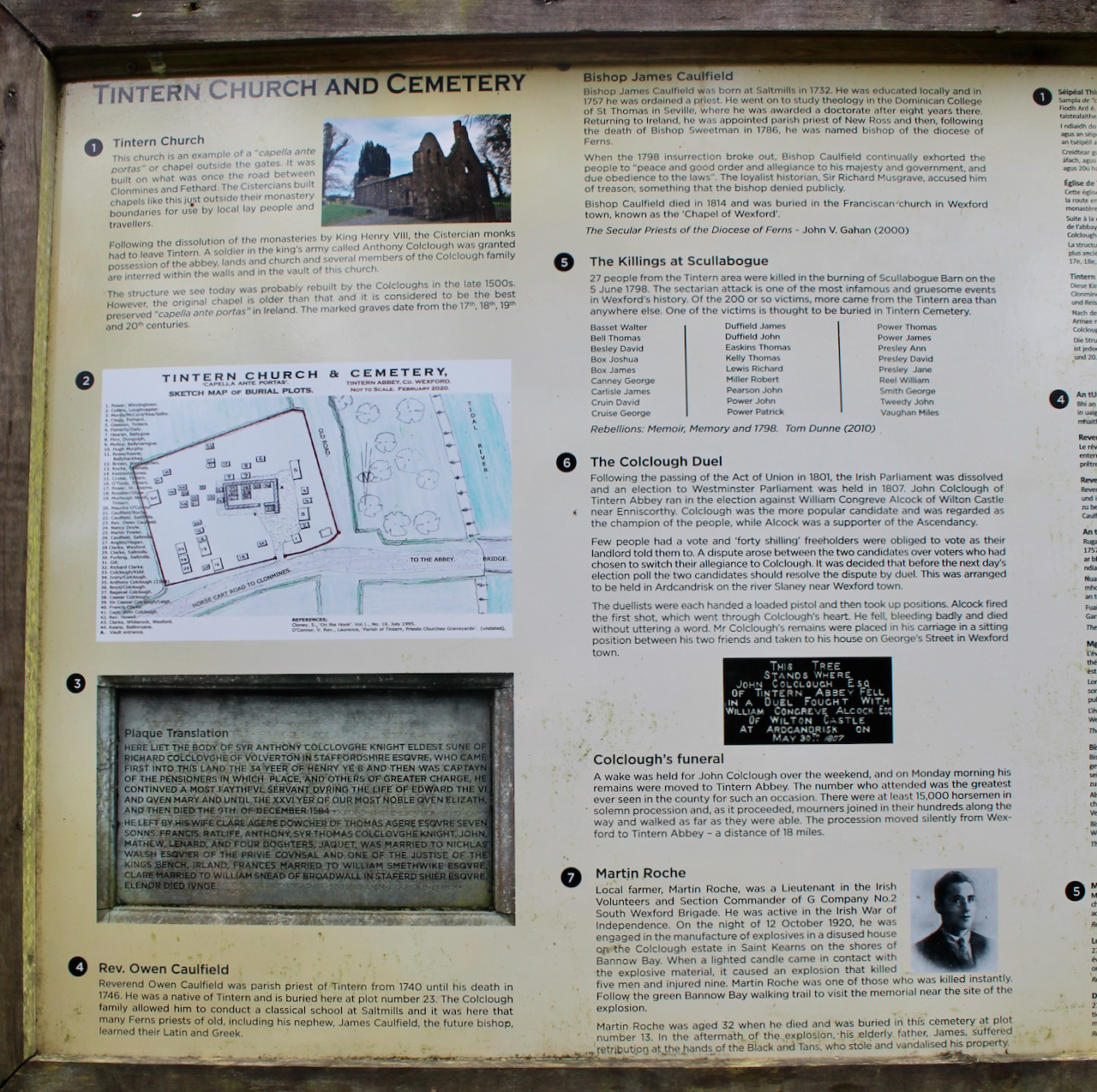
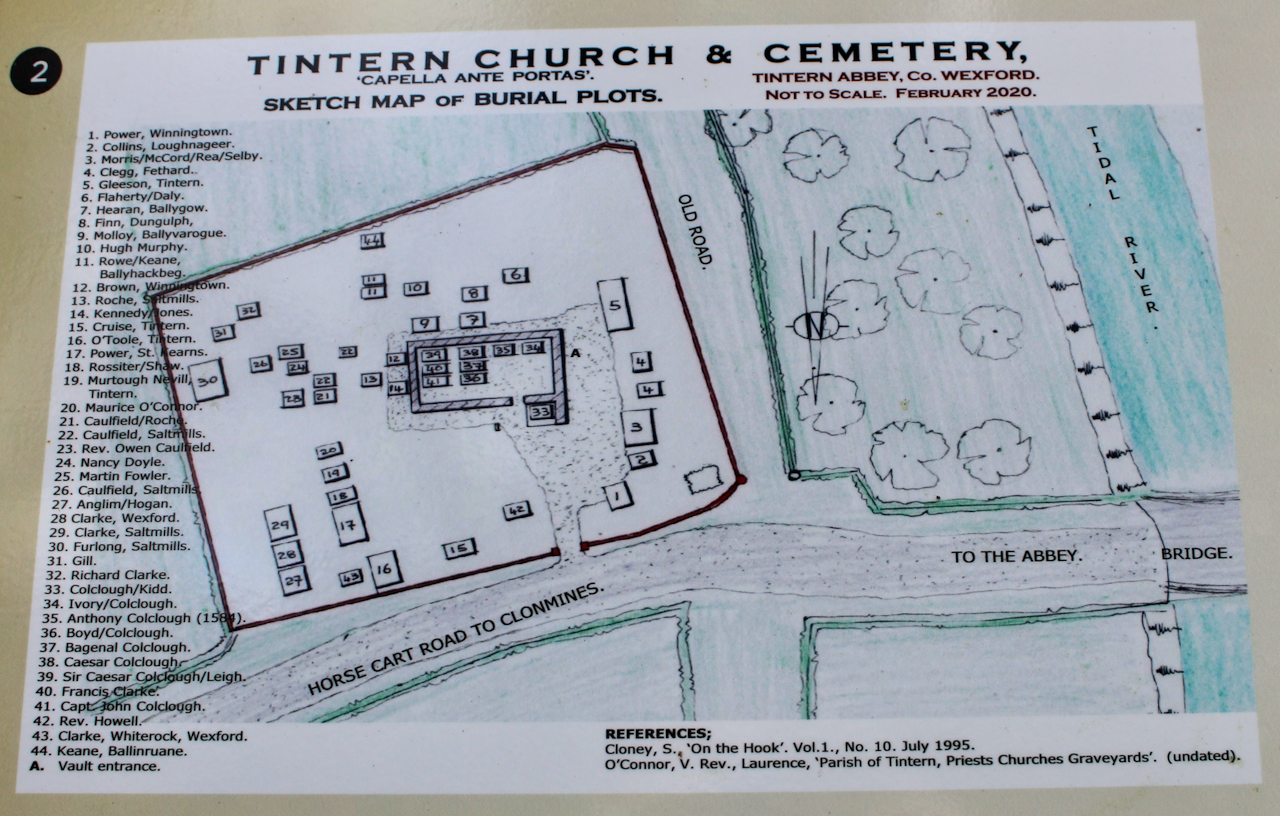
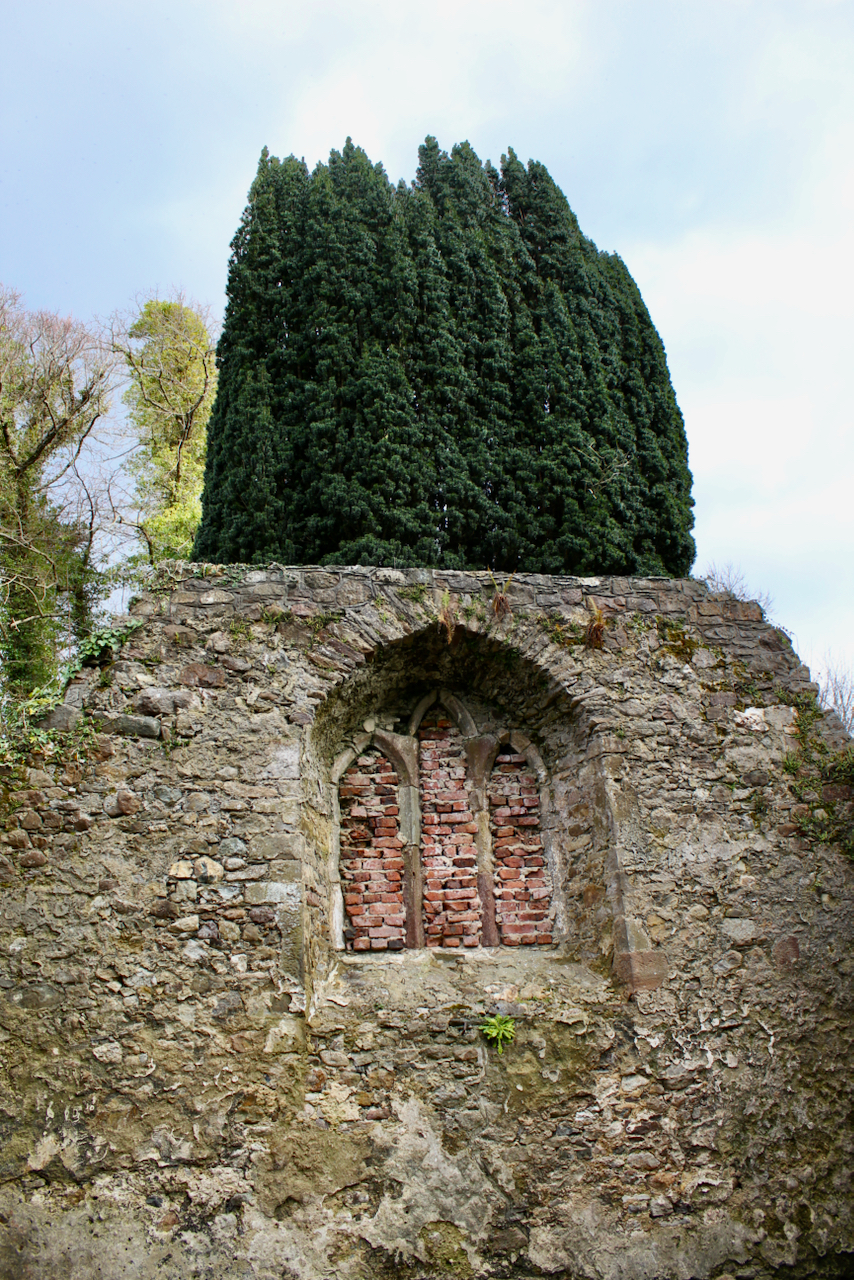
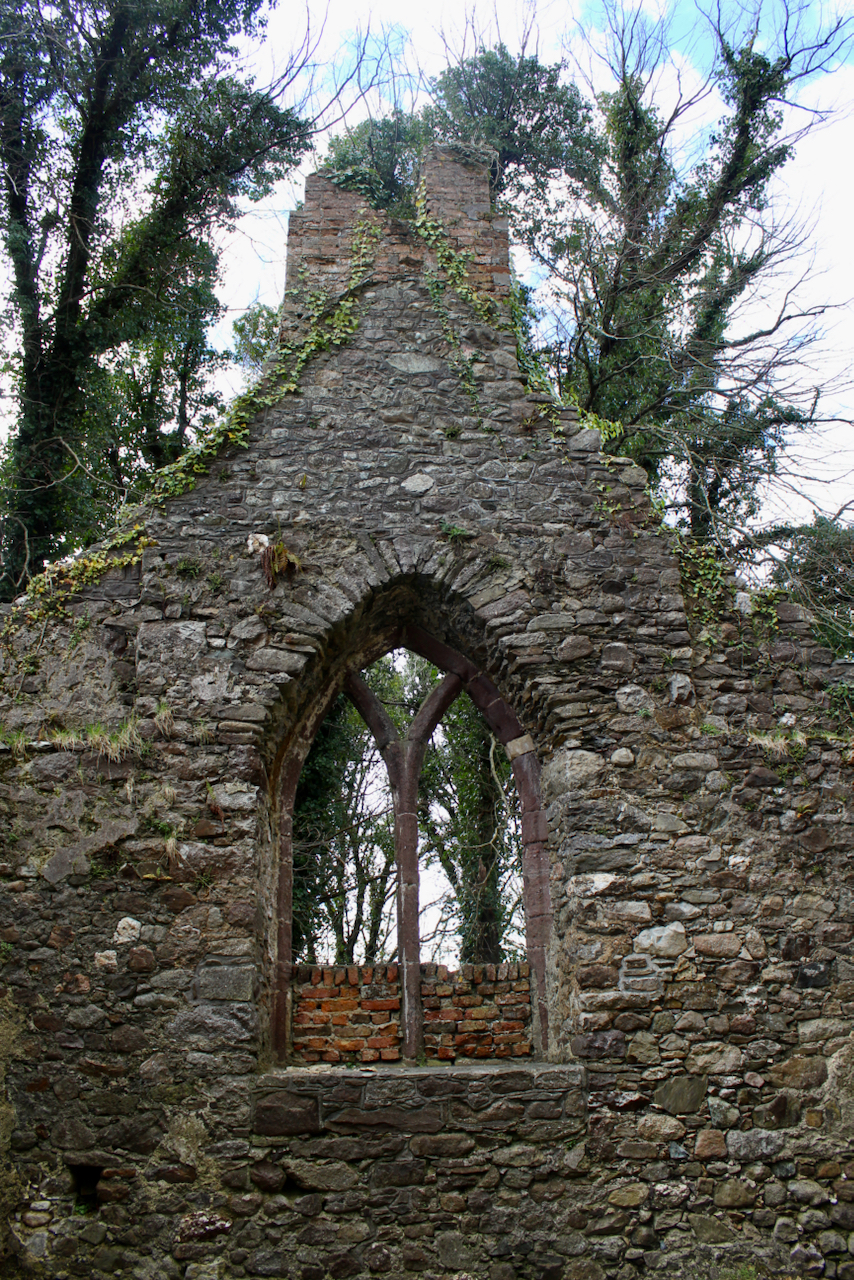
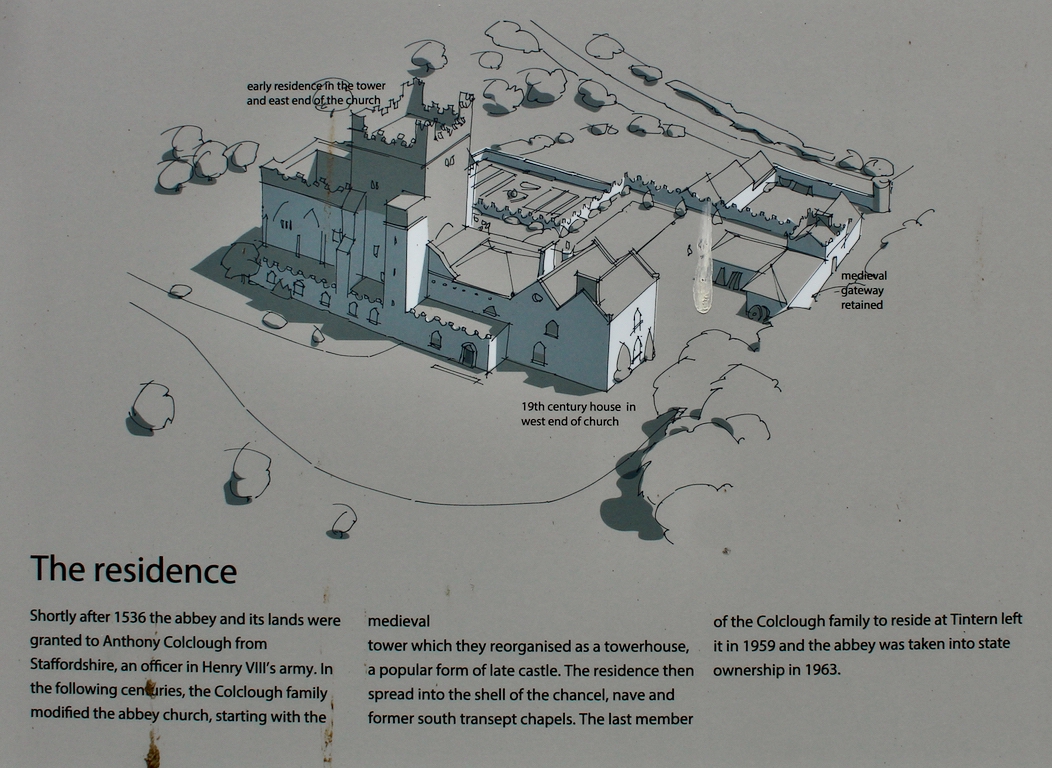
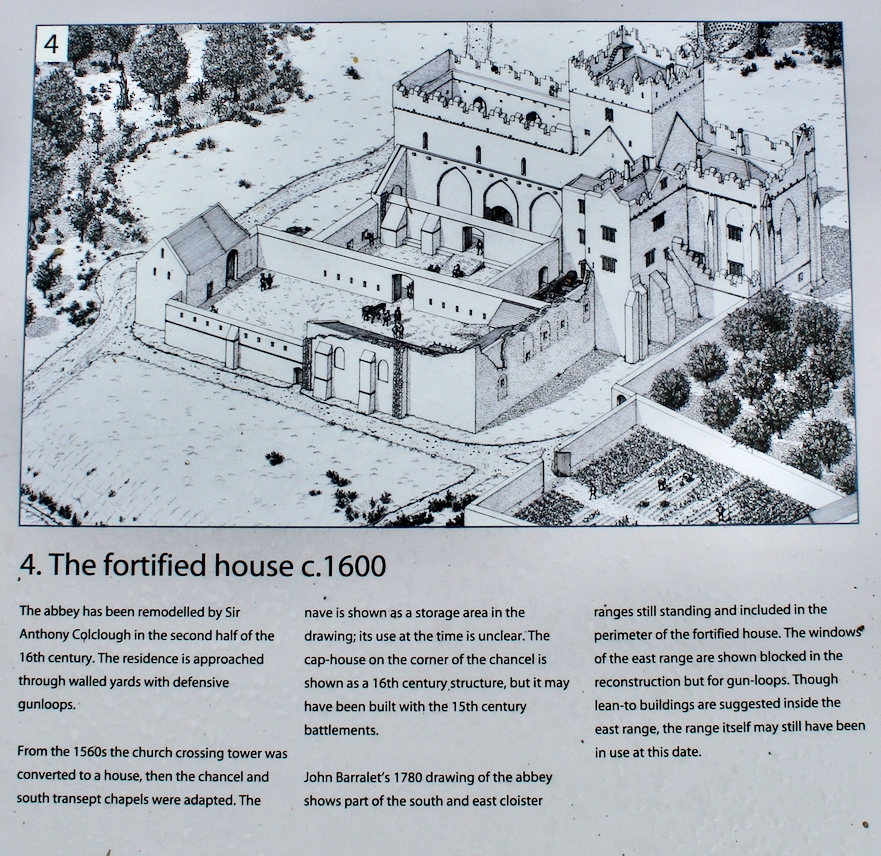
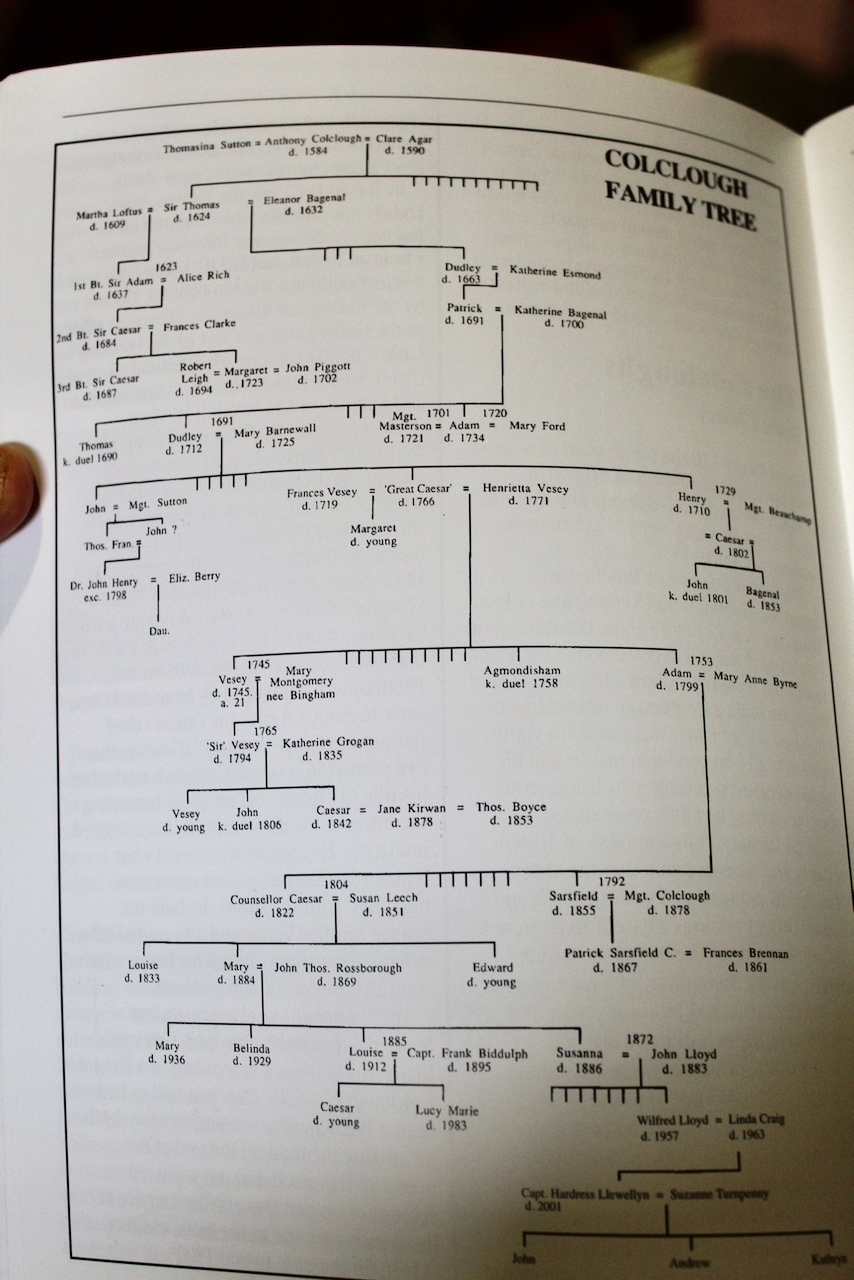
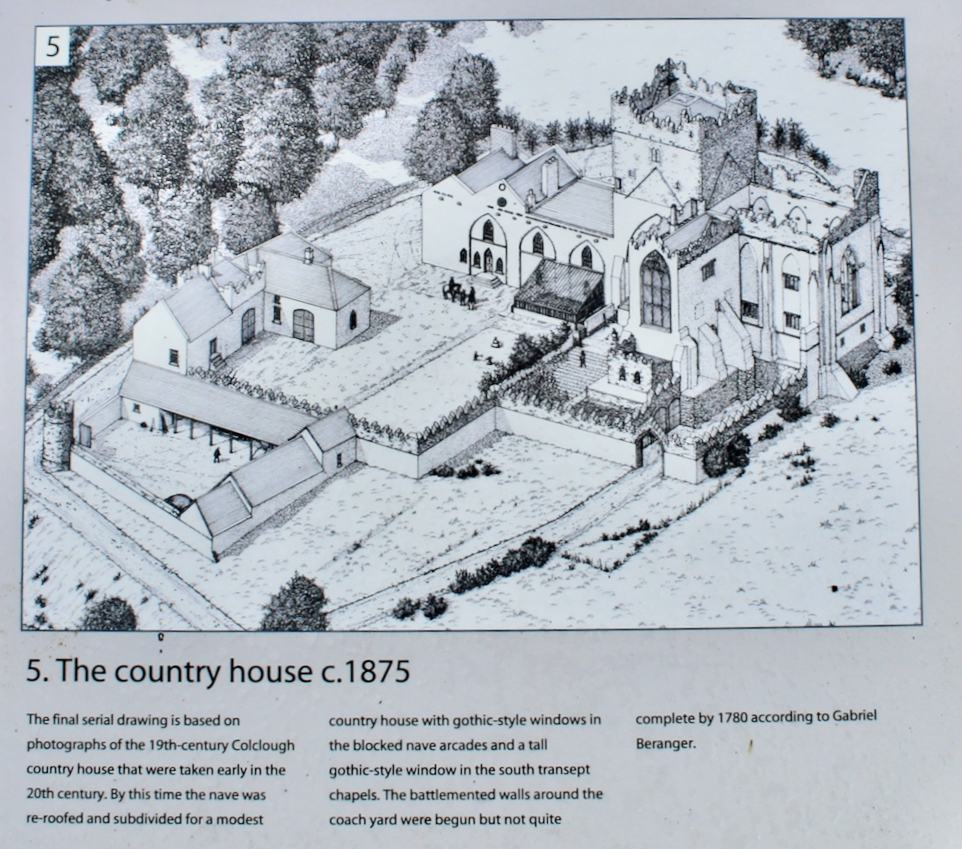
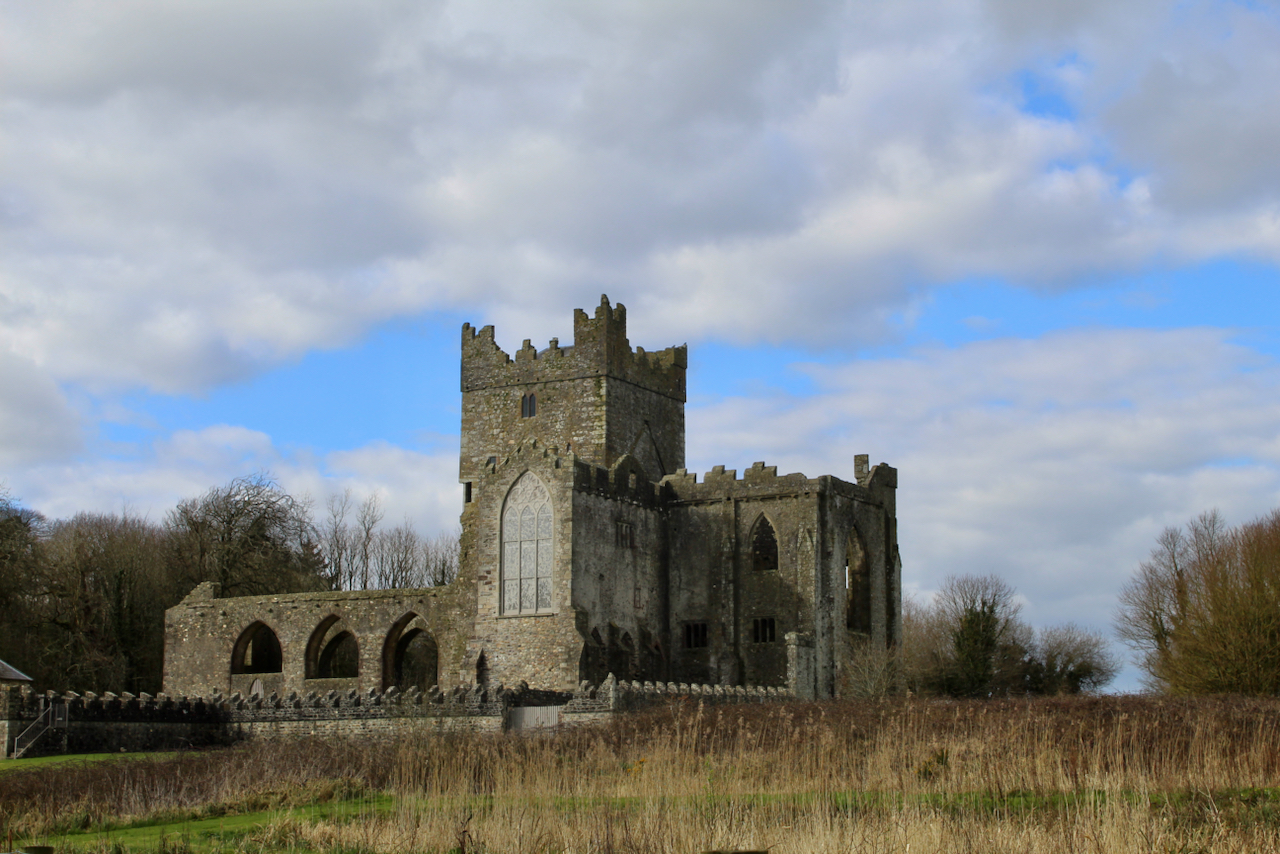
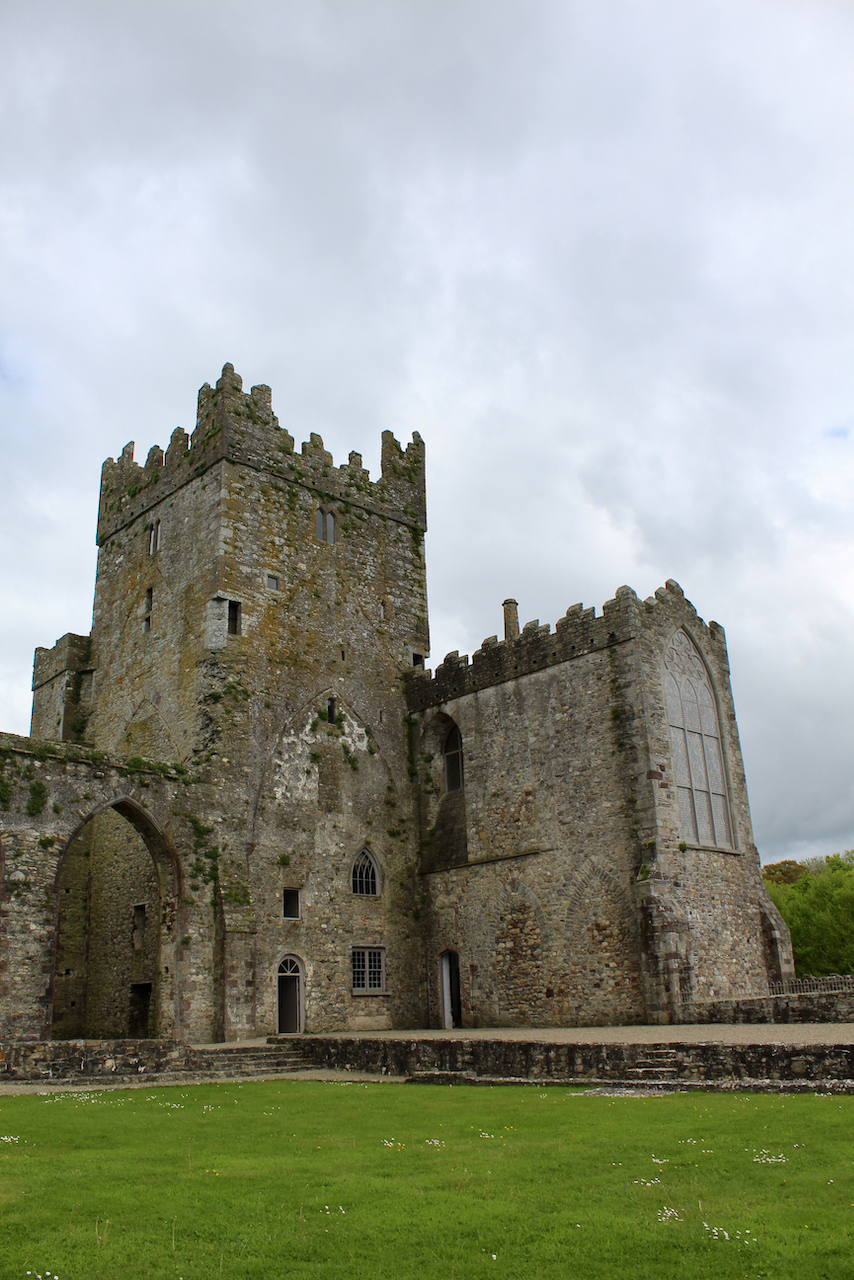

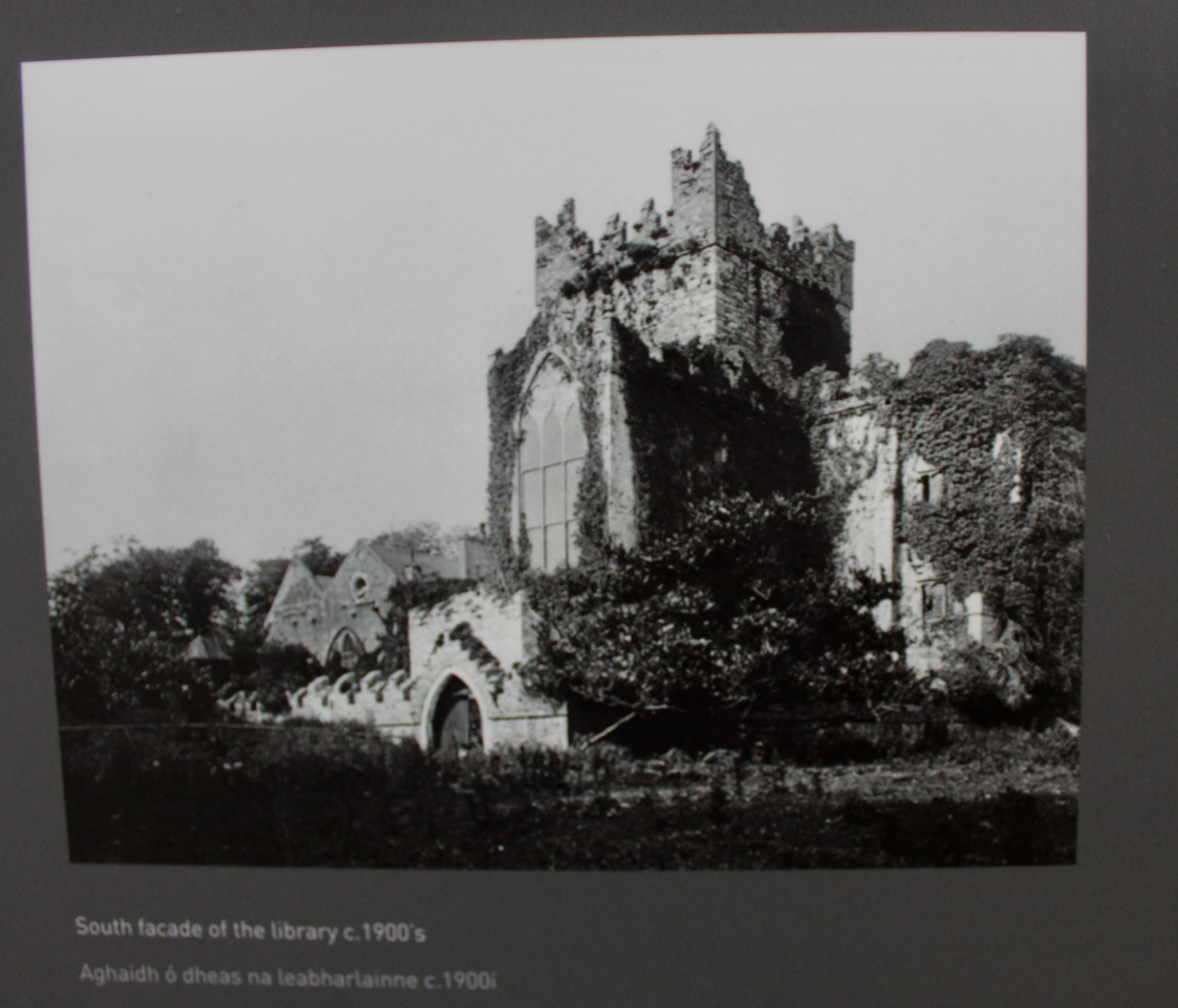
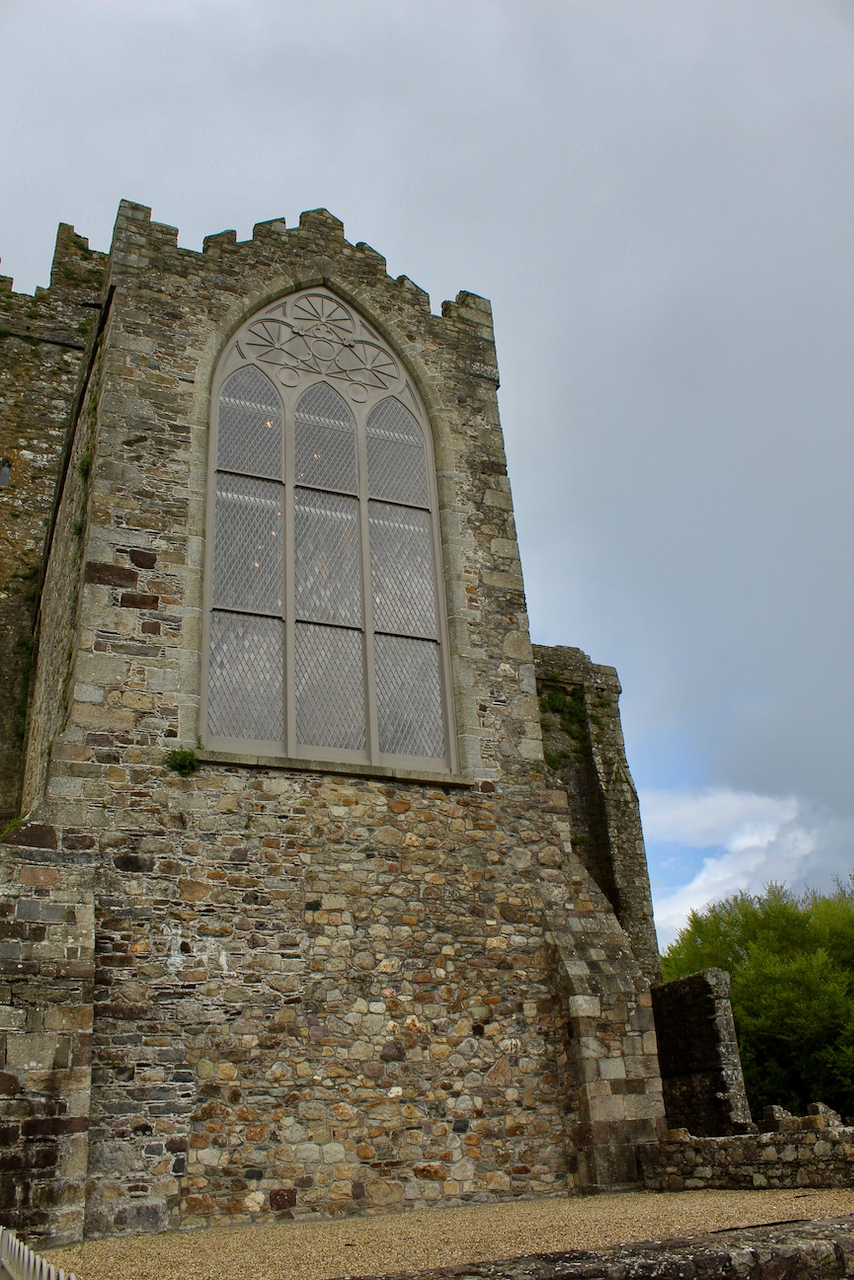
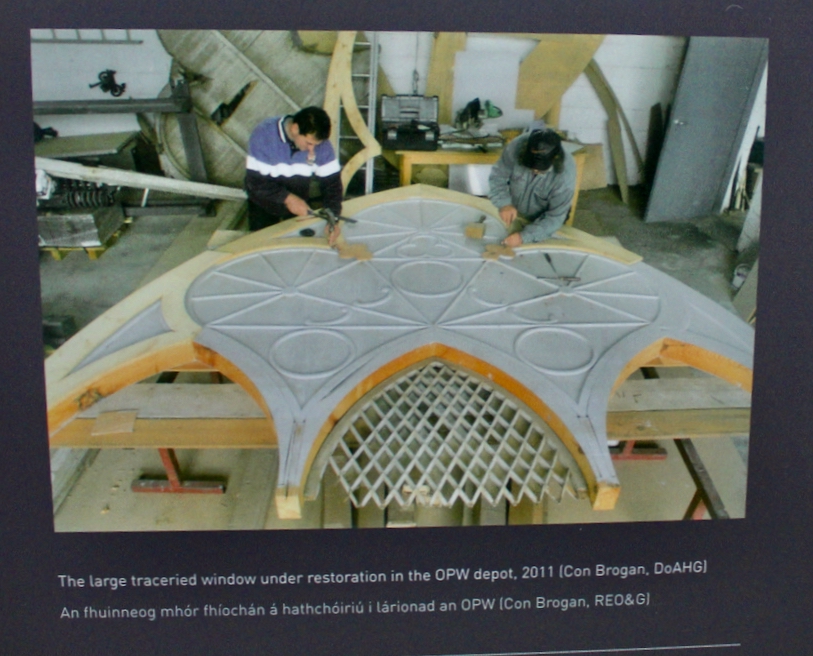
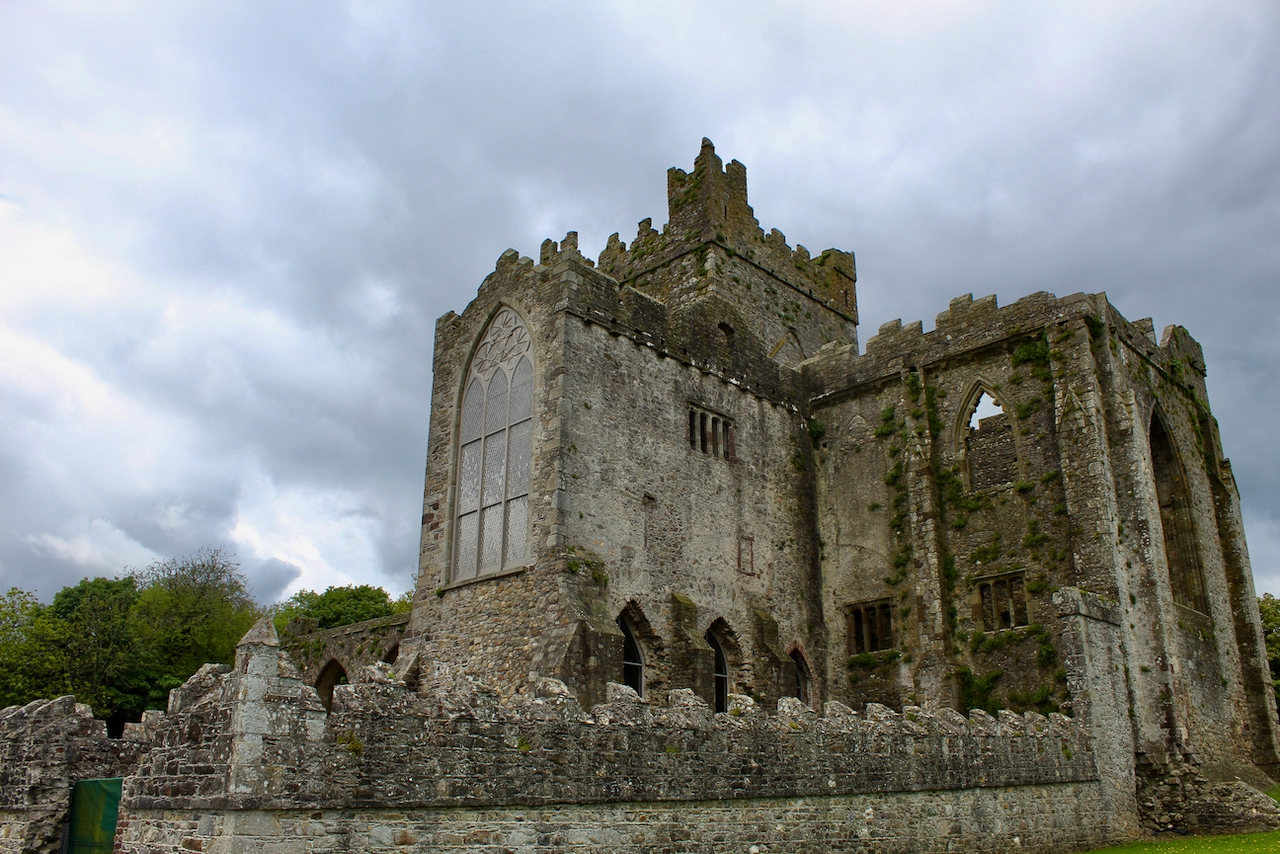
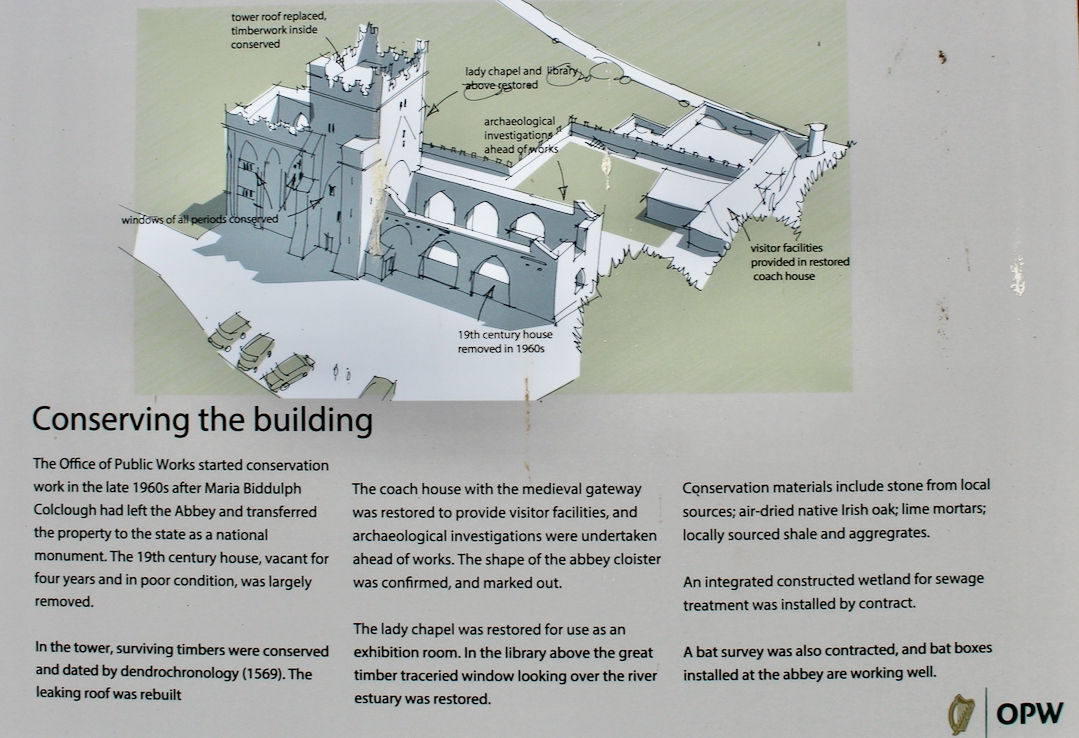
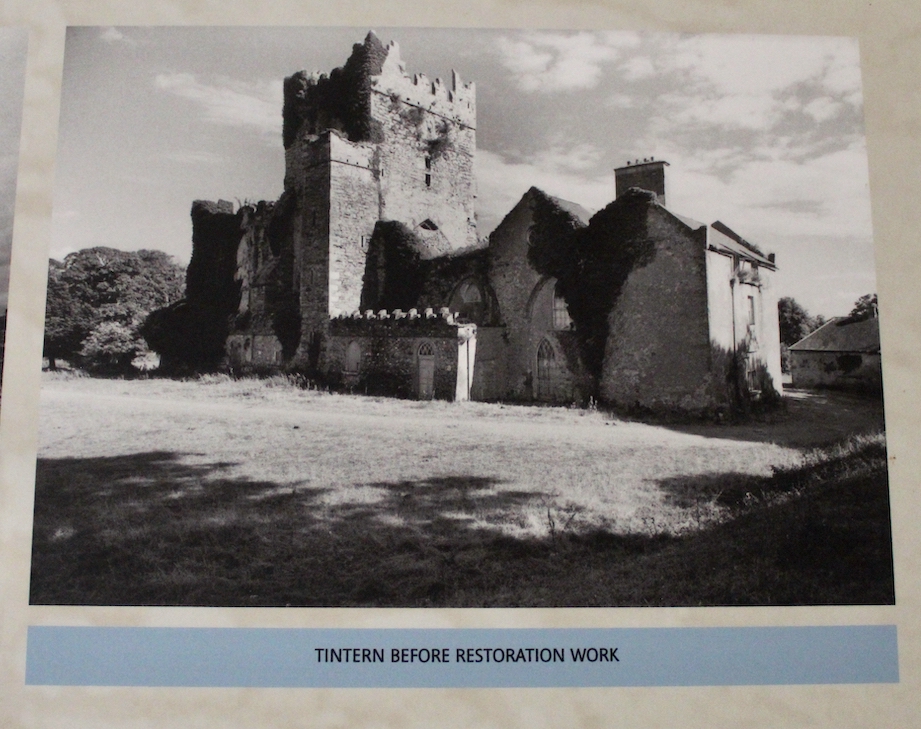
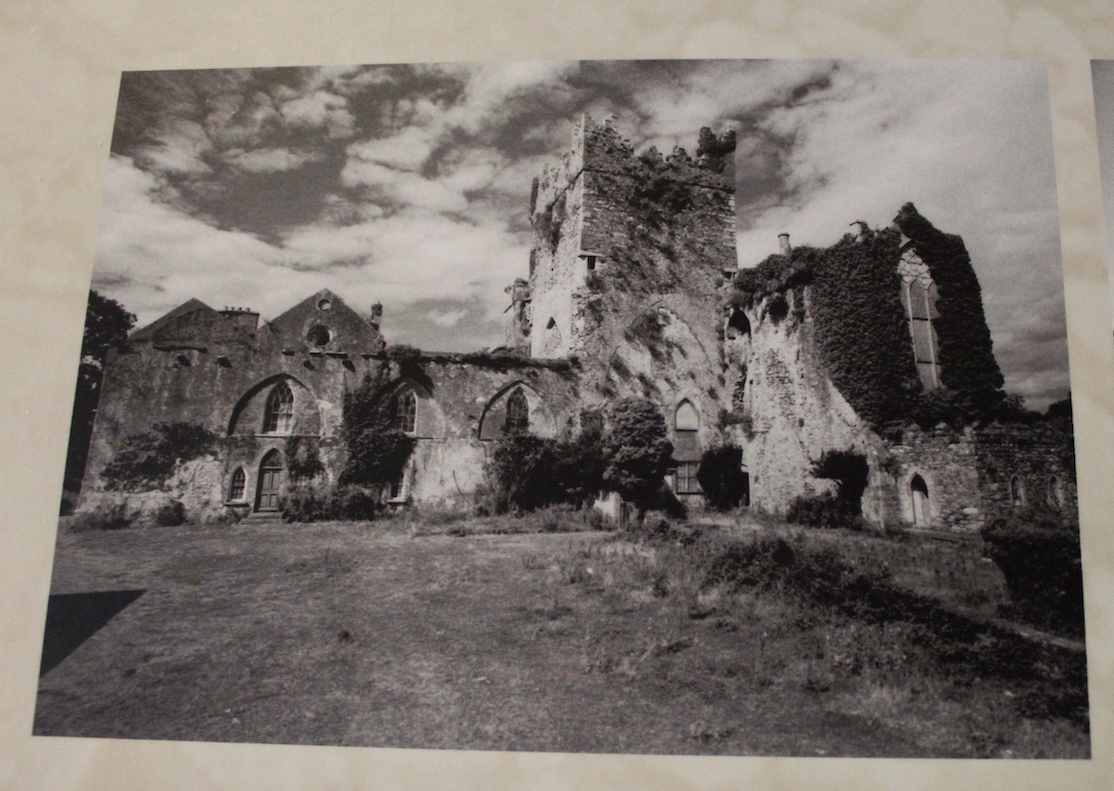
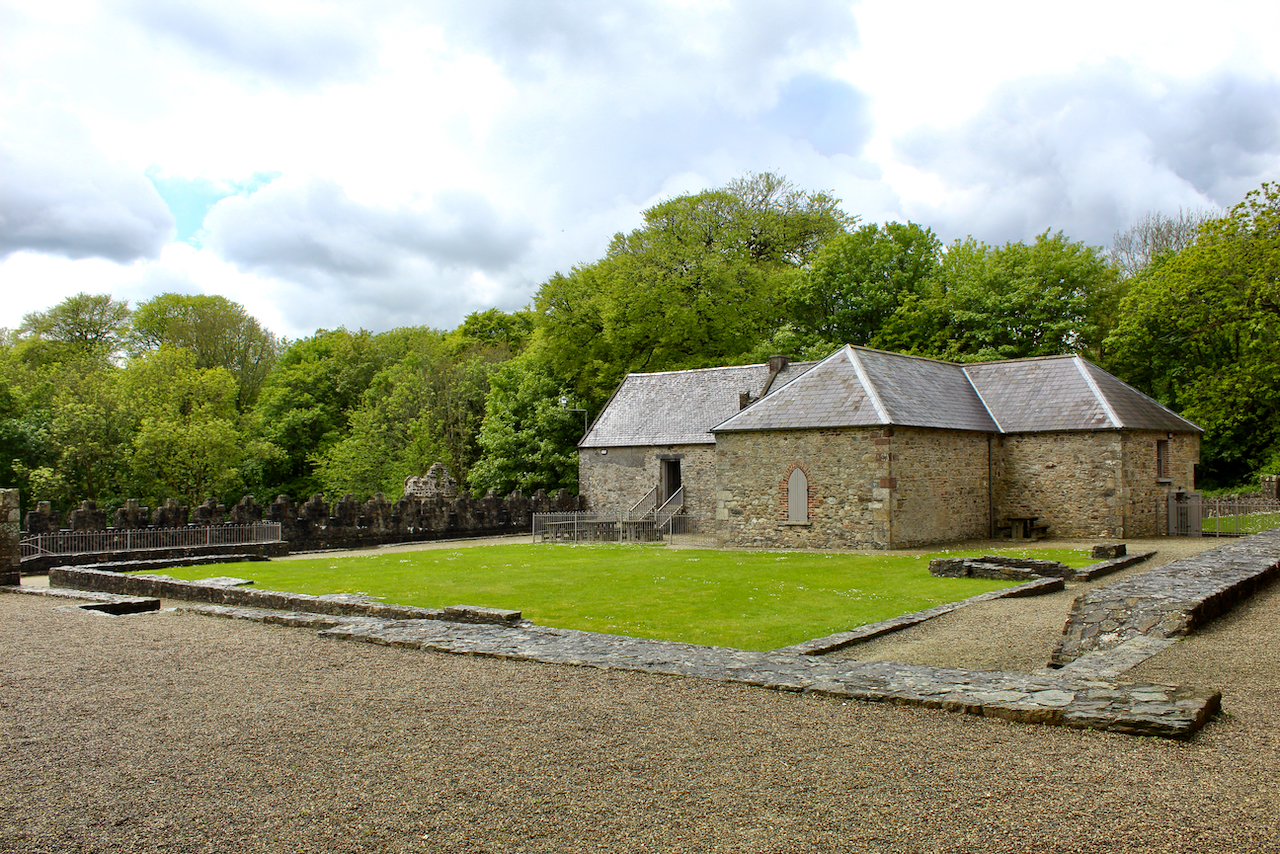

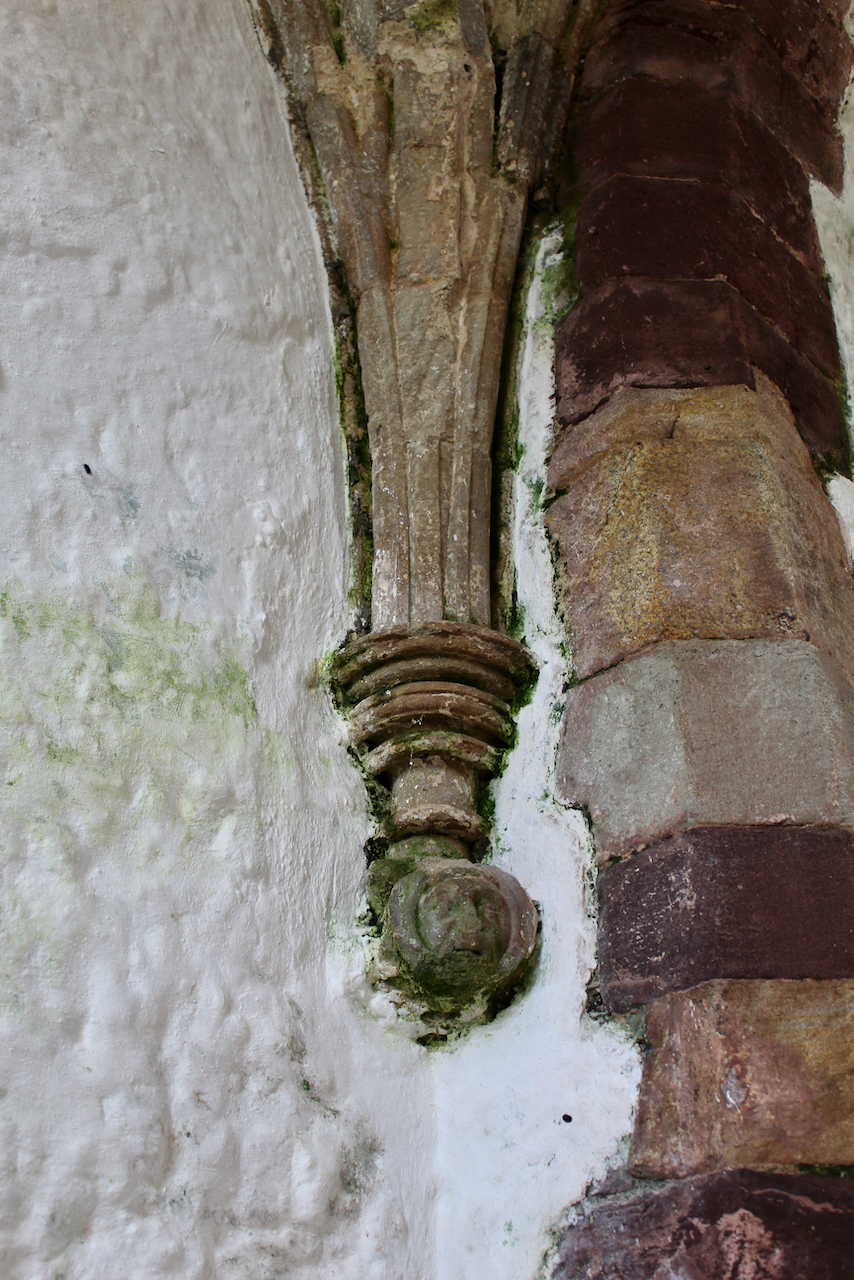

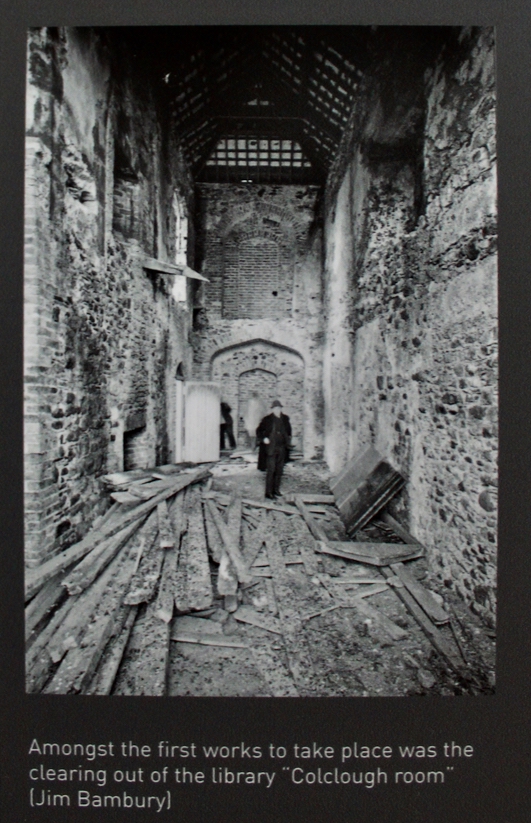
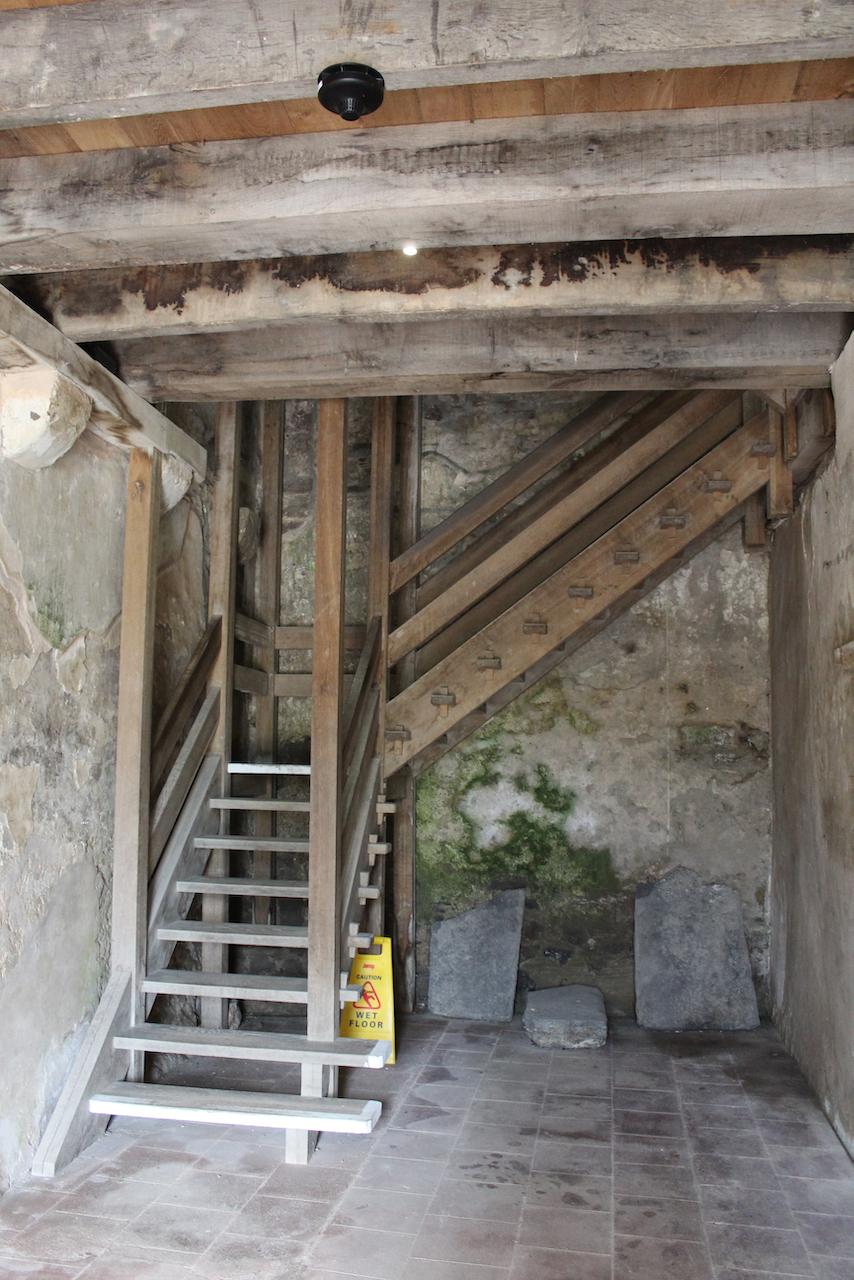
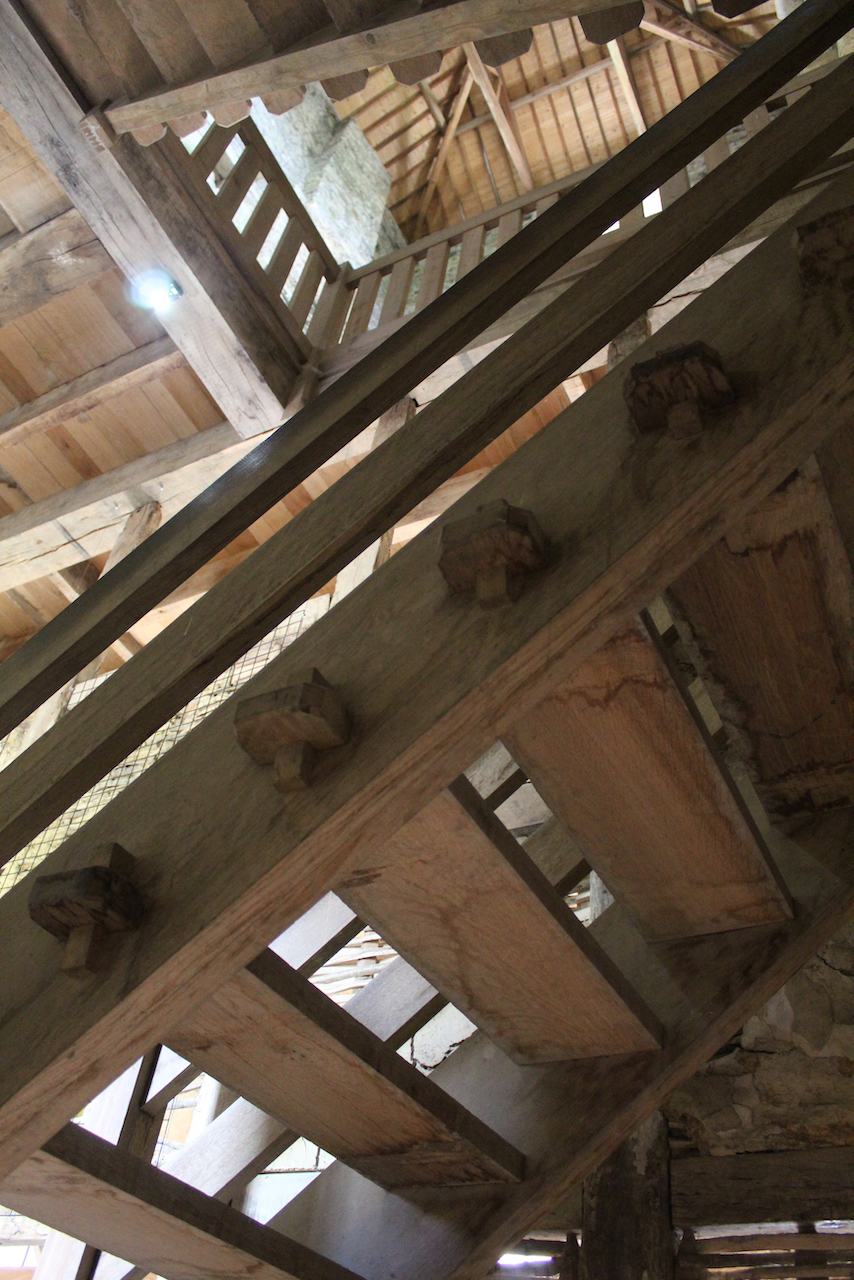
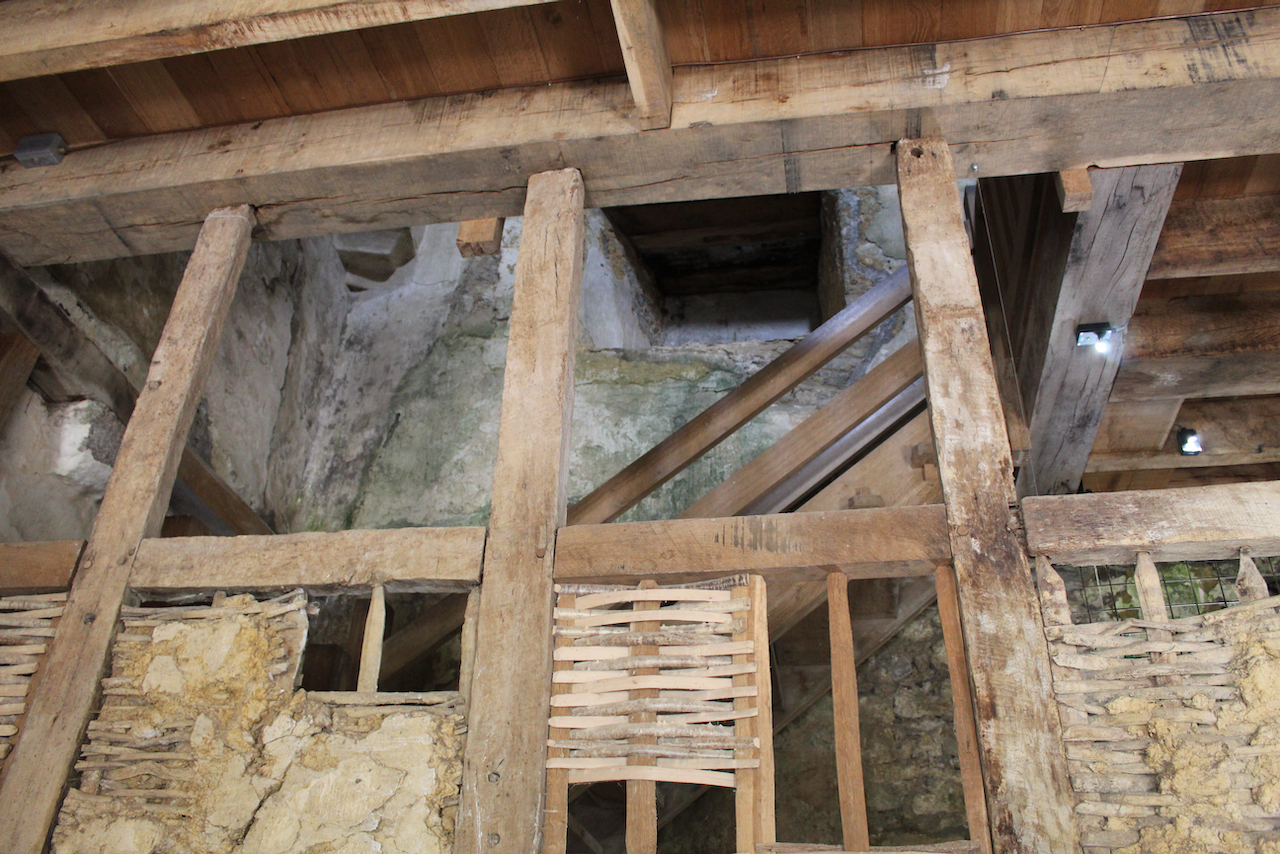
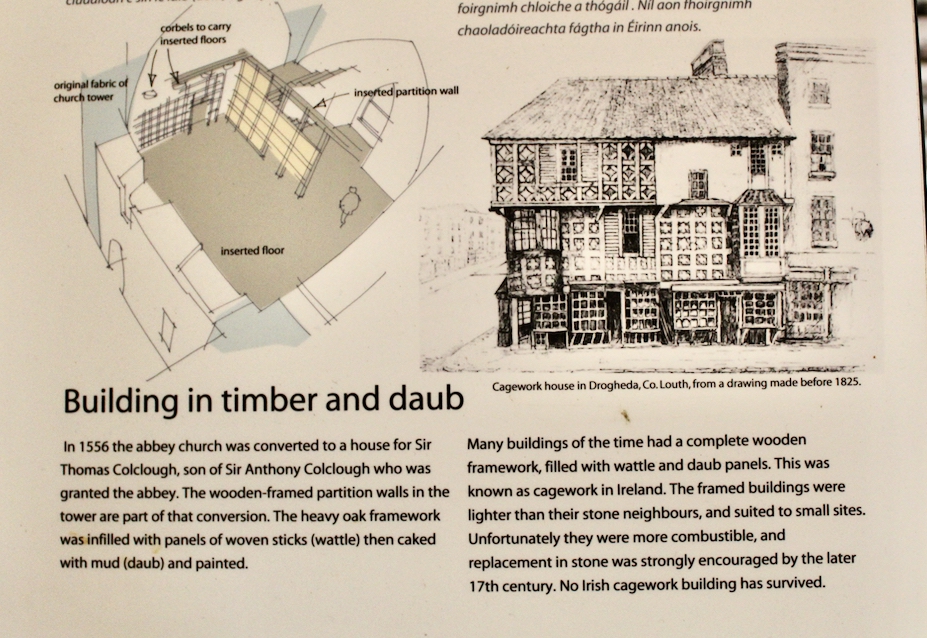
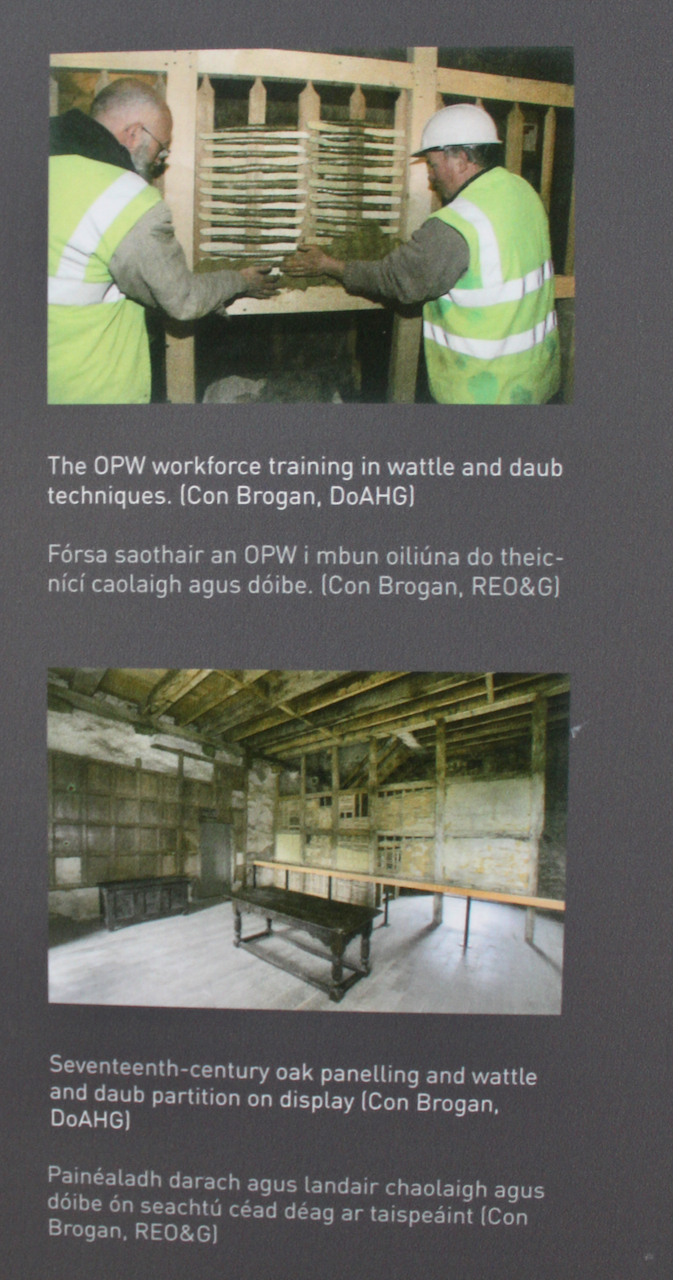
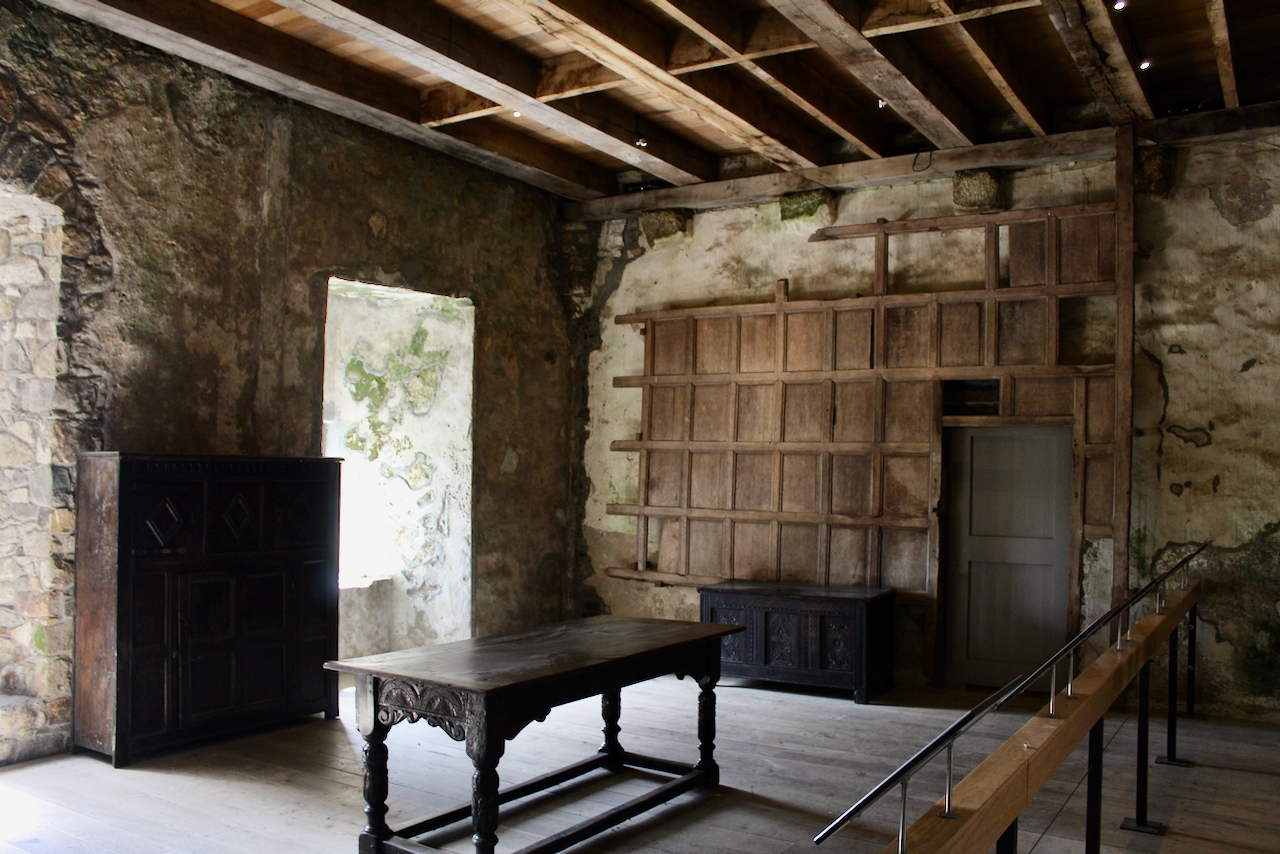
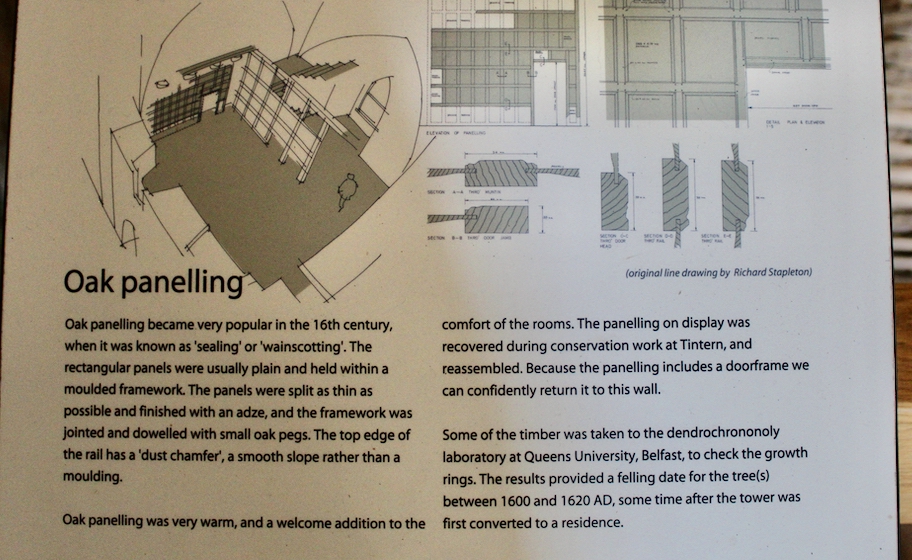
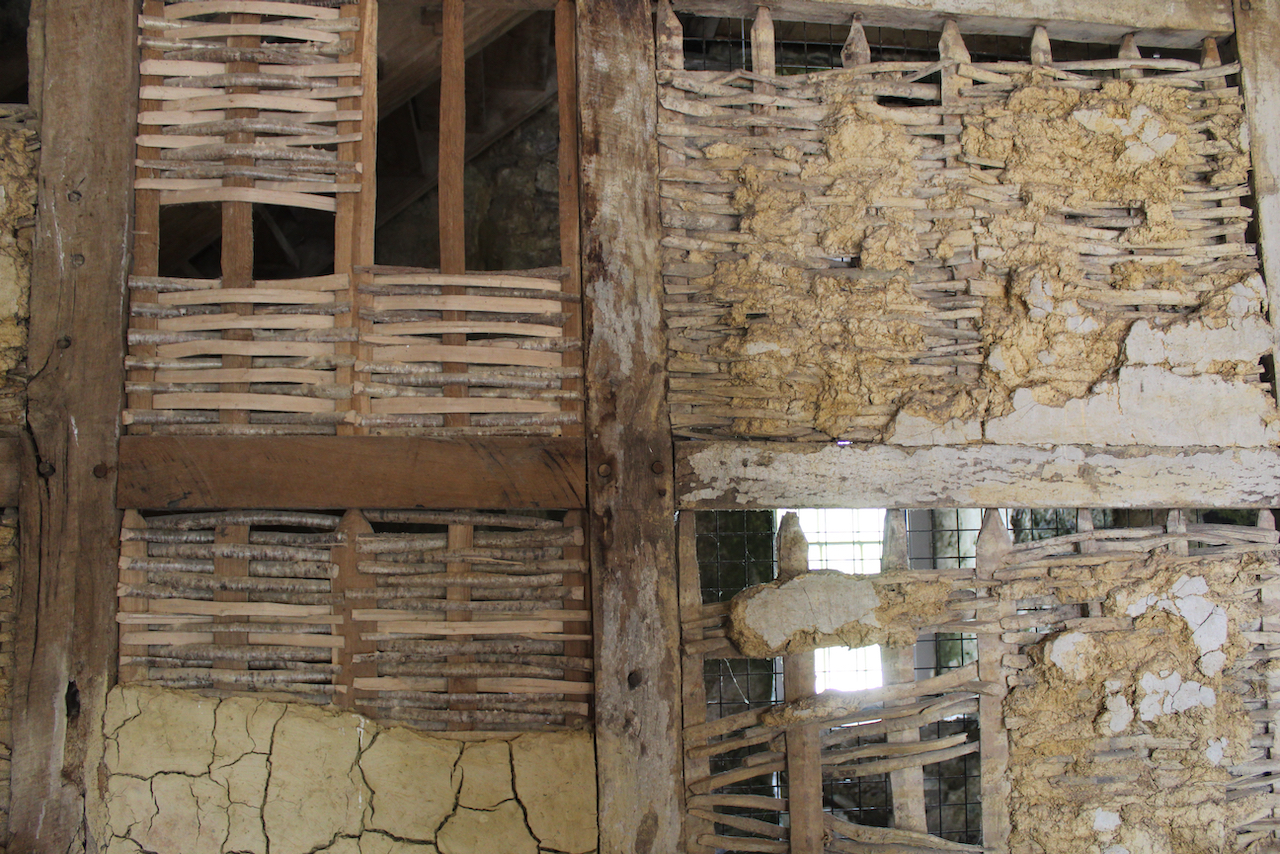
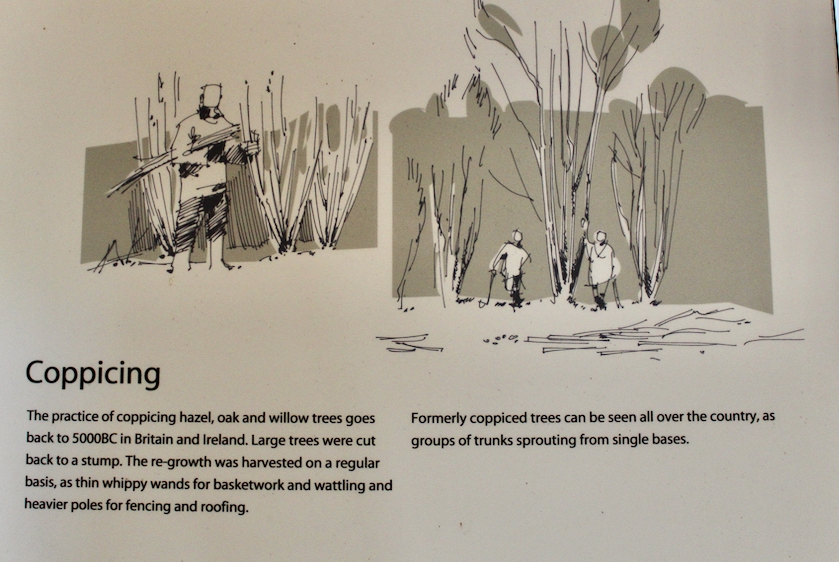
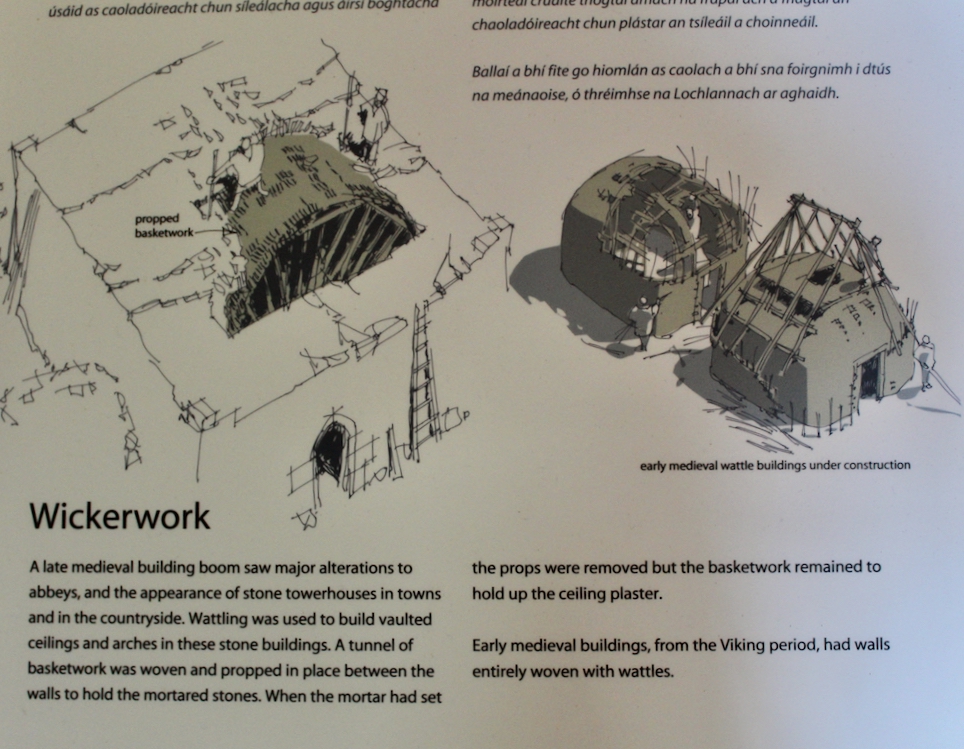
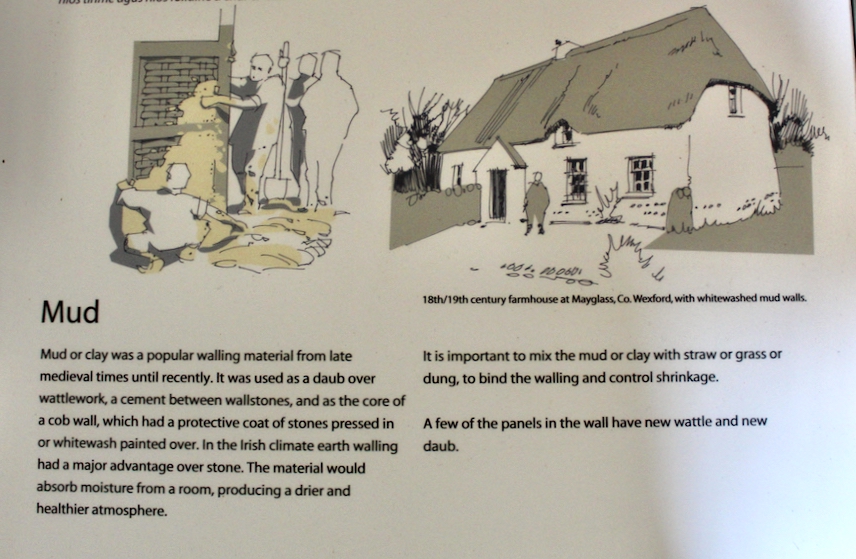

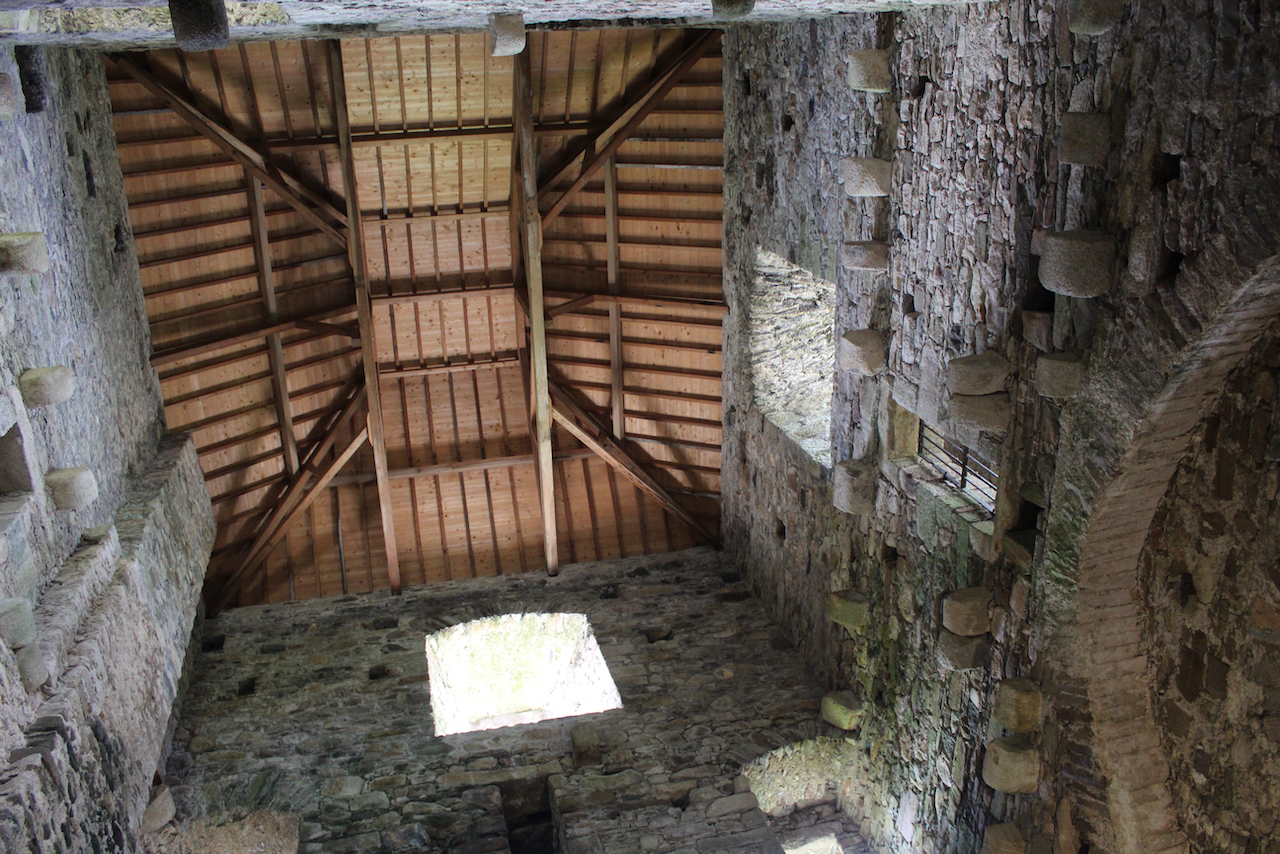

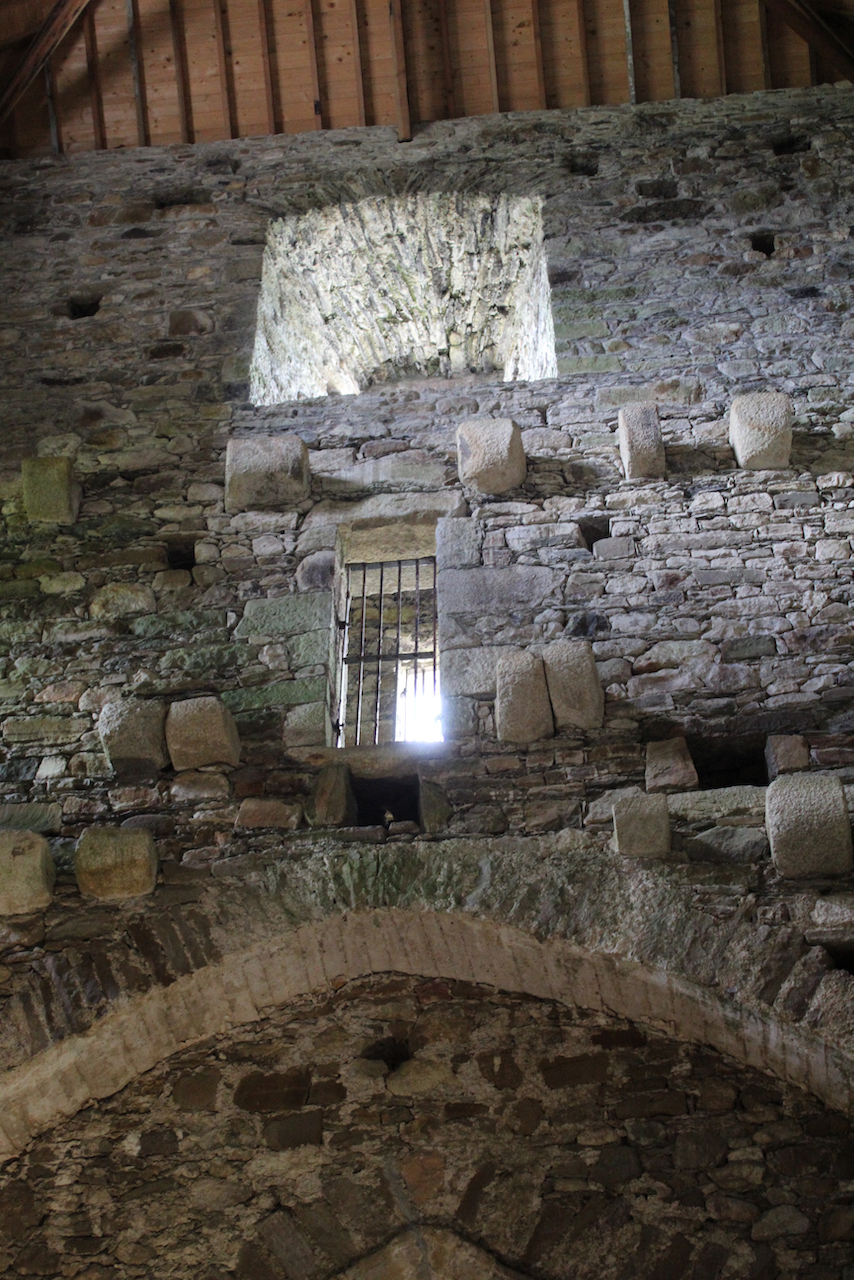
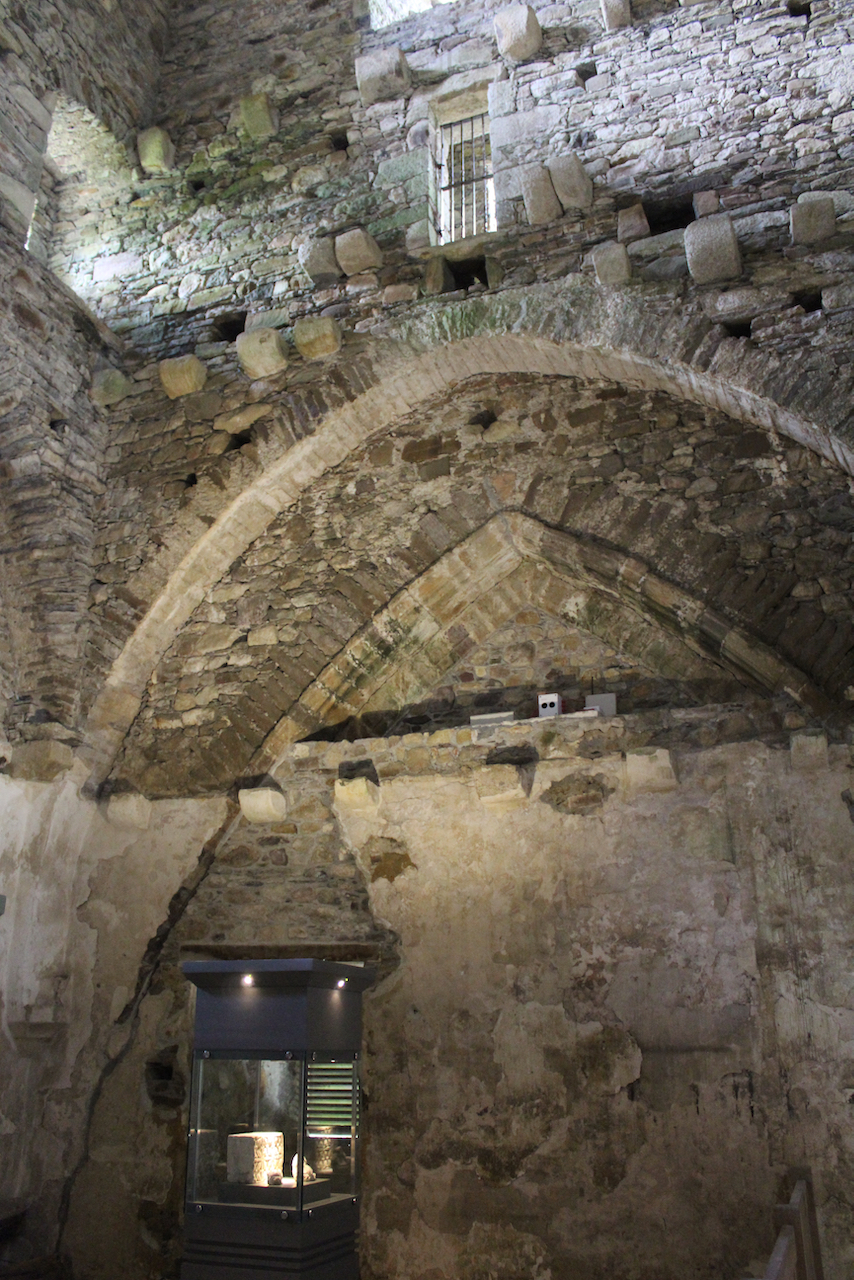
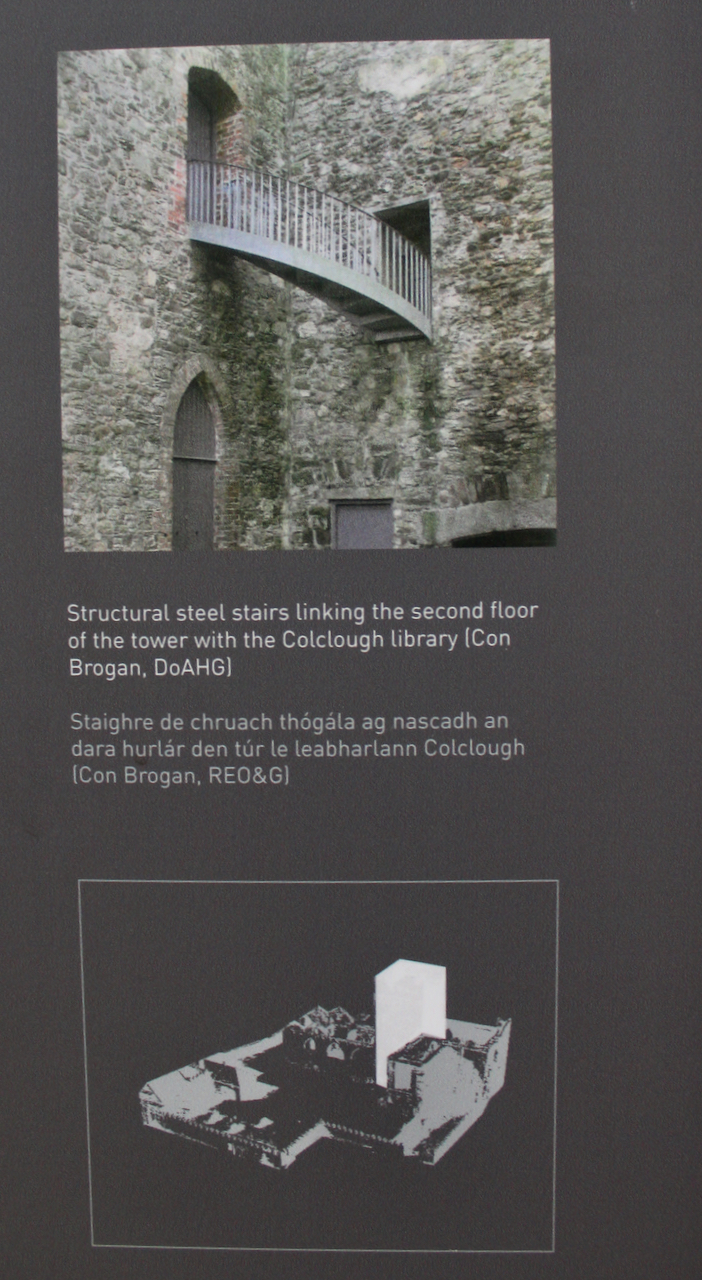


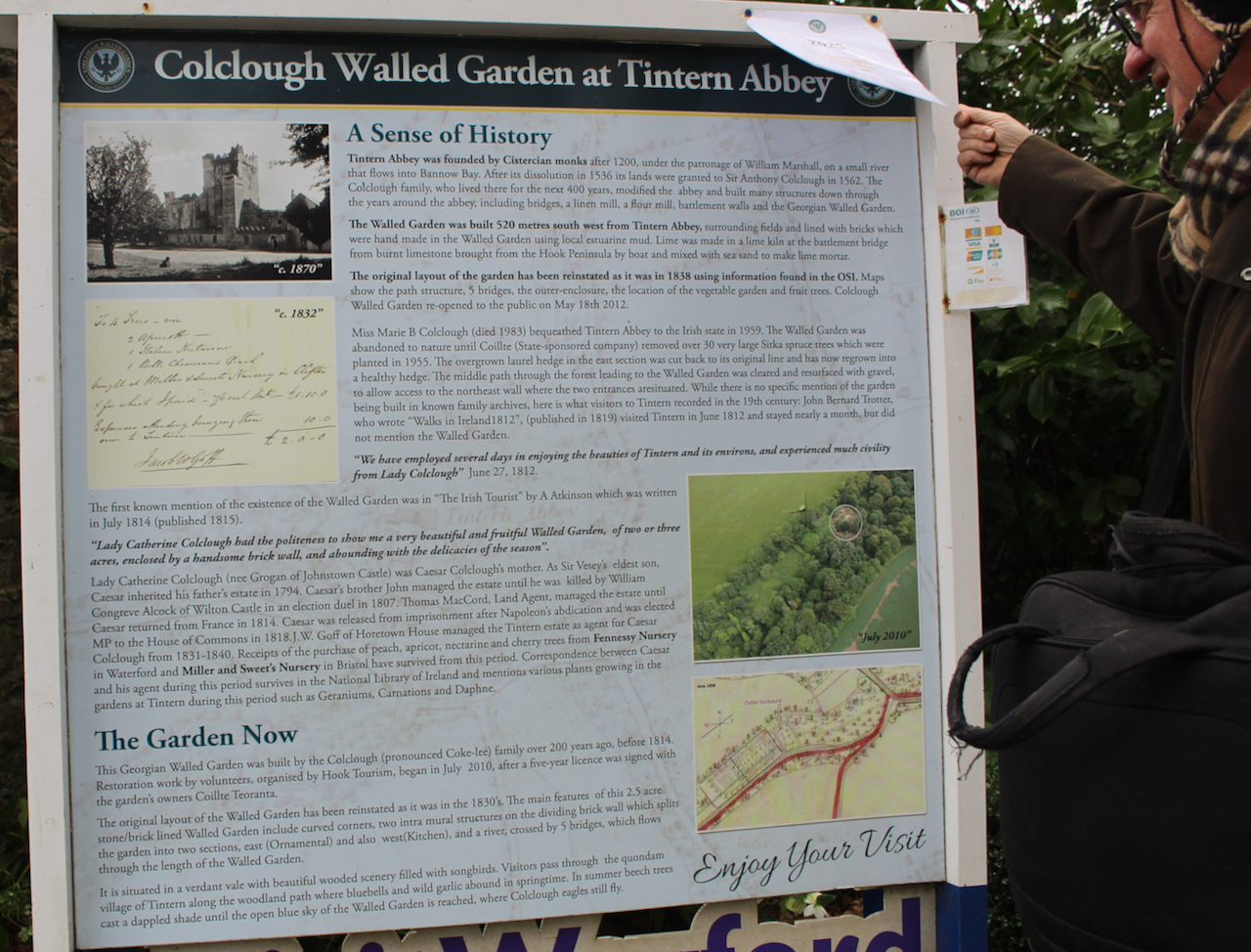
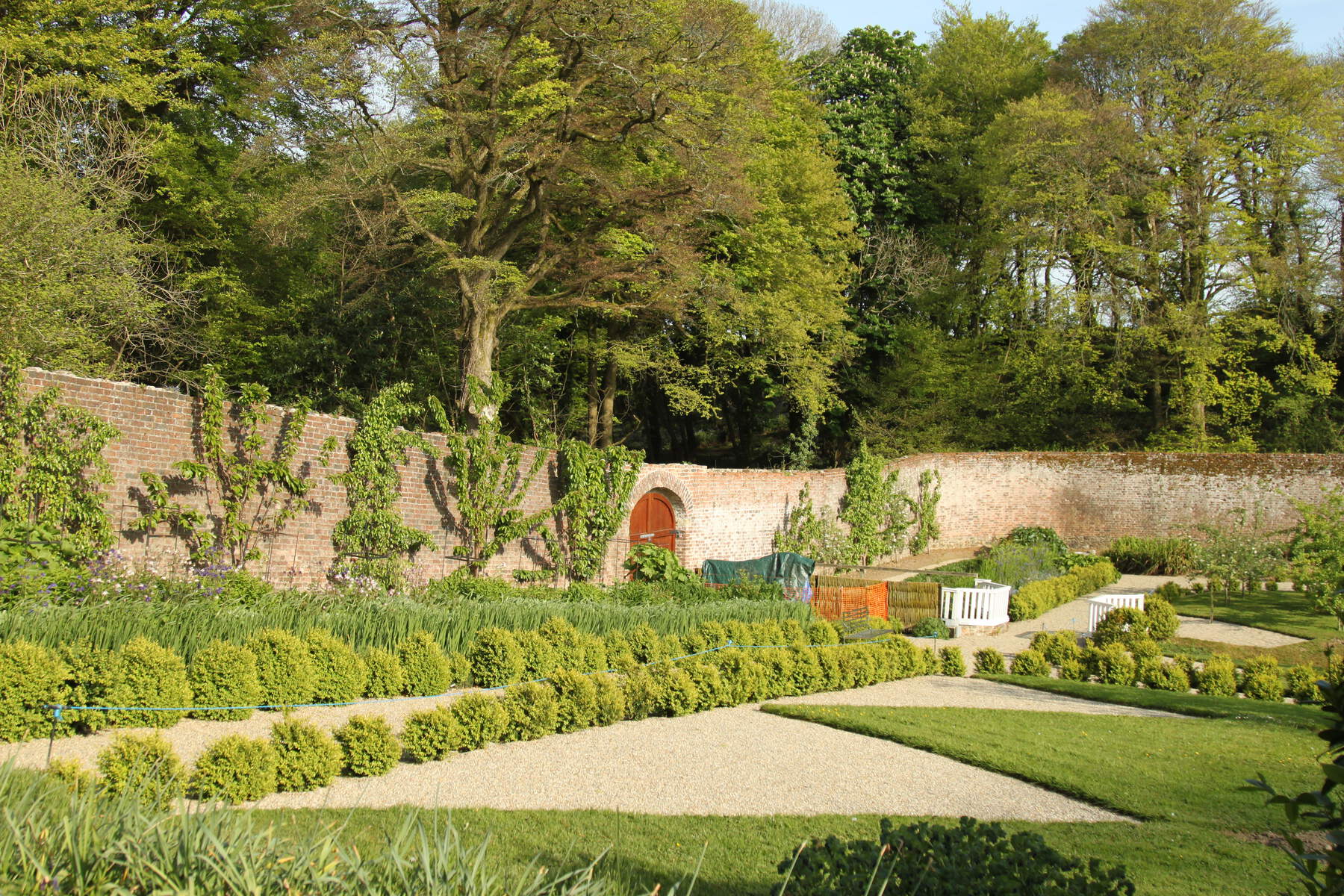

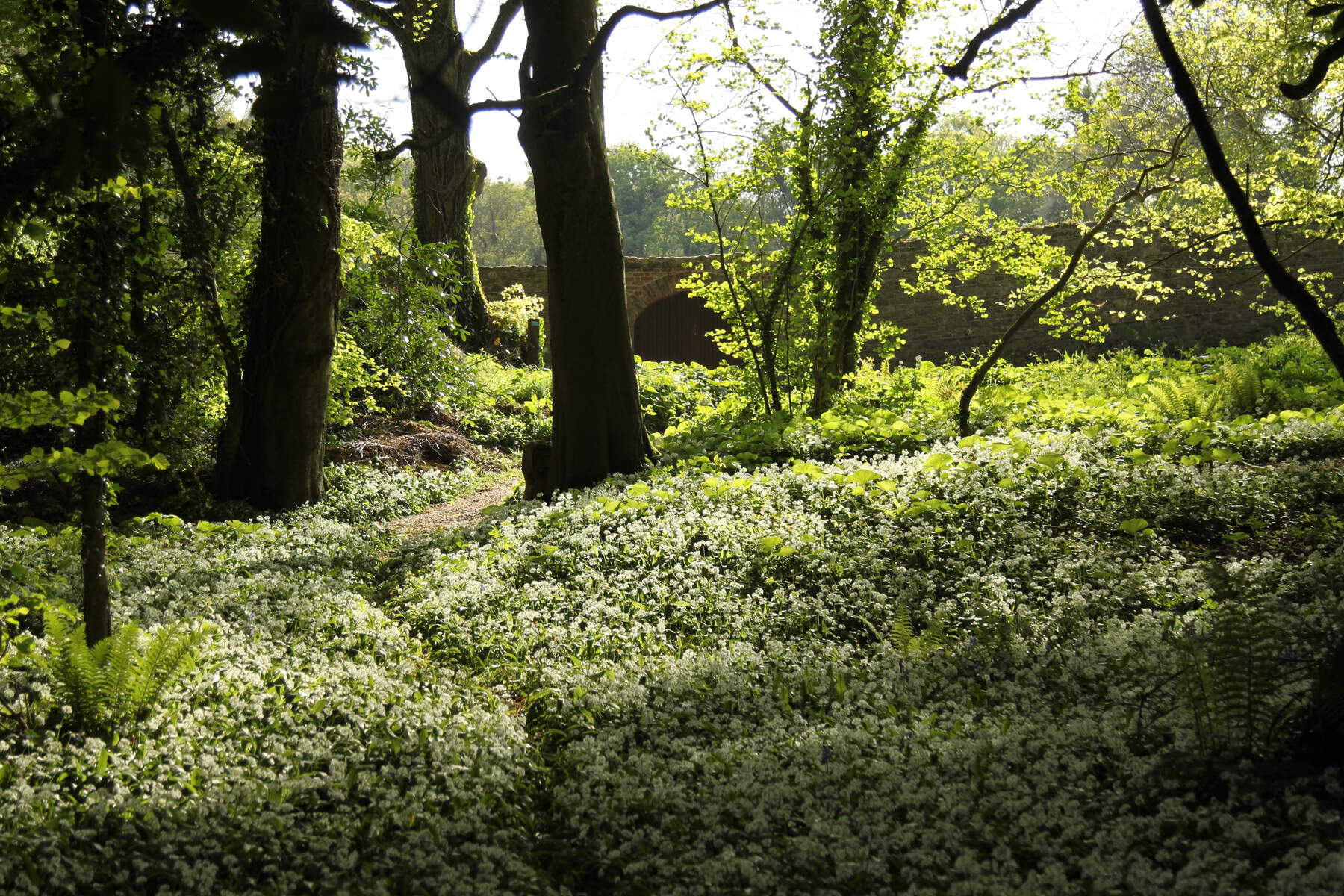
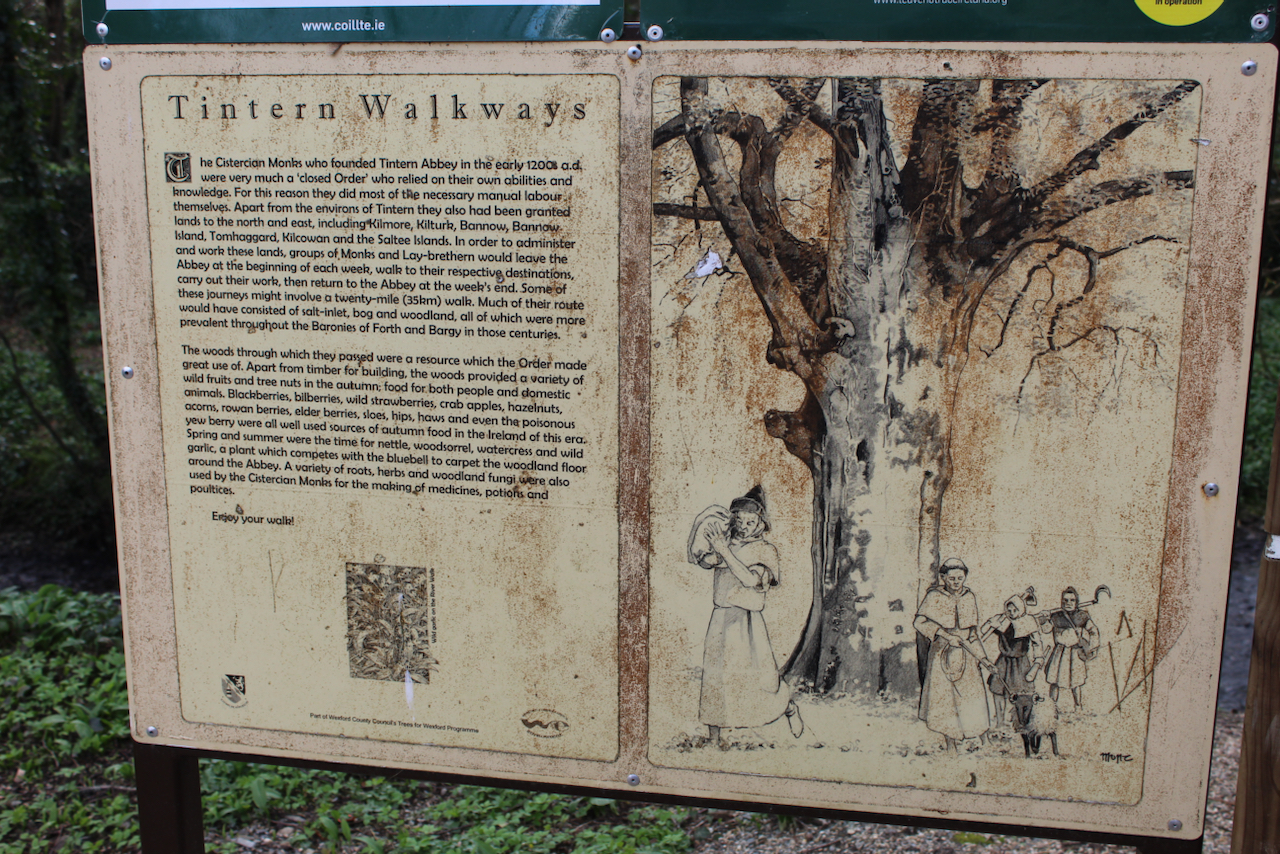
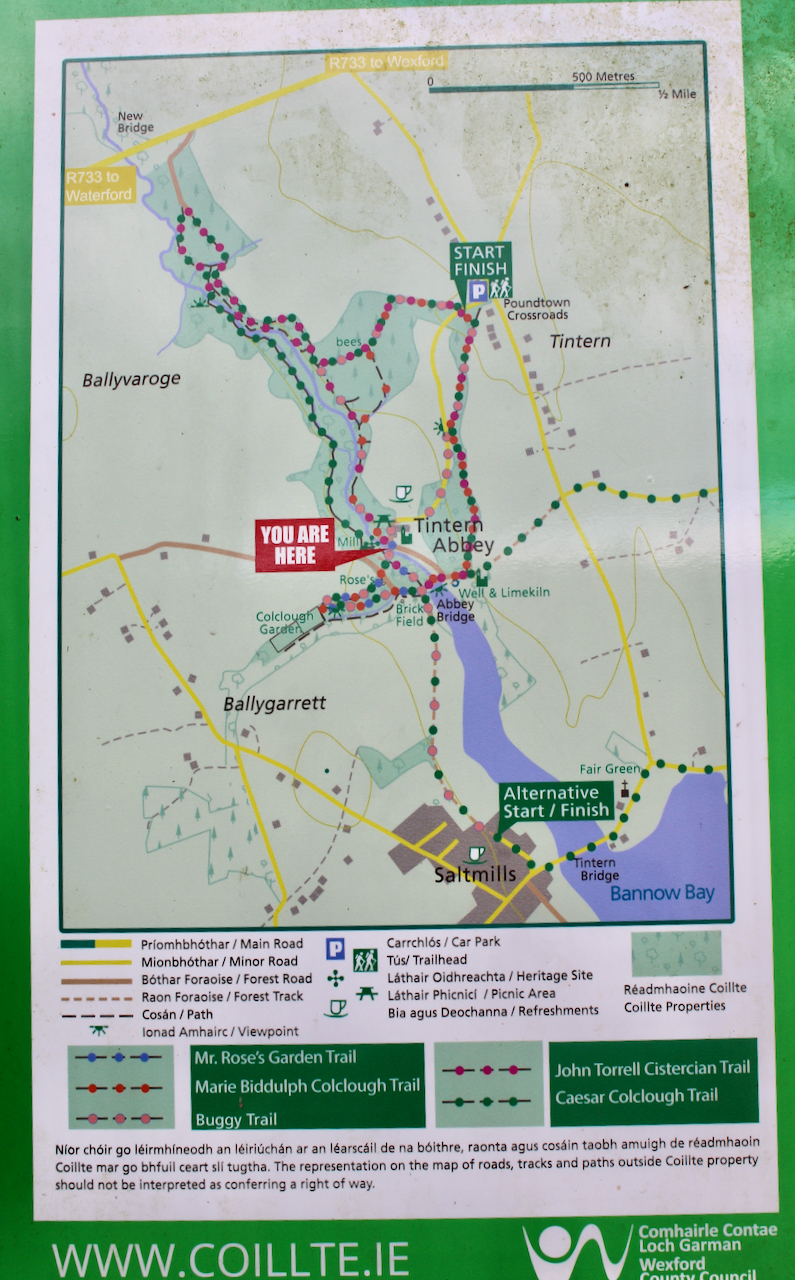
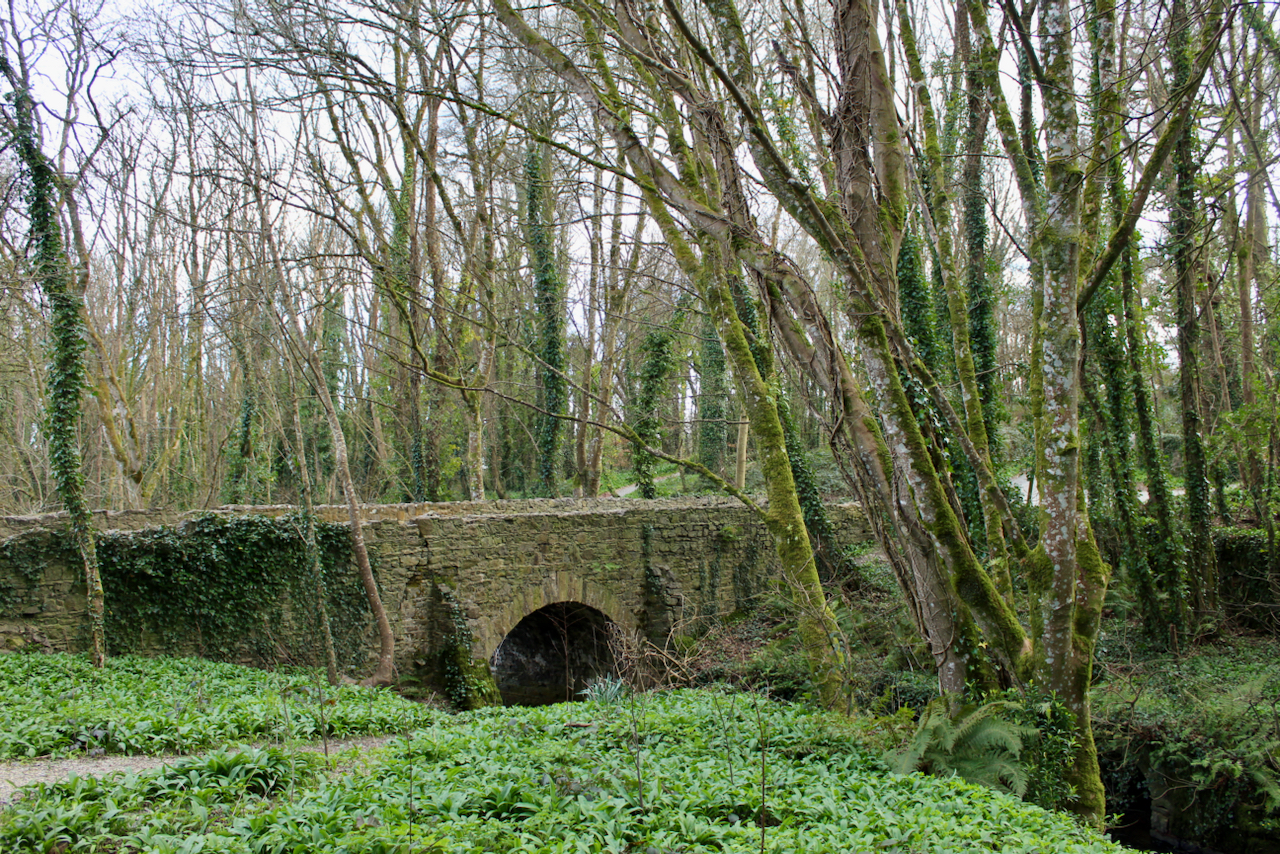
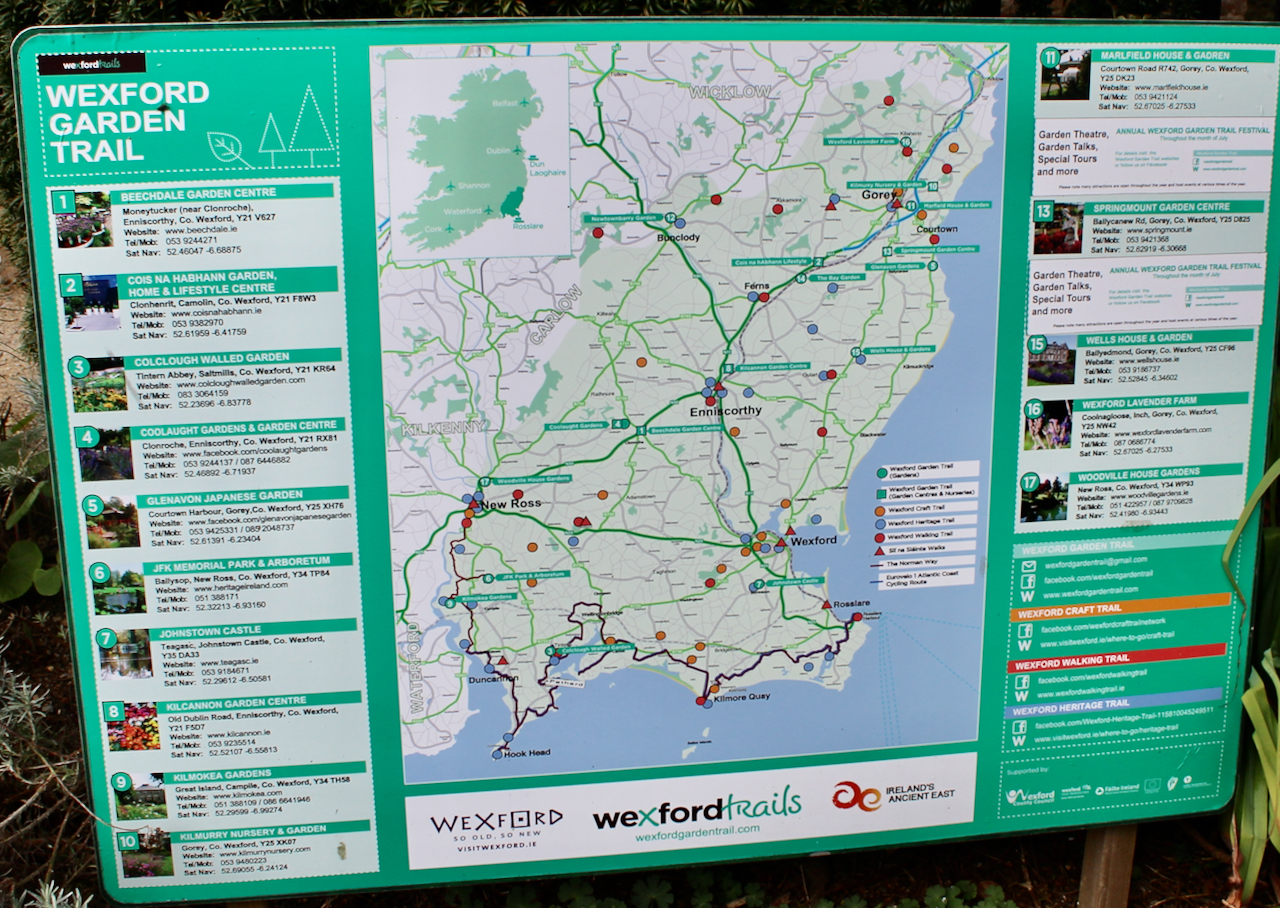


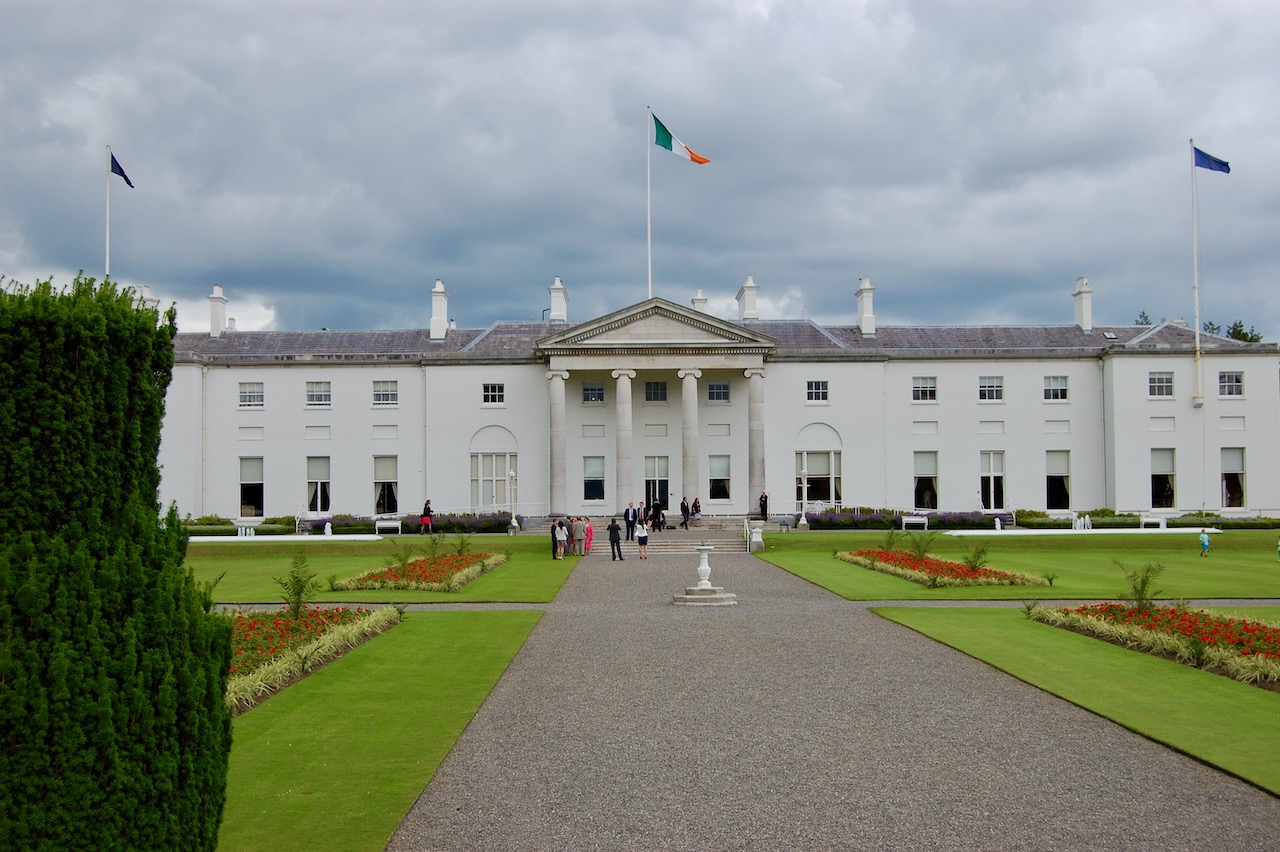
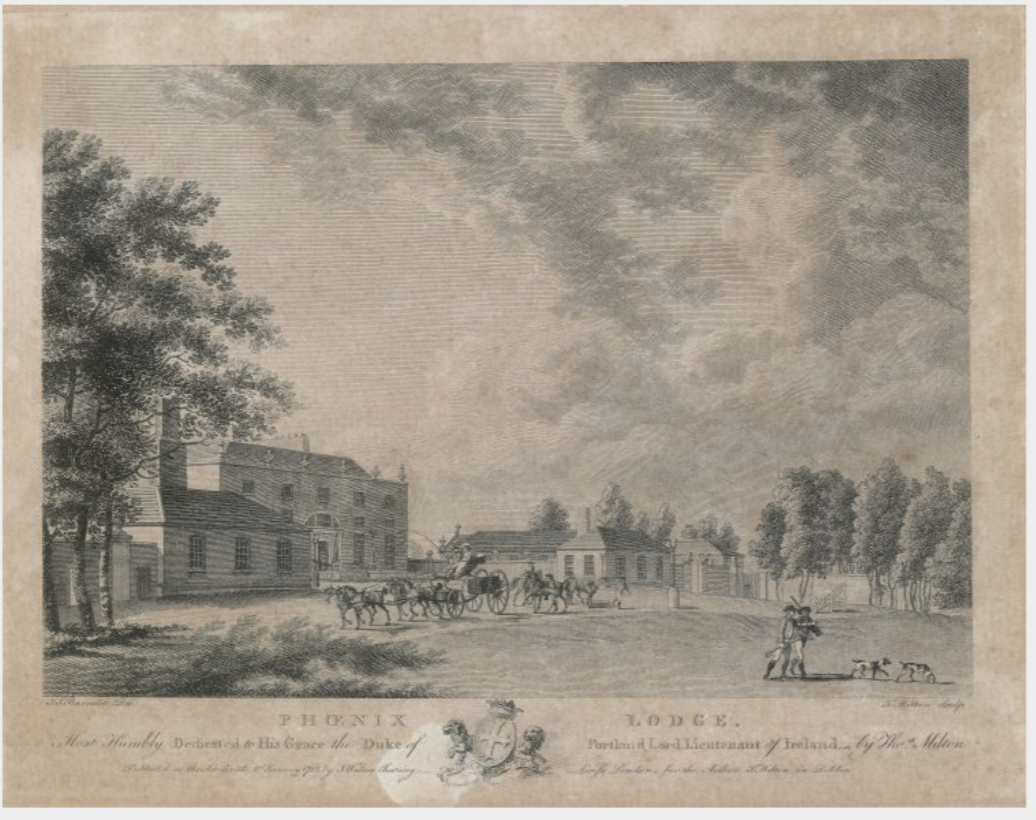
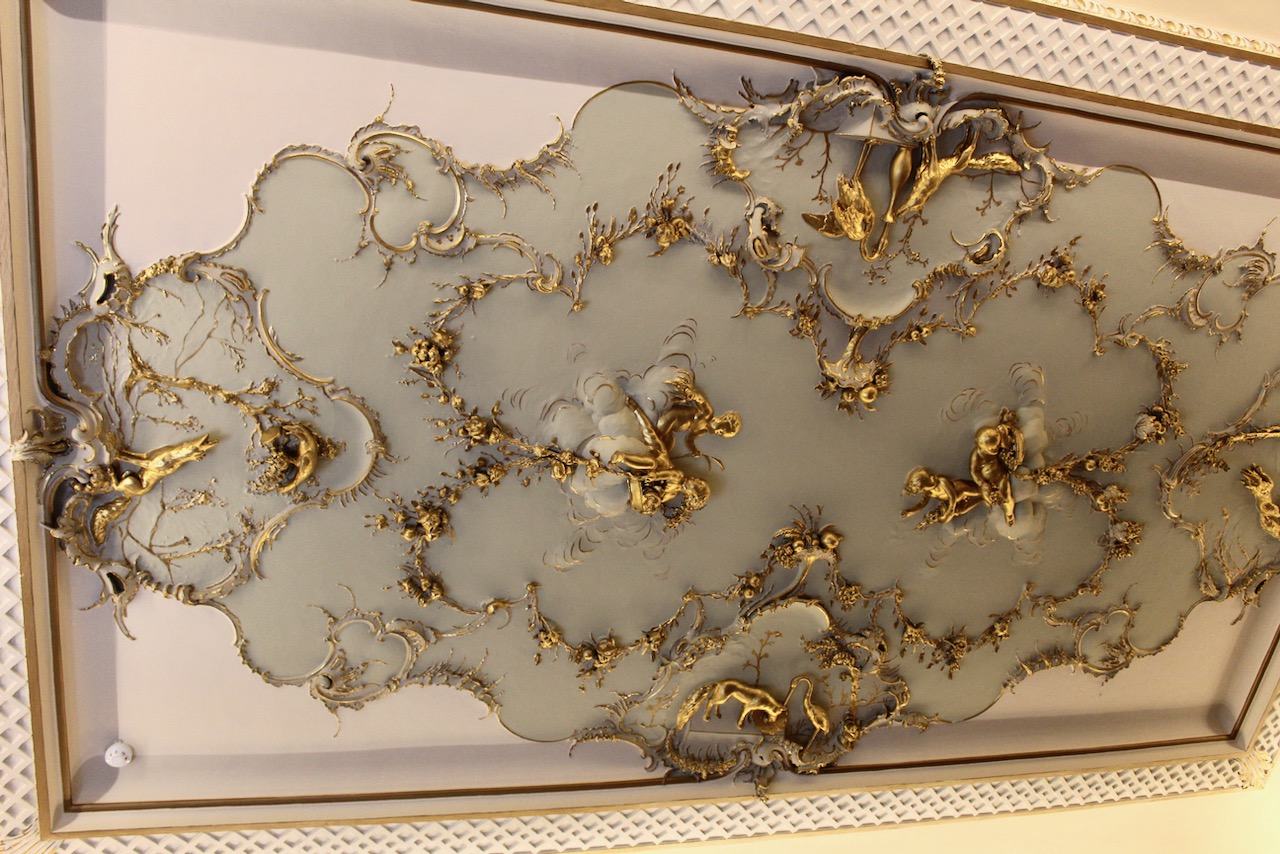
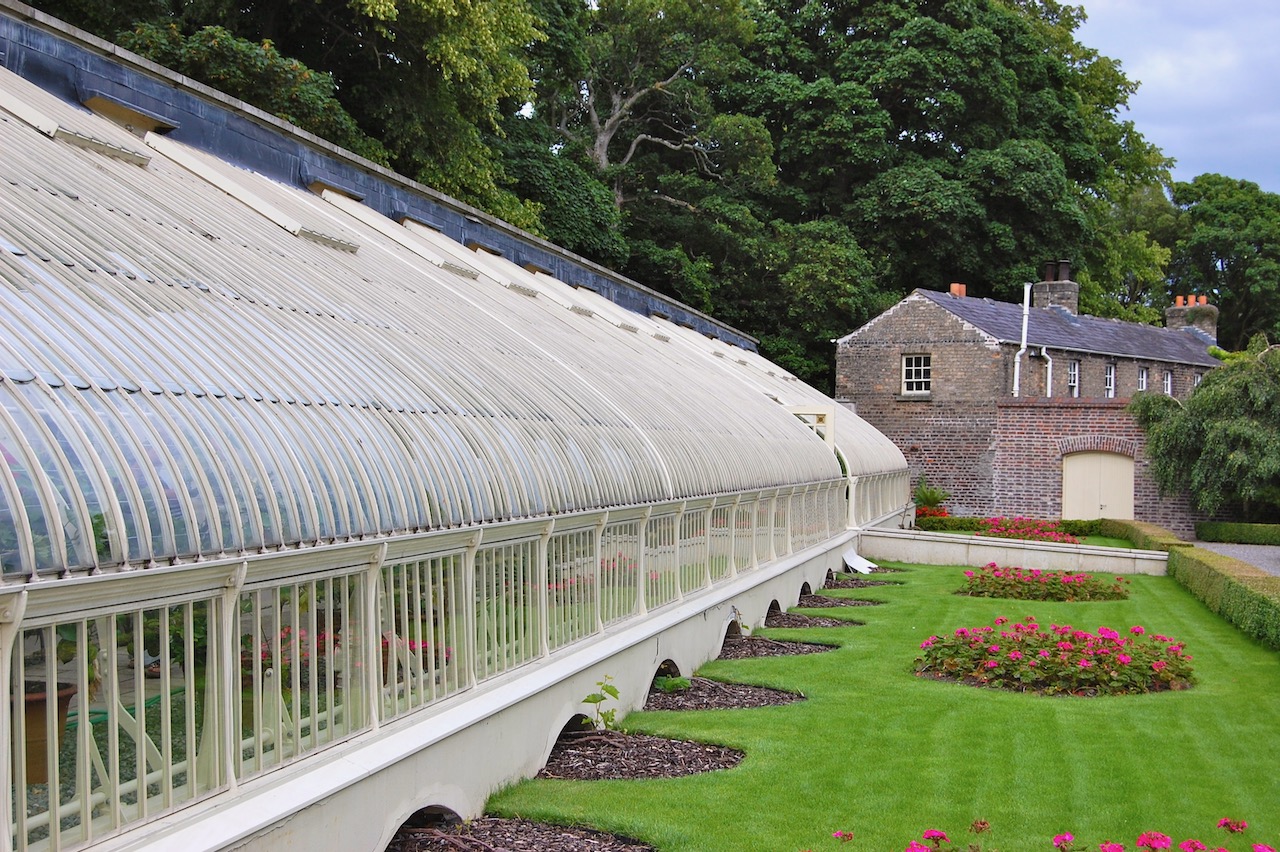
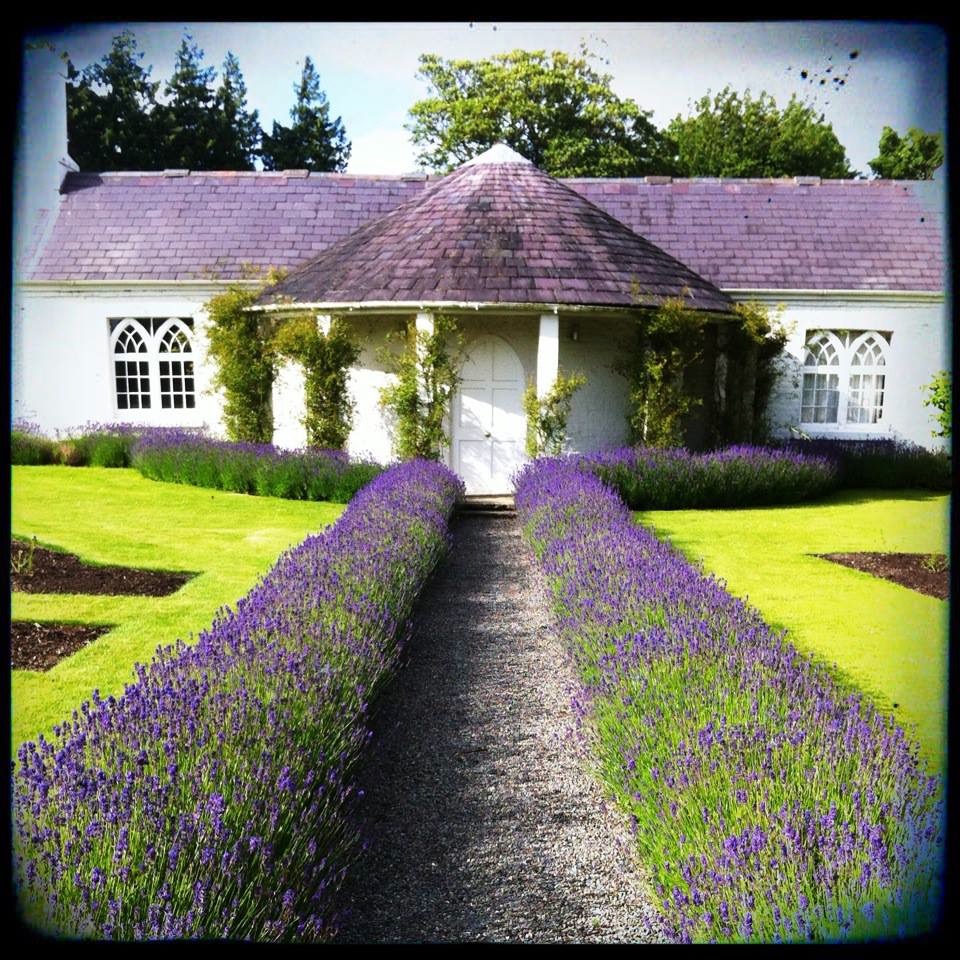
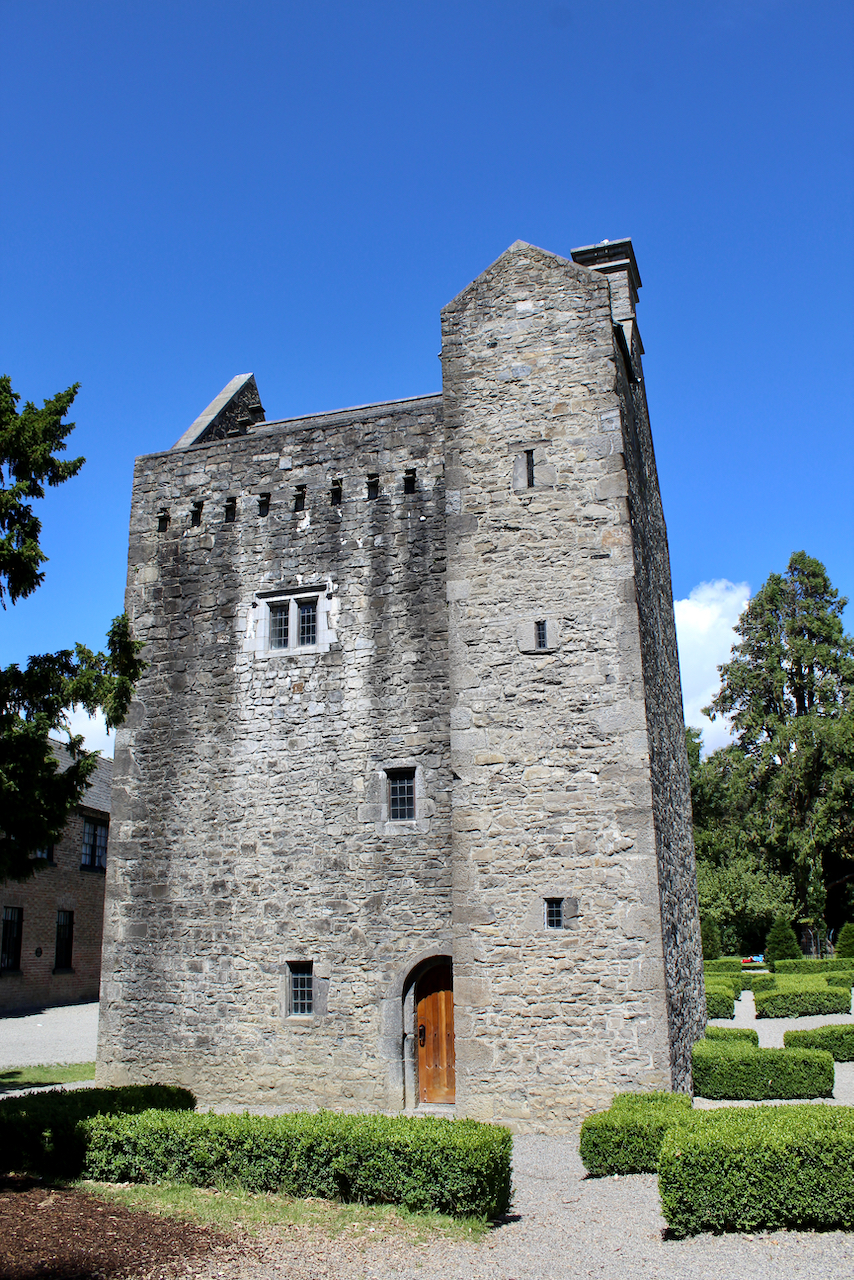
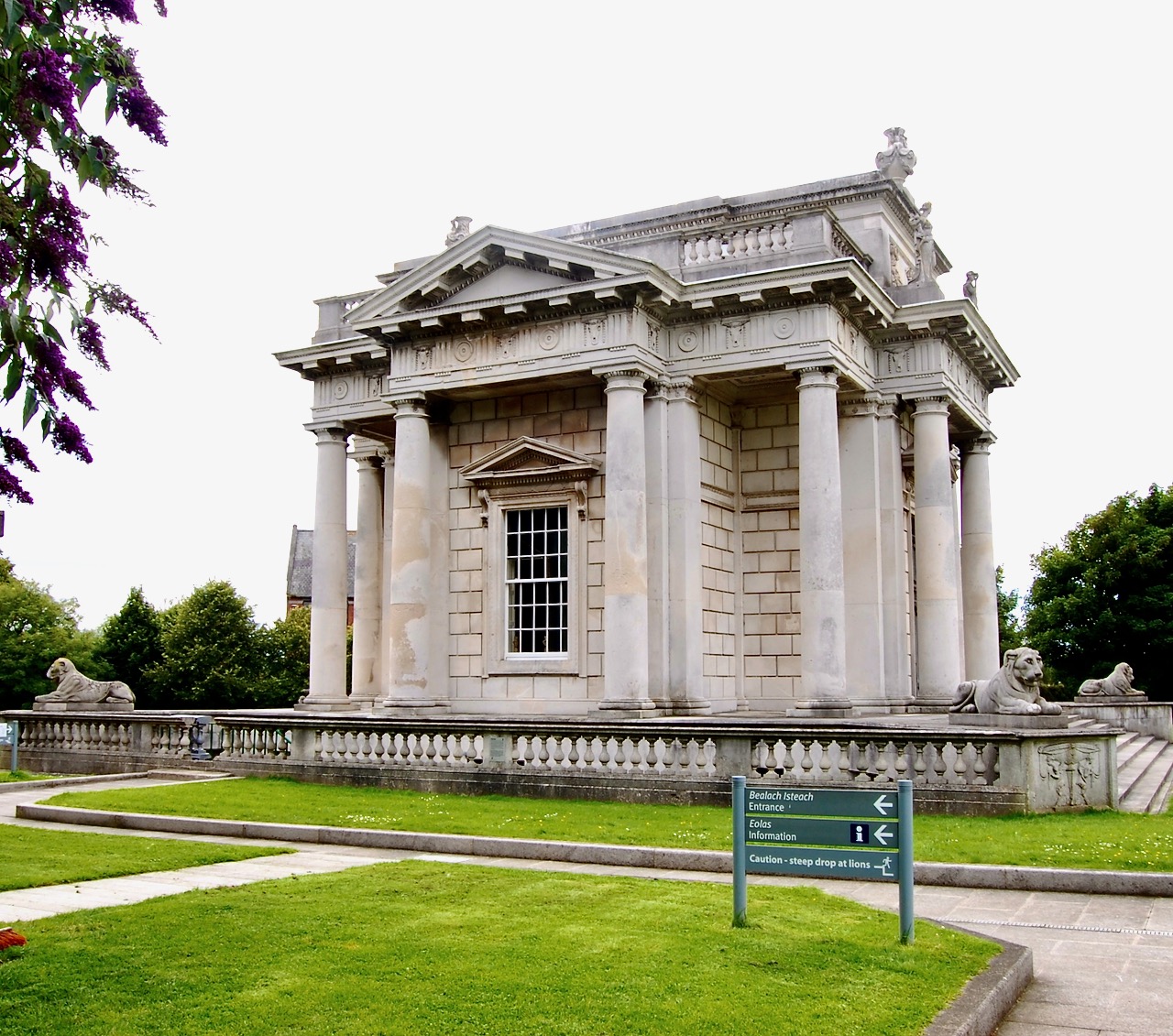
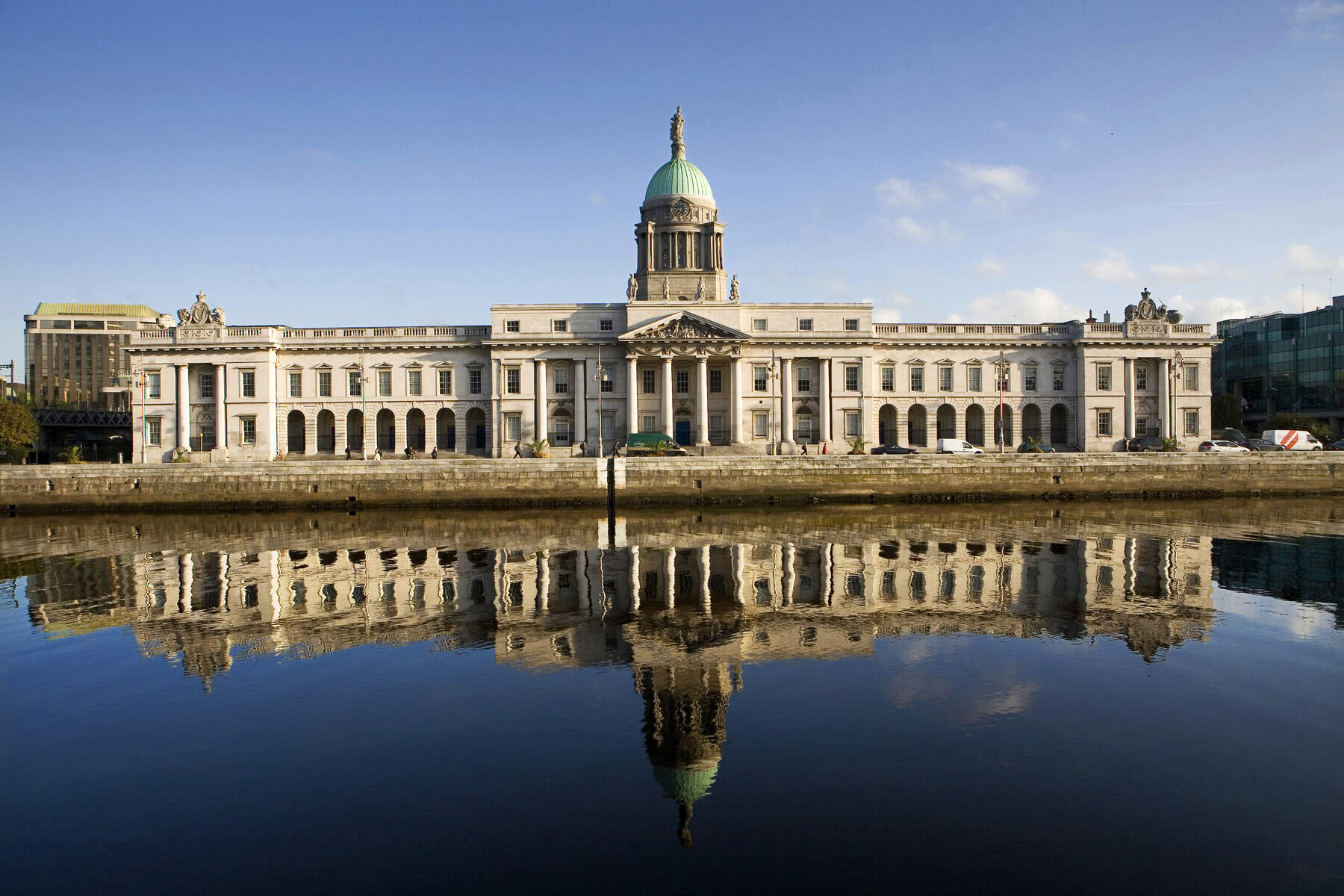


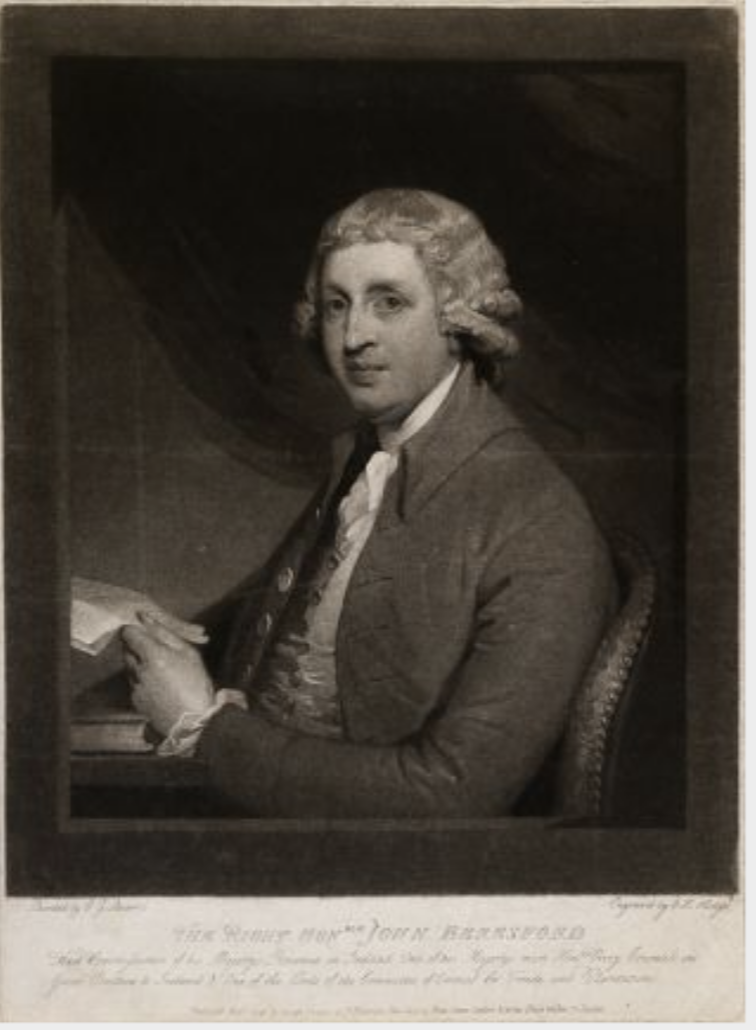

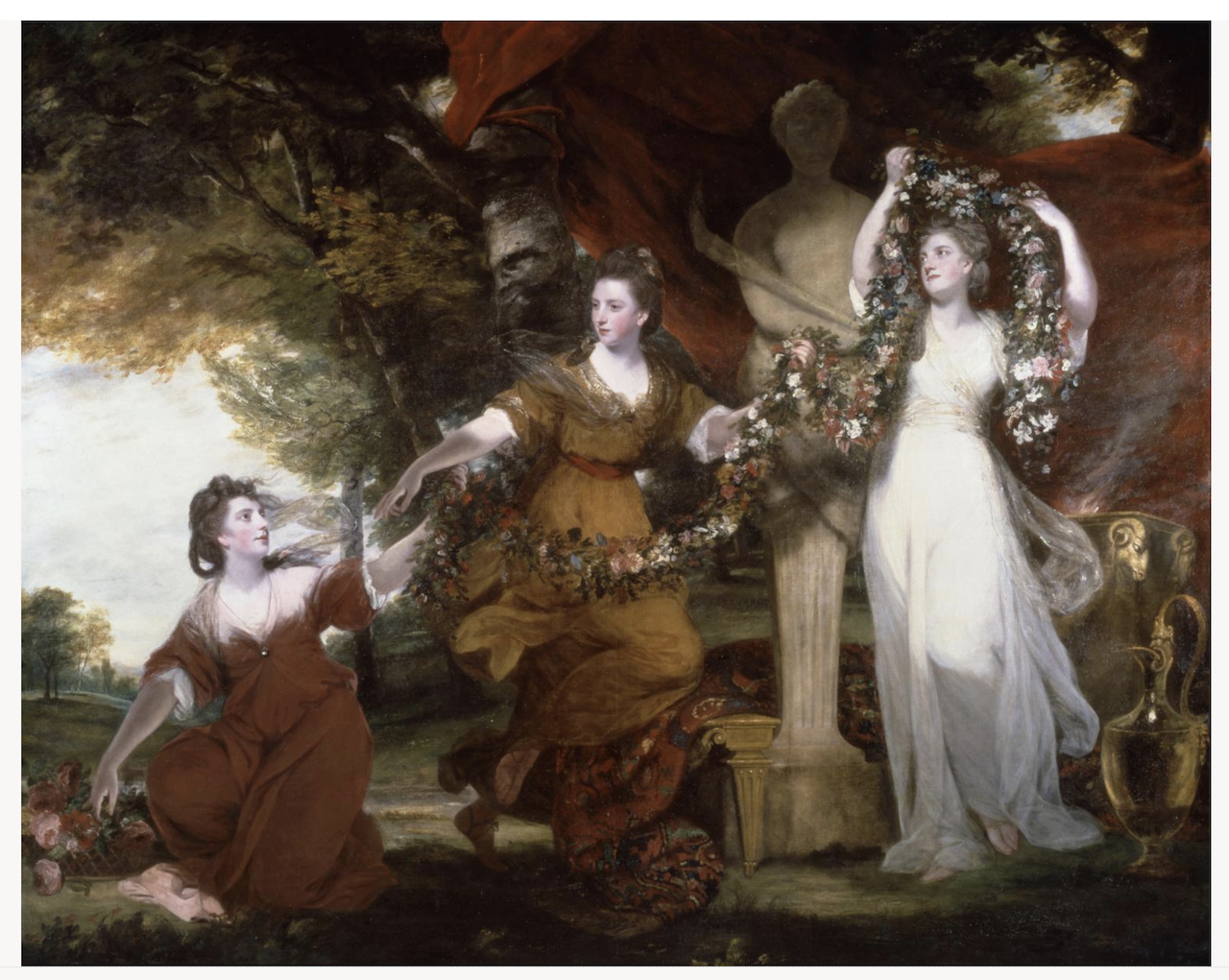


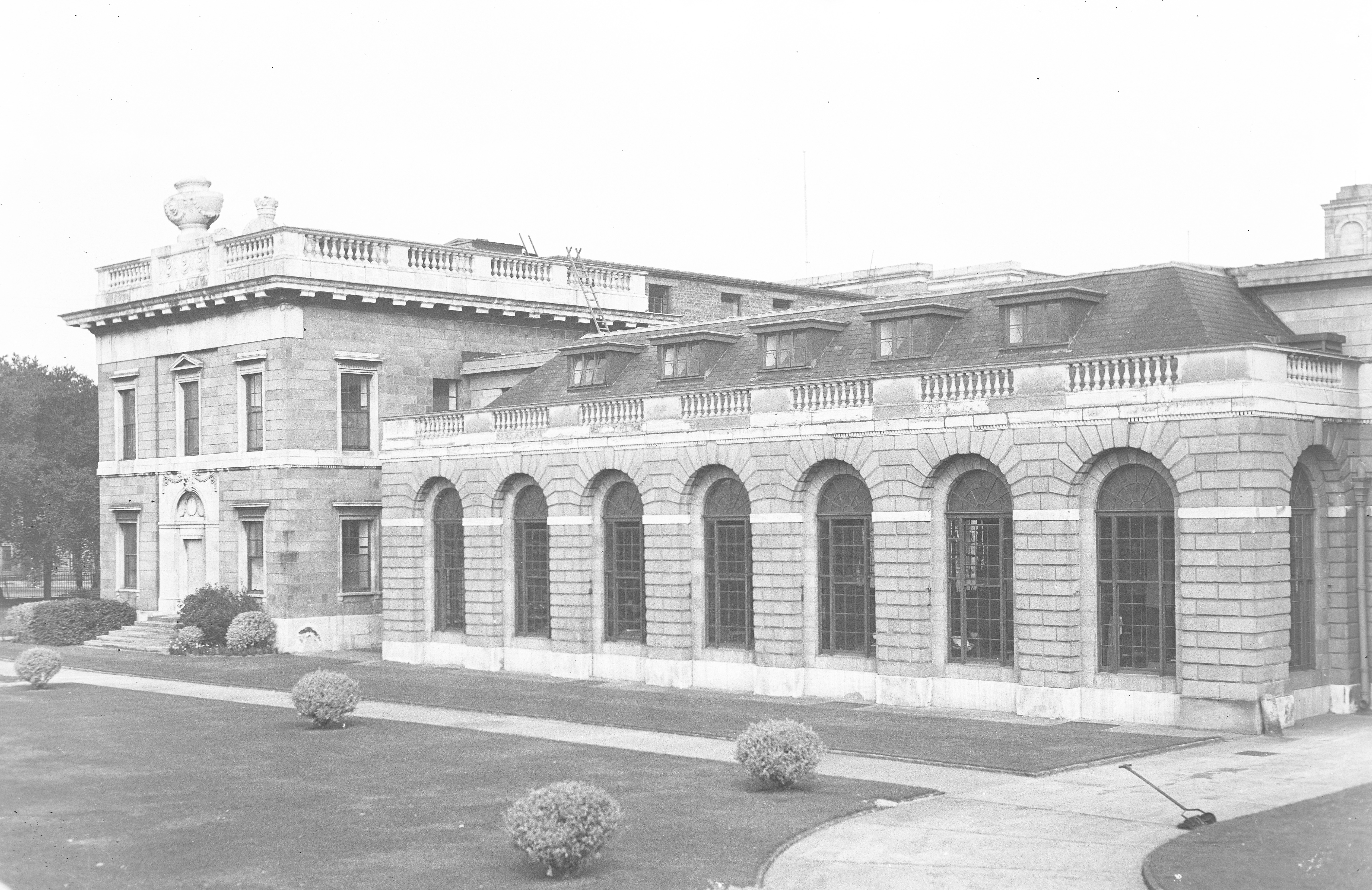

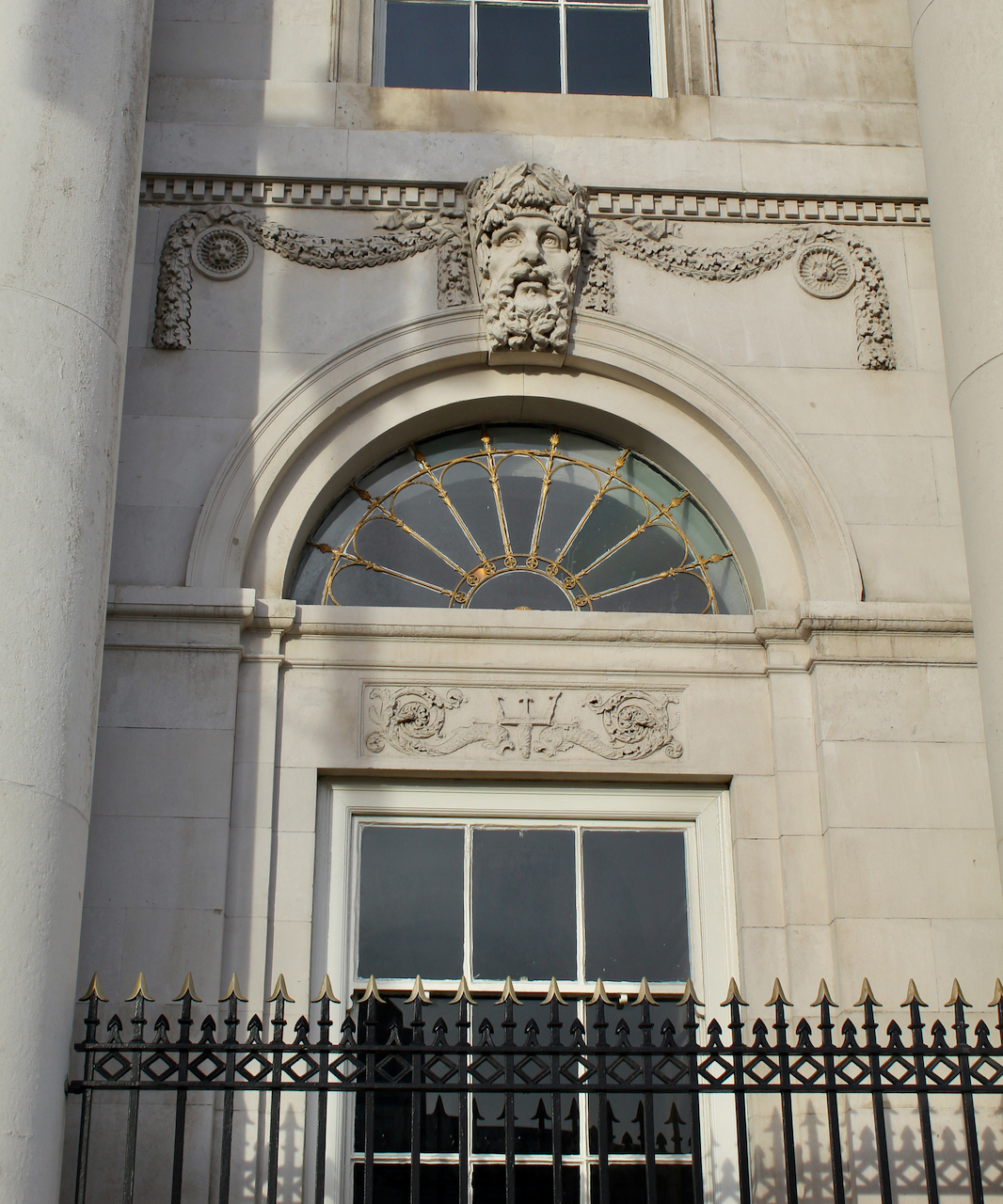
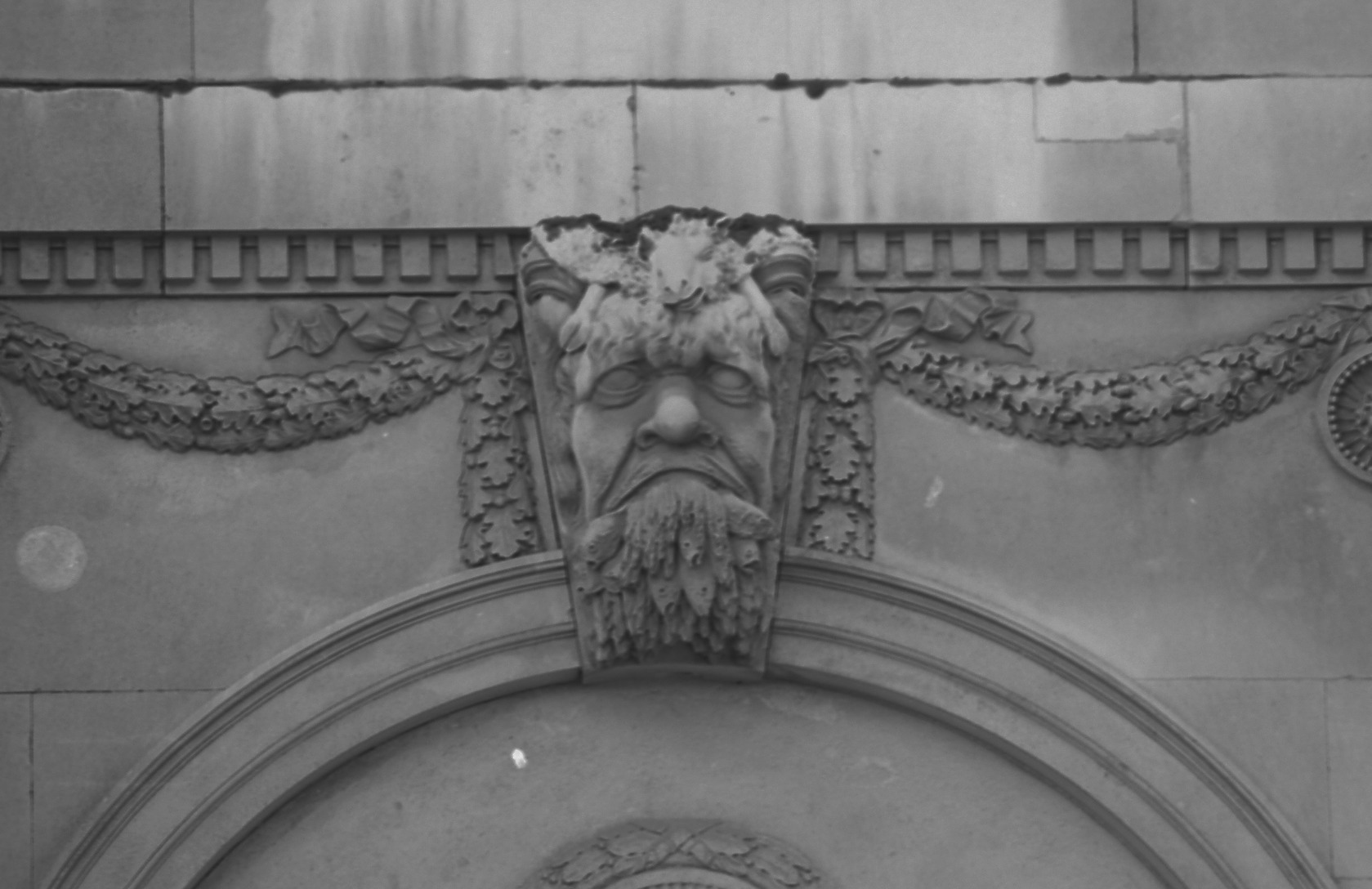

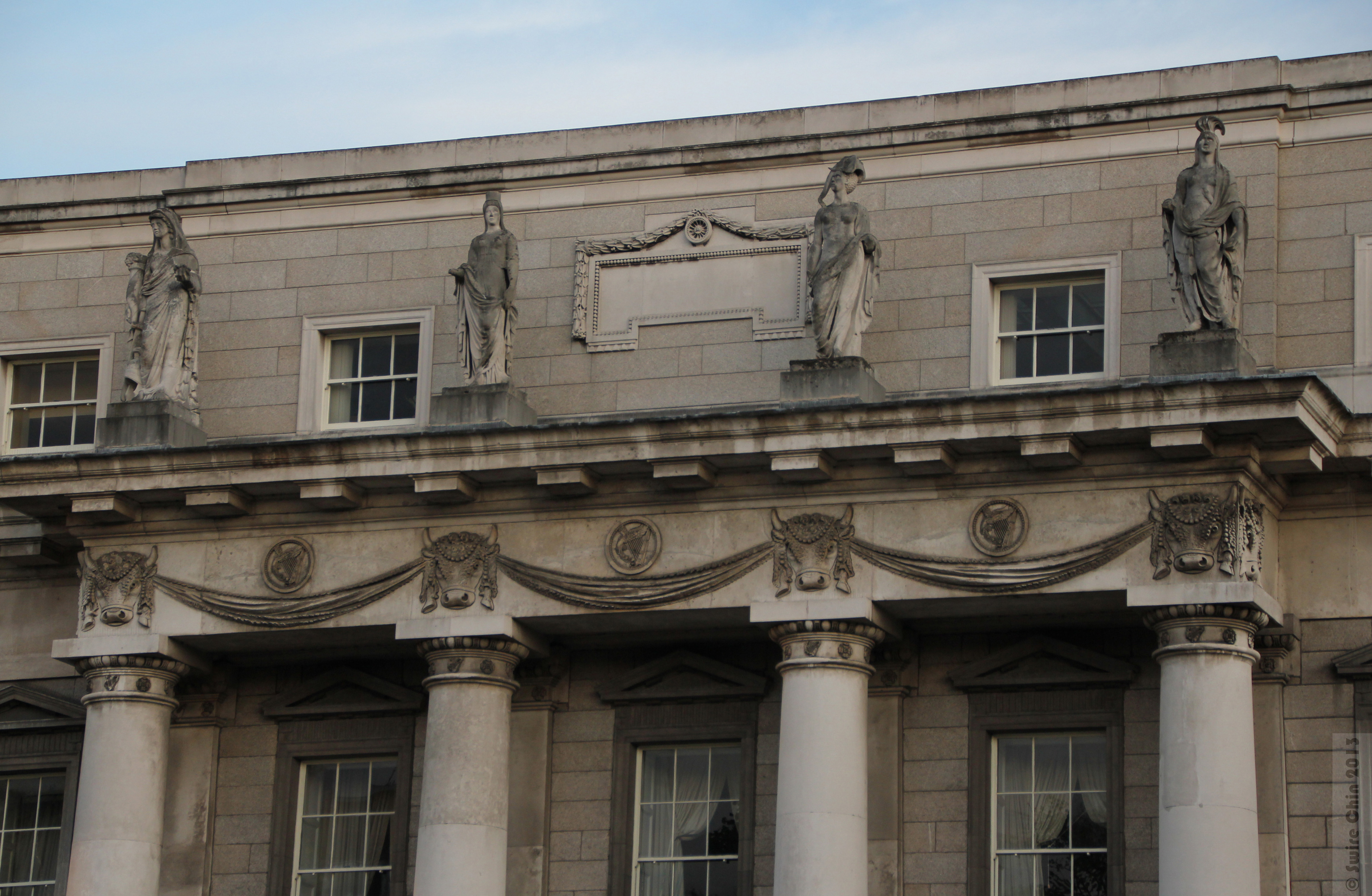



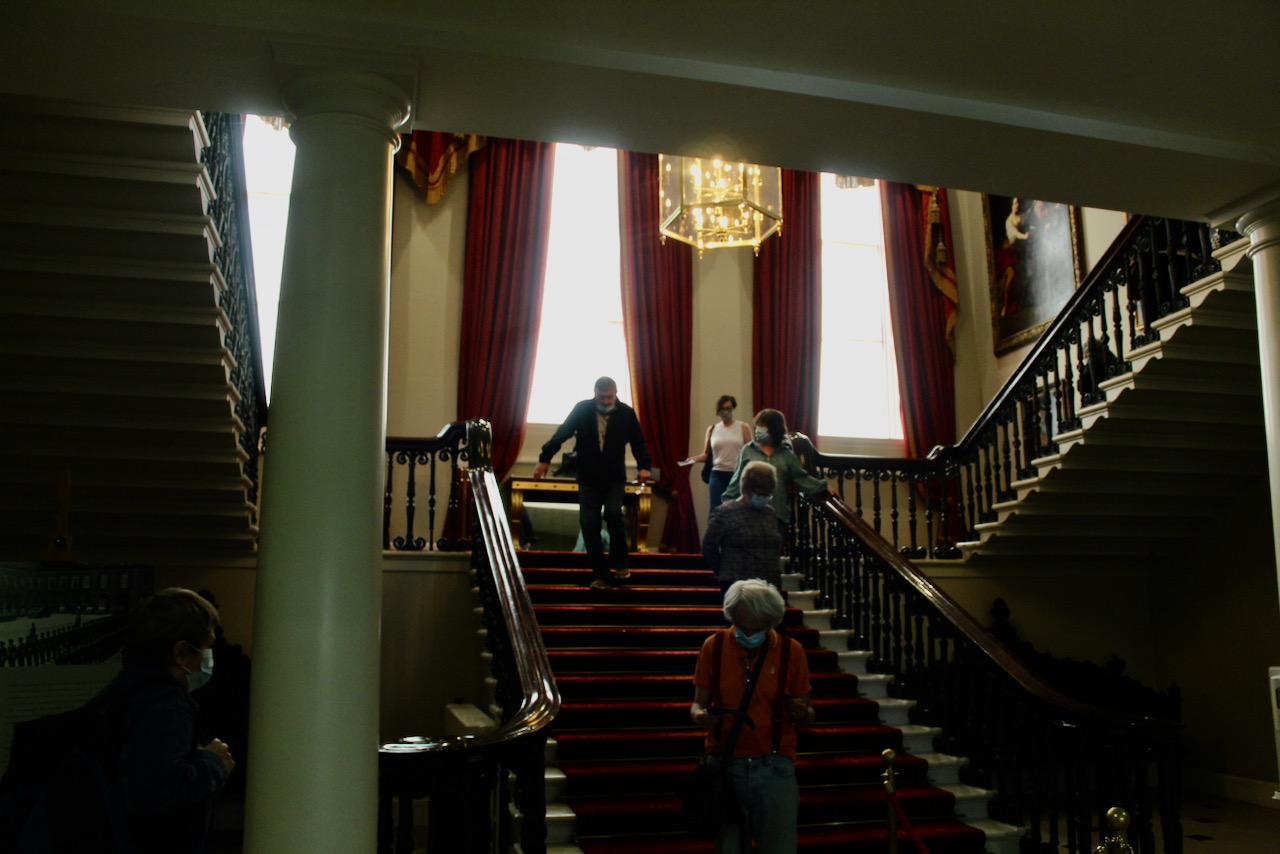


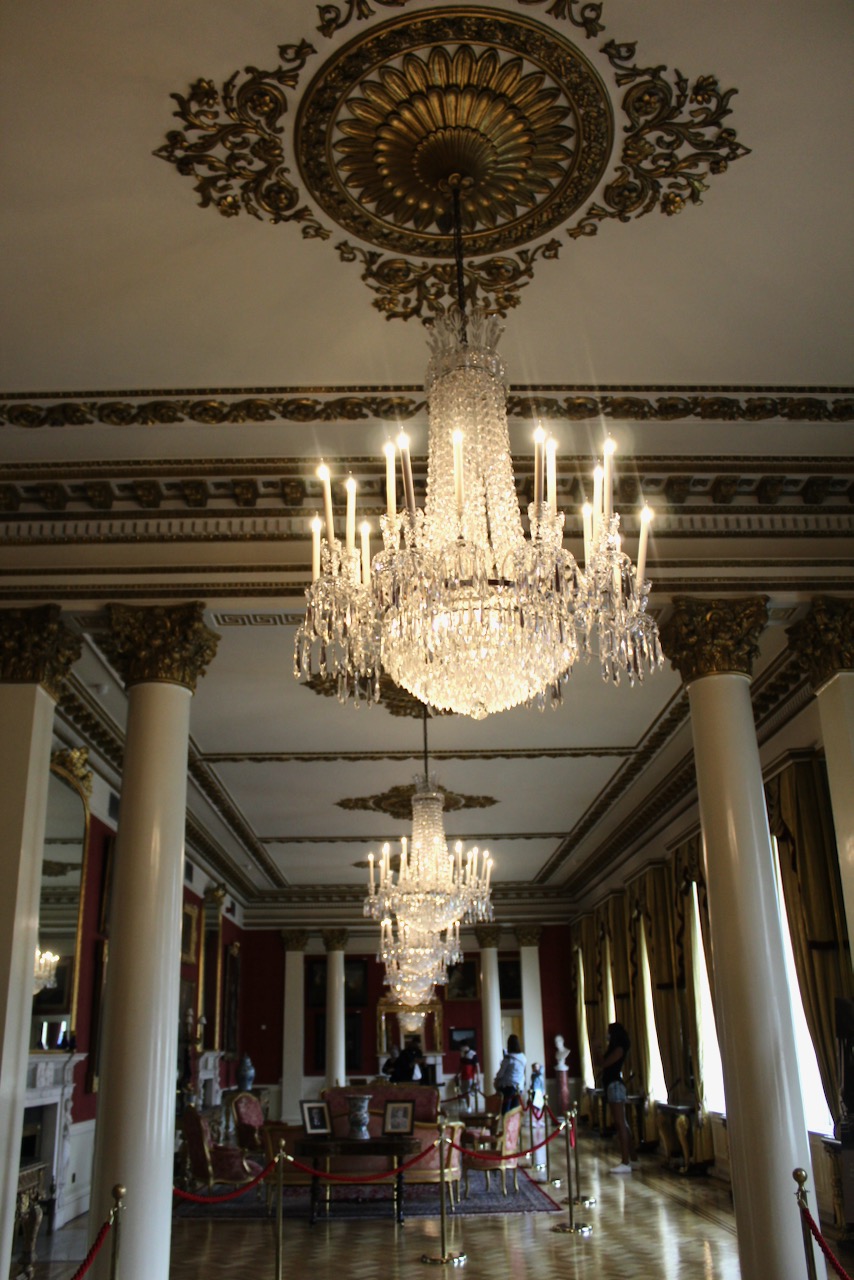

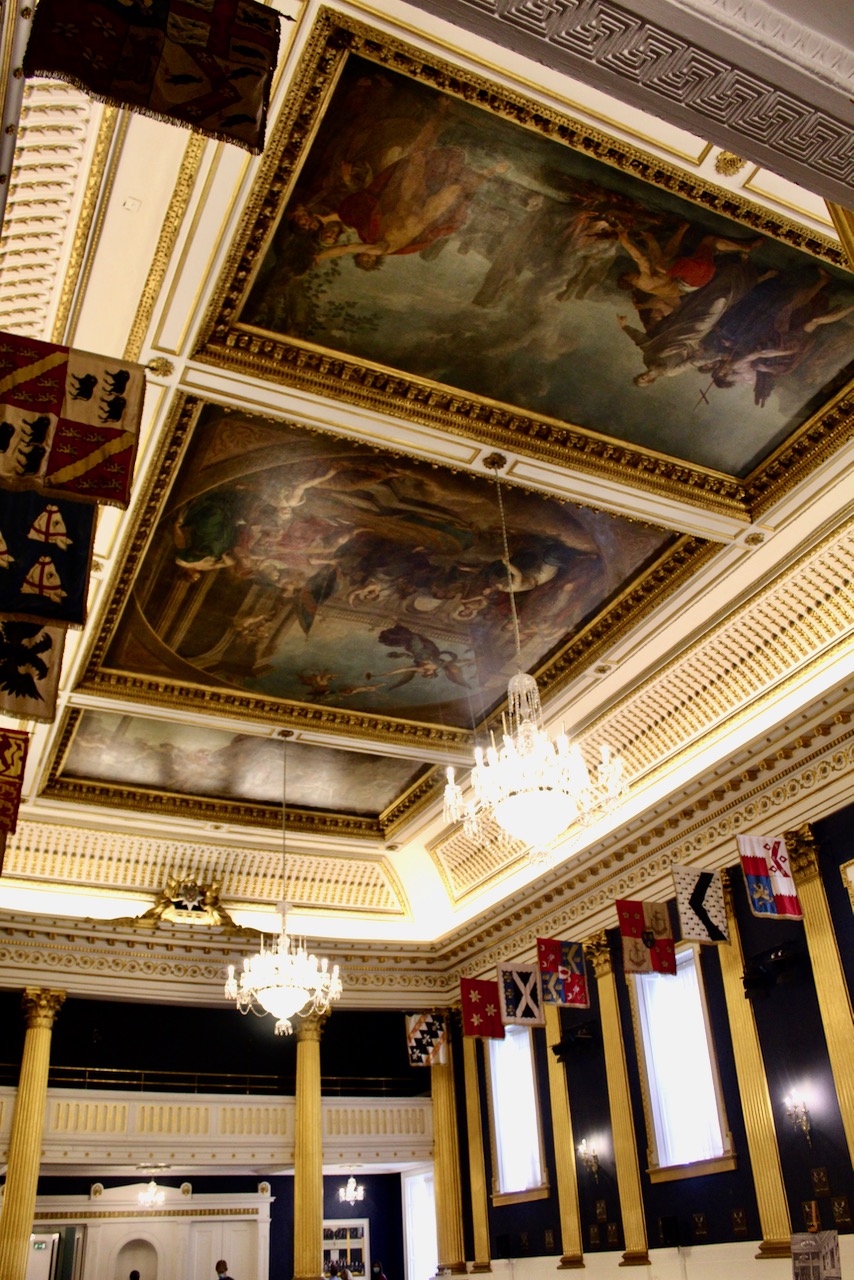
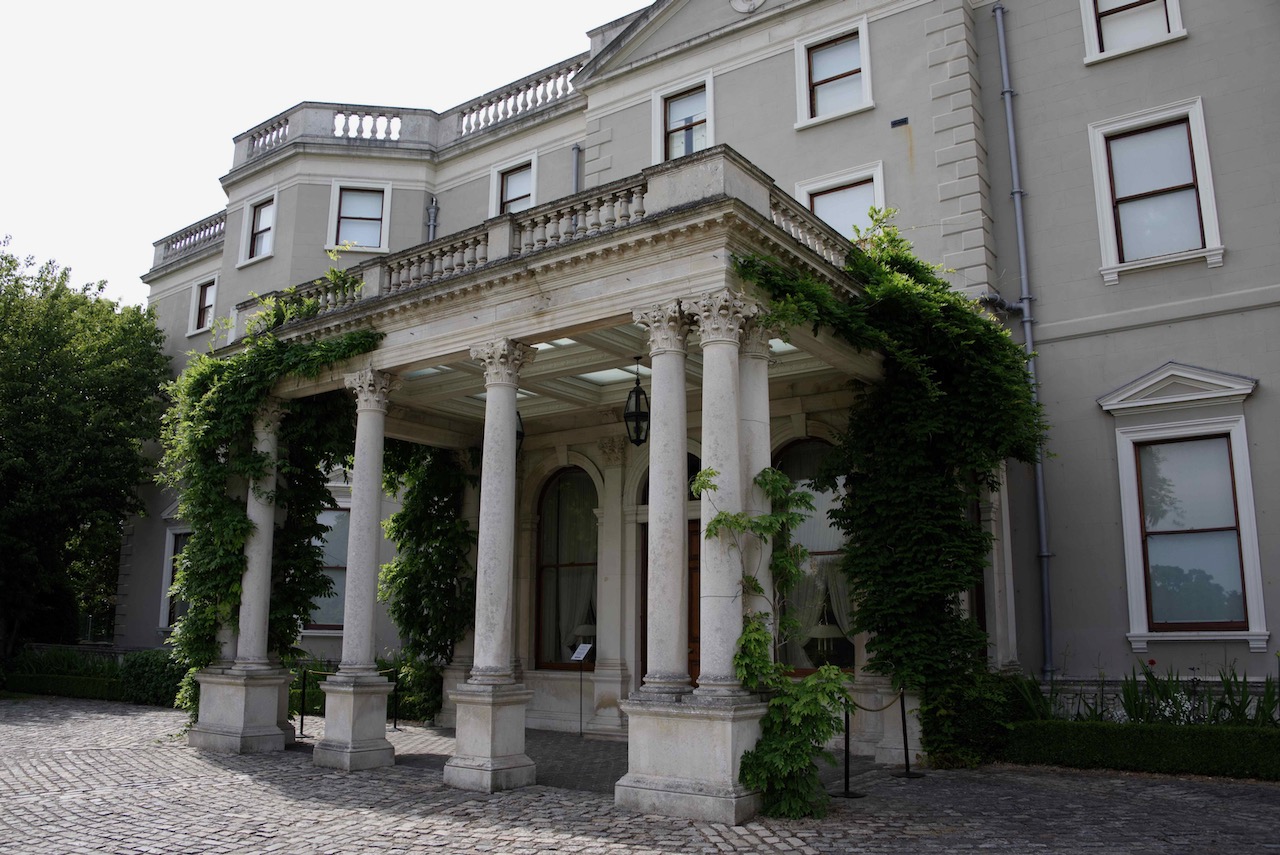


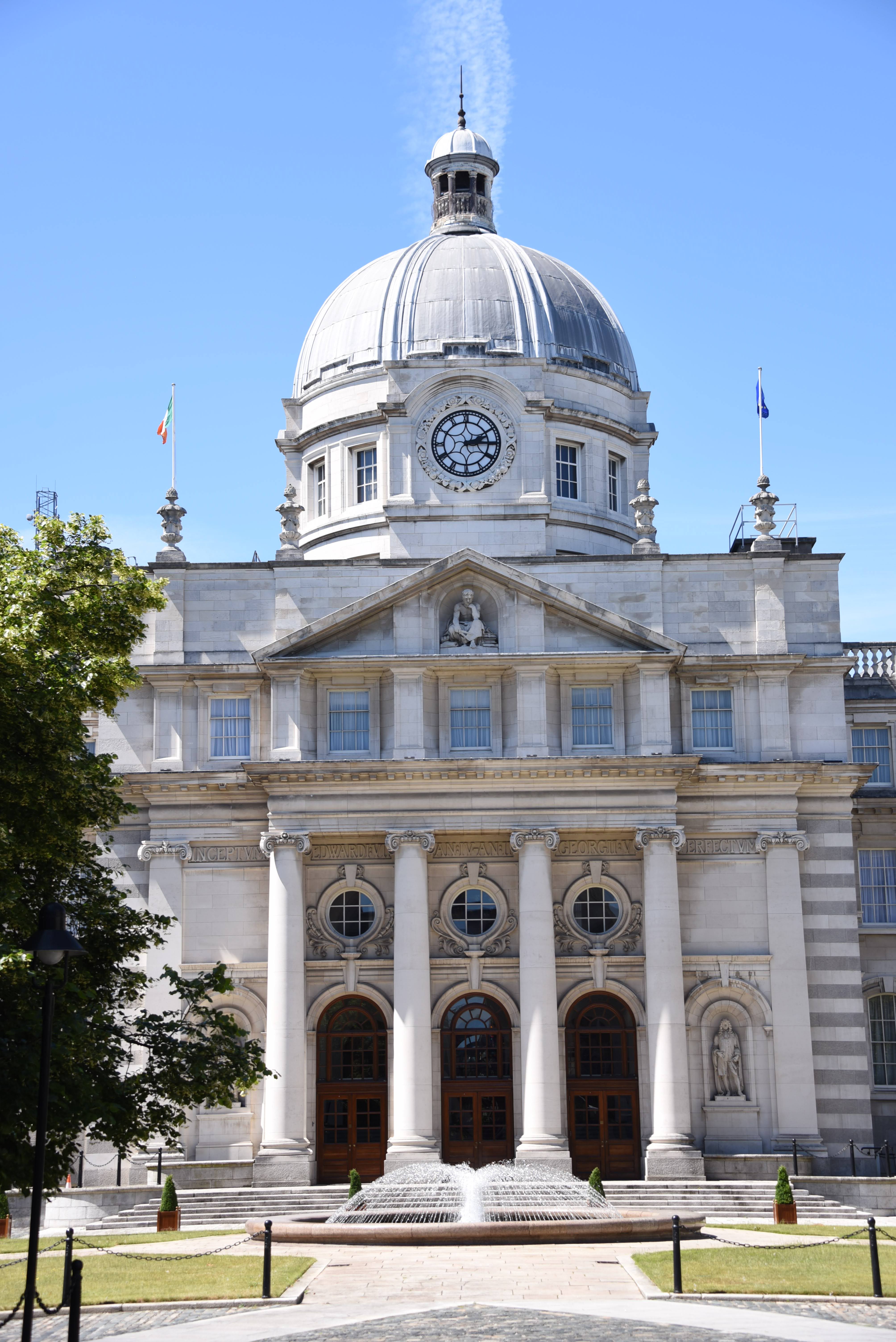
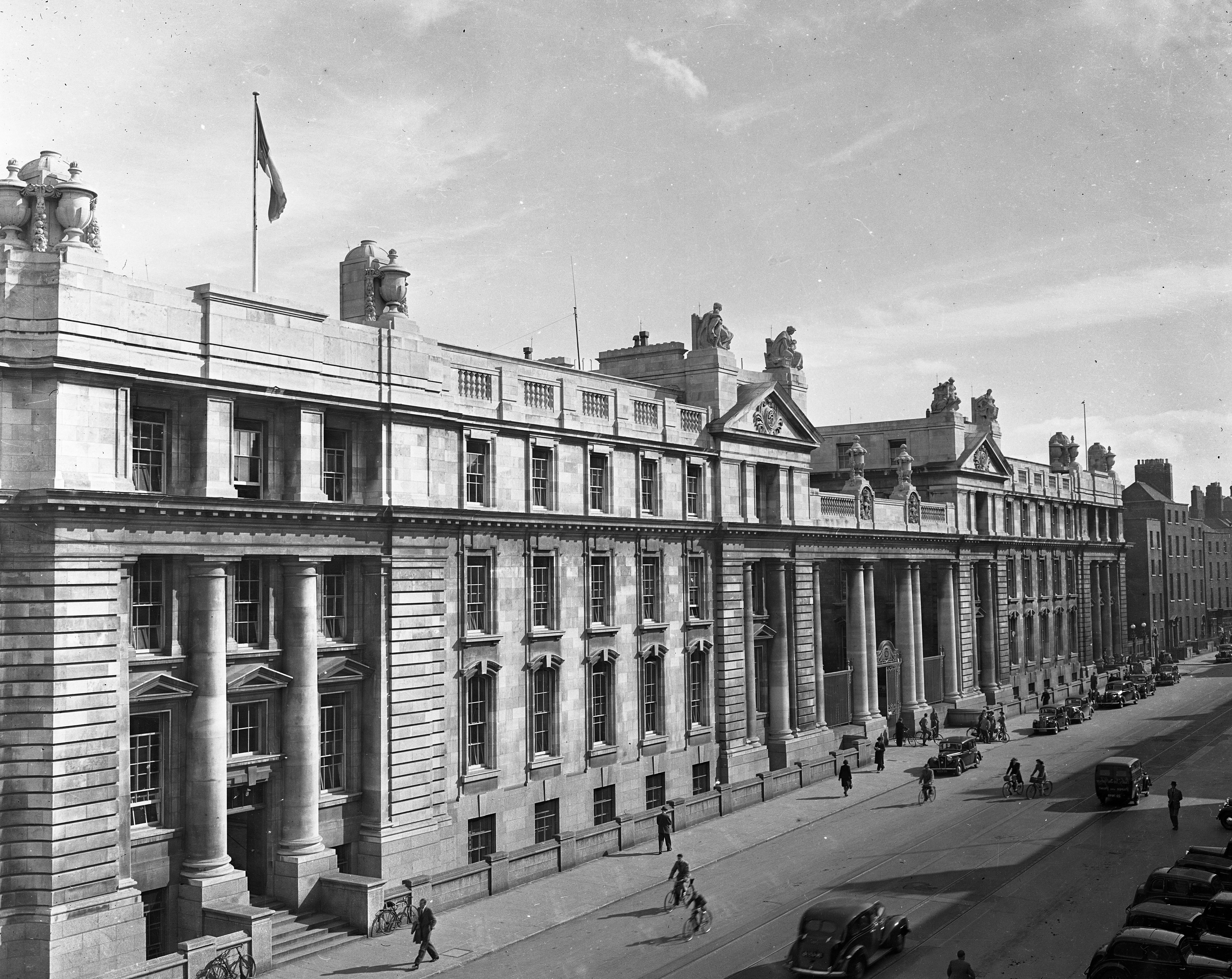
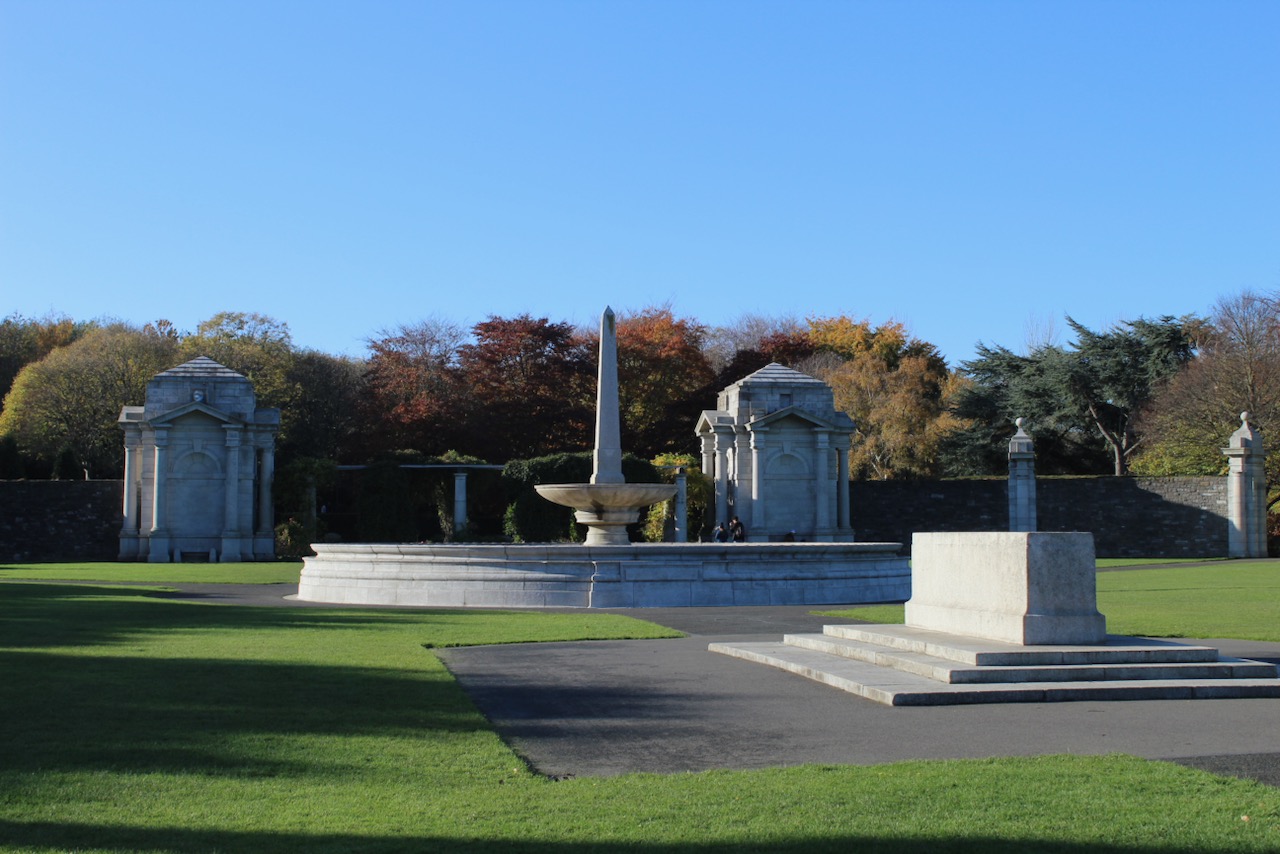

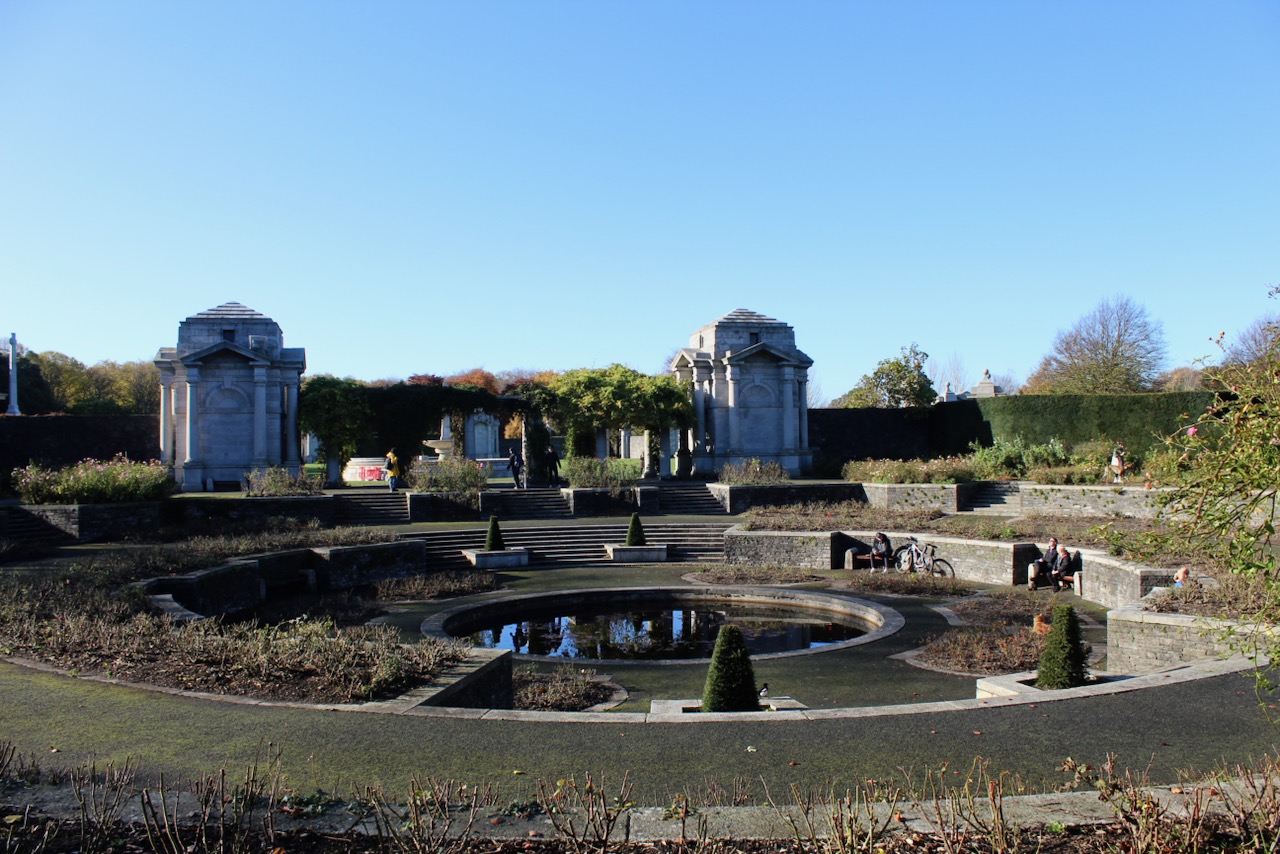
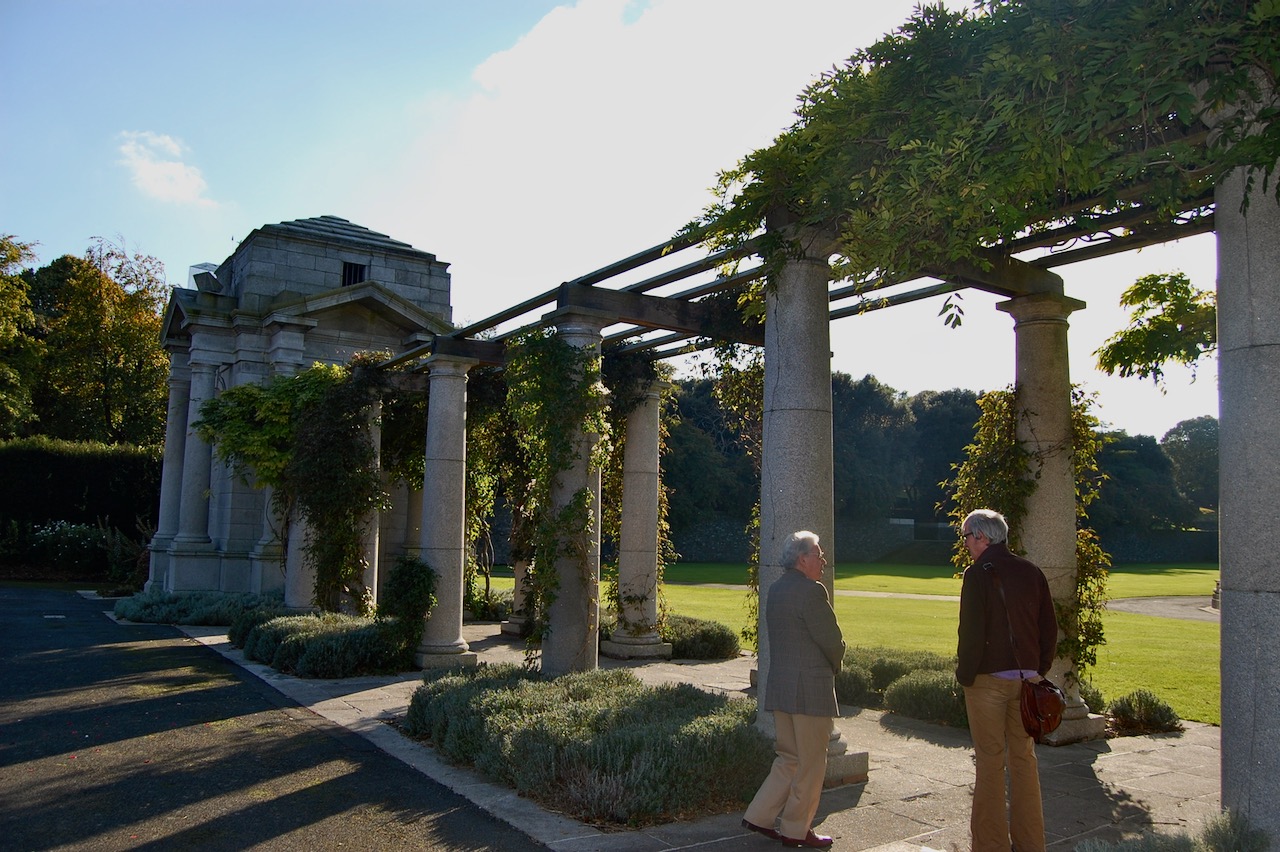
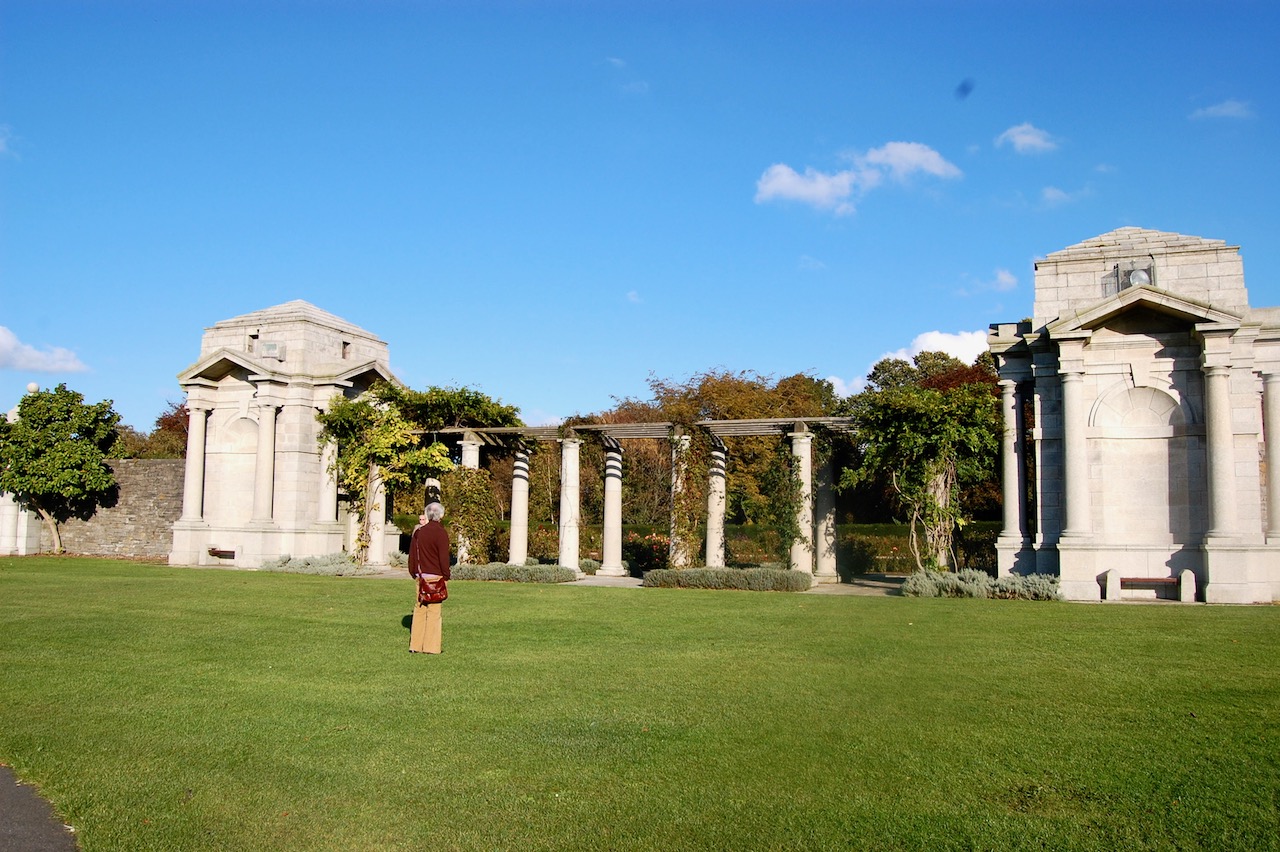

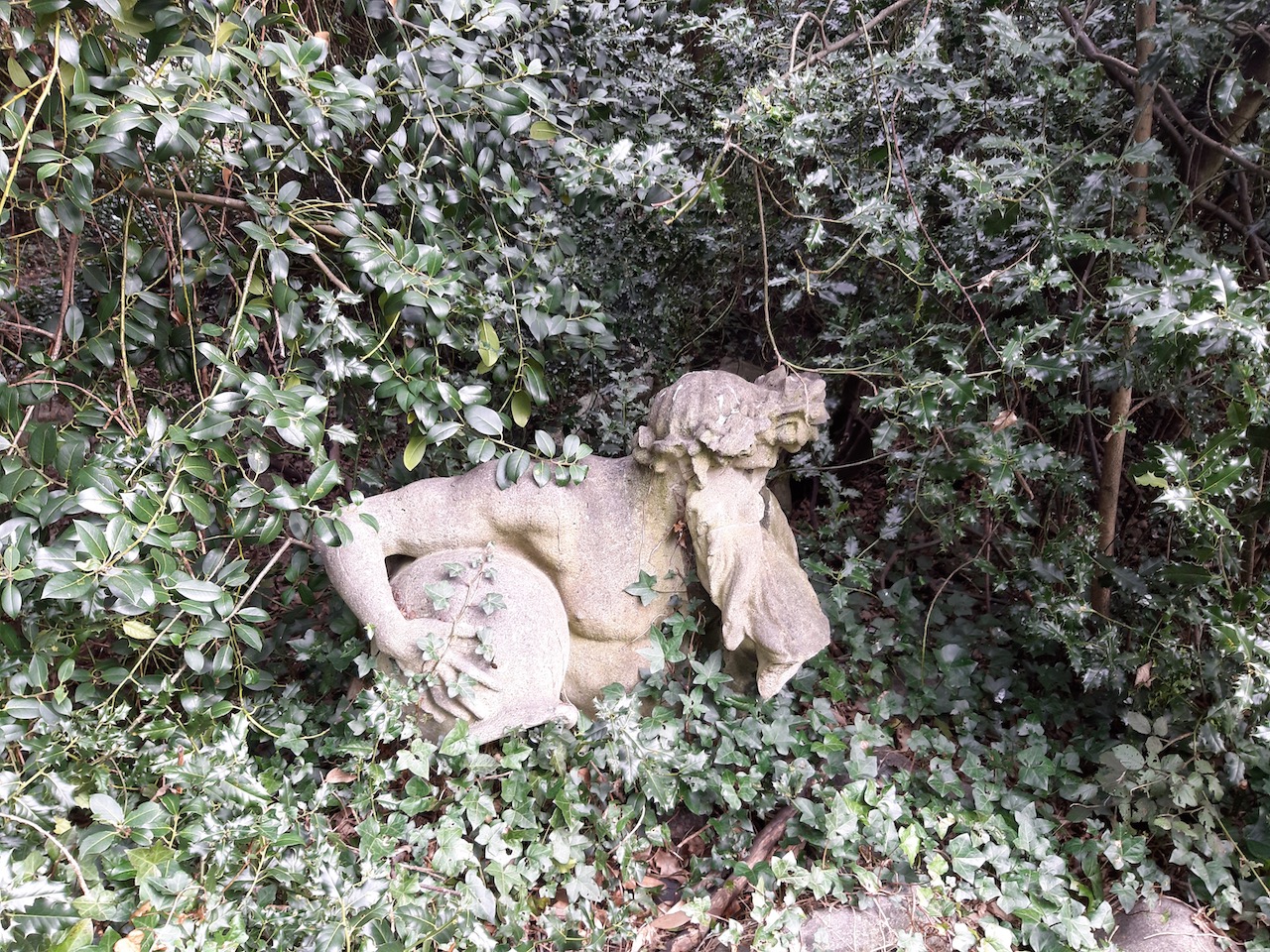

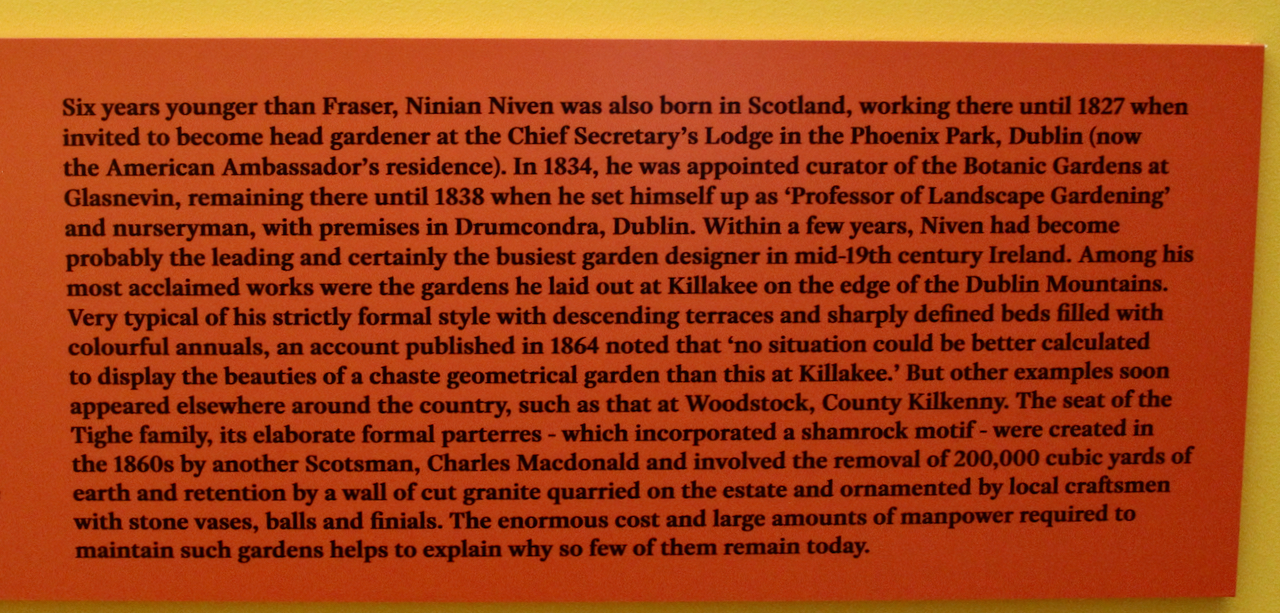
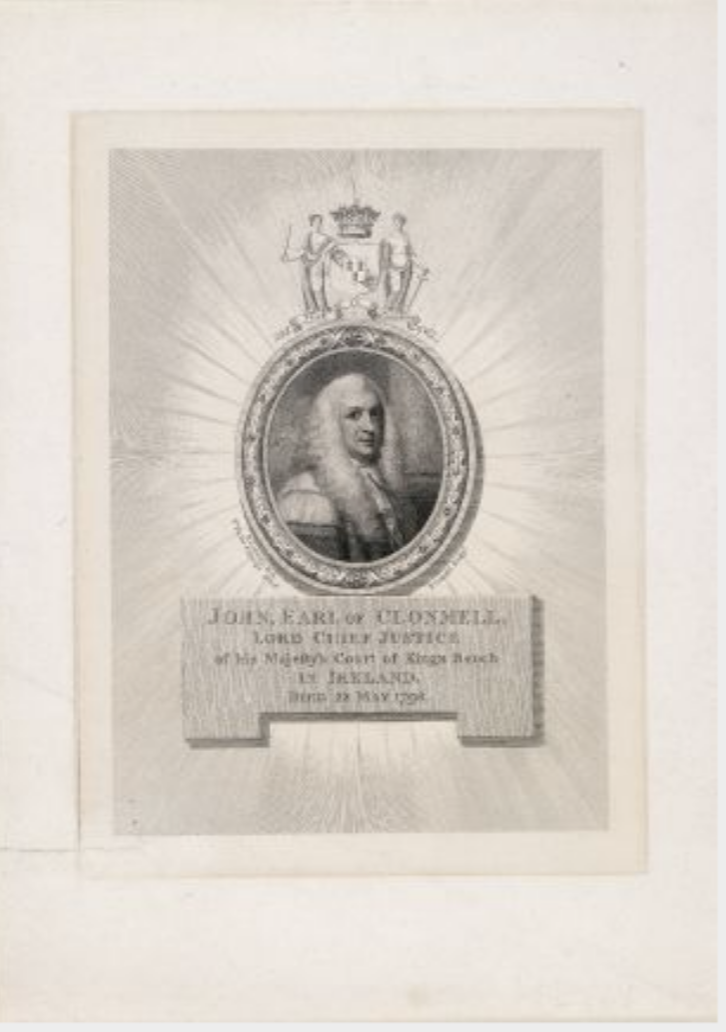
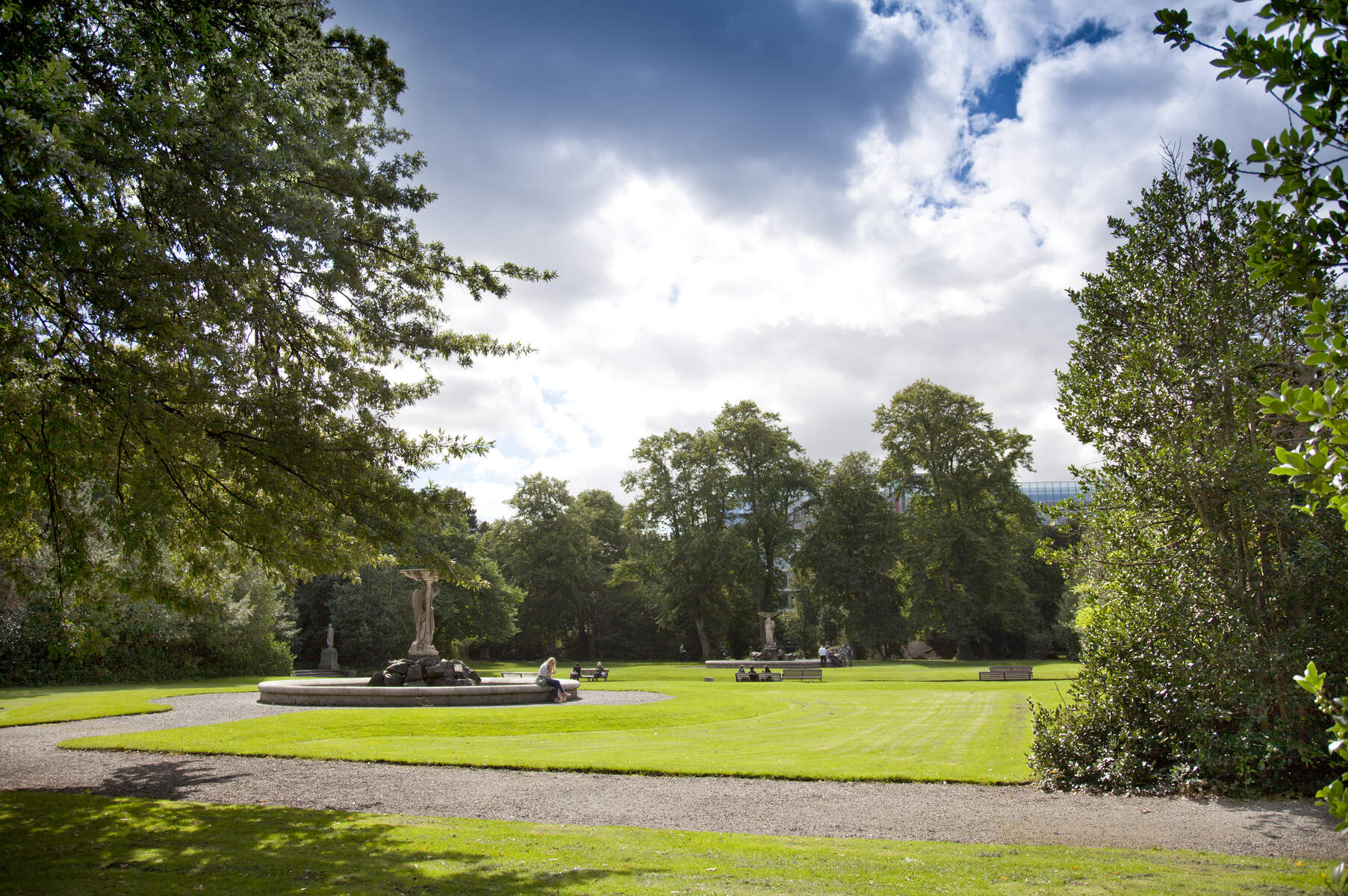

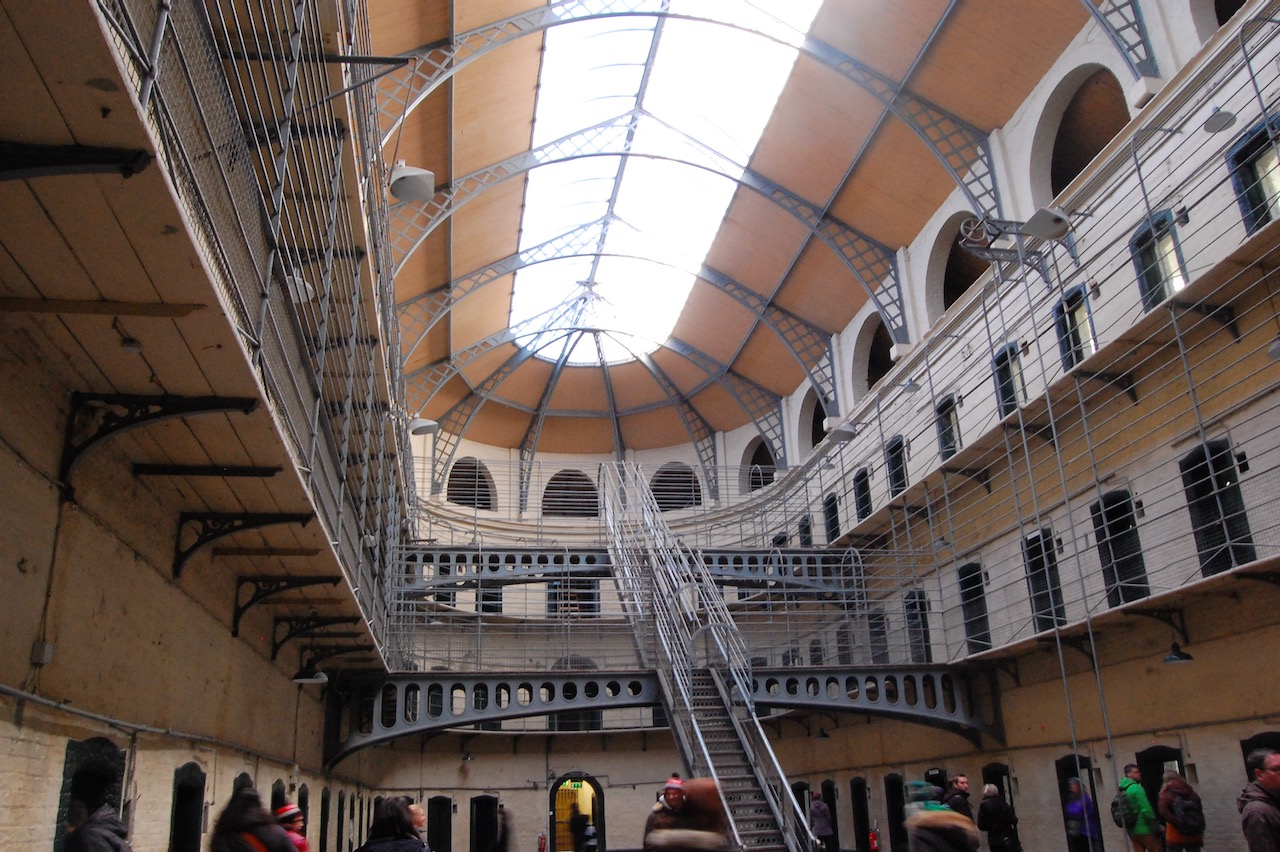
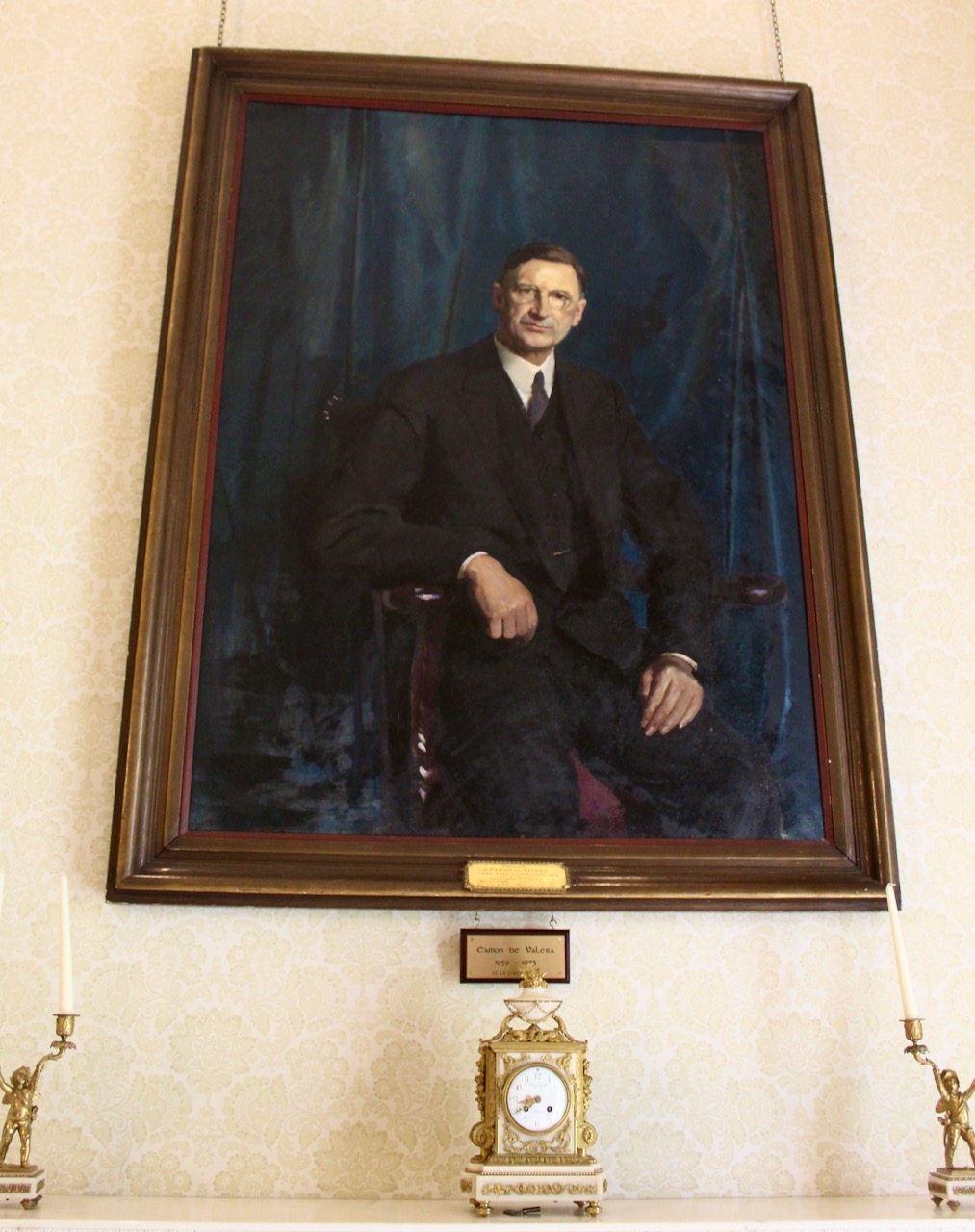

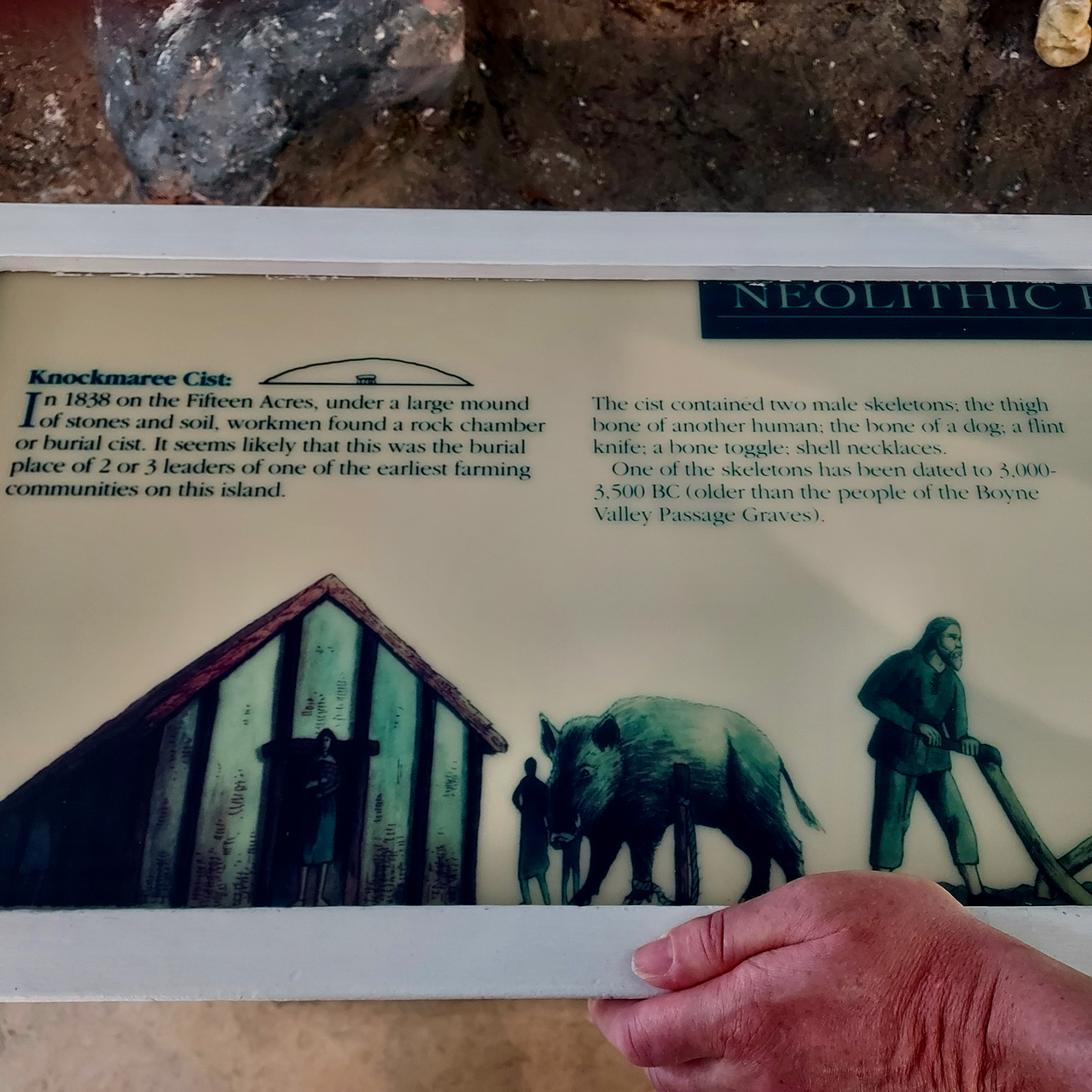
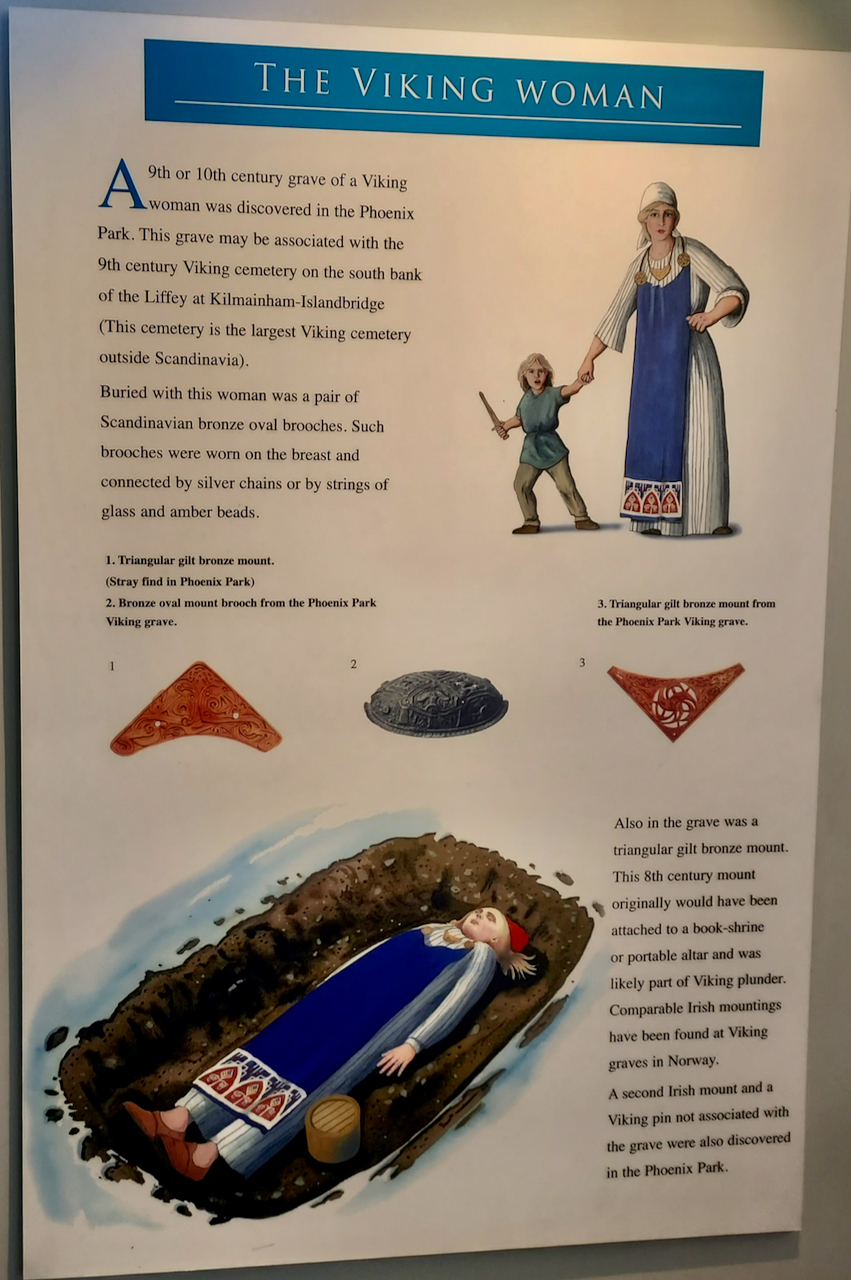
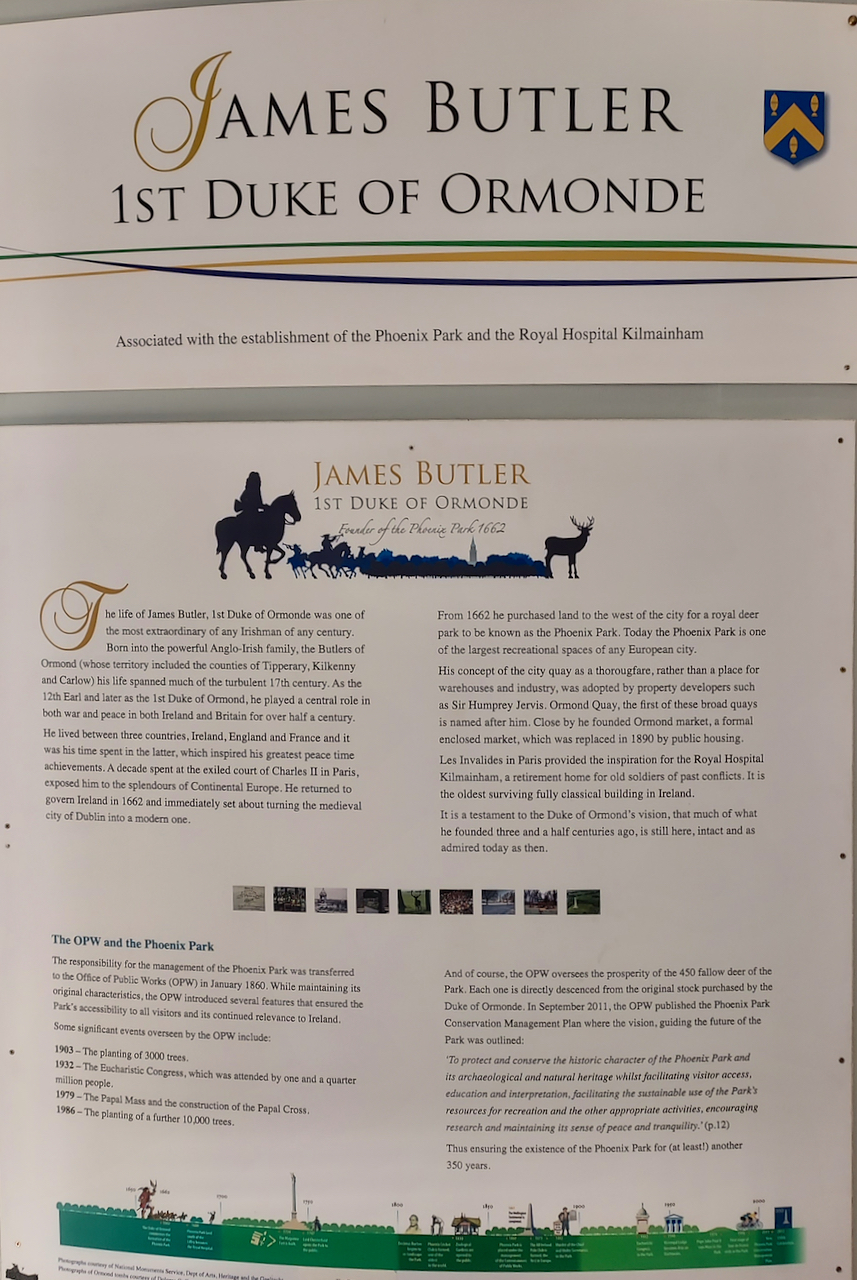
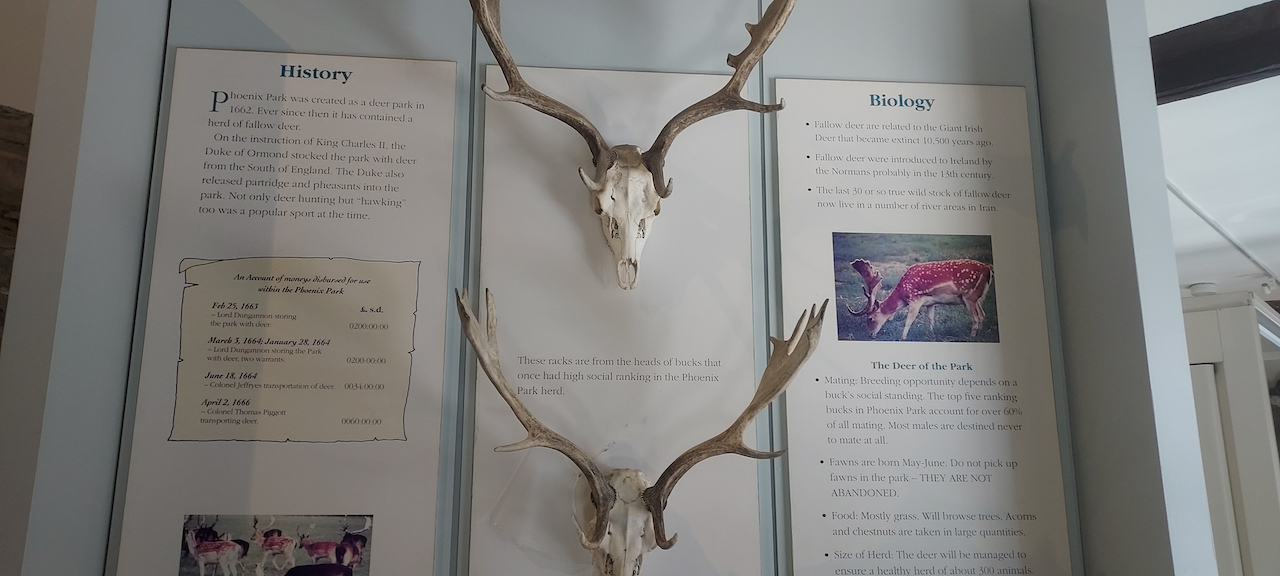

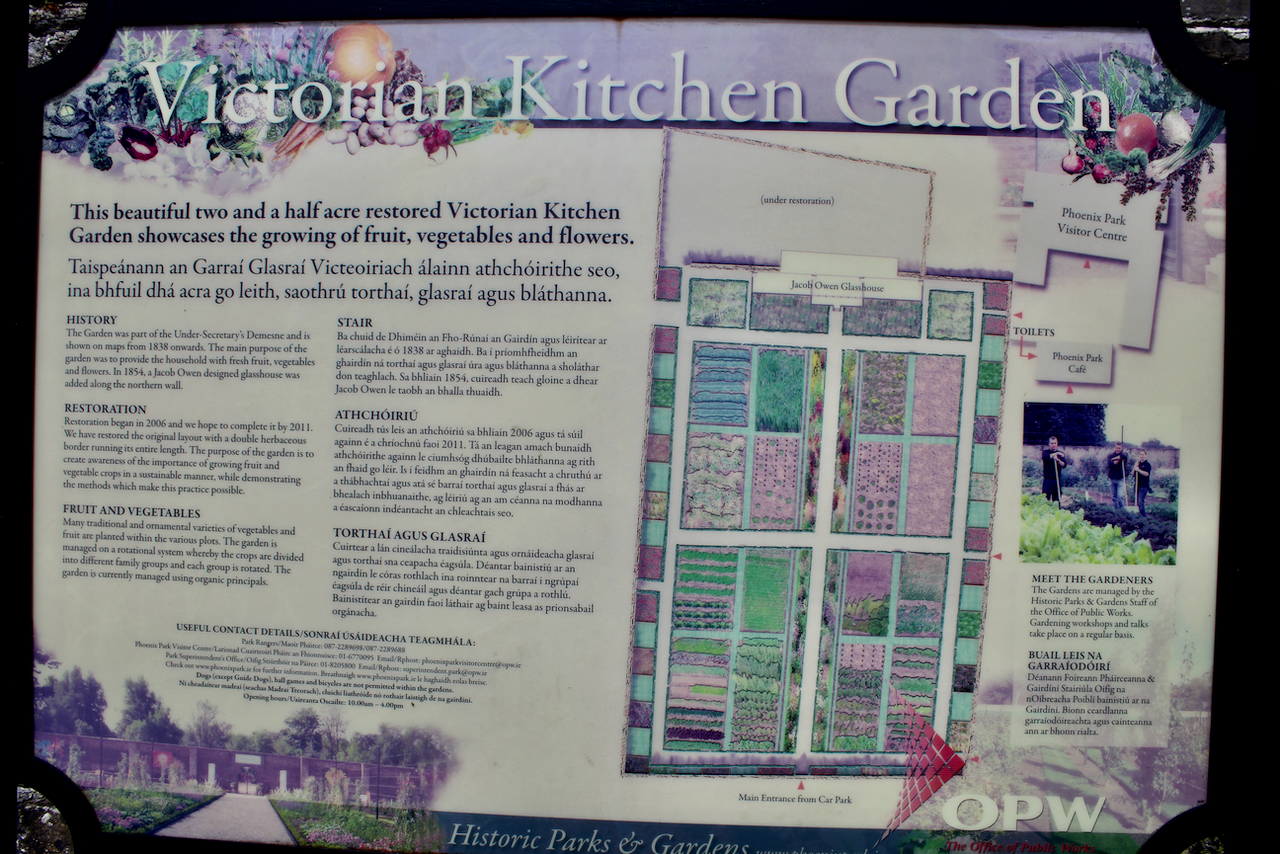
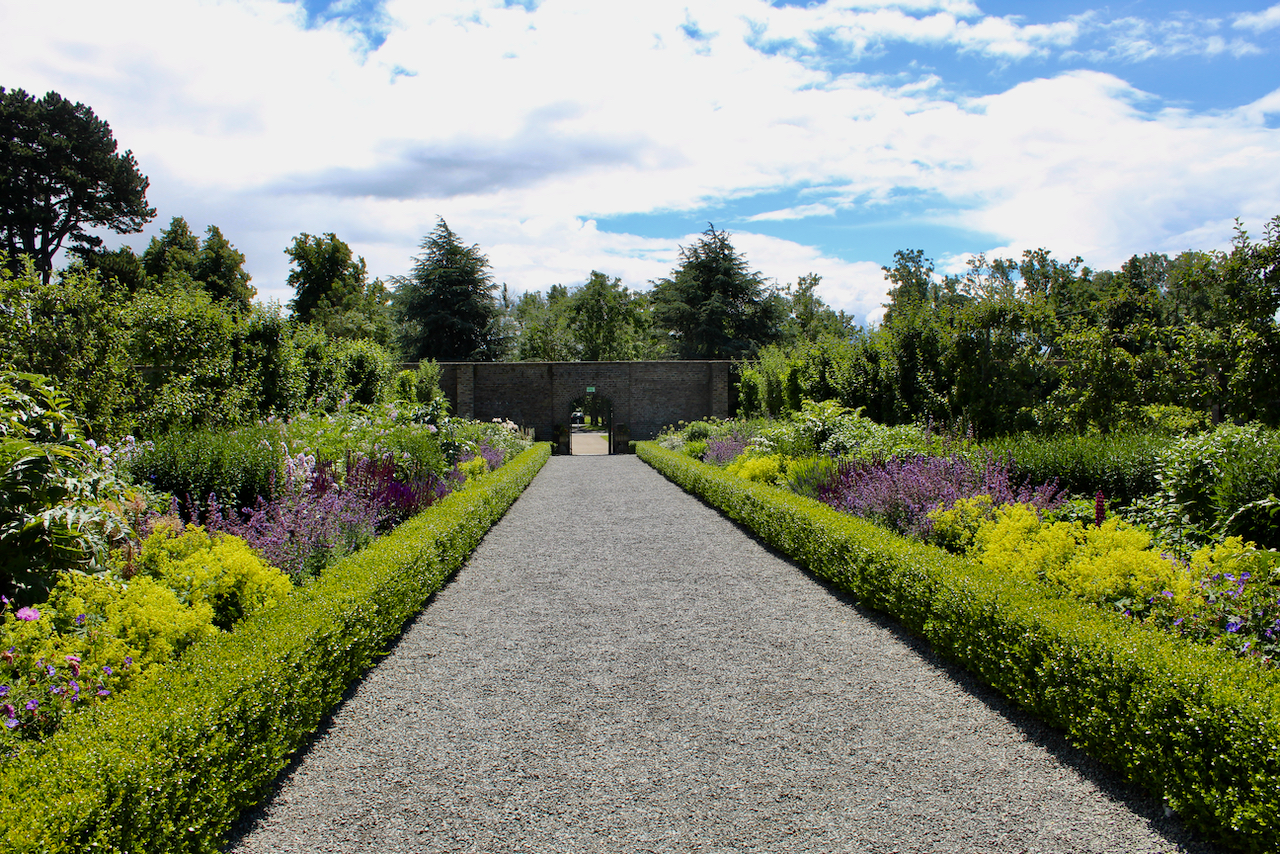
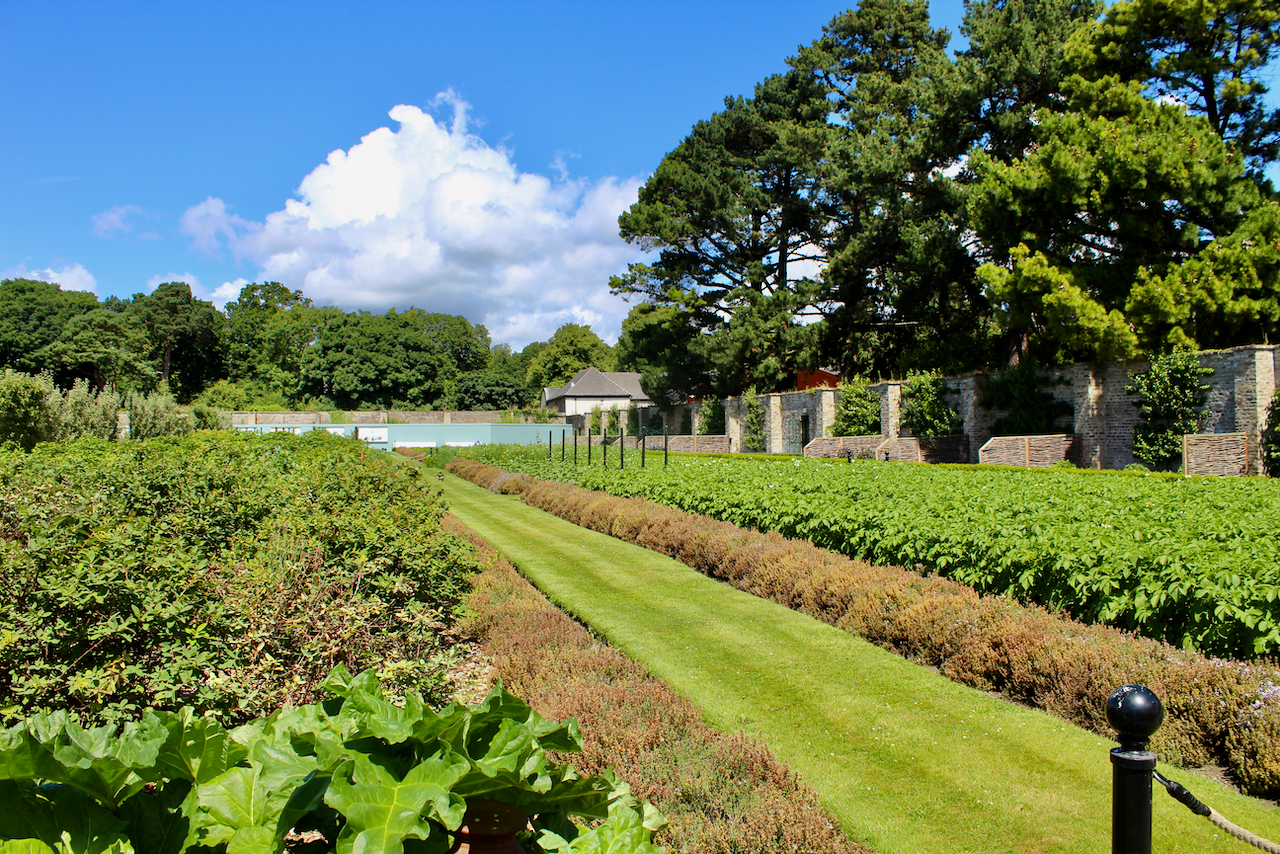



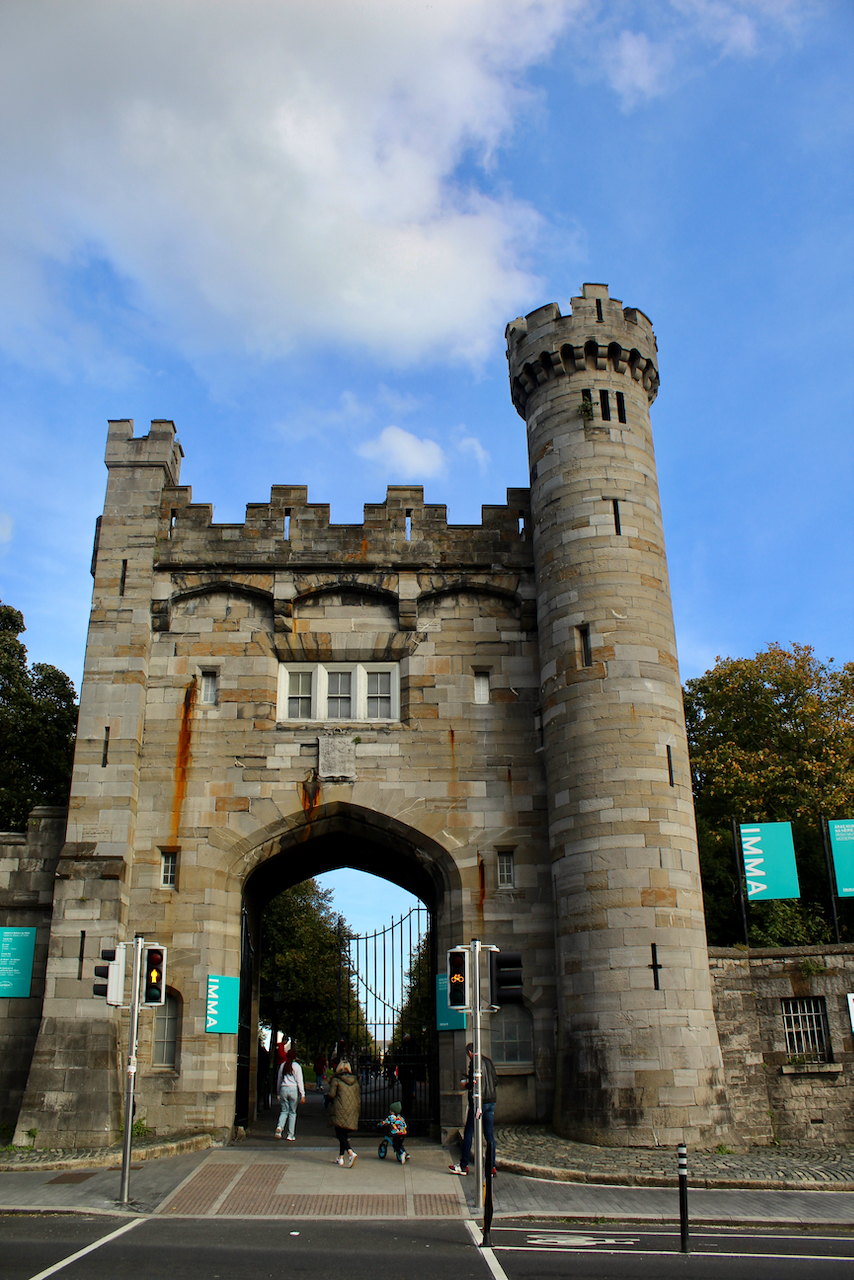


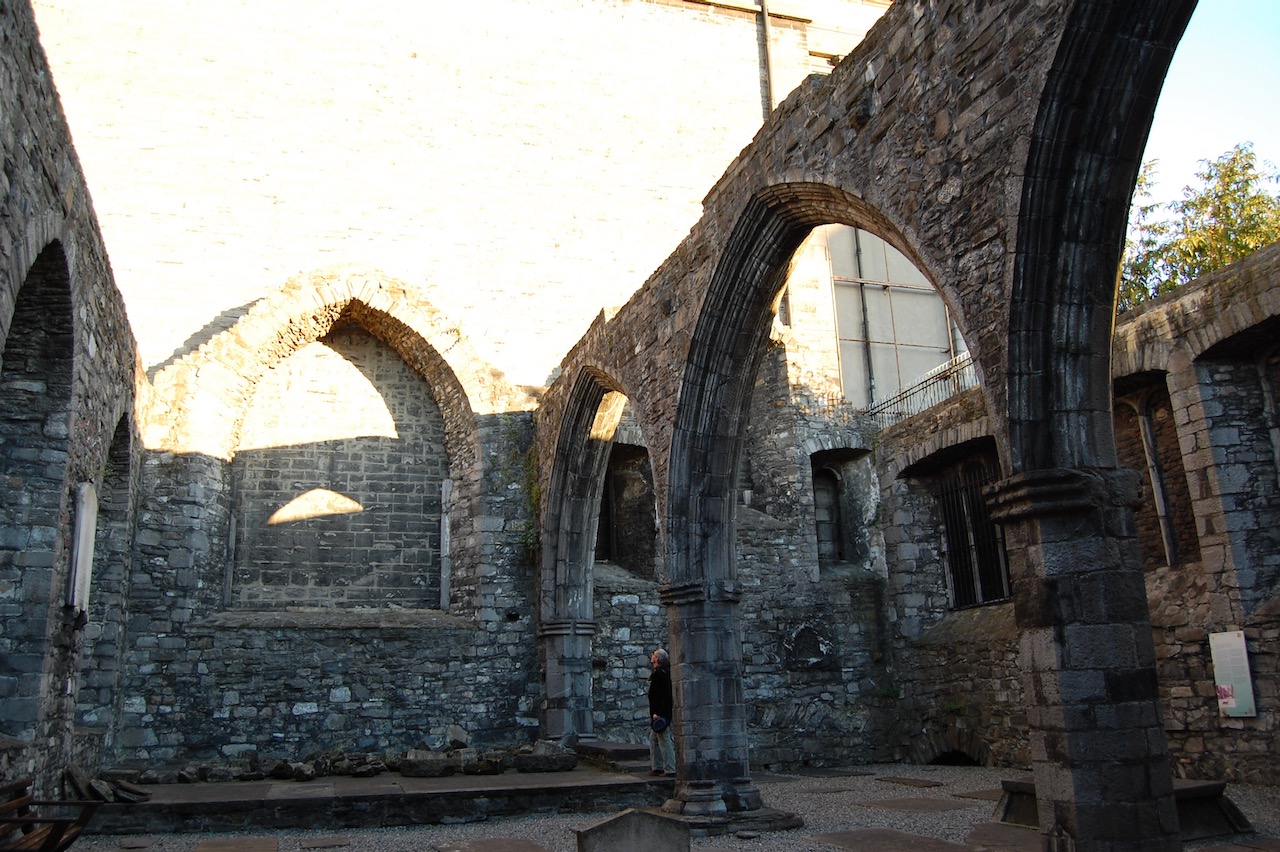
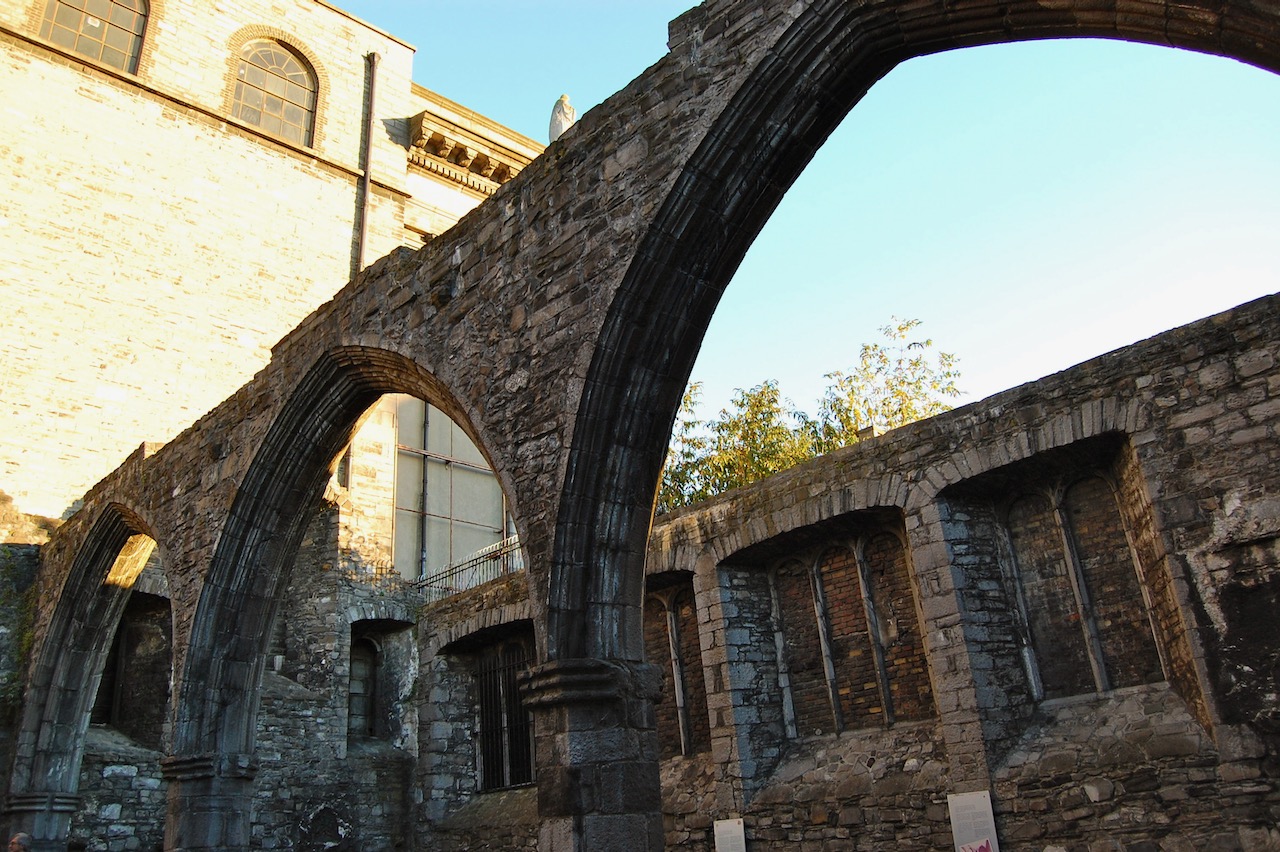
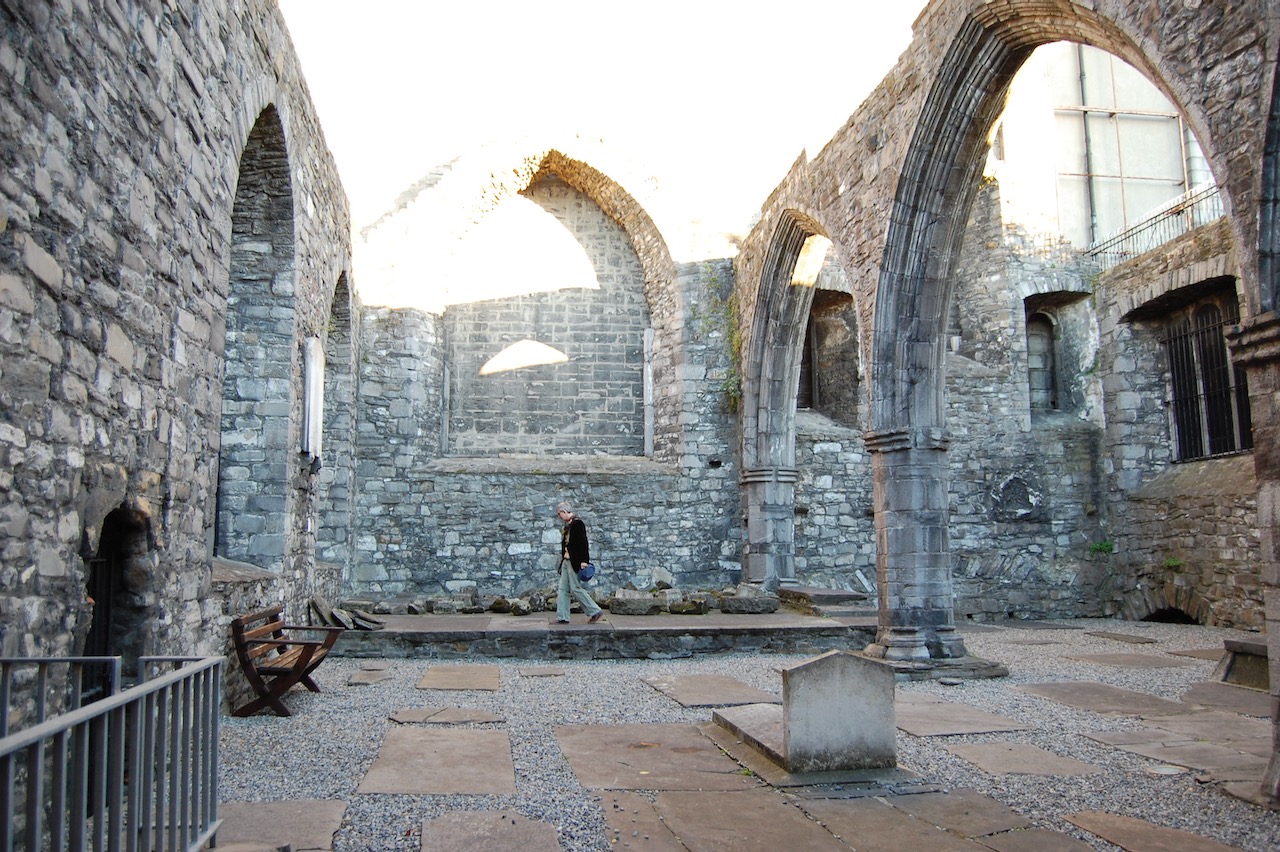
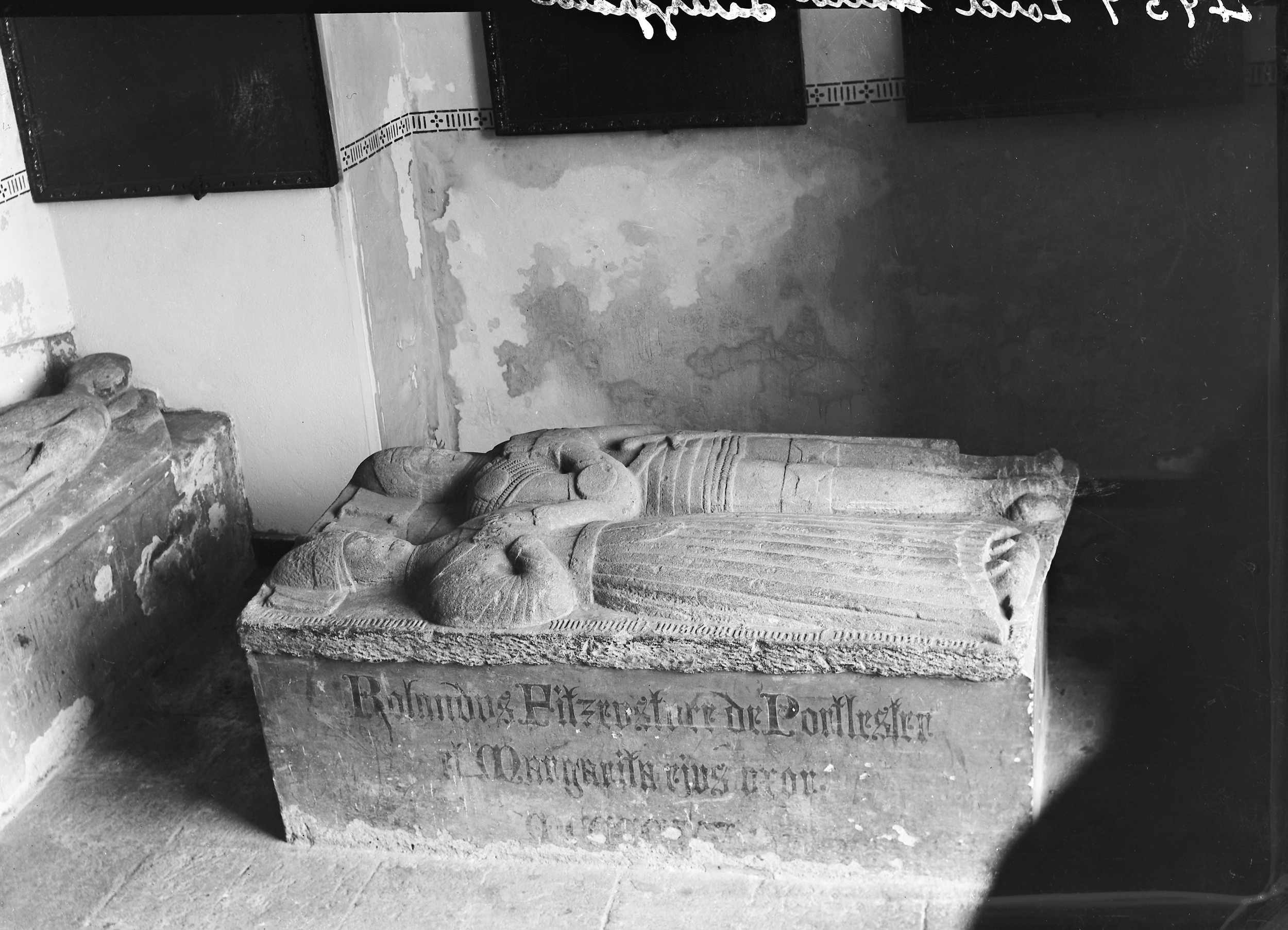

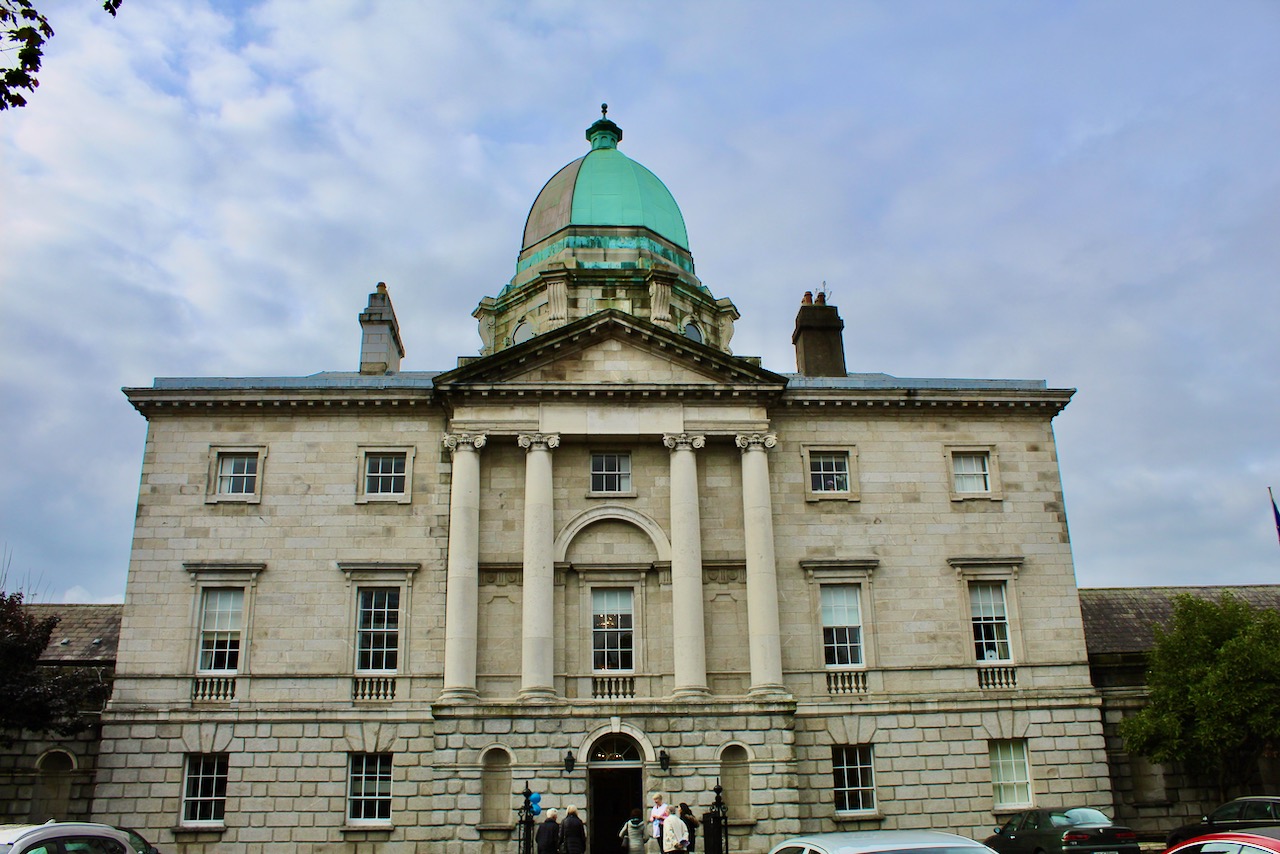

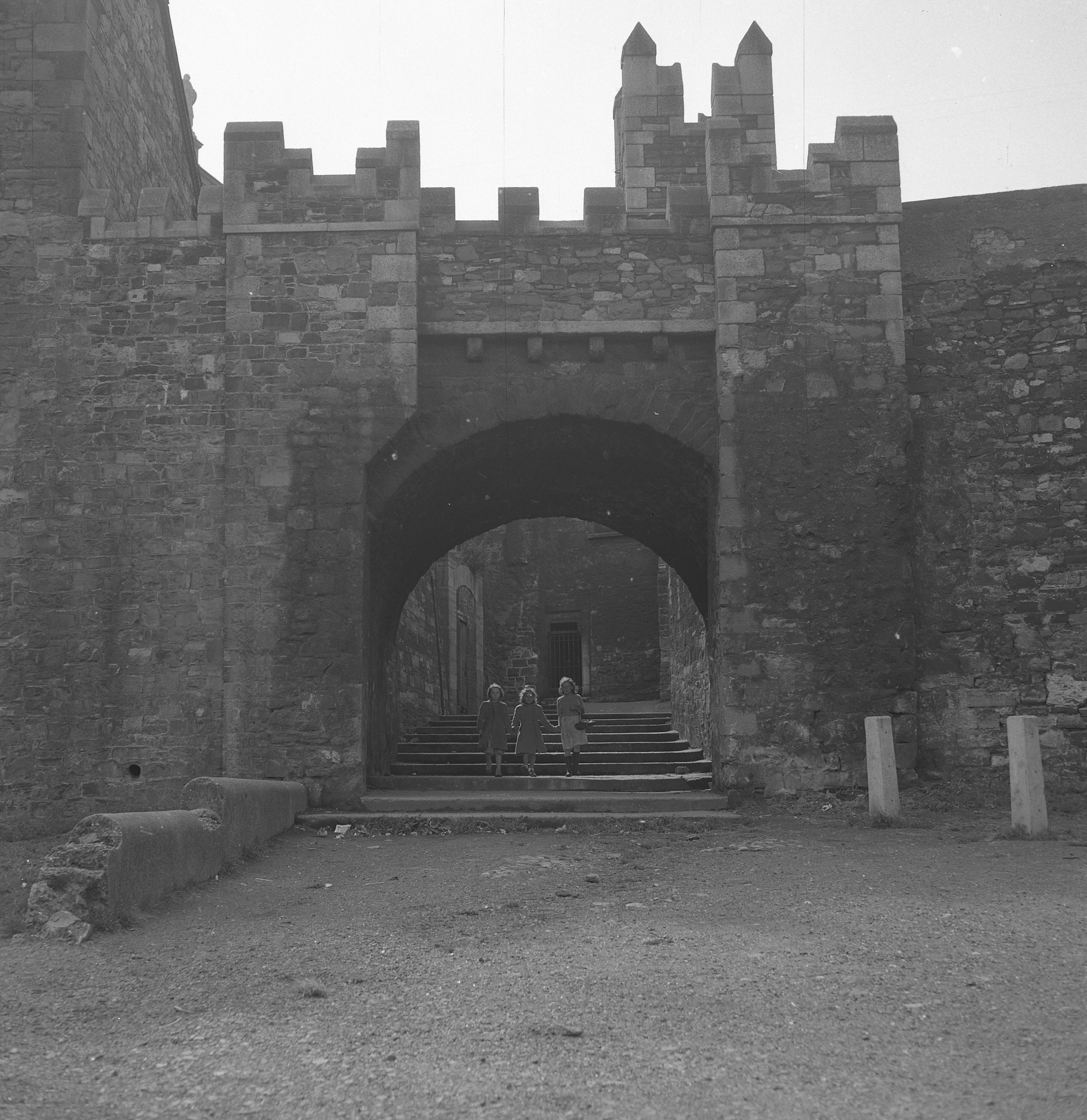
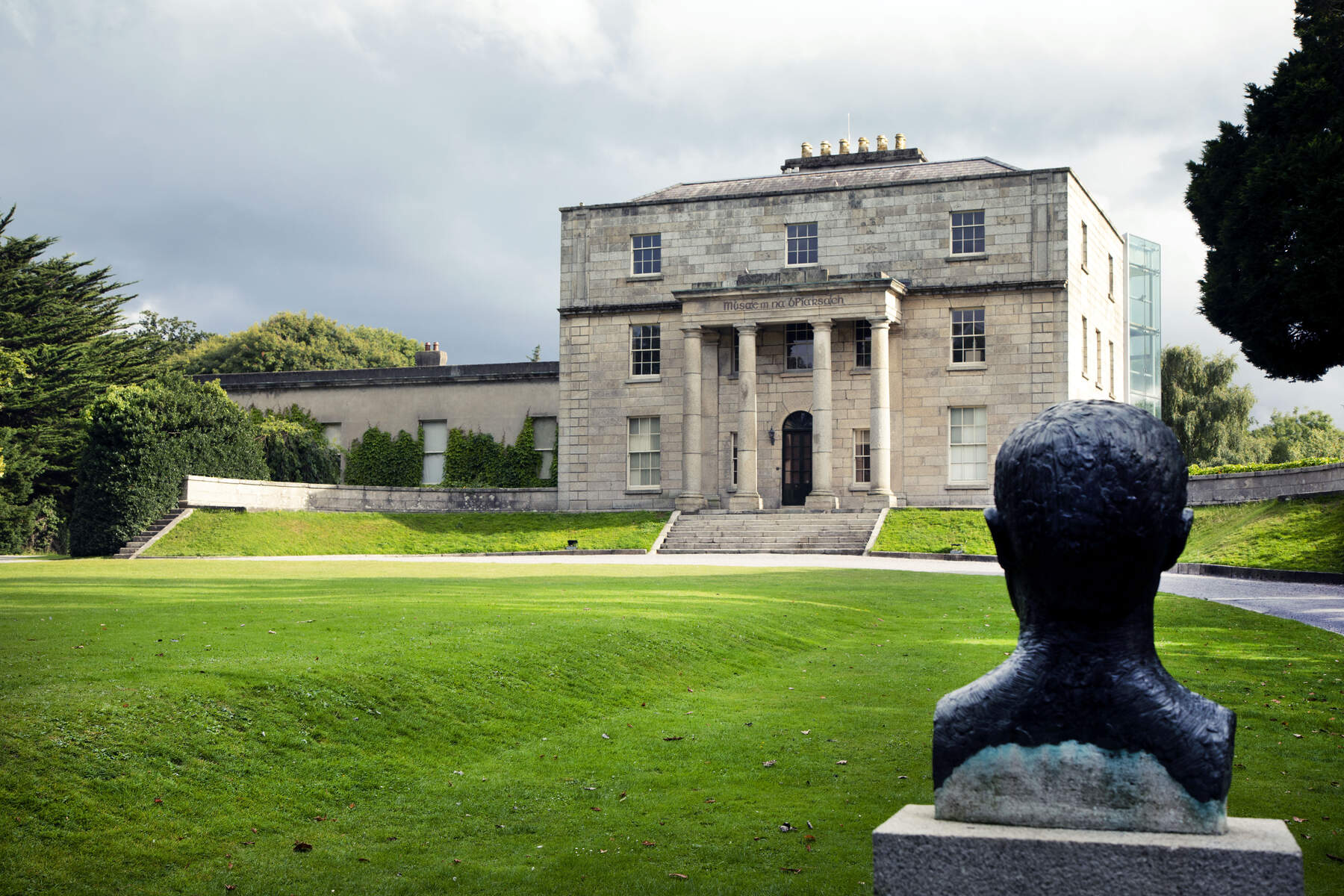
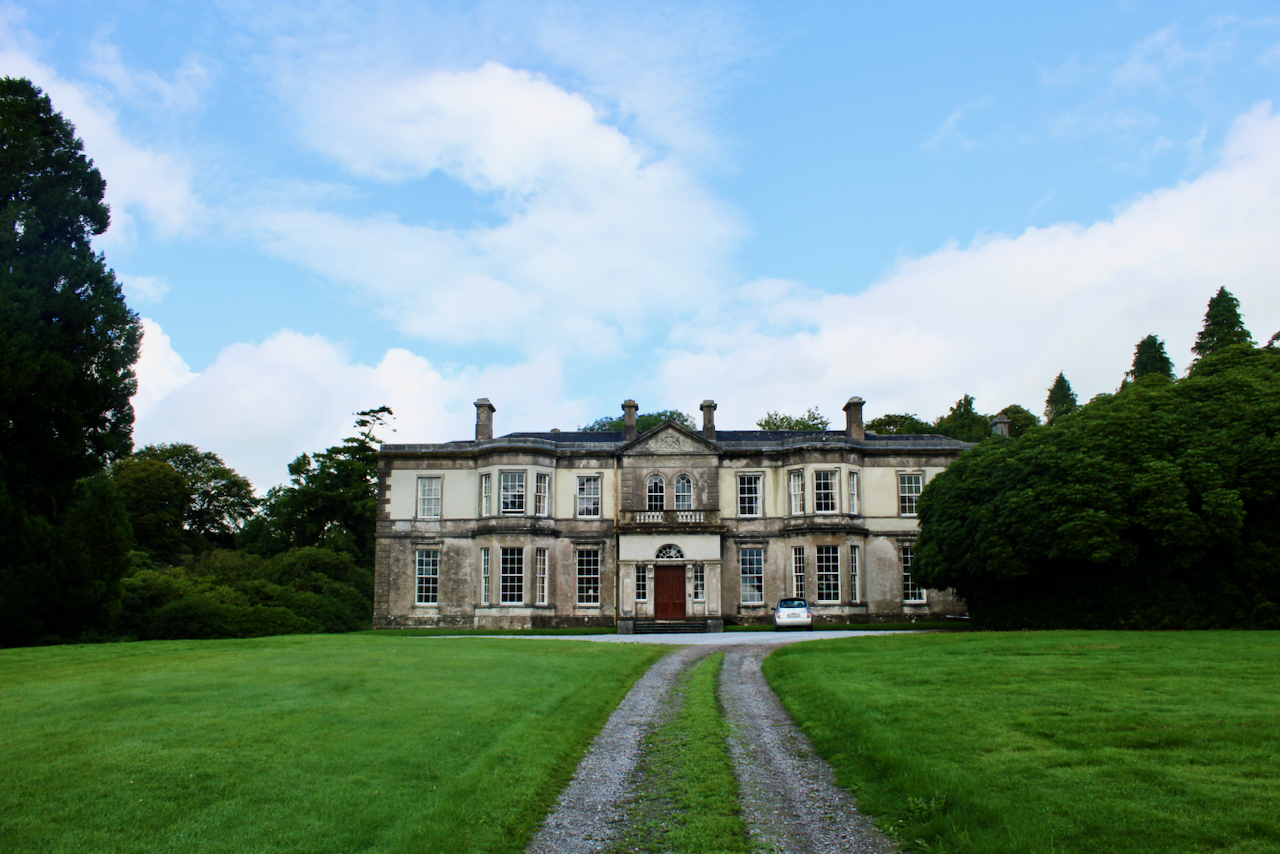





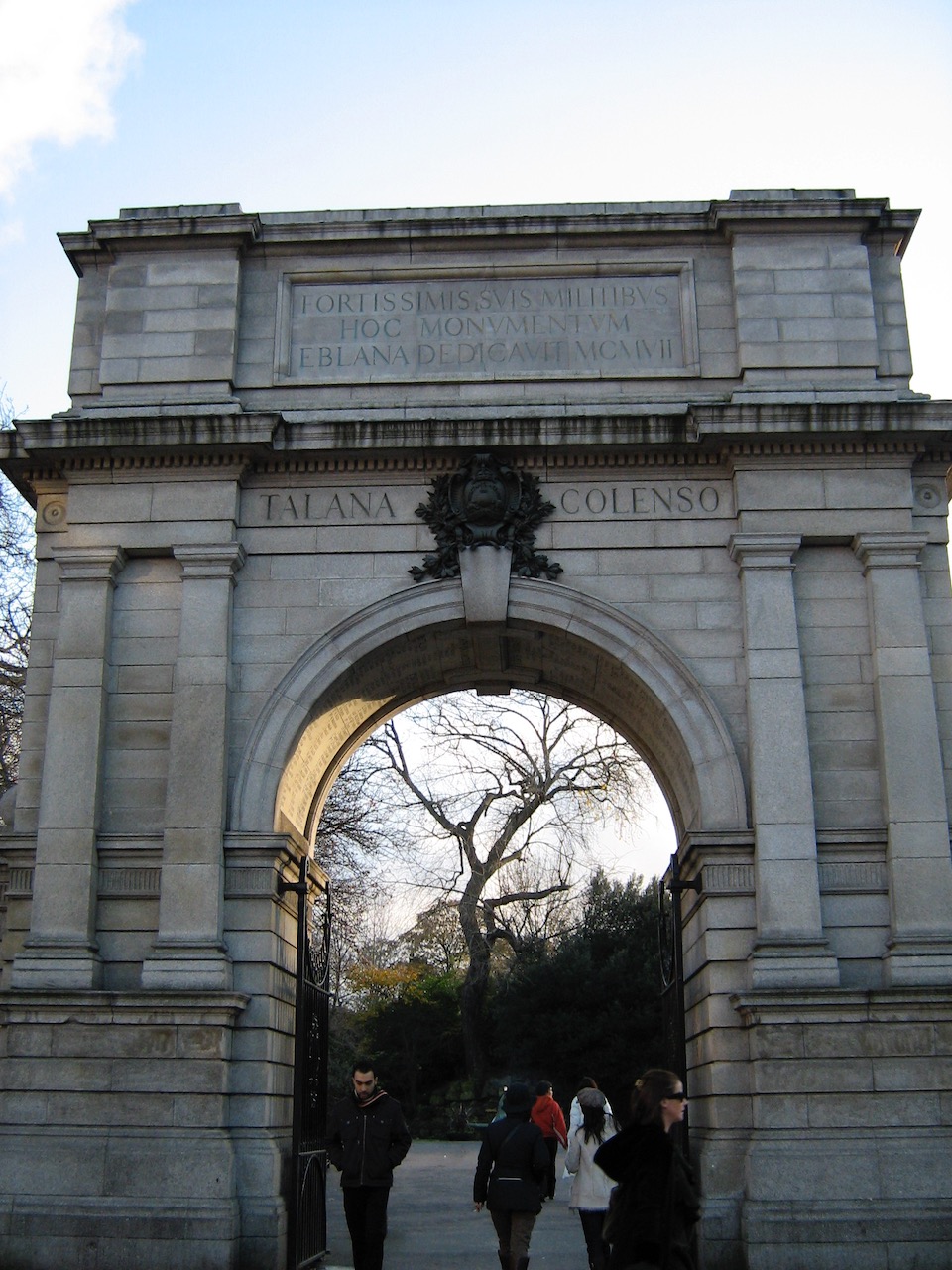


 Irish Historic Houses