Bence-Jones, Mark. A Guide to Irish Country Houses (originally published as Burke’s Guide to Country Houses volume 1 Ireland by Burke’s Peerage Ltd. 1978); Revised edition 1988 Constable and Company Ltd, London.
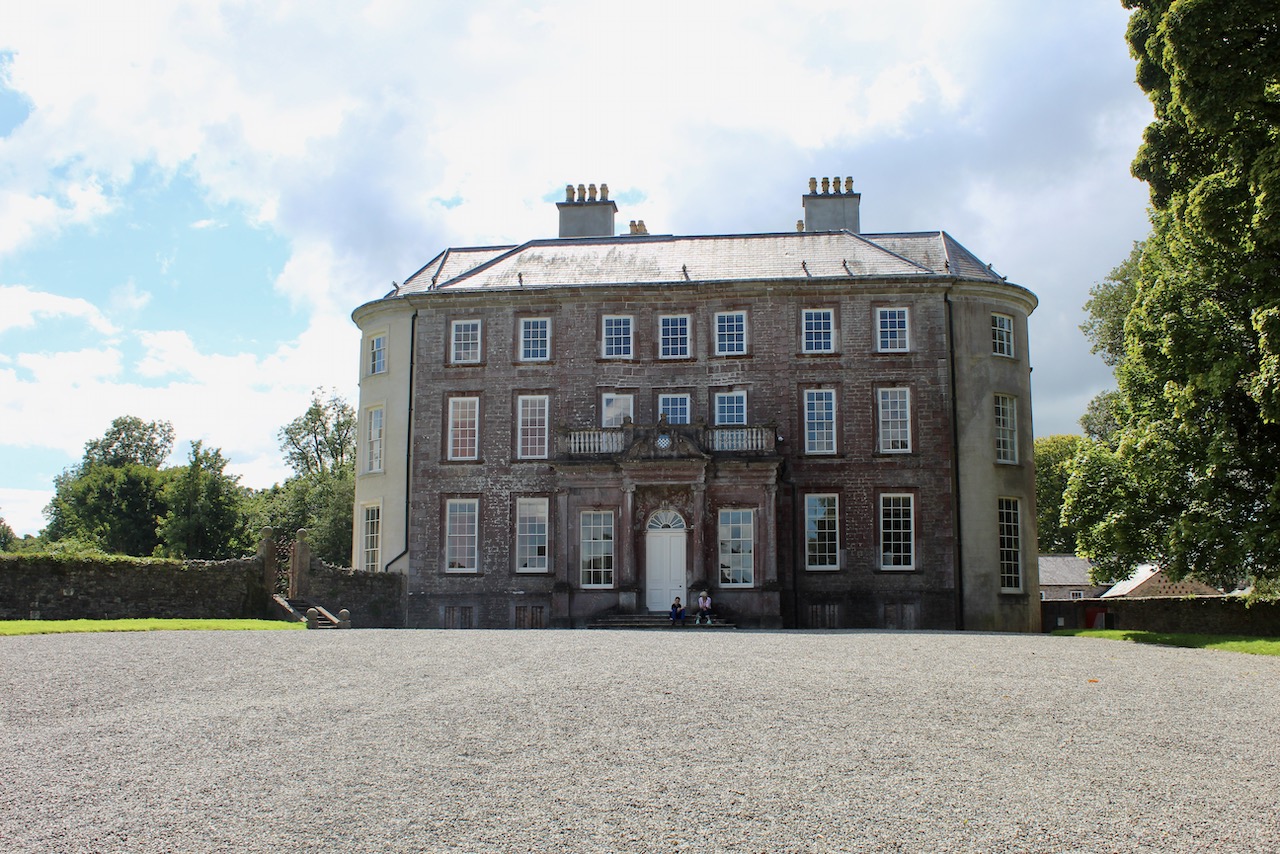
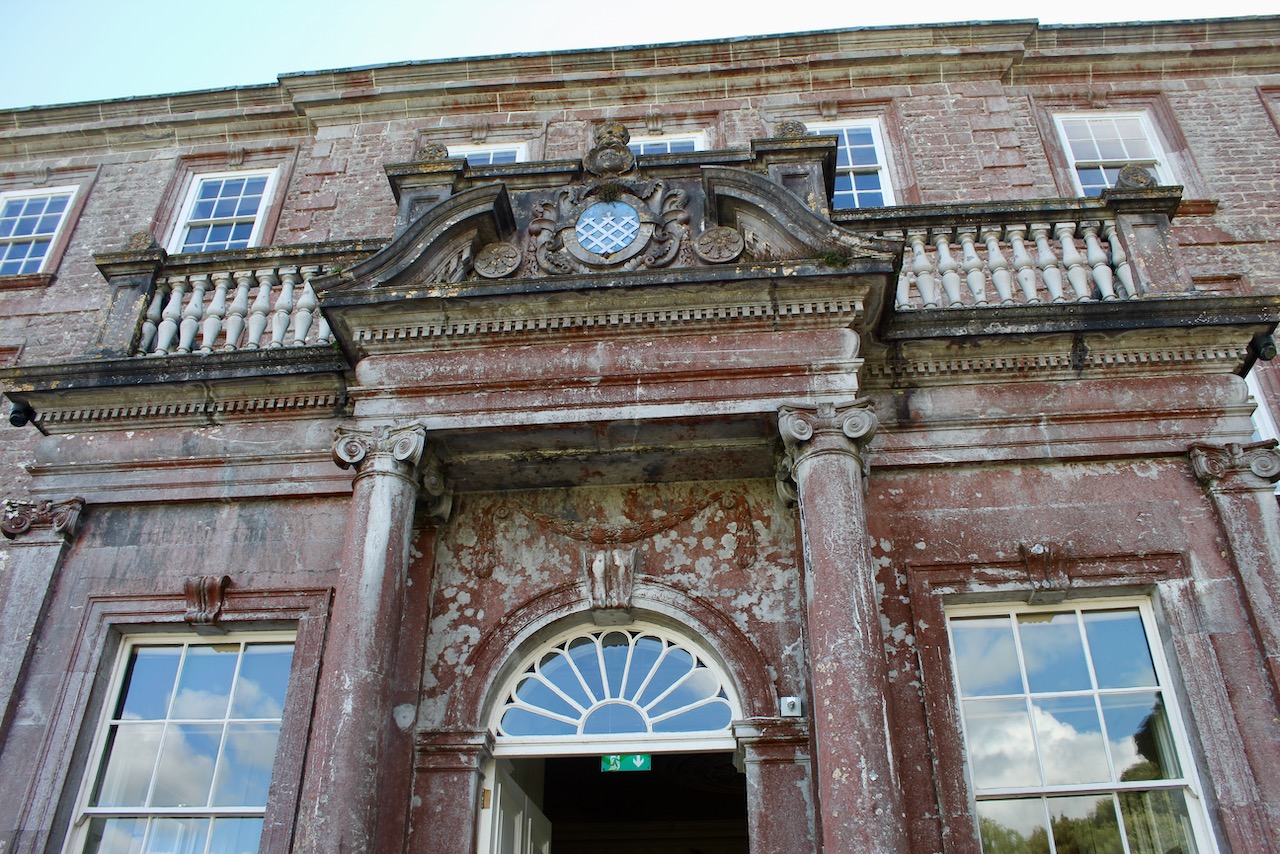
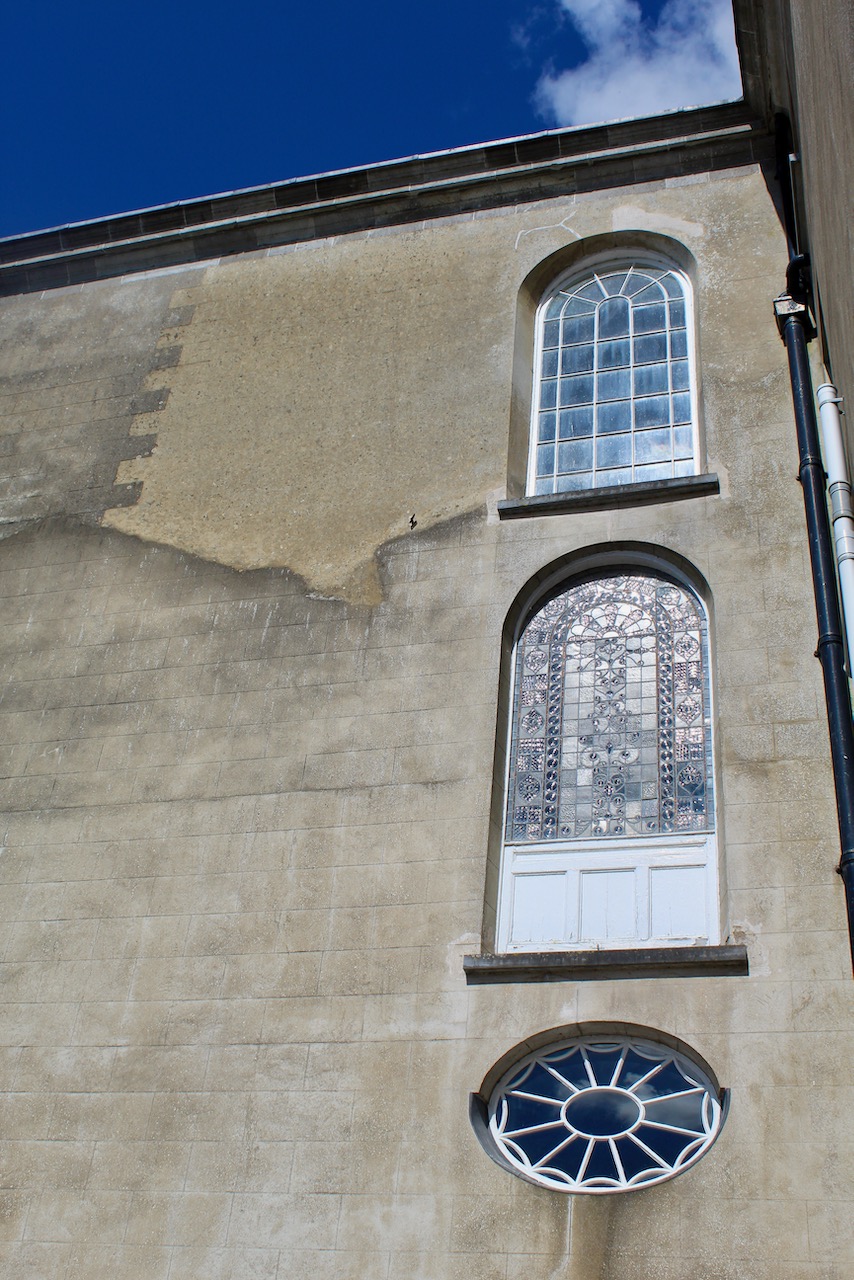
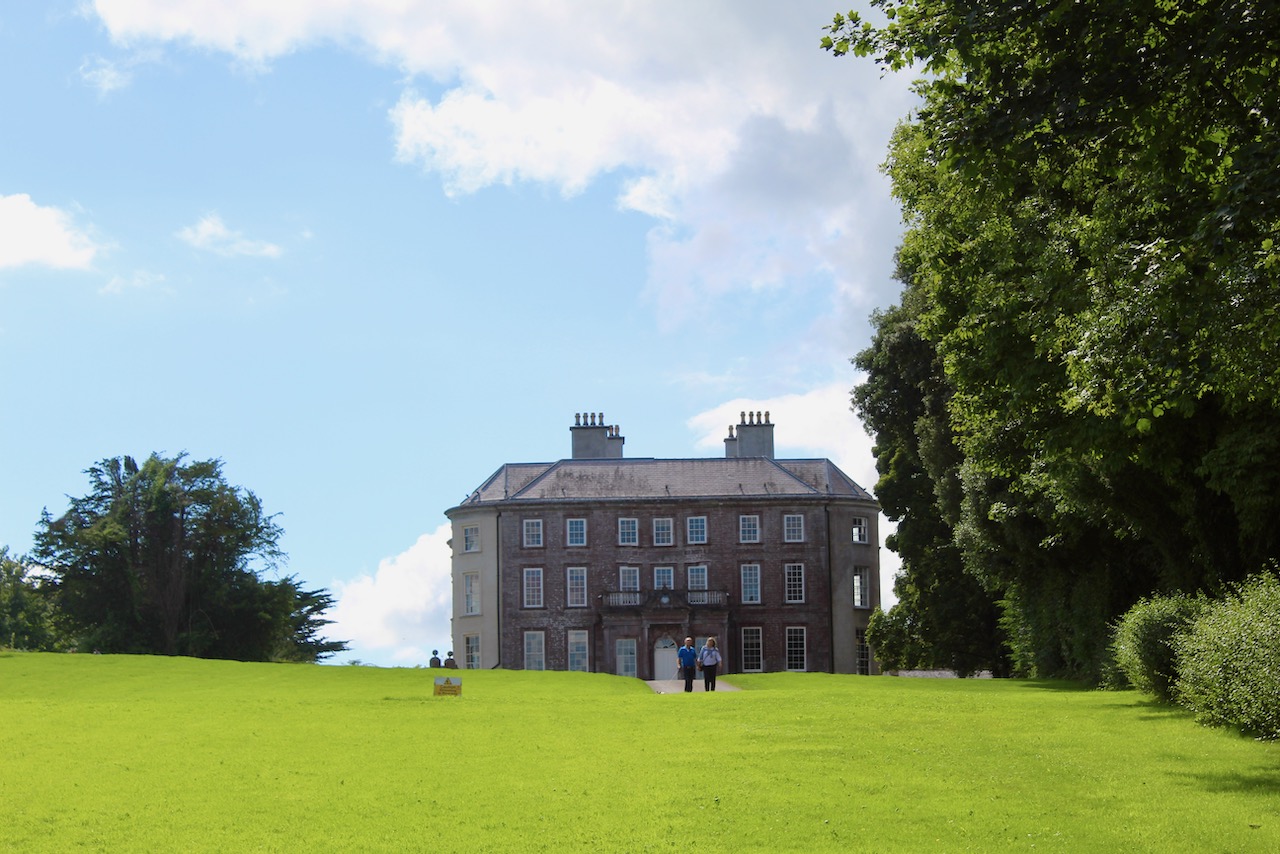
p. 225. (Aldworth/IFR) A fine early C18 house built for Richard Aldworth, MP, who married Hon Elizabeth St Leger, the woman Freemason; possibly to the design of one of the Rothery family of architects. The house was described (1750) as having “two regular fronts of hewn stone,” which it still has. They adjoin each ther, and are each of seven bays. The entrance front has a three bay recessed centre and a pedimented doorcase. The adjoining front has a three bay breakfront with superimposed pilasters, niches and an entablature between the two storeys which curves upwards in a Baroque manner. High pitched roof with solid parapet. For many years after being sold by the Aldworths, the house was owned by a religious order. At some period, the parapet was removed and the house re-roofed.”
The Buildings of Ireland. Cork City and County. Frank Keohane. Yale University Press: New Haven and London. 2020.
p. 21. After the Williamite wars, landowners had the confidence to invest in their property and improve their estates, building new houses and offices, and creating enclosed landscaped demesnes. Of the minor gentry, most aspired to nothing more than a house that was solidly built, symmetrical and convenient. At first, middling houses were unsophisticated in their form and planning, often only one room deep but sometimes having a return containing a staircase or service rooms, thus forming an L-plan or T-plan. Steep gable-ended roofs were almost universal, hipped roofs and the use of parapets the exception. This arrangement continued throughout the 18th century for gentry houses, and well into the C19 for larger farmhouses. Early examples include Ballinterry (Rathcormac), Velvetstown (Buttevant), Rosehill at Ballynacorra (Midleton) and Aghadoe at Killeagh.
Sometimes a double-pile plan was achieved by building a second, parallel range of rooms. In most early cases, each range had its own roof, so a pair of gables would be visible at the sides; covering both ranges [p. 22] with a single hipped roof would have stretched the abilities of most artisan builders before the later C18.
Most houses of this class are built of rubble stone, which was then roughcast; ashlar, or even squared and coursed masonry is almost never encountered other than at the largest houses, such as Doneraile Court and Newmarket Court. Similarly brick was rarely used, early exceptions beign the demolished Castle Bernard and its sister house, Palace Anne (Enniskean).
The Buildings of Ireland. Cork City and County. Frank Keohane. Yale University Press: New Haven and London. 2020.
p. 27. Of mid-C18 Palladian interiors, good representative examples with panelled dados, lugged architraves, fielded panelling and chunky cornices are found at Coole Abbey House, Assolas, Cloghroe, Kilshannig, and Blackrock House. Curiously, the heavy Palladian lugged architrave remained in use in the county long after it fell out of fashion elsewhere. At Lisnabrin, Dunkathel, Burton, Rockforest and Muckridge, the form is encountered in late C18 Neoclassical interiors, suggesting an innate conservatism among local joiners. The finest joinery in most houses is reserved for the staircase, and in many cases these have survived. The best early C18 staircases, at the Red House and Annes Grove, have alternating barley-twist and columnar balusters, big Corinthian newel posts, ramped handrails and carved tread-end brackets. Mount Alvernia (Mallow), Carrigrohane and Cloghroe all have good mid-C18 staircases of a similar type; that at Lota is exceptional in its use of mahogany and for its imperial plan. Good Neoclassical staircases, geometrical in form with delicate ironwork balustrades, survive at Maryborough, Newmarket Court and Castle Hyde; the destruction of those at Vernon Mount is a particularly sad loss.
The best early plasterwork is that of the Swiss-Italian brothers Paolo and Filippo Lafranchini at Riverstown, where highly sculptural late Baroque figurative ornament is applied to the walls and ceilings of the Saloon… Filippo alone decorated two rooms at Kilshannig, blending late Baroque figures with lighter acanthus arabesques and putti. Rococo plasterwork featuring scrolling acanthus and birds comparable to the Dublin school of the 1760s is encountered in the Saloon at Castlemartyr, and at Maryborough. At Laurentium (Doneraile) and the Old College (Youghal), it is rather more hesitant. For the most part, stucco workers remain anonymous, so it is a happy circumstance that Patrick Osborne’s accomplished work at the former Mansion House at Cork is recorded. He also probably worked at Lota, as well as at Castle Hyde. Good Neoclassical plasterwork in low relief and employing small-scale classical motifs of the type made fashionable by Robert Adam and James Wyatt is found at Maryborough, at Old Court House (Rochestown), and at the Old College and Loreto College at Youghal.
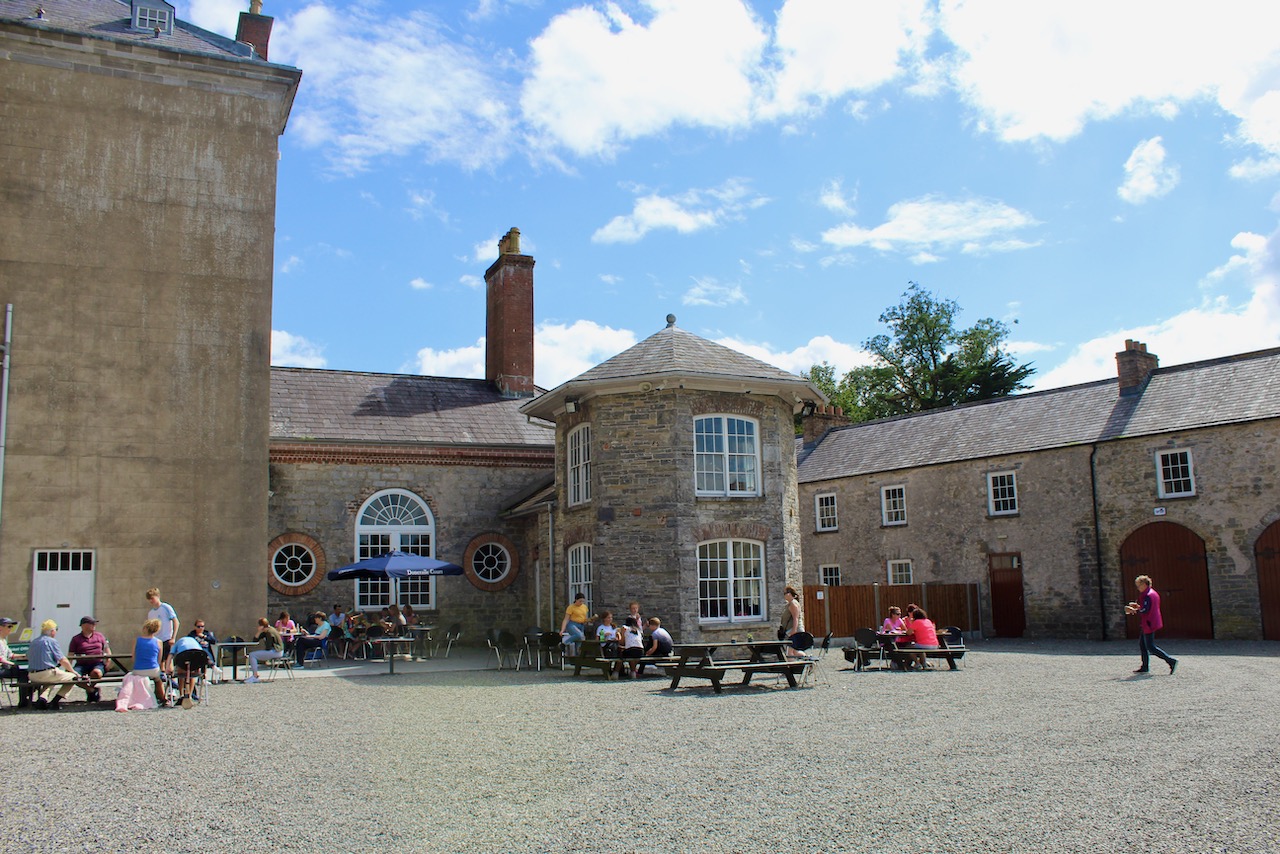
“Doneraile Court towers majestically over the glorious Doneraile Park, a 160-hectare landscaped parkland and wildlife estate.
“The house was built by the St Leger family around 1645 on the site of a ruined castle. By the time it was refurbished in the mid-eighteenth century it had become an outstanding example of Georgian architecture. Its associations range from links to the famous St Leger Stakes in horse racing and literature, with famous Irish writers such as Elizabeth Bowen. [A horse race took place in 1742 in which Edmund Burke and Cornelius O’Callaghan met a bet as to whose horse could cover the distance fastest between the church steeples of Buttevant and Doneraile. This gave rise to the term “steeplechasing.”]
“Thirteen generations of the St Leger family lived at Doneraile over three centuries. The family had some extraordinary members. For example, Elizabeth St Leger made history when she became the first woman Freemason in the world in 1712.“
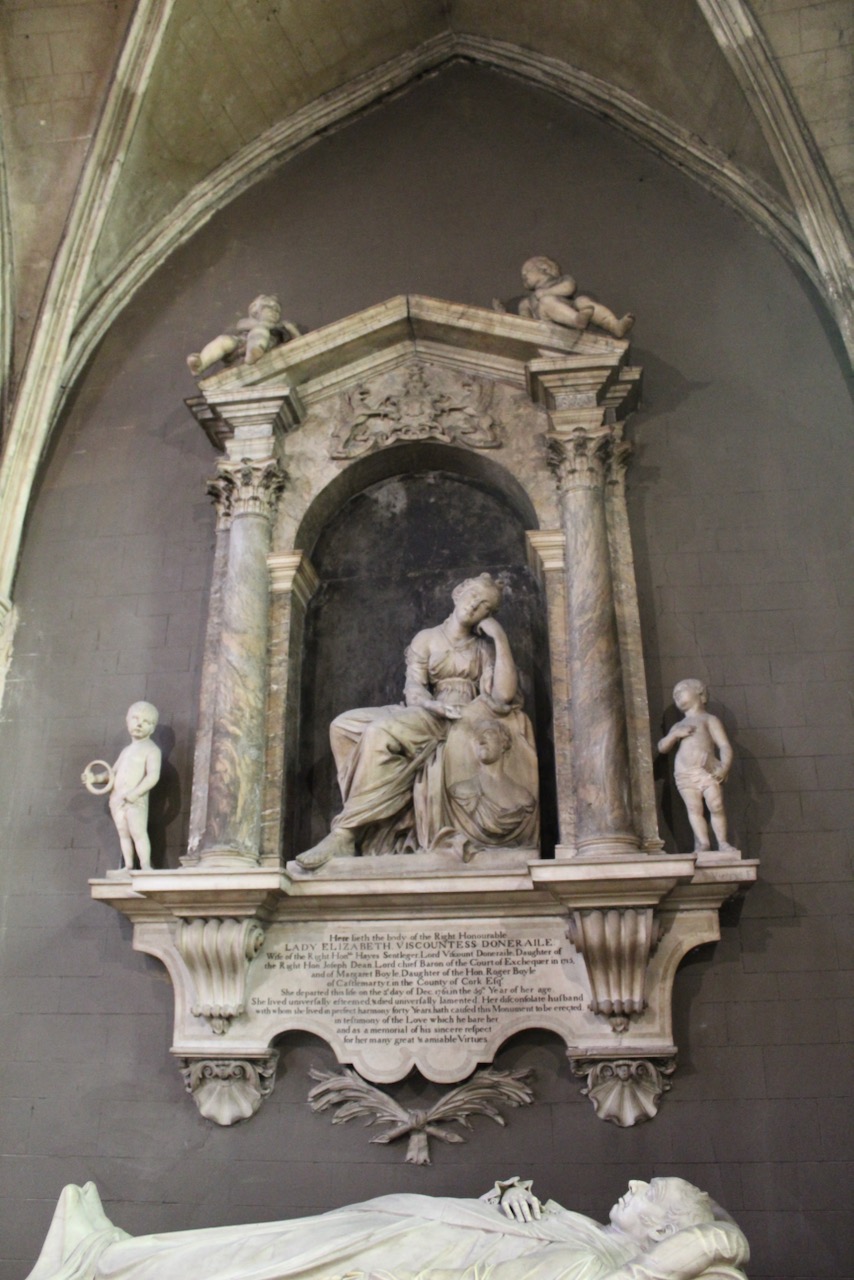
Elizabeth (1695-1772) was the daughter of Arthur St. Leger (1656-1727) 1st Viscount Doneraile. He was an active Freemason and sometimes hosted lodge meetings at his home. The story has it that Elizabeth fell asleep in the library, and woke to hear a secret Masonic ceremony taking place. When the Freemasons discovered that she had heard their secret, she had to be sworn in as a member in order to protect their privacy! She remained a member, as can be seen wearing Masonic symbols in portraits. She married Colonel Richard Aldworth, High Sheriff of County Cork.
The house remained in the hands of the St. Leger family until 1969. Following decades of care by the Irish Georgian Society, it passed to the Office of Public Works in 1994.
From the National Inventory of Architectural Heritage:
“Detached three-storey over half basement country house, built c. 1730, containing fabric of earlier house, built c. 1645. Possibly also incorporating fabric of medieval castle. Extended 1805, conservatory added 1825, extended 1869, and also incorporating other nineteenth-century additions.“
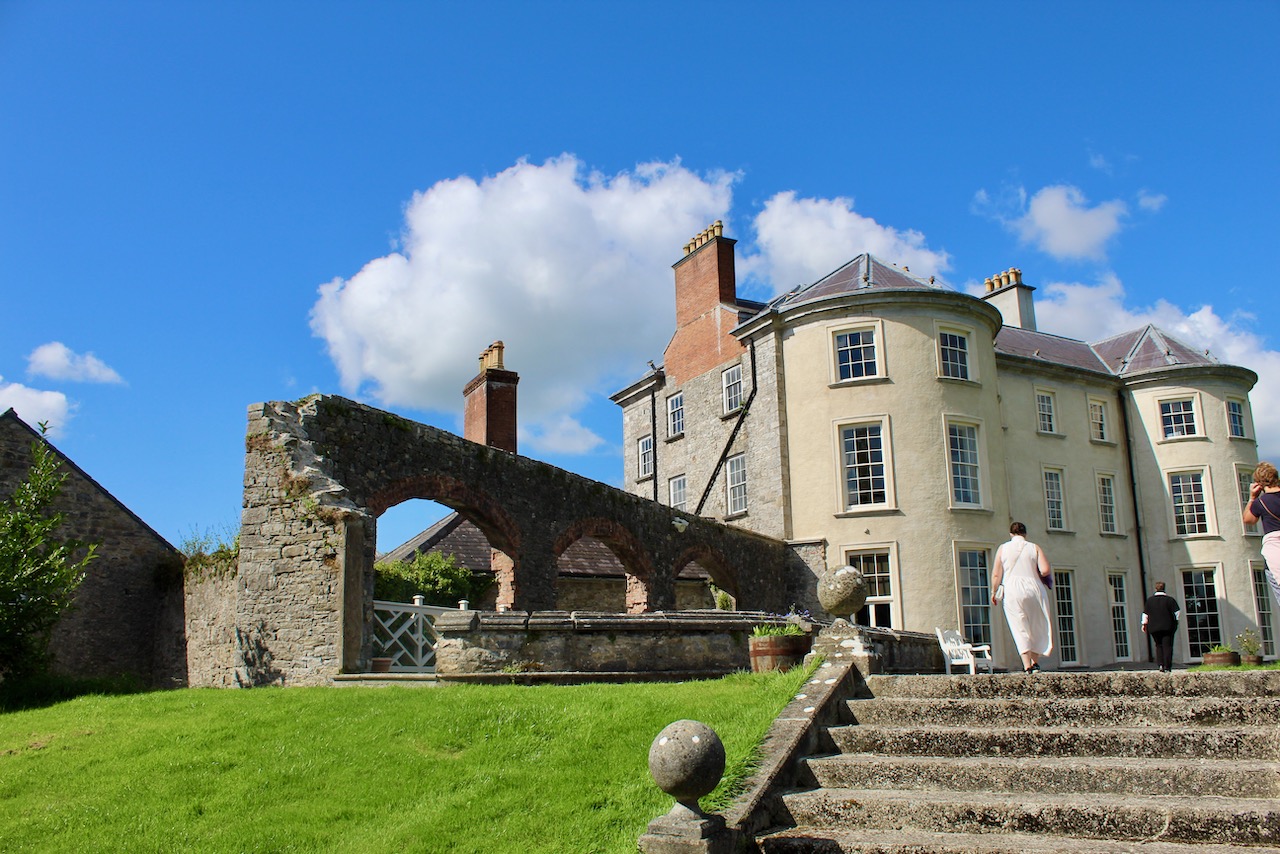
The 1730s work on the house was carried out for Arthur St. Leger, 2nd Viscount Doneraile (1694-1734). Mark Bence-Jones suggests that it was the work of architect Isaac Rothery, but Frank Keohane suggests it could have been Benjamin Crawley. [7] The bow-ended block on the left of the garden front was added 1756-58, payment was made for this to architect Thomas Roberts.
Doneraile Park is associated with the poet Edmund Spenser, who refers to the River Awbeg which flows through the park as the ‘gentle mulla’. The lands were bought by William St. Leger (1586-1642) from the Spensers. William St. Leger was a Privy Counsellor, Lord President of Munster in 1627, and MP for Cork County in 1634. In 1634 he was appointed Sergeant-Major-General in the Army, employed to fight against the rebels in Ireland. His father was Warham St. Leger, who was Commissioner of the Government of Munster in 1599.
Doneraile passed from William St. Leger to his son John (d. 1696). John married Mary, daughter of Arthur Chichester 1st Earl of Donegal. Arthur St. Leger (1656-1727) who became 1st Viscount Doneraile was their son. He too was a privy counsellor in Ireland and he was MP for Doneraile. He married Elizabeth Hayes and one of his sons was named “Hayes” (who eventually became the 4th Viscount Doneraile).
The 1st Viscount’s daughter Elizabeth married Richard Aldworth (1694-1776) and their son St. Leger (d. 1787), born St. Leger Aldworth, took the surname St. Leger to become St. Leger St. Leger and was created 1st Baron Doneraile in 1776. He was created 1st Viscount Doneraile of the 2nd creation in 1785.
Arthur St. Leger 1st Viscount’s son John was killed in a duel in 1741.
His son Arthur (circa 1695-1733/1734) succeeded at 2nd Viscount. The 2nd Viscount married Mary Mohun who gave birth to the 3rd Viscount Doneraile, Arthur Mohun St. Leger (1718-1750). He had no children, so the title passed to his uncle Hayes St. Leger (d. 1767), who became 4th Viscount Doneraile. He also died without issue and the title became extinct, until St. Leger St. Leger was created 1st Viscount Doneraile of the 2nd creation.
St. Leger St. Leger’s son was another Hayes St. Leger (1755-1818), 2nd Viscount Doneraile. He married Charlotte Bernard of Castle Bernard, County Cork.
The bow ends on the front facade were built when improvements were made by the Hayes St. Leger 2nd Viscount of the second creation (1755-1819), between 1804-1808. At this time a new kitchen was added to the back of the house along with a now-lost Gothic conservatory.
Hayes St. Leger 2nd Viscount of 2nd creation’s daughter Harriet married Richard Smyth (1796-1858) of Ballynatray in County Waterford (see my entry). Hayes’s heir was another Hayes St. Leger (1786-1854) who became 3rd Viscount Doneraile.
National Inventory Appraisal: “The artist who created the ornate plaster work to the interior is unknown, but was clearly highly skilled.“
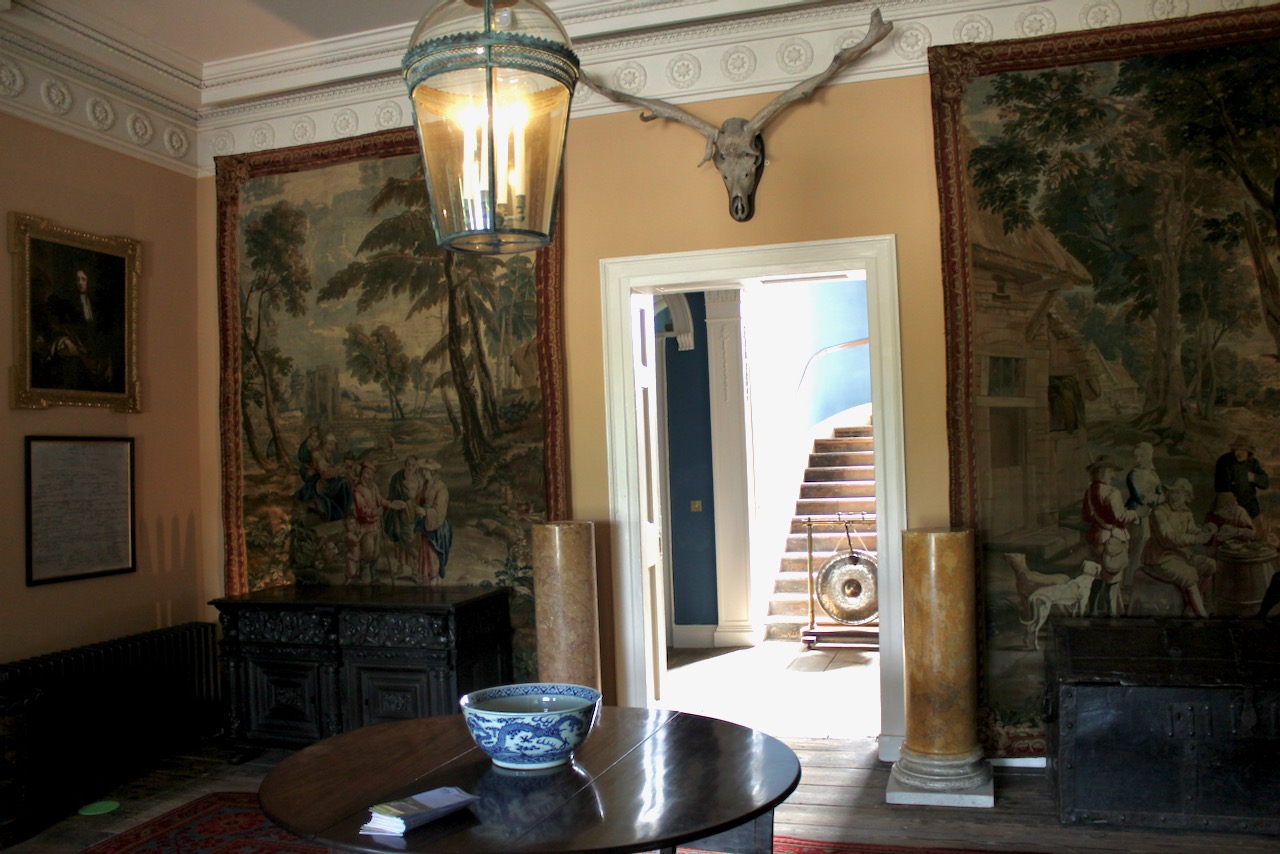
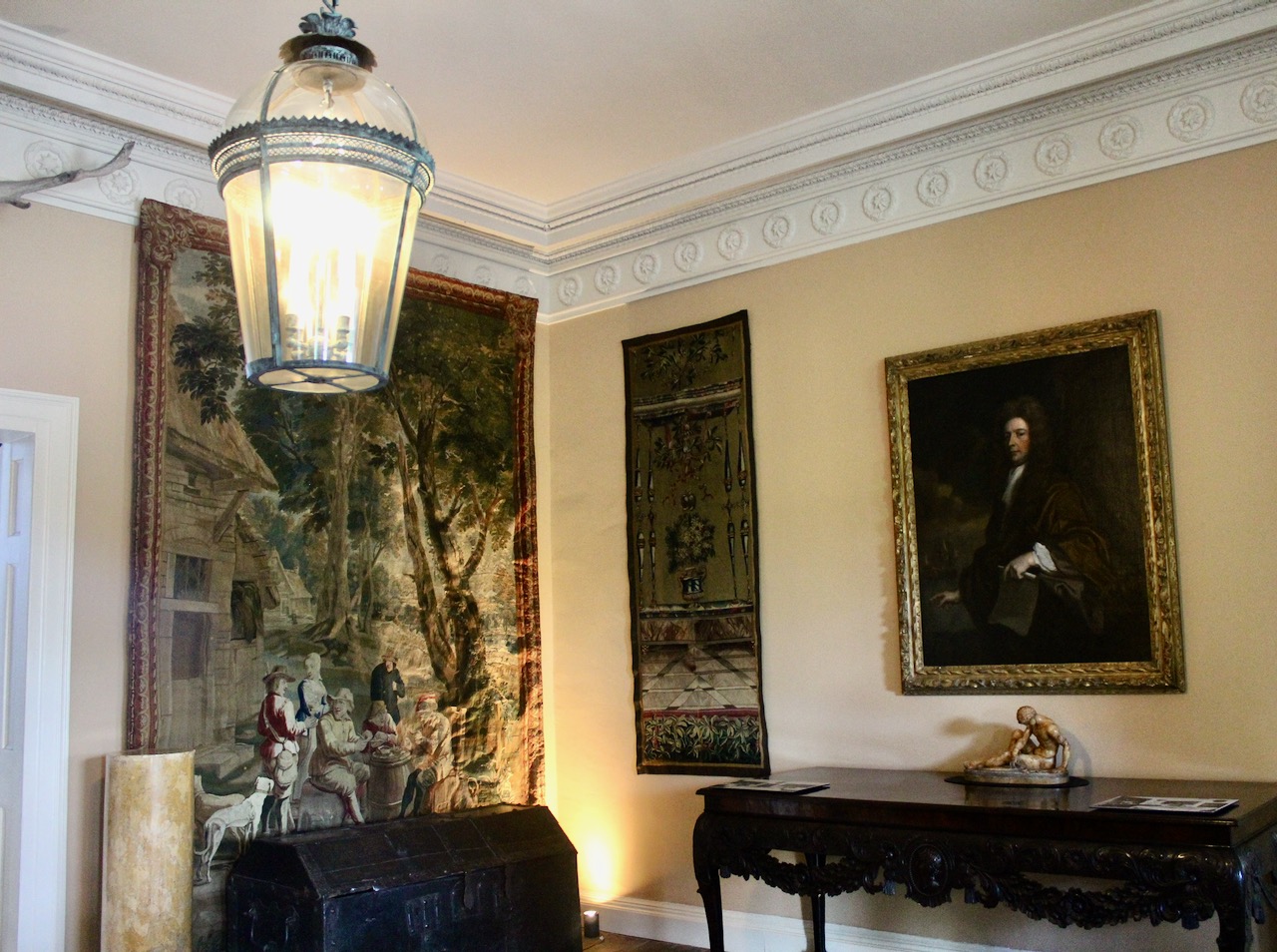
The Hall was remodelled in the 1820s, when it was extended into the new porch. It has a screen of paired Ionic pillars, a frieze decorated with rosettes and an acanthus ceiling rose. This would have been in the time of Hayes St. Leger (1786-1854) who became 3rd Viscount Doneraile. He married Charlotte Esther, daughter of Francis Bernard 1st Earl of Bandon, County Cork, and she gave birth to their heir, another Hayes St. Leger (1818-1887), 4th Viscount Doneraile.
Mark Bence-Jones writes in his A Guide to Irish Country Houses:
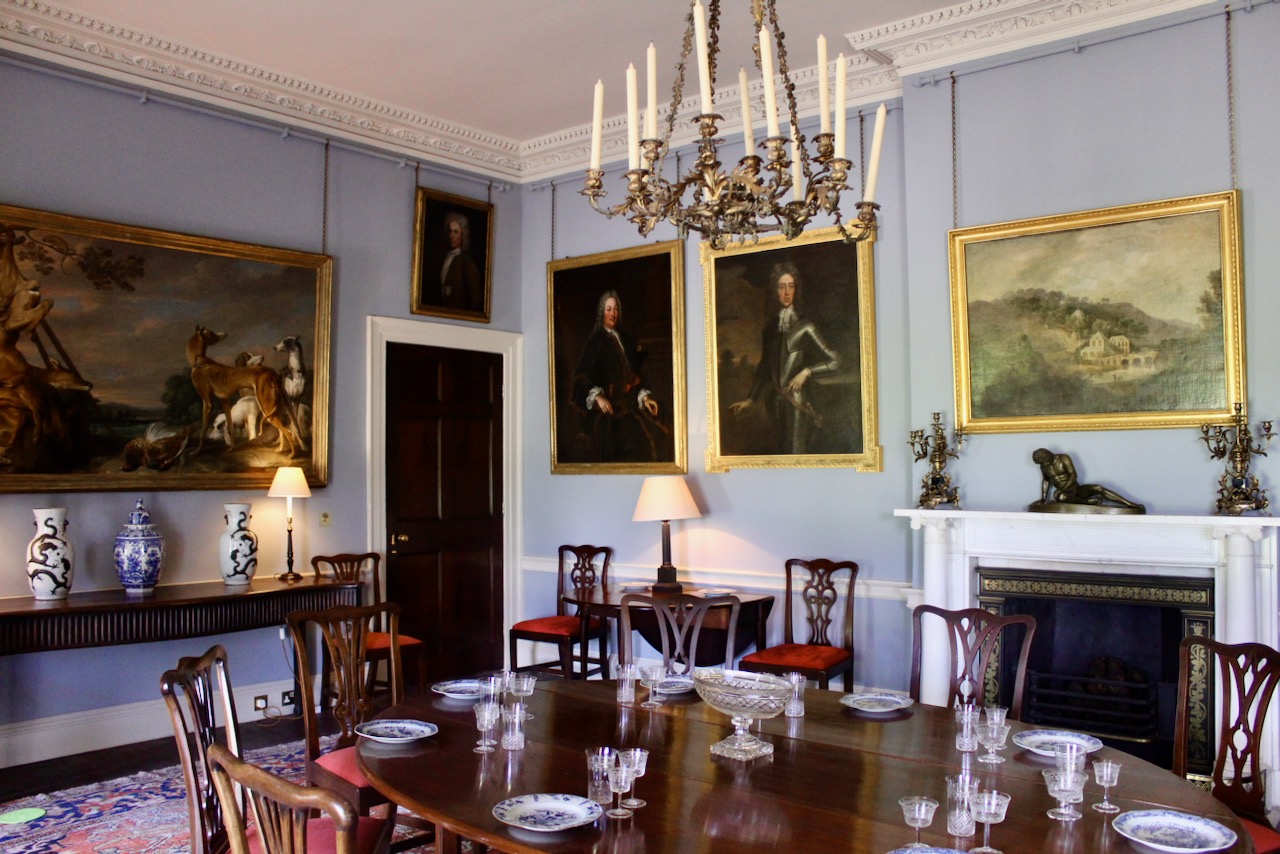
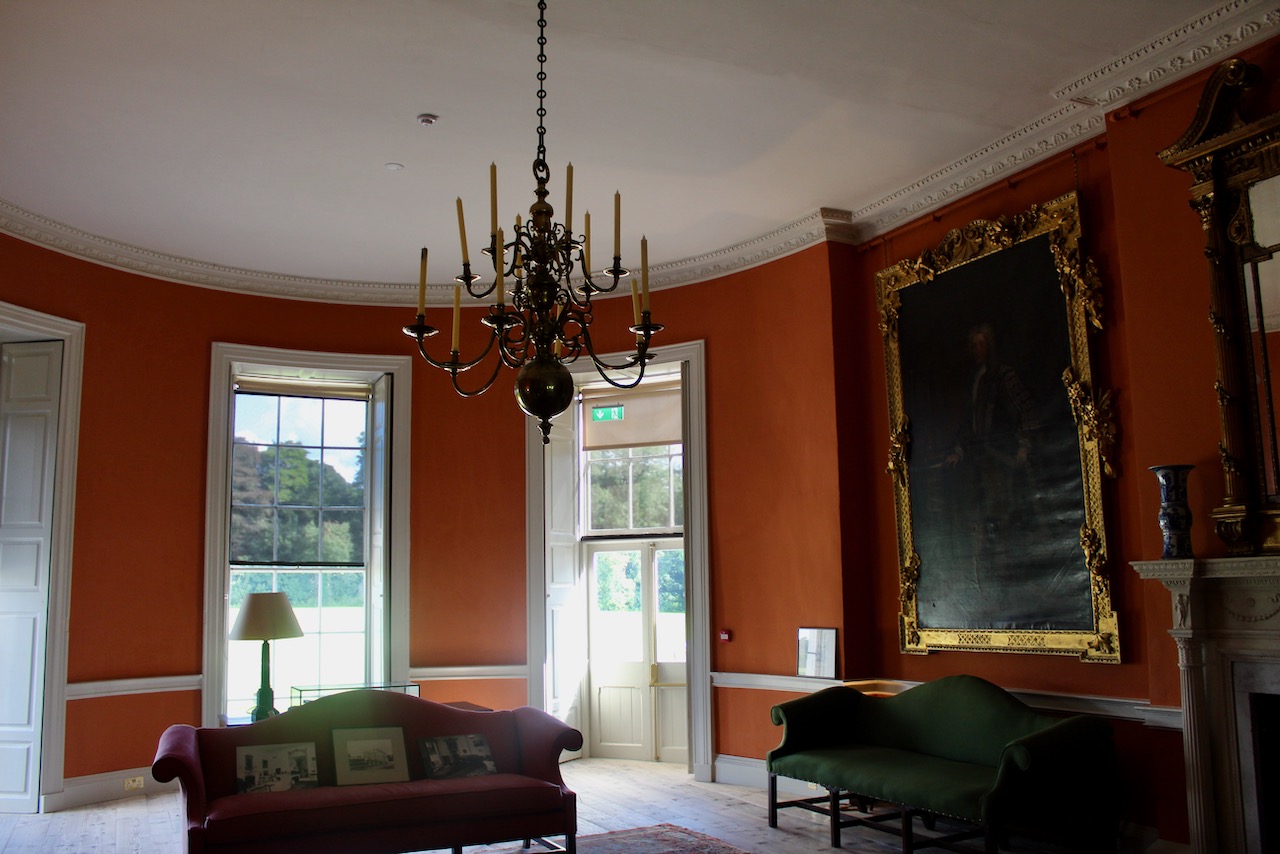
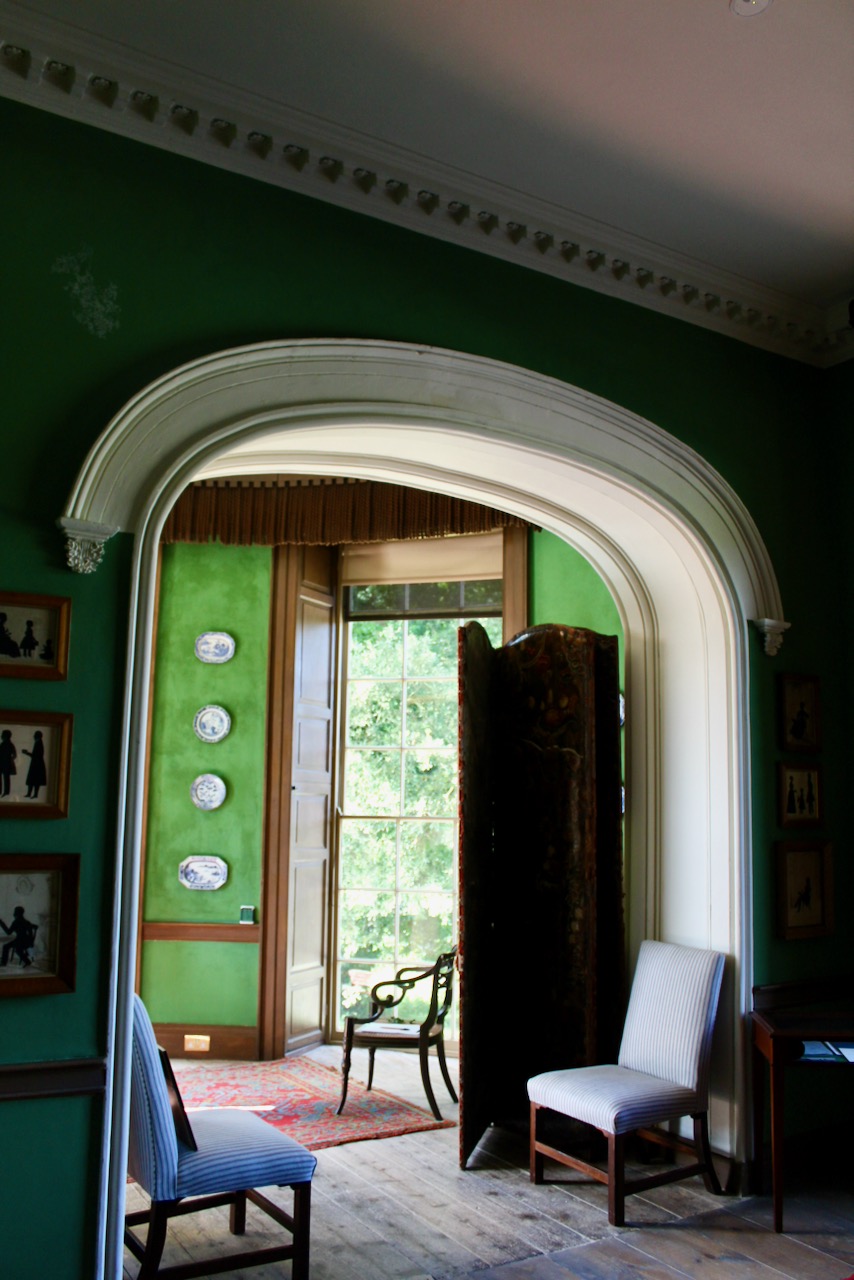
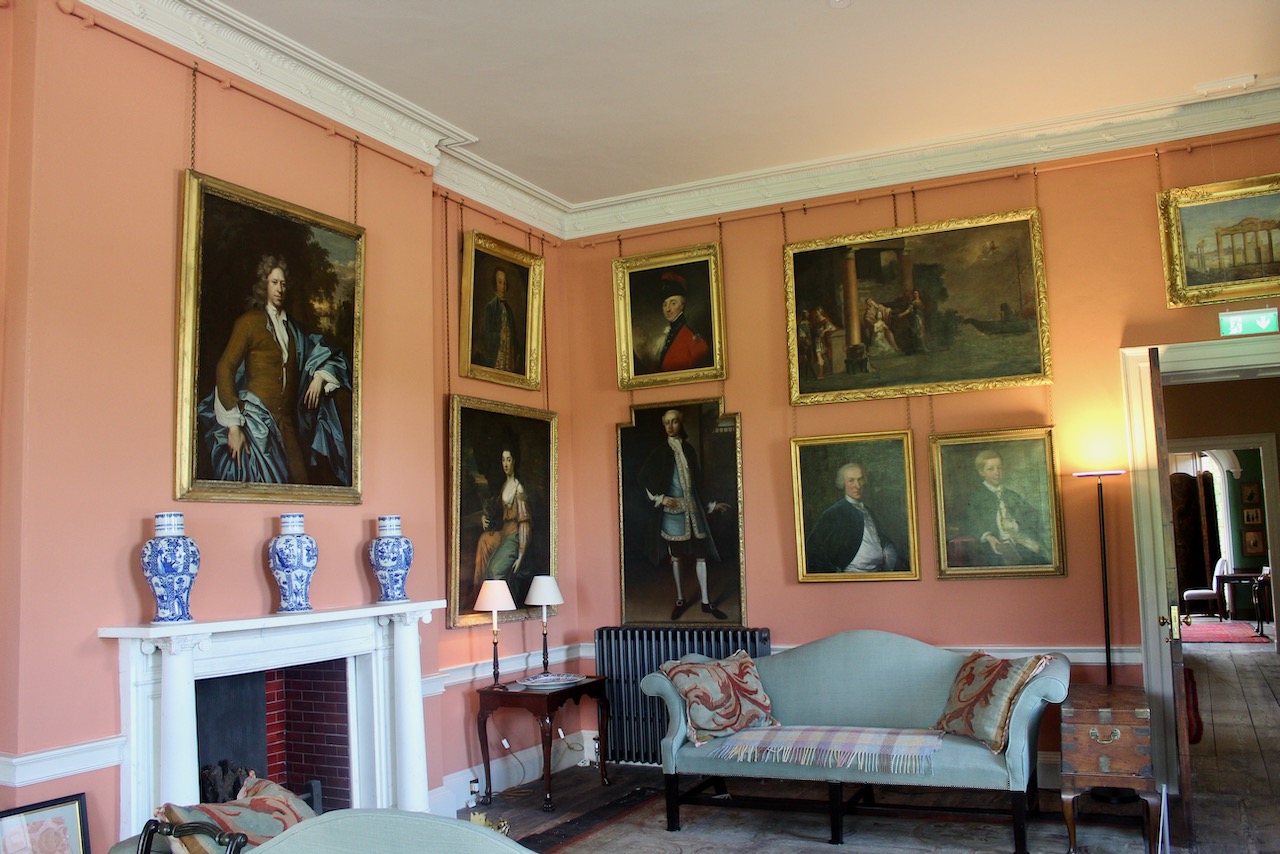
“…On the other side of the house, a wing containing a new dining room was added 1869 by 4th Viscount Doneraile of the later creation. At the back of the hall is an oval late-Georgian staircase hall in which a staircase with slender wooden balusters rises gracefully to the top of the house beneath of ceiling of Adamesque plasterwork. To the right of the staircase hall is one of the rooms of the original house, with a corner fireplace and fielded panelling; it was possibly in here that, ca 1713, Elizabeth St Leger was initiated as one of the only three women Freemasons in history, after she had been caught spying on a Lodge meeting held by her father. Behind this room was the vast and splendid dining room of 1869 which formerly had an immense mahogany sideboard in a mirrored alcove confronting a full-length portrait of the 4th Viscount with his favourite hunter. He was one of the greatest Victorian hunting men; ironically, he died of rabies through being bitten by a pet fox. The three drawing rooms on the other side of the house are early C19 in character and probably date from the reconstruction after the fire; they have simple but elegant friezes, overdoors with volutes and windows going right down to the floor. The long connection of the St Legers with Doneraile ended when Mary, Viscountess Doneraile died 1975. The garden, which boasts of a Lime Walk and a long “fishpond” or canal surviving from the original C18 layout, is now maintained by the Dept of Lands; as is the park, in which there is still a herd of red deer. The house, after standing empty for several years and becoming almost derelict, is in the process of being restored by the Irish Georgian Society, with a view to finding someone who would be willing to take it on. The 1869 dining room wing has been demolished.” [8]
From the National Inventory of Architectural Heritage: “Floating elliptical winder staircase with curved newel post and turned timber banisters. Timber treads with carved timber panels to side. Decorative render roses under stair. Ornate Adam-style ceiling with central ceiling rose and decorative fluted surround to stair ceiling.”
Hayes St. Leger (1818-1887), 4th Viscount Doneraile married Mary Ann Grace Louisa Lenox-Conyngham (d. 1907), daughter of George Lenox-Conyngham of Springhill. They had daughters, and the daugher Emily Ursula Clare lived in Doneraile until her death in 1927. She married Bernard Edward Barnaby Fitzpatrick, 2nd Baron Castletown of Upper Ossory, County Laois.
The last member of the St. Leger family to live at Doneraile was Mary, Viscountess Doneraile, who died in 1975. She was the wife of the 5th Viscount, Richard Arthur St. Leger (1825-1891). He was the son of Reverend Richard Thomas Arthur St. Leger (1790-1875), who was the son of Colonel Hon. Richard St. Leger (1756-1840) who was the son of St. Leger St. Leger, 1st Viscount Doneraile of the 2nd creation.
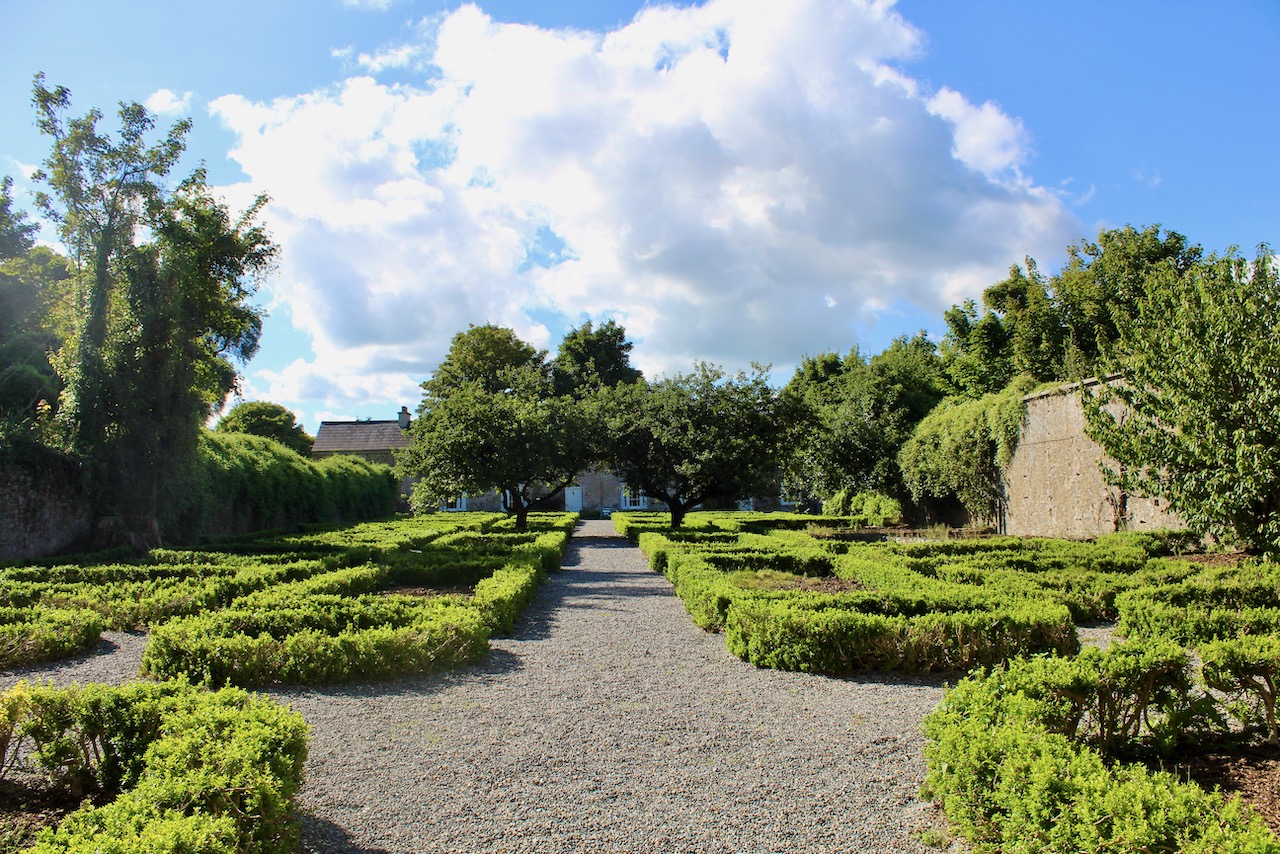
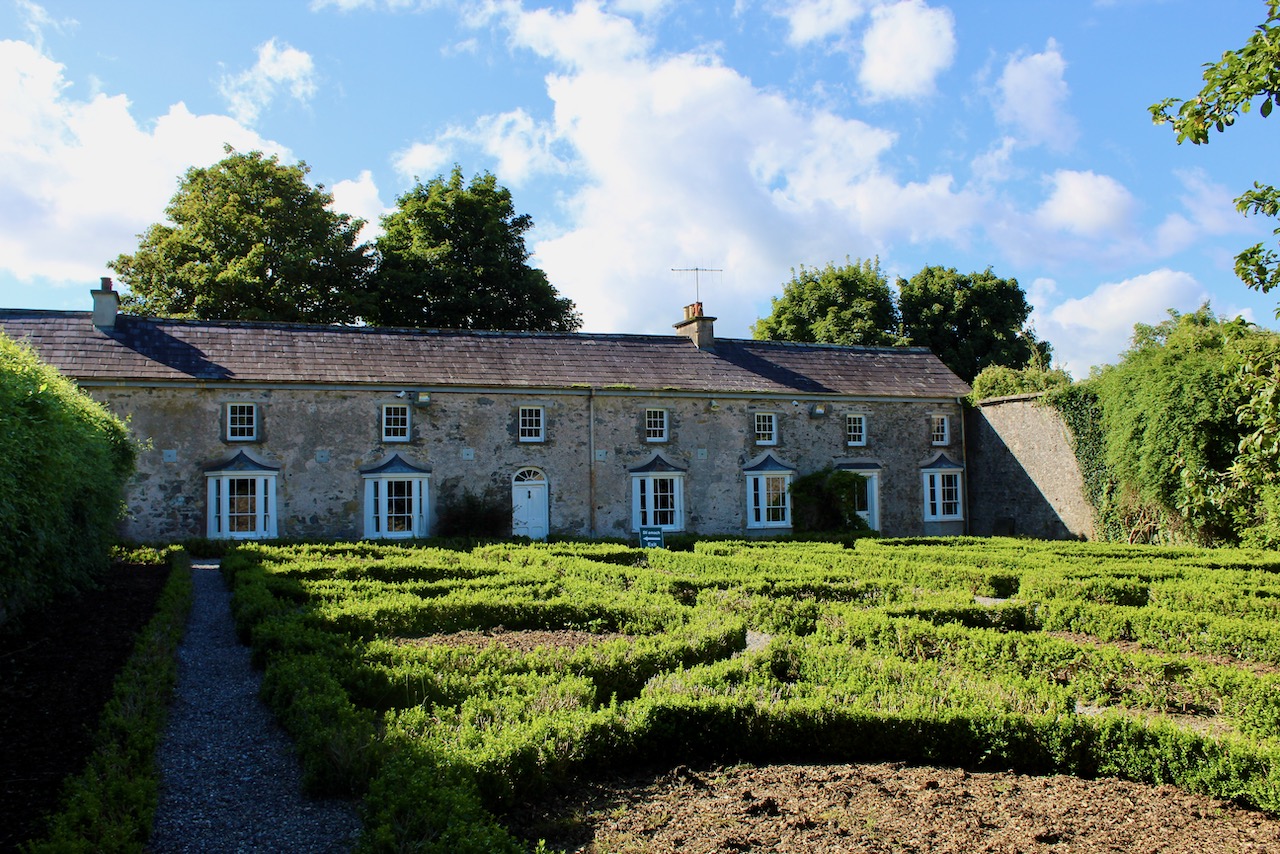
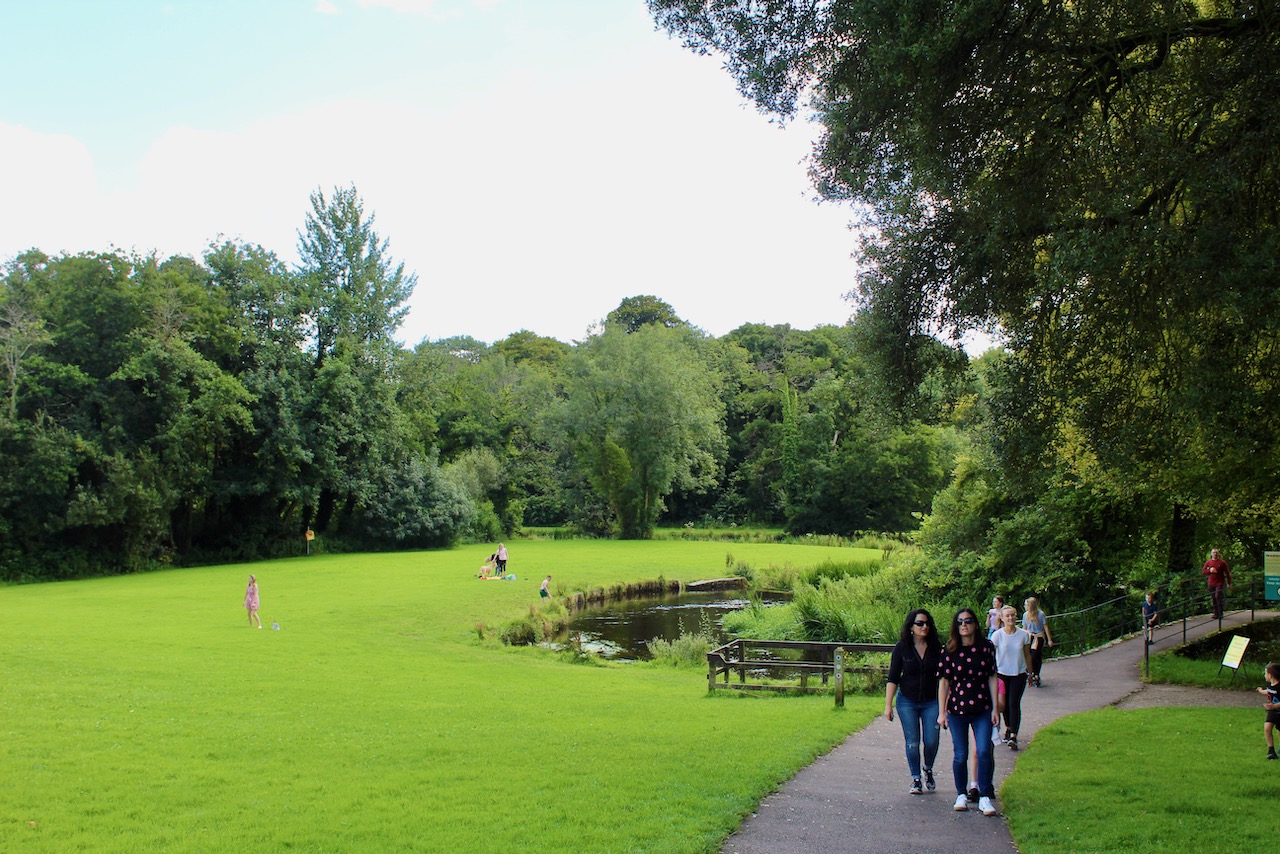
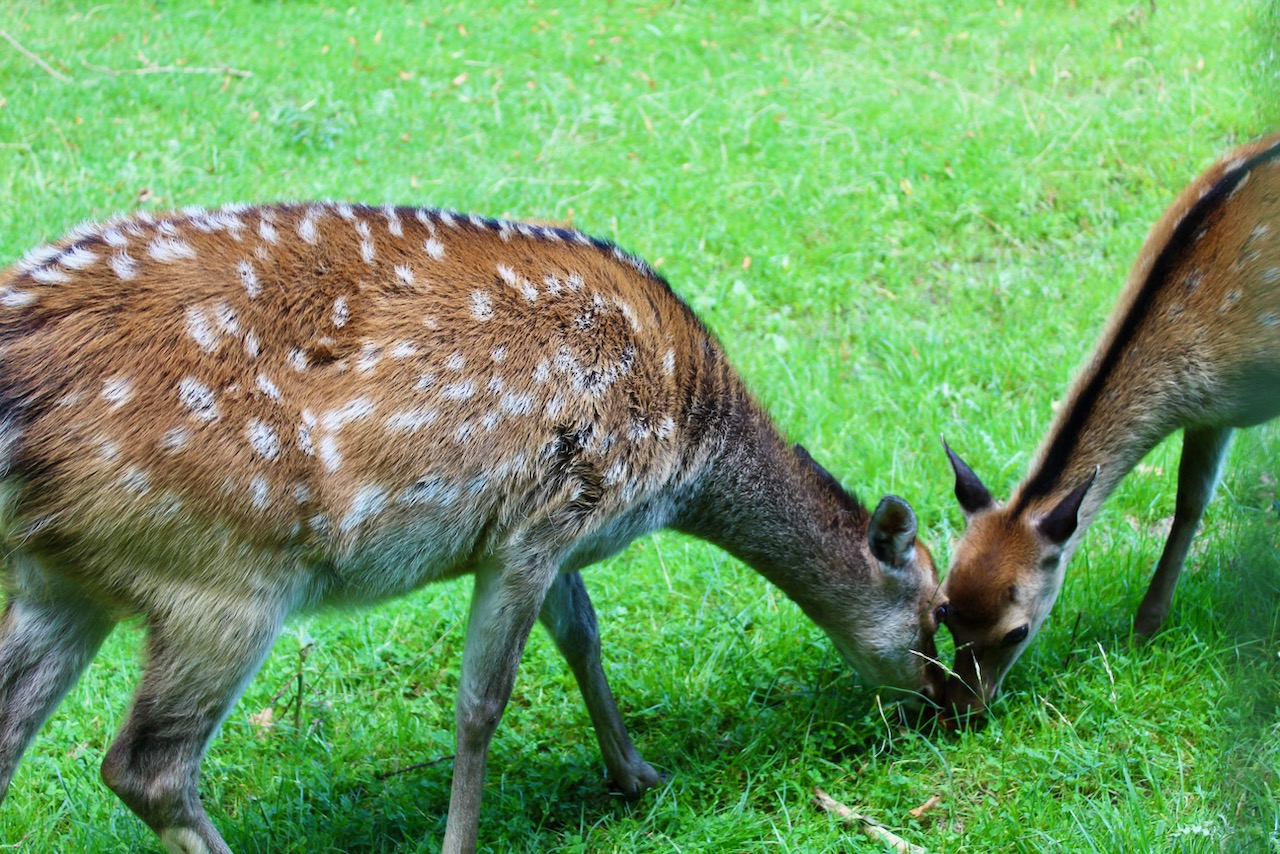
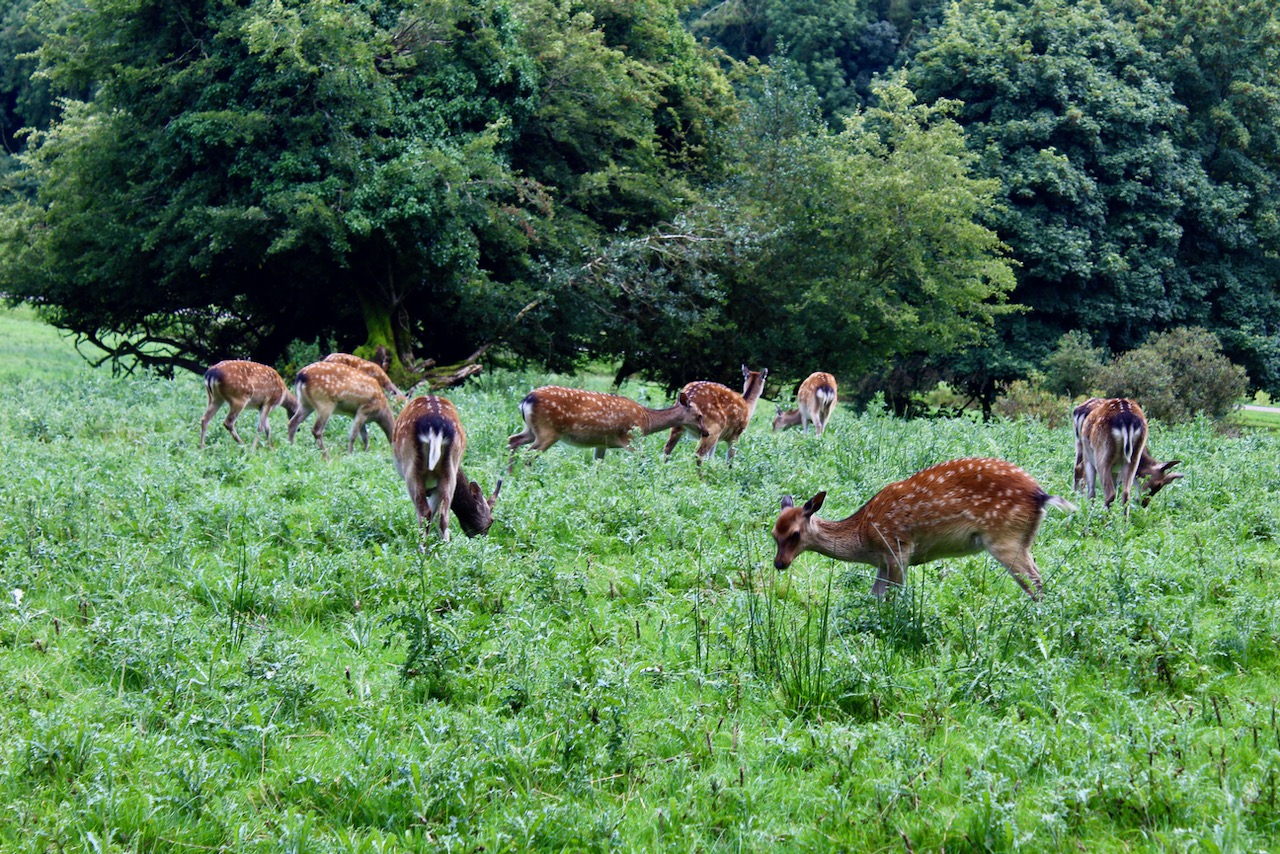
The website tells us: “The fine parklands are designed in the naturalistic style of the famous Capability Brown. They include many beautiful water features, plus a parterre walled garden and gardeners’ cottages. There are numerous pathways and graded walks. Lucky visitors might just spot some of the red deer, fallow deer, sika deer and Kerry cattle that live on the estate.” [1]










 Irish Historic Houses