Sherwood Park, Ballon, [Bence-Jones says Tullow] Co Carlow
Sherwood Park House, Kilbride, Ballon, Co. Carlow courtesy Will Coonan Estate Agent.
Bence-Jones, Mark. A Guide to Irish Country Houses (originally published as Burke’s Guide to Country Houses volume 1 Ireland by Burke’s Peerage Ltd. 1978); Revised edition 1988, Constable and Company Ltd, London.
Detached five-bay two-storey over basement Classical style house with dormer attic, c. 1750, with ashlar façade having pedimented breakfront with Gibbsian doorcase, sidelights, Venetian and lunette window openings to upper floors, slate-hung side and rear elevations and gable ends. Now in use as guesthouse. Detached Palladian style flanking wings. Interior retains original joinery. Gateway comprising piers with urns having gates.
Gateway, c. 1750, comprising cut stone piers with urn finials having decorative wrought iron gates.
Record of Protected Structures:
Sherwood Park, Ballon. Townland: Sherwood Park
Sherwood Park is an important, Palladian composition of circa 1750, with a house flanked by barns. The façade is of five bays and two storeys over a basement, of granite ashlar with a pedimented breakfront, pedimented doorcase with a blocked architrave and the original raised, fielded panel door, sidelights which are the same height as the other windows on the ground floor, Venetian grouping on the first floor and a small, half-moon window in the pediment. The windows have late-19th century sashes with large panes of glass. The façade has raised coigns and a cornice. The house has a high basement and high ceilings thereby giving the façade noble proportions. The rere façade and the East, gable walls are slate hung. The roof is high pitched and has end stacks which are cemented and cut down from their original height. The wings are built of coursed-rubble stone with small stones fitted between the larger stones for decorative effect. They are of three bays with blank Venetian windows in the centre, blank oculi and blank windows. The wings have recently been reroofed
By Jimmy O’Toole quoted from his book ‘The Carlow Gentry’ p. 19 Jimmy O’Toole, The Carlow Gentry: What will the neighbours say! Published by Jimmy O’Toole, Carlow, Ireland, 1993. Printed by Leinster Leader Ltd, Naas, Kildare.
A period Georgian residence built circa 1700 [1750?] by Arthur Bailie. Robert Baillie had an all-consuming passion for acceptance as a country squire. From a financial base created through a successful business, he set his sights on establishing a seat in the country, and along the way, he hoped to win the approval and respect of the upper echelons of the gentry’, through a no less august body than the members of the two houses of parliament in Dublin. It was a grand plan that went seriously wrong. Baillie ended up in bankruptcy and the family moved to live in County Carlow where his youngest son, Arthur, financed the building of Sherwood Park, with a combined dowry and legacy of £450 left to his wife.
The Baillie story started in Dublin where the family had a prosperous upholstery business in Abbey Street and Capel Street. William Conolly had a fine town house in Capel Street which he occupied while the Castletown mansion was being built on the estate bought by the Conollys in 1709. As a result of their acquaintance in the city, Baillie decided, around 1718, to rent property from Conolly in Celbridge and, by 1720, Robert had completed the building of his new country home, Kildrought House. He was regarded as one of the estate’s most improving tenants, and eventually became middleman on several pieces of land and houses in the area.
William Conolly was impressed with the enterprise and success of his new tenant, and when Baillic decided to ask his landlord, then Speaker of the Irish House of Commons, to support a proposal that he be given a commission for six tapestries for the new parliament building then under construction, he was confident his proposal would win Government approval. On 4th April, 1728. the commission was approved for two tapestries, depicting the Battle of the Boyne and the Siege of Derry. The quoted price of £3 each – not a great deal even in those days – was based on an understanding that Baillie would get the contract to furnish the new building. He was given four years to complete the tapestries, a commission it seems that had more to do with prestige than profits.
Bureaucracy got to work (a contradiction in terms), and two years later. Robert was still waiting for the dimensions of the two pieces. At the same time, costs were mounting because he had engaged the services of designer Johann van der Hagen, a landscape, marine and scene painter working in Dublin, and weaver John van Beaver. Eventually, the tapestries were completed and placed in position on 10th September, 1733, in the House of Lords, where they can still be seen. Financially, the project was a fiasco. Baillie did not get the contract for the furniture, and in lieu of reducing the number of tapestries from six to two, the M.P.s voted an additional payment of £200. The final balance of £136.6s.3d was not paid until September, 1735.
Within five years, Baillie was facing financial difficulties, and by 1749, after several judgements had been obtained against him, he had sold Kildrought House, and some of his land to Dublin brewer Thomas Welsh for £300. The family then moved to Carlow, where in 1751, Arthur Baillie leased 1,402 acres at Kilbride from John Palmer of St. Ultan-in-the-Fields, Middlesex, for an annual rent of £70, and on a renewable 21-year-lease. In 1753, Arthur married Williamina Katherina Finey, daughter of his next door neighbour in Celbridge, George Finey, who was Conolly’s agent. When Mrs. Katherine Conolly died in 1752, she left Williamina a legacy of £150; her father died the same year leaving her £300. It was to his youngest son that the task of sorting out Robert Baillie’s financial affairs fell. Robert died in 1761, and his wife Suzanna died in 1767.
On his Sherwood Park estate, The Freeman’s Journal reported that Arthur Baillie was a vast improver and employed a greater number of poor folk than any other gentleman in that county. His employees proclaimed him to be a kind master and a most fair magistrate. Matters in dispute were for the most part amicably settled before the disputing parties left the yard. Williamina also got the approval of the ‘Journal’ – “Mrs. Baillie is a fine woman, abounding with every generous and sympathetic virtue, and is avowedly allowed to be the standard of politeness; none of that stupid insipid ceremony prevails.”
Two of Robert Baillies five sons, Richard and William, pursued military careers. But it was as a result of his hobby as an engraver that Captain William Baillie won international fame. The second eldest of the family, William, born 5th June, 1723, was eighteen when he entered the Middle Temple in London to study law, but he dropped out after a short time and accepted a commission in the army, against his father’s wishes. He fought as an ensign in the 13th Regiment of Foot at the Battle of Culloden; he served in Germany and in 1756, he was a captain in the 51st Regiment of Foot at the Battle of Minden. In failing health, he later sold his army commission and took the office of Commissioner of Stamps, a post from which he retired in 1795.
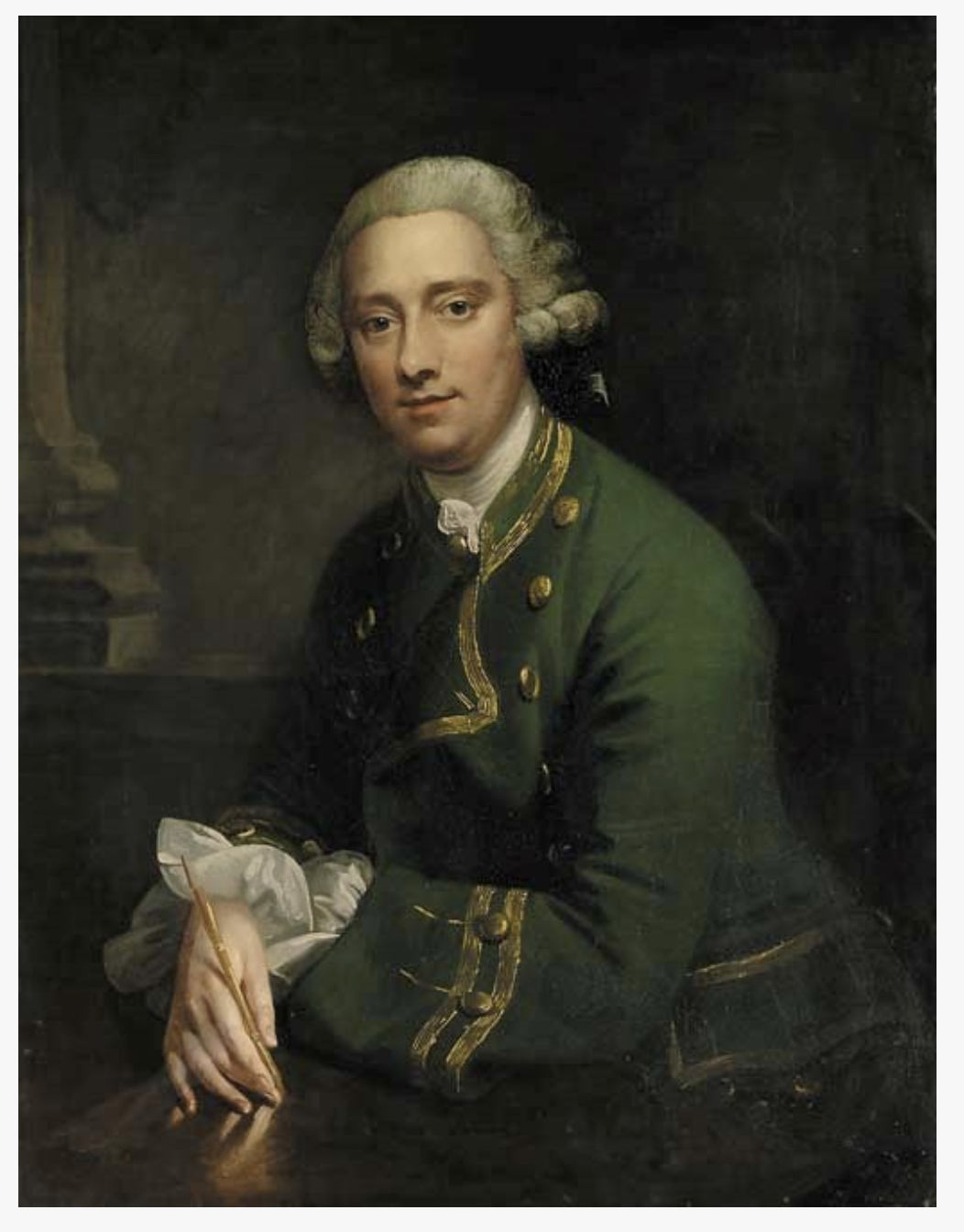
Captain William Baillie (1723-1810), engraver William Baillie, after Nathaniel Hone the Elder, courtesy of National Gallery of Ireland.
In an article in Carloviana in 1969, Hilary Pyle said Baillie seemed to have regarded himself as an amateur, and undertook his work through sheer enthusiasm and without any pretensions to genius. He even described his engravings on his book-plate as “amusements of Captain Will Baillie”. He published over one hundred plates, including engravings depicting the works of such masters as Rembrandt. Frans Hals, and Rubens. He died at his Lisson Green home in Paddington, London, on 22nd December. 1810, at the age of eighty-eight.
A large part of the Baillie estate was sold in 1833, to George Rous K’eogh. following the death of Mrs. Jane Baillie, widow of George Baillie, who died in 1827. In the 1871 census, a John M. Bailey (presumably a descendant) was listed as owning 603 acres at Sherwood Park. Another variation on the spelling of the name was Bayly. The house and part of the land was sold about 1890 to the Webster family, who lived there until the late 1960s. After a year in the ownership of the Crowley family, Sherwood Park was sold to its present owners. Paddy and Maureen Owens
For sale Sept 2022
AMV €1,950,000
Sherwood Park House, Kilbride, on approx. 90 acres, Ballon, Co. Carlow
Eircode: R93 W3F6
Sherwood Park House, Kilbride, Ballon, Co. Carlow courtesy Will Coonan Estate Agent.Sherwood Park House, Kilbride, Ballon, Co. Carlow courtesy Will Coonan Estate Agent.Sherwood Park House, Kilbride, Ballon, Co. Carlow courtesy Will Coonan Estate Agent.
A stunning Georgian three storey over basement period property approached through a significant gated entrance on approx. 90 acres with extensive road frontage of over 1km � Beautiful views over the rolling parklands towards Altamont Gardens � Sherwood Park House is in a delightful private setting, well set back off the road through a fabulous entrance � The lands spilt by a public road, are of top quality with extensive road frontage and are mainly in tillage � It is a perfect hideaway from city life, and yet remarkably close to all the amenities of Dublin and its surrounds Type of Transaction For Sale by Public Auction Thursday, 20th October 2022 at 3pm at the Mount Wolseley Hotel, Tullow, Co. Carlow and will be offered in the following lots: � Lot 1 – Period residence and yard on approx. 16 acres (6.5 ha) – Excess 800,000 � Lot 2 – Derelict cottage on approx. 74 acres (29.9 ha) – Excess 1,150,000 � Lot 3 – The entire on approx. 90 acres (36.4 ha) – Excess 1,950,000 Description Sherwood Park House is an enchanting period property which is nestled in a rural location that offers stunning views of the County Carlow countryside. It is a detached five-bay, three-storey over basement property brimming with original features and steeped in history. It was built c. 1750 by Arthur Baillie, a Kildare man and son of renowned Robert Baillie, whose tapestries depicting the Battle of the Boyne and the Siege of Derry have hung in Parliament House in Dublin’s College Green for centuries. He was also the brother of William Baillie, an engraver considered one of the most accomplished of his time. Ingenuity, creativity, and good taste ran in the Baille family, and nobody could disagree once they cross the threshold of Sherwood Park House. This classical beauty is approached via a tree lined gravel drive and proudly sits in all its Palladian glory. The symmetrical style of architecture was very popular in the mid 1700’s and gives the property a noble appearance. Once you step into the main entrance hall however, what greets you is a beautiful, warm, and luxurious home. The feature staircase is the first thing to greet you and is a fine example of what is to come. The property has lofty ceilings throughout. Sash windows, cast iron fireplaces and original joinery are also to be found, as are picture rails, paneled archways, and cornicing. The list is plentiful and makes for a phenomenal listing. Accommodation itself in Sherwood Park House is superb. There is a large drawing room, dining room, breakfast room, kitchen, and utility. There are also five extremely generous bedrooms in all and a host of bathrooms available. The basement has good ceiling height, in keeping with the style of the property and is divided into five separate rooms. There is so much choice in this property you may need to take a minute. If you do, we suggest the feature landing on the first floor, which has views for miles across the landscape and is truly formidable. Outside the property there is a beautiful garden with lawn. There are two yards to the rear with various outhouses. This breathtaking residence offers a real chance to own a piece of history and yet build a fantastic future in County Carlow. Location Sherwood Park House is located in the townland of Kilbride approx. 23km from Carlow town and a short distance from the village of Ballon. There are a number of amenities available in Ballon including Ballon National School, church and community hall on the Main Street. The village is served by Bus Éireann route 132, several times a day to Dublin via Tullow and Tallaght. In the other direction the route serves Kildavin and Bunclody. A number of Ring a Link and Wexford Local Link buses also serve the village. Both Carlow railway station and Muine Bheag railway station are approximately 18km away. Carlow town is also easily accessible from Sherwood Park House and has fantastic connections to the rest of the country due to its excellent position off the M9 Motorway. Dublin City Centre can be reached by car in just over an hour, as can Dublin Airport. Rosslare is also only an hour and twenty minutes away on the N80, giving superb access to Rosslare Europort. Carlow is extremely well serviced by train to Heuston Station as it is on the Dublin Carlow Waterford line, and for travel by bus there are a number of Bus Eireann and private bus routes to Dublin and many other towns. Grounds and Gardens The property is entered through a stunning recessed gate way and also has a separate entrance to the yard and lands. The main gates lead you to mature gardens surrounding the house with many mature specimen trees. Off the secondary entrance there is a walled in garden which frames the paddock fronting the road and yard access. The top quality lands are laid out in grass and (mainly tillage) and have extensive frontage extending to over a kilometre. The lands are split by L6060 and to the section east of this road there is a derelict cottage and small woodland area. Additional information � Ground floor ceilings approx. 3.7 metres � 1st floor ceilings approx. 2.5 metres � Dual oil fired central heating and solid fuel central heating � Small carport, accessible from back door � Mains electricity, mains water, septic tank for foul drainage, solid fuel central heating plus private water supplies with well. Inclusions in the sale The carpets and curtains will be included in the sale. BER Exempt Viewings By appointment only at any reasonable hour. Directions: Eircode: R93 W3F6 Solicitor: Michael Crowley of Patrick F. O’Reilly & Co. Solicitors, 9 – 10 South Great George’s Street, Dublin 2. Tel: 01 679 3565 Contact Selling Agent: Will Coonan T: 01 628 6128 E: willc@coonan.com Philip Byrne T: 01 628 6128 E: philipb@coonan.com
Accommodation
Note: Please note we have not tested any apparatus, fixtures, fittings, or services. Interested parties must undertake their own investigation into the working order of these items. All measurements are approximate and photographs provided for guidance only.
Features
BER Details
BER: Exempt
Negotiator
Coonan Maynooth
Sherwood Park House, Kilbride, Ballon, Co. Carlow courtesy Will Coonan Estate Agent.Sherwood Park House, Kilbride, Ballon, Co. Carlow courtesy Will Coonan Estate Agent.Sherwood Park House, Kilbride, Ballon, Co. Carlow courtesy Will Coonan Estate Agent.Sherwood Park House, Kilbride, Ballon, Co. Carlow courtesy Will Coonan Estate Agent.Sherwood Park House, Kilbride, Ballon, Co. Carlow courtesy Will Coonan Estate Agent.Sherwood Park House, Kilbride, Ballon, Co. Carlow courtesy Will Coonan Estate Agent.Sherwood Park House, Kilbride, Ballon, Co. Carlow courtesy Will Coonan Estate Agent.Sherwood Park House, Kilbride, Ballon, Co. Carlow courtesy Will Coonan Estate Agent.Sherwood Park House, Kilbride, Ballon, Co. Carlow courtesy Will Coonan Estate Agent.Sherwood Park House, Kilbride, Ballon, Co. Carlow courtesy Will Coonan Estate Agent.Sherwood Park House, Kilbride, Ballon, Co. Carlow courtesy Will Coonan Estate Agent.Sherwood Park House, Kilbride, Ballon, Co. Carlow courtesy Will Coonan Estate Agent.Sherwood Park House, Kilbride, Ballon, Co. Carlow courtesy Will Coonan Estate Agent.Sherwood Park House, Kilbride, Ballon, Co. Carlow courtesy Will Coonan Estate Agent.Sherwood Park House, Kilbride, Ballon, Co. Carlow courtesy Will Coonan Estate Agent.Sherwood Park House, Kilbride, Ballon, Co. Carlow courtesy Will Coonan Estate Agent.Sherwood Park House, Kilbride, Ballon, Co. Carlow courtesy Will Coonan Estate Agent.Sherwood Park House, Kilbride, Ballon, Co. Carlow courtesy Will Coonan Estate Agent.Sherwood Park House, Kilbride, Ballon, Co. Carlow courtesy Will Coonan Estate Agent.Sherwood Park House, Kilbride, Ballon, Co. Carlow courtesy Will Coonan Estate Agent.Sherwood Park House, Kilbride, Ballon, Co. Carlow courtesy Will Coonan Estate Agent.Sherwood Park House, Kilbride, Ballon, Co. Carlow courtesy Will Coonan Estate Agent.Sherwood Park House, Kilbride, Ballon, Co. Carlow courtesy Will Coonan Estate Agent.Sherwood Park House, Kilbride, Ballon, Co. Carlow courtesy Will Coonan Estate Agent.
This delightful Georgian farmhouse next to the famous Altamont Gardens is listed by Maurice Craig, the foremost authority on Ireland’s architectural history, and beautifully located, with sweeping views over the countryside.
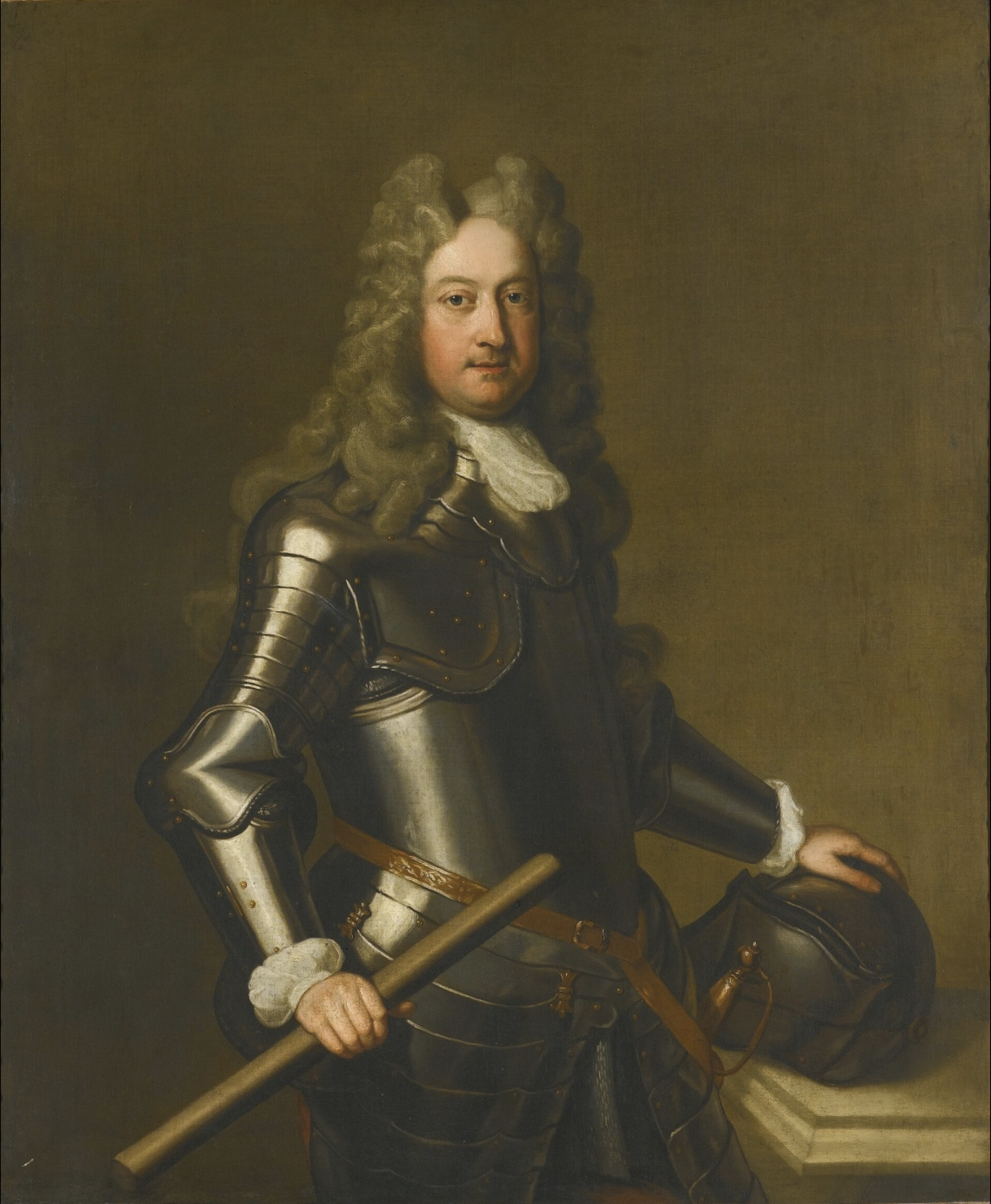
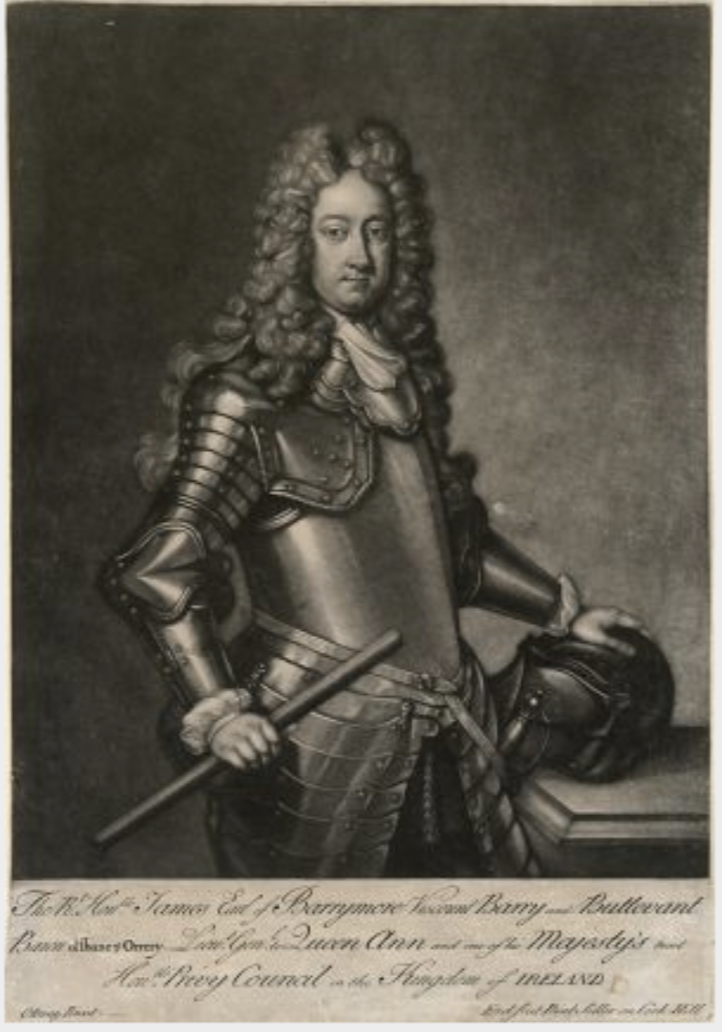
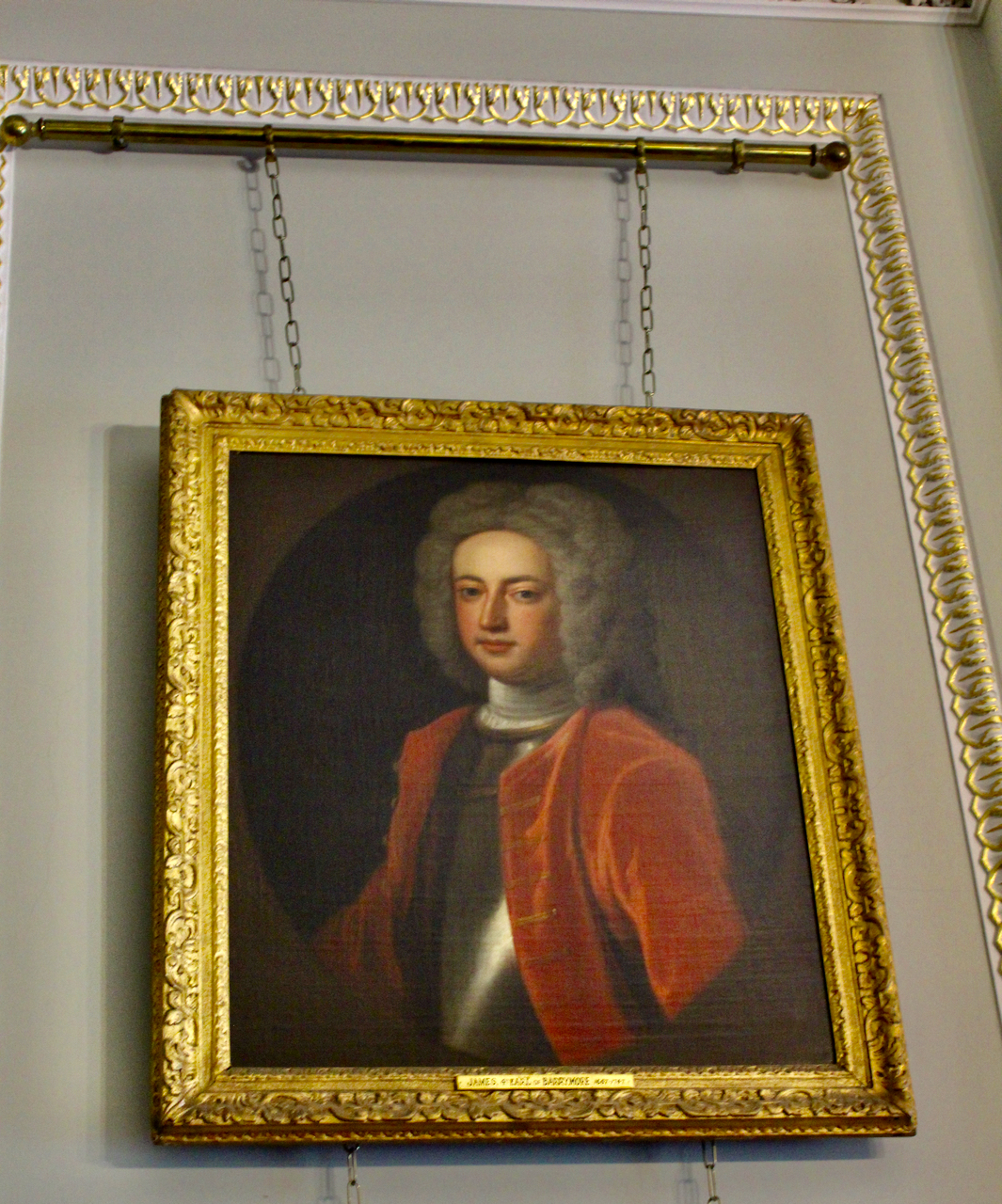
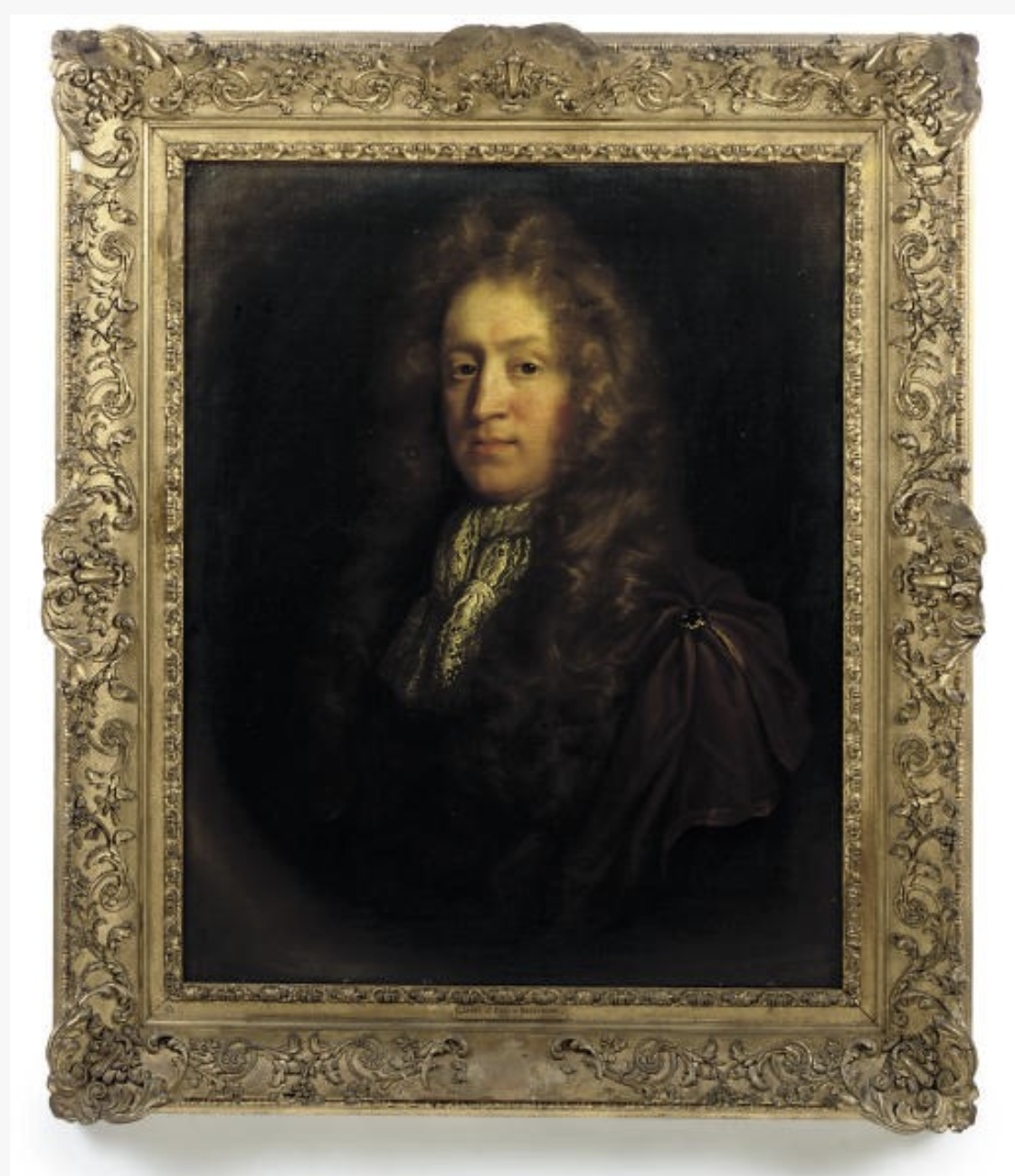
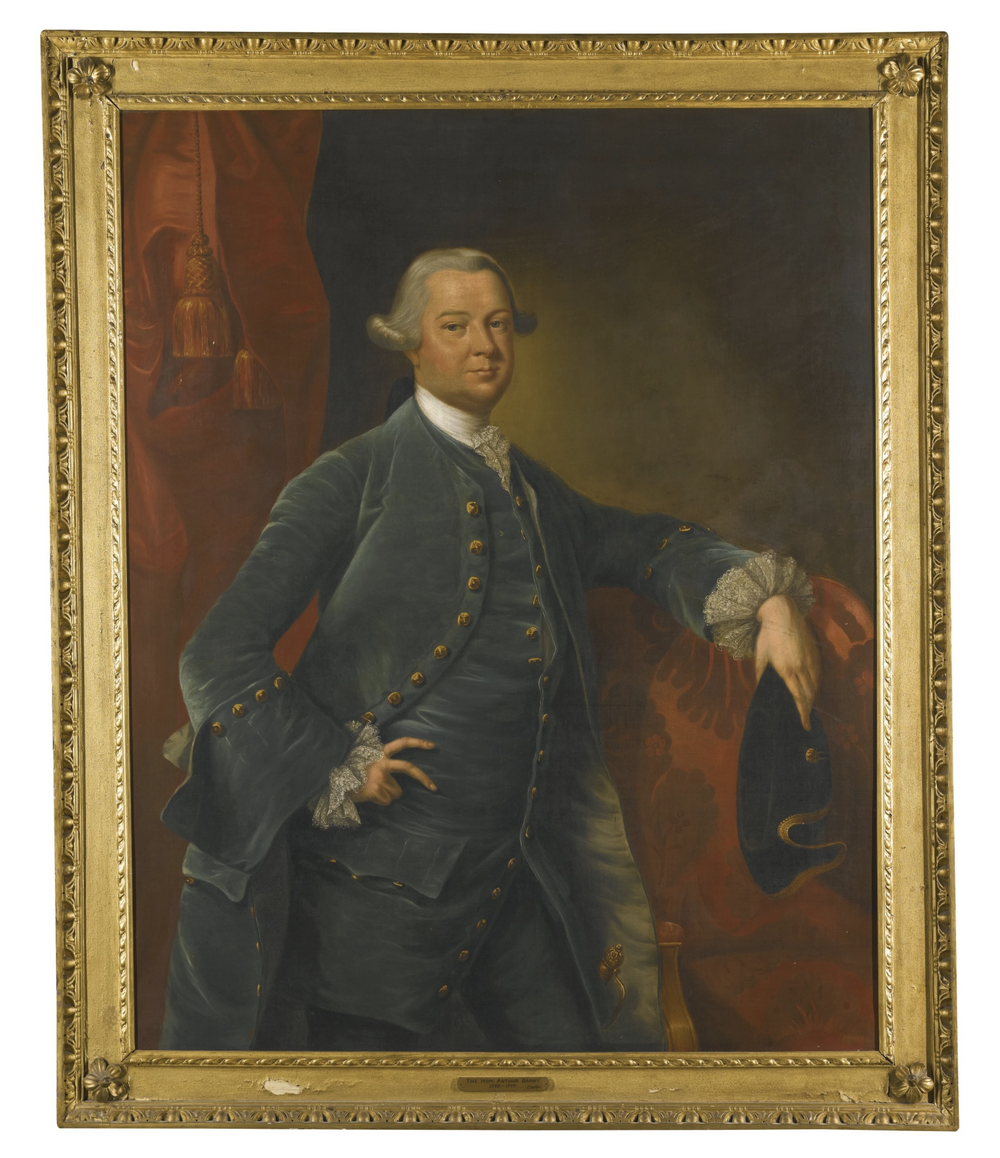
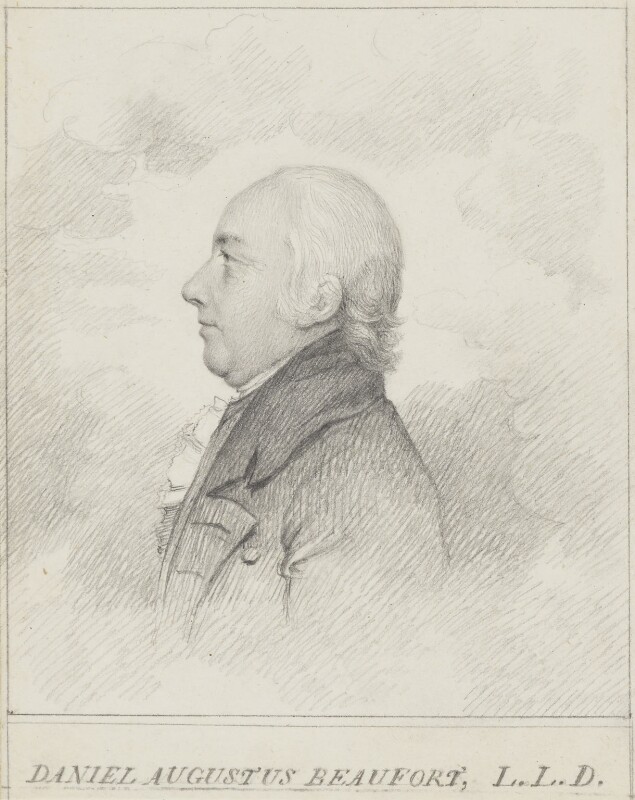
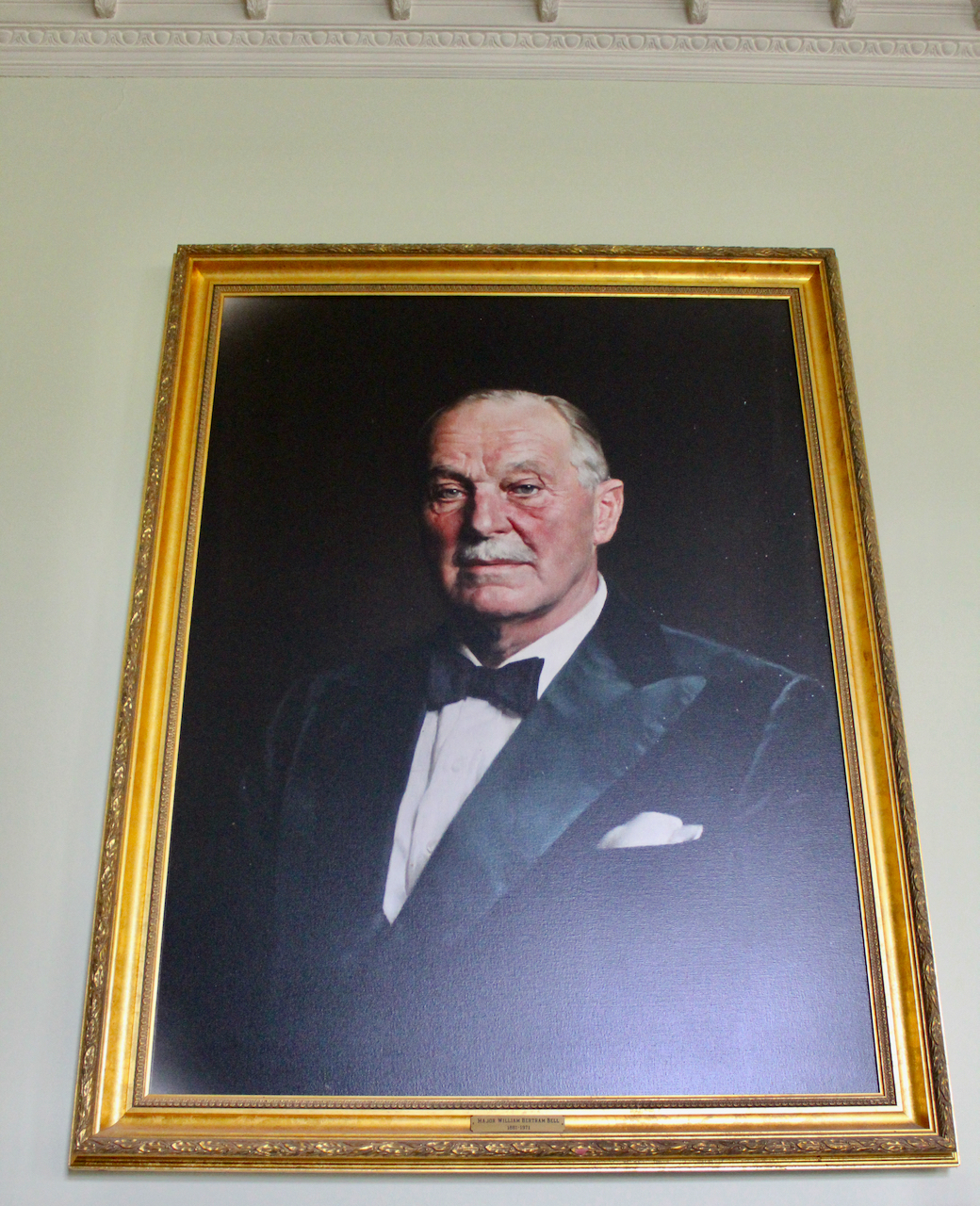
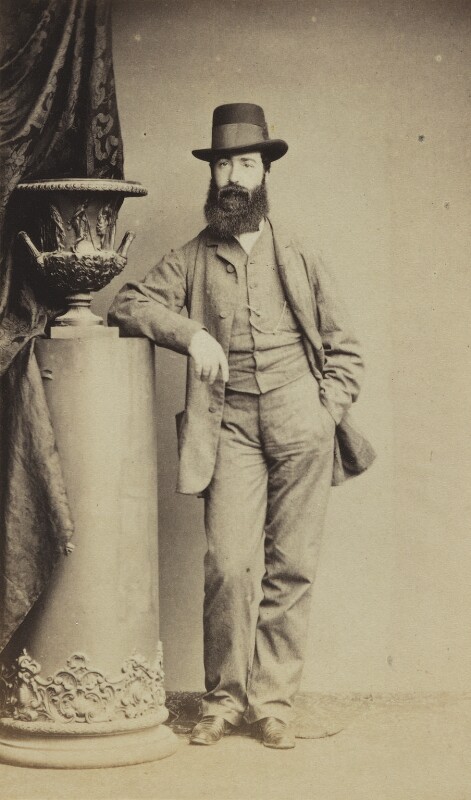
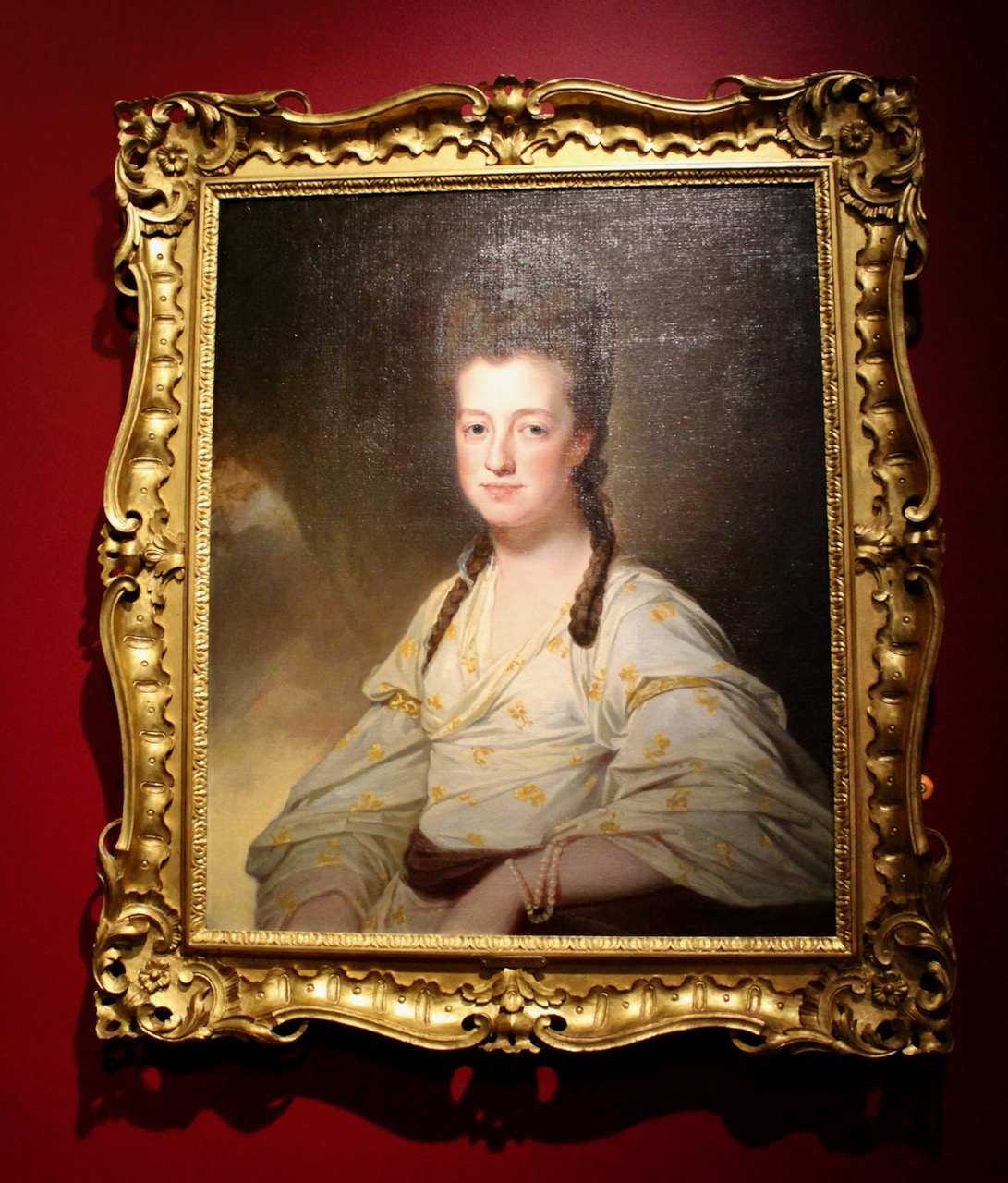
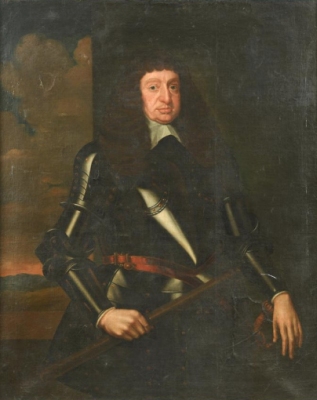
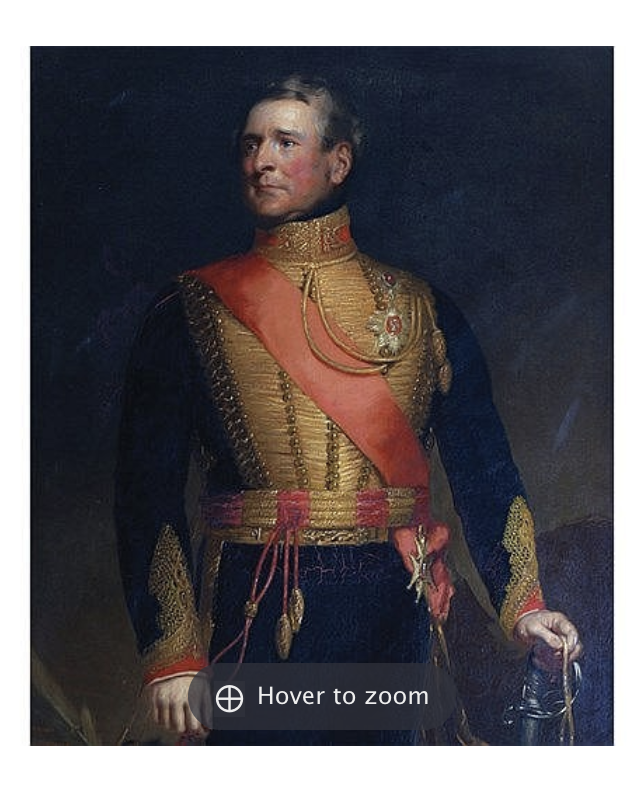
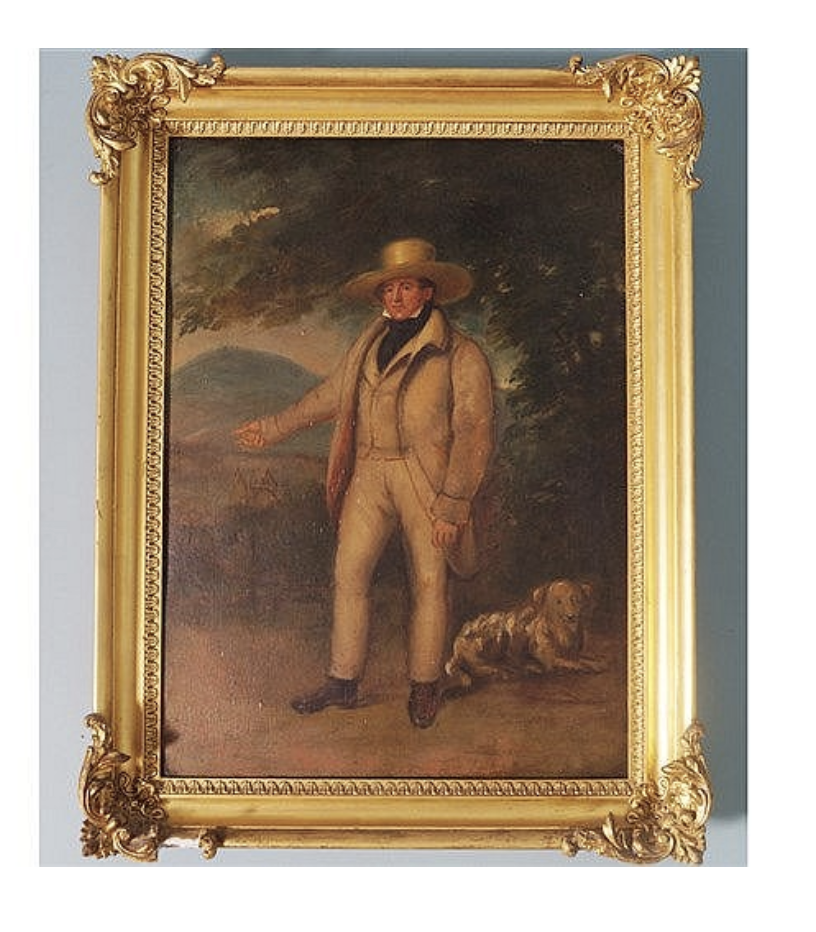
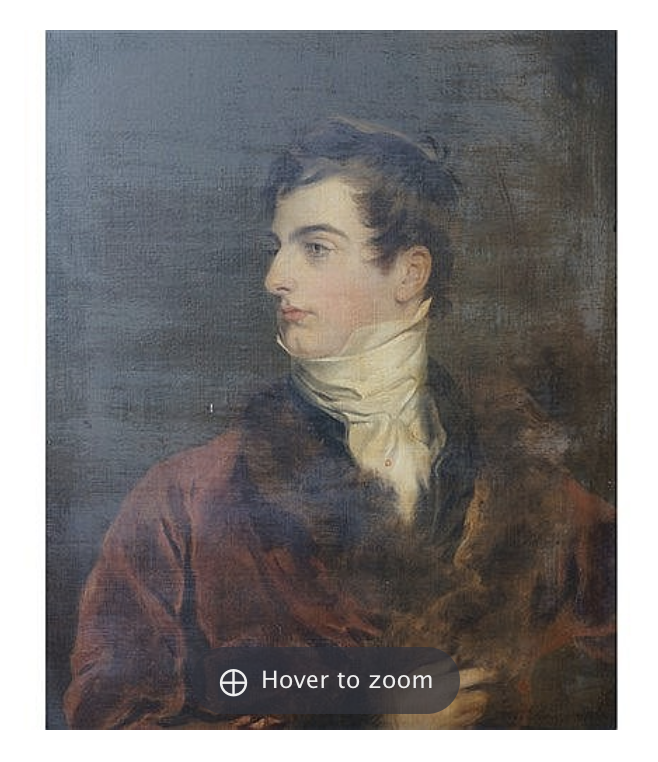
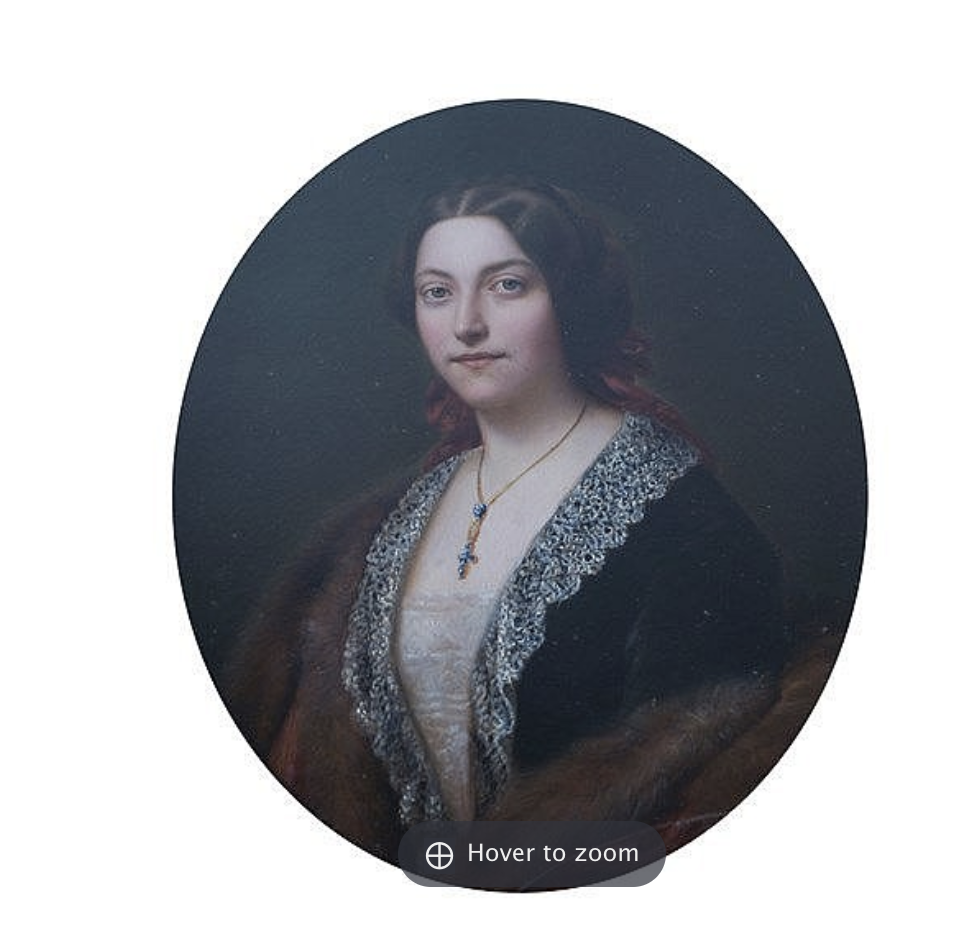
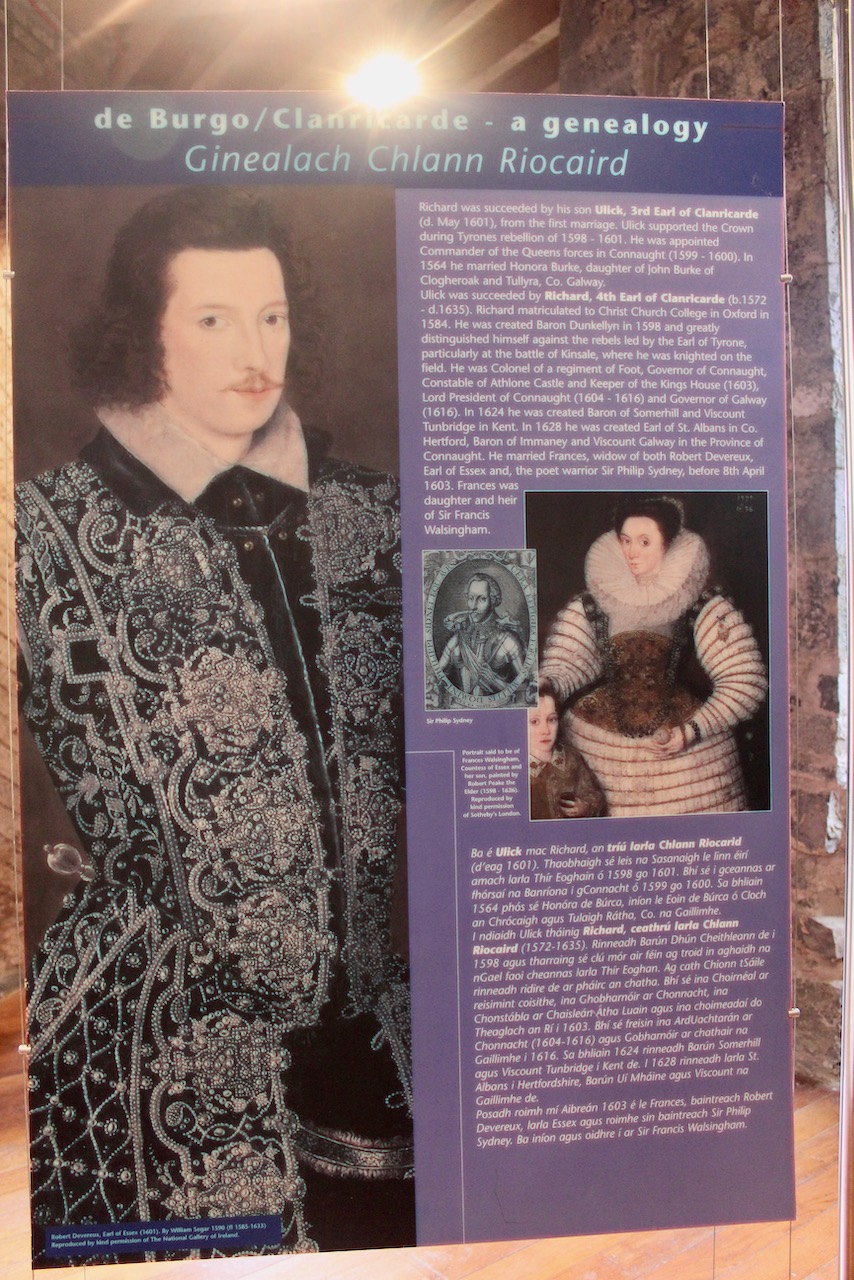
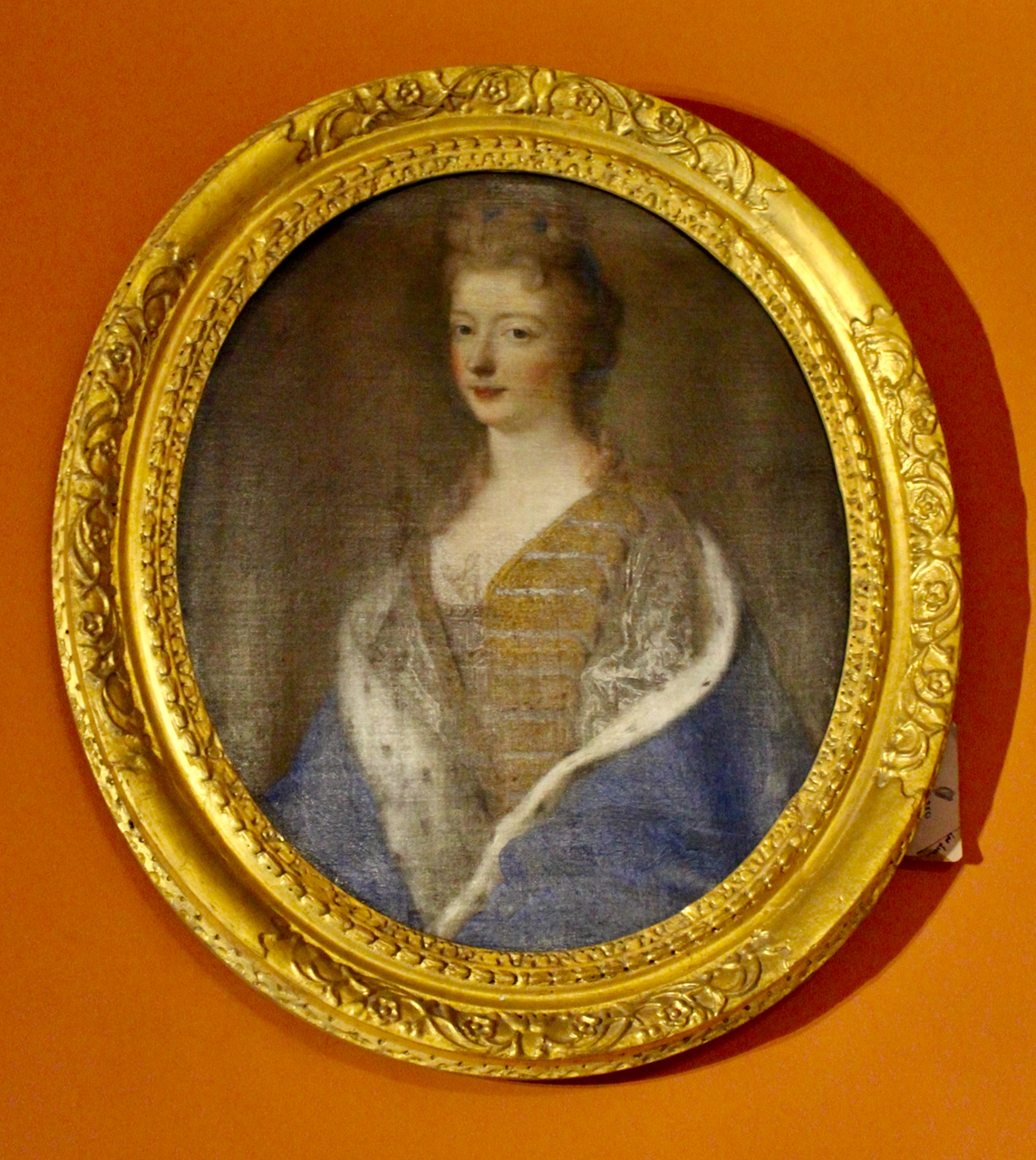
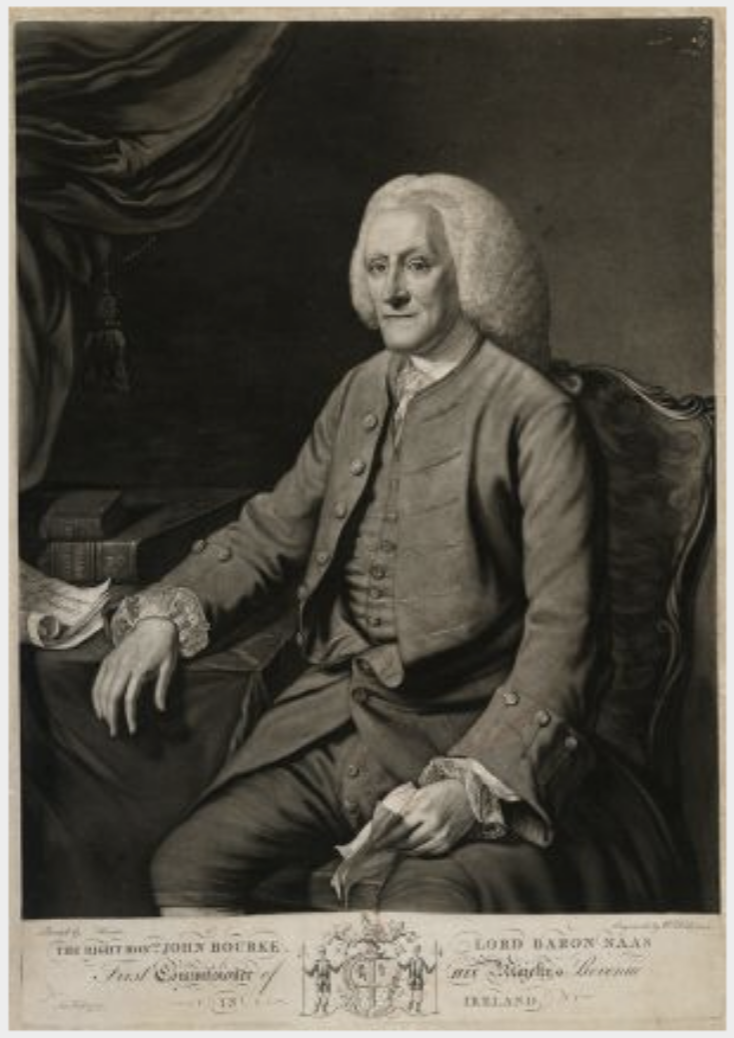
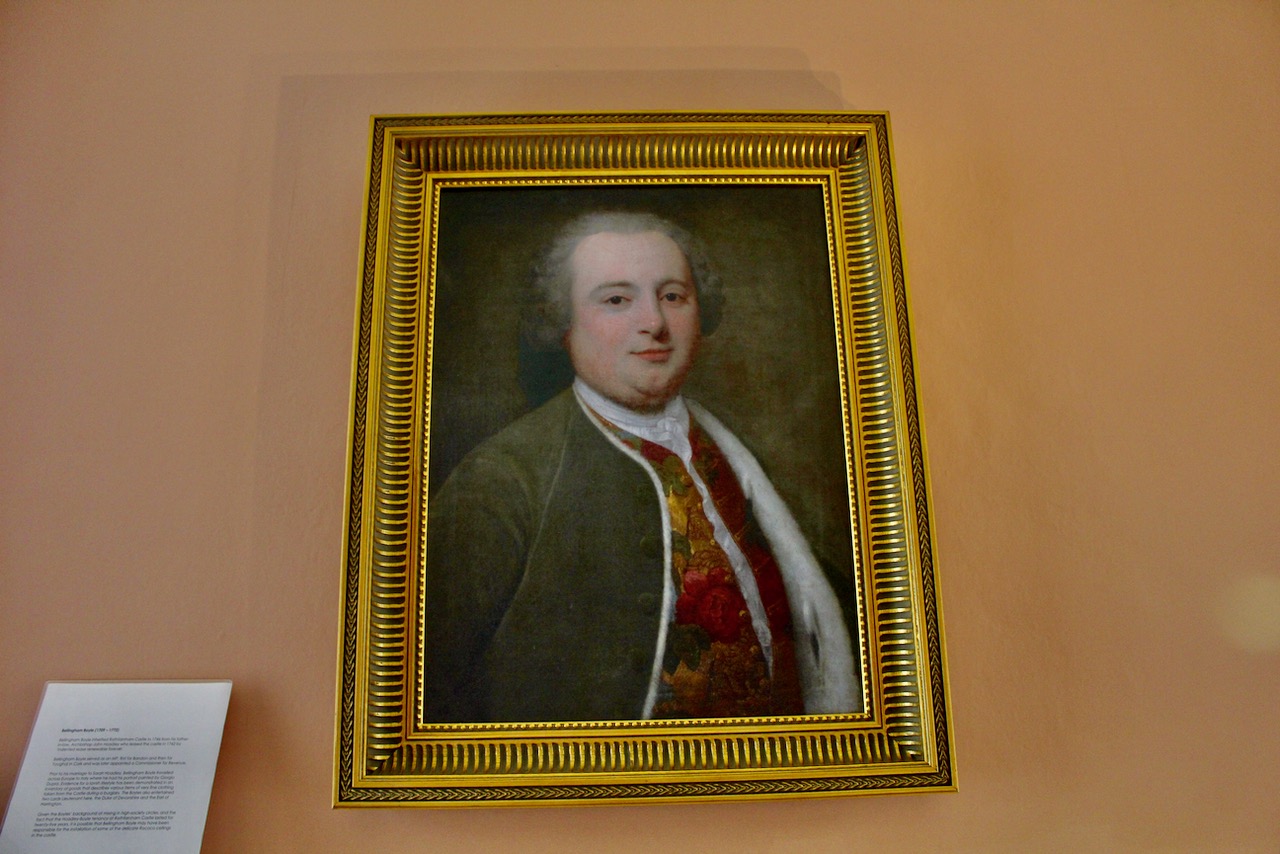
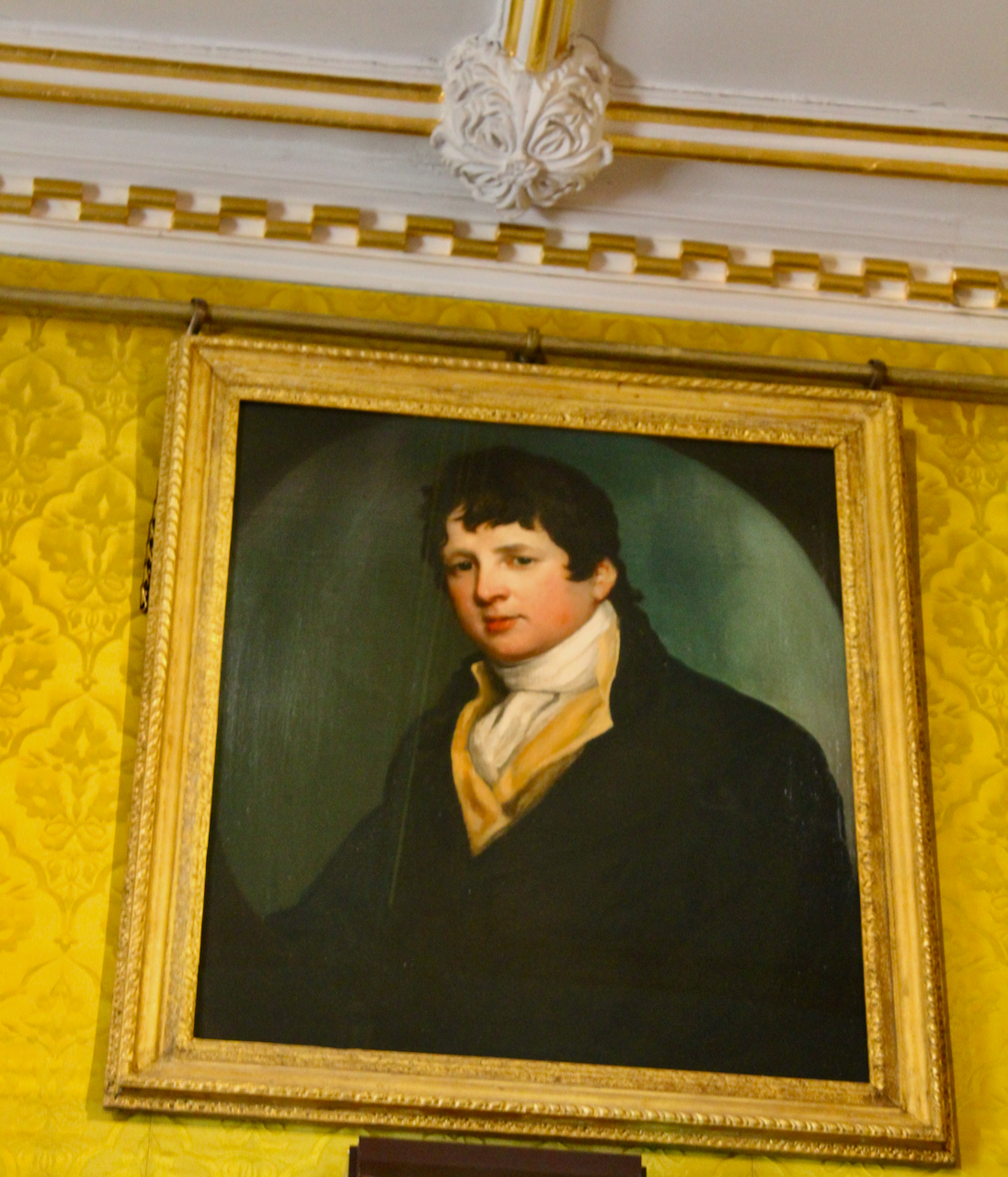
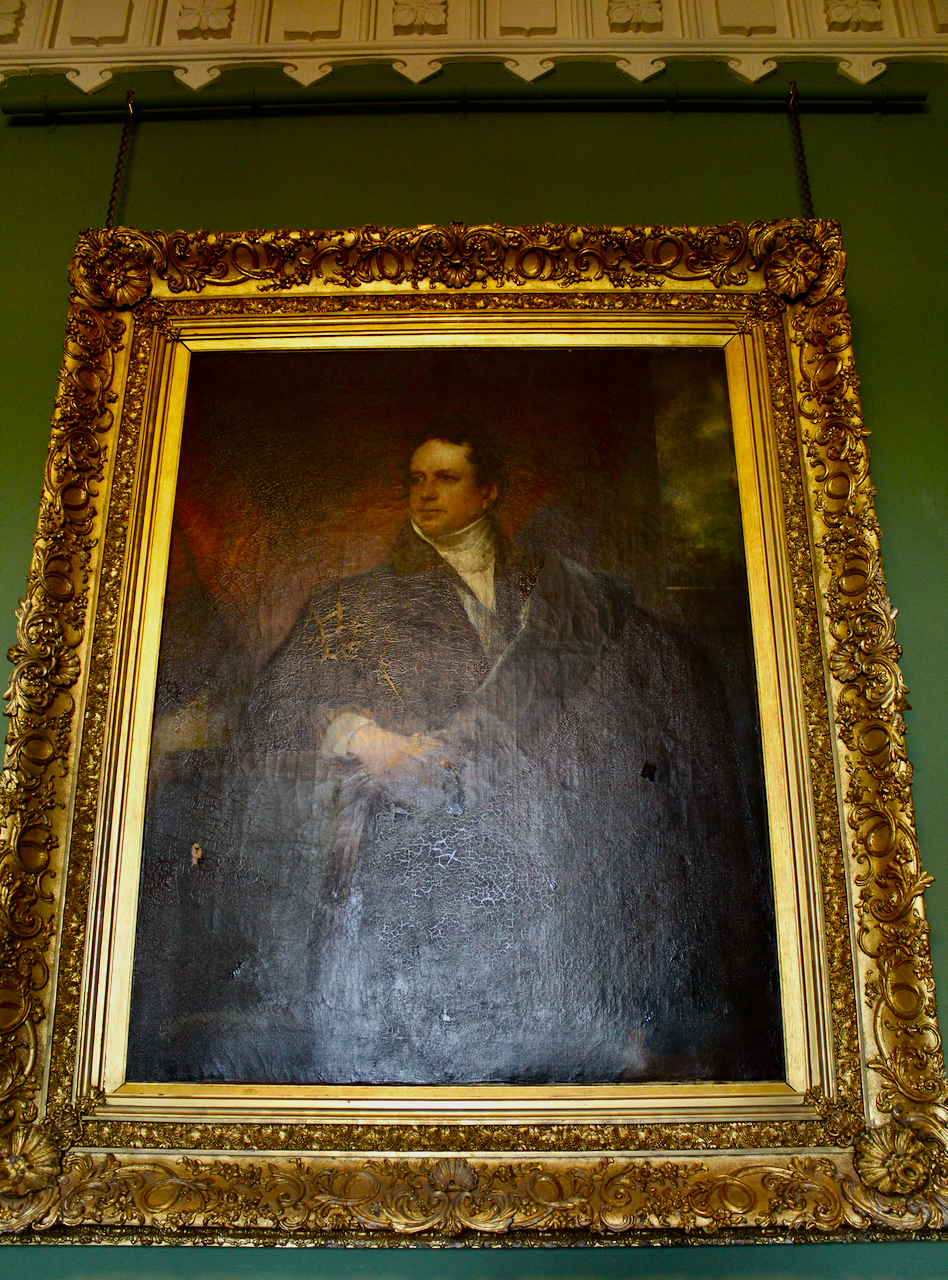
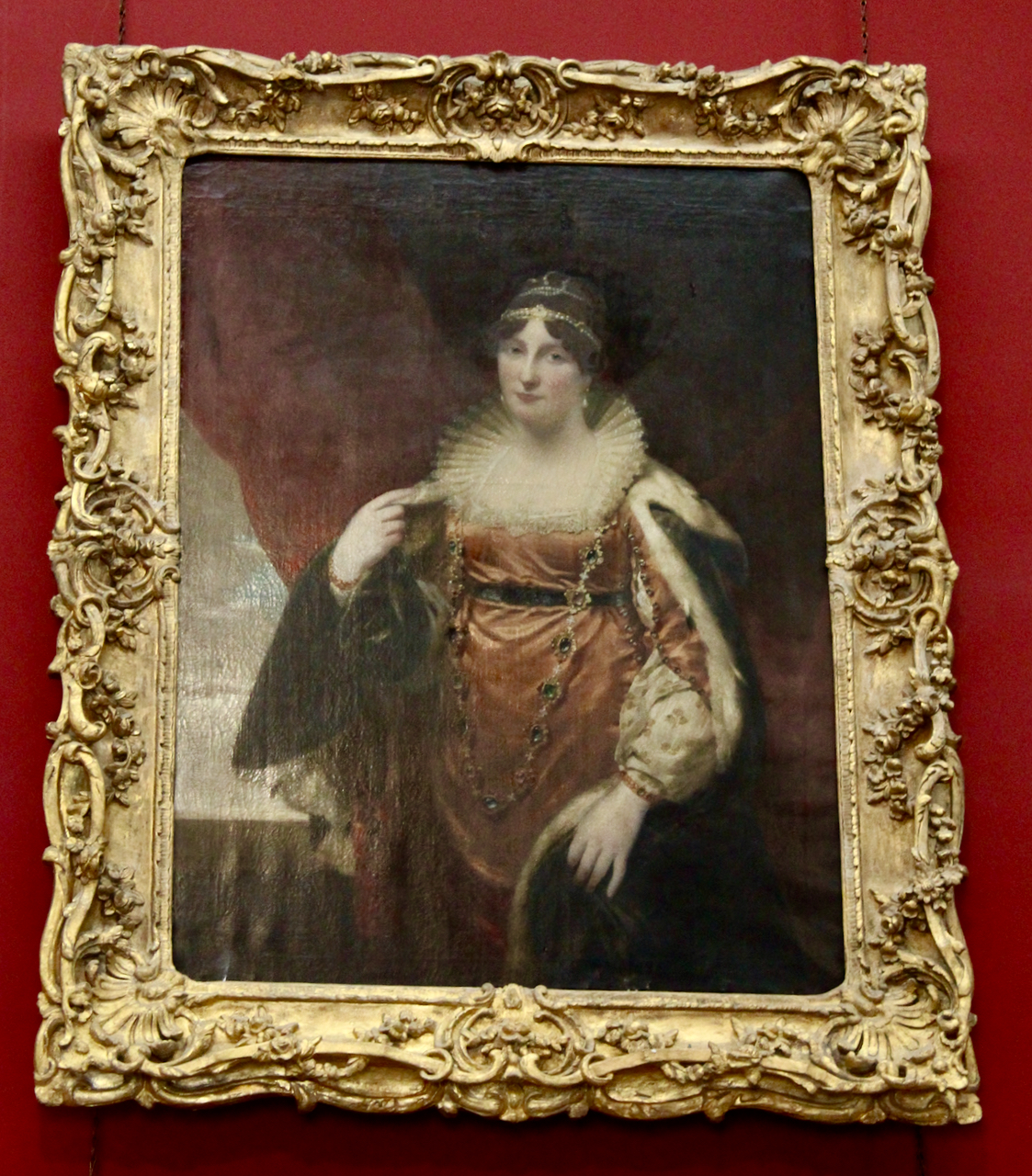
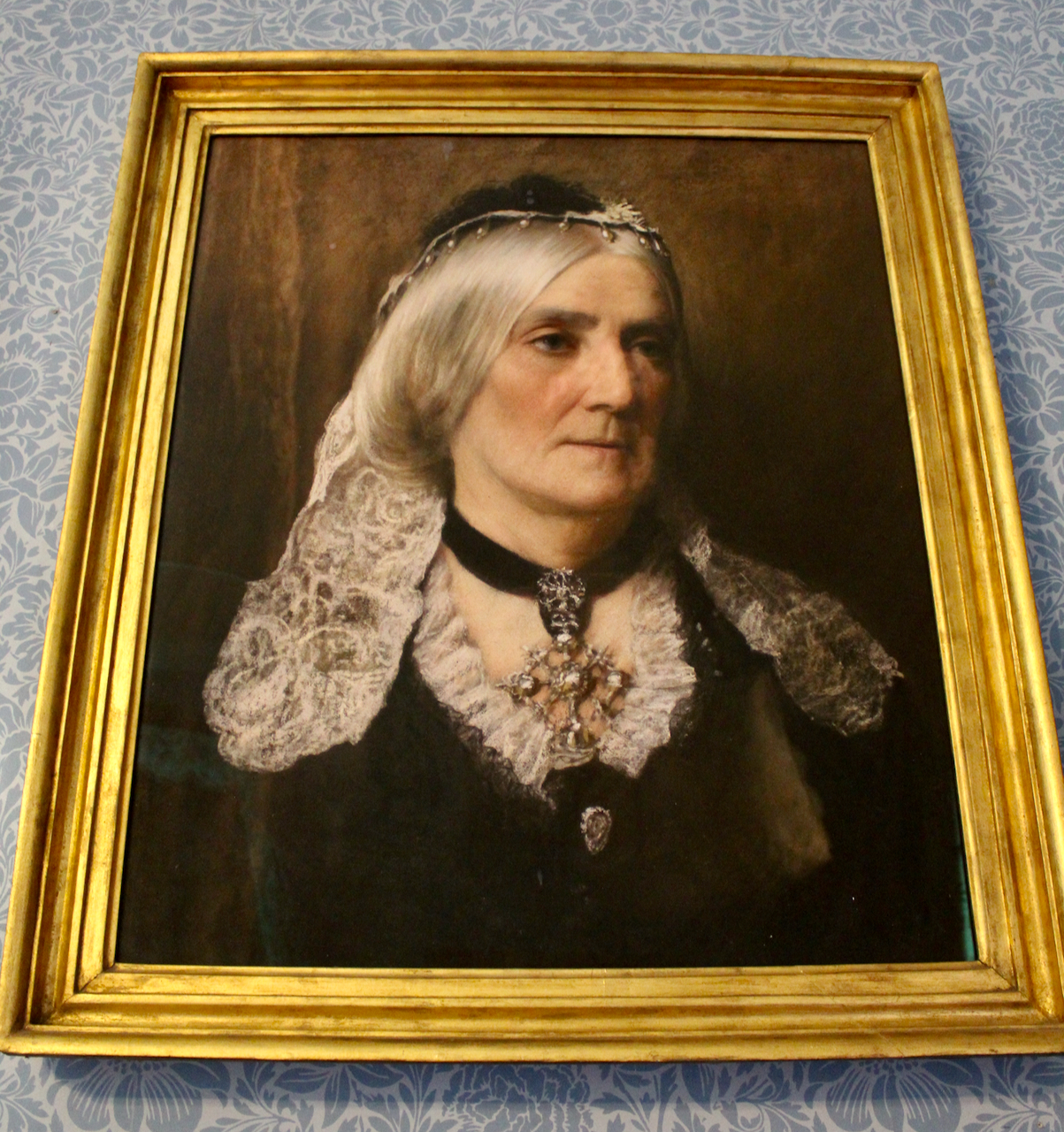
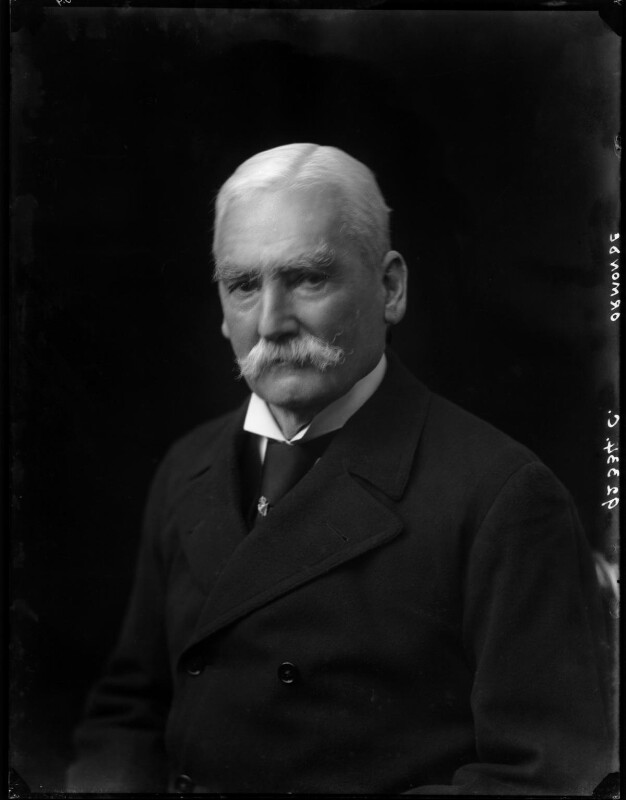
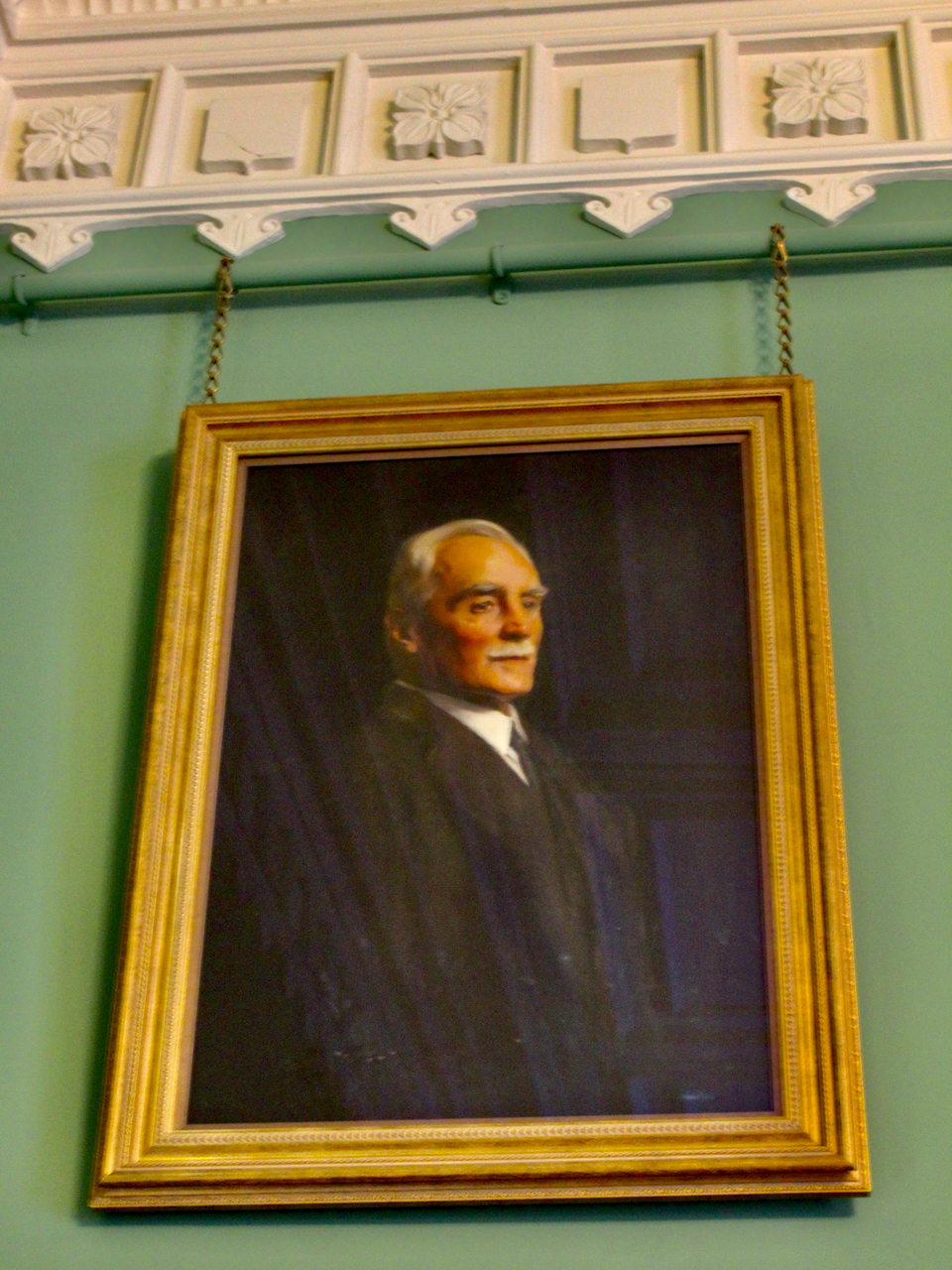
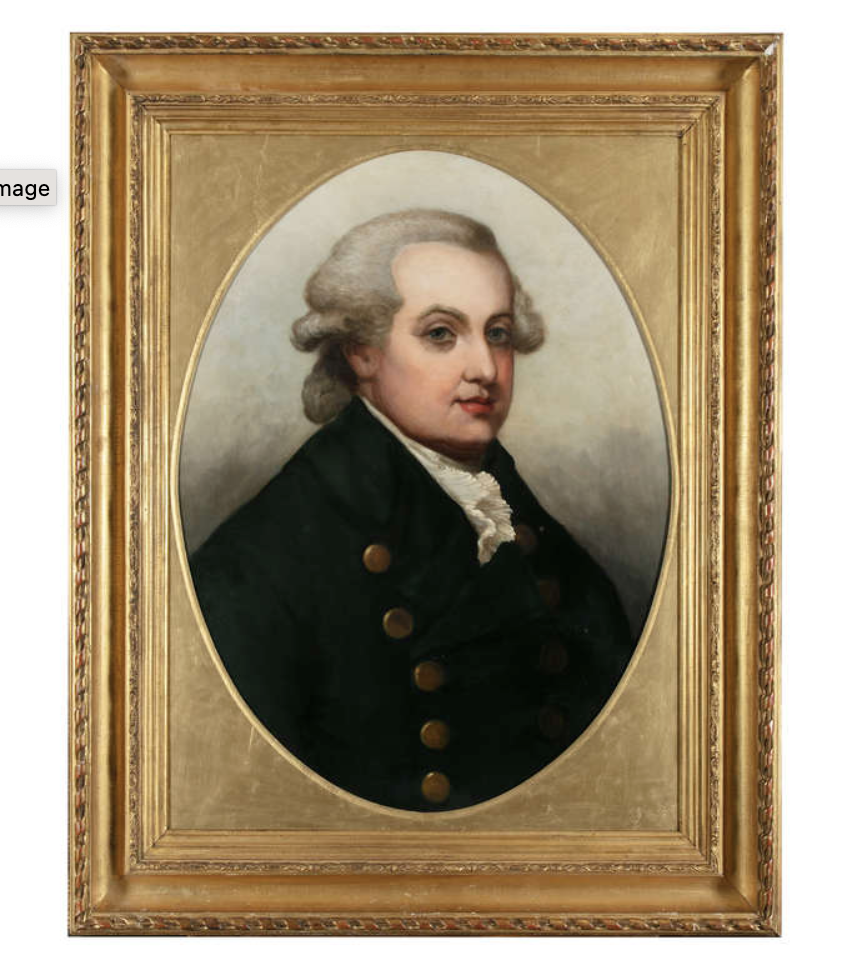
I am going to start collating a portrait gallery, as I love to put a name to the faces. I will add to these pages as I go.
I’ll be collecting them from my house entries and put them in alphabetical order by surname. I’ve also been going through the National Gallery collection and will also look at the National Portrait Gallery in London’s collection! It will be an ongoing project and a resource. I do think Ireland should have a National Portrait gallery! It would be a place where home owners could loan portraits for safekeeping also.
I have an editorial decision to make regarding women. Do I put them under their married name or under their maiden name? I think for now I’ll put them under both, as it’s nice to see them in relation to their fathers as well as in relation to their husband!
David de Barry, 1st Baron Barry (died 1278). In 1267, King Henry III of England appointed Lord David de Barry as Chief Justice of Ireland.
John Barry, 2nd Baron Barry (died 1285)
David FitzDavid Barry, 3rd Baron Barry (died 1290)
John Barry, 4th Baron Barry (died 1330)
David Barry, 5th Baron Barry (died 1347)
David Barry, 6th Baron Barry (died 1392)
John Barry, 7th Baron Barry (died 1420)
William Barry, 8th Baron Barry (died 1480)
John Barry, 9th Baron Barry (died 1486)
Thomas de Barry, 10th Baron Barry (died 1488)
William Barry, 11th Baron Barry (died 1500)
John Barry, 12th Baron Barry (died 1530)
John Barry, 13th Baron Barry (died 1534)
John FitzJohn Barry, 14th Baron Barry (1517–1553) (created Viscount Buttevant in 1541)
Viscounts Buttevant (1541)
John FitzJohn Barry, 1st Viscount Buttevant (1517–1553)
Edmund FitzJohn Barry, 2nd Viscount Buttevant (died 1556)
James FitzJohn Barry, 3rd Viscount Buttevant (died 1557)
James de Barry, 4th Viscount Buttevant (c. 1520–1581) 1st wife: Elizabeth Boyle, daughter of Charles Boyle, 3rd Viscount Dungarvan; 2nd wife: Elizabeth née Savage (d. 1714), daughter and heir of Richard Savage 4th Earl Rivers; 3rd wife: Anne Chichester, daughter of Major-General Arthur Chichester, 3rd Earl of Donegall (1666-1706), she was the mother of James Smith-Barry of Fota, County Cork.
David de Barry, 5th Viscount Buttevant (died 1617)
David Barry, 6th Viscount Buttevant (1604–1642) (created Earl of Barrymore in 1627/28)
Earls of Barrymore (1627/28)
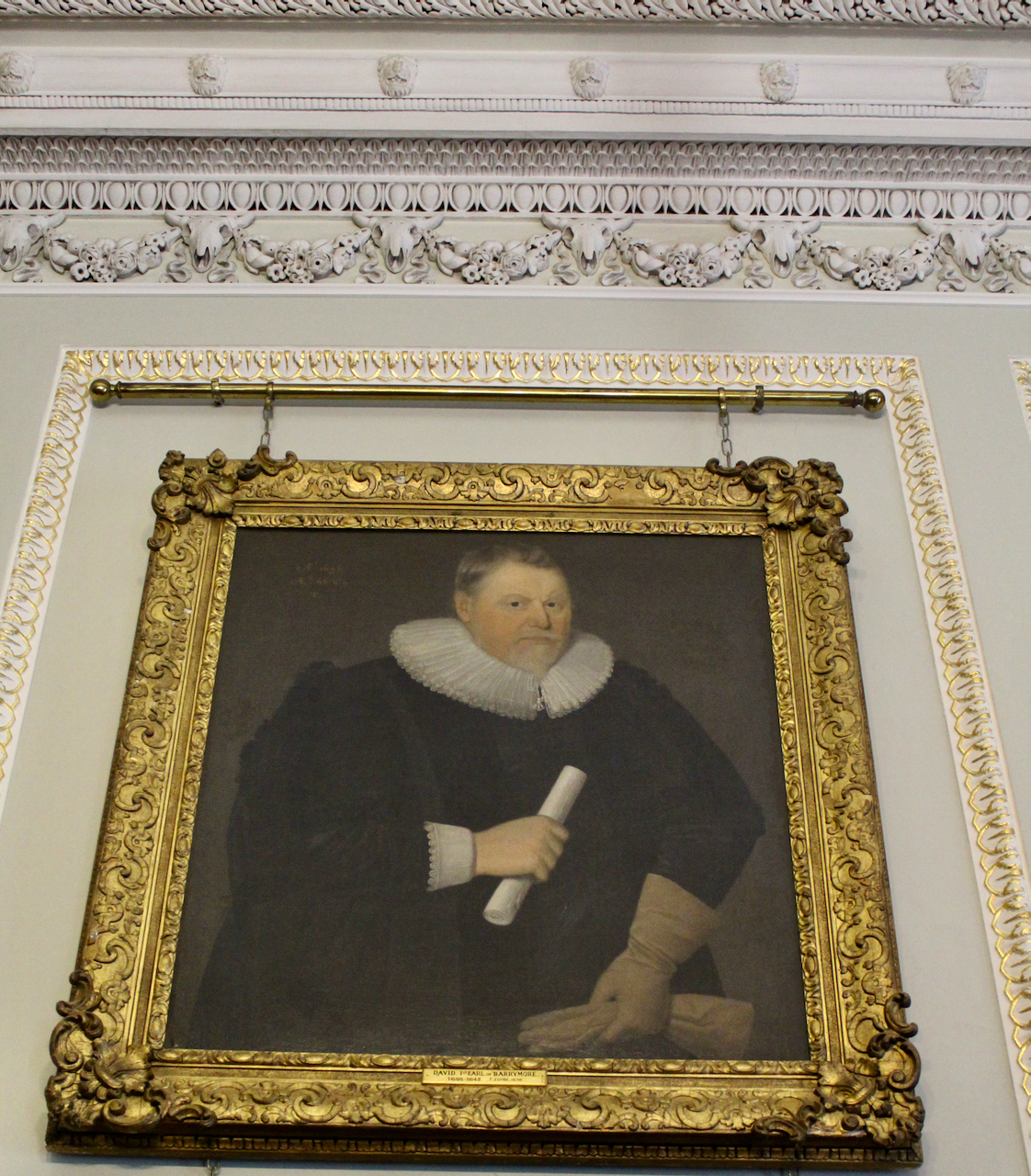
David Barry, 1st Earl of Barrymore (1604–1642)
Richard Barry, 2nd Earl of Barrymore (1630–1694)
Laurence Barry, 3rd Earl of Barrymore (1664–1699)
James Barry, 4th Earl of Barrymore (1667–1747)
James Barry, 5th Earl of Barrymore (1717–1751)
Richard Barry, 6th Earl of Barrymore (1745–1773)
Richard Barry, 7th Earl of Barrymore (1769–1793)
Henry Barry, 8th Earl of Barrymore (1770–1823) [1]
SIR TRISTRAM BERESFORD (1595-1673), who was created a baronet in 1665, designated of Coleraine, County Londonderry. He married firstly, Anne, eldest daughter of John Rowley, of Castleroe, County Londonderry, by whom he had one son, RANDAL, his heir, and two daughters; and secondly, Sarah Sackville, and had three sons and three daughters: Tristram; Michael; Sackville; Susanna; Sarah; Anne.
Tristram Beresford (d. 1673), 1st Bt of Coleraine
Sir Tristram was succeeded by his eldest son, SIR RANDAL BERESFORD, 2nd Baronet (c. 1636-81), MP for Coleraine, 1661-68, who married Catherine Annesley, younger daughter of Francis, 1st Viscount Valentia, and dying in 1681, left issue, TRISTRAM, his heir; Jane; Catherine.
Sir Randal was succeeded by his eldest surviving son, SIR TRISTRAM BERESFORD, 3rd Baronet (1669-1701), MP for Londonderry County, 1692-99, who commanded a foot regiment against JAMES II, and was attainted by the parliament of that monarch. Sir Tristram wedded, in 1687, Nichola Sophia, youngest daughter and co-heiress of Hugh Hamilton, 1st Viscount Glenawly.
He was succeeded by his son, SIR MARCUS BERESFORD, 4th Baronet (1694-1763), MP for Coleraine, 1715-20, who espoused, in 1717, Catherine, BARONESS LE POER, daughter and heiress of James, 3rd Earl of Tyrone, and in consequence of that alliance, was elevated to the peerage, in 1720, in the dignity of Baron Beresford and Viscount Tyrone. His lordship was further advanced to an earldom, in 1746, as EARL OF TYRONE.
Rt. Hon. Marcus Beresford (1694-1763)4th Baronet and 1st Earl of Tyrone, photograph courtesy of the Beresford family and creative commons and wikipedia.
Marcus Beresford (1694-1763) 1st Earl of Tyrone had surviving issue: GEORGE DE LA POER (1735-1800) his successor who became 2nd Earl of Tyrone; John (1737/38-1805); William (1743-1819) (Most Rev), created BARON DECIES; Anne; Jane; Catherine; Aramintha; Frances Maria; Elizabeth.
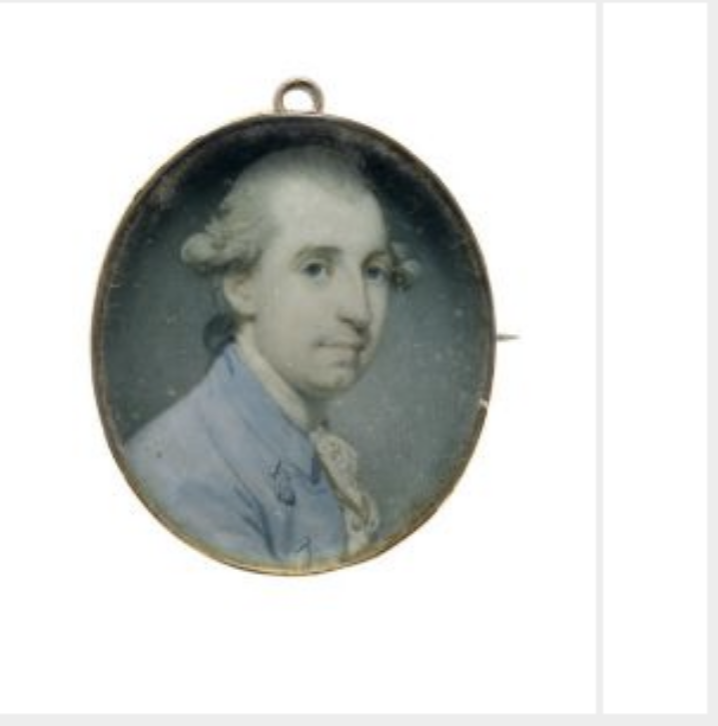
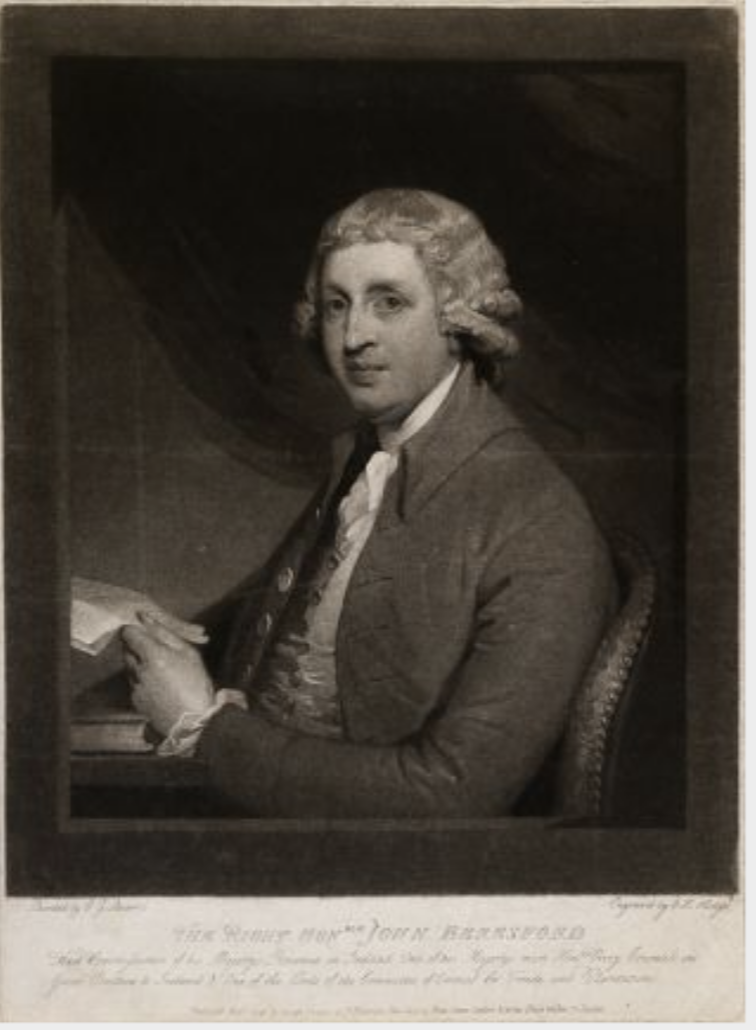
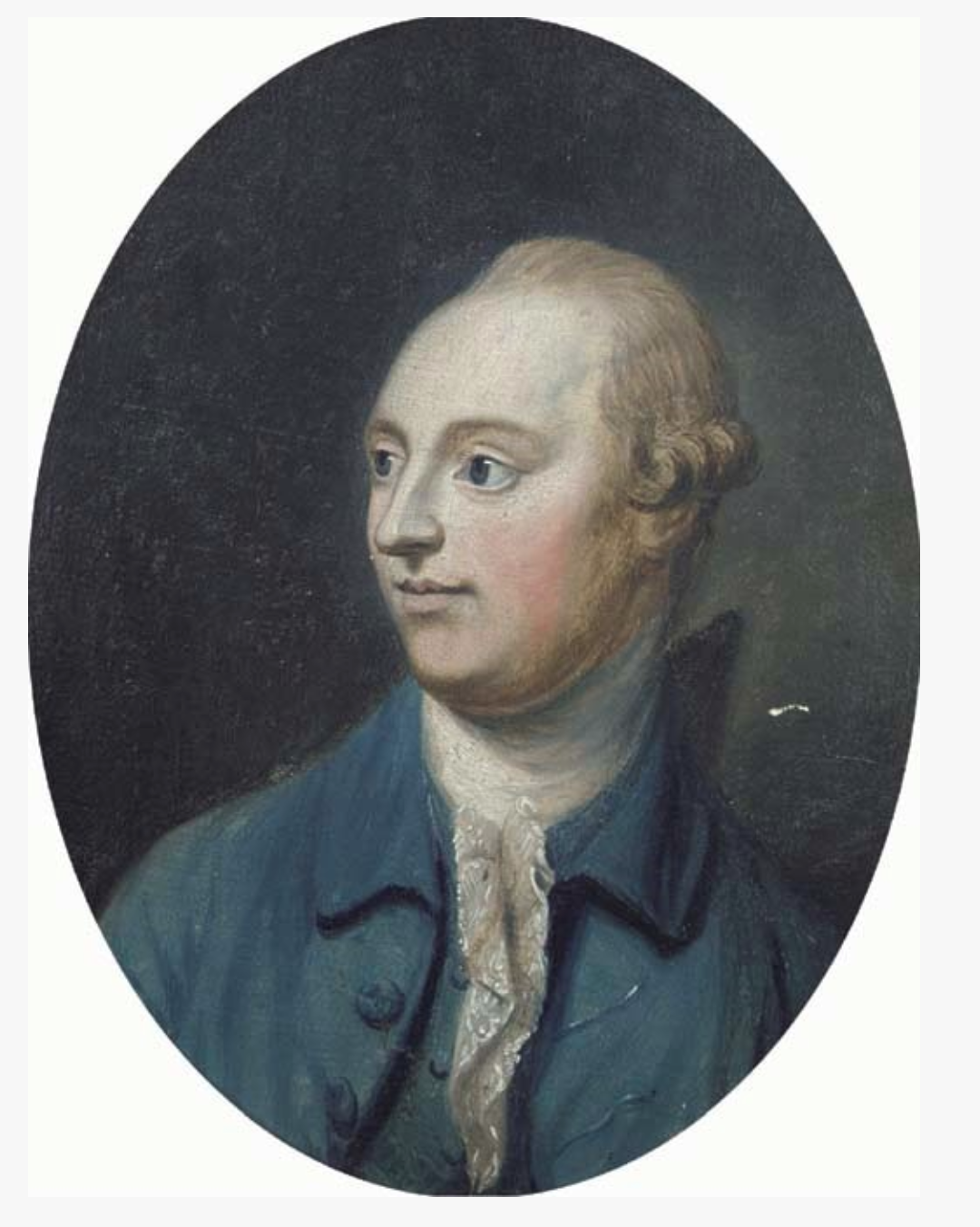
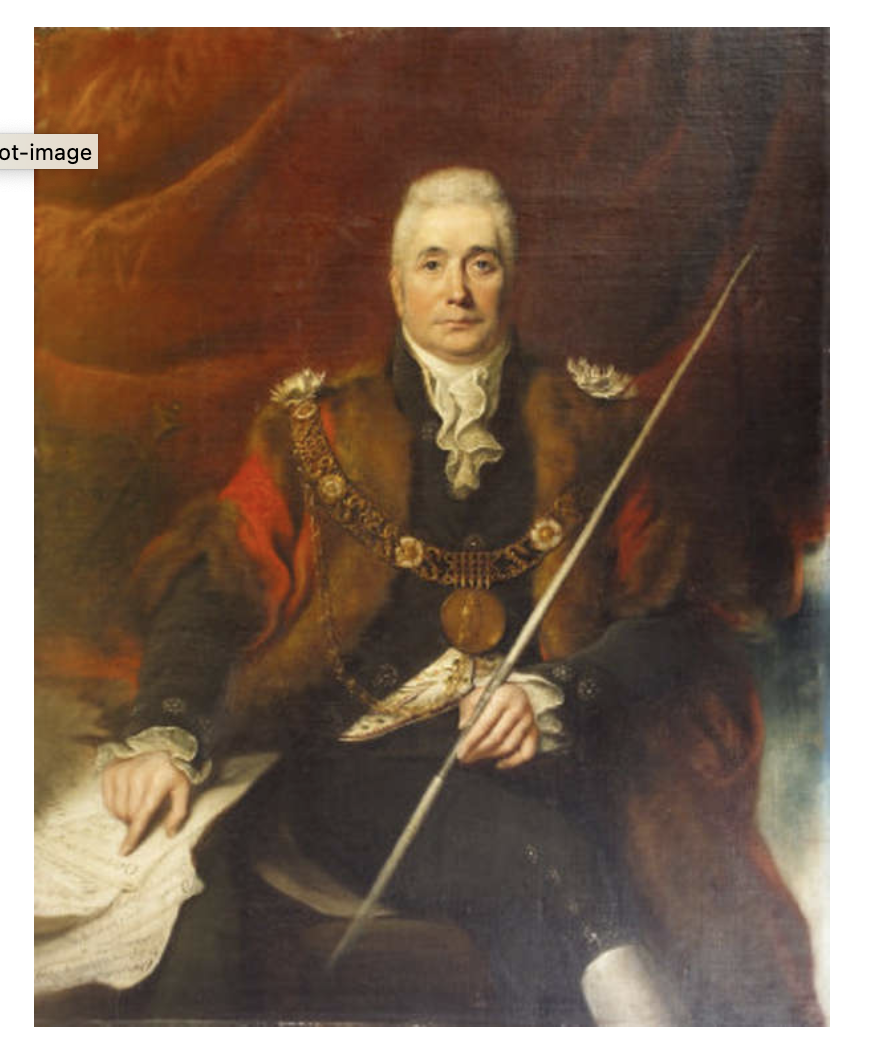
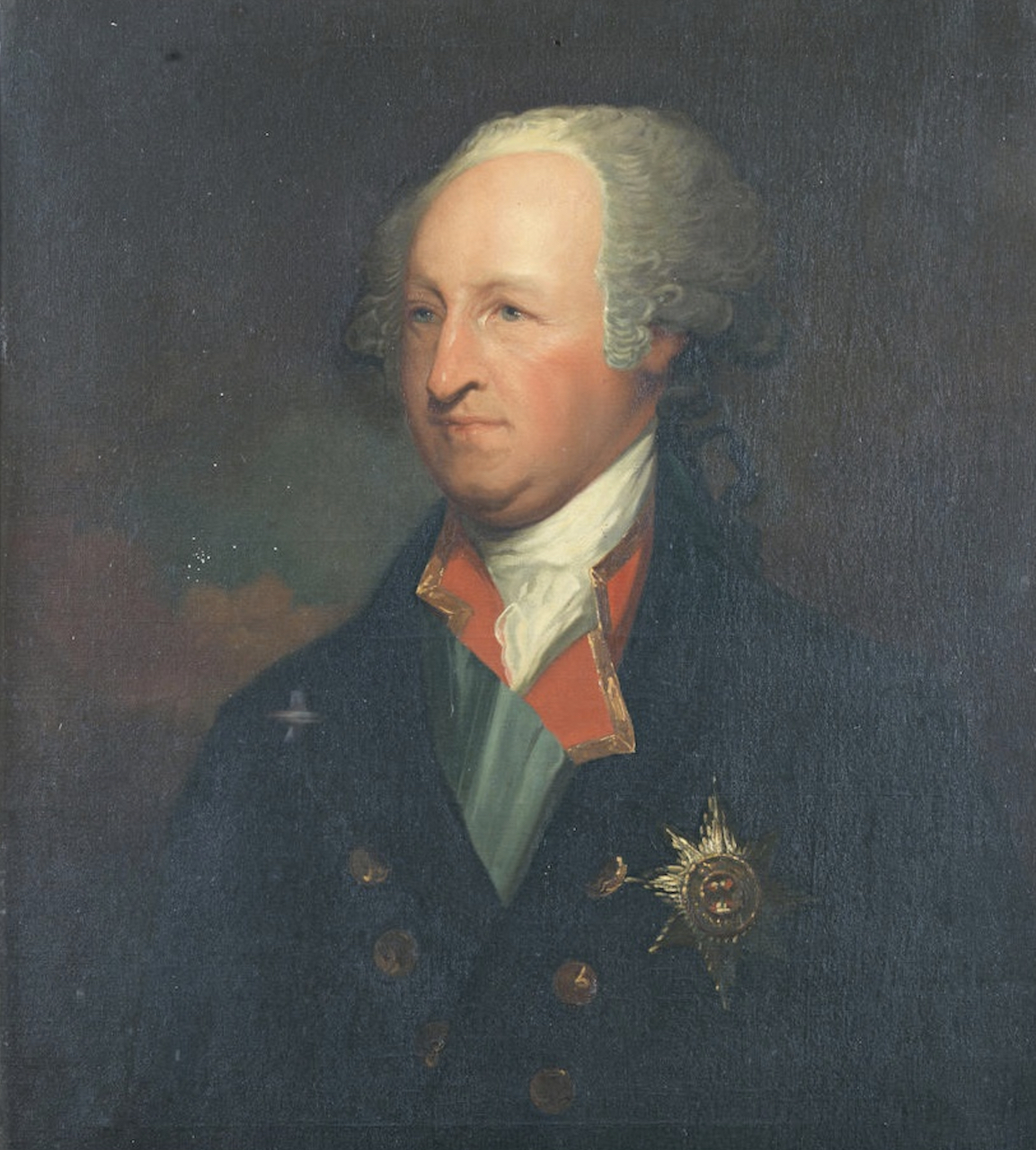
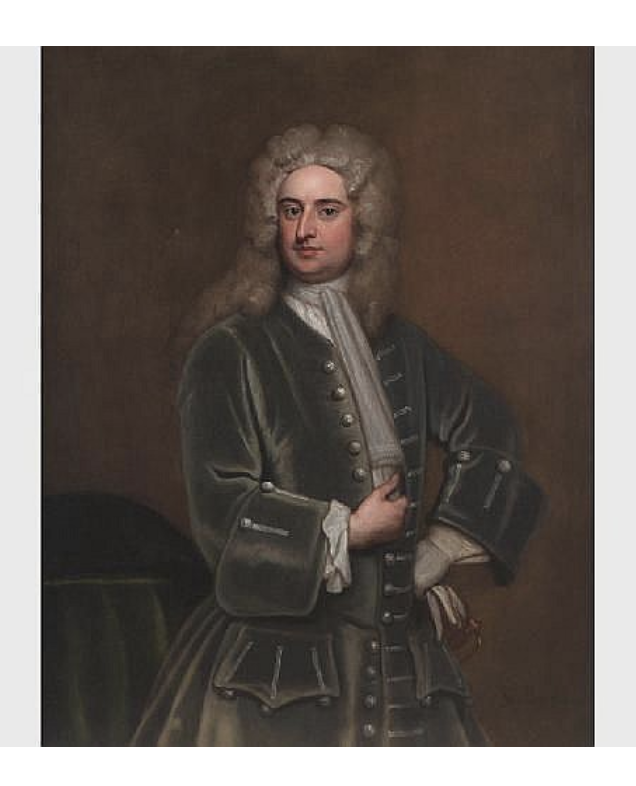
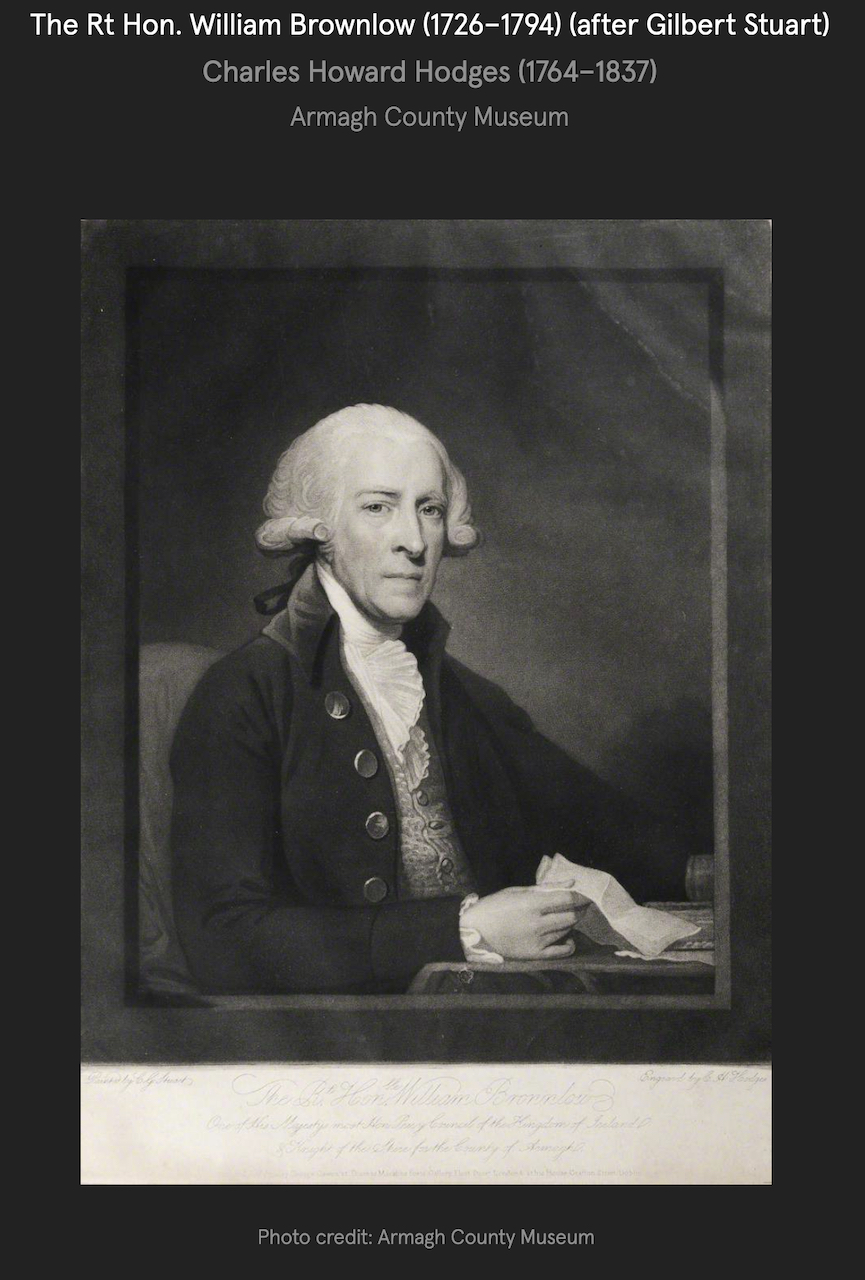
George de la Poer Beresford (1735-1800) 2nd Earl of Tyrone, later 1st Marquess of Waterford, by Johann Zoffany, courtesy of National Trust Hatchlands.John Beresford, M.P. (1738-1805), son of of Marcus Beresford 1st Earl of Tyrone, miniature by Richard Crosse, British, 1742-1810.John Beresford (1738-1805), first commissioner of the Revenue in Ireland, engraver Charles Howard Hodges, after Gilbert Smith, courtesy of National Gallery of Ireland.John Beresford (1738-1805), MP by Gilbert Stuart c. 1790, courtesy of National Gallery of Ireland NGI 1133.Right Honourable John Beresford by Thomas Hickey (fl.1756-1816) courtesy Chrisites 2005. I’m not sure if this is John Beresford (1738-1805).Barbara Montgomery (?1757-1788), second wife of John Beresford (1738-1805) by Hugh Douglas Hamilton, courtesy of National Gallery of Ireland P5547. His first wife was Anne Constantia Ligondes.Marcus Gervais Beresford (1801-1885), Archbishop of Armagh, painting as Prelate of Order of St. Patrick, by engraver John Richardson Jackson, after painting by Stephen Catterson Smith, courtesy of National Gallery of Ireland.He was grandson of John Beresford (1738-1805). His father was Rt. Rev. George de la Poer Beresford (1765-1841).George John Beresford (1807-1864)of Woodhouse, County Waterford.He was also a grandson of John Beresford (1738-1805). His father wasReverend Charles Cobbe Beresford (b. 1770).John Claudius Beresford, Lord Mayor of Dublin courtesy Adam’s 8 March 2006 in style of William Cuming PRHA. He was the son of John Beresford (1738-1805).Elizabeth de la Poer Beresford (1736-1806), daughter of Marcus Beresford 1st Earl of Tyrone, wife of Thomas Cobbe of Newbridge House, in a costume evocative of Mary Queen of Scots, miniature, Cobbe Collection.
George de la Poer Beresford, 2nd Earl of Tyrone (1735-1800) inherited the ancient Barony of de la Poer at the decease of his mother in 1769. His lordship was enrolled amongst the peers of Great Britain, in 1786, as Baron Tyrone; and created, in 1789, MARQUESS OF WATERFORD.
George de la Poer Beresford (1735-1800) First Marquess of Waterford by Gilbert Stuart, courtesy of Bonhams and commons.
He married, in 1769, Elizabeth, only daughter and heiress of Henry Monck, of Charleville. They had issue:
Marcus, died at 8 years old; Henry de la Poer Beresford (1772-1826) his successor who became 2nd Marquess of Waterford; John George (1773-1862) (Most Rev), Lord Archbishop of Armagh; George Thomas (1781-1839) (Rt Hon), Lt-Gen, GCH; Isabella Anne; Catherine; Anne; Elizabeth Louisa (1783-1856).
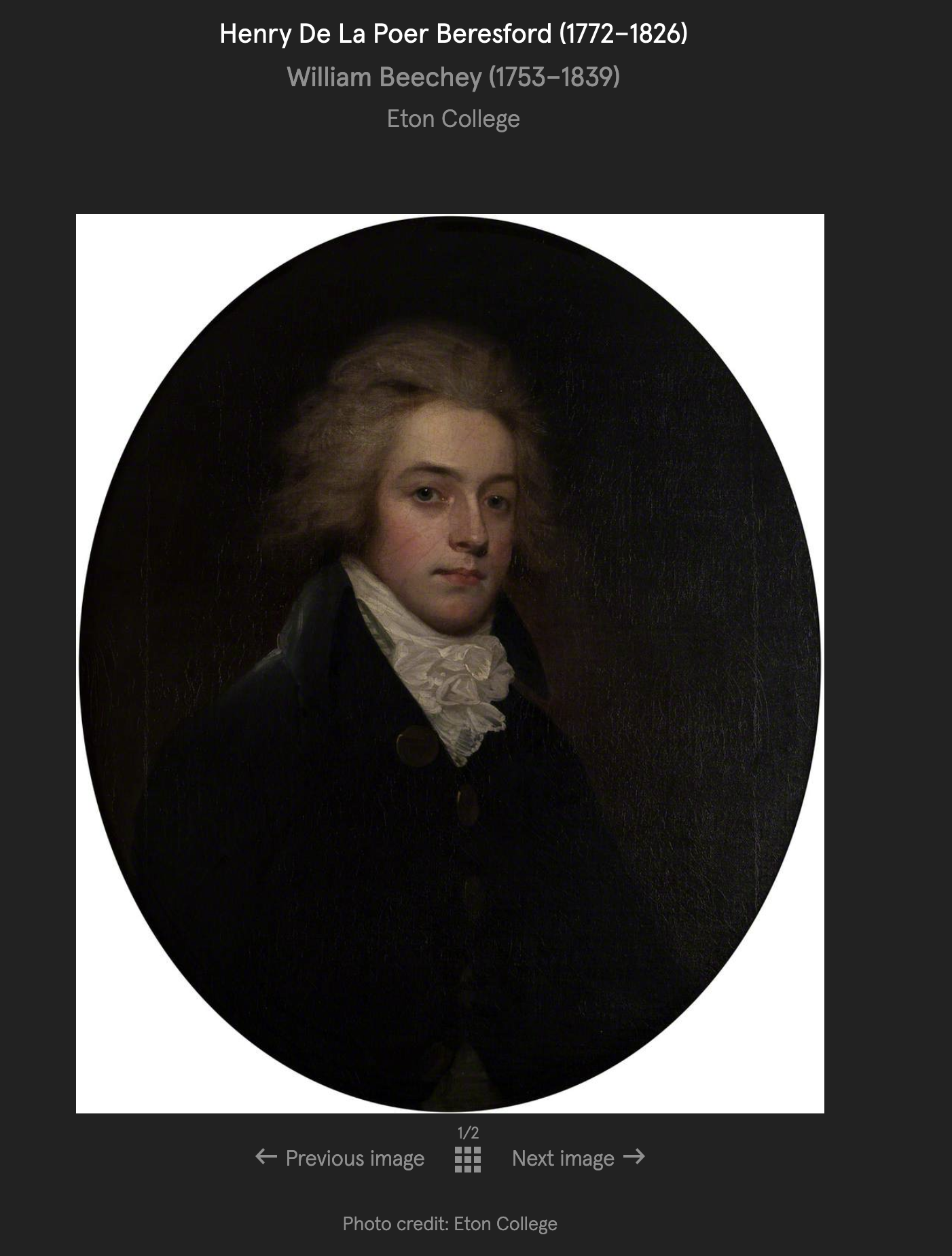
Henry de la Poer Beresford (1772-1826) 2nd Marquess of Waterford by William Beechy courtesy of Eton College.John George Beresford (1773-1862), Archbishop of Armagh, after Thomas Lawrence, by Charles Turner, courtesy of Armagh County Museum.He was son of George de la Poer Beresford, 2nd Earl of Tyrone. Thought to be Elizabeth Louisa Reynell (1783-1856) née De La Poer and formerly wife of Sir Denis Pack, courtesy of Whyte’s Nov 2011. She was the daughter of the 1st Marquess of Waterford, and she married Denis Pack of County Kilkenny and later, Thomas Reynell, 6th Baronet.
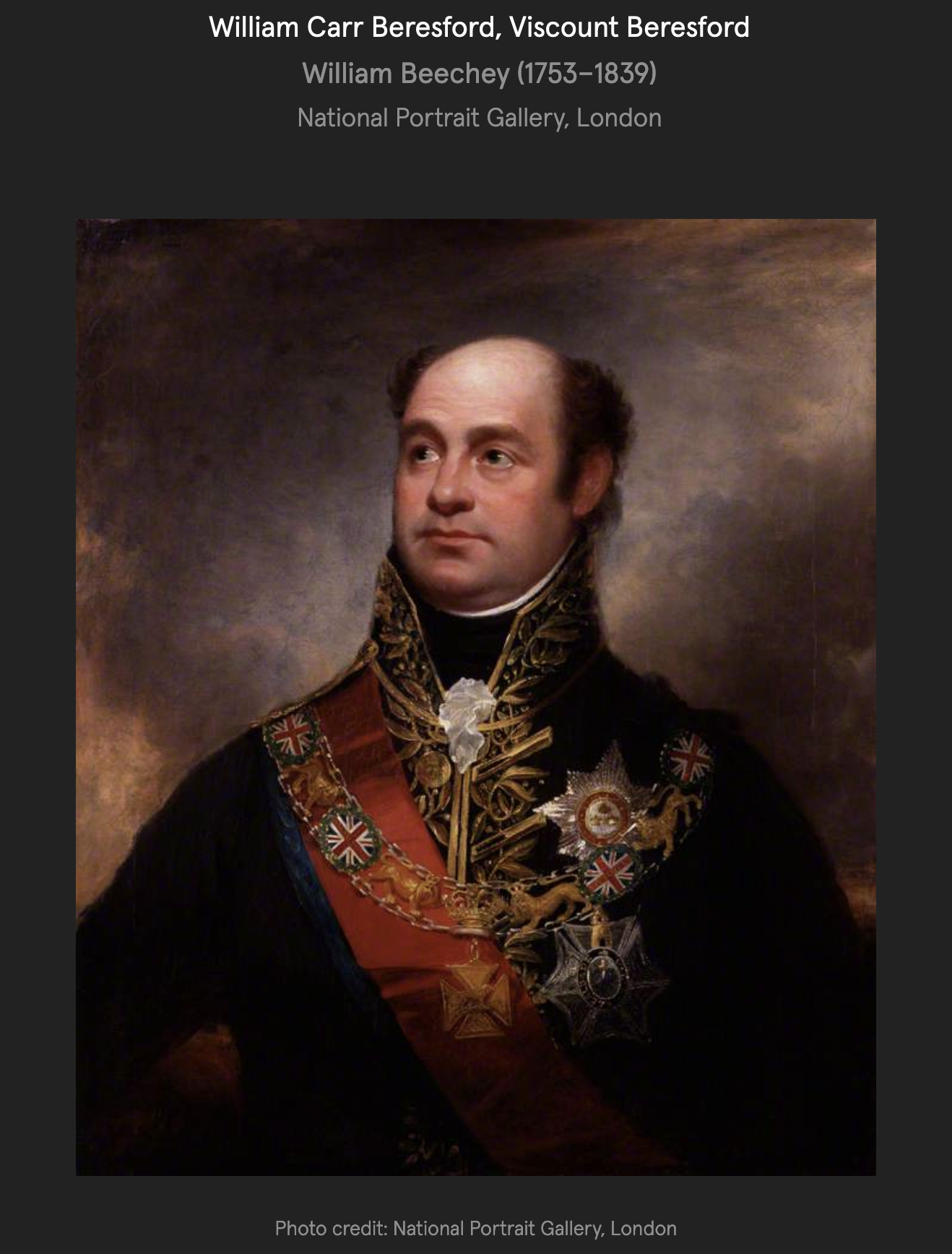
He had an illegitimate son Admiral Sir John de la Poer Beresford (1766-1844) 1st Bt Beresford, of Bagnall, Co. Waterford, and also Lt.-Gen. William Carr Beresford (1768-1854) 1st and last Viscount Beresford of Beresford.
William Carr Beresford (1768-1854) Viscount Beresford, by William Beechey, Photograph courtesy of National Portrait Gallery, London.Harriet Elizabeth Peirse (1790-1825) Lady Beresford, wife of Admiral Sir John de la Poer Beresford (1766-1844) 1st Bt Beresford, of Bagnall, Co. Waterford, by Thomas Lawrence, courtesy of National Trust Hatchlands.
Henry de la Poer Beresford 2nd Marquess (1772-1826) wedded, in 1805, Susanna Carpenter, only daughter and heiress of George Carpenter 2nd Earl of Tyrconnell, and had issue,
HENRY de la Poer Beresford (1811-1859) his successor who became 3rd Marquess of Waterford; William; John (1814-1866) who became 4th Marquess of Waterford; James; Sarah Elizabeth (1807-1854) who married Henry John Chetwynd-Talbot, 18th Earl of Shrewsbury.
James Beresford (1816-1841) by Joseph Clover, courtesy of Ingestre Hall Residential Arts Centre.
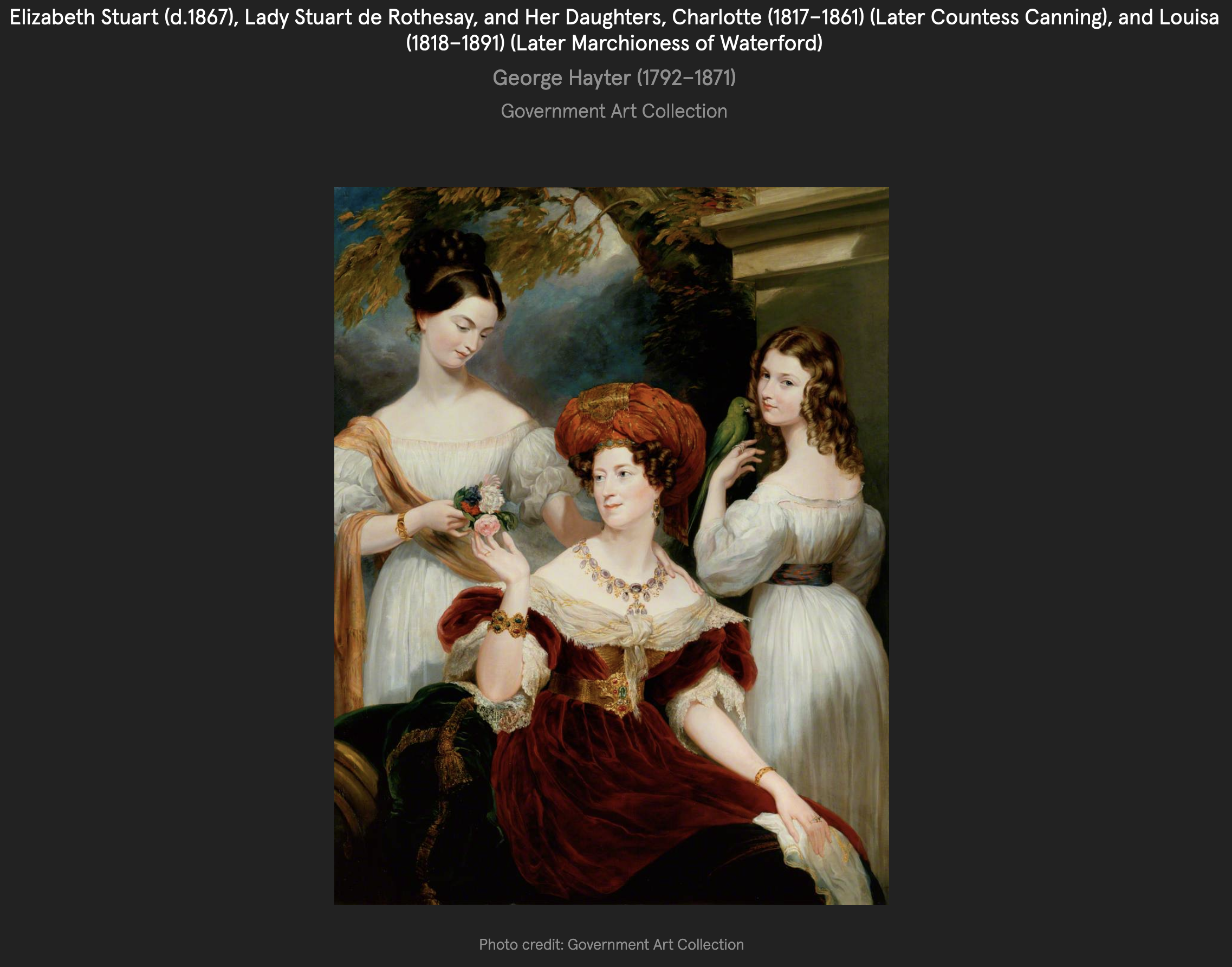
Henry de la Poer Beresford 3rd Marquess married Louisa Anne Stuart (1818-1891), daughter of Charles Stuart, 1st and last Baron Stuart de Rothesay. They did not have children.
Elizabeth Stuart née Yorke (1789-1867). Lady Stuart de Rothesay, with her daughters Charlotte (1817-1861) and Louisa (1818-1891) by George Hayter, photograph courtesy of UK Government Art Collection. Elizabeth was the daughter of Philip Yorke 3rd Earl of Hardwicke; Louisa married Henry de la Poer Beresford 3rd Marquis of Waterford; Charlotte married Charles John Canning 1st Viceroy of India, 2nd Viscount Canning, 1st Earl Canning. Louisa Anne Beresford née Stuart (1818-1891), wife of Henry de la Poer Beresford, 3rd Marquess of Waterford, daughter of Charles Stuart, 1st and last Baron Stuart de Rothesay, by Sir Francis Grant 1859-1860, NPG 3176. The National Portrait Gallery tells us: “Louisa Stuart was brought up mostly in Paris, where her father was British Ambassador to the French court. She was taught to draw from an early age and art, along with religion and philanthropy, was one of her main interests throughout her life. A gifted amateur watercolourist, she did not exhibit at professional galleries until the 1870s. With a strong interest in the welfare of the tenants on her Northumberland estate, she rebuilt the village of Ford. She provided a school and started a temperance society in the village. Her greatest artistic achievement was the decoration of the new school with life sized scenes from the Old and New testaments that used children and adults from the village as models.”
When the 3rd Marquess died, his brother John became the 4th Marquess. The 4th Marquess married Christiana, daughter of Charles Powell Leslie of Castle Leslie in County Monaghan.
Timothy William Ferres tells us of the family of the Boyles, Earls of Cork:
Richard Boyle (1566-1643) 1st Earl of Cork married firstly, in 1595, Joan, daughter and co-heiress of William Apsley, of Limerick, without surviving issue; and secondly, Catherine, daughter of Sir Geoffrey Fenton, Knight, principal secretary of state for Ireland, and had issue (with eight daughters):
Roger (1606-15);
RICHARD (1612-98) his successor; Geoffrey d. 1 year old; Lewis (1619-1642) created Viscount Boyle of Kinalmeaky;
ROGER (1621-1679) created 1st Earl of Orrery; ancestor of John, 5th Earl of Cork;
The 1st Earl of Cork’s daughter Alice (1607-1666) married David Barry 1st Earl of Barrymore. His other daughters were Sarah (1609-1633) who married first Thomas Moore son of Garret Moore 1st Viscount of Drogheda, and then second, Rober Digby 1st Baron Digby; Lettice who married Lord Goring; Joan who married George Fitzgerald 16th Earl of Kildare; Catherine (1615-1691) who married Arthur Jones 2nd Viscount Ranelagh; Dorothy (1617-1668) who married Arthur Loftus and second, Gilbert Talbot son of William Talbot 1st Baronet; Mary (1625-1678) who married Charles Rich 4th Earl of Warwick;
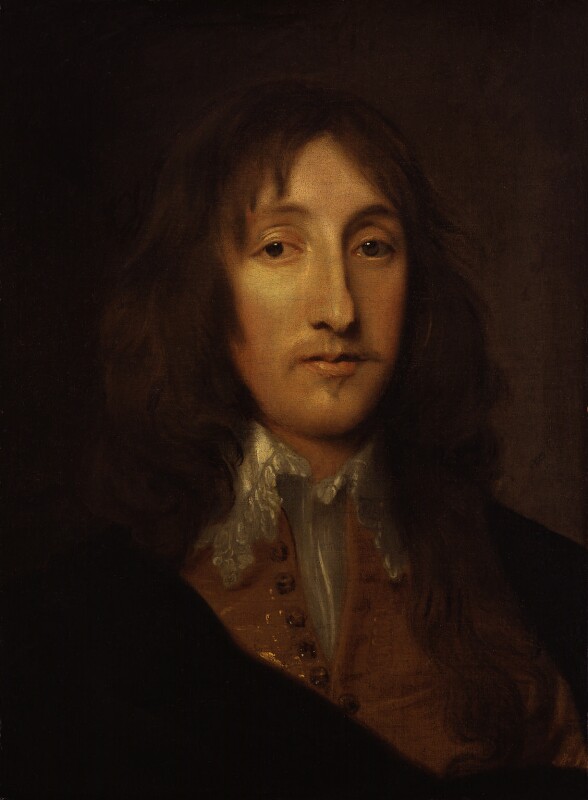
The 1st Earl of Cork was succeeded by his eldest son, RICHARD, 2nd Earl (1612-98); who, having wedded, in 1635, the Lady Elizabeth Clifford, daughter and heiress of Henry, 5th Earl of Cumberland, was created a Peer of England, 1644, in the dignity of Baron Clifford of Londesborough, Yorkshire; and, in 1664, EARL OF BURLINGTON.
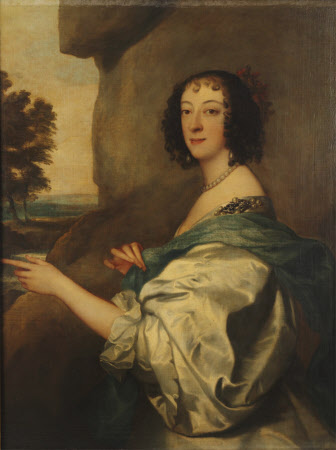
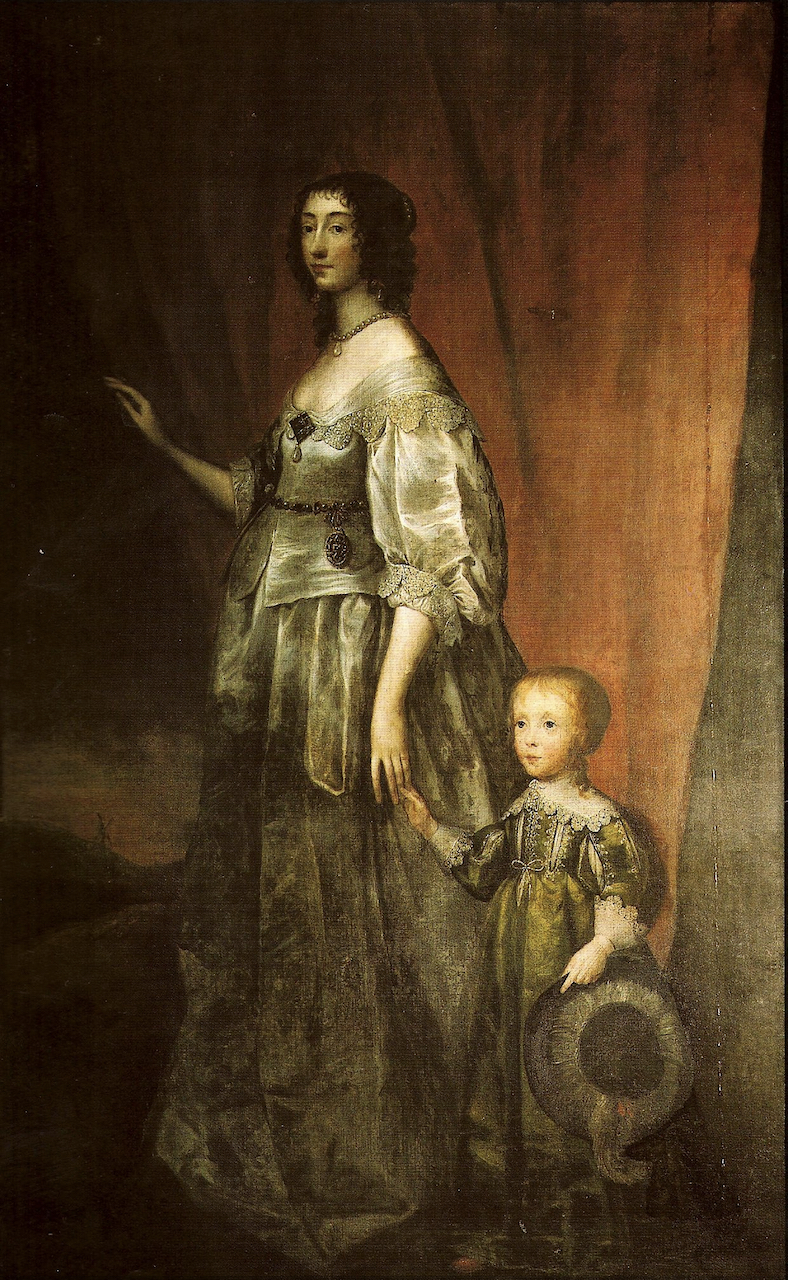
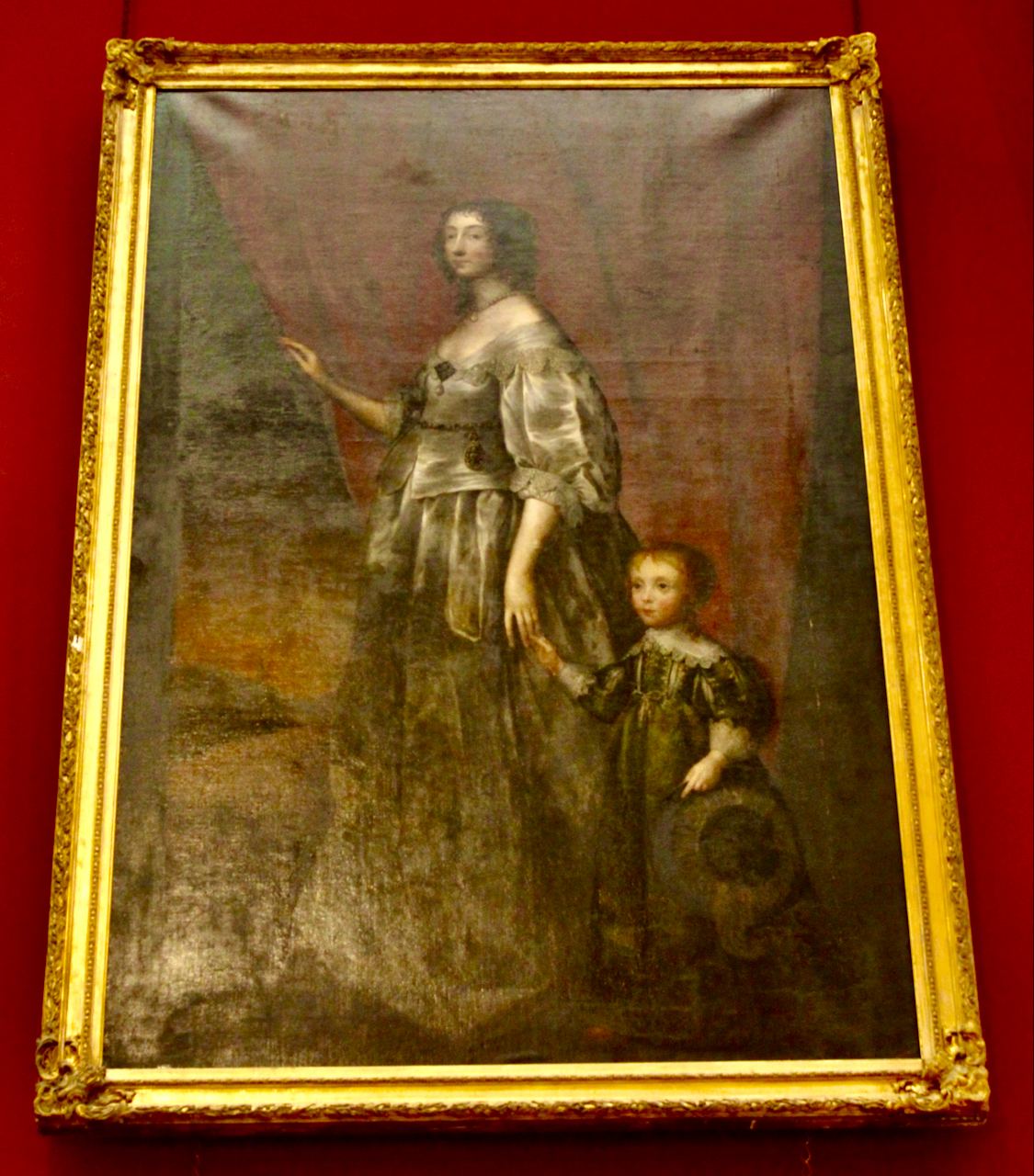
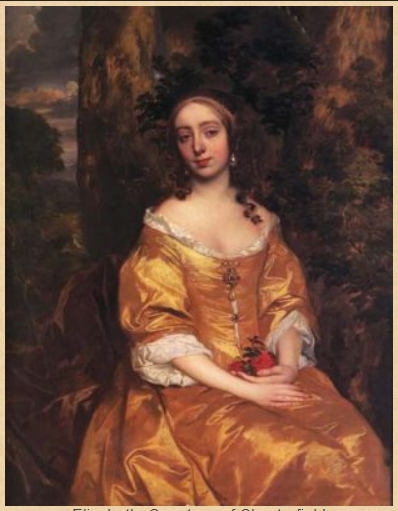
Richard Boyle (1612-1698) 1st Earl of Burlington and 2nd Earl of Cork, possibly after Sir Anthony van Dyck c.1640, NPG 893.Oil painting on canvas, Lady Elizabeth Clifford, Countess of Burlington (1621 – 1698) by Sir Anthony Van Dyck (Antwerp 1599 – London 1641). Three-quarter length portrait, profile to left, head facing, wearing wbite satin dress and blue scarf, pointing with her left hand in a landscape.She married Richard Boyle, 2nd Earl of Cork and 1st Earl of Burlington.
The 2nd Earl of Cork had issue:
Charles, 3rd Viscount Dungarvan (1639-94); father of the 3rd Earl of Cork; Richard, who died in 1665 at the battle of Lowestoft; and daughters Frances who married Colonel Francis Courtenay, 3rd Bt. then second, Wentworth Dillon, 4th Earl of Roscommon; Anne who married Edward Montagu, 2nd Earl of Sandwich; Elizabeth who married Nicholas Tufton, 3rd Earl of Thanet; Mary; Henrietta who married Laurence Hyde, 1st Earl of Rochester.
His lordship’s eldest son Charles, 3rd Viscount Dungarvan (1639-94) having predeceased him, was succeeded by his grandson, CHARLES (c. 1662-1704), 3rd Earl of Cork and 2nd Earl of Burlington.
Charles Boyle (c. 1662-1704) 3rd Earl of Cork and 2nd Earl of Burlington, by Godfrey Kneller, courtesy of National Trust Hardwick Hall.
Charles, 3rd Viscount Dungarvan (1639-94) had a daughter Elizabeth (1662-1703) who married Lt.-Gen. James Barry, 4th Earl of Barrymore.
The 3rd Earl of Cork, 2nd Earl of Burlington espoused Juliana, daughter and heiress of the Hon Henry Noel, of Luffenham, Rutland, by whom he had surviving issue, RICHARD (1694-1753) his successor, 3rd Earl of Burlington.
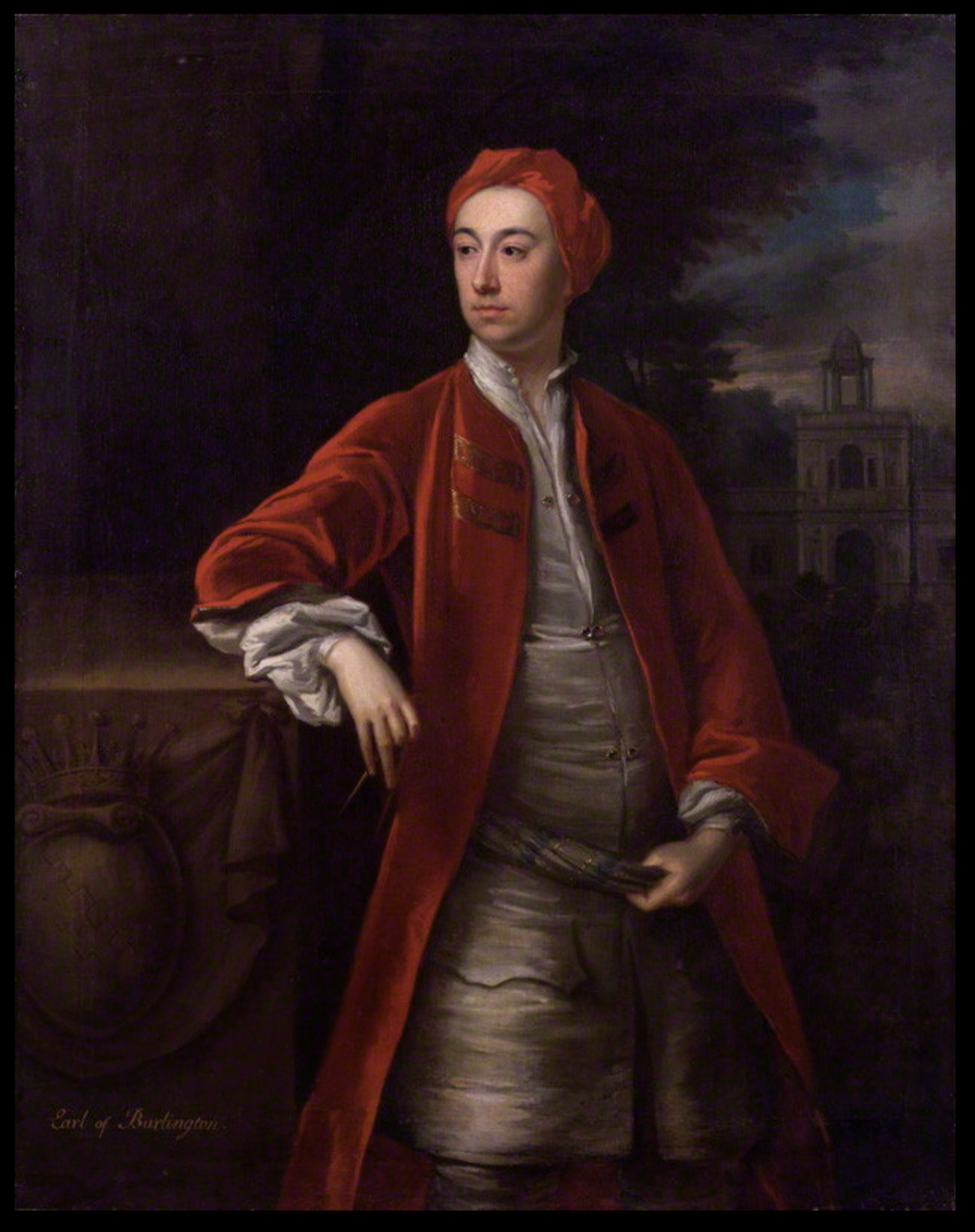
Richard Boyle, 3rd Earl of Burlington (1694-1753) by Jonathan Richardson, courtesy of London’s National Portrait Gallery NPG 4818.
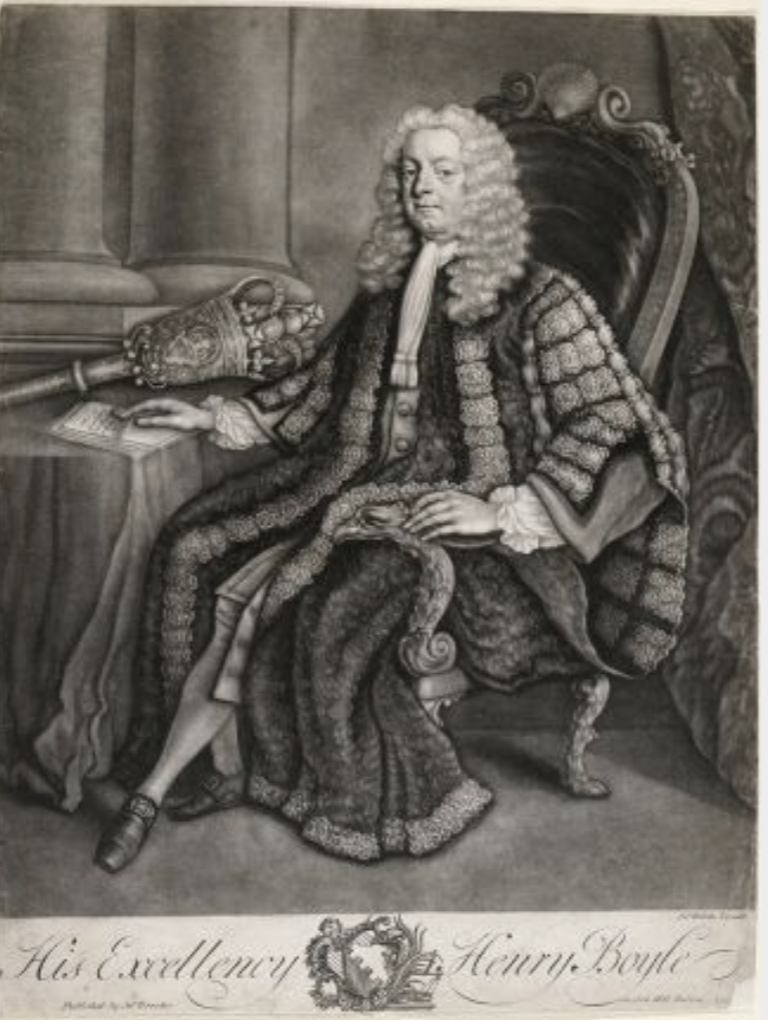
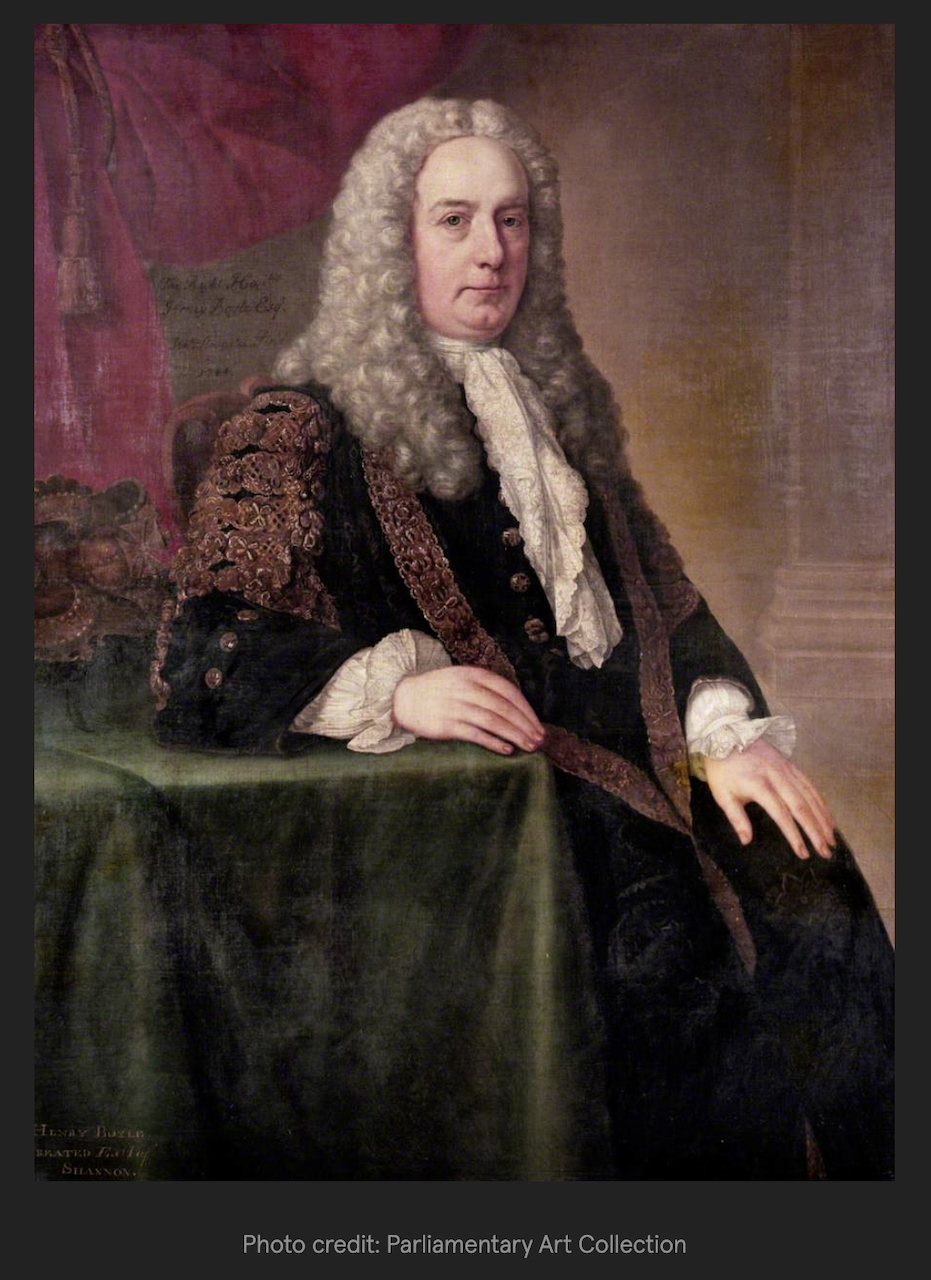
The 3rd Earl of Cork, 2nd Earl of Burlington had daughters Elizabeth; Juliana; Jane; Henrietta (1700-1746) who married Henry Boyle, 1st Earl of Shannon.
The 3rd Earl of Cork, 2nd Earl of Burlington was succeeded by his only son, RICHARD (1694-1753), 4th Earl of Cork and 3rd Earl of Burlington, KG, who married, in 1720, the Lady Dorothy Savile, elder daughter and co-heiress of William, 2nd Marquess of Halifax, by which lady he had three daughters, Dorothy; Juliana; Charlotte Elizabeth, m William Cavendish, Marquess of Hartington.
His lordship claimed, in 1727, the barony of Clifford, as great-grandson of the Lady Elizabeth Clifford, daughter and heiress of Henry, Lord Clifford, and the house of peers acknowledged and confirmed his lordship’s right thereto.
This nobleman was eminent as a munificent encourager of literature and the fine arts, and as a friend of Alexander Pope he will always be remembered.
His lordship died in 1753, and leaving an only surviving daughter, Lady Charlotte, who had wedded William, 4th Duke of Devonshire, and inherited the barony of Clifford; all his lordship’s other English honours ceased, while those of Ireland devolved upon his kinsman, JOHN BOYLE (1707-62), 5th Earl of Orrery, in Ireland; Baron Boyle of Marston, in Great Britain; succeeded as 5th EARL OF CORK (refer to Roger, third son of the first Earl of Cork).
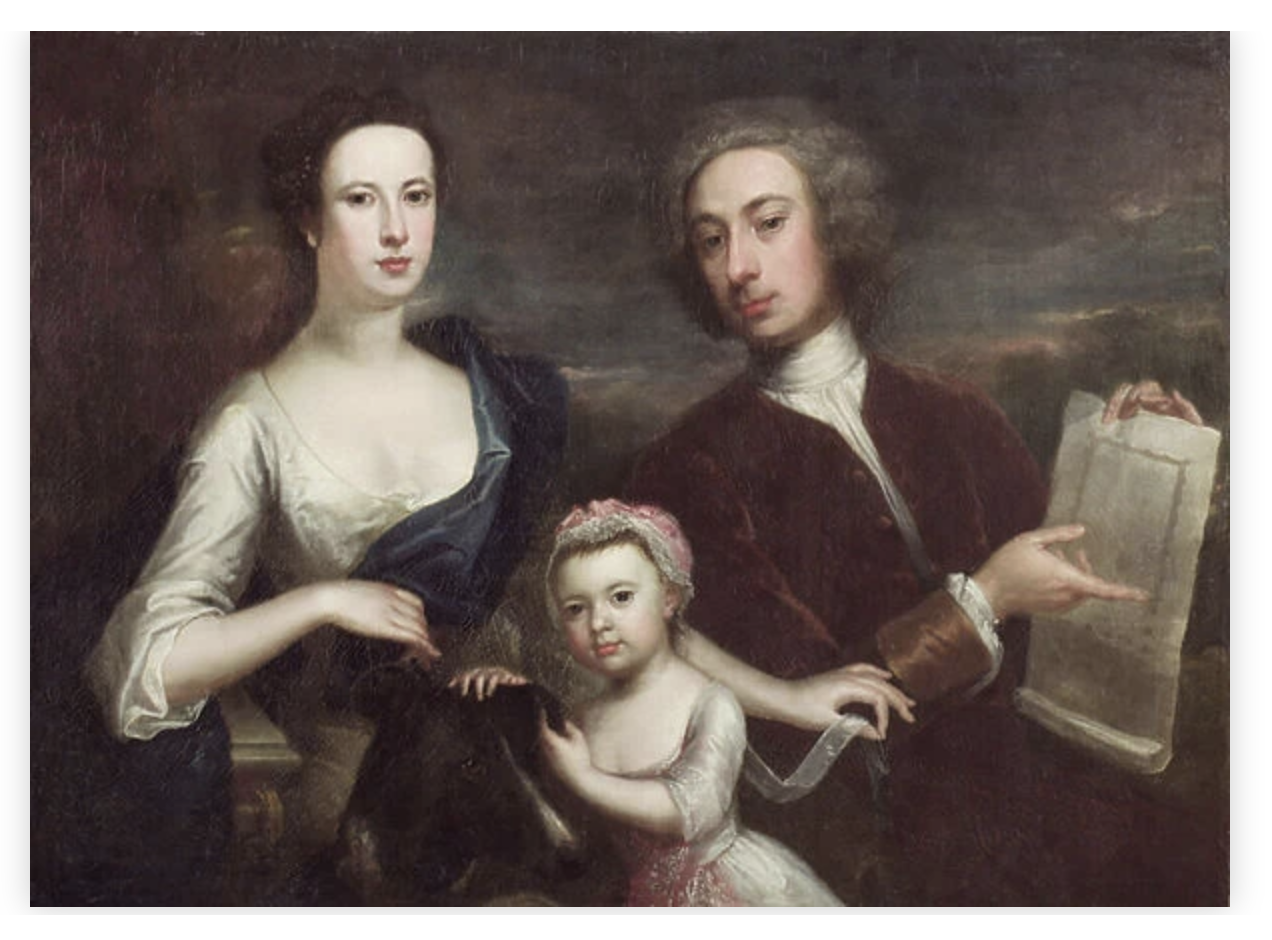
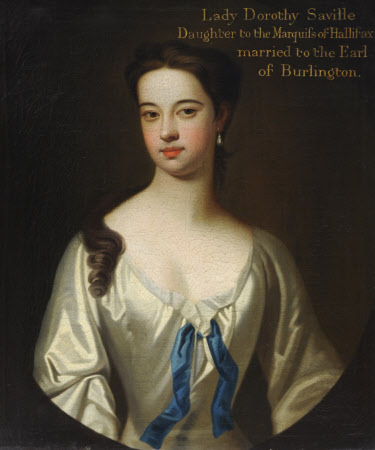
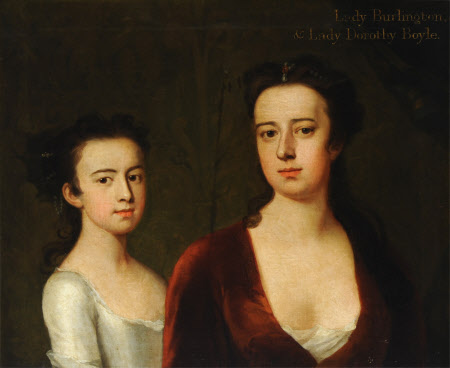
Charlotte Boyle (1731-1754) daughter of Richard Boyle (1694-1753) 3rd Earl of Burlington 4th Earl of Cork. She married William Cavendish (1720-1764) 4th Duke of Devonshire and brought Lismore Castle, County Waterford, into the Cavendish family. Painting after style of George Knapton, courtesy of Chiswick House collection.Richard Boyle 4th Earl of Cork and 3rd Earl of Burlington and Dorothy Savile attributed to Aikman, William Aikman (1682-1731).Oil painting on canvas, Possibly Lady Dorothy Savile, Countess of Burlington and Countess of Cork (1699-1758) by Michael Dahl, circa 1720. Inscribed top right in gold: Lady Dorothy Saville / Daughter to the Marquis of Halifax / married to the Earl of Burlington. A half-length portrait of a young woman, facing, wearing white decollete dress with blue ribbon. Courtesy of National Trust Hardwick HallLady Dorothy Savile, Countess of Burlington (1699-1758) with her Daughter Lady Dorothy Boyle, later Countess of Euston (1724-1742) by Michael Dahl courtesy of National Trust Hardwick Hall. She married Richard Boyle 4th Earl of Cork and 3rd Earl of Burlington.
The 1st Earl of Cork’s son ROGER (1621-1679) was created 1st Earl of Orrery.
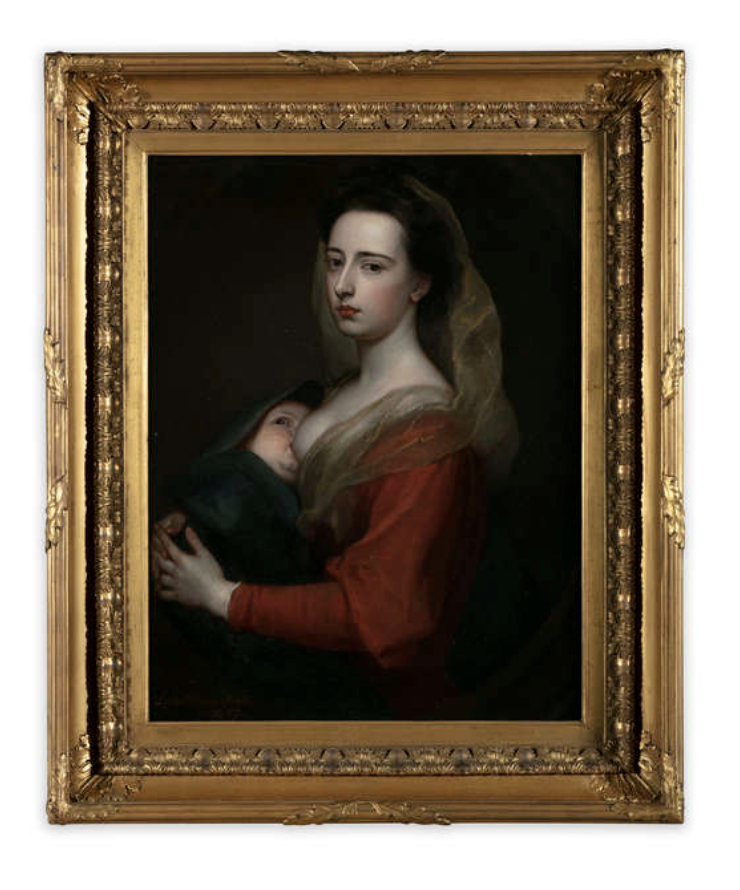
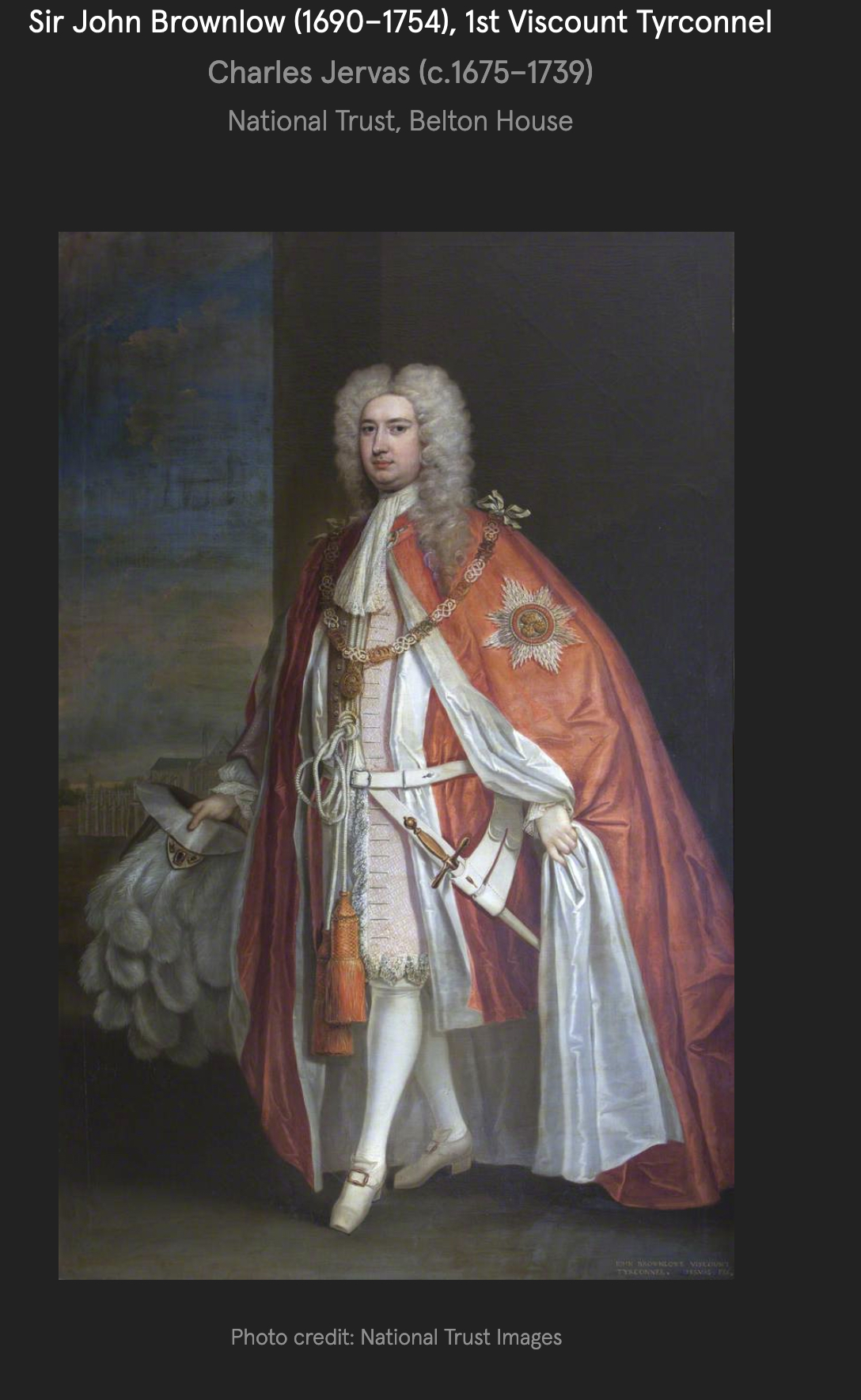
Lady Mary Boyle nursing her son Charles, by Godfrey Kneller (1646-1723) Adams auction 18 Oct 2022. I think this could be Mary née Sackville (1637-1679) who married Roger Boyle 2nd Earl of Orrery. Her son Charles Boyle (1674-1731) became the 4th Earl of Orrery.Charles Boyle 4th Earl of Orrery, possibly a copy, based on painting by Charles Jervas.
JOHN BOYLE (1707-62), 5th Earl of Orrery, in Ireland; Baron Boyle of Marston, in Great Britain; succeeded as 5th EARL OF CORK (refer to Roger, third son of the first Earl of Cork).
His lordship wedded firstly, in 1728, the Lady Henrietta Hamilton, youngest daughter of George, 1st Earl of Orkney KT, and had issue: Charles, Viscount Dungarvan (1729-1759); HAMILTON, his successor; Elizabeth.
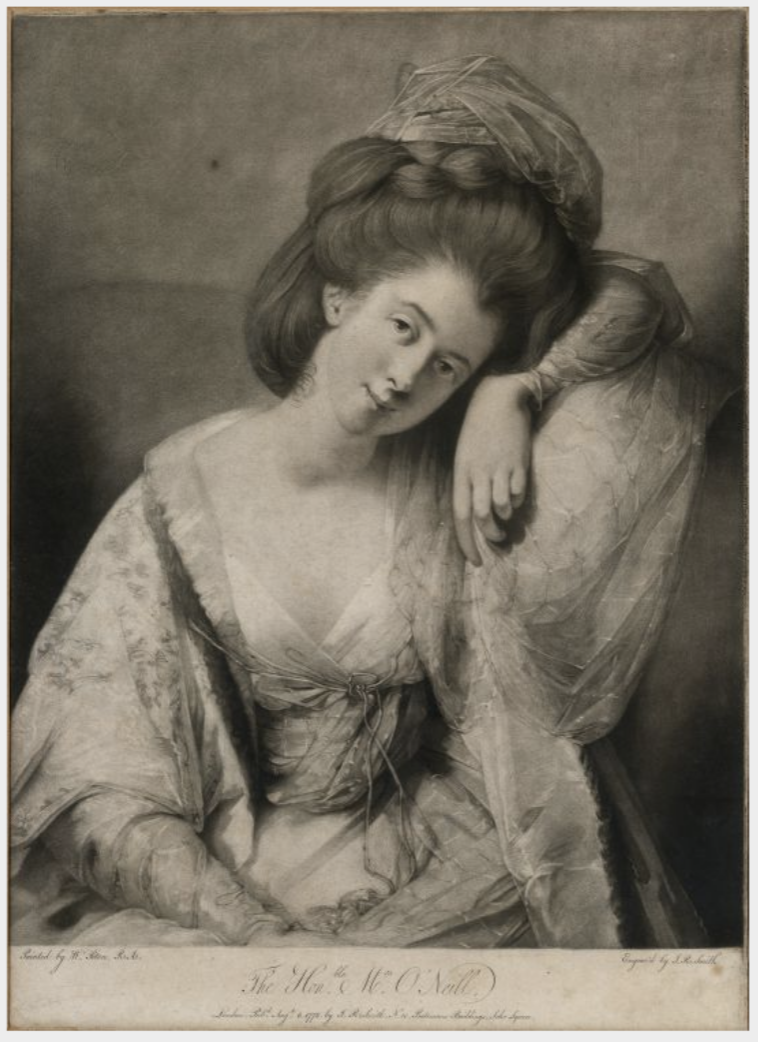
Mrs John O’Neill (née Henrietta Boyle) (1756-1793), Poet and Patron of Mrs Siddons, Engraver John Raphael Smith, English, 1752-1812 After Matthew William Peters, English, 1742-1814, courtesy of National Gallery of Ireland.She was the wife of John O’Neill (1740-1798), 1st Viscount, of Shane’s Castle, County Antrim, and the daughter of Charles Boyle, Viscount Dungarvan, who was the son of John Boyle 5th Earl of Orrery and 5th Earl of Cork.
He espoused secondly, Margaret, daughter and sole heiress of John Hamilton, by whom he had further issue: EDMUND, 7th Earl of Cork; Catherine Agnes; Lucy. He was a writer.
He was succeeded by his eldest surviving son, HAMILTON (1729-64), 6th Earl of Cork and Orrery, who died unmarried, in little more than a year after his father, when the honours devolved upon his brother, EDMUND (1742-98), 7th Earl of Cork and Orrery, who married firstly, in 1764, Anne, daughter of Kelland Courtenay, and had issue: John Richard, Viscount Dungarvan (1765-8); EDMUND, of whom hereafter; Courtenay (the Hon Sir), Vice-Admiral in the Royal Navy; Lucy Isabella.
Anne Boyle née Courteney, Countess of Cork and Orrery (1742-1785) Engraver James Watson, Irish, c.1740-1790 After Hugh Douglas Hamilton, Irish, 1740-1808, courtesy of National Gallery of Ireland. She married Edmund Boyle 7th Earl of Cork and Orrery.
His lordship espoused secondly, in 1786, Mary, youngest daughter of John, 1st Viscount Galway, without further issue.
He was succeeded by his eldest surviving son, EDMUND (1767-1856), 8th Earl of Cork and Orrery, KP, a General in the Army, who married, in 1795, Isabella Henrietta, third daughter of William Poyntz, of Midgam house, Berkshire, and had issue: Edmund William, Viscount Dungarvan (1798-1826); George Richard (1799-1810); CHARLES, of whom presently; John, ancestor of the 12th and 13th Earls; Robert Edward; Richard Cavendish; Isabella Elizabeth; Lucy Georgina; Louisa.
His lordship’s eldest surviving son CHARLES (1800-34), styled Viscount Dungarvan, wedded, in 1828, the Lady Catherine St Lawrence, daughter of William, 2nd Earl of Howth, and had issue:
RICHARD EDMUND ST LAWRENCE, his successor;
William George;
Edmund John;
Louisa Caroline Elizabeth; Mary Emily.
His lordship predeceased his father, and the family honours devolved upon his eldest son,
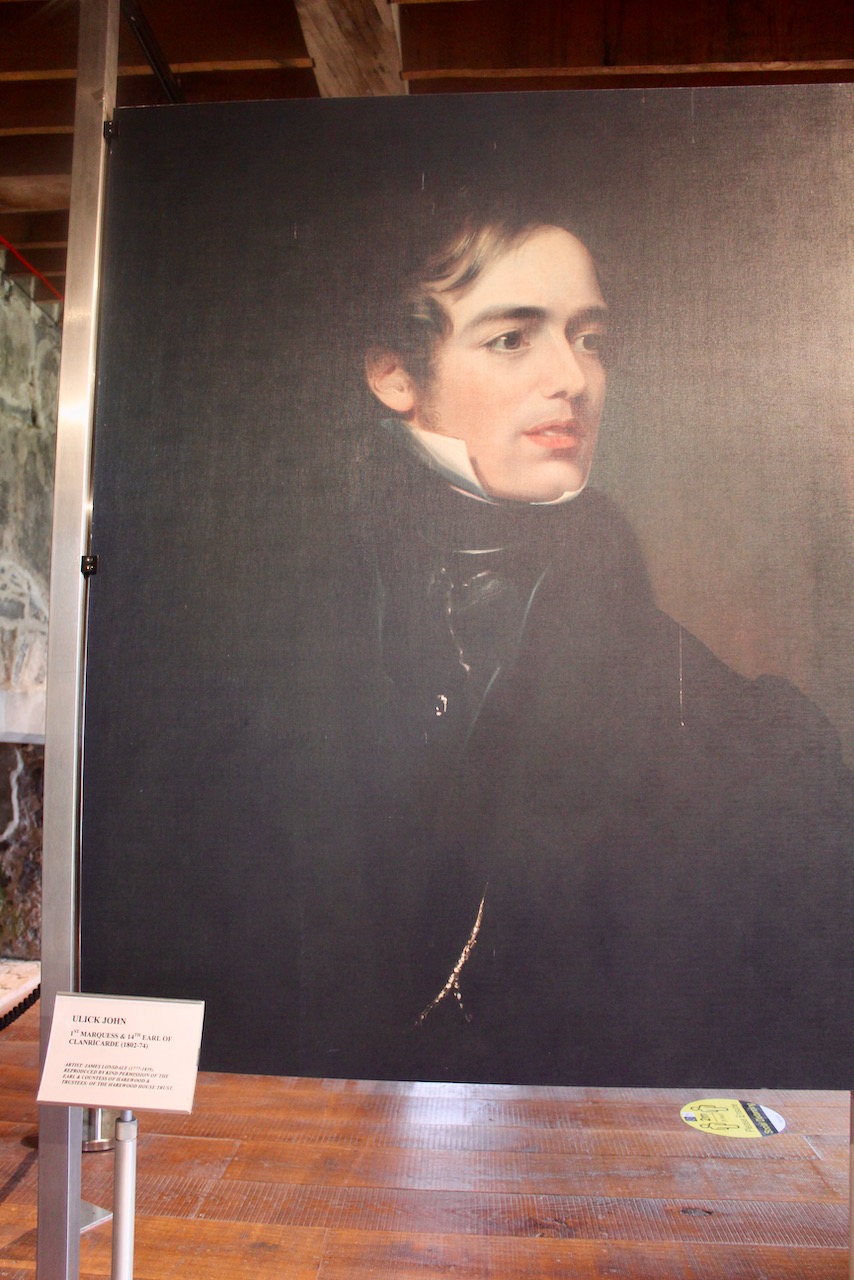
RICHARD EDMUND ST LAWRENCE (1829-1904), as 9th Earl of Cork and Orrery, KP, who married, in 1853, the Lady Elizabeth Charlotte de Burgh, daughter of Ulick John, 1st Marquess of Clanricarde, and had issue: CHARLES SPENCER CANNING, his successor; ROBERT JOHN LASCELLES, 11th Earl; Emily Harriet Catherine; Grace Elizabeth; Isabel Lettice Theodosia; Honora Janet; Dorothy Blanche.
Anne Boyle née Courteney, Countess of Cork and Orrery (1742-1785) Engraver James Watson, Irish, c.1740-1790 After Hugh Douglas Hamilton, Irish, 1740-1808, courtesy of National Gallery of Ireland.She married Edmund Boyle 7th Earl of Cork, 7th Earl of Orrery.
The 1st Earl of Cork’s son Francis (1623-1699) was created 1st Viscount Shannon.
“THE RT HON SIR VALENTINE BROWNE (d 1589) in 1583, received instruction, jointly with Sir Henry Wallop, for the survey of several escheated lands in Ireland. He was subsequently sworn of the Privy Council, and represented County Sligo in parliament in 1585. In the same year, Sir Valentine purchased from Donald, Earl of Clancare, all the lands, manors, etc in counties Kerry and Cork, which had been in the possession of Teige Dermot MacCormac and Rorie Donoghoemore.
“Sir Valentine married firstly, Alice or Elizabeth, daughter of Robert Alexander, of London, and had issue, a son. He wedded secondly, Thomasine, sister of the Lord Keeper of the Great Seal, Sir Nicholas Bacon, and had further issue (with a daughter), two sons.
“Sir Valentine’s eldest surviving son, SIR NICHOLAS BROWNE, Knight, of Ross, County Kerry, who wedded Sicheley Sheela, daughter of O’Sullivan Beare, and had issue: VALENTINE, his heir; Anne.
“Sir Nicholas died in 1616, and was succeeded by his son, VALENTINE BROWNE, High Sheriff of County Kerry, 1623, who was created a baronet in 1622, designated of Molahiffe, County Kerry.
“Sir Valentine, after his father’s decease, presented a petition to JAMES I, praying an abatement of the yearly rent reserved on the estate which he held from the Crown, as an undertaker, at the annual sum of £113 6s 8d, in regard of the small profit he made of it, being set out in the most barren and remote part of County Kerry; which request was complied with, and he received a confirmation, by patent, of all his lands at a reduced rent.
“He married Elizabeth, fifth daughter of Gerald, Earl of Kildare [I’m not sure if this – JWB], and was succeeded by his grandson, THE RT HON SIR VALENTINE BROWNE, 3rd Baronet (1638-94); who was sworn of the Privy Council of JAMES II, and created by that monarch, subsequently to his abdication, in 1689, Baron Castlerosse and Viscount Kenmare.
“His lordship, who was Colonel of Infantry in the army of JAMES II, forfeited his estates by his inviolable fidelity to that unfortunate monarch. He wedded Jane, only daughter and heir of Sir Nicholas Plunket [of Balrath], and niece of Lucas, Earl of Fingall, and had five sons and four daughters.
“The 1st Viscount was succeeded by his eldest son, SIR NICHOLAS BROWNE, 4th Baronet (called 2nd Viscount); an officer of rank in the service of JAMES II, and attainted in consequence, who espoused, in 1664, Helen, eldest daughter and co-heir of Thomas Brown, by whom he obtained a very considerable fortune, but which, with his own estates, became forfeited for his life.The crown, however, allowed his lady a rent-charge of £400 per year for the maintenance of herself and her children. Sir Nicholas died in 1720, leaving four daughters and his son and successor,
“SIR VALENTINE BROWNE, 5th Baronet (called 3rd Viscount) (1695-1736), who continued outlawed by the attainder of his father and grandfather. [The 4th Baronet’s daughter Frances married Edward Herbert (1693-1770 of Muckross, County Kerry]
“He married, in 1720, Honora, second daughter of Colonel Thomas Butler [of Kilcash (1671-1738)], and great-grandniece of James, Duke of Ormonde, by whom he had issue, Thomas, his successor, and two daughters.
“Sir Valentine espoused secondly, in 1735, Mary, Dowager Countess of Fingall, by whom he left a posthumous daughter, Mary Frances. [Mary née Fitzgerald (1716-1741/2) was the daughter of Maurice Fitzgerald, 5th Baronet of Castle Ishen, County Cork; Mary was first married to Justin Plunkett, 5th Earl of Fingall. She married thirdly John Bellew, 4th Baron Bellew of Duleek]
“He was succeeded by his only son, SIR THOMAS BROWNE, 6th Baronet (called 4th Viscount) (1726-95), who wedded, in 1750, Anne, only daughter of Thomas Cooke, of Painstown, County Carlow, by whom he had a son and a daughter, Catherine, married to Count de Durfort-Civrac.
“He was succeeded by his son, SIR VALENTINE BROWNE, 7th Baronet (called 5th Viscount) (1754-1812), who was created (the viscountcy of JAMES II never having been acknowledged in law), in 1798, Baron Castlerosse and Viscount Kenmare.
“His lordship was further advanced to the dignity of an earldom, in 1800, as EARL OF KENMARE.”
Valentine Browne (1754-1812), 1st Earl of Kenmare by Hugh Douglas Hamilton courtesy of Country House Collections at Slane Castle by Adam’s 2012.
“He married firstly, in 1777, Charlotte, daughter of Henry, 11th Viscount Dillon [of Costello-Gallin], and had an only daughter, Charlotte. [She married George Goold, 2nd Bt of Old Court, Co. Cork.]
“His lordship wedded secondly, in 1785, Mary, eldest daughter of Michael Aylmer, of Lyons, County Kildare, and had issue,
VALENTINE (1788-1853)his successor as 2nd Earl; Thomas (1789-1871) who became 3rd Earl; William; Michael; Marianne; Frances.
“His lordship was succeeded by his eldest son, VALENTINE, 2nd Earl (1788-1853), PC, who espoused, in 1816, Augusta, daughter of Sir Robert Wilmot, 2nd Baronet, though the marriage was without issue, when the family honours devolved upon his brother,
“THOMAS, 3rd Earl (1789-1871), who married, in 1822, Catherine, daughter of Edmond O’Callaghan [d. 1791. Another daughter of Edmond O’Callaghan, Ellen, married James John Bagot of Castle Bagot, Rathcoole. His daughter Elizabeth married Gerald Dease of Turbotstown, a Section 482 property].
Piers Butler (d. 1539) 8th Earl of Ormonde married Margaret Fitzgerald, daughter of Gerald Fitzgerald 8th Earl of Kildare.
They had daughters Ellen (d. 1597) who married Donough O’Brien (d. 1553) 1st Earl of Thomond; Margaret married Barnaby FitzPatrick, 1st Baron of Upper Ossory; Joan married James Butler, 10th Baron Dunboyne; Eleanor married Thomas Butler 1st Baron Caher; Katherine married Richard Power, 1st Baron le Power and Coroghmore first and secondly, James FitzJohn FitzGerald, 13th Earl of Desmond; Ellice married Gerald FitzJohn FitzGerald (d. 1553, father of 1st Viscount Decies).
They had sons John Butler (d. 1570) who lived in Kilcash, County Tipperary and was father of Walter (1569-1632) 11th Earl of Ormond; Richard Butler (d. 1571) 1st Viscount Mountgarret; Thomas who died in 1532; and James Butler (d. 1546) 9th Earl of Ormonde.
James Butler (1504-1546), Soldier, 9th Earl of Ormond and Ossory by Francesco Bartolozzi, published by John Chamberlaine, after Hans Holbein the Younger publ. 1797, courtesy of National Portrait Gallery NPG D39383.
James Butler (d. 1546) 9th Earl of Ormonde married Joan Fitzgerald, daughter of James FitzMaurice FitzGerald, 10th Earl of Desmond. She gave birth to Thomas Butler (1531-1614) who became 10th Earl of Ormond.
The 9th Earl also had a son Edmond (d. 1602) who lived in Cloughgrenan, County Carlow, who gave rise to the Baronets of Cloughgrenan.
The 10th Earl of Ormond, “Black Tom,” had no direct heir so the Earldom passed to his nephew, Walter, a son of Sir John Butler (d. 1570) of Kilcash. Unlike his uncle, who had been raised at Court and thus reared a Protestant, Walter the 11th Earl of Ormond was a Catholic. See my entry about the Ormond Castle at Carrick-on-Suir for more on “Black Tom.” https://irishhistorichouses.com/2022/06/26/opw-sites-in-munster-clare-limerick-and-tipperary/
Walter Butler’s claim to the family estates was blocked by James I. The latter orchestrated the marriage of Black Tom’s daughter and heiress Elizabeth to a Scottish favourite Richard Preston, Baron Dingwall. The King gave Preston the title Earl of Desmond (after the Fitzgeralds lost the title, due to their Desmond Rebellion), and awarded his wife most of the Ormond estate, thus depriving Walter of his inheritance. Walter refused to submit and was imprisoned for eight years in the Fleet, London. He was released 1625. Walter’s nine-year-old grandson, James, became the heir to the titles but not the estates.
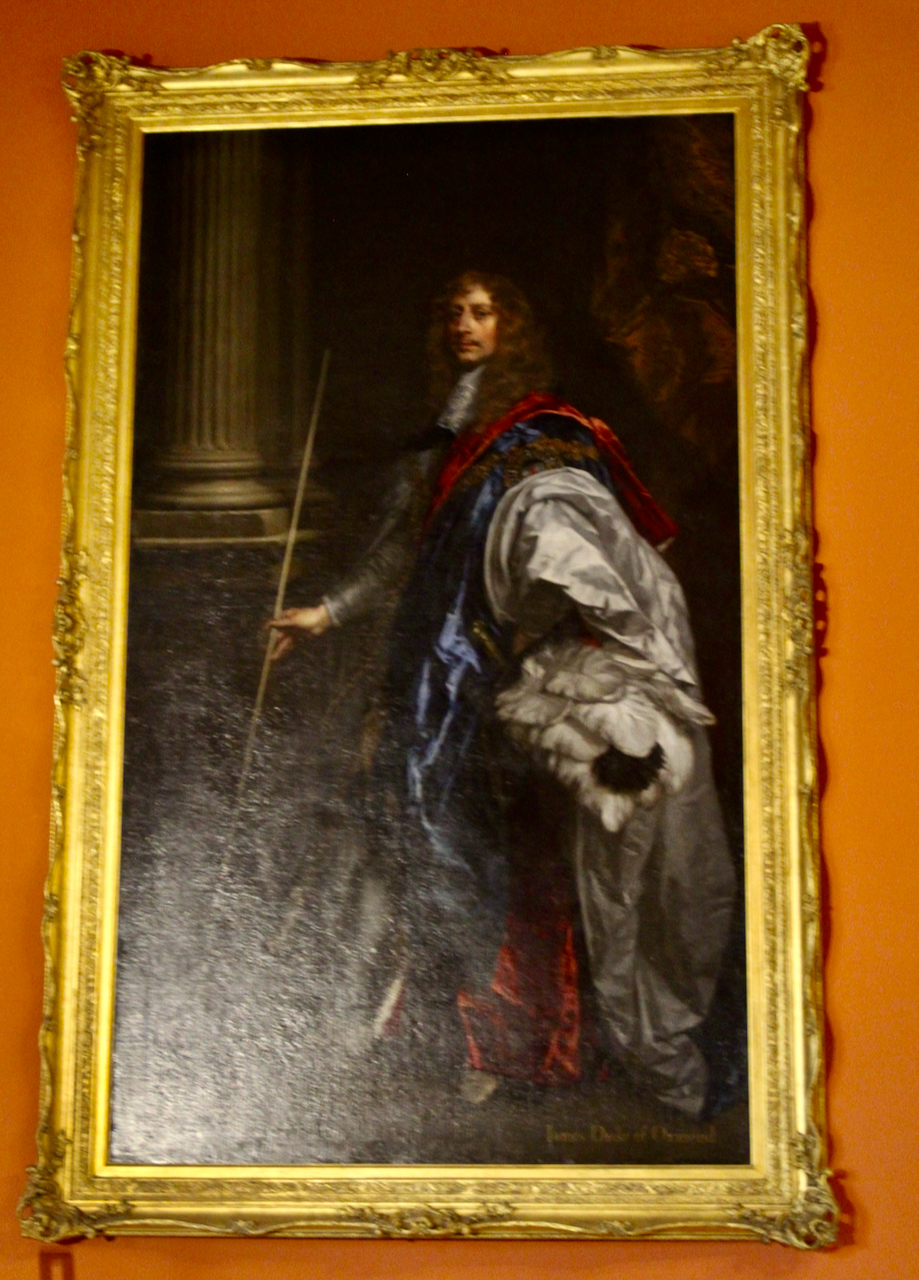
James (1610-1688) 12th Earl of Ormond (later 1st Duke of Ormond) was the son of Thomas Butler (d. 1619) Viscount Thurles, and Elizabeth Poyntz. Following his father’s death in 1619, 9-year-old James became direct heir to the Ormond titles. He was made a royal ward and was educated at Lambeth Palace under the tutelage of George Abbot, Archbishop of Canterbury.
Another son of Thomas Butler (d. 1619) Viscount Thurles, and Elizabeth Poyntz was Richard Butler (d. 1701) of Kilcash, County Tipperary.
In order to reunite the Ormond title with the estates, plans were made for a marriage between James and the daughter of the Prestons, Elizabeth, to resolve the inheritance issue. In 1629 James married his cousin Elizabeth Preston and reunited the Ormond estates.
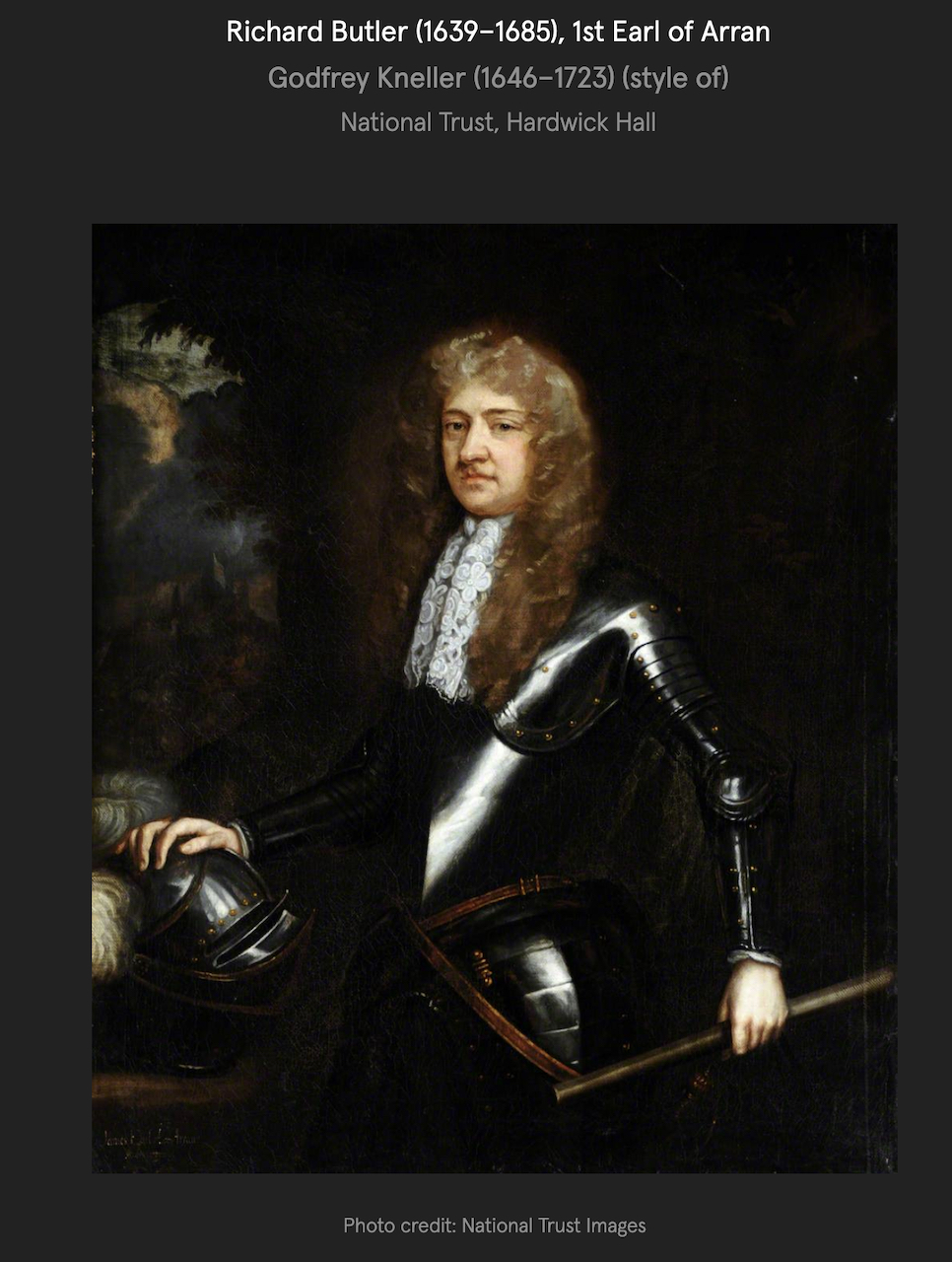
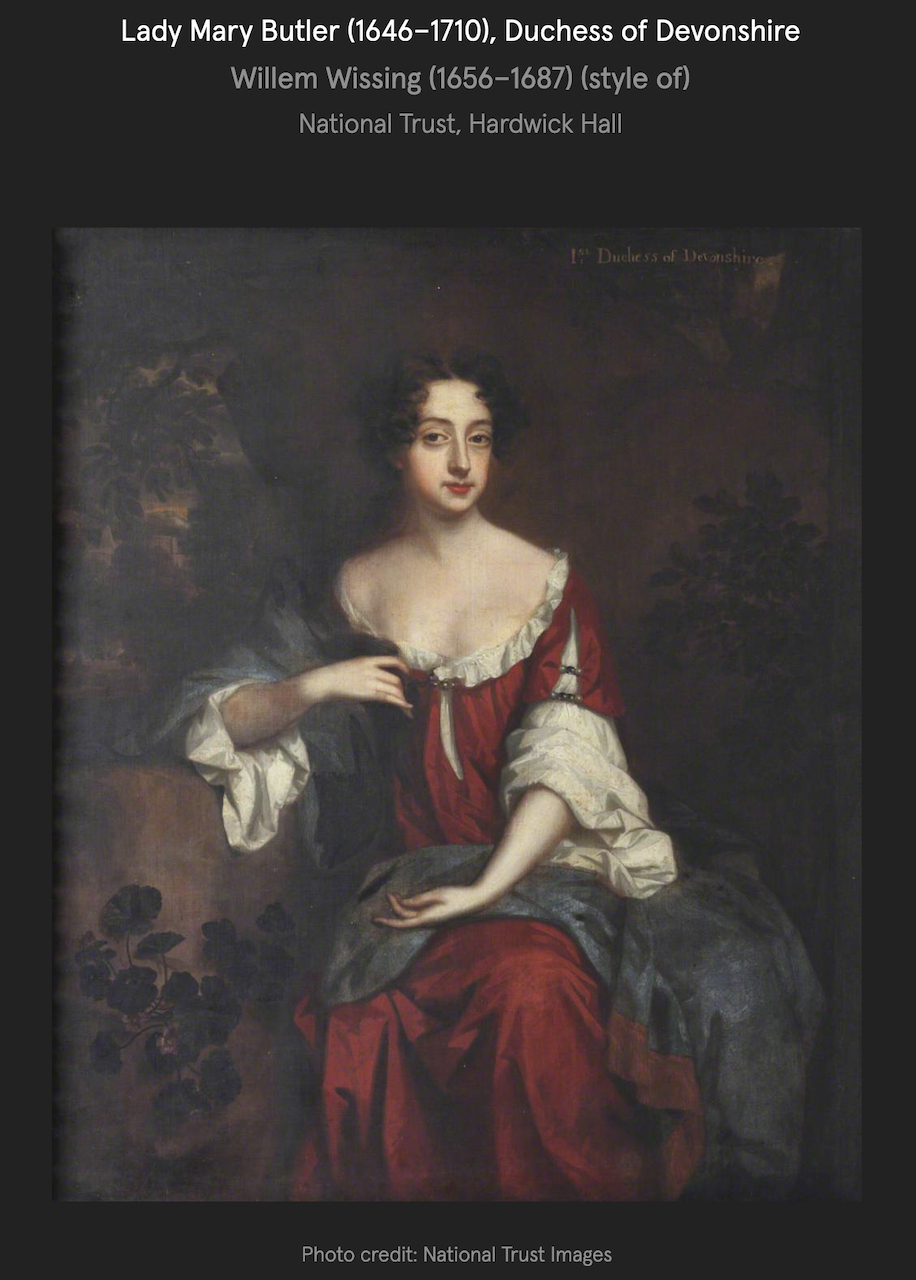
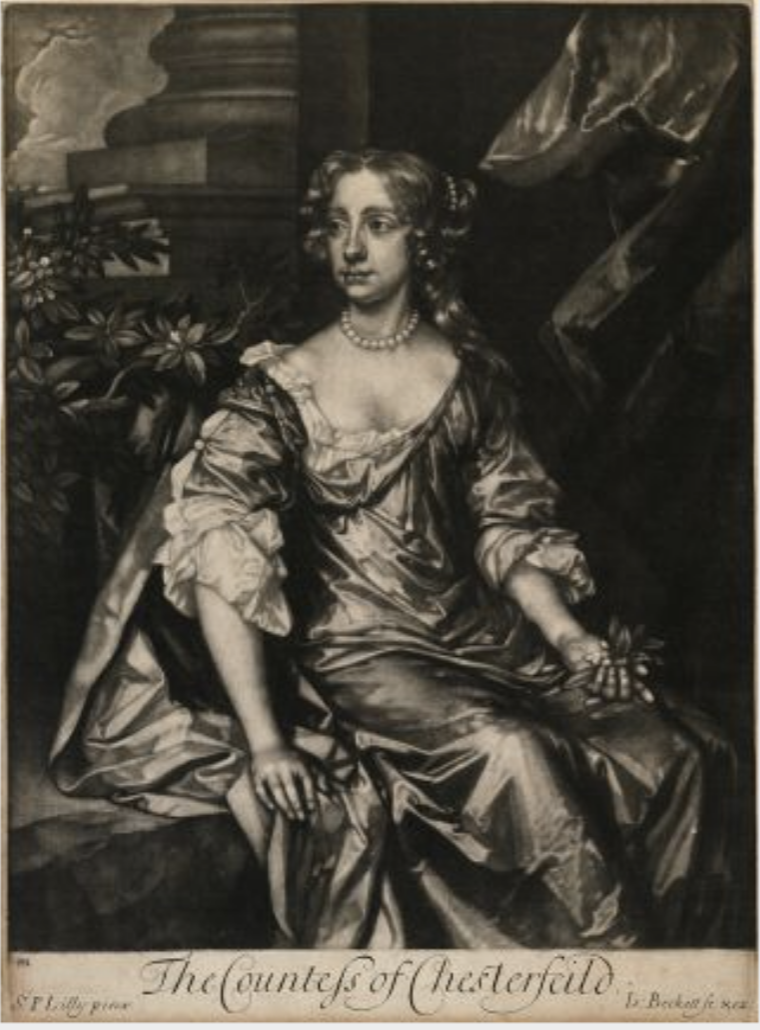
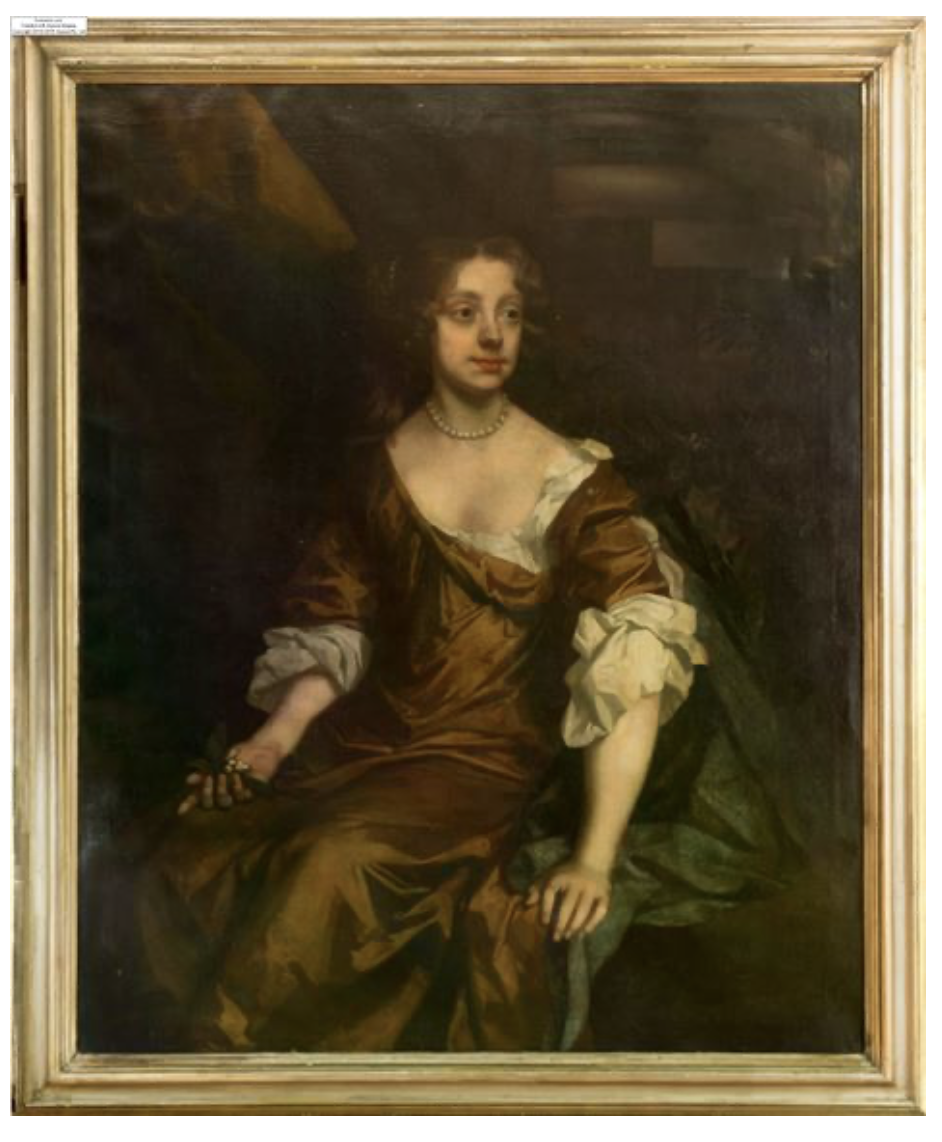
The 1st Duke of Ormond had three sons: Thomas (1634-1680), 6th Earl of Ossory; Richard (1639-1686), 1st and last Earl of Arran; and John (1634-1677), 1st and last Earl of Gowran. He had two daughters, Elizabeth (1640-1665) and Mary (1646-1710). Mary married William Cavendish, 1st Duke of Devonshire and Elizabeth, the 2nd Earl of Chesterfield.
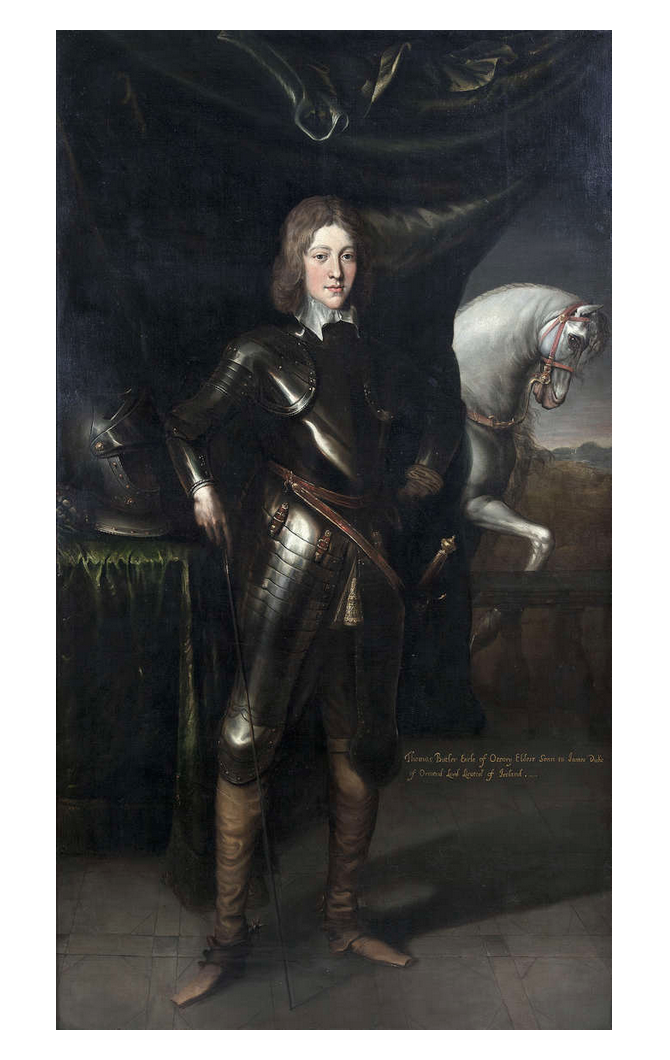
Thomas Butler (1634-1680) 6th Earl of Ossory, Eldest son of James, Duke of Ormond, in armour standing near his charge, attributed to Van Dyck, courtesy of Adam’s auction 11 Oct 2016. Provenance: Formerly in the collection of the Earl of Fitzwilliam, 1948.
Thomas Butler, 6th Earl of Ossory, (1634-1680) was born at Kilkenny Castle, the eldest son of James Butler, 1st Duke of Ormonde and Lady Elizabeth Preston. His early years were spent in Ireland and France. He was an accomplished athlete and a good scholar. In 1661 Butler became a member of both the English and Irish houses of Commons, representing Bristol in the former and Dublin University in the latter House. In 1665 he was appointed lieutenant-general of the army in Ireland and in 1666 was created an English peer as Lord Butler.
Having proven himself as an expert military strategist, and whilst visiting France in 1672, he rejected the liberal offers made by Louis XIV to induce him to enter the service of France, and returning to England he added to his high reputation by his conduct during the Battle of Texel in August 1673. From 1677 until 1679, he served alongside his father as a Lord of the Admiralty.
The earl was chosen to William, Prince of Orange, and in 1677 he joined the allied army in the Netherlands, commanding the British section and winning great fame at the siege of Mons in 1678. He acted as deputy for his father, who was lord-lieutenant of Ireland, and in parliament he defended Ormonde’s Irish administration with great vigour. In 1680 he was appointed governor of English Tangier, but his death prevented him from taking up his new duties.
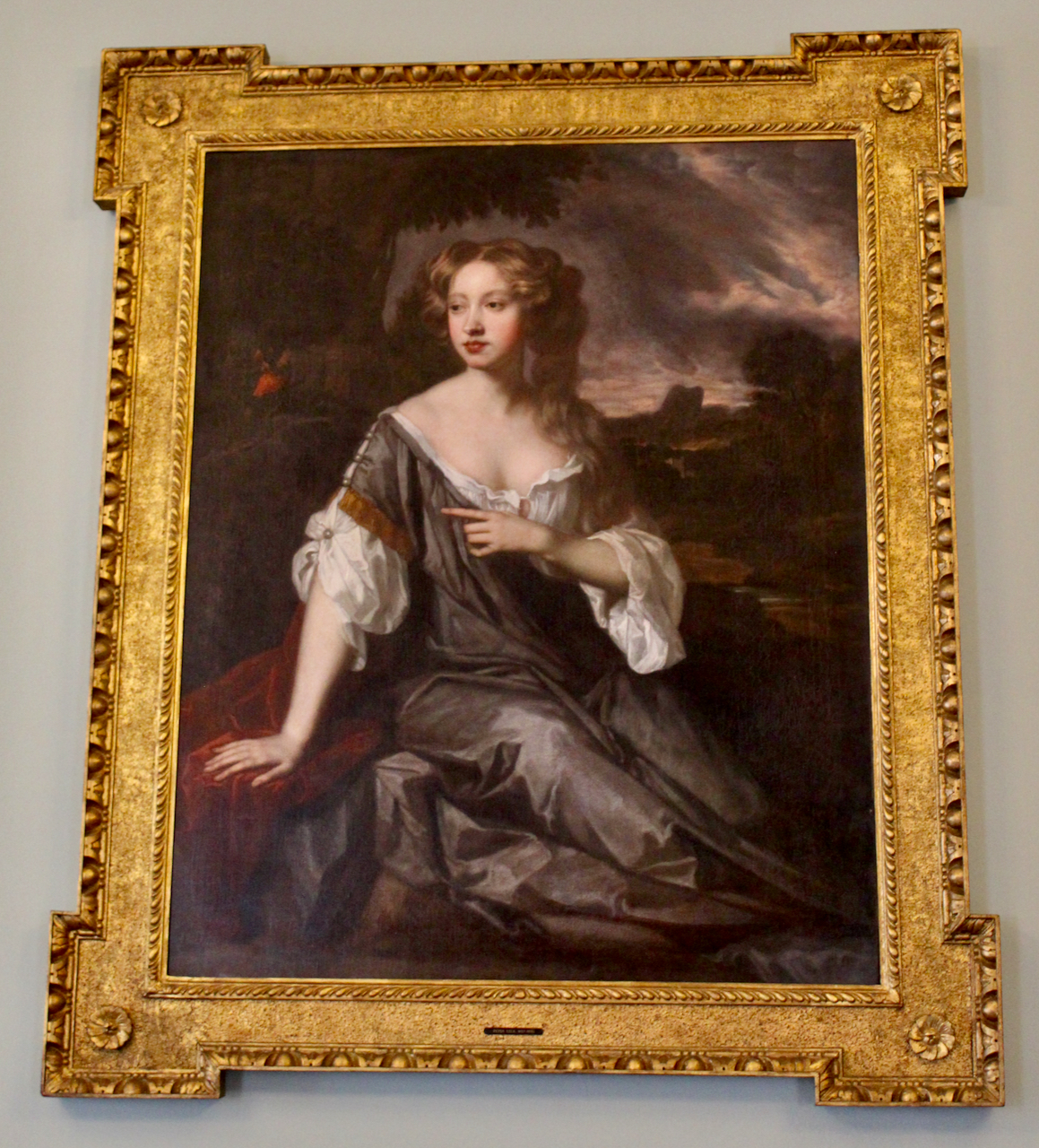
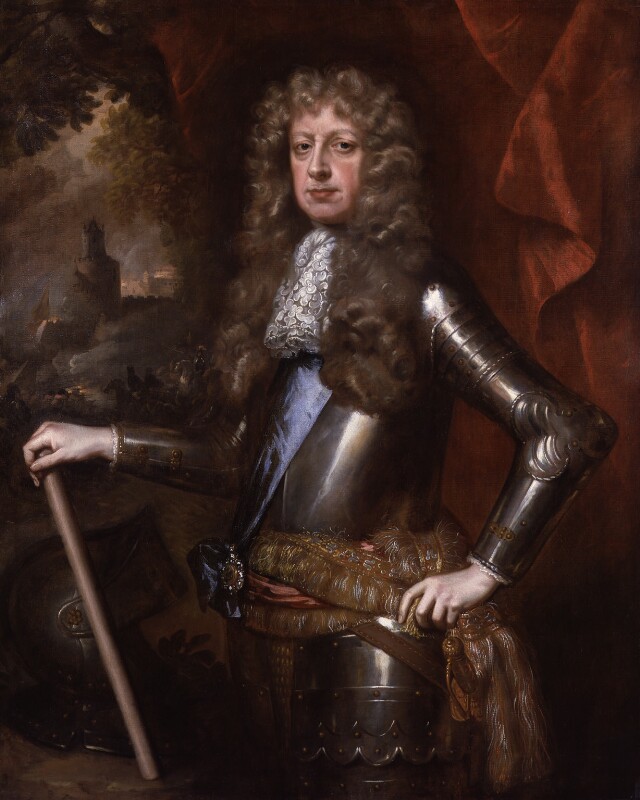
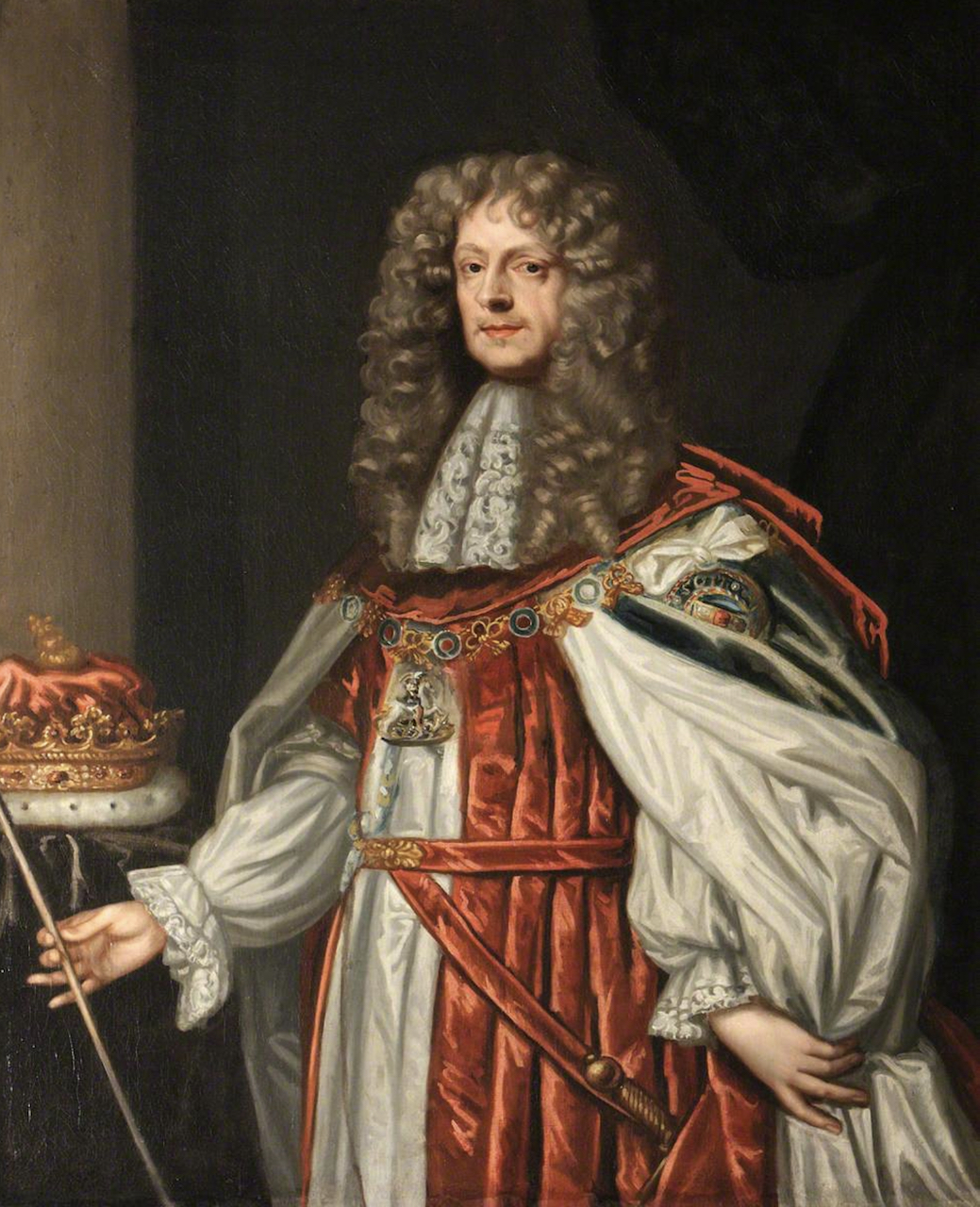
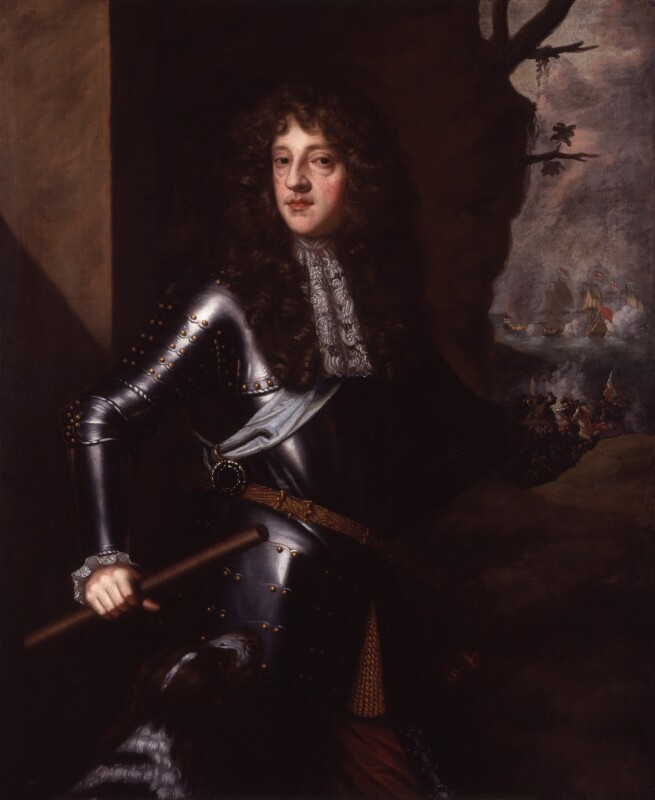
Ossory had eleven children, including James Butler who became the 2nd Duke of Ormonde in 1688. A Portrait of Thomas Butler by Lely, painted in 1678 is in the National Portrait Gallery, London and a portrait by the same hand as his father, the 1st Duke is in the ownership of the National Trust at Kedleston Hall.Thomas Butler (1634-1680) 6th Earl of Ossory, studio of Sir Peter Lely, circa 1678, courtesy of National Portrait Gallery NPG 371. Second son of the Duke and Duchess of Ormond and father of 2nd Duke of Ormonde. Richard Butler (1639-1685) 1st Earl of Arran, son of the Duke of Ormonde, by Godfrey Kneller, courtesy of National Trust Hardwick Hall.Mary Cavendish née Butler (1646-1710) Duchess of Devonshire in the style of Willem Wissing courtesy of National Trust Hardwick Hall.She was the daughter of James, 1st Duke of Ormond.Elizabeth Stanhope née Butler (1640-1665), daughter of the 1st Duke of Ormonde and 2nd wife of Philip Stanhope2nd Earl of Chesterfield Date: 1681/1688 Engraver: Isaac Beckett, English, c.1653-c.1715/19 After Peter Lely, Dutch, 1618-1680, courtesy of National Gallery of Ireland.Elisabeth Butler, circa 1670 by Peter Lely, auctioned Dec 2023.Elizabeth Stanhope née Butler Countess of Chesterfield By Peter Lely – http//:www.thepeerage.com/p951.htm#i9503, Public Domain, https//:commons.wikimedia.org
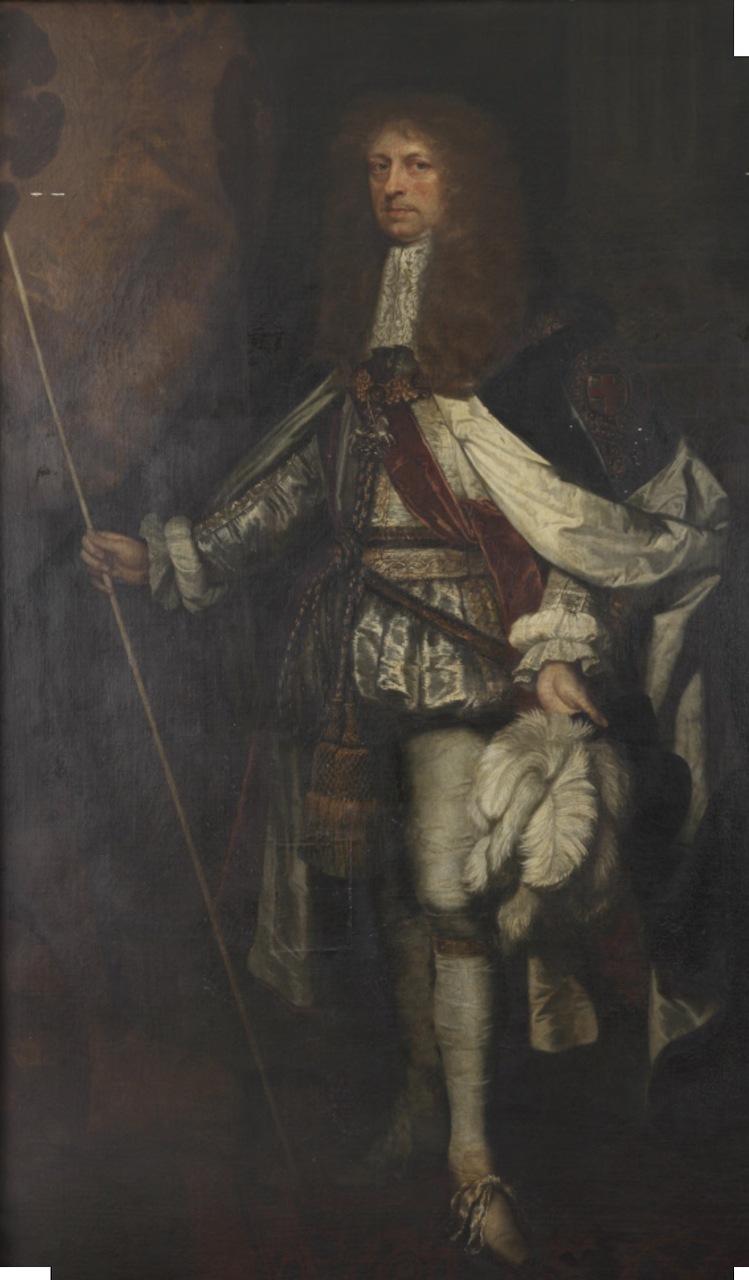
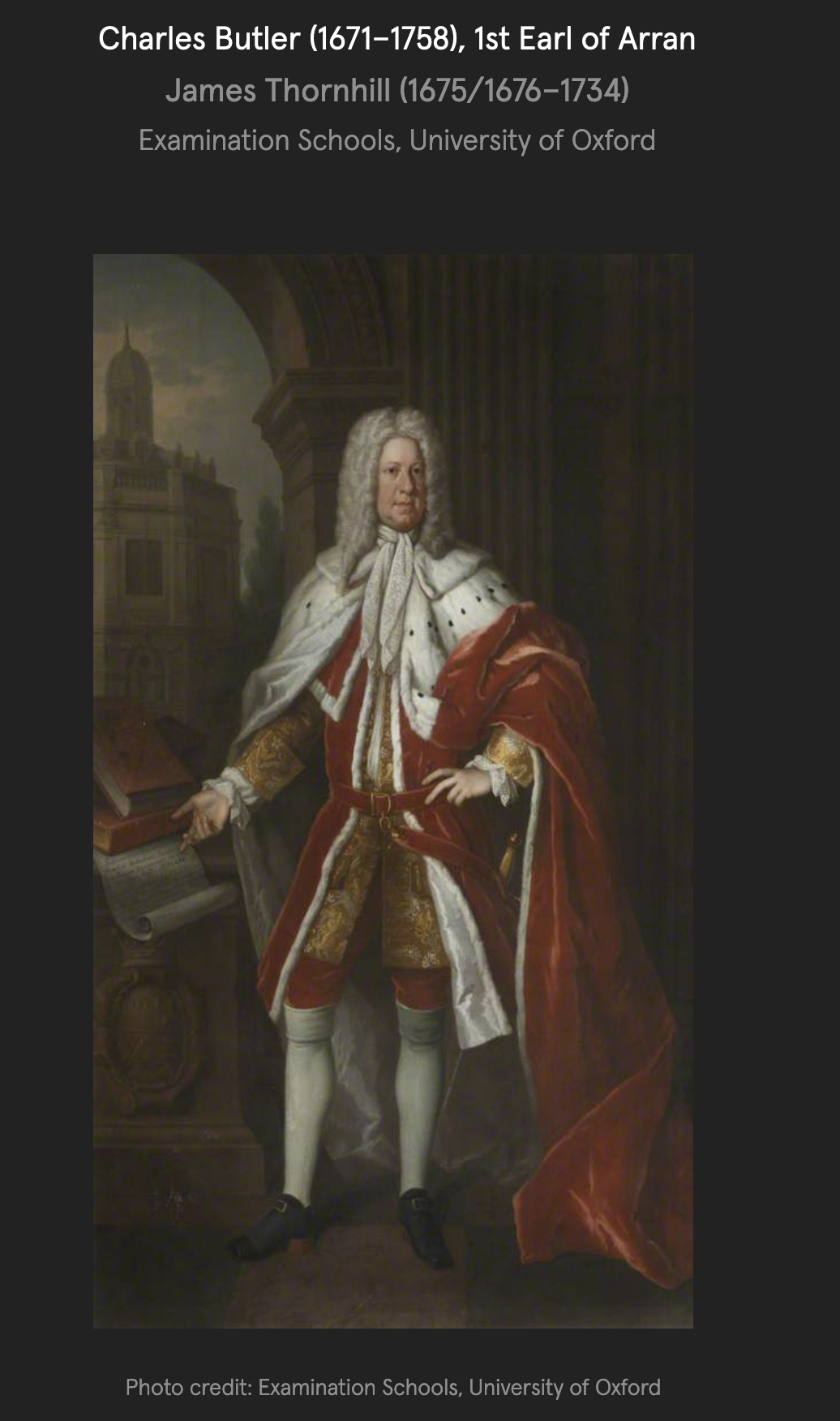
Thomas Butler (1634-1680) 6th Earl of Ossory and his wife Amelia of Nassau were the parents of James Butler (1665-1745) 2nd Duke of Ormonde. Another son was Lt.-Gen. Charles Butler, 1st Earl of Arran (1671-1758).
James the 2nd Duke had no son, so the title passed to his brother Charles Butler (1671-1758) 1st Earl of Arran. He was enabled by an Act of Parliament in 1721 to recover his brother’s forfeited estates, but the dukedom ended with him. He was, however, also the 14th Earl of Ormonde and this title continued. He had no children, however, so the title passed to a cousin.
Charles Butler (1671-1758) 1st Earl of Arran by James Thornhill, courtesy of Examination Schools, University of Oxford.
John Butler (d. 1766) of Kilcash and Garryricken became 15th Earl of Ormonde. He was a descendant of Walter Butler the 11th Earl.
Colonel Thomas Butler of Kilcash (c. 1738) by James Latham, father of John Butler (d. 1766) of Kilcash and Garryricken who became 15th Earl of Ormonde.
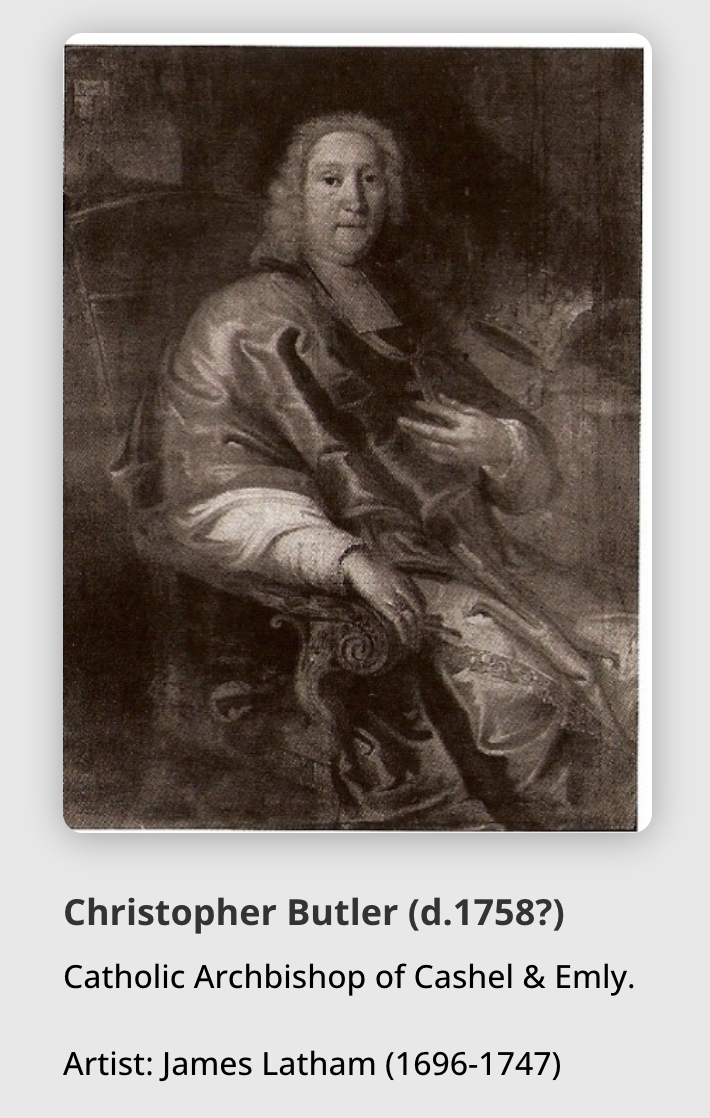
Richard Butler (d. 1701) of Kilcash, County Tipperary was a younger brother of James the 1st Duke of Ormond. There is a castle ruin still in Kilcash, under the protection of the Office of Public Works but not open to the public. His son was Walter Butler of Garryricken (1633-1700). Walter had sons Christopher (the Catholic Archbishop) and Thomas (d. 1738).
Christopher Butler (d. 1758?) Catholic Archbishop of Cashel and Emly, by James Latham.Christopher Butler was Catholic archbishop of Cashel and Emly, son of Walter Butler of Garryricken and brother of Colonel Thomas Butler of Kilcash.
The 15th Earl had no children so the title then passed to a cousin, Walter Butler (1703-1783), 16th Earl, another of the Garryricken branch, who also became the 9th Earl of Ossory. He took up residence at Kilkenny Castle. Walter, a Catholic, was unable to exercise a political role.
John Butler 17th Earl of Ormonde, nicknamed “Jack of the Castle,” was son of the 16th Earl. He in turn was father of Walter Butler (1770-1820) 18th Earl of Ormonde, 1st And Last Marquess of Ormonde (of the 2nd creation).
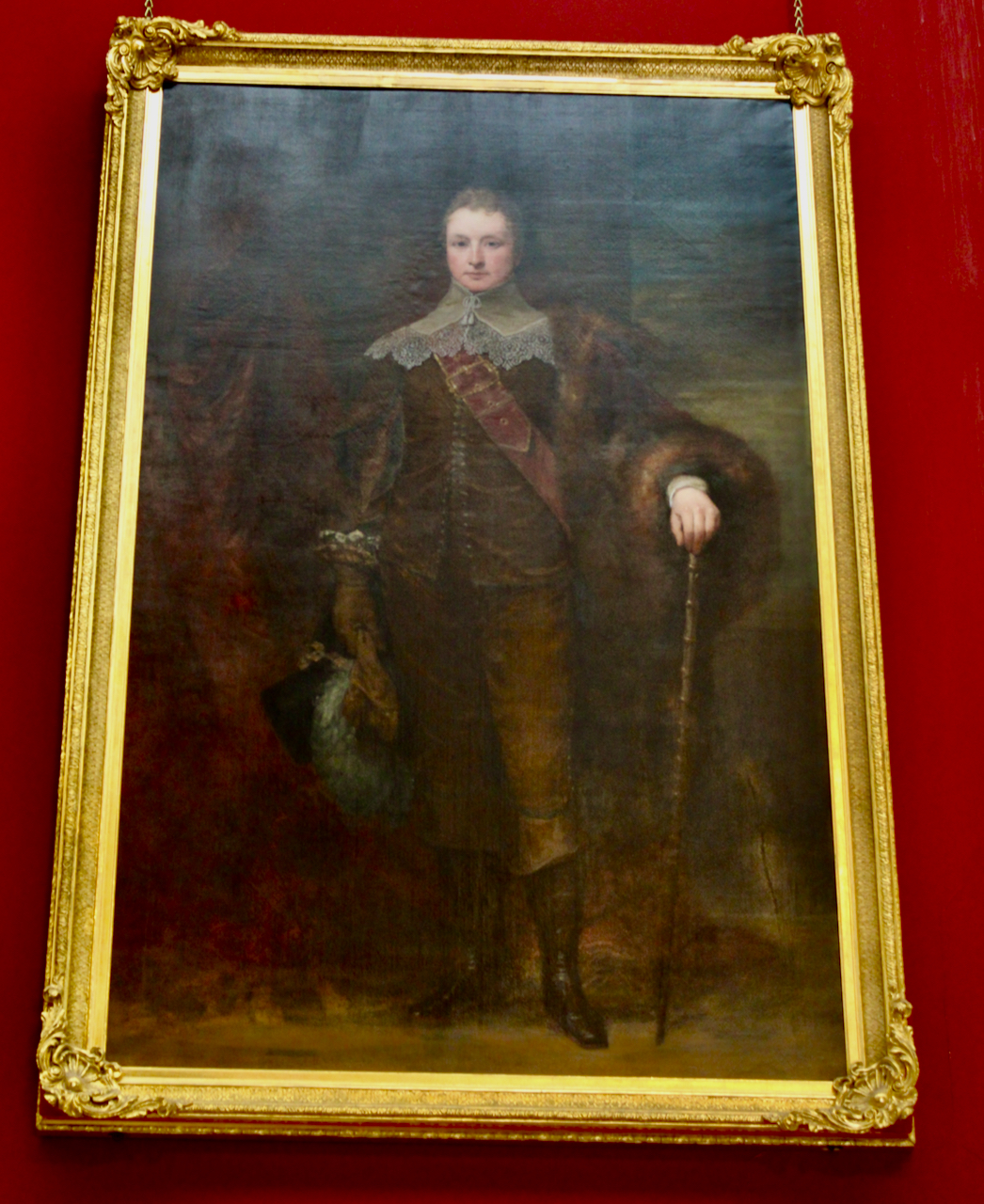
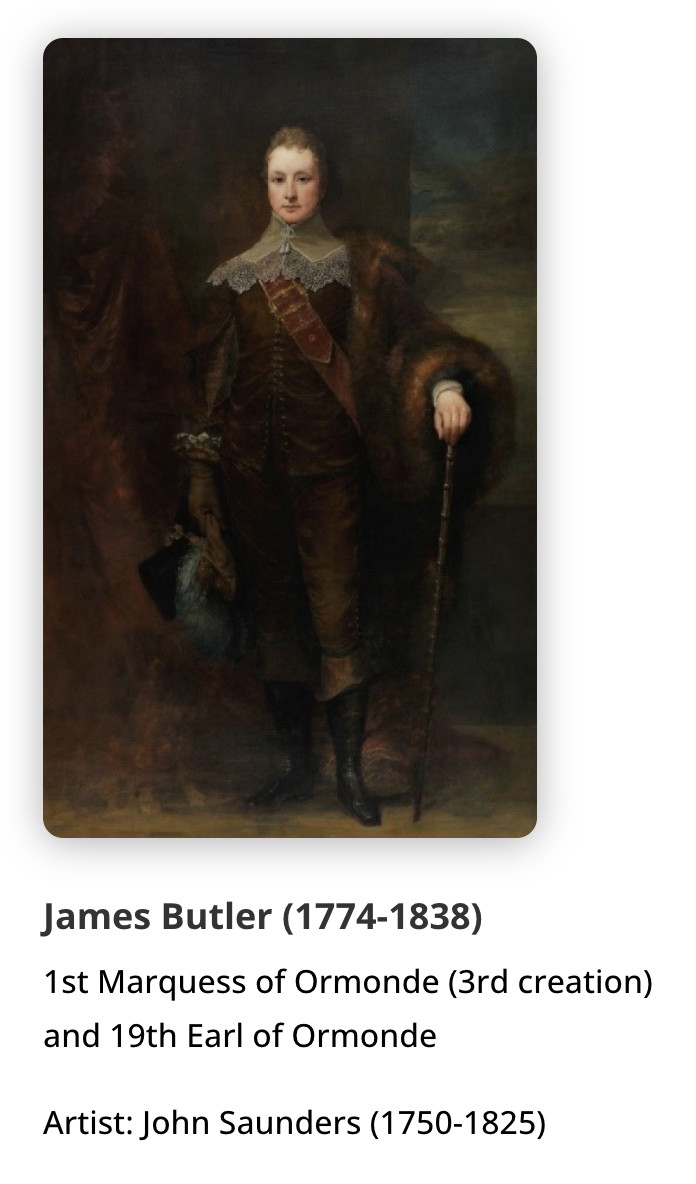
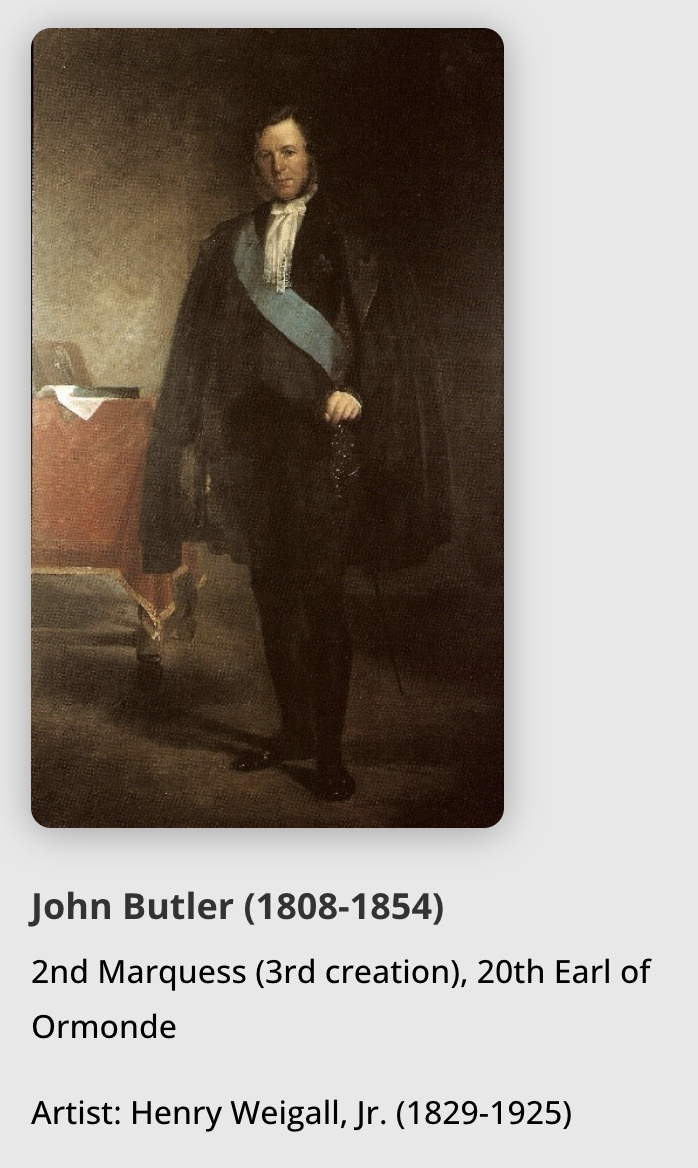
His younger brother James Wandesford Butler (1777-1838) was later created 1st Marquess of Ormonde of the third creation, 19th Earl of Ormonde. He was the father of John Butler (1808-1854) 2nd Marquess (3rd creation) and 20th Earl of Ormonde, who was the father of James Edward William Theobald Butler (1844-1919) 3rd Marquess of Ormonde and also James Arthur Wellington Foley Butler (d. 1943) 4th Marquess of Ormonde, who was father of 5th and 6th Marquesses.





















































 Irish Historic Houses