Today I’m continuing to split county entries into two pages: “Places to visit” and “Accommodation.”
On the map above:
blue: places to visit that are not section 482
purple: section 482 properties
red: accommodation
yellow: less expensive accommodation for two
orange: “whole house rental” i.e. those properties that are only for large group accommodations or weddings, e.g. 10 or more people.
green: gardens to visit
grey: ruins
donation
Help me to pay the entrance fee to one of the houses on this website. This site is created purely out of love for the subject and I receive no payment so any donation is appreciated!
€15.00
Armagh:
1. Ardress House, County Armagh
2. The Argory, County Armagh
3. Brownlow House, County Armagh
4. Derrymore House, Bessbrook, County Armagh – National Trust
5. Milford House, Armagh
Places to Visit in County Armagh
1. Ardress House, County Armagh
Ardress House, County Armagh, photograph courtesy of Ardress house website.
Kevin V. Mulligan writes in The Buildings of Ireland: South Ulster that Ardress is the best preserved example of a gentleman’s farmhouse in South Ulster, due to its ownership by the National Trust. [1] The house began with five bays, later enlarged to seven bays and eventually the nine bays we see today. It was probably built for Thomas Clarke.
Mark Bence-Jones writes in his A Guide to Irish Country Houses (1988) that Ardress is a two storey five bay gable-ended house of ca. 1664 with two slight projections at the back; enlarged and modernized ca. 1770 by the Dublin architect, George Ensor – brother of better-known architect, John Ensor – for his own use. [2]
George Ensor (1769-1843), he wrote several books and pamphlets on radical topics including ‘Defence of the Irish and Anti-Union’. He died at the family seat Ardress House Co. Armagh in 1843.
Bence-Jones continues: “Ensor added a wing at one end of the front, and to balance it he built a screen wall with dummy windows at the other end. These additions were designed to give the effect of a centre block two bays longer than what the front was originally, with two storey one bay wings having Wyatt windows in both storeys. To complete the effect, he raised the façade to conceal the old high-pitched roof; decorating the parapet with curved upstands and a central urn; the parapet of the wings curving downwards on either side to frame other urns. Ensor also added a pedimented Tuscan porch and he altered the garden front, flanking it with curved sweeps. Much of the interior of the house was allowed to keep its simple, intimate scale; the oak staircase dates from before Ensor’s time. But he enlarged the drawing room, and decorated the walls and ceiling with Adamesque plasterwork and plaques of such elegance and quality that the work is generally assumed to have been carried out by the leading Irish artist in this style of work, Michael Stapleton. Ardress now belongs to the Northern Ireland National Trust and is open to the public.” [2]
The National Trust website tells us: “Clarke and Ensor families who lived at Ardress from the late 1600s to the mid 20th-century. See how the originally modest farmhouse was enlarged and re-modelled over the years. Some of the furnishings are original while others have made their way back here. Highlights include the drawing room, dining room and a fine collection of paintings on loan from Stuart Hall in County Tyrone.“
The discovernorthernireland website tells us that the house has an attractive garden with scenic woodland and riverside walks. The house includes an important collection of farm machinery and tools, and the 1799 table made for the speaker of the Irish Parliament, upon which King George V signed the Constitution of Northern Ireland on 22nd June 1921.
“Past our brand new visitor reception area you’ll find the traditional, cobbled farmyard. Pop into the different outbuildings such as the smithy, byre and threshing barn to get a flavour of old-time rural life. The whole family will love meeting the friendly chickens, goats and donkey, and there’s also a children’s play area.
“Bring your walking boots and set off on the Lady’s Mile (really three-quarters-of-a-mile, if you’re counting). This circular, woodland path is a real highlight of any visit, especially in spring when it’s full of wildflowers. There are some great views back to the house and look out for Frizzel’s Cottage, an 18th-century mud-walled house which is now fully refurbished.
“Ardress sits in the heart of Armagh’s rich apple-growing country. Visit in May to see the orchards burst into vibrant whites and pinks, truly a memorable sight. During Apple Blossom Sundays (12 and 19 May), there will be orchard tours, local cider, local honey, music, country crafts and family fun. Be sure to come back in October for the Apple Press Days, when you can pick your own apples. Kids can also press their own apple juice.”
2. The Argory, County Armagh
The Argory was built in the 1820s on a hill and has wonderful views over the gardens and 320 acre wooded riverside estate. This former home of the MacGeough – Bond family has a splendid stable yard with horse carriages, harness room, acetylene gas plant and laundry. Take a stroll around the delightful gardens or for the more energetic along the woodland and riverside way-marked trails. Photo by Brian Morrison 2009 for Tourism Ireland. [3]
“The Argory was built in the 1820s and its hillside location has wonderful views over the gardens and 320 acre wooded estate bordering the River Blackwater. This former home of the MacGeough–Bond family has a splendid stable yard with horse carriages, harness room, acetylene gas plant and laundry. Take a stroll around the delightful gardens or for the more energetic along the woodland and riverside way-marked trails.
Fascinating courtyard displays Garden, woodland and riverside walks with wonderful sweeping views Snowdrop walks and superb spring bulbs Adventure playground and environmental sculpture trail Enjoy afternoon tea and award winning scones in Lady Ada’s tea room
Joshua MacGeough (1747-1817), by Joseph Wilson, he was father of Walter MacGeough-Bond (1790-1866).Courtesy of National Trust, The Argory.
The National Trust website tells us: “The Argory is the home of Mr Bond, the last of four generations of the MacGeough Bond family. Designed by brothers Arthur and John Williamson of Dublin (who also did work for Emo Court in County Laois), the house was built by Mr Bond’s great-grandfather, Walter. The Argory was gifted to the National Trust in 1979. Designed in approximately 1819, started in 1820 and finished about 1824, The Argory came into existence due to a quirky stipulation in a will. Created with Caledon stone in coursed ashlar blocks with Navan limestone window sills, quoins and foundations, the interior of this understated and intimate house remains unchanged since 1900.
“The house was largely closed up at the end of the Second World War, with Mr Bond, the last owner, moving into the North Wing. What you see today is a result of four generations of collecting, treasured by Mr Bond, displayed as he remembers it from his childhood.”
Walter MacGeogh-Bond (1790-1866) by Francis Grant courtesy of National Trust The Argory.
Walter MacGeough-Bond added Bond to his surname in 1824, so he must have inherited from his great-grandfather Walter Bond. He married twice, first to Mary Isabella Joy, with whom he had a daughter, and then to Anne Smyth, daughter of Ralph Smyth of Gaybrook, County Westmeath, and his wife Anna Maria Staples, daughter of Robert 7th Baronet Staples, of Lissan, Co. Tyrone. Walter and Anne had several more children.
Of The Argory, Mark Bence-Jones writes (1988):
p. 12. “(MacGeough Bond/IFR) Built ca. 1820 by Walter MacGeough (who subsequently assumed the surname of Bond), to the design of two architects, named A. and J. Williamson, one or both of whom worked in the office of Francis Johnston. A house with imposing and restrained Classical elevations, very much in the Johnston manner, of two storeys, and faced with ashlar. Main block has seven bay front, the centre bay breaking forward under a shallow pediment with acroteria; Wyatt window in centre above porch with Doric columns at corners. Unusual fenestration: the middle window in both storeys either side of the centre being taller than those to the left and right of it. Front prolonged by wing of same height as main block, but set back from it; of three bays, ending with a wide three-sided bow which has a chimneystack in its centre. Three bay end to main block; other front of main block also of seven bays, with a porch; prolonged by service wing flush with main block. Dining room has plain cornice with mutules; unusual elliptical overdoors with shells and fruit in plasterwork. Very extensive office ranges and courtyards at one corner of house; building with a pediment on each side and a clock tower with cupola; range with polygonal end pavilions; imposing archway. The interior is noted for a remarkable organ and for the modern art collection of the late owner. Now maintained by the National Trust.” [4]
The property passed through the family, to Joshua Walter MacGeough-Bond, to his son Walter William Adrian MacGeough Bond (1857-1945) and finally to his son, Walter Albert Nevill MacGeough Bond.
“Brownlow House or Lurgan Castle, so named presumably after the Rt. Hon. Charles Brownlow [1795-1847], who built it in 1833, was created Baron Lurgan in 1839, was owned by the Brownlow family until the turn of the century. Changing fortunes resulted in property being sold to the Lurgan Real Property Company Ltd. and subsequently the House and surrounding grounds were purchased on behalf of Lurgan Loyal Orange District Lodge. The legal document of conveyance is dated 11 July 1904. In appreciation of the effort of the late Sir William Allen, KBE, DSO, DL, MP in obtaining the House, an illuminated address was presented to him by District Lodge and now hangs in the Dining Room beside the portrait of Sir William painted by Frank McKelvey. He together with Messrs. Hugh Hayes, John Mehaffey, George Lunn Jun. and James Malcolm Jun. were the first Trustees.
“Brownlow House, built in an age of grandeur and cultured tastes, is an imposing building. It has retained much of the atmosphere of bygone days and one can readily pause and still imagine what life was like when it was occupied as a dwelling.”
William Brownlow (1726-1794) (after Gilbert Stuart) by Charles Howard Hodges courtesy of Armagh County Museum.
Mark Bence-Jones writes of Brownlow House (1988):
p. 49. (Brownlow, Lurgan, B/PB) A large Elizabethan-revival house by William Playfair, of Edinburgh, built from 1836 onwards for Charles Brownlow, 1st Lord Lurgan, whose son, 2nd Baron, owned the famous greyhound Master McGrath, and whose brother-in-law, Maxwell Close, built Drumbanagher, also to the design of Playfair. Of honey coloured stone, with a romantic silhouette; many gables with tall finials; many tall chimneypots; oriels crowned with strapwork and a tower with a lantern and dome. The walls of three principal reception rooms are decorated with panels painted to resemble verd-antique; while the ceilings are grained to represent various woods. The grand staircase has brushwork decoration in the ceiling panesl, and the windows are filled with heraldic stained glass. Sold 1903 to the Orange Order, its present owners, by whom it is used for seasonal functions. Its grounds have become a public park.”
4. Derrymore House, Bessbrook, County Armagh – National Trust, open to public.
The National Trust website tells us that Derrymore House is a late 18th-century thatched house in gentrified vernacular style.
“The name Derrymore is derived from ‘doire’, the Irish for an oak grove and ‘mór’, meaning large. Derrymore was the home of Isaac Corry (1753-1813), MP for Newry from 1776. He commissioned John Sutherland (1745-1826), the leading landscape gardener of the day, to carry out improvements to the land. Sutherland enhanced the existing woodland by planting thousands more trees. Oak, chestnut, pine and beech trees now dominate the woodlands, which contain some very fine mature specimens. The picturesque thatched house was built for Corry, in the style of a ‘cottage orné’, which gives it a rather romantic feel. It is surprisingly large inside with reception and bedrooms on the ground floor, and service rooms in the basement.
“Isaac Corry was Chancellor of the Irish Exchequer in 1800, when the Act of Union with Britain was passed. It followed a time of extreme political unrest. The Act removed parliamentary control from Dublin to London, a highly contentious move. Many who supported the union were seen as betraying Ireland in the interests of economics and trade, while others saw it as an economic and political necessity. As MP for Newry and supporter of the linen industry, Corry was keen to ensure solid trade links. The Act was also meant to deliver Catholic Emancipation, but to the dismay of many, including Corry, this part of the Act was not ratified.
“Corry sold Derrymore in 1810 and retired to his Dublin house, where he died in 1813. After passing through several hands, Derrymore was bought by John Grubb Richardson (1815-1890), owner of the Bessbrook linen works and village and a member of the Society of Friends.
“By the mid-19th century the linen industry had become a major part of the Ulster economy. Industrialisation brought in ever more sophisticated engineering. The Craigmore Viaduct, visible from Derrymore demesne, opened in 1852, creating a major transport link between Dublin and Belfast. The linen business at Bessbrook grew from a small mill, with weaving carried out on looms in people’s own cottages (piece work), into an impressive series of flax, spinning and weaving mills, spear-heading new developments in damask weaving, and established a world-wide reputation for Richardson Linens.
“John G. Richardson invested heavily in Bessbrook, creating a model village around the large mill, run on Quaker principles of mutual respect between managers and workers. Good housing, religious tolerance, playing fields and schools helped create a thriving and settled community. No public house ensured that there was no need for a police station, nor for a pawnshop.
“John G. Richardson let Derrymore house to tenants and built The Woodhouse for his own family in the northern part of the demesne. He created informal gardens through the rocky woodland, making use of the granite rock from local quarries, enhanced the walled garden and built entrance lodges.
“In 1940, soldiers of the Fife and Forfar Yeomanry arrived in Bessbrook as a defence against German invasion of Northern Ireland from across the Irish border. In 1943, the troops were replaced by the US Army Quartermaster Depot Q111-D until August 1944.
“After the war, John S.W. Richardson, a descendant of John G Richardson, offered Derrymore House to the National Trust. In the 1970s the “Troubles” impacted Bessbrook and Derrymore. The mill was turned into a major base for the British Army and was known as the busiest military heliport in Europe. Corry’s association with the Act of Union led to bombs being planted at Derrymore house on several occasions between 1972 and 1979; one firebomb damaged the house. The caretaker, Mr Edmund Baillie and his two sisters lived in the house and luckily were unhurt, but their safety and the survival of the house were largely due to Mr Baillie’s personal courage in moving some of the bombs away from the building. The Trust was forced to close the house and remove the contents for safe keeping; it opened again in the late 1980s. In 1985 John Richardson generously bequeathed the rest of Derrymore demesne to the National Trust, including The Woodhouse, walled garden and various lodges.
“The National Trust has worked with a number of partners to enhance access to Derrymore Demesne with a focus on local visitors, providing better footpaths, parking, toilet facilities and a children’s play area to ensure that everyone can enjoy the beauty of Derrymore in harmony with nature and wildlife and its historic past.“
Mark Bence-Jones writes:
p. 102. “(Corry/LG1886) A single-storey thatched cottage ornee of Palladian form, consisting of a bow-fronted centre block and two flanking wings, joined to the main block by diminutive canted links. The central blow of the main block is three sided, and glazed down to the ground, with mullions and astragals; it is flanked by two quatrefoil windows, under hood mouldings. There is also a mullioned window in each wing. Built ante 1787 by Isaac Corry, MP for Newry and last Chancellor of the Irish Exchequer. The Act of Union is said to have been drafted in the fine drawing room here. Now owned by the Northern Ireland National Trust and open to the public.“
“Milford House was the one of its age. The most technologically advanced house in 19th century Ireland – the first in Ireland to be lit with hydro electricity. The creation of Robert Garmany McCrum, self made industrialist, benefactor and inventor who revolutionized the linen industry. His son William invented the penalty kick rule in football (which makes Milford world famous!) and his daughter Harriette was a founding member of the women’s suffragette movement in Ireland. By 1880 Milford House had six bathrooms each with a Jacuzzi and Turkish bath and a waterfall in the dining room. From 1936 to 1965 it was home to the Manor House School.
“Today Milford House is one of the top ten listed buildings at most serious risk in Northern Ireland.”
p. 206. “A two storey vaguely Italianate C19 house. Camber-headed windows; three sided bow; pedimented three bay projection. Elaborate range of glasshouses running out at right angles from the middle of the front. The seat of the McCrums, of the firm of McCrum, Watson & Mercer, damask manufacturers, of Belfast.”
[1] p. 83. Mulligan, Kevin V. The Buildings of Ireland: South Ulster, Armagh, Cavan and Monaghan. Yale University Press, New Haven and London, 2013.
[2] p. 11. Bence-Jones, Mark. A Guide to Irish Country Houses (originally published as Burke’s Guide to Country Houses volume 1 Ireland by Burke’s Peerage Ltd. 1978); Revised edition 1988 Constable and Company Ltd, London.
[4] p. 12, Bence-Jones, Mark. A Guide to Irish Country Houses (originally published as Burke’s Guide to Country Houses volume 1 Ireland by Burke’s Peerage Ltd. 1978); Revised edition 1988 Constable and Company Ltd, London.
This property is not listed on the Section 482 Revenue list but is open to the public to visit, although at a distance, due to safety considerations. We visited in December 2020. Nearby, a World Peace Centre for the Scouts has been established. The castle was destroyed by fire in 1990.
The castle, which dates from 1840, was destroyed by fire in 1990.
Mark Bence-Jones writes in his A Guide to Irish Country Houses (1988) that it’s a large castellated mansion combining both baronial and Tudor-Revival elements, built around 1840. He likens the style to that of Crom Castle, attributed to Edward Blore, which is only about five miles away in County Fermanagh. [1] The National Inventory tells us that the work on Castle Saunderson was carried out by George Sudden, but he may have worked according to designs by Blore.
Crom Castle, County Fermanagh, photograph by Robert French, (between ca. 1865-1914), Lawrence Photograph Collection, National Library of Ireland.
The Dictionary of Irish Architects tells us that Edward Blore (1787-1879), from London, designed Crom Castle in County Fermanagh from 1833-41, Ballydrain in County Antrim in 1837-8, additions at Castle Upton, County Antrim in 1836-7, and proposed the addition of a tower at Mallow Castle, County Cork in 1837. [2]
The Dictionary of Irish Biography tells us that George Sudden was Clerk of works, architect and stonemason, active in Counties Fermanagh and Monaghan in the 1830s and 1840s. In 1830 when Crom Castle, newly completed to designs by Edward Blore, was destroyed by fire, John Creighton appointed Sudden to rebuild the house to Blore’s specifications. [3]
The National Inventory of Architectural Heritage tells us that Castle Saunderson was built around 1835.
The land belonged to the O’Reilly clan in the 16th century, rulers of Breifne, which covered much of modern County Cavan. Scottish mercenatry Alexander Sanderson (the ‘u’ was added later), was first granted lands in Cavan and Tyrone in 1618. The estate passed to his son Robert, the first recorded Sanderson to live here, in 1633. The castle that was there at that time was burned to the ground in 1641 during the Rebellion. Robert Sanderson helped Oliver Cromwell’s troops to reconquer, and he was awarded with more land.
An information board tells us that the land belonged to the O’Reilly clan, rulers of Breifne, in the 16th century. Breifne covered much of modern County Cavan. Scottish mercenatry Alexander Sanderson (the ‘u’ was added later), was first granted lands in Cavan and Tyrone in 1618. He served as High Sheriff for County Tyrone.
The estate passed to his son Robert (c1602-c1676), the first recorded Sanderson to live here, in 1633. The castle that was there at that time was burned to the ground in 1641 during the Rebellion.
Robert Sanderson was a colonel in the army of Gustavus Adolphus of Sweden. He served in Oliver Cromwell’s army, and was awarded with more land. [4] Another residence must have been built at the site: the Landed Estates database tells us that Robert Sanderson built Castle Sanderson near Belturbet in county Cavan in the mid-17th century.
Robert’s son, also named Robert (1653-1724), served as MP for County Cavan, and was a colonel of a regiment in William III’s army. He married Jane Leslie, daughter of the Right Rev John Leslie, Lord Bishop of Clogher, “The Fighting Bishop” (see my entry for Castle Leslie https://irishhistorichouses.com/2020/08/07/castle-leslie-glaslough-county-monaghan/ ). His heir to Castle Saunderson was his nephew, Alexander Sanderson. Alexander served as High Sheriff of County Cavan in 1714, and wedded Mabella, daughter of William Saunderson, of Moycashel, County Westmeath. He was buried at St Mary’s in Dublin in 1726 and was succeeded at Castle Saunderson by his son Francis (d. 1746). (see [4])
Francis served as High Sheriff of County Cavan in 1740 and espoused Anne, eldest daughter of Anthony Atkinson of Cangort, County Offaly. Francis died in 1746 and it was his son, Alexander, who changed the spelling of his name to Saunderson. (see [4])
Alexander married Rose Lloyd, daughter of Trevor Lloyd of Gloster in County Offaly, a section 482 property in 2025. Alexander Saunderson also served as High Sheriff for County Cavan.
The National Inventory tells us that the Castle Saunderson that we see today incorporates fabric of an older residence, a Georgian house dating from around 1780. This house may have been built by Alexander and Rose’s son and heir Francis Saunderson (1754-1827). He also served as High Sheriff for County Cavan, and he married Anne Bassett, daughter of Stephen White, of Miskin, Glamorgan, and heir of the Bassett estates in that county. (see [4])
It was then Francis and Anne’s son and heir, Alexander (1783-1857) who probably built the current Tudor-Gothic version of the castle around 1835.
p. 75. “Entrance front symmetrical, with a battlemented parapet, square end turrets and a tall central gatehouse tower which is unusual in having the entrance door in its side rather than in its front.” [1]
Castle Saunderson, County Cavan, photograph by Robert French, (between ca. 1865-1914), Lawrence Photograph Collection, National Library of Ireland.
It looks like there is an entrance door on either side of what Bence-Jones calls the central gatehouse tower.
The side to the right of the entrance front has another octagonal tower with an entrance door, and another square tower. The National Inventory calls this side, the north elevation, the entrance side, describing it as: “Four-bay two-storey entrance elevation to north having advanced square-plan three-stage tower to west, corner turret to east and engaged octagonal-plan entrance tower with castellated doorcase, mullioned-and transomed hood-moulded windows of varying size and smaller incidental windows.” [5]
The doors have arched openings, and windows have hood mouldings.
Bence-Jones continues: “The adjoining garden front is more irregular, with a recessed centre between two projecting wings of unequal size and fenestration, each having a Tudor gable; the two wings being joined at ground floor level by a rather fragile Gothic arcade. To the left of this front, a lower “L”-shaped wing with a battlemented parapet and various turrets, ending in a long Gothic conservatory. Castle Saunderson has stood empty for years and is now semi-derelict.” [1]
The various towers have “balistraria” cruciform and vertical arrow slit windows.
Alexander Saunderson (1783-1857) married Sarah Maxwell, the daughter of Reverend Henry Maxwell 6th Baron Farnham of Farnham in County Cavan.
In 1828, Alexander Saunderson, MP for Cavan, married Sarah Maxwell, daughter of Reverend Henry Maxwell 6th Baron Farnham, head of another of Cavan’s powerful Anglo-Irish families (Farnham Estate is now a hotel). Through marriage, the Maxwells are reputed to be able to trace their lineage back to the High King Brian Boru, and to the Scottish Robert Bruce. Alexander was a kind landlord, suspending rent collection from 1845-51 due to the famine.
The information board tells us that Alexander was a king landlord and the during the Famine of 1845-51, he suspended rent collection from his tenants. Alexander served as High Sheriff of County Cavan in 1818, and was MP for County Cavan.
Sarah decided to leave the estate to her third eldest surviving son, Edward. The older sons were Alexander de Bedick (1832-60) and Somerset Bassett (1834-92) – I am not sure why they did not inherit Castle Saunderson, but perhaps they inherited the Bassett estates in Glamorgan. The Landed Estates database tells us that in the mid-19th century the main part of Colonel Alexander (1783-1857) Saunderson’s estate was in the parishes of Annagelliff and Lavey in the barony of Upper Loughtee [Drumkeen], but he also held sizable portions of land in the parishes of Larah, Annagh and Killinkere [Castle Saunderson and Clover Hill]. He also bought some of the estate of the Earl of Mornington which was for sale in 1853. His brother, the Reverend Francis Saunderson, rector of Kildallan, county Cavan, held an estate in the parishes of Drumlane and Killashandra. [6]
Loreto College, formerly Drumkeen or Dromkeen, County Cavan, photograph courtesy of National Inventory.
It was Edward Saunderson (1837-1906) who inherited Castle Saunderson. Edward Saunderson, the information board tells us, was the founder of British Unionism, the movement to preserve British rule in Ireland. He opposed Charles Stewart Parnell’s “Home Rule” movement, which sought to bring a parliament back to Ireland after it was abolished in 1800.
The notice board tells us that Edward enjoyed feats of strength, and made his male guests climb the pillars rather than using the stairs! His wife, Helena Emily de Moleyns, youngest daughter of Thomas, 3rd Baron Ventry, developed a bog garden, regarded as one of the finest in Europe, and the writer Percy French used to visit.
In the late 19th century, Colonel Edward Saunderson opposed Charles Stewart Parnell. Saunderson was the founder of Irish Unionism, a movement to preserve British rule in Ireland. The last Saunderson, Alexander, or “Sandy,” was a prisoner of war in WWII, sharing a cell with Sir John Leslie of Castle Leslie. In prison he studied law and later worked at the Nuremburg Nazi war crimes trials.
Alexander Saunderson (1917-2004), the last of the family to live there, sold the property to a London-based businessman in 1977. (see [4]). The Castle was in a state of disrepair and plans to have it completely renovated as a private dwelling at this time never materialized. The estate was sold again in 1990 to be developed as a hotel. These plans were also abandoned after a fire gutted and destroyed most of the Castle interior. This was the third fire to take place in the history of the castle. (see[4]). The property was then sold to Scouts Ireland.
A Scout centre nearby has been established, and is a World Peace Centre for the Scouts.
[1] p. 75, Bence-Jones, Mark. A Guide to Irish Country Houses (originally published as Burke’s Guide to Country Houses volume 1 Ireland by Burke’s Peerage Ltd. 1978); Revised edition 1988 Constable and Company Ltd, London.
Help me to pay the entrance fee to one of the houses on this website. This site is created purely out of love for the subject and I receive no payment so any donation is appreciated!
€15.00
Marlay Park, Rathfarnham, County Dublin – owned by Dun Laoghaire/Rathdown County Council.
Marlay House is owned by Dun Laoghaire/Rathdown County Council. It has been restored for guided tours and the former stables have been converted into a crafts courtyard. The house had been declared unsound in 1977 and the council considered demolition. Insteahd, thank goodness, renovation began in 1992, much of the repairs done by people on an employment training scheme. The Council runs tours of the house during the Dun Laoghaire/Rathdown Heritage festival, which partially coincides with Heritage Week. Stephen and I went on the tour in 2025.
Marlay House was built for David La Touche (1729-1817), adding to an earlier 17th century house called the Grange. David La Touche bought the Grange in 1764. This Grange house is not to be confused with a house called Marlay Grange, mentioned by Mark Bence-Jones in his Guide to Irish Country Houses, and on the excellent website of Timothy William Ferres, Lord Belmont in Northern Ireland, which was built around 1850 and belonged to the Rowleys. [1]
The lands of Marlay Park belonged to the Cistercian Abbey of St. Mary, located in the city of Dublin – see my entry: https://irishhistorichouses.com/2022/11/09/the-church-junction-of-marys-street-jervis-street-dublin/ . After the dissolution of the monasteries by King Henry VIII, the land was granted to Barnaby Fitzpatrick (c.1478–1575) 1st Baron of Upper Ossory. Barnaby’s fourth wife was Margaret, daughter of Piers Butler, 8th Earl of Ormond. His son Barnaby who became 2nd Baron was raised at the English court with King Henry VIII’s son Edward.
Because the lands lay within the southern boundary of the pale, the holding became known as “Grange of the March”, meaning “Farmhouse of the Border.” The property later passed into the possession of the Harold family who were responsible for the defence of this section of the Pale from the attacks of the Irish clans. [2] They were known as “marcher lords” or “wild” border guardians, descendants of Vikings. The area of Harold’s Cross is named after them, specifically from a cross erected to mark the boundary between the lands of the Archbishop of Dublin and the lands of the Harold family, warning them not to encroach further toward the city. [3] The Harolds were dispossessed in after the 1641 Rebellion.
Grange, which was also known as Harold’s Grange, was owned previously by Thomas Taylor (1707-1763), Mark Bence-Jones tells us. [4] Taylor was Lord Mayor of Dublin in 1750. He inherited Grange from his father, also Thomas, who was an eminent agriculturalist, who died in 1727 and is buried in Kilgobbin graveyard. In the Taylors’ time the house was built, and also ornamental grounds and a deer park. Some of the house may have been demolished later when David La Touche was building the new part of the house.
Thomas Taylor (1707-1763) married, first, in 1733, Sarah, whose father John Falkiner held the office of High Sheriff of County Dublin in 1721 (Burke’s Peerage 2003 volume 1, page 1380). In 1747 Thomas married for a second time, this time to Anne (1725-1820), daughter of Michael Beresford, who in turn was the son of Tristram Beresford, 1st Baronet of Coleraine in County Derry.
After Thomas the son died in 1763, Grange was acquired by David La Touche.
The La Touche family was a Huguenot family. Huguenots were French Protestants, and they fled from France due to the punishment and killing of Protestants after Louis XIV revoked the Edict of Nantes – the Edict of Nantes had promoted religious toleration.
David Digues La Touche (1675-1745), born in the Loire Valley, fled from France after the Revocation of the Edict of Nantes. He fled to Holland, where his uncle obtained for him a commission in the army of William of Orange. He fought in the Battle of the Boyne in the regiment under General Caillemotte. [5] He left the army in Galway, where he was billeted on a weaver who sent him to Dublin to buy wool yarn (worsteds). He decided then to stay in Dublin, and with another Huguenot, he set up as a manufacturer of cambric and rich silk poplin. Where I live in Dublin is an area where many Huguenots lived and weaved – we are near “Weaver Square,” and our area is called “The Tenters” because cloth waas hung out to dry and bleach in the sun and looked like tents, hung on “tenterhooks”!
La Touche was an elder of the French Church group in Dublin, many of whom used to meet in what is now the Lady Chapel of St Patrick’s Cathedral. [6]
The La Touches began banking when Huguenots left their money and valuables with David for safekeeping when they would travel out of the capital. He began to advance loans, and so the La Touche bank began. He had two sons, David La Touche (1703-1785) and James Digues (later corrupted to Digges) La Touche.
David La Touche purchased properties which passed to his sons: Marlay House to David (1729-1817), Harristown in County Kildare to John (1732-1805) [see my write-up https://irishhistorichouses.com/2020/09/27/harristown-brannockstown-county-kildare/ ], and Bellevue, County Wicklow, to Peter (1733-1828). Bellevue has since been demolished, in the 1950s [7].
Photograph courtesy of La Touche Legacy website.
At the time of his death in 1785, La Touche’s rental income was £25,000 and the La Touche bank’s profit was £25,000-£30,000. His three sons who survived him, David (also the first Governor of the Bank of Ireland), John and Peter were partners in the Bank. Later, they took in their cousin William Digges La Touche as a Partner, following his distinguished service as Britain’s representative in Basra in the Persian Gulf. David and his brothers had a vast monument erected to their father in Christ Church, Delgany, where their father had died in his favourite country home, Bellevue. [see 6]
David La Touche of Marley, County Dublin (1729-1817), M.P., Banker and Privy Counsellor. Photograph courtesy of National Gallery of Ireland.Peter La Touche of Bellevue (1733-1828), Date 1775 by Robert Hunter, photograph courtesy of National Gallery of Ireland.Bellevue, County Wicklow, photograph by Robert French, Lawrence Photographic Collection, National Library of Ireland.Photograph courtesy of La Touche Legacy website.
David La Touche (1729-1817) commissioned the building of the extension of Grange, and he named his new house “Marlay” after his wife’s family. He married Elizabeth Marlay in 1762, just before he purchased the property. Her father was Bishop George Marlay of Dromore in County Down.
David La Touche (1729-1817), of Marlay, 1800 by Hugh Douglas Hamilton, courtesy of National Gallery of Ireland.
I don’t know what architect designed the enlargement of the original Taylor house at Marlay for David La Touche. Turtle Bunbury claims that the enlargement was by Whitmore Davis. Whitmore Davis joined the Dublin Society’s School of Drawing in Architecture in 1770. A date stone in the house tells us that the first stone of the house was laid by William La Touche in 1794.
David and his family would have spent much of their time in their townhouse in Dublin. Marlay House was their weekend retreat and place for entertainment. I’m not sure when the family purchased 85 St. Stephen’s Green, now part of the Museum of Literature of Ireland (MOLI), but by 1820 George La Touche was resident. George was the unmarried son of David La Touche (1729-1817). [see 6] David La Touche (1703-1785) developed much of the area around St. Stephen’s Green, Aungier Street and the Liberties. In 1812, Peter La Touche bought 9 St. Stephen’s Green, now a Private Members Club.
85 St. Stephen’s Green (in middle), Dublin, photograph by Robert French, (between ca. 1865-1914), Lawrence Photograph Collection, National Library of Ireland.9 St. Stephen’s Green, view of stairhall from first floor landing, UCD archive, Built c. 1756 for the Rev. Cutts Harman, Dean of Waterford, now Stephen’s Green Club, plasterwork is attributed to Paolo Lafranchini.
The La Touche family purchased Harristown in County Kildare in 1768 and hired Whitmore Davis to design the house.
Whitmore Davis also designed the building for the Bank of Ireland at St. Mary’s Abbey in Dublin around 1786-1791. The La Touches were involved with the establishment of this bank in 1783. David La Touche was a major investor.
Peter La Touche hired Whitmore Davis in 1789 to build a church in Delgany, County Wicklow, and John La Touche hired him to design the Orphan House on North Circular Road in Dublin in 1792.
Elizabeth La Touche née Vicars (1756-1842), wife of Peter La Touche, by John Whitaker National Portrait Gallery of London D18415.
The La Touche crest features a pomegranate symbol, for fertility. We see the crest on the urn which tops Marlay House over the front door. The same crest decorates over the front windows in Harristown. The star shaped symbol might be the shape of the pomegranate flower. This shape features on the front pillar gates of Harristown House also. The same crest was added to the stairwell in 85 St. Stephen’s Green.
Marlay House is two storeys over a basement. It has a seven bay front with a central door framed by what Mark Bence-Jones calls a frontispiece of coupled engaged Doric columns. The frontispiece has an entablature enriched with medallions and swags, and urns on the top at either end. The window above is also framed with an entablature on console brackets.
The large central urn located on the roof parapet is on a plinth carved with swags, and there are smaller urns dotted around the roof.
There is a bow at the side of the house and another at the back. The kitchen and staff areas were in the Grange part of the house. We were lucky to tour the Grange as well, to see the large kitchen, which has a galley level, where the lady of the house would instruct the cook what to prepare, remaining well away from the servants.
Unfortunately one is not allowed photography inside the house, but there are a few photographs on the County Council website. The house includes an elegant entrance hall, ballroom, and unusual oval music room, with decorative plasterwork by Michael Stapleton.
Marlay House front hall, photograph courtesy of Dun Laoghaire/Rathdown County Council website.
The Hall has a screen of Corinthian columns and frieze of tripods and winged sphinxes. Our guide pointed out that it is a large front hall for the size of the house. This is because it was built to impress visitors. It is not perfectly symmetrical, but has a dummy door to improve the symmetry.
The smaller Dining Room, off the front hall, also has a dummy door. It has a good frieze and cornice, and is the smaller dining room used for family dining. The house retains nearly all of the original chimneypieces. Our guide pointed out that one can surmise the age of the chimneypiece from the width of the mantlepiece. The Georgian mantlepieces were narrow, made to hold a mirror, which was tilted slightly upward to reflect light, and also to reflect a decorative ceiling. Later mantlepieces were made wider in the Victorian age when people liked to display objects.
There isn’t a feature staircase. There are two staircases, which are more functional than showy. There’s a servant staircase beside the small dining room.
The larger dining room could also act as a ballroom. It has beautiful delicate plasterwork mostly likely to have been made by Michael Stapleton, with a gorgeous ceiling and a decorative niche for a sideboard.
The larger dining room, Marlay House, photograph courtesy of Dun Laoghaire/Rathdown County Council website.
The walls have plaster swags and painted medallions.
There is a portrait of David La Touche in military outfit, and of his father in a soft turban-style hat.
A “jib” door leads to a corridor to the oval room. This room has a portrait of George Marlay, Bishop of Dromore. Musical instruments in the plaster ceiling show that this was a music room. The windows are curved as well as the walls.
Marlay House oval room, photograph courtesy of Dun Laoghaire/Rathdown County Council website.
There is also a fine plasterwork ceiling in the oval room. Unfortunately the photographs do not show the ceiling.
Marlay House interior, photograph courtesy of Dun Laoghaire/Rathdown County Council website.
There is a small vaulted vestibule off the oval room, which has more decorative plasterwork. Othere rooms include a library and another bow room with a decorative ceiling, which has drawings by the La Touche children. One of the library’s walls is dedicated to work by Evie Hone, since she spent time living and working in the courtyard.
In 1781 on a visit, Austin Cooper mentions the house as well as ponds with islands, rustic bridges, waterfalls, gardens with hothouses and greenhouses, an aviary and a menagerie. [8] The grounds were landscaped by Thomas Leggett (fl. 1770s-1810s) and Hely Dutton (fl. 1800s-1820s). [9]
A website about the La Touche family tells us that David (1729-1817) was an investor in the Grand Canal Company, and in 1800 he was its Treasurer. He and his brothers were founding members of the Kildare Street Club in the 1780s. They were also Freemasons. The La Touches were generous and supported most of the large charitable and cultural organisations of the time. [10] David developed an interest in farming and developed a model farm at Marlay.
David La Touche had many children, who married very well. Their daughter Elizabeth (1764-1788) married Robert Henry Butler 3rd Earl of Lanesborough and became the Countess of Lanesborough.
Photograph courtesy of La Touche Legacy website.Elizabeth, Countess of Lanesborough (née La Touche), (1764-1788), wife of 3rd Earl Date 1791 Engraver Francesco Bartolozzi, Italian, 1725-1815 After Horace Hone, English, 1756-1825, photograph courtesy of National Gallery of Ireland.
Daughter Emily (1767-1854) married Colonel George Vesey, and they lived in Lucan House (see my entry https://irishhistorichouses.com/2025/12/20/lucan-house-lucan-county-dublin/ ). Her husband’s father Agmondisham Vesey (1708–85) was, interestingly, a member of the house of commons for Harristown, Co. Kildare, 1740–60. He was an amateur architect and designed his residence, Lucan House, built in 1772, with the help of William Chambers, and consulted with James Wyatt (1746-1813) of London and Michael Stapleton for the interiors of the house. There are several similarities between Marlay House and Lucan House, including the bows, and the work by Michael Stapleton. Lucan also has a screen of Corinthian pillars in the front hall, and an oval room.
Daughter Harriet (d. 1841) married Nicholas Colthurst, 3rd Baronet of Ardum, Co. Cork. Another daughter, Anne (d. 1798) married George Jeffereyes (1768-1841) of Blarney Castle (see my entry https://irishhistorichouses.com/2022/09/23/blarney-castle-rock-close-blarney-co-cork/ ). Daughter Maria (d. 1829) married Maurice Fitzgerald, 18th Knight of Kerry, of Glin Castle in County Limerick. David and Elizabeth née Marlay’s sons were David (1769-1816), John David (1772-1838), George (1770-1824), Peter (1777-1830), Robert, who didn’t marry, and William, who is probably the one who lay the foundation stone of the house, who died young.
David La Touche (1769-1816) married Cecilia , daughter of Joseph Leeson, 1st Earl of Milltown, of Russborough House. The Dictionary of Irish Biography tells us that David served as MP for the borough of Newcastle (1790–97, 1798–1800) and MP for Co. Carlow (1802–16) in the UK parliament.
David La Touche of Marlay, Dublin (1734-1806) by Hugh Douglas Hamilton courtesy Christies Old Master & British Drawings and Watercolour.Cecilia La Touche née Leeson (about 1769-1848).
Hugh Douglas Hamilton, (1739-1808) Madame La Touche thought to be Cecilia La Touche who married David La Touche eldest son of R.T Hon David La Touche in 1789, dau of Joseph Leeson, courtesy of Adam’s 28 Sept 2005
John David La Touche of Marlay, Dublin (1772–1830), full-length, in a taupe frock coat and jabot, with Taormina and Mount Etna beyond by Hugh Douglas Hamilton courtesy Old Master & British Drawings and Watercolours, Christies.Gentleman believed to be Robert La Touche by Hugh Douglas Hamilton courtesy Christies Irish Sale 2003. Robert died when a stand collapsed at the Curragh Races.Portrait Of A Young Gentleman, Believed To Be Peter Digges La Touche courtesy of Adam’s 1st April 2009, Irish School, late 18th Century.
Peter (1777-1830) married Charlotte, daughter of Cornwallis Maude 1st Viscount Hawarden. Peter inherited the estate at Bellevue owned by his uncle Peter La Touche.
The family enjoyed theatricals, and the Masque of Comus was performed in 1778 with an epilogue by Henry Grattan, a cousin of Mrs. La Touche. [see 8] The house had its own theatre.
The walled garden in Marlay was built around 1794.
John David La Touche was the next to live in Marlay. He was succeeded by his son David Charles La Touche (1800-1872). He died without marrying, so his brother, Charles John Digges La Touche (1811-1884), succeeded him. The La Touche legacy website tells us that Charles had been at Oxford and knew Newman (later a Cardinal). In 1844, Charles caused consternation among the wider family by becoming a Roman Catholic and moving to Tours in France. Charles had a son, John David (1861-1935), who worked in China in the Imperial Chinese Customs Service, and on his retirement, he returned to Ireland in 1925 and bought a fine residence at Kiltimon, Co. Wicklow. [see 10]
In 1871 the La Touche bank was acquired by Munster Bank.
The La Touches sold the property to Robert Tedcastle around 1850. The Tedcastle family owned a fleet of cargo ships, one of which they named “Marlay”. The “Marlay” was used to carry freight, such as coal, and passengers between Dublin and Liverpool. Tedcastle was a devout Christian and he led a quiet life so the house was no longer a place for parties. His grandchildren came to live with him. One of his grandsons wrote a memoir which discusses growing up in the house. When Robert Tedcastle died, the house went to a distant cousin, but lay empty.
The Tedcastle family lived at Marley until 1925, when Robert Ketton Love bought the house. He lived there until his death in 1939. Robert and his wife Maud bought the property to build a dairy to make icecream, but nearby a rival firm set up so the business didn’t succeed. They then established a market garden at the property. When Robert died in 1939, his son Philip inherited the estate and market garden. He was the largest tomato producer in Ireland, I believe, and also bred racehorses. He died in August 1970 and in 1972 it was bought by Dublin County Council.
2026 Diary of Irish Historic Houses (section 482 properties)
To purchase an A5 size 2026 Diary of Historic Houses (opening times and days are not listed so the calendar is for use for recording appointments and not as a reference for opening times) send your postal address to jennifer.baggot@gmail.com along with €20 via this payment button. The calendar of 84 pages includes space for writing your appointments as well as photographs of the historic houses. The price includes postage within Ireland. Postage to U.S. is a further €10 for the A5 size calendar, so I would appreciate a donation toward the postage – you can click on the donation link.
€20.00
donation
Help me to pay the entrance fee to one of the houses on this website. This site is created purely out of love for the subject and I receive no payment so any donation is appreciated!
€15.00
Donation towards website.
I receive no funding nor aid to create and maintain this website, it is a labour of love. The website costs €300 annually on wordpress. Help to fund the website.
[4] Mark Bence-Jones, A Guide to Irish Country Houses (originally published as Burke’s Guide to Country Houses volume 1 Ireland by Burke’s Peerage Ltd. 1978); Revised edition 1988 Constable and Company Ltd, London.
p. 202. “(La Touche/IFR) The original early C18 house here, known as the Grange and built by Thomas Taylor, was sold ca 1760 to the banker, David La Touche, MP, afterwards 1st Governor of the Bank of Ireland, who renamed it Marlay, having married a daughter of Rt. Rev George Marlay, bishop of Dromore; and who rebuilt the house later in C18. Of two storeys over a basement. Seven bay front, central window-door framed by frontispiece of coupled engaged Doric columns, entablature enriched with medallions and swags, and urns; window above it with entablature on console brackets; large central urn on plinth carved with swags in centre of roof parapet; smaller urns on either side. Side elevation of 2 bays on either side of a curved bow. Delicate interior plasterwork, said to be by Michael Stapleton. Hall with screen of Corinthian columns and frieze of tripods and winged sphinxes. Fine plasterwork ceilings in dining room and oval room, that in the dining room incorporating a painted medallion; husk ornamentation on dining room walls. Sold ca 1867 to one of the Tedcastle famliy, of the well-known firm of coal merchants. From ca 1925 to 1974 the home of the Love family; for a period, the stained glass artist, Evie Hone, occupied a house in the stable court. Now owned by the local authority and empty, used by Radio-Telefis Eireann as Kilmore House in their recent feature.”
[7] p. 129. Bunbury, Turtle and Art Kavanagh, The Landed Gentry & Aristocracy of County Kildare. Published by Irish Family Names, 11 Emerald Cottages, Grand Canal St., Dublin 4 and Market Square, Bunclody, Co. Wexford, Ireland, 2004.
[8] p. 61-62, Ball, Francis Elrington, A History of the County Dublin: the people, parishes and antiquities from the earliest times to the close of the eighteenth century. Volume III. Alex. Thom, 1902-20.
On Thomas Taylor’s grave in Kilgobbin, it says “Here lieth the body of Thomas Taylor of Harold’s Grange who departed this life the 22nd November 1727. Underneath lie the remains of Samuel Taylor Esq. who departed this life 22nd April 1881 aged 79 years and six months leaving only one daughter who married to the Rev. Dr. Vesey of the City of Dublin. Mrs. Anna Taylor who departed this life Feb 22nd 1821 aged 66 years daughter of John Eastwood Esq. of Castletown, County Louth, wife of Mathew Beresford Taylor Esq who died 8th March 1828 aged 74 years. Mrs. Isabella Taylor who departed this life 1st March 1830, daughter to Sir Barry Collies Meredyth Bart wife of John Keatinge Taylor Esq. aged 36 years Captain 8th Hussars who died 3rd March 1836 aged 52 years. His widow Mary daughter of William Poole of Ballyroan Esq died 28th January 1892. Isabella their eldest child died 1834 aged two years.”
My friend Gary and I went on a tour of Howth Castle in Dublin during Heritage Week in 2025. You can arrange a tour if you contact the castle in advance, see the website https://howthcastle.ie
I envy historian Daniel, our tour guide, as he lives in the castle! Mark Bence-Jones describes the castle as a massive medieval keep, with corner towers crenellated in the Irish crow-step fashion, to which additions have been made through the centuries. [1]
Howth Castle, courtesy of Howth Castle instagram.In the middle of the photograph is the old tower house.Howth Castle, County Dublin, after Francis Wheatley, English, 1747-1801.
Timothy William Ferres tells us that the current building is not the original Howth Castle, which was on the high slopes by the village and the sea. [2]
Until recently, the castle was owned by the Gaisford-St. Lawrence family. Irish investment group Tetrarch who purchased the property in 2019 plan to build a hotel on the grounds. It had been owned by the same family, originally the St. Lawrences, ever since it was built over eight hundred years ago. Over the years, wings, turrets and towers were added, involving architects such as Francis Bindon (the Knight of Glin suggests he may have been responsible for some work around 1738), Richard Morrison (the Gothic gateway, and stables, around 1810), Francis Johnson (proposed works for the 3rd Earl of Howth), and Edward Lutyens (for Julian Gaisford-St. Lawrence).
Timothy William Ferres tells us that the St. Lawrence family was originally the Tristram family. Sir Almeric Tristram took the name St. Lawrence after praying to the saint before a battle which took place on St. Lawrence’s Day near Clontarf in Dublin. Sir Almeric landed in Howth in 1177. After the battle he was rewarded for his valour in the conflict with the lands and barony of Howth. [see 2]
In an article in the Irish Times on Saturday August 14th 2021, Elizabeth Birthistle tells us that a sword that is said to have featured in the St. Lawrence’s Day battle is to be auctioned. A “more sober assessment” of the Great Sword of Howth, she tells us, dates it to the late 15th century. Perhaps, she suggests, Nicholas St. Lawrence 3rd Baron of Howth used it in 1504 at the Battle of Knockdoe. The sword is so heavy that it must be held with two hands. It is first recorded in an inventory of 1748, and is described and illustrated in Joseph C Walker’s An Historical Essay on the Dress of the Ancient and Modern Irish. [3]
Almeric went on to fight in Ulster and then Connaught. In Connaught, he was killed by the O’Conor head of the province, along with his thirty knights and two hundred infantry. He left three sons by his wife, a sister of John de Courcy, Earl of Ulster. The eldest son, Nicholas Fitz Almeric, relinquished his father’s Ulster conquests to religious houses, and settled in Howth. [see 2]
The first construction on the site would have been of wood.
The family coat of arms depicts a mermaid and a sea lion. The mermaid is often pictured holding a mirror. There is a coat of arms on the wall of the front of the castle which was probably moved from an older part of a castle. The Howth Castle website tells us:
“A mermaid is one of the supporters of the St. Lawrence family coat of arms, alongside a sea lion. The mermaid is often portrayed holding a small glass mirror. According to legend, the mermaid was once Dame Geraldine O’Byrne, daughter of The O’Byrne of Wicklow. She fell victim to dark magic at Howth Castle and was transformed into a mermaid. One item she left behind in her bedroom was a small glass mirror. The tower she slept in was from then always known as the ‘Mermaid’s Tower’. “
An article in the Irish Times tells us that there was a tryst between Dame Geraldine O’Byrne and Tristram St. Lawrence which left the Wicklow woman heartbroken and shamed, so she transformed into a mermaid. It is said her wails of melancholy are still carried through the winds at night near the Mermaid’s Tower on the estate. [3]
The Howth Castle website tells us that:
“One Christmas, Thomas St. Lawrence, Bishop of Cork and Ross [(1755–1831), son of the 1st Earl, 15th Baron of Howth] returned to Howth Castle to find that the family had gone to stay with Lord Sligo for the holiday season. Bishop St. Lawrence was left alone in the cold and dark castle with just a housekeeper for company and his ancestors glaring at him from the portraits in the dark hallways. The housekeeper put him to bed in the ‘Mermaid’s Tower’. His room was described as if ‘designed as the locus in quo for a ghost scene. Its moth-eaten finery, antiquated and shabby – -its yellow curtains, fluttering in the air…the appearance of the room was enough to make a nervous spirit shudder.’
“He was suddenly and violently awoken in the night by the feeling of a cold, wet hand clasping his wrist and a cold hand covering his mouth. He made one large leap from his bed, lit his candle and there he found not a sinner in the room with him but one bloody yellow glove lying on his bed. Was he visited in the night by the mermaid?”
I’m confused about Barons of Howth as different sources number the Barons differently. I will follow the numbering used on The Peerage website, which refers to L. G. Pine, The New Extinct Peerage 1884-1971: Containing Extinct, Abeyant, Dormant and Suspended Peerages With Genealogies and Arms (London, U.K.: Heraldry Today, 1972), page 150. According to this, Christopher St. Lawrence (died around 1462) was 1st Baron Howth. He held the office of Constable of Dublin Castle from 1461.
The oldest surviving part of the castle is the gate tower in front of the main house. It dates to around 1450, the time of the 1st Baron Howth.
The Howth Castle website tells us that the Keep, the tower incorporated into the castle, also dates from the mid fifteenth century. Unfortunately I have misplaced the notes I took on my visit to the castle. Daniel pointed out the various parts of the castle as we stood on the balustrade looking out into the courtyard, telling us when each part was built. From the photograph of the painting above, the Keep is the large tower on the left of the front door, and the Gate House is slightly to the front of the building to the right. Traces remain in the gardens of the wall and turrets, which would have enclosed the area. You can’t fully see the keep from the front of the house.
Christopher’s son Robert St. Lawrence (d. 1486) 2nd Baron Howth served as Lord Chancellor of Ireland, after first serving as “Chancellor of the Green Wax,” which was the title of the Chancellor of the Exchequer of Ireland. He married Joan, second daughter of Edmund Beaufort, 2nd Duke of Somerset, so by marriage, Timothy William Ferres tells us, Lord Howth’s descendants derived descent from King Edward III, and became inheritors of the blood royal. [see 2]
Nicholas St. Lawrence (d. 1526) was 3rd Baron Howth according to the Dictionary of Irish Biography. He also served as Lord Chancellor of Ireland. He married three times. The first bride was Janet, daughter of Christopher Plunkett 2nd Baron Killeen. We came across the Plunketts of Killeen and Dunsany when we visited Dunsany Castle in County Meath.
The Dictionary of Irish Biography tells us that when Lambert Simnel came to Ireland in 1487 and was crowned as King Edward VI in Christchurch catheral in Dublin, Nicholas the 3rd Baron remained loyal to King Henry VII. [4] In 1504, as mentioned earlier, the 3rd Baron Howth played a significant role at the battle of Knockdoe in County Galway, where the lord deputy, 8th Earl of Kildare, defeated the MacWilliam Burkes of Clanricard and the O’Briens of Thomond. [see 4]
The family were well-connected. The third baron’s daughter Elizabeth married widower Richard Nugent, 3rd Baron Delvin, whose first wife had been the daughter of Gerald Fitzgerald 8th Earl of Kildare.
The son and heir of the 3rd Baron, Christopher (d. 1542), served as Sheriff for County Dublin. Christopher the 4th Baron was father to the 5th, Edward (d. 1549), 6th (Richard, d. 1558 and married Catherine, daughter of the 9th Earl of Kildare, but they had no children) and 7th Barons of Howth.
The Hall, which is the middle of the front facade, was added to the side of the Keep in 1558 by Christopher, who is the 20th Lord of Howth according to the Howth Castle website, or the 7th Baron. He was also called “the Blind Lord,” presumably due to weak eyesight. The 1558 hall is now entered by the main door of the Castle.
Christopher St. Lawrence (d. 1589) 7th Baron Howth was educated at Lincoln’s Inn, along with his two elder brothers, the 5th and 6th barons. Christopher entered Lincoln’s Inn in 1544 and was still resident ten years later in 1554. That year he was threatened with expulsion from Lincoln’s Inn for wearing a beard, which indicates, Terry Clavin suggests in the Dictionary of Irish Biography, a rakish side to his personality. He inherited his family estate of Howth and the title on the death of his brother Richard in autumn 1558 and was sworn a member of the Irish privy council soon afterward. [5]
The Dictionary of Irish Biography tells us that between December 1562 and February 1563 the 7th Baron represented Thomas Radcliffe 3rd Earl of Sussex’s views on the government of Ireland to Queen Elizabeth. [5]
The Dictionary tells us that from 1570 onward the 7th Baron Howth ceased to play an active role in the privy council and became increasingly estranged from the government. By 1575, concerned about his loyalty, the government briefly imprisoned him, following the arrest of his close associate Gerald Fitzgerald, 11th Earl of Kildare, upon charges of treason.
Christopher St. Lawrence (d. 1589) 7th Baron Howth compiled a book, The Book of Howth, in which he rebutted Henry Sidney’s views of Ireland.
Sir Henry Sidney (1529-1586), Lord Deputy of Ireland, after painter Arnold Van Brounkhorst, courtesy of National Gallery of Ireland.
Sidney believed that the medieval conquest of Ireland failed due to the manner in which the descendants of the Norman colonists, the so-called ‘Old English,’ embraced Gaelic customs. He regarded as especially pernicious the system of ‘coign and livery.’ Under ‘coign and livery,’ landowners maintained private armies. Sidney believed this impoverished the country and institutionalised violence. Clavin writes that Lord Howth produced the ‘Book of Howth’ to rebut this interpretation of Irish history and to provide a thinly-veiled critique of Sidney’s reliance on and promotion of English-born officials and military adventurers at the expense of the Old English community. Howth held that the abolition of ‘coign and livery’ would leave the Old English exposed to the depredations of the Gaelic Irish. [5]
Instead of “coign and livery,” the English maintained a royal army, with landowners providing for the soldiers with the “cess.” Christopher St. Lawrence 7th Baron opposed the “cess.” Sidney suggested that a tax be imposed instead of the cess. Lord Howth objected and was imprisoned for six months. He and others similarly imprisoned were released when they acknowledged that the queen was entitled to tax her subjects during times of necessity. [5]
In 1579, Christopher was convicted cruelty towards his wife and children. His wife Elizabeth Plunket was from Beaulieu in County Louth (see my entry https://irishhistorichouses.com/2021/03/17/beaulieu-county-louth/). After he whipped his thirteen year old daughter Jane to punish her, she died. He beat his wife so badly that she had to remain in bed for two weeks, and then fled to her brother. Howth was tried before the court of castle chamber on charges of manslaughter and domestic abuse. Clavin writes that: “In an unprecedented step, given Howth’s social status, the court accepted testimony providing lurid details of his dissolute private life. This may reflect either the crown’s desire to discredit a prominent opposition figure or simply the savagery of his crimes.” [5] He was imprisoned and fined, and made to pay support for his wife and children, from whom he separated, and he fell out of public life.
Amazingly, he later married for a second time, this time to Cecilia Cusack (d. 1638), daughter of an Alderman of Dublin, Henry Cusack. After Christopher died in 1589, she married John Barnewall of Monktown, Co. Meath, and after his death, John Finglas, of Westpalstown, Co. Dublin.
Another legend of the castle stems from around the time of Christopher 7th Baron. When we visited the castle, the dining room was set with a place for a guest. The tradition is to keep a place for any passing guest. This stems from a legend about Grace O’Malley (c.1530-1603), “the pirate queen.”
Grace O’Malley was nicknamed ‘Grainne Mhaol’ (Grace the Bald) because when she was a child she cut her hair when her father Eoghan refused to take her on a voyage to Spain because he believed that a ship was no place for a girl. She cropped her hair to look like a boy. [6]
Grace O’Malley, 18th century Irish school, courtesy of Fonsie Mealy auction for Howth Castle, 2021.
The story is told that in around 1575, Grace O’Malley landed in Howth on her return from a visit to Queen Elizabeth. However, the Howth website tells us that Grace O’Malley did not visit Queen Elizabeth until 1593. She was in Dublin, however, in 1576, visiting the Lord Deputy. The story tells us that Grace O’Malley proceeded to Howth Castle, expecting to be invited for dinner, and to obtain supplies for her voyage home to Mayo. However, the gates were closed against her. This breached ancient Irish hospitality.
Later, when Lord Howth’s heir was taken to see her ship, she abducted him and brought him back to Mayo. She returned him after extracting a promise from Lord Howth that his gates would never be closed at the dinner hour, and that a place would always be laid for an unexpected guest.
Nicholas the 8th Baron fought with the British against the rebels in the Nine Years War (1594–1603). He fought alongside Henry Bagenal (d. 1598) against Hugh O’Neill (c.1540–1616) 2nd Earl of Tyrone, and accompanied Lord Deputy William Russell, later 1st Baron Russell of Thornhaugh, on his campaign against the O’Byrnes in County Wicklow. In 1601 he went to London to discuss Irish affairs, and the Queen formed a high opinion of him. She was also impressed by Howth’s eldest son Christopher, later 9th Baron Howth. [7]
William Russell (d. 1613) 1st Baron of Thornhaugh, painting attributed to Marcus Gheeraerts the Younger. Nicholas the 8th Baron accompanied Lord Deputy William Russell 1st Baron Russell of Thornhaugh on his campaign against the O’Byrnes in County Wicklow.
Nicholas married Margaret, daughter of Christopher Barnewall of Turvey in Dublin. She gave birth to the heir, and her daughter Margaret married Jenico Preston, 5th Viscount Gormanston. When widowed, daughter Margaret married Luke Plunkett, 1st Earl of Fingall.
In 1599, Christopher St. Lawrence 9th Baron was one of six who accompanied Robert Devereux 2nd Earl of Essex on his unauthorised return to England, riding with the earl to the royal palace at Nonesuch, where Essex burst in to Queen Elizabeth’s bedchamber.
Robert Devereux, 2nd Earl of Essex (1566-1601) by Marcus Geeraerts the younger (Bruges 1561/2 – London 1635/6) and Studio, dated, top left: 1599. From a full-length portrait at Woburn Abbey (Duke of Bedford), courtesy of National Trust.
Rumour circulated that Christopher St. Lawrence pledged to kill Essex’s arch-rival Sir Robert Cecil. The Dictionary of Irish Biography tells us:
“In late October he was summoned before the English privy council, where he denied having threatened Cecil’s life. One of the counsellors then referred to his Irishness, the clear implication being that as such he could not be trusted, at which he declared: ‘I am sorry that when I am in England, I should be esteemed an Irish Man, and in Ireland, an English Man; I have spent my blood, engaged and endangered my Liffe, often to doe Her Majestie Service, and doe beseech to have yt soe regarded’ (Collins, Letters and memorials of state, i, 138). His dignified and uncharacteristically tactful response eloquently summed up the quandary of the partially gaelicised descendants of the medieval invaders of Ireland (the Old English), who were regarded with suspicion by the Gaelic Irish and English alike. It also mollified his accusers, who, in any case, recognised that his martial prowess was urgently required in Ireland. Prior to his return to Dublin on 19 January, the queen reversed an earlier decision to cut off his salary, and commended him to the authorities in Dublin.” [8]
Christopher married Elizabeth Wentworth, daughter of Sir John Wentworth of Little Horkesley and Gosfield Hall, Essex, but by 1605 they separated, and the Privy Council ruled that he must pay for her maintenance. The St. Lawrence family inherited estates near Colchester from her family.
By 1601, while fighting in Ulster alongside the Lord Deputy Charles Blount, 8th Baron Mountjoy, many of the men Christopher commanded were Gaelic Irish. Increasingly dissatisfied, Christopher St. Lawrence began to alienate leading members of the political establishment.
Charles Blount (1563-1606), 8th Baron Mountjoy, Lord Deputy of Ireland, 1775, engraver Valentine Green after Paulus Van Somer; photograph courtesy of National Gallery of Ireland.
In 1605 the government began prosecuting prominent Catholics for failing to attend Church of Ireland services. Although Protestant, St. Lawrence’s family connections led him to identify with the Catholic opposition. The Dictionary of Irish Biography tells us that he became involved in the planning of an uprising in late 1605, along with Hugh O’Neill, despite his father having previously battled against O’Neill. [8]
Hugh O’Neill (c. 1540-1616) 2nd Earl of Tyrone, courtesy of National Museums Northern Ireland. In Irish Portraits 1660-1860 by Anne Crookshank and the Knight of Glin, we are told that this was painted during his exile in Rome.
Low on funds, and not having yet inherited Howth, he sought to join the Spanish army in Flanders, where an Irish regiment had been established in 1605. He wanted support for a rebellion against the British crown. However, perhaps realising that an uprising would fail, he turned into an informant for the government. The Dictionary of Irish Biography tells us that he sought to consolidate ties to the establishment by arranging the marriage of his son and heir Nicholas to a daughter of the Church of Ireland bishop of Meath, George Montgomery, in 1615.
George Montgomery, Bishop of Meath (c. 1566-1621), courtesy of Fonsie Mealy auction 2021.Inside Howth Castle before the interiors auction, photograph courtesy of Irish Times, Saturday August 14th 2021.Pictured here is George Montgomery, Bishop of Meath (c. 1566-1621). On the left is a painting of George Montgomery’s wife Susan Steyning (1573-1614). In the middle is William St. Lawrence, son of William, 14th Baron Howth c 1740, Attributed to John Lewis (fl 1745-60). The auction catalogue tells us: “Born sometime around 1732, William was given the same name as his father, William St. Lawrence, 14th Baron Howth. Although William’s mother, Lucy Gorges, was twenty years younger than her husband, they were happily married and had three children; a daughter named Mary, and two sons, Thomas (who became 1st Earl of Howth), and William, the sitter in this portrait. The St. Lawrences were friends of Jonathan Swift, who was a frequent visitor to Howth Castle and also to Kilfane, their country house in Co. Kilkenny, where William Snr indulged his passion for horses and hunting…The attribution of this painting to the Dublin artist John Lewis, in Toby Bernard’s “Making the Grand Figure: Lives and Possessions in Ireland 1641-1770”, is convincing. Although not well-known as a portrait painter, Lewis was at the centre of Dublin’s theatre and cultural life in the mid eighteenth century, when he worked as a scene painter at the Smock Alley Theatre. He painted portraits of actor Peg Woffington, and dramatist Henry Brooke. While on a visit to Quilca House in Co. Cavan with Thomas Sheridan, he painted mural decorations, with images of Milton, Shakespeare and Jonathan Swift. He may have painted the portrait of William St. Lawrence after the boy’s untimely death. Although destined for a life as a professional soldier, and appointed an ensign in the army while still just fourteen years old, William’s military career was shortlived. While still a teenager, in April 1749, he died of smallpox. Dr. Peter Murray 2021.”
Christopher acted as a secret agent for the Crown, while pretending to be part of the rebellion against the Crown. He was afraid of being discovered as a traitor. The Dictionary of Biography has a long entry about his and his double dealings. He died in 1619 at Howth and was buried at Howth abbey on 30 January 1620. He and his wife had two sons and a daughter; he was succeeded by his eldest son, Nicholas. [8]
Nicholas St. Lawrence (d. 1643/44) 10th Baron Howth added the top floor above the hall of Howth Castle sometime prior to 1641. He and his wife Jane née Montgomery had two daughters: Alison, who married Thomas Luttrell of Luttrellstown Castle (now a wedding venue), and Elizabeth.
Luttrellstown Castle, courtesy of Luttrellstown Castle Resort for Failte Ireland 2019, Ireland’s Content Pool. [9]
Nicholas’s brother Thomas (d. 1649) succeeded as 11th Baron. Thomas’s son, William St. Lawrence (1628-1671), succeeded as 12th Baron Howth. The 12th Baron was appointed Custos Rotulorum for Dublin in 1661, and sat in the Irish House of Lords.
Nicholas the 10th Baron’s daughter Elizabeth married, as her second husband, her cousin William St. Lawrence 12th Baron Howth. She gave birth to the 13th Baron Howth.
Thomas St. Lawrence (1659-1727) 13th Baron Howth inherited the title when he was only twelve years old. Thomas Butler, 6th Earl of Ossory was appointed by his father as his legal guardian.
Thomas Butler (1634-1680) 6th Earl of Ossory, studio of Sir Peter Lely, circa 1678, courtesy of National Portrait Gallery NPG 371. Second son of the Duke and Duchess of Ormond and father of 2nd Duke of Ormonde. He was appointed as Thomas St. Lawrence (1659-1727) 13th Baron Howth’s legal guardian.
Thomas St. Lawrence married Mary, daughter of Henry Barnewall, 2nd Viscount Barnewall of Kingsland, County Dublin. After first backing King James II, in 1697 he signed the declaration in favour of King William III.
His son William (1688-1748) succeeded as 14th Baron, and carried out extensive work on Howth Castle, completing the project in 1738. A painting dating from this period commemorates the work.
Dating from around 1740, this bird’s eye view of Howth Demesne commemorates the extensive rebuilding of Howth Castle, a project completed in 1738 under the direction of William St. Lawrence, 14th Baron of Howth. Attributed to William Van der Hagen (fl. 1720-1745) or Joseph Tudor (d. 1759). Photograph courtesy of Sales Catalogue, Fonsie Mealy auction of Howth Castle contents, 2021.
Mark Bence-Jones writes that the castle is “Basically a massive medieval keep, with corner towers crenellated in the Irish crow-step fashion, to which additions have been made through the centuries. The keep is joined by a hall range to a tower with similar turrets which probably dates from early C16; in front of this tower stands a C15 gatehouse tower, joined to it by a battlemented wall which forms one side of the entrance court.” [see 1]
Mark Bence-Jones describes the central part of the front of the house:
“The hall range, in the centre, now has Georgian sash windows and in front of it runs a handsome balustraded terrace with a broad flight of steps leading up to the entrance door, which has a pedimented and rusticated Doric doorcase. These Classical features date from 1738, when the castle was enlarged and modernized by William St. Lawrence, 14th Lord Howth, who frequently entertained his friend Dean Swift here.” [see 1]
Mark Bence-Jones describes: “The hall has eighteenth century doorcases with shouldered architraves, an early nineteenth century Gothic frieze and a medieval stone fireplace with a surround by Lutyens.” [see 1] The hall was added to the medieval tower in 1558 by Christopher, who is the 20th Lord of Howth according to the Howth Castle website, or the 7th Baron. It was later adapted by Edwin Lutyens in around 1911.
In Irish Houses and Gardens. From the Archives of Country Life, Sean O’Reilly writes about the article written about Howth Castle by Weaver for Country Life:
“It is Lutyens’s selective retention and sensitive recovery of surviving original fabric from a variety of eras that distinguishes his work at Howth. The entrance hall, at the head of a wide flight of stairs, displays best his ability to empathise. While the photographs, by an unknown photographer and by Henson, convey his success, Weaver’s summary clarifies the architect’s methodology: ‘The general work of reparation in the interior revealed in the hall fireplace an old elliptical arch which enabled the original open hearth to be used once more. Above it Mr Macdonald Gill had painted, under Mr Lutyens’ direction, a charming conventional map of Howth and the neighbouring sea and a dial which records the movement of a wind gauge.’ ” [11]
The chimneypiece in the entrance hall was developed from existing Georgian and Victorian features, Seán O’Reilly tells us, with medieval fabric recovered during renovation, providing a mix of styles typical of Lutyens’ restorations. I wish I could find my notes to tell you more about the map painted by MacDonald Gill! I will just have to return so historian Daniel can tell me again.
We were lucky enough to visit the castle when it hosted an exhibition of paintings by Peter Pearson, which feature in a book: Of Sea and Stone: Paintings 1974-2014.
William the 14th Baron (1688-1748) married Lucy, younger daughter of Lieutenant-General Richard Gorges of Kilbrew, County Meath. Her mother was Nicola Sophia Hamilton, who before marrying Richard Gorges, had been married to Tristram Beresford, 3rd Baronet of Coleraine.
The Howth Castle website reminds us of a story that our guide on our visit to Curraghmore in County Waterford told us:
“For many years in the Drawing Room of the castle hung the portrait of a handsome woman. To the back of the portrait was attached an unsigned and undated note stating that the painting once had a black ribbon round the wrist but that this had been removed during cleaning. The woman is Nicola Hamilton born 1667 who married firstly Sir Tristram Beresford and subsequently General Richard Gorges. The younger daughter of this marriage was Lucy Gorges, wife of the 27th Lord Howth, Swift’s ‘blue-eyed nymph’.”
Nicola Hamilton (1666-1713) by 17th century Irish portraitist, Garrett Morphy, courtesy of Howth Castle instagram.
“The legend is that when she was quite young, she made an agreement with John Le Poer, Earl of Tyrone that whoever died first would come back and appear to the other. On dying Lord Tyrone came to her in the night, assured her of the truth of the Christian Revelation and made various predictions, that her first husband would soon die, that her son would marry the Tyrone heiress, and that she herself would die in her forty-seventh year, all of which came true. To convince her of the reality of his presence, he grasped her wrist causing her an injury and permanent scar which she concealed beneath a black ribbon.
“The ease with which the ribbon was removed from the portrait does little to enhance the veracity of the story.“
Nicola’s son was Marcus Beresford (1694-1763) 4th Baronet of Coleraine and as the ghost predicted, he married Catherine Le Poer of Curraghmore, daughter and heiress of James, 3rd Earl of Tyrone.
William St. Lawrence 14th Baron of Howth spent much time at another house he owned in Ireland, Kilfane in County Kilkenny. [12] He sat in the Irish House of Commons as MP for Ratoath between 1716 and 1727, and became a member of the Privy Council of Ireland in 1739.
William 14th Baron came to know Jonathan Swift through his wife. Swift became a regular visitor to Howth Castle and they exchanged numerous letters. At Howth’s request, Swift had his portrait painted by Francis Bindon.
Jonathan Swift by Francis Bindon, courtesy of Howth auction by Fonsie Mealy, 2021.
The painting of Jonathan Swift by Francis Bindon was offered at auction in 2021. A very similar painting by Bindon is owned by the Deanery of St. Patrick’s Cathedral. An obituary notice about Bindon in Faulkner’s Journal from 1765 describes Bindon as “one of the best painters and architects this nation has ever produced” and a copy of the Swift picture, painted by Robert Home, hangs in the Examination Hall at Trinity College, Dublin.
Portrait of Jonathan Swift (1667-1745) by Francis Bindon owned by St. Patrick’s Cathedral Deanery.
In 1736, Lady Lucy Howth’s brother Hamilton Gorges killed Lord Howth’s brother Henry St. Lawrence in a duel. Gorges was tried for murder but acquitted.
William 14th Baron and Lucy’s son Thomas (1730-1801) succeeded as 15th Baron. He was educated in Trinity College Dublin, and succeeded to the title when he was eighteen years old, after his father’s death. He became a barrister, and was elected as a “Bencher,” or Master of the Bench of King’s Inn in Dublin in 1767.
In 1750 he married Isabella, daughter of Henry King, 3rd Baronet of Boyle Abbey in County Roscommon.
Isabella King, daughter of Henry King 3rd Baronet of Boyle Abbey in County Roscommon and wife of Thomas, 1st Earl of Howth courtesy Adam’s 6 Oct 2009 Robert Hunter (c.1715/20-c.1803).
In 1767 Thomas was created Viscount St. Lawrence and then Earl of Howth. He was appointed to Ireland’s Privy Council in 1768. Timothy William Ferres tells us that in consideration of his own and his ancestors’ services, he obtained, in 1776, a pension of £500 a year.
His daughter Elizabeth married Dudley Alexander Sydney Cosby, 1st and last Baron Sydney and Stradbally, whom we came across when we visited Stradbally Hall in County Laois (see my entry https://irishhistorichouses.com/2021/10/14/stradbally-hall-stradbally-co-laois/ ). A younger son, Thomas St. Lawrence (1755-1831), became Lord Bishop of Cork and Ross. He’s the one who supposedly heard the mermaid in the tower!
Thomas’s son William (1752-1822) succeeded as 2nd Earl. William married firstly, in 1777, Mary Bermingham, 2nd daughter and co-heiress of Thomas, 1st Earl of Louth. Mary gave birth to several daughters.
Harriet St. Lawrence (d. 1830), daughter of William 2nd Earl of Howth. She married Arthur French St. George (1780-1844).
A daughter of the 2nd Earl of Howth, Isabella (d. 1837), married William Richard Annesley, 3rd Earl Annesley of Castlewellan, County Down.
Mary née Bermingham died in 1773 and William 2nd Earl of Howth then married Margaret Burke, daughter of William Burke of Glinsk, County Galway.
Howth Harbour was constructed from 1807, and in 1821, King George IV visited Ireland, landing at Howth pier.
Margaret the second wife, Countess of Howth, gave birth to a daughter Catherine, who married Charles Boyle, Viscount Dungarvan, son of the 8th Earl of Cork. She also gave birth to the heir, Thomas (1803-1874), who succeeded as 3rd Earl of Howth in 1822.
Thomas the 3rd Earl served as Vice-Admiral of the Province of Leinster, and Lord-Lieutenant of County Dublin. He married Emily, daughter of John Thomas de Burgh, the 1st Marquess of Clanricarde.
Emily, Countess of Howth, courtesy Fonsie Mealy Howth Castle sale.
Around 1840, Richard Morrison drew up plans for alterations in the castle, which were only partially executed, including Gothicizing the stables. [see 2]
Emily gave birth to several children, including the heir, but died of measles at the age of thirty-five, in 1842.
Emily and Thomas had a daughter, Emily (d. 1868), who married Thomas Gaisford (d. 1898). Another daughter, Margaret Frances, married Charles Compton William Domvile, 2nd Baronet of Templeogue and Santry.
The 3rd Earl married for a second time in 1851, to Henriette Elizabeth Digby Barfoot. She had a daughter, Henrietta Eliza, who married Benjamin Lee Guinness (1842-1900), and two other children.
In 1855 the 3rd Earl had the Kenelm Lee Guinness Tower built at the end of the east range at the front of the castle. Kenelm was the son of Henrietta née St. Lawrence and Benjamin Lee Guinness. The tower must have been named later, as Kenelm was born in 1887.
Thomas and Emily’s son William Ulick Tristram (1827-1909) succeeded as 4th Earl in 1874. He served as Captain in the 7th Hussars 1847-50. He was High Sheriff of County Dublin in 1854 and State Steward to the Lord Lieutenant of Ireland from 1855 until 1866. In the English House of Commons he served as Liberal MP for Galway Borough from 1868 until 1874.
He had no children and the titles died with him.
The property passed to his sister Emily’s family, and her son added St. Lawrence to his surname to become Julian Charles Gaisford-St. Lawrence (d. 1932). In 1911 he hired Edwin Lutyens to renovate and enlarge the castle.
The most substantial addition was the three bay two storey Gaisford Tower, with basement and dormer attic, at the end of the west wing, which he built to house his library. This tower picked up many of the motifs distinguishing the earlier fabric, from its irregular massing to the use of stepped battlements with pyramidal pinnacles, all moulding it into the meandering fabric of the earlier buildings. [see 11] Other work included the steps to the east of the new tower, a loggia with bathrooms above between the old hall and the west wing and a sunken garden. He also added square plan corner turrets to the south-west and north-east facades, incorporating fabric of earlier structures, 1738 and ca 1840. [see 2]
New facade on the west wing introduced by Lutyens, with library tower on the left, photograph courtesy of Howth Castle instagram.Plan of Howth Castle, courtesy Archiseek.Drawings by Lutyens for Howth Castle.
Mark Bence-Jones writes:
“On the other side of the hall range, a long two storey wing containing the drawing room extends at right angles to it, ending in another tower similar to the keep, with Irish battlemented corner turrets. This last tower was added 1910 for Cmdr Julian Gaisford-St. Lawrence, who inherited Howth from his maternal uncle, 4th and last Earl of Howth, and assumed the additional surname of St Lawrence; it was designed by Sir Edward Lutyens, who also added a corridor with corbelled oriels at the back of the drawing room wing and a loggia at the junction of the wing with the hall range; as well as carrying out some alterations to the interior.”
This architectural sketch by Lutyens shows in the middle drawing, the balustraded terrace to the front door, the hall, with “smoking room” on the right and dining room on the left.The Gaisford Tower, I think, containing the library, by Lutyens. Photograph courtesy of Archiseek. [13]Drawings by Lutyens for Howth Castle.
From the front hall, to the right, when facing the fireplace, is the dining room. It has surviving eighteeth century panelling.
Bence-Jones writes that Lutyens restored the dining room to its original size after it had been partitioned off into several smaller rooms. It has a modillion cornice and eighteenth century style panelling with fluted Corinthian pilasters.
Mark Bence-Jones writes: “The drawing room has a heavily moulded mid-C18 ceiling, probably copied from William Kent’s Works of Inigo Jones; the walls are divided into panels with arched mouldings, a treatment which is repeated in one of the bedrooms.”
Before entering the library we entered another room, the Boudoir, which contains an old map of the estate. At its height, the Howth Estate covered about 15,000 acres. This estate stretched from Howth to Killester and partially through North County Dublin and Meath.
Mark Bence-Jones tells us: “Lutyens also made a simple and dignified Catholic chapel in early C19 range on one side of the entrance court; it has a barrel-vaulted ceiling and an apse behind the altar.”
The addition to the east wing by Lutyens in around 1911 contains the chapel. Unfortunately we did not get to see inside this wing.
Drawings by Lutyens for Howth Castle, the east wing.The Chapel, Howth Castle, photograph courtesy of Archiseek. [13]
Bence-Jones also tells us that the castle has famous gardens, with a formal garden laid out around 1720, gigantic beech hedges, an early eighteenth century canal, and plantings of rhododendrons. I will have to return to see the gardens!
2026 Diary of Irish Historic Houses (section 482 properties)
To purchase an A5 size 2026 Diary of Historic Houses (opening times and days are not listed so the calendar is for use for recording appointments and not as a reference for opening times) send your postal address to jennifer.baggot@gmail.com along with €20 via this payment button. The calendar of 84 pages includes space for writing your appointments as well as photographs of the historic houses. The price includes postage within Ireland. Postage to U.S. is a further €10 for the A5 size calendar, so I would appreciate a donation toward the postage – you can click on the donation link.
€20.00
donation
Help me to pay the entrance fee to one of the houses on this website. This site is created purely out of love for the subject and I receive no payment so any donation is appreciated!
€15.00
Donation towards website.
I receive no funding nor aid to create and maintain this website, it is a labour of love. The website costs €300 annually on wordpress. Help to fund the website.
€150.00
[1] p. 155. Bence-Jones, Mark. A Guide to Irish Country Houses (originally published as Burke’s Guide to Country Houses volume 1 Ireland by Burke’s Peerage Ltd. 1978); Revised edition 1988 Constable and Company Ltd, London.
Help me to pay the entrance fee to one of the houses on this website. This site is created purely out of love for the subject and I receive no payment so any donation is appreciated!
When I saw that Roderick Perceval was giving a tour of his home, Temple House in County Sligo, during Heritage Week 2025, I jumped at the chance to see it and booked straight away. I had booked to stay there in the past but had to cancel, and before this tour, the only way to see this section 482 property was to stay, as it was listed as tourist accommodation. And before you get your hopes up, unfortunately it no longer is providing individual bed and breakfast (with dinner optional) accommodation, as Roderick and his family have decided to focus instead on larger group accommodation and weddings. The website now gives the option to book three or more double rooms for your stay. There is also a self-catering cottage available, which has 4 bedrooms: 1 King, 1 Double, 2 Twin.
The Percevals have lived at this location since 1665. Before the current house was built, around 1820 according to Mark Bence-Jones, they lived in another property closer to Templehouse Lake, part of the Owenmore River. [1] The remnants of the earlier house sit adjacent to the ruins of a Knights Templar castle from around 1181, after which the property takes its name. [2]
We came across the medieval order of knights when we visited The Turret in County Limerick during Heritage Week in 2022, a house which was built on the foundations of a construction by the Knights Hospitaller, a different branch of religious warriors. The Knights Templar were a religious order established in the eleventh century to protect Jerusalem for Christianity, and were named after Solomon’s Temple in Jerusalem. Like other religious orders, the members took vows of poverty, chastity and obedience.
A book review by Peter Harbison of Soldiers of Christ: the Knights Templar and the Knights Hospitaller in medieval Ireland edited by Martin Brown OSB and Colmán Ó Clabaigh OSB tells us that Templars came into Ireland under the protection of the English crown and acted on behalf of the king against the native Irish. Templar Knights helped govern Ireland and often gained high office. [3]
When Stephen and I stayed at nearby Annaghmore house with Durcan O’Hara, he told me that he is related to the Percevals of Temple House. An O’Hara, it is believed, may have joined the Knights Templar and donated the land near Temple House. [see 2]
The Templar castle passed to the Knights of St. John the Hospitallers when the Knights Templar were disbanded in the 1300s. In France, Templars were burnt at the stake and their land seized by the crown but in other countries their property was transferred to the Knights Hospitallers, known today as the Knights of Malta.
Robert O’Byrne tells us in his blog that the land formerly owned by the Knights Templar came into the hands of the O’Haras, and that they built a new castle here around 1360. He adds that in the 16th century the same lands, along with much more beside, were acquired by John Crofton, who had come here in 1565 with Sir Henry Sidney following the latter’s appointment as Lord Deputy of Ireland. [4]
Roderick told us that the Croftons acquired the property around 1609, and that Henry Crofton built a thatched Tudor house around 1627. The National Inventory tells us that the remains of the house near the Templar ruins are of a two-bay two-storey stone house, built c.1650. [5]
George’s father Philip (1605-1647) came from England to Ireland to serve as registrar of the Irish court of wards, along with his brother Walter. This position would have given him an insight to property ownership in Ireland. When a son inherited property before he came of age, he was made a Ward of the state, and the someone would be chosen to act on the child’s behalf.
When Walter died in 1624, Philip inherited the family estates in England and Ireland. The land at Burton Park was named after his estate in Somerset, Burton.
Philip’s grandfather Richard Perceval was ‘confidential agent’ to Queen Elizabeth’s Minister Lord Burleigh. He had correctly identified Spanish preparations for the Armada and this vitally important information was rewarded with Irish estates. [6]
Richard Perceval (1550-1620), agent for Queen Elizabeth and Lord Burleigh, he spotted preparations for the Spanish Armada.
Philip settled in Ireland, and by means of his interest at court he gradually obtained a large number of additional offices. In 1625 he was made keeper of the records in the Birmingham Tower at Dublin Castle.
Thomas Wentworth 1st Earl of Strafford (1593-1641) on left, Lord Deputy of Ireland 1632-1640 for King Charles I. This portrait is in Castletown House.
Perceval was close to the Lord Deputy of Ireland, Thomas Wentworth, 1st Earl of Strafford. With the fall and execution of Wentworth in May 1641, Perceval lost his major patron and protector. In September 1641 Perceval narrowly avoided prosecution in England when his part in a shady land transaction was revealed. By that time, Perceval owned over 100,000 acres in Ireland, which he obtained partly through forfeited lands.
Philip Perceval married Catherine Ussher, daughter of Arthur Ussher and Judith Newcomen. She gave birth to their heir, John (1629–1665), who was created 1st Baronet of Kanturk, County Cork in 1661. George (1635-1675) was the younger son. He held the position of Registrar of the Prerogative Court in Dublin.
George Perceval’s wife Mary’s father William Crofton was High Sheriff of County Sligo in 1613 and Member of Parliament for Donegal in 1634, so George and Mary might have met in Dublin. Mary, as heiress, was a good match, and since George was a younger son, marrying into property would have suited him well.
Robert O’Byrne tells us that they lived in the old castle which had been converted by the Croftons into a domestic residence in 1627. [see 4] It is not clear to me whether George and Mary lived in a house next to the Templar castle or in some version of the castle itself. O’Byrne tells us that the castle had been besieged and badly damaged in 1641, but was repaired. [see 4].
George died at the young age of forty when on a ship crossing to Holyhead, when his son and heir Philip (1670-1704) was only five years old. [7] Philip’s mother remarried, this time to Richard Aldworth, who was Chief Secretary of Ireland. Philip also died young, after marrying and having several children, and the property passed to his son John (1700-1754), who was also minor when his father died.
Philip Perceval (1723-87) married Mary Carlton of Rossfad, County Fermanagh. Their son and heir Guy died soon after his father so the property passed in 1792 to Guy’s brother Reverend Philip Perceval.
The house is featured in a chapter of Great Irish Houses by Desmond Fitzgerald the Knight of Glin and Desmond Guinness. They tell us that in 1825 Reverend Philip’s son Colonel Alexander Perceval (1787-1858) built a neo-classical two story house up the hill from the castle on the present site.
What is the now the side of the house was once the front.
The house at this time was of two storeys and had five bays on the front, with the centre bay slightly recessed, with an enclosed single storey Ionic porch, and a Wyatt window over the porch.
Before building the house, Alexander Perceval (1787-1858), in 1808, married Jane Anne, eldest daughter of Colonel Henry Peisley L’Estrange, of Moystown, King’s County.
Alexander Perceval (1787-1858).
After building the house, Alexander served as MP for Sligo between 1831 and 1841, and from 1841-1858 was sergeant-at-arms to the House of Lords in England.
During the Famine, Alexander’s wife Jane sought to alleviate the suffering of the poor and she died of cholera or typhus in 1847.
Jane née L’Estrange, with her children.Fitzgerald and Guinness write about this portrait: “Vogel, the artist, depicts her with three of her children while on holiday in Germany in 1842. A touching letter of the time tells of her reminding those around her “not to neglect the tenant families between my death and my funeral.” [see 2]
When Alexander died in 1858, his son Philip was unable to afford the death duty tax and he had to sell the property. The house was bought by the Hall-Dares of Newtownbarry, County Wexford.
Newtownbarry House, County Wexford, photograph by Robert French, Lawrence Photograph Collection, National Library of Ireland.
The Hall-Dares did not remain owners for long. After they evicted some tenants, these tenants actively sought the return of the Perceval family. Four years after Philip Perceval’s sale of the house, his brother Alexander, who had made a fortune in business in Hong Kong, re-acquired the property. Philip had married and moved to Scotland. Alexander brought back many of the dispossessed families from America and Britain, gave them back their land and re-roofed their homes. [see 2]
In the 1860s Alexander Perceval enlarged and embellished the house, hiring Johnstone and Jeane of London. He added a higher two storey seven bay block of limestone ashlar on the right (north) side of the house, which formed a new entrance front, knocking down a north wing in the process. [see 2]
Fitzgerald and Guinness tell us that Alexander also commissioned the company to design and build the furniture for the entire house.
The newer entrance has a large arched single-storey porte-cochére with coupled engaged Doric columns at its corners and two small arched side windows. Above is another pedimented Wyatt window in a larger pediment over two pairs of Ionic pilasters. The centre windows on either side of the porte-cochére on the ground floor are pedimented and on the upper storey the centre windows have curved arch pediments. The other windows have flat entablatures.
To the right of the newer front is a single storey two bay wing slightly recessed. The house is topped with a balustraded roof parapet.
Looking toward the south facade, we see a three-bay three storey section of the house, as well as more beyond to the west. The windows on the ground floor of the east and south elevations have corbelled pilasters.
We gathered inside the front hall for the tour, with its impressive tiled floor and geometrically patterned ceiling. It has carved decorative doorcases and arched carved and shuttered side lights by the front door, and a large window facing the front door lights the room.
The ceiling has a Doric freize and a rose of acanthus leaves. A collection of stuffed birds and trophies line the wall, and a fine chimneypiece original to the house. [see 2]
Alexander did not get to enjoy his renovated home for long, as he died in 1866 of sunstroke, which occurred while fishing in the lake by the house. His wife lived a further twenty years. His son Alec (1859-1887) married a neighbour, Charlotte Jane O’Hara from Annaghmore.
From the front hall we entered the top-lit double-height vestibule with a grand sweeping staircase and gallery lined with paintings of ancestors.
I’m dying to know who features in the wonderful portraits. The vestibule is so impressive, it is hard to know where to look! The ceiling has intricate detail.
Temple House, Sligo, photograph courtesy of website.Temple House, photograph courtesy of the house facebook page.The detail in the ceiling is incredible, as seen in this close-up. Temple House, photograph courtesy of the house facebook page.
The upper level of the stair hall is lined with arches and Corinthian pilasters.
When Alec died of meningitis in 1887, Charlotte took over the running of the estate for 30 years. Alec’s son Alexander Ascelin was injured in the first world war. He married the doctor’s daughter, Nora MacDowell. In financial difficulty, he had to sell some of the land. His wife predeceased him and toward the end of his life, he lived alone in this house of about ninety seven rooms, living in only three rooms. The rest of the house was closed up, dustsheets over the furniture.
Five years after being closed up, in 1953, Ascelin’s son Alex, who had been a tea planter in what was then known as Burma, returned with his wife Yvonne to run the estate. They renovated the house, patched up the roof and installed a new kitchen. Alex modernised the farm.
It was their son Sandy and his wife who decided to take advantage of the size of the house to run a bed and breakfast, which opened in 1980. In 2004 their son Roderick returned to Temple House with his wife and children and took over running the business and the farm.
Roderick told us about the family as we toured the stair hall vestibule, drawing room and dining room, then brought us across the front hall to the newly renovated part of the house, which includes a former gun room passage. He managed to find craftsmen to do repairs, including the windows, moulding and plasterwork. After the tour, he kindly let us wander around the house, including up to the bedrooms.
Guinness and Fitzgerald tell us about the bedrooms:
“The bedrooms are immense. They all have their own bathrooms and a wonderful collection of matching furniture; in each of them a different wood has been used. The individual character of oak and beech and mahogany and others are evident as you stroll from one bedroom to the next. There are magnificent wardrobes – in one room it is 22 ft long – beds, sideboards, dressing tables, chairs. The largest of the bedrooms is so impressive it is called the “Half Acre.”” [see 2]
There is a walled kitchen garden which unfortunately we did not get to visit, where food is grown, including old varieties of apple, plum, pear and fig, and a stable yard. The Percevals preserve most of the 600 acres of old woods and the bogs in their natural state, and they also farm a further 600 acres.
[1] Bence-Jones, Mark. A Guide to Irish Country Houses (originally published as Burke’s Guide to Country Houses volume 1 Ireland by Burke’s Peerage Ltd. 1978); Revised edition 1988 Constable and Company Ltd, London.
[2] Great Irish Houses. Forewards by Desmond FitzGerald, the Knight of Glin, and Desmond Guinness. Photographs by Trevor Hart. IMAGE Publications, 2008.
[3] Book Review by Peter Harbison, History Ireland issue 5 (Sept Oct 2016), volume 24.
We visited in March 2023. The house was built in 1779 for Samuel Hayes and may have been designed by James Wyatt (1746-1813), or by Samuel Hayes himself. It then passed to the Parnell family and was the birthplace of the politician Charles Stewart Parnell. In 1904 the state purchased the Avondale Estate to develop modern day forestry in Ireland.
Avondale, County Wicklow, photograph by Robert French [between ca. 1865-1914], Lawrence Photographic Collection, National Library of Ireland.
Mark Bence-Jones writes in his A Guide to Irish Country Houses (1988):
p. 15. “A square house of two storeys over basement, built 1779 for Samuel Hayes, a noted amateur architect who possibly designed it himself. Five bay entrance front, the three centre bays breaking forward under a pediment; small Doric porch with paired columns, Coade stone panels with swags and medallions between lower and upper windows. Garden front with central bow; the basement, which in the entrance front is concealed, is visible on this side with its windows have Gibbsian surrounds. Magnificent and lofty two storey hall with C18 Gothic plasterwork and gallery along inner wall. Bow room with beautiful Bossi chimneypiece. Dining room with elaborate neo-Classical plasterwork on walls and ceiling; the wall decorations incorporating oval mirrors and painted medallions. Passed to William Parnell-Hayes, brother of the 1st Baron Congleton, and grandfather of Charles Steward Parnell, who was born here and lived here all his life with his mother and elder brother. Now owned by the dept of Lands, Forestry Division, which maintains the splendid demesne as a forest park…The house has in recent years been restored by the Board of Works.” [1]
Samuel Hayes who built the house also planted a forest. He was an expert on trees and wrote books and planted experimentally to see what trees grow best in Ireland. Hayes wrote A practical treatise on planting and the management of woods and coppices (1794). Intended to be a practical guide to the planting of trees and the managing of wood for timber, it was in fact Ireland’s first full-length book on trees. It is fitting that the property is now owned by Coillte, and that they also grow trees and ran the “Great Tree Experiment” here at Avondale. For several years after the house passed into the ownership of the state a forestry school was located in the property.
Avondale, County Wicklow, photograph by Robert French [between ca. 1865-1914], Lawrence Photographic Collection, National Library of Ireland.Avondale, County Wicklow, photograph by Robert French [between ca. 1865-1914], Lawrence Photographic Collection, National Library of Ireland.Avondale, County Wicklow, photograph by Robert French [between ca. 1865-1914], Lawrence Photographic Collection, National Library of Ireland.Avondale, County Wicklow, photograph by Robert French [between ca. 1865-1914], Lawrence Photographic Collection, National Library of Ireland.
The house contains Gothic features in the front hall, especially in the stuccowork. The front hall is double-height and has an overlooking balcony.
Samuel Hayes was the great grandson of Thomas Parnell (1625-1686), the first of the Parnell family to come to Ireland, and from whom Charles Stewart Parnell was also descended. Thomas’s son John (1680-1727) became Judge of the Court of King’s Bench and built a house at Rathleague in County Laois. According to the family tree framed in the Drawing Room, John had a daughter Anne who married John Hayes and gave birth to the builder of Avondale, Samuel Hayes.
In 1766 Samuel Hayes married Alice Le Hunt, daughter of Thomas Le Hunt, MP and wide streets commissioner of Dublin, but he died childless. The estate was initially inherited by Sir John Parnell (1744–1801), 2nd baronet. John Parnell (1680-1727) married Mary Whitshed, daughter of Thomas, Member of Parliament (M.P.) for Carysfort, County Wicklow between 1692 and 1698. Their son John (d. 1782) became 1st Baronet Parnell, of Rathleague, Queen’s County in 1766, after being High Sheriff for County Laois and MP for Maryborough in Laois (now Portlaoise).
1st Baronet Parnell married Anne Ward from Castle Ward in County Down. They had a son John (1744–1801), 2nd Baronet. He married Laetitia Charlotte Brooke, daughter of Arthur, 1st Baronet Brooke, of Colebrooke, Co. Fermanagh.
Portrait of John Parnell, 2nd Baronet, by Pompeo Girolamo Batoni, from National Trust, Castle Ward.
By the terms of Hayes’s will, Avondale passed from the 2nd Baronet to his son William Parnell (1777–1821), writer, landlord, and MP. Hayes stipulated in his will that rather than being inherited by the eldest son of the family, the estate would be inherited by a younger son. William was the younger brother of John Augustus, 3rd Baronet, who was disabled and died childless, and of Henry Brooke Parnell, who became 4th Baronet Parnell and later, 1st Baron Congleton, of Congleton, Cheshire, which had been the birthplace of the original Thomas Parnell who emigrated to Ireland.
As a result of his inheritance of Avondale, William Parnell assumed the name ‘Parnell-Hayes.’ [2] William married Francis Howard, granddaughter of Ralph Howard, 1st Viscount Wicklow. They had a son John Henry, who was Charles Stewart Parnell’s father. Charles Stewart Parnell inherited Avondale as he also was not the oldest son, but the seventh of eleven children. It was an unusual stipulation that Samuel Hayes made.
Delia was a member of the Plymouth Brethren, and converted a building on the property into house for worship. The 2nd Baron Congleton also converted to the Plymouth Brethren who met in Aungier Street in Dublin.
When Charles Stewart Parnell inherited Avondale estate, it was mired in debt. He sought to increase his income by mining the local area. He became a politician chiefly, our tour guide told us, to earn money to support the estate. The Dictionary of Irish Biography tells us:
“Parnell invested heavily in mining and quarrying ventures in Wicklow, in particular stone quarrying at Big Rock, near Arklow, from which he supplied paving setts to Dublin corporation. He expended money and effort in seeking to revive the old lead mine and to relocate the lodes of iron and seams of copper that had formerly been worked in the vicinity of Avondale. Through the late 1880s his chief recreation was the quest for gold in Wicklow, assaying samples of ore in his workshops successively at Etham and Brighton.” [3]
He may have been influenced in his politics by his mother’s Republican views, i.e. anti-monarchy. He sought home rule for Ireland and was President of the Land League, which sought to enable tenants to own the land on which they worked. He was arrested for this and put in rather luxurious quarters in Kilmainham Gaol, where he was incarcerated for six months.
By this time he was having an affair with Katherine O’Shea who was called “Kitty” in the press in order to belittle her. She was the wife of another MP who allowed the affair, presumably to maintain his position in parliament as Parnell commanded wide support. He fathered three children with Katherine and when her husband divorced her, they married, but she was unable to inherit Avondale, which passed to Parnell’s older brother.
The Irish turned against Parnell due to his affair, as discussed in James Joyces’s Portrait of the Artist as a Young Man where Stephen Daedalus’s father and aunt argue about Parnell and Stephen’s father laments “Ireland’s poor dead King.” There is a lengthy biography about him in the Dictionary of Irish Biography.
“Katharine Parnell lived on in deteriorating circumstances and died in Littlehampton, Sussex, on 5 February 1921. After Claude Sophie, who died shortly after her birth, Parnell and Katharine had two further daughters, Clare (1883–1909) and Katharine (‘Katie’) (1884–1947). Clare, who bore a haunting resemblance to Parnell, died in labour. Her son Assheton Clare Bowyer-Lane Maunsell, a lieutenant in the Lancashire Fusiliers, died of enteric fever in India on 29 July 1934, aged 24. As Parnell’s biographer F. S. L. Lyons wrote, ‘the line of direct descent from Parnell therefore ends in a cemetery in Lahore.’ “
The forest planted by Samuel Hayes mostly did not last, as we see from a photograph from 1900. However, the forestry school reinstated the forest, now owned by Coillte.
There are many walks on the estate, including a “tree top walk” and a viewing tower, which has a large enclosed screwshaped slide, which Stephen and I could not resist sliding down! Be prepared to lose all control to speed!
[1] Bence-Jones, Mark. A Guide to Irish Country Houses (originally published as Burke’s Guide to Country Houses volume 1 Ireland by Burke’s Peerage Ltd. 1978); Revised edition 1988 Constable and Company Ltd, London.
Note that the majority of these are private houses, not open to the public. I discovered “my bible” of big houses by Mark Bence-Jones only after I began this project of visiting historic houses that have days that they are open to the public (Section 482 properties).
This is a project I have been working on for a while, collecting pictures of houses. Enjoy! Feel free to contact me to send me better photographs if you have them! I’ll be adding letters as I go…
[1] Mark Bence-Jones. A Guide to Irish Country Houses (originally published as Burke’s Guide to Country Houses volume 1 Ireland by Burke’s Peerage Ltd. 1978); Revised edition 1988 Constable and Company Ltd, London.
Donation
Help me to fund my creation and update of this website. It is created purely out of love for the subject and I receive no payment so any donation is appreciated! My website costs €300 per year on WordPress.
€15.00
Abbeville, Malahide, Co Dublin
Abbeville, Malahide, County Dublin, courtesy of Sherry Fitzgerald and TheJournal.ie
“A house built for Rt Hon John Beresford, Taster of the Wines in the Port of Dublin, brother of the 1st Marquess of Waterford and one of the most powerful men in Ireland at the end of C18; its name commemorating the fact that Bereford’s first wife came from Abbeville in Northern France. Of two storeys over a basement; front of 7 bays between two wide curved bows prolonged by singe-storey 1 bay wings, each with a fanlighted triple window and an urn on a die. Pilastered entrance doorway. Good drawing room with alcove, ceiling of Adamesque plasterwork and husk decoration on walls, incorporating circular painted medallions.” [1]
Abbeylands, Whiteabbey, Co Antrim – burnt 1914
Abbeylands, Whiteabbey, Co Antrim courtesy Lord Belmont.
“A two storey Victorian house, vaguely Italianate, but with mullioned windows in the centre of its symmetrical front. Shallow curved bows on either side of front, single storey Ionic porch; narrow pedimented attic storey, with three narrow windows, in centre. Burnt 1914 by Suffragettes.” (!) [1]
Abbeyleix House, County Laois
Abbeyleix House, County Laois, photograph courtesy of Colliers.
P. 1. Abbey Leix, Co Leix: “[Vesey, De Vesci, V/PB] A three storey late C18 block, built from 1773 onwards by Thomas Vesey, 2nd Lord Knapton and afterwards 1st Viscount de Vesci, with some interiors being designed by James Wyatt. Seven bay entrance front, with three bay pedimented breakfront; frontispiece of coupled Doric columns and entablature around entrance door. Five bay garden front with three bay breakfront. In C19 the elevations were made more ornate with a balustraded roof parapet, entablatures over the windows, balconies and other features. A large conservatory was also added at one side of the house, which was blown away by the “great wind” of 1902 and replaced by a wing containing a new dining room. The principal rooms in the main block have ceilings and, in the old dining room, walls decorated with Wyatt plasterwork. The hall has a screen of fluted Ionic columns; the drawing room is hung with a C19 blue wallpaper. The demesne contains some magnificent trees, including oaks which are part of a primeval forest. A formal garden with terraces and ironwork balustrades was laid out by Lady Emma Herbert, who married 3rd Viscount 1839; inspired by the garden of her Russian grandfather, Count Simon Woronzow, at Alupka, near Yalta, in the Crimea. Towards the end of C19, in the time of 4th Viscount, whose wife was Lady Evelyn Charteris, daughter of 10th Earl of Wemyss, Abbey Leix was the Irish outpost of the “Souls.” ” [1]
Abbeyville, Ballymote, Co Sligo – lost
p. 1. “(Phibbs/LGI1912) A 2 storey house built between 2 fortified towers 1716 by William Phibbs. Sold 1810 to Richard Fleming, who modernised it and altered the house 1816. Sold by the Flemings ca 1990; eventually fell into ruins.” [1]
Abbotstown House (formerly also known as Sheephill), Castleknock, Co Dublin – sports centre
Abbotstown House (formerly Sheepshill) County Dublin, courtesy of Lord Belmont.
“(Hamilton, Holm Patrick, B/PB) A 2 storey house, added to at various times, but of predominantly early to mid-C19 aspect, 5 bay entrance front, the centre bay breaking forward with a triple window above a projecting pilastered porch. Similar side elevation, with a single-storey pillared bow instead of porch; prolonged by curved bow of full height. Parapeted roof; entablatures on console brackets over triple windows and other embellishments.” [1]
Aberdelghy, Lambeg, Co Antrim
p. 1. “Richardson/LGI1912). An irregular two storey house of mid-C19 aspect; shallow gables with bargeboards; hood mouldings over windows. A seat of Alexander Airth Richardson, son of Jonathan Richardson, MP, of Lambeg, and his wife, Margaret Airth.” [1]
Aclare House, Drumconrath, Co Meath
p. 1. “(Singleton/LG1912; Lindsay, sub Crawford, E/PB). An almost Italianate house built 1840 for H.C. Singleton; 2 storey and faced with ashlar. Three bay entrance front, projecting central bay with pedminent and Wyatt windown about Grecian Doric portico; three bay side with slightly projecting end by. Office wing set back, fronted by graceful conservatory with curving ends and roof. Inner hall ceiling supported on carved wood brackets; upstairs landing screened from central top-lit space by arcade supported on Tuscan columns. Opened as a hotel ca. 1950 by its then owner, Mr D.E.T. Lindsay; it has since been sold, but is still run as a hotel.” [1]
Adare Manor, County Limerick – hotel
Adare Manor, County Limerick, from the hotel website.
“Originally a two storey 7 bay early C18 house with a 3 bay pedimented breakfront and a high-pitched roof on a bracket cornice; probably built ca 1720-1730 by Valentine Quin [1691-1744], grandfather of the first Earl of Dunraven [Valentine Richard Quin (1752-1824)].” [1]
Adelphi, Corofin, Co Clare
Adelphi, Corofin, Co Clare courtesy National Inventory.
p. 2. “(Fitzgerald/ LG1863; Blood/IFR) early 19C house of one storey to the front and two storeys to the back. Five bay front with Wyatt windows; end bow; wide eaved roof. Behind the house is an old ruined tower.” [1]
Affane House, County Waterford
Affane House, County Waterford, courtesy National Inventory.
p. 289. “(Browning/IFR; Poer/LG1863) A three storey three bay house of C17 or C18 appearance…The last of the great battles between the Earls of Ormonde and Desmond was fought near here 1564. Affane was later famous for producing the best cherries in Ireland, which were said to have been first planted by Sir Walter Raleigh. Since Affane is one of the houses associated with the legendary old Countess of Desmond, it is possible that the cherry tree from which she fell to her death was here. In C17 Affane was the seat of Valentine Greatrakes, known as “the Stroker” from his ability to cure the King’s Evil and all manner of diseases by stroking. Affane was inherited by his only daughter who married Major Edmund Browning; it passed by inheritance C18 to a branch of the Poers or Powers, who were here until 1954. The house is now ruinous.” [1]
Aggard, Craughwell, County Galway
Aggard, Craughwell, County Galway courtesy National Inventory.
p. 2. “(Lambert/IFR) A house of mid to late C18 appearance of two storeys over a high basement. Front of two bay on either side of a central three sided bow incorporating a fanlighted doorcased with rustications, pylons and a keystone surmounted by a pedestal.” [1]
p. 2. “A 2 storey 7 bay house with a pedimented and fanlighted doorcase, probably dating from 1st half of C18; formerly linked to two flanking wings, one of which has disappeared; the surviving wing being in fact a small late C17 house with plaster panelling in its interior.” [1]
Aghada House, Aghada, Co Cork – gone
p. 2. A late Georgian house by the elder Abraham Hargrave, built for John Roche between 1791 and ca. 1808. [1]
Aghade Lodge, Tullow, Co Carlow
Aghade Lodge, Tullow, County Carlow courtesy of myhome.ie
p. 2. “(Roche/Bt/PB; Browne/ifr) A two storey gabled Victorian house on the River Slaney, with an overhanging roof and bargeboards.” [1]
Aghadoe House, Killarney, County Kerry
Aghadoe House, Killarney, County Kerry, between ca. 1865-1914, photograph courtesy of National Library of Ireland, photograph by Robert French, Lawrence Collection.
p. 2. (Winn, Headley, B/PB) A Victorian house of red sandstone ashlar with limestone facings, consisting of an irregular two storey main block that goes in and out a great deal, and a three storey office wing. Vast round-headed plate glass windows on ground floor of main block, either single or grouped in threes, separated by slender mullions. Much narrower mullioned windows with round-headed lights above, and in the wing; mostly two-light, and in one case, five-light. Limestone porch with three arches and balustrade. Burnt 1922 and subsequently rebuilt, when the eaves of the roof were made to overhang much more than they did previously.” [1]
Aghadoe, Killeagh, Co Cork
p. 289. “(De Capell Brooke, Bt/PB1967) A plain early C19 house in the villa style, standing above a romantic wooden glen on an estate which was granted to Philip de Capell 1172, and continued to be owned by his descendents until the present century; it was known by the local inhabitants as “the Maidan estate” to distinguish it from the other large properties in the neighbourhood, all of which had, at some period in their history, been forfeited. By C16, the family name had been corrupted to Supple; 1797 Richard Brooke Supple of Aghadoe changed his name to de Capell Brooke on inheriting the estate of the Brookes in Northamptonshire. There is a design of ca 1700, probably by a French architect, for an elaborate Palladian mansion at Aghadoe, which was never carried out.” [1]
Aghamarta Castle, Carrigaline, Co Cork – house with ruined castle
Aghamarta Castle, Carrigaline, Co Cork – house with ruined castle courtesy National Inventory.
“(O’Grady.LGI1912; Clarke/IFR) An irregular two storey house faced in cement, with an enclosed porch fronted by Doric columns and some dormer-gables. The house stands in a fine position overlooking the Owenboy estuary. There is a ruined castle in the grounds.” [1]
Aghern, Conna, Co Cork – stud farm
Aghern, Conna, County Cork courtesy Michael O’Brien Auctioneers.
p. 3. “(Bowles/LGI1912/ Kinahan/IFR; Hare, sub Listowel, E/PB) A simple two storey late Georgian house built alongside an old Desmond castle on the northern bank of the River Bride. The principal north front has a central semi-circular bow with a single bay on either side of it; the long adjoining front facing the river has irregular fenestration and a shallow bow window which is a later addition…” [1]
Ahanesk or Ahanisk, Midleton, Co Cork
Ahanesk or Ahanisk, Midleton, Co Cork courtesy of National Inventory.
p. 3. “(Jackson/LGI1894; Sadlier-Jackson, sub Trench/IFR; Lomer, sub Stafford-King-Harman, Bt/PB) A plain rambling predominantly C19 house, with a rectangular oriel on one wing; overlooking a backwater of Cork Harbour. Large, characteristically Edwardian hall, with a low, heavily embossed ceiling and a straight enclosed staircase rising from one side of it down which, in the late-Victorian and Edwardian period, the dashing Mrs Sadlier-Jackson (the first lady in Cork to ride astride) is said to have been in the habit of sliding on a tray, wearing pink tights, to entertain her guests. Other reception rooms with higher ceilings.…” [1]
Aharney, County Laois
Aharney House, County Laois, courtesy Mark Bence-Jones.
Aherlow Castle, Bansha, County Tipperary – ruin restored, runs courses
Aherlow Castle, County Tipperary, photograph by Robert French, Lawrence Photograph Collection, National Library of Ireland
p. 3. “(Moore/IFR) A small late C19 “pasteboard” castle in the Glen of Aherlow, built by the Moore family, of Mooresfort. Polygonal tower, with dummy loops; square tower. Recently demolished.” [1]
Allenton, Tallaght, Co Dublin – Demolished in 1984
Allenton, County Dublin entrance front, Vanishing Country Houses of Ireland by The Knight of Glin, David J. Griffin and Nicholas K. Robinson, published by The Irish Architectural Archive and The Irish Georgian Society, 1988.
p. 3. “An attractive little two storey five bay early C18 house with a pedimented three bay breakfront and a fanlighted, pedimented and rusticated doorcase. Lunette window in pediment. Originally weather-slated. Given its present name after it was built by Sir Timothy Allen, who acquired it in ca mid-C18. In 1814 the residence of George F. Murphy; in 1837, of F.R. Cotton. Demolished in 1984.” [1]
Altamira, Liscarroll, Co Cork
Altamira, Liscarroll, Co Cork courtesy National Inventory.
p. 3. “(Purcell/LGI1912) A plain three storey Georgian block, 3 bay entrance front, 4 bay front adjoining; entrance doorway of rather urban style with a large fanlight extending over the door and two sidelights.” [1]
Altamont, Kilbride, Co Carlow – gardens open to public
Altamont House and Gardens, County Carlow, Courtesy Tourism Ireland.
p. 3. “(St. George/IFR; Borrer, sub Orlebar/LG1952; Watson/IFR) Main block of ca 1760, incorporating earlier house, with three sided bow in centre and two bays on either side, high-pitched roof and odd Gothic cresting; gabled C19 Gothic wings added 1870.” [1]
Altavilla, Rathkeale, Co Limerick
Altavilla, County Limerick, courtesy National Inventory.
p. 3. “(Bateman/LGI1912; Greenall, Daresbury, B/PB) A house built ca 1745-46 by John Bateman undoubtedly to the design of Francis Bindon; consisting of a centre block of three storeys over basement joined by screen walls to two storey flanking wings enclosing courts. Centre block with six bay entrance front, two bay breakfront, tripartite pedimented and rusticated doorcase; wings with two modified Venetian windows, having niches in their centre section, in th upper storey; straight screen walls with rusticated doors flanked by niches. Garden front of centre block with two bays on either side of a nice and oculus; quadrant walls on this side joining centre blocks to wings, showing the influence of Vanbrugh. Its pedimented interior doors and fielded panelling were burnt. The hosue became a ruin but has now been restored by second and present Lord Daresbury, though without a top story.” [1]
Altidore Castle, Kilpeddar, Greystones, Co Wicklow – section 482
A charming late-Georgian “toy fort,” with four octagonal corner turrets; of two storeys on the entrance side and three on the other sides, where the ground falls away. Despite the battlements on the turrets, the house is more Classical than Gothic; it is symmetrical and has a central Venetian window over a pillared porch.” [a Venetian window is one having a centre light wider than the flanking lights and with an arched head. In elaborate examples the lights are separated by columns. Craig, Maurice and Knight of Glin, Ireland Observed, A Handbook to the Buildings and Antiquities. Mercier Press, Dublin and Cork, 1970.]
The interior makes even fewer concessions to medievalism: there are fine C18 marble chimneypieces, medallions with Classical figures on the walls of the dining room and a staircase similar to those in numerous Irish C18 houses, of stout but elegant joinery with a scrolled end to its balusters. Altidore originally belonged to a family named Blachford. It was acquired by the Hepenstals early in C19; subsequent owners included Percy Burton, who may have been attracted to it by its superficial resemblance to the Jacobean Lulworth Castle in Dorset, where he had been land agent. Since 1945 it has been the home of the Emmet family, who are descended from Thomas Addis Emmet, a leader of the United Irishmen and brother of Robert Emmet, “the Patriot.” [1]
Ampertain House, Upperlands, County Derry
Ampertain House, County Derry, photograph courtesy Belfast Live UK.
p. 4. “(Clark/IFR) The most important of several country houses in the neighbourhood built by members of the Clark family, whose linen mills, which gave rise to the nearby “linen village” of Upperlands, are still basically situated in the yard of one of these country houses, driven by water power. A plain late-Georgian type house built post 1821 by Alexander Clark. Two storeys over high basement, five bay front; shallow projecting porch, with fanlighted doorway set in arched recess. Eaved roof on bracket cornice. The front prolonged by a two storey three bay wing of similar style, set back; added 1915. At the other end, a Victorian conservatory on a high plinth.” [1]
Anaverna, Dundalk, Co Louth
Anaverna, Dundalk, Co Louth courtesy National Inventory.
p. 4. “(Lenox-Conyngham/IFR) A plain late-Georgian house built ca. 1807 for Baron McClelland to the design of an architect named Gallier, who afterwards designed many buildings in New Orleans, USA. Five bays, 3 bay breakfront centre, fanlighted doorway; windows of upper storey set under relieving arches. Owned by the Thompson family 1831-1915; bought by E.F. Lenox-Conyngham 1916.” [1]
Anketill Grove (or Ancketill’s Grove or Anketell Grove), Emyvale, County Monaghan – gate lodge accommodation
Anketell Grove, County Monaghan courtesy National Inventory.
p. 4. “Captain Oliver Ancketill built first Ancketill’s Grove ca. 1640, on low ground. His grandson Oliver rebuilt the house on higher ground at the head of the copper beech avenue. This house was demolished in 1781, and a third dwelling was erected on another site: A two-storey, five-bay, gable-ended main block with a small pediment, joined by curved sweeps to single-storey, two-bay wings. There are Georgian-Gothic windows in the wings; a door with a good keystone between two round-headed windows in each of the sweeps.
“The house was extensively remodelled ca 1840; its most freakish feature, an Italianate campanile sprouting from the centre of the main block, would appear to date from this time; though there may always have been a central attic-tower, following the precedent at Gola, in the same county. The additions of 1840 included a porch and a new staircase; while at the same time the principal rooms were given ceilings of carved woodwork. Sold 1920.” [1]
Anna Liffey House, Lucan, Co Dublin
Anna Liffey House, County Dublin, courtesy of National Inventory.
p. 4. “(Shackleton, B/PB) A Georgian mill-house by the side of the River Liffey, with a noted garden. The home of the Shackleton family, cousins of Sir Ernest Shackleton, the explorer.” [1]
Annagh, Riverstown, Co Tipperary – ruin
Annagh Castle County Tipperary courtesy Brian T. McElherron, Irish Antiquities.
p. 4. “(Minchin/IFR) An attractive late-Georgian villa which became the seat of the Annagh branch of the Minchin family when they left Annagh Castle.” [1]
Annaghdown House, Carrandulla, Co Galway
Annaghdown House, Carrandulla, Co Galway courtesy National Inventory.
p. 289. “(Blake/LG1886) A house in Georgian style on the eastern shore of Lough Corrib; built ca 1868 by Richard Blake, of the Cregg Castle family.” [1]
Annaghlee, Cootehill, Co Cavan – gone
Annaghlee, County Cavan, entrance front c. 1955. Photograph: Maurice Craig. Vanishing Country Houses of Ireland by The Knight of Glin, David J. Griffin and Nicholas K. Robinson, published by The Irish Architectural Archive and The Irish Georgian Society, 1988.
“A distinguished mid C-18 red-brick house attributed to Richard Castle…. In 1814, the residence of Michael Murphy. Now almost completely destroyed.” [1]
Annaghmore, Tullamore, Offaly
Annaghmore, County Offaly, courtesy of National Inventory.
p. 4. “(Fox/LGI1912) A house with fine neo-Classical bifurcating staircase. Much altered externally.” [1]
p. 4. “[O’Hara] A house of ca. 1820, consisting of a 2 storey 3 bay centre with single-storey Ionic portico and single-storey 2 bay wings, greatly enlarged ca. 1860-70 by C. W. O’Hara to the design of James Franklin Fuller; the additions being in the same late-Georgian style as the original house. The wings were raised a storey and extended back so that the house had a side elevation as high as the front and as long, or longer, consisting of 1 bay, curved bow, 3 further bays and a three-sided bow. At the same time, the fenestration of the original centre was altered, paired windows being inserted into the two outer bays instead of the original single window above a Wyatt window. All the ground floor windows except for those in the three sided bow have plain entablatures over them. Parapeted roof. Short area balustrade on either side of centre. Curved staircase behind entrance hall. Doorcases with reeded architraves and rosettes.” [1]
Annaghs Castle, Glenmore, Co Kilkenny
Annaghs Castle, County Kilkenny, courtesy National Inventory.
p. 4. “A square two storey house of 1797, five bay front, fanlighted tripartite doorway with Composite columns; four bay side. Balustraded roof. Very delicate plasterwork in the style of Patrick Osborne in the hall. Later plasterwork in other rooms. In later C19, a residence of the Sweetman family.” [1]
Annamakerrig (or Annaghmakerrig, Tyrone Guthrie Centre), Newbliss, Co Monaghan – artist residence
Annaghmakerrig House (Tyrone Guthrie Centre), Mullaghmore, County Monaghan.
p. 289. “(Power/LGI1912) A house of Victorian appearance, in watered-down Tudor-Jacobean. Entrance front with central porch-gable; adjoining front with two curvilinear gables, single-storey three sided bows, windows with blocked surrounds. Finials on gables. The seat of the Moorhead family; inherited by Martha (nee Moorhead), wife of Sir William James Tyrone Power – whose father was the early C19 Irish actor, Tyrone Power, ancestor of the film actor of the name – and in recent years the home of her grandson, Sir William Tyrone Guthrie, the producer, who bequested it to the Irish nation as a centre for artists and writers.” [1]
Annemount, Glounthaune, Co Cork – Fire in 1948, destroyed
Annmount was built by Riggs Falkiner in 1775 but was heavily modified in the 19th century. It burned down accidentally in 1948. The grounds are now filled with a housing estate
p. 5. “Falkiner/BT,PB; Cummins/IFR; Beamish/IRF; Gillman/IFR; Murphy/IFR; Bence-Jones/IFR) A two storey house in a magnificent situation overlooking Lough Mahon and the upper reaches of Cork Harbour; built in late C18 by Sir Riggs Falkiner, 1st Bt, who named it in honour of his second wife; enlarged and remodelled ca 1883 to the design of George Ashlin for John Murphy, Master of the United Hunt, who first discovered the house when the fox when he was hunting led him there. As remodelled, the big house was faced in cement, with entablatures over the windows; a projecting two storey porch, with a pediment and pilasters in the upper storey, was added in the centre in its upper storey, was added in the centre of the front, with a single-storey three-sided pilastered bow on either side of it. The front was extended at one end by the addition of a two-storey wing of the same height and in the same style, with a third singel-storey bow and an Italianate campanile tower. Impressive two storey hall, with staircase and gallery of oak and pitch-pine; ceiling of coloured C19 plasterwork. Coloured C19 plasterwork also in drawing room and dining room, and richly ornamented pilaters; flat of drawing room ceiling covered with embossed gilt paper; moulded entablatures over doors; fine late-Georgian chimneypiece of white marble in drawing room, with Classical head and medallion, flowers, foliage and trophies. Brought 1945 by Col Philip Bence-Jones; destroyed by fire 1948, when a mild sensation was caused by the fact that a statue of the Madonna in the small oratory upstairs was untouched by the flames. The ruin was subsequently demolished.” [1]
Anner Castle (formerly Ballinahy), Clonmel, Co Tipperary
Anner Castle, County Tipperary courtesy of National Inventory.Anner Castle, County Tipperary, photograph by Robert French, Lawrence Photographic Collection, National Library of Ireland.
“An impressive C19 castle of random ashlar, built in 1860s by Rev. N.H. Mandeville to the design of a Cork architect, William Atkins; incorporating an old square castle of the Mandeville family which had up to then been known as Ballinahy, but which was renamed Anner Castle after being enlarged and transformed. Impressive entrance front with two octagonal battlemented and machicolated towers. Burnt 1926 and only front part rebuilt.” [1]
Annerville, Clonmel, Co Tipperary
Annerville, Clonmel, Co Tipperary courtesy Landed Estates website.Annerville, County Tipperary, photograph by Robert French, Lawrence Photographic Collection, National Library of Ireland.
p. 5. “(Riall/LGI1958) A two storey Victorian house with a roof carried on a bracket cornice; entrance front with a two storey porch between two single storey three sided balustraded bows; and in the upper storey, two Venetian windows.” [1]
Annes Grove (formerly Ballyhemock or Ballyhimmock), Castletownroche, Co Cork – gardens open to public; gate lodge accommodation
Annesgrove (formerly Ballyhimmock), County Cork courtesy National Inventory.
p. 5. (Grove Annesley/IFR and sub Annesley, E/PB). An early 19C house of two storeys over basement, built by Lt-Gen Hon Arthur Grove Annesley, who inherited the estate from his aunt by marriage, the heiress of the Grove family, who owned it previously. Seven bay entrance front; wooden porch with engaged Doric columns and entablature and sidelights with curved astragals; eaved roof. Irregular garden front facing the River Awbeg, in which, owing to the ground falling away, the basement forms an extra storey. Flaning the garden are two stable courts. Walled garden with C18 “mount”; Famous river garden of great extent, laid out and planted by R.A. Grove Annesley between ca. 1900 and his death in 1966, and continued by his son, the late E.P. Grove Annesley. Castellated entrance gateway at one end of the demesne.” [1]
Annesbrook, Duleek, Co Meath
Annesbrook, County Meath photograph courtesy Irish Times Feb 20, 2016.
p. 5. “(Smith/LGI1912) A two storey three bay Georgian house with ground floor windows set under relieving arches and a large rusticated and fanlighted doorway; to which an impressive pedimented portico of four fluted Ionic columns and a single-storey wing containing a charming Georgian-Gothic “banqueting room” were added early in C19 by Henry Smith. According to the story, he made these additions in 1821, for when George IV came over to dine with him while staying with Lady Conyngham at Slane Castle; the monarch, however, never saw the banqueting room, preferring to dine out of doors.” [1]
Annestown House, County Waterford – B&B
Annestown House, County Waterford, courtesy of Savills Residential & Country Agency and myhome.ie.
p. 5. “(Palliser, sub Galloway/IFR) Rambling three storey house at right angles to the village street of Annestown, which is in fact two houses joined together. The main front of the house faces the sea; but it has a gable end actually on the street. Low-ceilinged but spacious rooms; long drawing room divided by an arch with simple Victorian plasterwork; large library approached by a passage. Owned at beginning of 19C by Henry St. George Cole, bought ca. 1830 by the Palliser family, from whom it was inherited by the Galloways.” [1]
Anngrove (formerly Ballinsperrig), Carrigtwohill, Co Cork – demolished by ca. 1965
p. 6. “(Cotter, Bt/PB; Barry/IFR; Gubbins/LG1937 supp) A remarkable late C17 house built by Sir James Cotter, MP, a staunch adherent of Charles II who, in 1664, went to Switzerland with two companions and shot the fugitive Regicide, John Lisle. ..One of the rooms originally contained a velvet bed with hangings and gold brocade which was said to have belonged to Charles I and to have been given to Sir James Cotter by Queen Henrietta Maria “as a mark of her royal favour and thanks” for having led the successful action against Lisle. James II is traditionally supposed to have stayed a night in the house and to have slept in this bed. The lands on which the house was built were leased from the Barrys, Earls of Barrymore; some time post 1720, the widow of sir James Cotter’s son sold the reversion of the lease to the 4thEarl and the Cotter family seat was henceforth Rockforest. The 5th Earl of Barrymore, as Viscount Buttevant, lived for a period in Anngrove; but it was afterwards let. Charles I’s bed, which the Cotters left behind, was removed to Castle Lyons, the principal Barrymore seat, where it was burnt in the fire of 1771. Towards the end of the C18, or in early C19, Anngrove passed to the Wise family, from whom it was inherited, later in C19, by the Gubbins family. The house was still standing in 1950s but was demolished by ca. 1965.” [1]
Antrim Castle, County Antrim – open to the public
Antrim Castle from the river, by R. Welch (Photographer) Date c.1888 PRONI Ref D1403_1_017_A
“(Skeffington, Massereene and Ferrard, V/PB) A castle by the side of the Sixmilewater, just above where it flows into Lough Neagh, built originally 1613 by the important English settler, Sir Hugh Clotworthy, and enlarged 1662 by his son, 1st Viscount Massereene [John Clotworthy (1614-1665)]. The castle was rebuilt 1813 as a solid three storey Georgian-Gothic castellated mansion, designed by John Bowden, of Dublin, faced in Roman cement of a pleasant orange colour; the original Carolean doorway of the castle, a tremendous affair of Ionic pilasters, heraldry, festoons and a head of Charles I, being re-erected as the central feature of the entrance front, below a battlemented pediment. Apart from this, and tower-like projections at the corners, with slender round angle turrets and shallow pyramidal roofs, the elevations were plain; the entrance front being of four bays between the projections, and the long adjoining front of 11 bays. Mullioned oriels and a tall octagonal turret of ashlar were added to the long front in 1887, when the castle was further enlarged. Remarkable C17 formal garden, unique in Ulster, its only surviving counterpart being at Killruddery, Co Wicklow. Long canal, bordered with tall hedges, and other canal at right angles to it, making a “T” shape; old trees, dark masses of yew and walls of rose-coloured brick. Mount, with spiral path, originally the motte of a Norman castle. Imposing Jacobean revival outbuildings of course rubble basalt with sandstone dressings; built ca. 1840. Entrance gateway to the demesne with octagonal turrets. Antrim Castle was burnt 1922.” [1]
Antrim Castle gardens and Clotworthy House, County Antrim – estate and gardens open to the public, the Castle was destroyed by fire. The stable block, built in the 1840s and now known as Clotworthy House, is used as an arts centre.
Aras an Uachturain, (formerly Vicegreal Lodge and before that, Phoenix Lodge), Phoenix Park, Dublin
p. 7. “A 2 storey mid-C19 Italianate house with Romaneque overtones. Modillion cornice; porch at end of house with Romanesque columns. Ballroom with Corinthian columns at one side.…” [1]
Arch Hall, Co Meath – lost
Arch Hall, County Meath, courtesy Colin Colleran photographer facebook page.
p. 7. “(Garnett/LGI1912) A three storey early C18 house attributed, as is the arch in the garden, to Sir Edward Lovett Pearce. Curved bow in centre of front, doorway with pediment and blocking; curved ends, with round-headed windows. Top storey treated as an attic. In the C19, the house was given a high-pitched roof on a bracket cornice, the curved ends being given conical roofs, so that they looked like the round towers of a French chateau. Also in C19, the windows in the attic storey were replaced by rather strange Romanesque windows in pairs. Now a ruin.” [1]
Archbishop’s Palace (or Armagh Palace), County Armagh
Archbishop’s Palace, Armagh, photograph by Eric Jones, Creative Commons Attribution Share-alike license 2.0.
p. 12. “The Palace of the (C. of I.) Archbishops of Armagh and Primates. A plain and dignified late C18 block, nine bays long and four bays deep, originally of two storeys over a high rusticated basement. Built 1770, to the design of Thomas Cooley, by Primate Richard Robinson, who added a third storey 1786, his architect then being Francis Johnston. Later, a large enclosed porch was added, with pairs of Ionic columns set at an angle to the front. Flanking the entrance front of the Palace is the Primate’s Chapel, a detached building in the form of an Ionic temple. The exterior, of 1781, is by Cooley; but the interior was carried out after Cooley’s death in 1784 by Francis Johnston, who succeeded him as architect to Primate Robinson. Johnston’s interior, a modification of Cooley’s design, is one of the most beautiful surviving C18 ecclesiastical interiors in Ireland; with a coffered barrel-vaulted ceiling, a delicate frieze, Corinthian pilasters, a gallery with a curved rear wall, and splendid panelling and pews. The Palace is surrounded by a well-wooded demesne, in which there is an obelisk, also by Johnston. The Church of Ireland is at present building a modern residence for the Primate on Cathedral Hill, so that the future of the Palace is uncertain.” [1]
Archerstown, Thurles, Co Tipperary – ruin
Archerstown, Thurles, Co Tipperary courtesy National Inventory.
p. 7. “(Langley/IFR) A plain two storey three bay high-roofed Georgian house. Wing with Wyatt windows.”
and supplement:
“The house incorporates parts of the medieval castle of the Archer family. A section of the castle bawn wall is incorporated in the wall of a small deer park, which still contains deer believed to be descended from the deer that were here in the Archer’s time.” [1]
Ardagh House, County Longford
Ardagh House, County Longford, photograph courtesy of National Inventory.
p. 7. “[Fetherston, Bt/PB1923] An irregular 2 storey house of predominantly early to mid C19 appearance. Eaved roof on bracket cornice; porch and corridor with pilasters. Now a domestic science college.” [1]
Ardamine, Gorey, Co Wexford – Destroyed by IRA in 1921
Ardamine, Gorey, County Wexford, photograph by Robert French, Lawrence Photographic Collection, National Library of Ireland.
p. 7. “Richards/LGI1912) An early to mid-C19 house of two storeys over basement, consisting of two contiguous blocks one slightly higher than the other. Eaved roofs on bracket cornices; wide projecting porch, partly open, with Doric columns, party enclosed, with pilasters. Single storey curved bow. Giant corner pilasters on both blocks. Balustraded area.” [1]
Ardavilling, Cloyne, Co Cork – burned 2017, being rebuilt
Ardavilling, County Cork, courtesy of National Inventory.
“Litton/LGI1912; Beckford, sub Nutting, Bt/PB) A mildly Tudor-Revival C19 house, gabled and with a mullioned bow. The seat of the Litton family; in the present century, of the Stacpoole famly. Owned for some years after WWII by Lt-Col and Mrs F.J. Beckford.” [1]
Ardbraccan House, Navan, Co Meath
Ardbraccan House, Ardbraccan, Navan, County Meath, for sale March 2025 courtesy Sherry Fitzgerald
p. 7. “The Palace of the (C of I) Bishops of Meath, on the site of the old castle where the Bishops lived from C14. Bishop Evans left money for the building of a new house here early in C18; his successor, Bishop Henry Downes, came here with Dean Swift to lay out the ground; but it was not until the time of the next Bishop again, Arthur Price, that the house was begun ca 1734, to the design of Richard Castle. When the two 2 storey 5 bay wings of what was to be a Palladian mansion had been completed, Price was elevated to the Archdiocese of Cashel. For the next 30 years, the subsequent Bishops did nothing about building the central block, but lived in one of the wings, using the other for guests. It was not until early 1770s that Bishop Henry Maxwell, a younger son of 1st Lord Farnham, decided to complete the house; he is said to have boasted that he would build a palace so grand that no scholar or tutor would dare to live in it. He obtained designs from Thomas Cooley and also from one of his own clergy, Rv. Daniel Beaufort, Rector of Navan, who was a talented amateur architect. Both of them were, to a certain extent, under the influence of James Wyatt, who produced a sketch of the garden front. The centre block, which was eventually begun 1776 and took several years to build, is a simple and dignified grey stone house of 2 storeys and 7 bays, with an Ionic doorcase; it harmonises well with Castle’s wings, to which it is joined by curved sweeps with niches. The garden front, also of 7 bays, has a 3 bay central breakfront in which the ground floor windows are set in a blind arcade. The restrained neo-Classical interior plasterwork is said to have been designed by Wyatt, though Beaufort was asked by Bishop Maxwell to design a ceiling for the entrance vestibule 1780. This is a narrow room with a barrel-vaulted ceiling of shallow hexagonal coffering; a door under a large and elegant internal fanlight at its inner end opens into the main hall or saloon in the middle of the garden front, which has a cornice of mutules and elliptical panels above the doors. The principal and secondary stairs lie on either side of this saloon, which also communicates with the drawing room and dining room in the entrance front, on either side of the vestibule. Despite Bishop Maxwell’s hope that the grandeurs of Ardbraccan would discourage scholars and tutors from aspiring to the diocese, his successor was Thomas O’Beirne who had started life as a humble schoolmaster; but who none the less carried out improvements to the outbuildings, advised by Beaufort. The more aristocratic Bishop Nathaniel Alexander carried out grander improvements to the outbuildings in 1820s and 30s. The handsome farm and stable yards are joined by a tunnel under the garden terrace.” [1]
Ardbrack House, Kinsale, Co Cork
Ardbrack House, Kinsale, Co Cork courtesy National Inventory.
p. 8. “(Lucas/IFR) An attractive two storey five bay weather-slated late-Georgian house. Camberheaded windows; pedimented and fanlighted doorcase.” [1]
Ardcandrisk, photographer Robert French, Lawrence Collection NLI L-IMP_1336.
p. 8. “(Grogan-Morgan/LG1863; Deane, Muskerry, B/PB) A two storey Regency villa composed of three polygons of different sizes. Eaved roofs; Wyatt windows at one end. Tail blind panels on narrow faces of polygons.” [1]
Ardee House, Co Louth – hospital
Ardee House, County Louth, courtesy National Inventory.
p. 8. “(Ruxton/LGI1912 and sub Fitzherbert/IFR) A three storey seven bay C18 house of red brick. Small porch with pilasters, pediment and fanlights. Now a hospital.” [1]
Ardfert Abbey, County Kerry – Destroyed by IRA by fire in 1922.
Ardfert Abbey entrance front, photograph: c. 1870, collection: Col. Talbot Crosbie, Vanishing Country Houses of Ireland by The Knight of Glin, David J. Griffin and Nicholas K. Robinson, published by The Irish Architectural Archive and The Irish Georgian Society, 1988.
p. 8. “Crosbie/IFR) A house originally built towards the end of C17 by Sir Thomas Crosbie, MP; “modernized” 1720 by Maurice Crosbie, 1st Lord Brandon, and again altered ca 1830, though keeping its original character. Two-storey main block with seven-bay front, the two outer bays on either side breaking forwards and framed by quoins; a pedimented centre, in which a single triple window was substituted at some period – presumably during the alterations of ca 1830 – for the three first floor bays. Plain rectangular doorcase; and a high eaved roof on a modillion cornice.
“The front was elongated by lower two-storey wings which protruded forwards at right angles to it, thus forming an open forecourt, then turned outwrds and extended for a considerable way on either side. Irregular wing at back of house.
“Inside the house, the panelled hall was decorated with figures painted in monochrome on panels. There was an early 18th century staircase and gallery; Corinthian newels, and more panelling on the landing with Corinthian pilasters; modillion cornice. A large drawing-room boasted compartmented plasterwork on the ceiling. Here there was a full-length Reynolds portrait of Lady Glandore. Caryatid chimneypiece in one room.
“The gardens had an early formal layout: sunken parterre; yew alleys; trees cut into an arcade; avenues of beech, lime and elm. A ruined Franciscan friary was in the grounds.
“The mansion was burnt to the ground by the IRA ca 1922, and all that remains are some relics of the formal garden.
“Ardfert eventually passed to Rev John Talbot (see Mount Talbot), son of 2nd Earl of Glandore’s sister, who assumed the additional surname of Crosbie. It was sold in the present century by J.B. Talbot-Crosbie. Nothing now remains of the house, but there are still some relics of the formal garden.” [1]
p. 9. “(Prendergast/LGI1937 supp) An old tower house above the River Suir, with a three storey gable-ended Georgian wing and also a three storey battlemented tower added in C19, when the gable of the Georgian wing was stepped and the old tower was given impressive Irish battlements.” [1]
Ardfry, County Galway – ruins
Ardfry House, County Galway.
p. 9. “(Blake/IFR) A long, two storey house probably of ca. 1770 on a peninsula jutting out into Galway Bay where previously there had been a castle which, during the Civil War, Sir Richard Blake garrisoned in the service of Charles I. Principal front of nine bays with a central pediment and a higher, pyramidal-roofed pavilion at either end. On the front face of each pavilion is a two storey curved bow roof with a shallow half-dome. Hall with alcoves supported by pairs of columns edmbeeded in the wall. Dorothea Herbert and a cousin called here in 1784 during the celebrations for the wedding of Joseph Blake, afterwards the Lord Wallscourt, to a daughter of the Earl of Louth; when an unfortunate incident was caused by the cousin’s dog (to which he was in the habit of feeding “ripe peaches and apricots”) “dirtying the room and Lord Louth’s blindly stepping into it.” At the time of 3rd Lord Wallscourt’s marriage to the beautiful Bessie Lock 1822, the house had been empty for some years and was very dilapidated; at first they thought it was beyond repair, but then they decided to restore it; the work was completed by 1826. It was probably then that the house was given its few mild Gothic touches: a pointed entrance doorway with pinnacles beneath a quatrefoil window; battlements on the end pavilions; and a Gothic conservatory with stone piers. The rather strange four storey block at teh back of teh house which has hood mouldings over its small windows may either have been built, or re-faced, at this time. The 3rd Lord Wallscourt, a man of exceptional strength and often very violent, liked walking about the house naked; his wife persuaded him to carry a cowbell when he was in this state so as to warn the maidservant of his approach. In the early years of the present century, the 2nd wife of 4th Lord Wallscourt sold the lead off the roof to pay her gambling debts; so that the house gradually fell into ruin. It was recently re-roofed and re-windowed so as to be used for the film Macintosh Man; now, wiht the film-property roof a skeleton and the windows falling out, the house seems like the ghost of what it was in an earlier stage of its decay.” [1]
Ardgillan Castle, Balbriggan, County Dublin – open to public
p. 9. [Taylour, sub. Headfort, M/PB]. A C18 house consisting of a 2 storey bow-fronted centre with single-storey overlapping wings, mildly castellated either towards the end of C18 or early C19. The central bow has been made into a round tower by raising it a storey and giving it a skyline of Irish battlements; the main roof parapet has been crenellated and the windows given hood mouldings. Over each of the windows was thrown, literally speaking, a Gothic cloak of battlements and pointed arches; below which the original facade, with its quoins and rectangular sash windows, shows in all its Classical nakedness. Battlemented ranges and an octagon tower were added on the other side of the house.” [1]
Ardglass Castle (also known as The Newark), County Down
Ardglass Castle, County Down.
p. 10. “(FitzGerald, sub Leinster, D/PB; Beauclerk, sub St. Albands, D/PB) Originally a row of C15 warehouses by the harbour, protected by three towers standing alongside it. Made into a castellated house at the end of C18 by Lord Charles FitzGerald, 1st and last Lord LeCale; also lived in by his mother, Emily, Duchess of Leinster, and her second husband William Ogilvie, a Scot who had been tutor to her more famous son, Lord Edward FitzGerald, and who subsequently developed Ardglass as a fashionable seaside resort. The old warehouses were given battlements, regularly-disposed windows with Georgian Gothic astragals, and a fanlighted doorway; the interior was decorated with plasterwork of the period, one room having a frieze with olive sprays and a repeated bust, which might perhaps be of Lord Edward. Ardglass Castle was eventually inherited by William Ogilvie’s daughter by a former marriage, who was the wife of Charles Beauclerk, a great-grandson of the 1st Duke of St. Albans. In the later C19, some of the Georgian astragals were replaced by heavy window frames, and a porch, rather like a miniature truncated version of the canopy of the Albert Memorial, was added to one front. The castle became a golf club in 1911.” [1]
Ardglass Castle, County Down, photograph by Robert French, [between ca. 1865-1914], Lawrence Photograph Collection, National Library of Ireland.
Ardigon, Killyleagh, County Down
p. 10. “(Heron/IFR) A solid Georgian block.” [1]
Ardkeen, Waterford, Co Waterford – hospital
p. 10. “A two storey early to mid C19 house with five bay front and single-storey Doric portico. Built by a member of the Quaker family of Malcolmson, who founded the great cotton mills of Portlaw in early C19. Afterwards owned by the Bromhead family. Now a hospital.” [1]
Ardmore House, County Wicklow, photograph courtesy of screenireland.ie
p. 10. “(Paget/LG1972; Carleton-Paget, sub Carleton/IFR) A plain 2 storey C19 house, with an eaved roof and three sides bows on adjoining fronts.” [1]
Ardmulchan, Beauparc, Co. Meath
Ardmulchan, Beauparc, County Meath.
p. 10. [Taaffe; Galvin, sub. Law] “Originally a house of the Taaffe family; bought 1904 by Mrs. F.G. Fletcher (later Mrs R.W. McGrath), who replaced it by an Edwardian mansion to the design of Sidney, Mitchell & Wilson, of Edinburgh; mostly in the plan, gabled and mullioned Tudor manor house style, but with a large Baronial tower, and an English Renaissance doorway: an elaborate confection of coupled Doric columns, a Doric frieze, scroll pediments and heraldic beasts...” [1]
Ardnalee, Carrigrohane, Co Cork
Ardnalee, Carrigrohane, Co Cork courtesy National Inventory.
p. 10. “Collins/LGI1912; Aldworth/IFR; Daly, sub Villiers-Stuart/IFR) A two storey house built by a member of the Morgan family 1832. Five bay principal front, overlooking the River Lee; fanlighted entrance porch beneath single-storey semi-circular Doric portico in side elevation, not centrally placed. Eaved roof. Small room panelled with the wooden blocks used for printing wallpapers.…” [1]
Ardnargle, Limavady, County Derry
Ardnargle House, County Derry, photograph courtesy Northern Ireland Community Archive.
p. 10. (Ogilby/LG1937supp) A plain two storey 5 bay house of ca 1780, built by John Ogilby; given a porch, a three sided bow, window surround with console brackets and a modillion cornice ca 1854 by R.L. Ogilby. Victorian Classical plasterwork in hall and main reception rooms.” [1]
Ardo (also known as Ardogena), Ardmore, Co Waterford
p. 10. “(McKenna/LGI1912) A gingerbread Carcassonne on a bare clifftop overlooking the Atlantic, consisting of a plain two storey house to which a tall battlemented square tower and numerous round turrets, with pointed windows, hood mouldings and quatrefoil openings, were added in the late-Georgain period; the turrets continuing far beyond the house itself, joined by straight and curving castellated walls, to form a line of brittle fortifications….In the latter part of C18 and early C19, the home of Jeremiah Coghlan, a gentleman of slender means whose wife, known as “Madam”, maintained a recklessly grandiose and extravagant way of life here which she supported by helping the smugglers who frequented the coast. Two fo her four children were idiots, but she also had two beautiful daughters, one of whom she married off to “Cripplegate,” 8th and last Earl of Barrymore and the other to 9th Duc de Castries. The Coghlans, like the Barrymores – ended with a financial crash, but the Duc de Castries was rich and Ardo, though leased, remained in his family. It eventually passed to his grandson by his first marriage, the great Mashall Macmahon, victor ofMagenta and President of France in the early years of the Third Republic, who sold it 1874 to Sir Joseph McKenna of the National Bank, uncle of the politician Reginald McKenna. Ardo was abandoned ca 1918, it eventually became roofless and is now a crazy ruin.” [1]
Ardowen House, Co Sligo
Ardowen House, County Sligo, photograph by Robert French, Lawrence Photographic Collection, National Library of Ireland.
p. 10. “a plain Georgian house of two storeys over a basement; 4 bay front, with single storey 3 sided bow at one side. Return.” [1]
Ardoyne House, Edenderry, County Antrim
p. 10. “ (Andrews/IFR) A house said to be basically late C17 but enlarged and remodelled in the late-Georgian period. Two storey; three bay front, with deep end bow and simple Doric porch.” [1]
Ardress House, Charlemont, County Armagh (National Trust), open to public
Ardress House, County Armagh, photograph courtesy of Ardress house website.
p. 11. “(Ensor/LG1894) A two storey five bay gable-ended house of ca. 1664 with two slight projections at the back; enlarged and modernized ca. 1770 by the Dublin architect, George Ensor – brother of better-known architect, John Ensor – for his own use. Ensor added a wing at one end of the front, and to balance it he built a screen wall with dummy windows at the other end. These additions were designed to give the effect of a centre block two bays longer than what the front was originally, with two storey one bay wings having Wyatt windows in both storeys. To complete the effect, he raised the façade to conceal the old high-pitched roof; decorating the parapet with curved upstands and a central urn; the parapet of the wings curving downwards on either side to frame other urns. Ensor also added a pedimented Tuscan porch and he altered the garden front, flanking it with curved sweeps. Much of the interior of the hosue was allowed to keep its simple, intimate scale; the oak staircase dates from before Ensor’s time. But he enlarged the drawing room, and decorated the walls and ceiling with Adamesque plasterwork and plaques of such elegance and quality that the work is generally assumed to have been carried out by the leading Irish artist in this style of work, Michael Stapleton. Ardress now belongs to the Northern Ireland National Trust and is open to the public.” [1]
Ardrum, Inniscarra, Co Cork – demolished
p. 11. “(Colthurst, Bt/Pb) A Georgian house with a long elevation. The original seat of the Colthurst family, who gave up living in the house in mid-C19, when they built the new Blarney Castle; it is now demolished.” [1]
Ardrumman House, Ramelton, County Donegal (supplement)
p. 289. “A house of ca. 1830 in mild Tudor-Revival overlooking Lough Swilly. 3 bay entrance front, central projecting gable with pointed entrance doorway; adjoining front with 3 pointed entrance doorway; adjoining front with three bay recessed centre and a two bay gabled projection at each end, one having a single Wyatt window in its lower storey surmounted by a label, as are the other windows which have simple mullions. Eaved roof with bargeboards.” [1]
Ards, Sheephaven, Donegal - demolished ca 1965
Ards, County Donegal, photograph by Robert French, Lawrence Photographic Collection, National Library of Ireland.
p. 11. “(Wray/LG1863; Stewart/ LGI1912). The former seat of the Wray family. ..When Alexander Stewart rebuilt the house in 1830 it was to the design of John Hargrave of Cork. [1]
Ardsallagh, Navan, Co Meath
Ardsallagh House, Navan, Co. Meath, June 1955, by Alexander Campbell Morgan, Morgan Aerial Photographic Collection, National Library of Ireland.
p. 11. [French/LGI1912] Tudor revival house of 1844; with steeply pointed gables and dormer-gables, oriels, mullions and tall chimneys.” [1]
Ardsallagh, Fethard, Co Tipperary
Ardsallagh House, County Tipperary, courtesy of myhome.ie
p. 11. “(Farquhar, Bt, PB) A gable-ended double bow-fronted C18 house of two storeys over a basement; the bows being three sided and having between them a Venetian window over a pedimented and fanlighted tripartite doorway. Broad flight of steps with railings up to hall door. Hall open to spacious staircase; drawing room and dining room with modern plasterwork friezes in late C18 style. Originally the seat of the Frend family; bought after WWII by Mrs Reginald Farquhar who has made a noteable garden her with a series of walled enclosures, one of which is laid out as an Italian garden with a pool, also a wild garden planted with many rare trees and shrubs.” [1]
Ardtully, Co Kerry – burnt in 1921, ruin
Ardtully, County Kerry, courtesy Archiseek.
p. 12. “A Victorian Baronial house.. built by Sir Richard Orpen on the site of an earlier house which in turn had replaced an old MacCarthy stronghold. Burnt 1921.” [1]
The Argory, Charlemont, County Armagh (National Trust) – open to the public
The Argory, County Armagh, photograph courtesy the Argory website.
The Argory, County Armagh, photograph by Robert French, Lawrence Photographic Collection, National Library of Ireland.
p. 12. “(MacGeough Bond/IFR) Built ca. 1820 by Walter MacGeough (who subsequently assumed the surname of Bond), to the design of two architects, named A. and J. Williamson, one or both of whom worked in the office of Francis Johnston. A house with imposing and restrained Classical elevations, very much in the Johnston manner, of two storeys, and faced with ashlar. Main block has seven bay front, the centre bay breaking forward under a shallow pediment with acroteria; Wyatt window in centre above porch with Doric columns at corners. Unusual fenestration: the middle window in both storeys either side of the centre being taller than those to the left and right of it. Front prolonged by wing of same height as main block, but set back from it; of three bays, ending with a wide three-sided bow which has a chimneystack in its centre. Three bay end to main block; other front of main block also of seven bays, with a porch; prolonged by service wing flush with main block. Dining room has plain cornice with mutules; unusual elliptical overdoors with shells and fruit in plasterwork. Very extensive office ranges and courtyards at one corner of house; building with a pediment on each side and a clock tower with cupola; range with polygonal end pavilions; imposing archway. The interior is noted for a remarkable organ and for the modern art collection of the late owner. Now maintained by the National Trust.” [1]
Armagh Palace, County Armagh (see Archbishops’ Palace, County Armagh)
Archbishop’s Palace, Armagh, photograph by Eric Jones, Creative Commons Attribution Share-alike license 2.0.
Artramon House, Castlebridge, Co Wexford – B&B
Artramon House, County Wexford, photograph from Artramon website.Artramon House, County Wexford, photograph from National Inventory of Architectural Heritage
p. 12. “(Le Hunte/LGI 1912; Neave, Bt/Pb) A late C18 house, remodelled after being burnt 1923. 2 storey; entrance front with pediment of which the peak is level with the coping of the parapet, and the base is well below the level of the main cornice. In the breakfront central feature below the pediment are two windows and a tripartite Venetian doorway; two bays on either side of the central feature.” [1]
Ash Hill Towers, Kilmallock, Co Limerick – hidden Ireland accommodation, was 482
“(Evans/Carbery/ Johnson/ Harrington) A C18 pedimented house [the National Inventory tells us it was built in 1781], the back of which was rebuilt in Gothic 1833, probably to the design of James and George Richard Pain [the National Inventory corrects this – it was designs by Charles Frederick Anderson], with two slender round battlemented and machiolated towers. Rectangular windows with wooden tracery. Good plasterwork in upstairs drawing room in the manner of Wyatt and by the same hand as the hall at Glin Castle; saloon with domed ceiling. The towers have, in recent years, been removed. Originally a seat of the Evans family; passed in the later C19 to John Henry Weldon. Now the home of Major Stephen Johnson.” [1]
Ash Park, Feeny, County Derry (glamping)
p. 13. “(Stevenson/IFR) A two storey five bay house built ca. 1796 by James Stevenson, of Knockan, Co Derry, as a residence for his elder son, William. High pitched roof, partly gable-ended, partly hipped.” [1]
Ashbourne House, Co Cork – no longer a hotel
Ashbourne House was the residence of Richard Beamish in the second half of the 19th century. Beamish created the fine gardens with plants and trees from all over the world on the triangular grounds between the Old Cork Road (up the hill) and the New Cork Road running along the waterfront. It was later bought by the Hallinan family, who ran the Avoncore Mills in Midleton. They maintained the gardens into the 20th century, until it was put up for sale. After a few years of lying empty the house was finally bought by the Garde family who turned it into a hotel and proceeded to restore the gardens for the enjoyment of their guests. It is thanks to the Gardes that these gardens were listed for protection.
p. 12. “(Beamish/IFR; Hallinan/ IFR) A plain 2 storey 5 bay late-Georgian house with additions in the late Victorian or Edwardian half-timbered style. Interiors of the period: fancy timber studding in the walls, oak panelling, beams and fretted ceilings. Garden with noted collection of trees and shurbs. Home of Richard Pigott Beamish, whose part in the Pike court case is recounted by Mark Bence-Jones in Twilight of the Ascendancy…” [1]
Ashbrook, County Derry – whole house rental accommodation
Ashbrook House, County Derry, photograph courtesy of Ashbook House facebook page.
p. 12. “(Beresford-Ash/IFR) A two storey bow-fronted gable-ended C18 house, reputed to incorporate a house built by John Ash 1686. Unusual fenestration: two windows on either side of the central curved bow in the upper storey, but only one on each side below. All the windows in the front and the entrance doorway have rusticated surrounds. Both sides of the house are gabled and irregular.” [1]
Ashburn, Limerick, County Limerick – demolished
p. 12. “A 2 storey house of 1829 built onto a three storey C18 house. Three bay front with central breakfront and semi-circular Ionic porch; roof parapet and corner pilasters. Bought 1870 by the Dunphy family; sold 1949, demolished ca. 1960.” [1]
Ashfield, Rathfarnham, Co Dublin
Ashfield House, Rathfarnham, County Dublin, courtesy National Inventory.
p. 12. “(Cusack-Smith, Bt/Pb; Denis-Tottenham, sub Tottenham/IFR) A Georgian house of two storeys over high basement. Three bay front; solid roof parapet with urns; C19 porch. Blind lunette windows in side elevation. The seat of Sir William Cusack-Smith, 2nd Bt Baron of the Court of Exchequer in Ireland 1801-36.” [1]
Ashfield Lodge, Cootehill, Co Cavan – gone
p. 12. “(Clements/IFR) a two storey late-Georgian house… sold after the death of Lt-Col M.L.S. Clements 1952; subsequently demolished.” [1]
Ashford Castle, Cong, County Galway/ County Mayo – hotel
Ashford Castle, Cong, Co. Mayo courtesy Archiseek.
p. 12. “(Browne, Oranmore and Browne, B/PB; Guinness, Bt/PB) A vast and imposing Victorian-Baronial castle of rather harsh rough-hewn grey stone in a superb postion and the head of Lough Corrib. close to County Mayo village of Cong; built onto an earlier house consisting of a 2 storey 5 bay Georgian shooting-box enlarged and remodelled in French chateau style. The shooting-box and estate originally belonged to the Oranmore and Browne family; they were sold by the Encumbered Estates Court in 1855 and bought by Benjamin Lee Guinness, afterwards 1st Bt., head of Guinness’s brewery, who transformed the shooting-box into the French chateau. From the 1870s onwards, his son, Arthur, 1st and Last Lord Ardilaun, added the castle, which was designed by James Franklin Fuller and George Ashlin. He also built the tremendous castellated 6 arch bridge across the river, with outworks and an embattled gateway surmounted by a gigantic A and a Baron’s coronet, which is the main approach; from the far side of this bridge the castle looks most impressive. Its interior, however, is a disappointment, like the interiors of so many late-Victorian houses. The rooms are not particularly large, and some of them are rather low; everything is light oak, with timbered ceilings and panelling. The main hall was formed out of 2 or more rooms in the earlier house, and has a somewhat makeshift air; it is surrounded by an oak gallery with thin uprights and a staircase rises straight from one side of it. Another room has an immense carved oak mantel with caryatids and the Guinness motto. Magnificent gardens and grounds; large fountain, vista up the hillside with steps; castellated terrace by the lake. Sold ca 1930, now a hotel.” [1]
Ashgrove, Co Cavan
Ashgrove, Co Cavan courtesy National Inventory.
p. 13. “Two storey three bay C18 house with rusticated Venetian doorway below Venetian window.”
Ashgrove, Cobh, Co Cork – demolished
p. 13. “(Beamish/IFR) A plain three storey late Georgian house built for Councillor Franklin by Abraham Hargrave, overlooking the water between Great Island and the mainland… now a ruin. Old keep by entrance gate.” [1]
p. 13. “(Head/LGI 1958, Atkinson/IFR) A two storey house of early C19 appearance, said to incorporate older building. Polygonal ends; external shutters; verandah.” [1]
Ashline, Ennis, Co Clare
Ashlin House, Ennis, County Clare, photograph by Robert French, Lawrence Photographic Collection, National Library of Ireland.
p. 13. “(Mahon/LGI1912) A two storey Georgian house with a curved bow in the centre of its front, incorporating the entrance doorway; and with one bay on either side. Windows grouped away from the corners, leaving wide expanses of blank wall at either side of the façade. Extension set back and lower wing.” [1]
Ashton House, Castleknock, Co Dublin
Ashton House, County Dublin.
p. 13. “An imposing Victorian Italianate house consisting of three storey main block with single-storey wings. Both the main block and the wings have balustraded roof parapets; the main block has a central projection, with small segmental pediment, and a pilastered and balustraded enclosed porch. Small triangular pediment on each wing.” [1]
Ashurst, Killiney, Co Dublin
Ashurst House, County Dublin photos from Irish Times Thu May 05 2022.
Askeaton Castle, Limerick
Askeaton Castle, County Limerick, courtesy Office of Public Works website.
Athavillie, County Mayo, courtesy National Inventory.
Athcarne Castle, Duleek, Co Meath
Athcarne Castle, County Meath entrance front c. 1975, photograph: William Garner, Vanishing Country Houses of Ireland by The Knight of Glin, David J. Griffin and Nicholas K. Robinson, published by The Irish Architectural Archive and The Irish Georgian Society, 1988.
Athclare Castle, Co Louth
Athclare Castle, County Louth, courtesy National Inventory.
Athgoe Park, Hazelhatch, Co Dublin
Athgoe Castle, County Dublin, photograph courtesy National Inventory.
Attyflin, Patrickswell, Co Limerick
Attyflin, County Limerick, courtesy Archiseek.
Auburn, Athlone, Co Westmeath – Now in use as offices
Aughentaine Castle, Fivemiletown, County Tyrone
Aughentaine Castle, Fivemiletown, County Tyrone photo from Aughentaine Castle website.
Avonmore House, County Wicklow, built around 1830, photograph courtesy of National Inventory of Architectural Heritage.
Ayesha Castle, Victoria Road, Killiney, Dublin
Ayesha Castle, Dublin entrance gate, photograph by Robert French, Lawrence Photograph Collection, National Library of Ireland
2026 Diary of Irish Historic Houses (section 482 properties)
To purchase an A5 size 2026 Diary of Historic Houses send your postal address to jennifer.baggot@gmail.com along with €20 via this payment button. The calendar of 84 pages includes space for writing your appointments as well as photographs of the historic houses. The price includes postage within Ireland. Postage to U.S. is a further €11 for the A5 size, so I would appreciate a donation toward the postage – you can click on the donation link.
€20.00
Donation
Help me to fund my creation and update of this website. It is created purely out of love for the subject and I receive no payment so any donation is appreciated! My website costs €300 per year on WordPress.
€15.00
Donation towards website
I receive no funding nor aid to create and maintain this website, it is a labour of love. The website hosting costs €300 annually. A generous donation would help to maintain the website.
Help me to fund my creation and update of this website. It is created purely out of love for the subject and I receive no payment so any donation is appreciated! My website costs €300 per year on WordPress.
€15.00
Open dates in 2026: May 15-30, June 1-6, 8-13, 15-20, 22-27, 29-30, July 1-31, Aug 1-31, Sept 1-5,
Birr Castle, photograph by Chris Hill 2018, for Tourism Ireland, Ireland’s Content Pool. [1]
We visited Birr Castle in June 2019. I am dying to visit again!
The castle has been in the one family since 1620. A castle existed on the site before then, but little remains of the original, as the old O’Carroll keep and the early C17 office ranges were swept away around 1778. However, parts of the auxiliary buildings of the original are incorporated into today’s castle, which was made from the gate tower which led into the castle bawn. The front hall of the original gatehouse is now at basement level. The rest of the castle has been built around this, at various times.
The castle formed part of a chain of fortresses built by the powerful O’Carroll family of Ely, on the borders of Leinster and Munster. In the 1580s the castle was sold to the Ormond Butlers. By 1620 the castle was a ruin, and King James I granted it to Laurence Parsons (d. 1628). [2] It was Laurence who made the current castle originating from the gate tower.
Although still a private residence, it is well set up for tours of the castle, and the demesne is wonderful for walks. The current owner is William Parsons, 7th Earl of Rosse.
The Parsons still live in the castle today and maintain the archives. According to the website:
“The Rosse papers are one of the most important collections of manuscripts in private ownership in Ireland. Extending from the early seventeenth century, when members of the family first established roots in the country, to the present, the core of the family archive is provided by the papers of successive members of the Parsons family. This calendar is essential reading for anyone interested in the history of: seventeenth and eighteenth-century Ireland; science in the nineteenth century; the British navy in the eighteenth century; the evolving story of the surviving families of the Irish landed elite in the nineteenth and twentieth centuries, and in the influence of a particular family that contrived over a number of centuries not only to transform Birr into one of the country’s most elegant small towns, but also to construct and sustain one of the finest country houses and its gardens.Access to the archives is by appointment.” [3]
In Crowned Harp, Memories of the Last Years of the Crown in Ireland, Nora Robertson writes about her ancestor Laurence Parsons:
“With the further connivance of his even less admirable brother [less admirable, that is, than Laurence Parson’s kinsman Richard Boyle], Lord Justice William Parsons, Laurence acquired the forfeited estates of the Ely O’Carrolls in Offaly, whither he moved and erected Birr Castle...” [4]
The family history section of the Birr Castle website explains that there were four Parson brothers living in Ireland in the 1620s. They came to Ireland around 1590, and were nephews of Sir Geoffrey Fenton, Secretary of State in Ireland to Queen Elizabeth I. [5] Laurence’s brother William (1570-1649/1650) became Surveyor General of Ireland, 1st Baronet, and founded the elder branch of the Parson family in Bellamont, Dublin. This branch died out at the end of the eighteenth century.
Sir William Parsons (d. 1650), Surveyor-General and Lord Justice of Ireland Date: 1777, Engraver Samuel De Wilde, after unknown artist.
William was known as a “land-hunter”, expropriating land from owners whose titles were deemed defective. William was the progenitor of the first generation of the title of Earl of Rosse. When the last male to hold that title died without heirs, after a time the title passed to the descendants of the first baronet Bellamont’s younger brother, Laurence Parsons of Birr Castle.
Before obtaining land in Offaly, through his connection with Richard Boyle later 1st Earl of Cork (Richard married Catherine Fenton, daughter of Geoffrey Fenton, Secretary of State in Ireland to Queen Elizabeth I), Laurence Parsons acquired Myrtle Grove in Youghal, Co. Cork, previously owned by Walter Raleigh, and succeeded Raleigh as Mayor of Youghal.
Raleigh, who introduced tobacco to Europe after discovering it on his travels, had a bucket of water thrown over him by a housemaid when he was smoking, as she thought he was on fire! Raleigh is also said to have planted the first potato in Ireland.
Laurence Parsons served as Attorney General of Munster and later, Baron of the Exchequer, and was knighted in 1620. That same year, he ‘swapped’ his interest in a property near Cadamstown in County Wexford with Sir Robert Meredith, who served as Chancellor of the Exchequer in Ireland, for the latter’s 1,000 acres at Birr, Kings County. Parsons was granted letters patent to ‘the Castle, fort and Lands of Birr.’ [see 5]
The castle website states that:
“rather than occupy the tower house of the O’Carrolls, the Parsons decided to turn the Norman gate tower into their ‘English House,’ building on either side and incorporating two flanking towers. Sir Laurence Parsons did a large amount of building and remodelling including the building of the two flanking towers, before his death in 1628. This is all accounted for in our archives.” [6]
Suitably, a room which is now the castle’s Muniments room, which holds the archives, is located inside one of the flanking towers and retains a frieze of early 17thcentury plasterwork.
Our guide walked a group of us over to the castle, across the moat, which he told us had been created in 1847 when the owners of Birr Castle provided employment to help to stave off the hunger of the famine, along with the enormous walls surrounding the castle demesne as well as the stone stable buildings, which are now the reception courtyard, museum and cafe.
I was intrigued to hear that the gates had been made by one of the residents of the castle, Lady Mary Field, wife of William Parsons, the third Earl of Rosse. She was an accomplished ironworker! She was also a photographer. She brought a fortune with her to the castle when she married the Earl of Rosse, which enabled him to build his telescope, for which the estate is famous. But more on that later.
Family crests from families who intermarried with the Parsons of Birr are also worked into the gate. There are similar crests on the ceiling of the front hallway of the castle.
We were not allowed to take photos inside the castle, unfortunately. On the other hand it’s always a relief when I am told I cannot take photos, for it means I can relax and really look, and listen to the tour guide.
With the help of portraits, our guide described the Parson family’s ancestors. The entrance hall, the room over the arch in the original gatehouse, has some portraits and a collection of arms.
Birr Castle, photograph courtesy of Birr Castle website.
The principal staircase is from the 17th century house, and is built of native yew. It was described in 1681 by Thomas Dinely as “the fairest in all Ireland.” It rises through three storeys, and is heavy, with thick turned balusters and a curving carved handrail. The ceiling above the stairs has plaster Gothic vaulting and dates from the reconstruction after a fire in 1832.
The massive seventeenth century yew staircase, photograph from an article in the Irish Times, photographer Laura Slattery.
Sir Laurence’s son Richard succeeded his father in 1628. Richard died in 1634 without an heir so Birr Castle passed to Richard’s brother William (d. 1653). During his time in Birr Castle, William protected the castle from a siege in 1641 during the Catholic uprising. He fought off the forces for fourteen or fifteen months but eventually surrendered in January 1642/43. [Burke’s Peerage and Baronetage p. 1721] The family moved to London, returning at the end of the Cromwellian period.
In his will, William specified that when the Birr estate is worth £1000 per year, his heir should build an alsmhouse in Birr for four aged Protestants, each with a garden and orchard and enough grass for the grazing of two cows. The beneficiaries would be given 12 pence every Sunday, freedom to cut turf for fire, and a red gown with a badge once every two years, which was to be presented by the heir.
William’s heir was his son, Laurence Parsons (d. 1698), who married Lady Frances, youngest daughter and co-heir of William Savage Esquire of Rheban, County Kildare.
This Laurence Parsons has a substantial entry in The Dictionary of Irish Biography. He was created Baronet of Birr Castle in 1677. Under the lord deputyship of Tyrconnell, Irish protestant grew nervous about another Catholic uprising, and Parsons moved his family to England in 1687. He left a tenant and servant of long standing, Heward Oxburgh, in charge of his estate, with instructions to use his rentals to pay certain debts, and to remit payments to him in England.
Oxburgh was a Catholic who had lost land and been transplanted to Connaught, but was a tenant and servant of the Parsons for thirty years by 1692.
When the rental money did not materialise, Parsons returned to Ireland. He found his agent “highly advanced to the dignity of sheriff of the county, who lorded it over his neighbours at a great rate, and was grown and swollen to such a height of pride he scarce owned his master.” (Birr Castle MSS, A/24, ff 1–2). Furthermore, Oxburgh had used the estate’s rental income to raise a regiment of foot soldiers for King James II.
Parsons reoccupied his castle, which was then besieged by Oxburgh’s forces. Under duress he signed articles, only to find himself tried for treason against William III, and sentenced to death. Imprisoned in his castle, he was reprieved from execution several times, and eventually in April 1690 he was moved to Dublin, and was released shortly after the battle of the Boyne.
Oxburgh sat for King’s County in the Irish parliament summoned by James II in 1689, while his son Heward was returned for Philipstown. He died in the Battle of Aughrim in 1691.
Parsons was again appointed high sheriff of King’s County, and returned to Birr to secure the area against Jacobites and tories. He was involved in one notable skirmish on 11 August, before returning to Dublin to meet his wife and children who had travelled from England. Birr was subsequently occupied by Williamite forces.
Laurence Parsons died in 1698 and was succeeded in the baronetcy by his son, William Parsons (d. 1740) 2nd Baronet. William served in the Williamite forces, and was MP for King’s Co. (1692–1741). He married firstly Elizabeth, daughter of a Scottish Baronet, and they had one son. This son William Parsons married Martha Pigott and they had a son, Laurence (1707-1756). William Parsons 2nd Baronet died in 1740 and his grandson Laurence Parsons (1707-1756) succeeded as 3rd Baronet of Birr Castle.
Lawrence Parsons 3rd Baronet married Mary Sprigge in 1730. They had one son, William (1731–1791). Laurence died in 1749 and was succeeded in the baronetcy by his eldest son by his first marriage, William Parsons (1731–1791) who became 4th Baronet.
The Third Baronet married again in 1742, marrying Anne Harman, daughter of Wentworth Harman of County Longford, and had two more sons, Laurence and Wentworth. Laurence (1749-1807), inherited his uncle Cutts Harman’s estate County Longford with the proviso that he take the name Harman, to become Laurence Harman Parsons. In 1792 he was raised to the Peerage of Ireland as Baron of Oxmantown, in County Dublin and in 1795, Viscount Oxmantown. In 1806 when he was created Earl of Rosse in the Irish peerage, of the second creation.
The title of Earl of Rosse came from the elder branch of the family, from the descendants of William Parsons (1570-1649/1650), 1st Baronet of Bellamont. Rosse refers to New Ross in County Wexford.
Let us go back and look at the descendants of William Parsons (1570-1649/1650), 1st Baronet of Bellamont. First, let’s look at the machinations of William himself, the “land hunter.” The Dictionary of Irish Biography details his activities:
“his conduct as supervisor of various plantations outraged the numerous native landowners who were dispossessed by his highly questionable legal machinations: local juries were intimidated into invalidating titles to property, while those dispossessed who sought legal recourse were ruined by expensive and time-consuming counter-suits. From 1611 to 1628 he was heavily involved in the increasingly crude efforts by the government to wrest land in Cosha and Ranelagh, Co. Wicklow, from Phelim McFeagh O’Byrne, which culminated in a failed attempt to frame O’Byrne for murder by torturing witnesses. He also encountered criticism for the manner in which he exercised his office as surveyor of plantation land by deliberately underestimating the extent of plantation land in order to defraud the crown and the church of their revenues. At least twice he had to procure royal pardons for corrupt activities.
“By these means, he furthered the crown’s policy of supplanting catholic landowners with more politically reliable protestant ones while personally acquiring prime plantation land in Co. Wexford, Co. Tyrone, and Co. Longford, and in King’s Co. (Offaly) and Queen’s Co. (Laois). Although his grasping nature was widely advertised in Ireland, he escaped royal censure due to his political clout, being a key member of a powerful and tightly knit group of Dublin-based government officials who enriched themselves by obstructing and redirecting royal grants of Irish lands intended for courtiers in London. Reflecting his political influence and widening property interests, he sat as MP for Newcastle Lyons (1613–15), Armagh Co. (1634–5) and Wicklow Co. (1640–41).“
Parsons’s fortunes changed when Thomas Wentworth came as Lord Deputy to Ireland. Wentworth believed that the protestant establishment was hopelessly corrupt and had failed in its civilising mission in Ireland. He instigated legal proceedings – designed to recover property for the crown – against a number of prominent protestant landowners.
Thomas Wentworth 1st Earl of Strafford (1593-1641), Lord Deputy of Ireland 1632-1640 for King Charles I.
Parsons managed to keep in favour to an extent with Wentworth, although they did not trust each other, and when Wentworth was subsequently accused in 1640 of corruption and treason, Parsons was appointed Lord Justice of Ireland. Parsons knew he stood on shakey ground, however, due to his complicity with Wentworth.
Parsons’s position deteriorated when the king agreed to make a number of wide-ranging concessions, including a promise to halt the plantation of Connacht. Parsons succeeded in delaying the passage of the king’s concessions into law by pleading with the king not to give so much away without extracting money from parliament. Many then and since believed that, but for Parsons’s delaying tactics, the king’s concessions would have been passed by the Irish parliament, the catholics would have felt more secure, and the subsequent disaster of 1641 would have been averted.
In February 1642 a royal proclamation arrived in Dublin calling on the rebels to surrender and promising them lenient treatment, after which a number of catholic landowners surrendered voluntarily to the government. Parsons disliked this, and to discourage further submissions, he imprisoned and tortured those who had surrendered and even executed a catholic priest who had saved thirty protestants from being murdered in Athy, Co. Kildare. Similarly, in May he condemned the terms by which the city of Galway had submitted to the government as being too lenient. His actions quickly stemmed the flow of submissions that could have brought a peaceful end to the rising. In the meantime the English Parliament was gaining in power over King Charles I.
The Dictionary of Irish Biography continues:
“Parsons declared an official policy of neutrality while privately favouring parliament in every matter. From October 1642 he allowed two parliamentarian representatives to sit at the meetings of the Irish privy council. However, the royalist Ormond had his supporters in the Irish council. The growing factionalism that pervaded the Dublin administration reflected the mistrust between the royalists and parliamentarians in Ireland.
…Meanwhile in Ireland the catholics organised their own system of government, the ‘catholic confederation’, and were bolstered militarily by the arrival of experienced officers from the Irish regiments serving in the Spanish Netherlands. The protestant forces, starved of pay and munitions, were pushed back once more. The royalists led by Ormond began courting the disgruntled protestant troops in Ireland. In December army officers presented Parsons and his council with a petition outlining their unhappiness at their lack of pay. Although Parsons maintained his grip on the civil administration, the army increasingly looked to Ormond.” This led to his dismissal from the Irish privy council in July and his arrest in August 1643.
Parsons remained a prisoner in Dublin until autumn 1646. By then parliament had won the English civil war and Parsons was released. He died in 1650.
William’s son Richard married Lettice Loftus, daughter of Adam Loftus (1585-1666) of Rathfarnham Castle. Their son William (d. 1658) succeeded as 2nd Baronet of Bellamont. He married Catherine, daughter of Arthur Jones, 2nd Viscount Ranelagh. Their son Richard Parsons (1655-1702) was raised to the title of Viscount Rosse in 1681.
Richard Parsons, 1st Viscount Rosse married three times. He married, firstly, Anne Walsingham, daughter of Thomas Walsingham, on 27 February 1676/77. He was created 1st Viscount Rosse, Co. Wexford [Ireland] on 2 July 1681. He married, secondly, Catherine Brydges, daughter of George Brydges, 6th Baron Chandos of Sudeley on 14 October 1681.
He married his third wife, Elizabeth Hamilton, daughter of Sir George Hamilton, Comte Hamilton in December 1695, after he’d been imprisoned in the Tower of London in February for high treason, according to Burke’s Peerage, Baronetage & Knightage. I can’t find much information about this.
Viscount Rosse’s father-in-law George Hamilton, Comte Hamilton, was the grandson of the 1st Earl of Abercorn, son of 1st Baronet Hamilton, of Donalong, Co. Tyrone and of Nenagh, Co. Tipperary. George Hamilton travelled to France to fight in the Catholic French army, where he was given the title of Comte, fighting against the British. He married Frances Jenyns, who gave birth to his daughter Elizabeth who married Richard Parsons 1st Viscount Rosse. Frances Jenyns, or Jennings, married a second time, to Richard Talbot, the Duke of Tyrconnell. So we can see the circles in which Richard Parsons mixed, and why it was that he could have been imprisoned for treason.
Frances Jennings, Vicereine of Ireland 1687-89, Duchess of Tyrconnell. She was married to Richard Talbot, 1st Duke of Tyrconnell (1630-1691).
The Viscount must have changed his loyalties, to support William III. The Viscount Rosse’s son by Elizabeth Hamilton, Richard (d. 1741), succeeded as 2nd Viscount Rosse upon his father’s death in 1703. He was raised to the peerage as 1st Earl of Rosse in 1718. He became the Grand Master of the Freemasons and was a founder member of the Hellfire Club which met at Montpelier Hill in a former shooting lodge of William Conolly. The Earl of Rosse’s townhouse on Molesworth Street later became the site of the Masonic Grand Hall. One sees no trace of his supposed Satanic leanings in his portrait in Birr Castle, in which he looks the picture of innocence!
The innocent looking Richard Parsons (d. 1741) 1st Earl of Rosse, one of the founders of the Hellfire Club. Photograph of the portrait courtesy of Birr Castle’s website. Painting by William Gandy.Henry Clements (1698-1745), Col Henry Ponsonby (1685-1745), Richard St George (d. 1775), Simon Luttrell, Henry Barry 3rd Baron Santry (1680-1735), members of the Hellfire Club, painted by another member, and co-founder, James Worsdale, photograph of portrait in the National Gallery of Ireland.
Richard’s son, also named Richard, succeeded as the 2nd Earl but died childless and the title became extinct. It was then created for a second time for the descendants of Lawrence Parsons of Birr Castle.
Let us go back now to the Parson Baronets of Birr Castle. As I mentioned, Laurence Parsons 3rd Baronet of Birr Castle had a son by his first marriage, William (1731–1791). When Laurence died in 1749, William succeeded as 4th Baronet of Birr Castle.
Laurence’s son by his second marriage, Laurence (1749-1807), who inherited his uncle Cutts Harman’s estate County Longford with the proviso that he take the name Harman, became Laurence Harman Parsons. In 1792 he was raised to the Peerage of Ireland as Baron of Oxmantown, in the County of Dublin and in 1795, Viscount Oxmantown. In 1806 when he was created Earl of Rosse in the Irish peerage, of the second creation.
William Parsons (1731-1791) the 4th Baronet served as M.P. and High Sheriff for County Offaly. William in turn was succeeded in the baronetcy by his son Laurence Parsons (1758-1841). When Laurence the 5th Baronet of Birr Castle’s uncle the 1st Earl of Rosse of the second creation died without a male heir, Laurence became the 2nd Earl of Rosse. He married Alice, daughter of John Lloyd Esquire of Gloster, King’s County.
During Heritage Week in 2024, Stephen and I visited Tullynisk house in County Offaly, where Alicia Clement, daughter of the Earl of Rosse, who grew up in Birr Castle, gave a tour of her home. She told us that the Parsons were not as illustrious as the Lloyds, and that Alice Lloyd was considered to be a good catch!
Laurence Parsons (1758-1841) 2nd Earl of Rosse served as M.P. and opposed the Union and the abolishment of the Irish Parliament. He was a friend of Henry Grattan. He was described by Wolfe Tone in his days as an MP as “one of the very few honest men in the Irish House of Commons.” [7]
The 2nd Earl of Rosse made further alterations to the castle, shortly after 1800. He worked with a little known architect, John Johnson, and they gave the castle its Georgian Gothic style.
The website explains the additions to the castle:
“The castle survived two sieges in the 17th century, leaving the family impoverished at the beginning of the 18th century and little was done to the 17th century house. However, at some time towards the end of that century or at the beginning of the 19th century, the house which had always faced the town, was given a new gothic facade, which now faces the park. The ancient towers and walls on this, now the park side of the castle, were swept away, including the Black Tower (the tower house) of the O’Carrolls, which had stood on the motte. Around 1820 the octagonal Gothic Saloon overlooking the river was cleverly added into the space between the central block and the west flanking tower.”
Birr Castle, photograph by Liam Murphy, 2015, for Tourism Ireland, Ireland’s Content Pool. (see [1])
The entrance we see was previously the back of the house, and most of this facade was added in the additions by the 2nd Earl from 1801 onward. First the two storey porch in the centre of the front, with the giant pointed arch over the entrance door was added and the entire facade faced with ashlar. The third storey which we see was added later, after 1832. The battlements were added as the castle was given a Gothic appearance.
William Parsons, died 17th March, 1740, 2nd Baronet, grandfather to Jane Parsons, who married William Acton. Provenance The de la Touche Family, Kilmacurragh, Co. Wicklow. (Mealy’s Sale June 26th & 27th, 2001).
Mark Bence-Jones describes the Castle in his Guide to Irish Country Houses:
“…during the course of C17, the gatehouse was transformed into a dwelling-house, being joined to the two flanking towers, which were originally free-standing, by canted wings; so that it assumed its present shape of a long, narrow building with embracing arms on its principal front, which faces the demesne; its back being turned to the town of Birr and its end rising above the River Camcor. Not much seems to have been done to it during C18, apart from the decoration of some of the rooms and the laying out of the great lawn in front of it, after the old O’Carroll keep and the early C17 office ranges, which formerly stood here, had been swept away ca. 1778. From ca 1801 onwards, Sir Laurence Parsons [1758-1841] (afterwards the 2nd Earl of Rosse), enlarged and remodelled the castle in Gothic, as well as building an impressive Gothic entrance to the demesne. His work on the castle was conservative; being largely limited to facing it in ashlar and giving a unity to its facade which before was doubtless lacking; it kept its original high-pitched roof containing an attic and two C17 towers at either end of the front were not dwarfed by any new towers or turrets; the only new dominant feature being a two storey porch in the centre of the front, with a giant pointed arch over the entrance door. At the end of the castle above the river, 2nd Earl built a single-storey addition on an undercroft, containing a large saloon. He appears to have been largely his own architect in these additions and alterations, helped by a professional named John Johnston (no relation of Francis Johnston). In 1832, after a fire had destroyed the original roof, 2nd Earl added a third storey, with battlements.” [8]
In the book Irish Houses and Gardens, from the archives of Country Life by Sean O’Reilly, the plaster-vaulted saloon which the 2nd Earl added is described: “With the slim lines of its wall shafts and ribs, the free flow of the window tracery and the curious irregular octagon of its plan, the room possesses all the light, airy mood of the best of later Georgian Gothic, and remains one of Birr’s finest interiors.” [9]
The Saloon, or Music Room, Birr Castle, photograph courtesy of Birr Castle website.
Vaulting fills the castle, even in small hallways.
Laurence Parsons (1758-1841) 2nd Earl of Rosse was succeeded by his son William Parsons (1800-1867), the 6th Baronet and 3rd Earl of Rosse. In 1836 he married Lady Mary, eldest daughter and co-heir of John Wilmer Field Esquire of Heaton Hall, County York. It was this Mary who created the gates which we admired on the way to the Castle.
Portrait of William Parsons, 3rd Earl of Rosse, (1800-1867), photograph courtesy of National Gallery of Ireland.William Parsons (1800-1867) 3rd Earl of Rosse by Stephen Catterson Smith, courtesy of the Royal Society.
It was the third Earl, William Parsons (1800-1867), who built the world’s largest telescope for over 70 years, in 1845. He was one of the leading scientists and engineers of his day, and he designed the telescope as well as having it built.
All this work took place in rural Parsonstown at the Birr demesne. Furnaces had to be built and local men trained in manufacture and metal casting, overseen by the 3rd Earl. As we saw earlier, his wife Mary also learned metalwork.
Mary was also an accomplished photographer – the photography dark room of his wife Mary née Field has only been rediscovered in the castle recently, but unfortunately we did not get to see it. Their younger son, Charles Parsons, was a groundbreaking engineering pioneer and the inventor of the steam turbine.
The Birr Castle website continues:“After a fire in the central block in 1836 the centre of the castle was rebuilt, ceilings heightened, a third story added and also the great dining room. In the middle of the 1840s to employ a larger work force during the famine, the old moat and the original Norman motte were also flattened and a new star-shaped moat was designed, with a keep gate. This was financed by Mary, Countess of Rosse. This period of remodelling also overlapped with the building of the Great Telescope, The Leviathan.”
Only one person perished in the 1836 fire, a nanny to the children, who is said to haunt the top floor of the house. There’s a crack in the fireplace of the library from this fire, which was started by a cigarette tossed into a bucket of turf.
Birr Castle dining room, photograph by Chris Hill 2018, for Tourism Ireland, Ireland’s Content Pool. (see [1])The Dining Room, which contains many family portraits. The sideboard is supported by the Parson family crest. The leopards are the heraldic symbol of the Parsons family. The massive Gothic sideboard of the dining room probably dates from shortly after the marriage in 1836 of the 3rd Earl of Rosse to Mary Wilmer Field. Birr Castle, photograph courtesy of Birr Castle website.
The website tells us that the final work on the castle was done in the 1860s when a square tower at the back of the castle on the East side was added. This now contains nurseries on the top floor which have a view over the town.
I was overwhelmed by the plush interior of the castle. It was the fanciest I had seen to date. The pelmets are huge, curtains heavy, and paintings old and abundant – although several are copies and not originals, placed due to their relevance to the inhabitants of the castle.
In the front hall there are huge tapestries, brought by the wife of the 6th Earl, Anne Messel, which fit the hall perfectly. The ceiling is sculpted in plaster, as are all of the reception rooms which we visited. There is an enormous wardrobe in the hall which can be taken apart so is called a “travel” wardrobe despite its heft, and a lovely walnut clock stood alongside the walnut exterior wardrobe. It is a Dutch clock, and as well as the time, it tells the date, and the phase of the moon, and has a little clockwork scene that is meant to move on the hour, but is no longer functioning. The clock is “haunted,” the guide told us, and is his favourite piece in the castle. It is said to be haunted because of a few odd incidents that occurred before it was brought to the castle. When someone in the family died, the clock stopped. Another time, at the moment someone in the house died, the pendulum of the clock dropped from its mechanics. Finally, when another person died in the house, the entire clock fell forwards onto its front.
Consequently nobody wanted the clock except the daughter of the family, who brought the clock with her when she moved into Birr Castle. For safety, however, she had the freestanding clock firmly affixed to the wall behind.
The website history of the family tells us:
“The 19th century saw the castle become a great centre of scientific research when William Parsons, 3rd Earl built the great telescope. (See astronomy).His wife, Mary, whose fortune helped him to build the telescope and make many improvements to the castle, was a pioneer photographer and took many photographs in the 1850s. Her dark room – a total time capsule which was preserved in the Castle – has now been exactly relocated in the Science Centre.“
The 3rd Earl was succeeded by his eldest son Lawrence Parsons (1840-1908), 4th Earl of Rosse. He married Frances Cassandra Hawke. He held the office of Chancellor of Dublin University between 1885 and 1908. He was President of Royal Irish Academy (P.R.I.A.) between 1896 and 1901. Also a keen scientist, he constructed a thermometer for guaging the moon’s heat.
He was appointed Knight, Order of St. Patrick in 1890. He held the office of Justice of the Peace (J.P.) for County Tipperary and also for West Riding, Yorkshire, and was Lord-Lieutenant of King’s County between 1892 and 1908.
He was suceeded by his son William Parsons, 5th Earl of Rosse (1873-1918), who in 1905 married Lady Frances Lister-Kaye, daughter of Sir Cecil Lister-Kaye, fourth Baronet of Grange. The 5th Earl served in the military. He was wounded in World War I and later at home in Birr died of his wounds.
The website family history continues:
“Their son the 4th Earl also continued astronomy at the castle and the great telescope was used up to the beginning of the 2nd world war. His son the 5th Earl was interested in agriculture and visited Denmark in search of more modern and successful methods. Sadly he died of wounds in the 1st world war.“
His son Lawrence Michael Harvey Parsons (1906-1979) succeeded as the 6th Earl of Rosse in 1918. In 1935 he married Lady Anne Messel, daughter of Lieutenant-Colonel Leonard Charles Rudolph Messel.
The website continues: “His son, Michael the 6th Earl and his wife Anne created the garden for which Birr is now famous. (see the gardens and trees and plants) Anne, who was the sister of Oliver Messel the stage designer, brought many treasures to Birr from the Messel collection and with her skill in interior decoration and artist’s eye, transformed the castle, giving it the magical beauty that is now apparent to all. Michael was also much involved in the creation of the National Trust in England after the war.“
The Irish Historic Houses website tells us:
“The interior is another skilful combination of dates and styles, forming a remarkably harmonious whole for which Anne Rosse, chatelaine of Birr from the 1930s to the 70s, is chiefly responsible [Anne Messel wife of 6th Earl]. She was the sister of Oliver Messel, the artist and stage-designer, and the mother of Lord Snowdon. A talented designer, decorator and gardener in her own right, her arrangement of the family collections is masterly.” [see 2]
The Yellow Drawing Room, created by Anne née Messel, Countess of Rosse. She created the yellow drawing room from two rooms, a renovation that nearly brought the entire ceiling crashing down! Birr Castle, photograph courtesy of Birr Castle website.Birr Castle, photograph courtesy of Birr Castle website.The portrait is labelled Countess of Rosse b. 1698, but I can’t find which Countess this could be.Birr Castle, photograph courtesy of Birr Castle website.
Anthony Armstrong-Jones, who married Princess Margaret, is a son from Anne Messel’s first marriage, her second marriage being to the sixth Earl of Rosse, Laurence Michael Parsons. The museum, off the Ticket Office, has a family tree:
The museum, off the Ticket Office, has a family tree of the Parson family.
A sister of Anthony Armstrong-Jones married into the Vesey family of Abbeyleix, who owned the De Vesci estate. My father grew up in Abbeyleix. We used to be able to walk in the grounds of the De Vesci estate but it has since been closed to the public.
The website continues to tell us of the next generation: “Their son Brendan, the present Earl [b. 1936, he succeeded his father as the 7th Earl of Rosse in 1979], spent his career in the United Nations Development Programme, living with his wife Alison and their family in many third world countries. He returned to Ireland on his father’s death in 1979. Brendan and Alison have also spent much time on the garden, especially collecting and planting rare trees. Their three children are all passionate about Birr and continue to add layers to the story for the future.
“Patrick, Lord Oxmantown currently lives in London and is working on plans to bring large scale investment into Birr which will enable him and his family to move back to Ireland.
“Alicia Clements managers the Birr Castle Estate and lives in the sibling house of Tullanisk.
“Michael Parsons, works in London managing a portfolio of properties for the National Trust and is a board member to The Birr Scientific and Heritage Foundation.”
After our castle tour, we ate our lunch under a tree on a lovely circular bench made of a huge tree trunk, then went to see the telescope.
The telescope contains a speculum mirror at the bottom of the tube, which is 1.8 metres in diameter. The mirrors were made in a workshop set up by William Parsons, and the speculum had to be taken away and polished up every once in a while, so a second speculum mirror was made. The tube which houses the speculum is 17 metres long and was made near me in the Liberties, in a Foundry on Cork Street. The Earl would look into the telescope via a brass eyepiece in the enormous wooden tube, by climbing up the stairs on the side of the stone walls, to the viewing platform. With the telescope, the Earl could see further into space than anyone had ever seen. He sketched what he saw. According to the information at the site, his sketches were amazingly accurate when compared to modern photographs taken by the Hubble Telescope. The Earl studied “nebulae,” which are clouds of dust and gas in space, and discovered the “Whirlpool Nebulae.” There is now a planting of trees in the grounds of the castle to honour the founding of this M51 nebula. The “whirlpool spiral” of trees is a plantation of lime trees, planted in 1995, marking 150 years since the Earl discovered the nebula.
The sixth Earl of Rosse, Lawrence Michael Harvey Parsons, pursued an interest in trees and botany rather than the stars and moon, and created the gardens. We enjoyed the beautifully sunny day, walking around the generous landscape.
This little fountain works by gravity, as the water falls from the lake to the stream. It’s an aspect I love about exploring heritage properties: the clever and sustainable engineering of the times. We have much to learn from our ancestors. I love that they have kitchen gardens and walled gardens and were self-sustaining.
Above, the Teatro Verde, “Green Theatre,” from which you can see the vista of the castle and demesne. It was inspired by the design of 18th century architect and family member Samuel Chearnley. Dedication to Edward and Caroline on a plaque on the bench, “In Truth we Love, in Love we Grow.”
We didn’t have the energy to explore the entire garden, but followed the map to see a few places such as the Fernery, the Teatro Verde, and the Formal Gardens. Along the way, we passed the box hedges, the tallest in the world! The box hedges are around ten metres tall, and are over 300 years old.
The Formal Gardens were designed by Anne Messel, the 6th Countess of Rosse, to celebrate her marriage to the 6th Earl, Michael, in 1935. There are white seats either end which bear their initials, which she designed. The hornbeam arches are in the form of a cloister complete with “windows”!
We headed back to the visitor centre and museum, passing the children’s area, the wonderful Tree House! The current owners, Brendan Parsons, who was director of the Irish House and Gardens Association for eleven years, and his wife Alison, have been leading advocates for finding a new role for country houses in a heritage and educational context.
In the museum, we studied the pictures and explanations, but had to ask where it was that the viewer would sit or stand to look through the telescope. There’s a great timeline in the museum – I always find these very useful and informative!
It was interesting also to see some documents from the family archives, including a booklet written by the Earl about management of property, and purchase of the elements that make up the speculum mirror, which is made of metal and not glass – only later did they make mirrors of glass for telescopes.
[3] During the period 1979-2007, Lord and Lady Rosse facilitated research by Dr. Anthony Malcomson, former director of the Public Record Office of Northern Ireland (PRONI), and latterly sponsored by the Irish Manuscripts Commission, to enable the production of a comprehensive calendar of the Rosse Papers in 2008. The archive is held in the Muniment Room of Birr Castle.
[4] p. 12, Robertson, Nora. Crowned Harp, Memories of the Last Years of the Crown in Ireland, published 1960 by Allen Figgis & Co. Ltd., Dublin.
[7] Hugh Montgomery Massingberd and Christopher Simon Sykes. Great Houses of Ireland. Laurence King Publishing, London, 1999.
[8] Bence-Jones, Mark. A Guide to Irish Country Houses (originally published as Burke’s Guide to Country Houses volume 1 Ireland by Burke’s Peerage Ltd. 1978); Revised edition 1988 Constable and Company Ltd, London.
[9] O’Reilly, Sean. Irish Houses and Gardens, from the archives of Country Life, Aurum Press, London: 1998, paperback edition 2008.
2026 Diary of Irish Historic Houses (section 482 properties)
To purchase an A5 size 2026 Diary of Historic Houses send your postal address to jennifer.baggot@gmail.com along with €20 via this payment button. The calendar of 84 pages includes space for writing your appointments as well as photographs of the historic houses. The price includes postage within Ireland. Postage to U.S. is a further €11 for the A5 size, so I would appreciate a donation toward the postage – you can click on the donation link.
€20.00
Donation
Help me to fund my creation and update of this website. It is created purely out of love for the subject and I receive no payment so any donation is appreciated! My website costs €300 per year on WordPress.
€15.00
Donation towards website
I receive no funding nor aid to create and maintain this website, it is a labour of love. The website hosting costs €300 annually. A generous donation would help to maintain the website.
Help me to pay the entrance fee to one of the houses on this website. This site is created purely out of love for the subject and I receive no payment so any donation is appreciated!
Dunguaire is maintained by Shannon Heritage, which also owns Bunratty Castle, King Johns Castle in Limerick, Craggaunowen folk park, Knappogue Castle in County Clare, Dublin GPO Witness History and Malahide Castle and Gardens in Dublin. Stephen and I visited Dunguaire Castle in July 2021. The website currently tells us that it is temporarily closed.
Dunguaire is a tower house built in 1520 by the O’Hynes clan on the shores of Galway Bay. “Dun Guaire” is from Fort of Guaire; Guaire was King of Connaught in the sixth century. Inland lay forests, bogs and wolves, so people travelled at that time by boat.
Dunguaire Castle, County Clare, July 2021.Dunguaire Castle, County Clare, July 2021. This information board claims that it was Rory Mor O’Shaughnessy who built Dunguaire, around 1550.Dunguaire Castle, County Clare, July 2021.
A map in the castle showed us that from Galway in the 17th century, animal hides, tallow from fat, wool and salmon were exported to Spain and France, hare, squirrel, lamb and fox skins imported to Spain, kelp seaweed to France and England, Linen to New York (from flax) and pork and herring to colonies in Jamaica.
Galway would have obtained imports of salt from Portugal (although salt mines were also developed in Ireland), wine from France and Italy, iron, weapons, spices and calico from Spain, flax seed and tobacco from New York, potatoes from Delaware (!), and sugar, cotton and rum from the West Indies.
Another information board tells us that donkeys were brought to Ireland from Spain sometime during the seventeenth century.
The castle retains a small bawn and a second small tower.
Richard Martyn, Mayor of Galway in 1643-43, lived here until 1642 and the Martyn family, who also owned Tullira Castle in County Galway, continued to own Dunguaire castle through the eighteenth and nineteenth centuries and on until 1924. Richard Martyn is though to have modernised the building and added glass windows. Chimneys were added in the seventeenth century.
In 1924 Dunguaire was bought and repaired by Oliver St. John Gogarty, the famous surgeon and literary figure, who saved it from demolition. It became the venue for meetings of the literary revivalists such as W.B. Yeats, his patron Lady Gregory, George Bernard Shaw, Edward Martin and J.M. Synge. In 1954 the castle was acquired by Christobel Lady Amptill, who completed the restoration started by Oliver St. John Gogarty.
Oliver St. John Gogarty (1878-1957) painted by William Orpen.
Mark Bence-Jones tells us in his A Guide to Irish Country Houses (1988) that Lady Ampthill’s architect was Donal O’Neill Flanagan, “who carried out a most successful and sympathetic restoration. The only addition to the castle was an unobtrusive two storey wing joining the main tower to the smaller one. The main tower has two large vaulted rooms, one above the other, in its two lower storeys, which keep their original fireplaces; these were made into the dining room and drawing room.” [1]
She must have been a brave character to live in the tower all on her own! She sold it to the Shannon Development company in 1972. It was opened to visitors before that, however, when Lady Christobel owned it, according to another information board telling us that it was opened to visitors in 1962. Banquets began at the castle in 1968 – although I am sure there were many banquets in the castle before that!
[1] Mark Bence-Jones writes in A Guide to Irish Country Houses (1988):
p. 115. “(Martyn/LGI1912; Gogarty/IFR; Russell, Ampthill, B/PB) An old tower-house with a bawn and a smaller tower, on a creek of Galway Bay; which was for long roofless, though in other respects well maintained by the Martyn family, of Tulira, who owned it C18 and C19, and which was bought in the present century by Oliver St John Gogarty, the surgeon, writer and wit, to save it from threat of demolition. More recently, it was bought by the late Christabel, Lady Ampthill, and restored by her as her home; her architect, being Donal O’Neill Flanagan, who carried out a most successful and sympathetic restoration. The only addition to the castle was an unobtrusive two storey wing joining the main tower to the smaller one. The main tower has two large vaulted rooms, one above the other, in its two lower storeys, which keep their original fireplaces; these were made into the dining room and drawing room. “Medieval” banquets and entertainments are now held here.”
Bence-Jones, Mark. A Guide to Irish Country Houses (originally published as Burke’s Guide to Country Houses volume 1 Ireland by Burke’s Peerage Ltd. 1978); Revised edition 1988 Constable and Company Ltd, London.
Help me to fund my creation and update of this website. It is my “full time job” and created purely out of love for the subject and I receive no payment so any donation is appreciated! My costs include travelling to our destinations from Dublin, accommodation if we need to stay somewhere nearby, and entrance fees. Your donation could also help with the cost of the occasional book I buy for research (though I mostly use the library – thank you Kevin Street library!). Your donation could also help with my Irish Georgian Society membership or attendance for talks and lectures, or the Historic Houses of Ireland annual conference in Maynooth.
€15.00
2026 Diary of Irish Historic Houses (section 482 properties)
To purchase an A5 size 2026 Diary of Historic Houses send your postal address to jennifer.baggot@gmail.com along with €20 via this payment button. The calendar of 84 pages includes space for writing your appointments as well as photographs of the historic houses. The price includes postage within Ireland. Postage to U.S. is a further €11 for the A5 size, so I would appreciate a donation toward the postage – you can click on the donation link.
€20.00
Donation towards accommodation
I receive no funding nor aid to create and maintain this website, it is a labour of love. I travel all over Ireland to visit Section 482 properties and sometimes this entails an overnight stay. A donation would help to fund my accommodation.
Wells House, although not a Section 482 property, is open to the public for house tours and has 450 acres of woodland and garden to explore. It is one of Wexford’s most popular tourist destinations with some 100,000 visitors each year. Stephen and I visited in May 2025.
The original house was built in the 1600s for John Warren, a Cromwellian soldier who was granted 6000 acres. The house at the time was a simple square manor. The name “Wells” comes from the fact that the land holds several natural springs. In the 1830s Daniel Robertson enlarged and remodelled the house in Tudor-Gothic style.
According to the house’s website, John Warren’s wife predeceased him and he had no children. In his last will and testament, he left his estate, which was then earning him £400 a year, to a cousin, Hugh Warren, on the condition that Hugh pay Samuel Jackson, the executor, £5000, to be divided among John’s other relatives. Alternatively, if Hugh preferred, Wells would be sold, and he would instead be given £500.
Hugh was at Wells in 1693 when John Warren died. He immediately collected up all the valuables in the house, including £1200. He then opted for the £500 legacy rather than having to pay £5000 to inherit the house.
The executor of the will, Samuel Jackson, must have realised that Warren had taken things from the house, so took Hugh to court in England, which resulted in Hugh being imprisoned in 1699.
The House of Lords was asked to delibrate on the case, and two years later Hugh was released from primson but he was ordered to sell the house. [1]
The estate was purchased in 1703 by Robert Doyne (1651-1733). At the time, Robert Doyne was Lord Chief Justice of the Court of Common Pleas in Ireland, having studied in Trinity College Dublin.
Robert Doyne (1651-1733), who purchased Wells property in 1703.
The tour guide, Aileen, told us that Robert Doyne was from an old Irish family from County Laois. He never lived in the seventeenth century house, and nor did his son and heir, Philip (1685-1753). Robert married Jane, widow of Joseph Saunders of Saunders Court in County Wexford and daughter of the wealthy lawyer and politician Henry Whitfield. They had a house in Dublin at Ormond Quay, where he died, and he is buried in St. Nicholas Within in Dublin. [2]
Philip Doyne (1685-1753), courtesy of Wells House.
The son Philip, who served on the Privy Council, married three times. His first wife, Mary, was daughter of Benjamin Burton (1662-1758), MP for Dublin and Lord Mayor of Dublin, who purchased Burton Hall in County Carlow. Mary gave birth to Philip’s heir, Robert (1705-1754) but she died in childbirth.
Philip went on to marry Frances South, with whom he had several children. Their son Charles (d. 1777) held the office of Dean of Leighlin. Frances died in 1712, and Philip married his third wife, Elizabeth, daughter of James Stopford, MP for County Wexford. Elizabeth’s brother was James, 1st Earl of Courtown, County Wexford.
The tour guide told us that it was Robert Doyne’s great grandson who inherited the property when he was just nine years old, another Robert Doyne, who had Wells House rebuilt, designed by Daniel Robertson.
To backtrack to look at the family tree, Philip Doyne and Mary Burton’s son Robert (1705-1754) inherited the estate and old house at Wells. He served as MP for County Wexford and also High Sheriff. He married Deborah Annesley.
Their son Robert (1738-1791) also served as High Sheriff for County Wexford. His elder brother Philip married Joanna, daughter of Arthur Gore 1st Earl of Arran, but he died young and they had no children. Robert married Mary Ram from Ramsfort in County Wexford, whose father Humphreys was also an MP.
Wells House was spared from attack in the 1798 Rebellion thanks to protection by a local man, Thomas Murphy, who claimed to have risked his life to save the house. Tour Guide Aileen showed us a copy of the letter in which he makes this claim, when he sought to be exonerated from his part in the 1798 Rebellion.
1798 letter by Thomas Murphy.
Wells House became a barracks for the troops that were stationed in the area after the fighting of 1798. The house’s website blog tells us:
“They occupied it for three years. Once the army left, the house and 393 acres around it were let, on long-term lease, to a man named Charles Craven for £393 a year. Craven carried out repairs to the house, and set about improving the land, but in 1811 Robert Doyne, who had by this time left school in Dublin, moved to England, married and decided he would return to Wells to live. To compensate Charles Craven for the work he had done, he agreed to pay the Cravens £80 a year for as long as Charles or his son should live.“
Robert and Mary Ram’s son Robert (1782-1850) married Annette Constantia Beresford in 1805. Before that he’d lived a life of adventure, travelling in Europe with famous dandy Beau Brummell, sailing on a raft down the Rhine. We came across Annette Constantia Beresford when we visited Woodhouse in County Waterford. She had been married to Colonel Robert Uniacke (1756-1802) of Woodhouse, County Waterford (see my entry https://irishhistorichouses.com/2025/03/29/woodhouse-county-waterford-private-house-tourist-accommodation-in-gate-lodge-and-cottages/ ).
Annette Constantia Beresford-Uniacke-Doyne (1768-1836), courtesy of Woodhouse, County Waterford.
It was Robert (1782-1850), probably with wealth from his wife’s first marriage, who commissioned Daniel Robertson to design the Wells House which we see today, building on to the original square residence.
Wells House and Gardens, Ballyedmond, Gorey, Co Wexford_Courtesy Sonder Visuals 2017for Tourism Ireland, Ireland’s Content Pool.A portrait of Daniel Robertson that our guide showed us.
Mark Bence-Jones writes (1988):
“(Doyne/IFR) A Tudor-Gothic house of ca 1840 by Daniel Robertson of Kilkenny; built for Robert Doyne, replacing an earlier house which, for nearly three years after the Rebellion of 1798, was used as a military barracks. Gabled front, symmetrical except that there is a three sided oriel at one end of the façade and not at the other, facing along straight avenue of trees to entrance gate. Sold ca 1964.” [3]
The house is of red brick with granite dressings, and has finial topped gables on the roofline. A crenellated Tudor style entrance porch with arched entrance surrounds the studded timber door. Windows have arched tops, Gothic tracery and hood moulding. The oriel window has crenellation on top.
Robertson, our guide told us, was born in America. When living in England he was thrown into debtors prison. He then moved to Ireland, and Wells was one of his first Irish commissions. He lived in Wells House while working on Johnstown Castle nearby (see my entry about Johnstown Castle https://irishhistorichouses.com/2023/09/30/a-heritage-trust-property-johnstown-castle-county-wexford/). He worked for the Doyne family on and off for fourteen years and he designed everything from the house, gardens, window sills down to such detail as the picture frames.
The Dictionary of Irish Architects tells us more about Daniel Robertson:
“From the early 1830s he did no further work in Britain but received a series of commissions in Ireland, mainly for country house work in the south eastern counties. Most of these houses or additions were in the Tudor style, which, he asserted in a letter to a client, Henry Faulkner, of Castletown, Co. Carlow, was ‘still so new and so little understood in Ireland’. For some of them he used Martin Day as his executant architect.” [4]
Ballydarton House, County Carlow, also designed by Daniel Robertson, in 1830.Photograph from the National Inventory of Architectural Heritage.Dunleckney Manor, County Carlow, by Daniel Robertson, 1835.Photograph from the National Inventory of Architectural Heritage.
Daniel Robertson introduced a dramatic entrance avenue of oaks in the 1840s, retaining the original U shape directly in front of the house. Some of the original oak trees remain, which are over two hundred years old. Lady Frances planted fifty species of daffodil on the avenue.
Wells House, County Wexford, courtesy DNG Properties 2019.
The avenue is 550 meters in length from the front door to the entrance at the road and this central axis continues through the house and finishes at a lake that is situated in the woodland at the far side of the house.
Along the avenue on the left-hand side, the website tells us, are 25 mature Oak trees, 3 Sycamore, 2 Lime, and one beech tree. Amongst them we have a Champion Oak tree. A champion tree is the largest tree of a species. [5]
Robertson also designed the surrounding garden including the parterre at the back of the house. From the French word meaning ‘on the ground’, a parterre is a formal garden laid out on a level area and made up of enclosed beds, separated by gravel. Parterres often include box hedging surrounding colourful flower beds.
The parterre was first developed in France by garden designer Claude Mollet around 1595 when he introduced compartment-patterned parterres to royal gardens at Saint-Germain-en-Laye and Fontainebleau. The style soon became popular in France and all over Europe. [6]
Robert O’Byrne tells us that Daniel Robertson was one of the most influential garden designers to work in Ireland in the second quarter of the 19th century.
Powerscourt County Wicklow, photograph by Jeremy Hylton.Powerscourt County Wicklow, photograph by Jeremy Hylton.Powerscourt County Wicklow, photograph by Jeremy Hylton.Powerscourt, County Wicklow, photograph by Jeremy Hylton.Powerscourt County Wicklow, photograph by Jeremy Hylton.
The Dictionary of Irish Architects continues in the entry about Robertson: “In spite of his success in attracting commissions, when he was working at Powerscourt in the early 1840s he was, in the words of Lord Powerscourt, ‘always in debt and…used to hide in the domes of the roof of the house’ to escape the Sheriff’s officers who pursued him. By then he was crippled with gout and in an advanced state of alcoholism; at Powerscourt he ‘used to be wheeled out on the terrace in a wheelbarrow with a bottle of sherry, and as long as that lasted he was able to design and direct the workmen, but when the sherry was finished he collapsed and was incapable of working till the drunken fit had evaporated.’ In at least two instances – at Powerscourt and at Lisnavagh – he lived on the premises while work was in progress, and it seems that from the 1830s until the year of his death his wife and family never settled for any time in Ireland… Robertson was overseeing the completion of Lisnavagh, Co. Carlow, where he had been living intermittently since the start of building in 1846, when he fell seriously ill in the spring of 1849” and died in September of that year. [see 4]
Our guide brought us through the impressive double door into the entrance hall. The vestibule retains its original encaustic tile floor, and carved timber Classical-style surrounds to door openings and windows with their shutters. [7]
Daniel Robertson imported Italian oak for the panelling in the entrance hall. The hall retains its carved timber Classical-style corner chimneypiece, and dentilated cornice to the compartmentalised ceiling.
The ceiling of the entrance hall has the carved coat of arms of the Doynes, with an eagle representing strength and courage, and the family motto Mullac a boo, “Victory from the hills.”
Robert and Annette Constantia’s son Robert Stephen Doyne (1806-1870) lived at Wells House. He served as High Sheriff of County Wexford and later of County Carlow, and was Deputy Lieutenant and Justice of the Peace. He married Sarah Emily Tynte Pratt (1814-1871), daughter of Joseph Pratt (1775-1863) of Cabra Castle.
Robert Stephen Doyne (1806-1870) of Wells House.I think this is Robert Stephen Doyne’s wife, Sarah Emily Tynte Pratt (1814-1871).
Robert Stephen Doyne’s son Charles Mervyn Doyne (1839-1924) was heir to the estate. He attended university in Magdalene College in Cambridge, then served, like his father, as High Sheriff of Counties Wexford and Carlow, Justice of the Peace and Deputy Lieutenant.
In Cambridge he met the sons of William Thomas Spencer Wentworth-Fitzwilliam, 6th Earl Fitzwilliam of the grand house Wentworth Woodhouse in England. The family was one of the richest in England, and made their money from mining coal on their 20,000-acre estate near Sheffield in Yorkshire. They also owned Coollattin in County Wicklow, and the 6th Earl served as M.P. for Wicklow between 1847 and 1857.
Charles Mervyn stayed with the family at Coollattin, playing cricket, shooting and fishing, and there met his friends’ sister, his wife-to-be, Lady Frances. He and Lady Frances announced their engagement in September 1867 and married two months later at Wentworth Woodhouse. [8]
Charles Mervyn Doyne (1839-1924) and his wife Frances.
Our tour mostly focussed on the lives of Charles Mervyn and his wife, because they lived in and clearly loved Wells House. They were good landlords and had twelve servants, all of whom could read and write. Interestingly, they gave their daughters rather Irish names: Kathleen, Eveleen and Bridget.
Frances Mary née FitzWilliam.
We passed through a stair hall next to the large entrance hall, which contains the original staircase of the seventeenth century house.
The Drawing Room is the piéce de resistance of the house with its Versailles style. The room has a cut white marble corner Classic-style chimneypiece with large mirror over, and decorative wall panelling.
An impressive gilt acanthus leaf ceiling rose with surrounding leaf decoration support a chandelier, and the room has a modillion cornice and a border with acanthus detail.
A musical decoration indicates that the room was probably used for musical events. The female face in the panel shows that this was the Ladies Drawing Room, with romantic Cupid’s sheaf of arrows.
The timber panelled door has carved surround matching shutters and window surrounds, and matching pelmets. The door decoration is repeated in the wall panels.
Aileen showed us the two surprising places where food entered the room – through a trap door in the floor and through a grate in the fireplace! There is a room you can see through the grate where food preparation took place.
The study has jib doors hidden within the bookcases, disguised by false books. It has a carved timber Gothic-style corner chimneypiece, and carved timber cornice to the geometric ceiling centred on Gothic-style ceiling rose.
Robert, Charles’s son, started a lending library based on his book collection. Some of the original books that belonged to the Doynes remain in the collection.
The study, or Fossil Room as it was called, is the cabinet of curiosities of items collected by the family on their travels. The room has another corner marble fireplace and timber cornice with geometric decorative ceiling with armourial shields.
Lady Frances painted the pictures that hang on the walls of the fossil room. She died of scarlet fever in 1903, and her husband lived another 21 years but never remarried.
The stair hall introduced in the Robertson renovation has more Gothic timber wainscoting, and cast iron balusters support a carved timber banister which terminates in octagonal newels. The half-landing has the oriel window with stained glass detail and carved shutters. The groin vaulted ceiling has moulded plasterwork ribs centred on octagonal boss. I found it hard to capture the grandeur in one photograph!
We visited two bedrooms upstairs. Our guide explained that the beds were made shorter in those days, because a sleeper slept sitting up in order to breathe better. The fireplace in the room would have absorbed oxygen from the air so it was easier to breathe in an upright position.
When the Butler was ill, Charles Doyle sent for his own doctor. The doctor advised that the Butler take some time off work. When the Butler died just one day after he went home to his family, Charles was heartbroken, our guide told us. The family were good to their servants and tenants. They ran a soup kitchen during the Famine.
Frances enjoyed horseriding, and the house still has her riding habit.
Charles and Frances’s son Robert married Mary Diana Lascelles, daughter of Henry Thynne Lascelles, 4th Earl of Harwood. He chose to sell the house. His sister Kathleen, who never married, bought it!
When Kathleen died in 1938, her brother Dermot inherited, and gave the house to his son Charles Hastings Doyne. Charles Hastings sold the house to a German family, who renovated it. It was opened to the public in 2012.
It was for sale again in 2019 and purchased in 2022 by a local man. He renovated the outbuildings for tourist accommodation.
Wells House, County Wexford, courtesy DNG Properties 2019.
The property has a café, playground, woodland walk, a glorious walled garden and small menagerie of animals, and is a working farm.
[2] F. Elrington Ball, The Judges in Ireland 1221-1921 published by John Murray, London, 1926.
[3] p. 283, Bence-Jones, Mark. A Guide to Irish Country Houses (originally published as Burke’s Guide to Country Houses volume 1 Ireland by Burke’s Peerage Ltd. 1978); Revised edition 1988 Constable and Company Ltd, London.

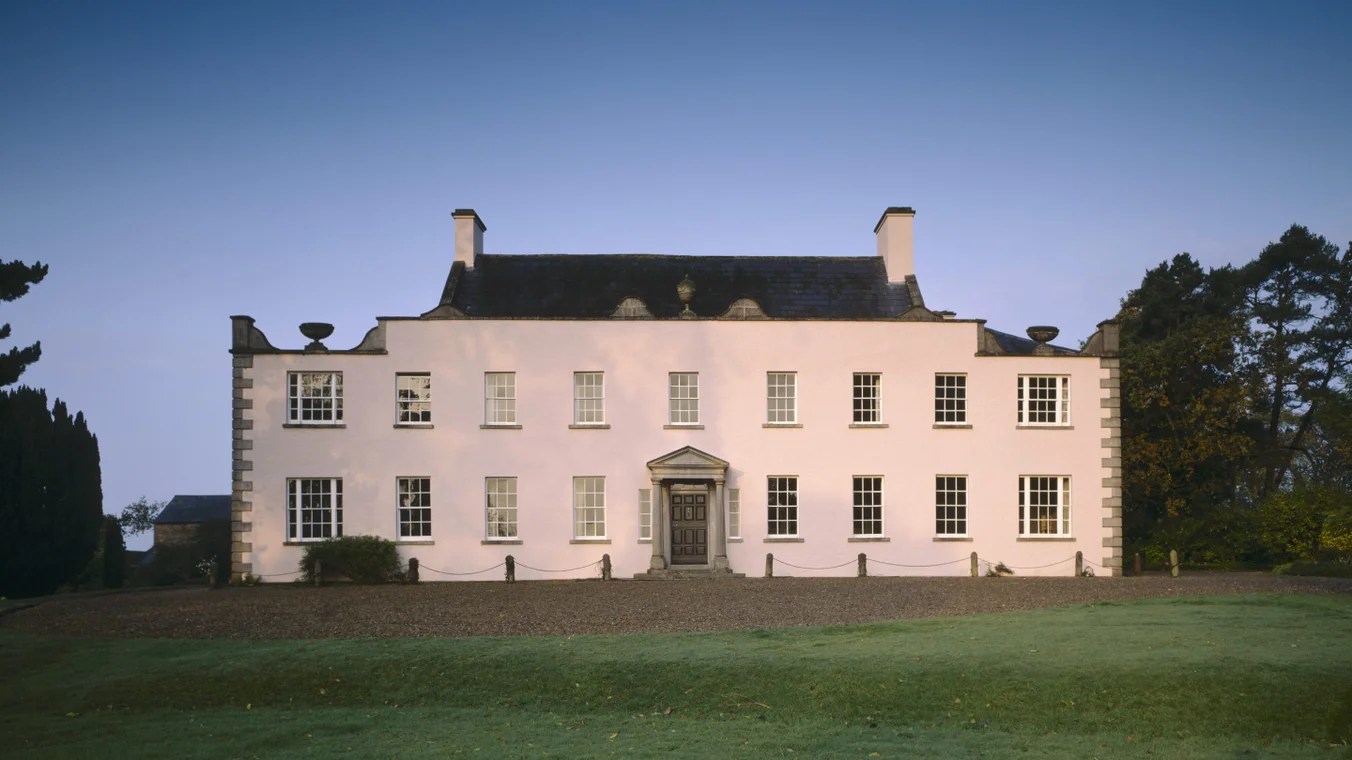
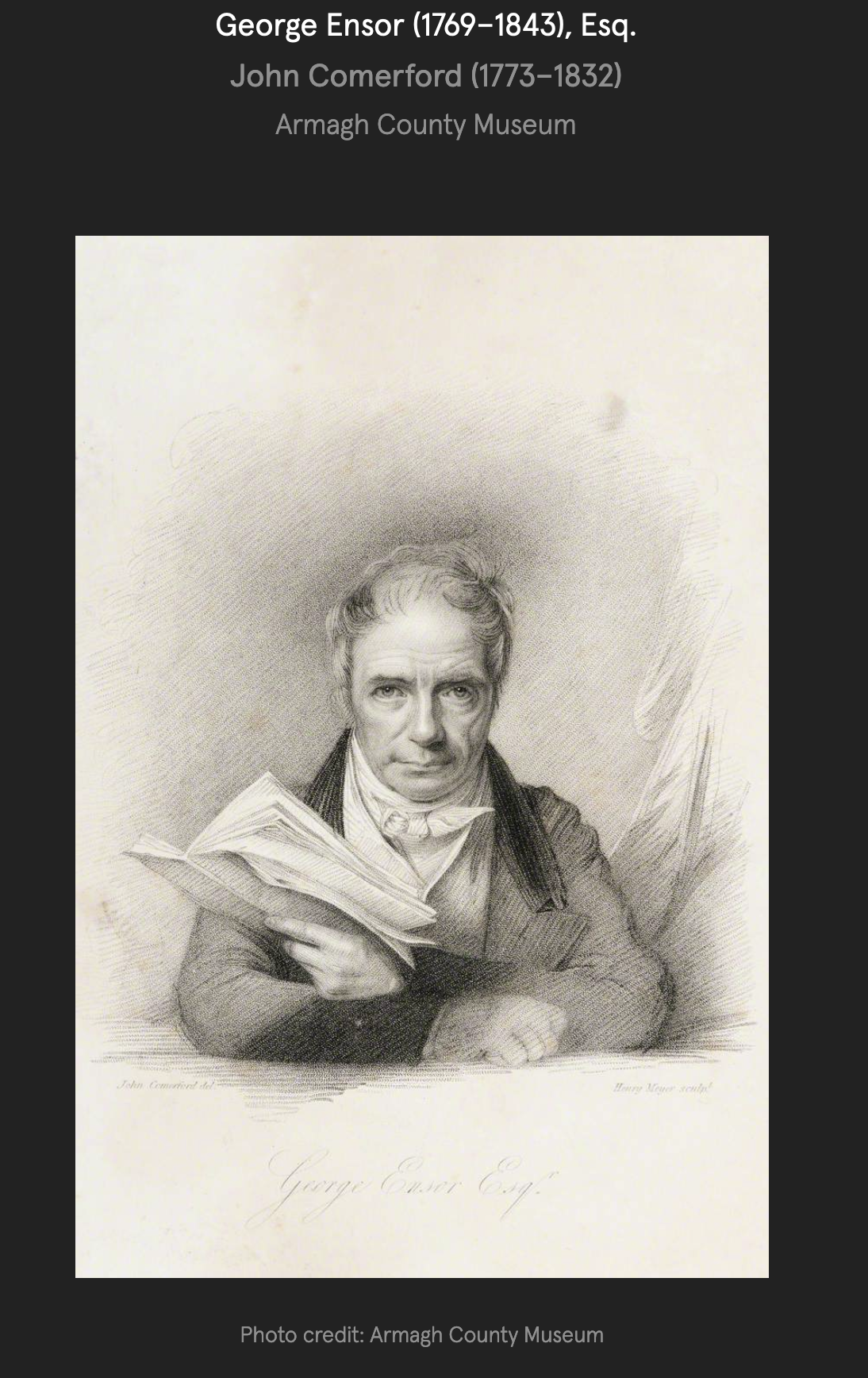
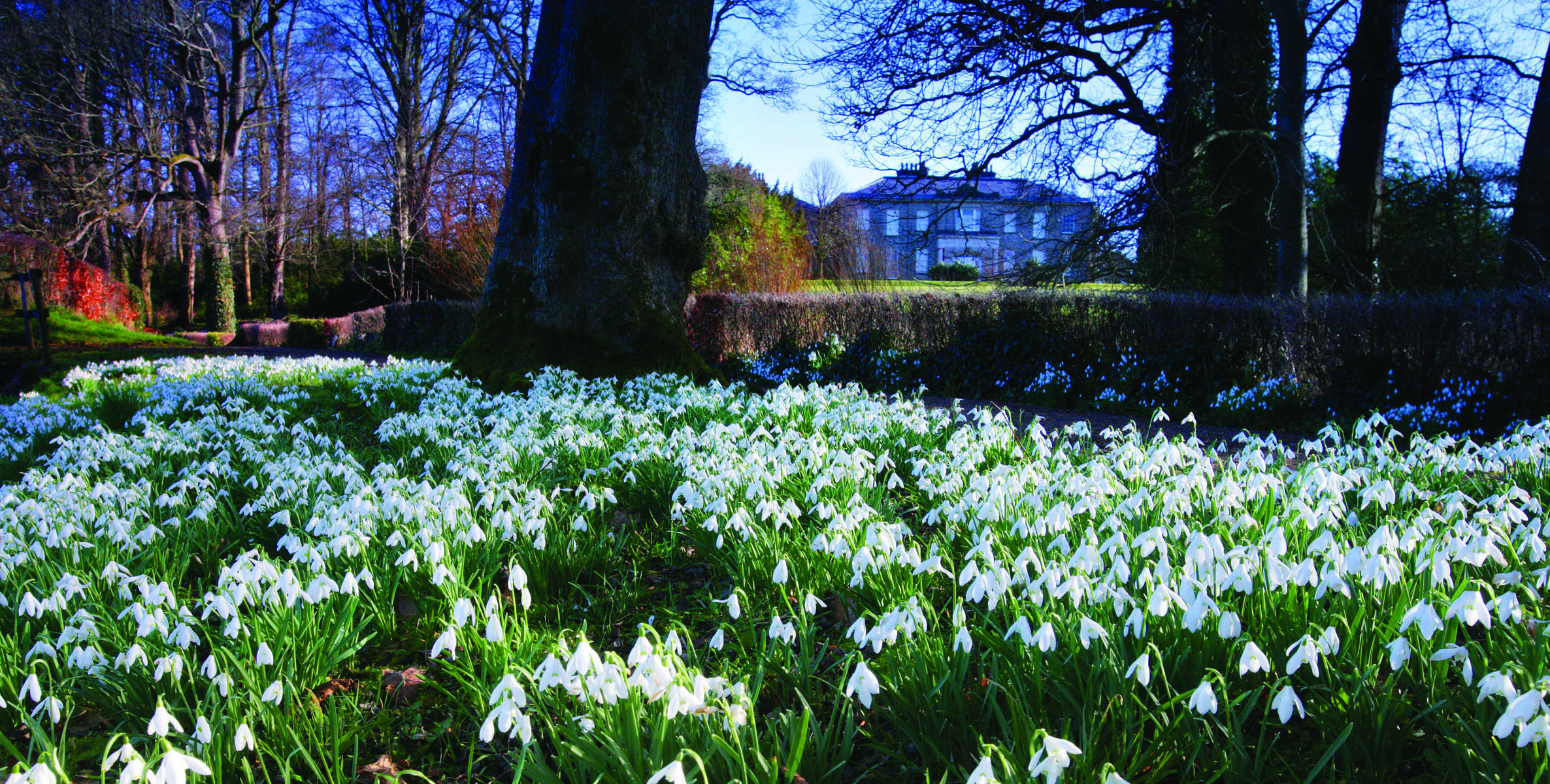
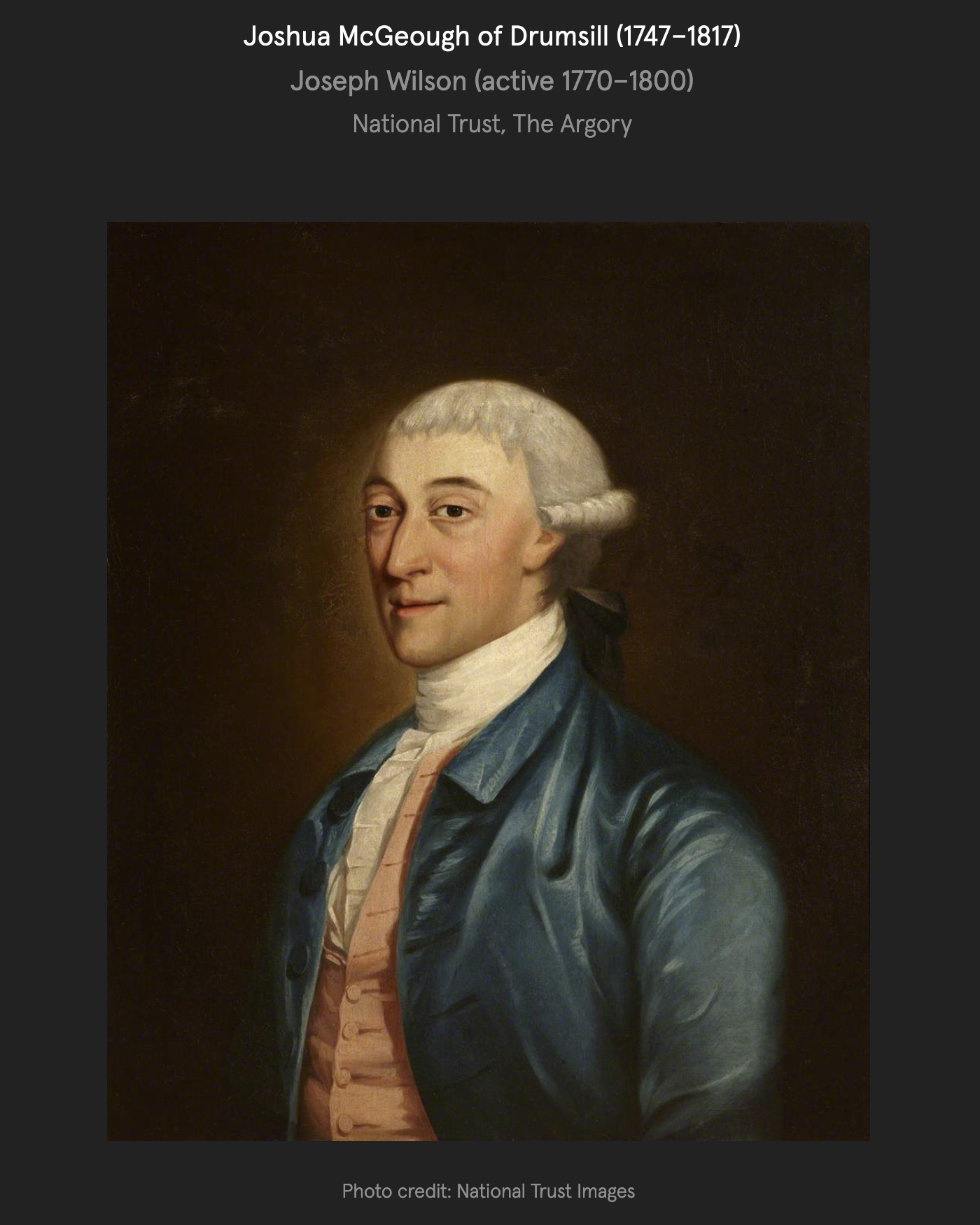
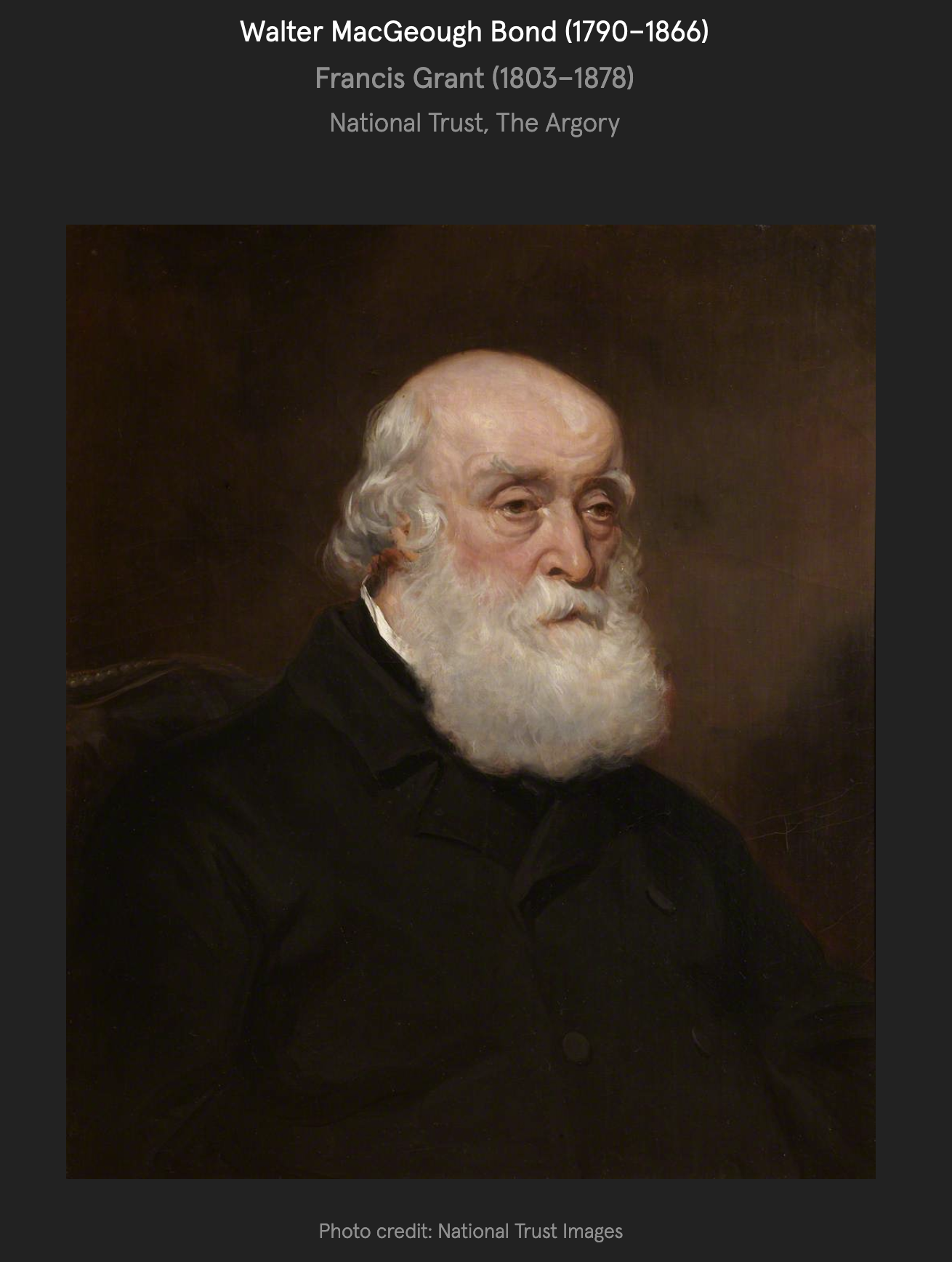
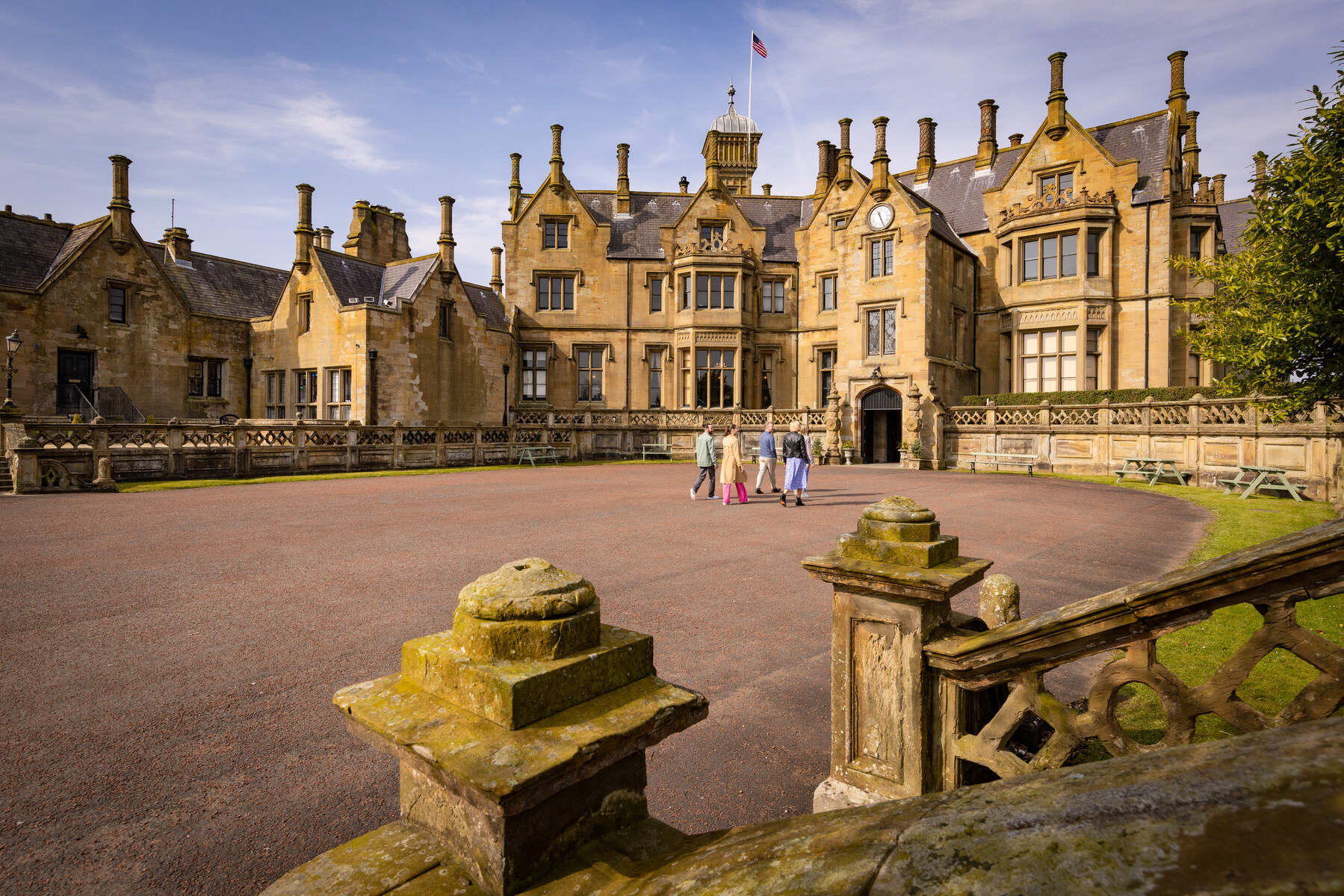
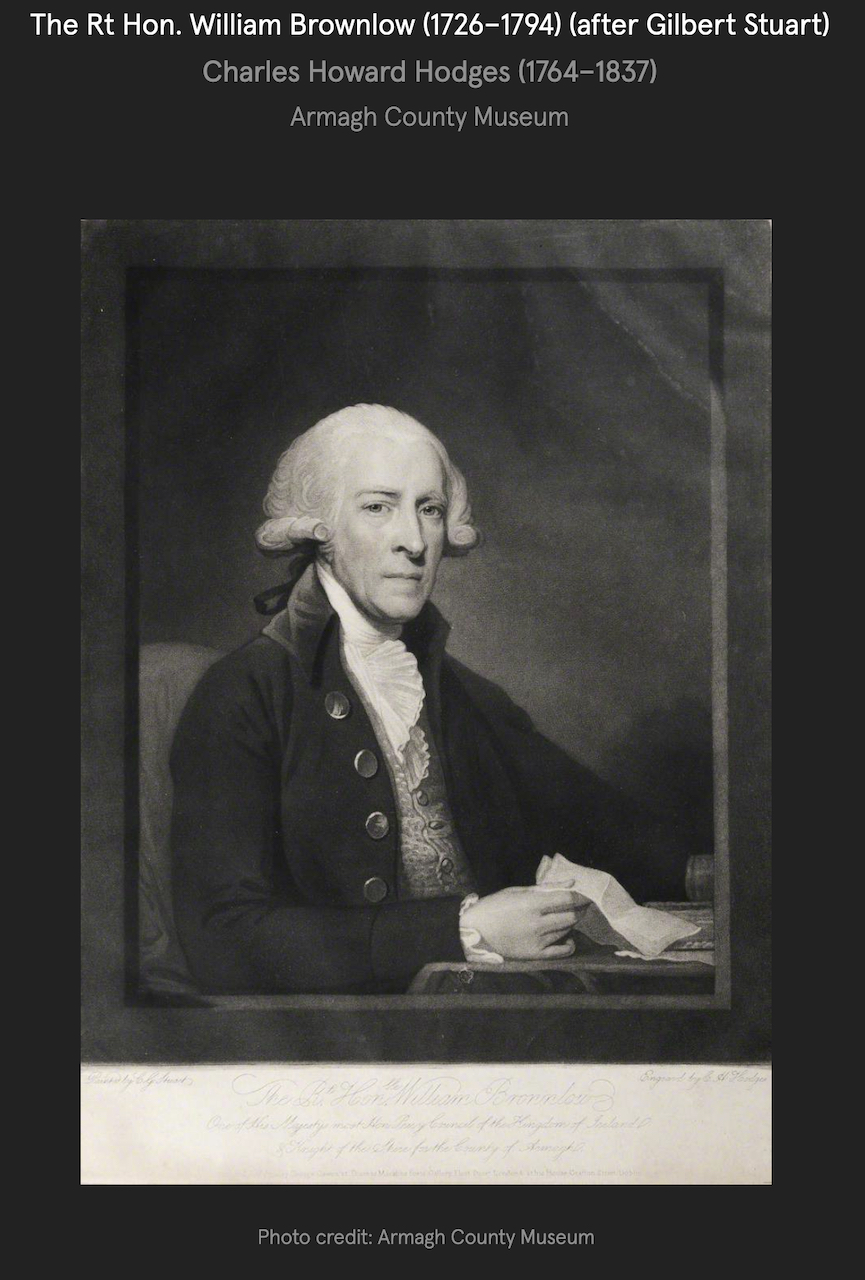
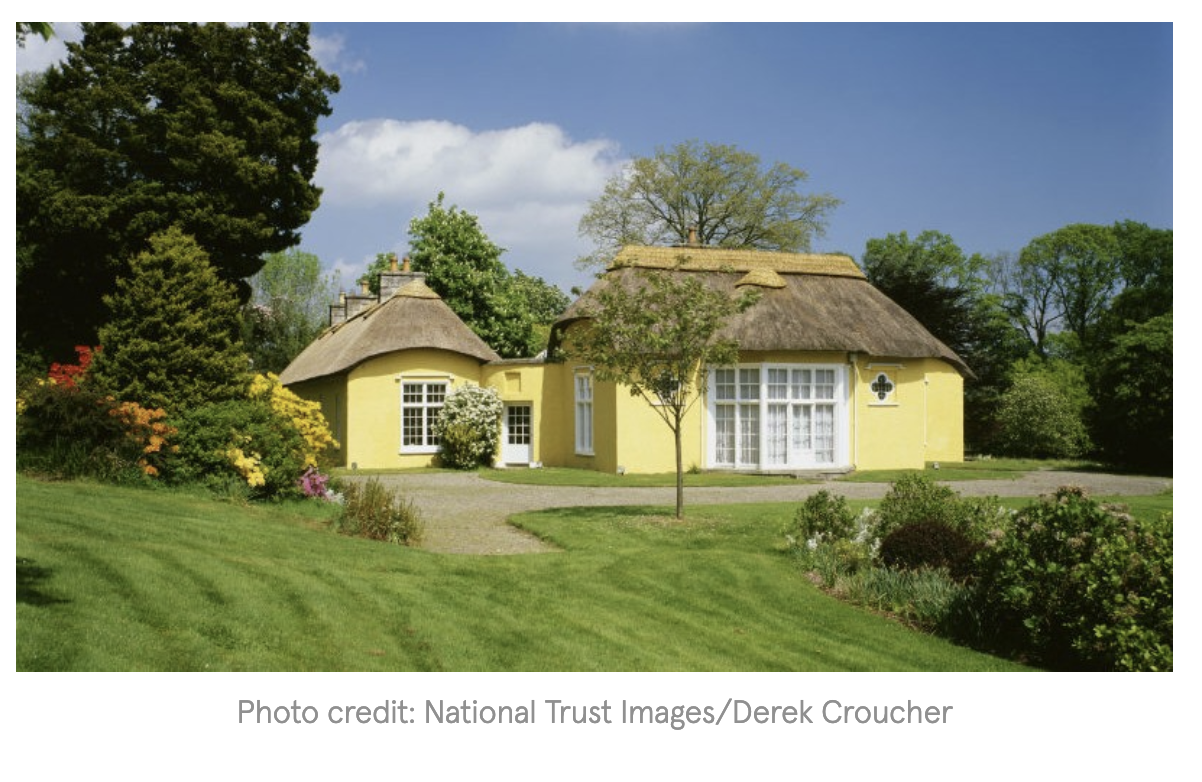
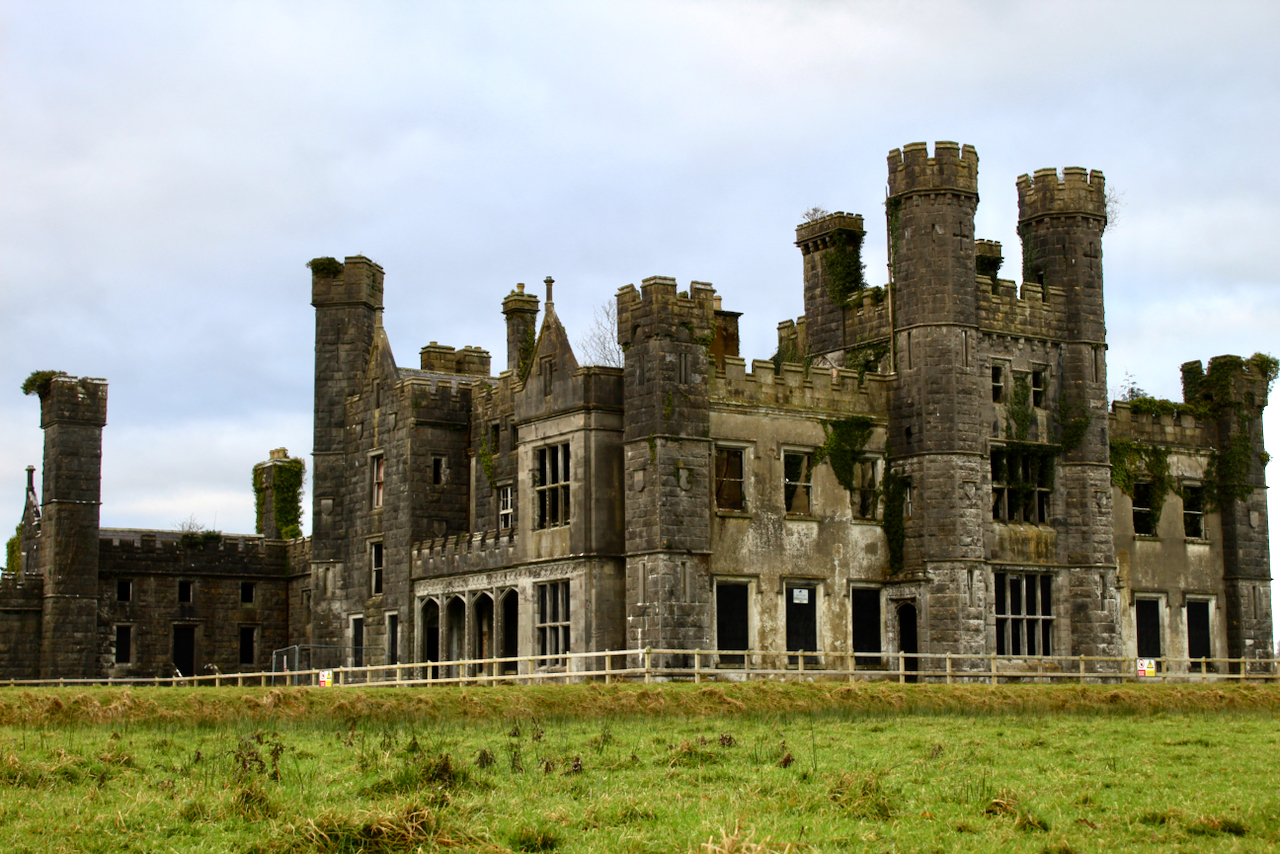
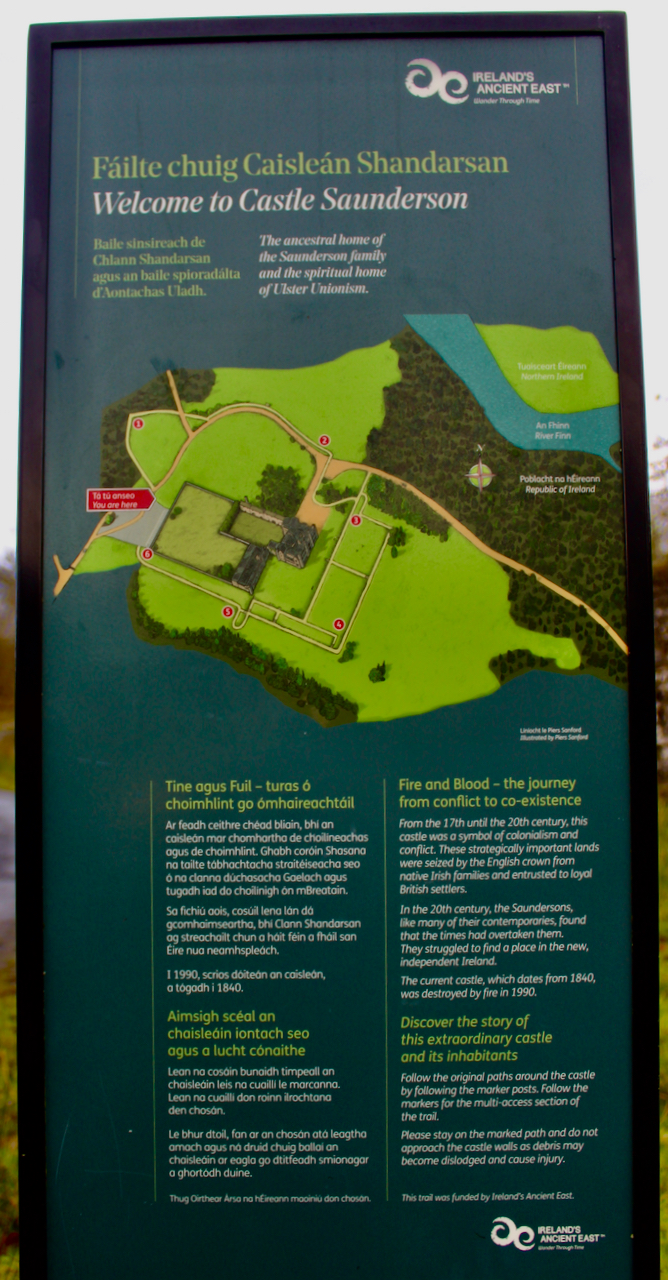

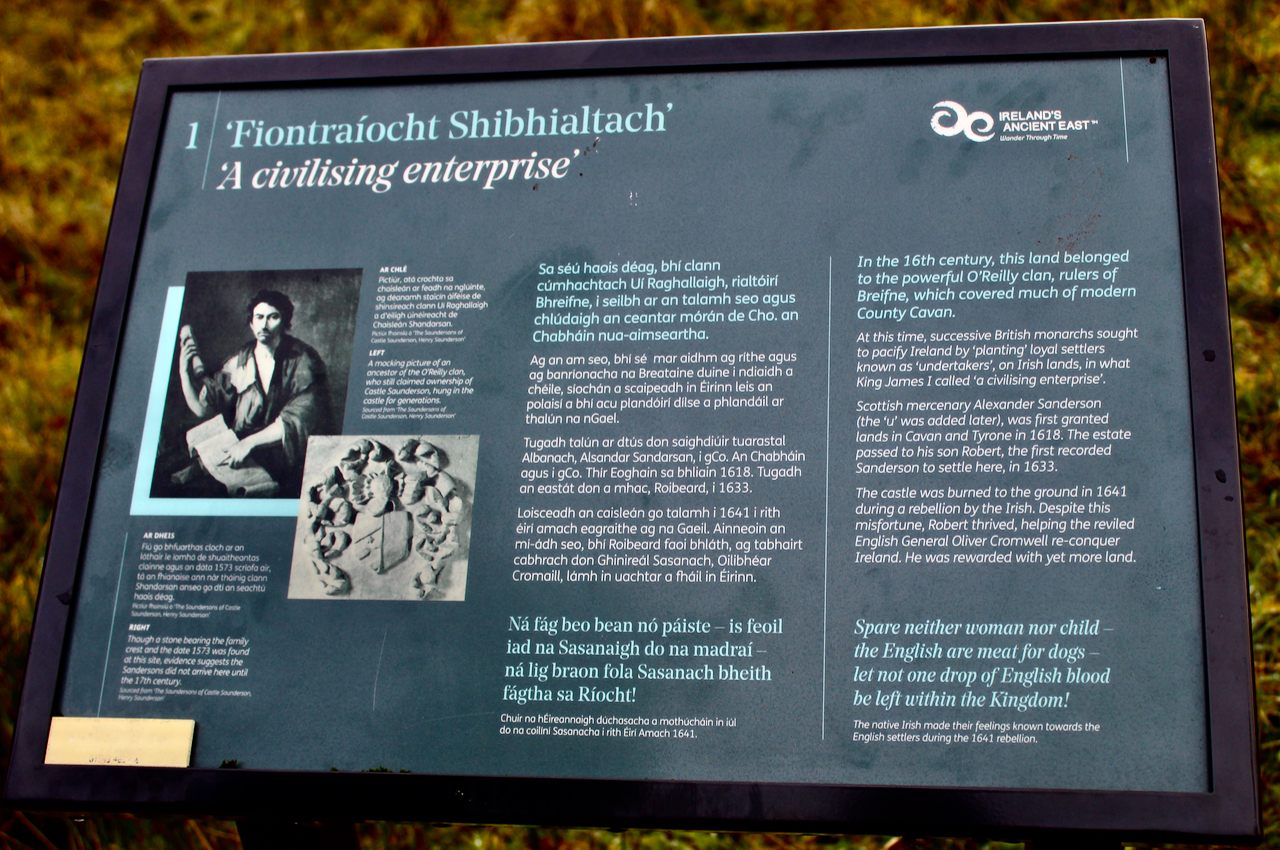
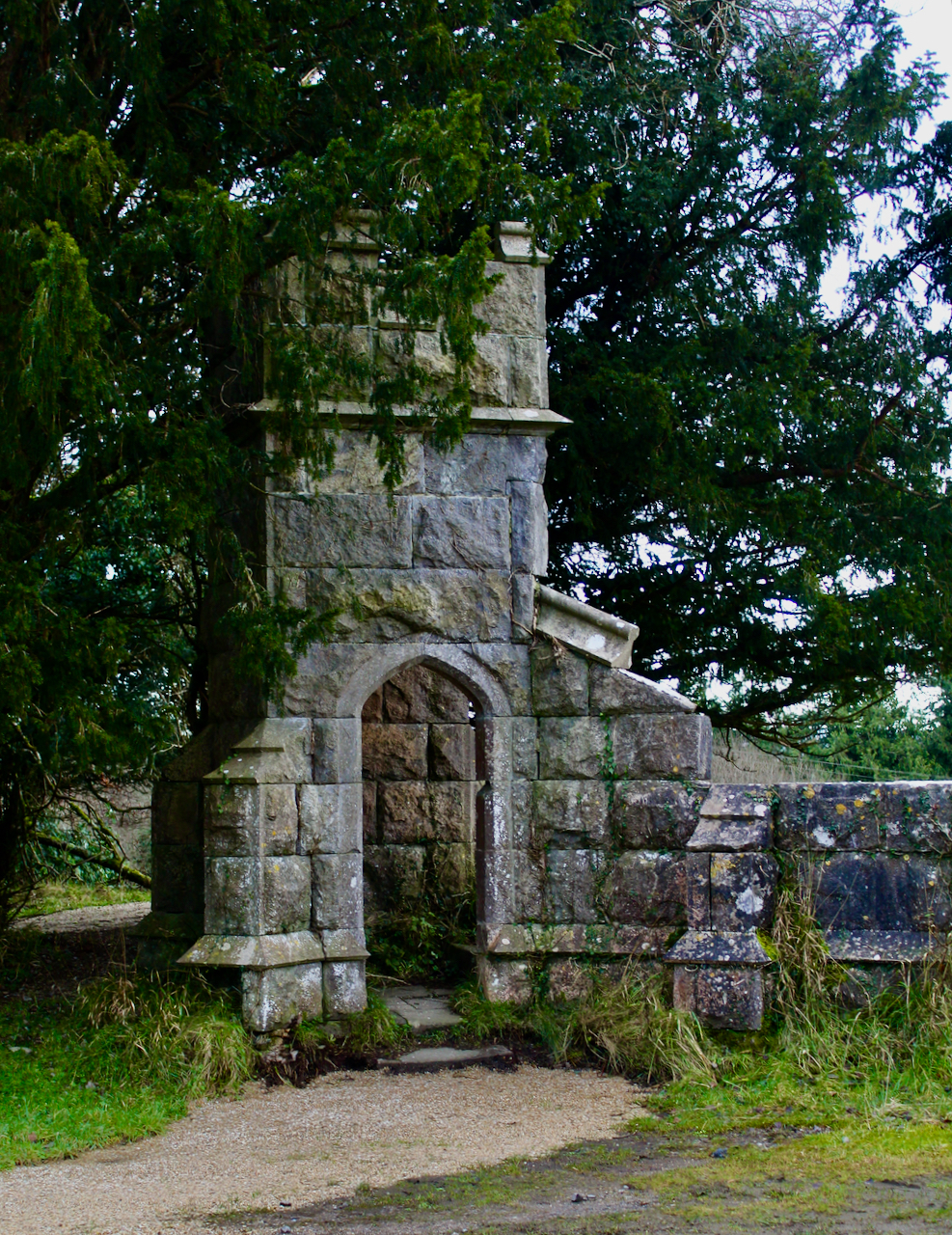

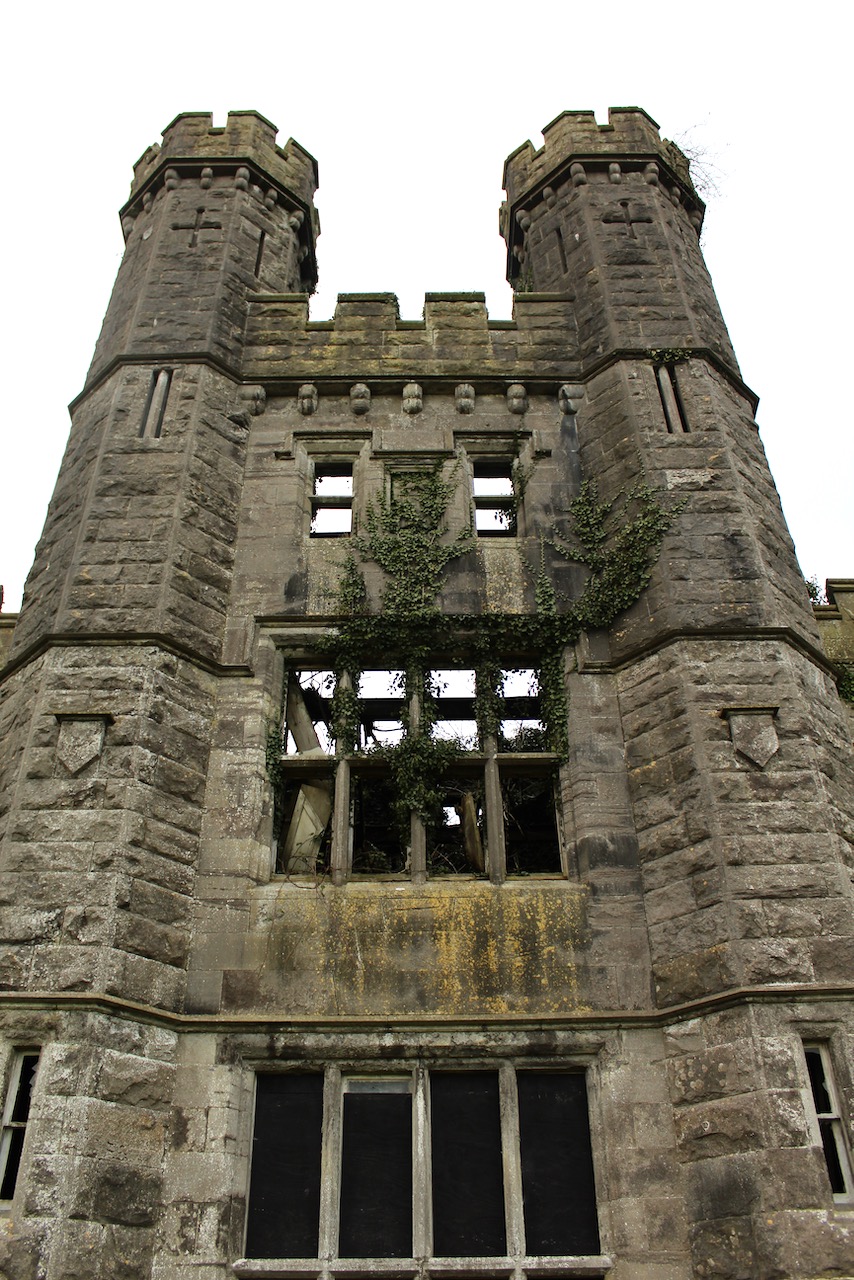
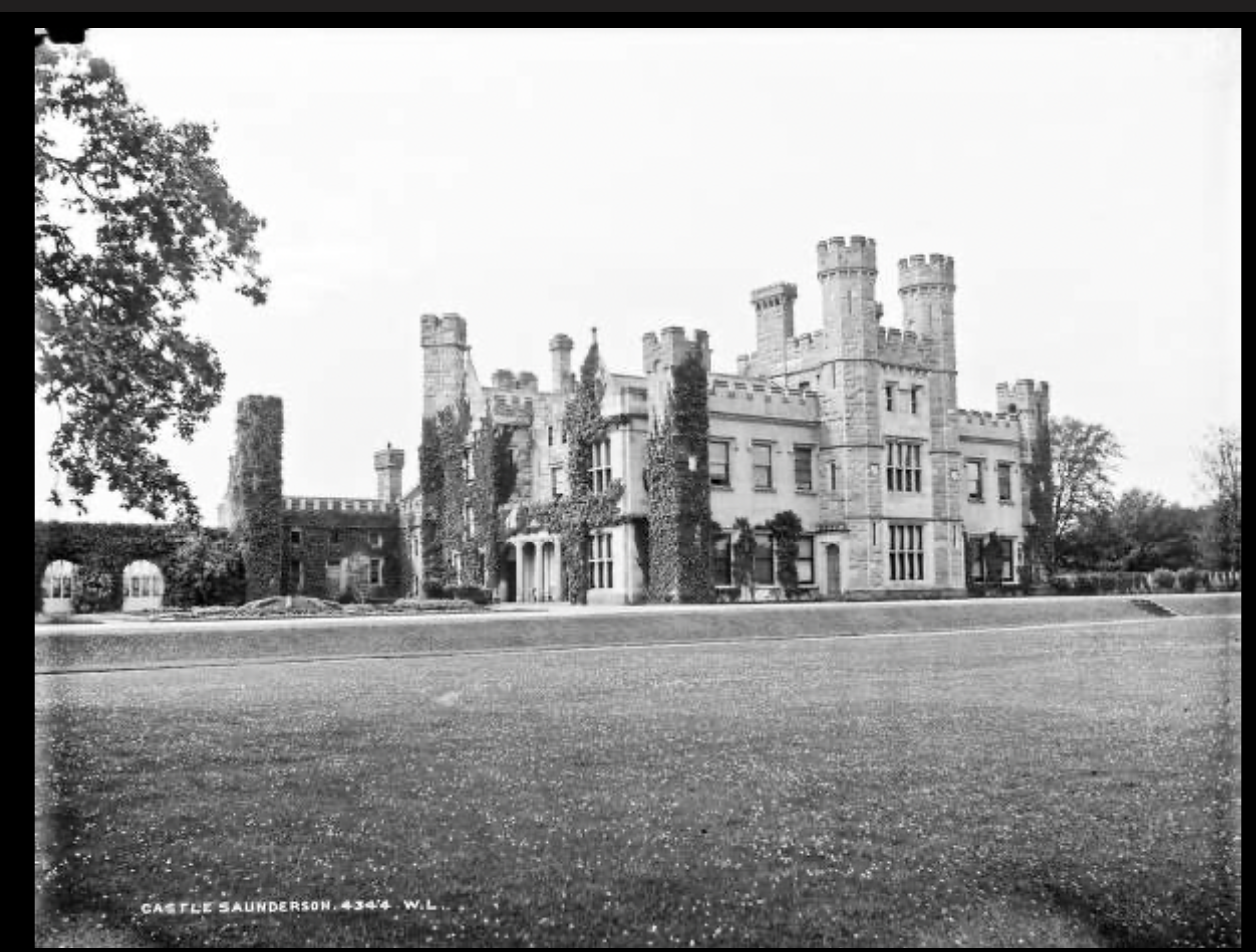
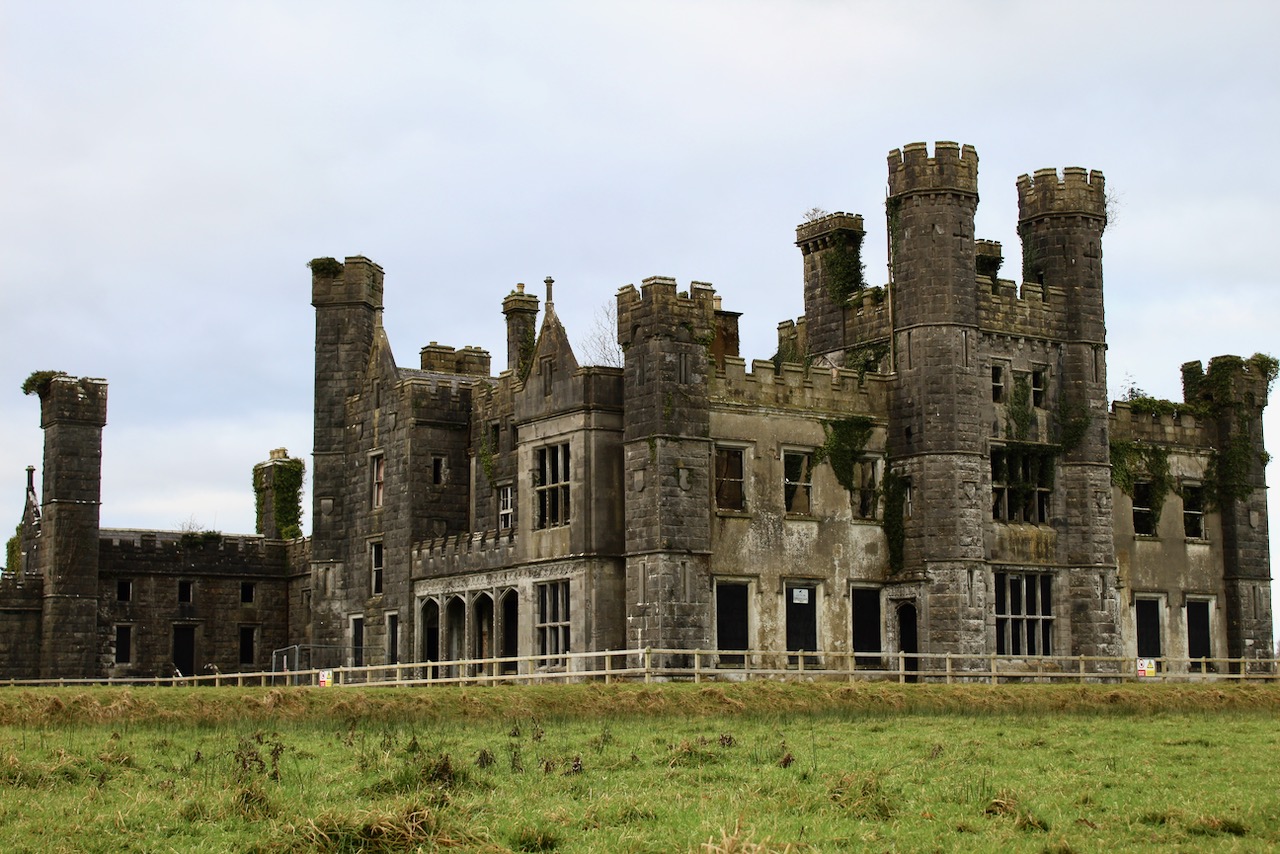
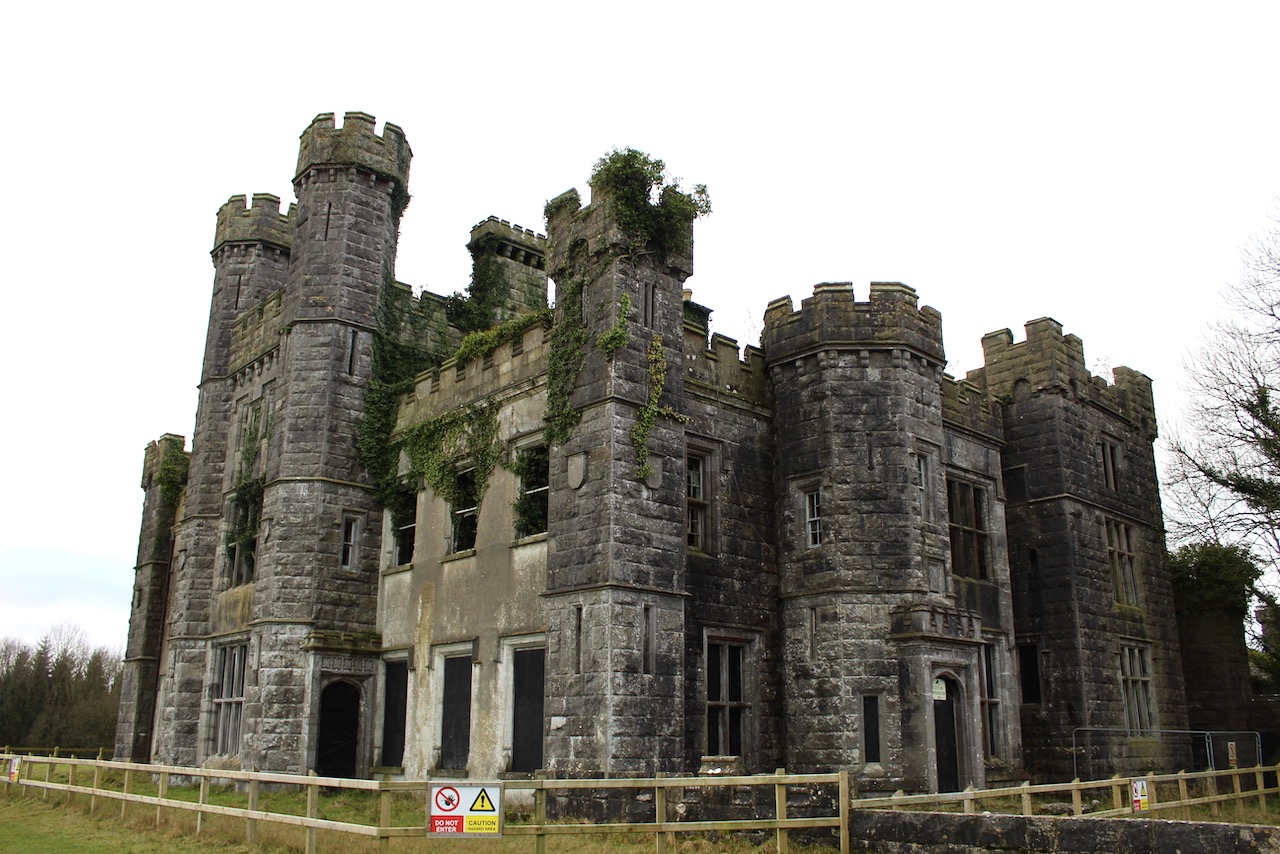
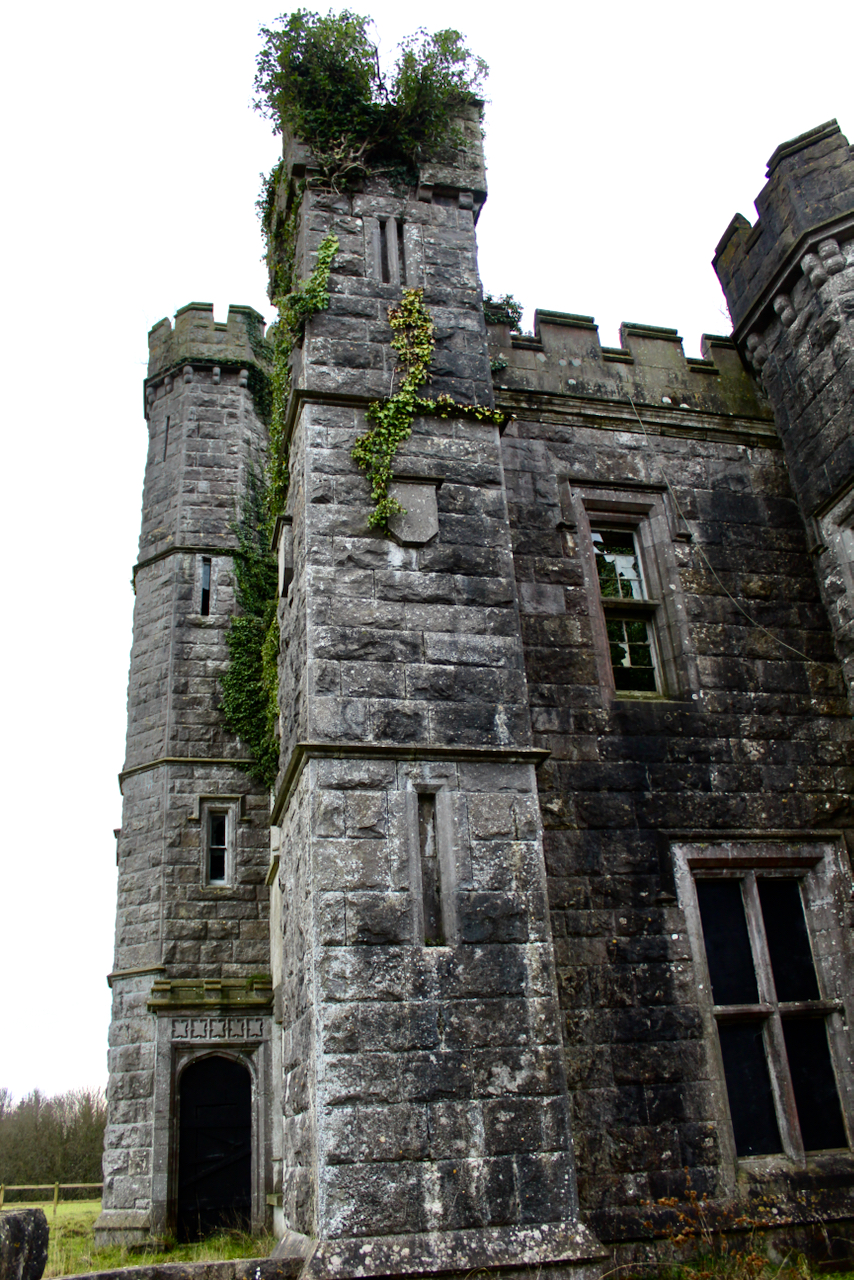
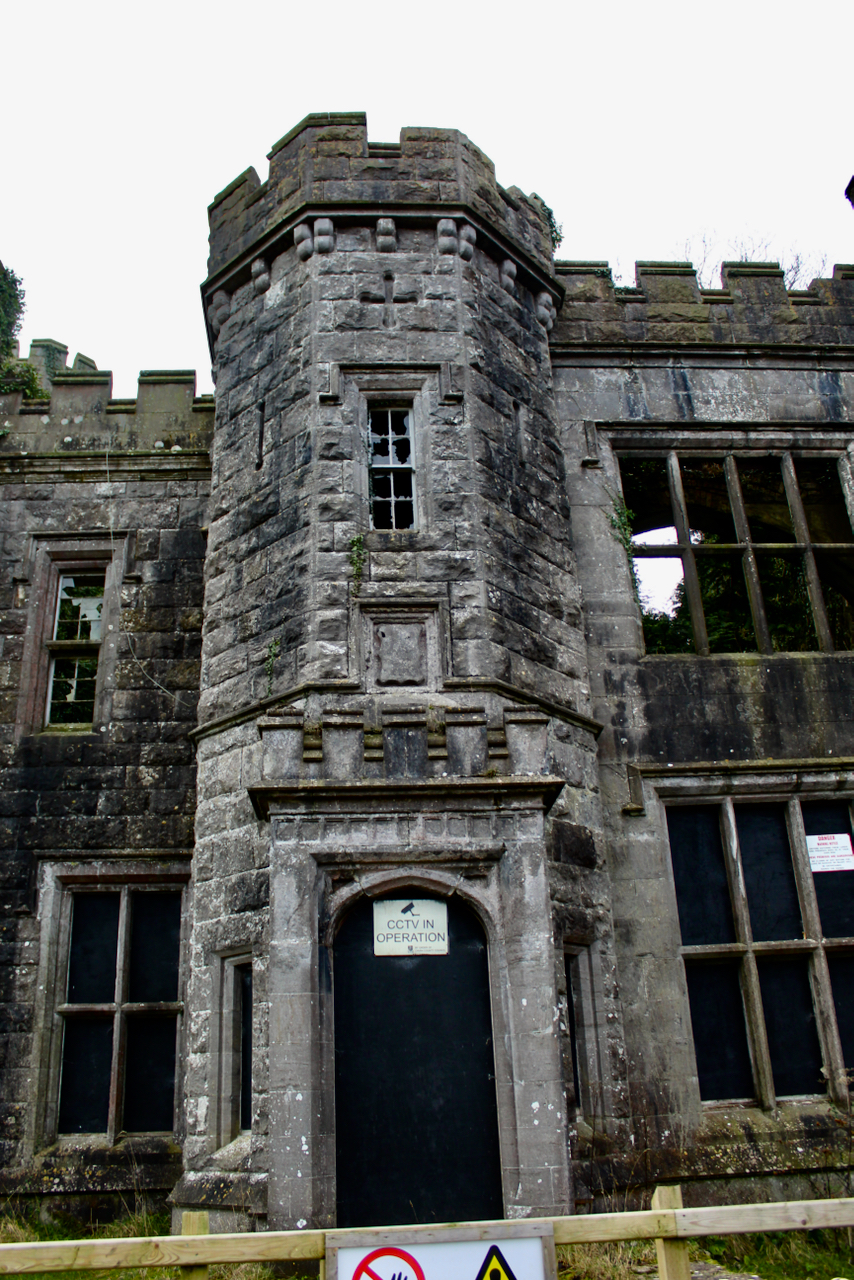
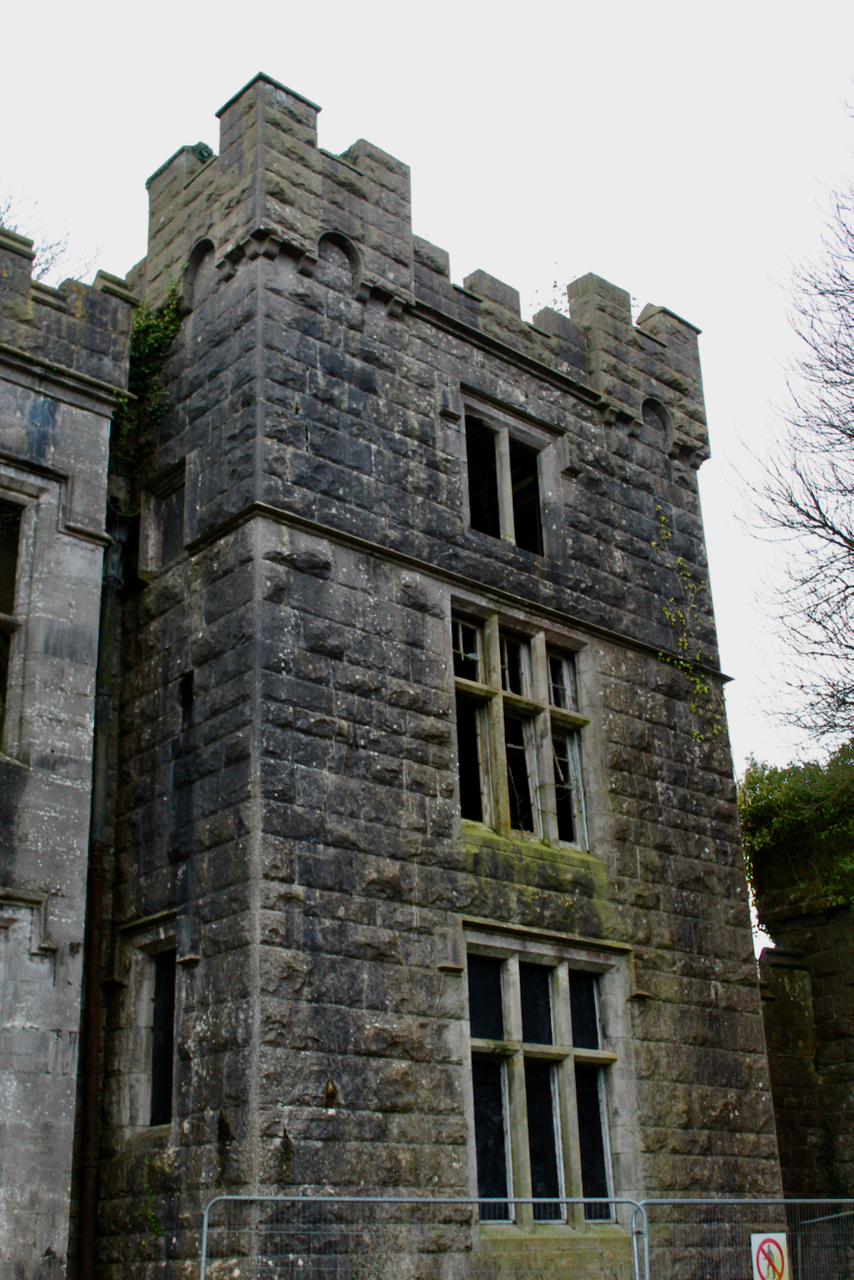
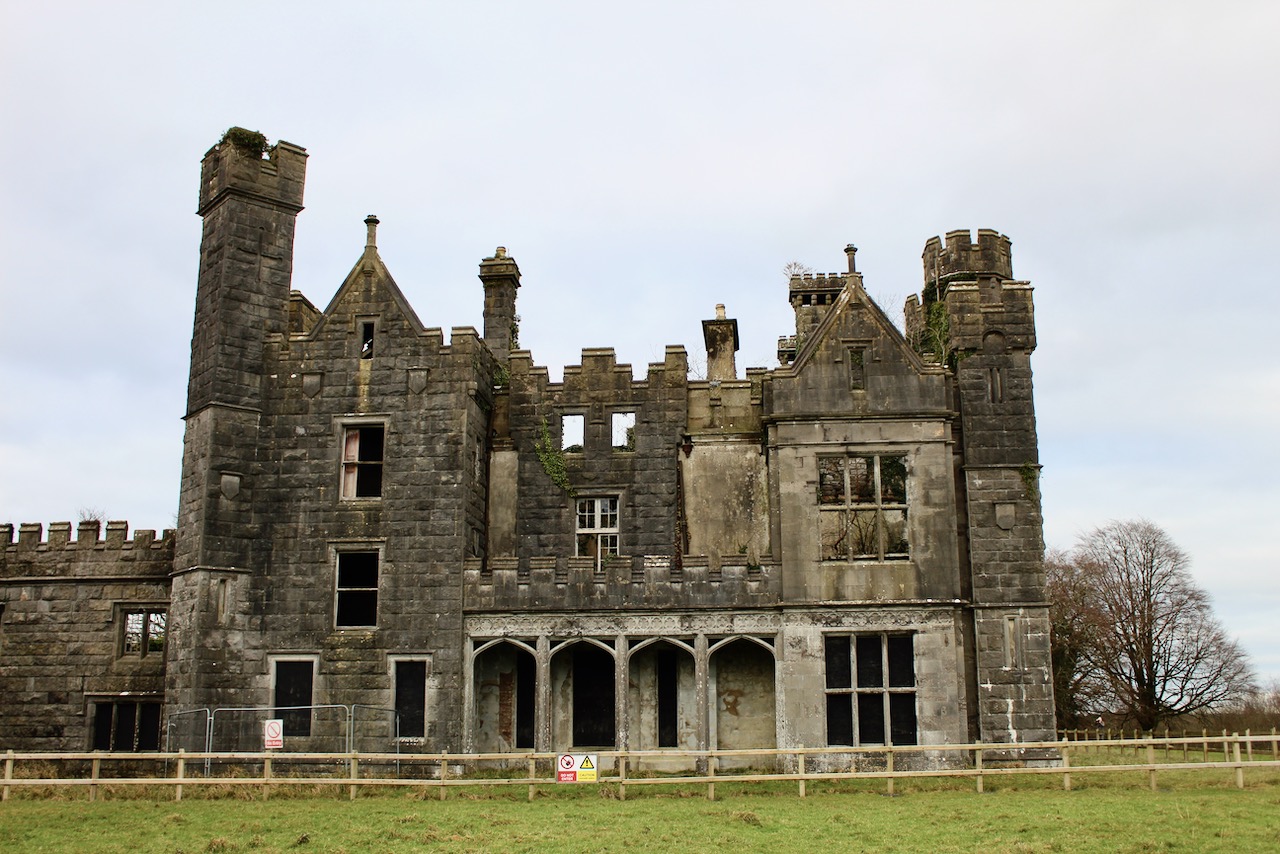
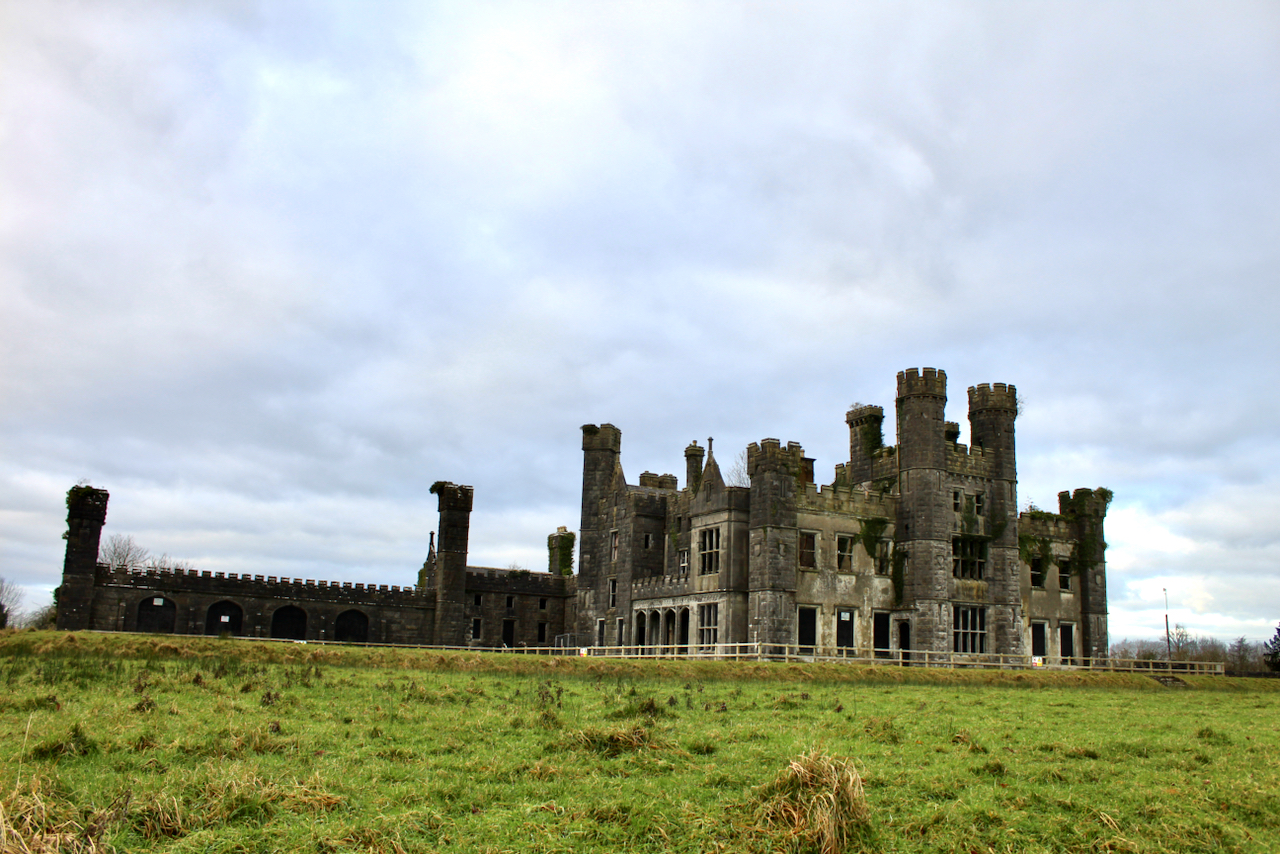
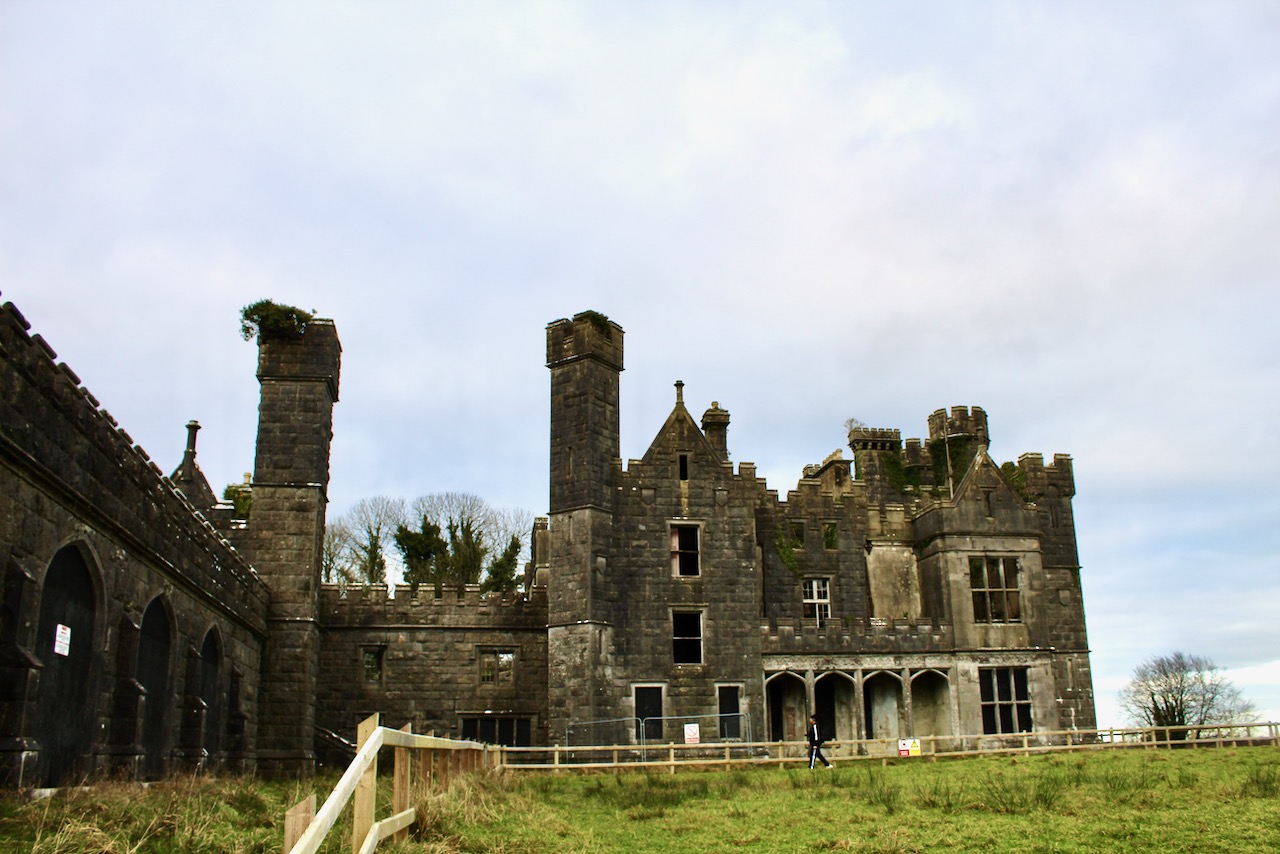
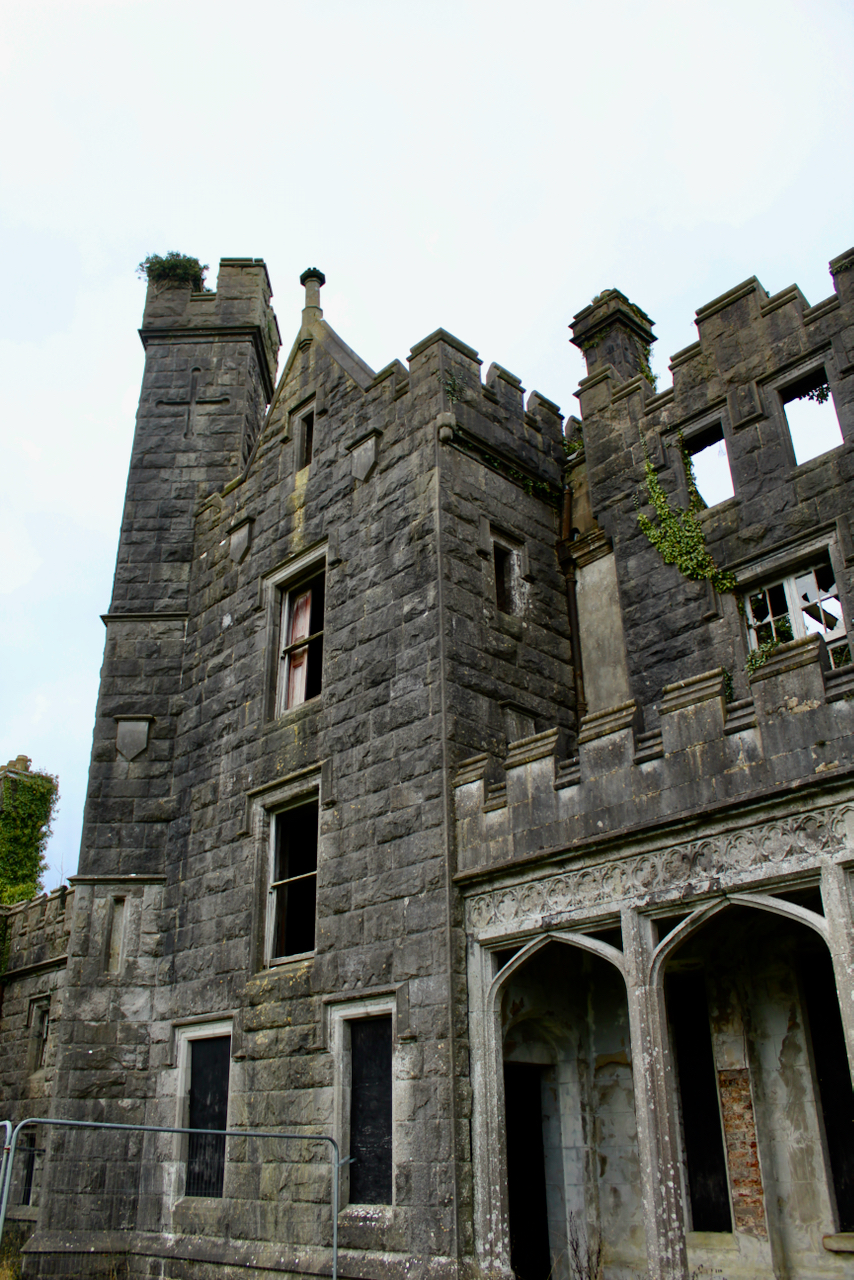
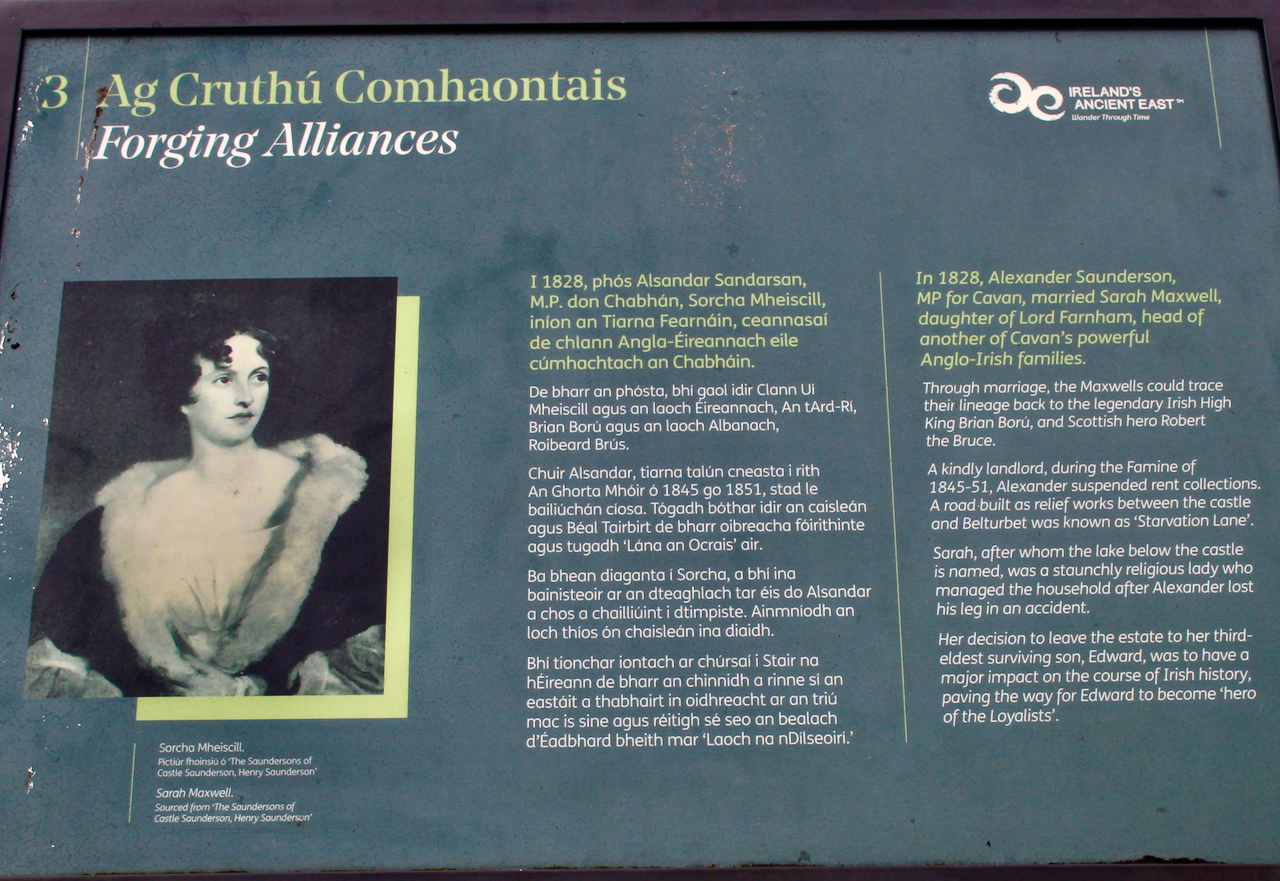

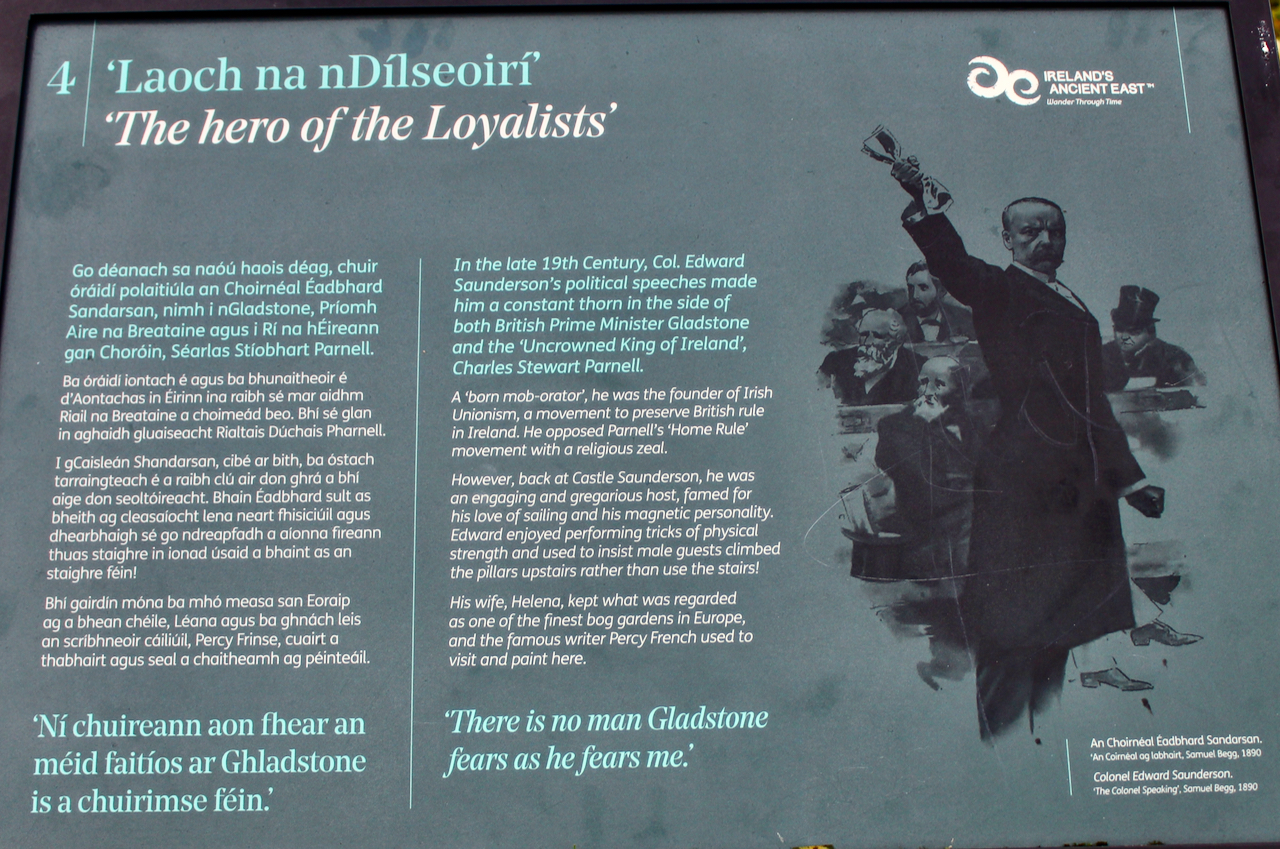
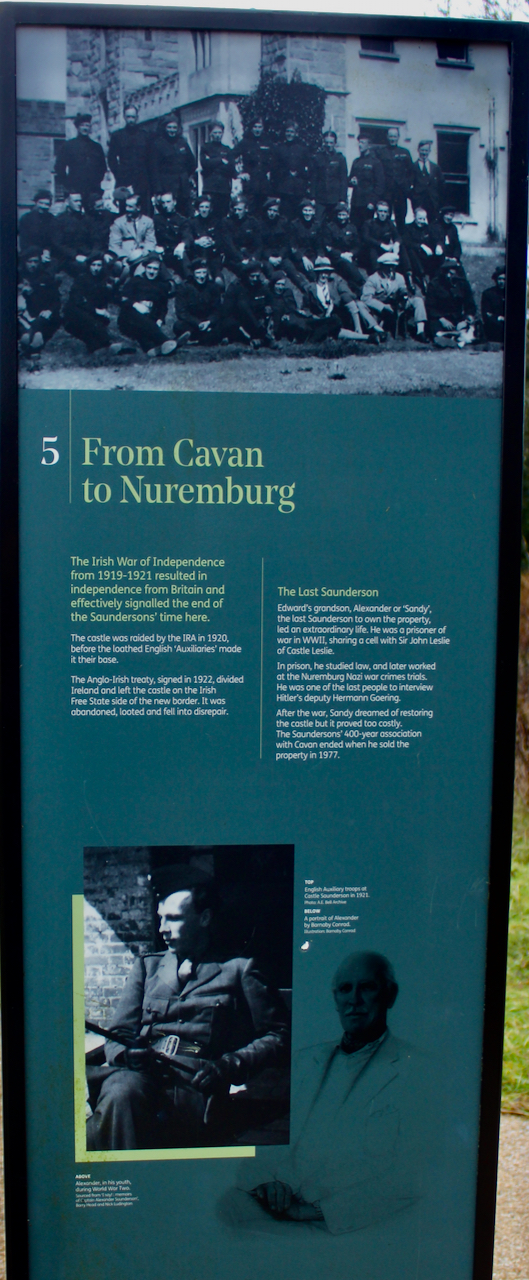
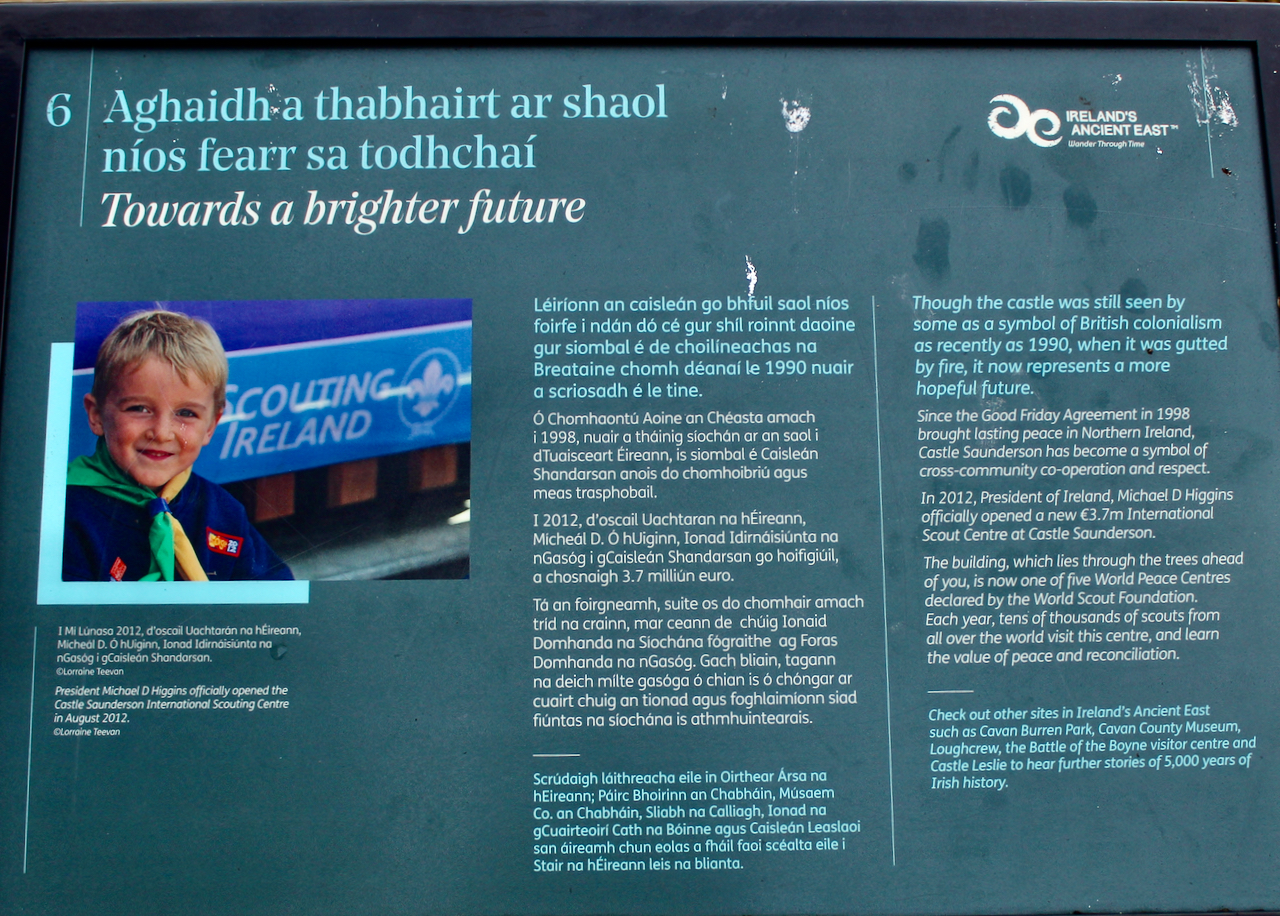
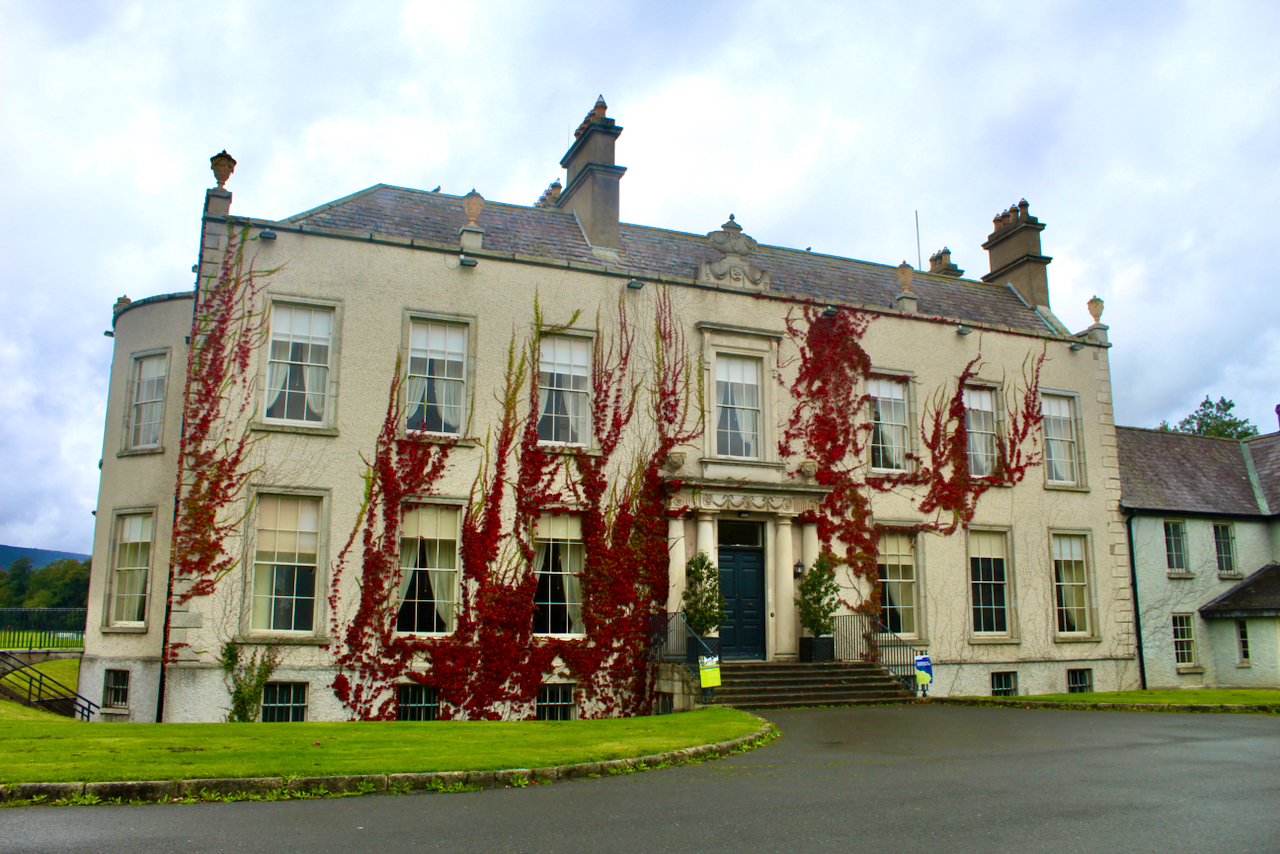
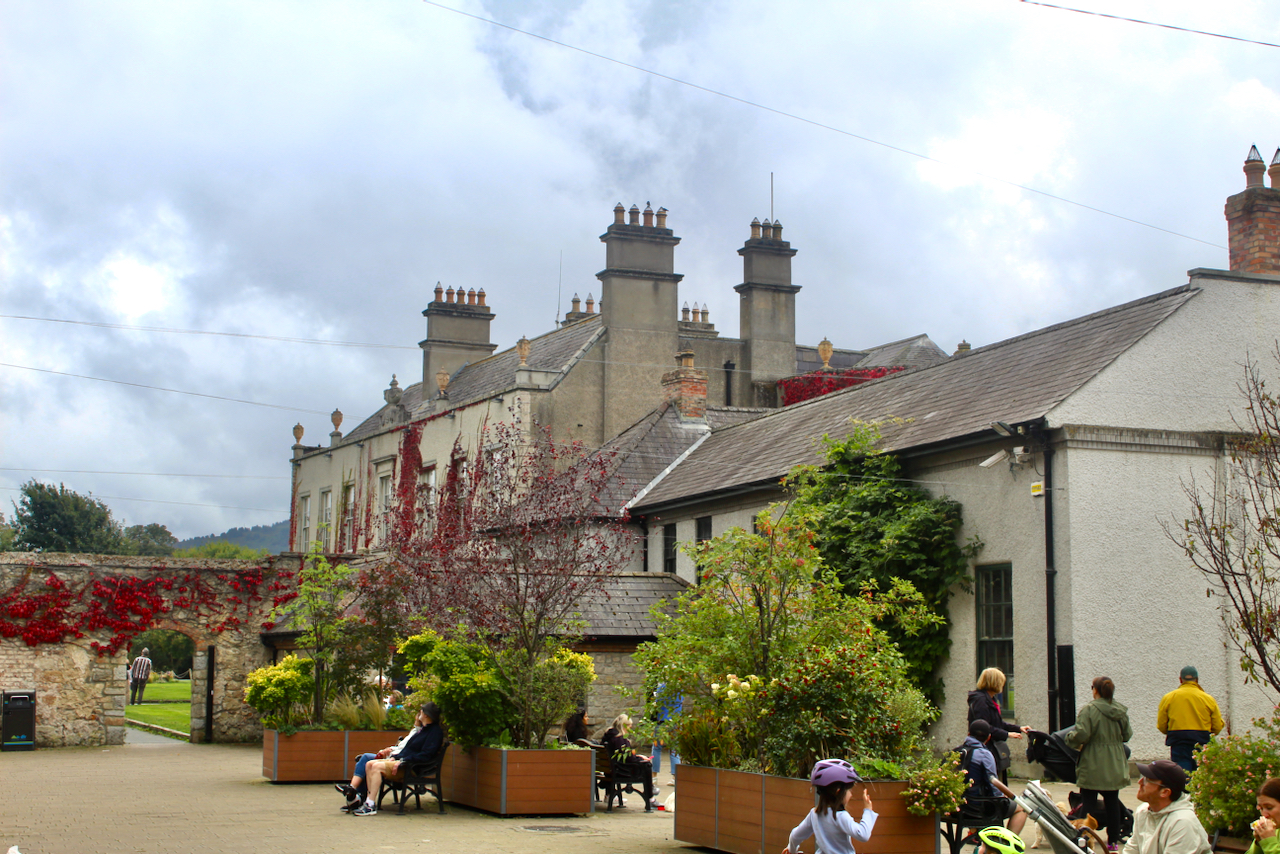
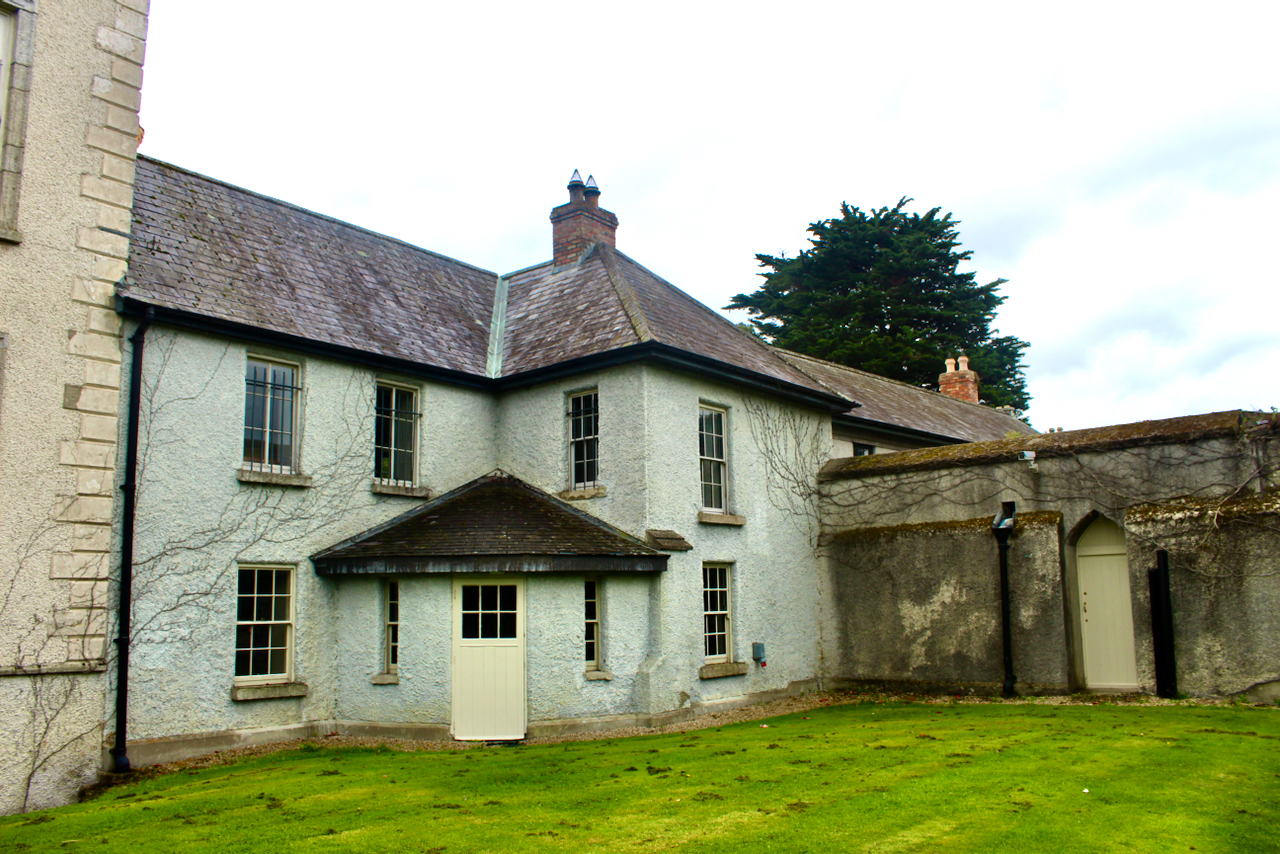
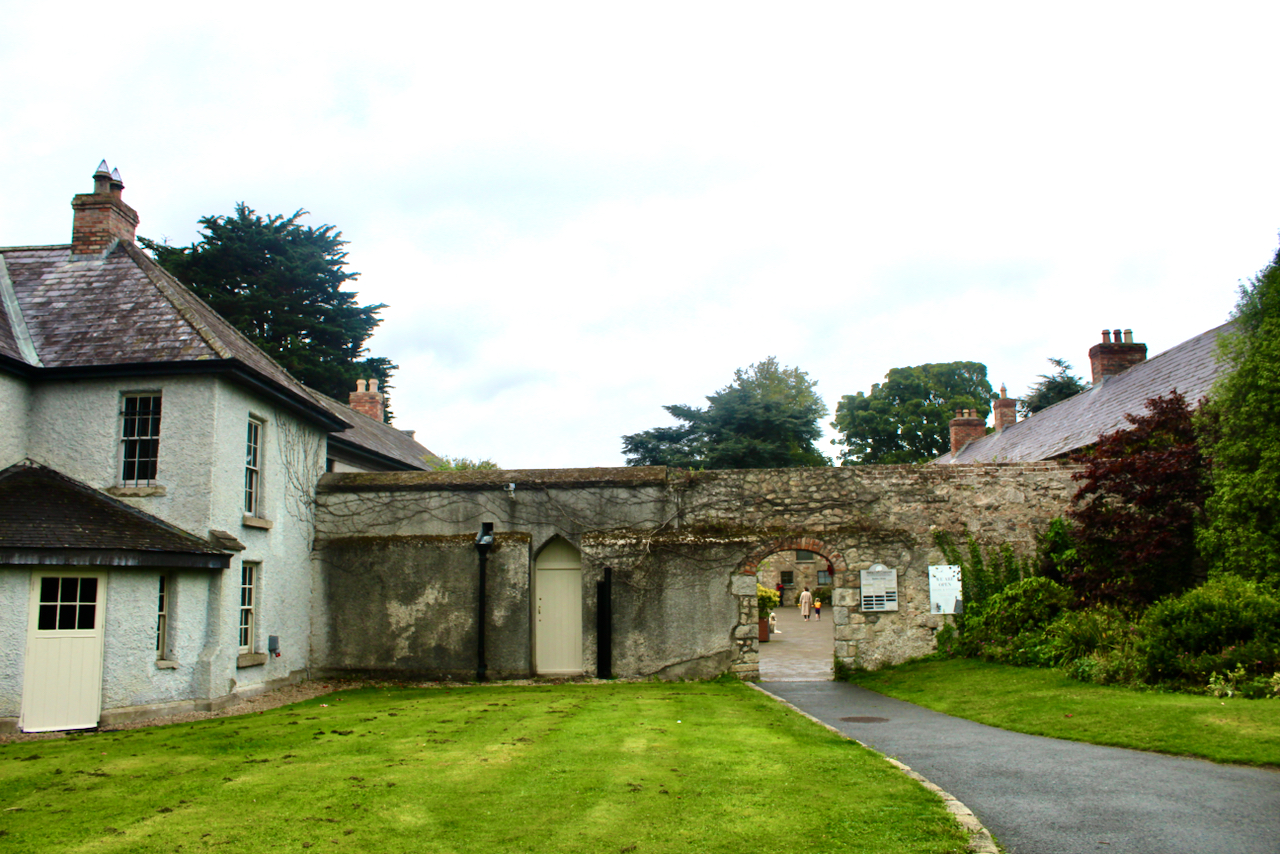
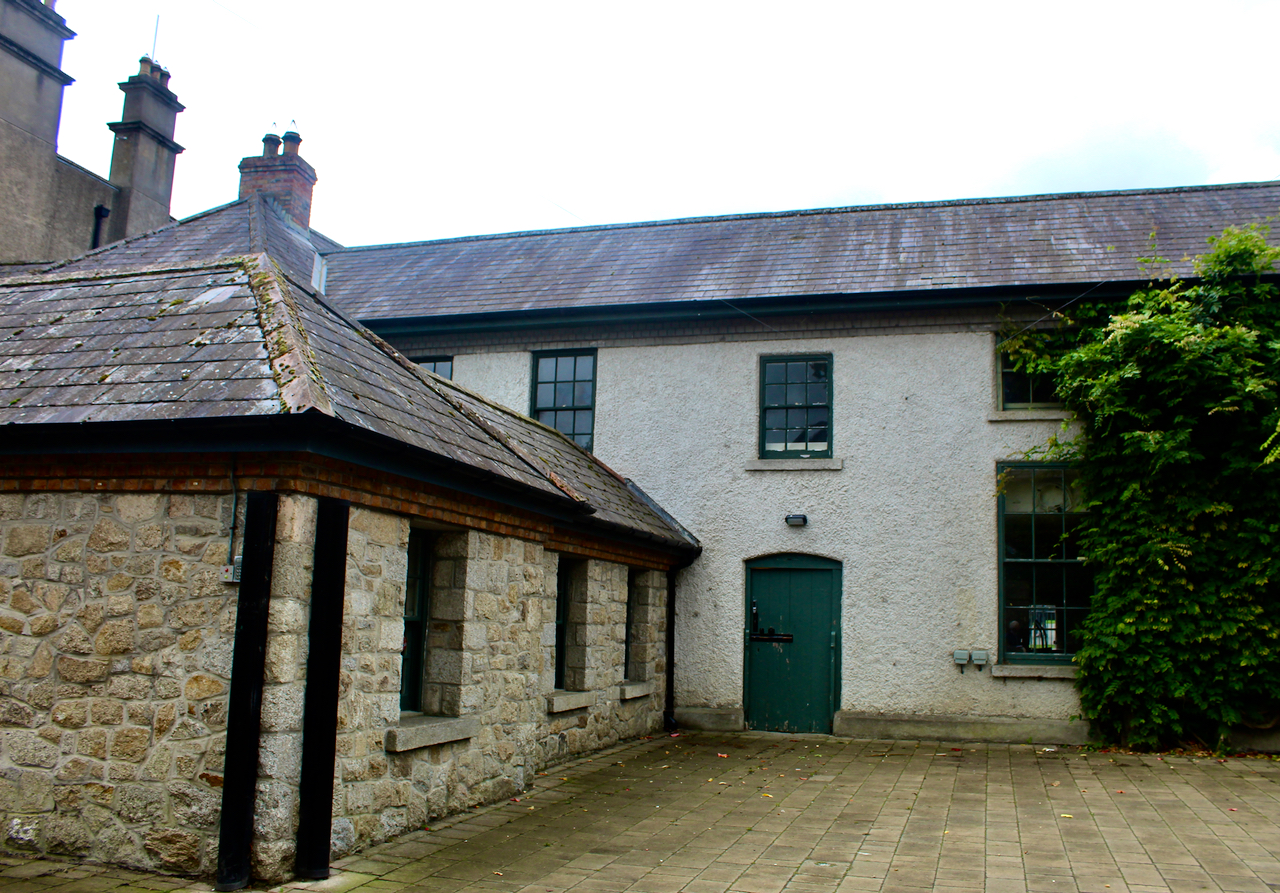
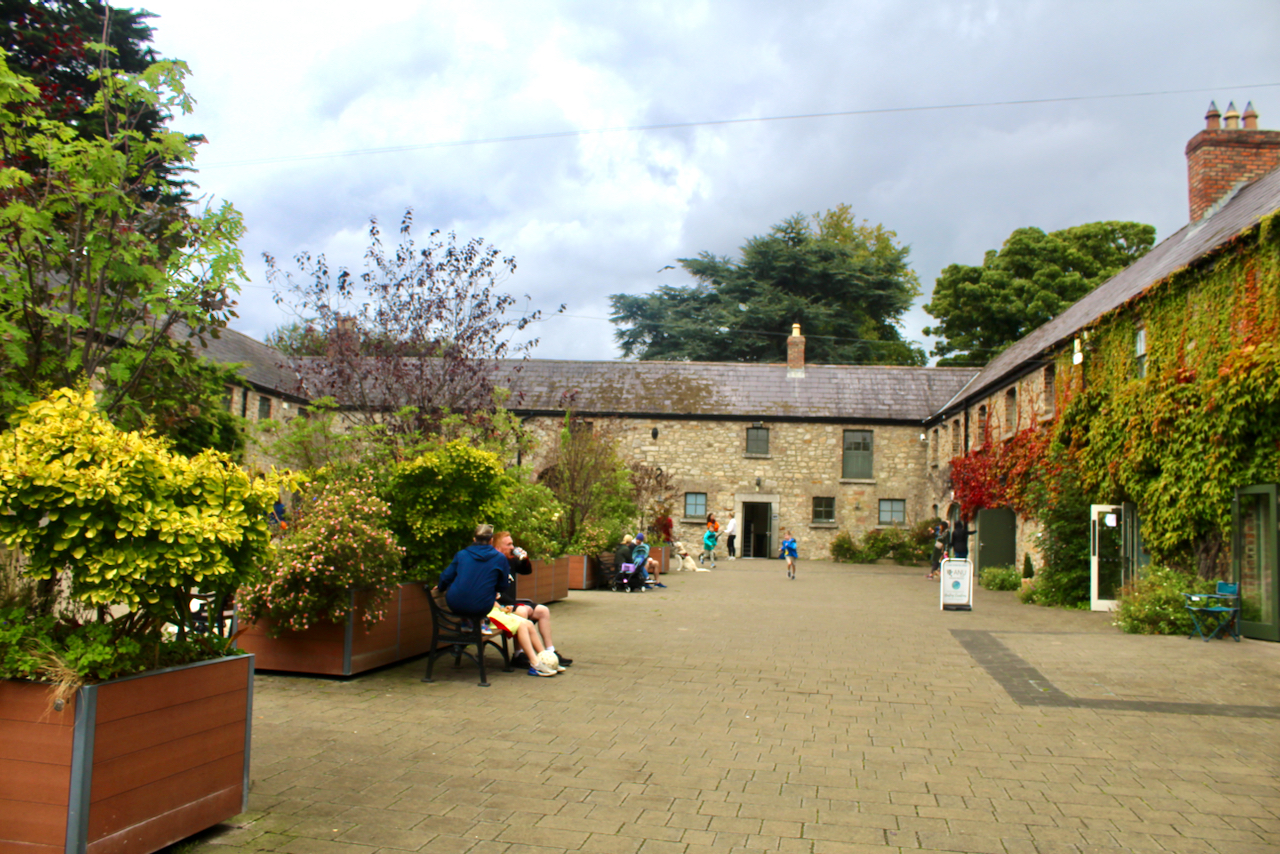
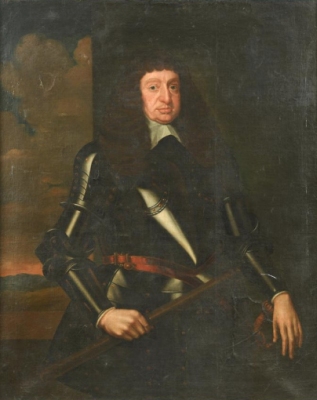
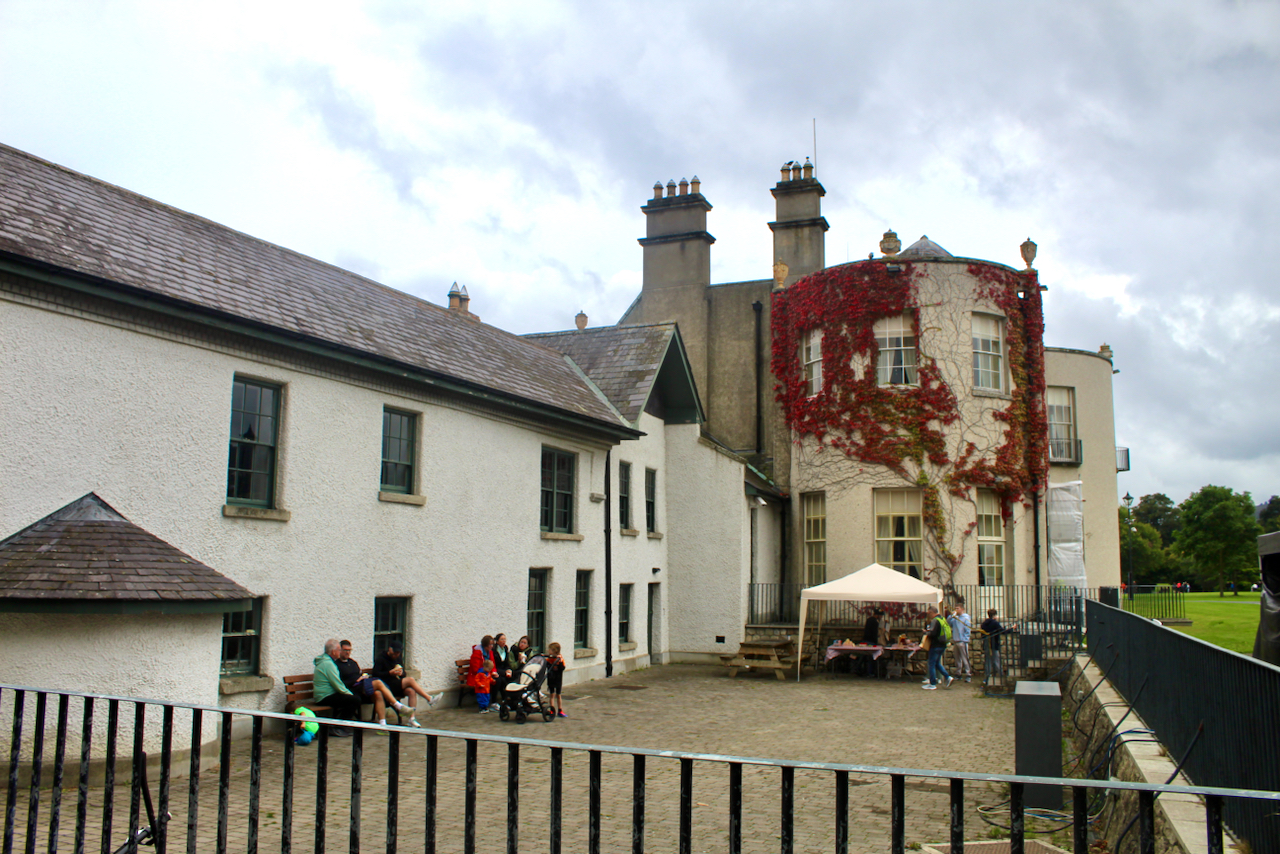
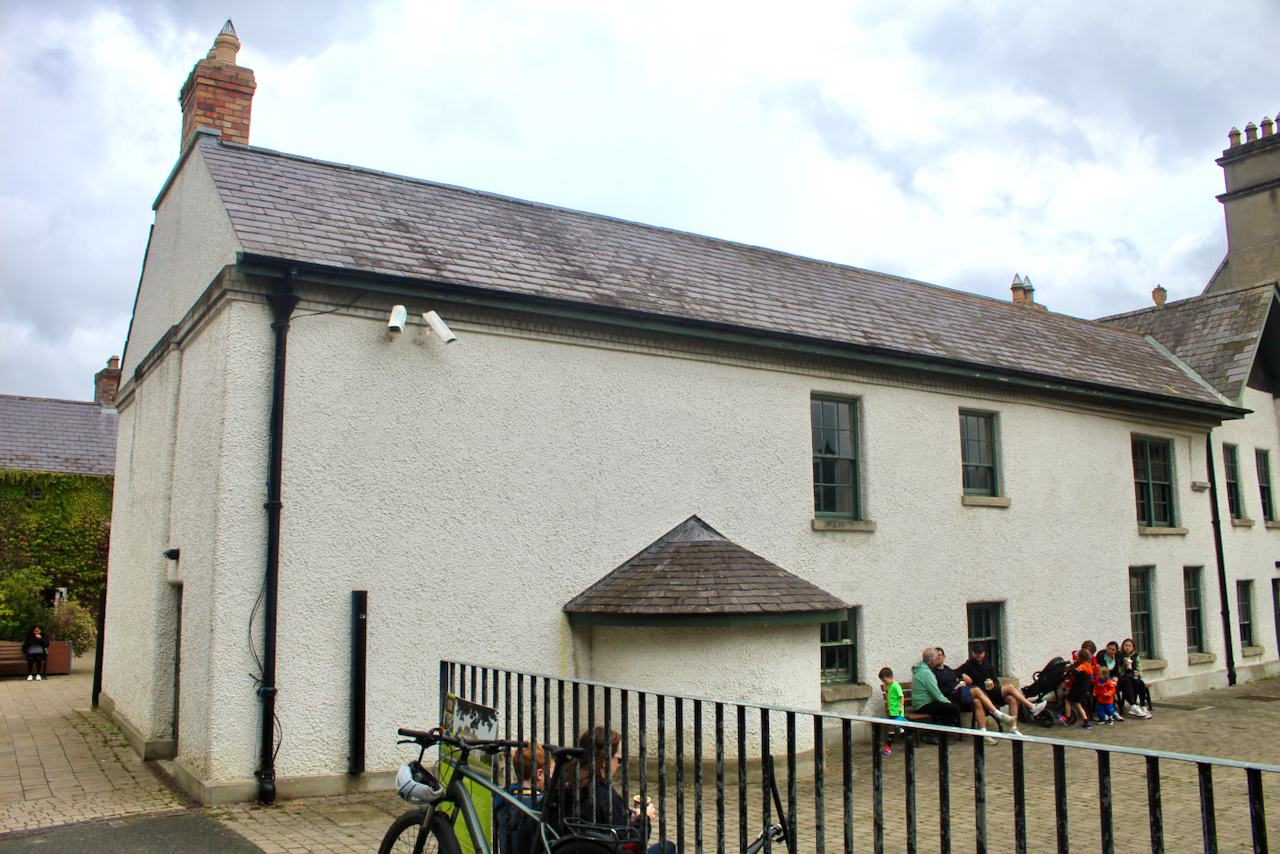
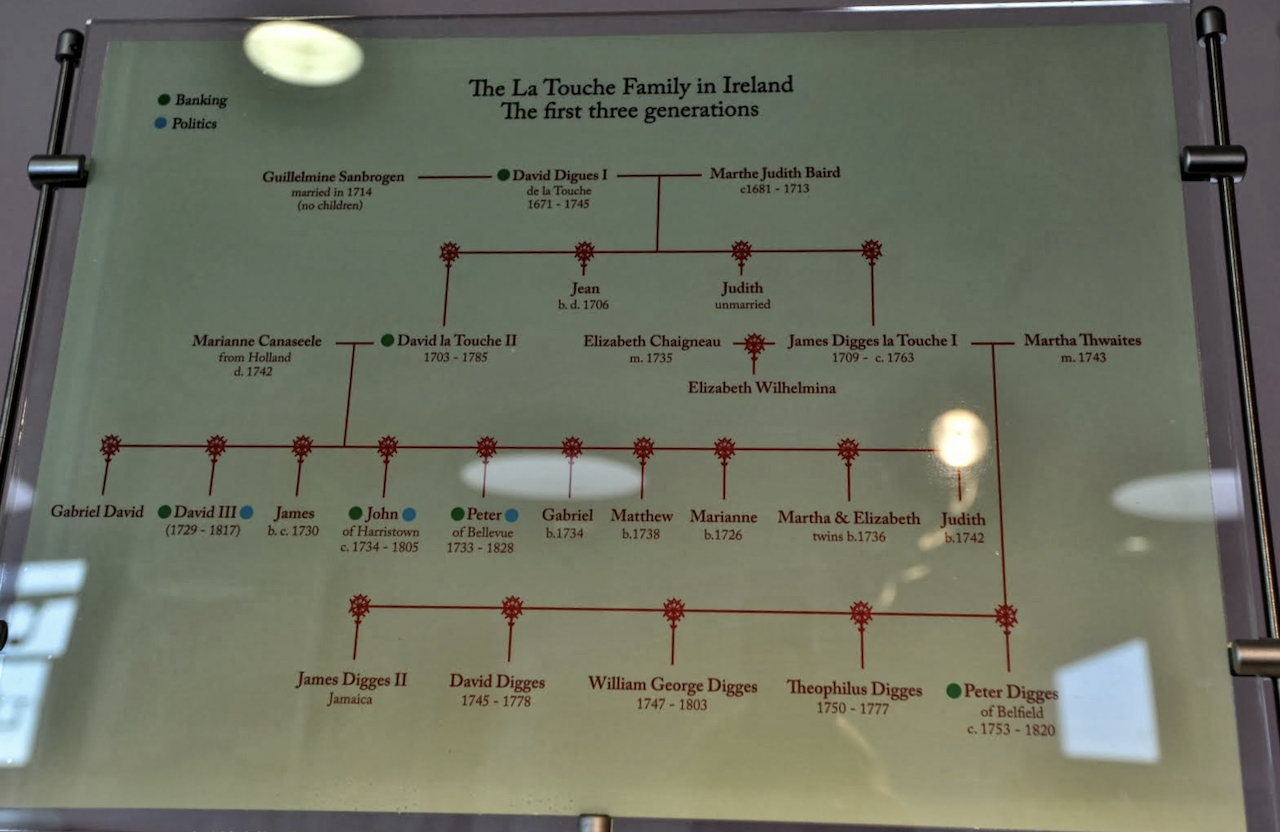


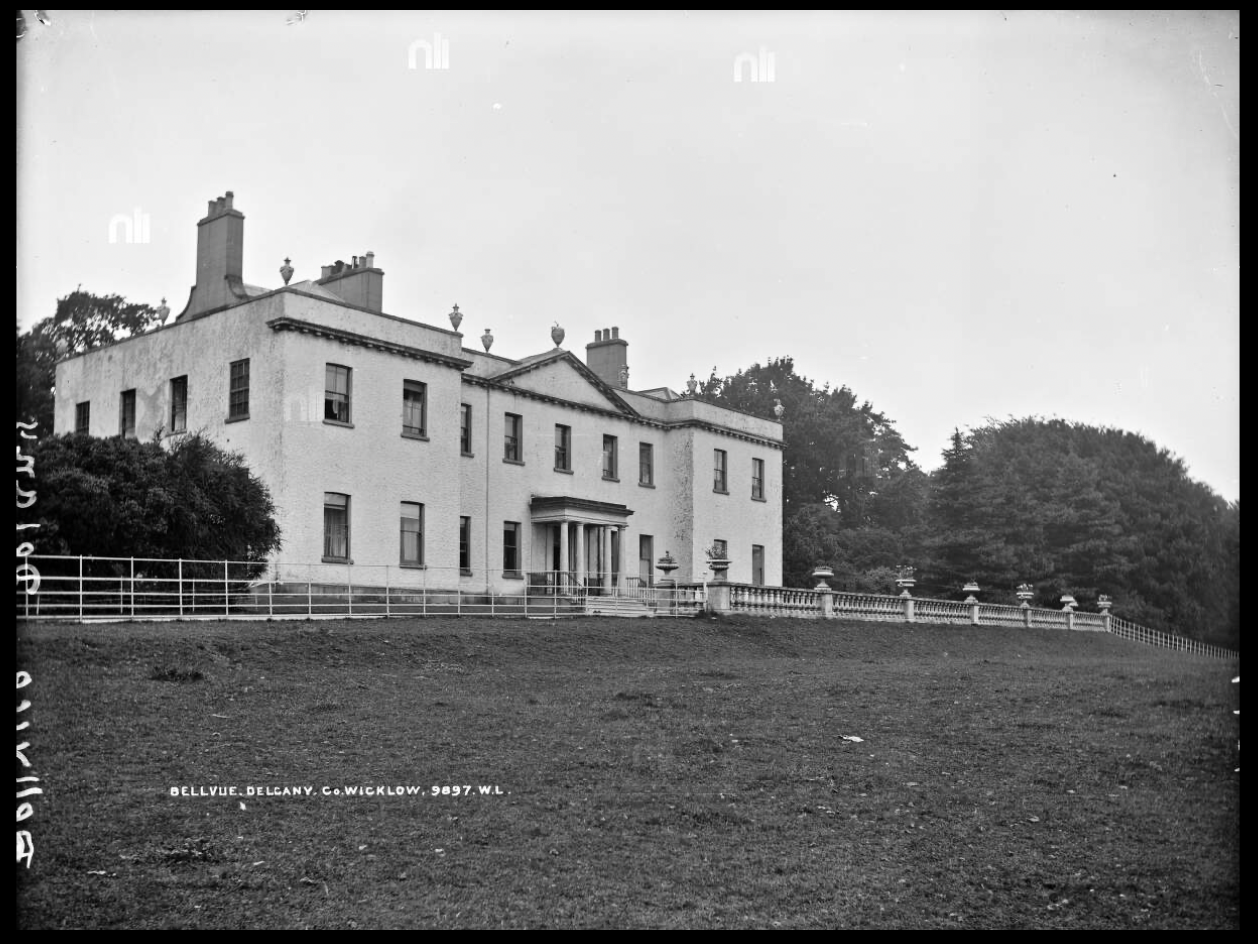
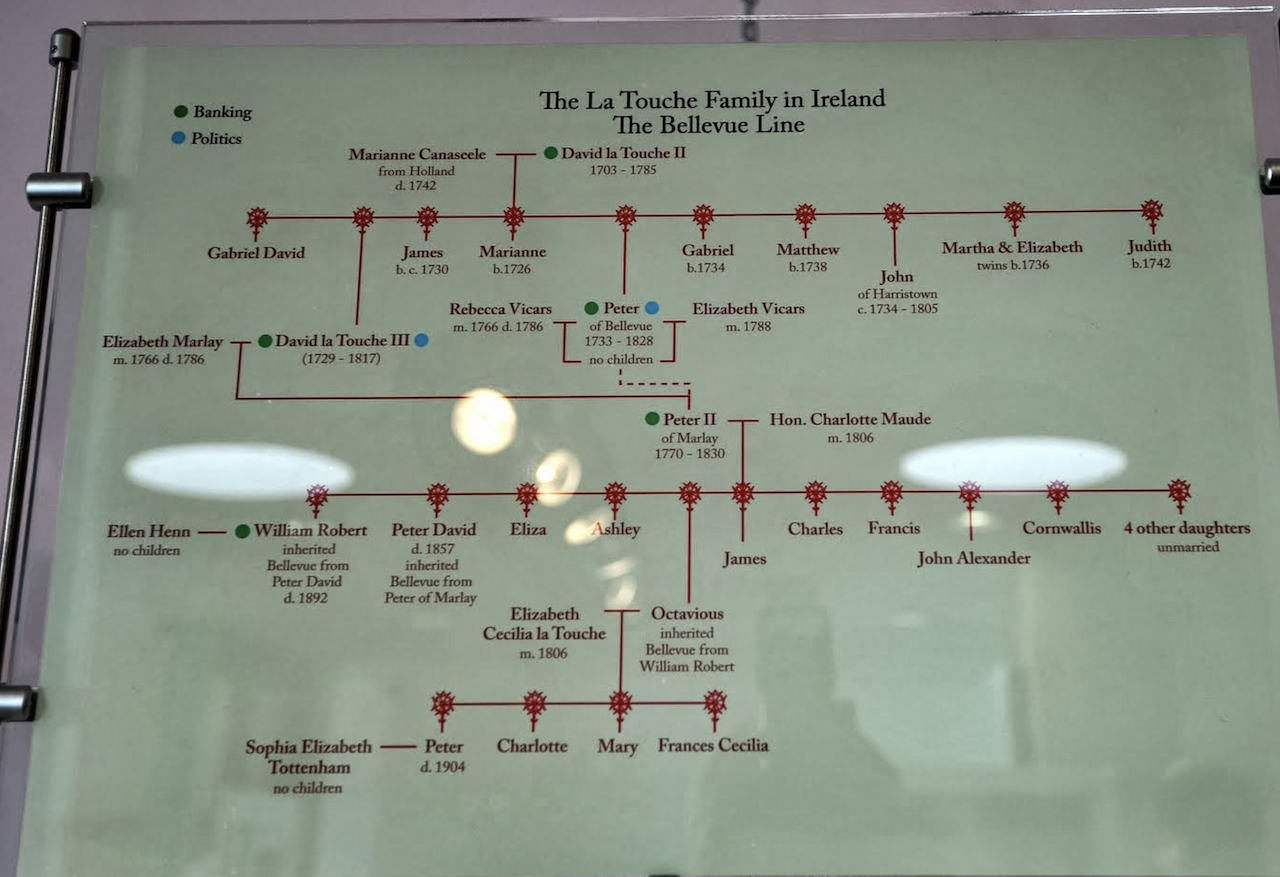

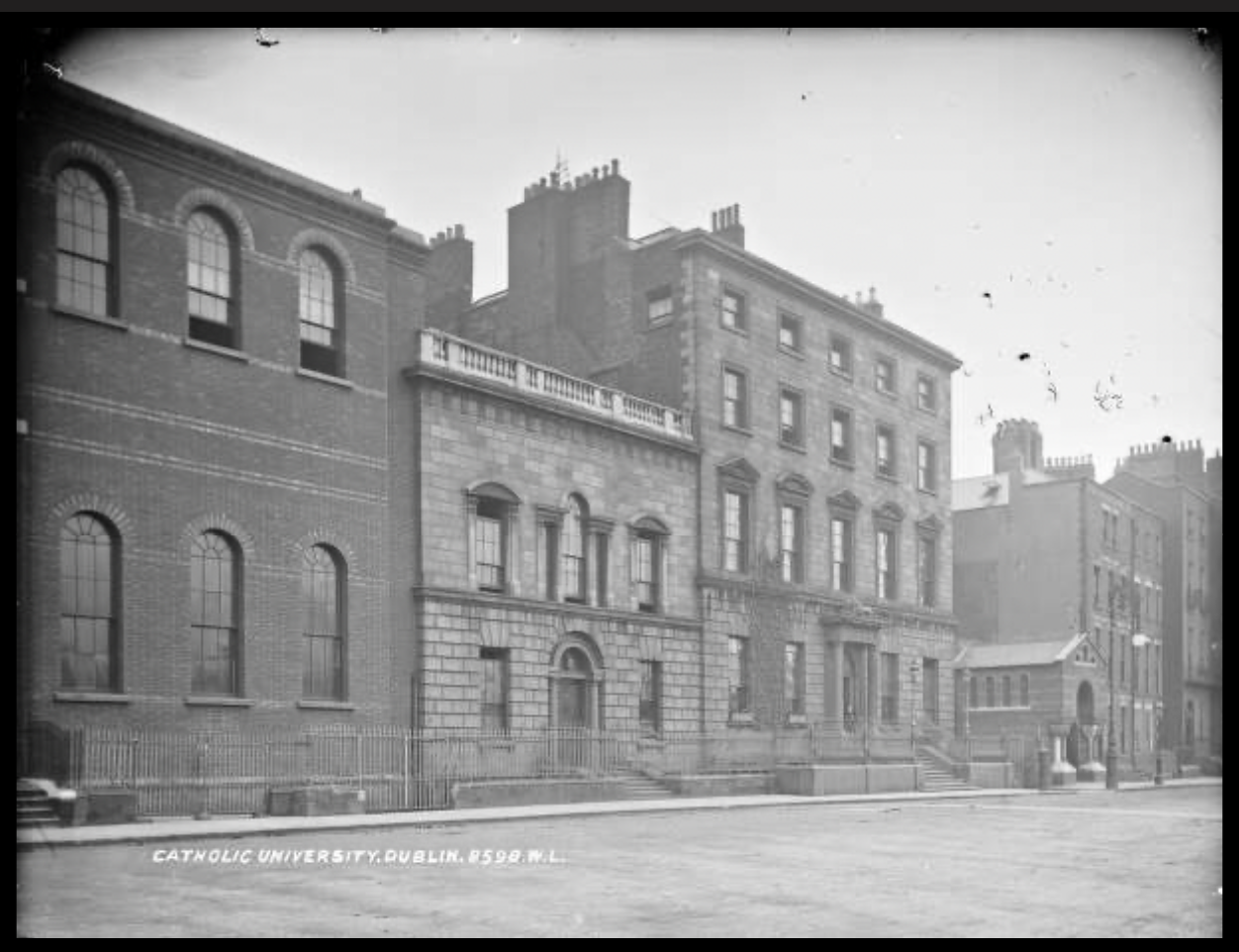
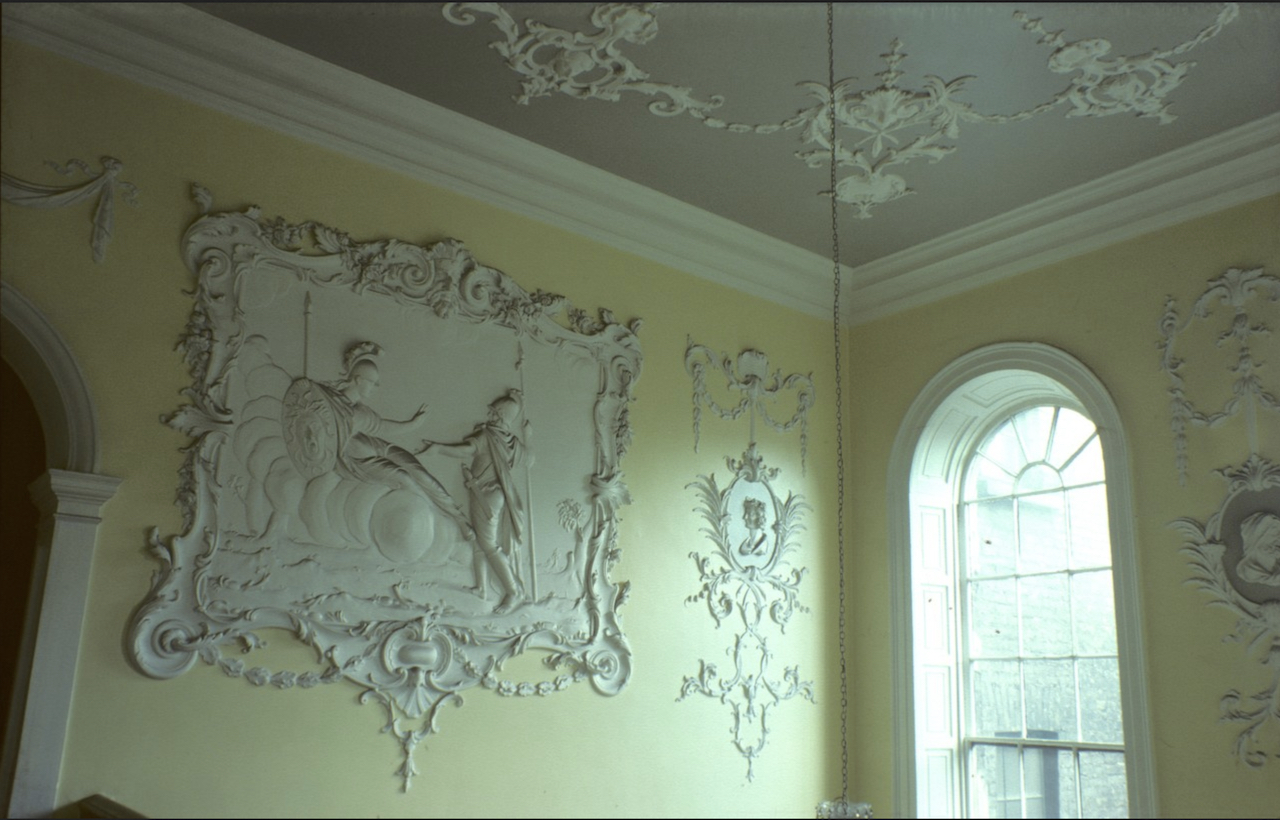

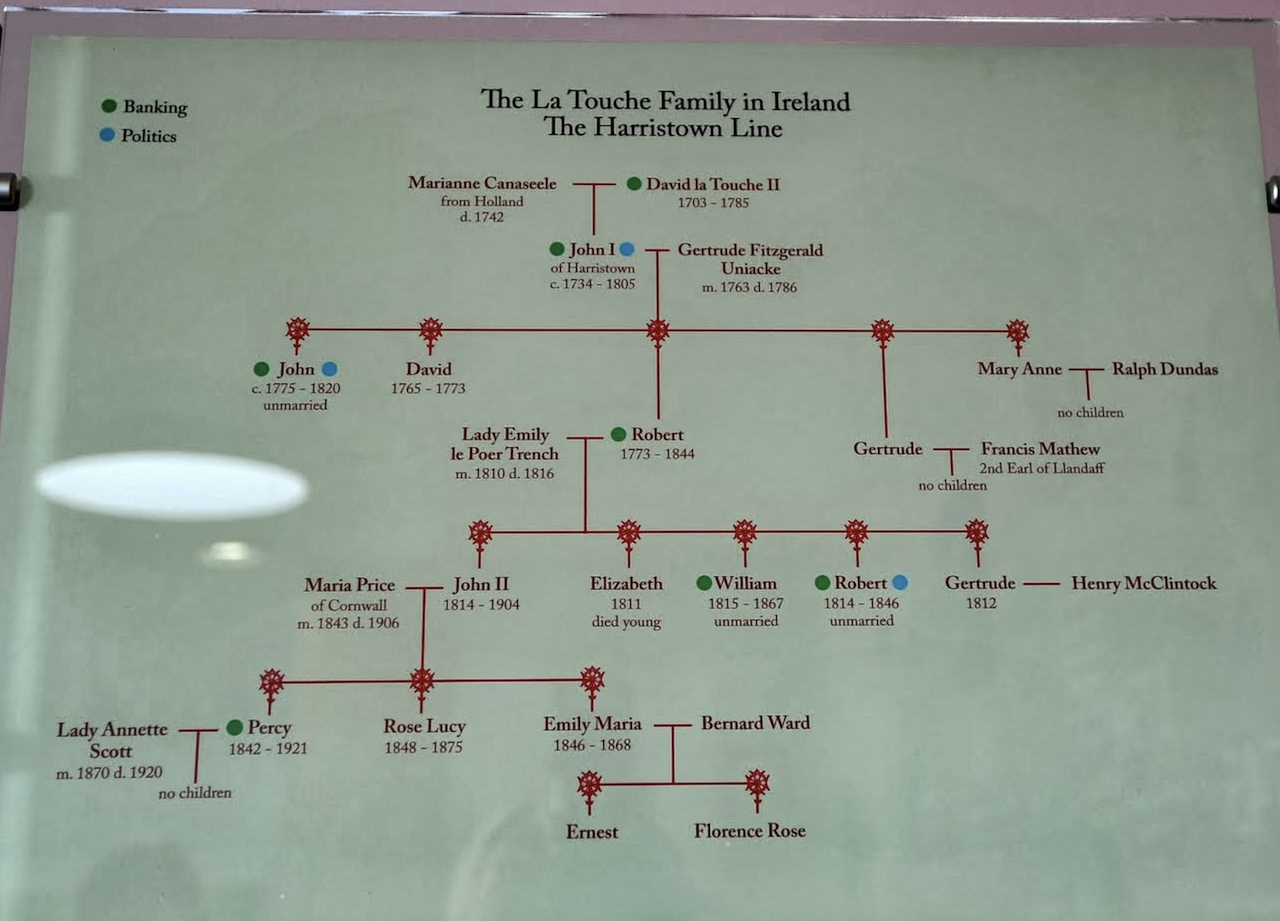

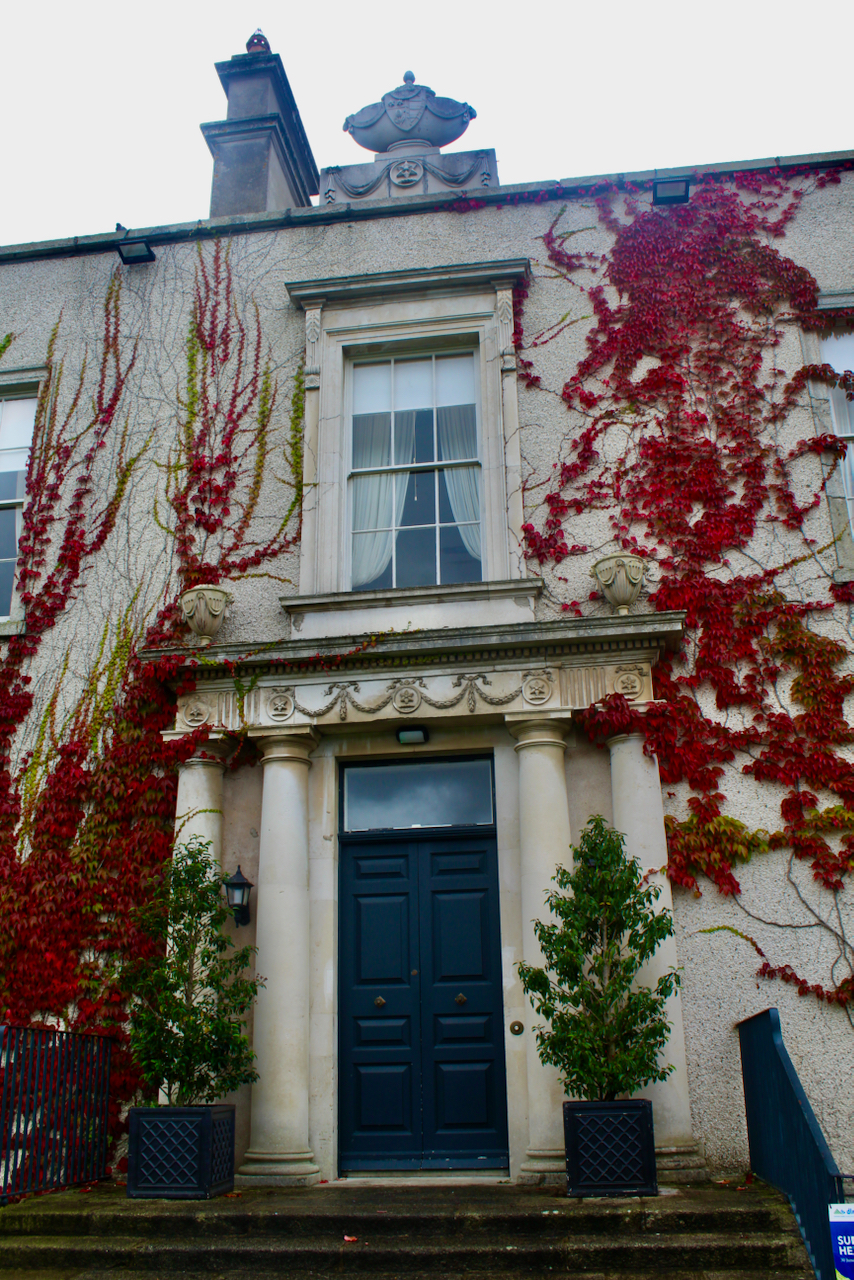
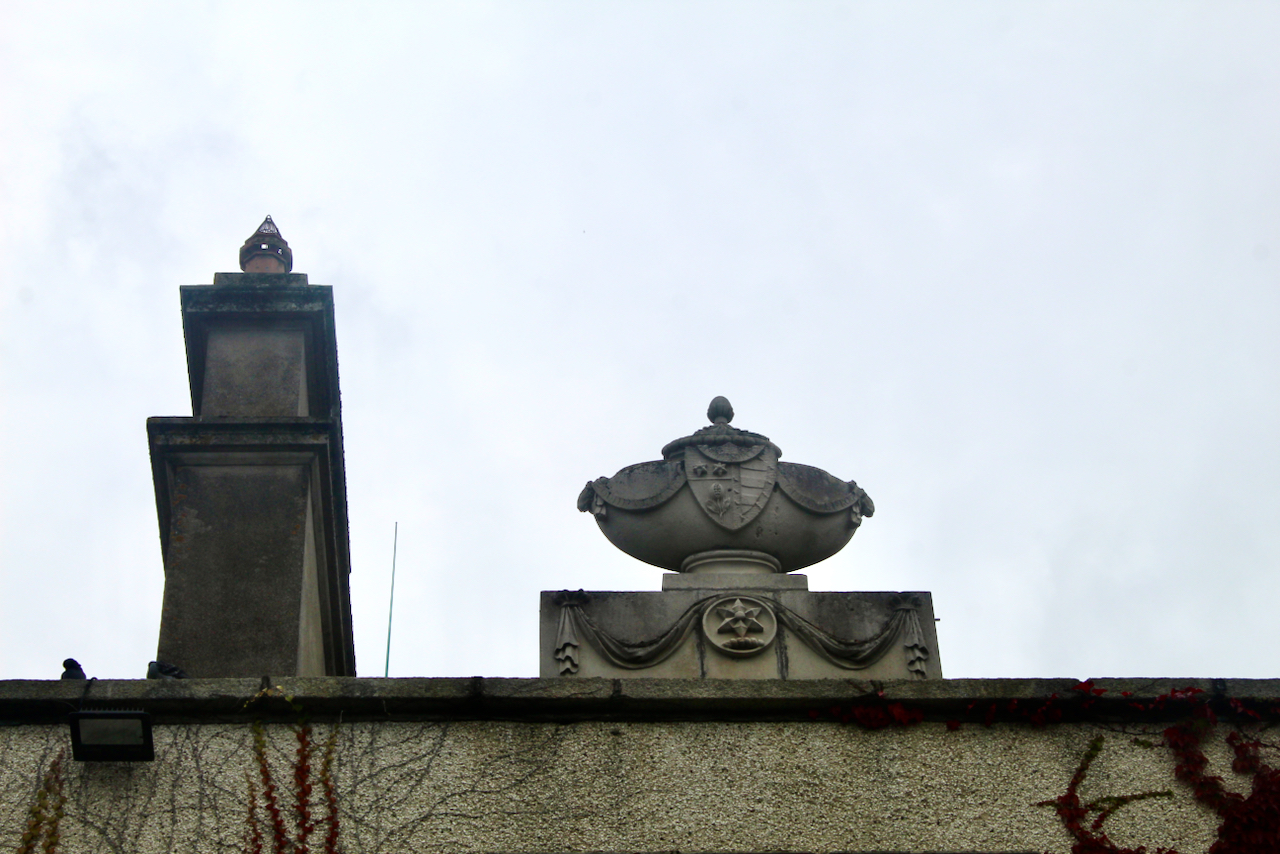

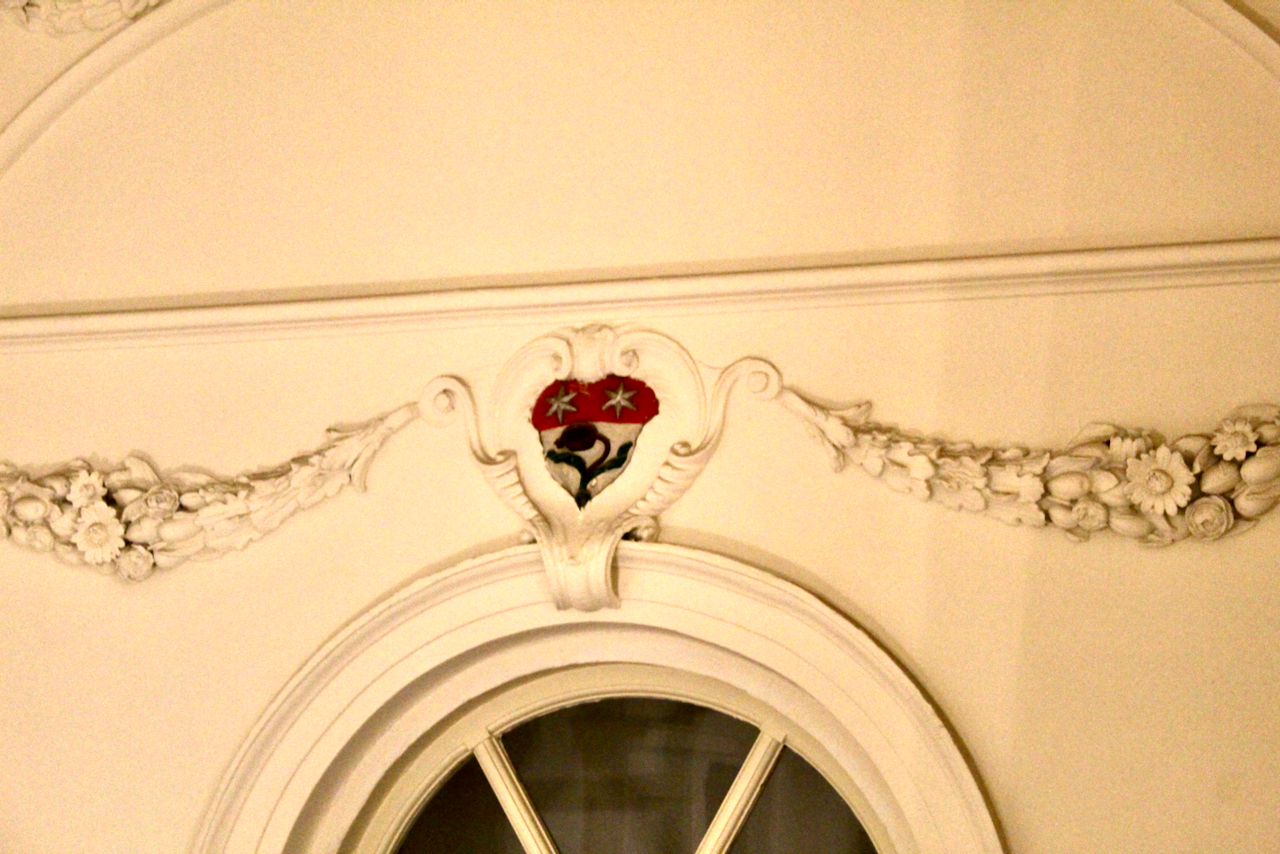
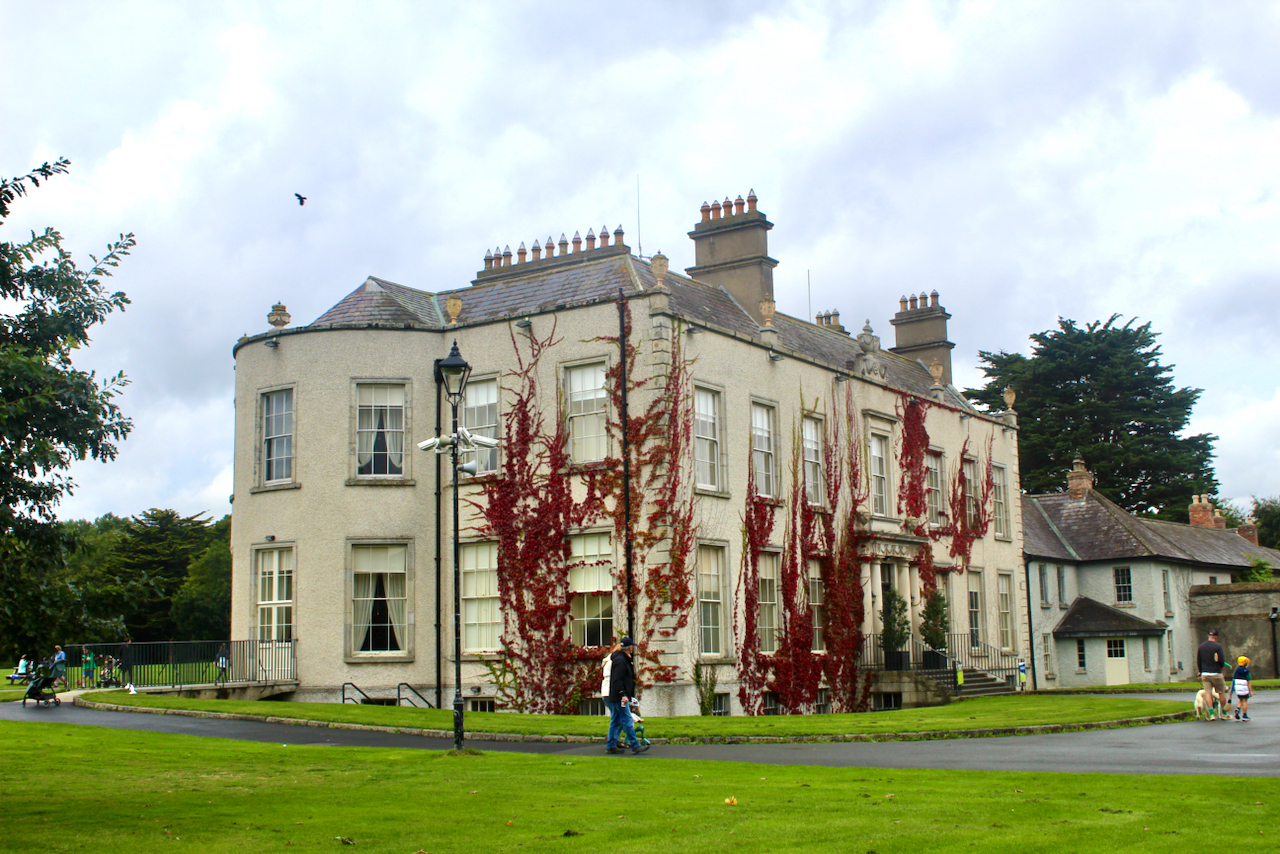
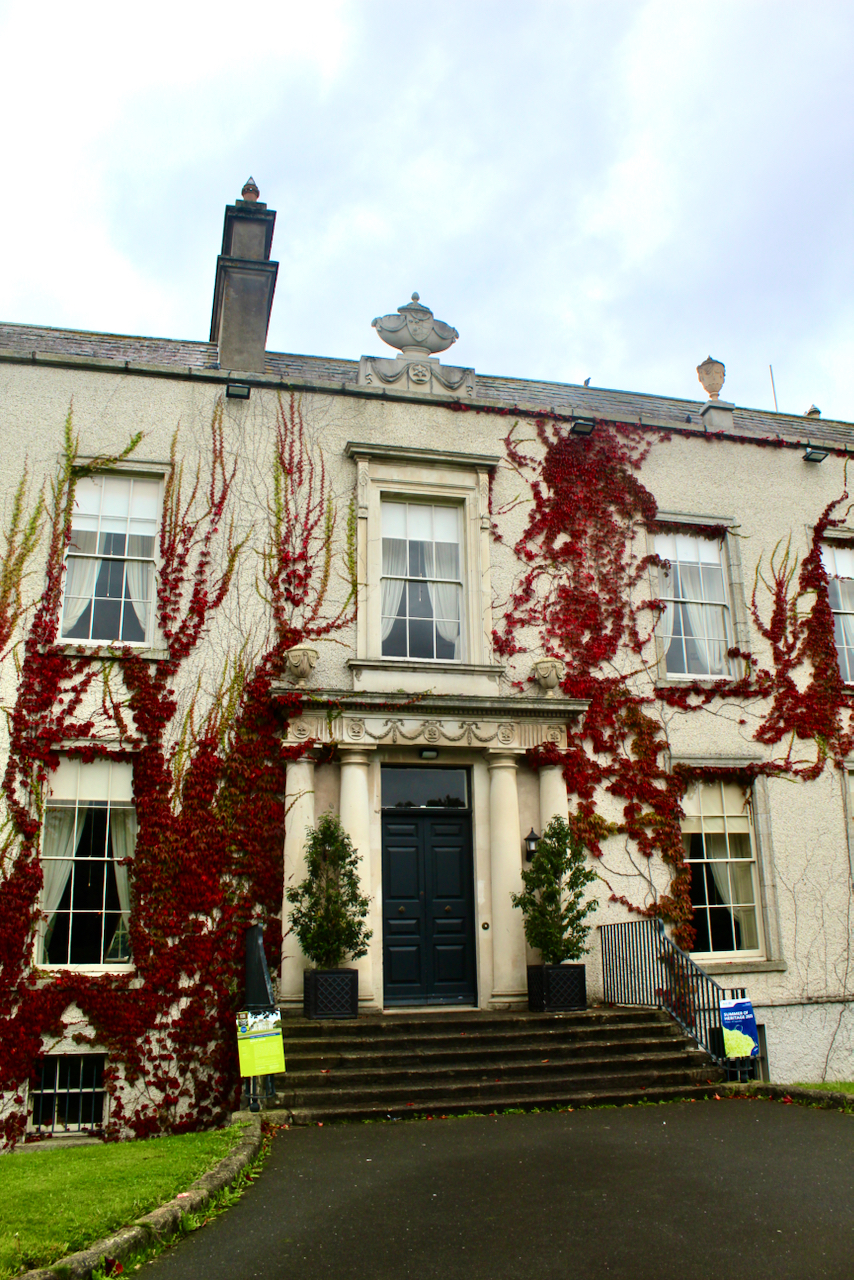
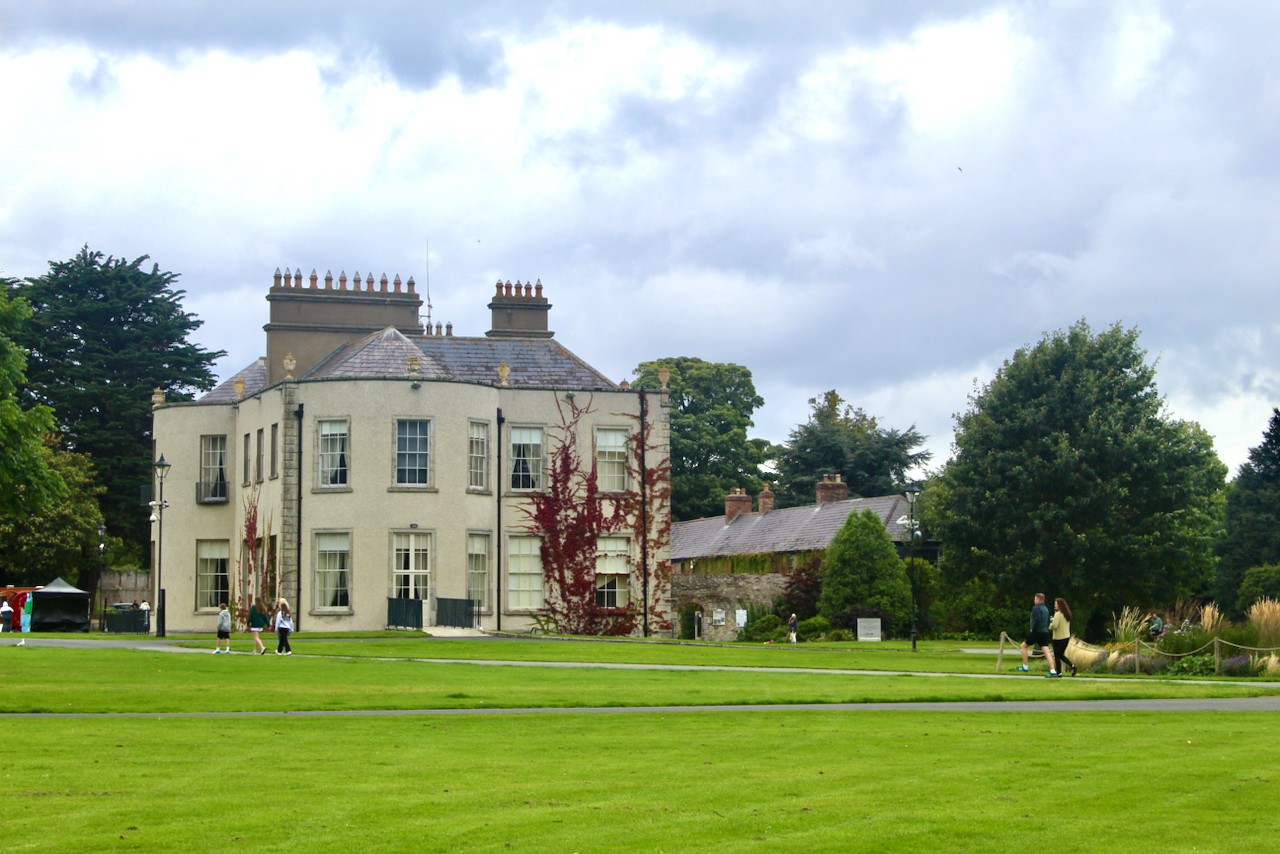
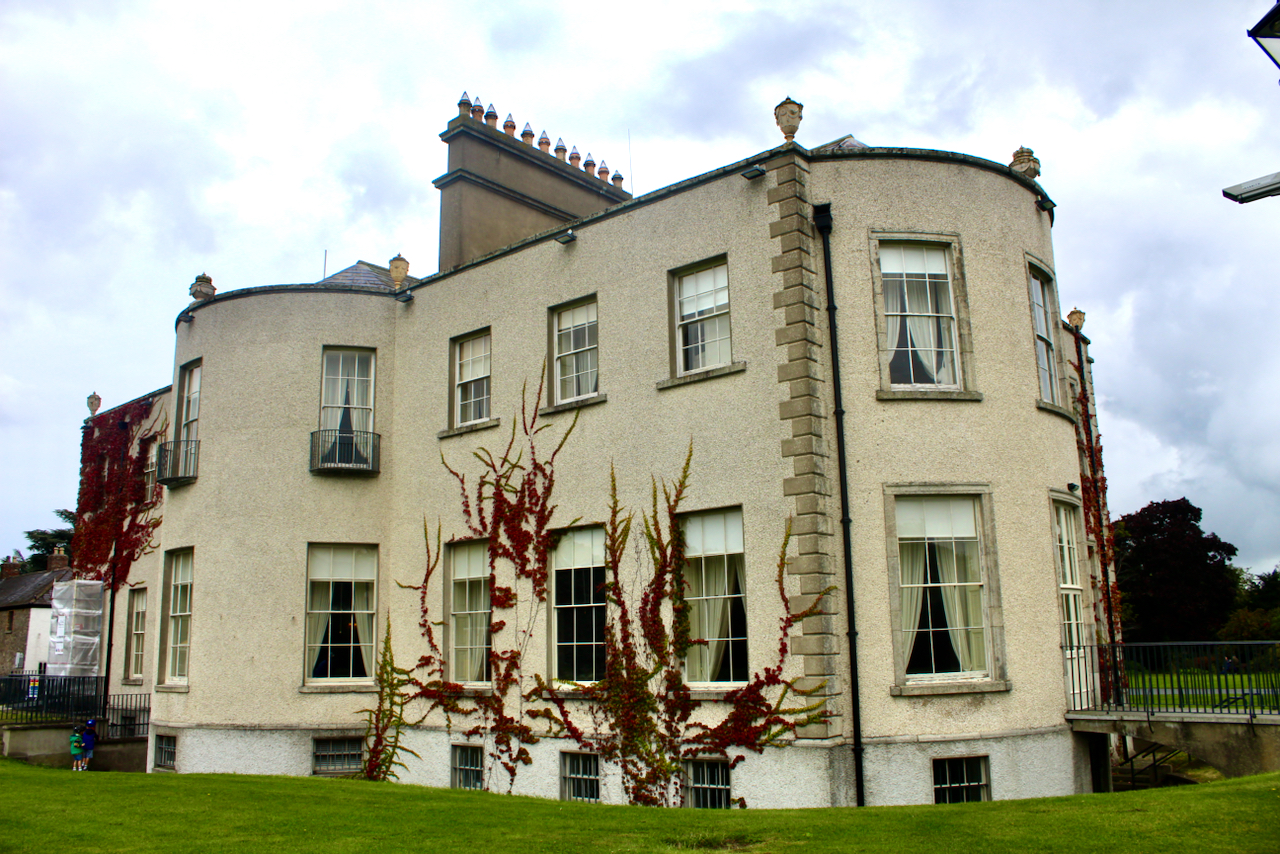
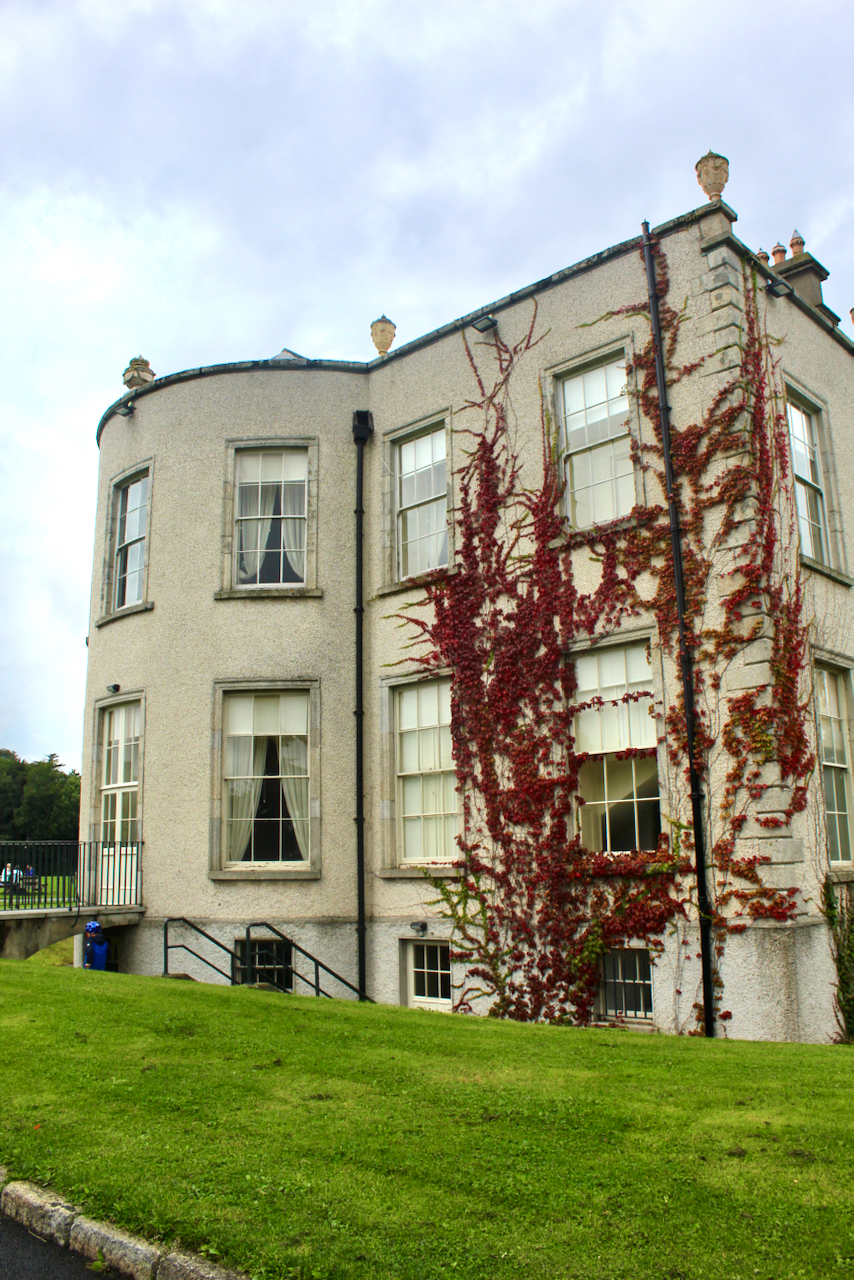
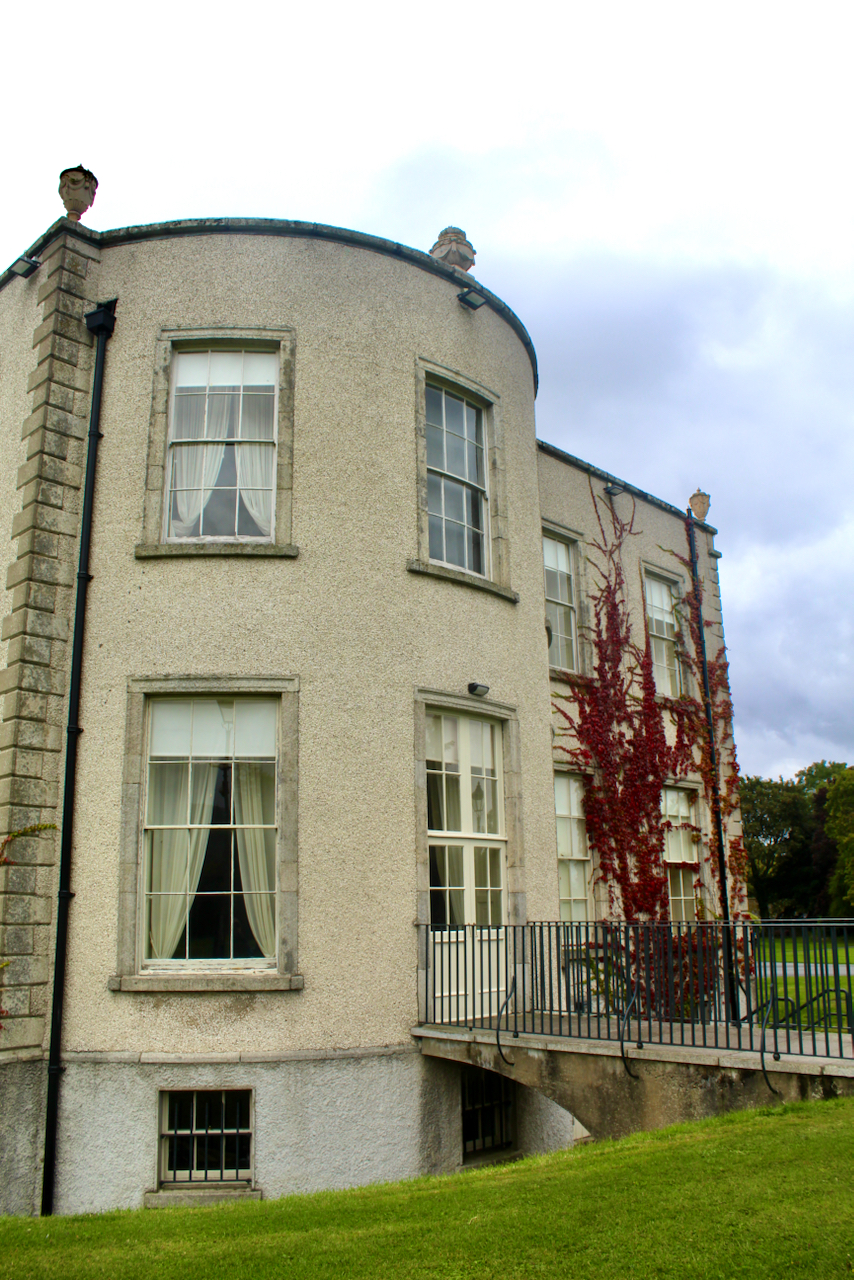
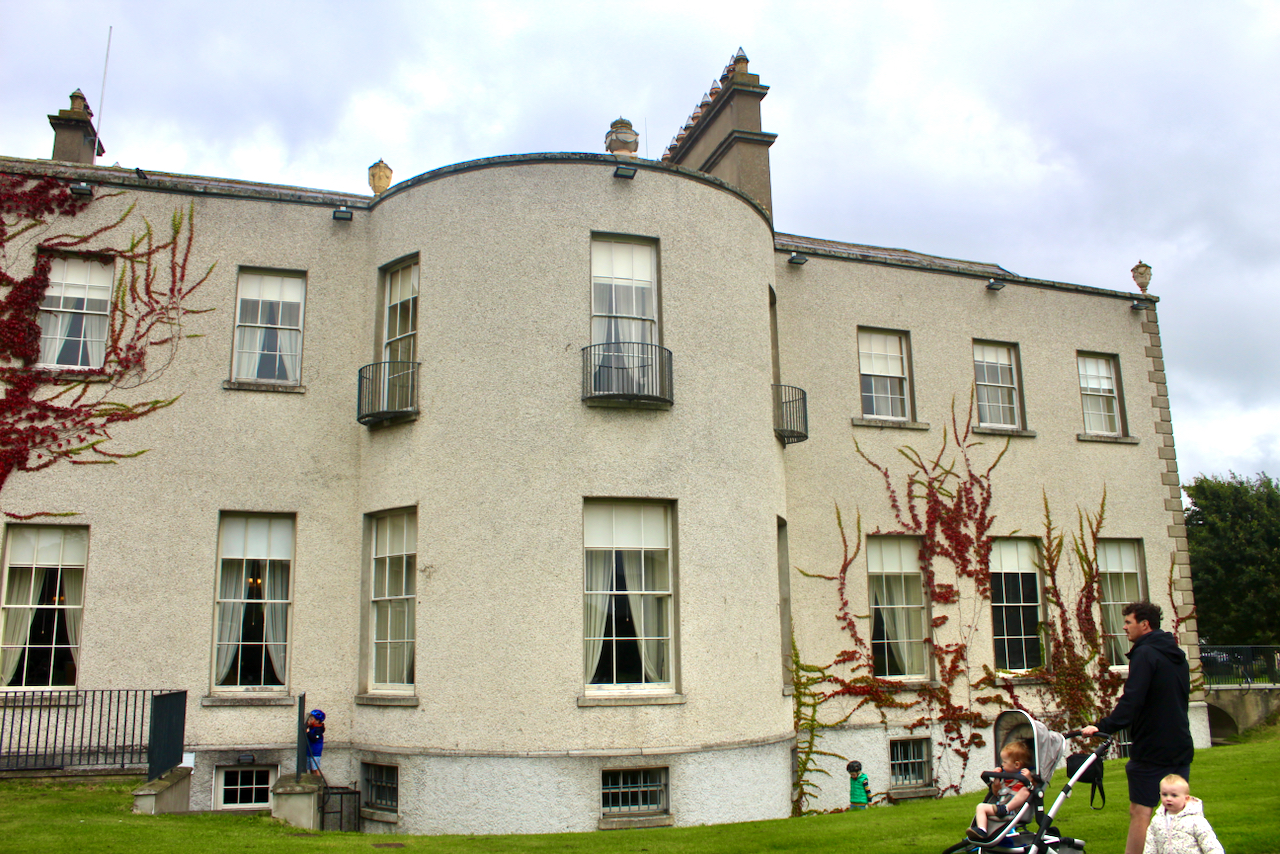
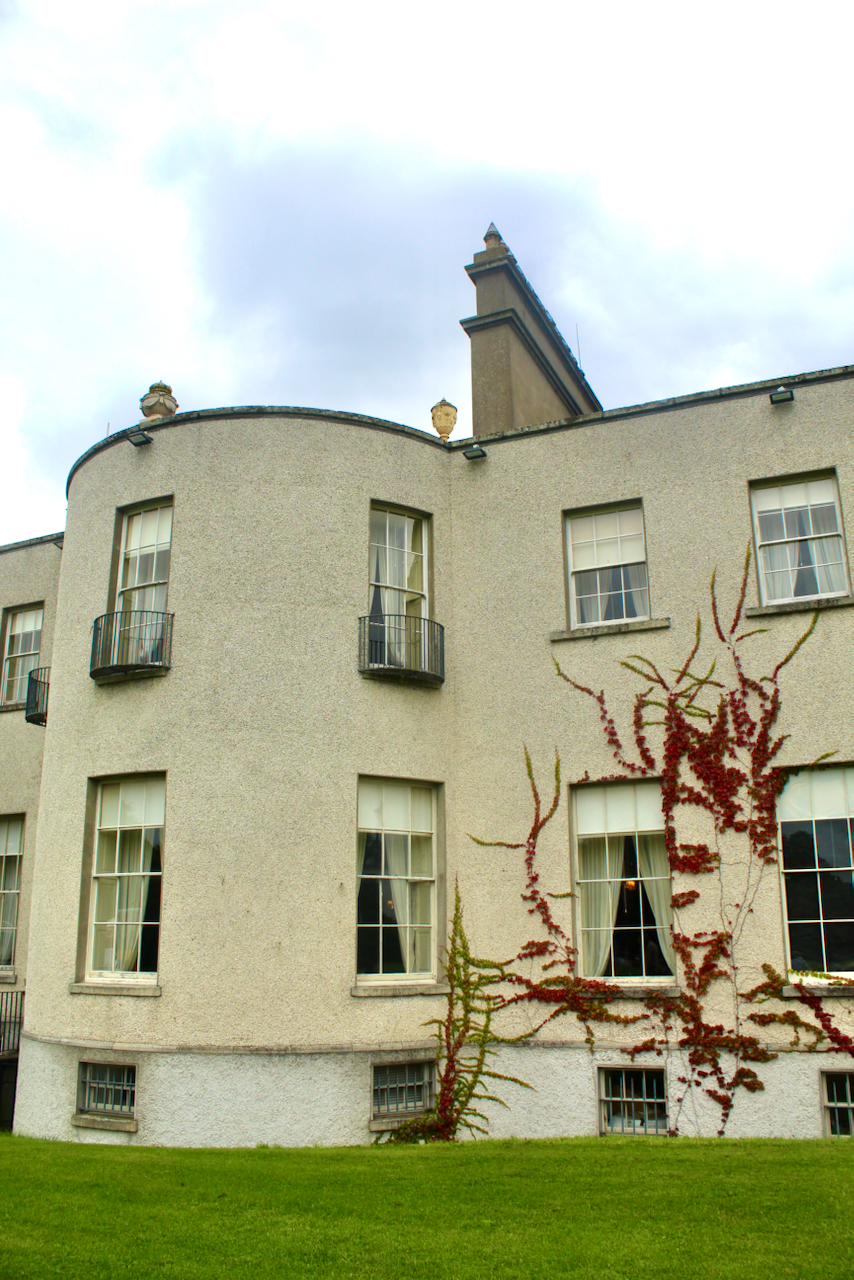
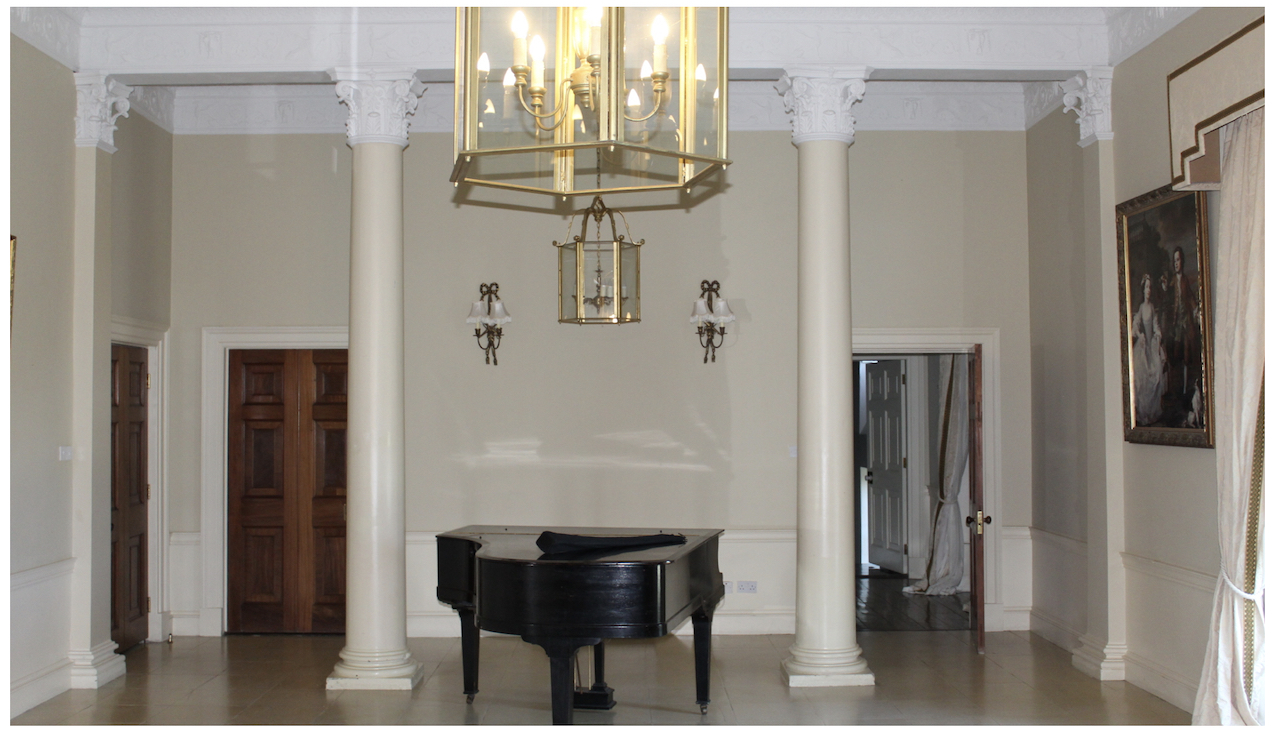
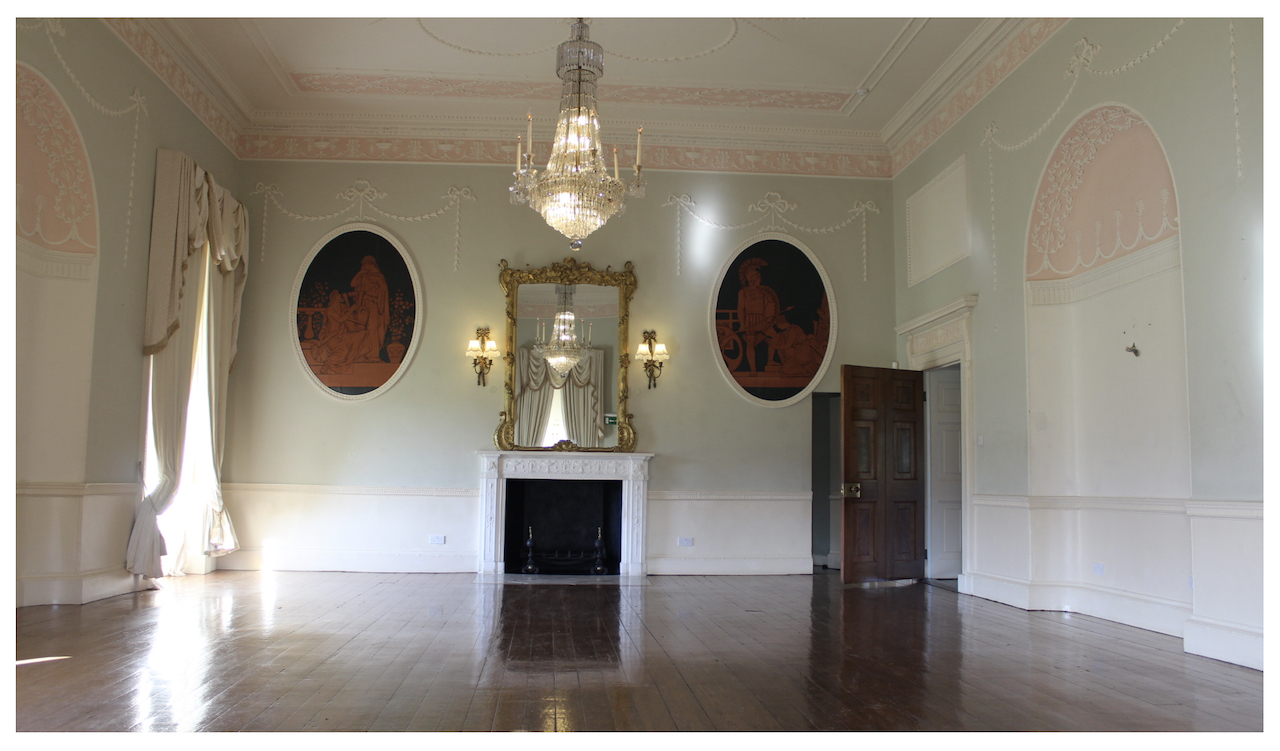
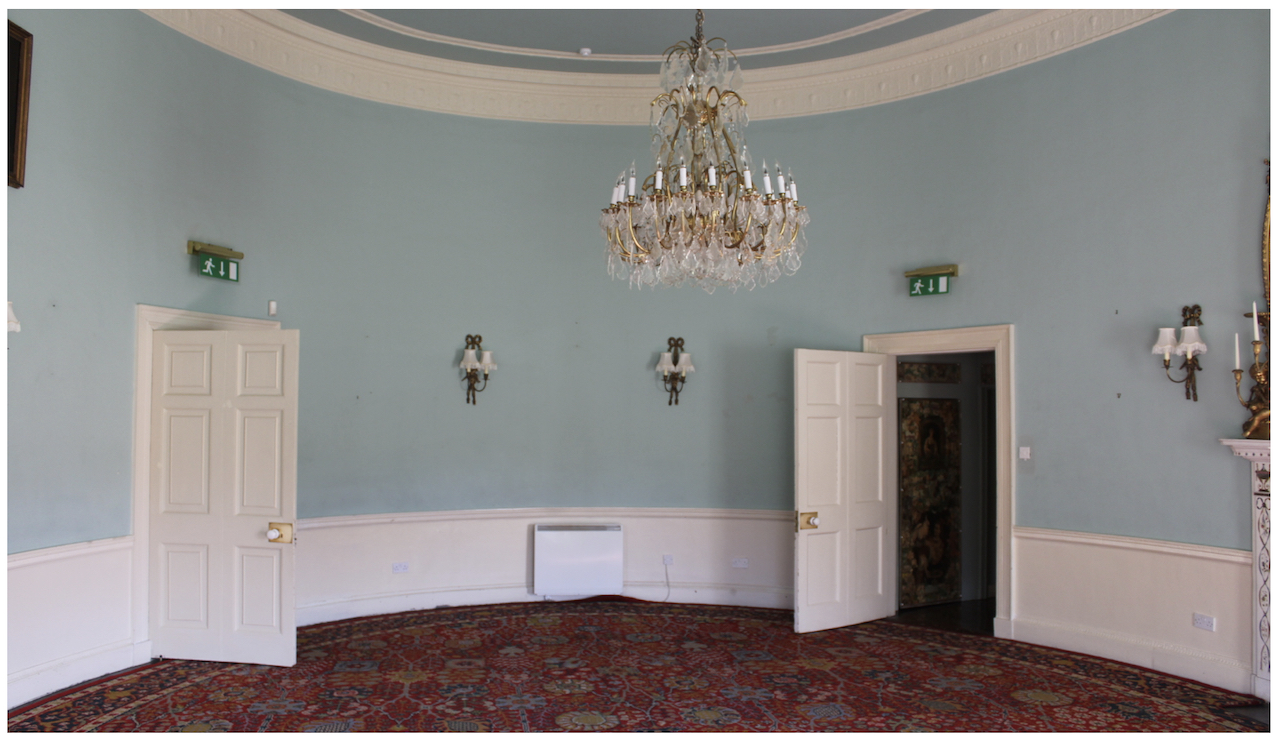
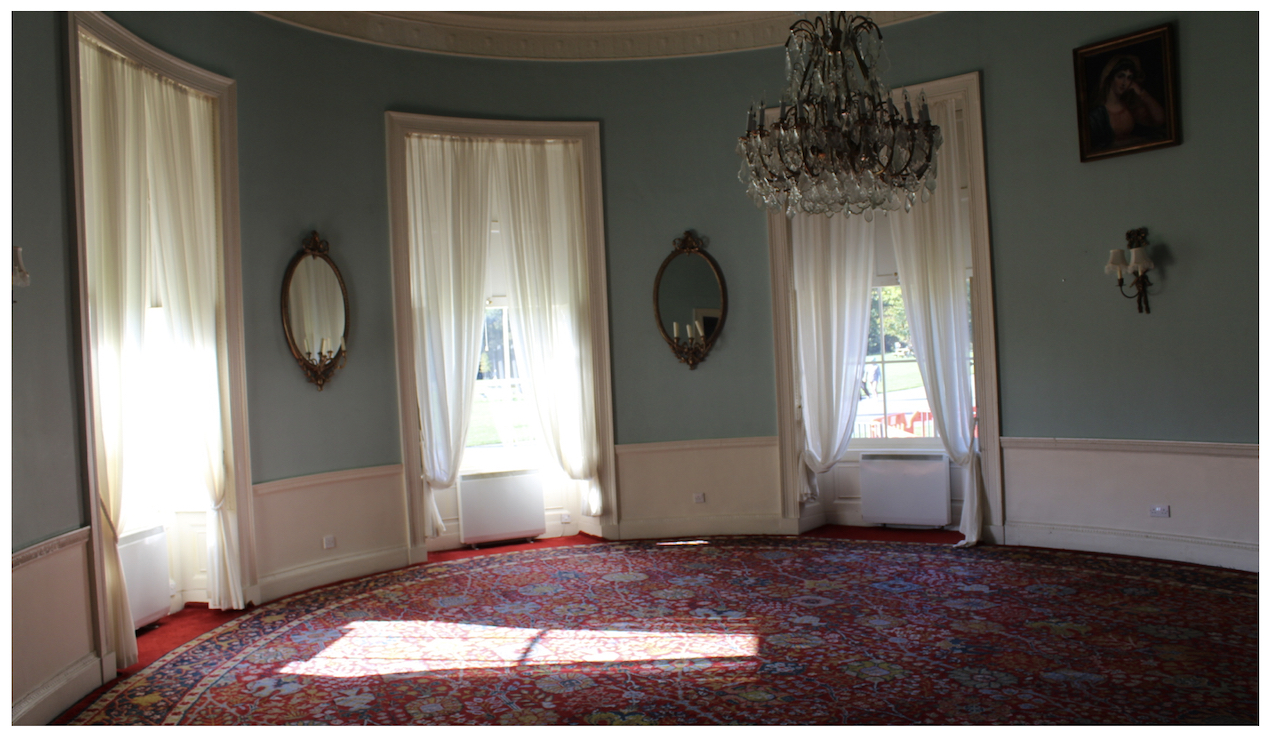
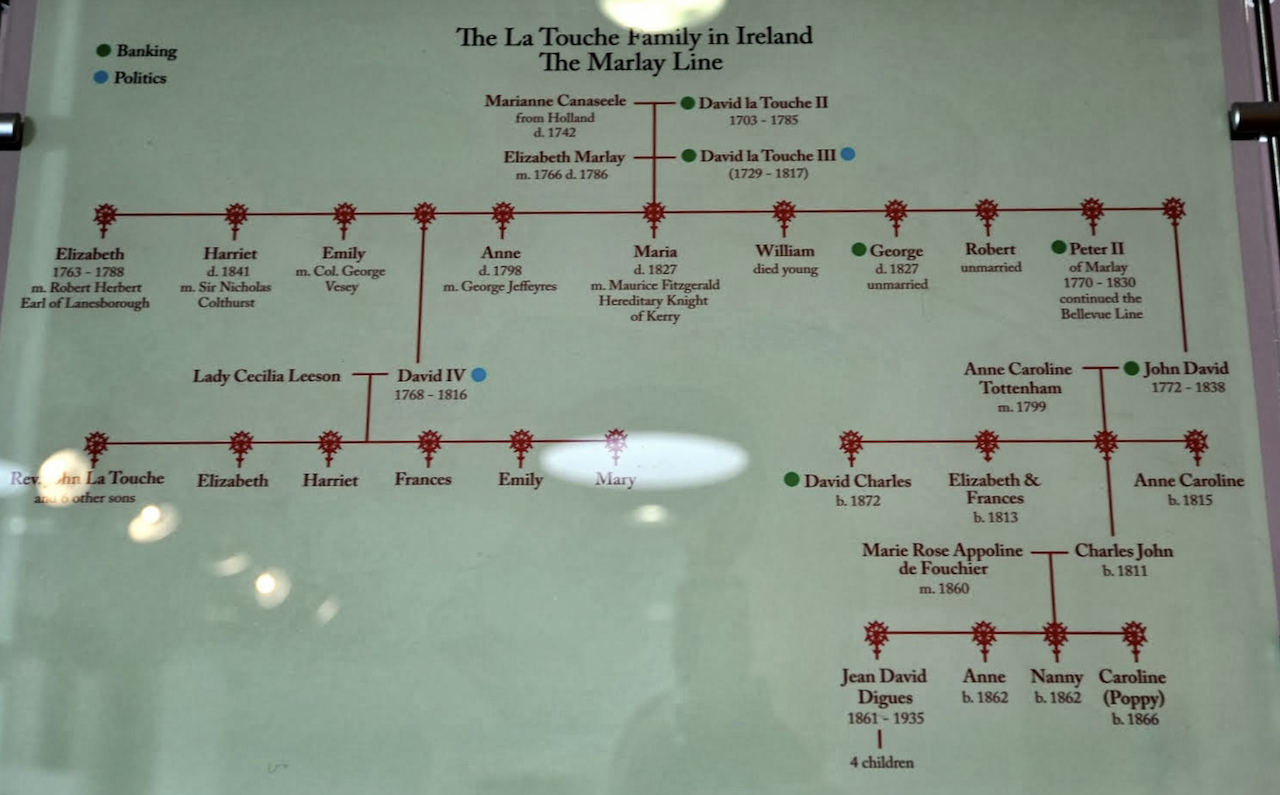


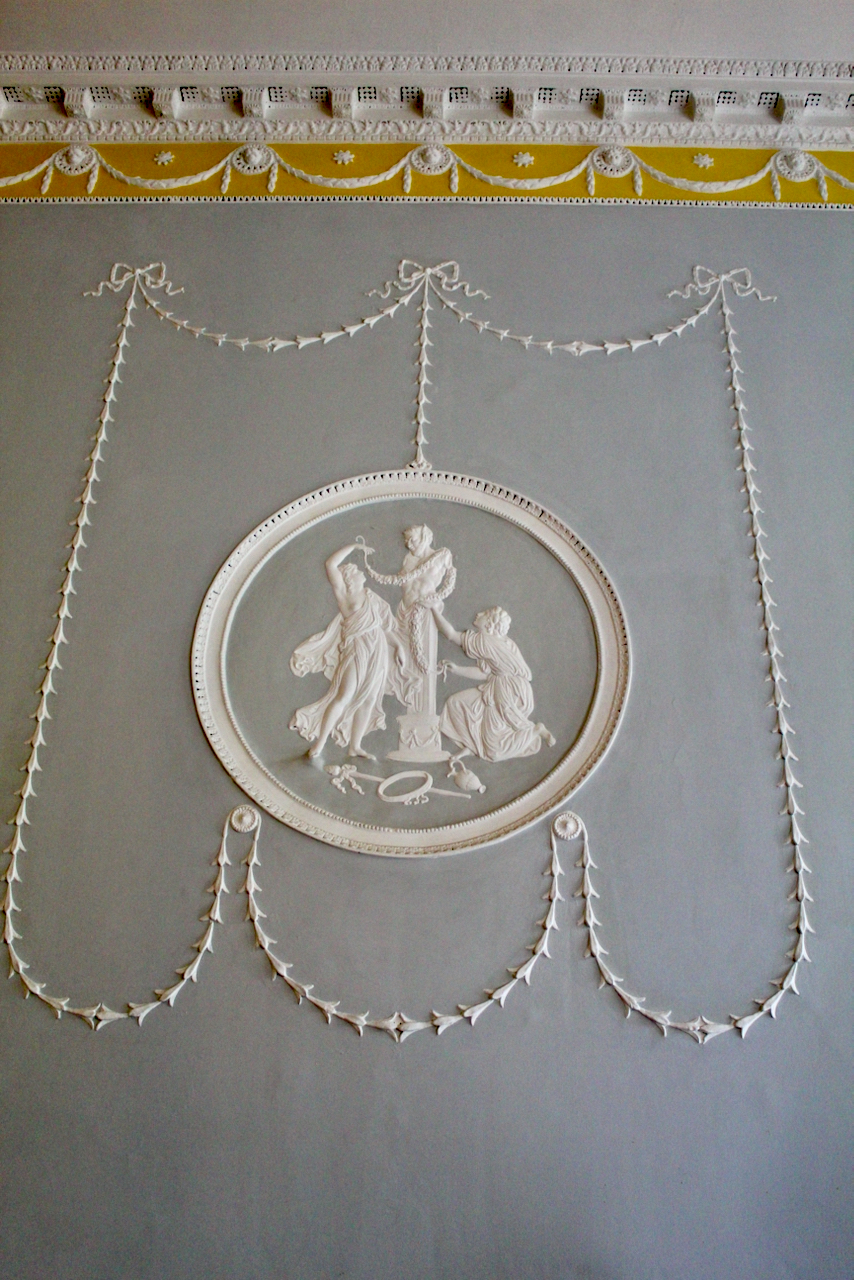
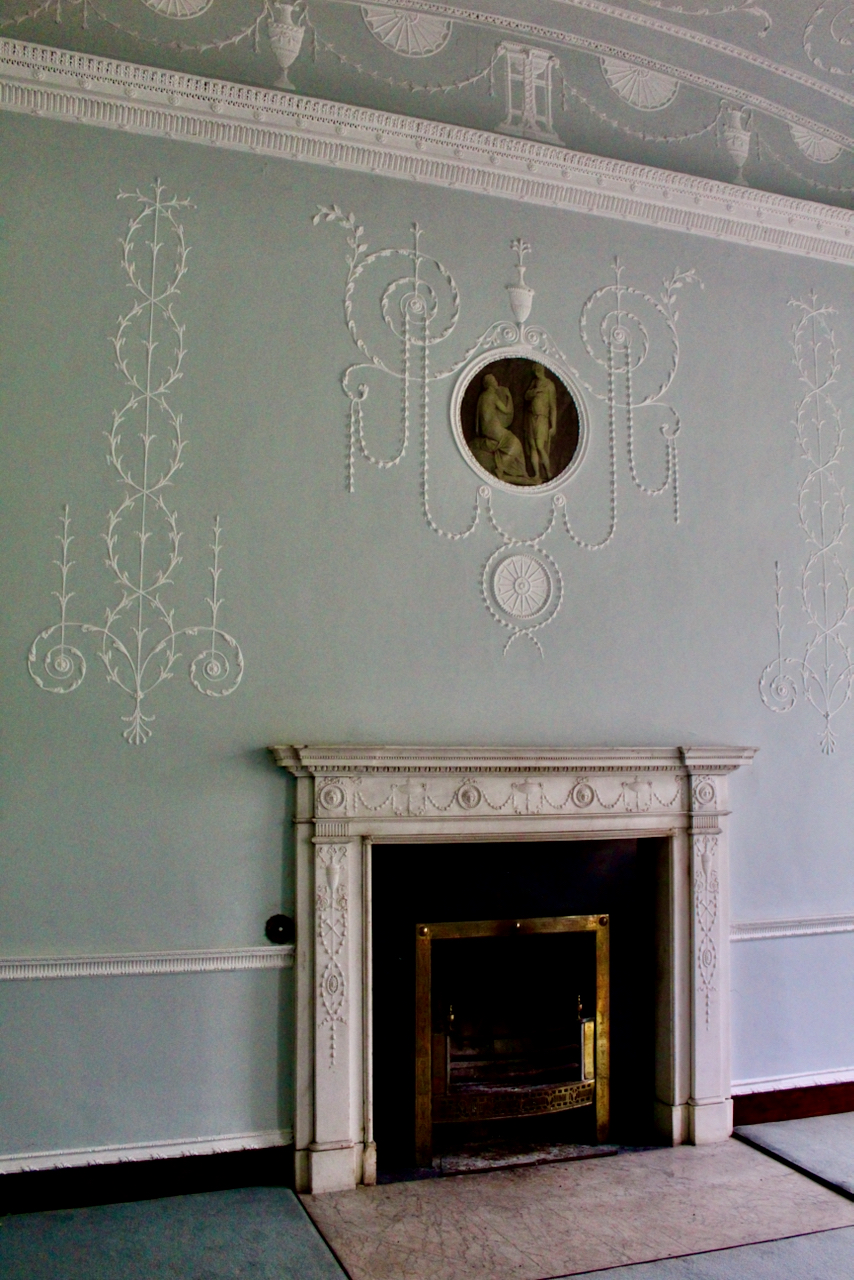


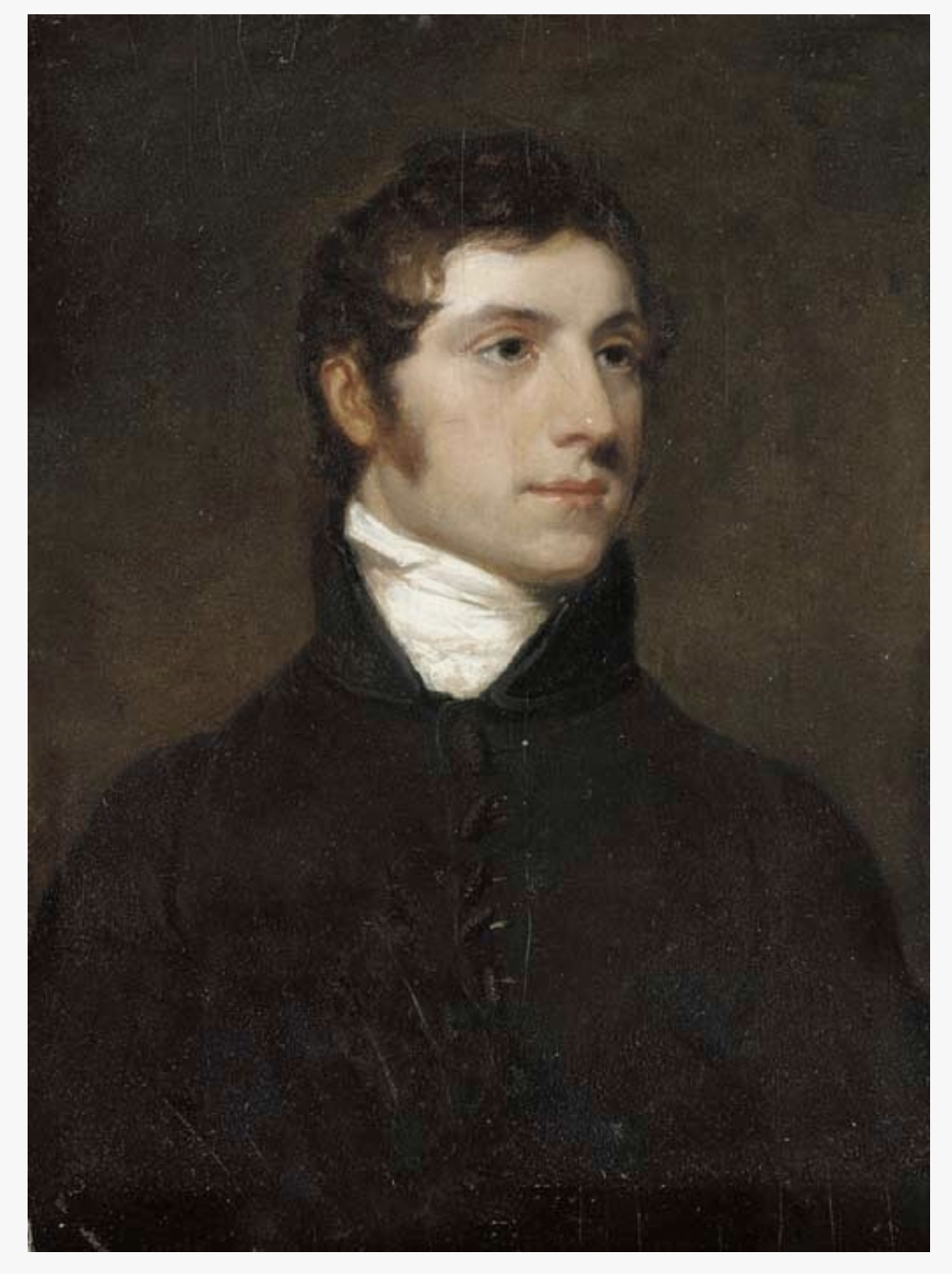
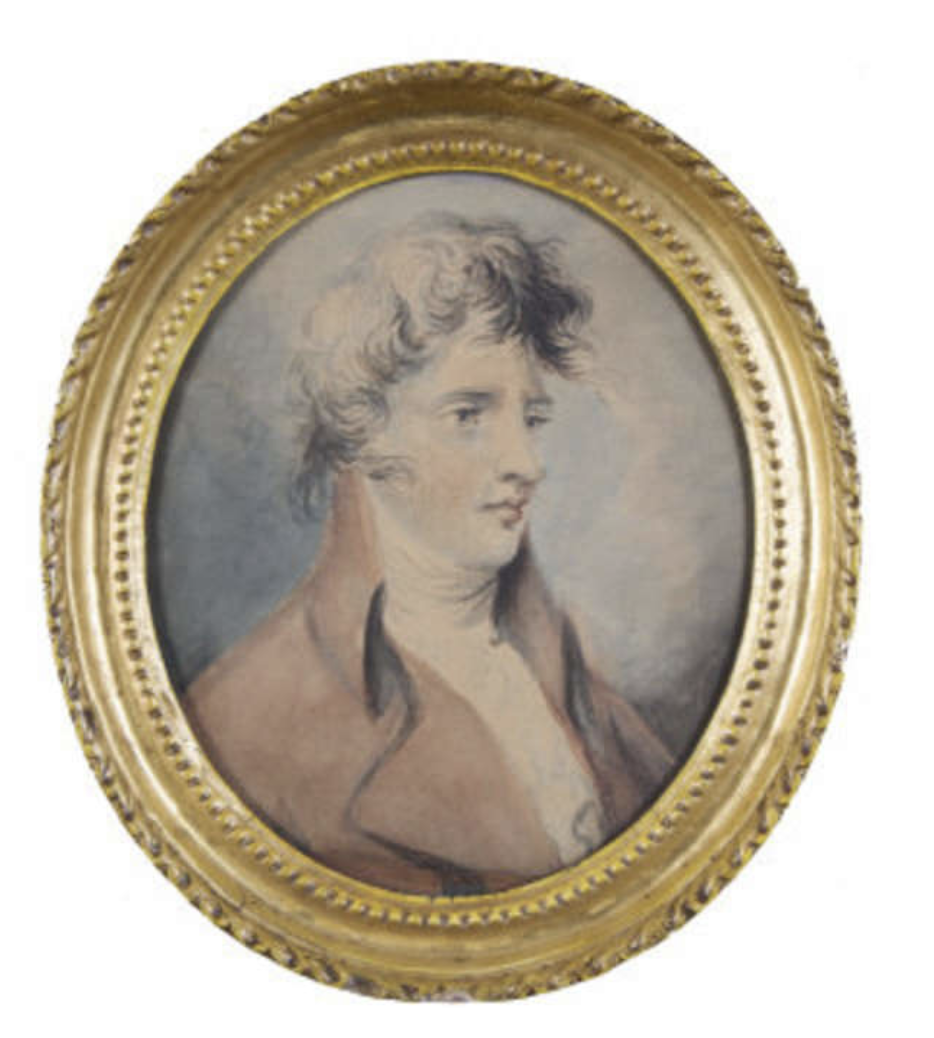
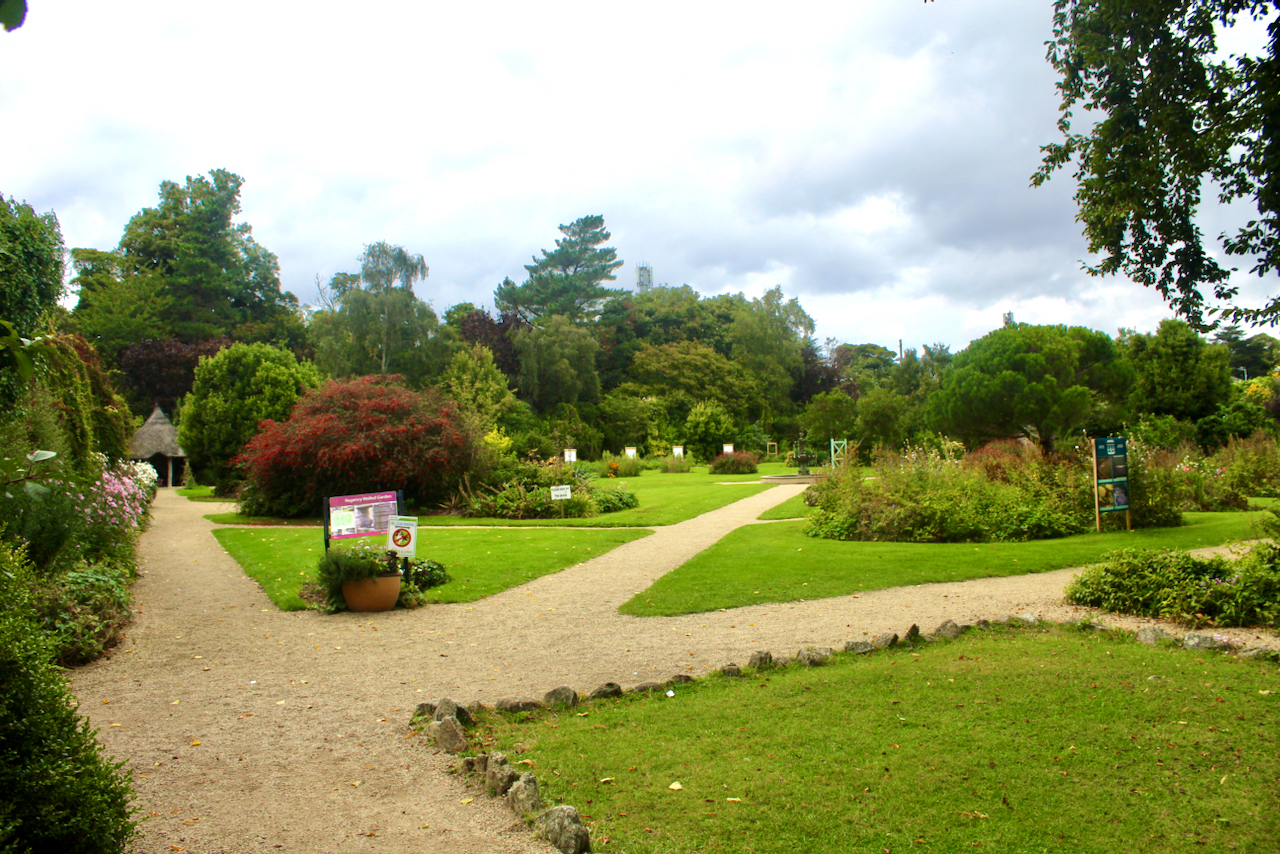
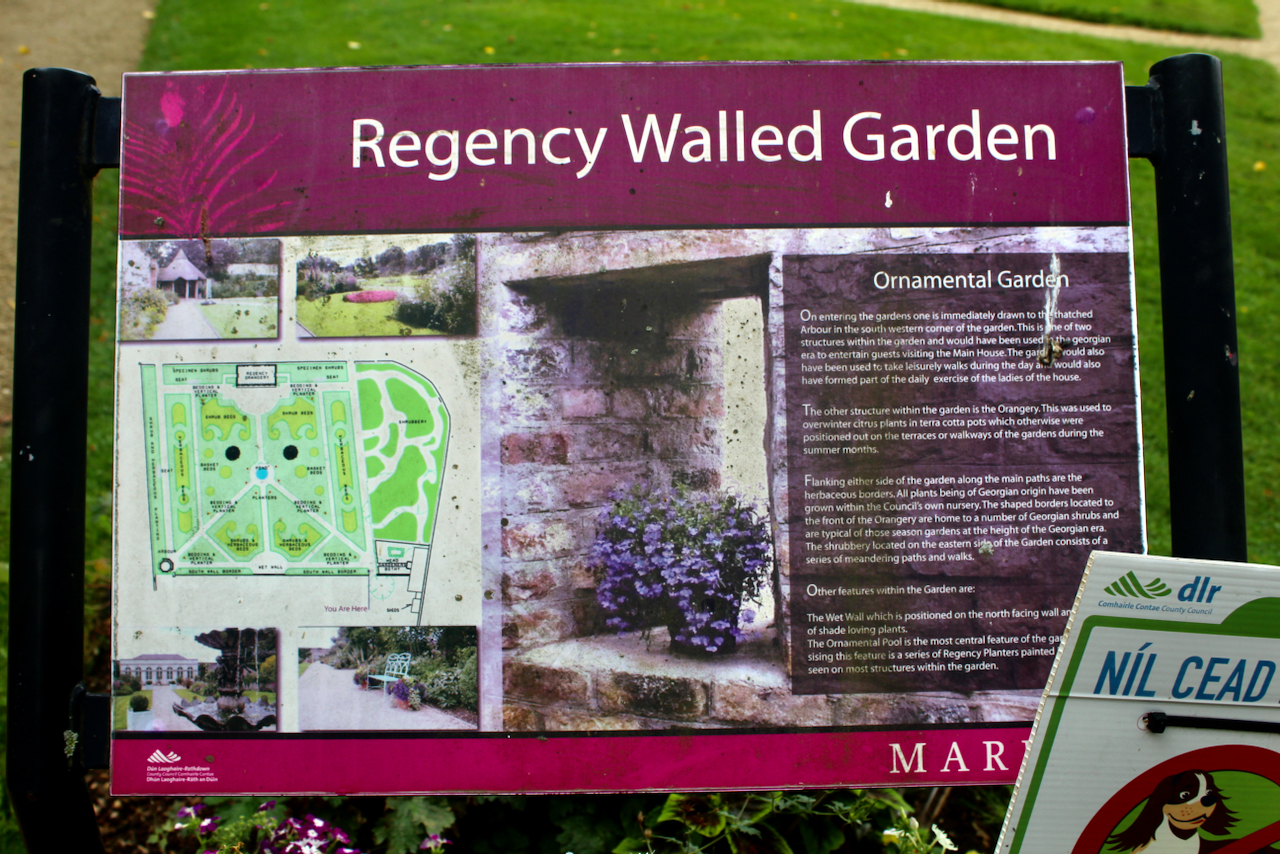
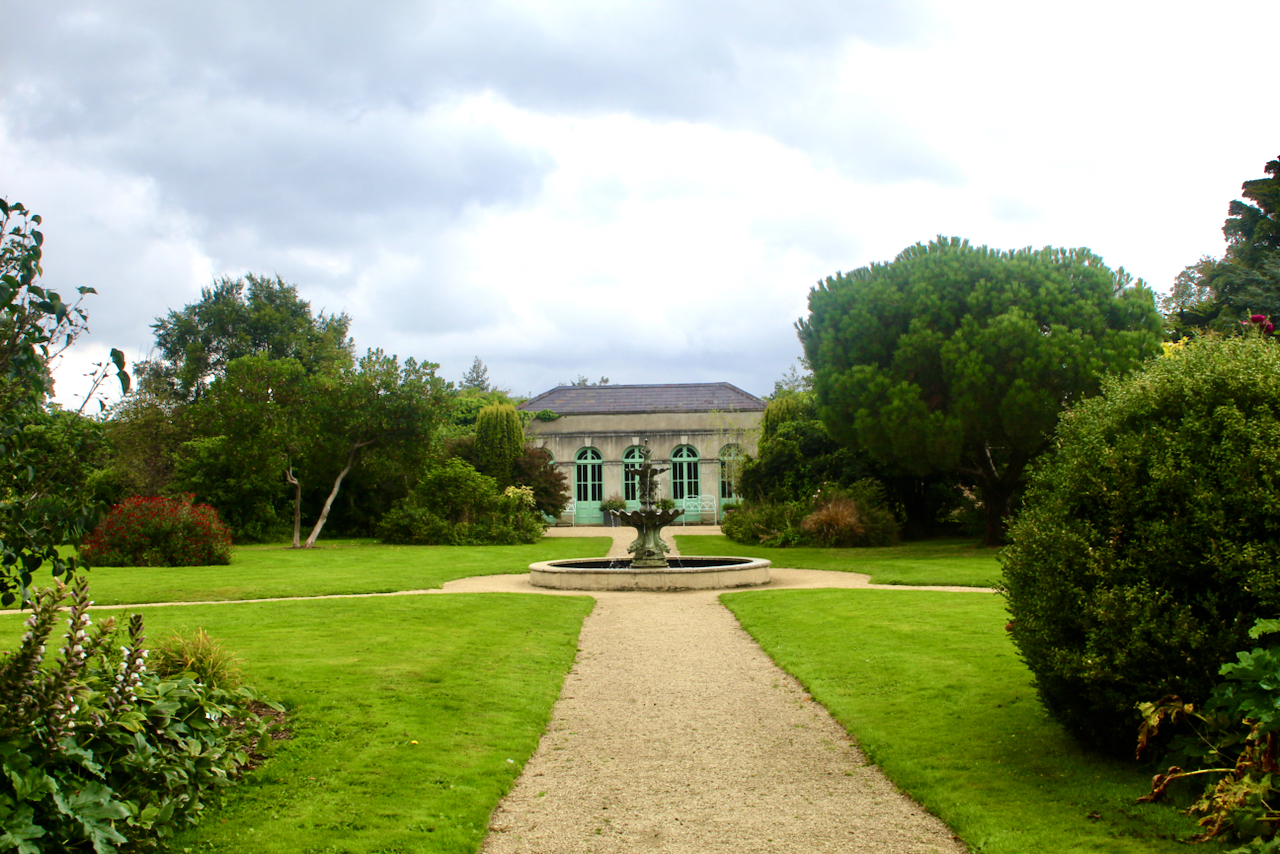
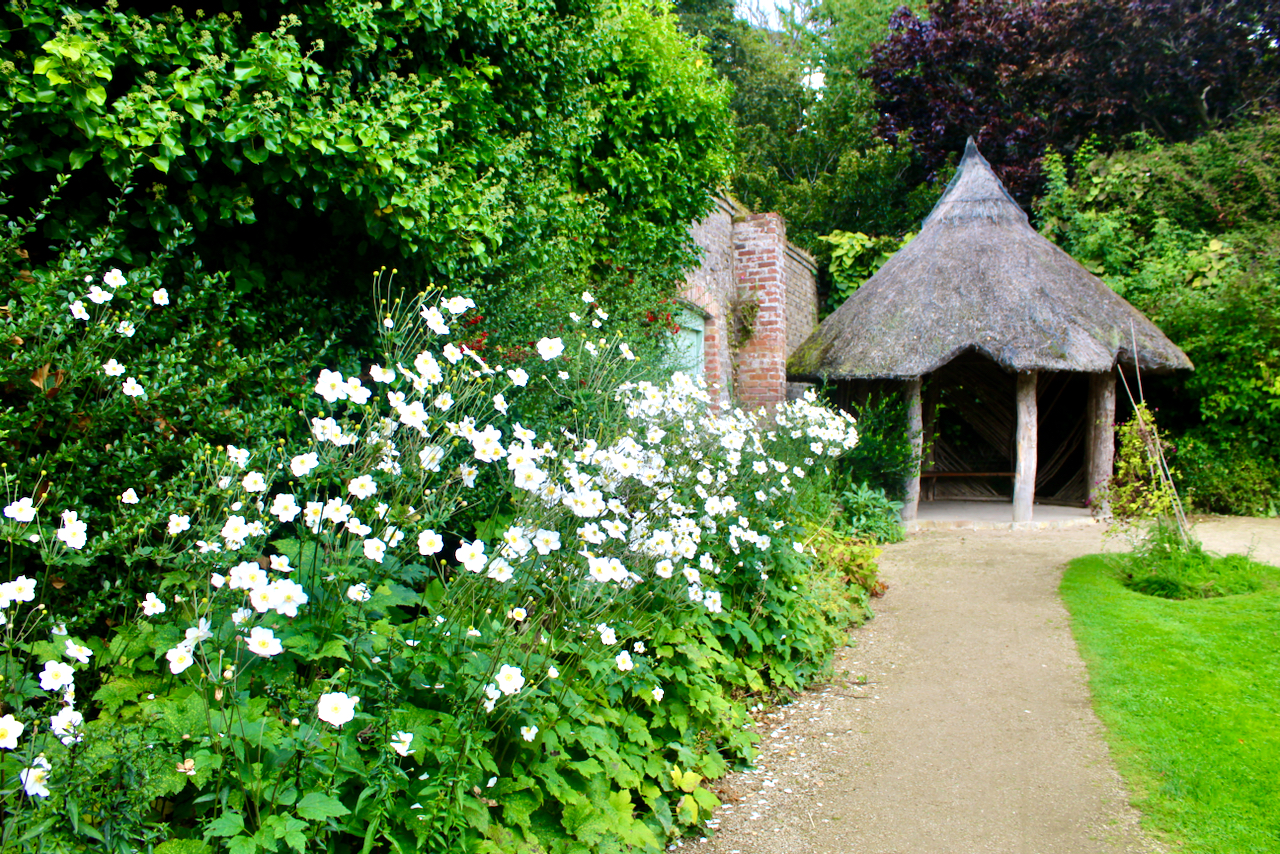
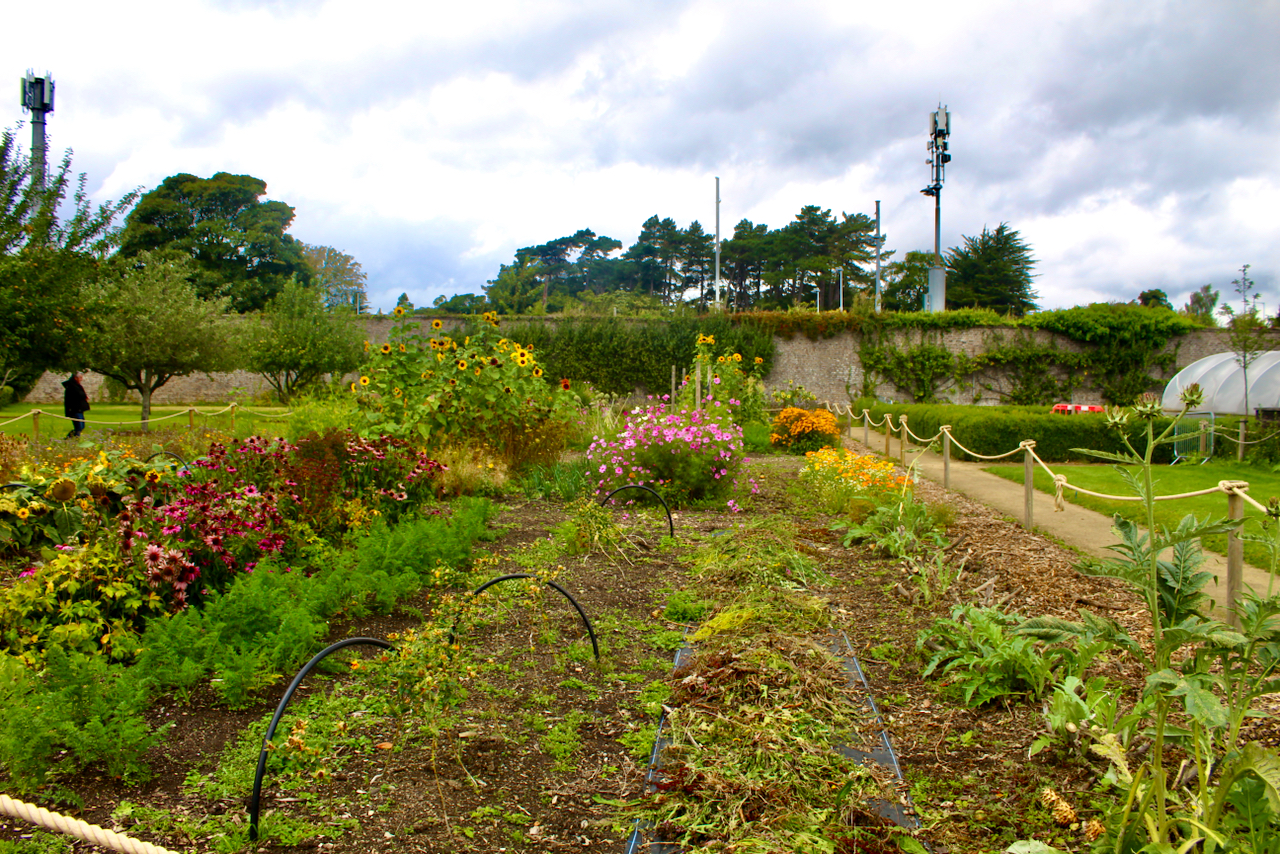
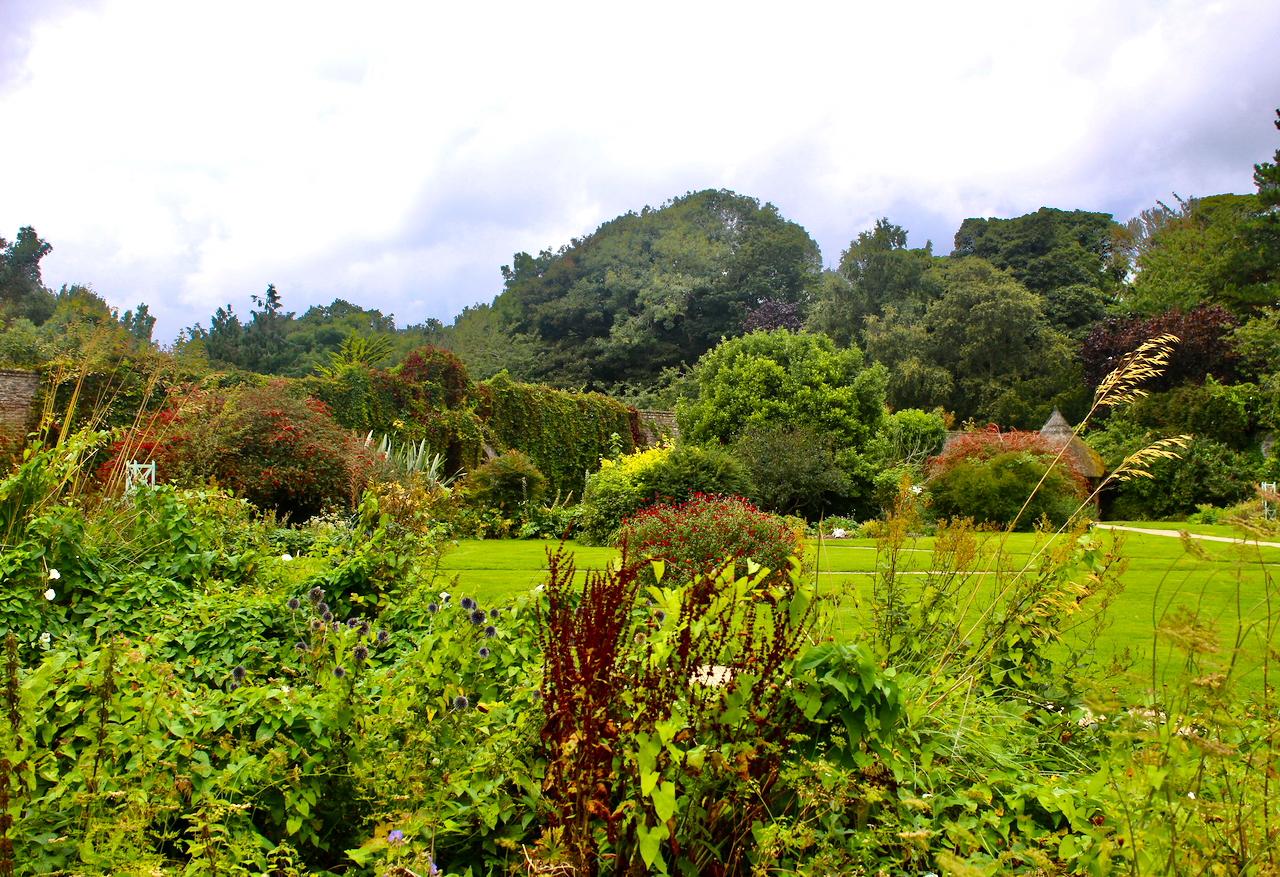
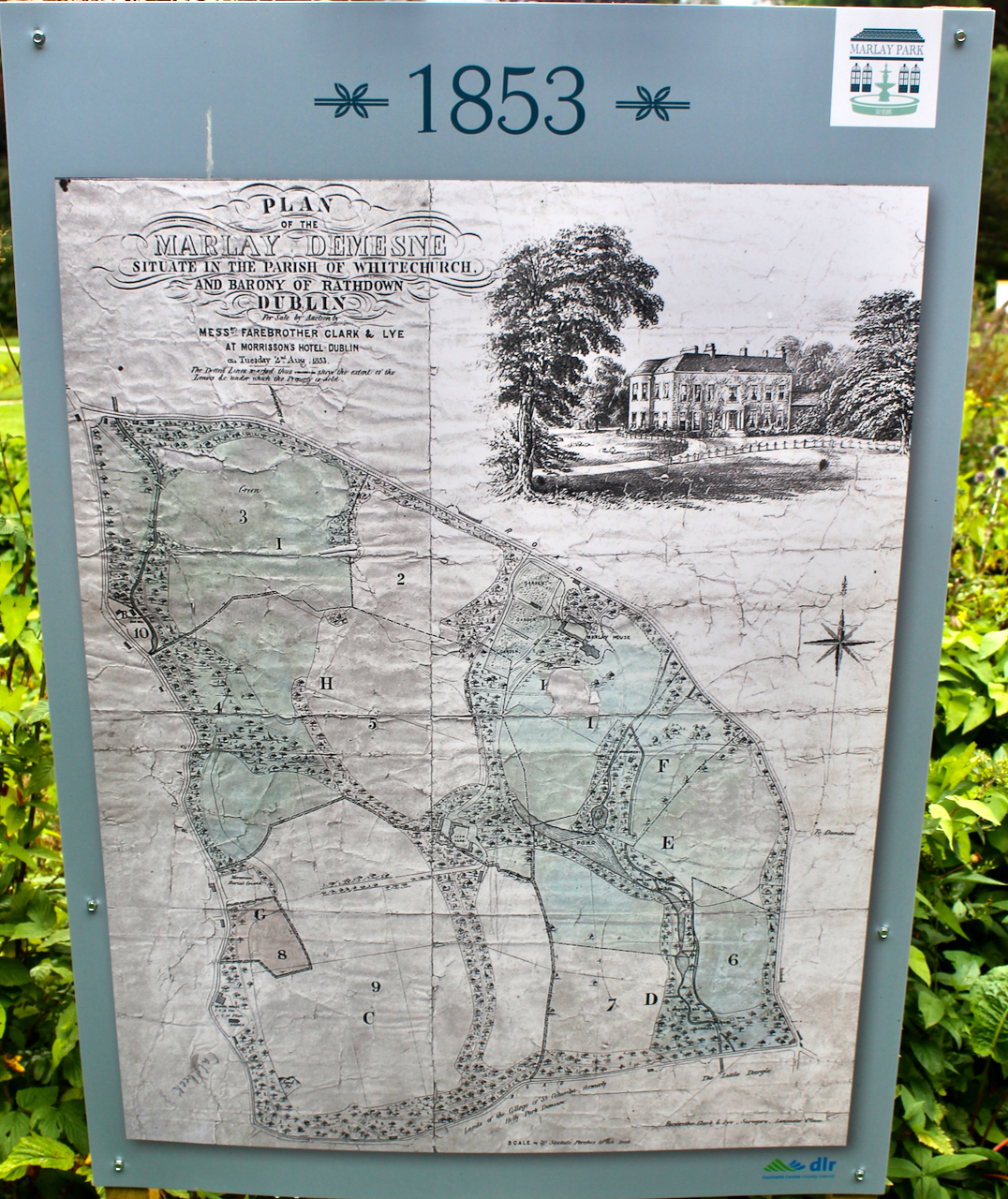
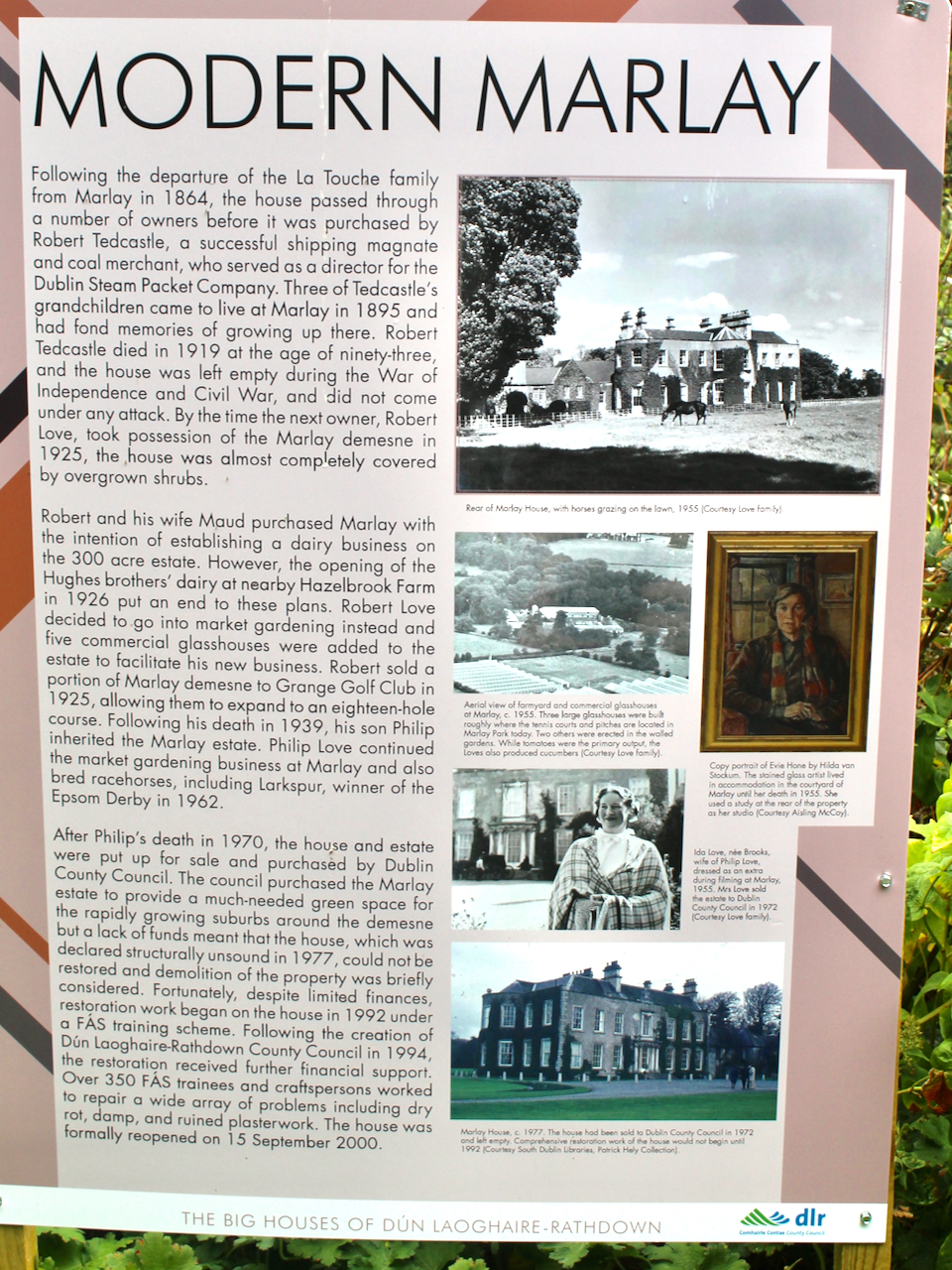
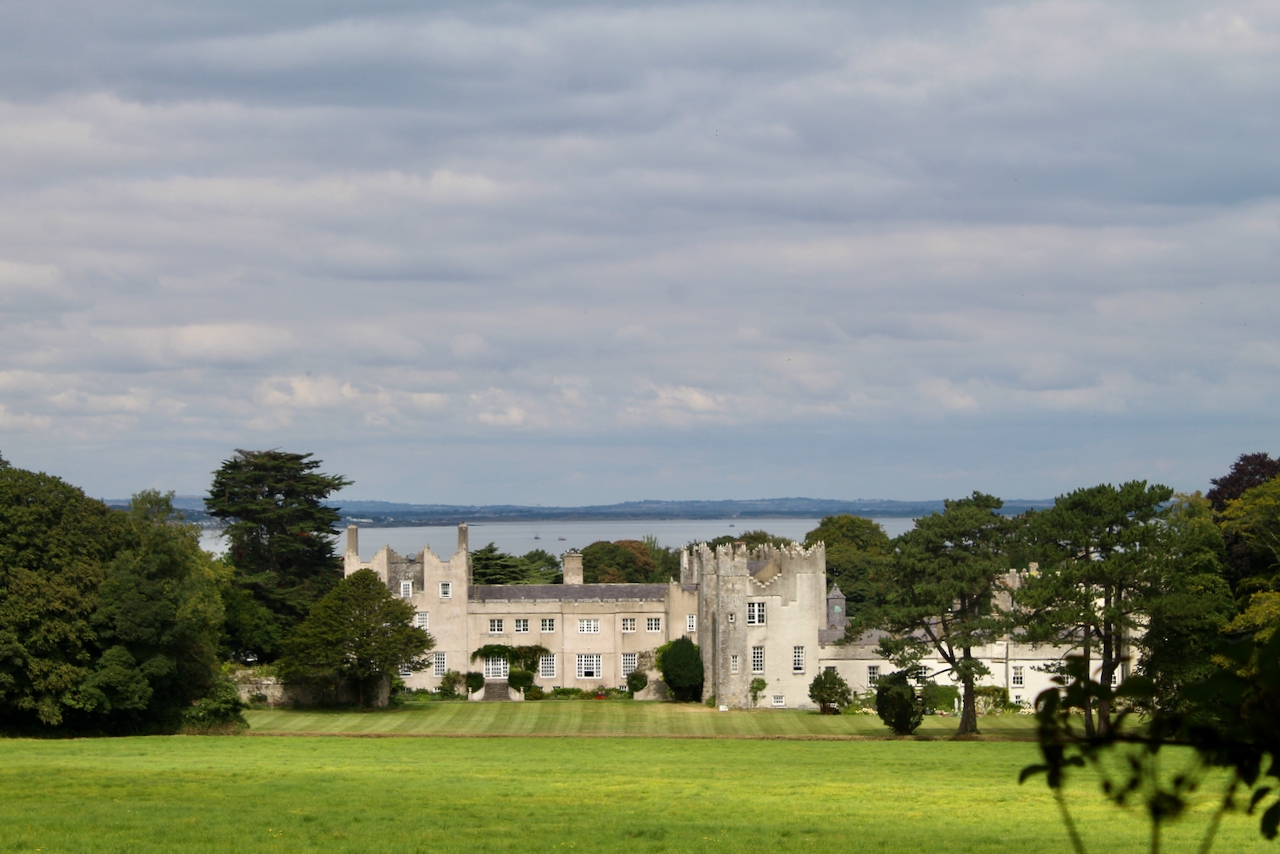
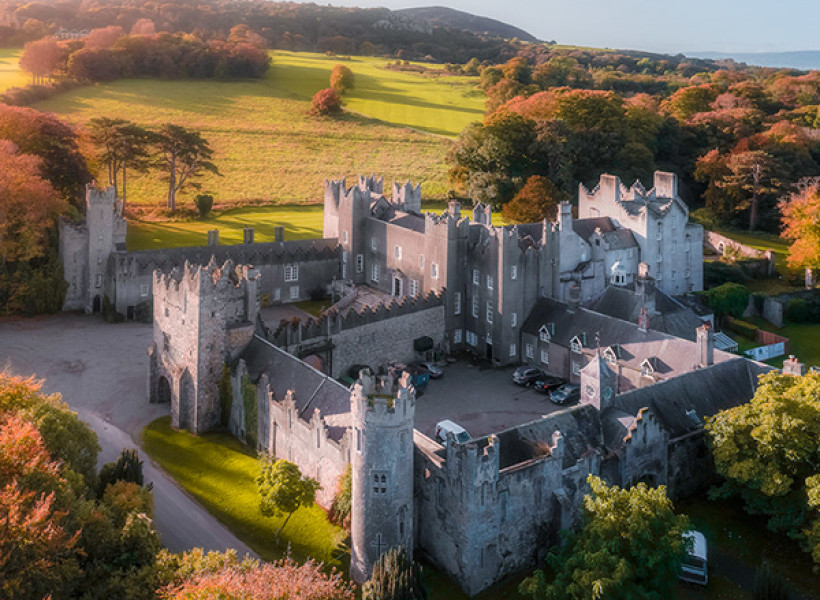
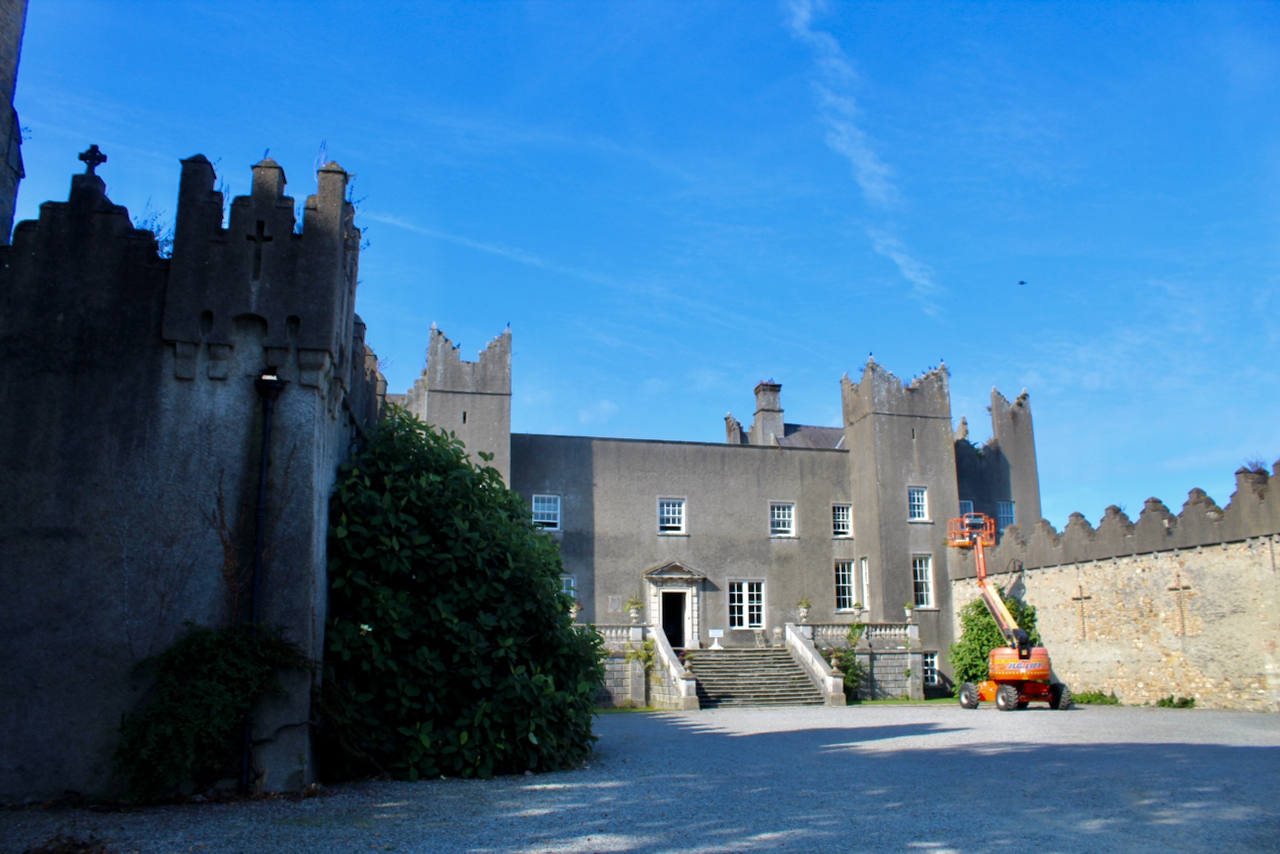
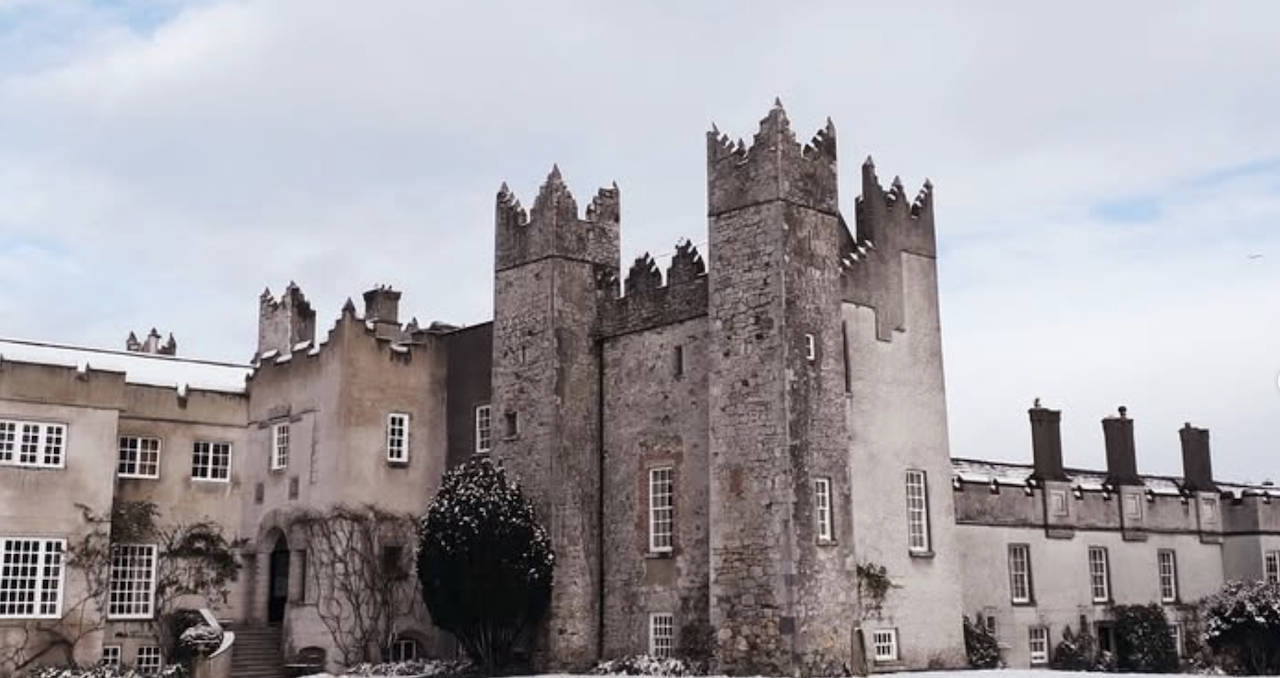
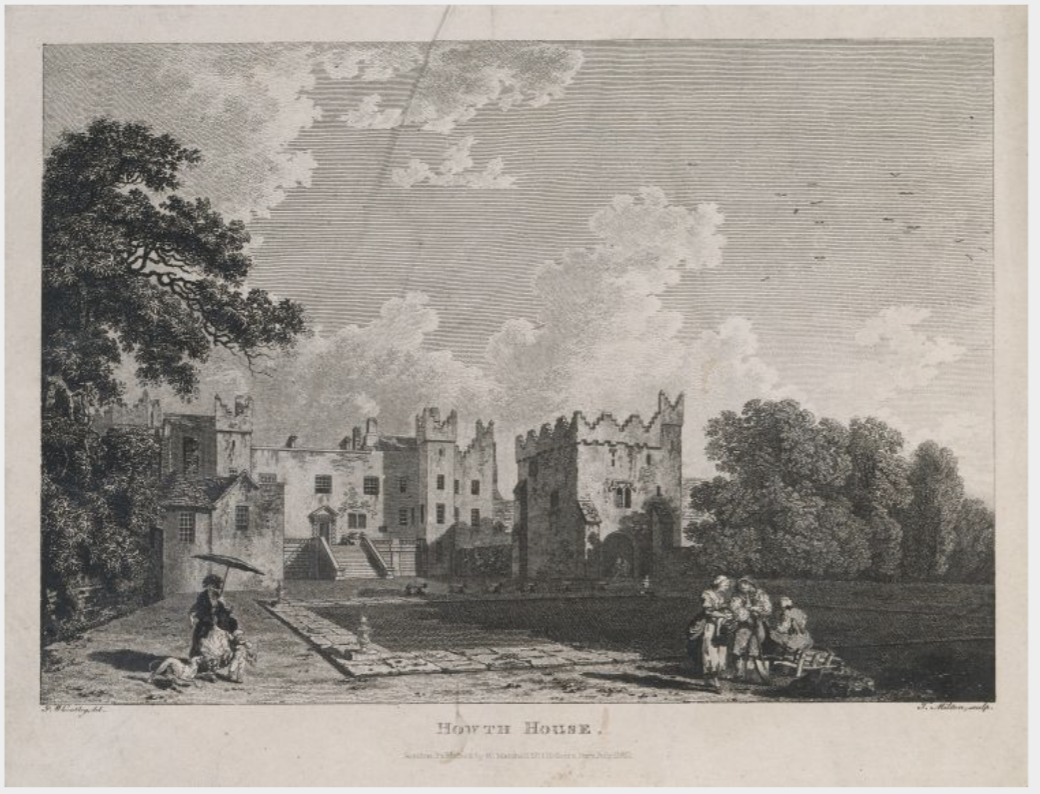

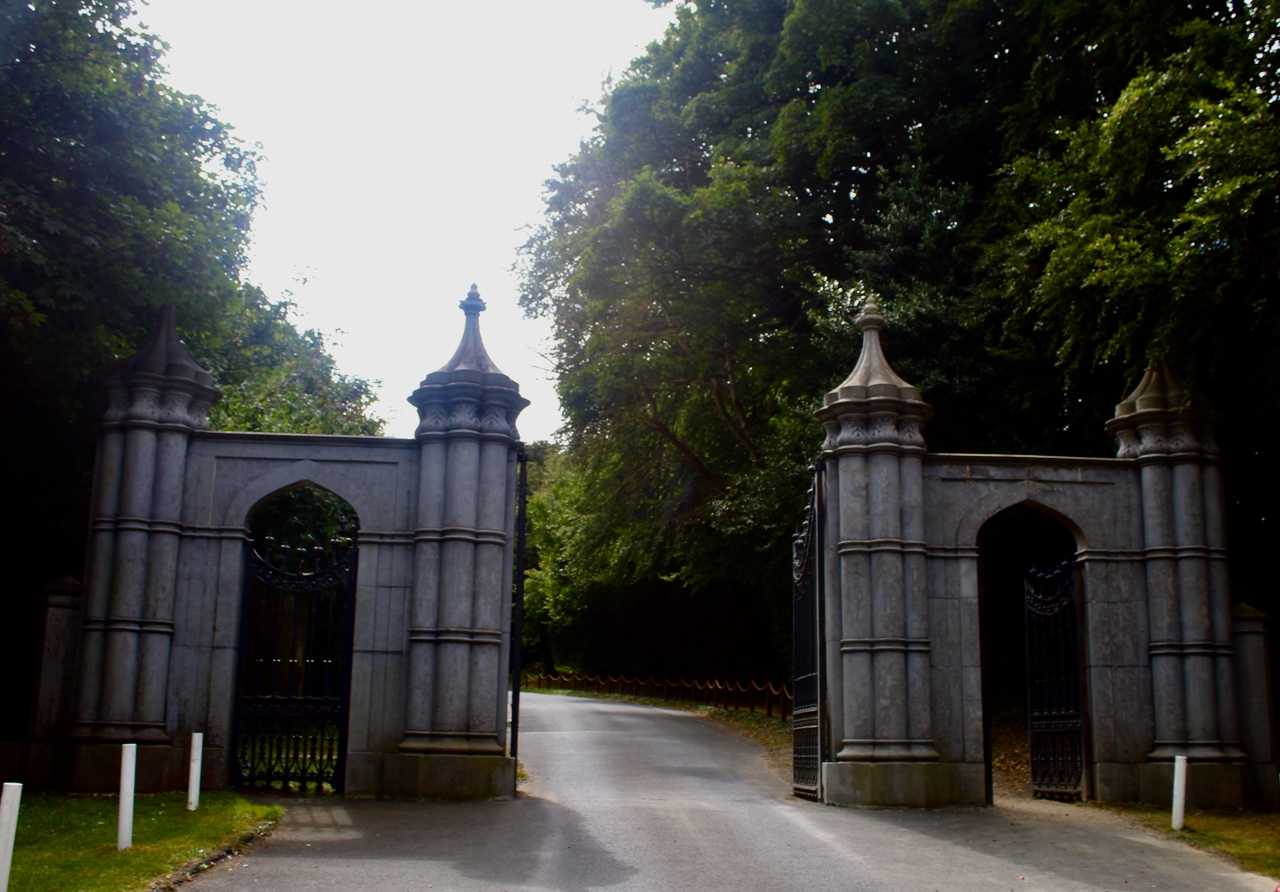
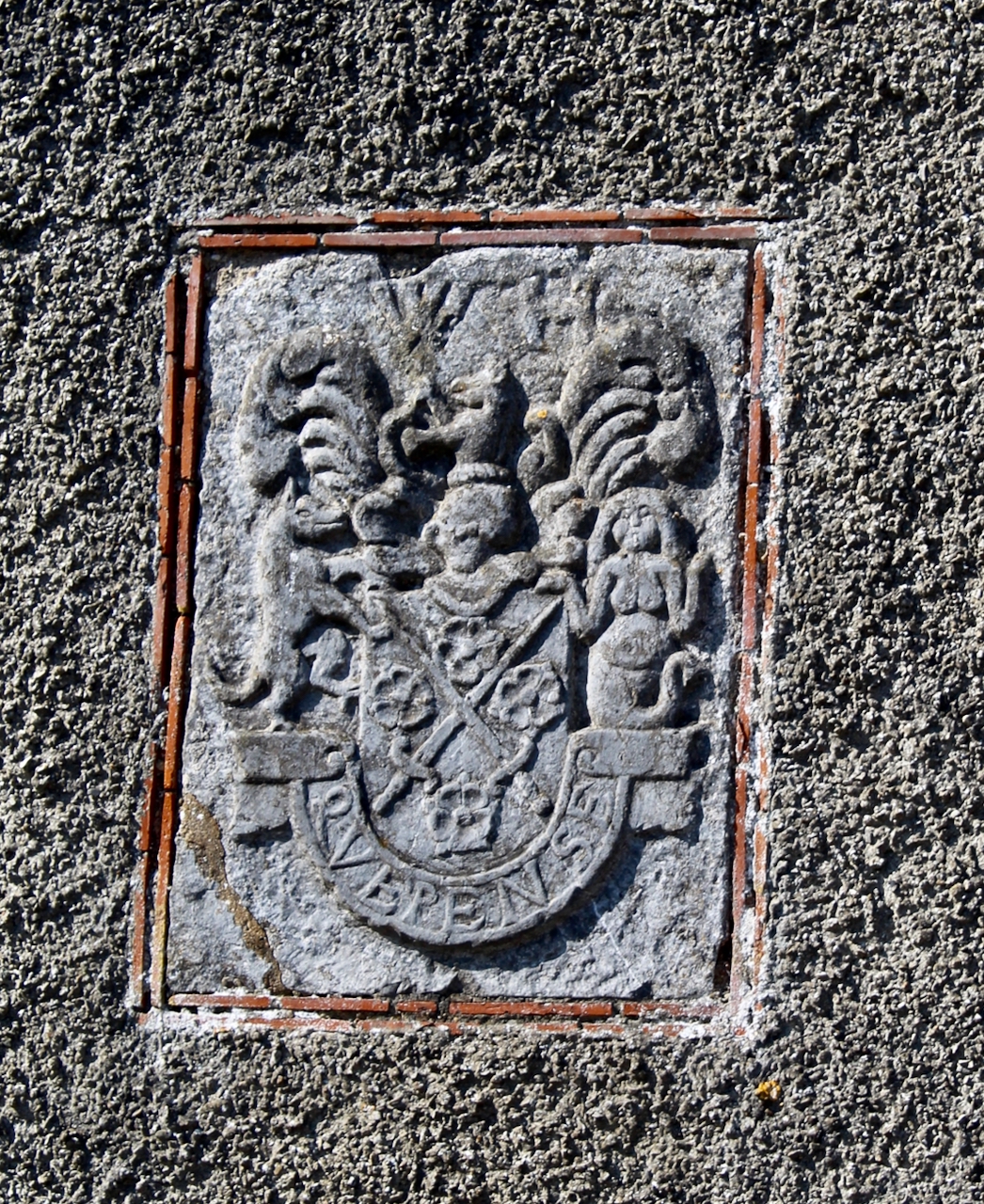


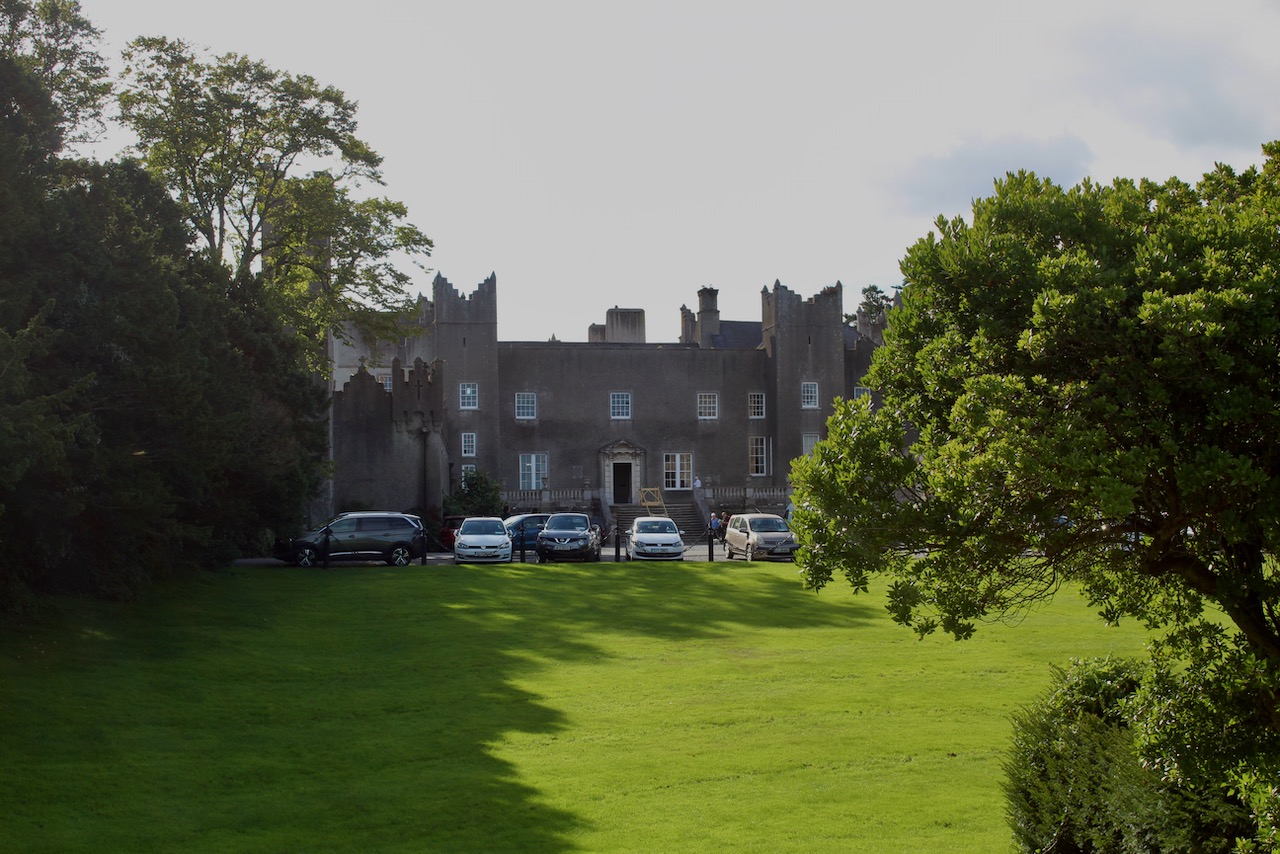
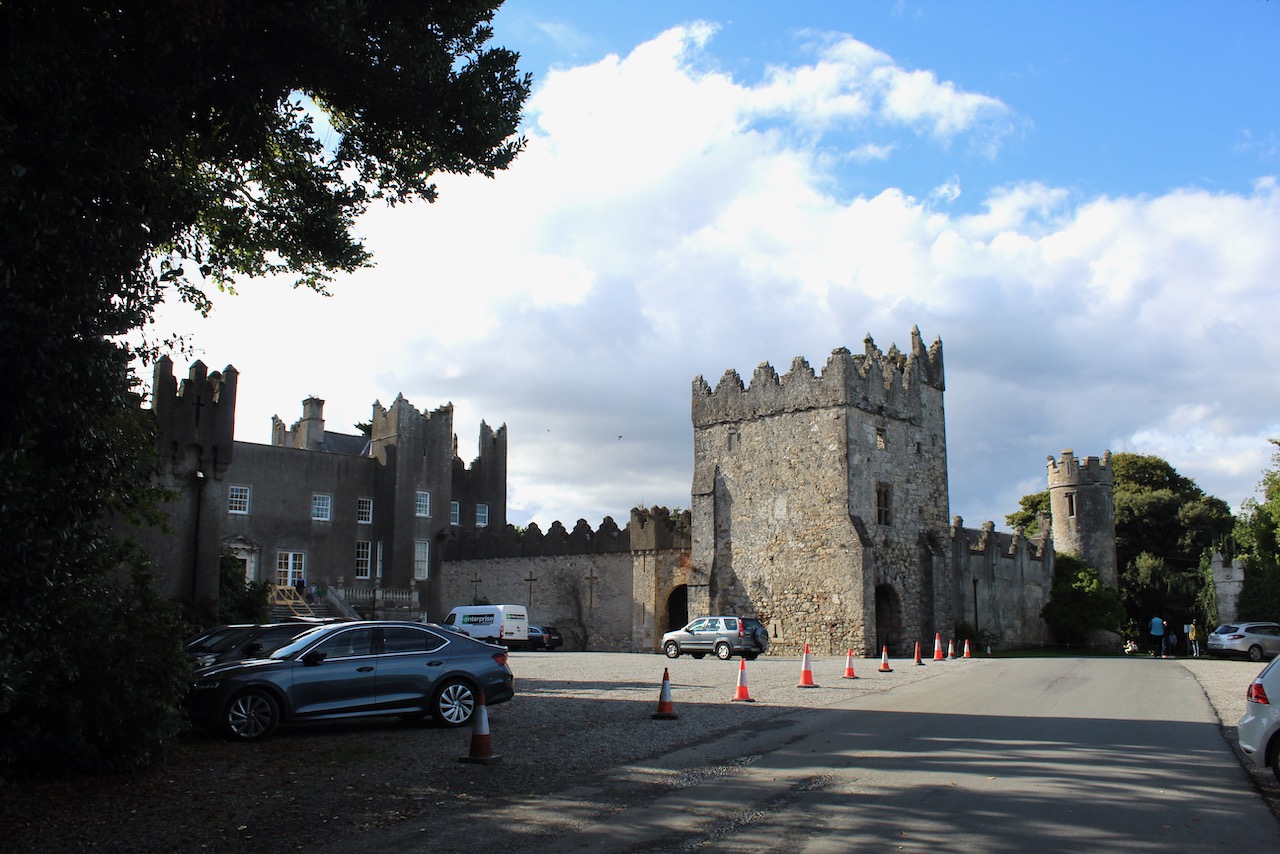
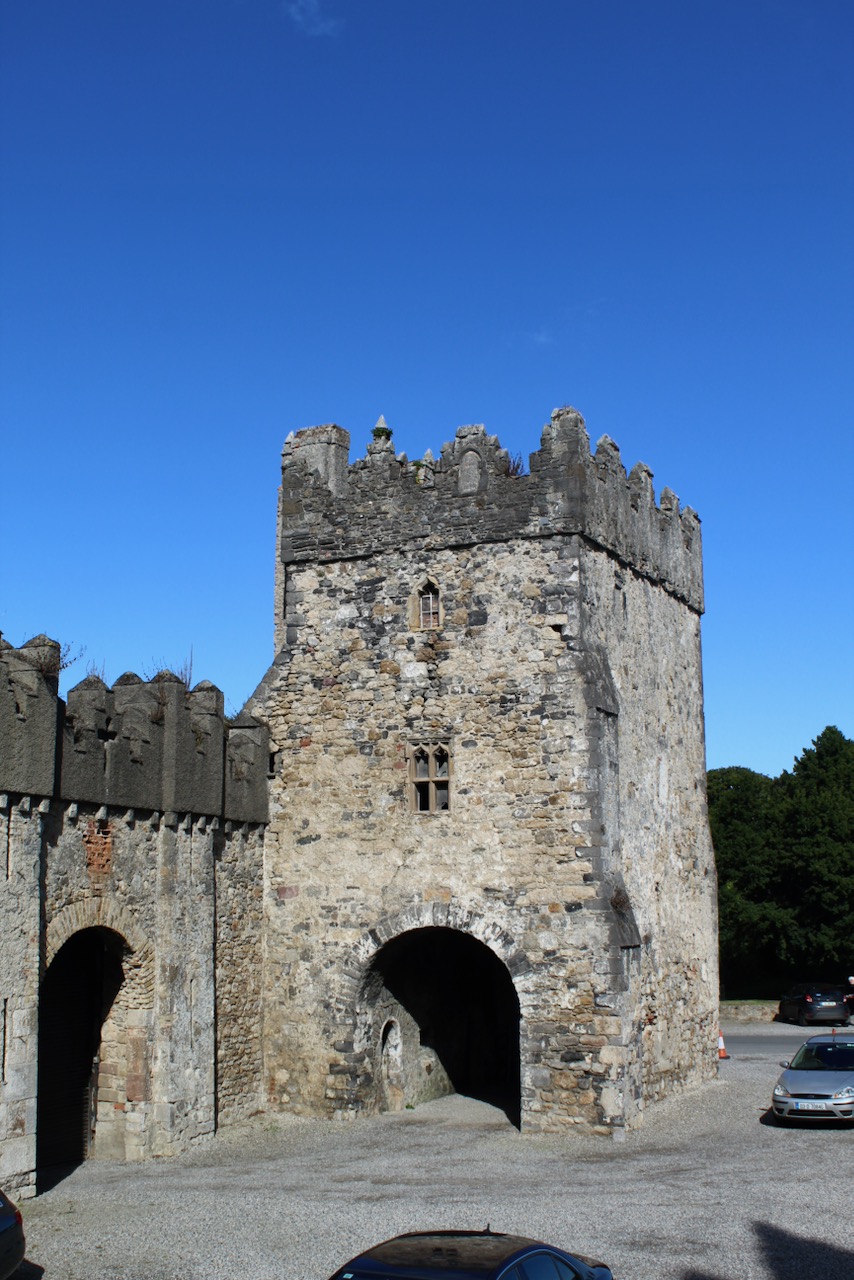
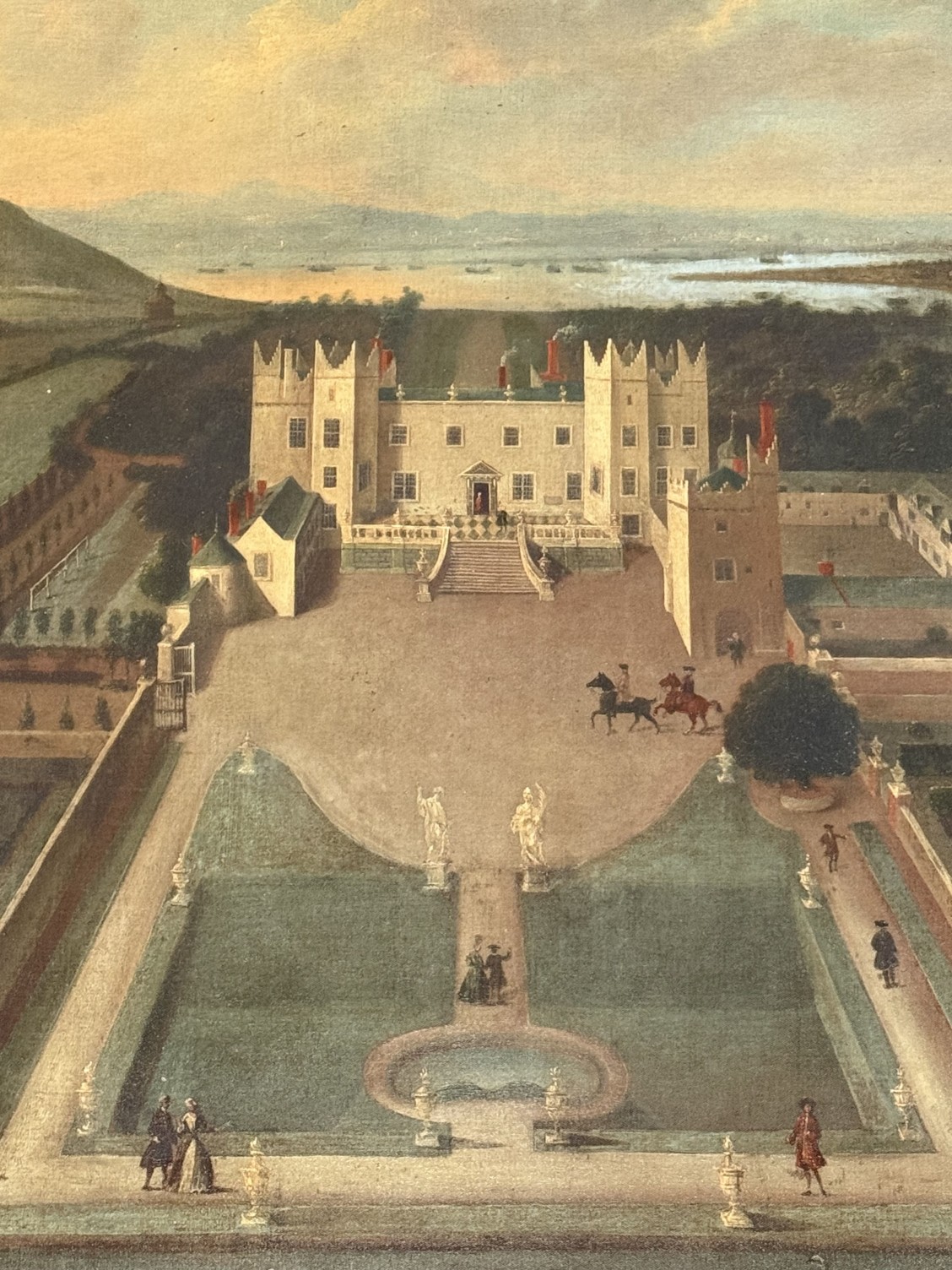
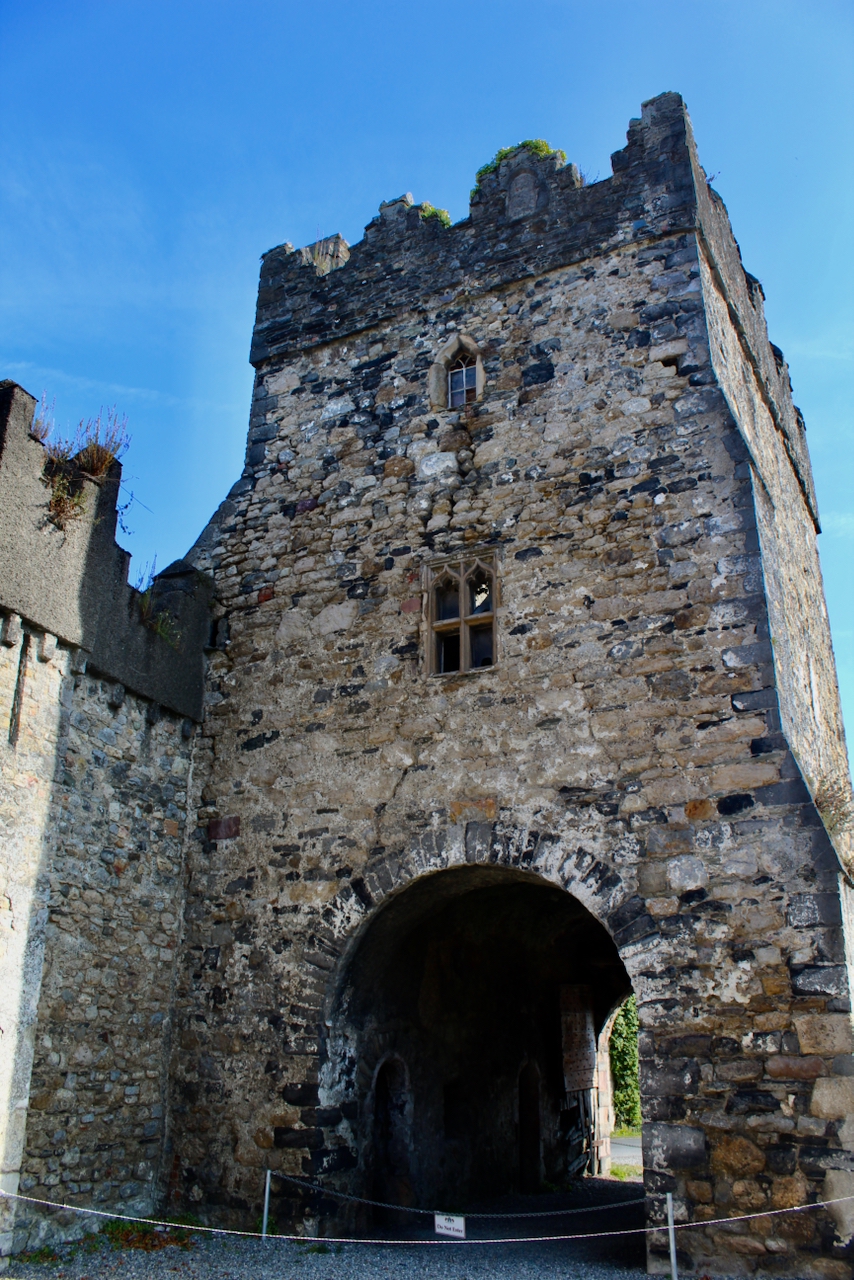
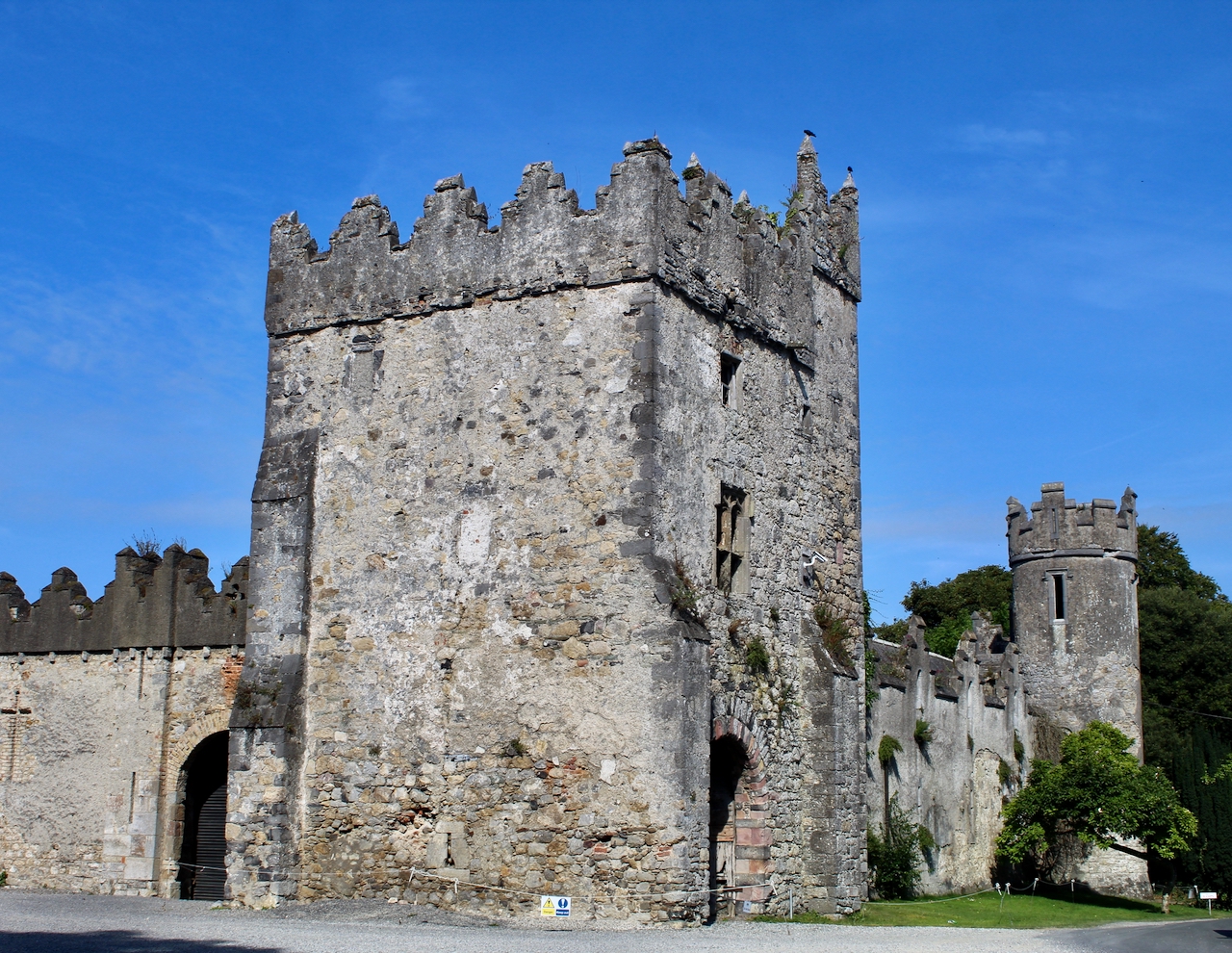
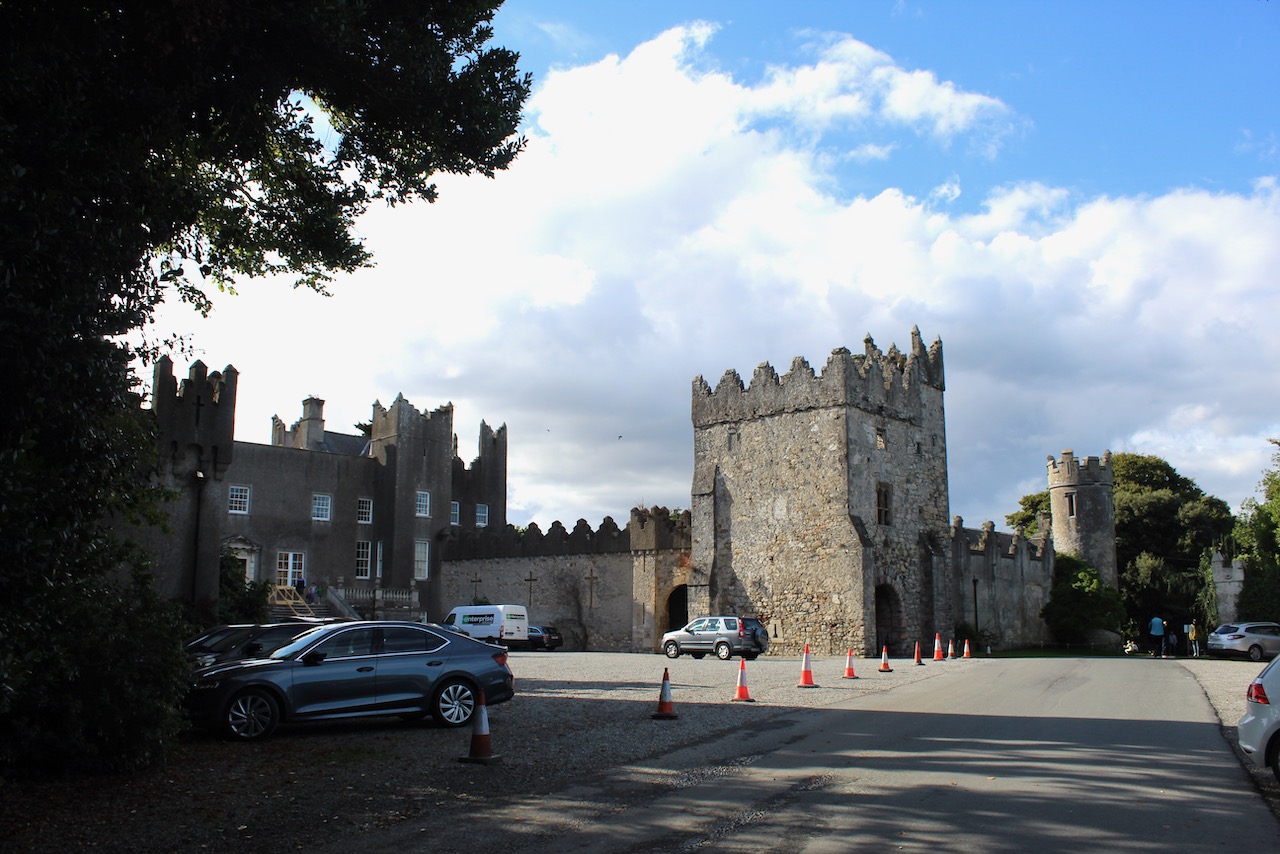

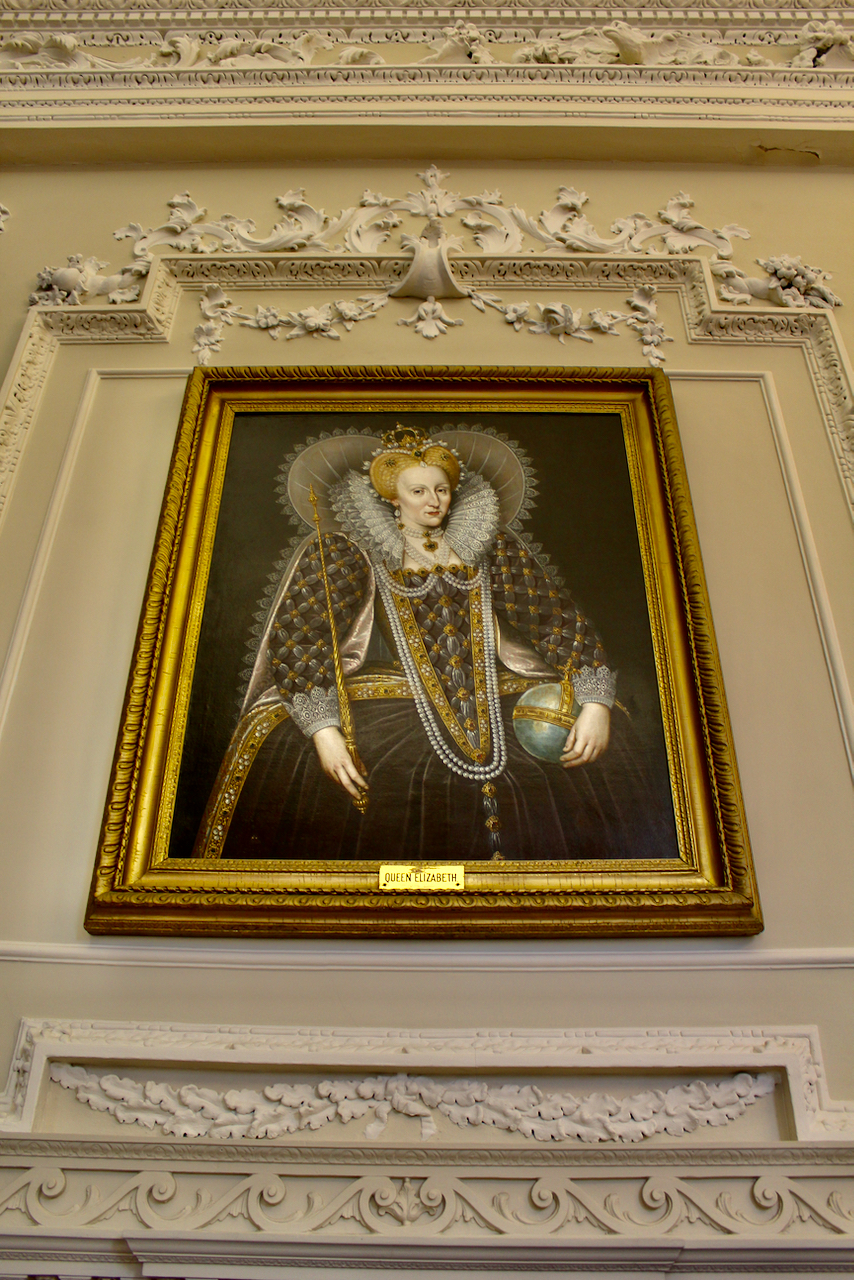
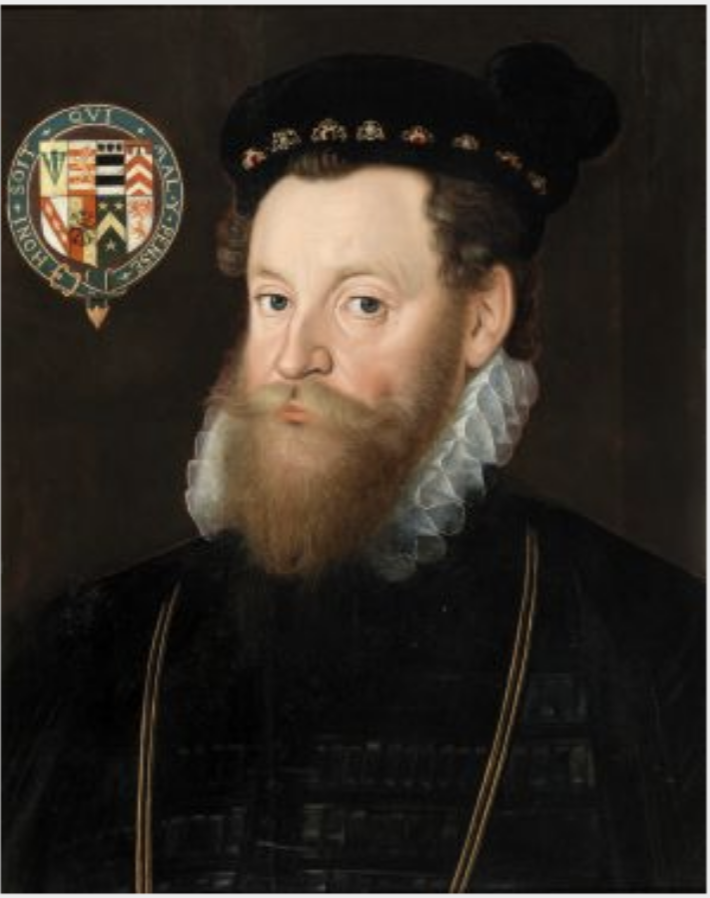
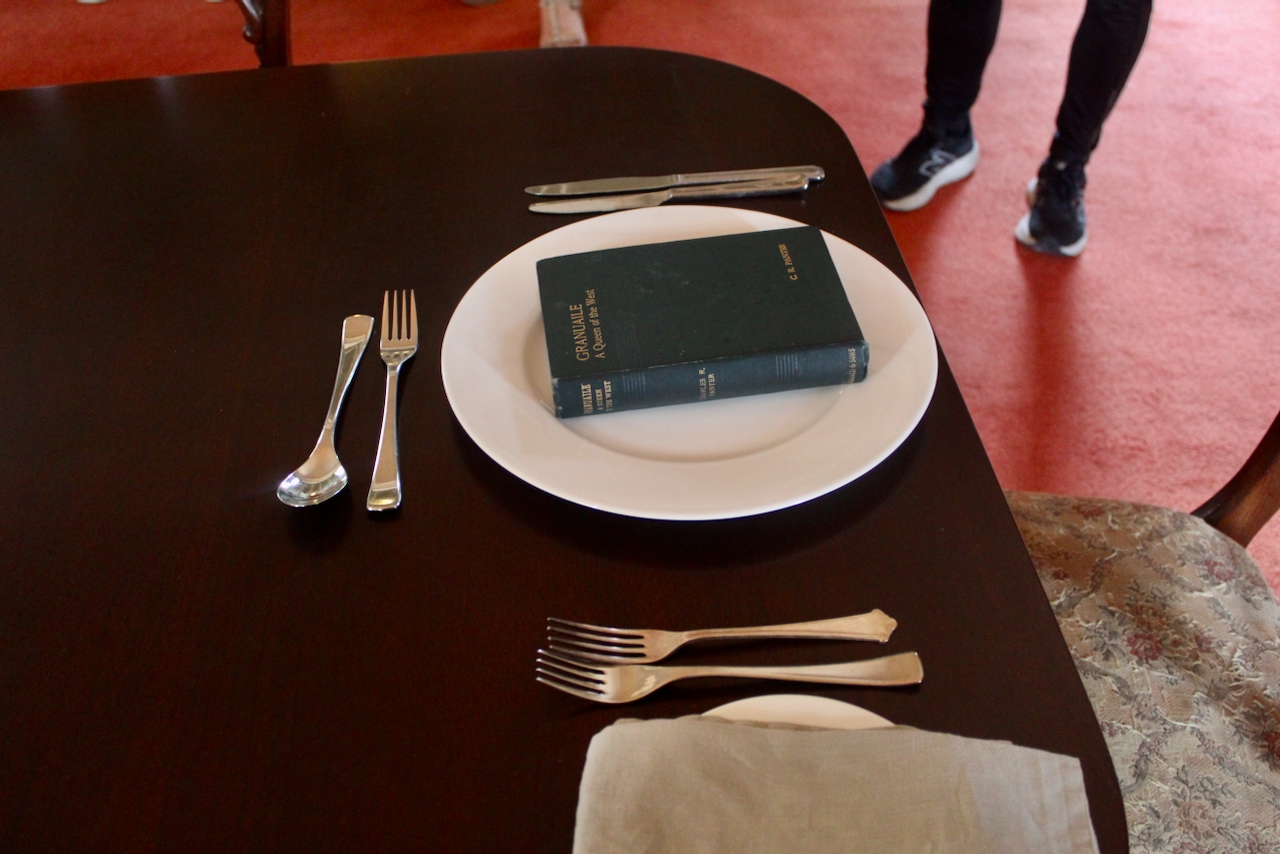
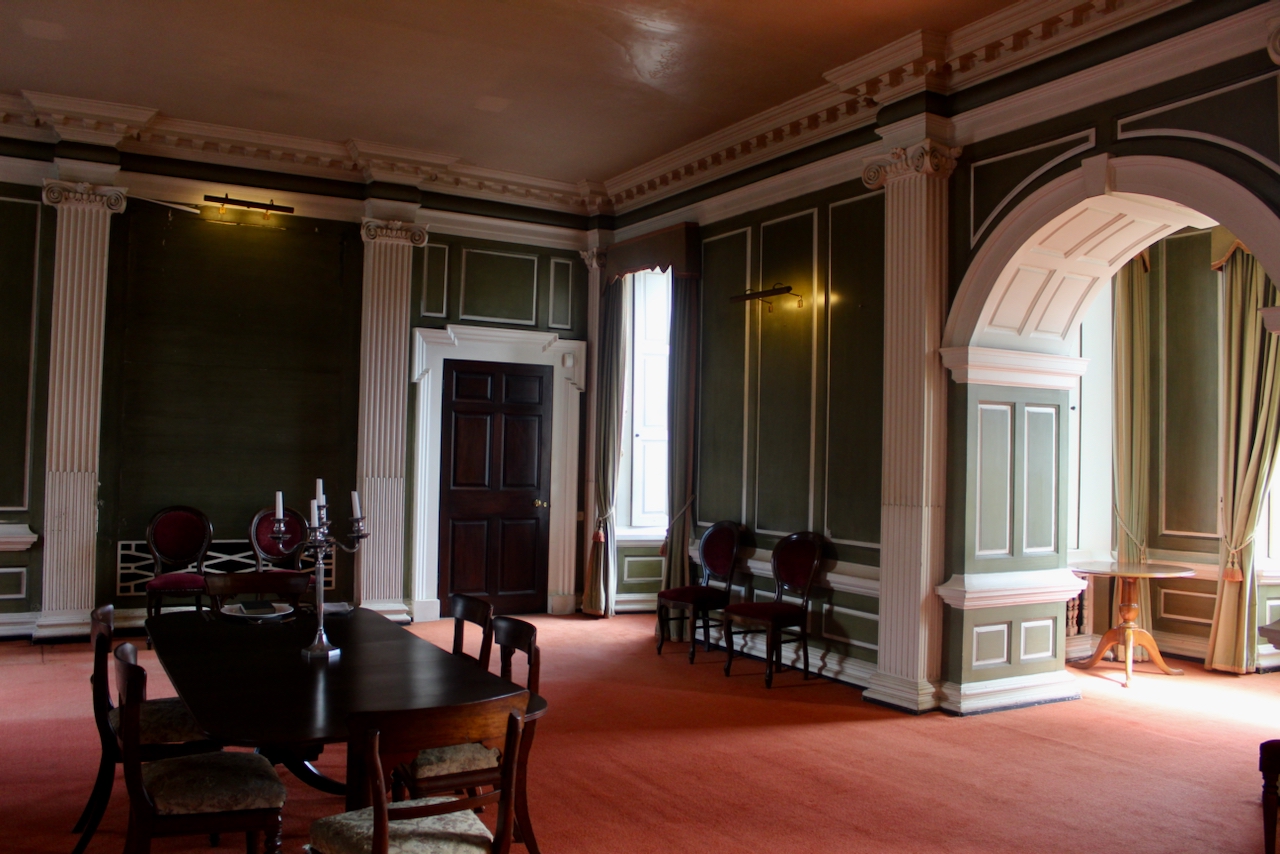

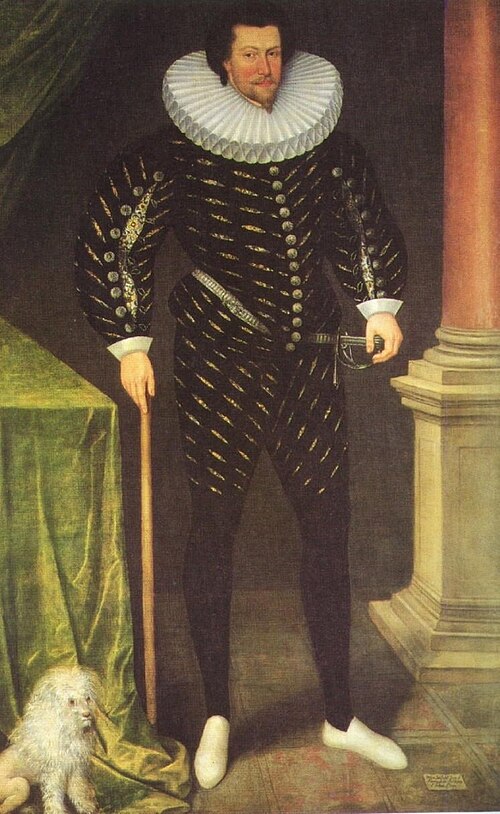
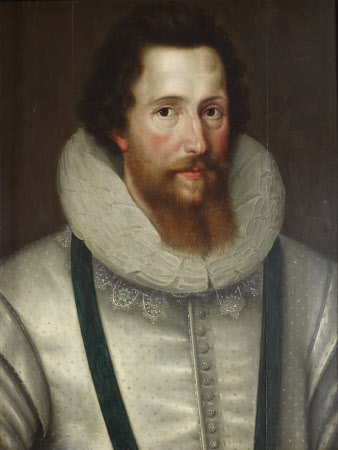
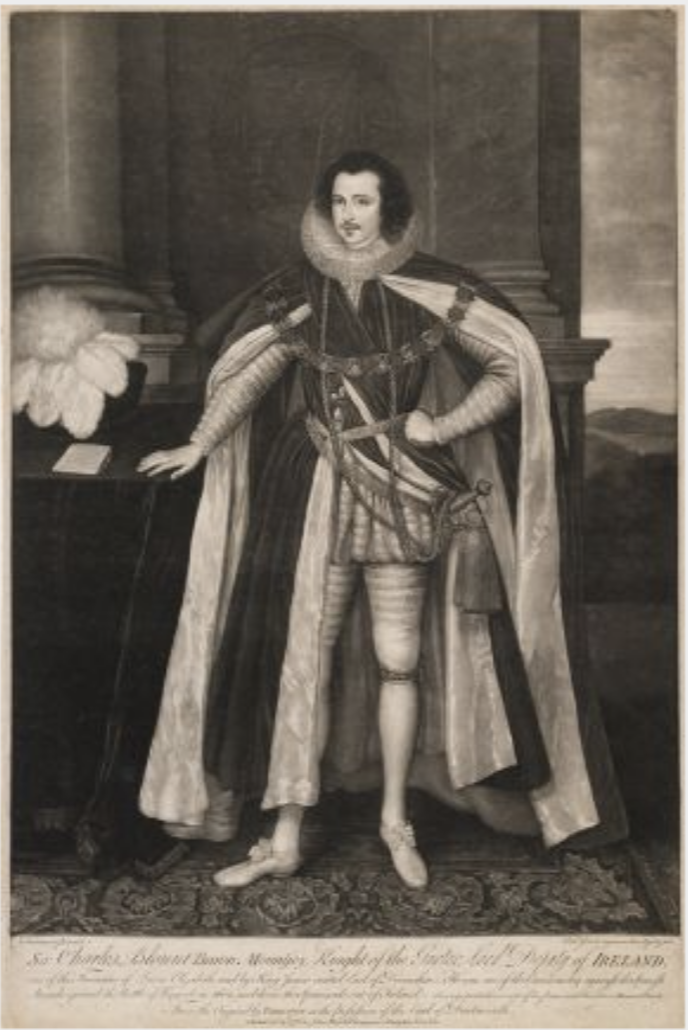
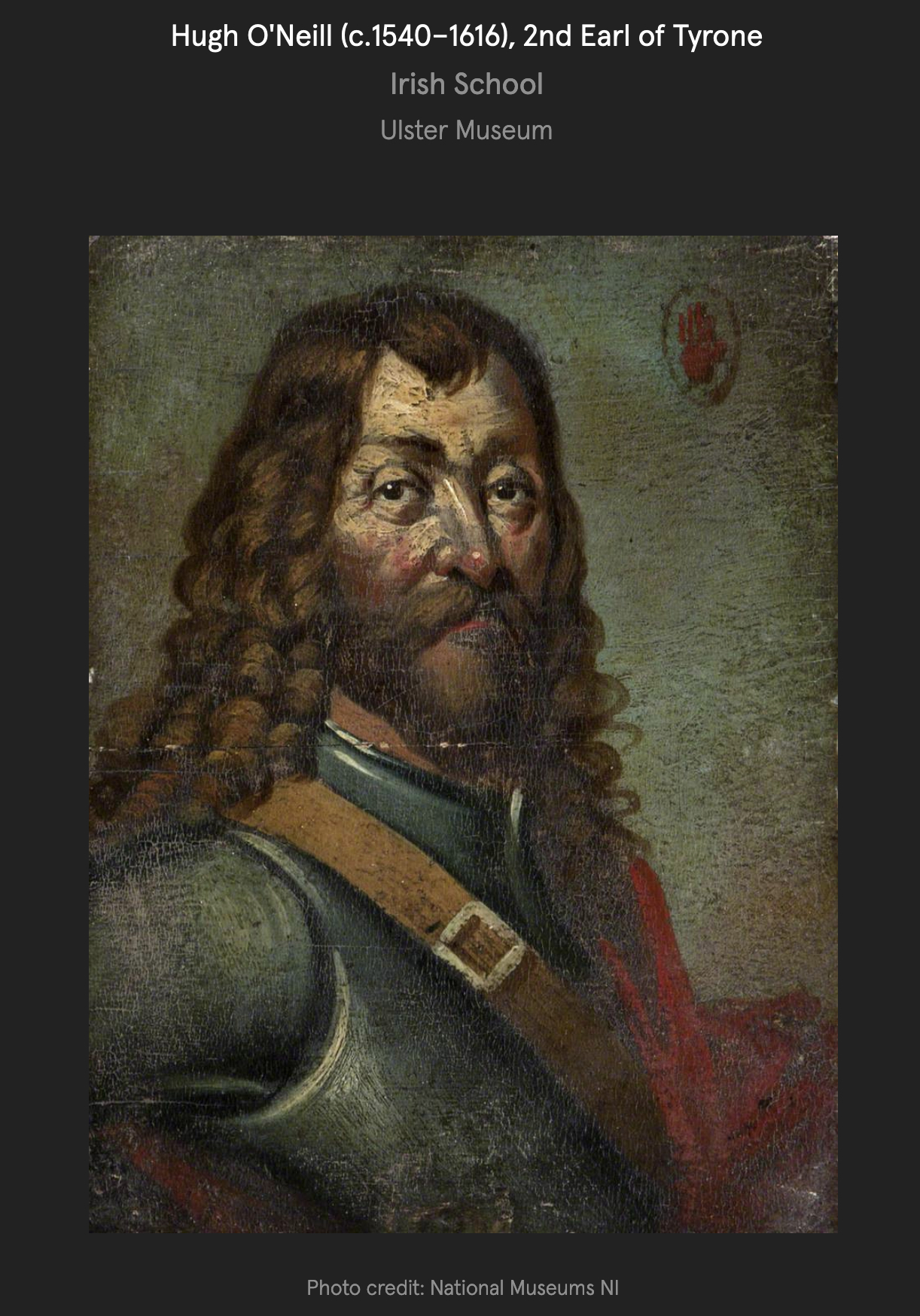
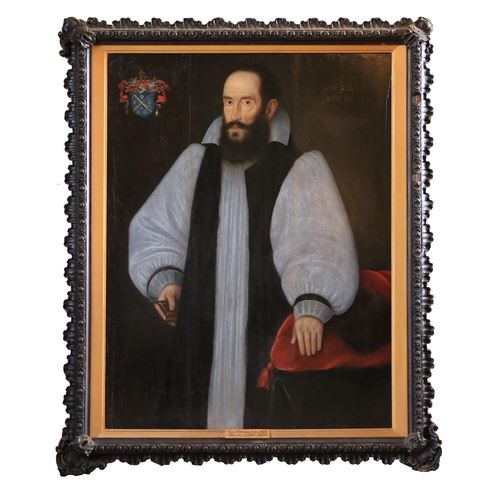
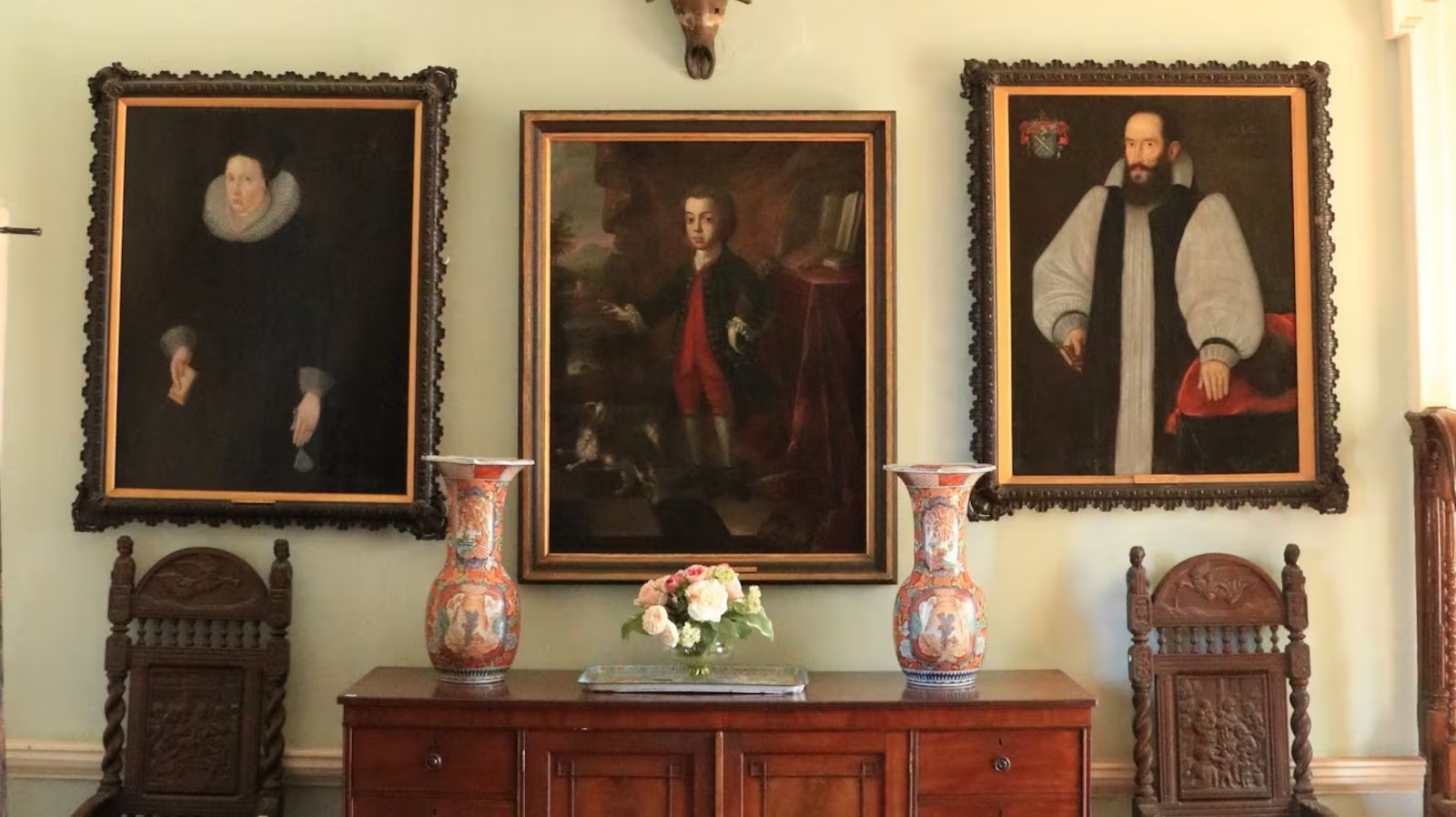

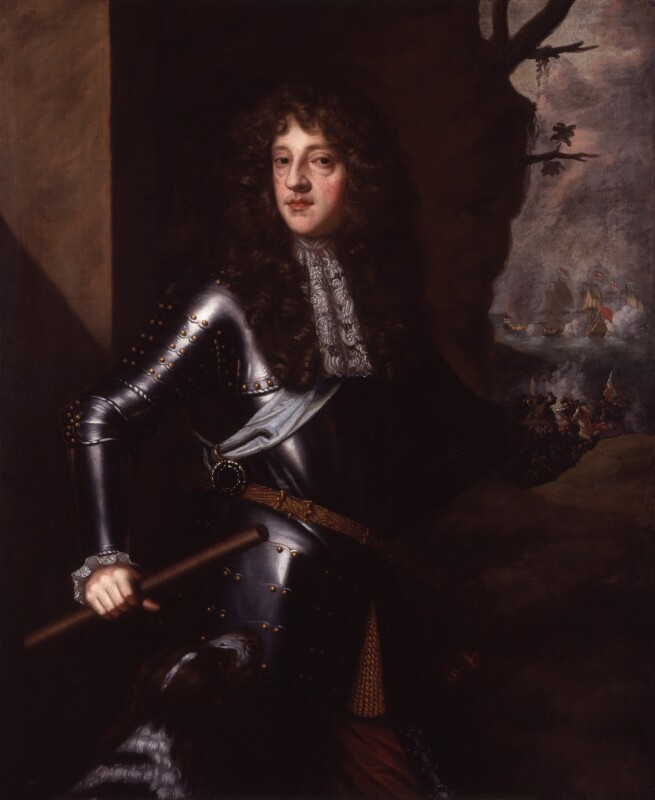
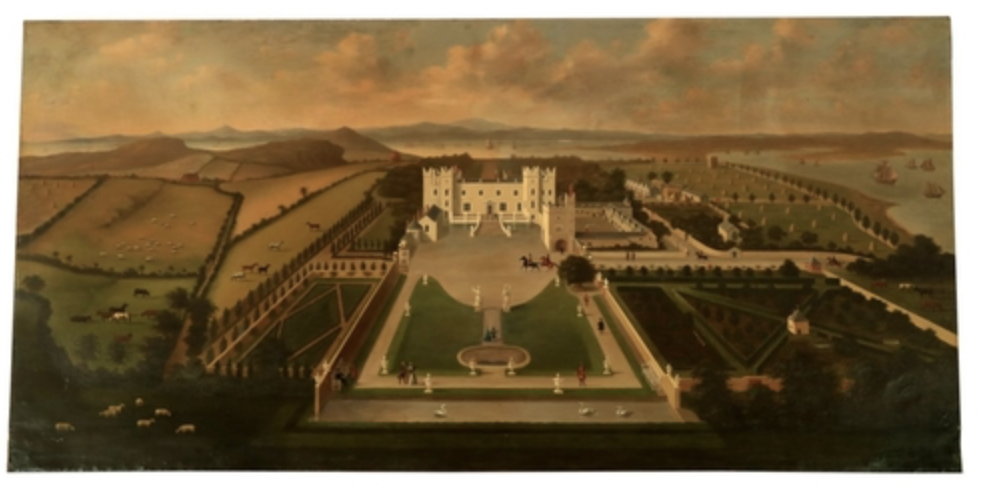
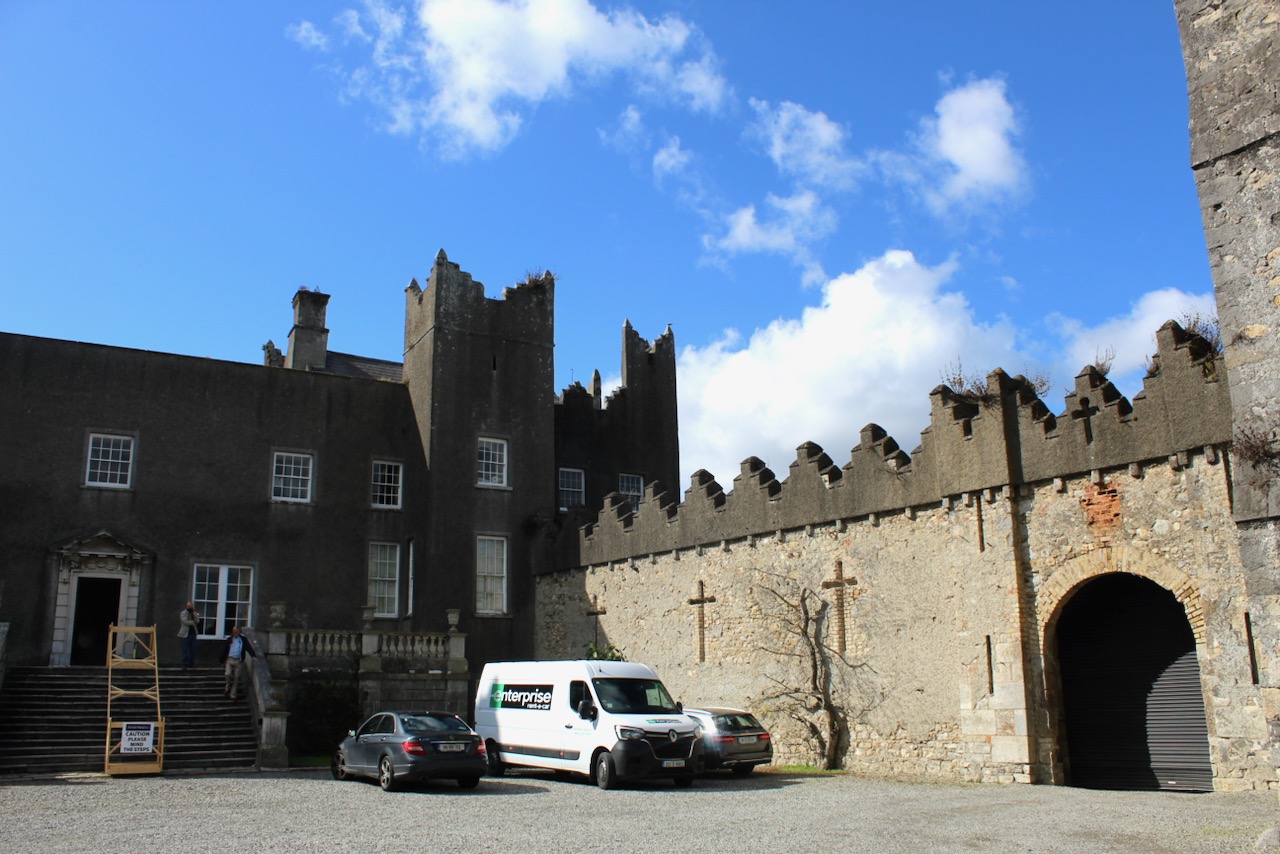
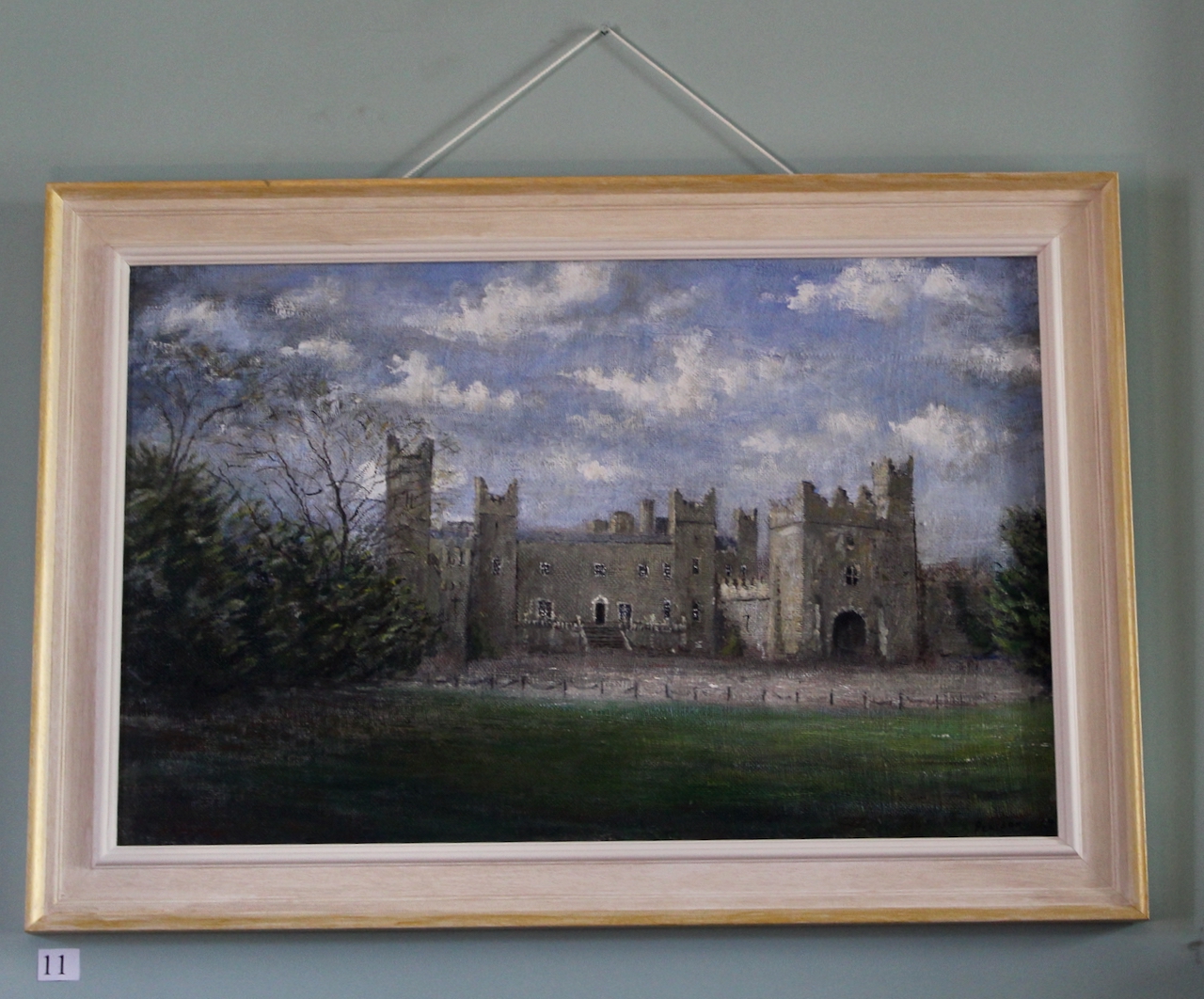
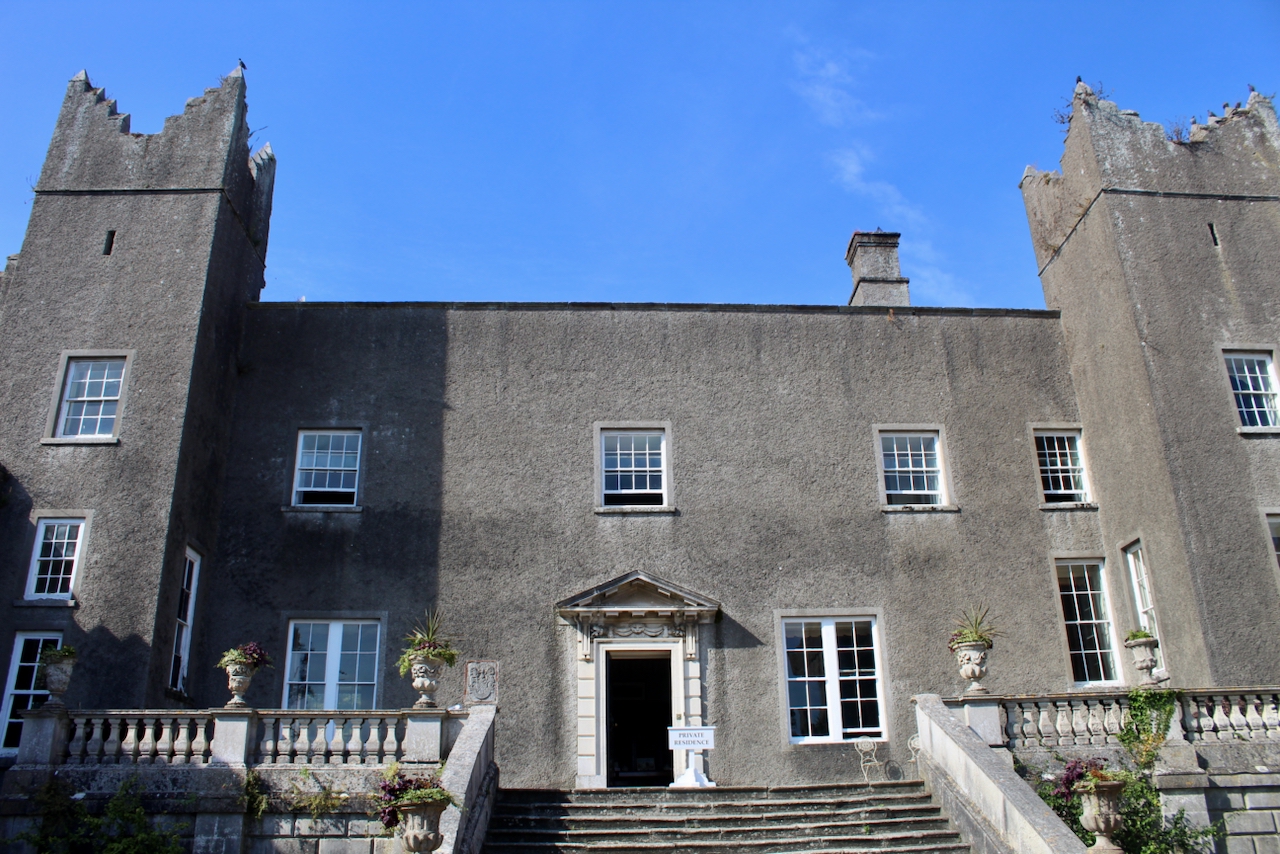
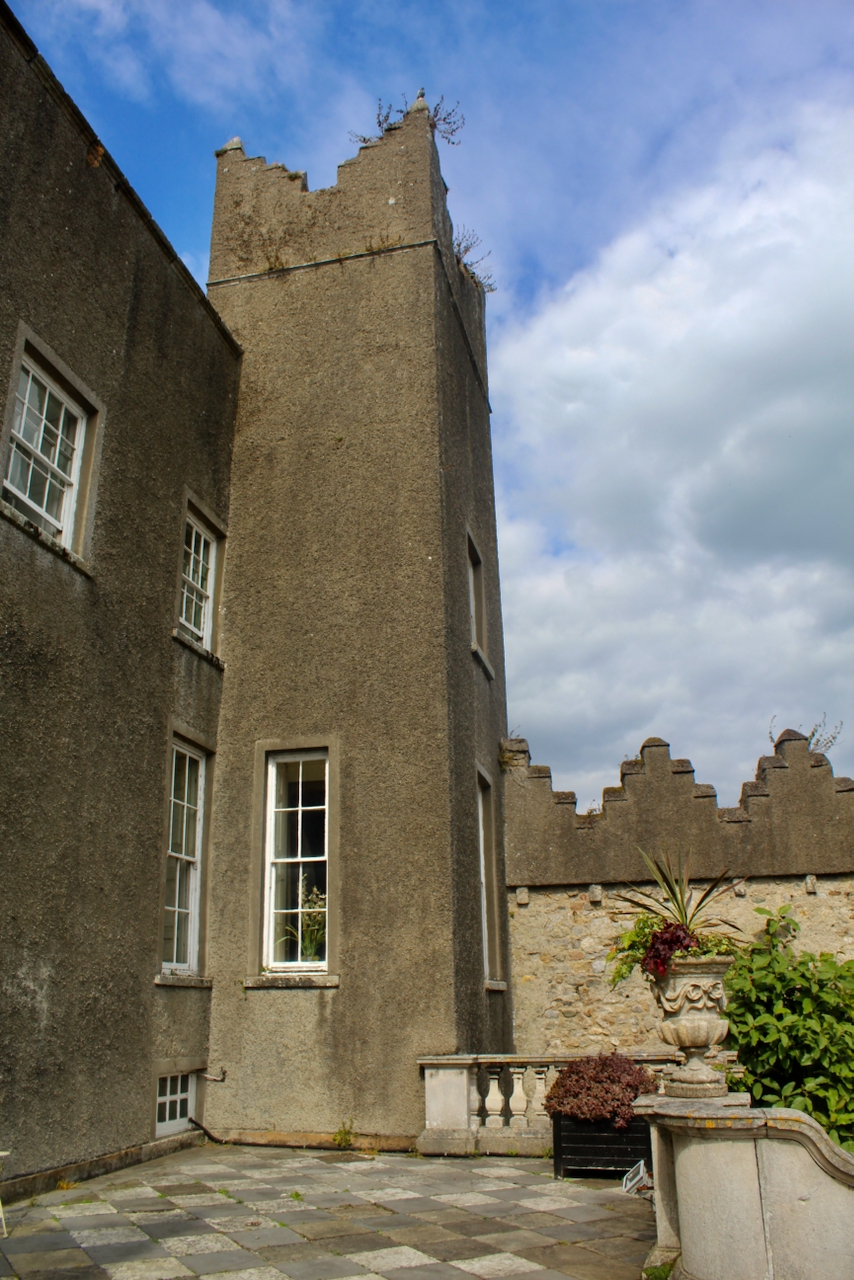
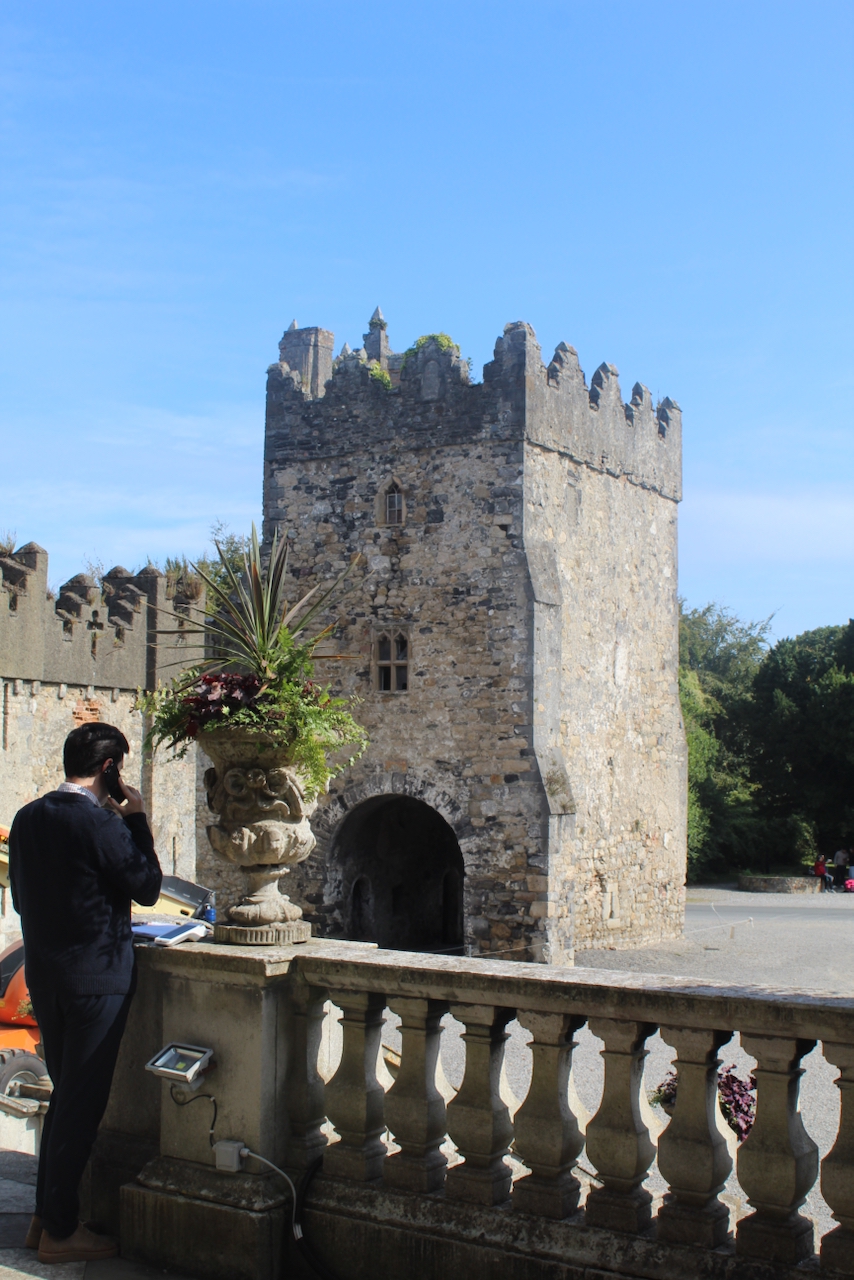
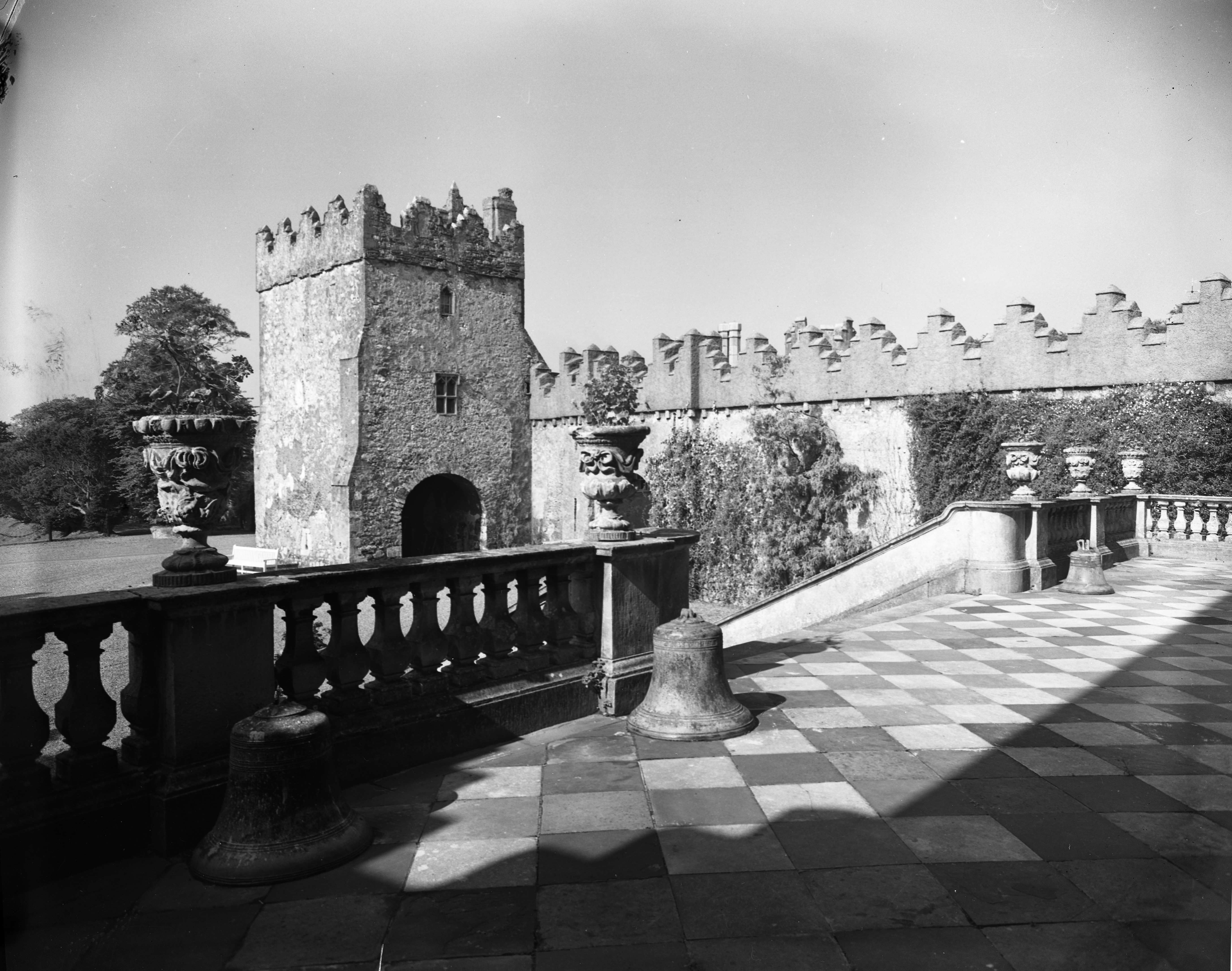
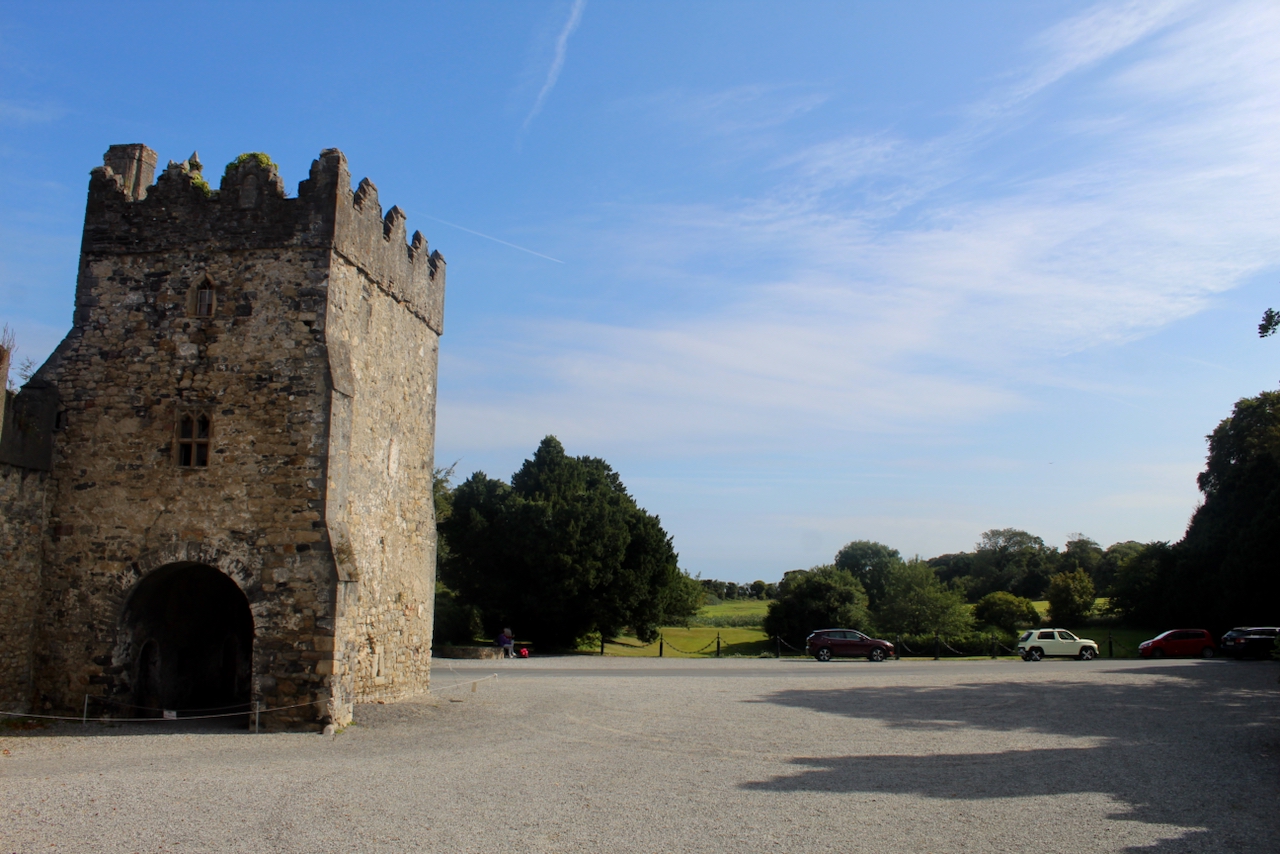
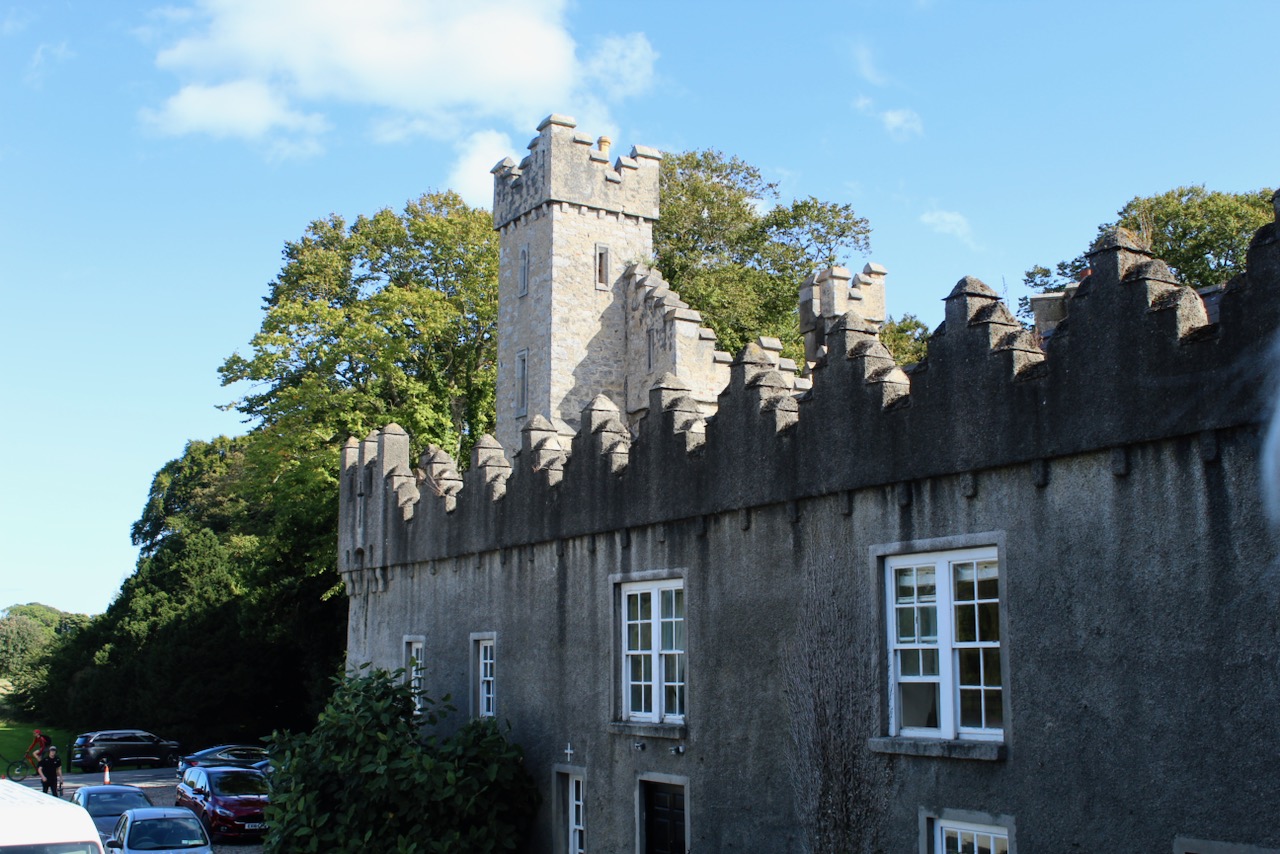
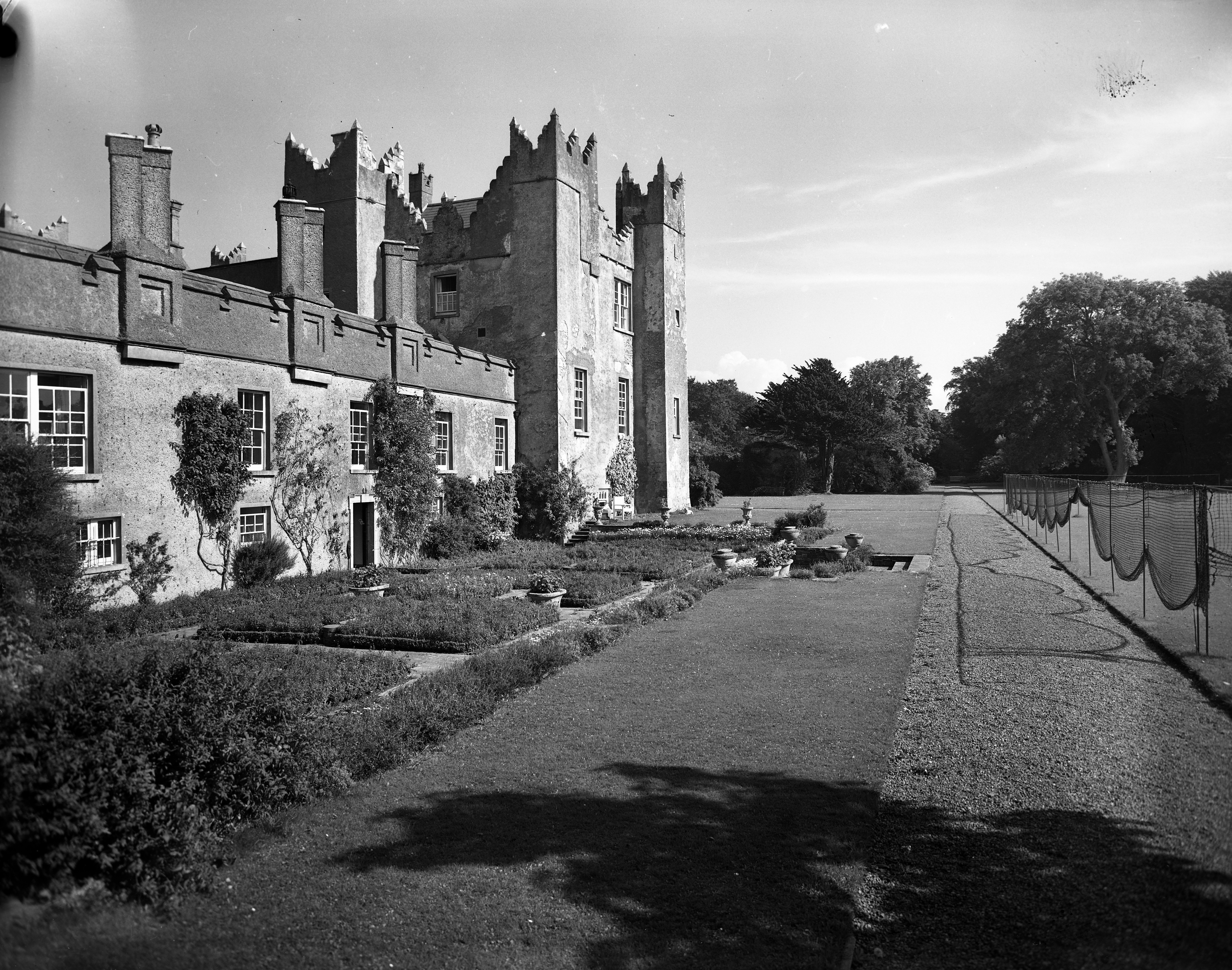
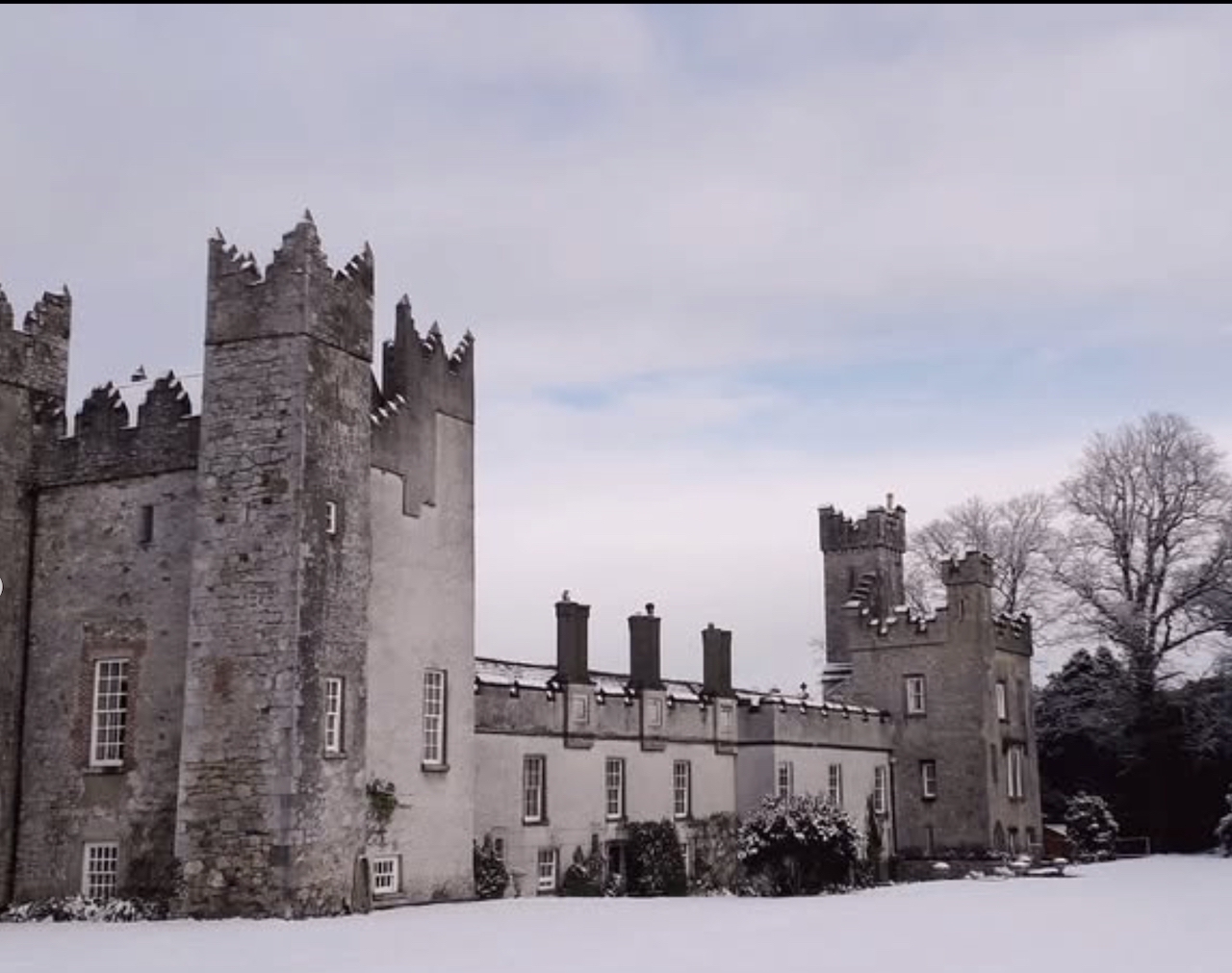
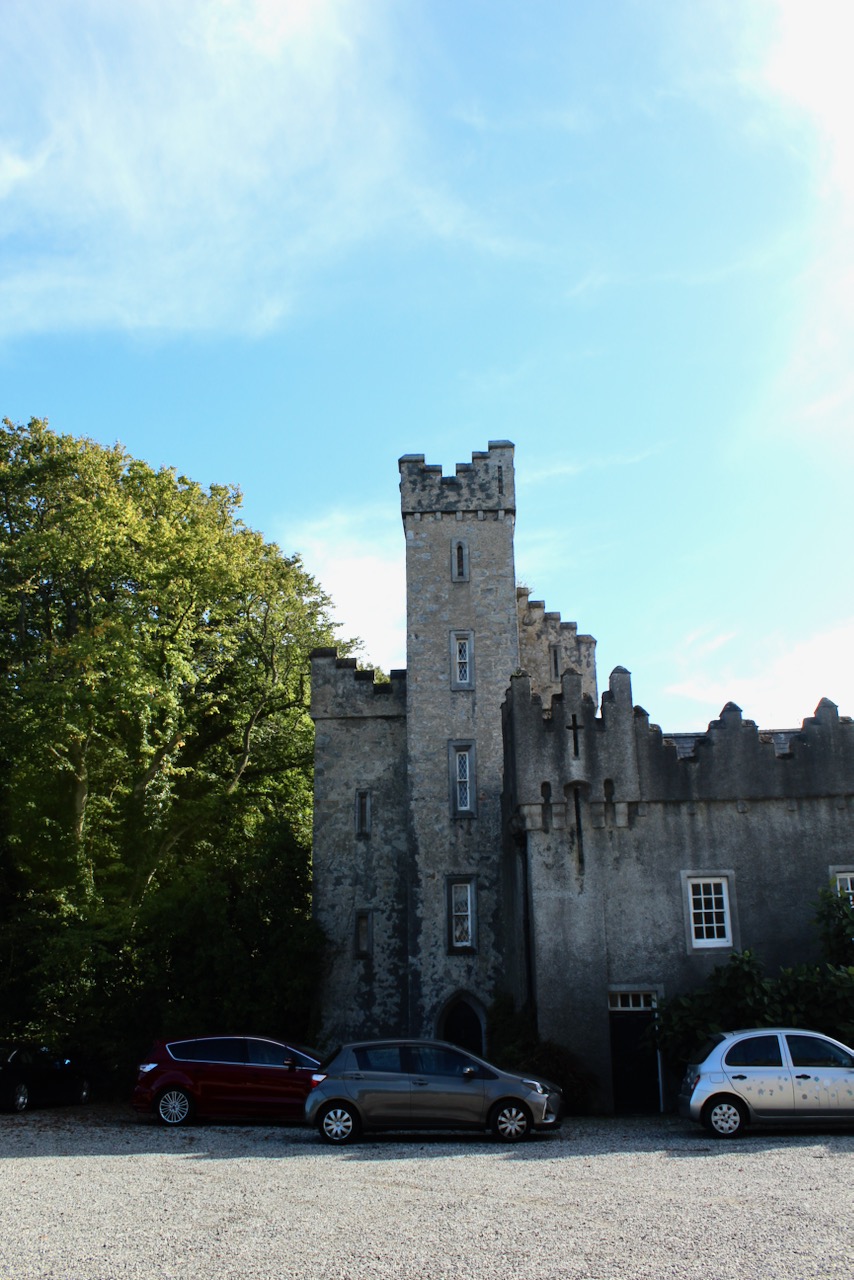
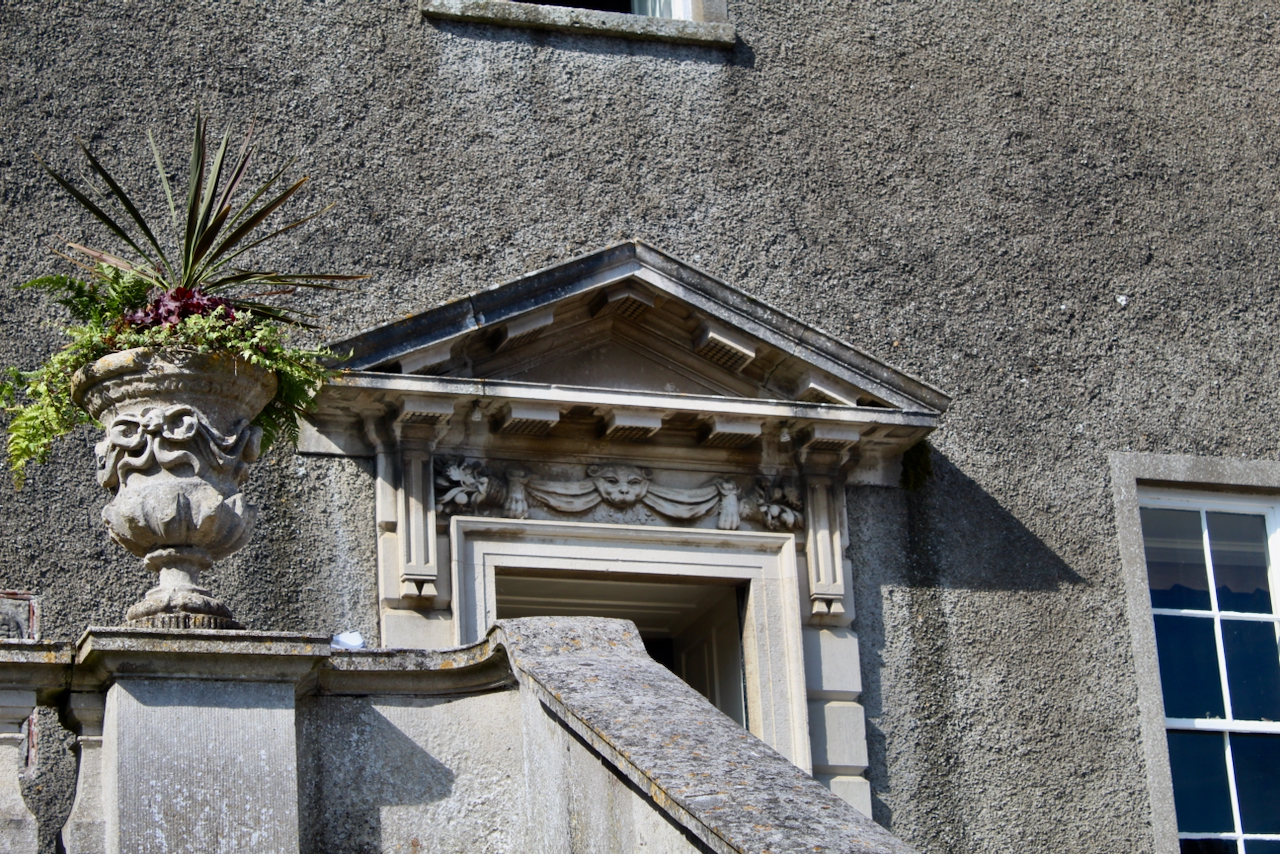
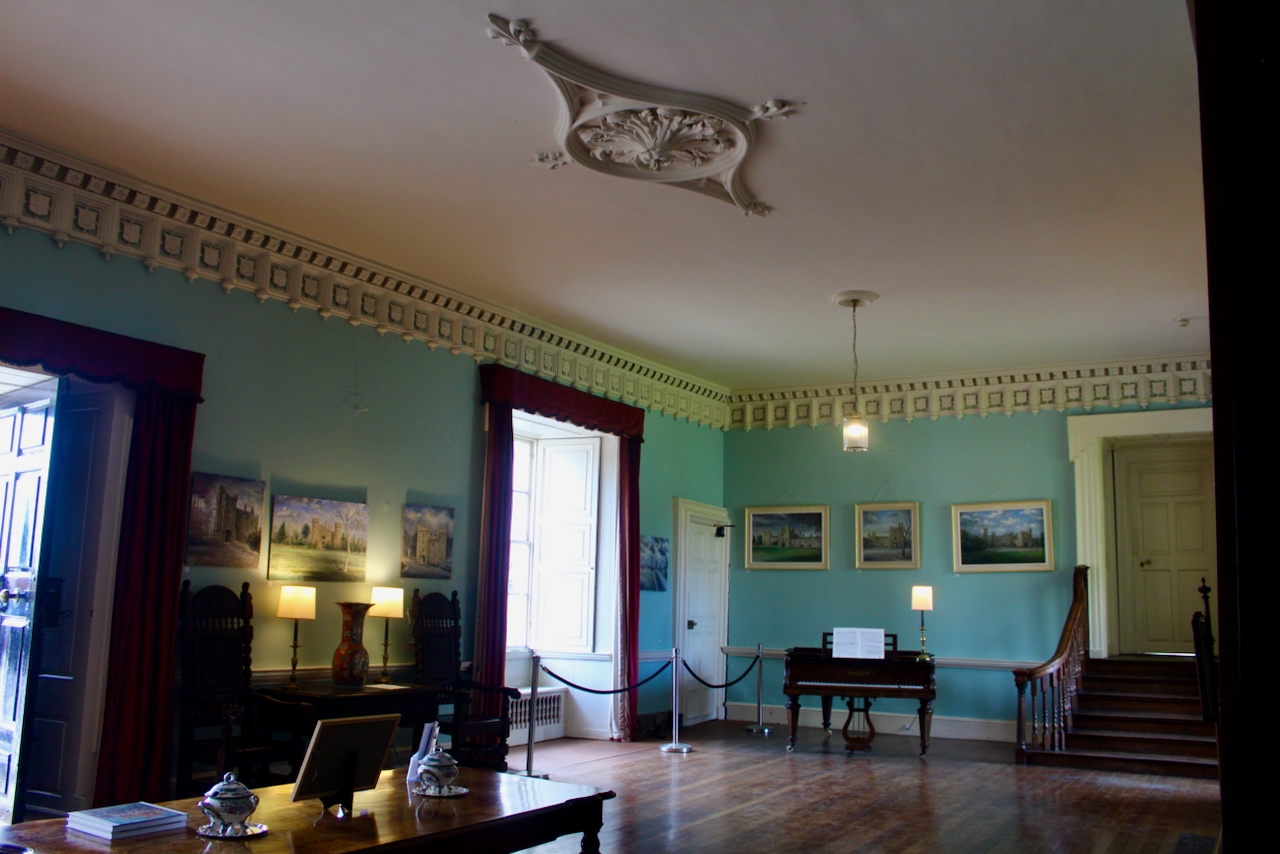
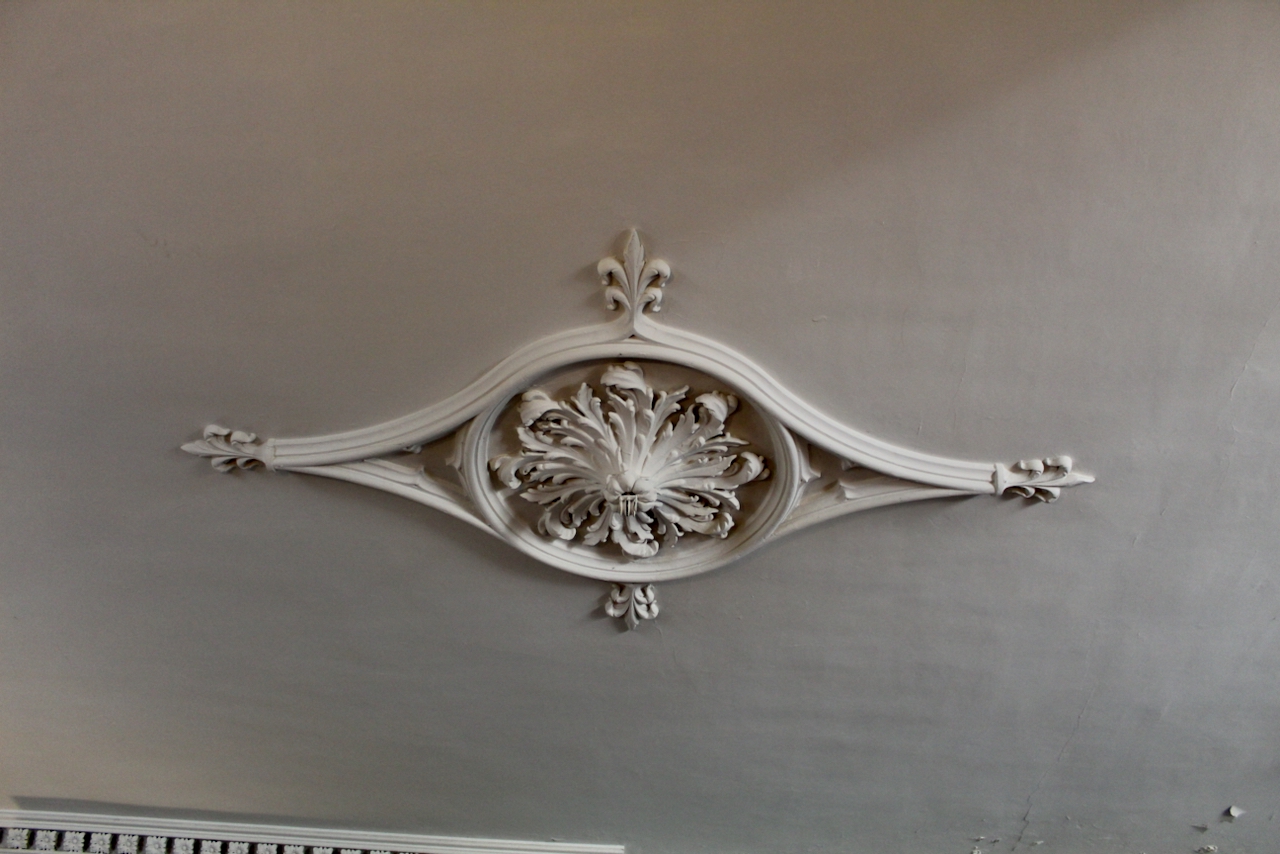
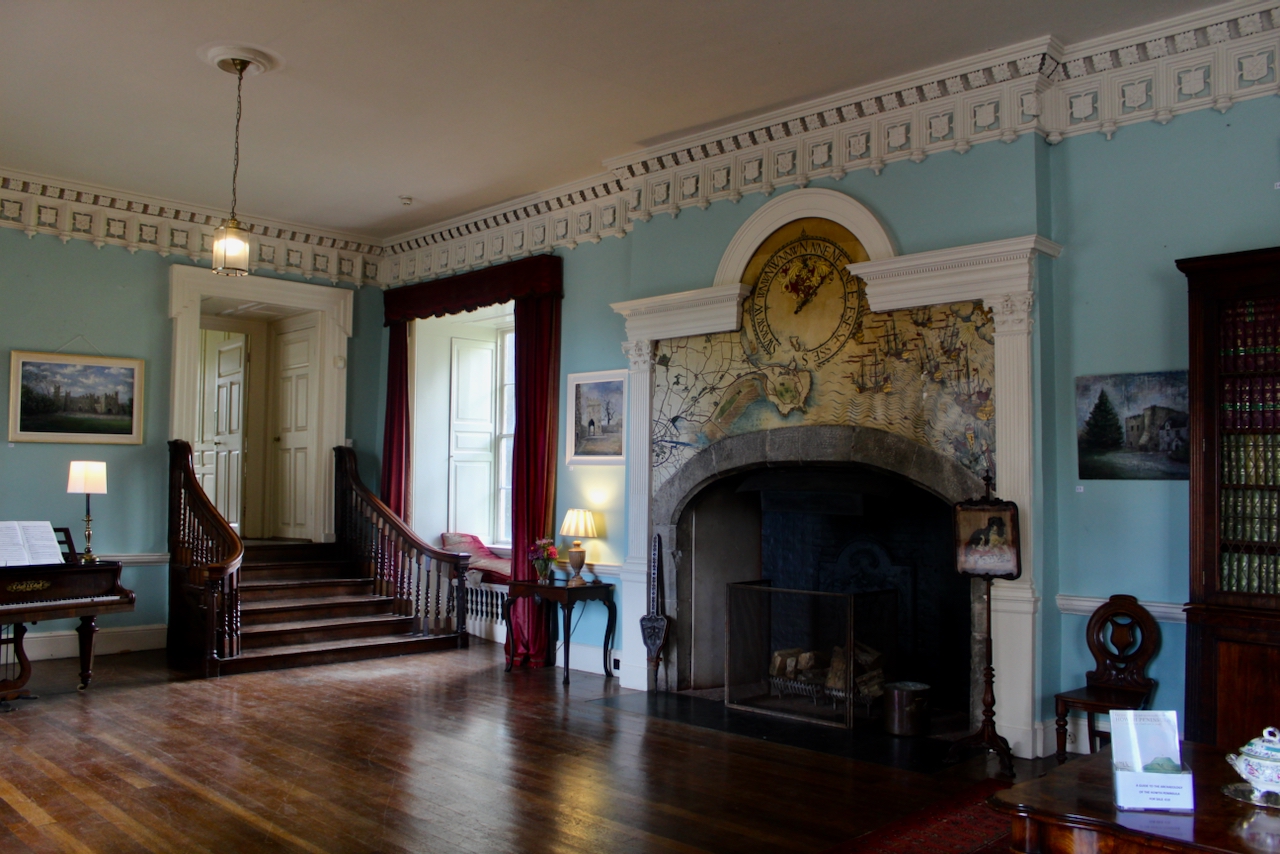
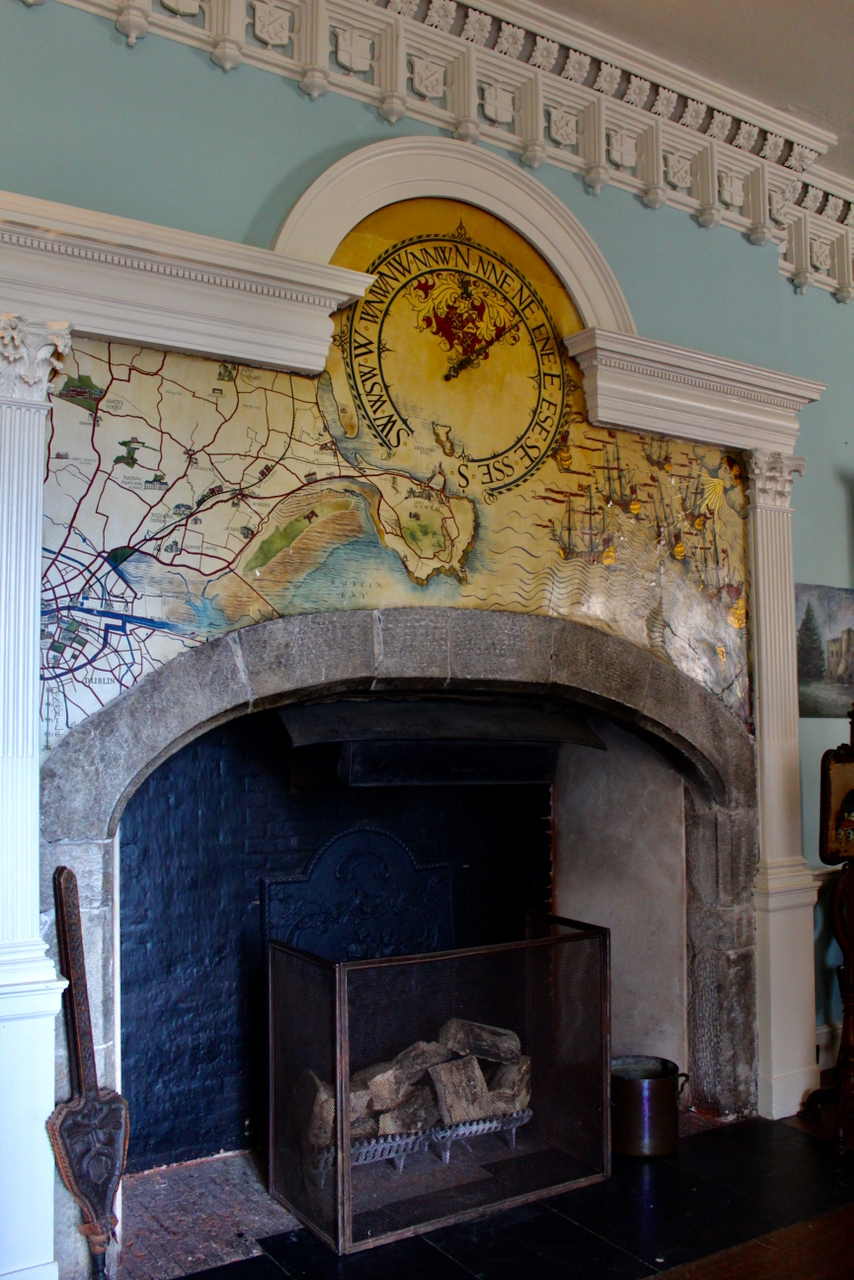
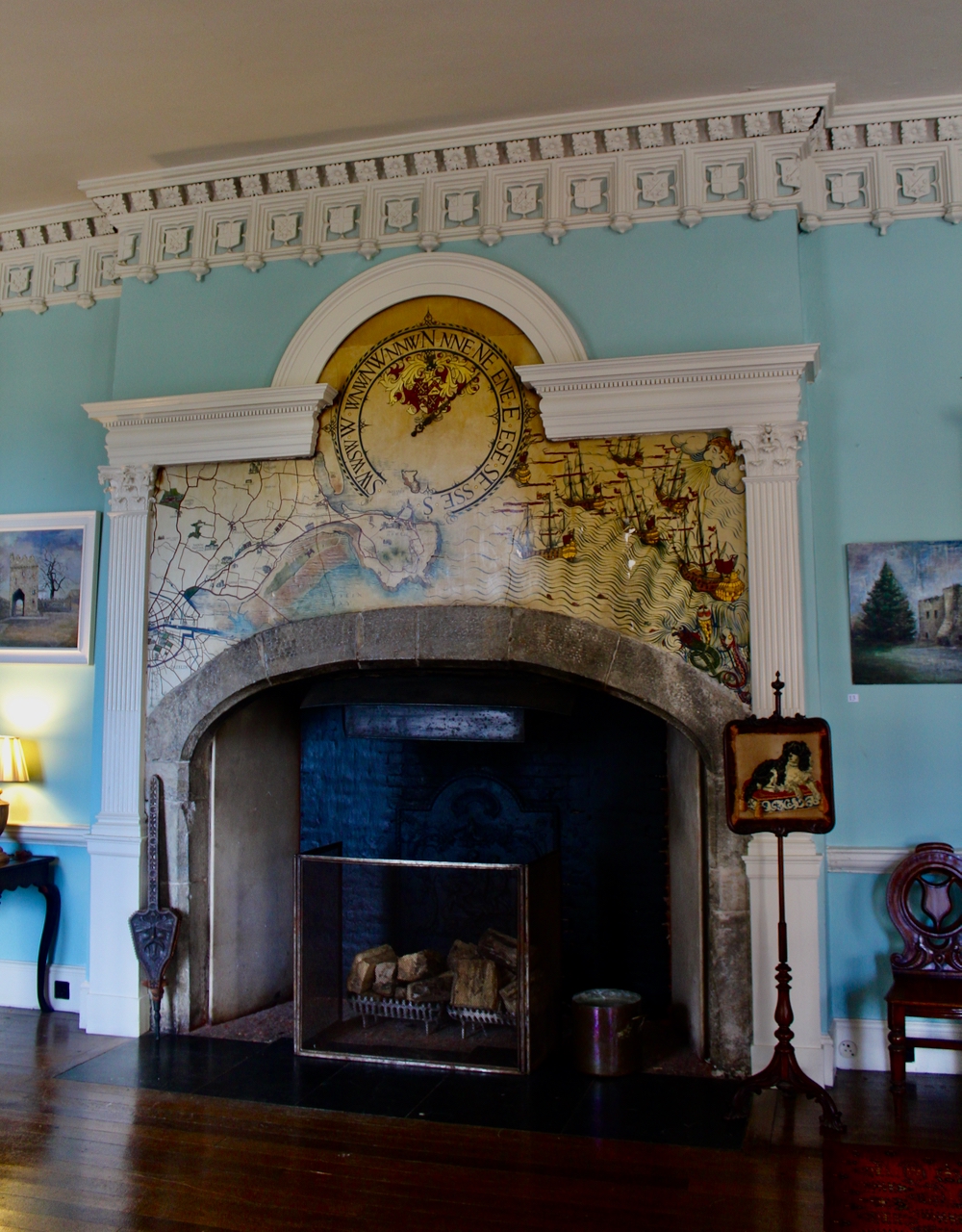
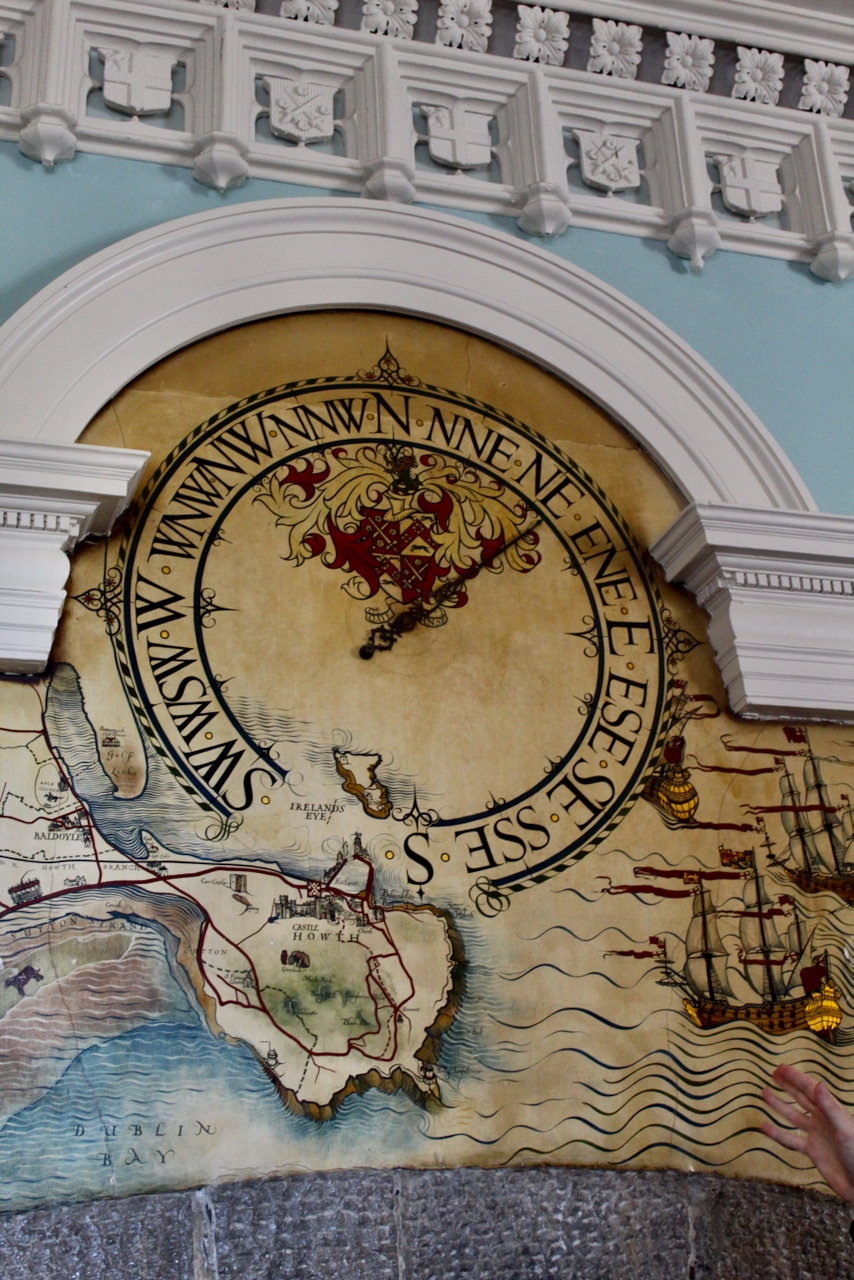
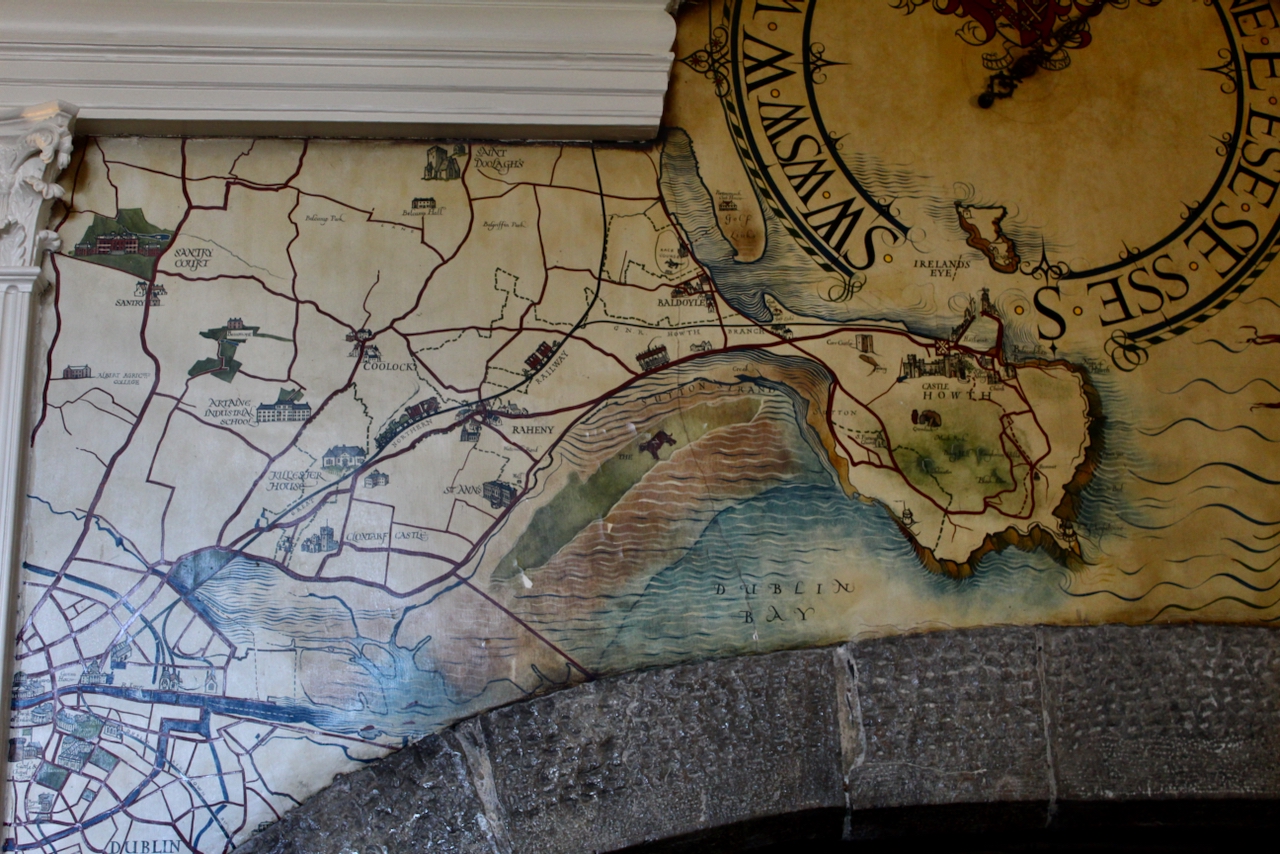
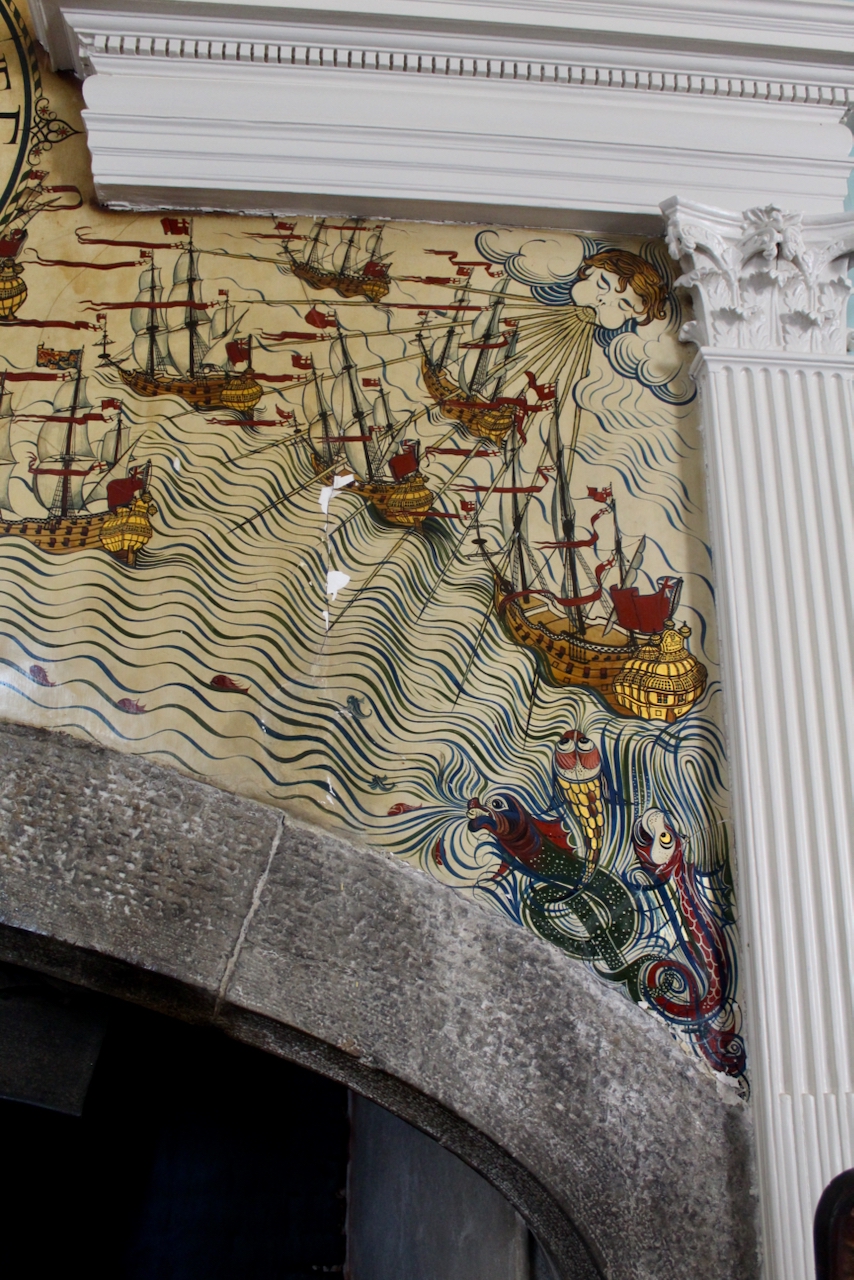
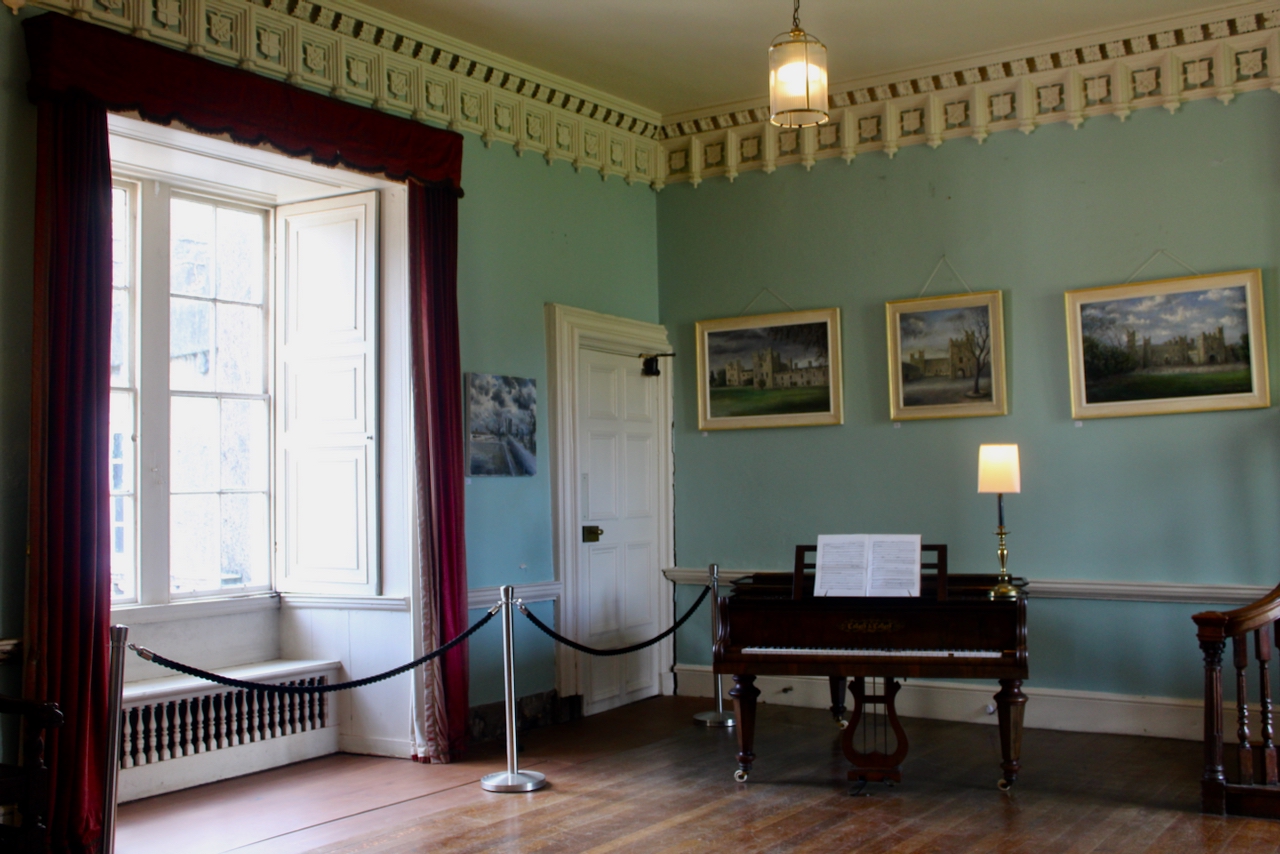
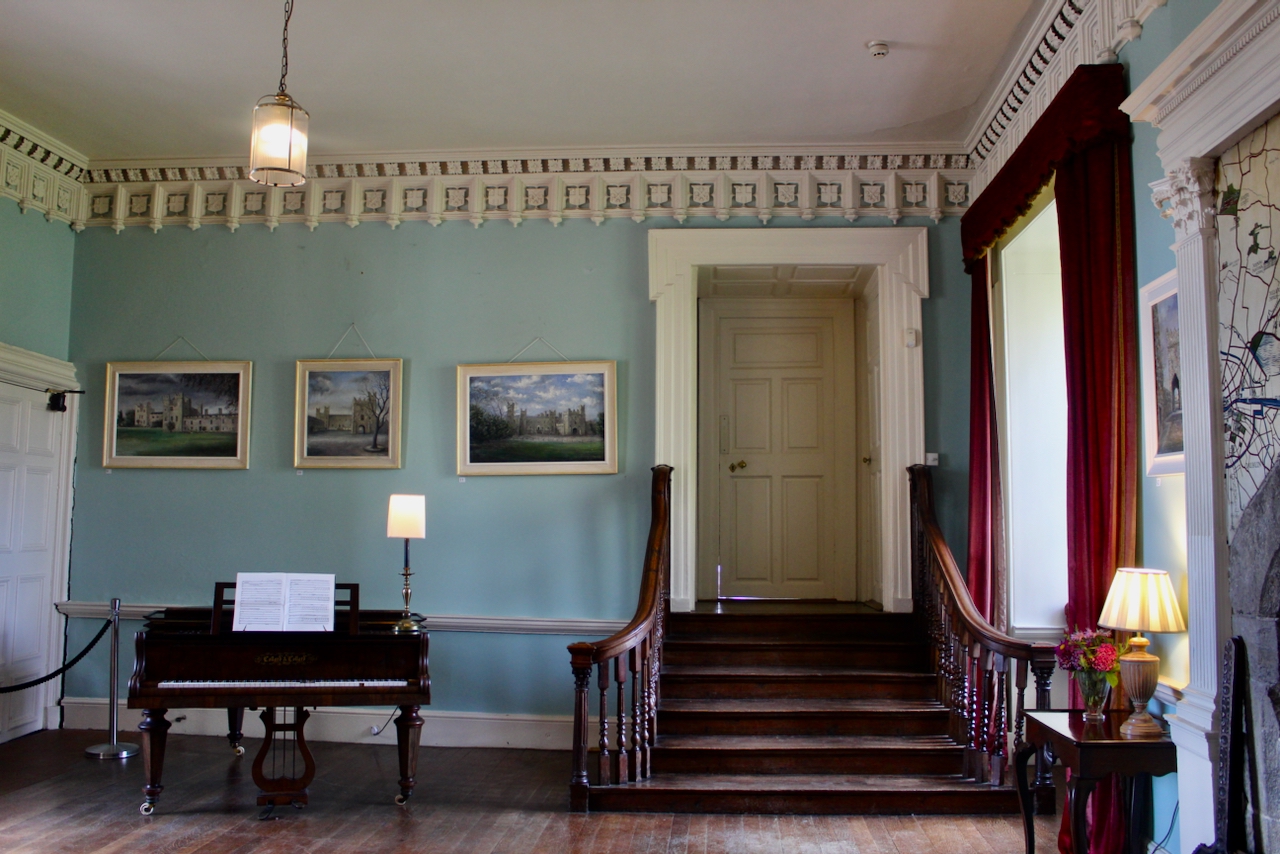
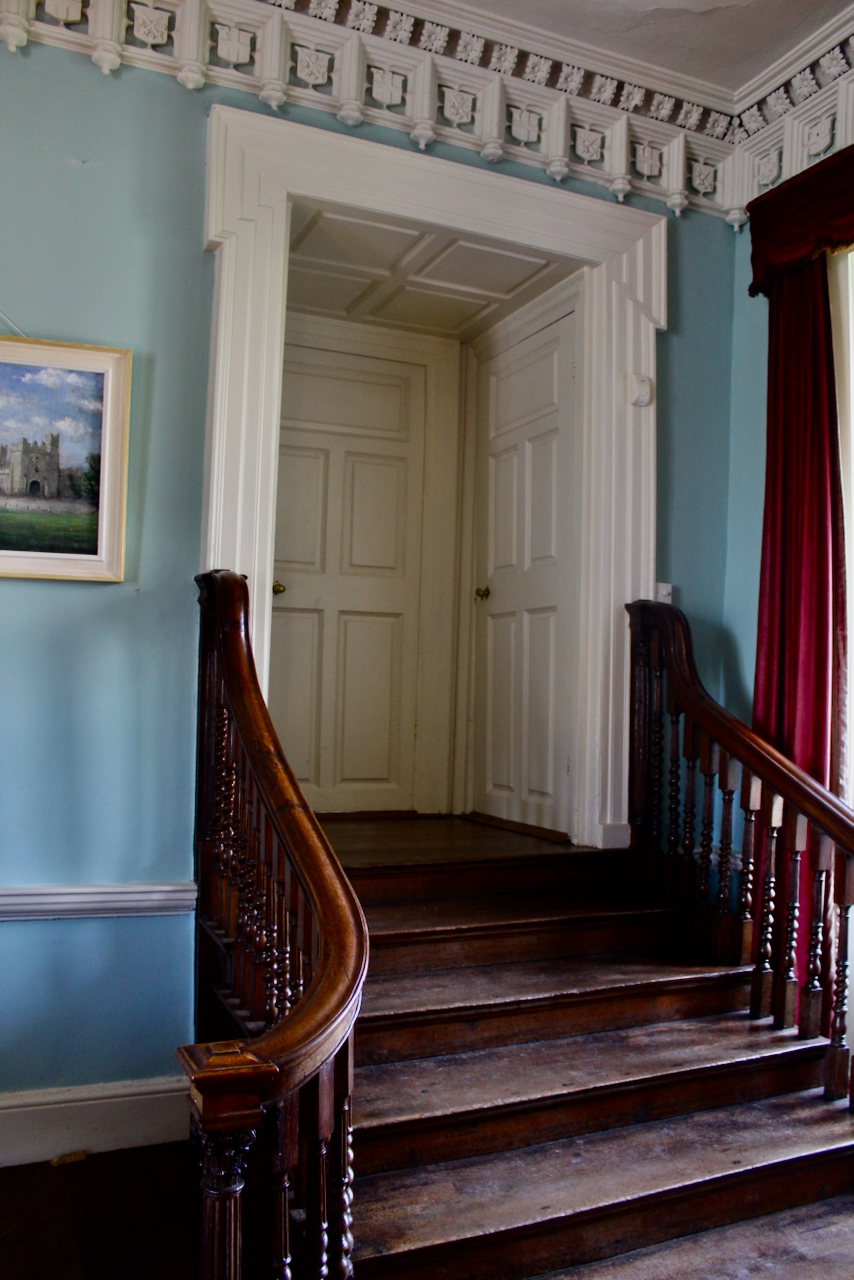
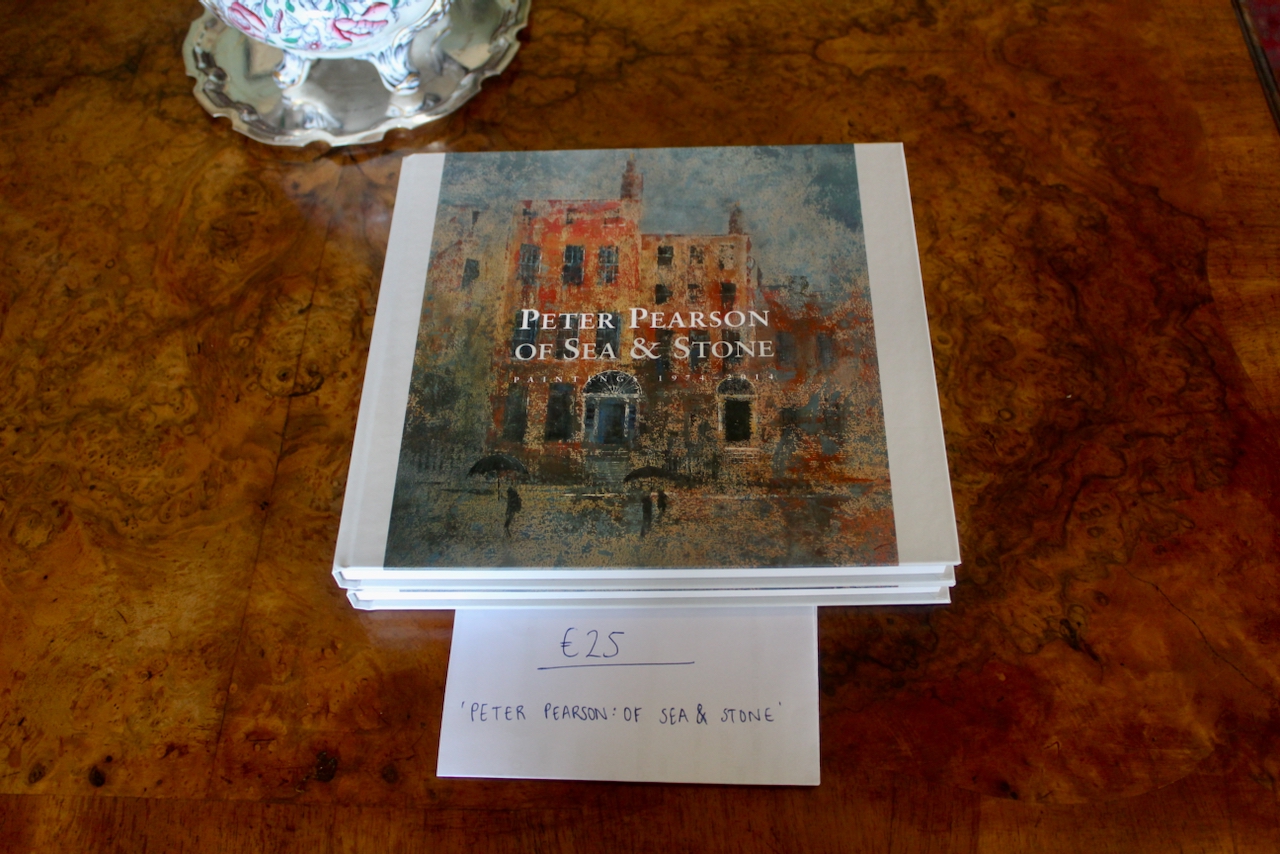
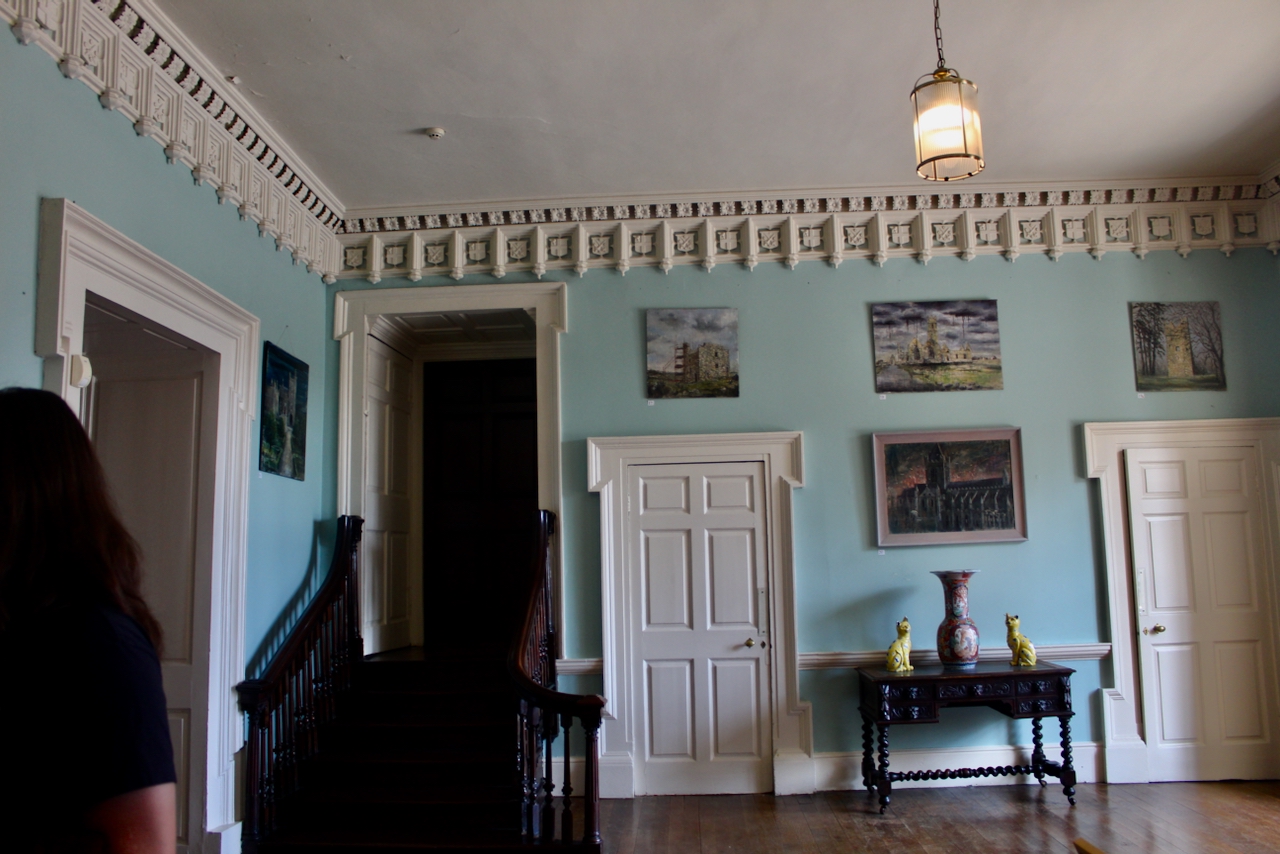
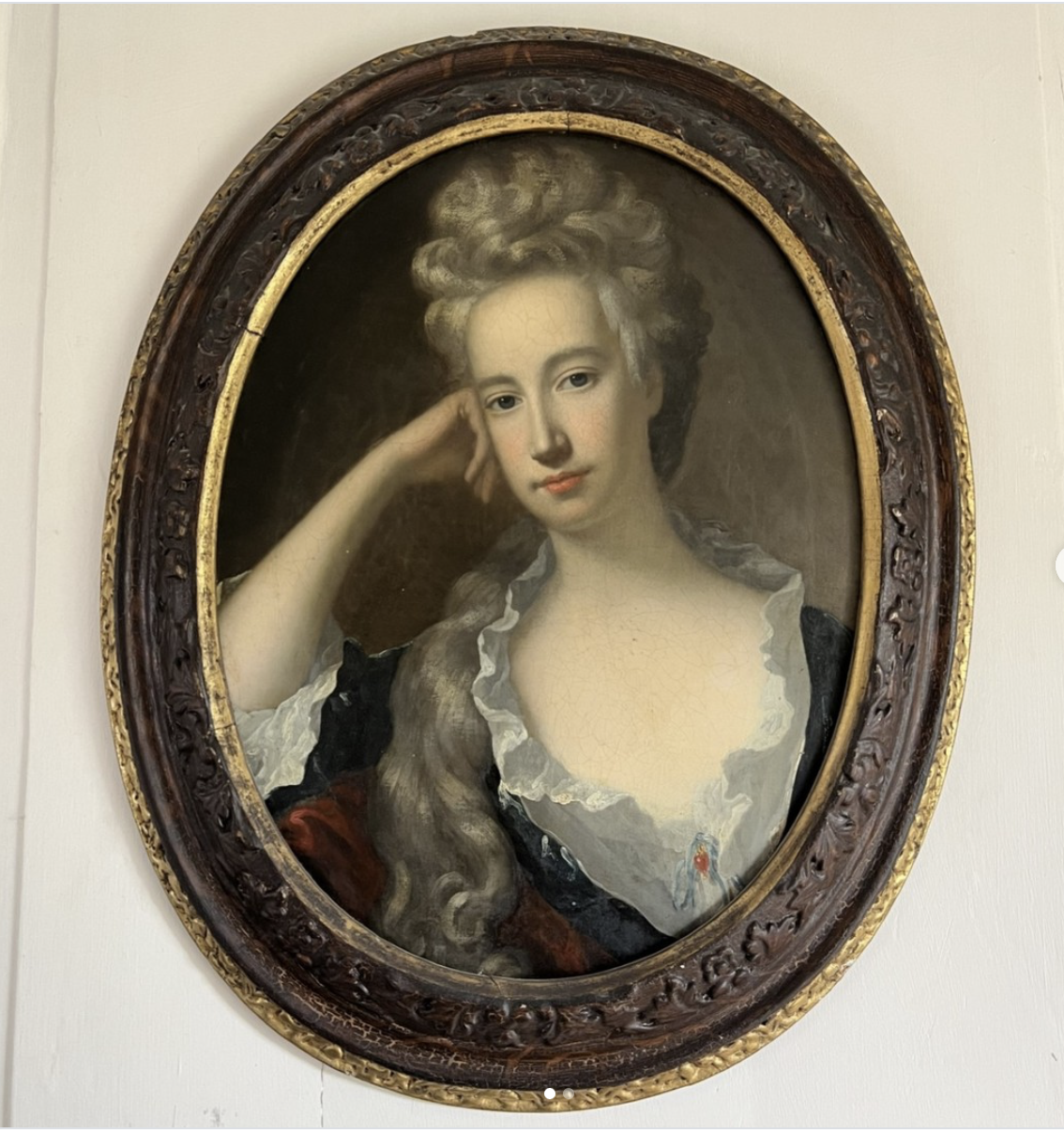
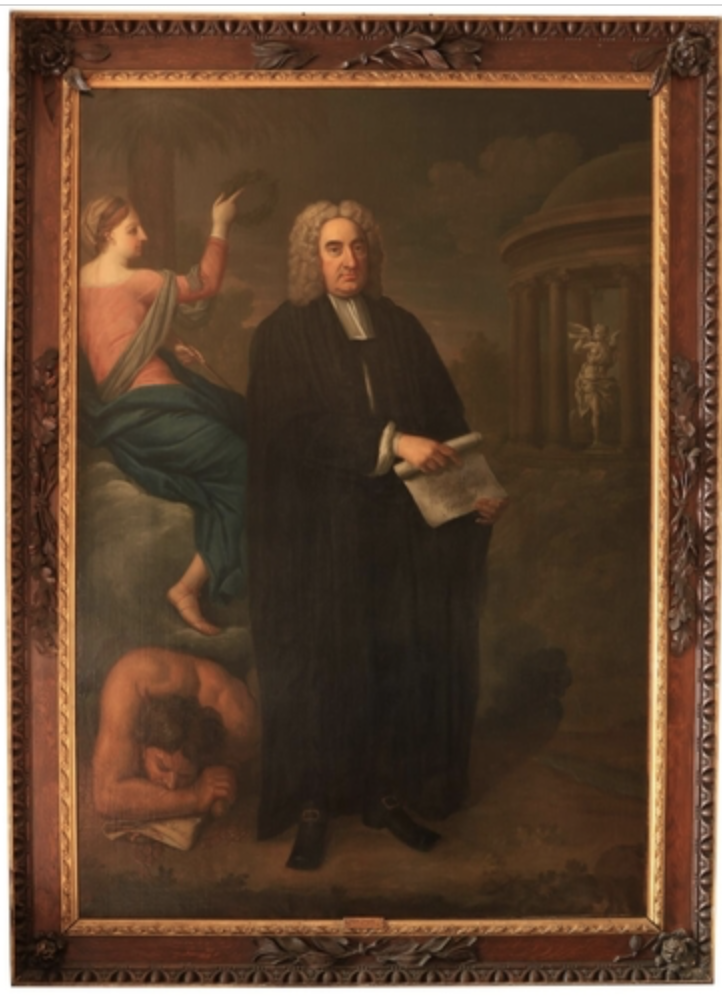
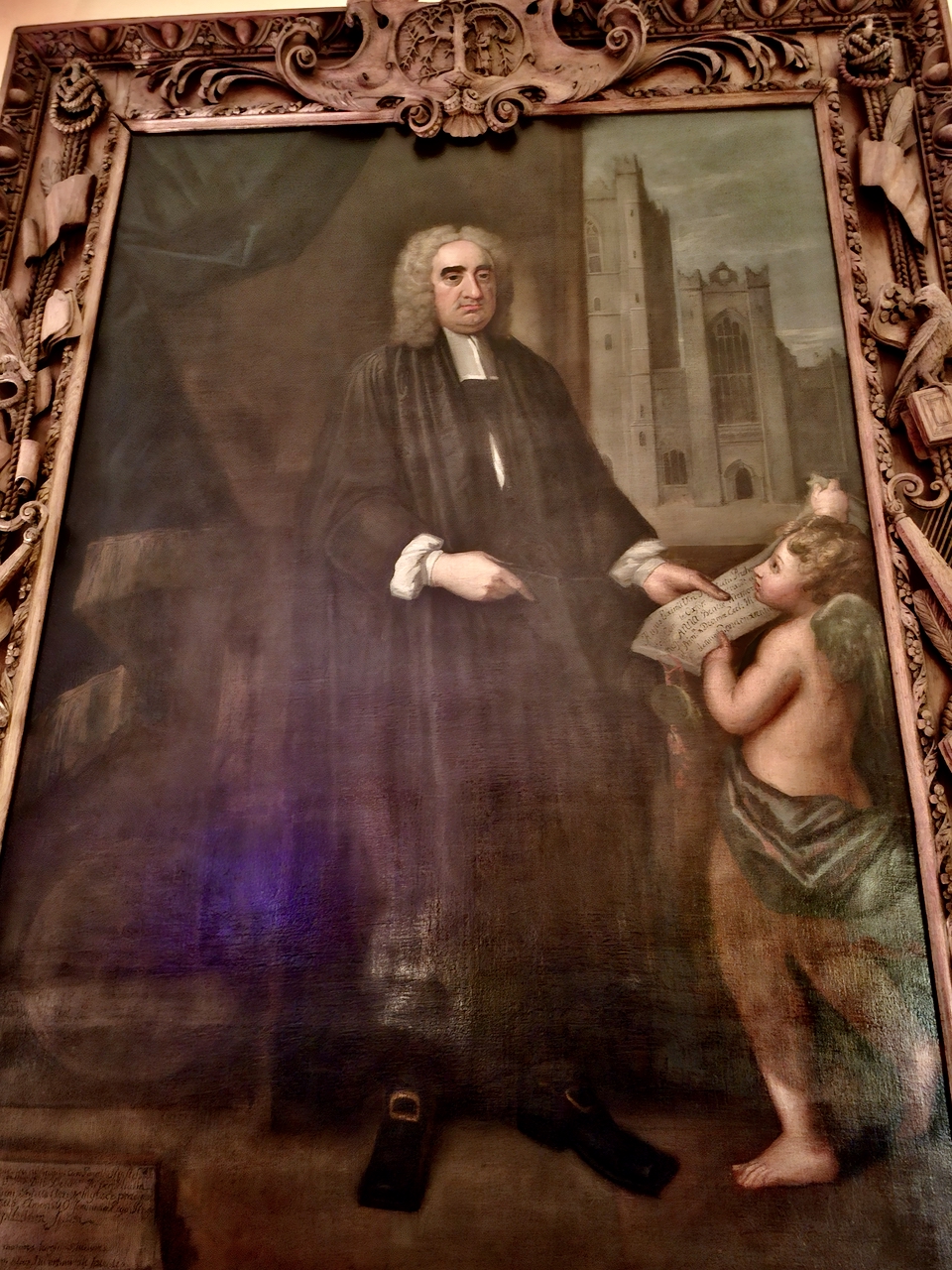


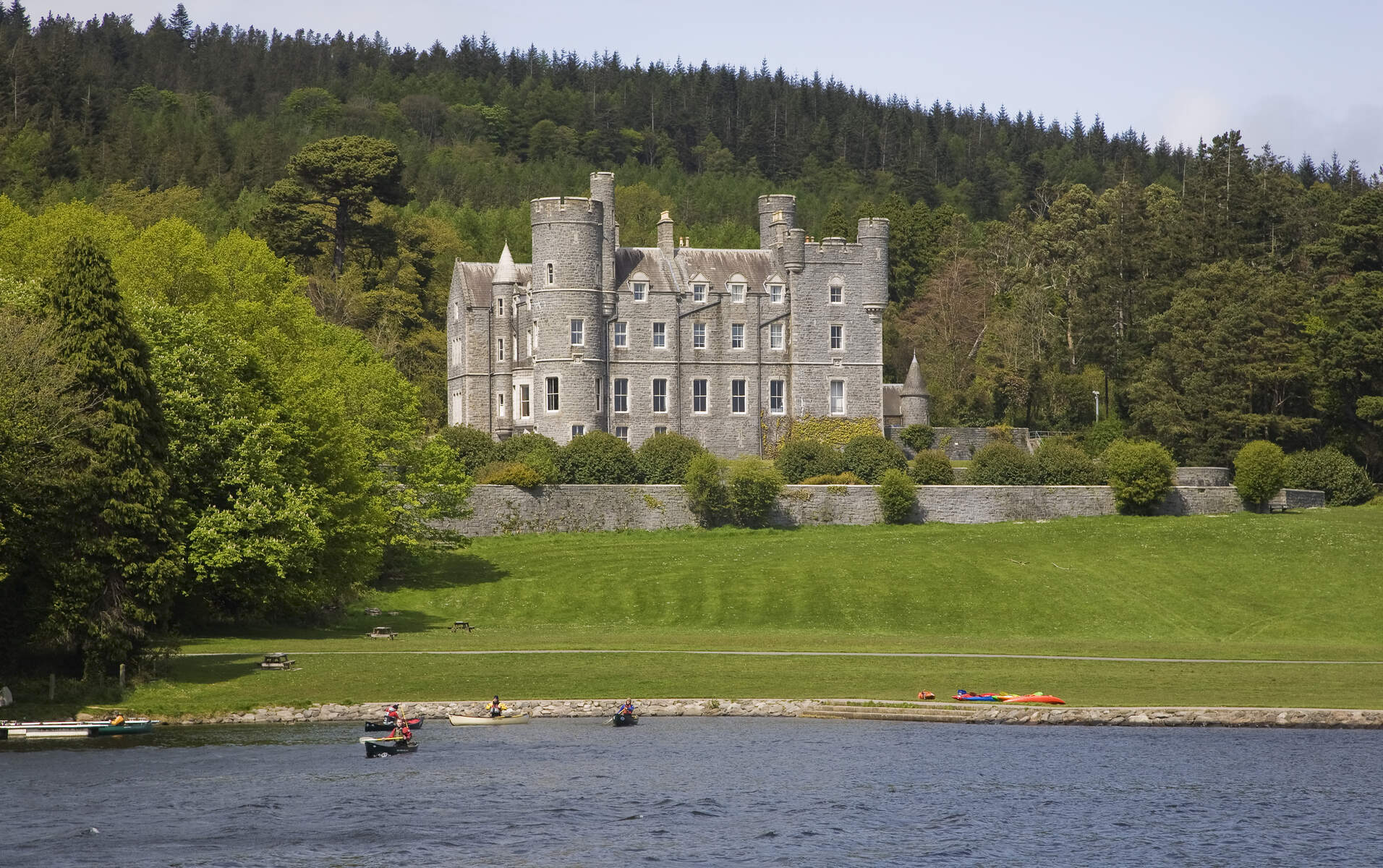
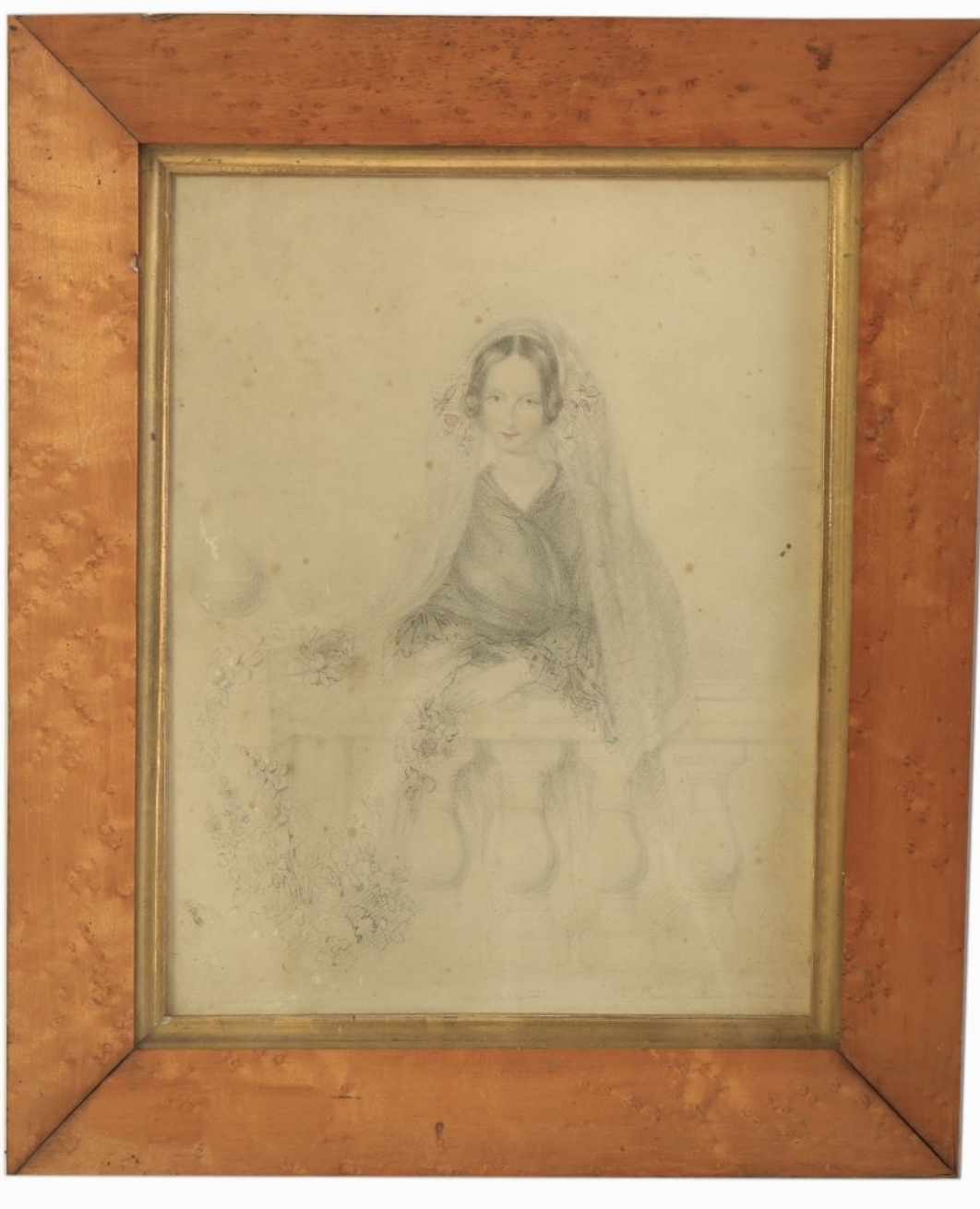
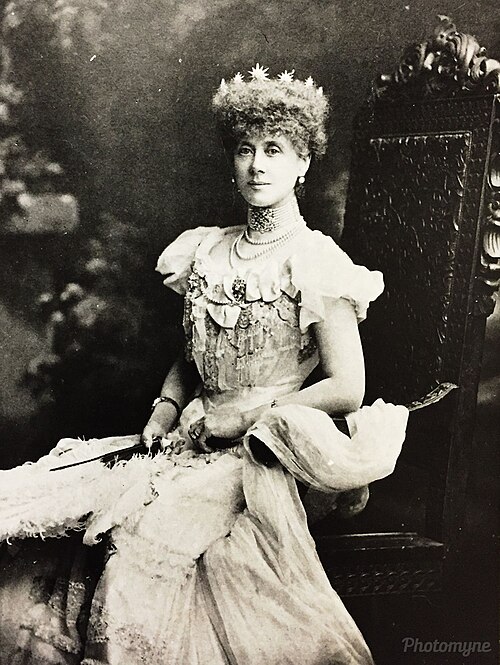
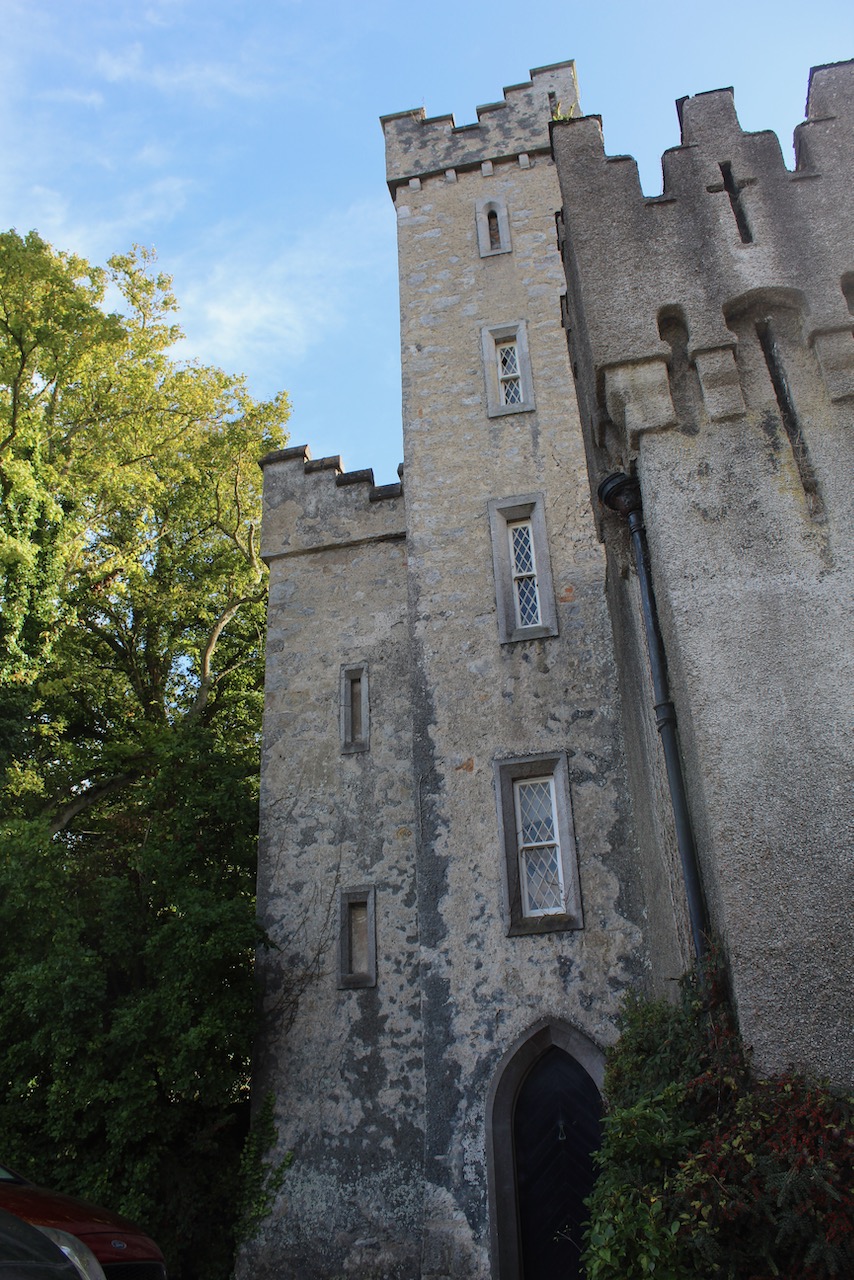

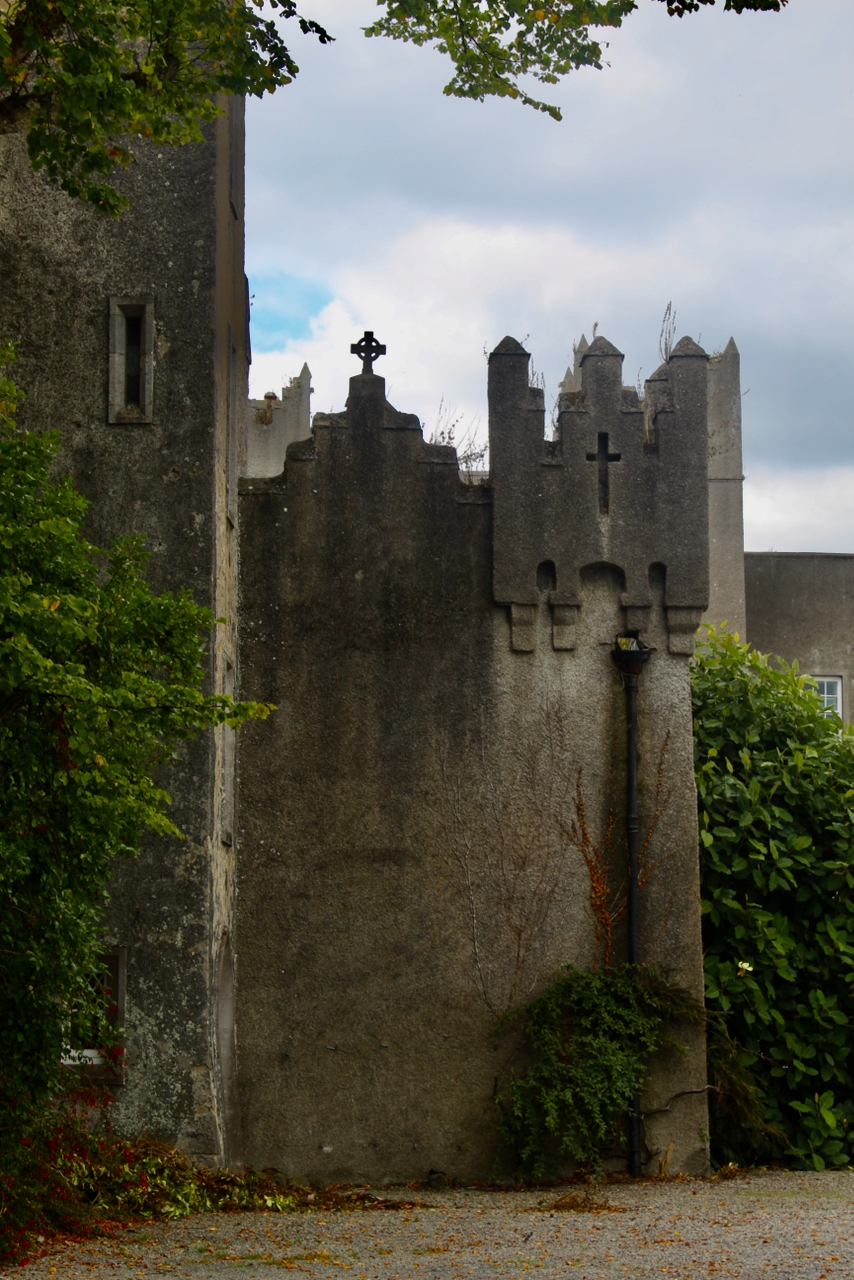
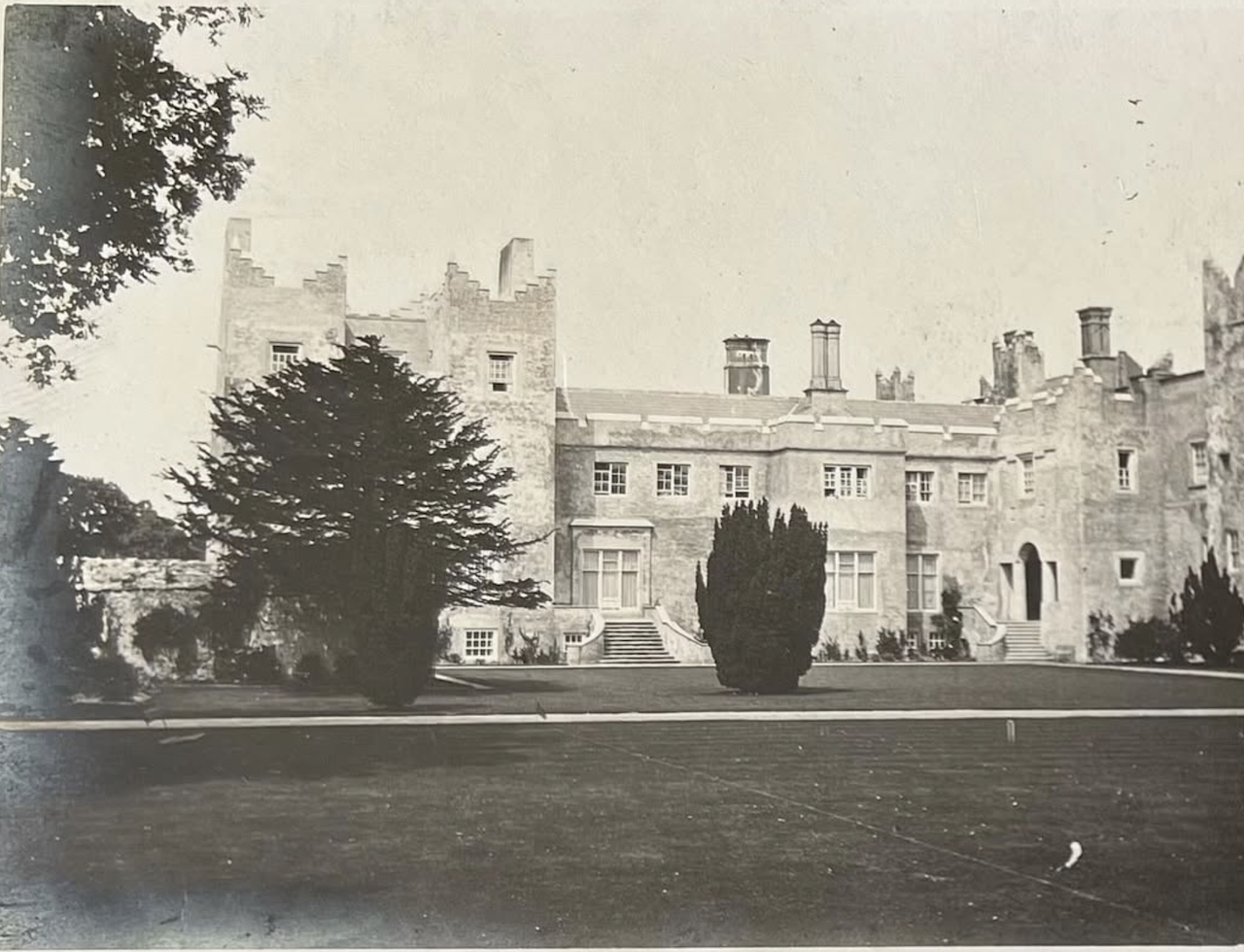
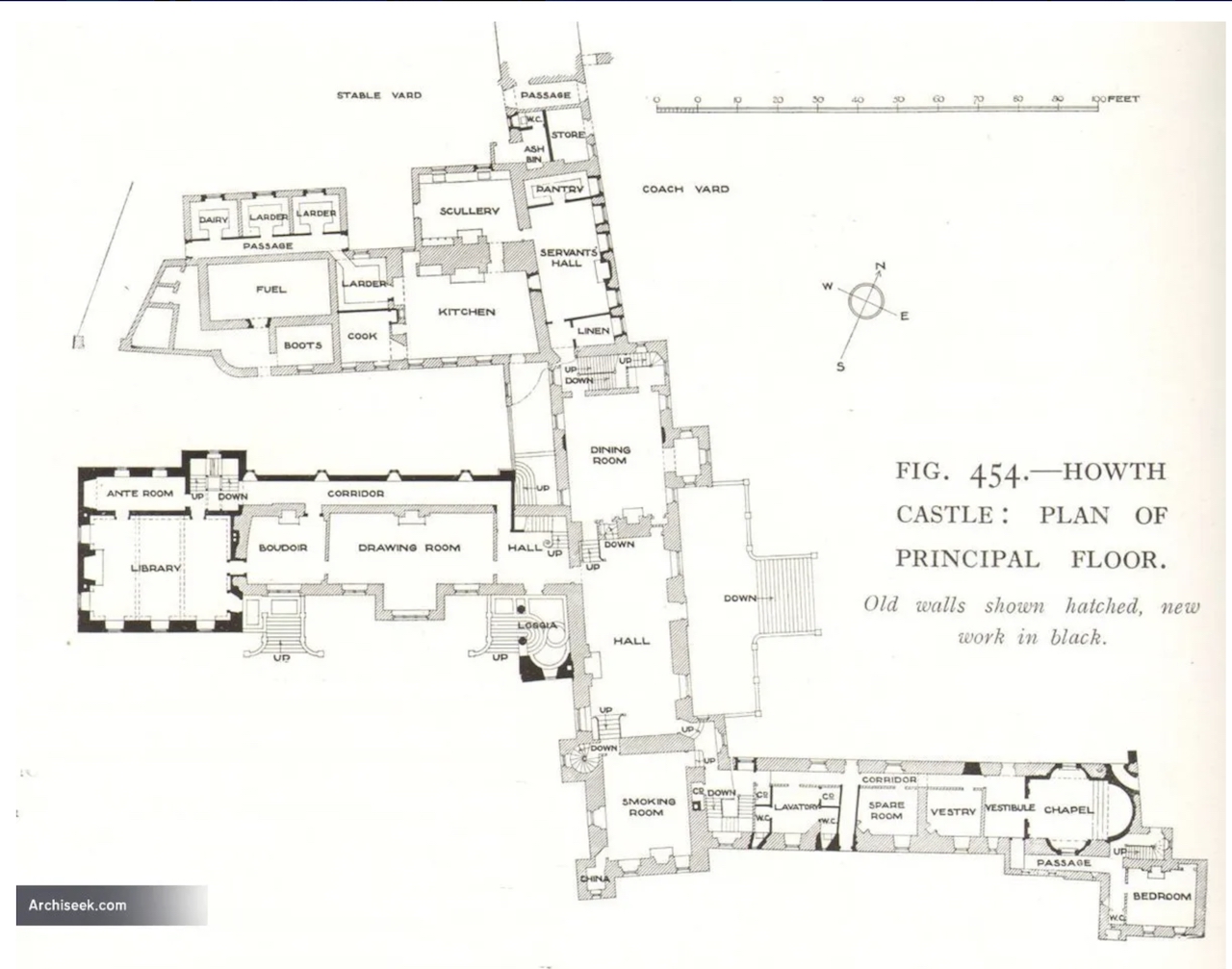
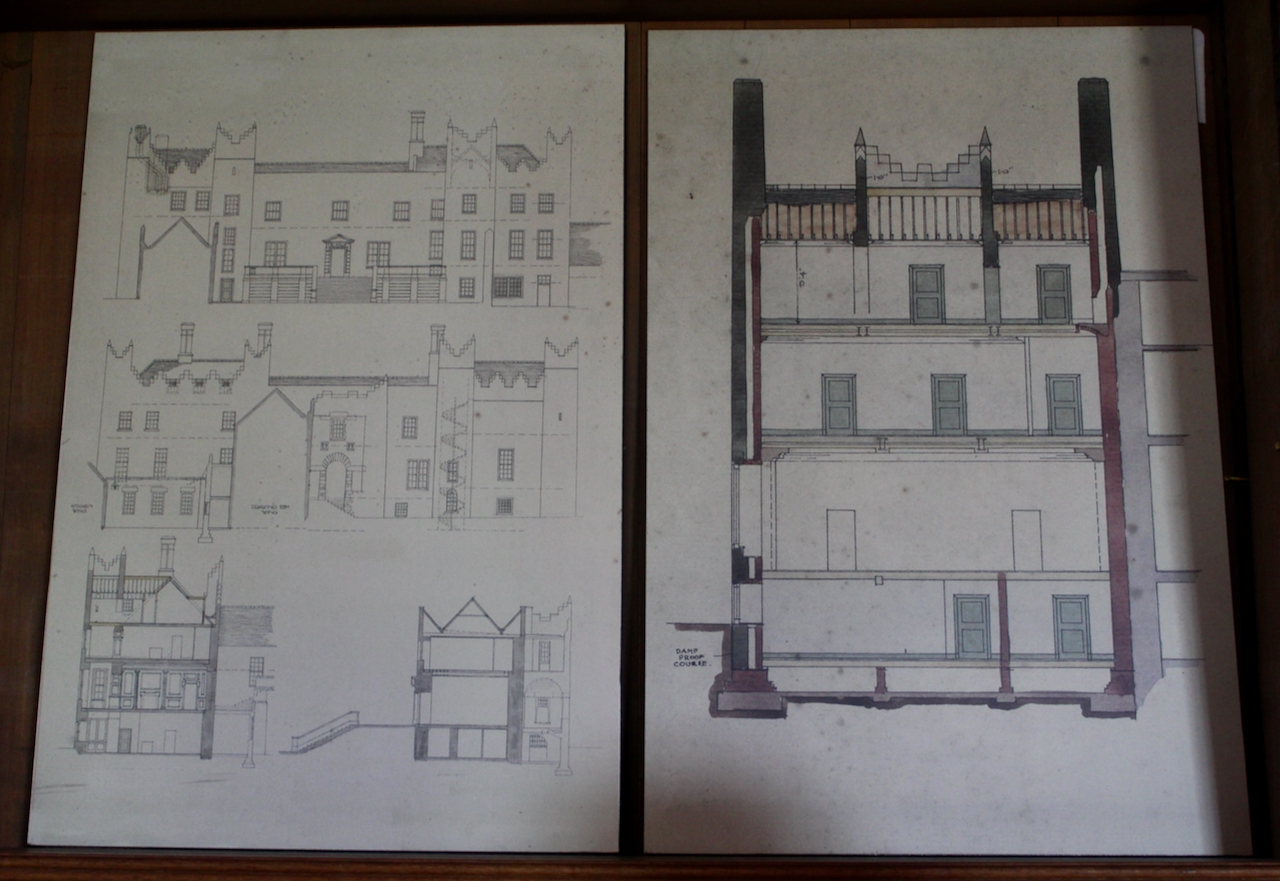
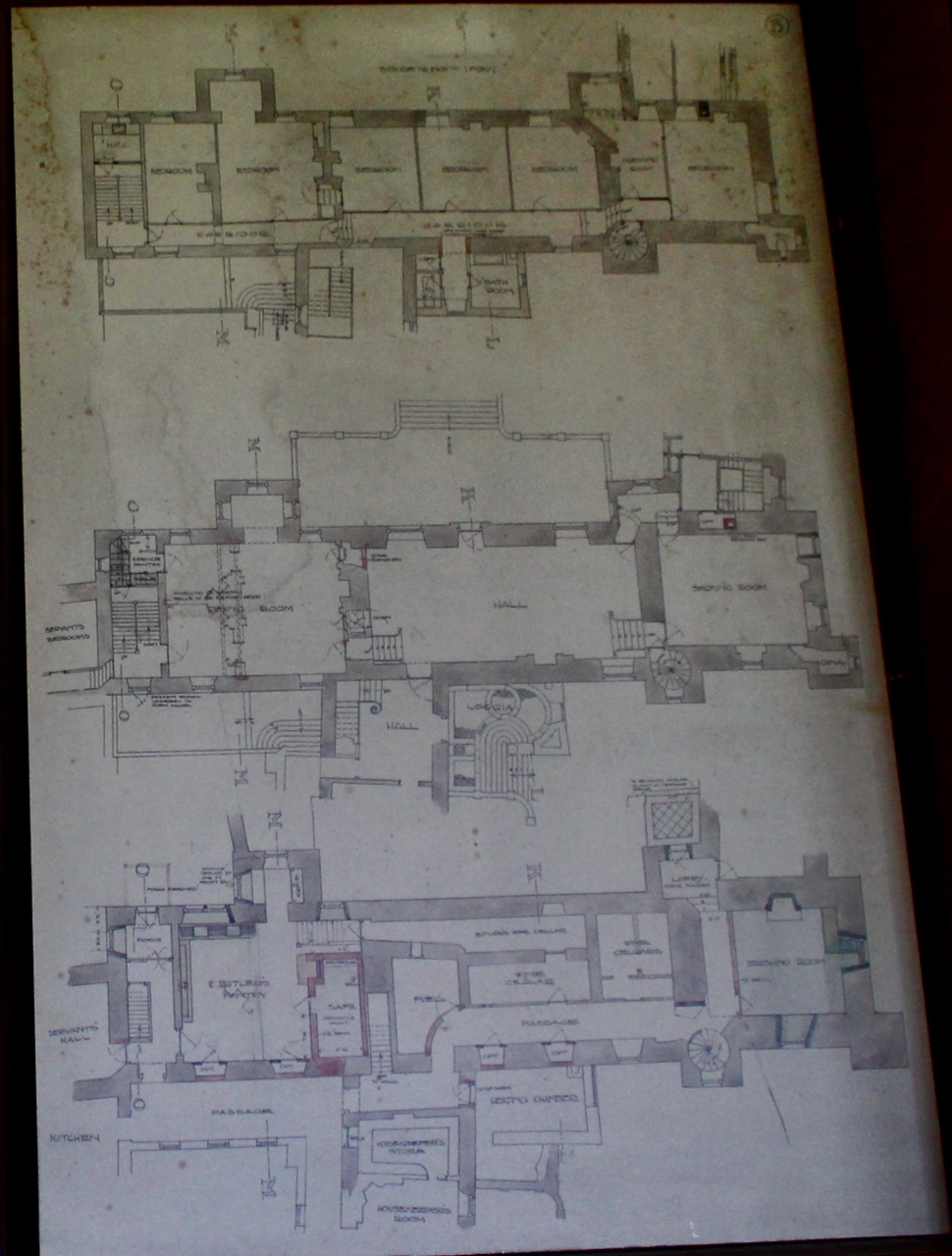
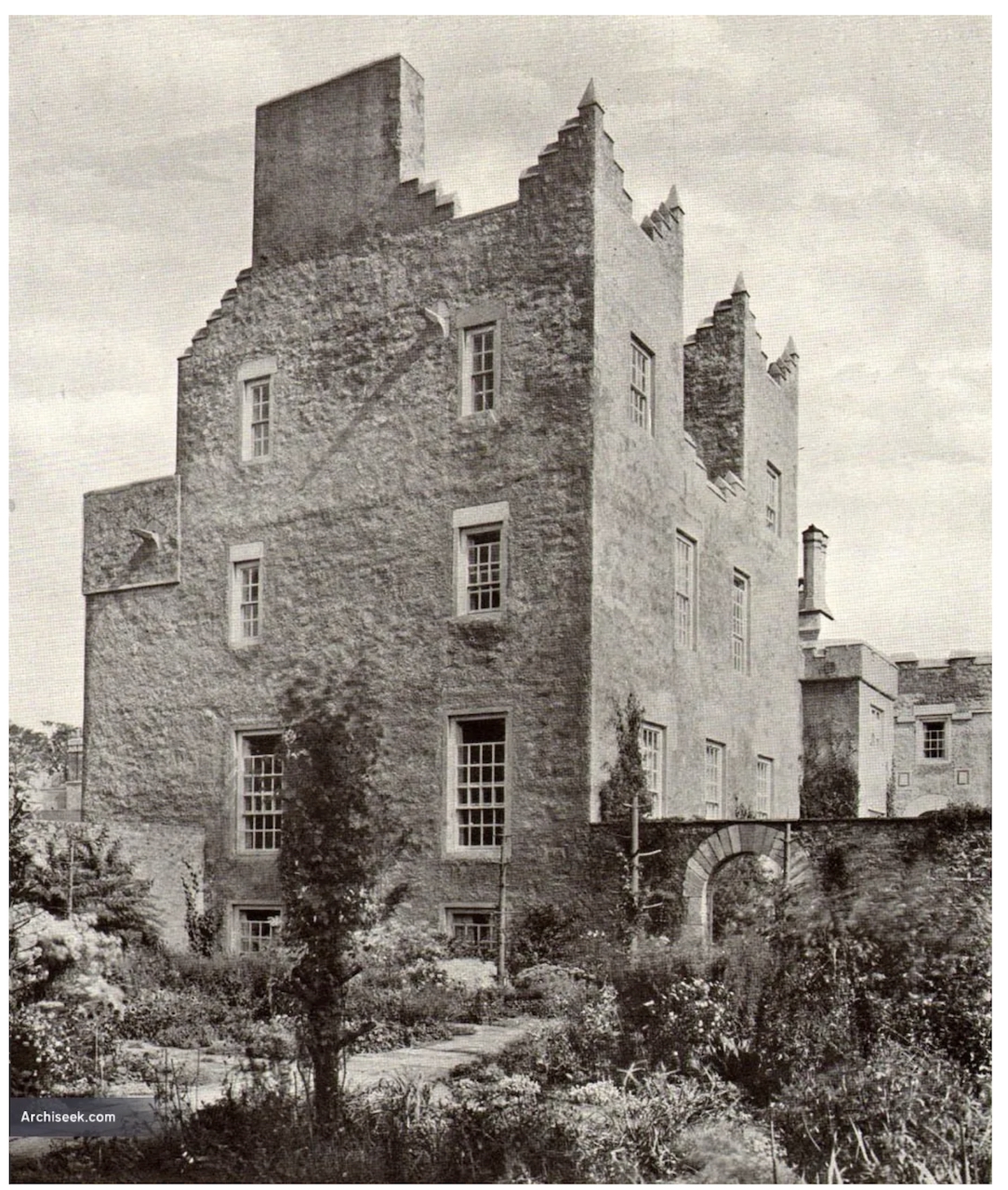
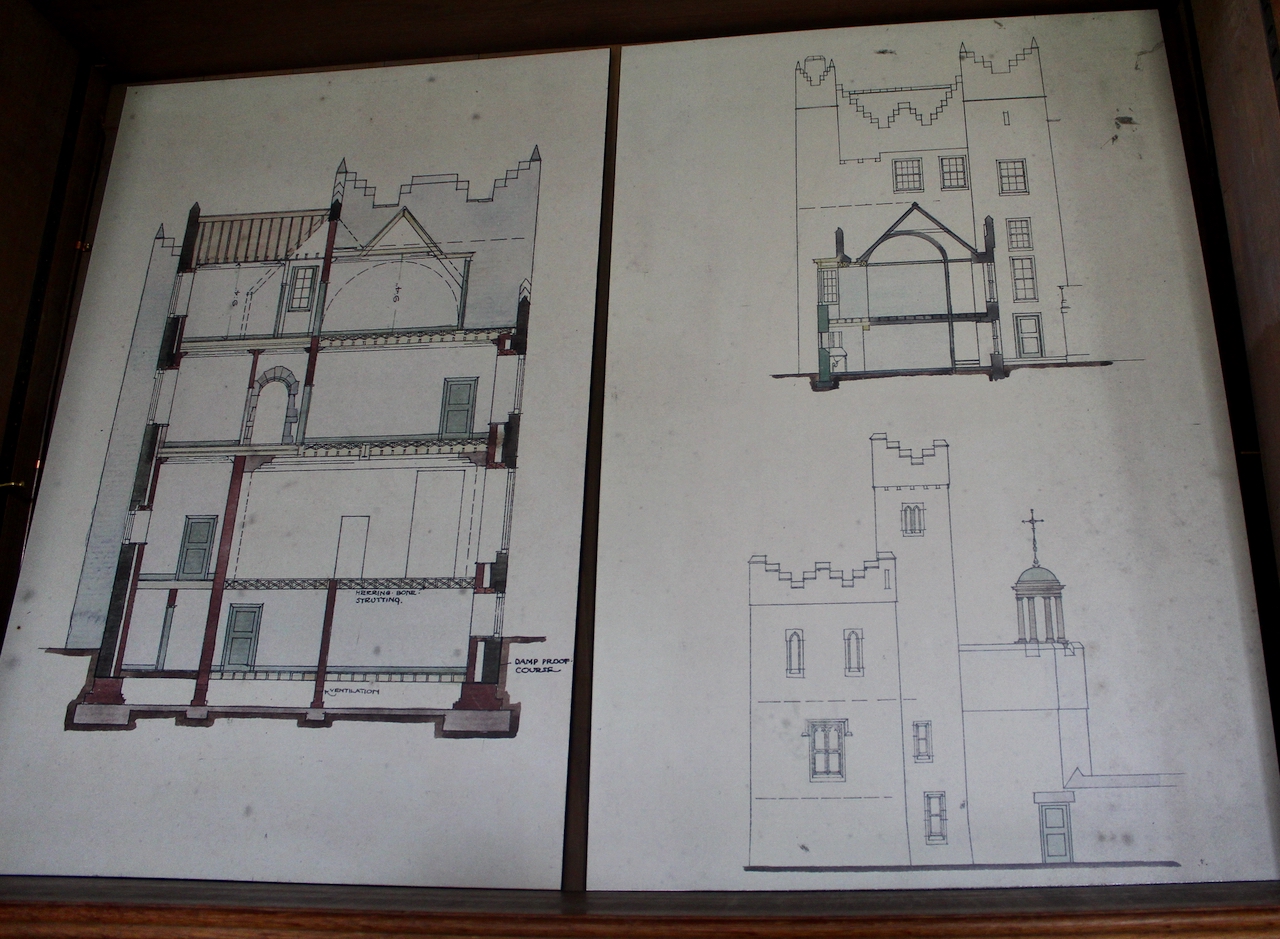
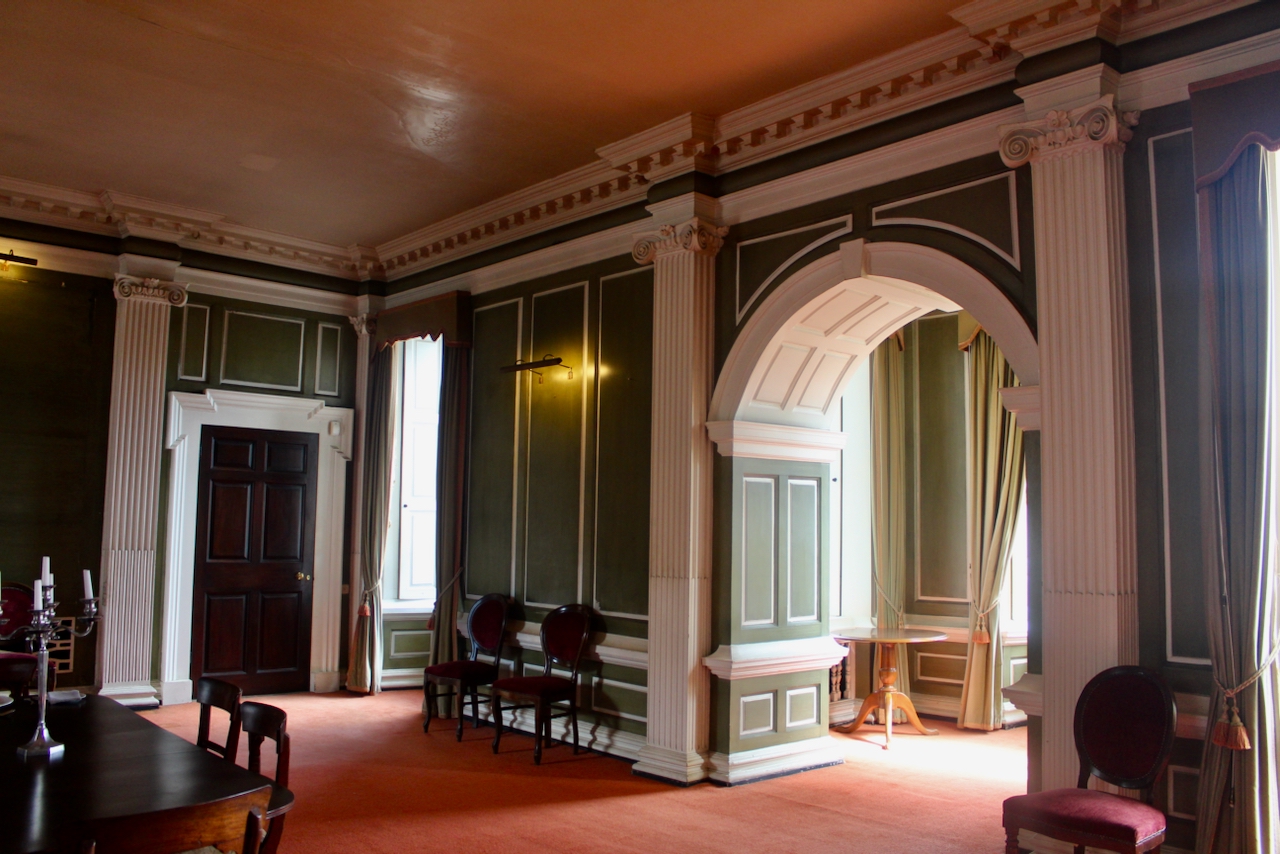
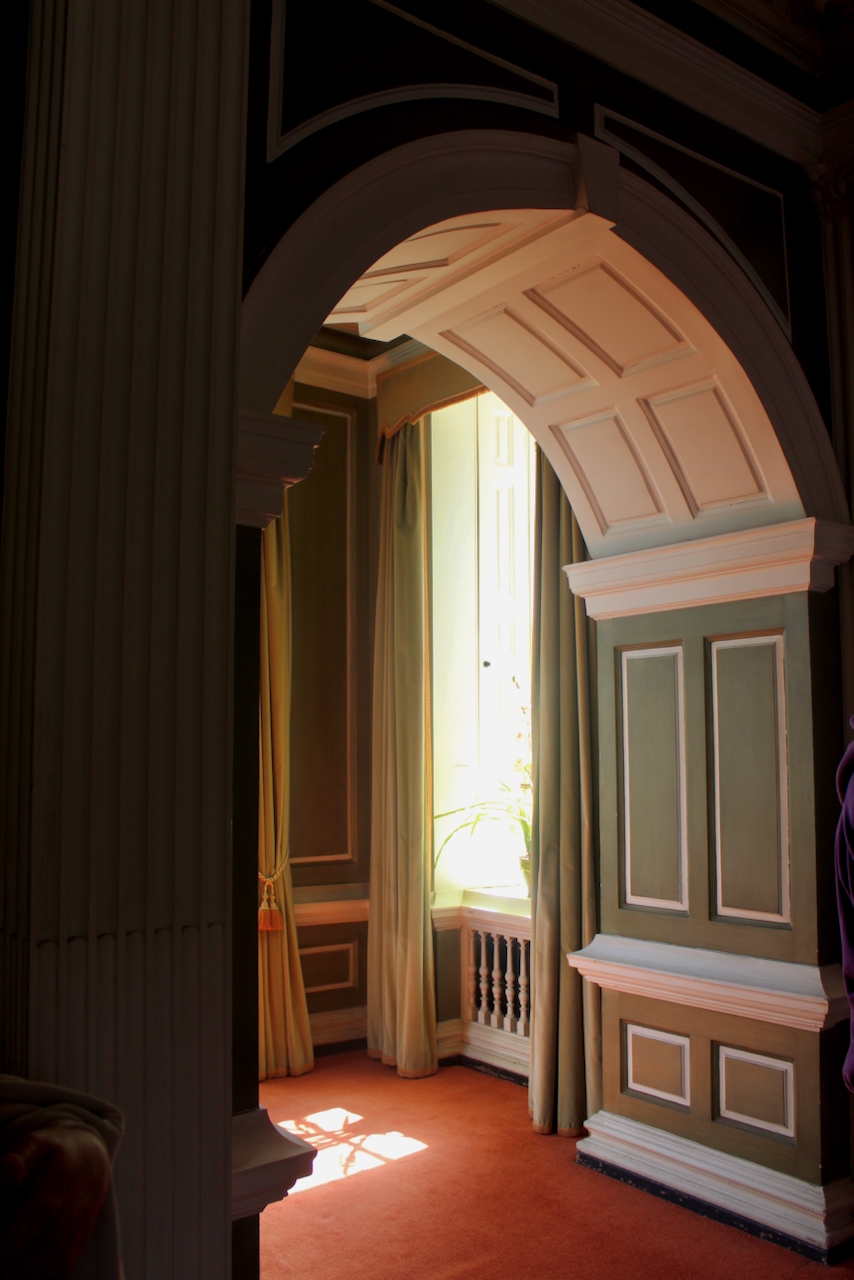
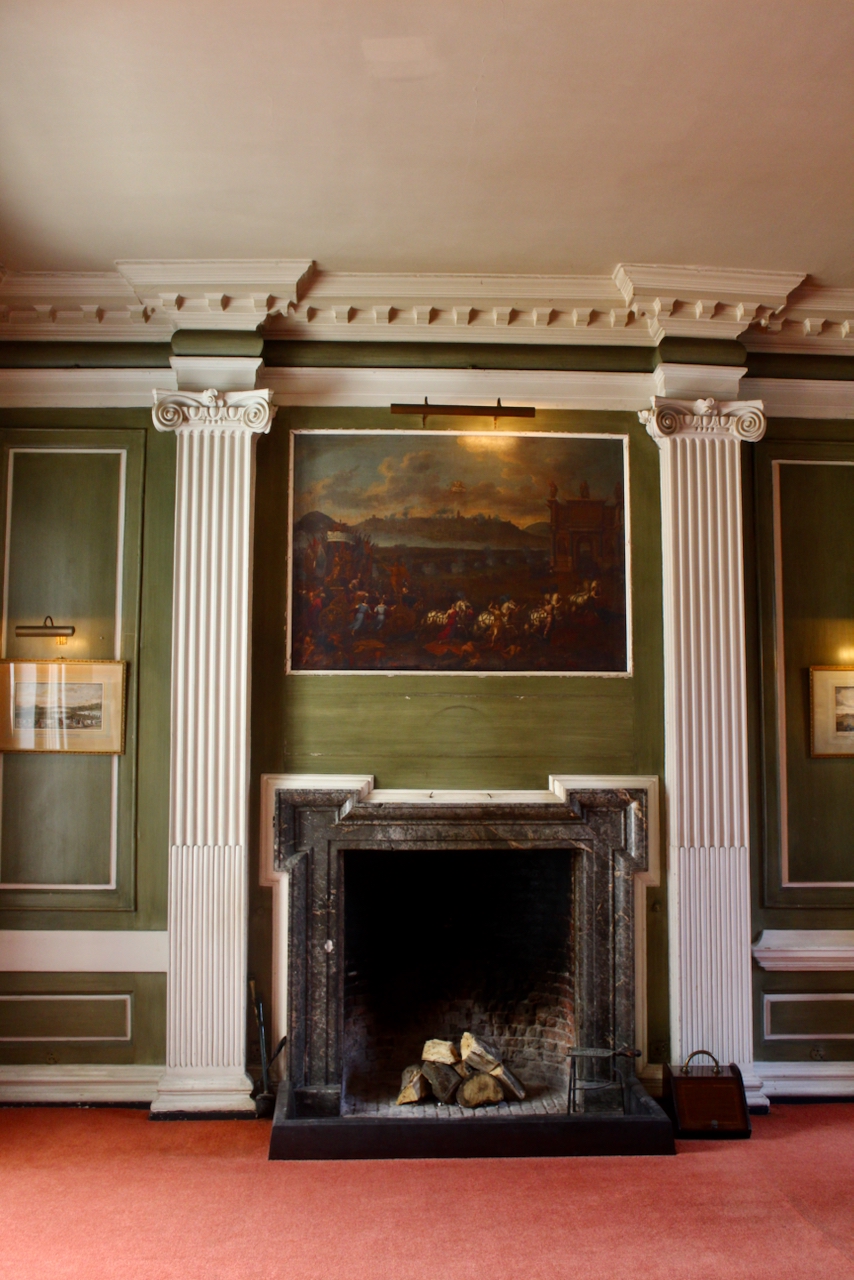
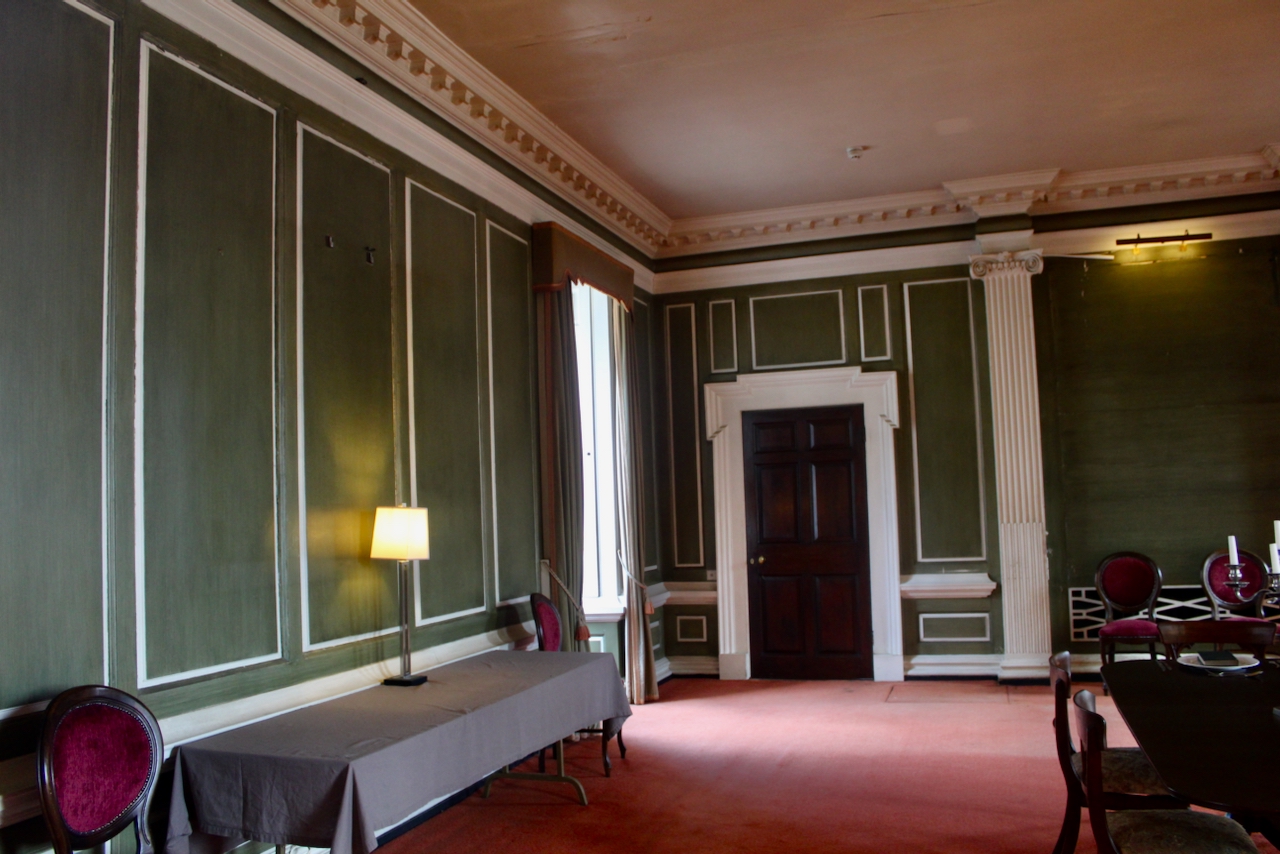
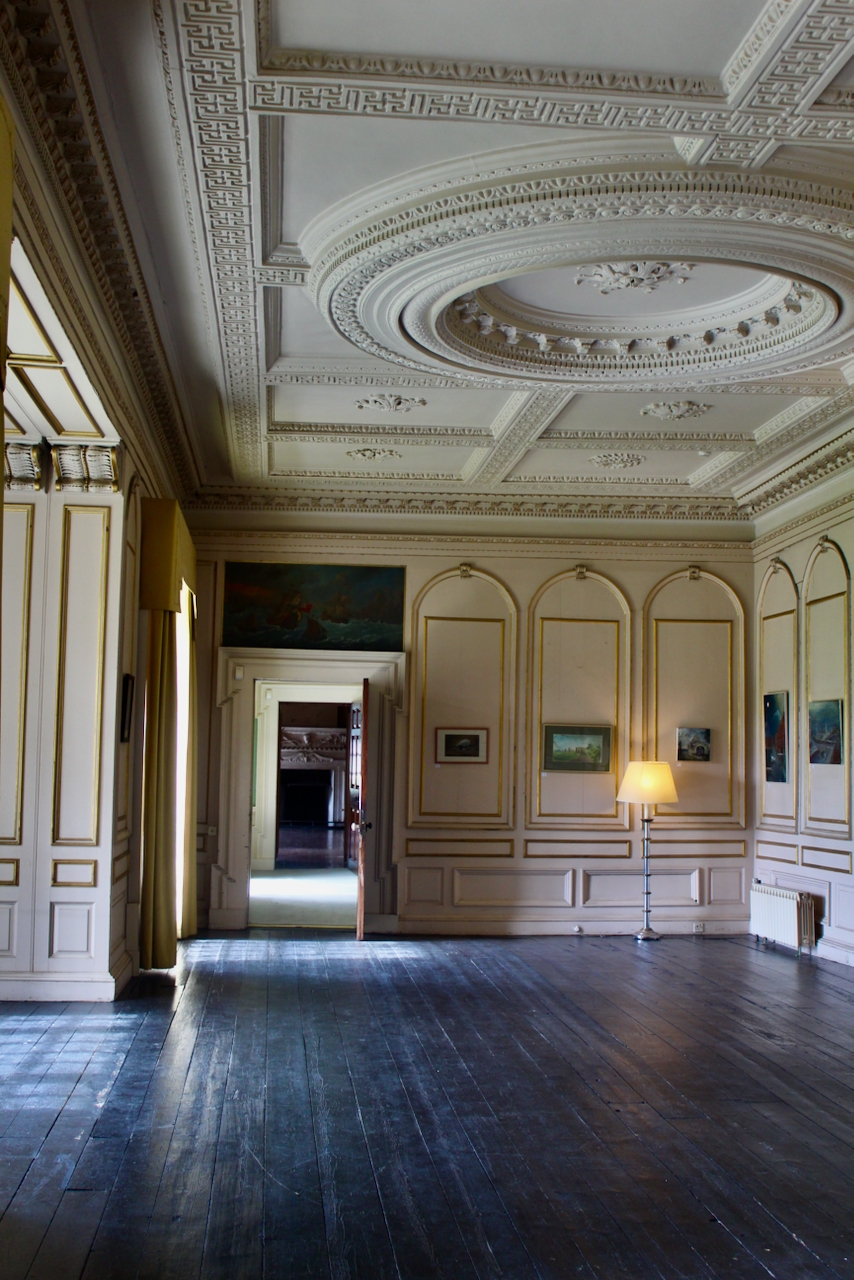
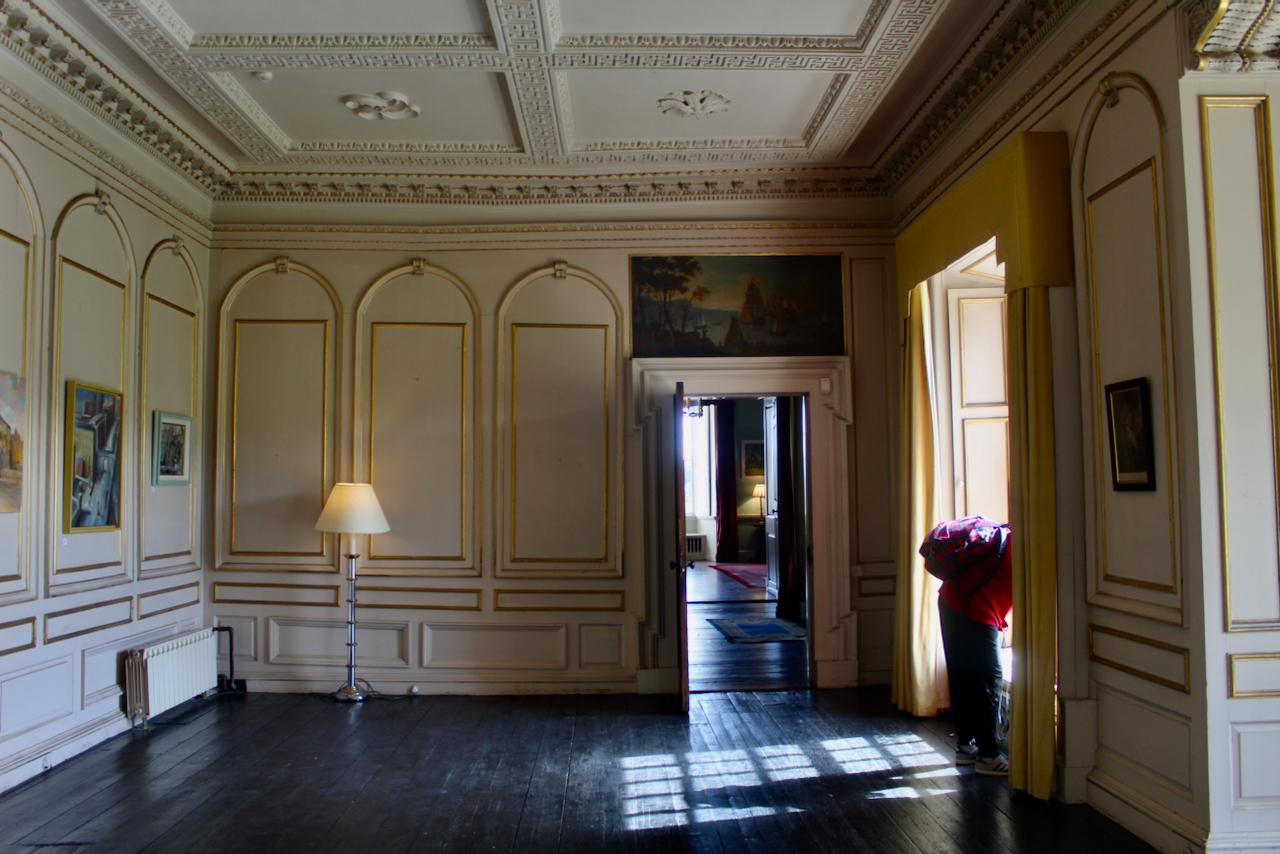
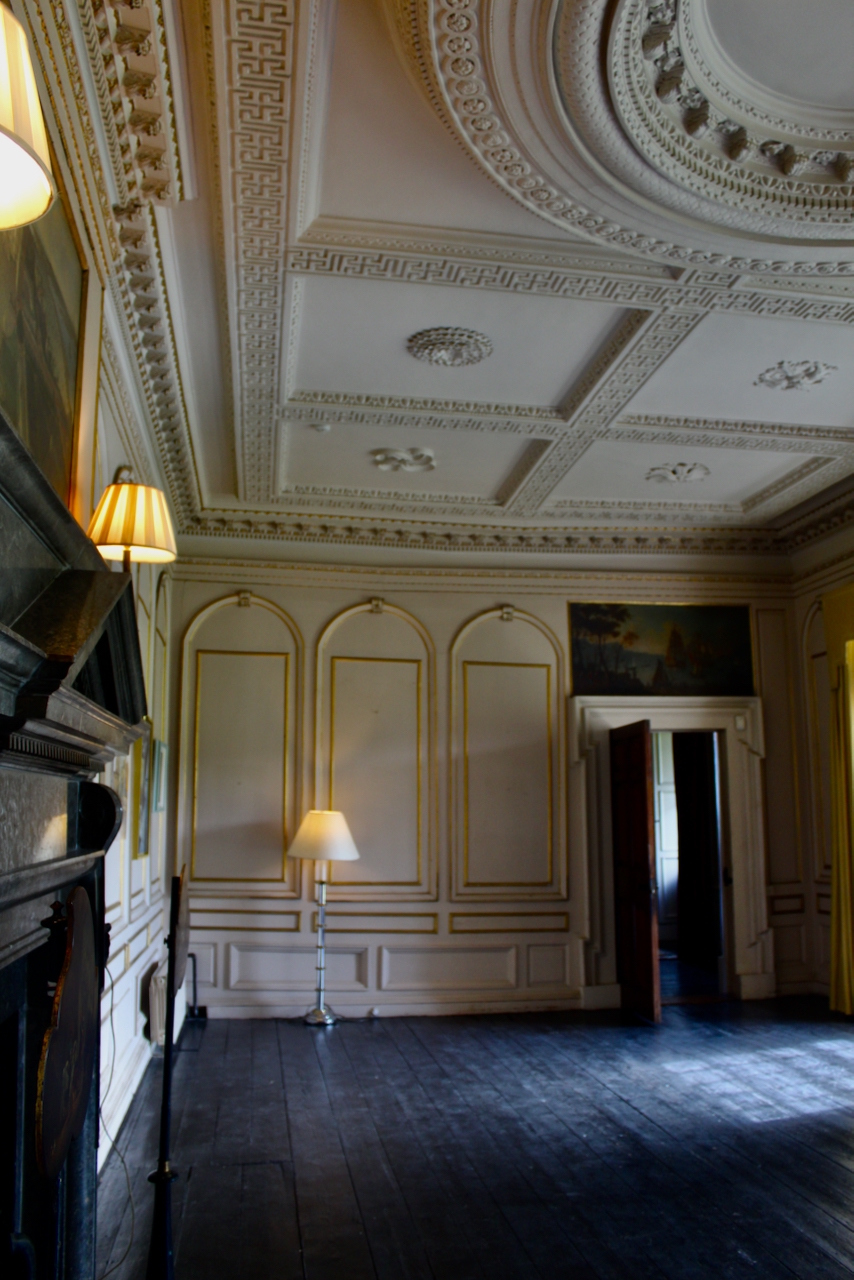
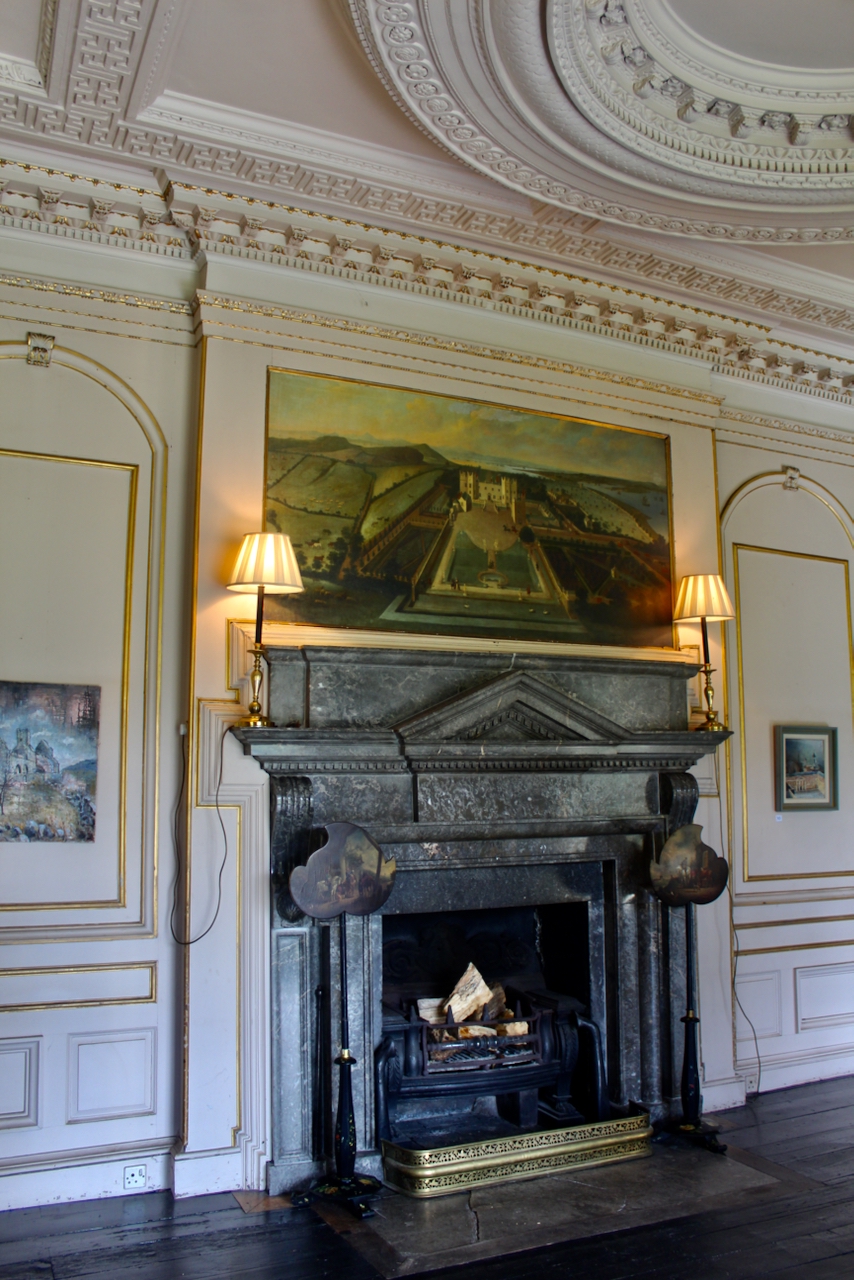
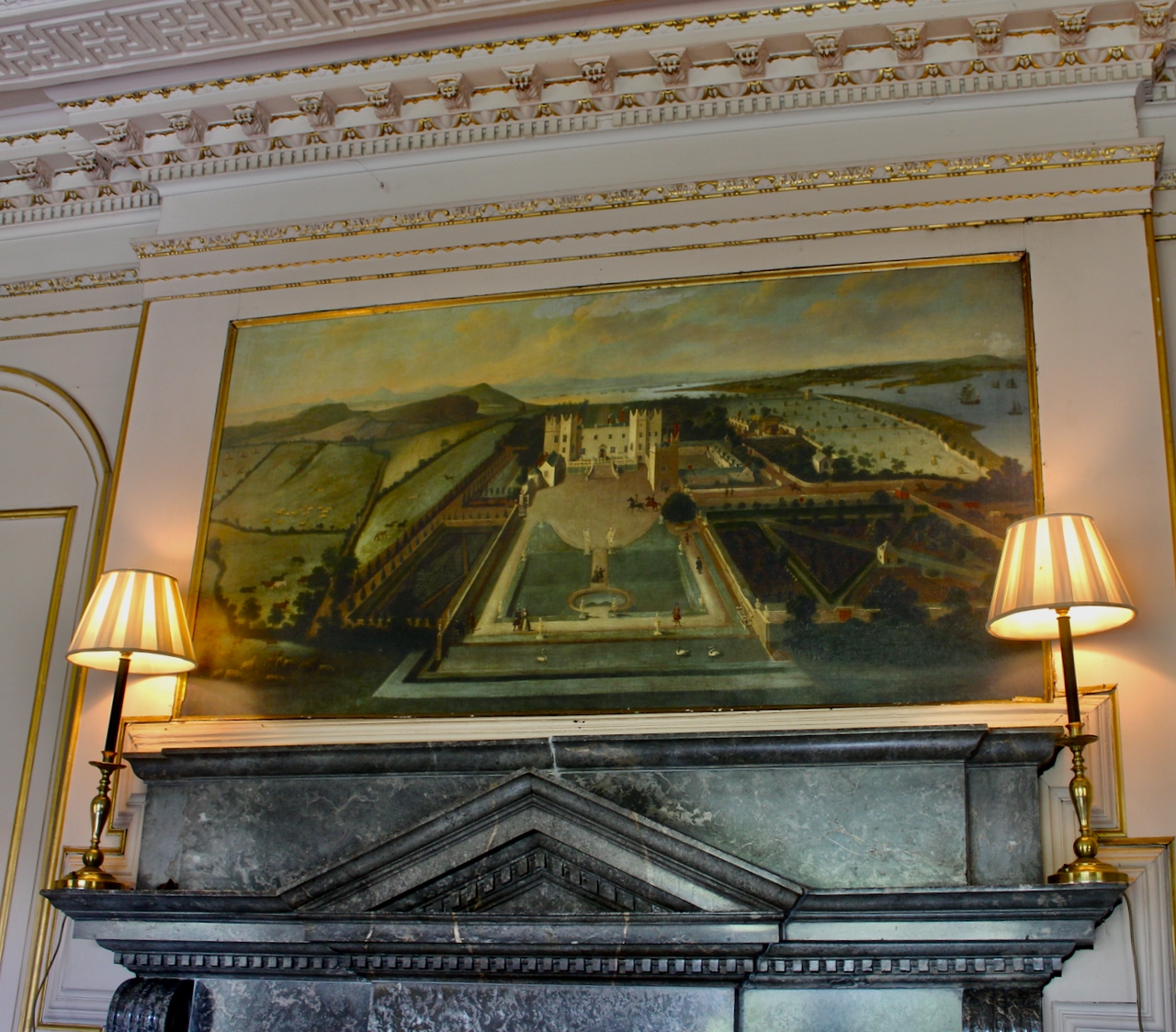
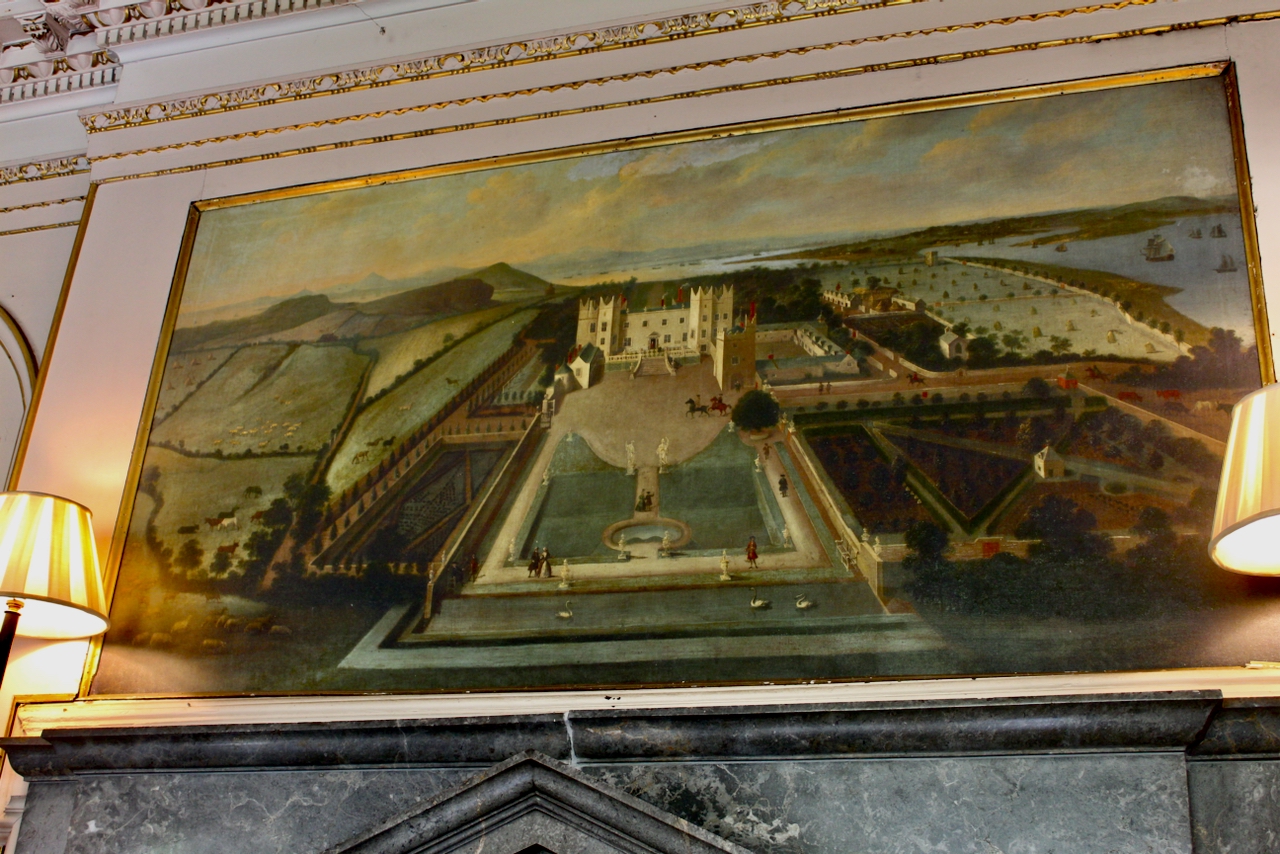
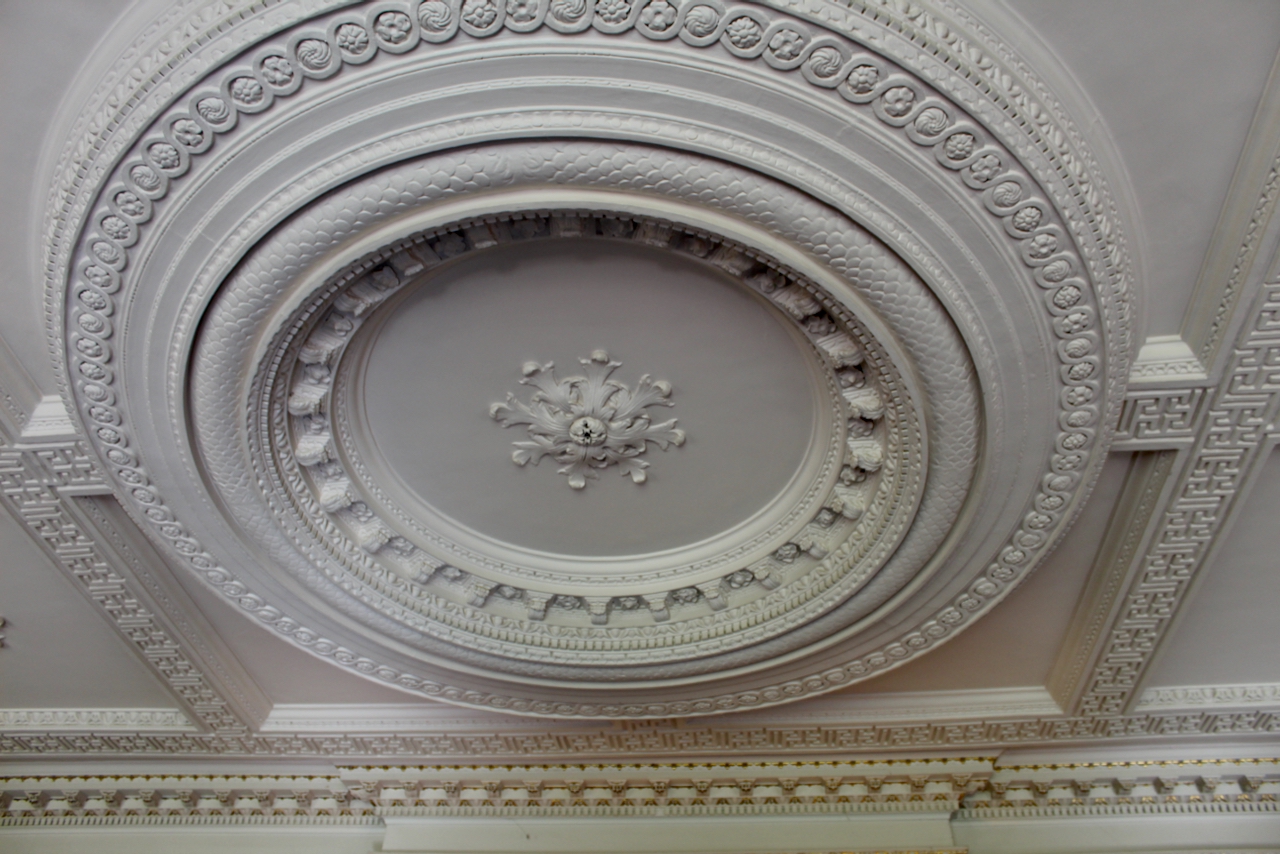
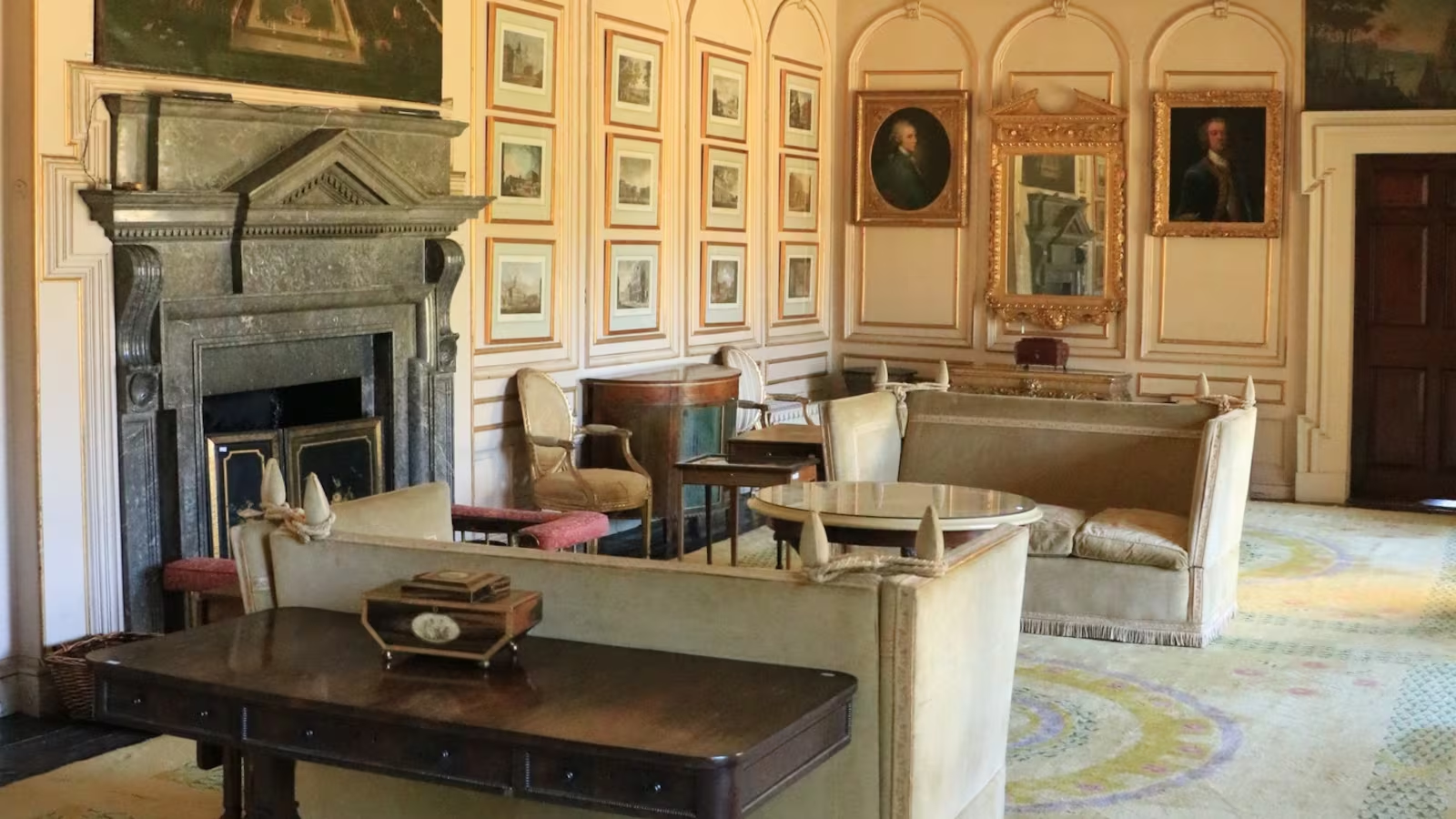
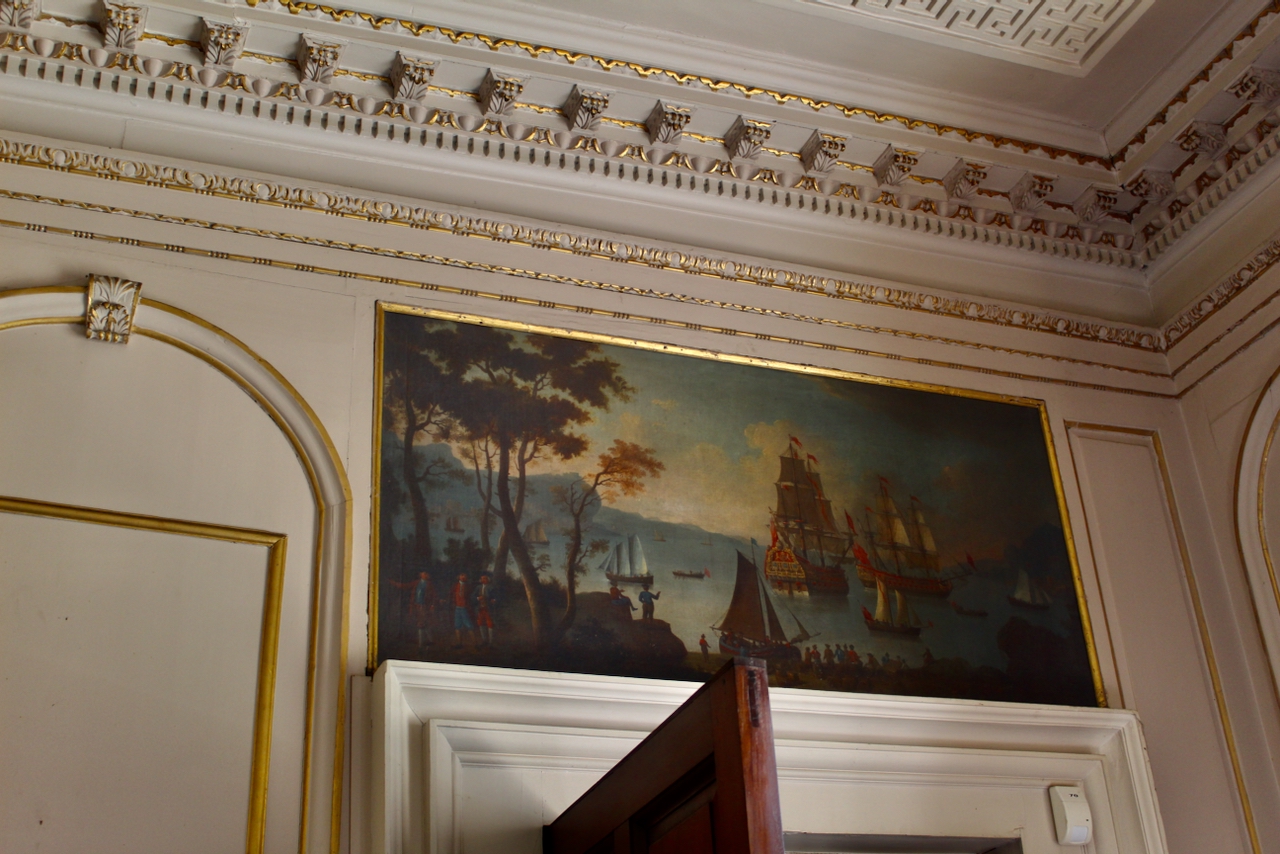
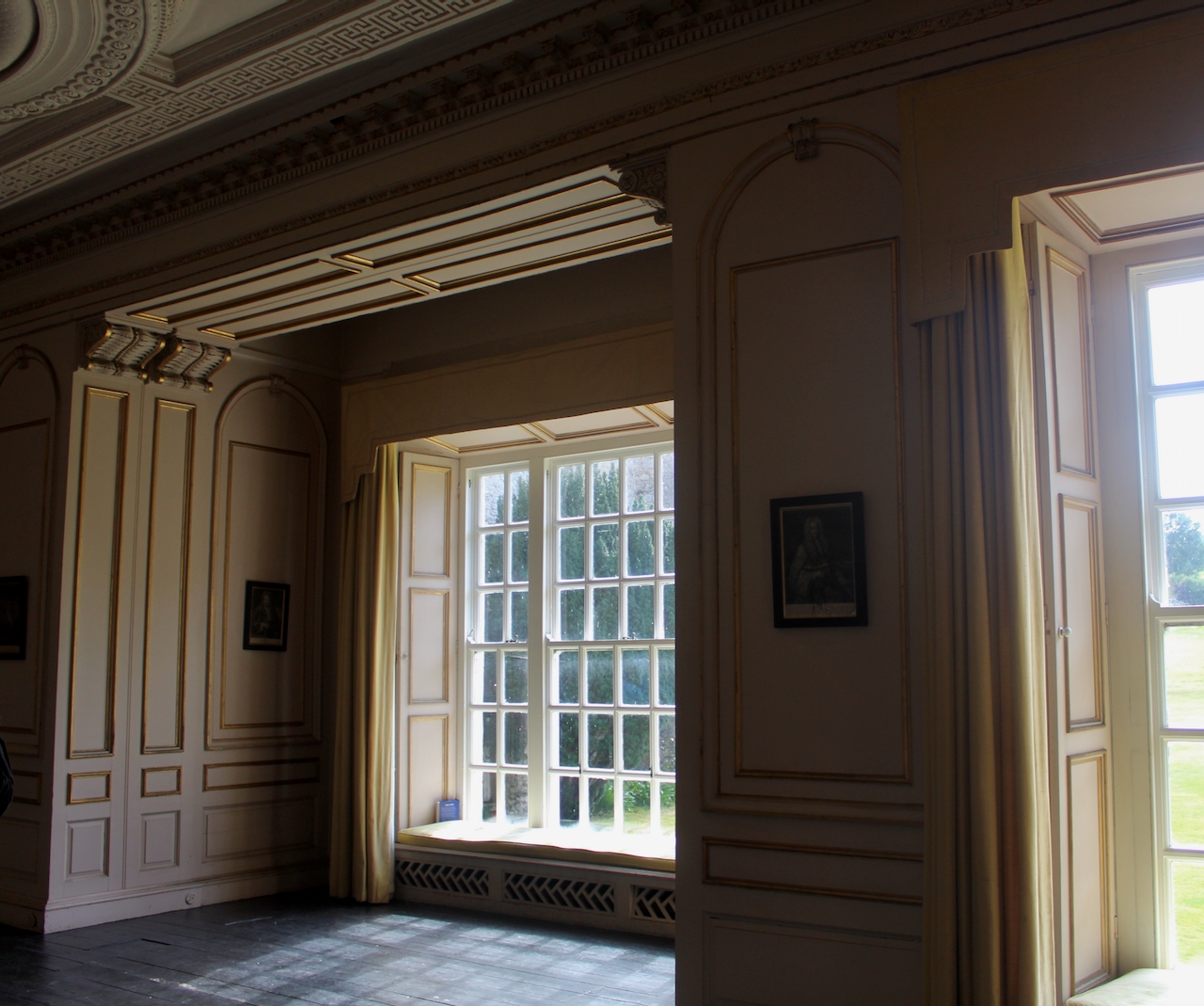
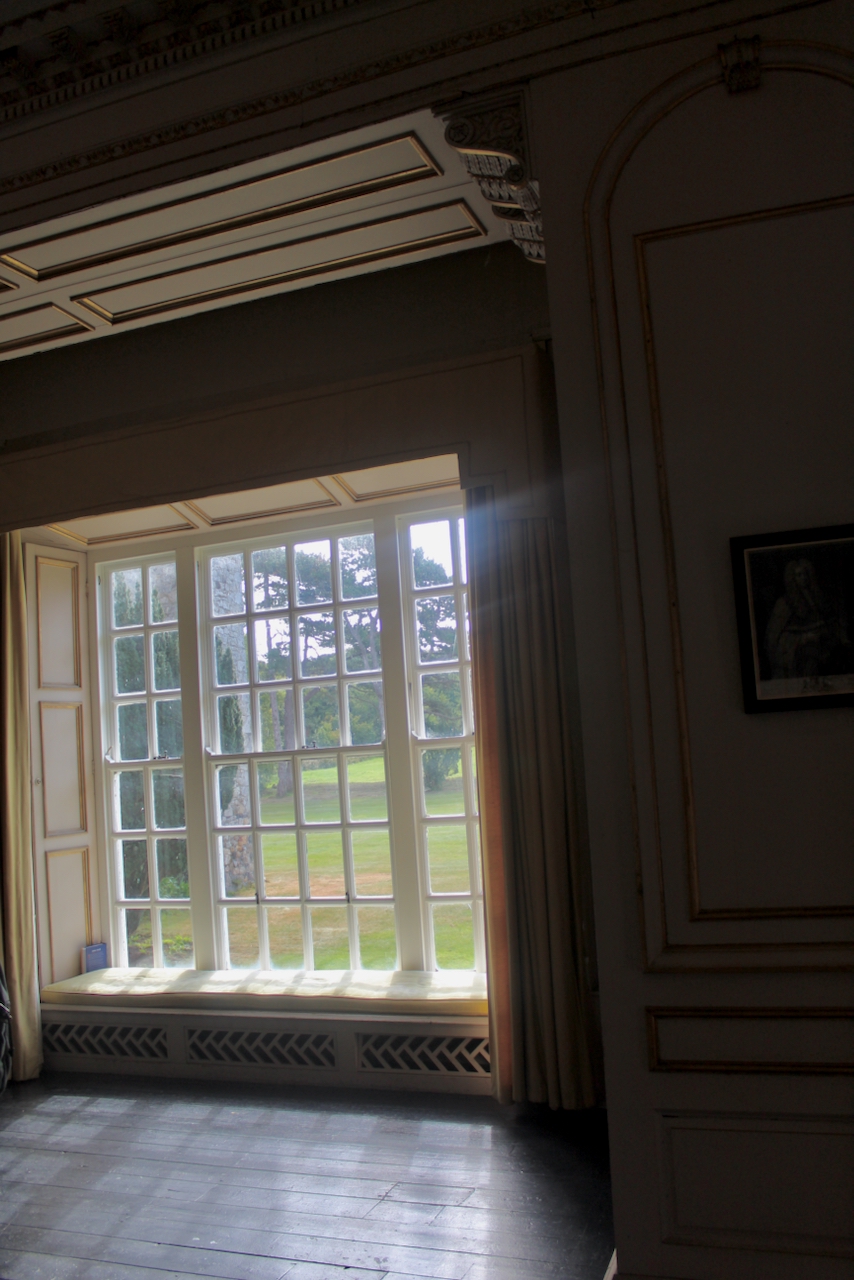
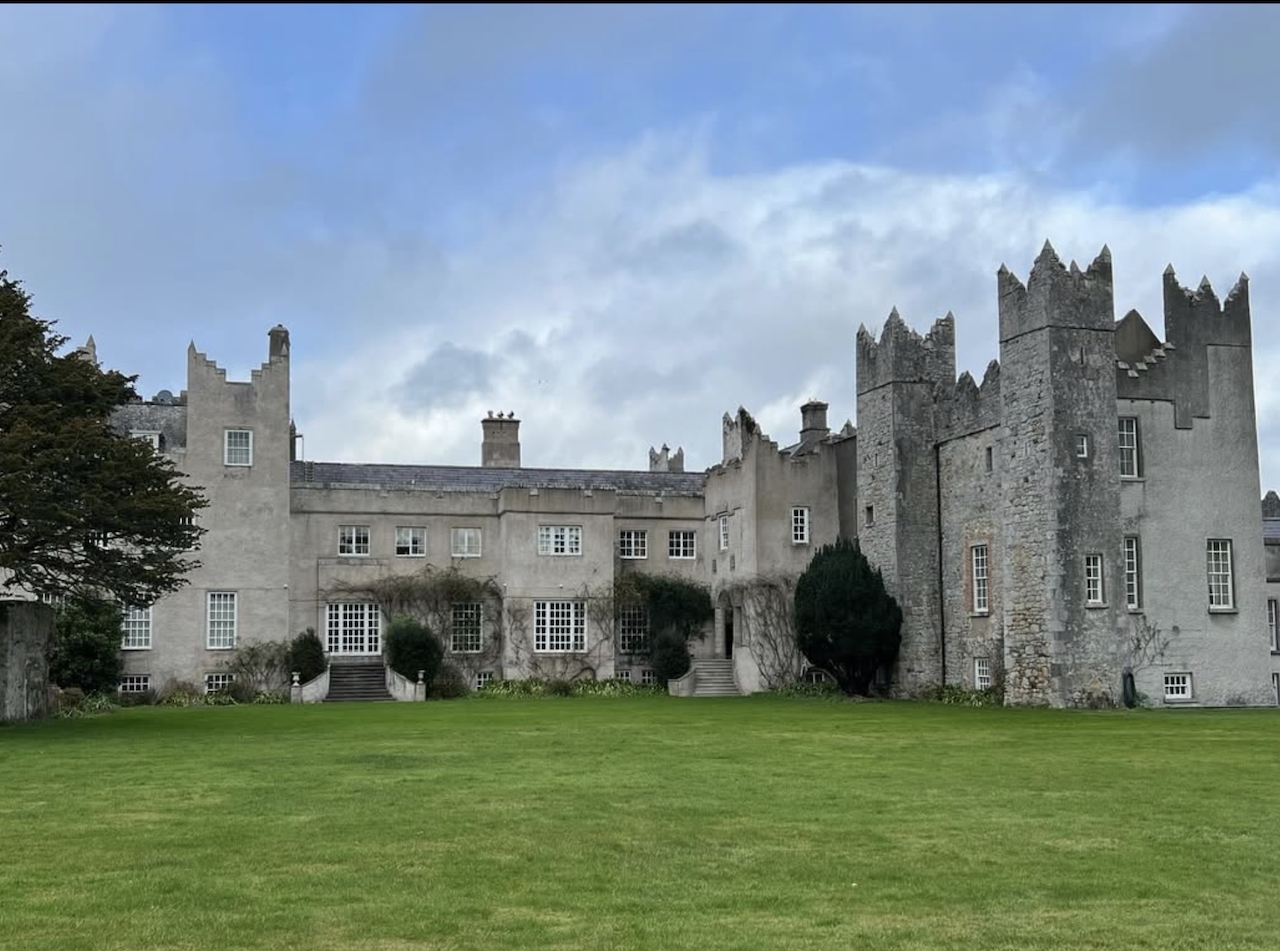
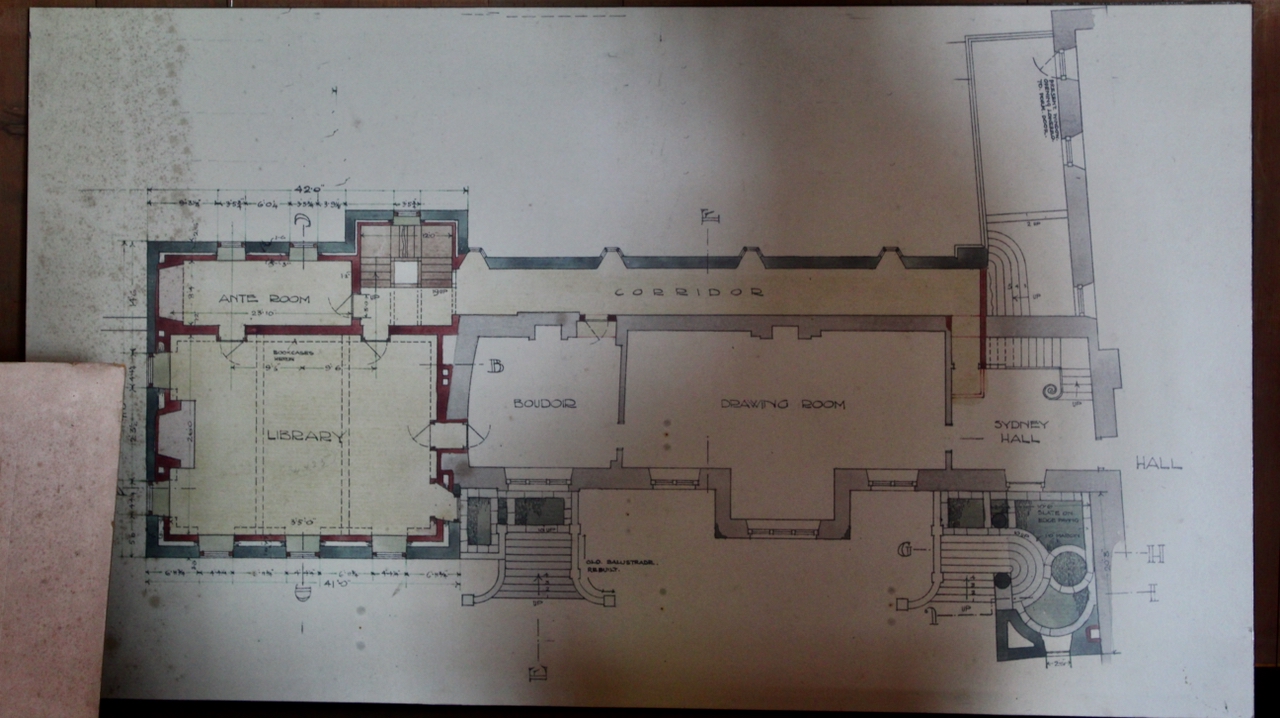
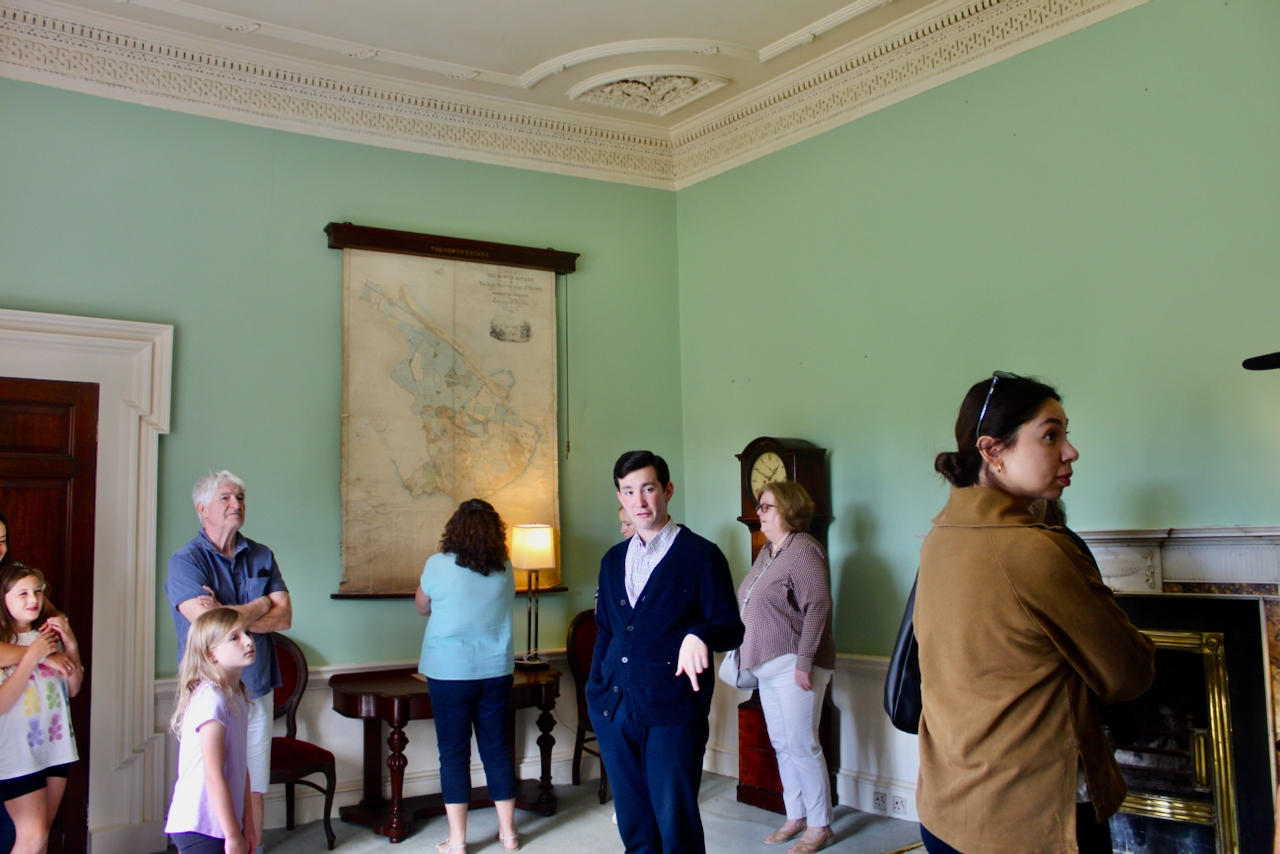
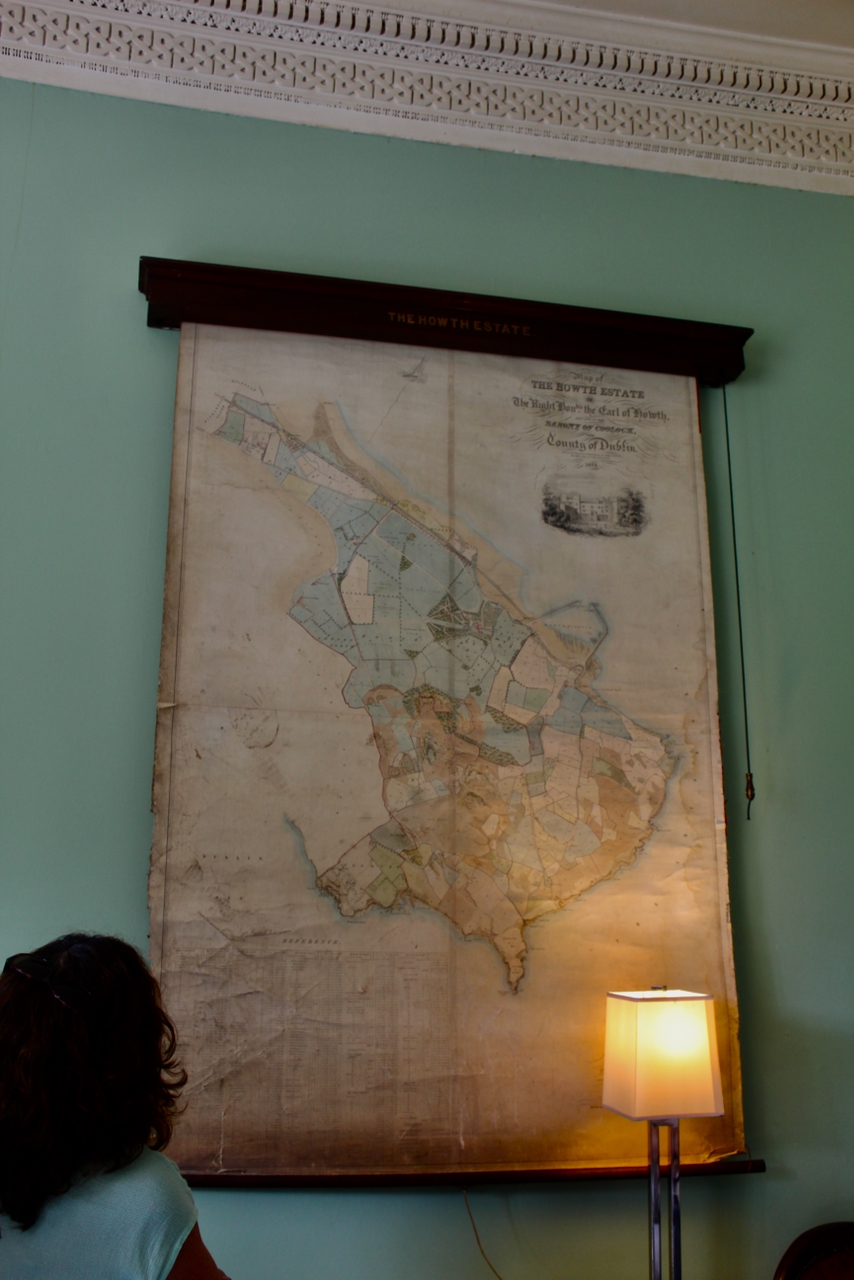
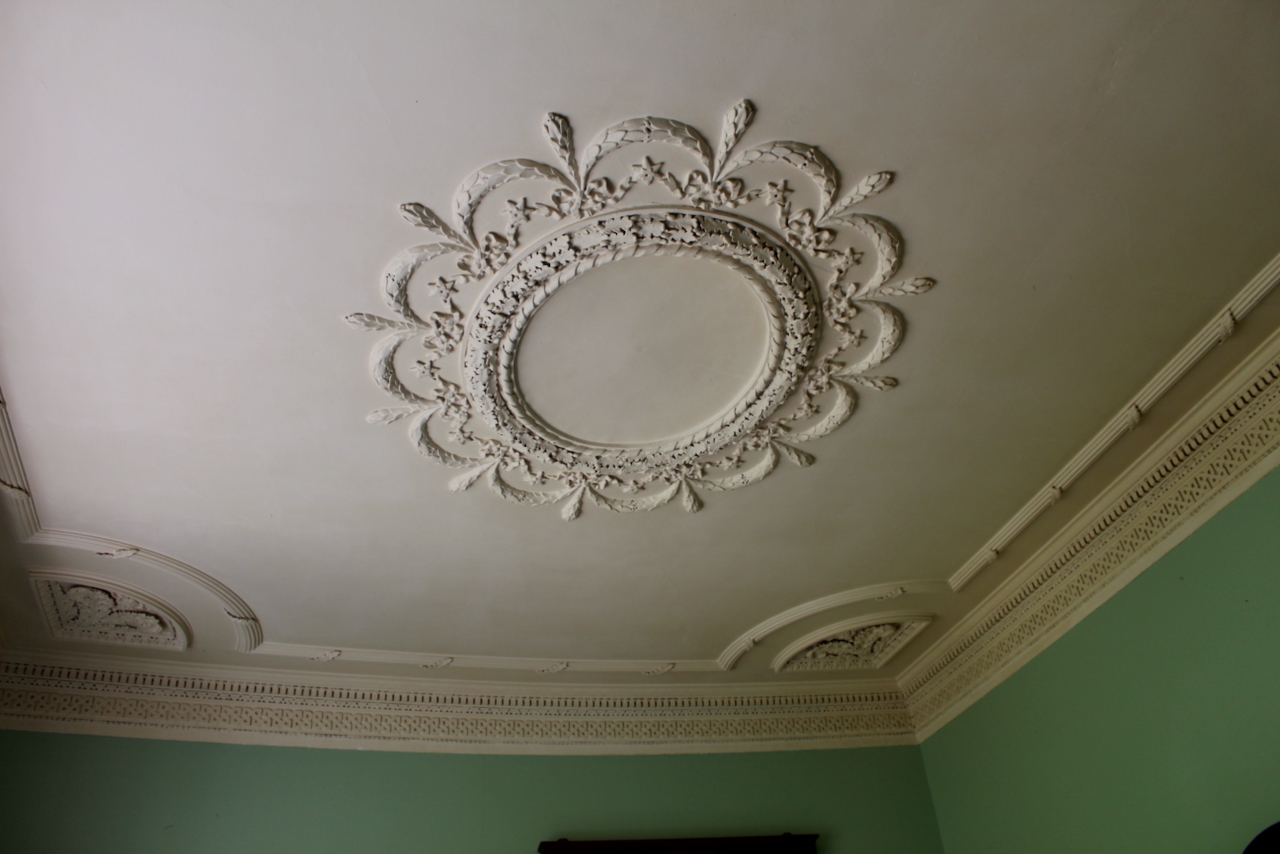
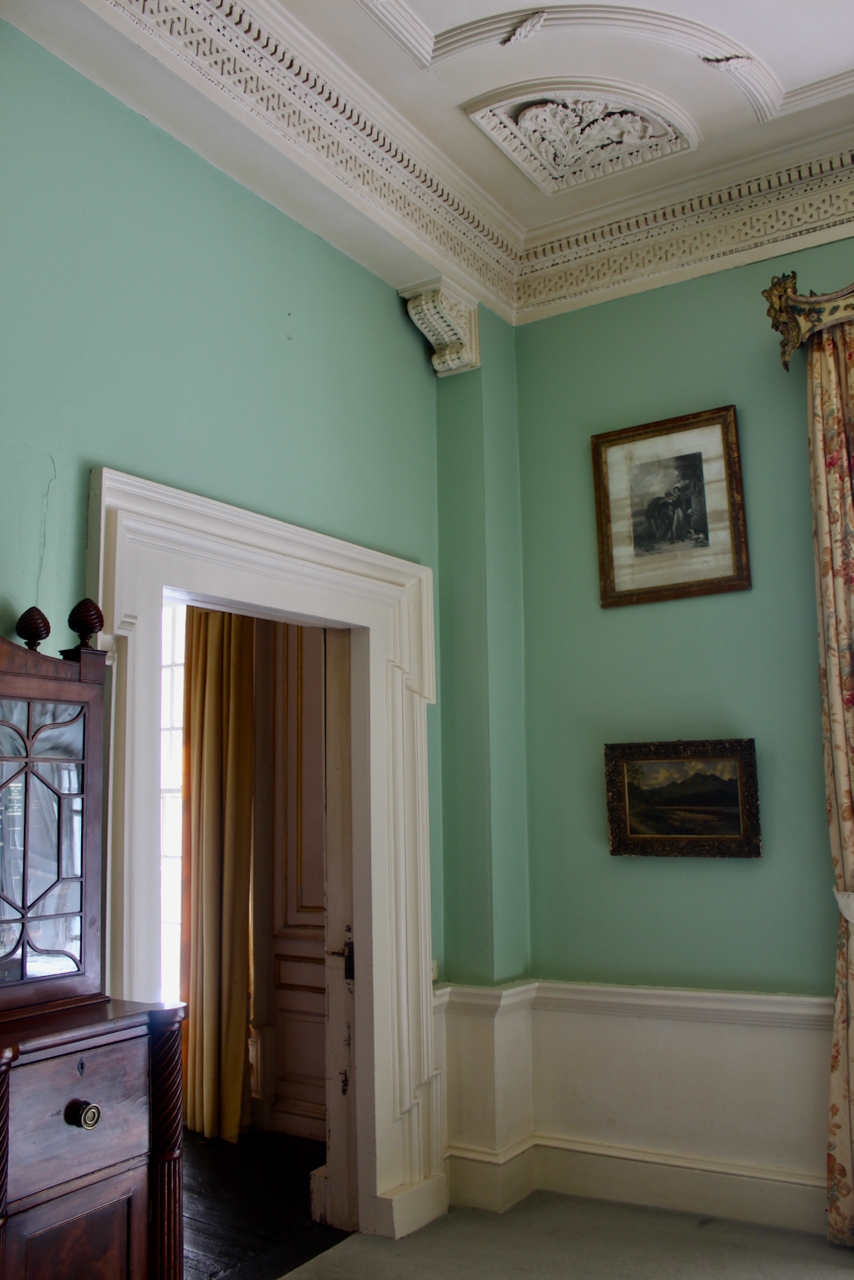
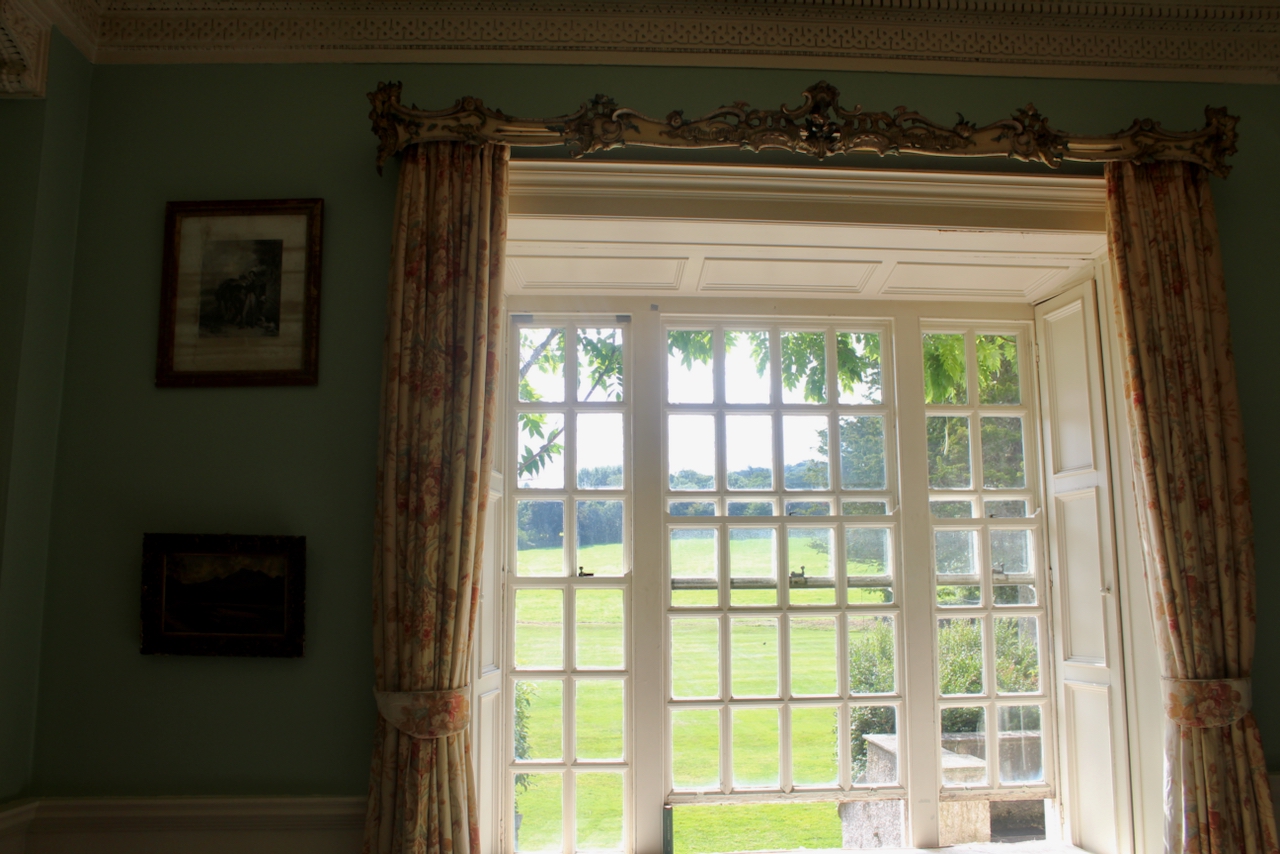
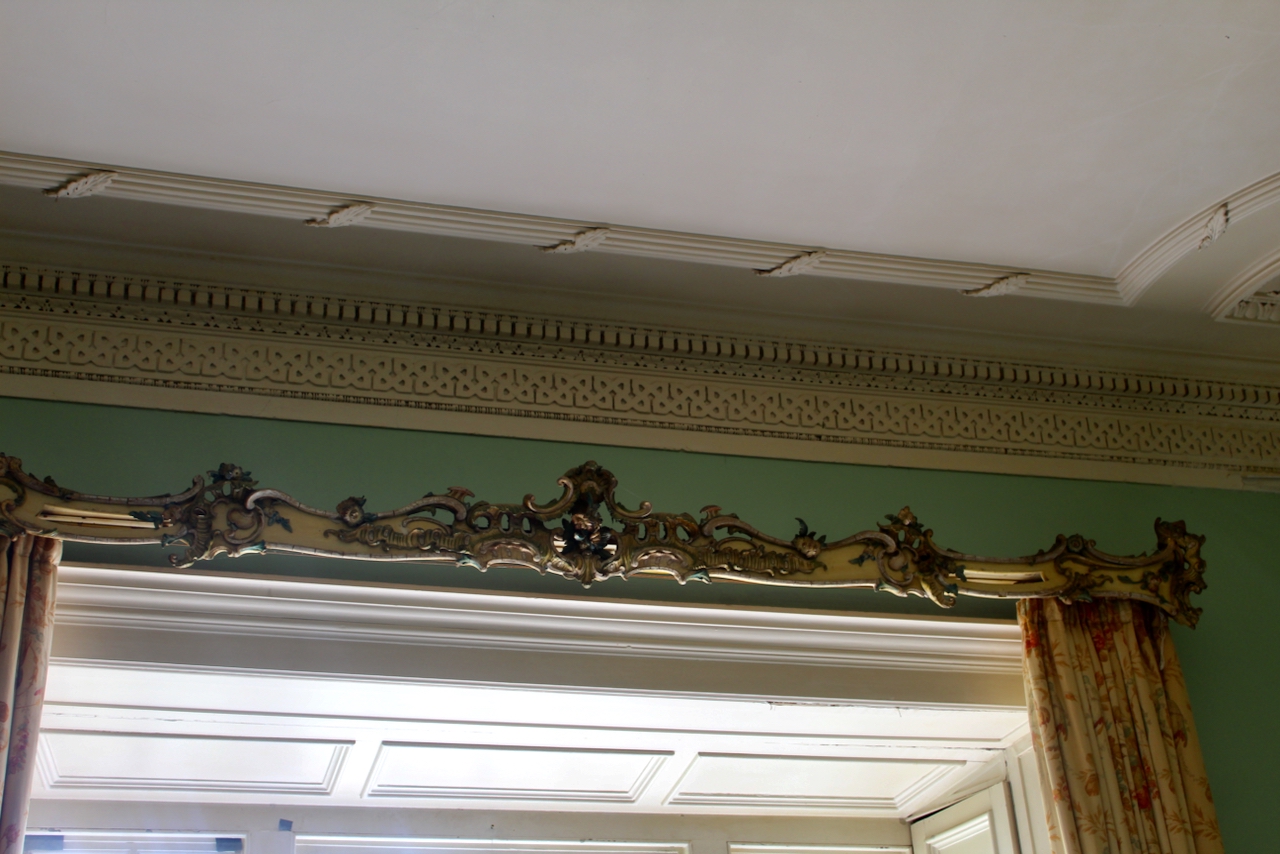
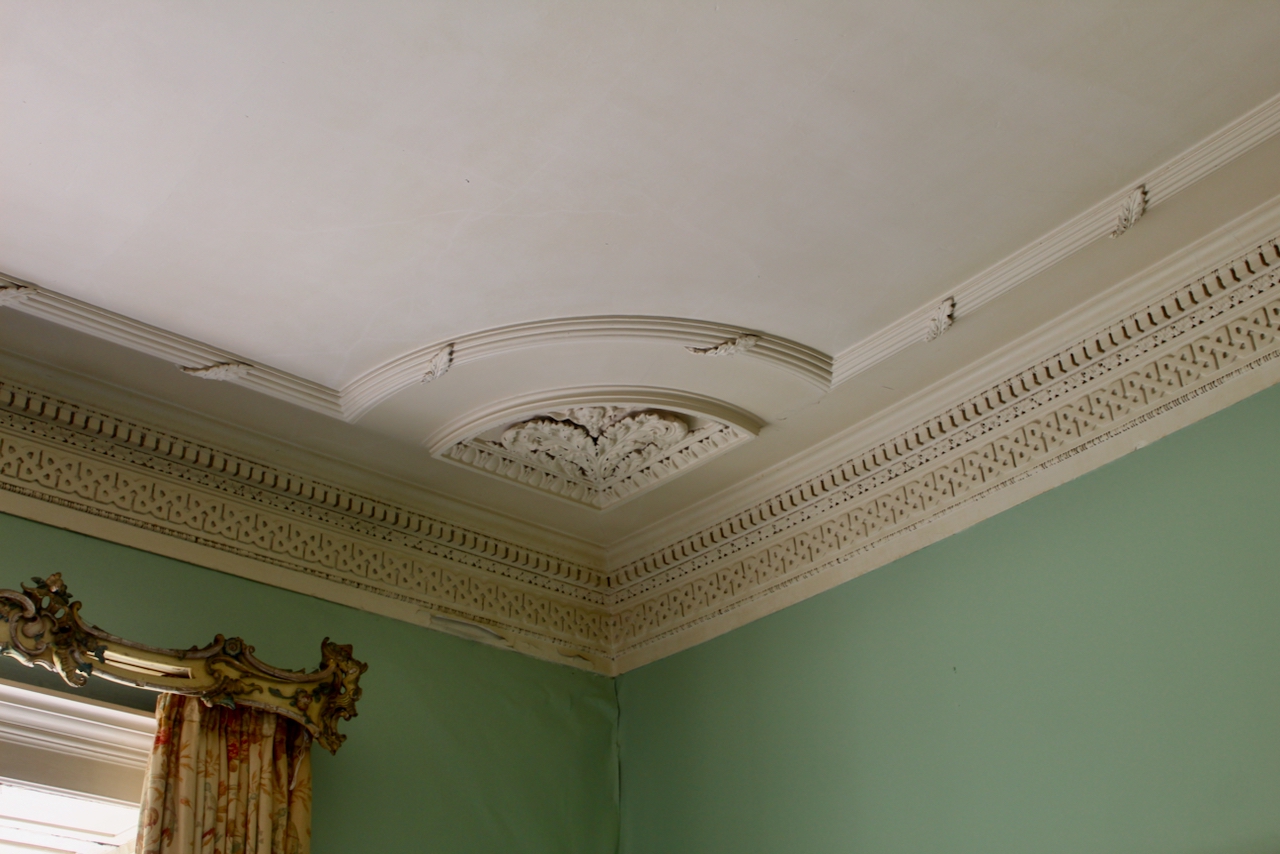
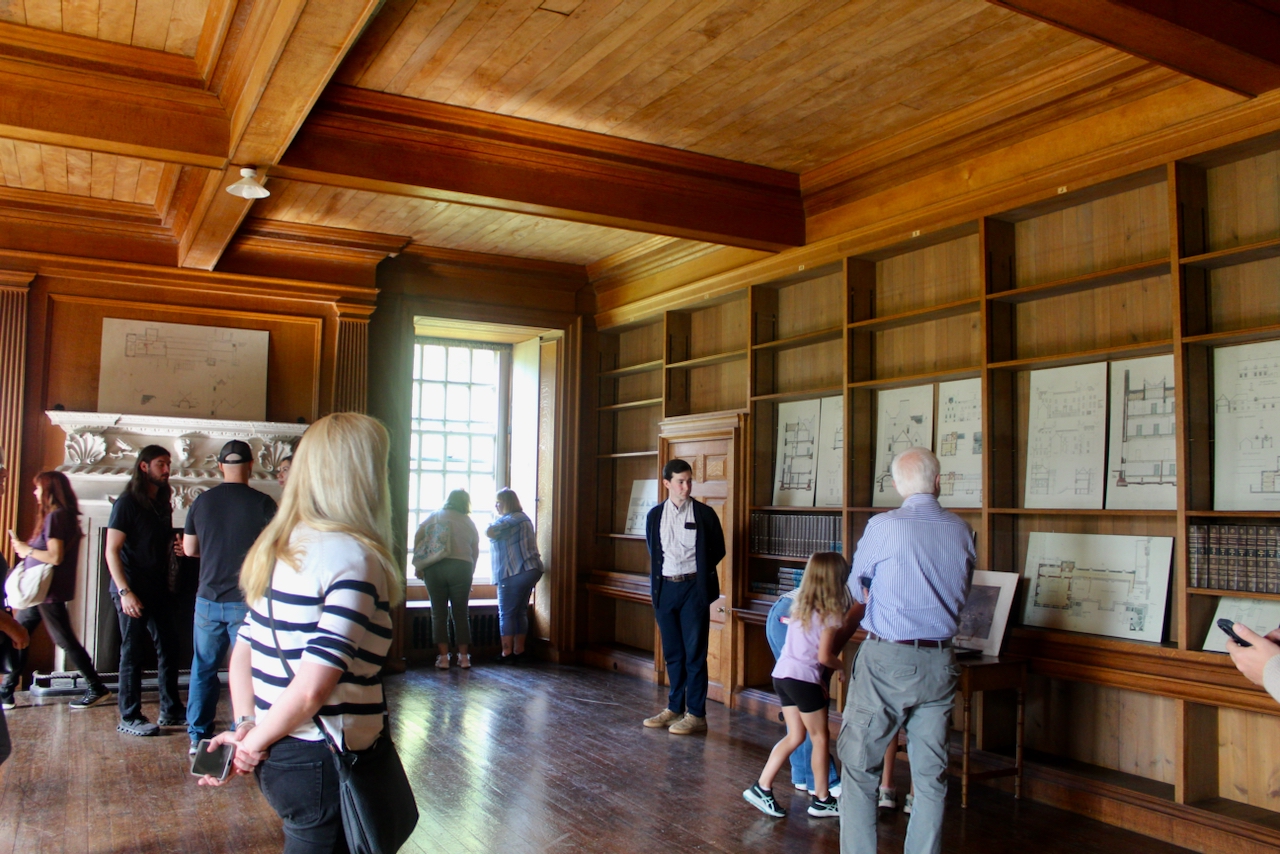
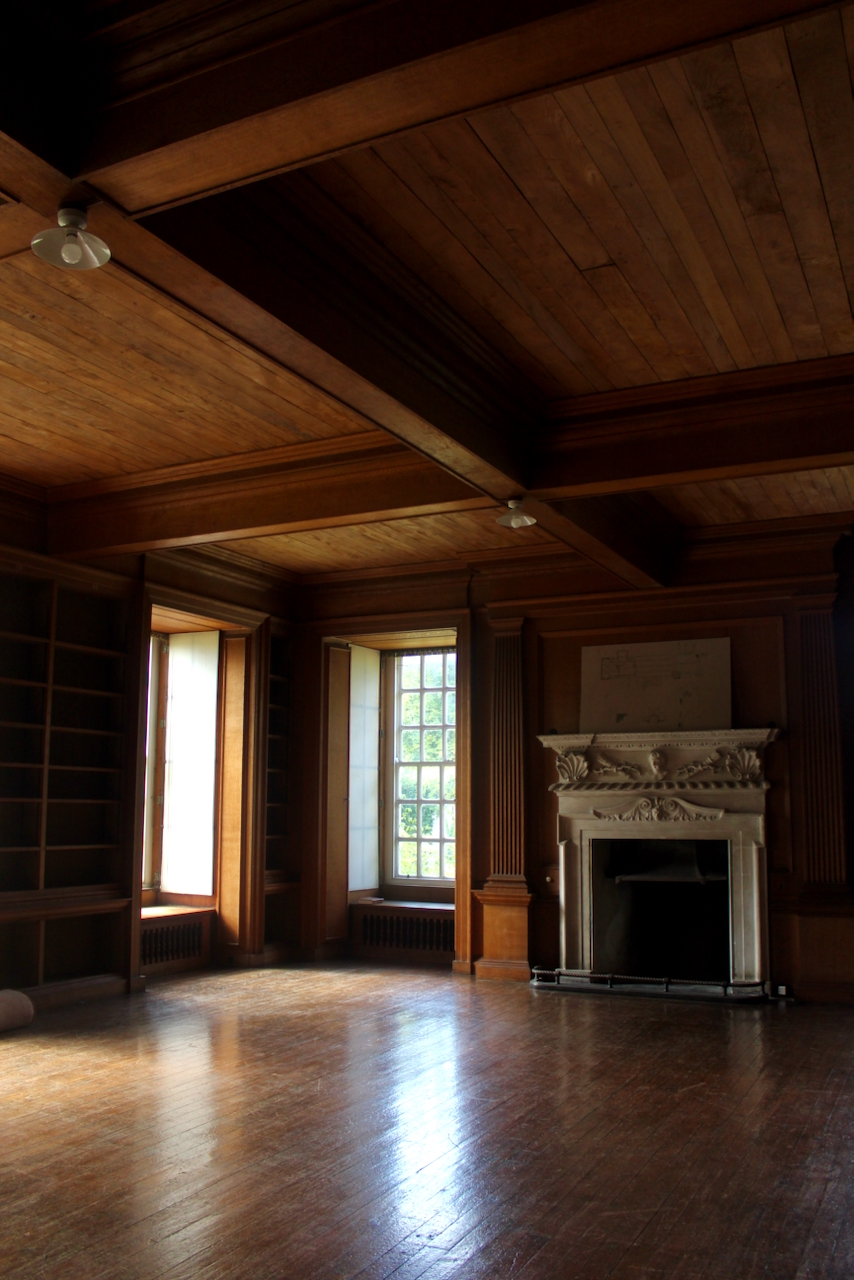
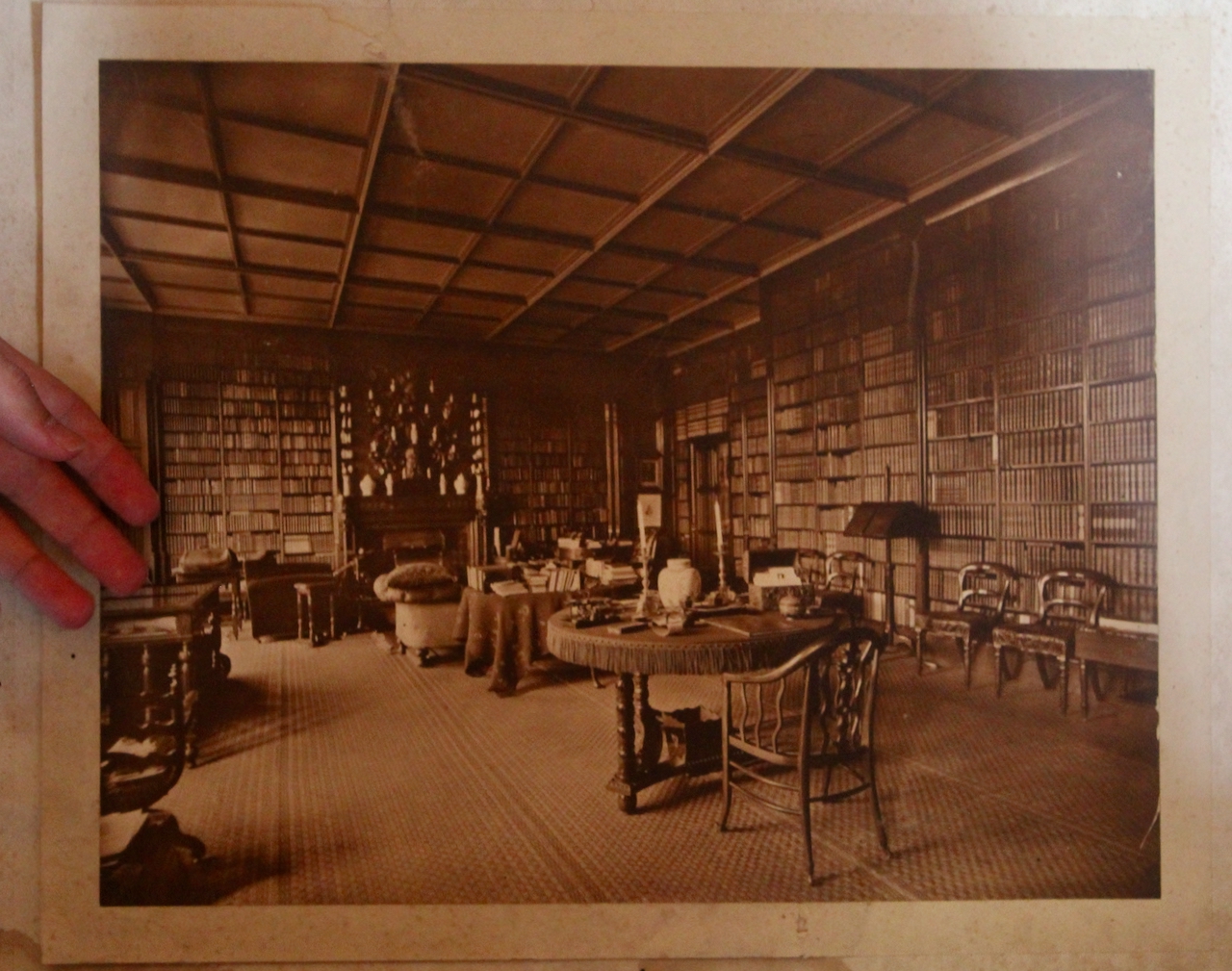
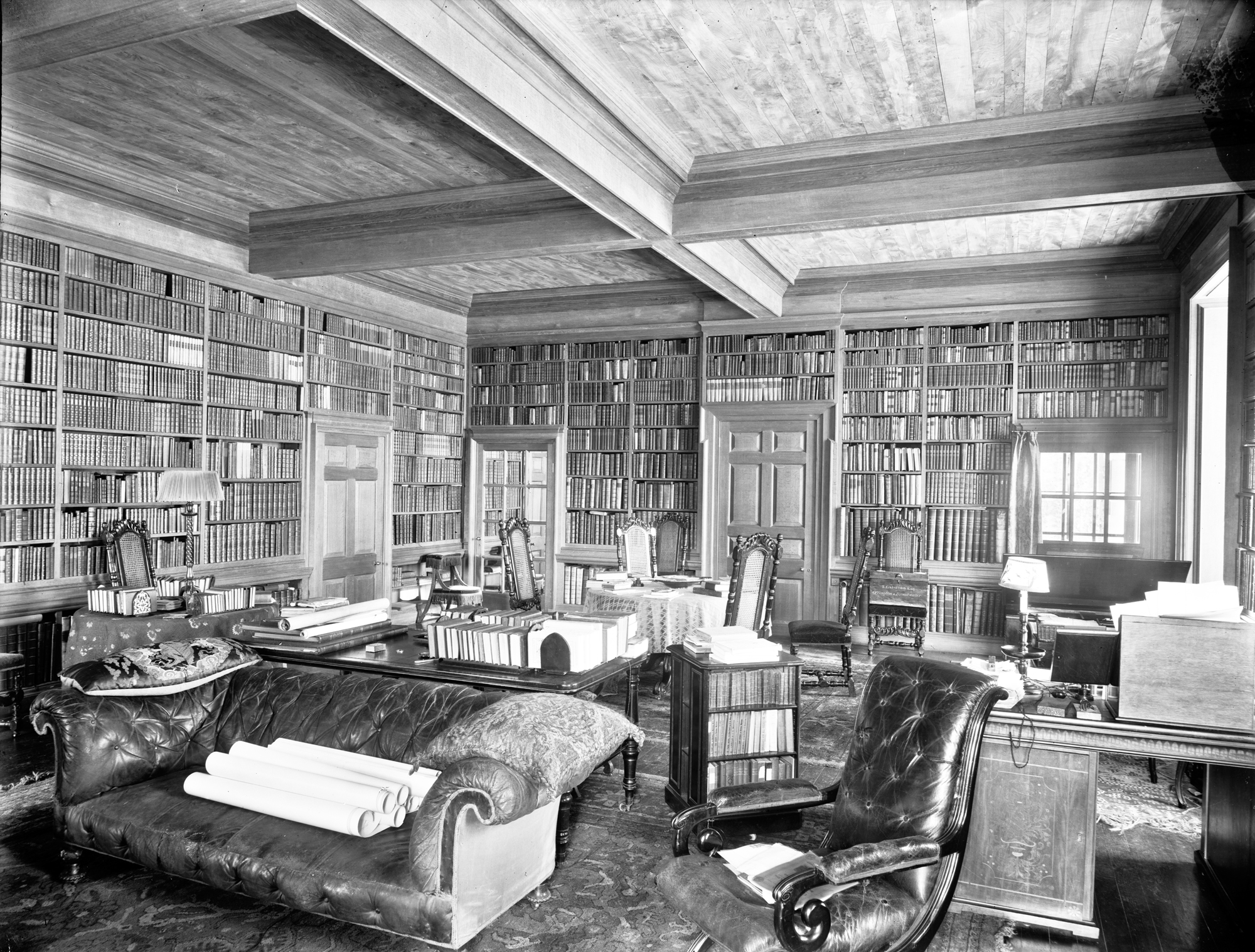
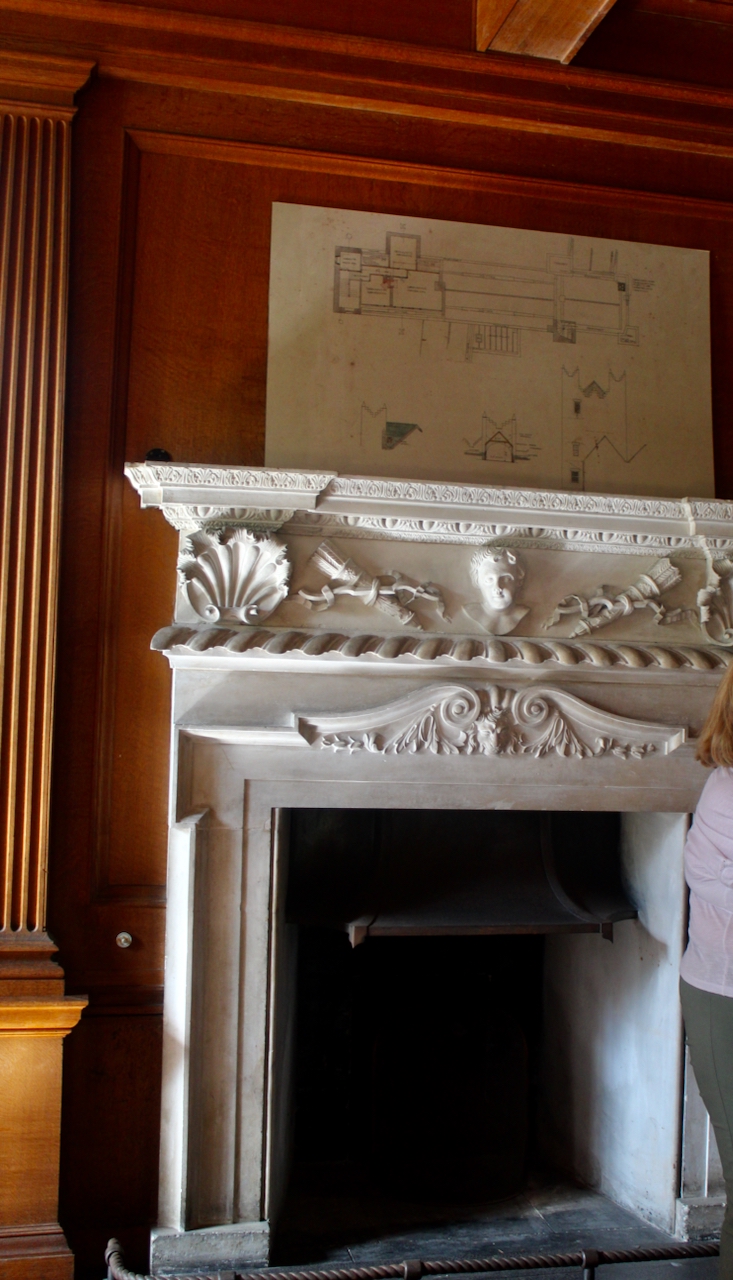
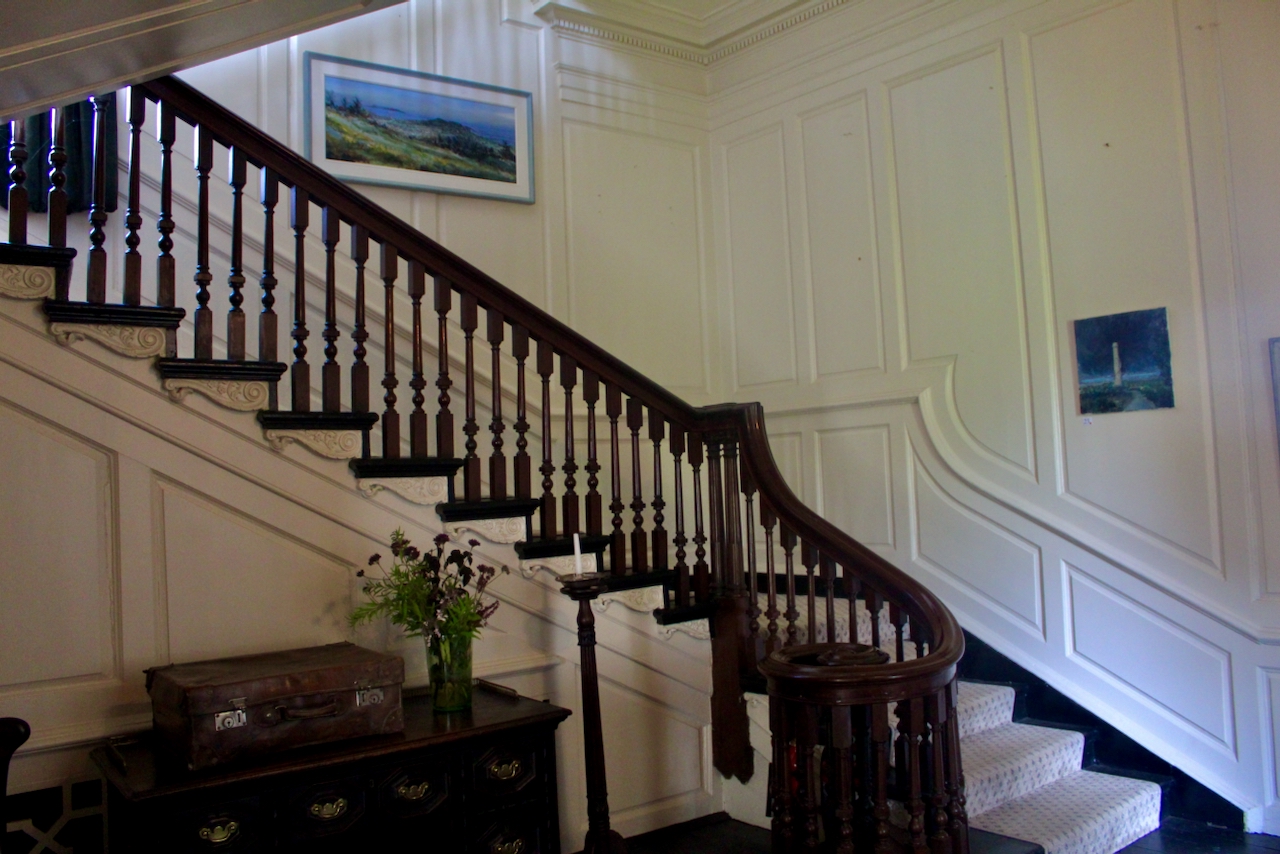
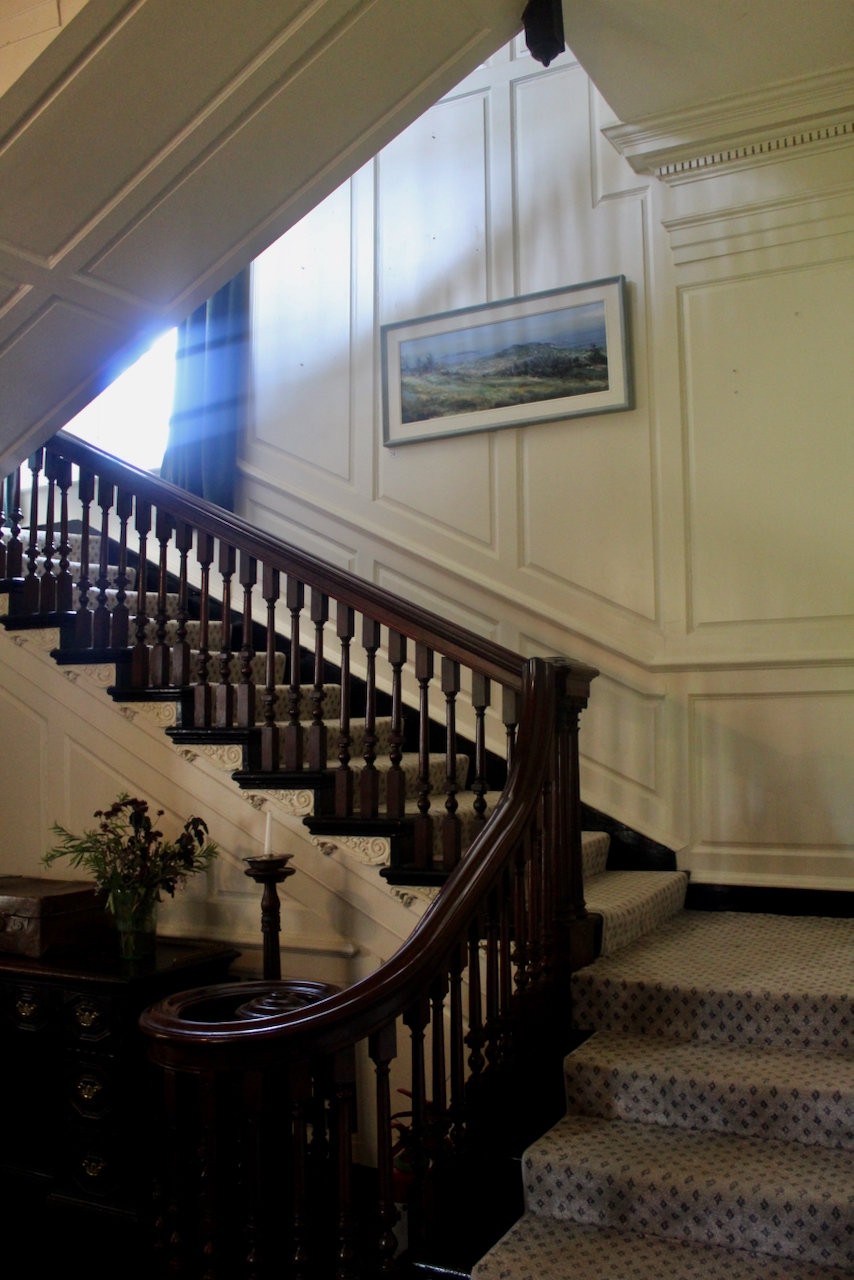
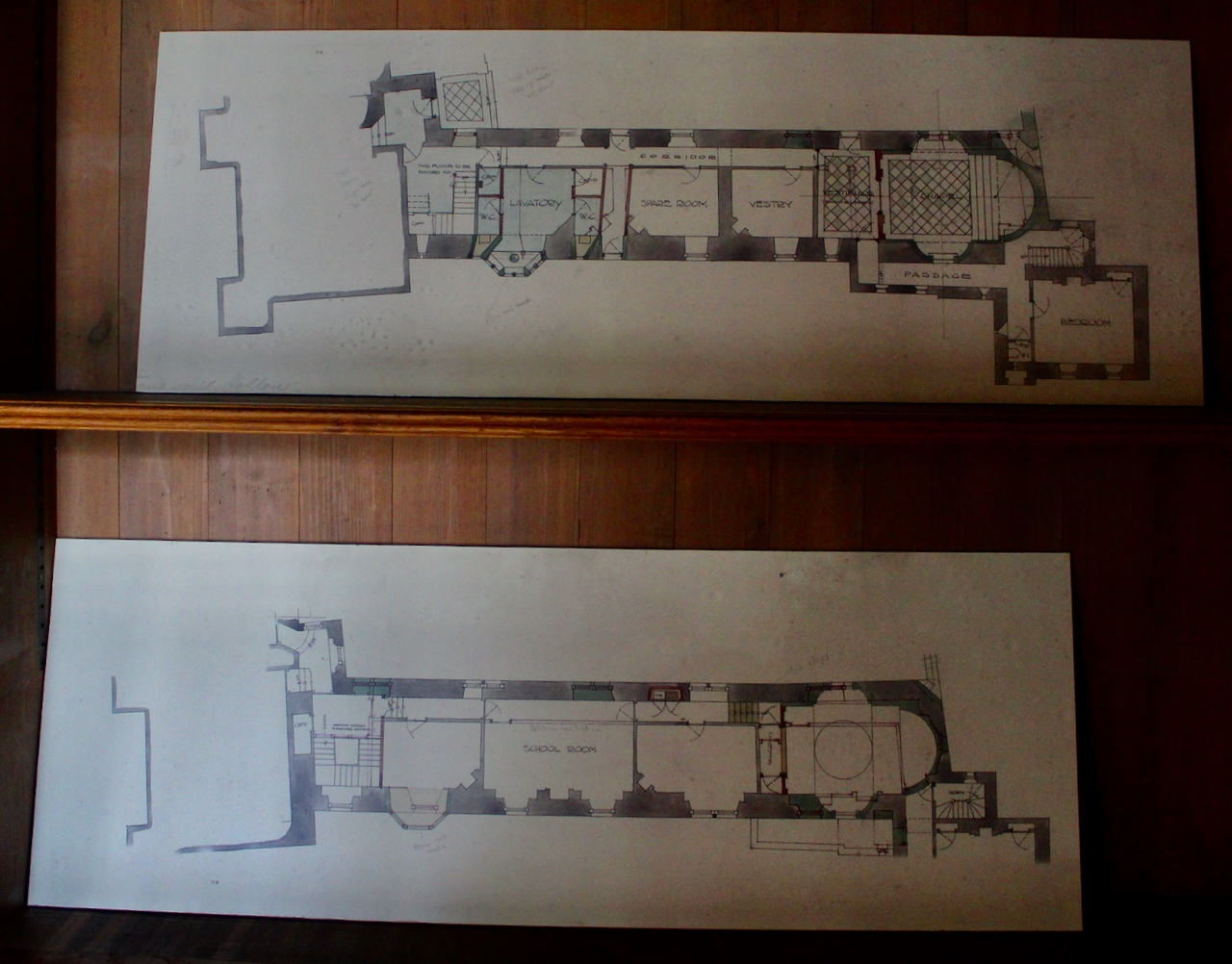
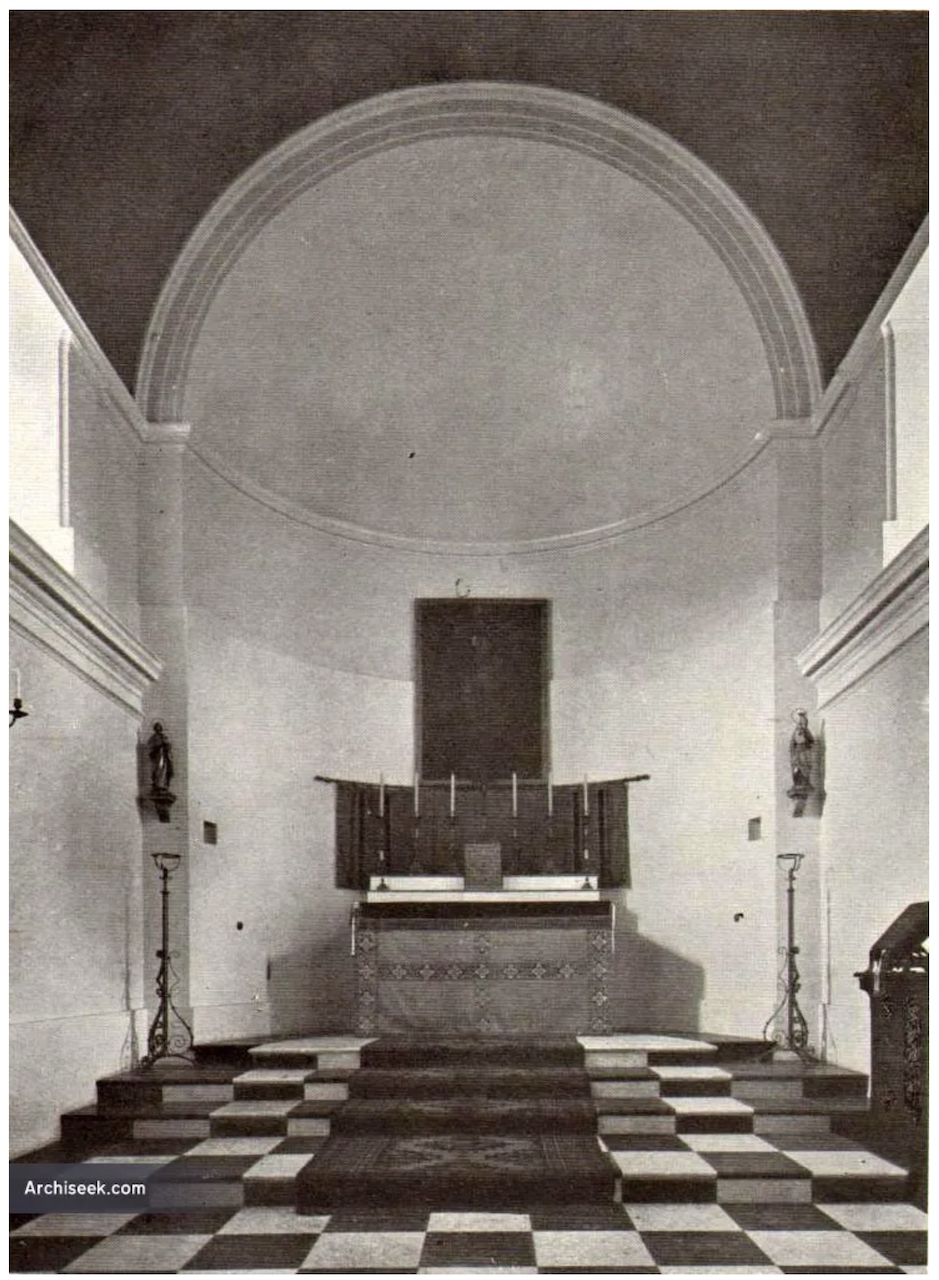
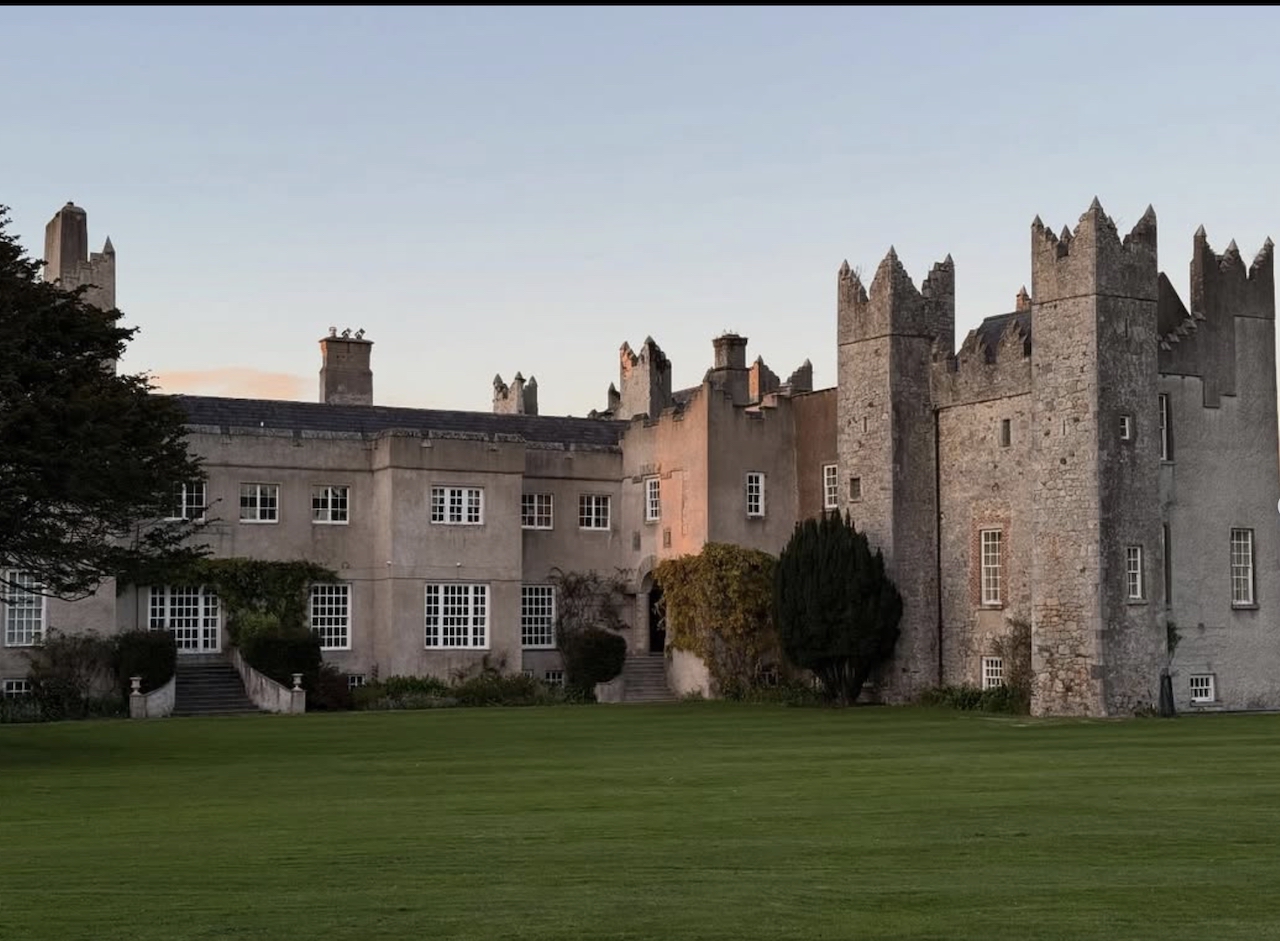
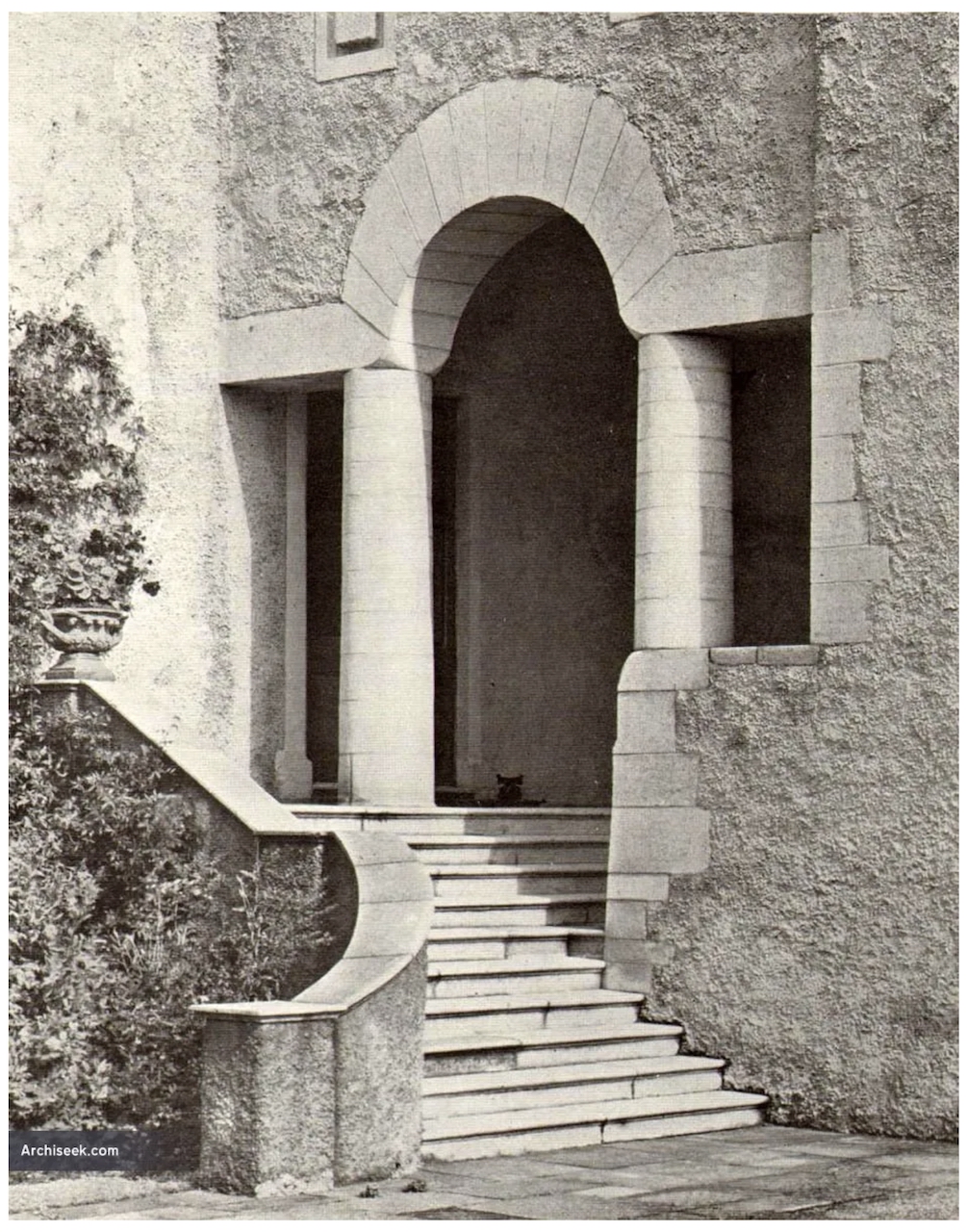
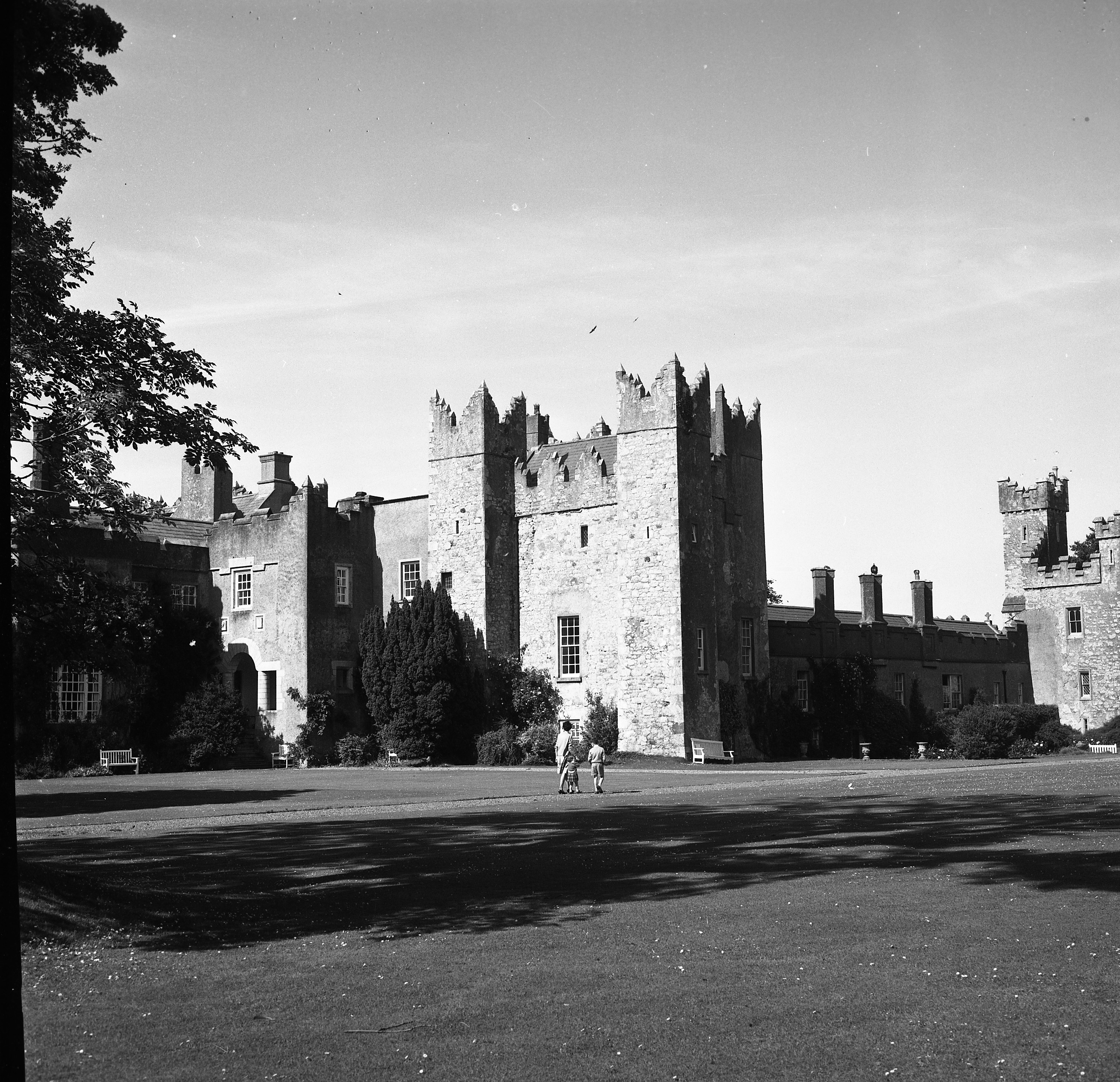
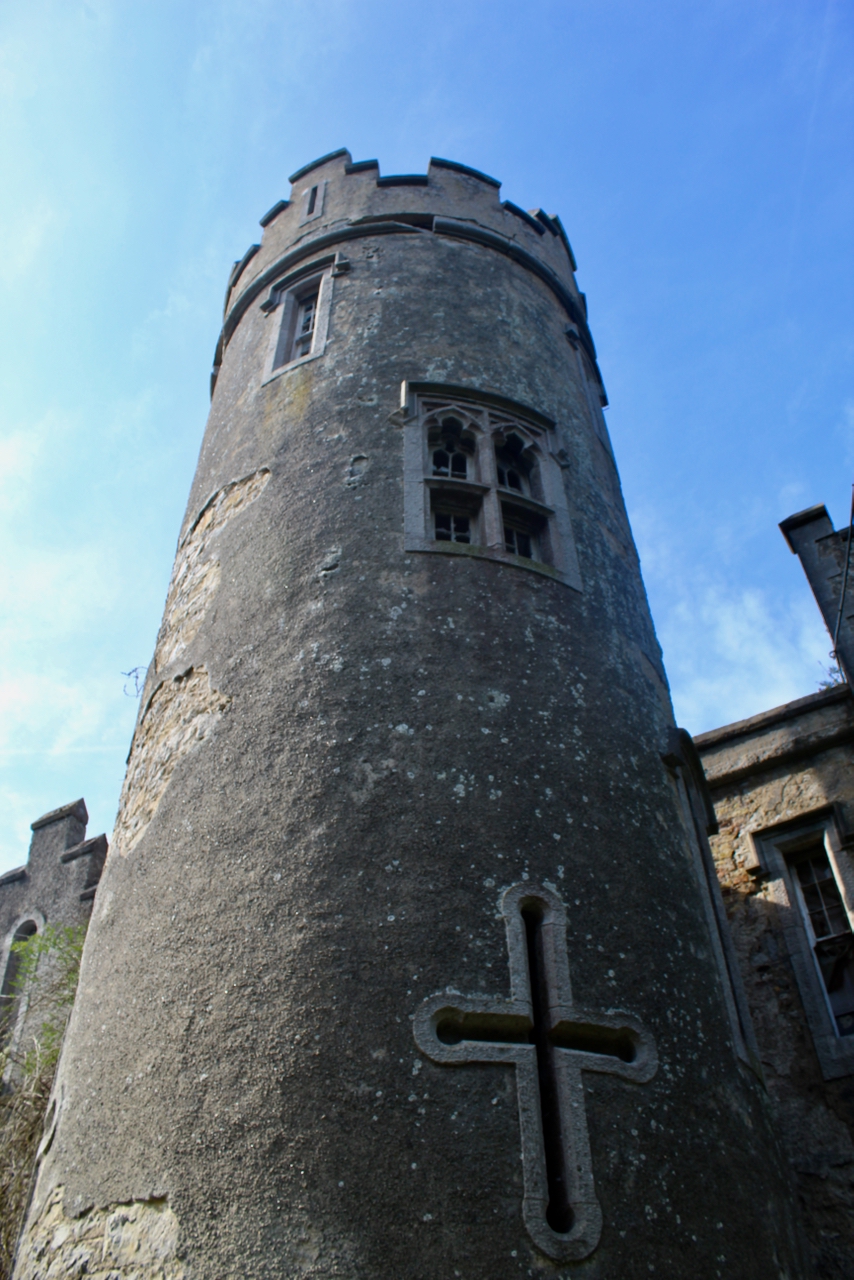
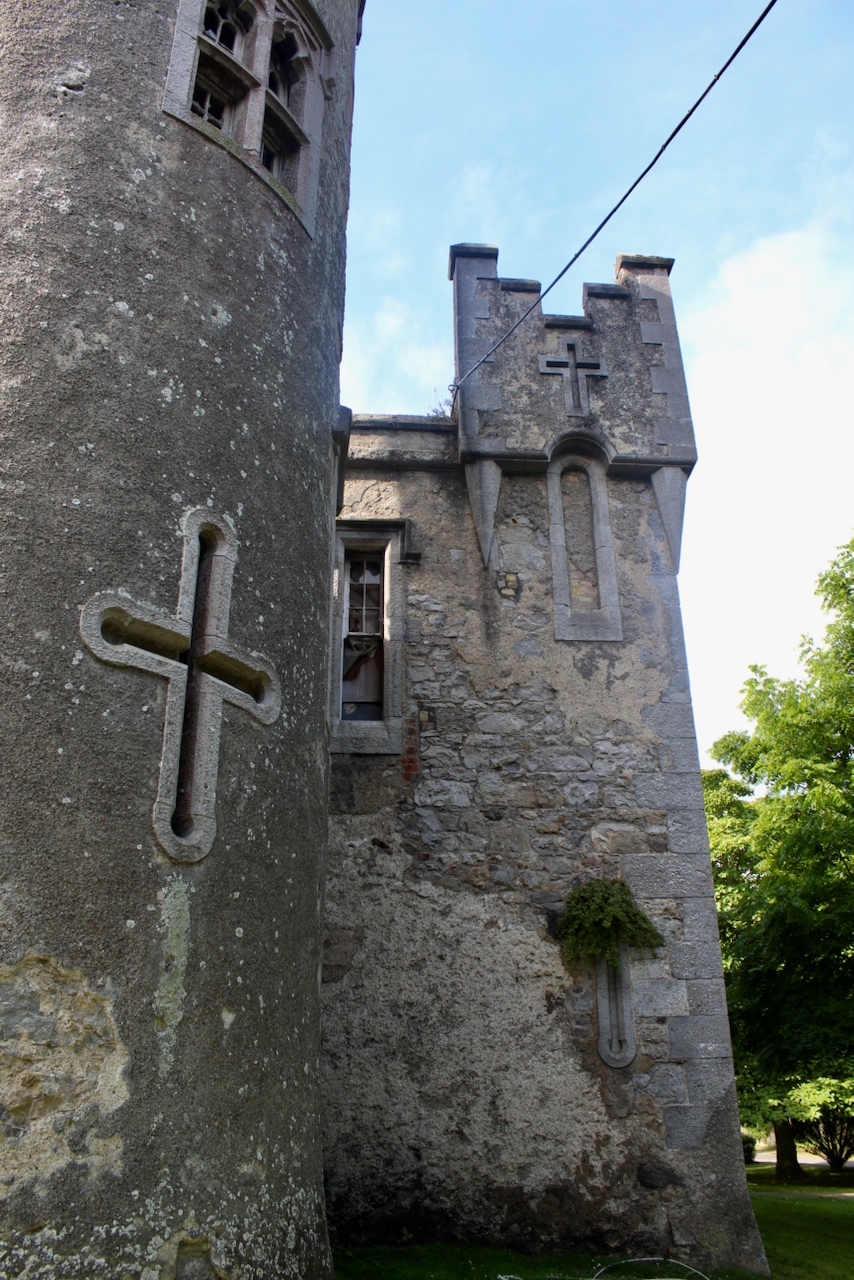
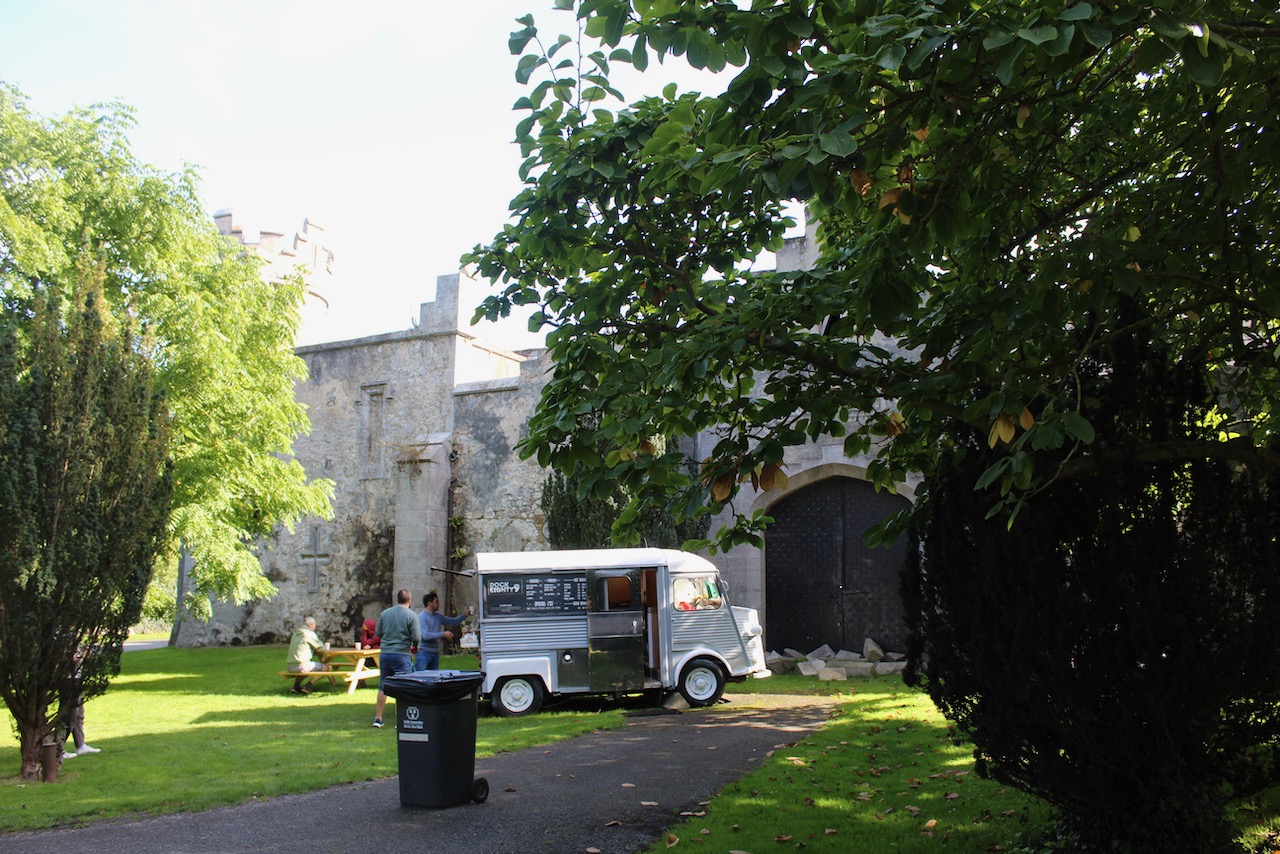
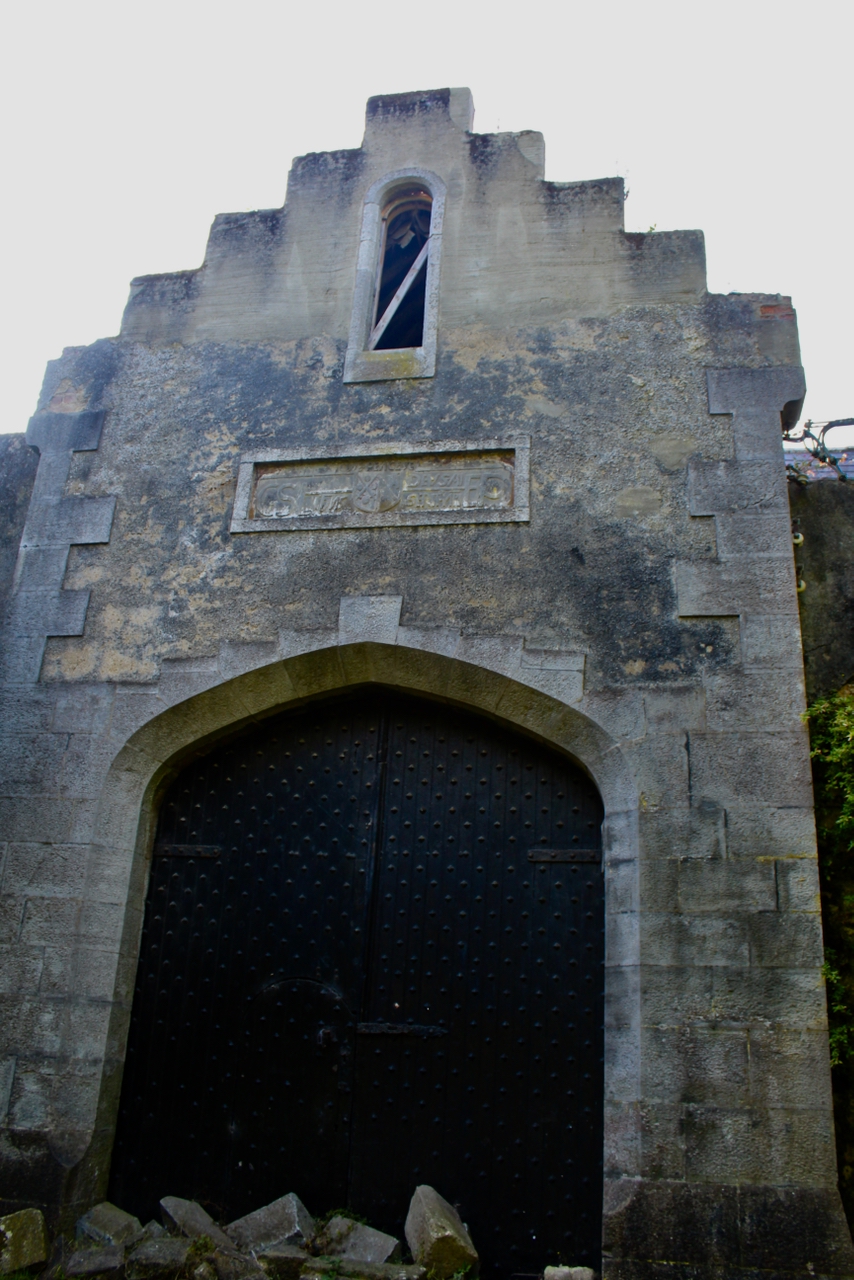

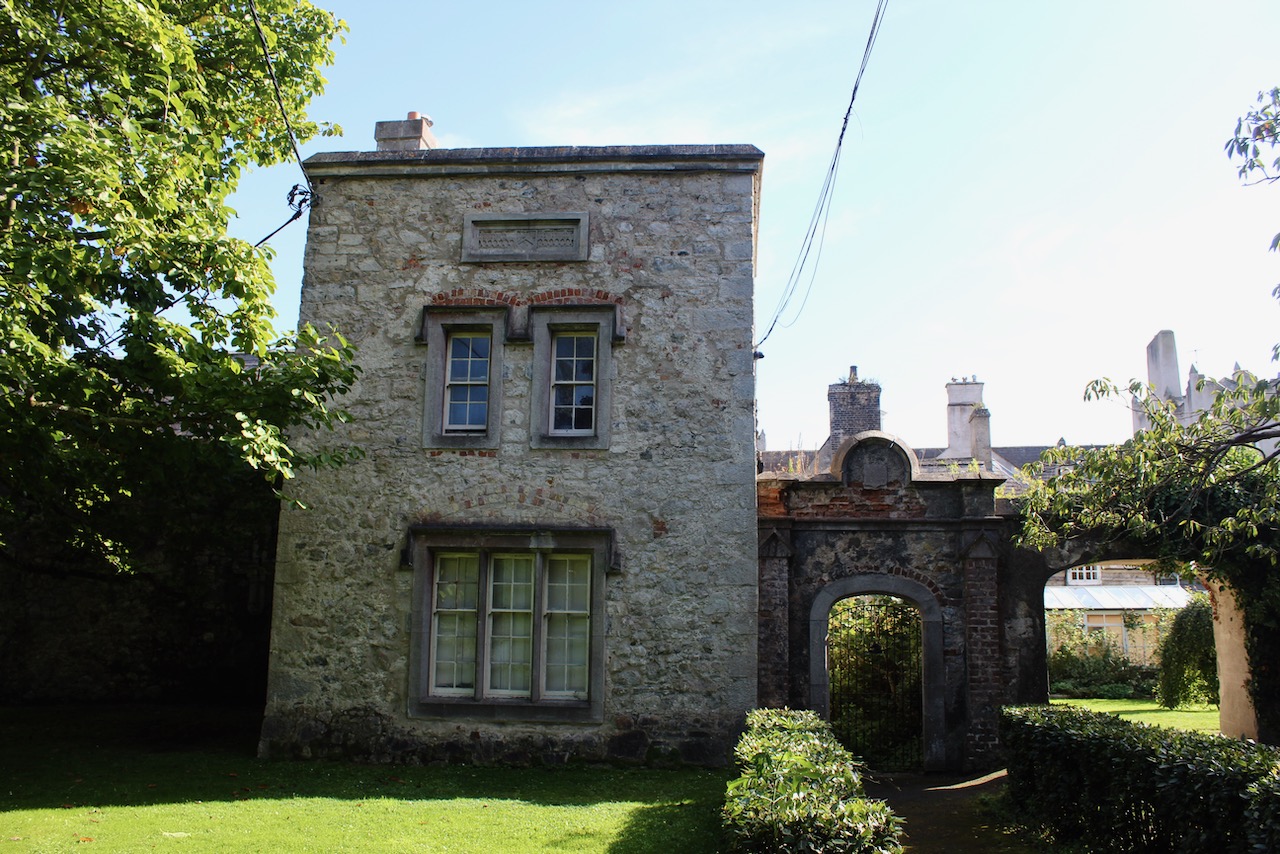
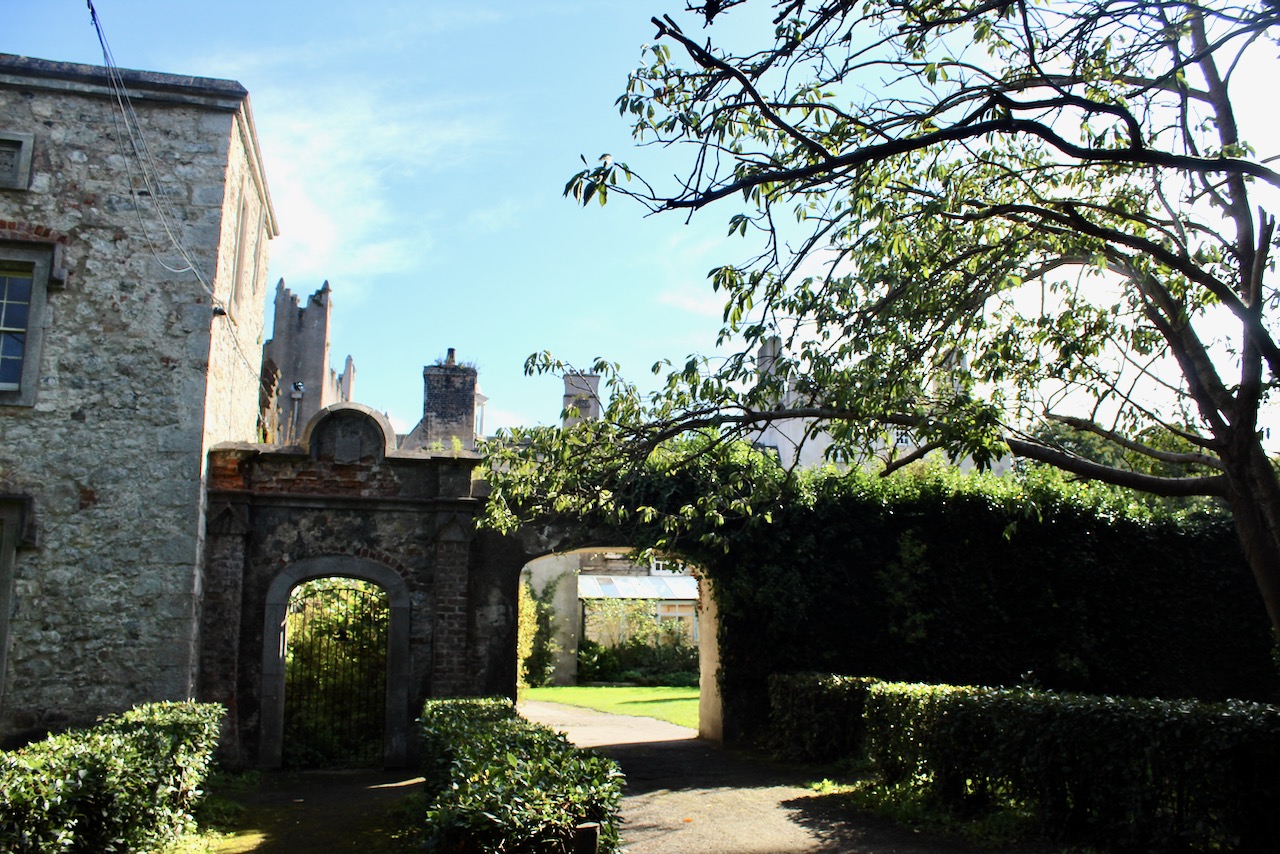
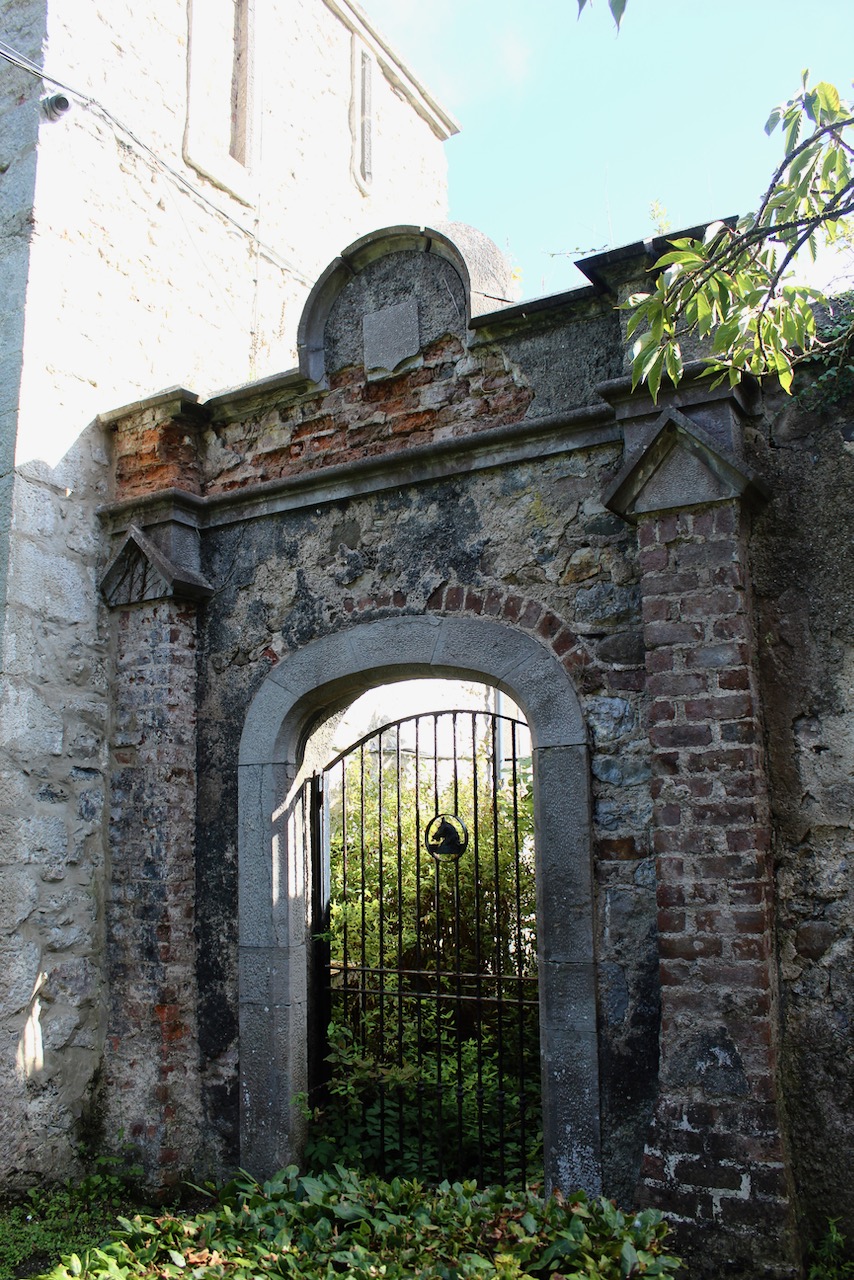
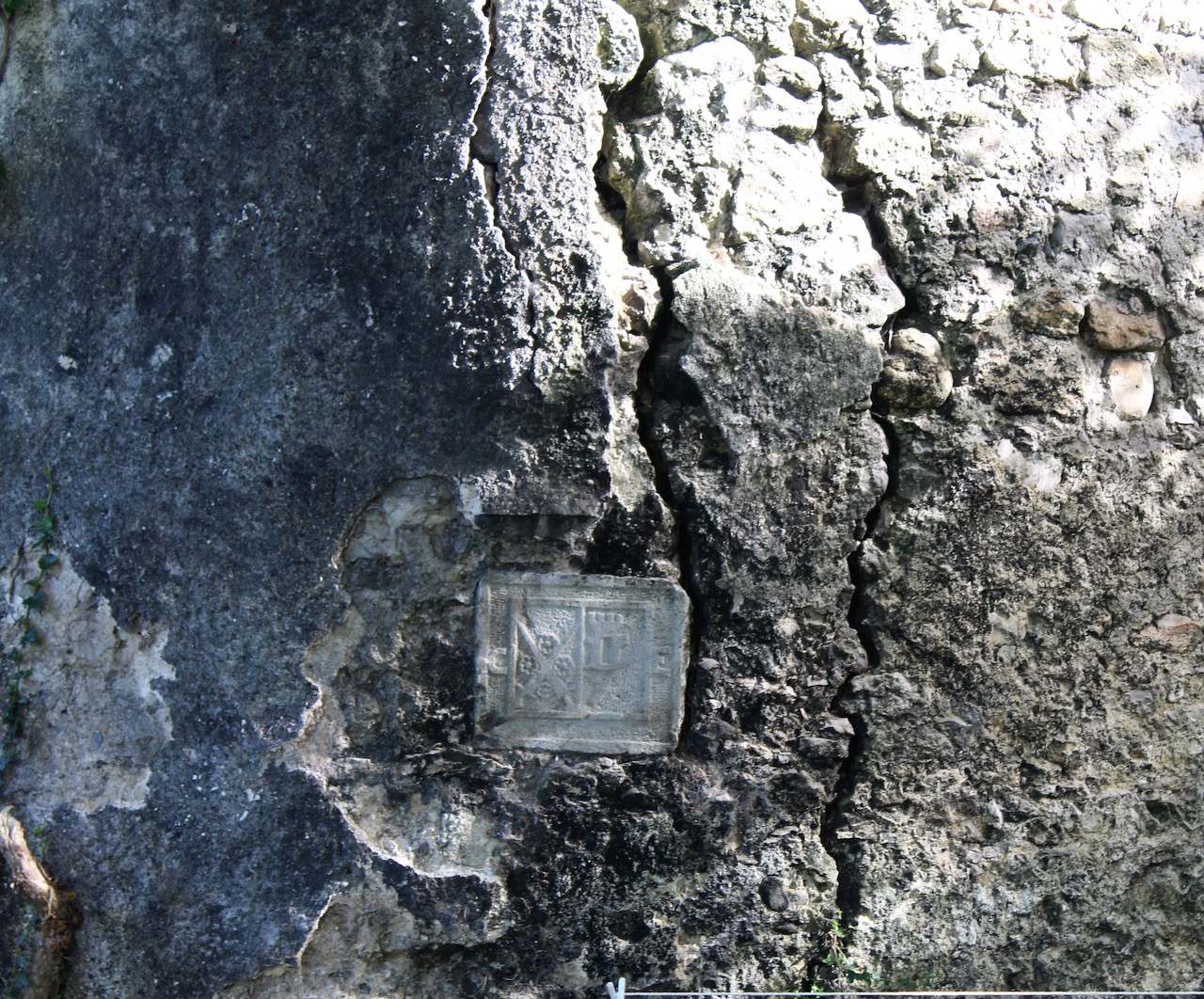
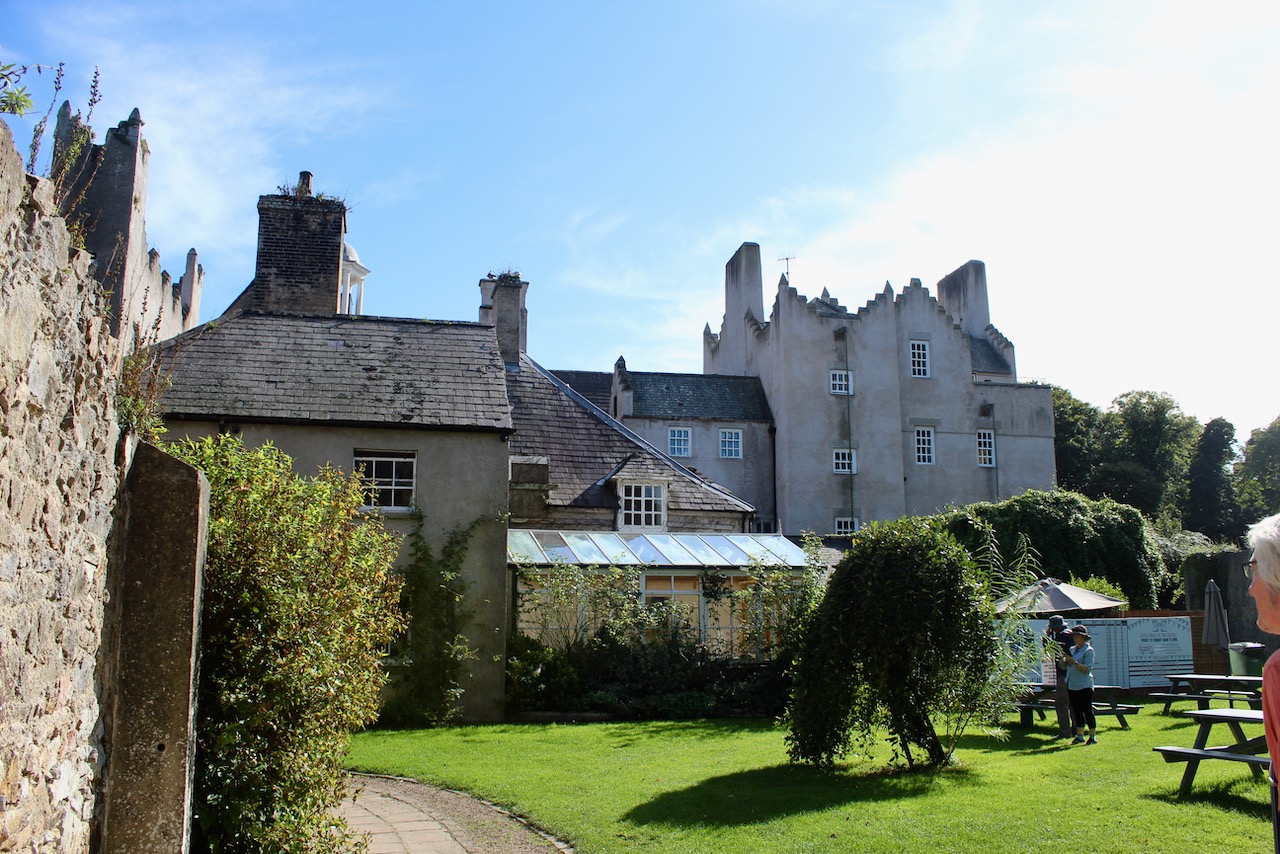
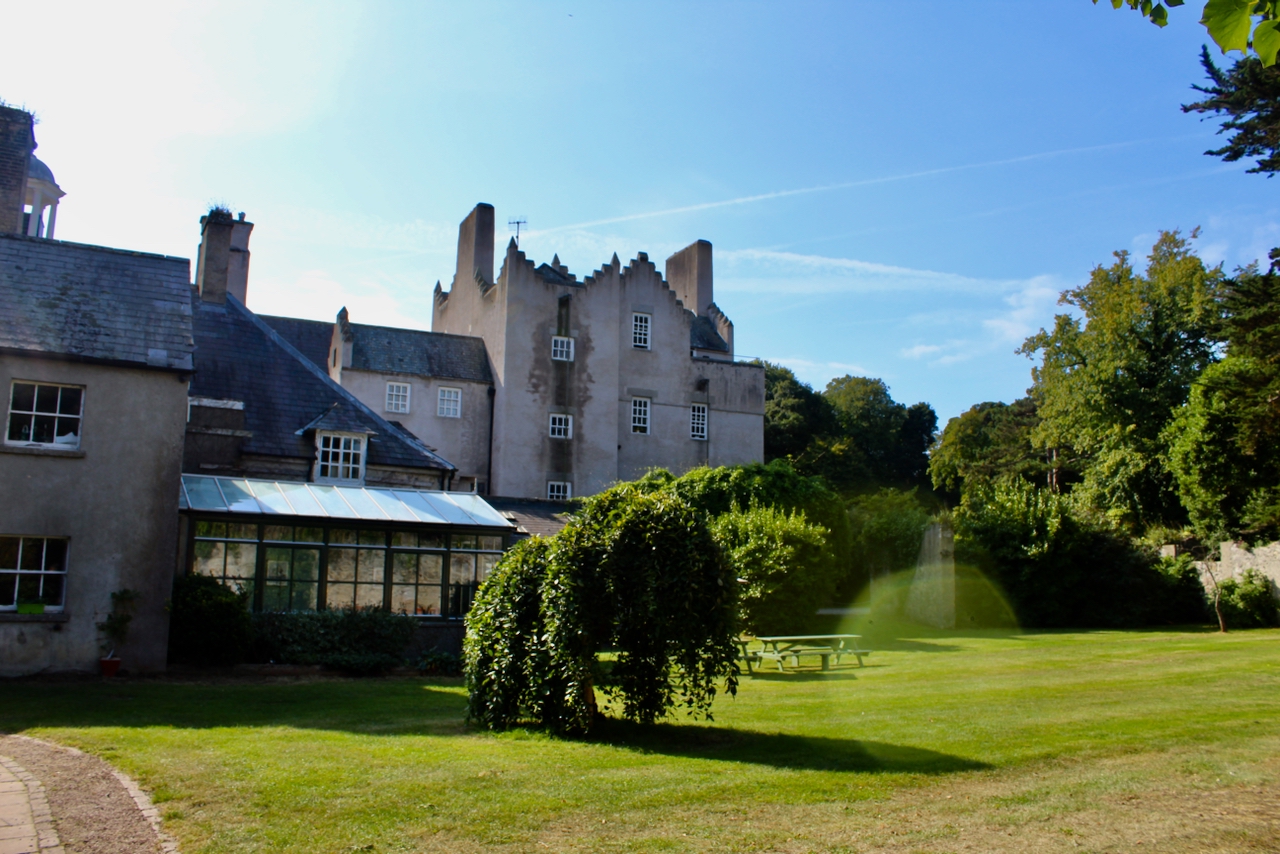
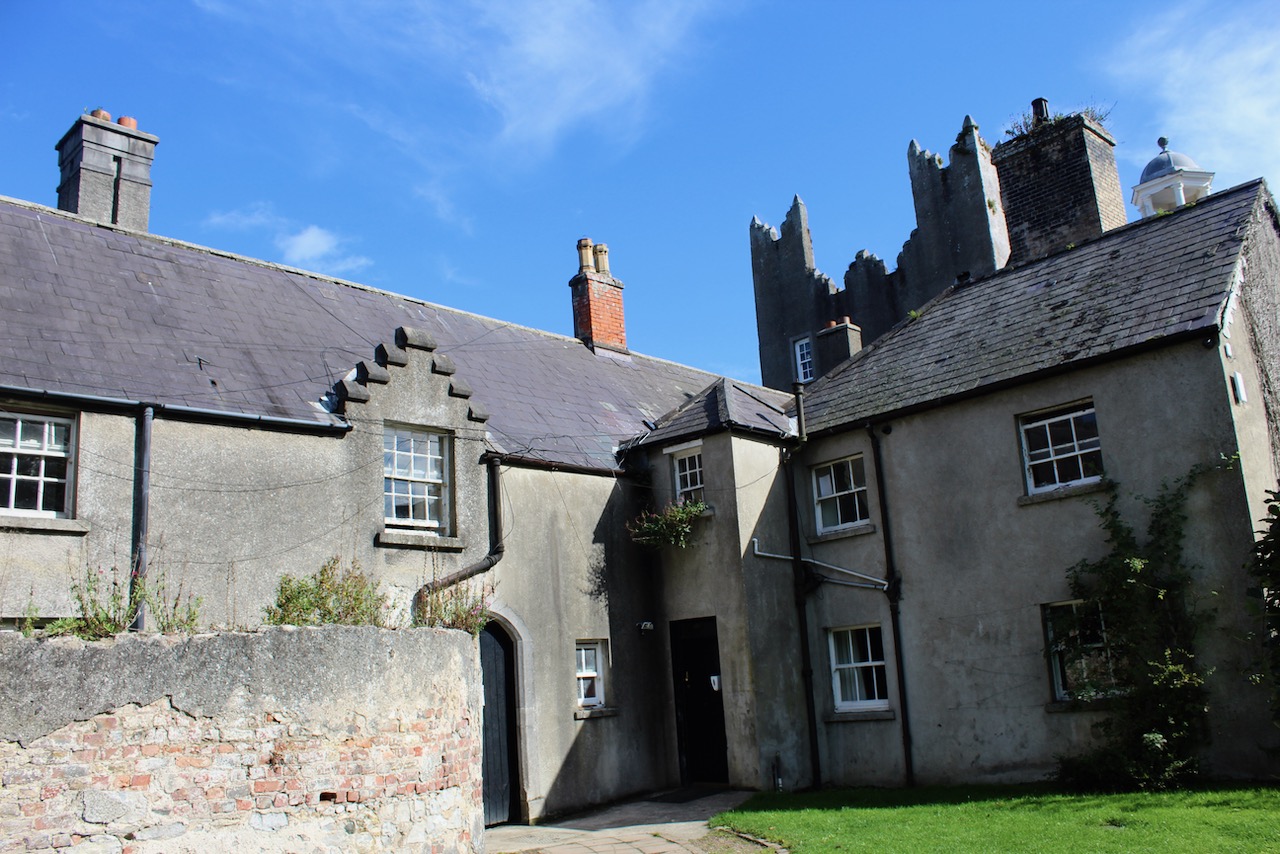
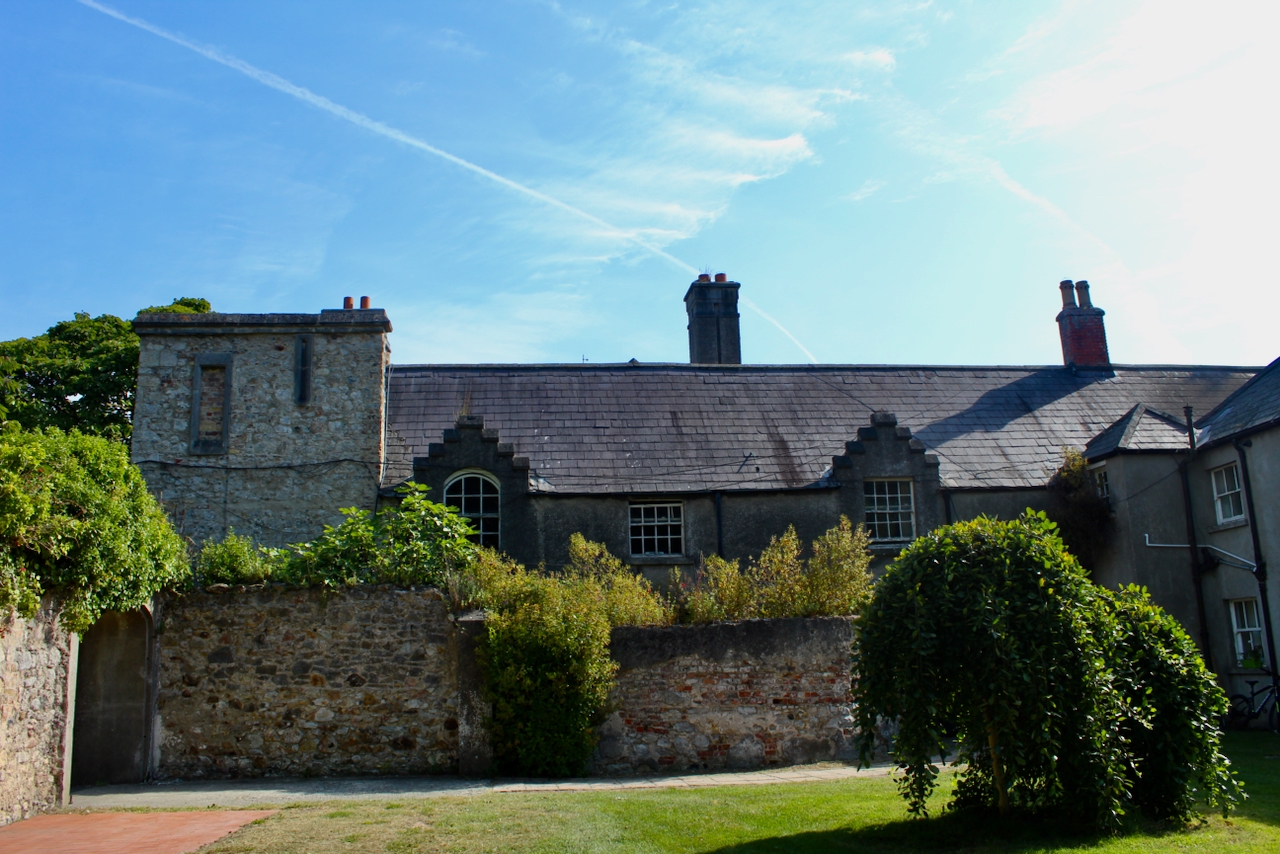
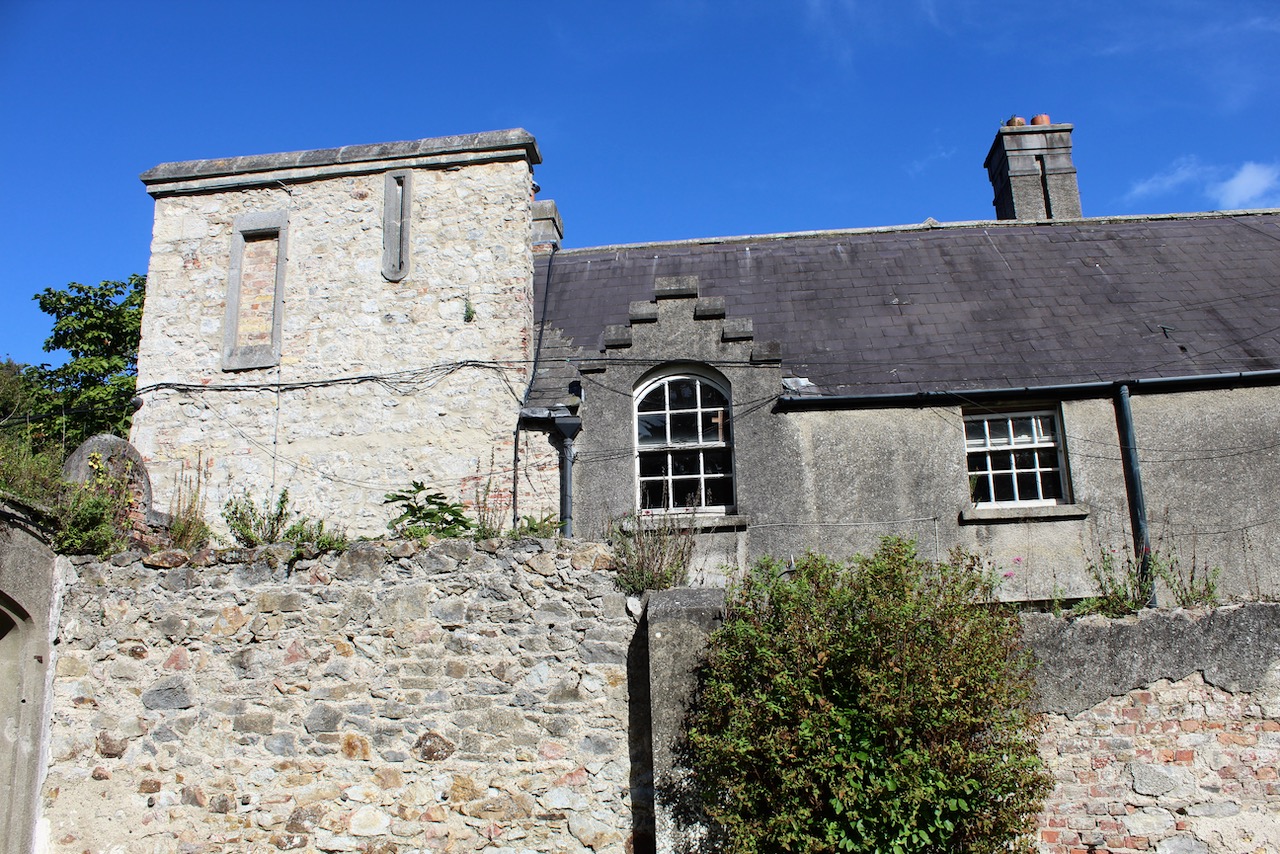
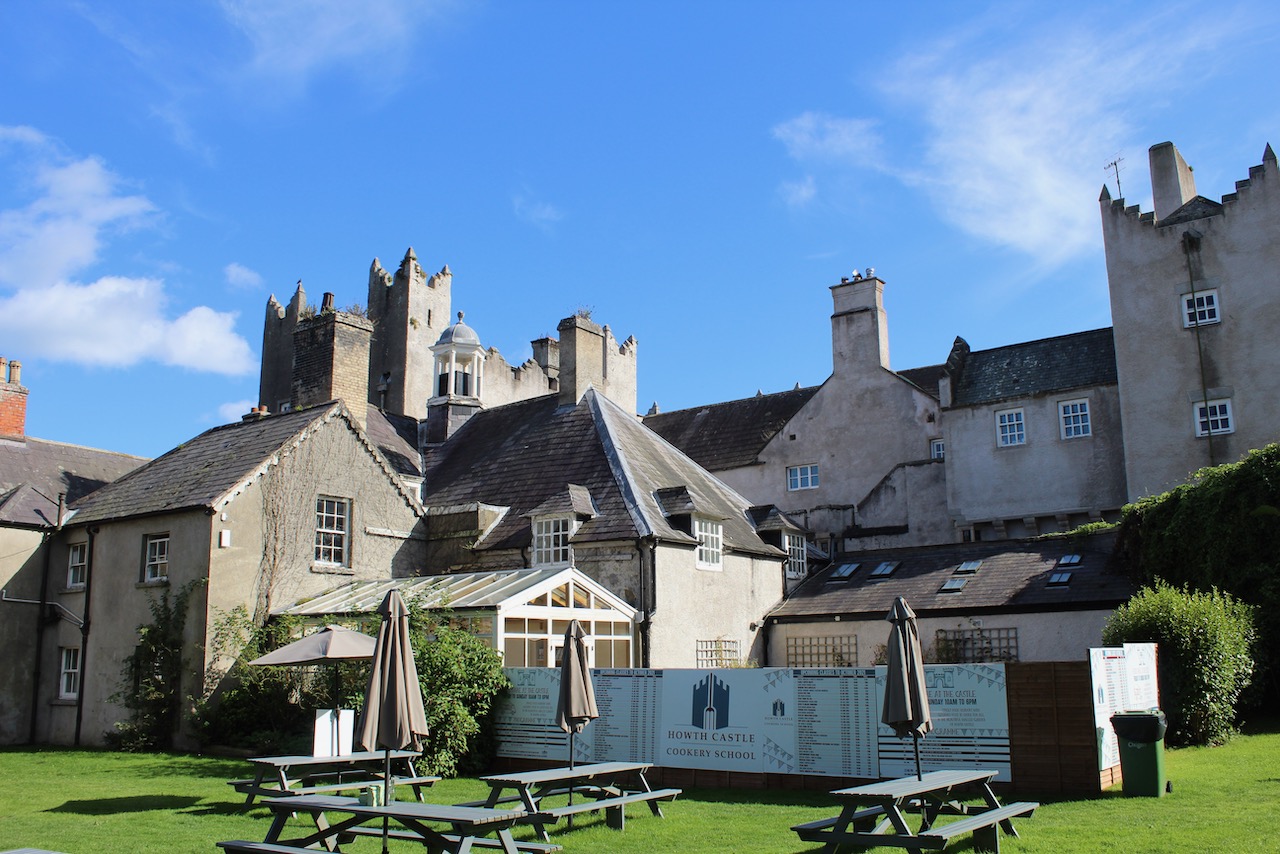
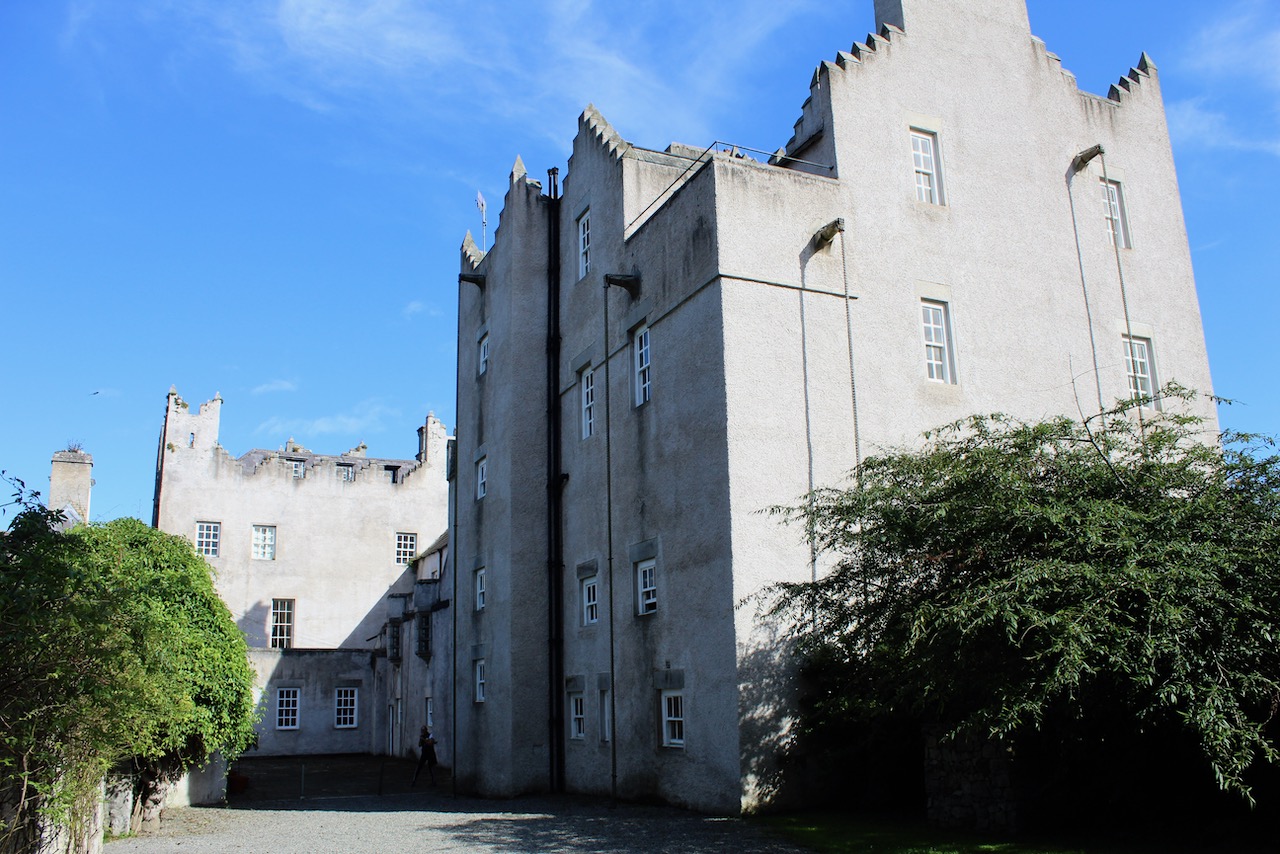
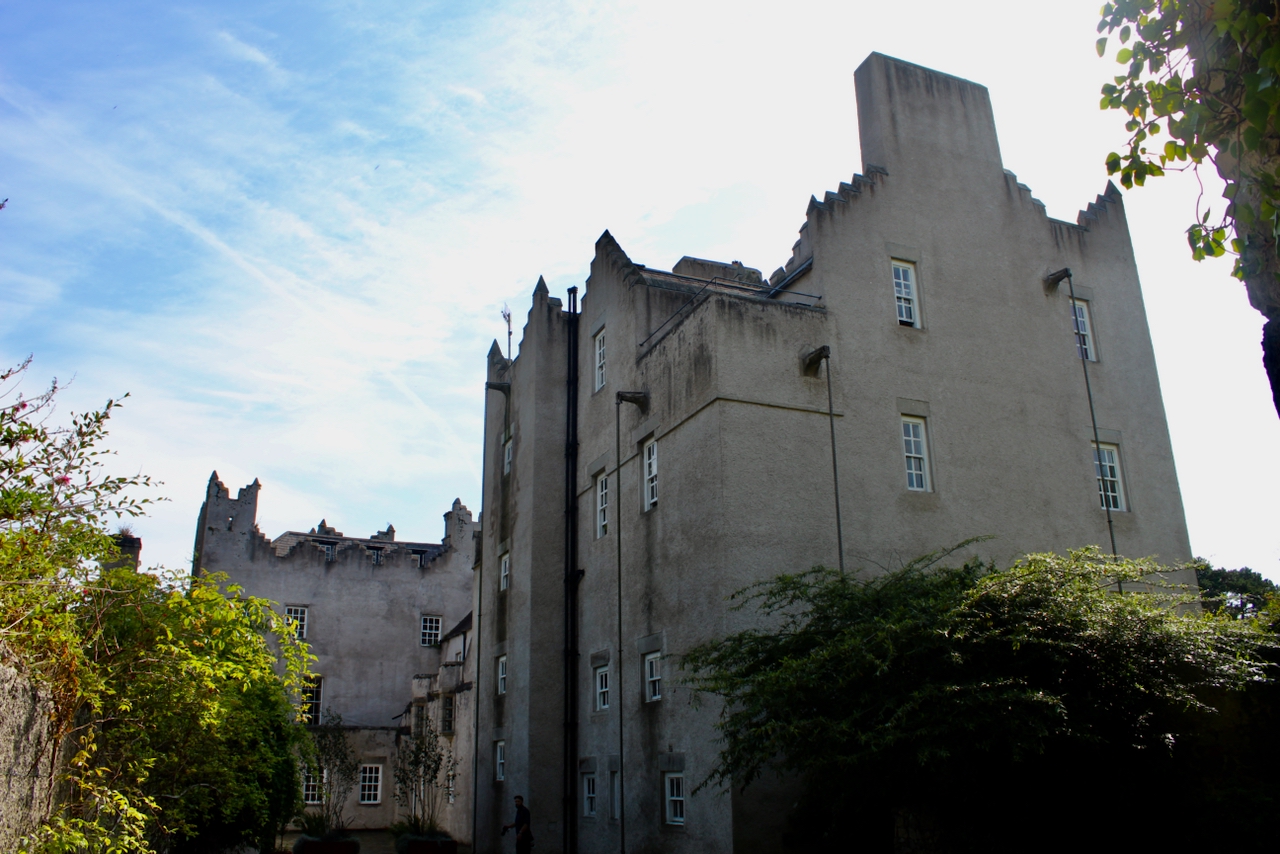
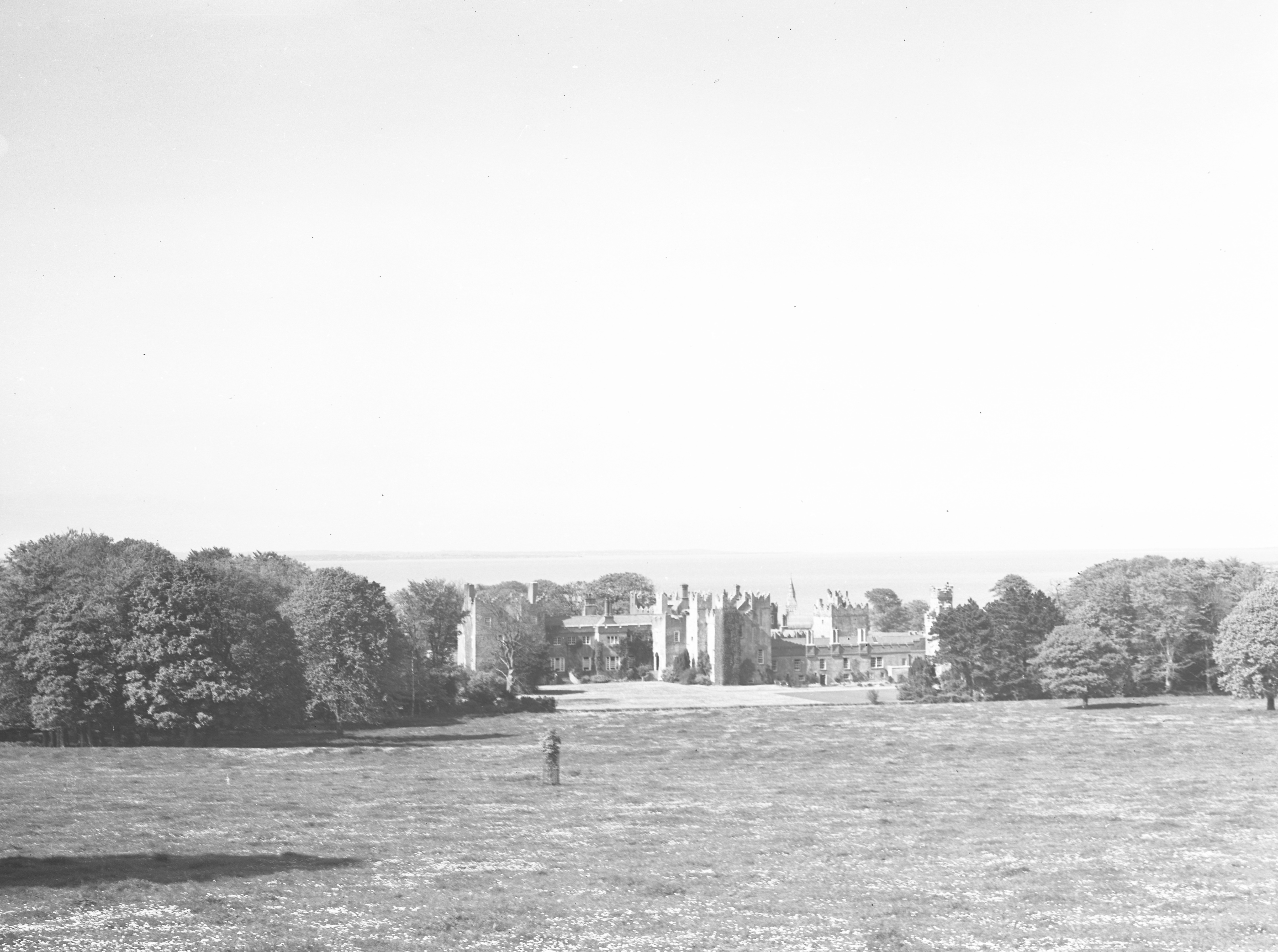
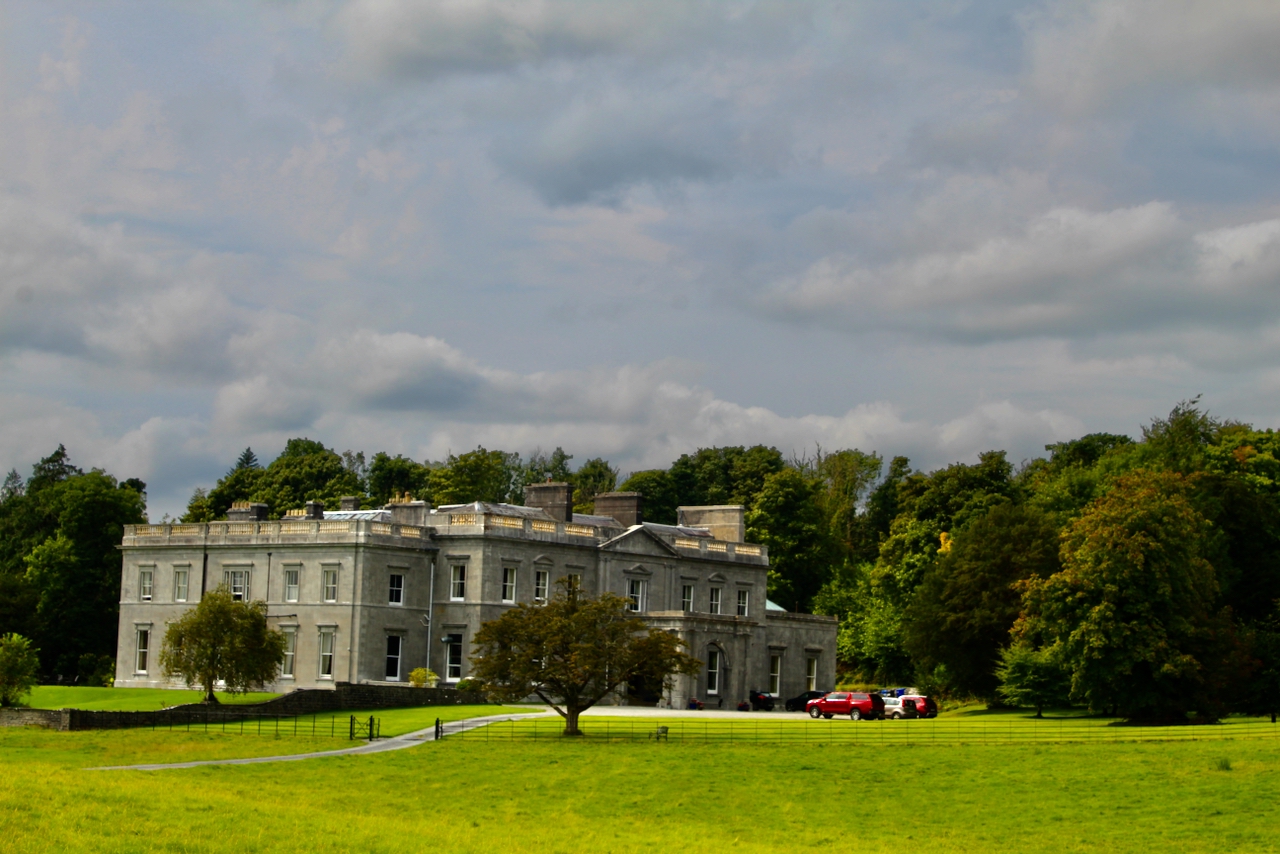
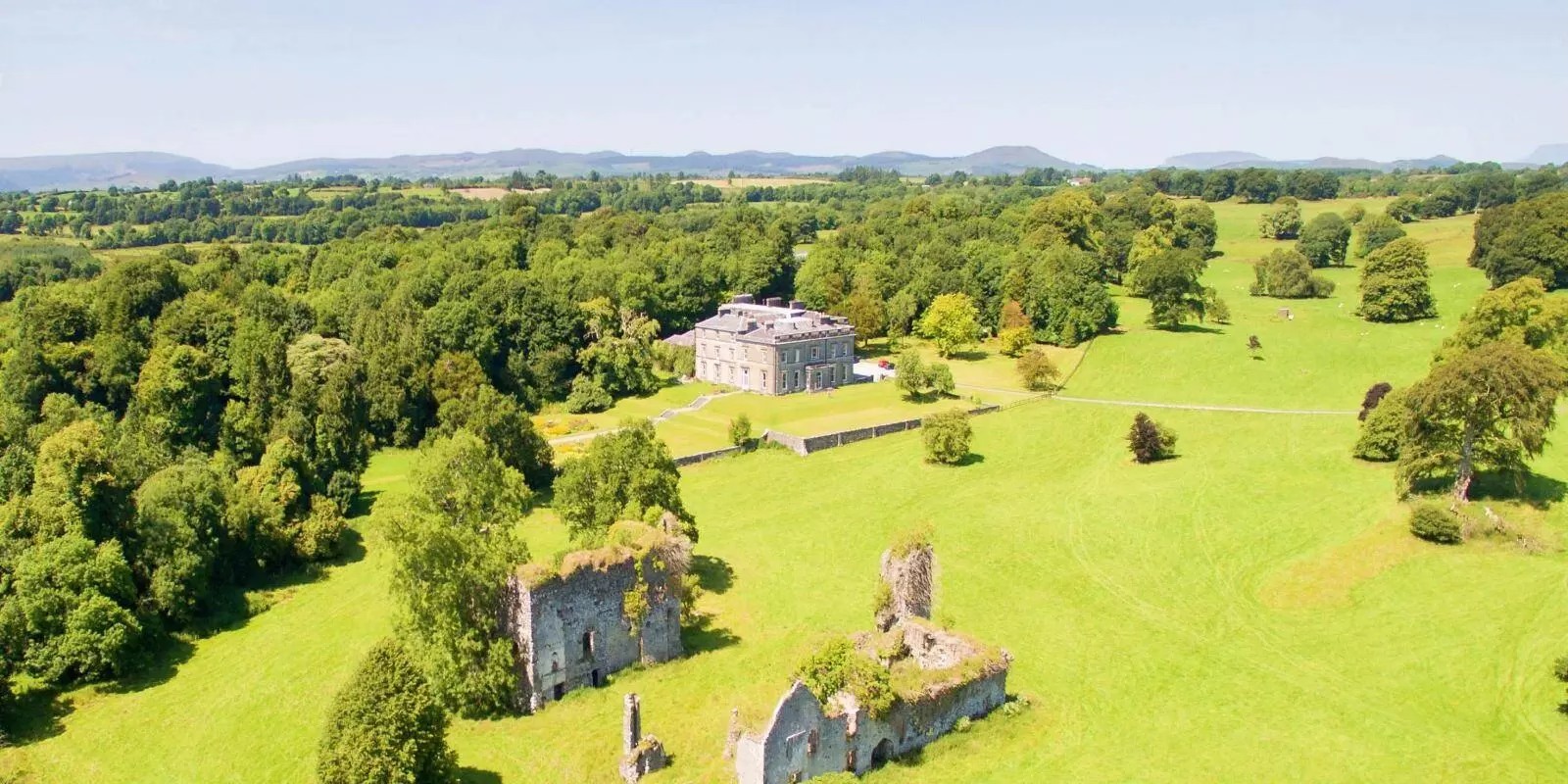
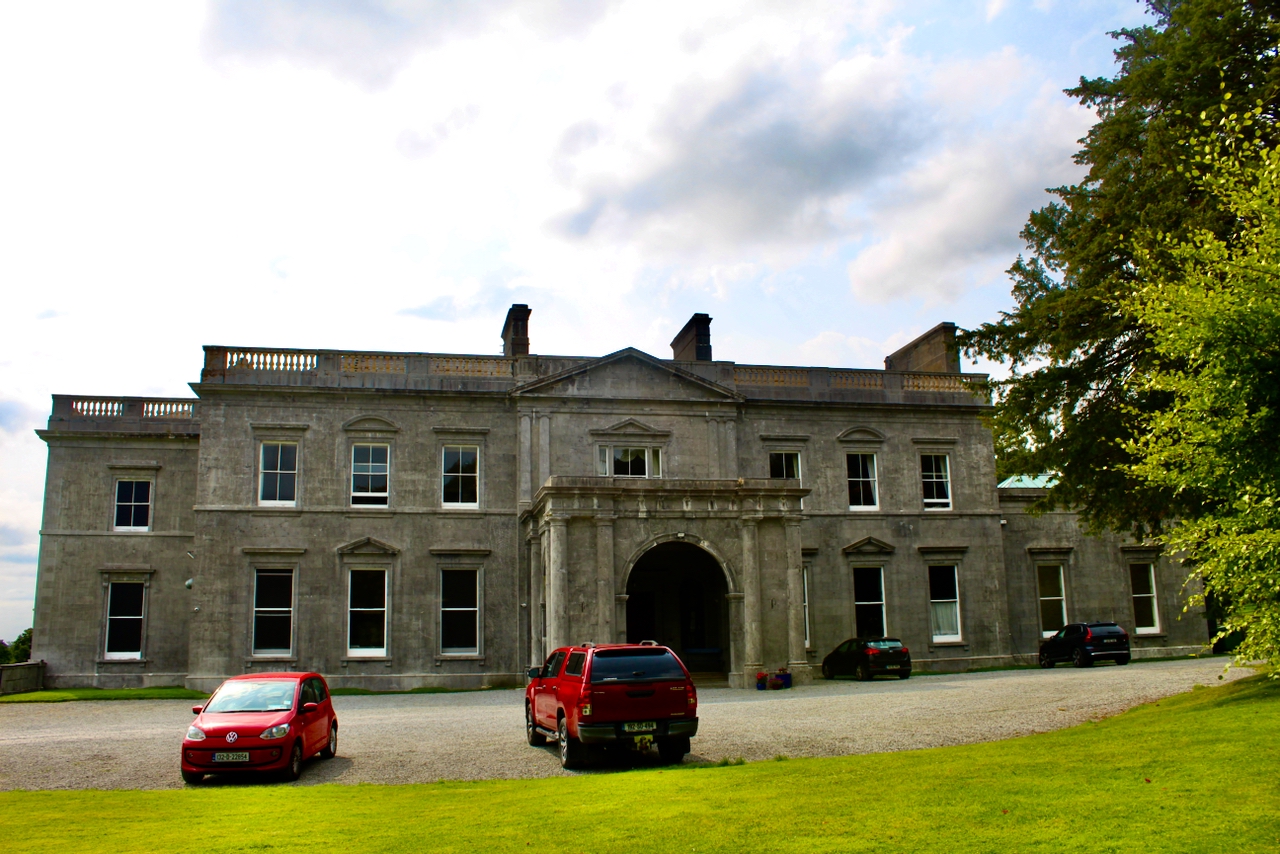
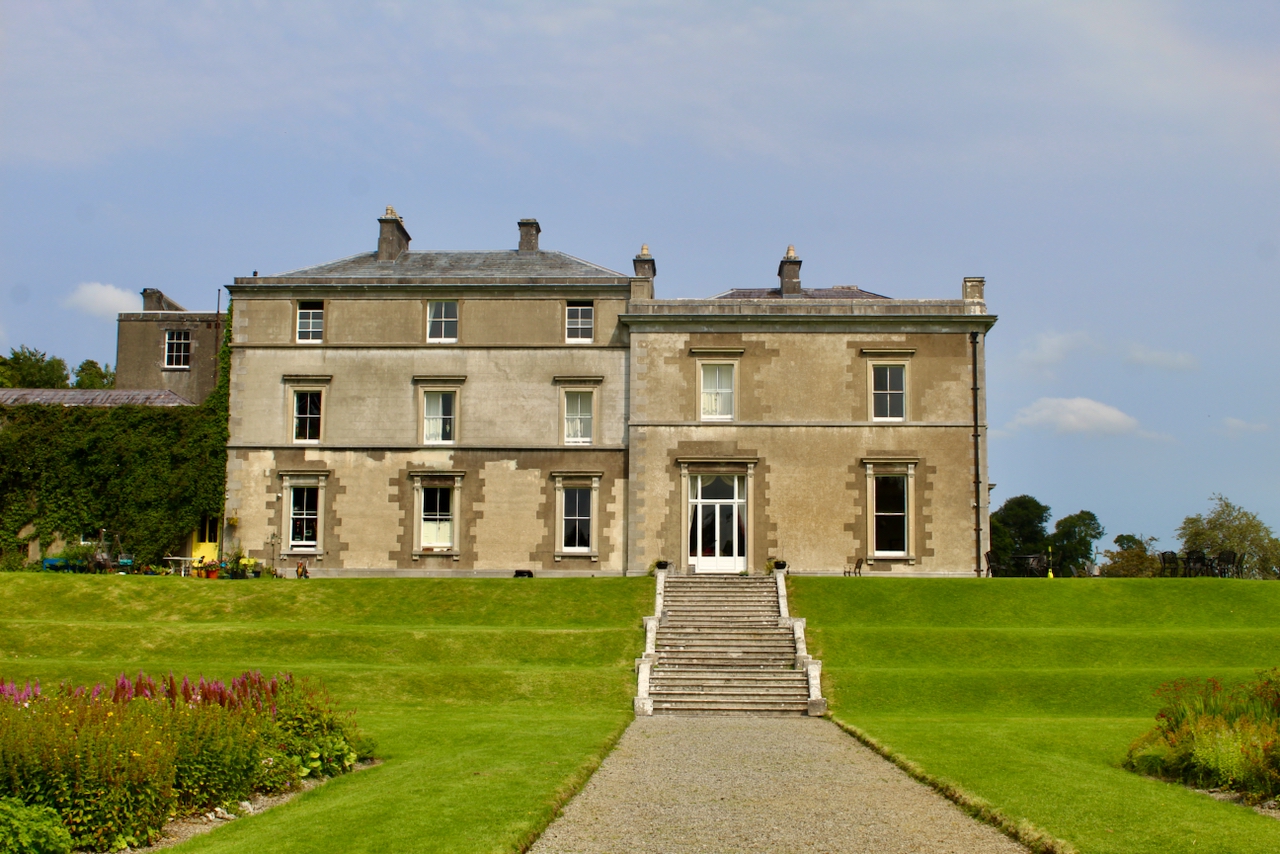
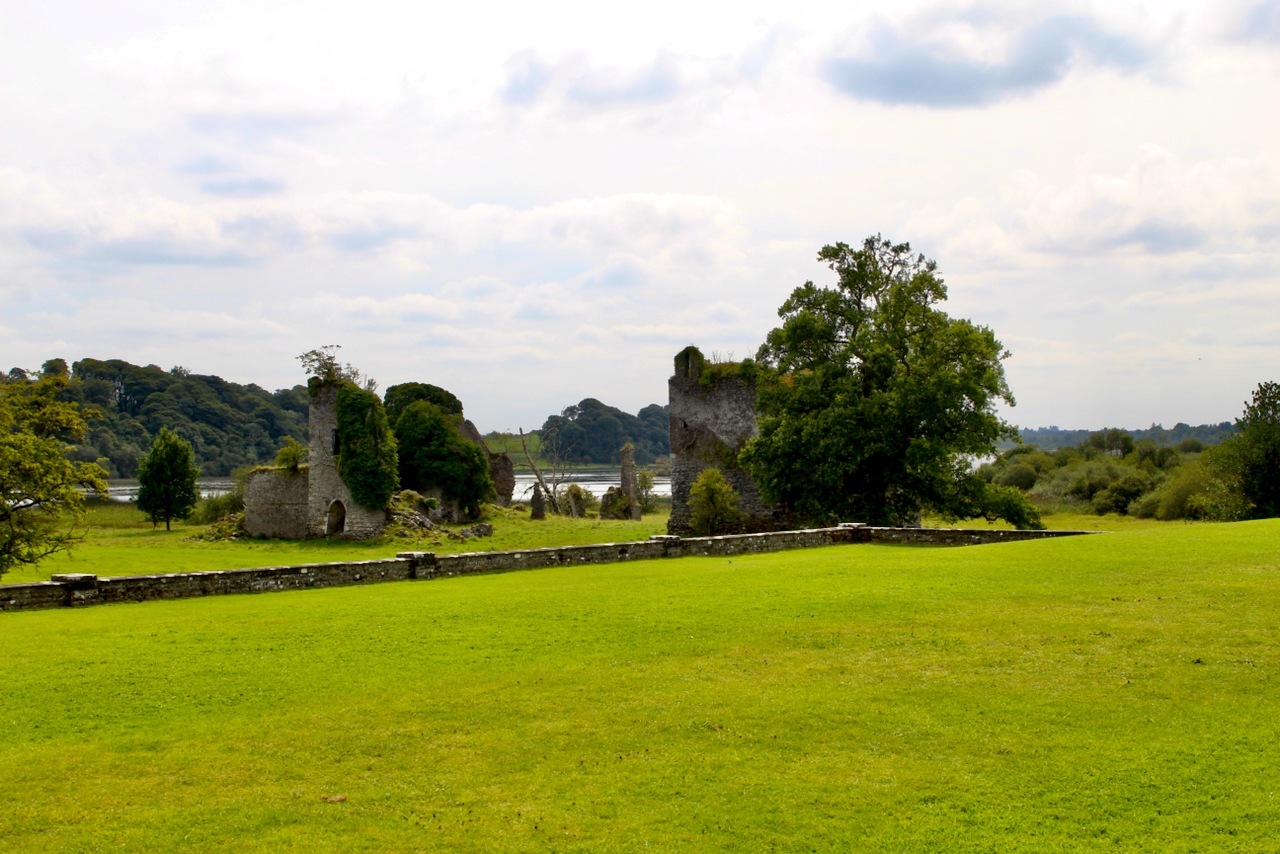
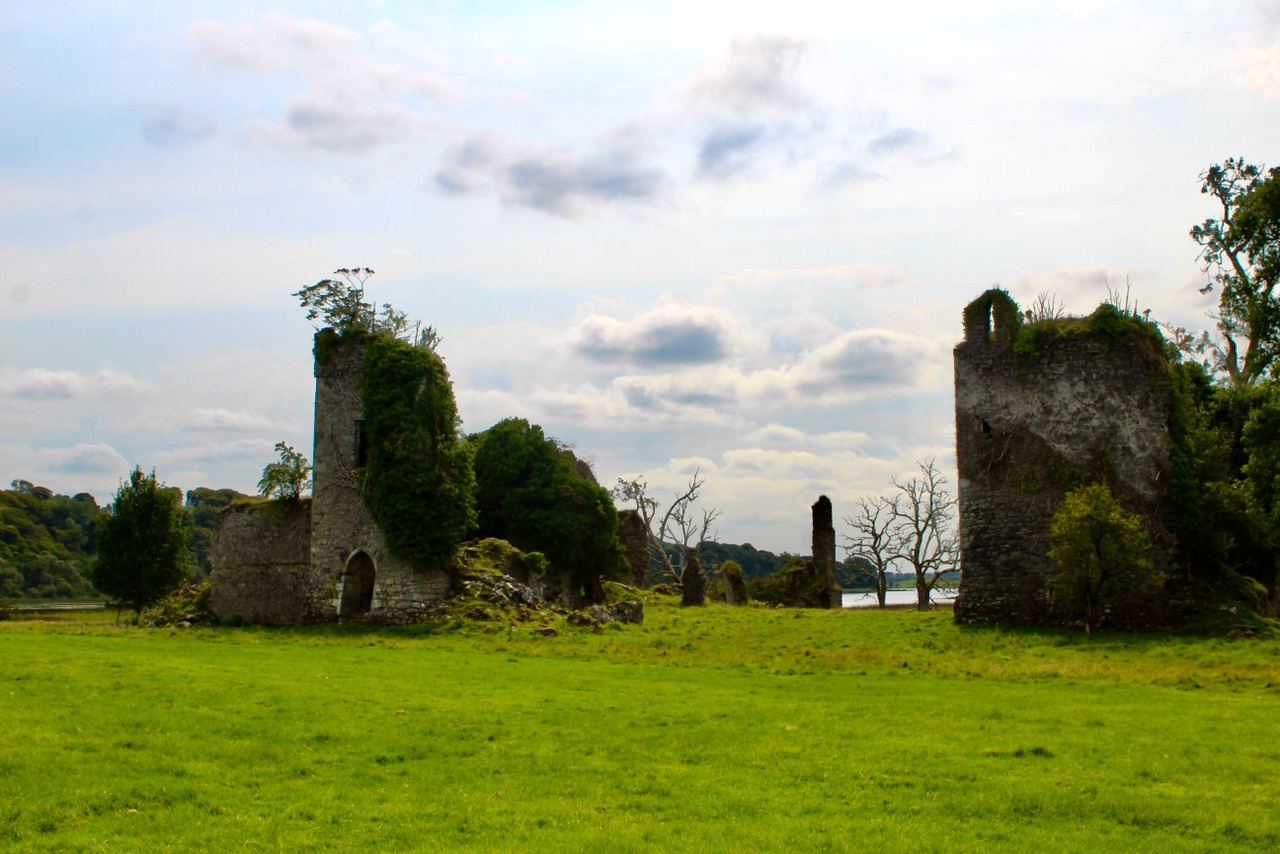
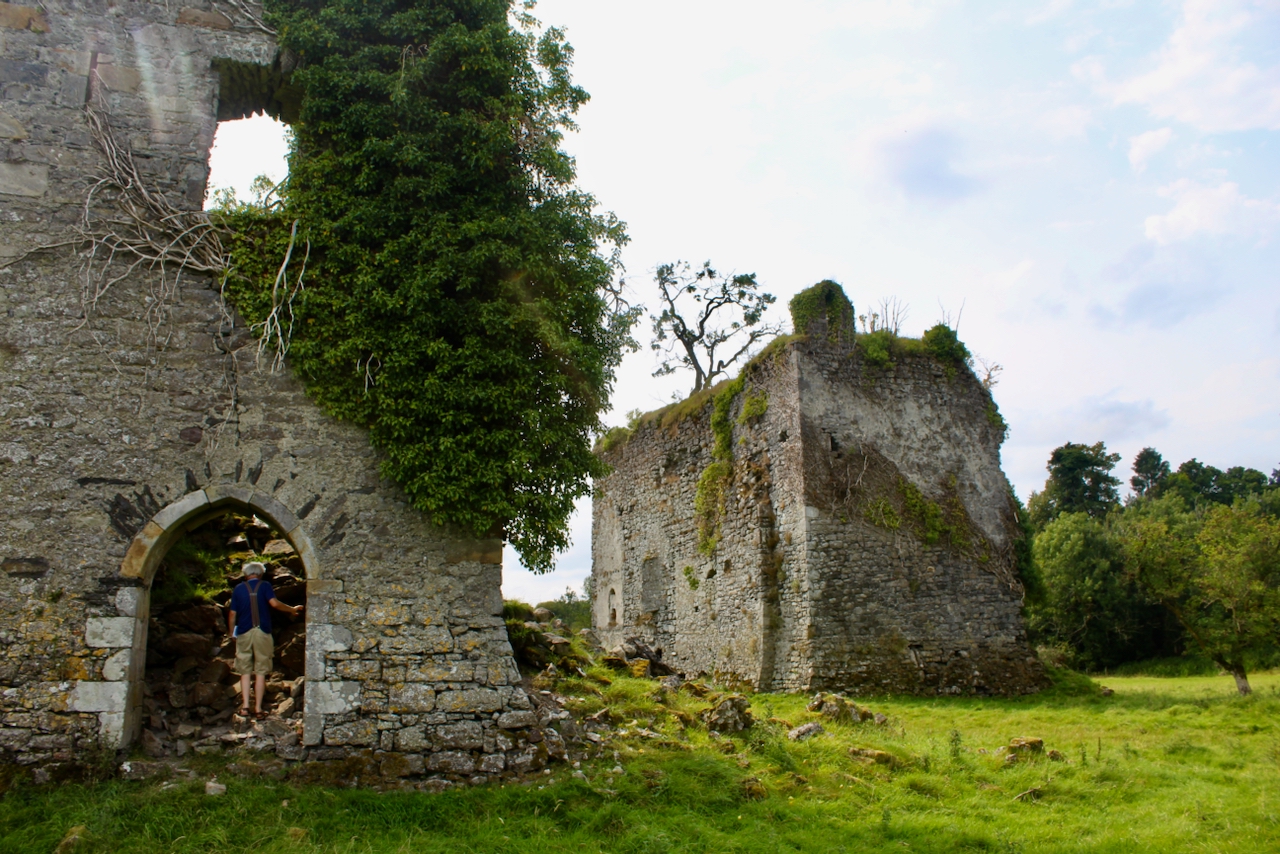
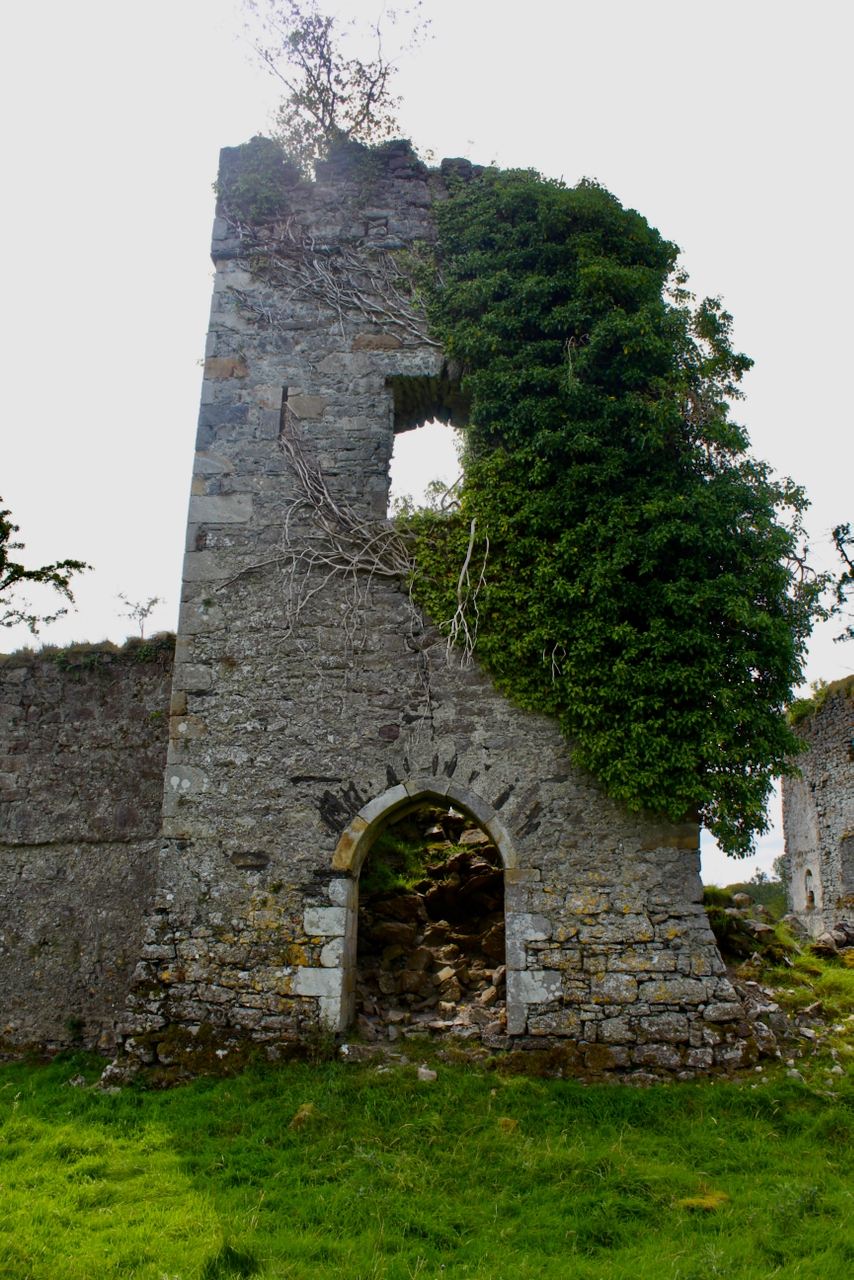
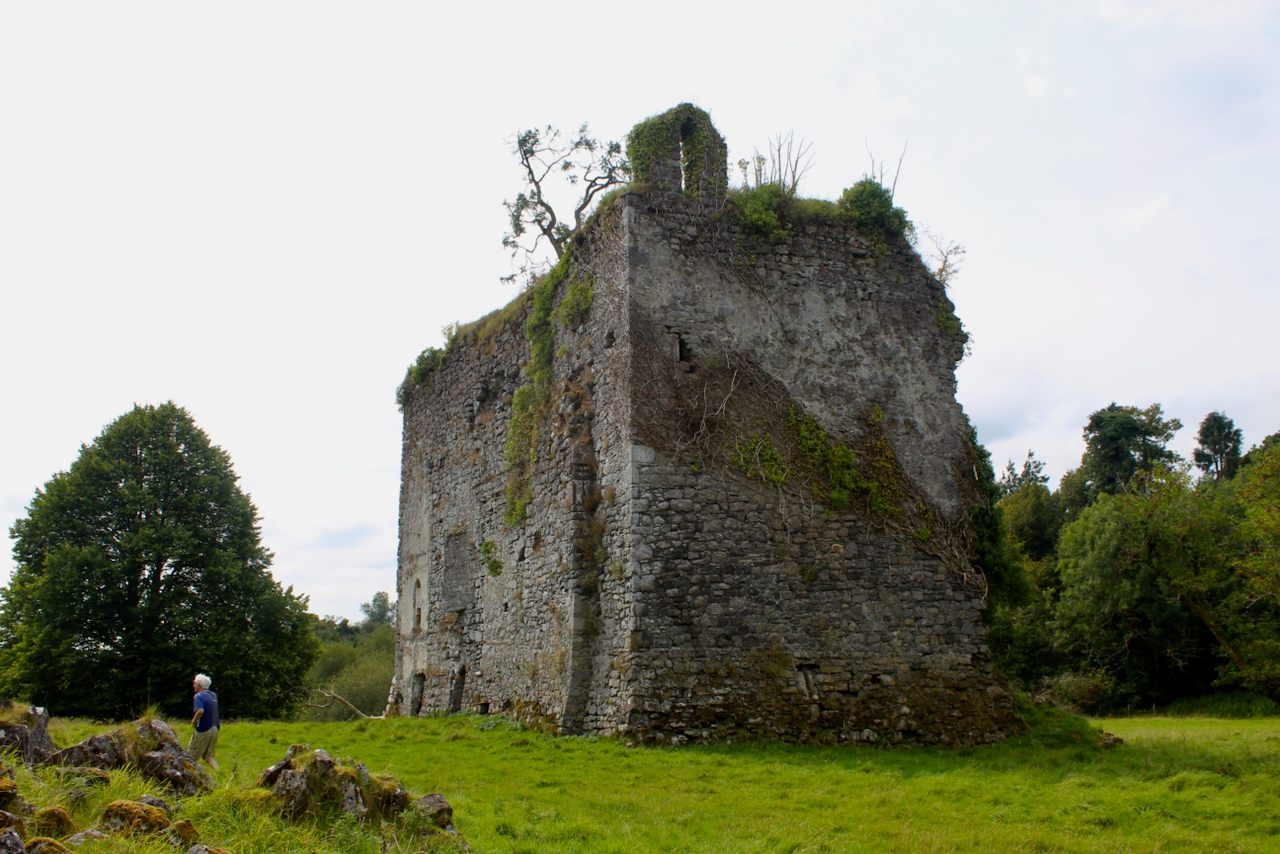
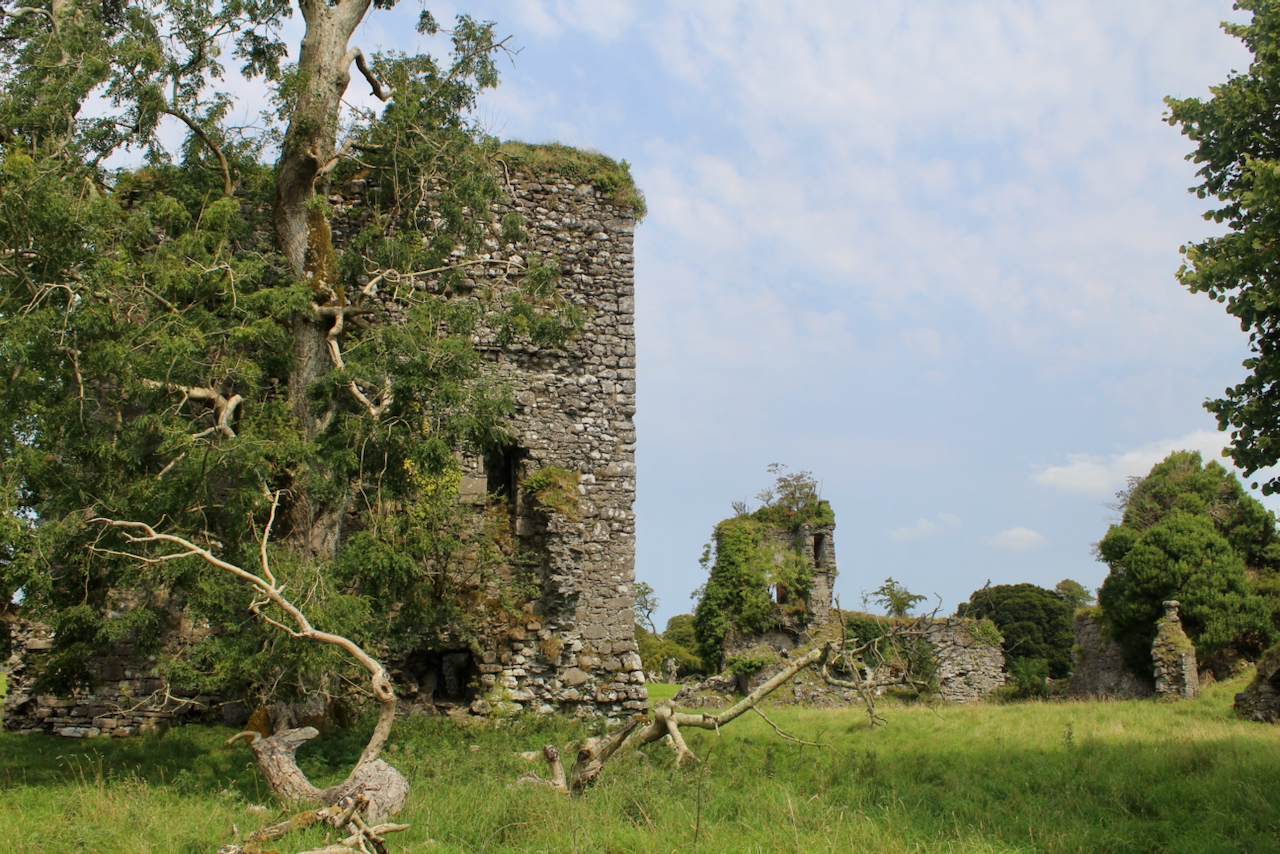
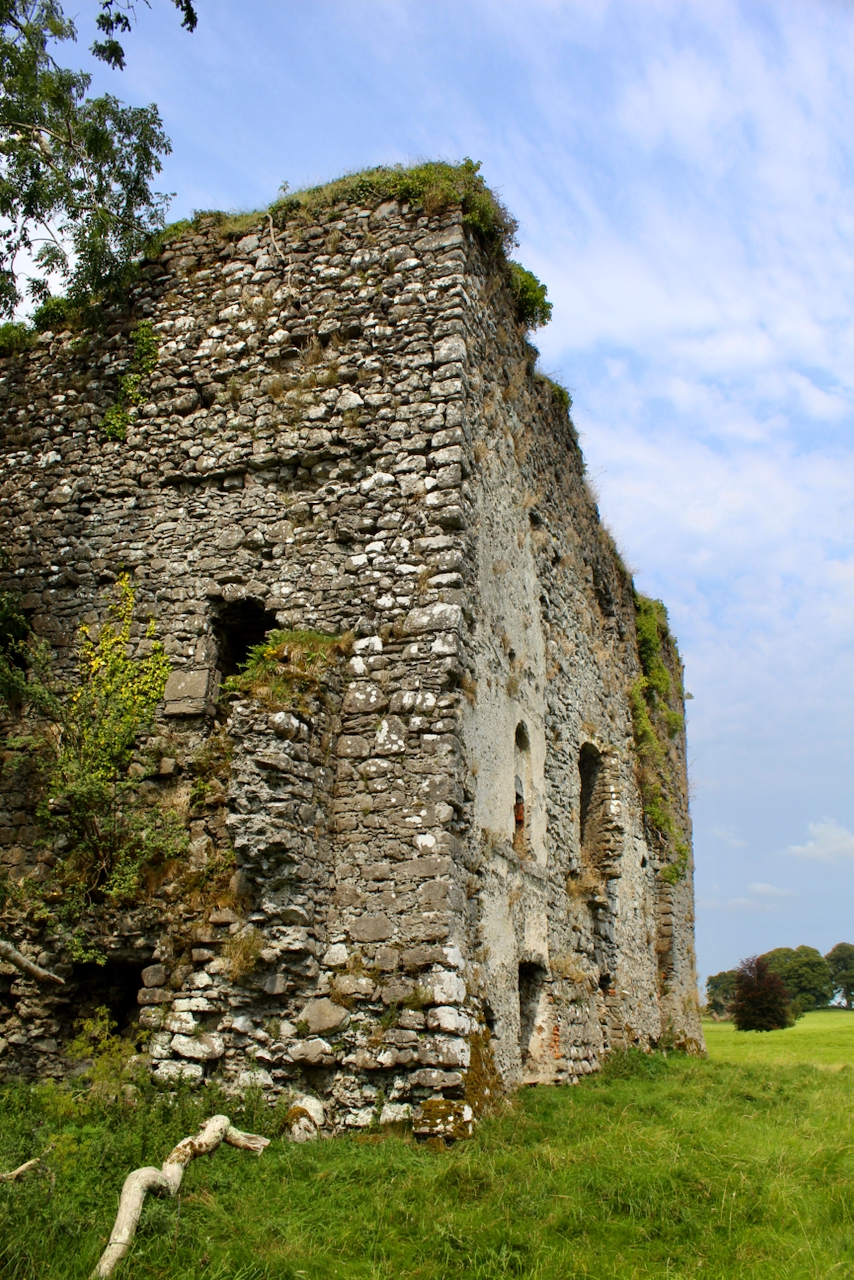
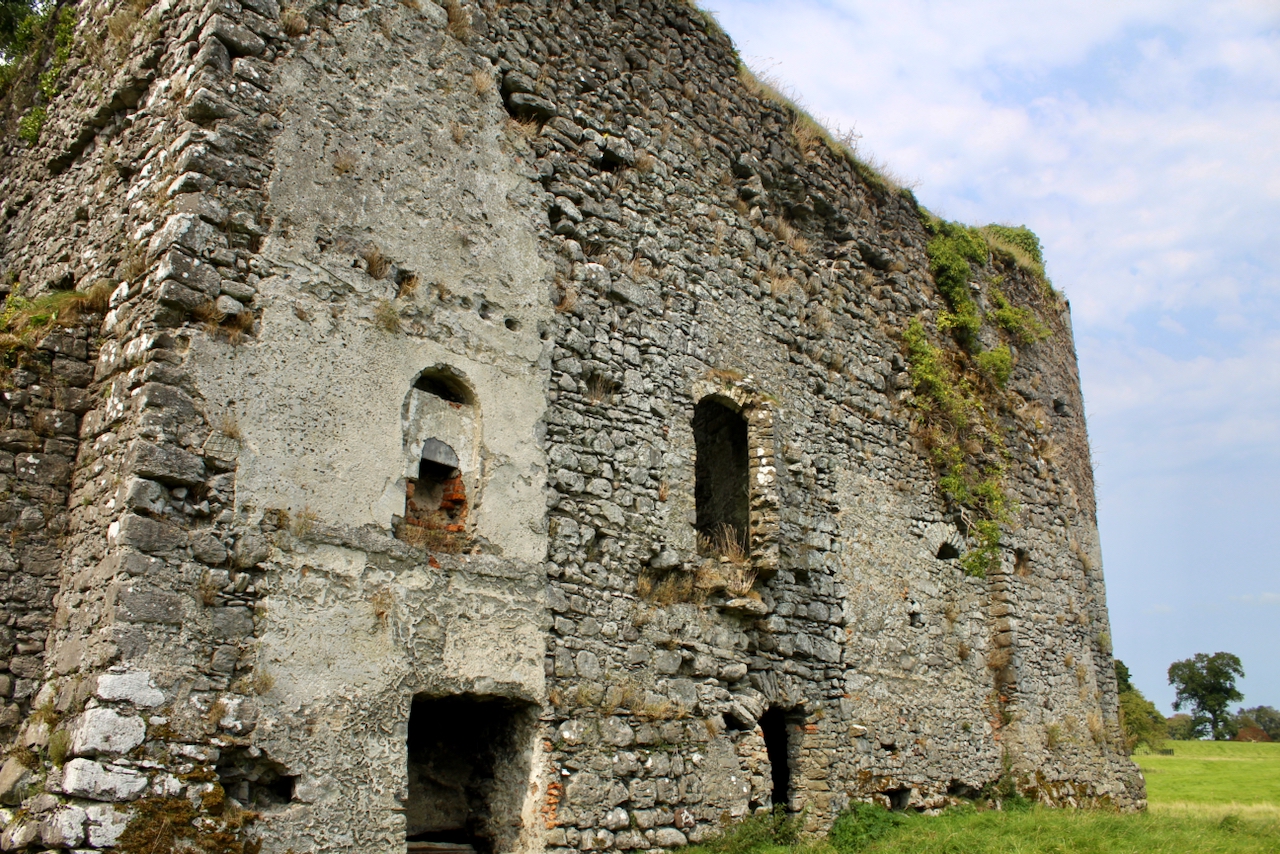
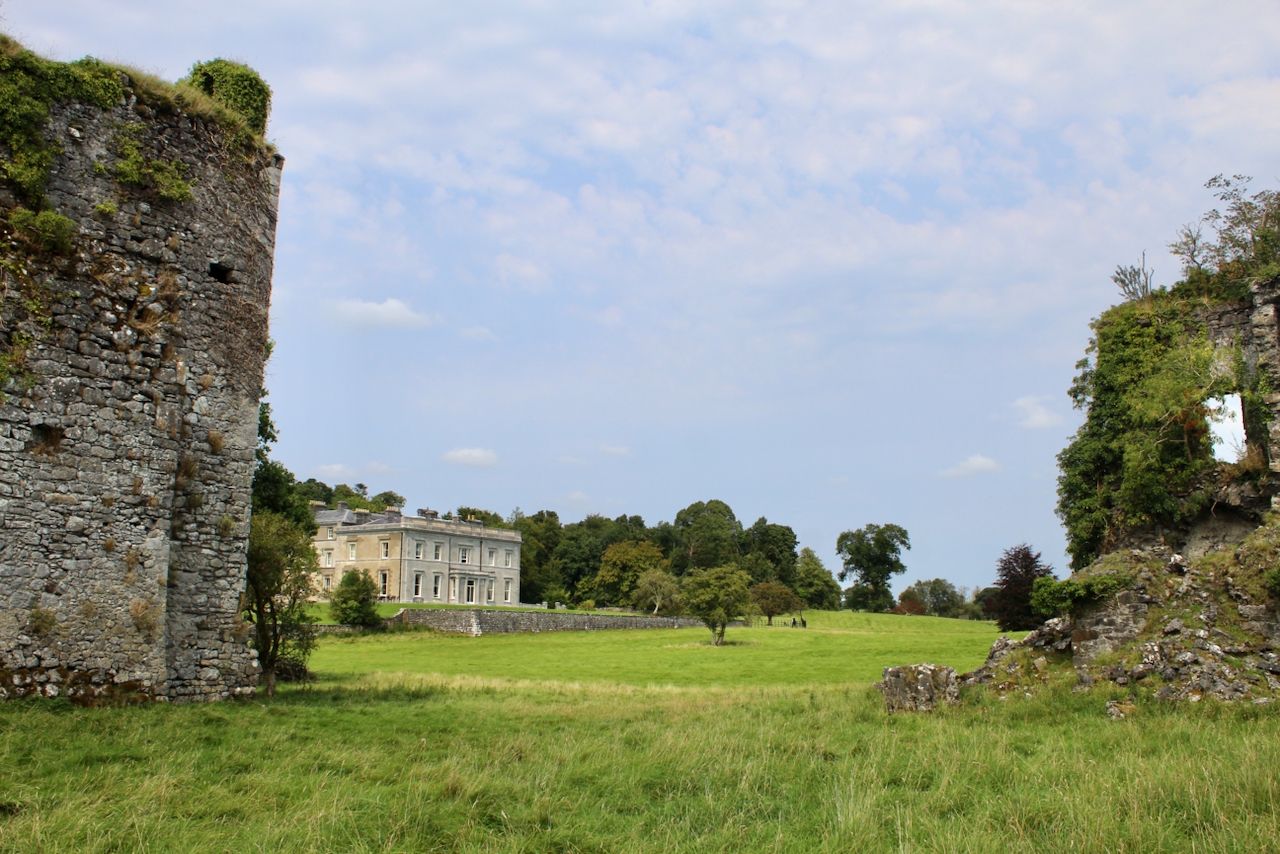
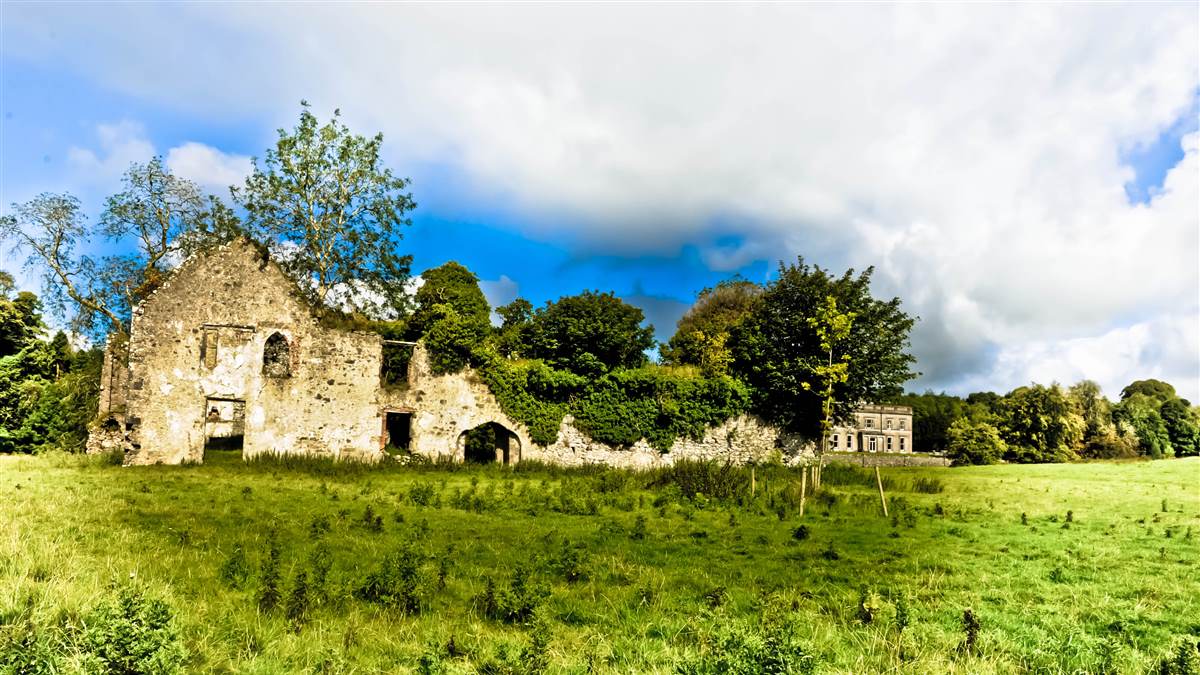
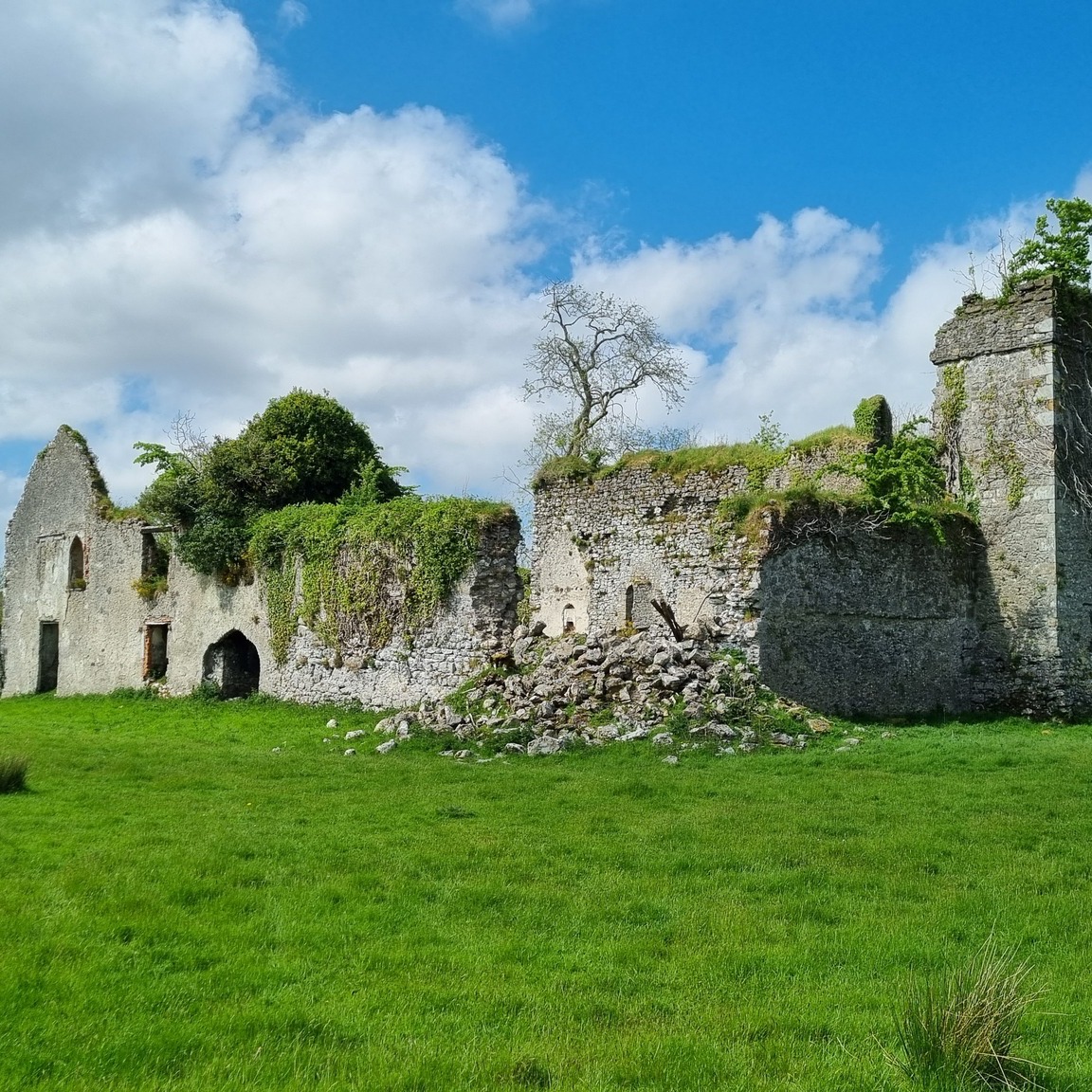
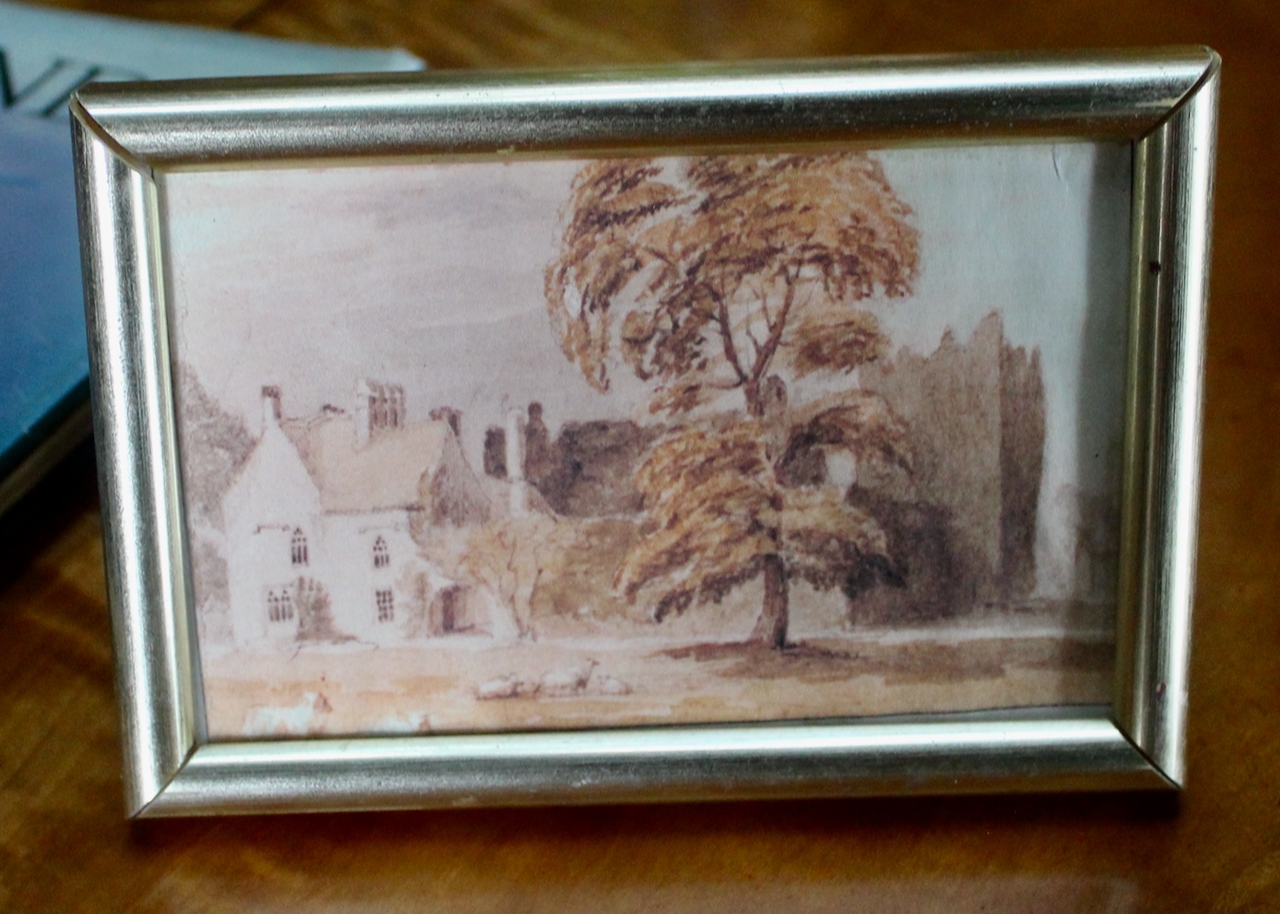
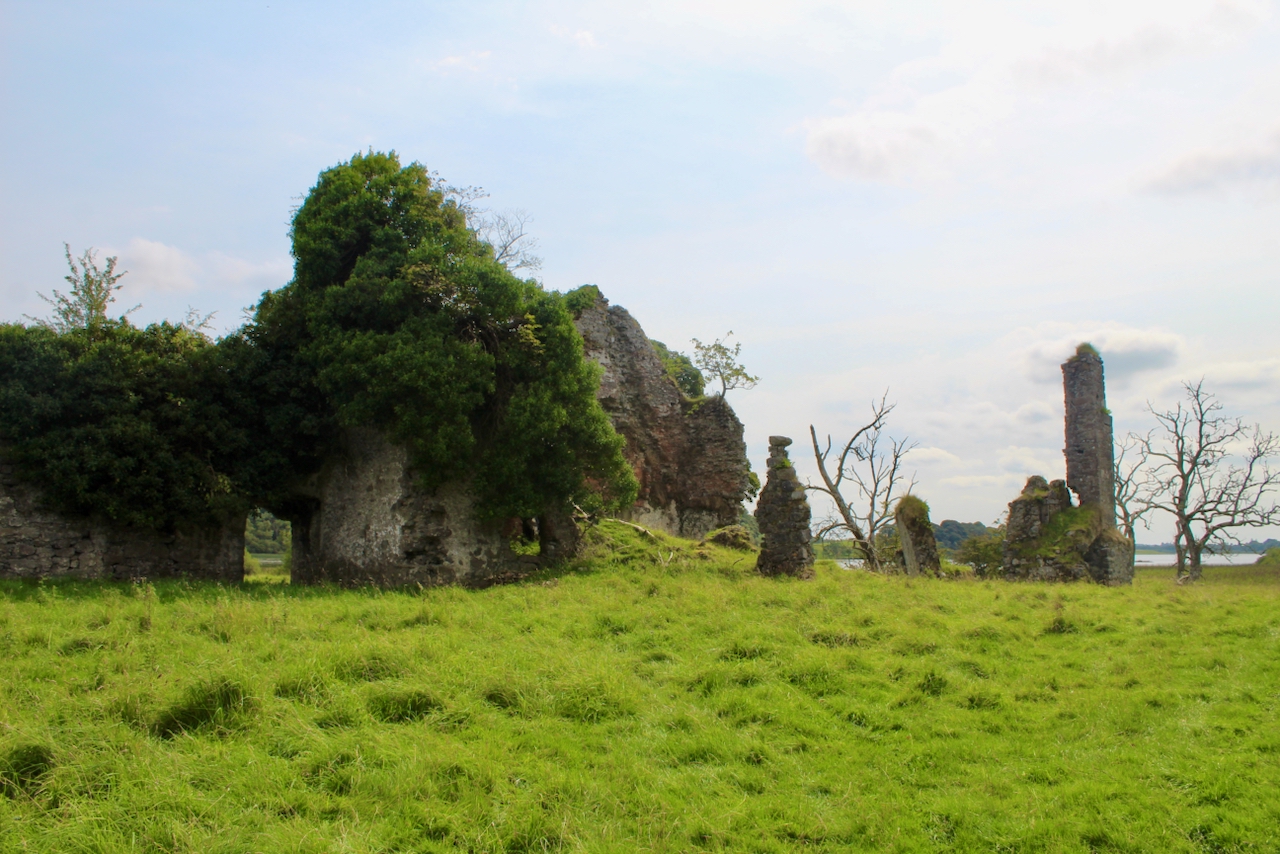
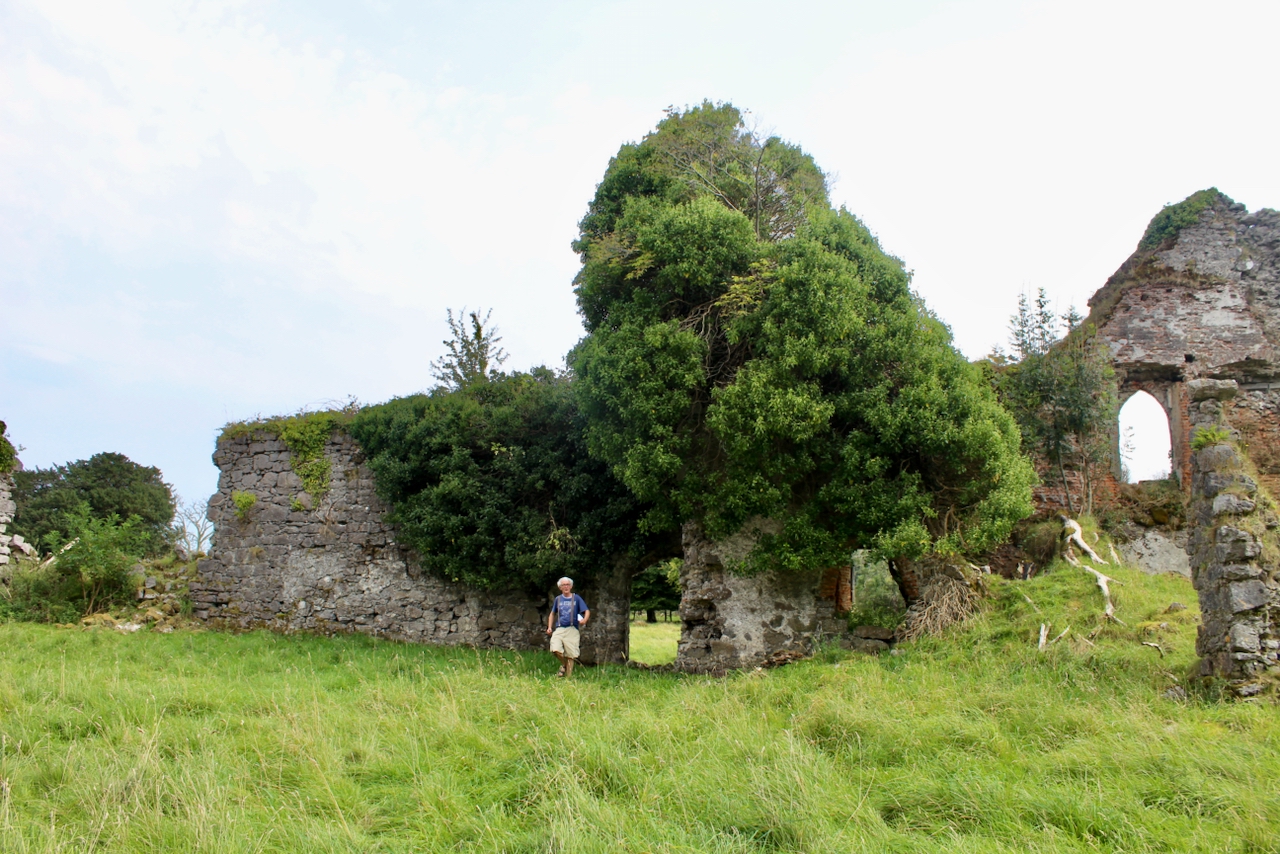
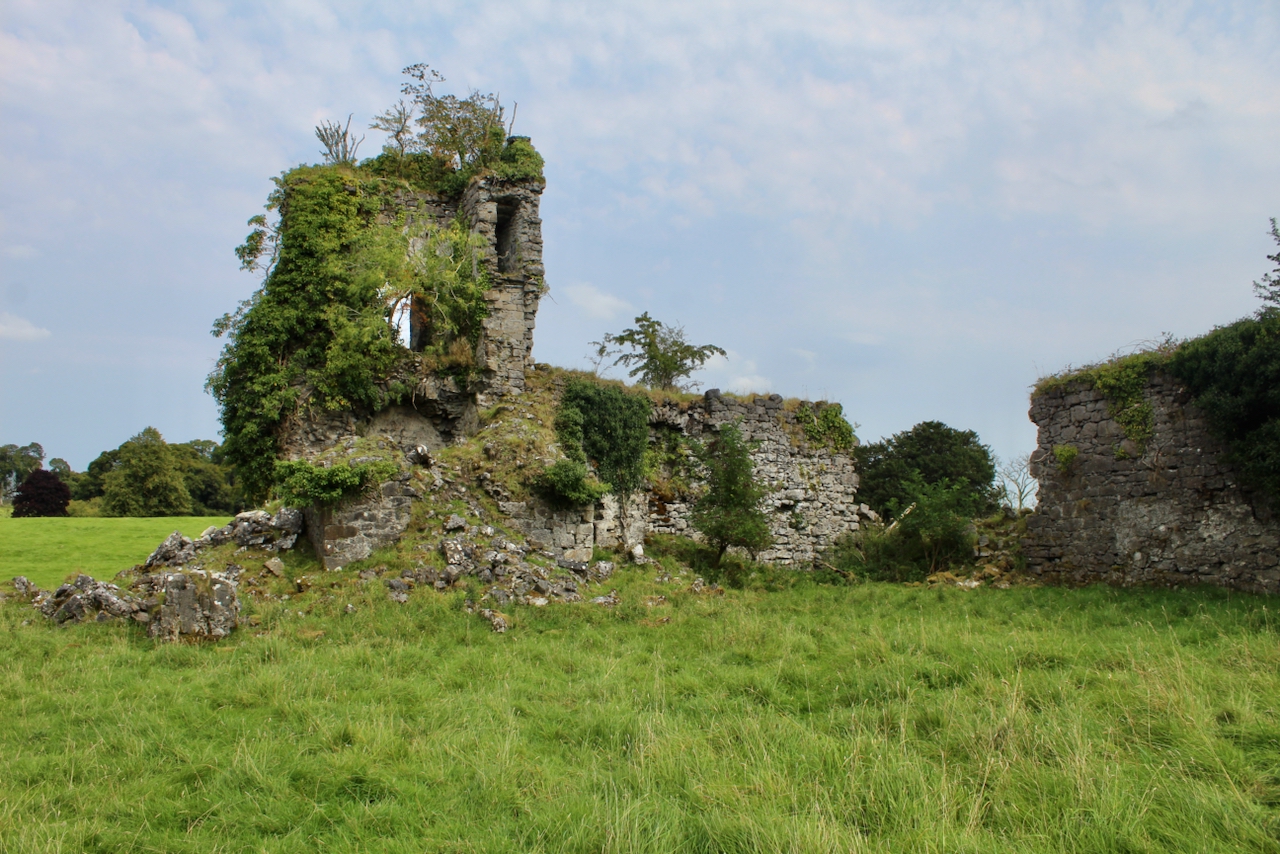
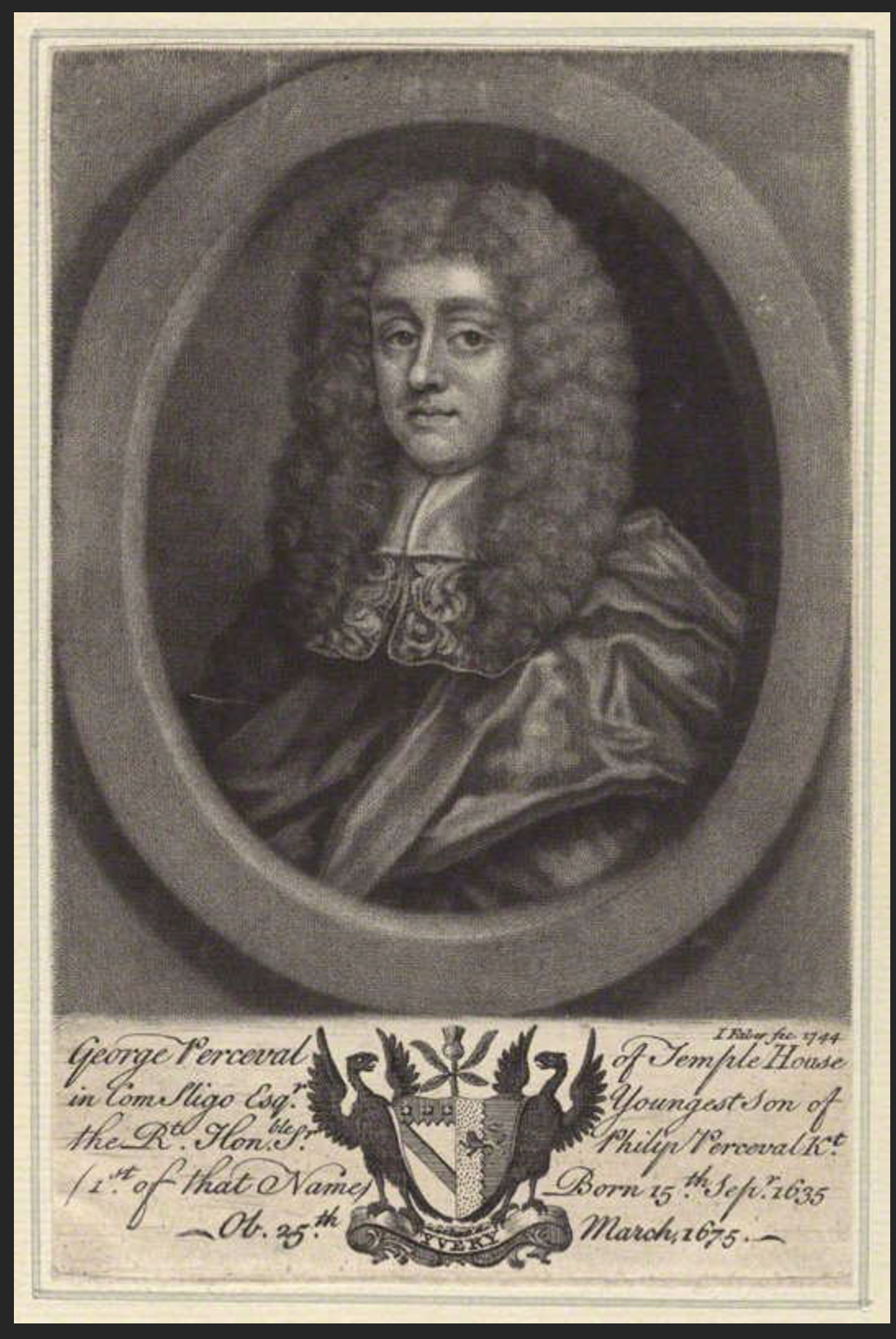
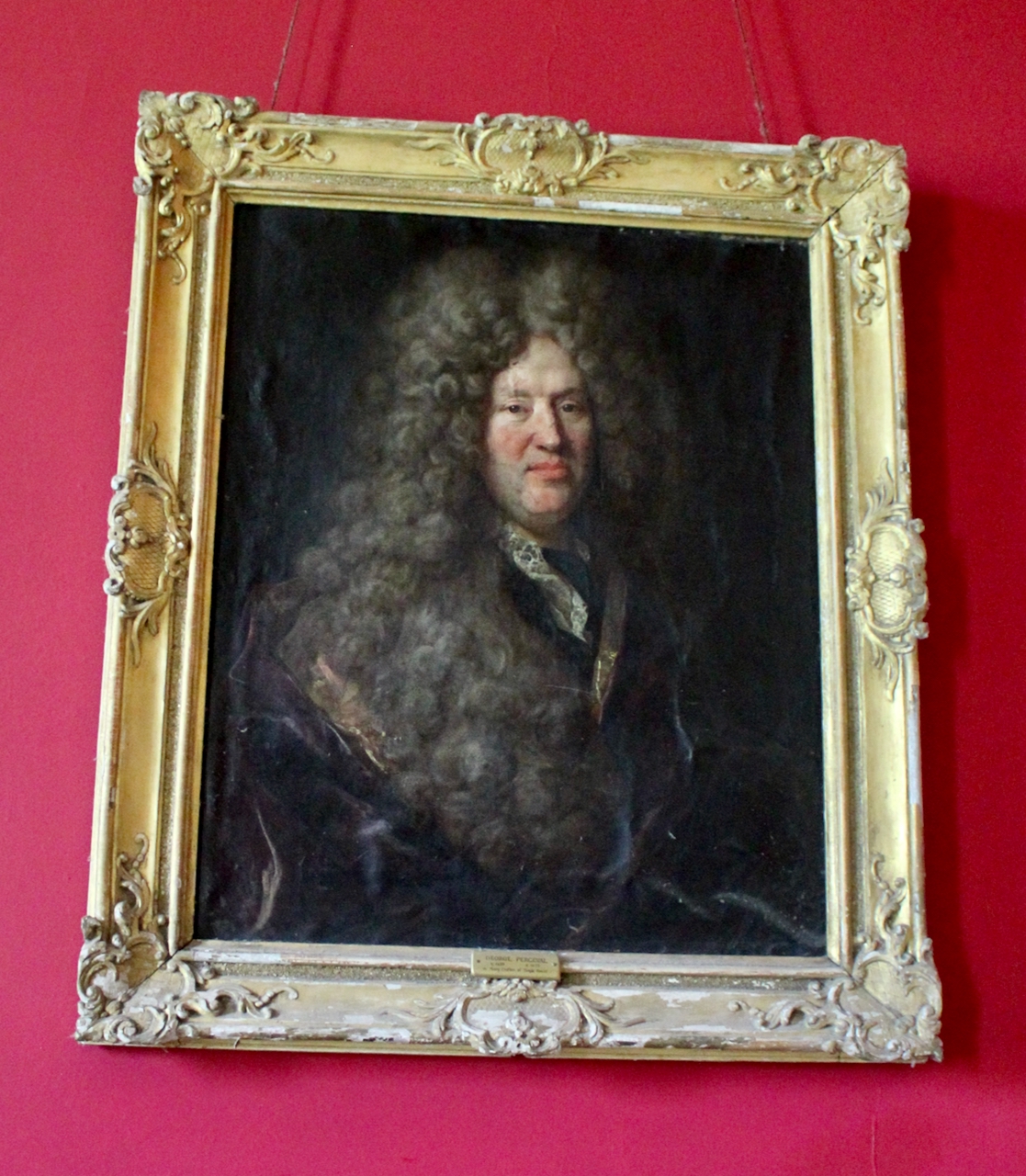
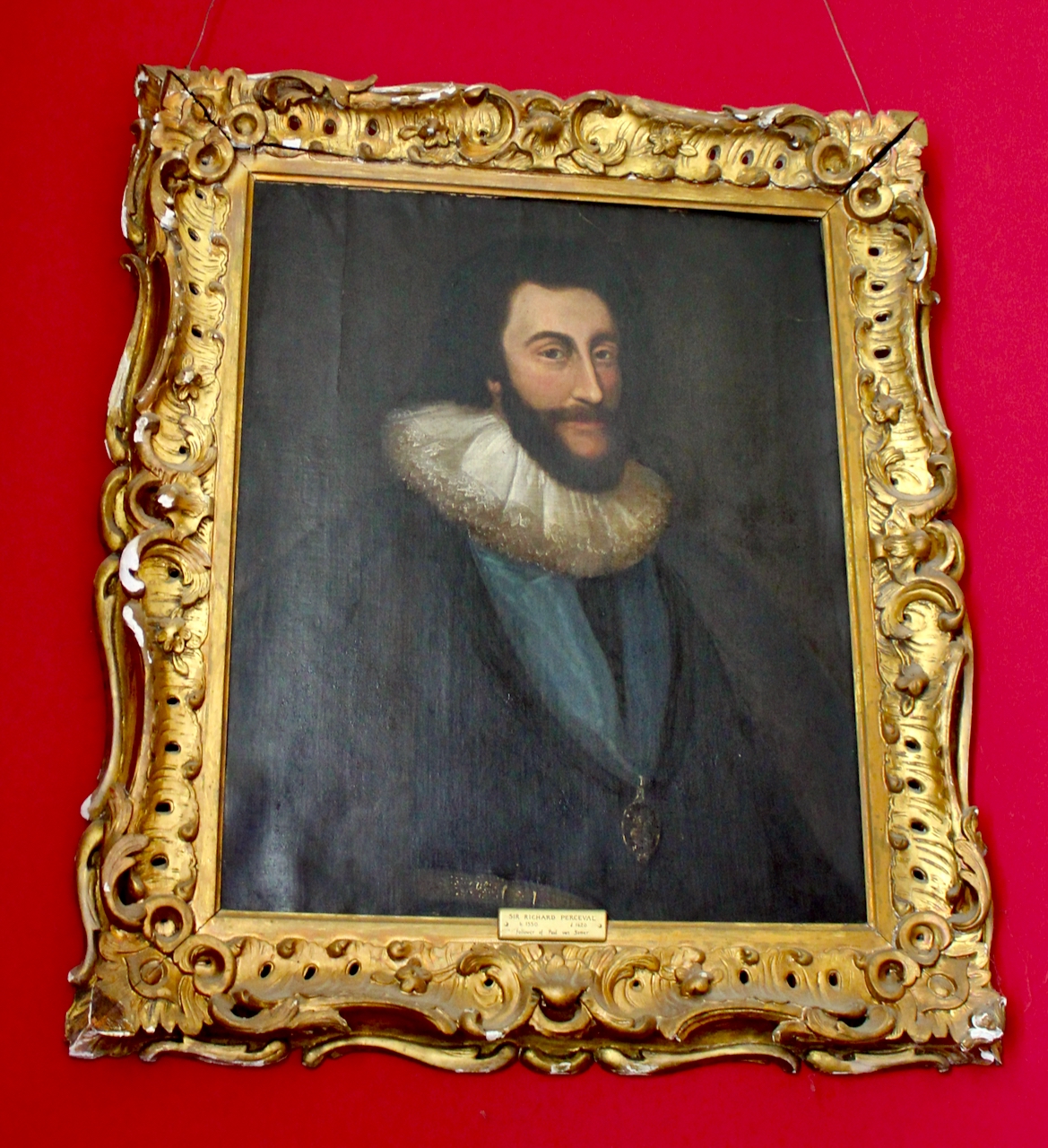
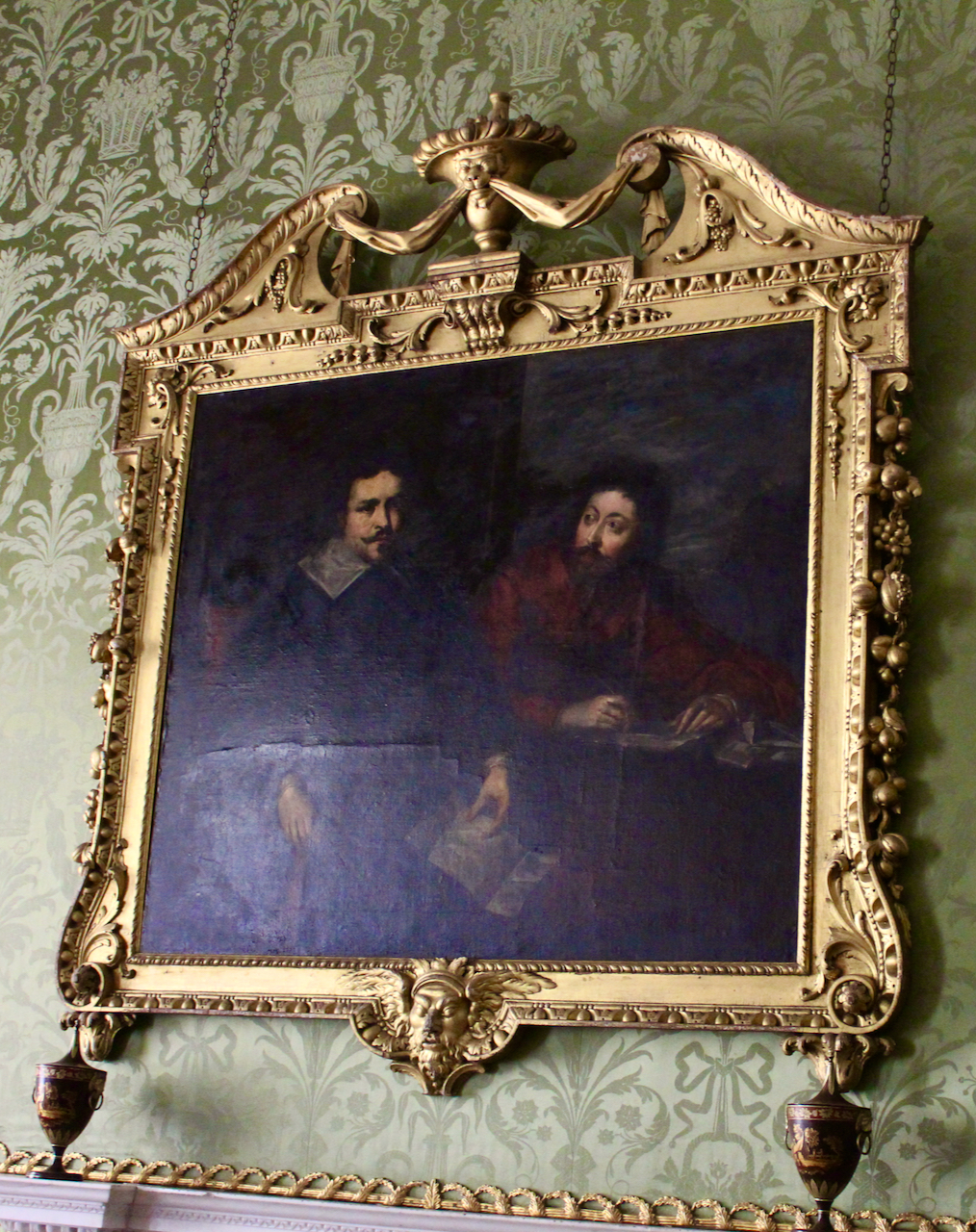
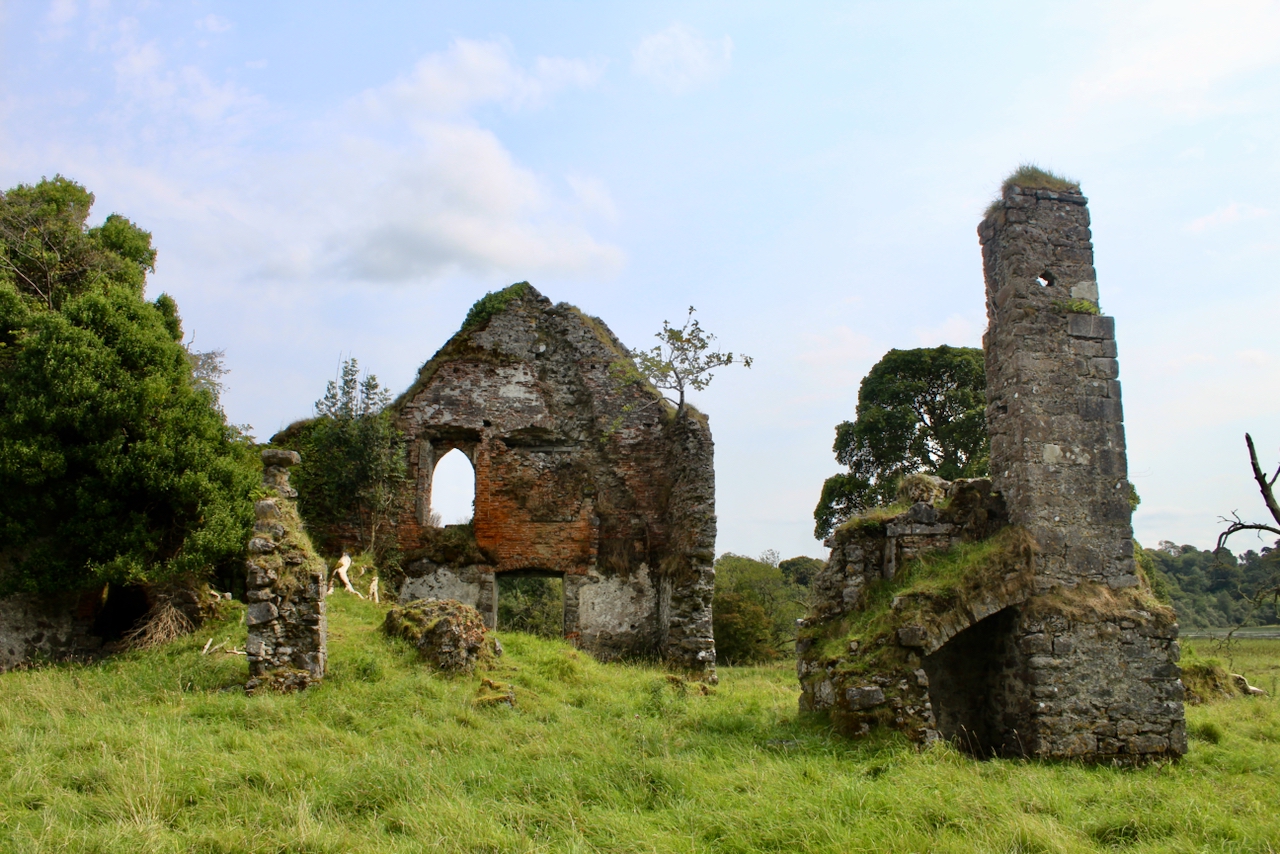
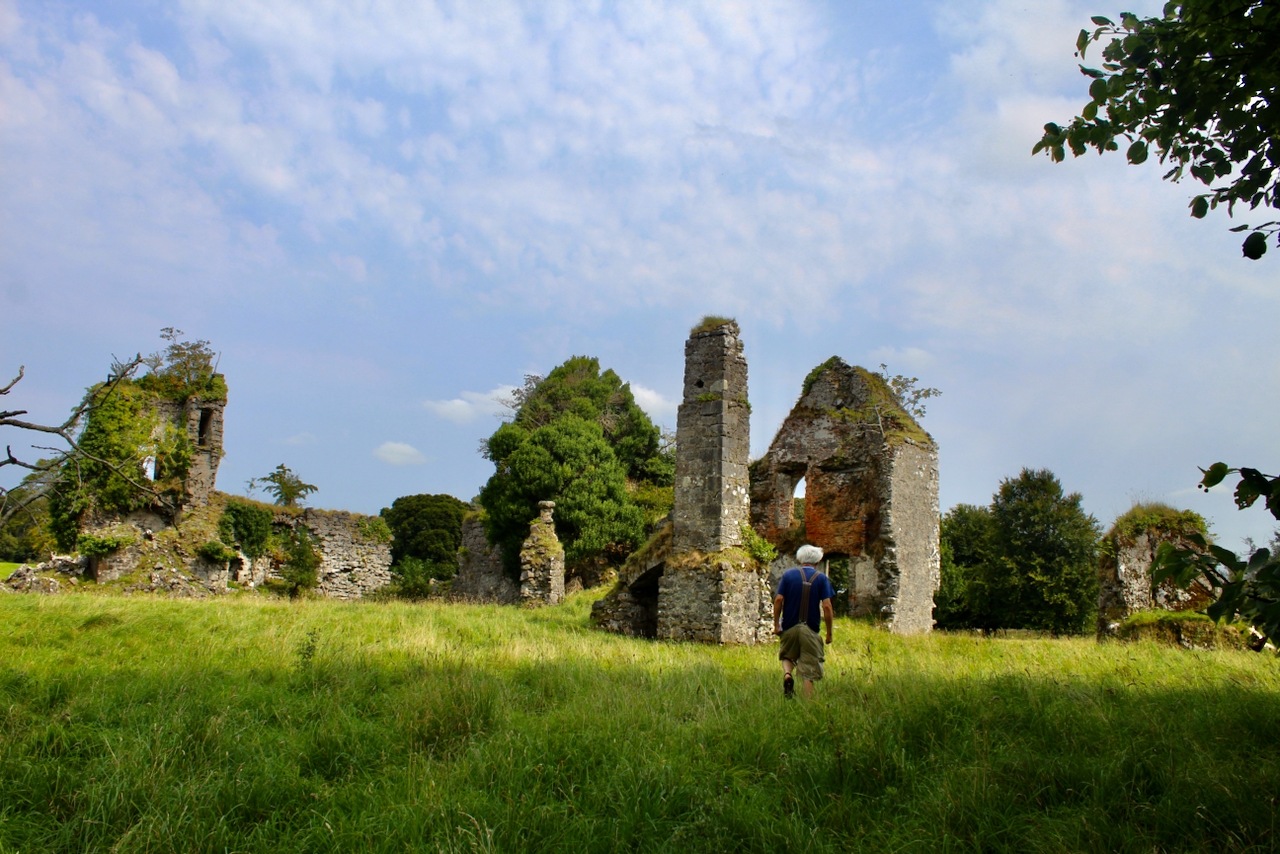
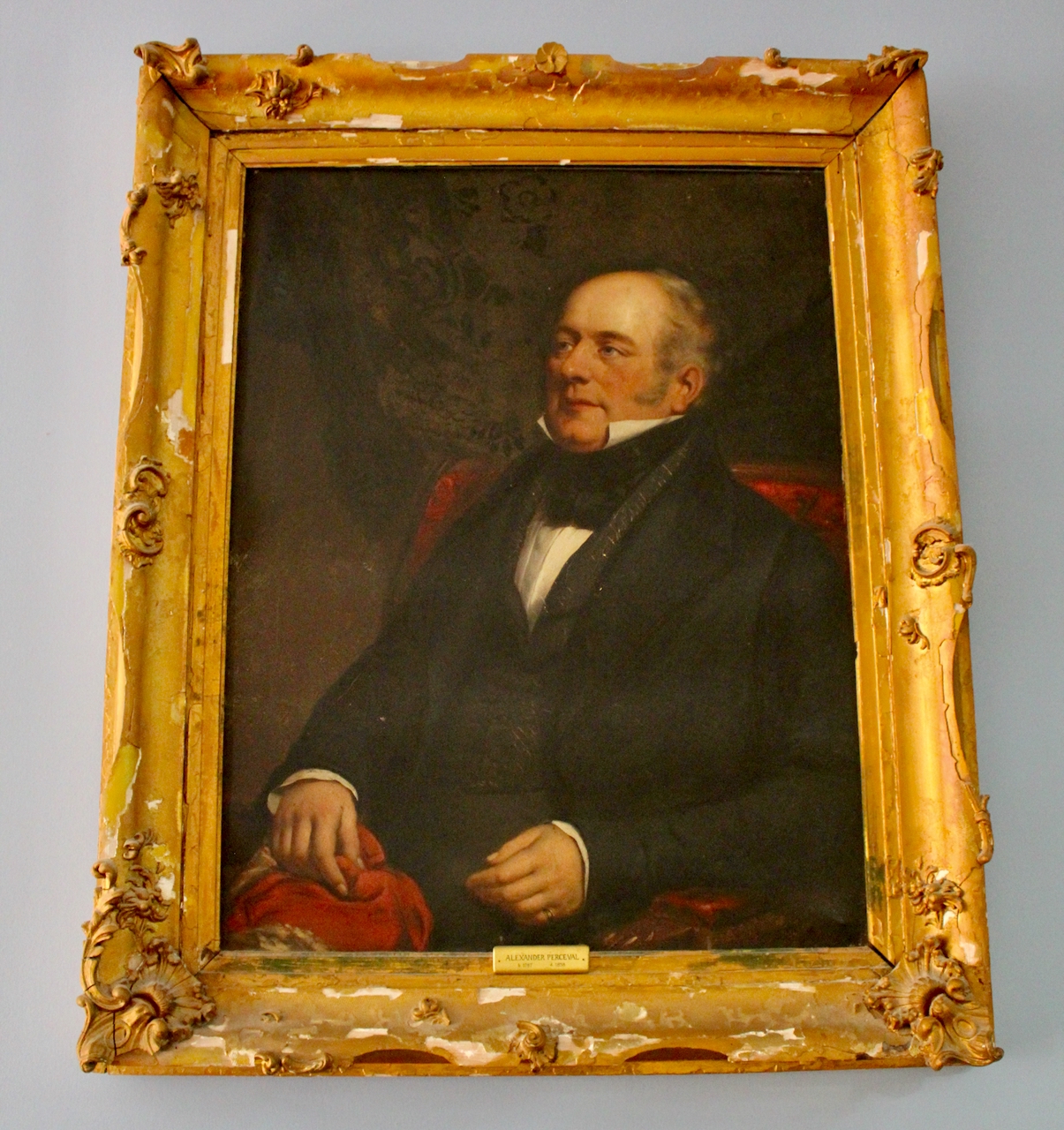
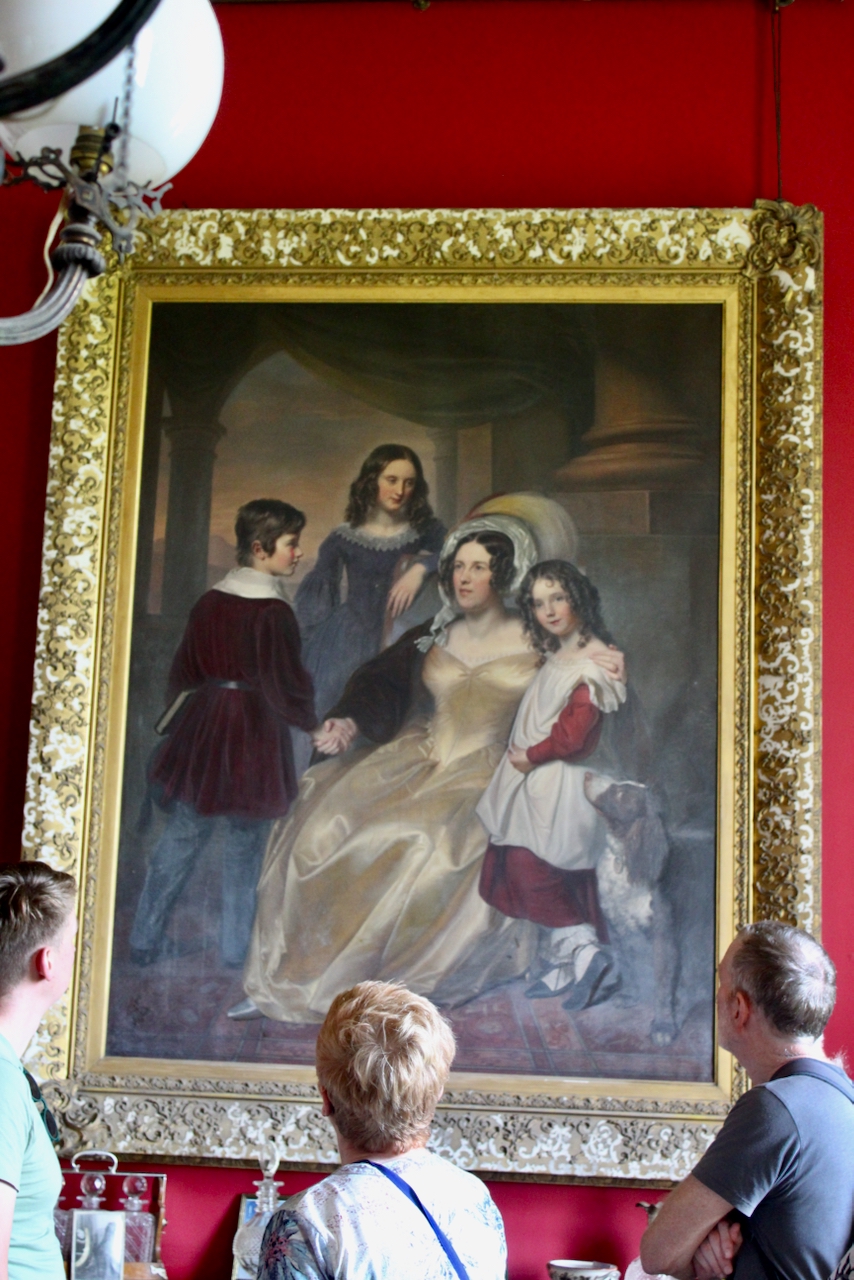
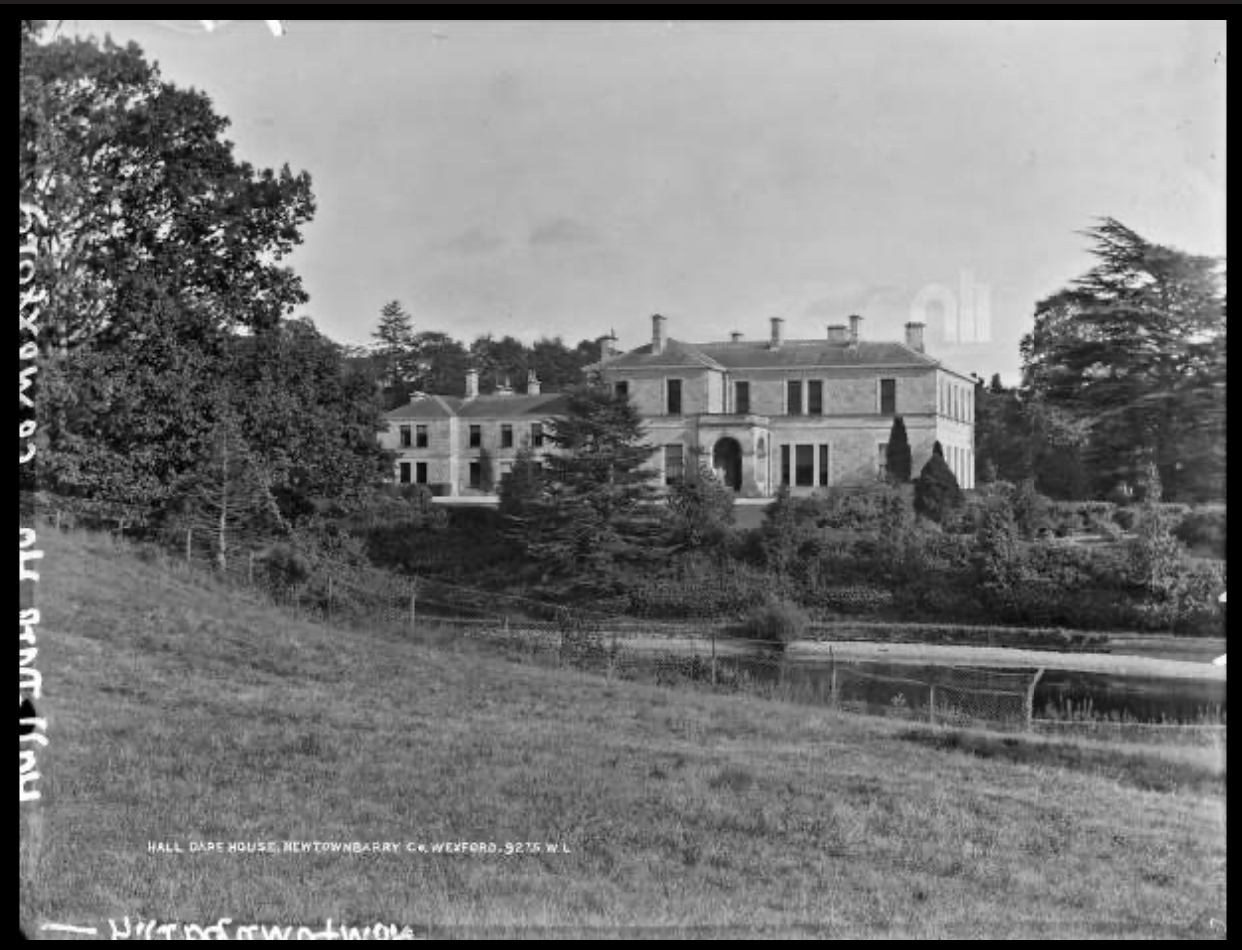
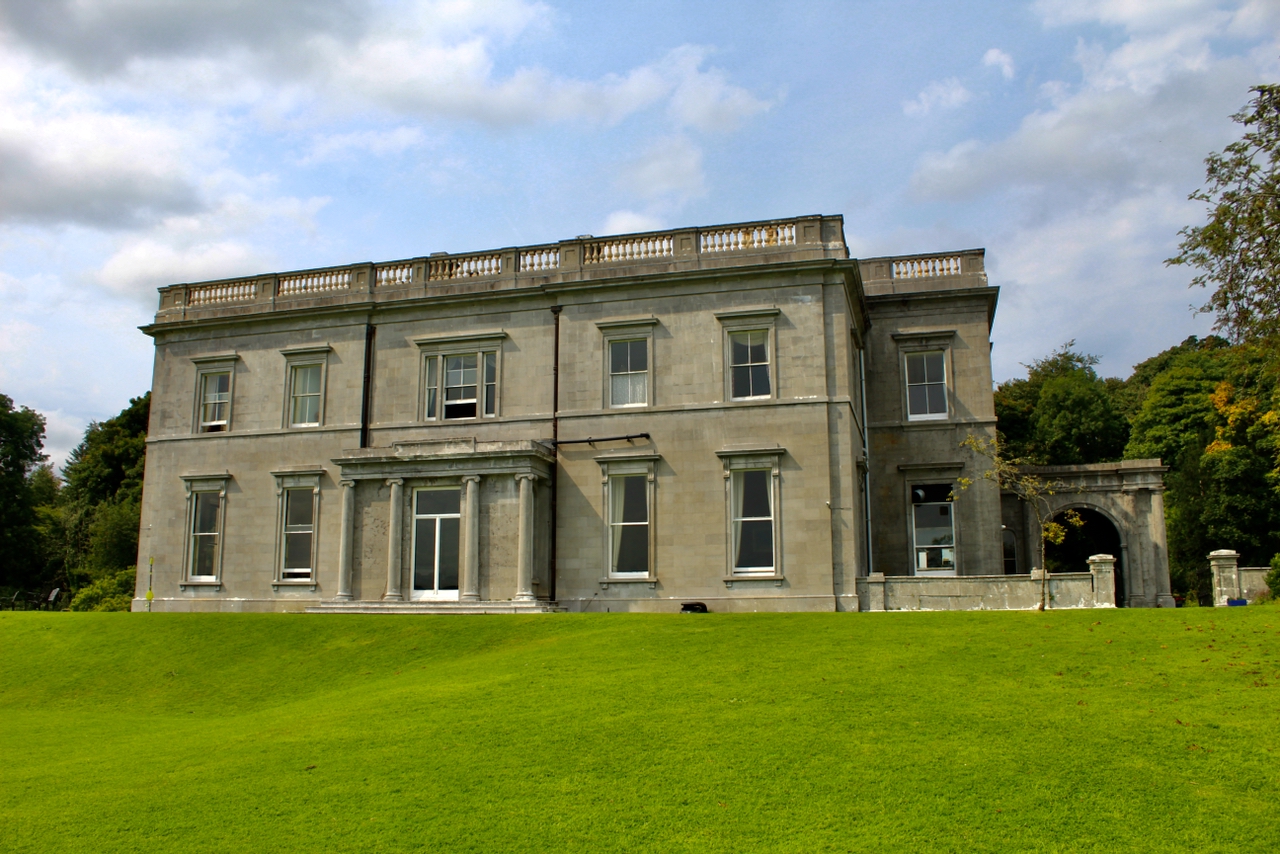
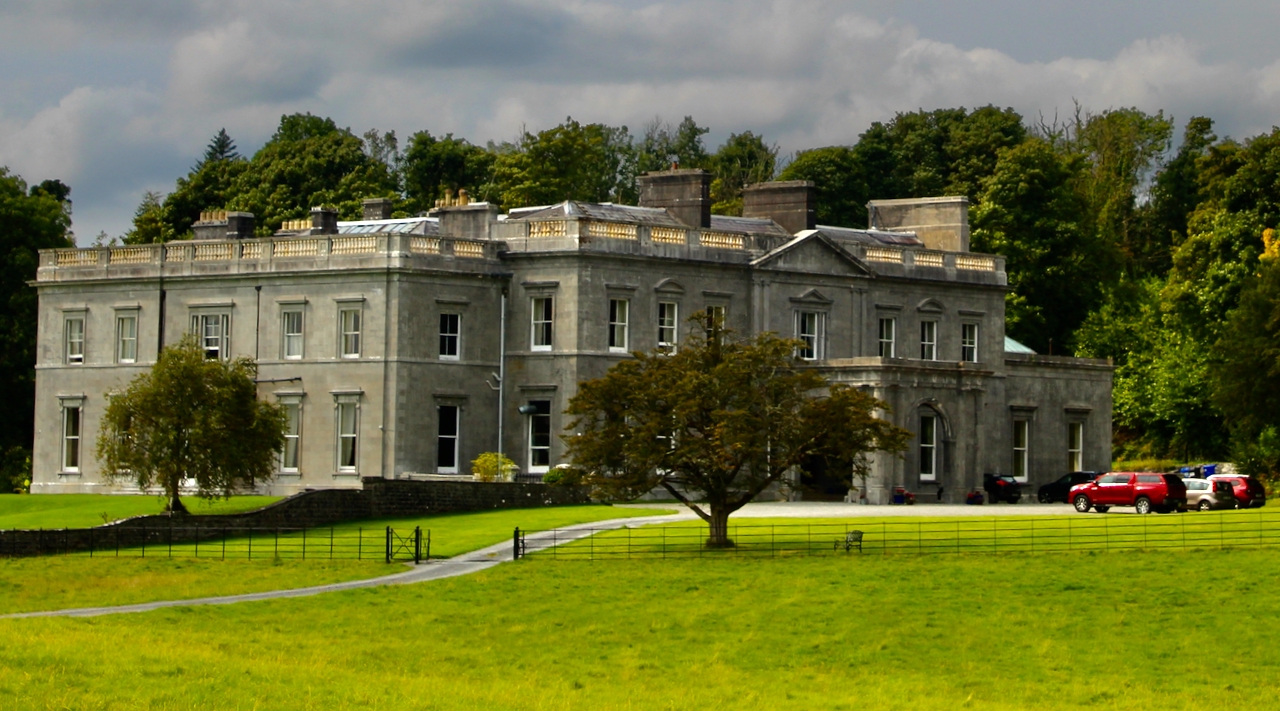
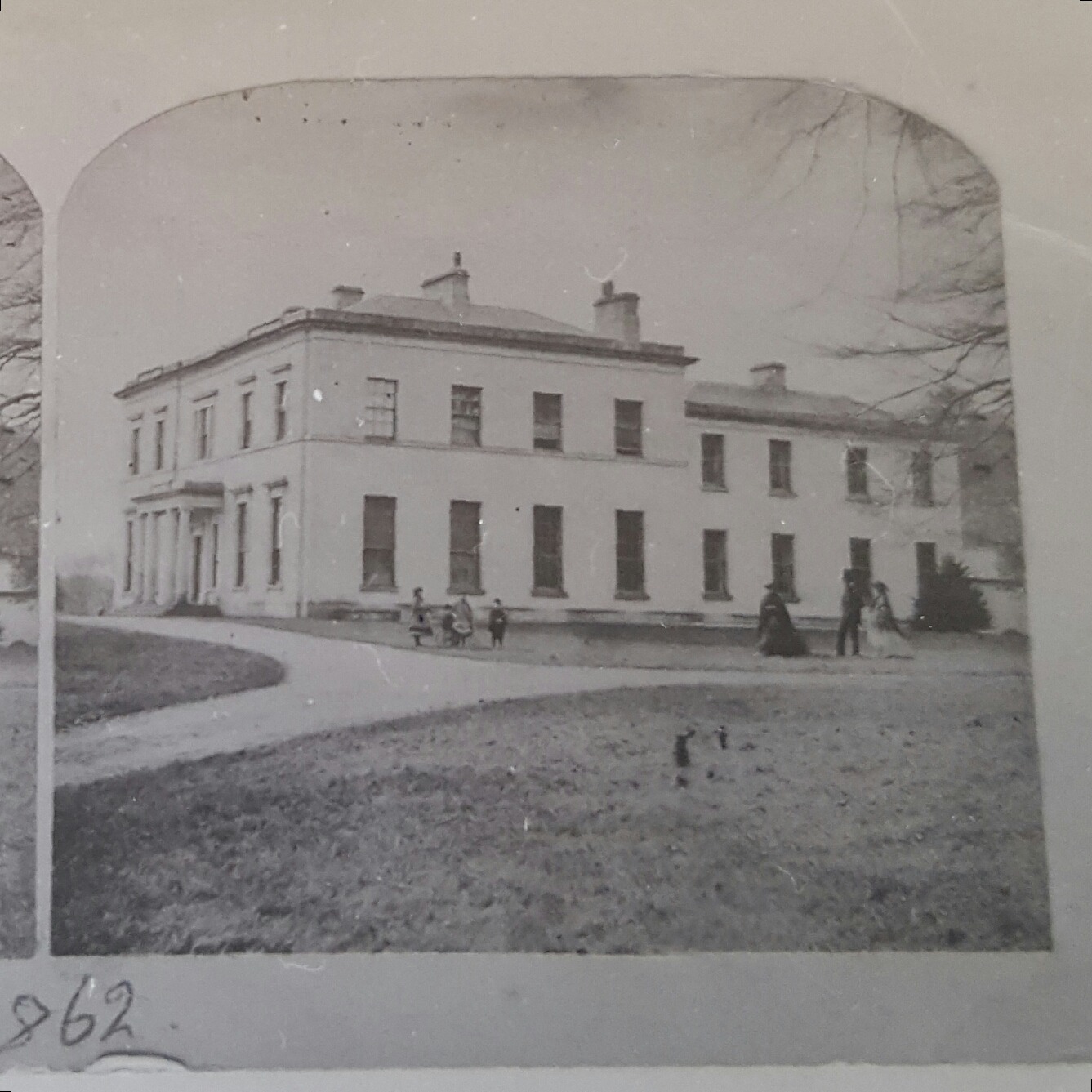
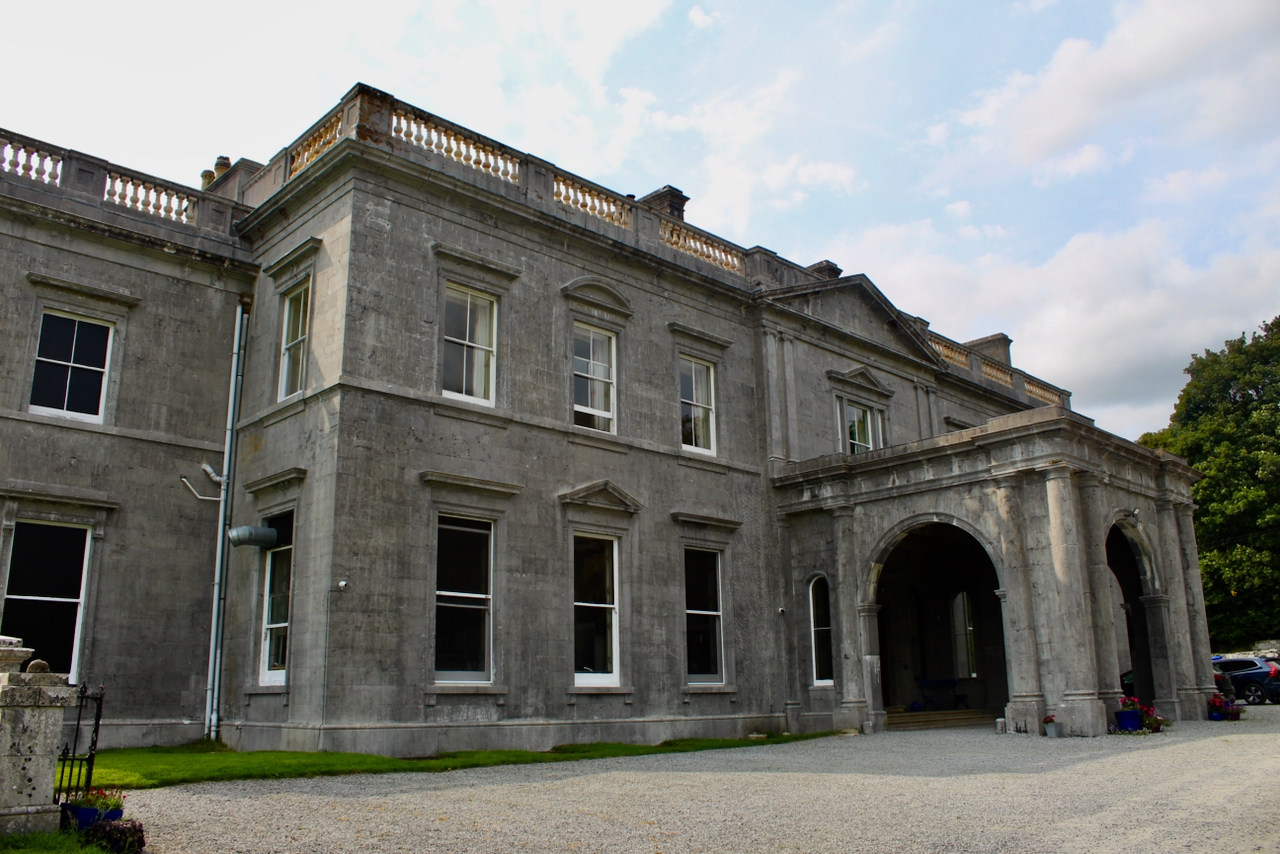
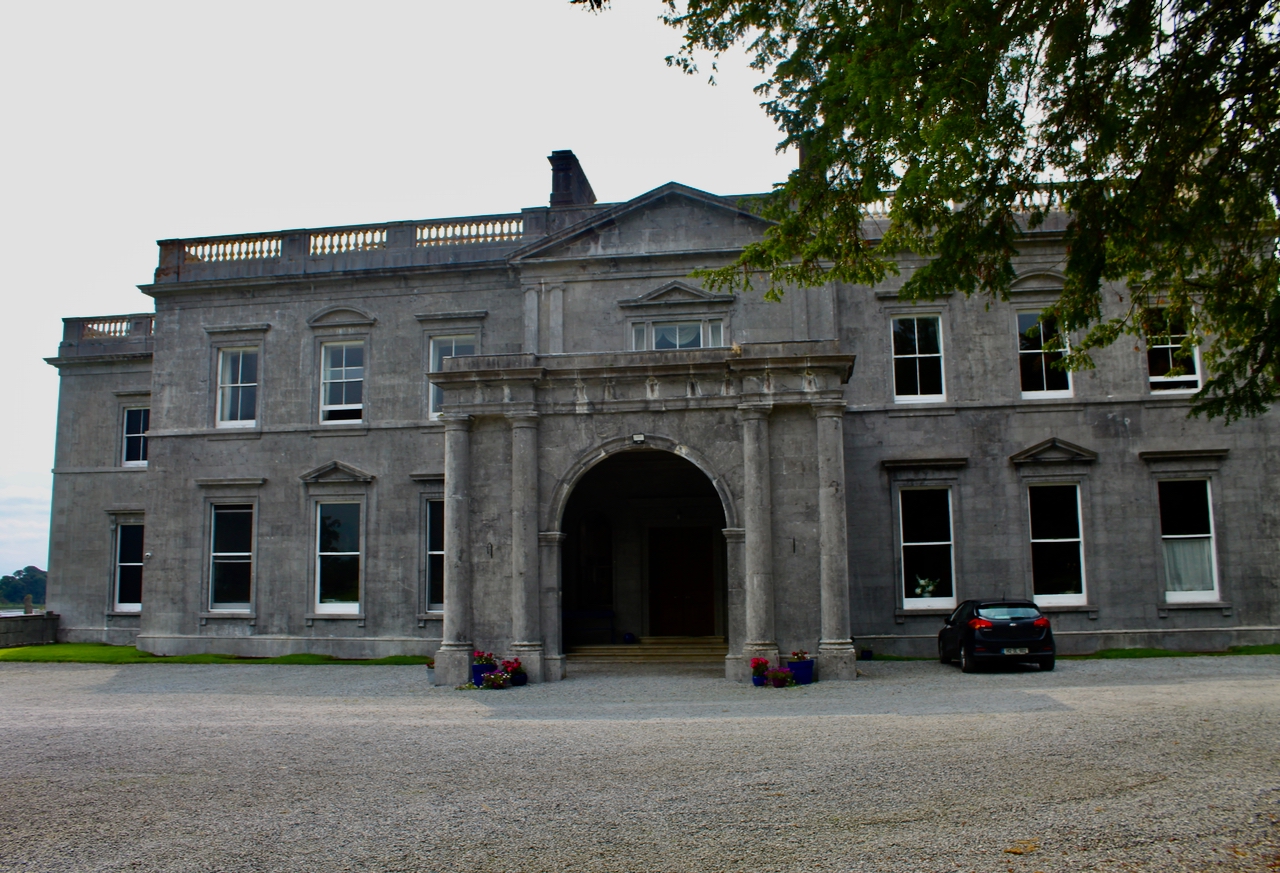
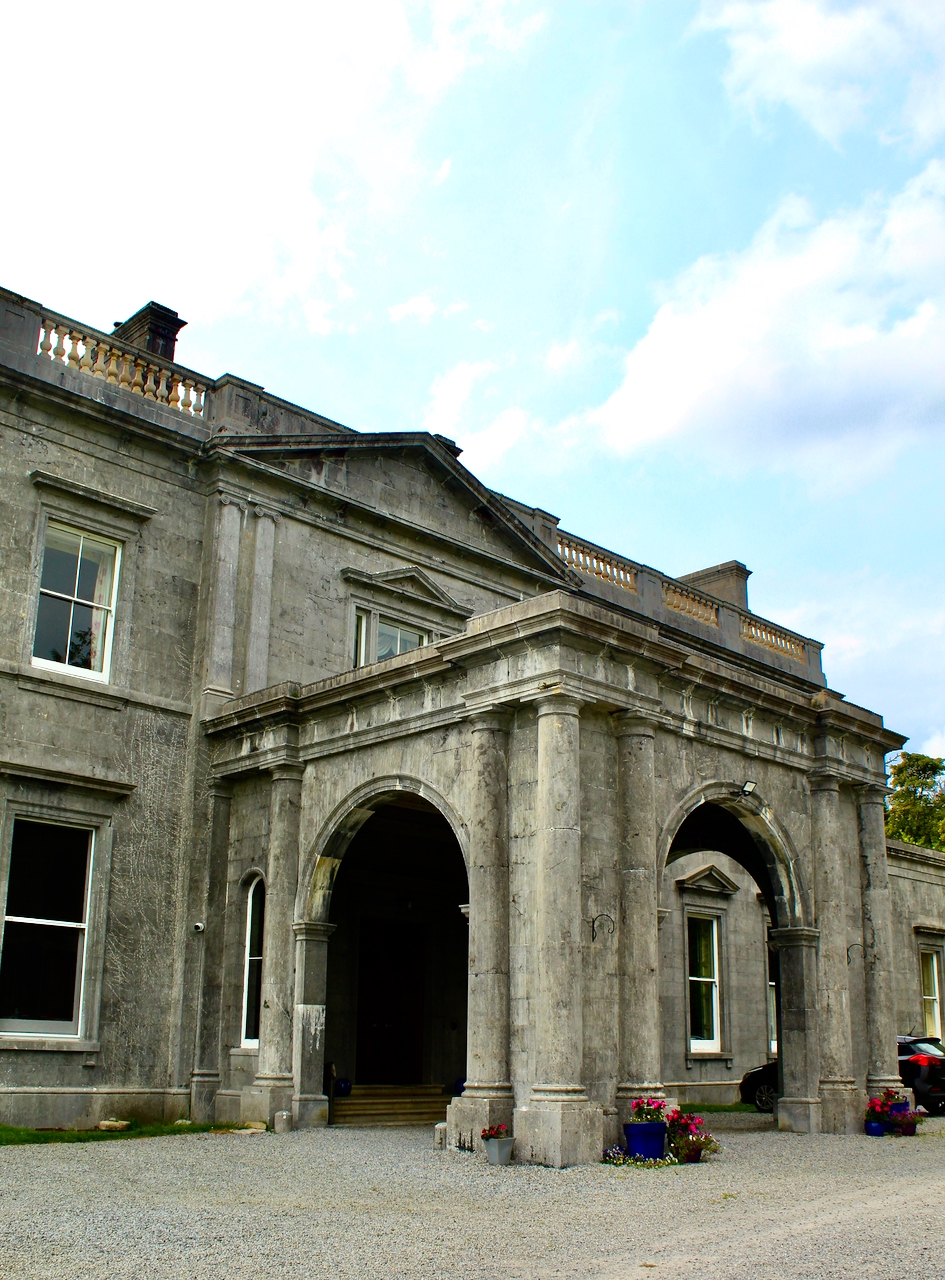
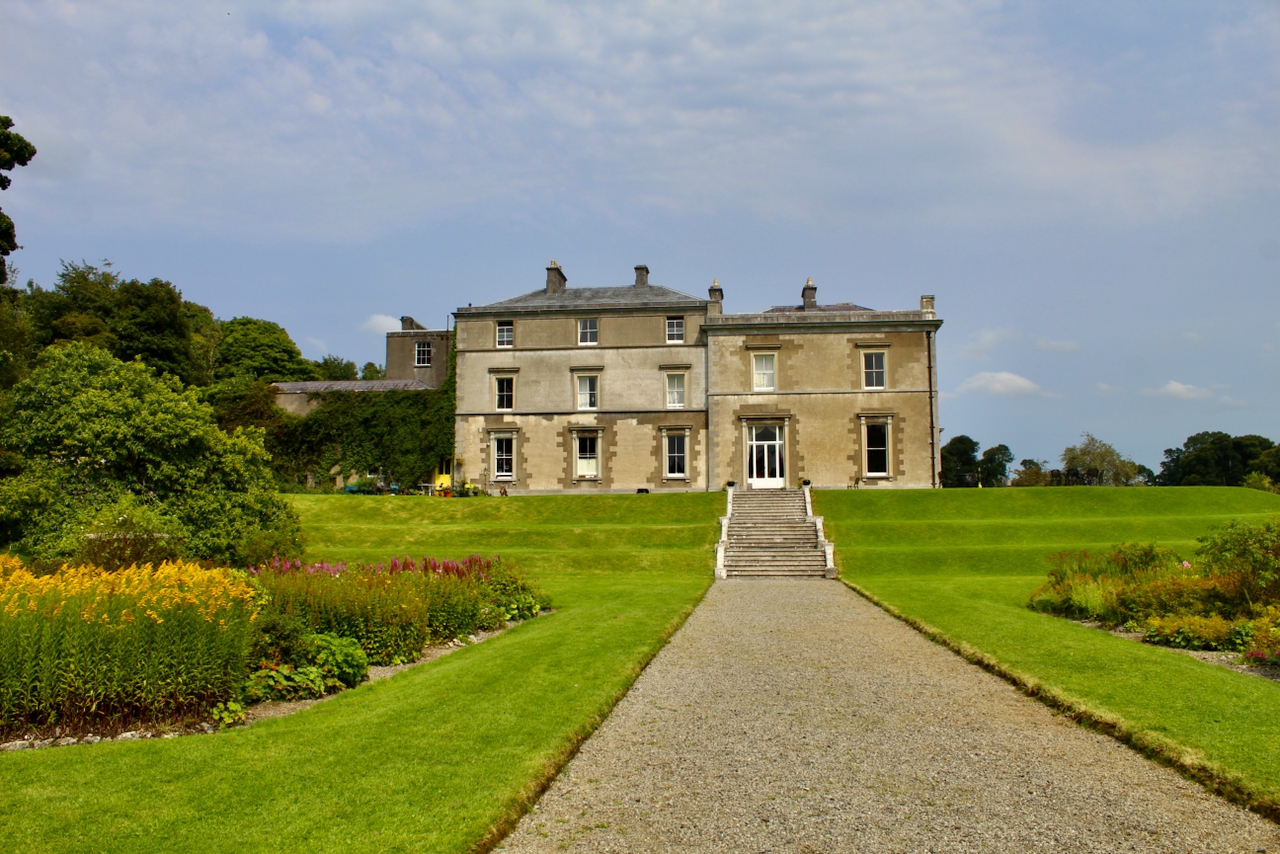
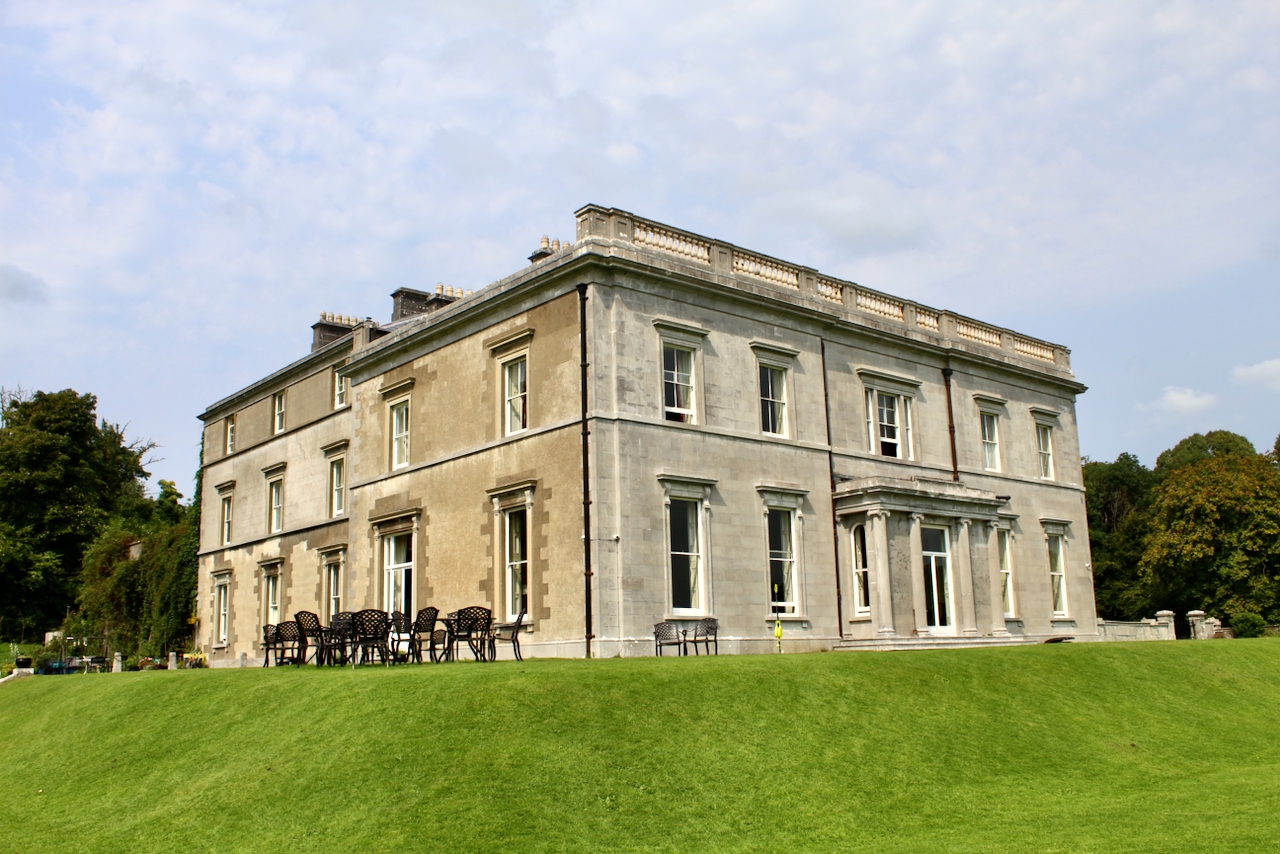
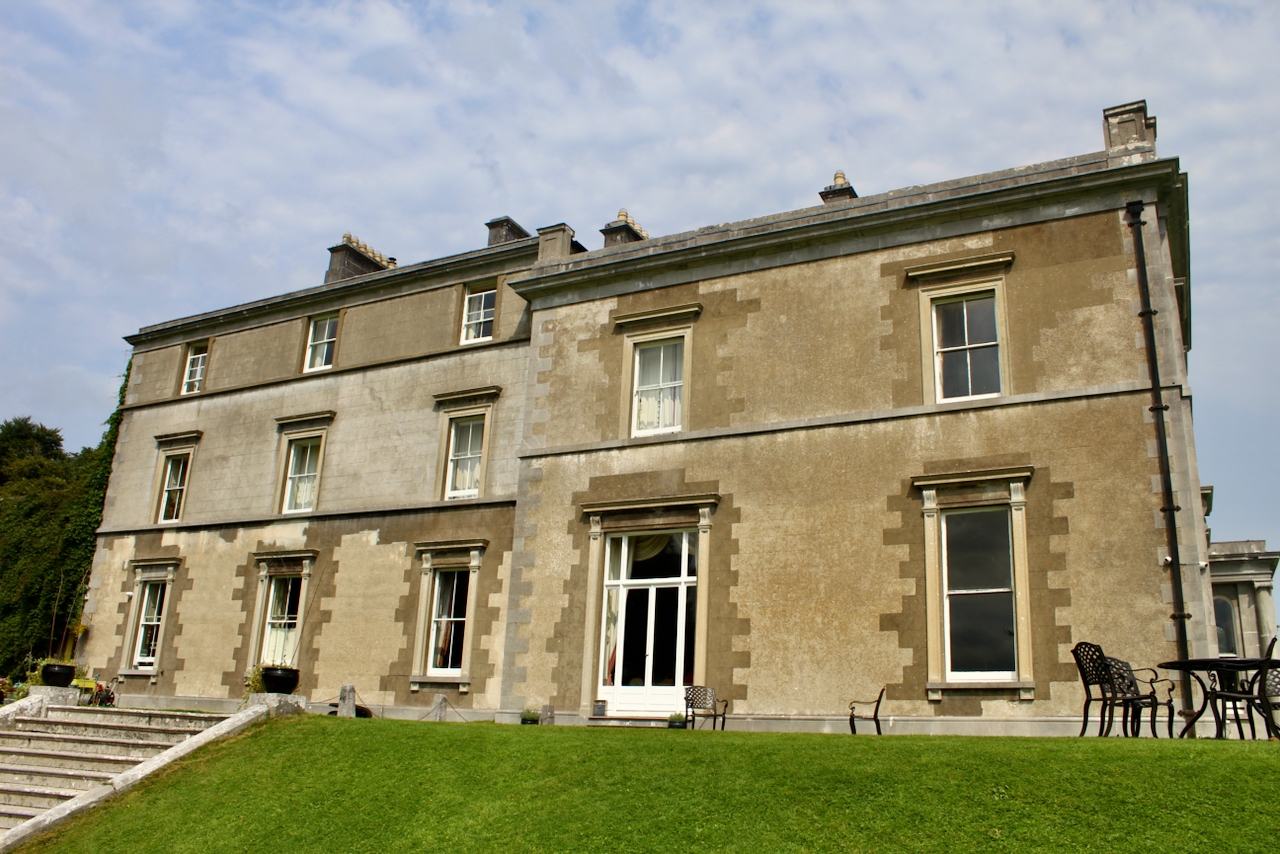
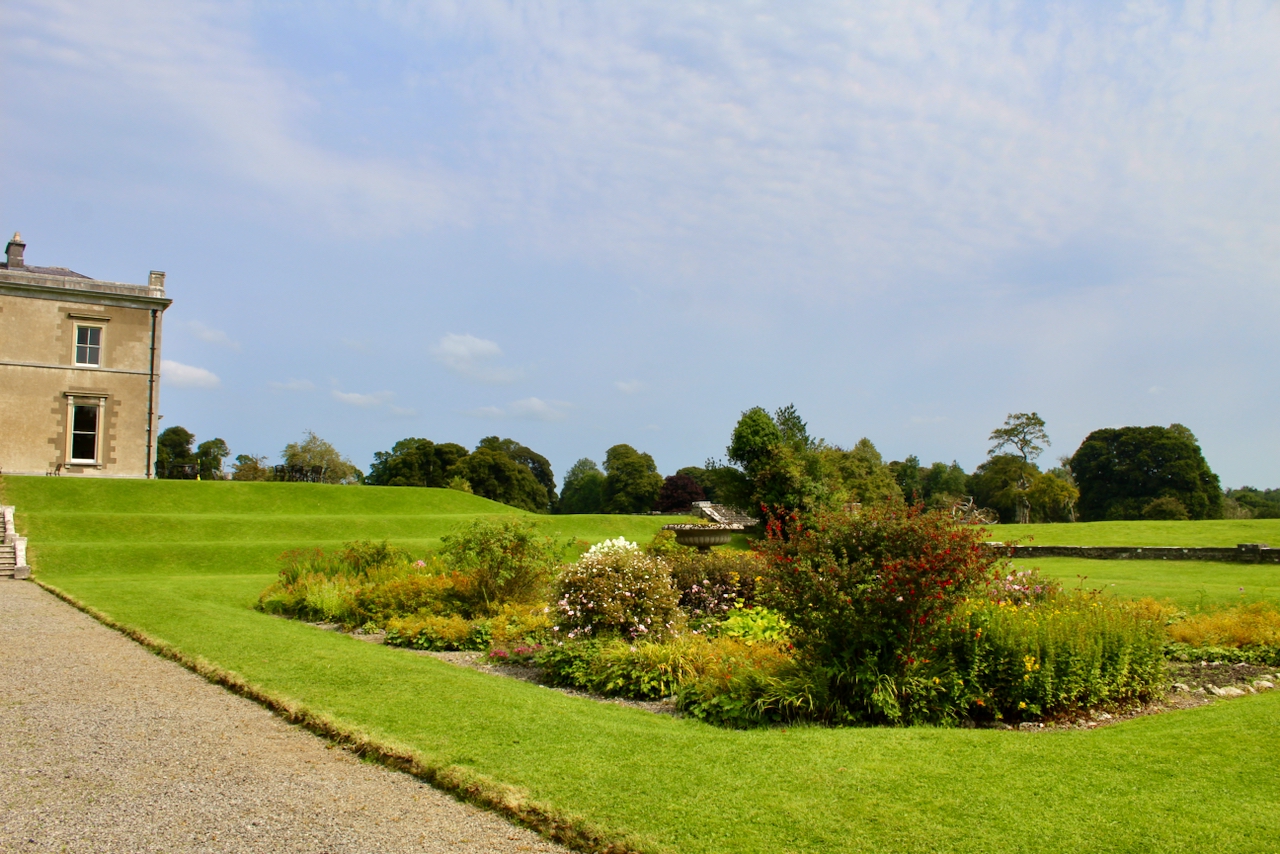
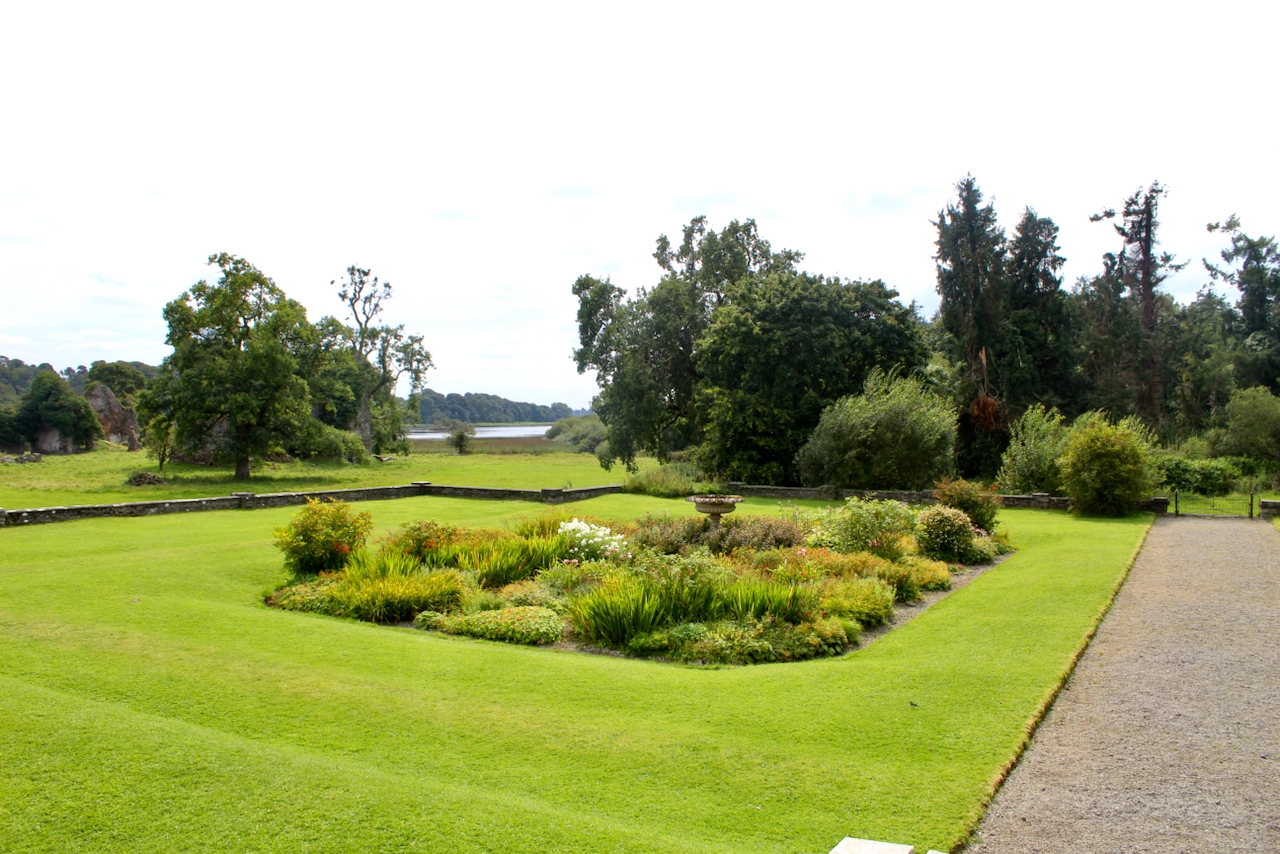
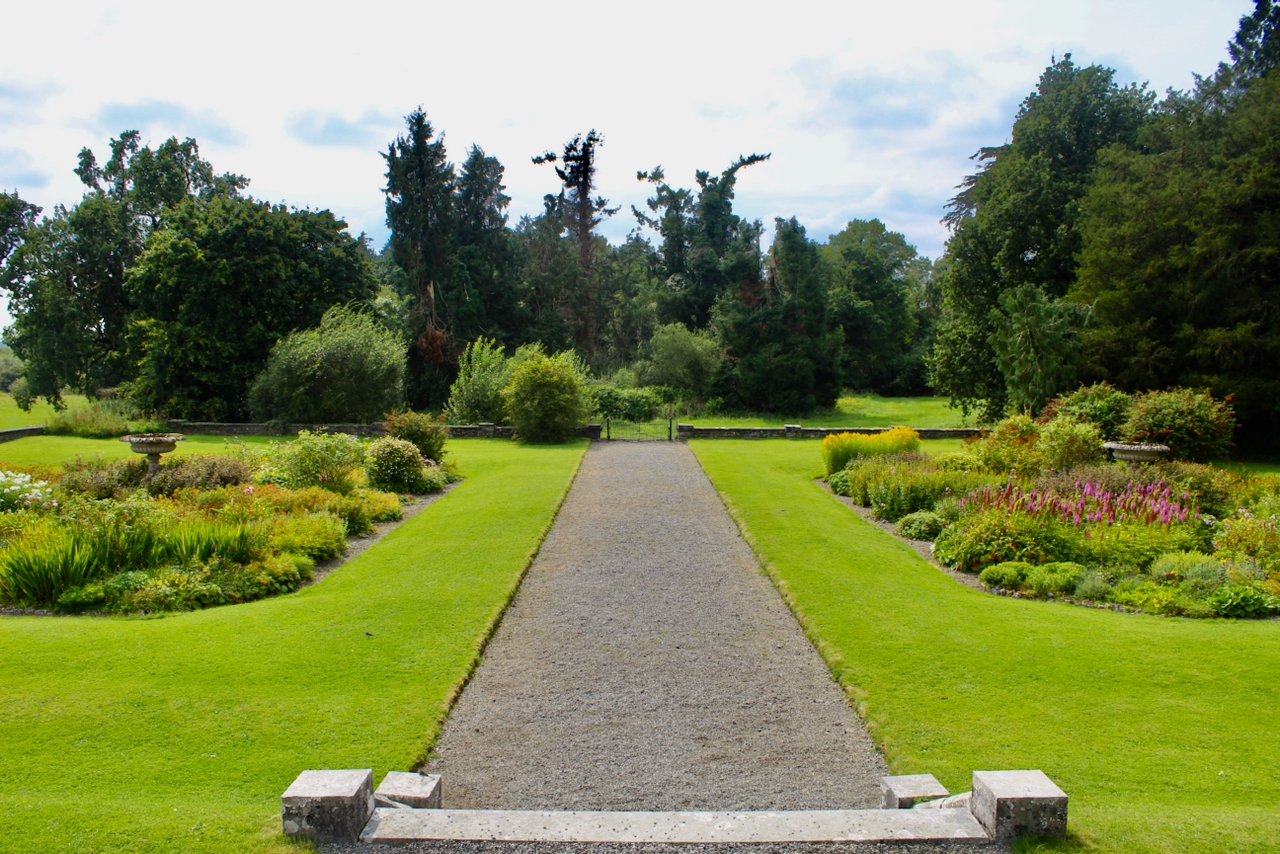
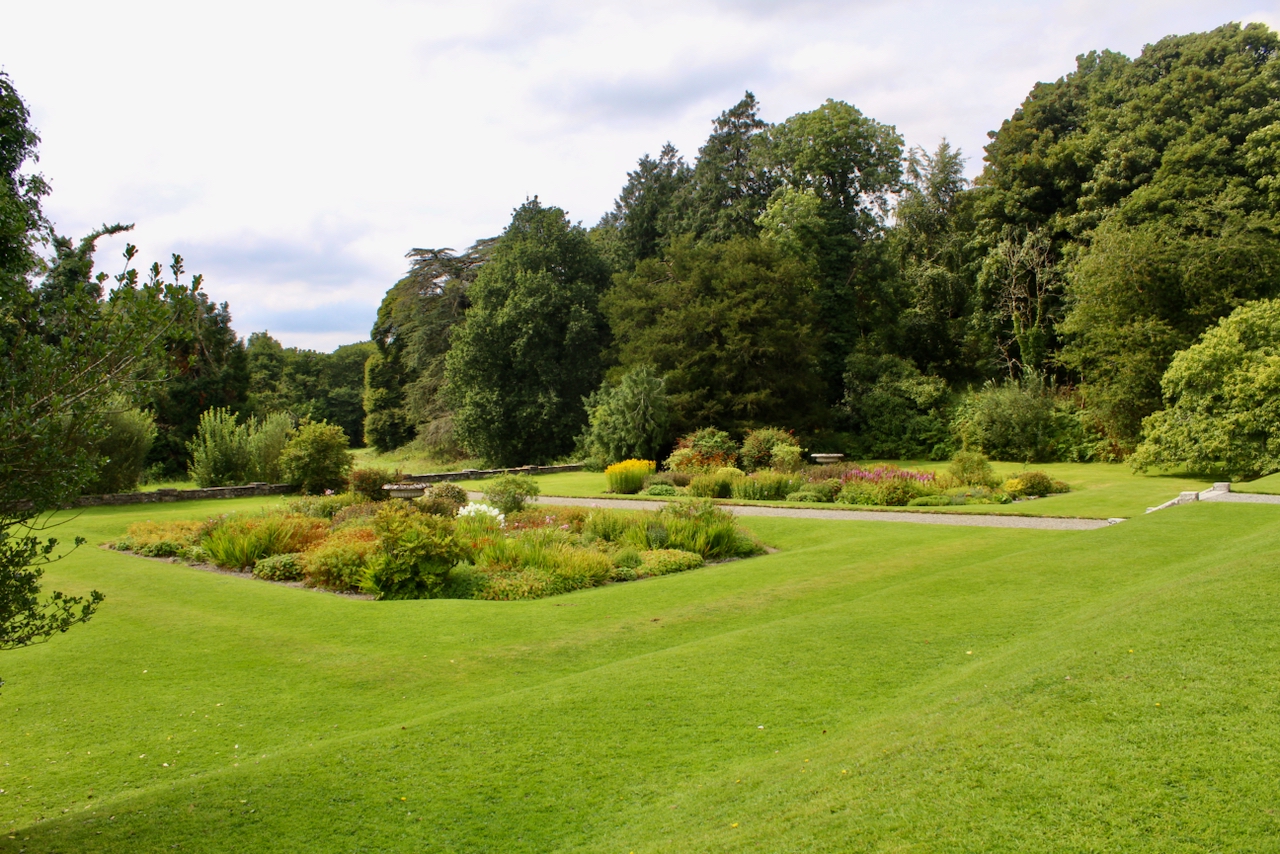
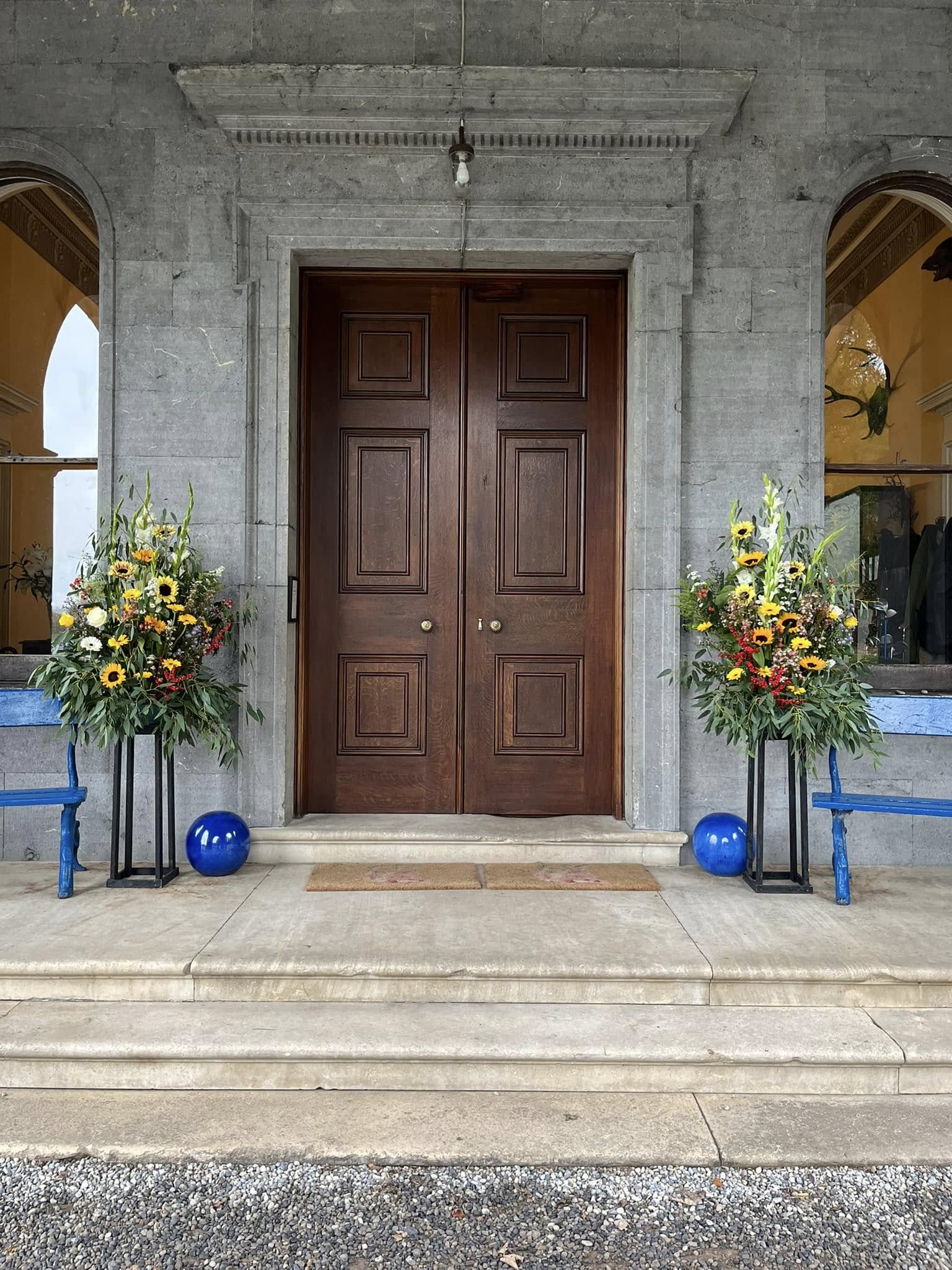
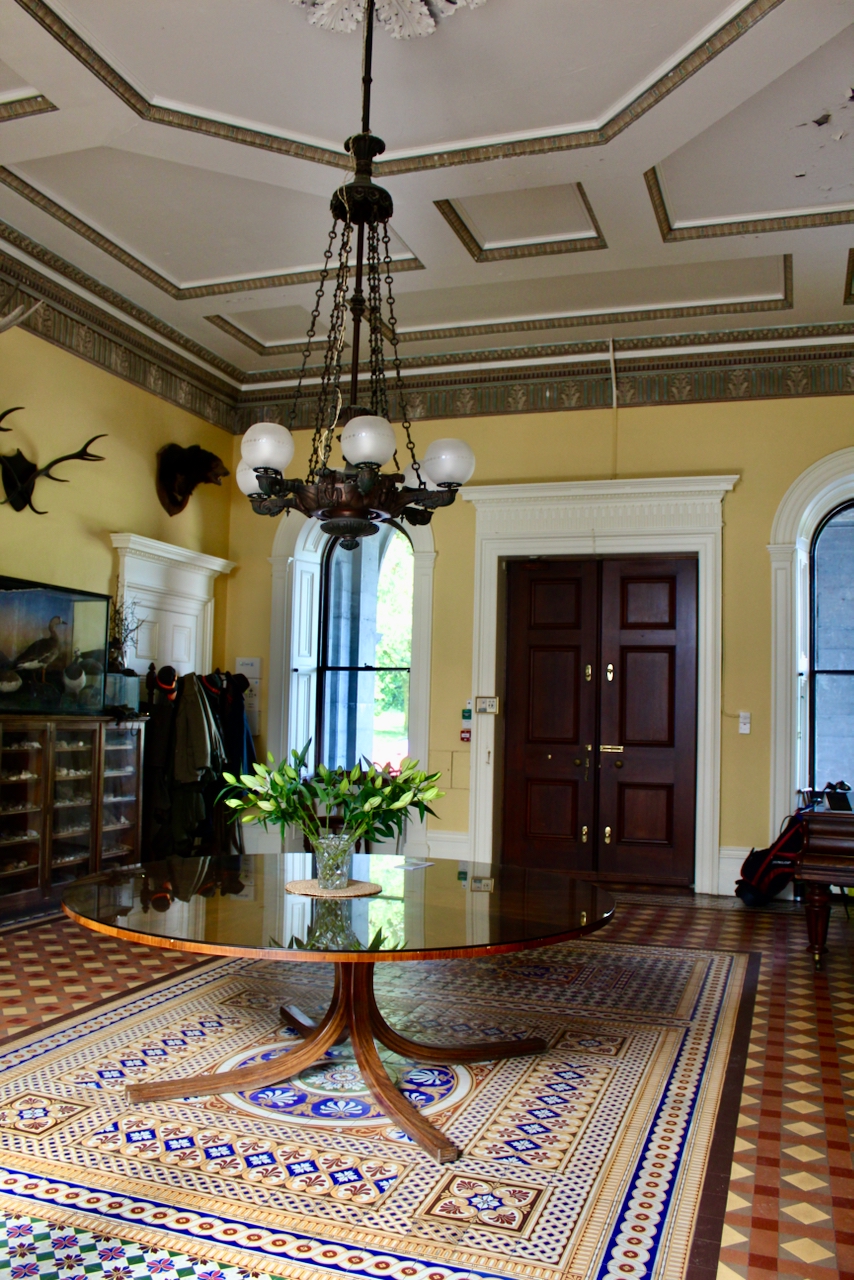
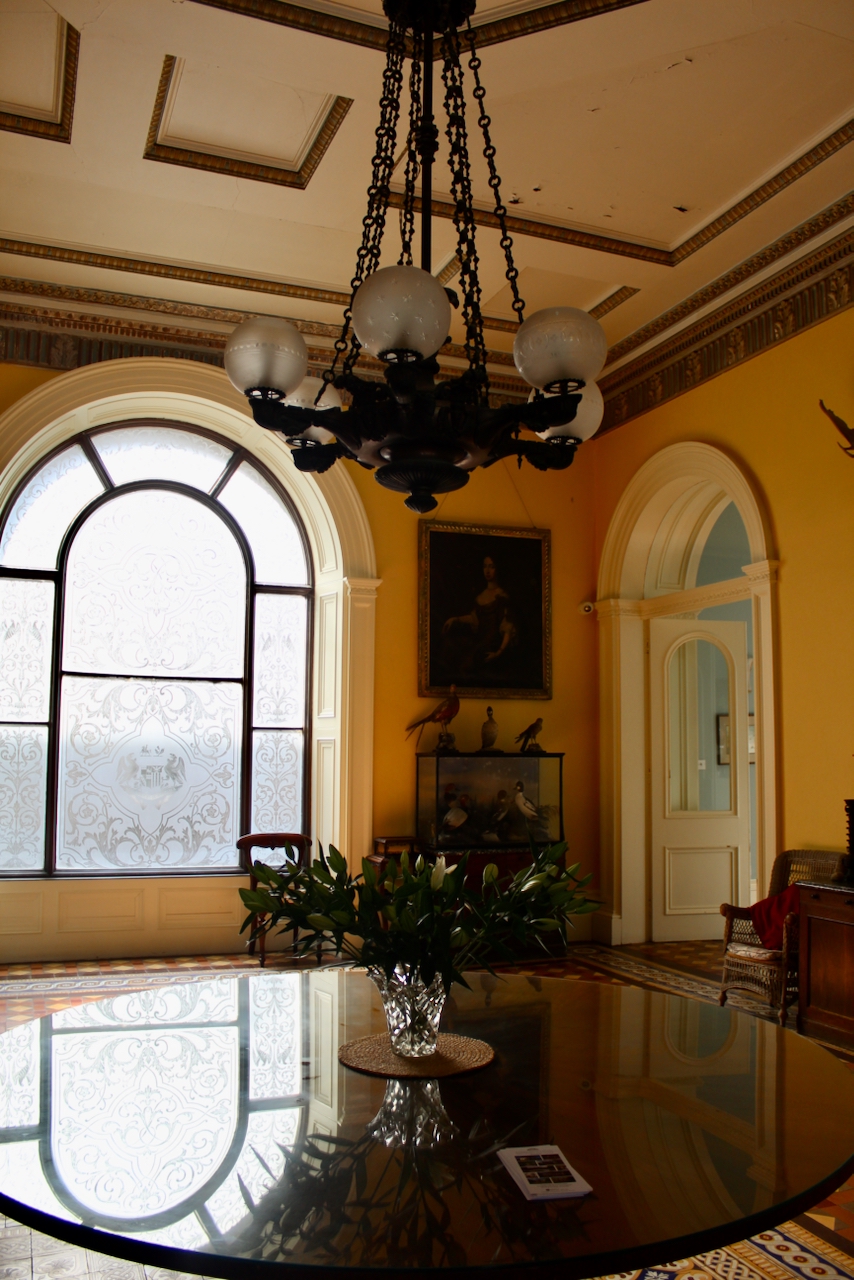
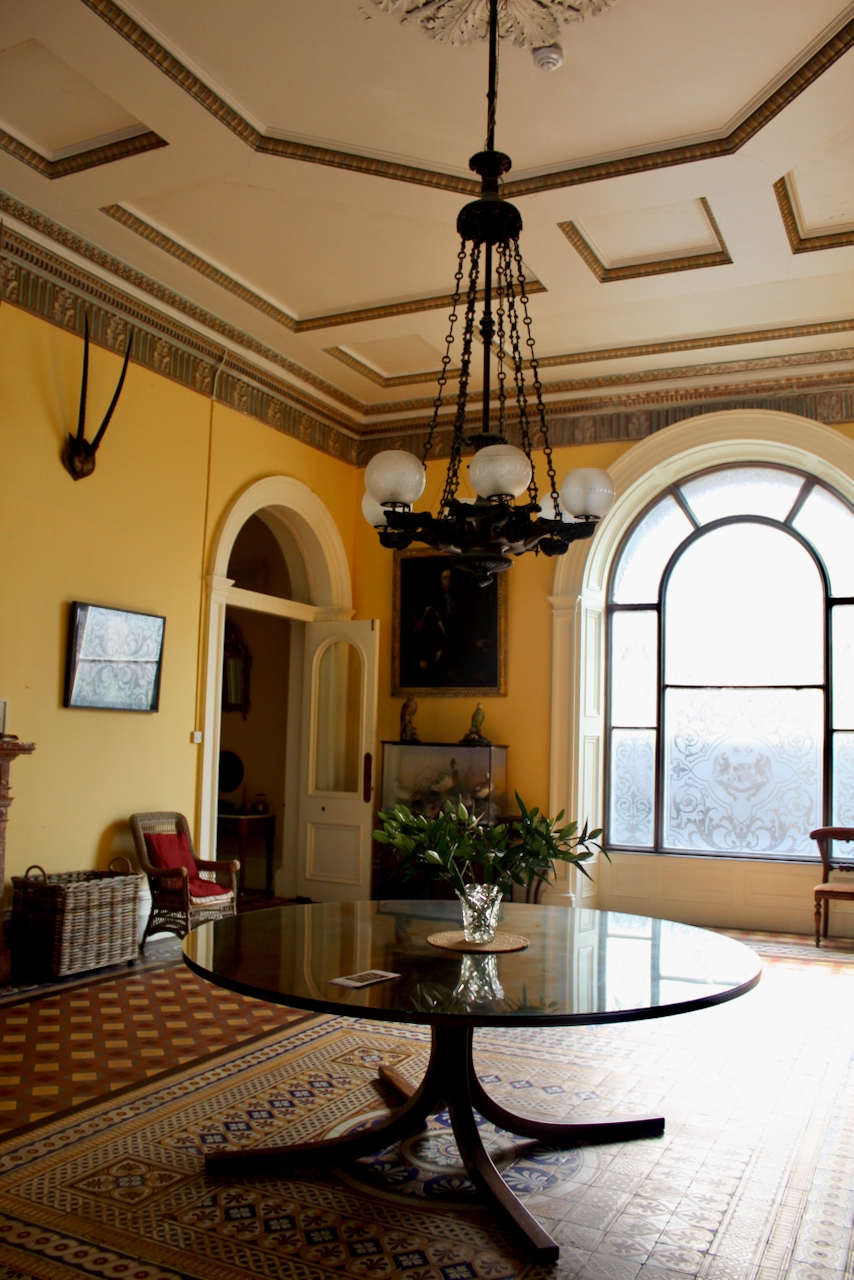
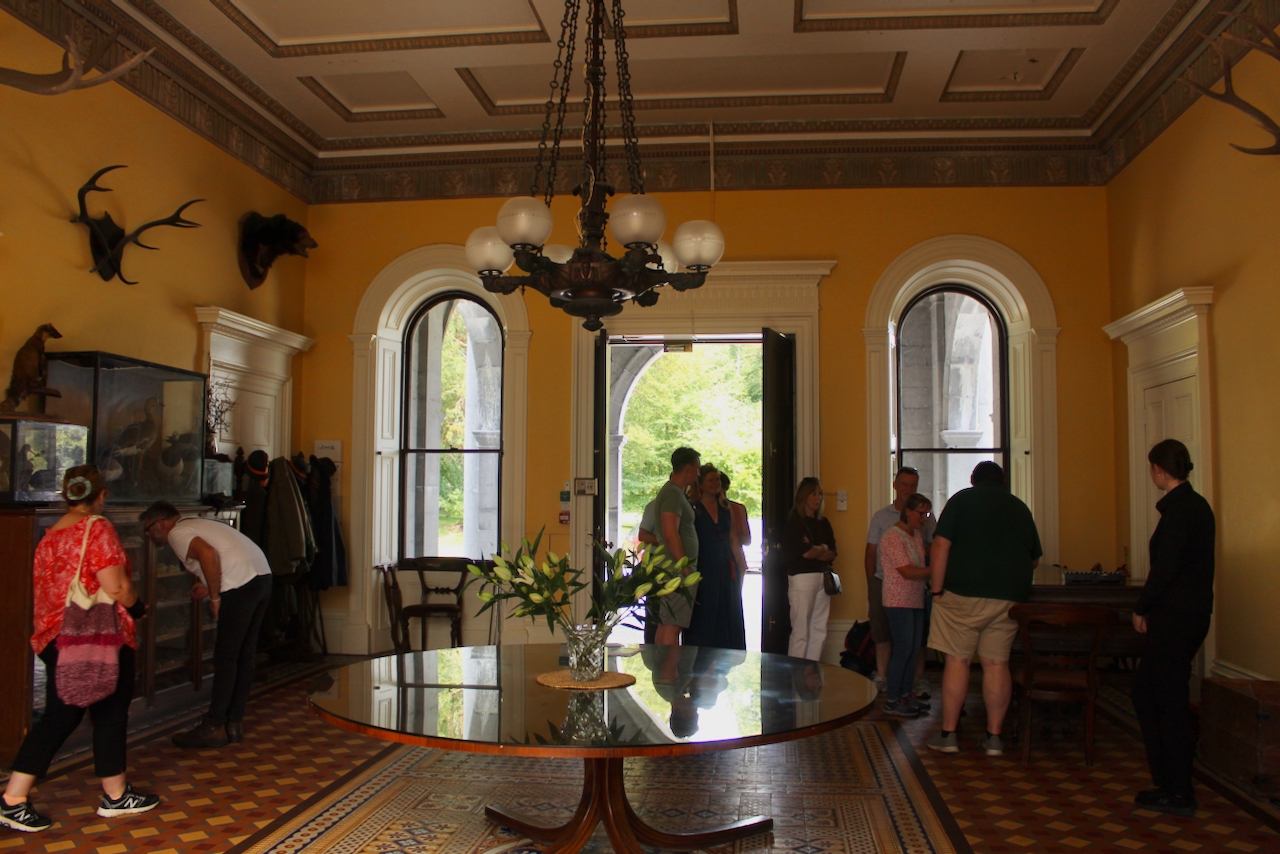
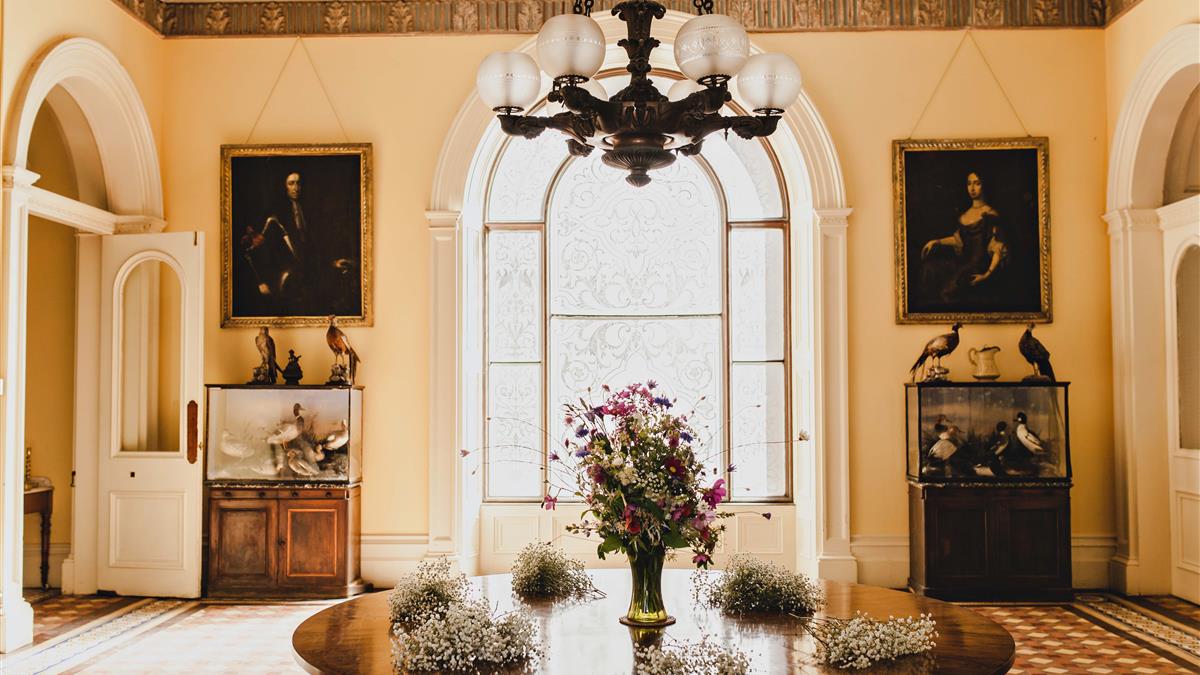
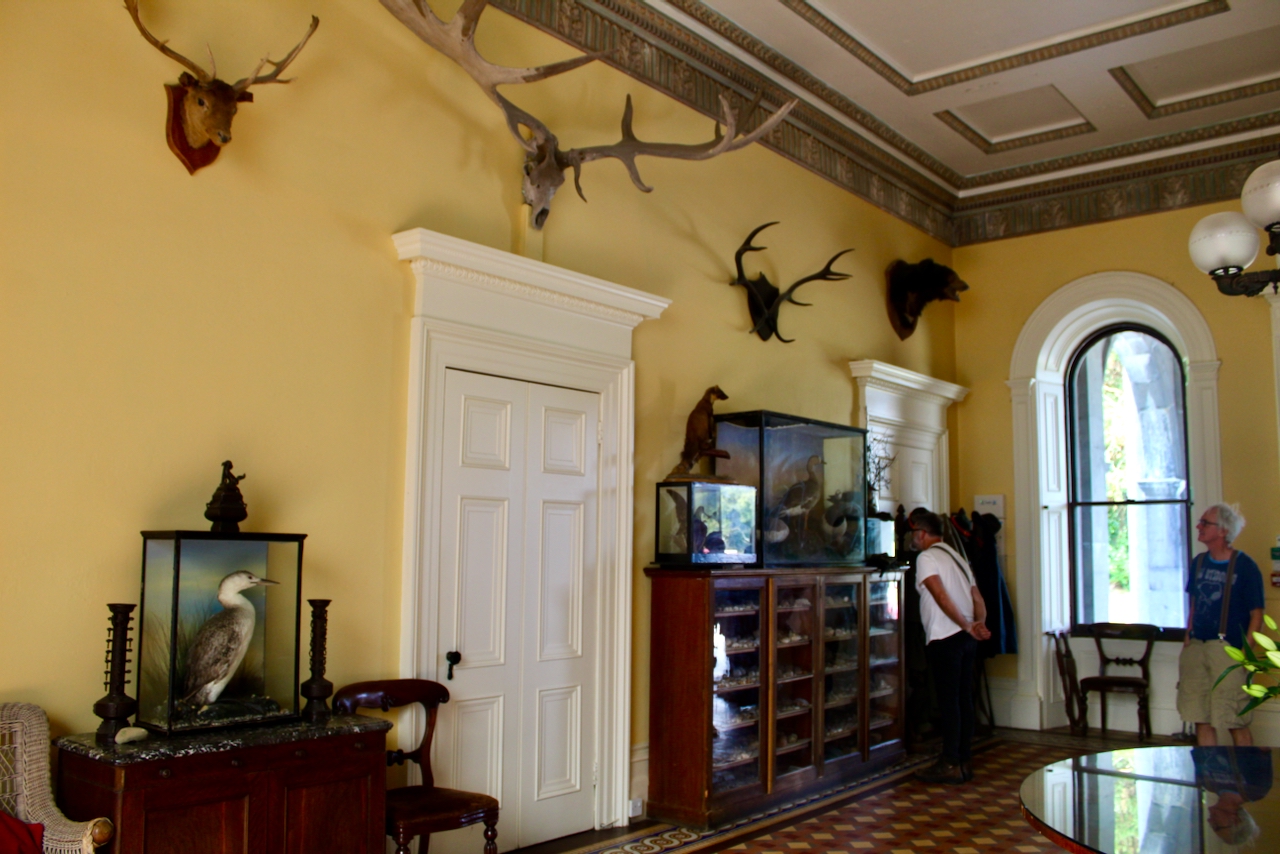
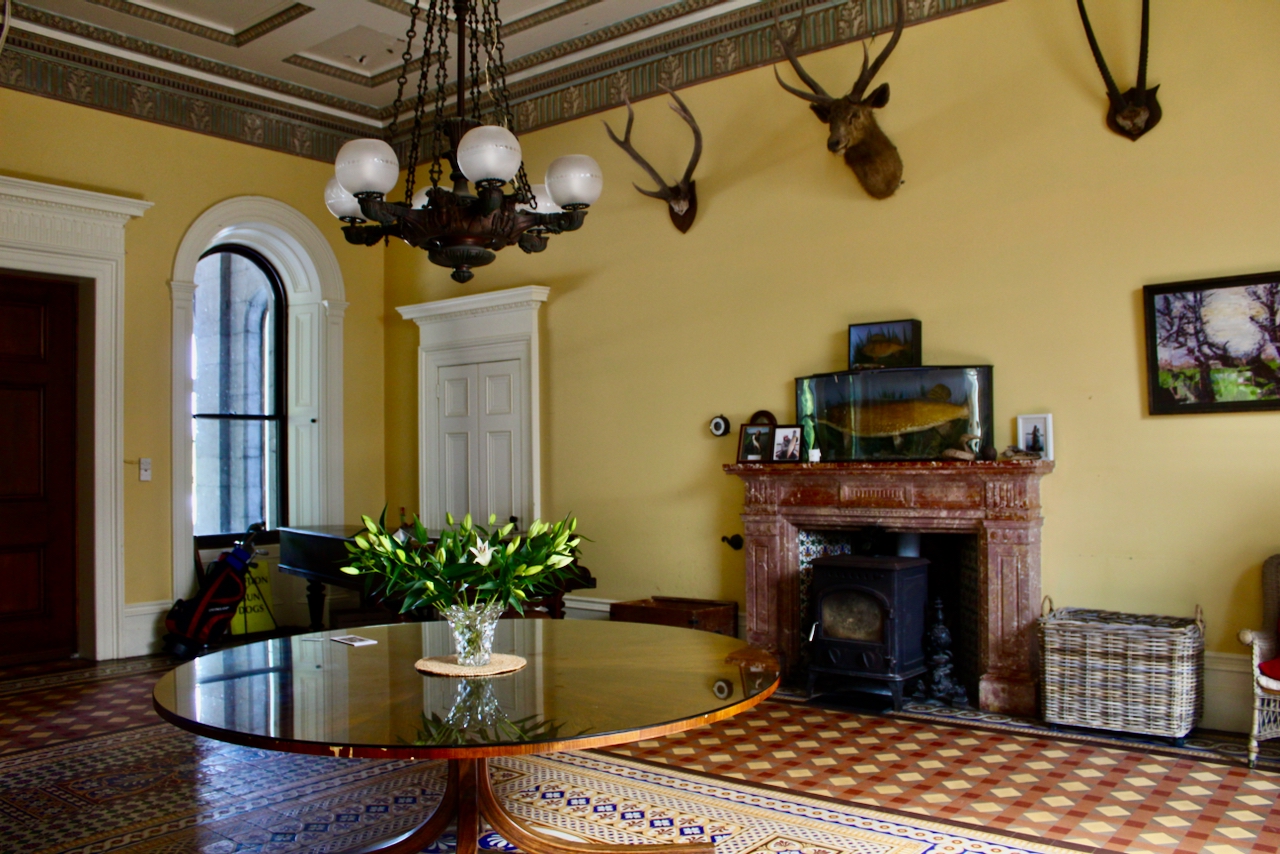
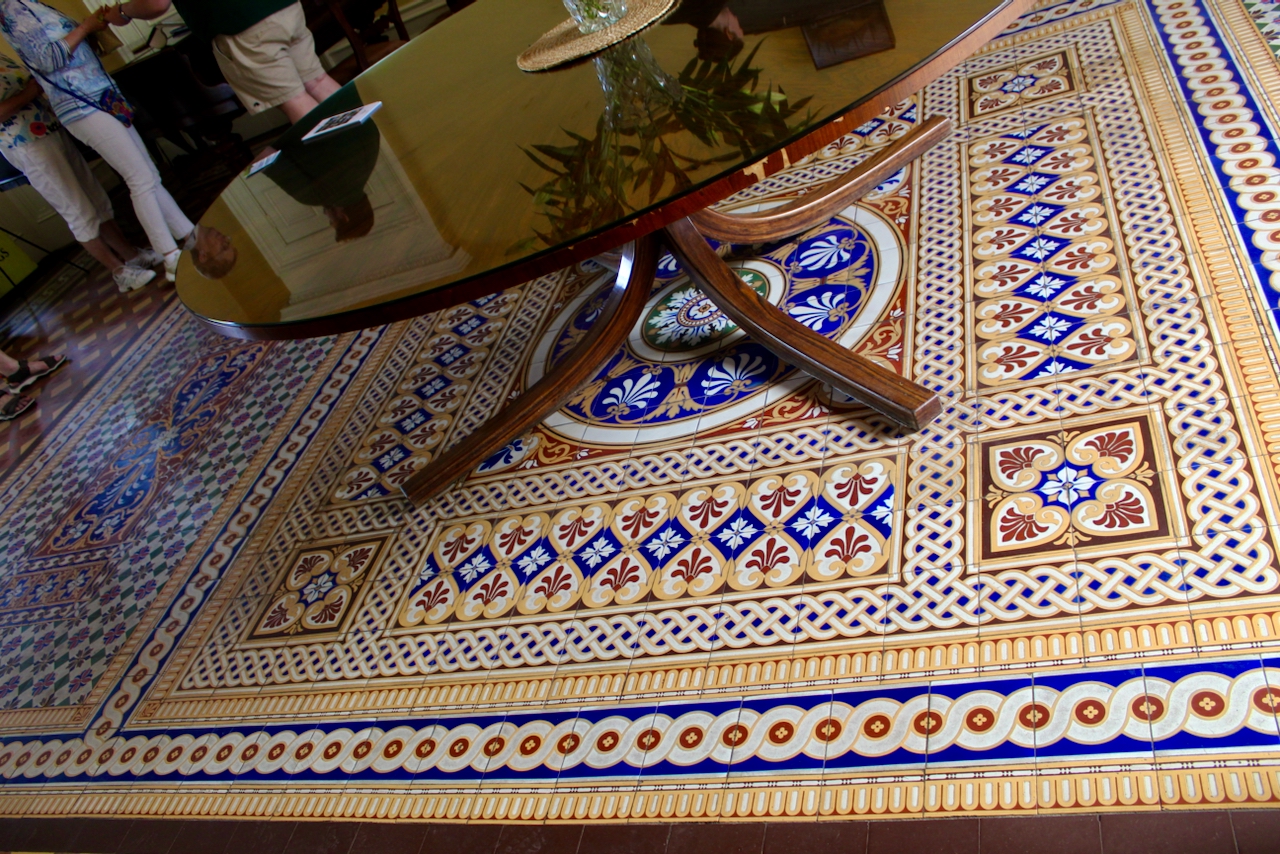
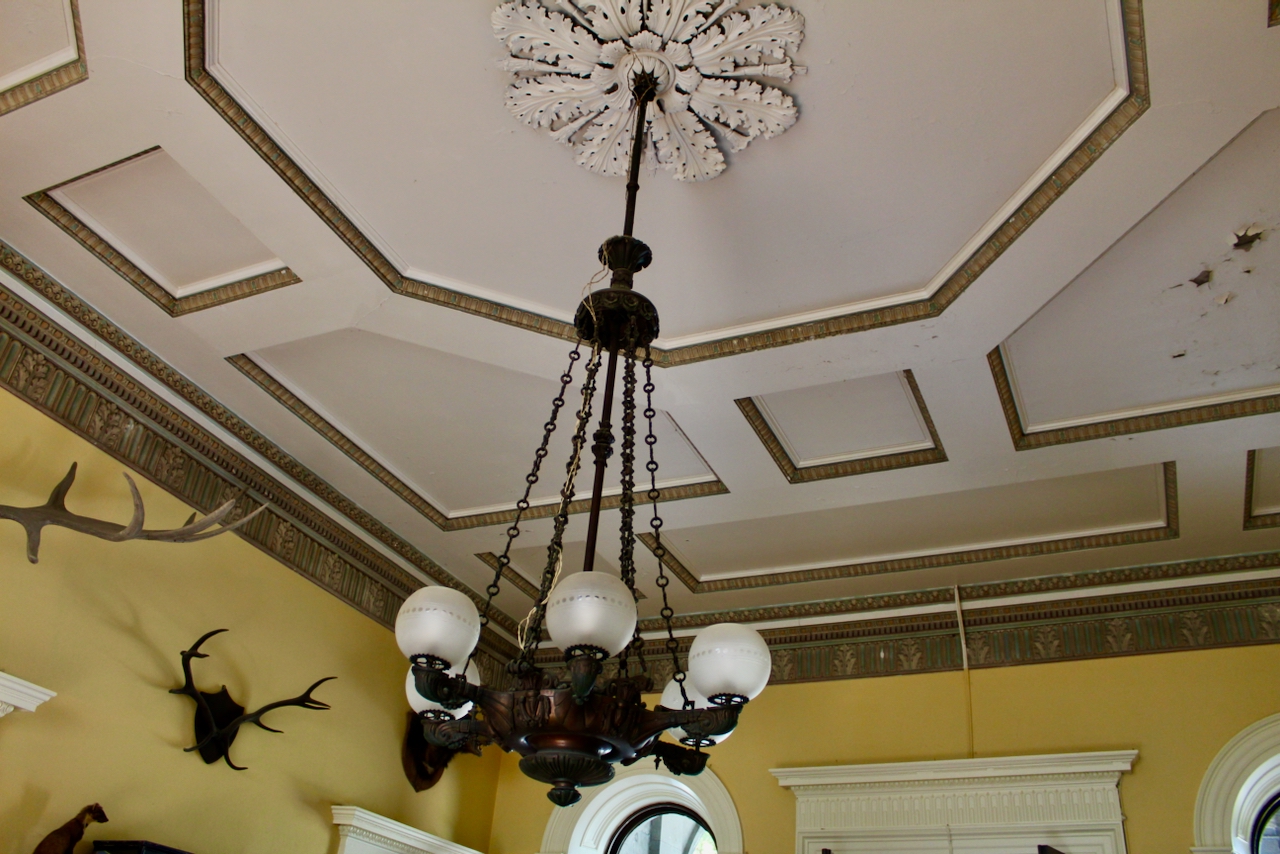
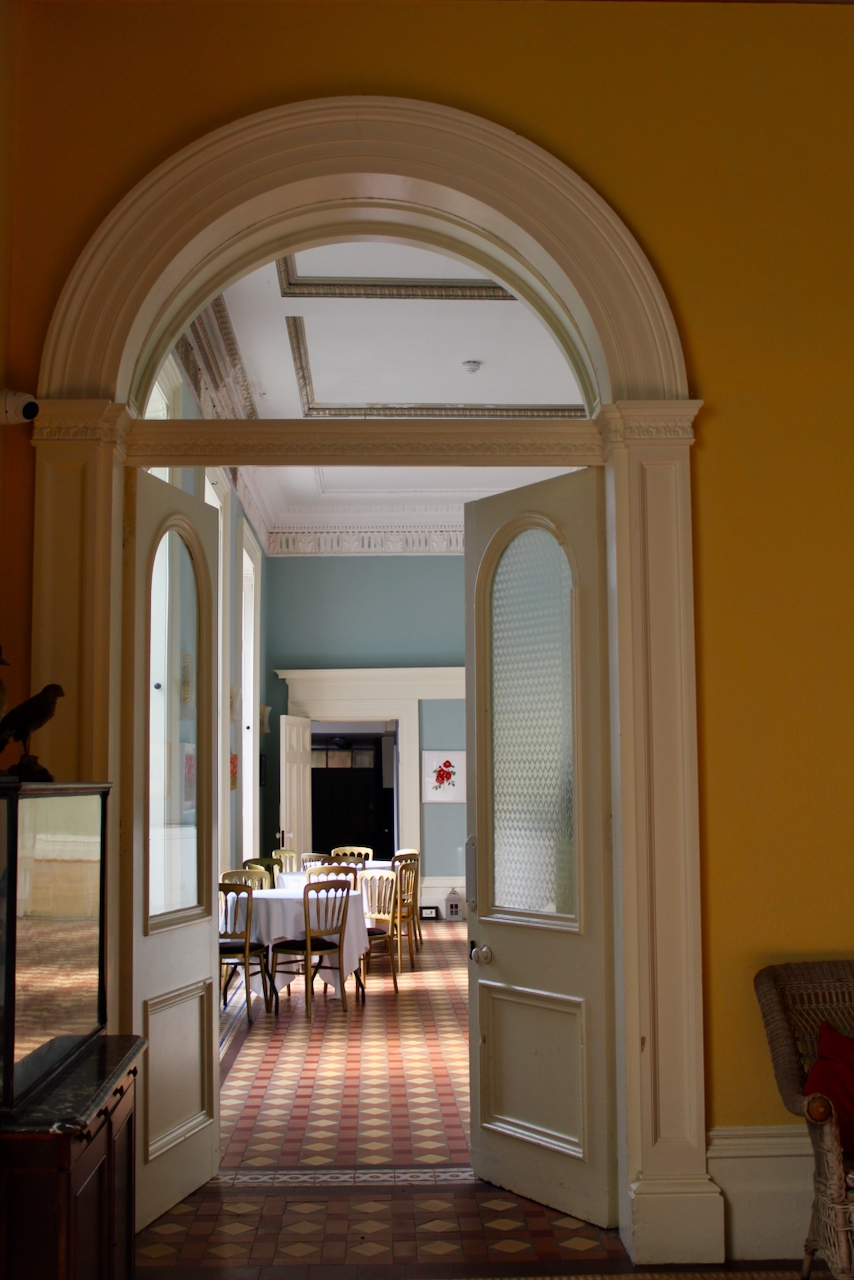
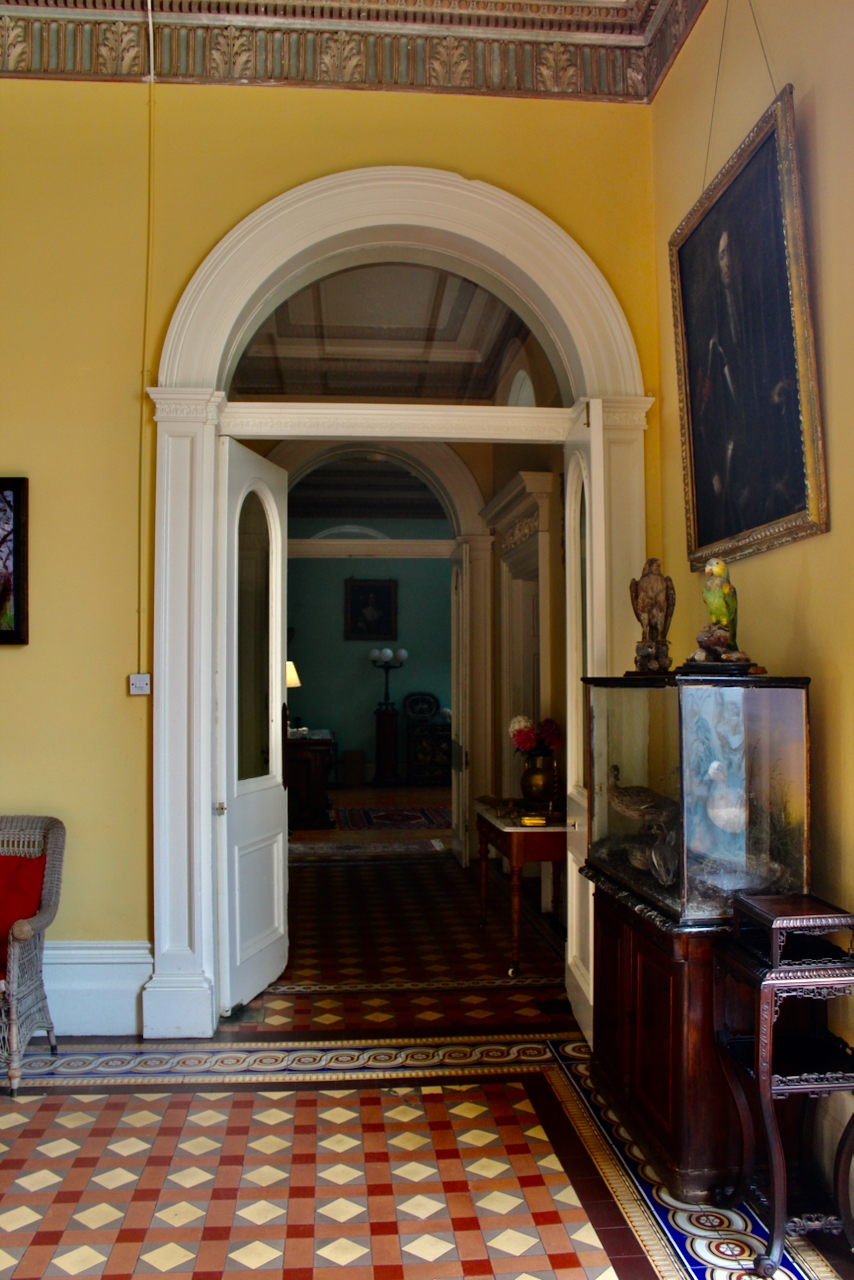
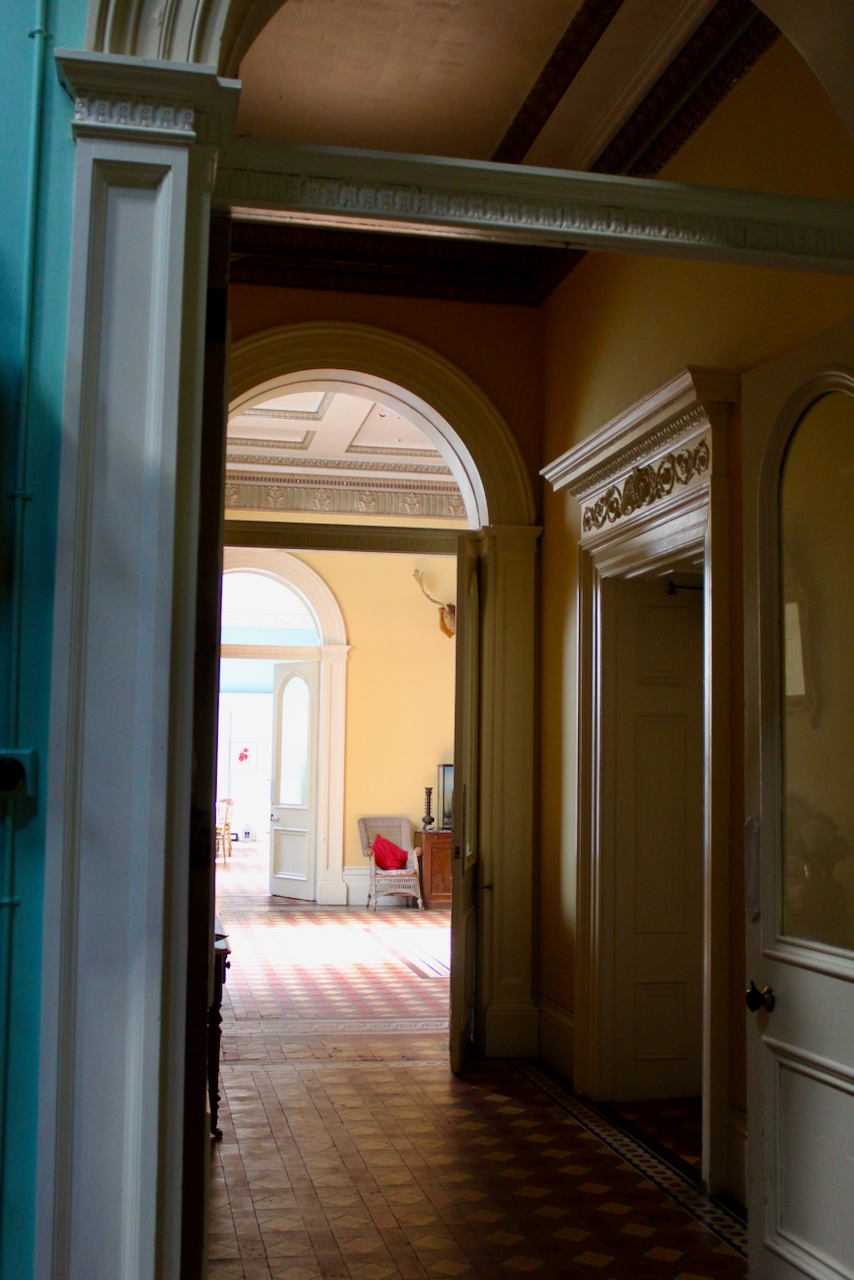
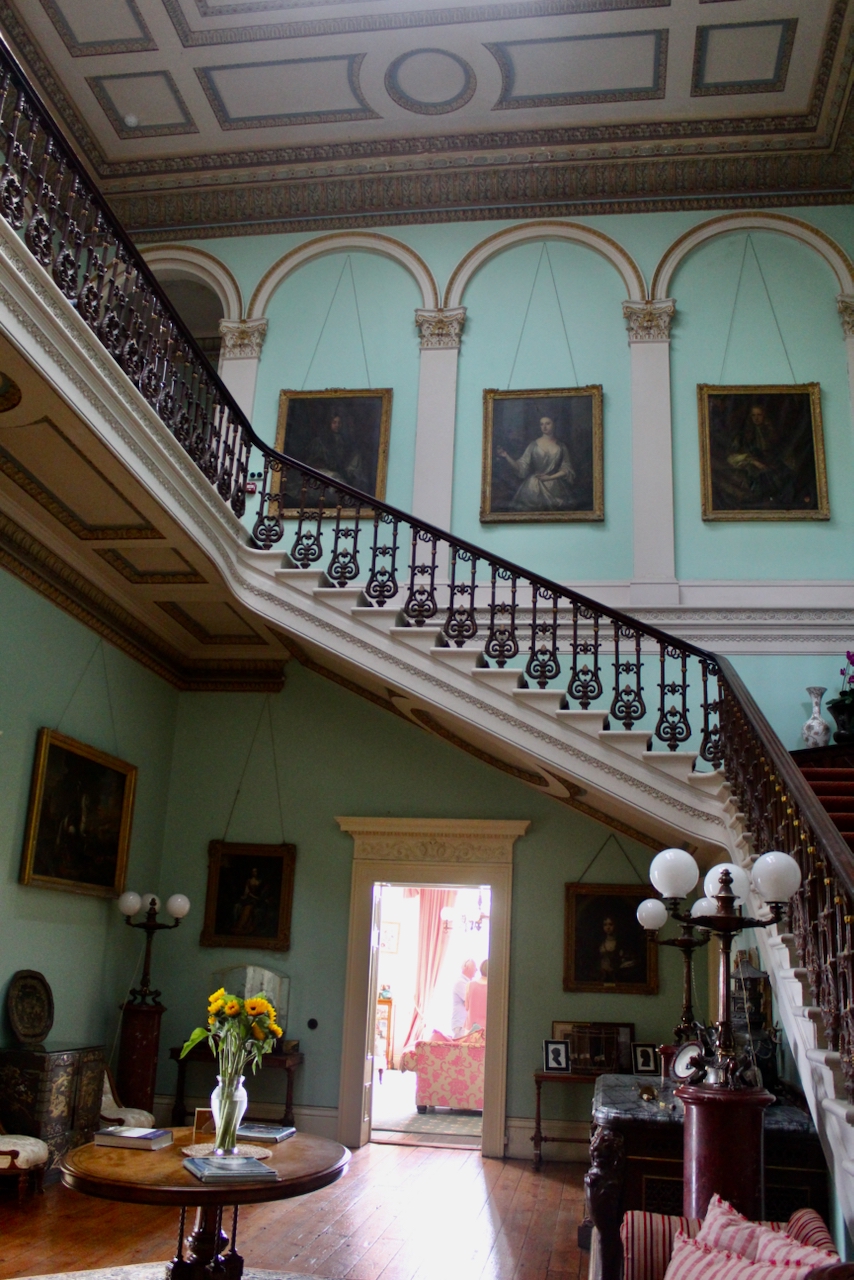
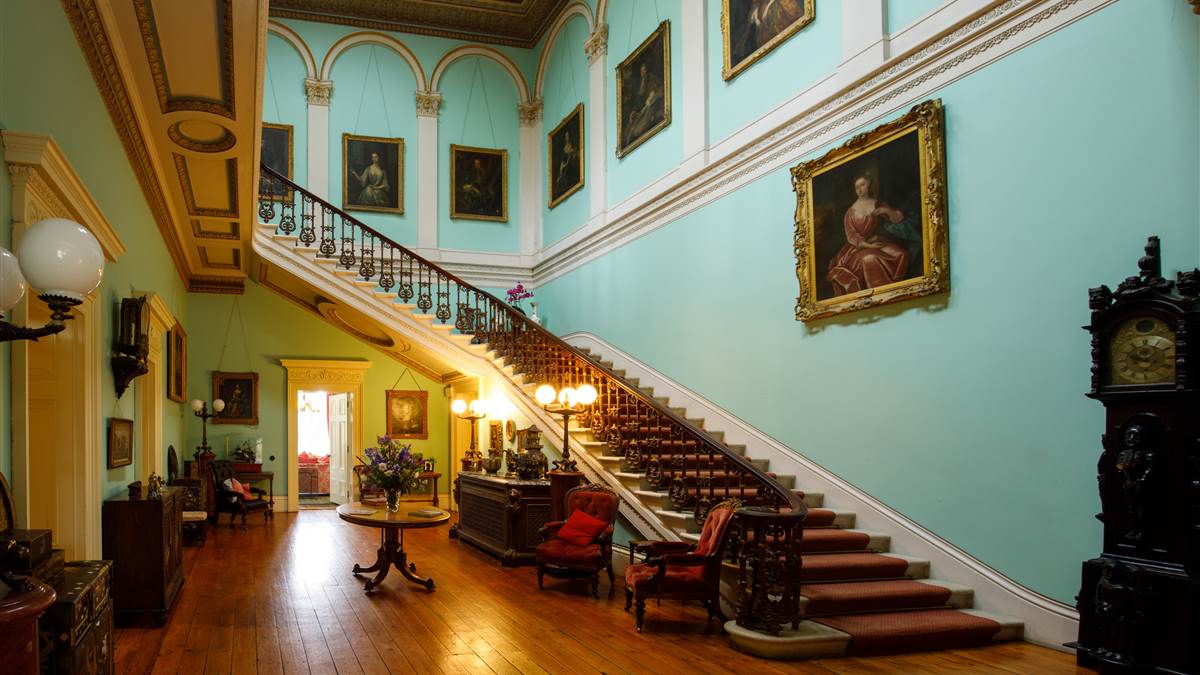
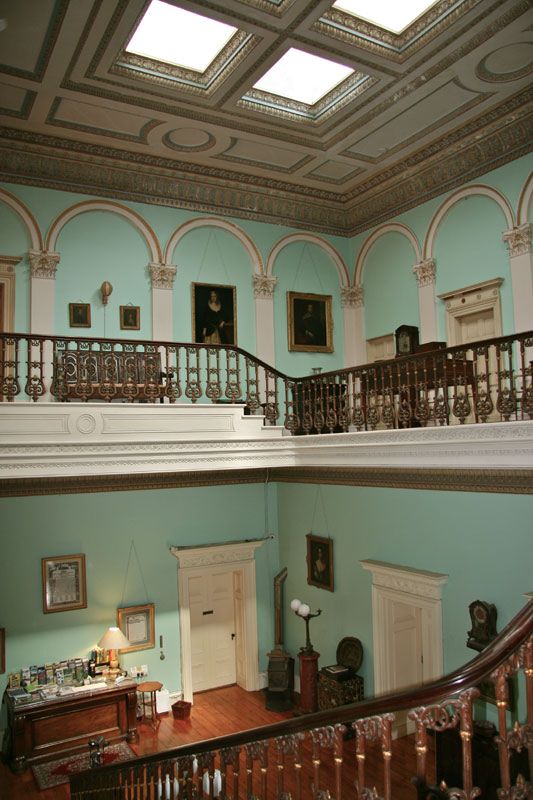
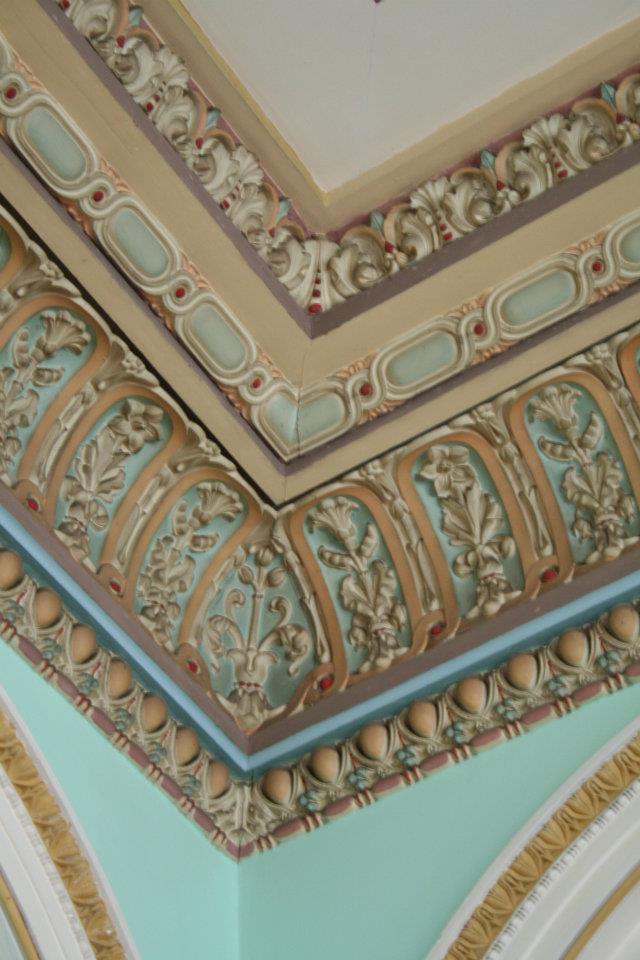
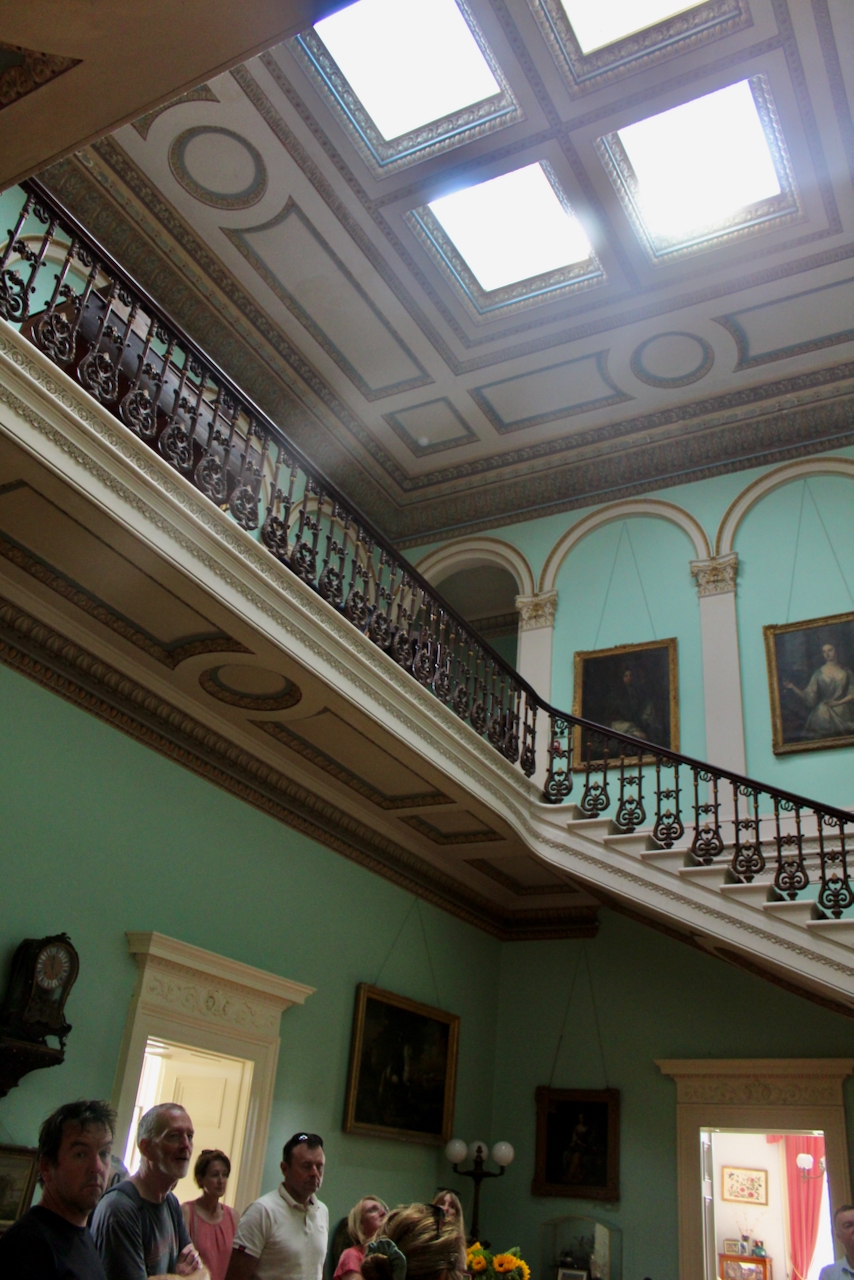
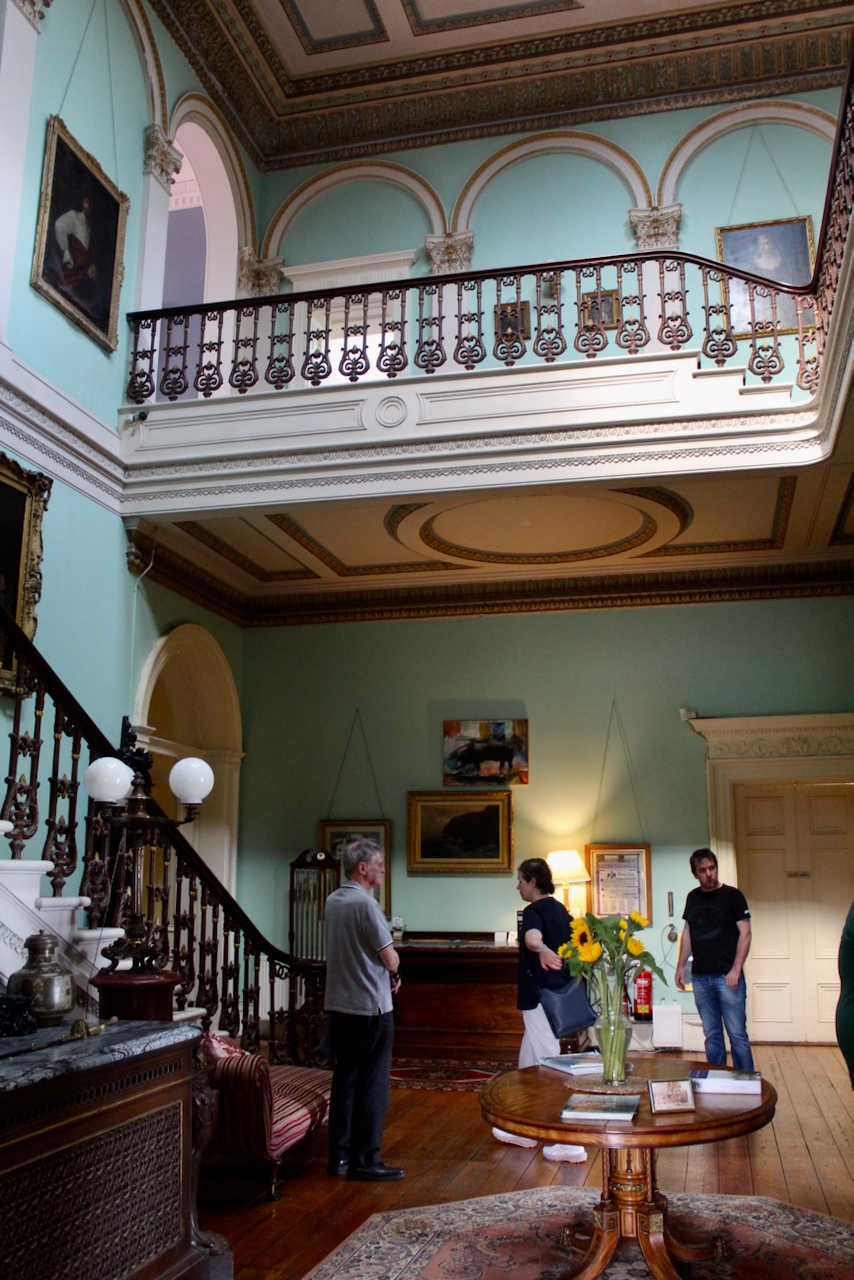
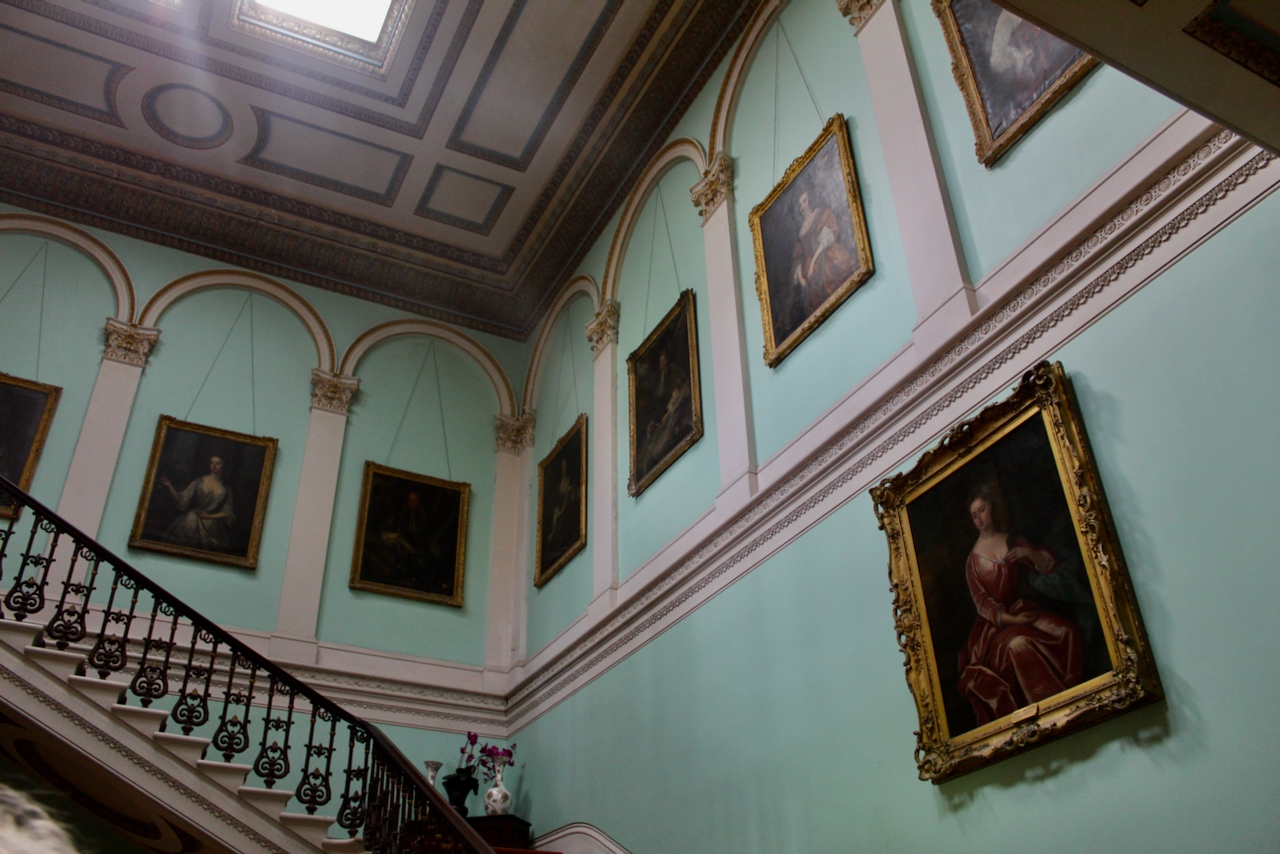
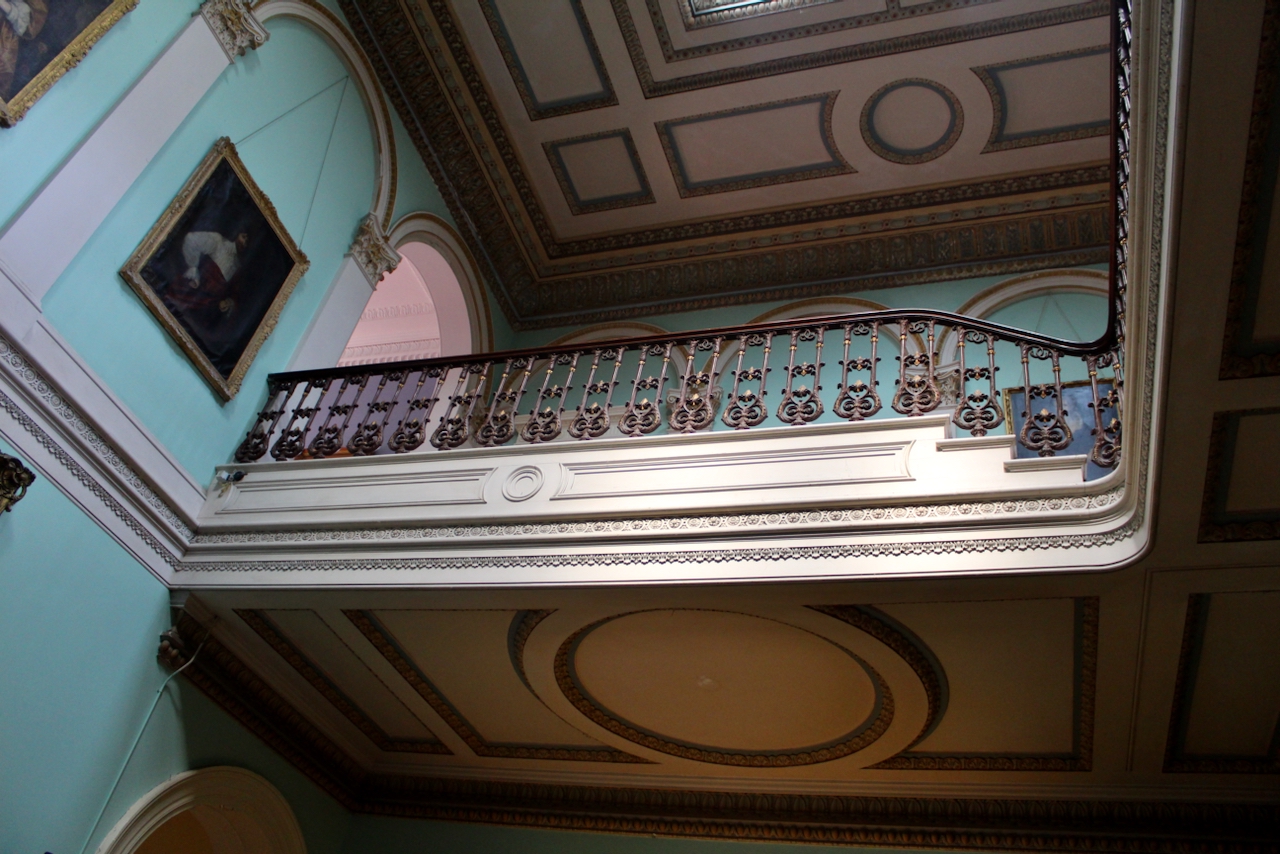
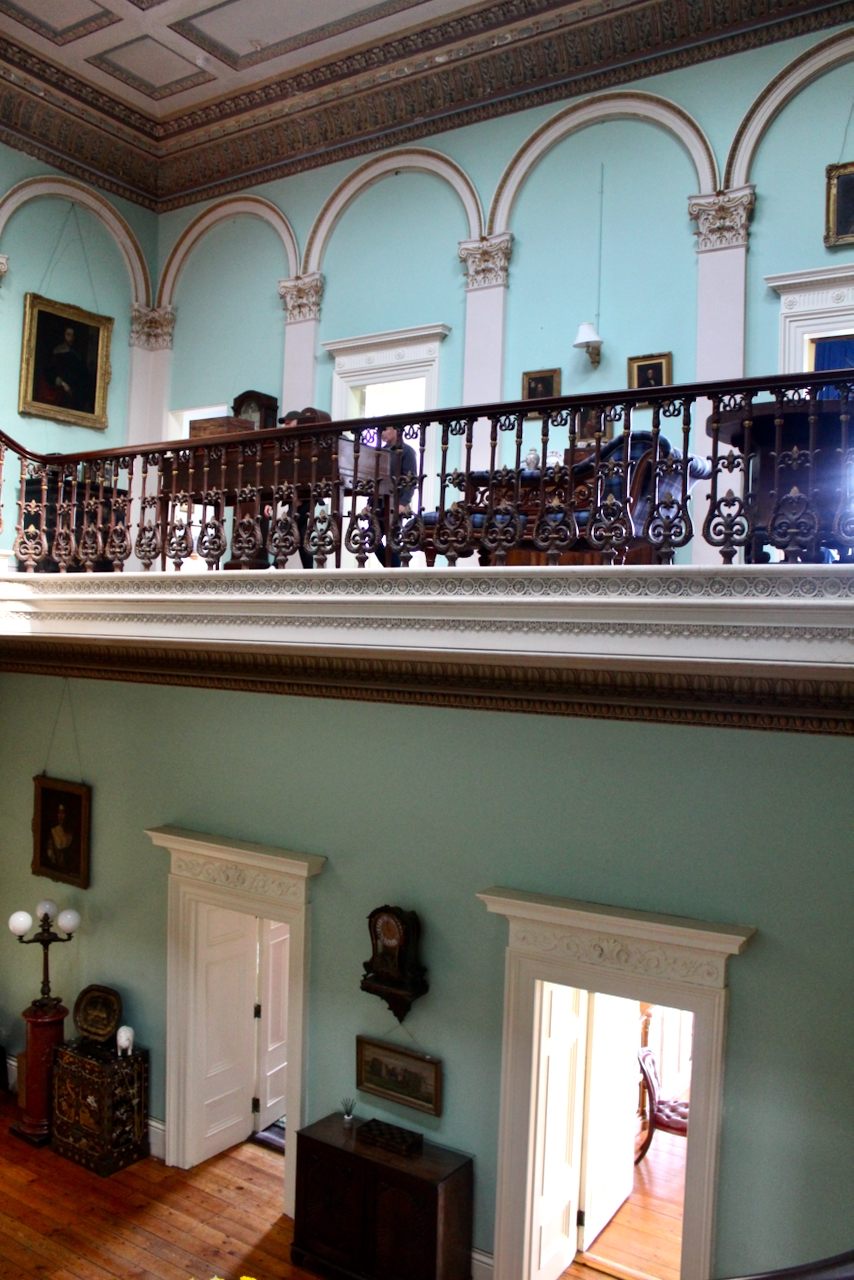
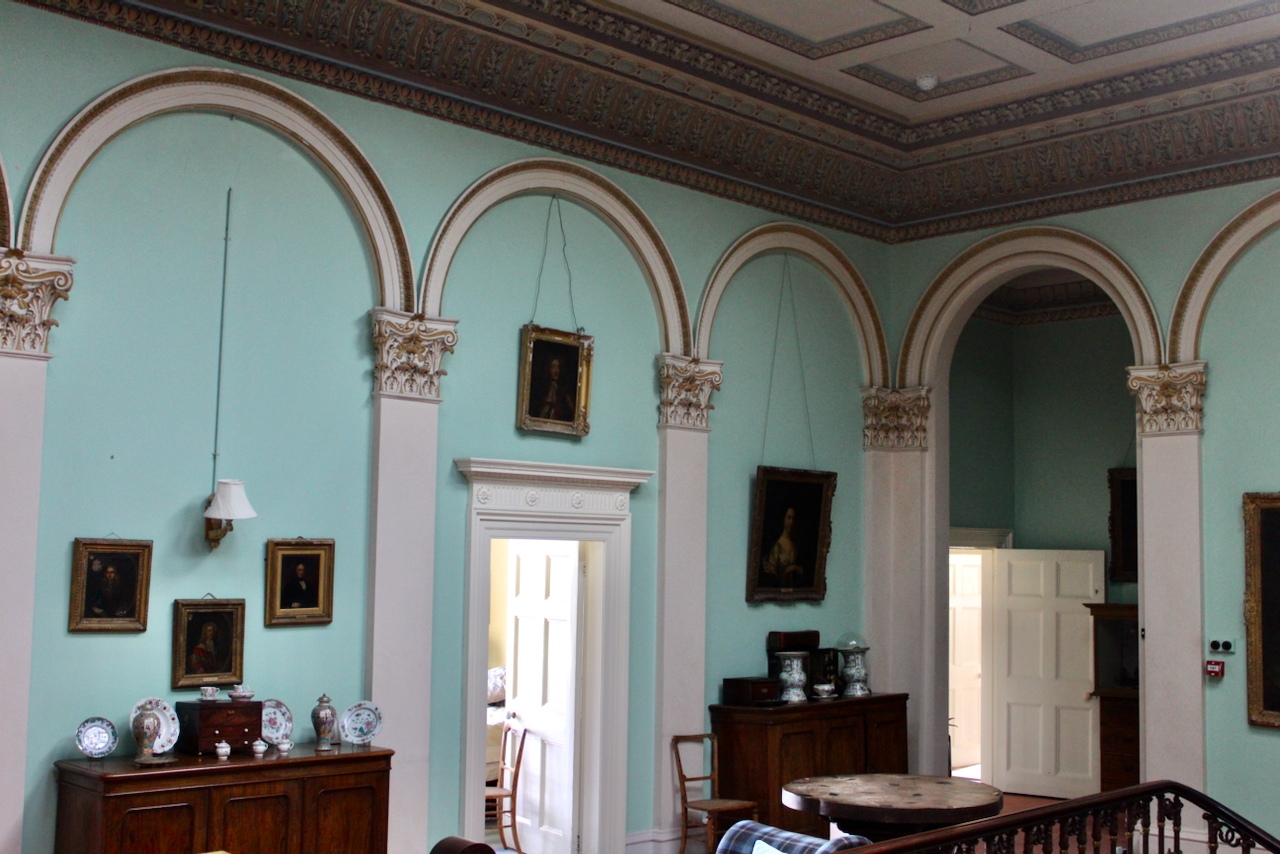

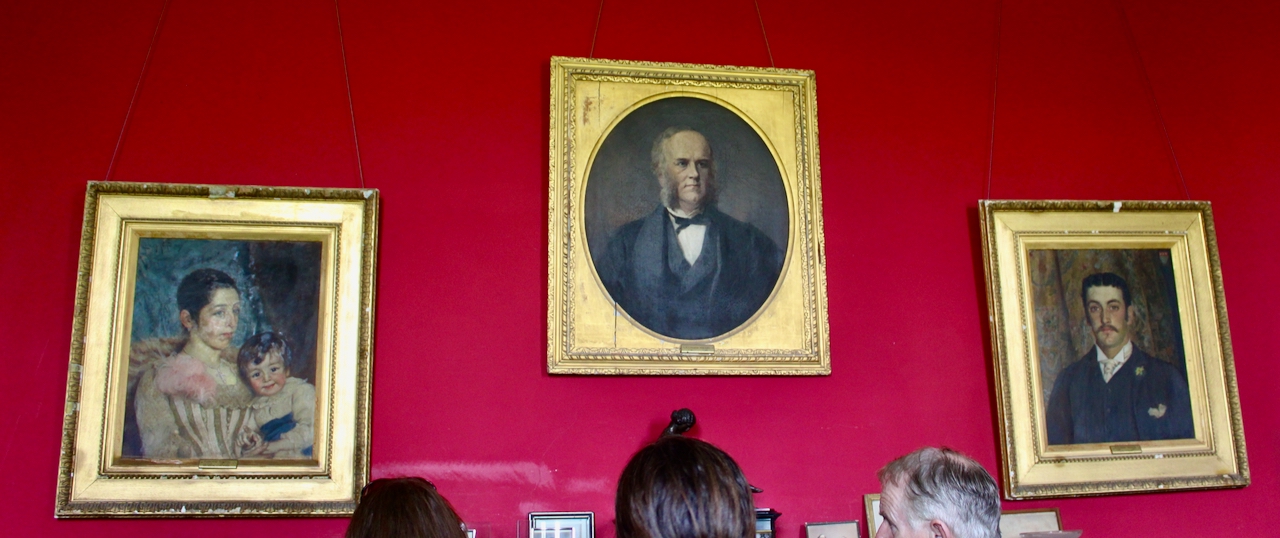
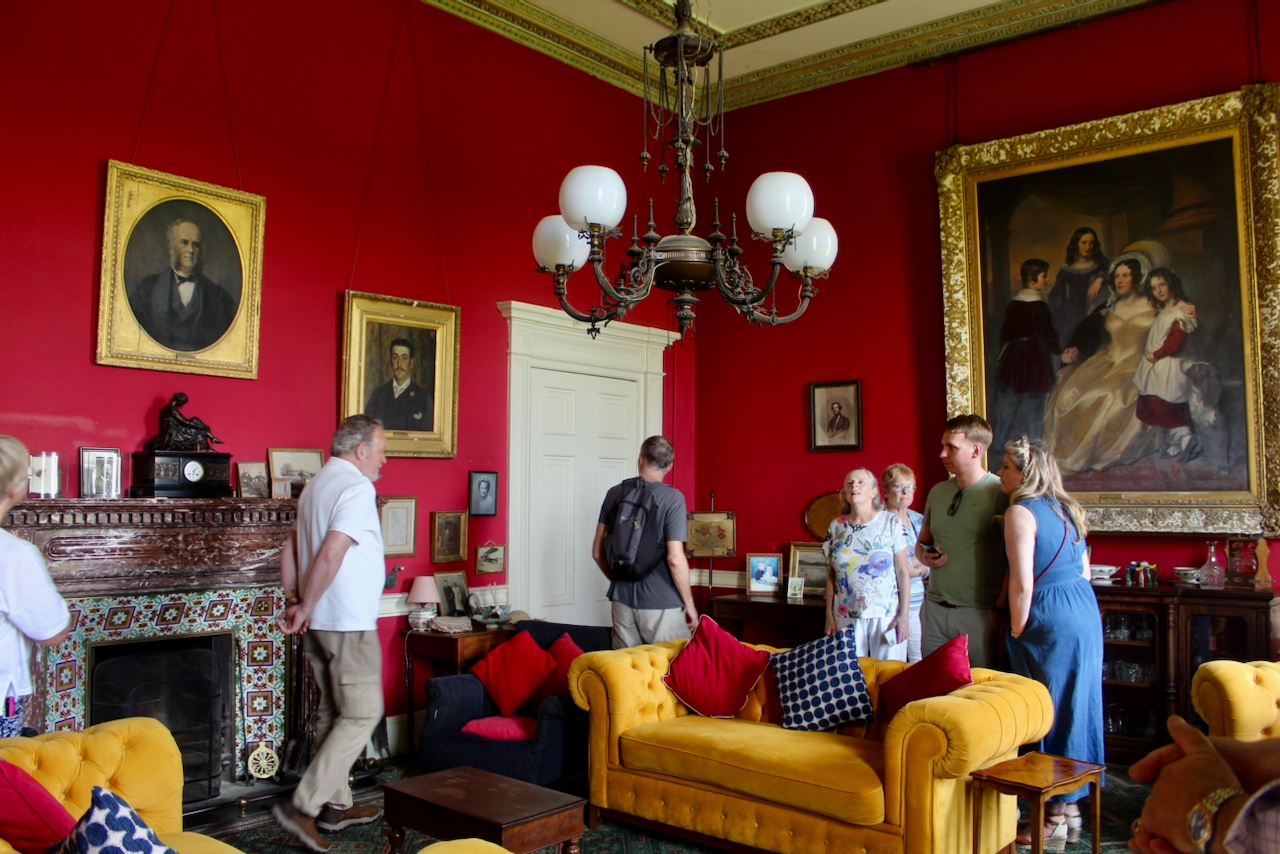
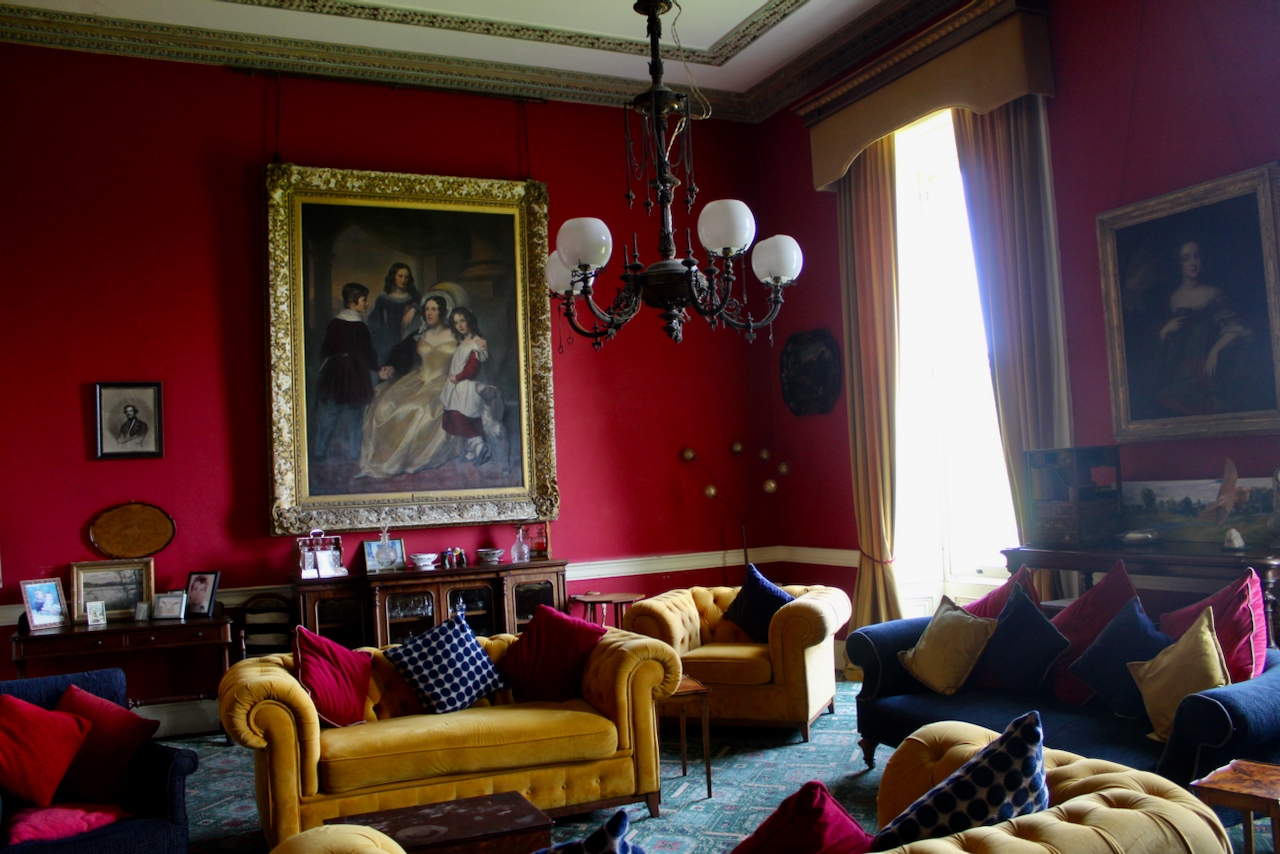

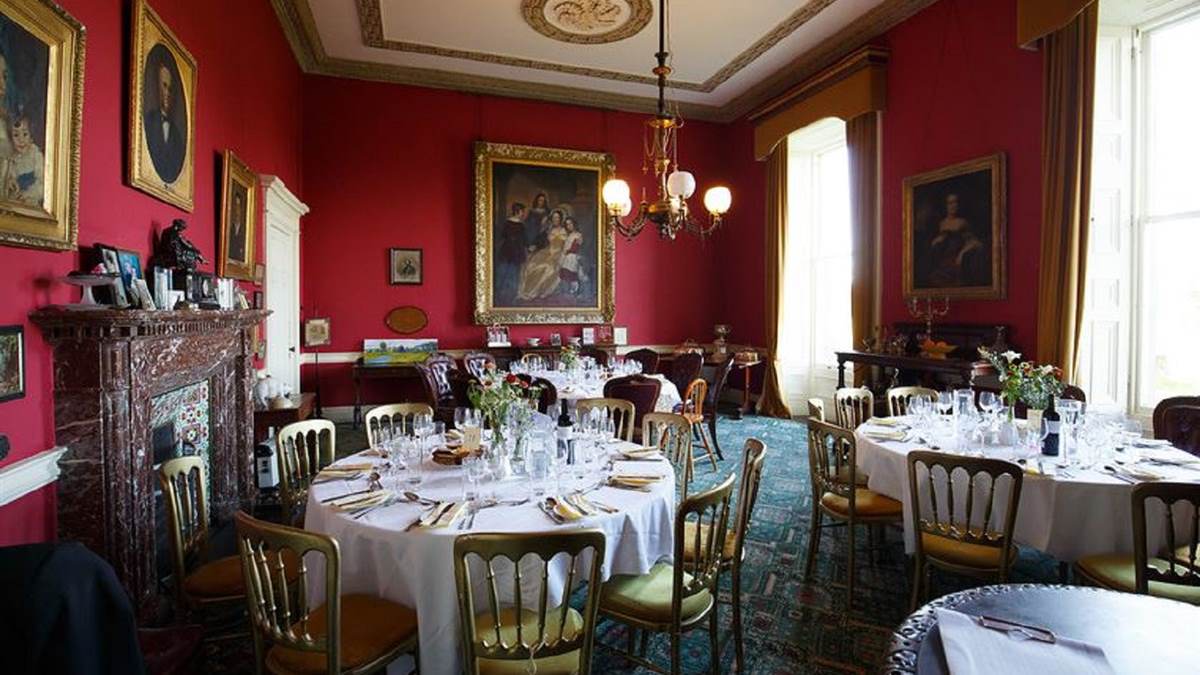
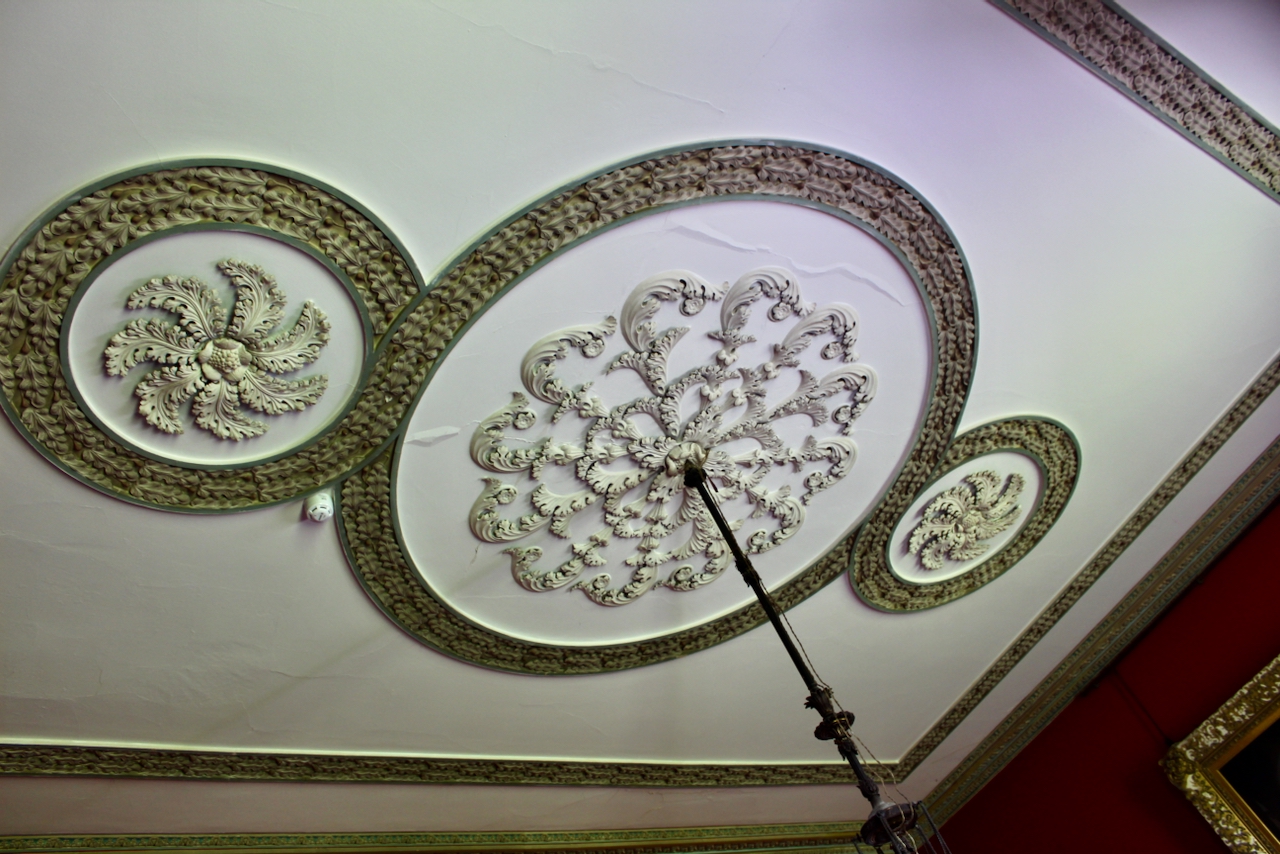
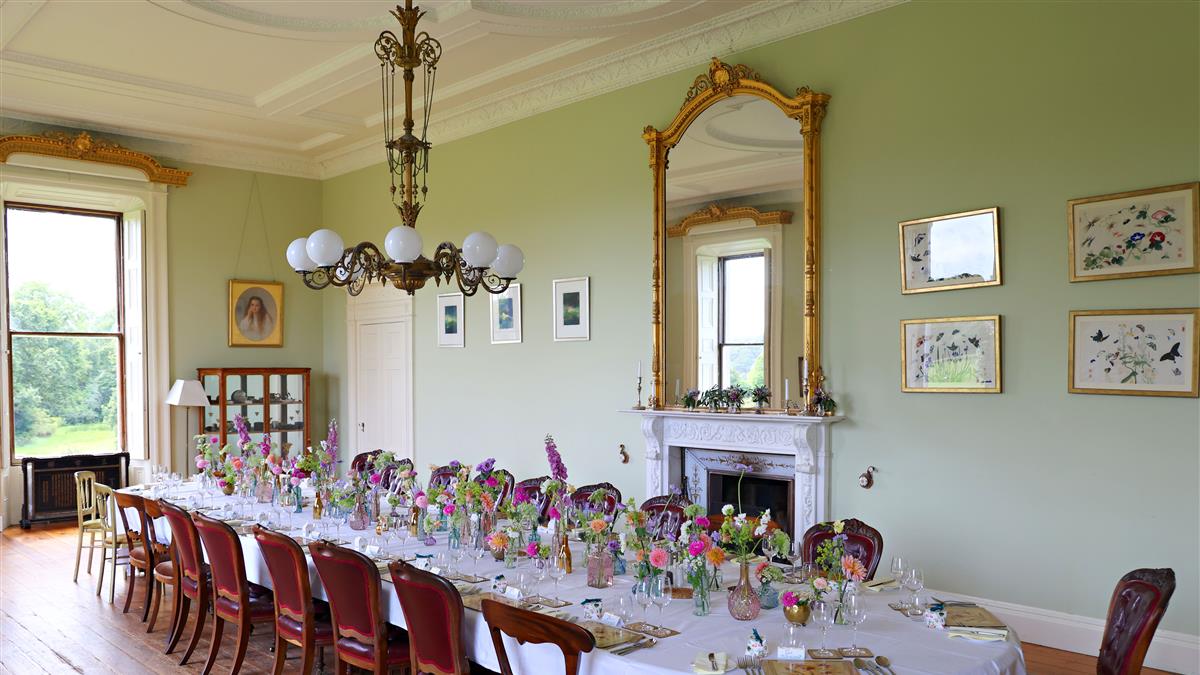
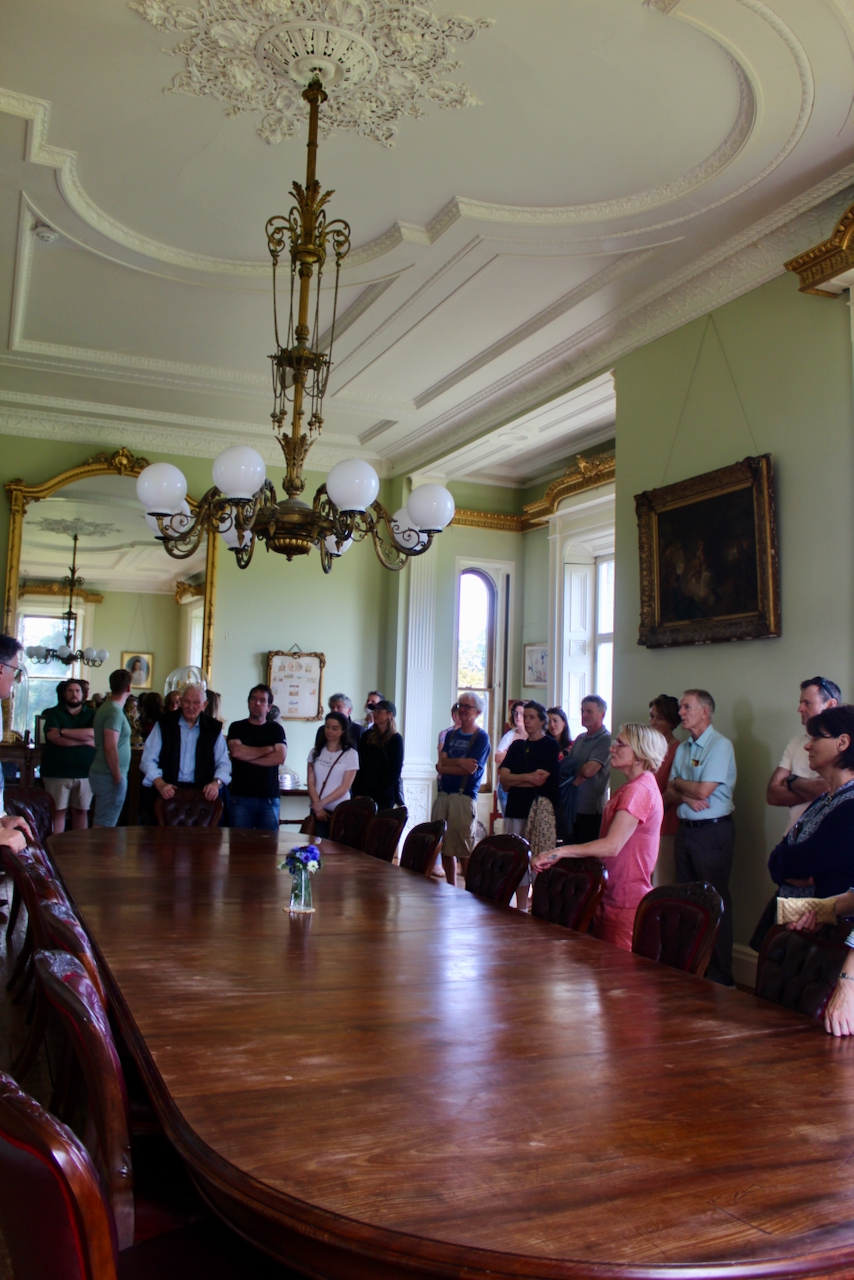
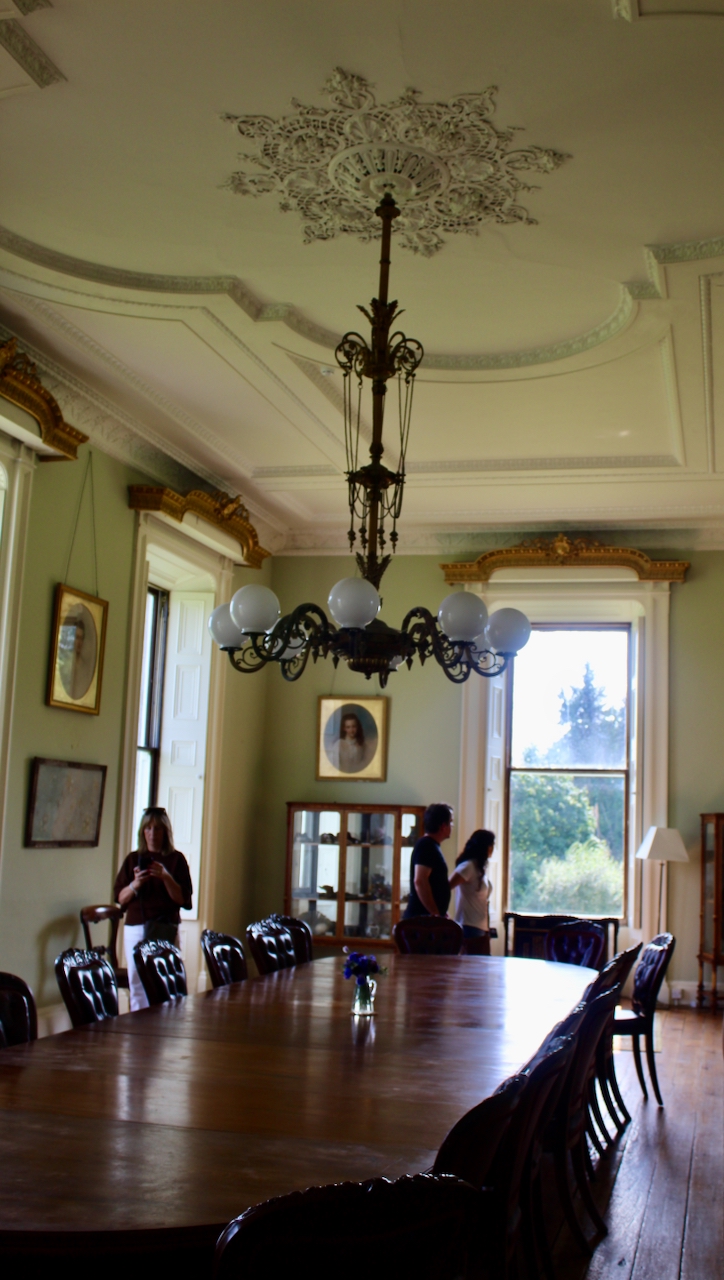
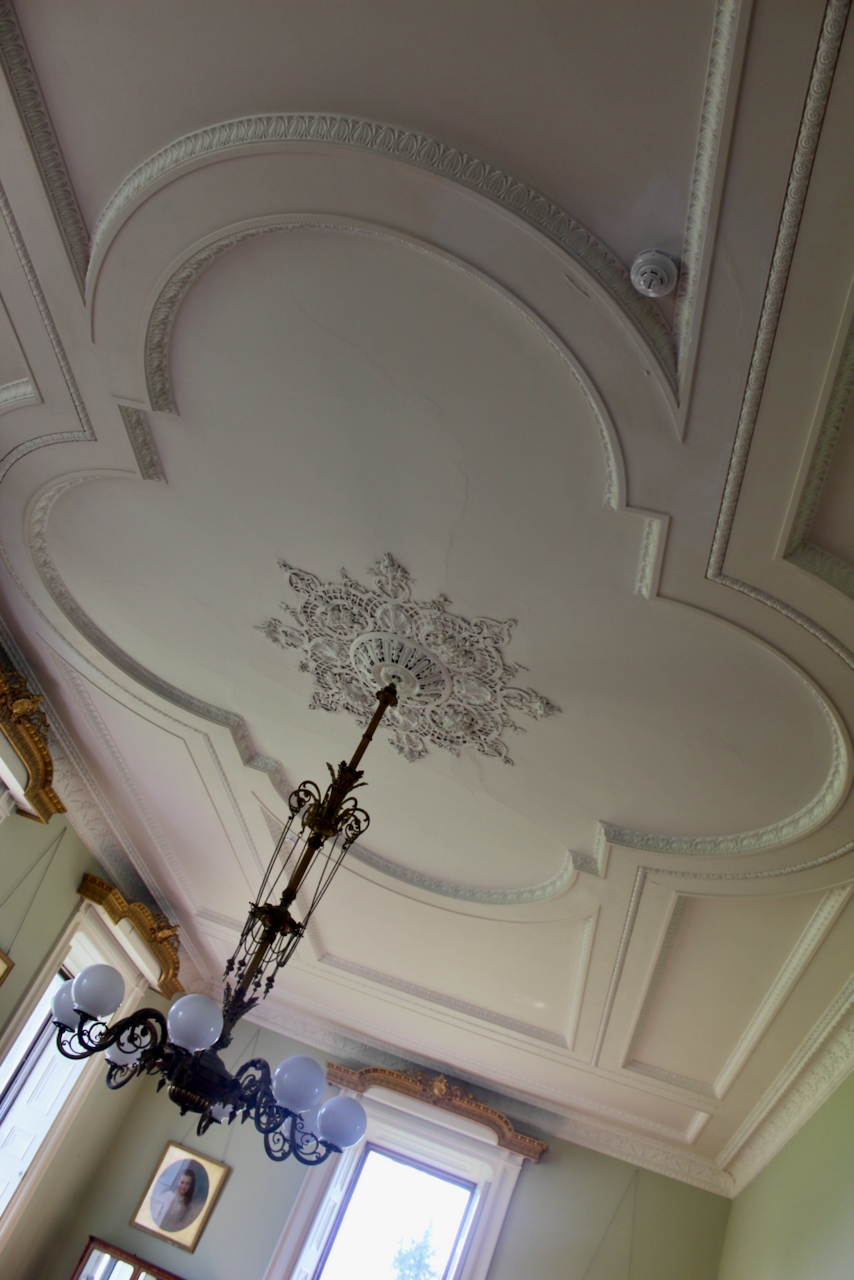
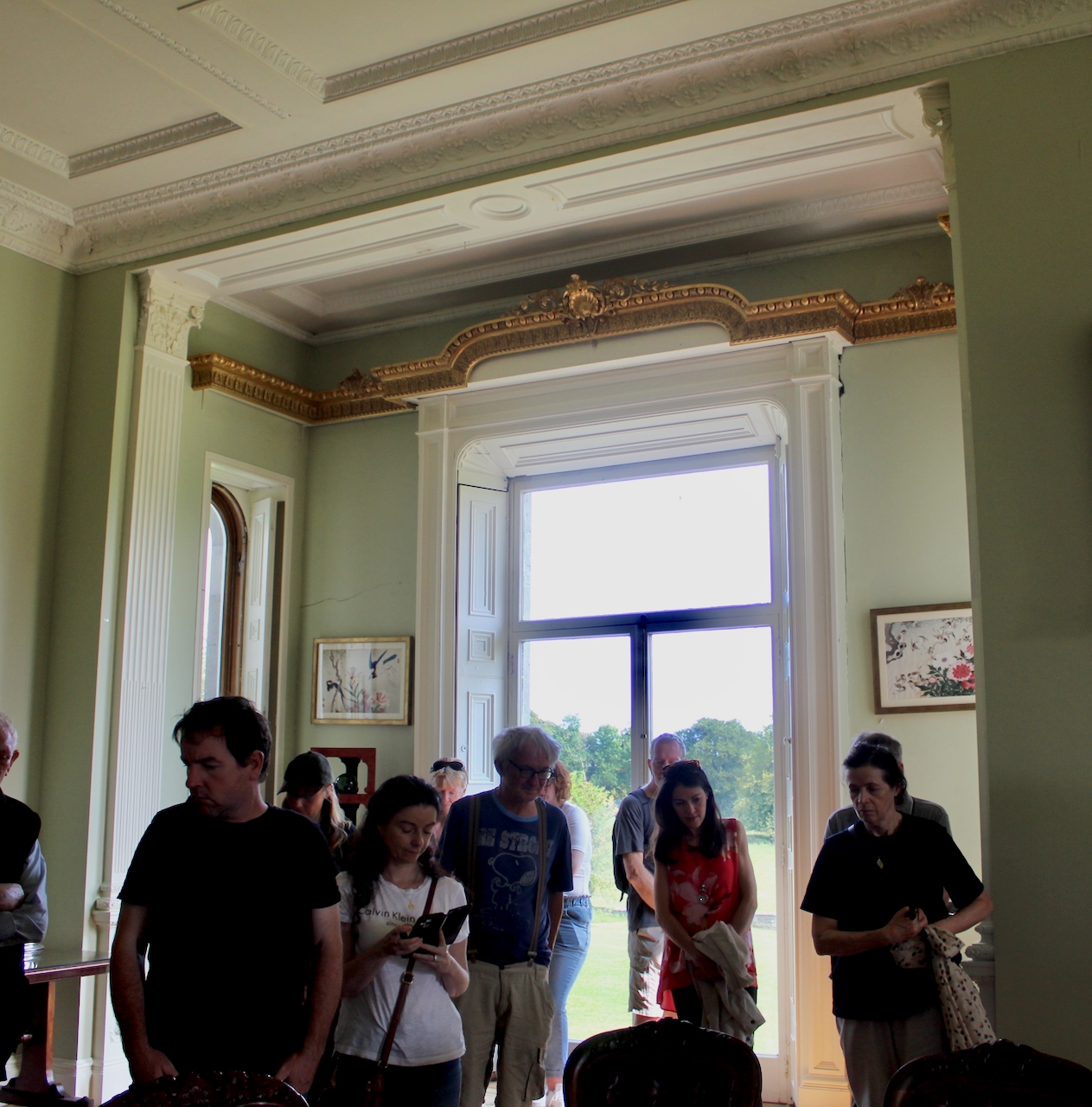
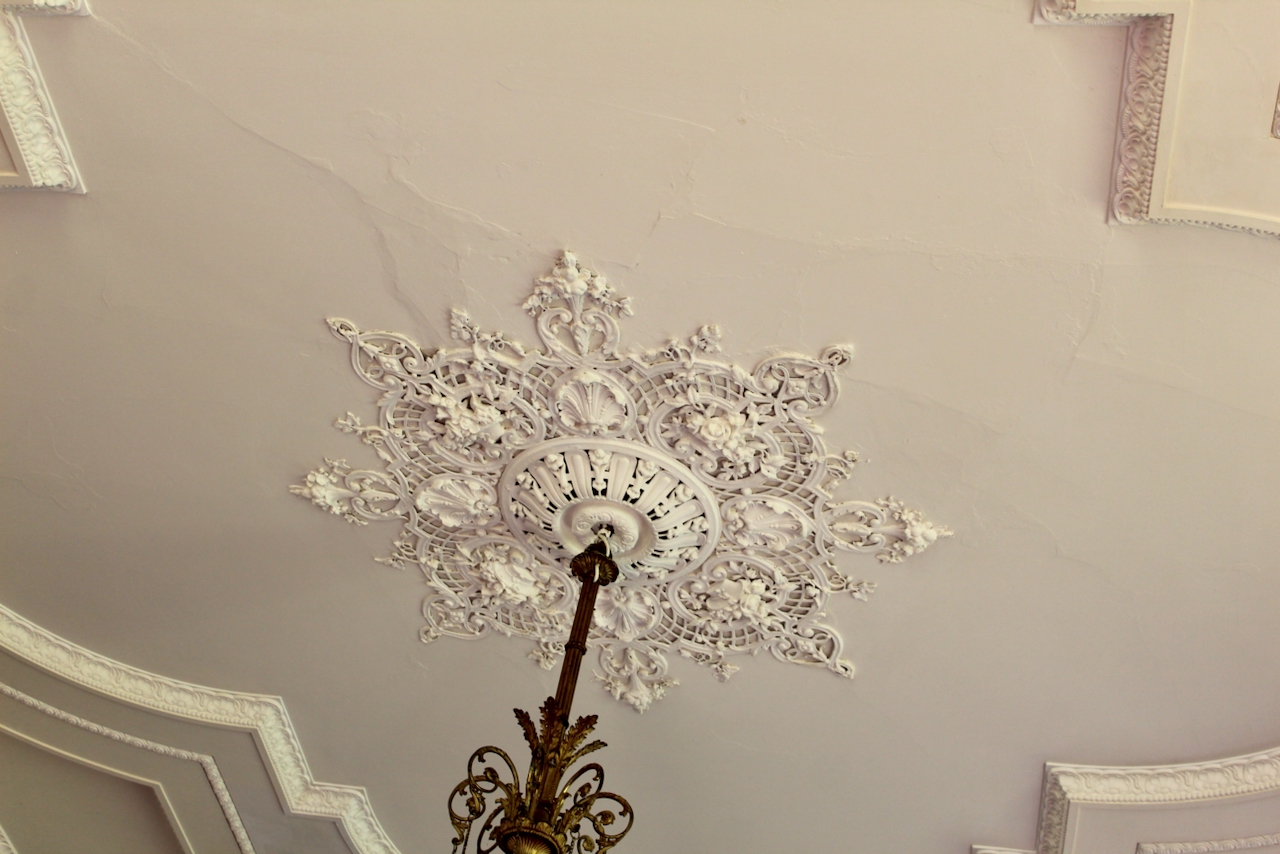
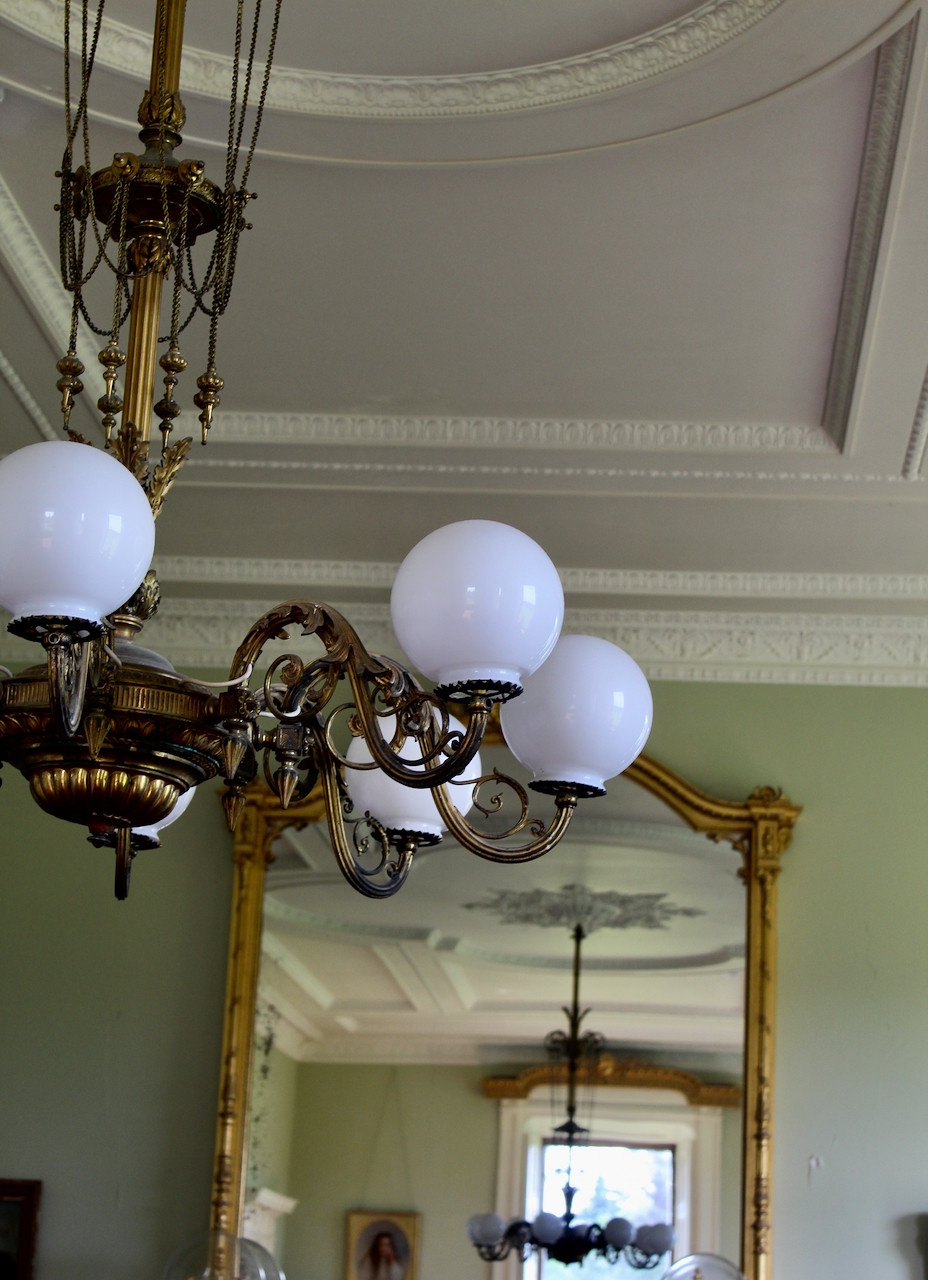
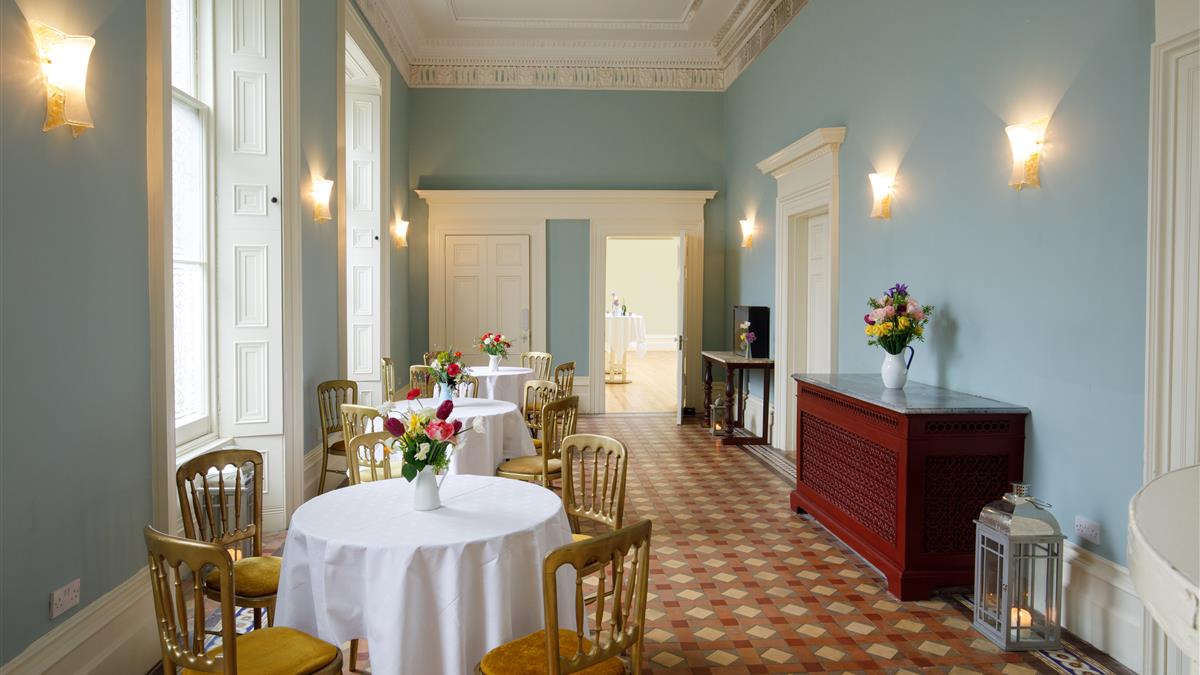
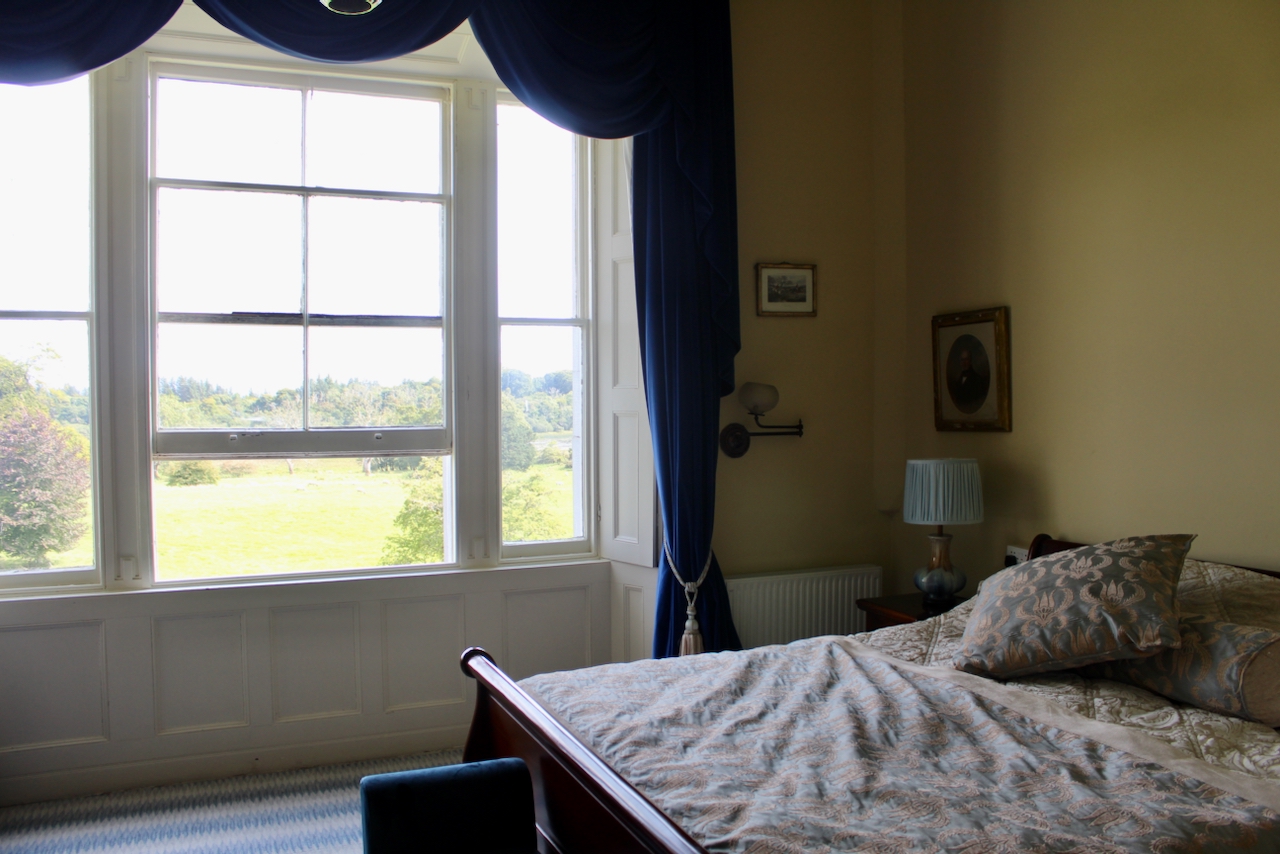
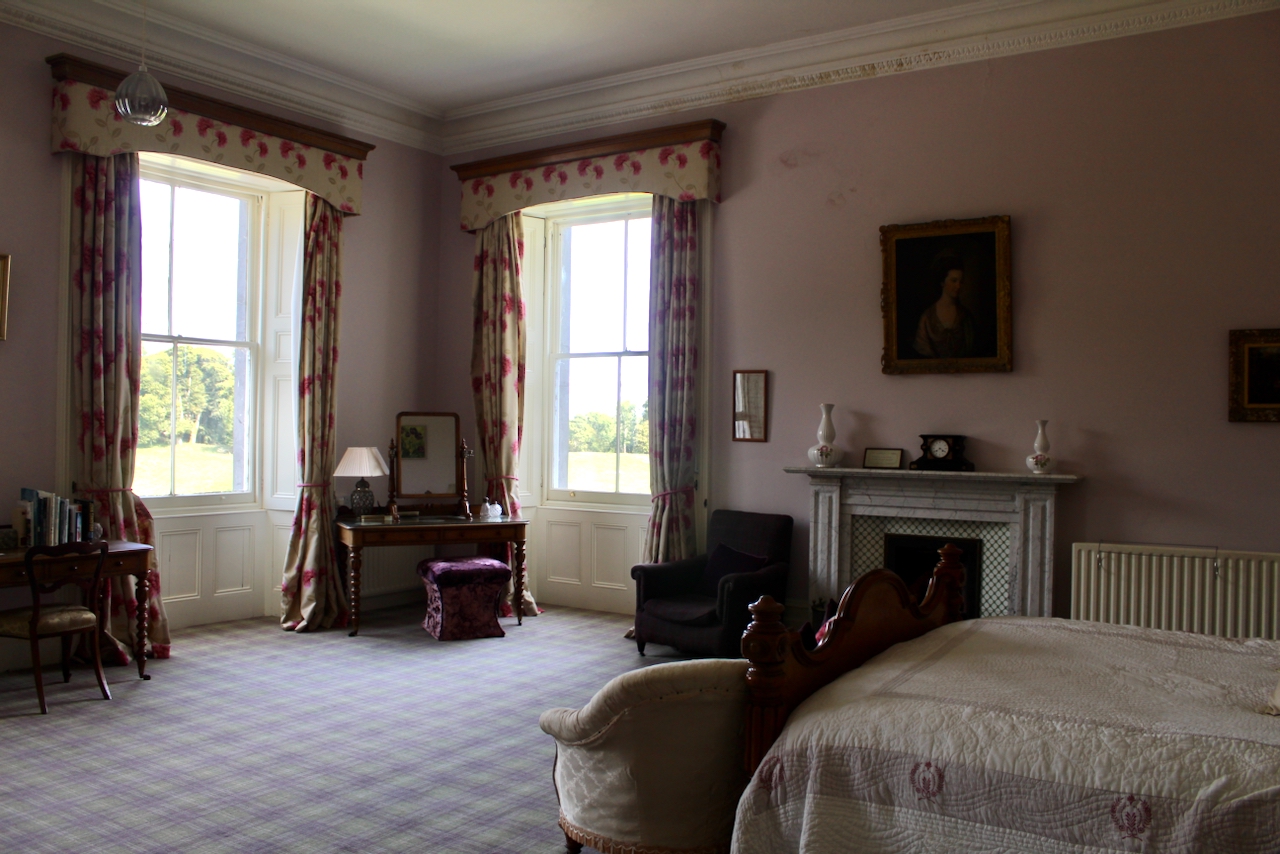
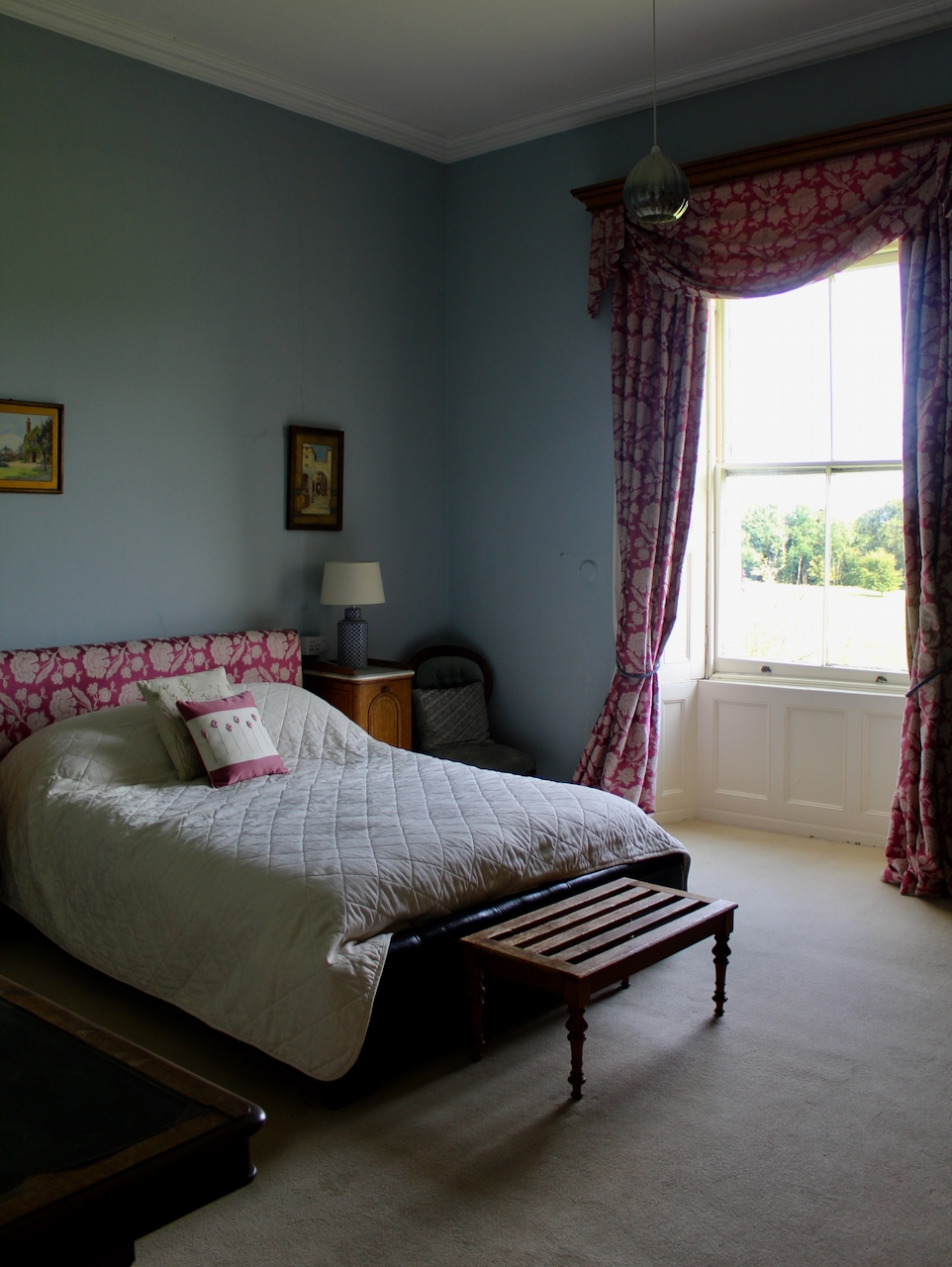
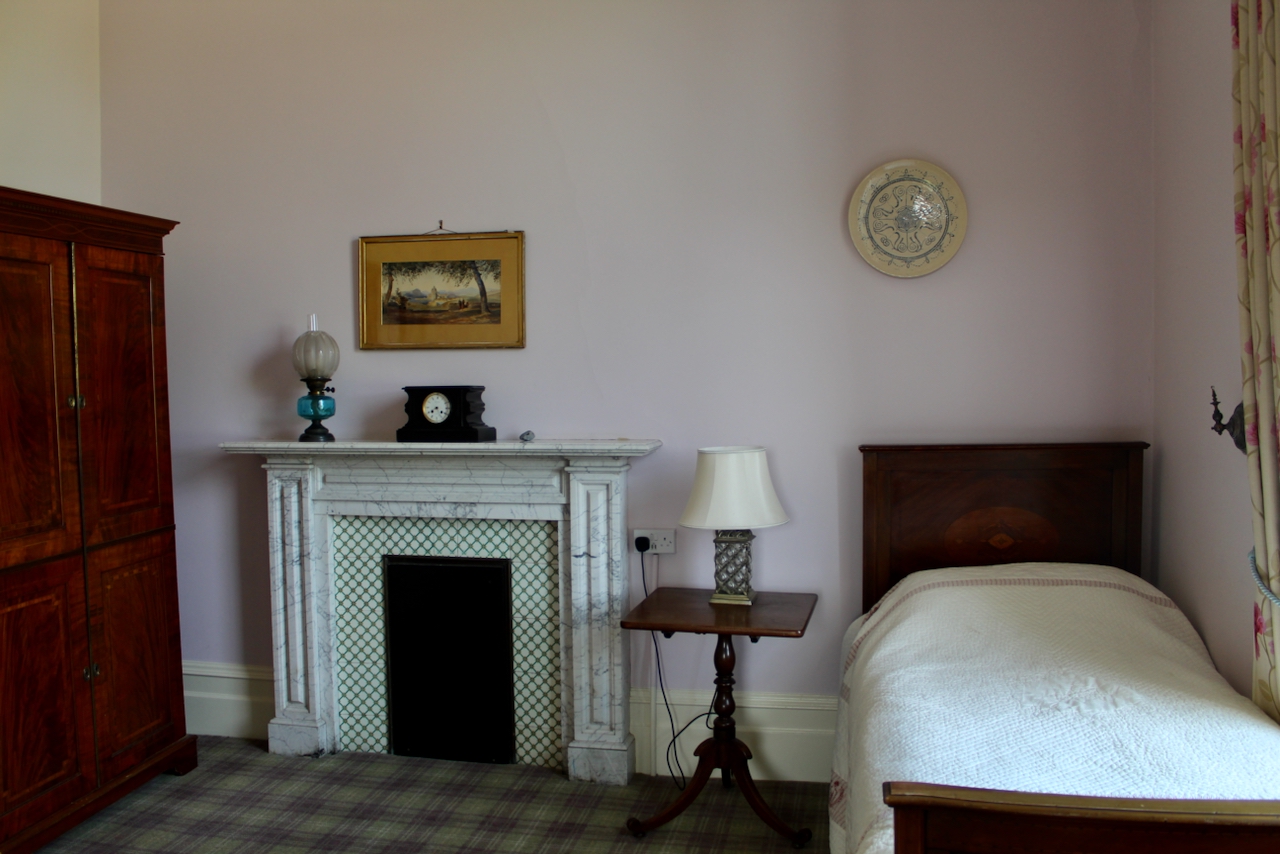
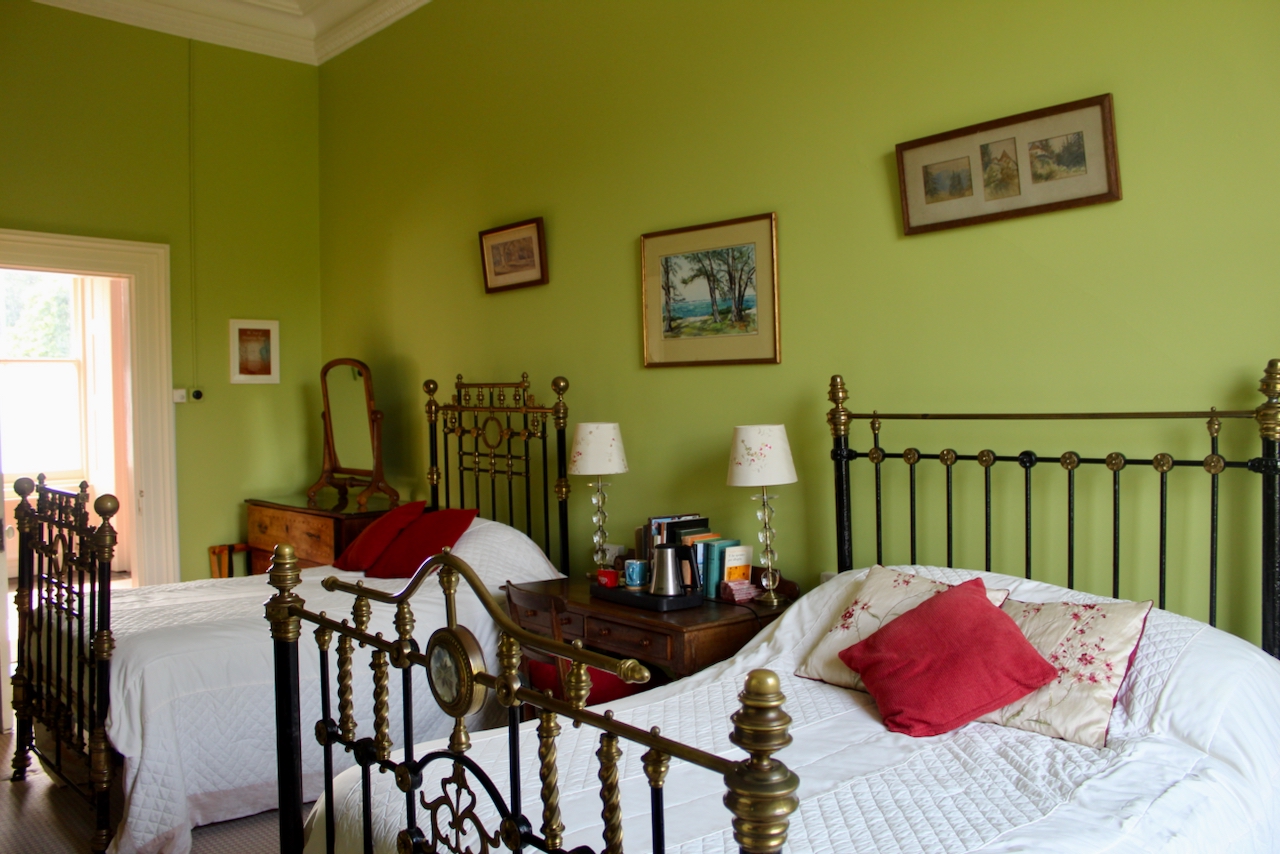
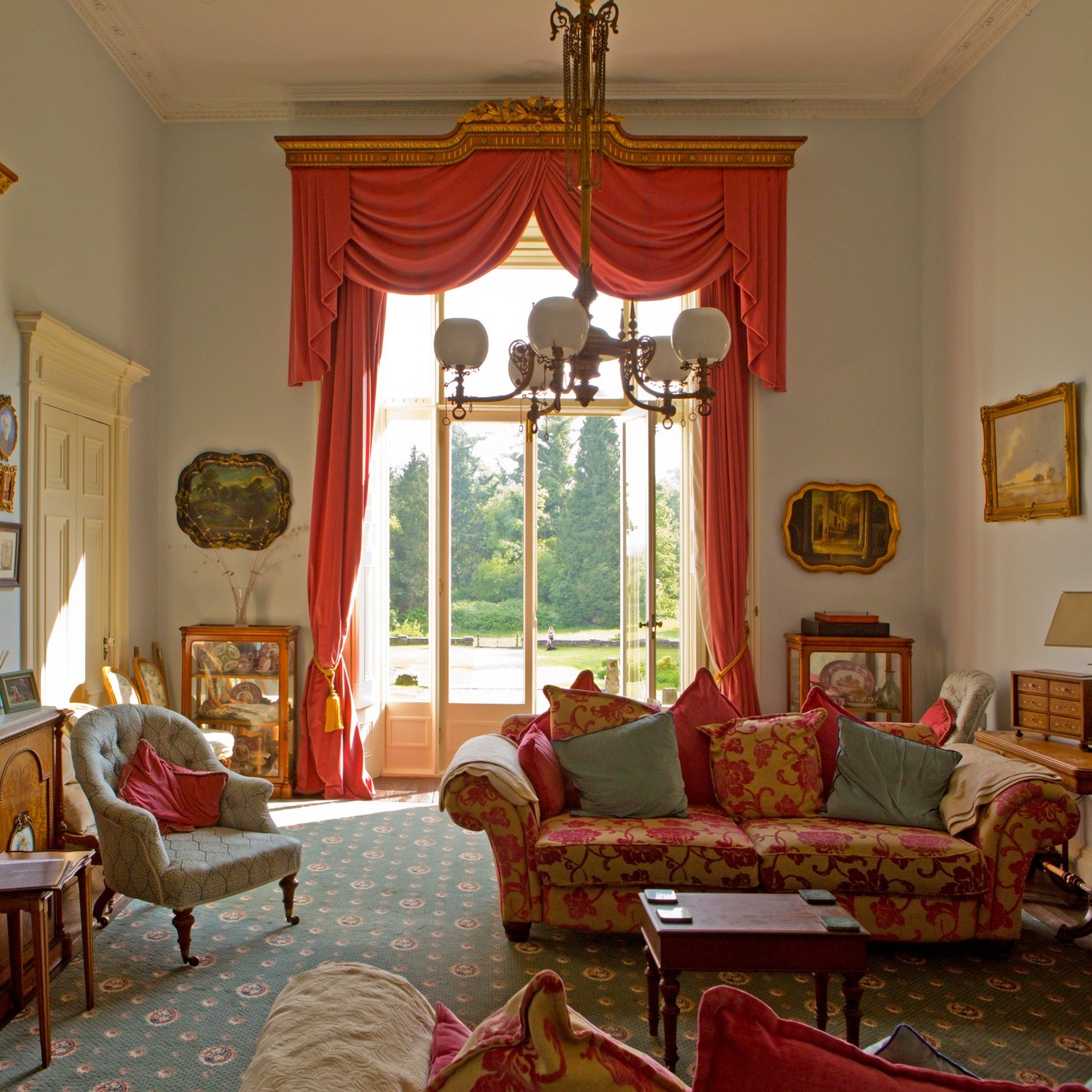
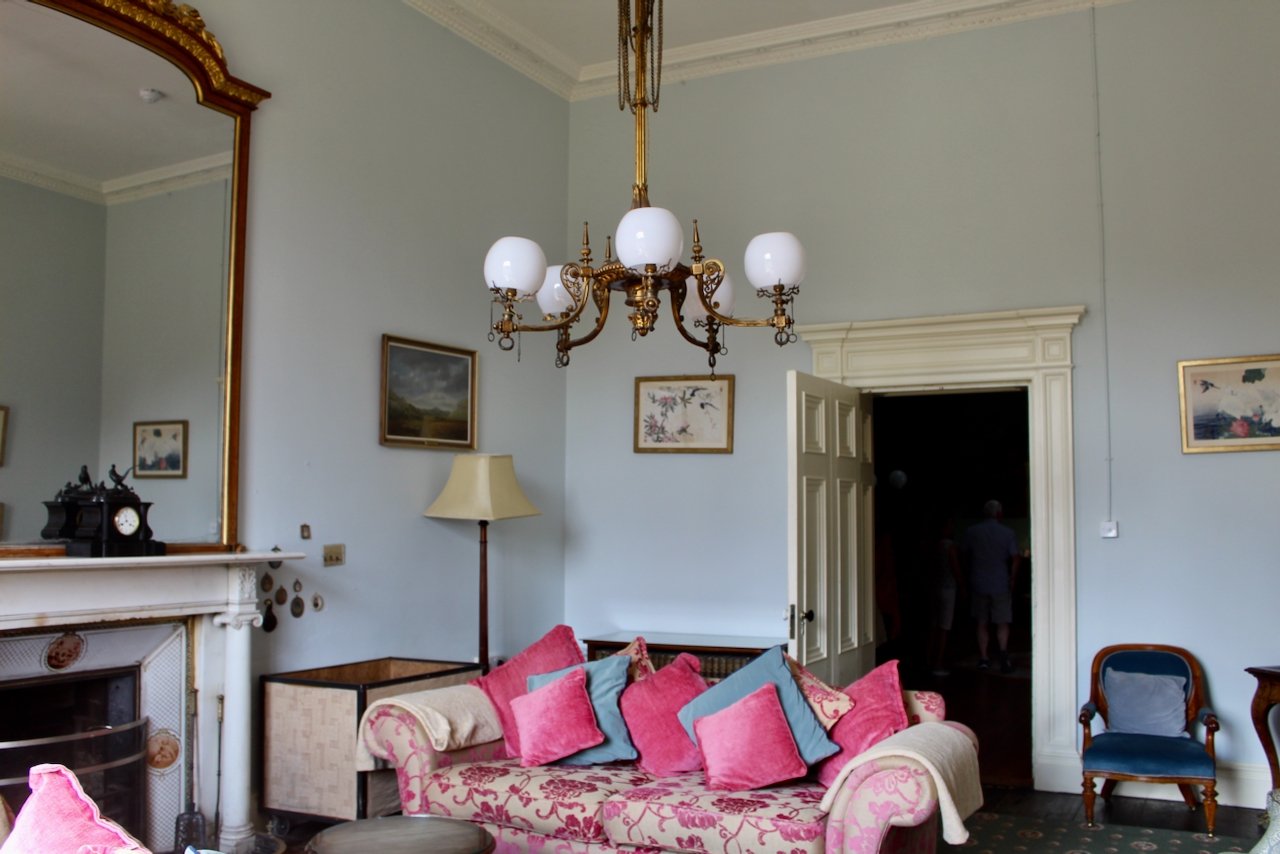
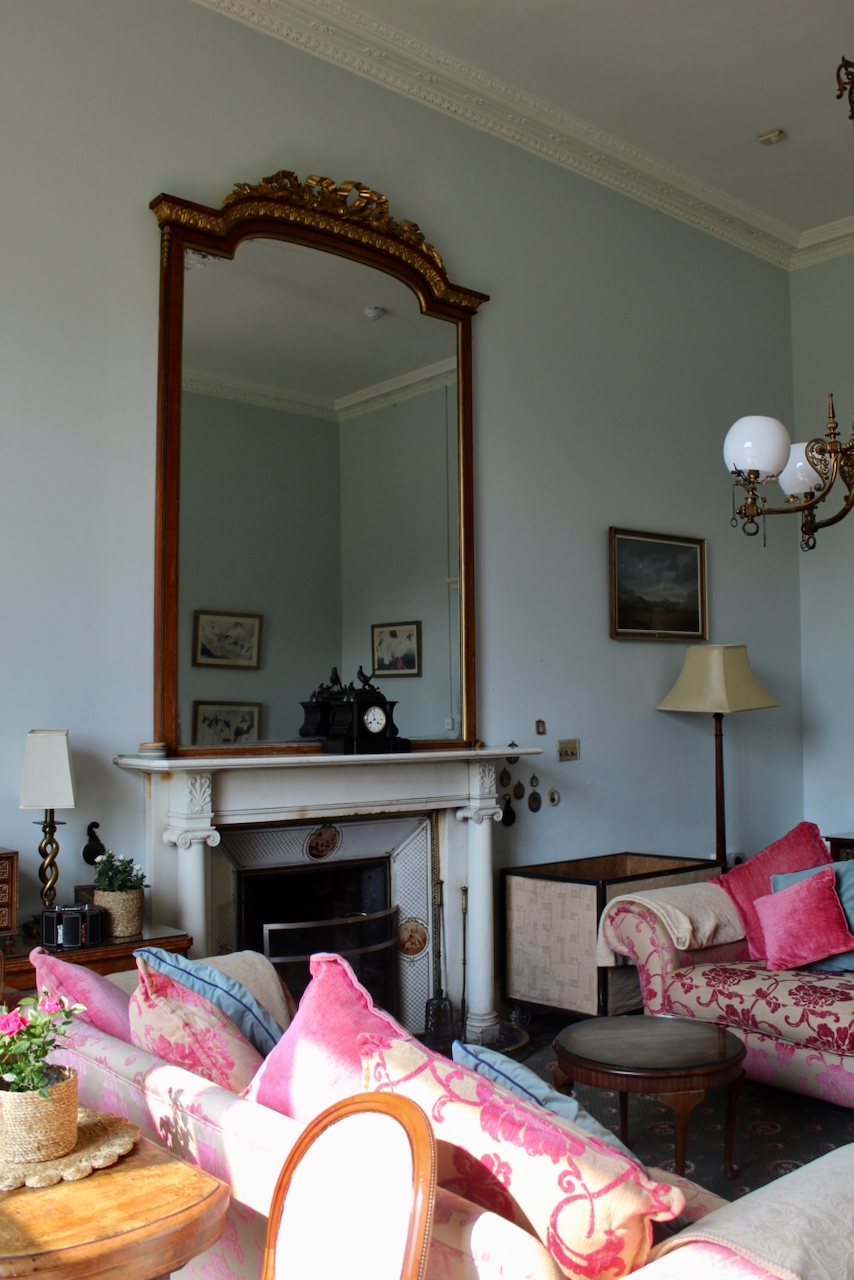
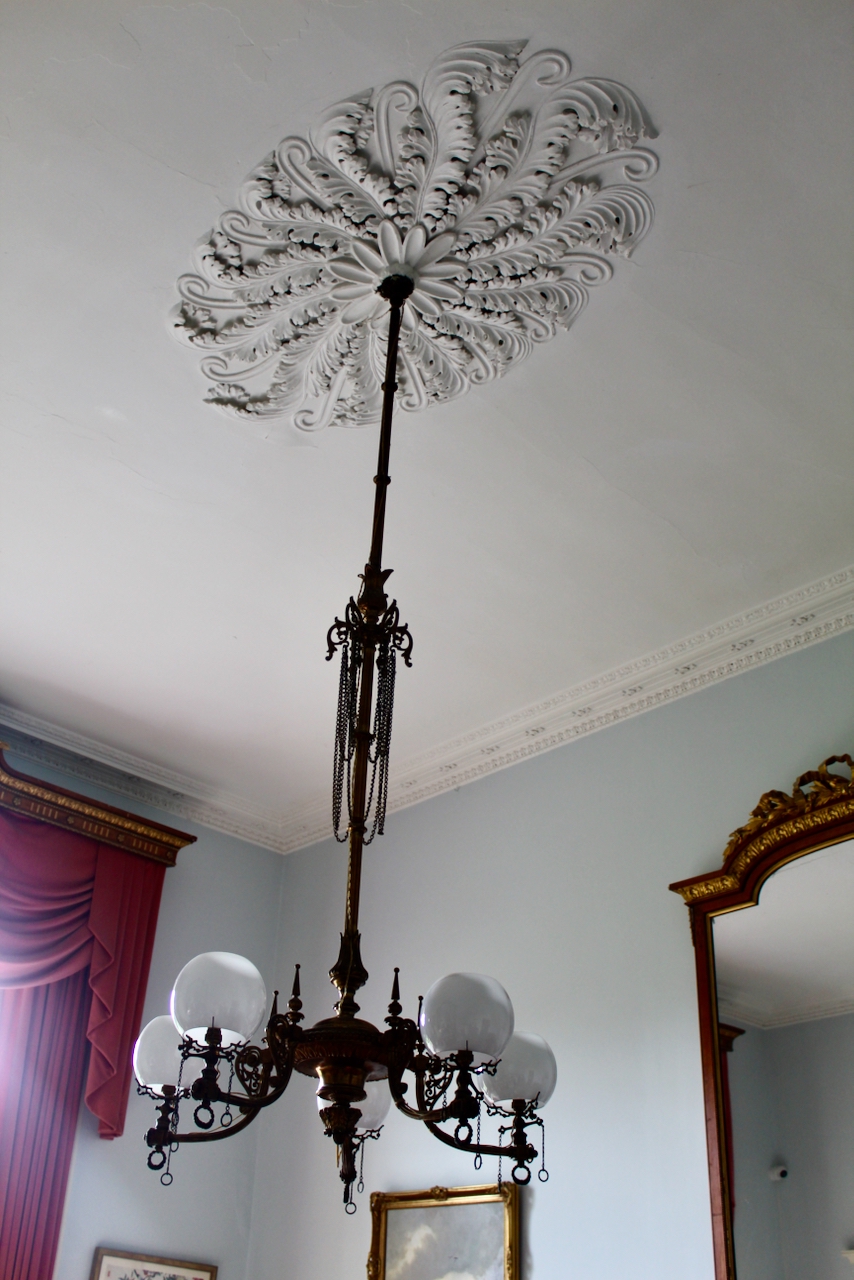
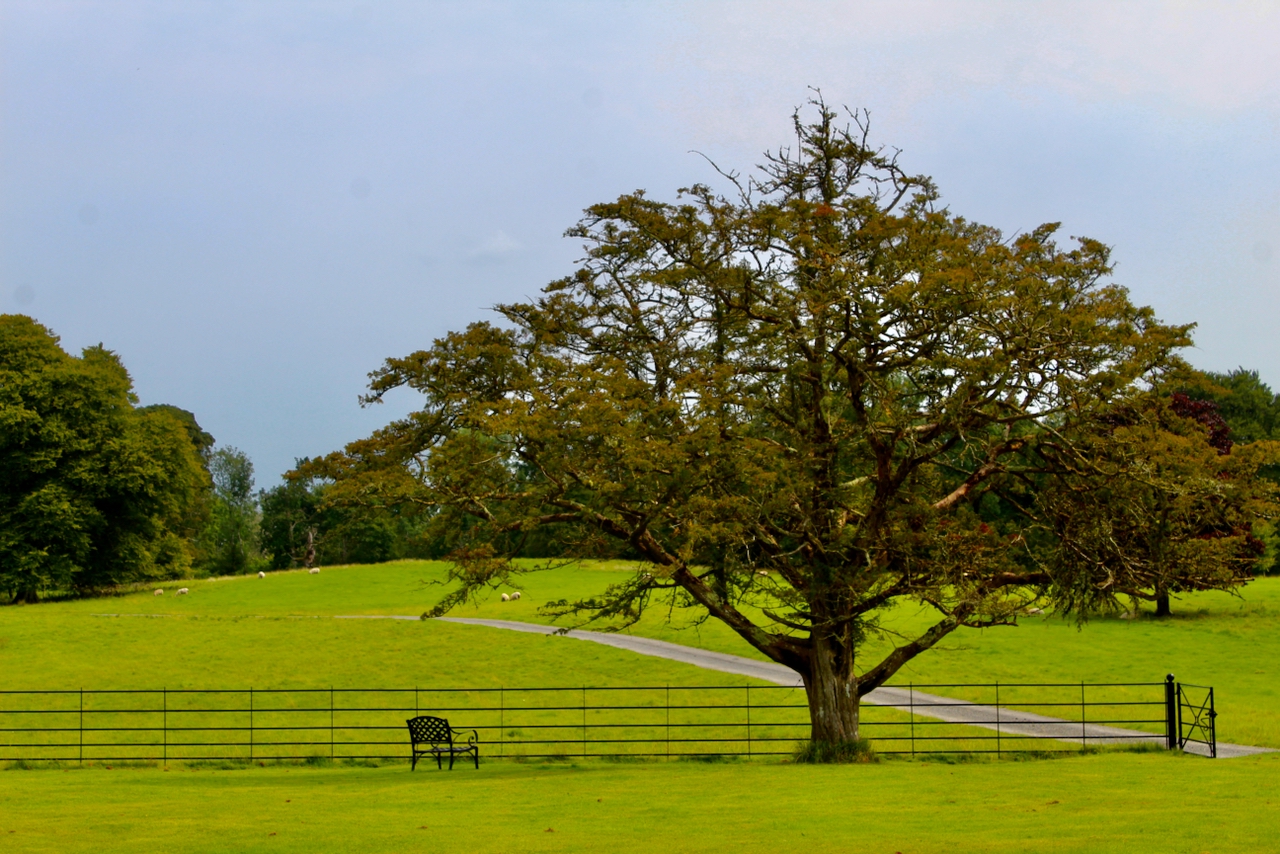
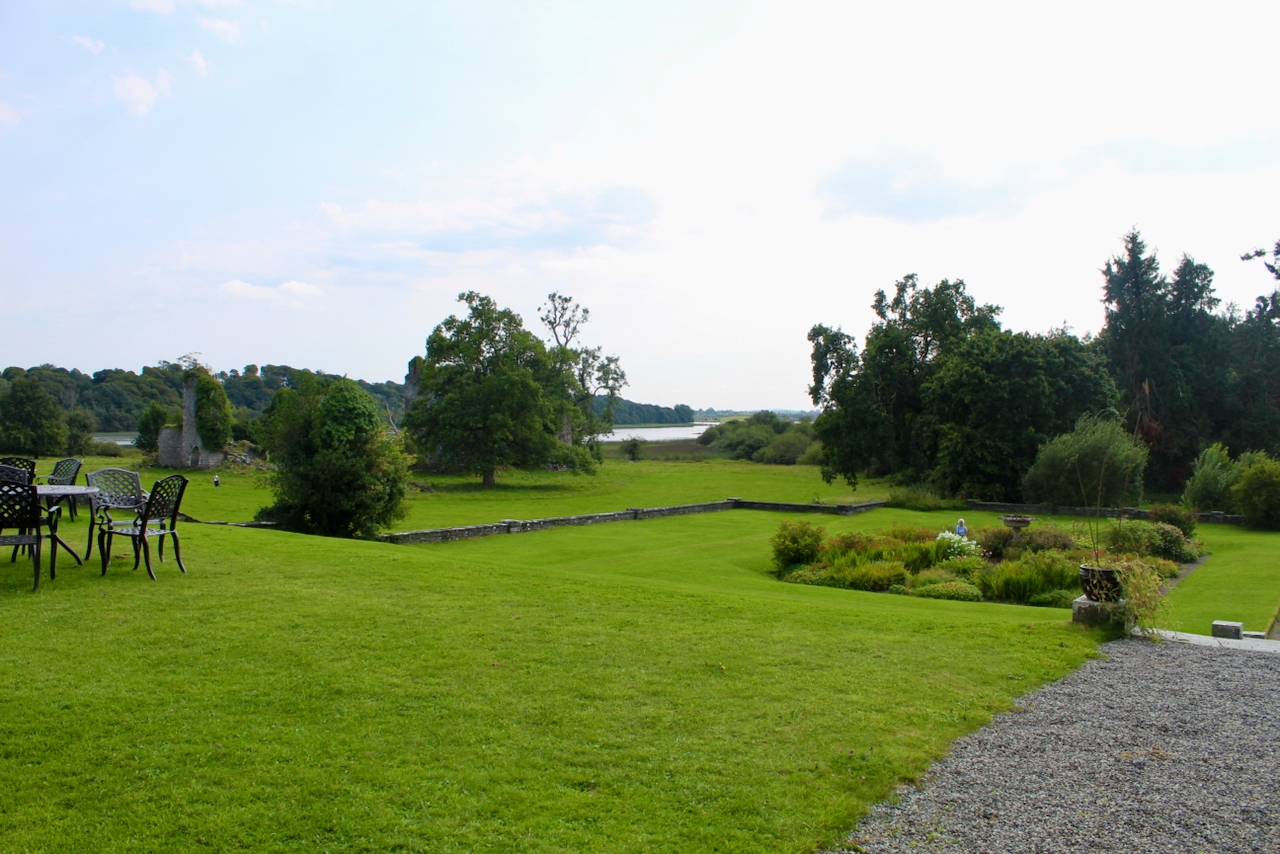
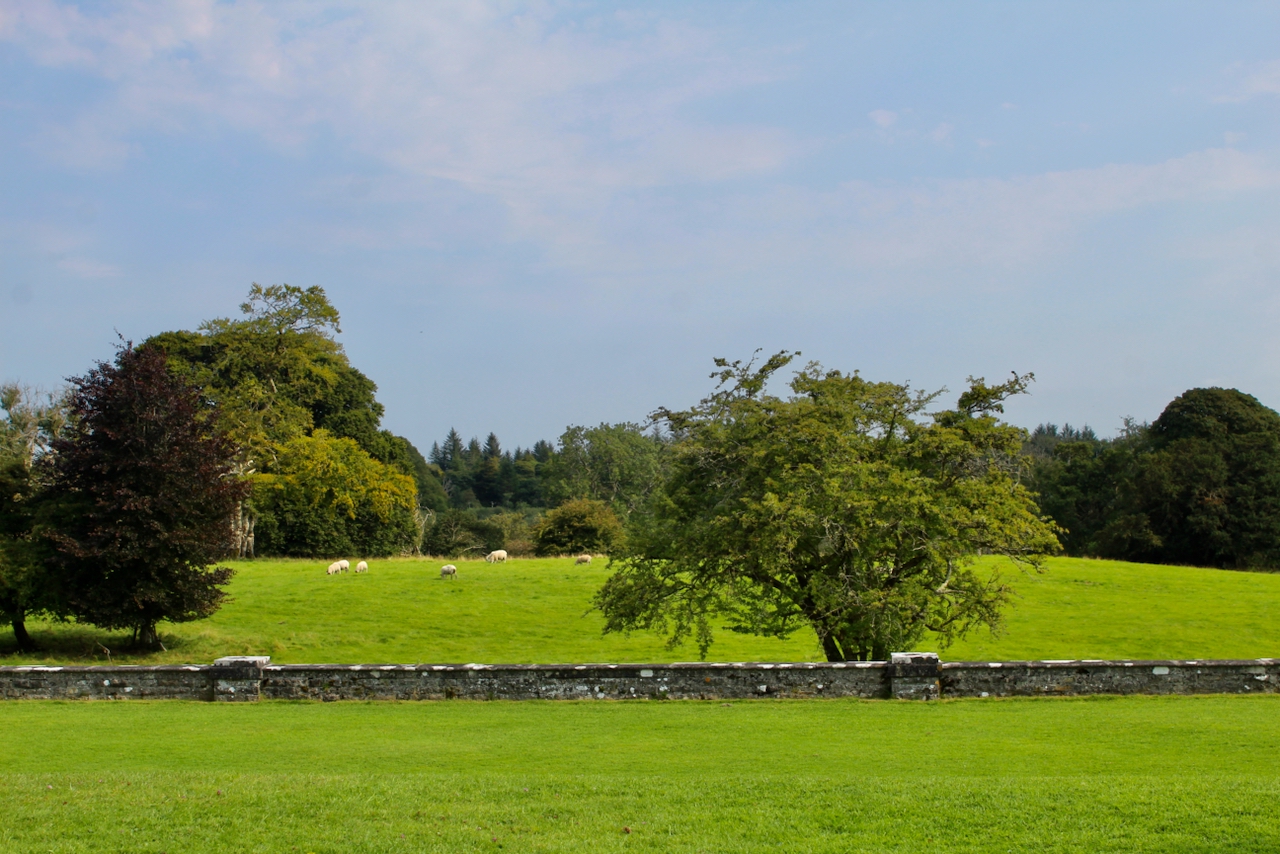

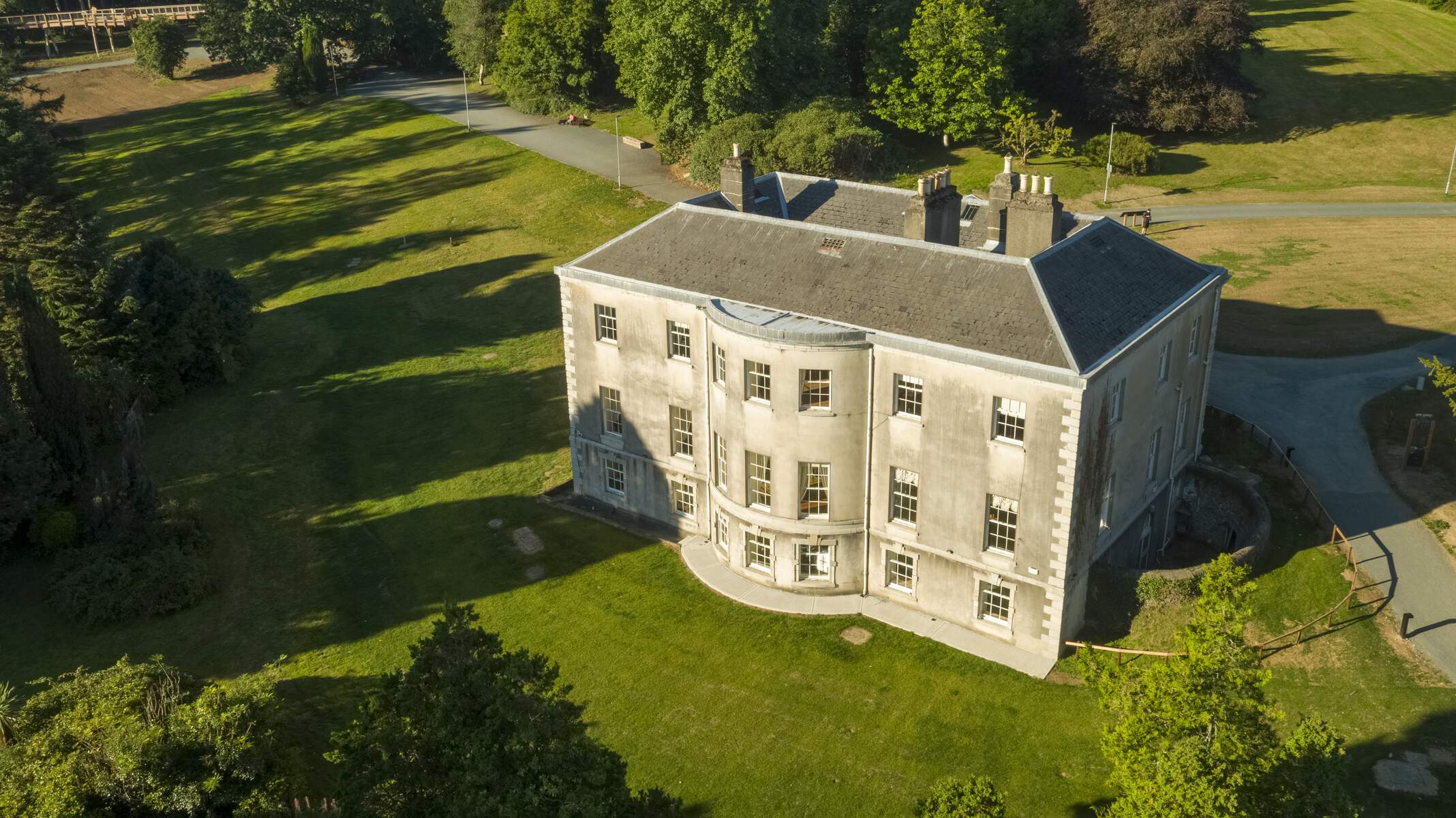
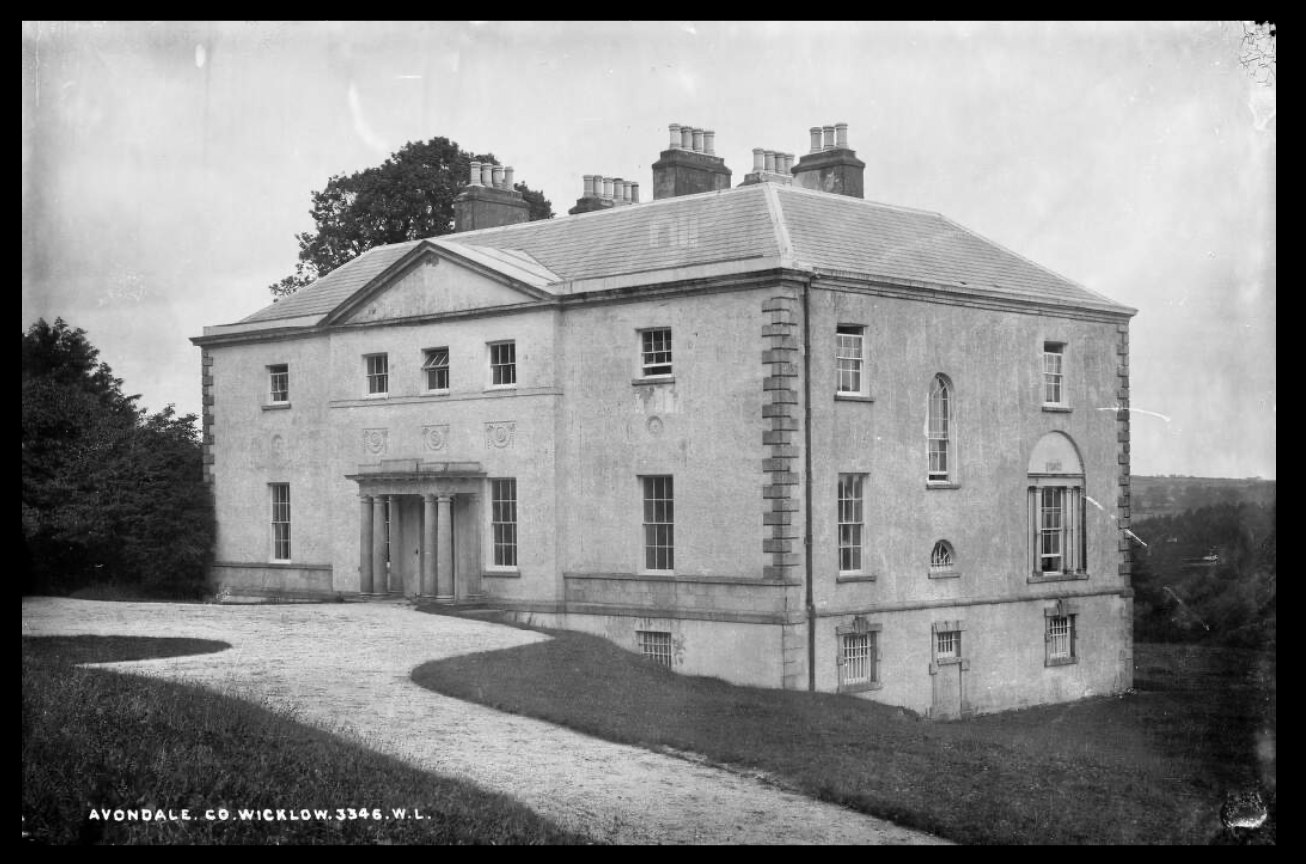
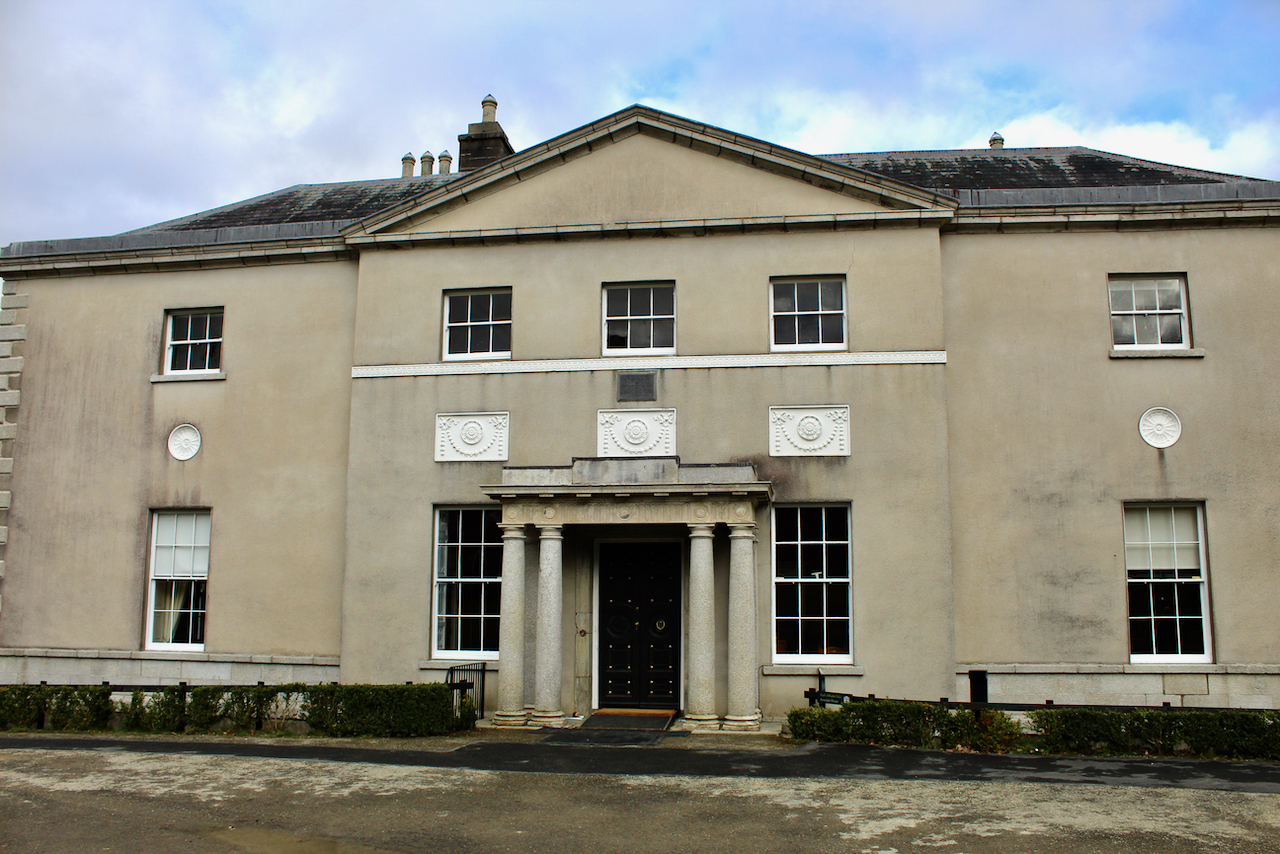
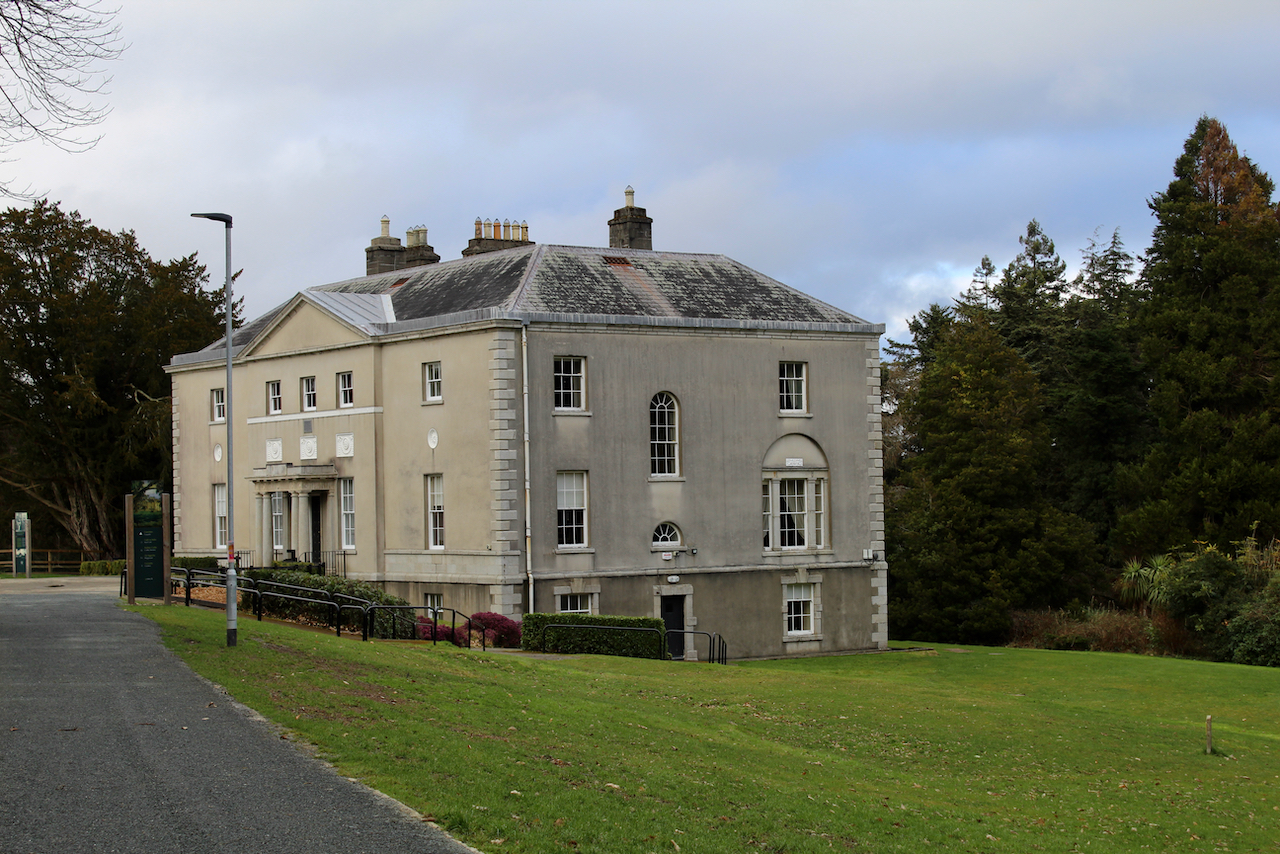
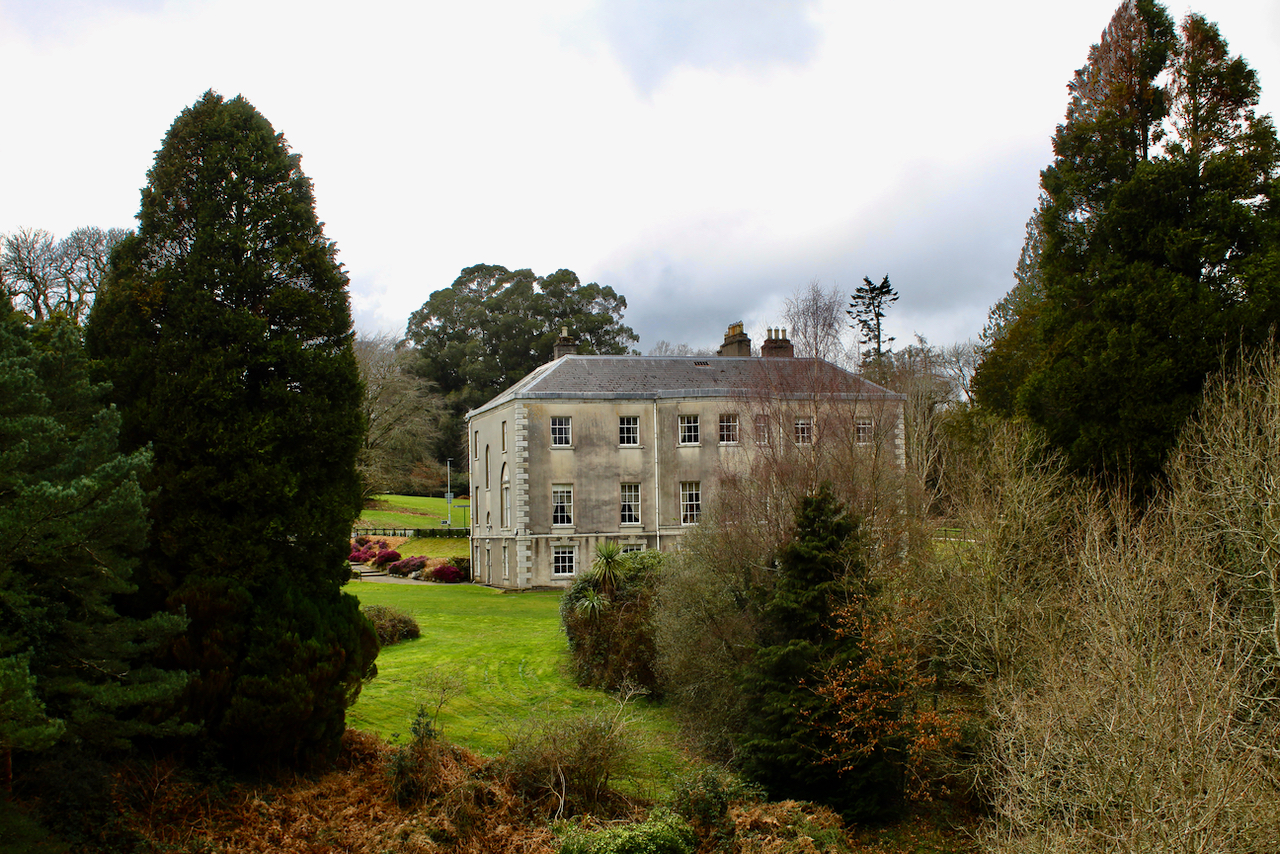
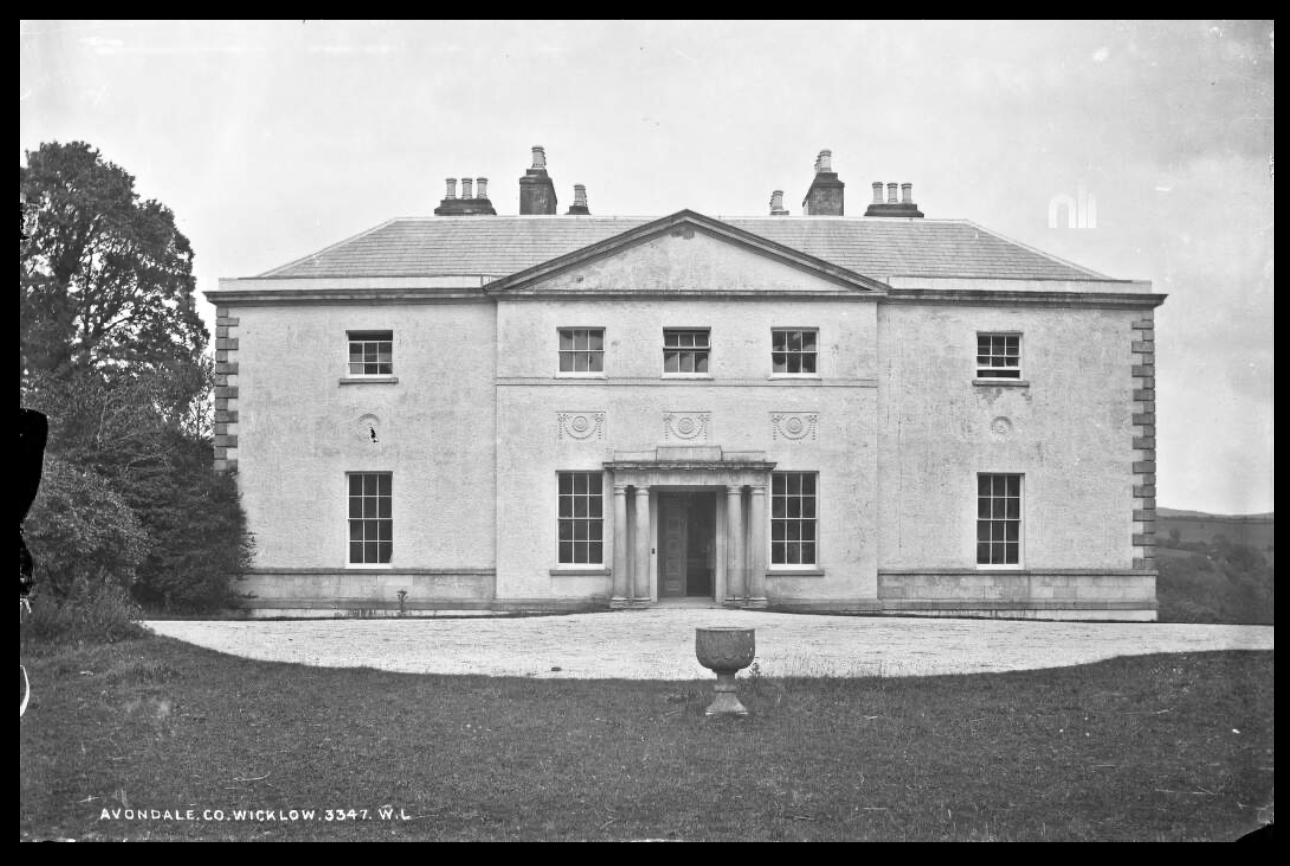
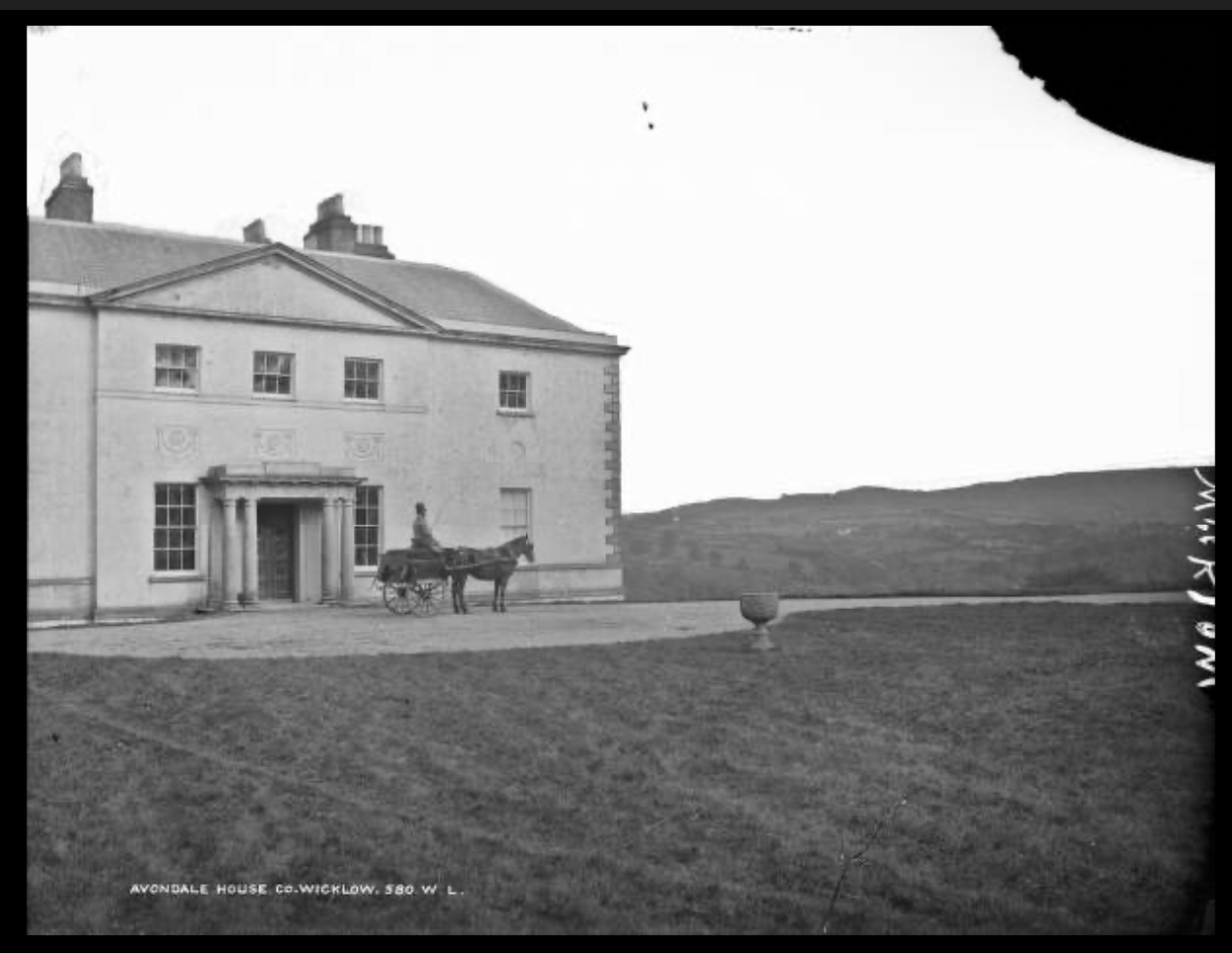
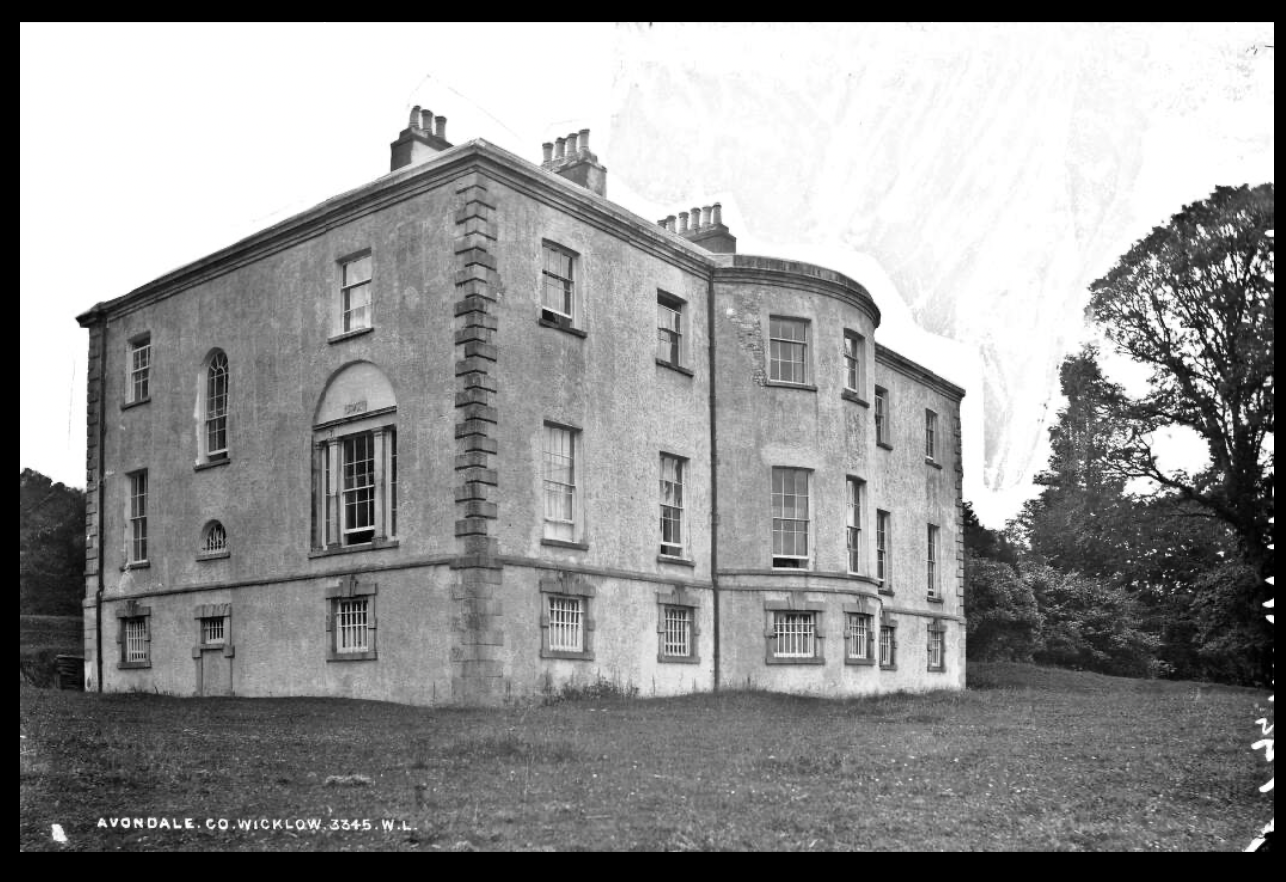
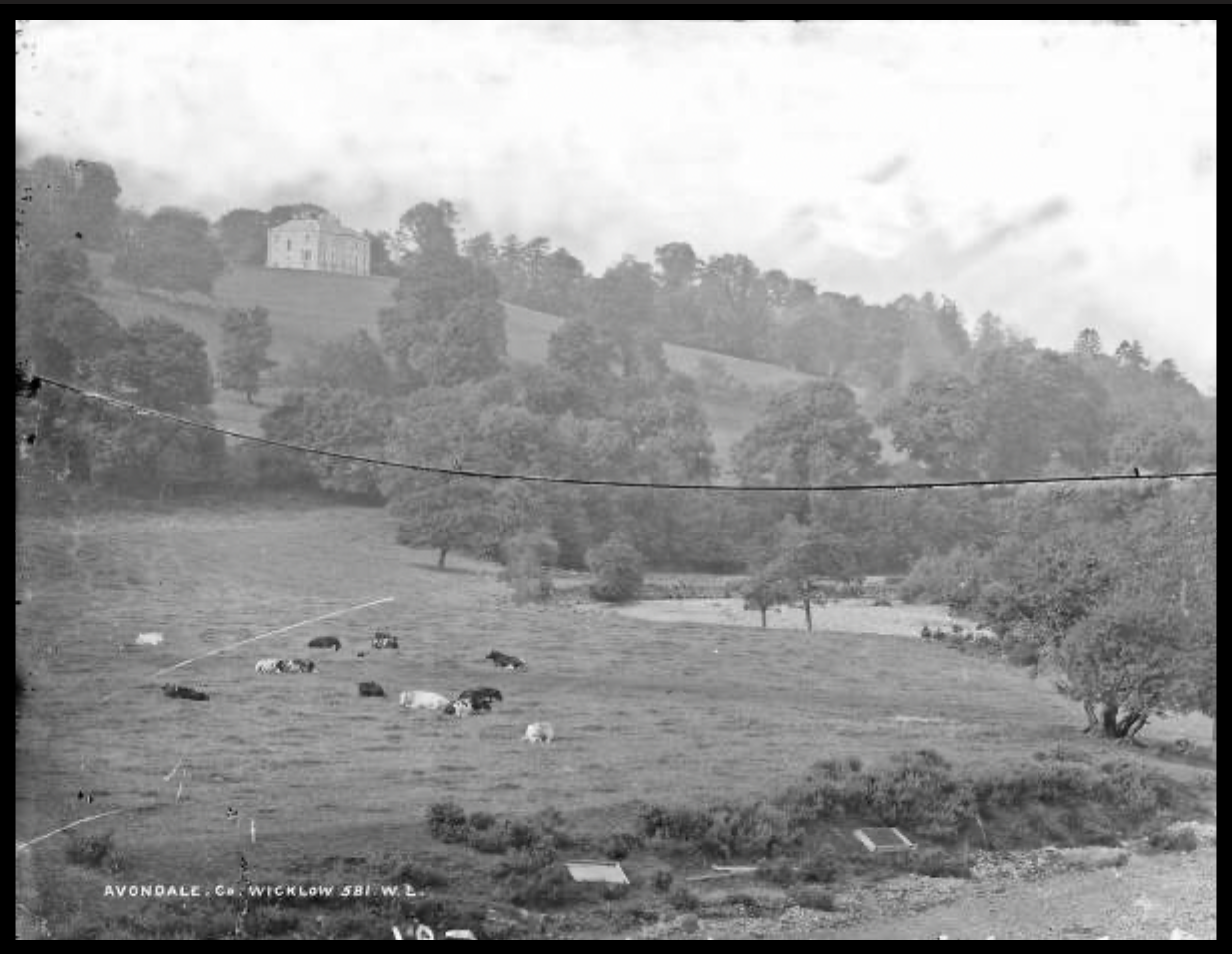

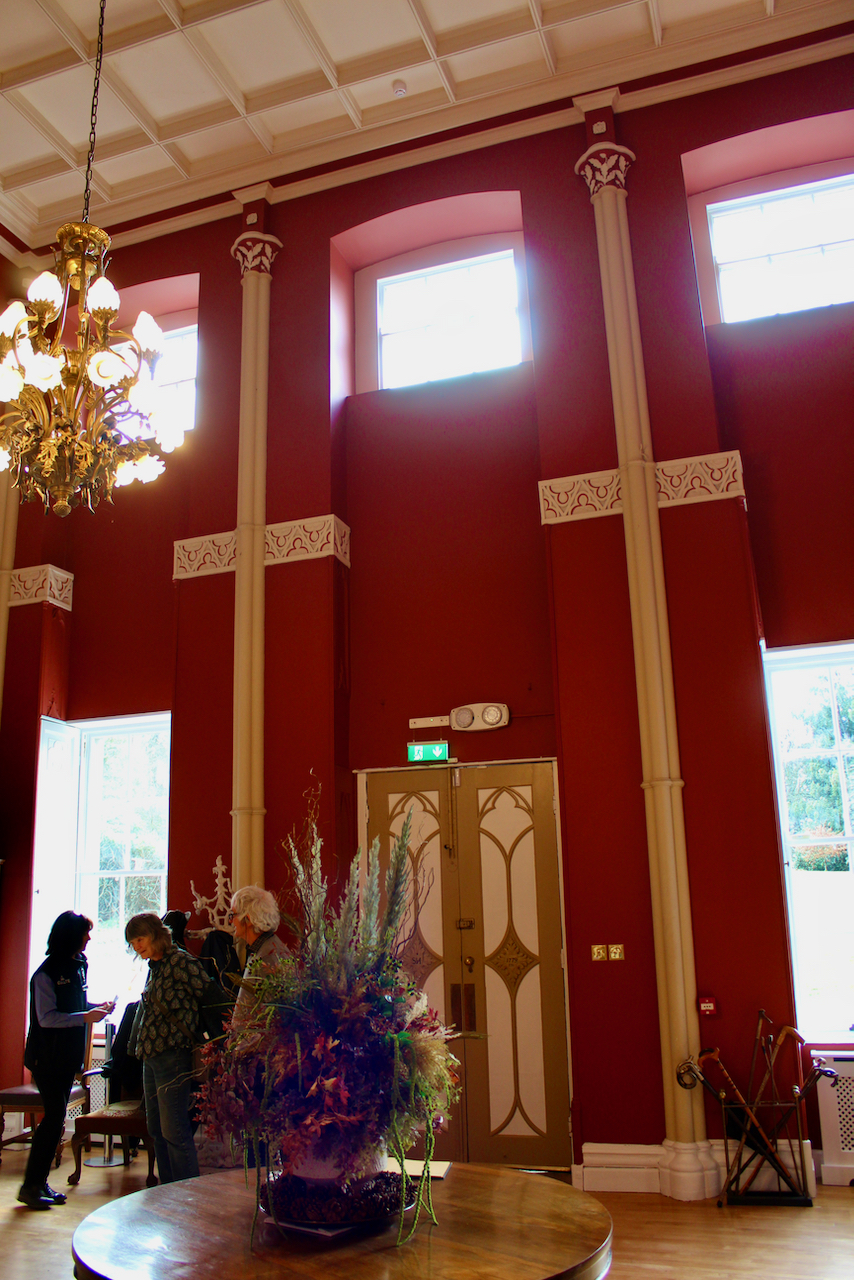
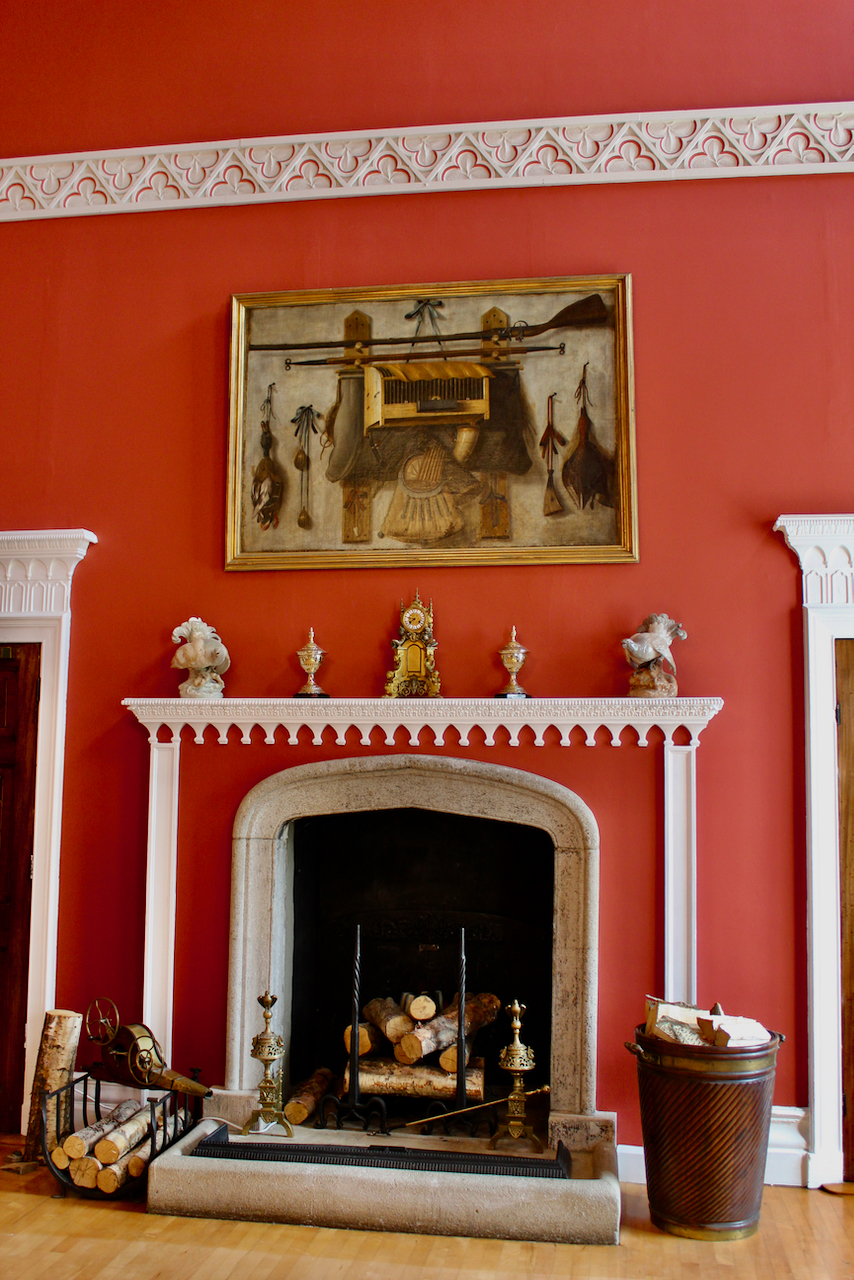

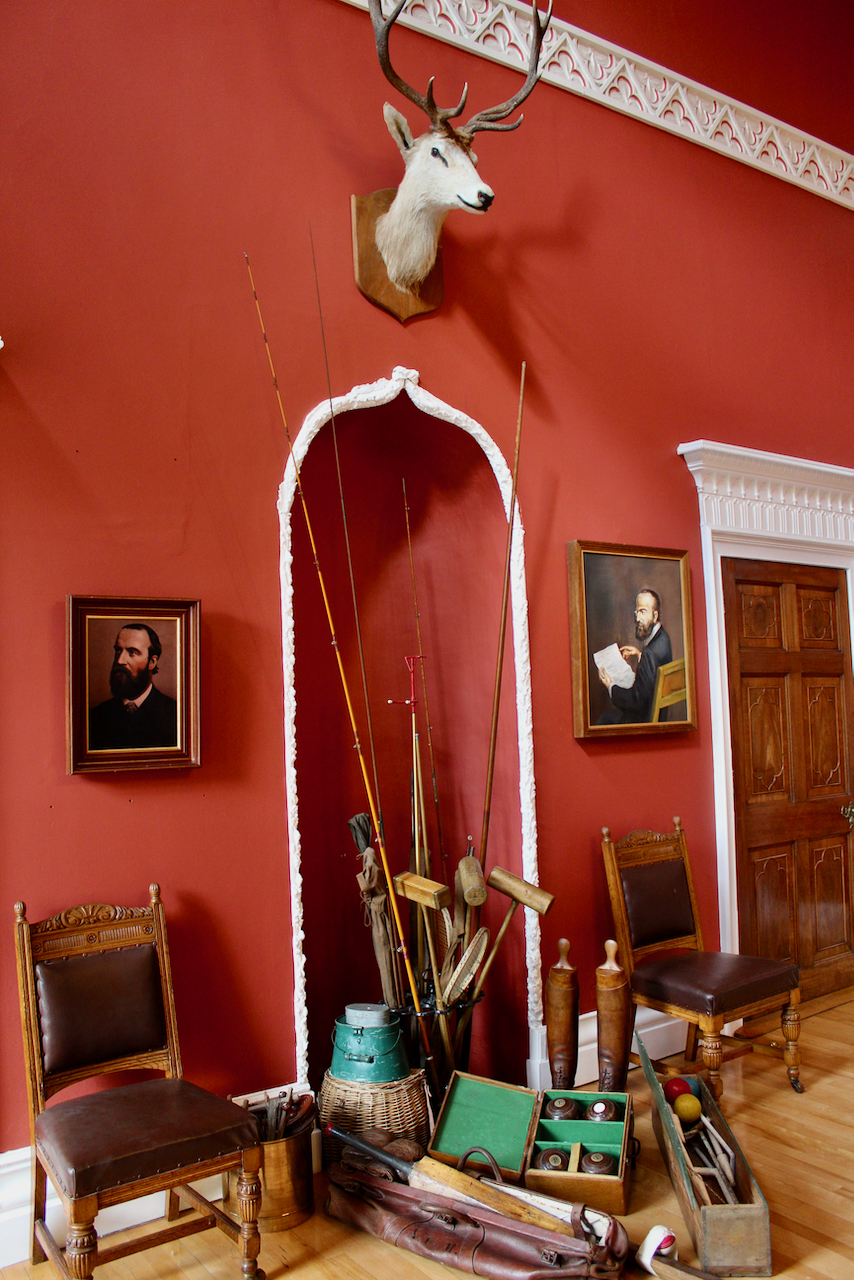

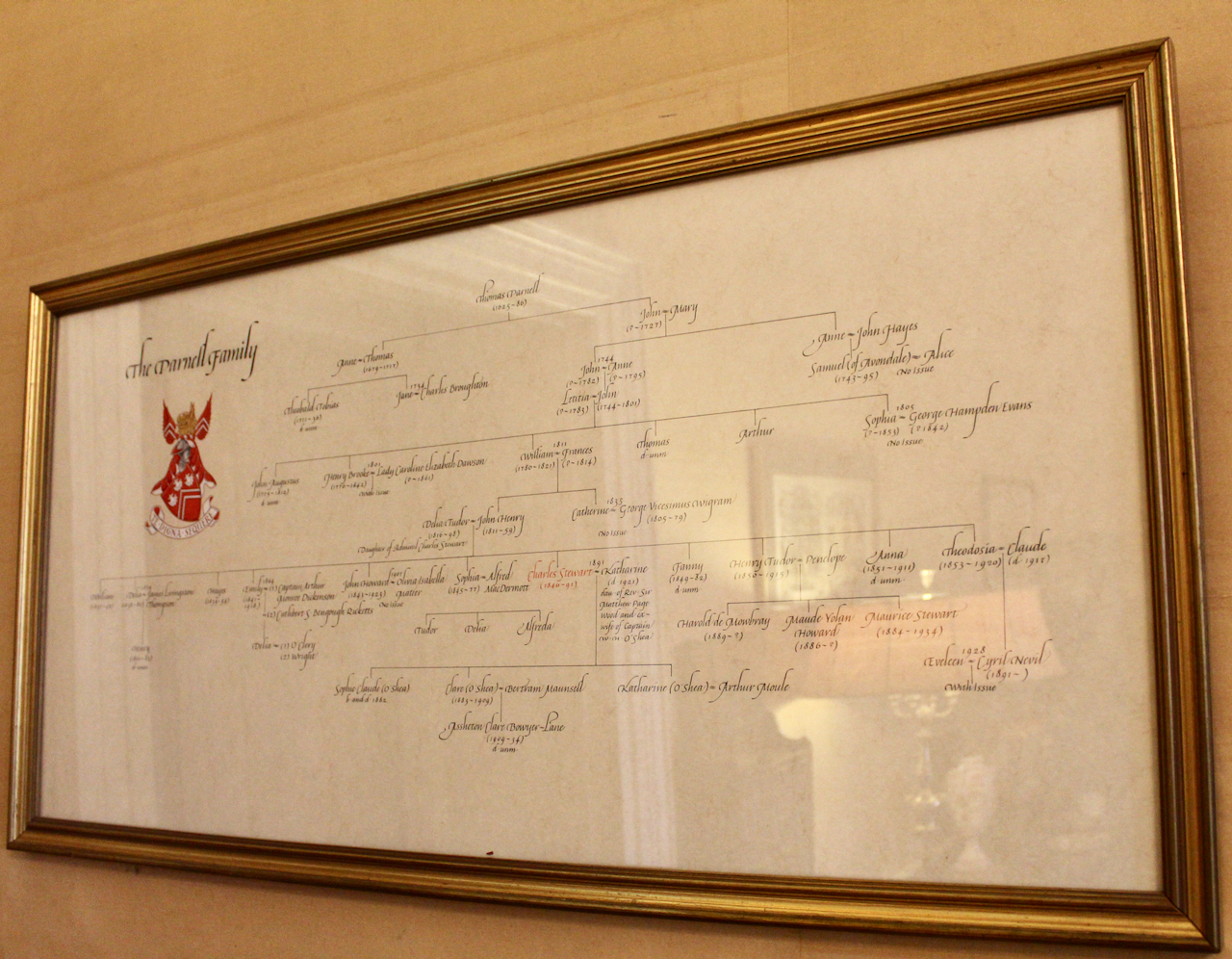

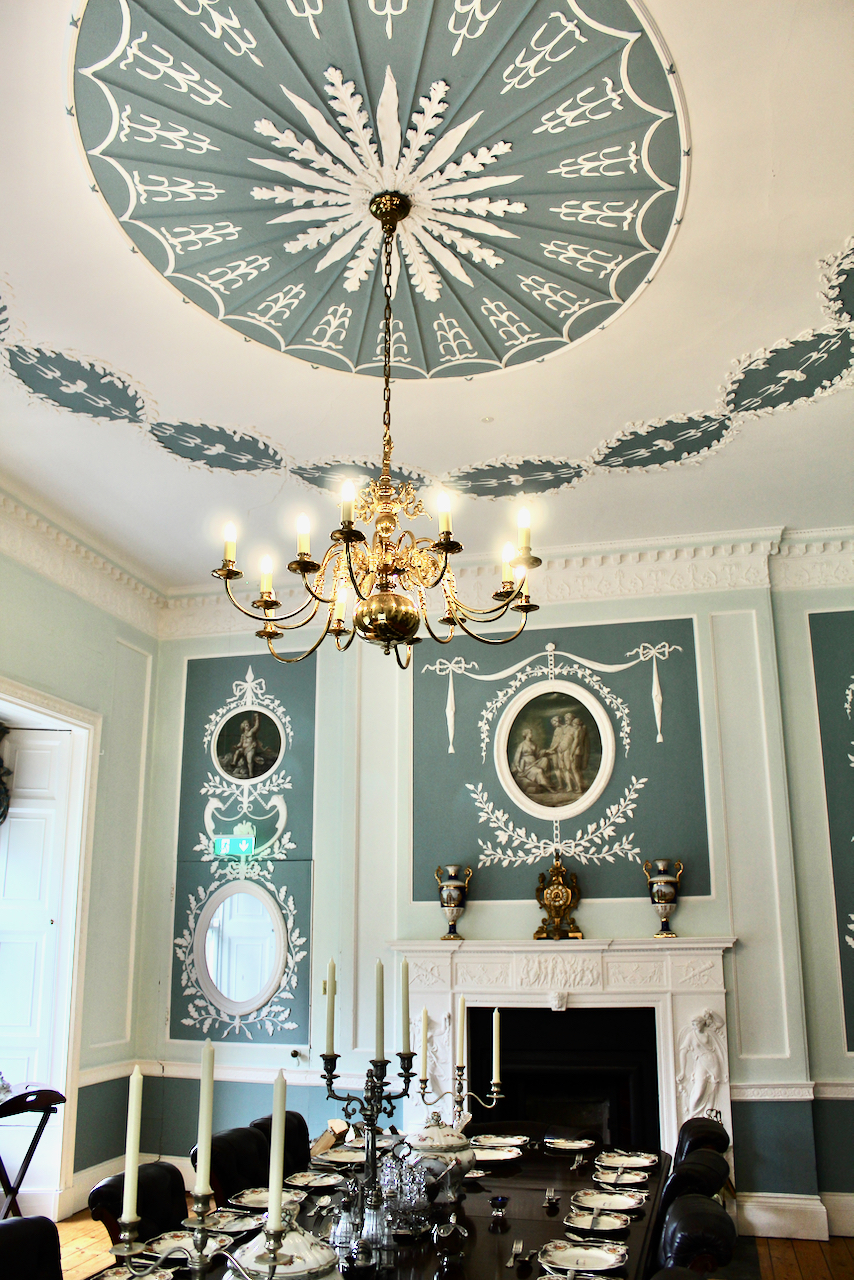
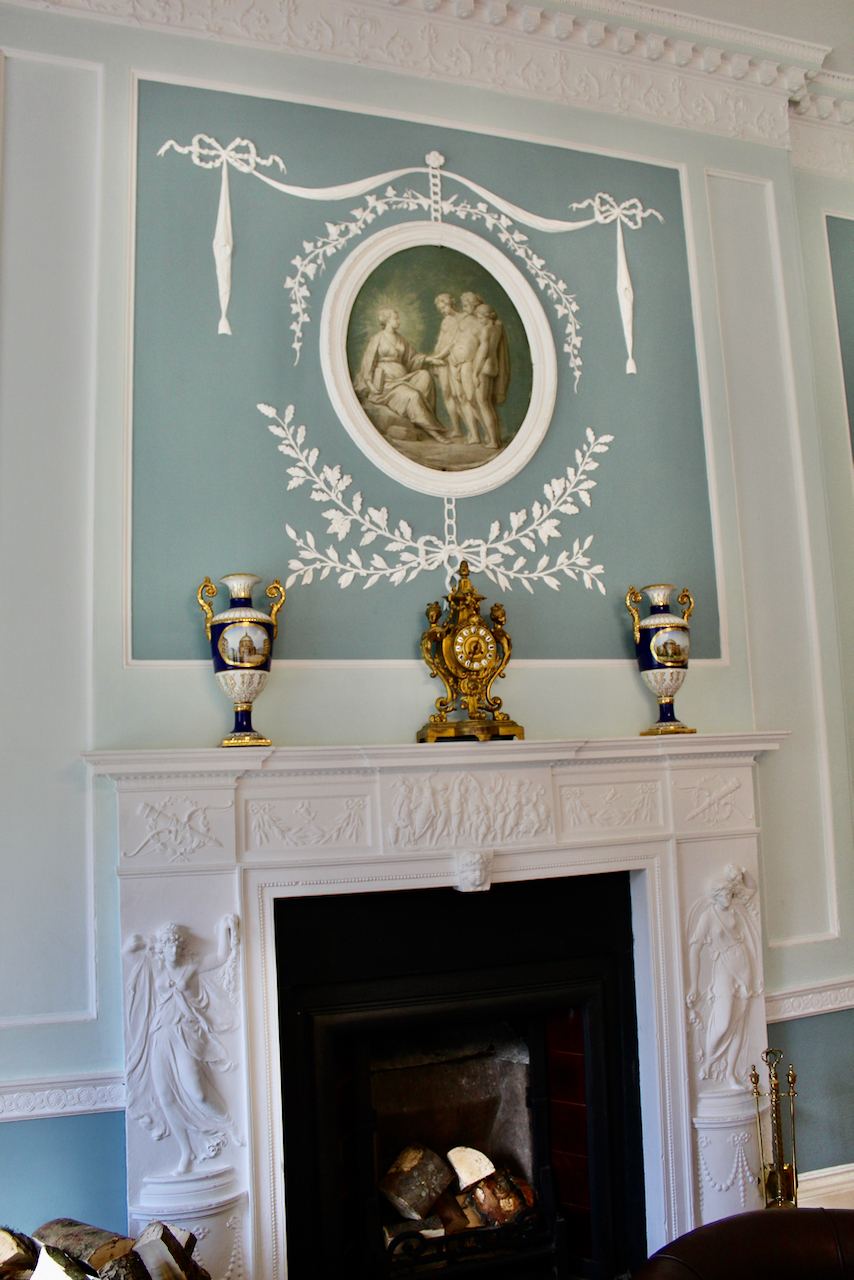
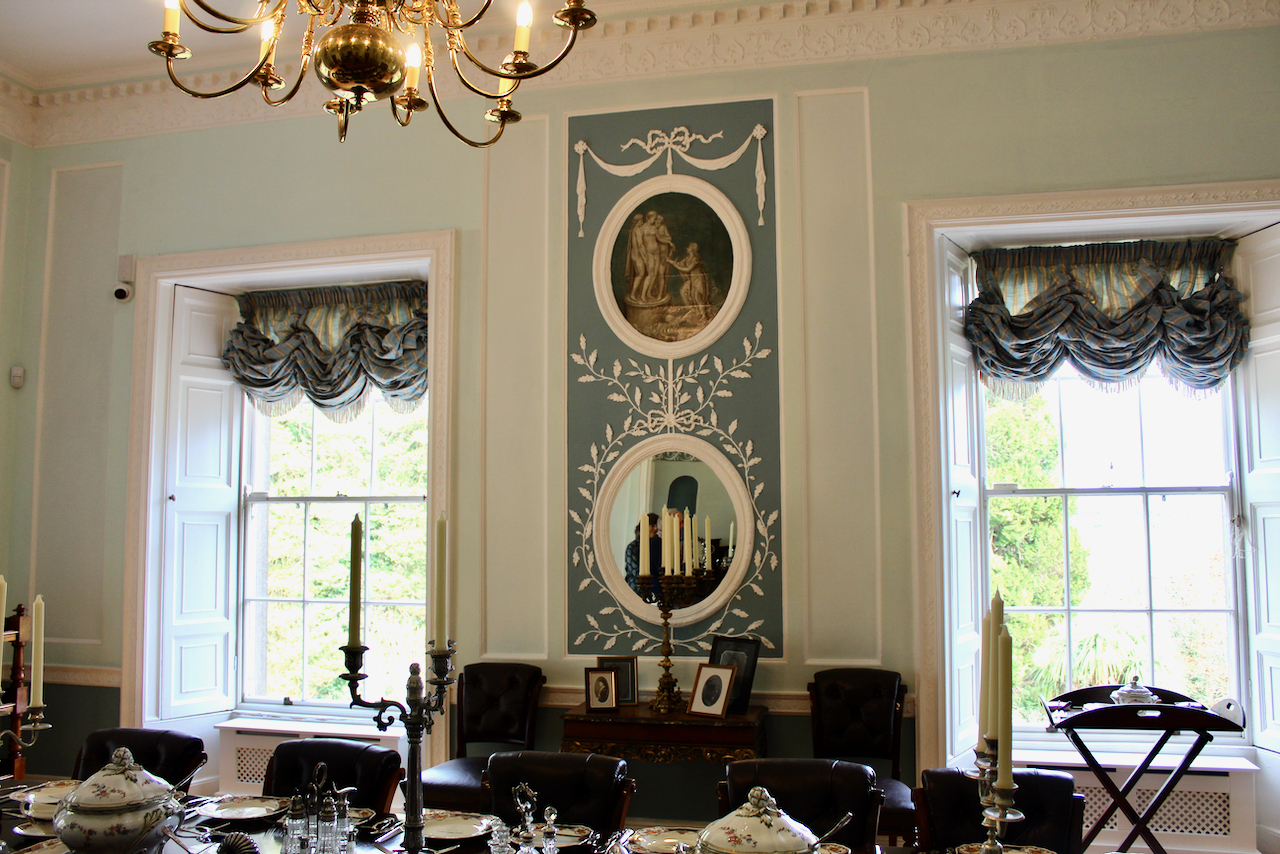
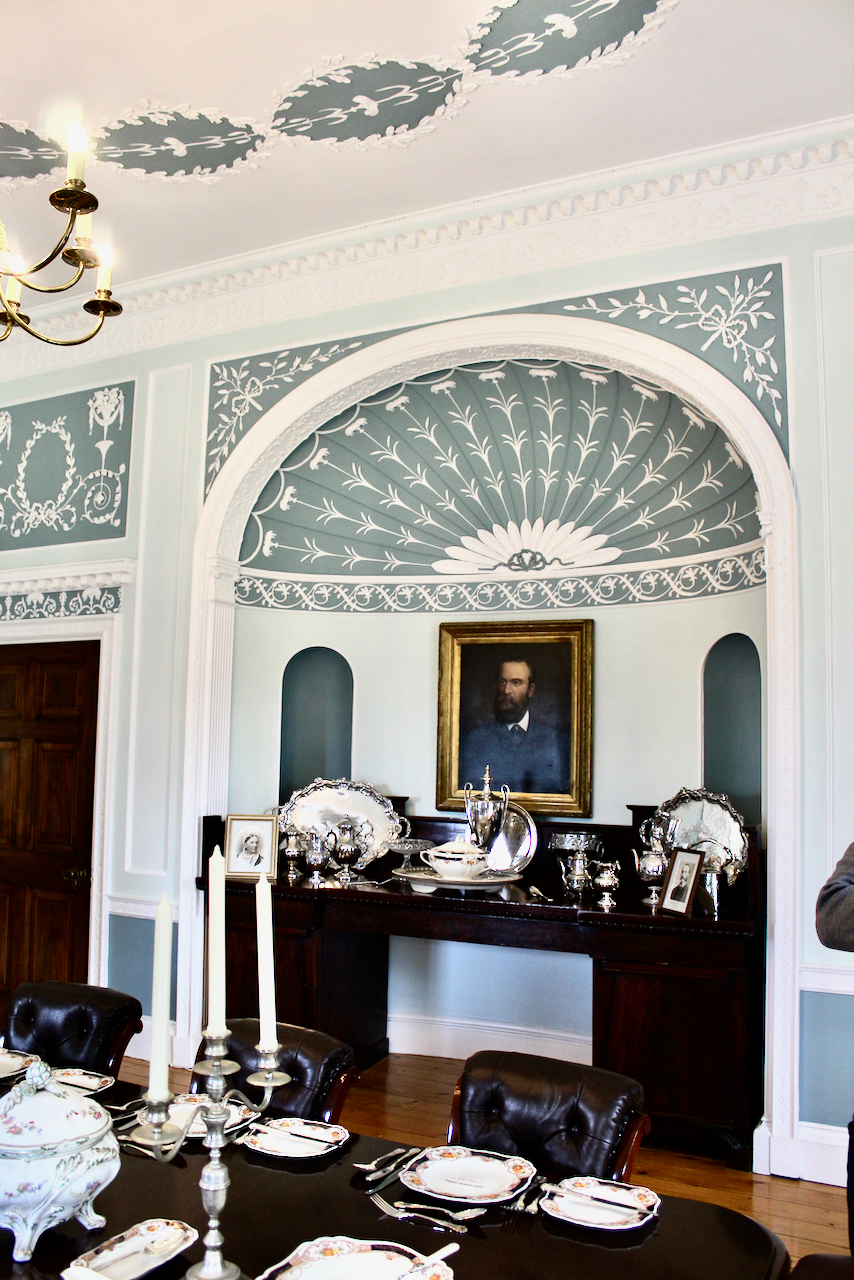
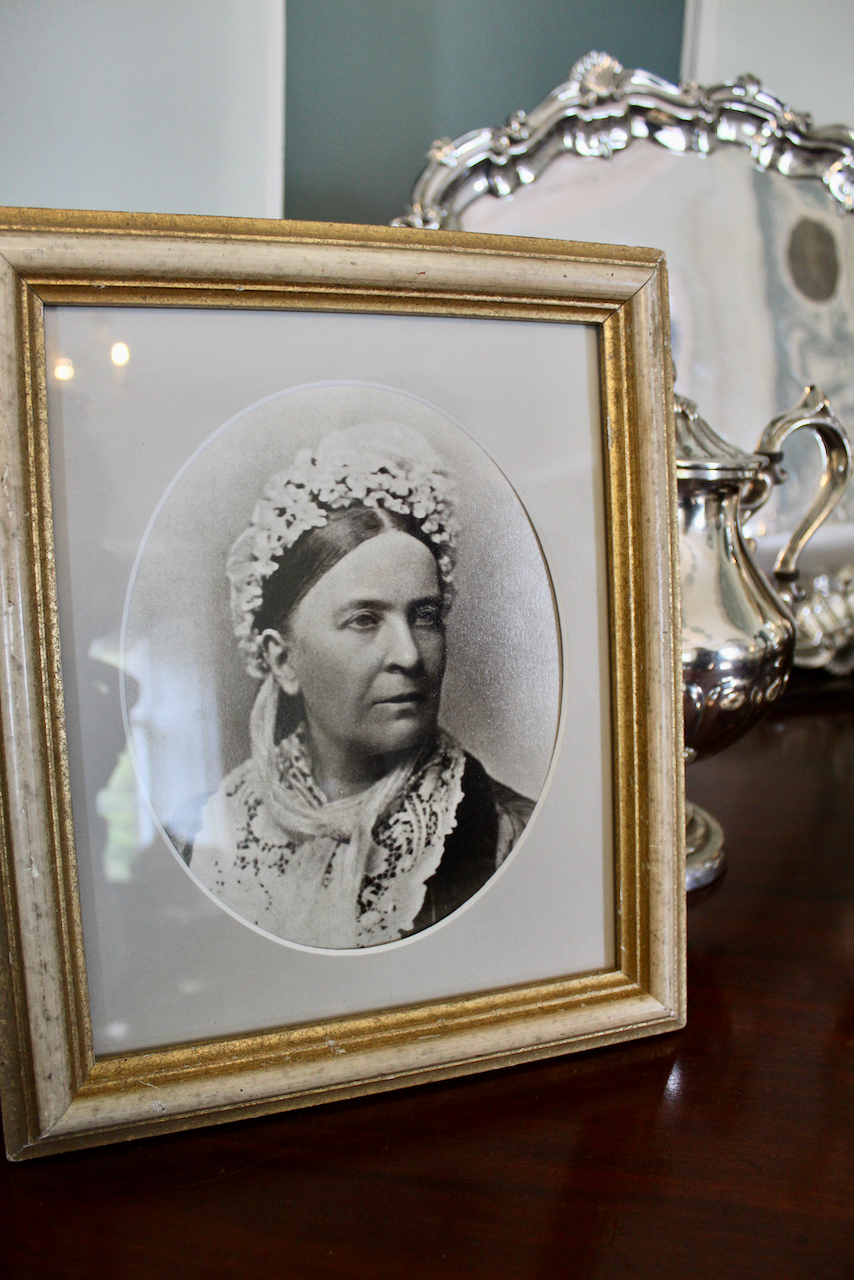

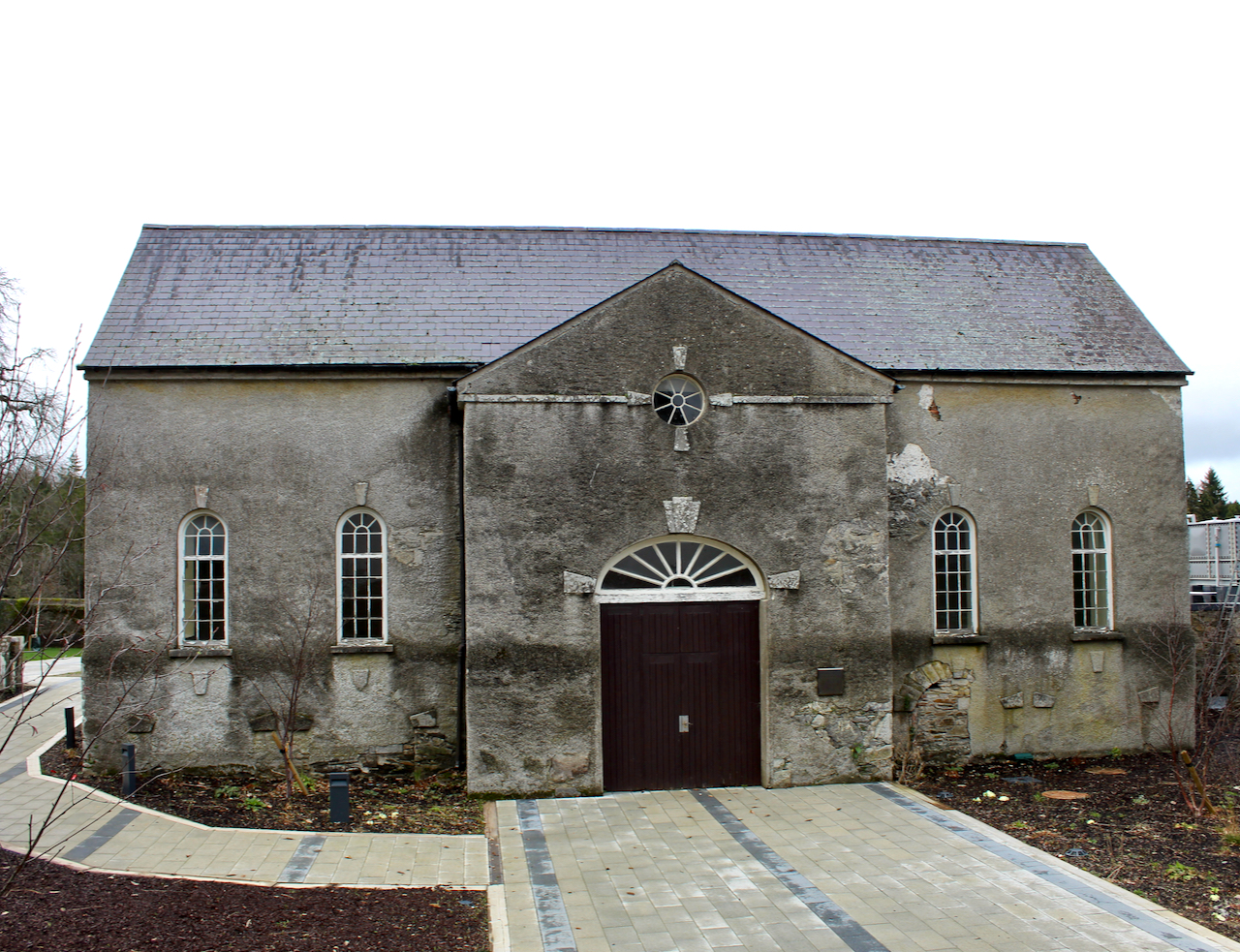
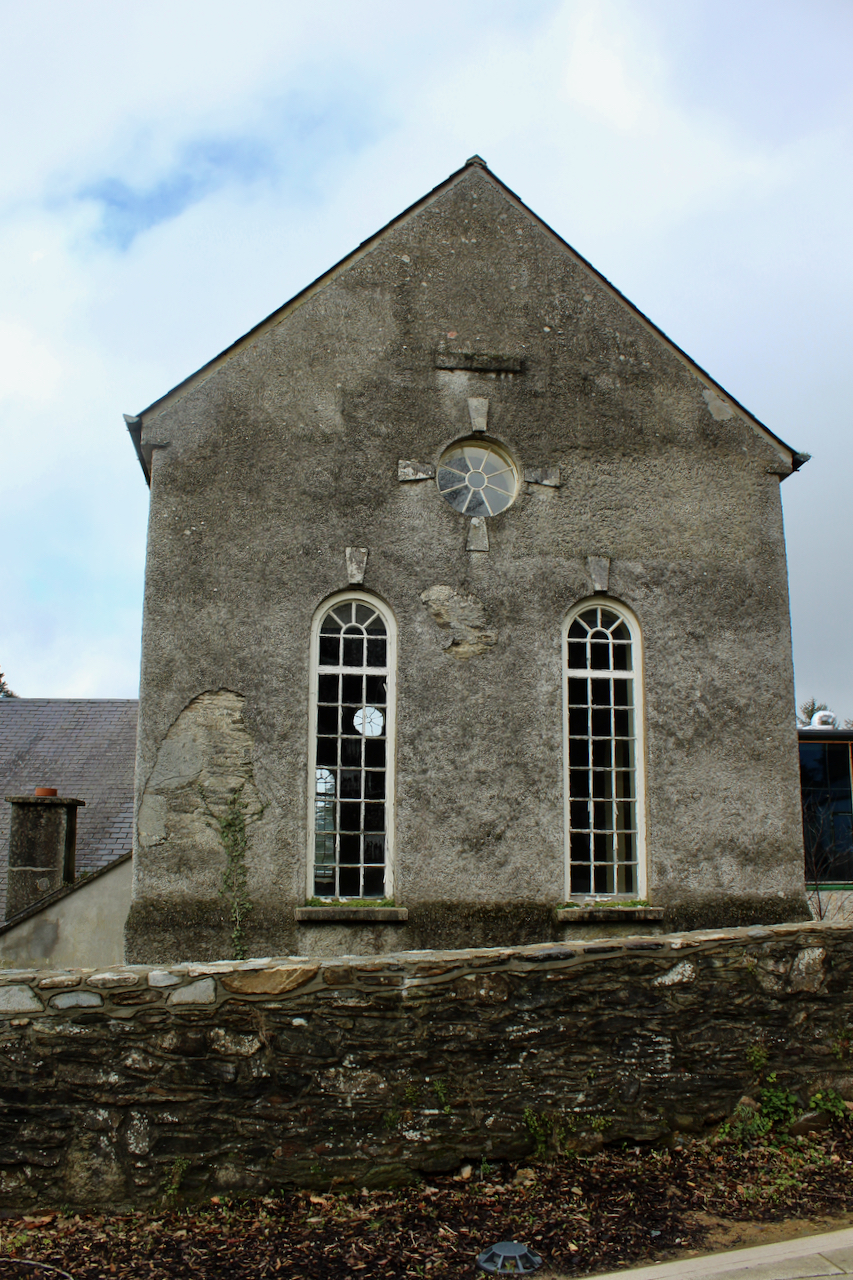


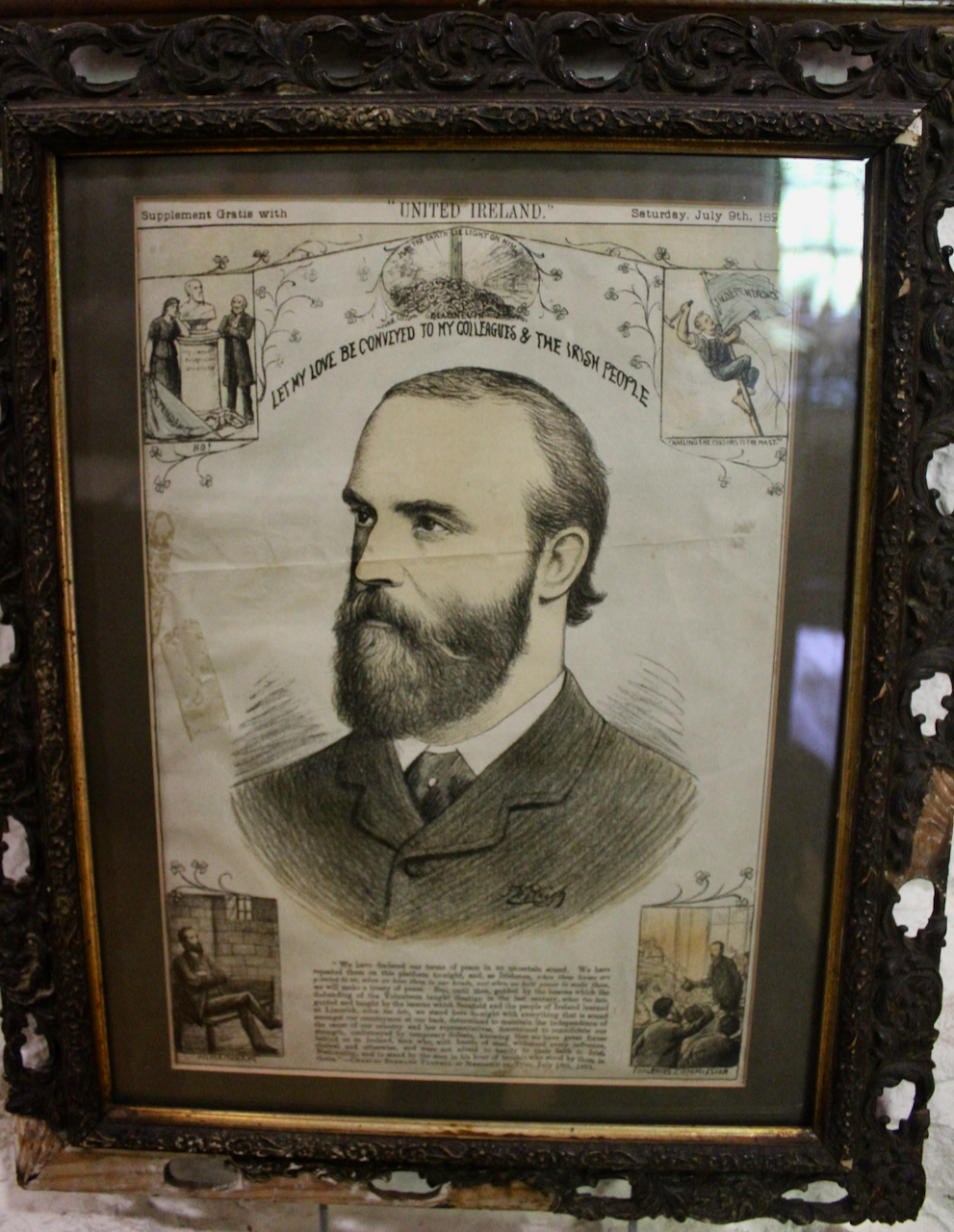

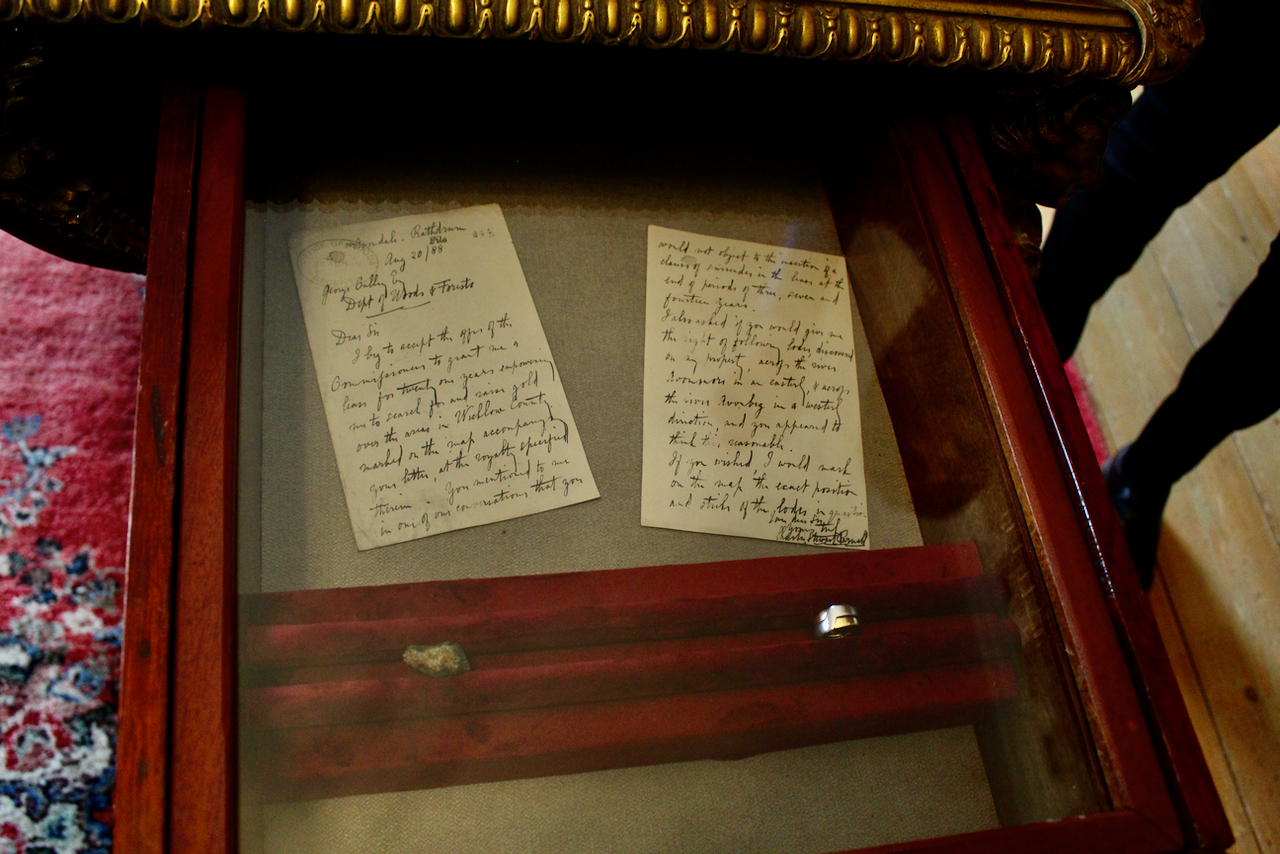
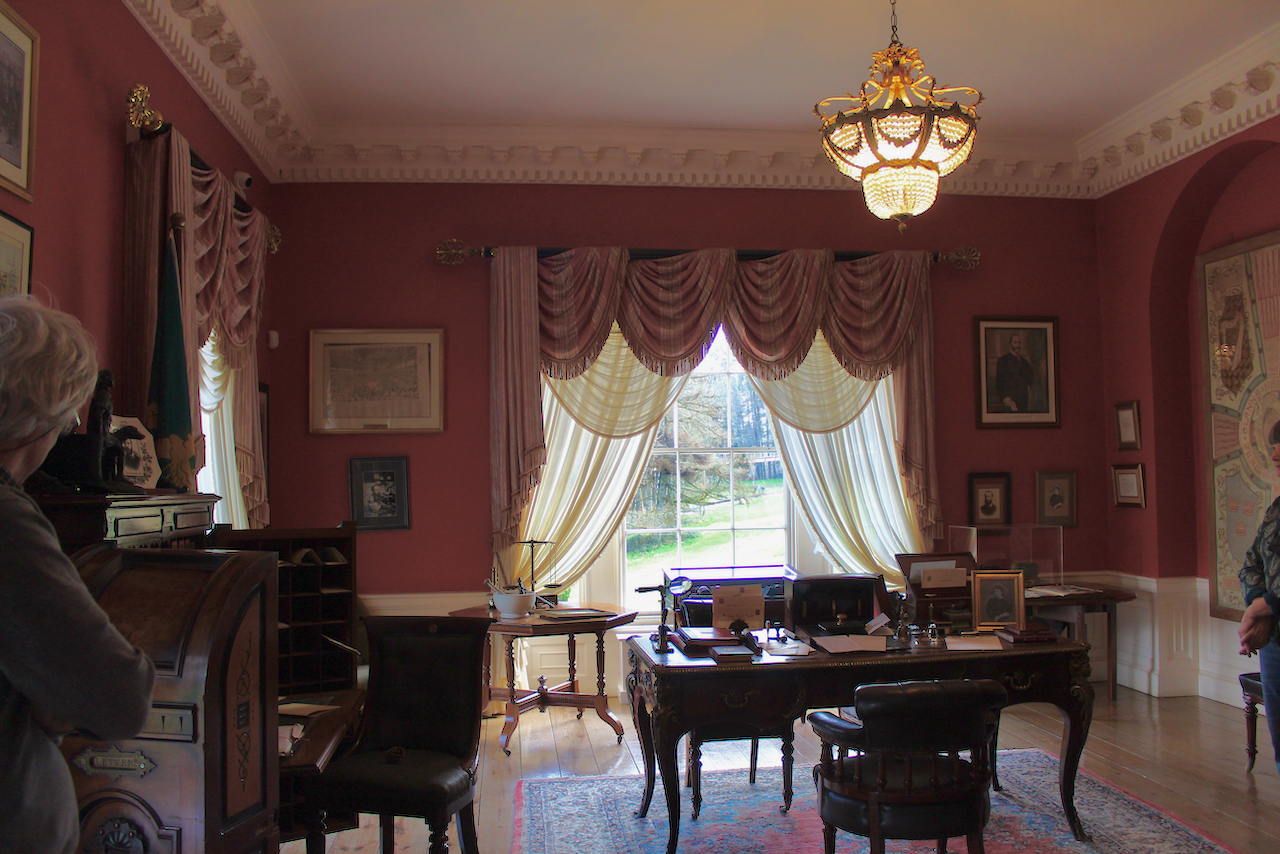



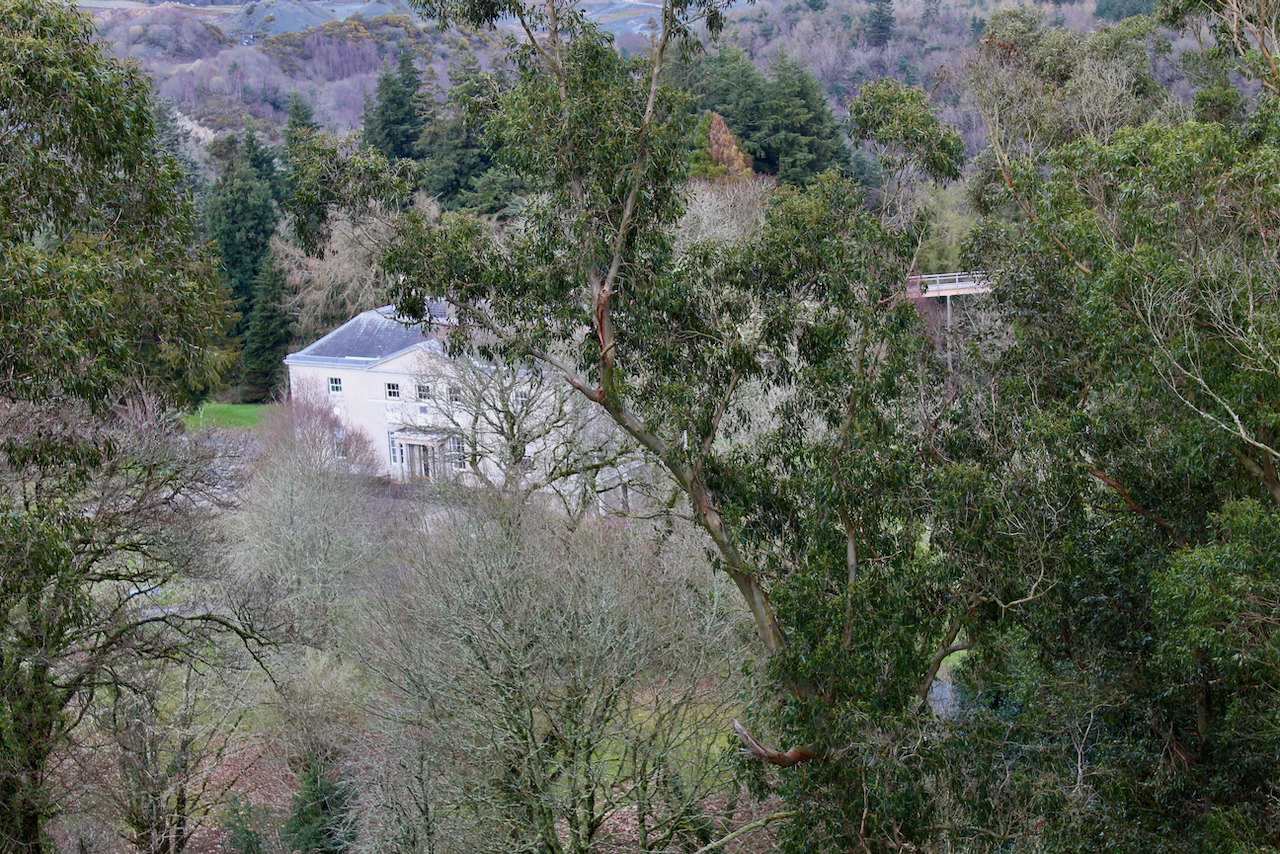


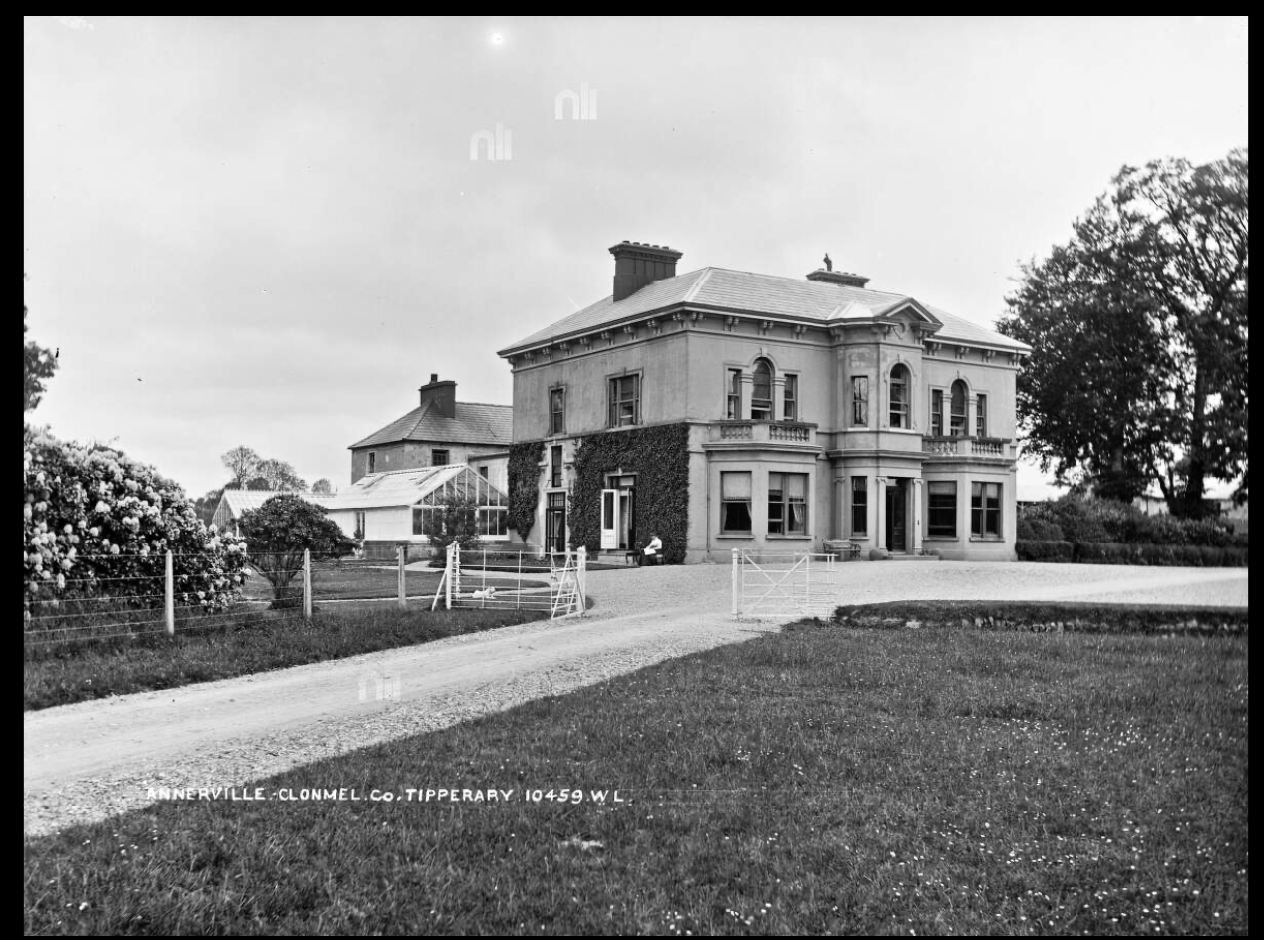


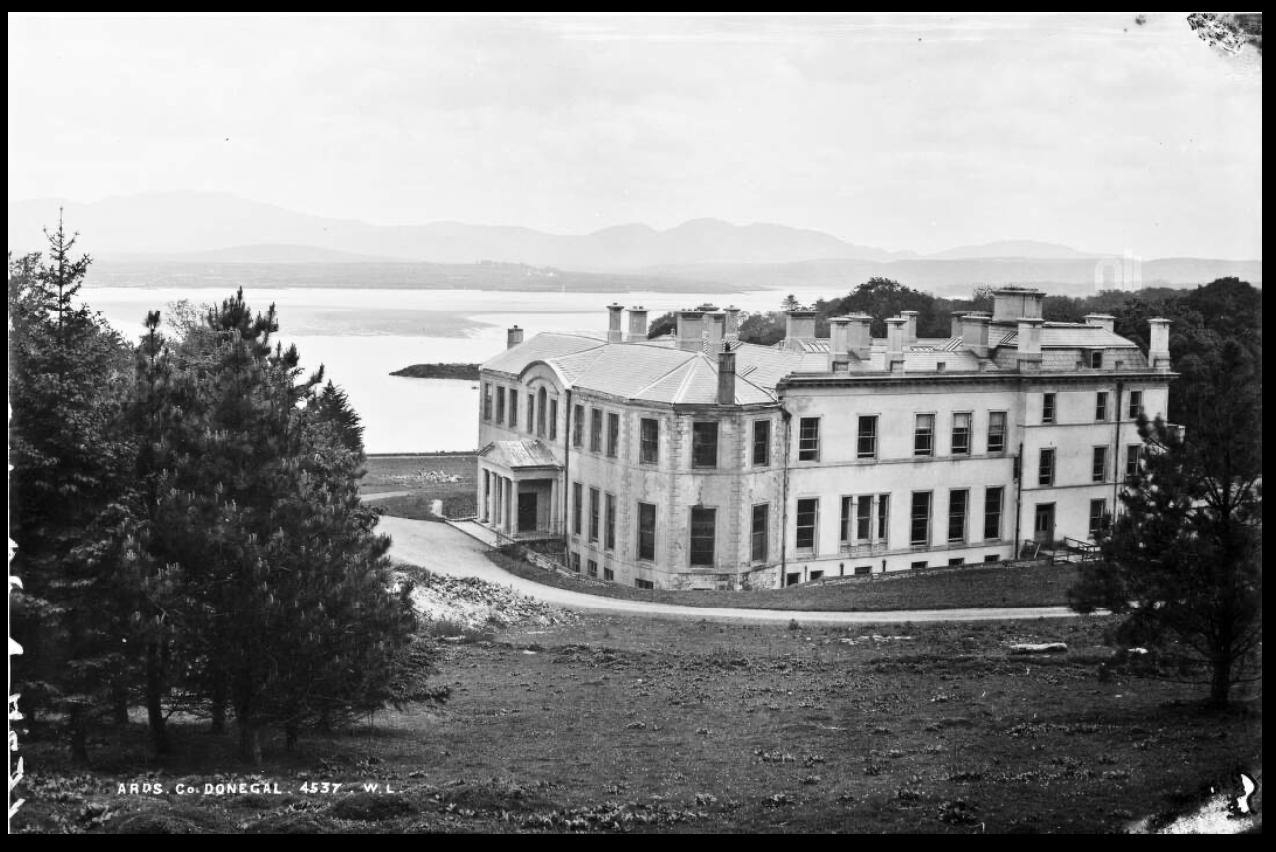


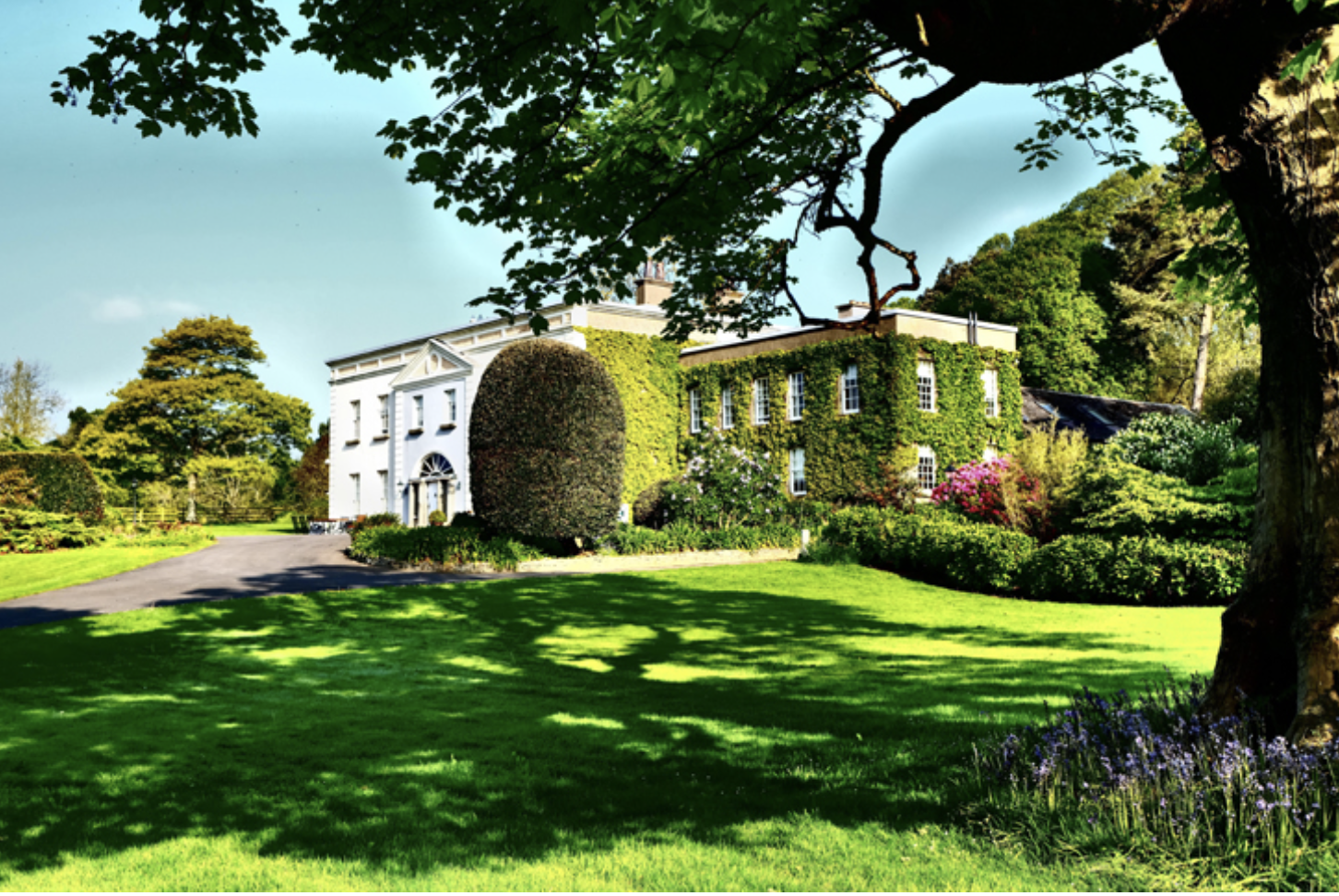


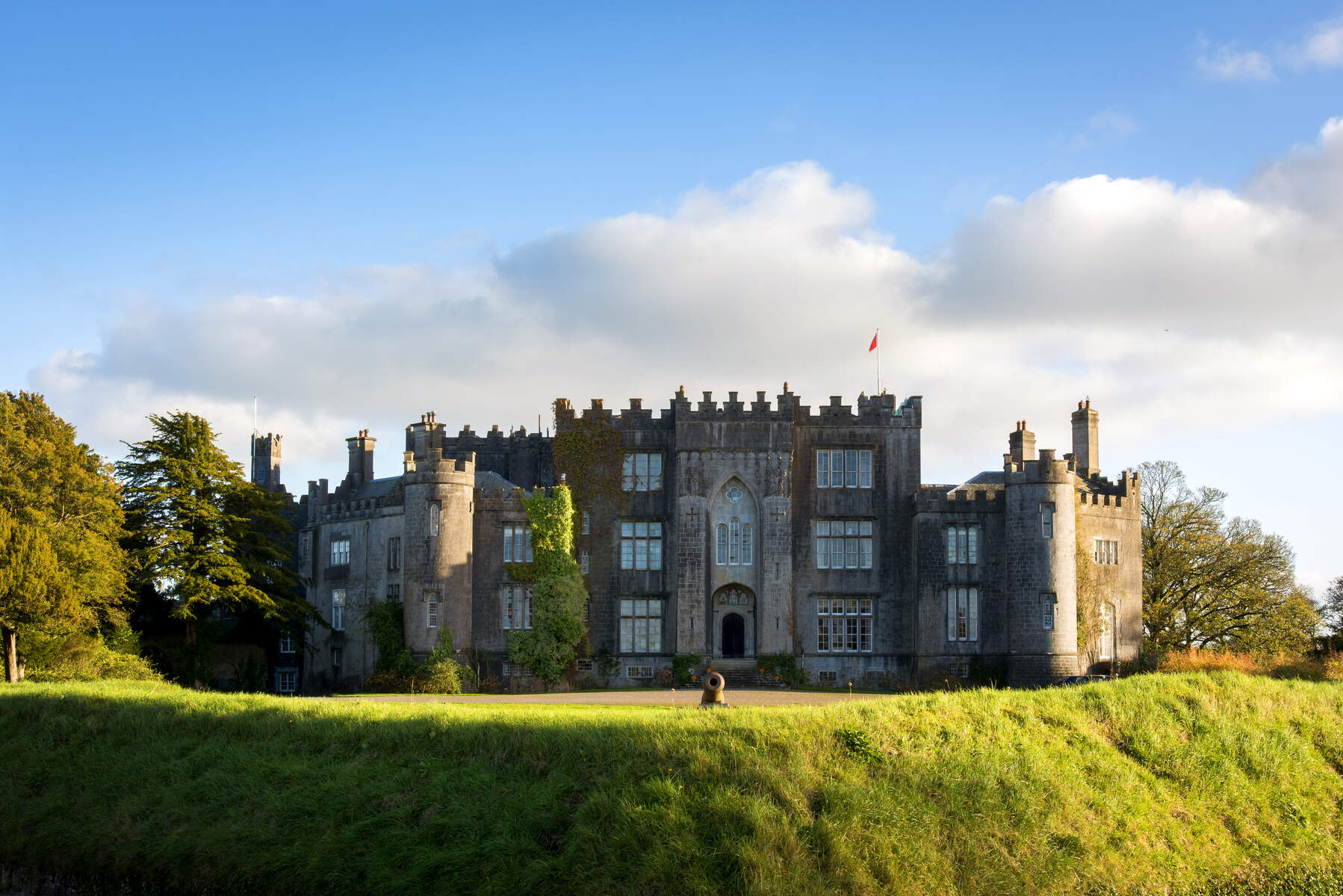

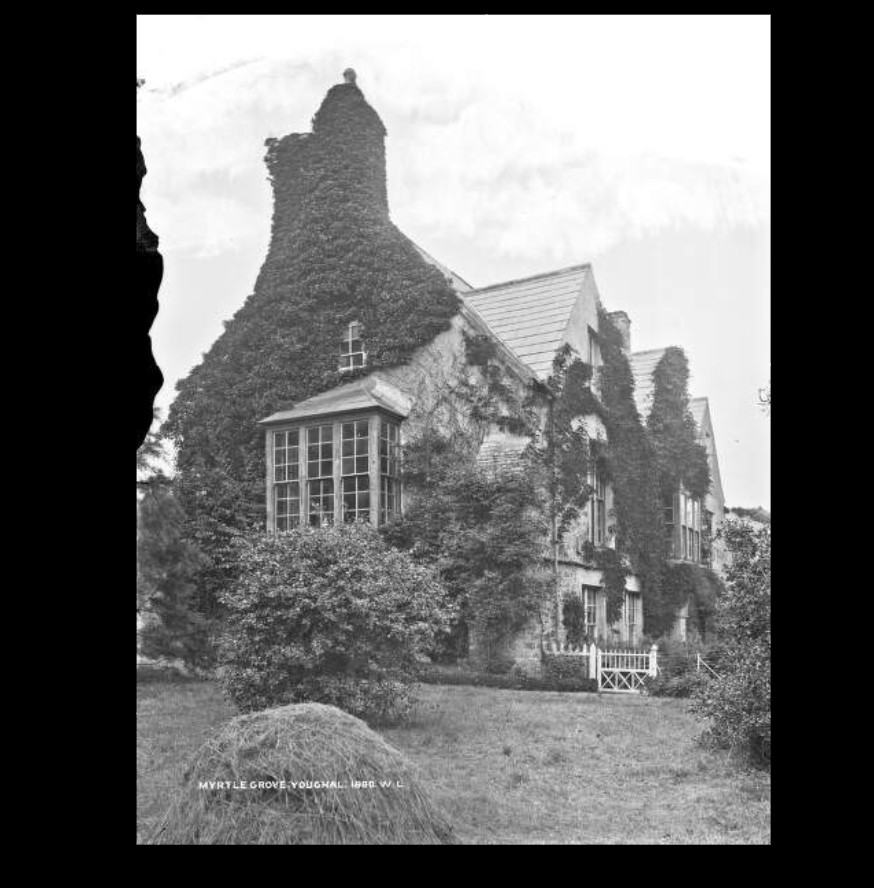
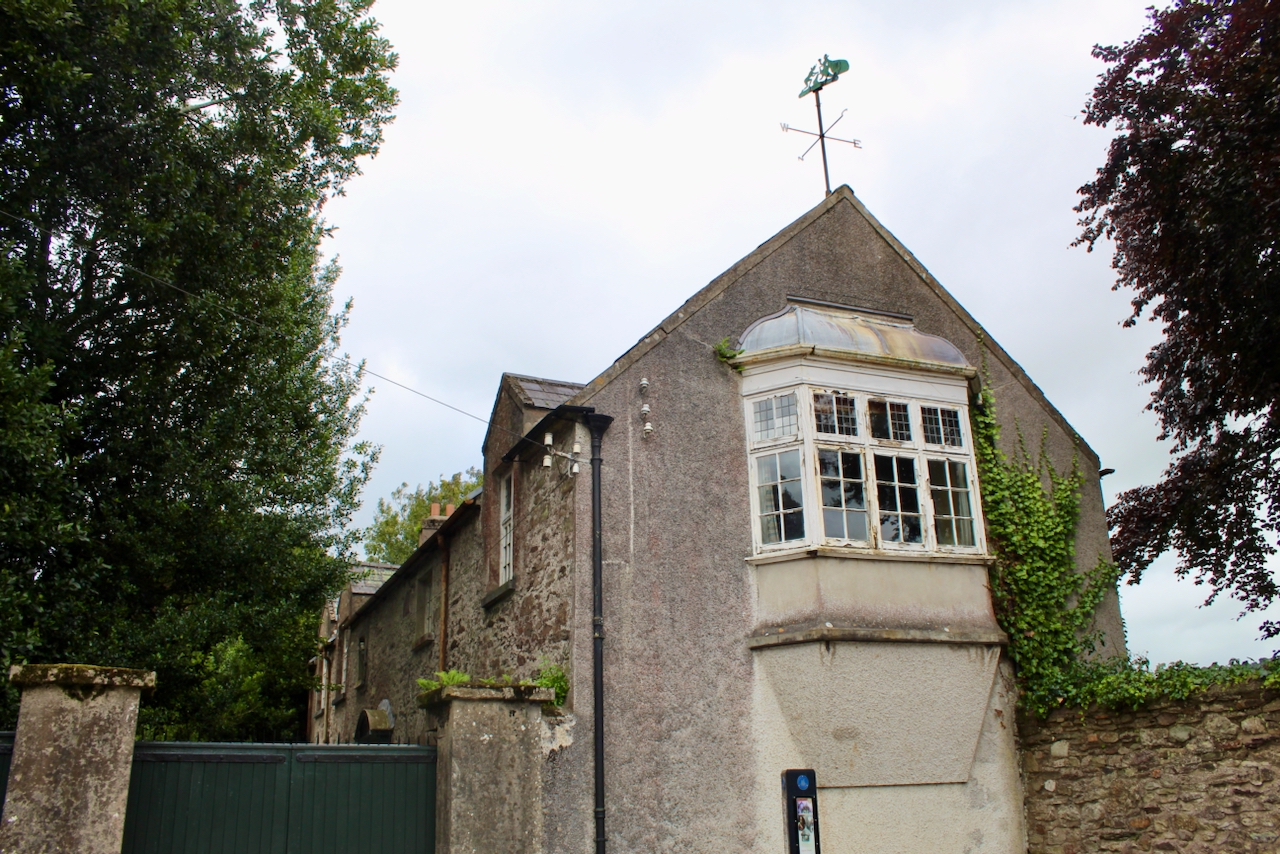
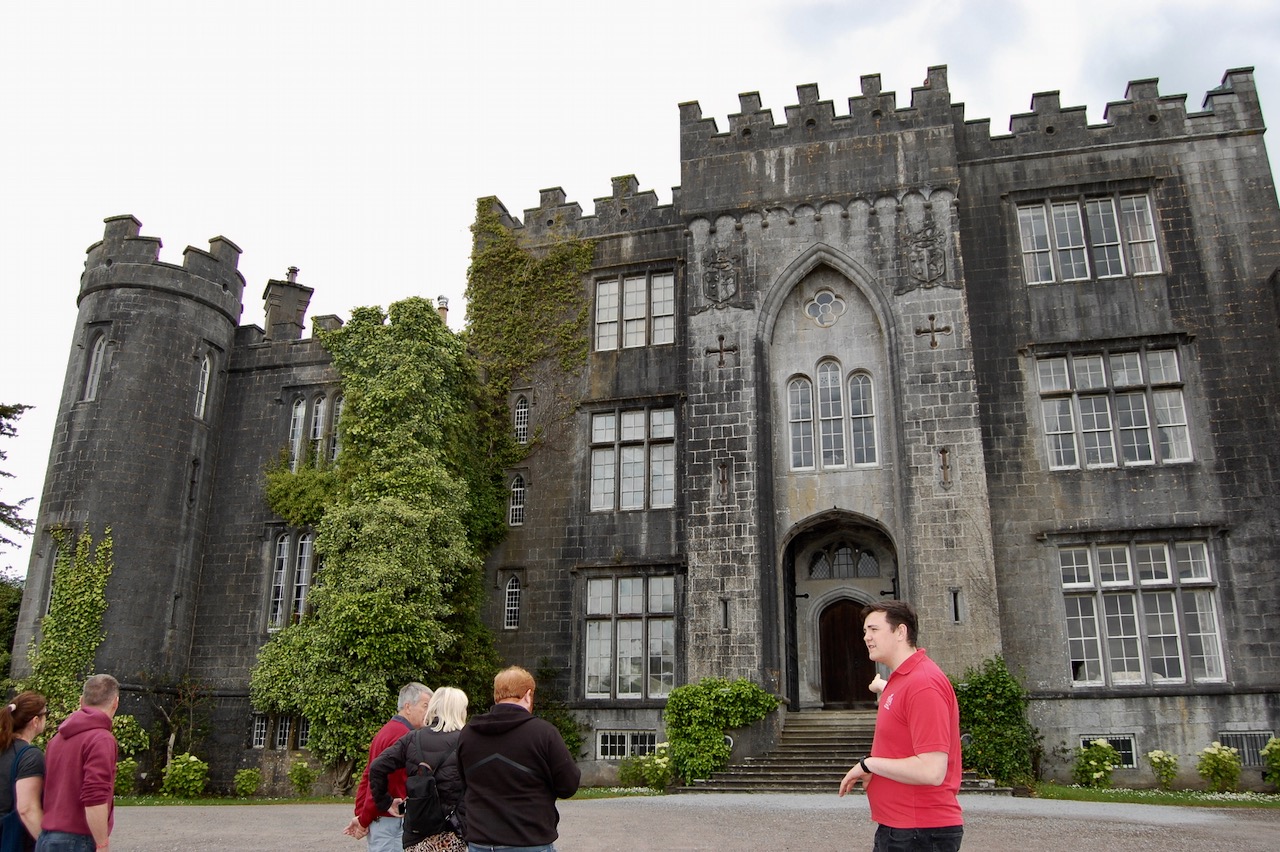
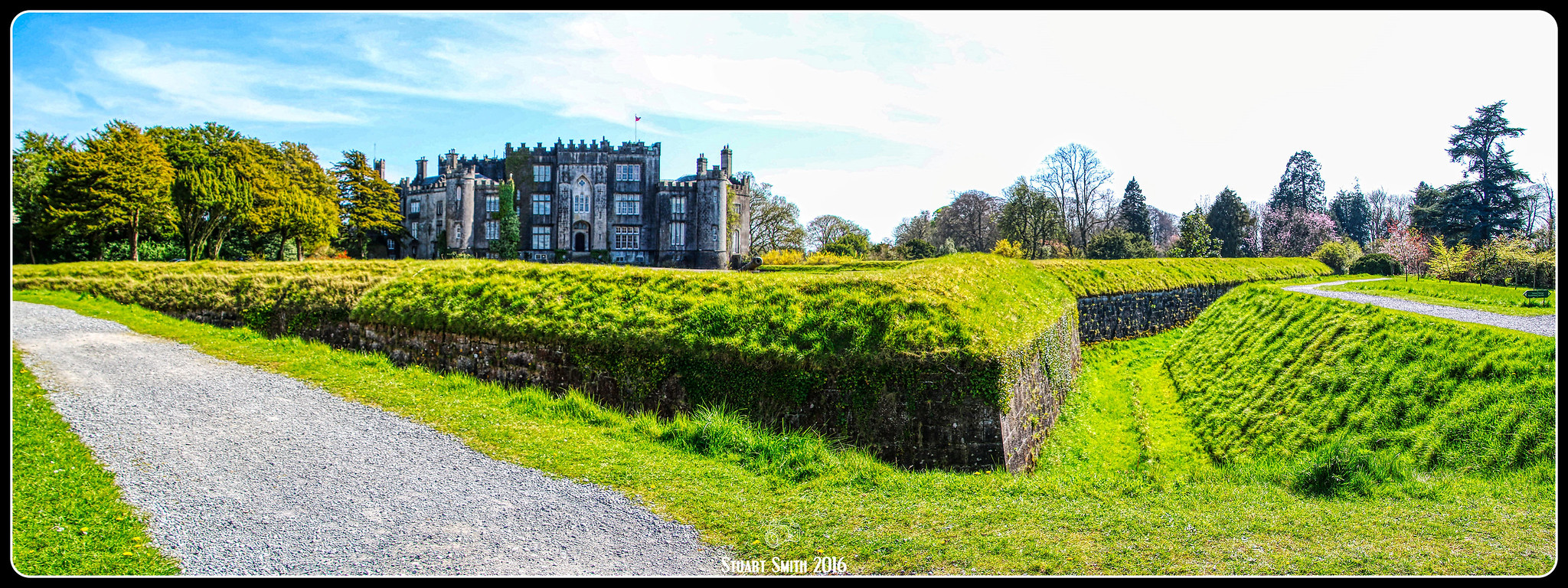
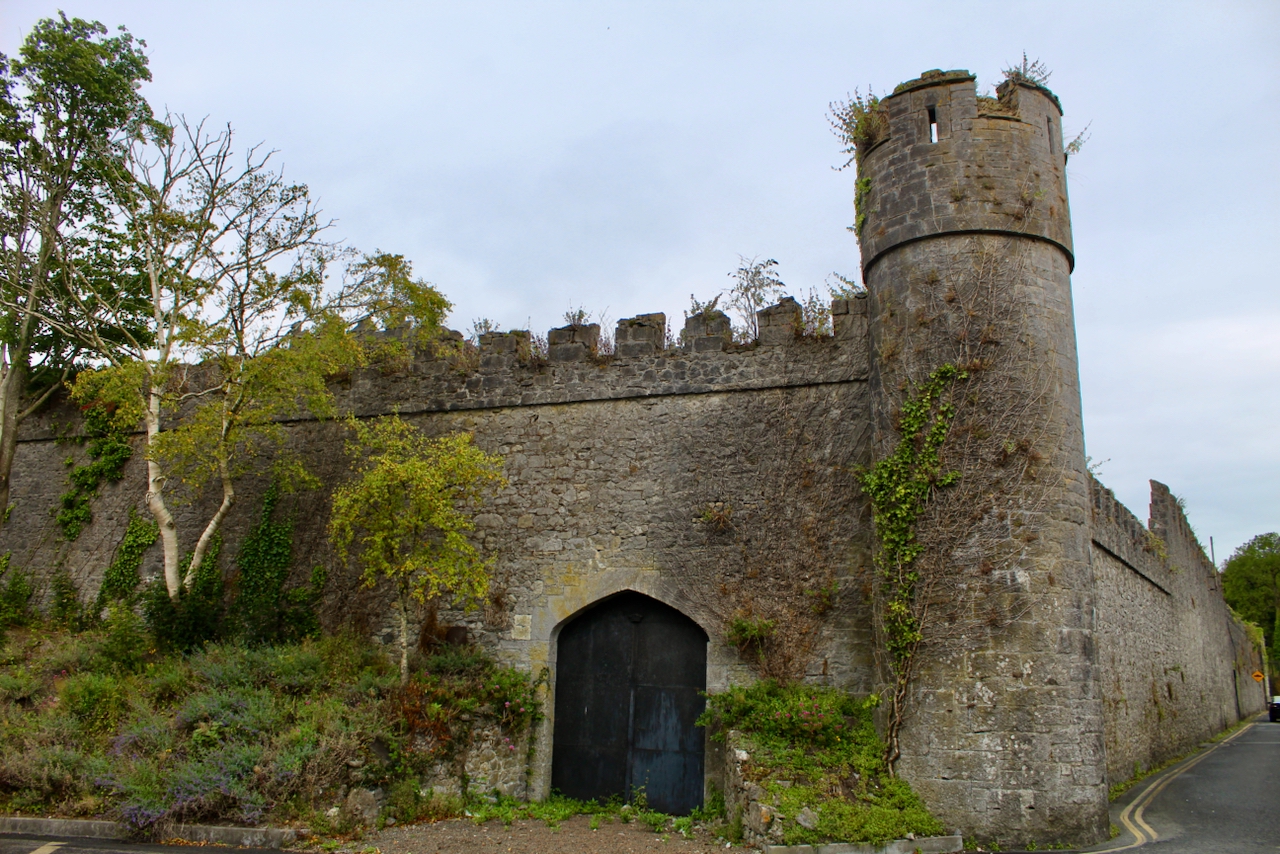
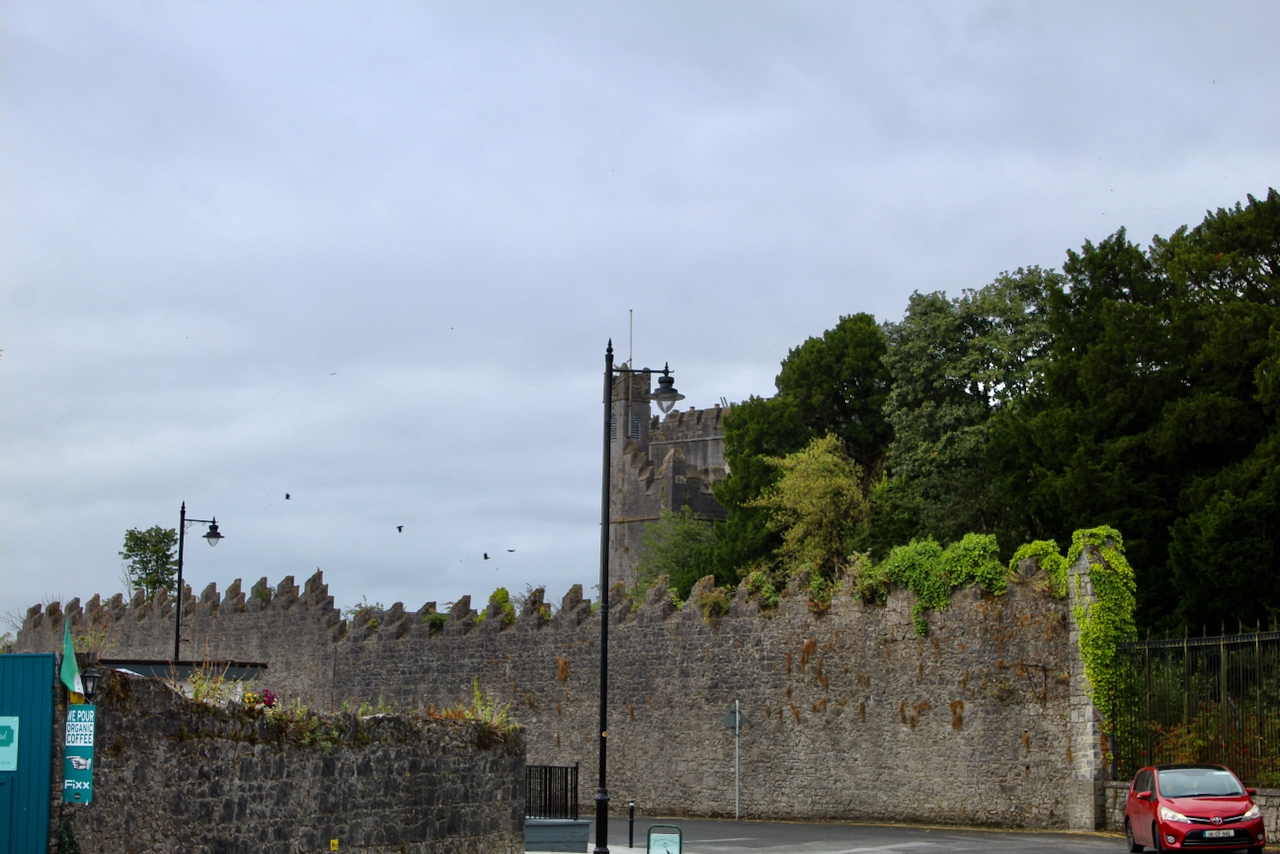
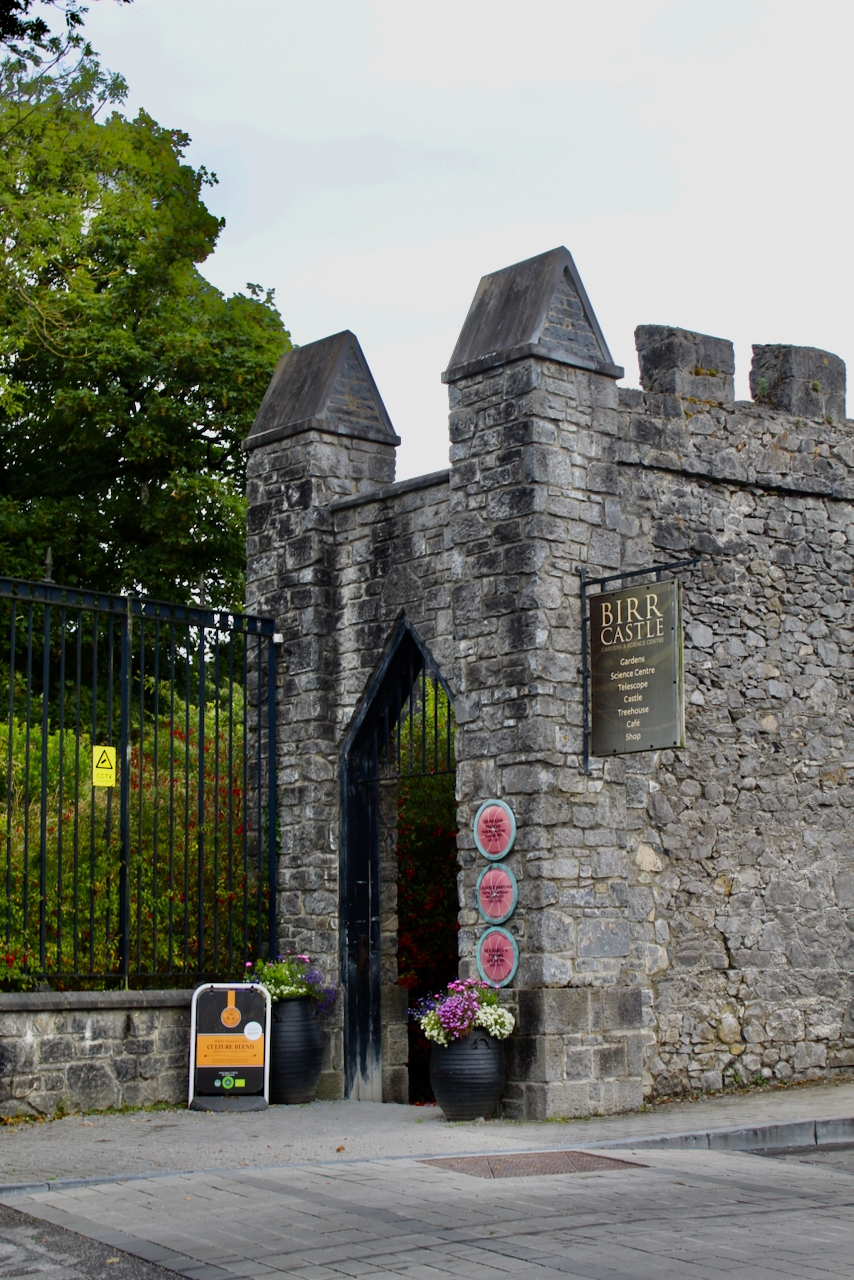
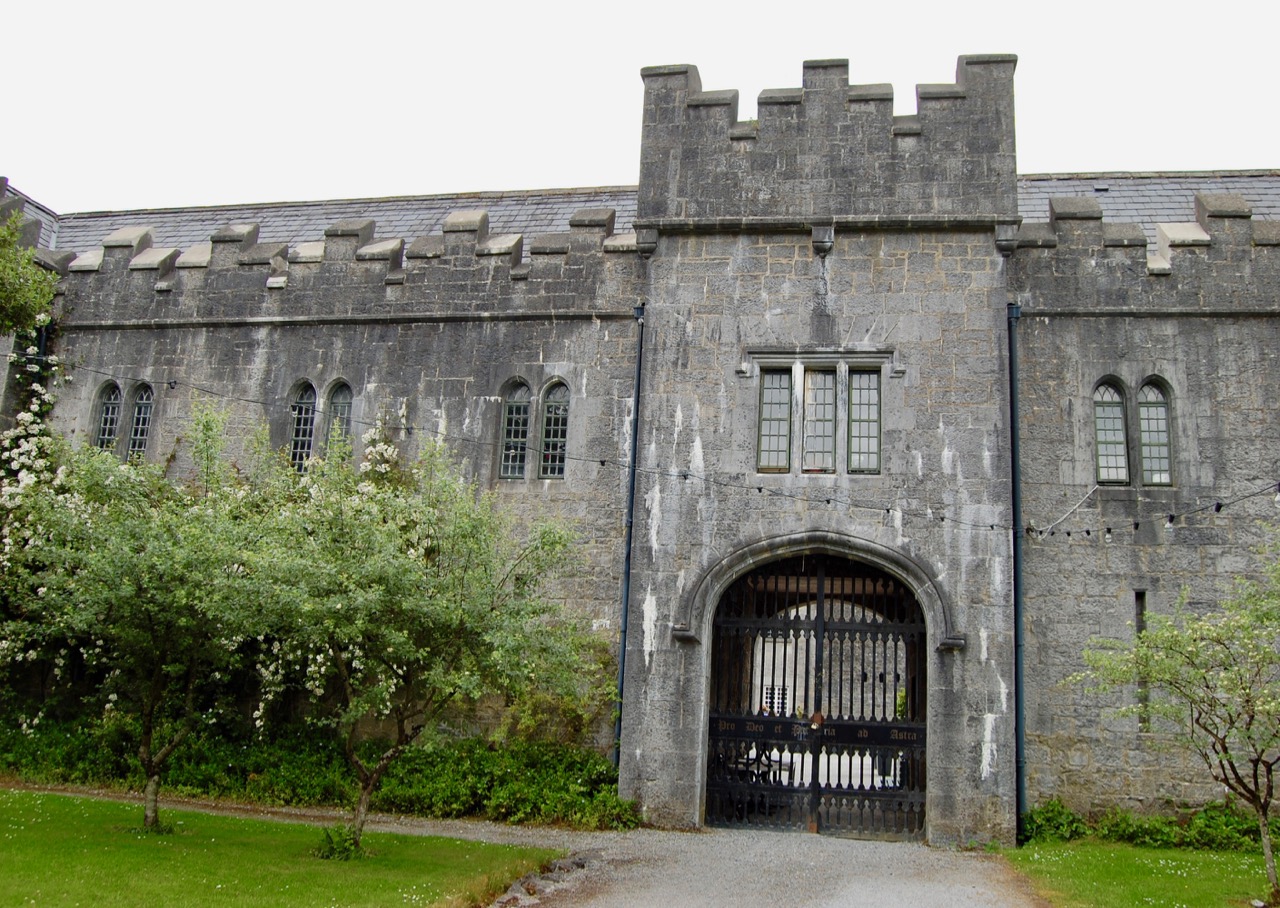
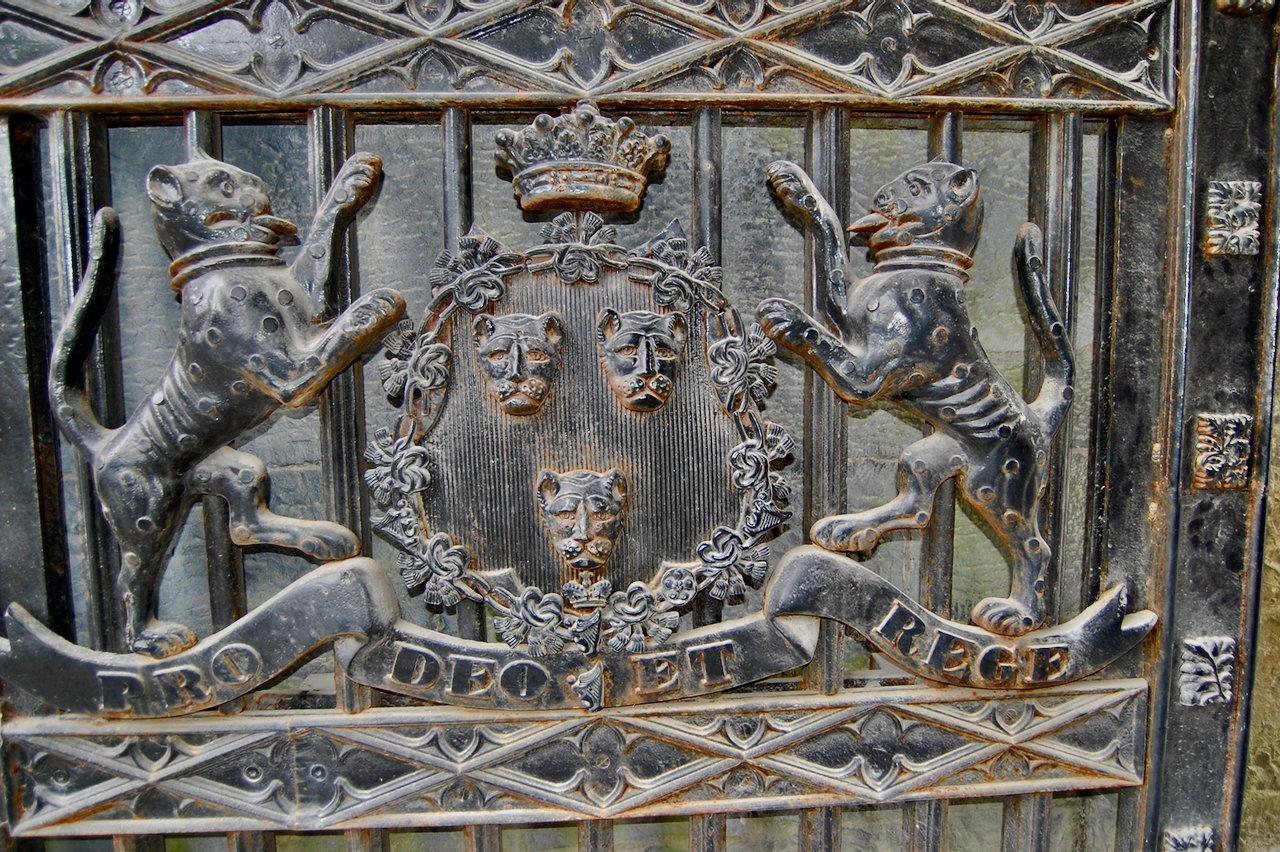
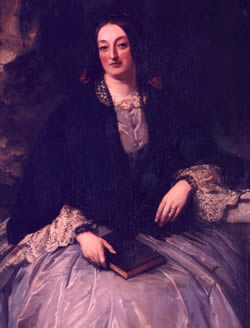
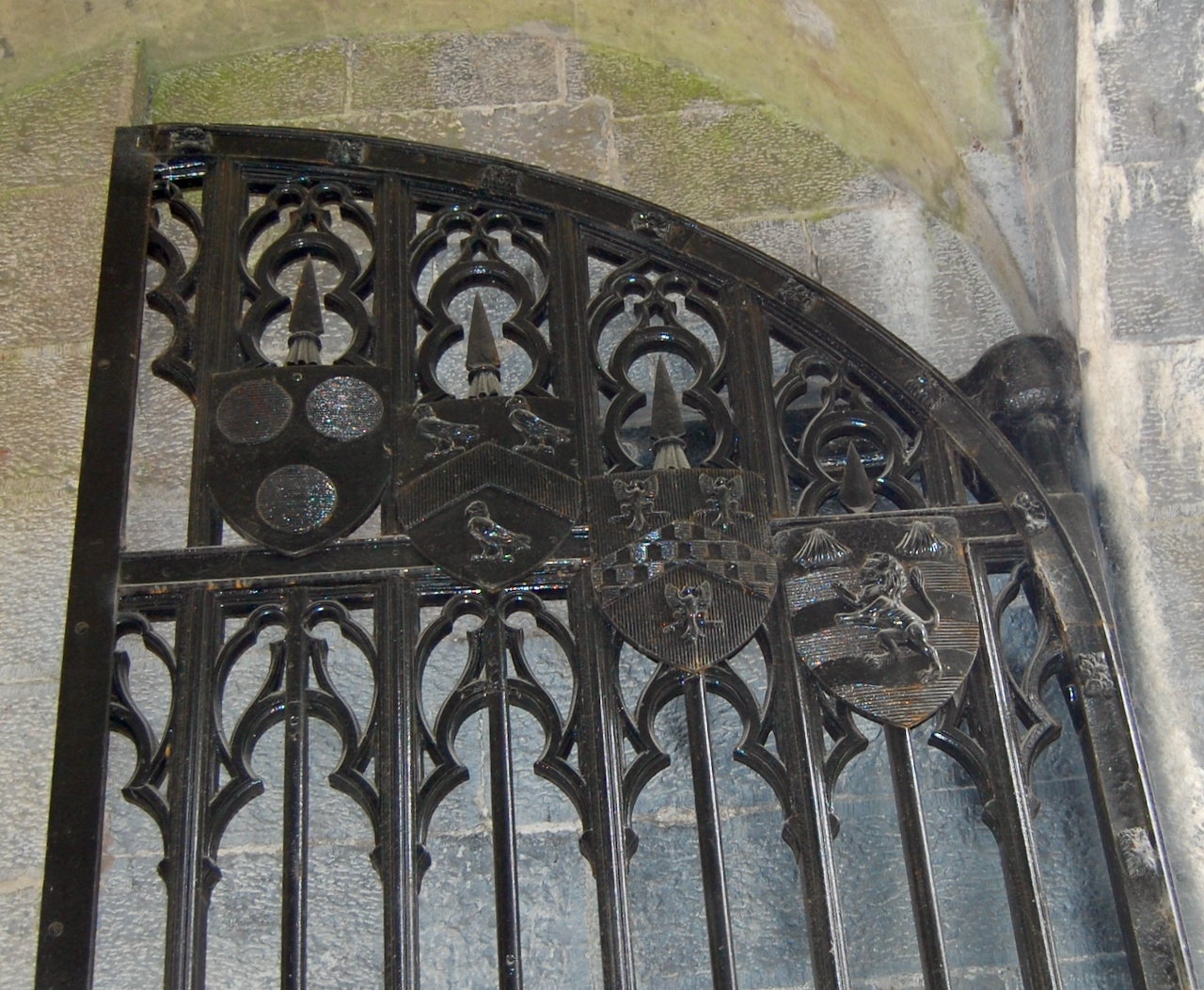
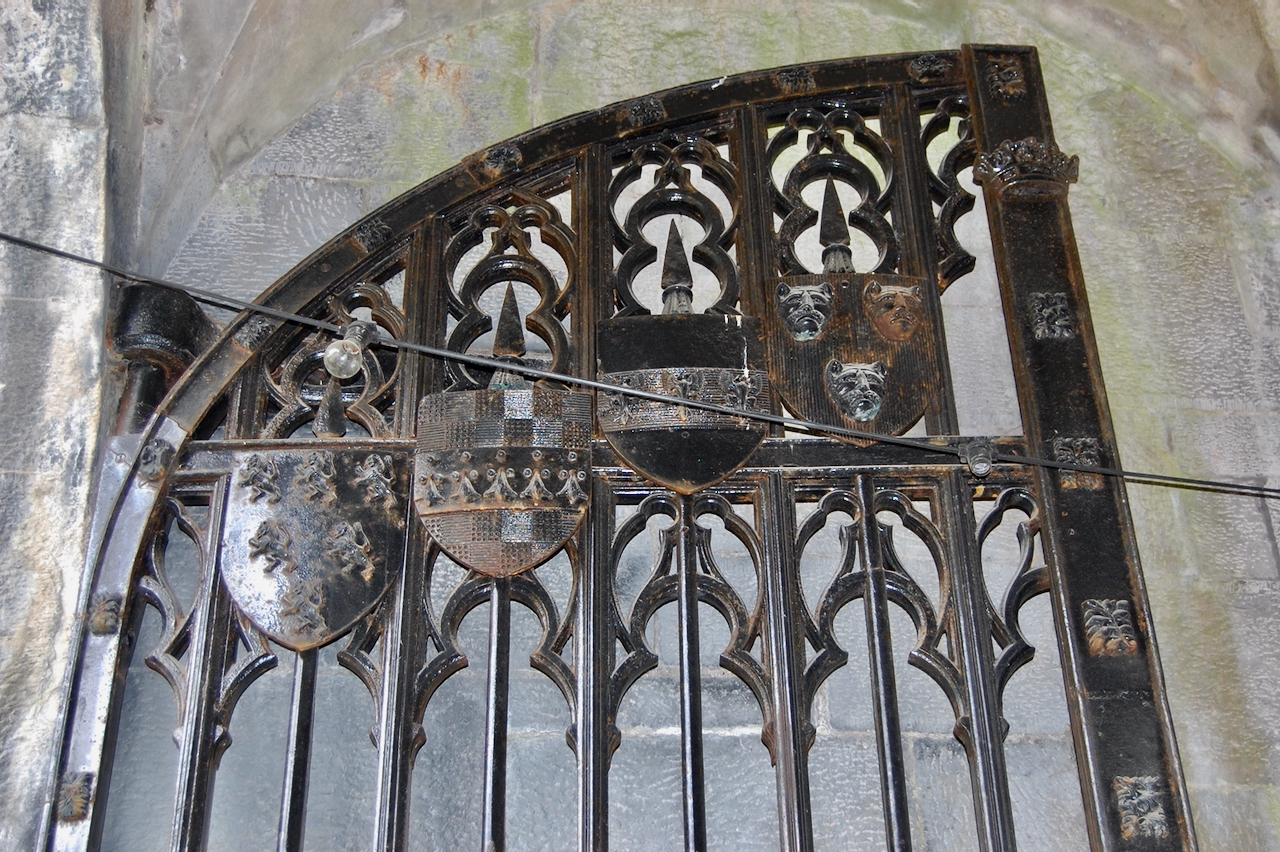
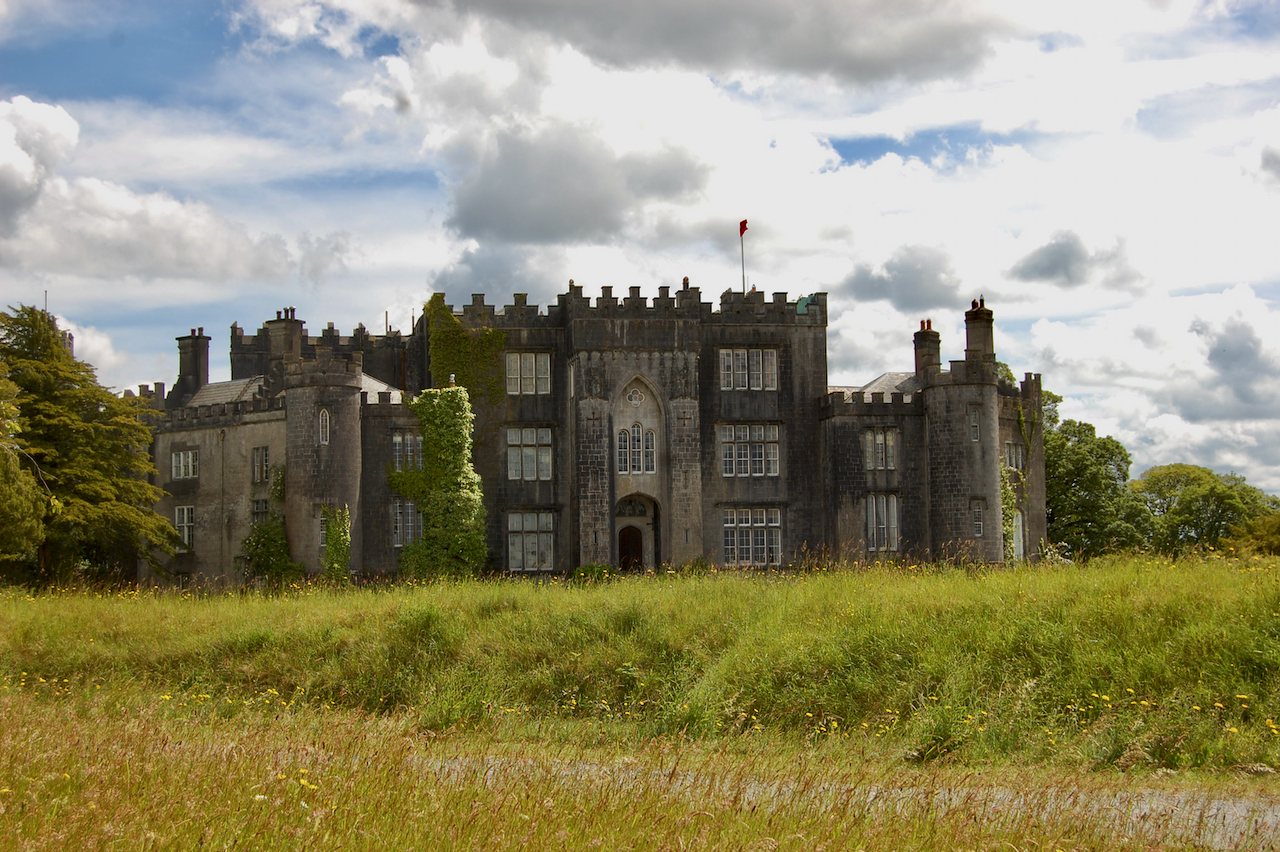
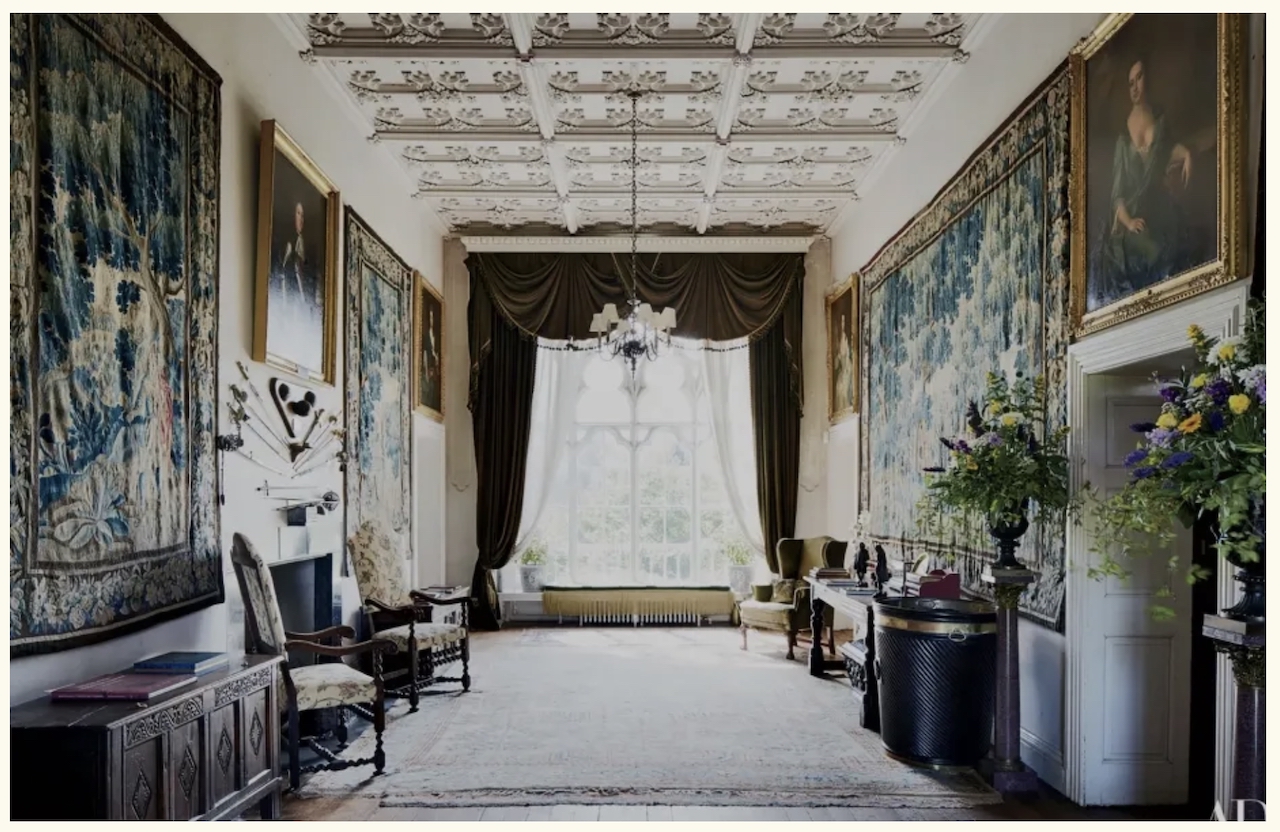
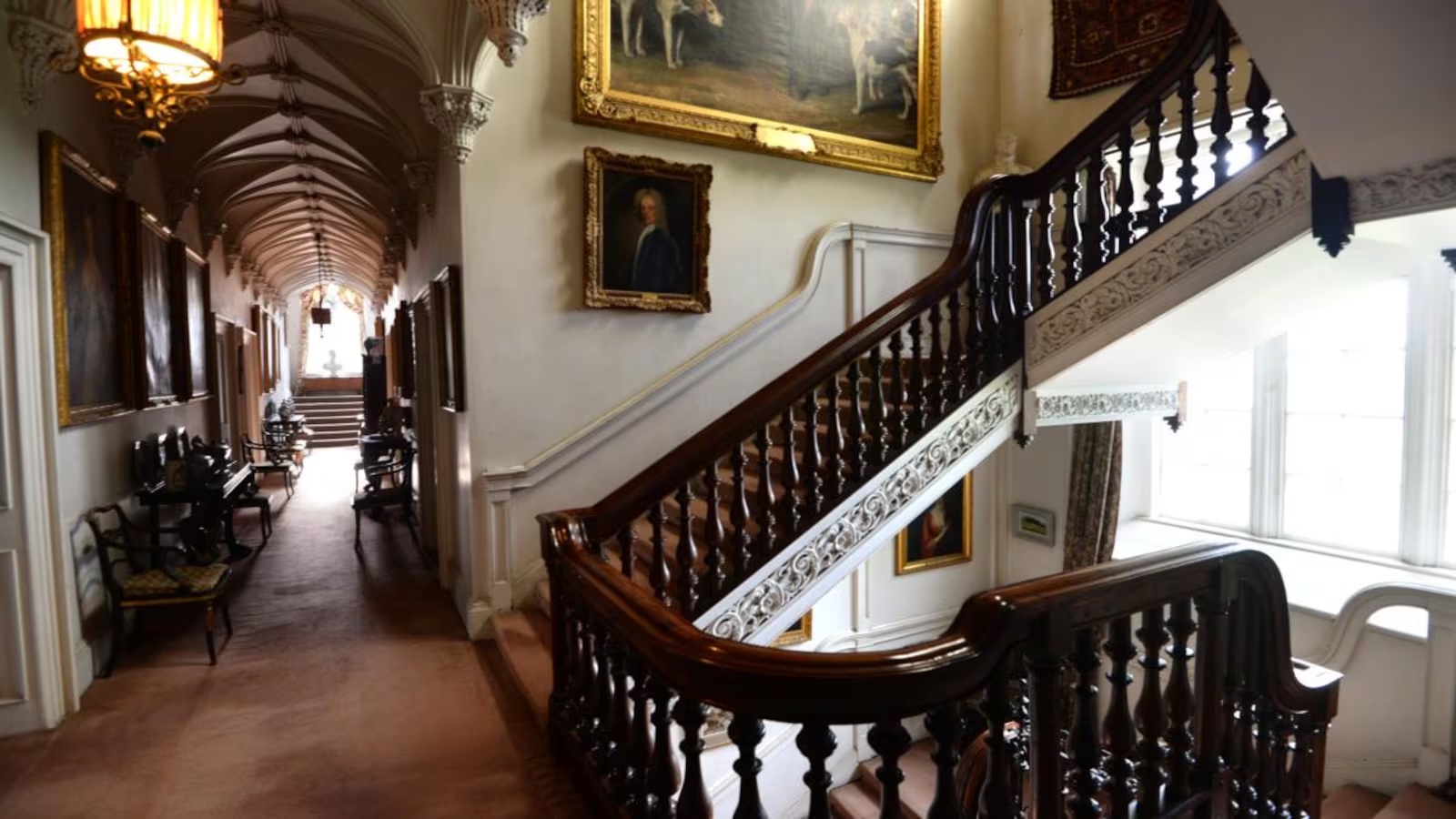
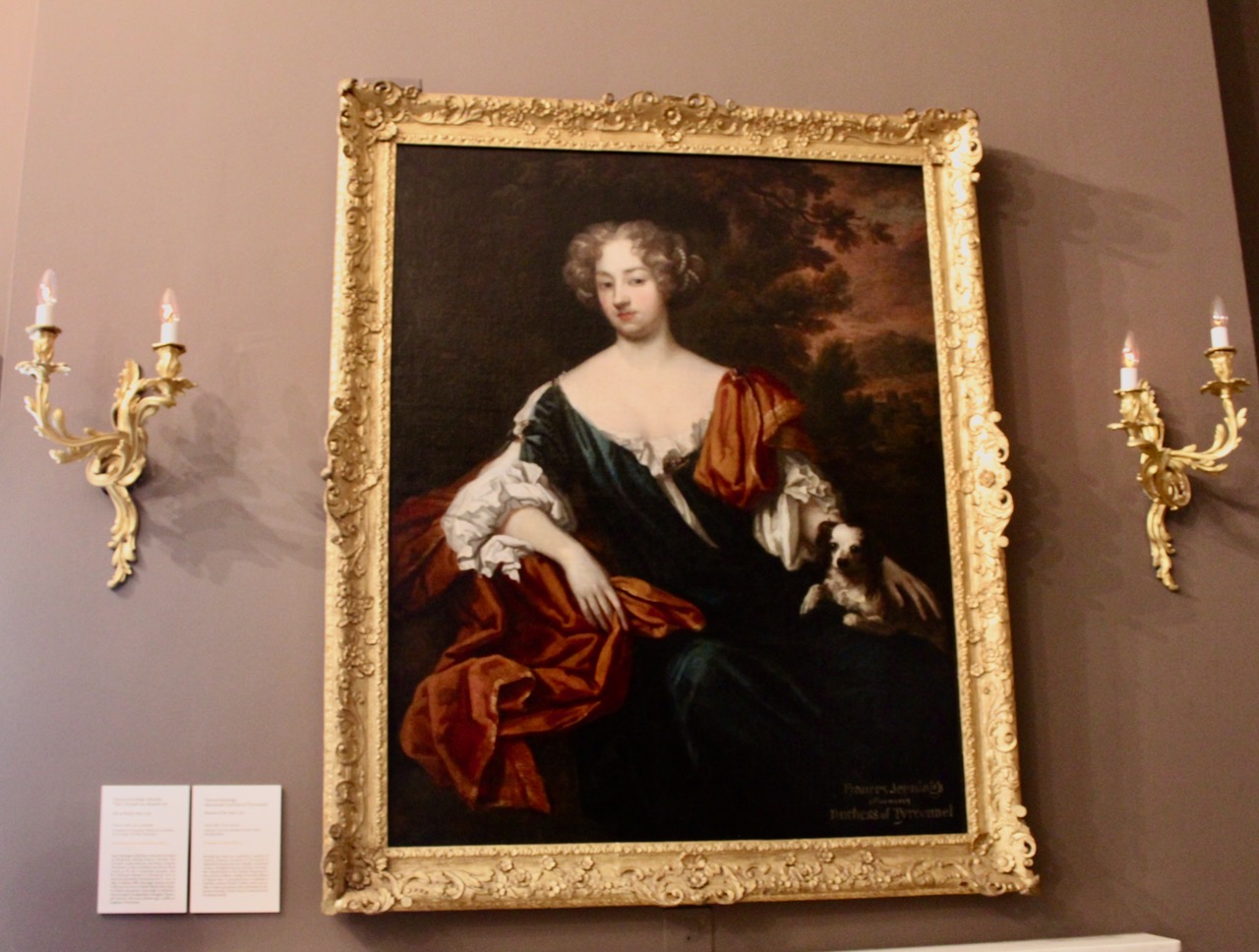
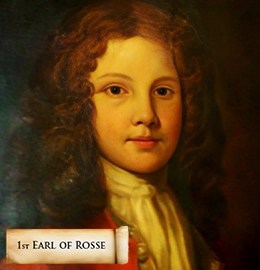

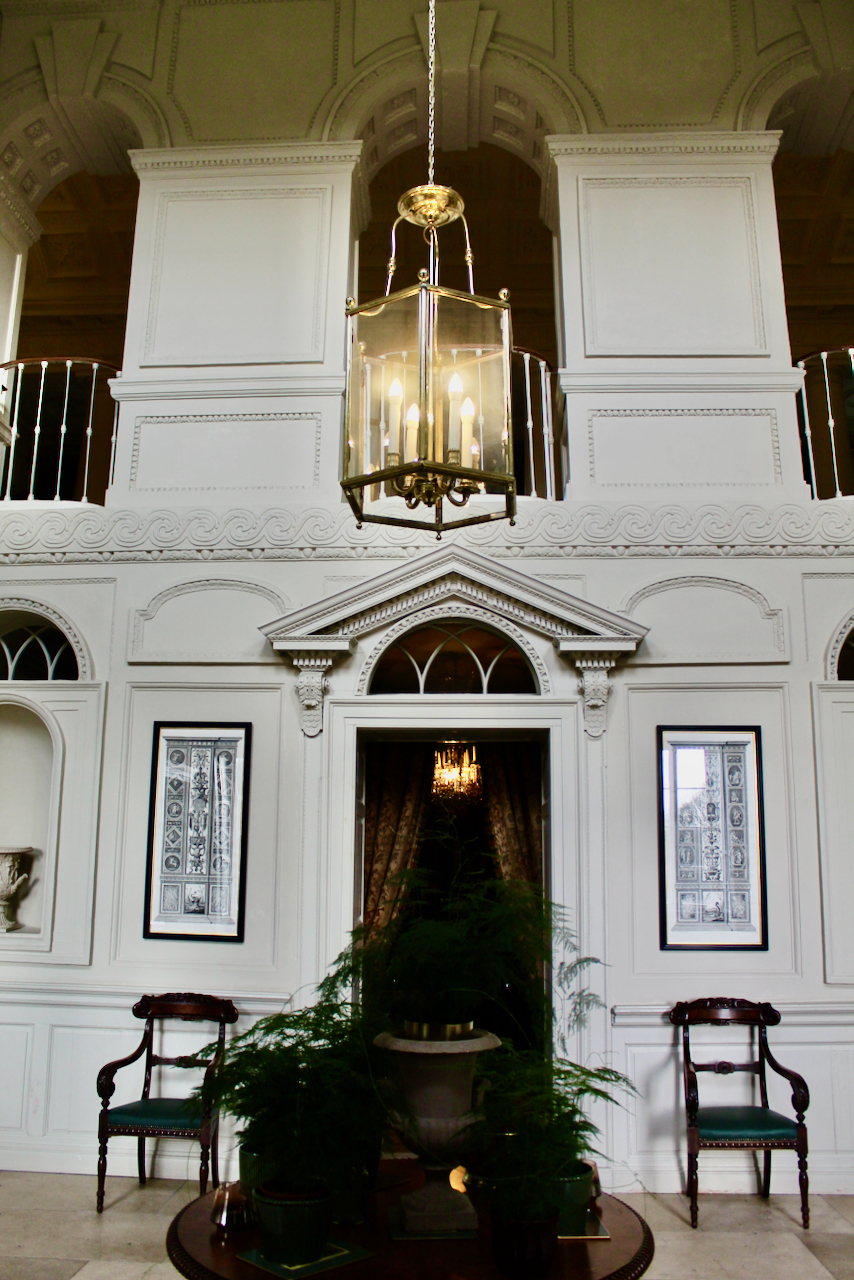
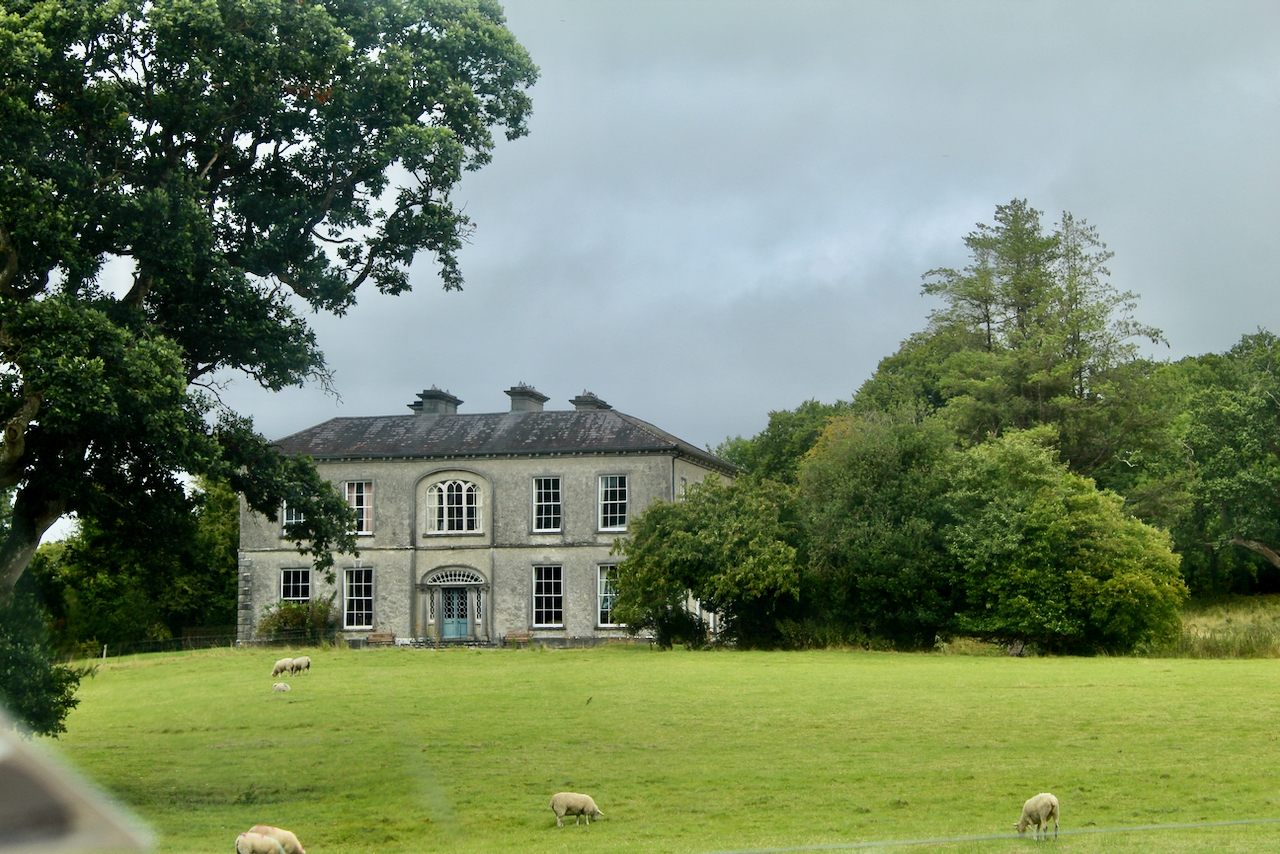

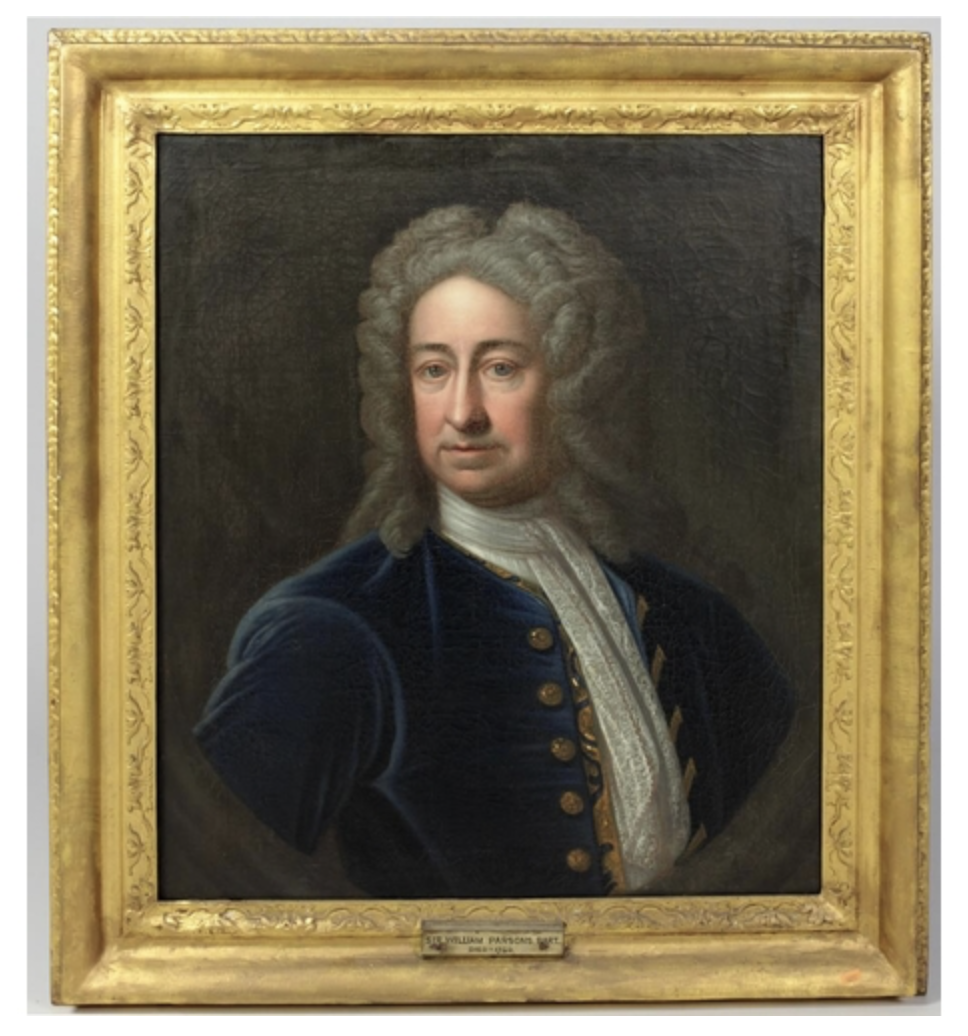
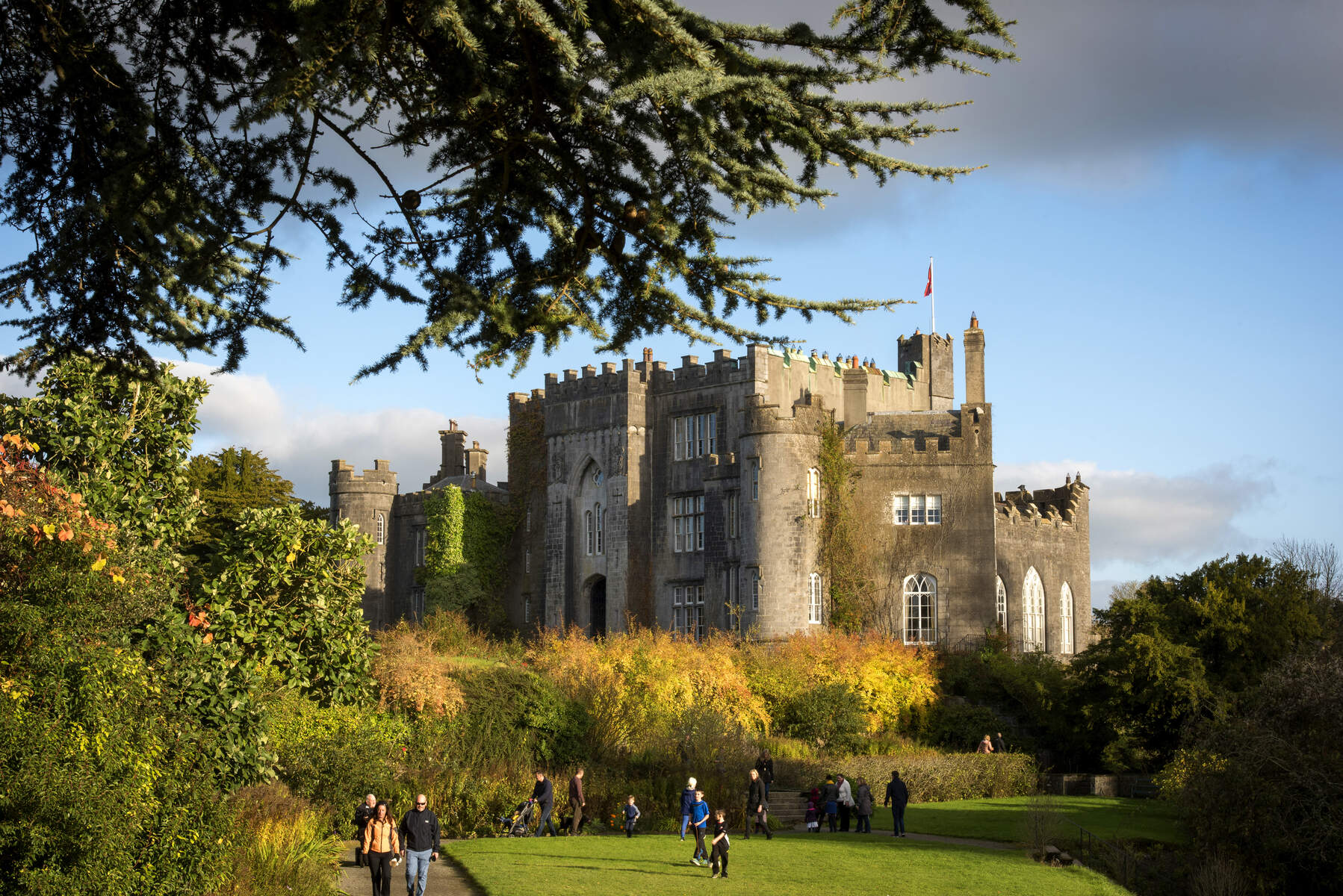
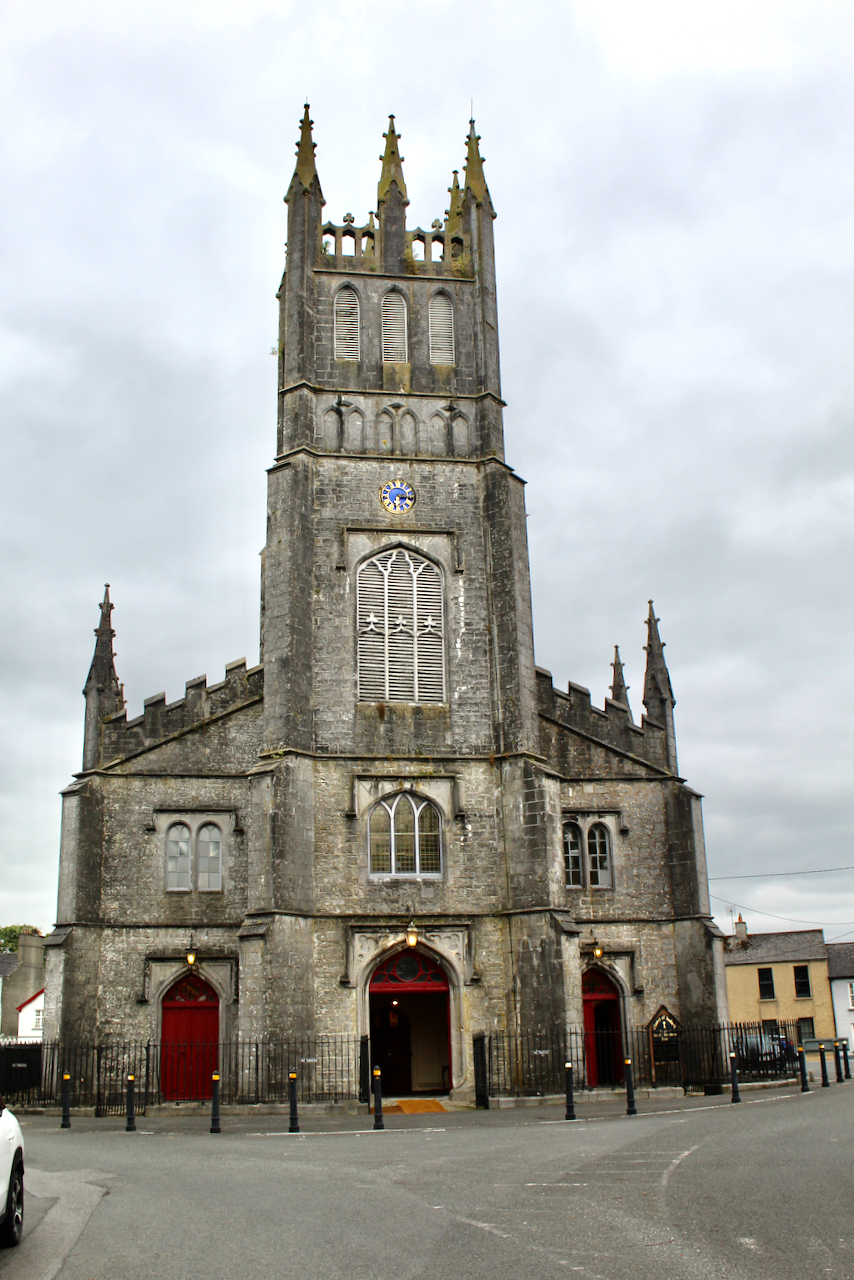
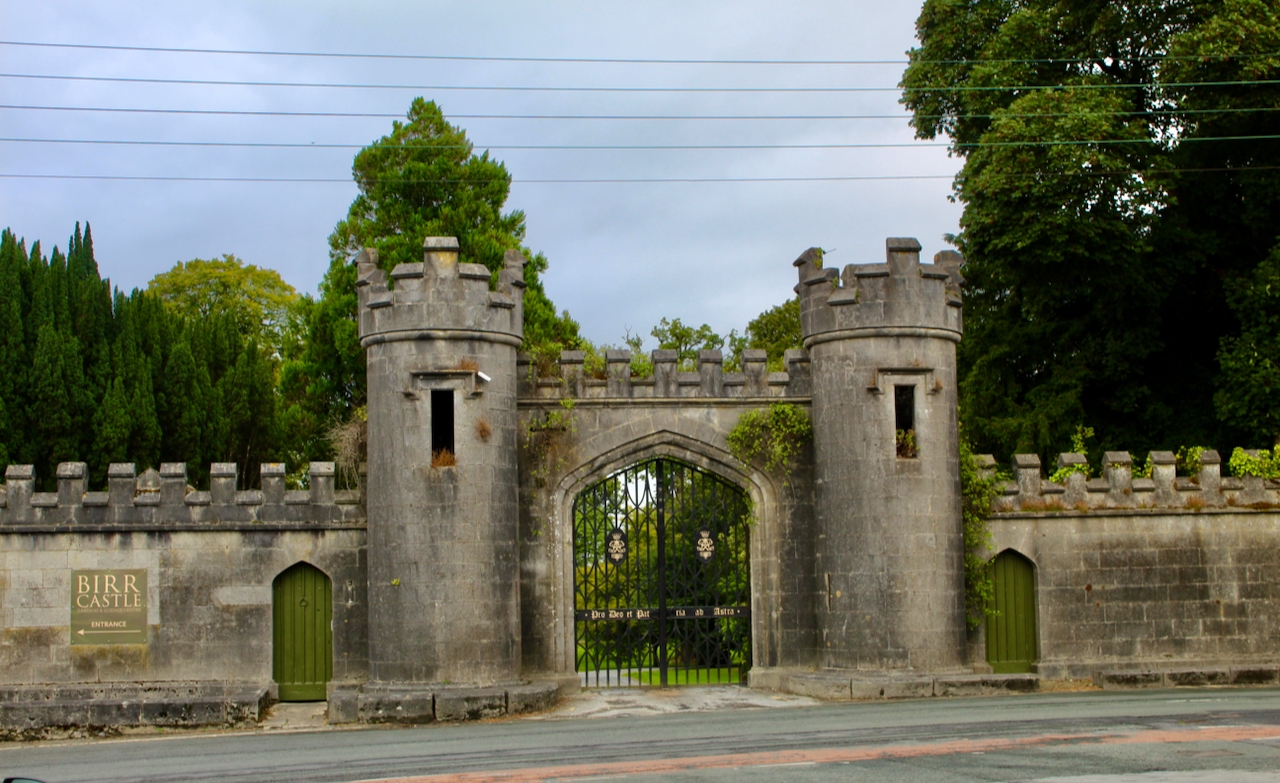
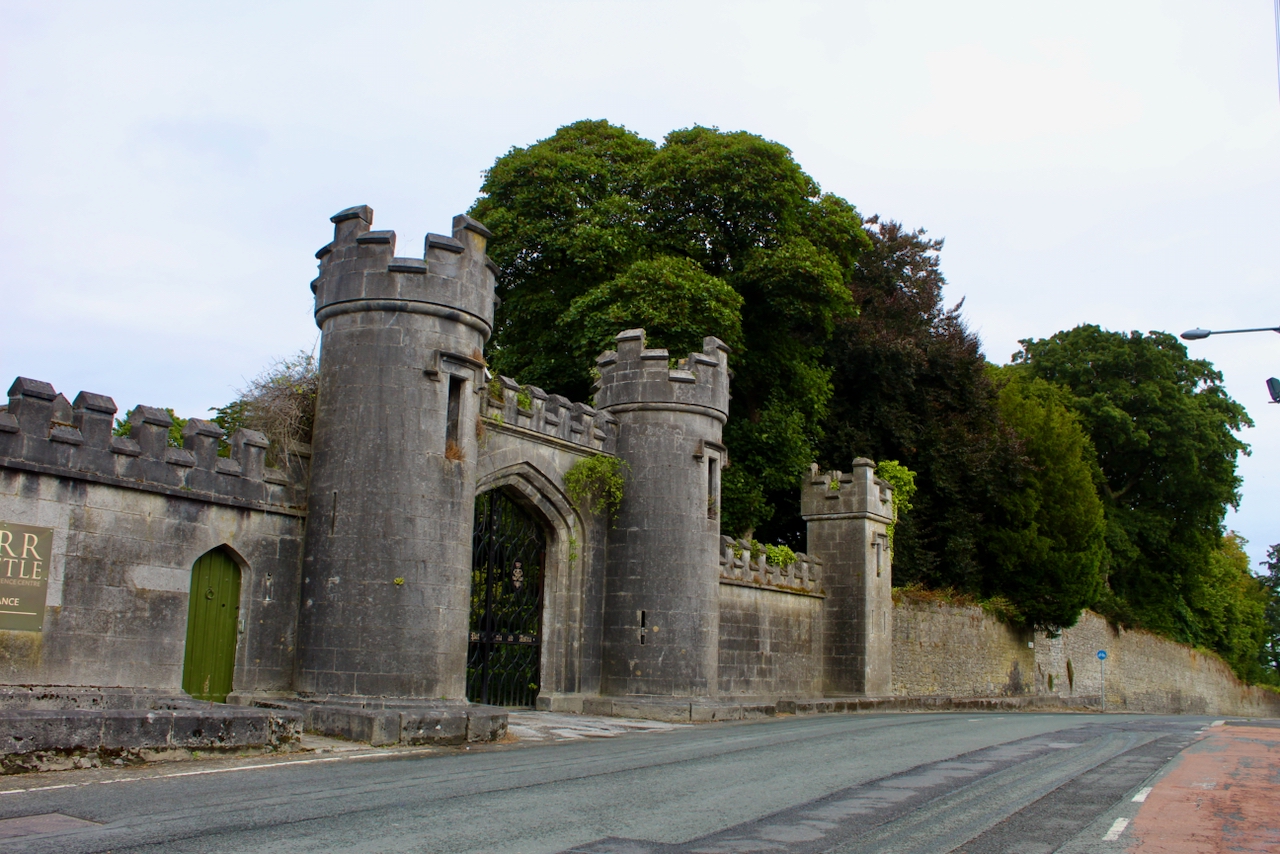
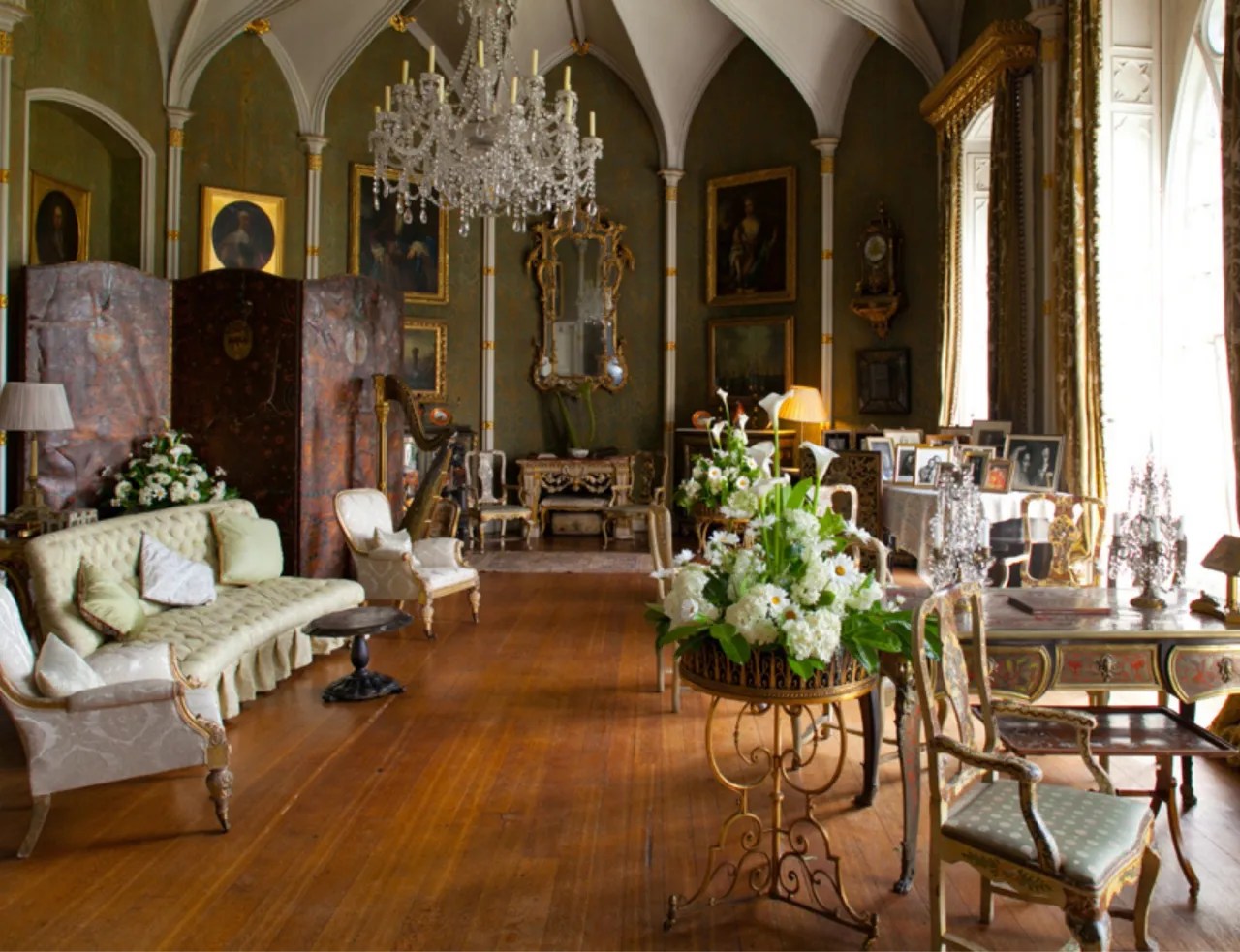
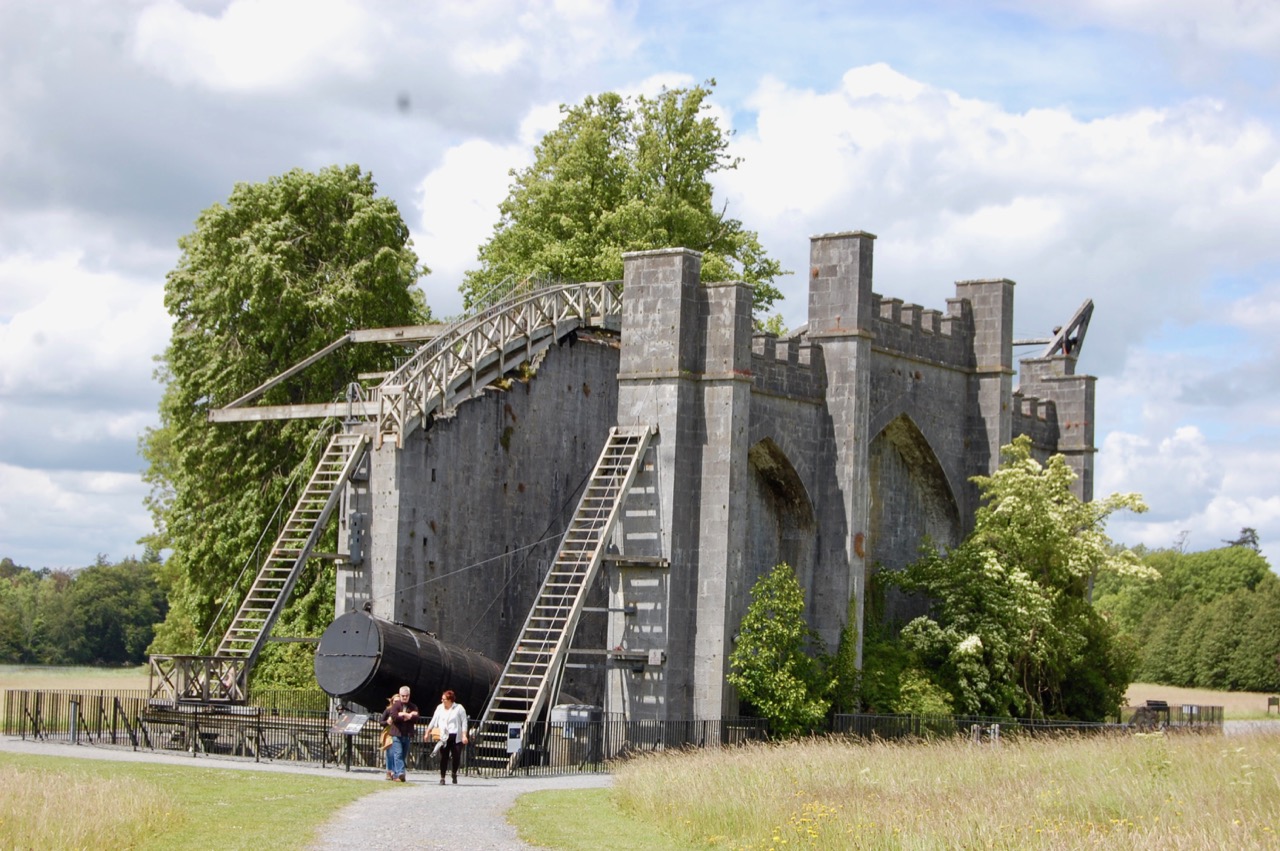
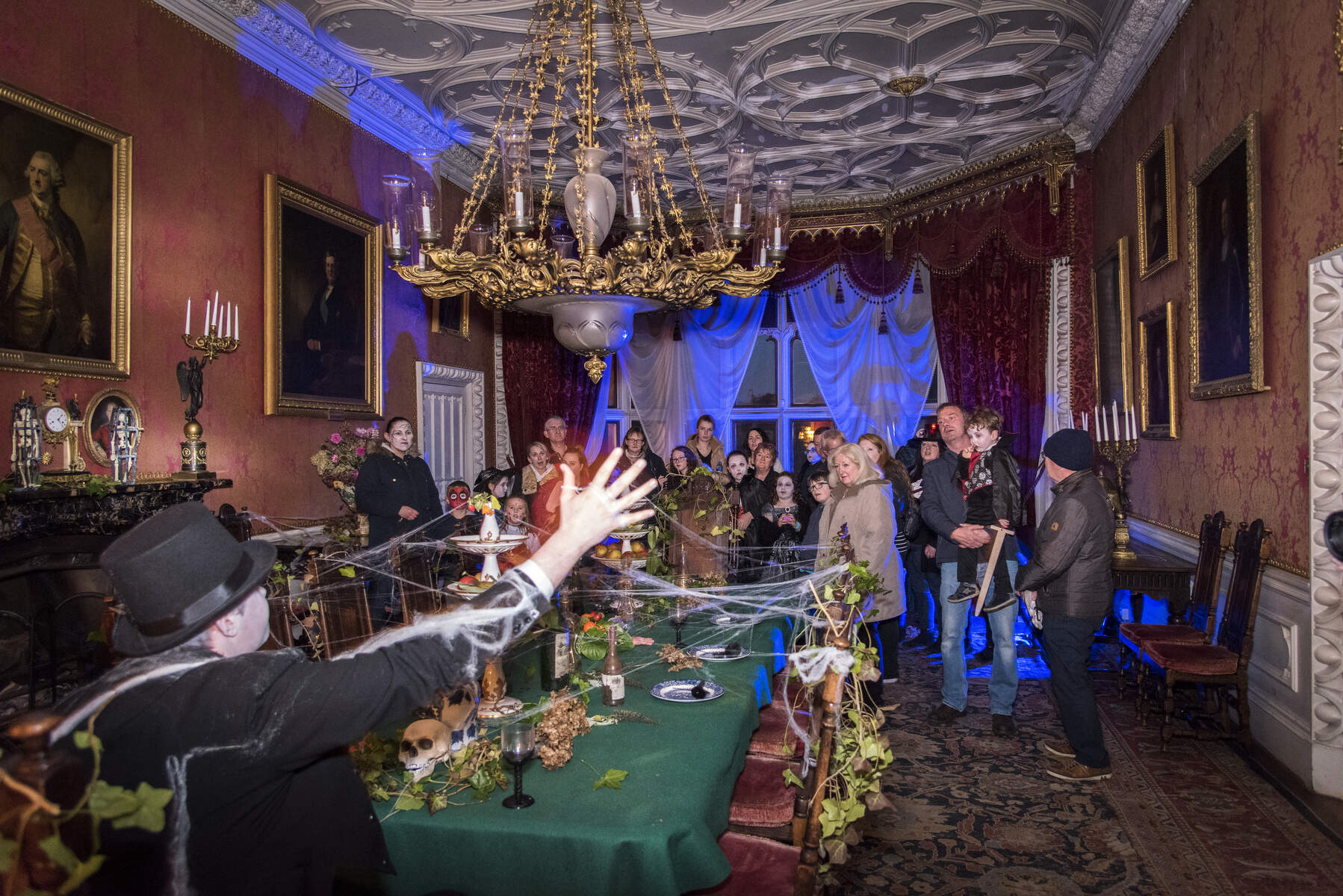
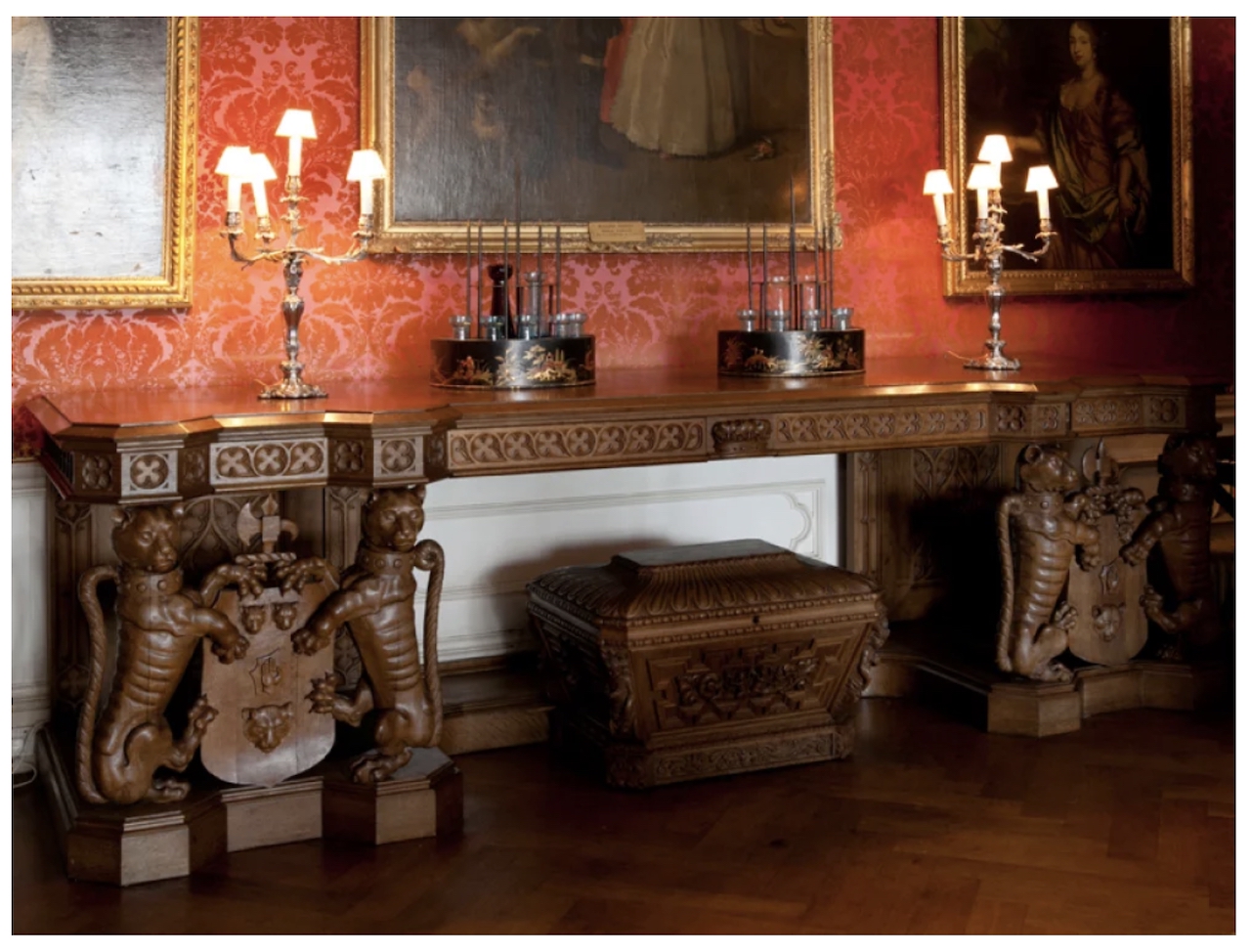
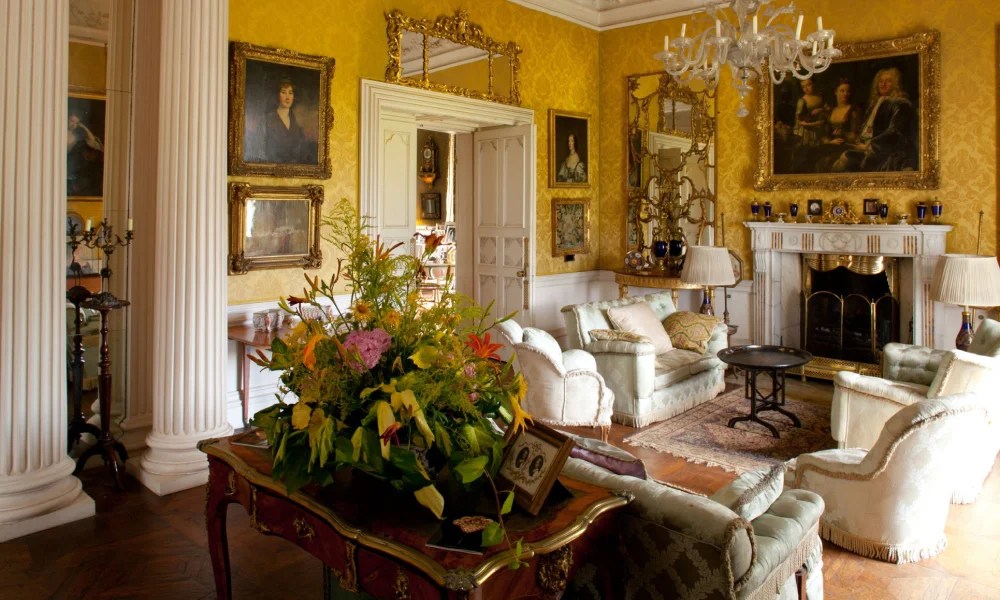
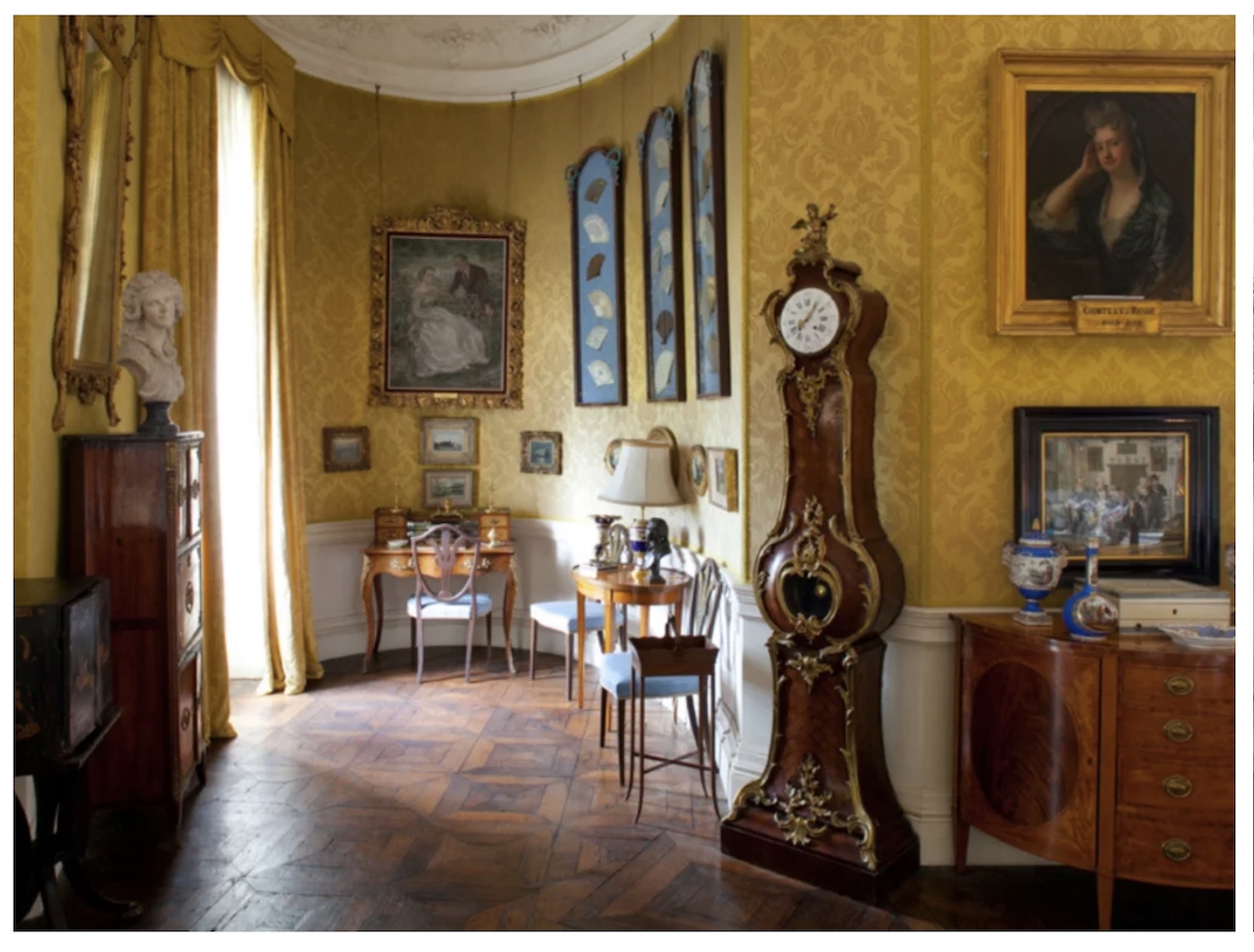
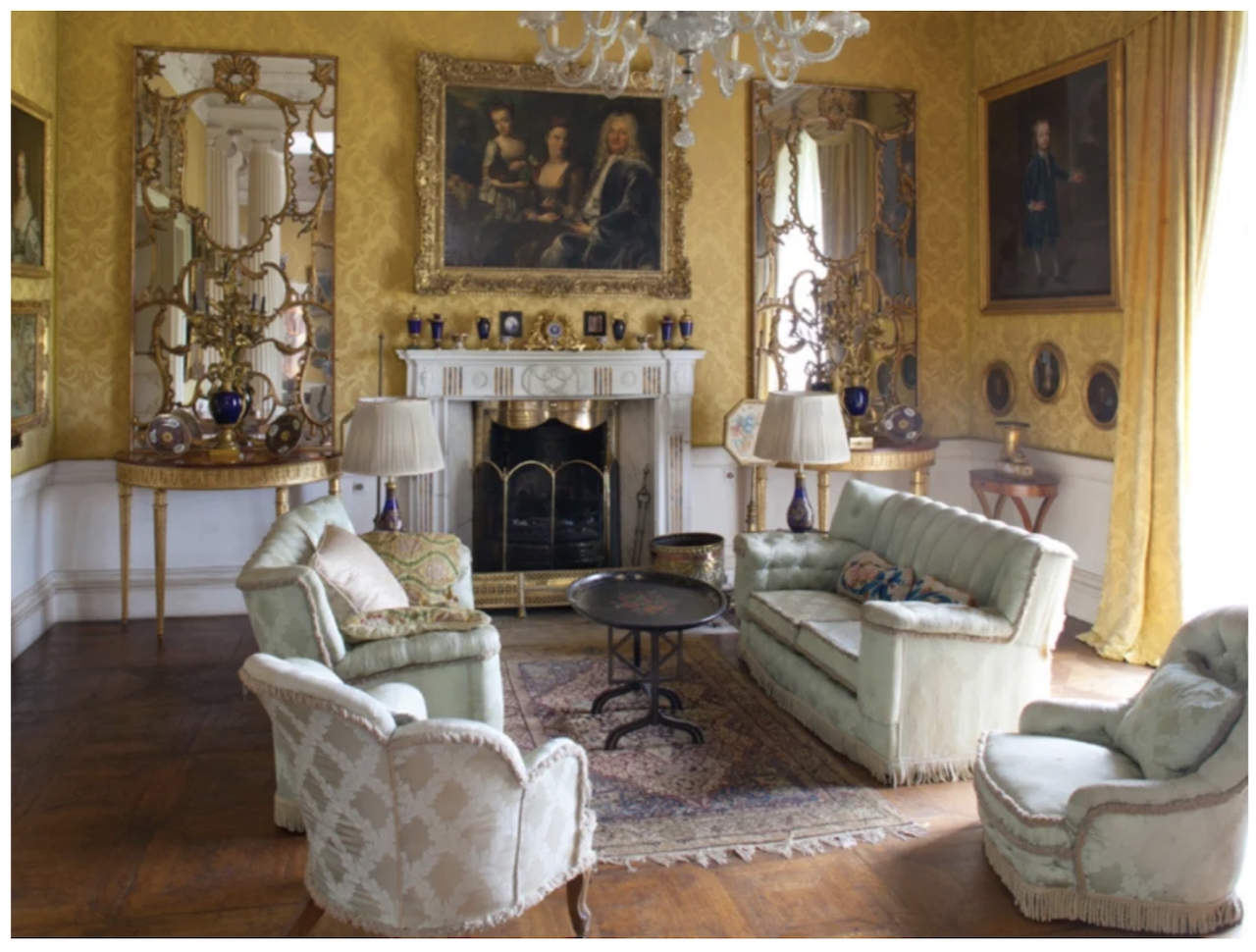
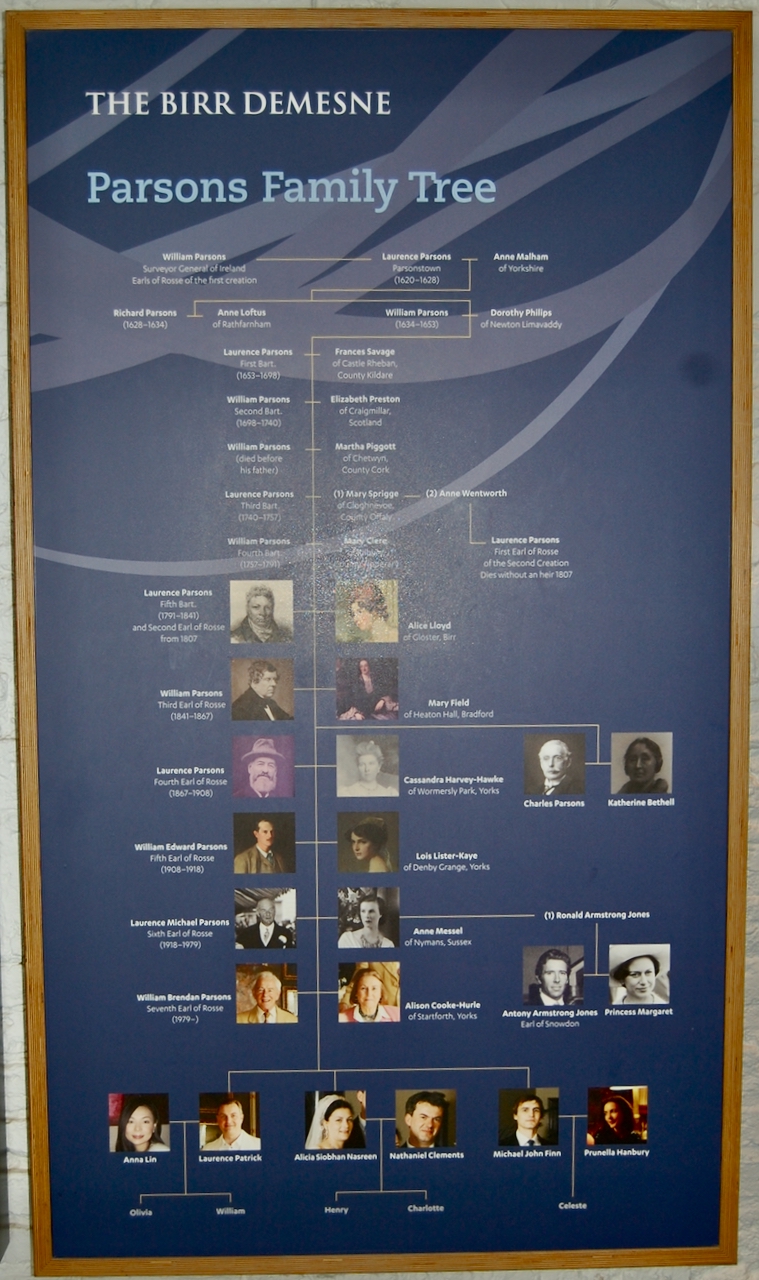
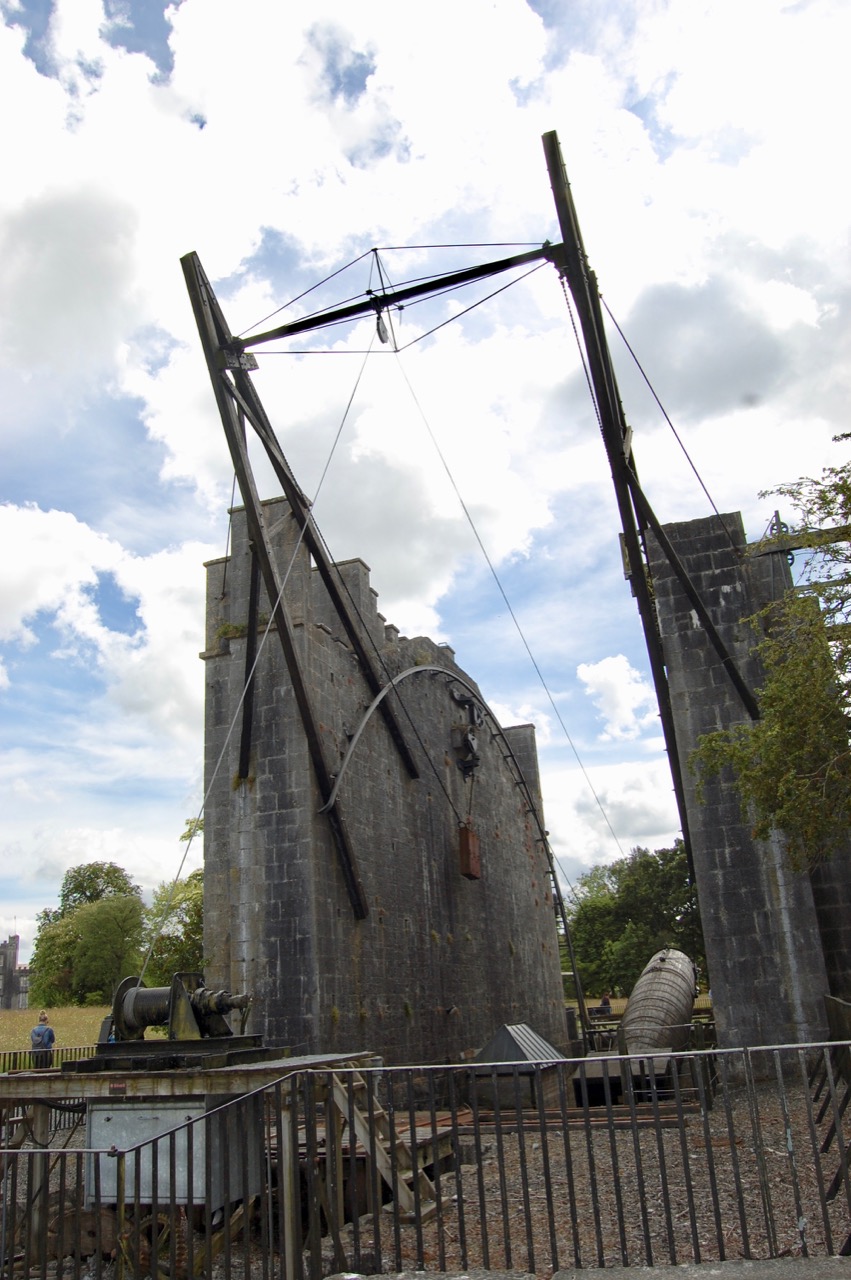
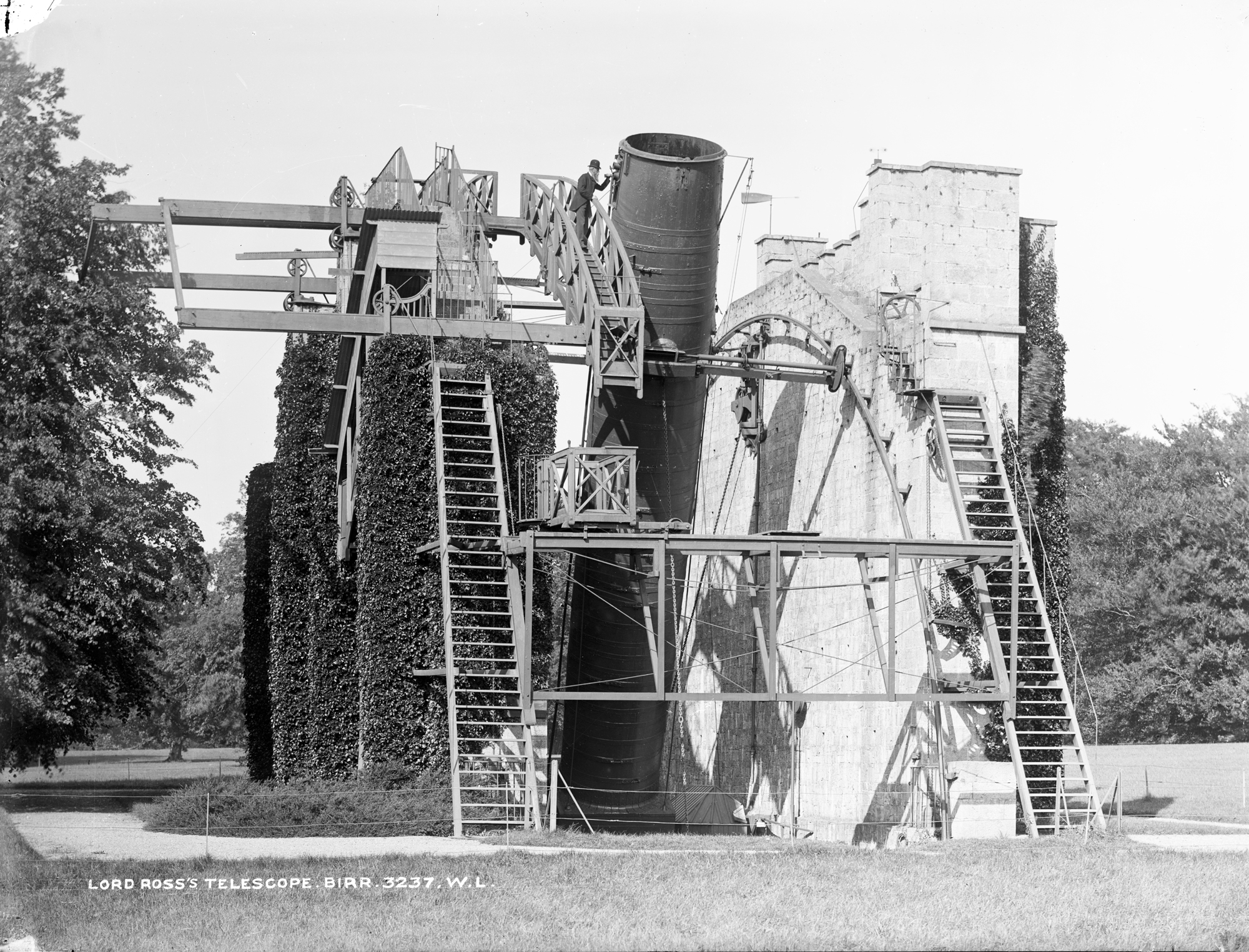
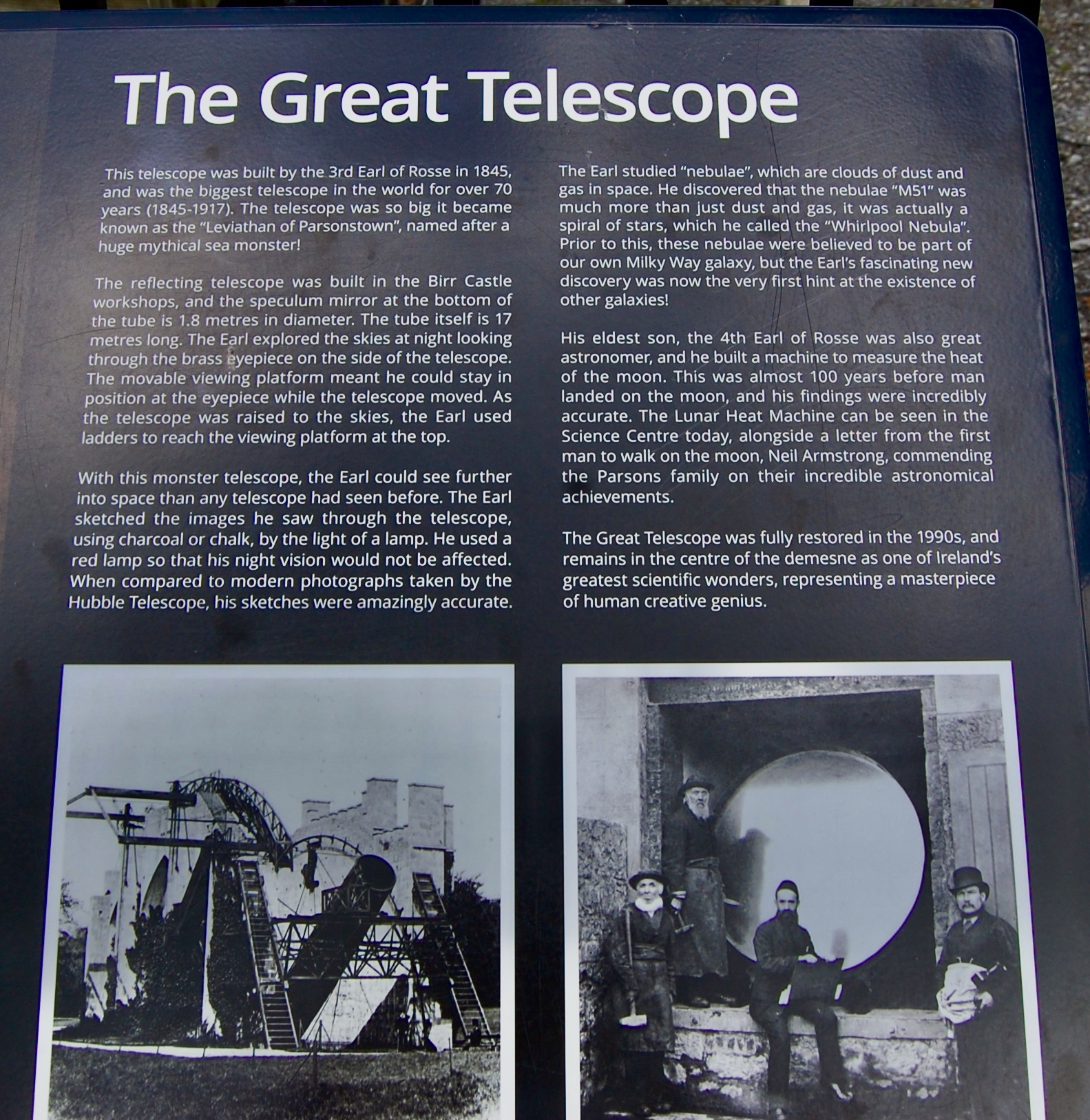
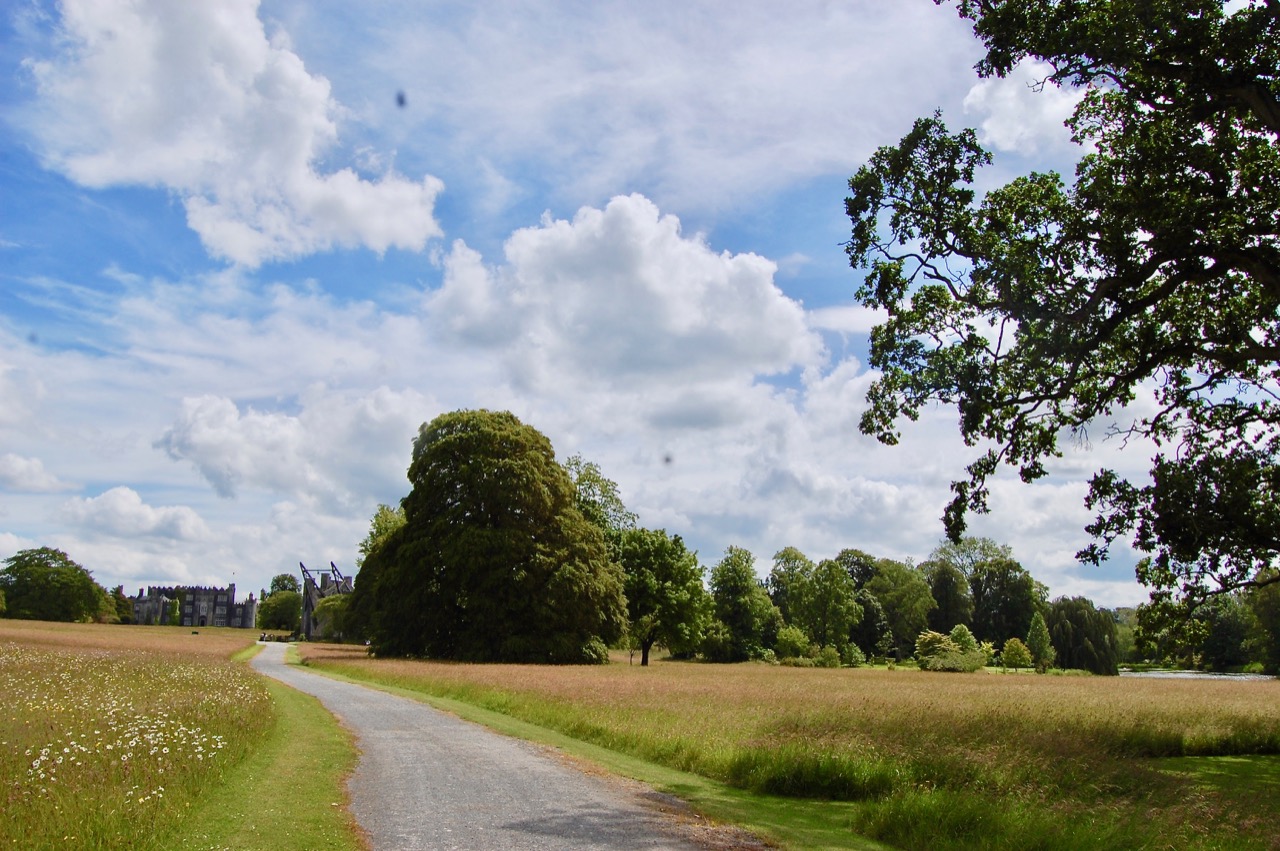
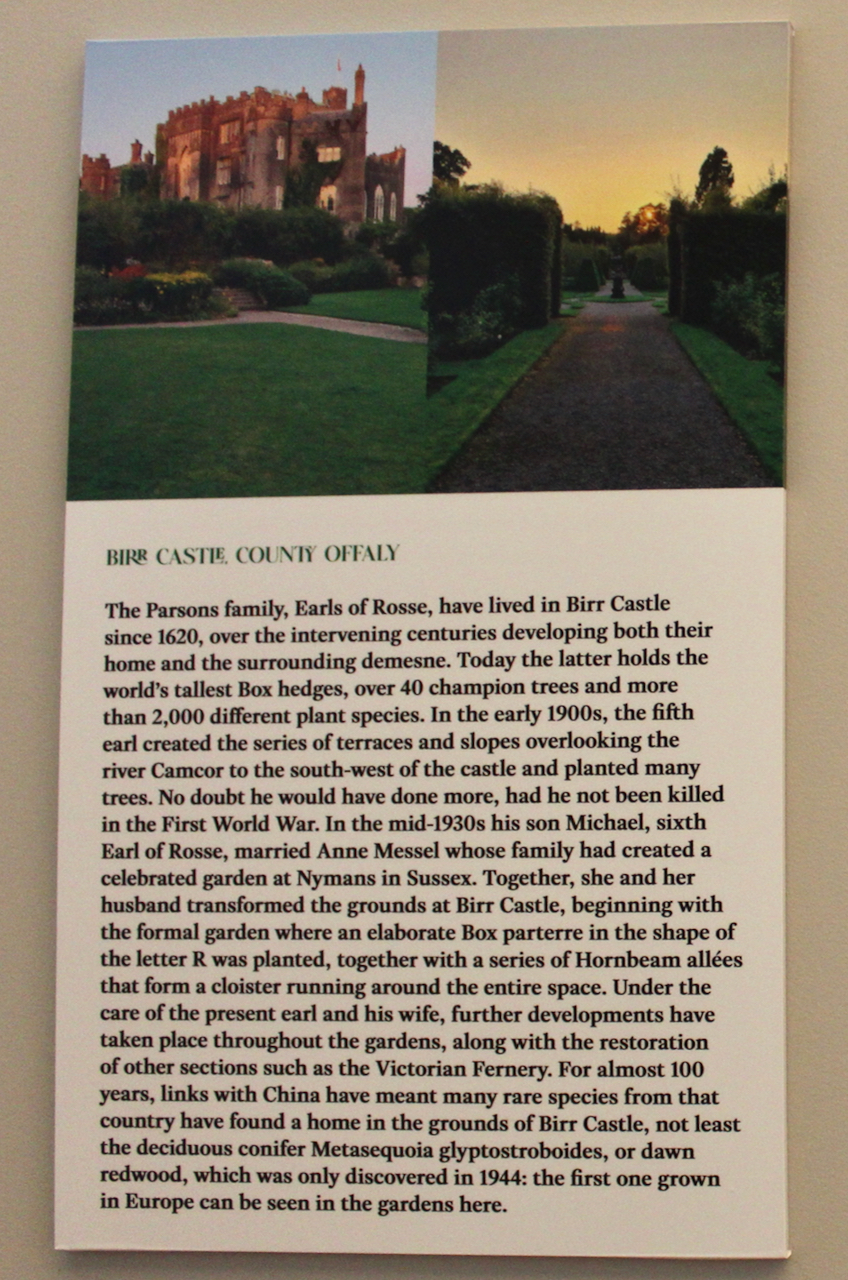
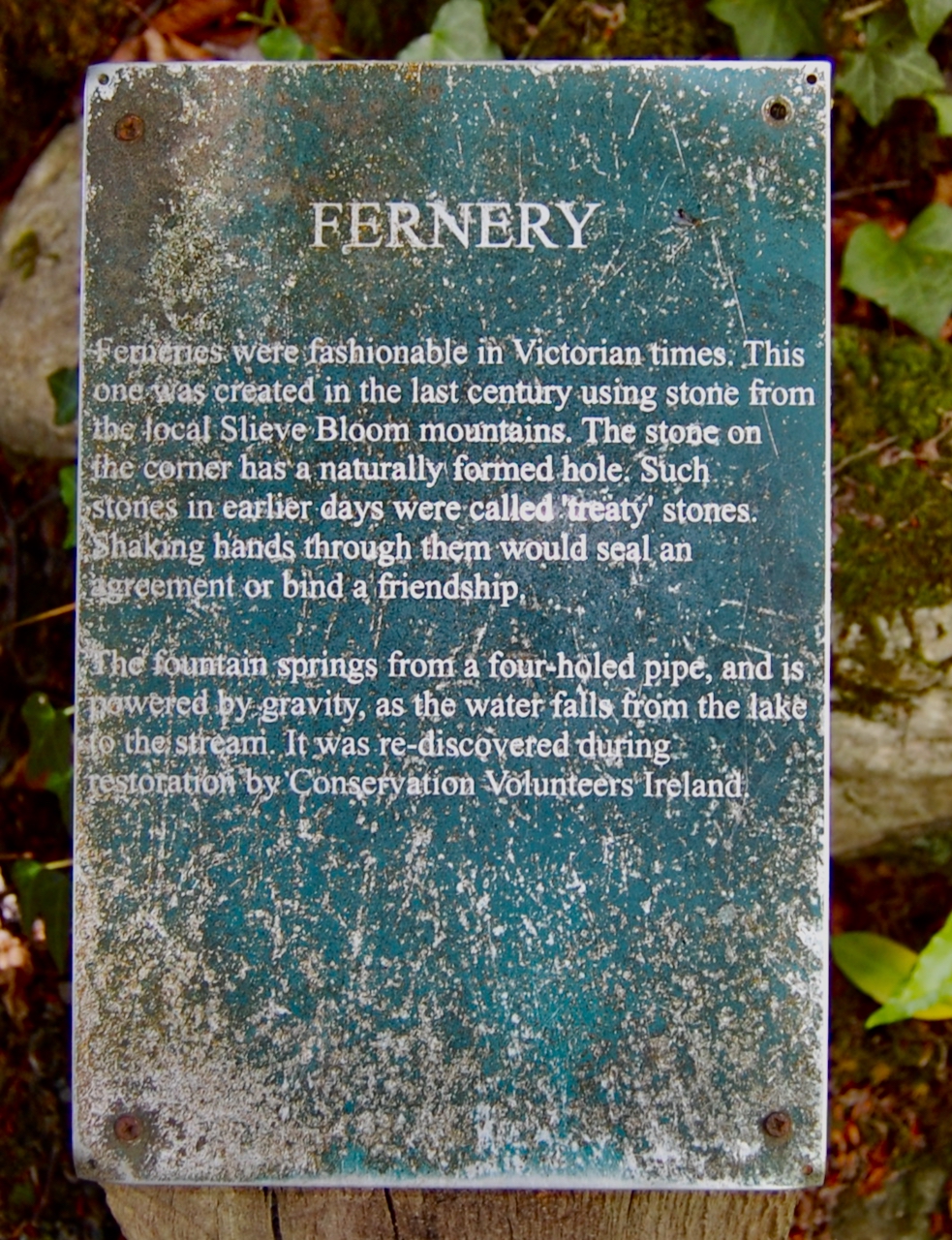
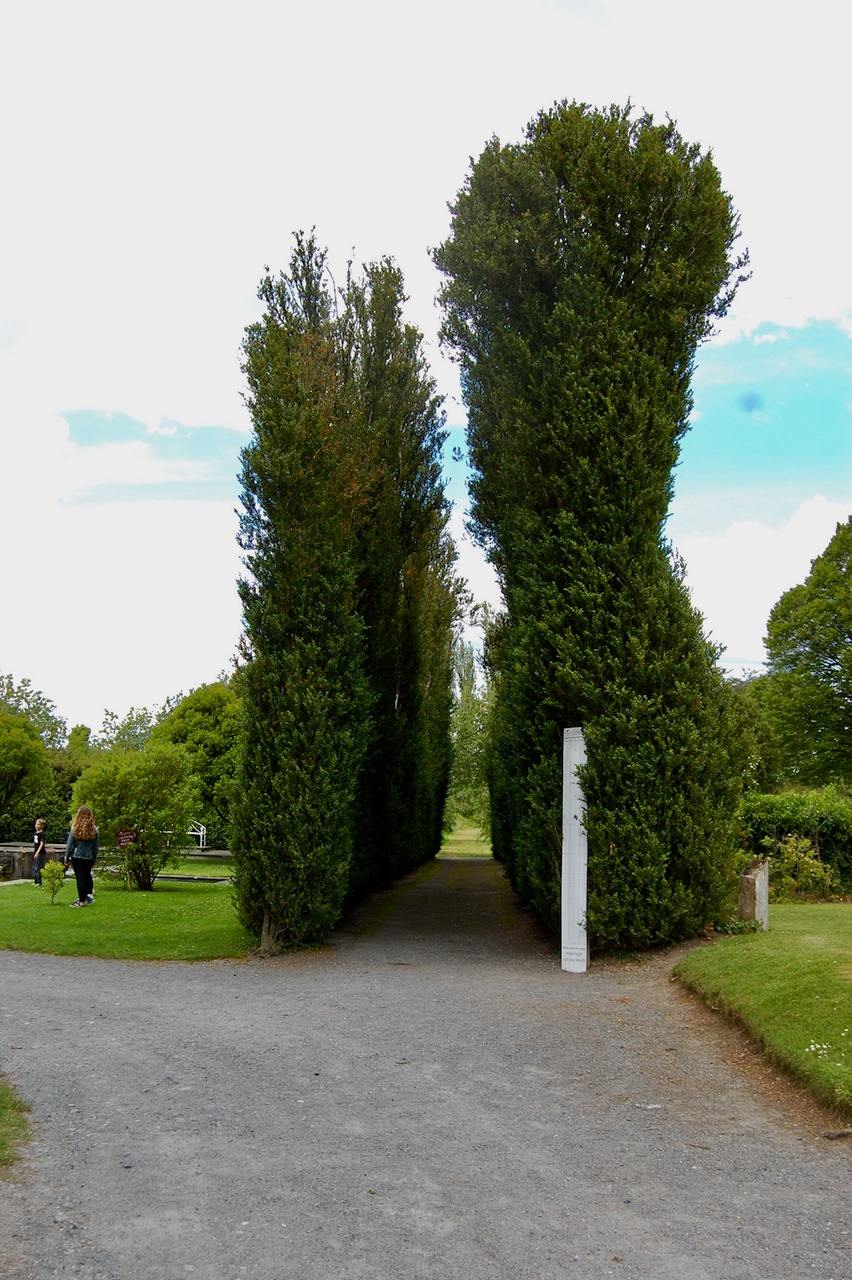
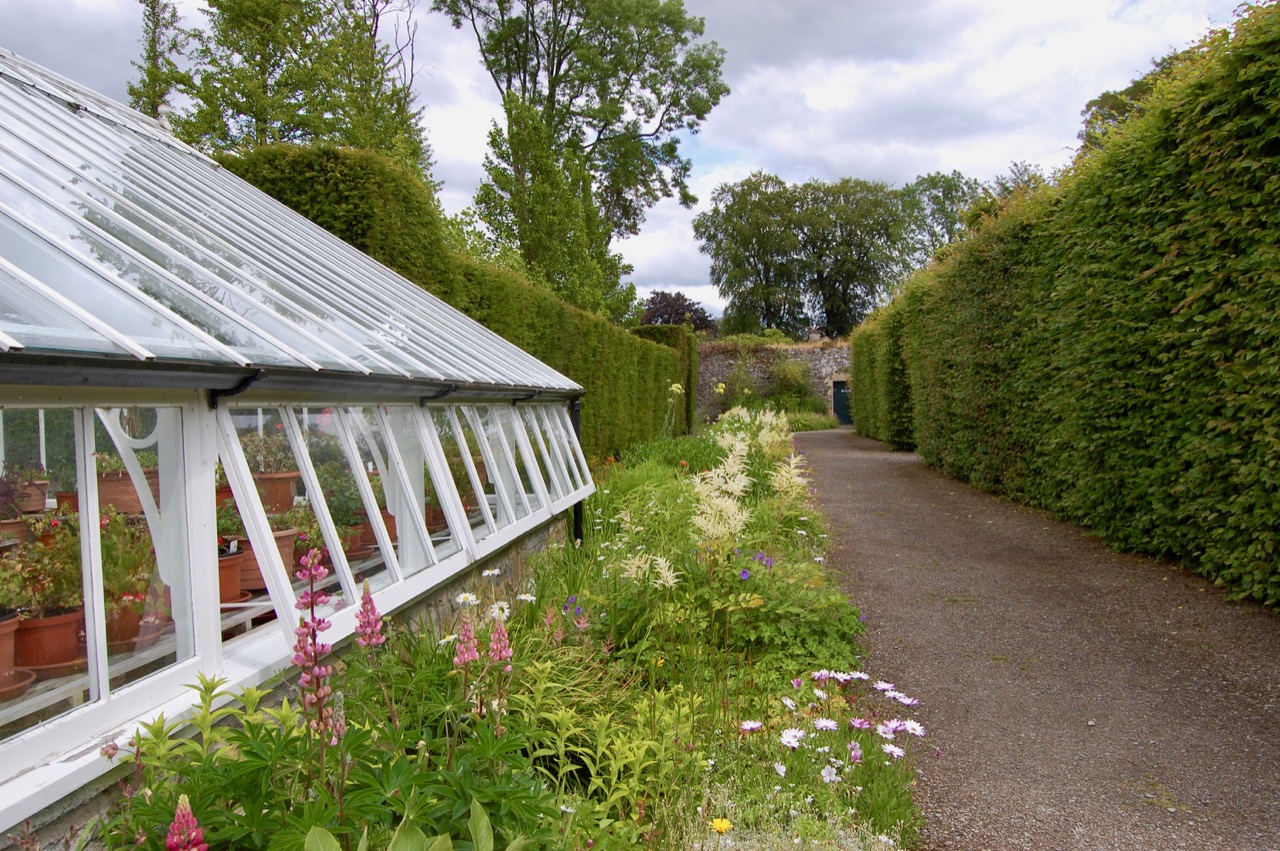
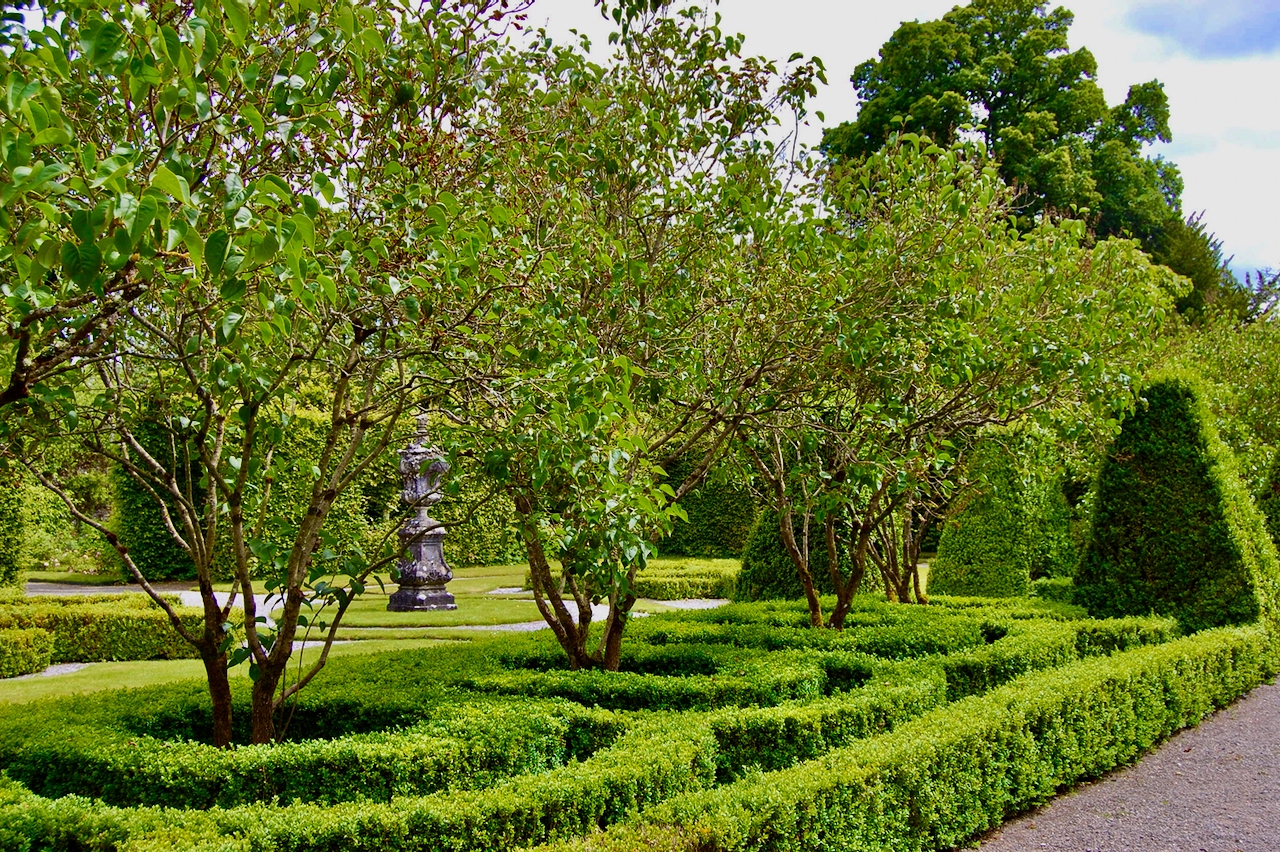
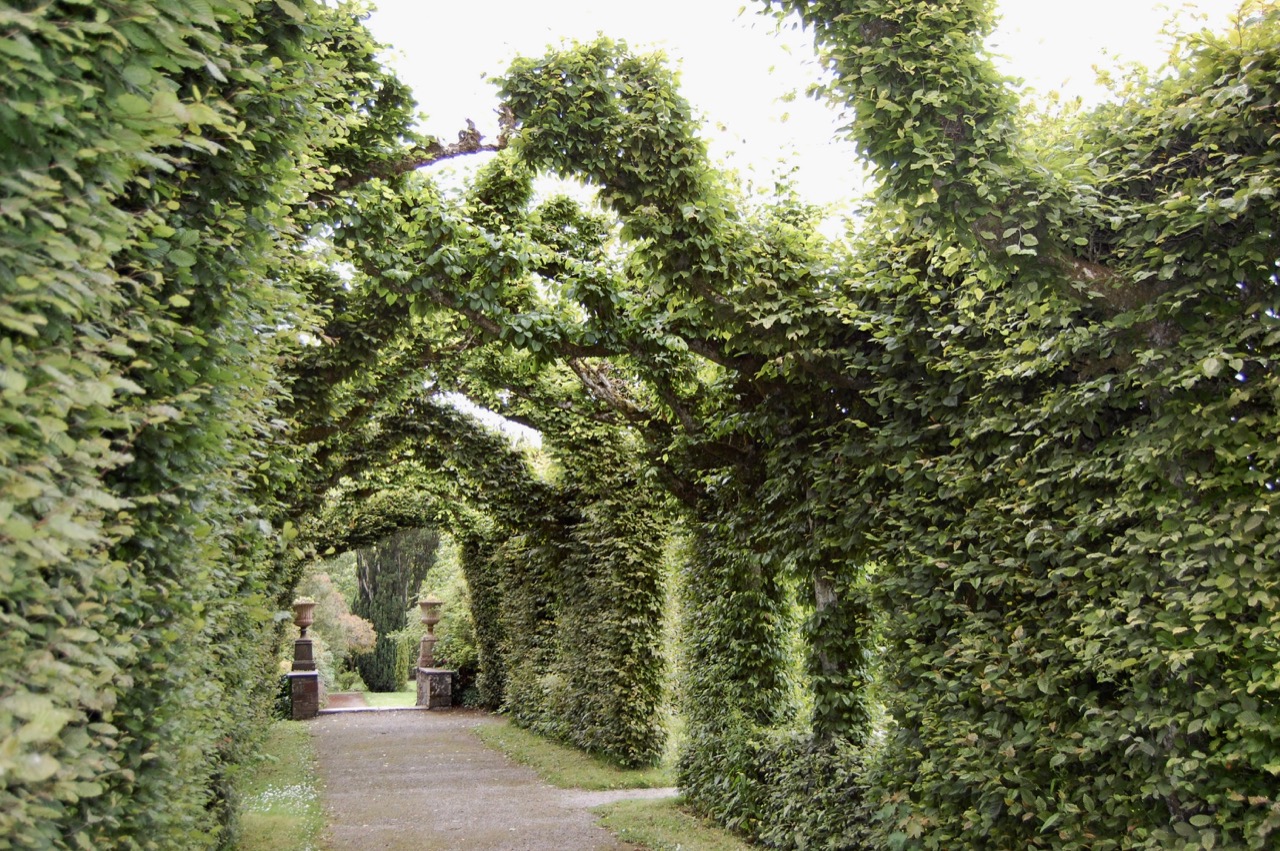

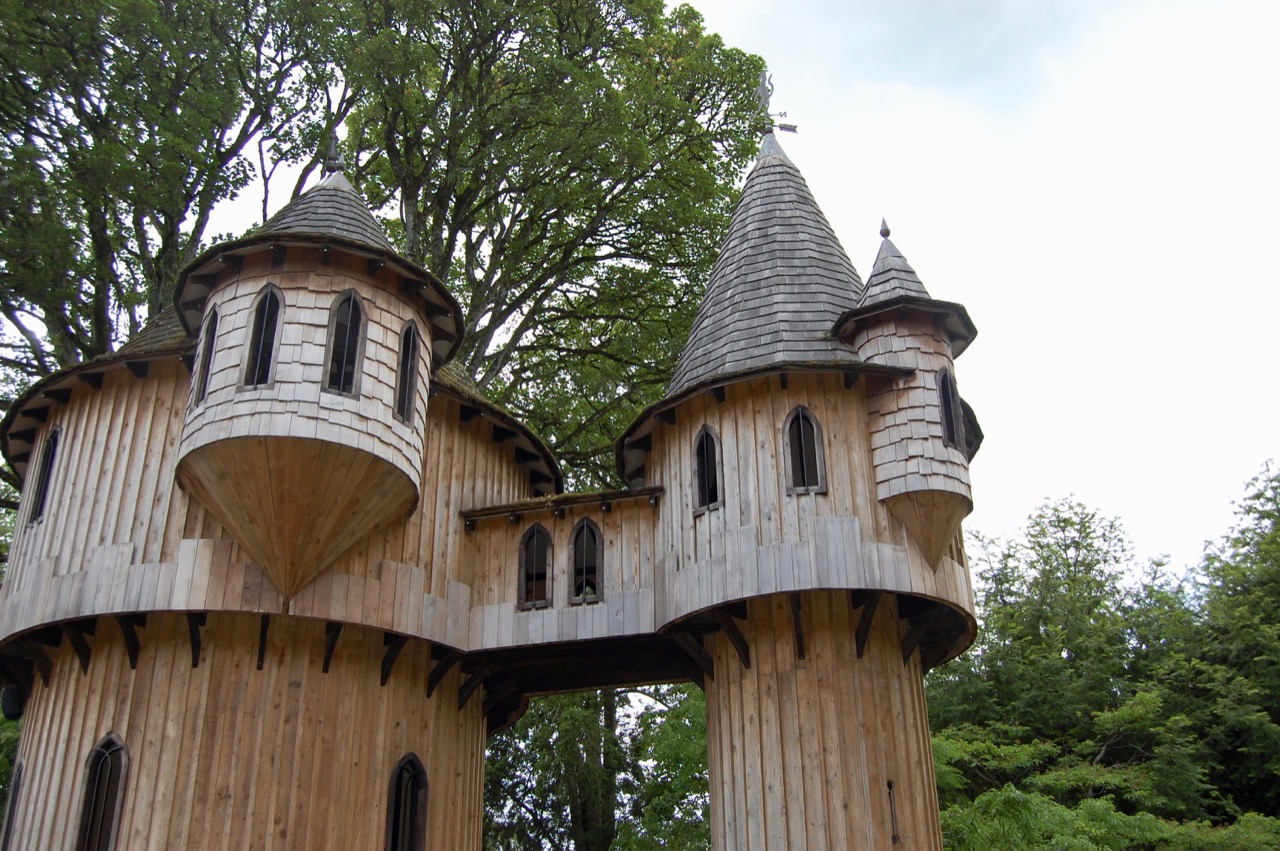
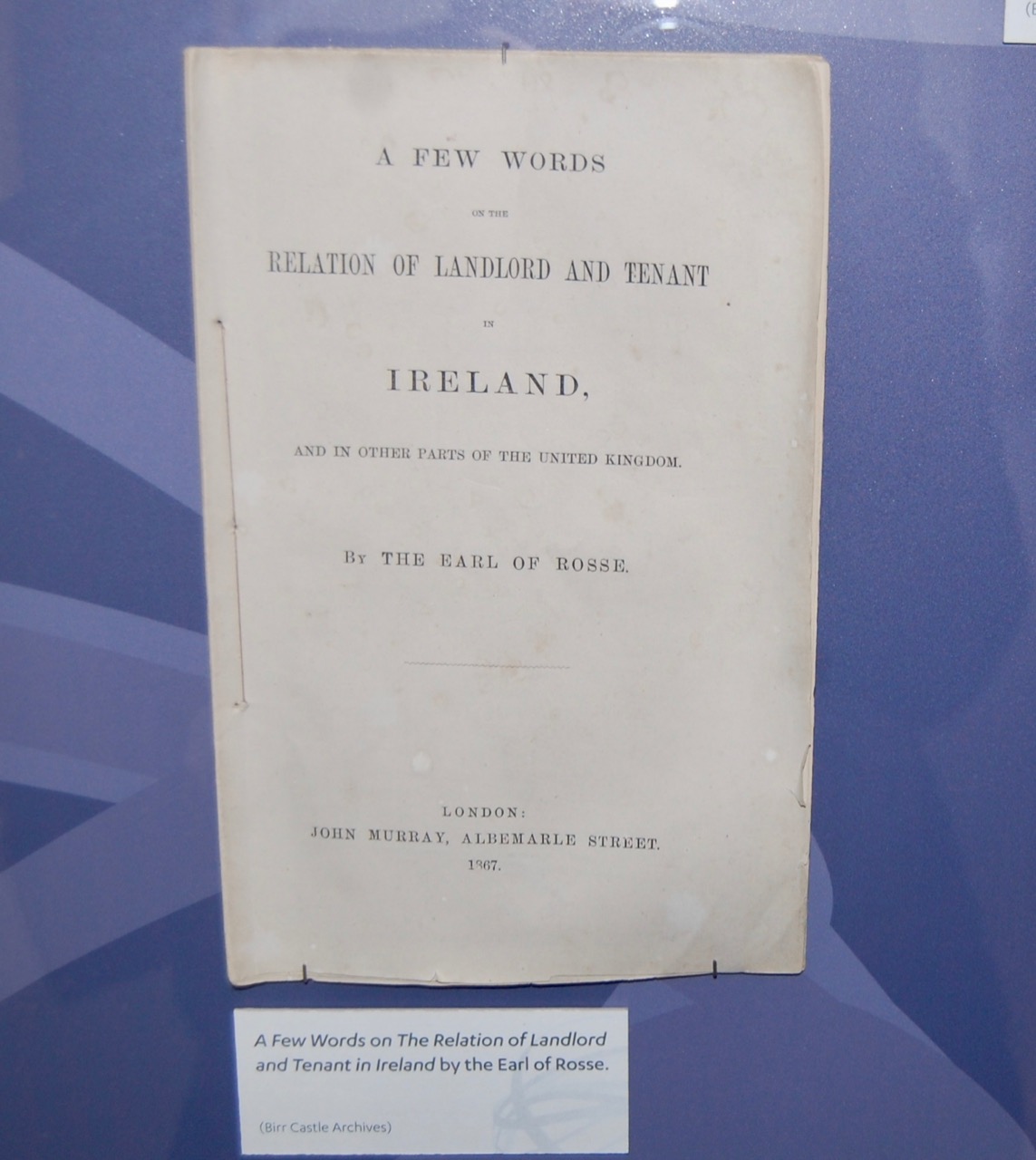
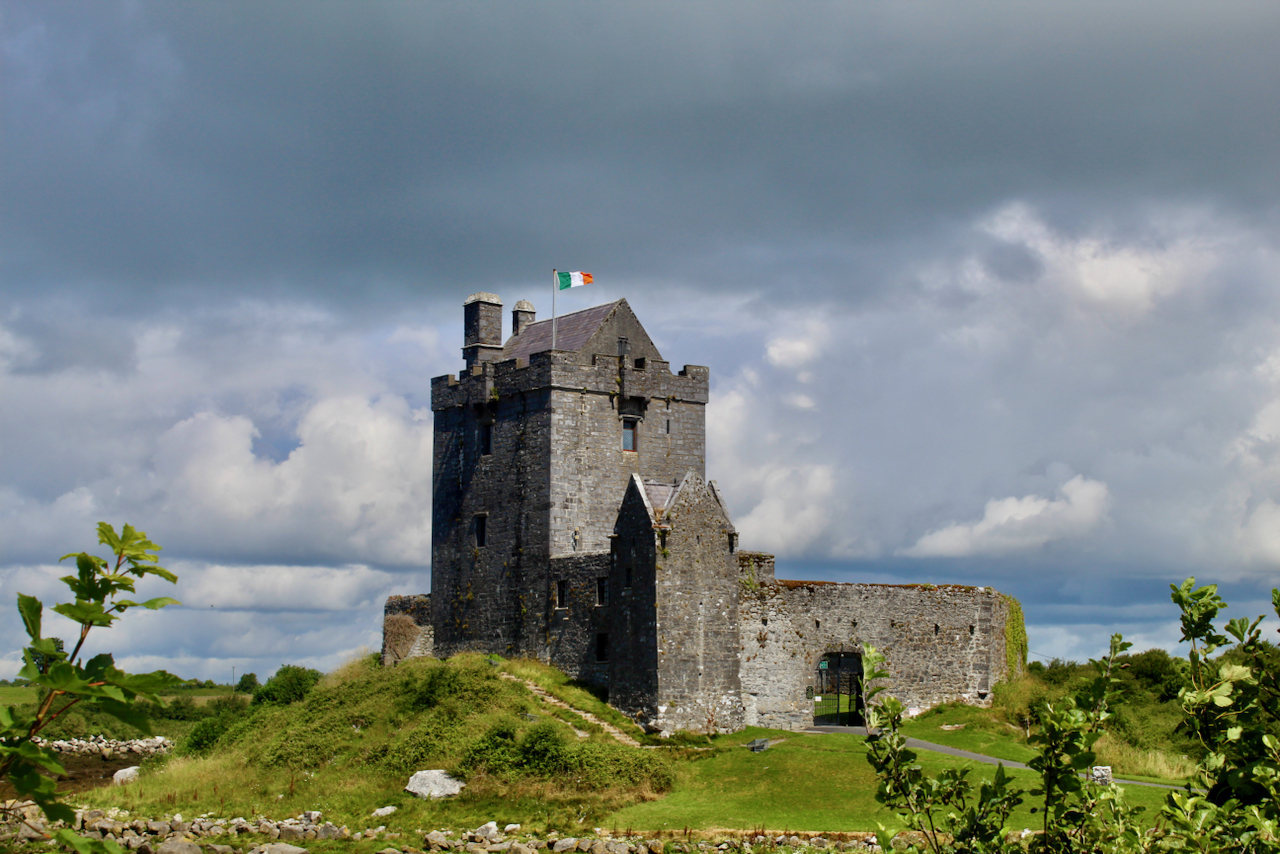
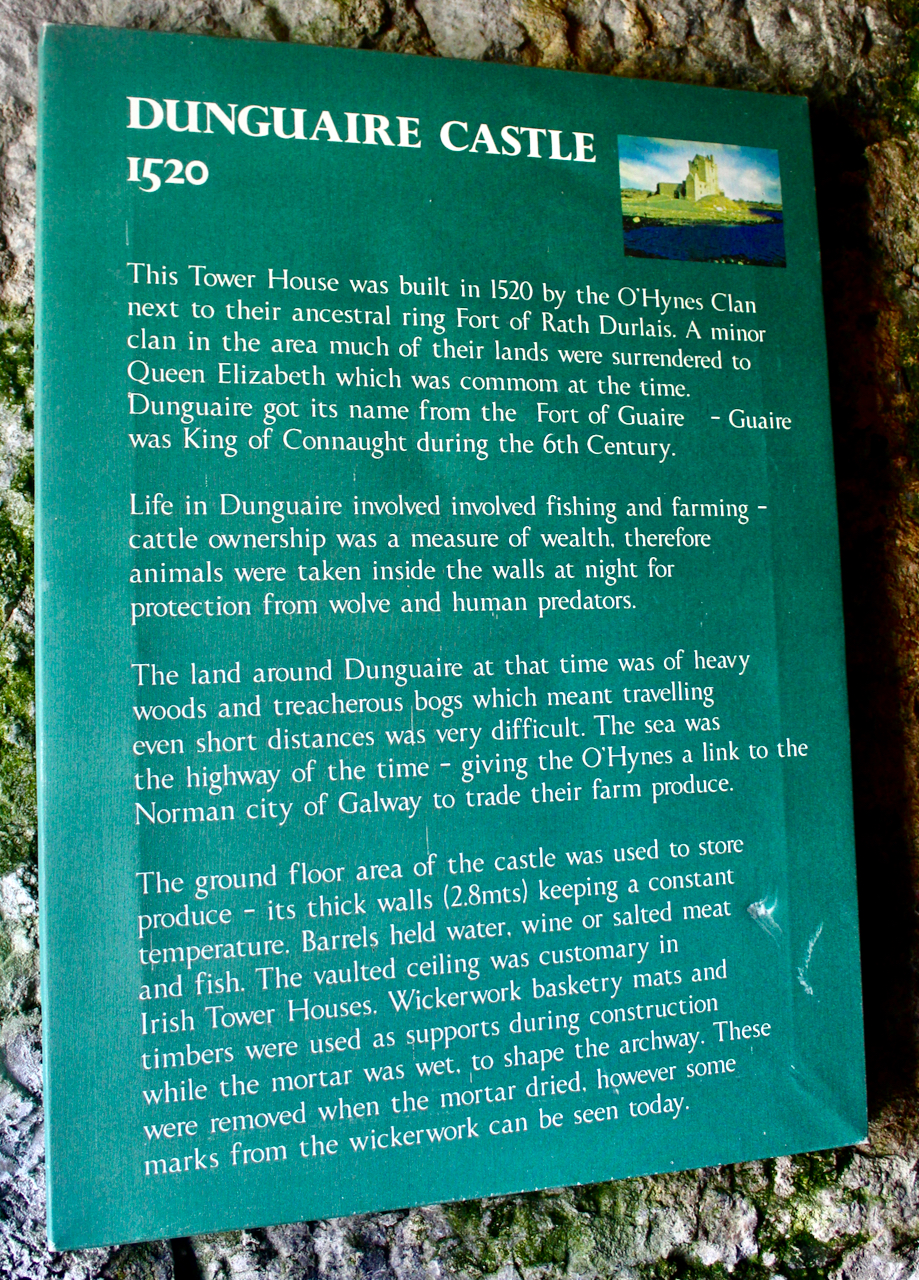
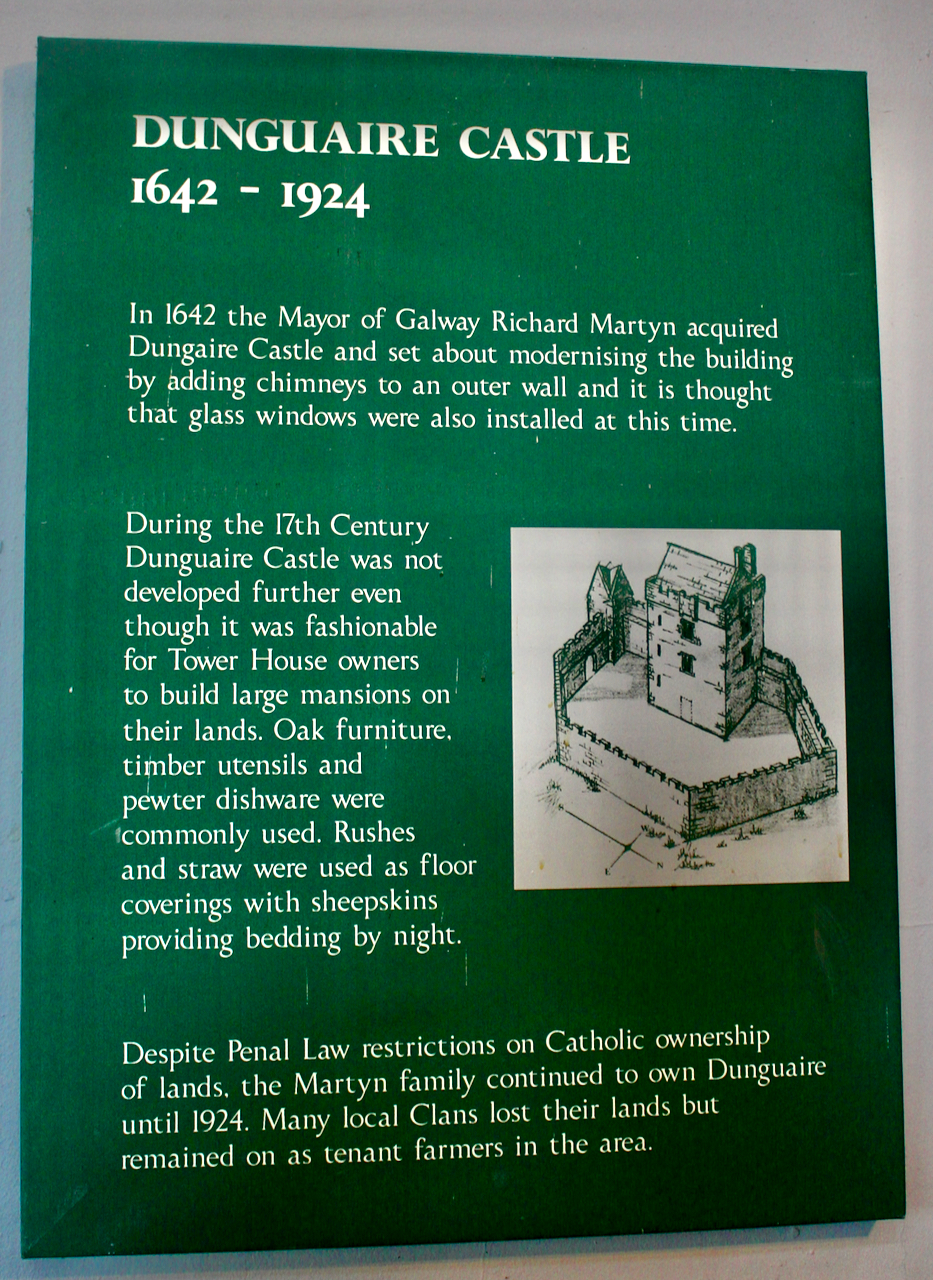
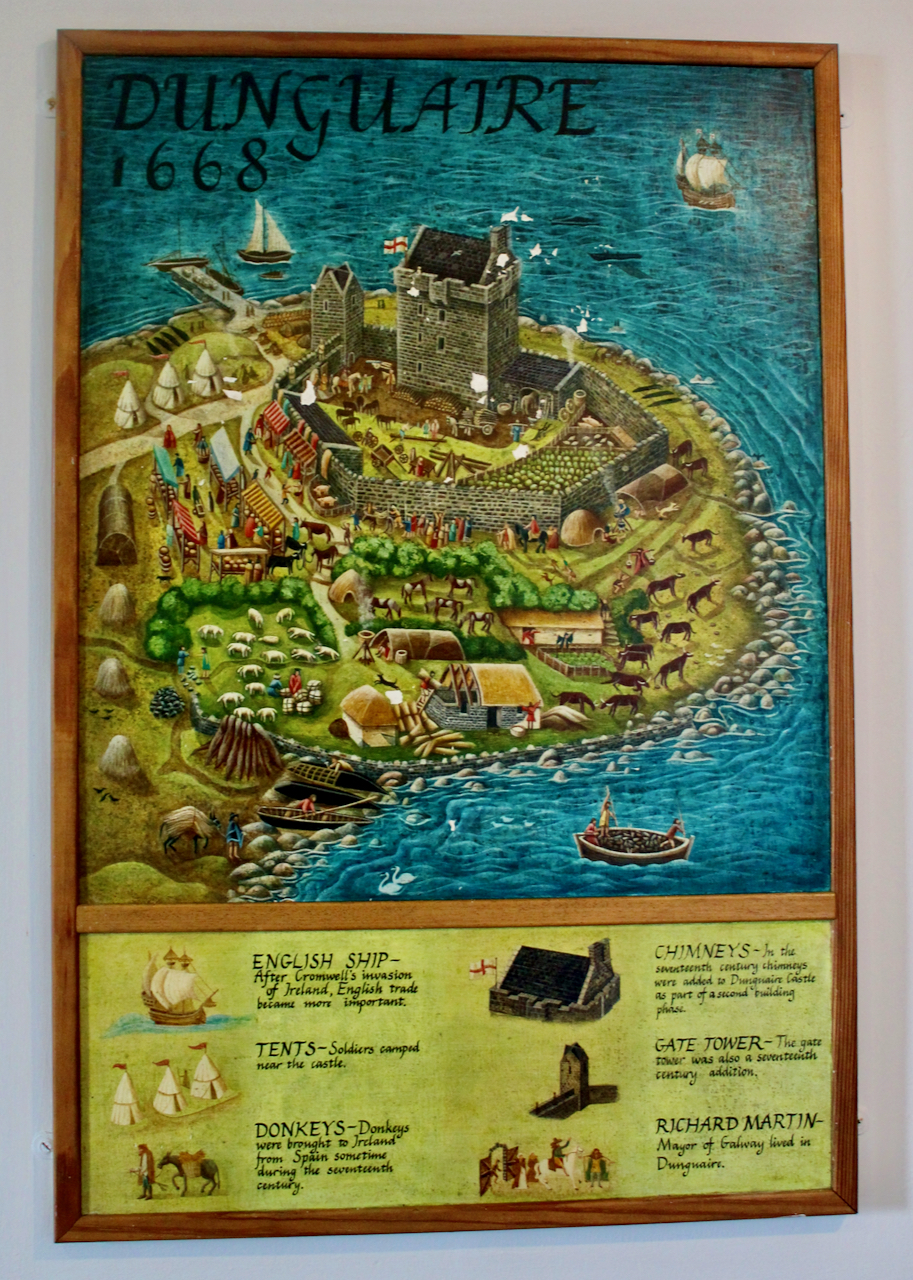
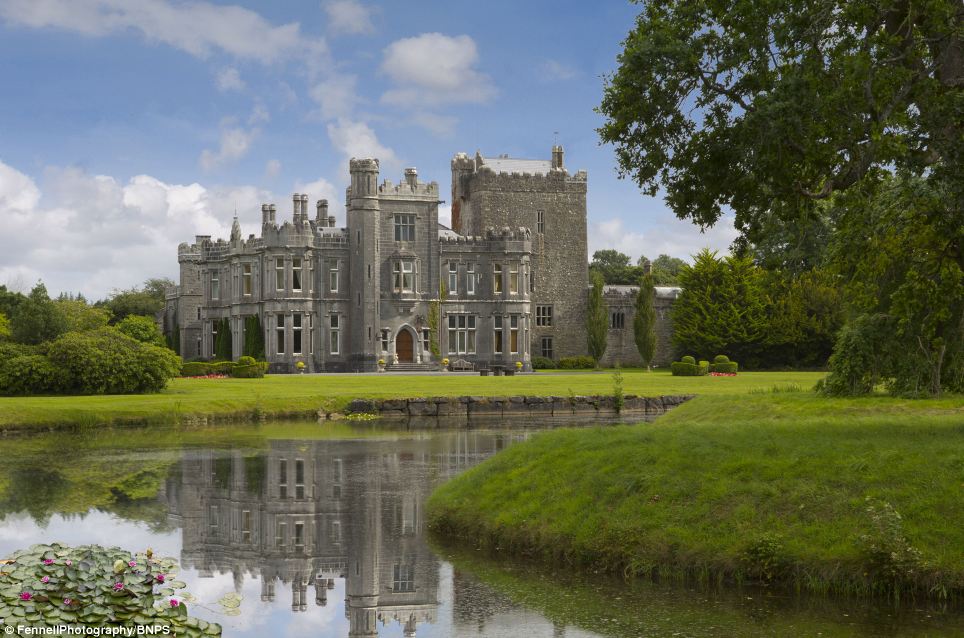
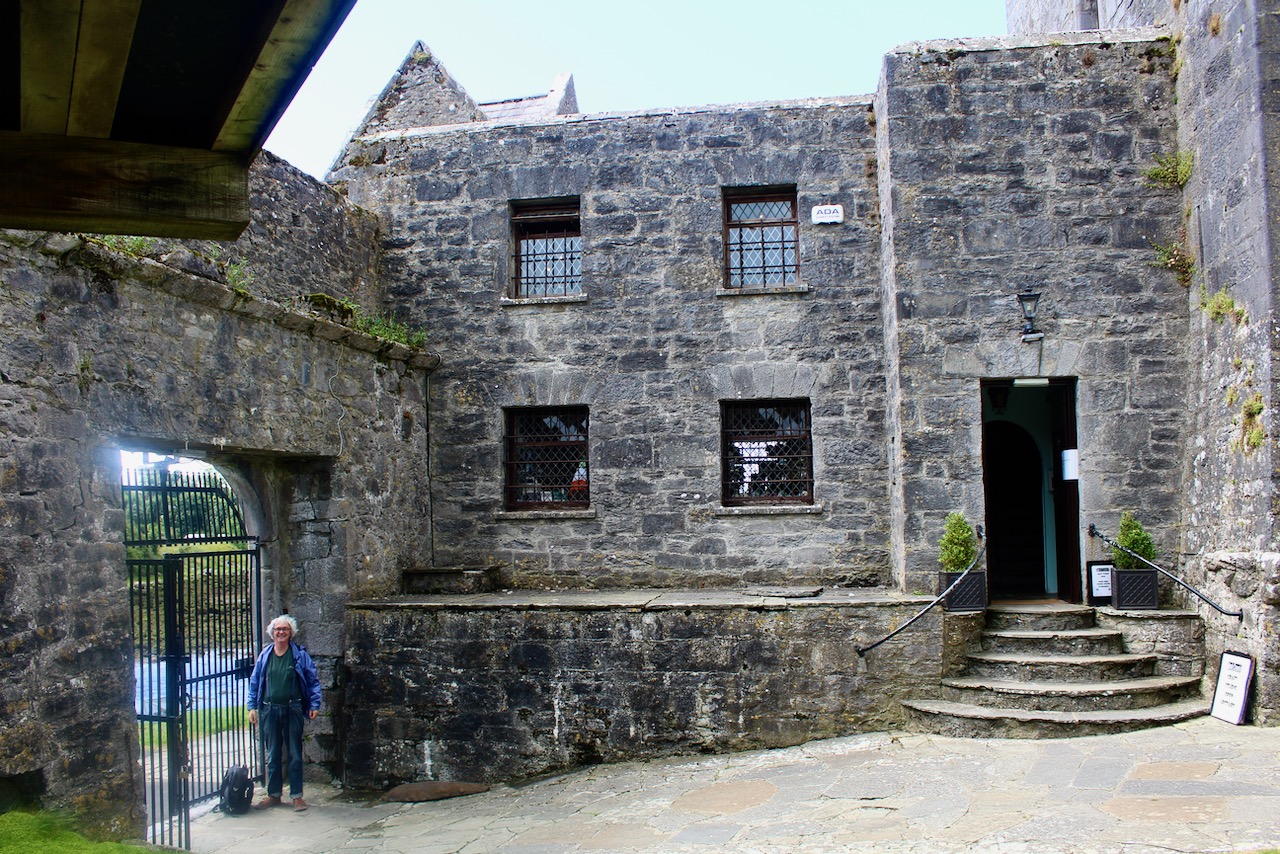
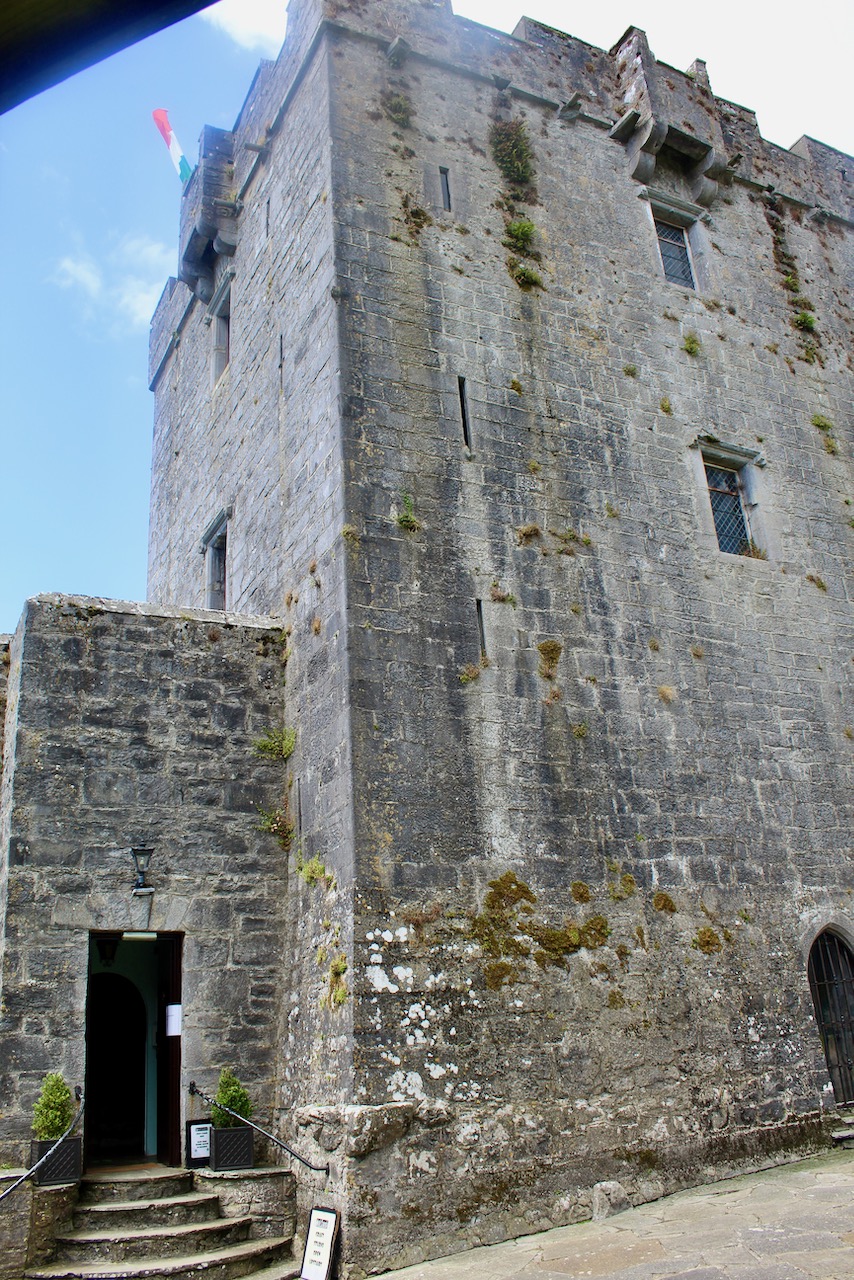
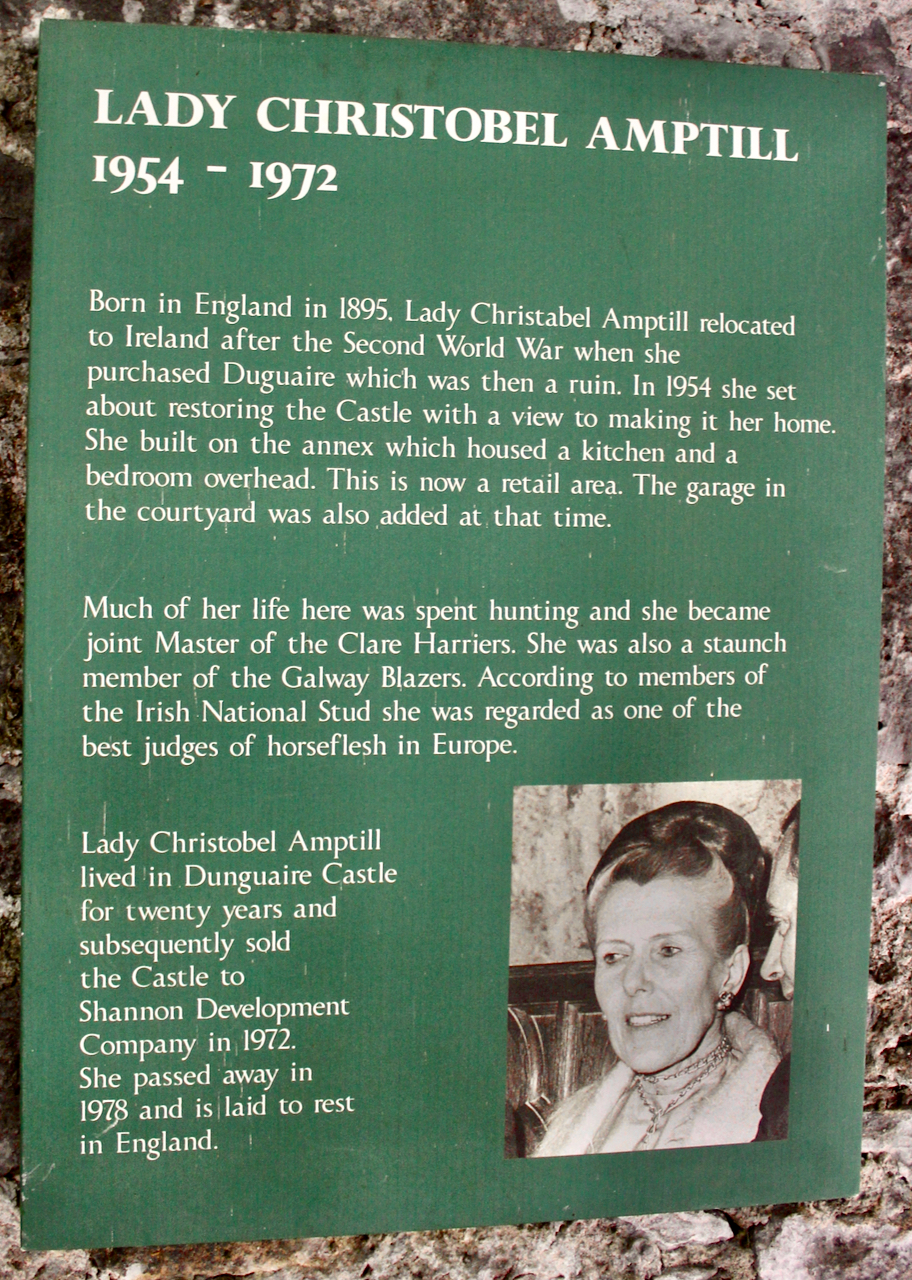
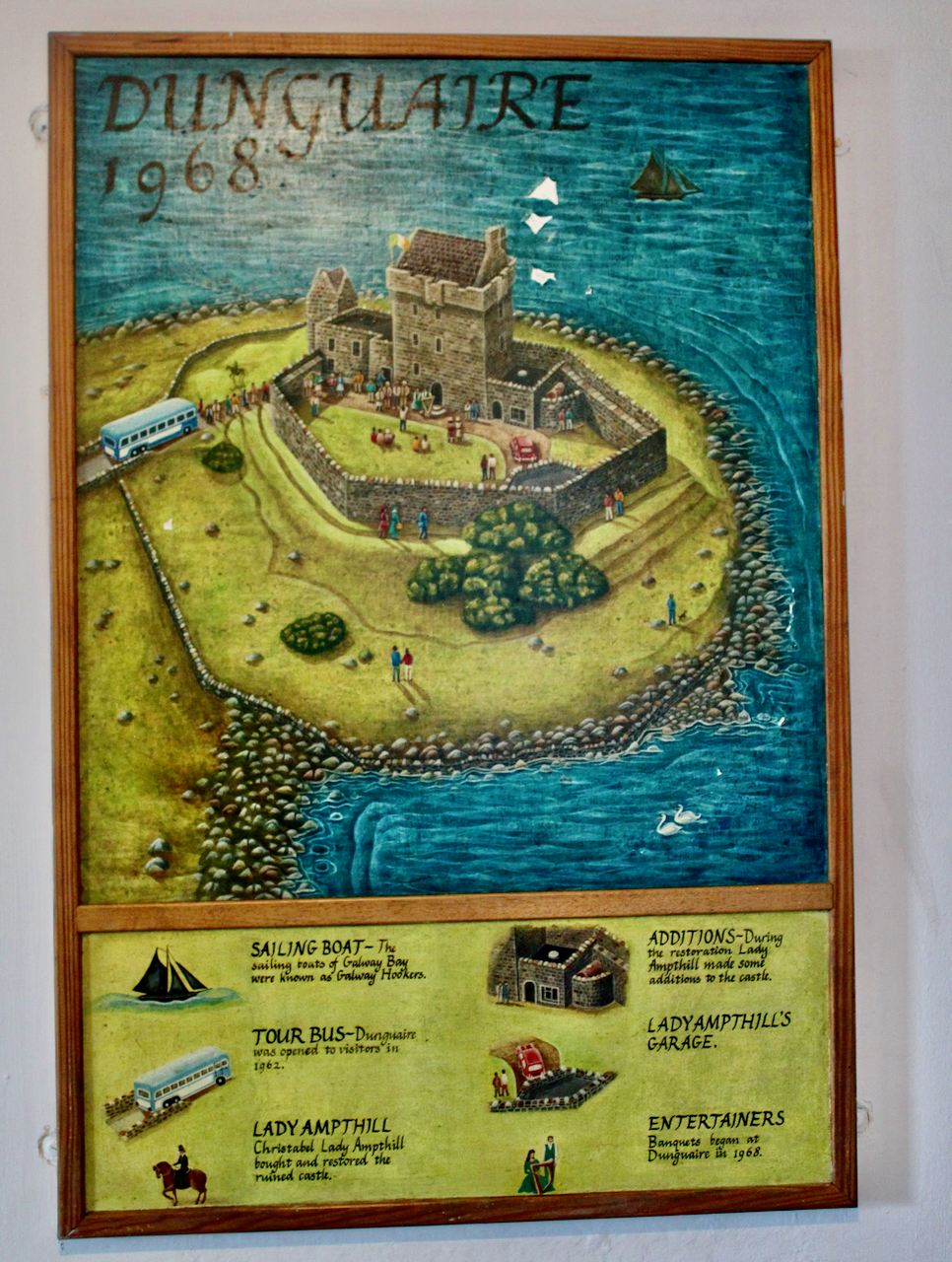
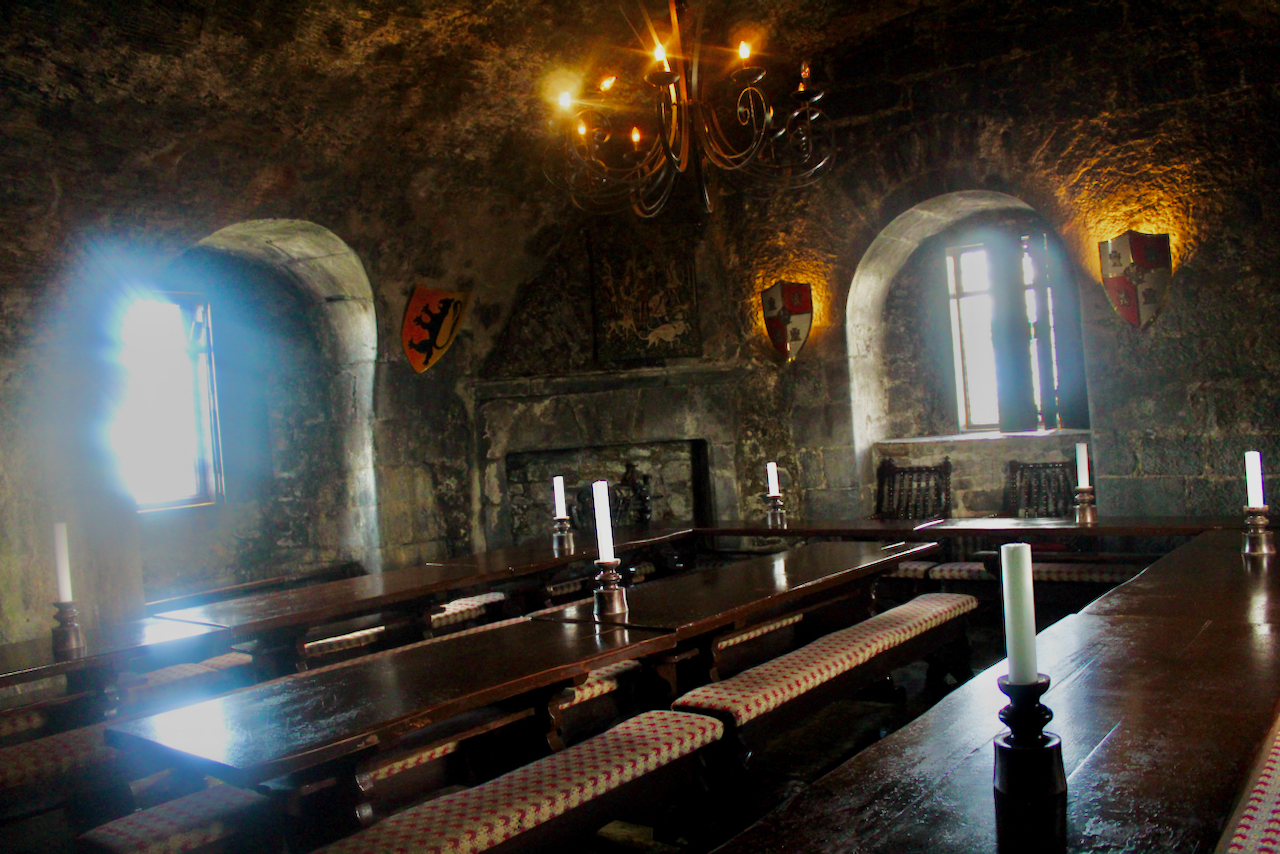
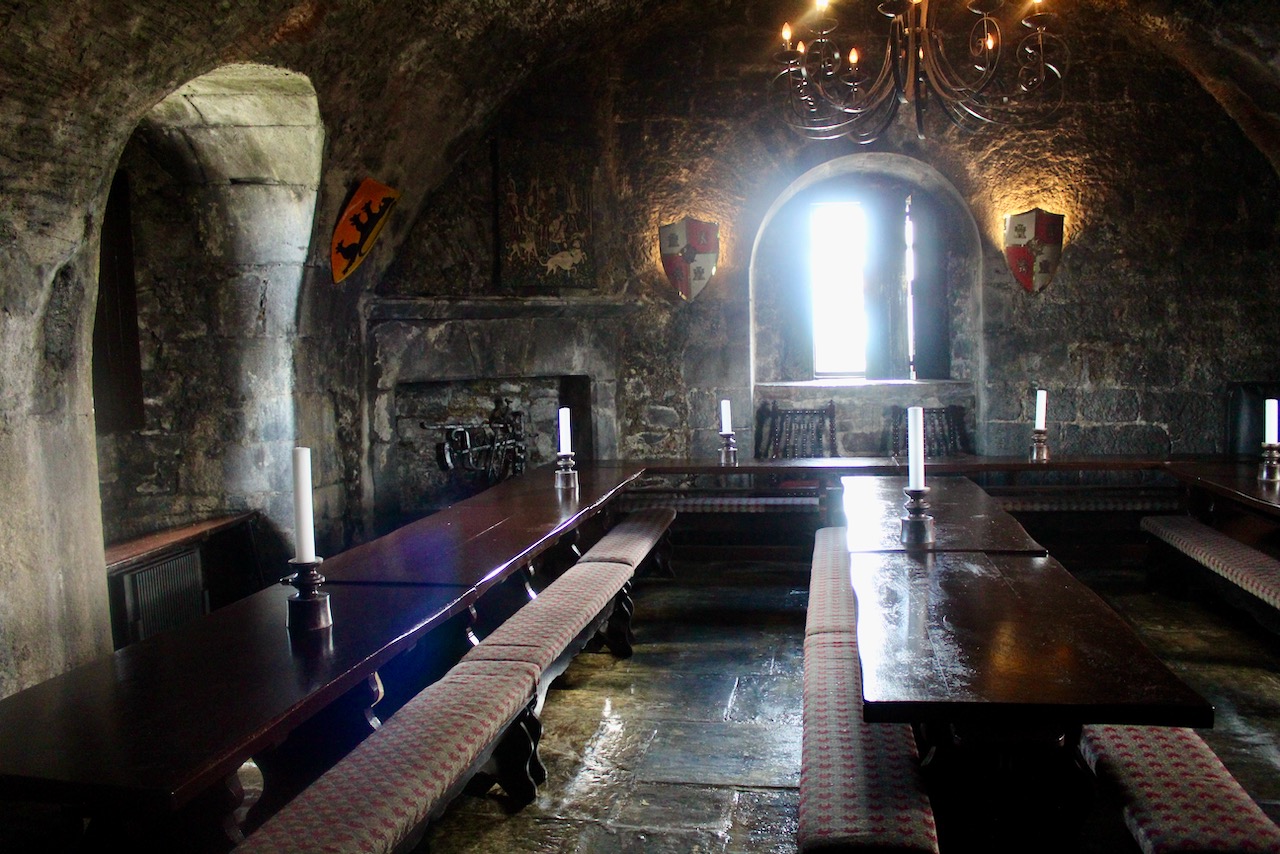
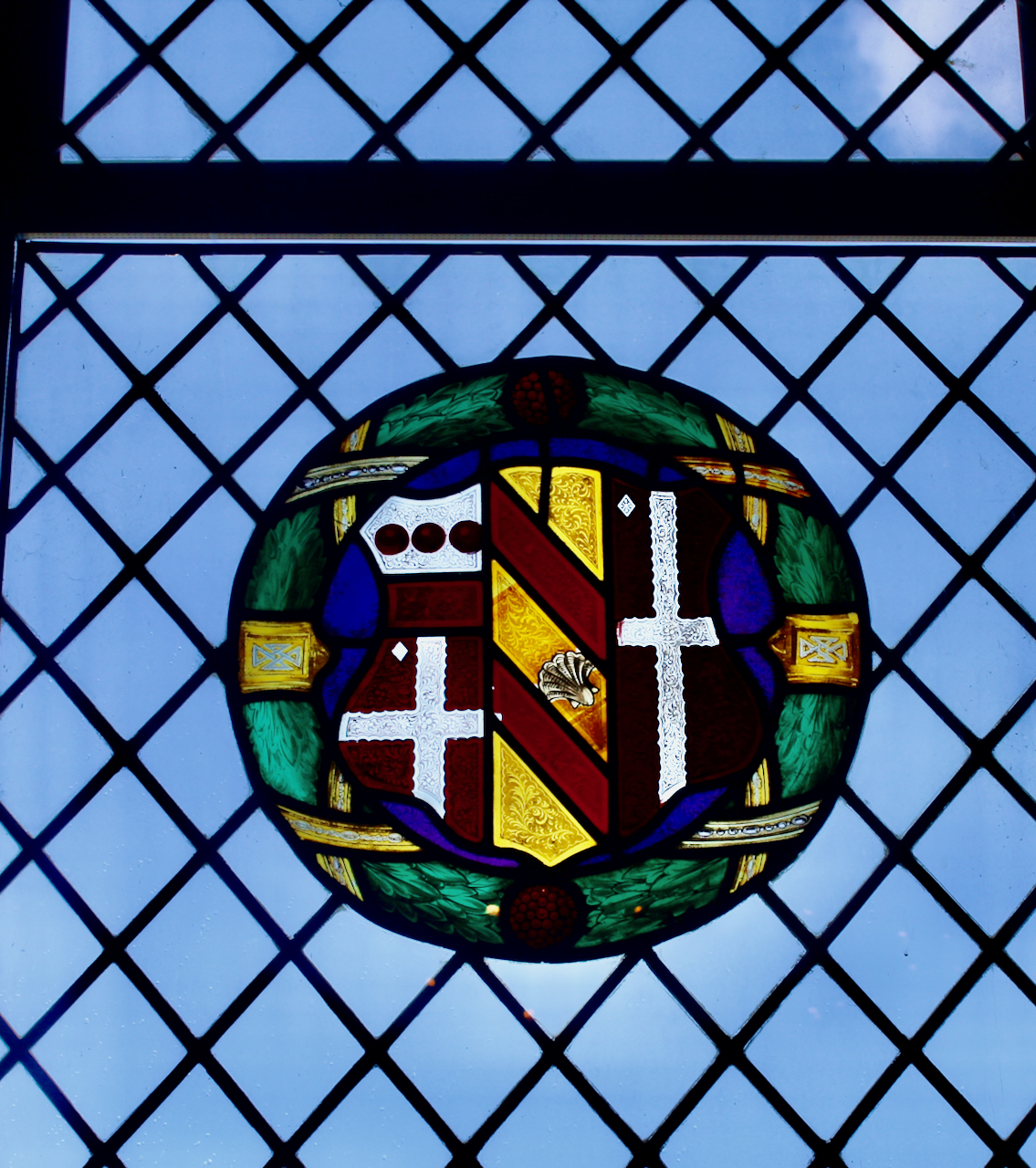
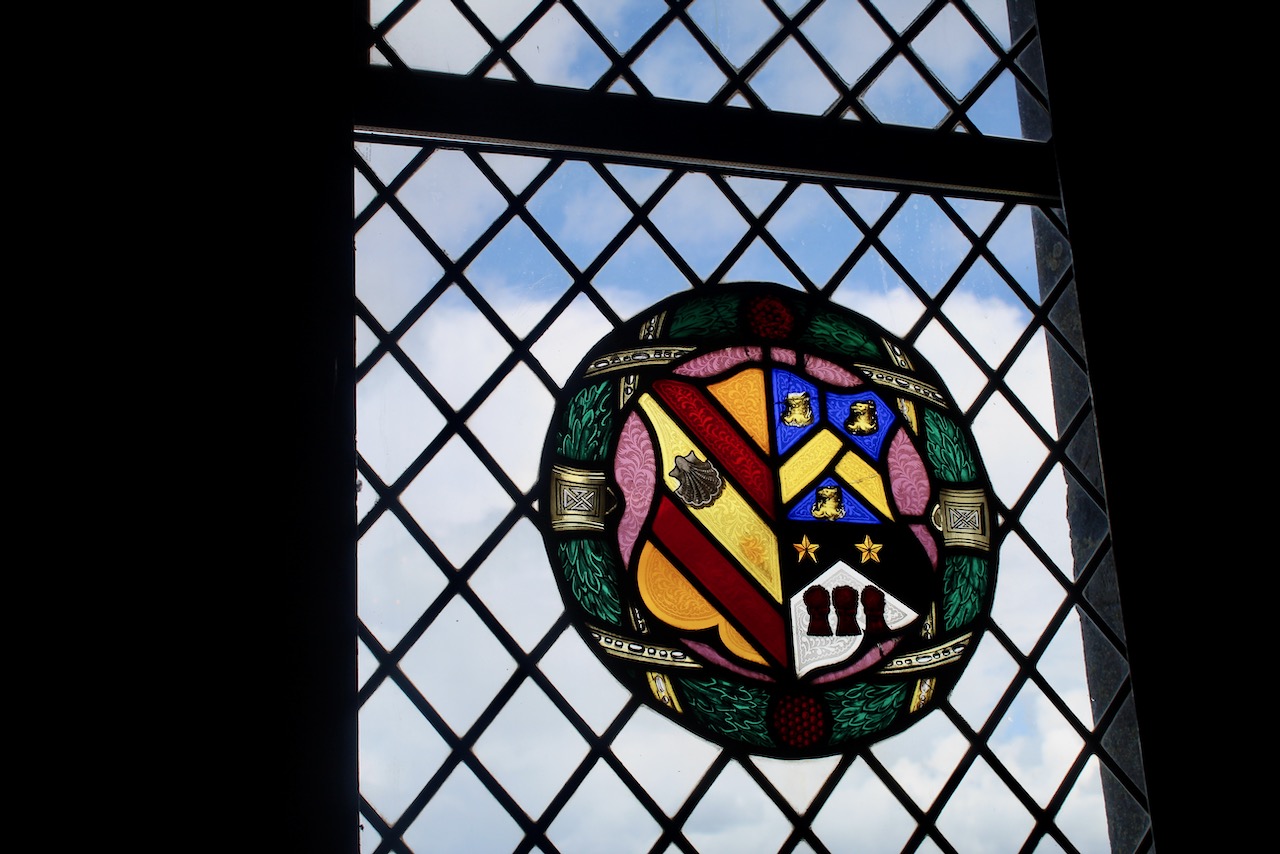
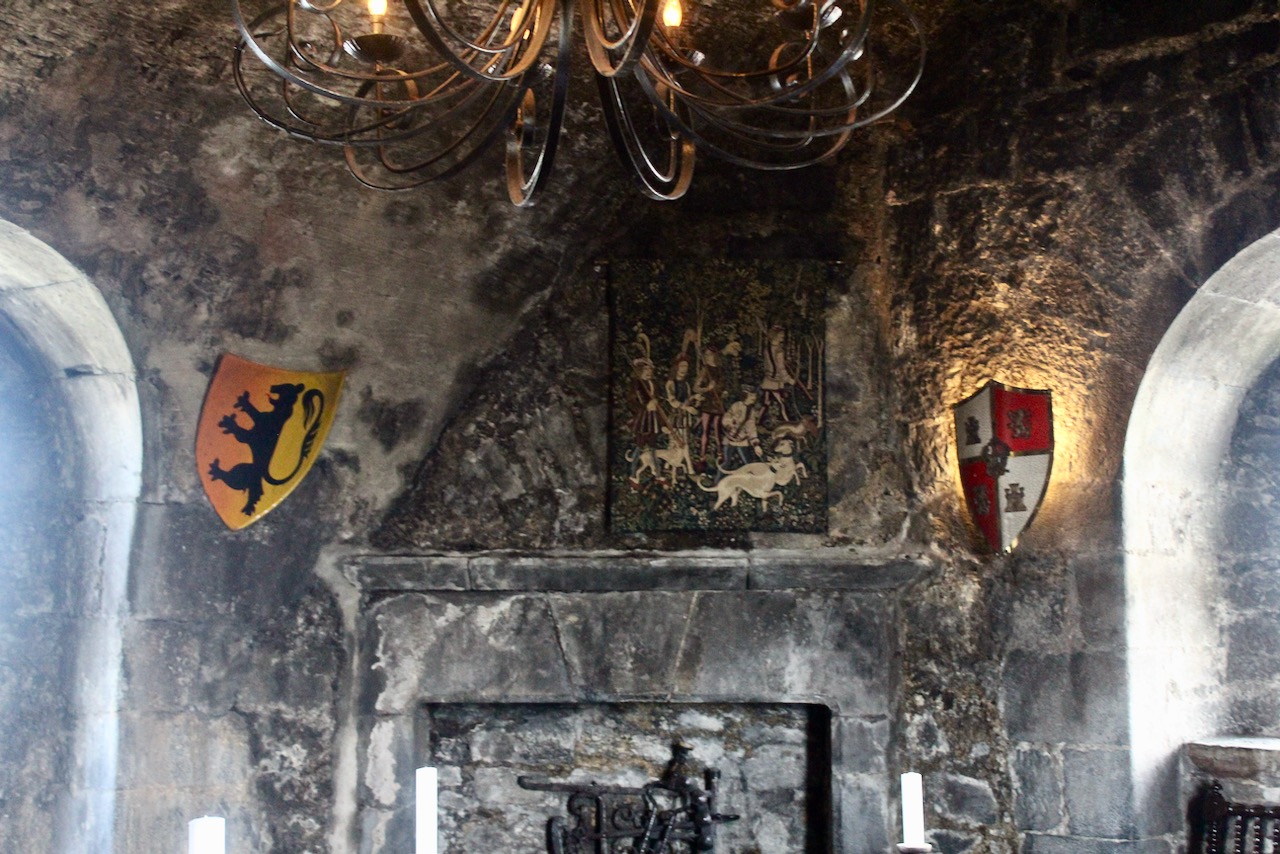

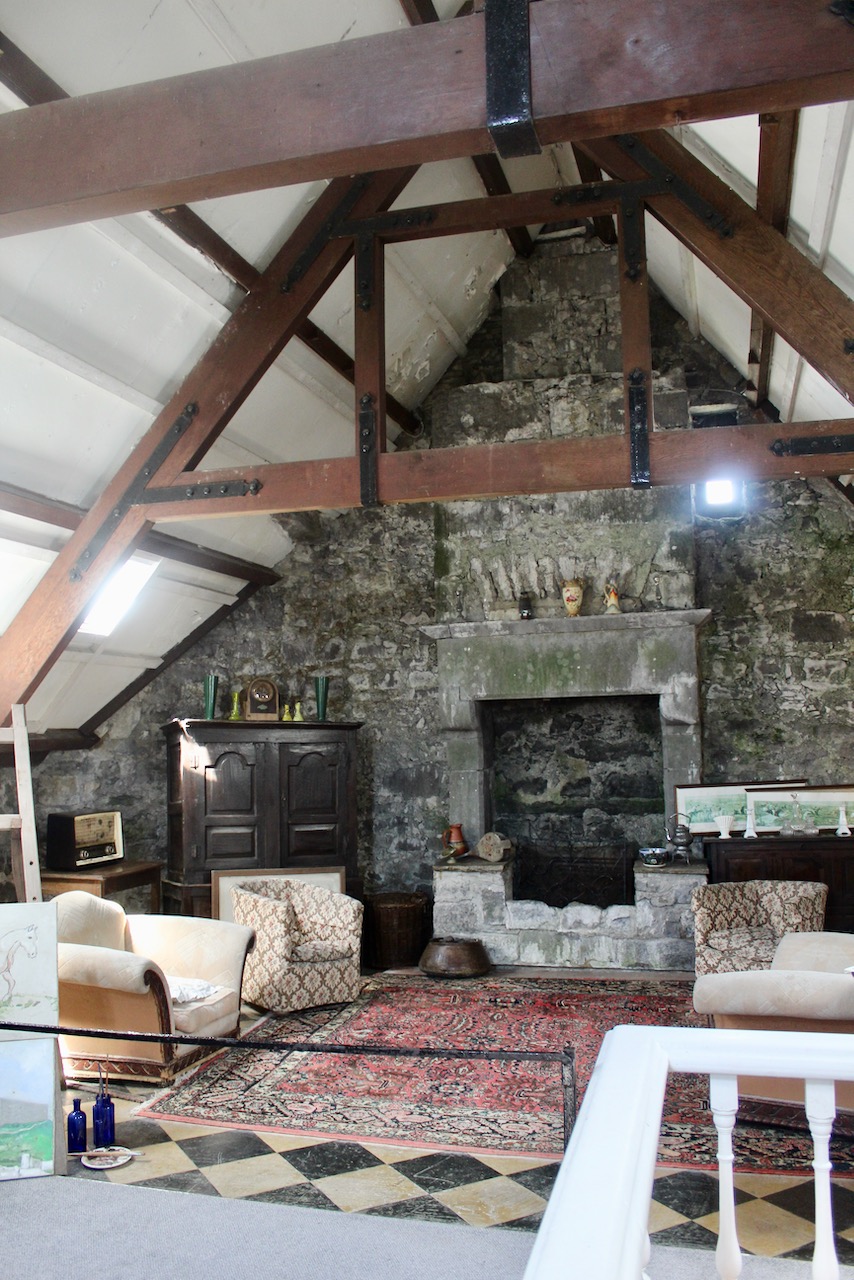
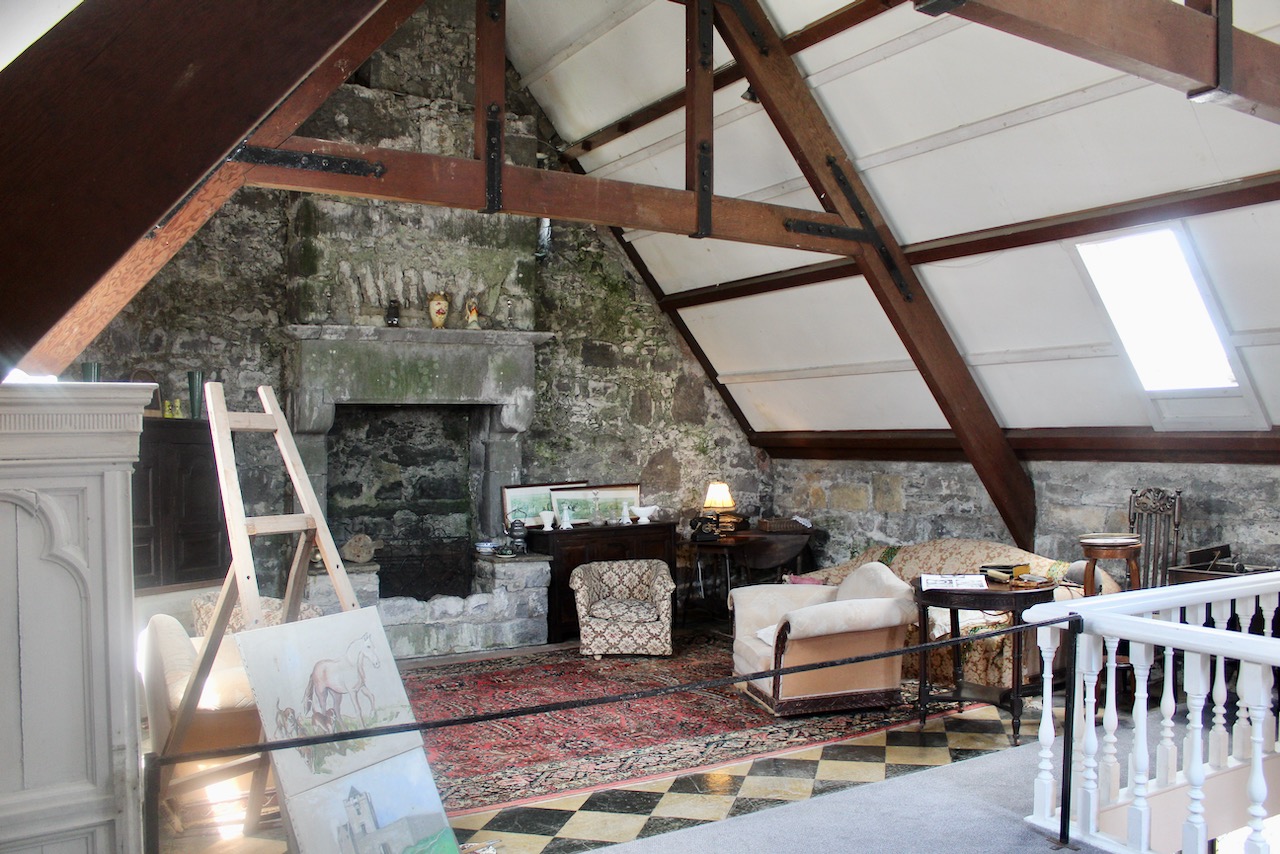
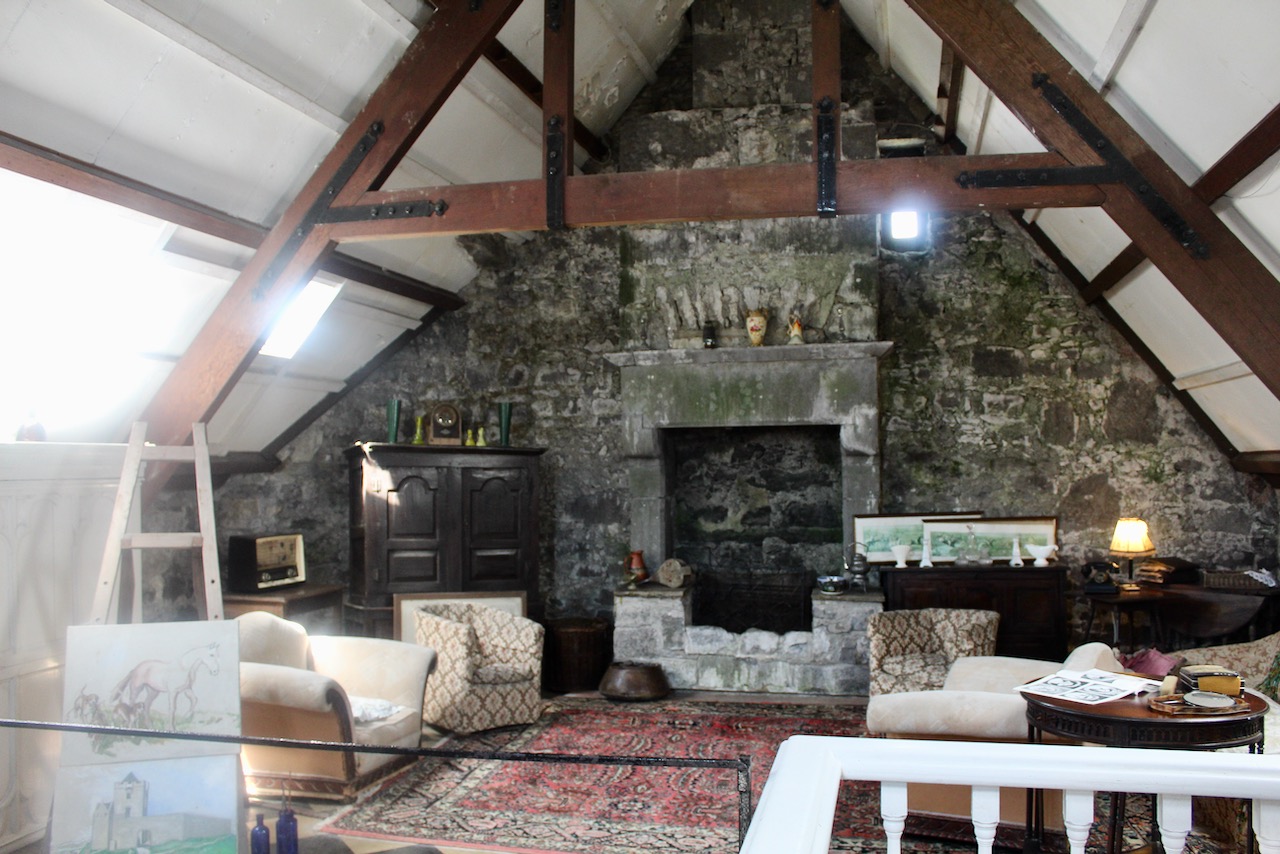
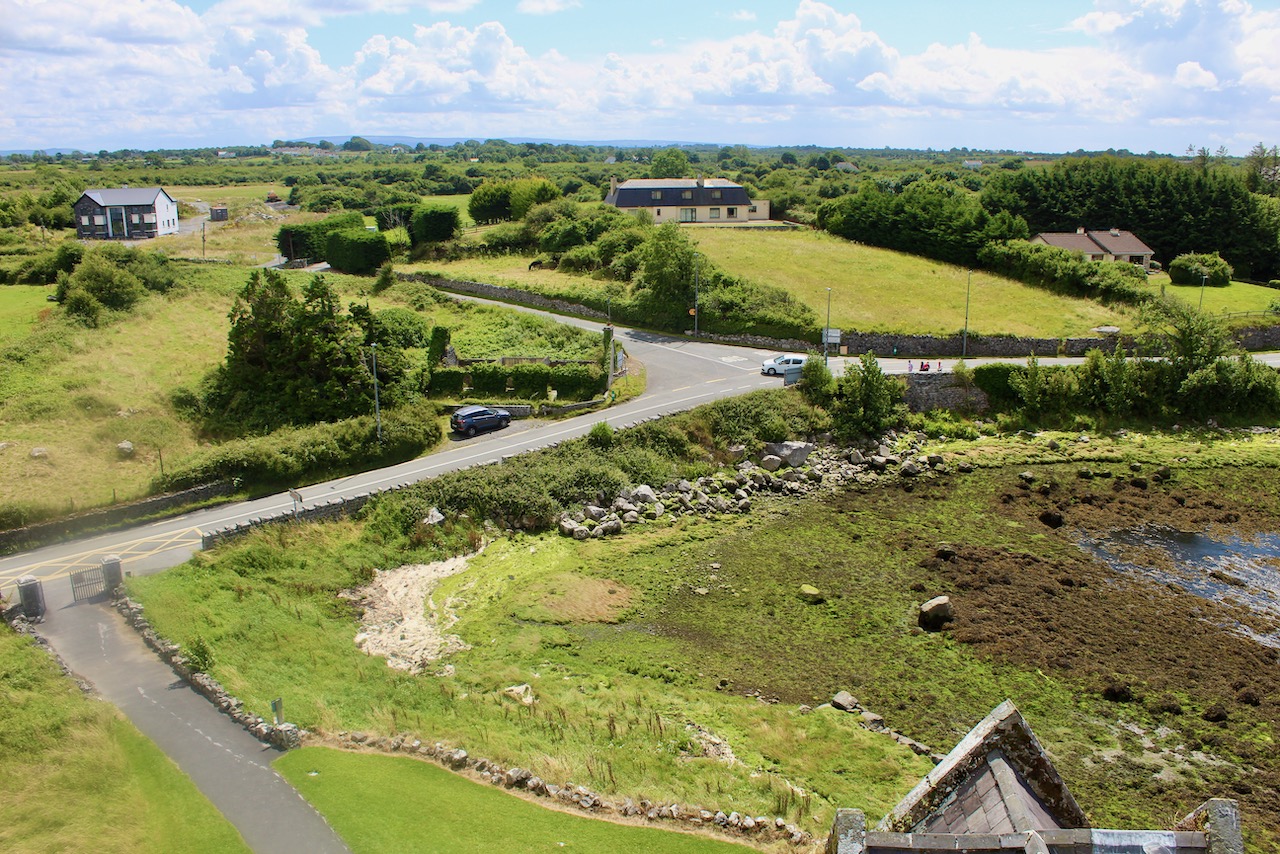

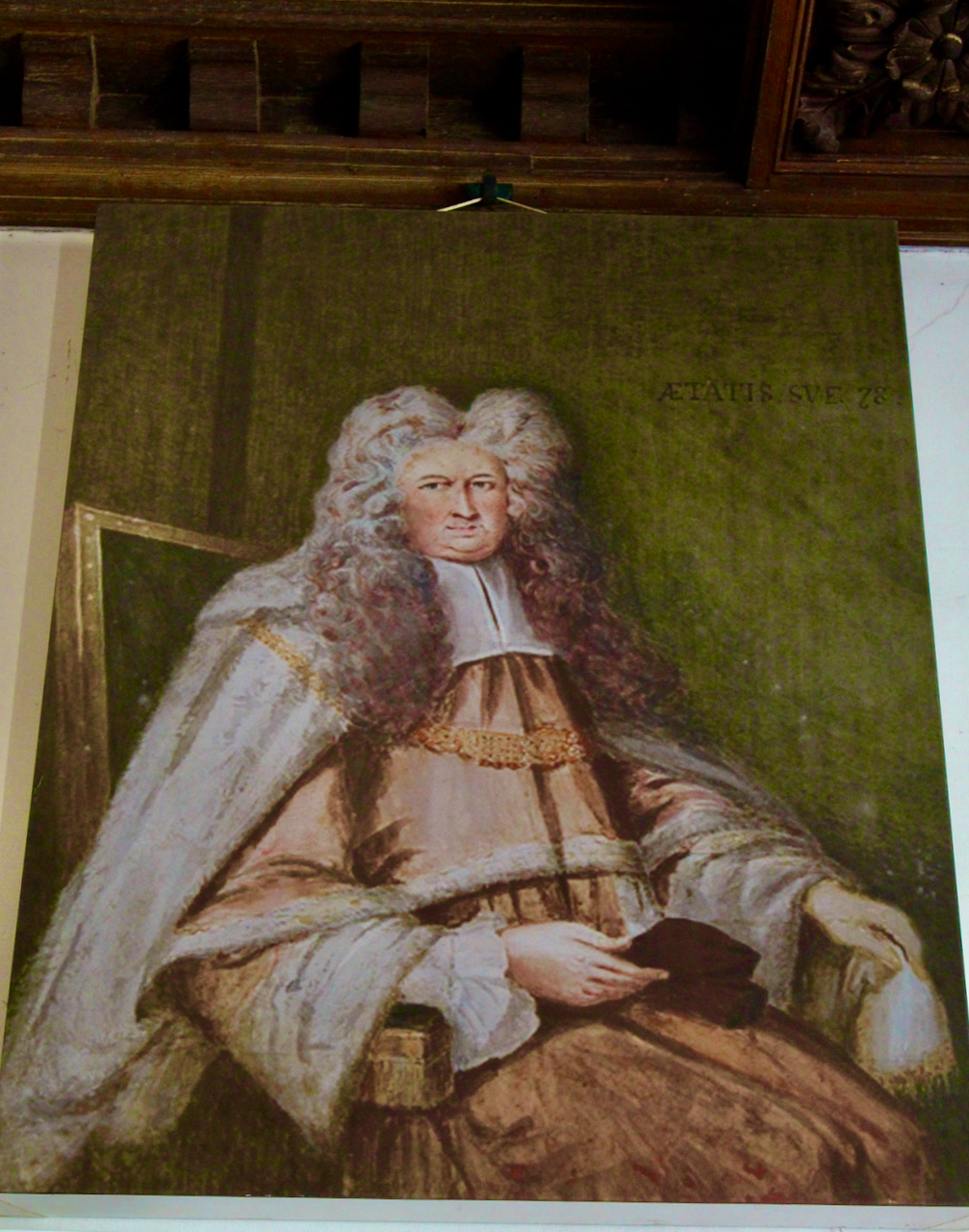
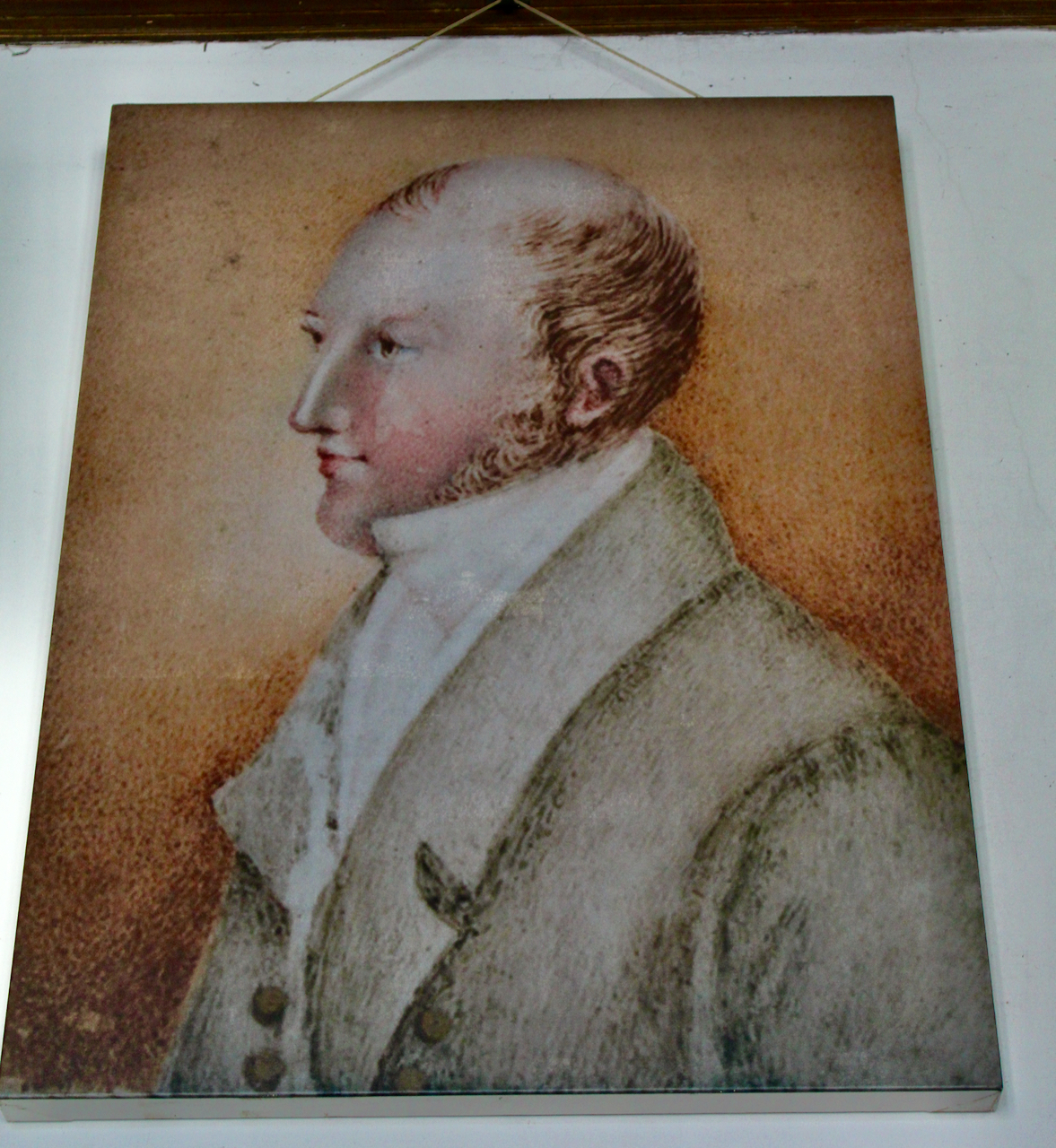
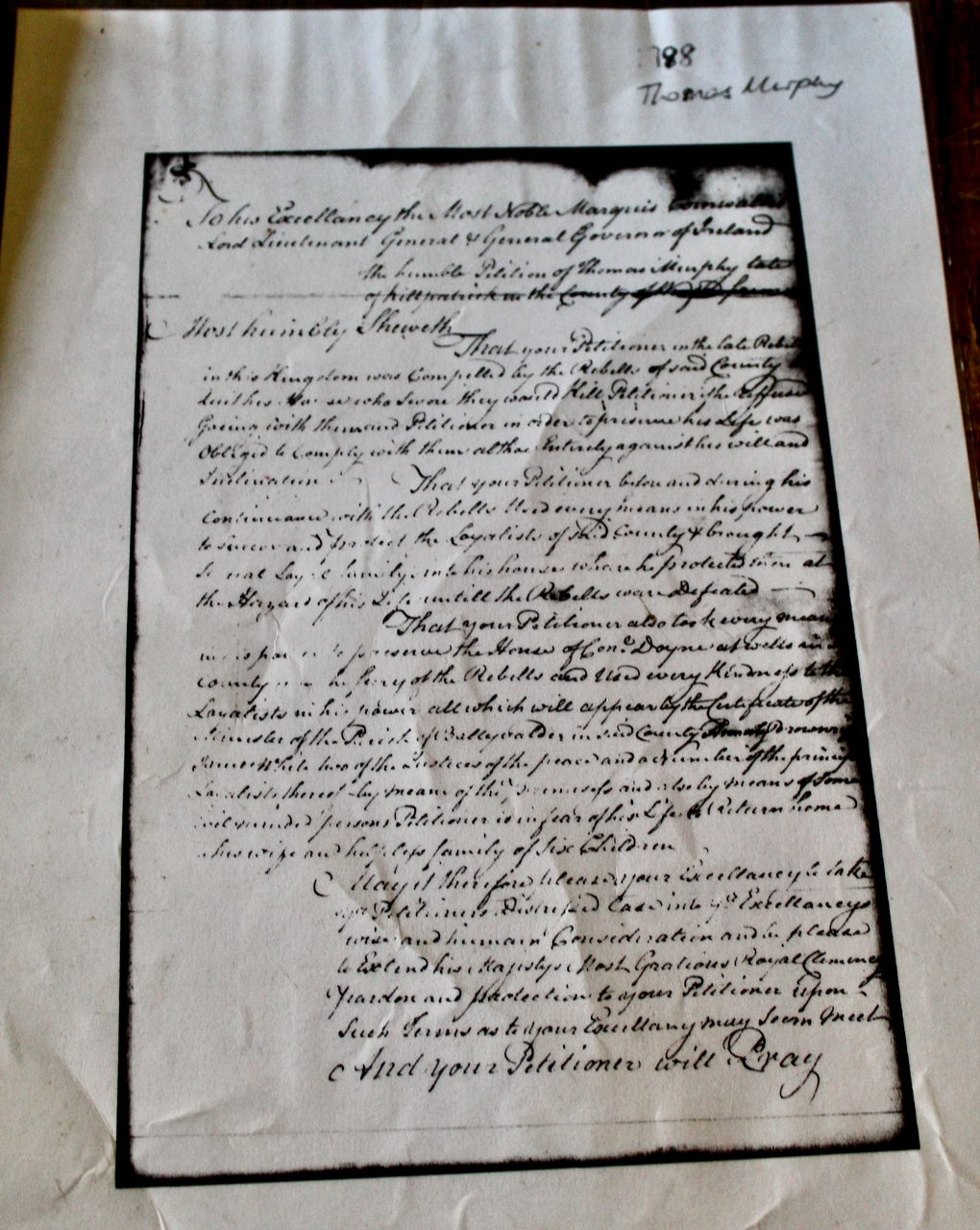
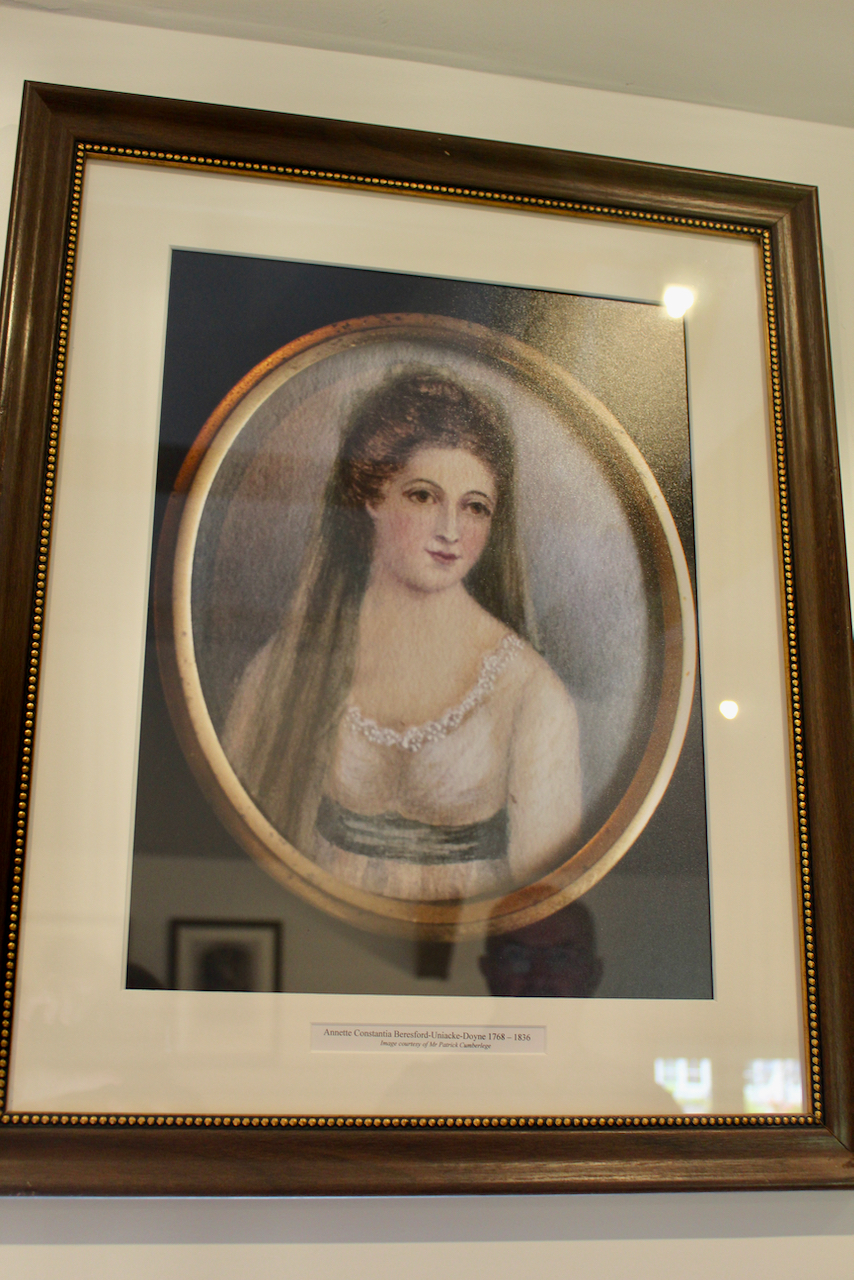
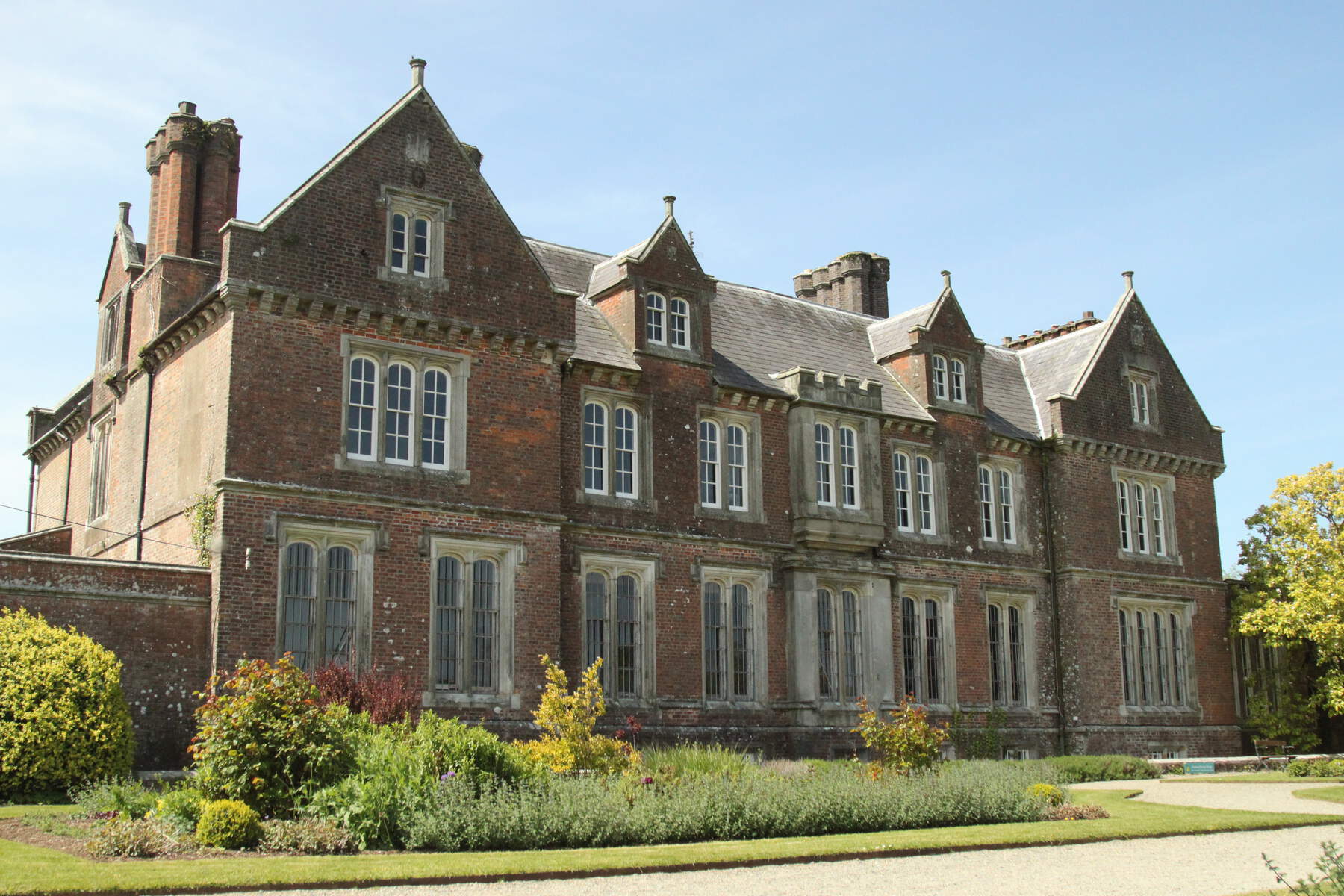
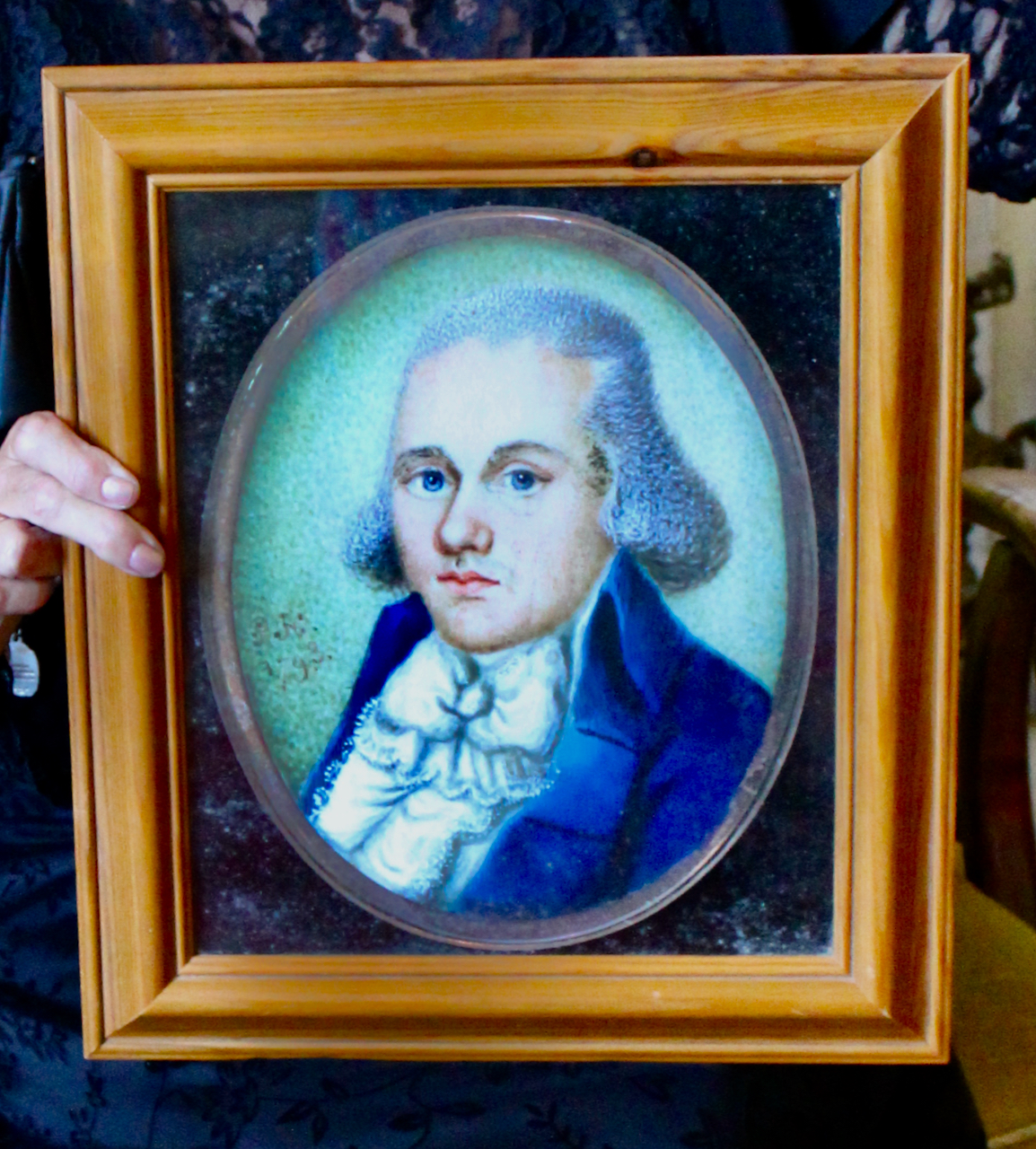

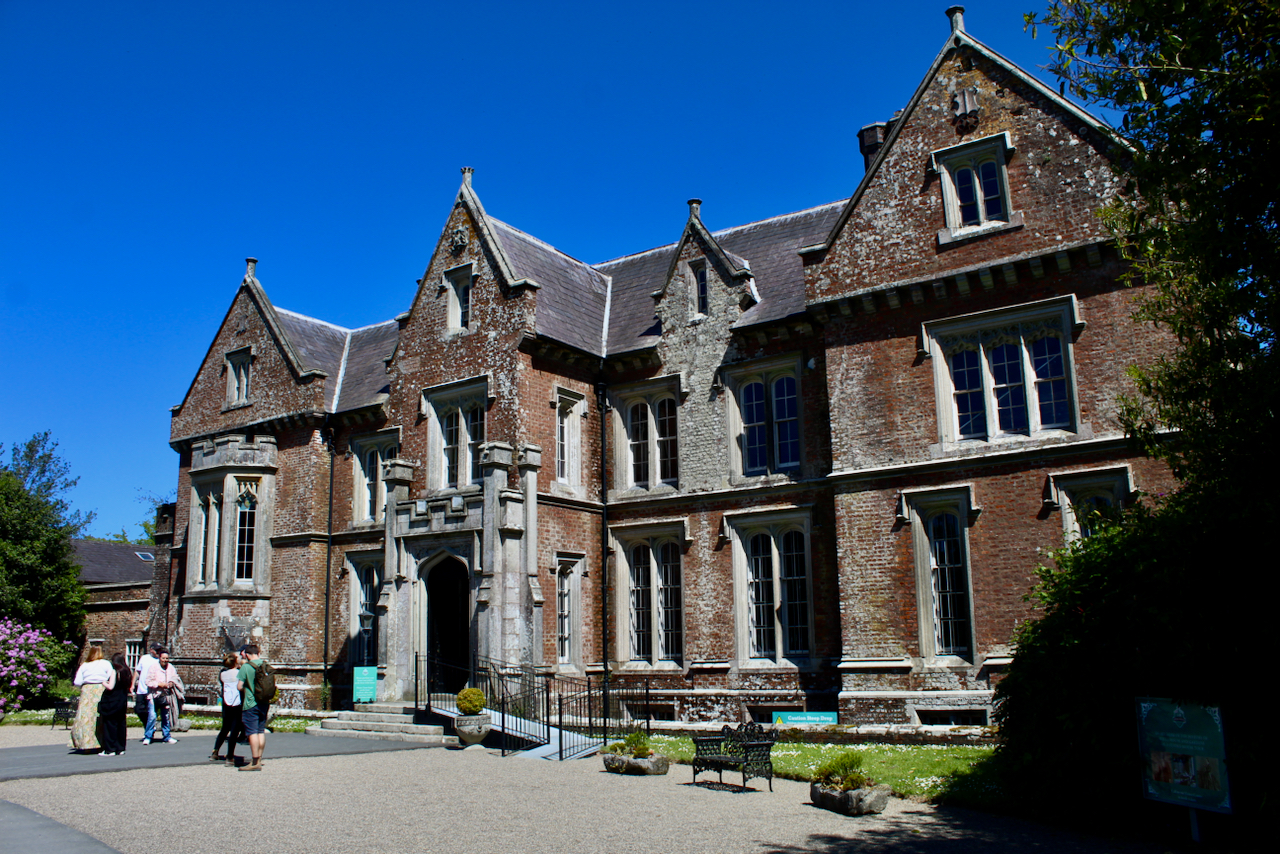
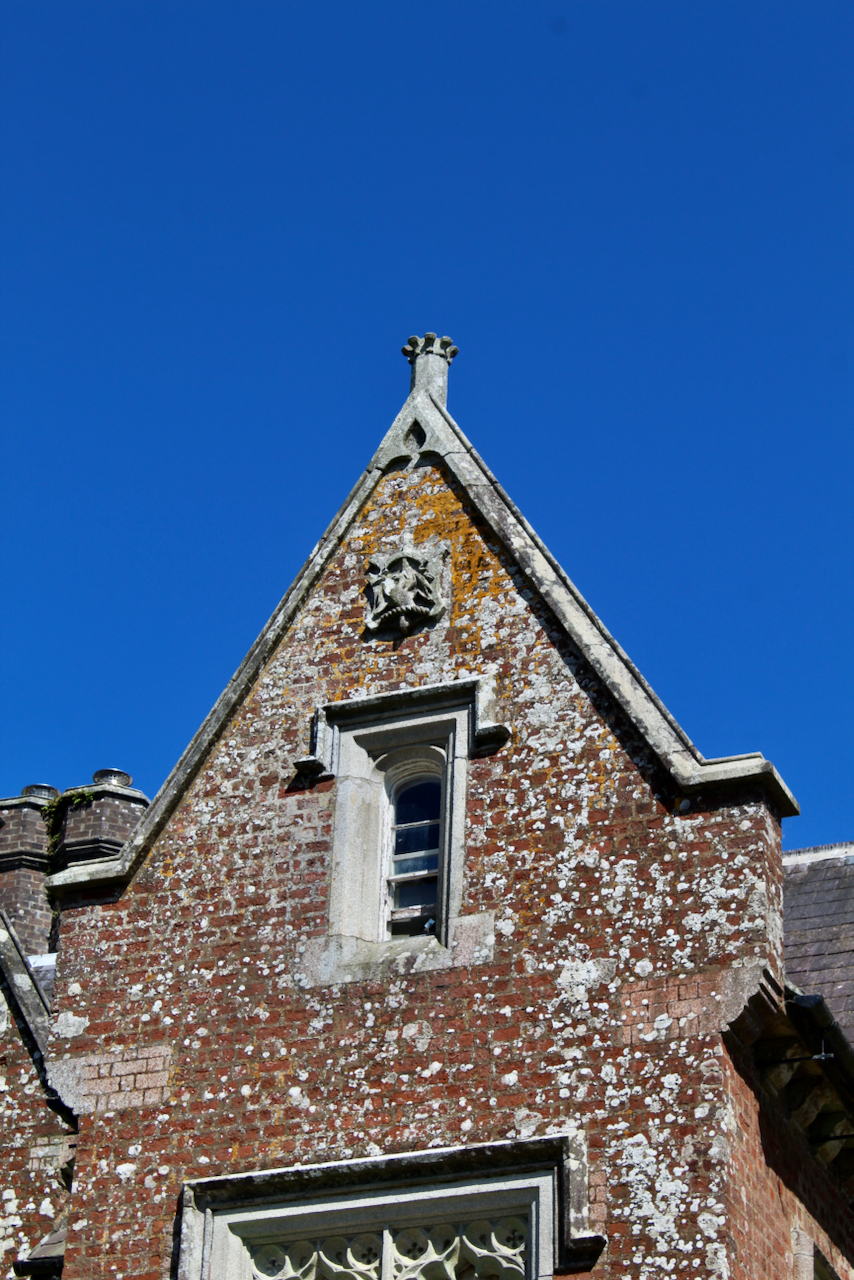
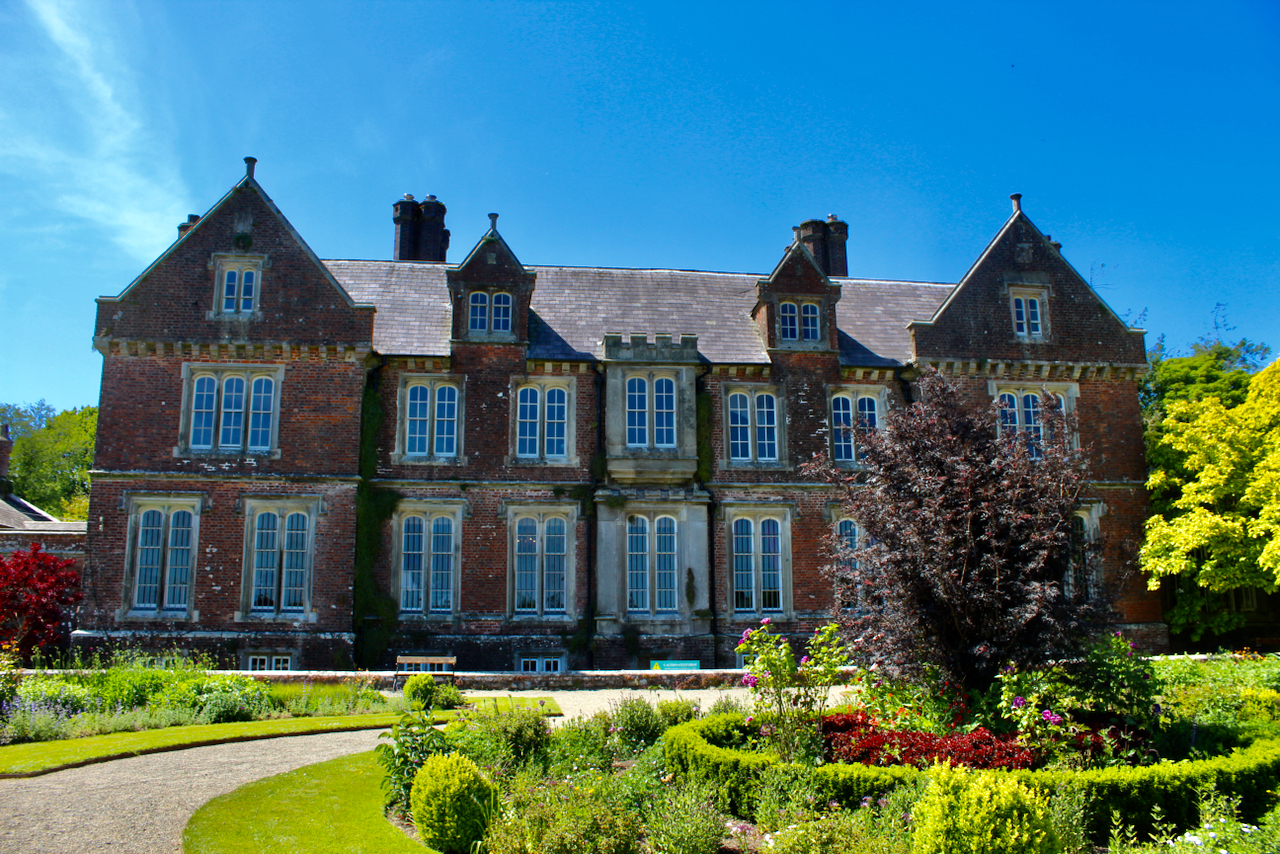


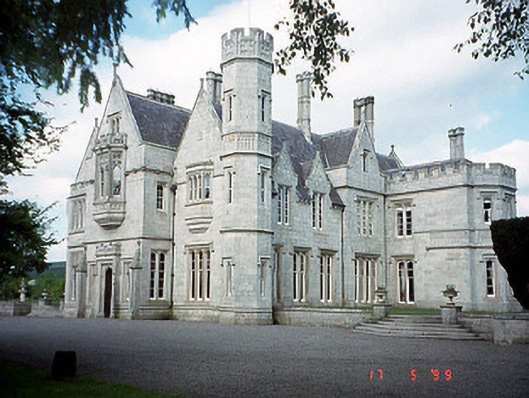
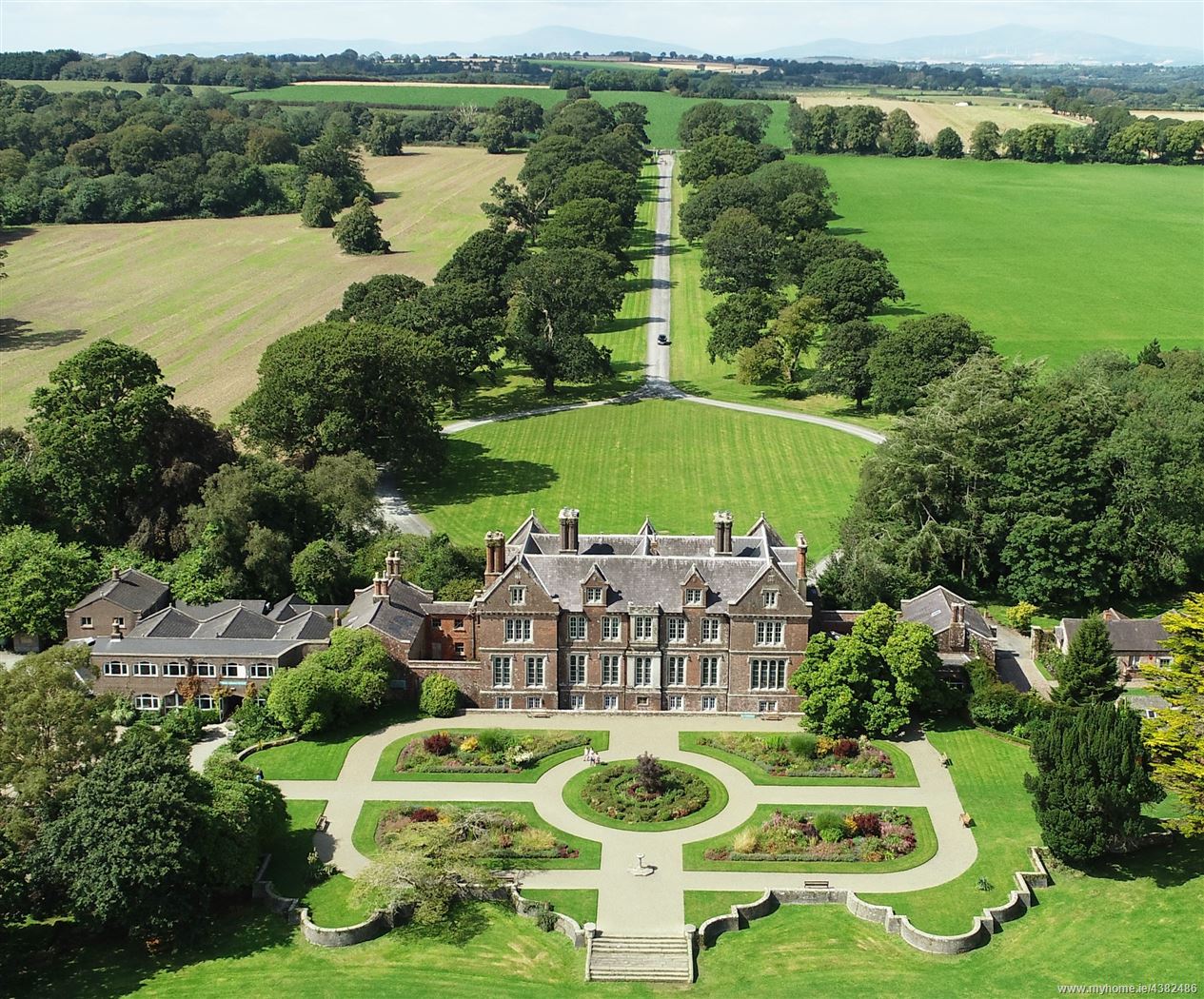
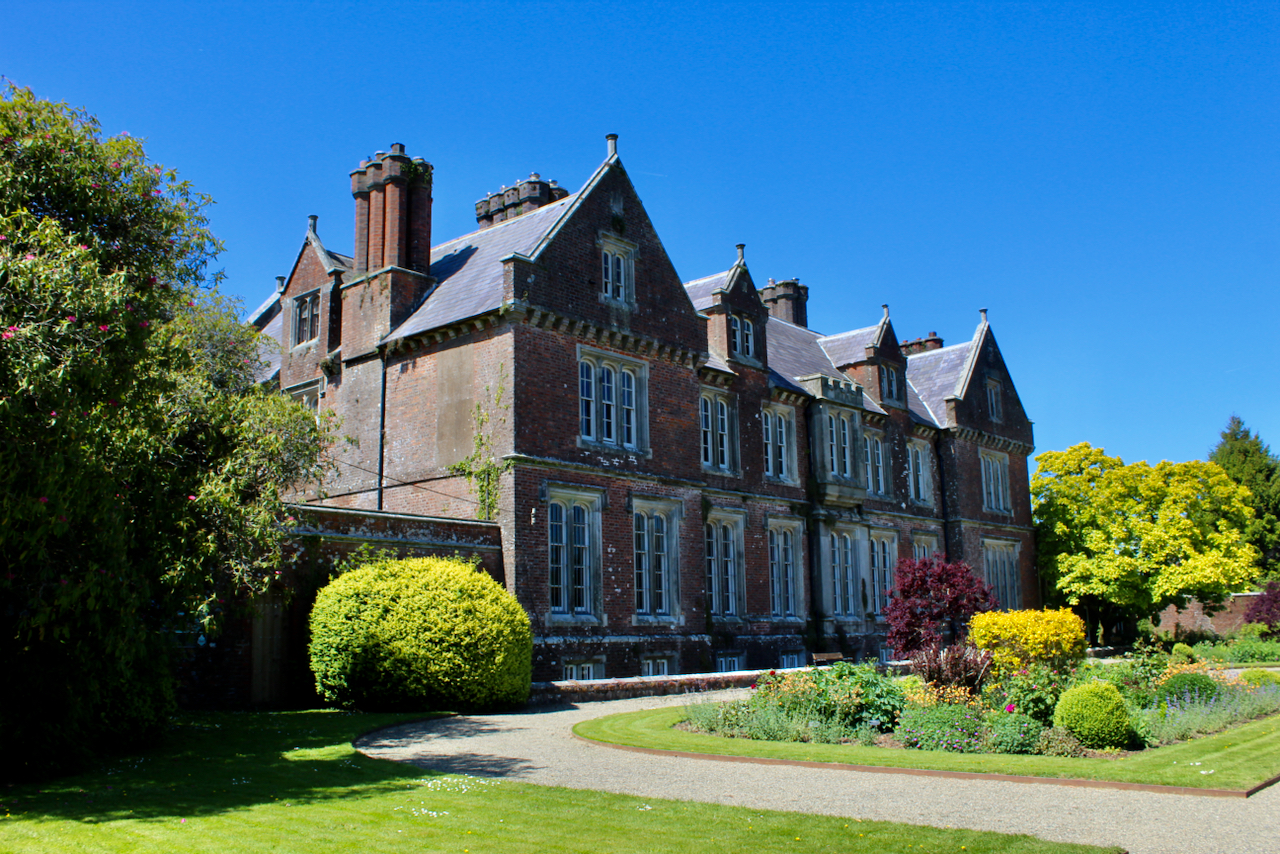
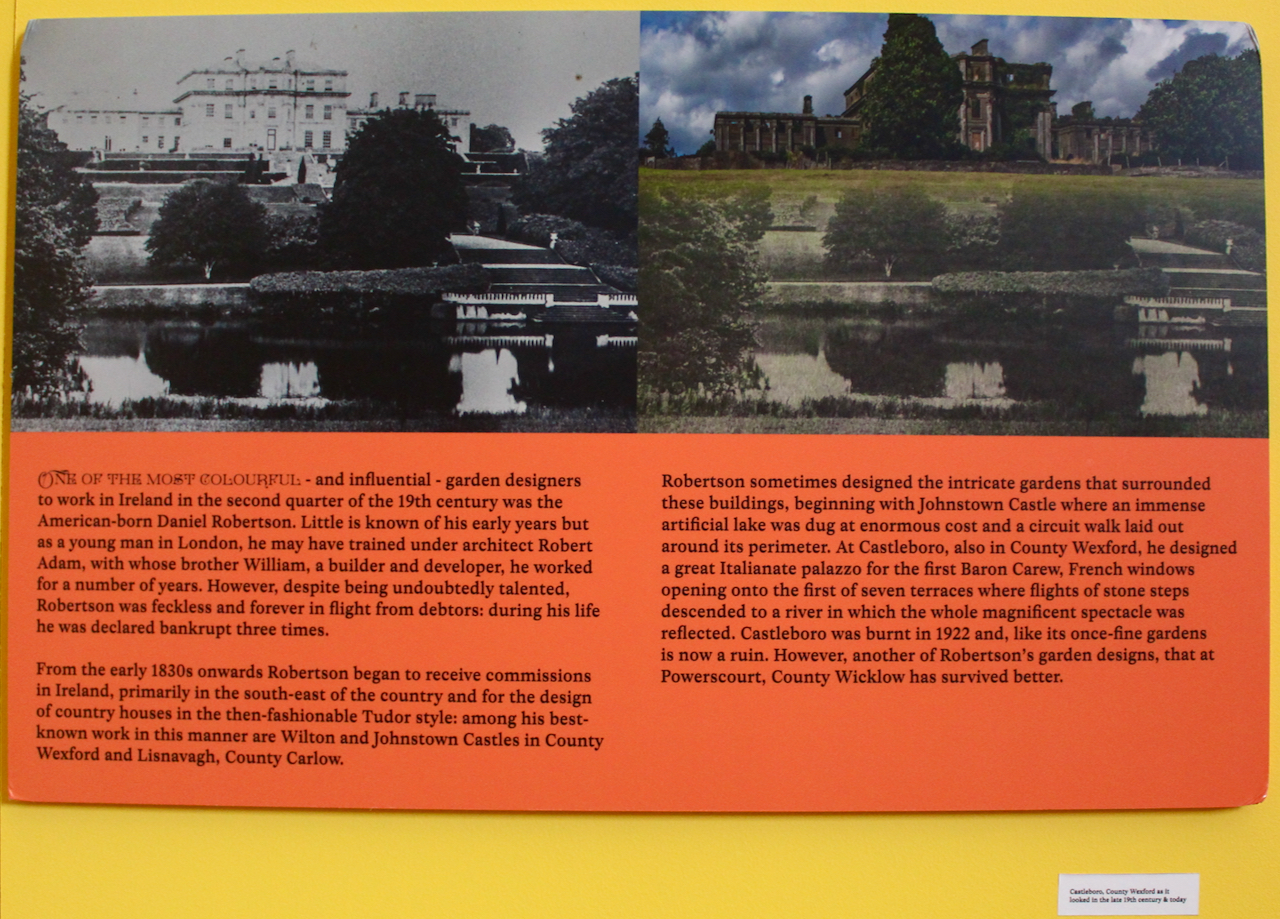
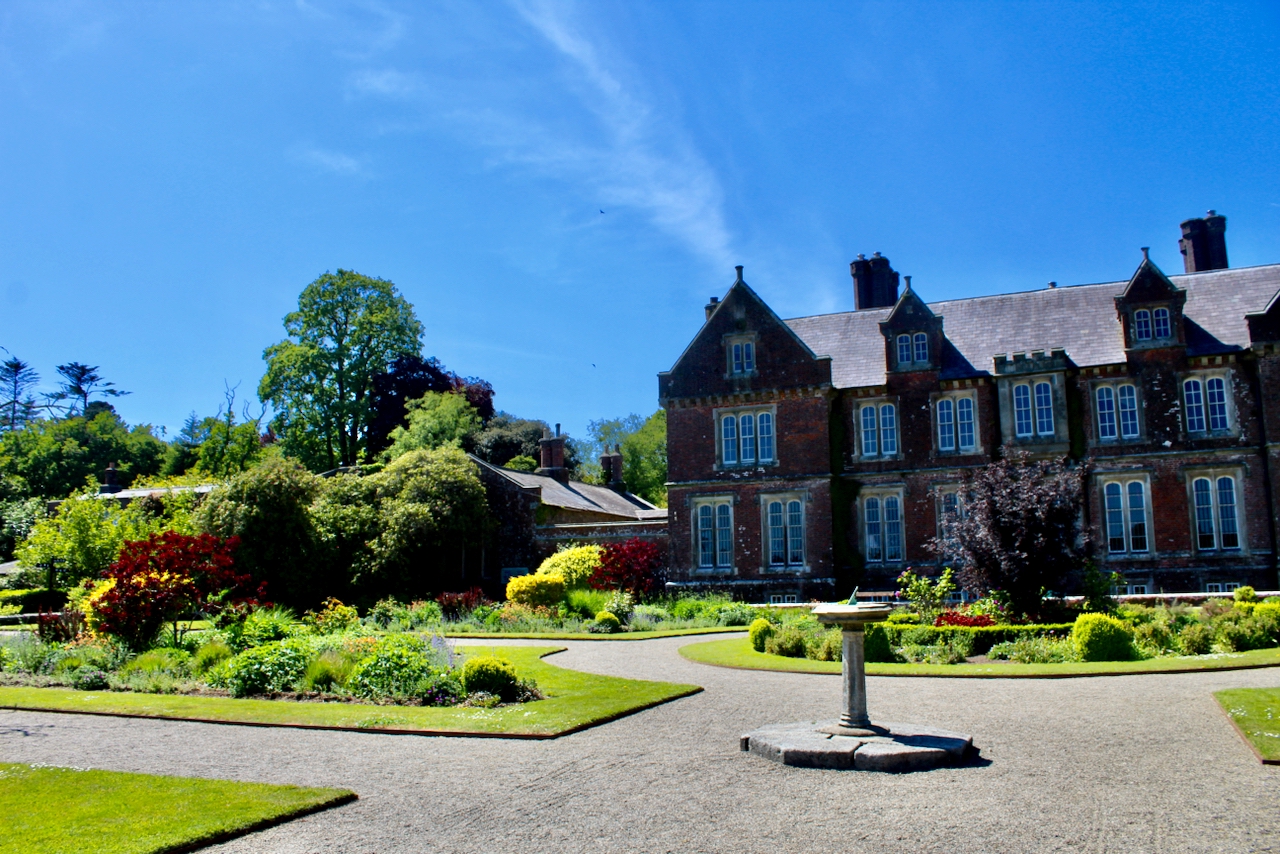
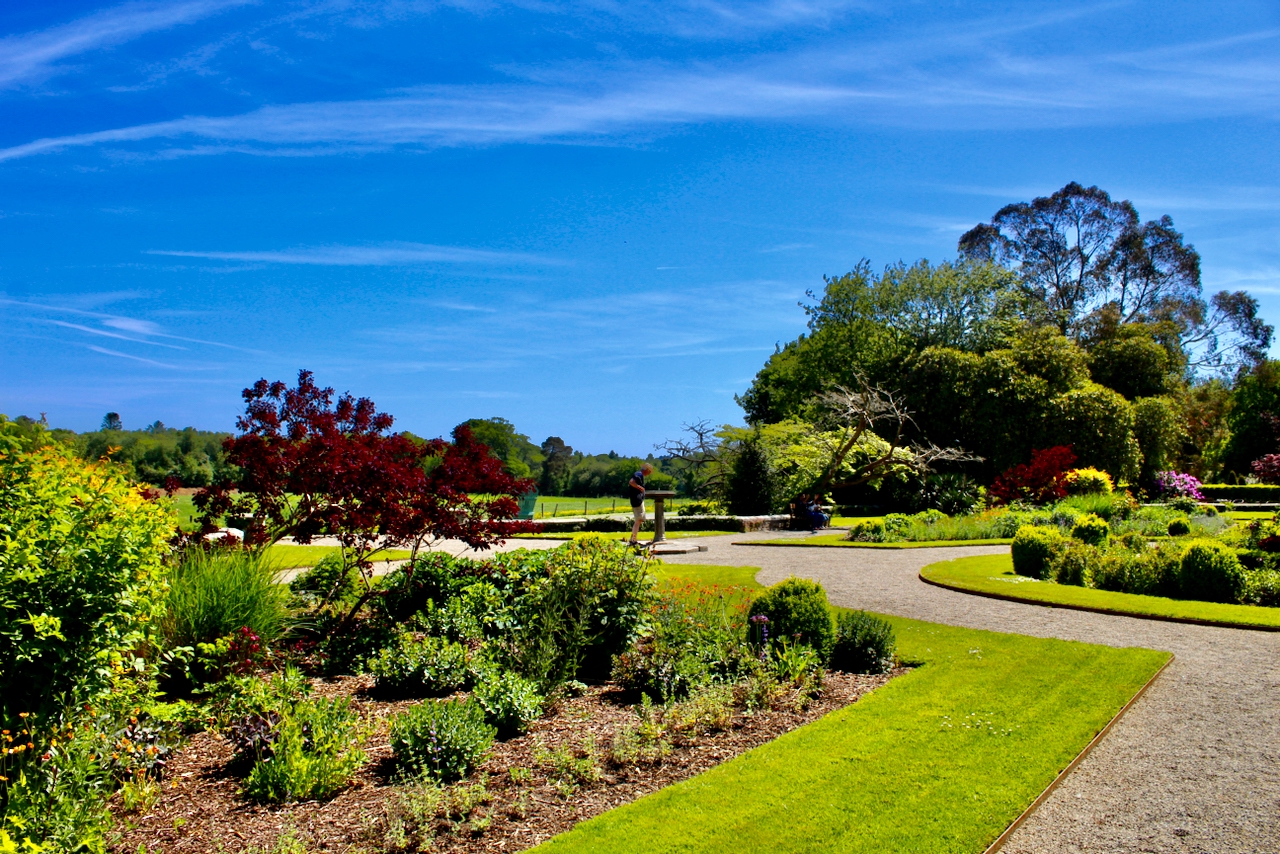
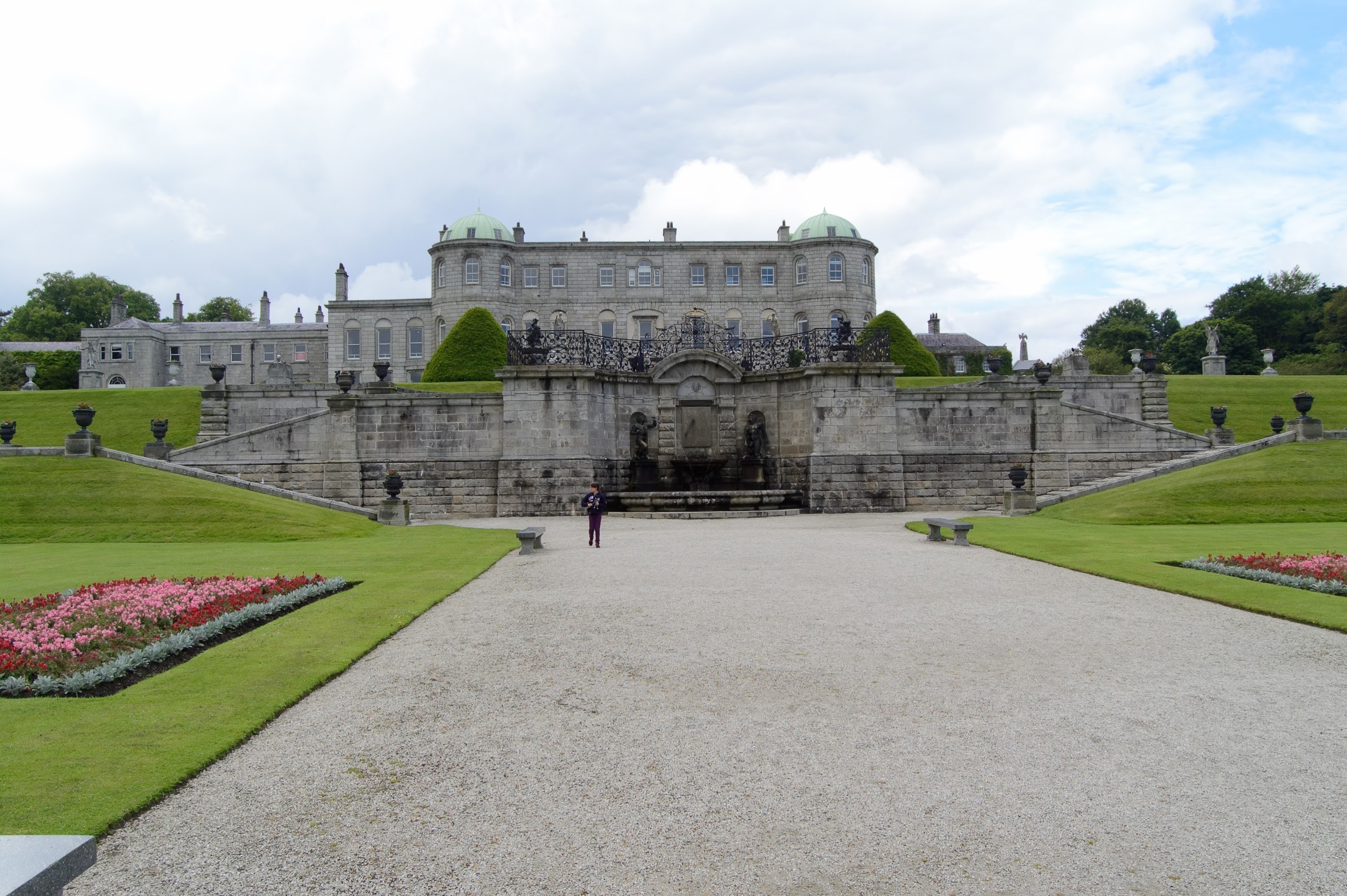
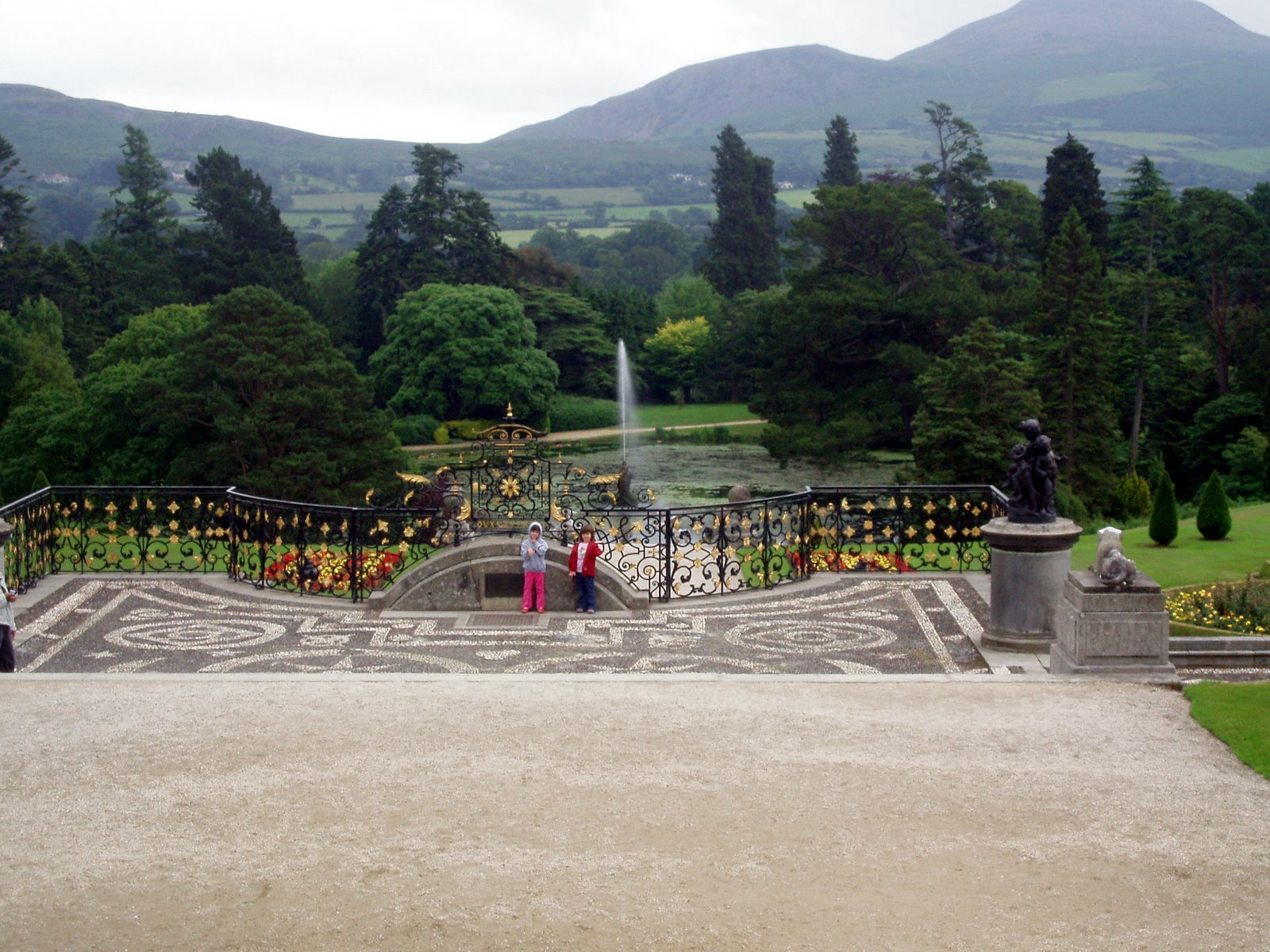
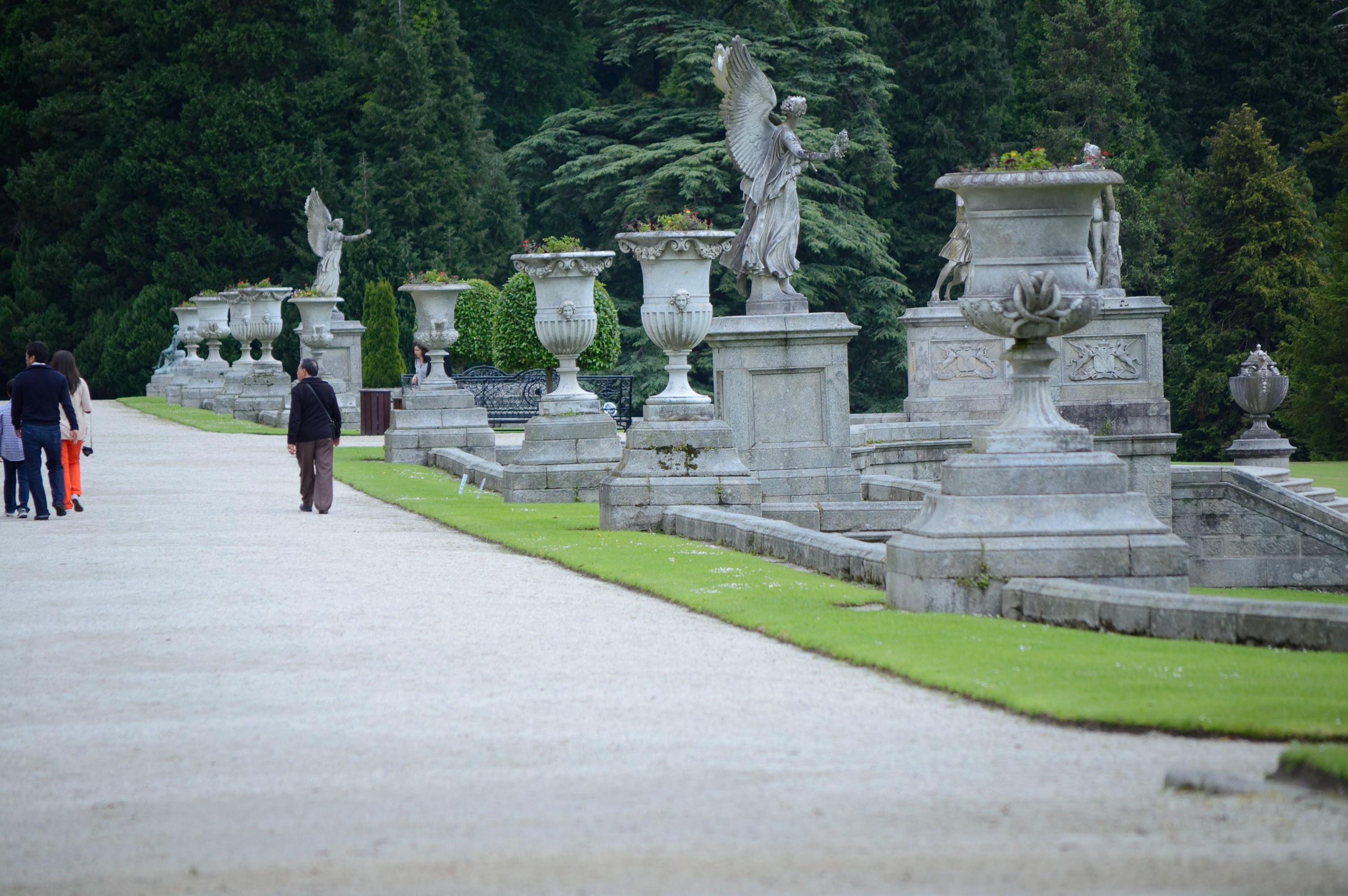
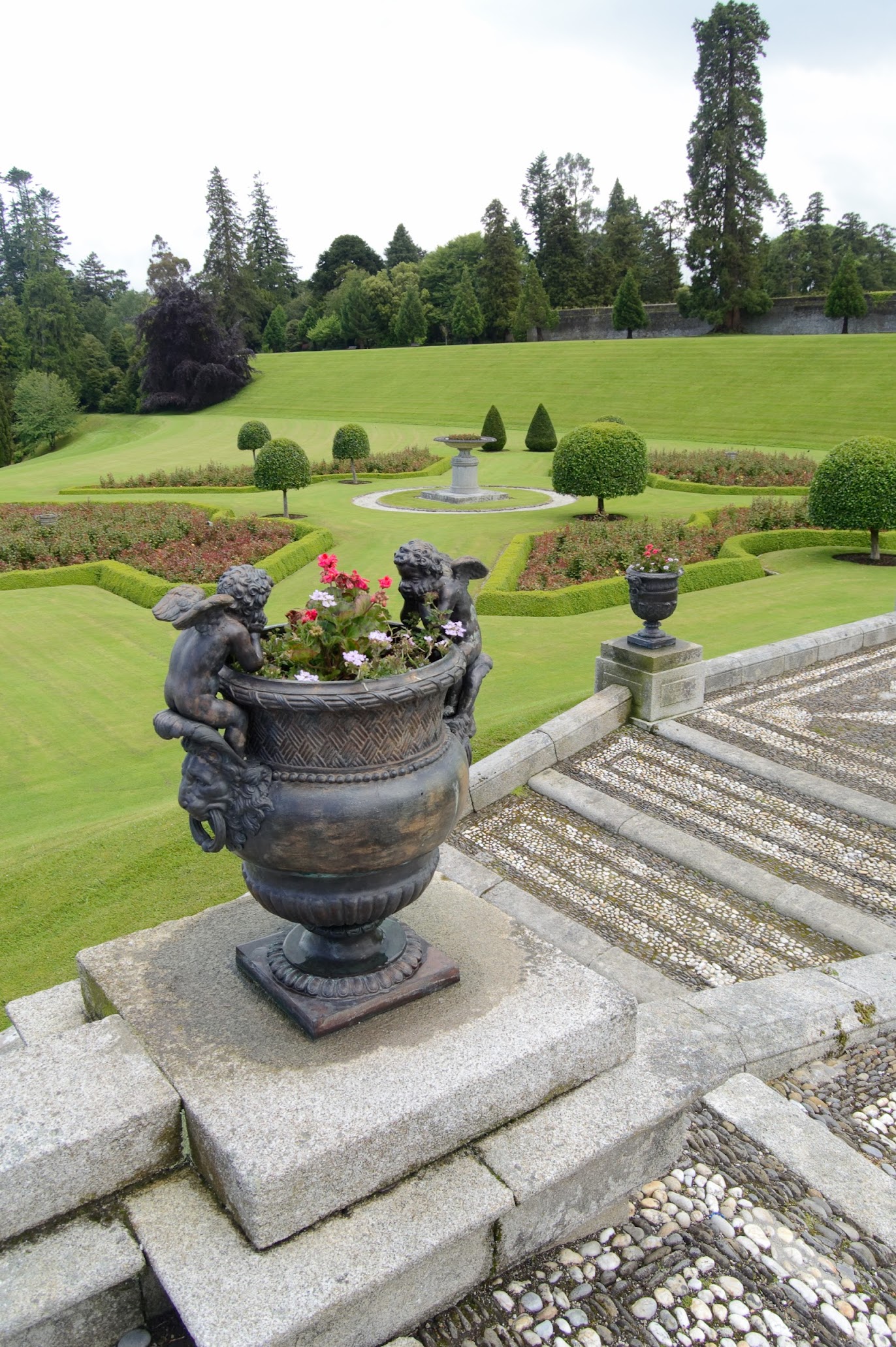
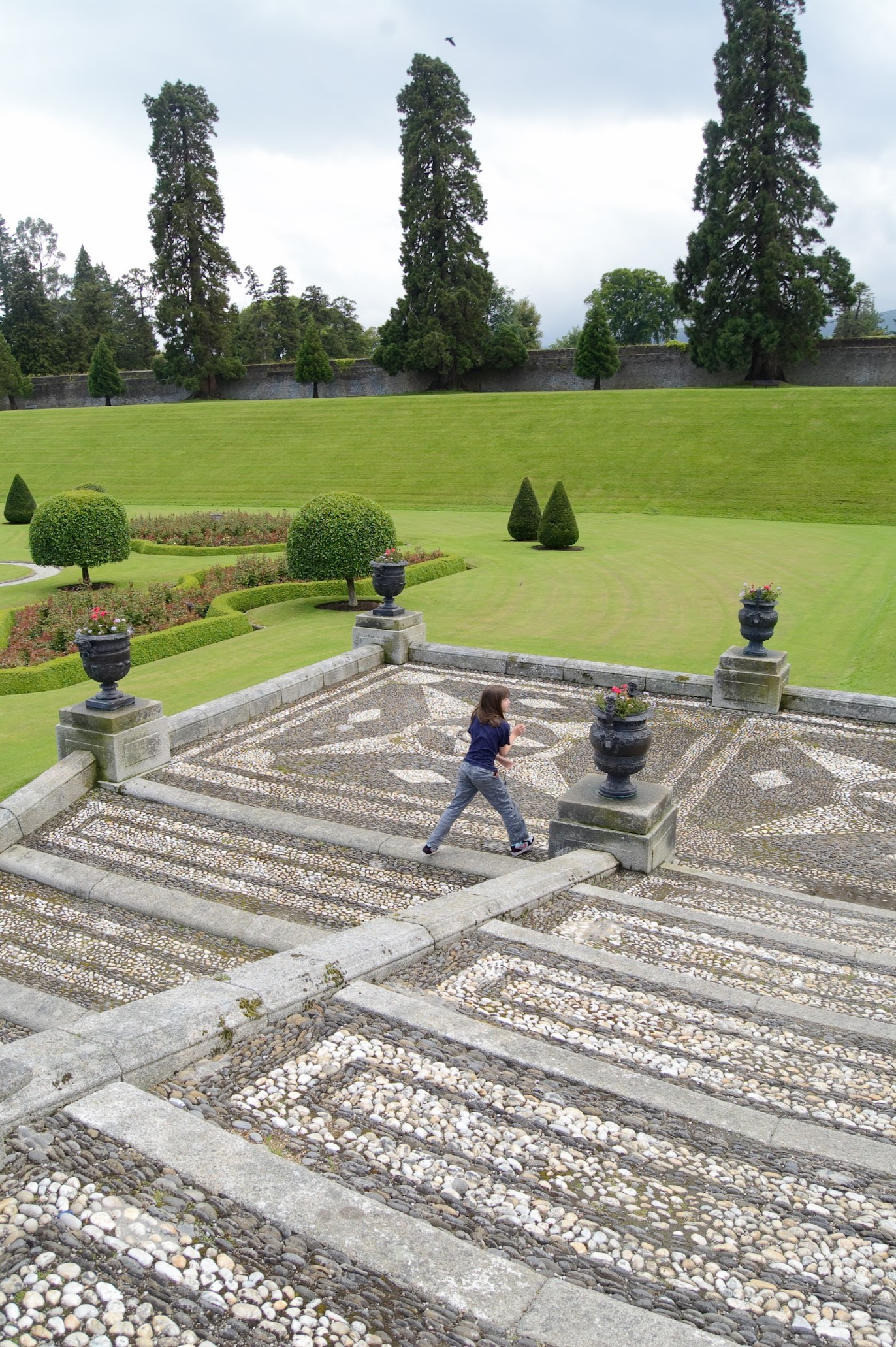
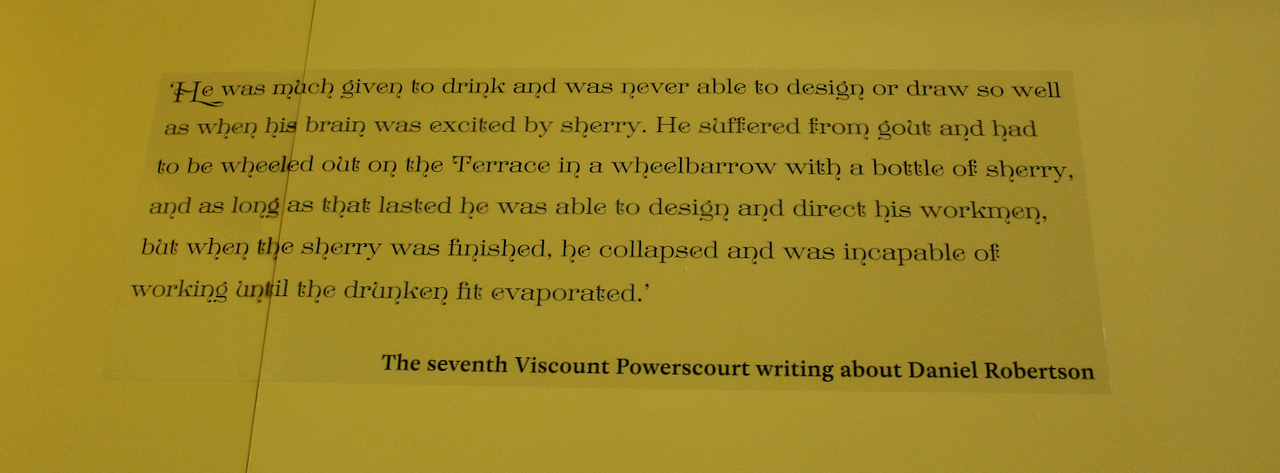
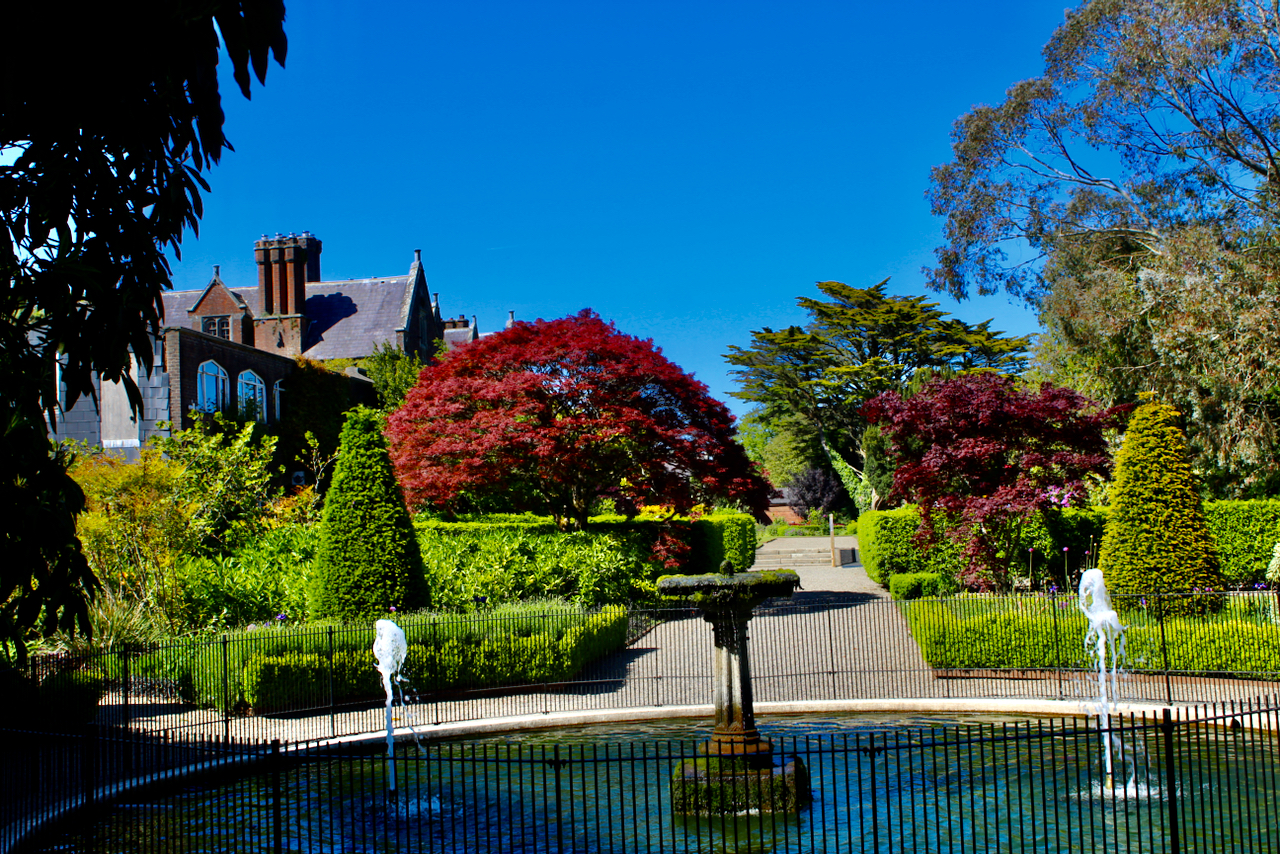
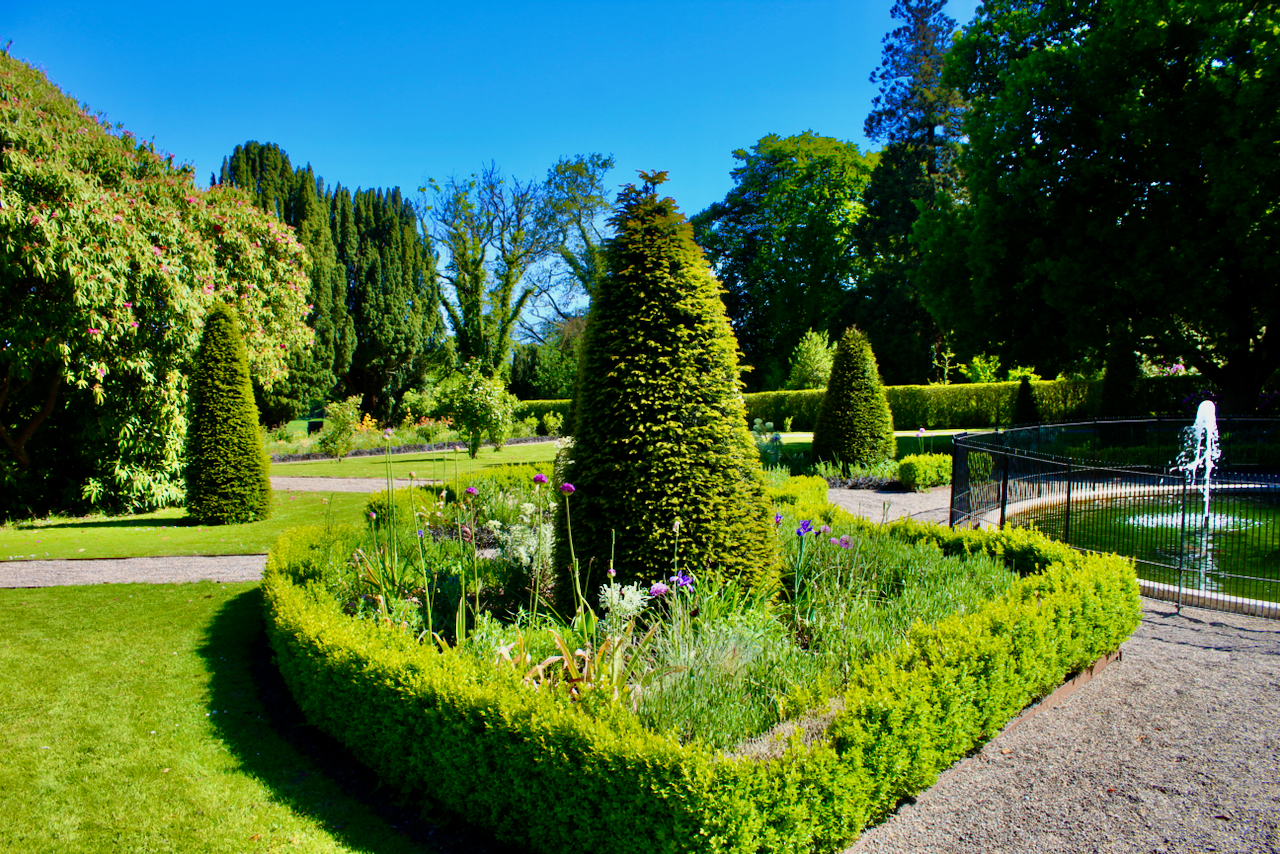
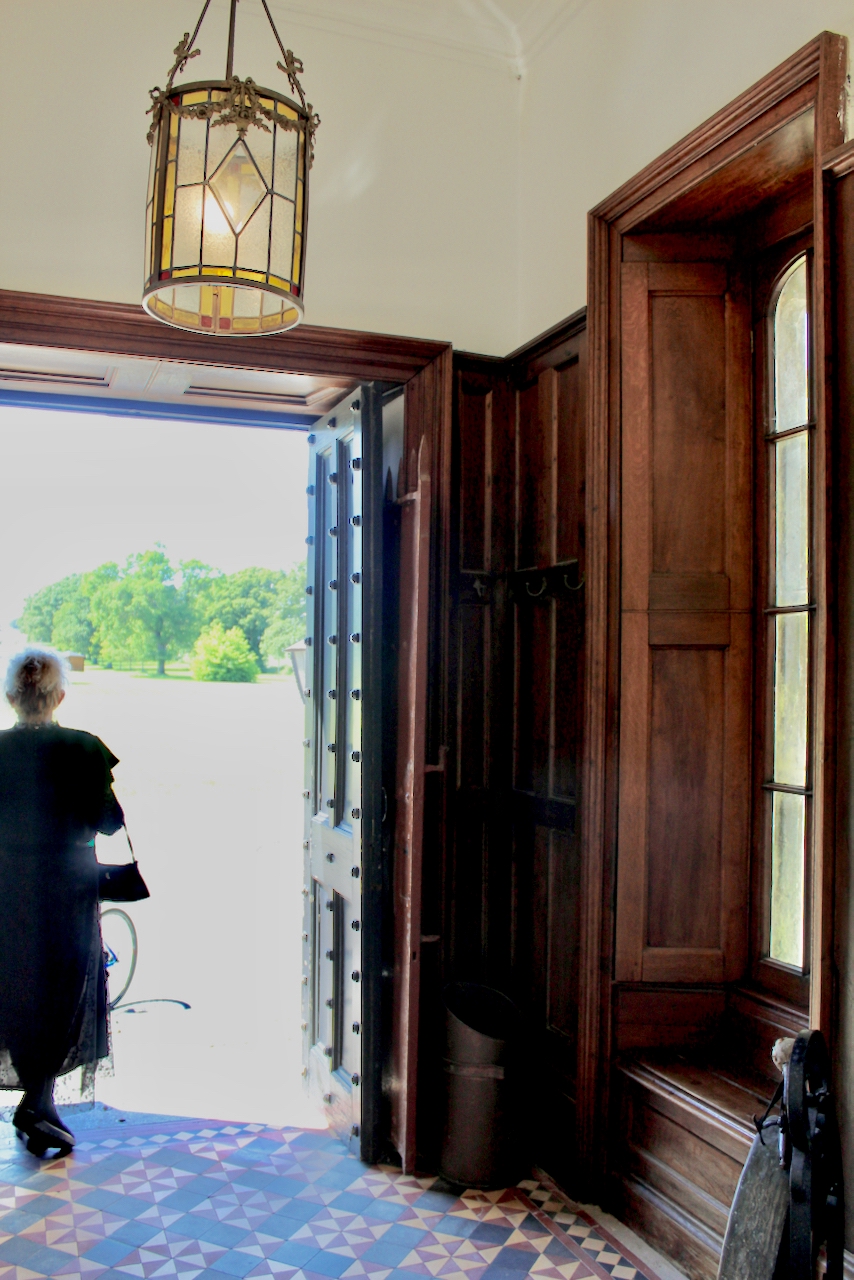
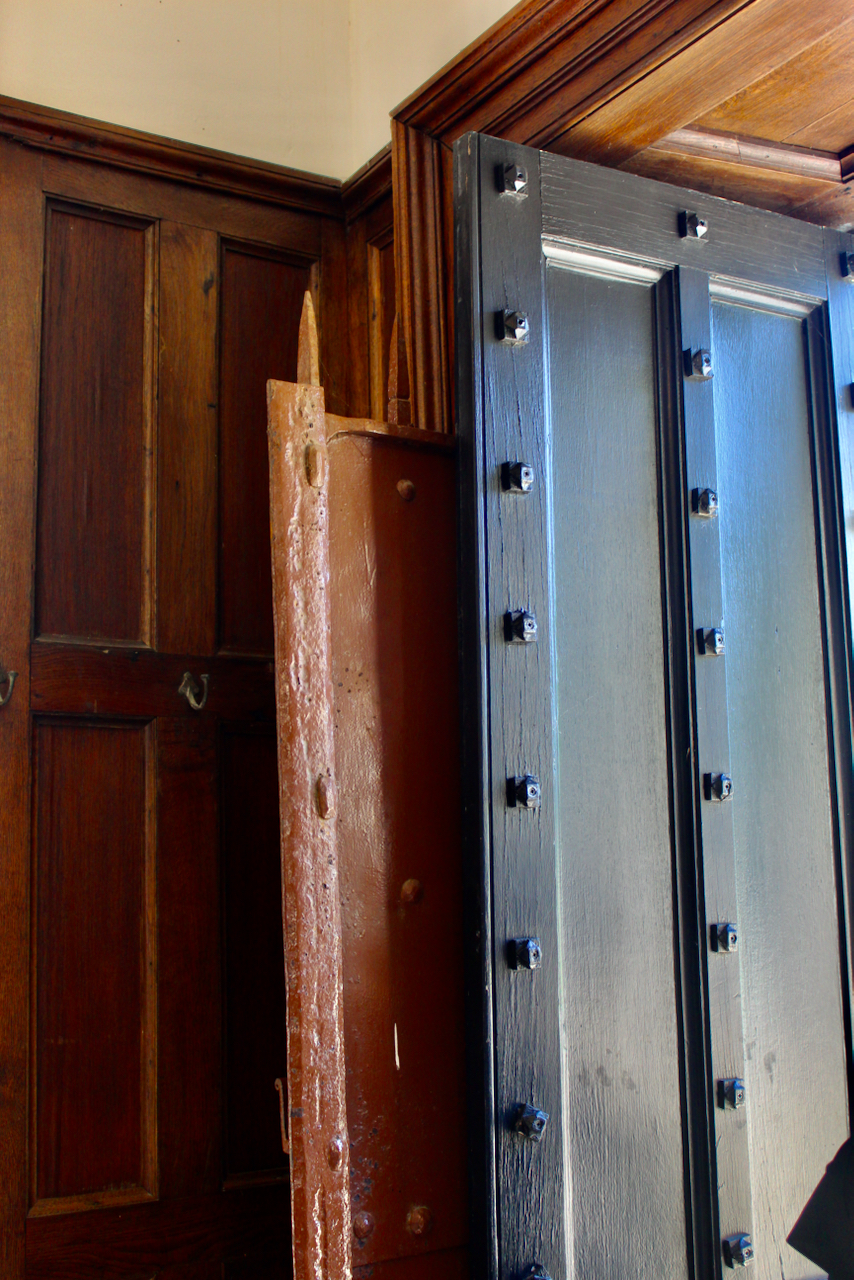
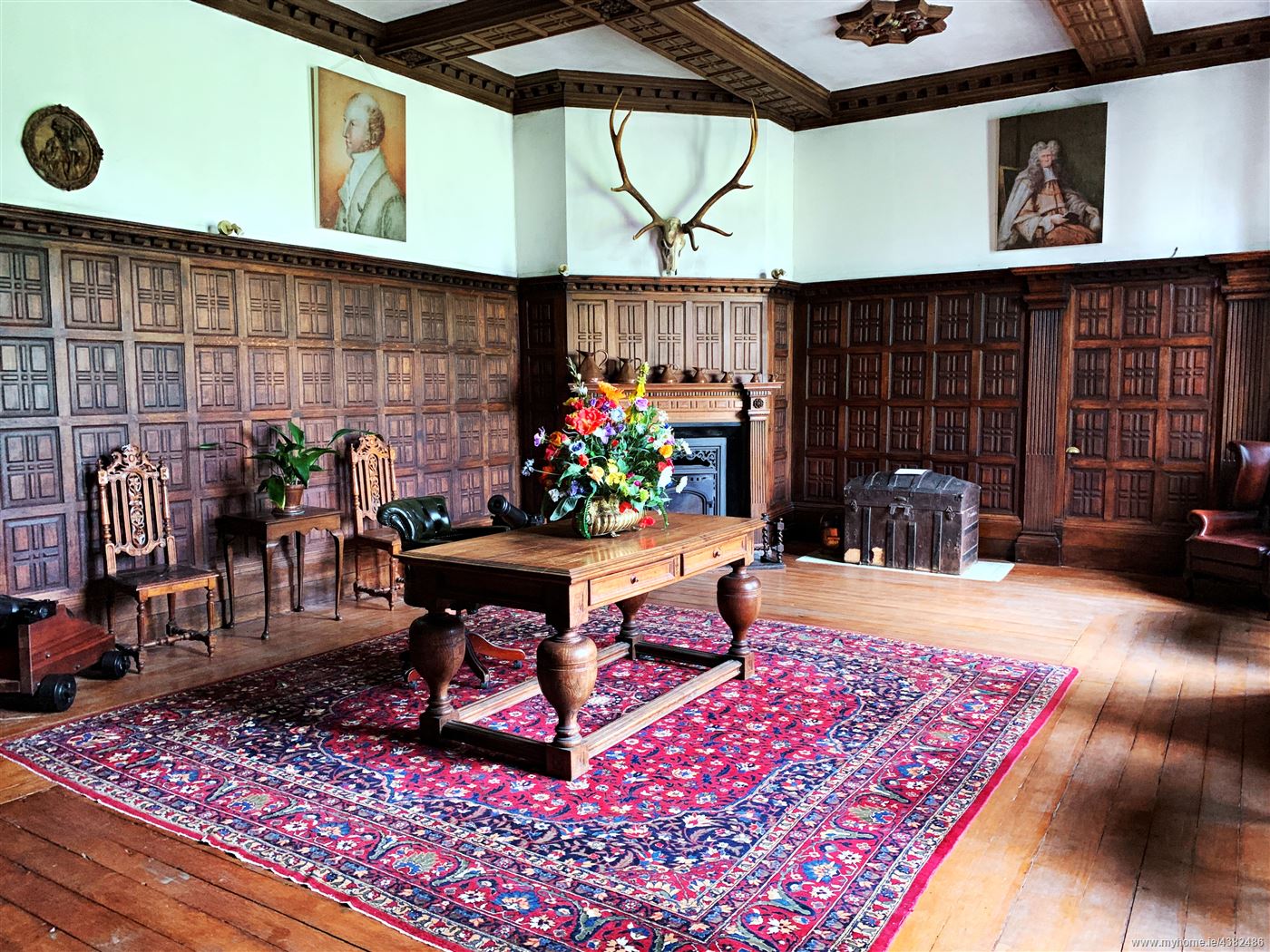
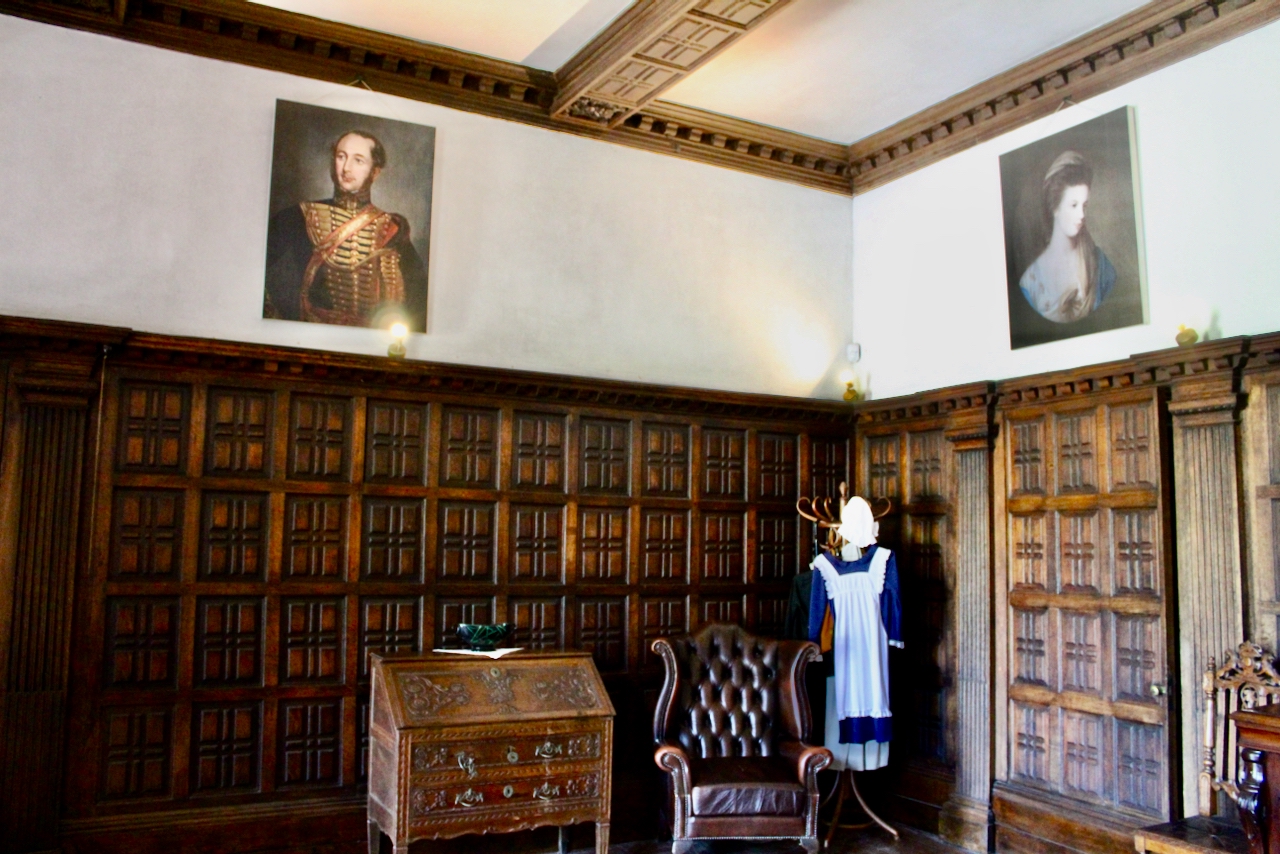
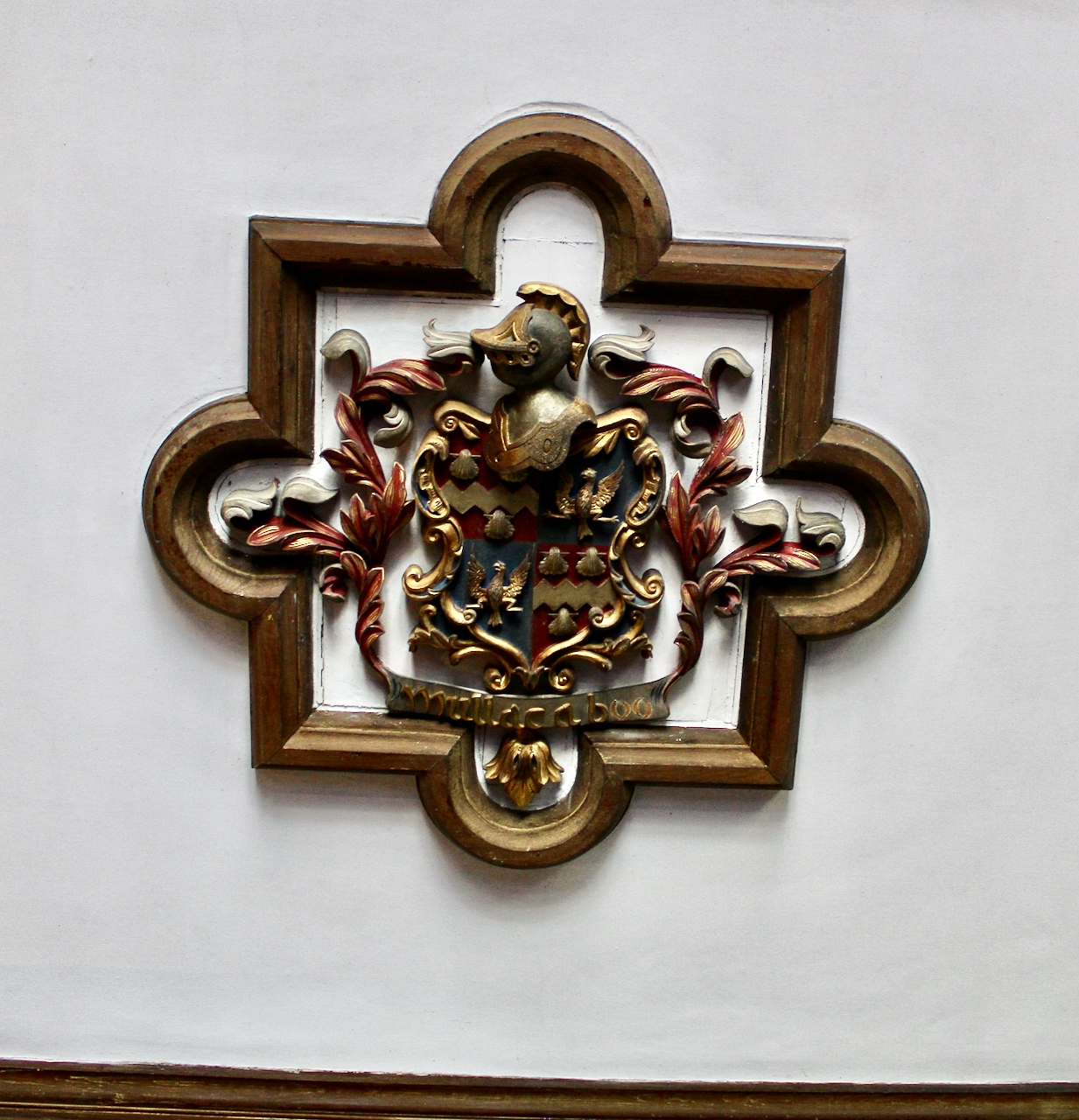
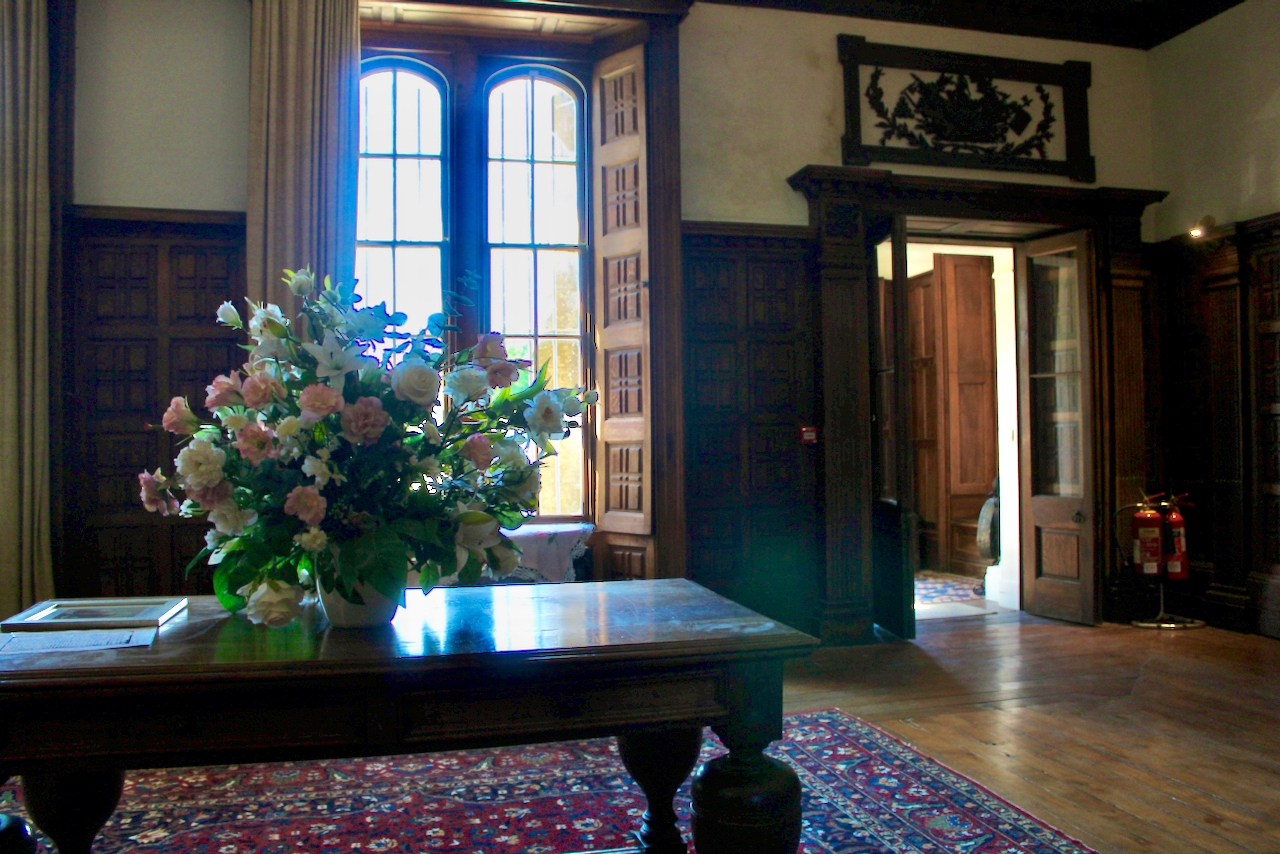
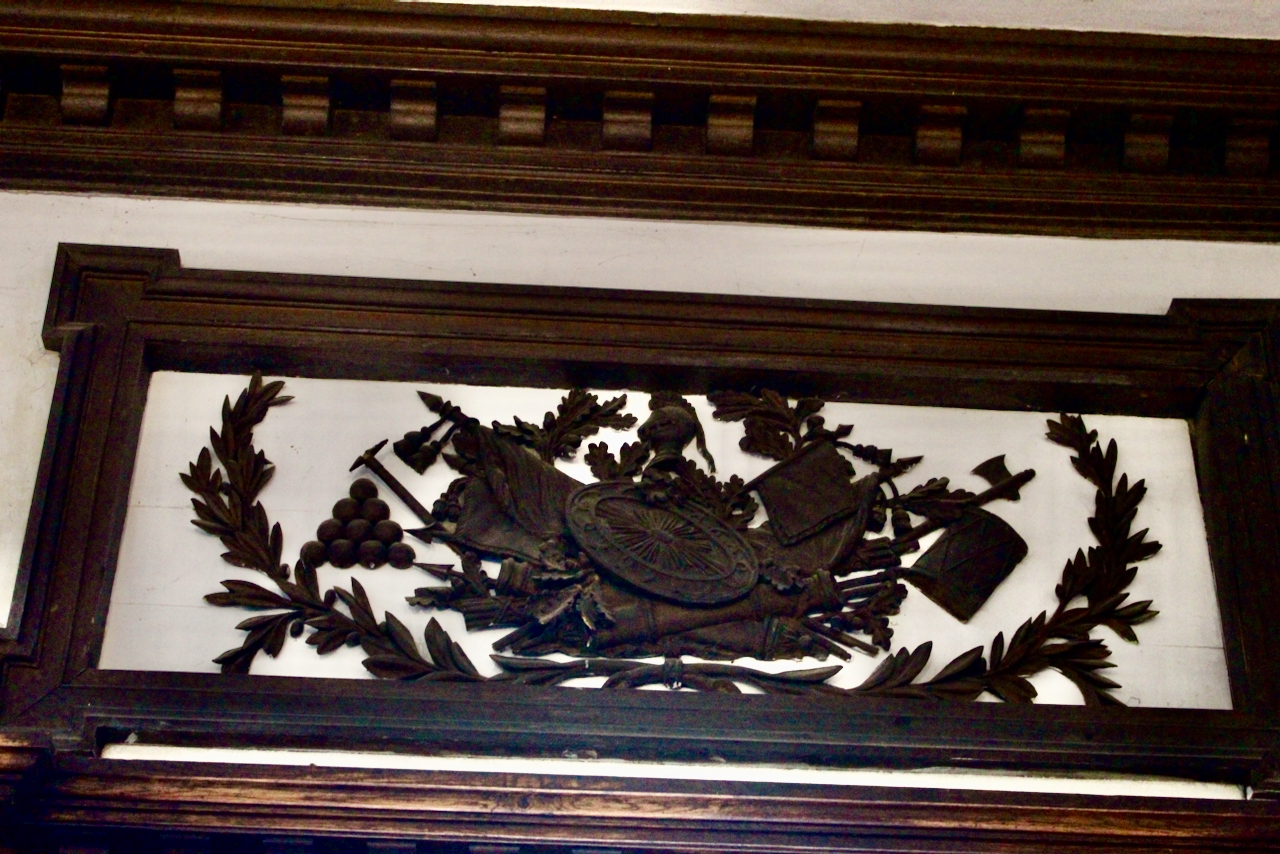
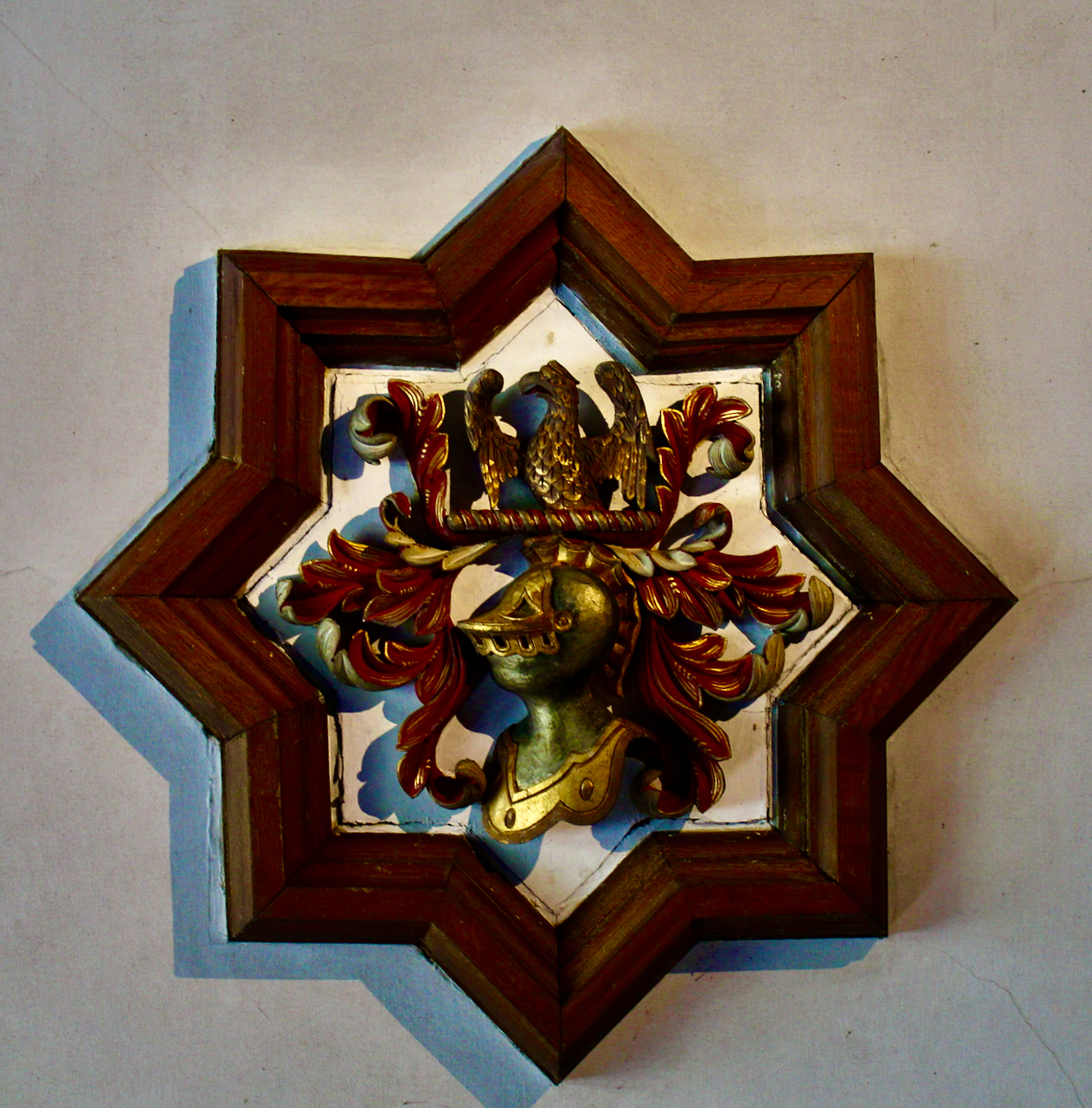
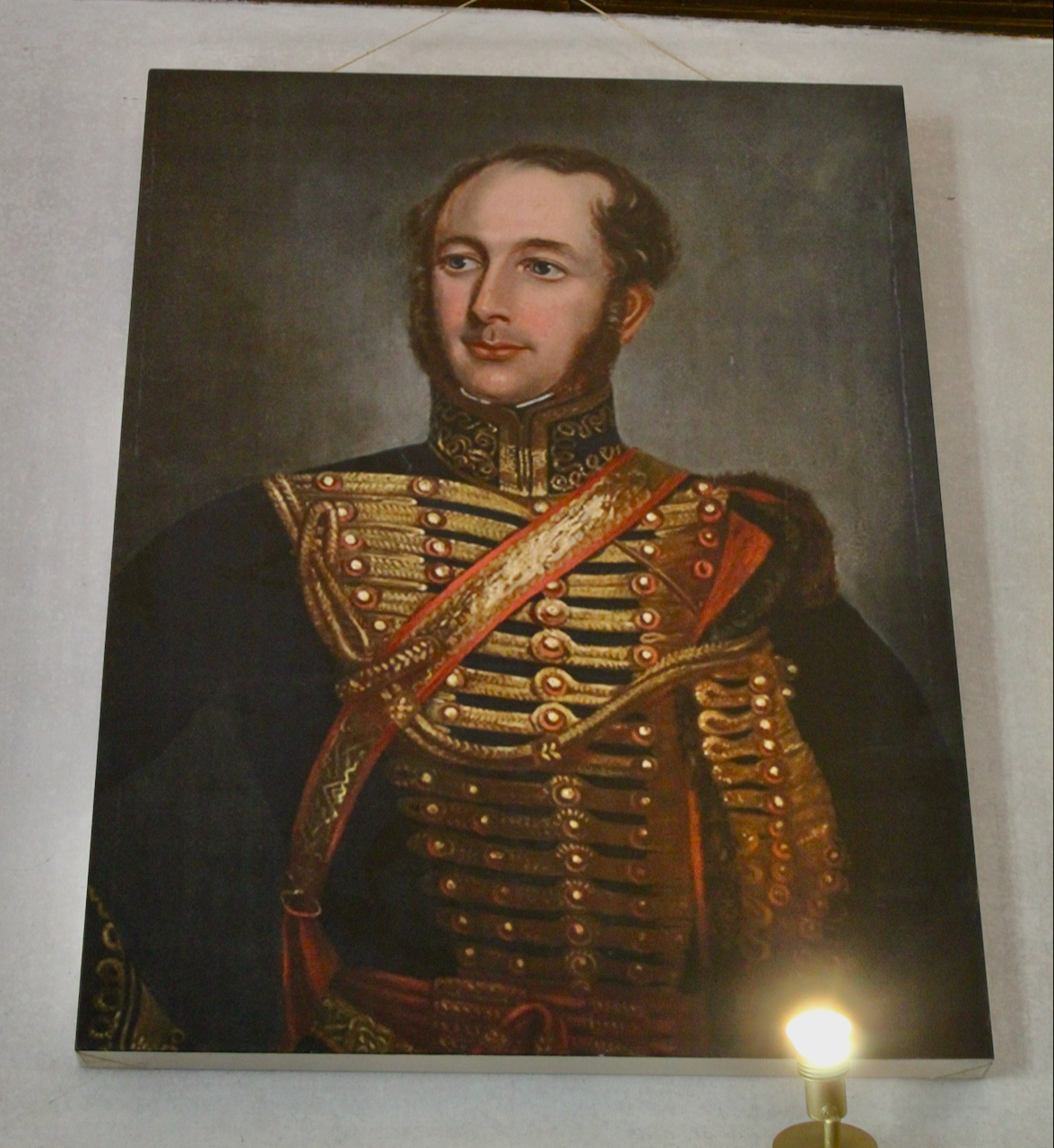
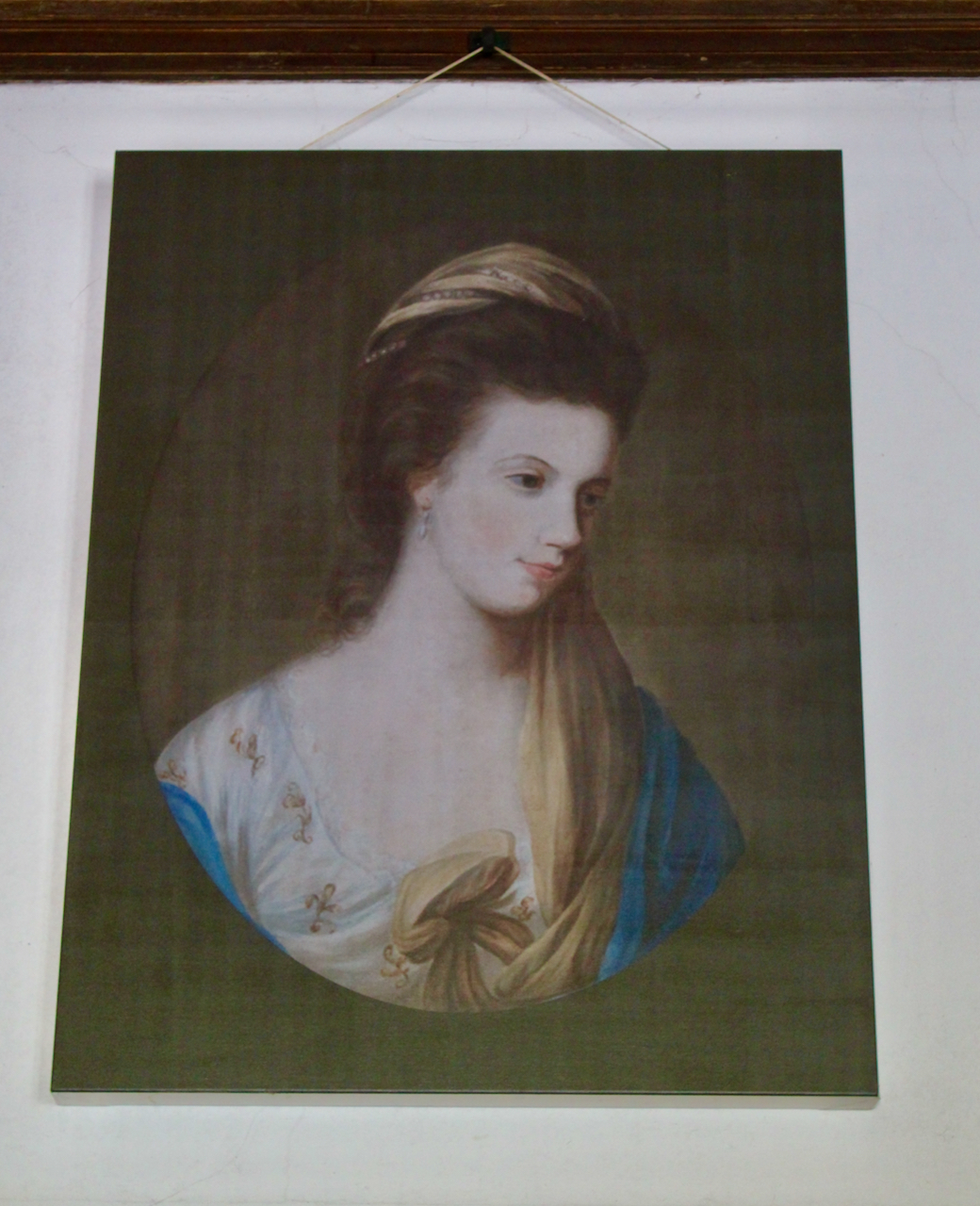
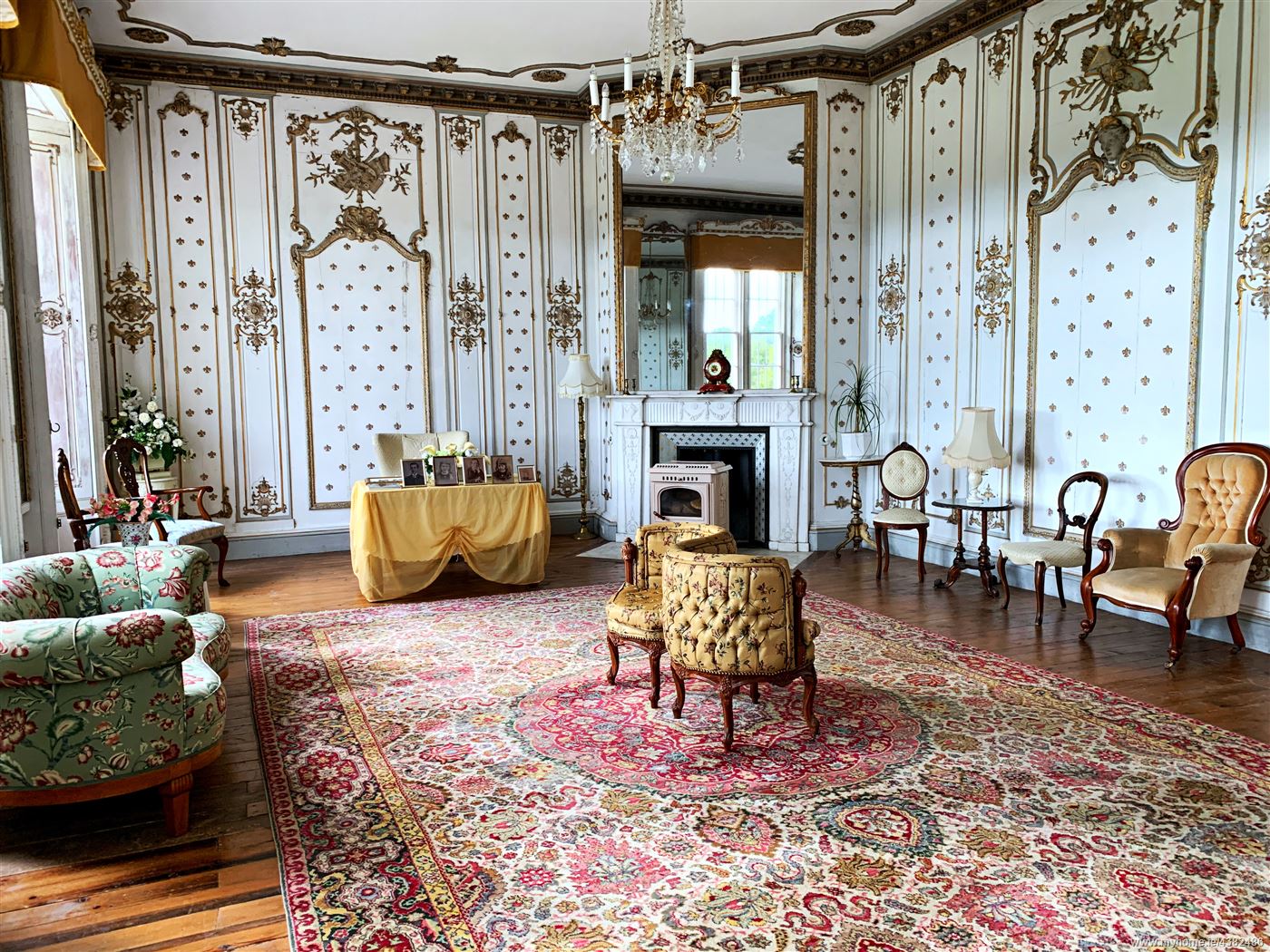
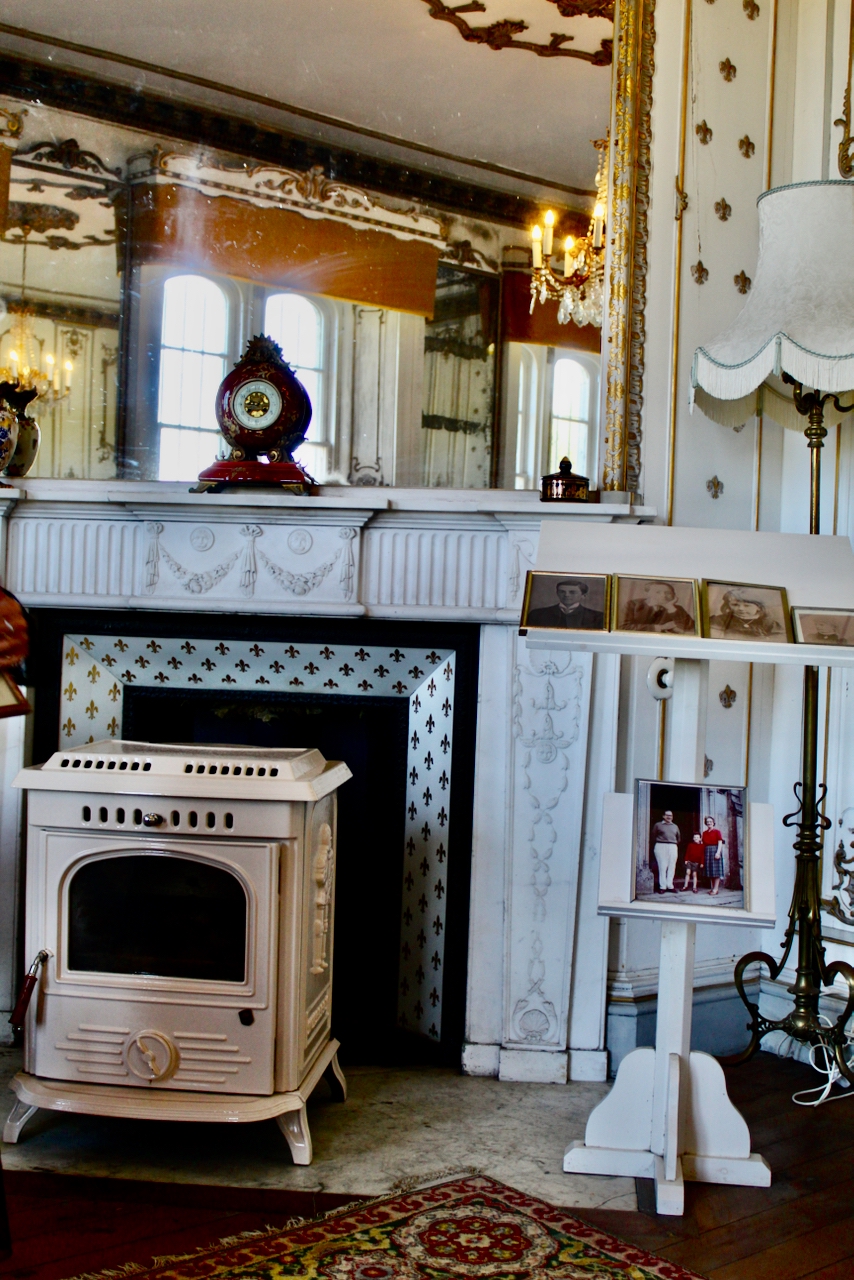
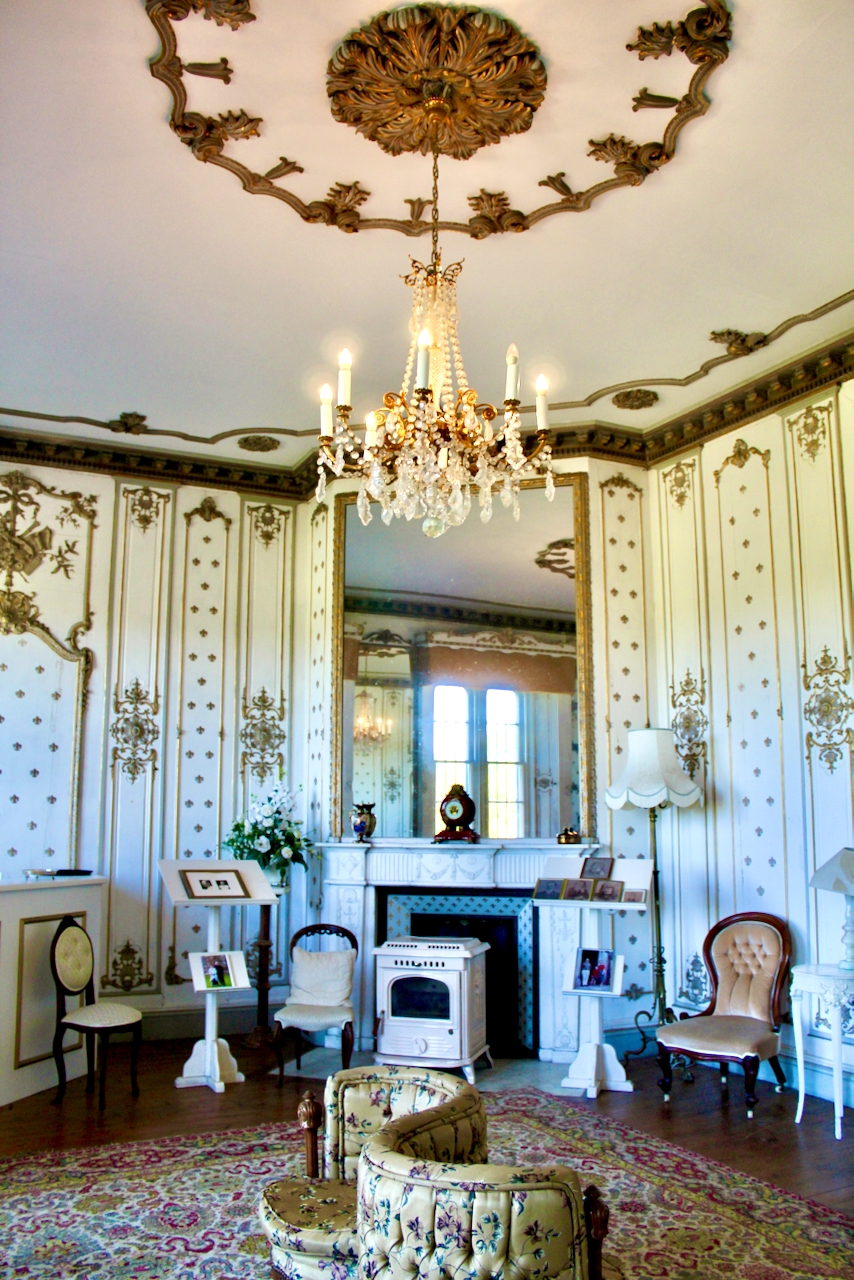
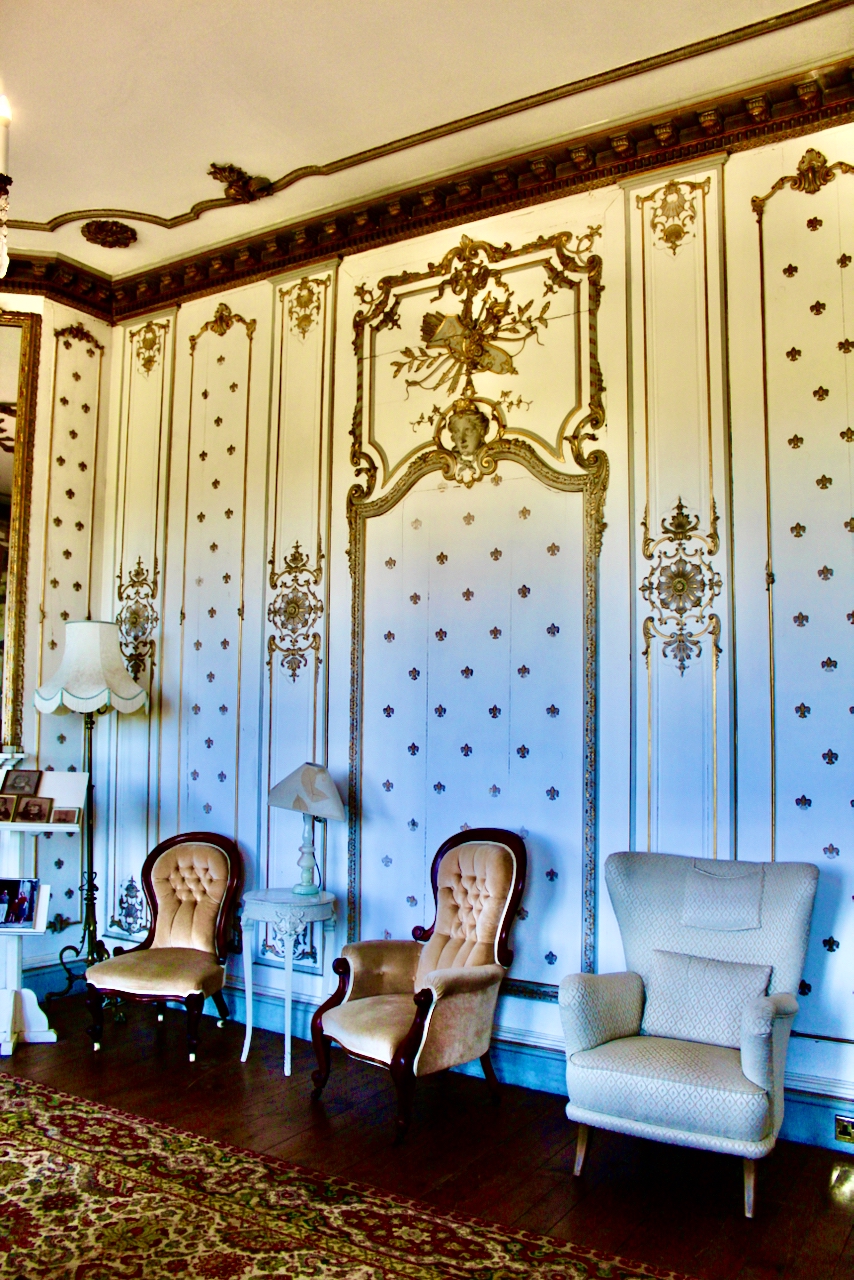
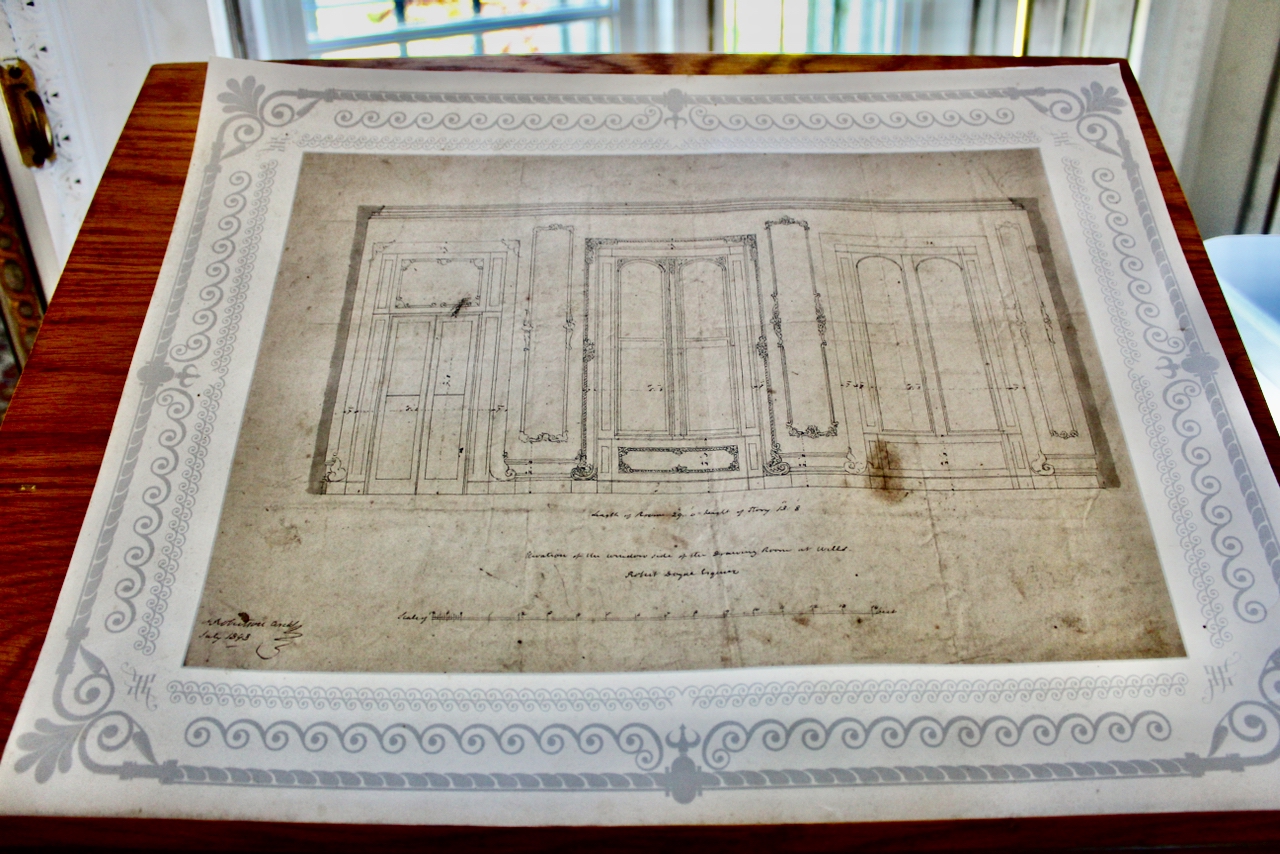
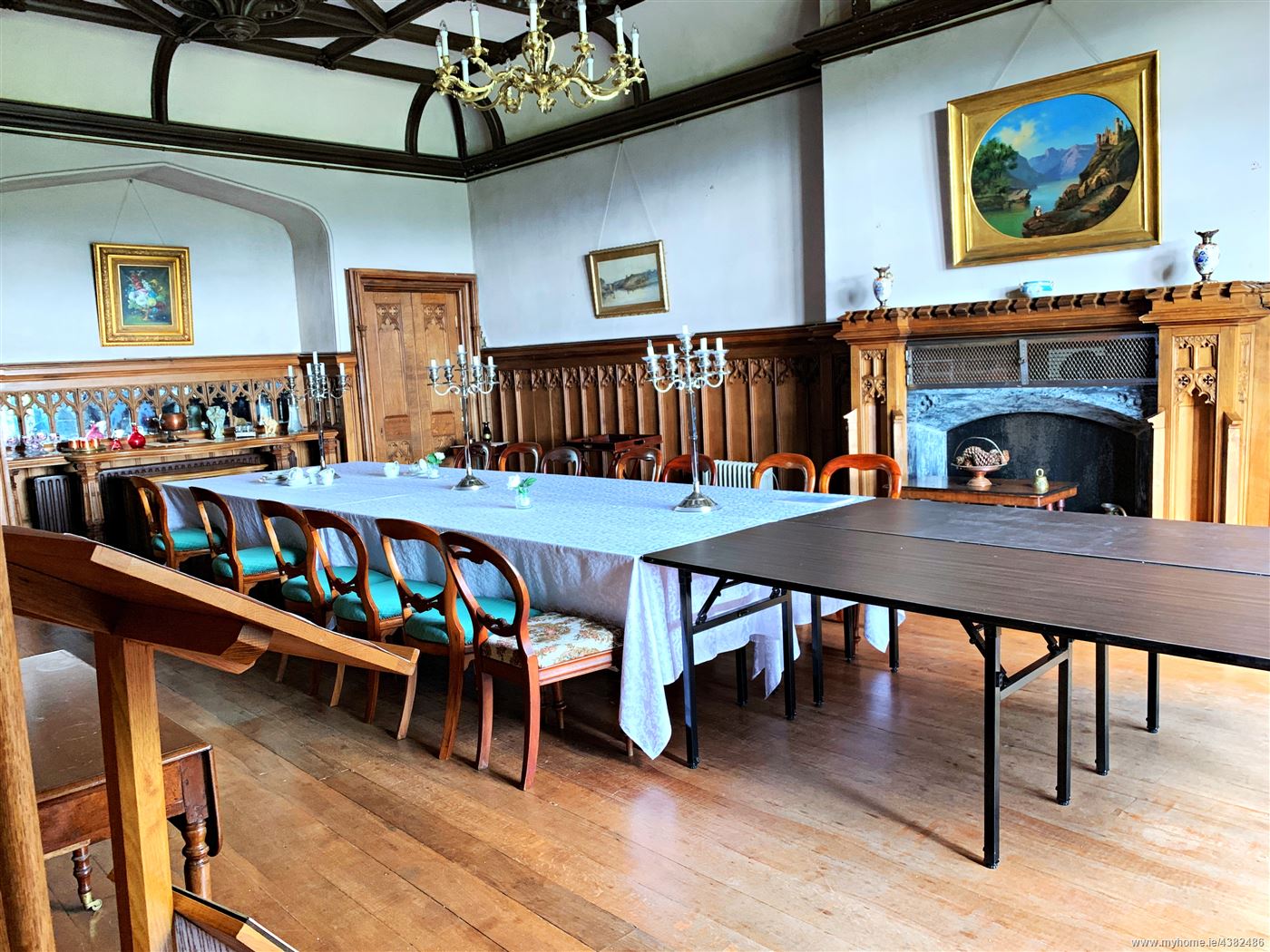
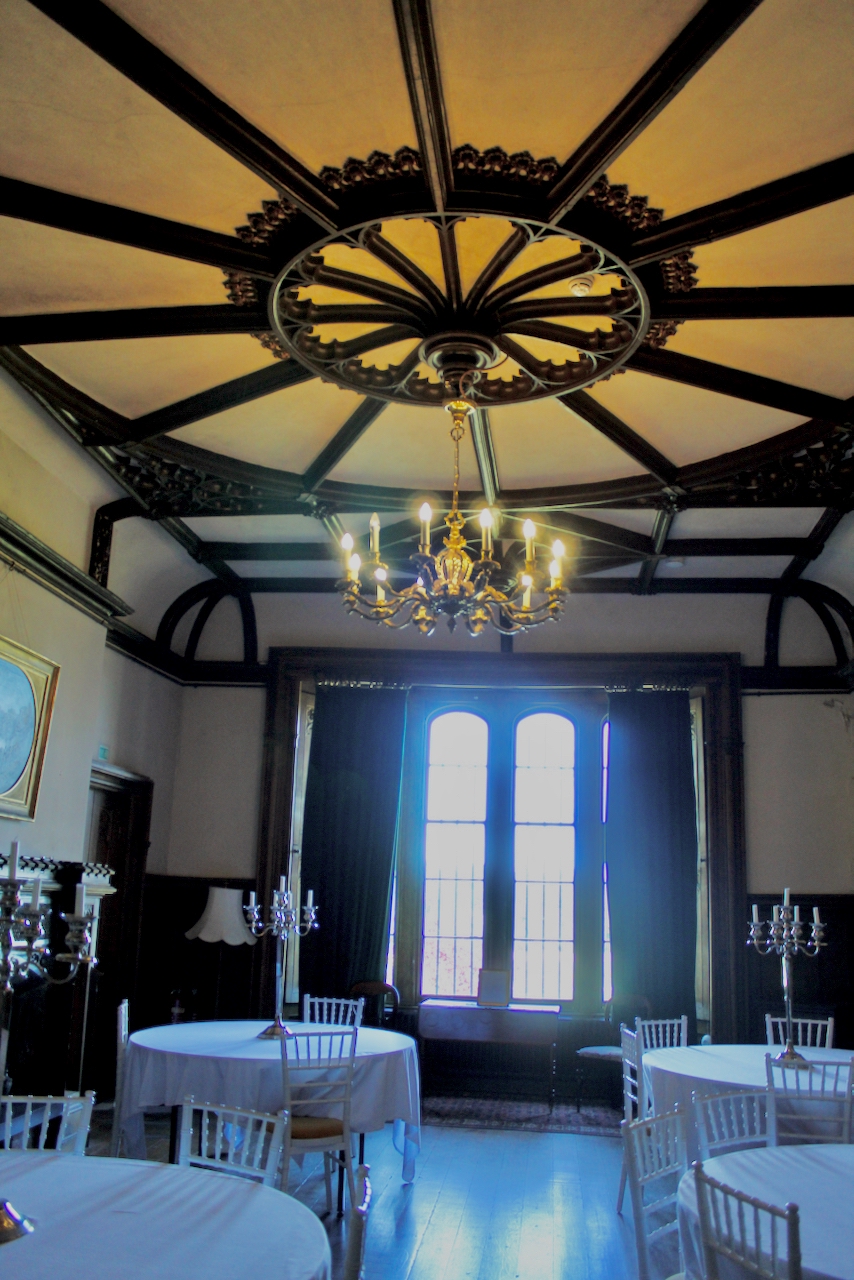
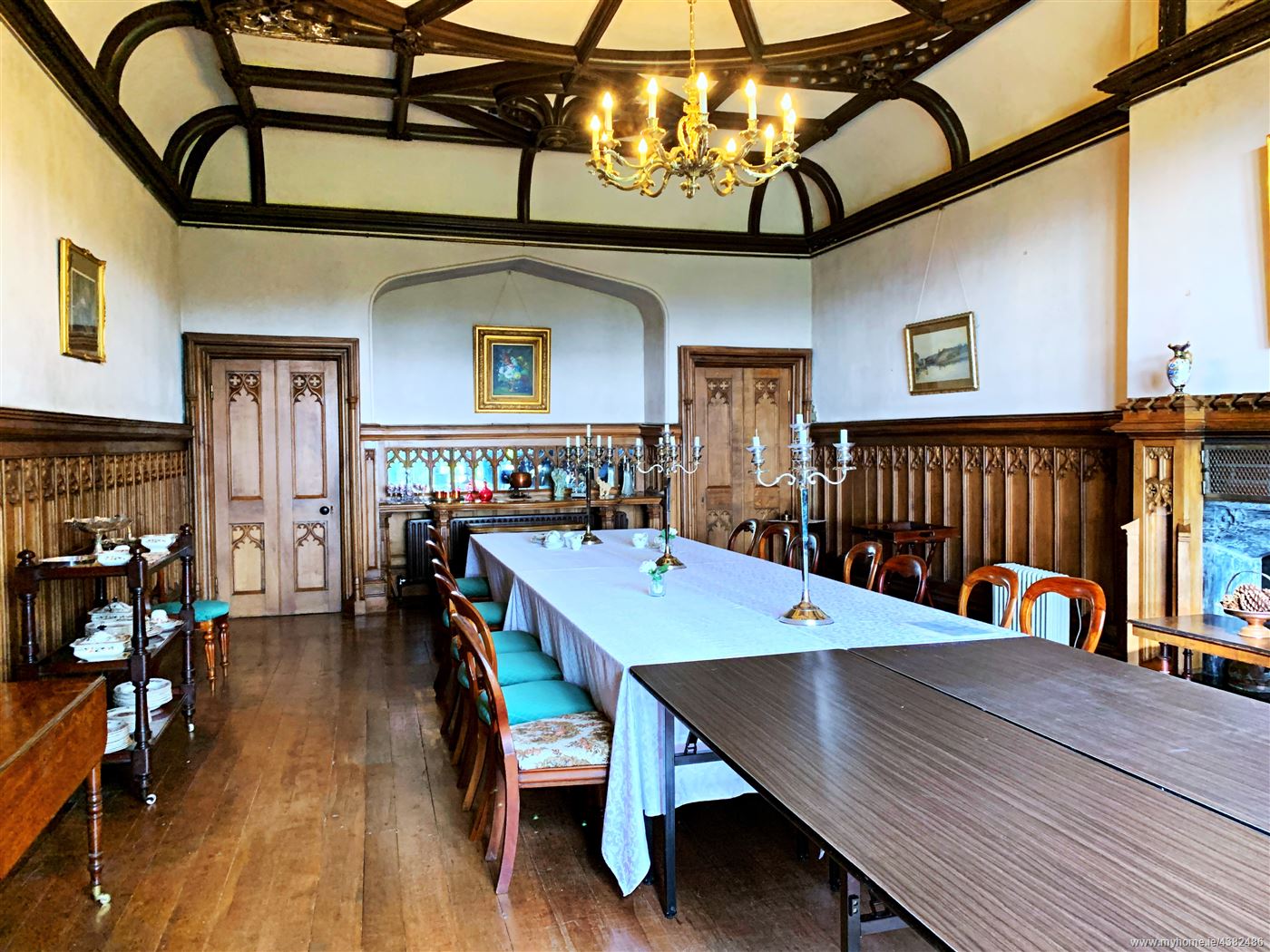
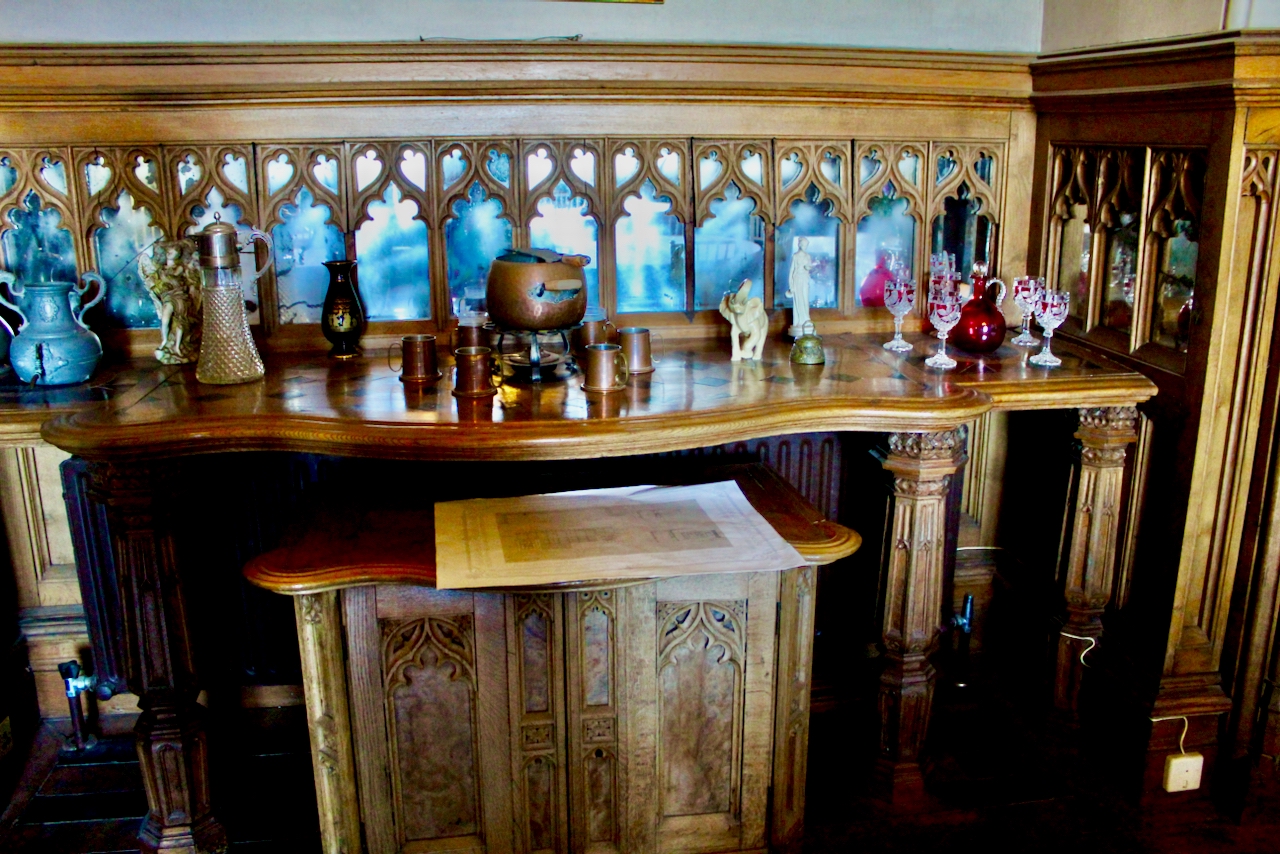
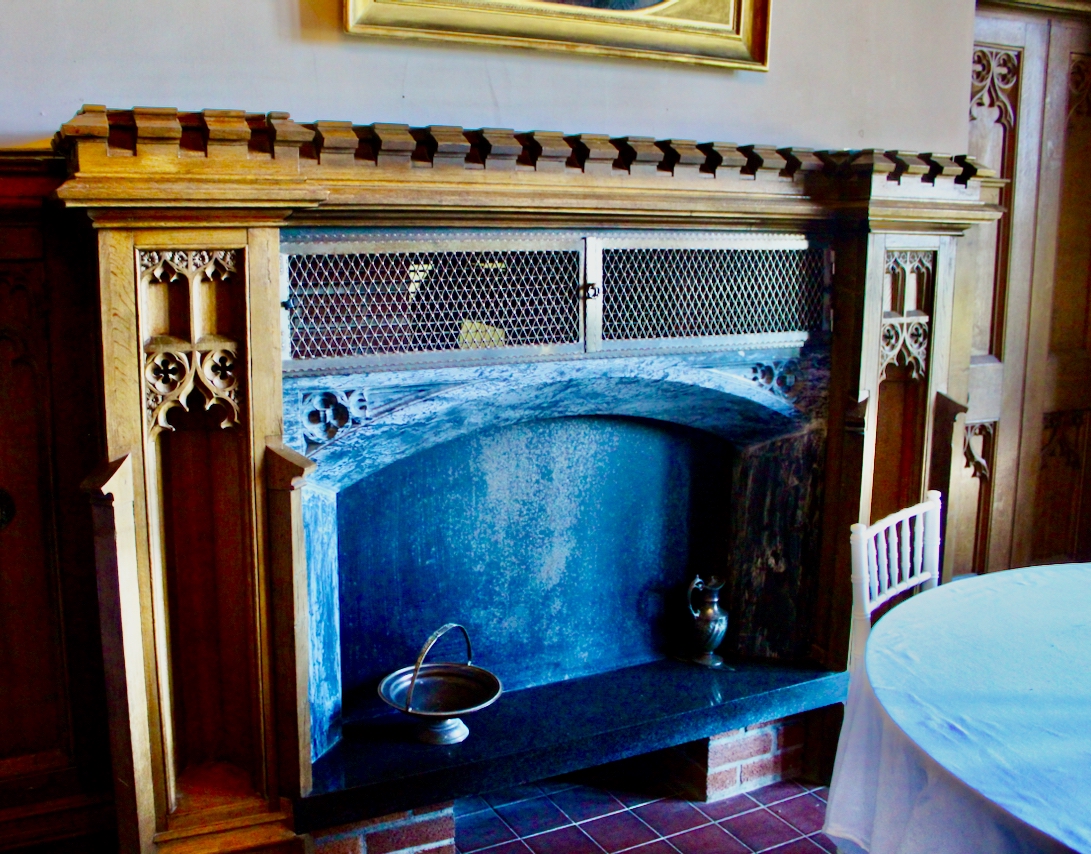
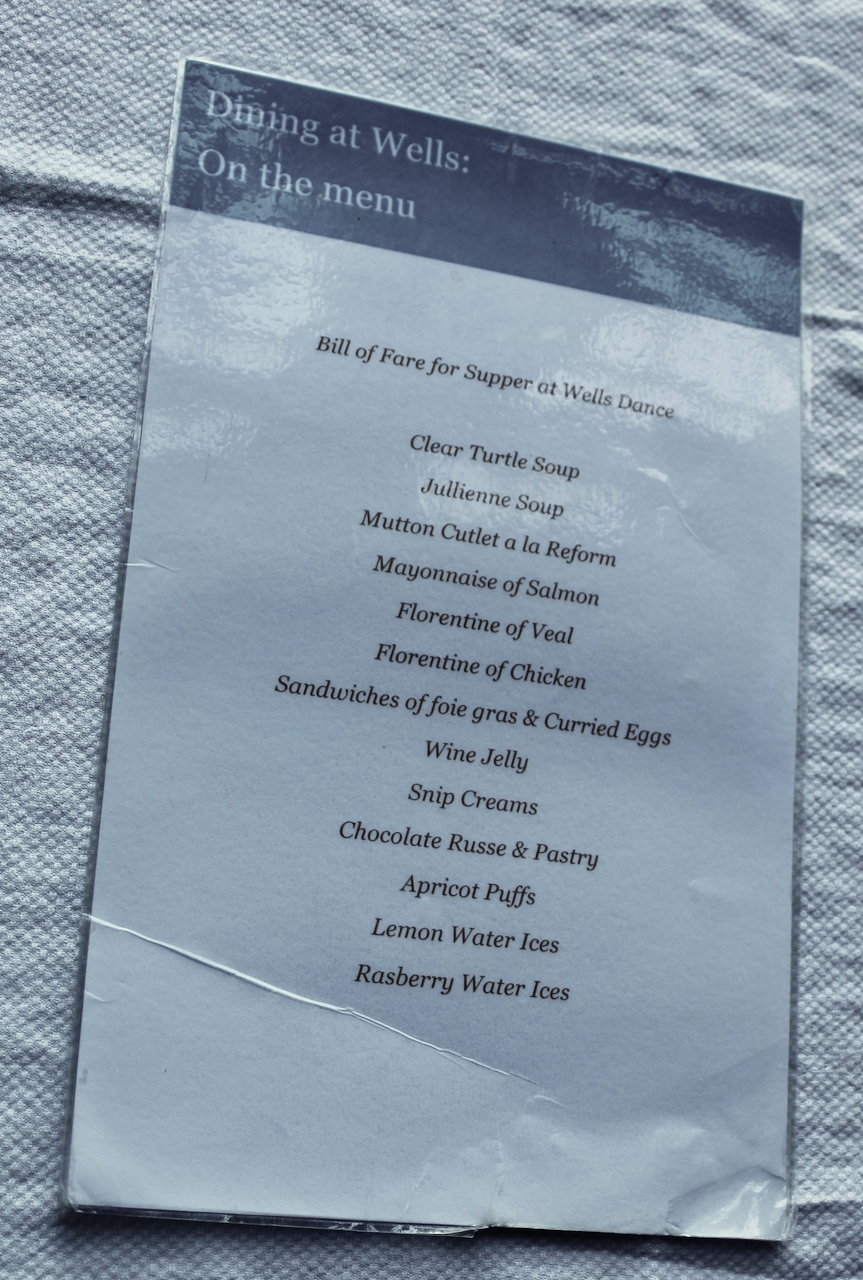

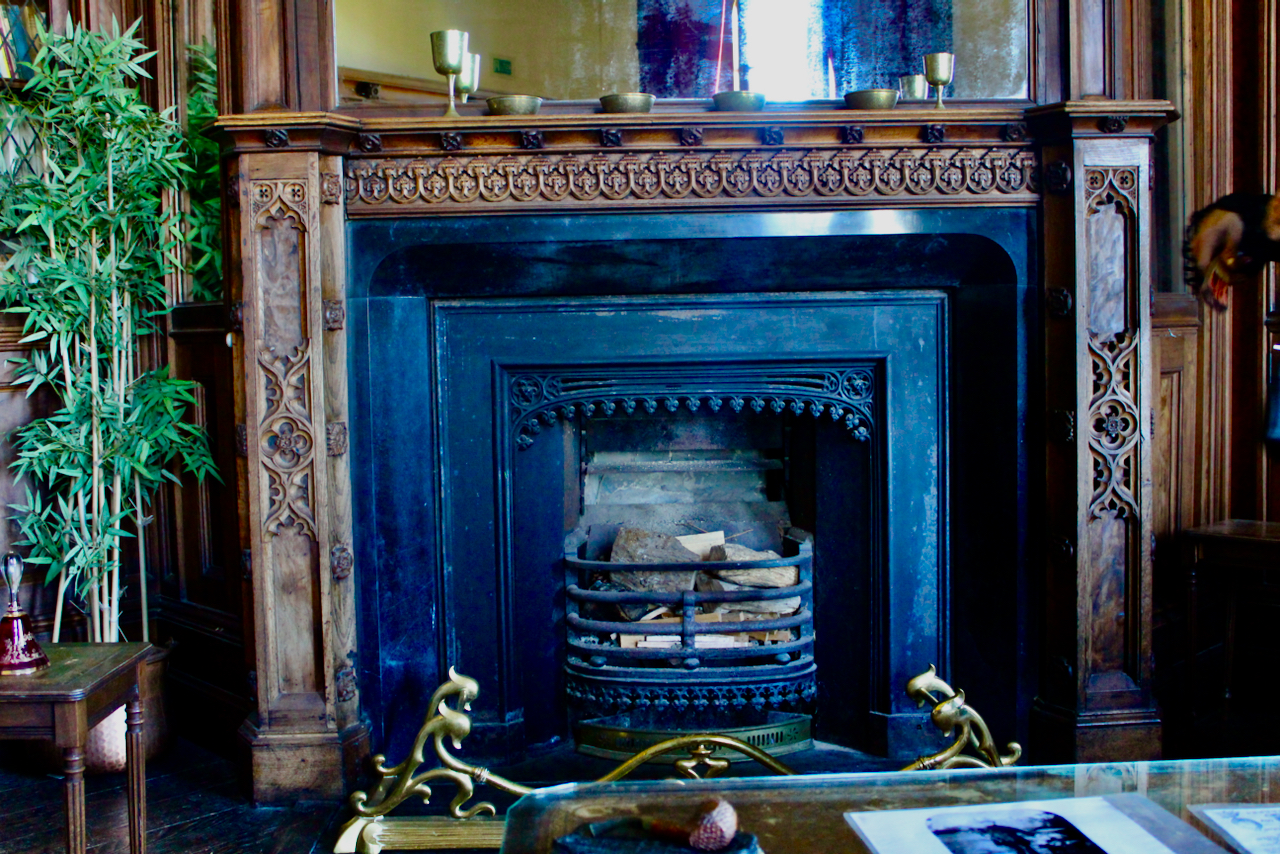
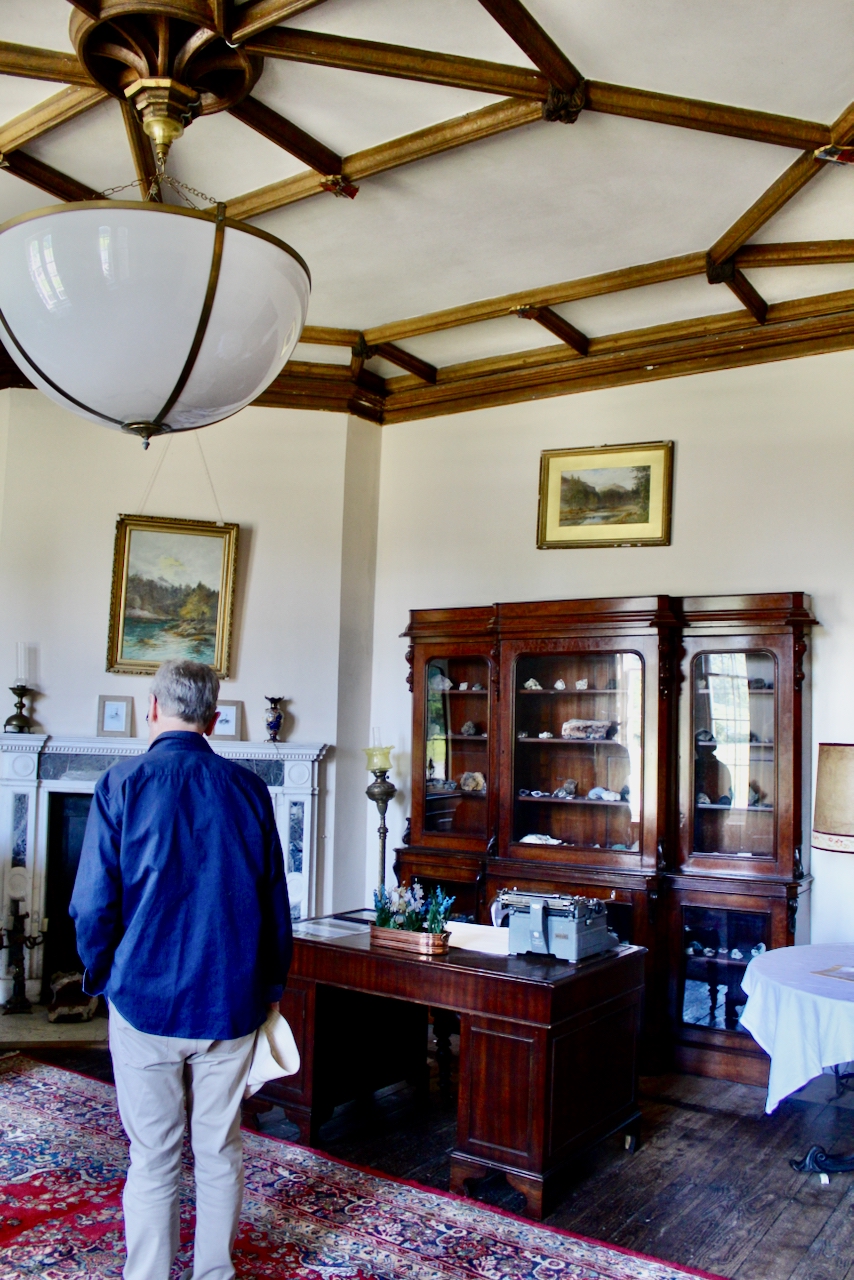
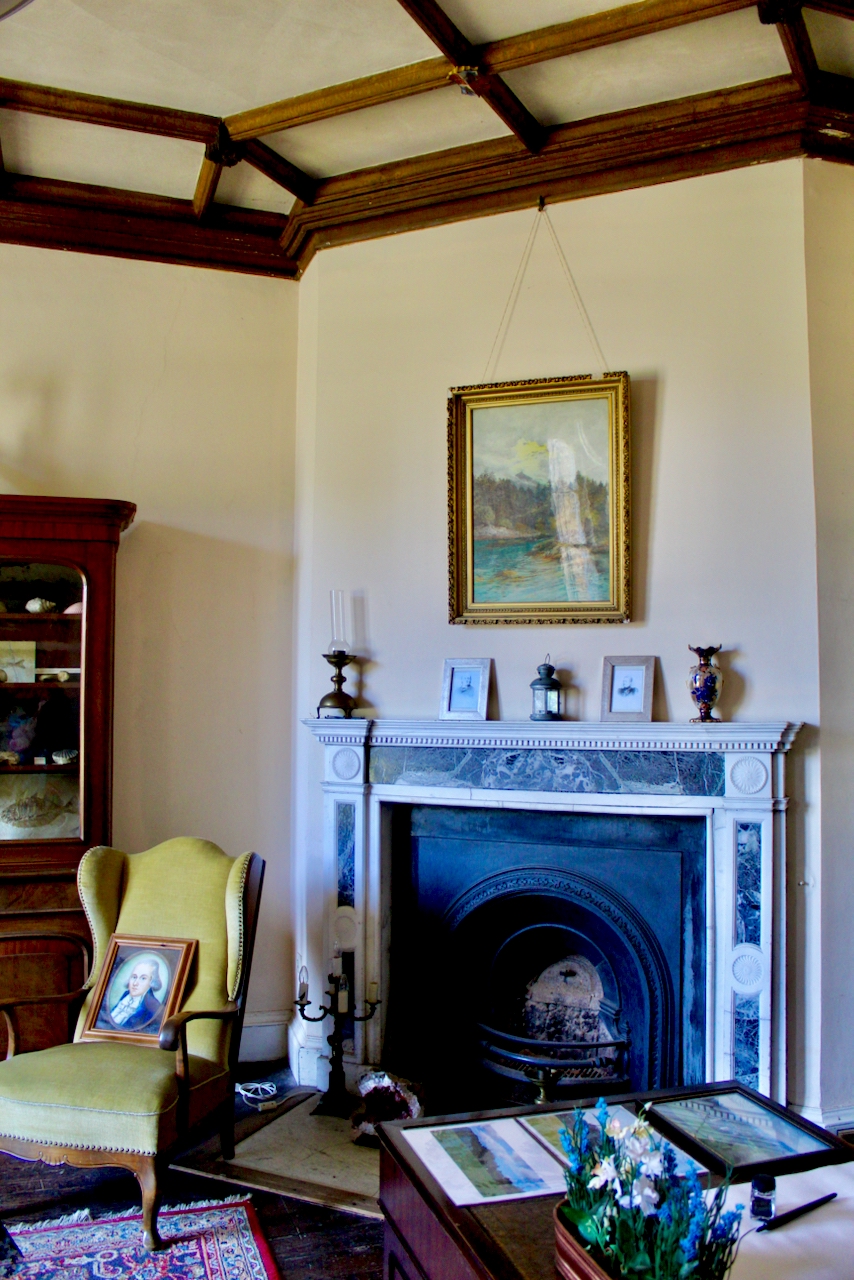
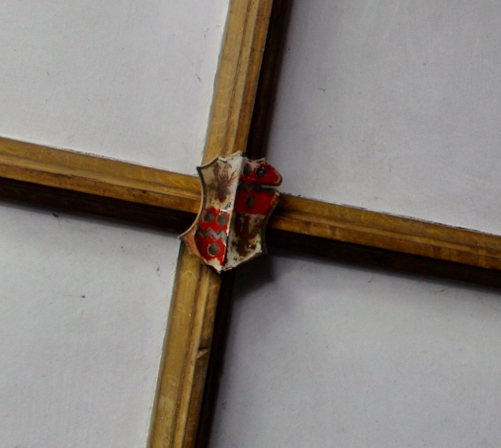
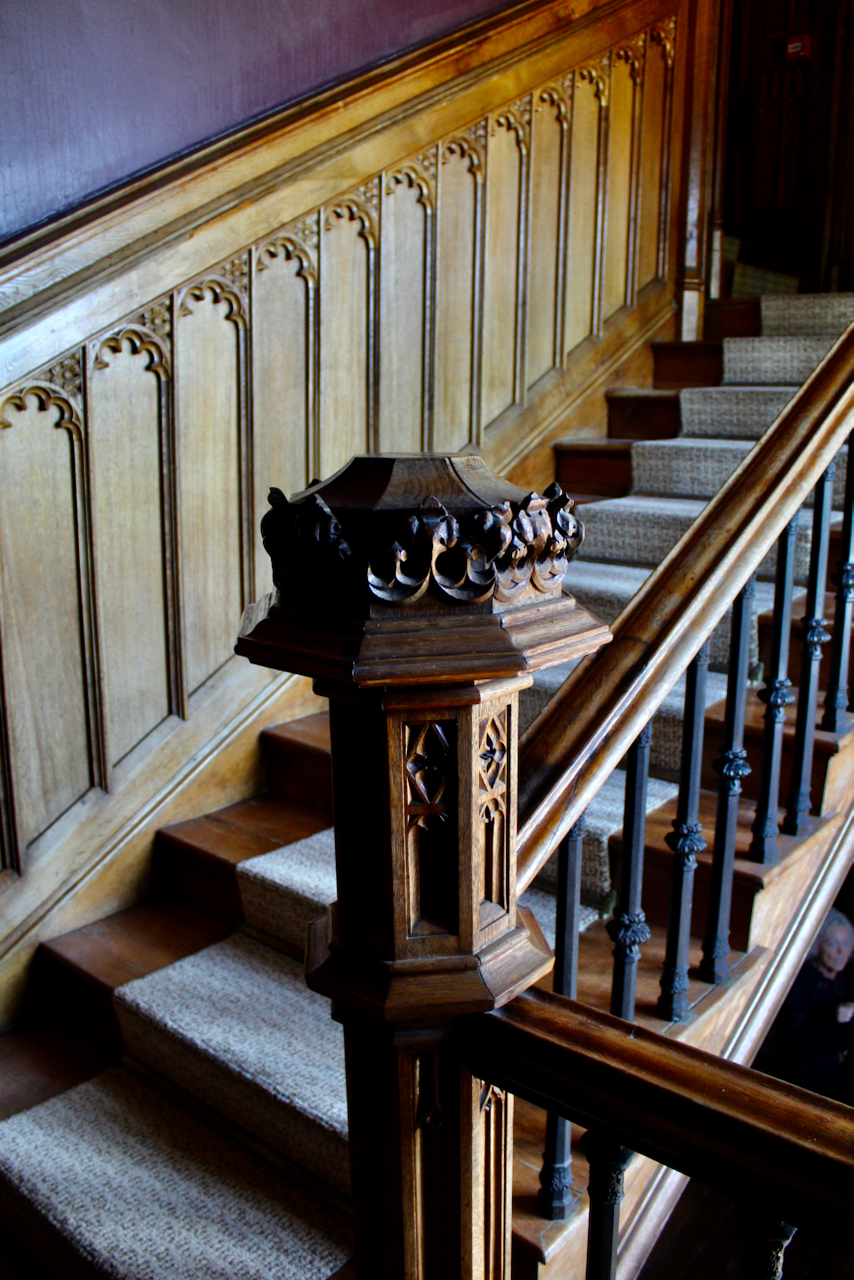
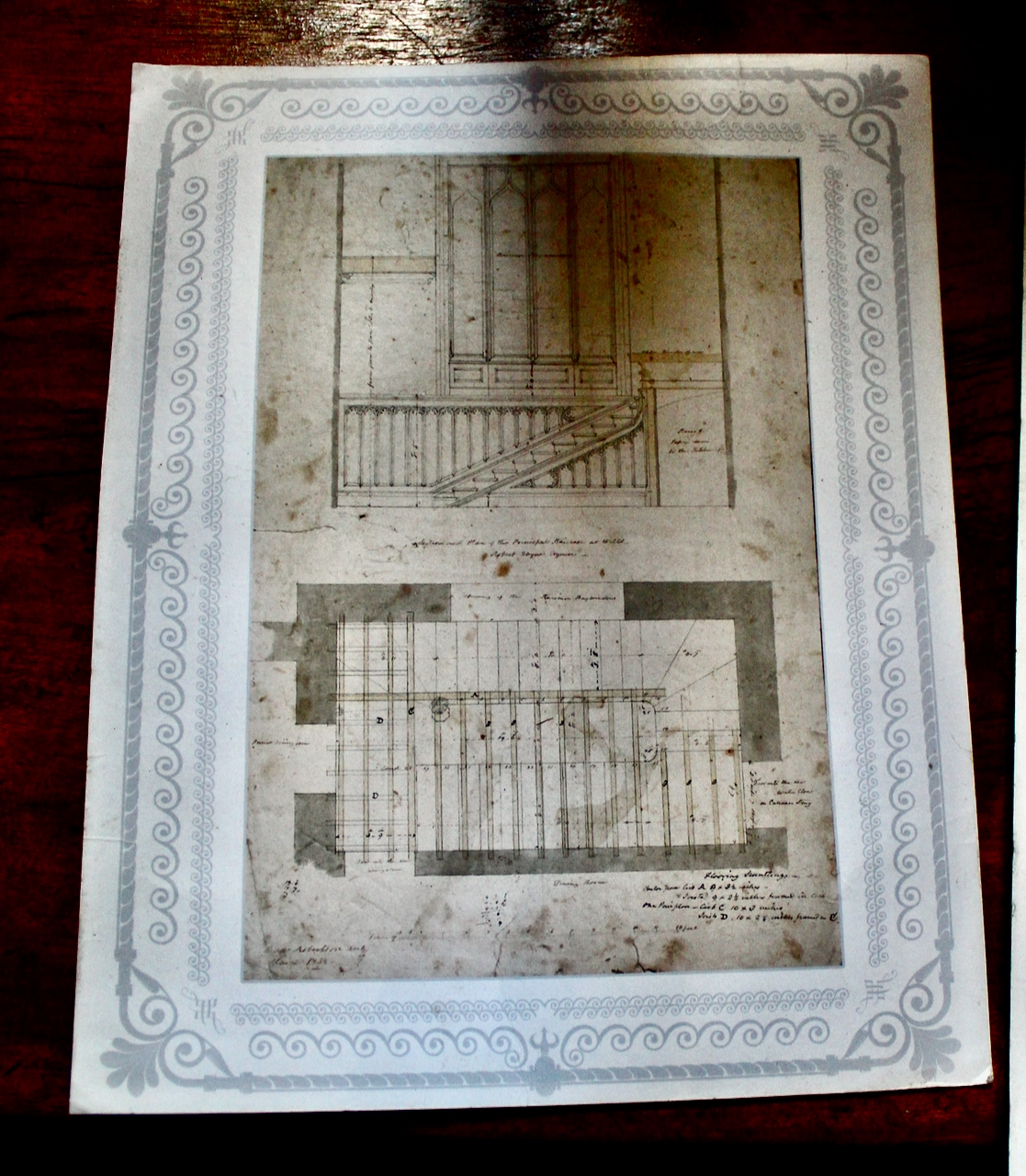
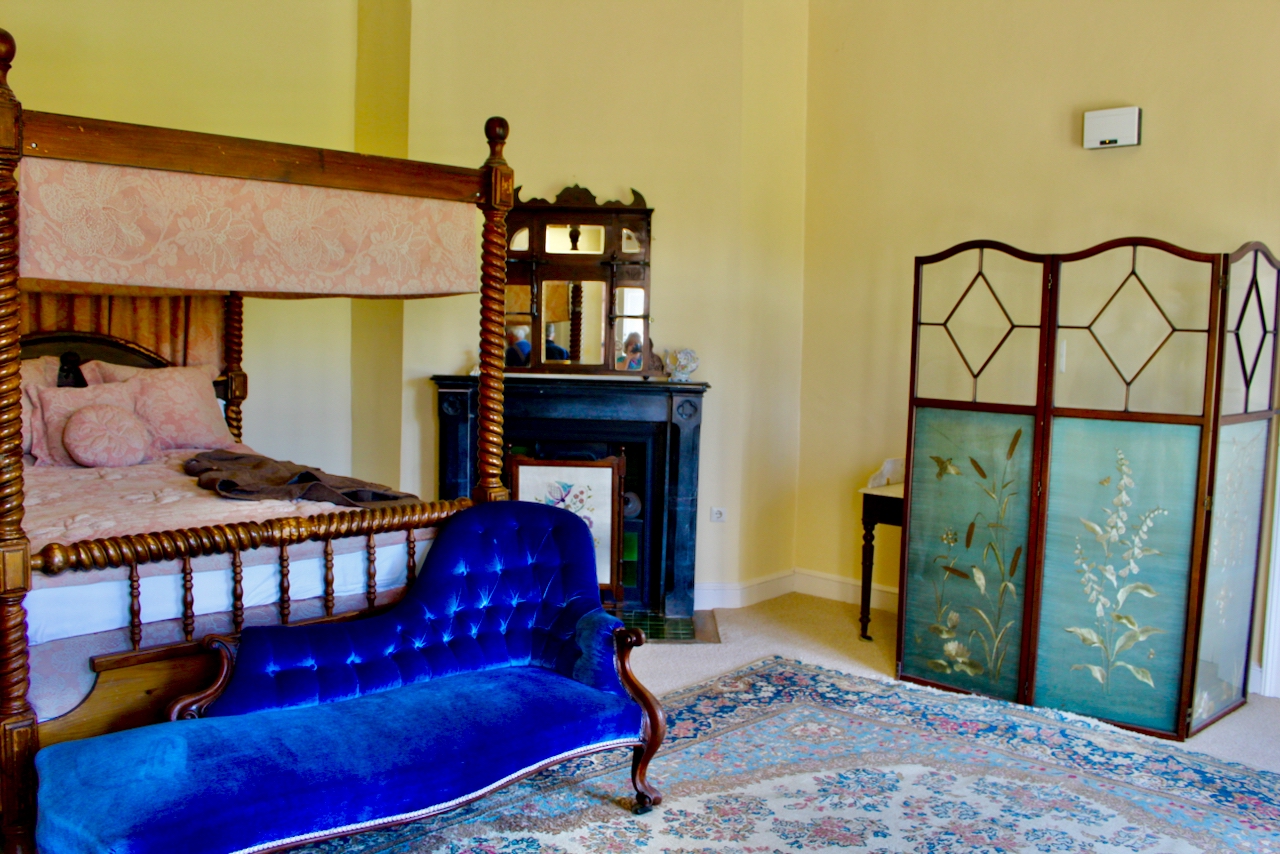
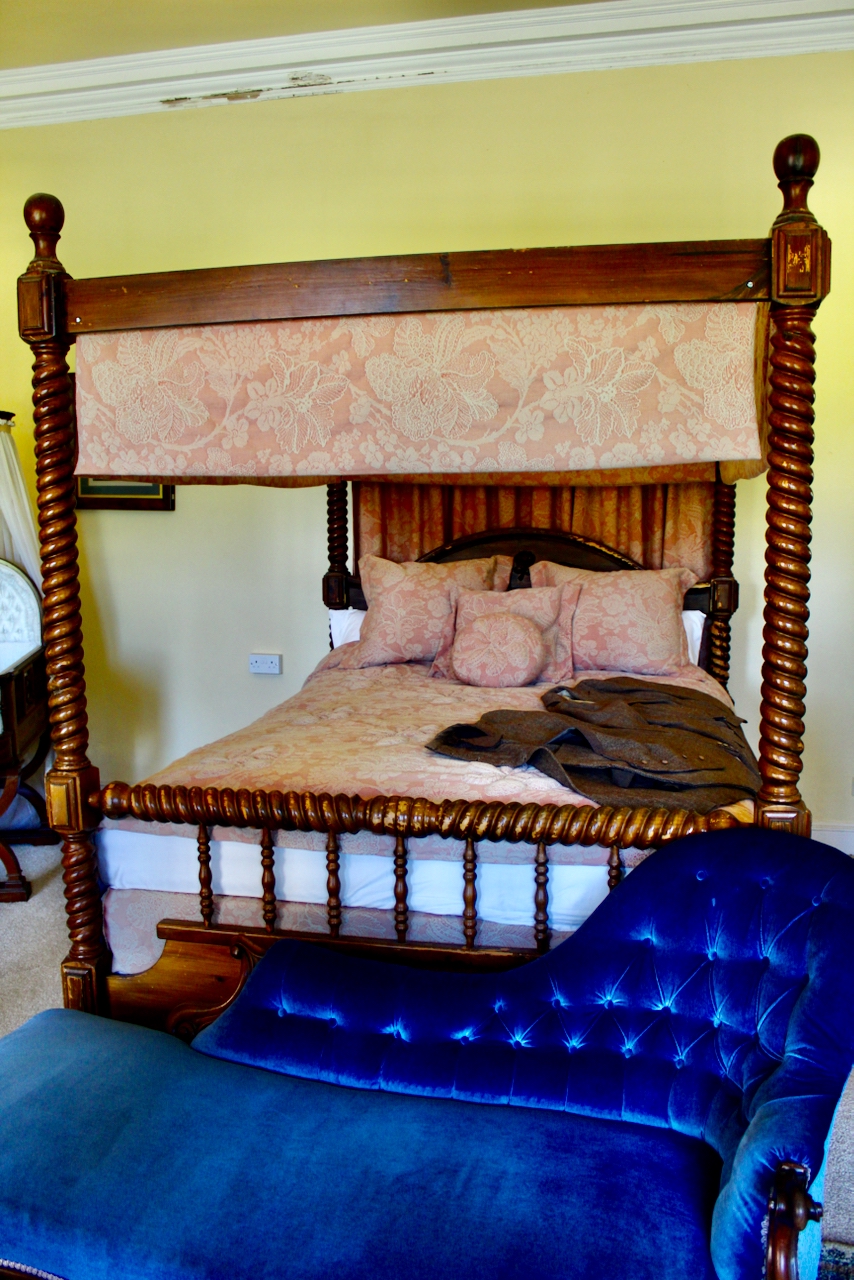


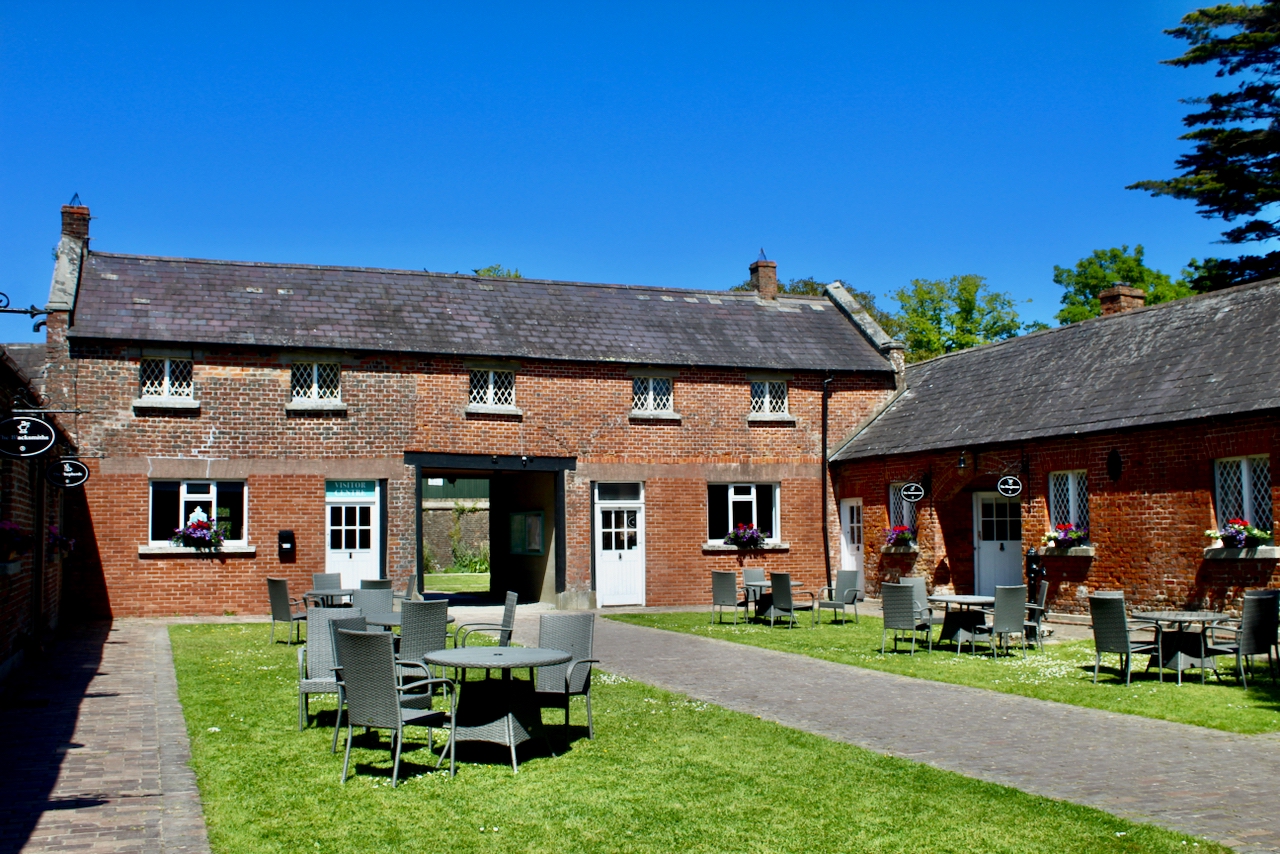
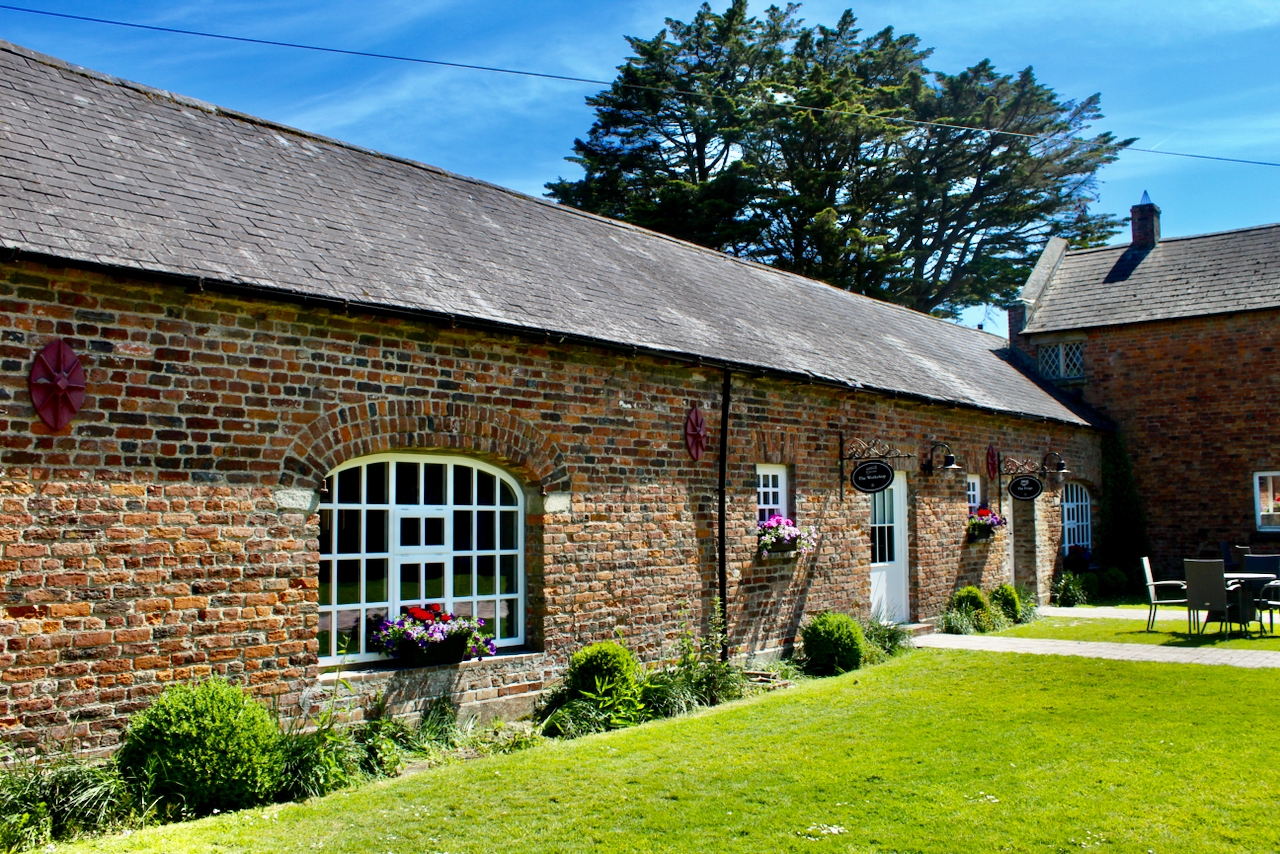
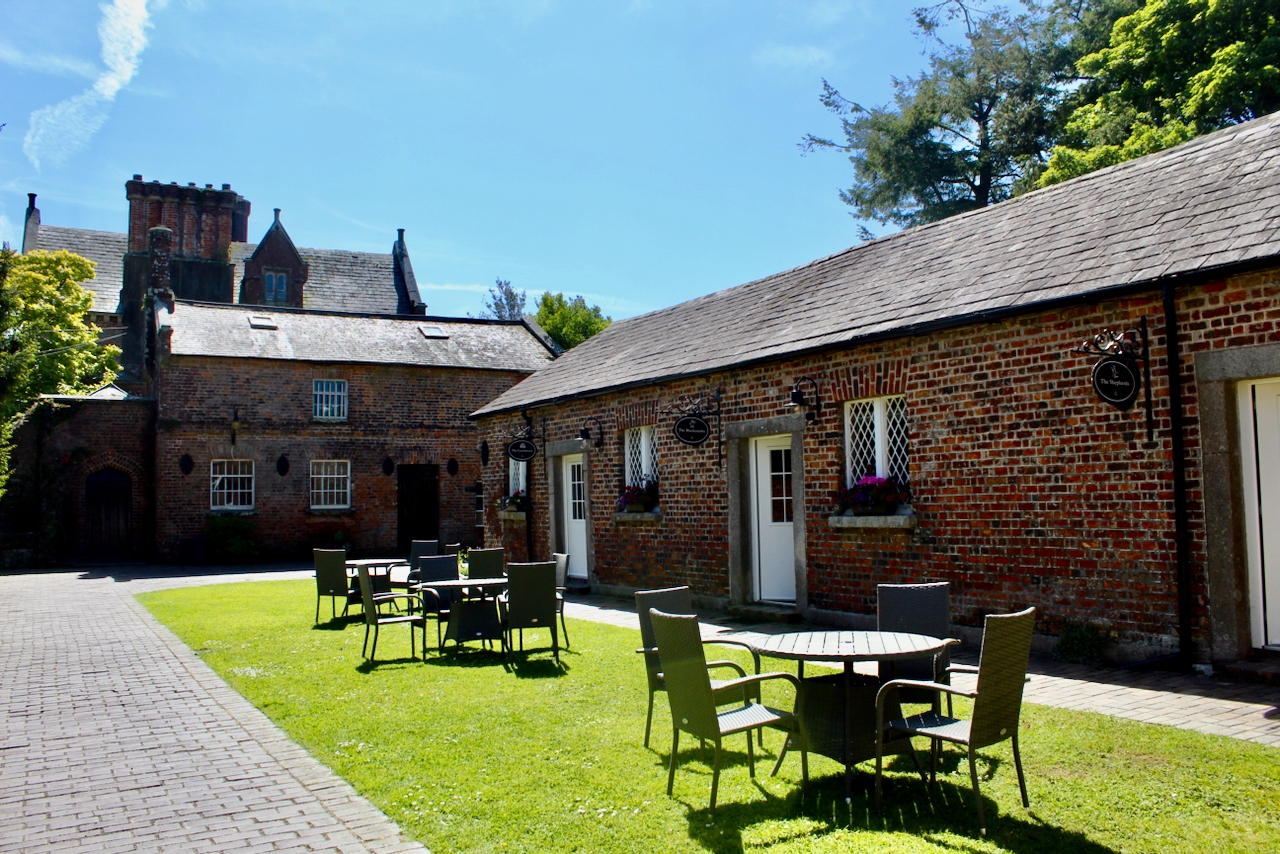
 Irish Historic Houses
