Castle MacGarrett, Claremorris, County Mayo F12 R585


Mark Bence-Jones. A Guide to Irish Country Houses (originally published as Burke’s Guide to Country Houses volume 1 Ireland by Burke’s Peerage Ltd. 1978); Revised edition 1988 Constable and Company Ltd, London.
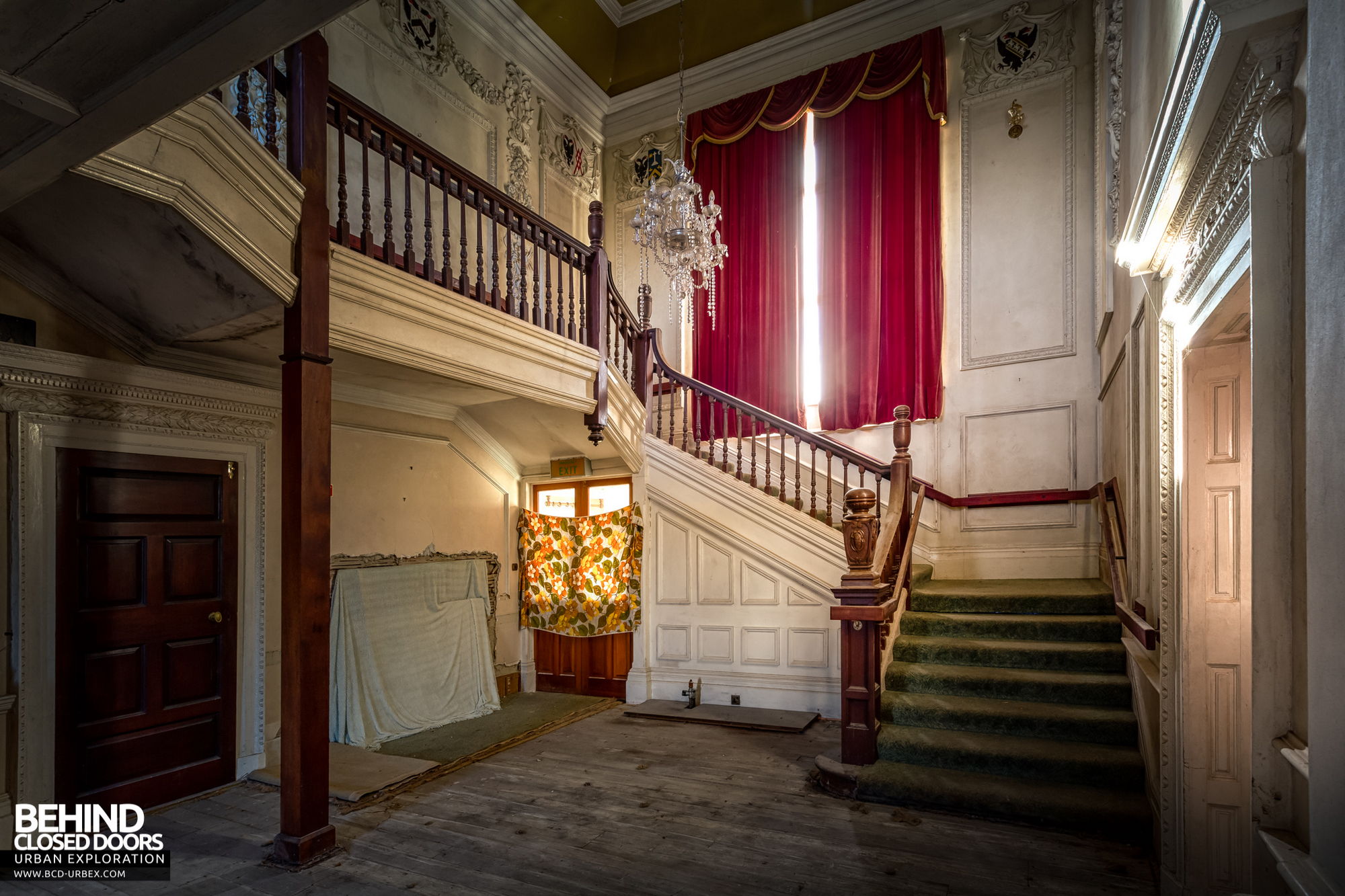
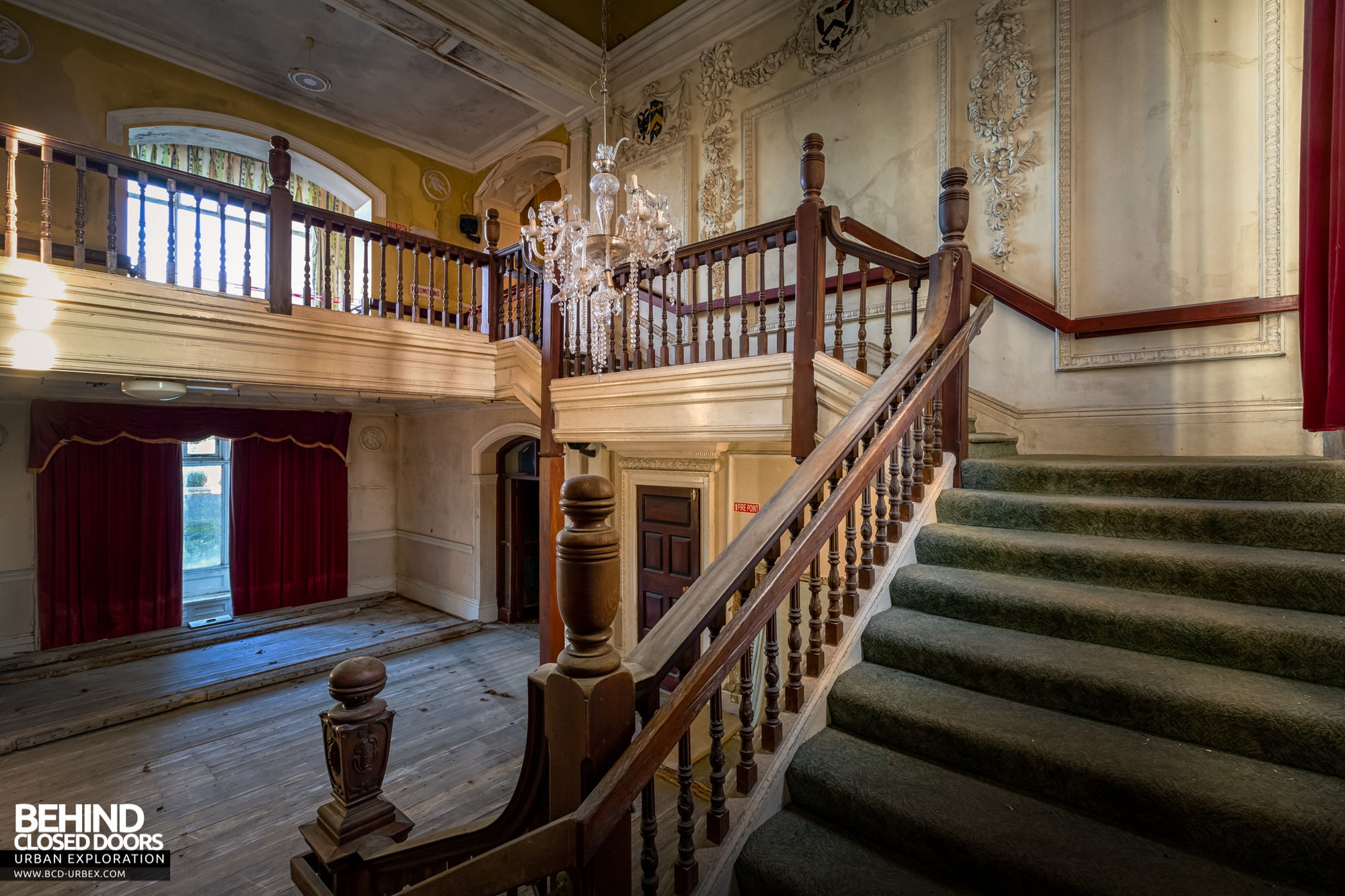
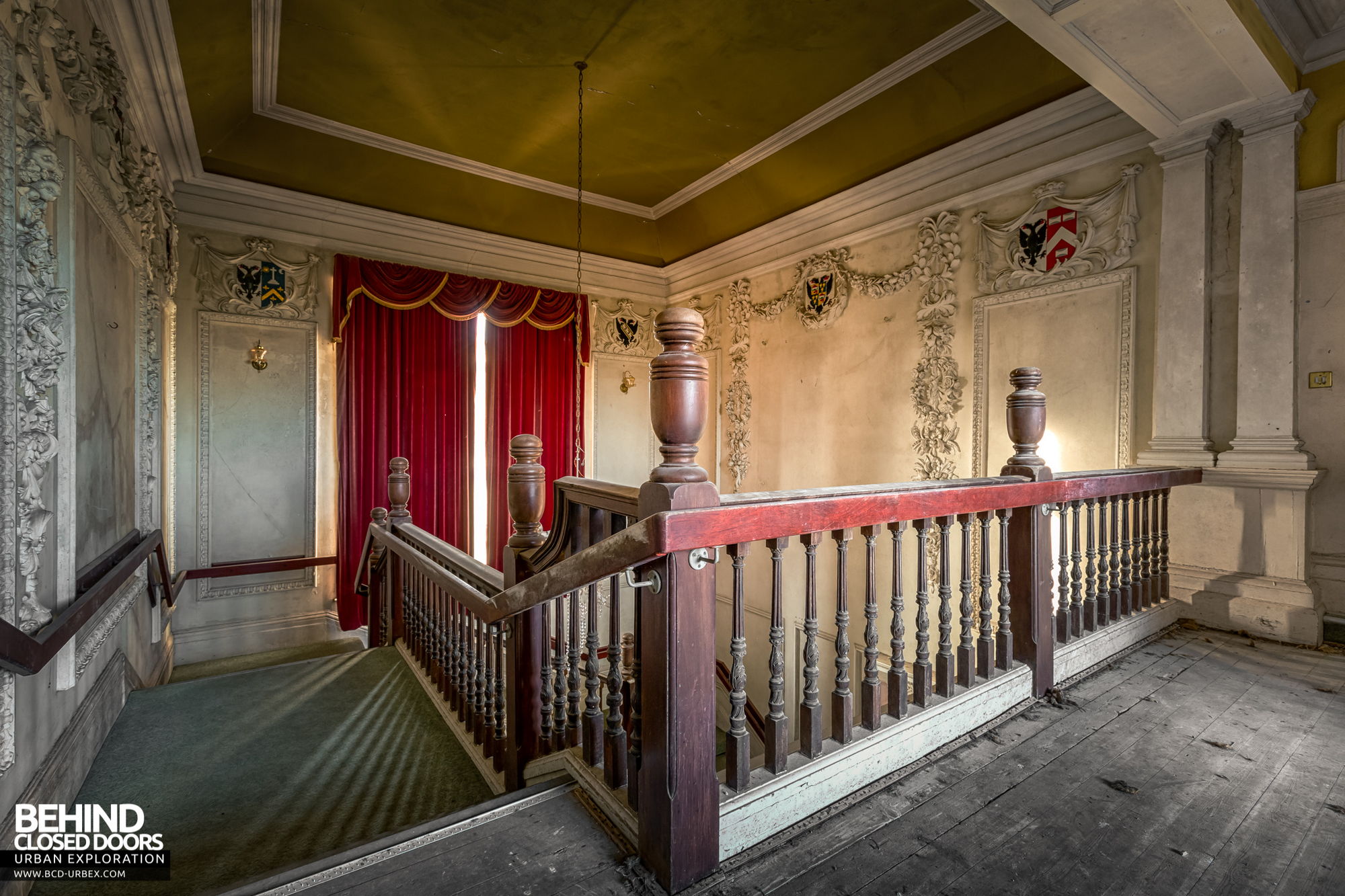
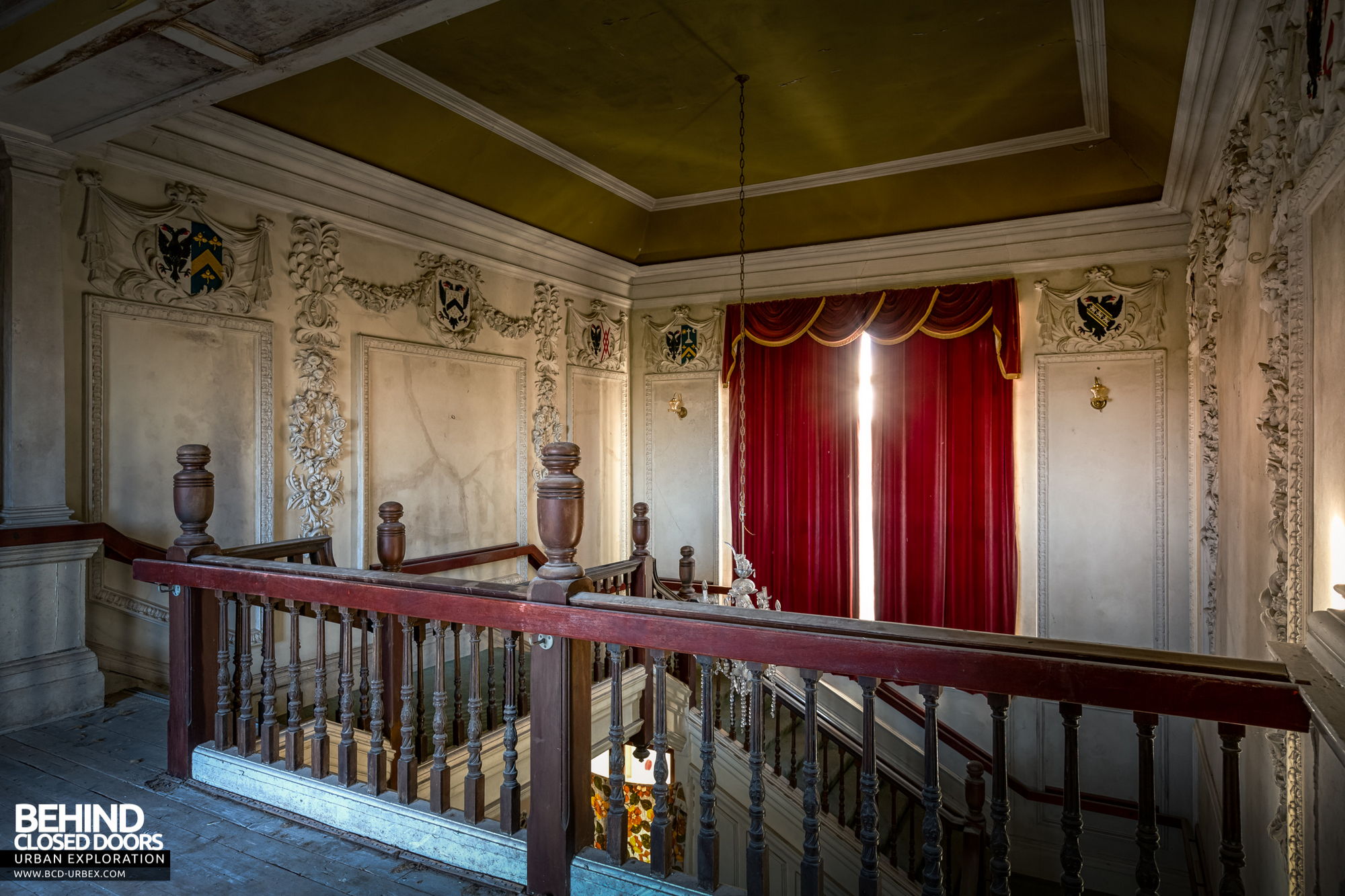
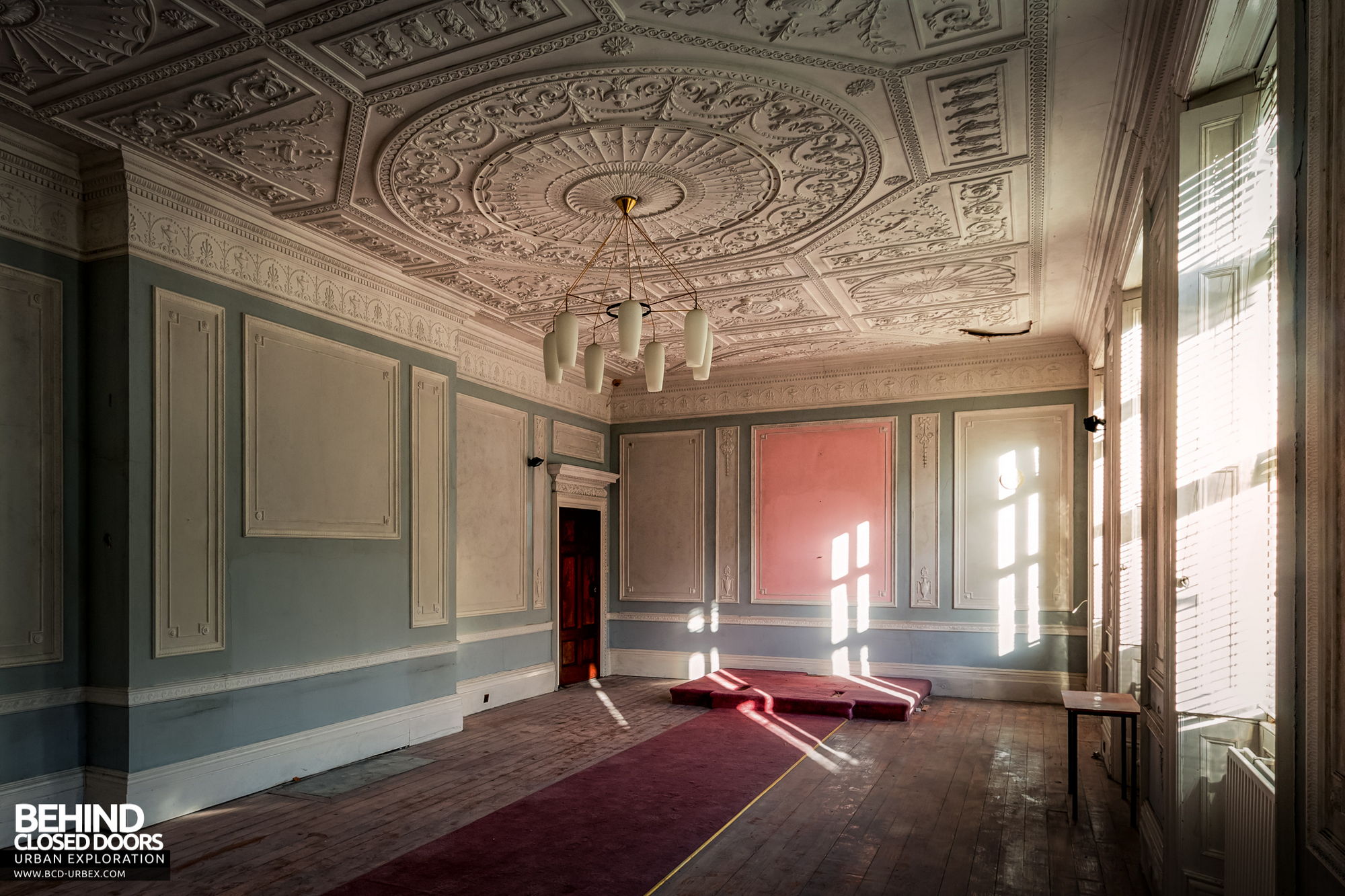
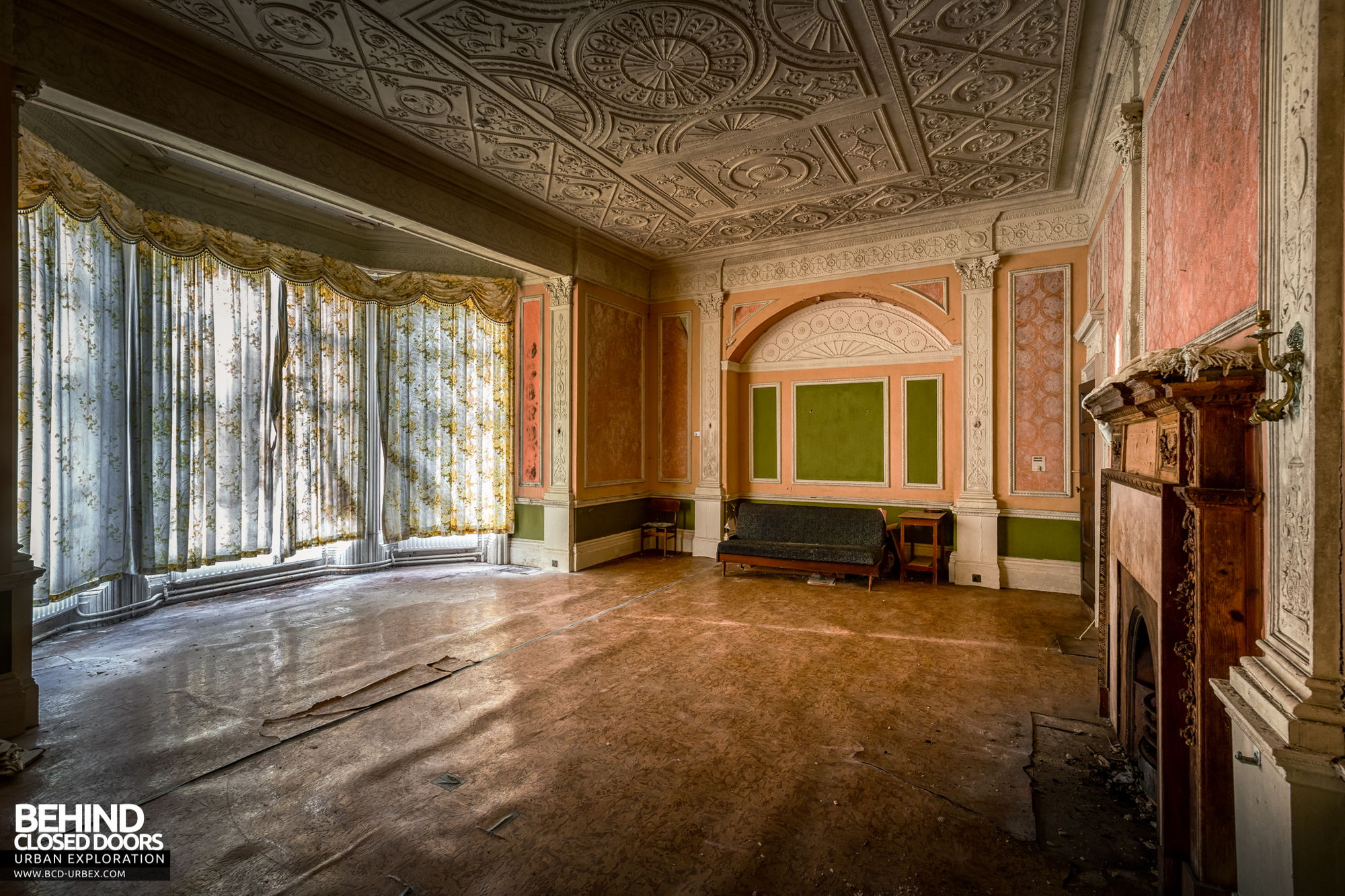
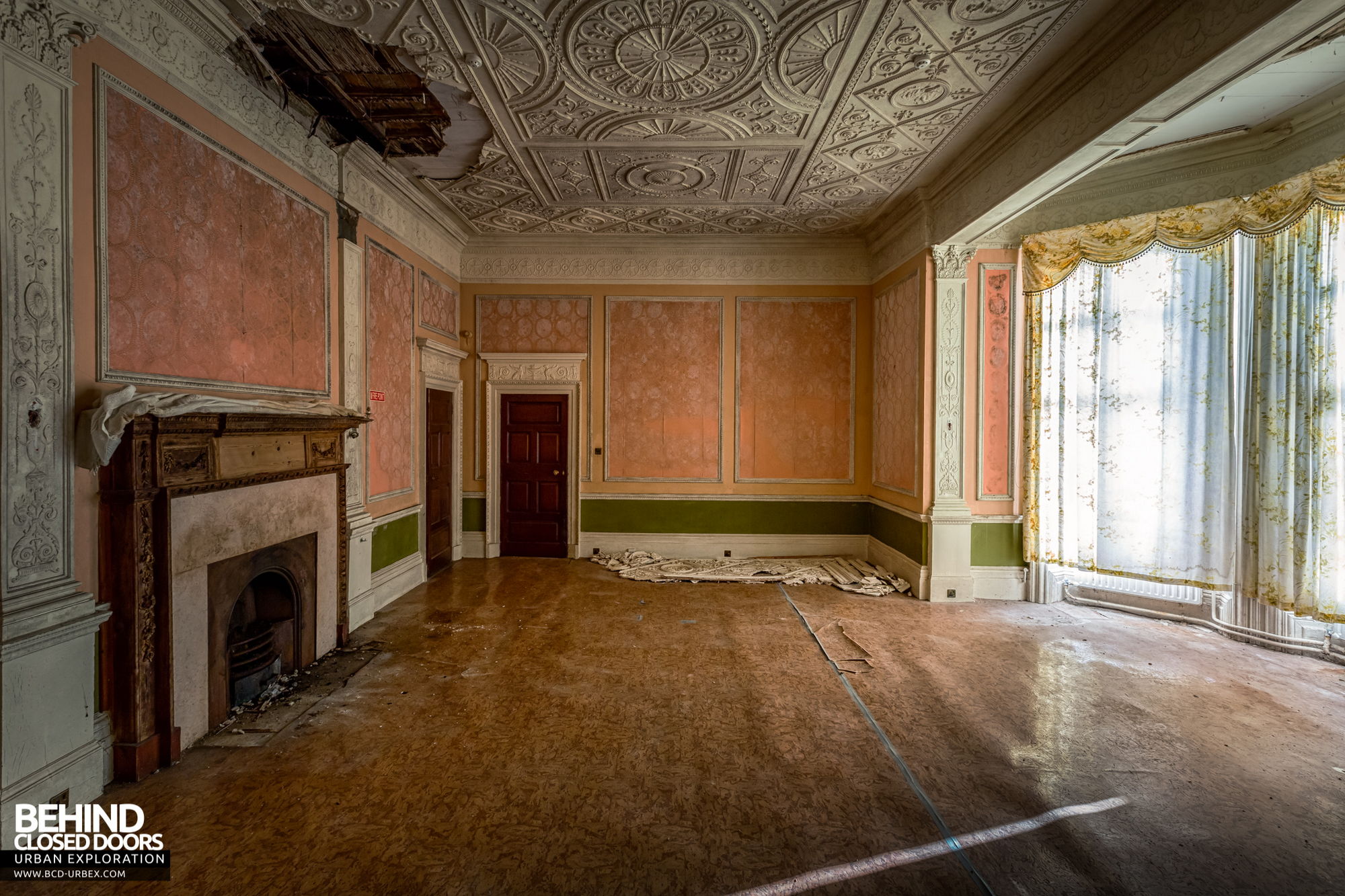
p. 72. “The original home here, a castle of the Prendergasts, passed to the Brownes with the marriage of Geoffrey Browne and Mary Prendergast in late C16. A subsequent Geoffrey Browne built a new house here 1694 which was burnt in 1811, and replaced by an unpretentious early C19 Tudor-Gothic house, built by Dominick Browne, 1st Lord Oranmore and Browne. At the beginning of the present century, 3rd Lord Oranmore and Browne built extensive additions in Edwardian Baronial style faced in cement; so that the house became large and rambling, extending round a three-sided court; with an elaborate pillared, pedimented and partly balustraded porch in the central range. Typical Edwardian hall, with wooden staircase and gallery, the walls of which are decorated with swags of plasterwork in late C17 manner. Large drawing room and dining room, with very good reproduction Adam ceilings, by Dublin craftsmen. Library with beamed timbered ceiling and inglenook fireplace. Now a home for the elderly.”
https://www.buildingsofireland.ie/buildings-search/building/31311121/castlemacgarrett-originally-castlemagarret-house-castlemagarretpark-new-co-mayo

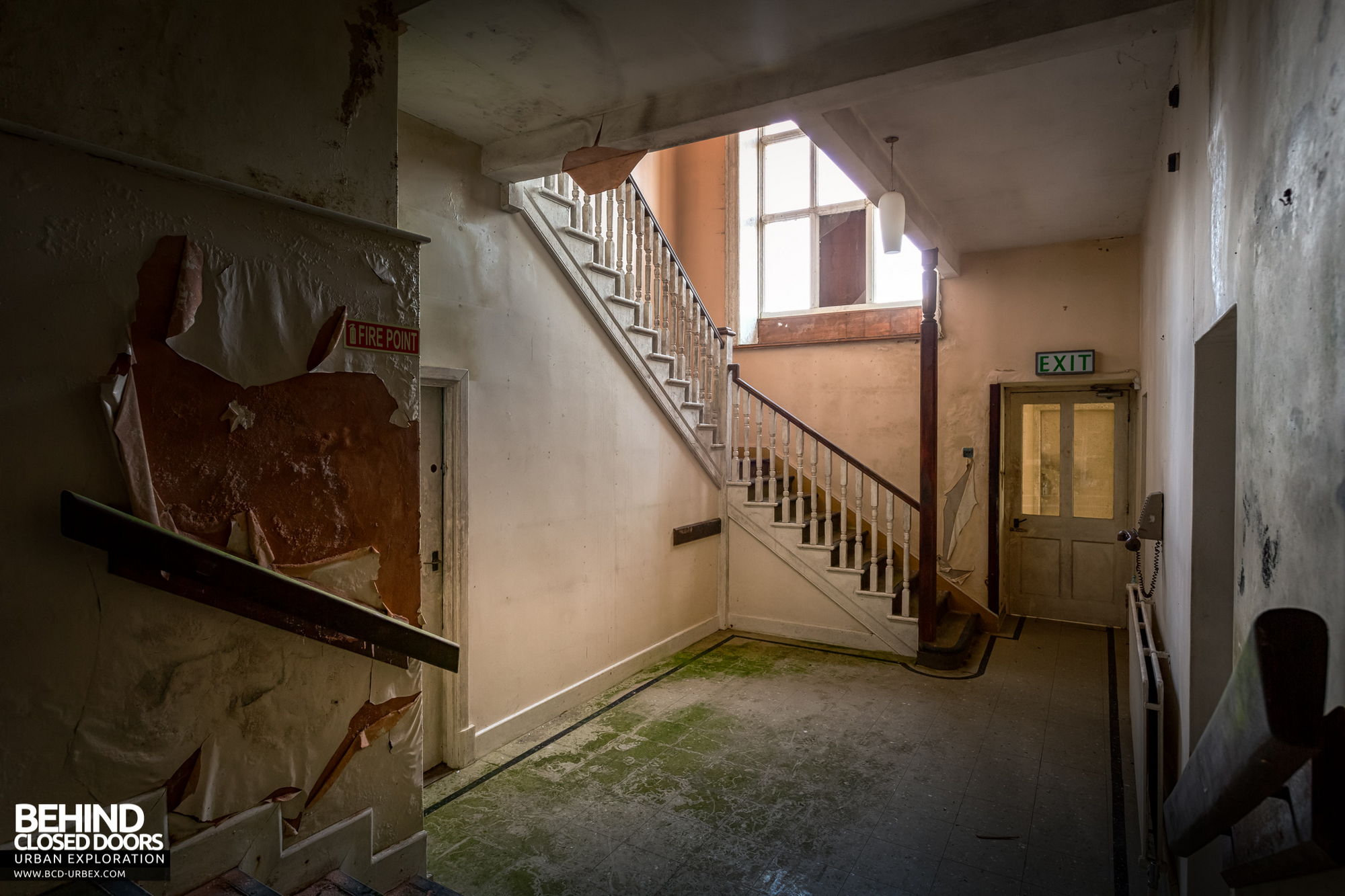
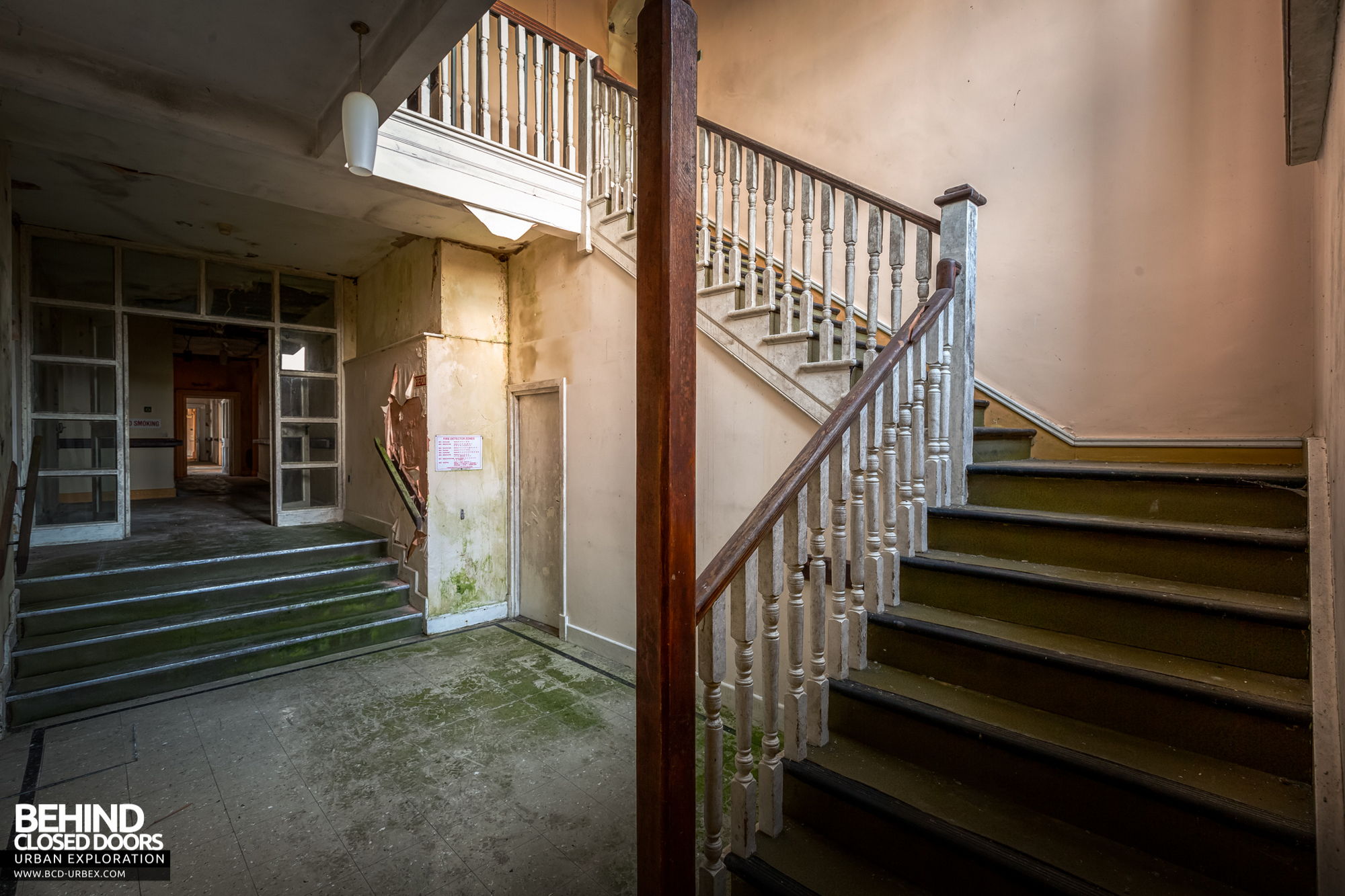
Detached four-bay two-storey country house with dormer attic, dated 1902; rebuilt 1906-7; complete 1909; occupied 1911, on a U-shaped plan about a courtyard with two-bay (four-bay deep) three-storey projecting end bays; four-bay two-storey rear (west) elevation. Vacated, 1960. Sold, 1964. In alternative use, 1965-2005. Sold, 2005. Now disused. Interior including (ground floor): vestibule; camber-headed opposing openings into hall with moulded archivolts; double-height hall retaining carved timber surrounds to door openings framing timber panelled doors, timber panelled staircase on a dog leg plan with fluted timber balusters supporting carved timber banister terminating in final-topped chamfered timber newels, camber-headed opposing openings to landing with moulded archivolts, and coved ceiling on moulded plasterwork cornice; drawing room (south-west) retaining carved timber surround to door opening framing timber panelled door with carved timber surround to opposing window opening framing timber panelled reveals or shutters on panelled risers, and plasterwork cornice to ceiling; dining room (north-west) retaining carved timber Classical-style surrounds to door openings framing timber panelled doors with carved timber surround to opposing window opening framing timber panelled reveals or shutters on panelled risers, and dentilated run moulded plasterwork cornice to ceiling on decorative plasterwork frieze; and carved timber surrounds to door openings to remainder framing timber panelled doors with carved timber surrounds to window openings framing timber panelled reveals or shutters on panelled risers. Set in unkempt landscaped grounds with drag edged tooled cut-limestone chamfered piers to courtyard having lichen-covered polygonal capping supporting rosette-detailed wrought iron double gates.
Appraisal
A country house erected for Geoffrey Henry Browne JP DL (1861-1927), third Lord Oranmore and Browne, to a design by Richard Francis Caulfield Orpen (1863-1938) of South Frederick Street, Dublin (Irish Builder 23rd January 1909, 37), representing an important component of the domestic built heritage of south County Mayo with the architectural value of the composition, one repurposing an early eighteenth-century stable block (1738) carrying the initials of Geoffrey Browne (1664-1755), confirmed by such attributes as the deliberate alignment maximising on panoramic vistas overlooking gently rolling grounds and the meandering Robe River; the angular plan form enclosing a denuded courtyard; the diminishing in scale of the openings on each floor producing a graduated visual impression with the principal “apartments” defined by polygonal bay windows; the scattered figurative panels tracing the Browne pedigree back to Norman times; and the streamlined battlements embellishing a multi-faceted roofline. A prolonged period of unoccupancy notwithstanding, the elementary form and massing survive intact together with substantial quantities of the original fabric, both to the exterior and to the interior where a ‘typical Edwardian hall…decorated with swags of plasterwork in the late seventeenth-century manner’ (Bence-Jones 1978, 72); chimneypieces supplied by Hicks of Dublin; and neo-Classical plasterwork modelled “after” Leinster House (1745; decoration 1776-7), Dublin (Williams 1994, 304), all highlight the considerable artistic potential of the composition. Furthermore, a walled garden (see 31311122); nearby bridges (see 31311124; 31311125; 31311126); an icehouse (1810: see 31311127); and nearby gate lodges (see 31310116; 31311128), all continue to contribute positively to the group and setting values of an estate having subsequent connections with Dominick Geoffrey Edward Browne (1901-2002), fourth Lord Oranmore and Browne, and his wives Mildred Helen (née Egerton) (1903-80; divorced 1936); Oonagh (née Guinness) (1910-95; divorced 1950); and Lady Constance Vera (née Stevens) (1916-2006), alias Sally Gray, actress.


http://landedestates.nuigalway.ie/LandedEstates/jsp/property-list.jsp?letter=C
In 1786, Wilson refers to CastleMacGarret as the seat of D.G. Browne, “a handsome seat, surrounded with one of the best wooded demeses in Ireland”. The house, built in 1694, was destroyed by fire in August 1811 and a replacement built in the Tudor Gothic style. Robert Graham, in his journal of September 1836, refers to the fire and that “the present house is constructed out of the old offices, but is amazingly comfortable as far as it goes”. Held in fee by Geoffrey Browne at the time of Griffith’s Valuation, when it was valued at £25. The house functioned as a nursing home after it was sold by the Brownes in 1964. It is still extant but unoccupied. In 2015 it was offered for sale.
https://archiseek.com/2012/castlemacgarrett-house-mayo
1811 – Castlemacgarrett House, Claremorris, Co. Mayo


After the house of 1694 was destroyed in a fire in 1811, part of the current house was constructed. It was later extended in 1907 by Richard Orpen. There were unexecuted designs from 1811, believed to be by Richard Morrison but signed by Owen Fahy. After being the home of the Browne family for hundreds of years, they finally sold up in the 1960s which saw the land being taken over by the Irish Land Commission and the house turned into a nursing home. It was sold for redevelopment in 2006 and has been empty since.
For sale 1/9/21 Price on asking
66 bedrooms, 22 bathrooms.

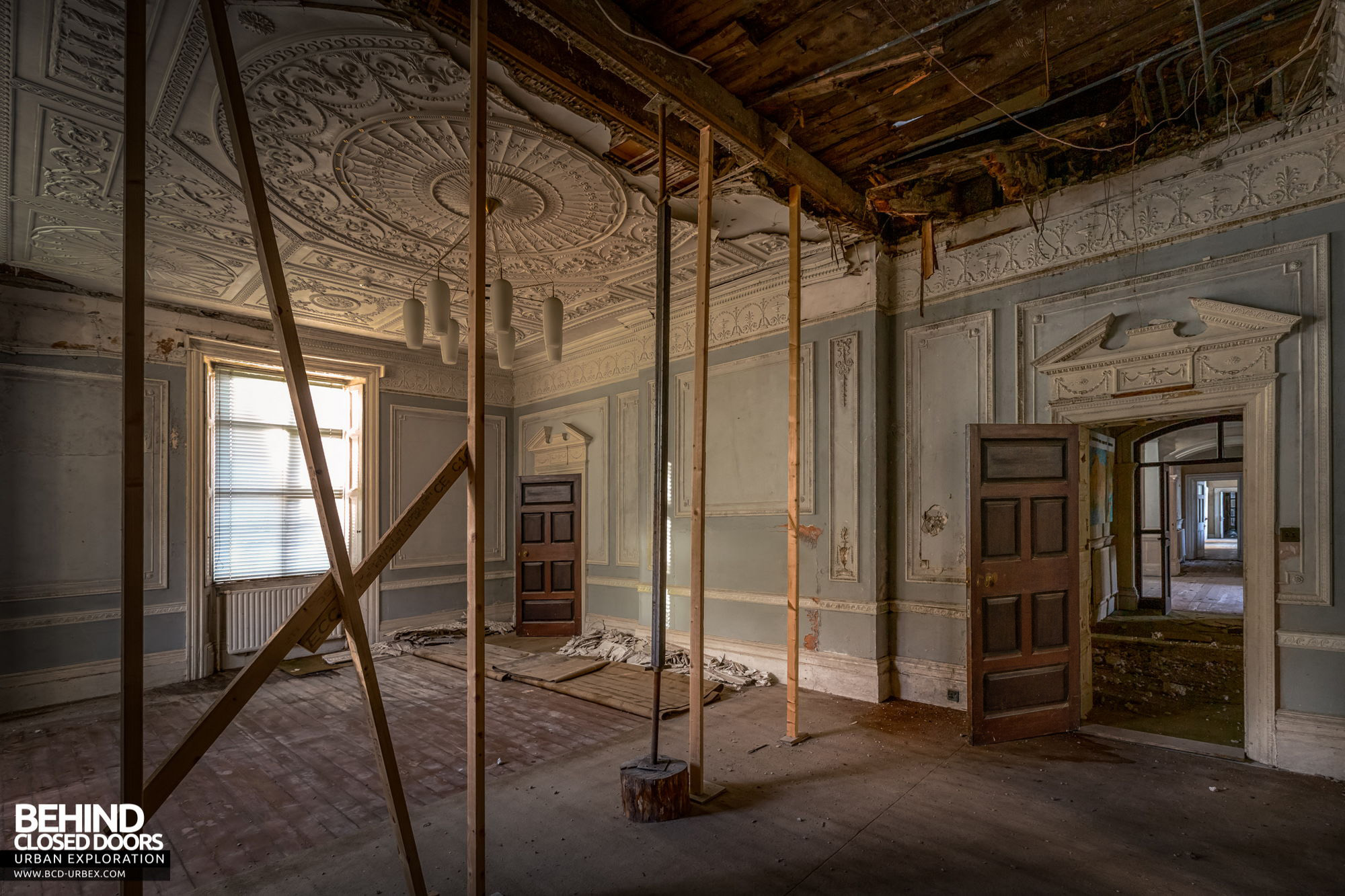
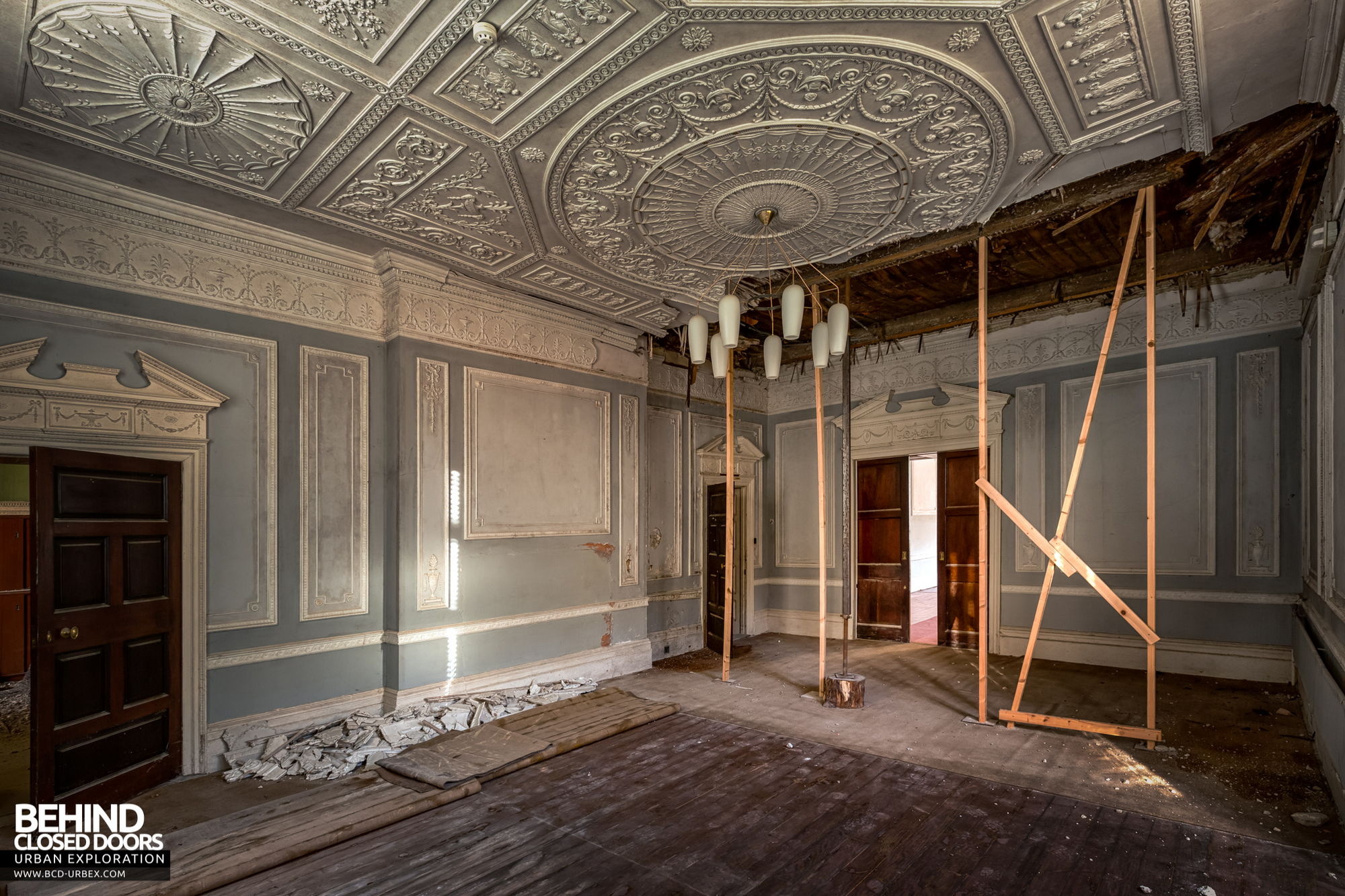
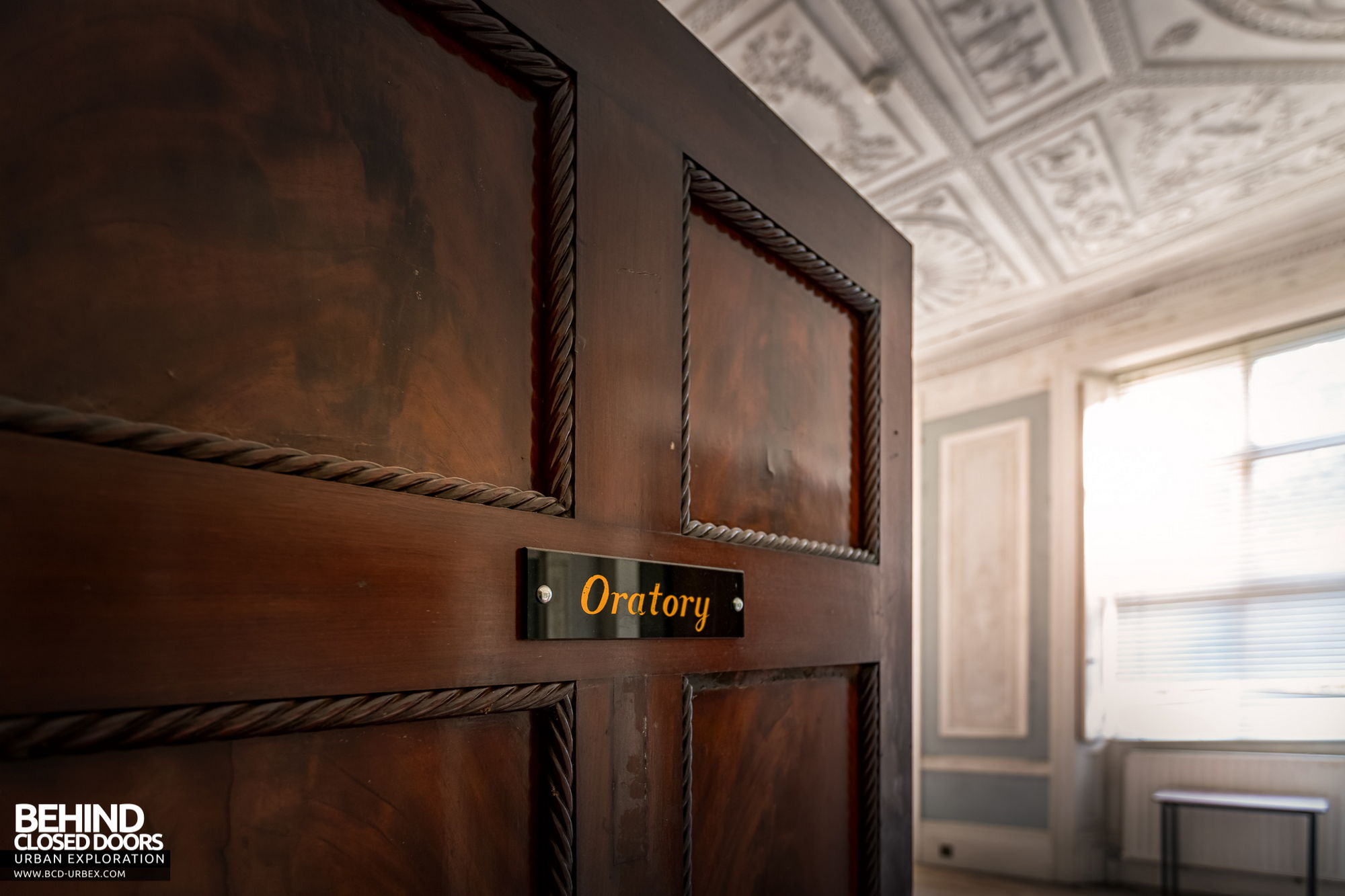
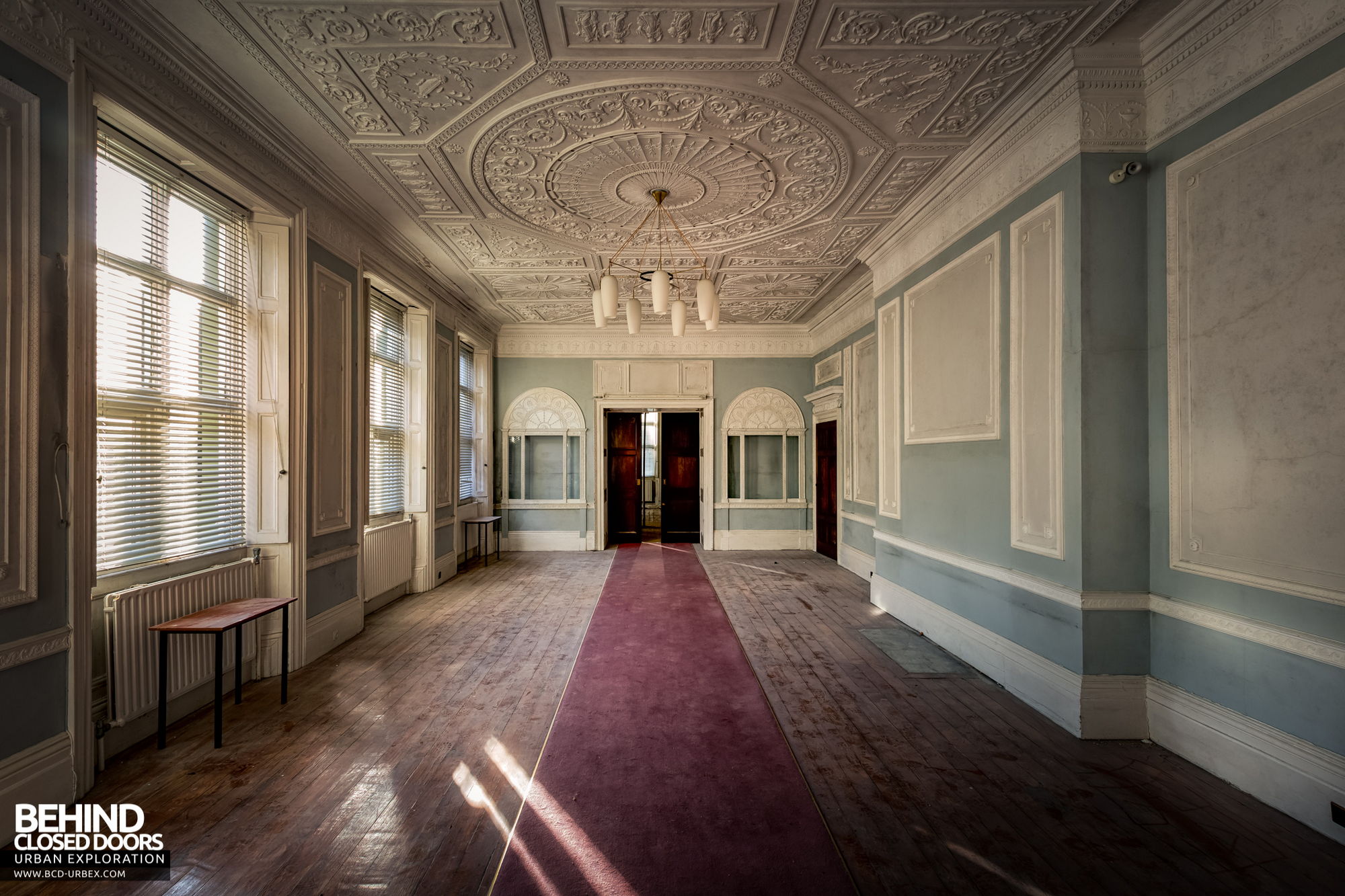
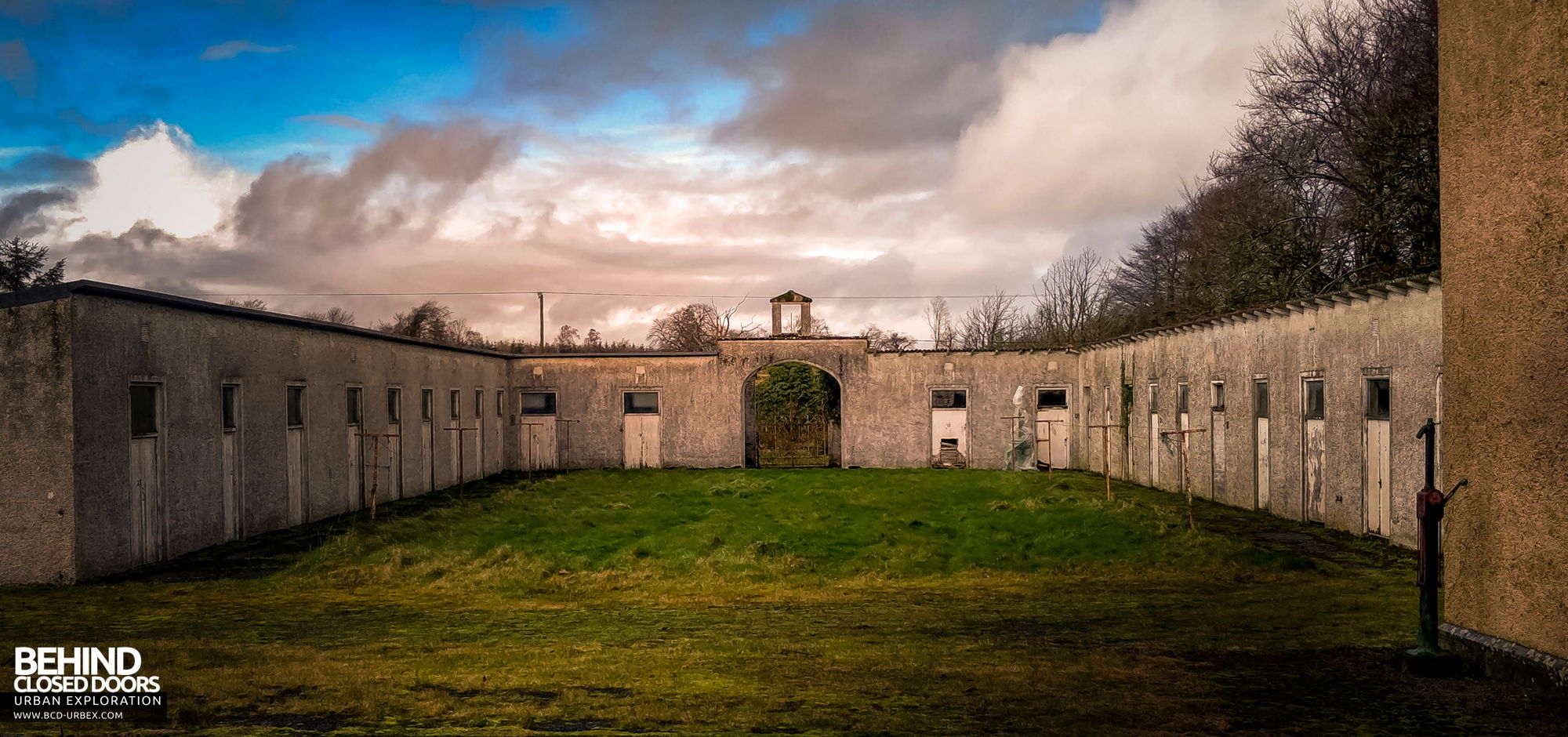
We are delighted to bring the historical CastleMacGarrett House to the market. A property synonymous with Claremorris, rich in character and history. This is a rare opportunity to acquire a piece of local and national history. The house is being brought to the market on approximately 12 acres of grounds and gardens. CastleMacGarrett was originally owned by the Oranmore Browne family for over five centuries. Two residences pre-date the existing CastleMacGarrett, the second residence being almost completely destroyed by fire in 1811. A vaulted room survived the fire and was incorporated into the new building, which is now part of the guests dining room. Two additions were added in 1811 and 1902. The oratory and reception room which were added in 1902 have ceilings which are replicas of those found in Leinster house. The house is full of character and period features including, mahogany doors, parquet flooring, ornate plasterwork and high ceilings. The property extends to approximately 26,278 sq. ft (2441.3 sq. m) Accommodation: Entrance & Reception lobby, Reception, Meeting Room, Lounge x 2, Oratory, Dining Room, Day Room & Kitchenette, Kitchen and store rooms, 2 further kitchens, Office x 3, Staff Rooms, Laundry, Hairdressers, Sewing Room, Infirmary, Treatment Room, Master Bedroom Suite, 66 Further Bedrooms (some ensuite) 22 Bathrooms/wc On the grounds there is a Boiler House, 23 Stables, Yard and Tree Lined Avenue. There may be potential to acquire further land adjacent, if required. CastleMacGarrett is centrally located in Connacht, on the N17 Galway to Sligo road and only 4km from Claremorris town. There are strong infrastructural links, serviced by a good road, rail and bus network. Ballindine 3km, Castlebar 30km, Ireland West Airport Knock 30km, Galway 55km. The is excellent fishing close by in Lough Carra and Lough Mask. There is an 18 hole golf course adjacent and a variety of sports clubs in Claremorris town. There is excellent potential to develop the property for a myriad of uses such as hotel, retreat or nursing home to name a few.
Viewings strictly by appointment.
BER Details
BER: Exempt BER No: Performance Indicator:
Negotiator Details
Gerard Hanley MIPAV REV MMCEPI
Viewing Information
Strictly by appointment with Sherry FitzGerald Claremorris on 094 9371479


entry in MacDonnell, Randal. The Lost Houses of Ireland. A chronicle of great houses and the families who lived in them. Weidenfeld and Nicolson. London, 2002
p. 43. “The ancestry of the Brownes of Galway is not to be confused with the much later arrivistes who acquired the Marquessate of Sligo, the Earldoms of Clanrickarde, Altamont and Kenmare, and the Barony of Kilmaine, as well as building mansions at Westport, Kenmare, The Neale and Breaghwy. These other Brownes are the descendants of those who came with the waves of Tudor and Cromwellian adventurers and land grabbers centuries after the Galway Brownes had arrived, and were the leading family of the “Tribes of Galway: – merchant princes who had made that town the centre of their power.
Geoffrey Browne, the 3rd Lord Oranmore, wrote an account of his family’s history in which he admitted that the earliest of his family from whom he could ‘prove lineal descent’ was a Stephen Browne who had lived during the latter part of the 15th century. He did, however, recount the family tradition that they were descended from a Norman knight, Sir David Browne (or le Brun) who had built the Castle of Carra Browne after the Battle of Athenry, which took place on 10 August 1316.
“This knight was alleged to be the descendent of Geoffrey le Brun who had come to England with the Conquerer. Hugh le Brun, a member of this family, married Isabel, the widow of King John, and William de Valence, the child born of this union, was ennobled by Henry III as Earl of Pembroke. The Oranmore tradition relates that Hugh’s cousin, David le Brun, came to Ireland with Prince John in 1185, and that Sir David Browne (who fought at Athenry in 1316) was the great-great-grandson of Prince John’s companion. The family papers were largely destroyed in a fire at Castle MacGarrett in 1811, and any evidence that might have existed to prove or disprove these claims is gone forever.
“What makes this alleged pedigree at least probably [p. 44] was, and is, the existence of Carra Browne Castle. The ruin of this edifice, which was built by Sir David Browne in 1316, was in the possession of Lord Oranmore until its sale in 1855; the feudal lordships of Carra Browne (in County Galway) and Castle Keele (in the Castle MacGarrett demesne, not far from Ballindine, in County Mayo) are still the property of the present Lord Oranmore, and in addition, it was as Baron Oranmore of Carra Browne Castle that the 1st Lord Oranmore chose to be ennobled. The continuous ownership by the Browne family of these stones until 1855 is strong circumstantial evidence for the accuracy of the family tradition.”
“From Stephen Browne the line continued to his descendant Dominic Mor (Dominick browne), who was Mayor of Galway in 1575. His wife was Be Bhinn Ni Flaithbheartaigh (O’Flaherty), the daughter of Sir Murchadh who was head of a rapacious crew whose deeds caused the people of Galway to pray ‘from the ferocious O’Flaherties, Good Lord deliver us!’ …
p. 45. “On his death Dominick Browne, described in the Calendar of State Papers for 1588-92 as ‘the richest merchant in Ireland’, was succeeded by his eldest son, Geoffrey. He had the good fortune to marry Mary, the daughter and heiress of Edmund Mac Muiris (or Prendergast), the lord of Castle MacGarrett in County Mayo, and a descendent of Maurice de Prendergast, who came to Ireland with Strongbow, one of the great Norman leaders, in 1169. With Mary Prendergast came thousands of acres in counties Mayo, Westmeath and Longford. The son of Geoffrey and Mary was named Dominick after his grandfather. In fact, the alternating of the names Dominick and Geoffrey for ten generations was to become the rule of the family…
p. 46. “The townspeople elected him [the above Dominick Browne] as their MP in 1634, and he became Mayor of Galway in the same year. In 1635, Lord Wentworth, King Charles I’s ill-fated Lord Deputy, knighted him, but the victory of Oliver Cromwell, as well as Geoffrey Browne’s services in the cause of the exiled Stuarts, saw his Galway estates confiscated in 1654. …”
p. 47 “Geoffrey Browne, Dominick’s eldest son, was the first of his family to move on the European stage. An MP in 1639 for his father’s old seat of Athenry, he was elected a member of the Supreme Council of the Confederate Catholics when the General Assembly met at Kilkenny in 1642. At this period in Irish history, the people divided into three camps: those who supported Cromwell and Parliament (such as Lord Inchiquin); those who wanted to get heretics out of Ireland and to have complete independence (such as Eoghan Ruadh O Neill); and those who wished to ease the laws against the Catholic majority but who were loyal to the Crown (such as Protestant Marquess of Ormond and the Catholic Earl of Clanrickarde). Both Sir Dominick Mor and his son Geoffrey belonged to this third group.
“The Papal nuncio, Cardinal Rinnuncini, arrived in Kilkenny and, horrified at the peace treaty that had been agreed between Eoghan Ruadh and Ormond, ordered the imprisonment of all the members of the Supreme Council. Geoffrey Browne was in Galway at the time and so a warrant was sent to the Mayor and Corporation ordering his immediate arrest. A second one followed that directed his transfer to a Castle in County Cavan. Faced with this dilemma, the citizens decided on a Judgement of Solomon. They detained Mr. Browne but refused to move him from the town ‘for he being a Gentleman allied to the prime men of the town and generally dear to all the inhabitants by reason of the merit of his fair carriage and abilities they were in no way inclined to put his life into the power of his enemies.’ When the Papal nuncio returned to Kilkenny, after his disasterously unsuccessful attempt to capture Dublin, all the prisoners were released….
p. 48 “Geoffrey married Mary, the daughter of Sir Henry Lynch, and was the Member for Tuam in the Restoration Parliament in 1661, when those lands in Galway that had been confiscated were returned to him. His will, which was made on the day that he died, is the first document to mention Castle MacGarrett, where theoldest trees that survive were planted by him in about 1664.
“Colonel Dominick Browne, Geoffrey’s heir and son, was born in about 1635 and was Mayor of Galway in 1688 and again in 1689. When William of Orange invaded Ireland, Dominick took up the cause of James II and commanded a troop of dragoons at the Battle of Aughrim. When Galway surrendered to General Ginkel (afterwards the 1st Earl of Athlone), Col. Browne was one of the hostages taken as surety for the town’s good behaviour. ..
The next to hold Castle MacGarrett was Col. Dominick Browne’s son, Geoffrey. In 1694, when the old Prendergast Castle became unsafe, he moved to a sitenearby and built a new house, the stables of which survive, imbedded in the core of the present Castle MacGarrett. Following his father’s example, Geoffrey planted extensively around his new residence. … Born in 1664, he died in 1755 in his 91st year. He was probably the last Roman Catholic member of his family.
p. 49 “Geoffrey Browne’s heir was his son, Dominick, who waited until his father was a few month from his end, and too ill to realise what was going on, and then conformed to the Established Church. This was almost certainly done to prevent the loss or diminution of the family estates under the Penal Laws. They may have ‘turned’ but, after all, the family had remained [p. 50] Catholic for most of the period that the Penal Laws were in force, which is an achievement that could not be claimed by most of the landed families in Ireland. Dominick’s first wife was Elizabeth Martyn from Tulira. Her collateral descendant was Edward Martyn, the author and moving light in the Gaelic Revival Movement at the end of the 19th century. The Bow Gate at Castle MacGarrett was erected to celebrate their union. After his first wife died, Dominick married Henrietta, daughter of Sir Henry Lynch.
p. 50. “Their son, Geoffrey, who was born at Ashford House in County Galway, was known to his family as “The Vain.” He made the Grand Tour with his father and attended the Coronation of Louis XVI at Rheims in 1774. On his return to Ireland he chose as his bride, Mary, the granddaughter of the 1st Earl of Altamont from Westport House. … Disaster struck the family in 18211, when their seat was destroyed by fire. It was reported in The Gentleman’s Magazine ‘This night the mansion at Castle Mount Garrett, Co Galway, seat of D.G. Browne Esq. was totally consumed by fire. It originated in the kitchen and the Cook perished.” Most of the family papers were lost in the blaze.
“After this event, it seemed that things could only get better, but in the next generation they went from bad to worse. The heir, Dominick Browne, married Catherine, the daughter and co-heiress of Henry Monck. This gentleman was the heir-general of George Monck, 1st Duke of Albemarle, and the soldier who had facilitated the restoration of Charles II in 1660. Mr. Browne became an MP for County Mayo in 1814 and held his seat until 1836 (with a break during the years 1826-30). He planned to rebuild Castle MacGarrett in a palatial style. Sir Richard Morrison was engaged and, although the design was laid out on the grass, it never rose from the plans. A later scheme, in the 1840s, also came to nothing and so the stables that had survived from the 1811 fire were pressed into service and were soon incorporated in an enlarged structure. This is the oldest part of the present Castle MacGarrett.
Dominick Browne supported the Whig, or Radical, cause in Parliament. In 1830 he came up with a scheme to give vested property rights to Catholic Churches and Glebes in Ireland. Daniel O’Connell wrote to him [to praise him]. Dominick Browne spent a fortune in winning the seven elections that took him to Westminster… [p. 51] His reward came in 1836 when he was raised to the Irish peerage, with the title and style of Baron Oranmore of Carrabrowne Castle, in the County of the Town of Galway, and Baron Browne of Castlemagarrett, in the County of Mayo, by King William IV who instructed him, in the patent of creation, to enjoy his title ‘magnificently.’
[he wanted to obtain a seat in the House of Lords in the UK and petitioned three prime ministers but he never received it as they heard that he was bankrupt.]… p. 51. “In a series of sales between 1852-1855 most of the Browne estates were sold. A large portion of the town of Galway, as well as Salthill and Roundstone, went under the hammer at the Encumbered Estates Court. The trustees of Sir Benjamin Lee Guinness bought Ashford. Castle MacGarrett was saved only through the intervention of Lord Oranmore’s son and heir, the Hon. Geoffrey Browne. The first Baron died five years later, leaving his heirs a decimated inheritance – and two Irish peerages.
p. 52. Geoffrey Browne, the 2nd Lord Oranmore, married Christina Guthrie, daughter and heiress of Alexander Guthrie of the Mount in Ayrshire. He served as a representative in Westminster, for Ireland, from 1869 til his death in 1900. His son, 3rd Lord Oranmore and Browne, married Lady Olwen Ponsonby, daughter of 8th Earl of Bessborough, and followed his father to the House of Lords. In 1902 he engaged Richard Caulfield Orpen, elder brother of the painter Sir William Orpen, to
remodel Castle MacGarrett.
In 1921 he was made a member of the King’s Privy Council in Ireland and elected as a Senator for the new Free State. He became Baron Mereworth of Mereworth Castle in Kent, in the Peerage. He and his wife died tragically in a car accident in Britain.
Pg. 53. “The titles and the remaining estates came to Geoffrey’s eldest son, Dominick, who was only 26 years old when his parents died. He decided to sell up in England and to return to Ireland. He married Mildred Egerton and had two sons, Dominick and Martin, and three daughters, Patricia, Judith and Brigit. His second wife was Oonagh Guinness. They had two sons, Garech and Tara, who died also in a car accident when only in his early 20s.
“Lord Oranmore worked hard to make Castle MacGarrett pay for itself. He produced fruit and vegetables, and eels were caught and shipped to London. He farmed, and raised pheasants for shoots. …
Despite his best efforts… which included engaging his friend, the distinguished Irish architect Michael Scott, to build new stables for his stud at Castle MacGarrett, the end was in sight. Heart-broken, Lord Oranmore and Browne (whose third wife was Constance Stevens – the actress Sally Gray) sold the contents of the house and moved to London in 1961. IN 1964, financial considerations forced him to sell the house and demesne to the Land Commission who, as might have been expected, destroyed the estate…”
p. 216. The Tribes of Galway. This was used as a pejorative term by Cromwell’s troops in Galway in 1652, to describe the old merchant families of the City. The’Tribes’ consisted of the following families” Athy, Blake, Bodkin, Browne, d’Arcy, Deane, Font, French, Joyce, Kirwan, Lynch, Martin, Morris and Skerret. Most were of Norman or Welsh ancestry (with a few native Irish among them). In 1652, Lord Clanrickarde described them as ‘petty pedlars and bankrupt merchants.’ His Lordship’s bad opinion was a result of the merchants putting their own interests before those of the Crown during the Civil War.
The Earldom of Altamont and Marquessate of Sligo: the Earldom was bestowed in 1771 on John Browne of Westport, Co Mayo. The name of the title comes from the ‘high mountain’ (Croagh Patrick) that overlooks Westport. The 1st Earl married Anne, the daughter of Sir Arthur Gore, 1st Earl of Arran. The 3rd Earl was created Marquess of Sligo in the Union honours of 1800.
Prendergast (or Mac Muiris). An old Cambro-Norman family which arrived with Strongbow’s friend, Maurice de Prendergast. They obtained grants of land in Tipperary, Waterford, Wexford, Limerick and Connacht. The branch that settled in the West of Ireladn adapted to the native culture and after a few generations had been completely absorbed in Gaelic Ireland, altering their names from FitzMaurice to MacMuiris.
Castle MacGarrett was named after Gerard FitzMaurice, the son of that Maurice de Prendergast who came to Ireladn with Strongbow. Gerard FitzMaurice accompanied Richard de Burgo to Connacht and the barony of Clanmorris in Co May is named after his, as it the town of Claremorris – Clar Chloinne Mhuiris – which means plain of the Prendergasts.
General Ginkel. Godard Van Reede was the son of Godard, 1st Baron Reede in Denmark. Although he is known as General Ginkel, this was never his surname. Ginkel was one of several Dutch lordships held by the family. William III appointed him Commander-in-Chief of the army in Ireland where he captured Athlone in 1691 and in the same year won the Battle of Aughrim. He was naturalized as Baron de Ginkel in 1691/2 and created Earl of Athlone by a grateful sovereign, who also provided him with 26,481 acres of confiscated Irish land. Lord Athlone died of apoplexy in Utrecht in 1702/3. The title became extinct on the death of the 9th Earl who died in The Hague in 1844.
The Martins. They claim to descend from Oliver Martin, a companion-in-arms to Strongbow. Richard Martin was granted almost all fo the O’Flaherty lands as a result of the confiscations that took place under Cromwell and the redistribution of land that occurred after the restoration. A prominent member of the family was Richard Martin (1754-1834), who was the largest landowner in Connacht, with an estate of over 200,000 acres (he boasted he had a front drive 40 miles long). An energetic life that saw his wife leave him – she was alleged, among other things, to have had an affair with her children’s tutor, Theobald Wolfe Tone – and acquired for him the nickname of ‘Triger Dick’ because of his skills as a duellist – culminated in the passing of the Martin Act in 1822, which prevented cruelty to large domestic animals. In 1824, he founded the Society for the Prevention of Cruelty to Animals… The Martin estates were centred on Ballynahinch Castle in Co Galway, and were lost as a result of the potato famine in the 1840s. Ballynahinch Castle, which is now a hotel, was bought in 1924 by Ranjit Singhhi, His Highness the Maharaja Jam Sahib of Nawangr. Known to millions as the almost legendary cricketer ‘Ranji’. His cousin Princess Purna of Morvi married Garech Browne, son of the 4th Lord Oranmore and Browne.
On An Taisce Buildings at Risk register
https://www.antaisce.org/buildingsatrisk/castle-macgarret-claremorris

- Vacant with no identified new use
- Suffering from neglect and/or poor maintenance
- Suffering from structural problems
Assessment
- Condition of Structure: Poor
- Level of Risk: High
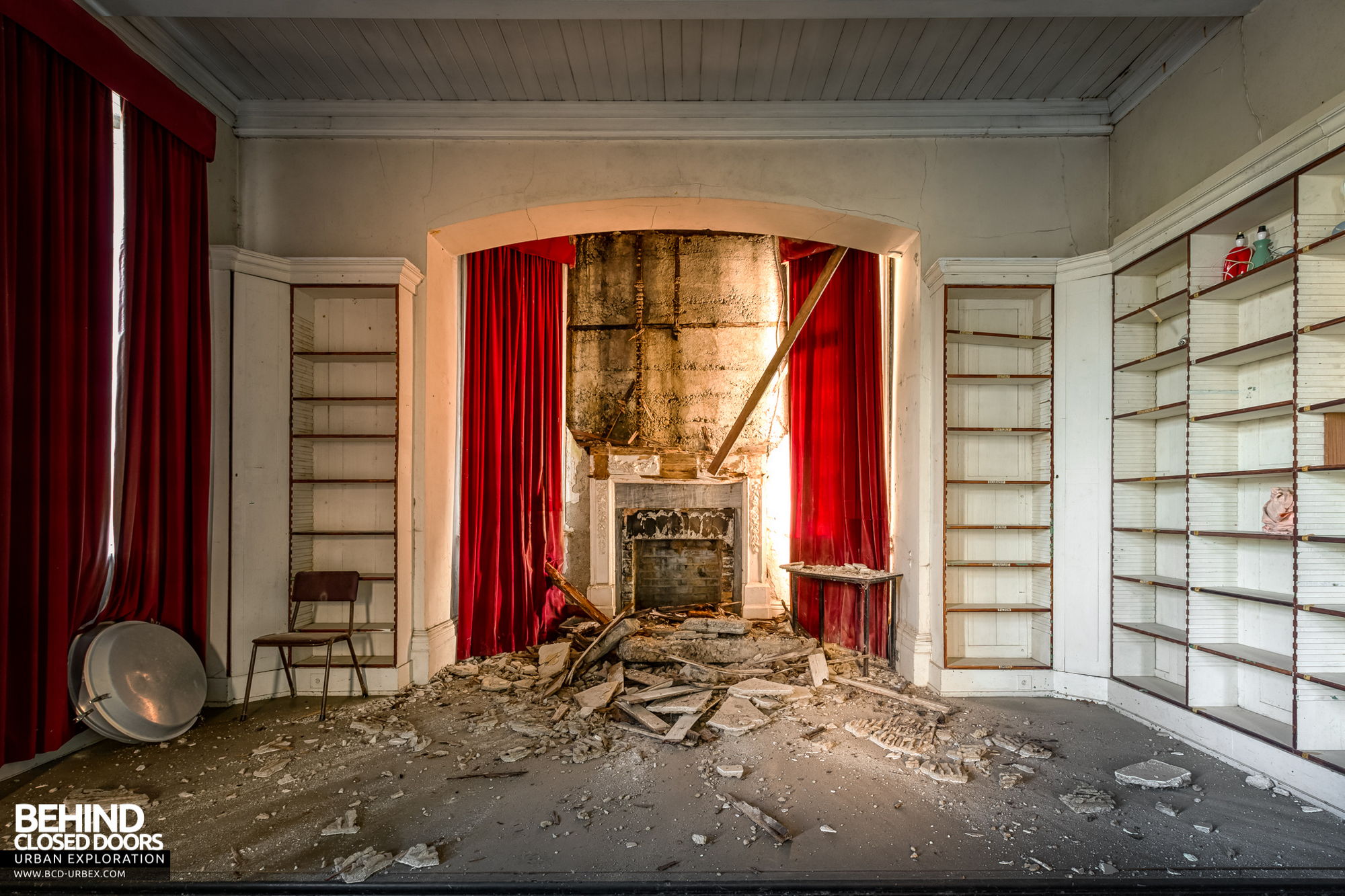
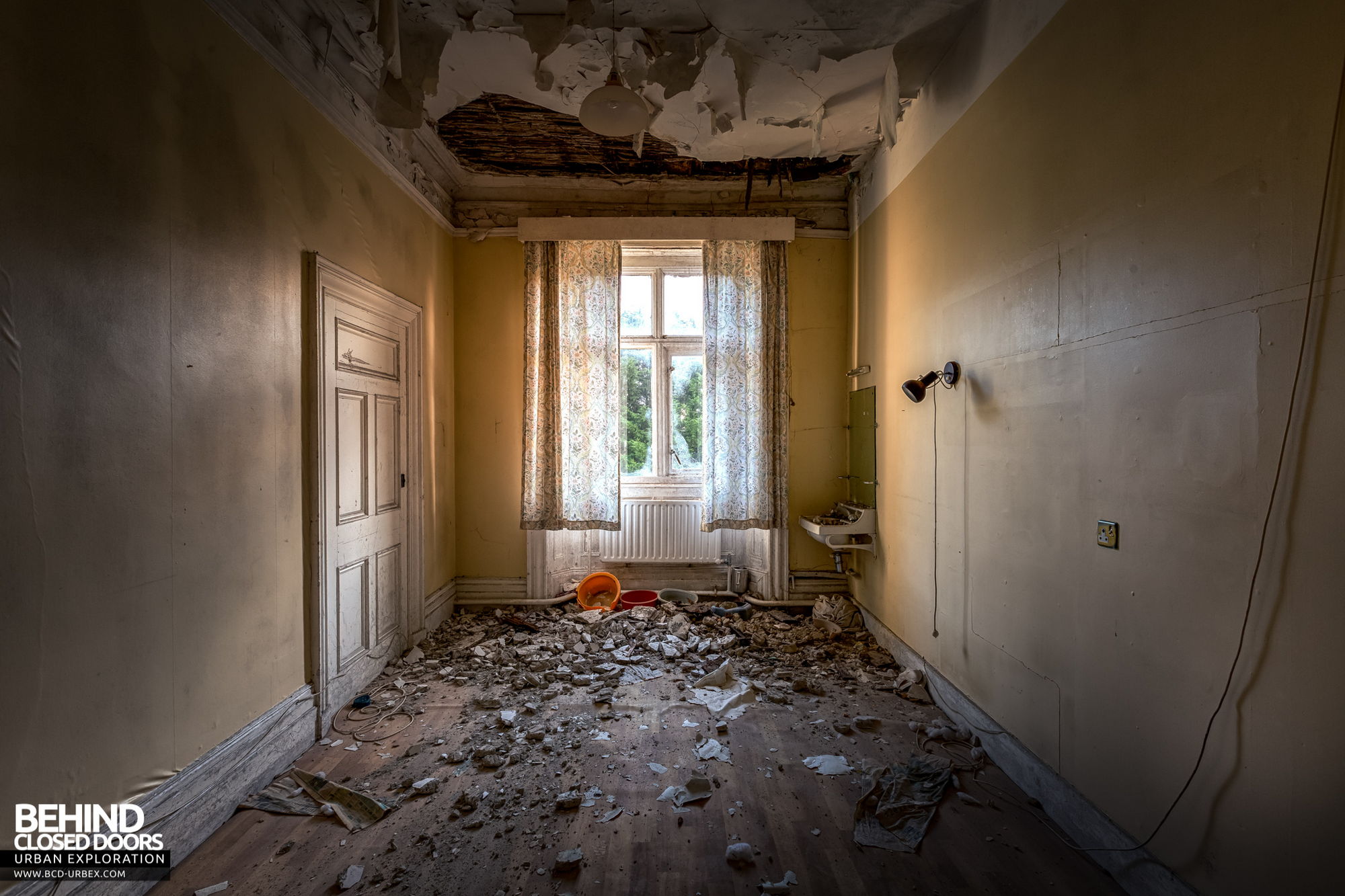
This building has been vacant for a number of years and does not appear to be maintained. Most of the external fabric remains, but there are obvious signs of deterioration, particularly water penetration, slipped slates, vegetation growth, broken windows and vandalism. There is no immediate danger of collapse but the condition is such that unless urgent remedial works are carried out the building will sharply deteriorate.
The house belonging to the Browne Family was constructed near an earlier castle close to the Robe River. The house was substantially rebuilt in early 20th century with fine neo-classical drawing room. The building was in use as a nursing home for most of 20th century with extensive additions. It is now vacant and urgently requires new uses to be identified to prevent further deterioration of its character.
A change of ownership occurred in 2016, but no conservation work has as yet been carried out to avert continuing deterioration.**
Photograph Credit: commercial.ie
Lying two miles south of the town of Claremorris, County Mayo, Castle MacGarret was associated with the Browne family for more than 350 years. The present house has a complicated history. The original castle stood closer to the river Robe but was found to be unsafe and abandoned towards the end of the 17th century; its ruins, smothered in ivy, can still be seen. Meanwhile, a new residence was built further from the water and served successive generations until largely destroyed by fire in 1811. A contemporary report in The Gentleman’s Magazine noted the blaze had originated in the kitchen ‘and the Cook perished.’
Following this disaster, the house’s stables were converted for use as a house. The architect Sir Richard Morrison drew up various plans for a new, elaborately gothic building but none of these was executed, presumably because Castle MacGarret’s then-owner Dominick Browne was too busy realising his political ambitions. Between 1814 and 1836 he managed to represent County Mayo for the Whig interest in seven Parliaments. This enterprise was his undoing since he was obliged to spend a fortune on each election to ensure success; one of them is said to have cost him £40,000 of which £600 alone went on lemons for whiskey punch.
As a reward for his political diligence, Dominick Browne was made a Privy Councillor of Ireland in 1834 and two years later created an Irish peer as Baron Oranmore of Carrabrowne Castle and Baron Browne of Castle Macgarret. But an Irish title did not automatically carry the right to sit in the House of Lords at Westminster and he therefore energetically lobbied for an English peerage. Three British Prime Ministers turned down his request, the reason being they had heard the newly-ennobled Lord Oranmore and Browne was on the verge of bankruptcy. This he denied, even though his debts amounted to an astonishing £199,320. The Irish Great Famine of 1845-8 completed his ruin and in a series of sales during the first half of the following decade, the majority of the Browne lands, including a large portion of Galway city, were sold through the Encumbered Estates Court.
Having lost most of their land, and therefore income, the Brownes were in no position to improve their accommodation. Finally in the early 1900s the third Lord Oranmore and Browne employed Richard Caulfield Orpen to remodel and extend the old stables. An older brother of the painter Sir William Orpen, this architect has the questionable honour of being credited with introducing the bungalow into Ireland.
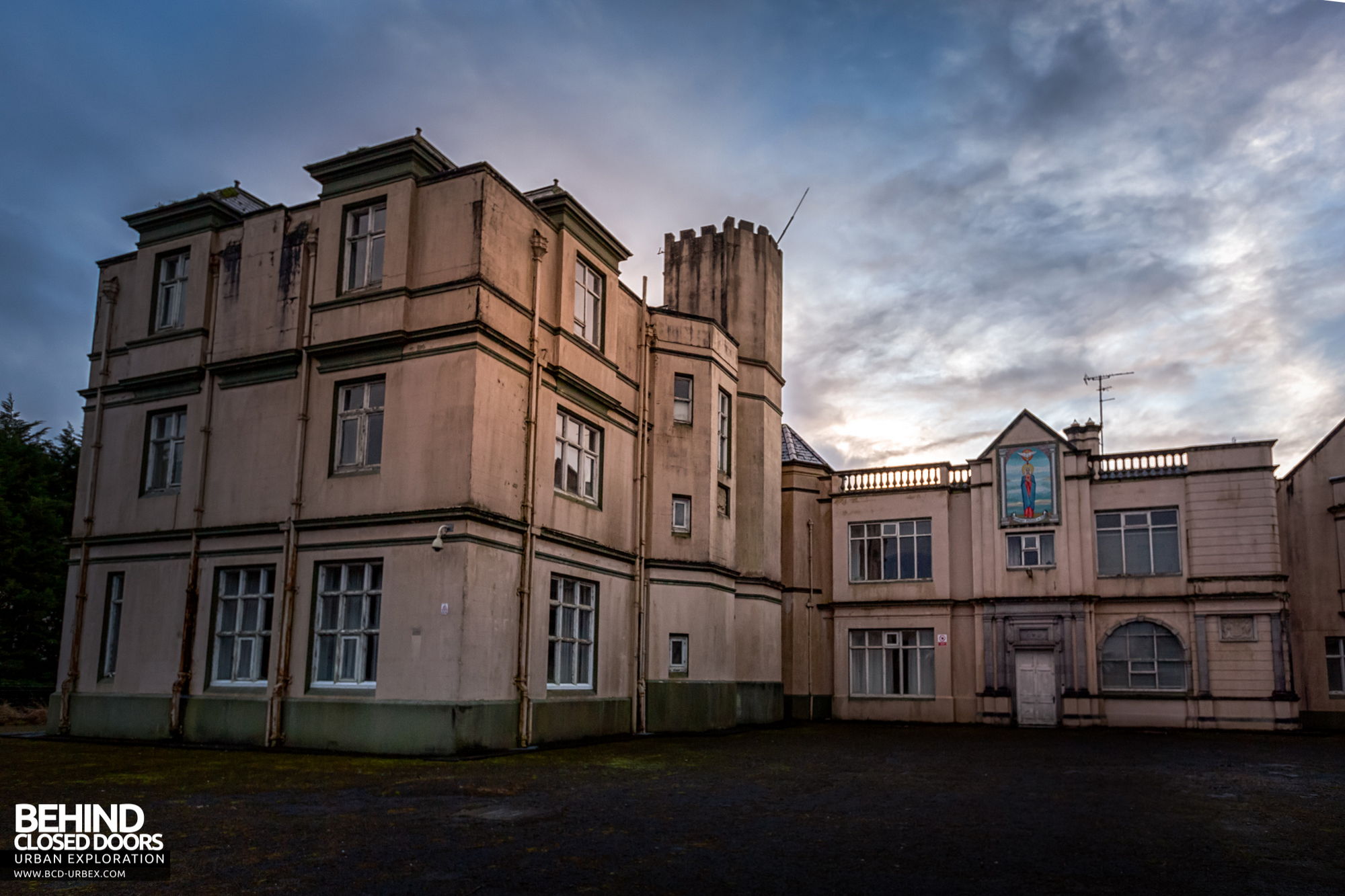
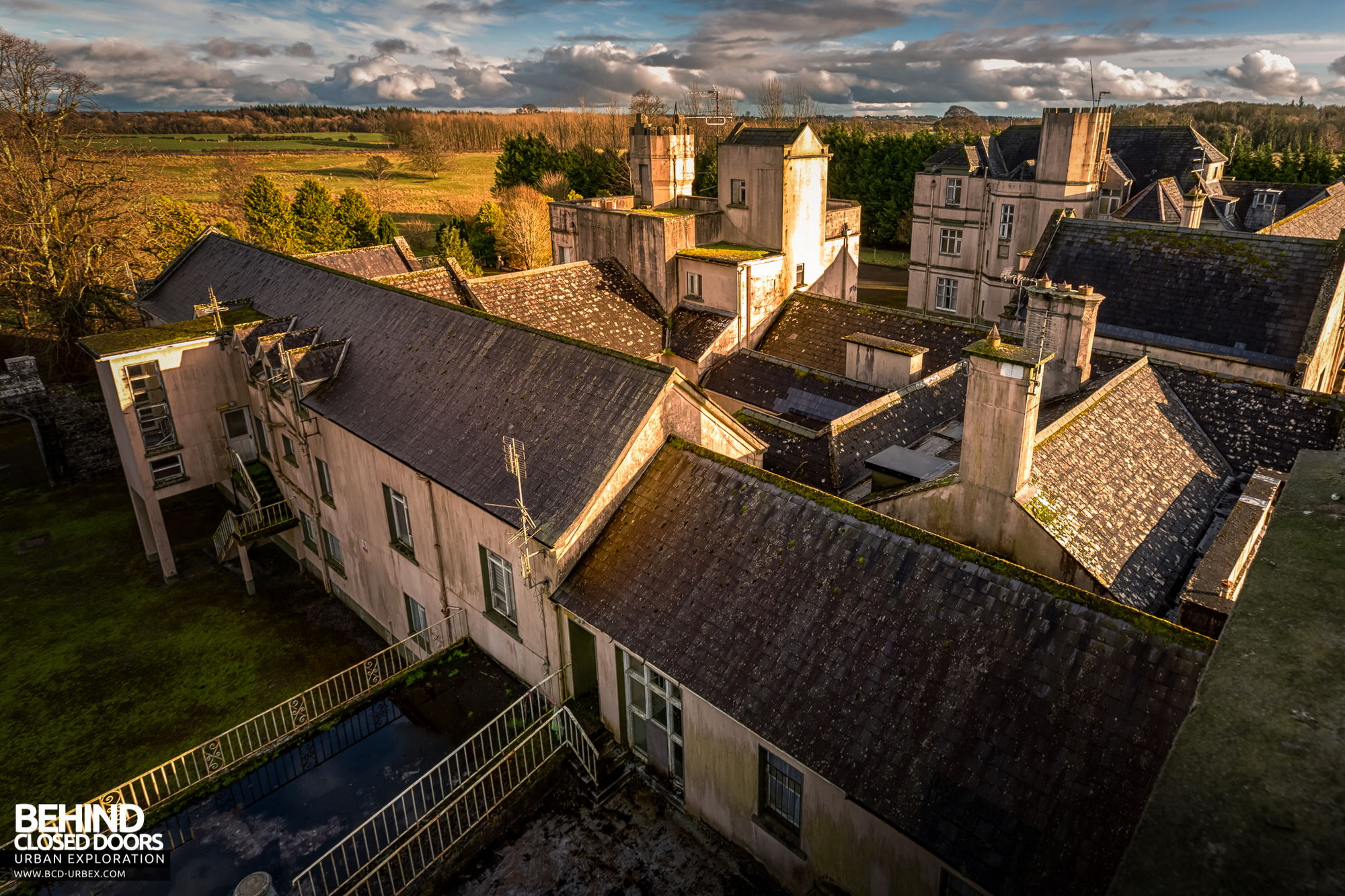
Although claims have been made for the house as exemplifying Arts and Crafts principles Orpen’s revamped Castle MacGarret cannot be deemed particularly alluring, at least on the exterior. Its cement-rendered form lacks grace, the two irregular wings that jut out to create a forecourt each featuring a small crenellated tower as though to justify the building’s use of the title castle. The interior is more successful, beginning with the staircase hall that rises to a first floor gallery, the walls carrying plaster swags in which the Browne arms are quartered with those of heiresses the family had married. The well-proportioned drawing and dining rooms have elaborate neoclassical stucco ceilings copied from those designed by James Wyatt for Leinster House in Dublin. The drawing room contained a notable collection of Meissen porcelain, the hall a large number of miniatures by Anne Mee. The library, previously the billiard room, had a beamed ceiling and walls lined with mahogany bookcases. Hicks of Dublin made the chimneypieces while the panelling came from Crowthers of London. The cost of the refurbishment was £21,422.7s.6d.
In the early 1920s Castle MacGarret survived the War of Independence and the Civil War, although the house was raided by armed men one night in May 1922. The following year it was occupied by Free State troops who only left in June 1924. Despite being responsible for its rebuilding, understandably Lord Oranmore and Browne preferred to live in England, where he bought the Palladian Mereworth Castle in Kent. However, following his death in 1927, the next Lord Oranmore and Browne returned to Castle MacGarret, remaining there for more than thirty years.
While married to heiress Oonagh Guinness he had access to ample funds for the house’s upkeep, but after the couple divorced in 1950 it became a struggle to make the place economically viable. Eventually he had to abandon the struggle. In July 1960 the contents of Castle MacGarret, everything from a pair of old Waterford glass decanters to a Chippendale mahogany side table, were dispersed in a four-day auction held on the premises after which Lord Oranmore and Browne moved to London.
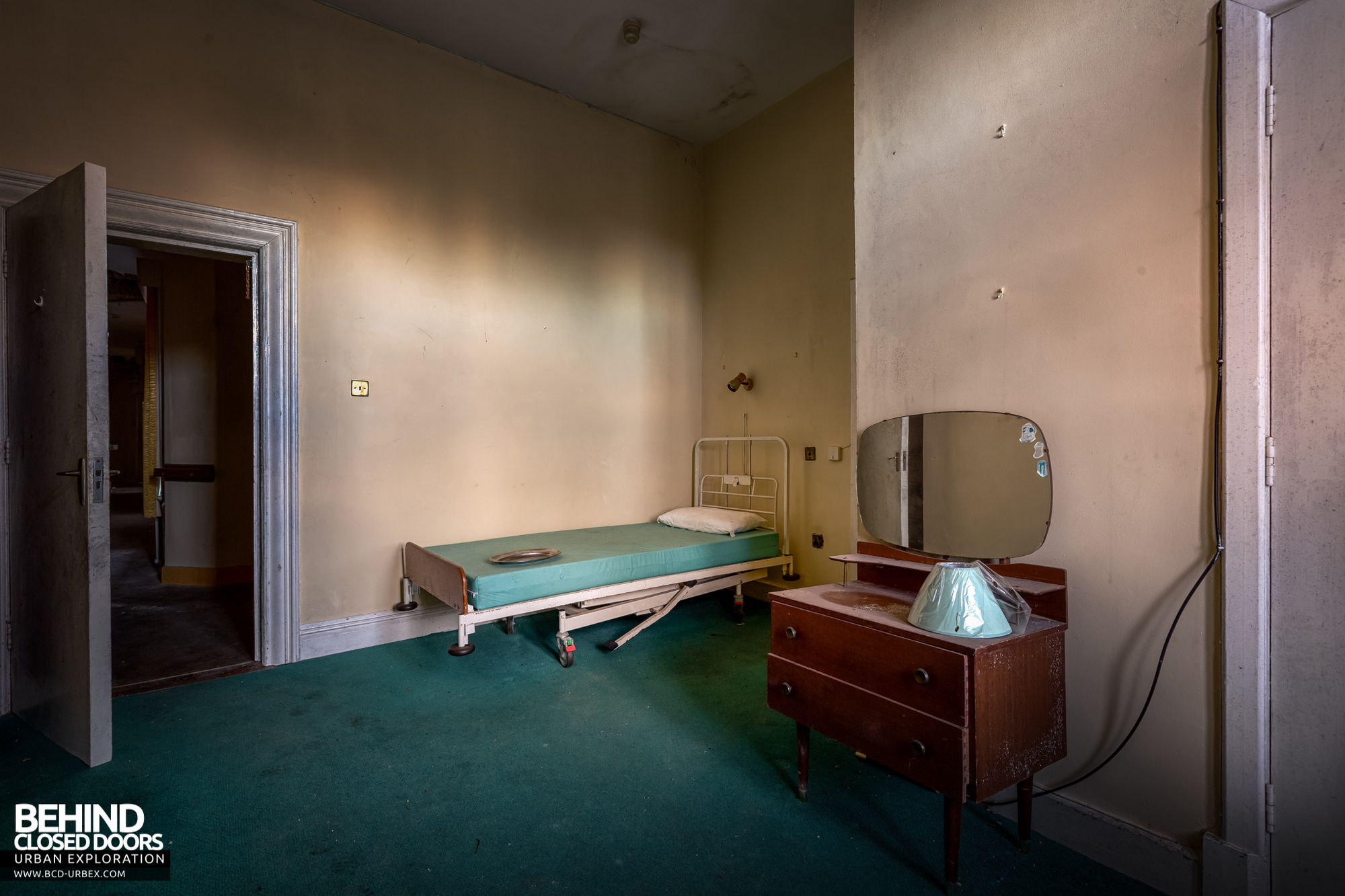
In 1964 Castle MacGarret, along with its surrounding 1,750 acres, was bought by the Irish Land Commission for £95,000. Having parcelled out most of the estate among local farmers, the organisation offered the house and surrounding 125 acres for sale. An order of nuns, the Sisters of Our Lady of Apostles, bought the place and tacked on an extension evidently inspired by the worst excesses of Soviet social housing. Castle MacGarret was run as a retirement home until 2005 when, at the height of Ireland’s economic boom, the canny nuns sold house and 120 acres for some €5 million to a business consortium. The latter’s members intended to convert the house into a hotel and spa. That plan never came to fruition and Castle Macgarret now sits empty, a prey to the damp that seeps through every missing slate. So another part of Ireland’s architectural and social heritage disappears forever into already-saturated ground.
https://www.bcd-urbex.com/castlemacgarrett-ireland/
Castle MacGarrett (sometimes spelt MacGarret or Castlemacgarrett) was built and owned by the Browne family, who had occupied the land for over five centuries. The remains of the original castle can still be found within the grounds, close to the river. The original castle was abandoned towards the end of the 17th century when it was deemed to be unsafe. A new residence was built further from the water, and served successive generations until 1811 when it was destroyed by fire. [1]
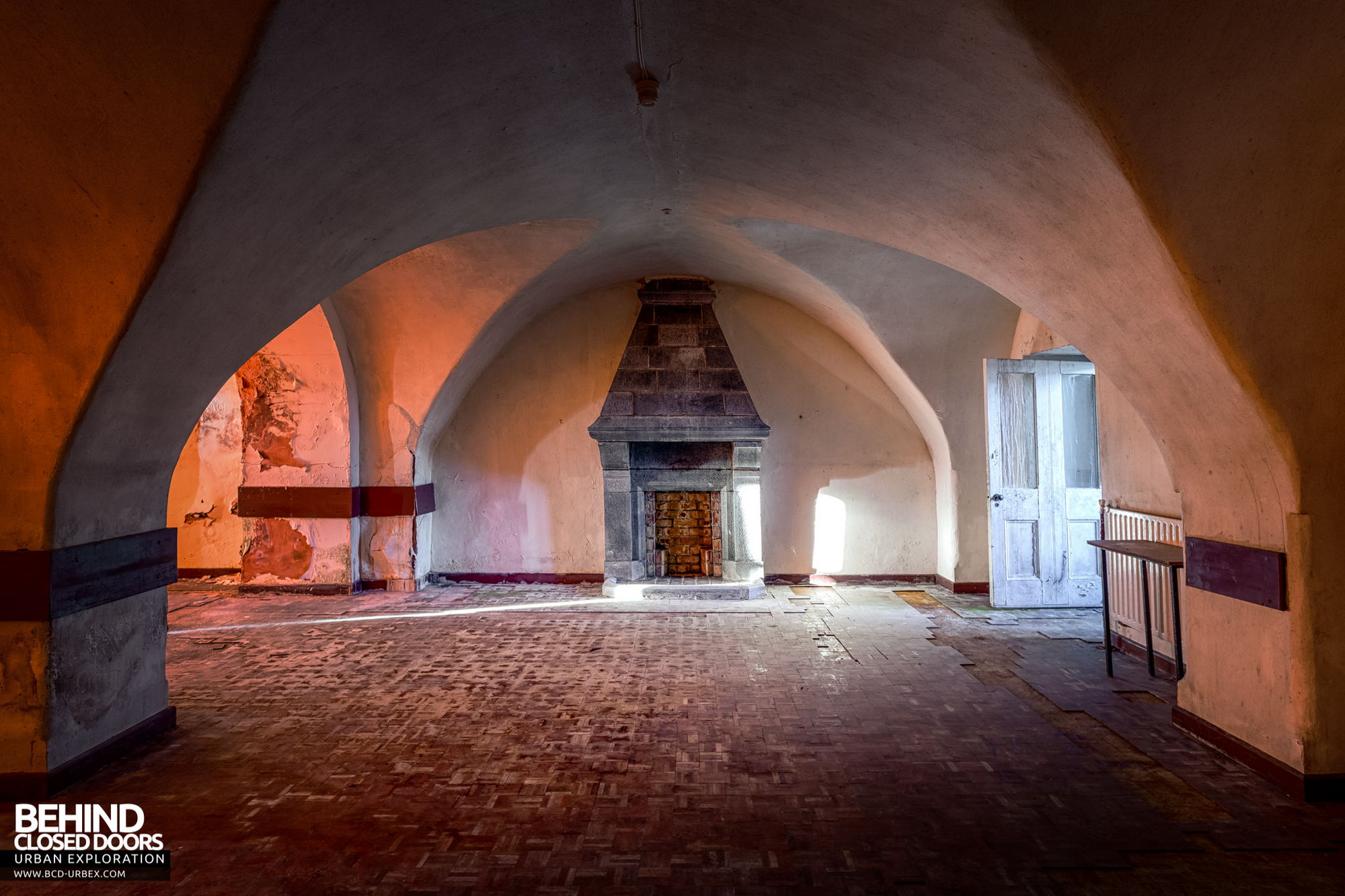
The current Castle MacGarrett, constructed following the fire, retained some parts of the previous building. A vaulted room which had been built in 1700 was incorporated into the new castle, which forms part of the guest’s dining room and retains the original vaulted ceiling. [2]
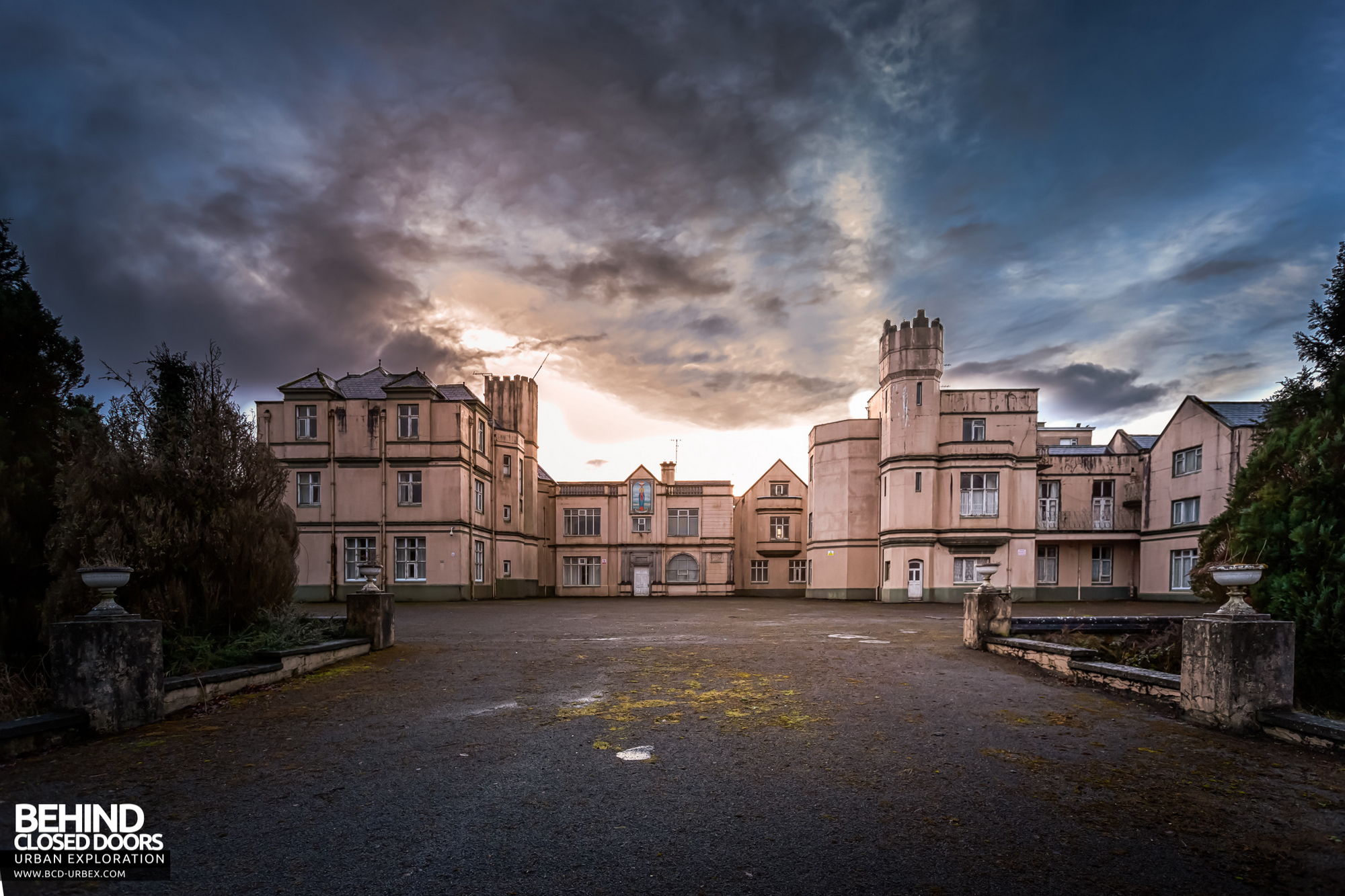
In 1785, Dominick Browne was born here and would later become the first Lord Oranmore Browne, the title of Oranmore being taken in light of the family lands and property at Oranmore, Co. Galway. He was appointed Privy Councillor of Ireland and became one of the 28 elected representative Irish Peers.
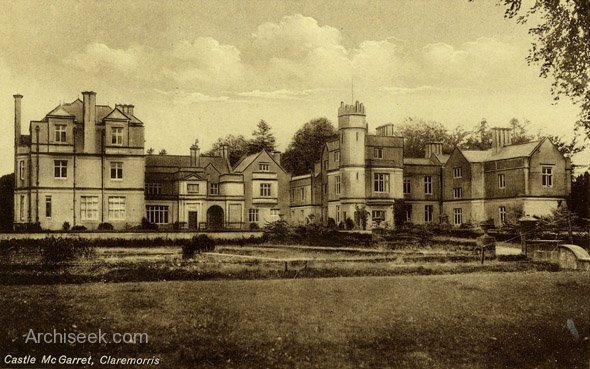
The third Baron Geoffrey Browne (1861-1927), was responsible for building the main part of the present manor, early in the 20th century. In 1902, the ‘modern’ wing to the left hand side of the main entrance was erected. In this wing you will find the Oratory and reception room, which ceilings are replicas of those in Leinster House.
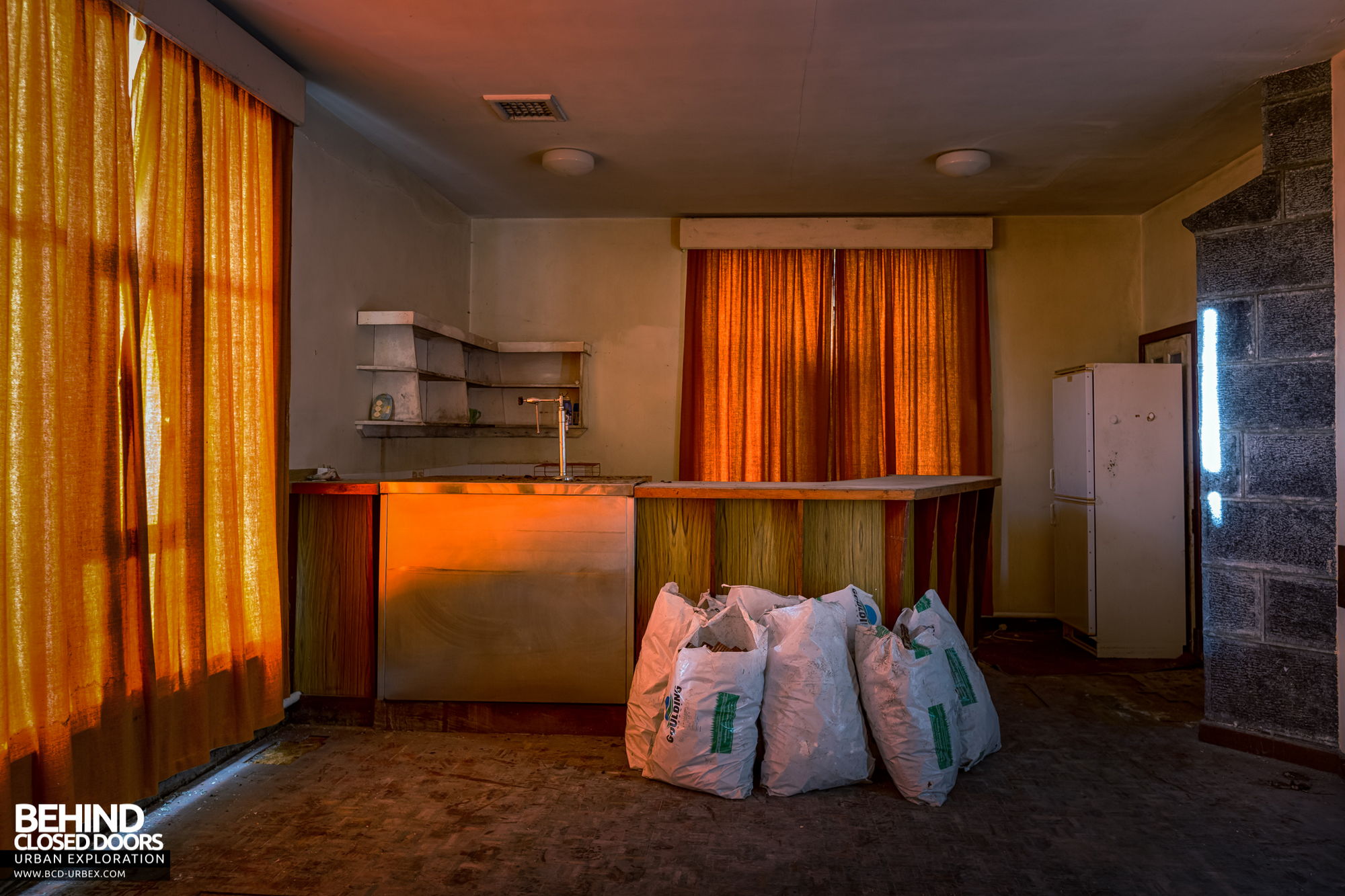
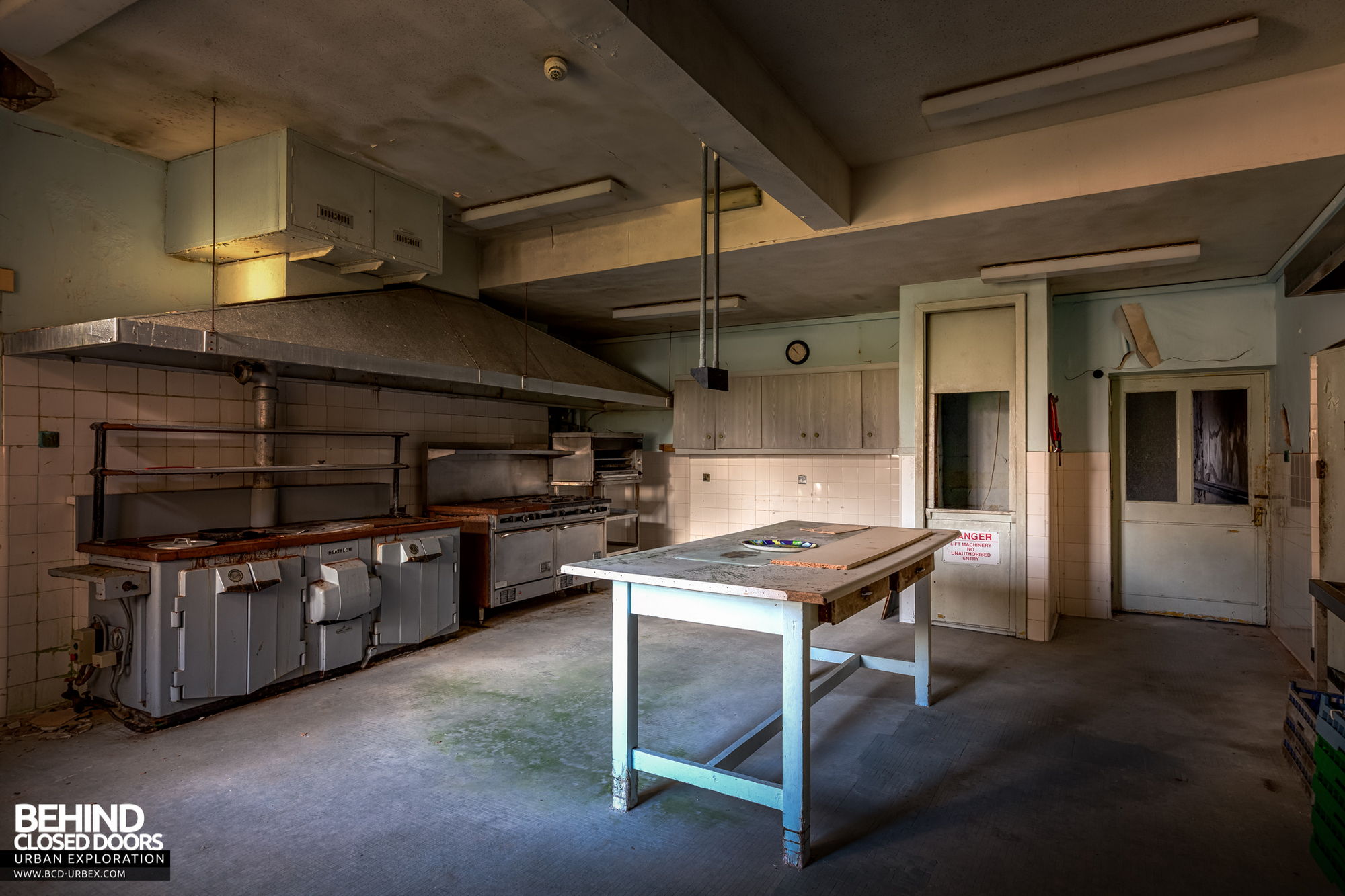
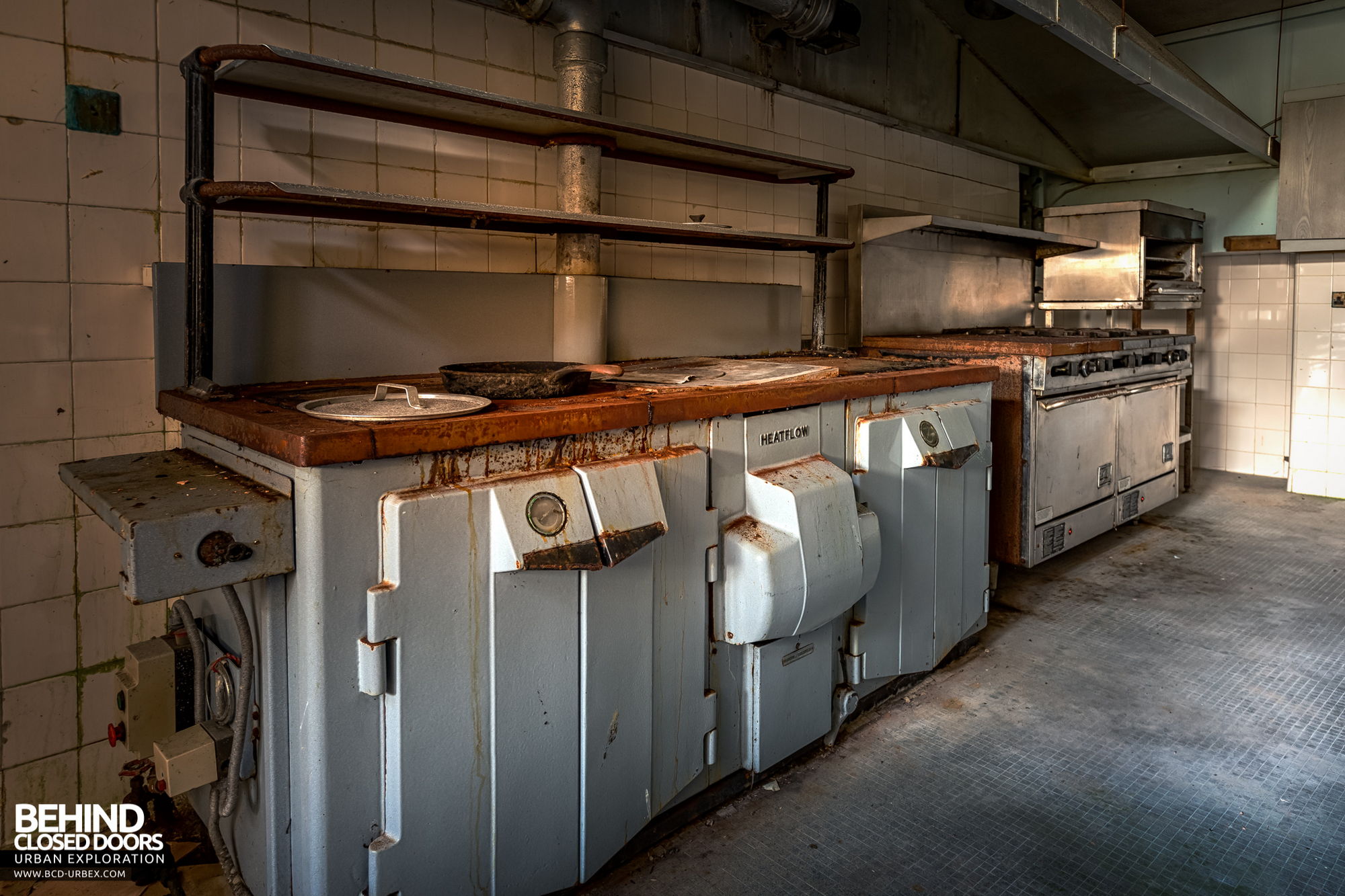
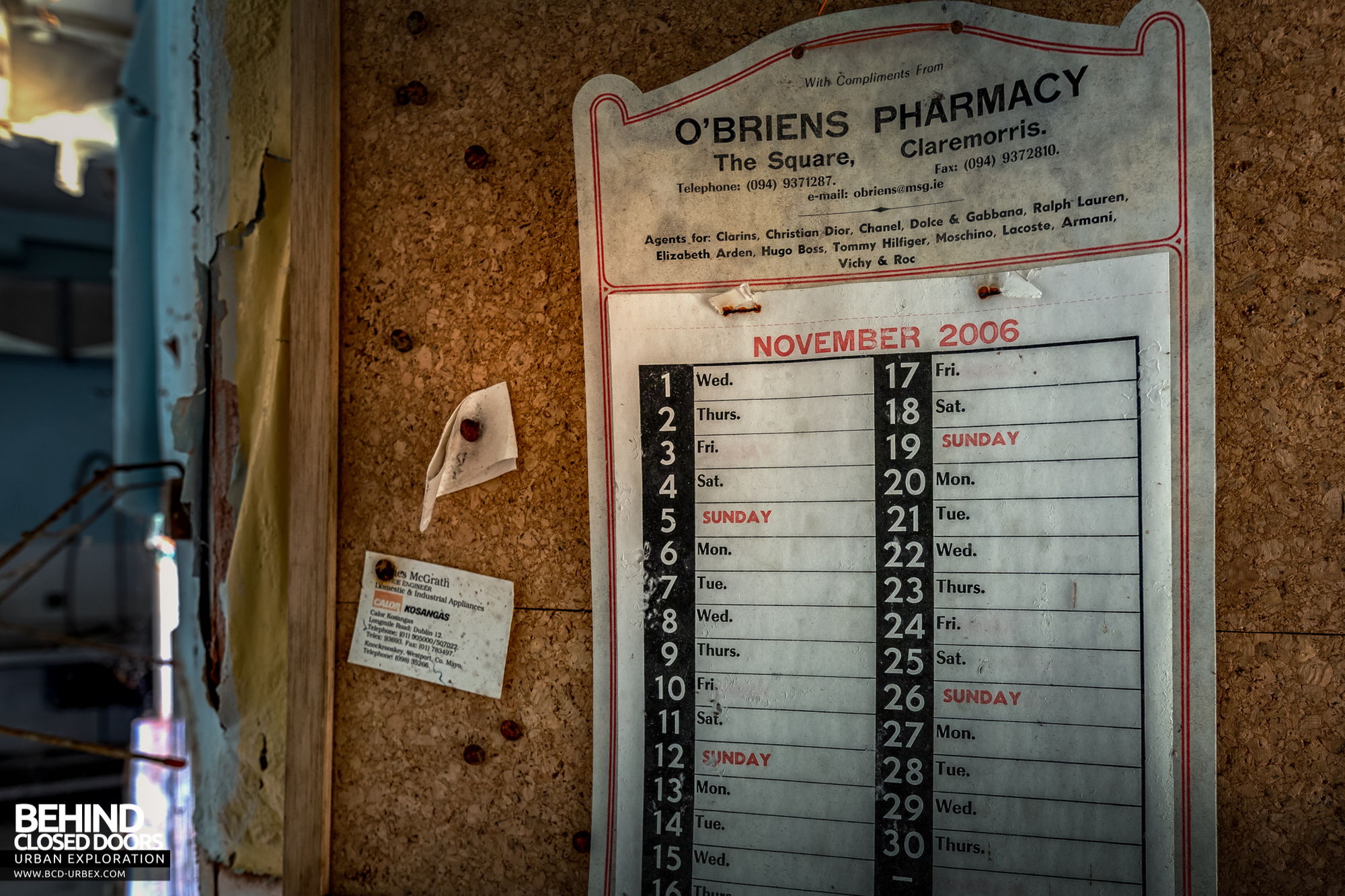
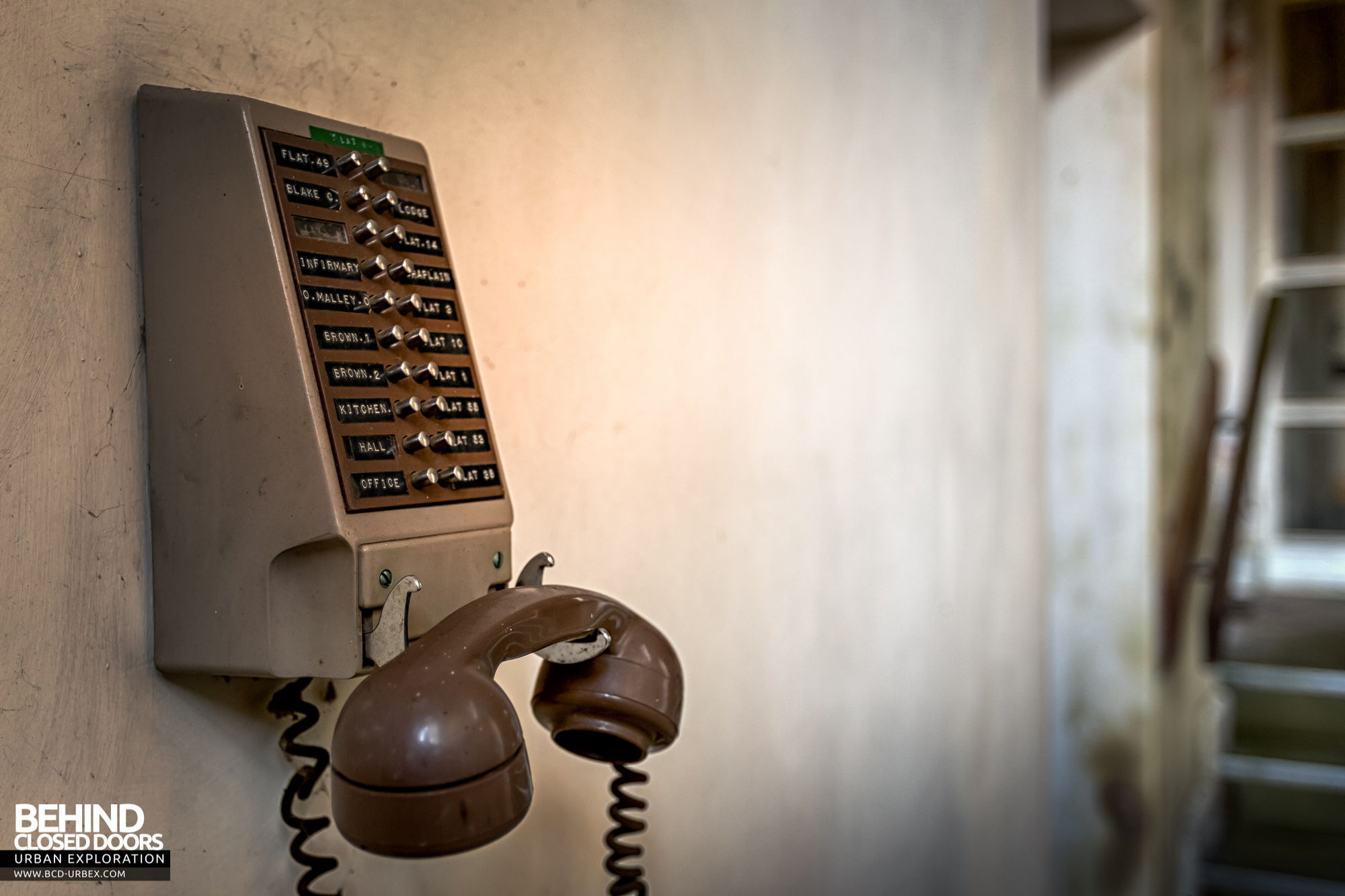
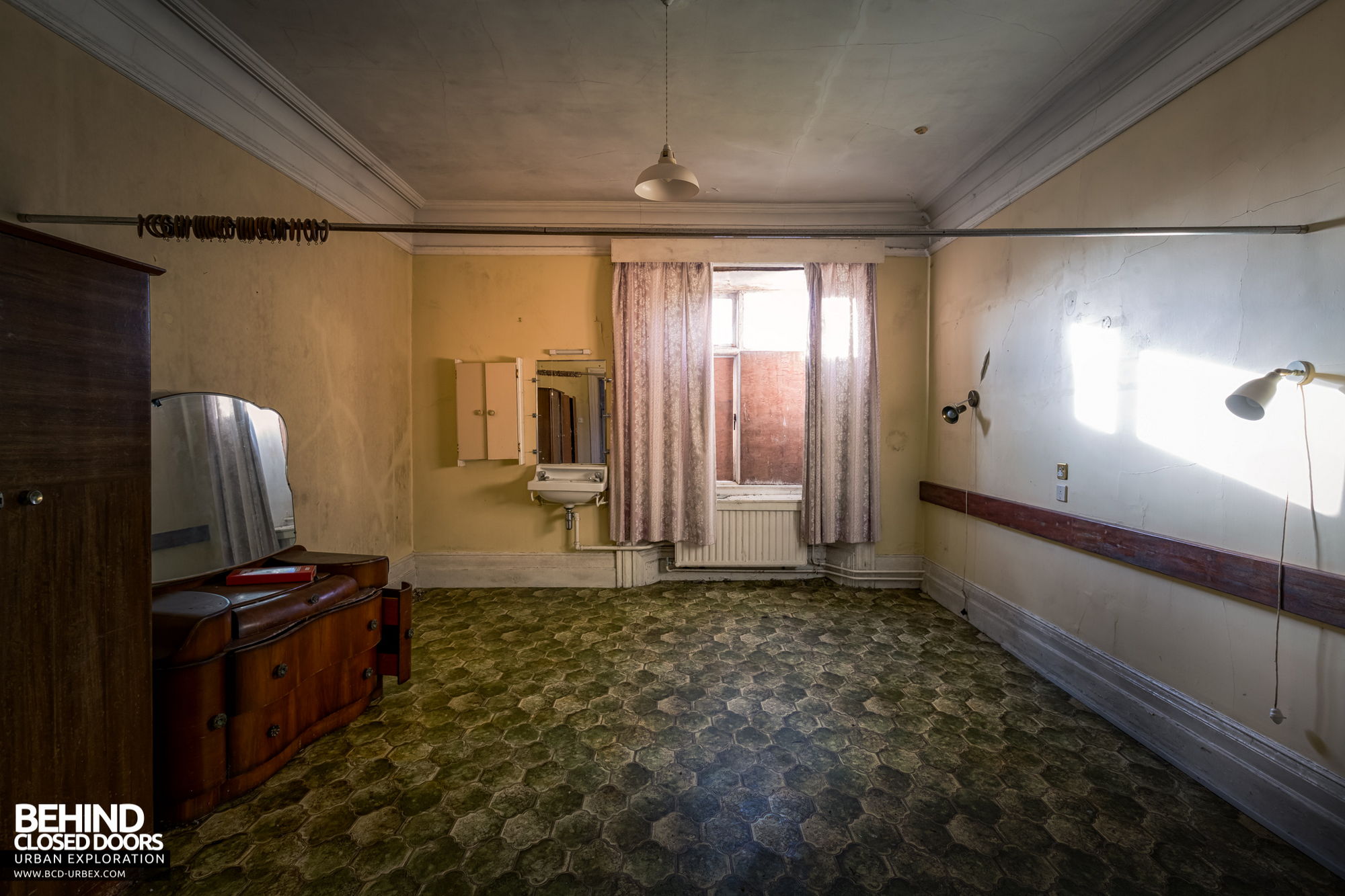
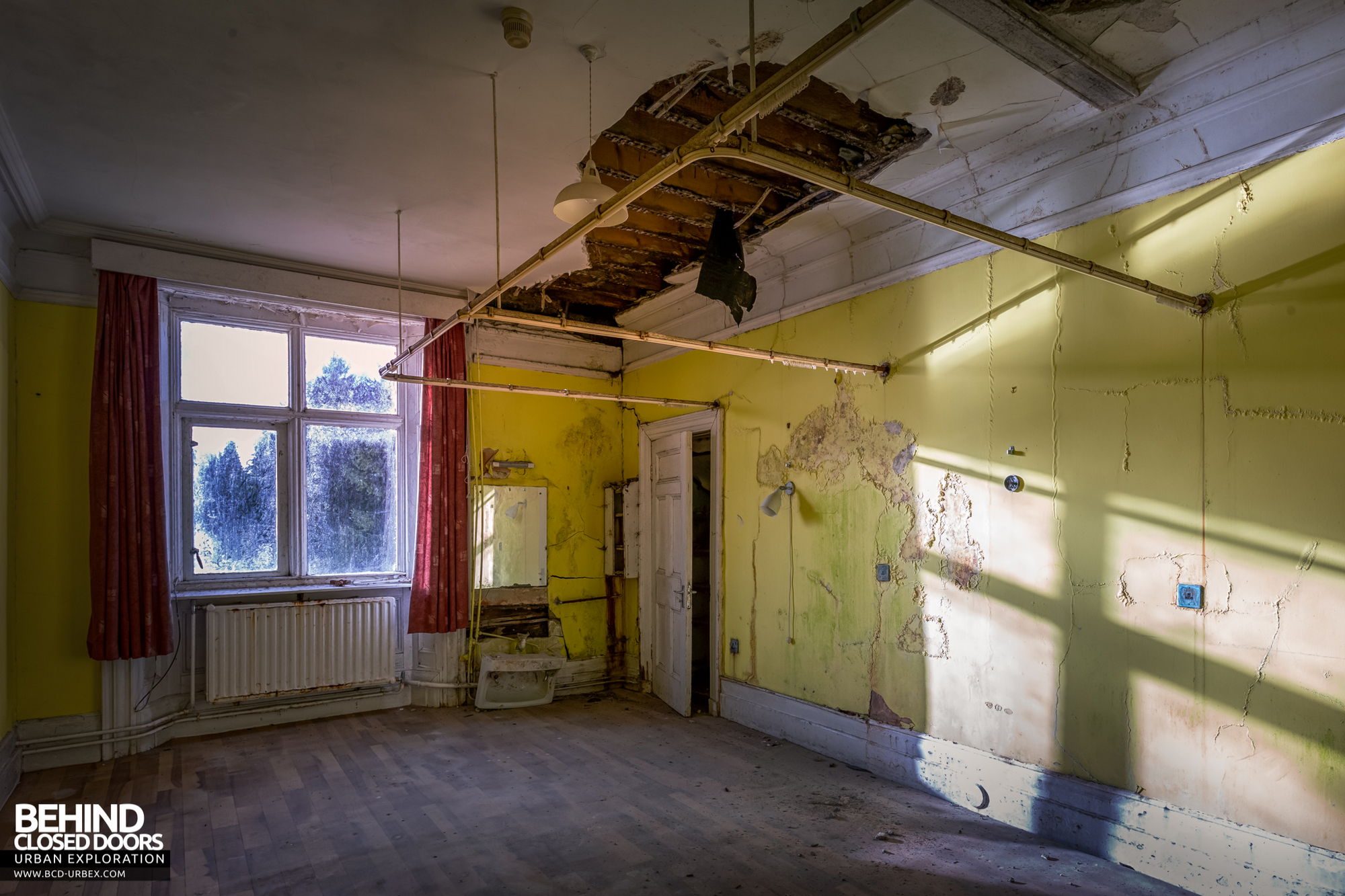
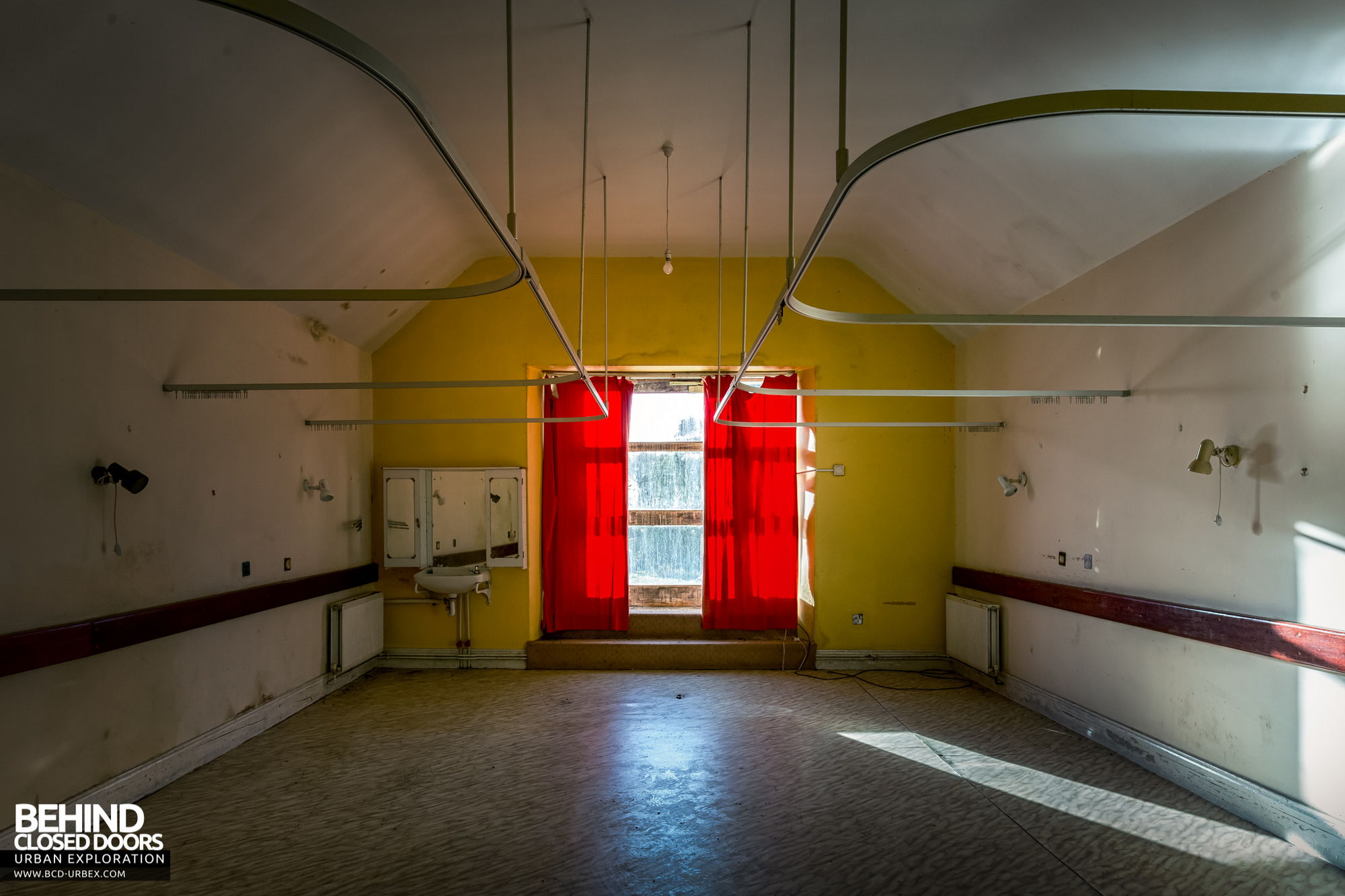
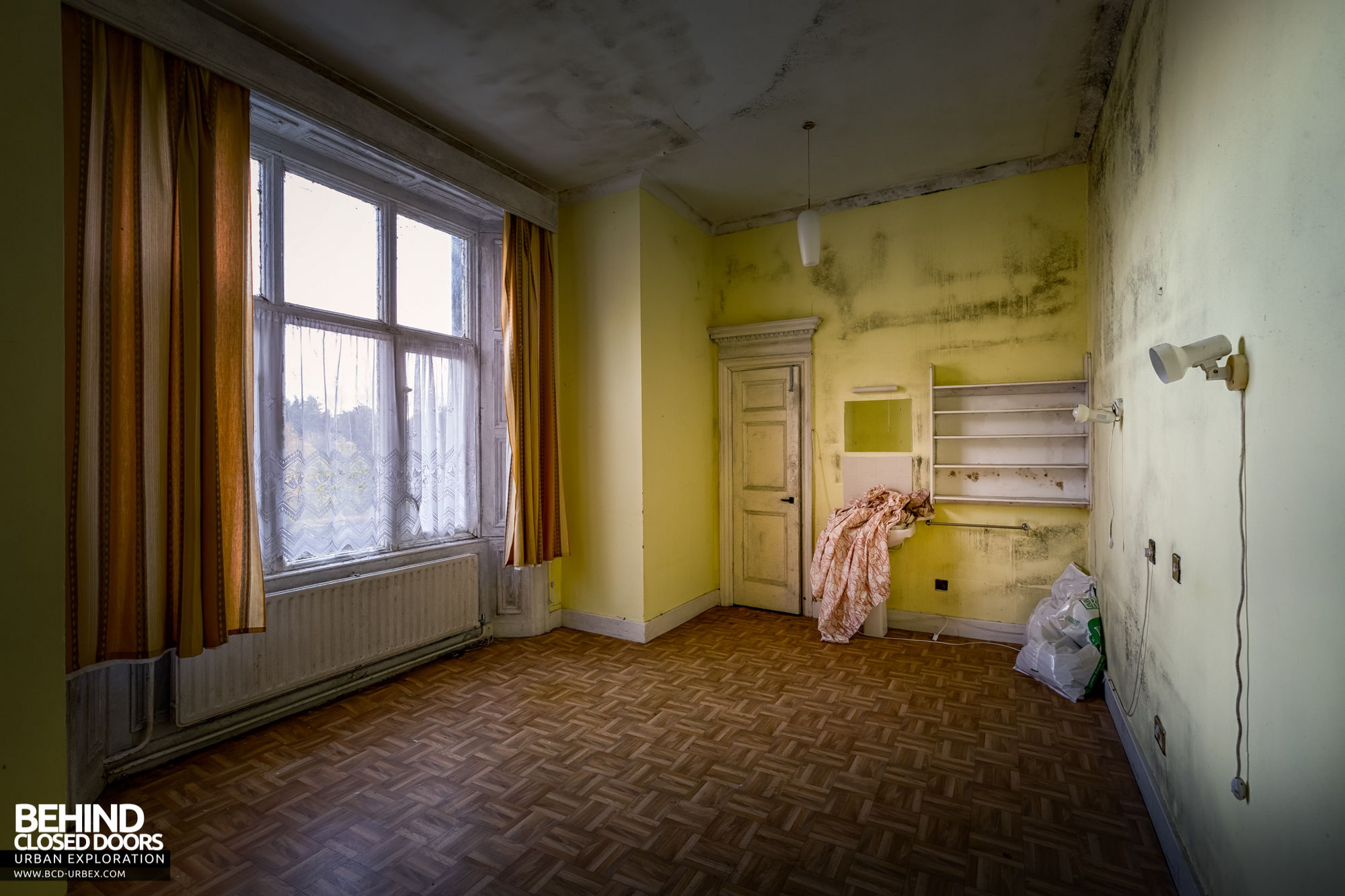
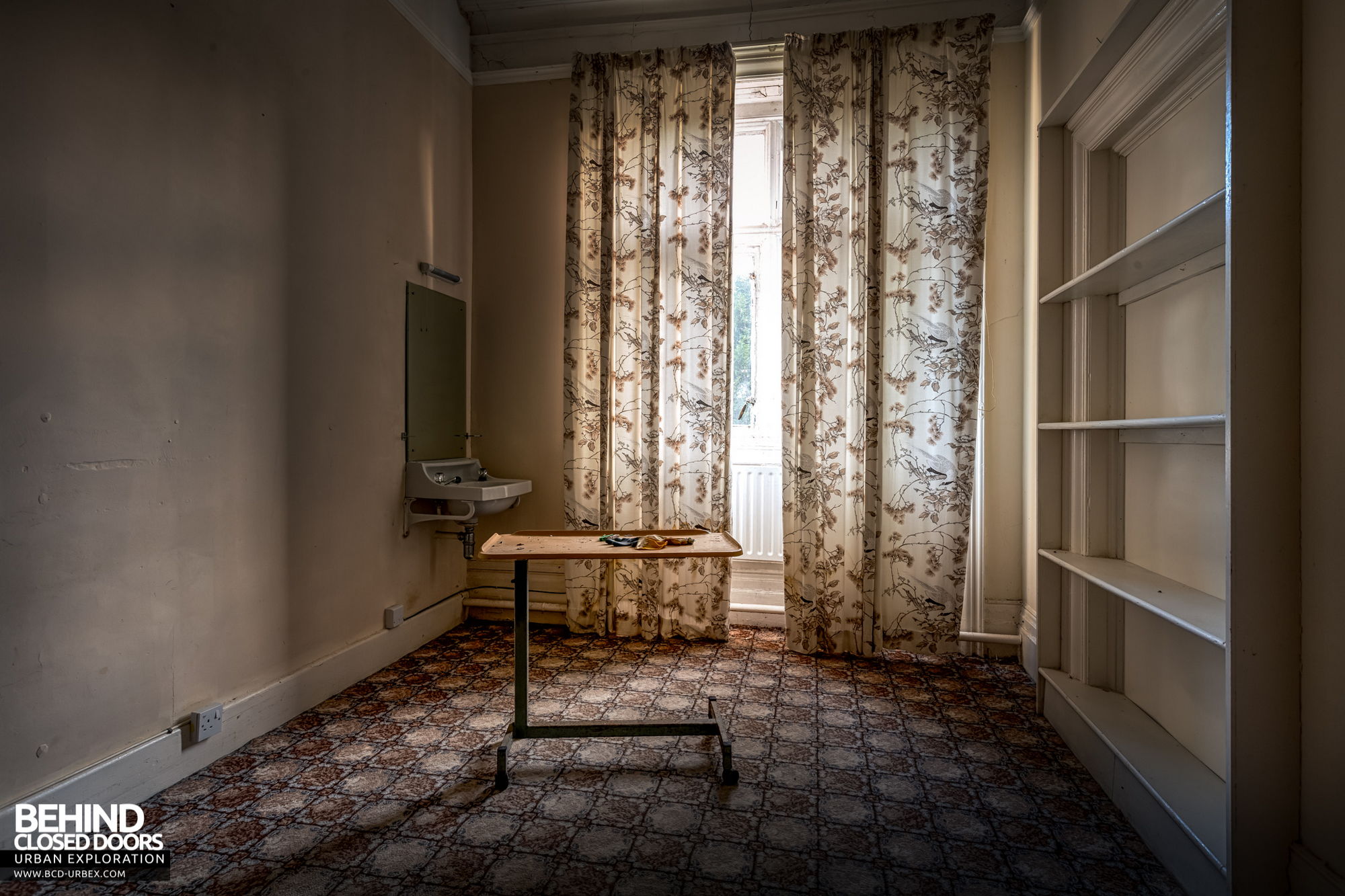
Around 1965 the castle itself, with a large farm attached, was bought by nursing sisters, and it was known as Castlemacgarrett Nursing Home until it was sold again for development in 2006. It now lies vacant.
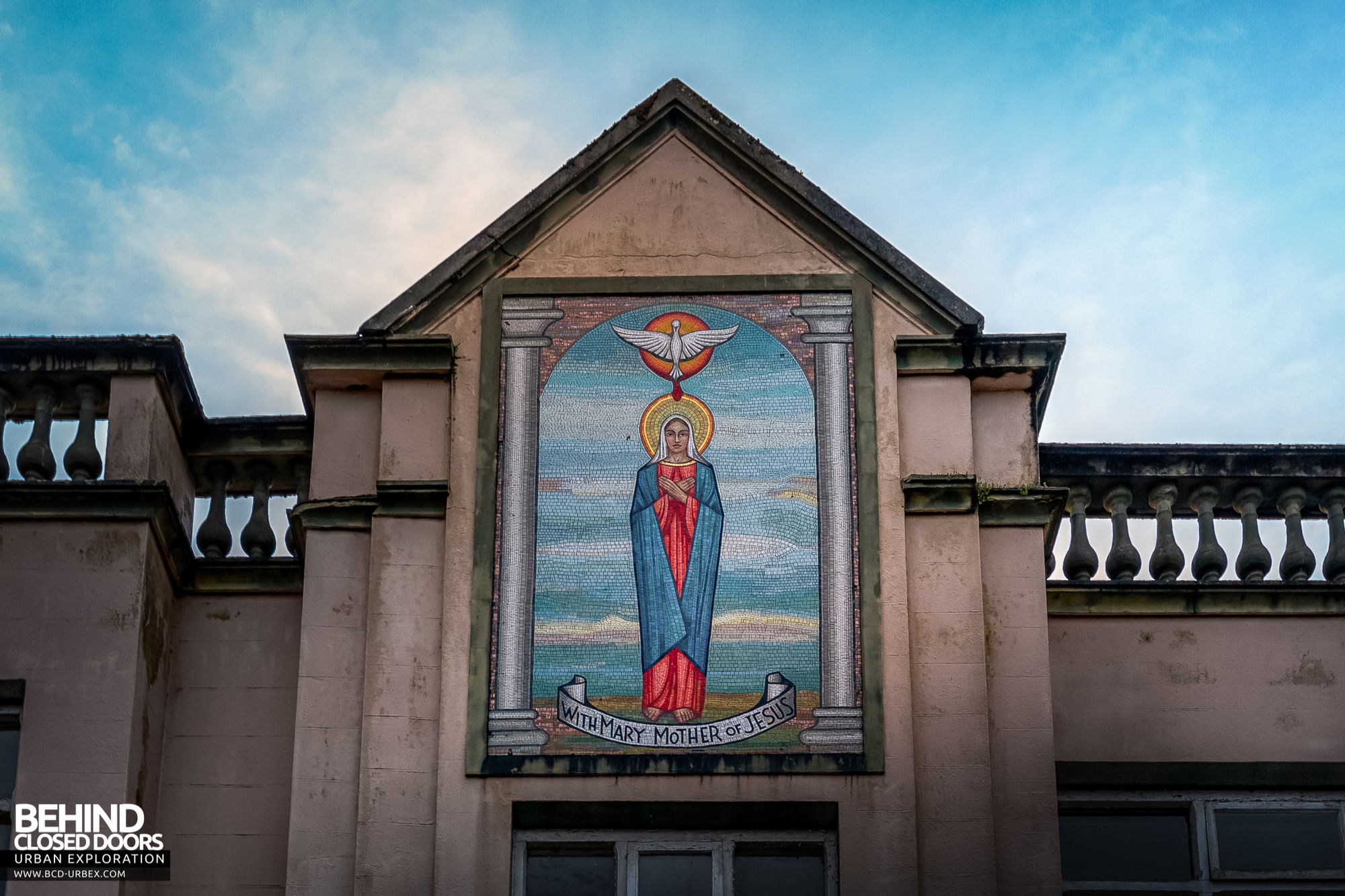

References 1. Source: https://theirishaesthete.com/tag/castle-macgarrett/
2. Source: https://photos-a.propertyimages.ie/media/5/1/0/3169015/c55403b0-025b-4c63-b7b6-ba9115a65c31.pdf


 Irish Historic Houses