On the map above:
blue: places to visit that are not section 482
purple: section 482 properties
red: accommodation
yellow: less expensive accommodation for two
orange: “whole house rental” i.e. those properties that are only for large group accommodations or weddings, e.g. 10 or more people.
green: gardens to visit
grey: ruins

donation
Help me to pay the entrance fee to one of the houses on this website. This site is created purely out of love for the subject and I receive no payment so any donation is appreciated!
€15.00
Places to visit in County Roscommon:
1. Boyle Abbey, County Roscommon – OPW
2. Castlecoote House, Castlecoote, Co. Roscommon – section 482
3. Clonalis House, Castlerea, Co. Roscommon – section 482
4. King House, Main Street, Boyle, Co. Roscommon – section 482
5. Rathcroghan, County Roscommon – OPW
6. Shannonbridge Fortifications, Shannonbridge, Athlone, Co. Roscommon – section 482
7. Strokestown Park House, Strokestown Park House, Strokestown, Co. Roscommon – section 482
Places to stay, County Roscommon:
1. Abbey Hotel, Abbeytown, Ballypheasan, Roscommon, Co Roscommon
2. Castlecoote, County Roscommon (also Section 482) – whole house rental
3. Clonalis House cottages, Castlerea, Co Roscommon – cottage accommodation
4. Edmondstown (Bishop’s Palace or St. Nathy’s), Ballaghaderreen Co Roscommon – section 482 accommodation
5. Frybrook House, Boyle, County Roscommon -B&B accommodation
6. Kilronan Castle (formerly Castle Tenison), Ballyfarnan, County Roscommon – hotel
Places to visit in County Roscommon:
1. Boyle Abbey, County Roscommon – OPW
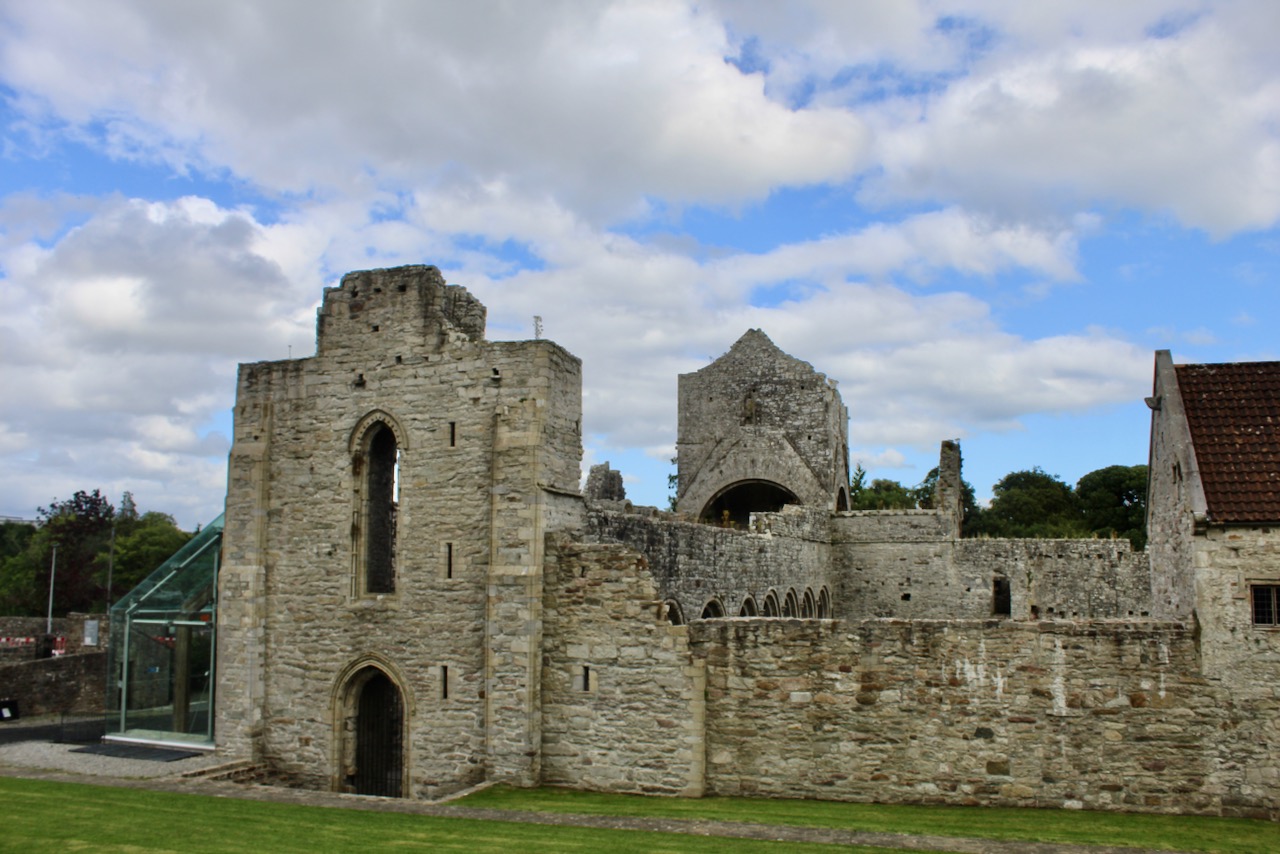
See my entry https://irishhistorichouses.com/2022/02/14/office-of-public-works-properties-connacht/
2. Castlecoote House, Castlecoote, Co. Roscommon F42 H288 – section 482
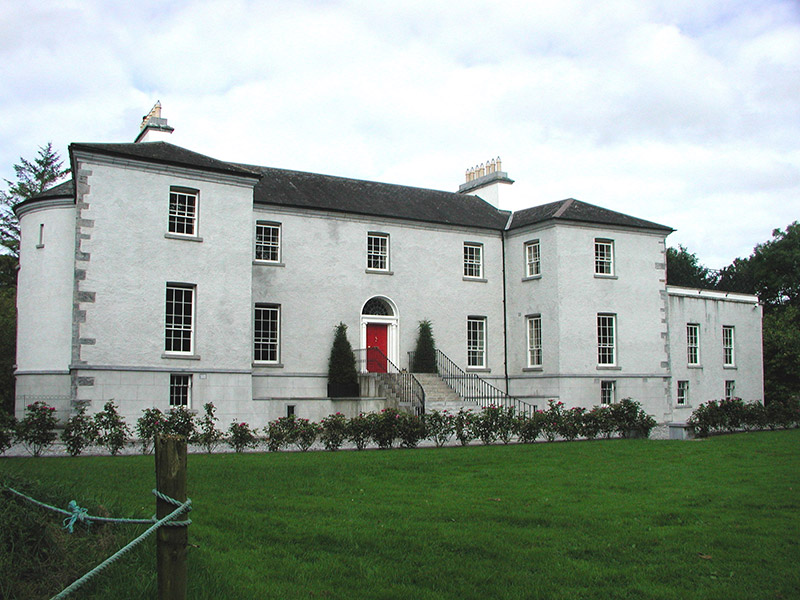
Open in 2026: May 13-17, 20-24, 27-31, June 3-7, 10-14, 17-21, 24-28, July 1-5, 8-12, 15-19, 22-26, 29-31, Aug 15-23 2pm-6pm
Fee: adult €14, OAP/student €12, children under 5 years €5
See my entry https://irishhistorichouses.com/2025/09/17/castlecoote-house-castlecoote-co-roscommon/
3. Clonalis House, Castlerea, Co. Roscommon F45 H265 – section 482
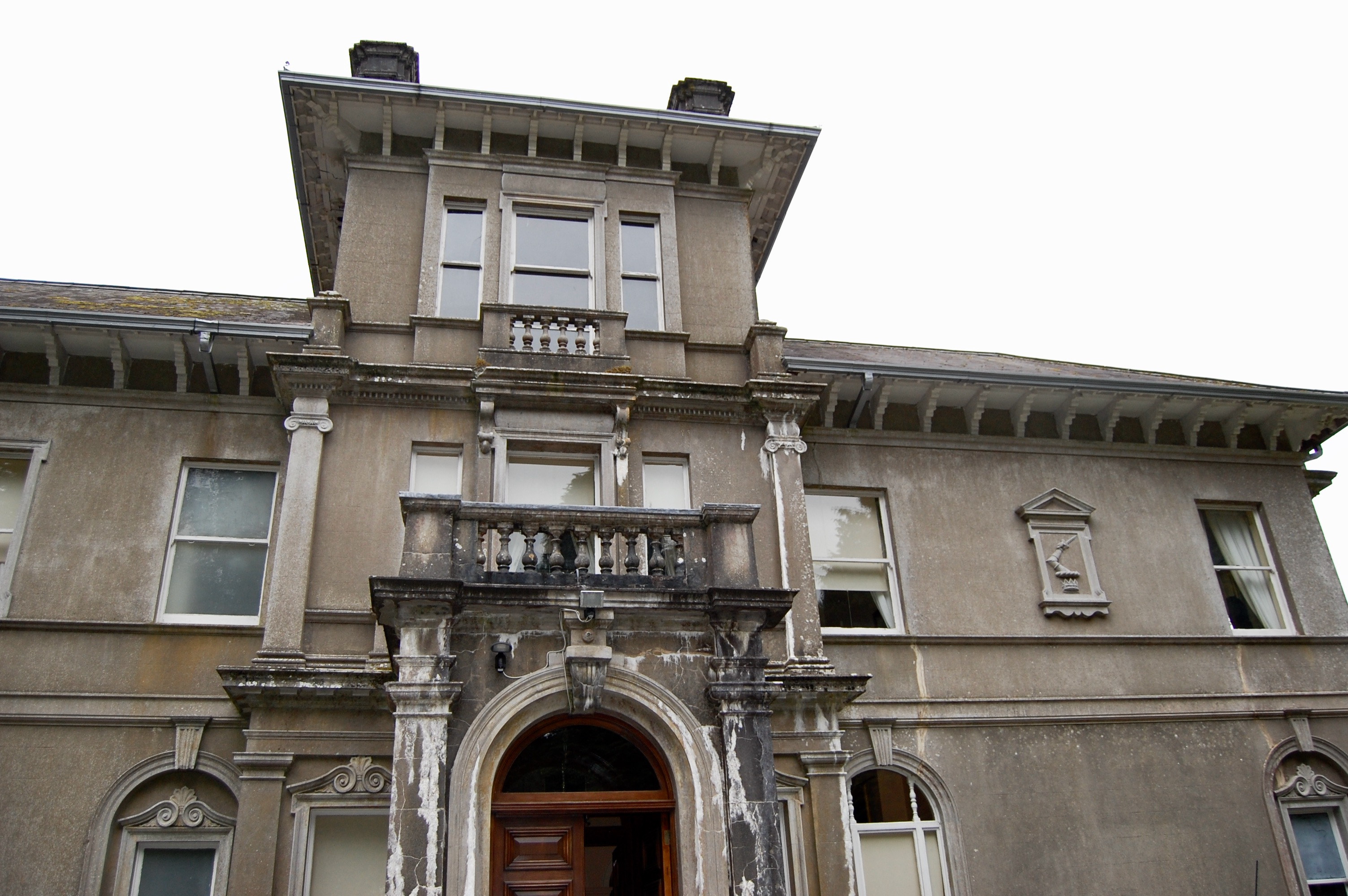
https://irishhistorichouses.com/2020/10/16/clonalis-castlerea-county-roscommon/
www.clonalishouse.com
Listed Open dates in 2026: From June 21 -Aug 31, Mon – Sat, open all of Heritage Week 15-23 Aug,
11am-3pm
Fee: adult €14, OAP/student €12, child €5
4. King House, Main Street, Boyle, Co. Roscommon F52 HM50 – section 482
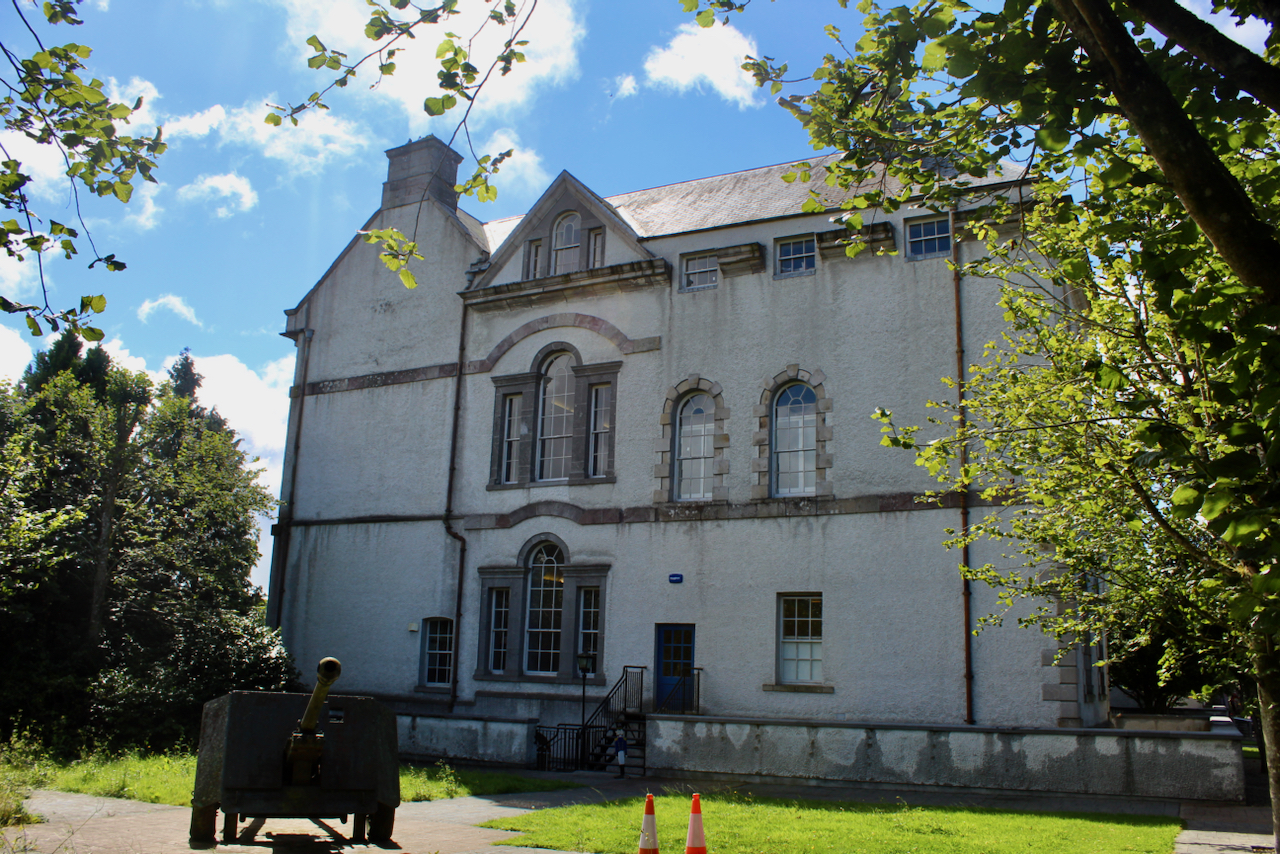
Open dates in 2026: Apr 3-5, 7-12, 14-19, 21-26, 28-30, May 1-3, 5-10, 12-17, 19-24, 26-31, June 1-30, July 1-31, Aug 1-31, Sept 1-30, Oct 1-31, Mon-Sat 11am-5pm, Sun 11am-4pm
Fee: adult €10, OAP/student €9, child €6, family €30 (2 adults & 2 children)
We visited King House during Heritage Week in 2022 – https://irishhistorichouses.com/2023/02/02/king-house-main-street-boyle-co-roscommon/
5. Shannonbridge Fortifications, Raghrabeg, Shannonbridge, Co. Roscommon – section 482
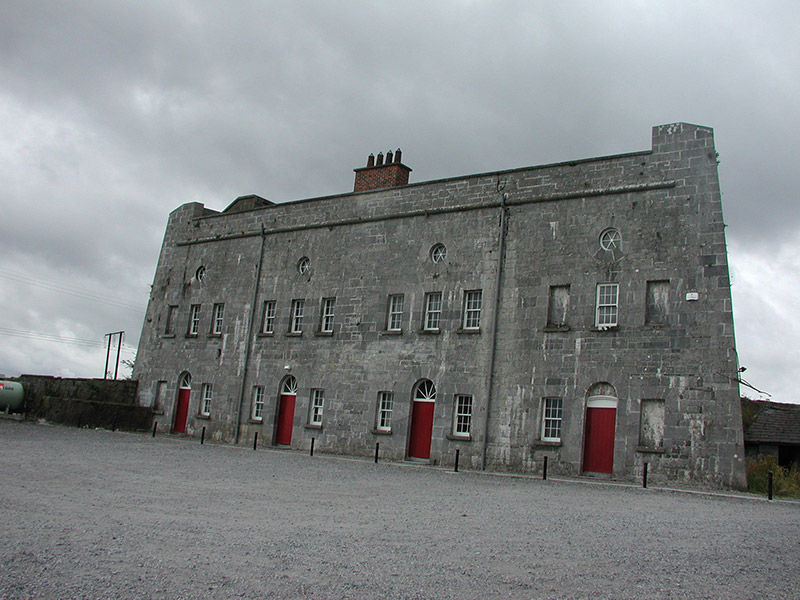
www.shannonbridgefortifications.ie
Open in 2026: May 1-Sept 30, 12 noon- 4pm
Fee: Free
6. Strokestown Park House, Strokestown Park House, Strokestown, Co. Roscommon – section 482
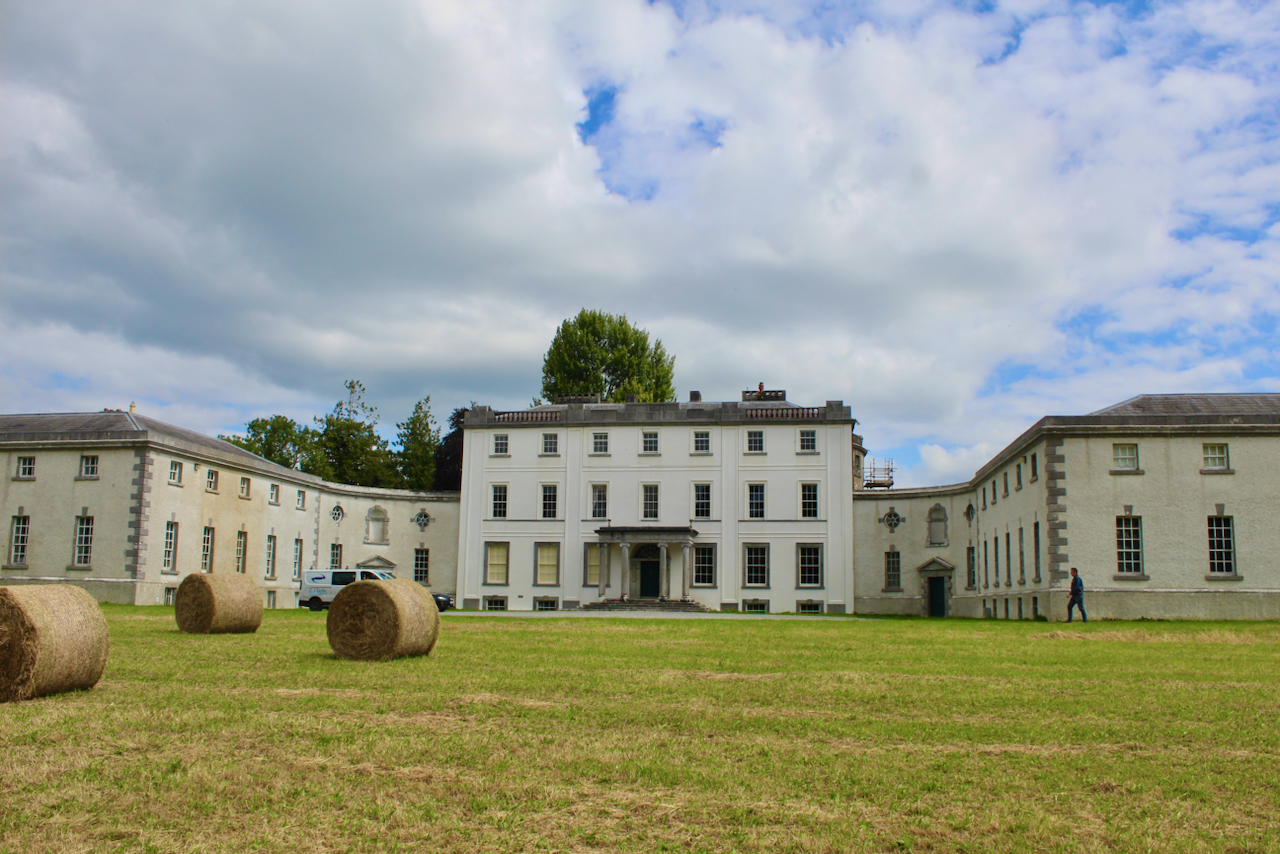
Open in 2026: Jan 12-Dec 22, Jan-Feb, Nov-Dec 10.30am-4pm, Mar-Apr, Sept-Oct, 10am-5pm, May-Aug, 10am-6pm
Fee: adult house €15, tour of house €19, child €7.50, tour of house €10.50, OAP/student €12.50, tour of house €15, family €31.50, tour of house €39.50
See my entry, https://irishhistorichouses.com/2023/03/09/strokestown-park-house-strokestown-co-roscommon/
We visited in 2022 during Heritage Week but unfortunately the house was being renovated and was not open to the public yet. We did manage to get inside, to see a few rooms, as we attended a talk about the darkroom that had been installed in Strokestown by a previous owner, Henry Pakenham Mahon (1851-1922). We also toured the excellent famine museum, which manages to be fascinating rather than depressing, especially due to the final act, as it were, where the steward for the Pakenham Mahons was shot by one of the disgruntled tenants. And we need to make another visit to see the rest of the interior of Strokestown House.
Places to stay, County Roscommon:
1. Abbey Hotel, Abbeytown, Ballypheasan, Roscommon, Co Roscommon
The website tells us: “The 4* Abbey Hotel located in the heart of the Irish Midlands town of Roscommon is considered by many as one of Ireland’s last few remaining authentic family-run hotels.“
The National Inventory tells us it is a five-bay two-storey house, built c. 1800, now in use as a hotel, with advanced two-bay tower with entrance and with recessed two-bay gable-fronted block to south end of façade and modern single-storey extensions to east and south.
“This Georgian House was remodelled as a miniature Gothic castle possibly by Richard Richards. Though the form of this building has been altered with many extensions added to facilitate its new function as a hotel, it still maintains many original materials. The elaborate entranceway, turrets and castellated parapet combine to make this a very striking building. The landscaped grounds with castellated turrets offset the ruins of the medieval Abbey located to the south of the hotel.“
2. Castlecoote, County Roscommon (also Section 482) – whole house rental
3. Clonalis House cottages, Castlerea, Co Roscommon – cottage accommodation
https://irishhistorichouses.com/2020/10/16/clonalis-castlerea-county-roscommon/
4. Edmondstown (Bishop’s Palace or St. Nathy’s), Ballaghaderreen Co Roscommon – section 482 and airbnb
Open in 2026: April 1-Sept 30
https://www.airbnb.ie/rooms/27927866?source_impression_id=p3_1580207144_IGlnwq6lh1FFj9pW
https://edmondstown-house.inn.fan/index.php
https://www.facebook.com/edmondstownhouse
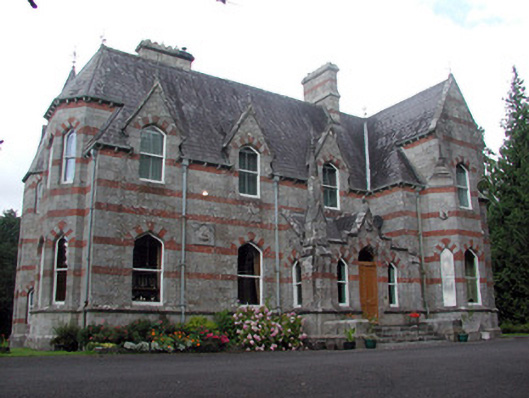
The Bishop’s Palace (aka Edmondstown House) was built in 1864 by Captain Arthur Robert Costello. The house was designed by John McCurdy, who also remodelled the Shelbourne Hotel in Dublin. It is built in the High Victorian Gothic style.
For 100 years the house was the residence of the Bishop of Achonry.
A historically interesting building with beautiful grounds (and a full Irish breakfast!)
The National Inventory tells us:
“Edmondstown House, otherwise known as Saint Nathy’s, is a rare example of High Victorian Gothic in County Roscommon. The construction of such an architecturally expressive structure was an ambitious project for the original owner, Captain Arthur Costello. Edmondstown House exhibits many features typical of High Victorian architecture, famously employed by architect such as Deane and Woodward, and J.S. Mulvany. These architectural elements include the octagonal tower and the string courses of red brick framing the pointed-arch window openings, and the decorative cast-iron roof finials.“
5. Frybrook House, Boyle, County Roscommon – B&B accommodation
A member of the Historic Houses of Ireland assocation, the website tells us:
“The imposing five bay, three-storey Georgian Frybrook House is without a doubt one of the most impressive buildings in Boyle, Co. Roscommon. Henry Fry, an Edenderry merchant invited to establish a weaving business in Boyle by Lord Kingston in 1742, built Frybrook as his family home in 1753. “The imposing five bay, three-storey Georgian Frybrook House is without a doubt one of the most impressive buildings in Boyle, Co. Roscommon. Henry Fry, an Edenderry merchant invited to establish a weaving business in Boyle by Lord Kingston in 1742, built Frybrook as his family home in 1753.
Topped by a hipped slate roof with cut-stone chimneystacks, Frybrook lies at the end of a sweeping avenue and is surrounded by three acres of charming grounds. It retains many original Georgian features, not least its high ceilings, delicate cornicing, timber flooring, an imposing staircase, marble fireplaces, cast iron radiators, roll top baths, sash windows and window shutters. Its beautifully classical proportions and sober design centre around simple Palladian motifs, including a pedimented doorcase and a tooled limestone Palladian window in the central bay of the façade and its distinguishing oculus window on the second floor. Unusually for a house of its size and date, Frybrook has no basement, due to its proximity to the Boyle river.
After lying empty for a number of years, the house was purchased in 2018 by the current passionate owners who have renovated it meticulously in the intervening years, and see themselves as custodians to preserve Frybrook and its history for future generations.
In 2024, Frybrook will open its doors to the public as a small elegant Guesthouse, and also offer function space for the local community and beyond.“
6. Kilronan Castle (formerly Castle Tenison), Ballyfarnan, County Roscommon – hotel
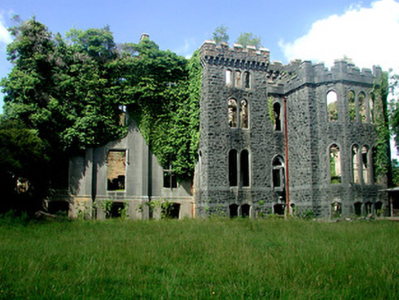
Amazingly, when this was photographed for the National Inventory, it was a ruin! It has now been completely renovated. https://www.kilronancastle.ie
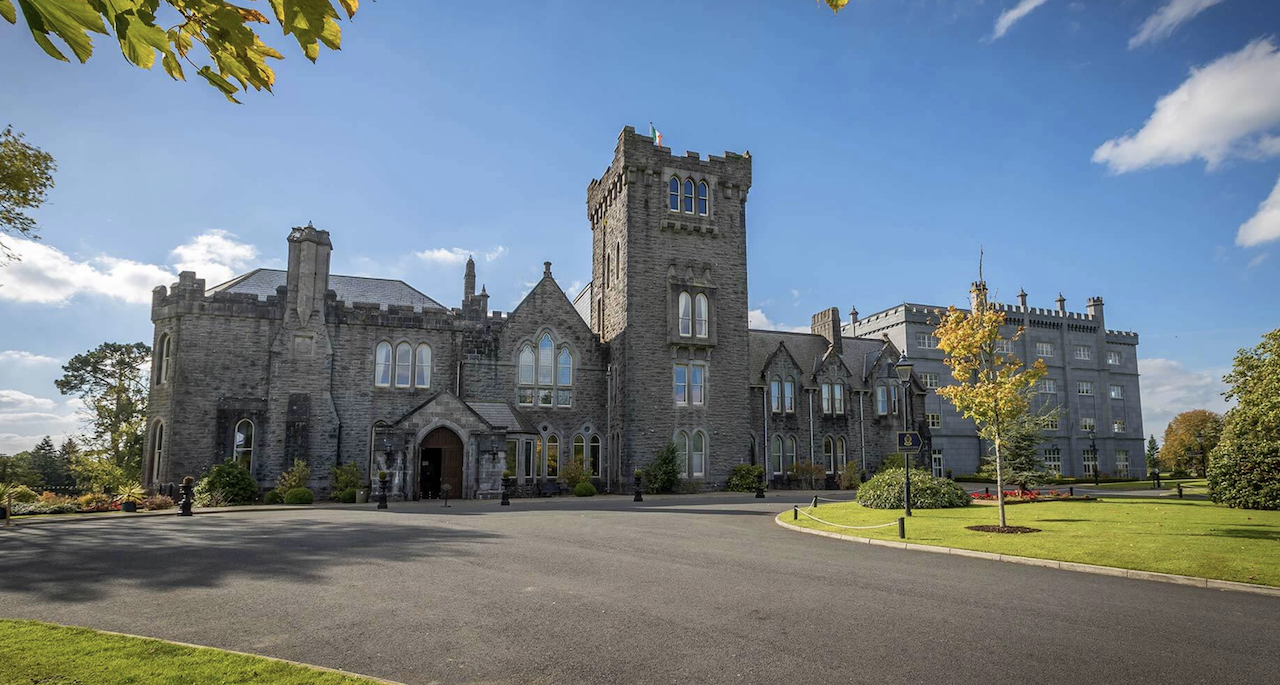
The website tells us:
“Kilronan Castle Estate & Spa should be on your list of castles to stay at in Ireland. The luxury 4 star castle hotel is situated in County Roscommon in a secluded corner of the idyllic West of Ireland. Built in the 18th century, the Kilronan Castle resort welcomes its guests through a set of magnificent medieval gates at the top of a meandering driveway through an ancient forest which is surrounded by fifty acres of lush green estate and next to a beautiful lough making the castle look like something straight out of a fairytale.
“Kilronan Castle Estate is also a site that is full of history as it was lovingly transformed from the ancestral home of a royal family into a luxurious Irish castle hotel with a spa. The castle hotel seamlessly mixes the elegance, sophistication and tradition of the past with the luxury and comfort of the modern era. This makes Kilronan Castle Estate & Spa one of the most luxurious castle hotels in Ireland to stay in. Kilronan Castle’s location and surroundings include breathtaking views as well as peace and quiet which makes a break at Kilronan Castle feel like time is standing still.
“The name Kilronan comes from the Gaelic ‘Cill Ronain’, meaning Ronan’s Abbey. According to tradition, St. Ronan and his daughter St. Lasair established a church here on the banks of Lough Meelagh in the 6th century. However, it is the building of a home for a famous land-owning family, that has made this part of Roscommon famous the world over. That said, it wasn’t always known as Kilronan Castle.
“During the era of Edward I in the late 13th century, there was a family known as the Tenisons. Although they originated from Oxfordshire, their descendents eventually settled in the north of Ireland in the mid-17th century. Down through the ages, they would fight with the Irish Brigade in France, Spain and Portugal and then serve as members of The Irish Guards during the Boer Wars. Although valiant soldiers, generation after generation of Tenison heirs would famously squander their inheritances, only to reimburse themselves by marrying wealthy heiresses.
Marrying into majesty
“One such advocate of this technique was Thomas Tenison. Initially an MP for Boyle in 1792, he later became a lieutenant colonel in the Roscommon Militia. In 1803, he married the Lady Frances Anne King, daughter of Edward, 1st Earl of Kingston. As a result, this branch of the family became known as the King-Tenisons. At this stage the King-Tenisons held extensive estates, with over 17, 726 acres to their name in Roscommon alone. Within the year, Colonel King-Tenison and his new bride would demolish their humble house and build a residence fit for a family of their great stature – Castle Tenison.
“At the end of a short tree-lined avenue, on the banks of the beautiful Lough Meelagh, their new home consisted of a magnificent three storeys, with three bay-symmetrical castellated blocks and slender corner turrets. The well-proportioned rooms and delicate fan-vaulting plaster work on the stairs and landing made it a spacious and costly modern-built edifice and one worthy of their name.
From extension to destruction
“In 1876, Lieutenant-Colonel Edward King-Tenison, the 12th Earl of Kingston, and his wife Lady Louisa, extended the castle to five storeys. They also added a magnificent over-basement baronial tower and battlements. The Earl and Countess of Kingston enjoyed the estate immensely and the quality of the shooting available on their grounds drew people from across Ireland to share in their incredible home.
“Unfortunately, the political and social change that was happening in Ireland at that time ensured their stays in their home became less and less frequent. Although fully furnished, the castle was seldom occupied and was eventually closed and sold along with many other great country estates in Ireland at that time. While religious orders and, at one time the Free State Military, ensured the castle remained unoccupied, the contents of the castle were sold by auction in 1939 and the roof was even removed in the 1950s in an attempt to mitigate taxation.
A labour of unrivalled love
“By 2004, all that remained was the perimeter walls and a huge challenge for the new owners, the Hanly Group. In 2006, Irish Father & Son Albert and Alan Hanly undertook a significant restoration project to rejuvenate Kilronan Castle into the luxury castle estate and spa. Combined with the painstaking sourcing and procurement of many antique fixtures and fittings, original paintings of some of the extended members of the Tenison family were also acquired. What’s more, historians and curators were also commissioned to ensure faithful attention to detail including the sensitive selection of interior design and materials from a bygone era. A secluded location, standard-setting craftsmanship, breathtaking views and the perfect blend of old-world elegance and new-world luxury, has turned Kilronan Castle from a forgotten ruin into a truly magical destination once again.“
 Irish Historic Houses