We visited Leinster House, the seat of Irish Government, during Open House Dublin 2025. We were lucky to get tickets! Open House Dublin events book out almost immediately.
Leinster House was built from 1745-1752 for James Fitzgerald (1722-1773) 20th Earl of Kildare and first Duke of Leinster.
James Fitzgerald (1722-1773) 20th Earl of Kildare later 1st Duke of Leinster, by Robert Hunter c. 1803, courtesy of National Gallery of Ireland.
James’s father, Robert FitzGerald (1675-1744) 19th Earl of Kildare, made Carton in County Kildare his principal seat and employed Richard Castle (1690-1751) from 1739 to enlarge and improve the house (see my entry https://irishhistorichouses.com/2024/06/04/carton-house-county-kildare-a-hotel/ ). Before that, the Earl of Kildare had lived in Kilkea Castle in County Kildare.
After the destruction of Maynooth Castle, occupied by Earls of Kildare, in 1641, George, 14th Earl of Kildare, resided at Kilkea Castle from 1647-1660, and it continued as the family’s principal seat until Robert, the 19th Earl, built Carton House. [1]
Robert, 19th Earl of Kildare (1675-1744) after Frederick Graves, courtesy of Adam’s auction 15th Oct 2019. Robert FitzGerald, (1675 – 1744) was married to Mary O Brien, daughter of William O’Brien 3rd Earl of Inchiquin. They had 12 children but only 2 survived to majority. They had lived quietly at Kilkea Castle, near Athy, but in 1739 Robert bought back the lease of Carton, in Maynooth, for £8,000. He commissioned Richard Castle, the eminent architect, to reconstruct the existing house. In the pediment over the South front, previously the main entrance, is the coat of arms of Robert FitzGerald and his wife Mary O’Brien. Robert also employed the La Franchini brothers to construct the wonderful ceiling in the Gold Salon. The additions to Carton were not finished when Robert died in 1744 but he left instructions in his will to finish the restoration according to his plans. A monument dedicated to Robert FitzGerald is situated in Christ Church Cathedral, Dublin. (This portrait hung in Carton until 1949 when the Fitzgerald family sold the estate. It hung in Kilkea Castle until 1960. It was in the FitzGerald family collection in Oxfordshire until 2013.)
The 20th Earl, James, employed Richard Castle from 1745 to build him a new house in the city, which is now called Leinster House, and began to be so called around 1766 when James Fitzgerald was created Duke of Leinster. He was told that this was not a fashionable area to build, as at that time most of the upper classes lived on the north side of the Liffey around Mountjoy Square and Henrietta Street. He was confident that where he led, fashion would follow, and indeed he was correct.
The building as it was originally constructed is a double cube of granite on the east and north fronts and Ardbraccan limestone on the west entrance front. It has a forecourt on the Kildare Street side, which Christine Casey tells us in her Dublin volume of the Pevsner series The Buildings of Ireland is in the French seventeenth century manner, which probably derived via Burlington House in London, a house which would have influenced Richard Castle. The form is Palladian, an eleven bay block of three storeys over basement with a “tetrastyle” (i.e. supported by four columns) Corinthian portico over advanced and rusticated central bays. “Rustication” in masonry is a decorative feature achieved by cutting back the edges of stones to a plane surface while leaving the central portion of the face either rough or projecting markedly, emphasising the blocks. [2]
Casey points to the unusual arrangement of pediments on the windows of the first floor, as an alternating pattern would be the norm, rather than the pairs of segmental (i.e. rounded) pediments flanked by single triangular pediments in the bays to either side of the central three windows. [see 2]
The centre block has a balustraded balcony, and the attic and ground floor windows have lugged architraves: the architrave is the classical moulding around the window and “lug” means ear, so the windows have “ears,” otherwise called shoulders. The term “Lugs” was made famous as a nickname for a policeman in the Dublin Liberties, “Lugs” Branigan, a man known for his sticking-out ears. A heavyweight boxing champion, he had a reputation as the country’s toughest and bravest garda. The ground floor windows have are topped with a further cornice – a horizontal decorative moulding.
Originally, Casey writes, the house was linked to the side walls of the forecourt by low five-bay screen walls with Doric colonneads and central doorcases flanked by paired niches. The colonnade was given a pilastered upper storey in the nineteenth century, and was rebuilt in the 1950s when the colonnade was filled in, Casey explains. The lower storey on the left side when facing the building (north side) still has the colonnade: you can compare the stages of building the colonnades in the pictures below. In fact this colonnade was reinstated after being filled in. It was recently (when written before 2005) reinstated, Casey tells us, by Paul Arnold Architects, and topped with the nineteenthy century screen wall above which we see today.
In the Malton drawing of Leinster house we can see that the side walls of the forecourt had pedimented arches. The present piers, wrought iron gates and railings were added in the 1880s, built by T.N. & T.M. Deane.
To the south of the forecourt lay a stable court, with a stable and coach house block and a kitchen block which was linked to the house by a small yard, which must have been very inconvenient when dinner was served!
The garden front is fully rusticated on the ground floor, with advanced two-bay ends.
The central first floor window has a triangular pediment. The door porch was added in the nineteenth century. The lawn lay on property leased from Viscount Fitzwilliam.
Irish Architectural Archive exhibition about Leinster House.It was designed by Richard Castle (1690-1751) with later input from Isaac Ware (1704-1786) and Thomas Owen (d. 1788). Here we see the location of the Main Hall, Supper Room and Parlour and Drawing room on first floor, Picture Gallery and principal bedrooms on second floor and Nursery and children’s and staff rooms on third floor. There is a separate kitchen and stores block and stable block.
James’s father died in 1744 before his house at Carton was complete, so it was finished for James the 20th Earl. James was the second son of his parents the 19th Earl and his wife Mary (d. 1780), eldest daughter of William O’Brien, 3rd Earl of Inchiquin. His elder brother died in 1740.
The Dictionary of Irish Biography tells us that James’s political career began on 17 October 1741, when (then known as Lord Offaly) he entered the Irish house of commons as member for Athy. In 1744 he moved to the House of Lords after he inherited the earldom. [3] It was then that he embarked on his town house in Dublin. Now the houses of parliament are located next to Leinster house, but at the time, they were located in what is now the Bank of Ireland on College Green in Dublin.
Parliament House, Dublin, with the House of Commons dome on fire, 27th February 1792.Parliament Buildings Bank of Ireland, College Green, Dublin, between ca. 1865-1914, photograph by Robert French, Lawrence Photograph Collection, National Library of Ireland.House of Lords, Parliament Building, Bank of Ireland, Dublin, between ca. 1865-1914, photograph by Robert French, Lawrence Photograph Collection, National Library of Ireland.
The Dictionary of Irish Biography continues:
“His seniority in the peerage, popularity, and electoral interests ensured his appointment to the privy council (12 May 1746). He was made an English peer, Viscount Leinster of Taplow, Bucks. (1 February 1747), and appointed lord justice (11 May 1756). Master general of the ordnance (1758–66), he became major-general (11 November 1761) and lieutenant-general (30 March 1770). He was also promoted through the Irish peerage, becoming marquis of Kildare (19 March 1761) and duke of Leinster (26 November 1766).” [see 3]
James married Emilia Mary Lennox (1731-1814) in 1747, two years after Richard Castle began work on James’s townhouse. She was the daughter of General Charles Lennox, 2nd Duke of Richmond. Her grandfather the 1st Duke of Richmond was an illegitimate son of King Charles II of England. Emilia’s sister Louisa (1743-1821) married Thomas Conolly (d. 1803) and lived next to her sister in Carton, at Castletown in County Kildare (see my entry https://irishhistorichouses.com/2024/03/15/castletown-house-and-parklands-celbridge-county-kildare-an-office-of-public-works-property/
Emily Fitzgerald née Lennox (1731-1814) Duchess of Leinster 1770s by Joshua Reynolds.This terrific portrait of William Conolly (1662-1729) of Castletown, County Kildare is in the dining room.
Richard Castle died in 1751 before the town house was complete. He died at Carton, the Earl of Kildare’s country seat, while writing a letter with instructions to a carpenter at Leinster house. Isaac Ware stepped in to finish the house. An exhibition about Leinster House in the Irish Archictural Archive explains that following the death of Richard Castle in 1751, little further about the building is recorded until 1759. By this time, English architect Isaac Ware, famous for his A Complete Body of Architecture published in 1756, had become involved with the project. The Fitzgeralds began to use the house in 1753 while work on the interior continued.
Inside, the house has a double height entrance hall with an arcaded screen of Doric pillars toward the back which opens onto a transverse corridor that divides the front and rear ranges. I found the hall hard to capture in a photograph, especially as we were part of a tour group. The hall reminded me of the double height entrance hall of Castletown, and indeed Christine Casey notes in her Buildings of Ireland: Dublin that the plan and dimensions of Leinster House relate directly to those of Castletown house in County Kildare, which was built in 1720s for William Conolly, and which was probably, she writes, built under the direction of Edward Lovett Pearce, possibly with the assistance of Richard Castle. [2]
It is the double height that reminds me of the great hall in Castletown, although Castletown has a gallery and Leinster house does not. The niches remind me of the similar front hall in Gloster house in County Offaly, which although a private family home, in 2025 is a Section 482 property which you can visit on particular days.
The black and white flooring is original to the house. [see 2] The red marble doorframe was added later.
The coffered ceiling in the Hall in Leinster house is different from the ceilings in the front hall in Castletown or Gloster. The deep coffered cove rises to a plain framed flat panel with central foliated boss. There is an entablature above the Doric columns around the four sides of the hall. The square ovolo framed niches above have statues and above the main door the niches have windows.
The chimneypiece in the front hall, Casey tells us, was originally faced with a pedimented niche on the north wall opposite, flanked by the doorcases. The chimneypiece is of Portland stone, she describes, with ornamental consoles and above the lintel, enormous scrolls flanking a bust pedestal.
The principal stair hall is a two bay compartment north of the front hall. Casey tells us that Isaac Ware inserted an imperial staircase – one in which a central staircase rises to a landing then splits into two symmetrical flights up to the next floor – into a hall compartment which was meant for a three flight open well staircase. The staircase is further marred, Casey tells us, by a later utilitarian metal balustrade. Casey does not mention the plasterwork here, which is very pretty. The wooden staircase is a later addition.
Beyond the stair hall is the former Supper Room, which is now the Library of the Oireachtais, which fills the entire depth of the house. I found the lights rather offputting and think they ruin the intended effect of the room and the ceiling, which Casey tells us derives from Sebastiano Serlio (1475-1554), an Italian architect who was part of an Italian team who built the Palace of Fontainbleau, and Tutte l’opere d’architettura et prospetiva (All the Works of Architecture and Perspective) is Serlio’s practical treatise on architecture.
The room has three screens of fluted Ionic columns – one at either end and one in front of the bow at one side of the room. Originally, Casey informs us, there were six fluted columns to each screen, paired at the ends of the room and in the centre of the north bow, but in the 19th century one column was removed from each pair. On the walls the corresponding pilasters would have matched the six columns.
The bow is considered to be the first bow in Dublin, and the design of the house is said to have inspired the design of the White House in Washington DC, designed by a man from Kilkenny, James Hoban.
A pedimented doorcase is flanked by ornate chimneypieces based on a design by William Kent. These are surmounted by Corinthian overmantels after a design by Inigo Jones, possibly made to frame portraits, Casey suggests, of the Earl and Countess of Kildare painted by Reynolds in 1753-54. [see 2]
Next to the Supper Room on the garden front is the large dining room, also designed by Isaac Ware. It is of three bays, and has decorative doorcases and a beautiful ceiling attributed to Filippo Lafranchini.
Christine Casey next describes the Garden Hall, with a more modest shell and acanthus ceiling and a chimneypiece with claw feet. Next is the former Private Dining Room, she tells us, a room from 1760, which has a ceiling with acanthus, rocaille shells and floral festoon forming a deep border to a plain chamfered central panel.
Casey tells us that the Earl of Kildare’s Library is at the southeast corner of the house, and that it has pedimented bookcases. It too was designed by Isaac Ware.
Designs for the ceiling of the Earl of Kildare’s dressing room by Richard Castle, 1745, IIA 96/68.1/1/17, 18, 19. Irish Architectural Archive exhibition about Leinster House.As with the several surviving designs for the front elevation of Leinster House, these three beautifully executed drawings for proposed ceilings in the Earl of Kildare’s dressing room are indicative of the attention to design detail which Richard Castle brought to the project in an effort to satisfy his demanding clients. The third variant shows the ceiling almost as executed.
Before we go into the separate building that holds the current Dáil chamber, let us go up to the first floor. The former gallery now holds the Senate Chamber, and it fills the north end of the eighteenth century house. Both Richard Castle and Isaac Ware prepared plans for this room, but the room was unfinished when the Duke of Leinster died in 1773.
James died on 19 November 1773 at Leinster House and was buried in Christ Church cathedral four days later. His eldest son George predeceased him, so the Dukedom passed to his second son, William Robert Fitzgerald (1748/49-1804). The 2nd Duke completed the picture gallery in 1775 to designs by James Wyatt (1746-1813).
The ceiling as designed by James Wyatt is tripartite. I defer to Christine Casey for a description:
“at its centre a chamfered octagon within a square and at each end a diaper within a square, each flanked by broad figurative lunette panels at the base of the coving and bracketed by attenuated tripods, urns and arabesque finials… It remains among the finest examples of Neoclassical stuccowork in Dublin.“
Irish Architectural Archive exhibition about Leinster House: Sketch showing the interior of the Senate Chamber of Leinster House by Con O’Sullivan, 1930s (IAA 96/145.1). Founded in 1747, Henry Sibthorpe & Co were one of the leading painting and decorating firms in Dublin from the first half of the 19th century to the mid 20th, and they closed in 1970s. Some of its records survive in the National Archives and in the IAA. Drawings showed perspective views of proposed decorative schemes to prospective clients. This dawing by Sibthorpe employee Con O’Sullivan shows a proposed repainting of the Senate Chamber.
Wyatt created an elliptical vault over the principal volume of the room and a half-dome above the bow.
On the inner wall of the room Wyatt places three ornate double-leaf doorcases and between them two large white marble chimneypieces. The chimneypieces have high-relief female figures to the uprights and on the lintel, putti sit “between headed spandrels enclosing urns and confronted griffins.”
Unfortunately with the tour group I was unable to get good photographs of the room, the chimneypieces or the carved doorframes.
At the south end of the ground floor corridor is a top-lit stair hall which leads to the Dáil chamber. This separate building originally housed a lecture theatre, built in 1893 by Thomas Newenham and Thomas Manly Deane. Before this was built, let us look at the rest of the history briefly of the Dukes of Leinster who continued to use the house as their Dublin residence.
The first duke’s wife Emilia went on to marry her children’s tutor, William Ogilvie. This would have caused quite a scandal, and she and her husband lived quietly in Blackrock in Dublin at their house called Frascati (or Frescati), which no longer exists. She and the Duke of Leinster had had nineteen children! She had happy times when the children were young and their tutor would take them bathing in the sea near Frescati house. She and her second husband went on to have two daughters.
Frescati House, County Dublin, photograph by Robert French (between ca. 1865-1914), Lawrence Photograph Collection, National Library of Ireland.
A younger son of Emilia and the Duke of Leinster, Edward (1763-1798) became involved in an uprising in Dublin, inspired by the French Revolution, and he was put in prison as a traitor and where he died of wounds he’d received while resisting arrest.
Edward Fitzgerald (1763-1798)
Another son, Charles James (1756-1810) served in the Royal Navy. He also acted as M.P. for County Kildare between 1776 and 1790, Commissioner of Customs between 1789 and 1792 and M.P. for County Cavan between 1790 and 1797. He held the office of Muster Master-General of Ireland between 1792 and 1806 and Sheriff of County Down in 1798. He was M.P. for Ardfert between 1798 and 1800 and was created 1st Baron Lecale of Ardglass, Co. Down [Ireland] in 1800. He held the office of Member of Parliament (M.P.) for Arundel in England between January 1807 and April 1807.
A sister of Edward Fitzgerald (1763-1798), Emily Maria Margaret (1751-1818) married Charles Coote 1st Earl of Bellomont, County Cavan.
William Robert Fitzgerald, 2nd Duke of Leinster, K.P. (1749-1804), circle of Joshua Reynolds courtesy of Christie’s Irish Sale 2002.
The Dictionary of Irish Biography tells us about the second duke:
“He was returned as MP for Dublin city in 1767, though he was too young to take his seat, and it was only in October 1769 that he returned to Ireland to sit in parliament. He represented the constituency until 1773, supporting the government for most of this period. On learning that he was a freemason, the grand lodge of Irish freemasons rushed to make him their grand master and he served two terms (1770–72 and 1777–8). On 19 November 1773 he succeeded his father as 2nd duke of Leinster. The family home of Carton in Co. Kildare had been left to his mother but he, somewhat vainly, was determined to own it and purchased her life interest, a transaction that was the major source of his future indebtedness. His aunt, Lady Louisa Conolly, believed that he was ‘mighty queer about money’ and that his ‘distress’ about it was ‘the foundation of all that he does’ (HIP, iv, 160). In November 1775 he married Emilia Olivia Usher, only daughter and heir of St George Usher, Lord St George, a union that helped to ease some of his financial problems.“
HUGH DOUGLAS HAMILTON portrait of Emilia Olivia née St. George, 2nd Duchess of Leinster courtesy of Bonhams Old Master Paintings 2018.
The 2nd Duke was active in politics. He died in 1804 and is buried in Kildare Abbey.
William Robert Fitzgerald (1749-1804) 2nd Duke of Leinster wearing Order of St. Patrick, by Gilbert Stuart, courtesy Christies.
One of William Robert Fitzgerald’s daughters, Emily Elizabeth (1778-1856) married John Joseph Henry of Straffan house in County Kildare, now the K Club. A son, Augustus Frederick (1791-1874) became the 3rd Duke of Leinster. He sold the town house in 1814. Since the Union in 1801 when there was no longer an Irish Parliament, a townhouse in Dublin was no longer essential. It was purchased by the Dublin Society, a group founded for “improving Husbandry, Manufactures and other useful arts and sciences.”
Augustus Frederick Fitzgerald (1791-1874), 3rd Duke of Leinster, engraver George Saunders after Stephen Catterson Smith, courtesy of National Gallery of Ireland.
From 1815-1922 Leinster House was the Headquarters of the Royal Dublin Society – the “Royal” was added to the Society’s name in 1820. Rooms in the house were used to accommodate the Society’s library and museum as well as offices and meeting spaces. The original kitchen wing of the house was converted to laboratories and a lecture theatre. Gradually more buildings were added around the house, including sheds and halls for the Society’s events, namely the Spring Show and the Horse Show.
Note at Irish Architectural Archive exhibition about the RDS at Leinster House.Irish Architectural Archive exhibition about Leinster House.Configuration of Leinster house as RDS and centre of culture, learning and innovation the site of The Dublin Society (1815-1820) and the RDS (1820-1922). The School of Drawing (1845) was to the left, and later became the Metropolitan School of Art and the National College of Art and Design which continued as the National College of Art on this site until 1980, when it moved to Thomas Street and its facilities were incorporated into the adjacent National Library. The former kitchen and stable block were amended and expanded to host sculpture galleries, a stone yard, laboratories and lecture facilities. It had a 700 seat lecture theatre. To the right, Shelbourne Hall and the Agricultural Hall in the mid 19th century had facilities to display agricultural and industrial products, and it was later the site of the Museum of Archaeology. The Museum of Natural History (1857) and the National Gallery of Art (1860) were first developed for RDS collections, an dwere later expanded in conjunction with the Department of Science and Art/South Kensington and the Department of Agriculture and Technical Instruction.
Leinster Lawn was the site of industrial and agricultural exhibitions. In 1853, the Great Industrial Exhibition ran on the RDS grounds at Leinster House, just two years after Prince Albert’s Exhibition in the Crystal Palace in London. Constructed of iron, wood and glass, the Irish Industrial Exhibition building was paid for by William Dargan and installed by Richard Turner on Leinster Lawn in a matter of months. Its architect was John Benson, who was knighted for his efforts.
Spring Shows and Industries Fairs (1831-1880) and early Horse Shows (1864-1881) were also held on Leinster Lawn.
Irish Architectural Archive exhibition about Leinster House.Opening of the Dublin Great Exhibition, Illustrated London News 4th June 1853, IIA 80/010.20/1. A successor to the Great Exhibition held in the Crystal Palace, London in 1851, the Great Industrial Exhibition ran on the RDS grounds at Leinster House from 12 May to 31st October 1853. As much a marvel as any of the objects on display was the edifice in which the exhibition was housed. Constructed of iron, wood and glass, the Irish Industrial Exhibition building was paid for by William Dargan and installed by Richard Turner on Leinster Lawn in a matter of months. Its architect was John Benson, who was knighted for his efforts.
The National Museum and National Library were built in 1890, and were designed by Thomas Newenham Deane and his son Thomas Manly Deane.
The museum and library were designed as a pair of Early Renaissance rotundas facing each other. The rotundas have a single storey yellow sandstone Roman Doric colonnade surrounding them. Above is a row of circular niches. Above that are columns framing round headed windows and panels of red and white marble. The pavillions next to the rotundas have a rusticated ground floor, with Venetian windows on first floor level and Corinthian pilasters.
The Lecture Theatre was built in 1893, and was also designed by Thomas Newenham Deane. The lecture theatre is a horseshoe shaped top-lit galleried auditorium with a flat west end that originally accommodated a stage and lecture preparation rooms.
Irish Architectural Archive exhibition about Leinster House: The RDS lecture theatre.
Single and paired cast iron Corinthian columns support the gallery in the former theatre. The building was appropriated as a temporary Dáil chamber in 1922 on Michael Collins’s recommendation, and in 1924 the government acquired Leinster House to be the seat of the Oireachtais. The theatre was remodelled: a new floor was inserted over the central block of seats to make a platform for the Ceann Comhairle, the clerk of the Dail, and the official reporters. The lower tier of seating was replaced with rows of mahogany and leather covered seats designed either by Hugh O’Flynn of the OPW, as the exhibition in the Irish Architectural Archive tells us, or by James Hicks & Sons according to Christine Casey, and the upper tiers became the press and public galleries. The stage was closed in and replaced by a press gallery and adjoining press rooms. The gallery was remodelled around 1930.
To enter Leinster house, you go through a security hut upon which a controversial sum was spent by the Office of Public Works. I love the way the hut goes around a large tree. I assume a large part of the cost of the hut was the beautiful marble countertops!
[1] MacDonnell, Randal. The Lost Houses of Ireland. A chronicle of great houses and the families who lived in them. Weidenfeld and Nicolson. London, 2002.
[2] Casey, Christine. The Buildings of Ireland: Dublin. The City within the Grand and Royal Canals and the Circular Road with the Phoenix Park. Yale University Press, New Haven and London, 2005.
p. 60. “(Talbot de Malahide, B/PB; Fitzgerald, Leinster, D/PB; Nall-Cain, sub Brocket, P/BP) The lands of Carton always belonged to the Fitzgeralds, Earls of Kildare, whose chief castle was nearby, at Maynooth; in C17, however, they were leased to a junior branch of the Talbots of Malahide, who built the original house there.” [1]
The Carton website tells us that the lands of Carton first came into the ownership of the FitzGerald family shortly after Maurice FitzGerald (d. 1176) played an active role in the capture of Dublin by the Normans in 1170. He was rewarded by being appointed Lord of Maynooth, and given an area covering townlands which include what is now Carton. The website goes on to tell us:
“His son became Baron Offaly in 1205 and his descendant John FitzGerald [5th Baron Offaly, d. 1316], became Earl of Kildare in 1315. Under the eighth earl, [Gerald FitzGerald (1455-1513)] the FitzGerald family reached pre-eminence as the virtual rulers of Ireland between 1477 and 1513.“
Thomas FitzGerald, 10th Earl of Kildare, “Silken Thomas,” c. 1530 attributed to Anthony Van Dyck.
“However, the eighth earl’s grandson, the eloquently titled Silken Thomas [the 10th Earl of Kildare] was executed in 1537, with his five uncles, for leading an uprising against the English. Although the FitzGeralds subsequently regained their land and titles, they did not regain their position at the English Court until the 18th century when Robert, the 19th Earl of Kildare, became a noted statesman.“
It surprises me that after Silken Thomas’s rebellion that his brother was restored to the title and became the 11th Earl on 23 February 1568/69, restored by Act of Parliament, about thirty years after his brother was executed.
It was William Talbot, Recorder of the city of Dublin, who leased the lands from Gerald FitzGerald, 14th Earl of Kildare (1547-1612). William Talbot was created 1st Baronet Talbot, of Carton, Co. Kildare on 4 February 1622/23. He was MP for Kildare in 1613-1615. He built a house at Carton. His son Richard was created 1st Duke of Tyrconnell in 1689 by King James II, after he had been James’s Groom of the Bedchamber. He fought in the Battle of the Boyne and was loyal to the Stuarts, so was stripped of his honours when William of Orange (William III) came to power.
Richard Talbot, Duke of Tyrconnell (1630-1691), courtesy of National Gallery of Ireland.Frances Talbot (c.1670-1718) by Garret Morphy courtesy National Gallery of Ireland NGI 4150. She was the daughter of Robert Talbot, 2nd Baronet of Carton, County Kildare, who was a brother of the Duke of Tyrconnell, and wife of Richard Talbot (1638-1703) of Malahide.Tyrconnell Tower in grounds of Carton House, photograph 2014 for Tourism Ireland. [2]
Mark Bence-Jones continues: “After the attainder of Richard Talbot, Duke of Tyrconnell, James II’s Lord Deputy of Ireland, Carton was forfeited to the crown and sold 1703 to Major-Gen Richard Ingoldsby, Master-General of the Ordnance and a Lord Justice of Ireland; who added a two storey nine bay pedimented front to the old house, with wings joined to the main block by curved sweeps, in the Palladian manner. In 1739 Thomas Ingoldsby sold the reversion of the lease back to 19th Earl of Kildare [Robert FitzGerald (1675-1744)], who decided to make Carton his principal seat and employed Richard Castle to enlarge and improve the house.“
Richard Ingoldsby (c.1664/5–1712) was the son of George, who came to Ireland with the Cromwellian army in 1651 and became a prominent landowner in Limerick. Richard fought in the Williamite army. The Dictionary of Irish Biography tells us that Richard Ingoldsby purchased Carton House and demesne in Co. Kildare for £1,800 in 1703 from the Talbot family. He also owned a town house in Mary St., Dublin. He married Frances, daughter of Col. James Naper of Co. Meath; they had at least one son, Henry Ingoldsby (d. 1731). Henry lived the high life in London and Carton had to be sold to pay his debts in 1738, and he sold it back to Robert Fitzgerald the 19th Earl of Kildare.
Robert Fitzgerald (1675-1744) 19th Earl of Kildare, after Frederick Graves, courtesy of Adam’s auction 15th Oct 2019.
Robert FitzGerald the 19th Earl of Kildare married Mary O’Brien, daughter of William, 3rd Earl of Inchiquin.
The Archiseek website tells us:
“In 1739, the 19th Earl of Kildare employed Richard Castle to build the existing house replacing an earlier building. Castle (originally Cassels) was responsible for many of the great Irish houses, including Summerhill, Westport, Powerscourt House and in 1745, Leinster House, which he also built for the FitzGeralds.” [3]
Bence-Jones tells us about the rebuilding of Carton by Richard Castle: “Castle’s rebuilding obliterated all traces of the earlier house, except for a cornice on what is now the entrance front and the unusually thick interior walls. He added a storey, and lengthened the house by adding a projecting bay at either end; he also refaced it. He gave the entrance front a pediment, like its predecessor; but the general effect of the three storey 11 bay front, which has a Venetian window in the middle storey of each of its end bays, is one of massive plainness. As before, the house was joined to flanking office wings; but instead of simple curved sweeps, there were now curved colonnades.”
There is a projecting bay on either side of the garden front facade with a Venetian window in the middle storey of either projecting bay. According to Mark Bence-Jones, these were designed by Richard Castle. The flanking wings were joined initially by curved colonnades, later replaced by straight connecting links.
Mark Bence-Jones continues: “The work was completed after the death of 19th Earl for his son [James (1722-1773)], 20th Earl, who later became 1st Duke of Leinster and was the husband of the beautiful Emily, Duchess of Leinster [Emily Lennox, daughter of the 2nd Duke of Richmond] and the father of Lord Edward Fitzgerald, the United Irish Leader.”
James Fitzgerald, 20th Earl of Kildare, later 1st Duke of Leinster by Robert Hunter, Irish, 1715/1720-c.1803. Photograph courtesy of National Gallery of Ireland.Emilia Mary, Countess of Kildare (née Lennox) (1731-1814), Wife of the 20th Earl of Kildare and future 1st Duke of Leinster After Joshua Reynolds, English, 1723-1792, photograph courtesy of National Gallery of Ireland.Emily née Lennox (1731-1814) Countess of Kildare, wife of the 1st Duke of Leinster, by Allan Ramsay (1713-1784). Oil on canvas, painted 1765. Purchased 1951, No. 1356, Walker Art Gallery, Liverpool, UK, Photograph by Mike Peel (www.mikepeel.net)Emily Fitzgerald née Lennox (1731-1814) Duchess of Leinster 1770s by Joshua Reynolds.Margaretta Fitzgerald (d. 1766) Countess of Hillsborough, daughter of Robert Fitzgerald, 19th Earl of Kildare, attributed to Charles Jervas, courtesy of Fonsie Mealy auction. She married Wills Hill, 1st Earl of Hillsborough, Co. Down, 1st Marquess of Downshire.Edward Fitzgerald (1763-1798) by Hugh Douglas Hamilton – http://www.galleryofthemasters.com/h-folder/hamilton-hugh-douglas-lord-edward-fitzgerald.html, Public Domain, https://commons.wikimedia.org/w/index.php?curid=3835564
They certainly were a rebellious family! It is said that this saved the house from being burnt by Irish rebels in 1920s, as a portrait of Edward Fitzgerald the United Irishman was shown to the would-be arsonists. Emily Lennox’s sister, Louisa, married Thomas Conolly and lived across the parkland in Castletown House. Stella Tillyard writes of the life and times of the sisters, Emily and Louisa and it was made into a mini series for the BBC, entitled “The Aristocrats” which was filmed on site at Carton House. I’d love to read the book and see the movie! She also wrote about Edward FitzGerald.
Edward Fitzgerald (1763-1798), circa 1780, courtesy Whytes March 2025.
When the 1st Duke died, Emily married her children’s tutor and lived very happily with him. She had enjoyed spending time with him and the children at their house in Blackrock, Frascati, which no longer exists, and the children swam in the sea.
Frescati House, County Dublin, photograph by Robert French, Lawrence Photograph Collection, National Library of Ireland.
Emily and the 1st Duke’s heir was William Robert Fitzgerald (1749-1804) 2nd Duke of Leinster. He married Emilia Olivia née Usher St. George (1759-1798).
William Robert Fitzgerald (1749-1804) 2nd Duke of Leinster wearing Order of St. Patrick, by Gilbert Stuart, courtesy Christies.William Robert Fitzgerald, 2nd Duke of Leinster, (1749-1804) Date 1775 by Engraver John Dixon, Irish, c.1740-1811 After Joshua Reynolds, English, 1723-1792. Photograph courtesy of National Gallery of Ireland.William Robert Fitzgerald, 2nd Duke of Leinster, K.P. (1749-1804), circle of Joshua Reynolds courtesy of Christie’s Irish Sale 2002.William Robert FitzGerald, 2nd Duke of Leinster (1749-1804) in the uniform of the Dublin Volunteers by Hugh Douglas Hamilton courtesy of Sotheby’s, London, 18 May 2001.Hugh Douglas Hamilton portrait of Emilia Olivia née St. George, 2nd Duchess of Leinster courtesy of Bonhams Old Master Paintings 2018.Emily Margaret FitzGerald (1751-1818), daughter of 1st Duke of Leinster wife of Earl of Bellomont by H D Hamilton courtesy Fine Art Sale Cheffins 2014.Henry Fitzgerald 1761-1829, son of the 1st Duke of Leinster and Emily Lennox, attributed to John Hoppner, courtesy of Adam’s auction 13 Oct 2015.Henry FitzGerald (1761-1829) by Hugh Douglas Hamilton courtesy of Cheffins Fine Art sale 2013. He was a son of the 1st Duke of Leinster and Emily Lennox.Charlotte Boyle-Walsingham, Lady FitzGerald (1769–1831) by John Hoppner, R.A courtesy Sotheby’s Old Masters Day Auction.She was the wife Henry Fitzgerald (1761-1829), of a brother of the 2nd Duke of Leinster.
Mark Bence-Jones continues: “3rd Duke, Lord Edward’s nephew, [Augustus Frederick Fitzgerald (1791-1874)] employed Sir Richard Morrison to enlarge and remodel the house ca 1815, having sold Leinster House in Dublin. Morrison replaced the curved colonnades with straight connecting links containing additional rooms behind colonnades of coupled Doric columns, so as to form a longer enfilade along what was now the garden front; for he moved the entrance to the other front [the north side], which is also of 11 bays with projecting end bays, but has no pediment. The former music room on this side of the house became the hall; it is unassuming for the hall of so important a house, with plain Doric columns at each end. On one side is a staircase hall by Morrison, again very unassuming; indeed, with the exception of the great dining room, Morrison’s interiors at Carton lack his customary neo-Classical opulence.”
Augustus Frederick FitzGerald, 3rd Duke of Leinster, (1791-1874) engraver George Sanders, Scottish, 1810 – c.1876 after Stephen Catterson Smith, Irish, 1806-1872. Photograph courtesy of National Gallery of Ireland.Hermione Dunscombe – Duchess of Leinster,” O.O.B., signed lower left ‘Marian Nixon, 1878,” courtesy Fonsie Mealy auction July 2018.
Archiseek continues: “Carton remained in the control of the FitzGeralds until the early 1920s when the 7th Duke sold the estate and house to pay off gambling debts of £67,500. In 2000, Carton was redeveloped as a “premier golf resort and hotel”. A hotel was added to the main house, and the estate’s eighteenth-century grounds and landscaping were converted into two golf courses.” [3]
Mark Bence-Jones continues: “Beyond the staircase, on the ground floor, is the Chinese bedroom, where Queen Victoria slept when she stayed here; it remains as it was when decorated 1759, with Chinese paper and a Chinese Chippendale giltwood overmantel.” Unfortunately we didn’t get to see this room.
The Chinese Room at Carton House, decorated by Emily, Countess of Kildare in the mid 18th century. Above the chimneypiece is a Chippendale mirror erupting into a series of gilded branches, some of which are sconces. Pub. Orig Country Life 18/02/2009 vol CCIII.
Bence-Jones continues: “The other surviving mid-C18 interior is the saloon, originally the dining room, in the garden front, dating from 1739 and one of the most beautiful rooms in Ireland. It rises through two storeys and has a deeply coved ceiling of Baroque plasterwork by the Francini brothers representing “the Courtship of the Gods”; the plasterwork, like the decoration on the walls, being picked out in gilt. At one end of the room is an organ installed 1857, its elaborate Baroque case designed by Lord Gerald Fitzgerald [1821-1886], a son of the 3rd Duke.“
“The door at this end of the saloon leads, by way of an anteroom, to Morrison’s great dining room, which has a screen of Corinthian columns at each end and a barrel-vaulted ceiling covered in interlocking circles of oak leaves and vine leaves.
Bence-Jones tells us: “The demesne of Carton is a great C18 landscape park, largely created by 1st Duke and Emily Duchess; “Capability” Brown was consulted, but professed himself too busy to come to Ireland. By means of a series of dams, a stream has been widened into a lake and a broad serpentine river; there is a bridge by Thomas Ivory, built 1763, an ornamental dairy of ca 1770 and a shell house. Various improvements were carried out to the gardens toward the end of C19 by Hermione, wife of 5th Duke, who was as famous a beauty in her day as Emily Duchess was in hers; she was also the last Duchess of Leinster to reign at Carton, for her eldest son, 6th Duke, died young and unmarried, and her youngest son, 7th Duke, was unable to live here having, as a young man, signed away his expectations to the “50 Shilling Tailor” Sir Henry Mallaby-Deeley, in return for ready money and an annuity. As a result of this unhappy transaction, Carton had eventually to be sold. It was bought 1949 by 2nd Lord Brocket, and afterwards became the home of his younger son, Hon David Nall-Cain, who opened it to the public. It was sold once again in 1977.”
[1] Bence-Jones, Mark. A Guide to Irish Country Houses (originally published as Burke’s Guide to Country Houses volume 1 Ireland by Burke’s Peerage Ltd. 1978); Revised edition 1988 Constable and Company Ltd, London.
The charming Kildrought house is located on the main street of the village of Celbridge. I had never been to Celbridge village despite many visits to Castletown House, which has an entry from one end of the village. Kildrought house was developed at the same time as Castletown house, if not a little earlier, as Kildrought was built for Robert Baillie, who was, as well as being a leading tapestry manufacturer, a land agent for William Conolly (1662-1729) who built Castletown.
Up the road another house had been recently built, in 1703, Celbridge Abbey for Bartholomew Van Homreigh (also spelled Homrigh. Celbridge Abbey is now unfortunately in a sad state of disrepair). Van Homreigh was commissary-general to William III’s army, and he became Lord Mayor of Dublin. He was the father of a friend of Jonathan Swift, Esther Van Homreigh, whom he called “Vanessa.”
Possible Portrait of Hester Vanhomrigh (‘Vanessa’) (1690-1723), courtesy of National Gallery of Ireland.Celbridge Abbey, courtesy of National Library of Ireland published between ca. 1865-1914 Lawrence Photographic Collection, French, Robert, 1841-1917 photographer.Celbridge Abbey, Lawrence Photographic Collection National Library of Ireland, French, Robert, 1841-1917 photographer.
The Kildare local history website tells us that the area was historically named Kildrought, and only changed the name to Cell-bridge, shortened to Celbridge, in 1714. [2] The River Liffey runs parallel to the main road of Celbridge.
Sign about the area of Celbridge.
William Conolly purchased land which had been owned by Thomas Dongan (1634-1715), 2nd Earl of Limerick, in 1709. Dongan’s estate has been confiscated as he was a Jacobite supporter of James II (he became first governor of the duke of York’s province of New York! The Earldom ended at his death). His mother was the daughter of William Talbot, 1st Baronet of Carton (see my entry about Carton, County Kildare, under Places to stay in County Kildare).
William Conolly (1662-1729) in his robes as Speaker of the Irish House of Commons, by Stephen Catterson Smith the Elder(1806-1872), portrait in Hall of Castletown.The portrait was donated by Mr and Mrs Galen Weston. This posthumous portrait was based on Jervas’s portrait.
Both Conolly and Baillie had property on Capel Street in Dublin, before moving to Celbridge. Conolly’s house was on the corner of Capel Street and Little Britain Street and was demolished around 1770. [3] William Conolly started from relatively humble beginnings in County Donegal. He trained as an attorney and grew wealthy by making astute land investments.
Kildrought house was built around 1720. Building at Castletown began in 1722.
Robert Baillie brought tapestry-making to Ireland, bringing Flemish weavers to Ireland. The tapestries in the House of Lords in Parliament, which is now part of the Bank of Ireland on College Green in Dublin, features tapestries made by Baillie’s workers. June, Kildrought’s owner, told us that he was an “upholder,” or what we now call an “upholsterer,” but it really meant at the time an interior designer. Baillie obtained the commission through his connection with Conolly. It was Conolly who oversaw the construction of the new Parliament building on College Green, the first purpose built two chamber parliament building in the world. (see [2])
The tapestries by the employees of Robert Baillie, in the House of Lords. Photograph by Swire Chin, Toronto, May 2013 flickr constant commons.
A Section of the House of Lords, Dublin 1767 After Rowland Omer, Irish, fl.1755-1767, courtesy of National Gallery of Ireland.
The design of Kildrought is attributed to Thomas Burgh (1670-1730), Surveyor General of Ireland, who also designed the Library of Trinity College, Dublin (the building that contains The Long Room).
The design of Kildrought is attributed to Thomas Burgh (1670-1730), Surveyor General of Ireland, who also designed the Library of Trinity College, Dublin (the building that contains The Long Room): A Prospect of the Library of Trinity College, Dublin, 1753, After Joseph Tudor (1695-1759). Print courtesy of the National Gallery of Ireland.
The house is two storeys to the front elevation and three to the rear (including a basement) and is five bays wide with a central entryway on the front facade. There is a pediment on the front facade and the arched window stretches up into the pediment. The National Inventory tells us that the use of early red brick (now painted yellow) to the dressings is an attractive feature of the composition and reveals a high quality of craftsmanship in the locality, notably to the profiled courses to the eaves. [4] The house is lime plastered, and has a two storey lean-to to one side with a pretty arched window, and a sundial installed by June, the current owner.
Stone steps lead up to the front door from the forecourt, and one walks over a bridgeway over the basement level. Over the front door is a decorative fanlight.
The current owners purchased the house in 1985, the first time it came on the market in 265 years, as before that, it was a leasehold property on the estate of William Conolly (1662-1729).
Robert Baillie married Susanna Antrobus, a cousin of Ester Van Homrigh. Jimmy O’Toole tells us in his book The Carlow Gentry: What will the neighbours say! that the commission for the House of Lords did not work out well for Robert Baillie. [6] He engaged the services of painter Johann Van der Hagen (we saw his work in Beaulieu in County Louth, see my entry) and the weaver John Van Beaver. Baillie understood that he would also be commissioned to furnish the houses of Parliament. However, he did not receive the commission for the furniture. Perhaps it was this misunderstanding that led to Baillie’s financial decline, leading him to sell Kildrought in 1749. This often seems to be the way with tradesmen working for aristocrats. Work was undertaken with expectation of further work and commissions. Businessmen had to take a gamble on the hope of future work, investing often beyond their means to supply quality work for the initial commission. If this initial commission didn’t lead to further work, it could lead to ruin.
Unfortunately the same worked for the aristocrats themselves. They ordered and obtained food, clothing, furniture from merchants and tradesmen, on credit. They built up debt, and were sometimes unable to pay off their debts. Debts were passed on after death to descendants so that one could inherit not just land and goods but debts.
The Baillie family moved to County Carlow. Robert’s son Arthur (b. 1726) married the daughter of a neighbour and land agent of William Conolly, Williamina Katherina Finey. Arthur purchased Sherwood Park in County Carlow. He passed the house then to his brother Richard (1726-1804) who fought with Wolfe at Quebec.
Sherwood Park, County Carlow, a later house of the Baillie family. Photograph taken from myhome.ie, house for sale in September 2022.
Robert’s son William (1723-1810) became a well-known engraver.
Captain William Baillie, (1723-1810), Engraver and Connoisseur by Engraver William Baillie, Irish, 1723-1818 After Nathaniel Hone the Elder, Irish, 1718-1784.Captain William Baillie (1723-1810) by Nathaniel Hone courtesy Christies Old Master and British Pictures.
From 1782 Kildrought became the home of Owen Bagnall’s Celbridge Academy, until 1814, where students included future bishop John Jebb and the sons of George Napier and Sarah Lennox (her sister married Thomas Conolly, nephew and heir of William Conolly).
From 1818-40 it served as a fever hospital, then a vicarage, and had a few other occupants before the current owners.
The building was restored 1985-95 by the present owners.
The current owners have sought to restore the house authentically to what would have been the original condition. The front hall has decorative dentil cornice original to the house, and niches on either side of the front door, which Andrew Tierney tells us in his book The Buildings of Ireland: Central Leinster were uncovered during the restoration in the 1990s. Their keystones were copied from Castletown. [5] The front door has shutters for the glass top half of the door. The hall is a perfect cube.
The upstairs had been altered, and the Stuarts brought the house back to something more like its original configuration. At the top of the stairs is the arched window which we saw from the front.
The drawing room is the width of the main house, and has beautiful views over the back garden, and a fireplace at either end. The room had been divided into two but the Stuarts took down the central wall to create the spacious bright salon, the Great Parlour.
The kitchen and another sitting room and informal dining room are downstairs in the basement level of the house, which is the ground level at the back of the house.
The terraced garden at the rear of the house goes down to the Liffey and was also created in 1720. The National Inventory points out that the formal gardens to the south-east are of particular interest in terms of their landscape design qualities, and reflect the eighteenth- and nineteenth-century fashions for formal landscaping. They are splendid, and we were lucky to have a superb sunny day which showed them off to best effect.
The current owners sought to recreate a formal garden and to restrict plantings only to those known to be introduced before 1720.
There are two more buildings on the property. One has been converted to extra accommodation, described by the National Inventory as a three-bay single-storey curvilinear gable-fronted outbuilding with attic, c.1720, to north-west with seven-bay single-storey side elevation to north-east.
[3] p. xiii, Jennings, Marie-Louise and Gabrielle M. Ashford (eds.), The Letters of Katherine Conolly, 1707-1747. Irish Manuscripts Commission 2018. The editors reference TCD, MS 3974/121-125; Capel Street and environs, draft architectural conservation area (Dublin City Council) and Olwyn James, Capel Street, a study of the past, a vision of the future (Dublin, 2001), pp. 9, 13, 15-17.
[5] p. 225, Tierney, Andrew. The Buildings of Ireland: Central Leinster: Kildare, Laois and Offaly. Yale University Press, New Haven and London, 2019.
[6] p. 19. O’Toole, Jimmy. The Carlow Gentry: What will the neighbours say! Published by Jimmy O’Toole, Carlow, Ireland, 1993. Printed by Leinster Leader Ltd, Naas, Kildare.
Just to finish up my entries about Office of Public Works properties: Carlow, Dublin, Kildare, Kilkenny, Laois, Longford, Louth, Meath, Offaly, Westmeath, Wexford and Wicklow are the counties that make up the Leinster region.
Carlow:
1. Altamont Gardens
Kildare:
2. Castletown House, County Kildare
3. Maynooth Castle, County Kildare
Carlow:
1. Altamont House and Gardens, Bunclody Road, Altamont, Ballon, County Carlow:
Altamont House and Gardens, photograph by Sonder Visuals, 2015, for Tourism Ireland, from Ireland’s Content Pool. [1]
“A large and beautiful estate covering 16 hectares in total, Altamont Gardens is laid out in the style of William Robinson, which strives for ‘honest simplicity’. The design situates an excellent plant collection perfectly within the natural landscape.
“For example, there are lawns and sculpted yews that slope down to a lake ringed by rare trees and rhododendrons. A fascinating walk through the Arboretum, Bog Garden and Ice Age Glen, sheltered by ancient oaks and flanked by huge stone outcrops, leads to the banks of the River Slaney. Visit in summer to experience the glorious perfume of roses and herbaceous plants in the air.
“With their sensitive balance of formal and informal, nature and artistry, Altamont Gardens have a unique – and wholly enchanting – character.” [2]
From “In Harmony with Nature, The Irish Country House Garden 1600-1900” in the Irish Georgian Society, July 2022, curated by Robert O’Byrne.Altamont, photograph by Sonder Visuals 2017 for Tourism Ireland, Ireland’s Content Pool. [see 1]
From Living Legacies: Ireland’s National Historic Properties in the care of the OPW, Government Publications, Dublin, 2018:
“Altamont House was constructed in the 1720s, incorporating parts of an earlier structure said to have been a medieval nunnery. In the 1850s, a lake was excavated in the grounds of the house, but it was when the Lecky-Watsons, a local Quaker family, acquired Altamont in 1924 that the gardens truly came into their own.
“Feilding Lecky-Watson had worked as a tea planter in Ceylon (Sri Lanka) where he nurtured his love of exotic plants, and of rhododendrons in particular. Back in Ireland, he became an expert in the species, cultivating plants for the botanical gardnes at Glasnevin, Kew and Edinburgh. So passionate was he about these plants that when his wife, Isobel, gave birth to a daughter in 1922, she was named Corona, after his favourite variety of rhododendron.” [3]
Altamont House and Gardens lake, photograph by Sonder Visuals, 2015, for Tourism Ireland, from Ireland’s Content Pool. [see 1]
Around the lake are mature conifers that were planted in the 1800s, including a giant Wellingtonia which commemorates the Battle of Waterloo. [3] Corona continued in her father’s footsteps, planing rhododendrons, magnolia and Japanese maples. Another feature is the “100 steps” hand-cut in granite, leading down to the River Slaney. There are red squirrels, otters in the lake and river, and peacocks. Before her death, Corona handed Altamont over to the Irish state to ensure its preservation.
The Temple,Altamont House and Gardens, photograph by Sonder Visuals, 2015, for Tourism Ireland, from Ireland’s Content Pool. [see 1]
Kildare:
2.Castletown House and Parklands, Celbridge, County Kildare.
Castletown House, County Kildare, Photo by Mark Wesley 2016, Tourism Ireland, from Ireland’s Content Pool. [see 1]
The Obelisk, or Conolly Folly, was reputedly built to give employment during an episode of famine. It was restored by the Irish Georgian Society in 1960.
“This majestic stone castle was founded in the early thirteenth century. It became the seat of power for the FitzGeralds, the earls of Kildare, as they emerged as one of the most powerful families in Ireland. Garret Mór, known as the Great Earl of Kildare, governed Ireland in the name of the king from 1487 to 1513.
Maynooth Castle was one of the largest and richest Geraldine dwellings. The original keep, begun around 1200, was one of the largest of its kind in Ireland. Inside, the great hall was a nerve centre of political power and culture.
Only 30 kilometres from Dublin, Maynooth Castle occupies a deceptively secluded spot in the centre of the town, with well-kept grounds and plenty of greenery. There is a captivating exhibition in the keep on the history of the castle and the family.“
Gerald Fitzgerald (1487-1534) 9th Earl of Kildare, courtesy Bodleian Library.
[3] p. 8, Living Legacies: Ireland’s National Historic Properties in the Care of the OPW. Government Publications, Dublin 2, 2018.
[4] p. xiii, Jennings, Marie-Louise and Gabrielle M. Ashford (eds.), The Letters of Katherine Conolly, 1707-1747. Irish Manuscripts Commission 2018. The editors reference TCD, MS 3974/121-125; Capel Street and environs, draft architectural conservation area (Dublin City Council) and Olwyn James, Capel Street, a study of the past, a vision of the future (Dublin, 2001), pp. 9, 13, 15-17.
[7] p. 75. Bence-Jones, Mark. A Guide to Irish Country Houses (originally published as Burke’s Guide to Country Houses volume 1 Ireland by Burke’s Peerage Ltd. 1978); Revised edition 1988 Constable and Company Ltd, London.
[8] p. 129. Great Irish Houses. Forewards by Desmond FitzGerald, Desmond Guinness. IMAGE Publications, 2008.
Open dates in 2026: Feb 16-20, 23-27, Mar 2-6, 9-13, May 11-22, June 8-19, Aug 15-23, 31, Sept 1-6, 9am-1pm
Fee: adult €10, OAP/student €5, child free, no charge for school visits
donation
Help me to pay the entrance fee to one of the houses on this website. This site is created purely out of love for the subject and I receive no payment so any donation is appreciated!
€15.00
I am publishing my Leixlip Castle blog this week to honour Desmond Guinness who died last month. The Irish Aesthete Robert O’Byrne published a thoughtful tribute on his website. [1]
It was a beautiful sunny day on Saturday June 15th 2019 when we headed to Leixlip Castle. It is just outside of Leixlip, not far from Dublin on the N4, though confusing to find when one drives into Leixlip – don’t get it confused with the Manor! Keep going through the town and you’ll see it on your left as you are heading to veer right – so don’t veer right but turn left instead. You cannot see it in advance so I’m sure one could cause an accident if a car follows close behind!
A note on the gate listed tour times – I think they were every hour at quarter past the hour, on open days. We made it in time for the 11:15 tour. We were early, so had time to walk around the grounds. This is the place so far where I most want to live! It is so beautiful, especially the garden.
We passed a gate lodge on the way in – impressive itself!
Not sure where to park, I parked outside the gate lodge. We then walked up toward the house, along a cobbled driveway with wildflower meadow alongside and gorgeous sylvan landscape.
We approached the castle: impressive with a rounded tower immediately in view and castellated wall, with gothic mullioned windows, approached by a sweeping lawn:
The oldest part of the castle, the round tower, was built in 1172 – there is a stone noting that date [2] – by Adam de Hereford, an Anglo-Norman knight. A lovely coincidence is that when I looked up Adam de Hereford on Wikipedia, I have discovered that amongst the land bestowed by Strongbow on de Hereford, was “half the vill of Aghaboe.” My Grandfather purchased the house and farm at Aghaboe, which contains the Abbey of Aghaboe in County Laois! Unfortunately the Land Commission placed a compulsory purchase order on the land when my Grandfather, John Baggot, died in 1977. Our family was left the house and about ten acres. The family sold the remaining land and house in 1985, much to my disappointment.
John Colgan has complied a chronology of Leixlip, 1200-1499. [3] According to this, the grant from King John to Adam de Hereford is given in 1202. A website called “Curious Ireland” claims that soon after the castle was built, it was used as a hunting base by King John when he was Lord of Ireland in 1185. [4]
According to Mark Bence-Jones in his A Guide to Irish Country Houses, it later belonged to the Crown [more on this later], and was then granted in 1569 to Sir Nicholas Whyte, Master of the Rolls [again, we shall learn more about these details later]. In 1731, it was sold by John Whyte to Rt Hon William Conolly (1712-1754), nephew and heir of Speaker Conolly, the builder of nearby Castletown. William Conolly left Leixlip for Castletown after his aunt’s death in 1752, but it remained in the Conolly family until 1914, being let to a succession of tenants.
Bence-Jones writes that remodelling of the castle appears to date from when William Conolly lived in it, and also perhaps slightly later, during the tenancy of Primate George Stone, which was from 1752 onwards. The wing which forms a projection on the entrance front, balancing the old round tower, was more or less rebuilt at this period, and has a regular three storey four bay front towards the river. The windows on this projection are pointed and have Gothic astragals (a term used loosely to denote the glazing bars in the window). Similar windows, Bence-Jones adds, “were pierced in the thick old wall of the entrance front, and were glazed with diamond panes, in a delightful Batty Langley manner.” [5]
Archbishop George Stone (1708-1754), Primate of Ireland by Alan Ramsay.
Beyond the round tower in the other direction there are steps leading up to a small terrace:
The other side of the cobbled driveway leads to outbuildings with a path down to farmbuildings. Ahead of us, was a doorway in the wall, leading to the gardens.
According to the National Inventory of Architectural Heritage Buildings of Ireland website, the castle was completed in 1837. I find it hard to correlate the descriptions of the castle with the castle itself: the inventory describes:
Detached four-bay two-storey over part-raised basement rubble stone house, completed 1837, incorporating fabric of earlier castle, dated 1172, and subsequent reconstructions with two-bay two-storey advanced end bay to left (north-east), four-bay three-storey side elevation to north-east and single-bay three-storey corner tower to west on a circular plan having battlemented parapet.…Set back from road in own extensive landscaped grounds. [6]
Leixlip Castle has been owned by Desmond Guinness, the founder of the Irish Georgian Society in 1958. The Georgian Society is dedicated to the conservation and research into eighteenth century Irish art and architecture. His wife Penny joined us in the front hall, before Jenny took us on a tour of the house. The tour guide, Jenny, a young Philipino woman who was hired to take care of Desmond’s parents, and has been with the family for seventeen years and at the time we visited, took care of Desmond. Before entering the house, however, we had to find where to enter!
There’s a front door to the front of the castle but moss growing on the steps indicated to me that that door is not used. We went around to the side, to the terrace. The door is small – the handle very low, so I imagined Sleepy, Doc or Grumpy opening the door! Jenny explained that the floor had to be raised and that they just cut the door to make it fit.
Jenny had us sign the book and started to tell us about the castle, when another couple arrived and joined us for the tour. There is an accompanying brochure written by Desmond Guinness about the house and its contents. Jenny told us we are allowed to take photos! I began eagerly to snap away, as well as to take notes.
The pamphlet explains that the Irish name for Leixlip, Leim an Bhradain, means “leap of the salmon,” and that the name derives from the Danish Lax-Hlaup, as the village was first established by the Vikings.
The pamphlet says that the castle was built just after 1192, so this must be the part built on to the earlier 1172 tower. It was built where the Rye Water and the River Liffey meet.
From 1300, a family called Pypard lived in Leixlip. Sources online state that in 1302 Ralph Pypard “surrendered all his castles etc to the Crown, and in consequence Richard de Kakeputz, who was constable of Leixlip, was ordered to deliver it up to the king. [7] “Curious Ireland” adds that in 1316 the castle withstood a four day siege by Edward Bruce’s army.
According to the leaflet written by Desmond Guinness, the Pypards occupied Leixlip until King Henry VII granted Leixlip to Gerald Fitzgerald 8th Earl of Kildare, upon his marriage to Dame Elizabeth Saint John, between 1485-1509. Known as “Garret the Great” (Gearóid Mór) or “The Great Earl”, he was Ireland’s premier peer. He served as Lord Deputy of Ireland from 1477 to 1494, and from 1496 onwards. His power was so great that he was called “the uncrowned King of Ireland”. A legend, retold by Nuala O’Faoláin, says that Fitzgerald was skilled in the black arts, and could shapeshift. However, he would never let his wife see him take on other forms, much to her chagrin. After much pleading, he yielded to her, and turned himself into a goldfinchbefore her very eyes. A sparrowhawk flew into the room, seized the “goldfinch”, and he was never seen again. [8]
Due to the rebellion of Silken Thomas Fitzgerald, 10th Earl of Kildare, in 1534, Leixlip Castle was taken back by the Crown. In 1569 the Manor and Castle were granted to Sir Nicholas Whyte, Master of the Rolls, and the house remained in the family for nearly 200 years.
Thomas FitzGerald, 10th Earl of Kildare, “Silken Thomas,” c. 1530 attributed to Anthony Van Dyck.
An article in The Journal of County Kildare, based on notes on Leixlip principally taken from a pamphlet called “Leixlip Castle,” written by the late Very Rev. James Canon O’Rourke, in 1885 (when Parish Priest of Maynooth), states:
“In 1538 the Manor and Castle of Leixlip were surrendered by Matthew King, of Dublin, on which John Alen, the Chancellor, obtained a lease of them for twenty-one years; in 1561 they passed to William Vernon, gent., for a like period; and in 1569 they were granted to Sir Nicholas Whyte, Master of the Rolls, in whose family they remained till about the beginning of the eighteenth century.” [9]
Nicholas Whyte, or White, c.1532 – 1592, was the son of a Steward for the Earl of Ormond. He served in the Irish Parliament and was Justice of the Peace in County Kilkenny. Master of the Rolls was a senior judicial office in Ireland. Due to political turmoil in his lifetime, he was incarcerated in the Tower of London later in life and died soon after.
Reverend O’Rourke continues: “Sir Nicholas Whyte’s successor at Leixlip was his fourth son, Charles, who had served in Spain, and in 1689 was Governor of the County Kildare; he died about the year 1697, was buried at Leixlip, and was succeeded by his son John, from whom, I believe, the Conollys of Castletown purchased Leixlip, which remains at present in the possession of that family.”
William James Conolly (died 1754), nephew, heir and namesake of Speaker (of the Irish House of Commons) William Conolly (1662-1729) of Castletown, County Kildare, purchased Leixlip Castle in 1731 and it remained the property of the family until 1914. It was frequently let during this period. Desmond Guinness purchased Castletown House in 1967 to preserve it from destruction, nearly ten years after purchasing Leixlip Castle!
Mark Bence-Jones mentions two of the tenants of Leixlip Castle during this period: in the eighteenth century, Primate George Stone, Archbishop of Armagh, “the most powerful man in Ireland in his day,” and 4th Viscount (afterwards 1st Marquess) George Townshend (1724-1807), when he was Viceroy.
George Townshend, 1st Marquess Townshend (1724-1807) by George Romney.
O’Rourke tells us:
“Lewis, in his “ Topographical Dictionary of Ireland,” speaking of Leixlip Castle, says: — “ This venerable mansion was the favourite retreat of several of the viceroys, of whom Lord Townsend usually spent the summer here; it is at present (1837) the residence of the Hon. George Cavendish, by whom it has been modernized and greatly improved.”…
George Cavendish (1766-1849), of Waterpark, County Cork, added “unobtrusive” battlements, according to Mark Bence-Jones. O’Rourke continues:
“In the autumn of 1856, John Michael Henry, Baron de Robeck, then a tenant of the Castle, was drowned in the Liffey during a great flood. He was High Sheriff for the County Kildare in 1834, for the County Dublin in 1838, and for the County Wicklow in 1839. His remains were deposited in the vault in the Maynooth Church tower.”… “In 1878 Captain the Honourable Cornwallis Maude, son and heir to the Earl of Montalt, took up his residence in the Castle after his marriage in this year. When the Boer war broke out, he volunteered for service, and was numbered with the dead after the disastrous Majuba Hill affair on the 27th February, 1881. The present resident in the Castle is William Mooney, Esq., j.p., who so kindly admitted the members of the County Kildare Archaeological Society into his demesne to visit the Salmon Leap, and showed them over the old Castle in 1896.”
John Michael Henry Fock 3rd Baron De Robeck (1790-1856) by unknown artist.
In 1914, John de La Poer Beresford, 5th Baron Decies, Chief Press Censor, purchased the property and added the kitchen wing. Bence-Jones tells us that he replaced some of the Georgian-Gothic windows with Tudor-style mullions, and panelled one or two rooms in oak. Unable to sell it in 1923, the castle was let to more tenants, and for a while served as residence for the French ambassador. In 1945 the castle was sold to William Kavanagh (see [4], and when I googled him, I found, interestingly, a painting for auction by Whytes in 2004 of the Salmon Weir, Leixlip, and it was owned by William Kavanagh, “Rathgar, a well known specialist in the work of O’Connor in the 1920s to 1940s” ). Finally, Desmond Guinness purchased the castle in 1958. His ancestor Richard Guinness had a brewery in Leixlip in the mid eighteenth century, before Richard’s son, Arthur, founded the Guinness brewery in Dublin!
The pamphlet we obtained in the hallway states that an electric dam was built in1947, completely submerging the salmon leap.
Jenny had us sign the Guest Book and then began to tell us of the contents of the grand hallway in which we stood.
Desmond Guinness’s pamphlet describes the contents also. The black Kilkenny marble mantel was originally made for Ardgillan Castle, Balbriggan, County Dublin, in 1744. The coat of arms featured over the fireplace belongs to the Gorges family of Ratoath, County Meath. The tapestry to the right of the fireplace was made in Florence in around 1730 and a manufactory by the name of Bennini, and it has the Medici arms, with the balls. When Stephen and I travelled to Florence for a holiday, we saw these balls on many buildings.
To the right of the side door hangs a mirror from Clonfert Palace, County Galway (palace of the Church of Ireland bishops of Clonfert, unfortunately a ruin since 1950).
The wooden-headed antlers are probably of German origin and come from Powerscourt, County Wicklow. The tapestry is seventeenth century and depicts Theodotus offering the head of Pompey to Caesar. [10]
Desmond Guinness states that the dining room chairs are eighteenth century “Irish Chippendale,” and were purchased at the Malahide Castle sale in 1976, as were the two black side tables.
The tapestries, in the “Chinese taste,” were woven in Bavaria in around 1750. The picture over the fireplace is an early view of Leixlip Castle of unknown origin. The ornate frame came originally from the eighteenth century house that was replaced by the present Dromoland Castle in County Clare. There is also a picture of the Holy Family by Cambiasi, the leaflet tells us.
As we read the pamphlet we can see Desmond Guinness’s love of antiques and history, which brought us the great treasure that is the Georgian Society. His generosity spills from the house, in the way he let us photograph, and he teaches us patiently through his leaflet.
The pamphlet states that the plasterwork in the Library dates from the mid 18th Century. An Irish library cabinet stands between the windows. These windows, and the bookcases, are modern and were installed by the present owner, who also devised the print room decoration on the walls. The prints are laid out in a way similar to those of the Print Room in Castletown House, which were done by the Lennox sisters.
The prints in Leixlip Castle were put up by Nicola Windgate-Saul in 1976. The engravings, according to the pamphlet, relate to the decoration in the Galerie des Glaces in Versailles, executed in 1755 by Jean Baptiste Masse, based on the seventeeth century paintings of Charles le Brun (gardener to Louis XIV I believe – see my entry on Curraghmore).
The gilt mirror over the mantel was originally in a bedroom (Lady Kildare’s, Jenny told us) at Castletown, as well as the golden plasterwork, and was made in Dublin by the firm of Francis and John Booker in the mid-18th century.
We could not identify the origin of the death mask:
There are a lot of mongooses (mongeese?) in Grenada in the West Indies, I remember. They supposedly harbour rabies. One rarely sees one, however. We did have an injured one come into our garden in Grenada, which we discovered due to our dog Minky barking madly from the safety of the patio. The poor mongoose, like the one above, died. Mongoose can kill snakes and snails. I need one for my allotment!
The pamphlet tells of the treat in the Drawing Room: the large 18th century Dolls House that originally came from Newbridge House. It was given to Desmond’s daughter Marina when she was ten years old (his children’s mother is his first wife, Mariga).
The little plates in the dolls’ house are decorated with the initials “JG” for Desmond’s granddaughter Jasmine Guinness, now a model in London. The building blocks beside the dolls’ house were for the boys.
There are also drawings of the six Mitford sisters by William Acton. These sisters are the mother and aunts of Desmond Guinness.
The one on the top left is Nancy Mitford the writer. Diana Mitford, below her, is Desmond Guinness’s mother: she left his father, Bryan Walter Guinness, in order to be with Robert Mosley, the Nazi, and Hitler was the best man at their wedding, five years after she had married Bryan Guinness. Next to Nancy on top is Unity Mitford, a friend of Hitler, and below her, Deborah, who married Andrew Cavendish, 11th Duke of Devonshire, who inherited Lismore Castle in Waterford, a real fairytale-looking castle with gardens which are open to the public.
On the way to the grand staircase we passed another painting of Desmond’s mother – one she was not so fond of, as you can imagine, as it’s a bit risque. It highlights the blue of her eyes, however, which are inherited by her son.
The woodwork of the staircase dates from the early 18th century or late 17th. The window is twentieth century and probably replaces a Venetian window, Guinness tells us in the pamphlet, in an attempt to make the interior look earlier than it is.
The carved wooden heads “supporting” the upstairs landing came from a shop front in Dawson Street, Dublin, where they were unrecognisable due to many layers of paint. They may be the work, Guinness tells us, of Edward Smyth who carved the Riverine heads on the facade of the Custom House in Dublin, besides much of the sculptural ornament on public buildings in Dublin.
The tapestry was woven in Brussels in the seventeenth century and depicts Caesar in a green toga, making the crossing to Brindisium, protected on the way by the goddess Fortuna, who hovers aloft. It was a present to Desmond from his mother, who brought it from France (somehow!).
Our last room, the Tower Room, is not usually one shown to guests, I think, because it’s not always kept tidy, but Jenny found us such enthusiastic guests, along with the other couple, that we were privileged with a view of the room and even the toilet off it.
[5] p. 183. Bence-Jones, Mark. A Guide to Irish Country Houses (originally published as Burke’s Guide to Country Houses volume 1 Ireland by Burke’s Peerage Ltd. 1978); Revised edition 1988 Constable and Company Ltd, London.
“Sir Nicholas Whyte, Knt., was the son of James Whyte, of King’s Meadows, in the County Waterford. He was in 1564 Recorder of Waterford; in 1569 he was appointed Seneschal of the County of Wexford and Constable of the Castle of Wexford; and in 1572 he was made Master of the Rolls — an office which he held till his death on the 20th March, 1593. In 1569 he was granted the lands of St. Catherine’s, on the opposite bank of the Liffey, in the County Dublin, and in the following year he obtained a grant of the Manor of Leixlip, two castles, a water-mill, a salmon-weir, two fishing-places, called the Salmon Leap, on the river Analiffey, Priortown Meade, and other demesne lands of the manor, 6d. rent for licence to have a right of way from Confey to Leixlip, the right of pasture on the great common of Moncronock, and rents out of several townlands, to hold for ever in capite by the service of a fortieth part of a knight’s fee, at a rent of £36 13s. 4d.Irish (or 1227 10s.sterling)….”
[16] And to finish off, if you have had the mammoth attention-span to get through this all in one go (and even if you have not!), we’ll end with a Ghost Story by Charles Robert Maturin (a favourite writer of Oscar Wilde’s):
Bibliographical note: First published in The Literary Souvenir; or, Cabinet of Poetry and Romance (London: Hurst & Robinson 1825); rep. in The Grimoire and Other Supernatural Stories, collected by Montague Summers (Fortune Press 1936), pp.23-27.
Source: The Literary Souvenir, or Cabinet of Poetry and Romance (1825), at “The Literary Gothic Website” [online] – supplied by Dr. Dick Collins (Inchigeela, Co. Cork, Ireland) [accessed 30.11.2007.]
THE INCIDENTS of the following tale are not merely founded on fact, they are facts themselves, which occurred at no very distant period in my own family. The marriage of the parties, their sudden and mysterious separation, and their total alienation from each other until the last period of their mortal existence, are all facts. I cannot vouch for the truth of the supernatural solution given to all these mysteries; but I must still consider the story as a fine specimen of Gothic horrors, and can never forget the impression it made on me when I heard it related for the first time among many other thrilling traditions of the same description.
C.R.M.
The tranquillity of the Catholics of Ireland during the disturbed periods of 1715 and 1745, was most commendable, and somewhat extraordinary; to enter into an analysis of their probable motives, is not at all the object of the writer of this tale, as it is pleasanter to state the fact of their honour, than at this distance of time to assign dubious and unsatisfactory reasons for it. Many of them, however, showed a kind of secret disgust at the existing state of affairs, by quitting their family residences and wandering about like persons who were uncertain of their homes, or possibly expecting better from some near and fortunate contingency.
Among the rest was a Jacobite Baronet, who, sick of his uncongenial situation in a Whig neighbourhood, in the north – where he heard of nothing but the heroic defence of Londonderry; the barbarities of the French generals; and the resistless exhortations of the godly Mr Walker, a Presbyterian clergyman, to whom the citizens gave the title of ‘Evangelist’; – quitted his paternal residence, and about the year 1720 hired the Castle of Leixlip for three years (it was then the property of the Connollys, who let it to triennial tenants); and removed thither with his family, which consisted of three daughters – their mother having long been dead.
The Castle of Leixlip, at that period, possessed a character of romantic beauty and feudal grandeur, such as few buildings in Ireland can claim, and which is now, alas, totally effaced by the destruction of its noble woods; on the destroyers of which the writer would wish ‘a minstrel’s malison were said’. – Leixlip, though about seven miles from Dublin, has all the sequestered and picturesque character that imagination could ascribe to a landscape a hundred miles from, not only the metropolis but an inhabited town. After driving a dull mile (an Irish mile) [1] in passing from Lucan to Leixlip, the road – hedged up on one side of the high wall that bounds the demesne of the Veseys, and on the other by low enclosures, over whose rugged tops you have no view at all – at once opens on Leixlip Bridge, at almost a right angle, and displays a luxury of landscape on which the eye that has seen it even in childhood dwells with delighted recollection. – Leixlip Bridge, a rude but solid structure, projects from a high bank of the Liffey, and slopes rapidly to the opposite side, which there lies remarkably low. To the right the plantations of the Vesey’s demesne – no longer obscured by walls – almost mingle their dark woods in its stream, with the opposite ones of Marshfield and St Catherine’s. The river is scarcely visible, overshadowed as it is by the deep, rich and bending foliage of the trees. To the left it bursts out in all the brilliancy of light, washes the garden steps of the houses of Leixlip, wanders round the low walls of its churchyard, plays, with the pleasure-boat moored under the arches on which the summer-house of the Castle is raised, and then loses itself among the rich woods that once skirted those grounds to its very brink. The contrast on the other side, with the luxuriant walks, scattered shrubberies, temples seated on pinnacles, and thickets that conceal from you the sight of the river until you are on its banks, that mark the character of the grounds which are now the property of Colonel Marly, is peculiarly striking.
Visible above the highest roofs of the town, though a quarter of a mile distant from them, are the ruins of Confy Castle, a right good old predatory tower of the stirring times when blood was shed like water; and as you pass the bridge you catch a glimpse of the waterfall (or salmon-leap, as it is called) on whose noon-day lustre, or moon-light beauty, probably the rough livers of that age when Confy Castle was ‘a tower of strength’, never glanced an eye or cast a thought, as they clattered in their harness over Leixlip Bridge, or waded through the stream before that convenience was in existence.
Whether the solitude in which he lived contributed to tranquillize Sir Redmond Blaney’s feelings, or whether they had begun to rust from want of collision with those of others, it is impossible to say, but certain it is, that the good Baronet began gradually to lose his tenacity in political matters; and except when a Jacobite friend came to dine with him, and drink with many a significant ‘nod and beck and smile’, the King over the water – or the parish-priest (good man) spoke of the hopes of better times, and the final success of the right cause, and the old religion – or a Jacobite servant was heard in the solitude of the large mansion whistling ‘Charlie is my darling’, to which Sir Redmond involuntarily responded in a deep bass voice, somewhat the worse for wear, and marked with more emphasis than good discretion – except, as I have said, on such occasions, the Baronet’s politics, like his life, seemed passing away without notice or effort. Domestic calamities, too, pressed sorely on the old gentleman: of his three daughters the youngest, Jane, had disappeared in so extraordinary a manner in her childhood, that though it is but a wild, remote family tradition, I cannot help relating it:-
The girl was of uncommon beauty and intelligence, and was suffered to wander about the neighbourhood of the castle with the daughter of a servant, who was also called Jane, as a nom de caresse. One evening Jane Blaney and her young companion went far and deep into the woods; their absence created no uneasiness at the time, as these excursions were by no means unusual, till her playfellow returned home alone and weeping, at a very late hour. Her account was, that, in passing through a lane at some distance from the castle, an old woman, in the Fingallian dress (a red petticoat and a long green jacket), suddenly started out of a thicket, and took Jane Blaney by the arm: she had in her hand two rushes, one of which she threw over her shoulder, and giving the other to the child, motioned to her to do the same. Her young companion, terrified at what she saw, was running away, when Jane Blaney called after her – ‘Good-bye, good-bye, it is a long time before you will see me again.’ The girl said they then disappeared, and she found her way home as she could. An indefatigable search was immediately commenced – woods were traversed, thickets were explored, ponds were drained – all in vain. The pursuit and the hope were at length given up. Ten years afterwards, the housekeeper of Sir Redmond, having remembered that she left the key of a closet where sweetmeats were kept, on the kitchen table, returned to fetch it. As she approached the door, she heard a childish voice murmuring – ‘Cold – cold – cold how long it is since I have felt a fire!’ – She advanced, and saw, to her amazement, Jane Blaney, shrunk to half her usual size, and covered with rags, crouching over the embers of the fire. The housekeeper flew in terror from the spot, and roused the servants, but the vision had fled. The child was reported to have been seen several times afterwards, as diminutive in form, as though she had not grown an inch since she was ten years of age, and always crouching over a fire, whether in the turret-room or kitchen, complaining of cold and hunger, and apparently covered with rags. Her existence is still said to be protracted under these dismal circumstances, so unlike those of Lucy Gray in Wordsworth’s beautiful ballad:
Yet some will say, that to this day She is a living child – That they have met sweet Lucy Gray Upon the lonely wild; O’er rough and smooth she trips along, And never looks behind; And hums a solitary song That whistles in the wind.
The fate of the eldest daughter was more melancholy, though less extraordinary; she was addressed by a gentleman of competent fortune and unexceptionable character: he was a Catholic, moreover; and Sir Redmond Blaney signed the marriage articles, in full satisfaction of the security of his daughter’s soul, as well as of her jointure. The marriage was celebrated at the Castle of Leixlip; and, after the bride and bridegroom had retired, the guests still remained drinking to their future happiness, when suddenly, to the great alarm of Sir Redmond and his friends, loud and piercing cries were heard to issue from the part of the castle in which the bridal chamber was situated.
Some of the more courageous hurried up stairs; it was too late – the wretched bridegroom had burst, on that fatal night, into a sudden and most horrible paroxysm of insanity. The mangled form of the unfortunate and expiring lady bore attestation to the mortal virulence with which the disease had operated on the wretched husband, who died a victim to it himself after the involuntary murder of his bride. The bodies were interred, as soon as decency would permit, and the story hushed up.
Sir Redmond’s hopes of Jane’s recovery were diminishing every day, though he still continued to listen to every wild tale told by the domestics; and all his care was supposed to be now directed towards his only surviving daughter. Anne, living in solitude, and partaking only of the very limited education of Irish females of that period, was left very much to the servants, among whom she increased her taste for superstitious and supernatural horrors, to a degree that had a most disastrous effect on her future life.
Among the numerous menials of the Castle, there was one withered crone, who had been nurse to the late Lady Blaney’s mother, and whose memory was a complete Thesaurus terrorum. The mysterious fate of Jane first encouraged her sister to listen to the wild tales of this hag, who avouched, that at one time she saw the fugitive standing before the portrait of her late mother in one of the apartments of the Castle, and muttering to herself – ‘Woe’s me, woe’s me! how little my mother thought her wee Jane would ever come to be what she is!’ But as Anne grew older she began more ‘seriously to incline’ to the hag’s promises that she could show her her future bridegroom, on the performance of certain ceremonies, which she at first revolted from as horrible and impious; but, finally, at the repeated instigation of the old woman, consented to act a part in. The period fixed upon for the performance of these unhallowed rites, was now approaching – it was near the 31st of October – the eventful night, when such ceremonies were, and still are supposed, in the North of Ireland, to be most potent in their effects. All day long the Crone took care to lower the mind of the young lady to the proper key of submissive and trembling credulity, by every horrible story she could relate; and she told them with frightful and supernatural energy. This woman was called Collogue by the family, a name equivalent to Gossip in England, or Cummer in Scotland (though her real name was Bridget Dease); and she verified the name, by the exercise of an unwearied loquacity, an indefatigable memory, and a rage for communicating, and inflicting terror, that spared no victim in the household, from the groom, whom she sent shivering to his rug, [2] to the Lady of the Castle, over whom she felt she held unbounded sway. The 31st of October arrived – the Castle was perfectly quiet before eleven o’clock; half an hour afterwards, the Collogue and Anne Blaney were seen gliding along a passage that led to what is called King John’s Tower, where it is said that monarch received the homage of the Irish princes as Lord of Ireland and which was, at all events, the most ancient part of the structure. [3]
The Collogue opened a small door with a key which she had secreted, about her, and urged the young lady to hurry on. Anne advanced to the postern, and stood there irresolute and trembling like a timid swimmer on the bank of an unknown stream. It was a dark autumnal evening; a heavy wind sighed among the woods of the Castle, and bowed the branches of the lower trees almost to the waves of the Liffey, which, swelled by recent rains, struggled and roared amid the stones that obstructed its channel. The steep descent from the Castle lay before her, with its dark avenue of elms; a few lights still burned in the little village of Leixlip – but from the lateness of the hour it was probable they would soon be extinguished. The lady lingered – ‘And must I go alone?’ said she, foreseeing that the terrors of her fearful journey could be aggravated by her more fearful purpose. ‘Ye must, or al
l will be spoiled,’ said the hag, shading the miserable light, that did not extend its influence above six inches on the path of the victim. ‘Ye must go alone – and I will watch for you here, dear, till you come back, and then see what will come to you at twelve o’clock. The unfortunate girl paused. ‘Oh! Collogue, Collogue, if you would but come with me. Oh! Collogue, come with me, if it be but to the bottom of the castlehill.’
‘If I went with you, dear, we should never reach the top of it alive again, for there are them near that would tear us both in pieces.’
‘Oh! Collogue, Collogue – let me turn back then, and go to my own room – I have advanced too far, and I have done too much.’
‘And that’s what you have, dear, and so you must go further, and do more still, unless, when you return to your own room, you would see the likeness of some one instead of a handsome young bridegroom.’
The young lady looked about her for a moment, terror and wild hope trembling at her heart – then, with a sudden impulse of supernatural courage, she darted like a bird from the terrace of the Castle, the fluttering of her white garments was seen for a few moments, and then the hag who had been shading the flickering light with her hand, bolted the postern, and, placing the candle before a glazed loophole, sat down on a stone seat in the recess of the tower, to watch the event of the spell. It was an hour before the young lady returned; when her face was as pale, and her eyes as fixed, as those of a dead body, but she held in her grasp a dripping garment, a proof that her errand had been performed. She flung it into her companion’s hands, and then stood, panting and gazing wildly about her as if she knew not where she was. The hag herself grew terrified at the insane and breathless state of her victim, and hurried her to her chamber; but here the preparations for the terrible ceremonies of the night were the first objects that struck her, and, shivering at the sight, she covered her eyes with her hands, and stood immovably fixed in the middle of the room. It needed all the hag’s persuasions (aided even by mysterious menaces), combined with the returning faculties and reviving curiosity of the poor girl, to prevail on her to go through the remaining business of the night. At length she said, as if in desperation, ‘I will go through with it: but be in the next room; and if what I dread should happen, I will ring my father’s little silver bell which I have secured for the night – and as you have a soul to be saved, Collogue, come to me at its first sound.’
The hag promised, gave her last instructions with eager and jealous minuteness, and then retired to her own room, which was adjacent to that of the young lady. Her candle had burned out, but she stirred up the embers of her turf fire, and sat, nodding over them, and smoothing the pallet from time to time, but resolved not to lie down while there was a chance of a sound from the lady’s room, for which she herself, withered as her feelings were, waited with a mingled feeling of anxiety and terror.
It was now long past midnight, and all was silent as the grave throughout the Castle. The hag dozed over the embers till her head touched her knees, then started up as the sound of the bell seemed to tinkle in her ears, then dozed again, and again started as the bell appeared to tinkle more distinctly – suddenly she was roused, not by the bell, but by the most piercing and horrible cries from the neighbouring chamber. The Cologue, aghast for the first time, at the possible consequences of the mischief she might have occasioned, hastened to the room. Anne was in convulsions, and the hag was compelled reluctantly to call up the housekeeper (removing meanwhile the implements of the ceremony), and assist in applying all the specifics known at that day, burnt feathers, etc., to restore her. When they had at length succeeded, the housekeeper was dismissed, the door was bolted, and the Collogue was left alone with Anne; the subject of their conference might have been guessed at, but was not known until many years afterwards; but Anne that night held in her hand, in the shape of a weapon with the use of which neither of them was acquainted, an evidence that her chamber had been visited by a being of no earthly form.
This evidence the hag importuned her to destroy, or to remove: but she persisted with fatal tenacity in keeping it. She locked it up, however, immediately, and seemed to think she had acquired a right, since she had grappled so fearfully with the mysteries of futurity, to know all the secrets of which that weapon might yet lead to the disclosure. But from that night it was observed that her character, her manner, and even her countenance, became altered. She grew stern and solitary, shrunk at the sight of her former associates, and imperatively forbade the slightest allusion to the circumstances which had occasioned this mysterious change.
It was a few days subsequent to this event that Anne, who after dinner had left the Chaplain reading the life of St Francis Xavier to Sir Redmond, and retired to her own room to work, and, perhaps, to muse, was surprised to hear the bell at the outer gate ring loudy and repeatedly – a sound she had never heard since her first residence in the Castle; for the few guests who resorted there came, and departed as noiselessly as humble visitors at the house of a great man generally do. Straightway there rode up the avenue of elms, which we have already mentioned, a stately gentleman, followed by four servants, all mounted, the two former having pistols in their holsters, and the two latter carrying saddle-bags before them: though it was the first week in November, the dinner hour being one o’clock, Anne had light enough to notice all these circumstances. The arrival of the stranger seemed to cause much, though not unwelcome tumult in the Castle; orders were loudly and hastily given for the accommodation of the servants and horses – steps were heard traversing the numerous passages for a full hour – then all was still; and it was said that Sir Redmond had locked with his own hand the door of the room where he and the stranger sat, and desired that no one should dare to approach it. About two hours afterwards, a female servant came with orders from her master, to have a plentiful supper ready by eight o’clock, at which he desired the presence of his daughter. The family establishment was on a handsome scale for an Irish house, and Anne had only to descend to the kitchen to order the roasted chickens to be well strewed with brown sugar according to the unrefined fashion of the day, to inspect the mixing of the bowl of sago with its allowance of a bottle of port wine and a large handful of the richest spices, and to order particularly that the pease pudding should have a huge lump of cold salt butter stuck in its centre; and then, her household cares being over, to retire to her room and array herself in a robe of white damask for the occasion.
At eight o’clock she was summoned to the supper-room. She came in, according to the fashion of the times, with the first dish; but as she passed through the ante-room, where the servants were holding lights and bearing the dishes, her sleeve was twitched, and the ghastly face of the Collogue pushed close to hers; while she muttered ‘Did not I say he would come for you, dear?’ Anne’s blood ran cold, but she advanced, saluted her father and the stranger with two low and distinct reverences, and then took her place at the table. Her feelings of awe and perhaps terror at the whisper of her associate, were not diminished by the appearance of the stranger; there was a singular and mute solemnity in his manner during the meal. He ate nothing. Sir Redmond appeared constrained, gloomy and thoughtful. At length, starting, he said (without naming the stranger’s name), ‘You will drink my daughter’s health?’ The stranger intimated his willingness to have that honour, but absently filled his glass with water; Anne put a few drops of wine into hers, and bowed towards him. At that moment, for the first time since they had met, she beheld his face – it was pale as that of a corpse. The deadly whiteness of his cheeks and lips, the hollow and distant sound of his voice, and the strange lustre of his large dark moveless eyes, strongly fixed on her, made her pause and even tremble as she raised the glass to her lips; she set it down, and then with another silent reverence retired to her chamber.
There she found Bridget Dease, busy in collecting the turf that burned on the hearth, for there was no grate in the apartment. ‘Why are you here?’ she said, impatiently.
The hag turned on her, with a ghastly grin of congratulation, ‘Did not I tell you that he would come for you?’
‘I believe he has,’ said the unfortunate girl, sinking into the huge wicker chair by her bedside; ‘for never did I see mortal with such a look.’ ‘But is not he a fine stately gentleman?’ pursued the hag.
‘He looks as if he were not of this world,’ said Anne.
‘Of this world, or of the next,’ said the hag, raising her bony fore-finger, ‘mark my words – so sure as the – (here she repeated some of the horrible formularies of the 31st of October) – so sure he will be your bridegroom.’ ‘Then I shall be the bride of a corpse,’ said Anne; ‘for he I saw tonight is no living man.’
A fortnight elapsed, and whether Anne became reconciled to the features she had thought so ghastly, by the discovery that they were the handsomest she had ever beheld – and that the voice, whose sound at first was so strange and unearthly, was subdued into a tone of plaintive softness when addressing her or whether it is impossible for two young persons with unoccupied hearts to meet in the country, and meet often, to gaze silently on the same stream, wander under the same trees, and listen together to the wind that waves the branches, without experiencing an assimilation of feeling rapidly succeeding an assimilation of taste; – or whether it was from all these causes combined, but in less than a month Anne heard the declaration of the stranger’s passion with many a blush, though without a sigh. He now avowed his name and rank. He stated himself to be a Scottish Baronet, of the name of Sir Richard Maxwell; family misfortunes had driven him from his country, and forever precluded the possibility of his return: he had transferred his property to Ireland, and purposed to fix his residence there for life. Such was his statement. The courtship of those days was brief and simple. Anne became the wife of Sir Richard, and, I believe, they resided with her father till his death, when they removed to their estate in the North. There they remained for several years, in tranquility and happiness, and had a numerous family. Sir Richard’s conduct was marked by but two peculiarities: he not only shunned the intercourse, but the sight of any of his countrymen, and, if he happened to hear that a Scotsman had arrived in the neighbouring town, he shut himself up till assured of the stranger’s departure. The other was his custom of retiring to his own chamber, and remaining invisible to his family on the anniversary of the 31st of October. The lady, who had her own associations connected with that period, only questioned him once on the subject of this seclusion, and was then solemnly and even sternly enjoined never to repeat her inquiry. Matters stood thus, somewhat mysteriously, but not unhappily, when on a sudden, without any cause assigned or assignable, Sir Richard and Lady Maxwell parted, and never more met in this world, nor was she ever permitted to see one of her children to her dying hour. He continued to live at the family mansion and she fixed her residence with a distant relative in a remote part of the country. So total was the disunion, that the name of either was never heard to pass the other’s lips, from the moment of separation until that of dissolution.
Lady Maxwell survived Sir Richard forty years, living to the great age of ninety-six; and, according to a promise, previously given, disclosed to a descendent with whom she had lived, the following extraordinary circumstances.
She said that on the night of the 31st of October, about seventy-five years before, at the instigation of her ill-advising attendant, she had washed one of her garments in a place where four streams met, and peformed other unhallowed ceremonies under the direction of the Collogue, in the expectation that her future husband would appear to her in her chamber at twelve o’clock that night. The critical moment arrived, but with it no lover-like form. A vision of indescribable horror approached her bed, and flinging at her an iron weapon of a shape and construction unknown to her, bade her ‘recognize her future husband by that.’ The terrors of this visit soon deprived her of her senses; but on her recovery, she persisted, as has been said, in keeping the fearful pledge of the reality of the vision, which, on examination, appeared to be incrusted with blood. It remained concealed in the inmost drawer of her cabinet till the morning of the separation. On that morning, Sir Richard Maxwell rose before daylight to join a hunting party – he wanted a knife for some accidental purpose, and, missing his own, called to Lady Maxwell, who was still in bed, to lend him one. The lady, who was half asleep, answered, that in such a drawer of her cabinet he would find one. He went, however, to another, and the next moment she was fully awakened by seeing her husband present the terrible weapon to her throat, and threaten her with instant death unless she disclosed how she came by it. She supplicated for life, and then, in an agony of horror and contrition, told the tale of that eventful night. He gazed at her for a moment with a countenance which rage, hatred, and despair converted, as she avowed, into a living likeness of the demon-visage she had once beheld (so singularly was the fated resemblance fulfilled), and then exclaiming, ‘You won me by the devil’s aid, but you shall not keep me long,’ left her – to meet no more in this world. Her husband’s secret was not unknown to the lady, though the means by which she became possessed of it were wholly unwarrantable. Her curiosity had been strongly excited by her husband’s aversion to his countrymen, and it was so – stimulated by the arrival of a Scottish gentleman in the neighbourhood some time before, who professed himself formerly acquainted with Sir Richard, and spoke mysteriously of the causes that drove him from his country – that she contrived to procure an interview with him under a feigned name, and obtained from him the knowledge of circumstances which embittered her after-life to its latest hour. His story was this:
Sir Richard Maxwell was at deadly feud with a younger brother; a family feast was proposed to reconcile them, and as the use of knives and forks was then unknown in the Highlands, the company met armed with their dirks for the purpose of carving. They drank deeply; the feast, instead of harmonizing, began to inflame their spirits; the topics of old strife were renewed; hands, that at first touched their weapons in defiance, drew them at last in fury, and in the fray, Sir Richard mortally wounded his brother. His life was with difficulty saved from the vengeance of the clan, and he was hurried towards the seacoast, near which the house stood, and concealed there till a vessel could be procured to convey him to Ireland. He embarked on the night of the 31st of October, and while he was traversing the deck in unutterable agony of spirit, his hand accidentally touched the dirk which he had unconsciously worn ever since the fatal night. He drew it, and, praying ‘that the guilt of his brother’s blood might be as far from his soul, as he could fling that weapon from his body,’ sent it with all his strength into the air. This instrument he found secreted in the lady’s cabinet, and whether he really believed her to have become possessed of it by supernatural means, or whether he feared his wife was a secret witness of his crime, has not been ascertained, but the result was what I have stated.
The separation took place on the discovery: – for the rest,
I know not how the truth may be, I tell the Tale as ’twas told to me.
1. An Irish mile – a distance of undetermined length. In the West of Ireland, any distance up to about sixty kilometres may be expressed as ‘about a mile or so.’ 2. His rug – the horse-rug under which he sleeps. 3. King John – king of England 1199-1216. Was Lord of Ireland for a brief period; having mortally insulted the Irish chieftains, he was hastily withdrawn by his father, the great Henry II (1154-1189). This is why he was called ‘John Lackland.’
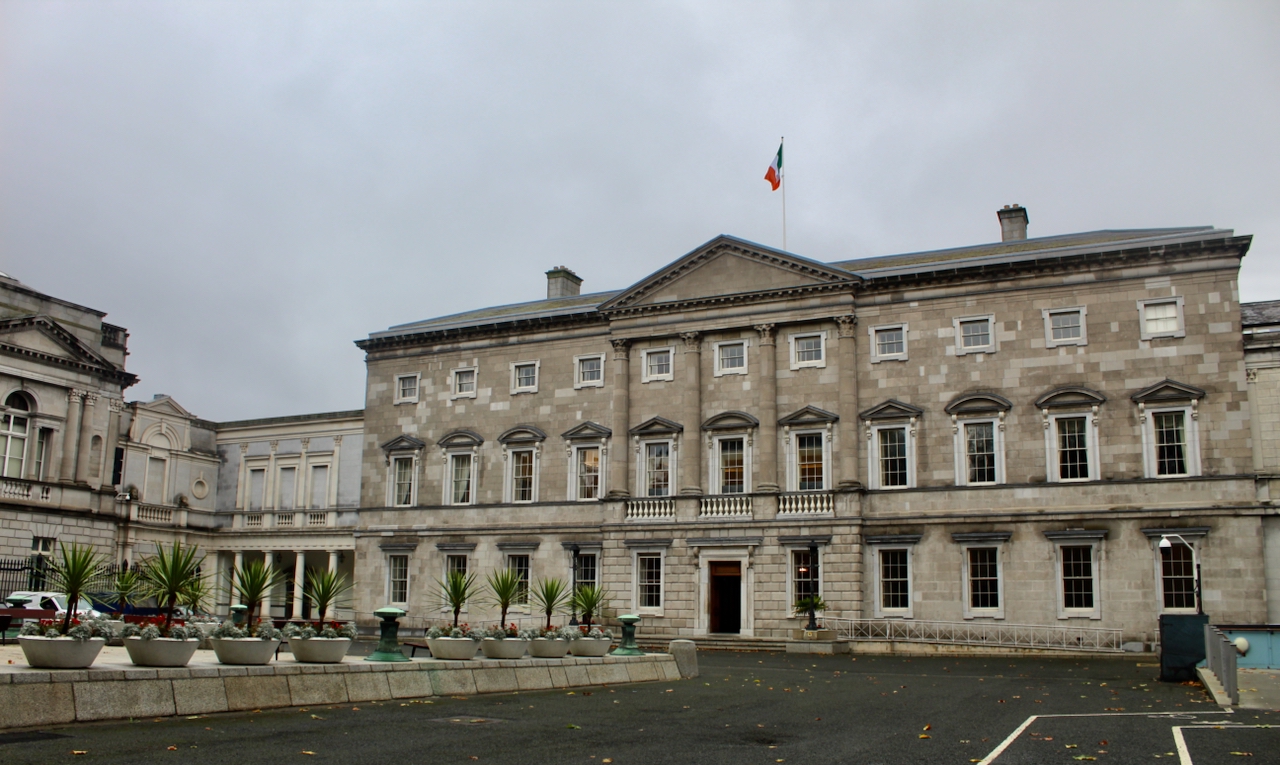
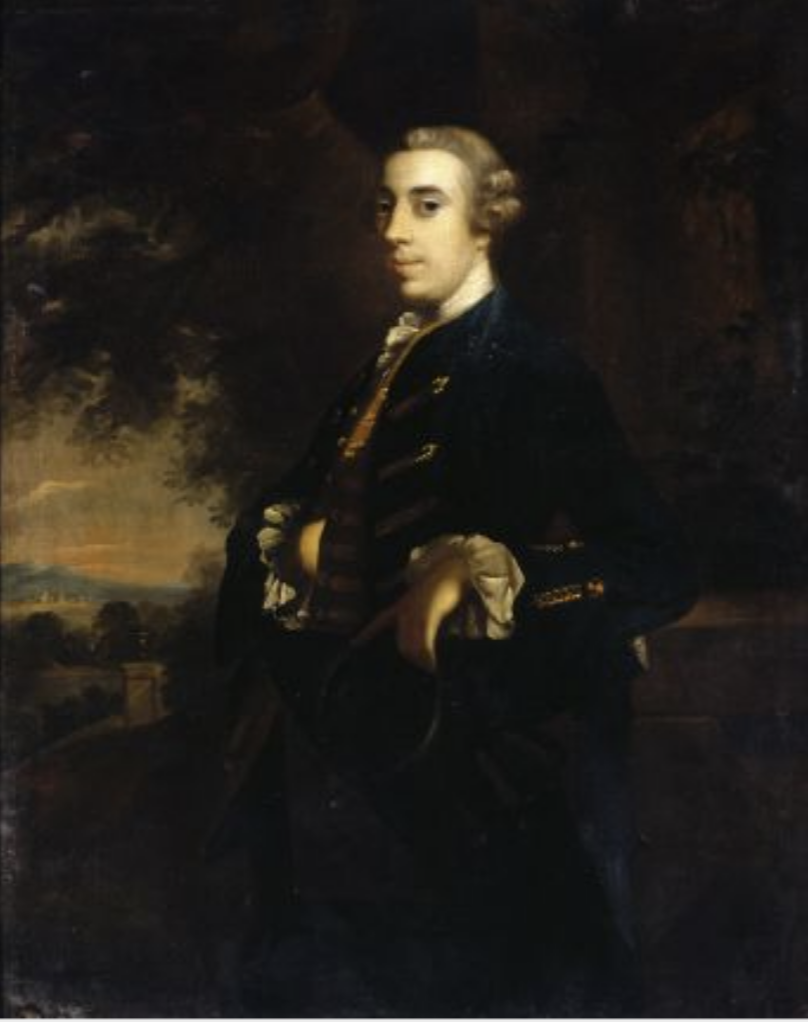
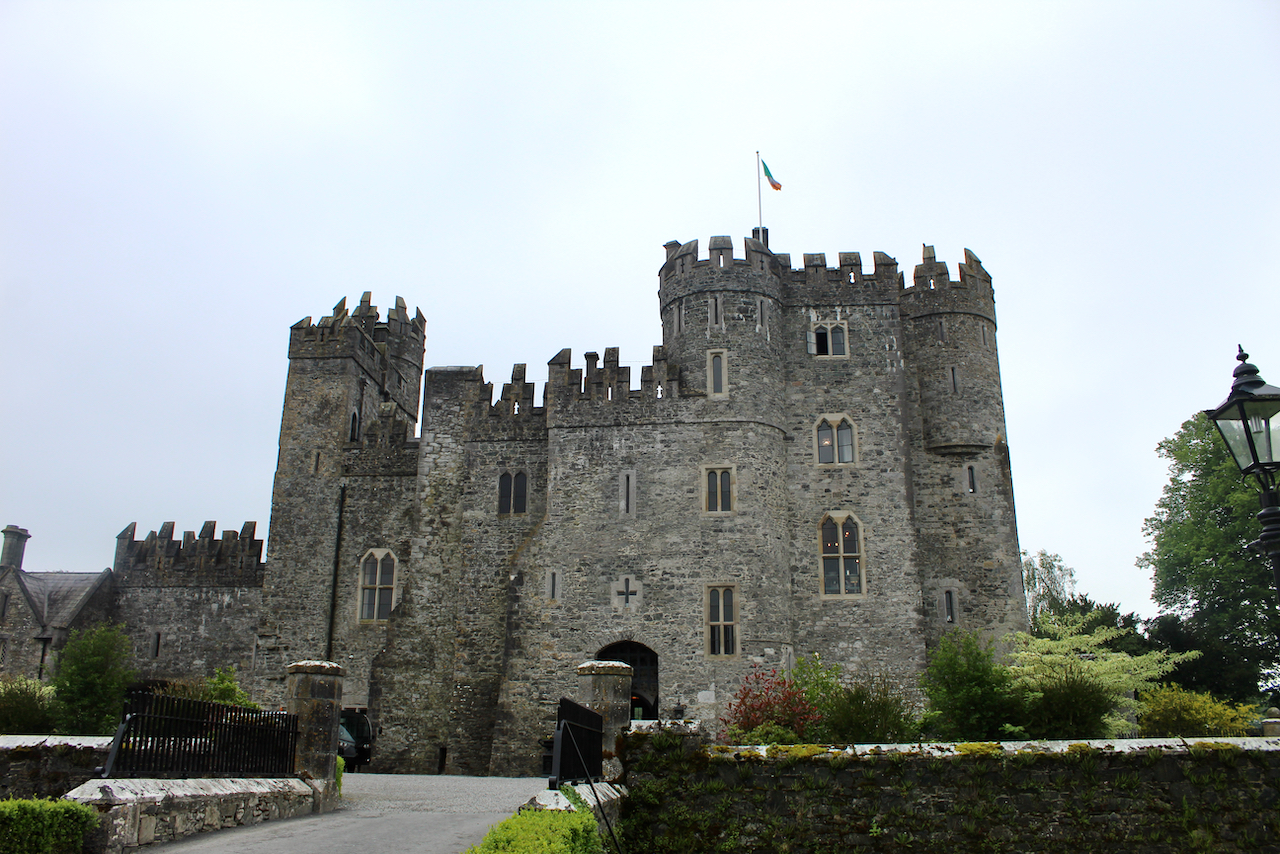

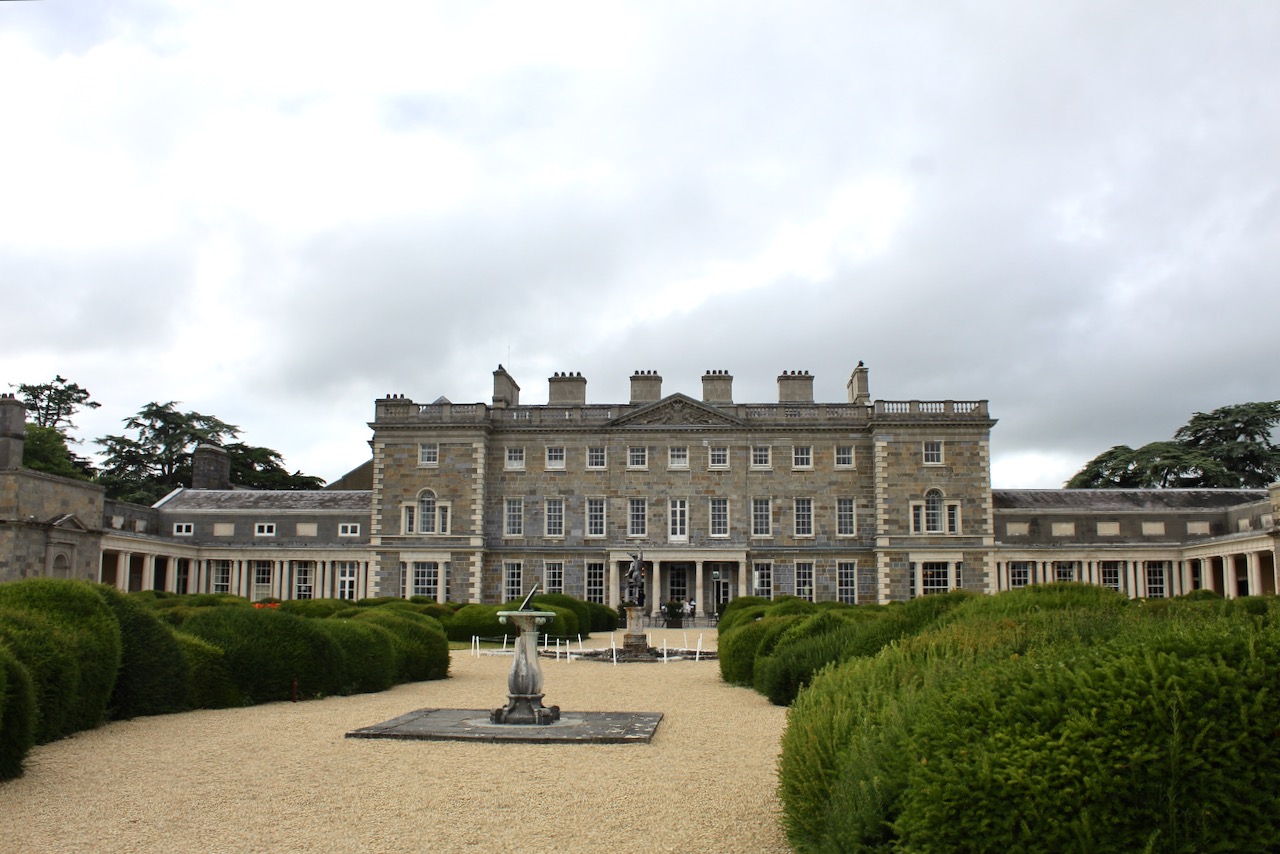

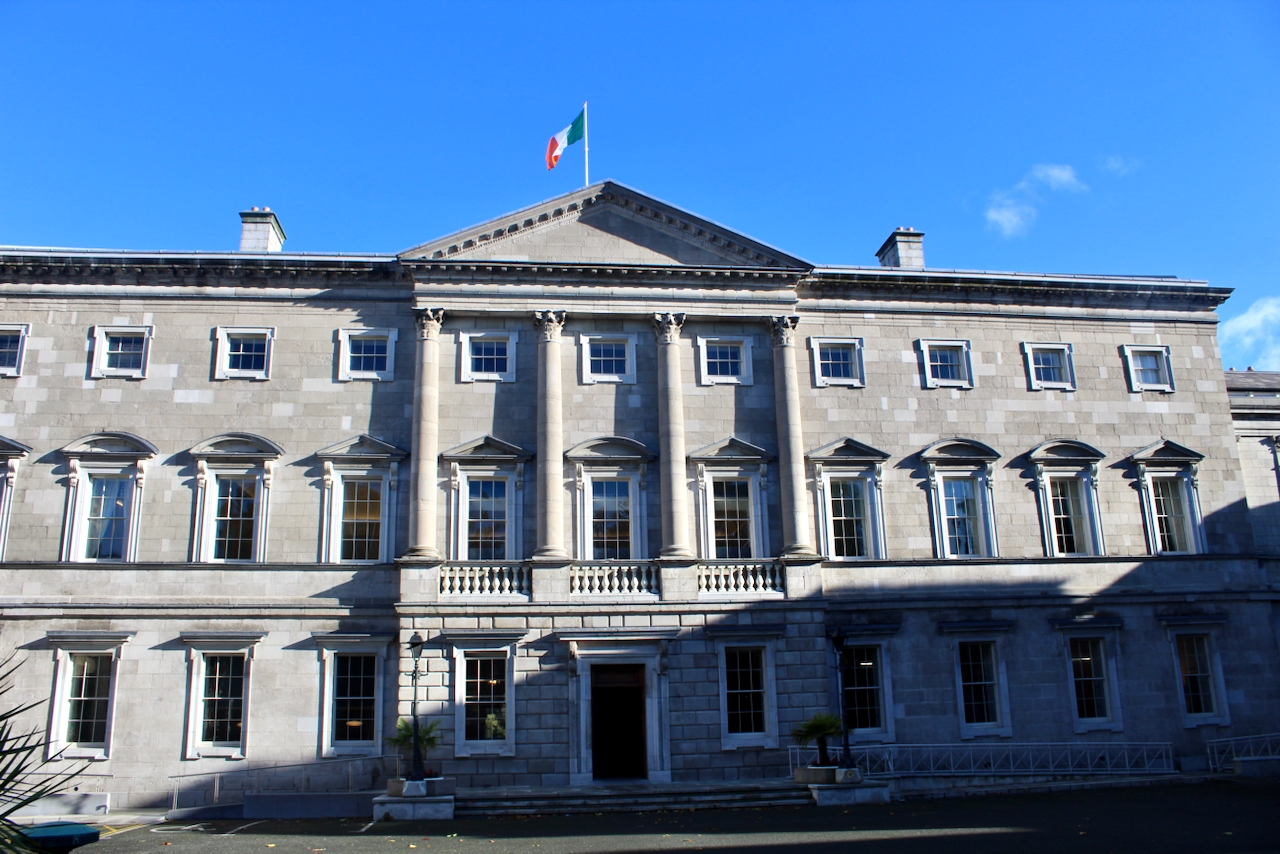
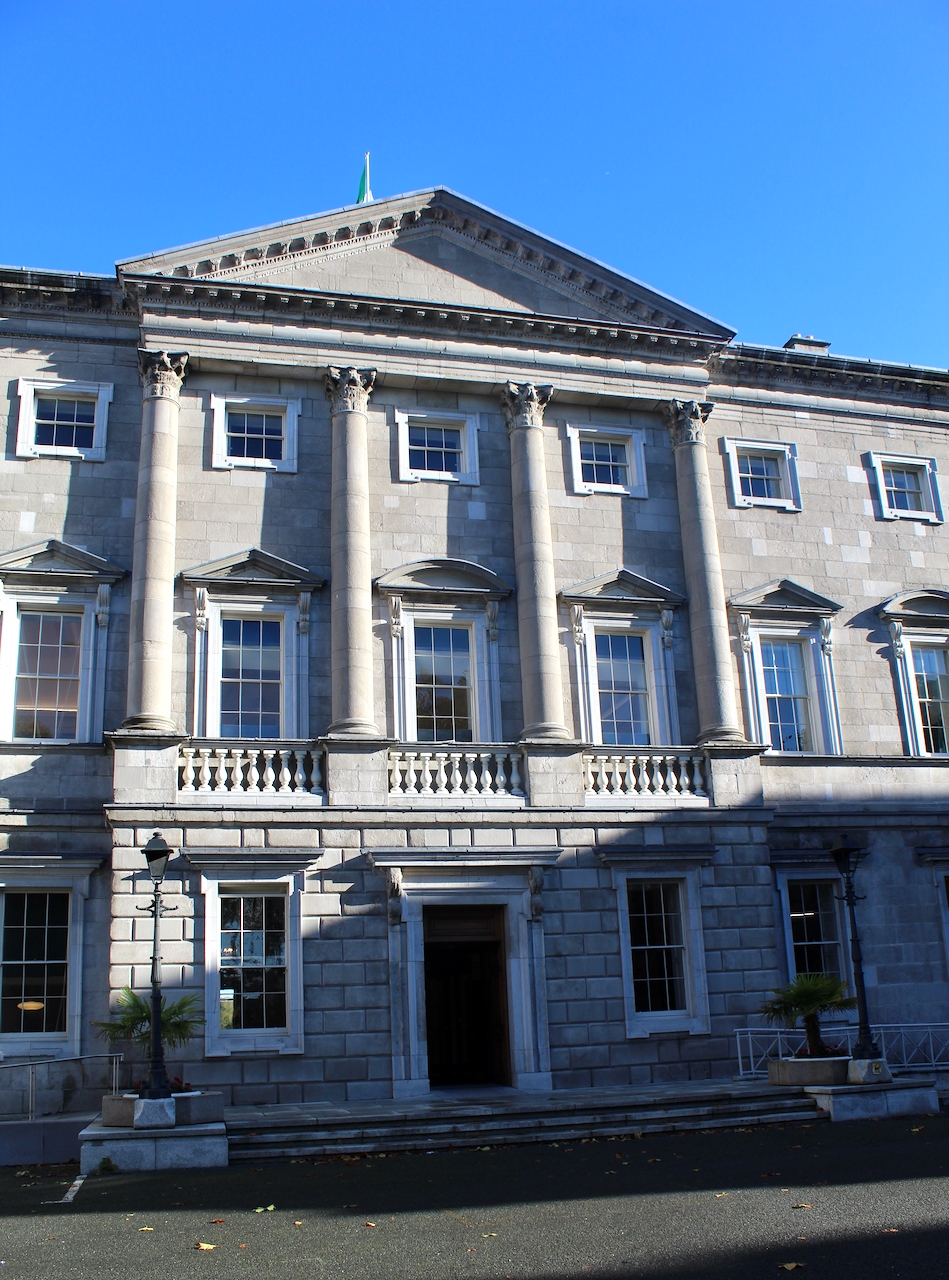

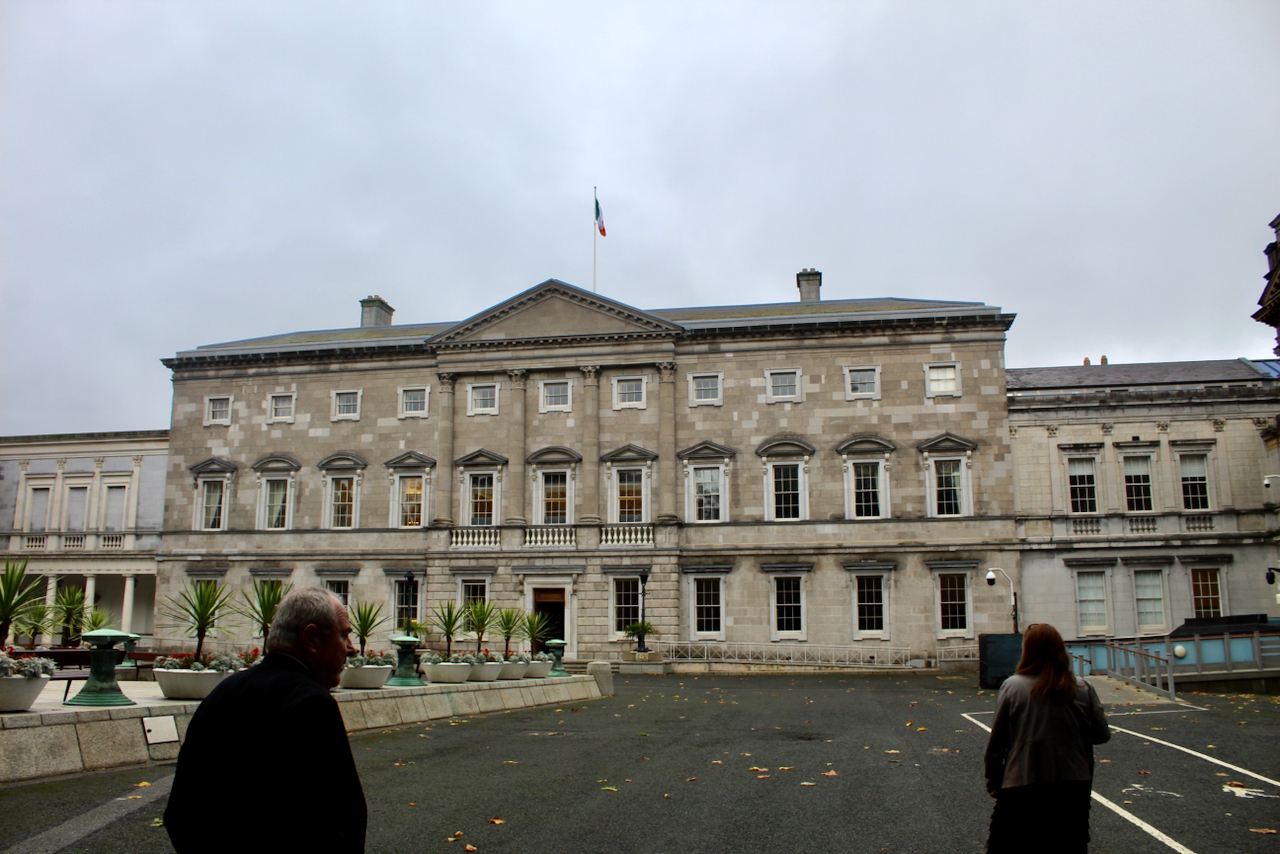
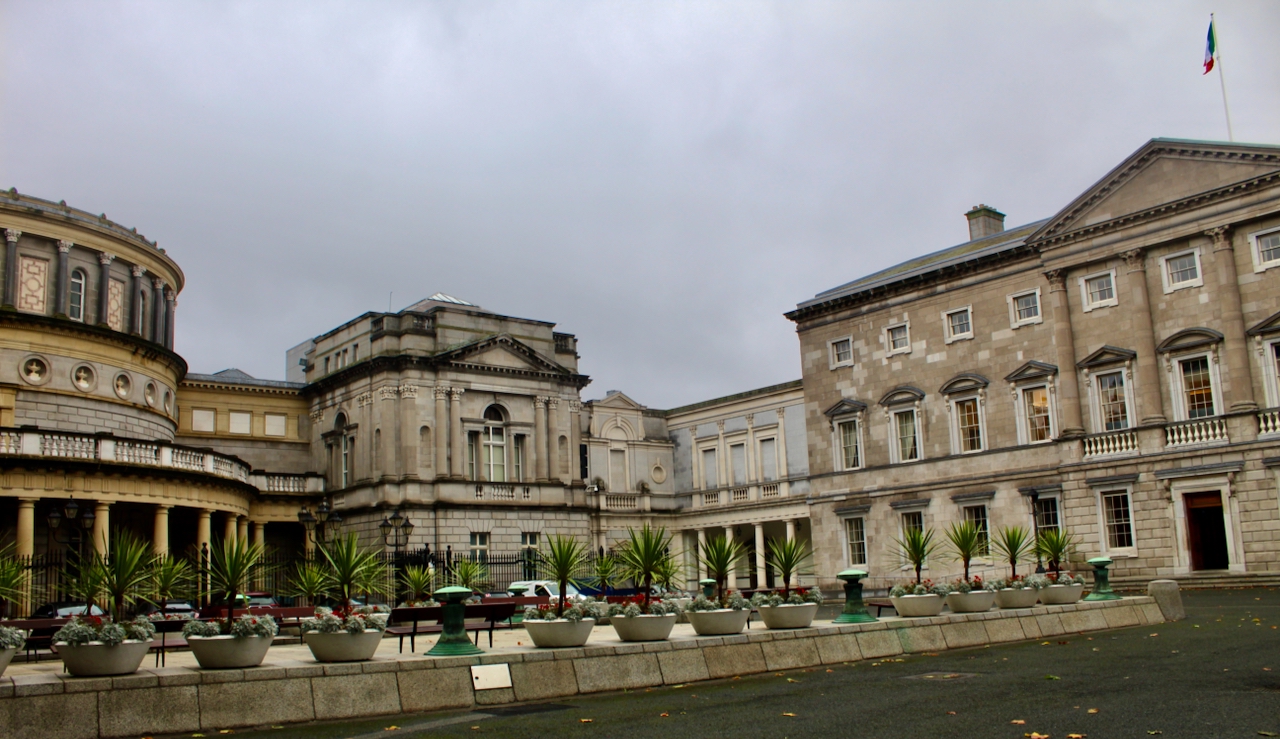
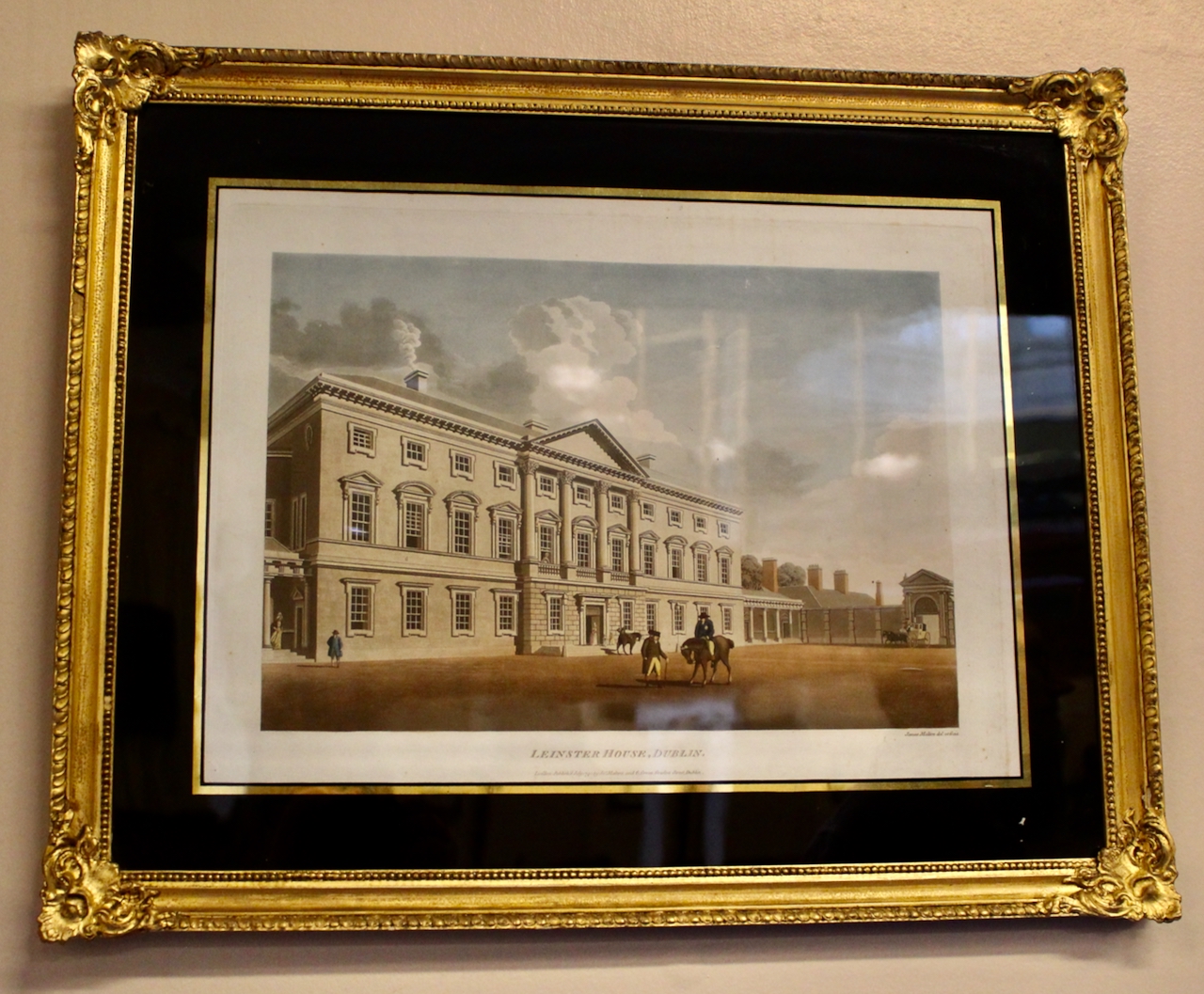

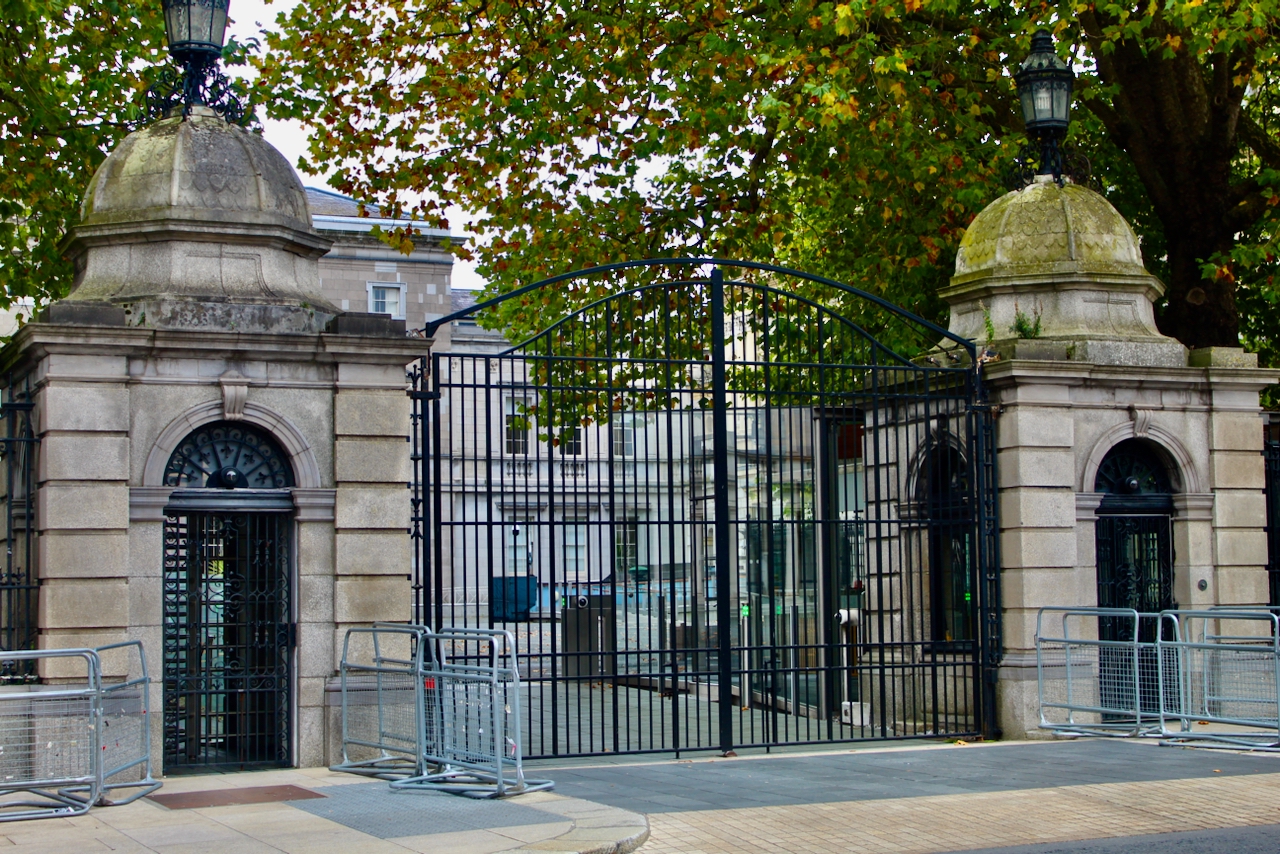


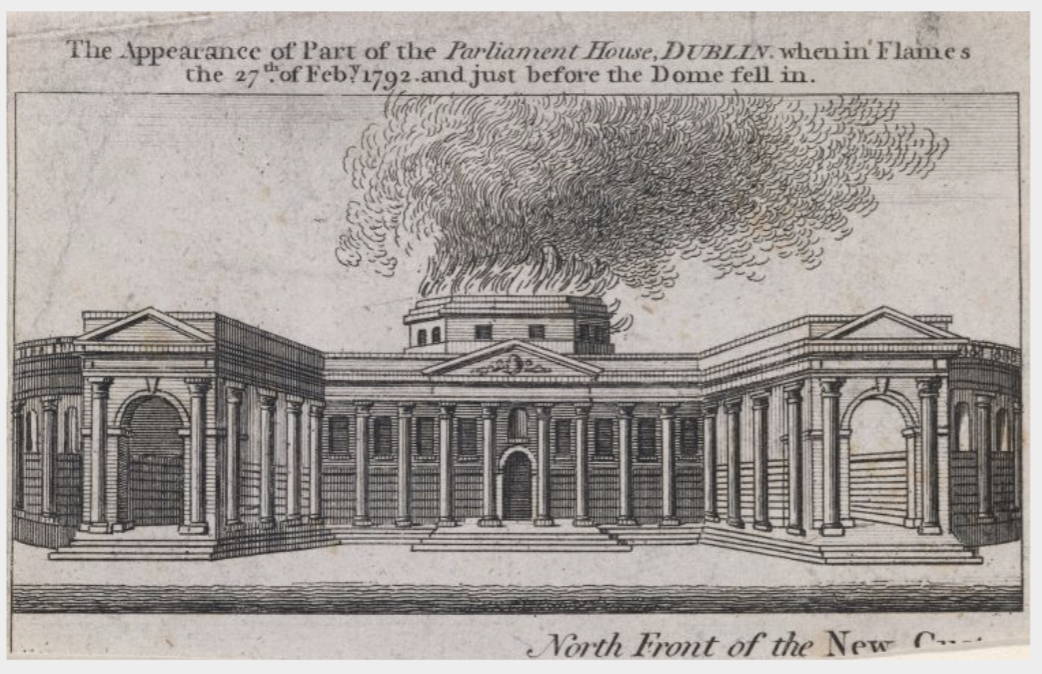
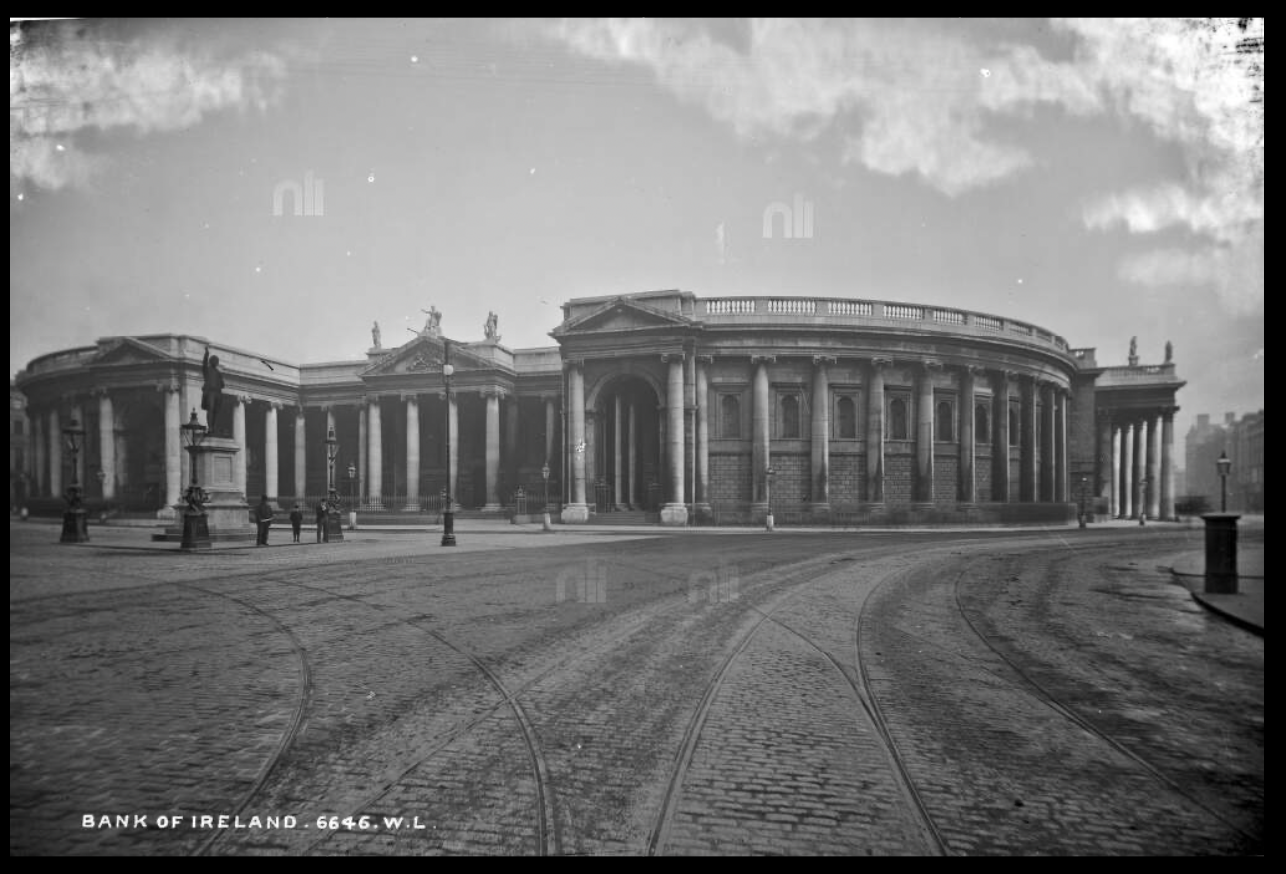
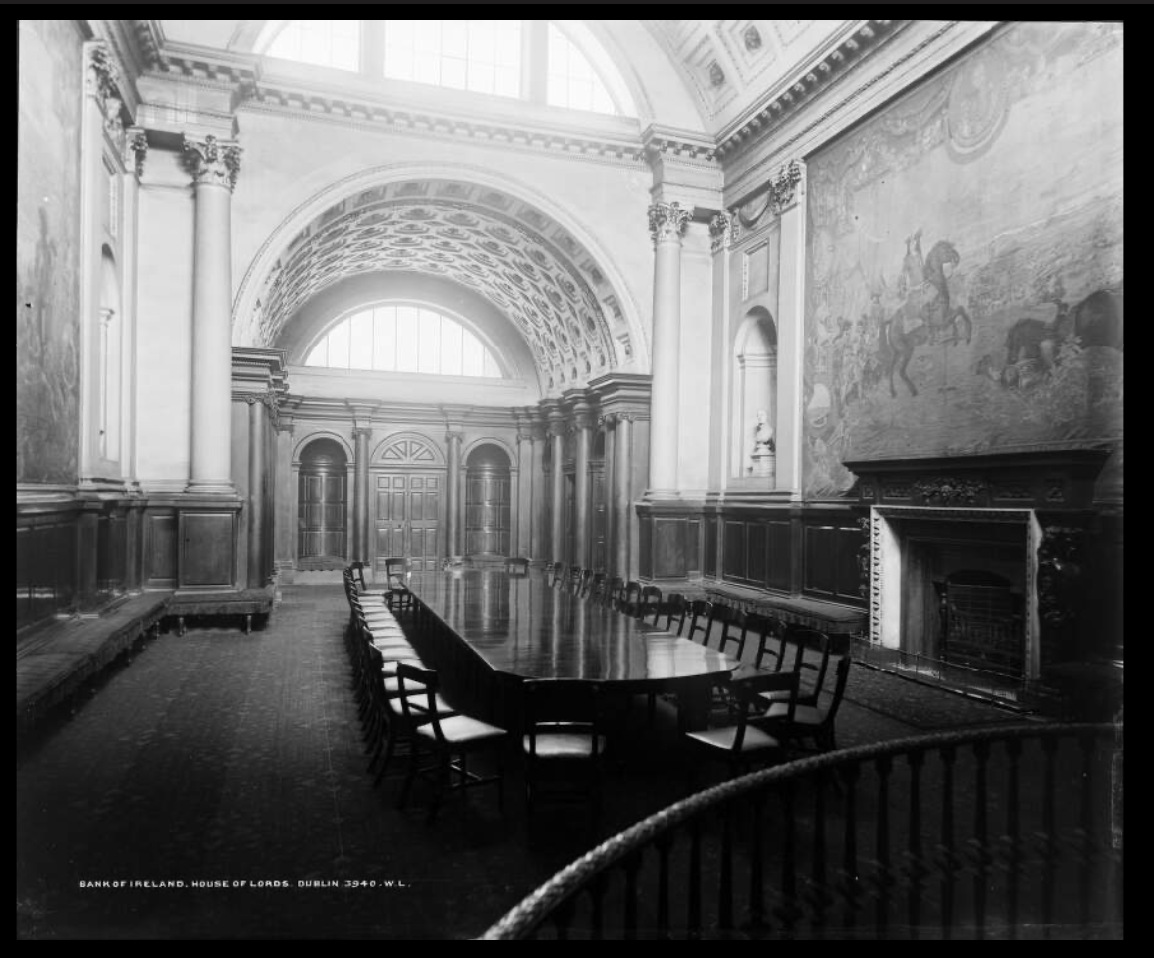

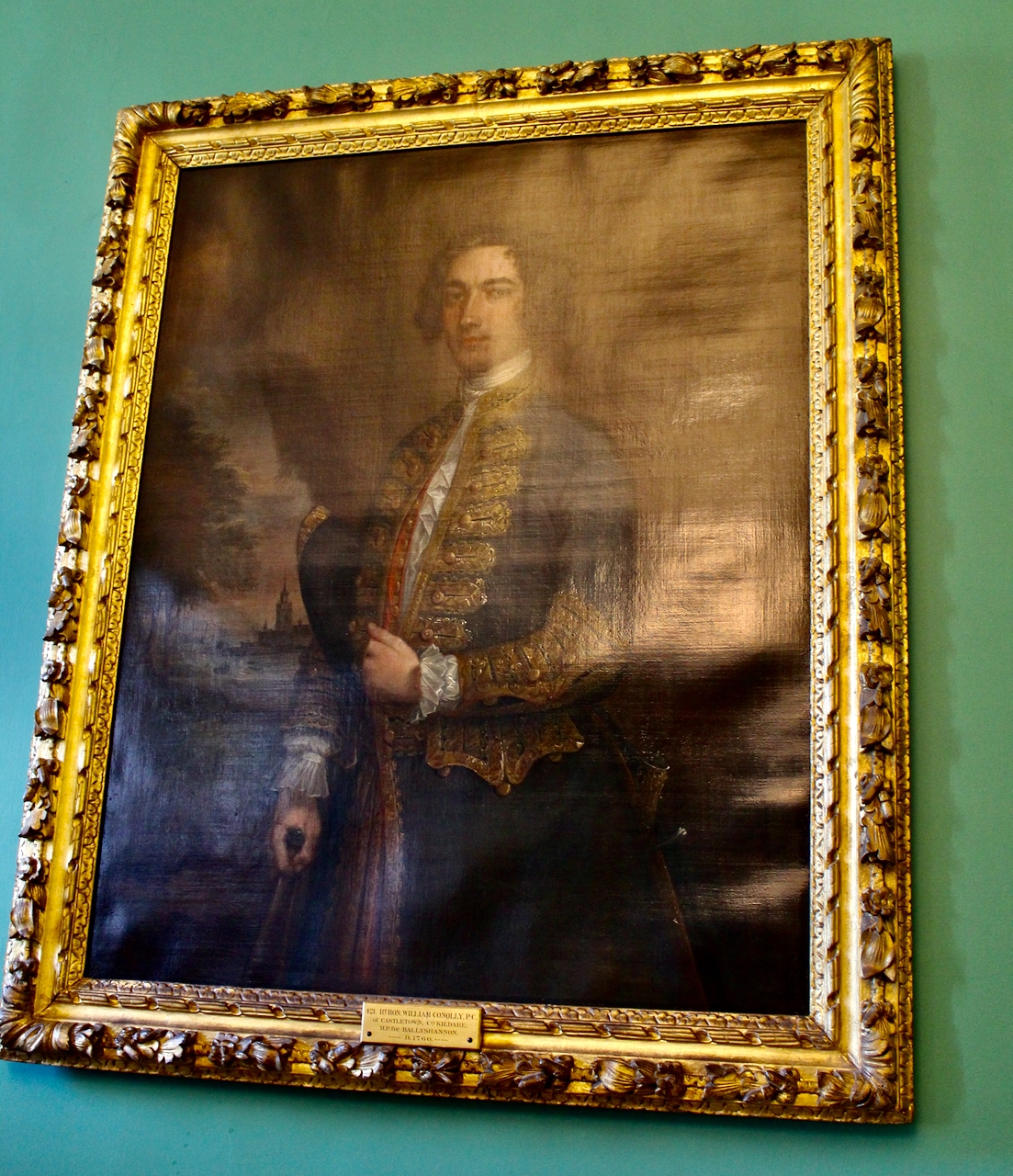
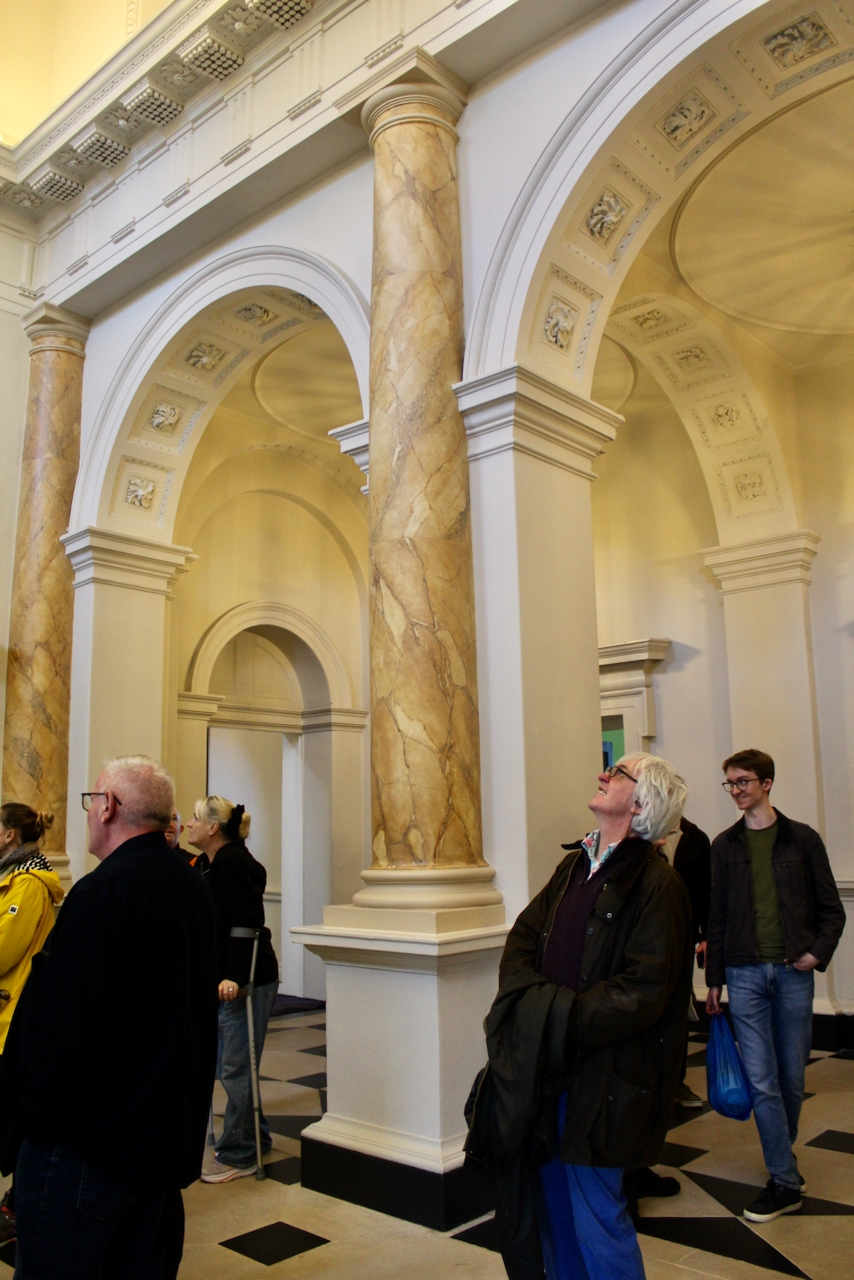
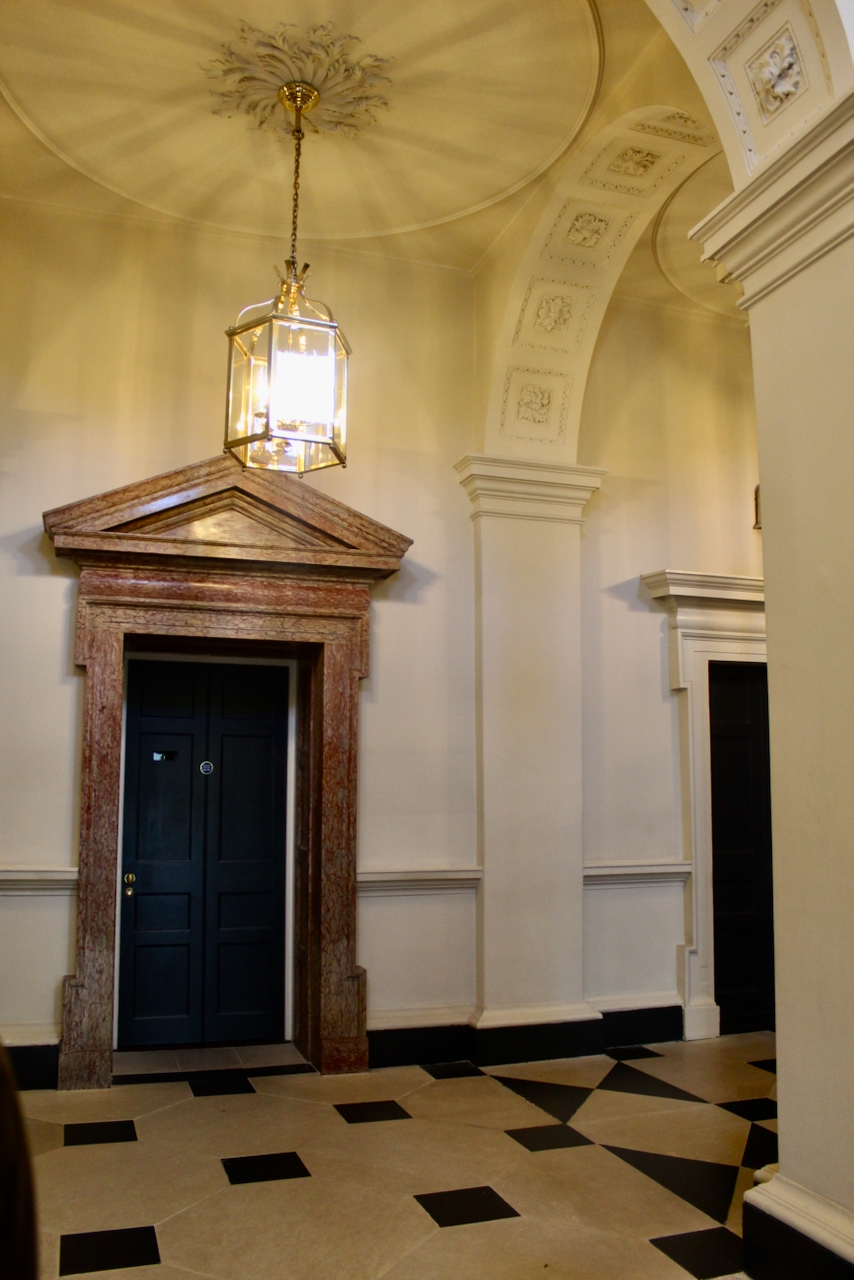
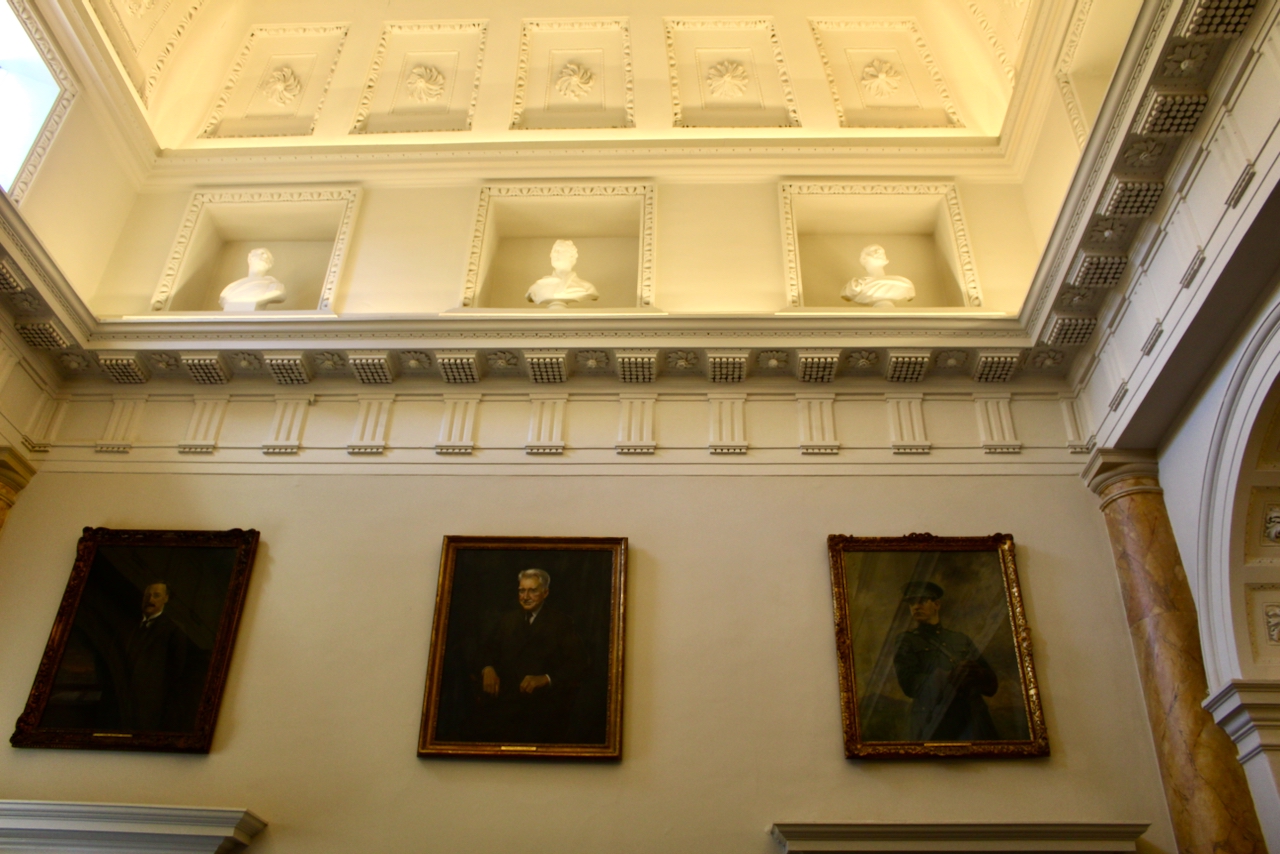
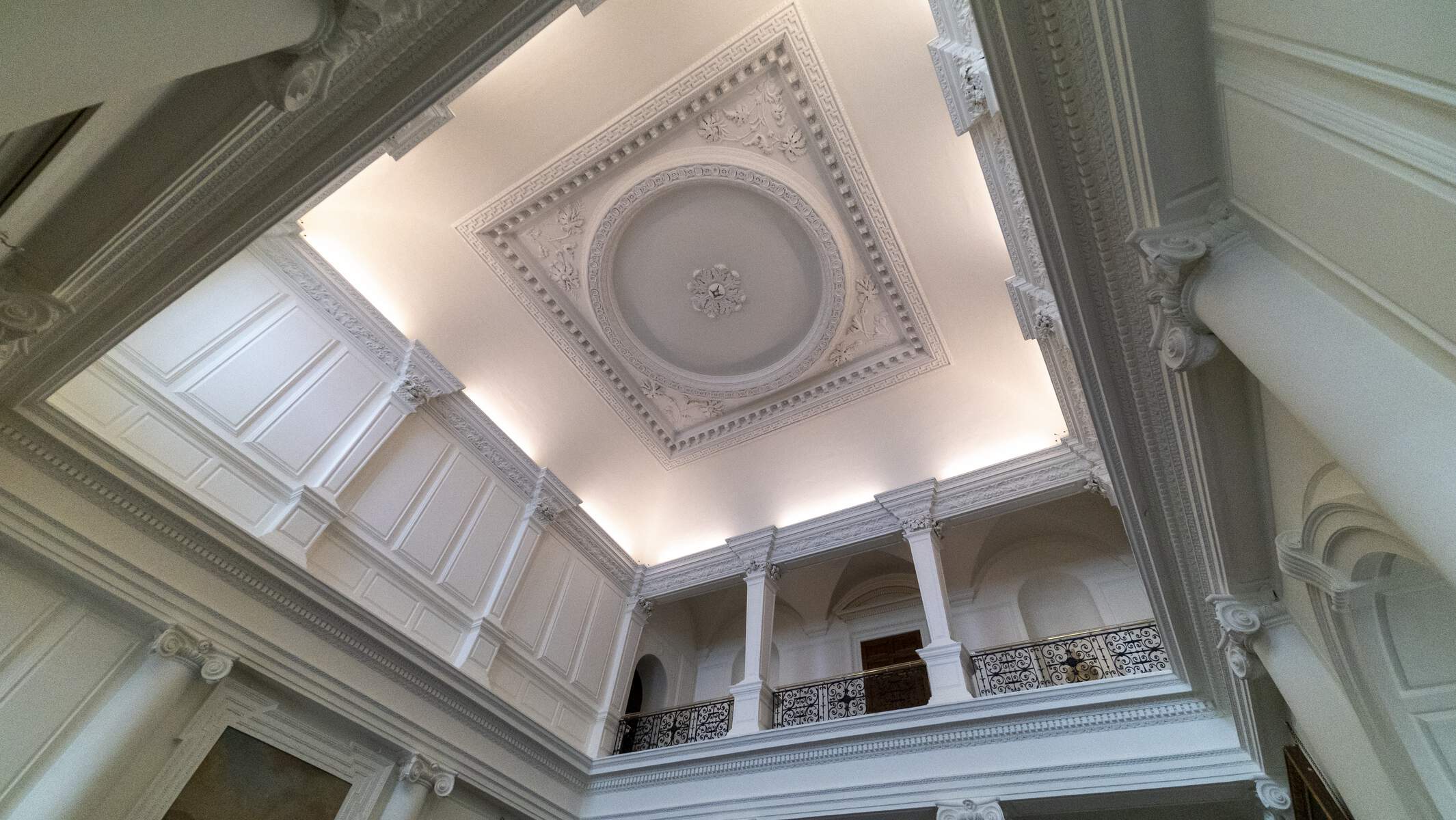
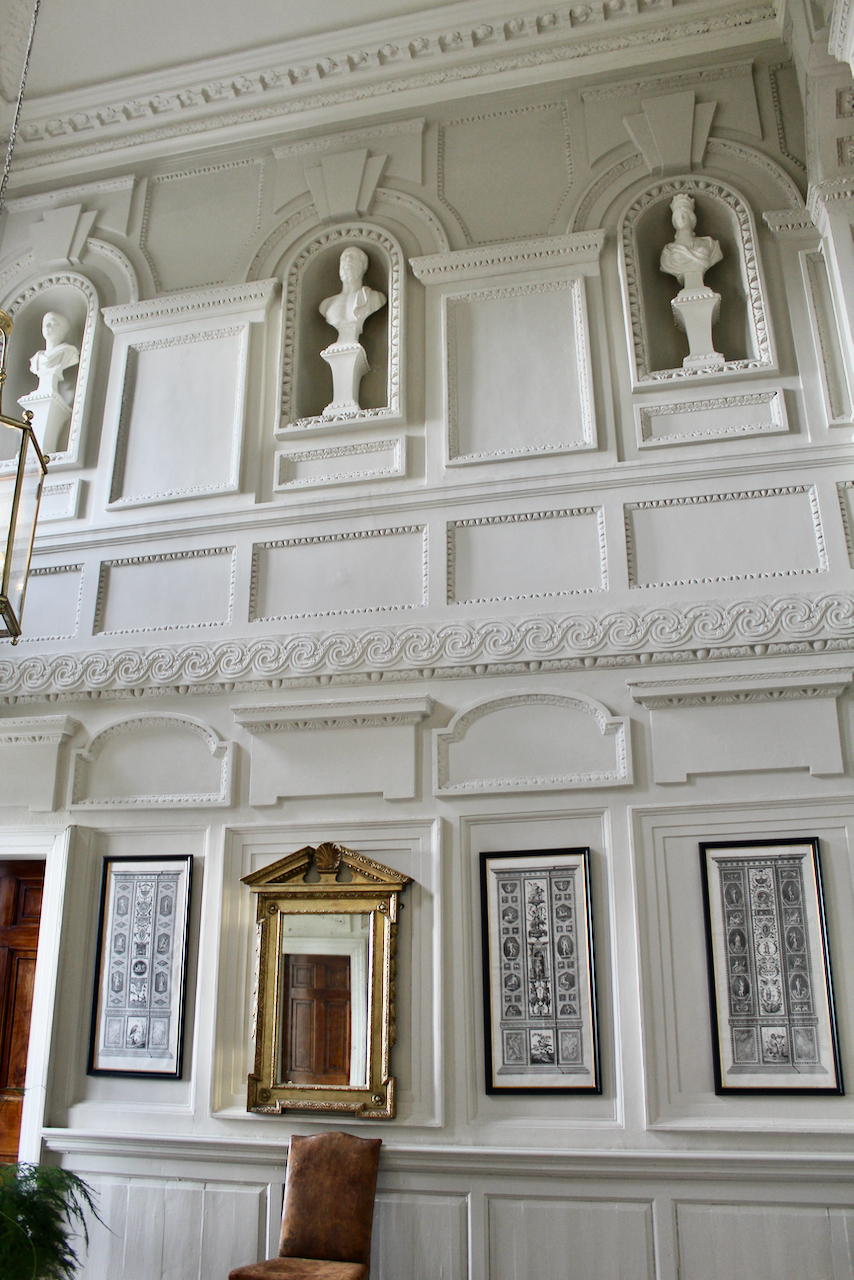
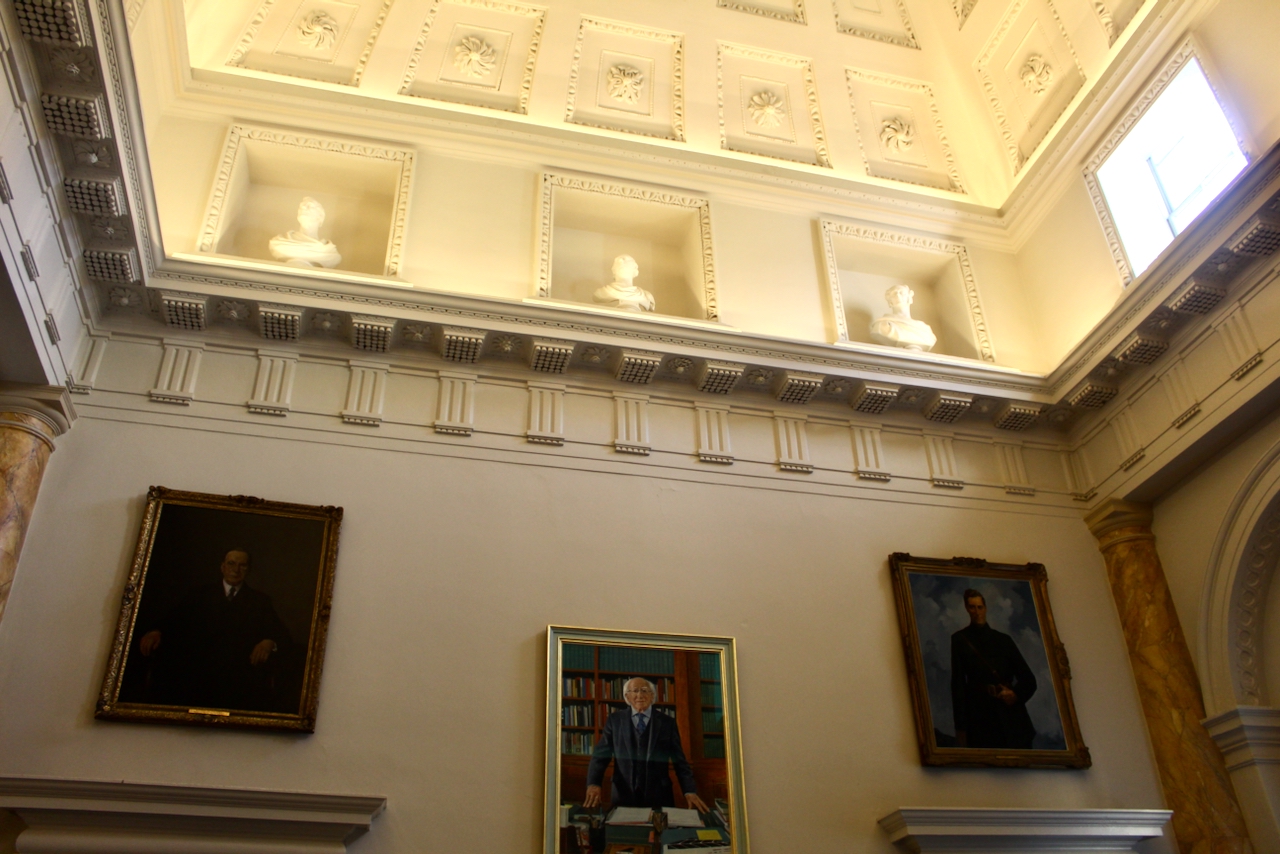
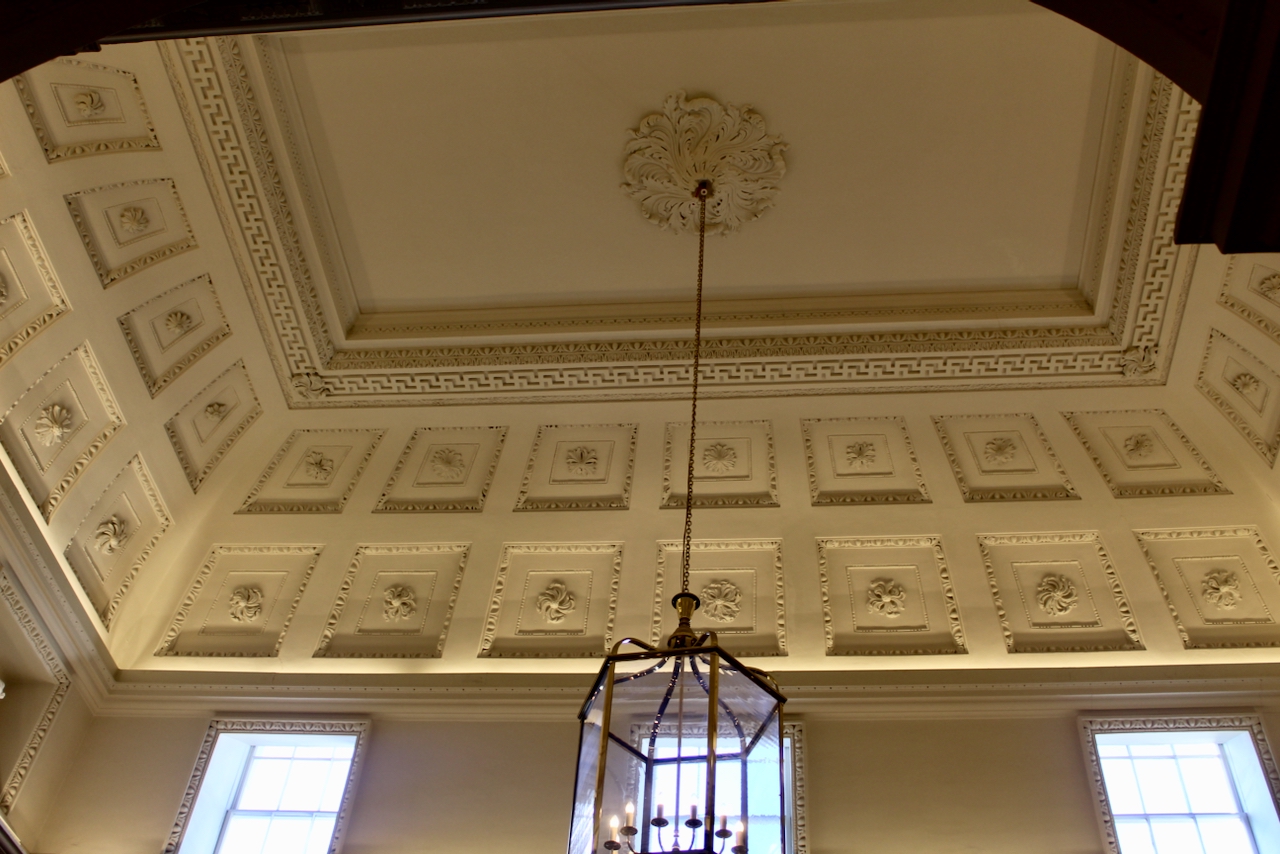
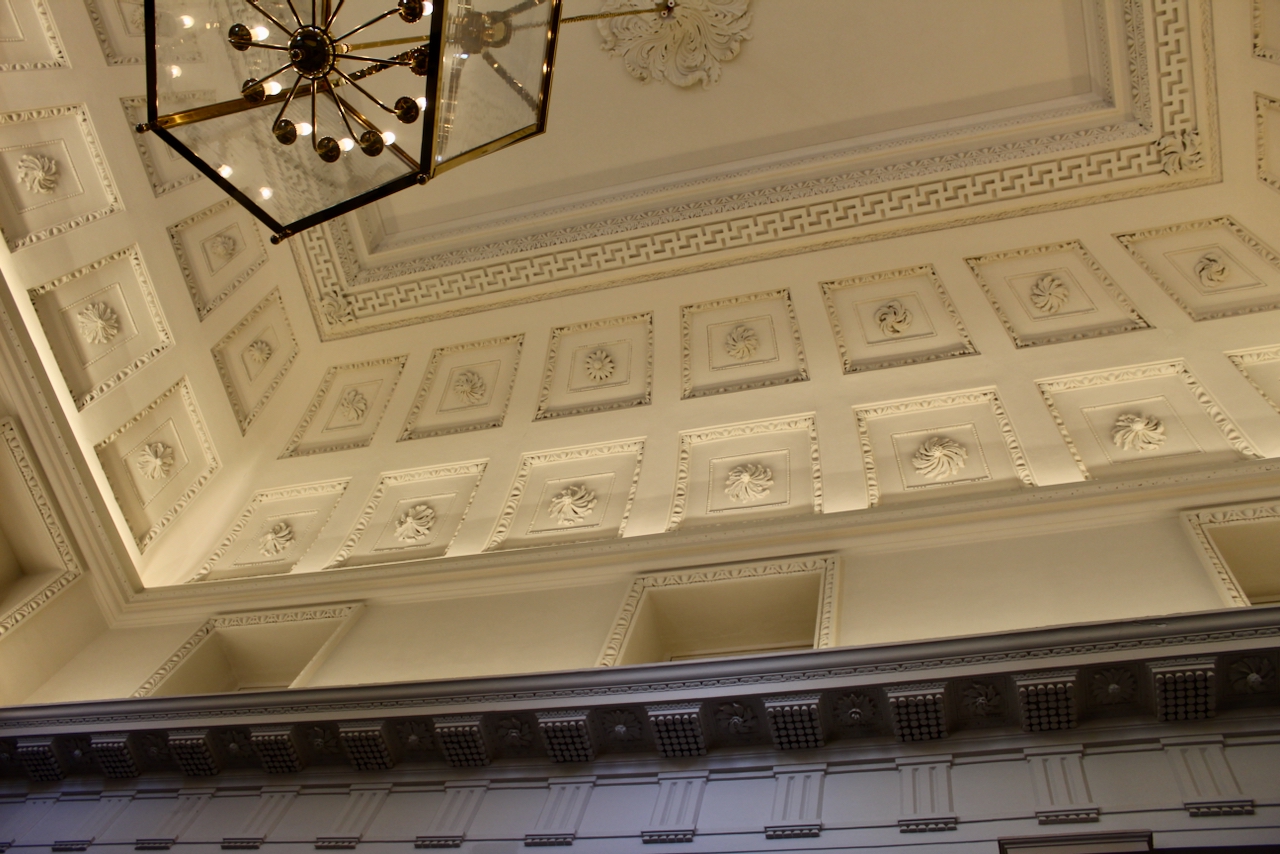
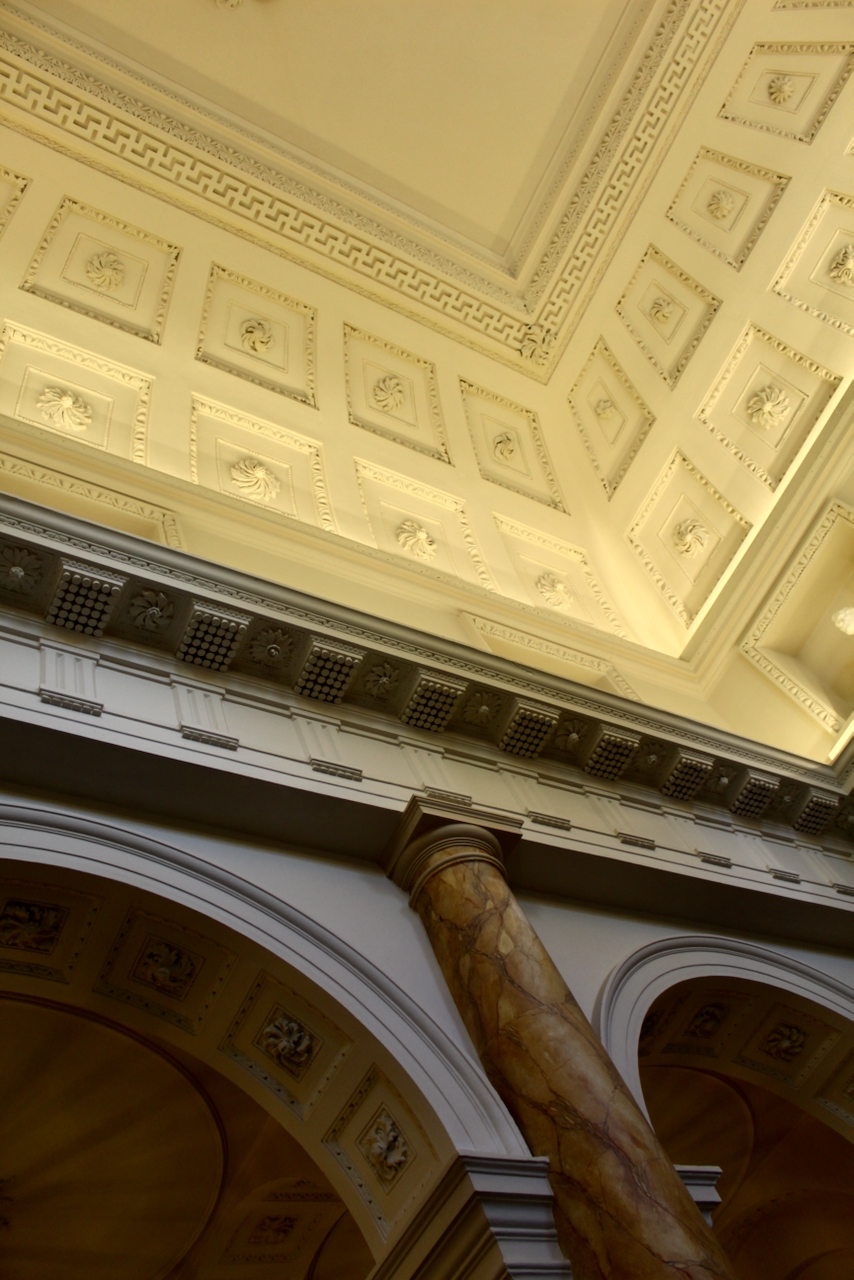
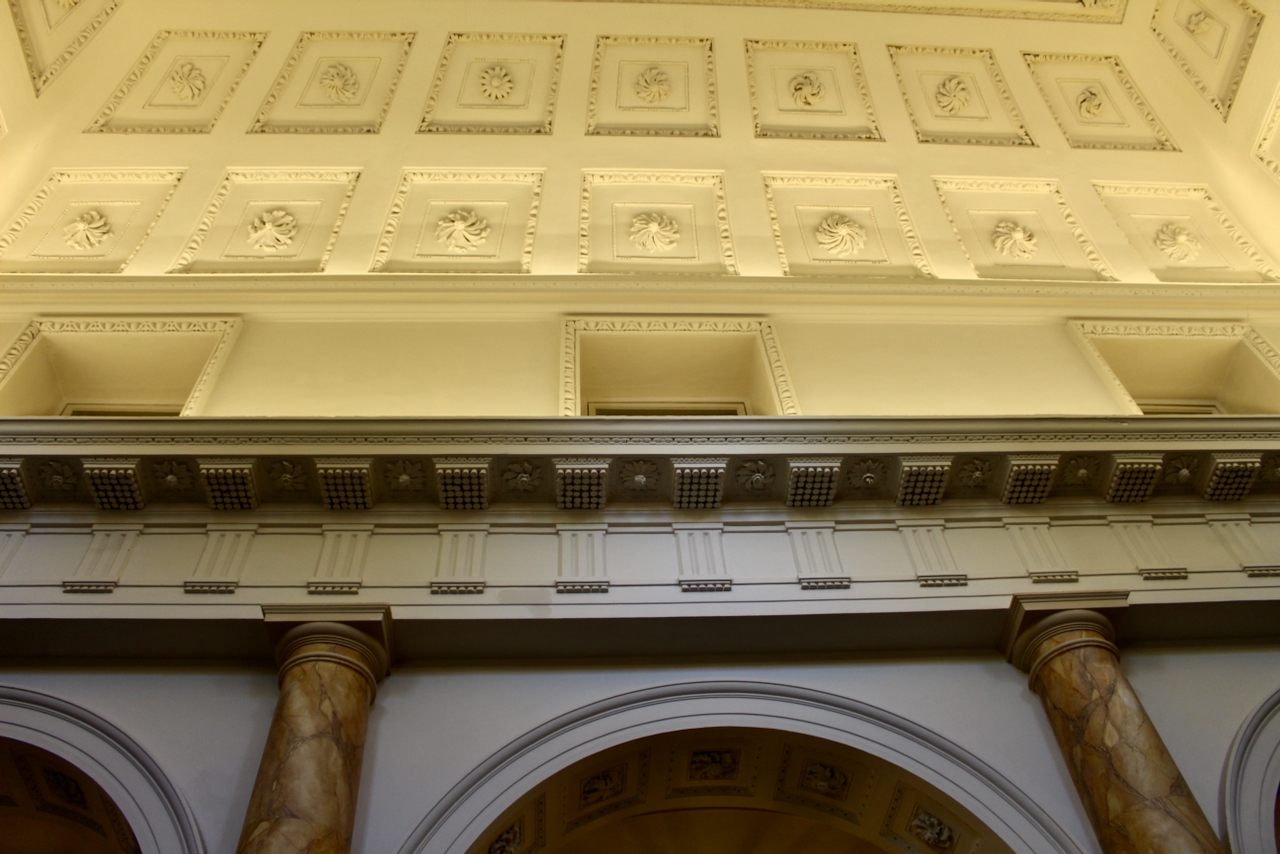
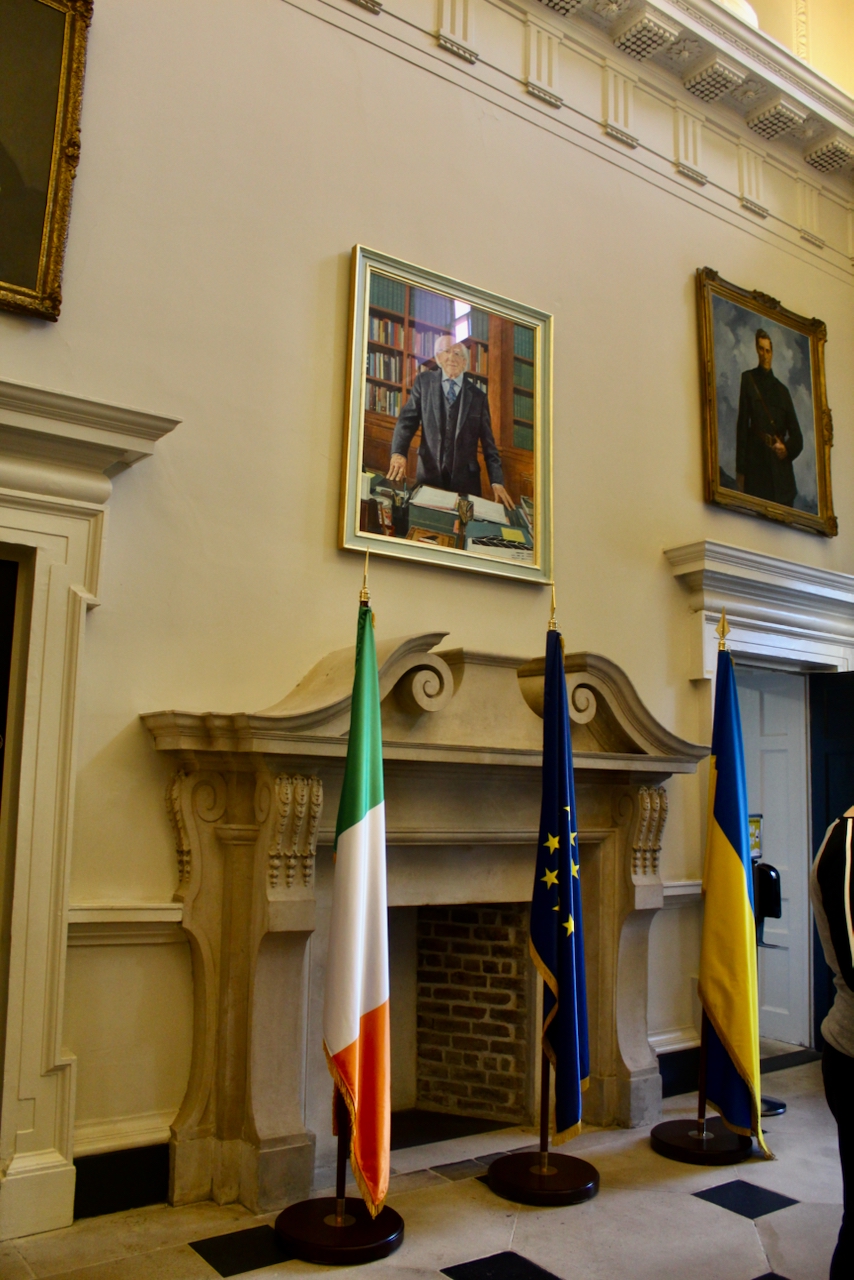
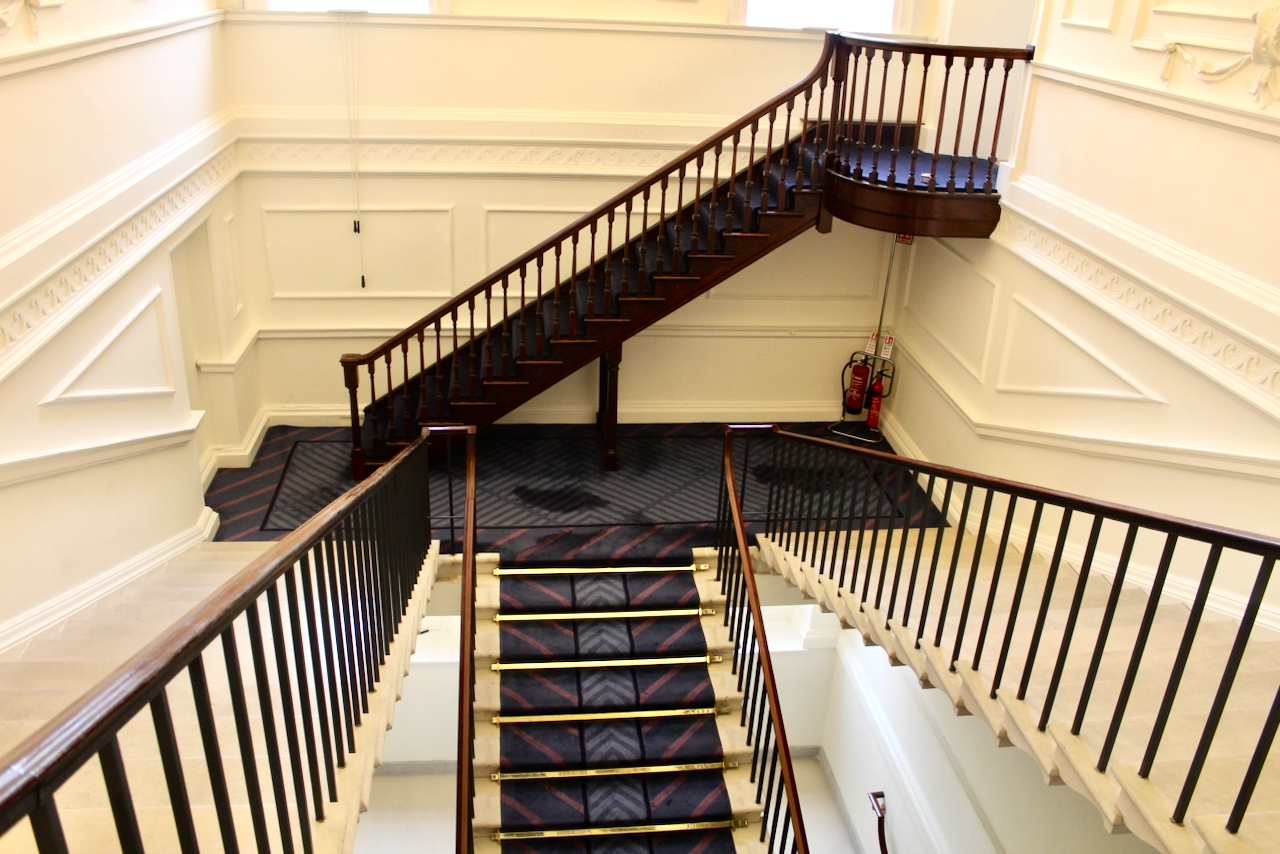
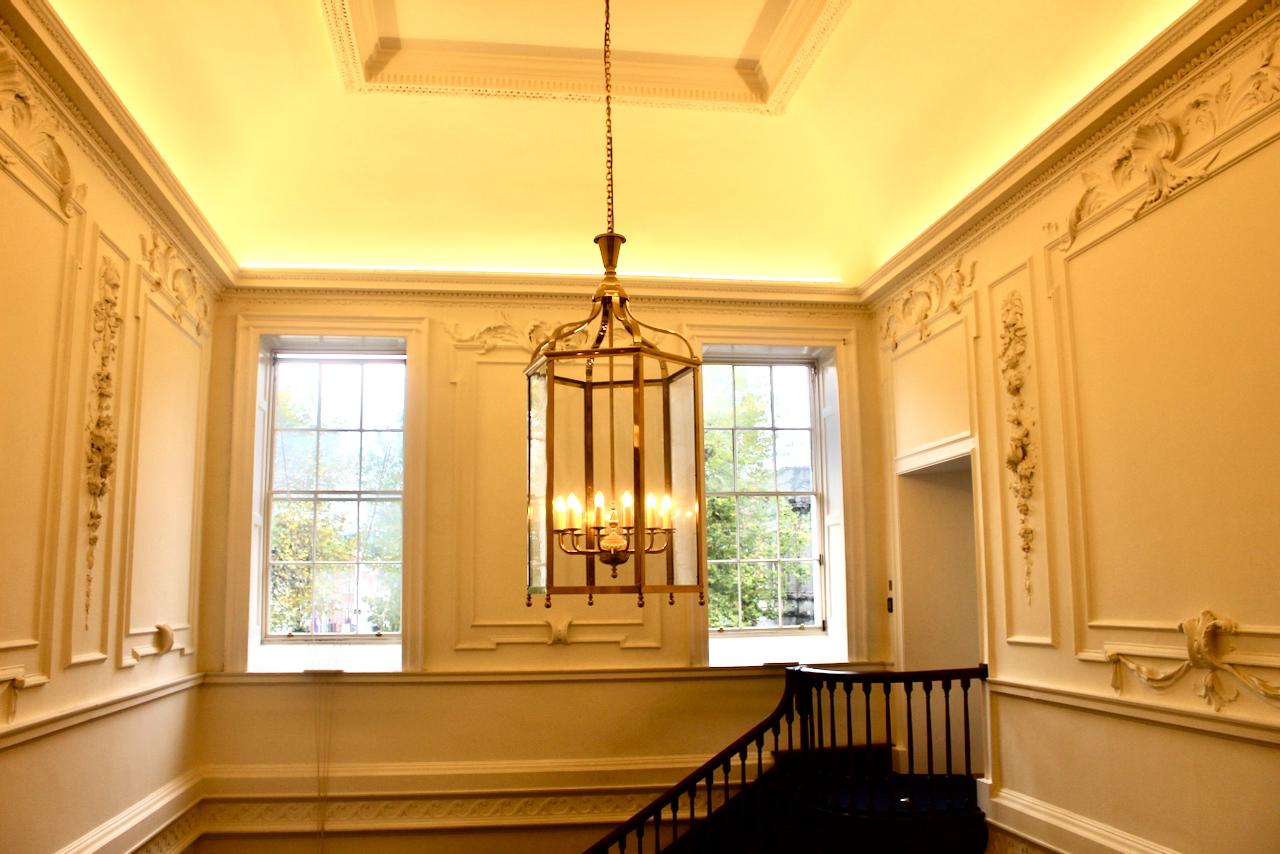
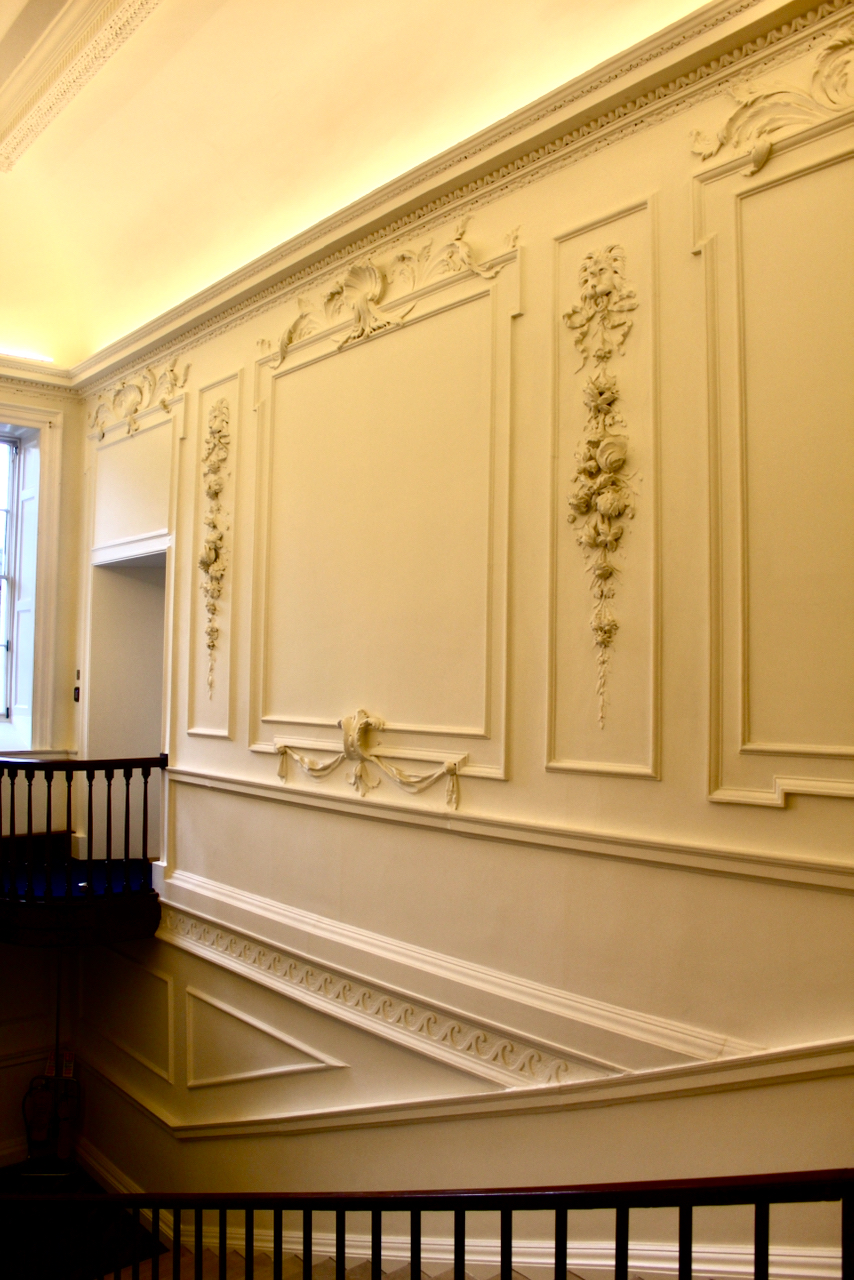
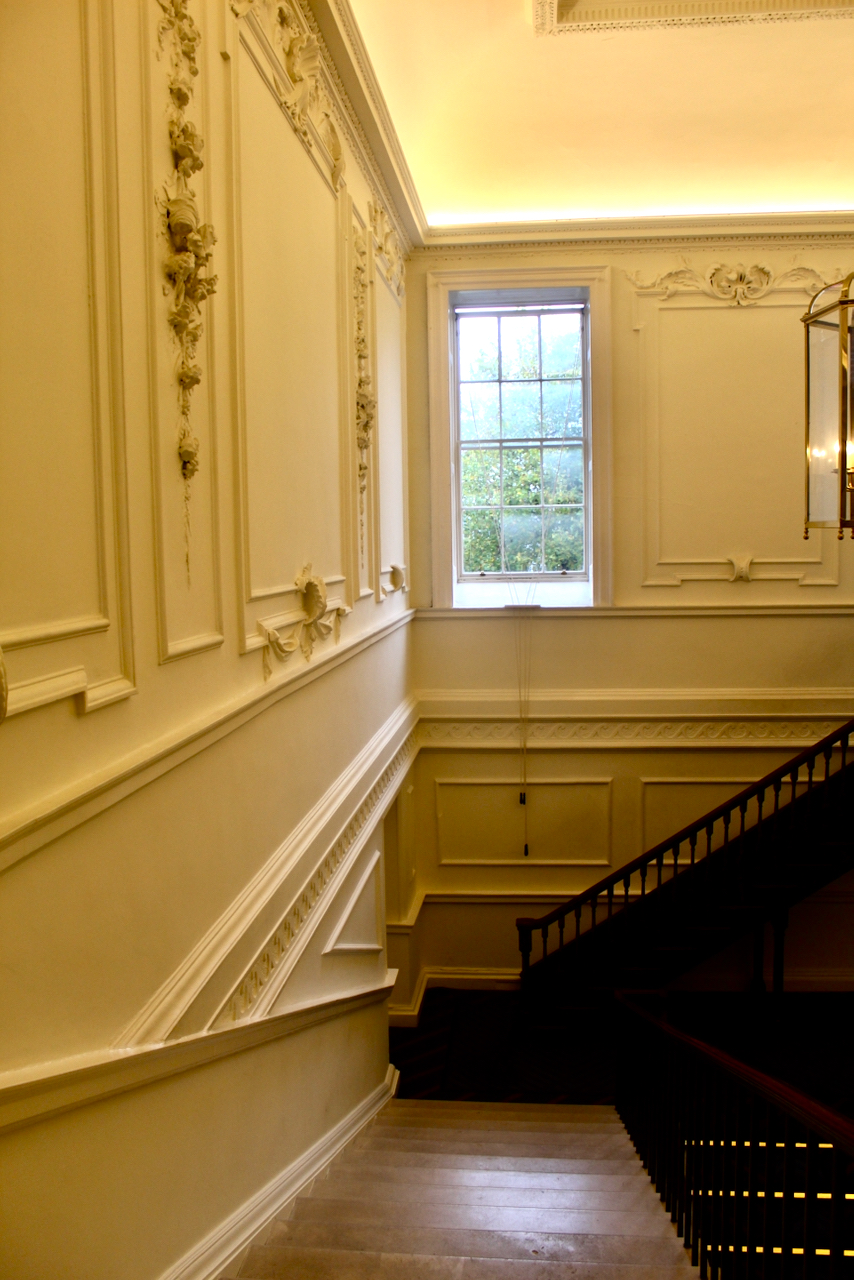
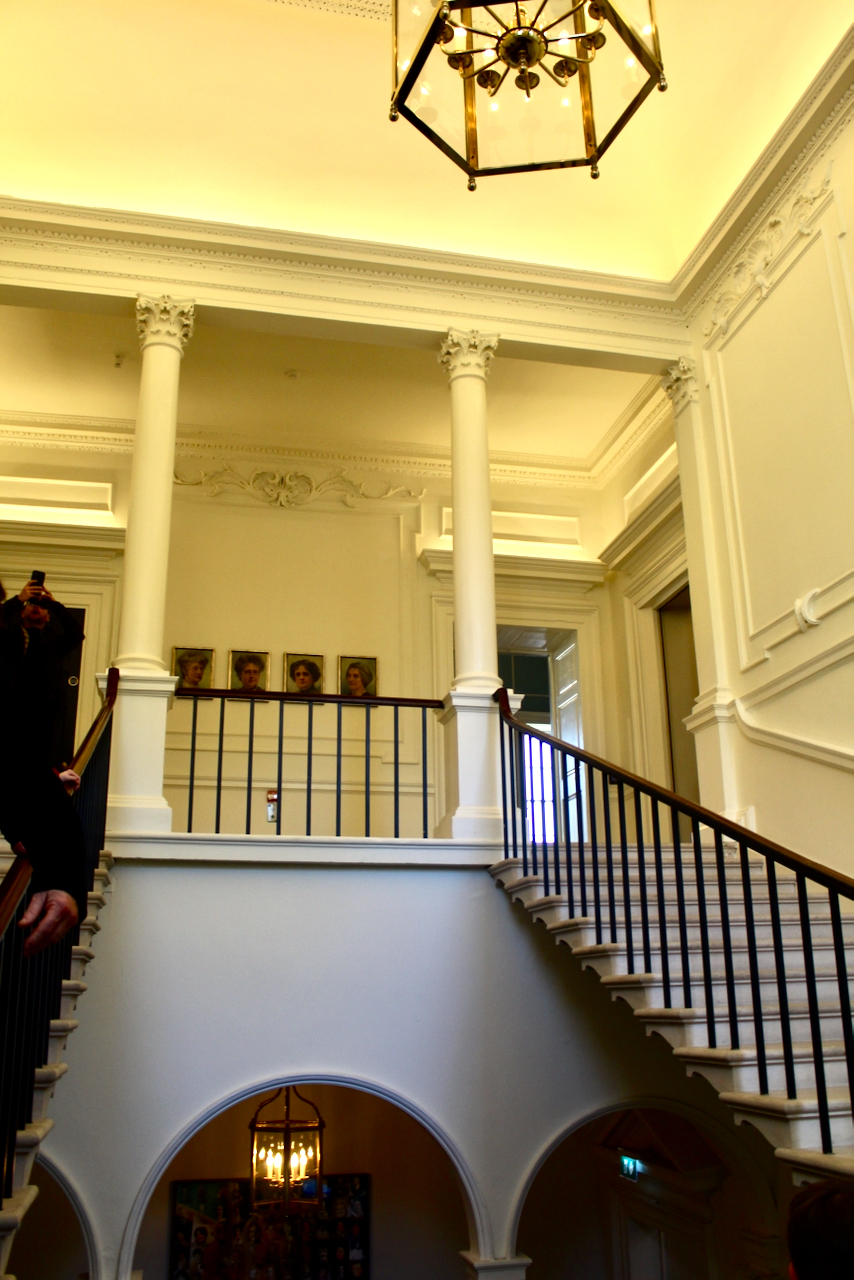
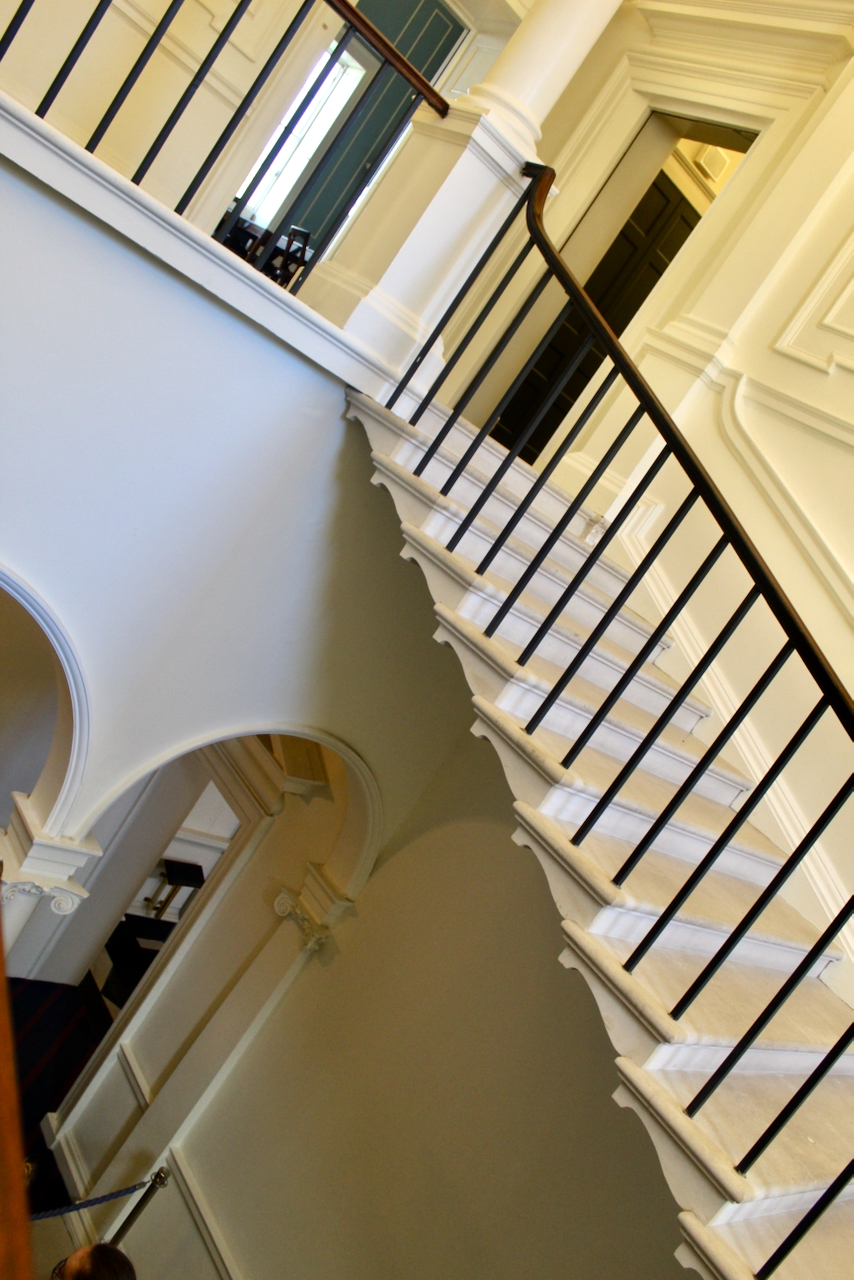
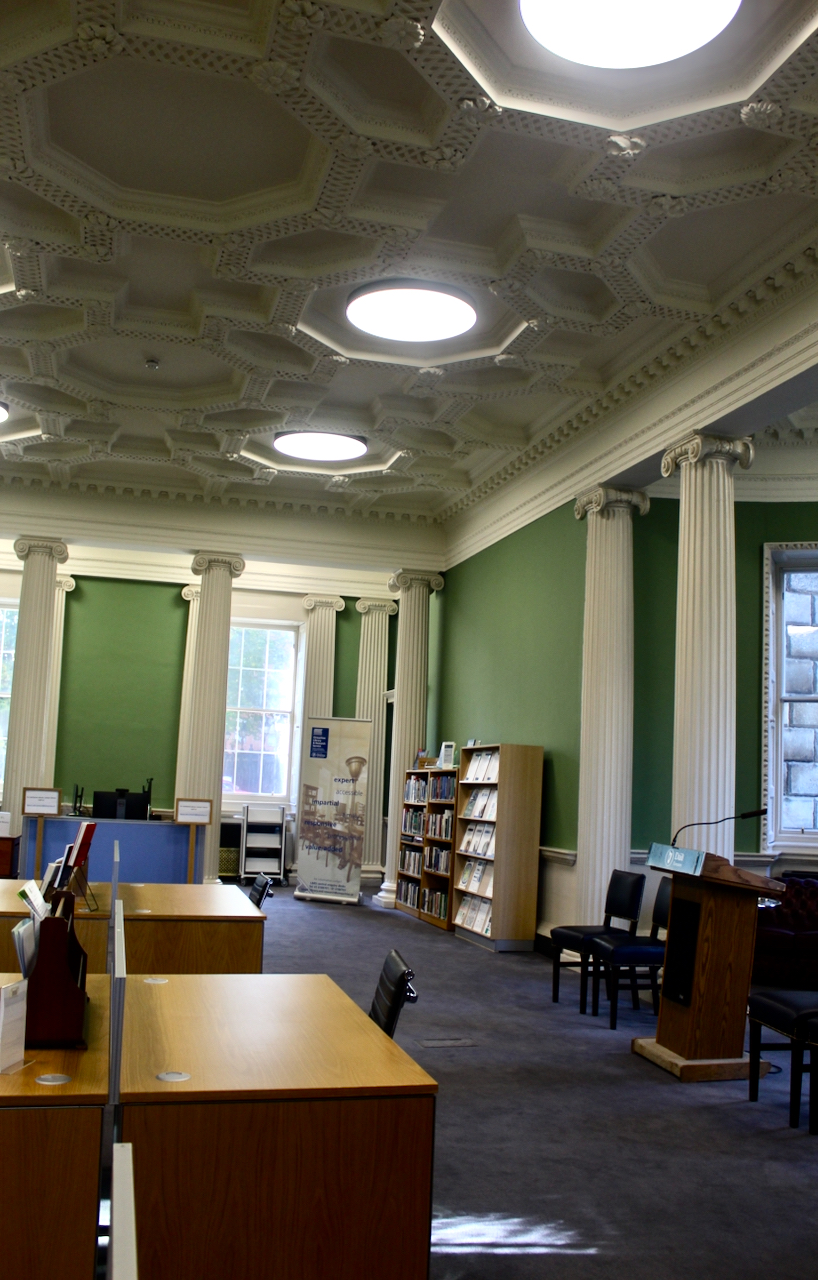
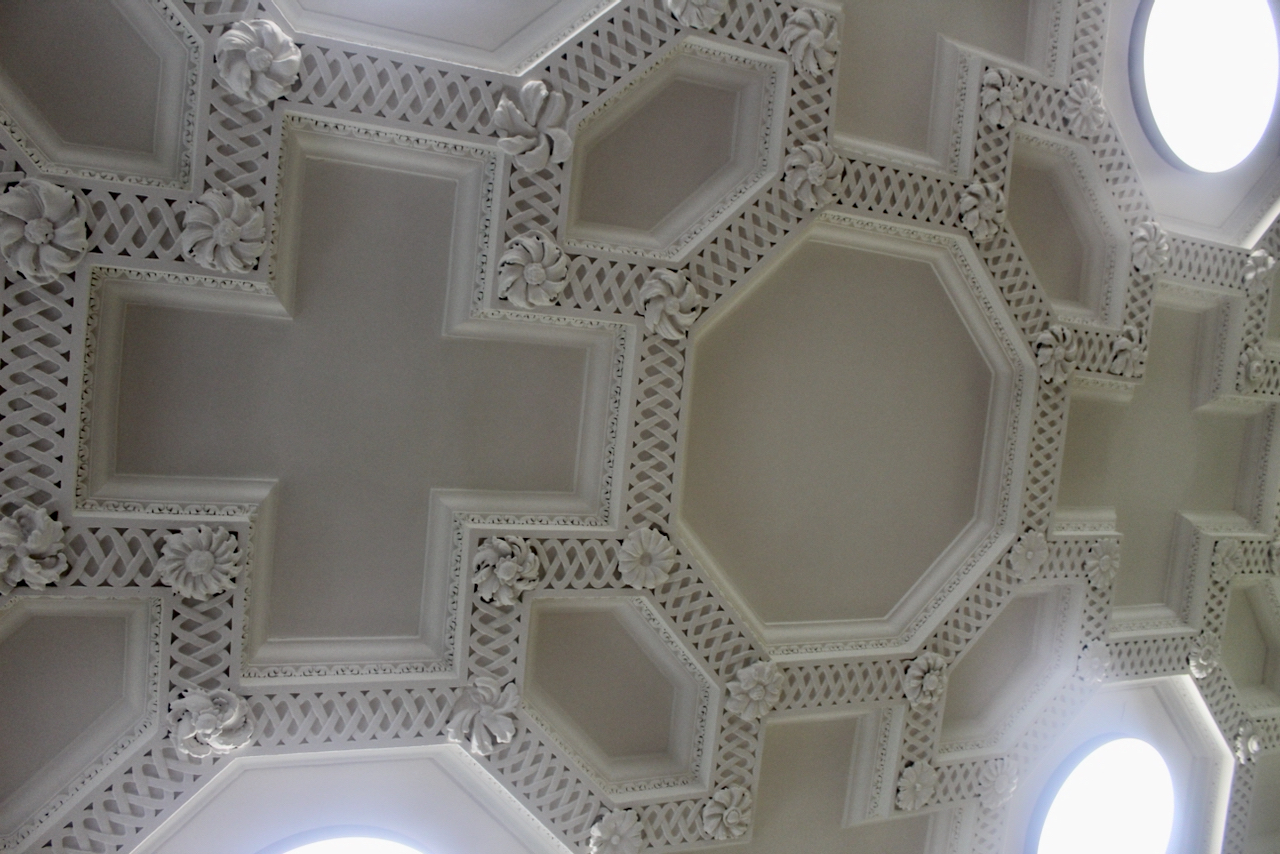

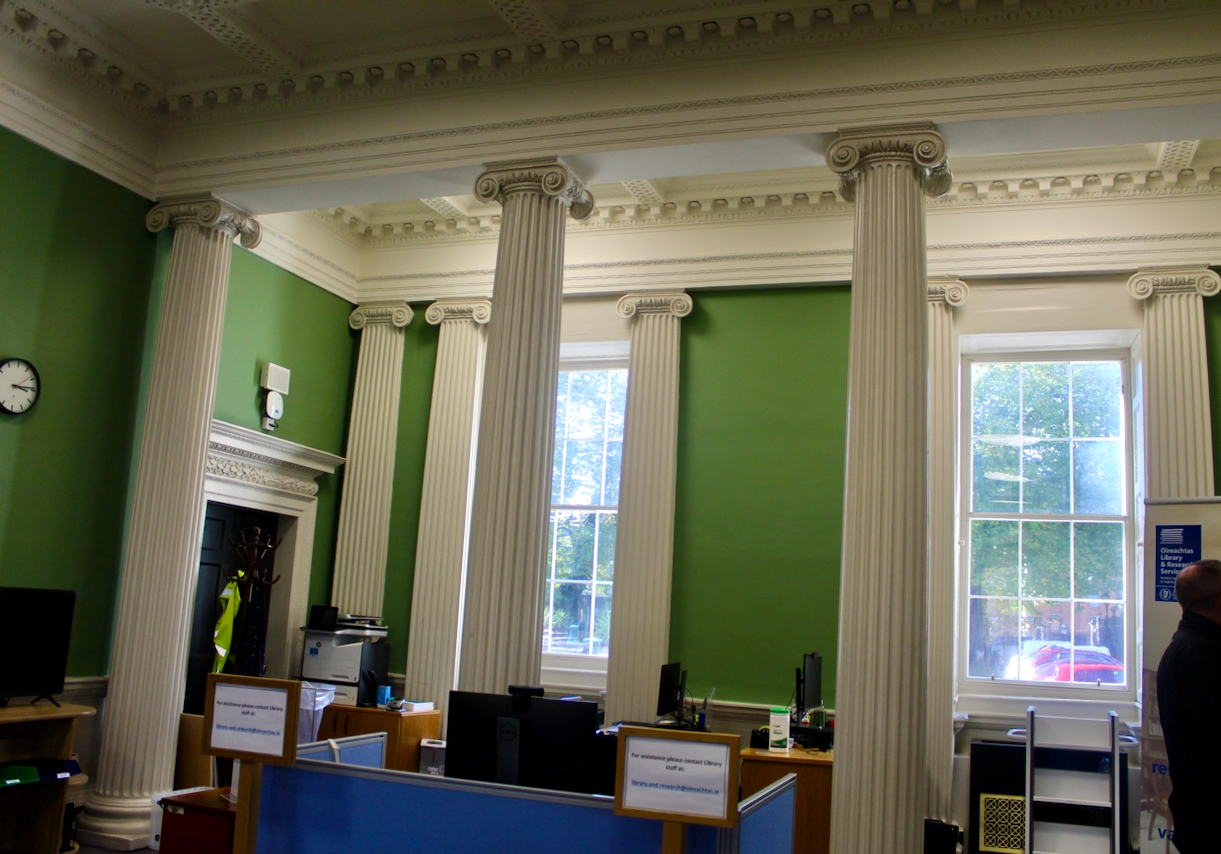
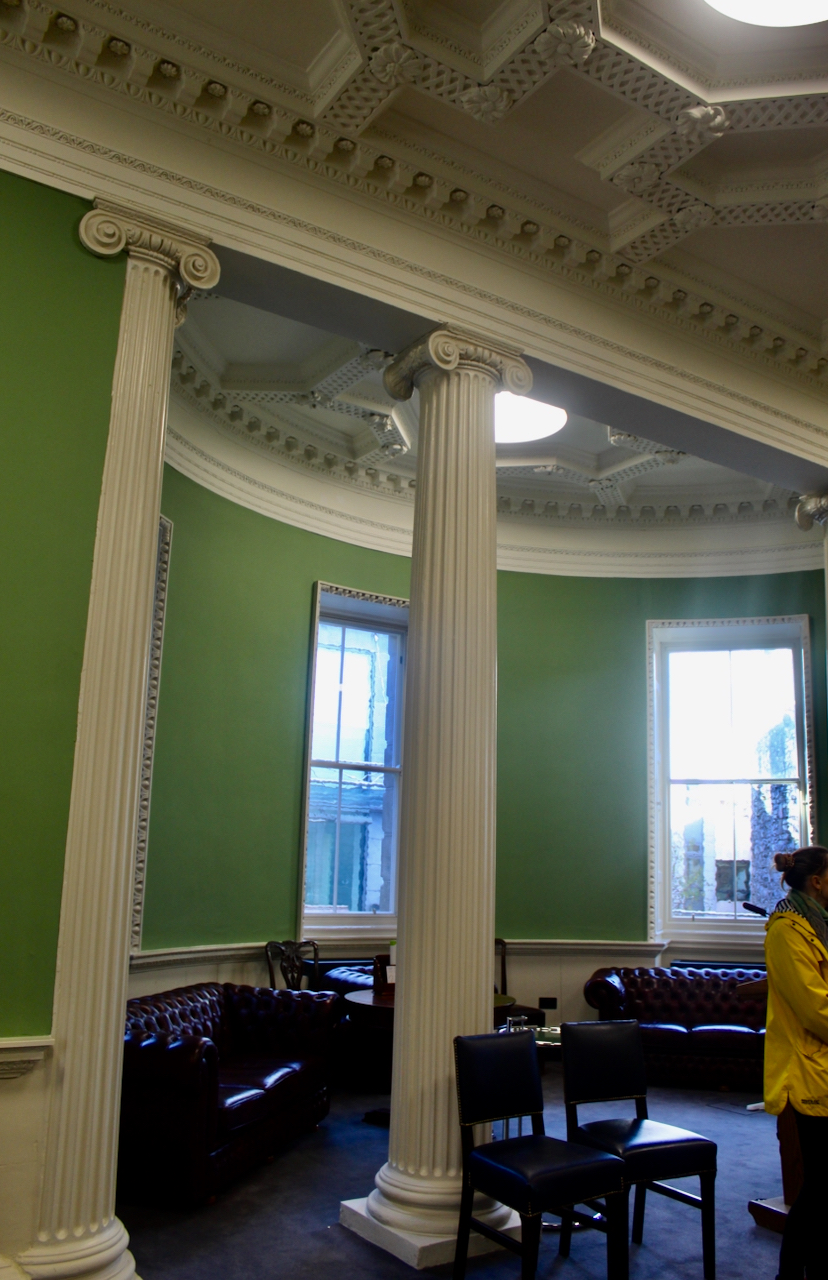
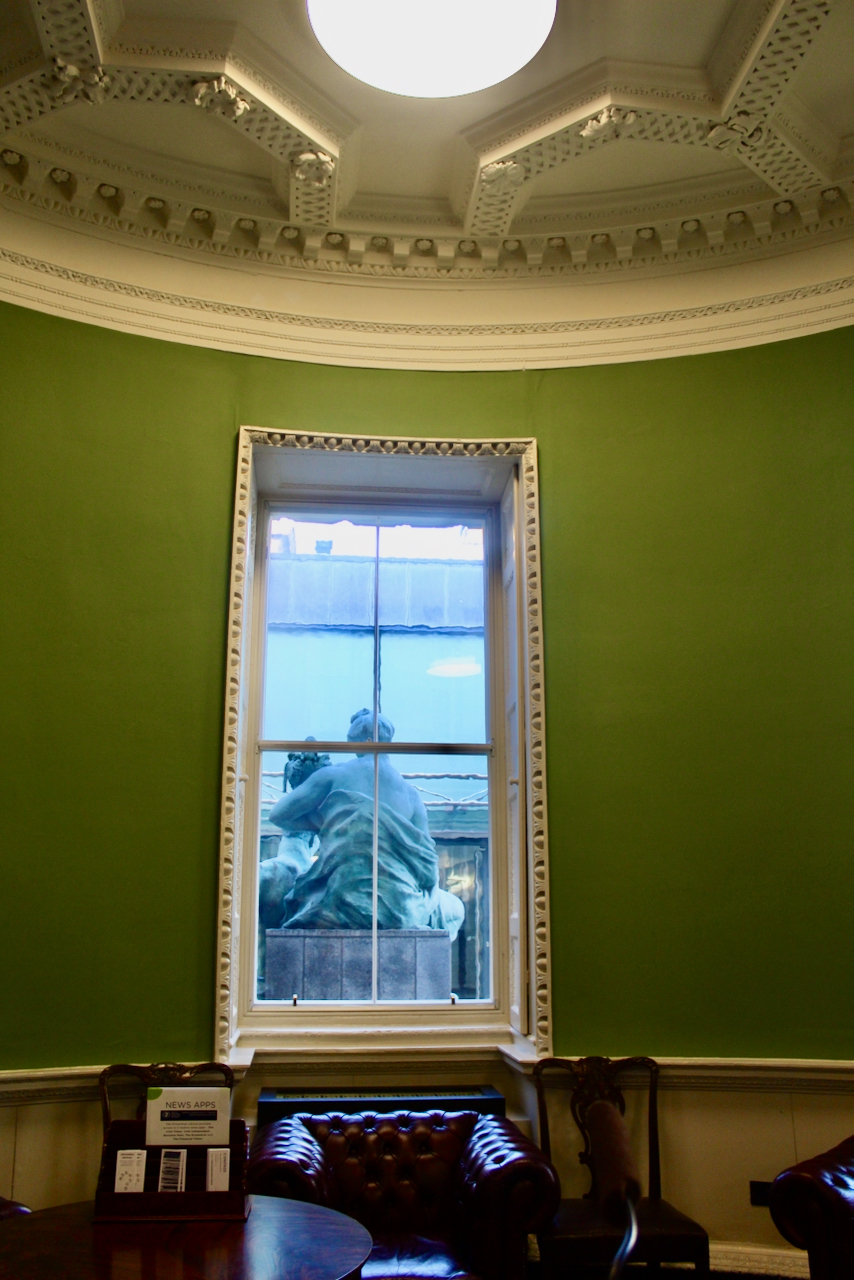

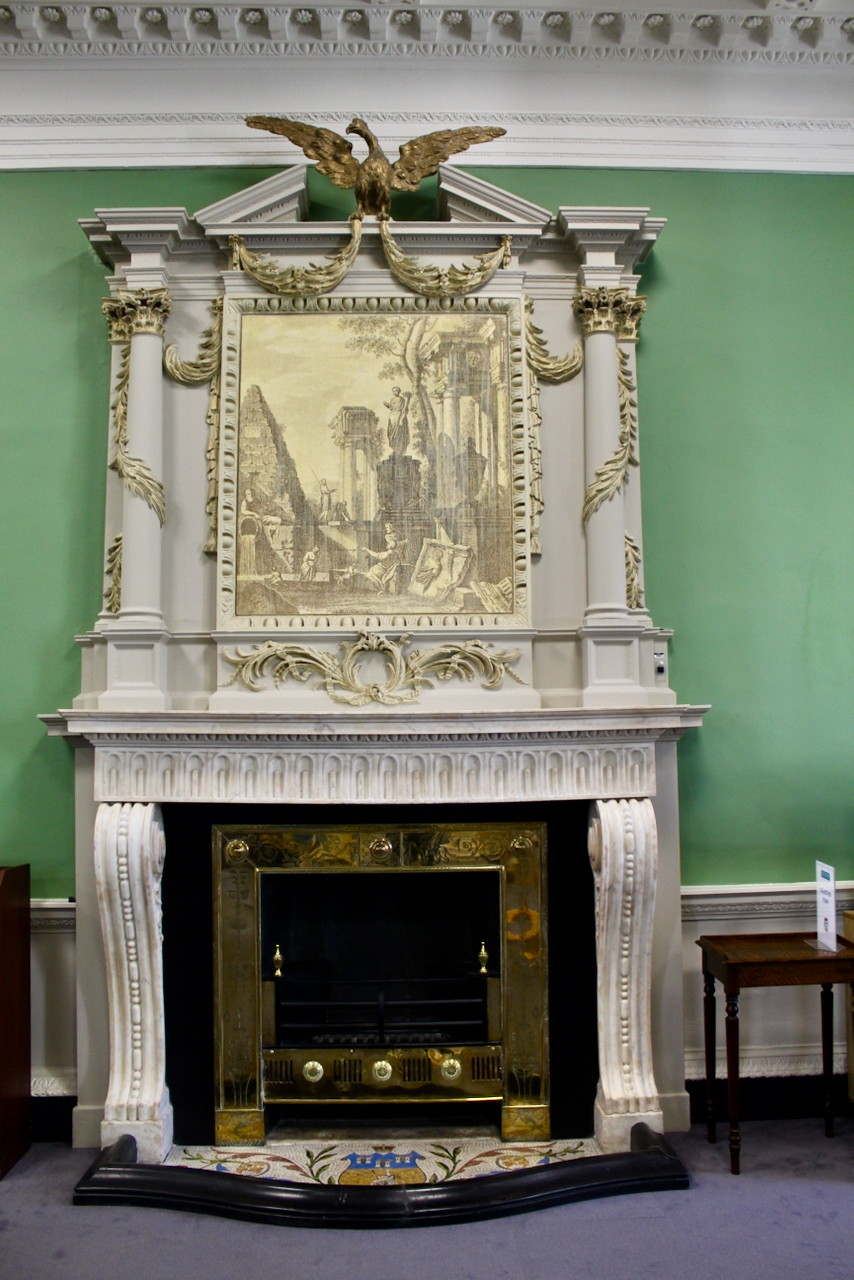
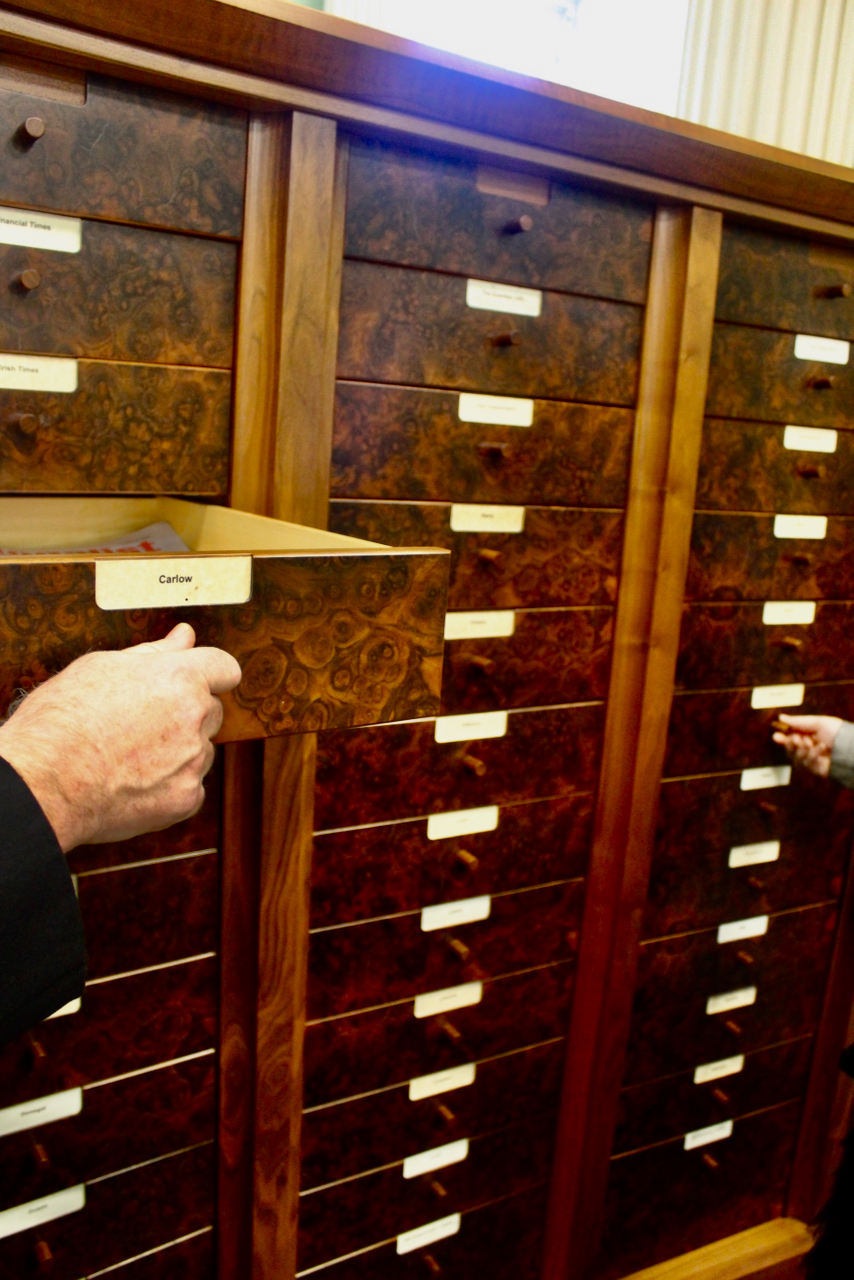
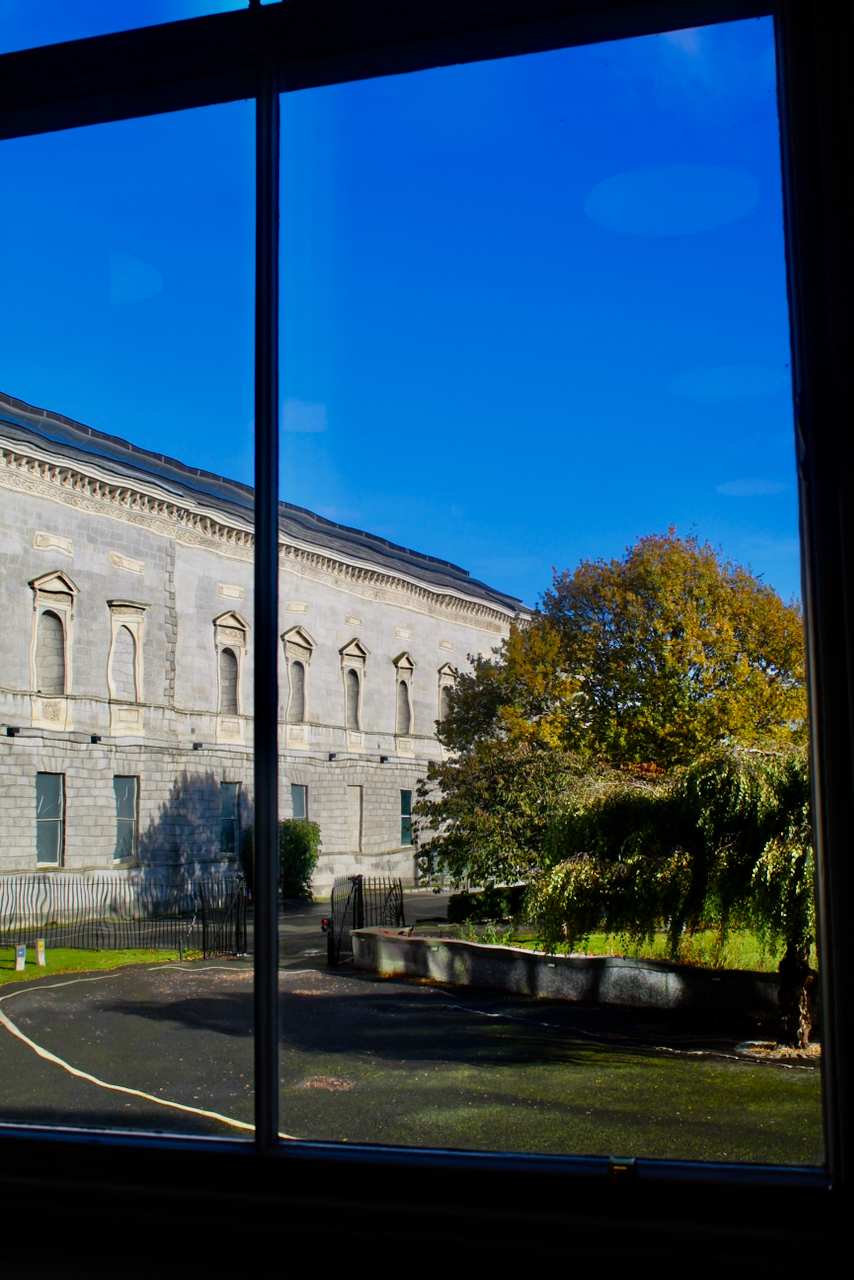
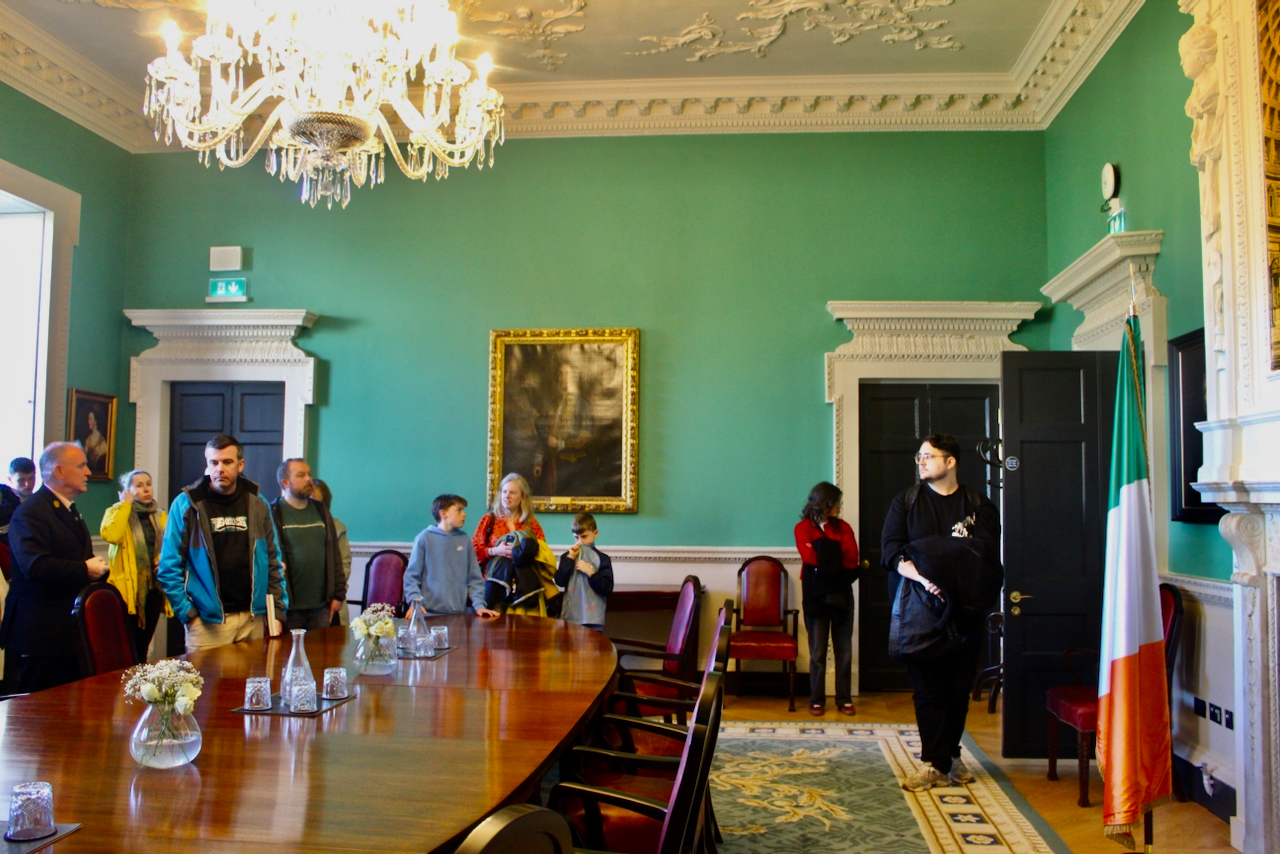


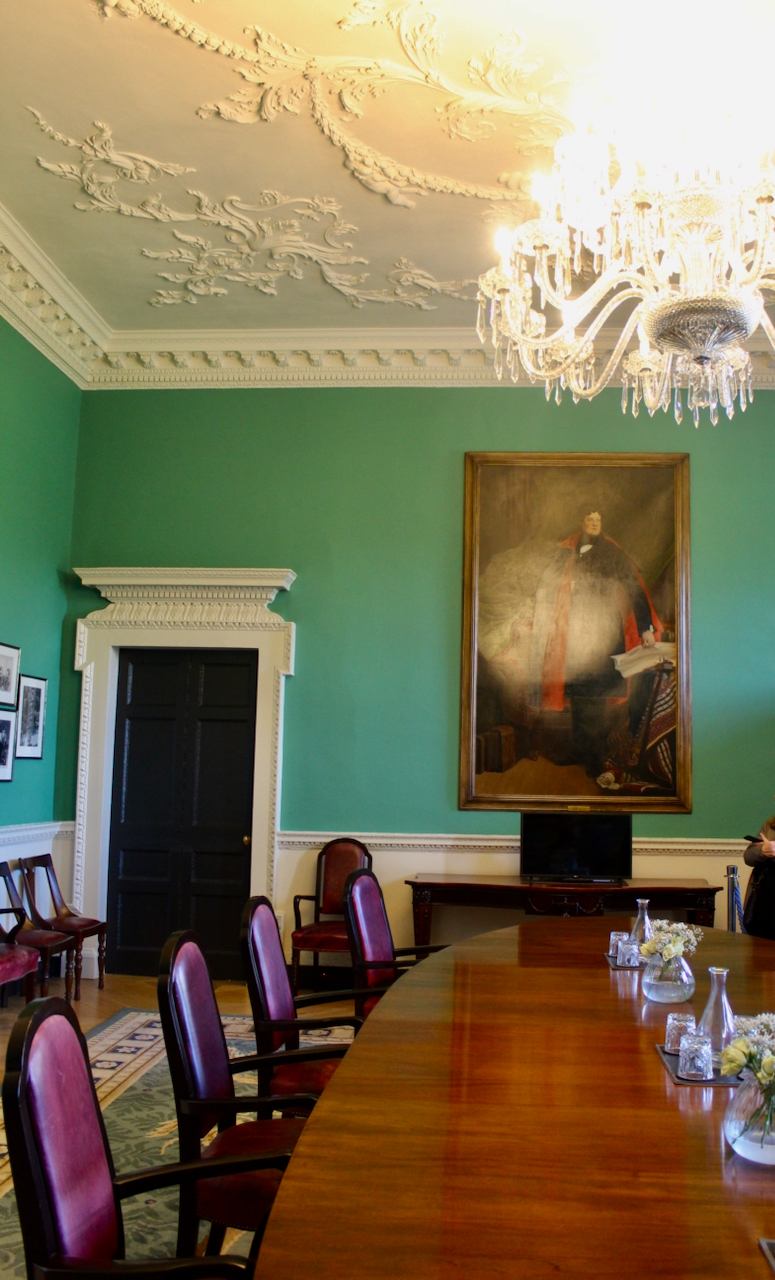
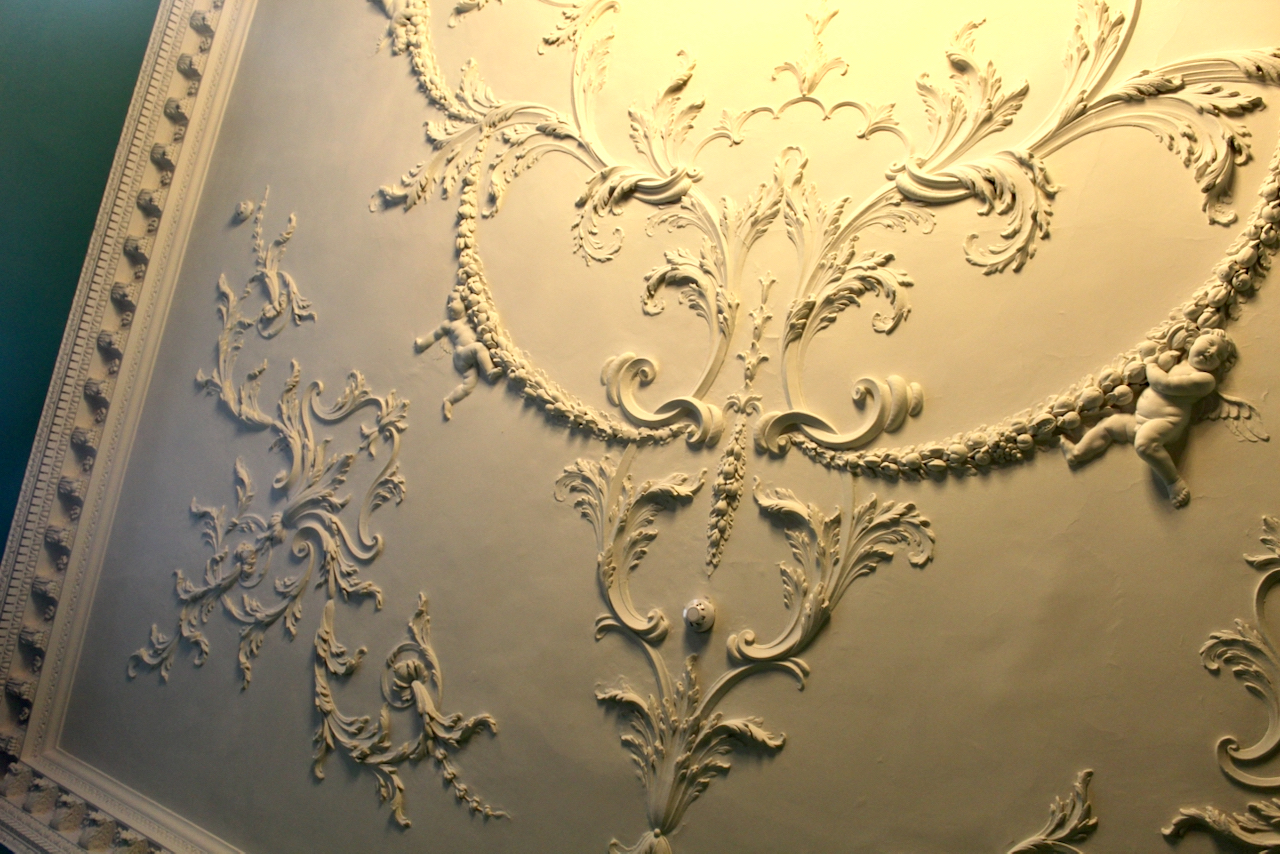
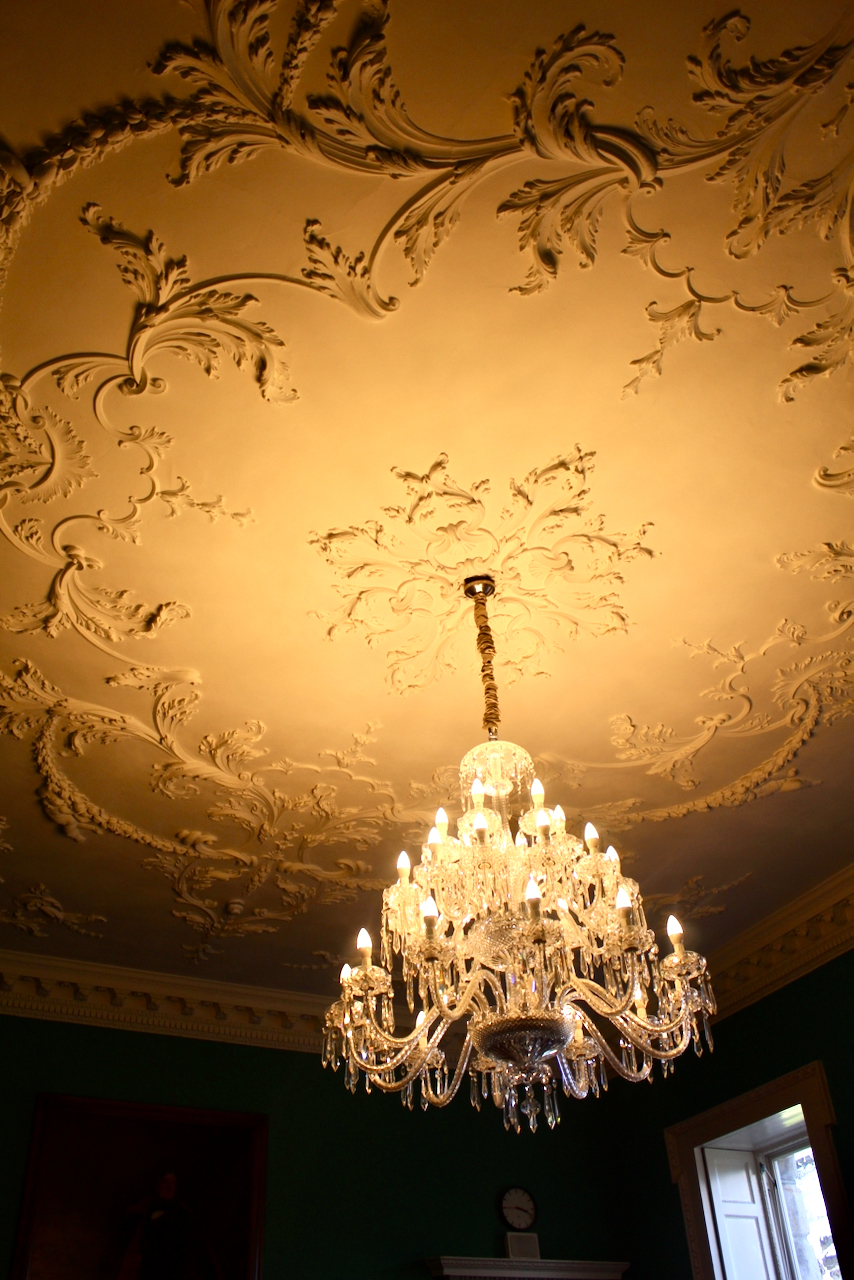
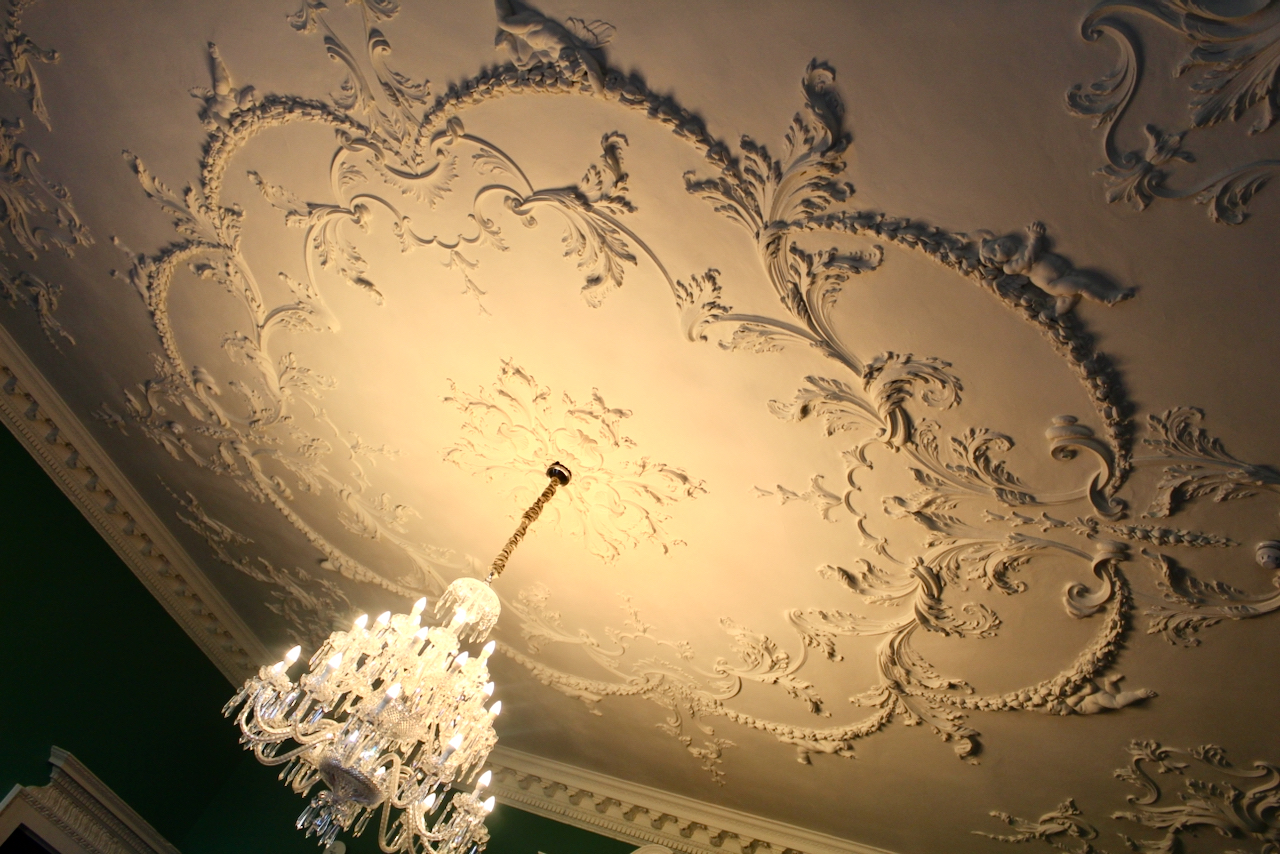
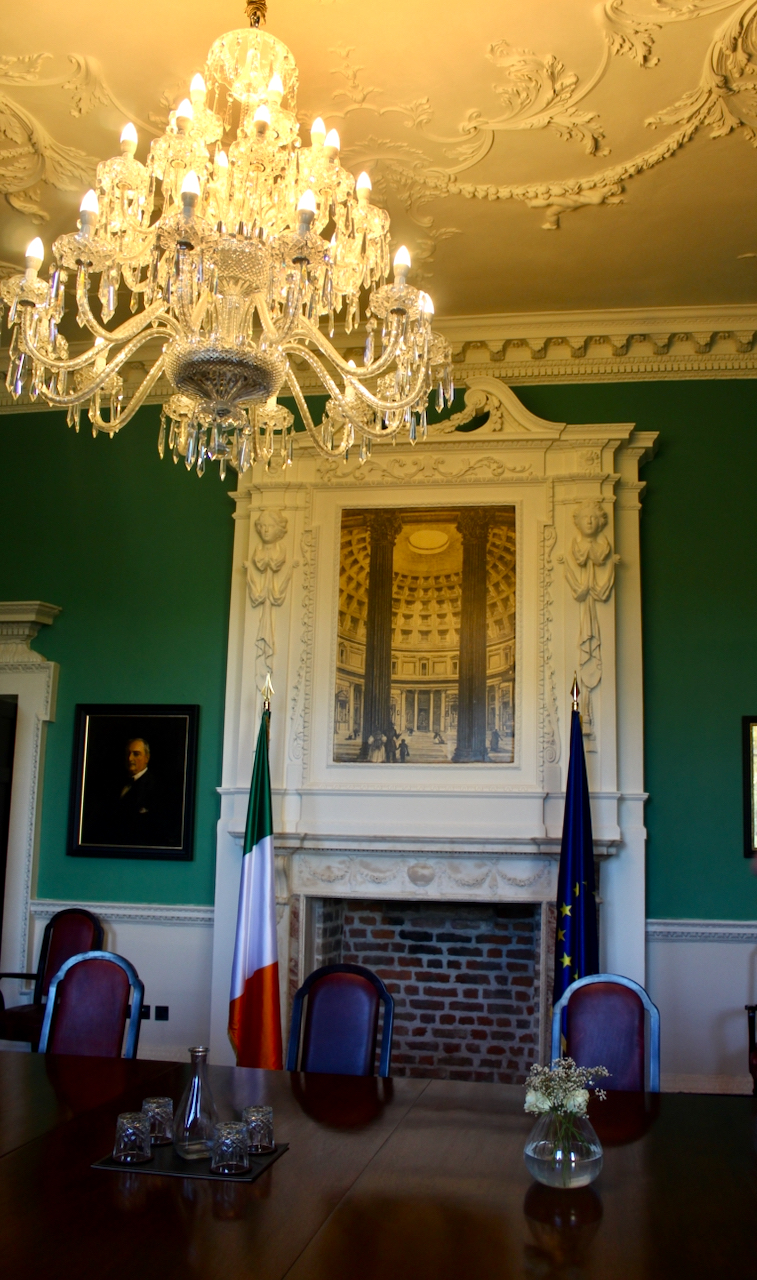

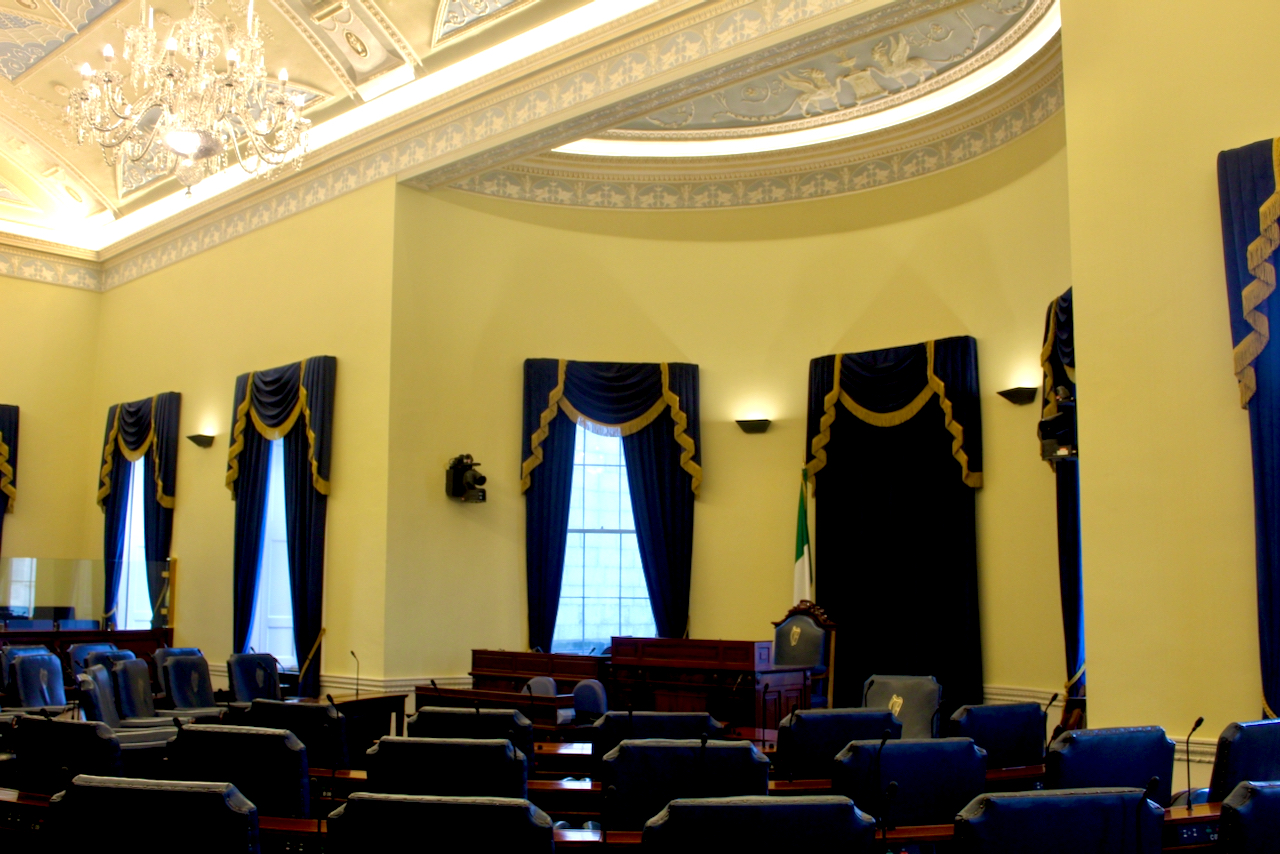
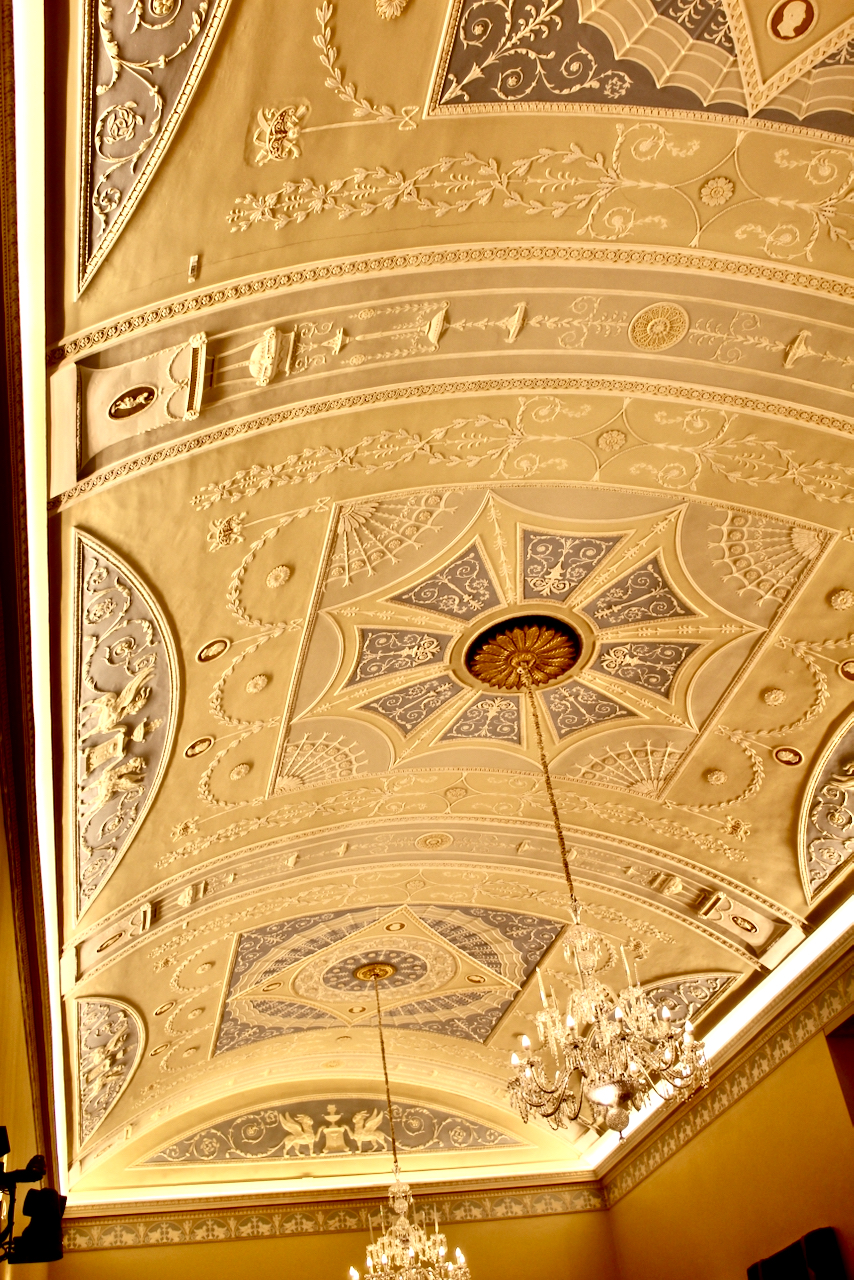

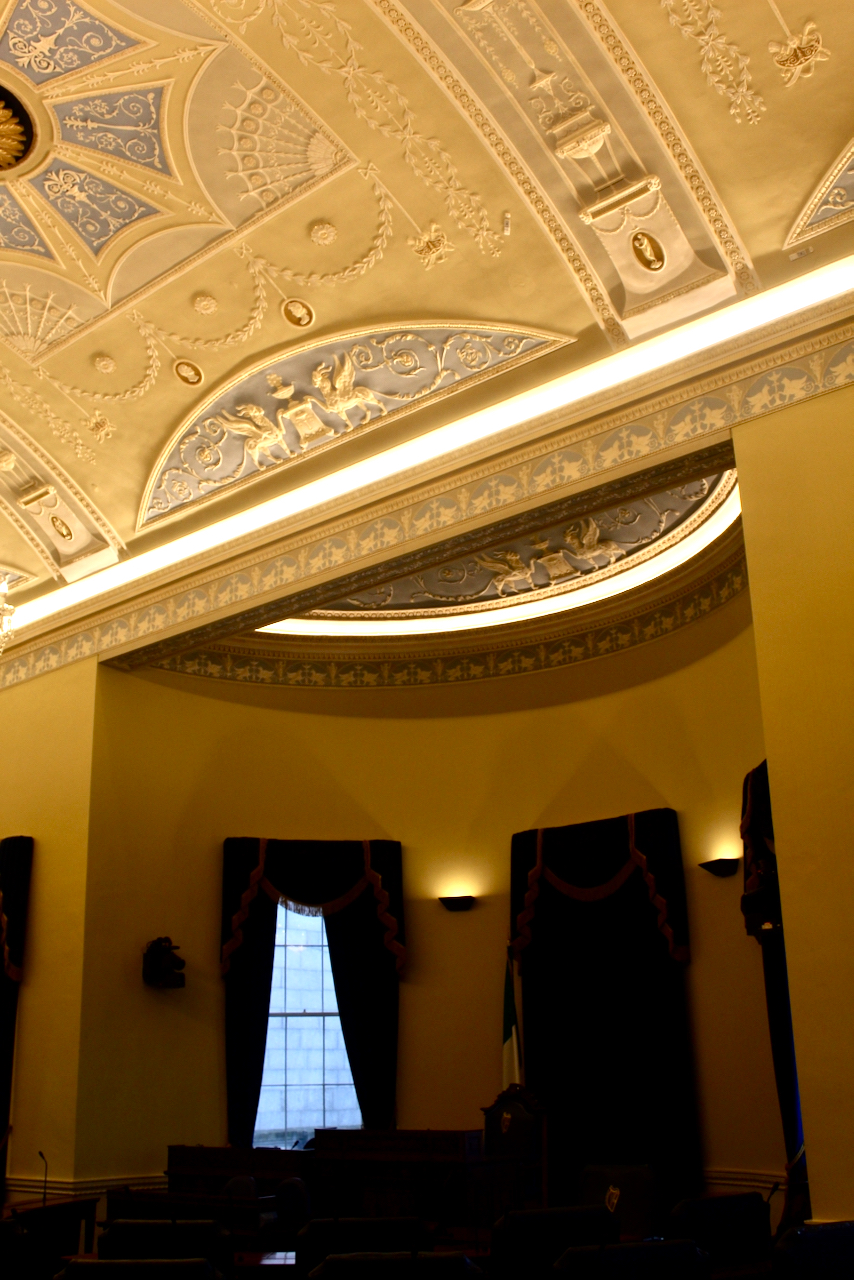

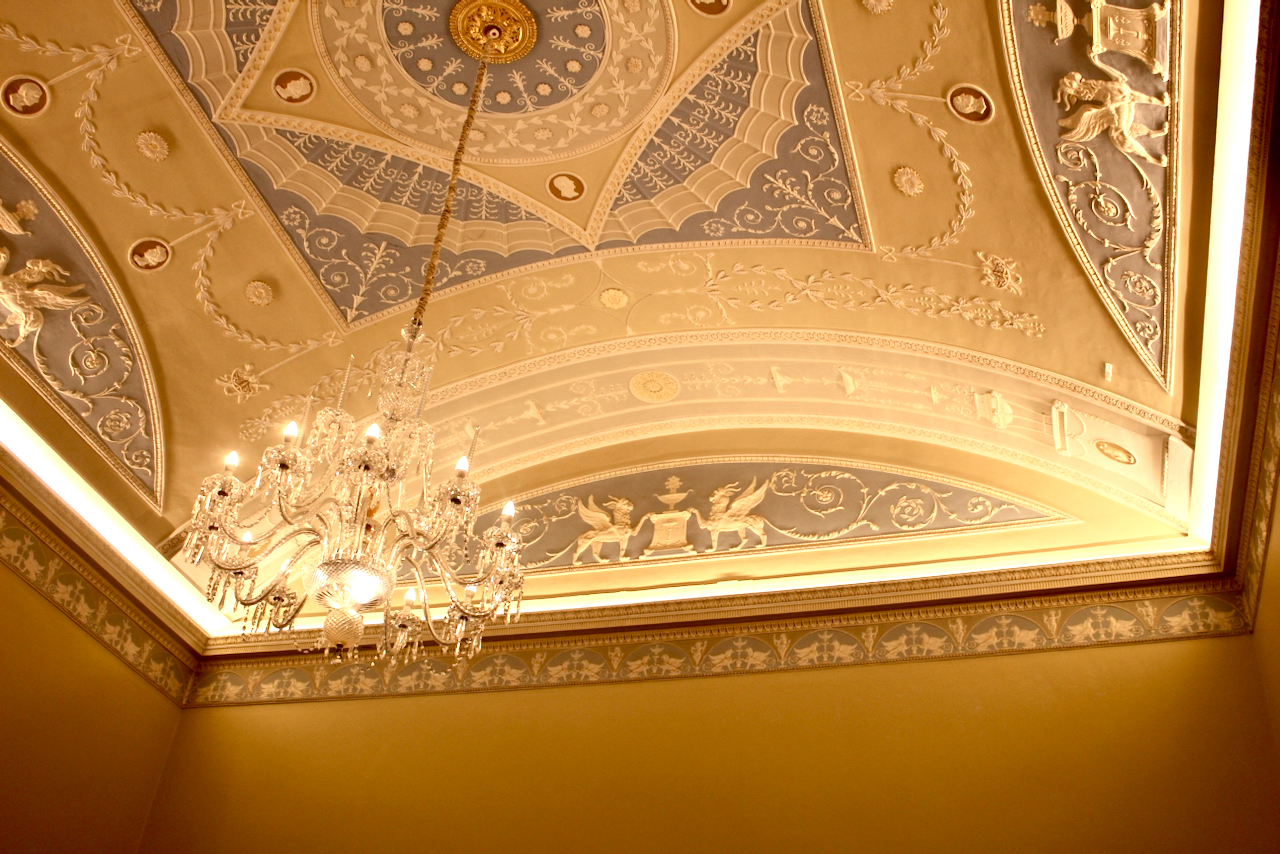
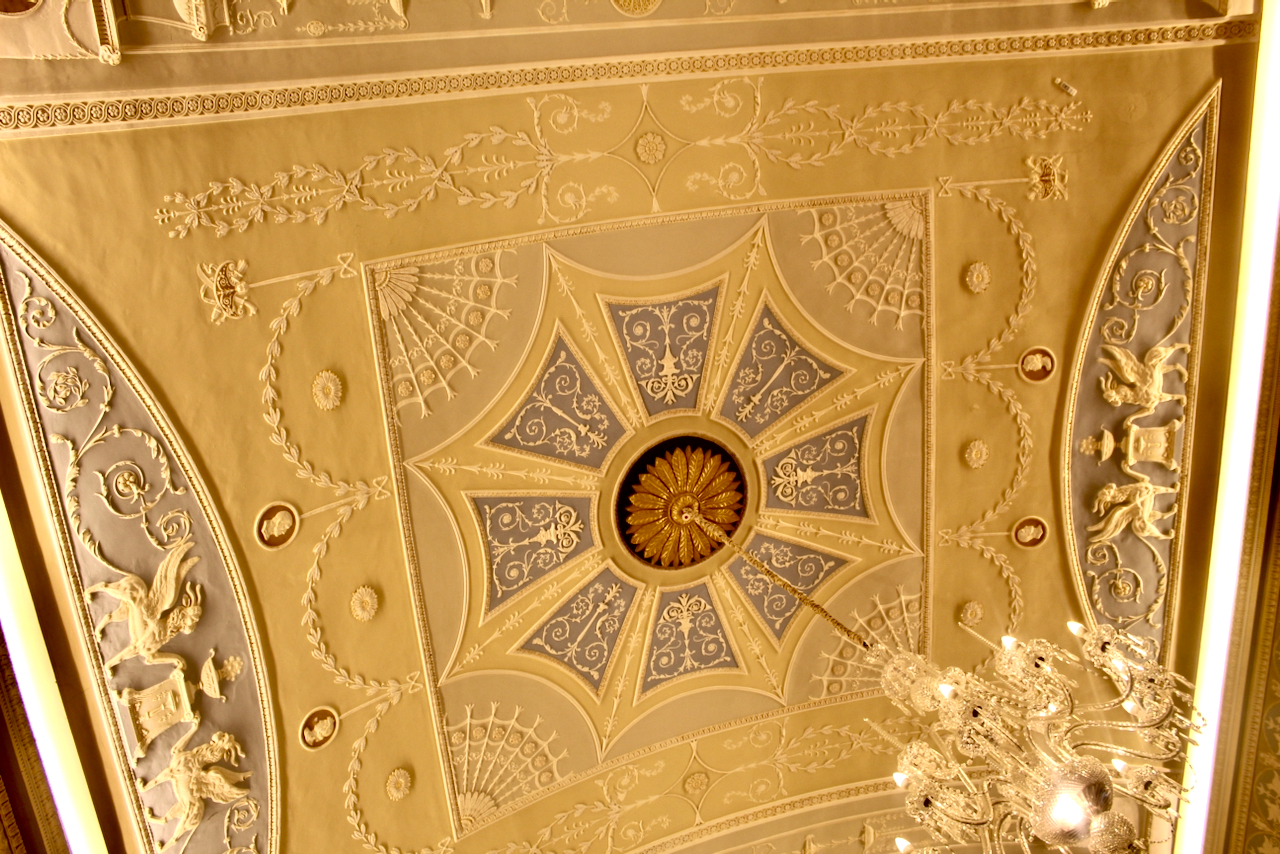
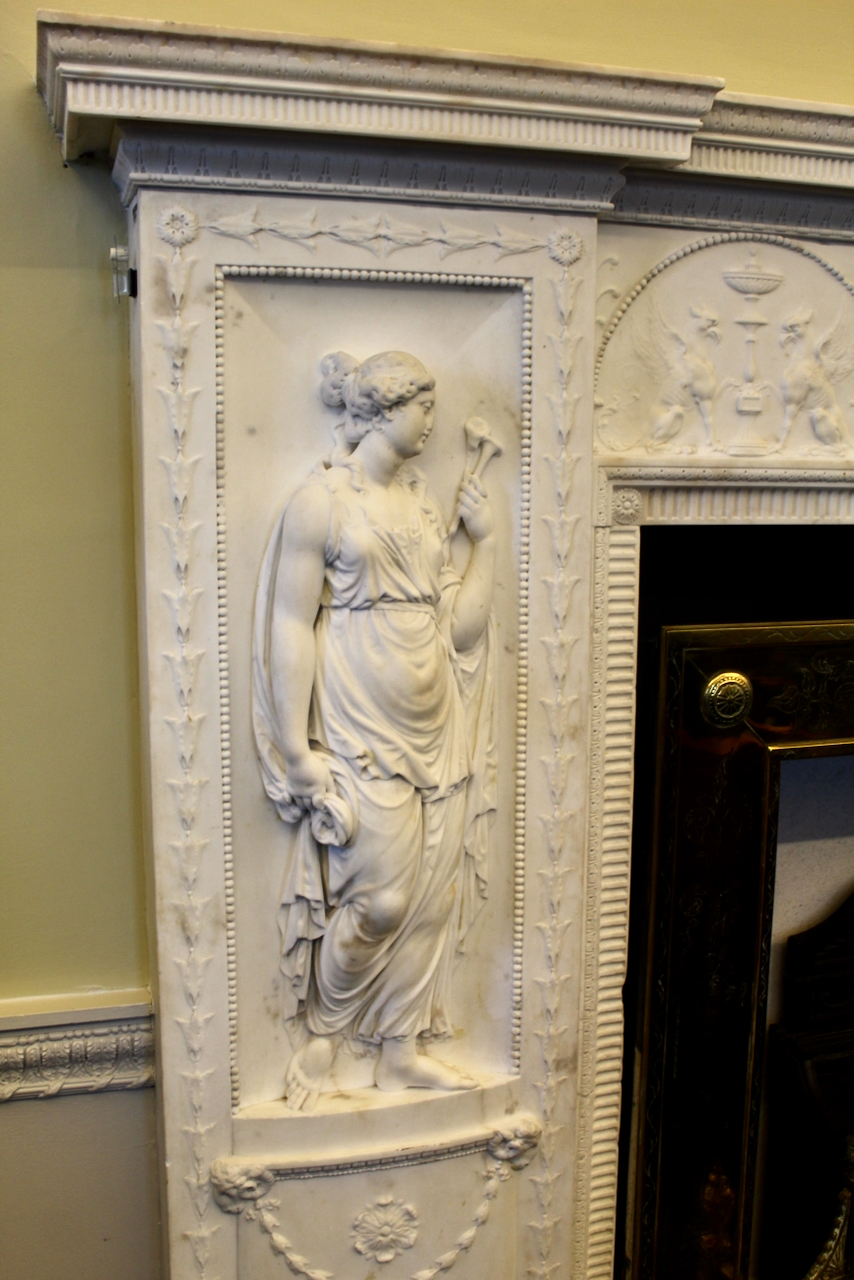
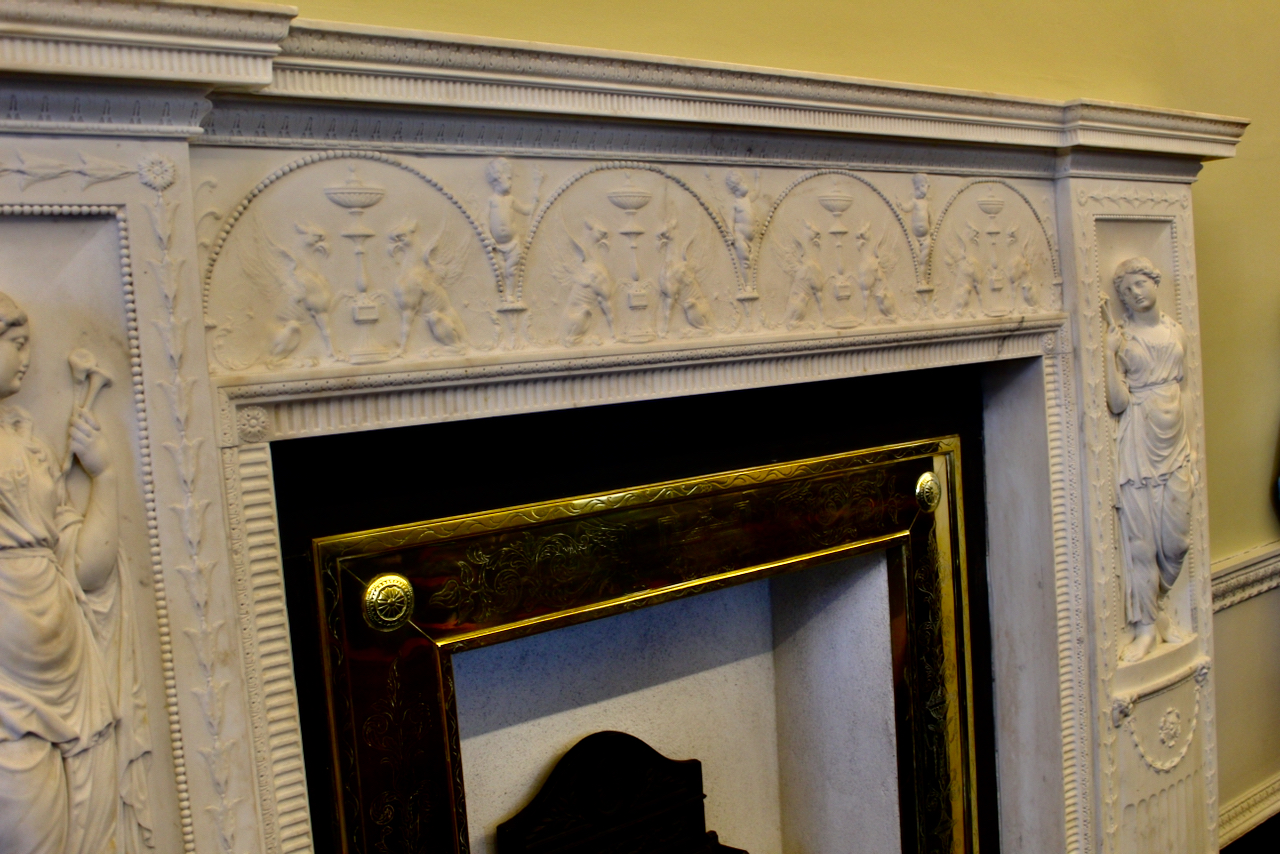
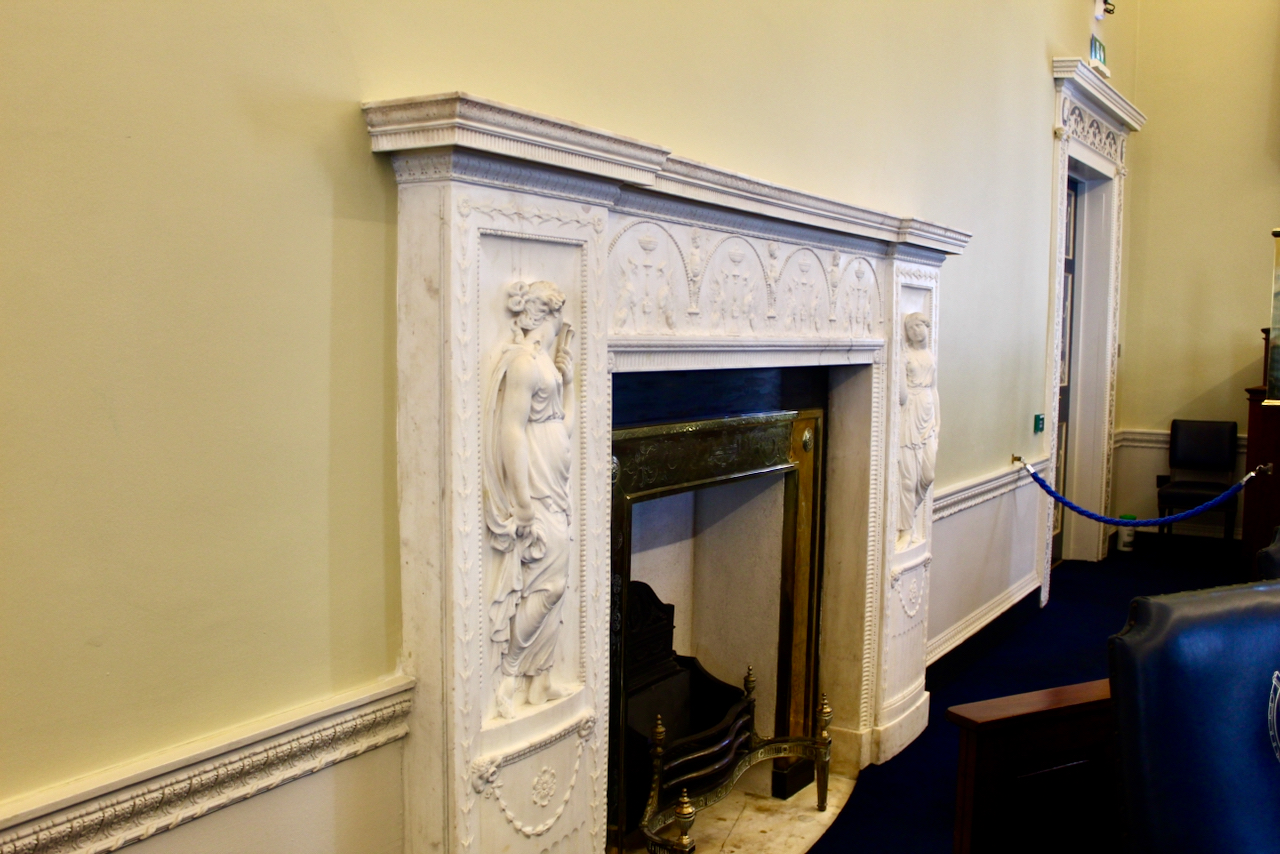
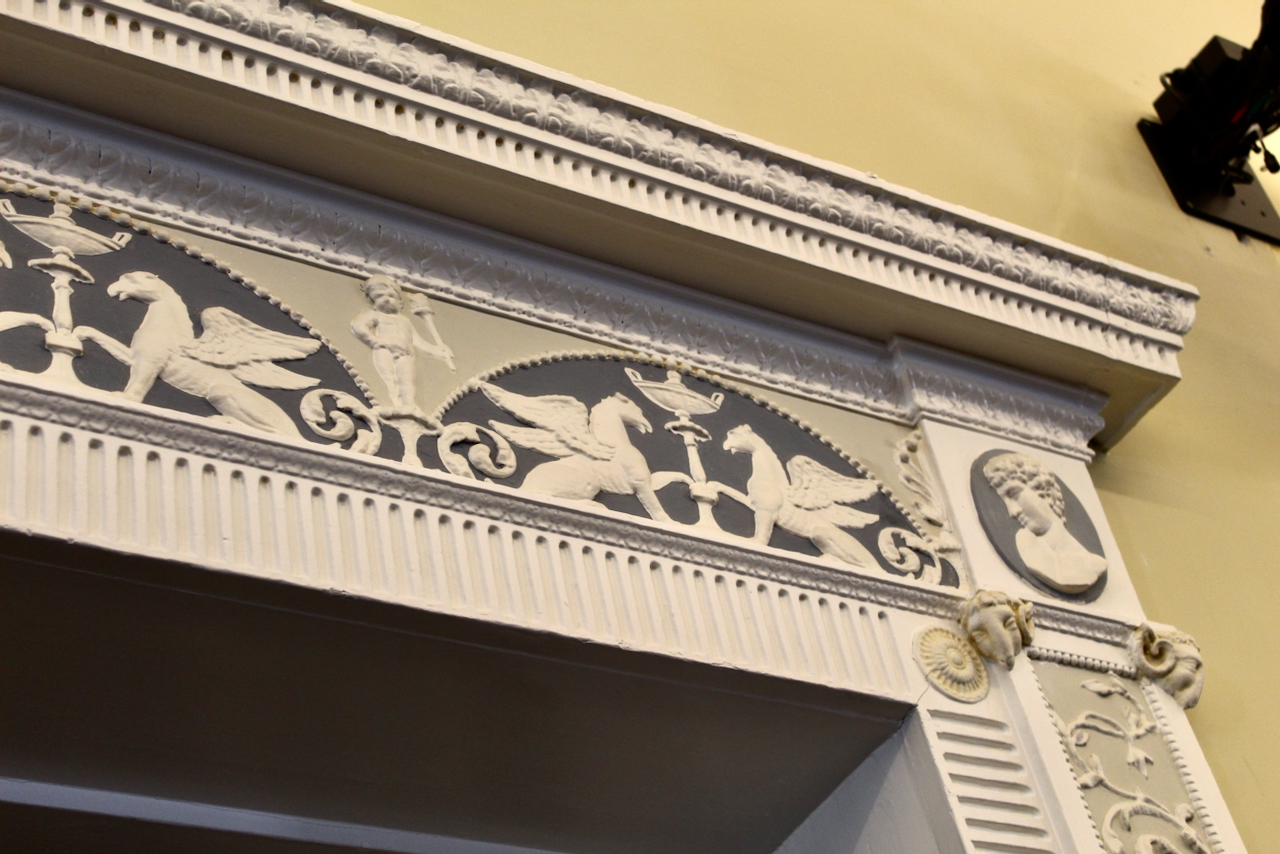
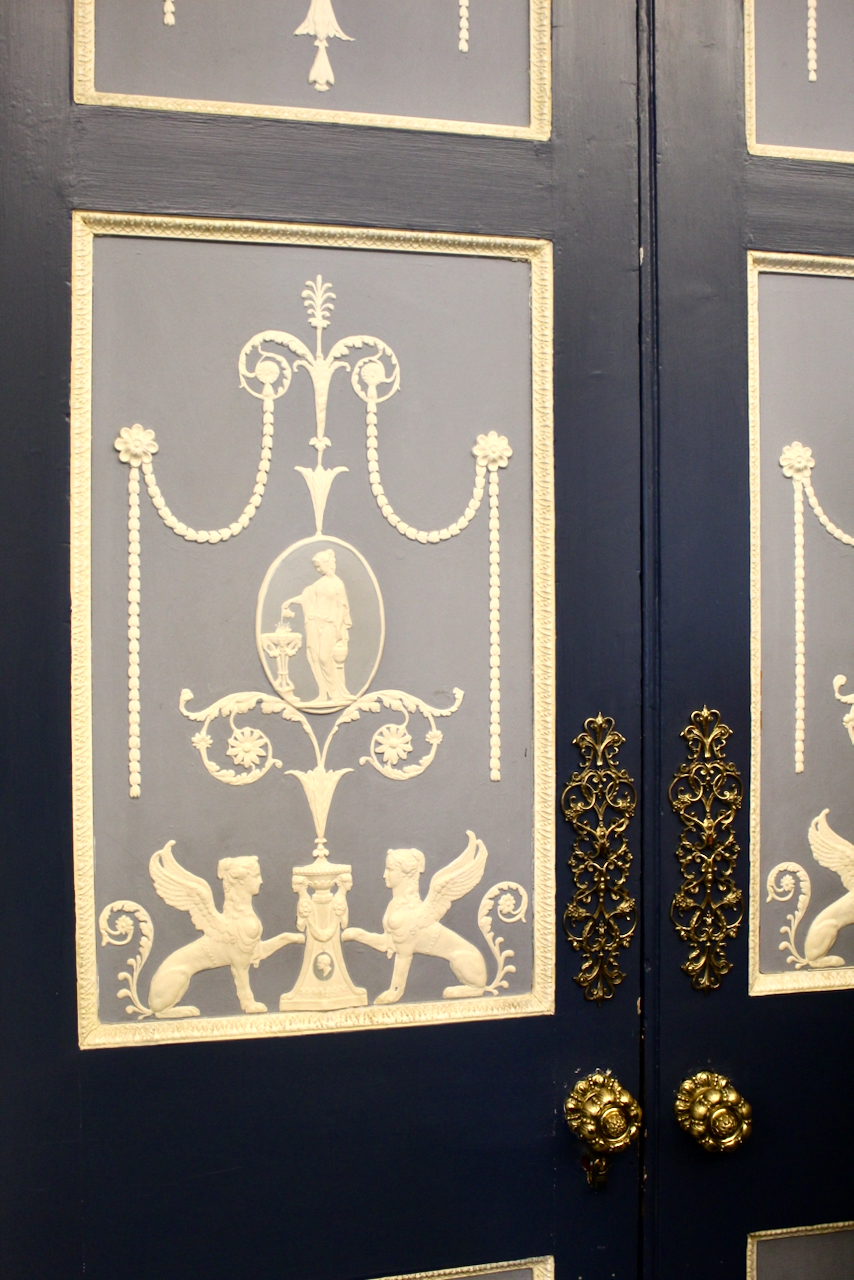
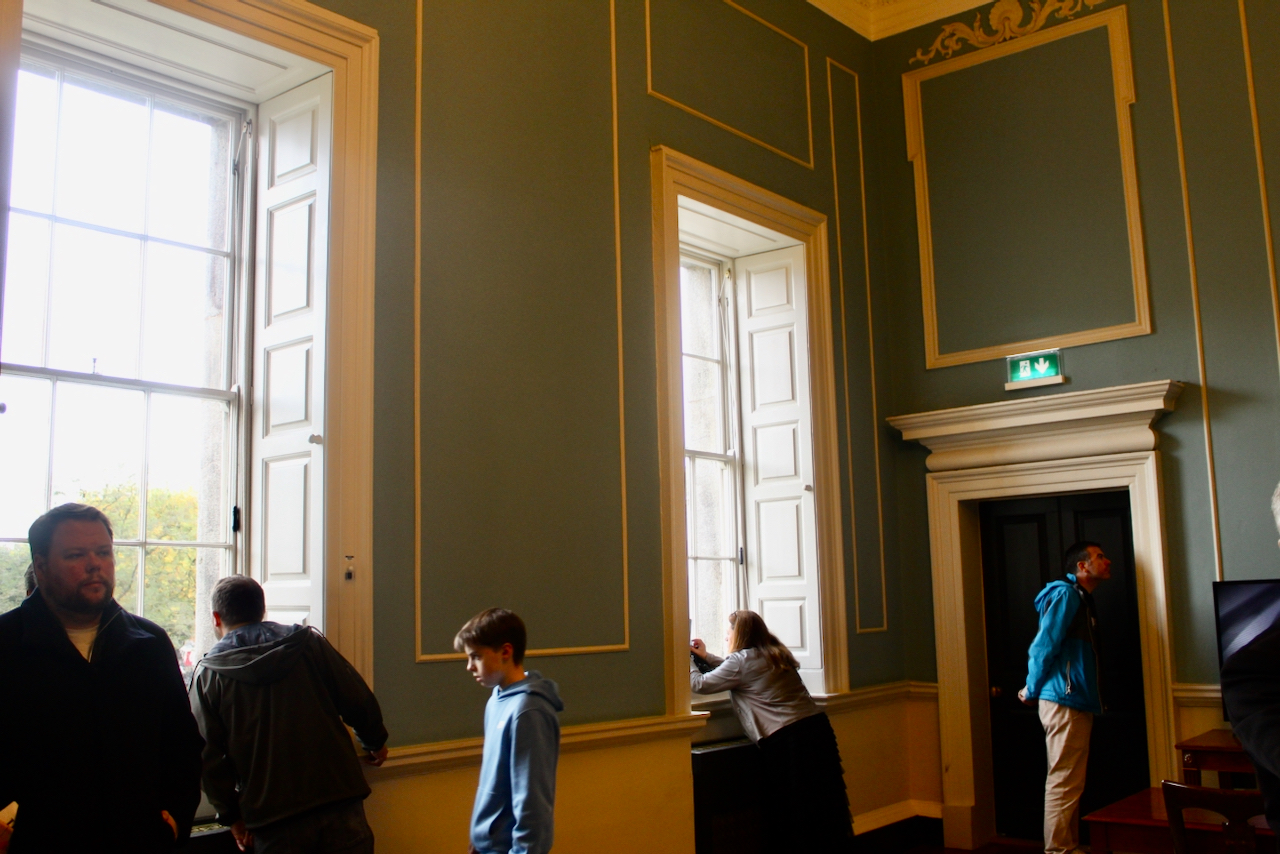
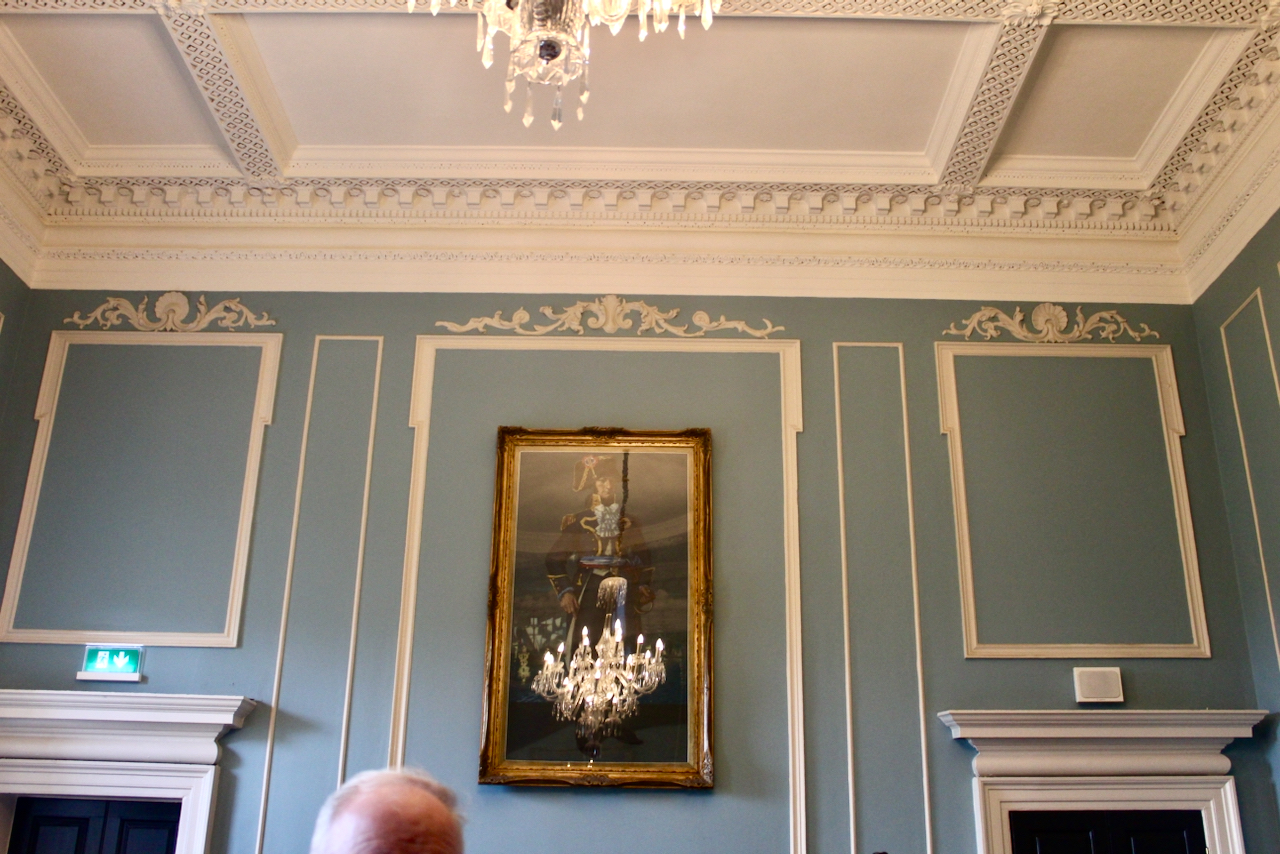
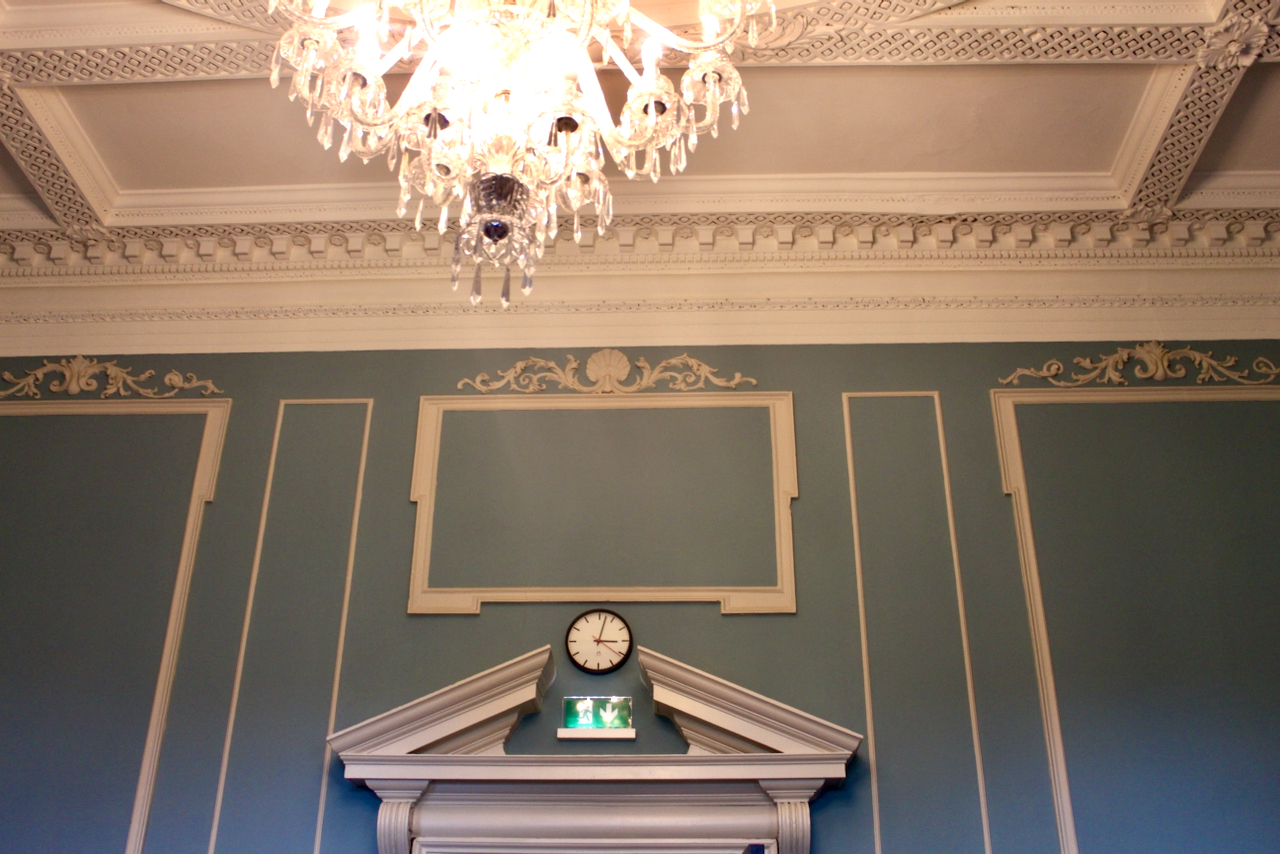
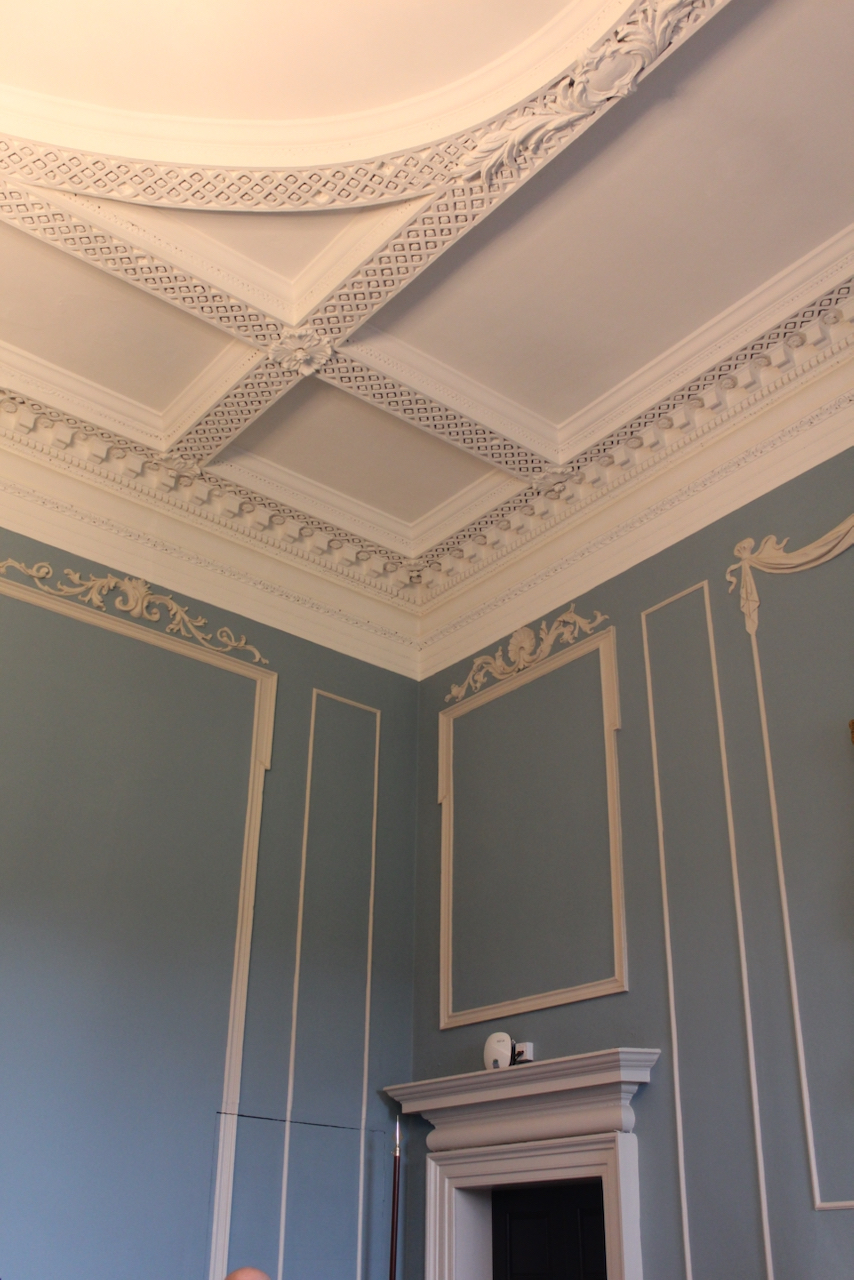
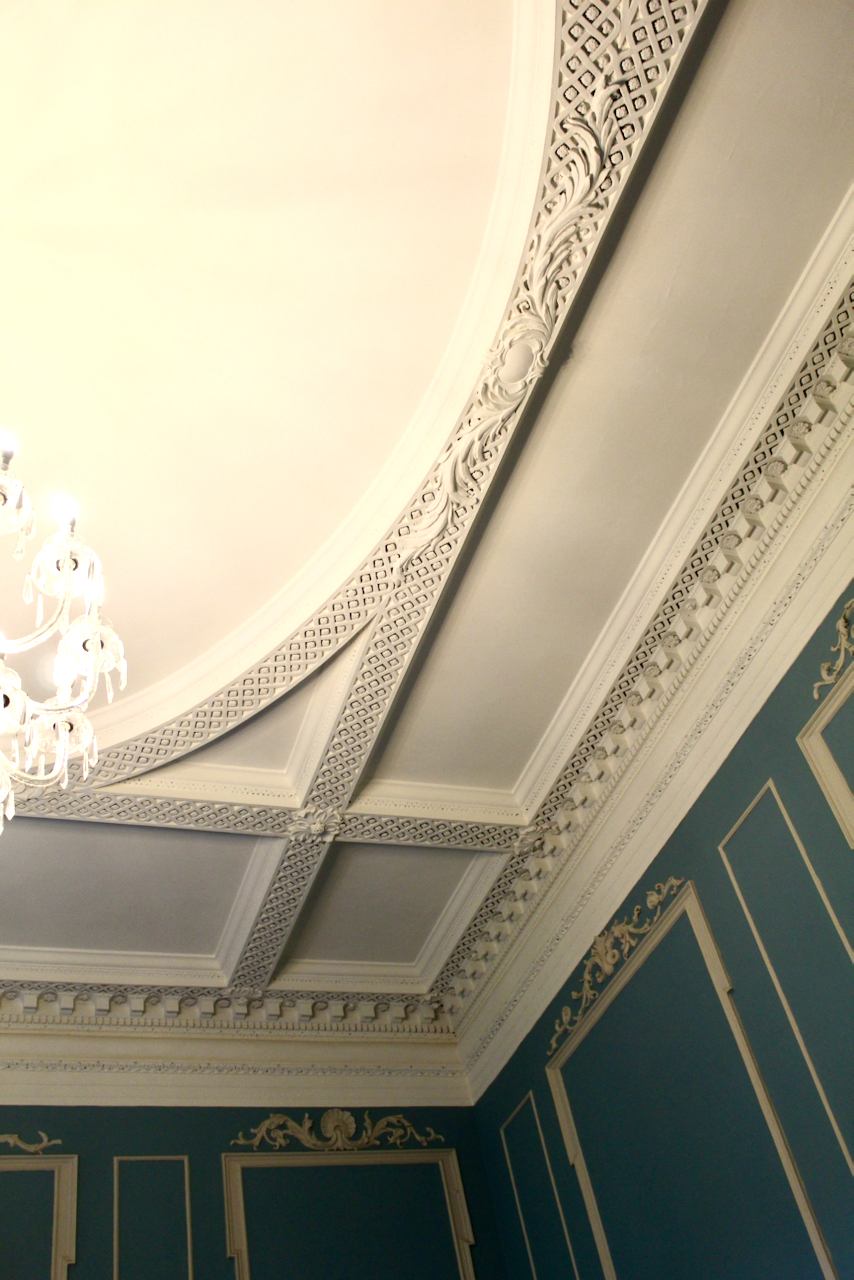
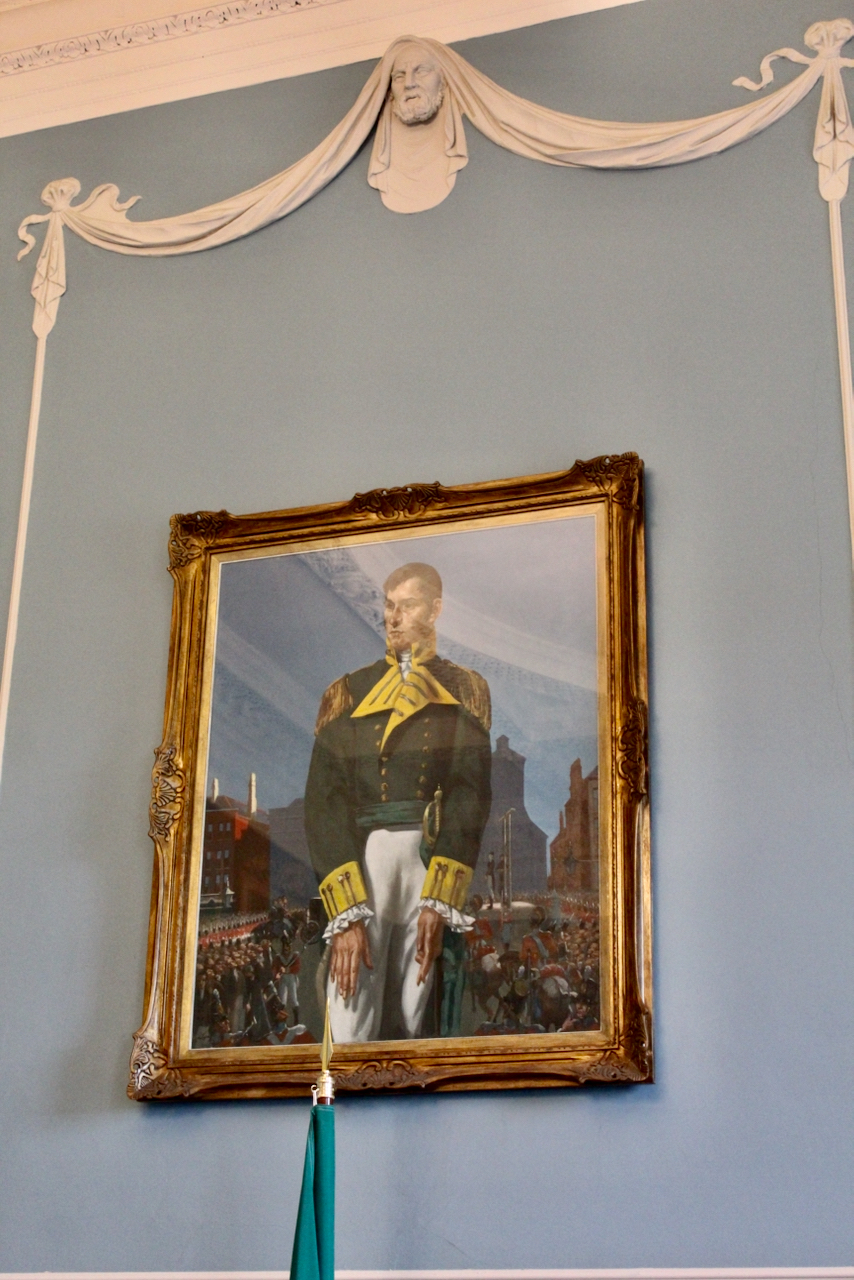
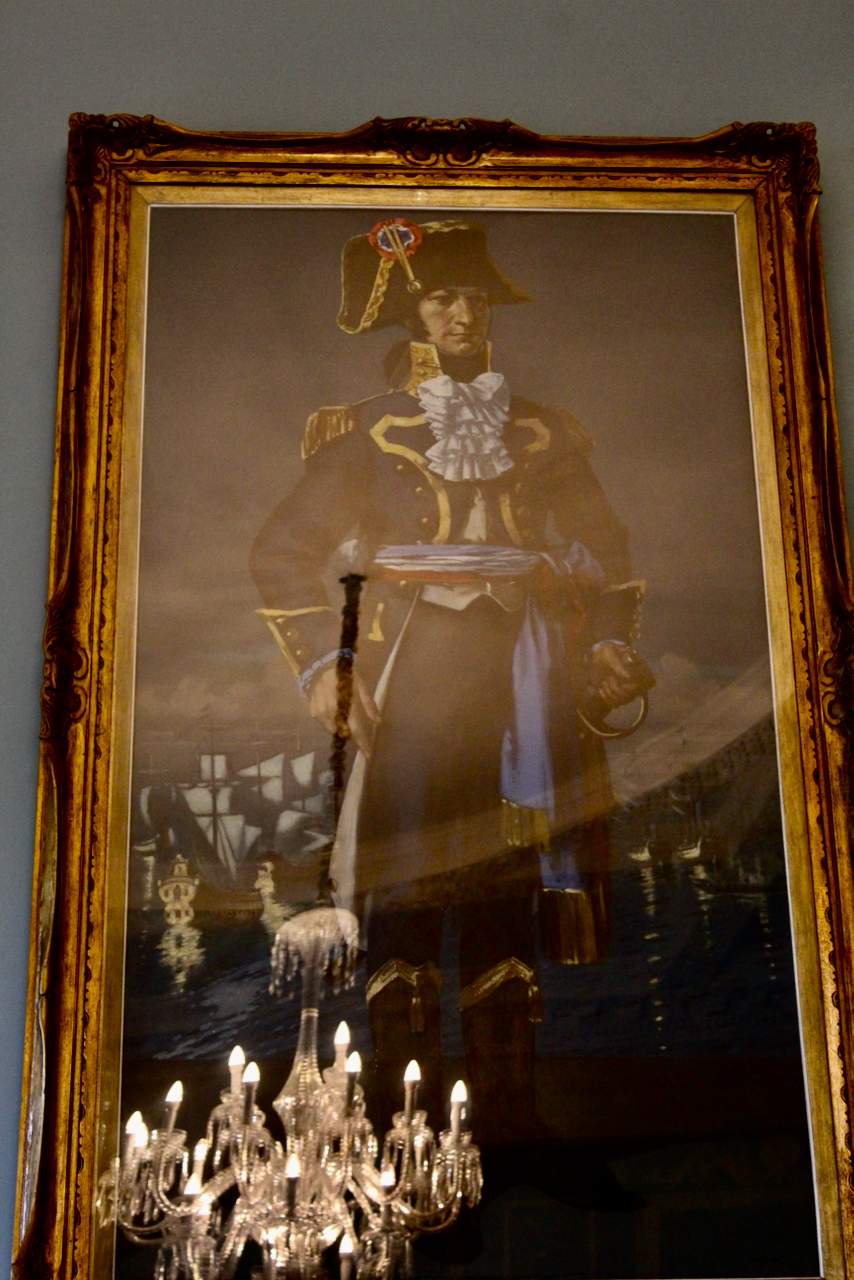
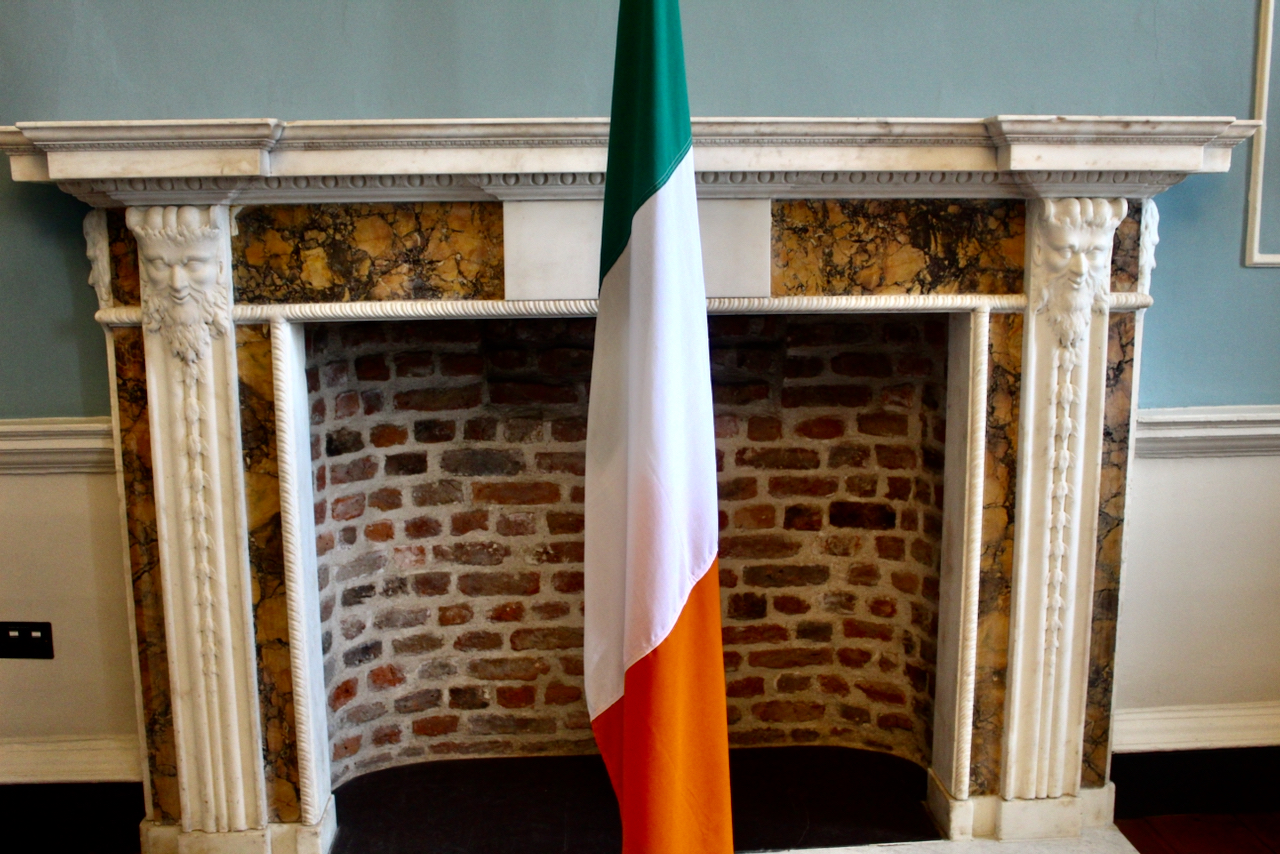
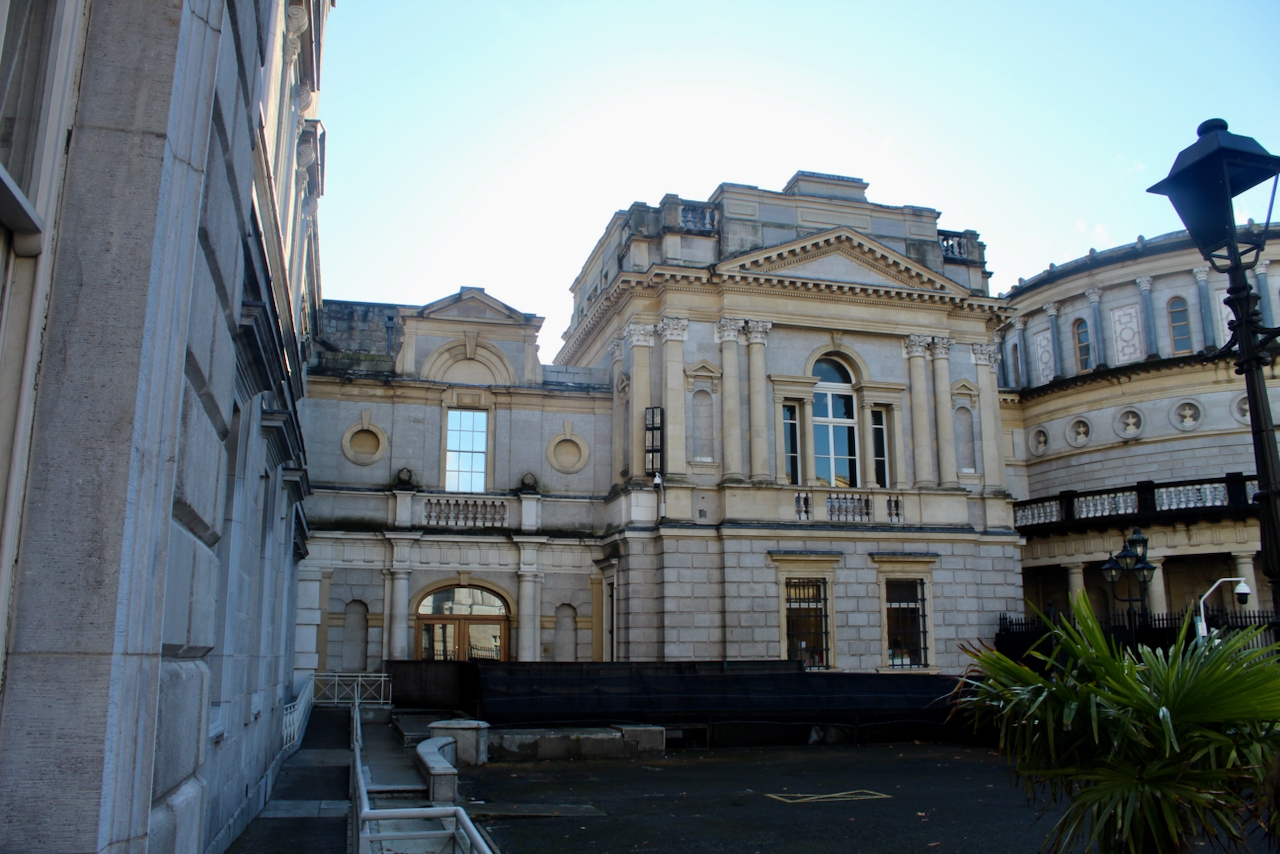
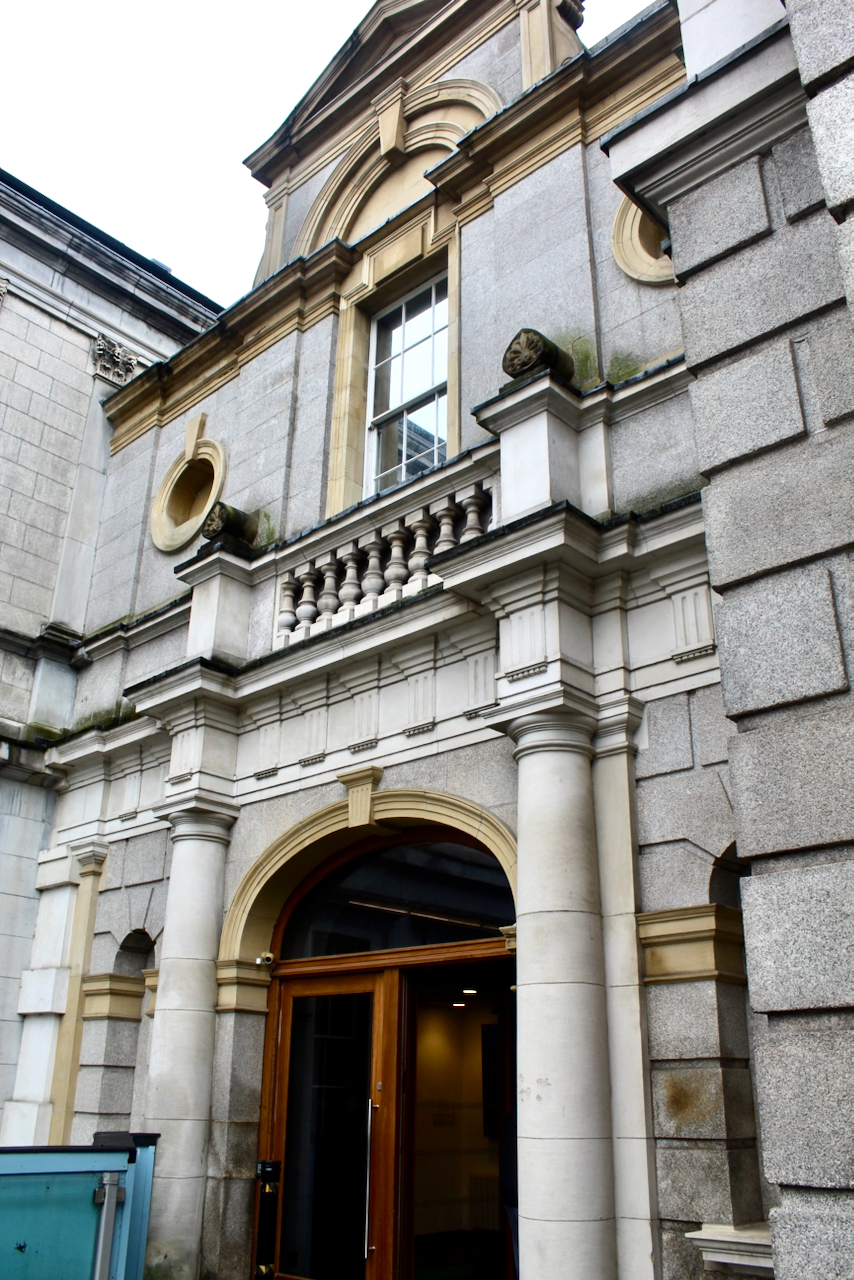
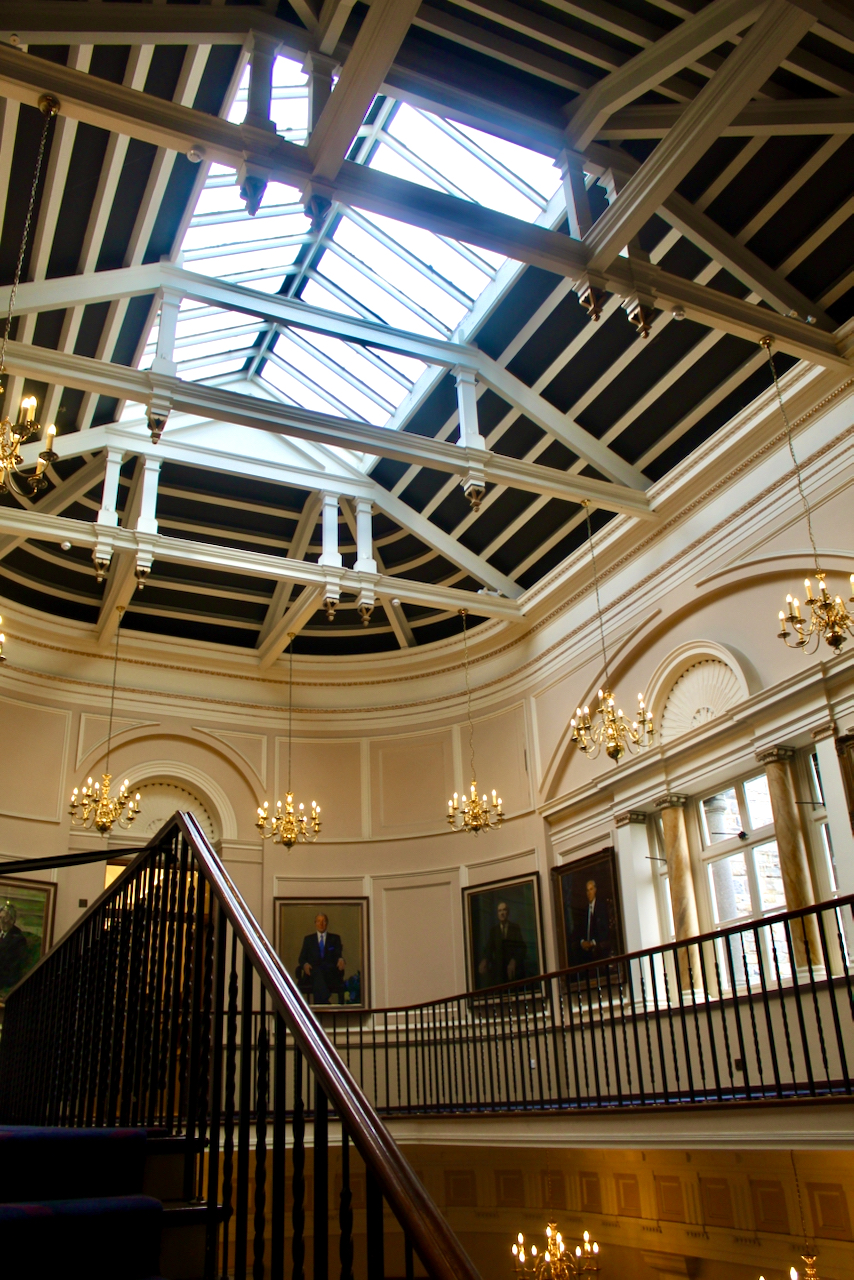
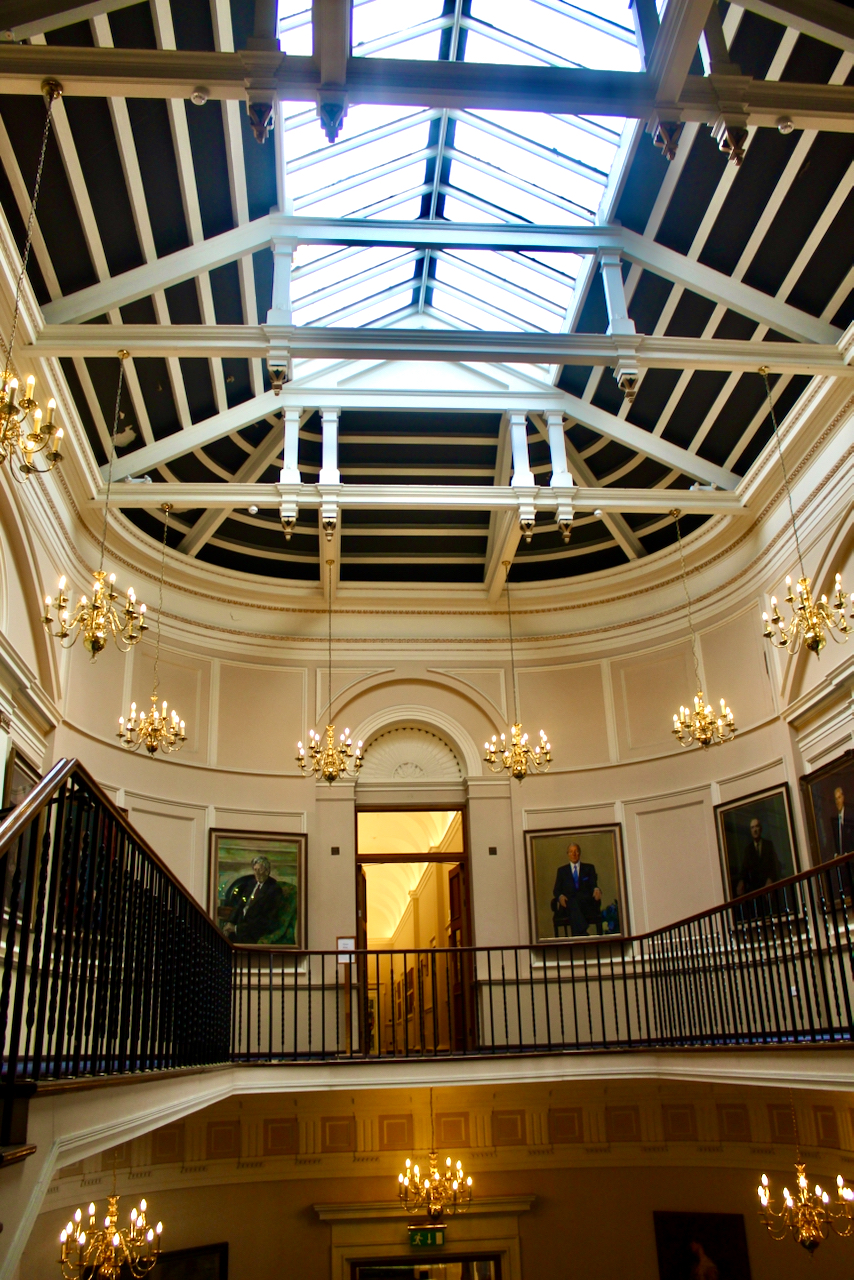
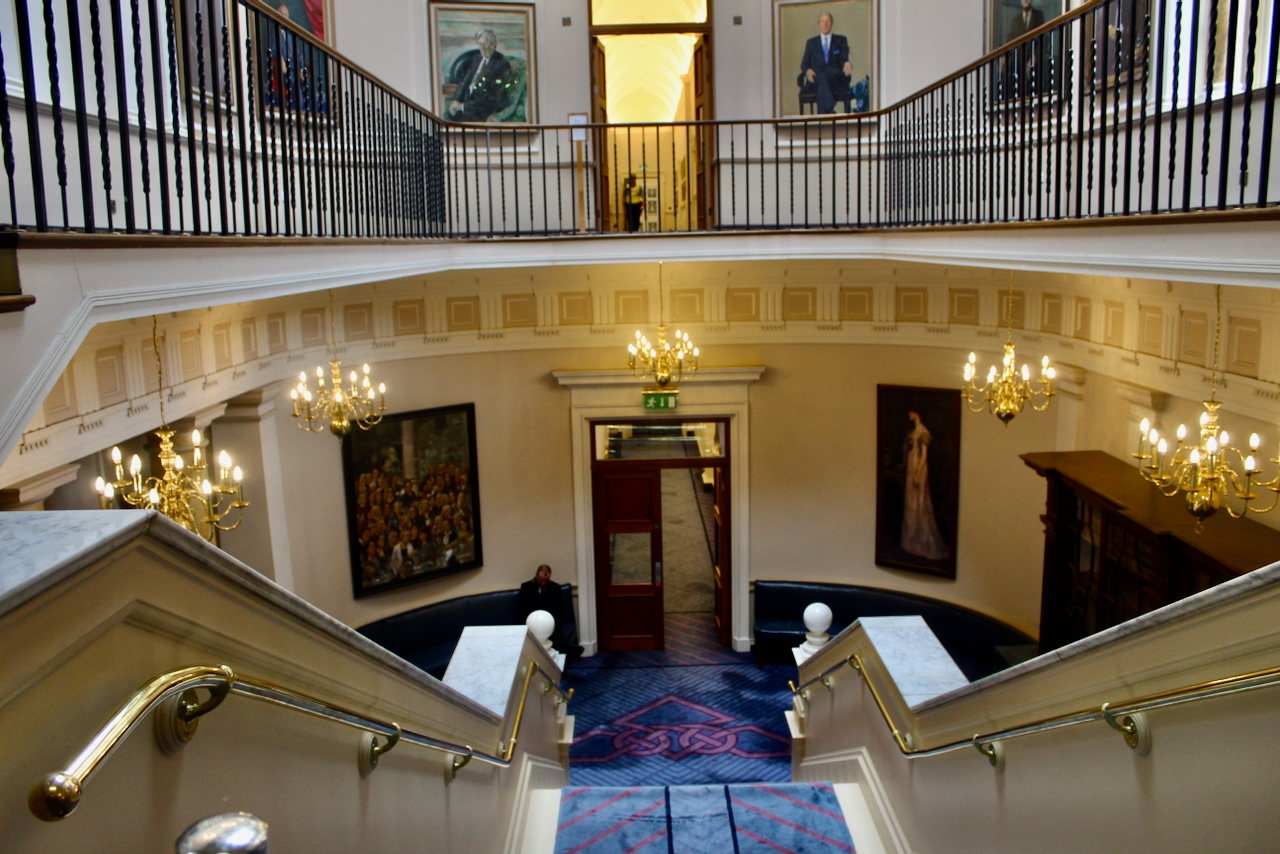
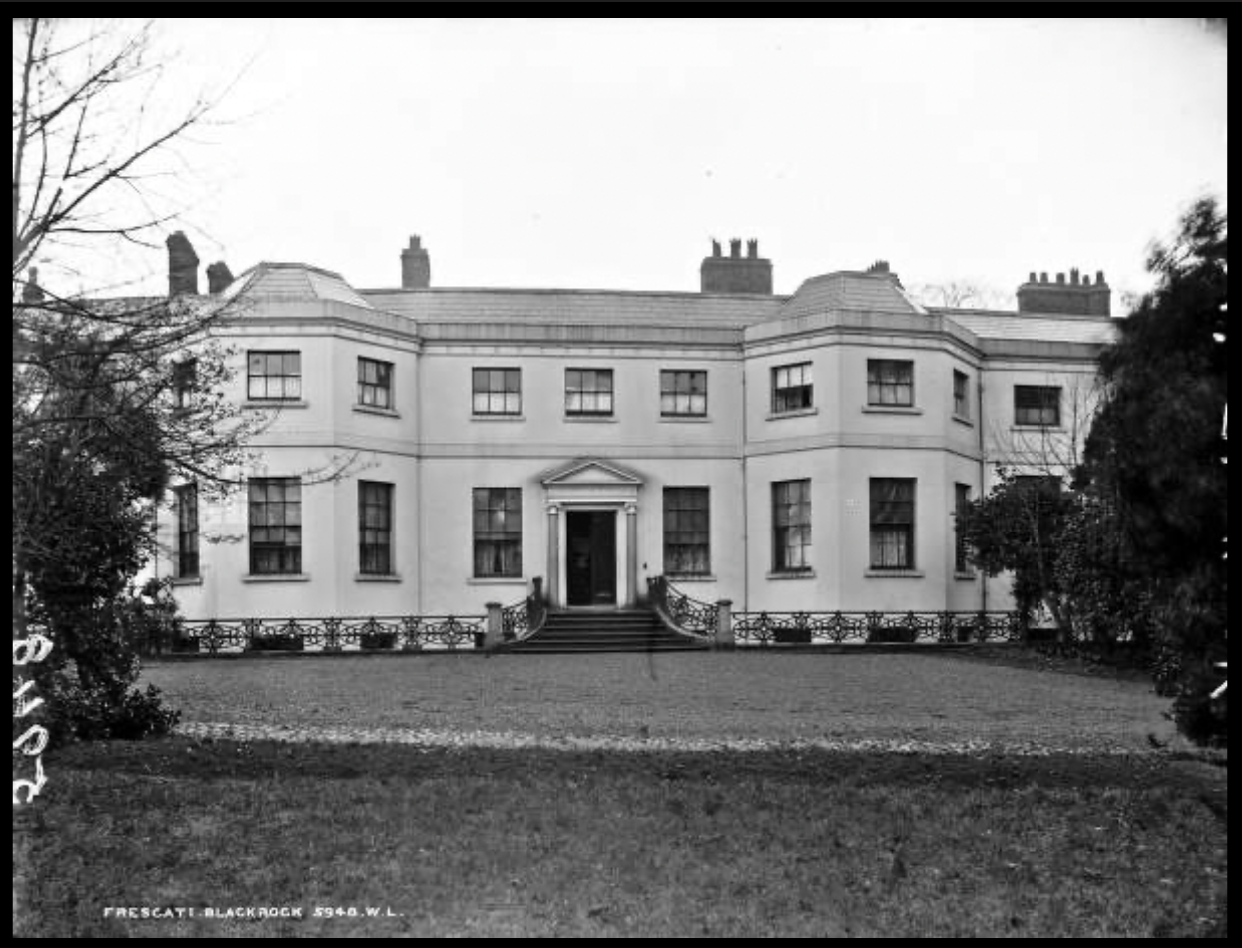
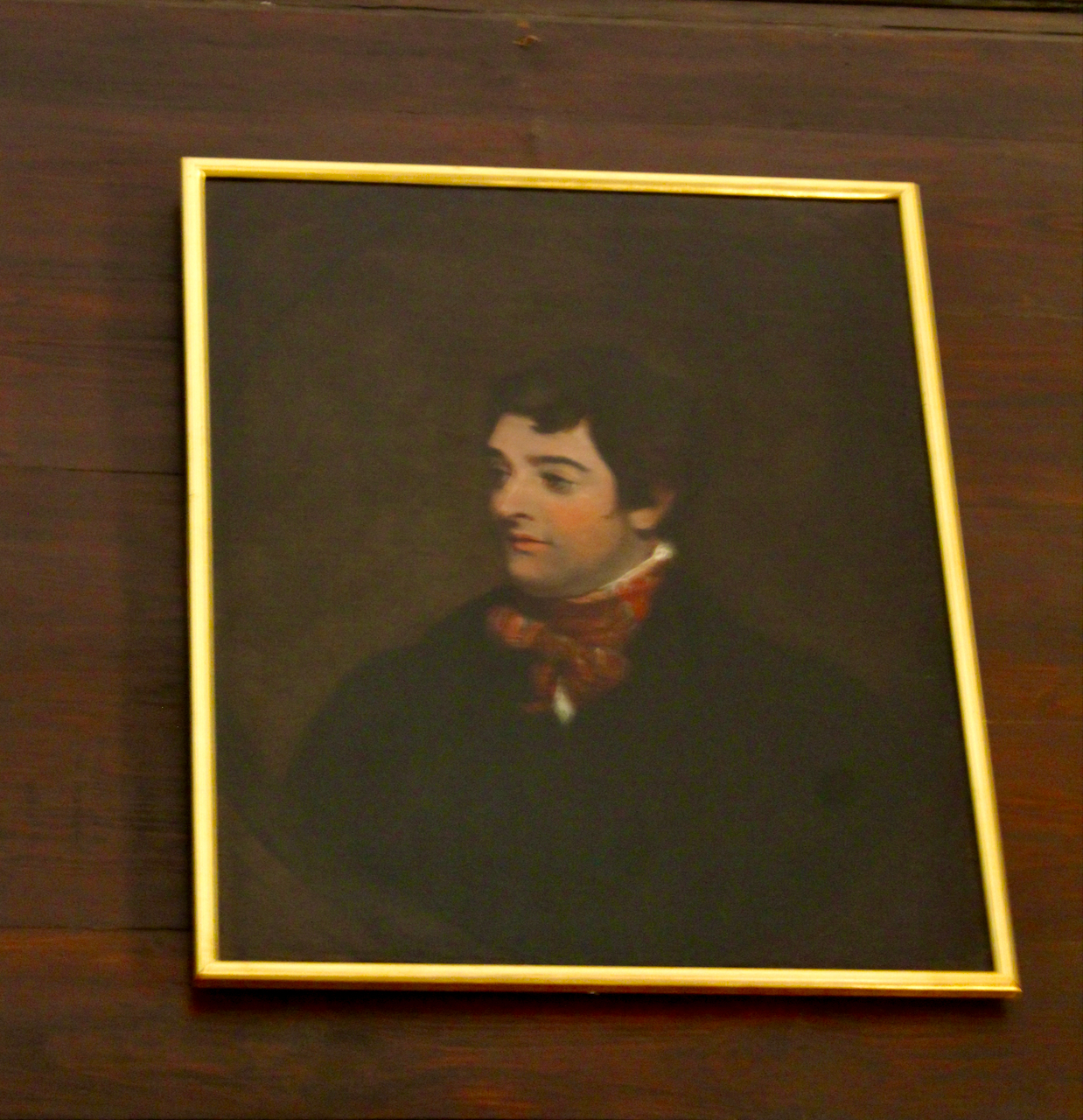
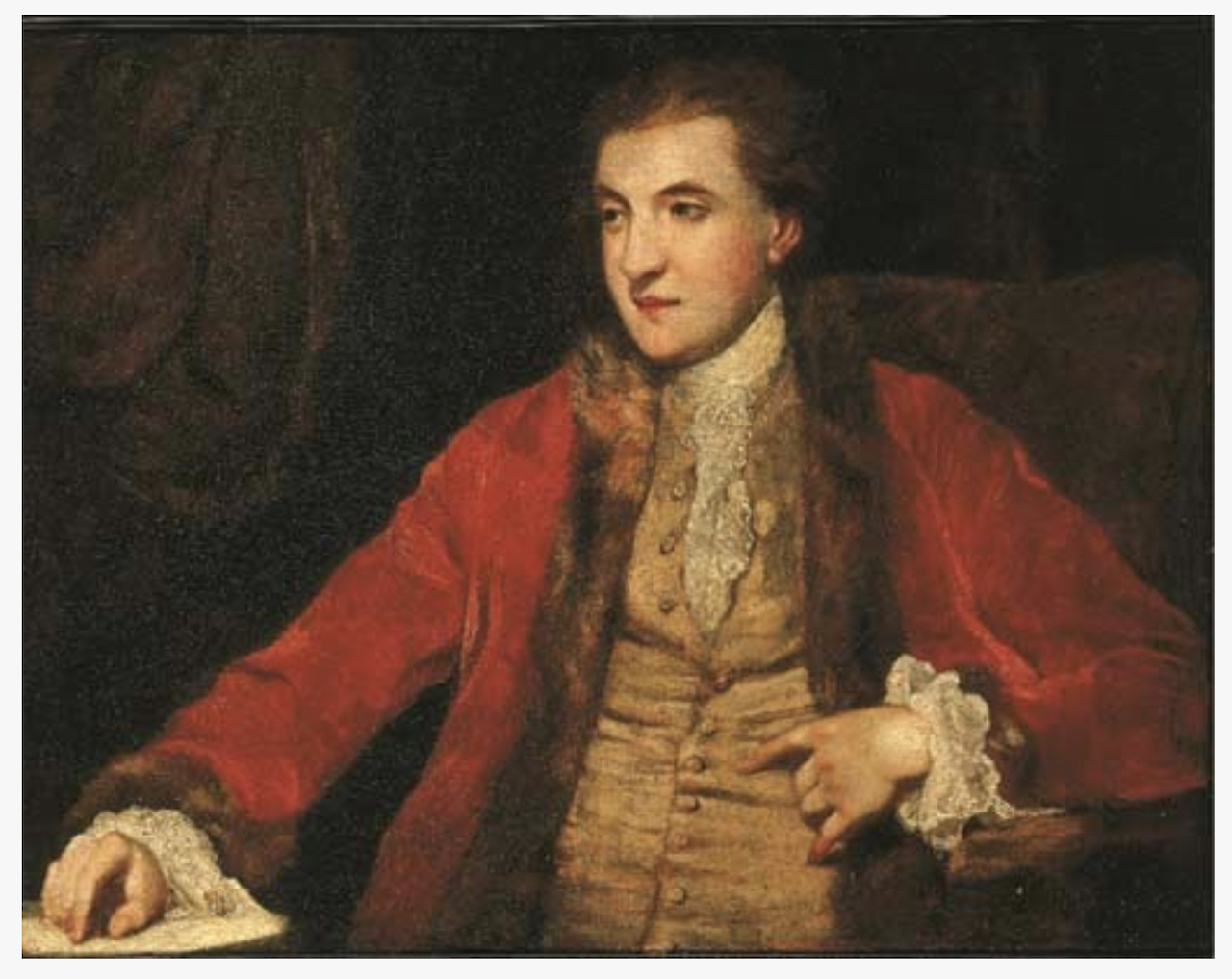
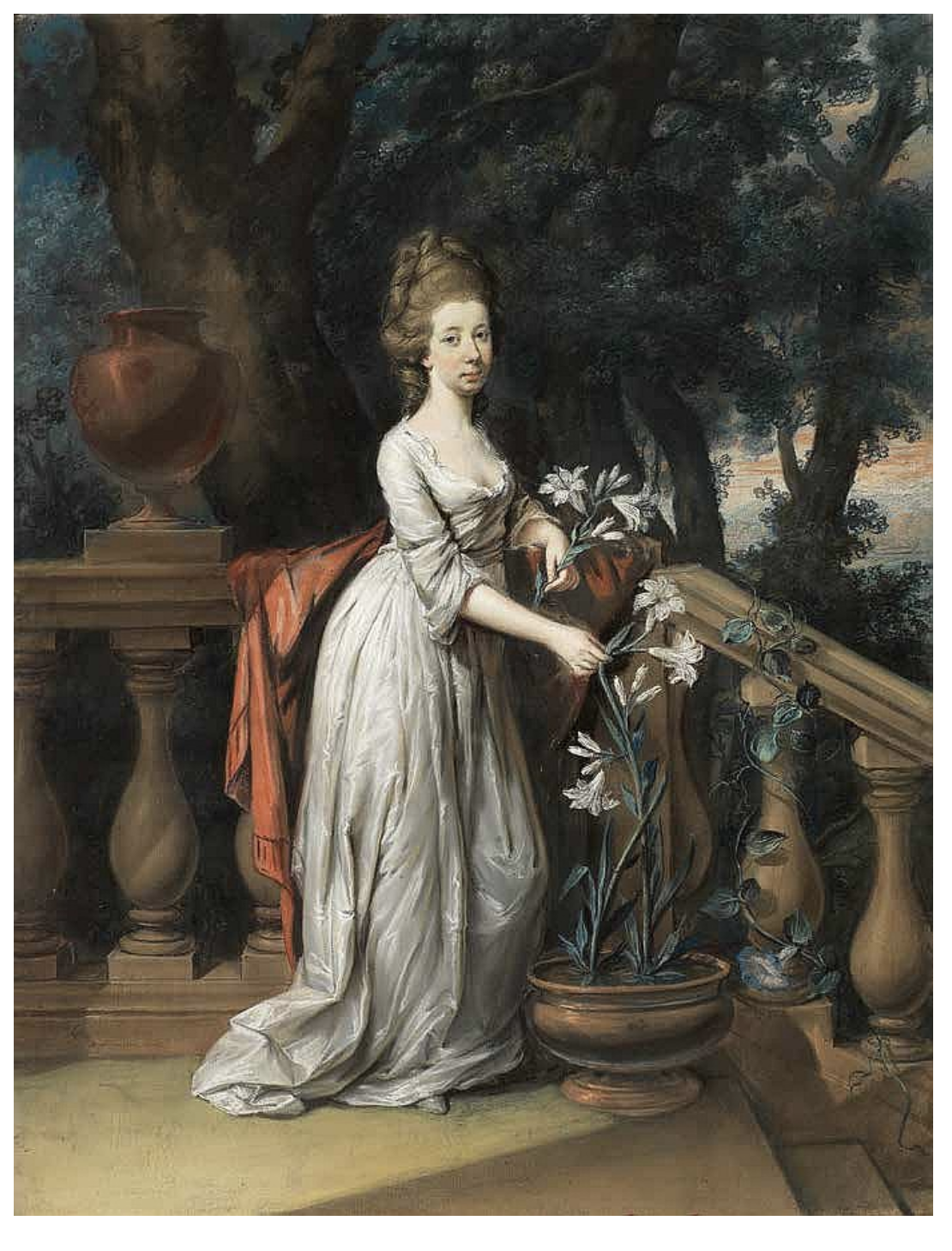
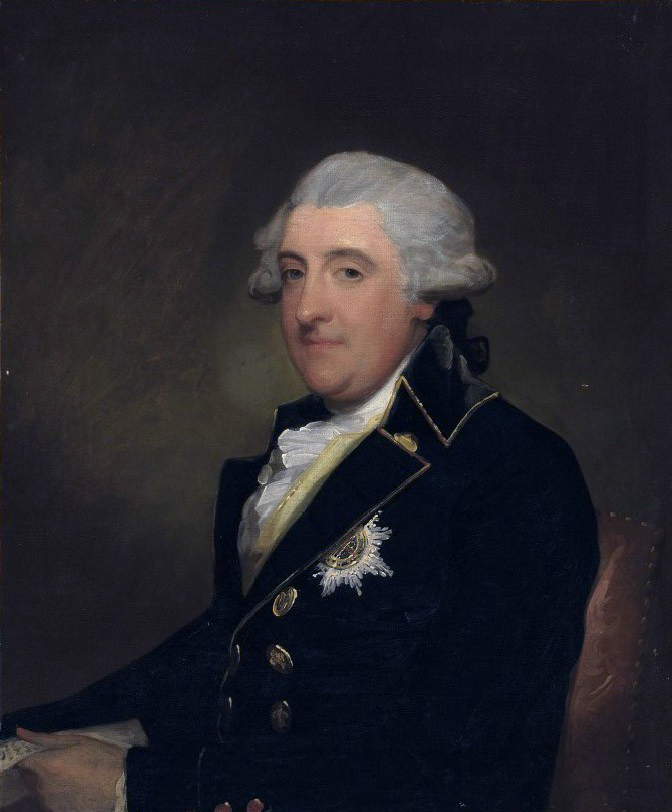
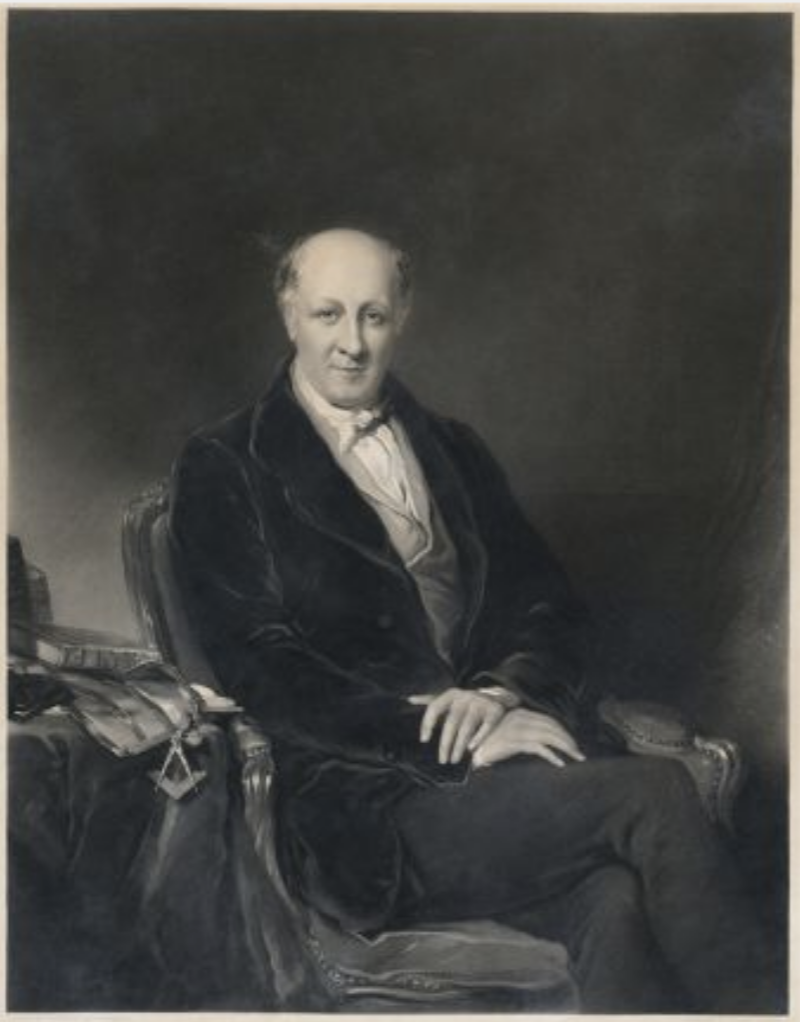


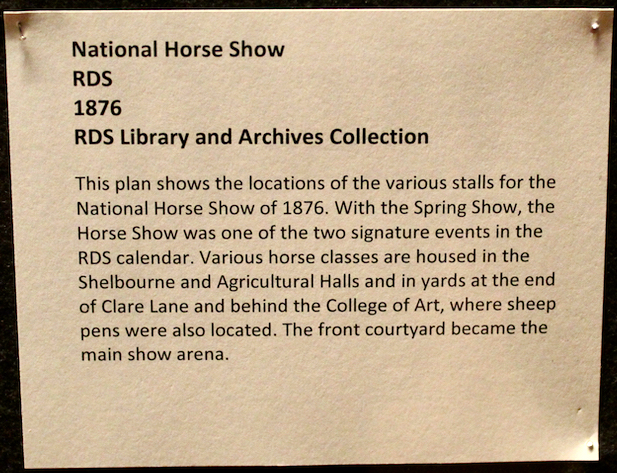


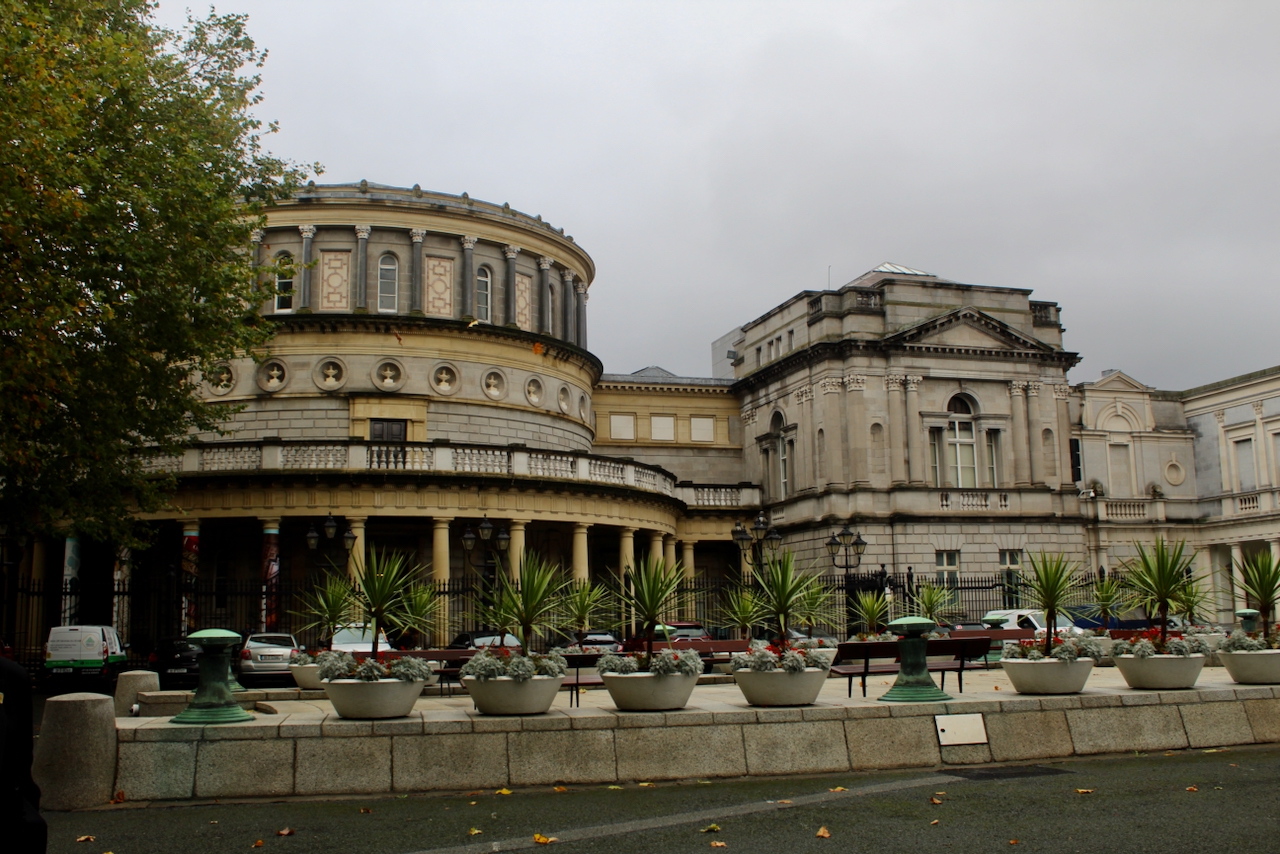
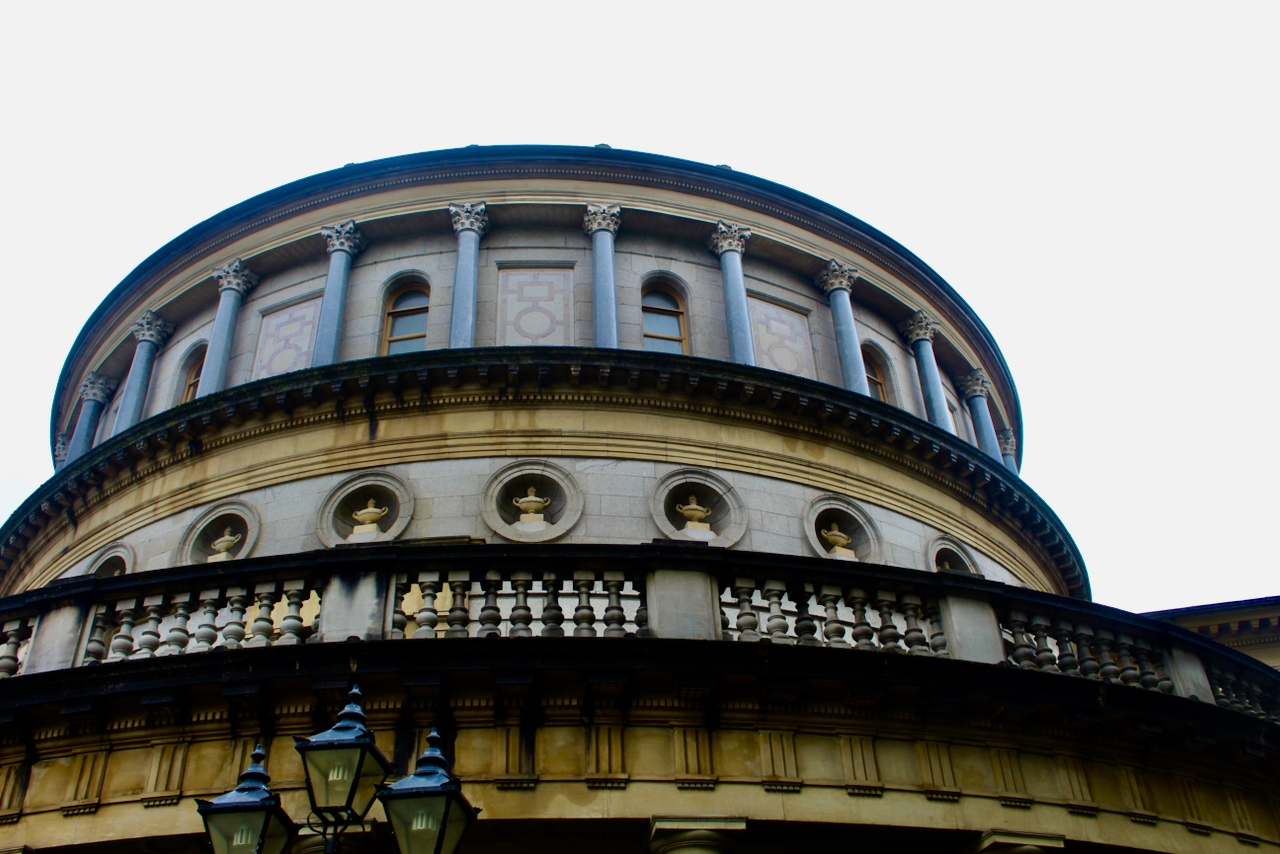

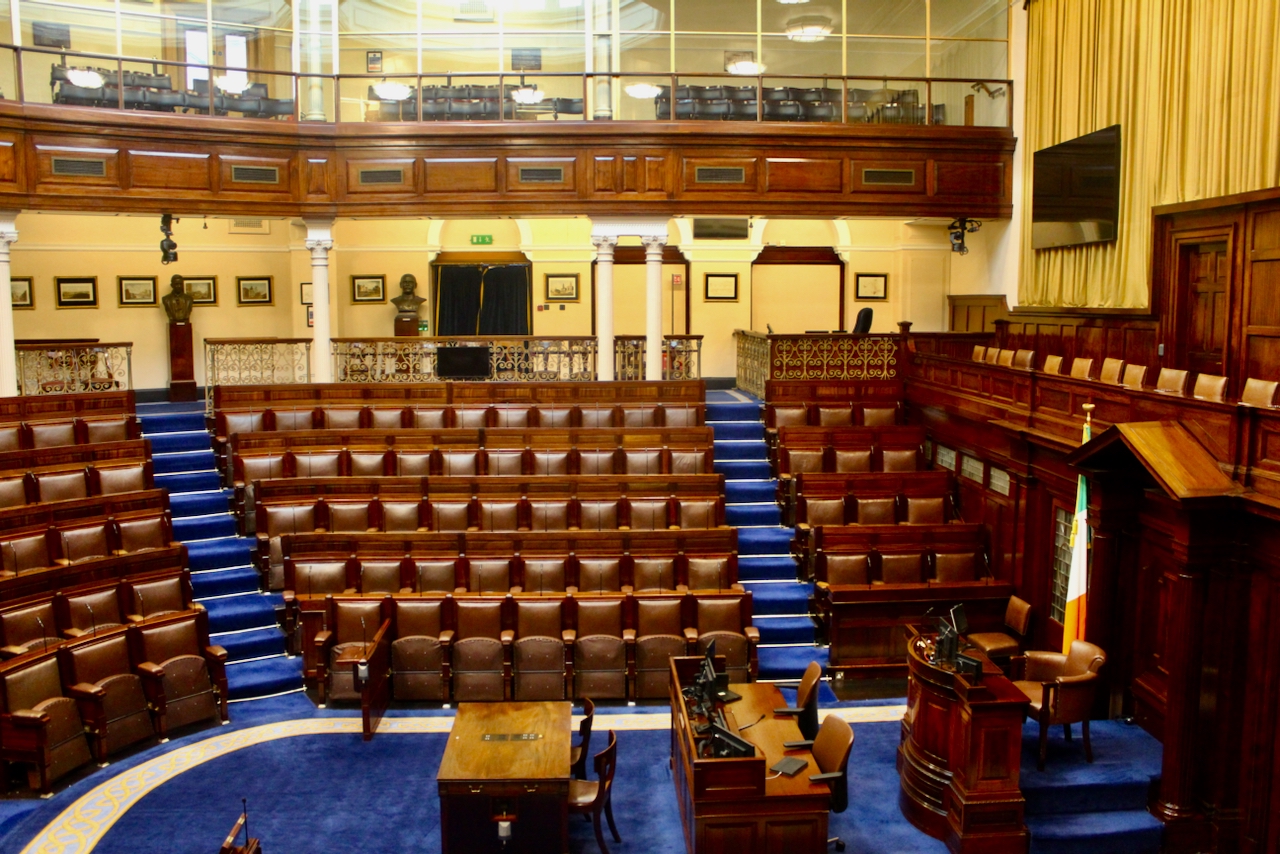
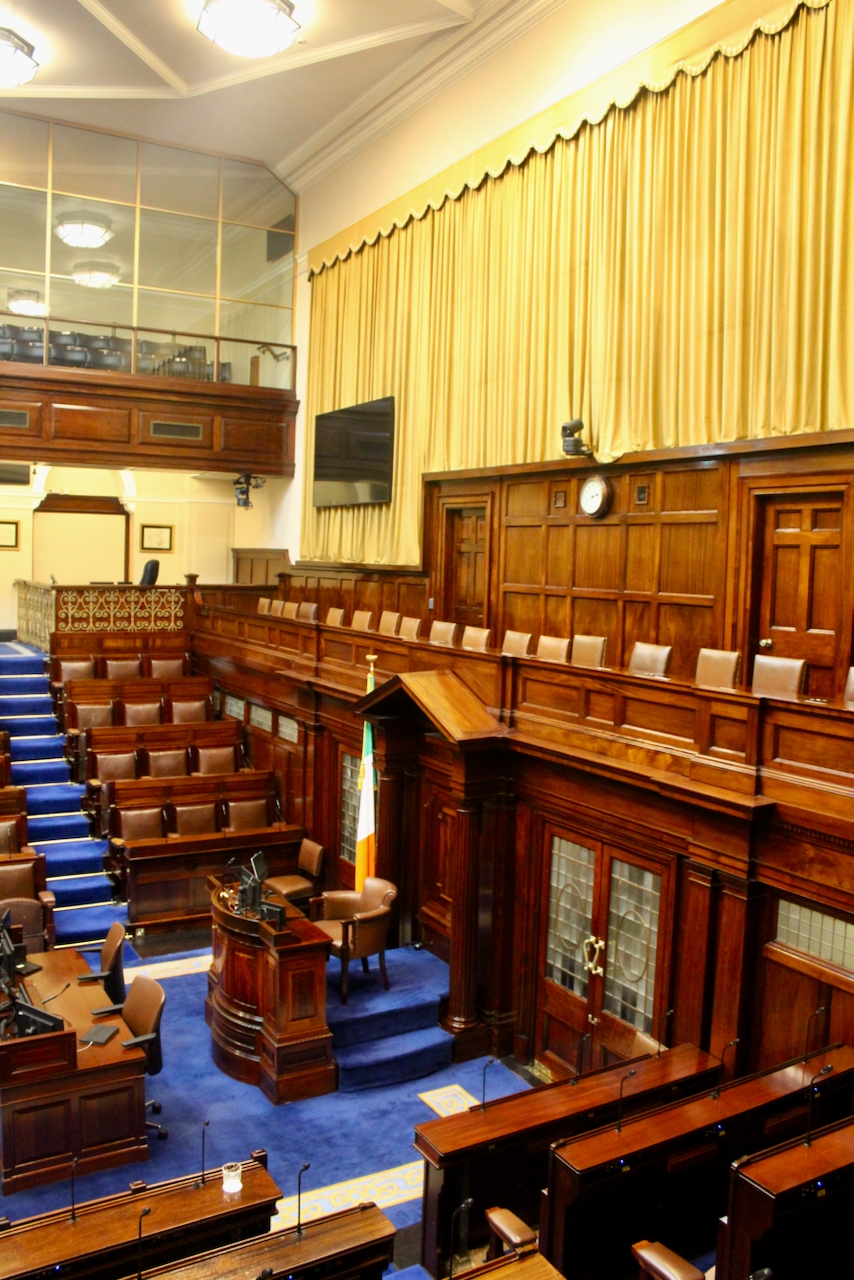
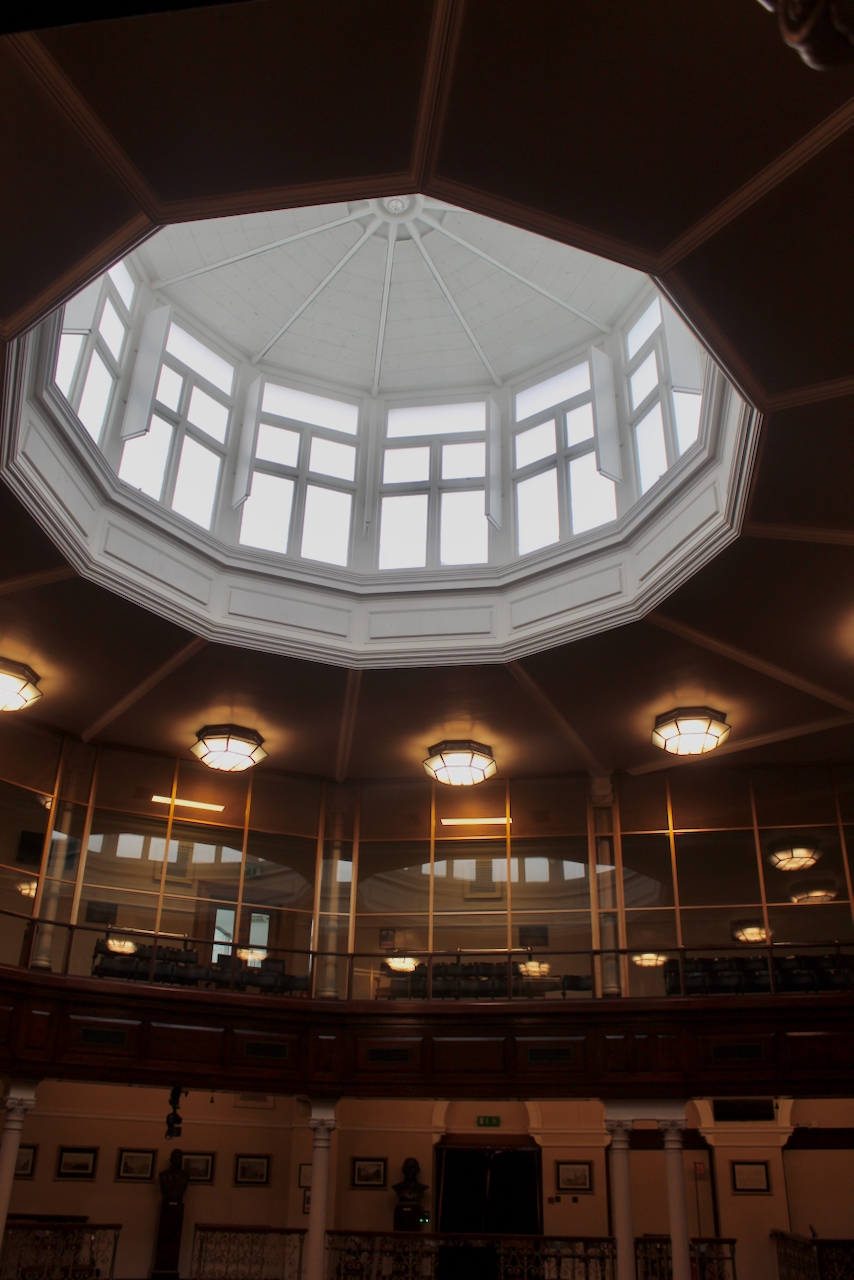
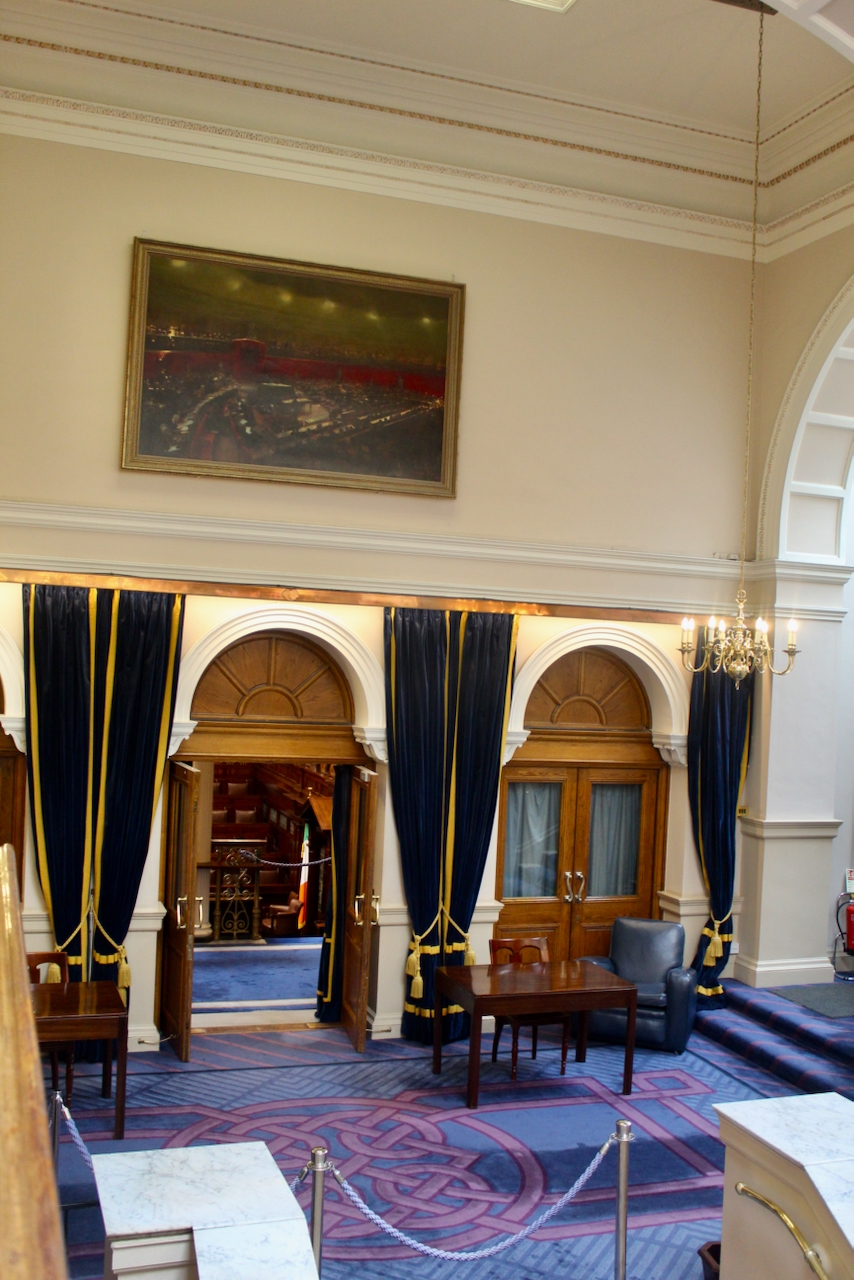


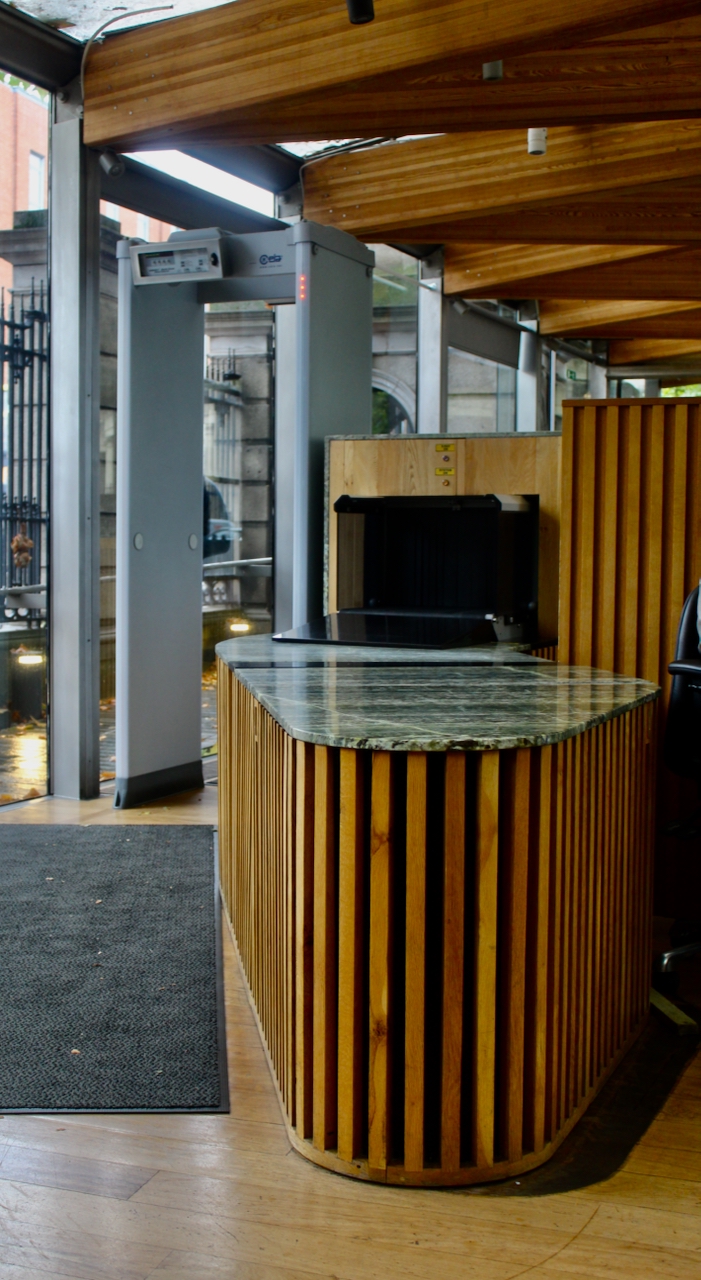
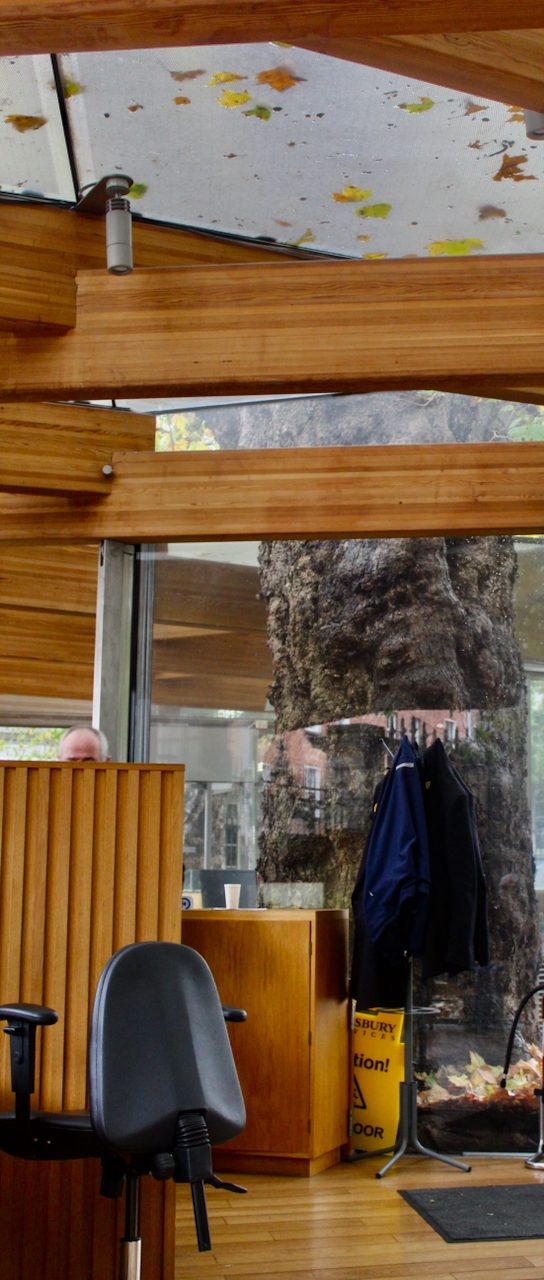
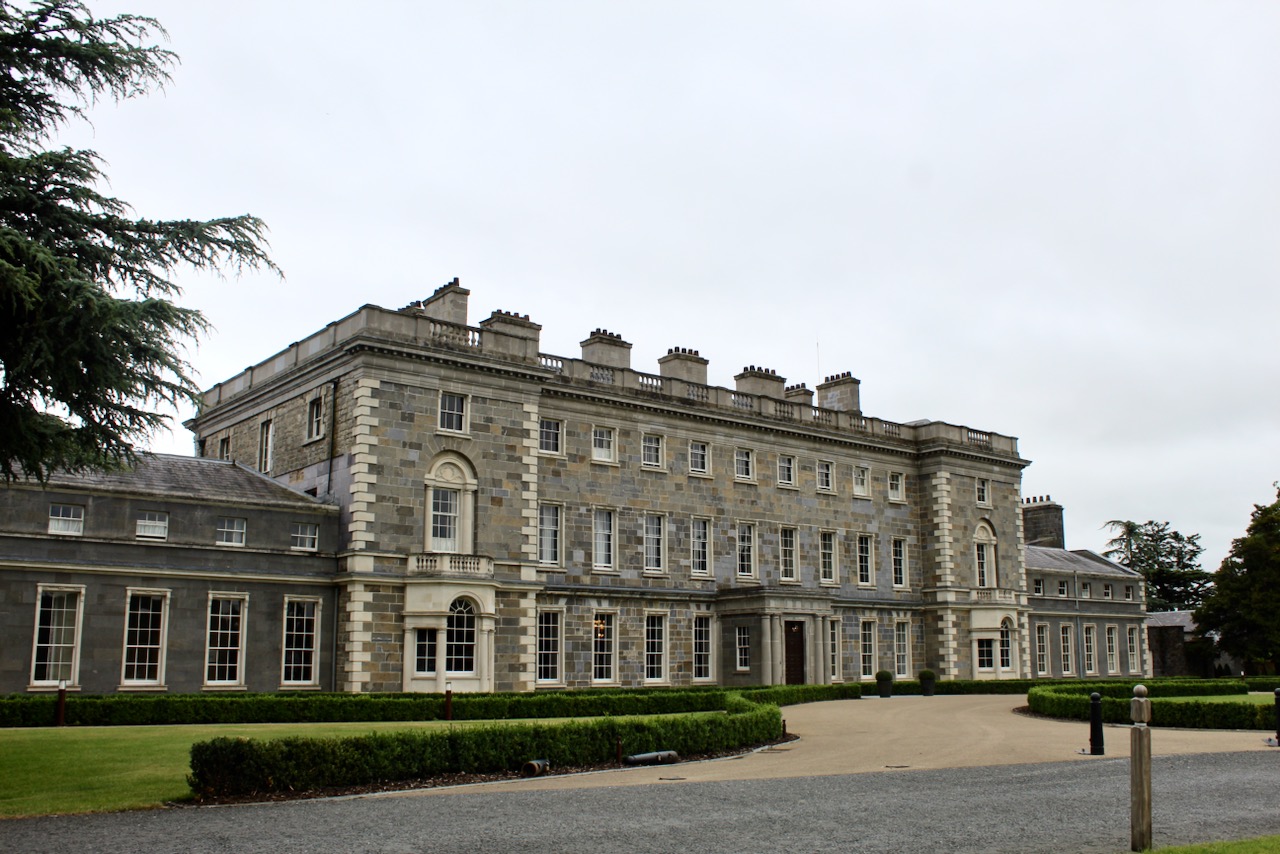
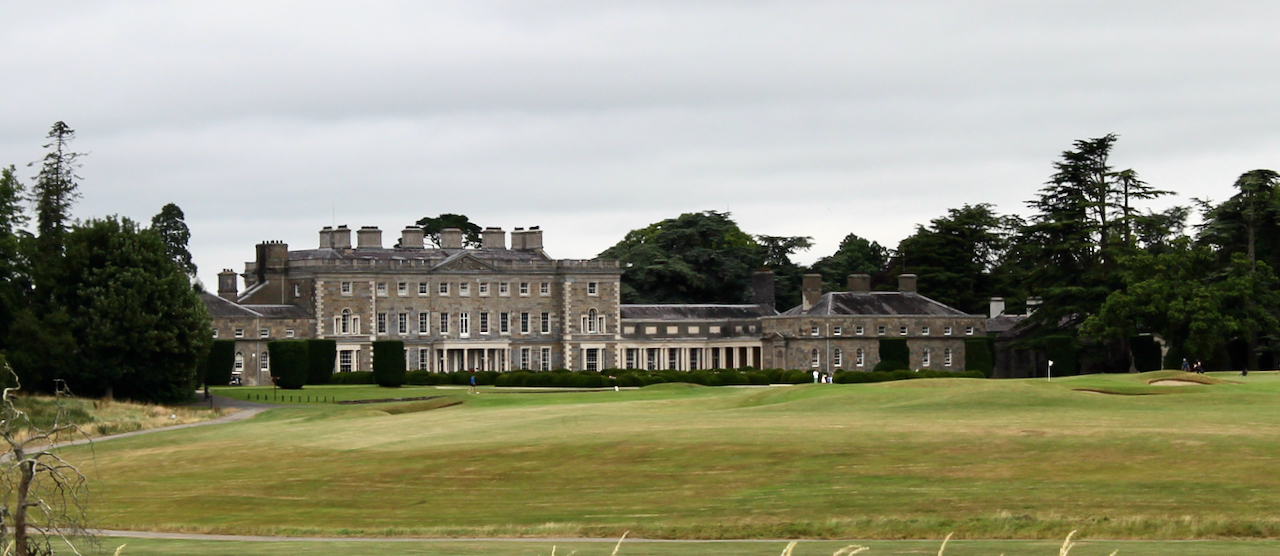
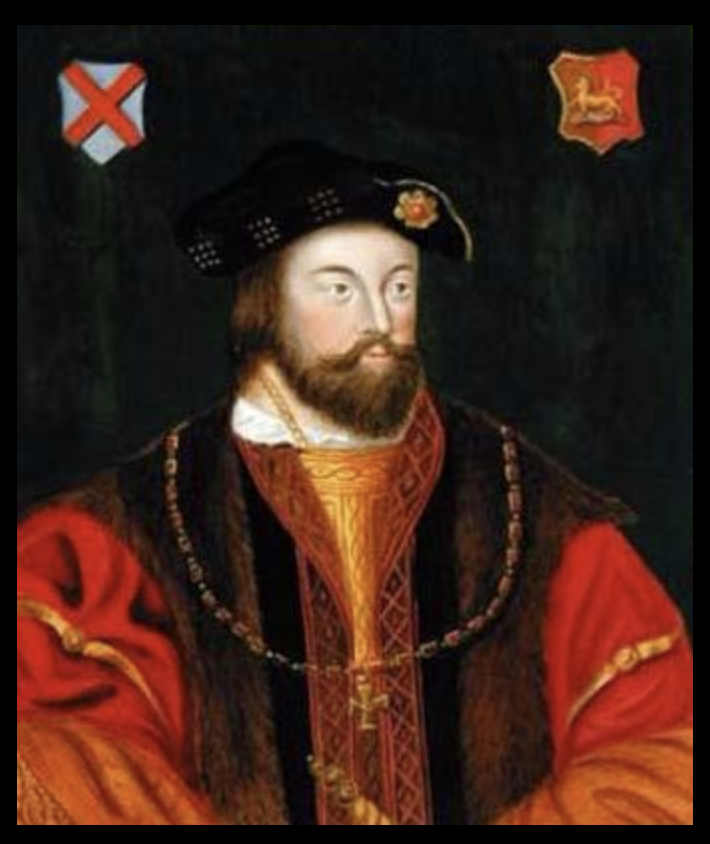
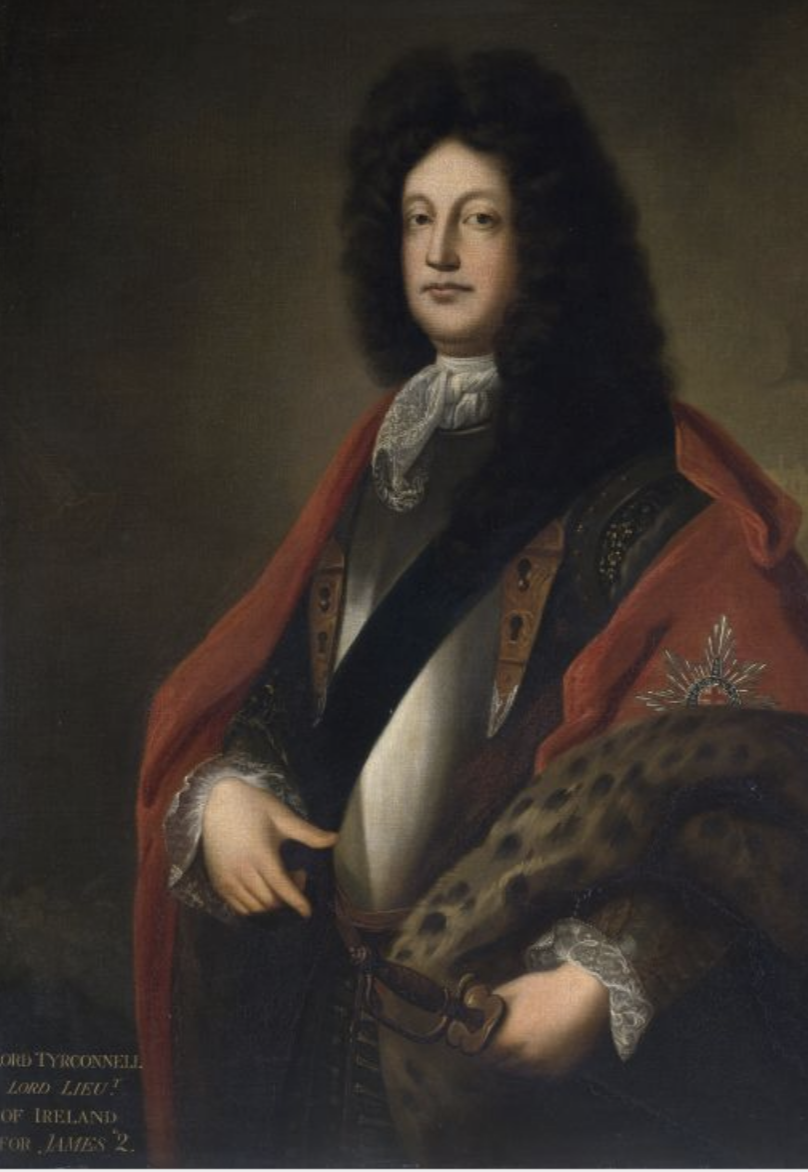
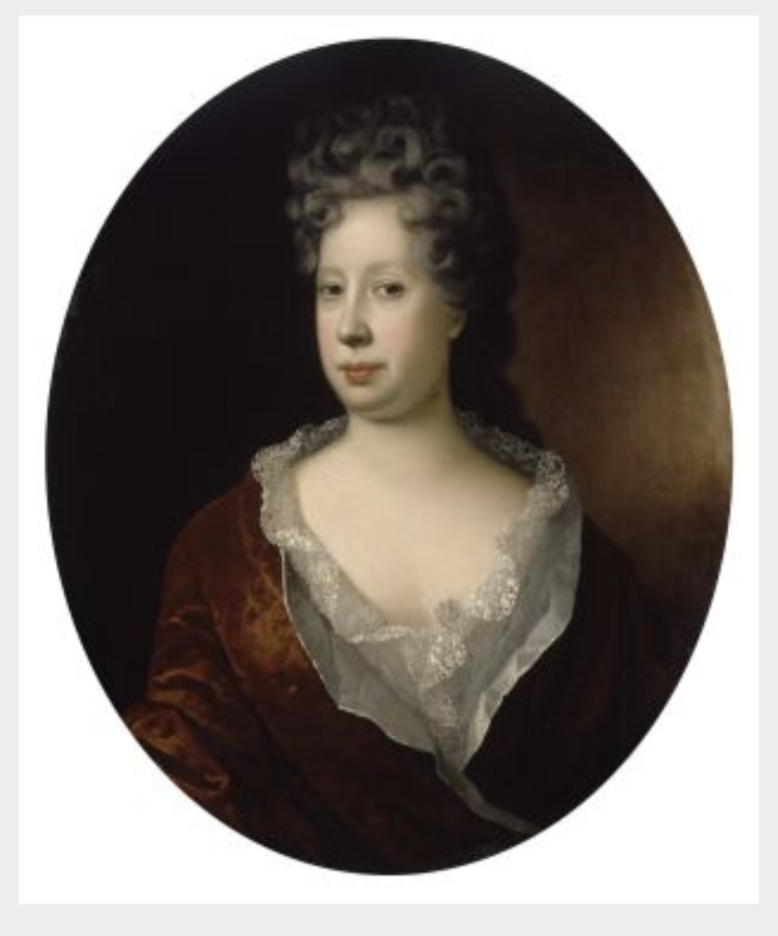


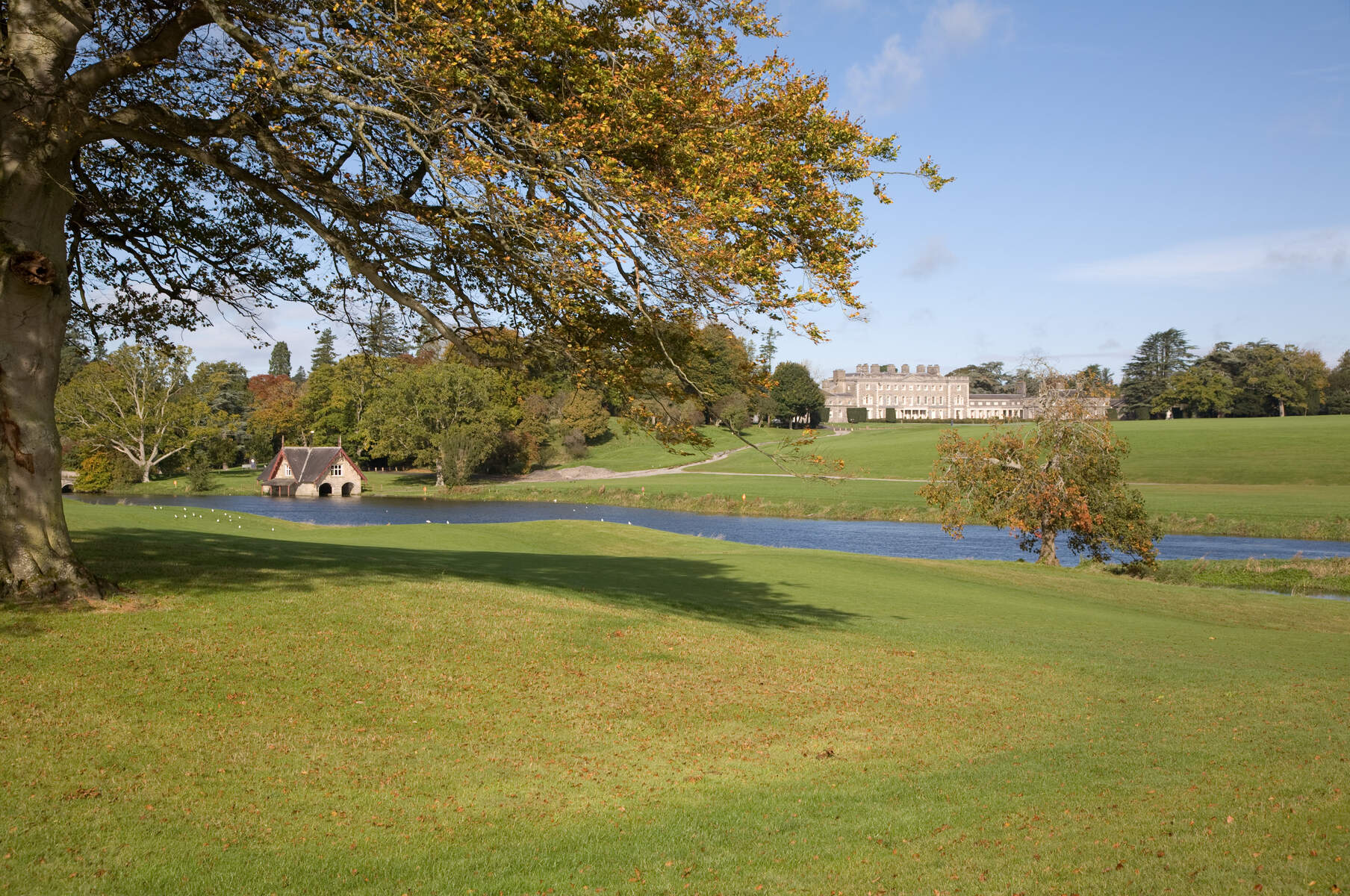
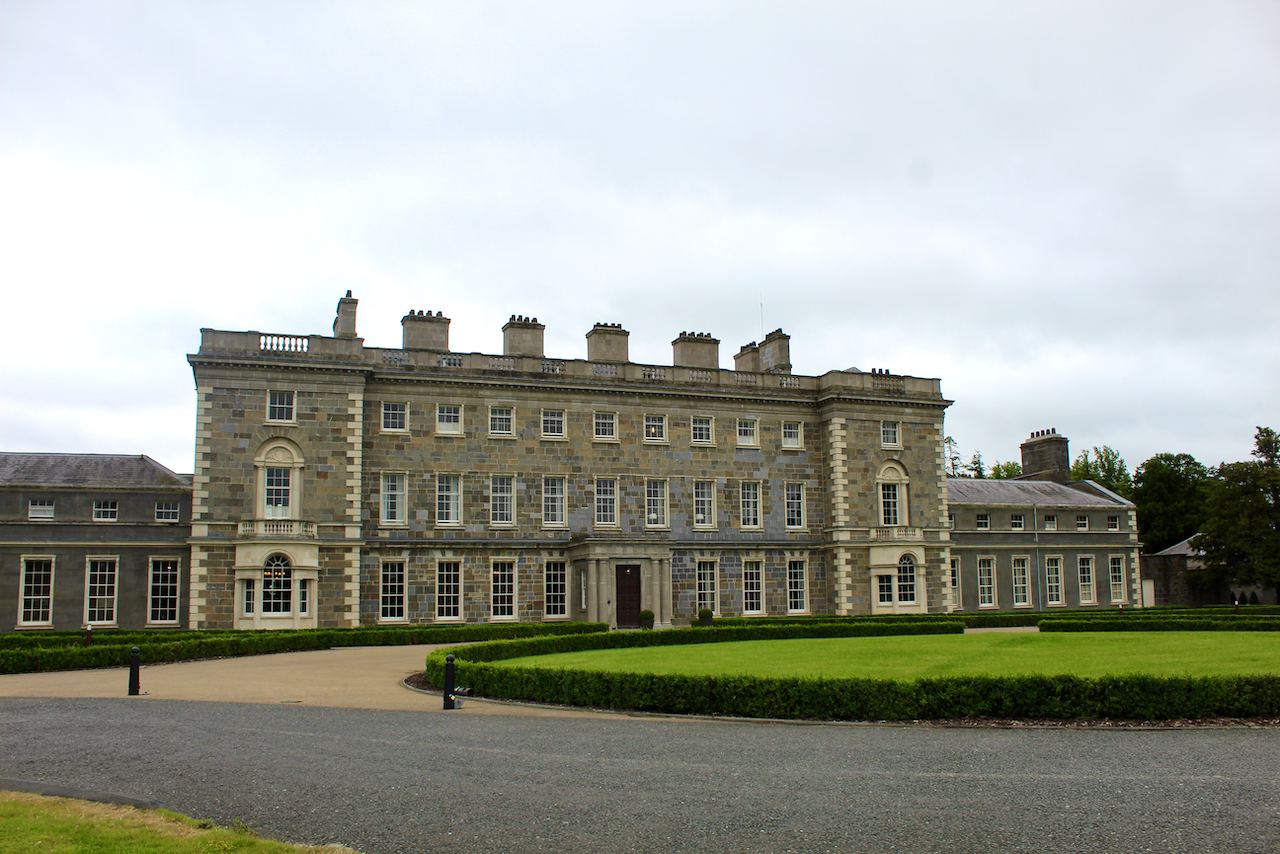
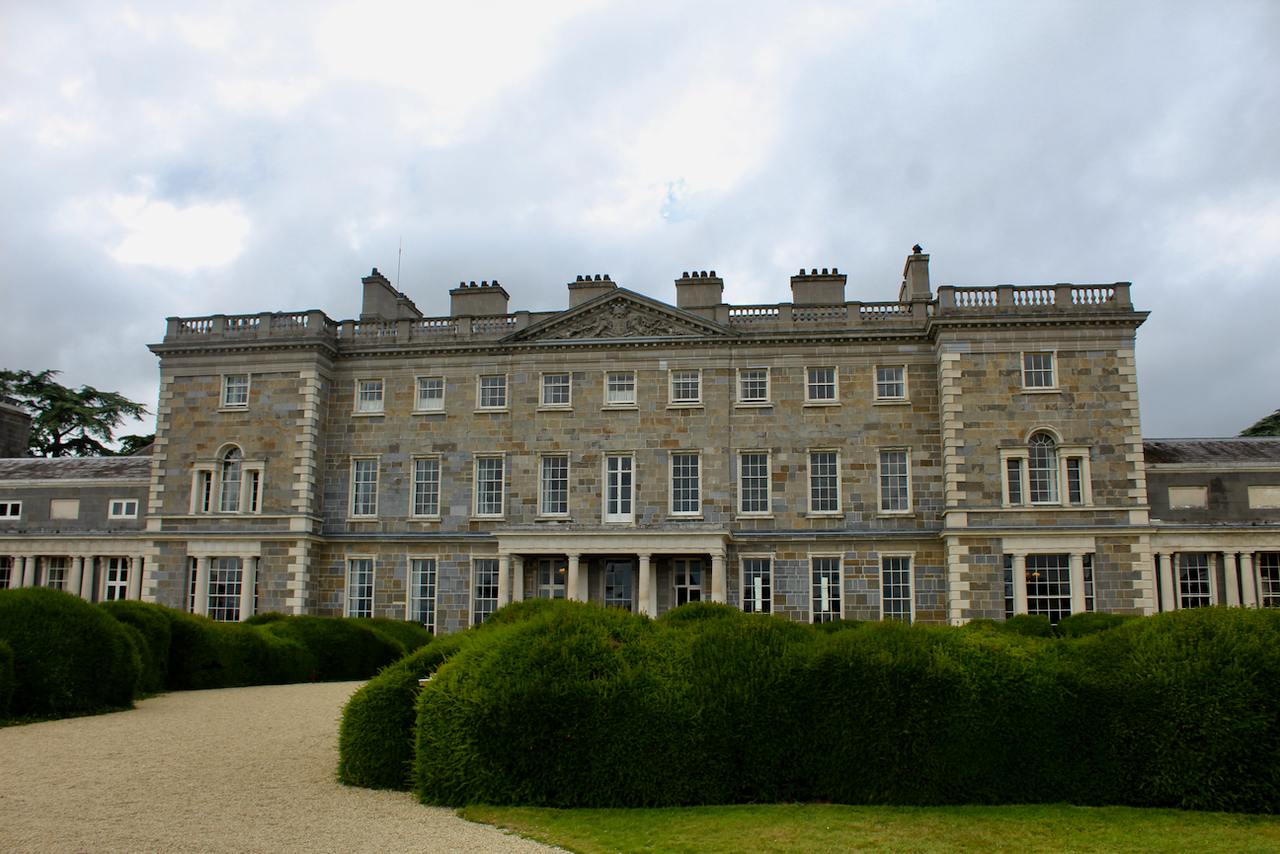
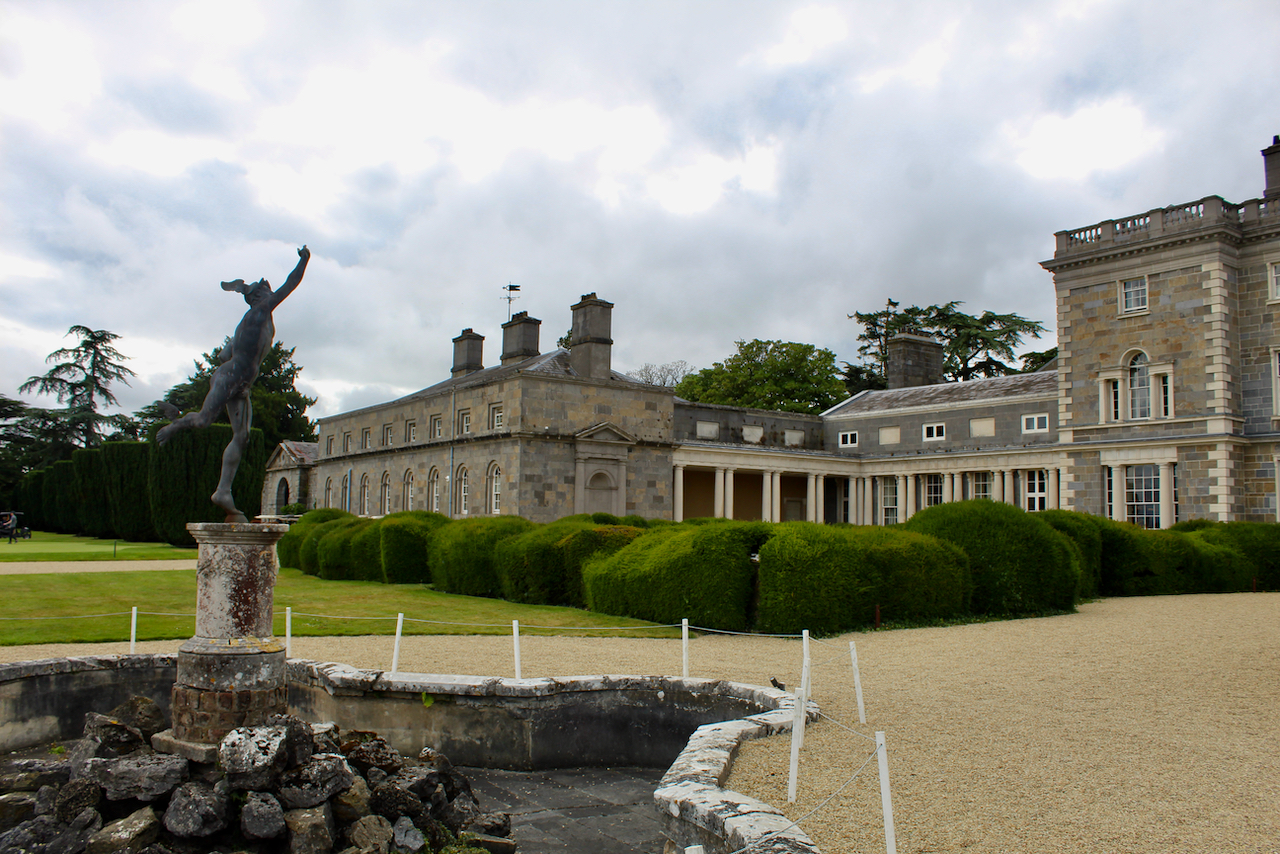


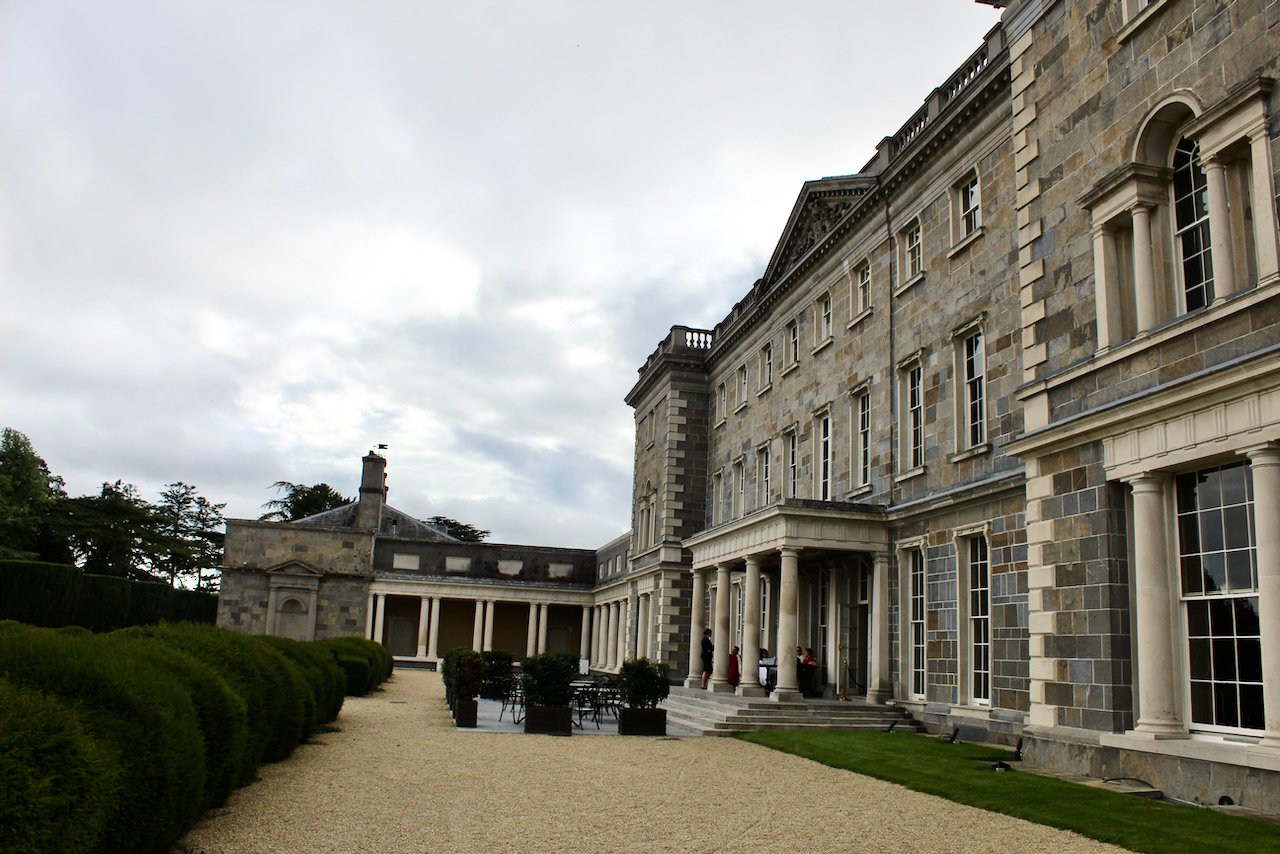
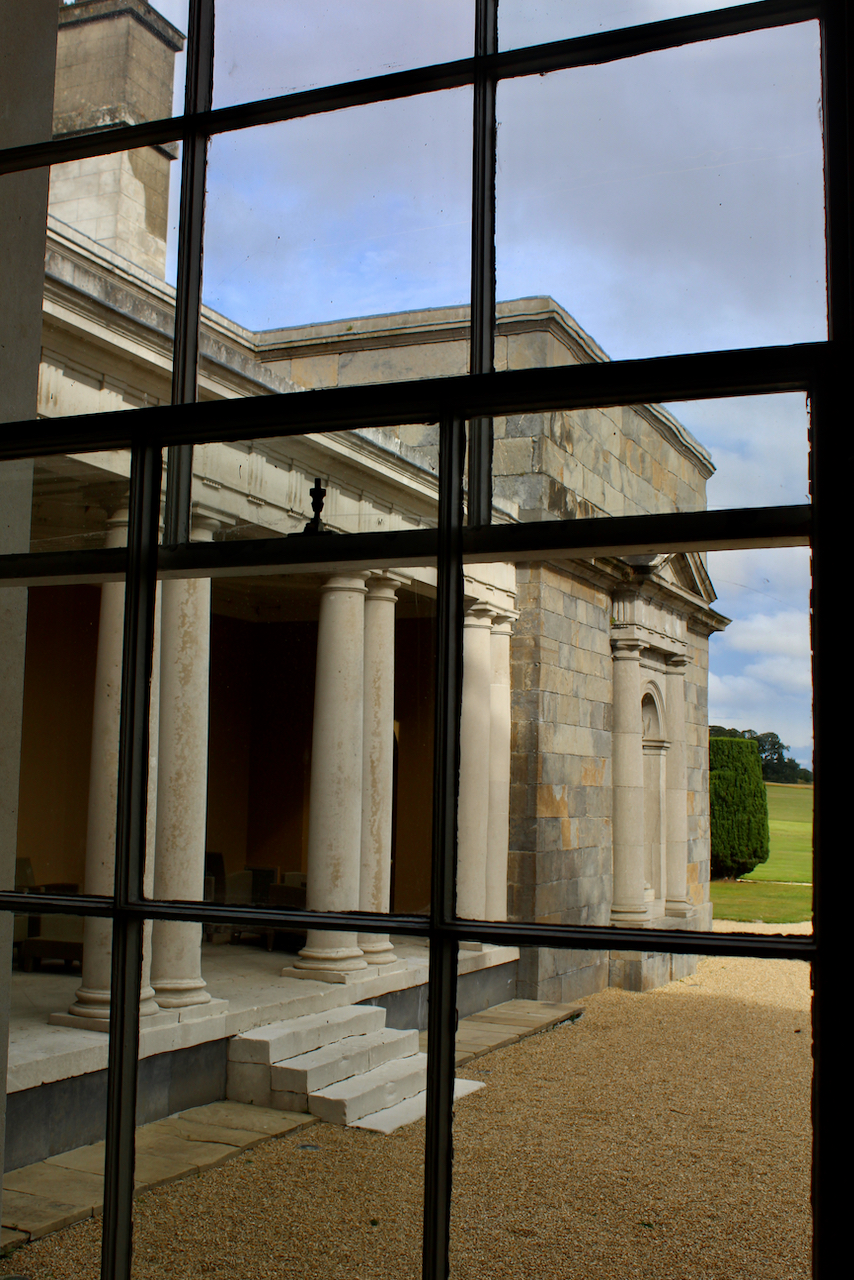

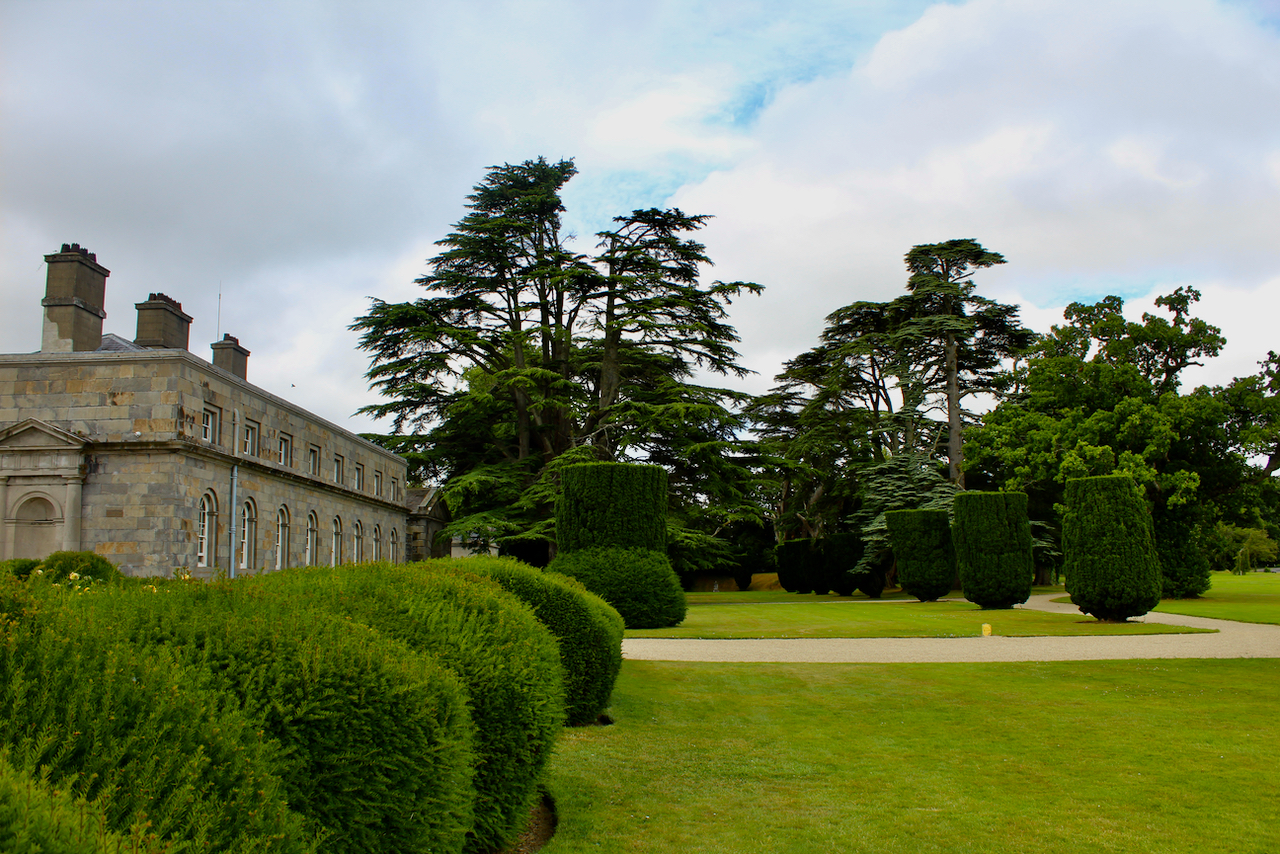
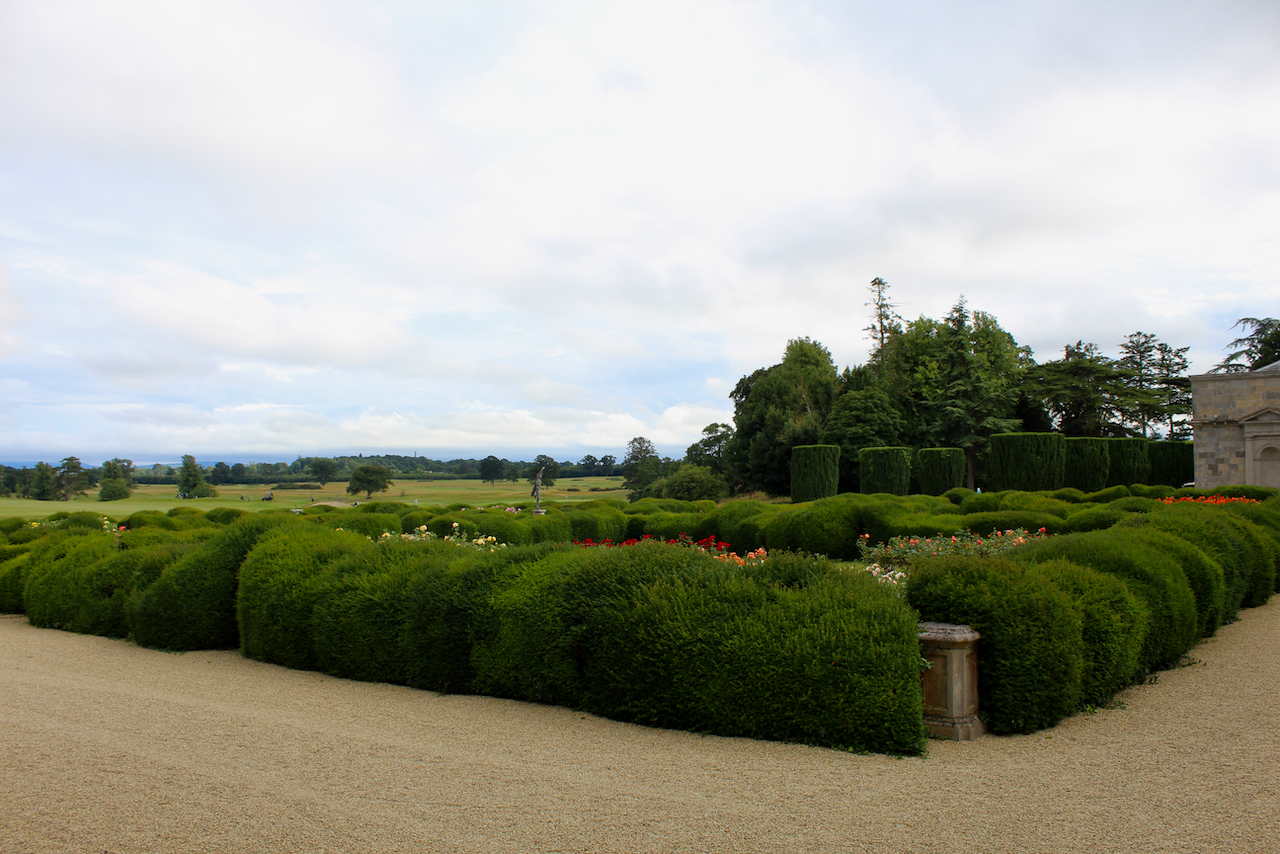
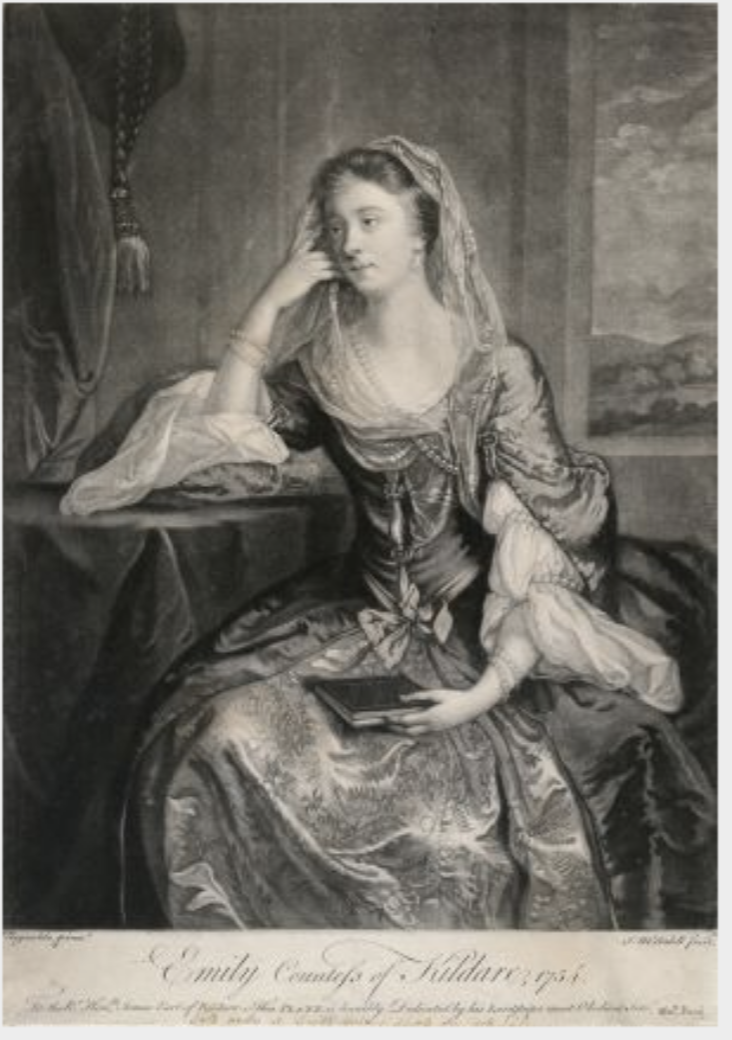

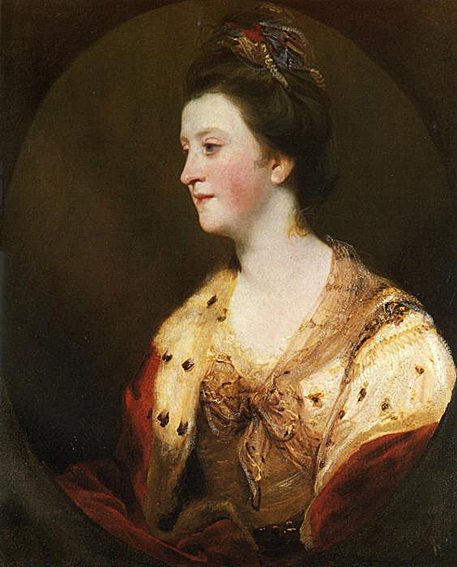

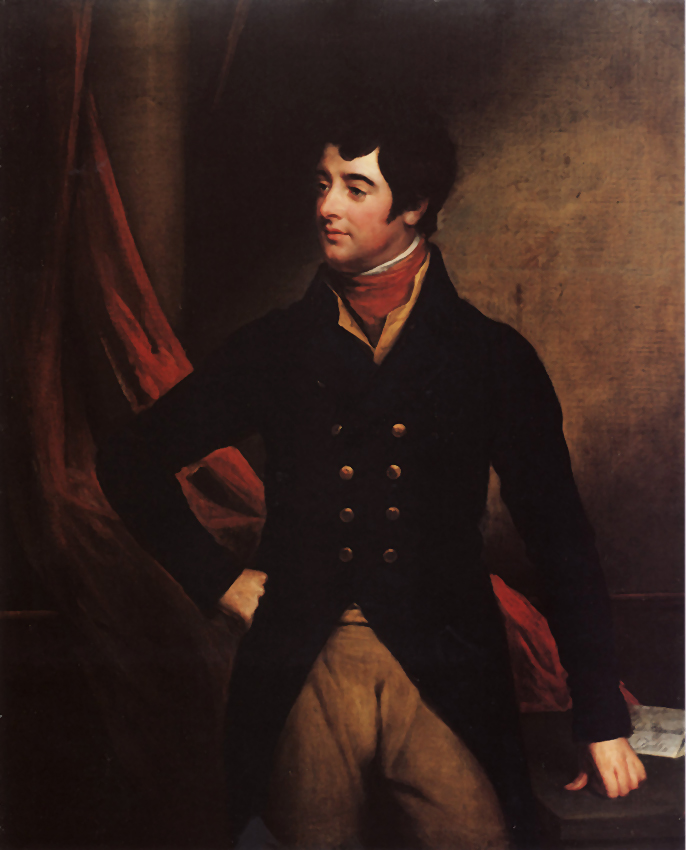
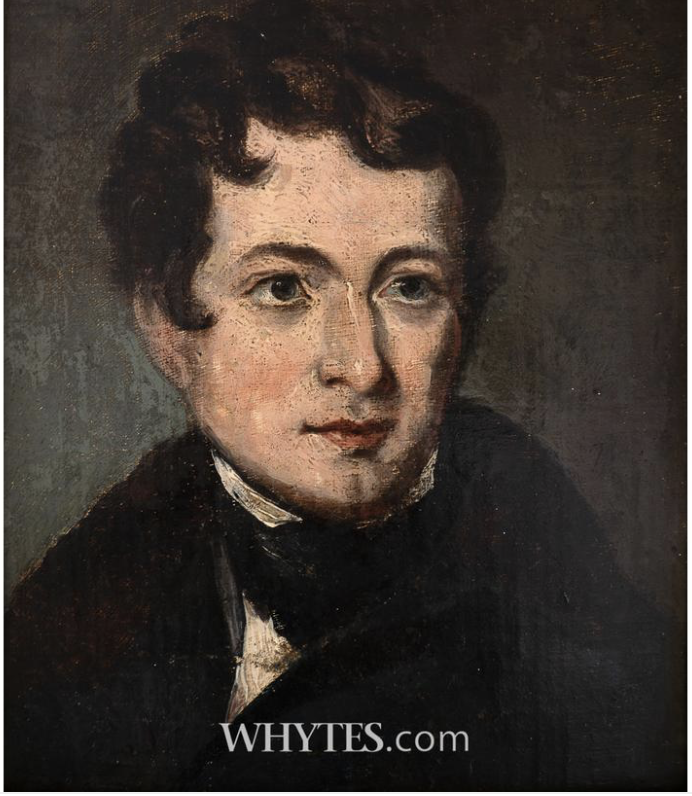
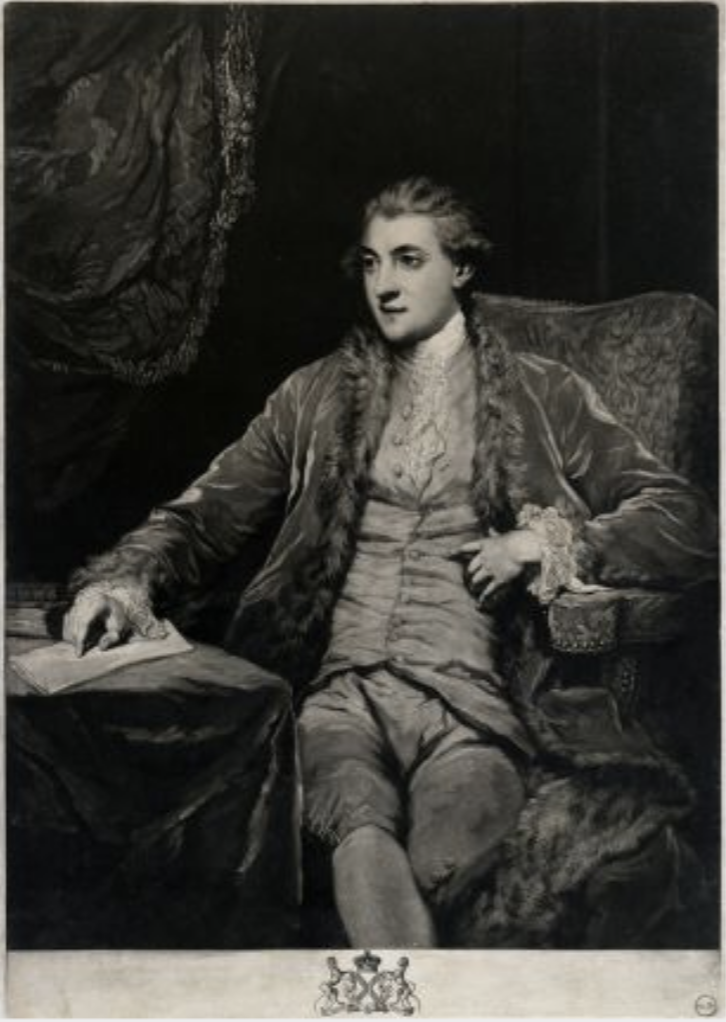
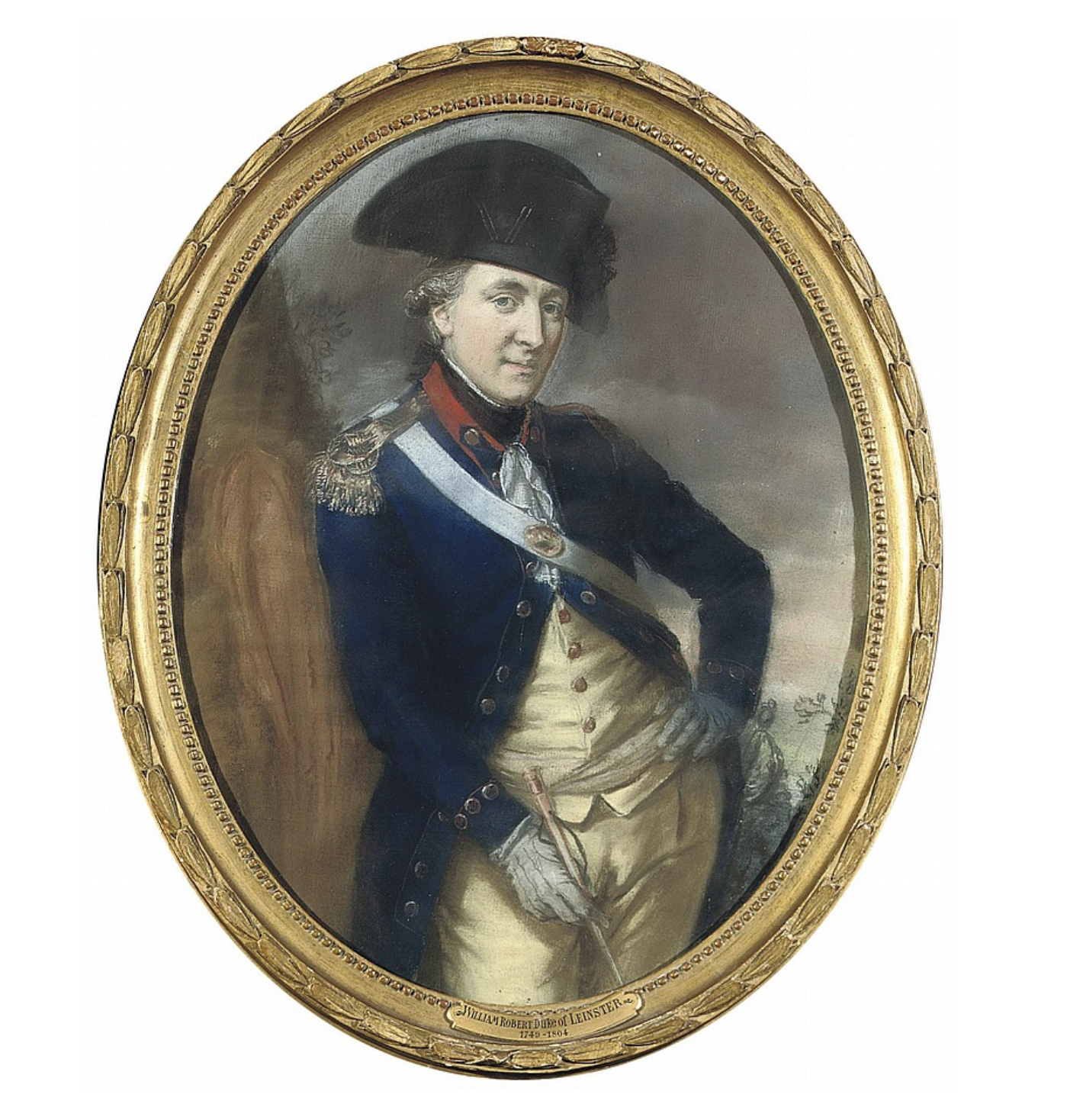

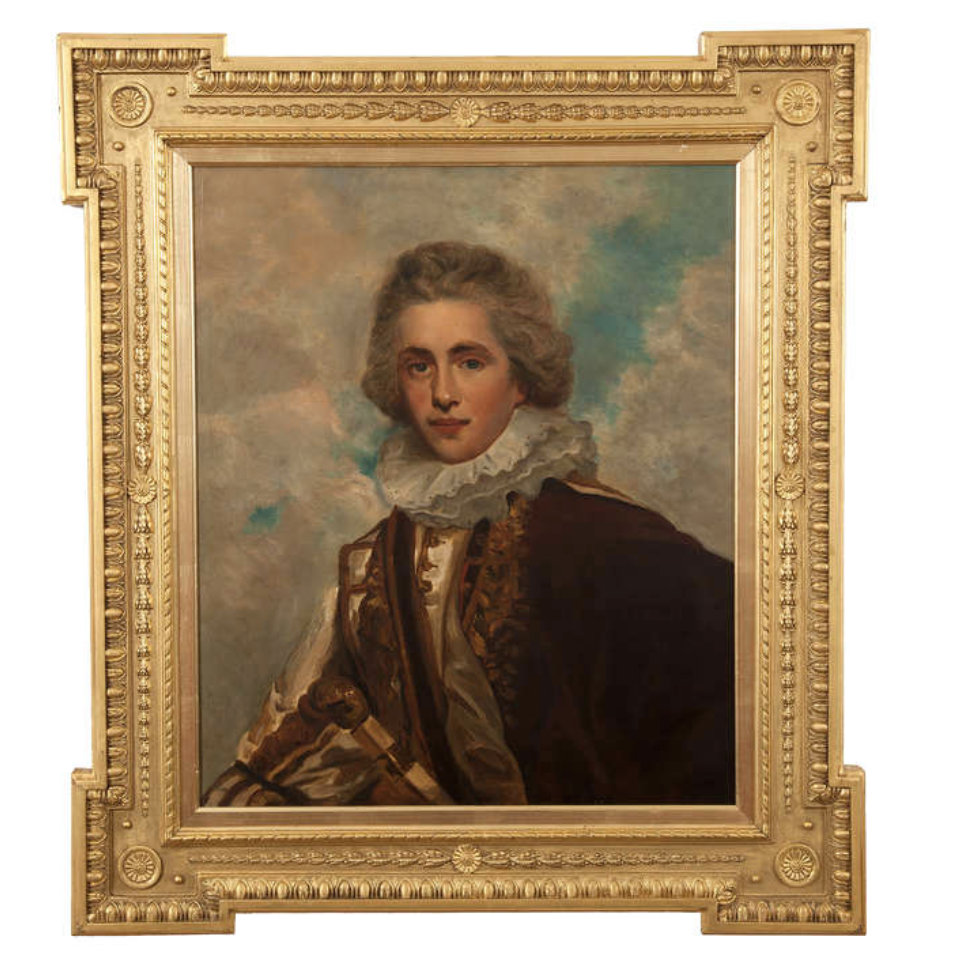
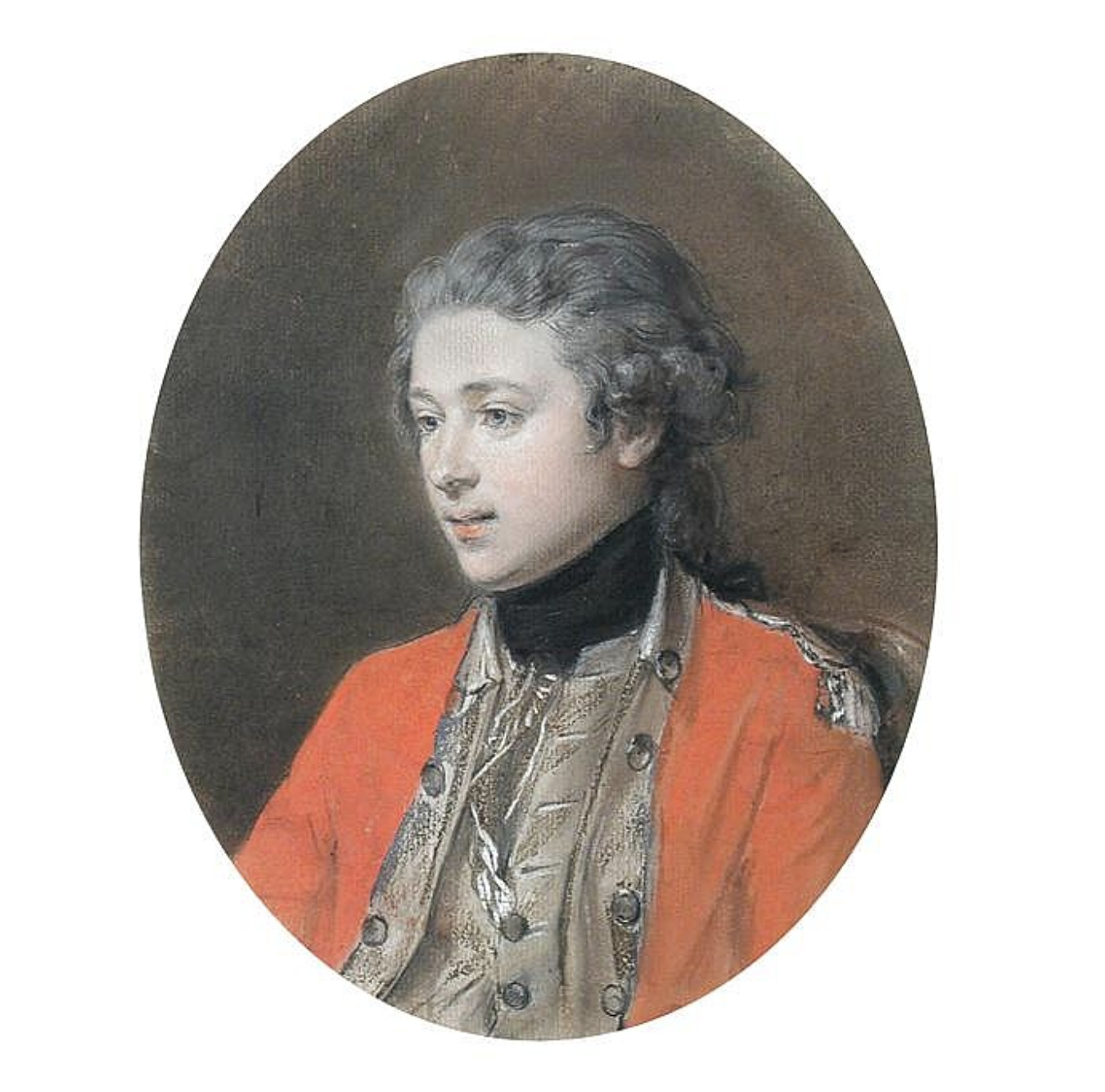
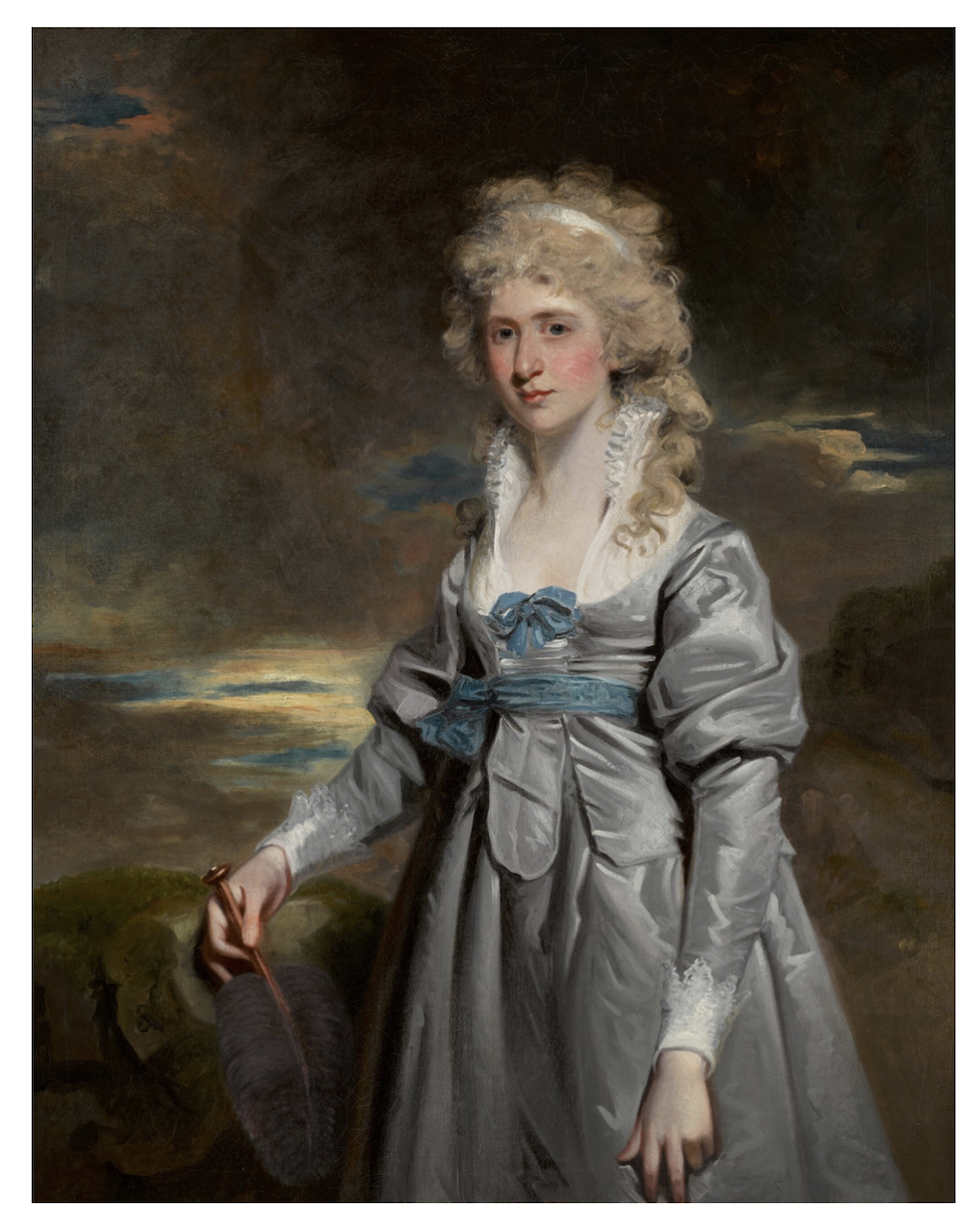
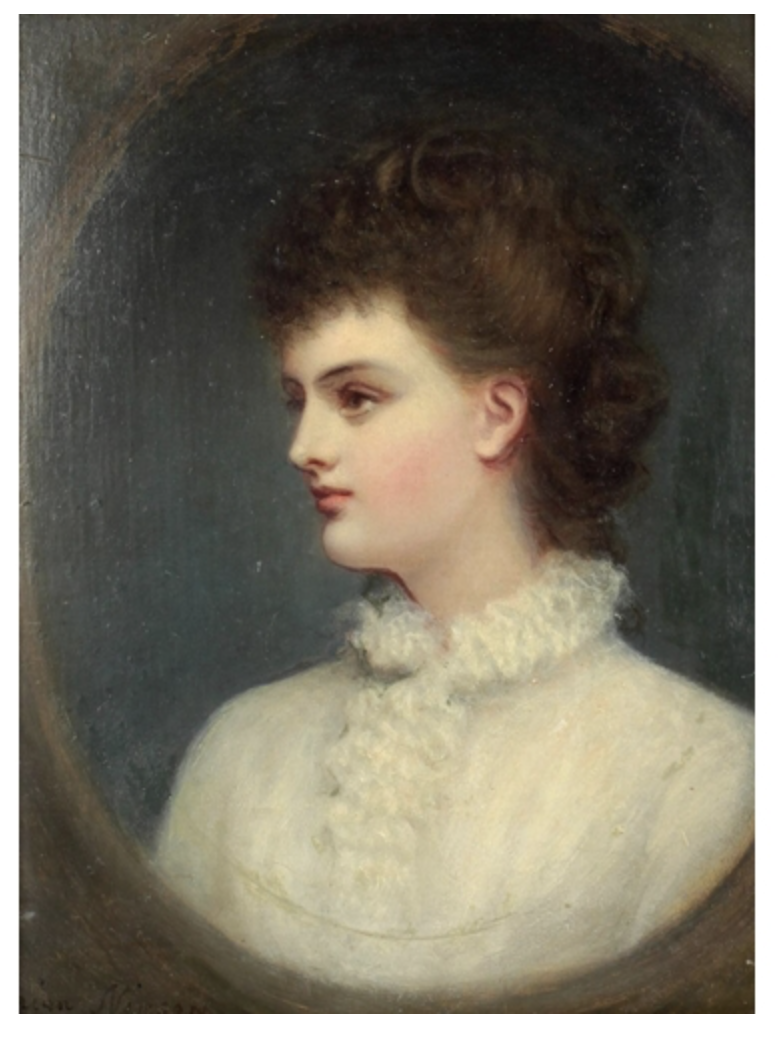

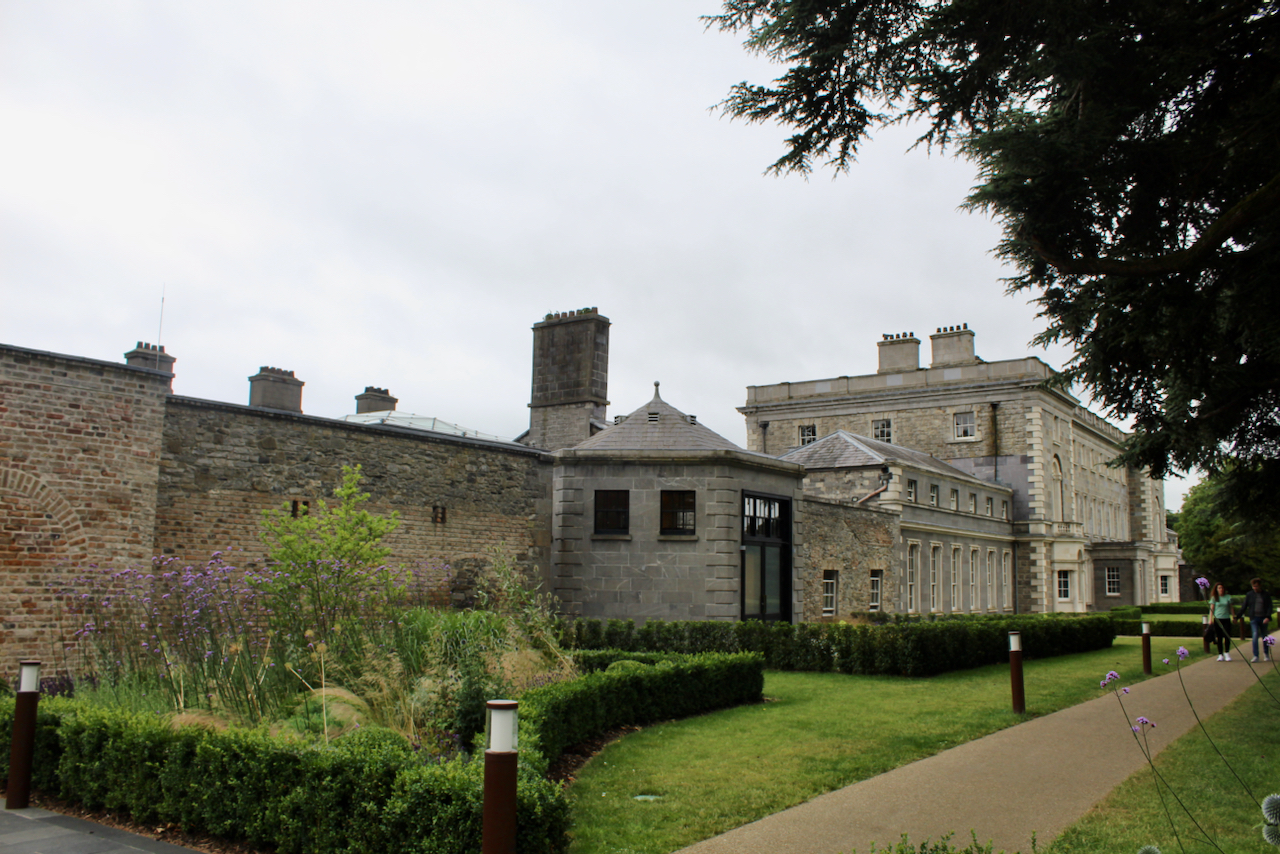
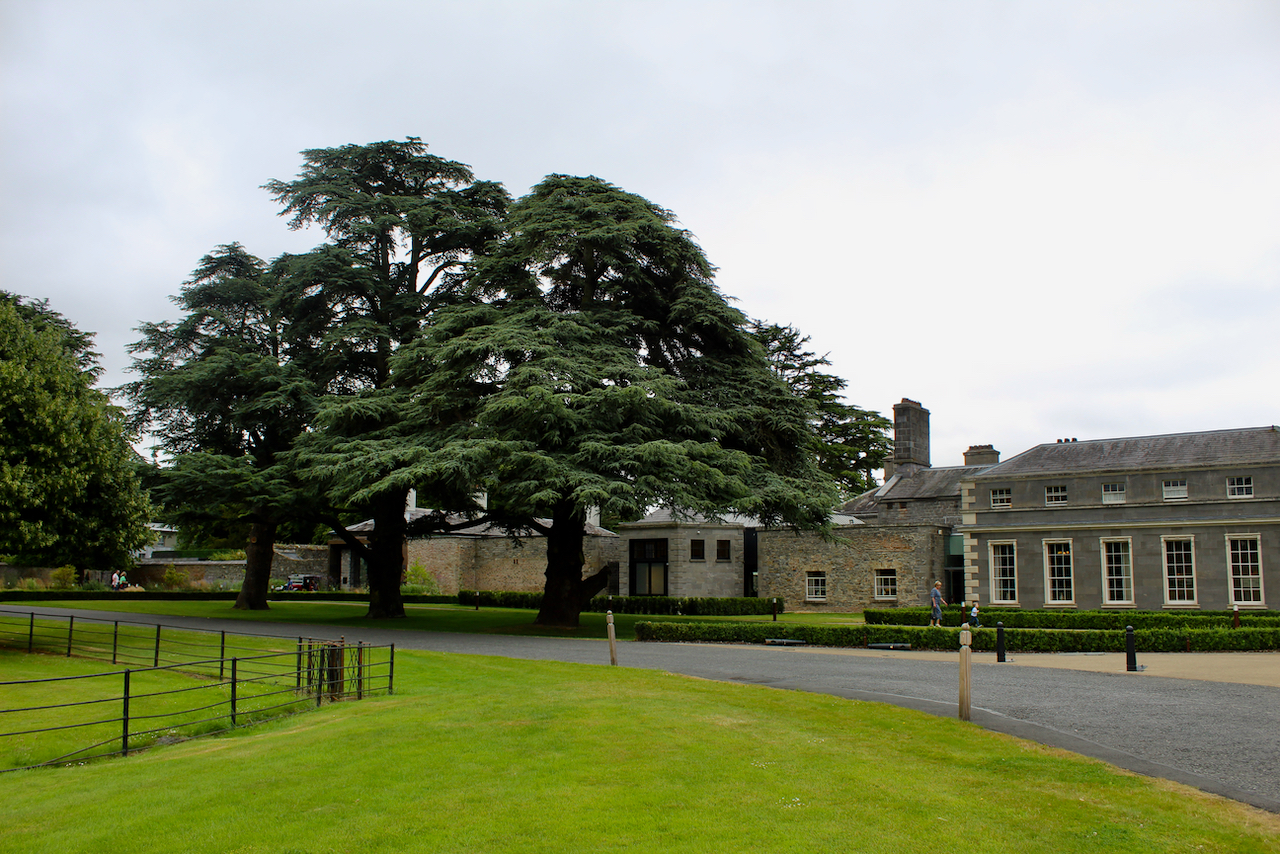
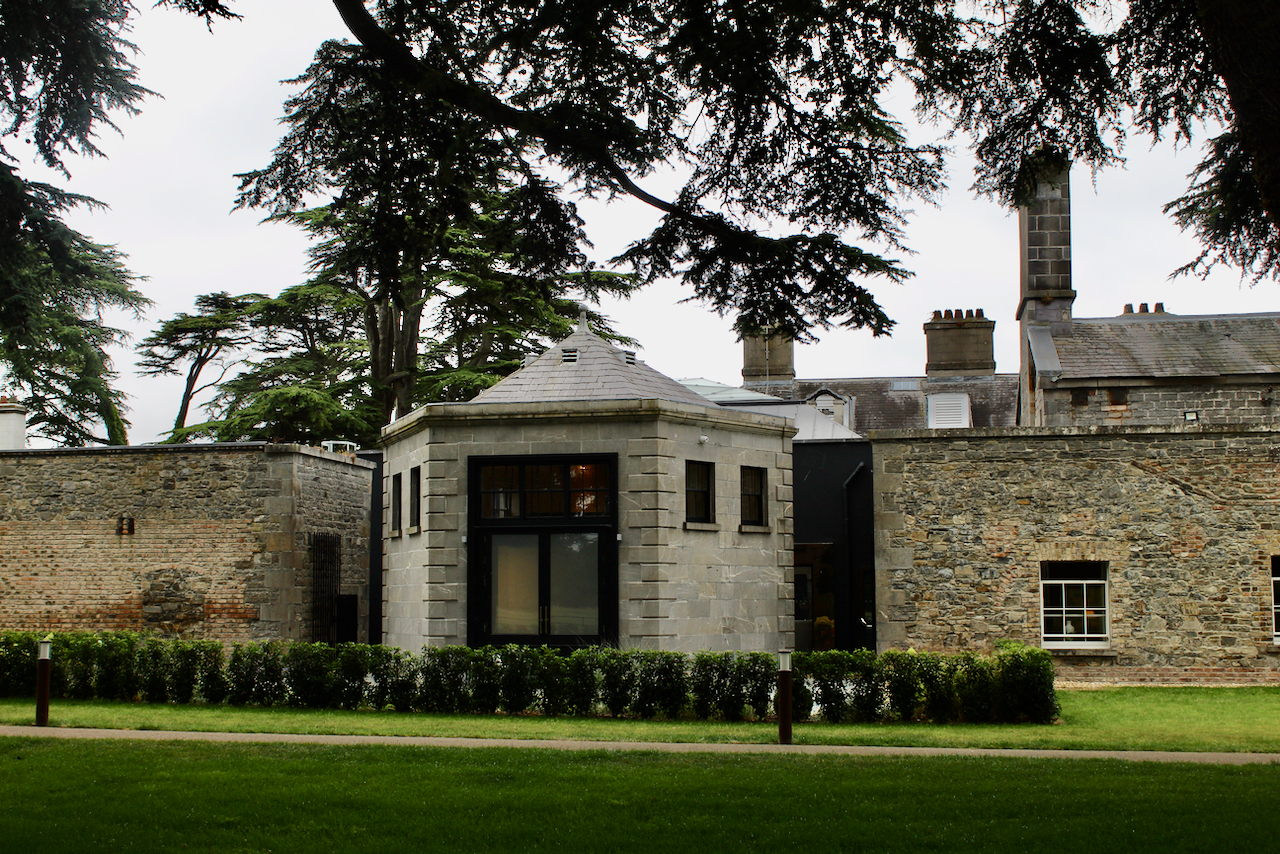
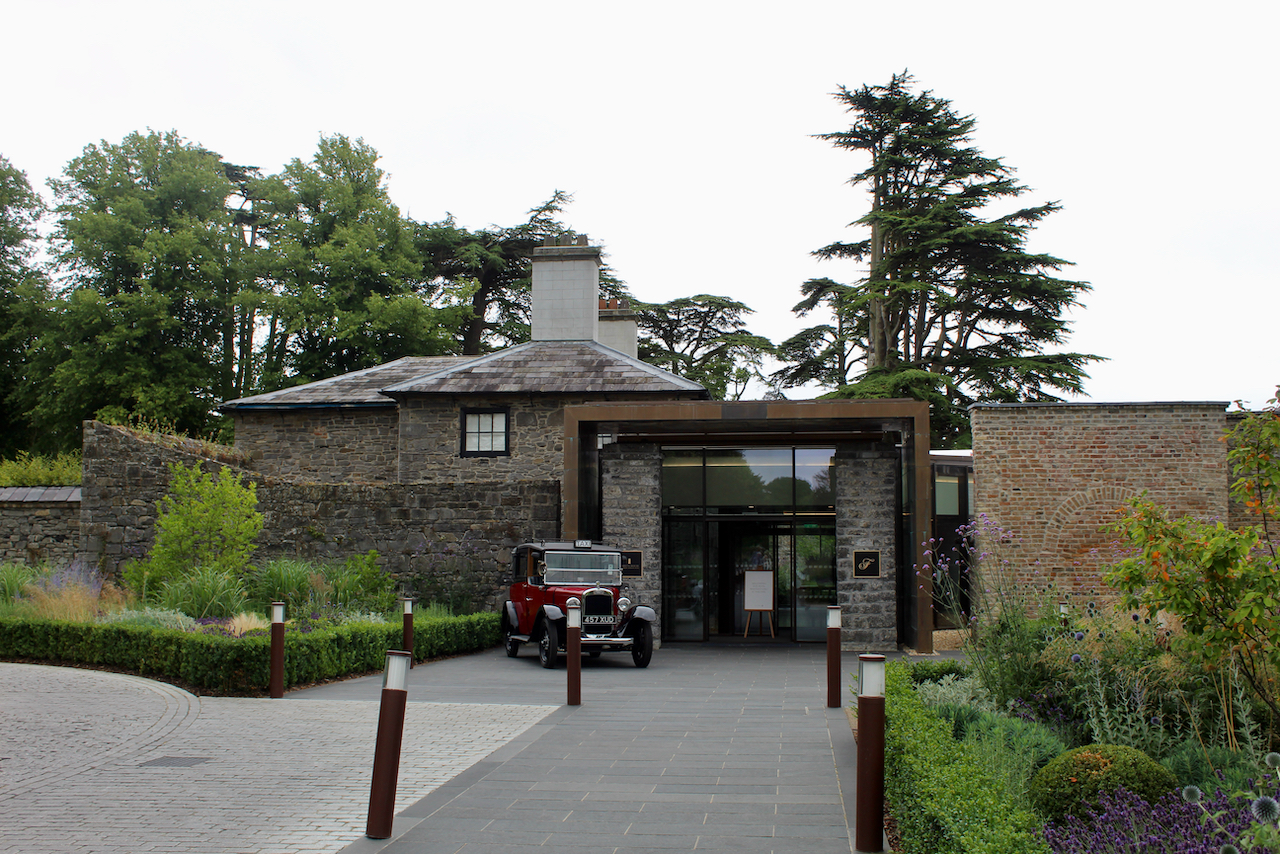

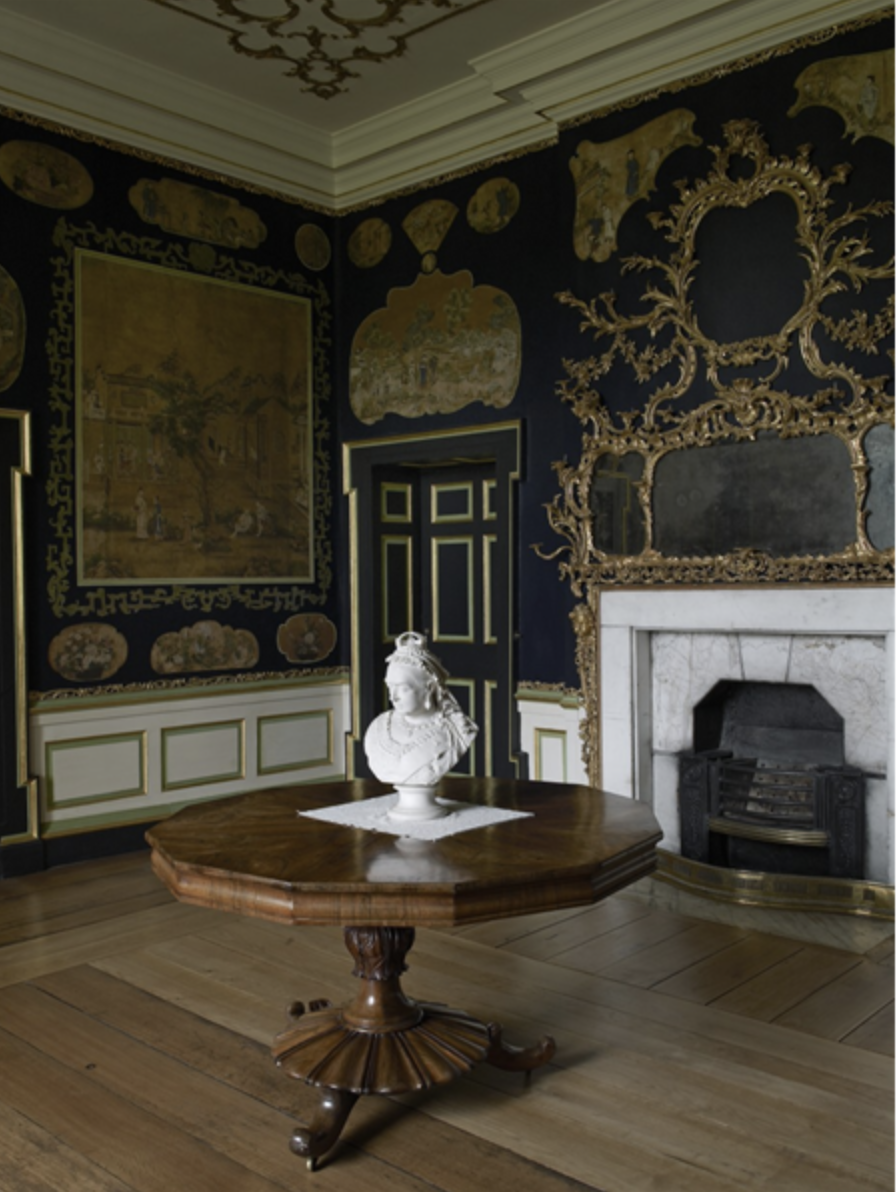
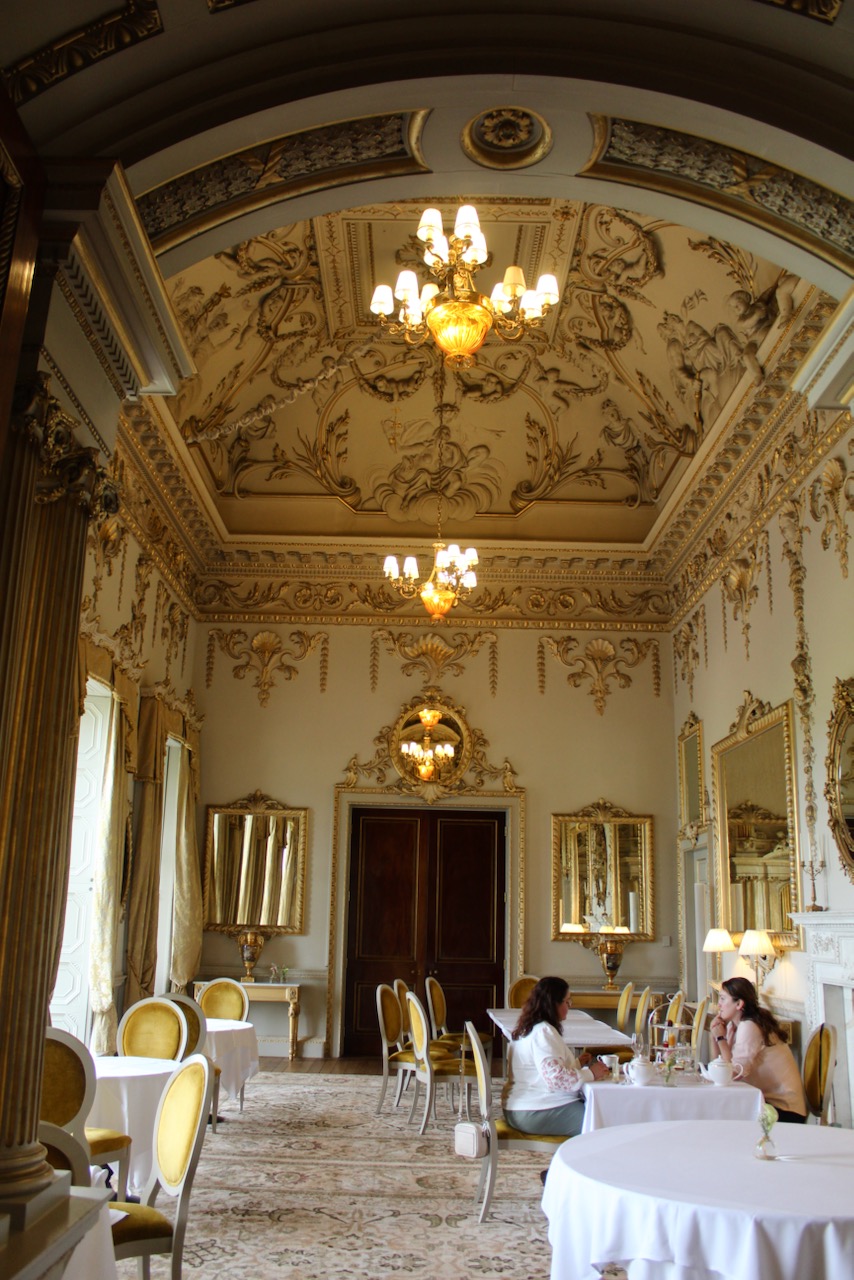
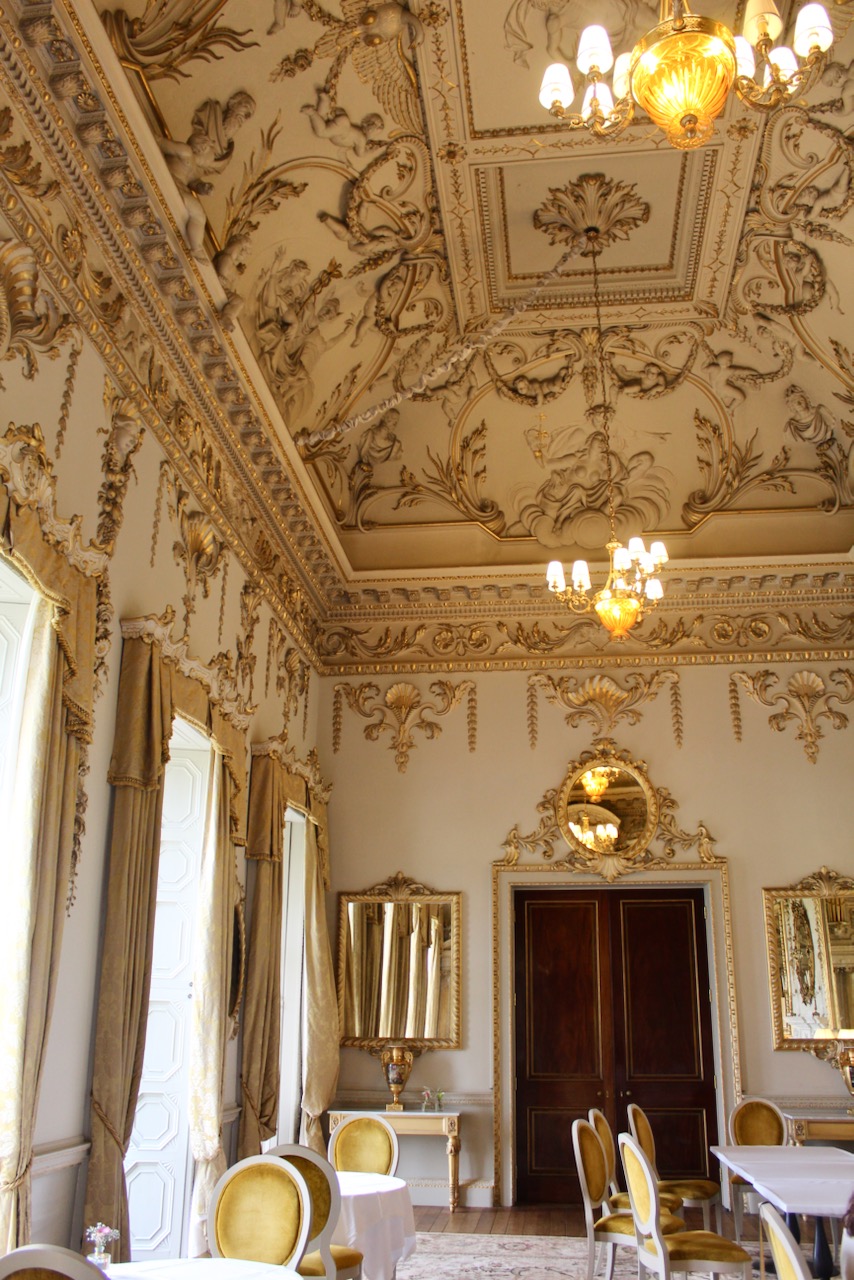

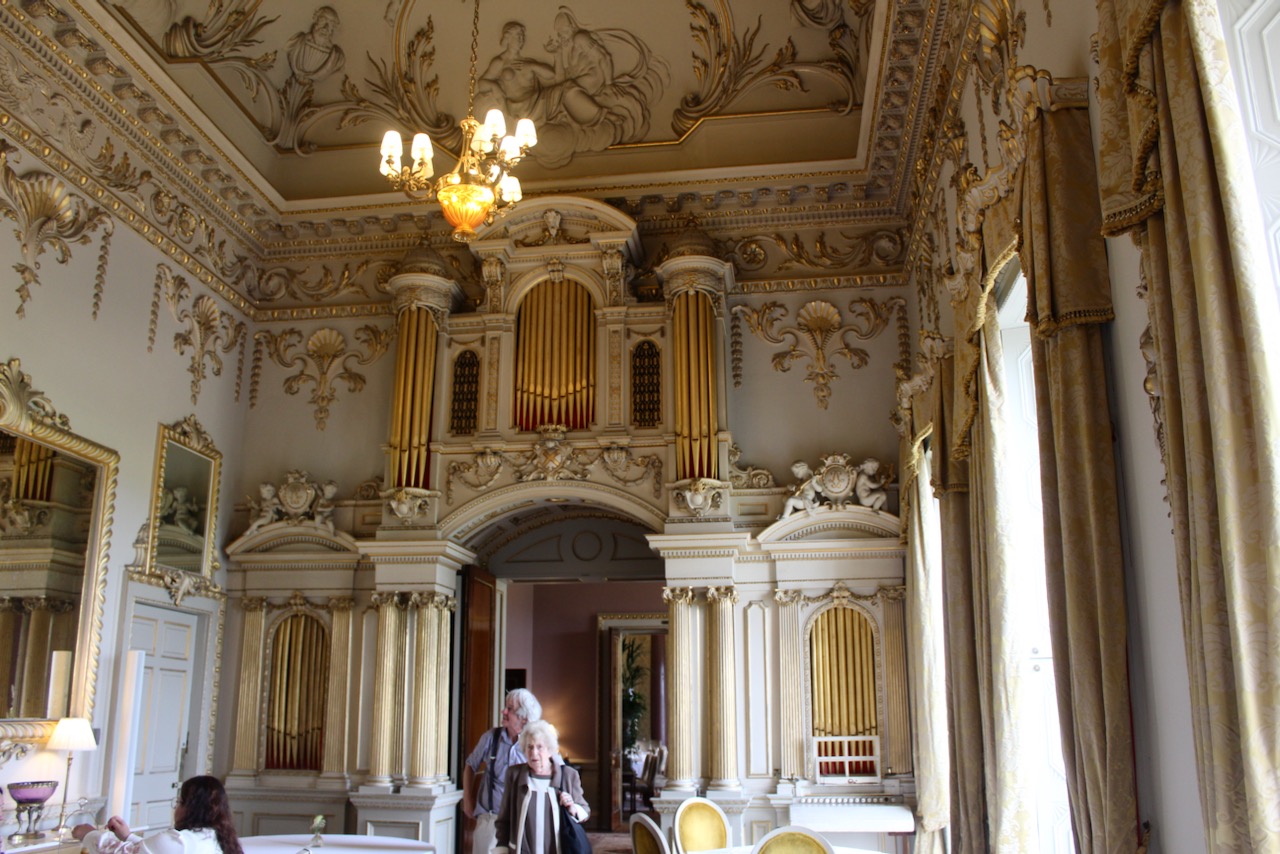

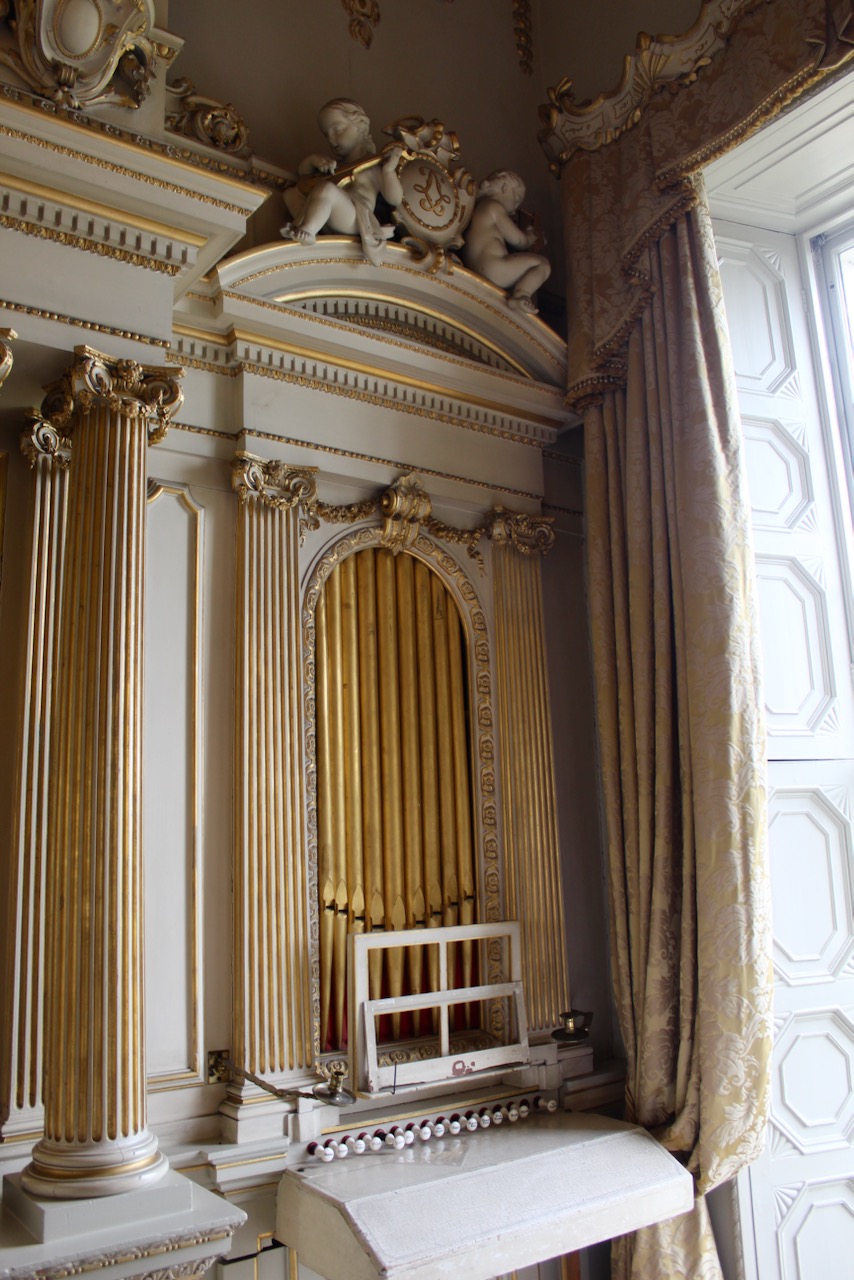


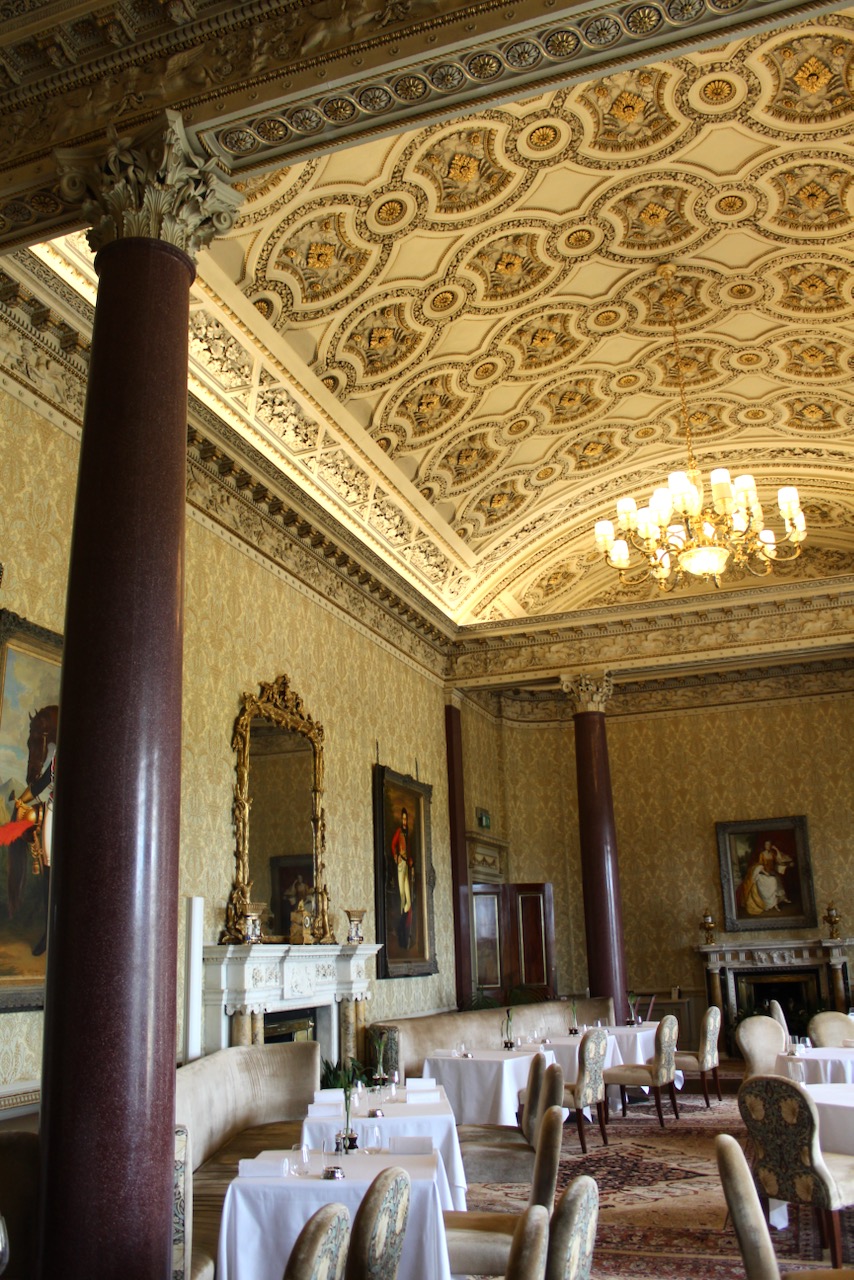
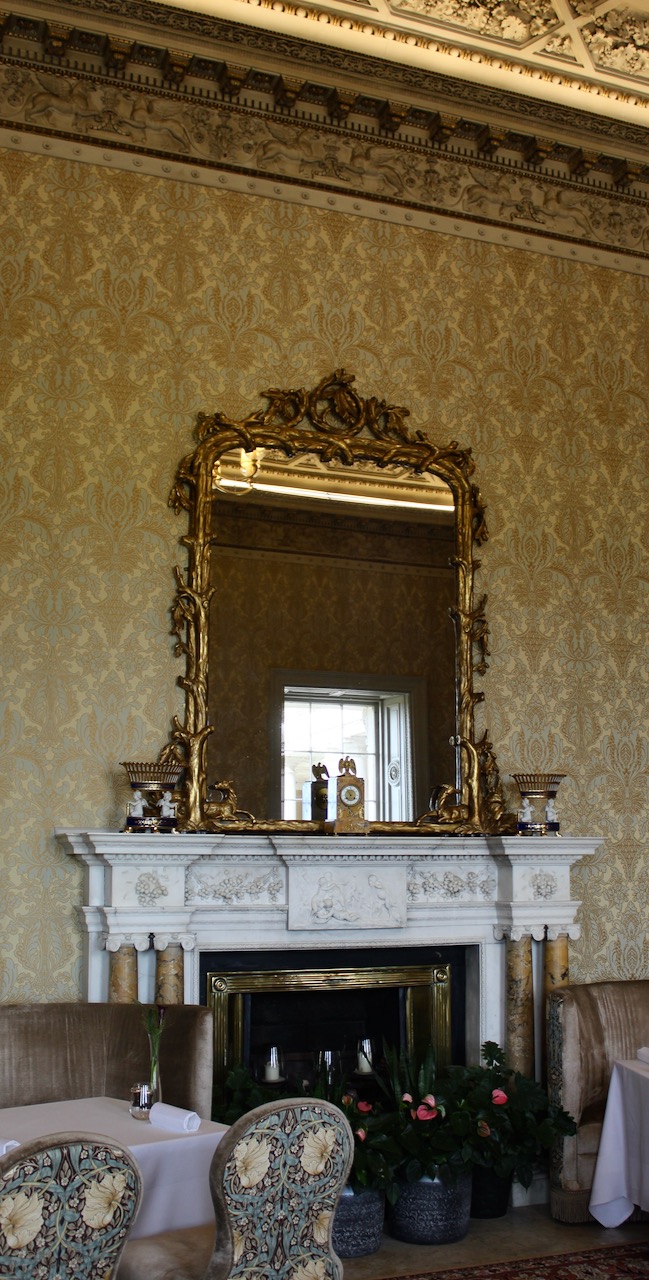
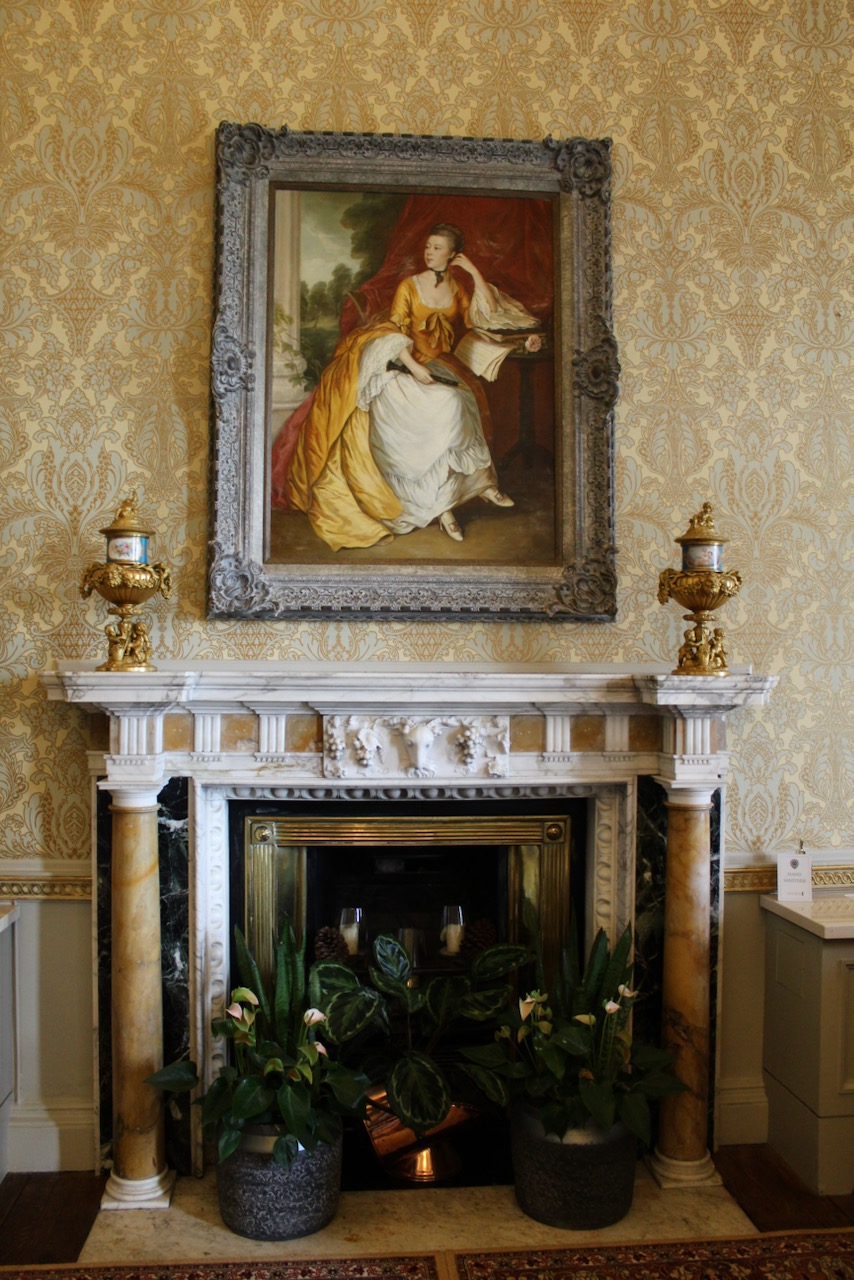
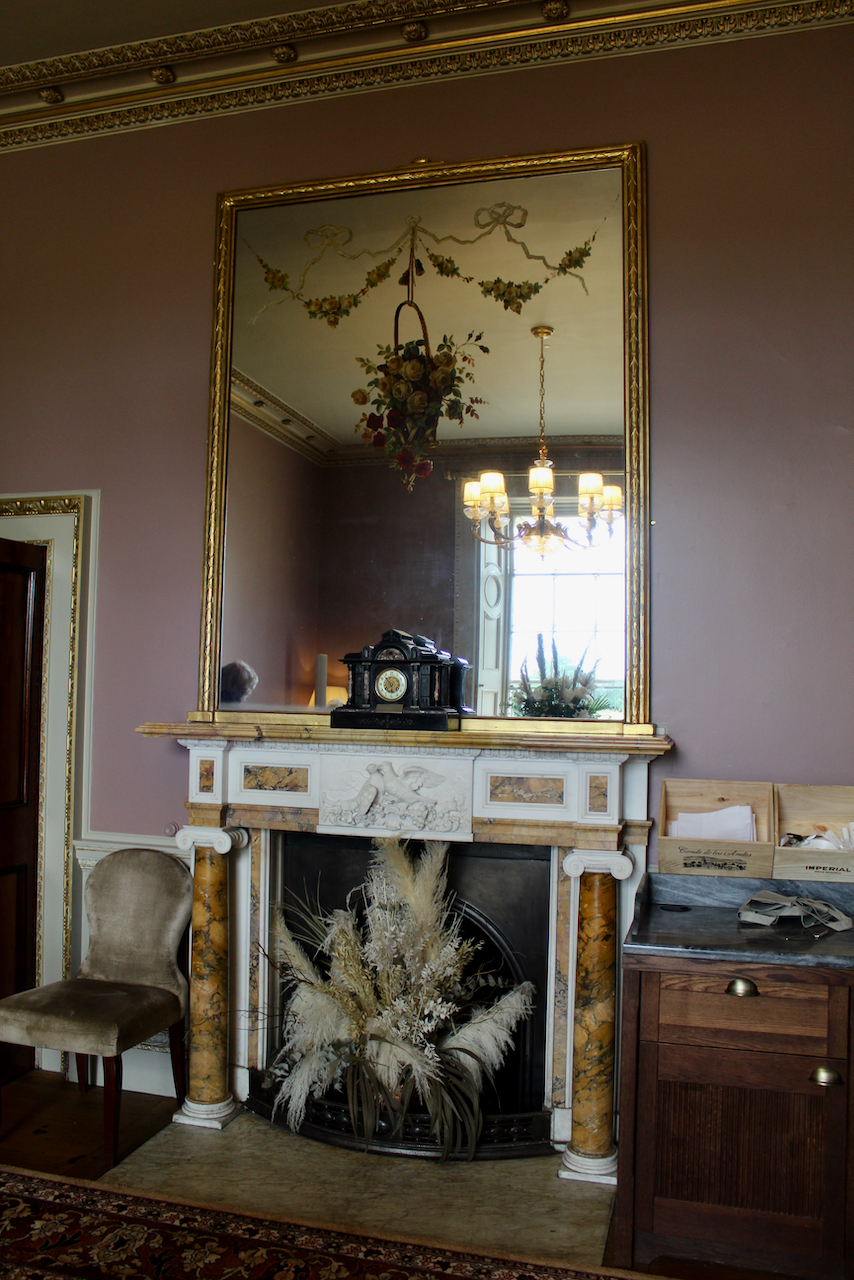

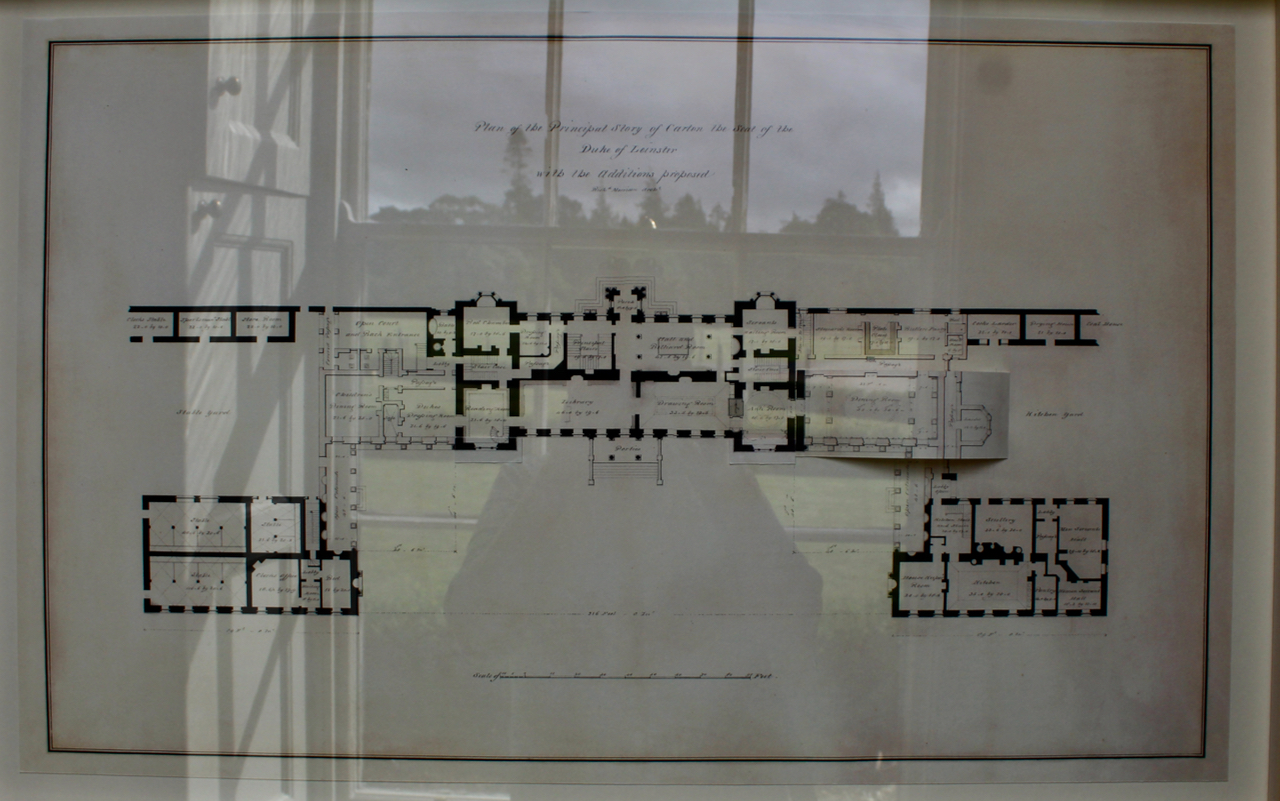
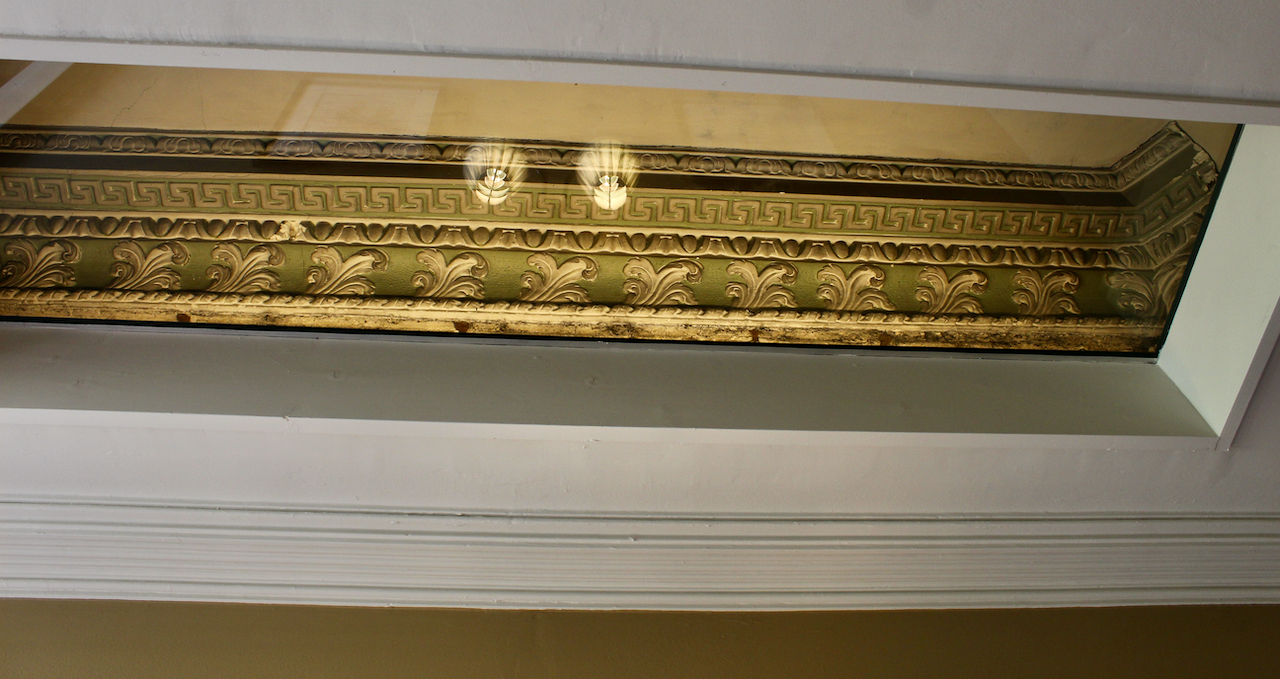

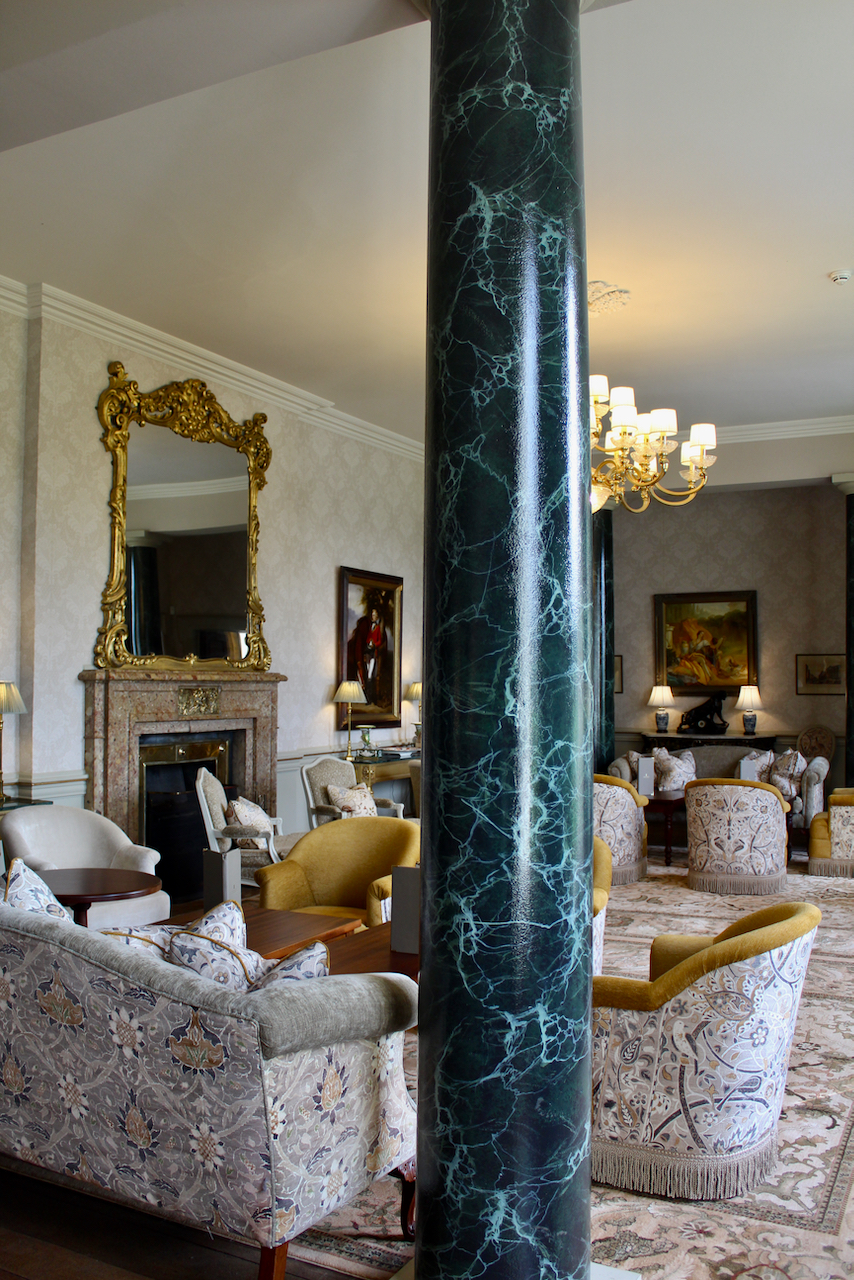
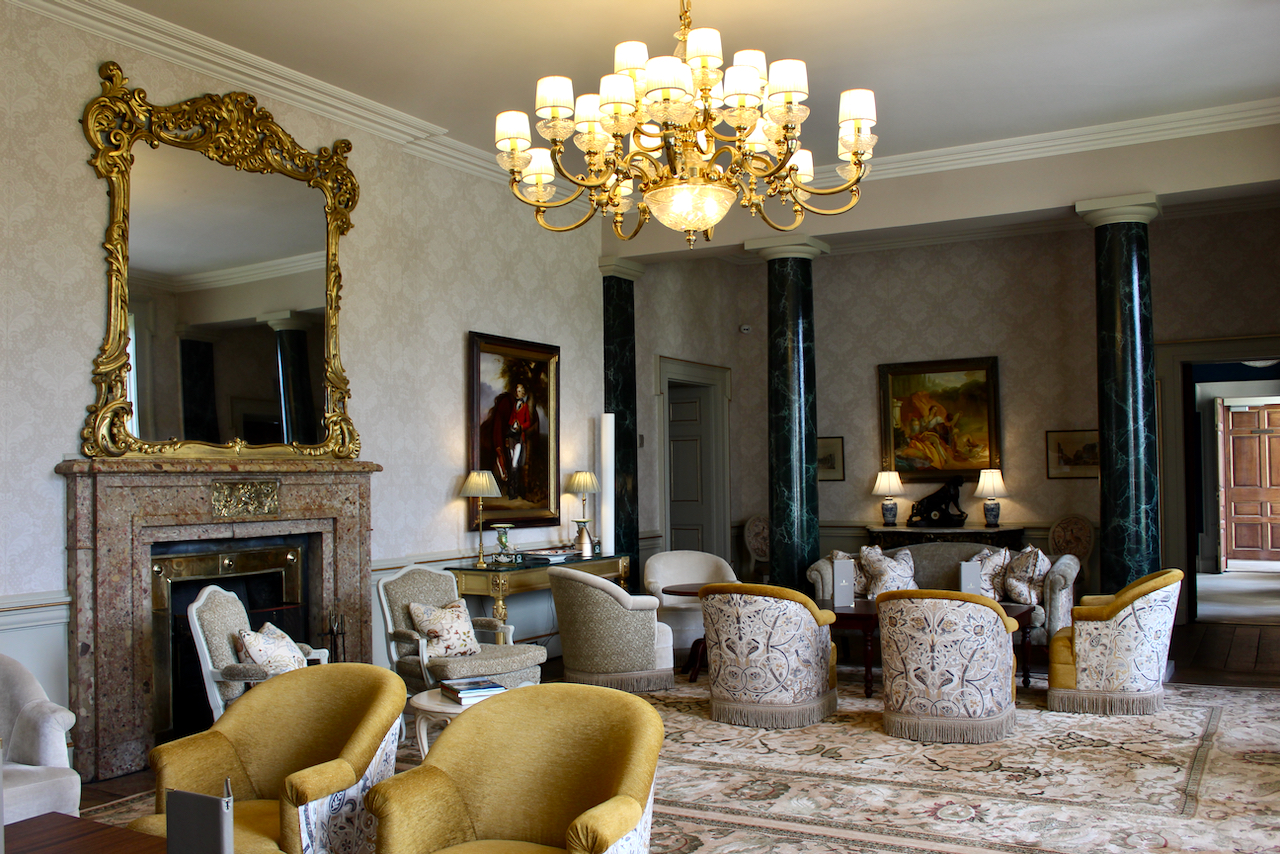
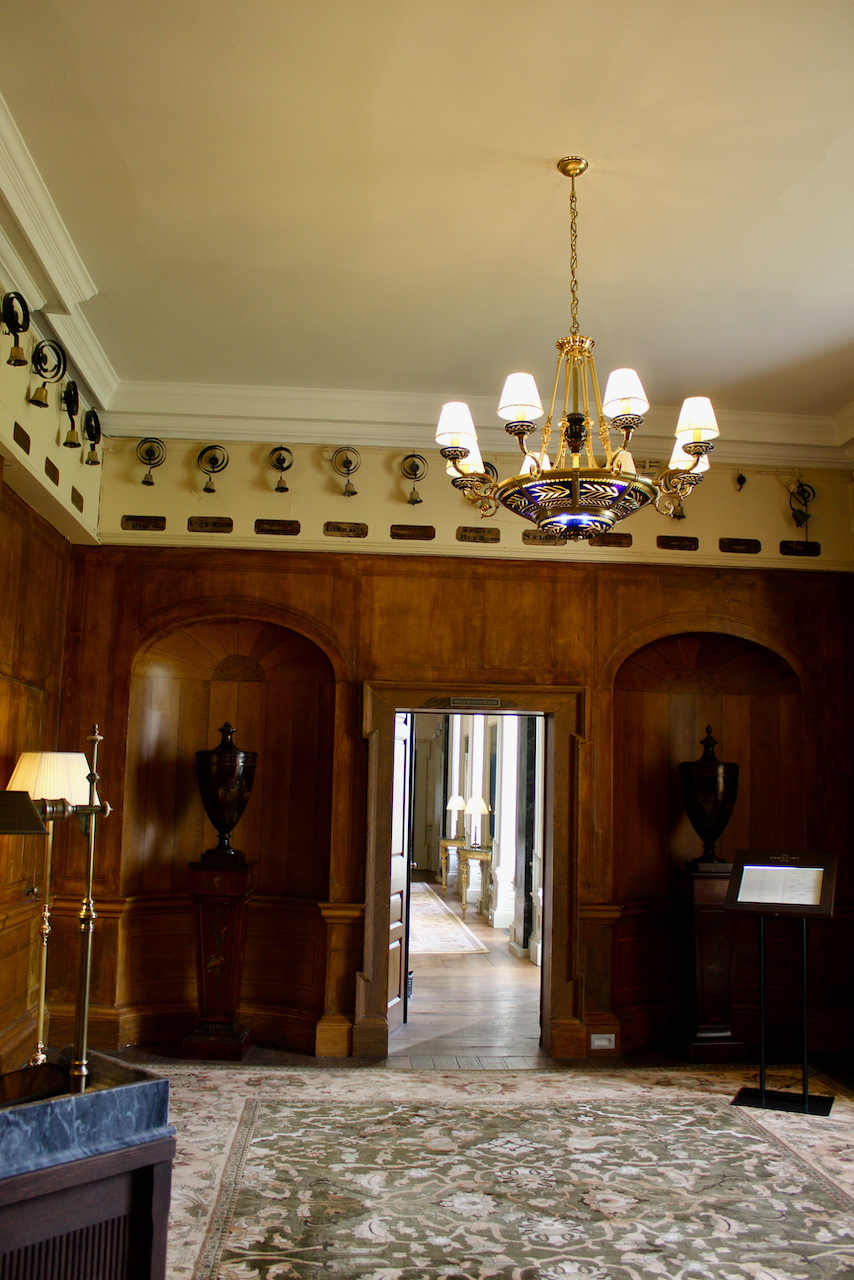
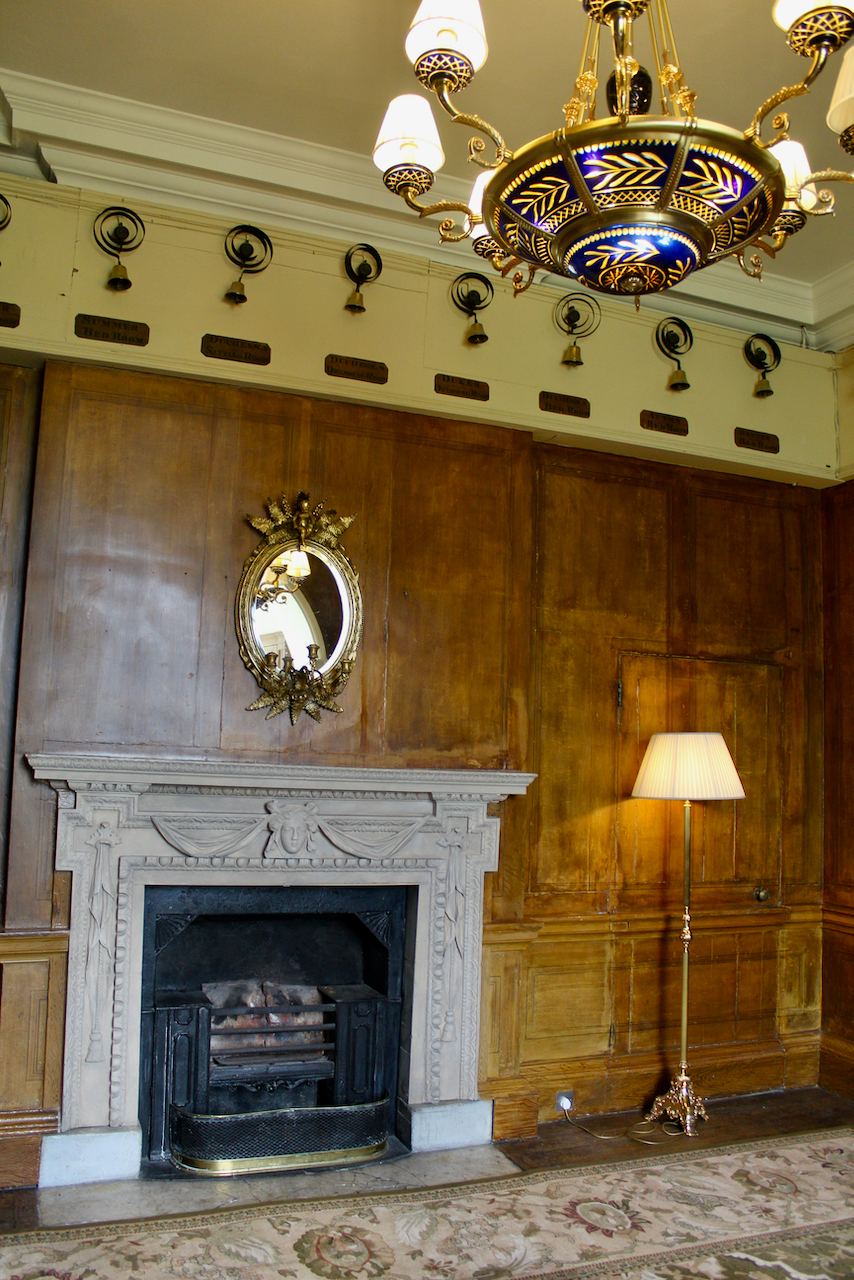

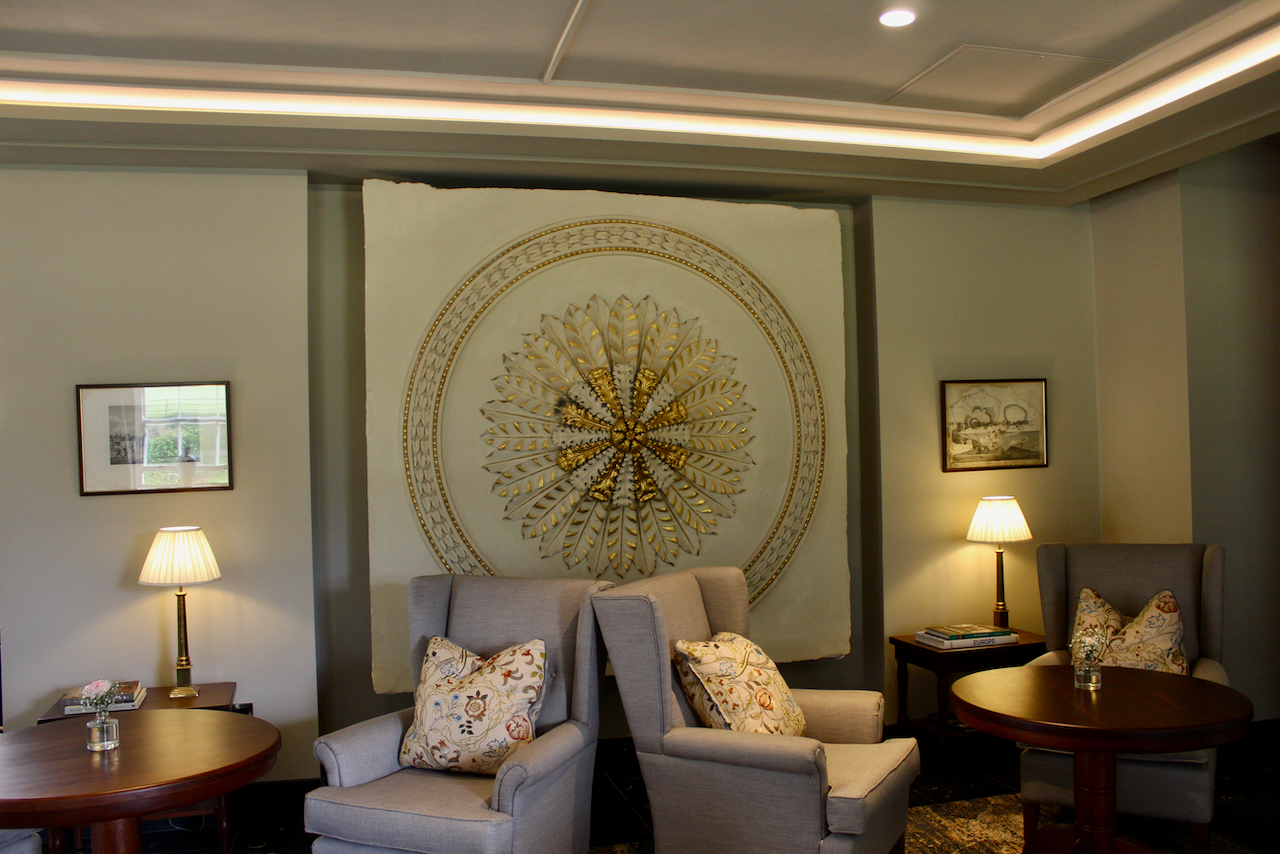
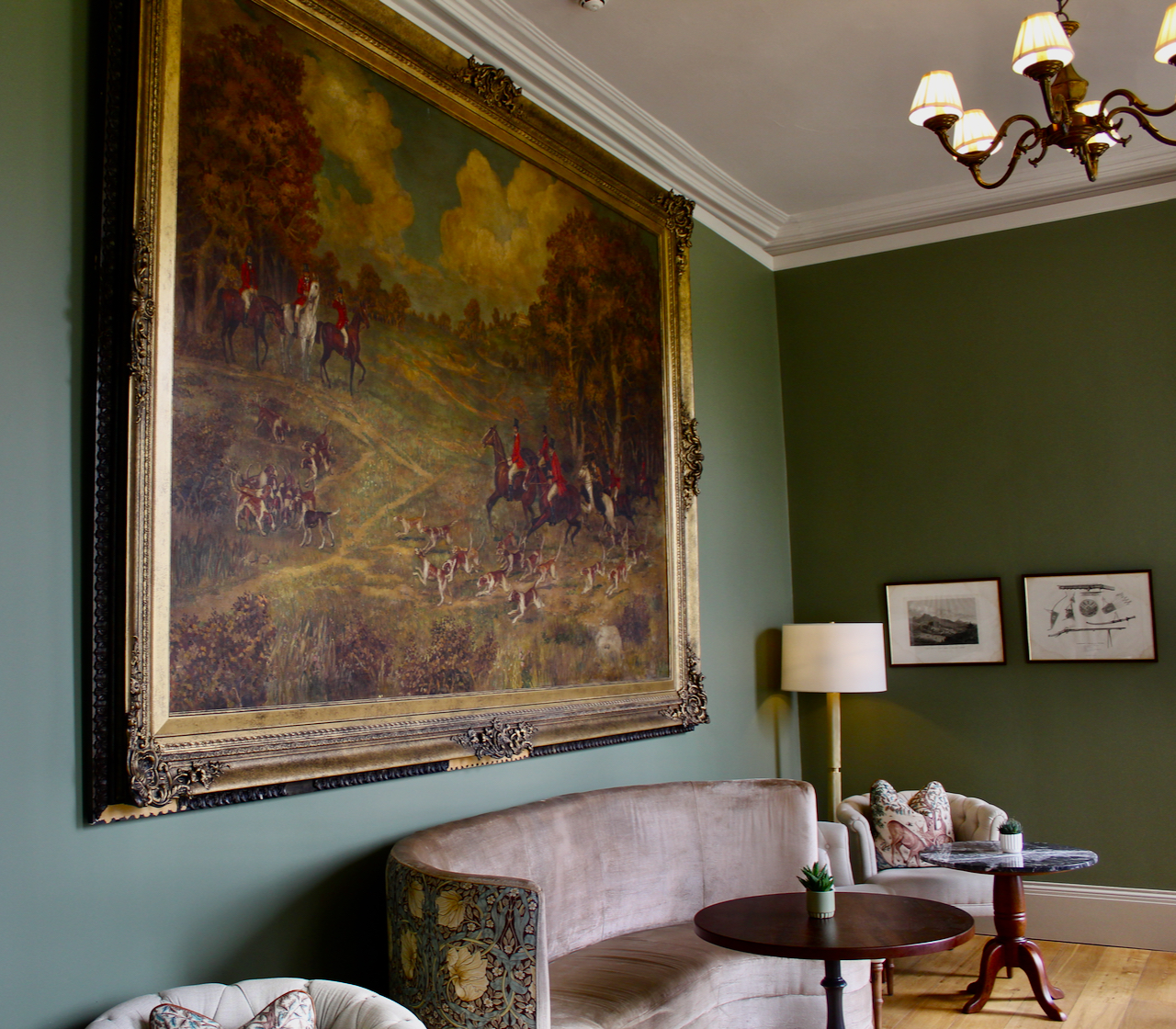
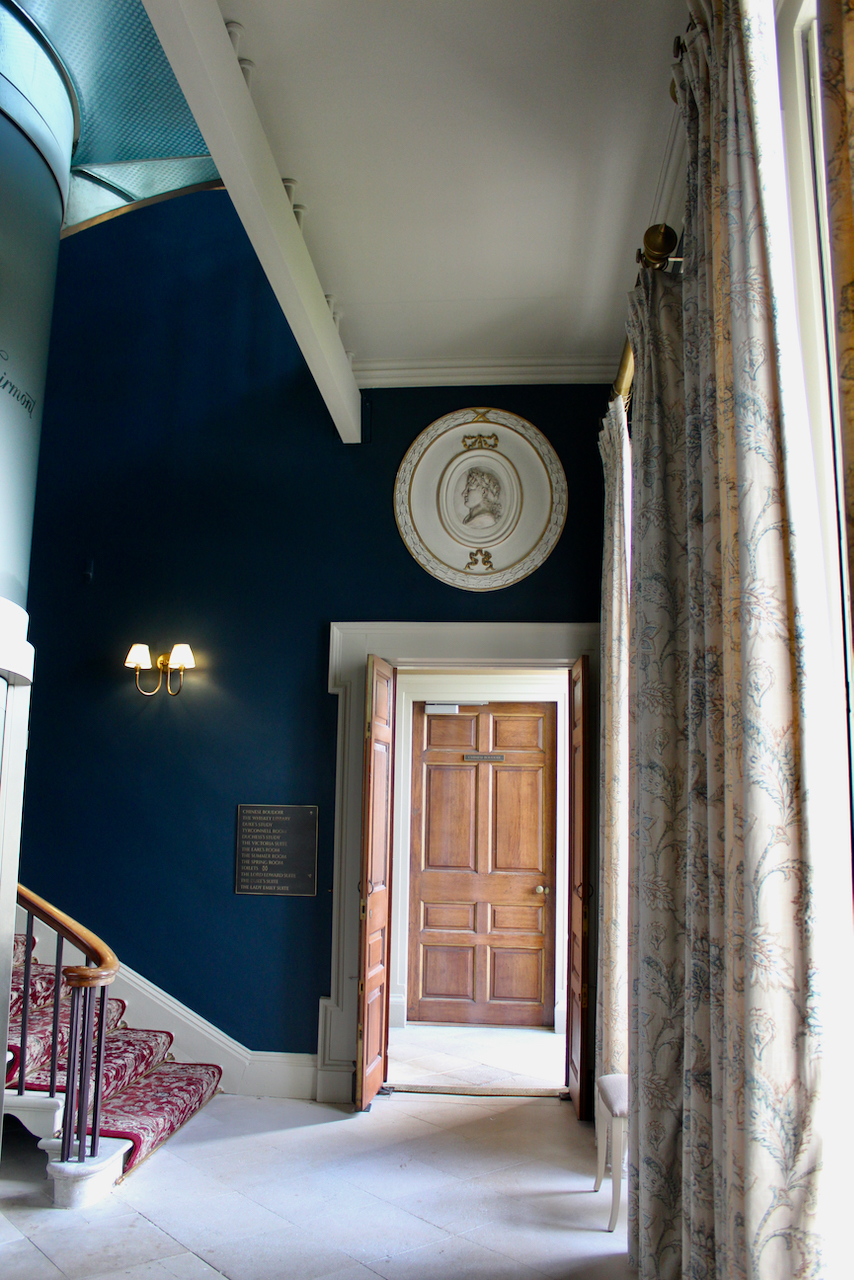
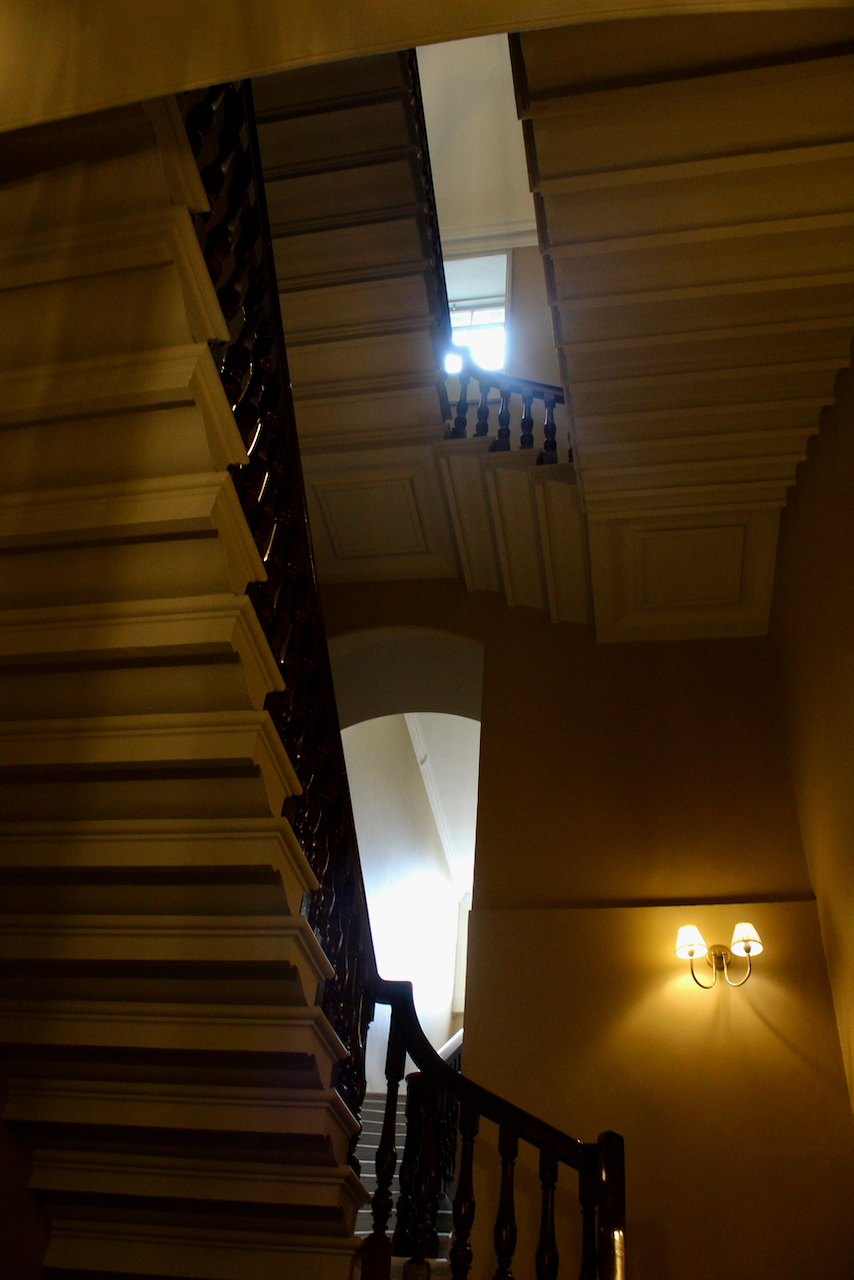
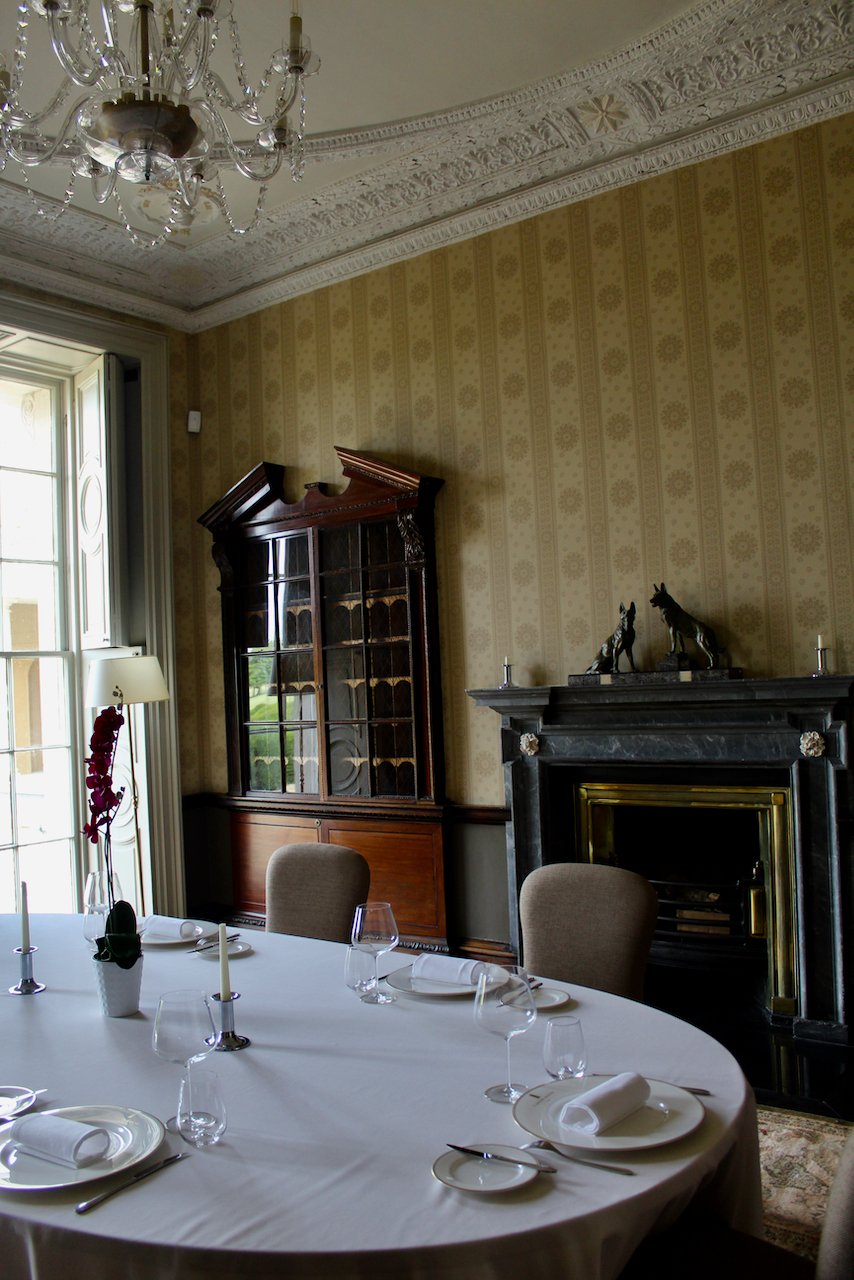

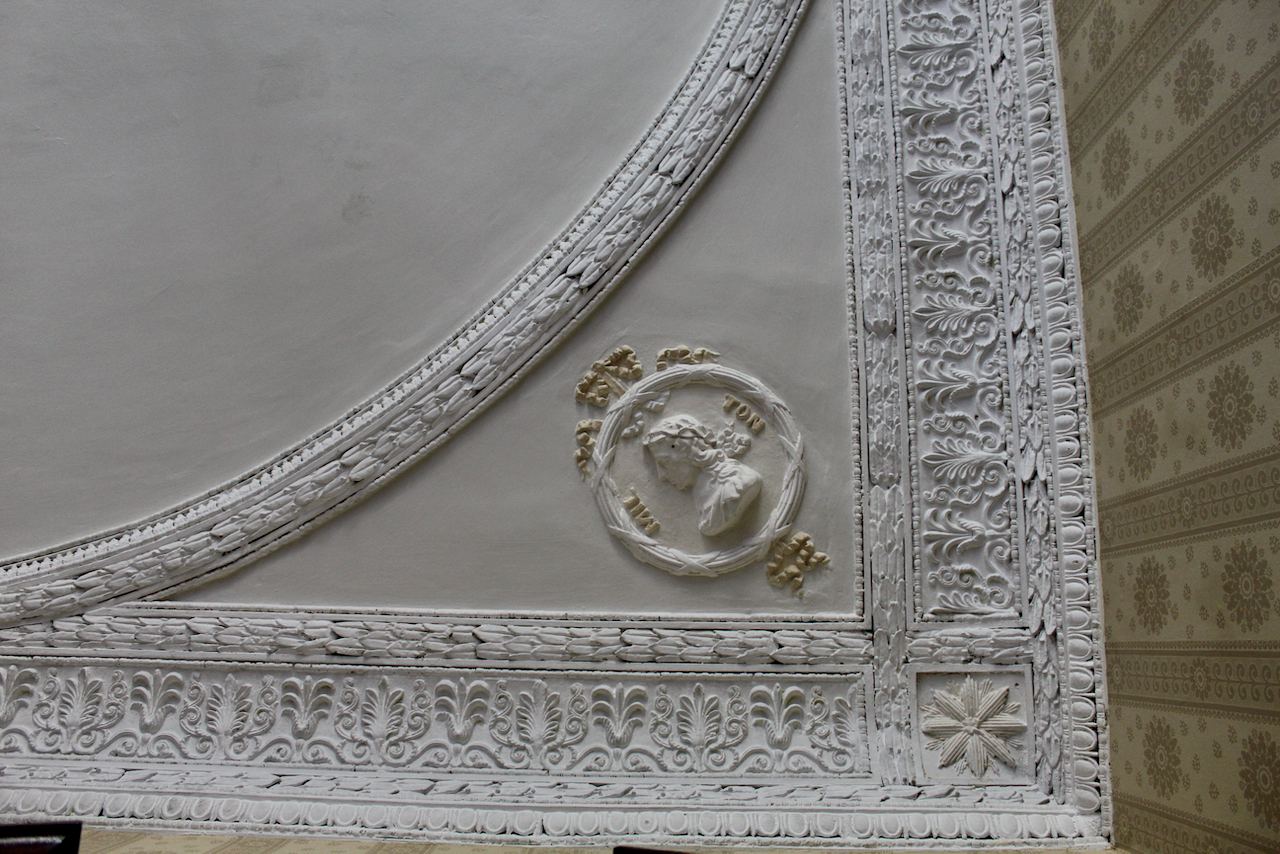
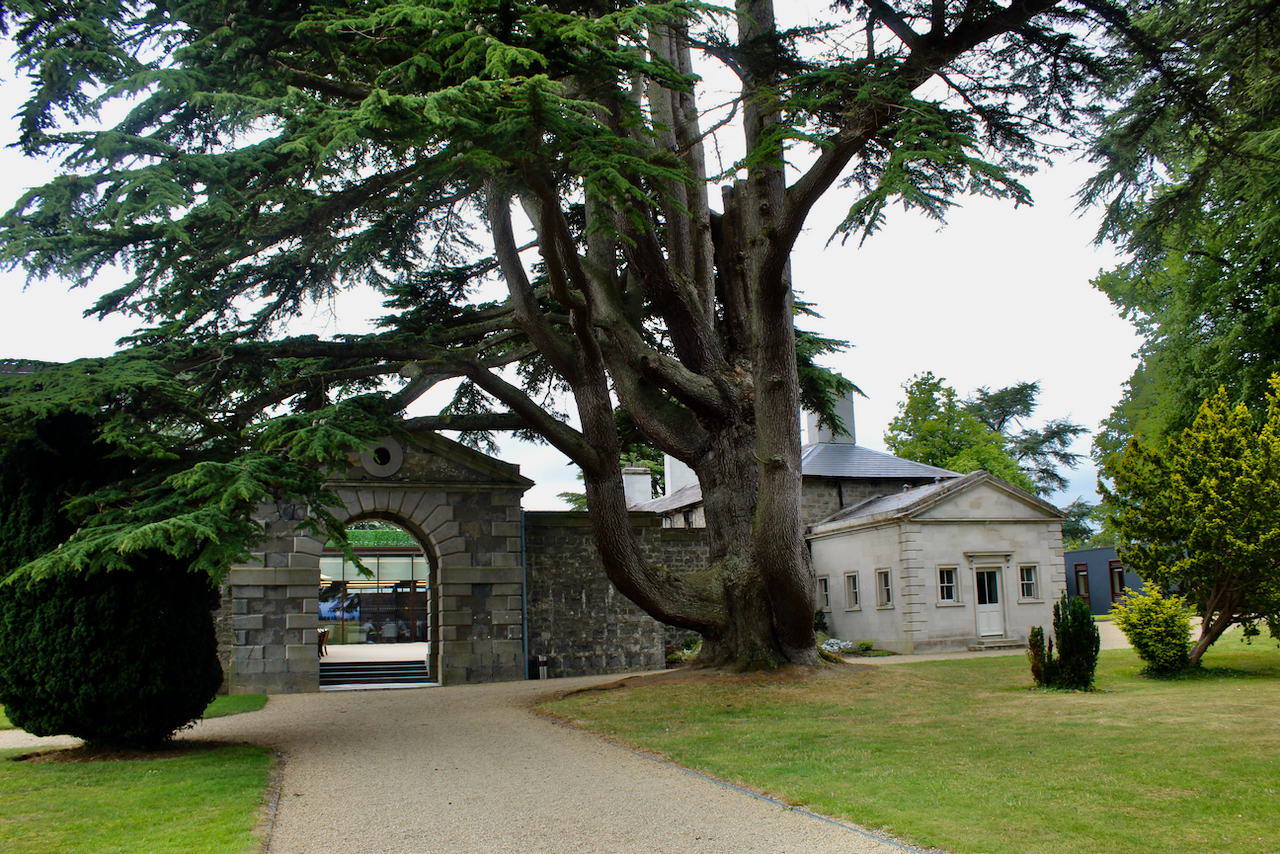

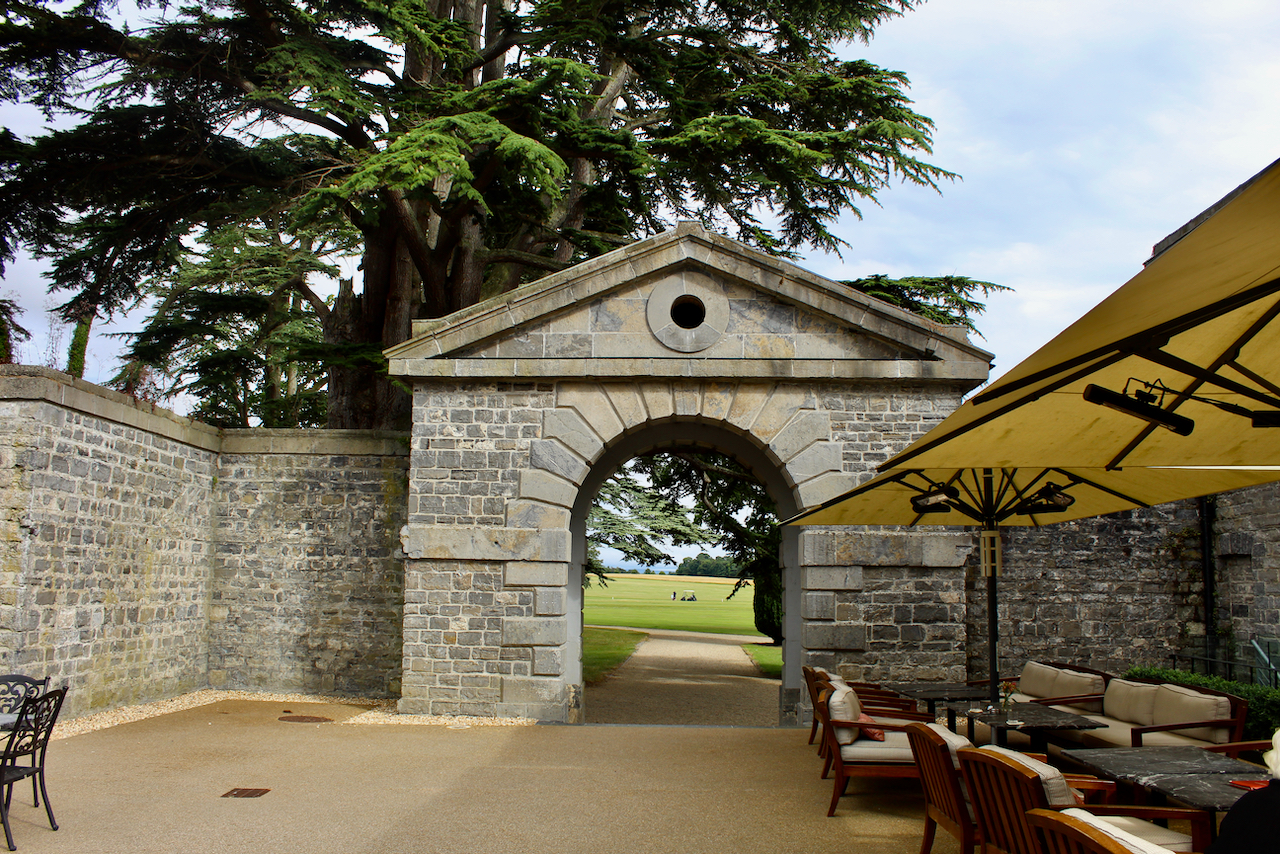
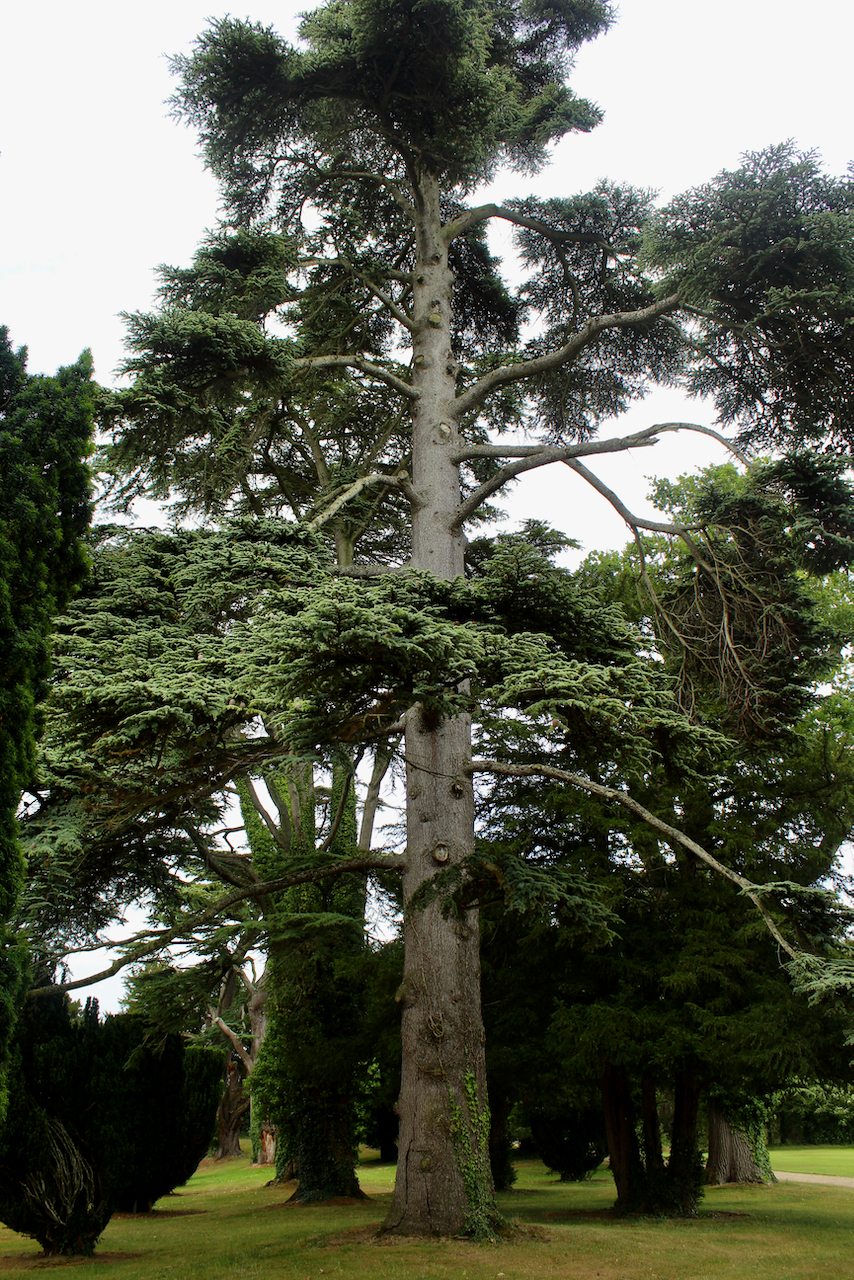
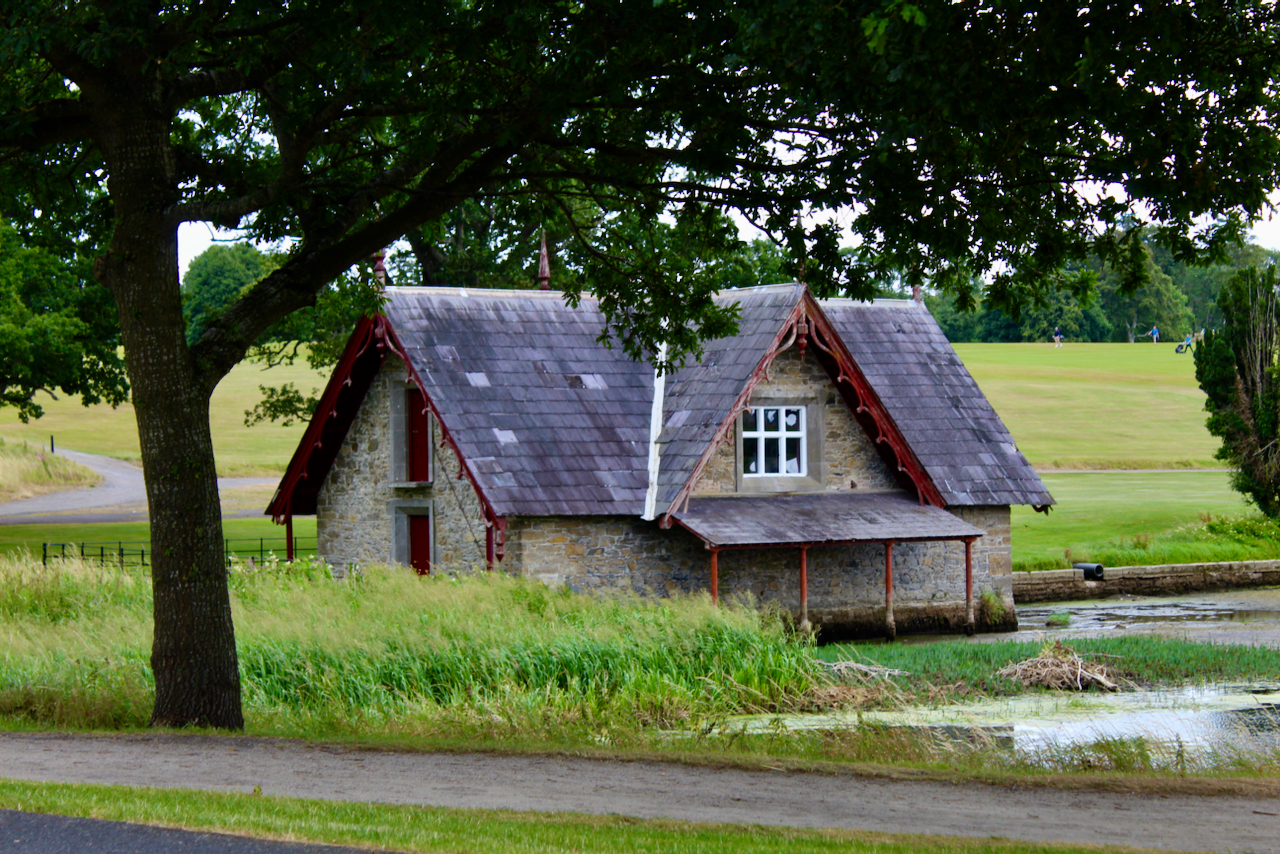
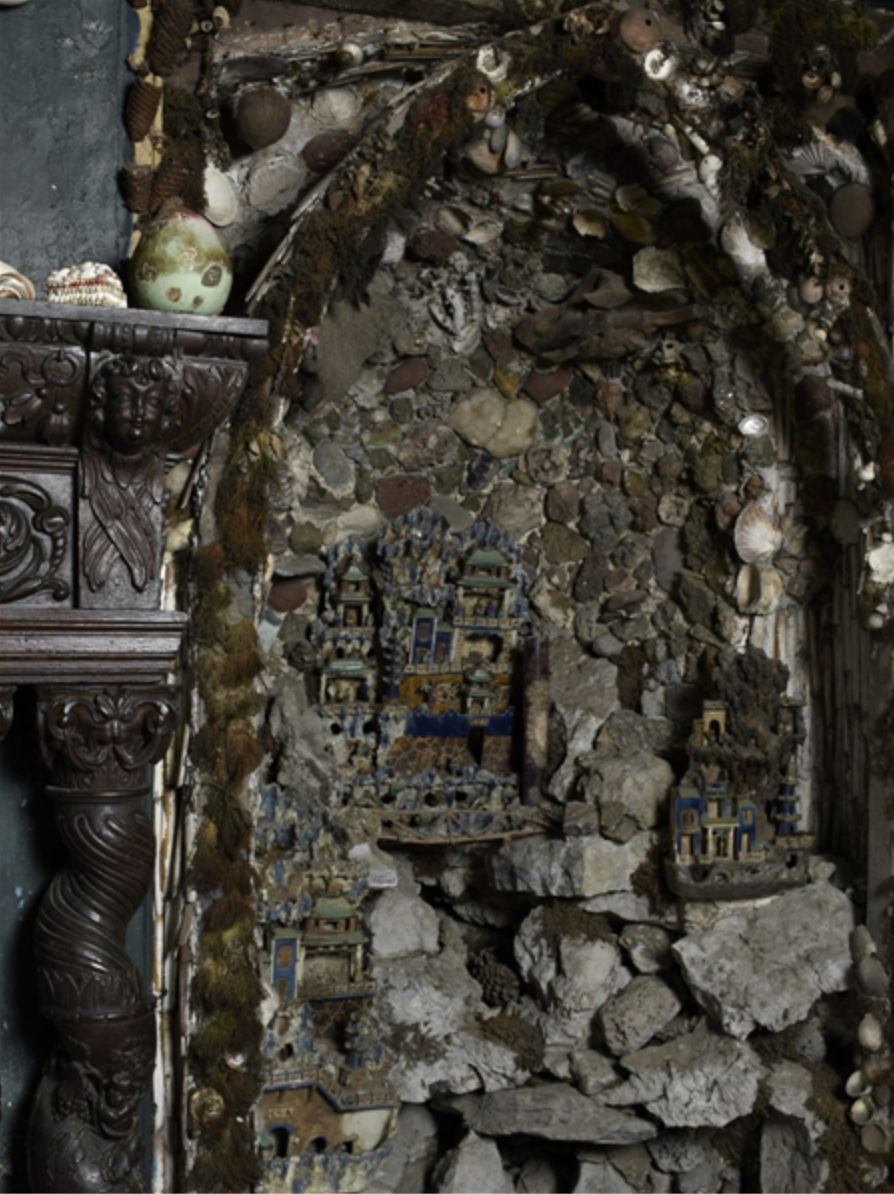

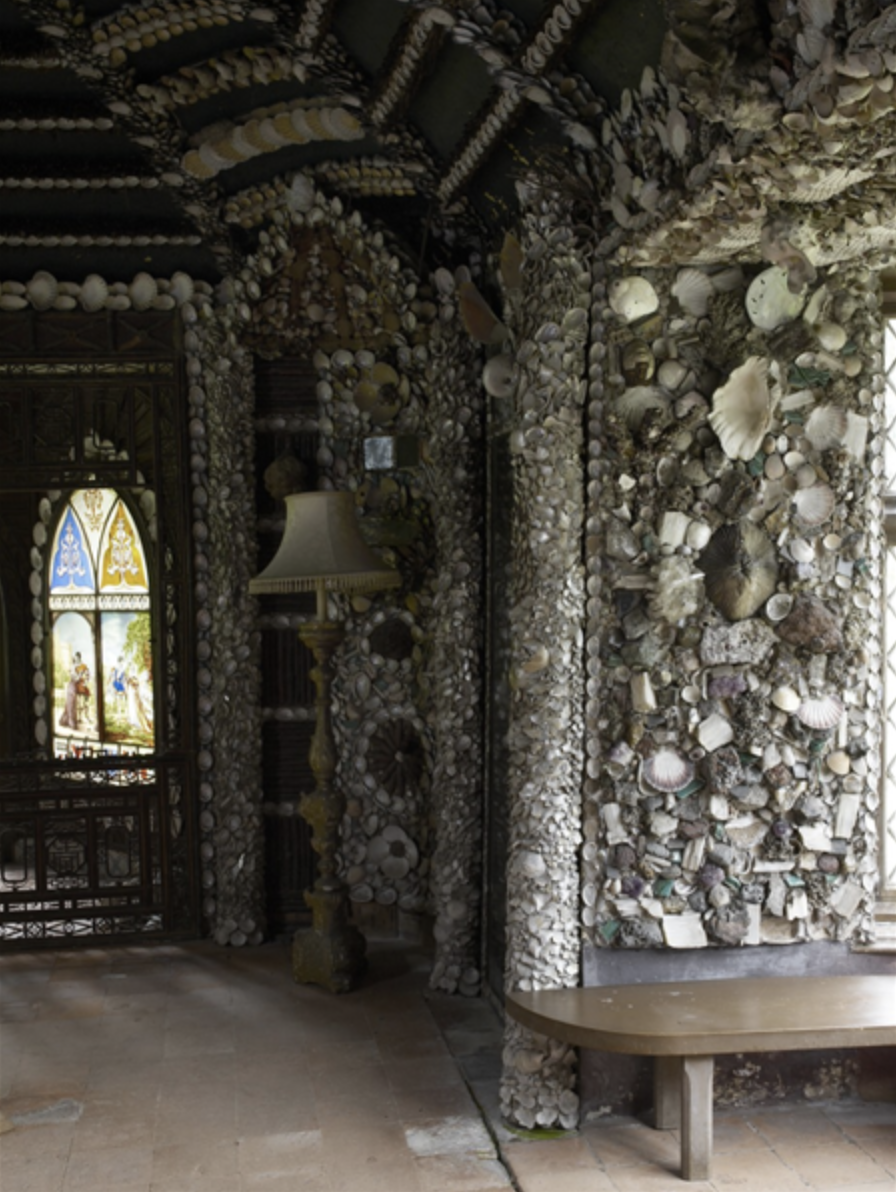


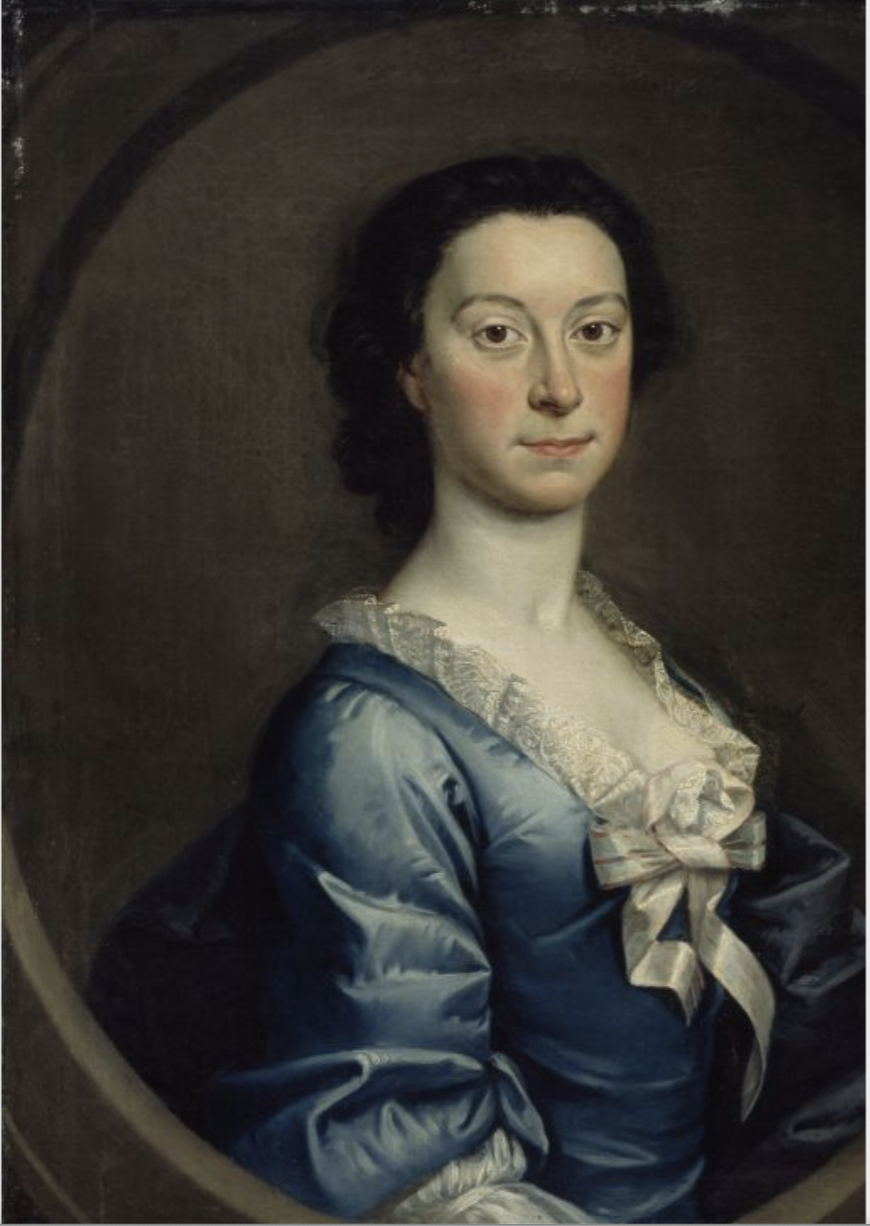

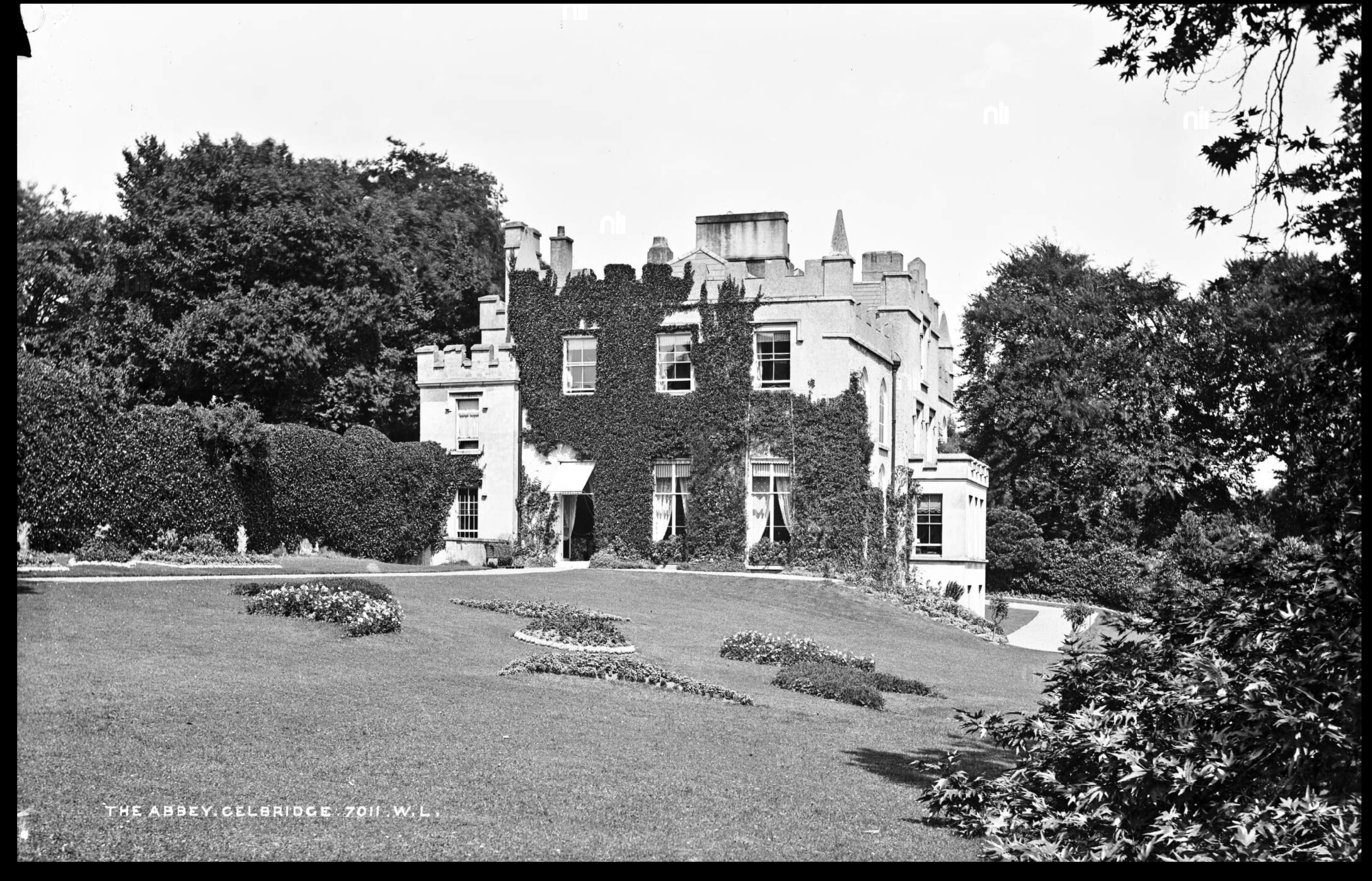


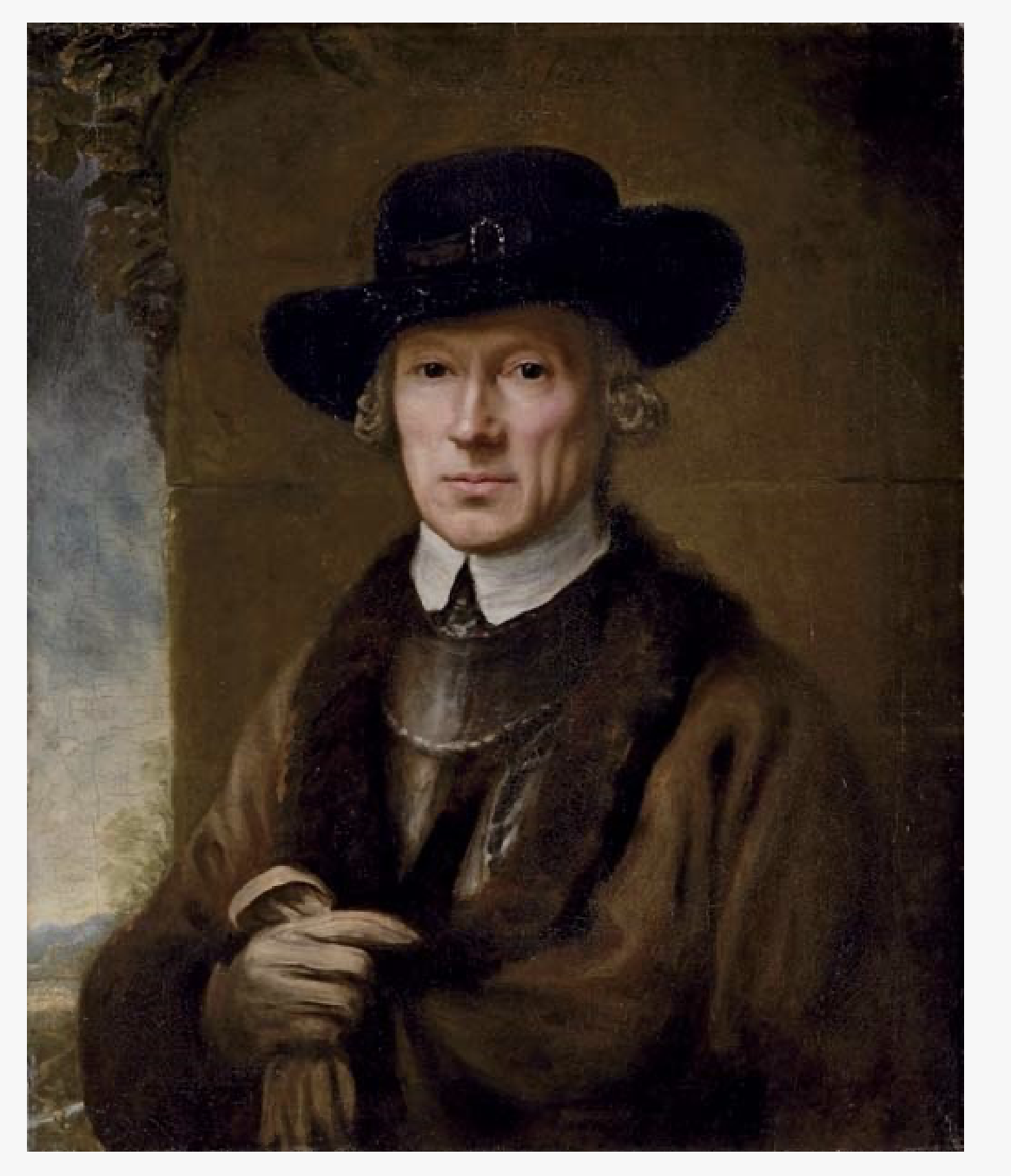


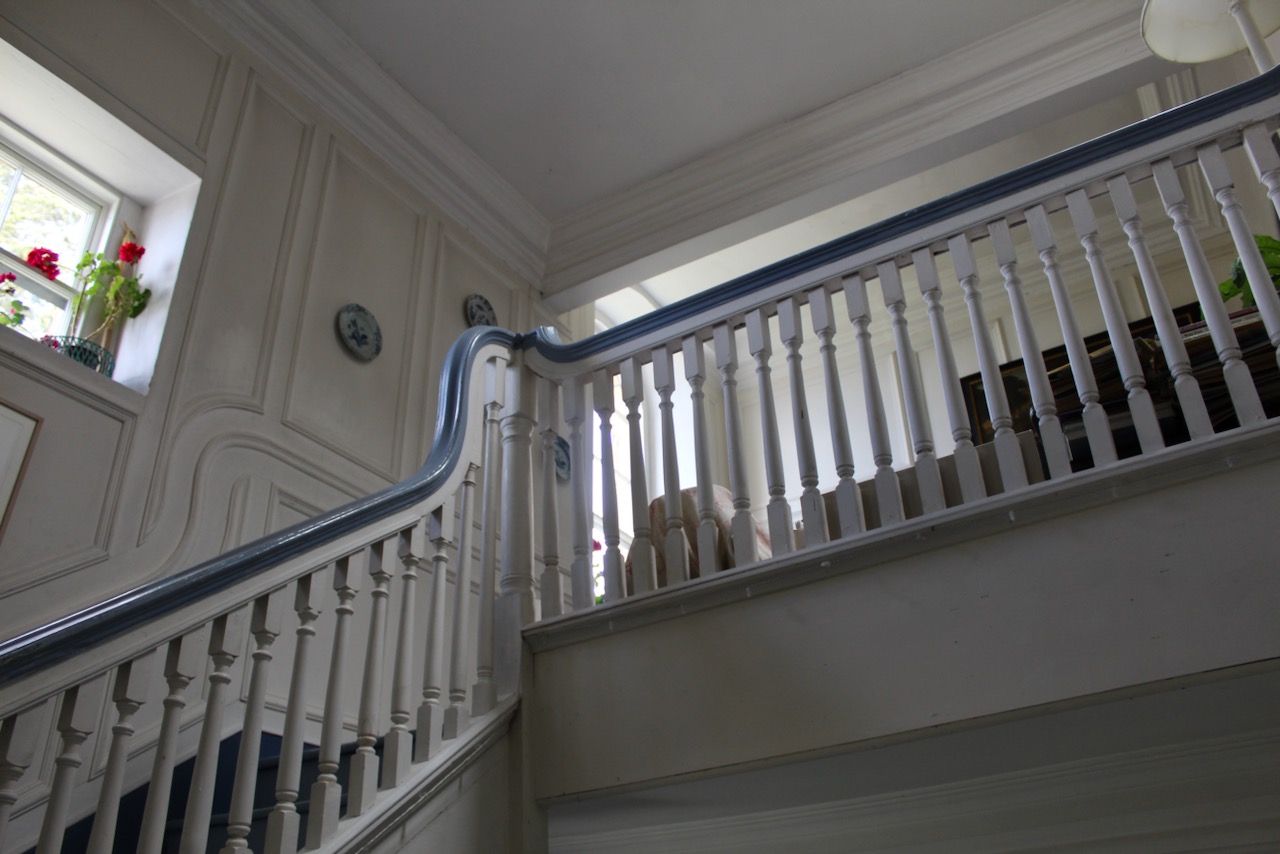


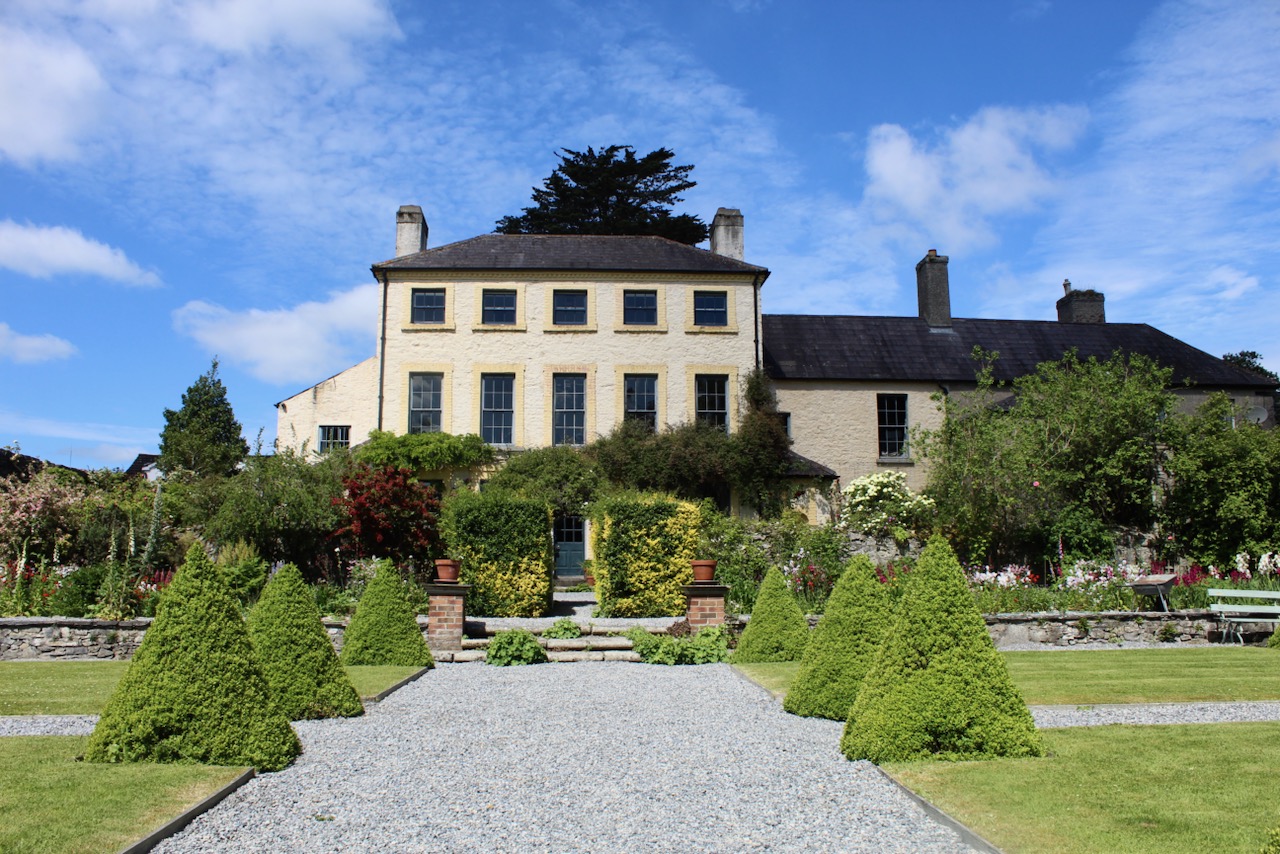


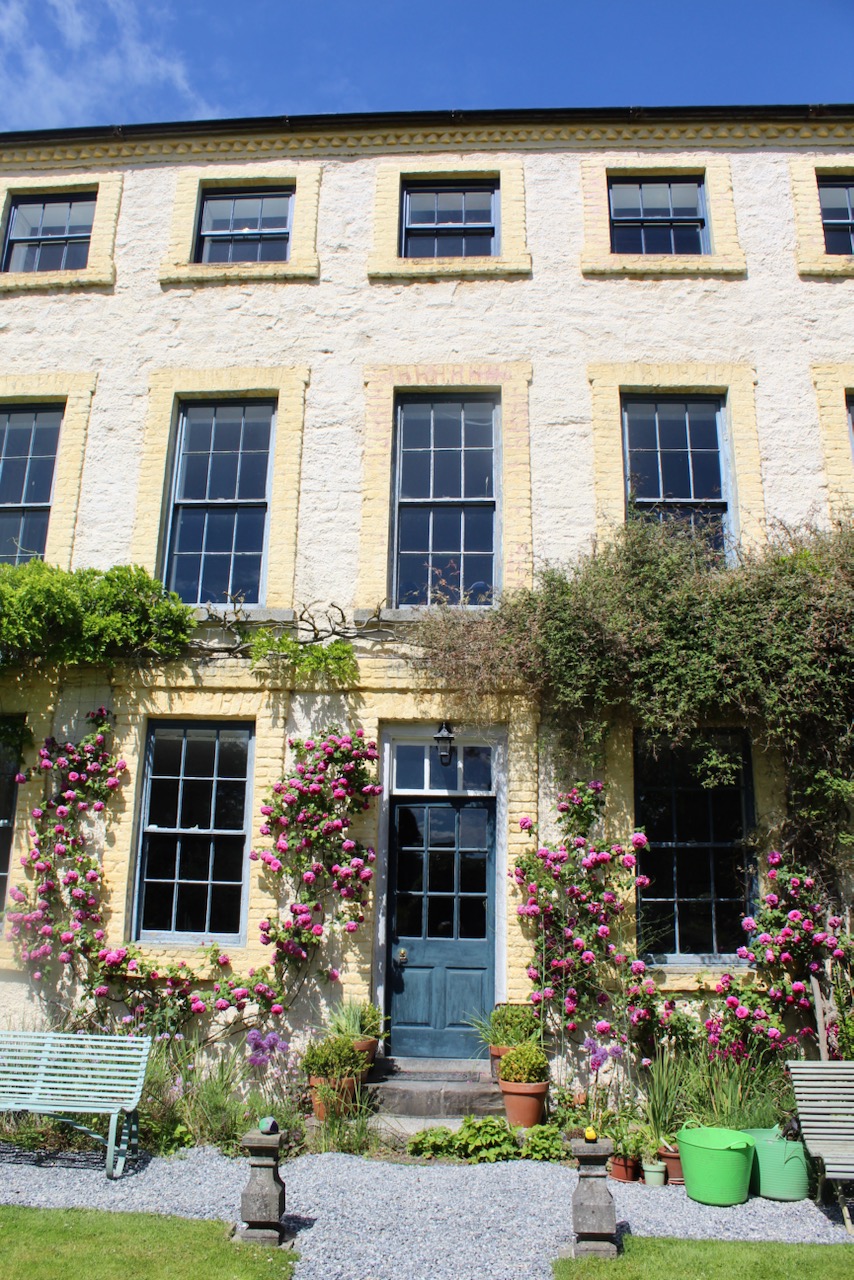


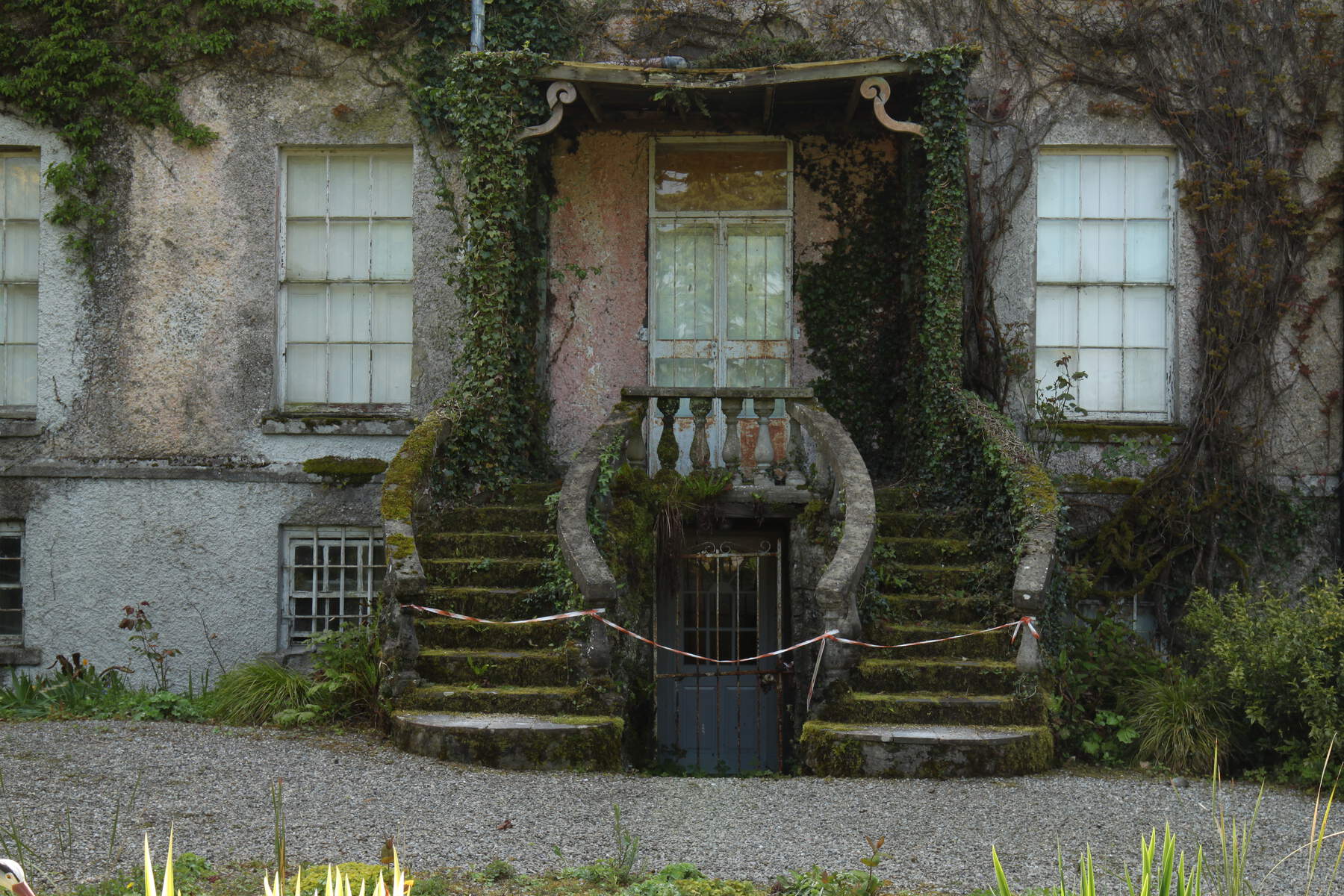
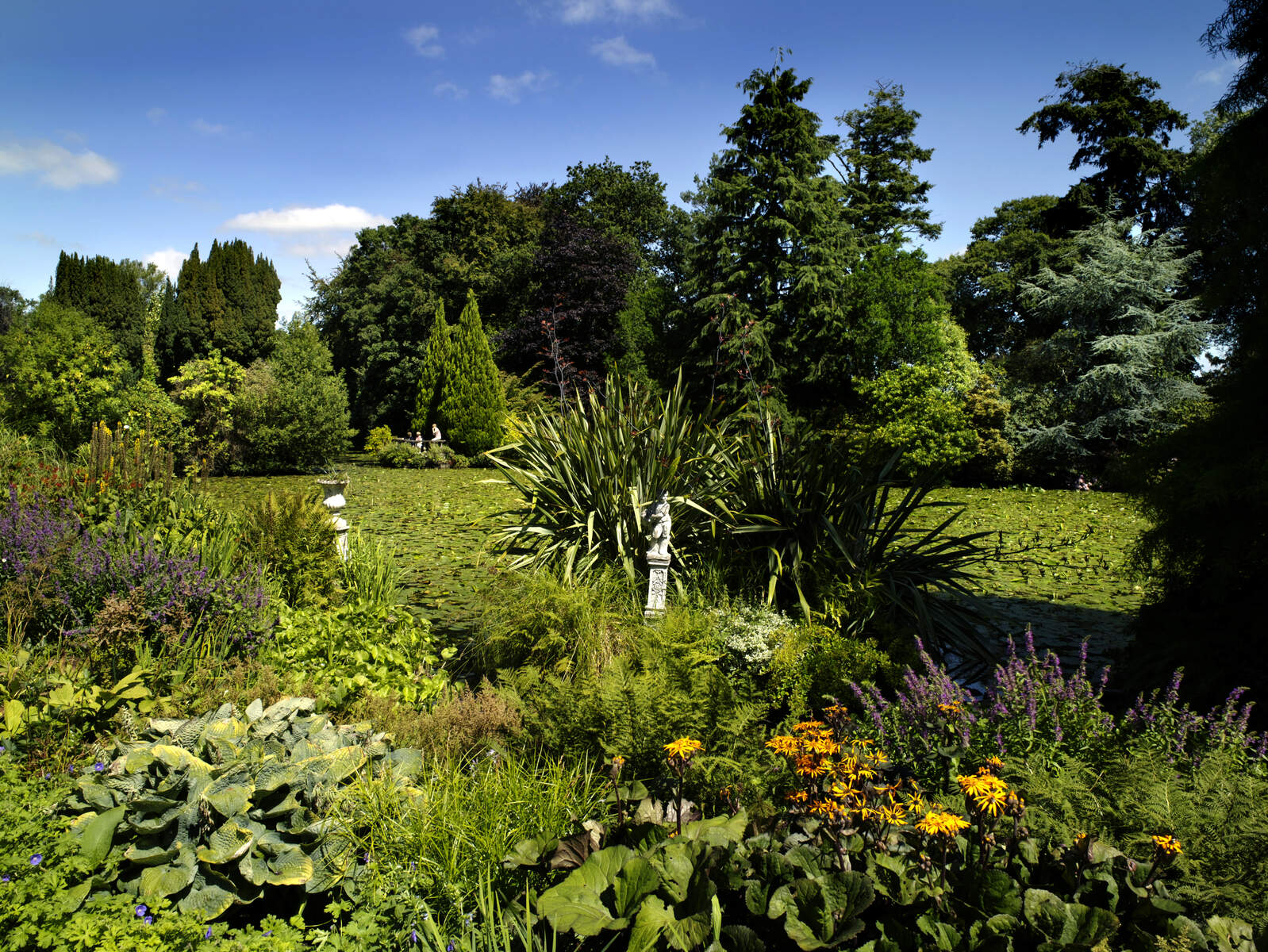

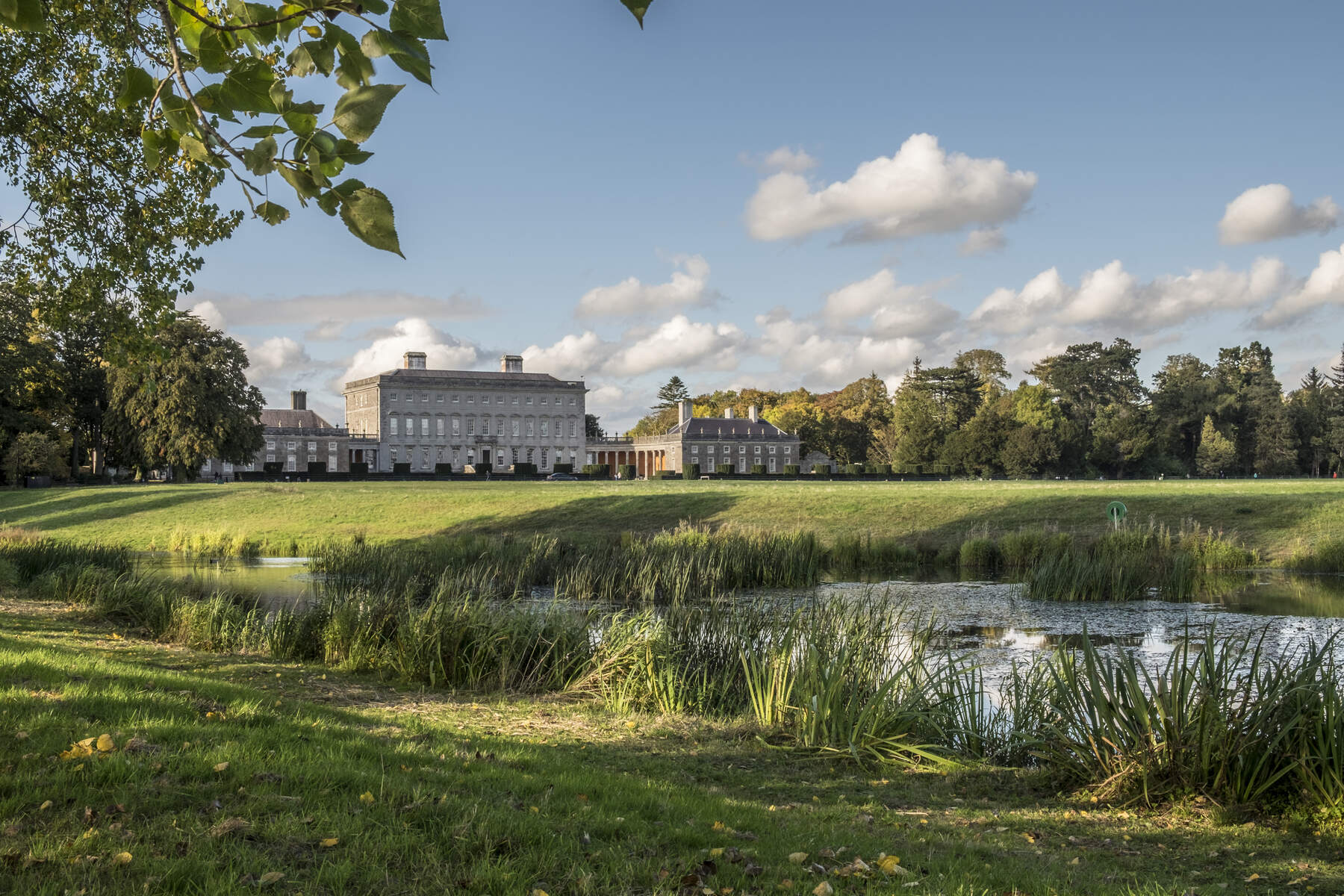
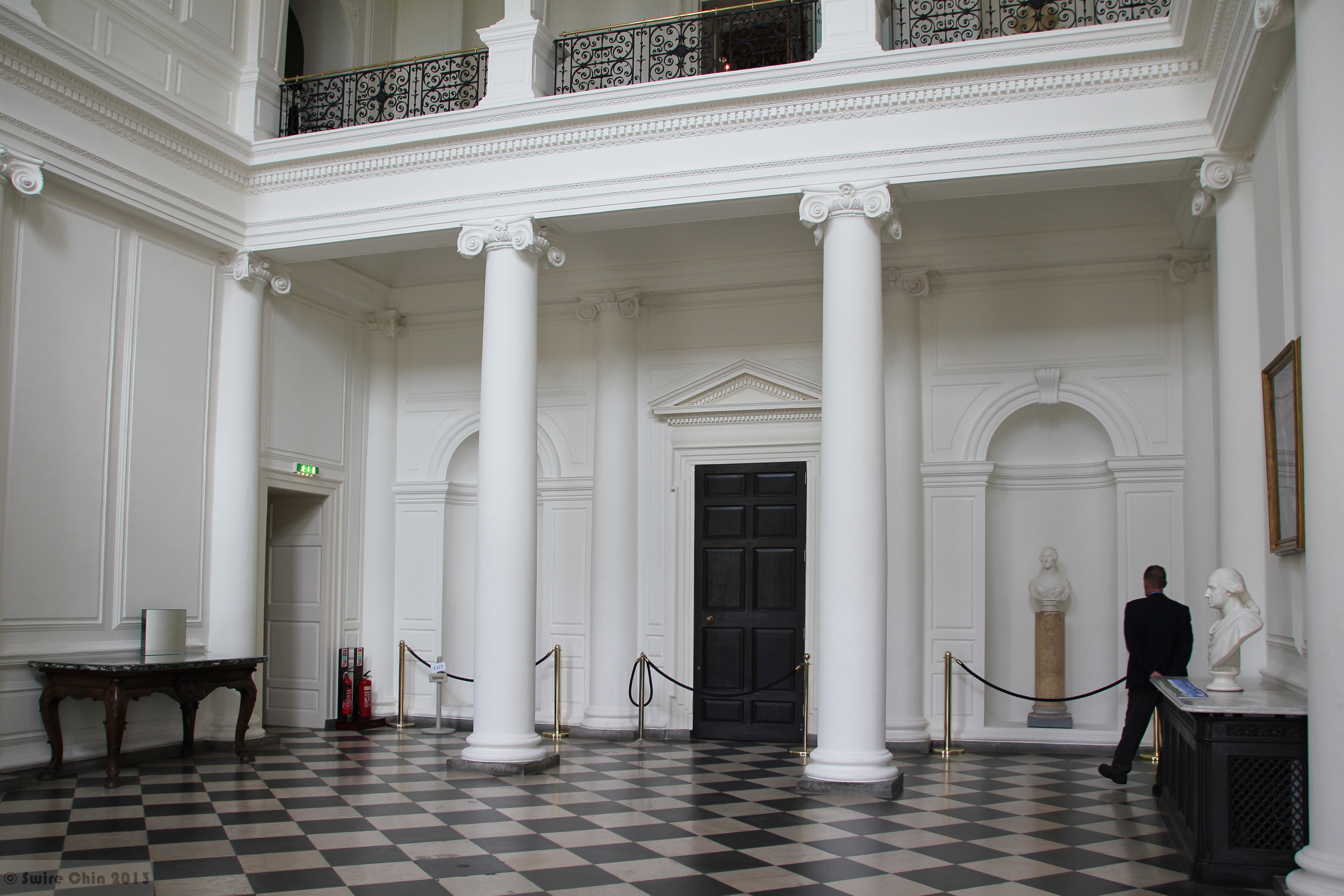
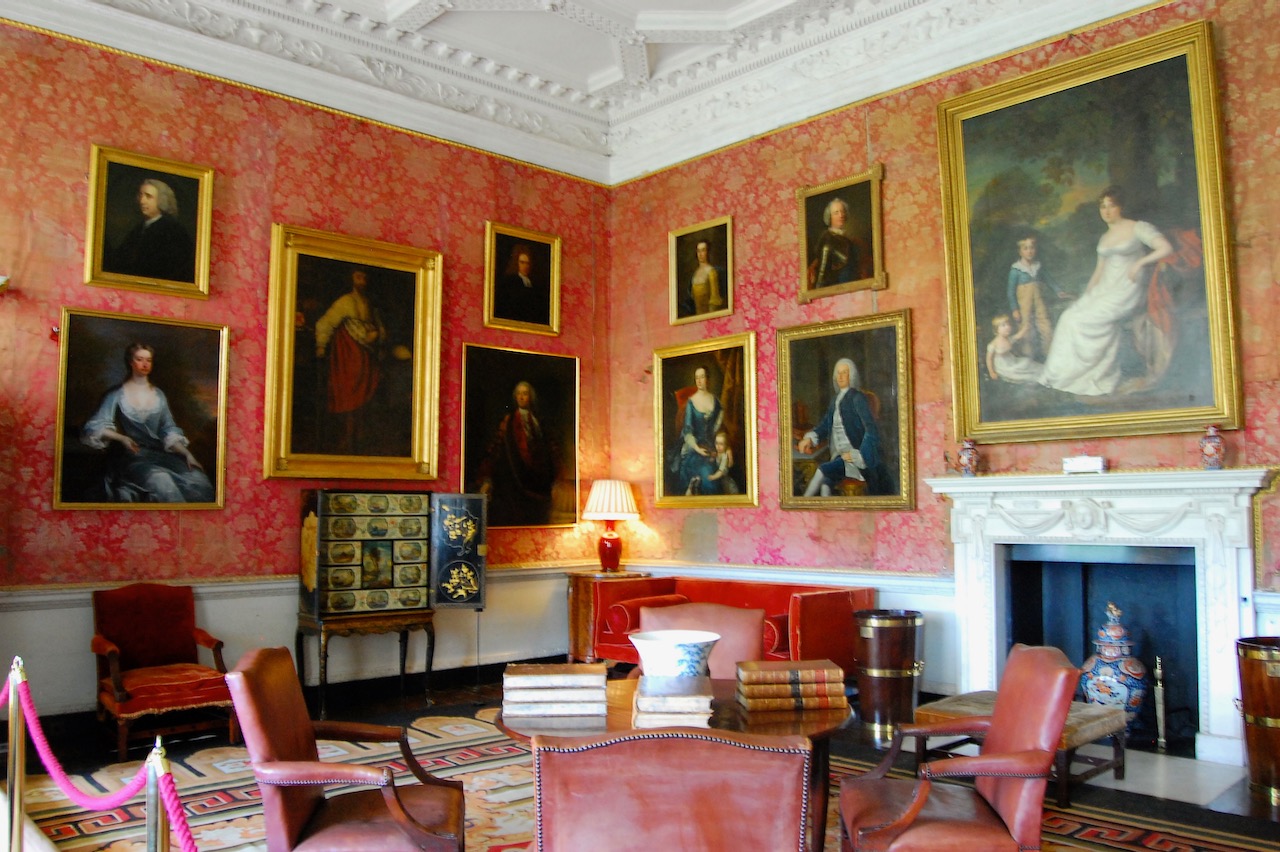
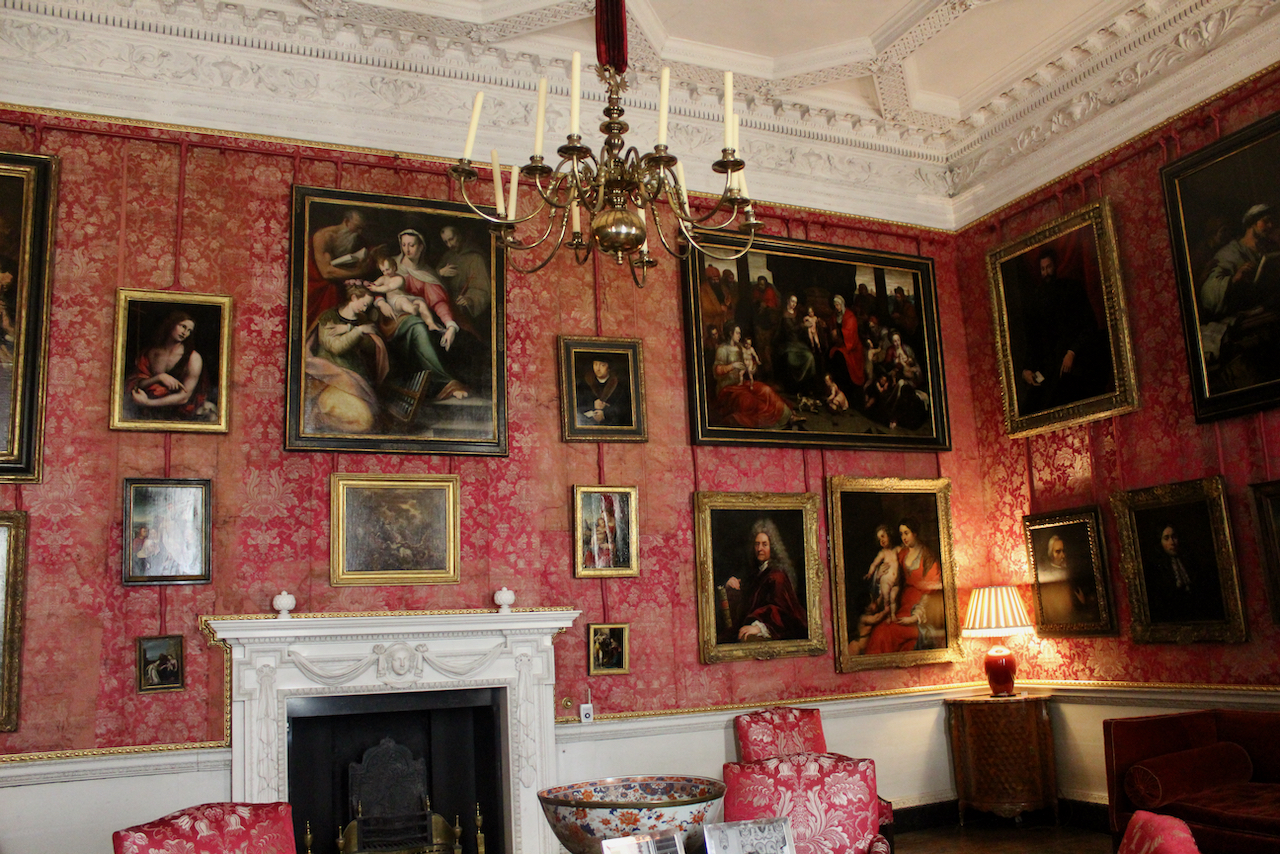
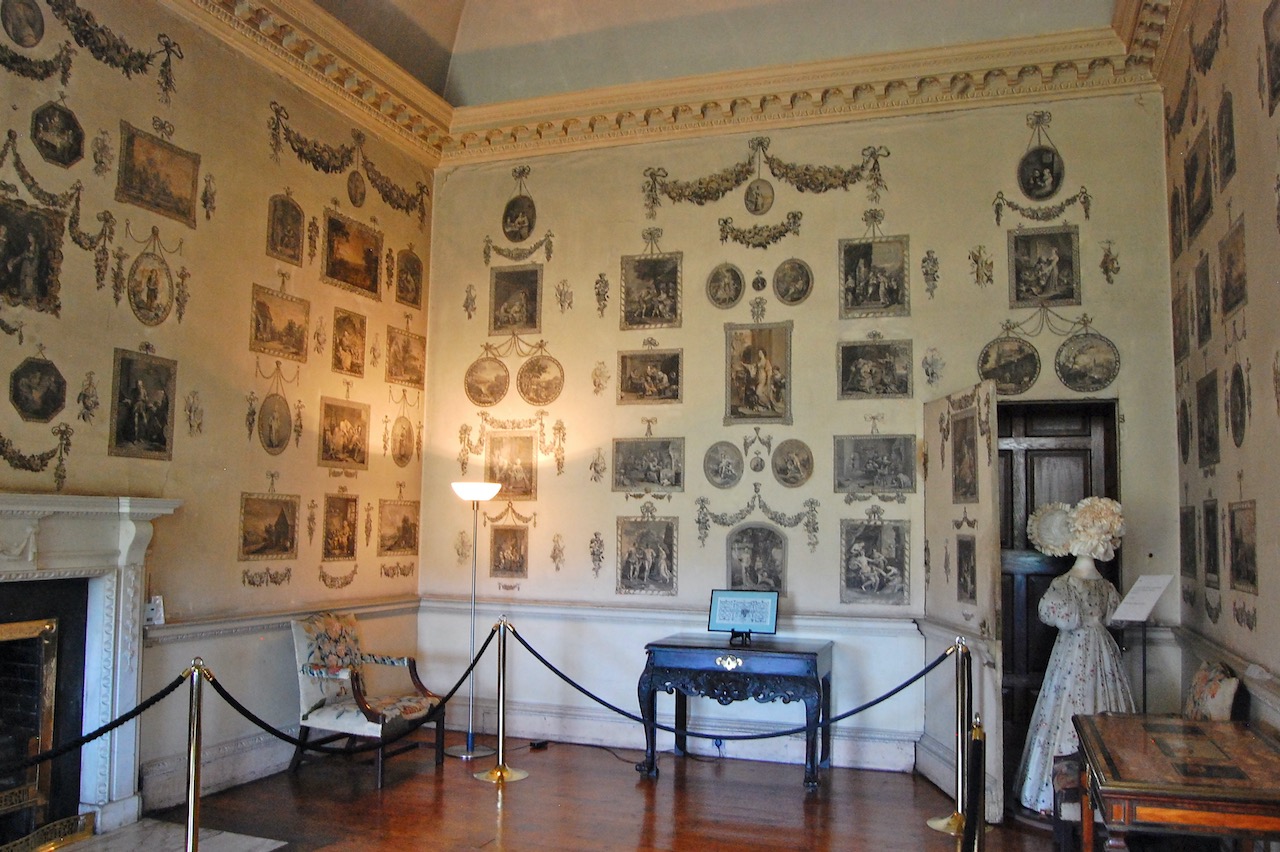

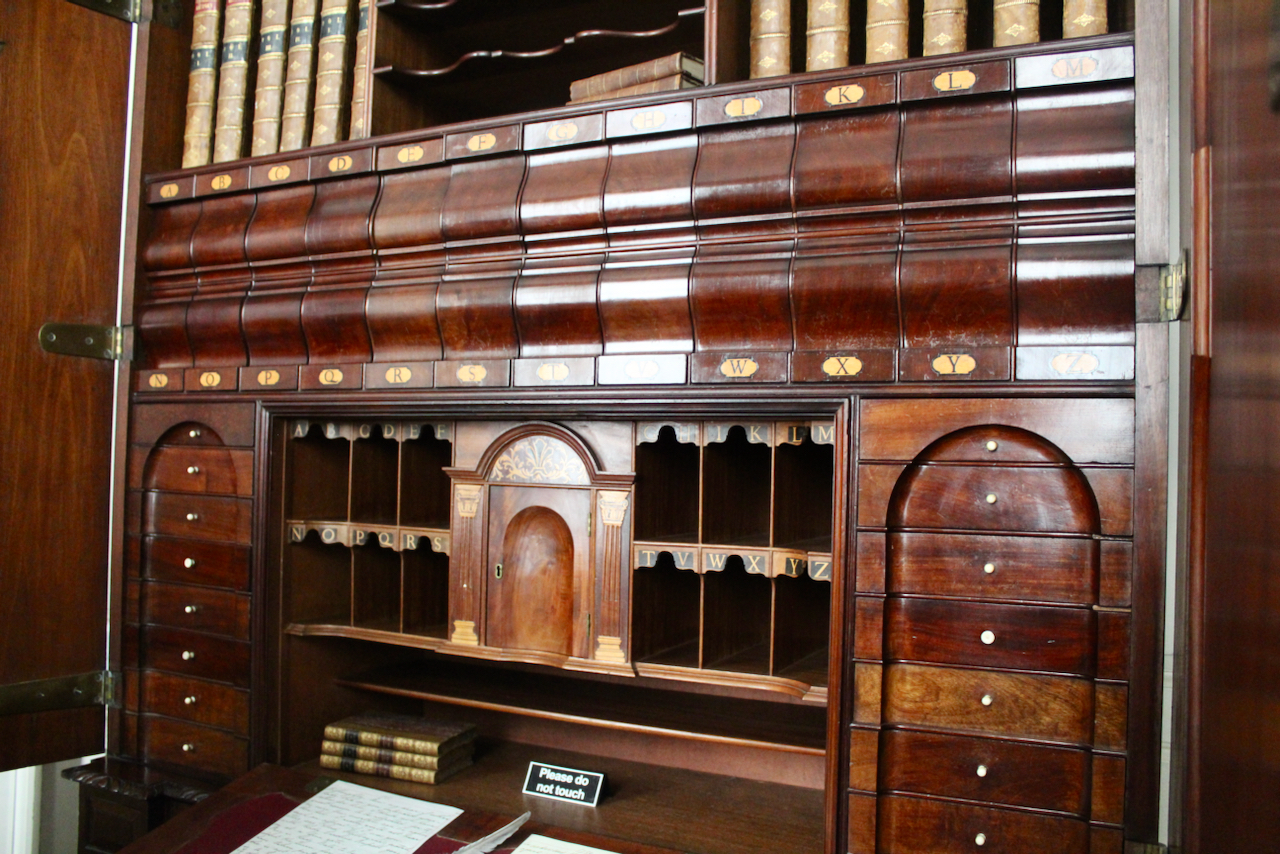
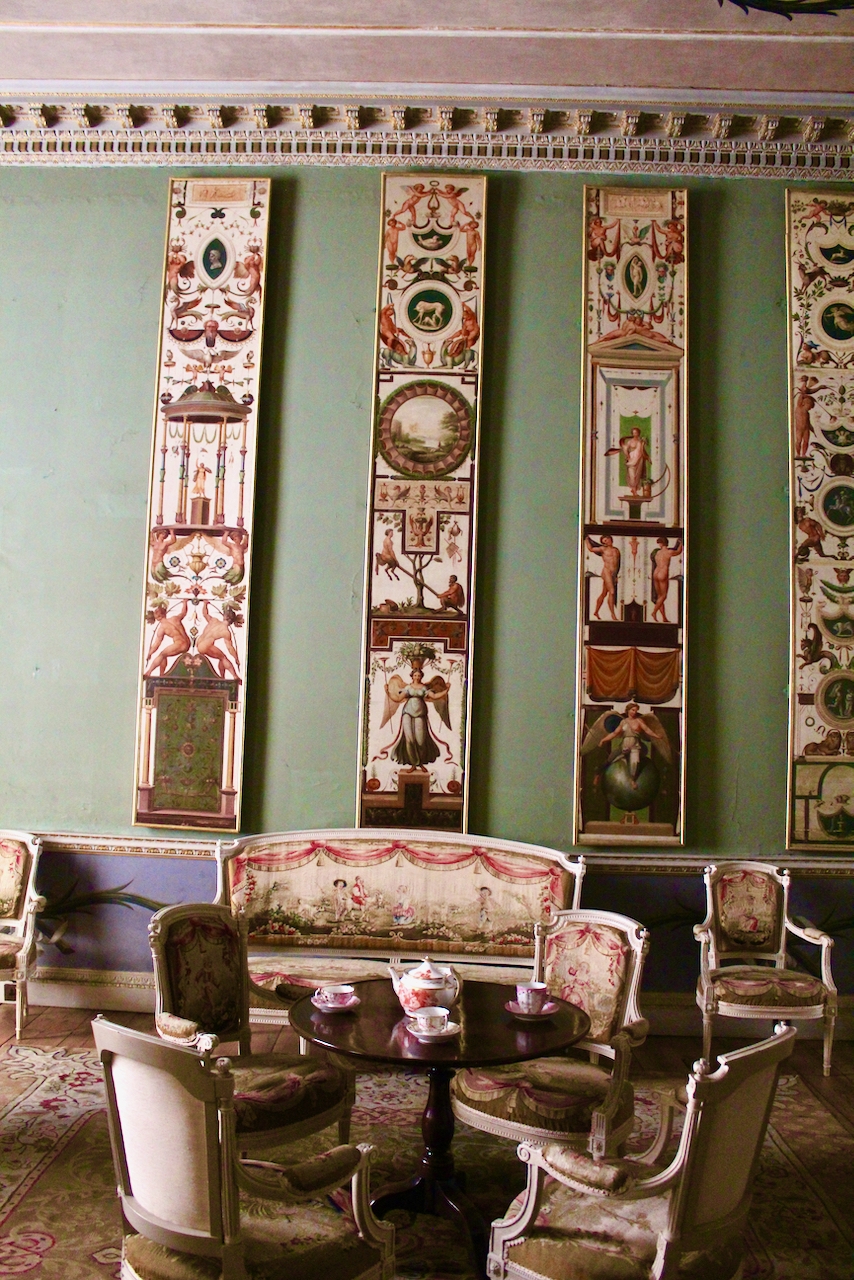


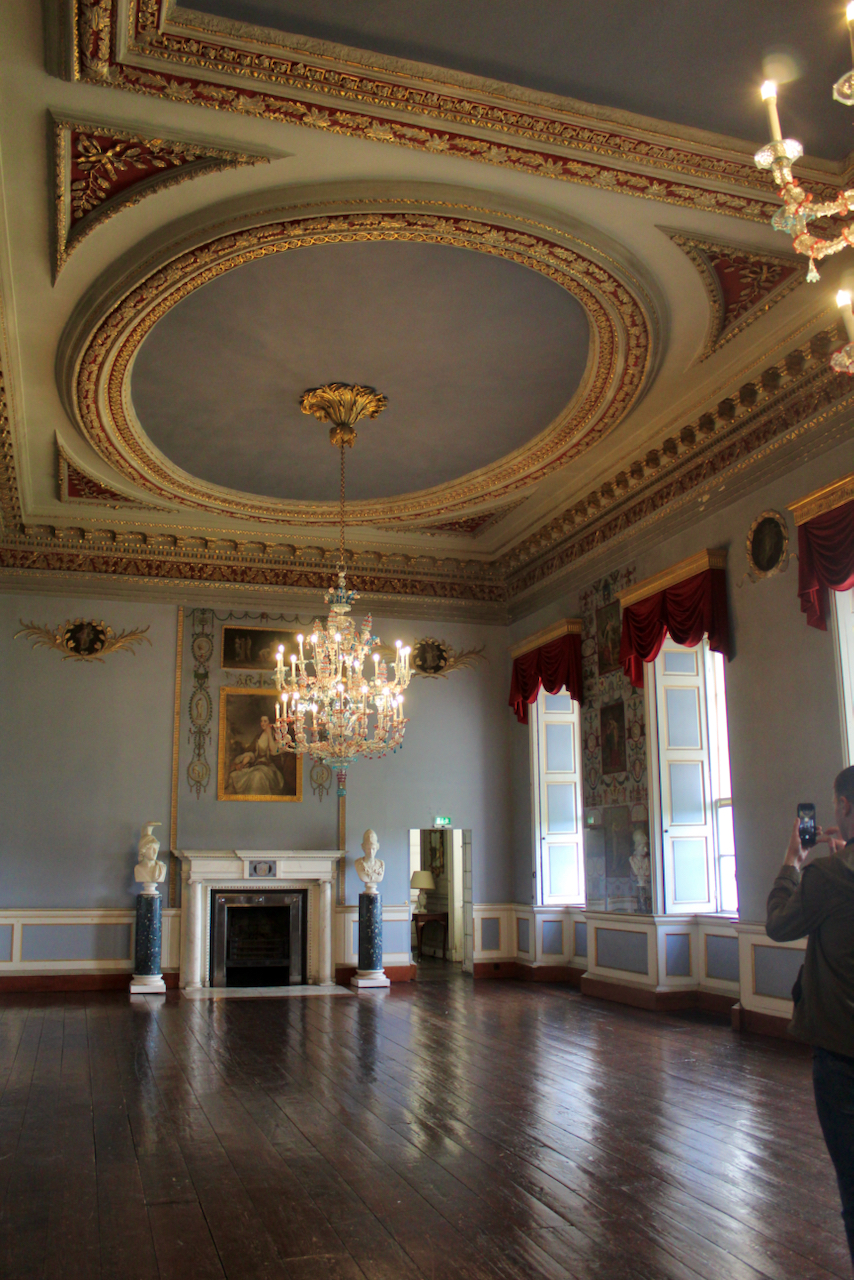
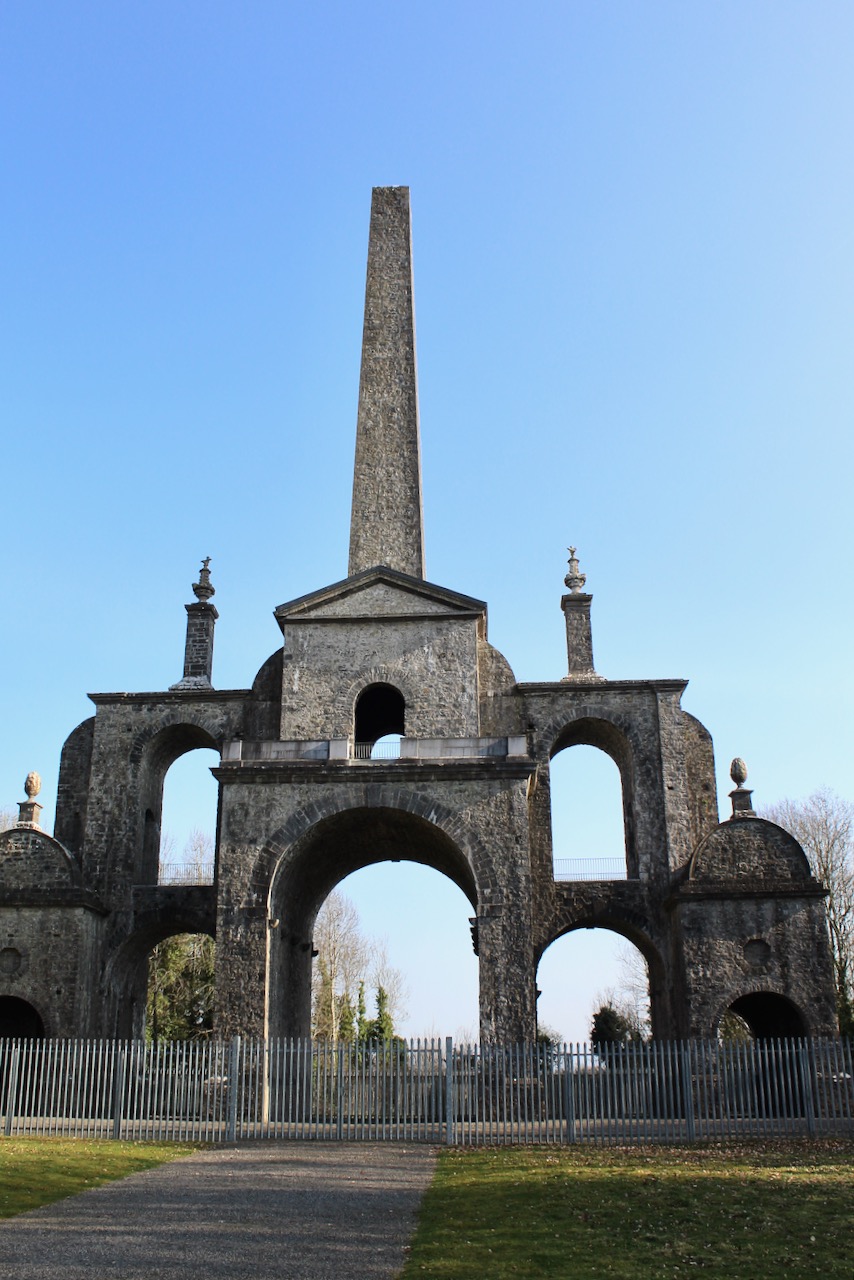

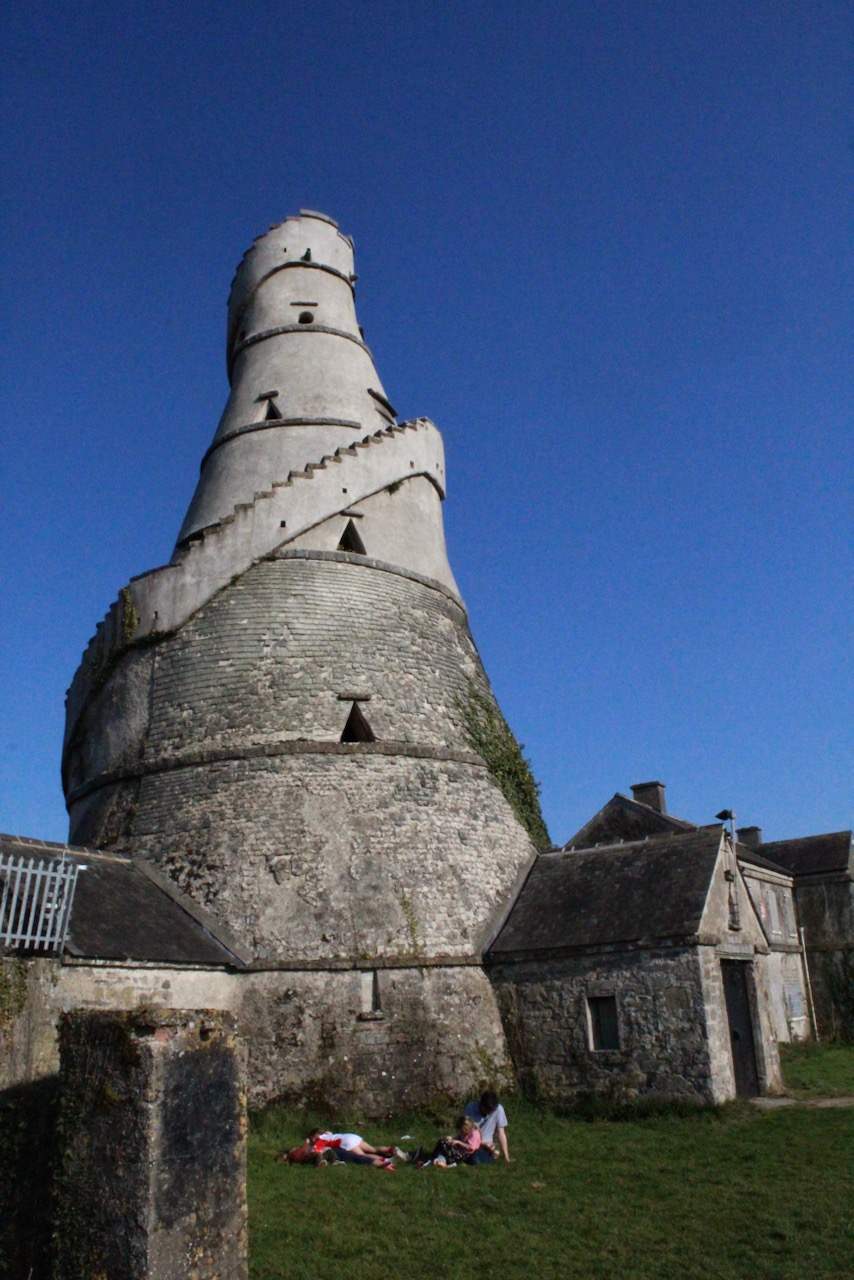
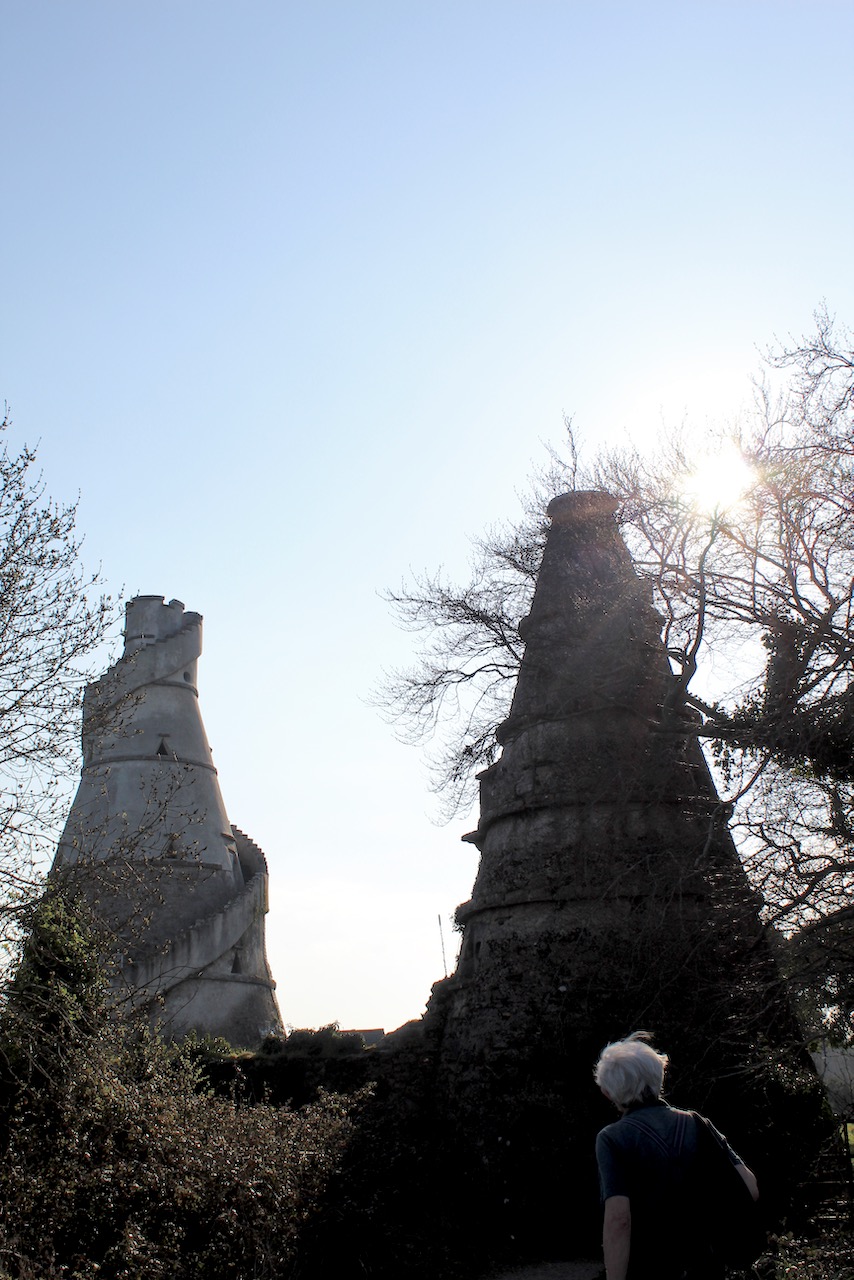
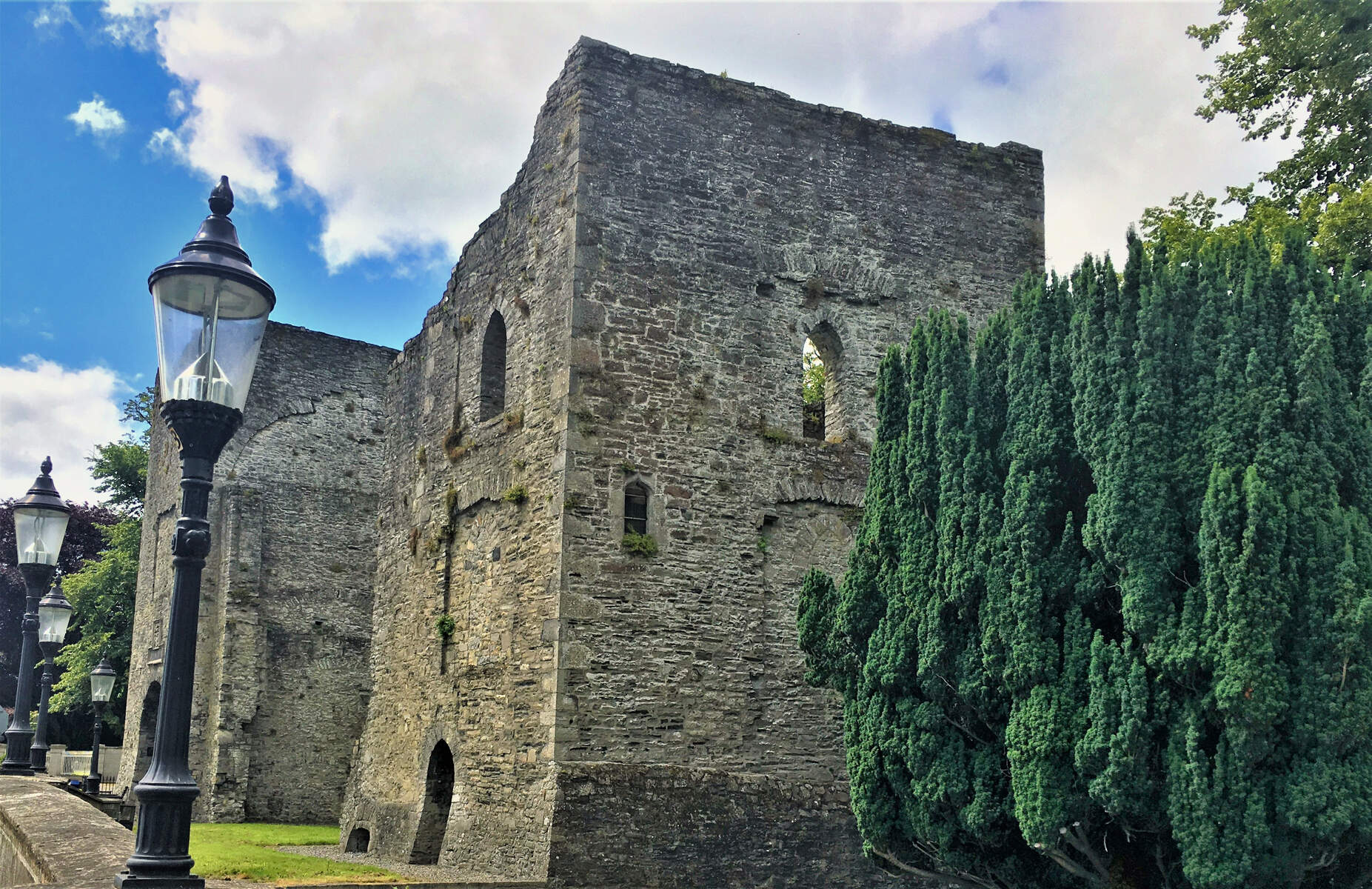

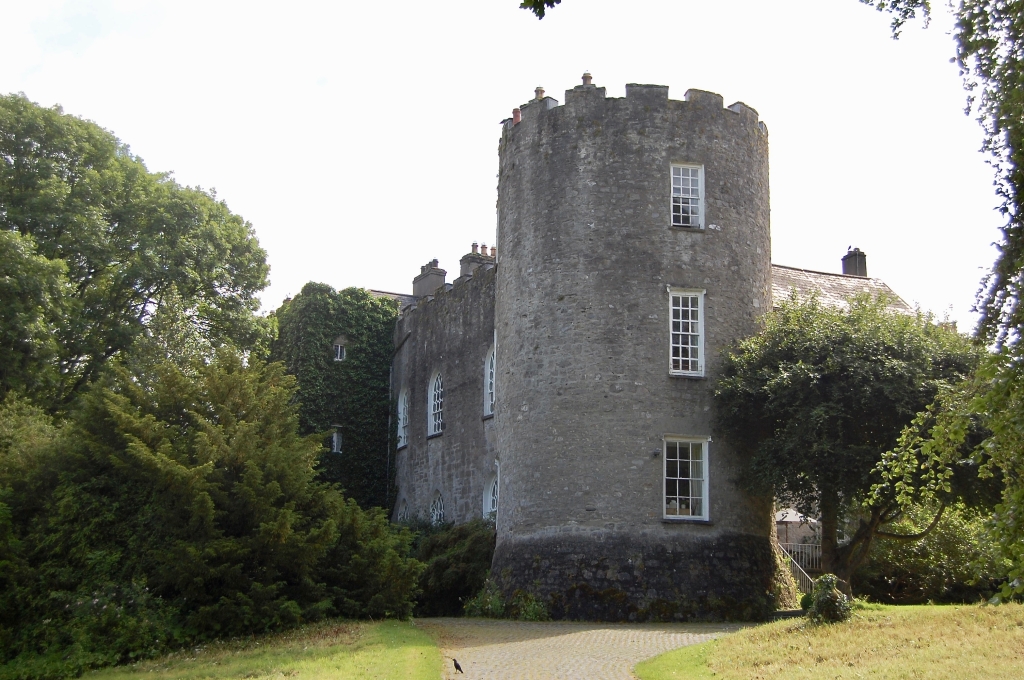

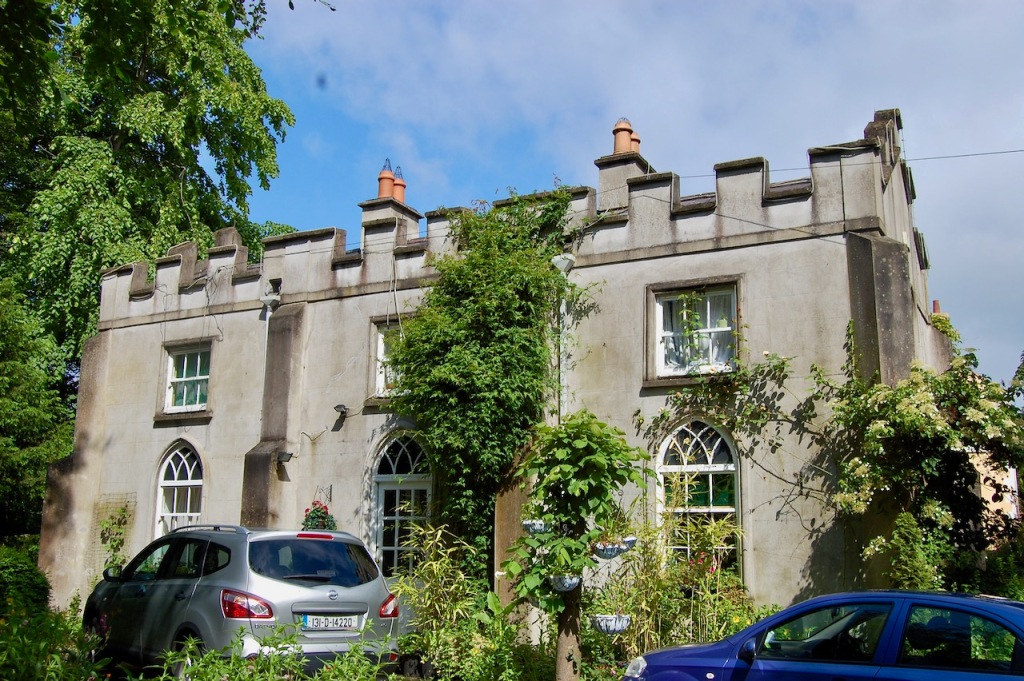


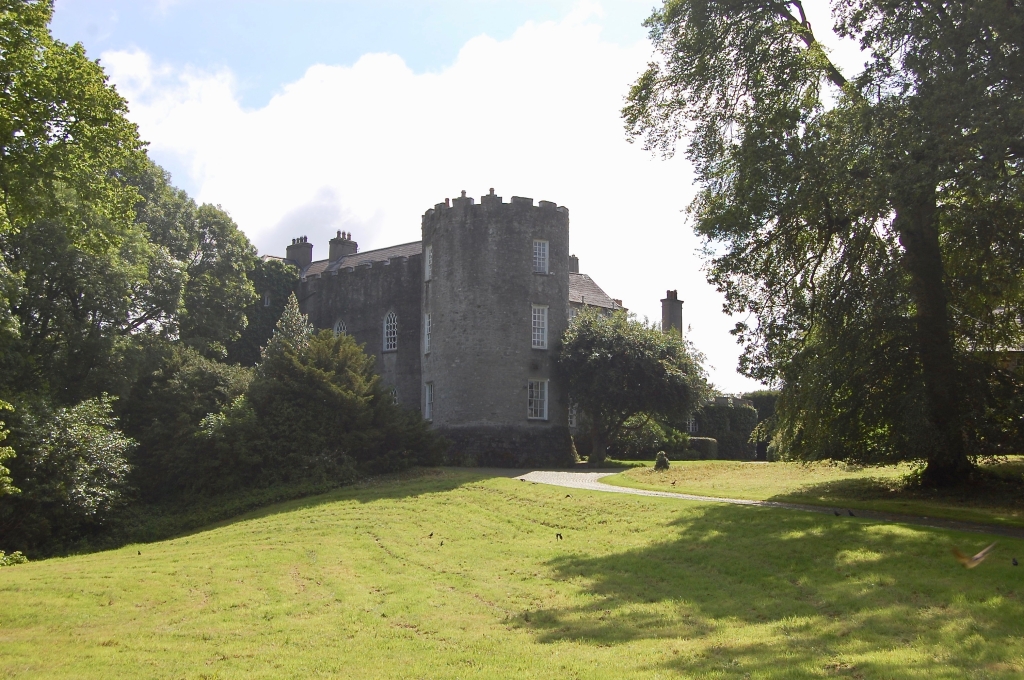

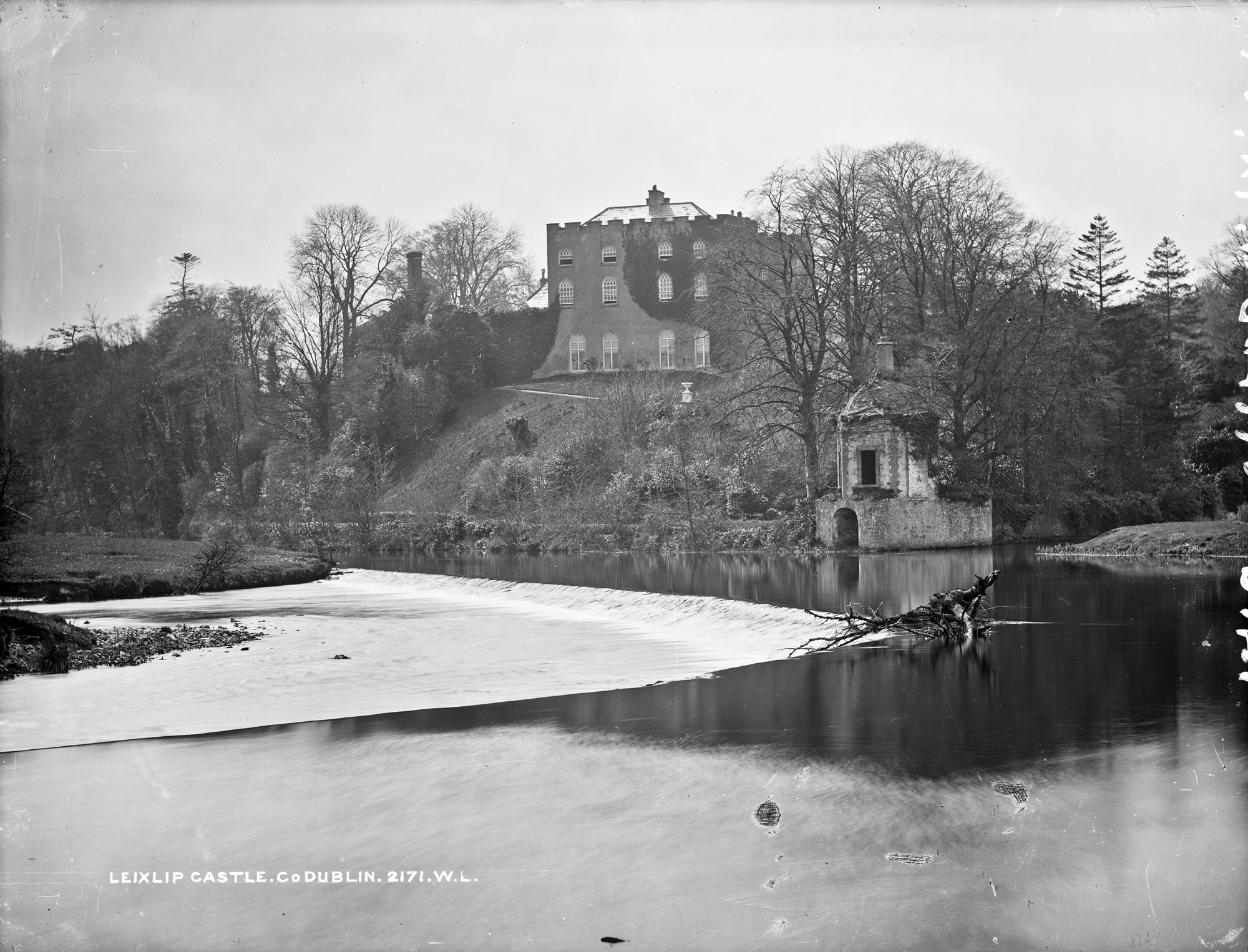
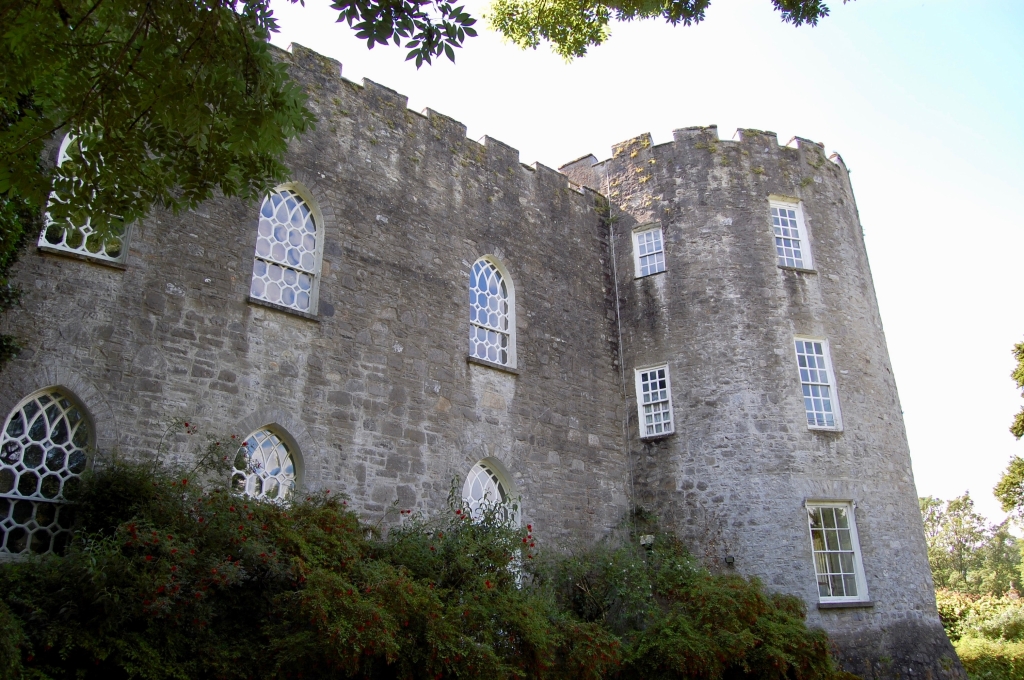
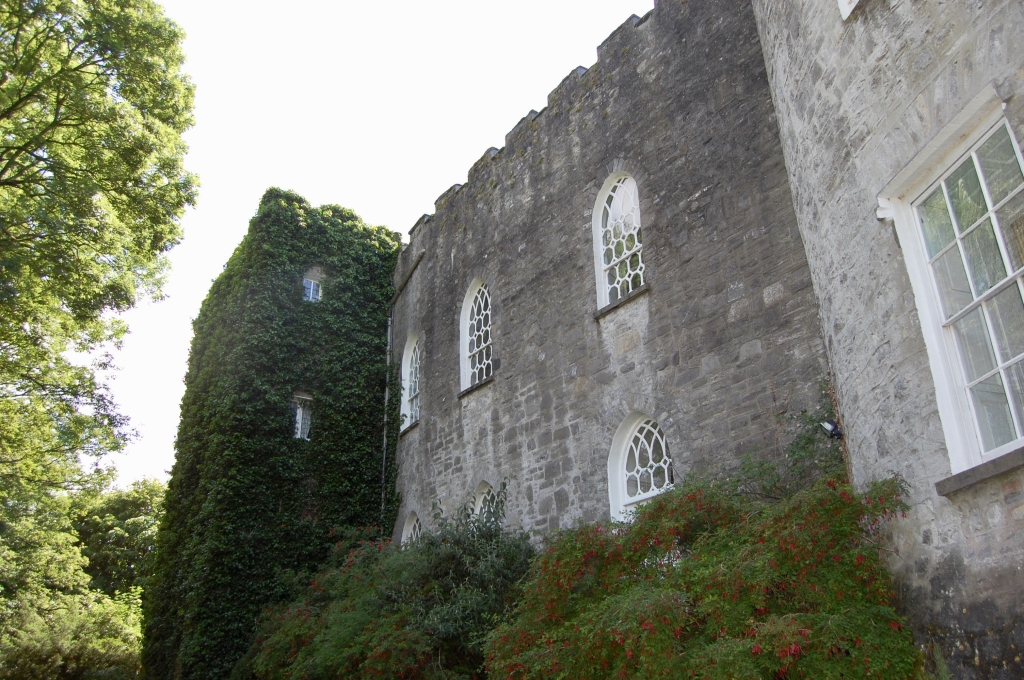


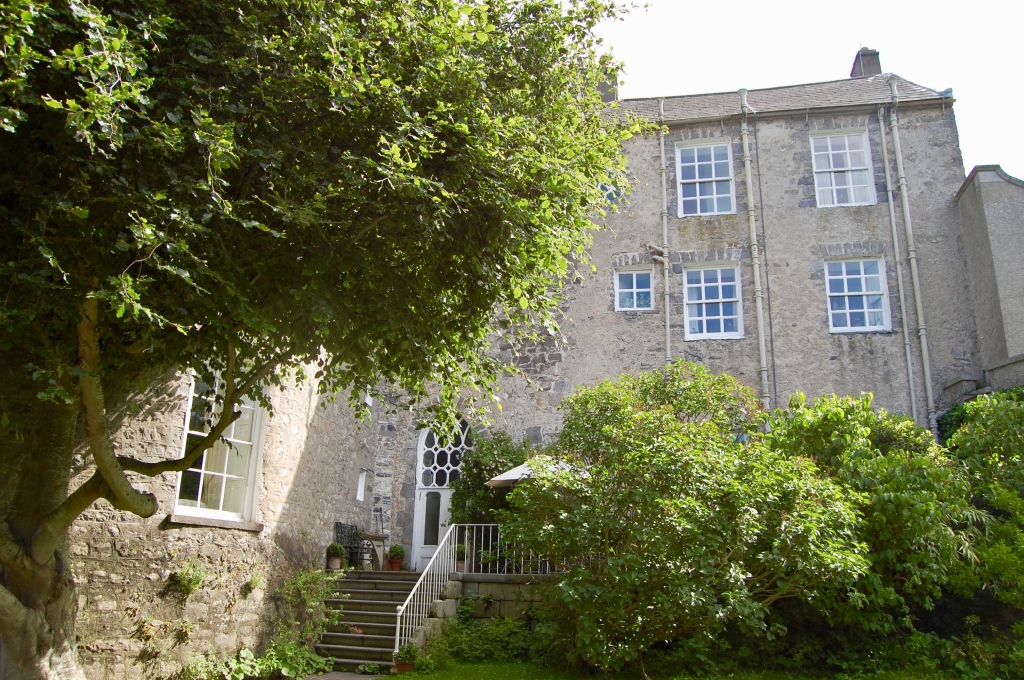
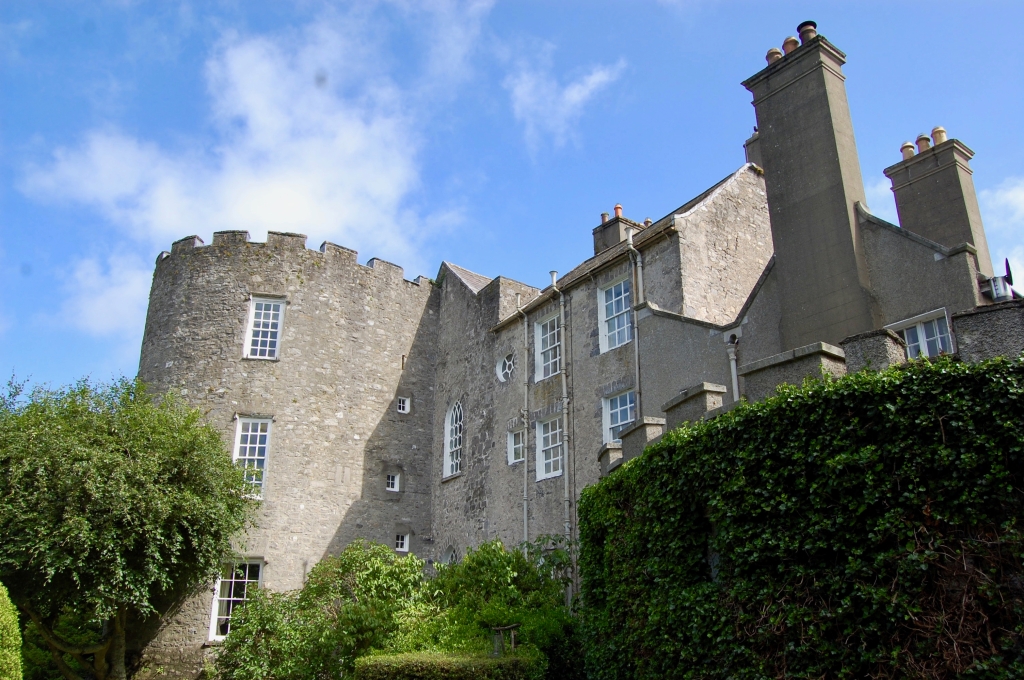

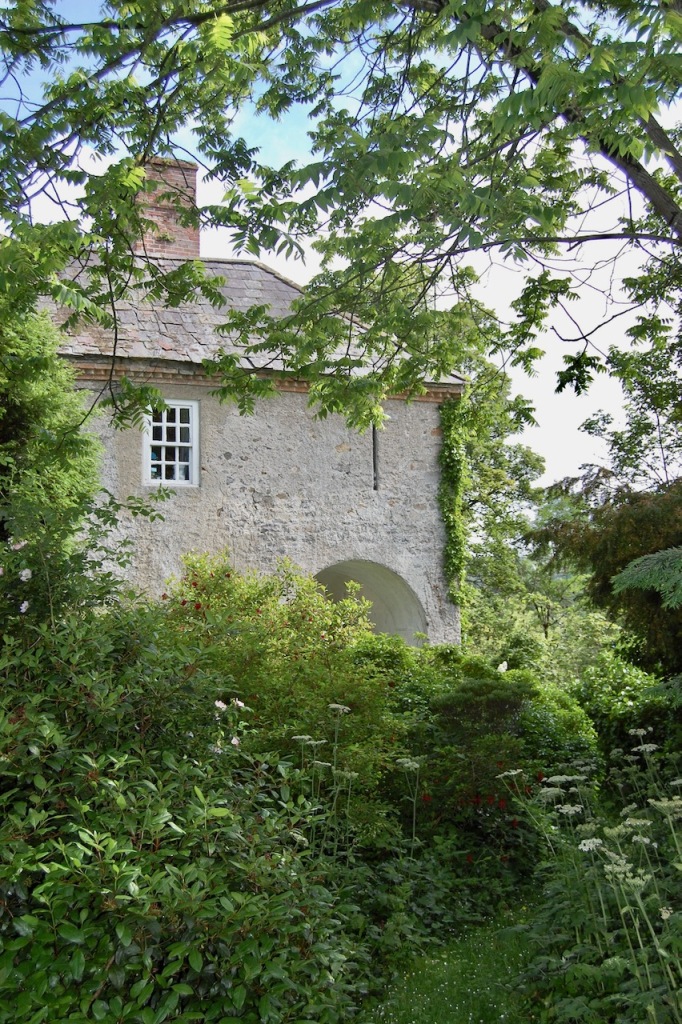
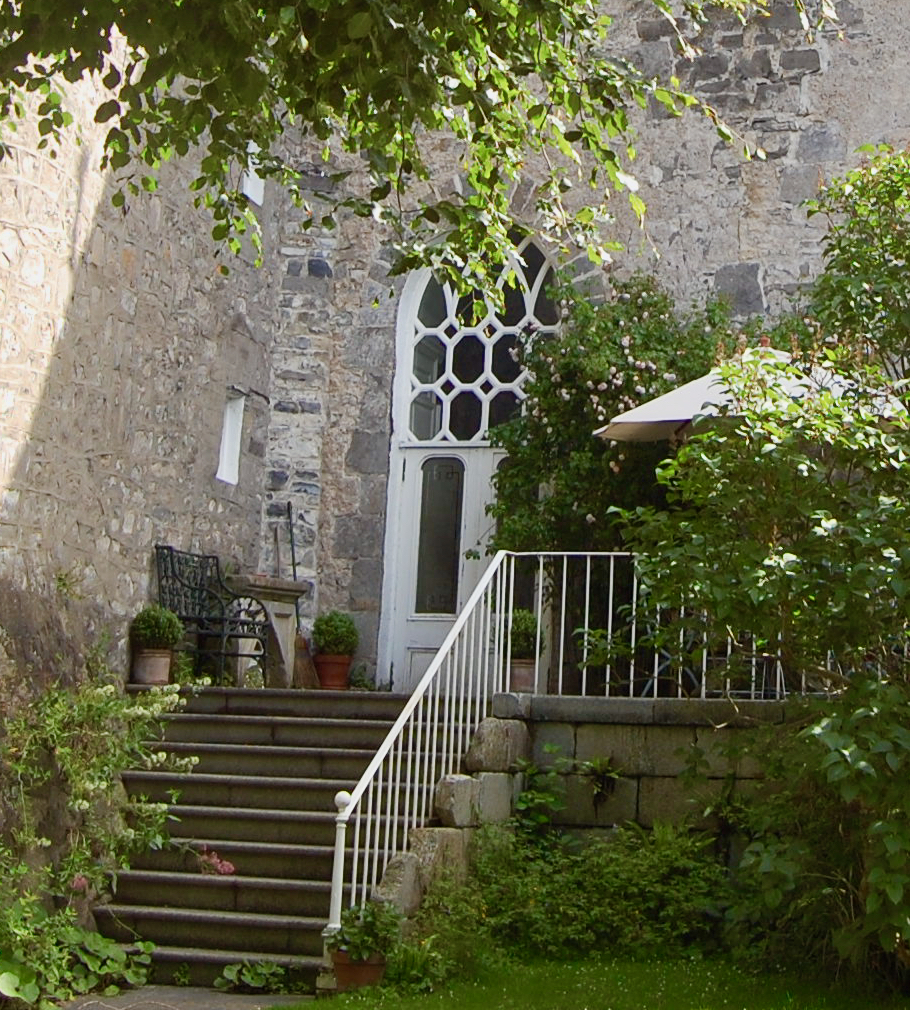
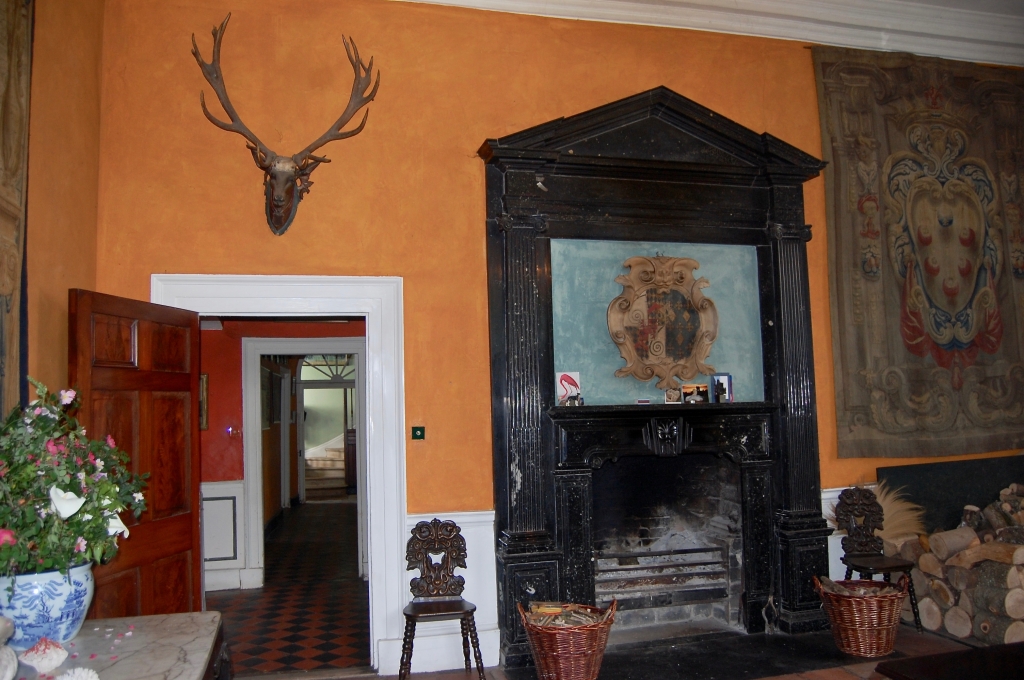
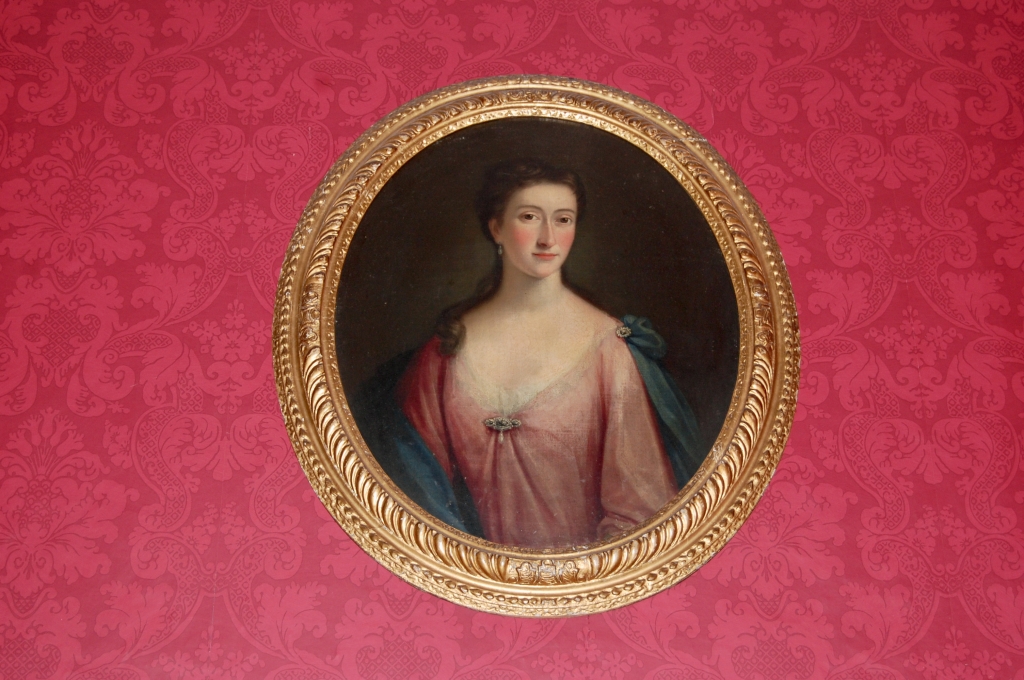
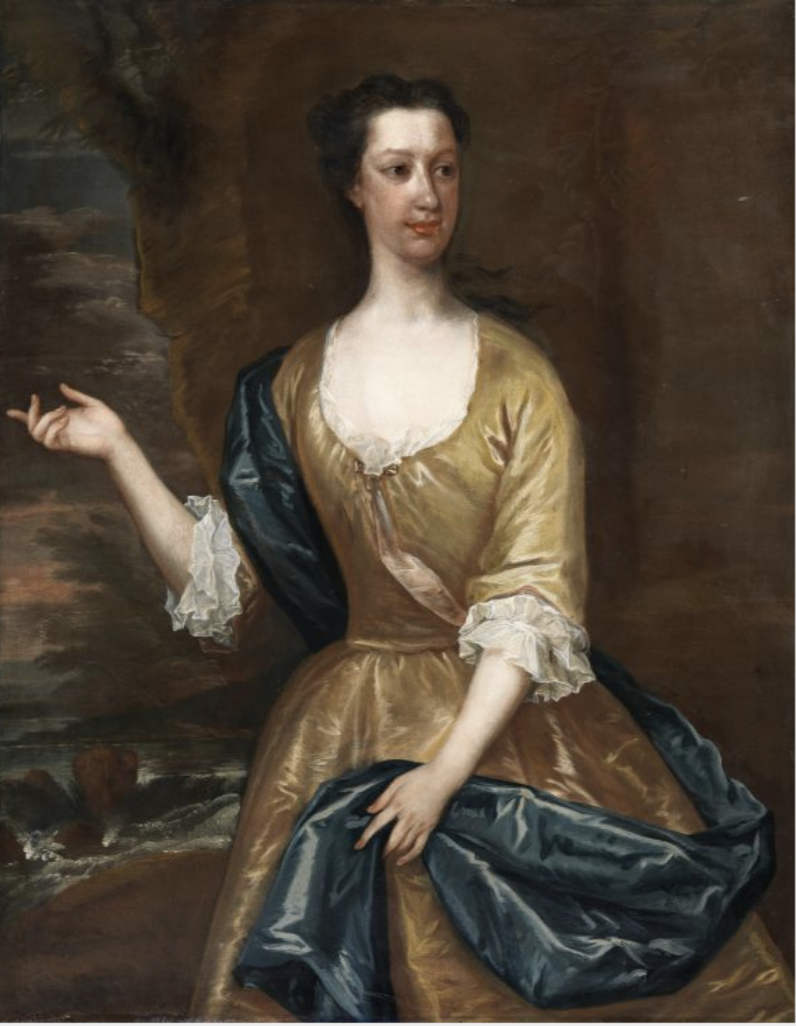


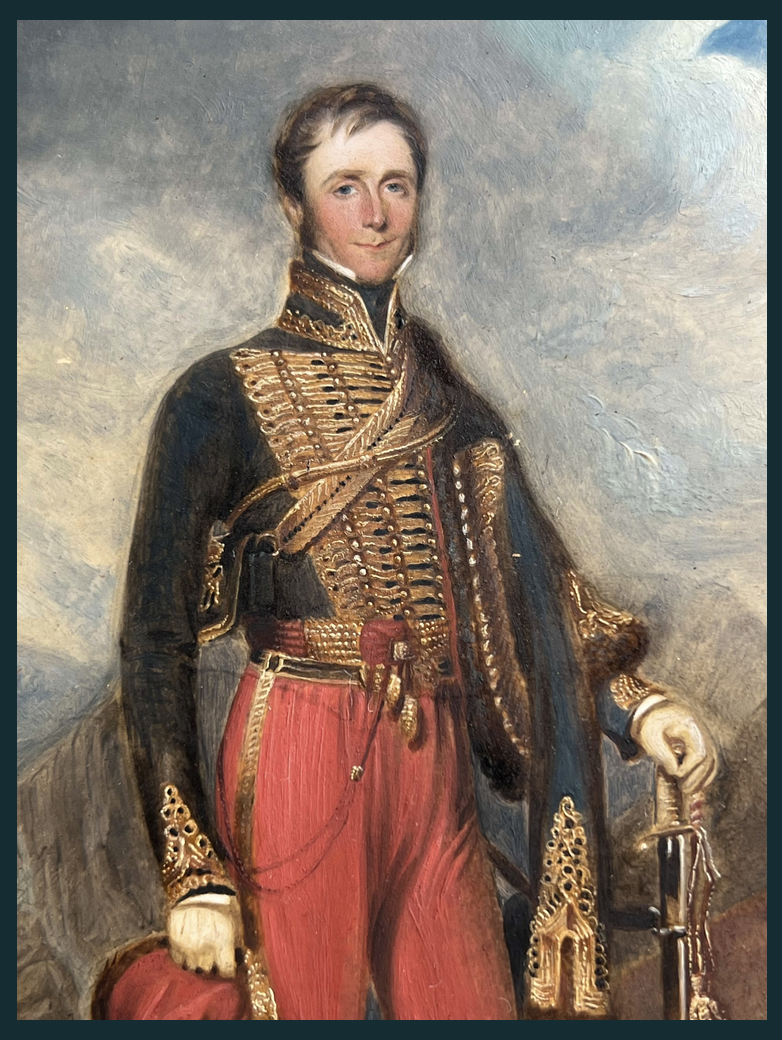
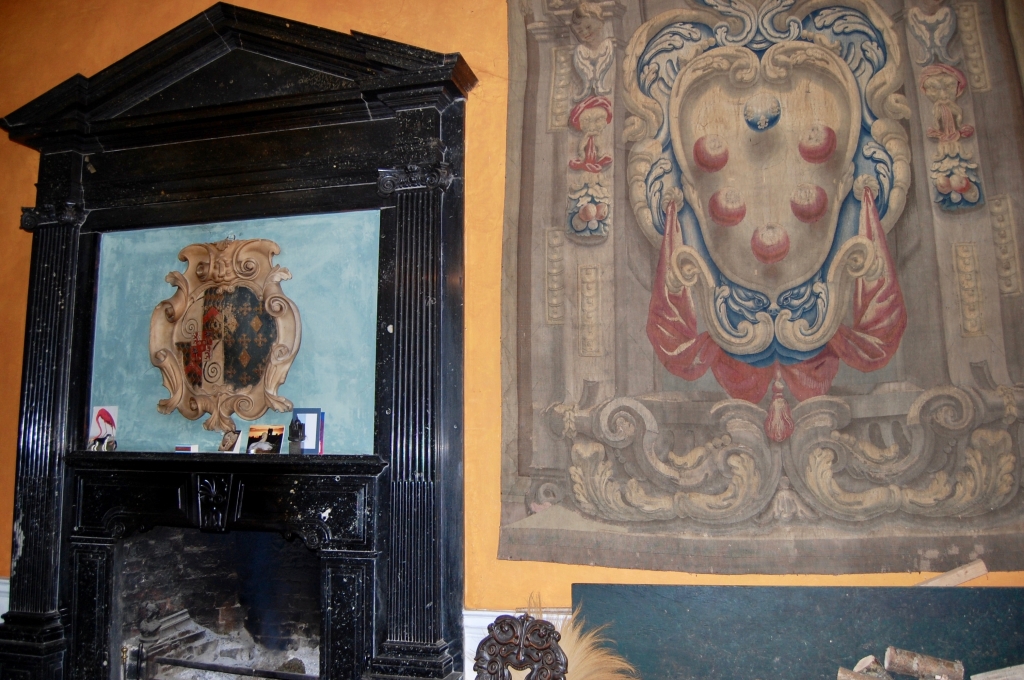

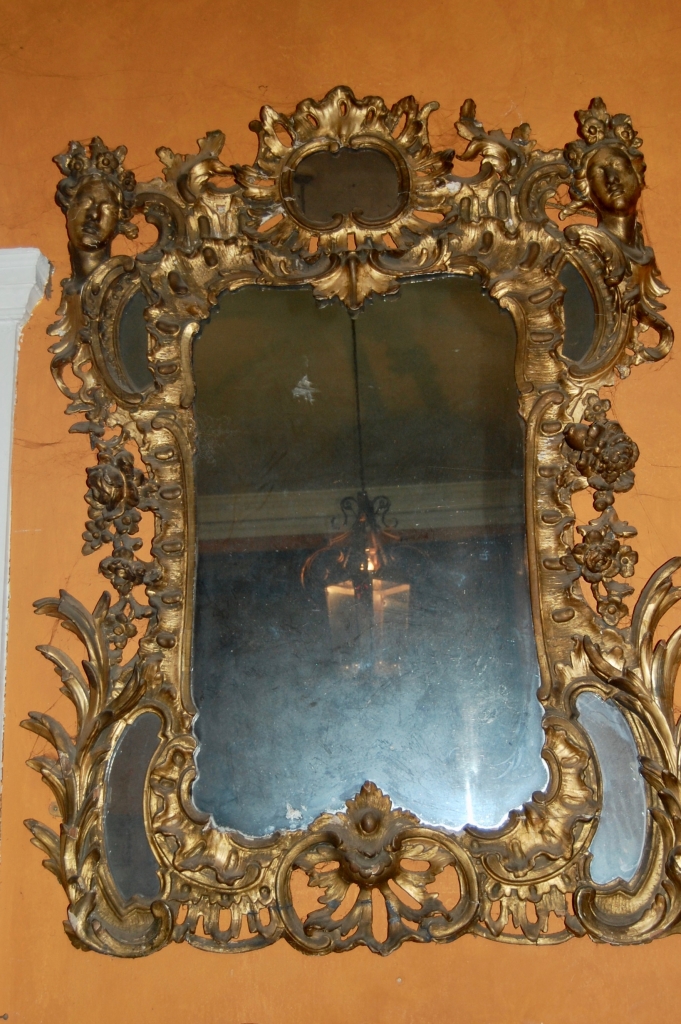
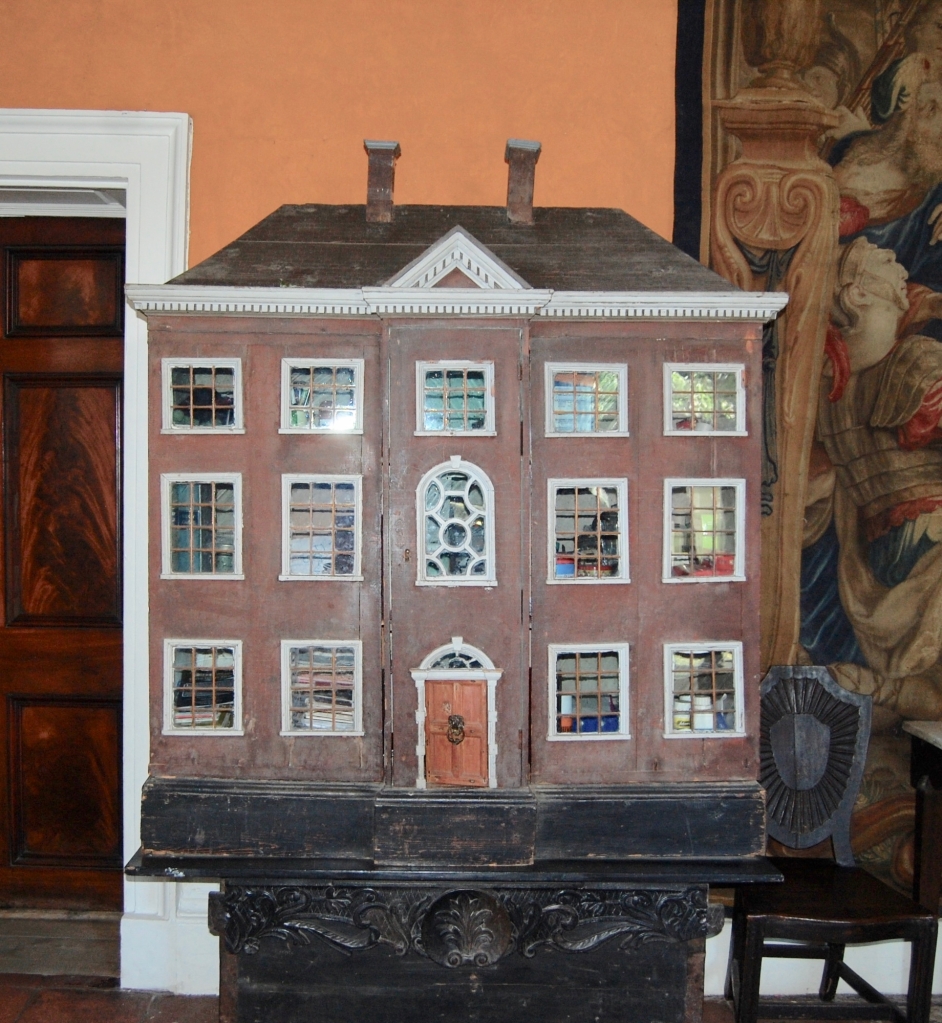

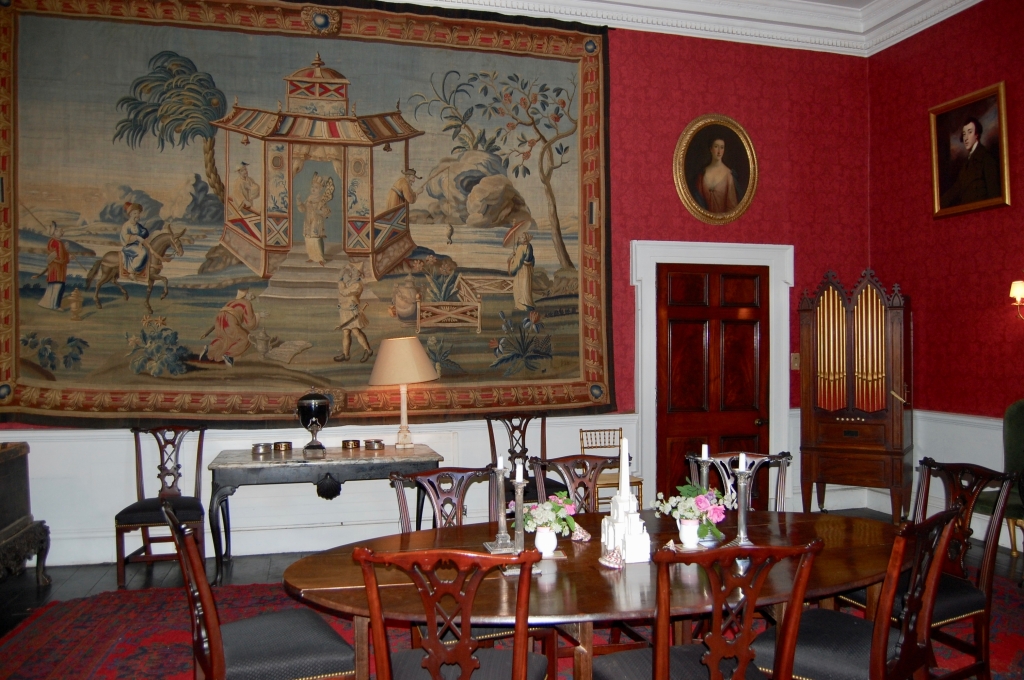
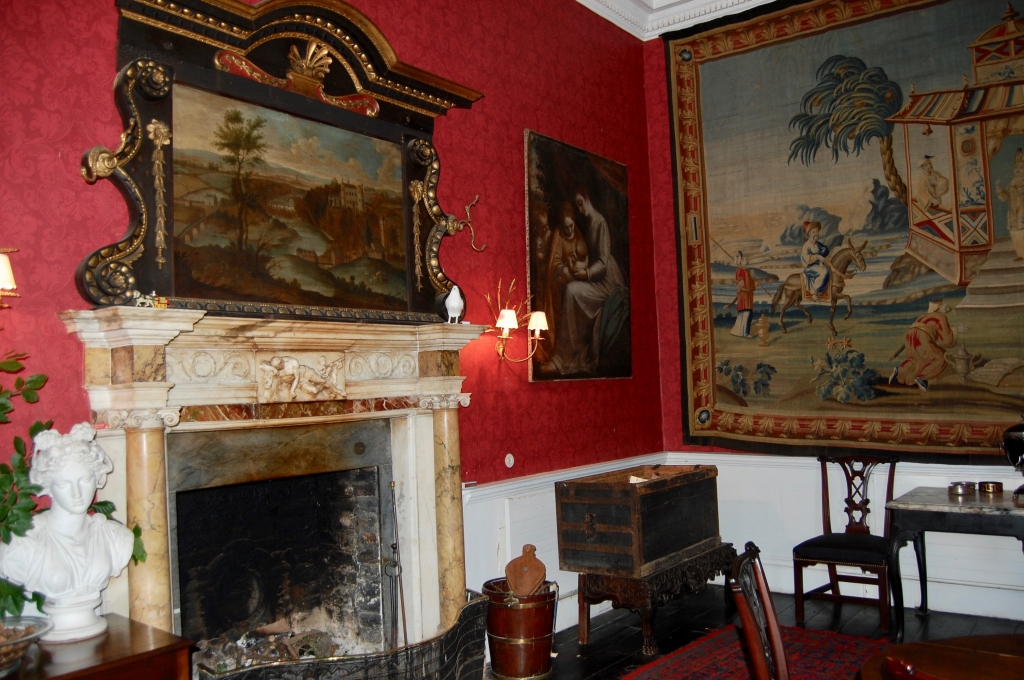


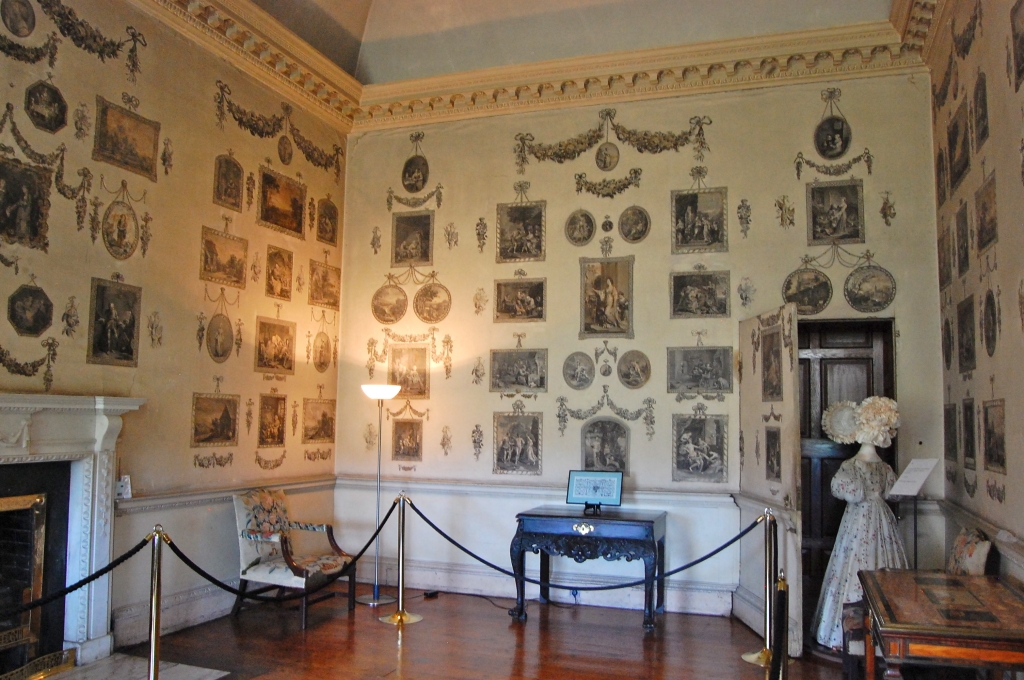
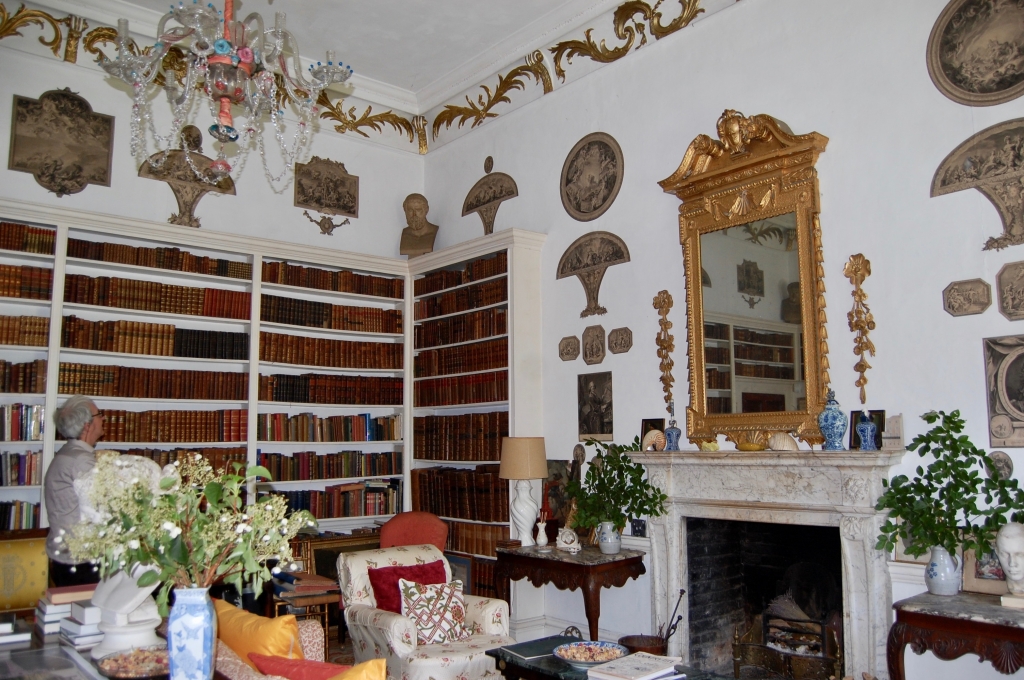
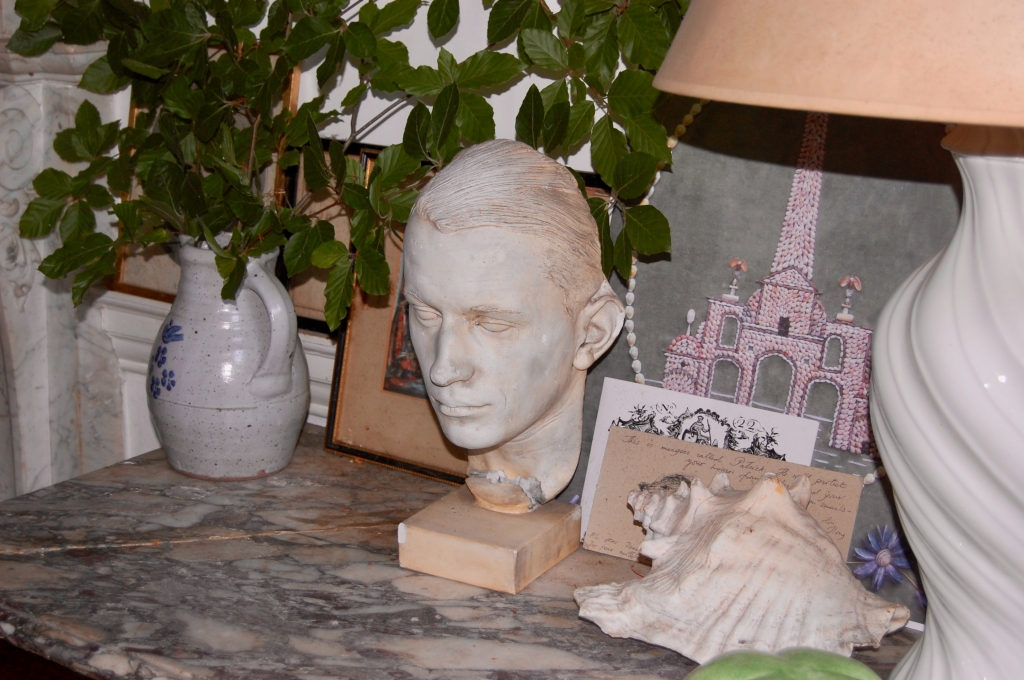
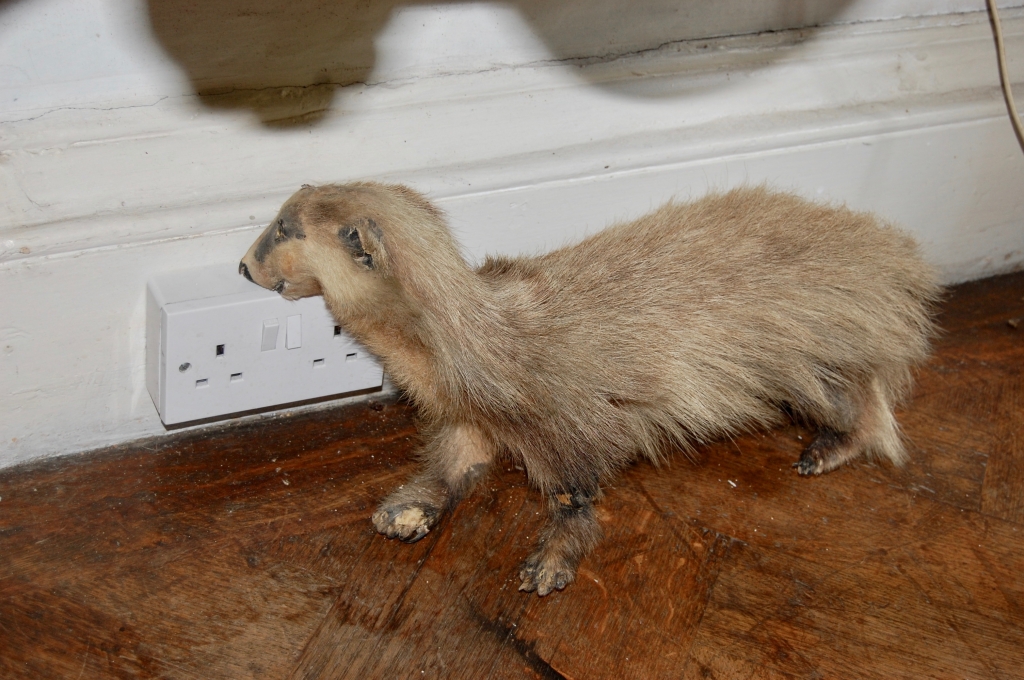


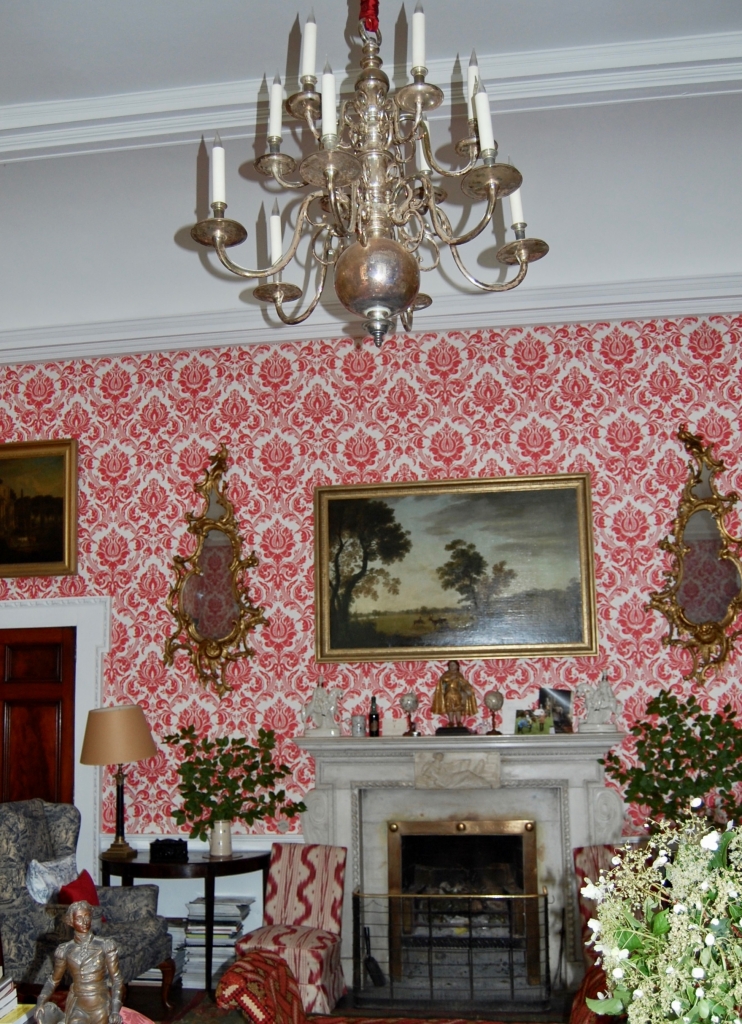
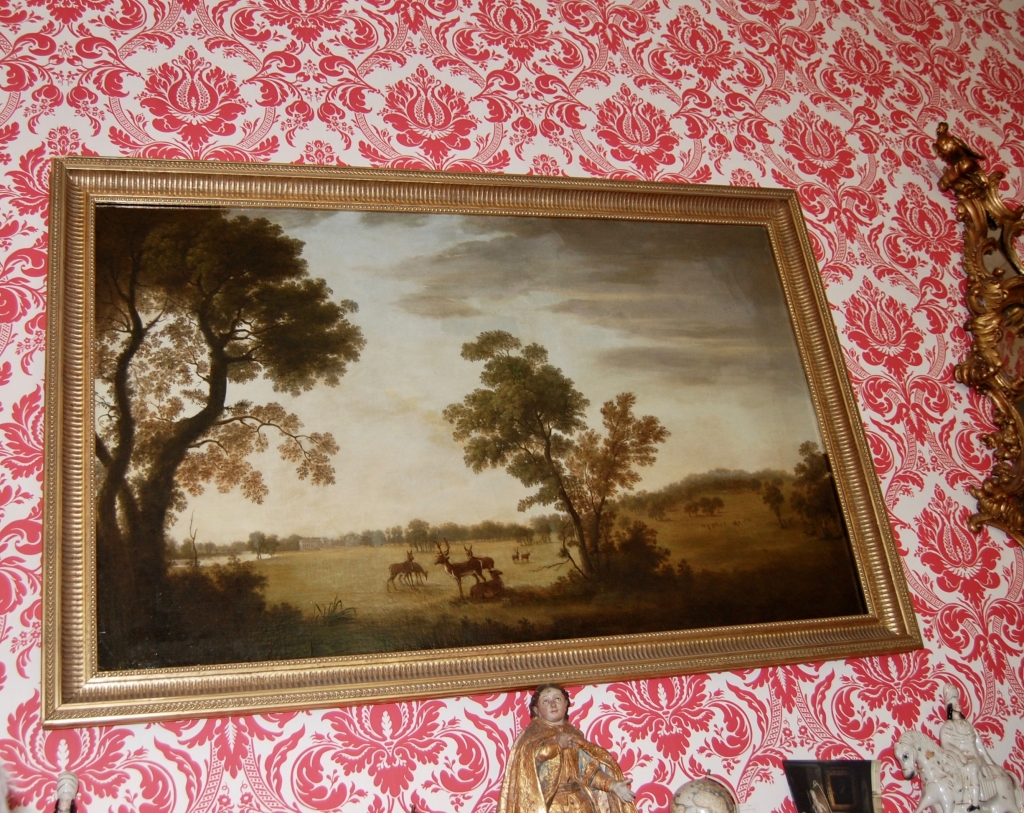
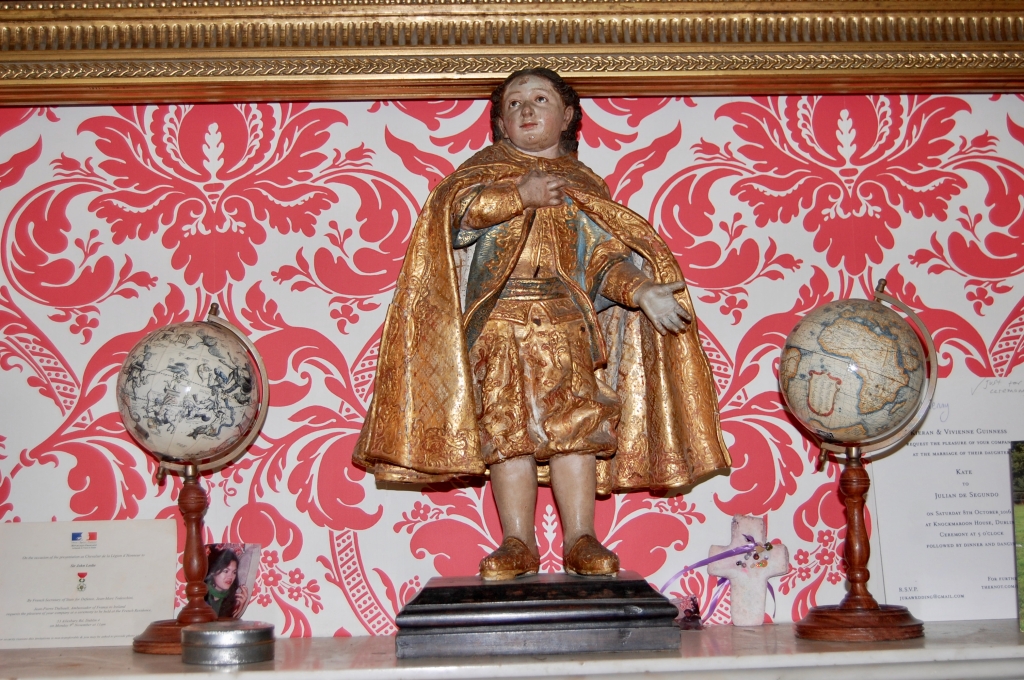

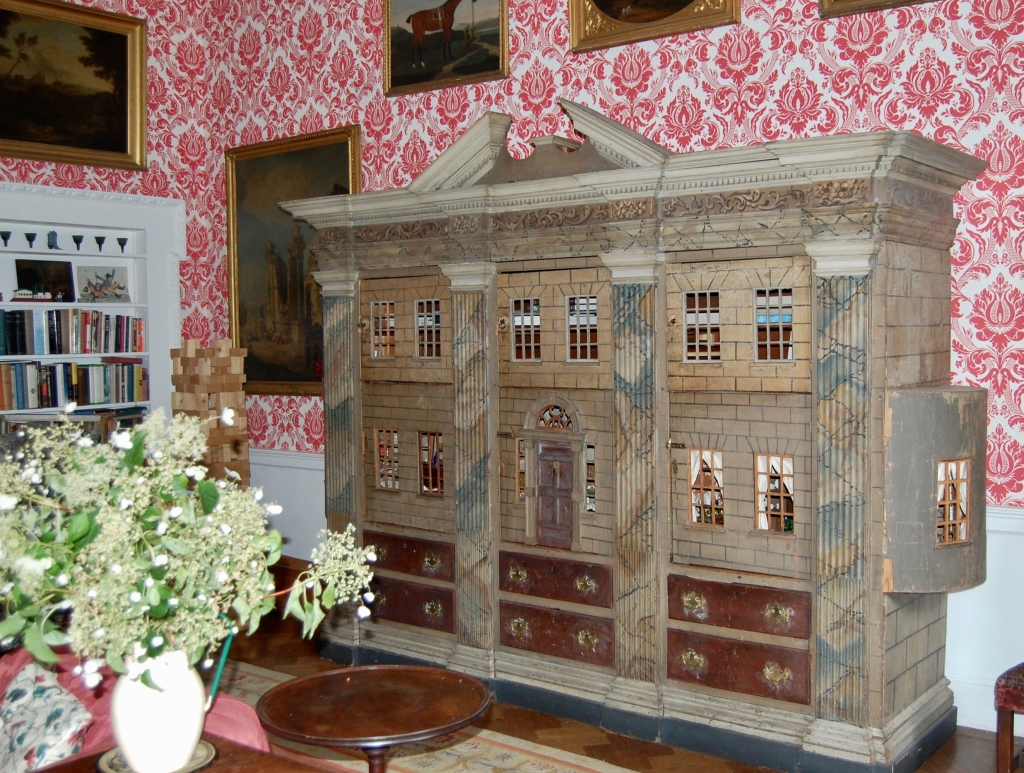

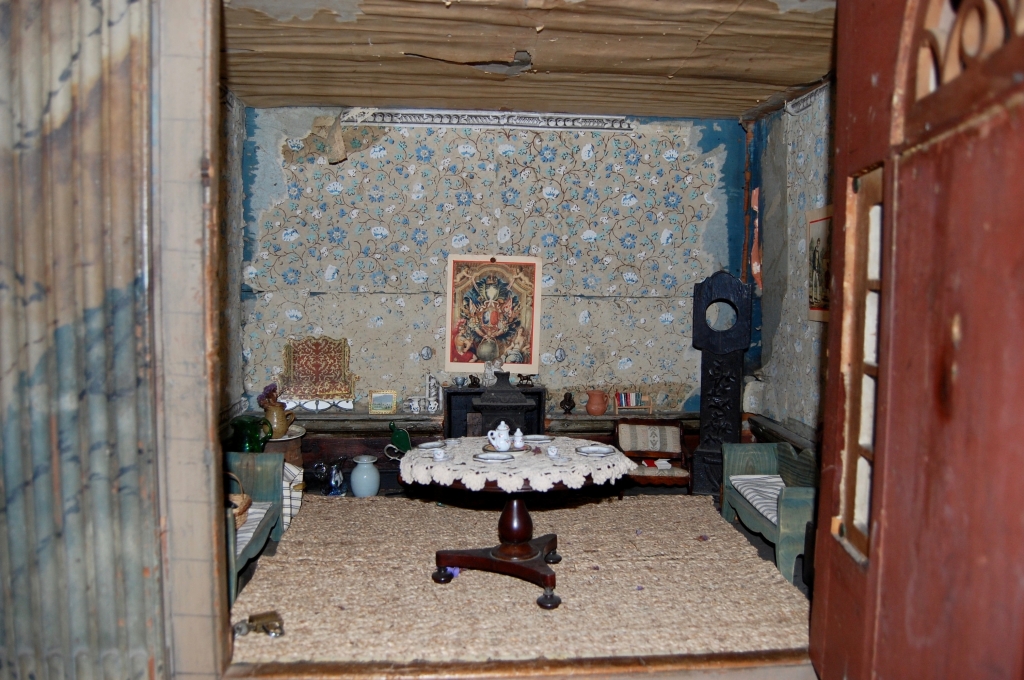

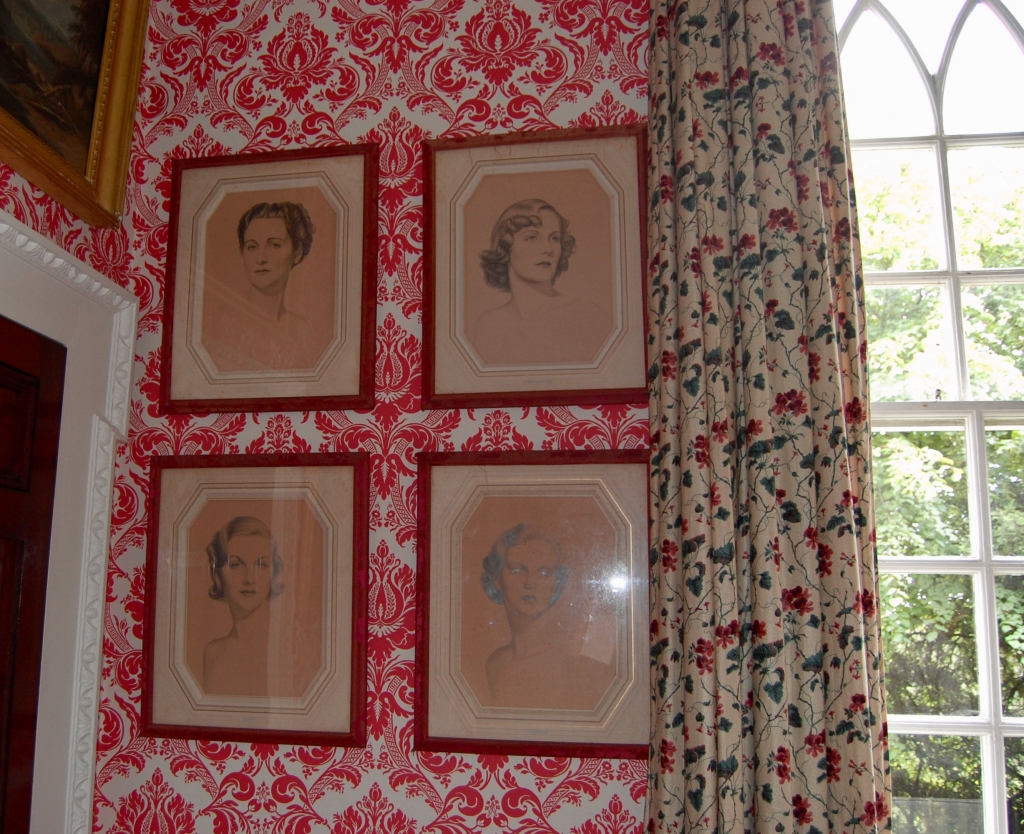
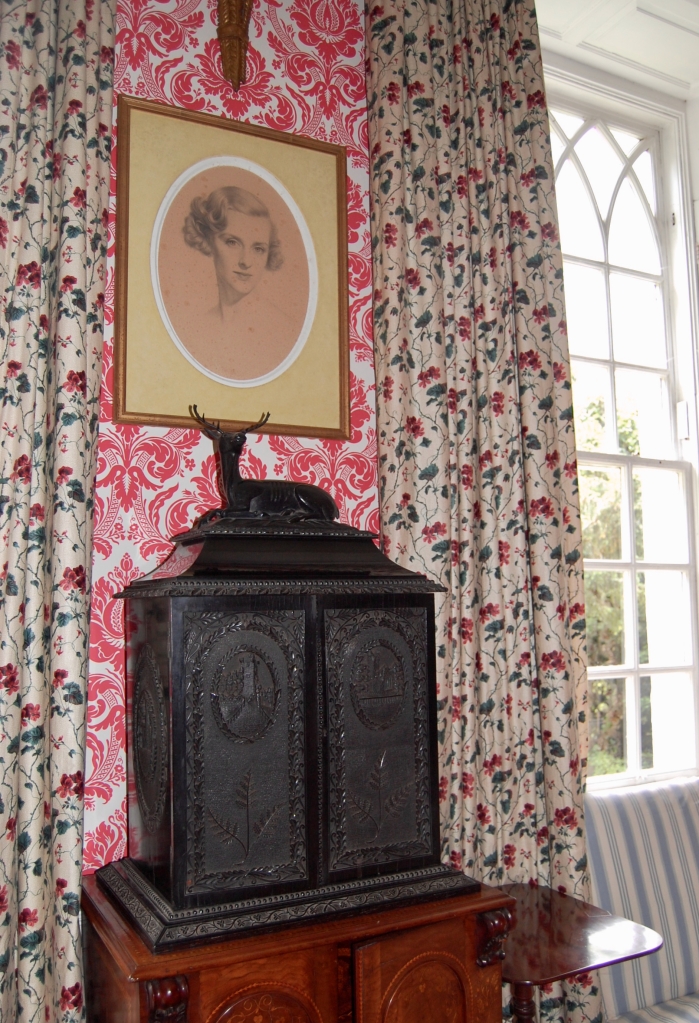
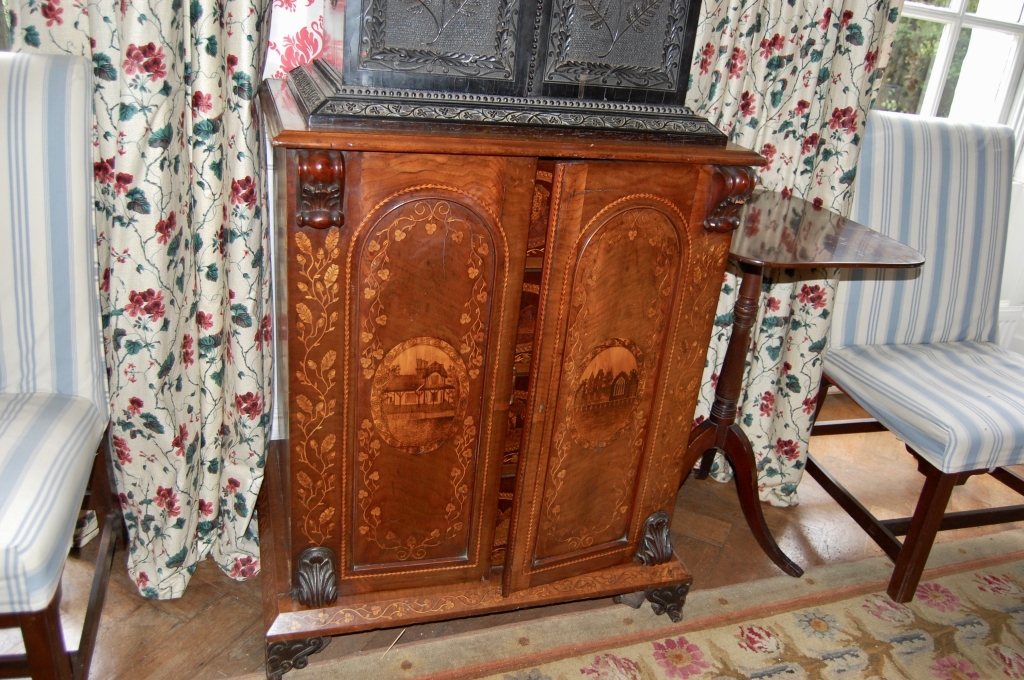
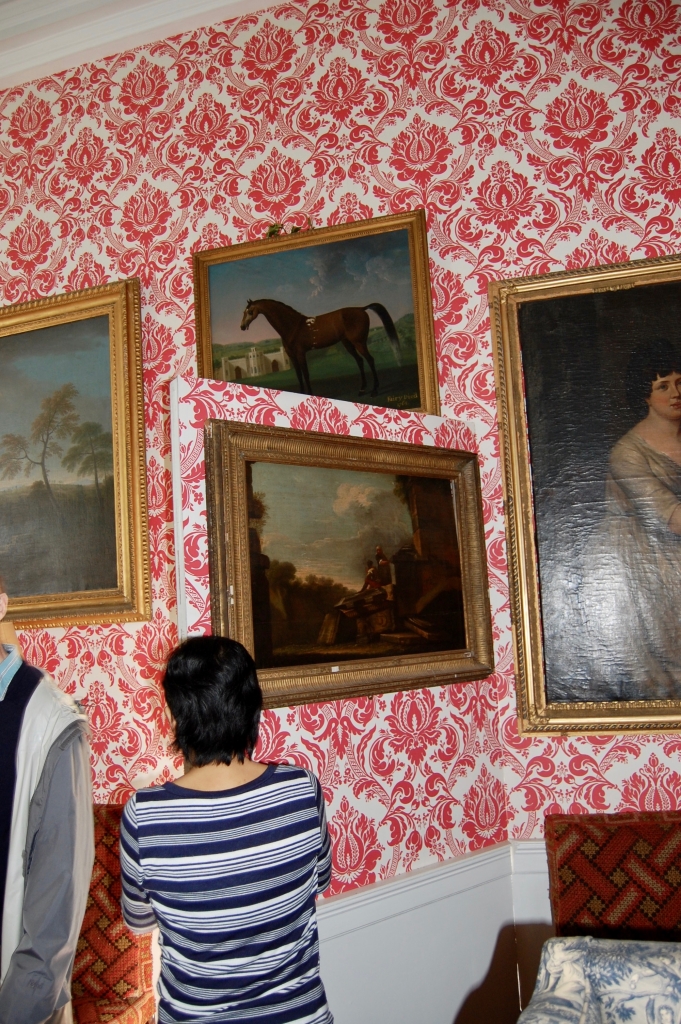

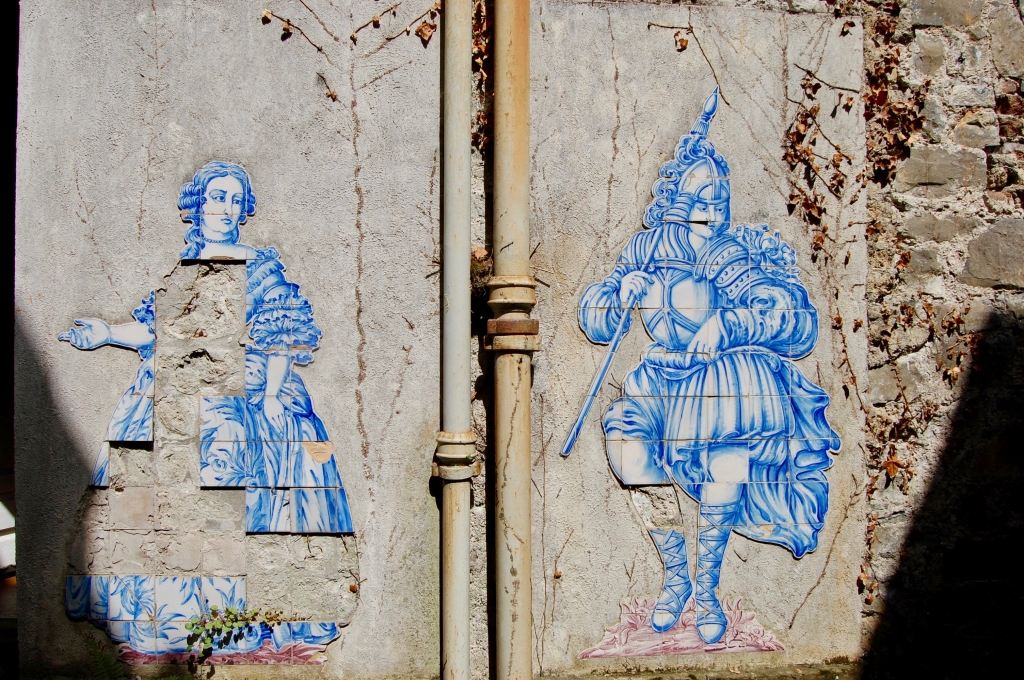

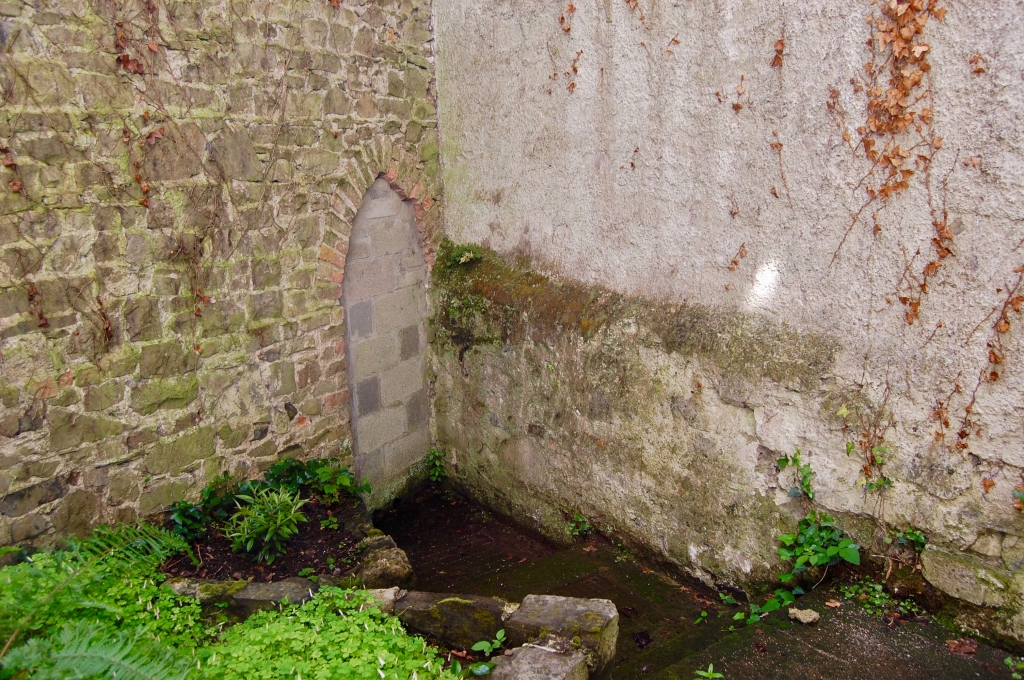
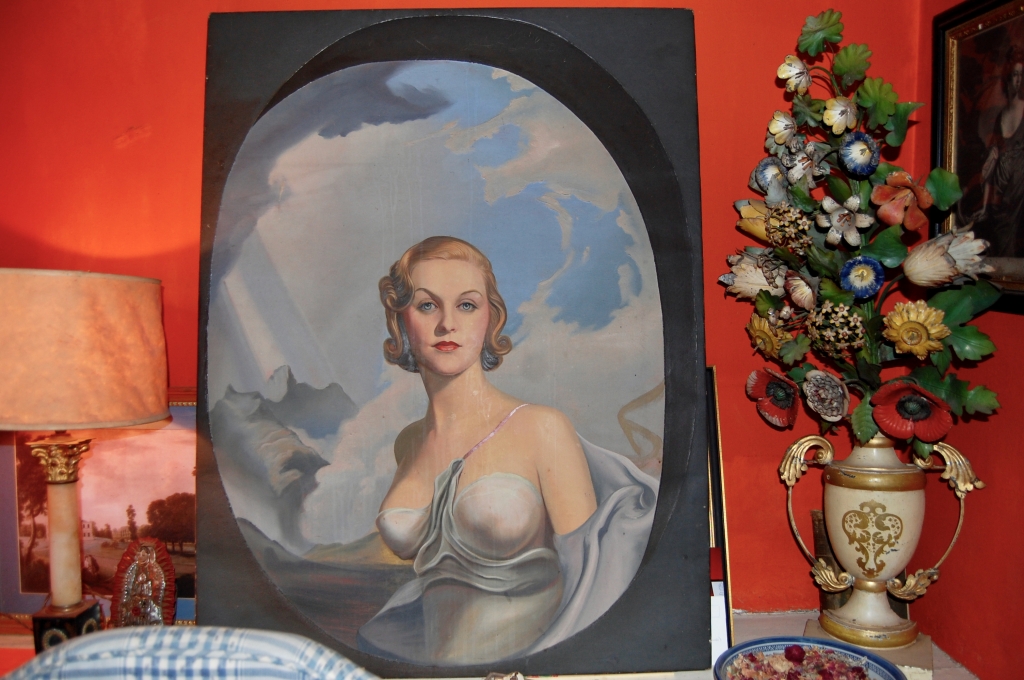

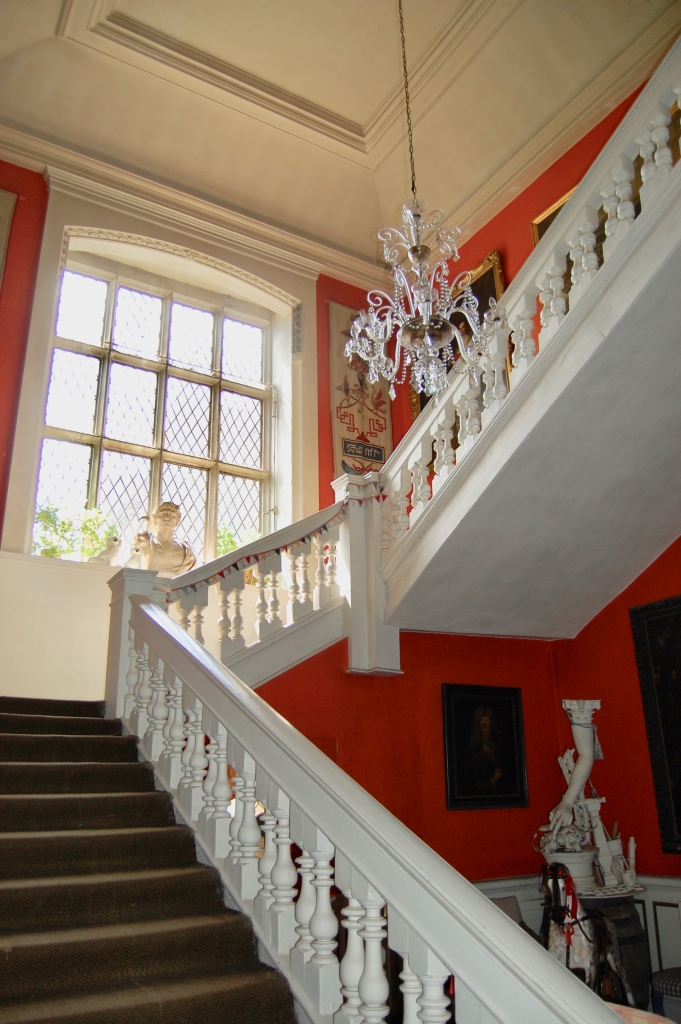


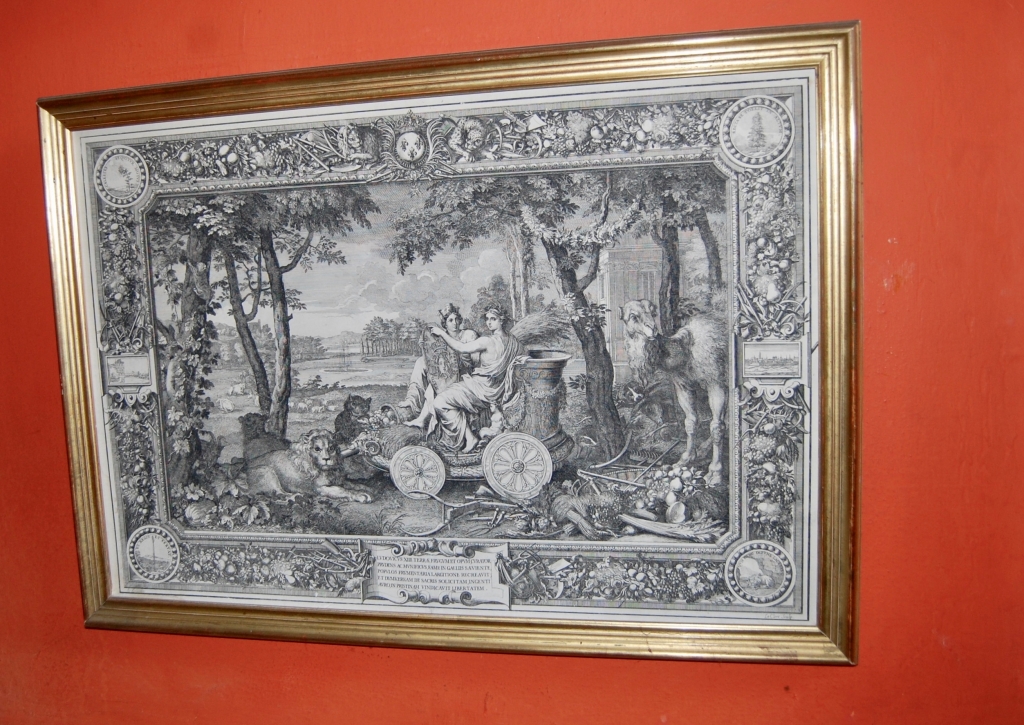
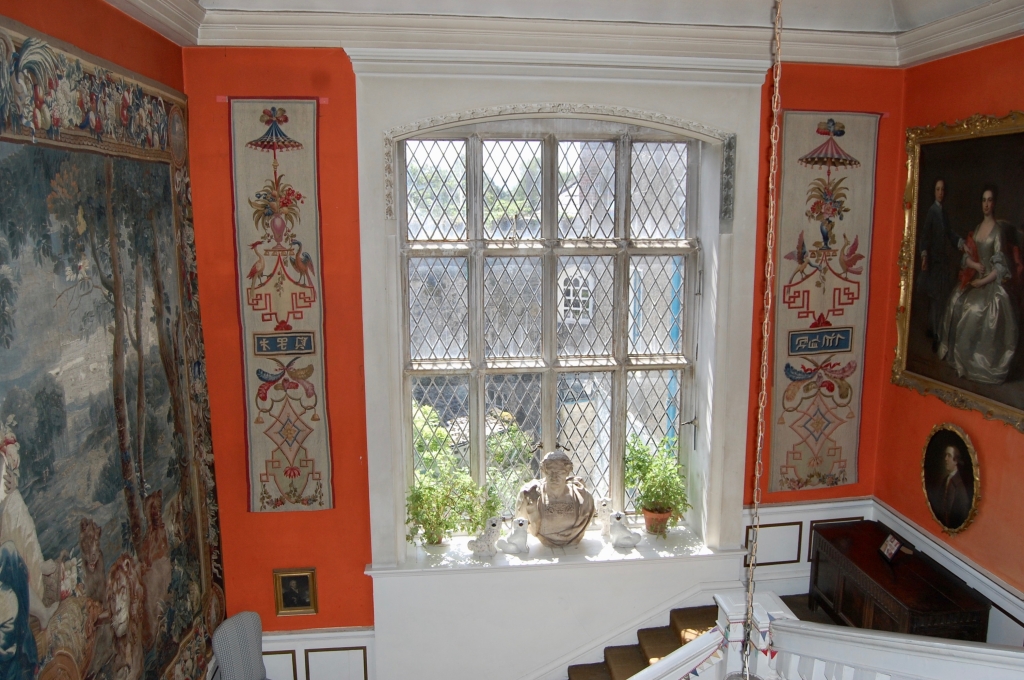
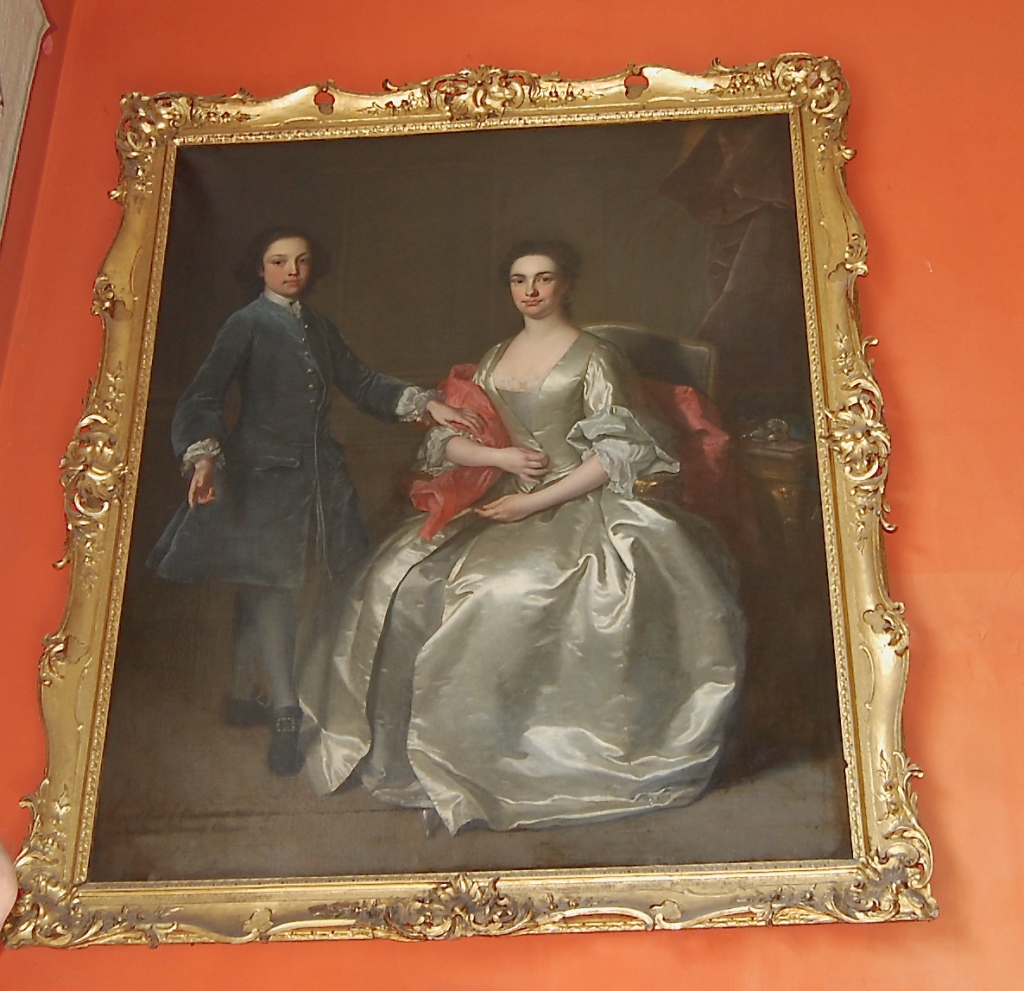

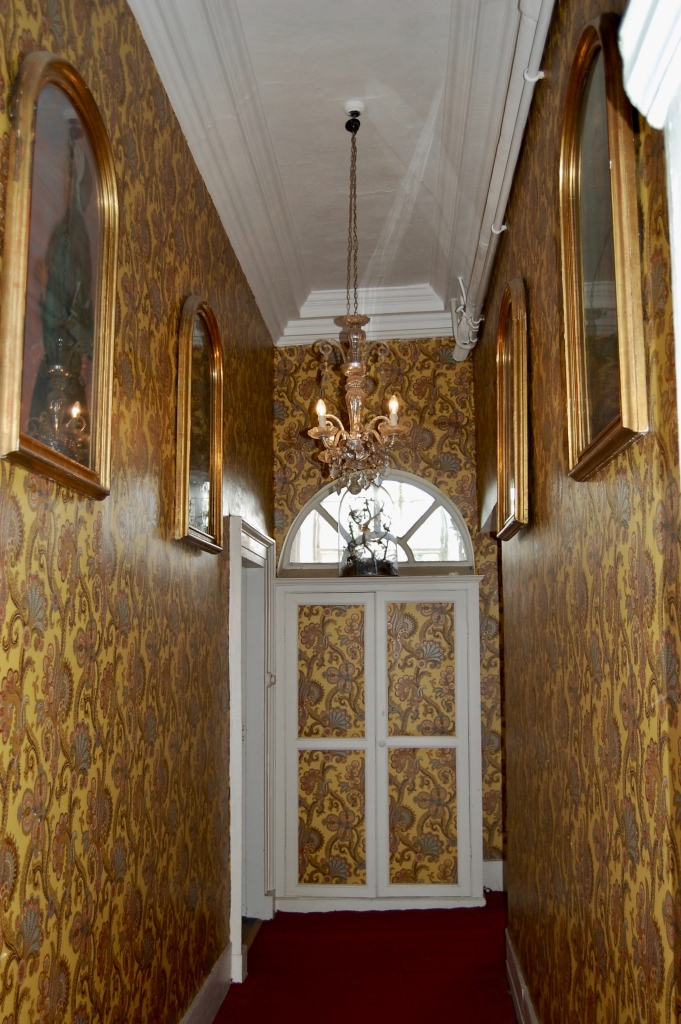
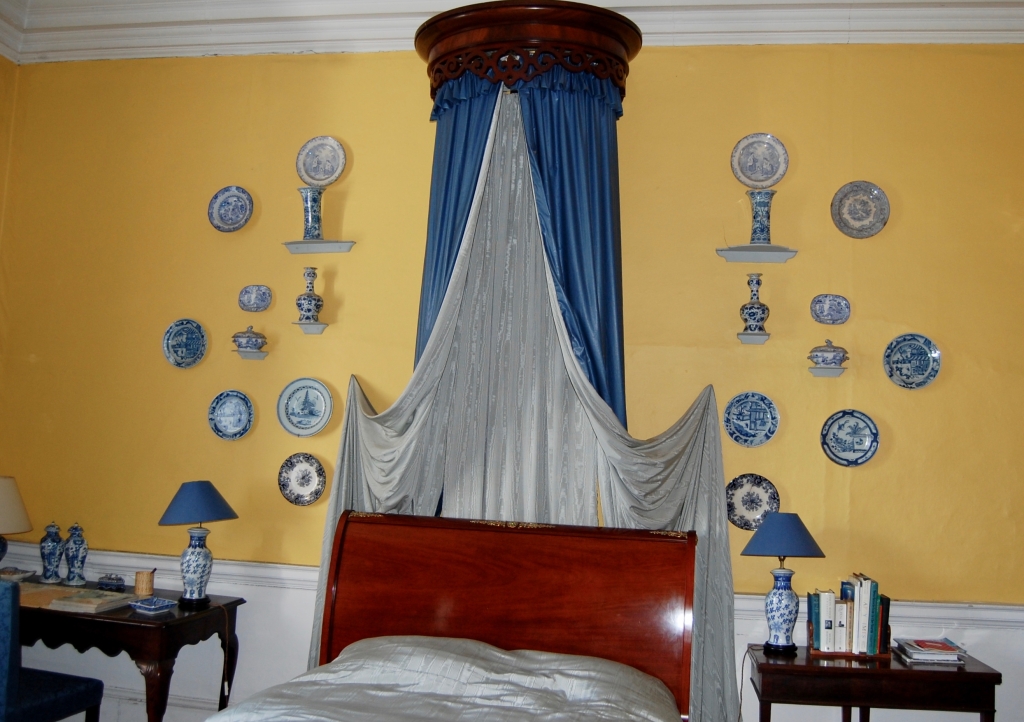

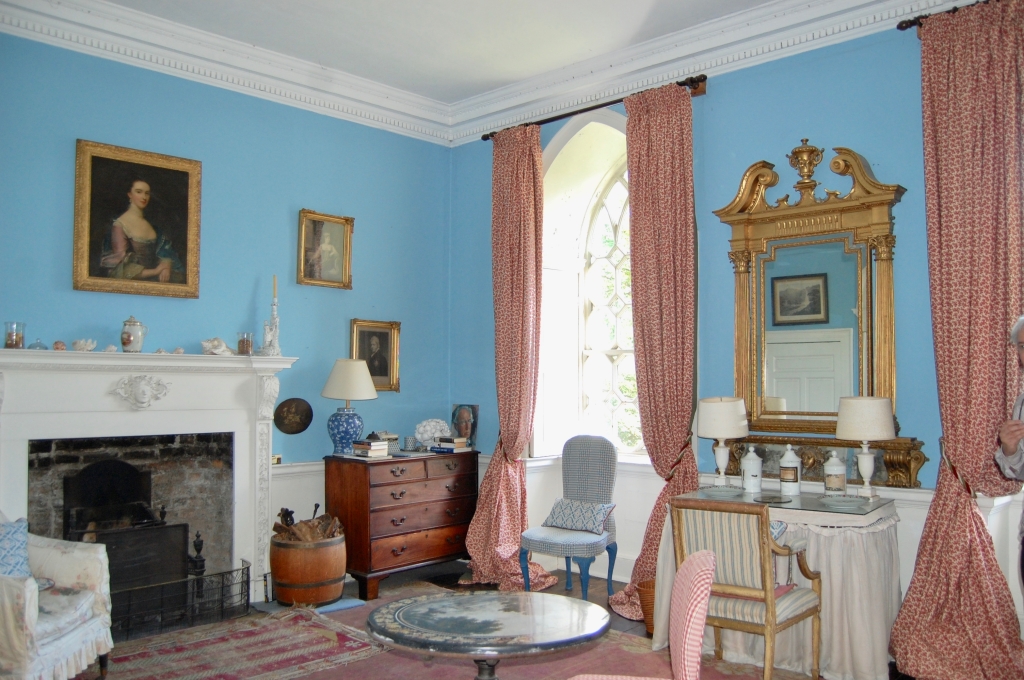
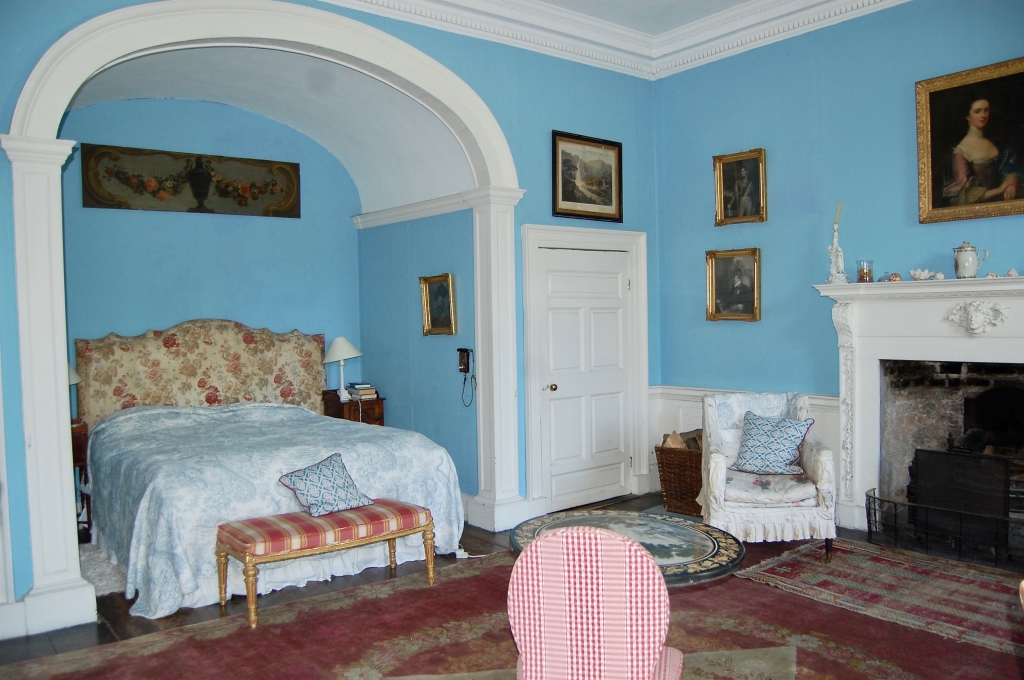
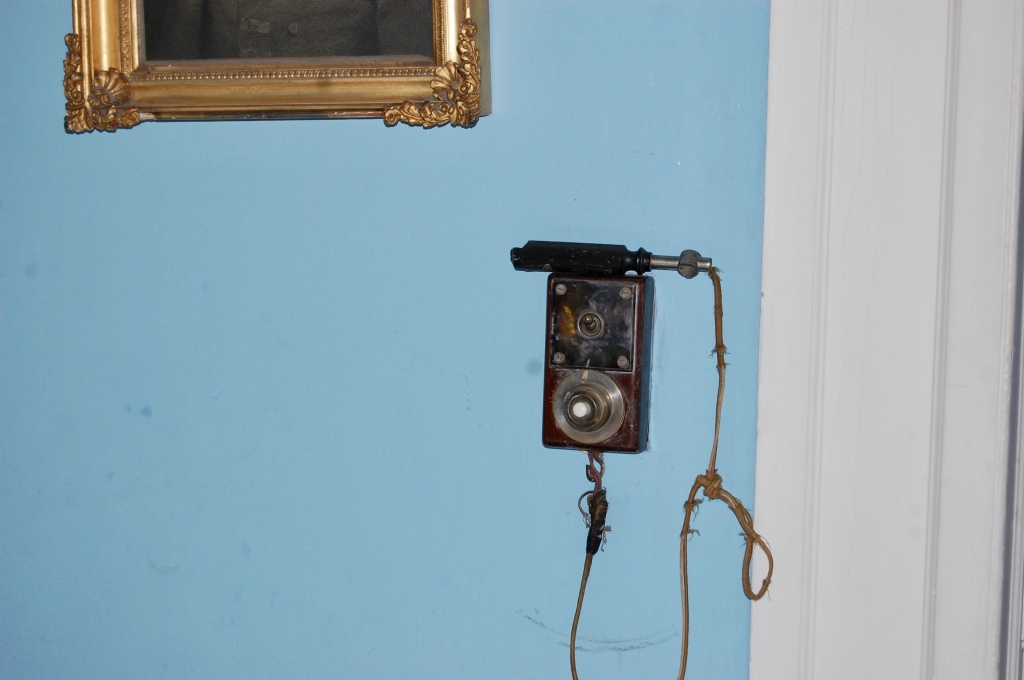
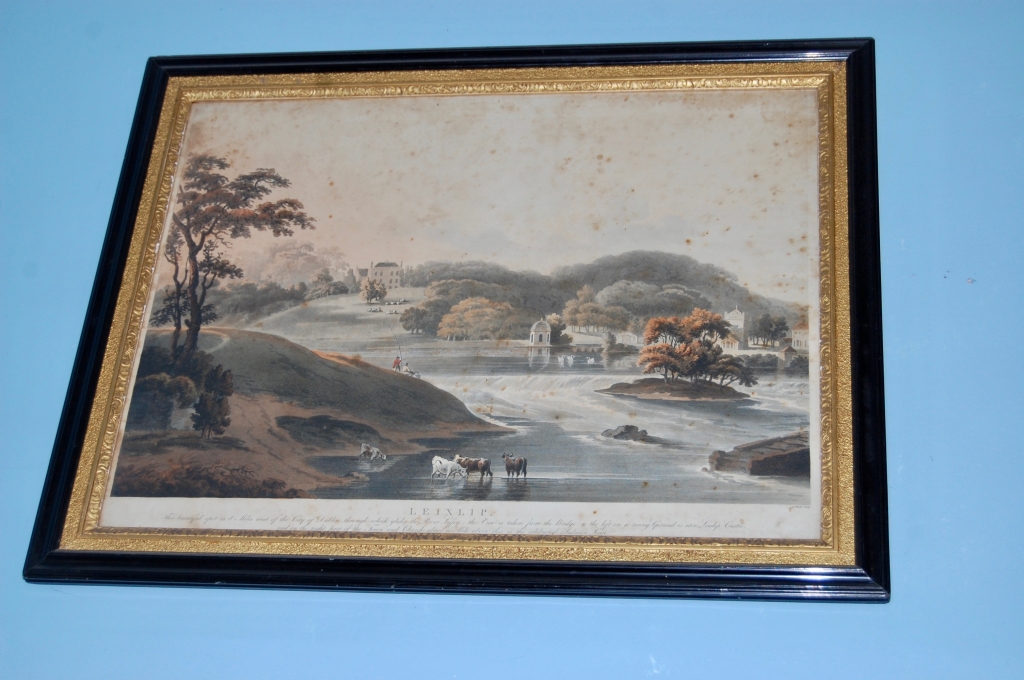

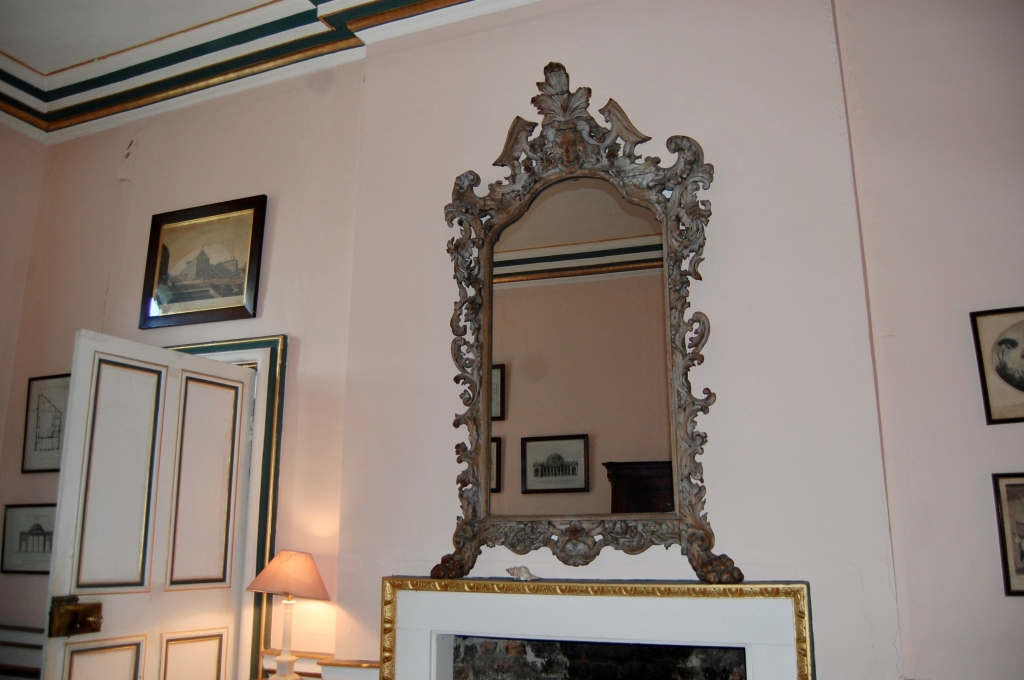


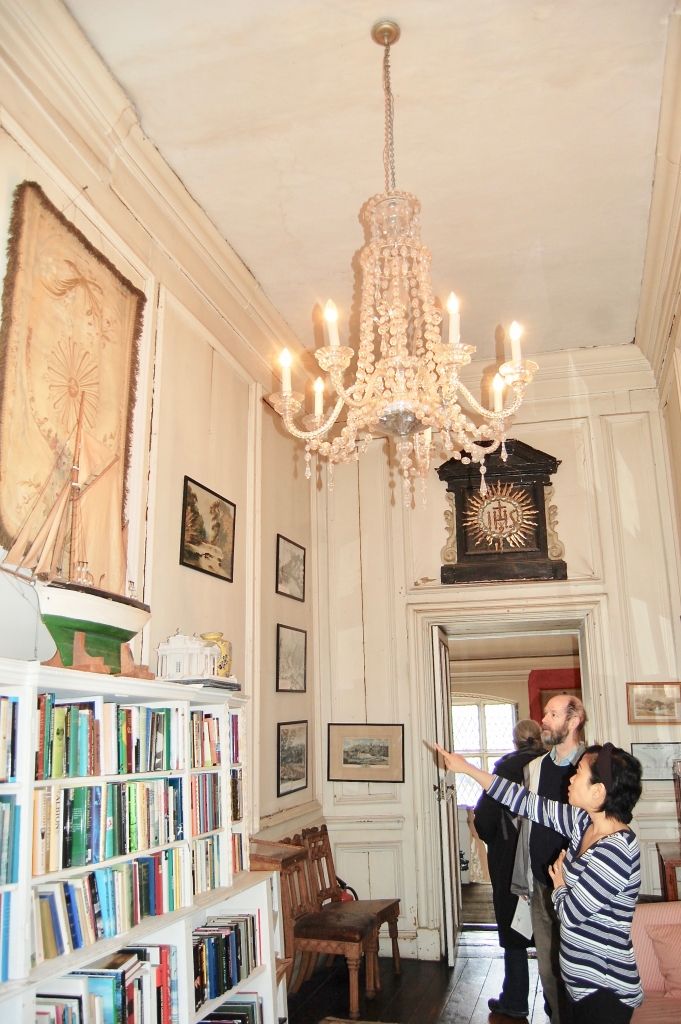
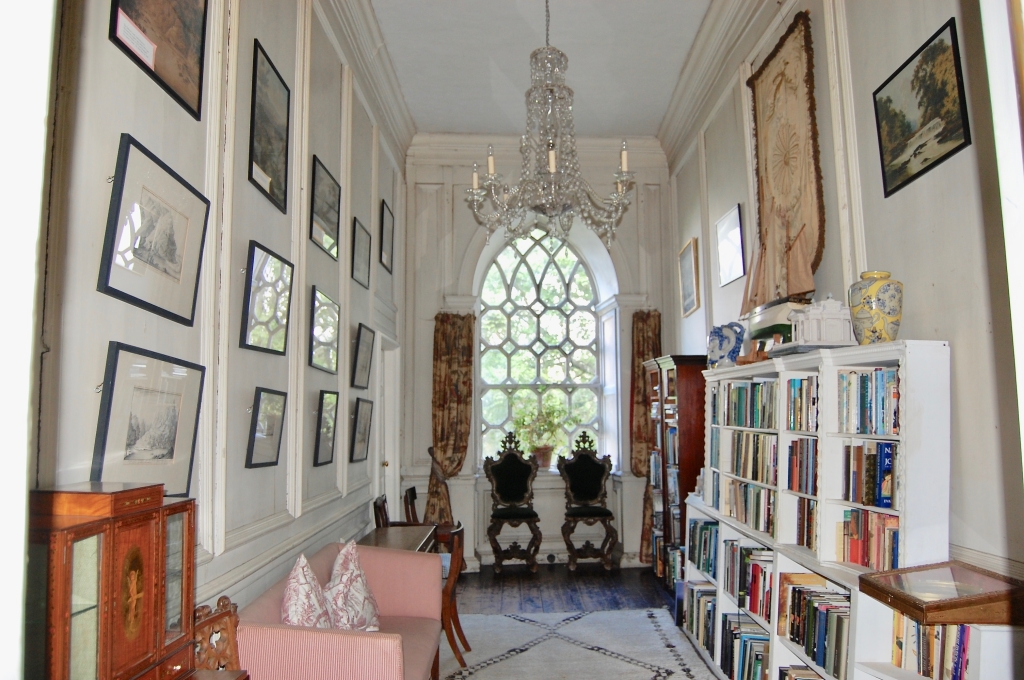


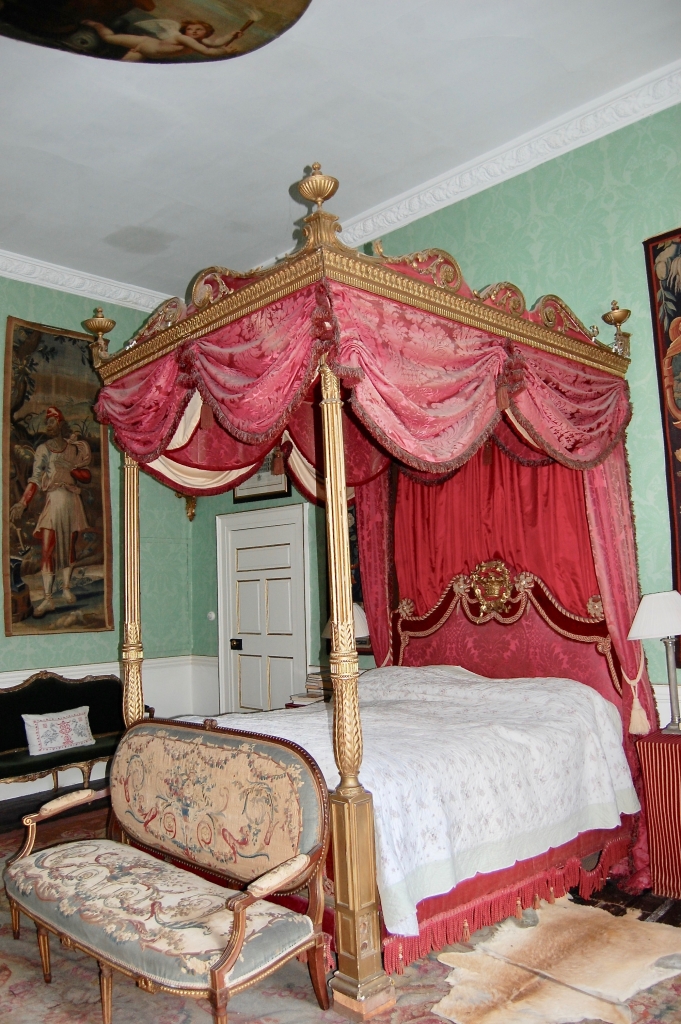
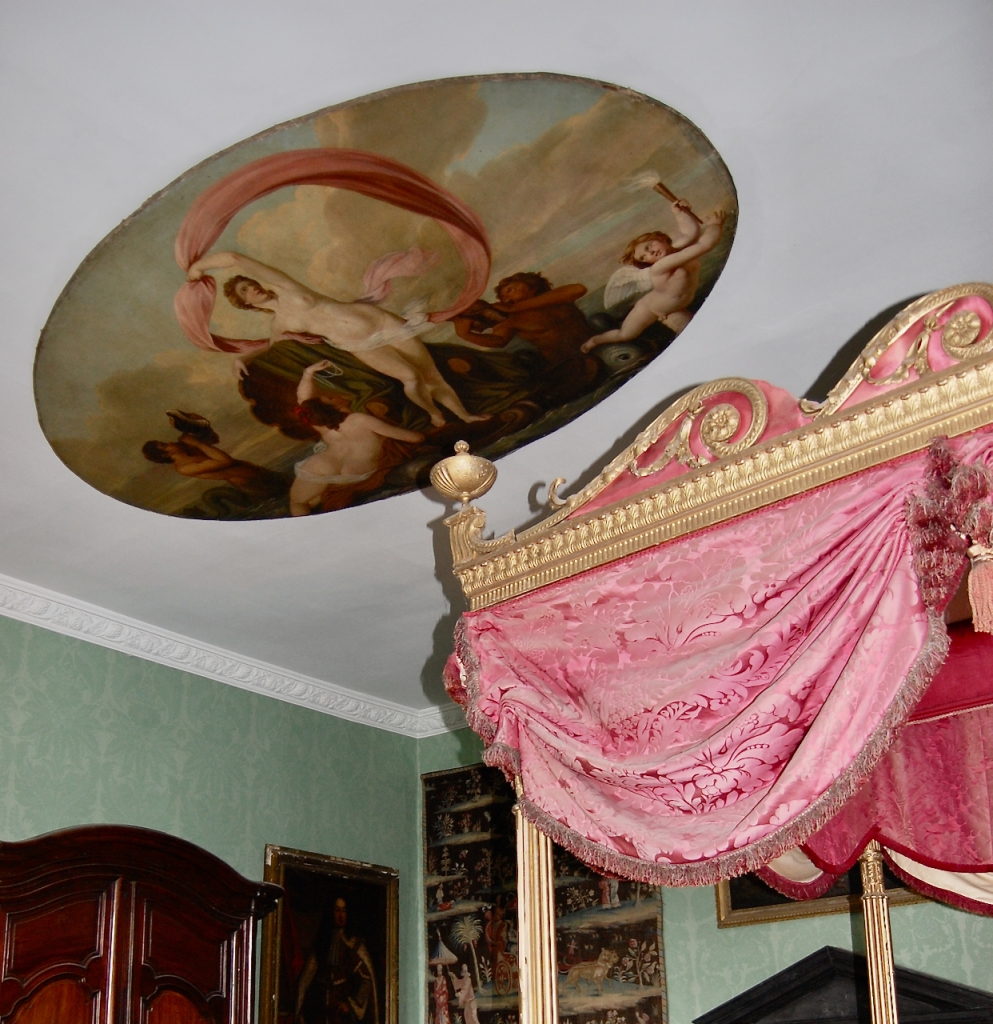
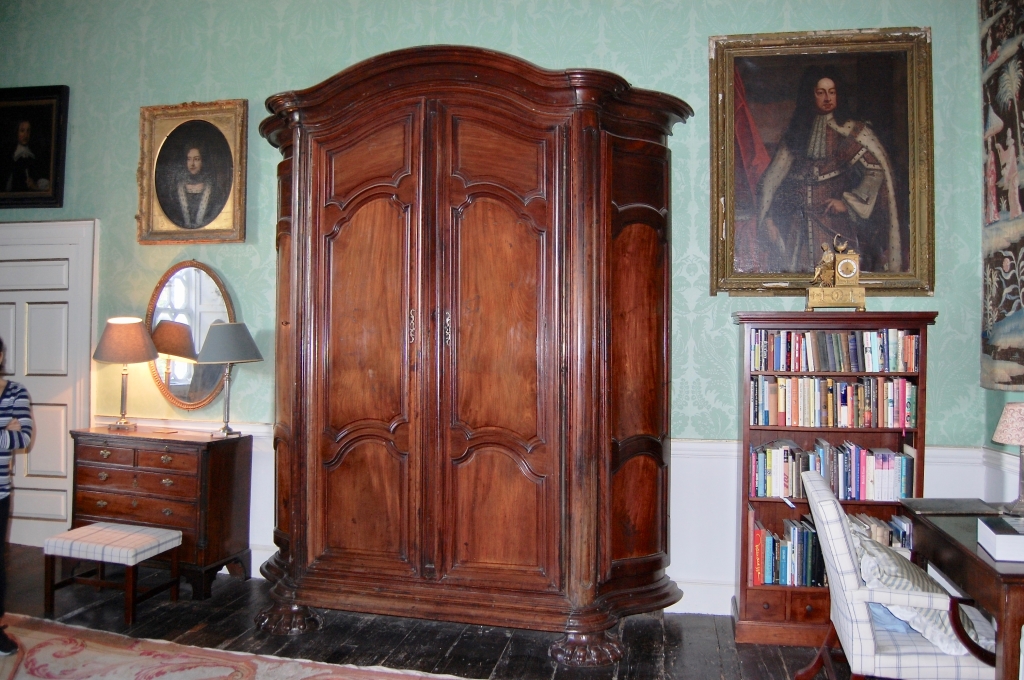

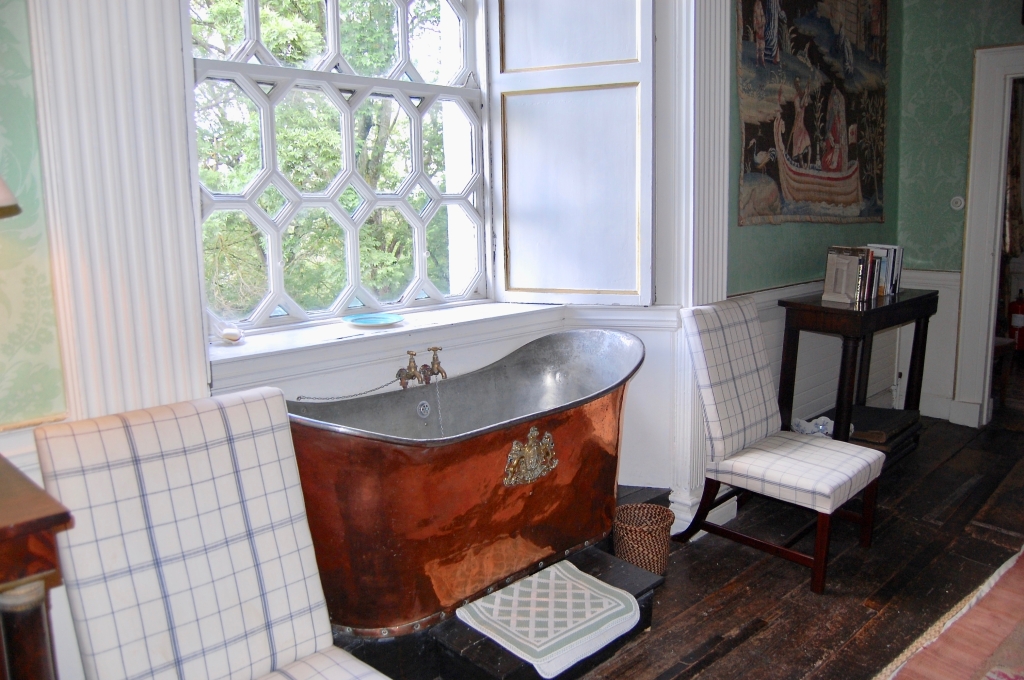

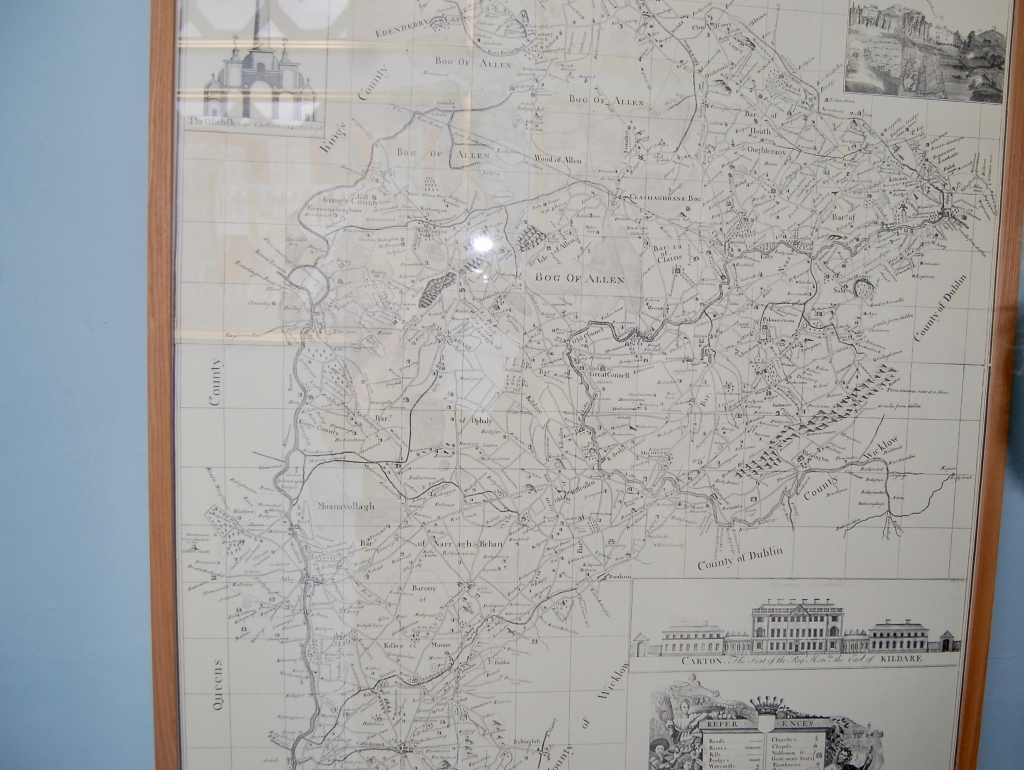

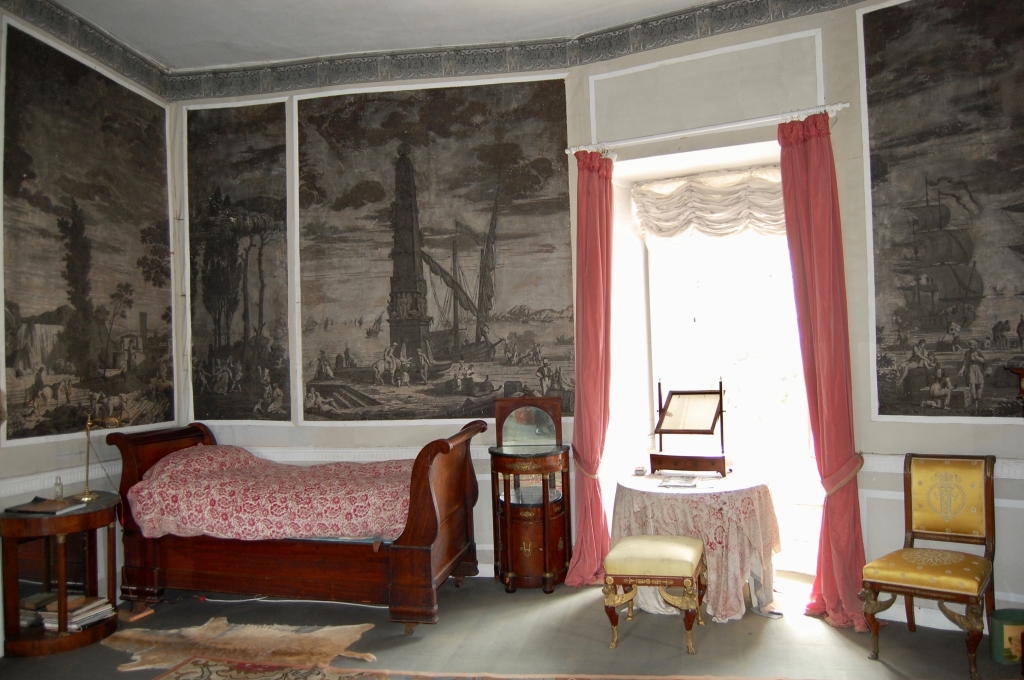
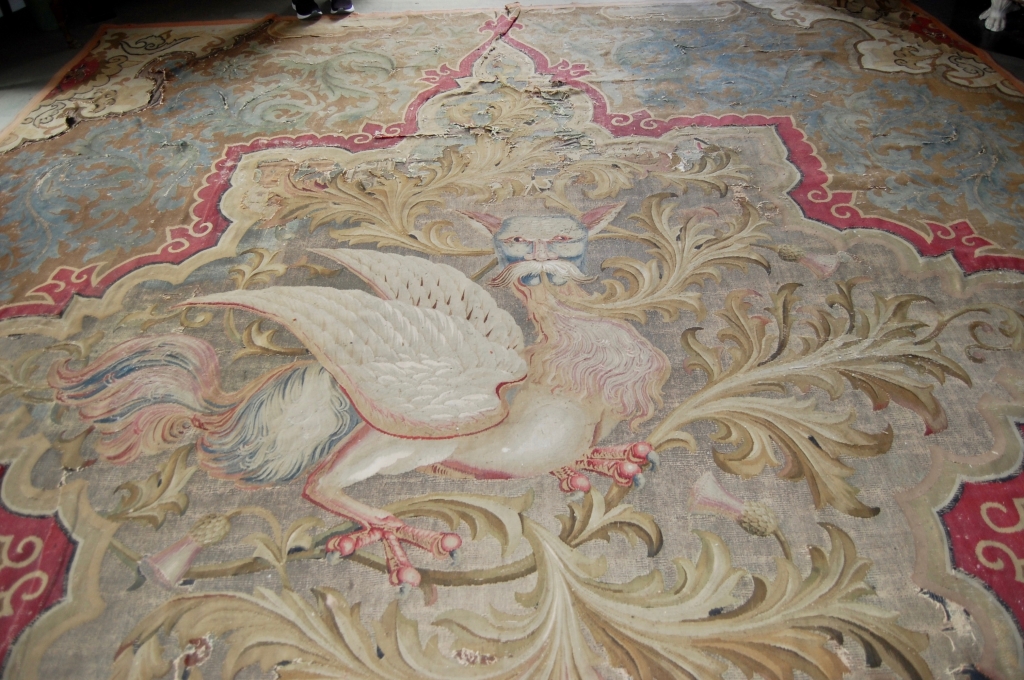
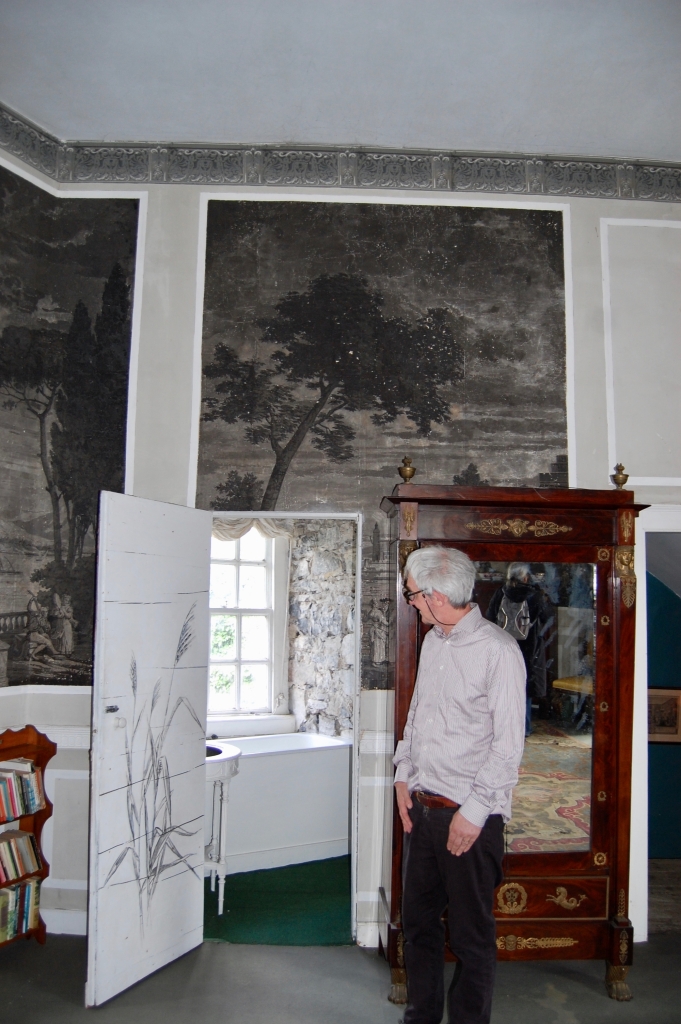
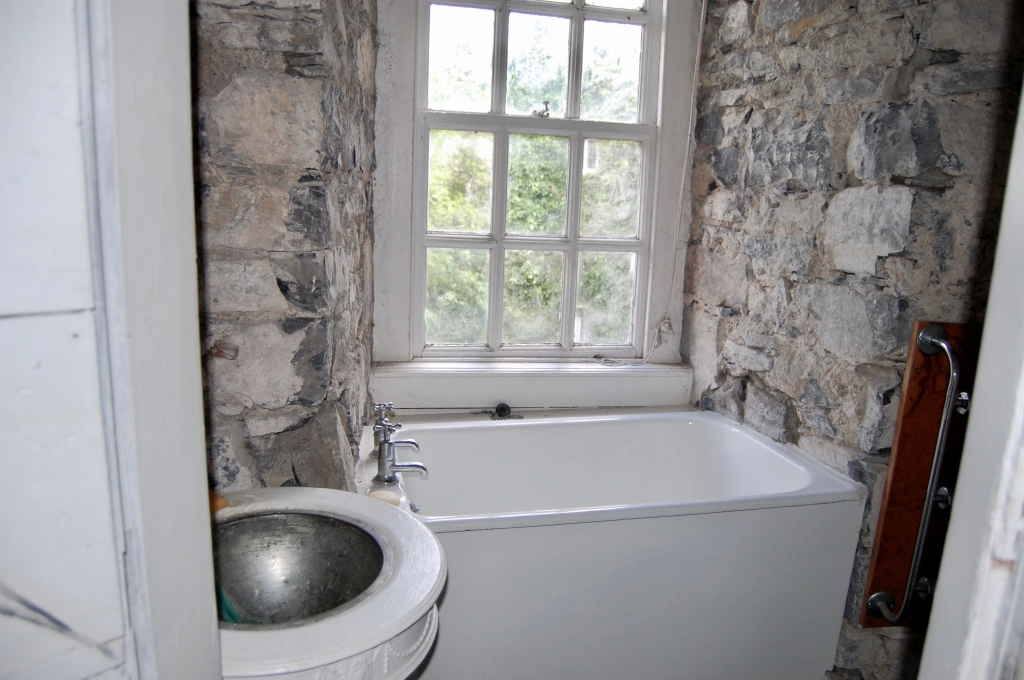
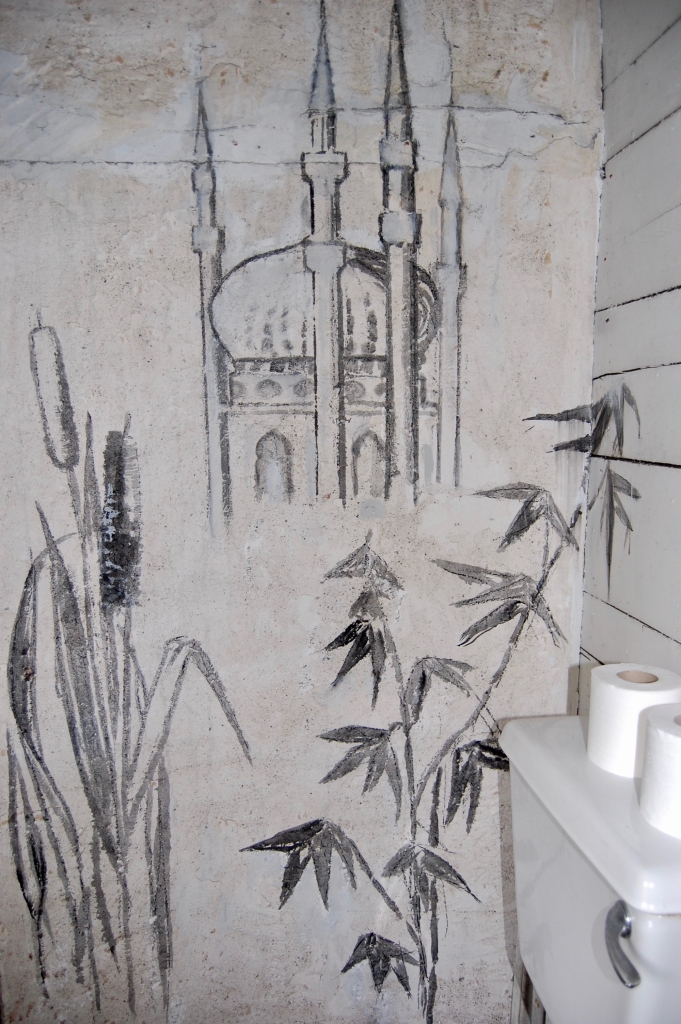
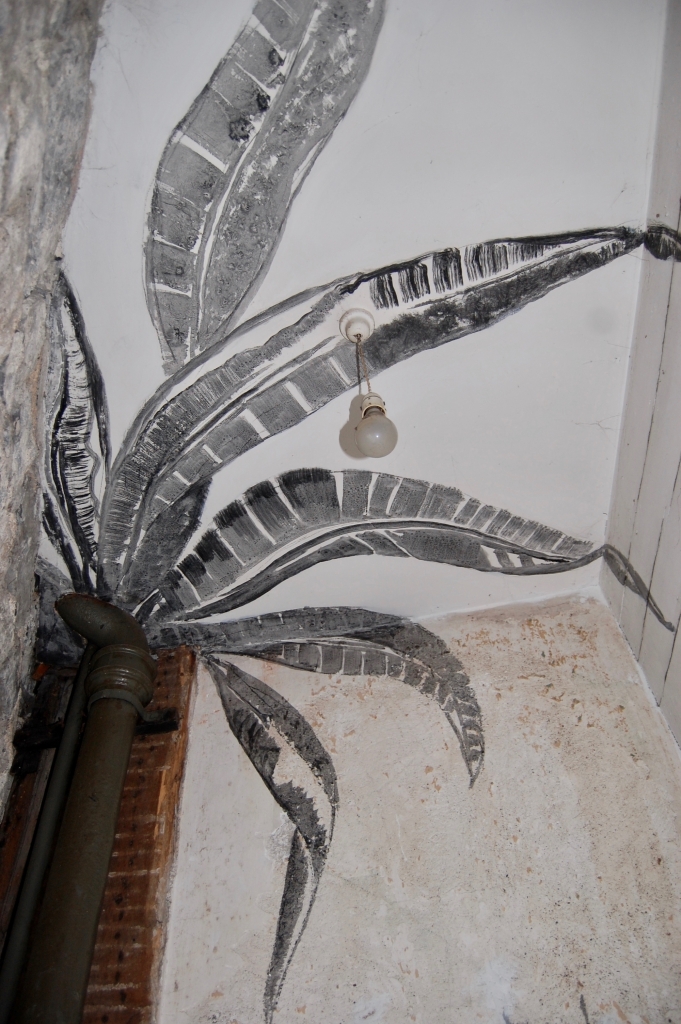
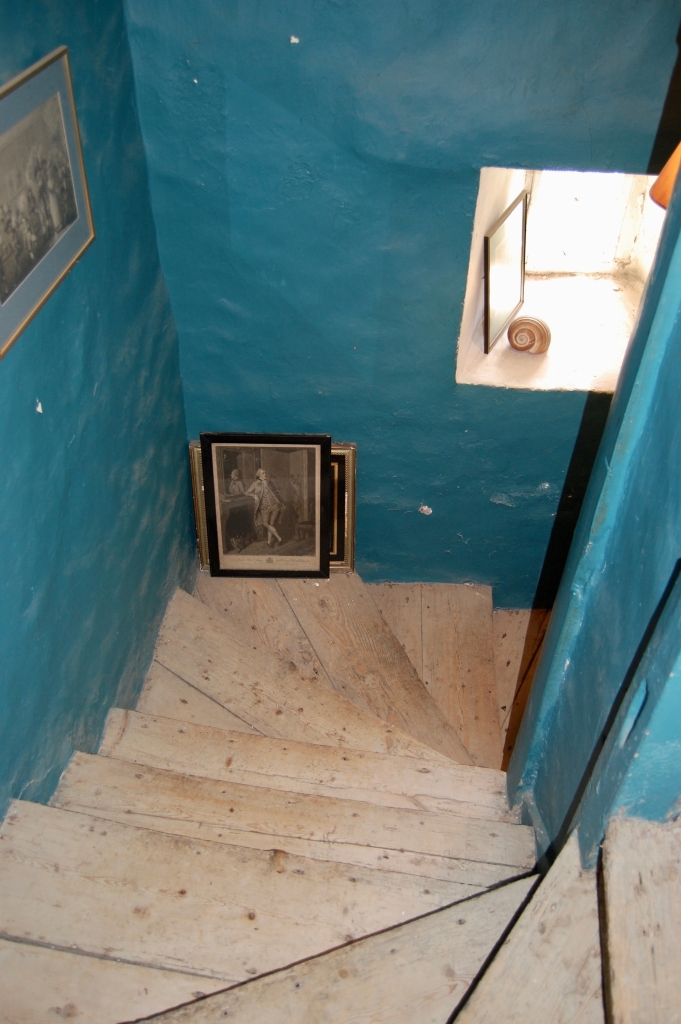


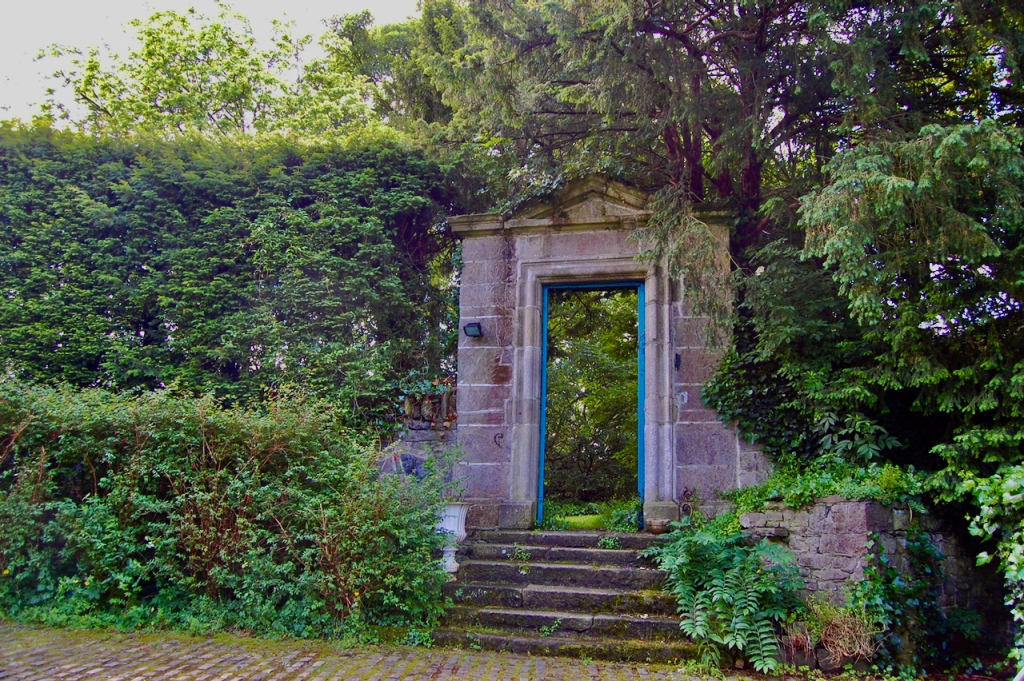
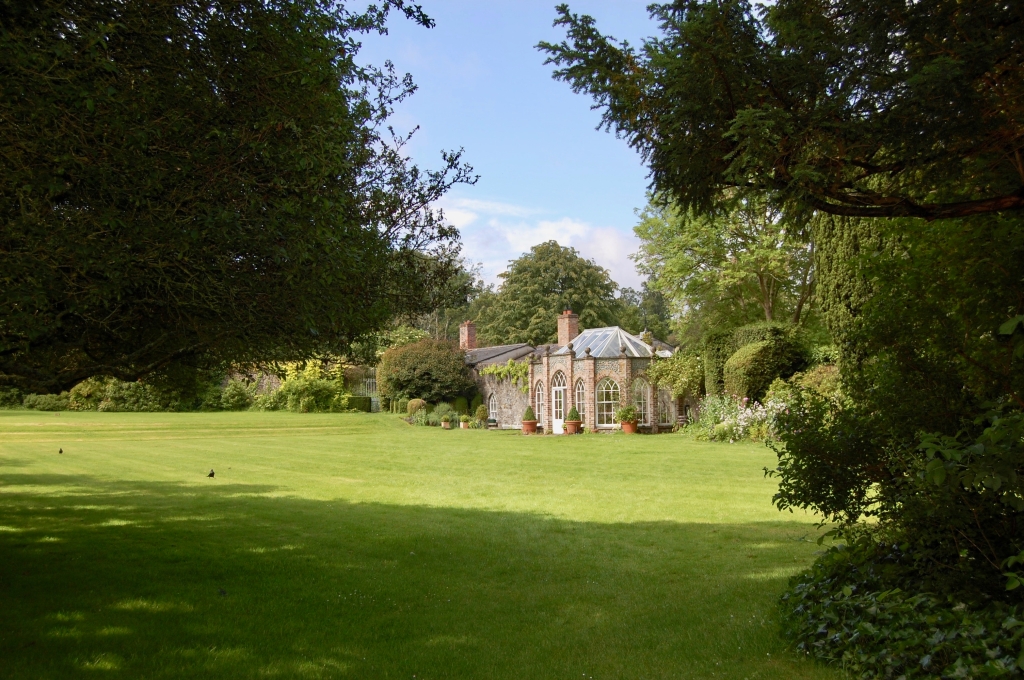
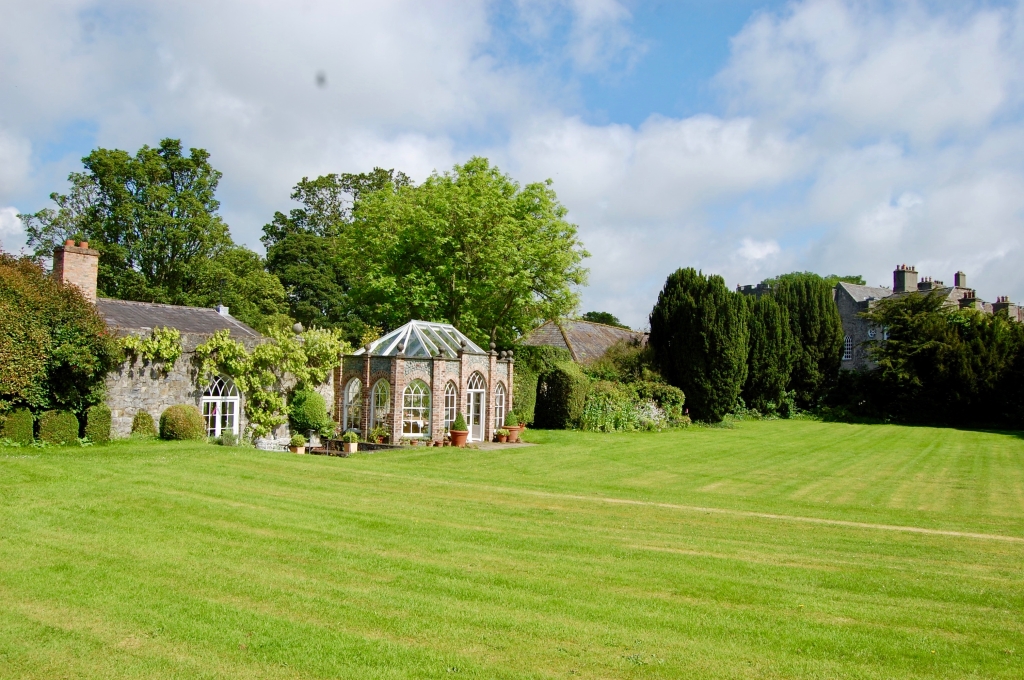
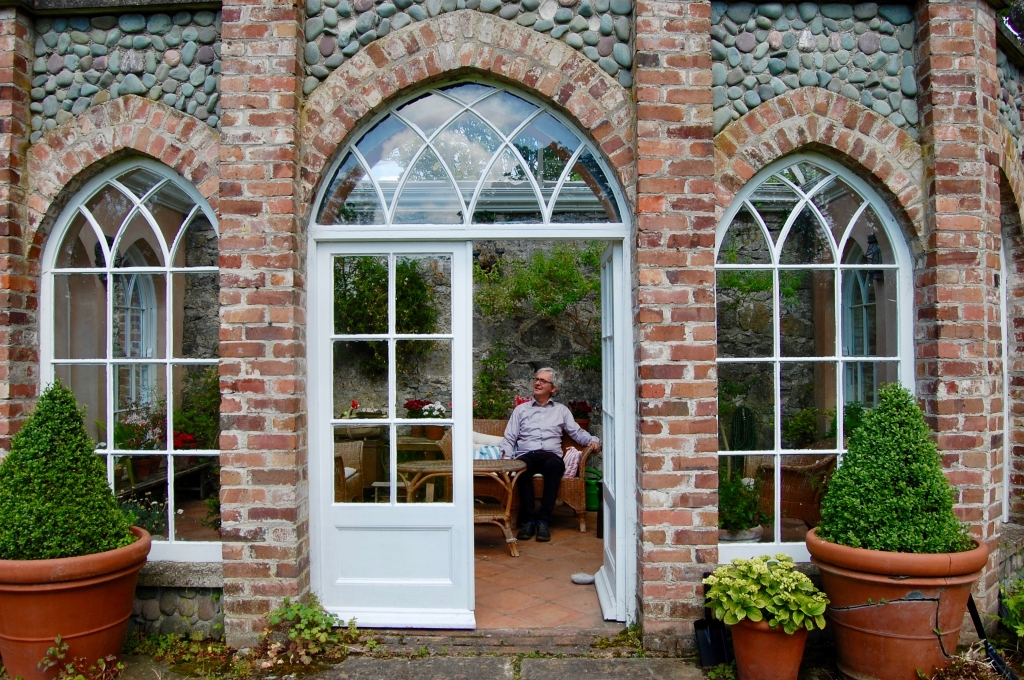
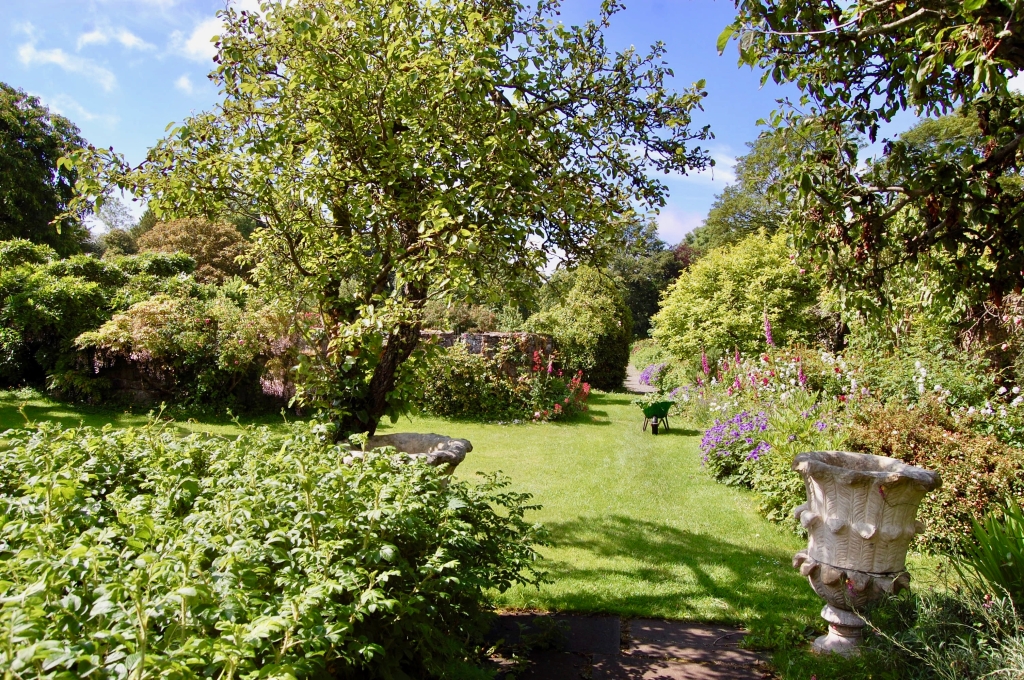
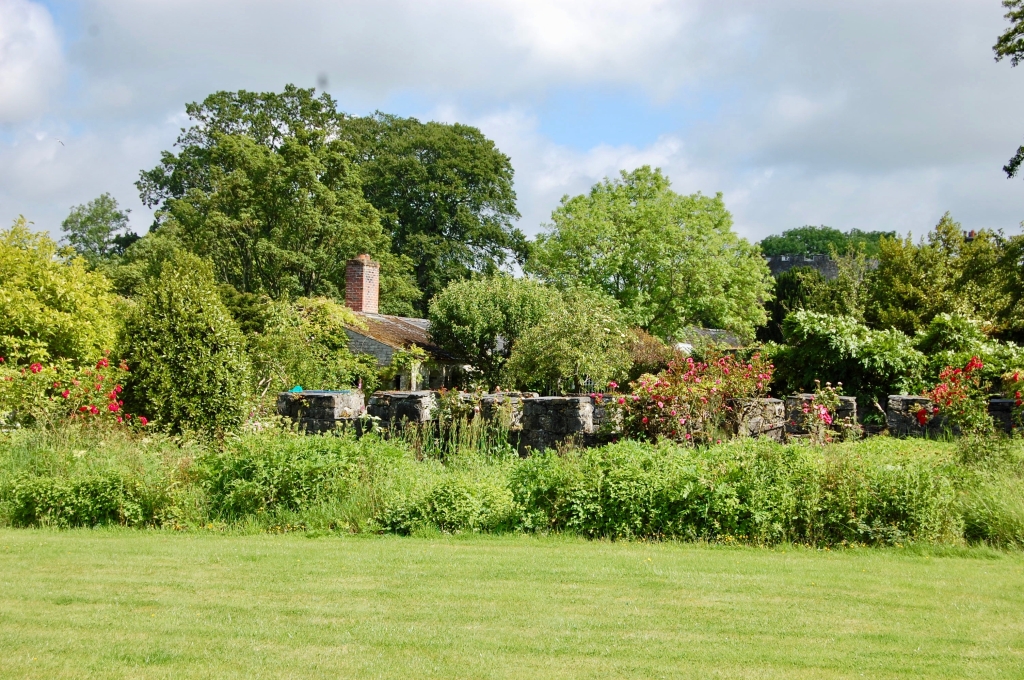

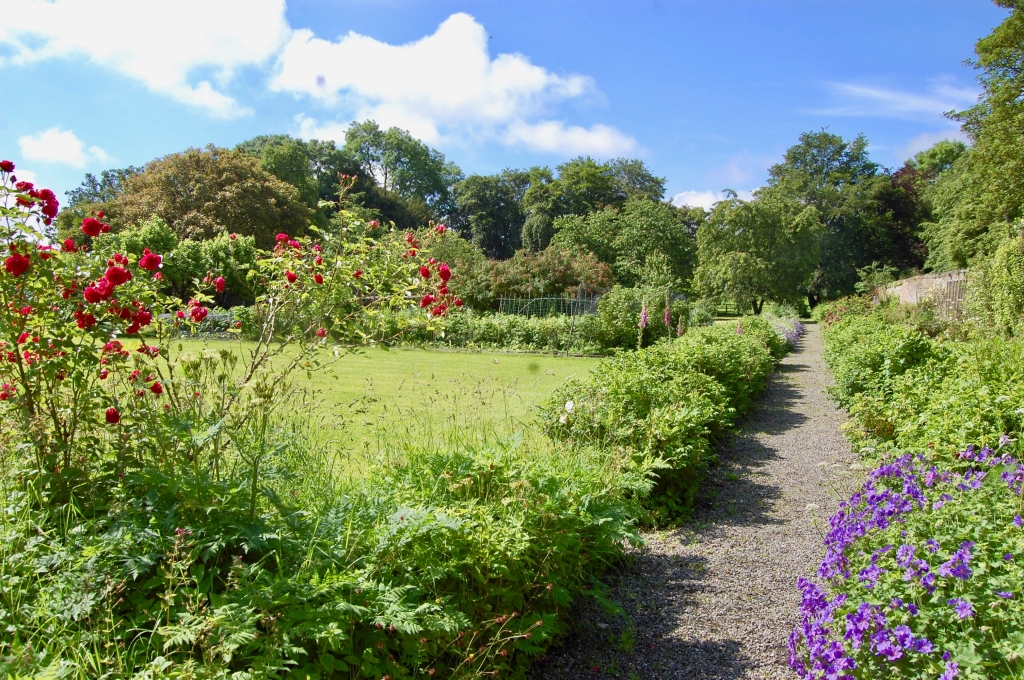
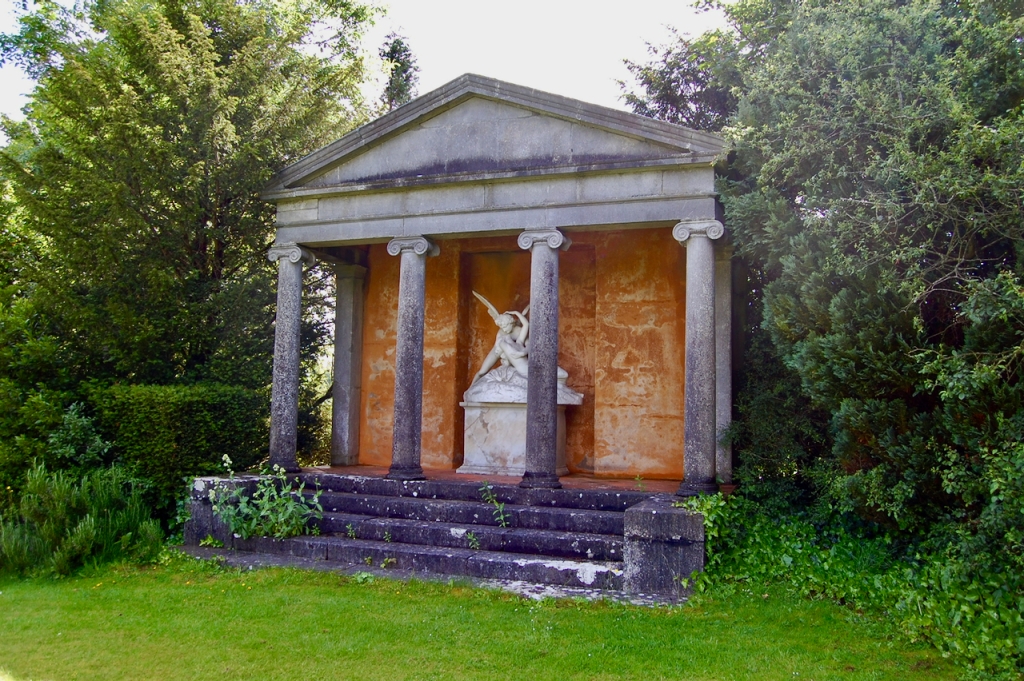
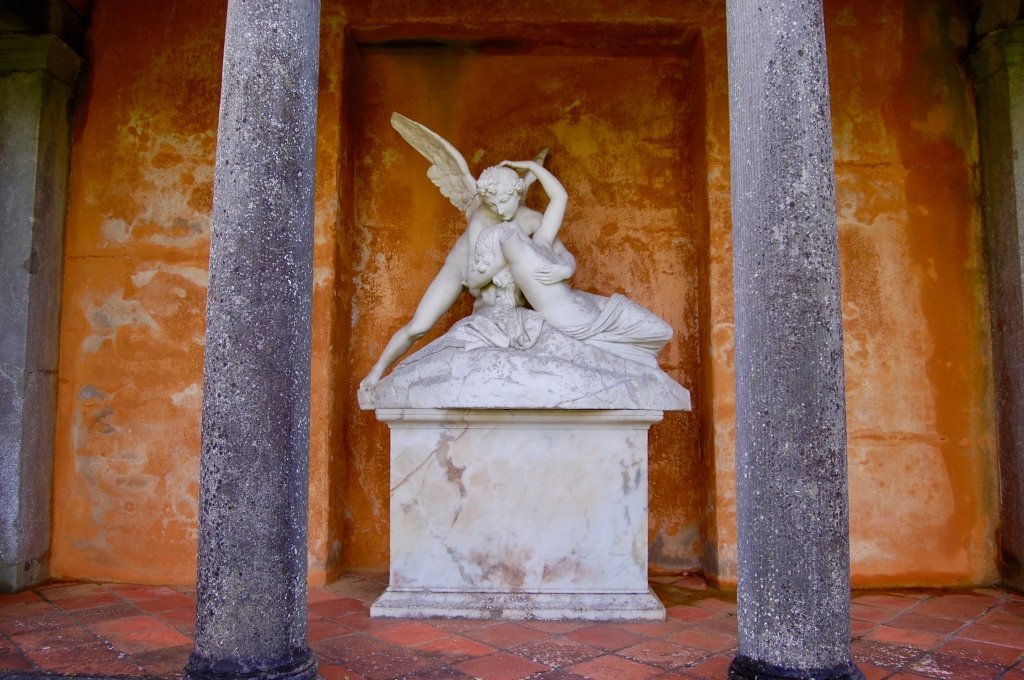
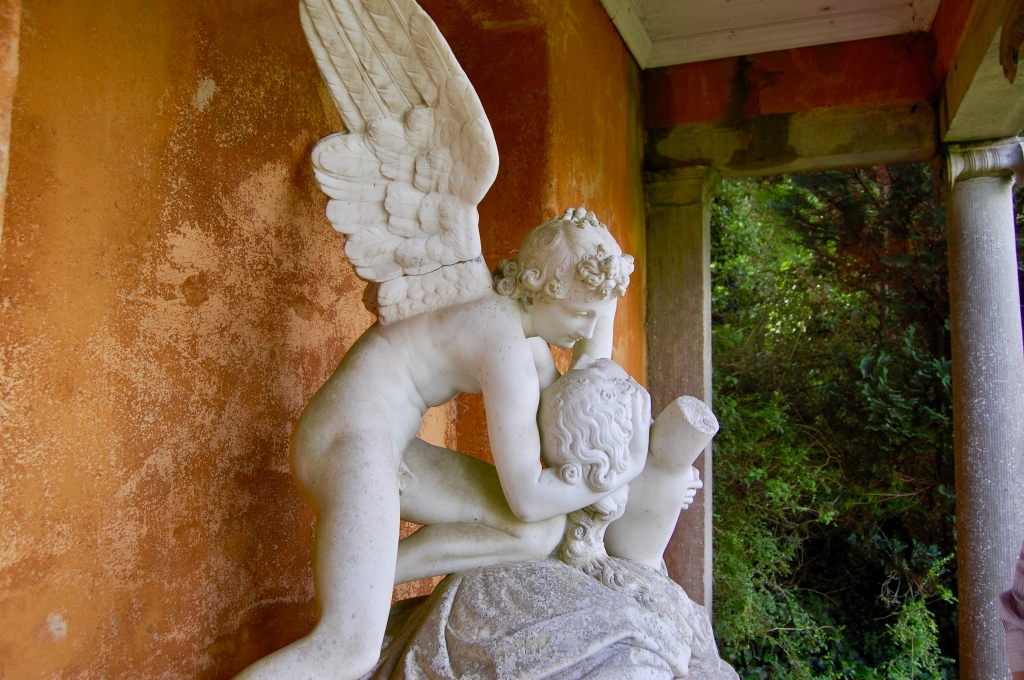
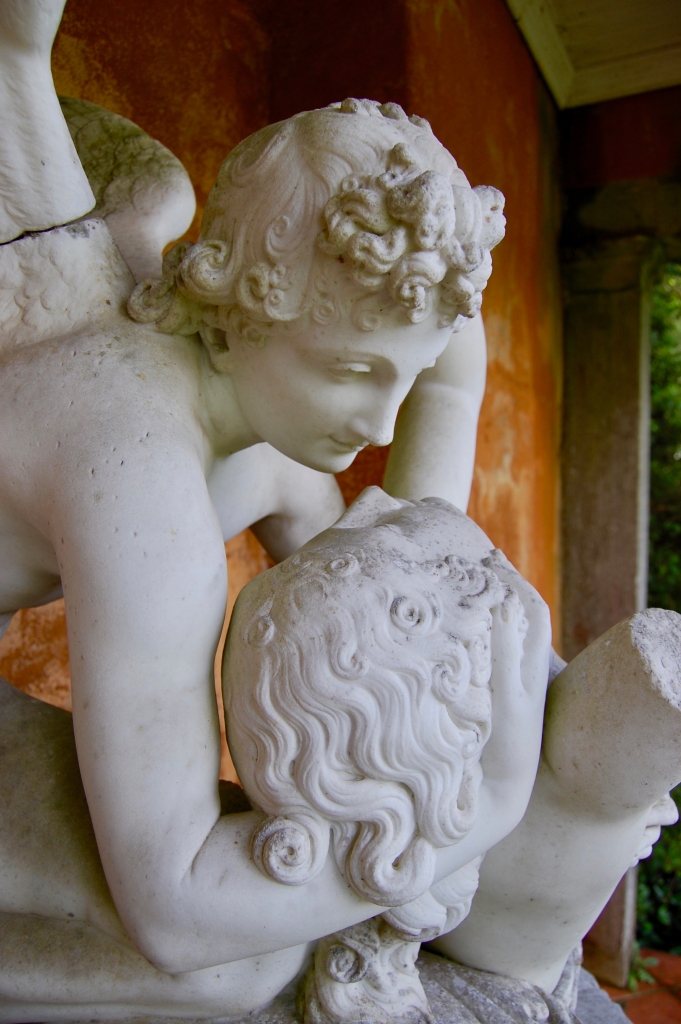

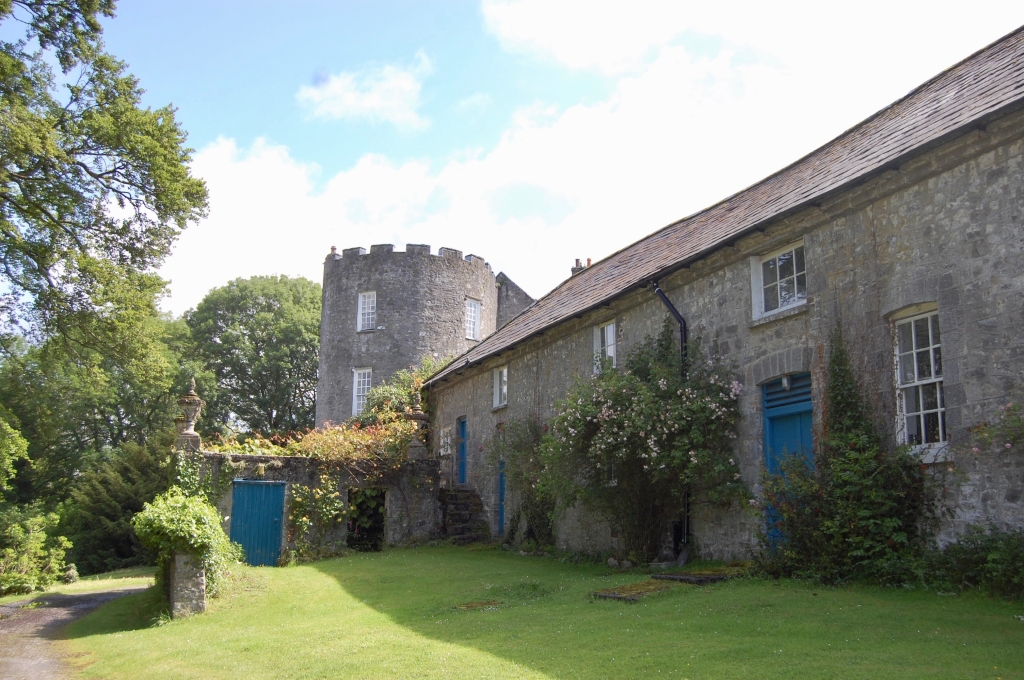

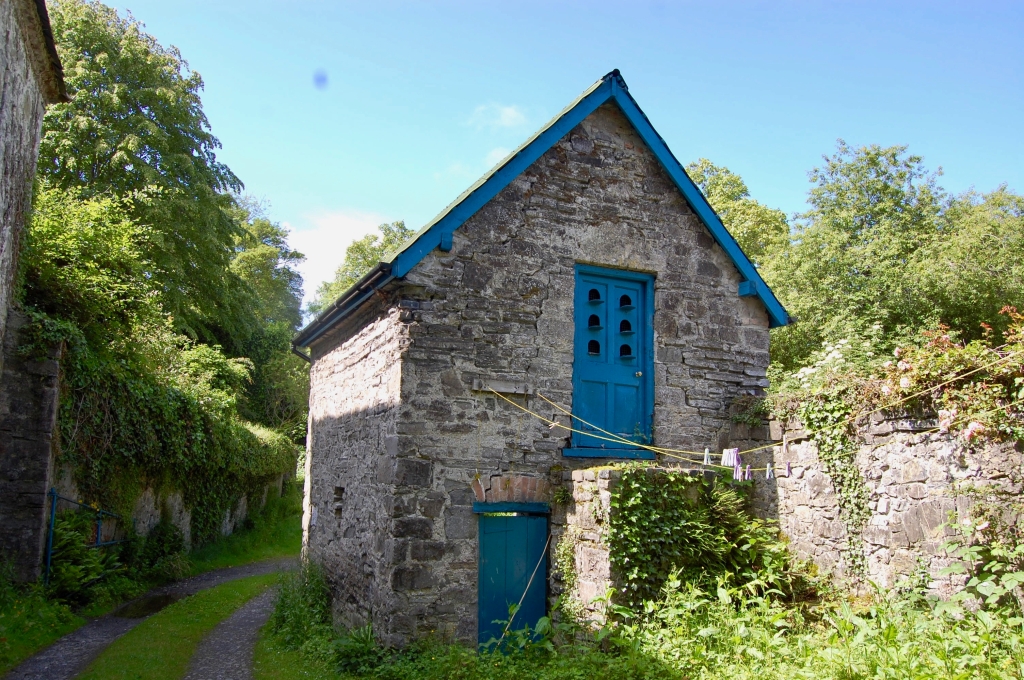
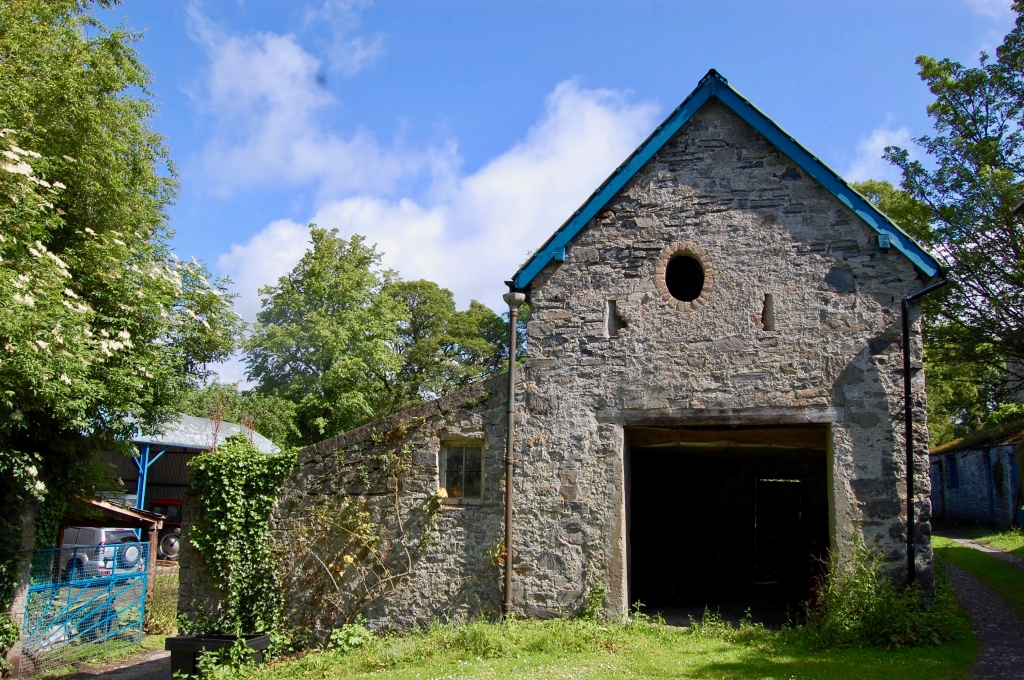

 Irish Historic Houses