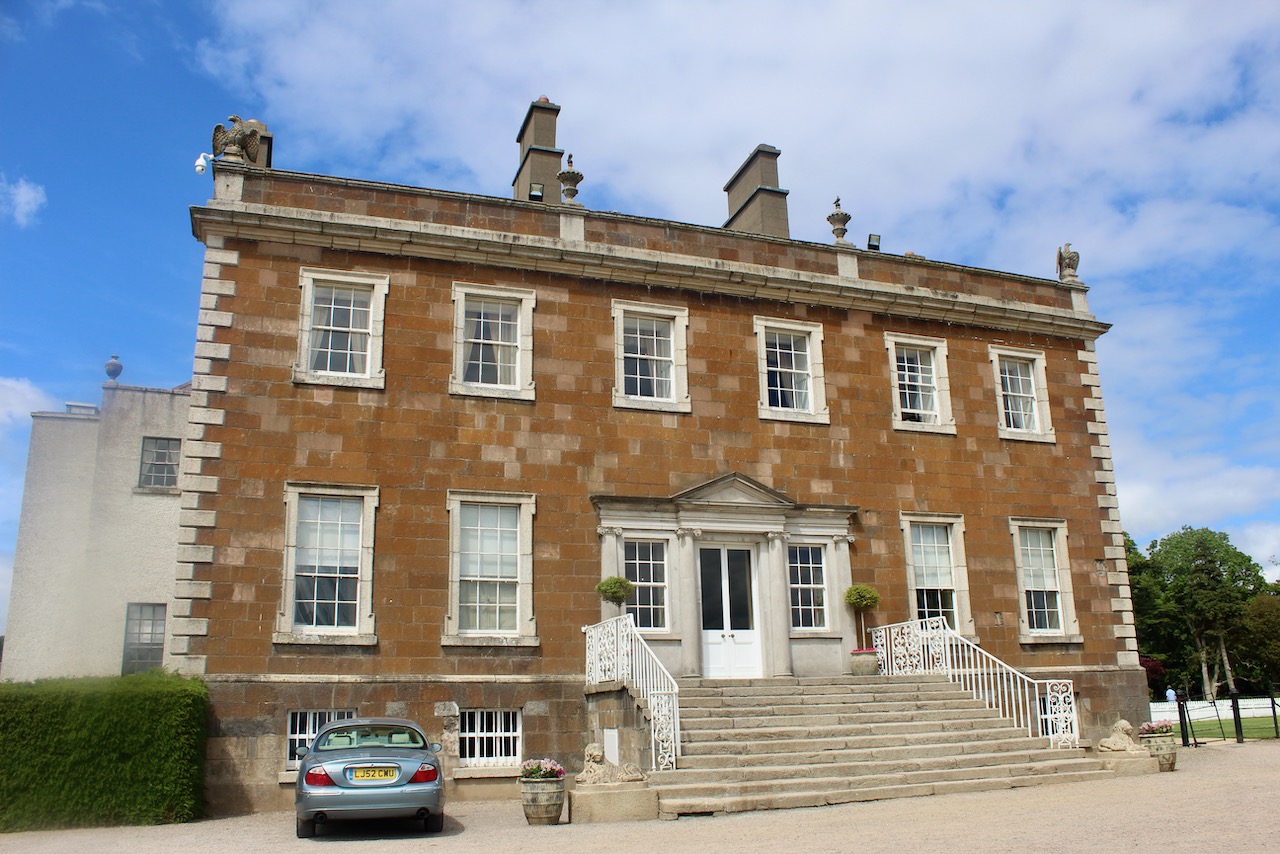
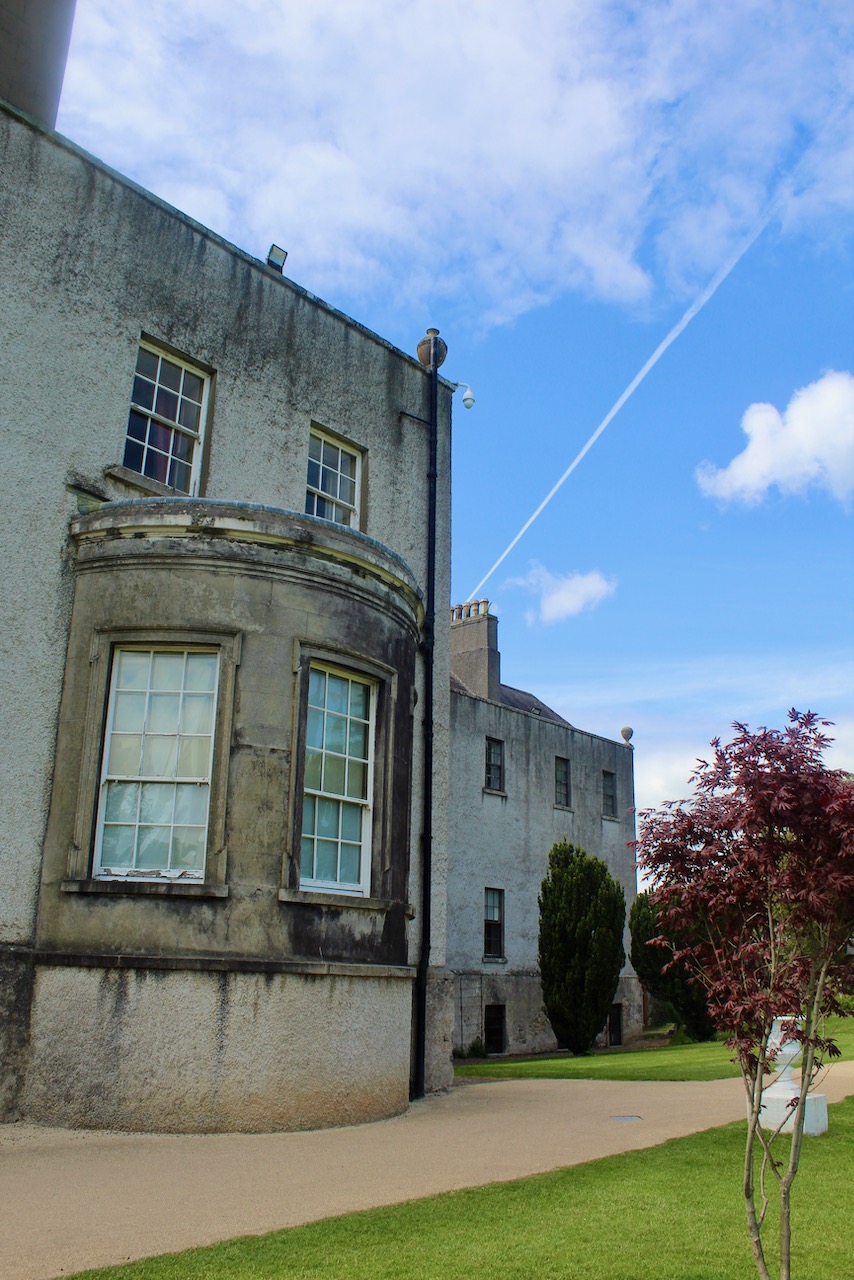
Newbridge House is a Georgian Villa built to the design of James Gibbs in 1737 for Charles Cobbe (1686-1765), Archbishop of Dublin. For many years, it was attributed to Richard Castle, but in 2000 a plan for Newbridge was discovered which suggests it was the work of James Gibbs, an English architect. [1] As Alec Cobbe and Terry Friedman highlight in their 2005 study, James Gibbs in Ireland: His villa for Charles Cobbe Archbishop of Dublin: “Newbridge, in its simplicity and beautiful proportions, stands as a handsome achievement of Palladian restraint, one of the very few of Gibbs’ country houses to survive largely unaltered.”
In Great Irish Houses, with forewards by Desmond FitzGerald and Desmond Guinness, we are told:
“The Cobbe family association with Newbridge stretches back to the late mid 18C when Charles Cobbe was named Archbishop of Dublin, a prestigious and lucrative title with a salary of up to £10,000 per annum. The Archbishop immediately began to think of living quarters in line with his station and turned to Newbridge where a medium-sized Stuart house already existed. In engaging Gibbs for the rebuilt, Cobbe and Friedman note the Archbishop took “a step distinctly independent of what was happening on the architectural scene in Dublin.” A grand architectural design for Newbridge was abandoned when the Archbishop failed to secure the See of Armagh and Gibbs set about rescaling the design to one more closely resembling the property that stands today.” [1]
Charles Cobbe advanced rapidly through the ecclesiastical ranks; he was appointed Dean of Ardagh in 1718, Bishop of Killala in 1720, Bishop of Dromore in 1727, Bishop of Kildare in 1732, and finally Archbishop of Dublin in 1746. He married Dorothea, daughter of the Richard Levinge 1st Baronet, Speaker of the House of Commons, and Chief Justice of Common Pleas in Ireland, of Knockdrin Castle, County Westmeath. She was the widow of John Rawdon 3rd Baronet, of Moira House, County Down.
Mark Bence-Jones describes Newbridge House in his A Guide to Irish Country Houses (1988):
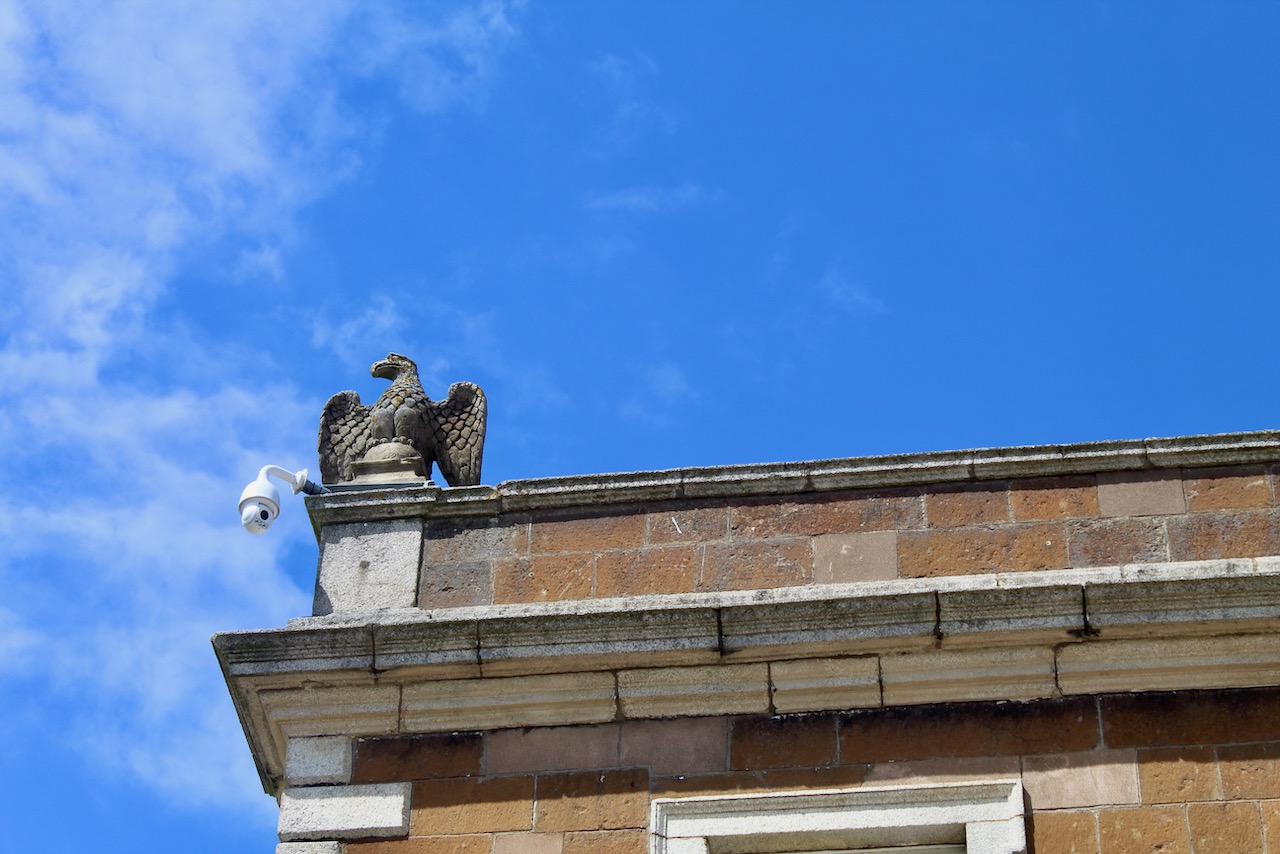
“Of two storeys over high basement, ashlar faced entrance of six bays, with a pedimented tripartite doorcase. Broad flight of stairs with ironwork railings up to hall door; shouldered window architraves; solid roof parapet with urns and eagles at corners.“
The website for Newbridge House tells us: “In 1985 the family gave the house and sold the demesne to Dublin County Council (now Fingal County Council) entering into an agreement under which the historic family-owned pictures, furniture and documents, are kept in situ while the Cobbe family remains in residence. As a result of this agreement, the interiors of Newbridge House are remarkably complete and amongst the best preserved in Ireland.“
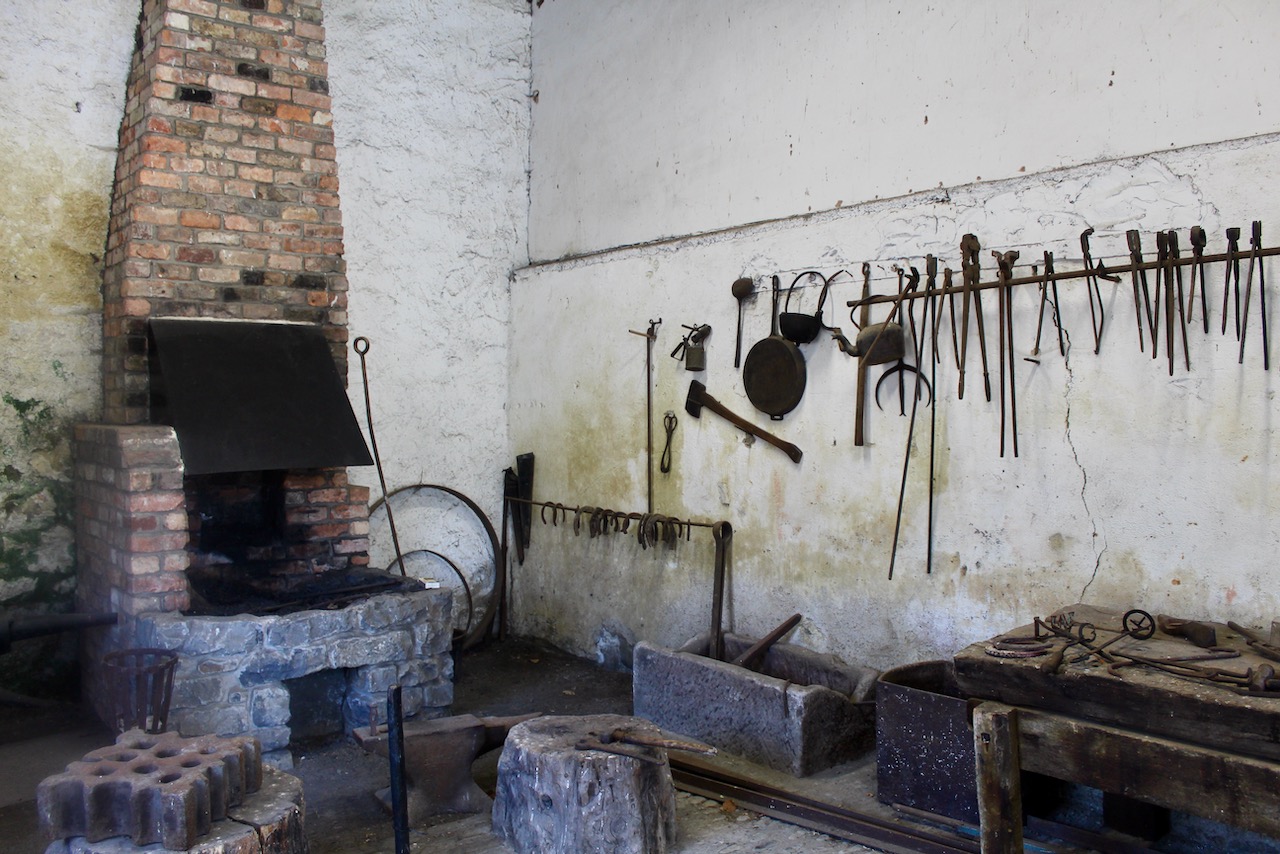
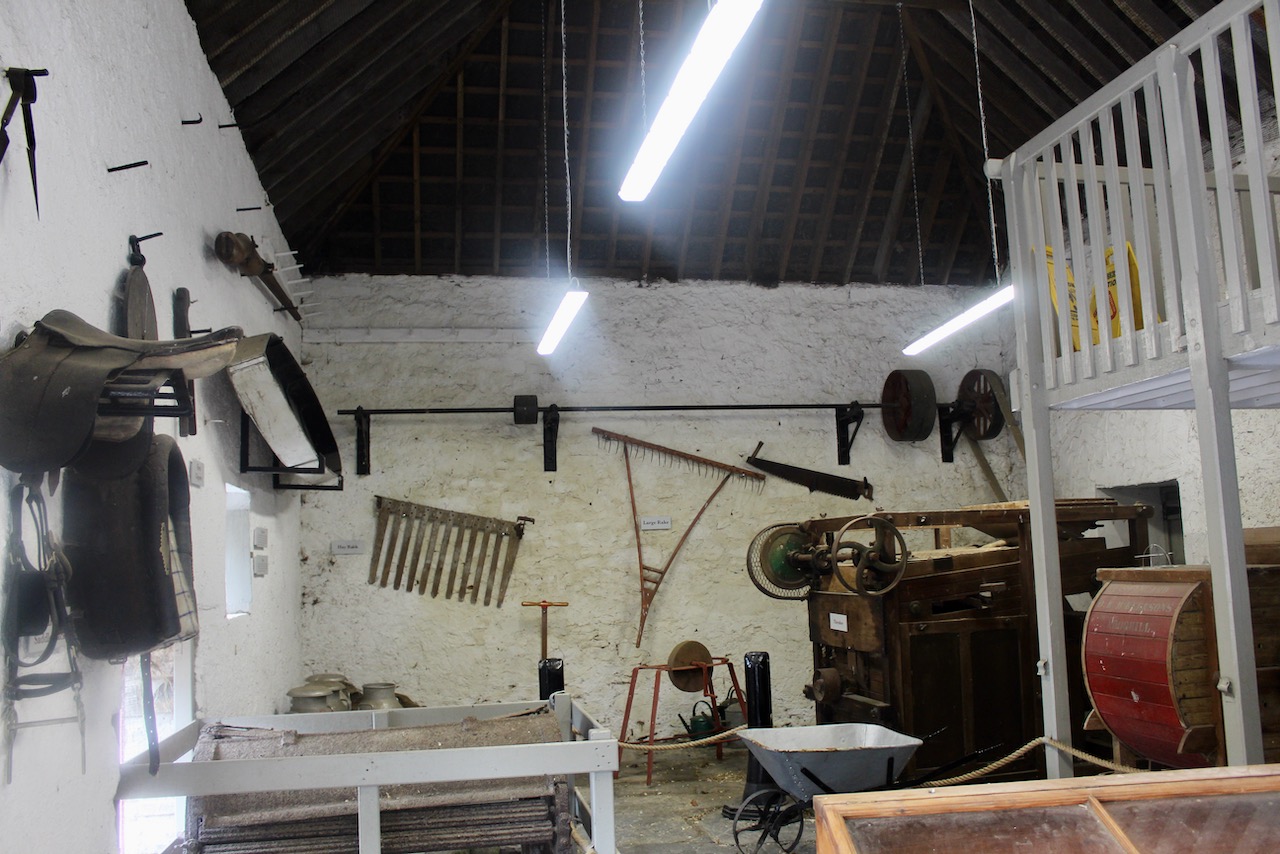
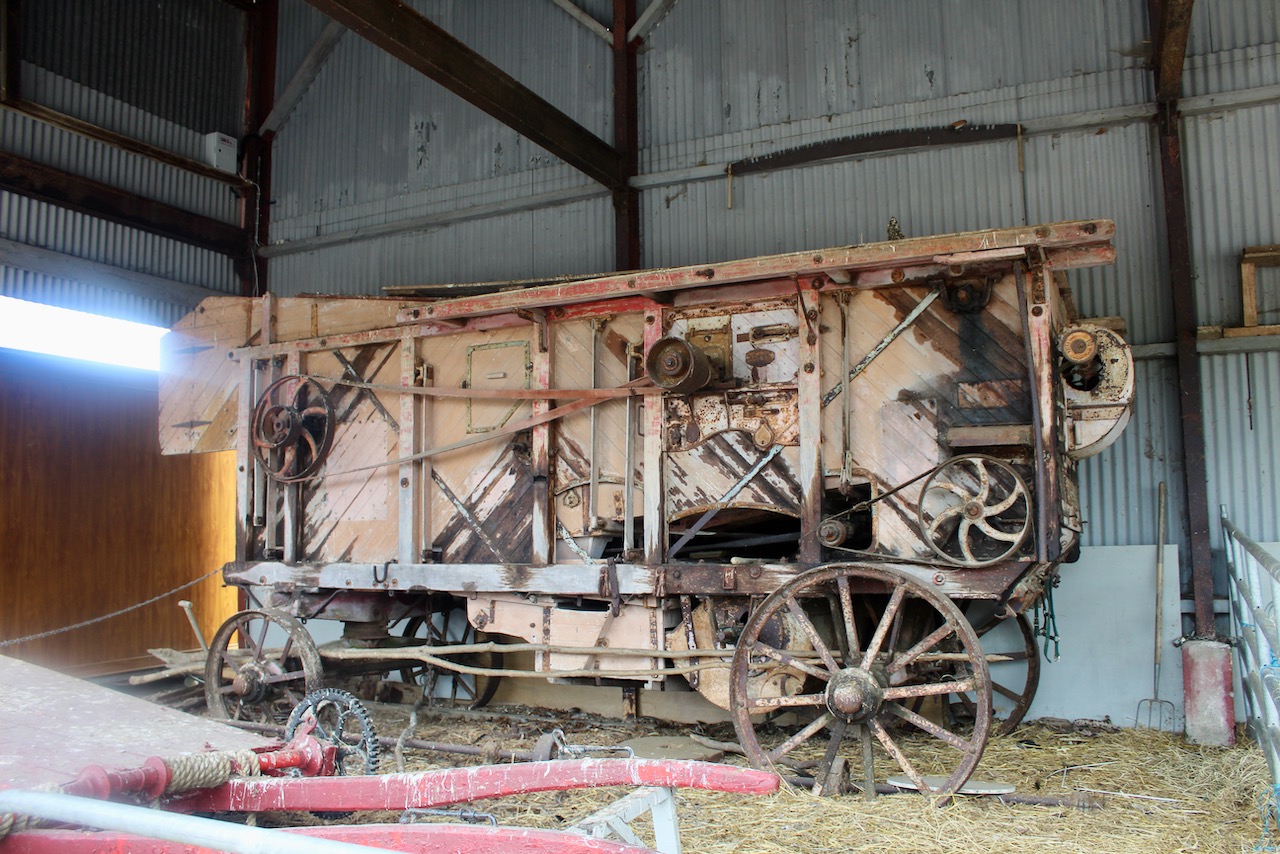
Dublin county Council began an extensive programme of restoration, renovation and reconstruction when it took over ownership of the house. The house was opened to the public in 1986 along with 360 acres of landscape which had been developed in the style of the English landscape movement, probably to the designs of Charles Frizell from Wexford [2]. Additions include the cobbled courtyard designed by Robert Mack and built about 1790. This too has been extensively restored and now houses a museum on late 18th century rural life.
Hugh Montgomery-Massingberd and Christopher Simon Sykes describe the acquisition of Newbridge House in their Great Houses of Ireland: “the enterprising pair of Michael Lynch, of Dublin County Council’s Parks Dept, and Matt McNulty, of Bord Failte (the Irish Tourist Board), who had already rescued the historic Malahide Castle nearby to be a tourist attraction, stepped in with an ingenious solution [in 1985]. The Cobbes could continue to reside in the house in return for leaving most of the contents – the original Irish furniture, pictures and works of art on display – in situ on loan.” [3]
In 1749 three years after Charles Cobbe was made Archbishop of Dublin, he hired his friend, architect George Semple, to add the 100 foot spire to St Patrick’s Cathedral in Dublin. Before this, Jonathan Swift, a former Dean of St. Patrick’s had objected to a steeple.
The website tells us about the history of the Cobbe family:
“In 1717, Charles Cobbe (1686-1765) came to Ireland as private secretary and chaplain to his kinsman Charles Paulet, 2nd Duke of Bolton and Lord Lieutenant of Ireland. He was appointed Bishop of Killala in 1720 and his career progressed with successive bishoprics until he was enthroned as Archbishop of Dublin in 1743.
“Cobbe began purchasing lands on the Donabate peninsula in 1736, and commissioned the celebrated architect James Gibbs in 1744 to design a plan for the rebuilding of Newbridge House, where a house had stood previously. Work began in 1747 and Newbridge is Gibbs’s only executed work in Ireland.
“The Archbishop gave the near-finished building to his only surviving son, Thomas (1733-1814) in 1755, on the latter’s marriage to Lady Elizabeth (Betty) Beresford, youngest daughter of the 1st Earl of Tyrone [of Curraghmore, County Waterford]. By extending the house, decorating it with ornamental stucco, collecting pictures, porcelain and commissioning furniture from Irish cabinetmakers, Thomas and Lady Betty left a significant mark on Newbridge which is still evident today.”
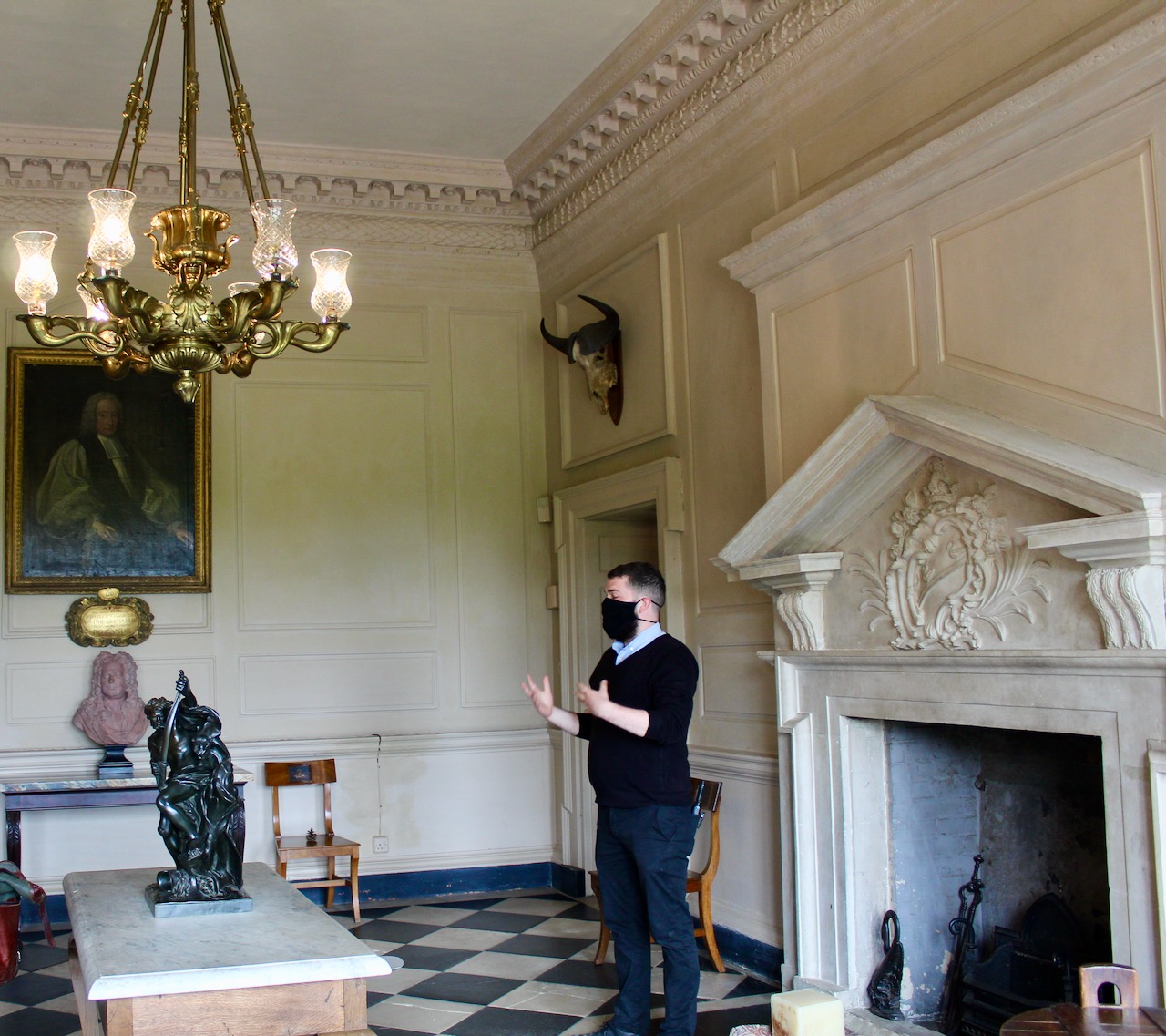
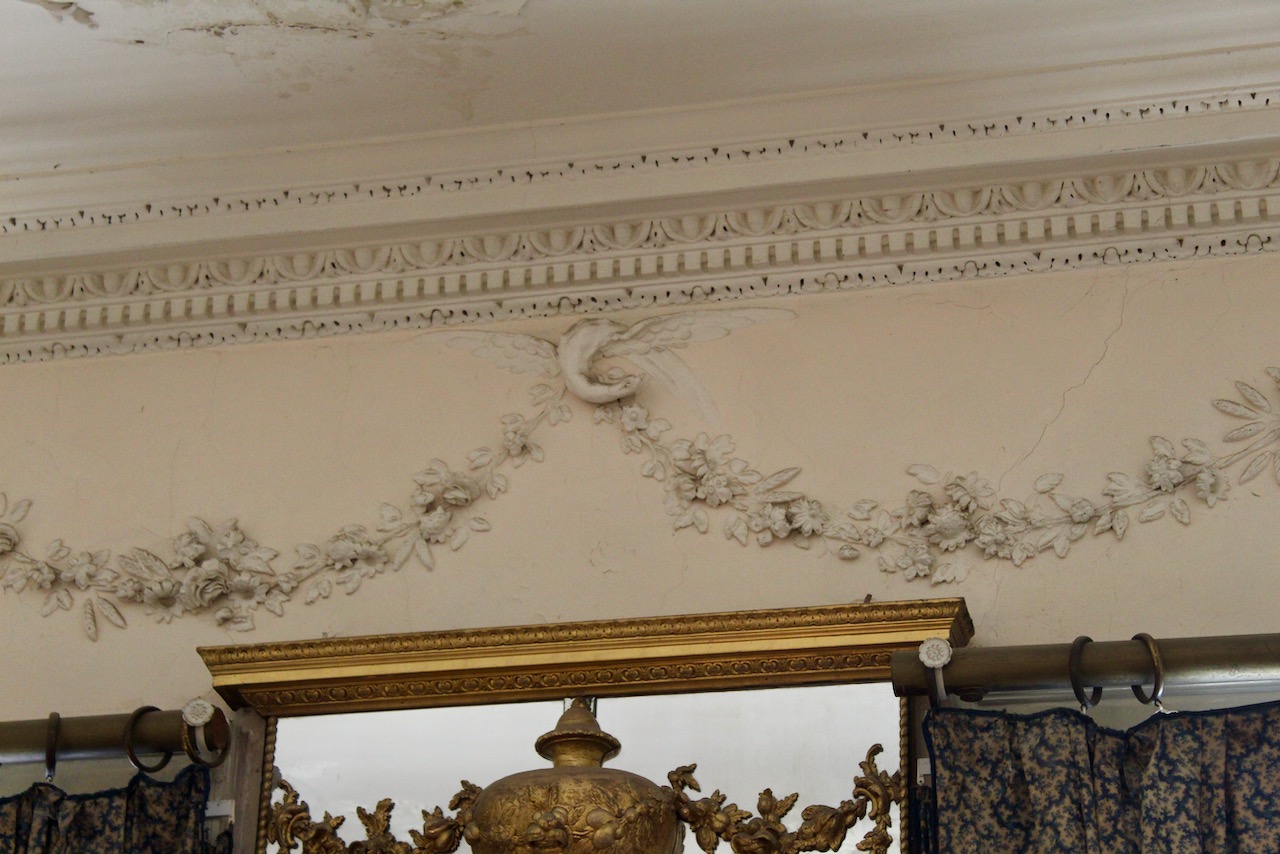
The entrance hall, which is one of the three halls, has a grand a pedimented chimneypiece flanked by doors that have shouldered architraves. The coat of arms of the Cobbe family features two swans with the legend Moriens Cano (dying, I sing), along with the Archbishop’s coat of arms. The plaster cornice features an oak leaf and ribbon frieze, and the chair rails and skirting all have the mark of Gibbs as seen in other houses of the period. The flooring is of Portland stone and Welsh slate. Throughout the house, the plasterwork is attributed to the Dublin stuccodore Richard Williams, who is documented as receiving payments at Newbridge during the early 1760s. [4]
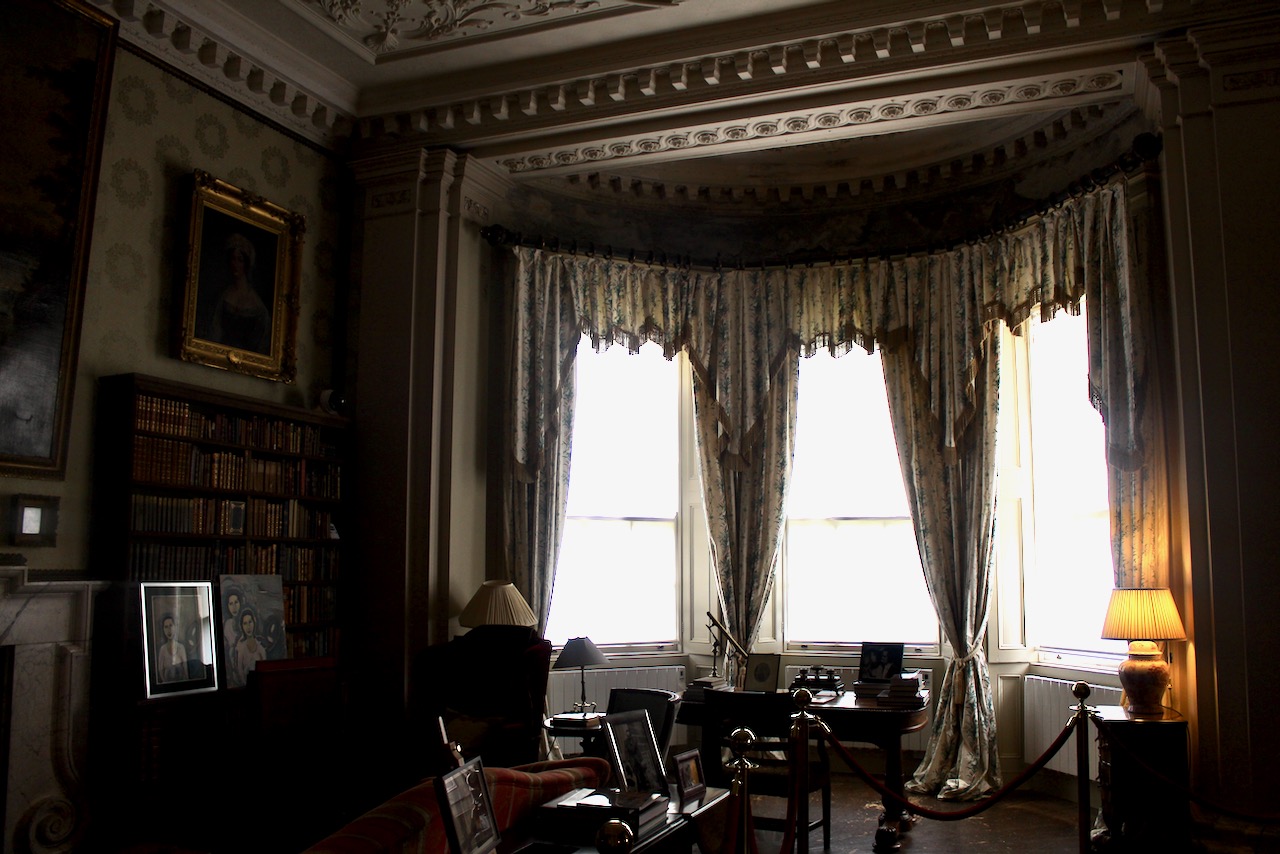
Off the entrance hall is a study, where locals remember doing business across the large desk in the centre of the room, selling hay or buying cattle. Family portraits hang on the walls and there is a writing desk that was used by a daughter of the house, Frances Power Cobbe, the great social campaigner. Her two autobiographies provide a telling insight into the 19th century operation of the house. [see 4]
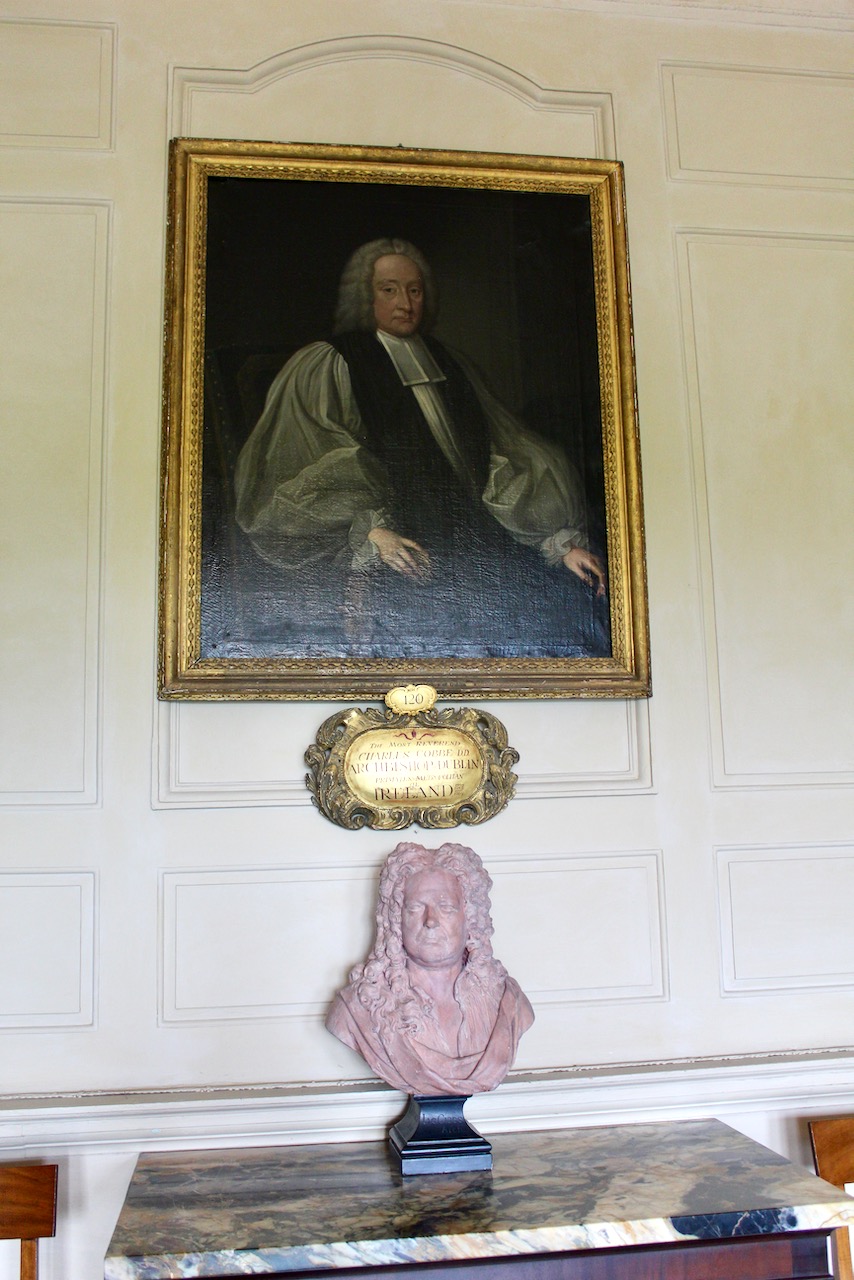
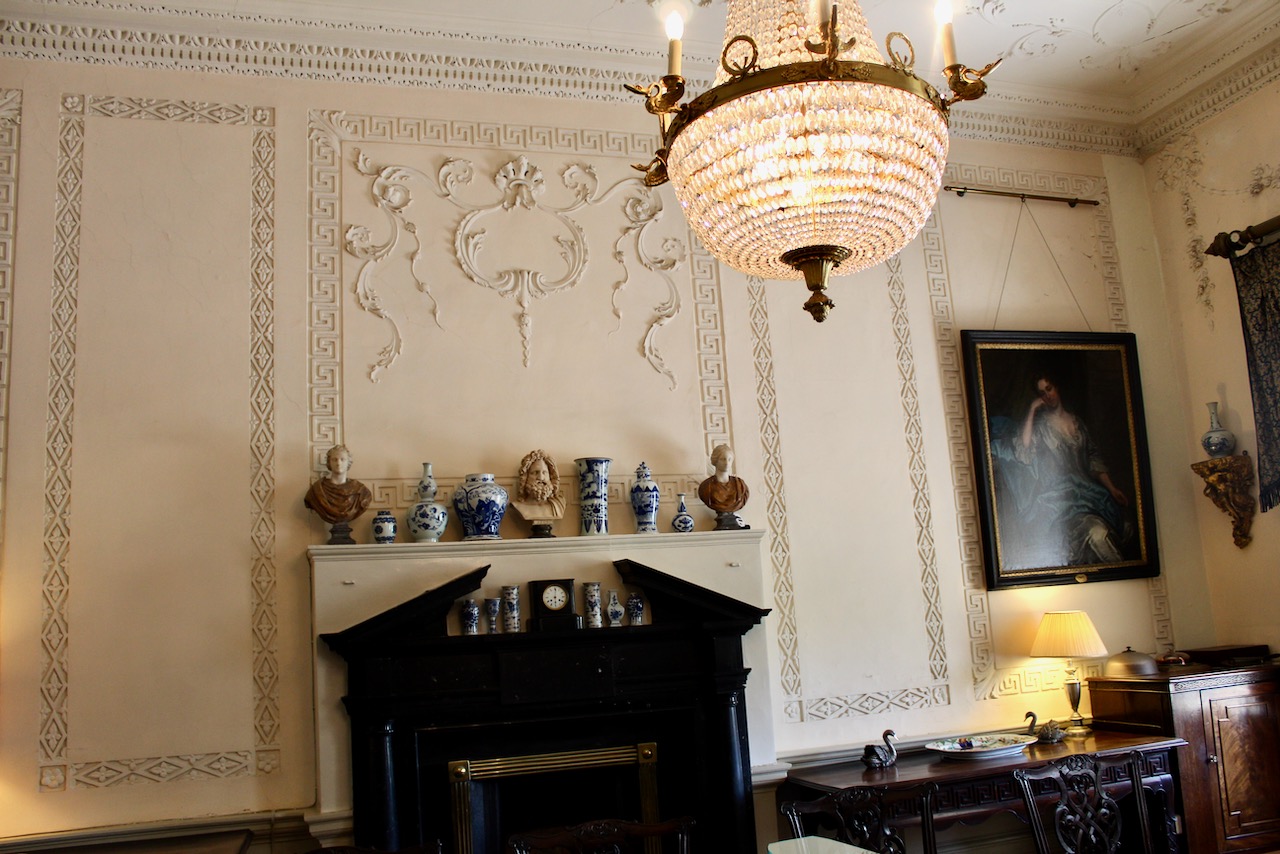
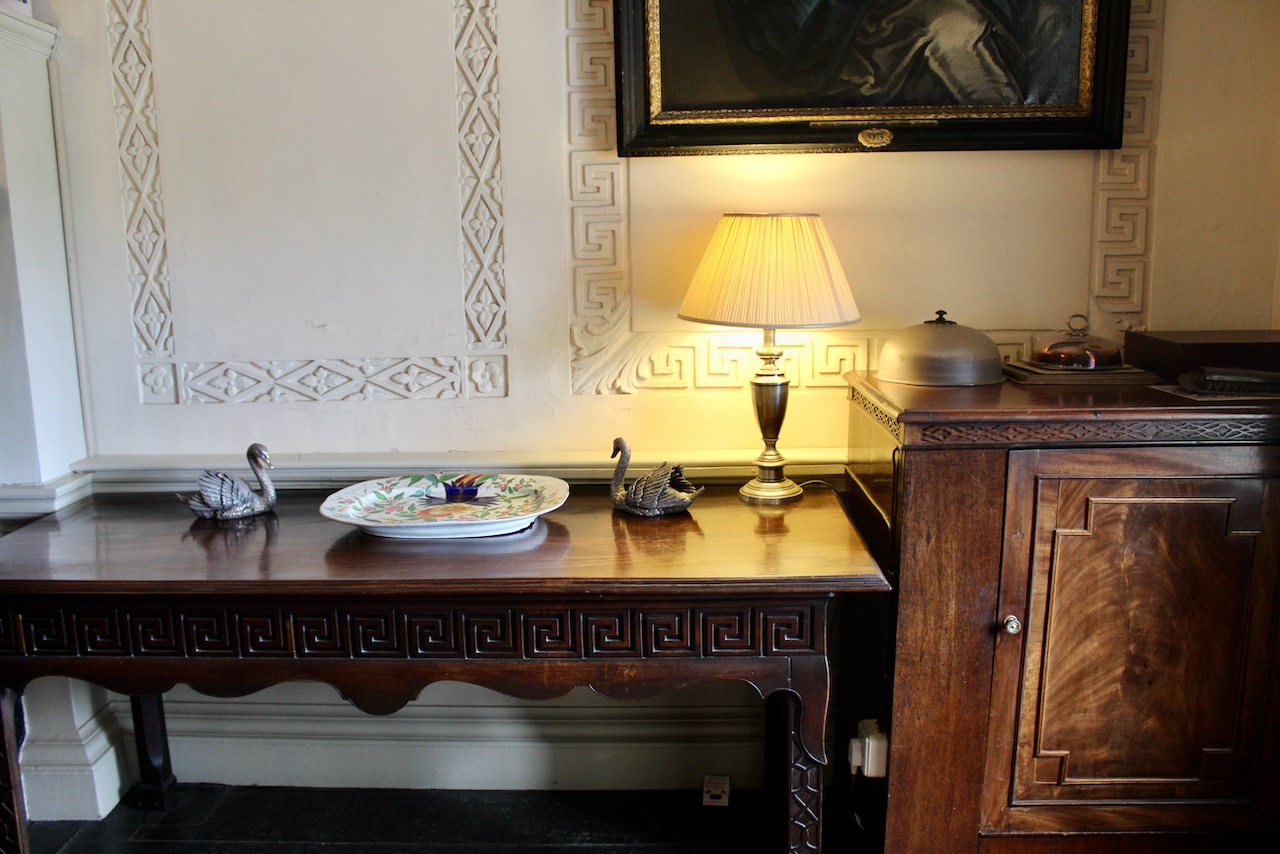
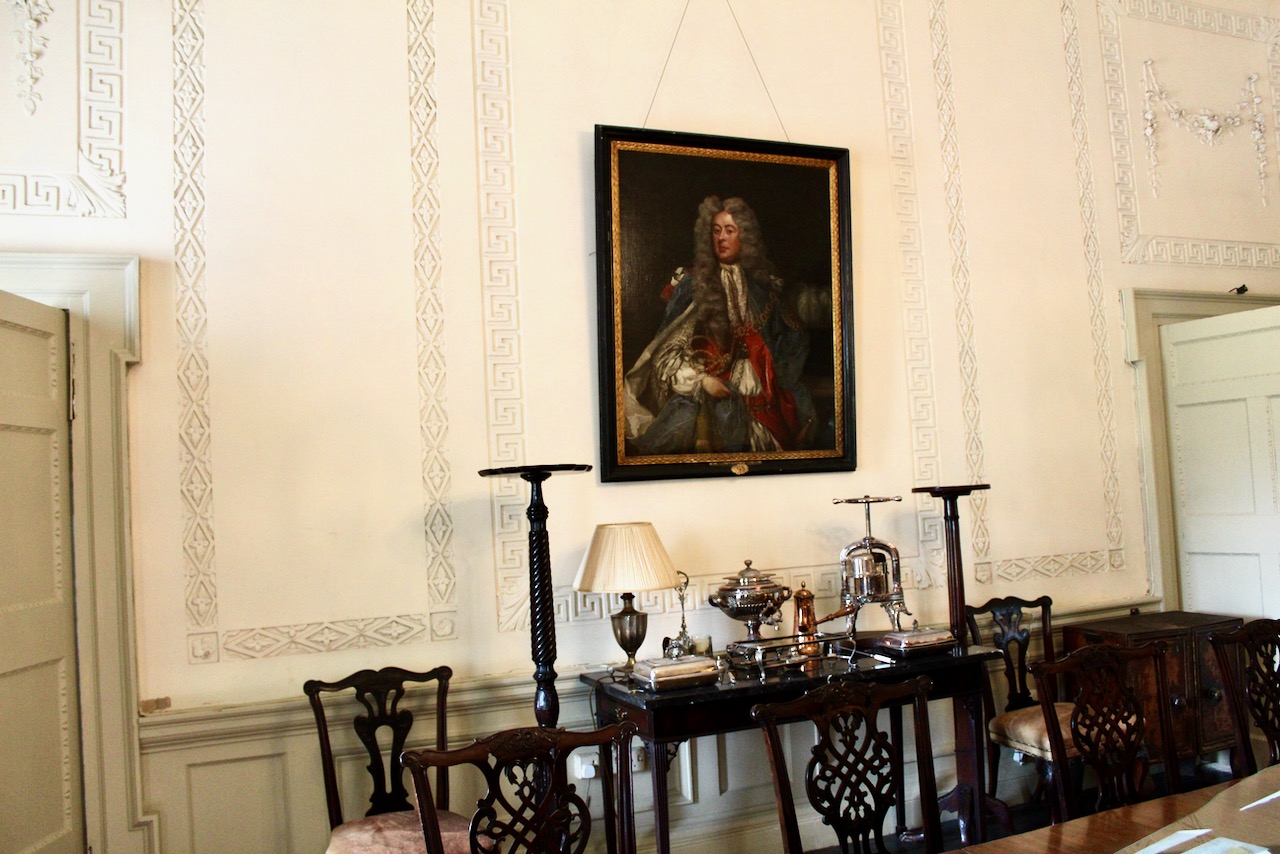
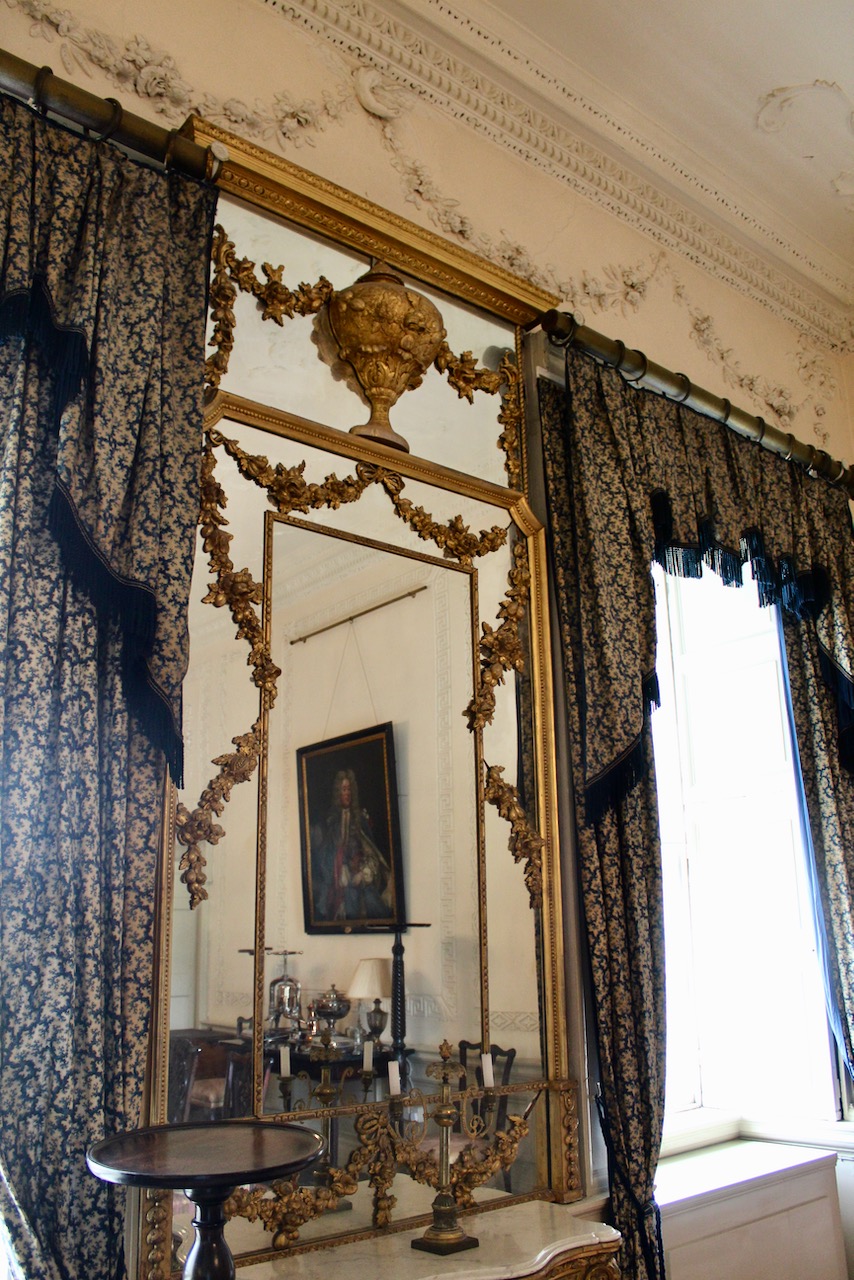
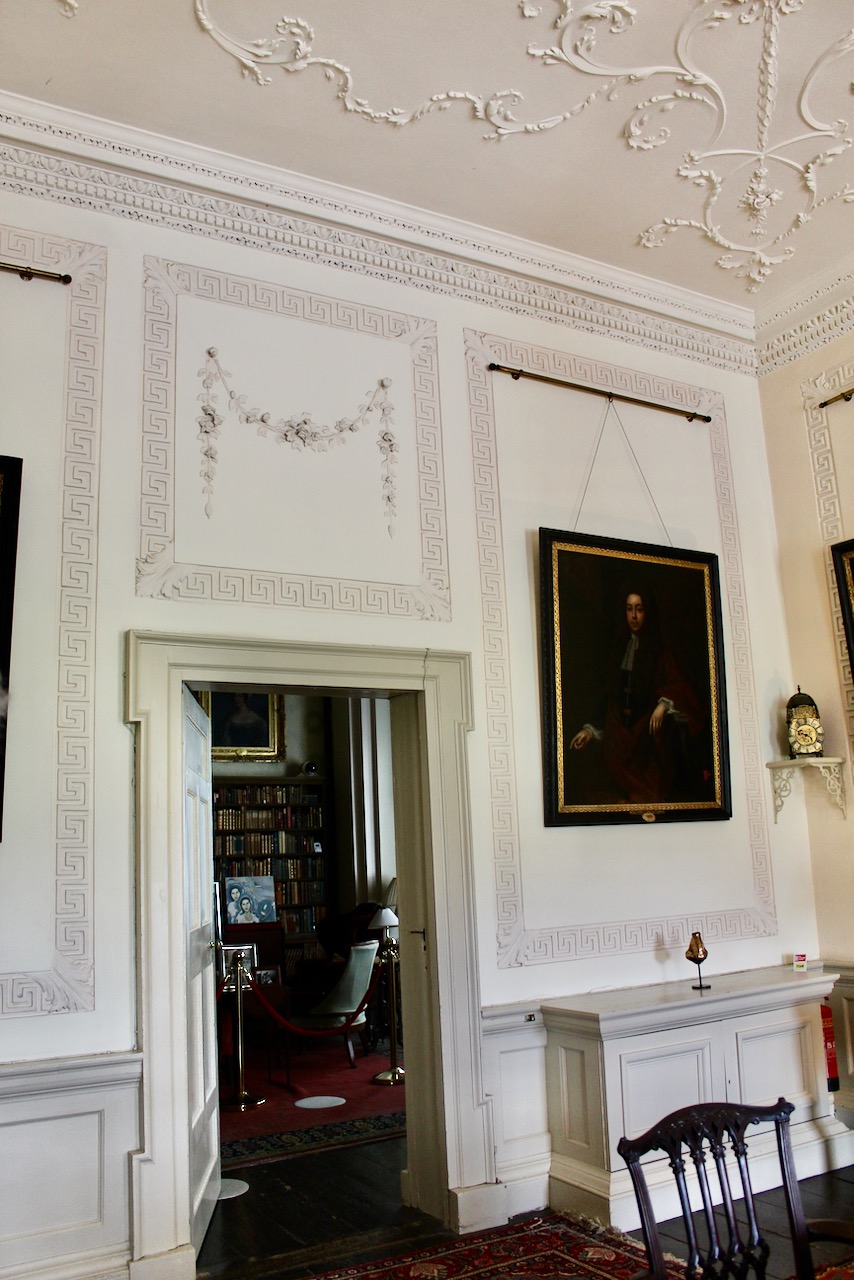
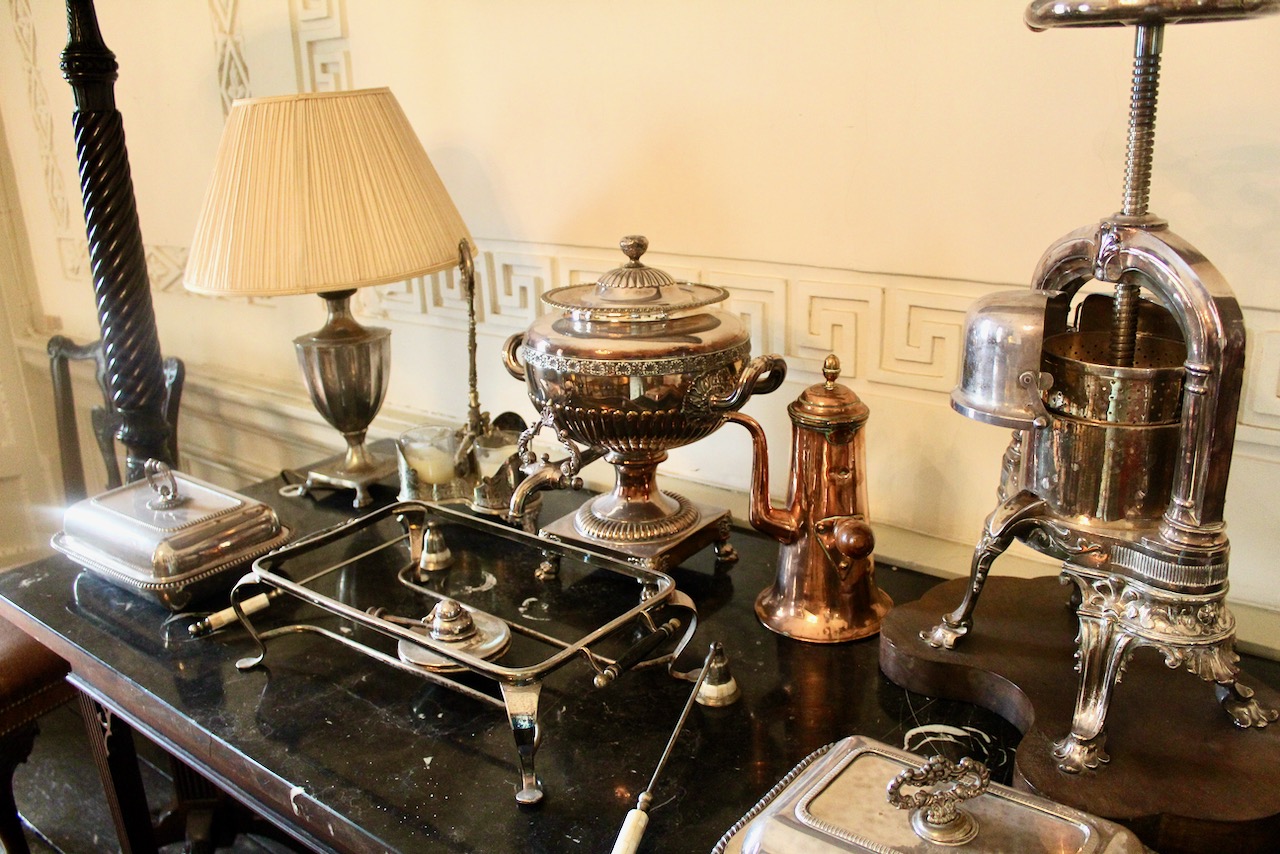
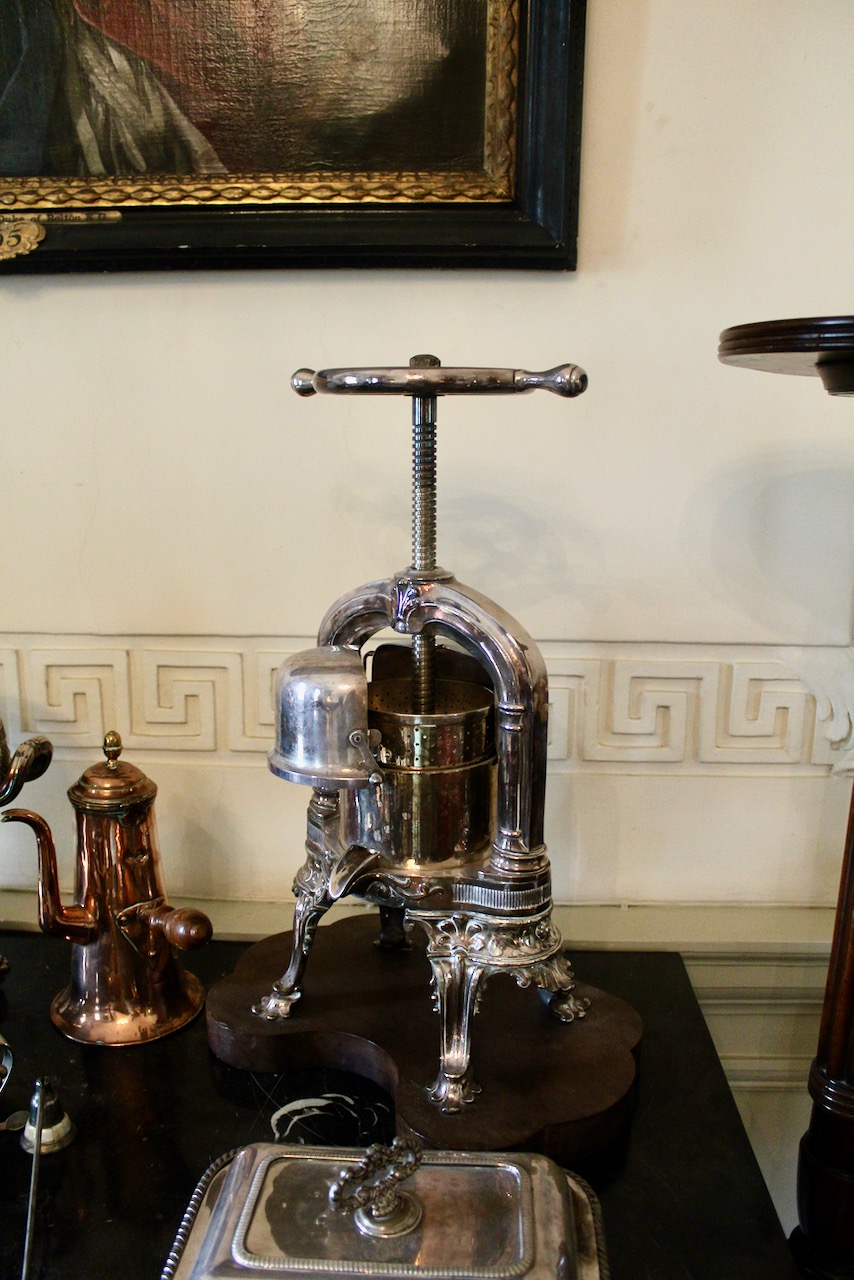
To the right, facing south, is the dining room, which features a black Kilkenny marble broken-pedimented chimneypiece. It is likely that this followed a Gibbs design, as drawings for similar pieces exist for the drawing room, library and saloon at Kelmarsh Hall, Gibbs’ Palladian-style mansion in Northampton [see 1]. Both the walls and ceiling are decorated with ornate stuccowork, with the Greek key motif of the panel frets replicated in the side tables made for the room. A hand-operated dumb-waiter sits in one corner. The room has a portrait of the Duke of Bolton as Knight of the Garter and a portrait of the Archbishop. [see 4, p. 243]
Hugh Montgomery-Massingberd and Christopher Simon Sykes tell us that this room was last decorated several years ago when Alec Cobbe had curtains and wallpaper made. In one corner stands an unusual piece of furniture that may have been an oyster table. The estuary at Malahide was well known for oysters up until the mid 19th century and this table allows diners to deposit shells through a narrow channel.
Thomas Cobbe and his wife Elizabeth née Beresford had a son, Charles (1756-1798). He married Anne Power Trench of Garbally, County Galway in 1778 but also ran up considerable debts. As a result, his father Thomas had to sell some estates in Louth and their large townhouse in Palace Row. Charles served as MP for Swords in the Irish Parliament, and predeceased his father.
The website tells us that in 1810, Thomas gifted Newbridge to his eldest grandson, Charles Cobbe (1781-1857), who, as well as raising his own five children here, provided a centre of home life for the numerous children of his brothers.
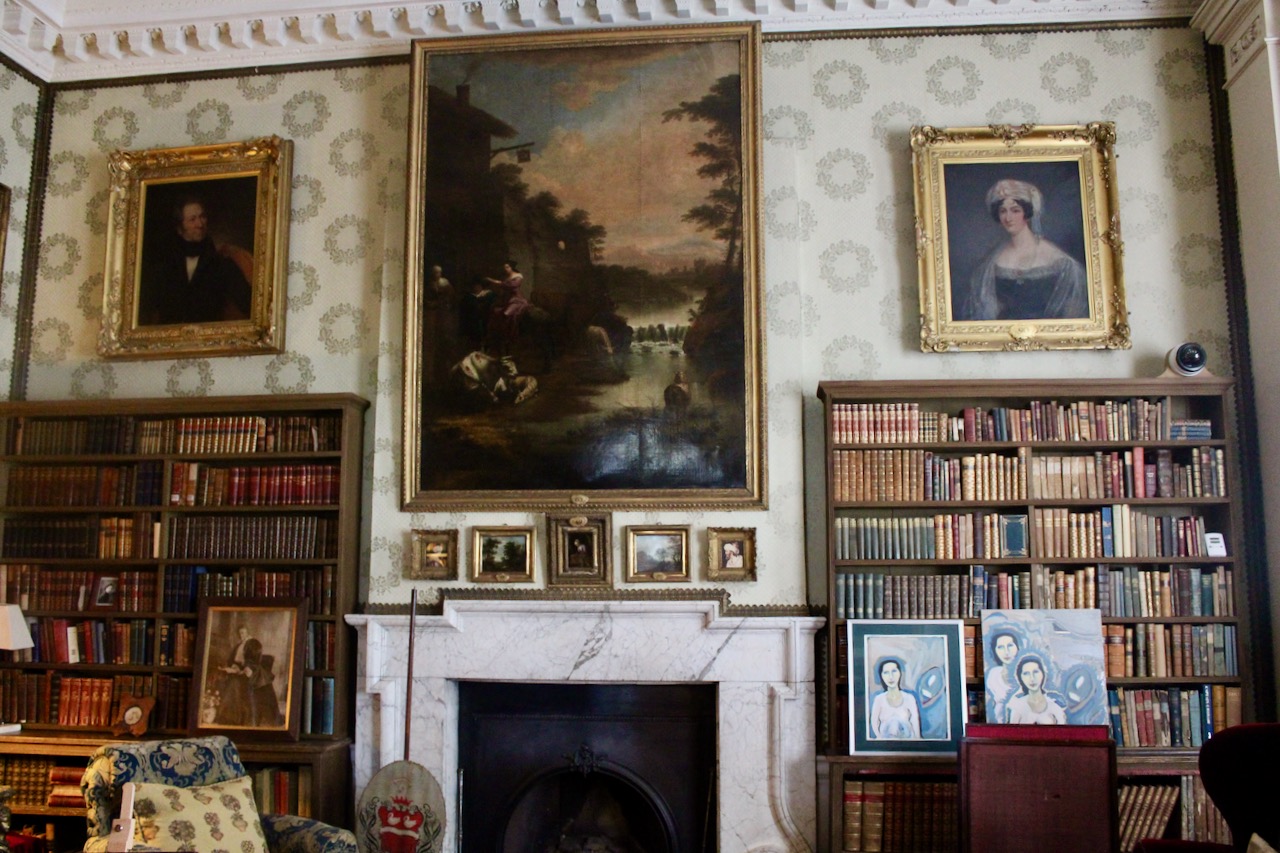
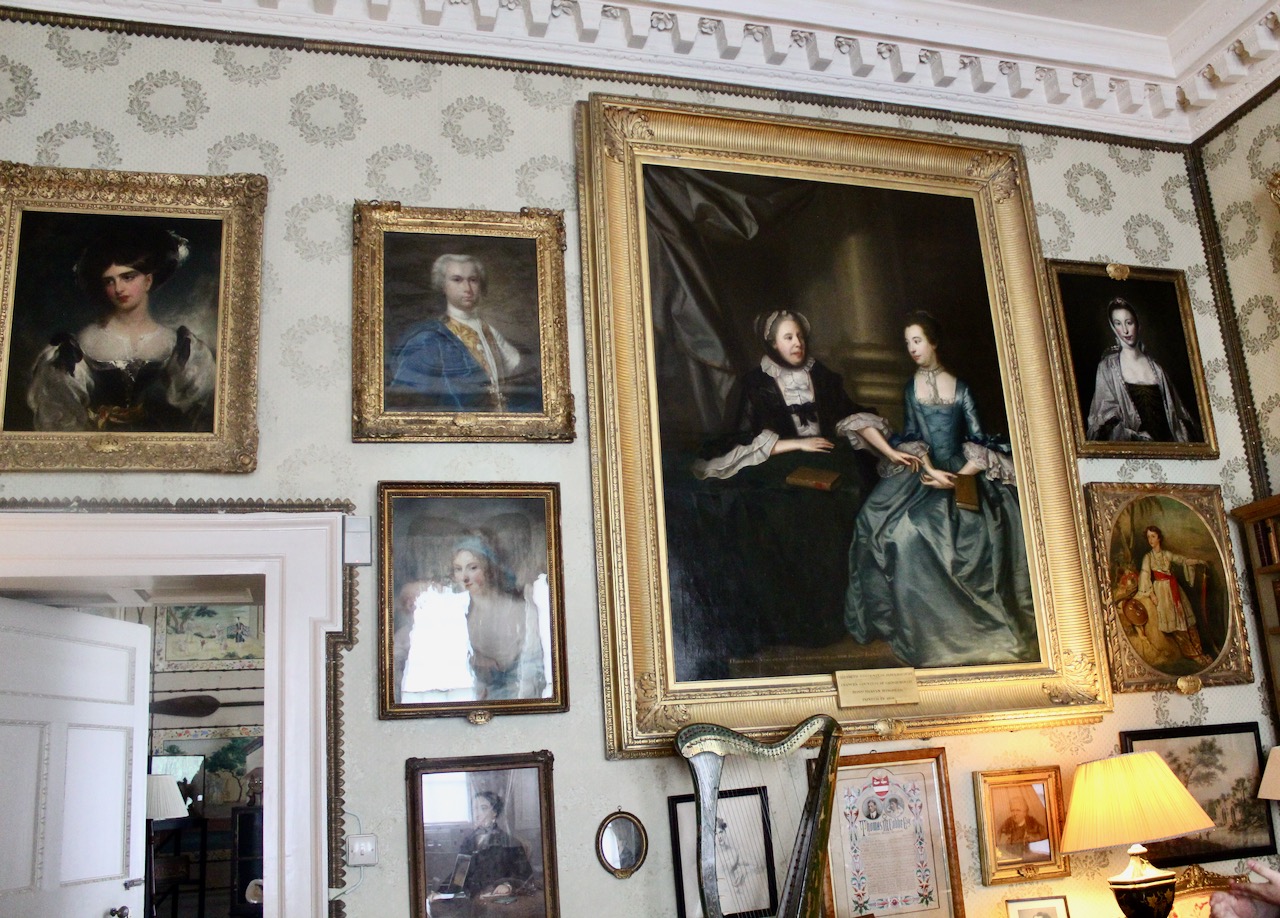
Montgomery-Massingberd and Sykes tell us that two interesting portraits hang in the library: Charles Cobbe and Fanny Kemble. Charles, great grandson of the Archbishop, went to India with his brother to join the Duke of Wellington’s forces. When he moved back, his grandparents Tommy and Lady Betty Cobbe had gone to live in Bath and the house had been closed up. Following marriage to Frances Conway he began restoring Newbridge to its former glory from 1810 onwards. Much of the furnishings date from this golden period in the house’s history. The actress Fanny Kemble was a friend of Fanny Cobbe and a frequent visitor to the house. [5]
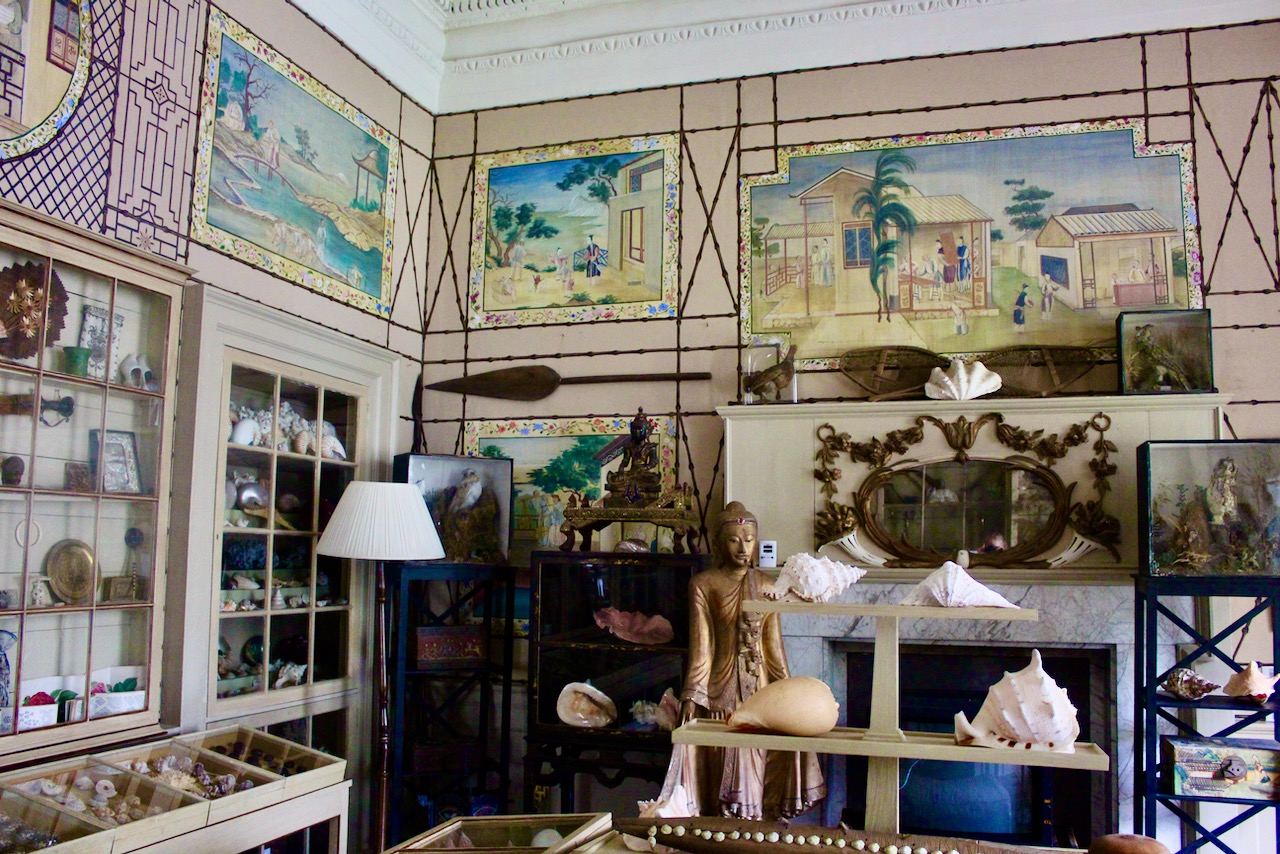
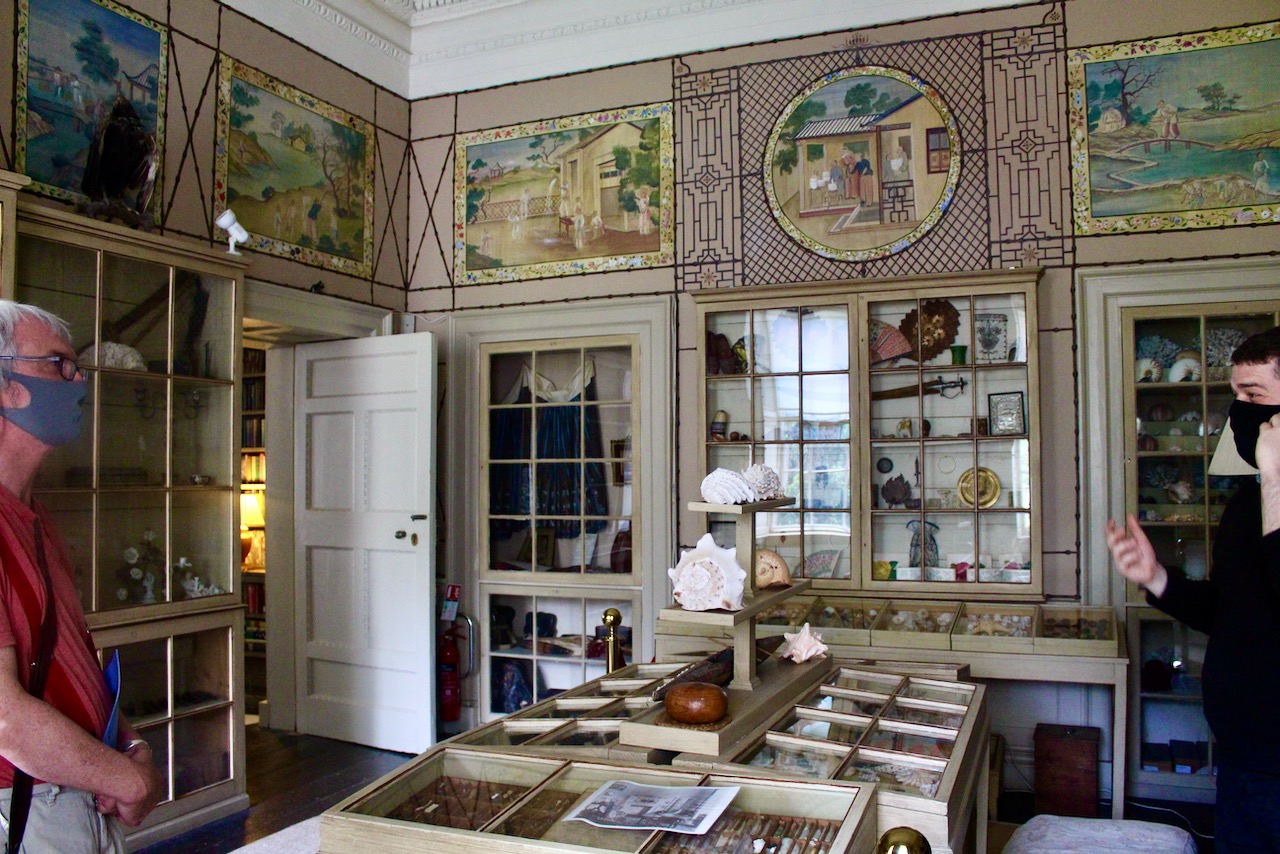
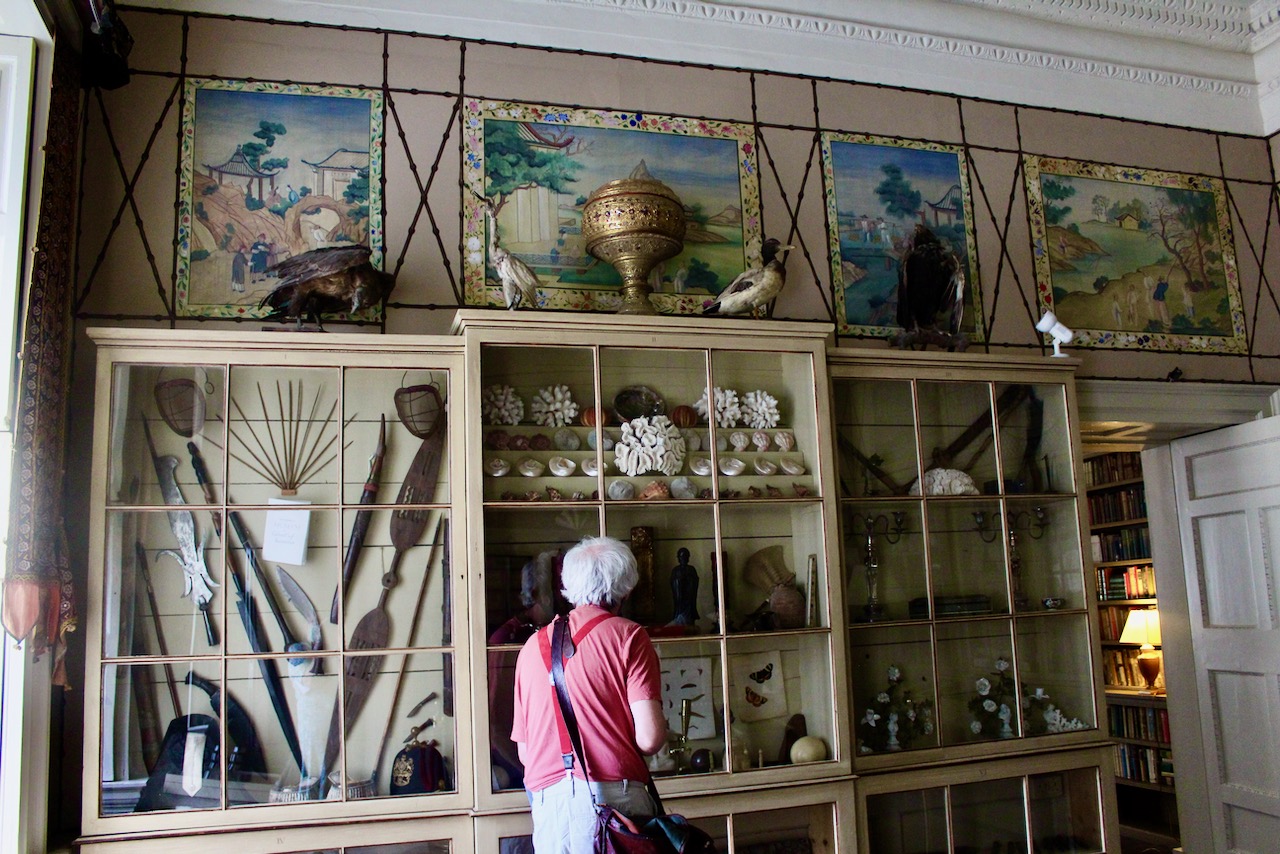
One room is dedicated as a “cabinet of curiosities.” Desmond Guinness and Desmond FitzGerald tell us in their entry about Newbridge House in Great Irish Houses that the collection may have started life as a shell collection in the 1790s by Elizabeth Beresford (1736-1860) who married the archbishop’s son Colonel Thomas Cobbe. She came from Curraghmore in County Waterford (see my entry on Curraghmore) and would have been familiar with her mother’s Shell Cottage. Much of what we see in the collection today comes from the Indian subcontinent, including a Taj Mahal in alabaster, ostrich eggs, corals, statues of house gods, a snake charmer’s box and tusks with carving noting the abolition of slavery [see 5]. The oriental theme is even carried through to the elephant design curtains. The panels on the wall are reproduction of the originals.
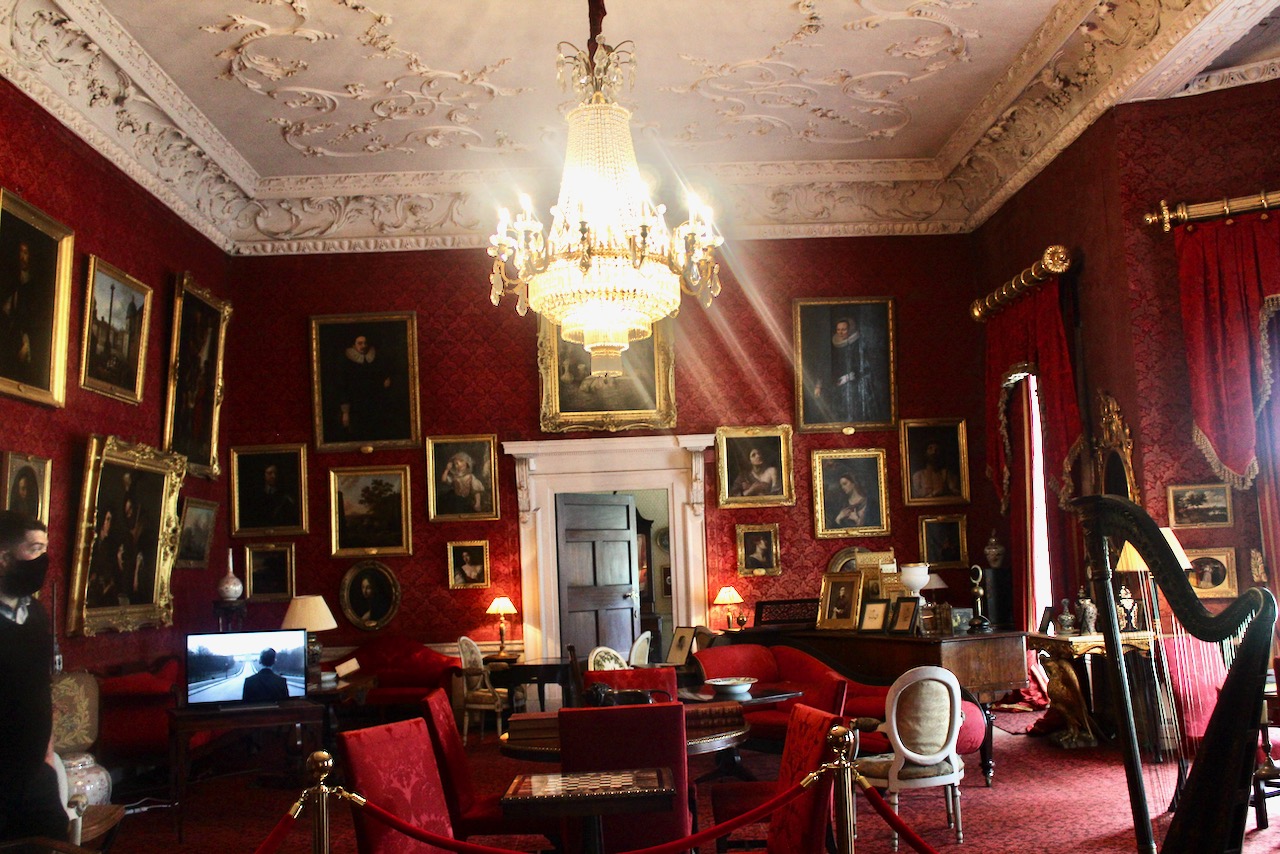
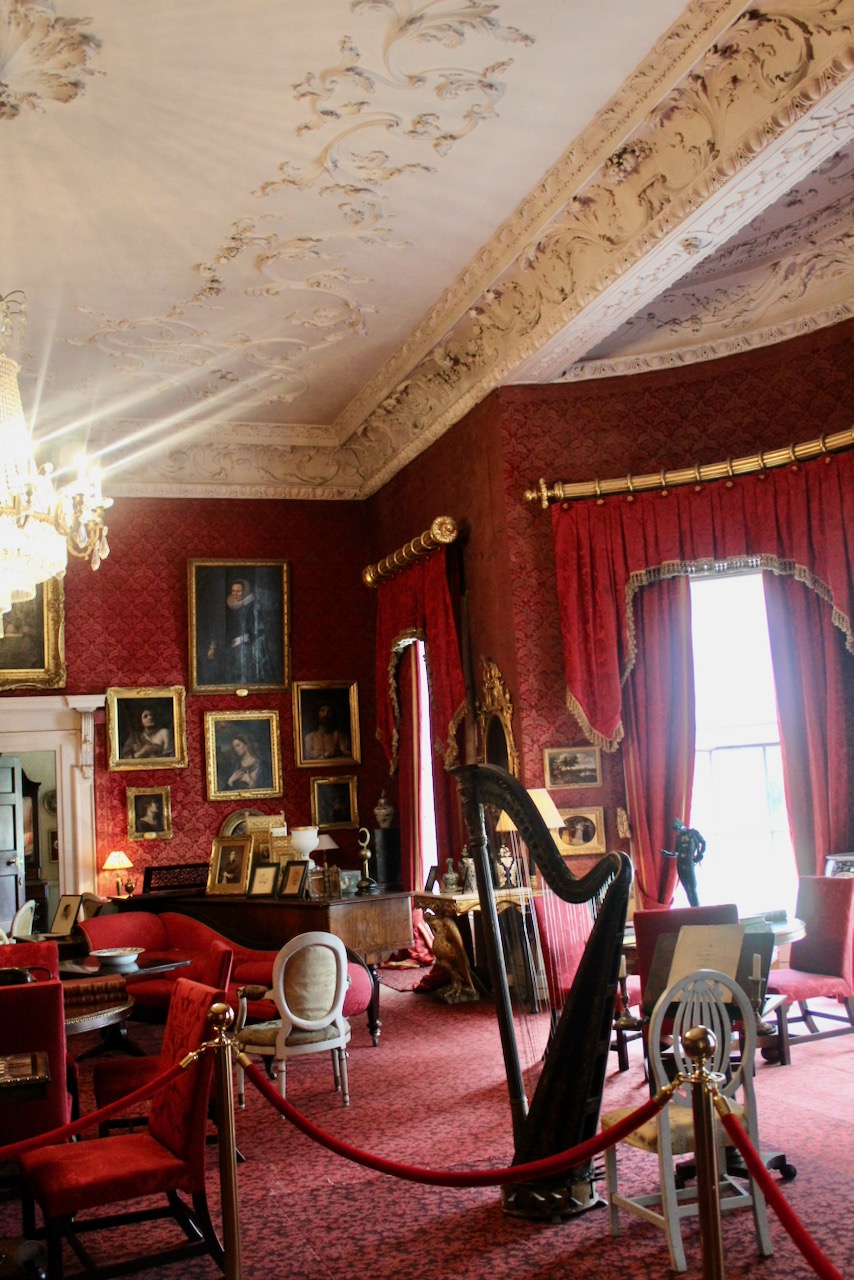
Mark Bence-Jones continues: “Soon after the Archbishop’s death, 1765, his son, Col Thomas Cobbe, MP, who had a fashionable wife, a sister of 1st Marquess of Waterford, added a wing at the back of the house containing a very large drawing room, with a ceiling of rococo plasterwork by Robert West [we now know it is actually by a pupil of Robert West, Richard Williams], who also decorated the family pew in the Protestant church at Donabate. This great room, which is now hung with a scarlet wallpaper, is entered by way of a corridor and though a monumental doorway with a pediment and fluted engaged Corinthian column.”
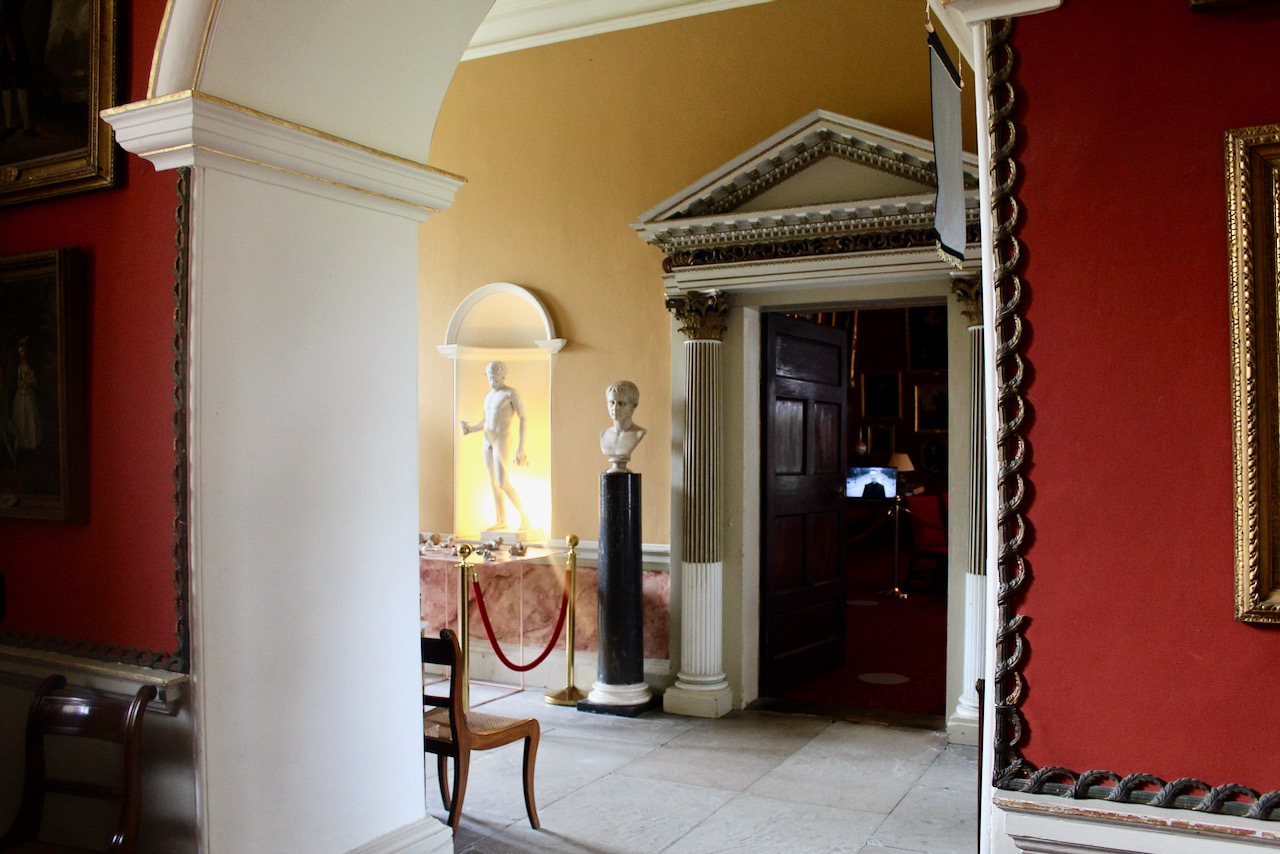
The grand drawing room is entered via a sculpture gallery.
The Corinthian door, which was executed between 1763 and 1764, is a marvellous entrance to the room. Montgomery-Massingberd and Sykes tell us it was George Semple who oversaw the new building work. [see 3]. They write:
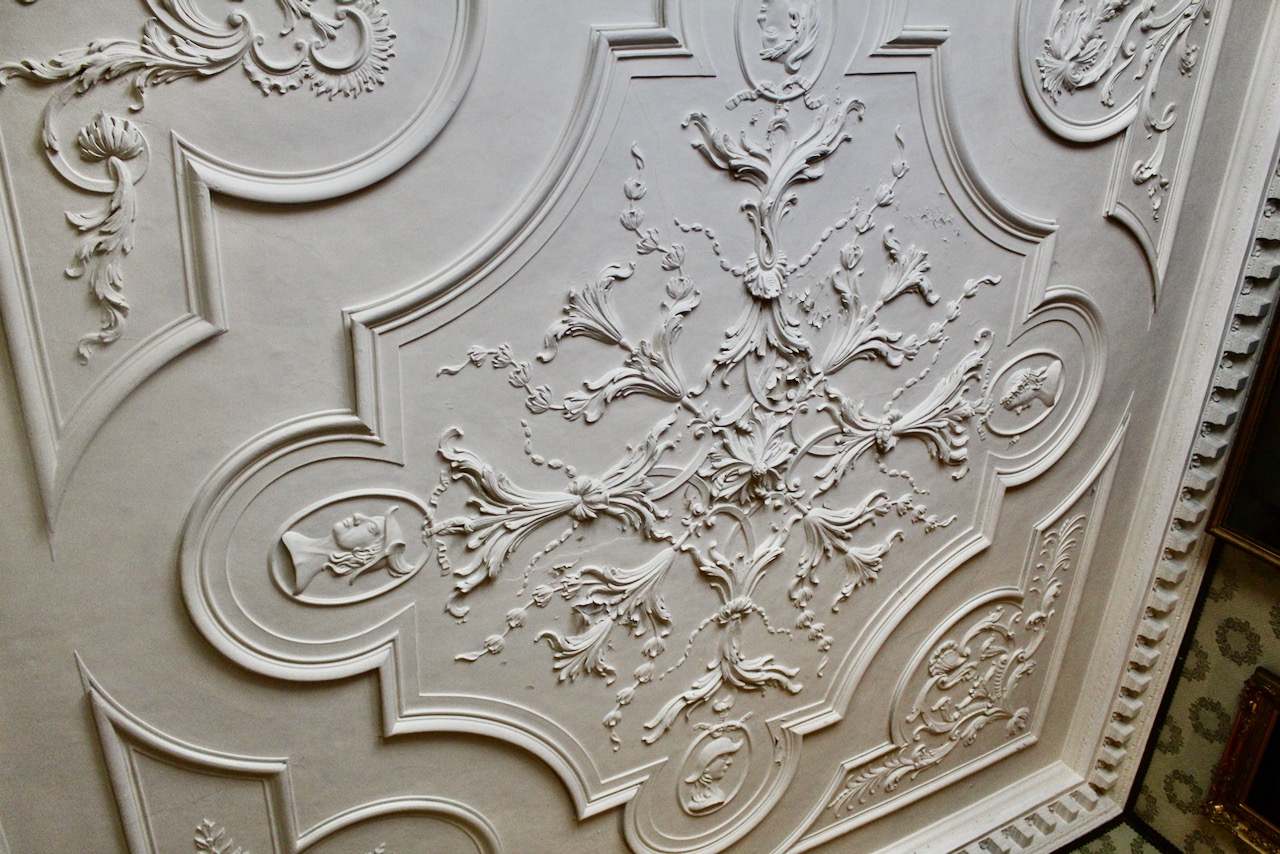
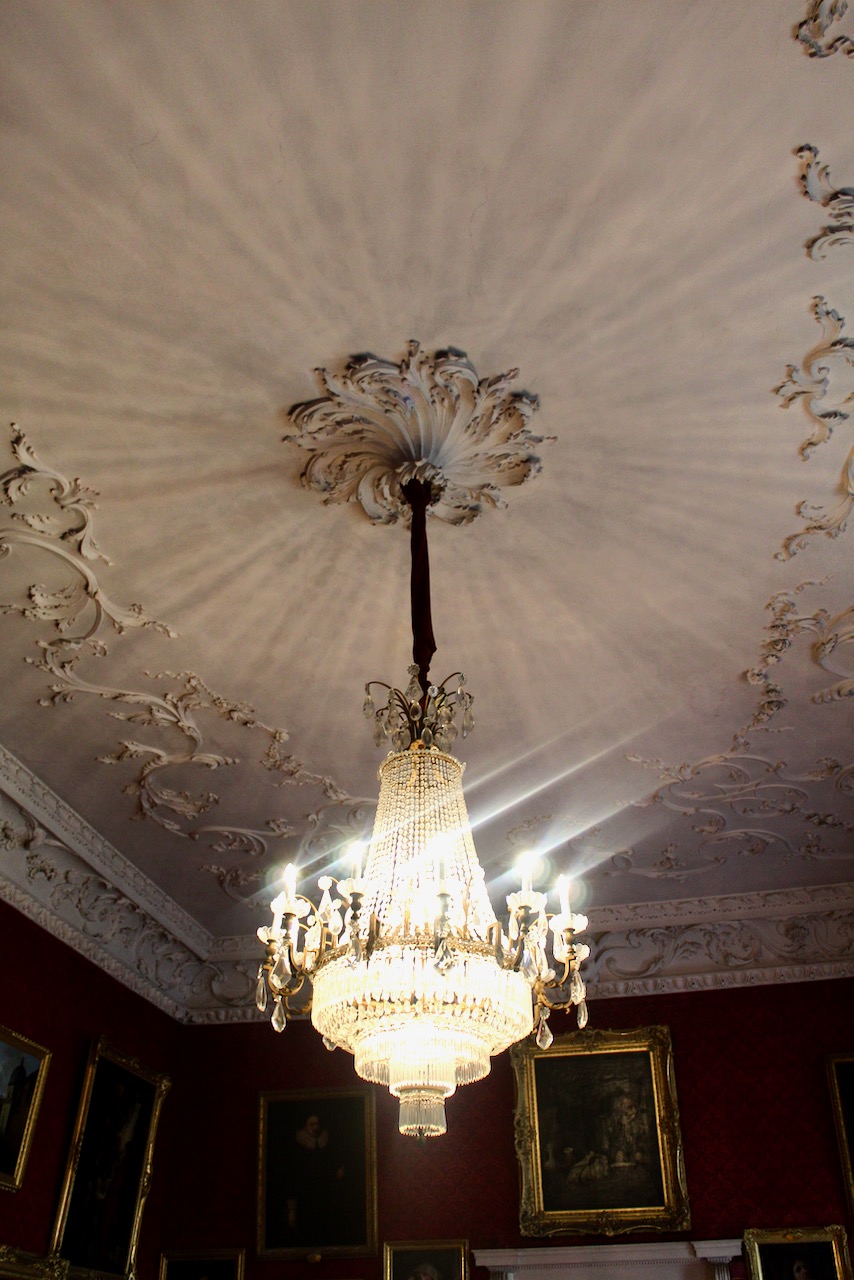
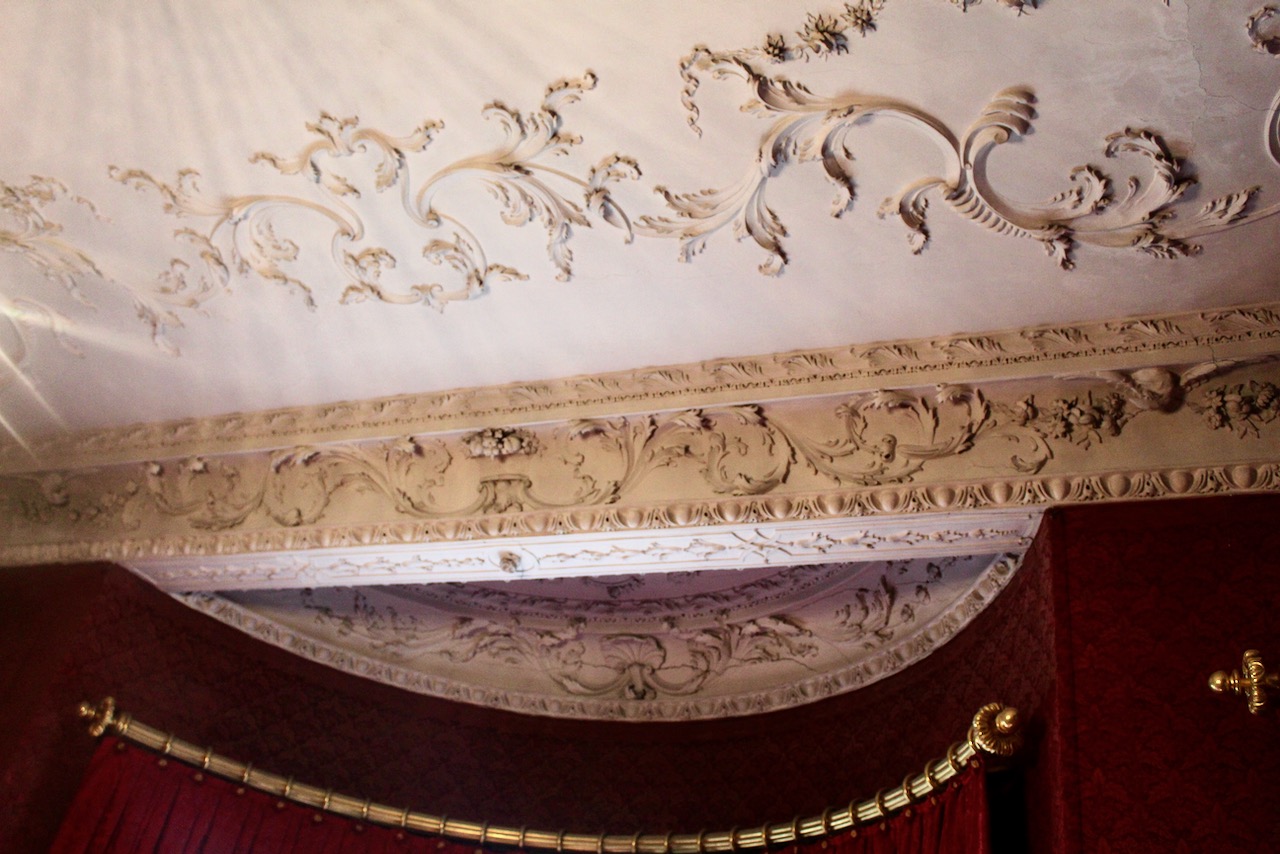
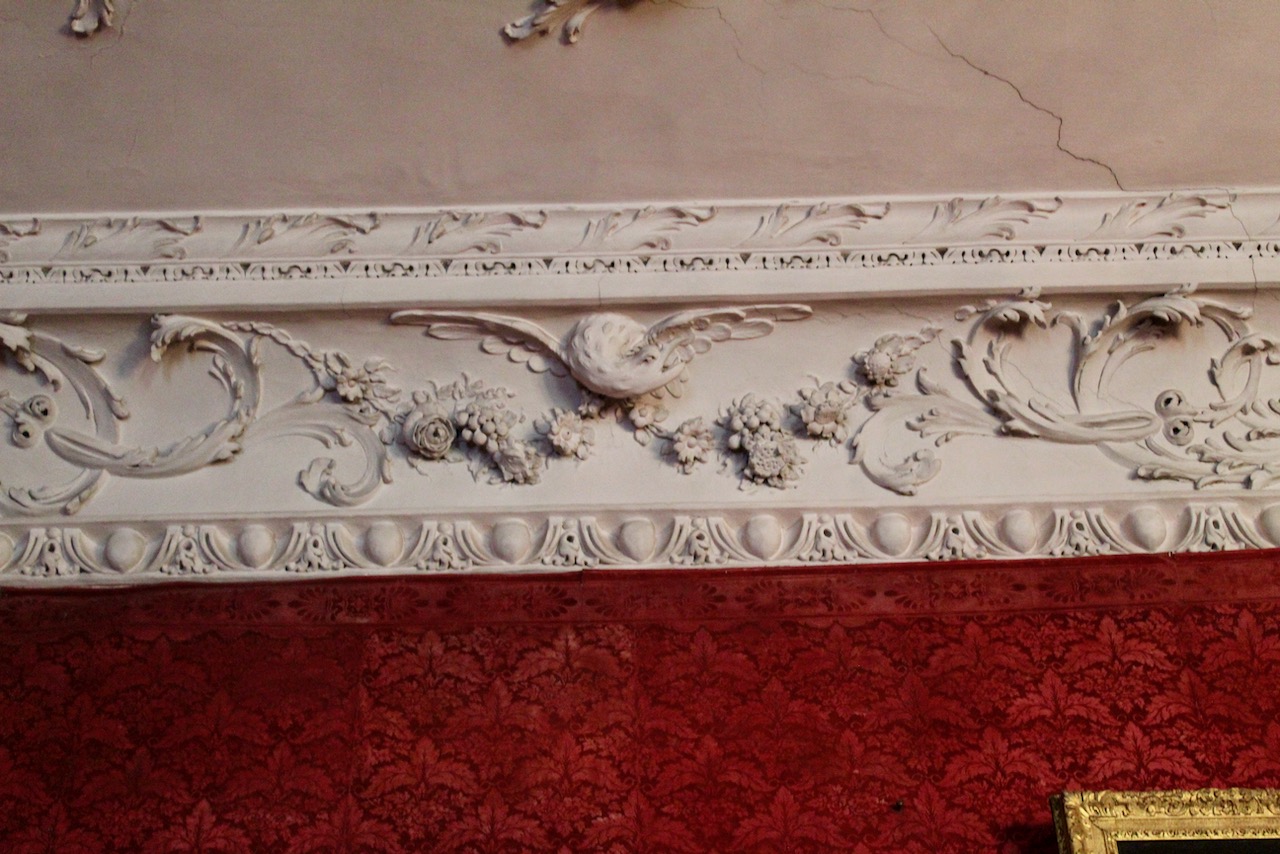
“Above all, Thomas, who followed his maternal grandfather, Speaker Sir Richard Levinge, 1st Baronet, into the Irish House of Commons, and Lady Betty, a celebrated hostess, were determined to make Newbridge a fashionable place for entertaining. They promptly extended the house by adding the Red Drawing Room, a highly impressive chamber, 45 feet long, entered through a monumental doorway with a pediment and fluted engaged Corinthian columns. The glorious ceiling of rococo plasterwork, and also the one which enlivened the Archbishop’s Dining Room, is by the Dublin stuccodore Richard Williams, a pupil of Robert West of Florence Court fame.“
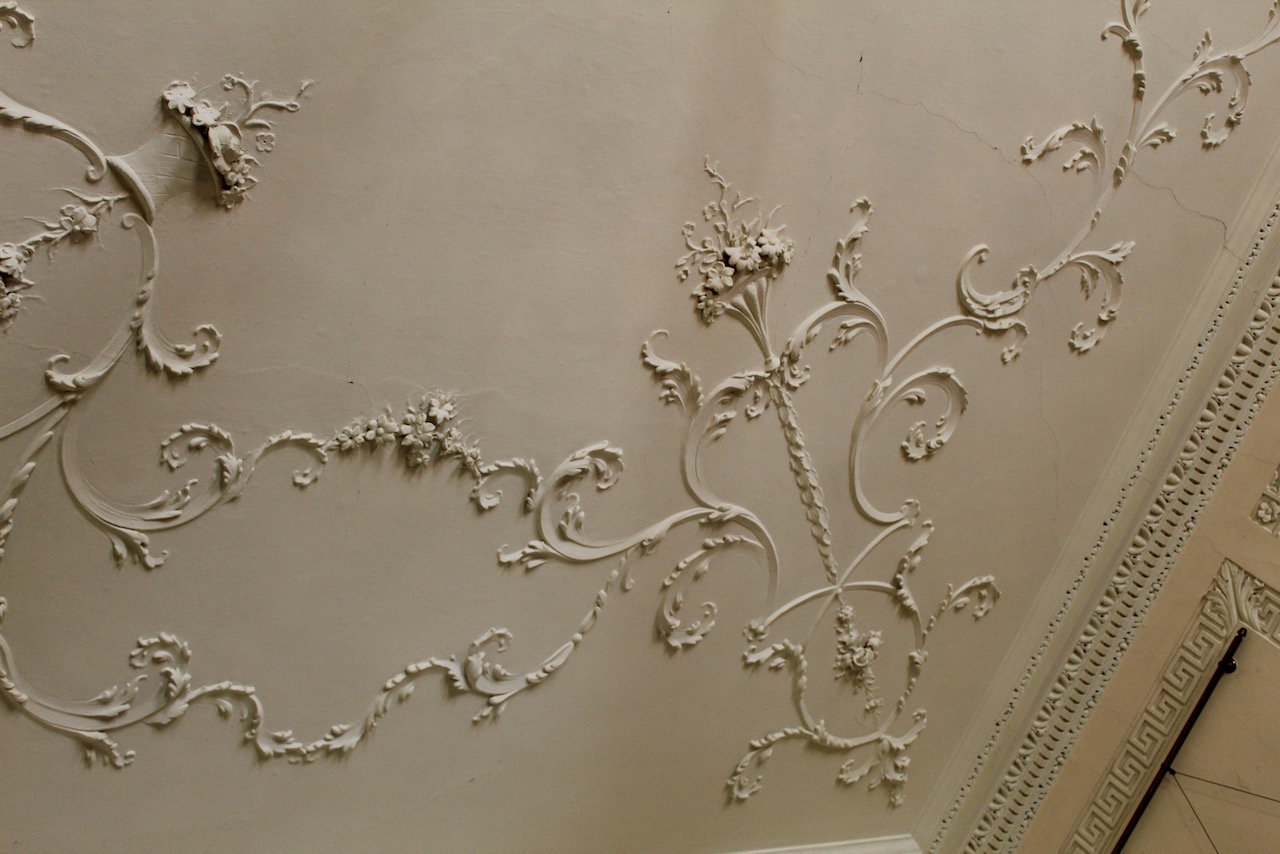
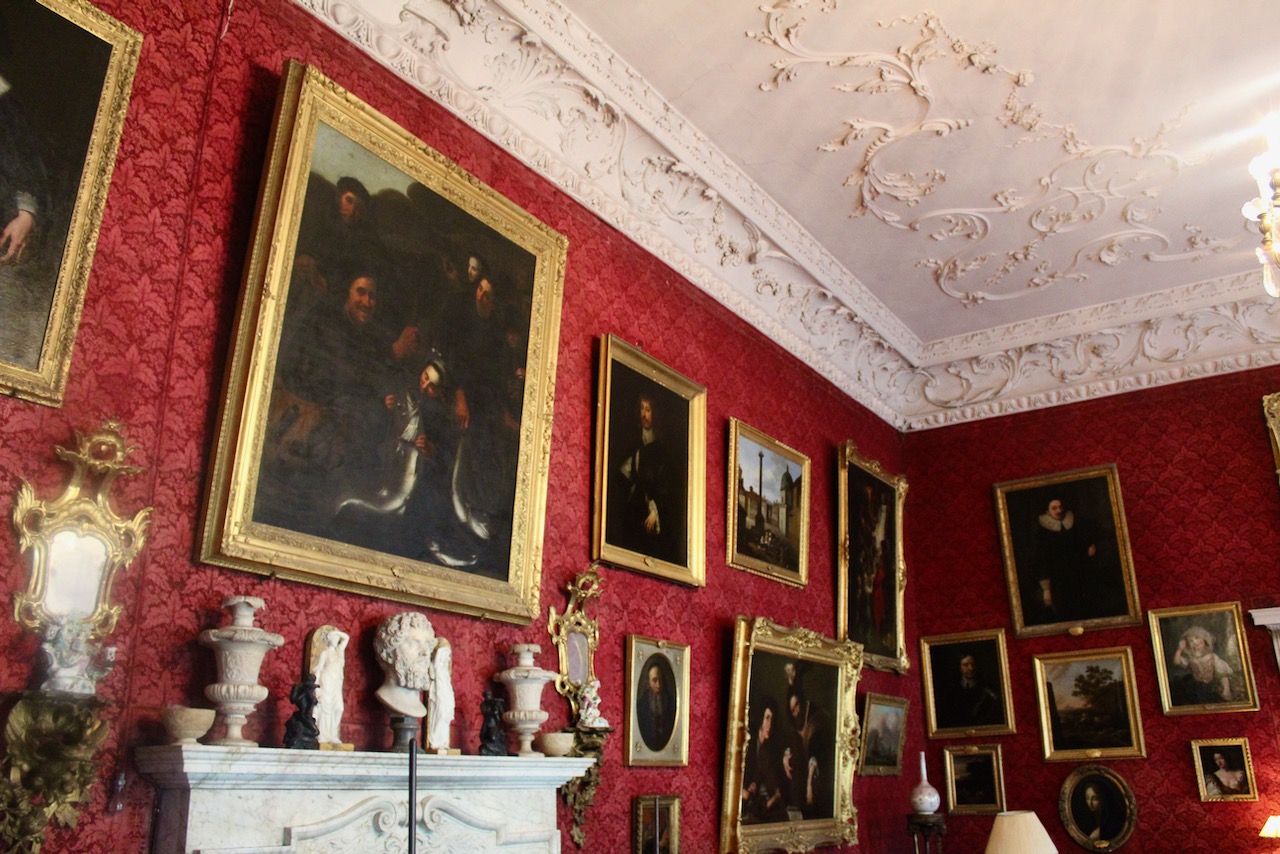
The ornate ceiling in this room includes baskets of flowers and exotic bird dragons. An article in the 2017 Irish Georgian Society Review tells us that Williams worked so much in the house that he married the children’s nurse!
The room was last redecorated in 1828, when the wallpaper, curtains and the unusual curtain rails were commissioned. The Dublin upholsterers Mack, Williams and Gibton supplied the carpet and curtains. The fireplace is Italian.
Archbishop Charles Cobbe and his son Thomas were assisted in the purchase of art by Matthew Pilkington, husband of the writer Letitia Pilkington, a friend of Jonathan Swift.
Hugh Montgomery-Massingberd and Christopher Simon Sykes tell us:
“Besides serving as Thomas and Lady Betty’s salon, the Red Drawing Room was also in effect a picture gallery to show off the magnificent collection of Old Master paintings which they formed with the expert advice of the local clergyman the Reverend Matthew Pilkington. For as well as being Vicar of Donabate (where the Cobbe family piew was also decorated by ‘Williams the Stoccoer,’ as he is described in the Newbridge accounts), Pilkington was, by a happy chance, the author of The Gentleman’s and Connoisseur’s Dictionary of Painters (1770), the first such work of reference to be published in English.” [see 2, p. 130]
Robert O’Byrne tells us more about the Reverend Matthew Pilkington:
“In 1725 he married the well-connected Laetitia van Lewen, as diminutive – but also as witty – as her husband, and the couple became friends with the likes of Jonathan Swift and Patrick Delany. Through the former Pilkington secured the position of Chaplain to the London Mayor of London and so moved to the other side of the Irish Sea. However in London he antagonized potential supporters and was imprisoned two years later. On returning to Dublin, he then became estranged from his wife and the couple was eventually and scandalously divorced in 1737: just over a decade later Laetitia Pilkington published her entertaining memoirs, from which her former husband emerges in a poor light. Ultimately he recovered his social position thanks to the patronage of Charles Cobbe, Archbishop of Dublin who offered Pilkington the living of Donabate and Portraine next to Cobbe’s newly completed seat at Newbridge.” [6]
Mrs Letitia Pilkington (née Van Lewen), (1712-1750), Adventuress and Author Date: c.1760 Engraver: Richard Purcell, Irish, c.1736-c.1766 After Nathaniel Hone the Elder, Irish, 1718-1784.
The website tells us of Charles Cobbe (1781-1857) and his family. Cobbe was concerned with the welfare and the living conditions of his tenants, and in the 1830s he sold two of the best pictures of this room to raze the ‘wretched mud cabins’ of his tenants and replace them with proper cottages.
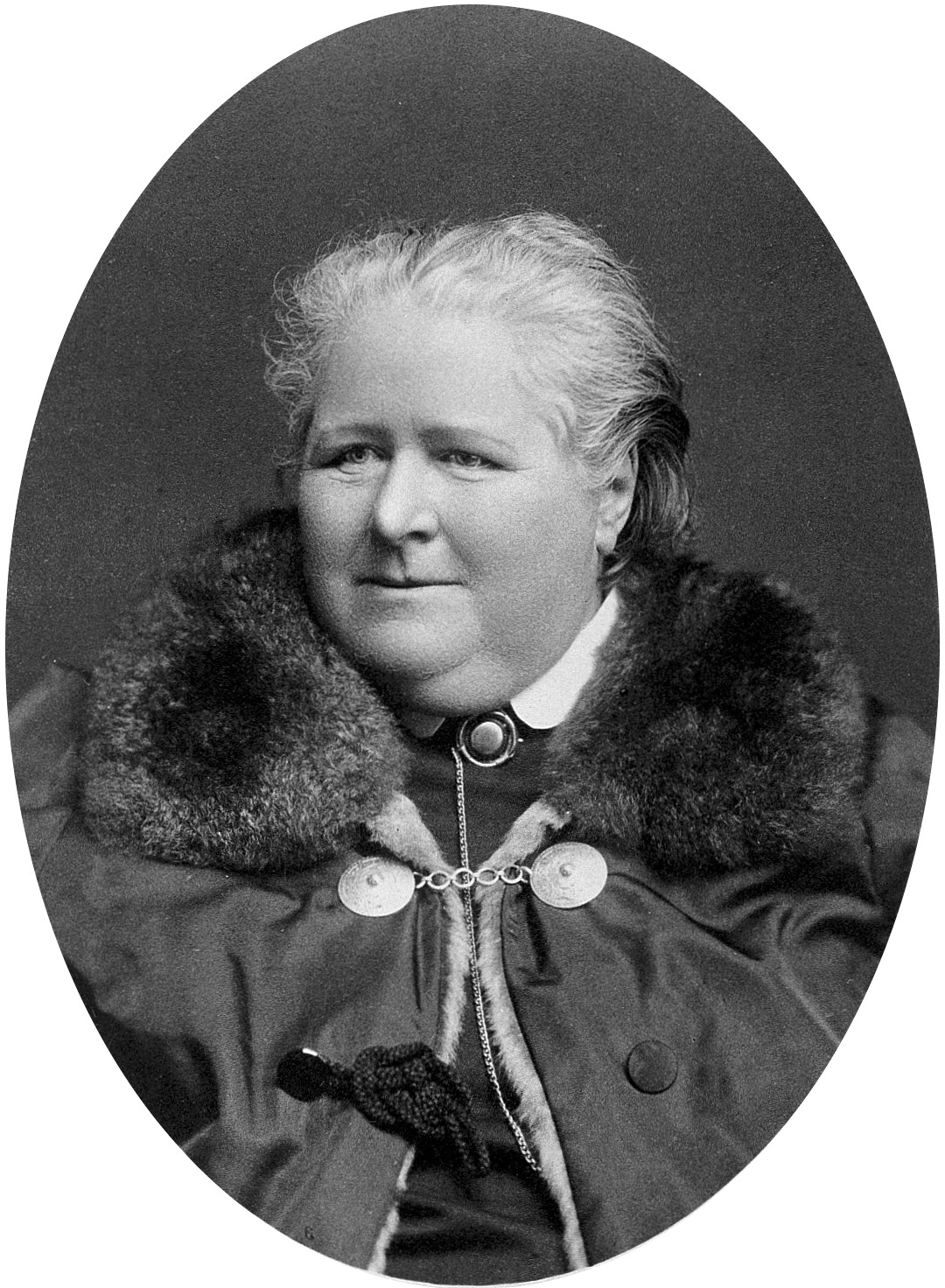
Charles’s daughter, Frances Power Cobbe, would become a noted philanthropist, feminist and writer, and advocated university education for women. She was the author of a number of books and essays, including The Intuitive Theory of Morals (1855), On the Pursuits of Women (1863), Cities of the Past (1864), Criminals, Idiots, Women and Minors (1869), Darwinism in Morals (1871) and Scientific Spirit of the Age (1888). She was the partner of Mary Lloyd, the sculptor, whom she met in Rome. In letters and published writing, Cobbe referred to Lloyd alternately as “husband,” “wife,” and “dear friend.”
Frances Power Cobbe By https://wellcomecollection.org Image from frontispiece of autobiography “Life of Life of Frances Power Cobbe, by Herself, Volume 1.” Bentley, London, 1894.
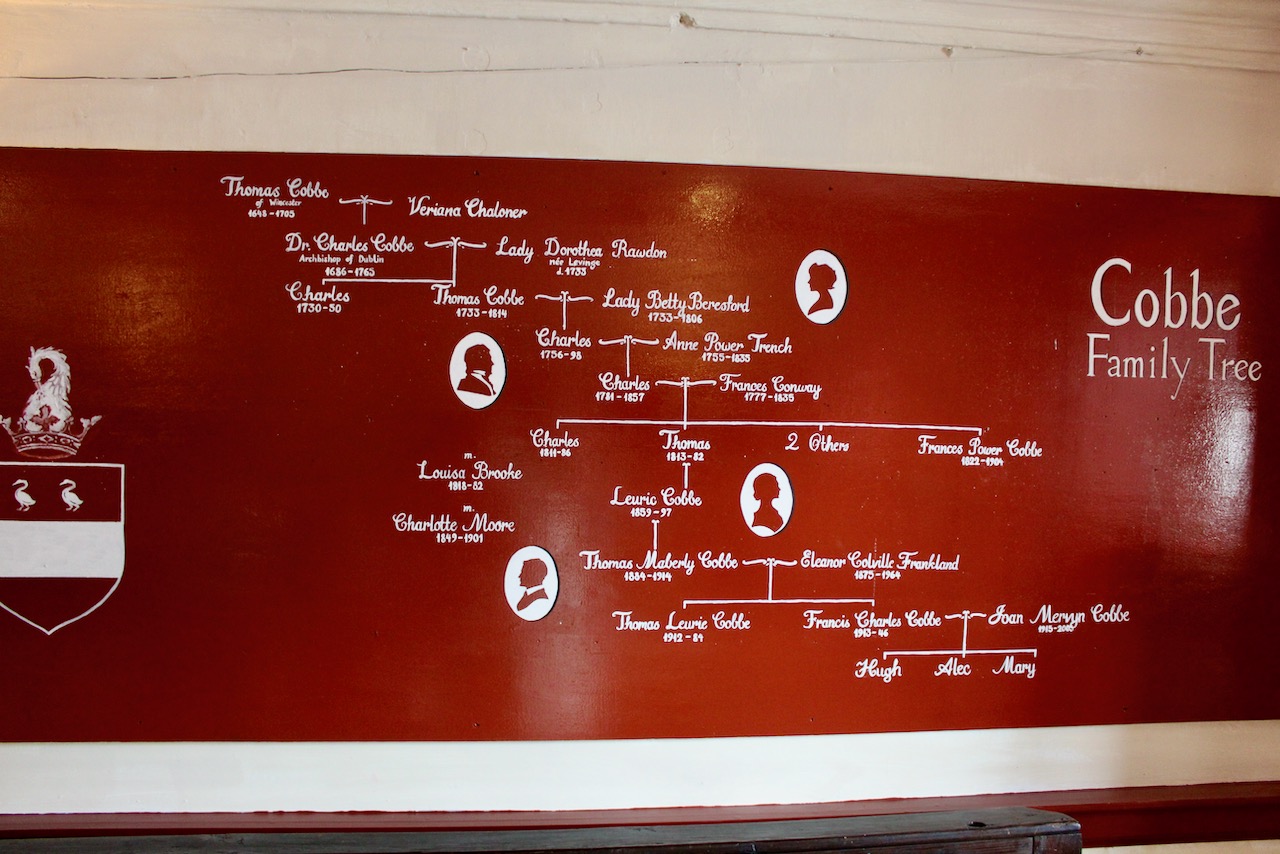
Charles occupied Newbridge for 47 years and on his death it passed to his son, also named Charles (1811-1886). The house passed from Charles (1811-1886) to his brother Thomas’s son, Leuric Charles Cobbe (1859-97), and then to his son, Thomas Maberley Cobbe (1884-1914). The website continues:
“…Thomas Maberley Cobbe married Eleanor Colville Frankland, the elegant daughter of an Anglo-American heiress and descendant of one of the Founding Fathers of the United States, John Jay. The couple, setting up at Newbridge at the beginning of the 20th century, entertained guests, raised their family and managed the estate for the trustees. In 1933, Newbridge was inherited by their son Tommy, who was born and lived there his whole life. When he died in 1984 it passed to his two nephews and his niece who had grown up in the house.“
The nephews and niece were children of Tommy’s brother Francis (1913-1949): Hugh, Alec and Mary – their mother was also a Cobbe (descended from the fourth son of Charles Cobbe and Anne Power Trench).
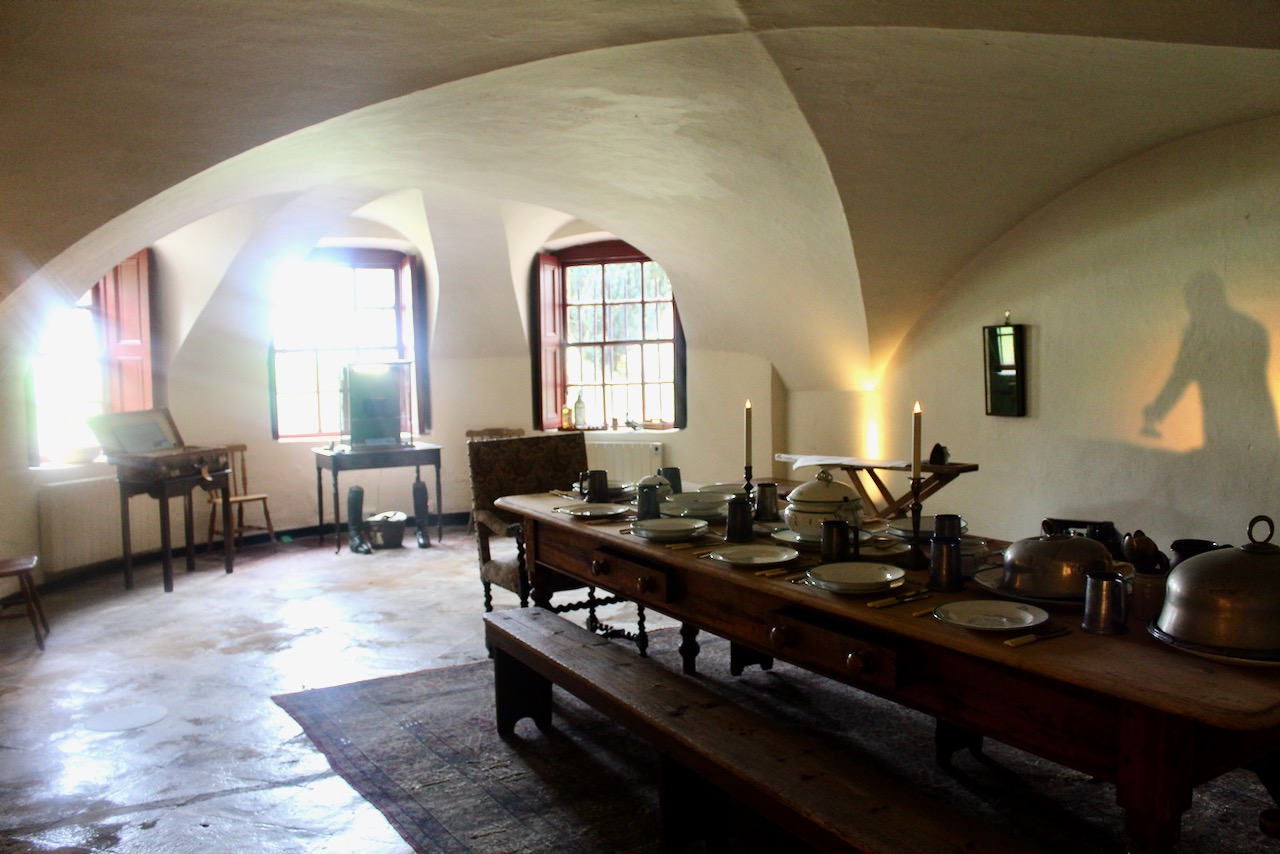
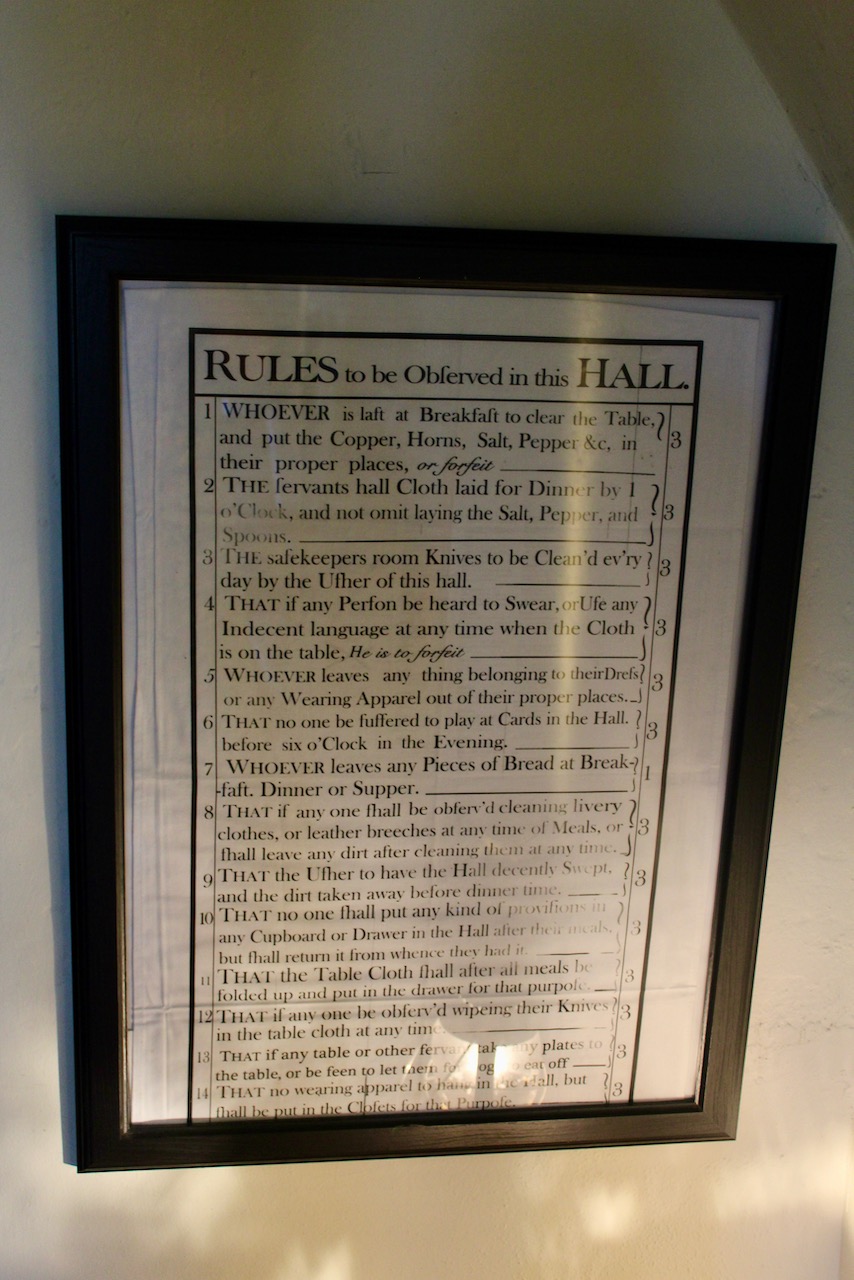
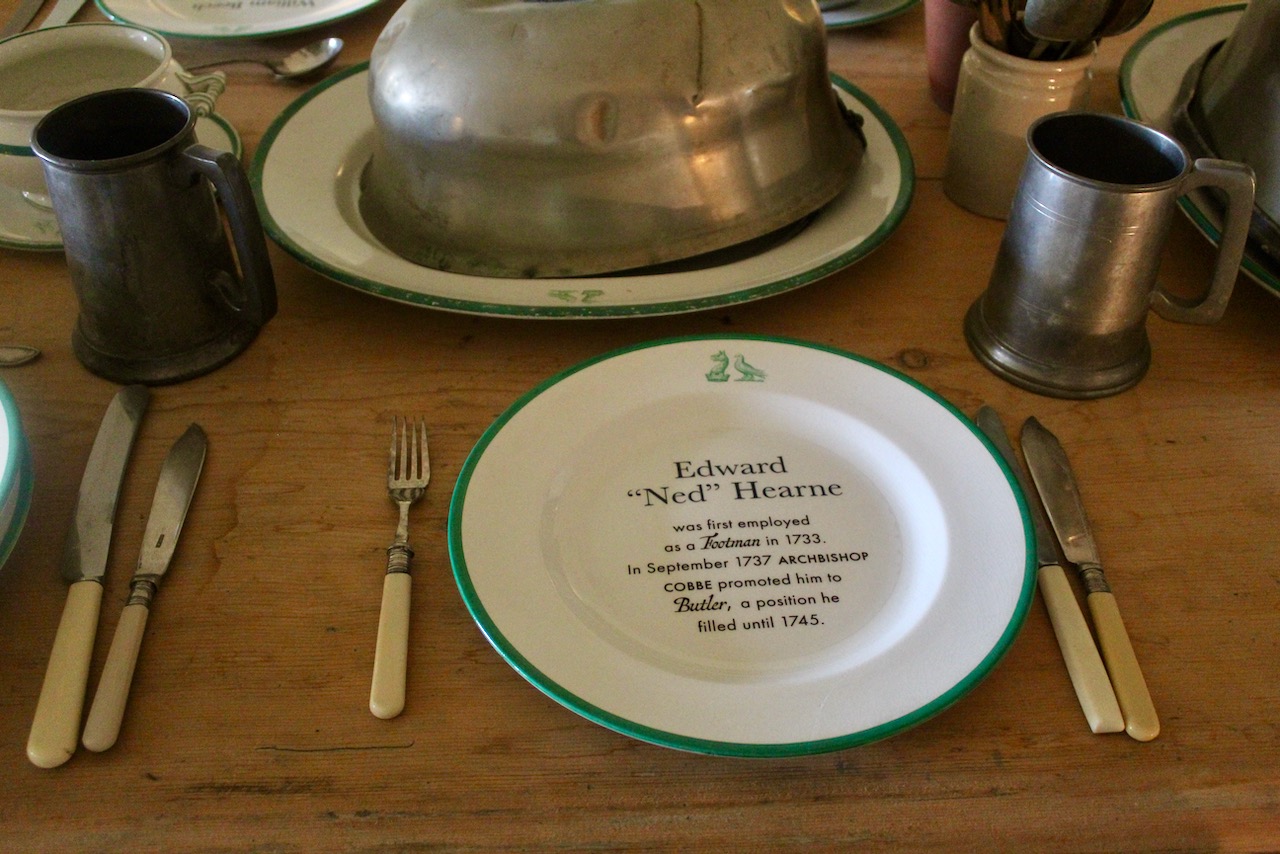
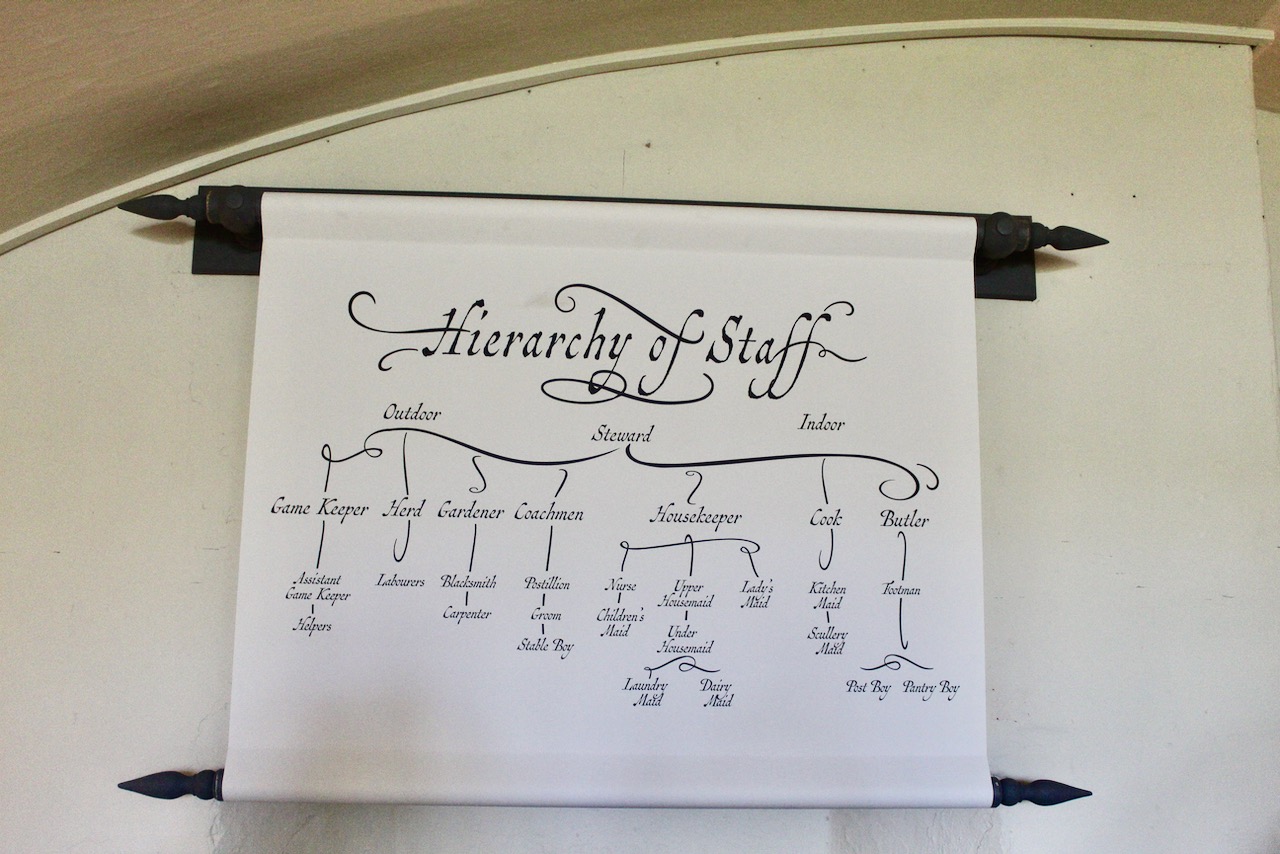
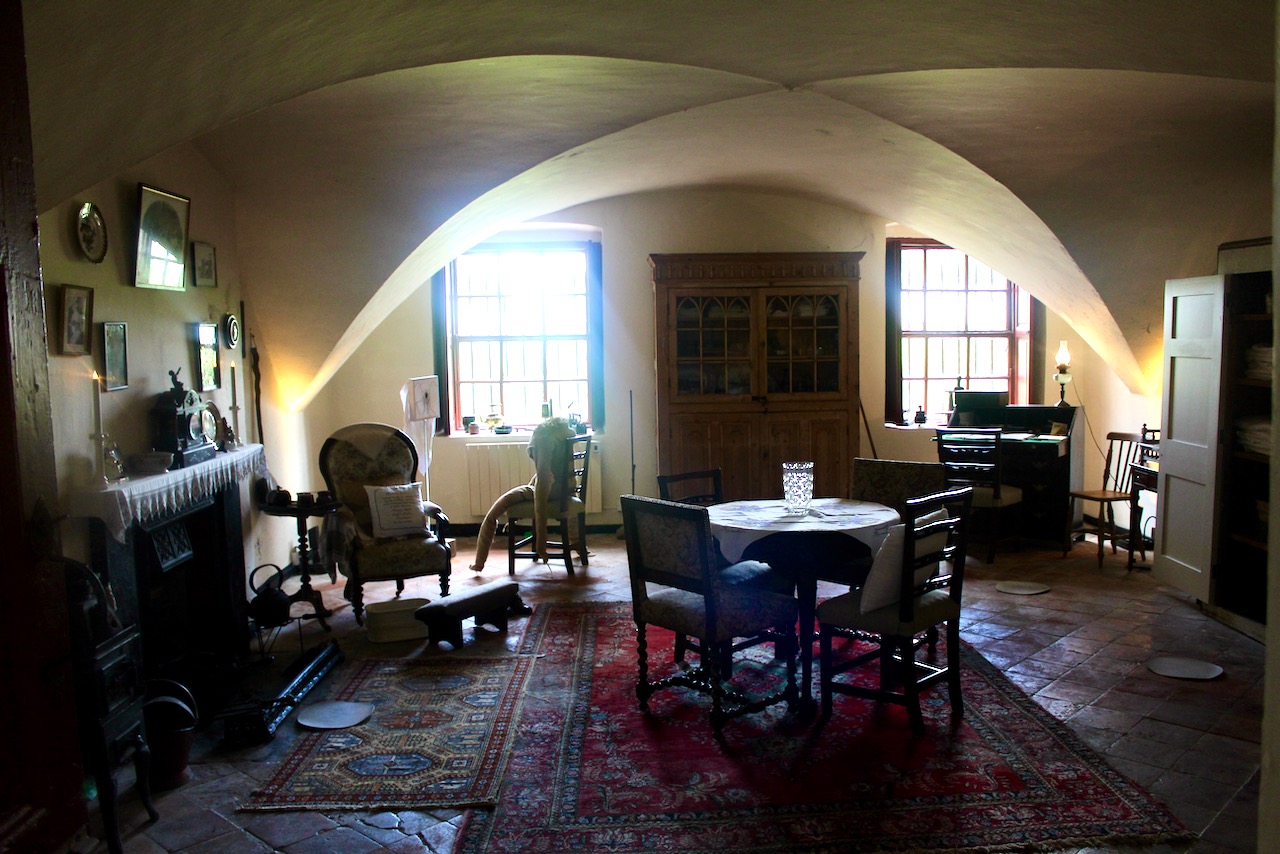
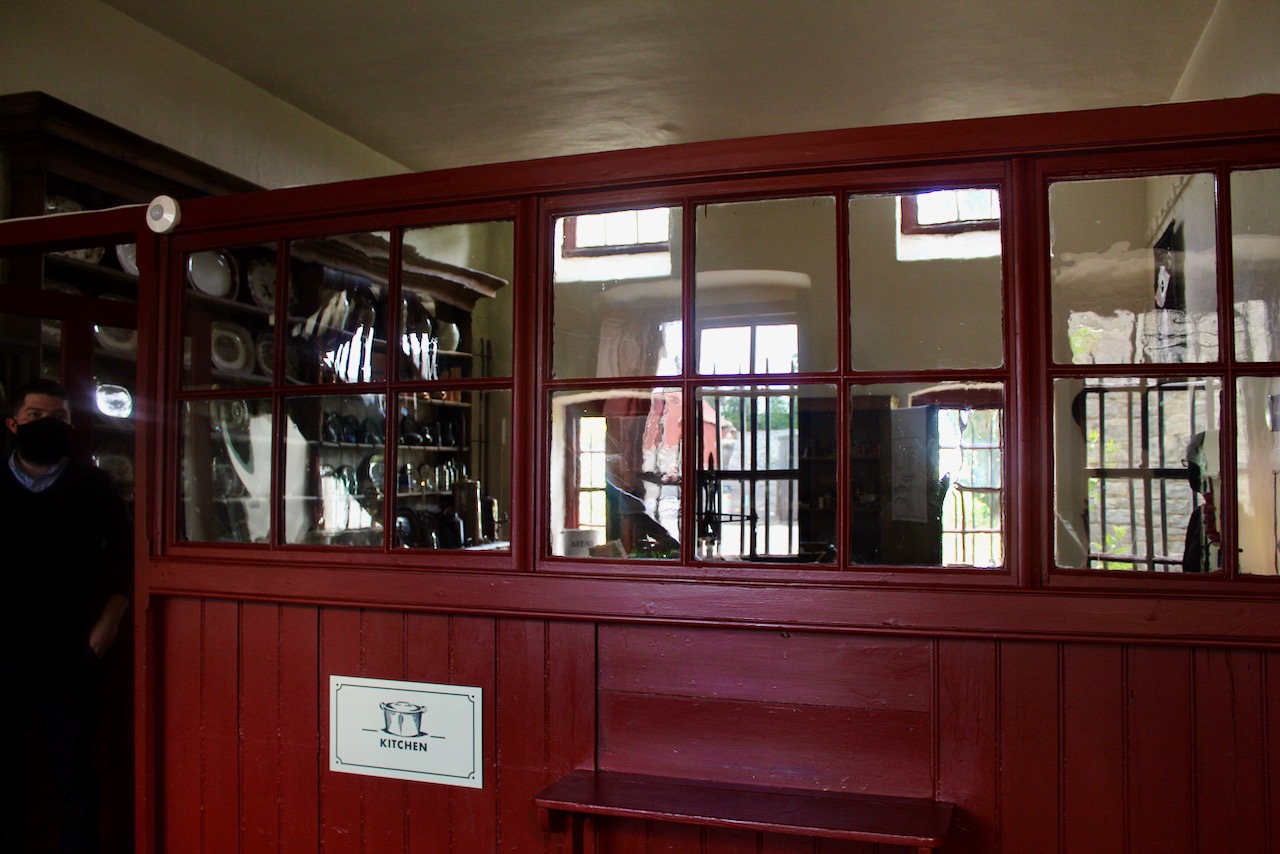
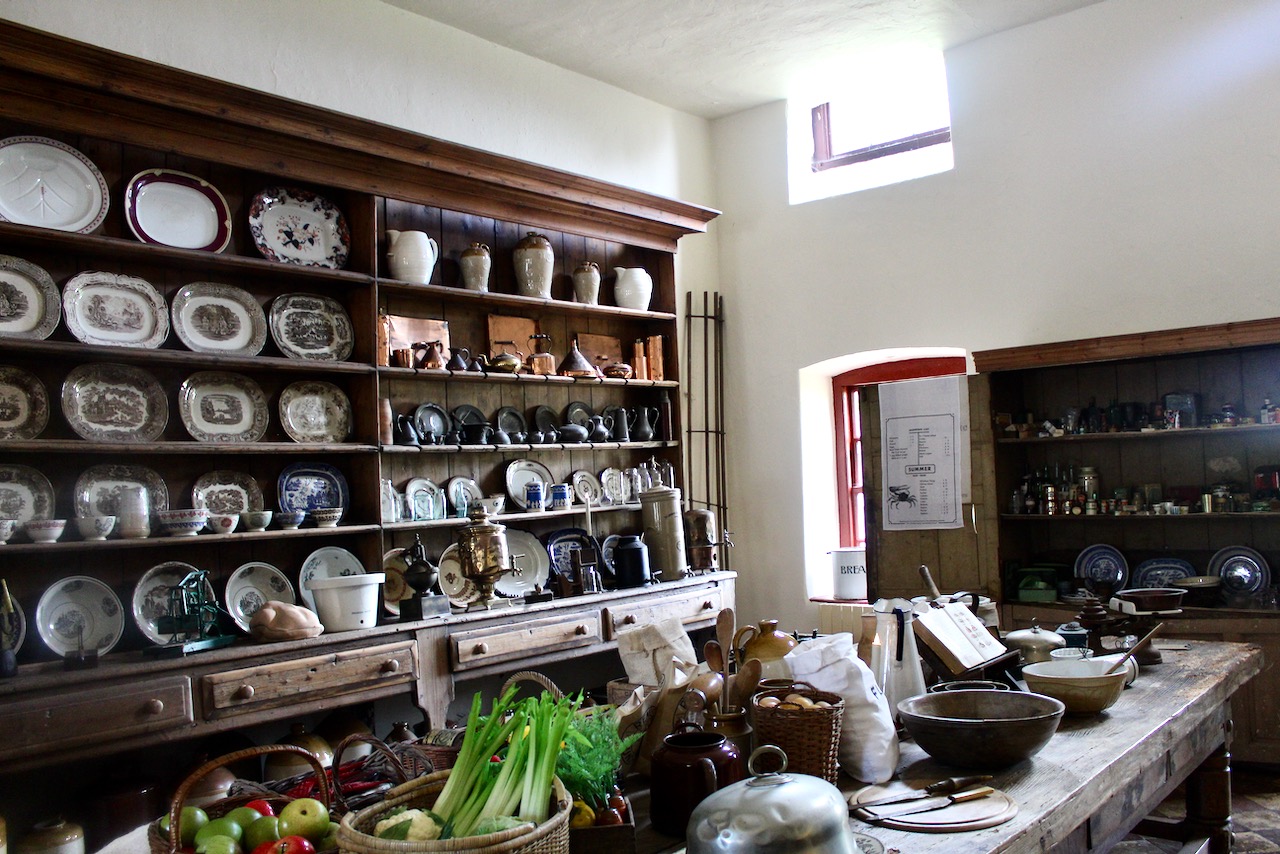
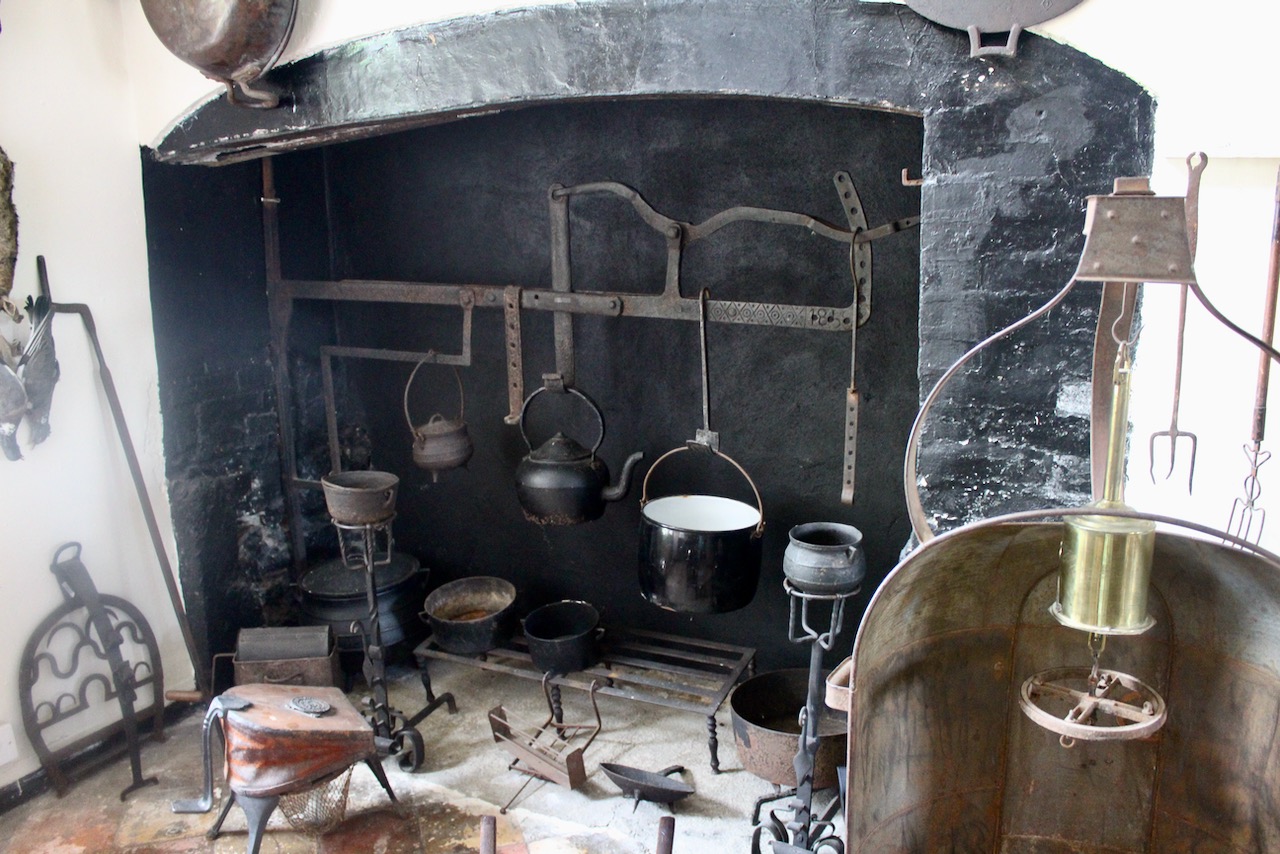
The house tour includes the basement and servants’ quarters.
Hugh Montgomery-Massingberd and Christopher Simon Sykes write:
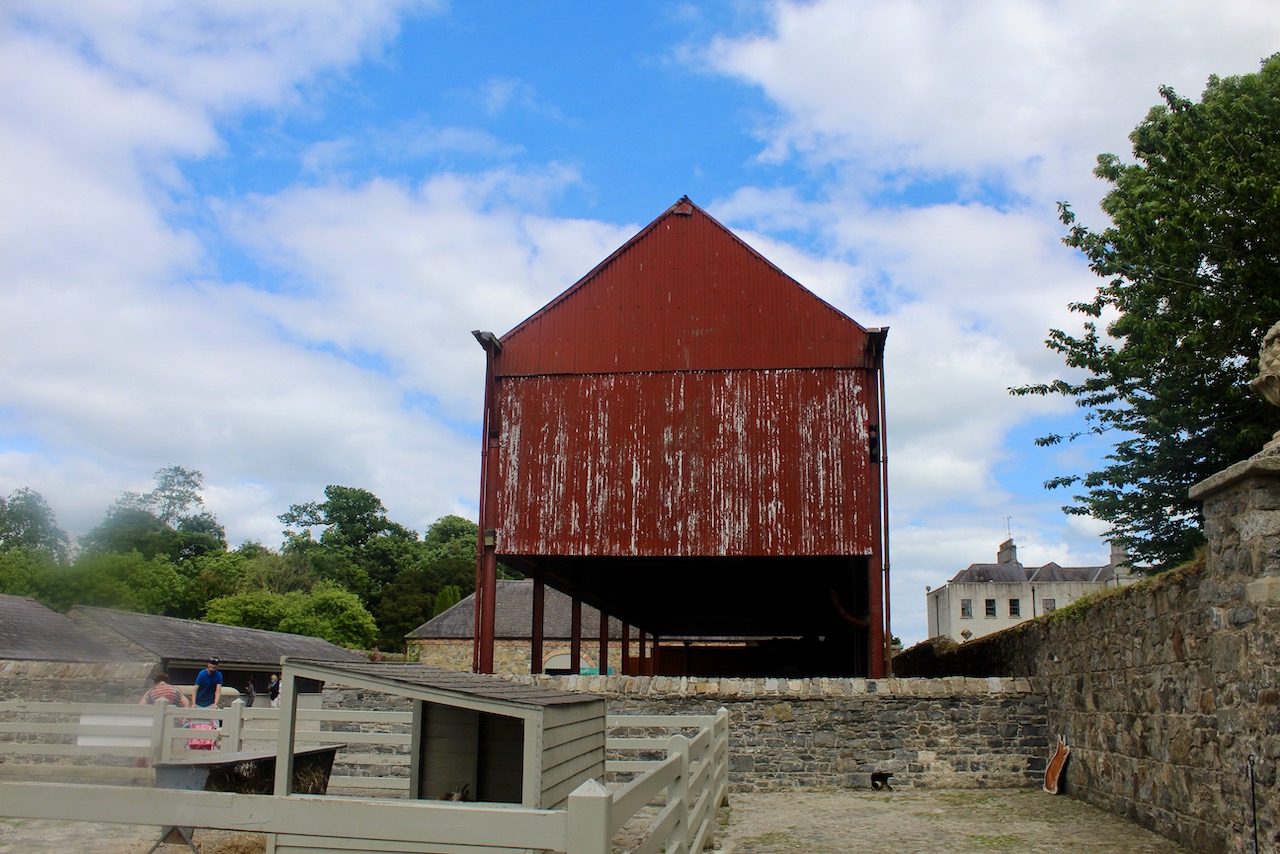
p. 131. “Nostalgically stocked kitchens, laundries and outbuildings help present a rounded picture of life in an Irish country house. The coaches on display in the stables include a splendid State Coach built in 1790 (about the same time as the square cobbled courtyard was laid out) for ‘Black Jack’ FitzGibbon, Lord Chancellor of Ireland.“
They tell us that ‘Black Jack’ was notorious for his remark that he would ‘tame the Irish like cats.’ Hardly surprisingly, they add, that his coffin had dead cats thrown at it.
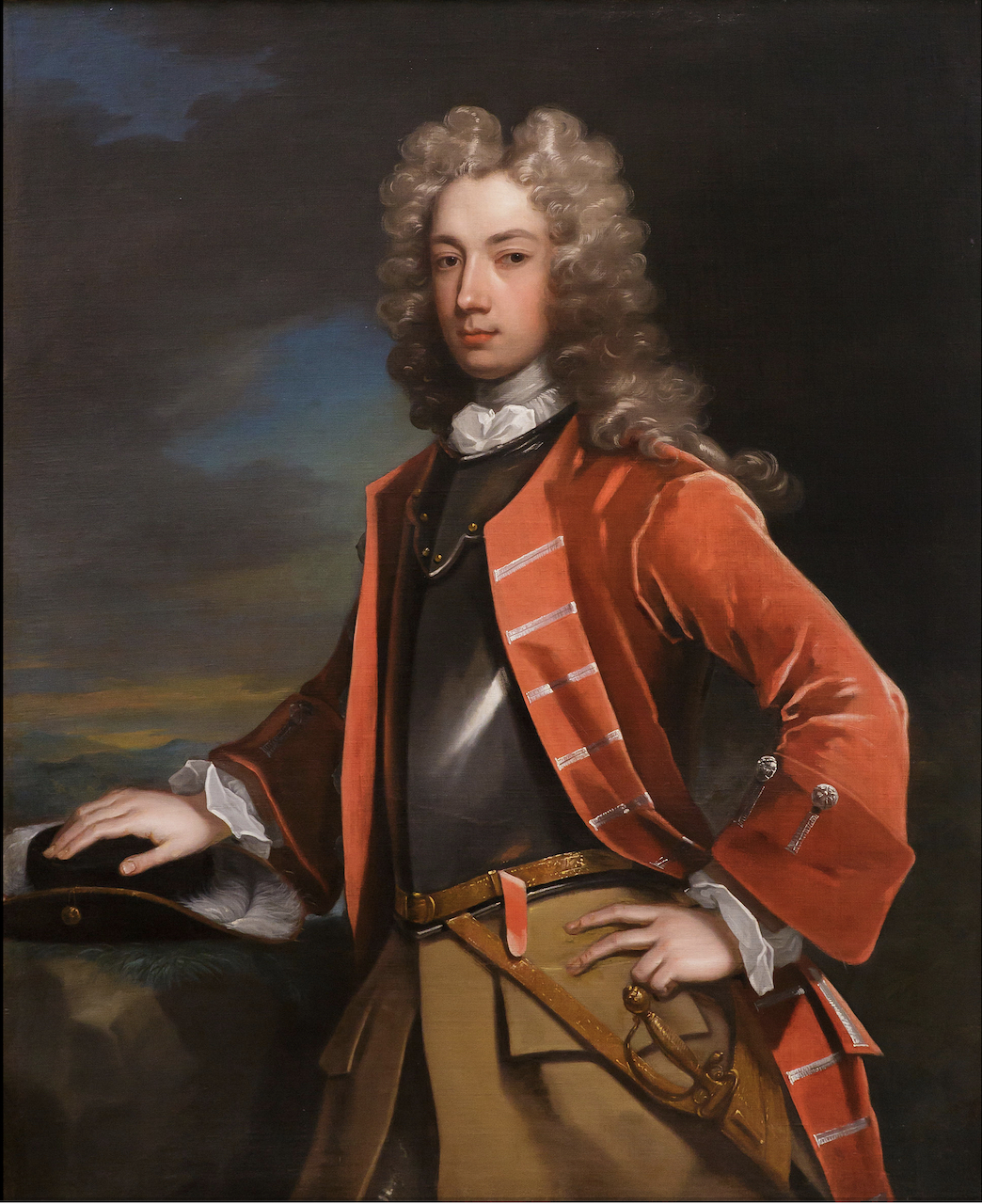
Arthur Chichester, 4th Earl of Donegall (1695–1757)
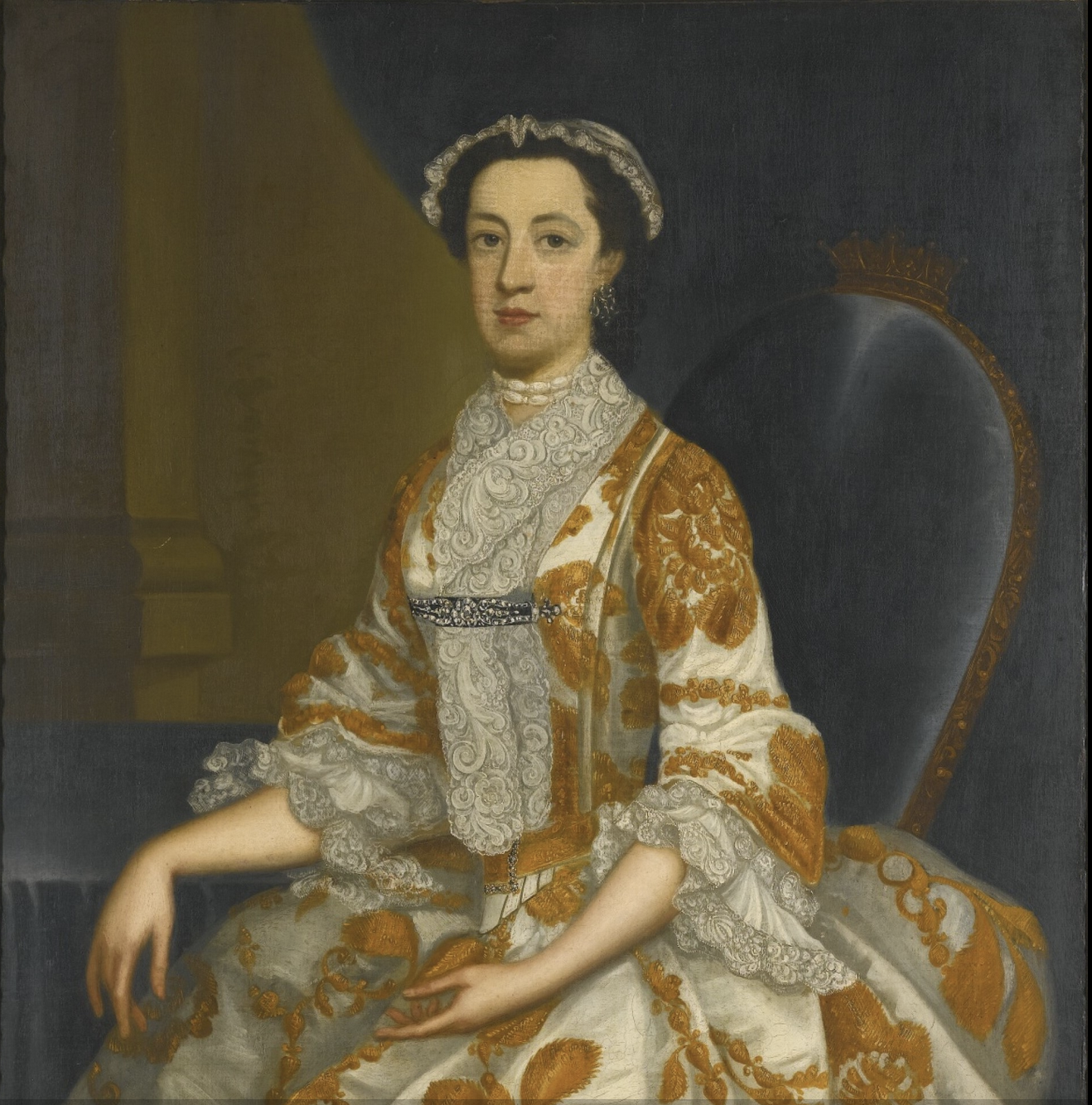
Lady Lucy Ridgeway was the eldest daughter and co-heir of Robert Ridgeway, 4th Earl of Londonderry (d. 1713/14), she married Arthur Chichester, 4th Earl of Donegal (1695-1757), by Jonathan Richardson courtesy of Sothebys L11304.
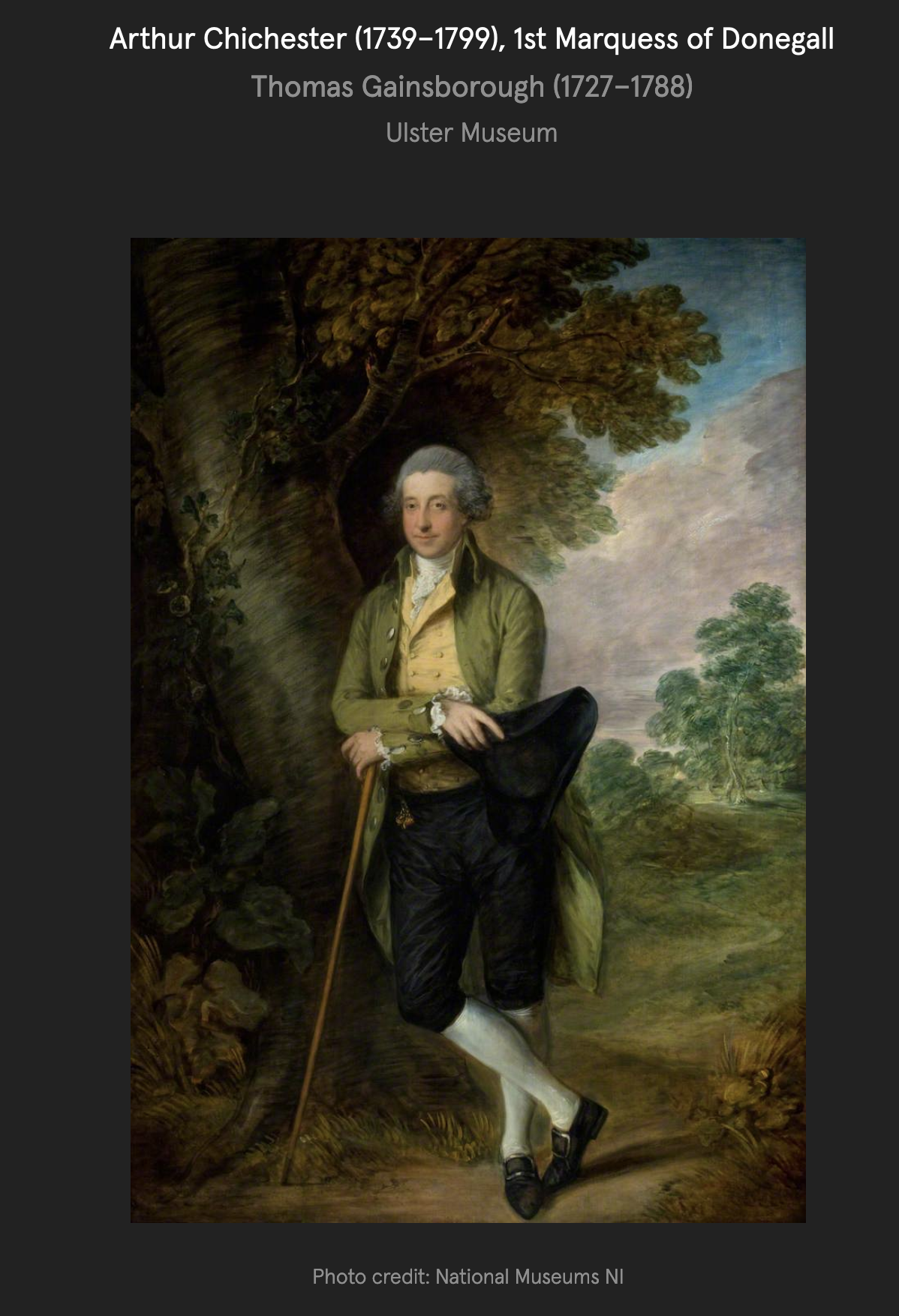
Arthur Chichester, 5th Earl of Donegall (1739–1799; created Baron Fisherwick in 1790 and Earl of Belfast and Marquess of Donegall in 1791). He married Anne née Hamilton (1731-1780) who was the daughter of James Brandon Douglas Hamilton 5th Duke of Hamilton, Scotland. Arthur the 5th Earl of Donegall was the son of John Chichester (1700-1746), who was the son of Arthur 3rd Earl of Donegall.
Arthur Chichester, 1st Marquess of Donegall (1739–1799)
Arthur Chichester (1739-1799) 1st Marquess of Donegall, by Thomas Gainsborough, courtesy of Ulster Museum.
George Augustus Chichester, 2nd Marquess of Donegall (1769–1844)
George Augustus Chichester (1769-1844) 2nd Marquess of Donegall, courtesy of Belfast Castle.
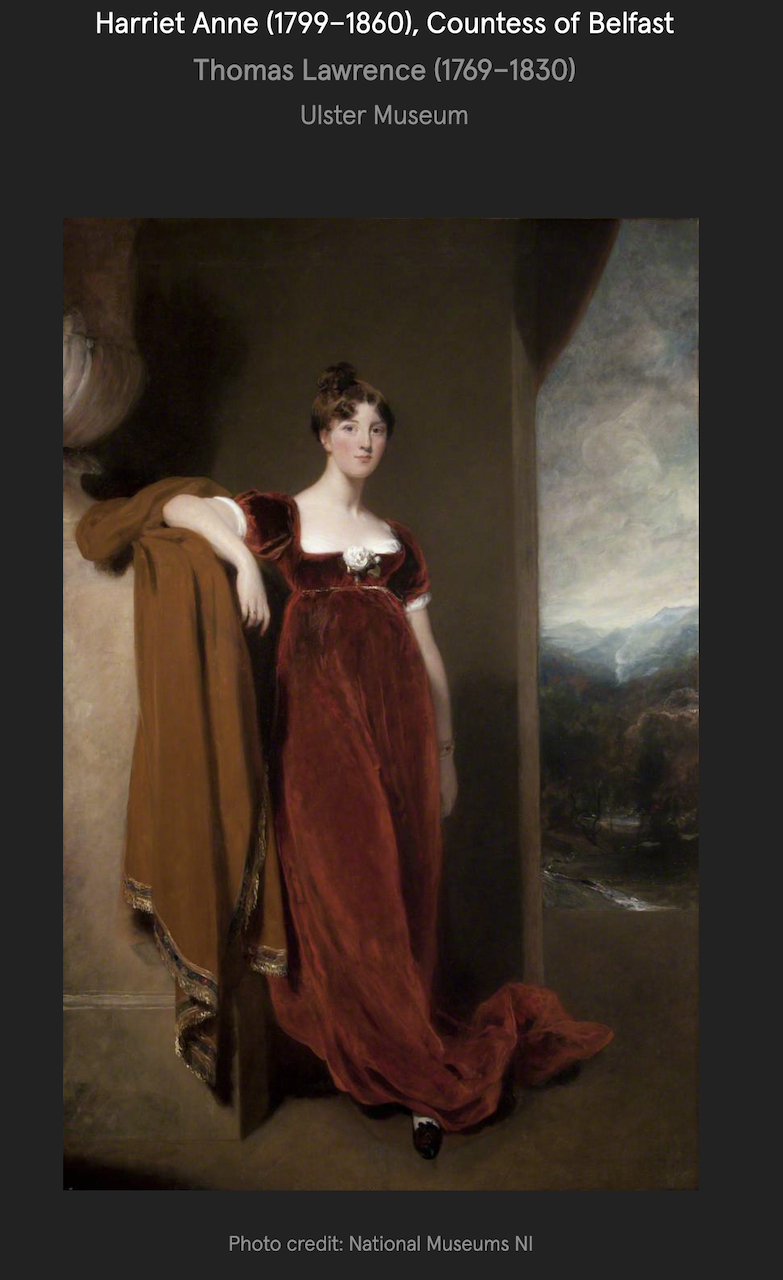
George Hamilton Chichester, 3rd Marquess of Donegall, Baron Ennishowen and Carrickfergus (1797–1883). He married Harriet Anne née Butler (1799-1860), daughter of Richard Butler, 1st Earl of Glengall.
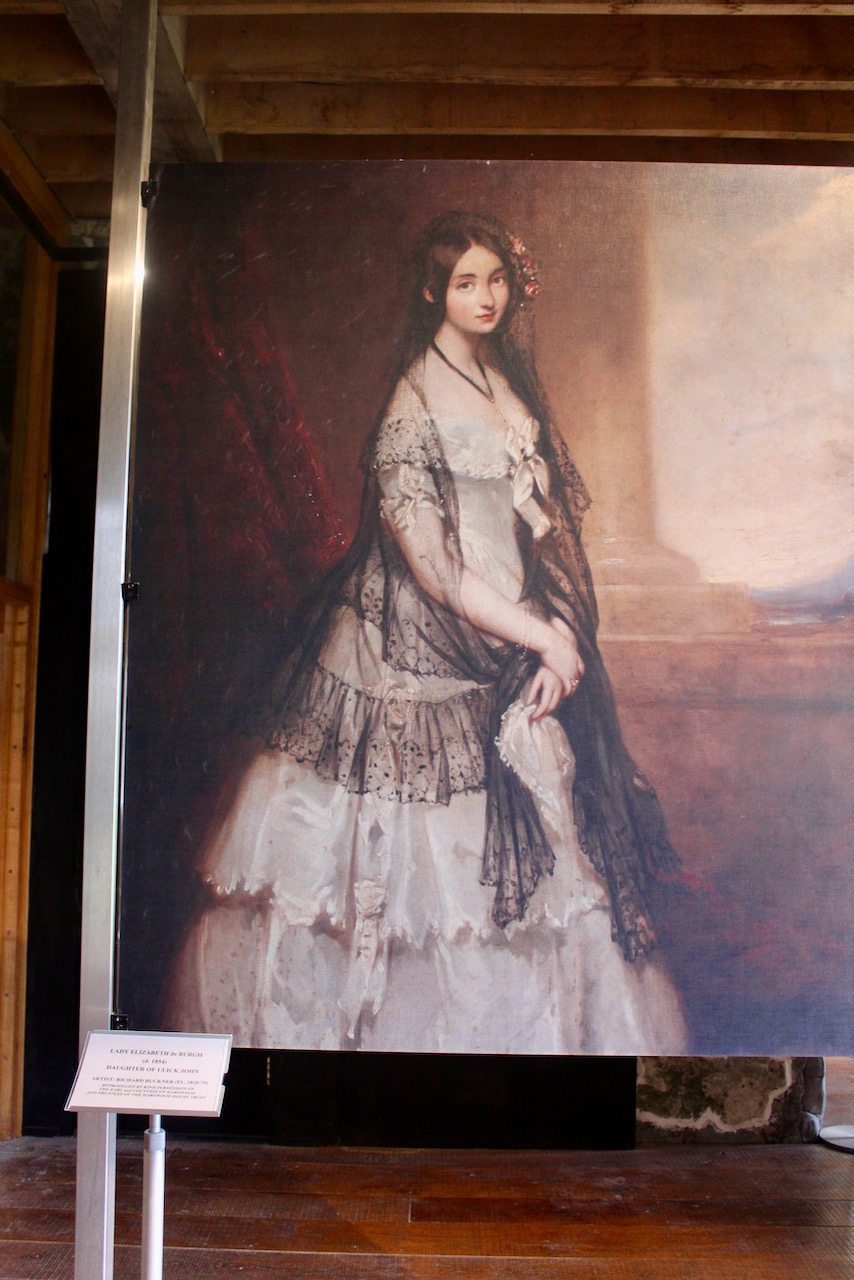
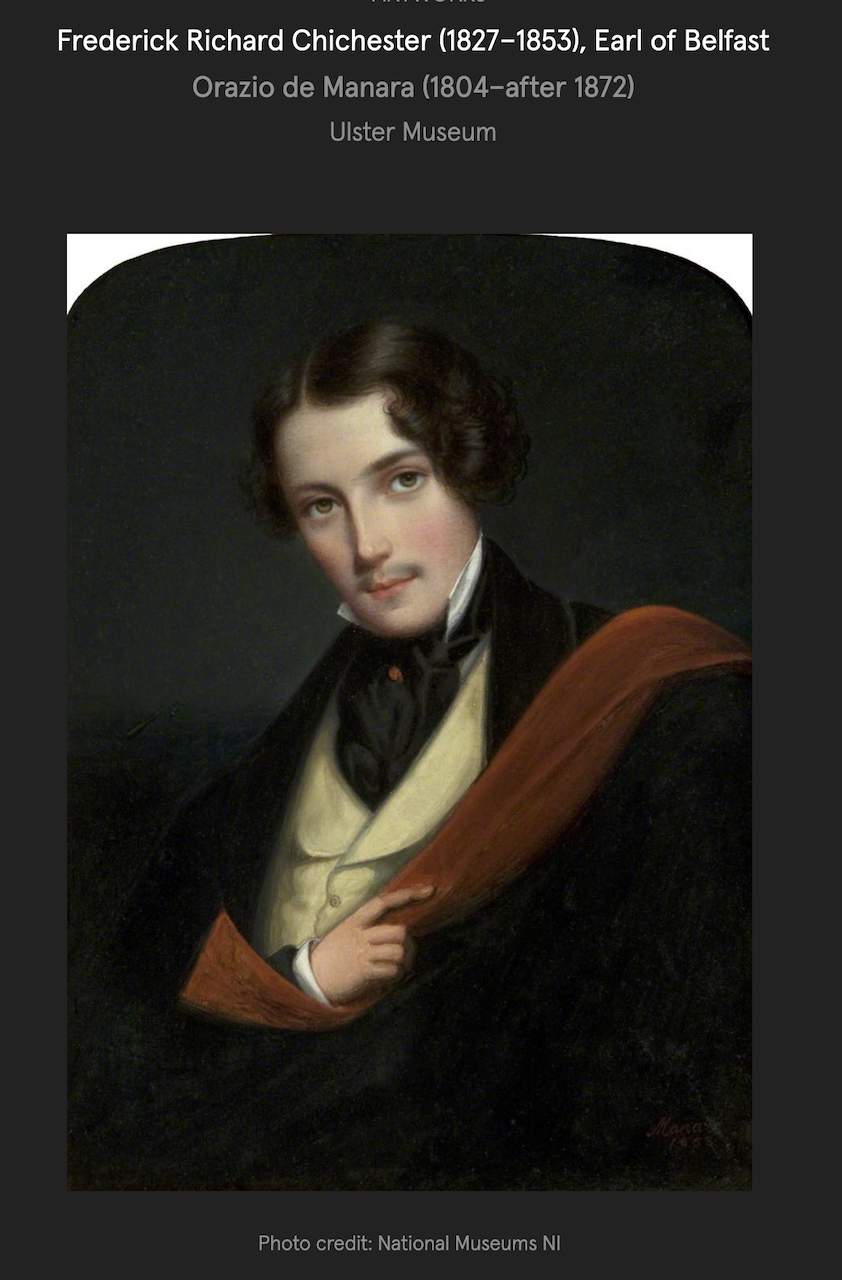
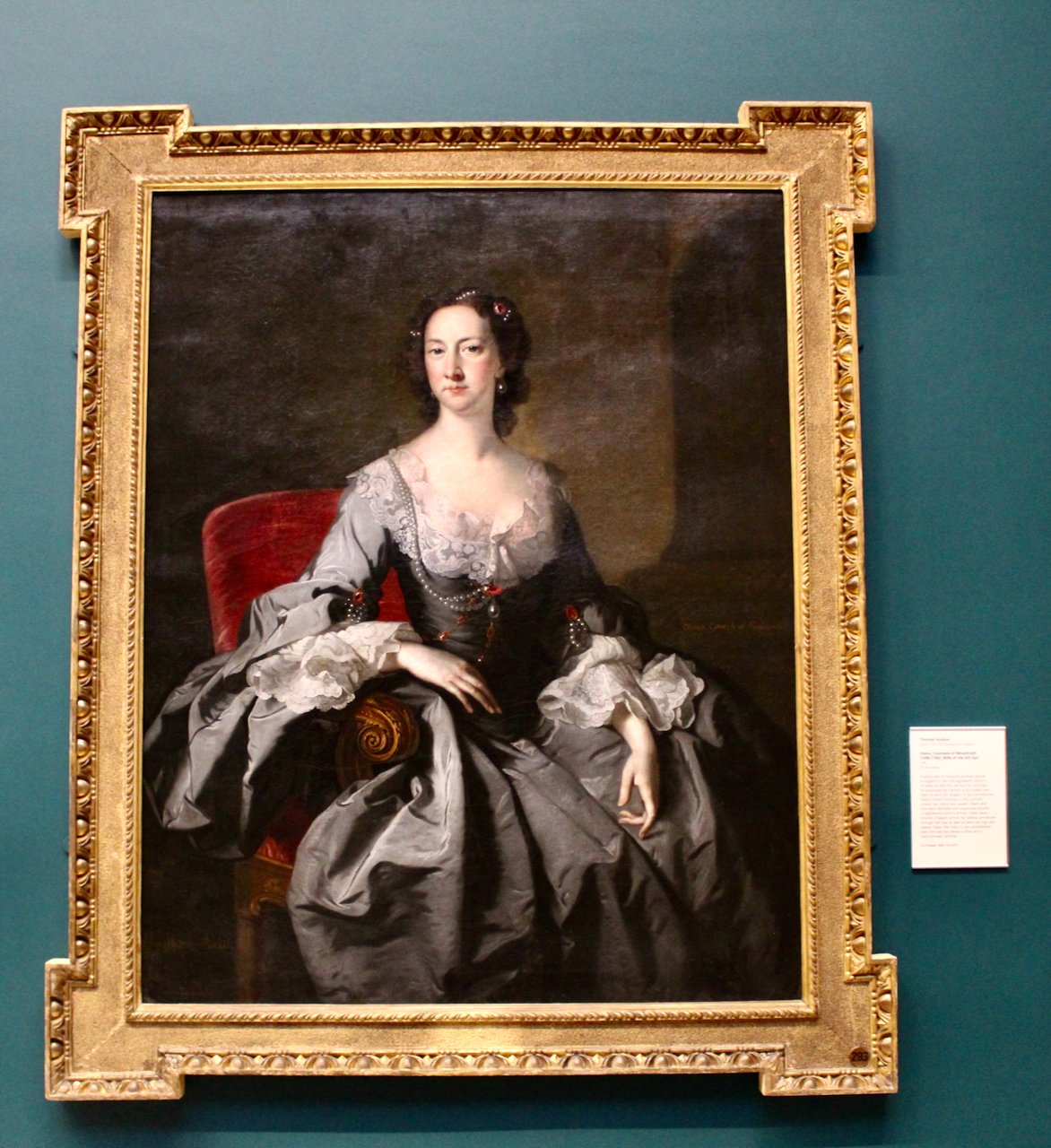
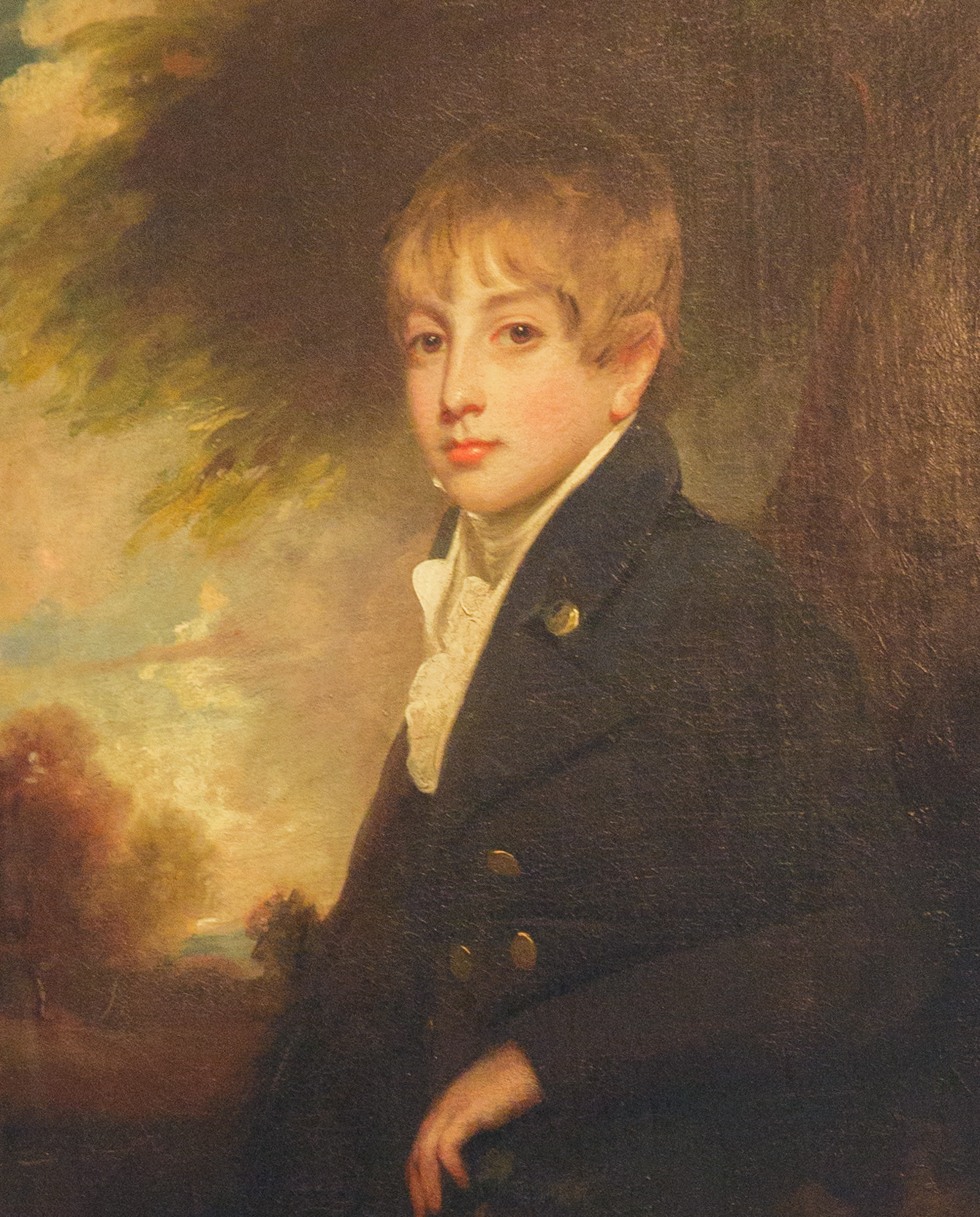
Harriet Anne née Butler (1799-1860) Countess of Belfast, wife of George Hamilton Chichester 3rd Marquess of Donegal and daughter of Richard Butler, 1st Earl of Glengall.Frederick Richard Chichester (1827-1853), Earl of Belfast, Courtesy of Ulster Museum.He was the son of the 3rd Marquess of Donegall.Frederick Richard Chichester (1827-1853) Earl of Belfast courtesy of Ulster Museum.
Edward Chichester, 4th Marquess of Donegall (1799–1889)
George Augustus Hamilton Chichester, 5th Marquess of Donegall (1822–1904)
Edward Arthur Donald St George Hamilton Chichester, 6th Marquess of Donegall (1903–1975)
Dermot Richard Claud Chichester, 7th Marquess of Donegall (5th Baron Templemore) (1916–2007)
Arthur Patrick Chichester, 8th Marquess of Donegall (b. 1952) [1]
I refer to Timothy William Ferres’s terrific blog to look at the Cole family of Florence Court in County Fermanagh, a National Trust property.
William Cole married Susannah, daughter and heir of John Croft, of Lancashire, and widow of Stephen Segar, Lieutenant of Dublin Castle, by whom he left at his decease in 1653,
MICHAEL, his heir; John, of Newland, father of Arthur, 1st BARON RANELAGH; Mary; Margaret.
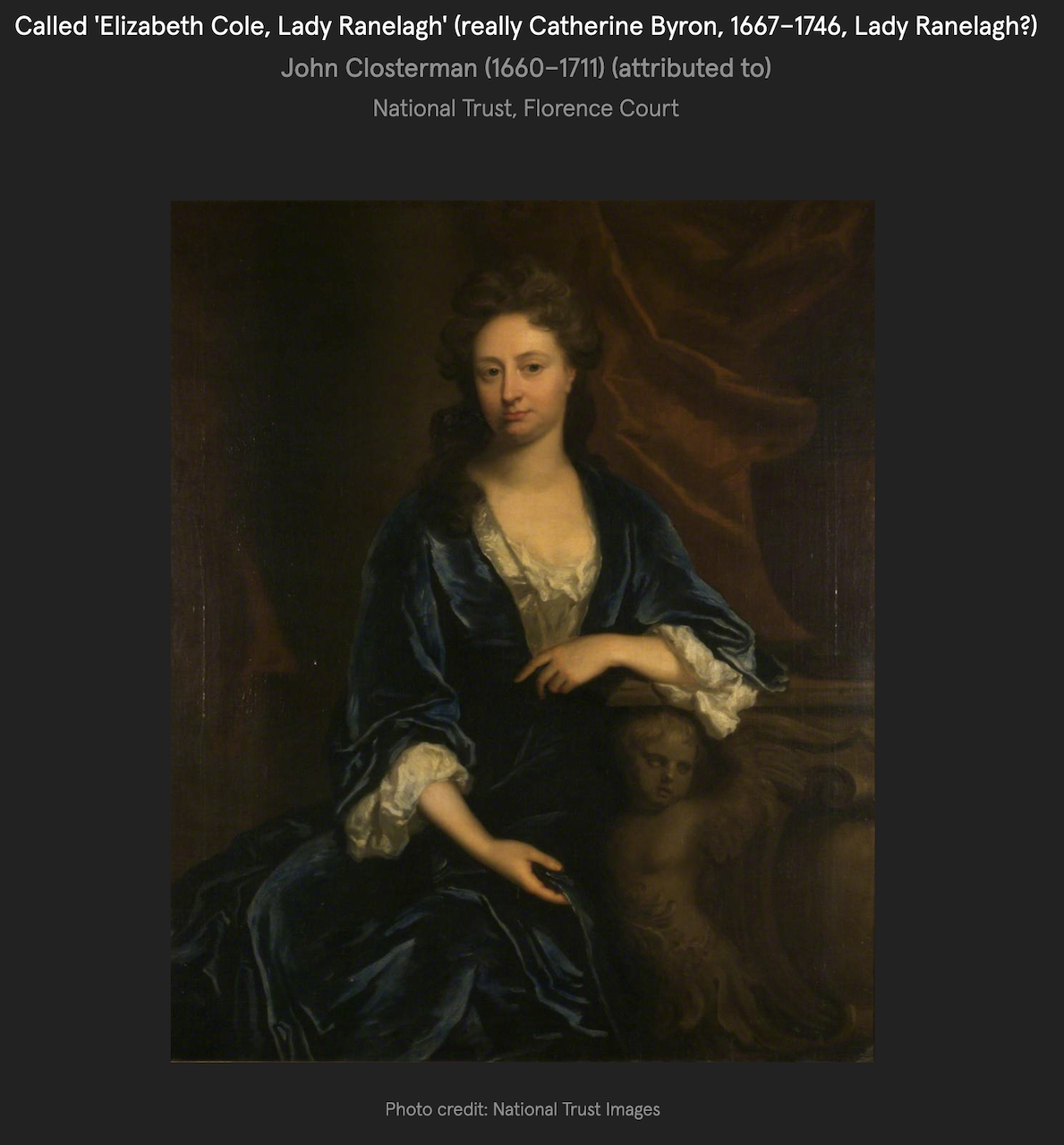
Called Elizabeth Cole Lady Ranelagh, probably really Catherine Cole née Byron (1667-1746) Lady Ranelagh attributed to John Closterman courtesy of National Trust Florence Court. She married Arthur Cole, 1st Baron Ranelagh.
The elder son,
MICHAEL COLE, wedded, in 1640, Catherine, daughter of Sir Laurence Parsons, of Birr, 2nd Baron of the Irish Exchequer, and dvp, administration being granted 1663 to his only surviving child,
SIR MICHAEL COLE, Knight (1644-1710), of Enniskillen Castle, MP for Enniskillen, 1692-3, 95-9, 1703-11, who espoused firstly, Alice (dsp 1671), daughter of Chidley Coote, of Killester; and secondly, 1672, his cousin, Elizabeth (d 1733), daughter of Sir J Cole Bt.
Sir Michael was succeeded by his only surviving child,
JOHN COLE (1680-1726), of Florence Court, MP for Enniskillen, 1703-26, who espoused, in 1707, Florence, only daughter of Sir Bourchier Wrey Bt, of Trebitch, in Cornwall.
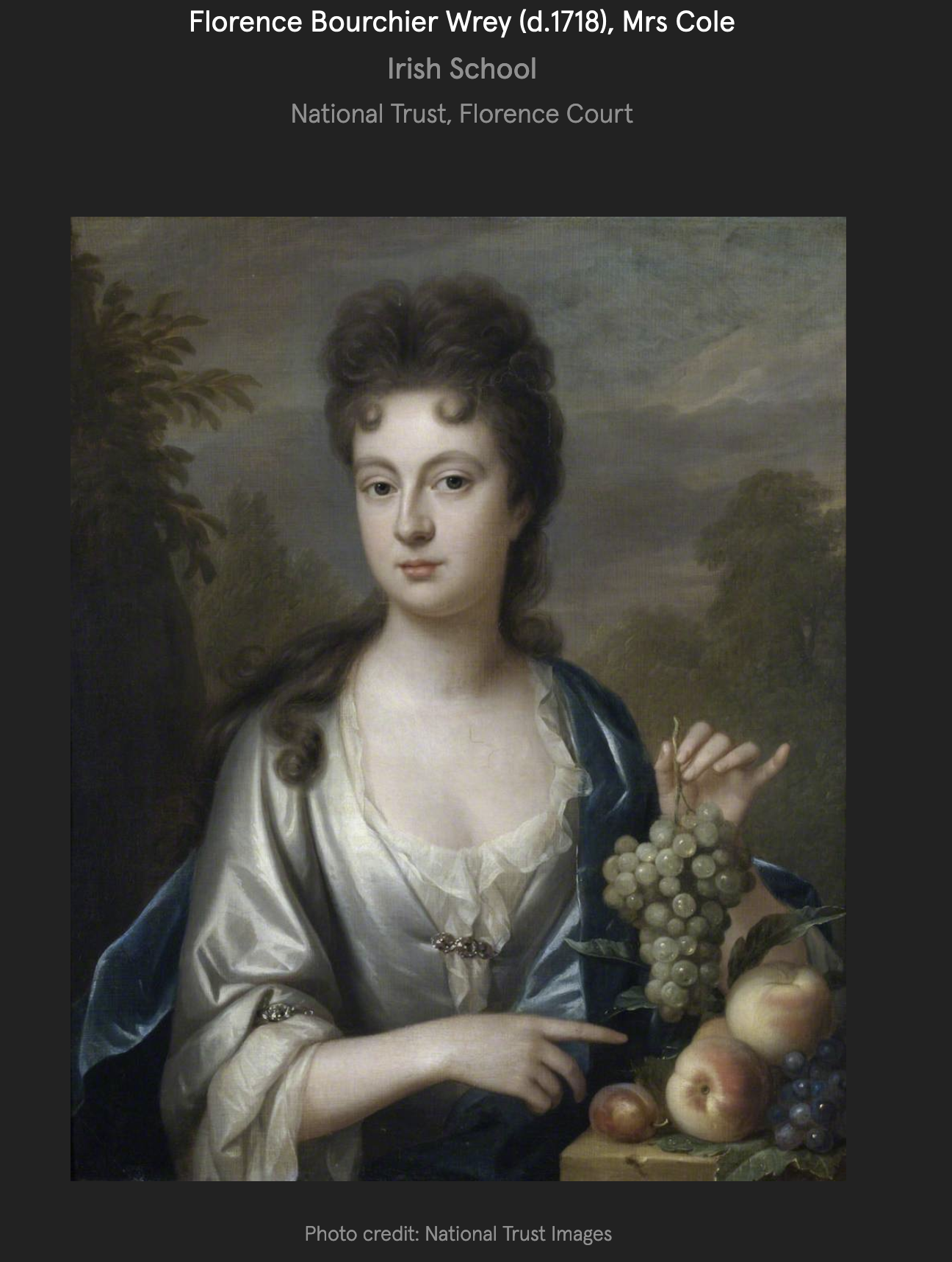
Florence Bourchier Wrey (d. 1718), courtesy of National Trust, Florence Court, County Fermanagh.She married John Cole (1680-1726) who built Florence Court, and named it after her.
John and Florence had the following children:
Henry (Rev); JOHN (1709-67) his heir; Letitia; Florence.
Mr Cole was succeeded by his younger son, John Cole (1709-67) MP for Enniskillen, 1730-60. John married in 1728 Elizabeth, daughter of Hugh Willoughby Montgomery, of Carrow, County Fermanagh. Mr Cole was elevated to the peerage, in 1760, in the dignity of Baron Mountflorence, of Florence Court, County Fermanagh.
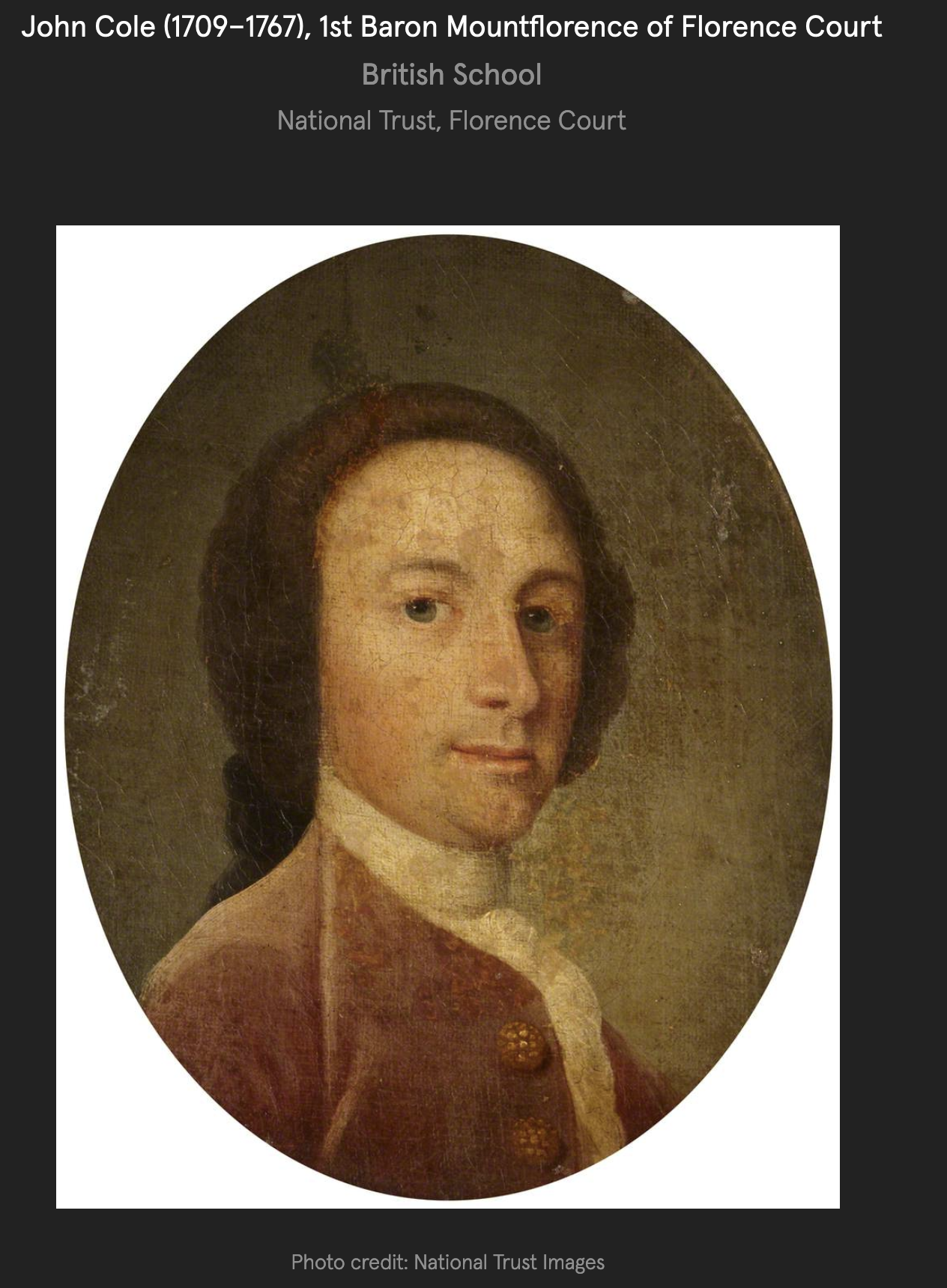
John Cole (1709-1767) 1st Baron Mountflorence of Florence Court, County Fermanagh, courtesy of National Trust, Florence Court, County Fermanagh.
John and Elizabeth had the following children:
WILLIAM WILLOUGHBY (1736-1803) his heir; Arthur, m in 1780 Caroline Hamilton; Flora Caroline; Catherine.
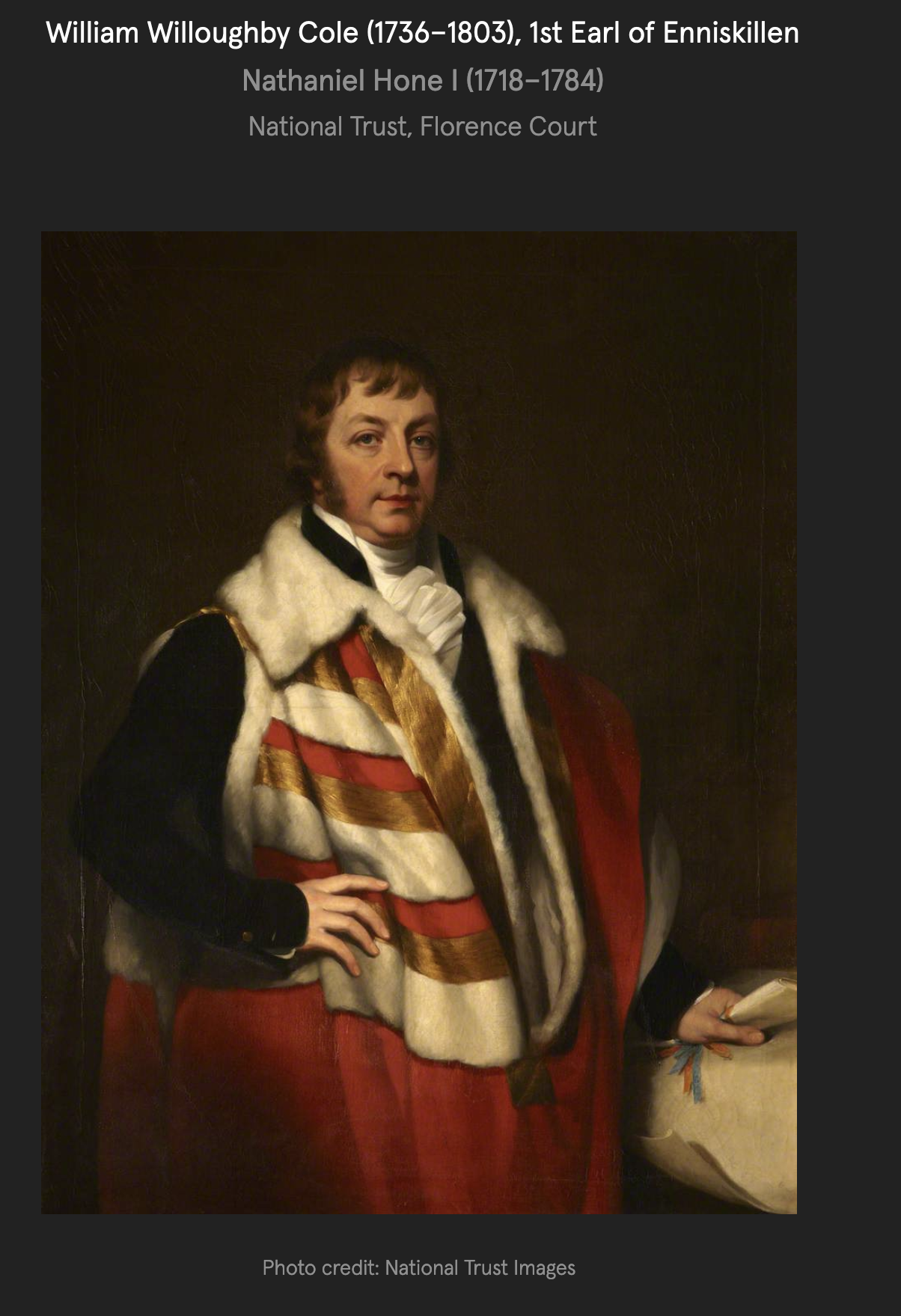
His lordship was succeeded by his elder son, WILLIAM WILLOUGHBY, 2nd Baron (1736-1803), MP for Enniskillen, 1761-7, who was created Viscount Enniskillen in 1776; and advanced to the dignity of an earldom, in 1789, as EARL OF ENNISKILLEN.
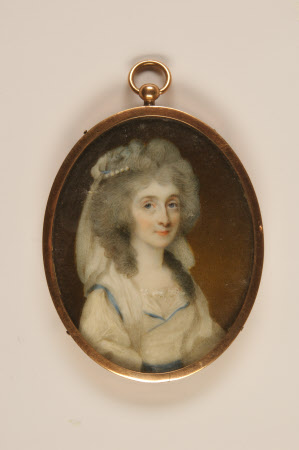
William Willoughby Cole (1736-1803) 1st Earl of Enniskillen, by Nathaniel Hone, courtesy of National Trust, Florence Court, County Fermanagh.He was the son of John Cole 1st Baron Mountflorence.Anne Lowry-Corry, Countess of Enniskillen (1742-1802) by Horace Hone c.1785, watercolour painting on ivory, courtesy National Trust Florence Court. Sister of Armar Lowry-Corry (1740-1802) 1st Earl Belmore and wife of William Willoughby Cole 1st Earl of Enniskillen.
William Willoughby Cole married, in 1763, Anne, daughter of Galbraith Lowry Corry, of Ahenis, County Tyrone, and sister of Armar Corry, Earl of Belmore, and had issue,
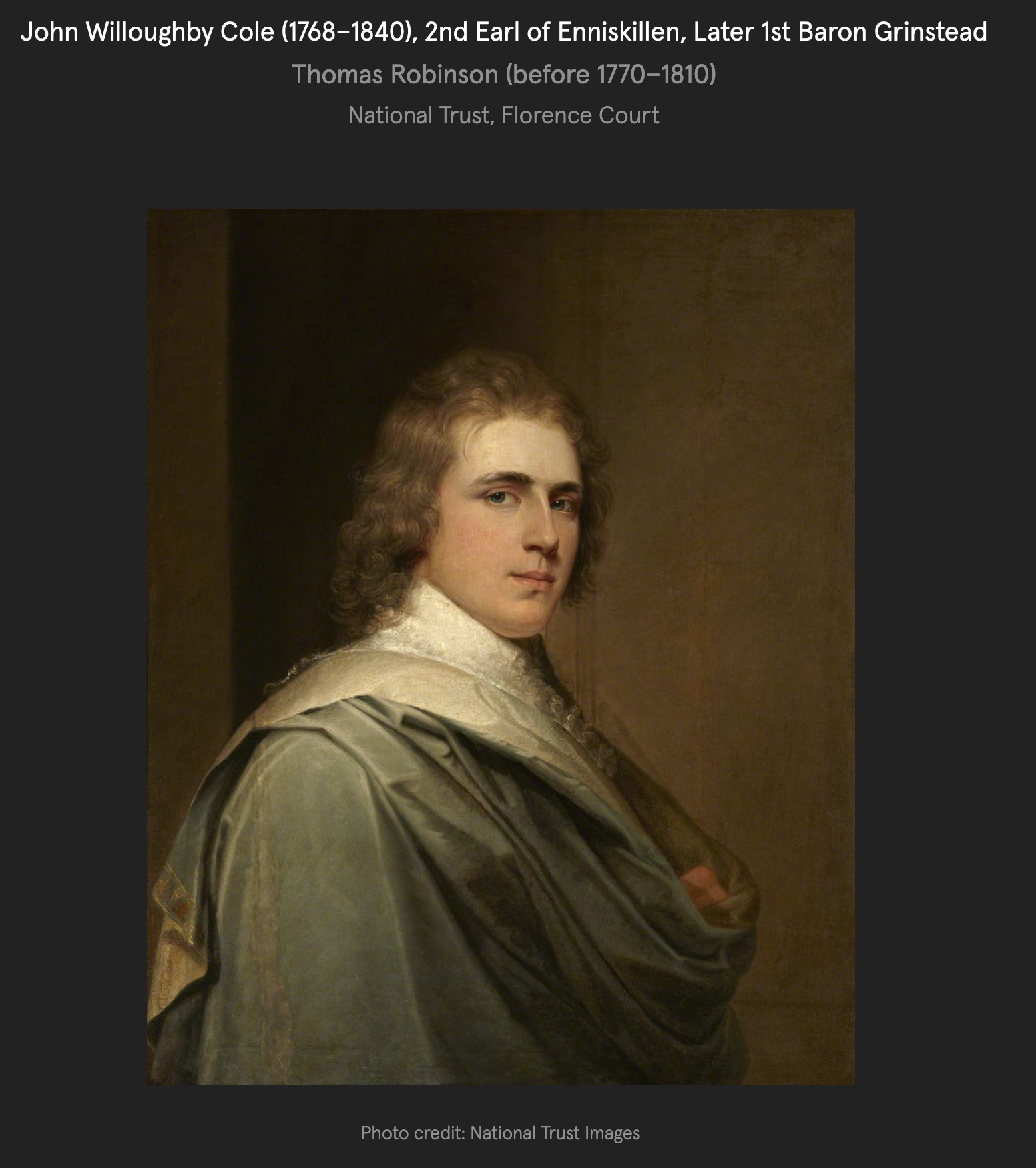
JOHN WILLOUGHBY (1768-1840) his successor, who became 2nd Earl; Galbraith Lowry (Sir), GCB, a general in the army; William Montgomery (Very Rev), Dean of Waterford; Arthur Henry, MP for Enniskillen; Henry, died young; Sarah; Elizabeth Anne; Anne; Florence; Henrietta Frances.
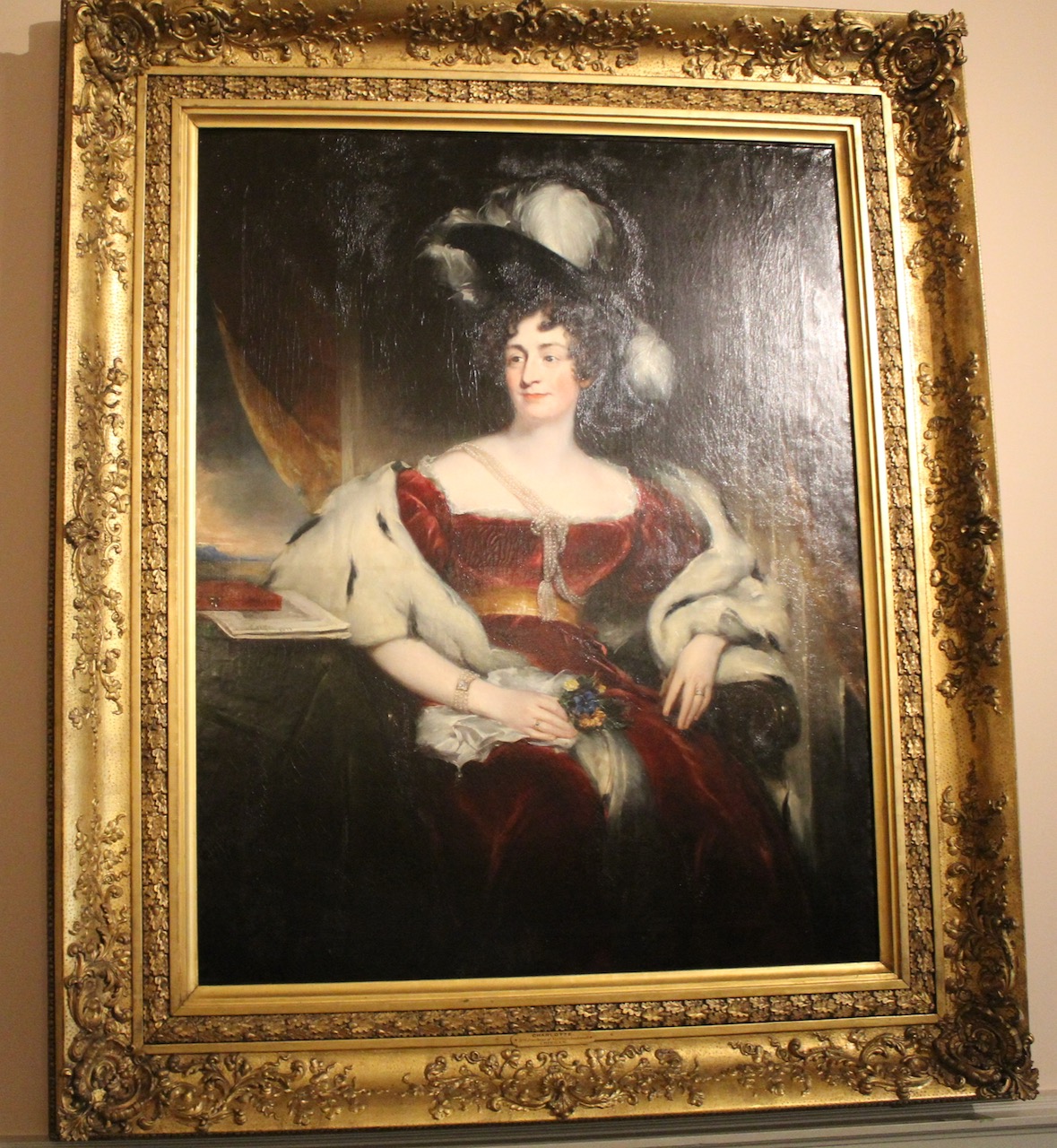
JOHN WILLOUGHBY Cole 2nd Earl (1768-1840) married, in 1805, the Lady Charlotte Paget, daughter of Henry, 1st Earl of Uxbridge. The 2nd Earl of Charlotte had the following children:
WILLIAM WILLOUGHBY (1807-86) his successor, who became the 3rd Earl of Enniskillen.
Henry Arthur; John Lowry; Lowry Balfour; Jane Anne Louisa Florence.
William Willoughby Cole (1807-1886) 3rd Earl of Enniskillen, by William Robinson, courtesy of National Trust, Florence Court, County Fermanagh.
WILLIAM WILLOUGHBY, 3rd Earl (1807-86), Honorary Colonel, 3rd Battalion, Royal Inniskilling Fusiliers, married firstly, in 1844, Jane, daughter of James Casamaijor, and had issue,
John Willoughby Michael, styled Viscount Cole (1844-50);
LOWRY EGERTON, 4th Earl;
Arthur Edward Casamaijor;
Florence Mary; Alice Elizabeth; Charlotte June; Jane Evelyn.
He wedded secondly, in 1865, Mary Emma, daughter of Charles, 6th Viscount Midleton.
His lordship was succeeded by his eldest surviving son,
LOWRY EGERTON, 4th Earl (1845-1924), KP JP DL MP, who wedded, in 1869, Charlotte Marion, daughter of Douglas Baird.
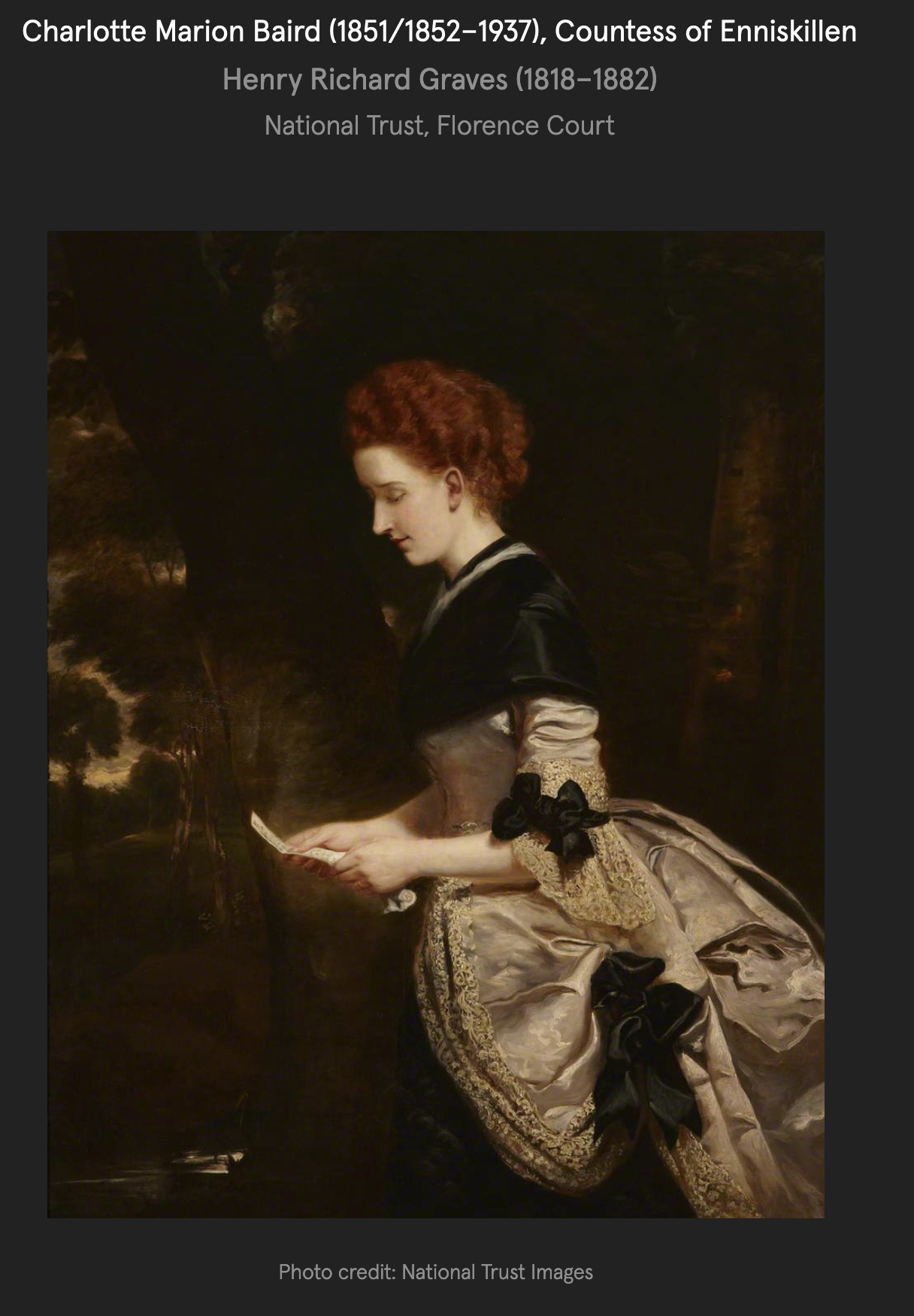
Charlotte Marion Baird (1851/2-1937) Countess of Enniskillen, by Henry Richard Graves, courtesy of National Trust, Florence Court, County Fermanagh. She married Lowry Egerton Cole, 4th Earl of Enniskillen.
Nicholas Conway Colthurst (1789-1829) 4th Baronet of Ardrum, County Cork, by Martin Arthur Shee, courtesy of Eton College.He was Member of Parliament (M.P.) for the City of Cork between 1812 and 1829. His son the 5th Earl married Louisa Jane Jefferyes, through whom he acquired Blarney Castle.Ambrose Congreve reading a newspaper at Clonbrock House, Ahascragh, Co. Galway, National Library of Ireland Ref. CLON422.
Timothy William Ferres tells us of the line of the Conolly family who owned Castletown House in County Kildare. [2] It was built by William Conolly (1662-1729), Speaker of the House of Commons in Ireland during the reign of Queen Anne, First Lord of the Treasury until his decease during the reign of GEORGE II, and ten times sworn one of the Lords Justices of Ireland.
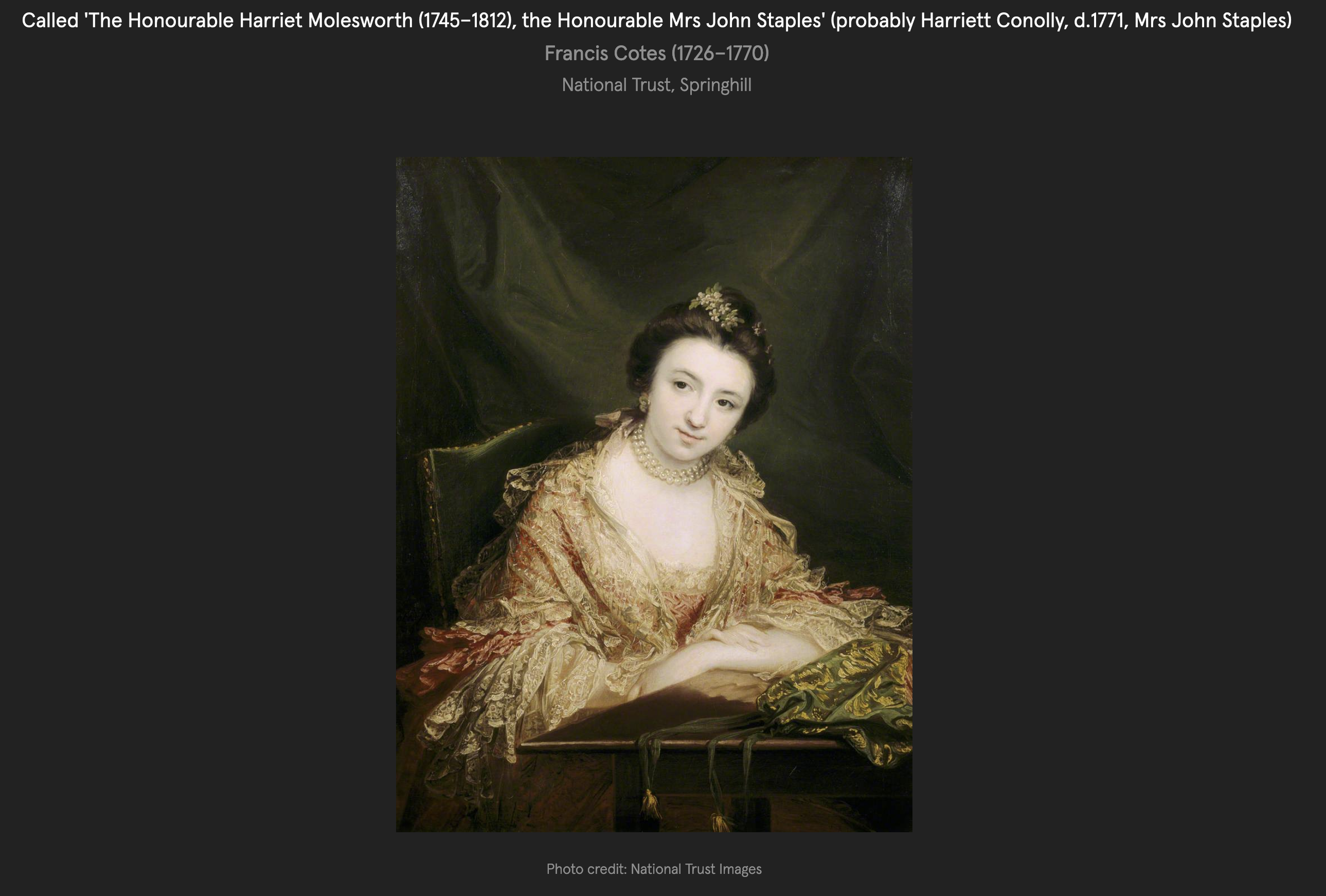
THOMAS (1734-1803) his heir; Katherine, m. Ralph, Earl of Ross; Anne, m. G. Byng; mother of Earl of Strafford; Harriet, m. Rt Hon John Staples, of Lissan; Frances, m. 5th Viscount Howe; Caroline, m. 2nd Earl of Buckinghamshire;
Ferres continues, telling us that Thomas Conolly, MP for County Londonderry, 1761-1800, wedded, in 1758, Louisa Augusta Lennox, daughter of Charles, 2nd Duke of Richmond and Lennox.
Thomas and Louisa had no children so the estate passed to a grand-nephew, Edward Michael Pakenham (1786-1849) who assumed the surname Conolly in 1821. Now Edward Michael Conolly of Castletown, County Kildare, and Cliff, County Donegal, Lieutenant-Colonel, Donegal Militia, MP for County Donegal, 1831-49, he married in 1819, Catherine Jane, daughter of Chambré Brabazon Ponsonby-Barker, by the Lady Henrietta Taylour his wife, daughter of Thomas, Earl of Bective. They had issue,
THOMAS (1823-1876) his heir; Chambré Brabazon, d 1835; Frederick William Edward, d 1826; Arthur Wellesley, 1828-54; John Augustus, VC; Richard, d 1870; Louisa Augusta; Henrietta; Mary Margaret; Frances Catherine.
Thomas (1870-1900), killed in action at S Africa; William, 1872-95; EDWARD MICHAEL, of whom hereafter; CATHERINE, Baroness Carew, mother of 6th BARON CAREW.
Mr Conolly was succeeded by his eldest surviving son,
EDWARD MICHAEL CONOLLY CMG (1874-1956), of Castletown, Major, Royal Artillery, who died unmarried, when Castletown passed to his nephew,
William Francis (Conolly-Carew), 6th Baron Carew. [2]
On his terrific website, Timothy William Ferres tells us about the Conyngham family of Springhill, County Derry in Northern Ireland: [3]
Colonel William Cunningham, of Ayrshire settled in the townland of Ballydrum, in which Springhill is situated, in 1609.
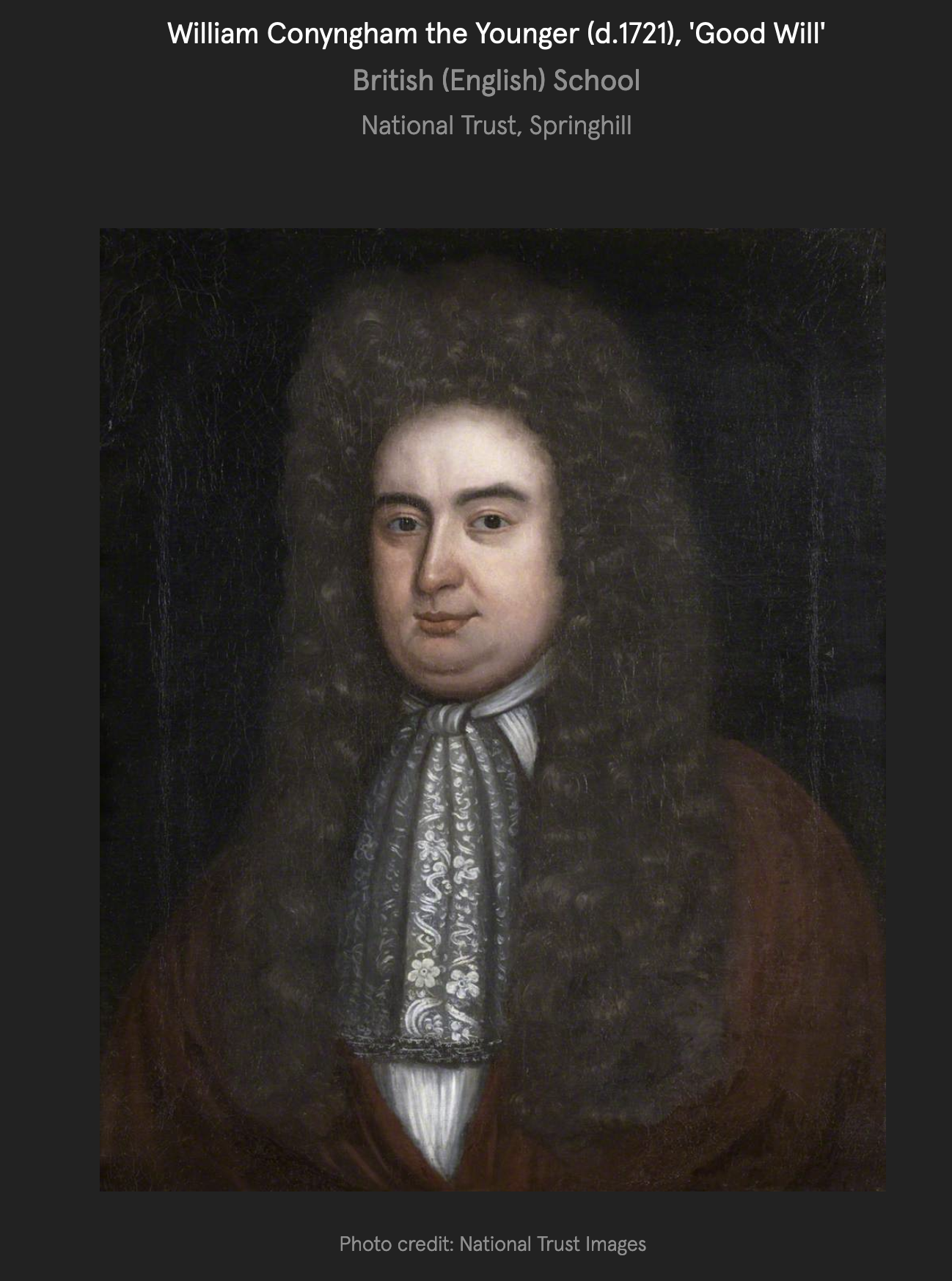
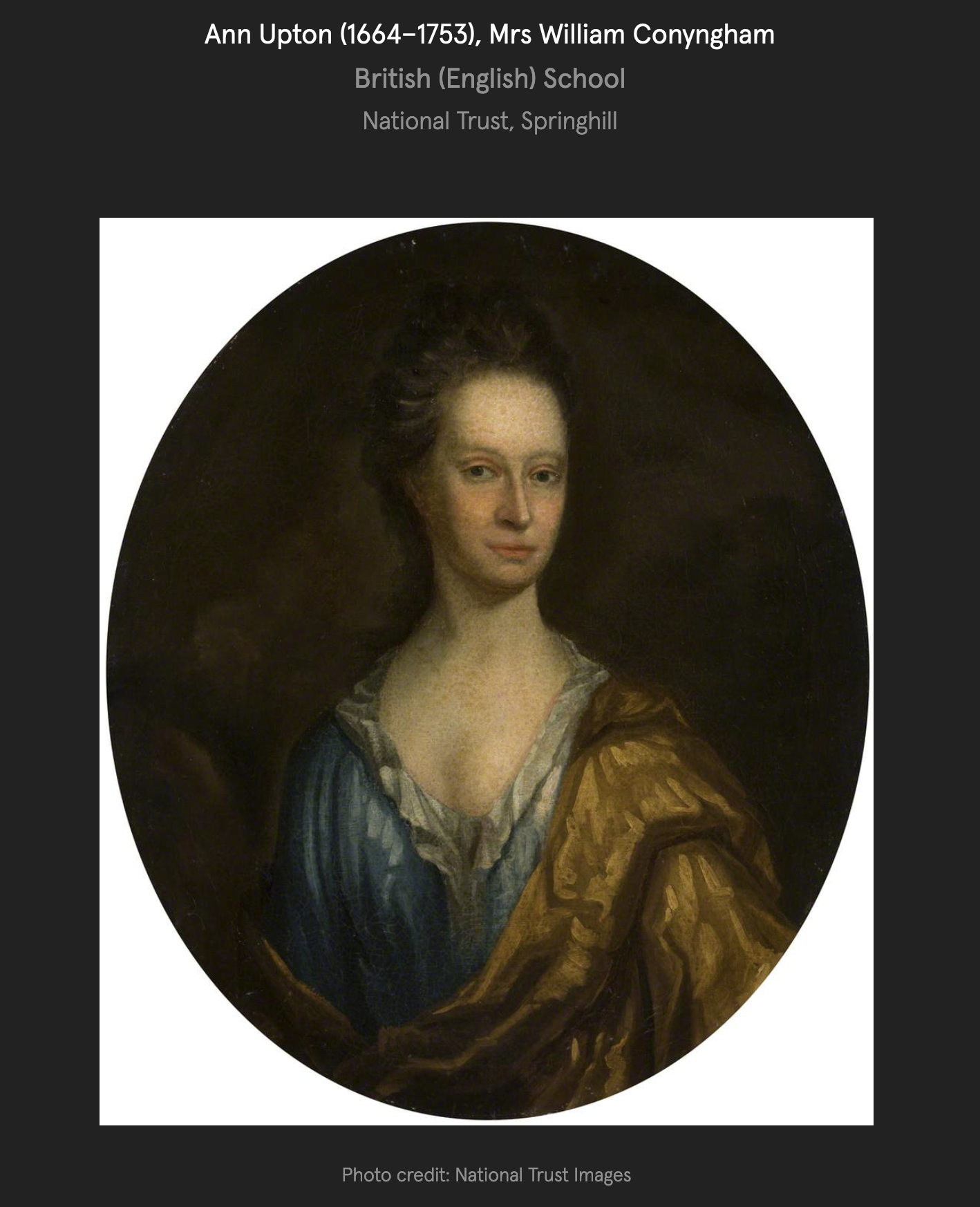
Colonel Cunningham’s son, William Conyngham, known as “Good Will” (d. 1721) married Ann, daughter of Arthur Upton, of Castle Norton (later Castle Upton), County Antrim, by his wife Dorothy, daughter of Colonel Michael Beresford, of Coleraine. William “Good Will” Conyngham died in 1721, and was succeeded by his nephew,
William Conyngham (d. 1721), “Good Will”, courtesy of National Trust. Springhill, County Derry.Ann Upton (1664-1753) wife of William “Goodwill” Conyngham (1660-1721), daughter of Arthur Upton (1623-1706) of Castle Upton, County Antrim, courtesy of National Trust. Springhill, County Derry.
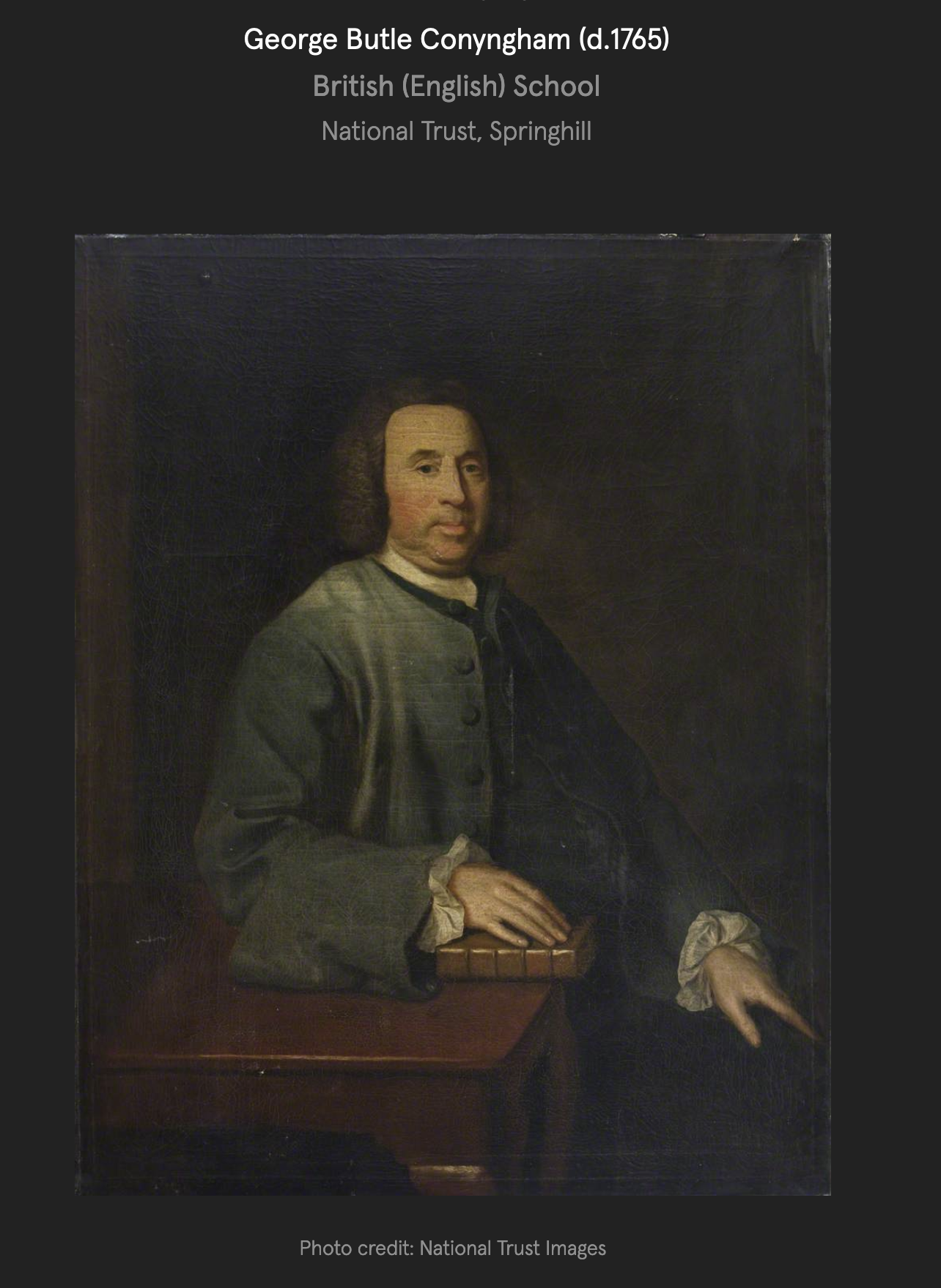
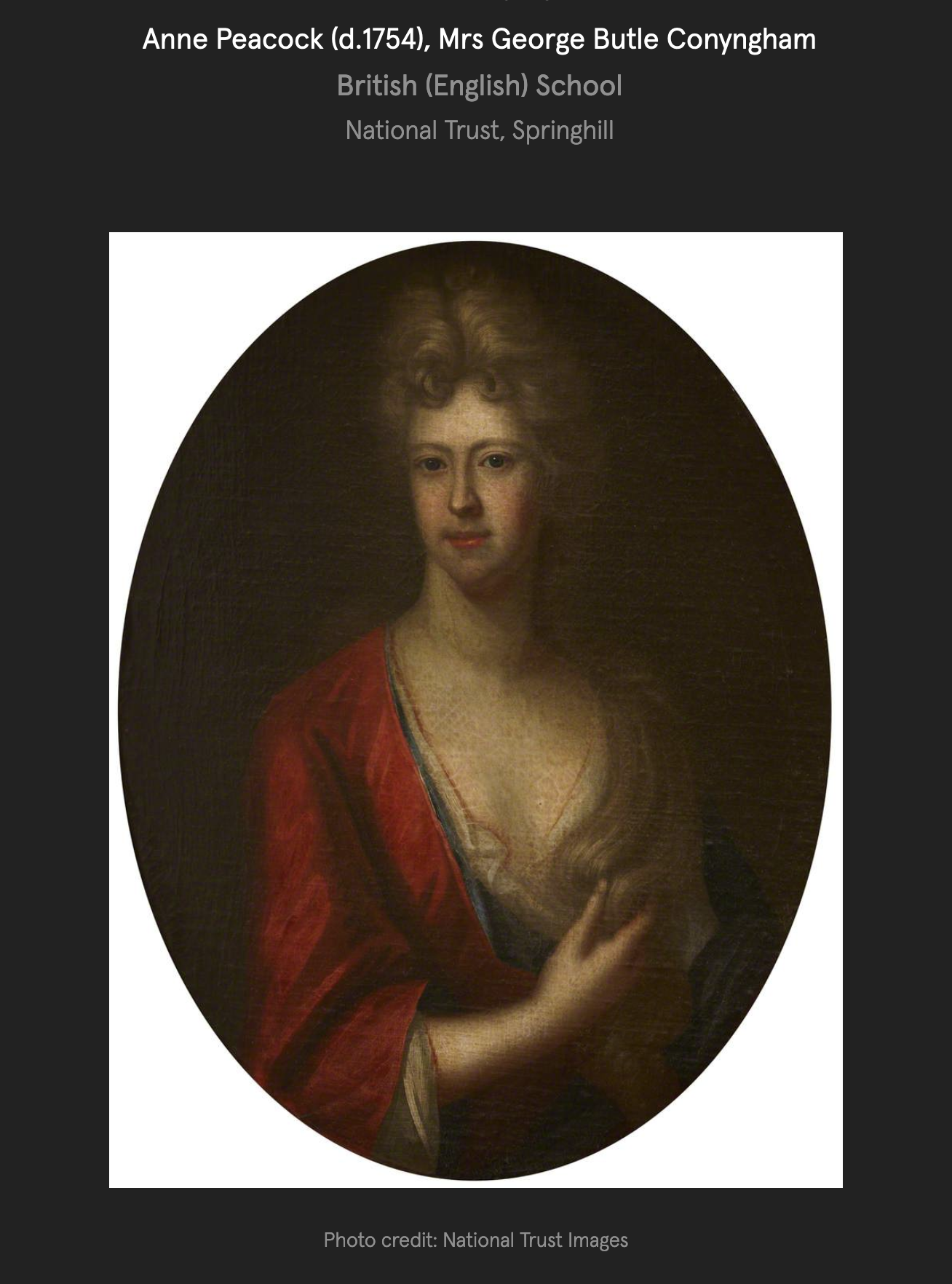
William “Goodwill” Conyngham was succeeded by his nephew George Butle Conyngham (d. 1765). He married , in 1721, Anne, daughter of Dr Upton Peacocke, of Cultra.
George Butle Conyngham (d. 1765), courtesy of National Trust, Springhill, County Derry.Anne Peacocke (d. 1754), Mrs George Butle Conyngham, courtesy of National Trust, Springhill, County Derry.
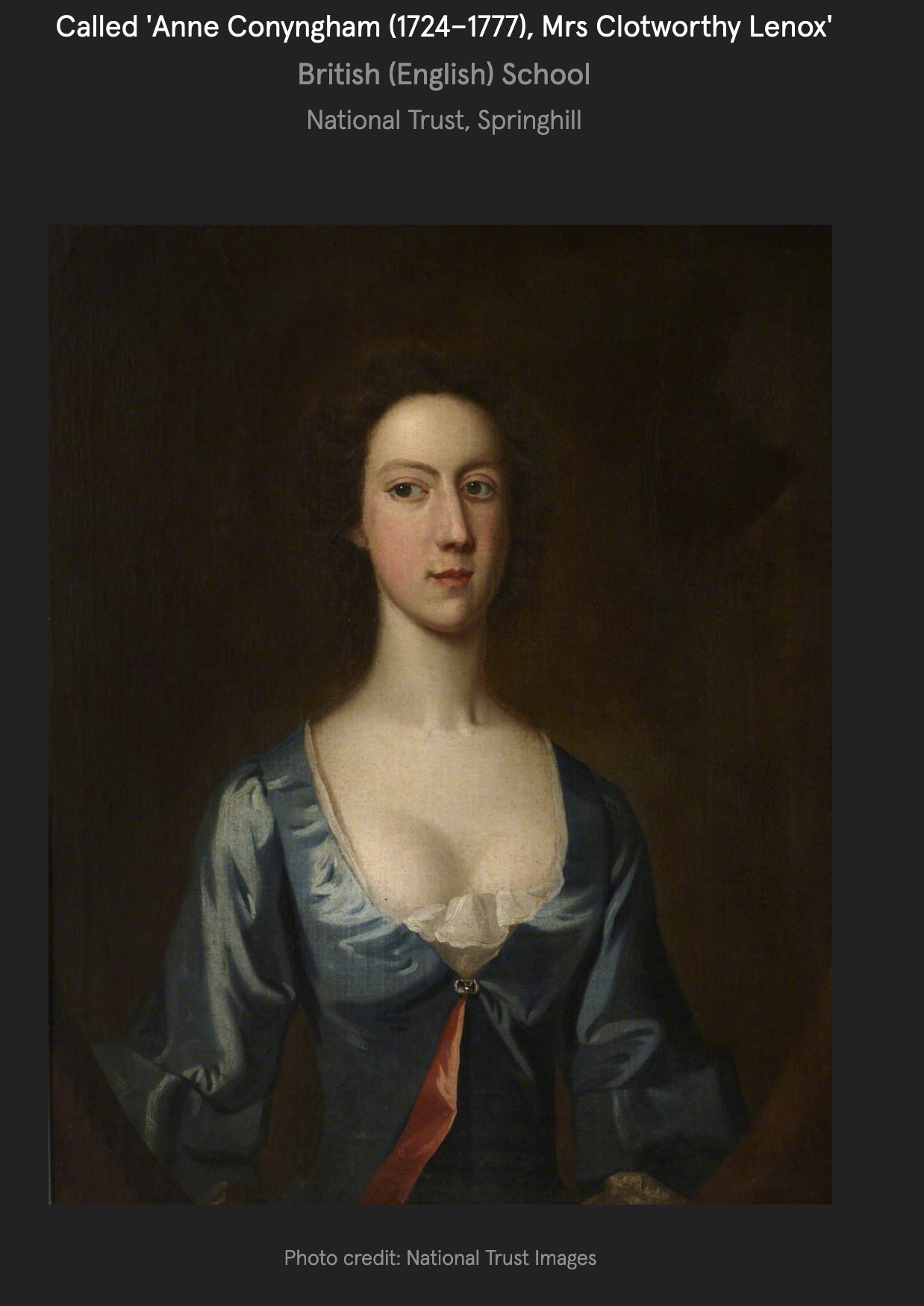
George Butle Conyngham and Anne née Peacocke had children William (1723-84), the heir to Springhill, and David, successor to his brother, John who died unmarried in 1775 and a daughter Anne (1724-1777) who married in 1745 Clotworthy Lenox.
Called Anne Conyngham (1724-1777) Mrs Clotworthy Lenox, courtesy of National Trust. Springhill, County Derry. She was the daughter of George Butle Conyngham.
David who succeeded his brother William died without issue so Springhill passed to his nephew George Lenox (1752-1816), son of his sister Anne, and George adopted the surname of Conyngham. George married, first, Jean née Hamilton (d. 1788), daughter of John Hamilton of Castlefin. They had a son, William Lenox-Conyngham (1792-1858).
Jean Hamilton (d. 1788), wife of William Conyngham (1723-1774) by Joshua Reynolds, courtesy of National Trust. Springhill, County Derry.
George married, second, in 1794, Olivia, fourth daughter of William Irvine, of Castle Irvine, County Fermanagh.
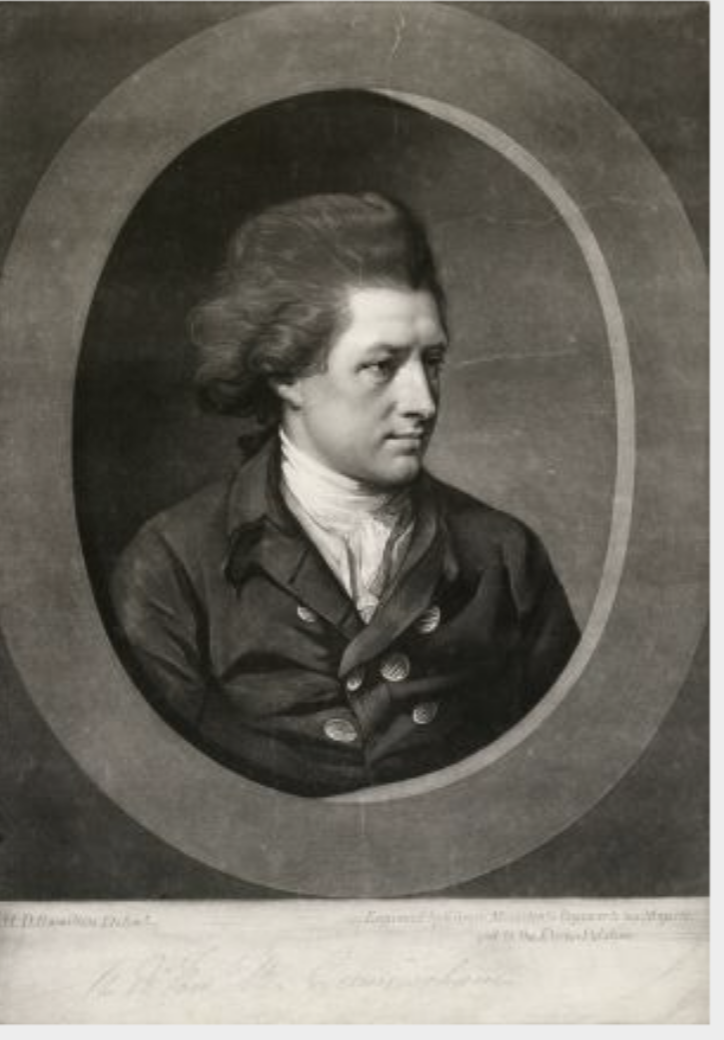
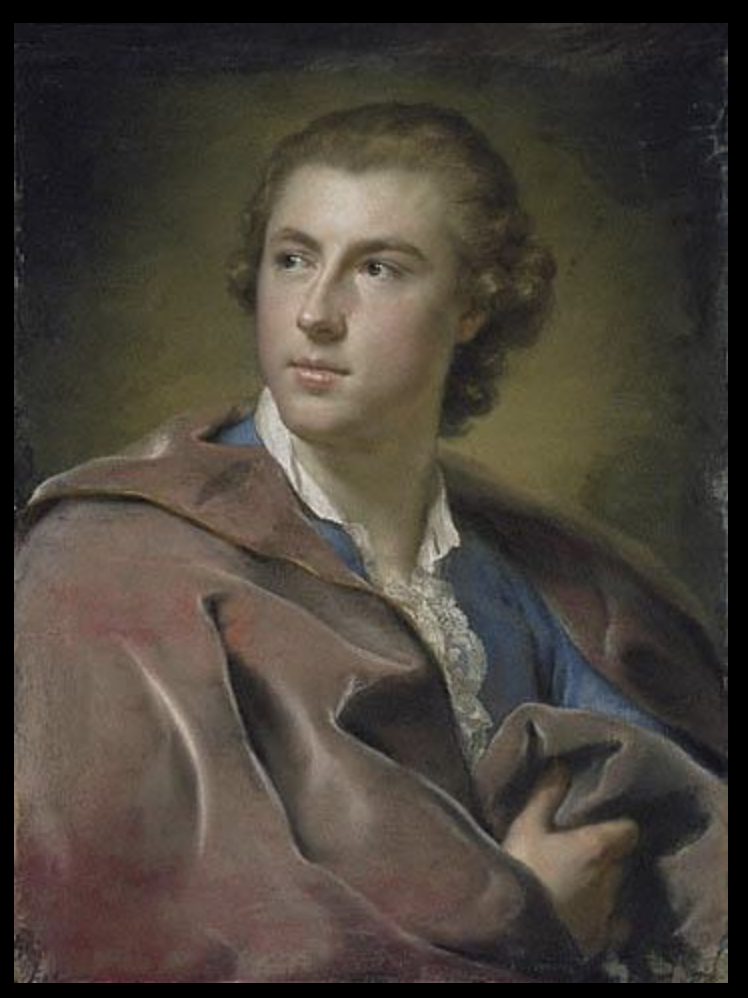
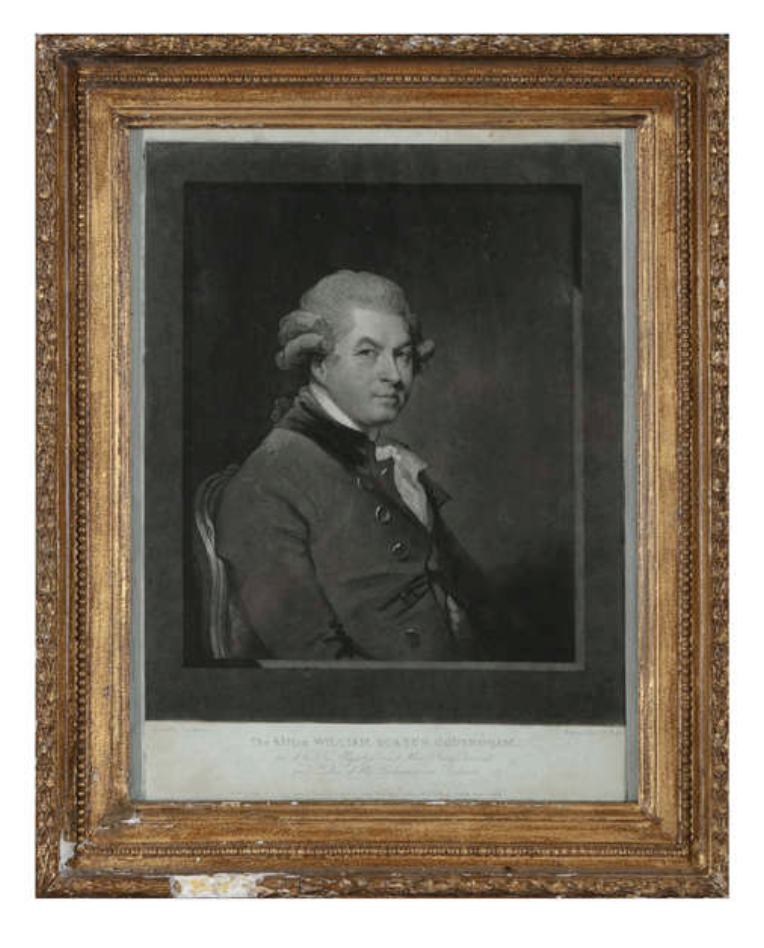
William Burton Conyngham (1733-1796), teller of the Irish Exchequer and treasurer of the Royal Irish Academy, 1780 engraver Valentine Green, after Hugh Douglas Hamilton, courtesy of National Gallery of Ireland.William Burton Conyngham (1733–1796) by Anton Raphael Mengs c. 1754-58, courtesy of wikipedia.He was the son of Francis Burton and Mary Conyngham, and he inherited Slane Castle as well as Donegal estates from his uncle William Conyngham who died in 1781.William Burton Conyngham, engraving After GILBERT STUART courtesy of Adams Country House Collections auction Oct 2023.
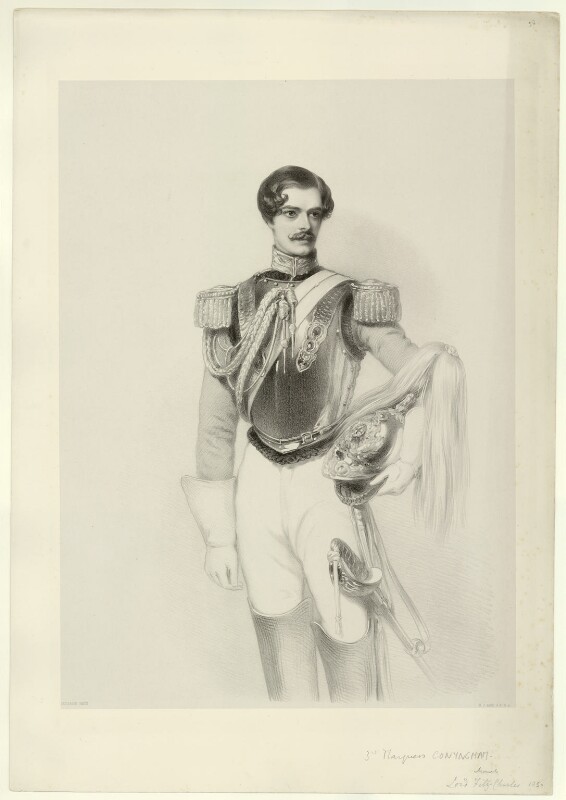
Slane Castle passed to William Burton Conyngham’s nephew Henry Conyngham (1766-1832) 1st Marquess Conyngham. Henry married Elizabeth Denison.
Timothy William Ferres also tells us of the Coote family. Charles Coote (1581-1642), 1st Baronet of Castle Cuffe, Queen’s County (Laois): “The Peerage” website tells us that in 1600 he went to Ireland as Captain of 100 Foot under 8th Lord Mountjoy, Queen Elizabeth I’s Lord Deputy of Ireland. He fought in the siege of Kingsale in 1602. He held the office of Provost Marshal of Connaught between 1605 and 1642, for life. He held the office of General Collector and Receiver of the King’s Composition Money for Connaught in 1613, for life. He held the office of Vice-President of Connaught in 1620. He was appointed Privy Counsellor (P.C.) in 1620. He was created 1st Baronet Coote, of Castle Cuffe, Queen’s Co. [Ireland] on 2 April 1621. He held the office of Custos Rotulorum of Queen’s County in 1634. He held the office of Member of Parliament (M.P.) for Queen’s County [Ireland] in 1639. Before 1641 he held Irish lands, mostly in Conaught, worth £4,000 a year. He held the office of Governor of Dublin in 1641. In 1642 he helped relieve Birr, King’s County (now County Offaly), during the Uprising by the Confederation of Kilkenny, his successful operations there and elsewhere in the area, which was called Mountrath, suggesting the title by which his son was ennobled.
He married Dorothea, youngest daughter and co-heir of Hugh Cuffe, of Cuffe’s Wood, County Cork, and had issue, Charles (c.1610 –1661)1st Earl of Mountrath; Chidley (d. 1688) of Killester, Co Dublin and Mount Coote, County Limerick; RICHARD (1620-83) 1st Baron Coote of Colloony, County Sligo, ancestor of the EARL OF BELLAMONT (1st Creation); Thomas, of Coote Hill; Letitia (married Francis Hamilton, 1st Bt of Killaugh, co. Cavan).
Charles Coote 1st Earl of Mountrath (c.1610 –1661), 2nd Baronet, ca. 1642, before he was ennobled, Circle of William Dobson. By Christina Keddie – Own work, Public Domain, https://commons.wikimedia.org/w/index.php?curid=42002789
Charles Coote (c.1610 –1661), 1st Earl of Mountrath married first, Mary Ruish, who gave birth to his heir, Charles Coote (d. 1672) 2nd Earl of Mountrath, Queen’s County. The 1st Earl of Mountrath, Queen’s County, also had the titles 1st Baron Coote of Castle Cuffe, in Queen’s Co. [Ireland] and 1st Viscount Coote of Castle Coote, Co. Roscommon [Ireland].
Charles Coote (c.1610 –1661), 1st Earl of Mountrath married secondly Jane Hannay, and she had a son Richard (1643-1700), who married Penelope, daughter of Arthur Hill of Hillsborough, County Down. Their daughter Penelope Rose married Charles Boyle (d. 1732) 2nd Viscount Blesington. Another daughter, Jane (d. 1729) married William Evans, 1st and last Baronet of Kilcreene, County Kilkenny.
Charles Coote, 2nd Earl of Mountrath married Alice, daughter of Robert Meredyth of Greenhills, County Kildare. His daughter Anne (d. 1725) married Murrough Boyle, 1st Viscount Blesington (d. 1718). His son Charles (1656-1709) succeeded as 3rd Earl of Mountrath, and he was father to the 4th, 5th and 6th Earls.
The son of Algernon Coote (1689-1744) 6th Earl of Mountrath, Charles Henry Coote (d. 1802) 7th Earl of Mountrath had no legitimate male issue and the earldom and its associated titles created in 1660 died with him. The barony of Castle Coote passed according to the special remainder to his kinsman, Charles Coote. The baronetcy of Castle Cuffe also held by the Earl passed to another kinsman, Sir Charles Coote, 9th Baronet.
Let us return now to Charles Coote (1581-1642), 1st Baronet of Castle Cuffe, Queen’s County (Laois) and trace the line of his younger son, RICHARD COOTE (1620-83), for his hearty concurrence with his brother, SIR CHARLES, 2nd Baronet, in promoting the restoration of CHARLES II, was rewarded with the dignity of a peerage of the realm; the same day that his brother was created Earl of Mountrath, Richard Coote was created, in 1660, Baron Coote, of Colloony.
In 1660, Richard was appointed Major to the Duke of Albemarle’s Regiment of Horse; and the same year he was appointed one of the commissioners for executing His Majesty’s declaration for the settlement of Ireland. He was, in 1675, appointed one of the commissioners entrusted for the 49 Officers. In 1676, the 1st Baron resided at Moore Park, County Meath, and Piercetown, County Westmeath. He married Mary, second daughter of George, Lord St. George, and had issue: RICHARD (1636-1701) his successor; Thomas (d. 1741) Lætitia (married Robert Molesworth, 1st Viscount Molesworth of Swords); Mary (married William Stewart, 1st Viscount Mountjoy); Catherine (married Ferdinando Hastings); Elizabeth (married Lt.-Gen. Richard St. George).
Following his decease, in 1683, he was interred at Christ Church Cathedral, Dublin. He was succeeded by his eldest son,
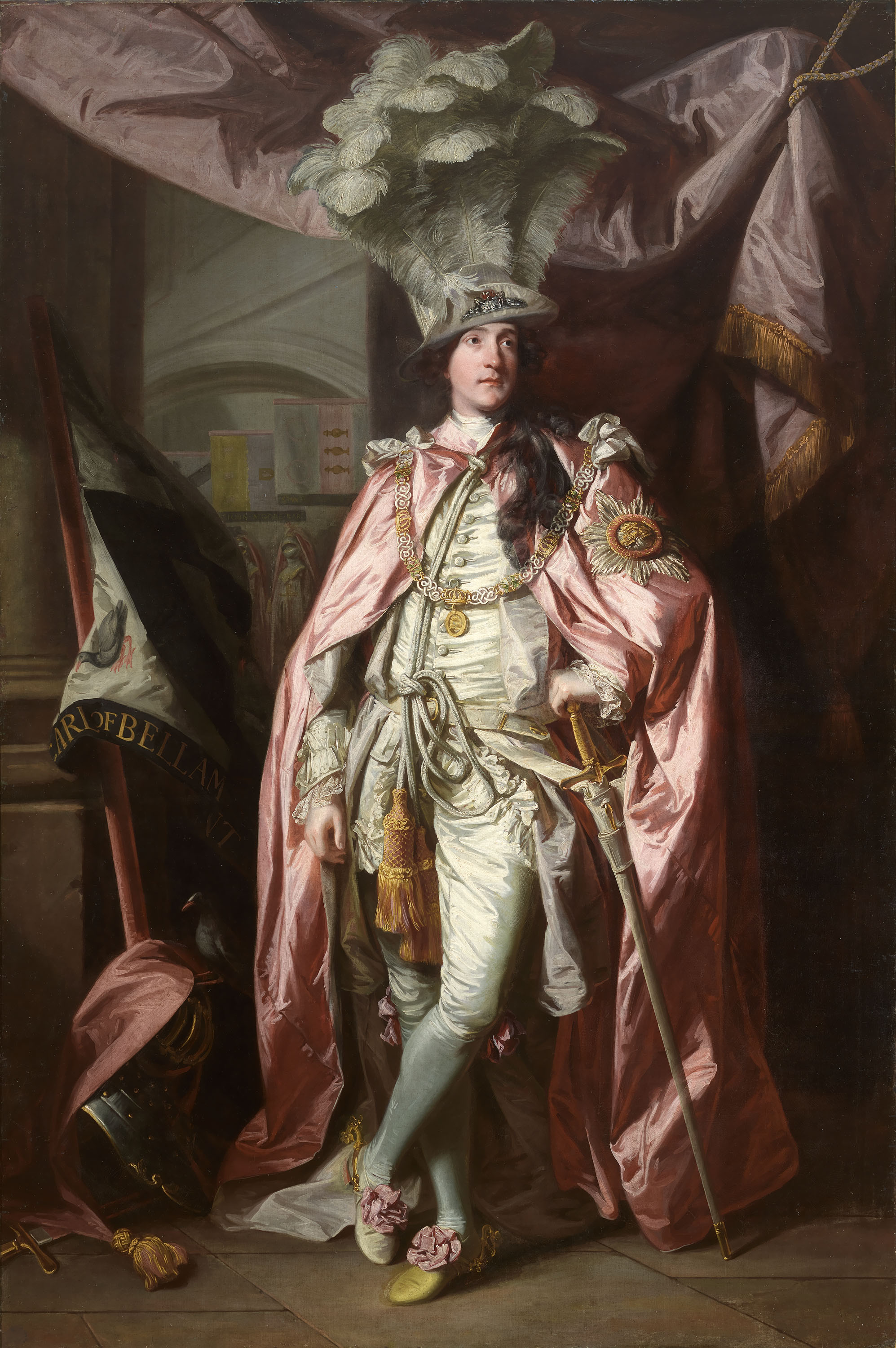
RICHARD, 2nd Baron (1636-1701), Governor of County Leitrim, 1689, Treasurer to the Queen, 1689-93, MP for Droitwich, 1689-95, who was, in 1688, one of the first to join the Prince of Orange. In 1689, he was attainted in his absence by the Irish Parliament of JAMES II. His lordship was created, in 1689, EARL OF BELLAMONT, along with a grant of 77,000 acres of forfeited lands.
Richard Coote (1636-1700/01) 1st Earl Bellomont By Samuel Smith Kilburn (d. 1903) – New York Public Library digital libraryhttp//:digitalgallery.nypl.org/nypldigital/id?423861, Public Domain, https//:commons.wikimedia.org/w/index.php?curid=13014278
Richard 1st Earl of Bellomont was Governor of Massachusetts, 1695, and Governor of New York, 1697-1701. The King had sent Lord Bellomont to New York to suppress the “freebooting.” Unfortunately he was responsible for outfitting the veteran mariner William Kidd, who turned into “Captain Kidd,” who terrorised the merchants until his capture in 1698.
According to Cokayne “he was a man of eminently fair character, upright, courageous and independent. Though a decided Whig he had distinguished himself by bringing before the Parliament at Westminster some tyrannical acts done by Whigs at Dublin.”
The 1st Earl of Bellomont wedded, in 1680, Catharine, daughter and heir of Bridges Nanfan, of Worcestershire, and had issue, NANFAN (1681-1708) his successor as 2nd Earl of Bellomont, and RICHARD (1682-1766), who succeeded his brother.
NANFAN, 2nd Earl (1681-1708) married Lucia Anna van Nassau (1684-1744), daughter of Henry de Nassau, Lord Overkirk, in 1705/6 at St Martin-in-the-Fields Church, London. Nanfan died at Bath, Somerset, from palsy, without male issue, when the family honours devolved upon his brother, RICHARD, 3rd Earl (1682-1766), who, in 1729, sold the family estate of Colloony, County Sligo, for nearly £17,000.
In 1737, he succeeded his mother to the estates of Birtsmorton, Worcestershire. Macaulay described him as “of eminently fair character, upright, courageous and independent.” On his death the earldom expired.
The last Earl was succeeded in the barony of Coote by his first cousin once removed, CHARLES, 5th Baron (1736-1800), KB PC, son of Charles Coote [1695-1750] High Sheriff of County Cavan, 1719, MP for Granard, 1723-27, Cavan County, 1727-50MP for County Cavan, 1761-6, who was son of the HON THOMAS COOTE (c. 1655-1741) a Justice of the Court of the King’s Bench of Ireland, younger son of the 1st Baron. This Thomas’s daughter Elizabeth married Mervyn Pratt (1687-1751) of Cabra Castle.
Sir Charles succeeded his cousin, Richard, in 1766, as 5th Baron Coote; and was created, in 1767, EARL OF BELLAMONT (3rd creation). His lordship was created a baronet, in 1774, designated of Donnybrooke, County Dublin, with remainder to his natural son, Charles Coote, of Dublin.
SIR CHARLES COOTE (1736-1800), KB PC, of Coote Hill (afterwards renamed Bellamont Forest) had an illegitimate son, Charles Coote (1765-1857) who despite his illegitimacy became 2nd Baronet of Bellamont). Charles 1st Earl married, in 1774, the Lady Emily Maria Margaret FitzGerald, daughter of James, 1st Duke of Leinster, and had issue, Charles, Viscount Coote (died age seven, 1778-86); Mary; Prudentia; Emily; Louisa. Following his death in 1800, the titles became extinct as he left no legitimate male issue, though he was succeeded in the baronetcy according to the special remainder by his illegitimate son Charles, 2nd Baronet.
Finally, let us return now to Charles Coote (1581-1642), 1st Baronet of Castle Cuffe, Queen’s County (Laois) and trace the line of his son Chidley Coote (d. 1668). Chidley lived in Mount Coote, County Limerick (later called Ash Hill, a section 482 property, see my entry). He had a son, Chidley (d. 1702) who married Catherine Sandys. They had a daughter Catherine (d. 1725) who married Henry Boyle 1st Earl of Shannon. Another daughter, Anne, married Bartholomew Purdon, MP for Doneraile and later Castlemartyr of County Cork. They had a son Reverend Chidley Coote (1678-1730) who inherited Ash Hill in County Limerick. He married Jane Evans (d. 1763) and it was their grandson Charles Henry Coote (1754-1823) who succeeded as 2nd Baron Castle Coote in 1802. He was the son of Reverend Charles Coote (1713-1796) and Grace Tilson (d. 1766). Another son was Lt.-Gen. Sir Eyre Coote (1762-1823).
Major General Eyre Coote (1762-1823), Governor of Jamaica, 1805 by engraver Antoine Cordon after J.P.J. Lodder, courtesy of National Gallery of Ireland.He was son of Reverend Charles Coote (1713-1796) and Grace Tilson (d. 1766).Eyre Coote (1726-1783) attributed to Henry Robert Morland, c. 1763, National Portrait Gallery of London NPG124. He was the son of Reverend Chidley Coote (1678-1730) who inherited Ash Hill in County Limerick and Jane Evans (d. 1763).Lieutenant General Sir Eyre Coote (1726-1783) Commander-in-Chief in the East Indies (1777-1783) by John Thomas Seton, courtesy of the British Library.He was the son of Reverend Chidley Coote (1678-1730) who inherited Ash Hill in County Limerick and Jane Evans (d. 1763).
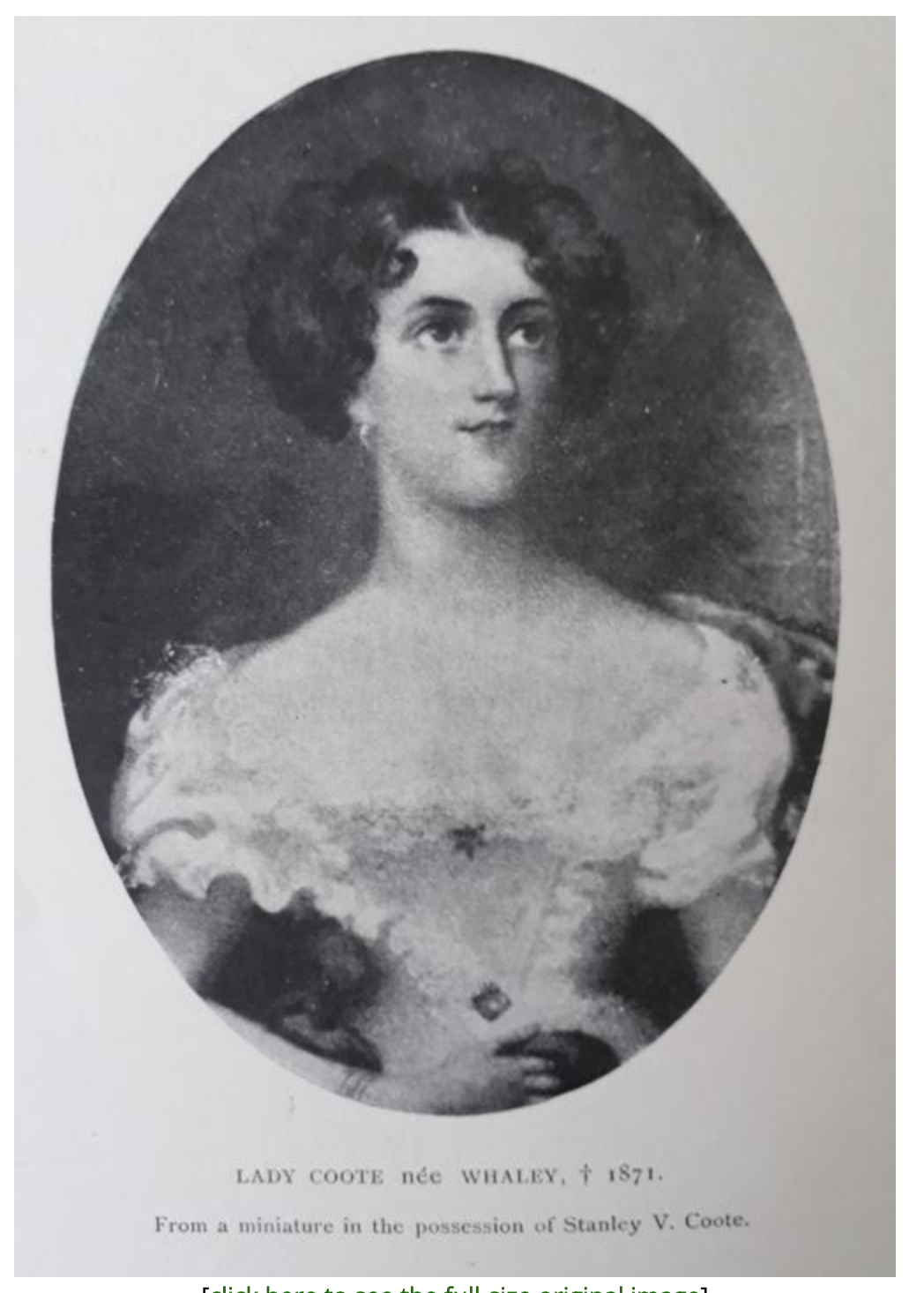
Reverend Chidley Coote (1678-1730) who inherited Ash Hill and Jane Evans (d. 1763) had a daughter Elizabeth who married John Bowen. Reverend Childley Coote and Jane Evans’s son Robert (d. 1745) inherited Ash Hill and married his cousin Anne Purdon, daughter of Bartholomew Purdon and Anne Coote. Robert Coote and Anne Purdon’s grandson was Charles Henry Coote (1792-1864) who succeeded as 9th Baronet of Castle Cuffe, Queen’s County, who married Caroline Elizabeth Whaley (d. 1871), daughter of John Whaley (d. 1847) of Dublin.



















































 Irish Historic Houses