Hall Demesne, Mountcharles, Mountcharles, Co. Donegal, sale May 2025 courtesy Crawford’s Estate Agent.The Hall, County Donegal, photograph by Robert French, Lawrence Photograph Collection, National Library of Ireland.
Bence-Jones, Mark. A Guide to Irish Country Houses (originally published as Burke’s Guide to Country Houses volume 1 Ireland by Burke’s Peerage Ltd. 1978); Revised edition 1988 Constable and Company Ltd, London.
p. 212. “(Conyngham, M/PB) An early to mid-C18 double gable-ended house of three storeys, and five bays, with bold quoins, a pedimented and shouldered doorcase and a solid parapet concealing the roof as well as the end gables. At one end of the house a rather elegant conservatory porch with round headed windows and astragals.”
The Hall, County Donegal, photograph by Robert French, Lawrence Photograph Collection, National Library of Ireland.Hall Demesne, Mountcharles, Mountcharles, Co. Donegal, sale May 2025 courtesy Crawford’s Estate Agent.Hall Demesne, Mountcharles, Mountcharles, Co. Donegal, sale May 2025 courtesy Crawford’s Estate Agent.
Hall Demesne, Mountcharles, Mountcharles, Co. Donegal, F94E2V3
€1,675,000, For sale May 2025 courtesy Crawford’s Estate Agent.
6 Bed 5 Bath 558 m²
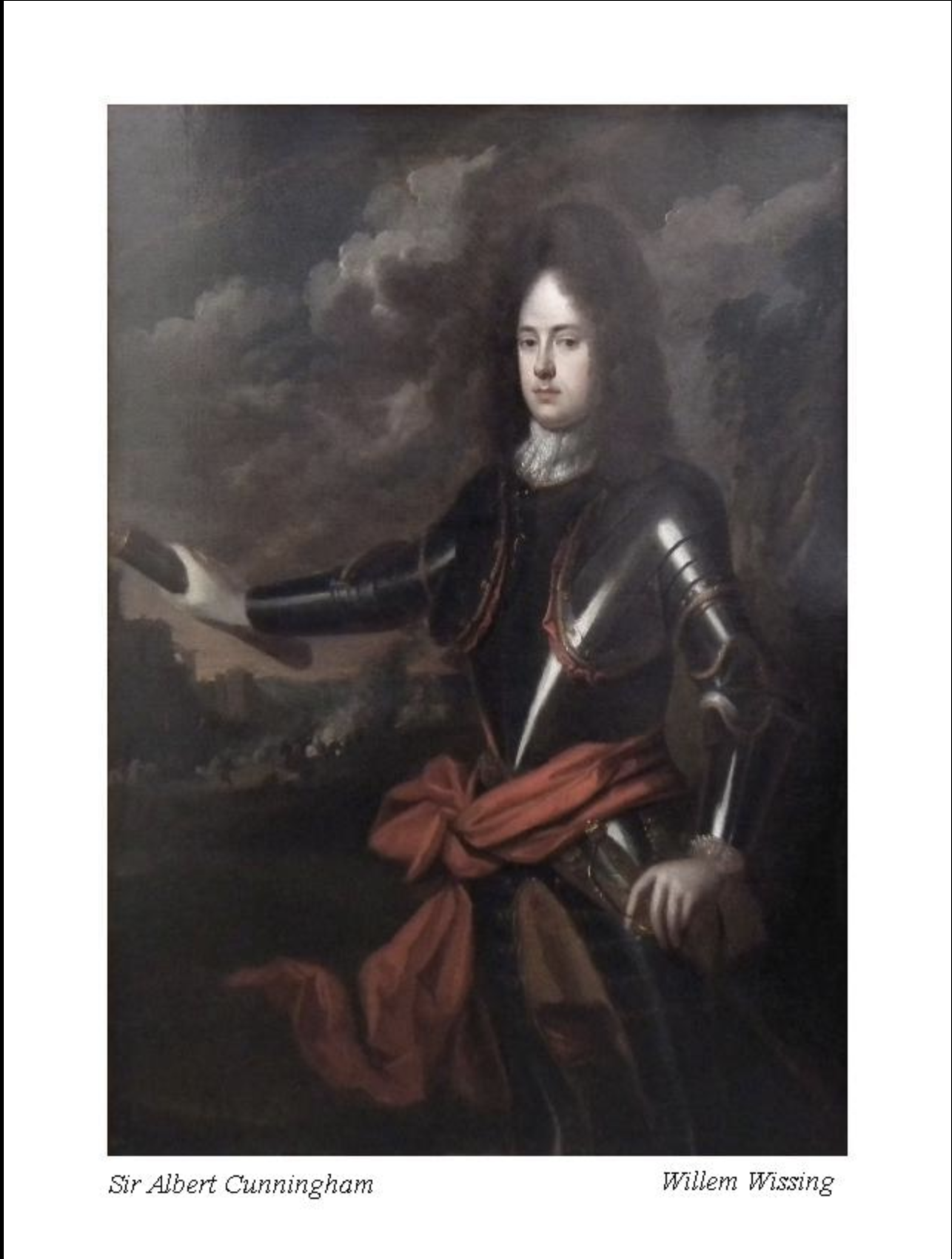
The Hall Demesne, Mountcharles: A Slice of Irish Heritage Mountcharles is a piece of Ireland’s untamed beauty and illustrious history – a country estate adjoining Donegal Bay that spans 80 acres – mostly ancient woodland – where the echoes of centuries-old stories mingle with the scent of wild Atlantic air. Welcome to The Hall Demesne in Mountcharles, County Donegal: a rare opportunity for discerning buyers, especially Irish or those with Irish roots who seek a tangible connection to their heritage. A Mansion Steeped in History – The Hall was originally built for the influential Conyngham family, whose main seat is the famed Slane Castle in County Meath. The estate dates back to at least 1777, and likely earlier, with records suggesting construction around 1752/3, coinciding with William Conyngham’s elevation to the Irish peerage as Baron Conyngham of Mountcharles. – The Conyngham family’s story is woven into the very fabric of Ireland, with their presence in Donegal dating from the early 1600s Plantation period. The estate’s lands were acquired as early as the 1660s by Sir Albert Conyngham, knighted by Charles II, and the village itself was named Mountcharles in his honour. – The Hall served as the centrepiece of a thriving estate, surrounded by a complex of historic outbuildings, a walled garden, and a grand entrance gateway, all testifying to the scale and prestige of the original demesne. Direct access to Donegal bay is enabled via a small quay and beach that is part of the demesne land. –
Hall Demesne, Mountcharles, Mountcharles, Co. Donegal, sale May 2025 courtesy Crawford’s Estate Agent.Hall Demesne, Mountcharles, Mountcharles, Co. Donegal, sale May 2025 courtesy Crawford’s Estate Agent.Hall Demesne, Mountcharles, Mountcharles, Co. Donegal, sale May 2025 courtesy Crawford’s Estate Agent.Hall Demesne, Mountcharles, Mountcharles, Co. Donegal, sale May 2025 courtesy Crawford’s Estate Agent.Hall Demesne, Mountcharles, Mountcharles, Co. Donegal, sale May 2025 courtesy Crawford’s Estate Agent.Hall Demesne, Mountcharles, Mountcharles, Co. Donegal, sale May 2025 courtesy Crawford’s Estate Agent.Hall Demesne, Mountcharles, Mountcharles, Co. Donegal, sale May 2025 courtesy Crawford’s Estate Agent.Hall Demesne, Mountcharles, Mountcharles, Co. Donegal, sale May 2025 courtesy Crawford’s Estate Agent.Hall Demesne, Mountcharles, Mountcharles, Co. Donegal, sale May 2025 courtesy Crawford’s Estate Agent.Hall Demesne, Mountcharles, Mountcharles, Co. Donegal, sale May 2025 courtesy Crawford’s Estate Agent.Hall Demesne, Mountcharles, Mountcharles, Co. Donegal, sale May 2025 courtesy Crawford’s Estate Agent.Hall Demesne, Mountcharles, Mountcharles, Co. Donegal, sale May 2025 courtesy Crawford’s Estate Agent.Hall Demesne, Mountcharles, Mountcharles, Co. Donegal, sale May 2025 courtesy Crawford’s Estate Agent.Hall Demesne, Mountcharles, Mountcharles, Co. Donegal, sale May 2025 courtesy Crawford’s Estate Agent.Hall Demesne, Mountcharles, Mountcharles, Co. Donegal, sale May 2025 courtesy Crawford’s Estate Agent.Hall Demesne, Mountcharles, Mountcharles, Co. Donegal, sale May 2025 courtesy Crawford’s Estate Agent.Hall Demesne, Mountcharles, Mountcharles, Co. Donegal, sale May 2025 courtesy Crawford’s Estate Agent.Hall Demesne, Mountcharles, Mountcharles, Co. Donegal, sale May 2025 courtesy Crawford’s Estate Agent.Hall Demesne, Mountcharles, Mountcharles, Co. Donegal, sale May 2025 courtesy Crawford’s Estate Agent.Hall Demesne, Mountcharles, Mountcharles, Co. Donegal, sale May 2025 courtesy Crawford’s Estate Agent.
The Hall is not just a home, but a legacy – an invitation to steward a piece of Irish history and create new memories for generations to come. The Hall buildings Gate lodge – 2 bedrooms The Hall House has 3 stories over a basement – 6 bedrooms Manager’s House – 2 bedrooms Courtyard residence – 2 bedrooms DISCLAIMER Crawford’s for themselves and for the vendors or lessors of this property whose agents they are, give notice that: These particulars do not form any part of any contract and are given as guidance only. Maps and plans if given are not to scale and measurements are approximate. Intending purchasers/renters must satisfy themselves as to the accuracy of details given to them either verbally or as part of this advertisement or brochure. Such information is given in good faith and is believed to be correct, however, Crawford’s shall not be held liable for inaccuracies. Prices quoted are exclusive of VAT (unless otherwise stated) and all negotiations are conducted on the basis that the purchasers/lessee shall be liable for any VAT (if any) arising on the transaction.
Hall Demesne, Mountcharles, Mountcharles, Co. Donegal, sale May 2025 courtesy Crawford’s Estate Agent.Hall Demesne, Mountcharles, Mountcharles, Co. Donegal, sale May 2025 courtesy Crawford’s Estate Agent.Hall Demesne, Mountcharles, Mountcharles, Co. Donegal, sale May 2025 courtesy Crawford’s Estate Agent.Hall Demesne, Mountcharles, Mountcharles, Co. Donegal, sale May 2025 courtesy Crawford’s Estate Agent.Hall Demesne, Mountcharles, Mountcharles, Co. Donegal, sale May 2025 courtesy Crawford’s Estate Agent.
Property Features
The Hall Demesne is more than a property – it’s a legacy waiting to be continued. For those seeking a meaningful investment, a private retreat, or a family home.
– Heritage: Direct link to the Conyngham family and the shaping of modern Ireland.
Authenticity: Original architectural features, historic gardens and outbuildings.
Beauty: Set in the rolling landscapes of Donegal, near the Wild Atlantic Way, offering tranquillity and breath-taking views south to Sligo over Doneg
– Nature: The majority of the 80 acres of land is forest – much of it classified as Atlantic Rainforest. Rare in Ireland and rich in biodiversity and
– Connection: It’s a chance to walk the same halls as your ancestors and become part of Ireland’s living story.
Open dates in 2026: May 1-2, 8-9, 15-16, 22-23, 29-30, June 5-6, 12-13, 19-20, 26-27, July 2-4, 8-11, 15-18, 22-25, 29-31, Aug 1, 5-8, 12-23, 26-29, Sept 4, 11, 18, 25, 2pm-6pm
Fee: adult/OAP/student €8, child 10 years and under €2
donation
Help me to pay the entrance fee to one of the houses on this website. This site is created purely out of love for the subject and I receive no payment so any donation is appreciated!
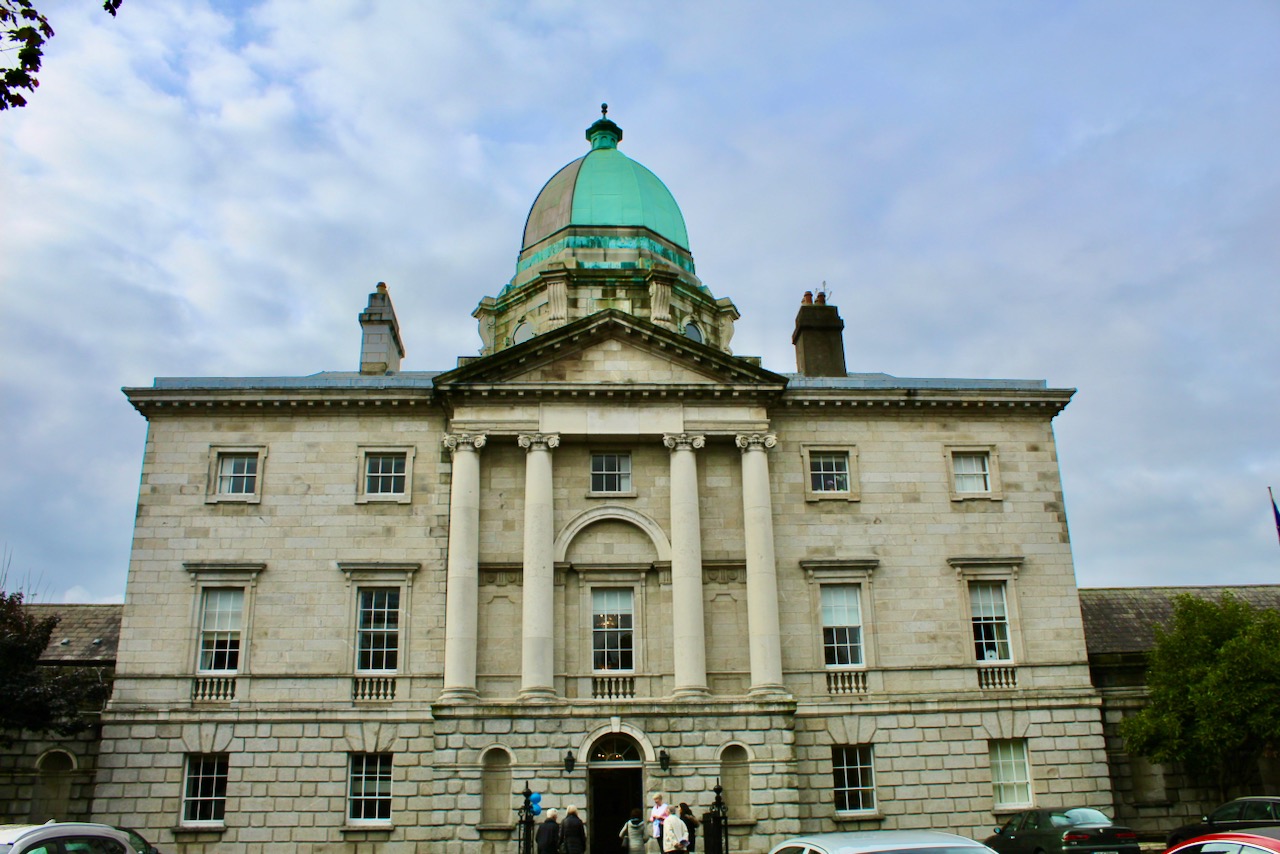
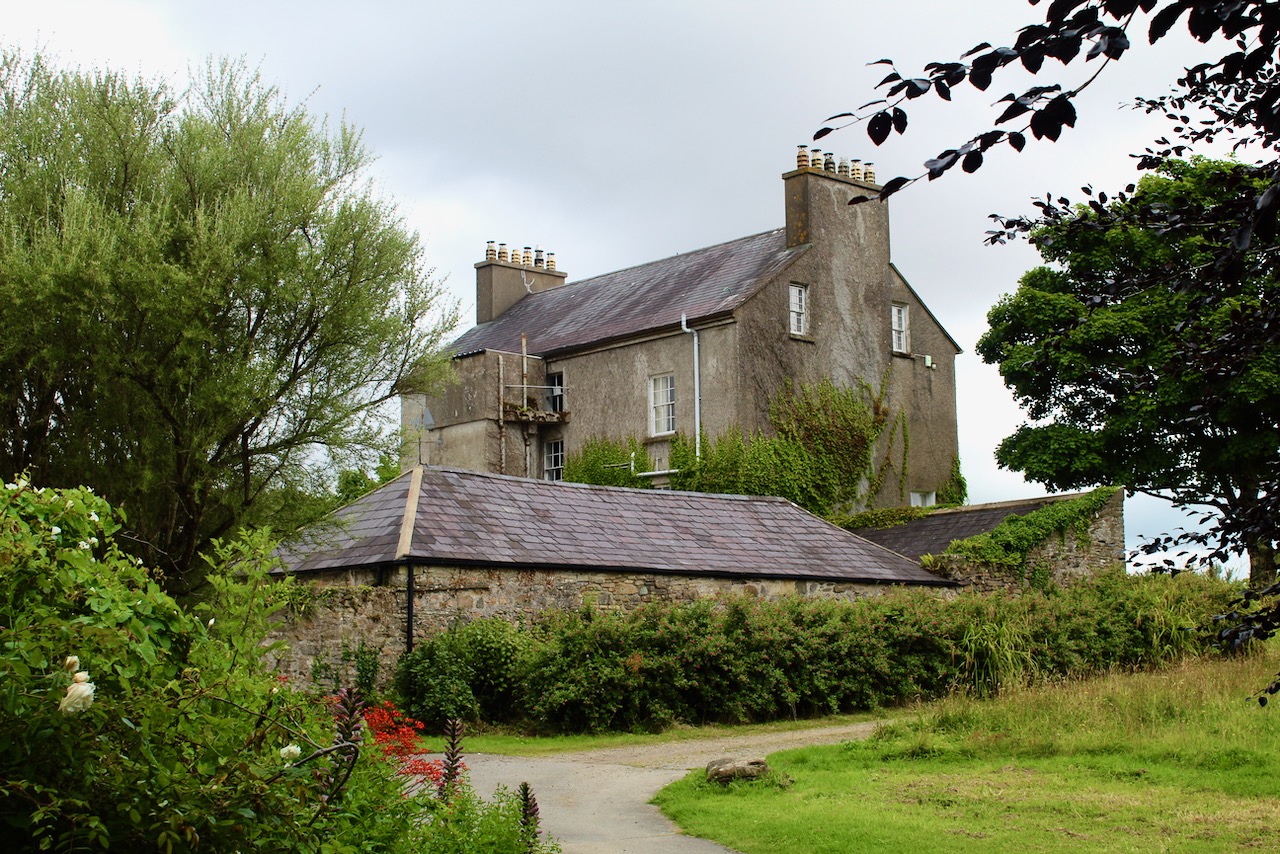
In July 2021, Stephen and I dropped in to Salthill Garden on our way up to visit his mum in Donegal. Salthill Garden is just outside Donegal town. The gardens are listed in the Revenue Section 482 list, but the house is not, although the house was built in approximately 1770 and might have been designed by Thomas Ivory (1732 – 1786), who built the beautiful Blackhall Place in Dublin, which now houses the Law Society.
Salthill House was the house for Agent to Conyngham family of The Hall, Mountcharles. The Conynghams of Slane Castle are descendants of the Conynghams of Mountcharles. [1]
The Conynghams lived in Donegal possibly as early as 1660, when Albert Conyngham purchased land there. [2] The first Conyngham to move to Ireland was Alexander (1610-1660), who joined the clergy and was appointed in 1611 to be the first Protestant minister of Enver and Killymard, County Donegal. [3] He was appointed to the deanery of Raphoe in Donegal in 1630. His son Albert lived at Mountcharles.
It was Albert’s son Henry (1664-1705), a military man who also served as MP for County Donegal, who moved to Slane Castle in County Meath. I thought the Mountcharles was named after a Charles Conyngham, but since there are no Charles’s in the early Conynghams of Mountcharles, I believe Mountcharles may have been named in honour of King Charles of England.
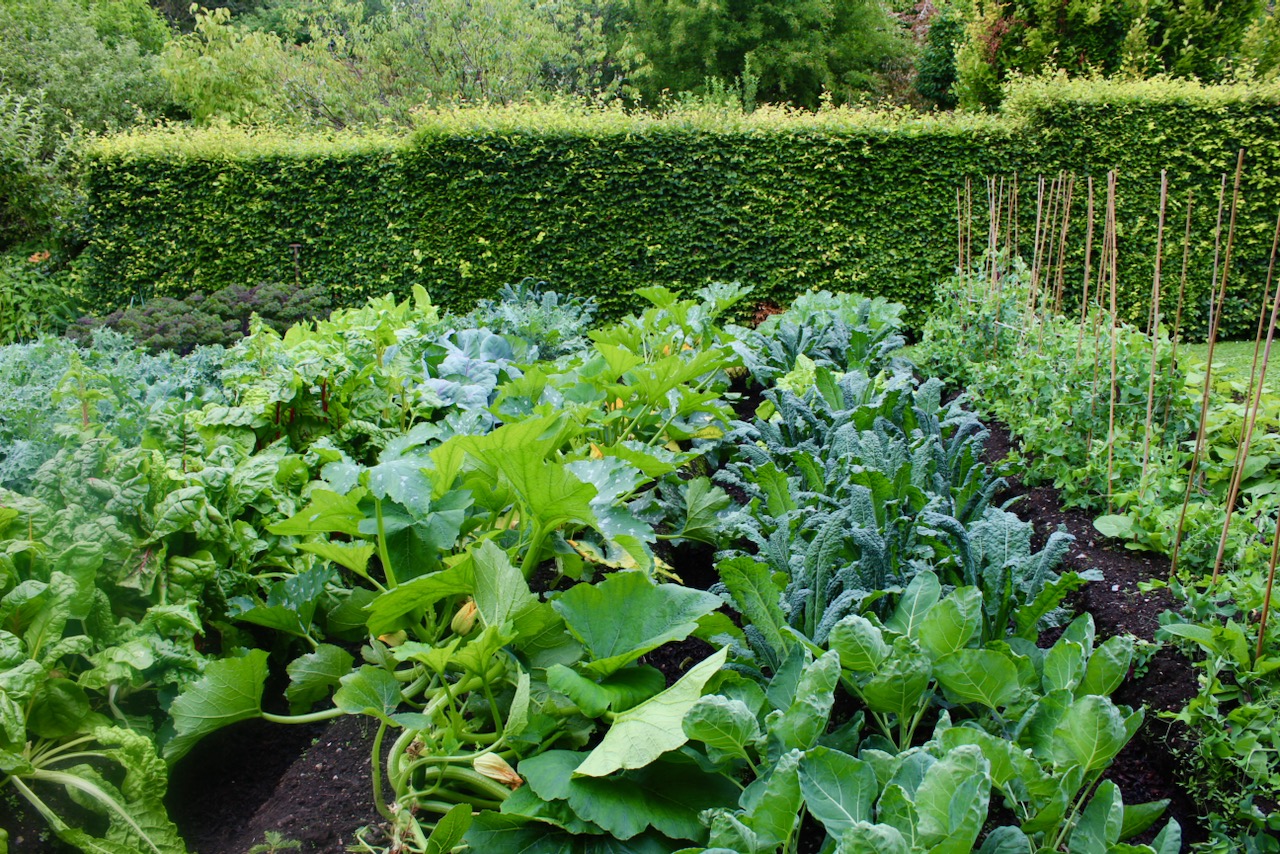
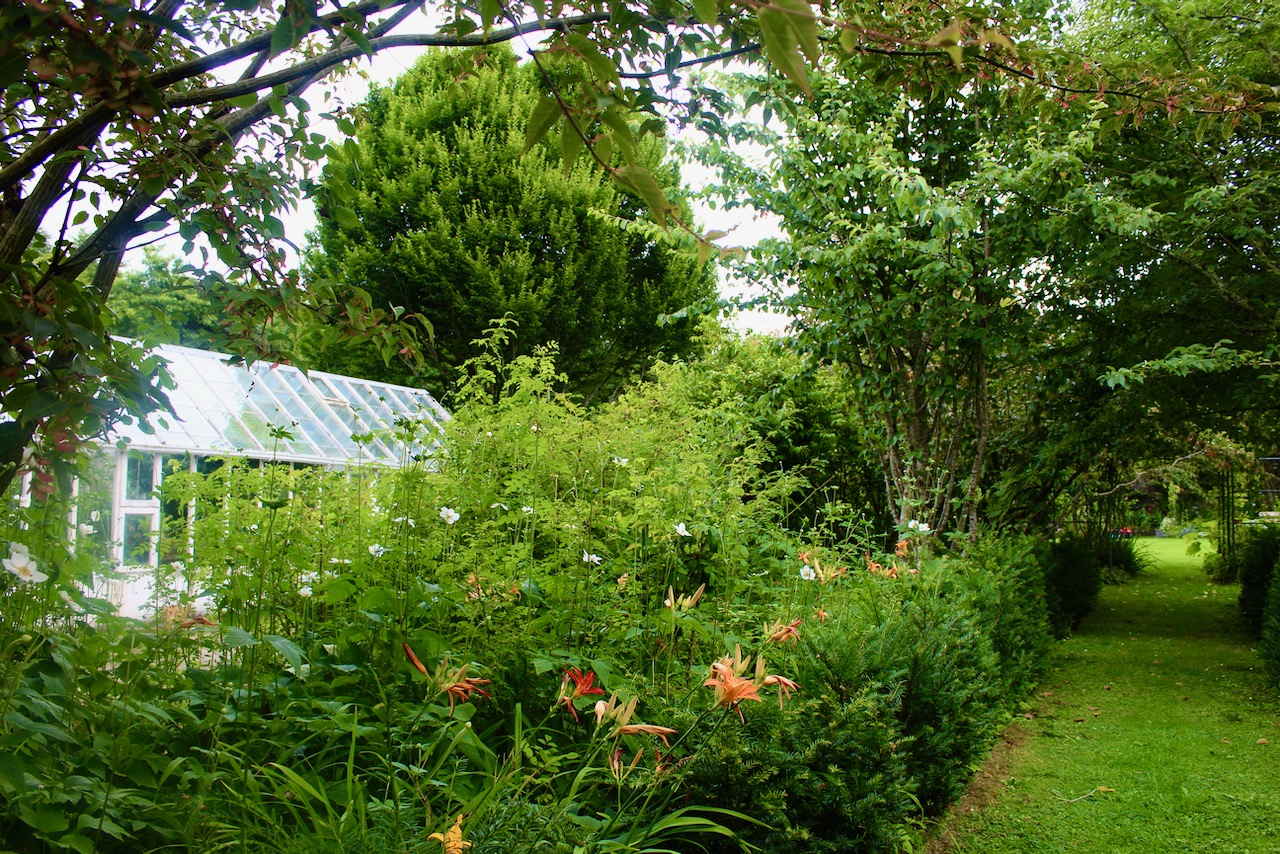
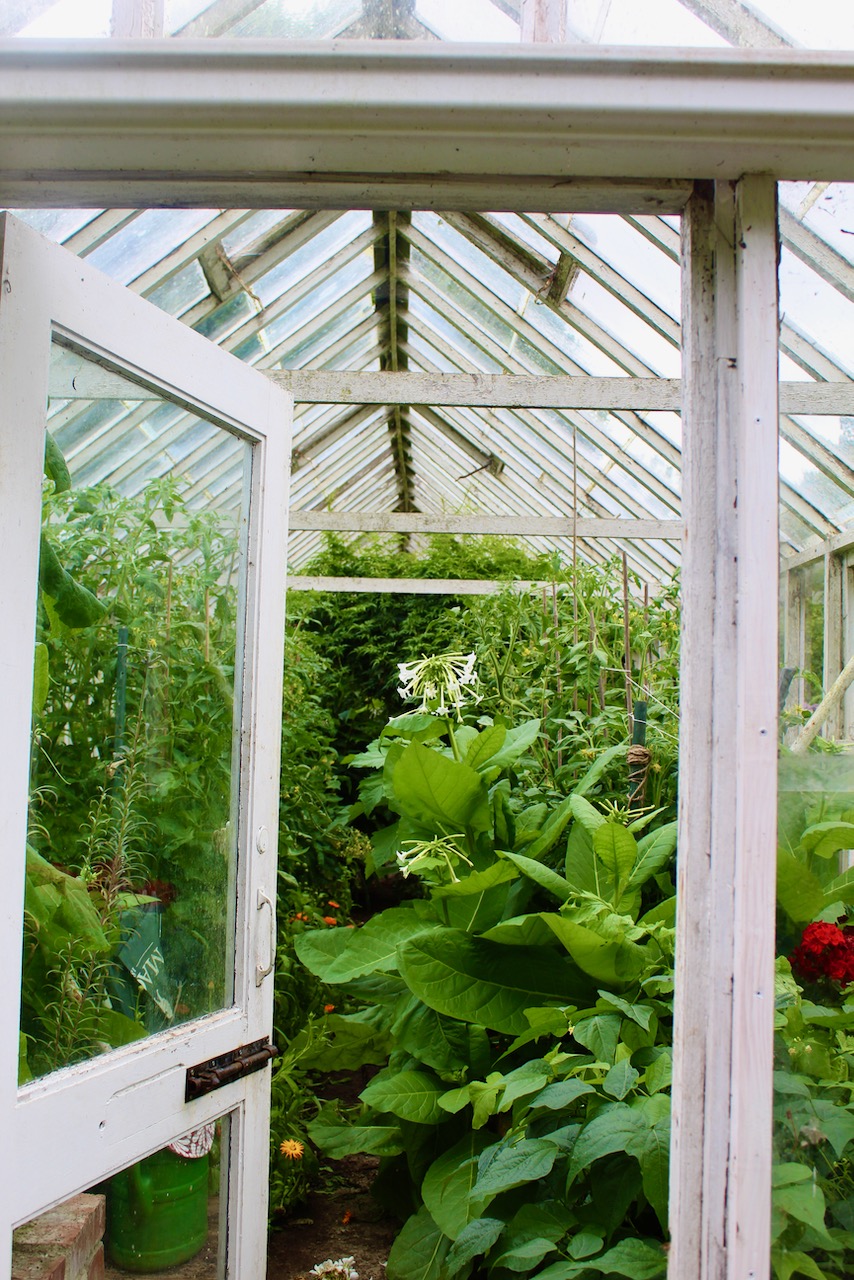
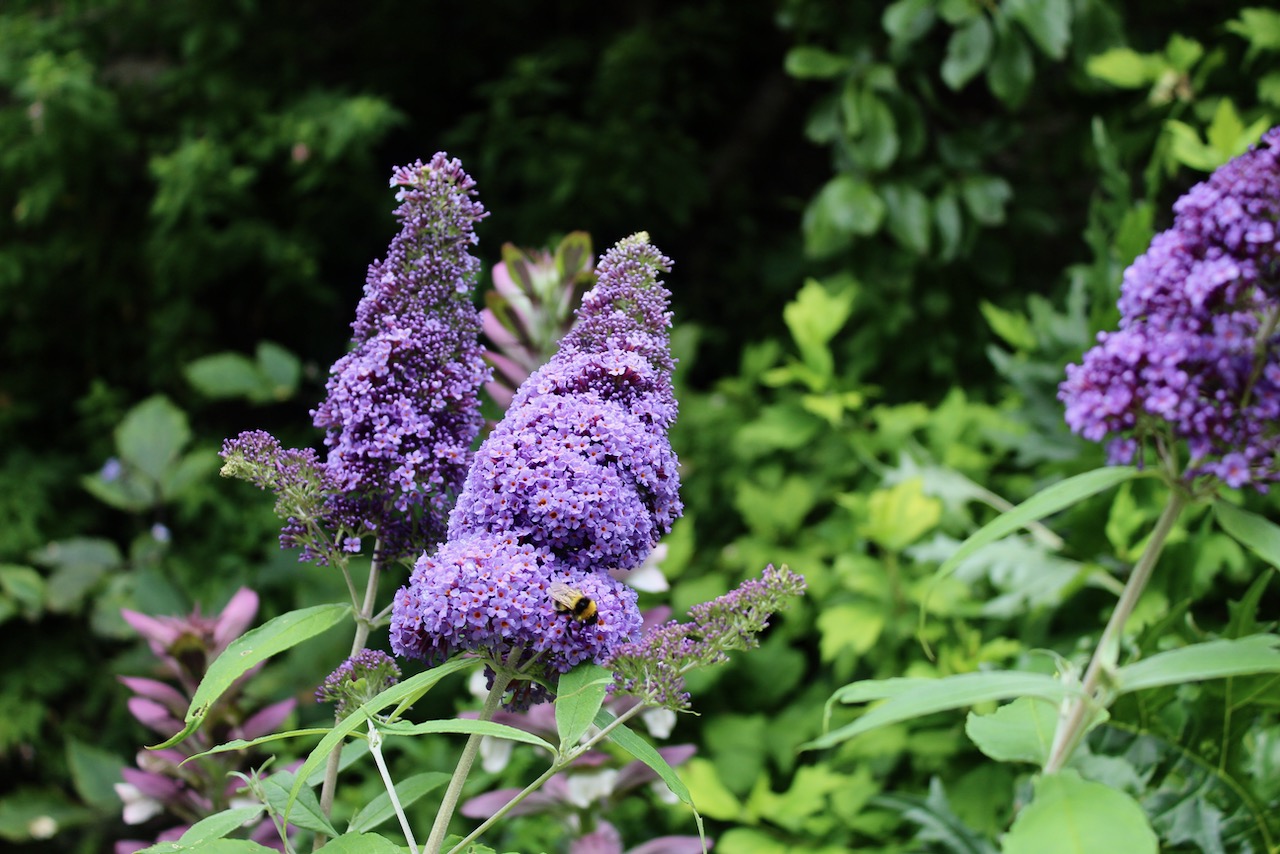
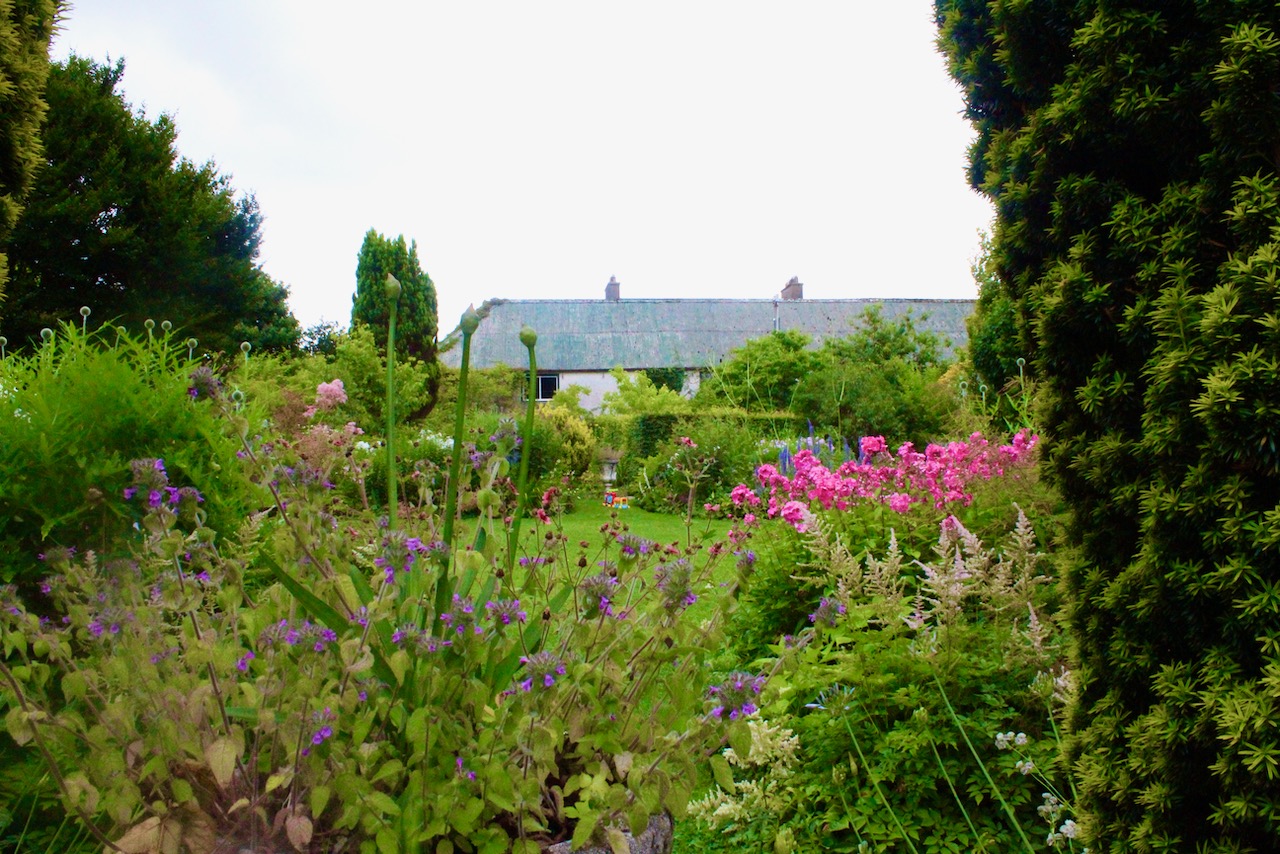
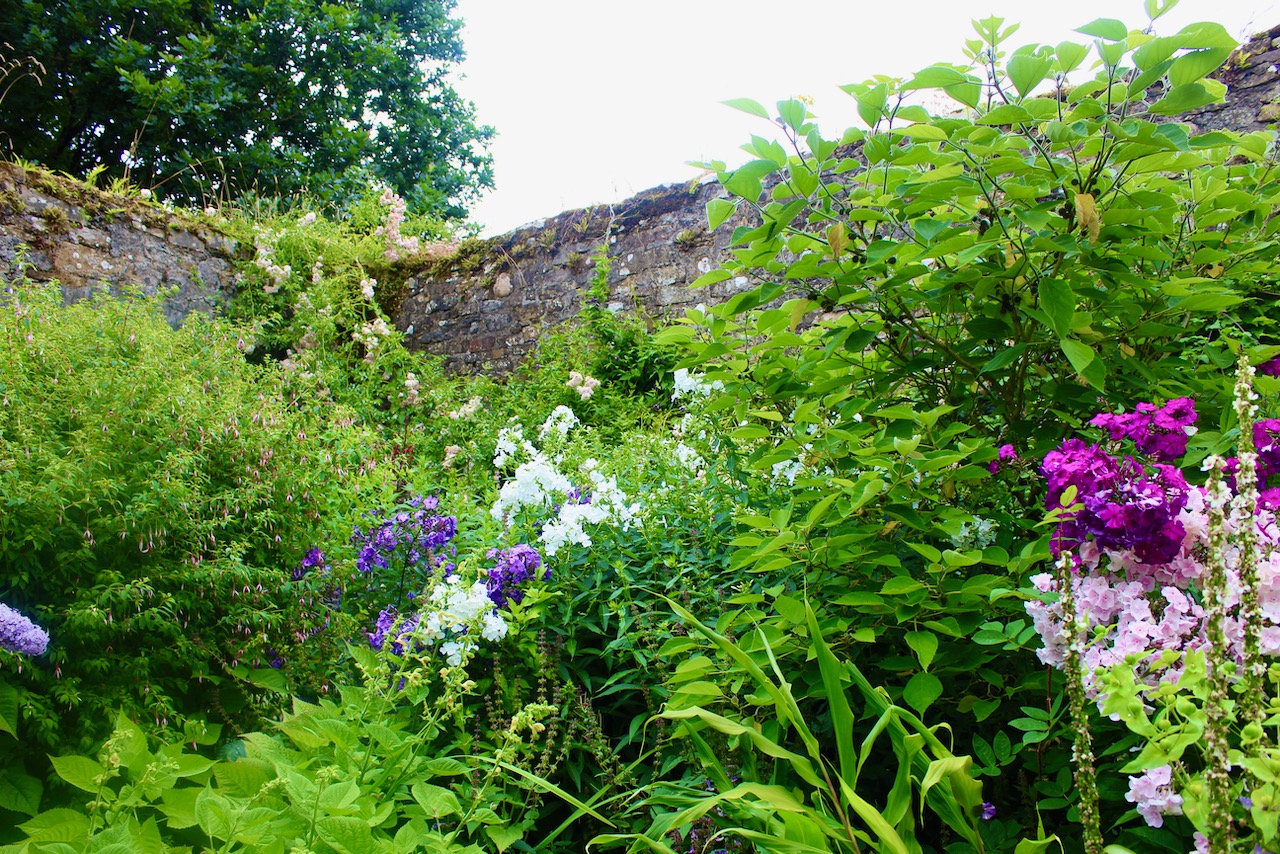
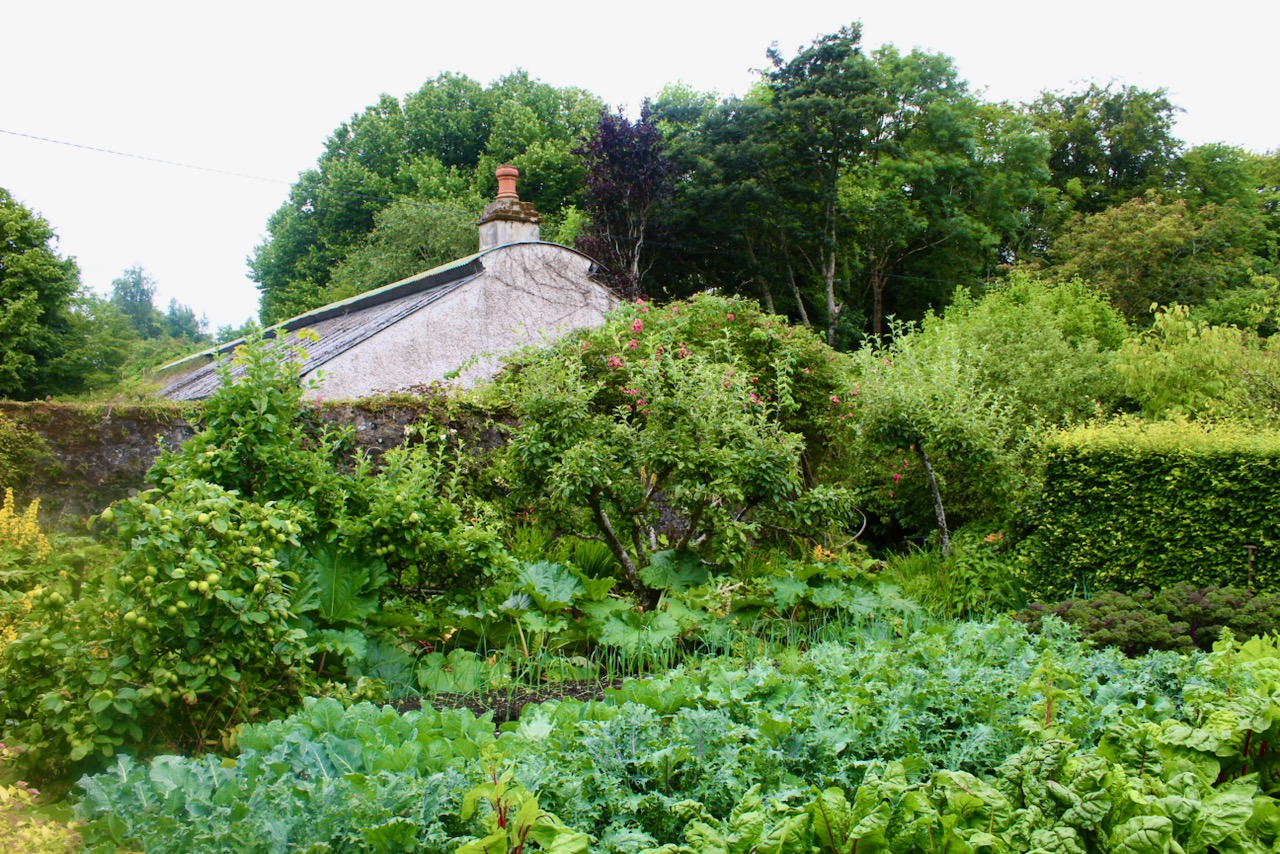
The gardens are a great achievement, recreating a flourishing walled garden. It is a good example of a walled garden that has been brought back to life to provide fruits and vegetables for the home owners, as well as flowers, and a place of beauty and tranquility for any visitor. There is an information centre but it and the toilet facilities were closed due to the Covid pandemic. There is a cafe nearby at the nearby Salthill Pier, the Salthill Cabin.
Slane Castle was originally owned by the Flemings, who became Lords of Slane. The Fleming estates were forfeited in 1641 (after a rebellious uprising), from William 14th Baron Slane and his son Charles, 15th Baron Slane, but restored to them in 1663 (after the Restoration of Charles II to the throne, who restored land to those who were loyal to the monarchy through the time of Cromwell and the Parliamentarians). The 15th Baron had left Ireland after his land was confiscated and fought in Louis XIVth’s French army, and died in 1661. It was his brother Randall Fleming the 16th Baron Slane who was restored to his estate under the Act of Settlement and Distribution. [5] However, the Flemings’ land was forfeited again, in 1688, with the coming to the throne of William III. It was in 1703 that Henry Conyngham purchased land in Slane.
Henry Conyngham’s son Henry (1705-1781) was created 1st Earl Conyngham of Mountcharles, County Donegal but he died without issue. His sister Mary married Francis Burton and their son William Burton took the name of Conyngham to inherit his uncle’s estates. William Burton Conyngham (1733-1796) was a member of the Irish parliament and did much to create employment in County Donegal.
Conyngham planned a settlement on the previously unpopulated island of Rutland, and installed, from 1784, a street of residences and business premises, post office, school house and a fish landing and processing facility. The island remained inhabited into the 1960s. The village which developed around the mainland pier which served Rutland, Burtonport, still bears his name.
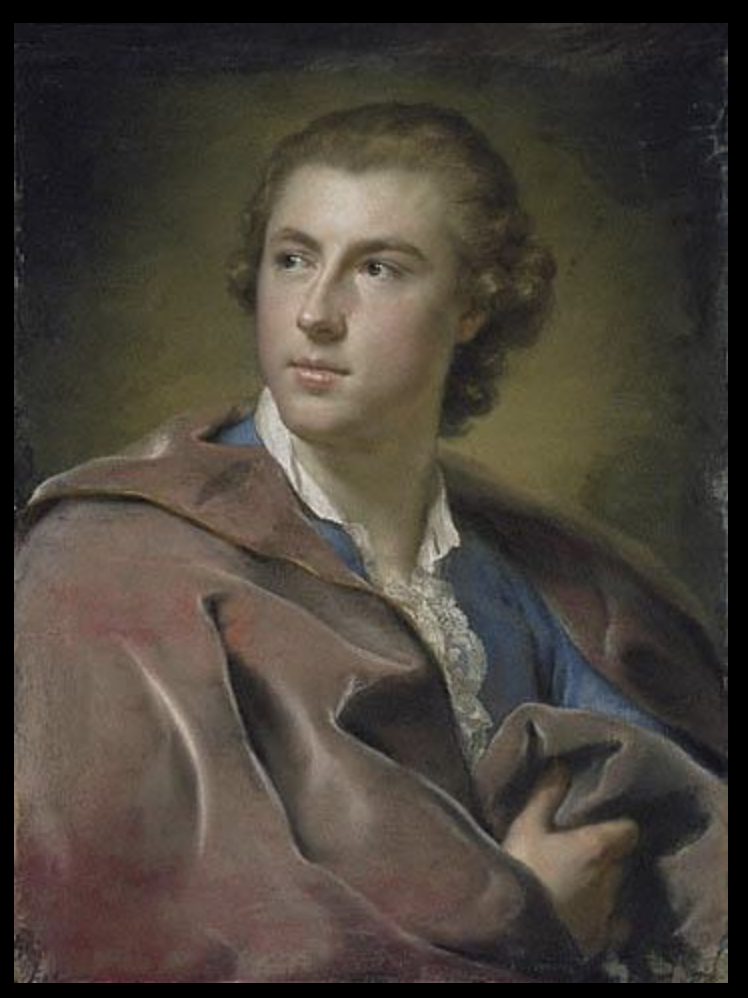
William Burton Conyngham (1733–1796) by Anton Raphael Mengs c. 1754-58, courtesy of wikipedia.
The Conynghams were one of the largest landowners in Donegal: by 1876 the third Marquess Conyngham (George Henry, 1825-1882; the 3rd Baron became the 1st Marquess) and the wider family owned four separate estates in the county amounting to over 122,300 acres of land, as well as extensive landholdings in Clare (centred around Kilkee) and Meath (centred around Slane), and in Kent in the south-east of England.
The Conyngham’s agent’s house was called Salthill because the area was known in Irish as Tamhnach an tSalainn (‘the Field of Salt’). The anglicization of this is “Tawnyfallon,” as Salthill was also known. The fields along the coast flooded and when they dried, the salt could be collected. This provided an income for the locals and for the Conynghams.
Salthill House was the residence for Hugh Montgomery, Esq. according to the 1777 – 83 Taylor and Skinner map of the area [6]. There is a record of the renewal of a lease on ‘Tawnyfallon, otherwise Salthill’ from Henry Conyngham (1st Marquess) to a Francis Montgomery in 1824 (Conyngham Papers). The National Inventory adds that Salthill was the home of a Leonard Cornwall, Esq., in 1838 (marriage record) and 1846 (Slater’s Directory), and a Robert Russell in 1857 – c. 1881 (latter date in Slater’s Directory). The Hall, belonging to the Conynghams, was sold after World War II by the 6th Marquess.
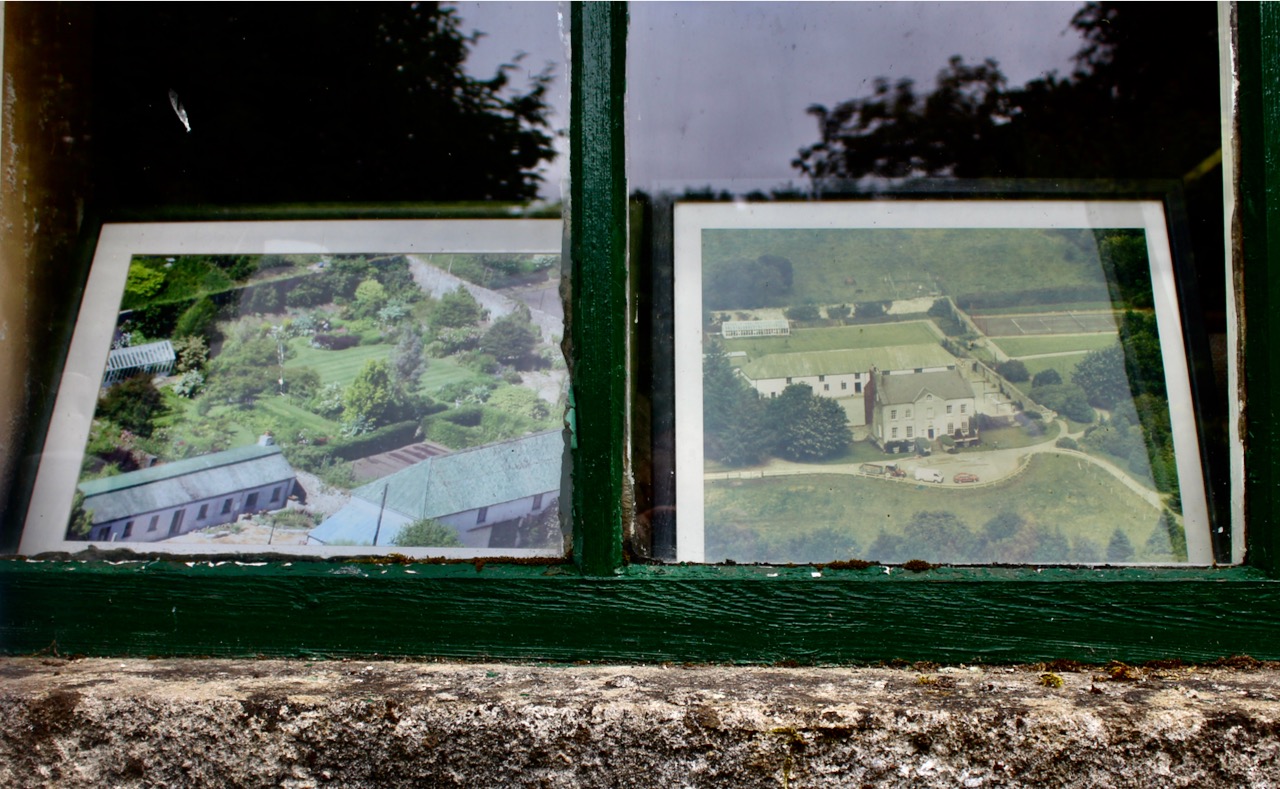
The walled garden of Salthill House was built around 1800. [7] The National Inventory of Architectural Heritage tells us that the walls are constructed of coursed rubble and random rubble stone masonry, and that the South-east wall abuts main outbuilding to the rear of the house.
More recently, the house was the home of John and Nancy McCaffrey until the early 1980s, when it was purchased by Lynn Temple of Magees, the manufacturers and promoters of Donegal Tweed, and his wife Elizabeth. The Irish Historic Houses website describes the work that the current owner, Elizabeth Temple, has carried out in the garden:
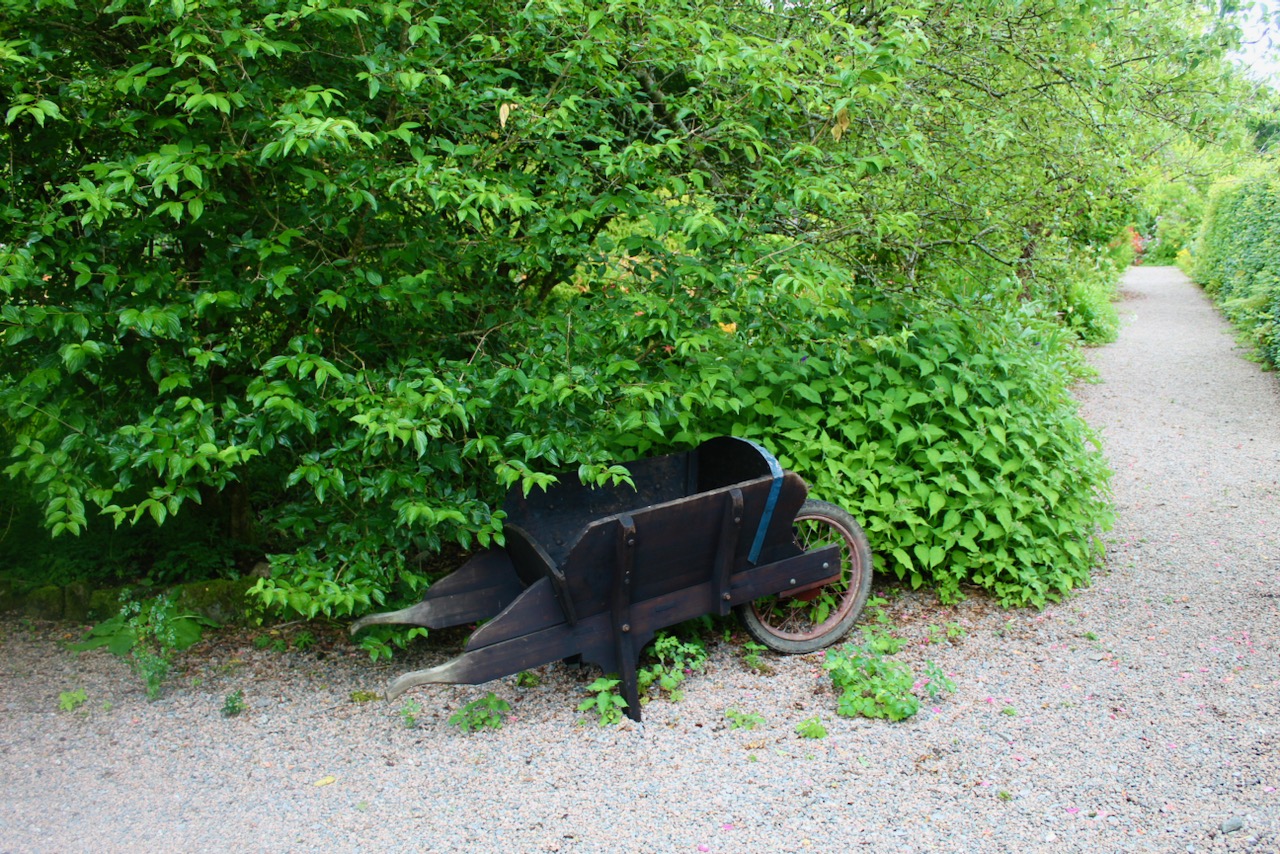
“During the last thirty years Elizabeth has re-created the walled garden, which is sheltered by the house and yards, slowly and patiently. She complimented the original gravel paths with hedges and grass paths to provide additional structure, and concentrated on plants that thrive in this northernly environment. The result is an authentic country house walled garden, skilfully planted with a combination of perennials and shrubs, interspersed with vegetables, herbs and fruit trees…the gravel avenue, curved sweep and yards are skilfully raked into swirling curvilinear patterns that recall the abstract la Tène ornamentation that influenced Irish early Christian art.” [see 6]
We were greeted at the gate by Elizabeth Temple. I asked her about the curvilinear patterns mentioned in the Historic Houses of Ireland website, but instead she explained that she likes to plant in such a way that there are several layers to see, of graduated heights, in each direction you look. There were several visitors that day so we did not get to chat as much as I may have wished but the day was a little rainy also, so we did not linger for as long as the gardens deserve. We shall have to visit again!









 Irish Historic Houses
