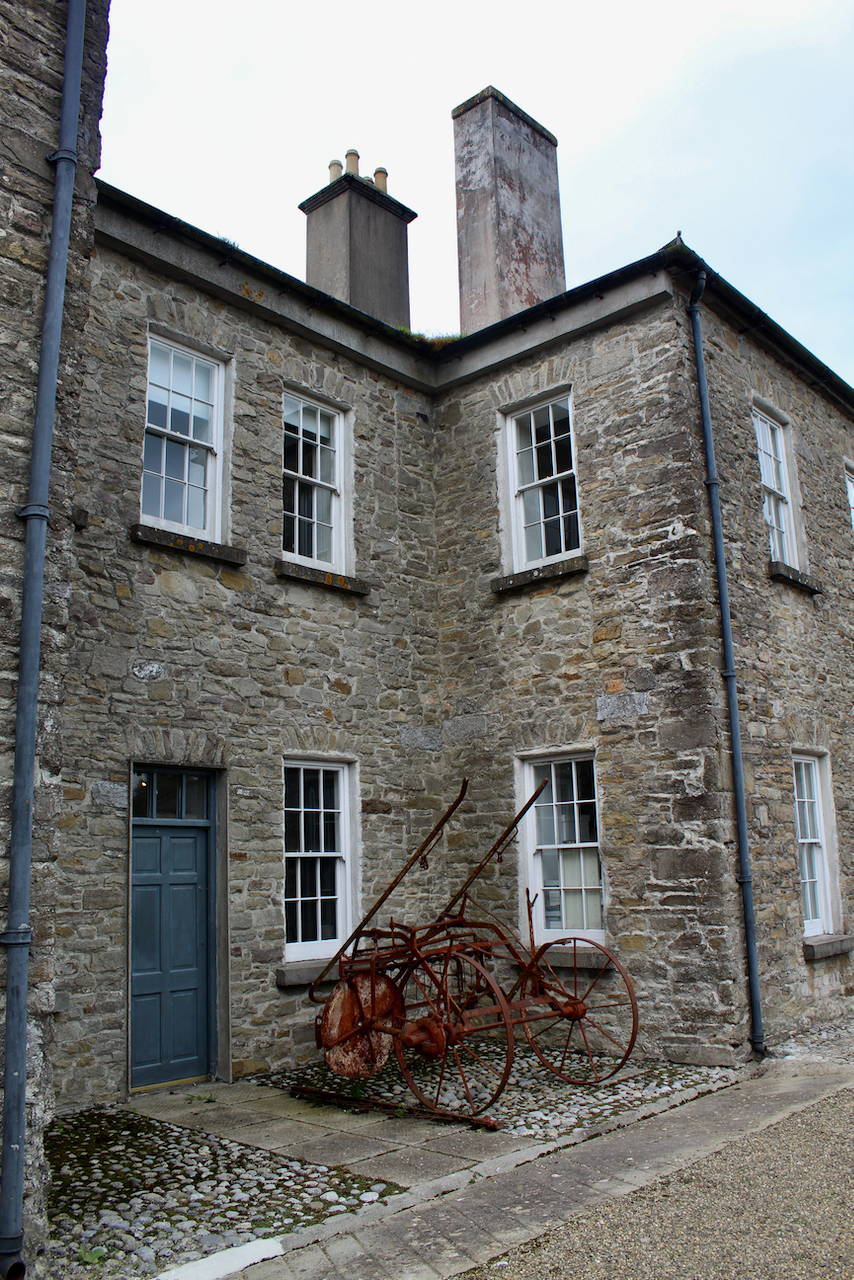
Emo Court, County Laois – Office of Public Works

Emo Court, County Laois:

Emo, County Laois, June 2021. Unfortunately the stone lions which flank the front steps, carved by Richard Carter of Cork in 1854, were in boxes on the day we visited. [1] Photograph © Jennifer Winder-Baggot, www.irishhistorichouses.com

General enquiries: 057 862 6573, emocourt@opw.ie

From the OPW website https://heritageireland.ie/visit/places-to-visit/emo-court/:

Emo Court is a quintessential neo-classical mansion, set in the midst of the ancient Slieve Bloom Mountains. The famous architect James Gandon, fresh from his work on the Custom House and the Four Courts in Dublin, set to work on Emo Court in 1790. However, the building that stands now was not completed until some 70 years later [with work by Lewis Vulliamy, a fashionable London architect, who had worked on the Dorchester Hotel in London and Arthur & John Williamson, from Dublin, and later, William Caldbeck].

The estate was home to the earls of Portarlington until the War of Independence forced them to abandon Ireland for good. The Jesuits moved in some years later [1920] and, as the Novitiate of the Irish Province, the mansion played host to some 500 of the order’s trainees.

Major Cholmeley-Harrison took over Emo Court in the 1960s and fully restored it [to designs by Sir Albert Richardson]. He opened the beautiful gardens and parkland to the public before finally presenting the entire estate to the people of Ireland in 1994.

You can now enjoy a tour of the house before relaxing in its charming tearoom. The gardens are a model of neo-classical landscape design, with formal lawns, a lake and woodland walks just waiting to be explored.” [2]
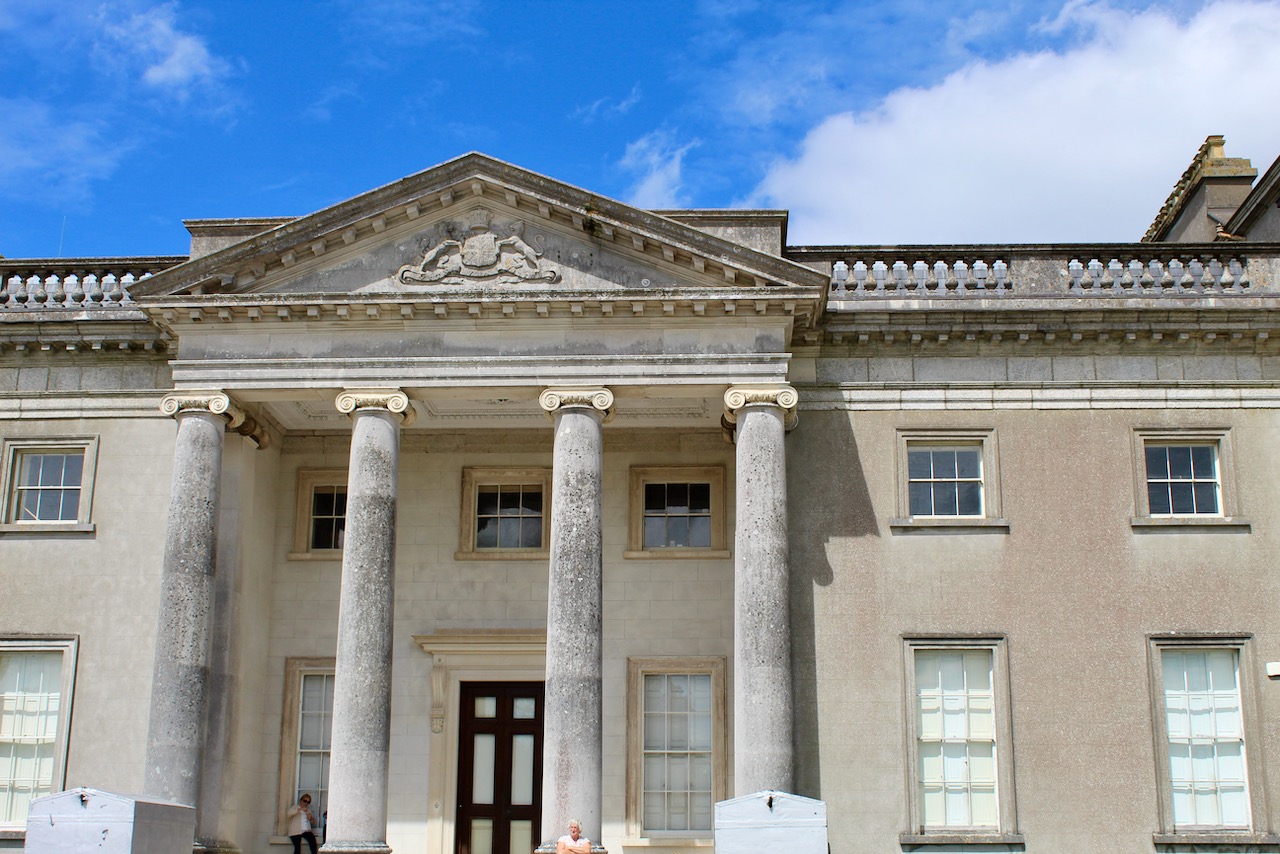
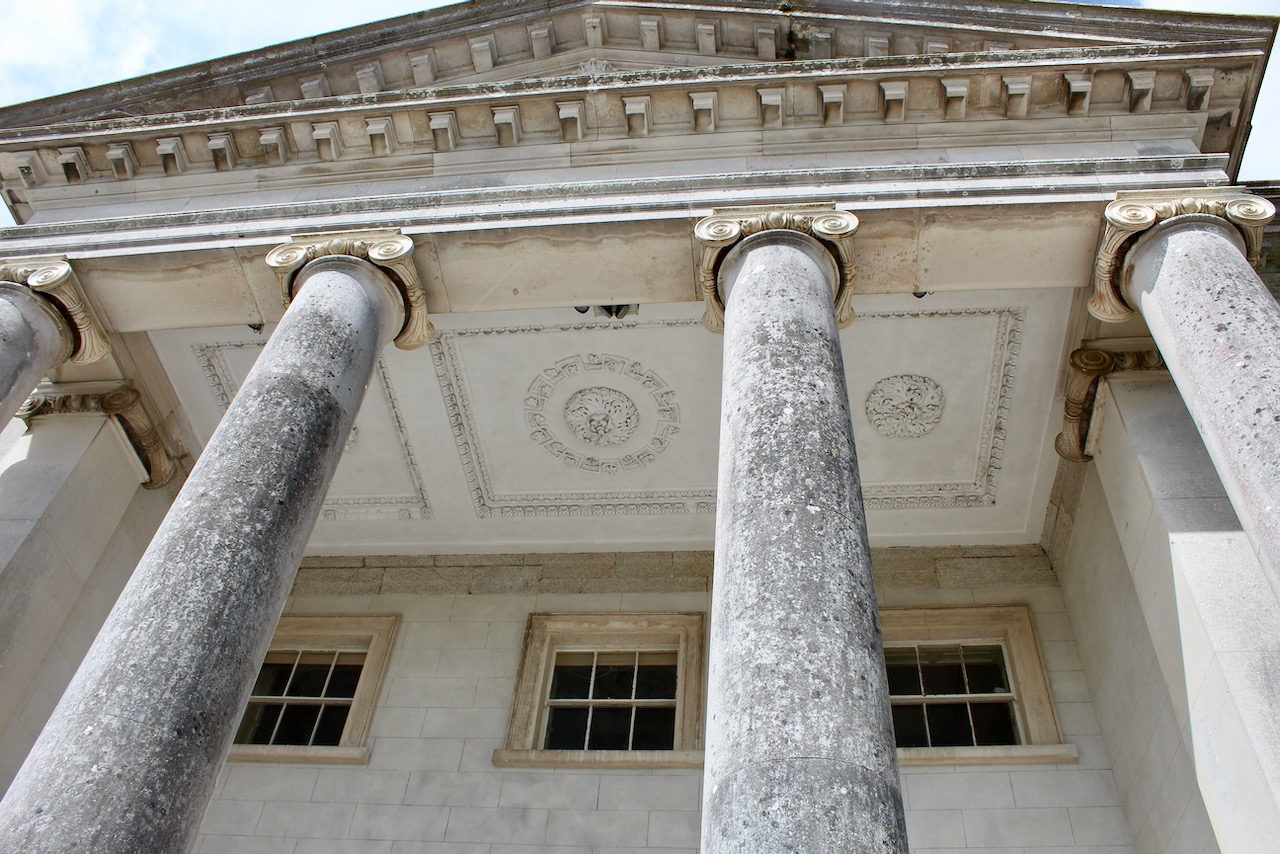
The entrance front has seven bay centre with a giant pedimented Ionic portico. Andrew Tierney tells us that the portico was changed in 1822 from Gandon’s Doric order to a pedimented tetrastyle Ionic portico by the Dublin architects Arthur and John Williamson. [see 1] Photograph © Jennifer Winder-Baggot, www.irishhistorichouses.com
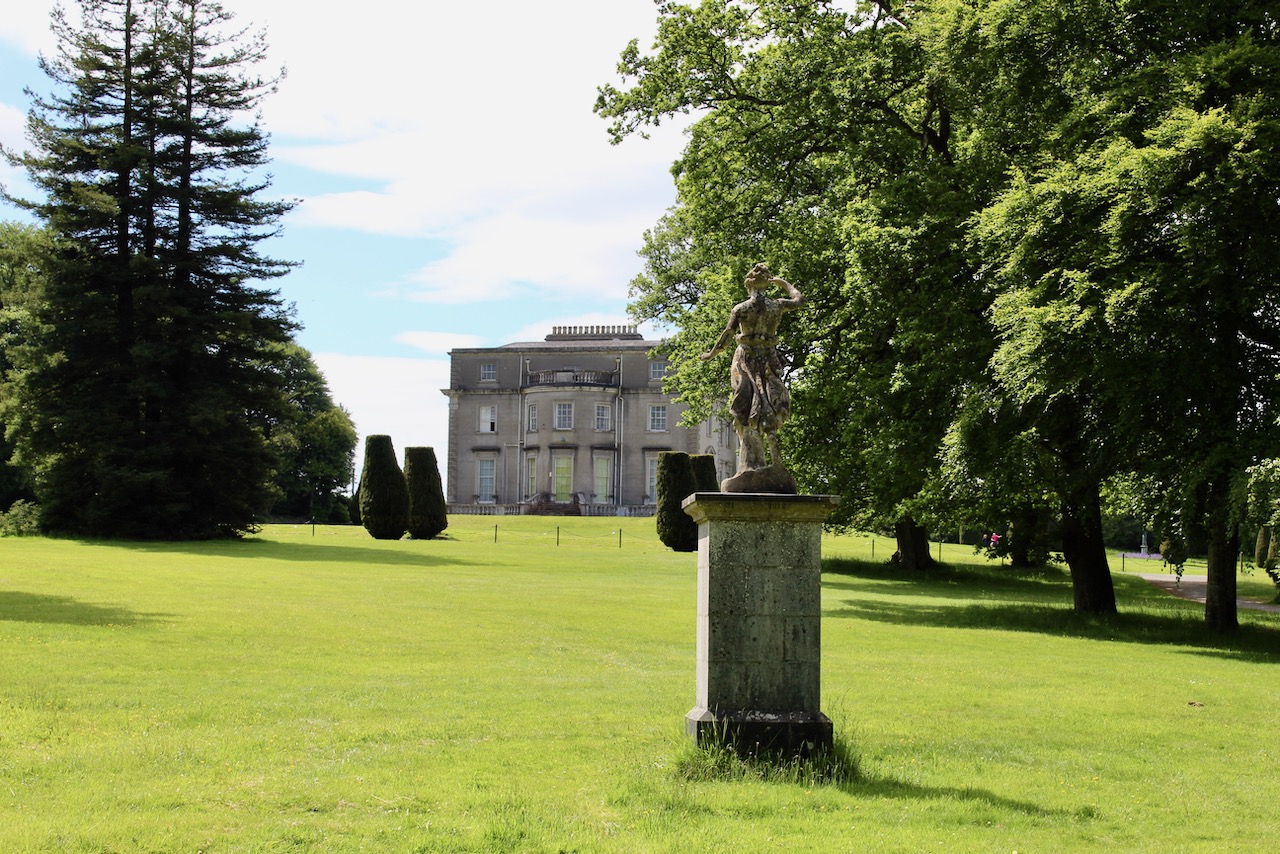
The view from the front of the house. The 3rd Earl of Portarlington planted the long avenue of Wellingtonia trees. Photograph © Jennifer Winder-Baggot, www.irishhistorichouses.com

We visited Emo during Heritage Week 2024 as some rooms were open to the public – finally! Despite the episode on television several years ago of “Great Irish Interiors” where the house was prepared to be open to the public, it is still not open to the public. And it is still not. Just a few rooms were open for Heritage Week. Major Cholmeley-Harrison will be tearing his hair out, if he has any left, in his grave – imagine giving the house to the state, and the state accepts it and then closes it for thirty years!

It was so exciting to go inside. My great uncle Father Tony Baggot was a novitiate there when the Jesuits owned the property.

Unfortunately I was not allowed to take photographs. I was not impressed by the reason given: it’s not finished yet. For goodness sake, who do the OPW think owns the house? We do! Apparently they had left it arranged as when owned Major Cholmeley-Harrison, opened it for a short while, and now they are removing traces of him from several areas. Poor Mr. Cholmeley-Harrison.
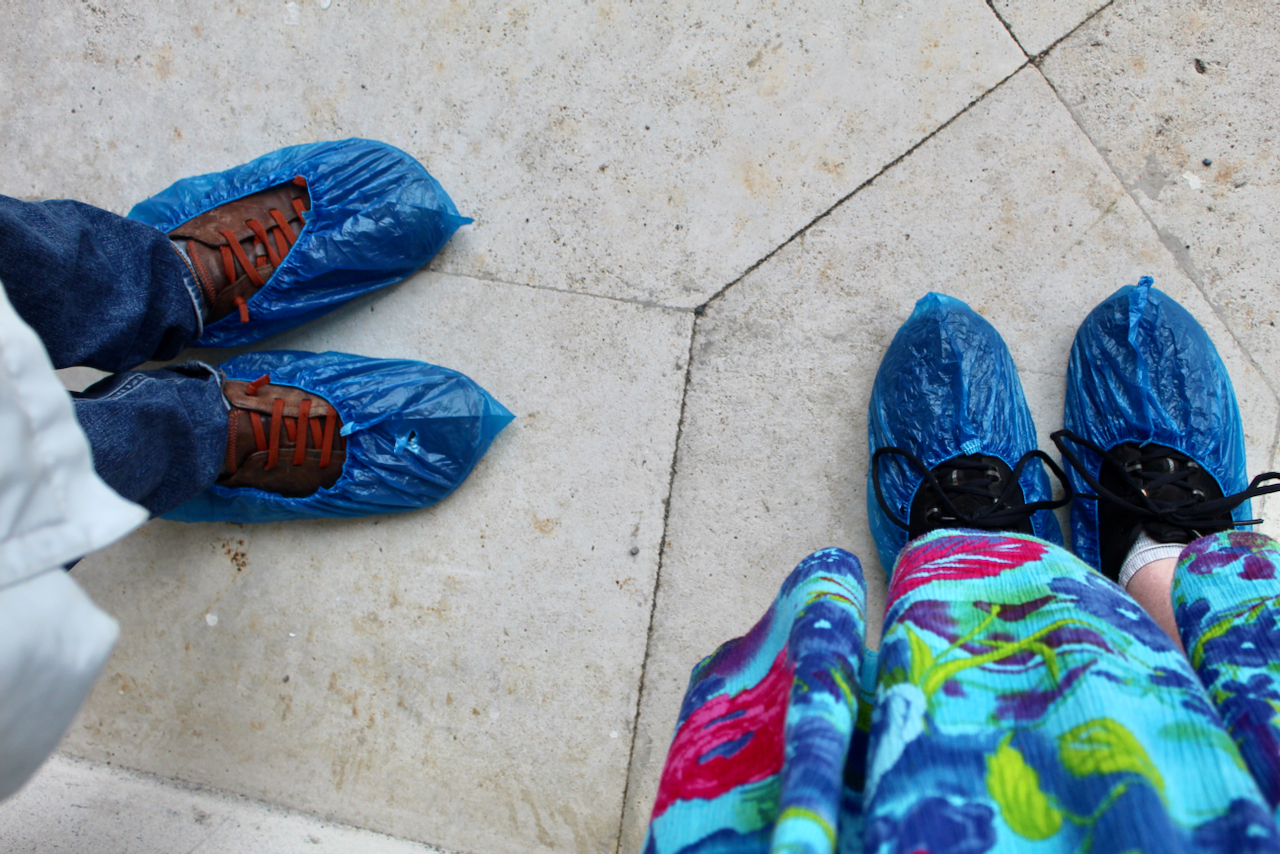
At Emo Park house, we had to wear these over our shoes, August 2024, Photograph © Jennifer Winder-Baggot, www.irishhistorichouses.com

Mark Bence-Jones tells us that the 1st Earl of Portarlington was interested in architecture and was instrumental in bringing James Gandon to Ireland, in order to build the new Custom House. The name Emo is an Italianised version of the original Irish name of the estate, Imoe. [3]

The Emo Court website tells us of the history:

John Dawson, 1st Earl of Portarlington [1744-1798] commissioned the building of Emo Court in 1790 although the house was not finally completed until 1870, eighty years later. Emo Court is one of only a few private country houses designed by the architect James Gandon. Others were Abbeyville, north Co. Dublin for Sir James Beresford [or is it John Beresford (1738-1805)? later famous for being the home of politician Charles Haughey] and Sandymount Park, Dublin for William Ashford. In addition, Gandon built himself a house at Canonbrook, Lucan, Co. Dublin.” [4]

Many of Gandon’s original drawings, plus those of his successors, are in the Irish Architectural Archive, 45 Merrion Square, Dublin. [5] The Emo Court website continues:

James Gandon was born in London of Huguenot descent. He studied classics, mathematics and drawing, attending evening classes at Shipley’s Academy in London. At the age of fifteen, James was apprenticed to the architect Sir William Chambers and about eight years later, set up in business on his own. His first connection with Ireland was in 1769 when he won the second prize of £60 in a competition to design the Royal Exchange in Dublin, now the City Hall. He was invited to build in St Petersburg, Russia, by Princess Dashkov, and offered an official post with military rank. However, he chose instead to accept an offer from Sir John Beresford and John Dawson, Lord Carlow, later 1st Earl of Portarlington, to come to Dublin to build a new Custom House. This was begun in 1781. The following year, Gandon was commissioned to make extensions to the Parliament House, originally designed by Sir Edward Lovett Pearce. Here he added a Corinthian portico as entrance to the Lords’ Chamber. After the Act of Union in 1801, the building became the Bank of Ireland. In 1785, Gandon was commissioned to design the new Four Courts. The third of his great Dublin buildings was the King’s Inns, begun in 1795. His few private houses were designed for patrons and friends.” [see 4]
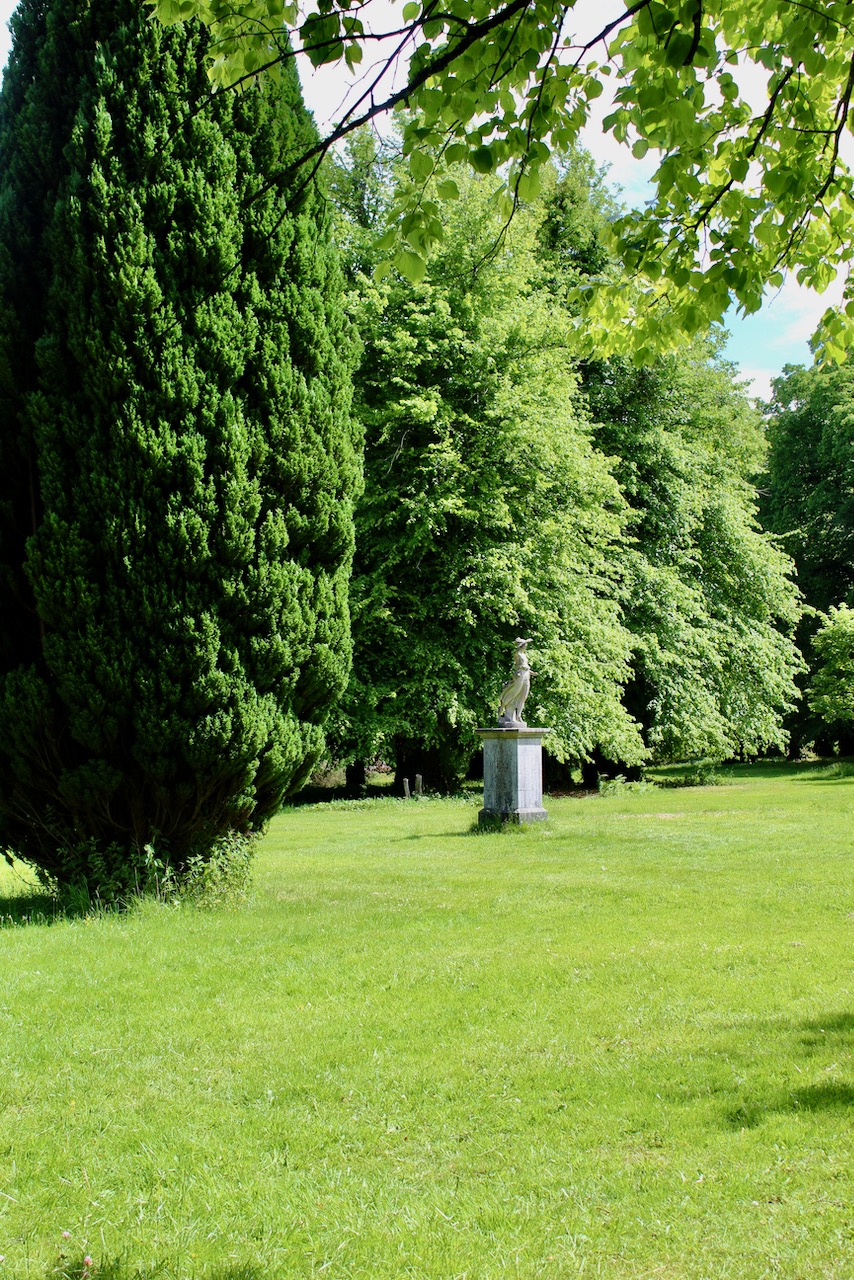
Photograph © Jennifer Winder-Baggot, www.irishhistorichouses.com

The website continues: “In the early 18th century, Ephraim Dawson [1683-1746], a wealthy banker, after whom Dawson Street in Dublin is named, purchased the land of the Emo Estate and other estates in the Queen’s County (Co. Laois). He married Anne Preston, heiress to the Emo Park Estate and fixed his residence in a house known as Dawson Court, which was in close proximity to the present Emo Court. His grandson, John Dawson, was created 1st Earl of Portarlington in 1785. Three years later, he married Lady Caroline Stuart, daughter of the [3rd] Earl of Bute, who was later Prime Minister of England. John Dawson commissioned Gandon to design Emo Court in 1790.

Stephen’s ancestor Earl George Macartney married another daughter of the 3rd Earl of Bute! Their mother was the wonderful Lady Mary Wortley-Montague whose husband was a diplomat and she wrote memoires of their travels. She even visited a harem.

Lady Mary Wortley Montagu (1718-1794), Wife of John Patrick Crichton Stuart 3rd Earl of Bute, print after Christian Friedrich Zincke, 1830s, courtesy of National Portrait Gallery of London, NPG D34619.
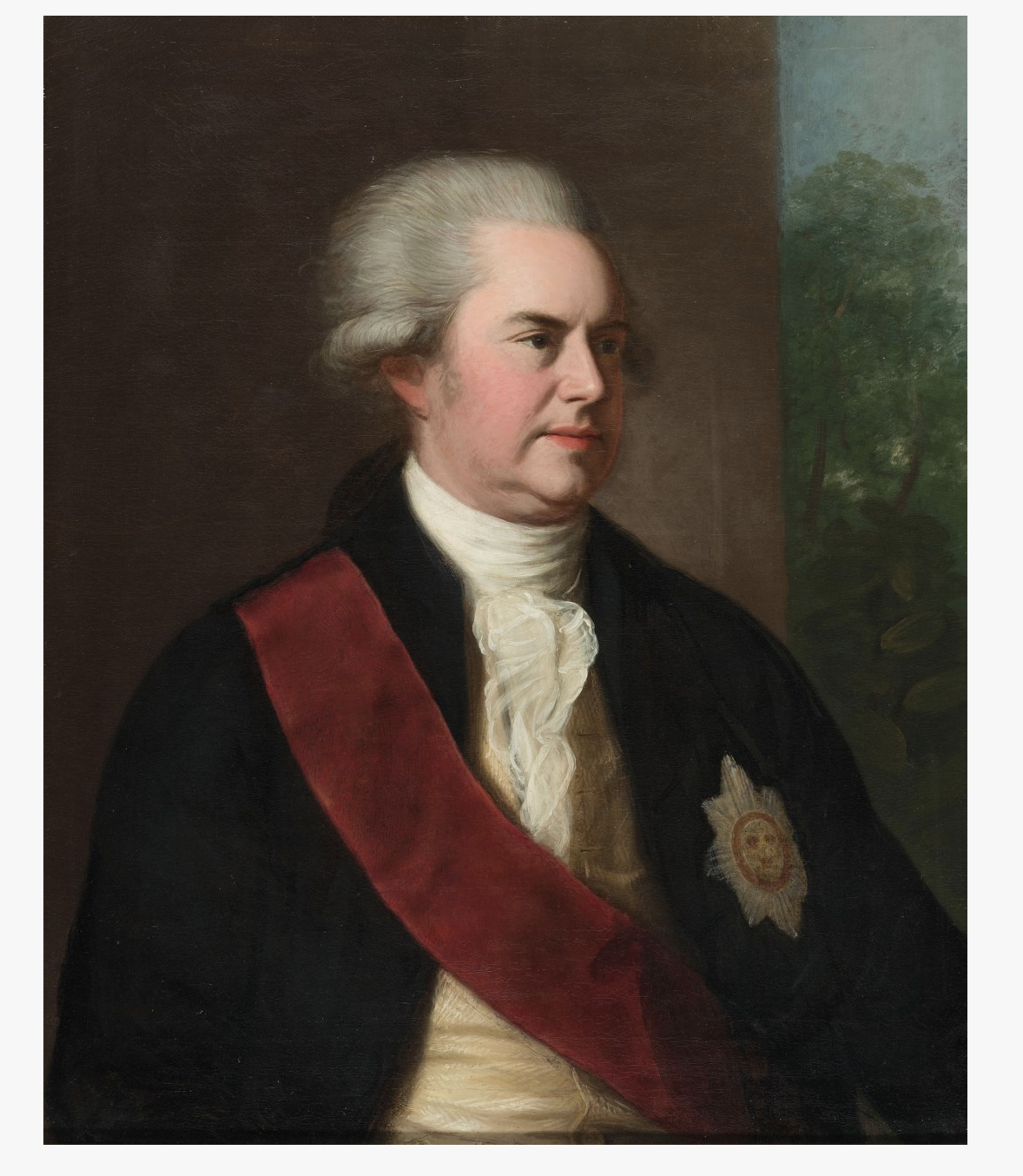
George, 1st Earl Macartney wearing the Order of the Bath by Thomas Hickey courtesy Christie’s China Trade Paintings selections from the Kelton Collection.

After Gandon died in 1823, to be buried in Drumcondra churchyard, the 2nd Earl of Portarlington, also John Dawson, engaged Lewis Vulliamy, a fashionable London architect, who had worked on the Dorchester Hotel in London and A. & J. Williamson, Dublin architects, to finish the house. In the period, 1824-36, the dining room and garden front portico with giant Ionic columns were built, but on the death of the 2nd Earl in 1845, the house still remained unfinished. It was not until 1860 that the 3rd Earl, Henry Ruben John Dawson [or Dawson-Damer, the son of the 2nd Earl’s brother Henry Dawson-Damer, who had the name Damer added to his name after the family of his grandmother, Mary Damer, who married William Henry Dawson, 1st Viscount Carlow] commissioned William Caldbeck, a Dublin architect, and Thomas Connolly, his contractor, to finish the double height rotunda, drawing room and library.” [see 4] Caldbeck also added a detached bachelor wing, joined to the main block by a curving corridor.
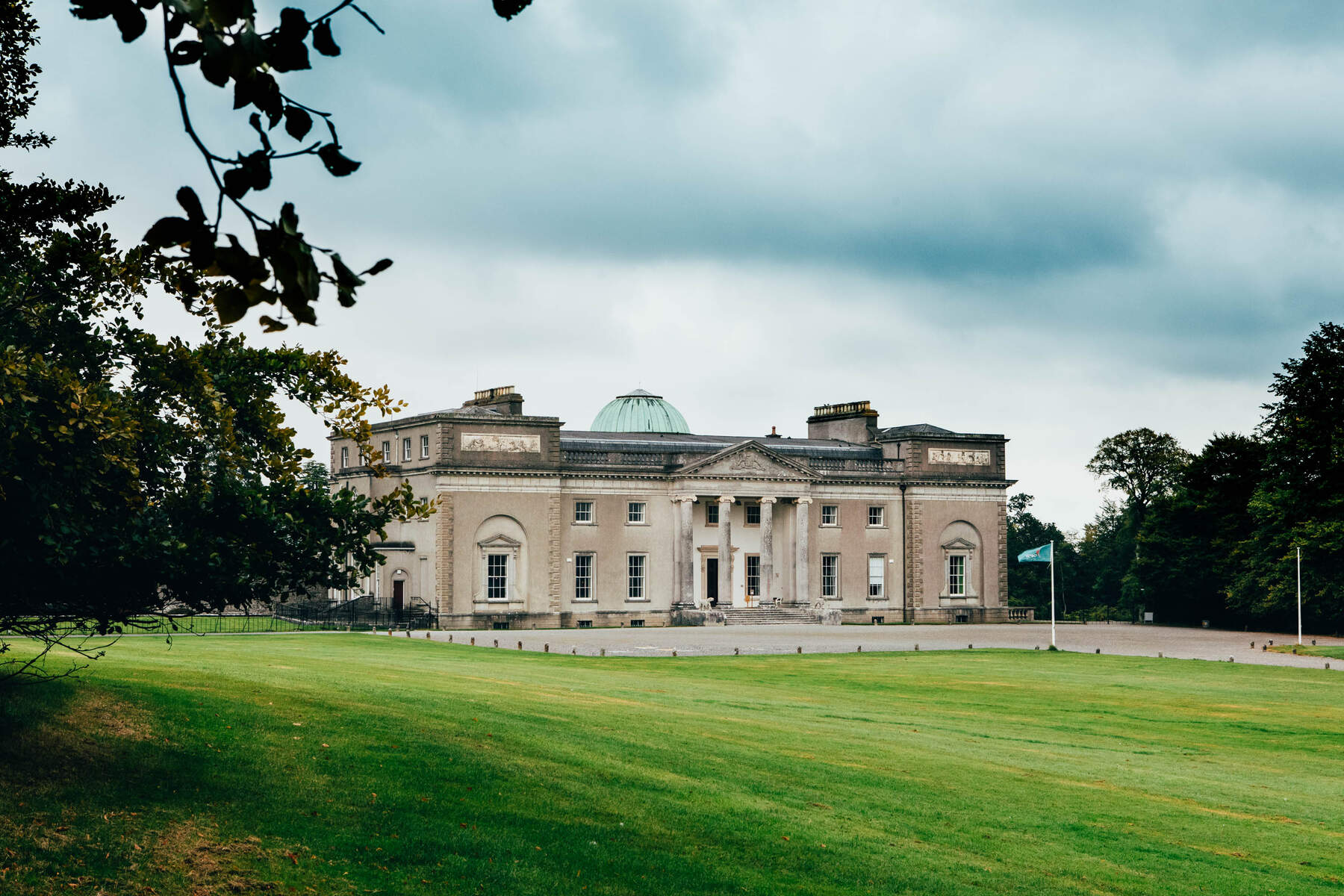
Emo Court, Photograph by Liam Murphy 2016 for Fáilte Ireland, Ireland’s Content Pool [6]. The windows in the single bay pavilions are pedimented and set in relieving arches.
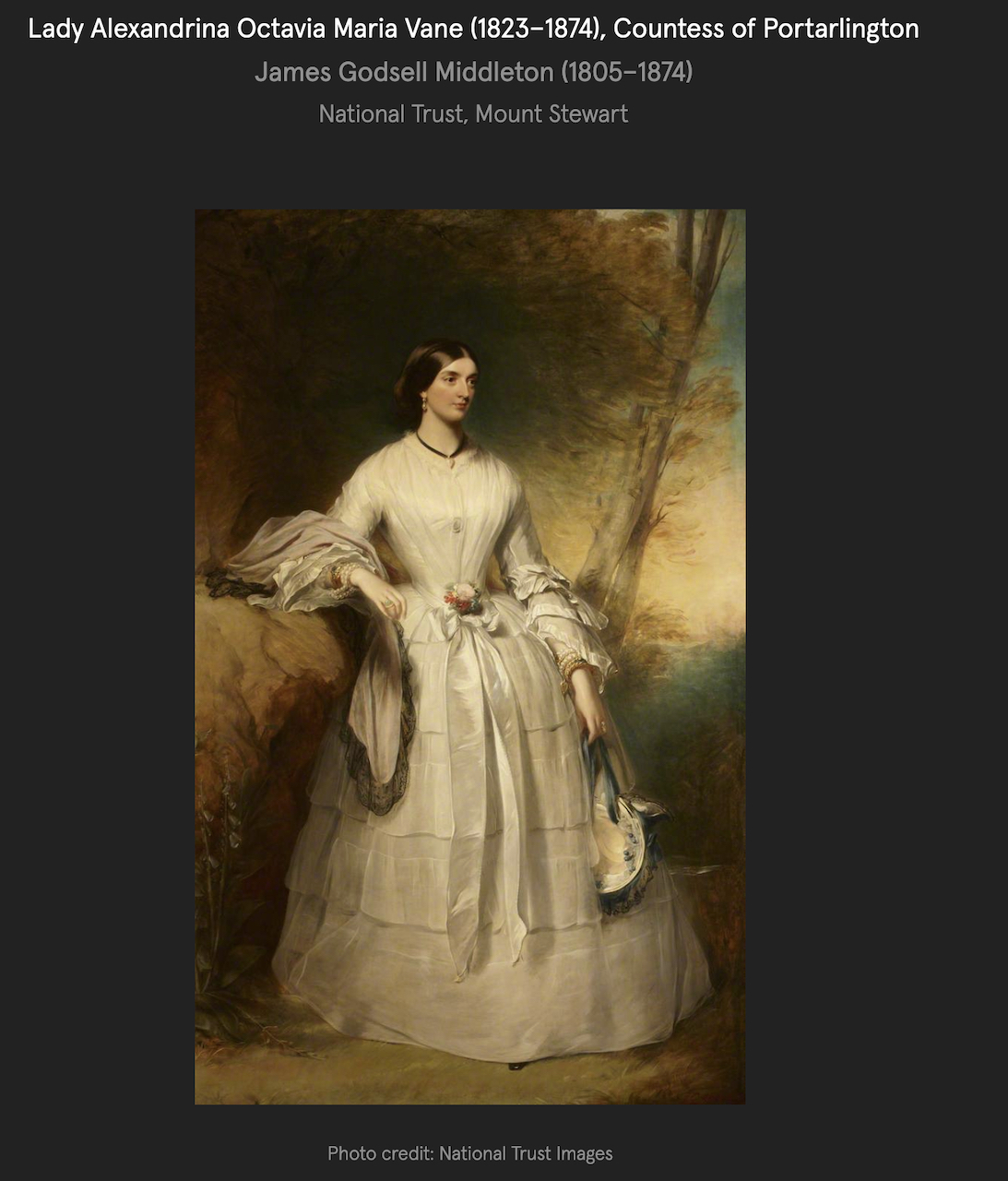
Mary Seymour, who according to Mealy’s sales catalogue married John Dawson 1st Earl of Portarlington of Emo Court, by Thomas Heaphey, courtesy of Fonsie Mealy auction; I think she married George Lionel Dawson-Damer, son of 1st Earl.

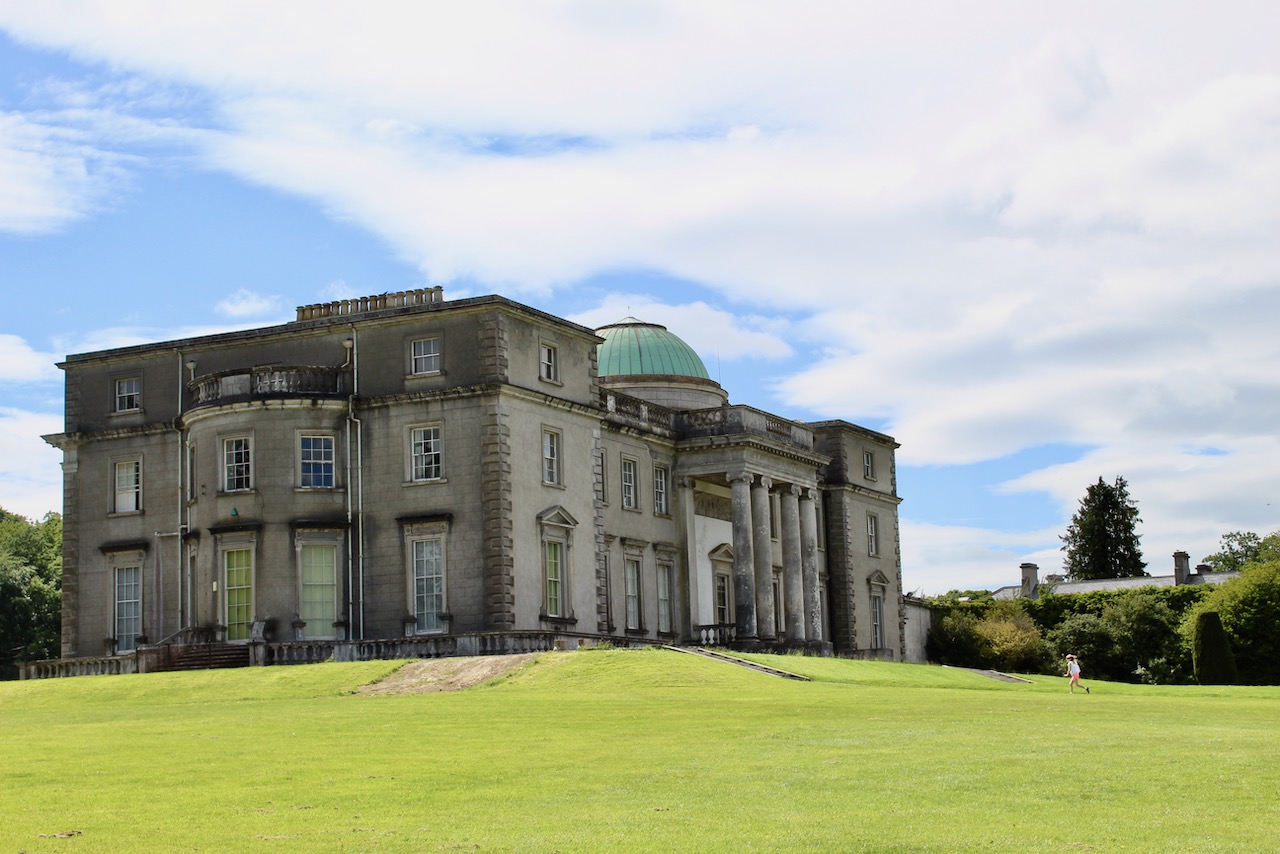
Although it was not built during Gandon’s time, most of the house is as it was designed by Gandon, wiht some additions or changes. Mark Bence-Jones describes the house:

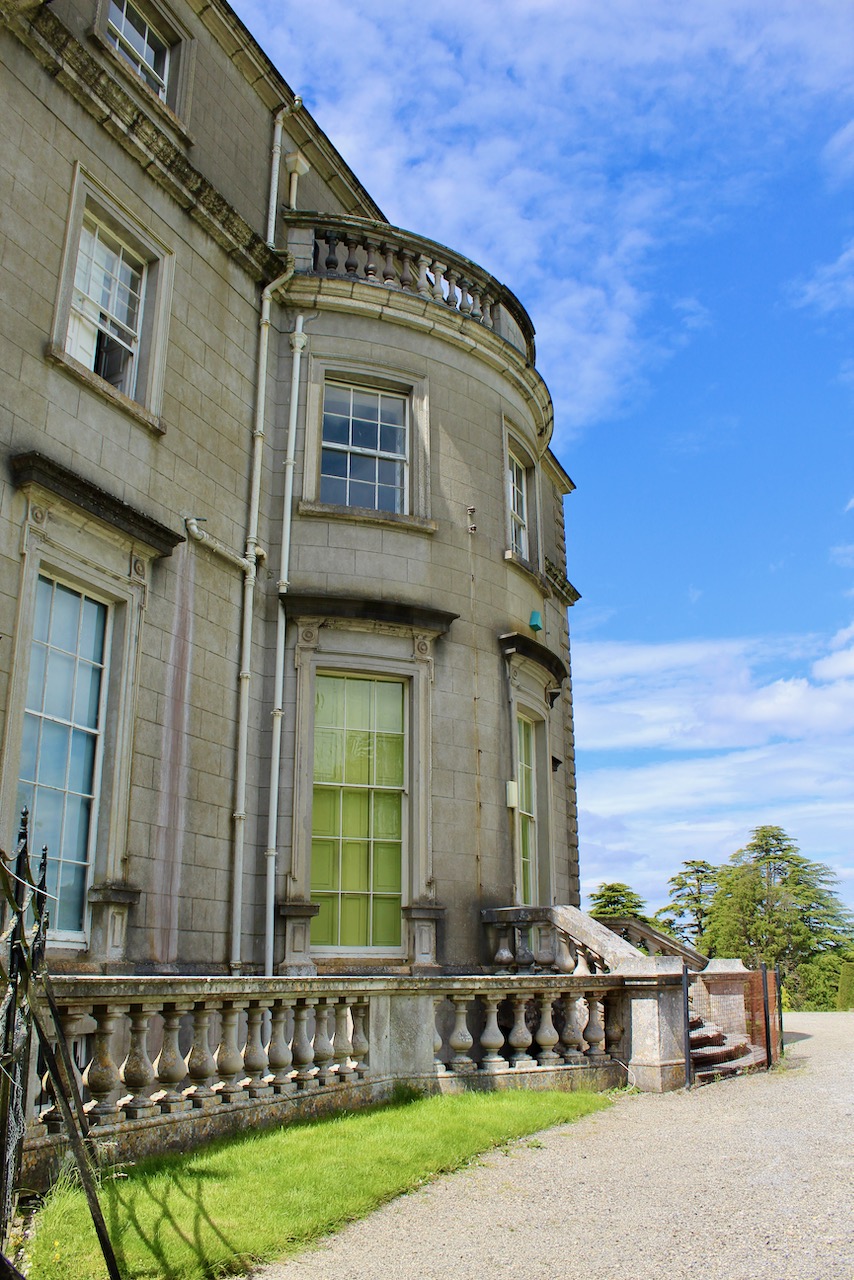
Of two storeys over a basement, the sides of the house being surmounted by attics so as to form end towers or pavilions on each of the two principal fronts. The entrance front has seven bay centre with a giant pedimented Ionic portico; the end pavilions being of a single storey, with a pedimented window in an arched recess, behind a blind attic with a panel containing a Coade stone relief of putti; on one side representing the Arts, on the other, a pastoral scene. The roof parapet in the centre, on either side of the portico, is balustraded. The side elevation, which is of three storeys including the attic, is of one bay on either side of a curved central bow.” [see 3]

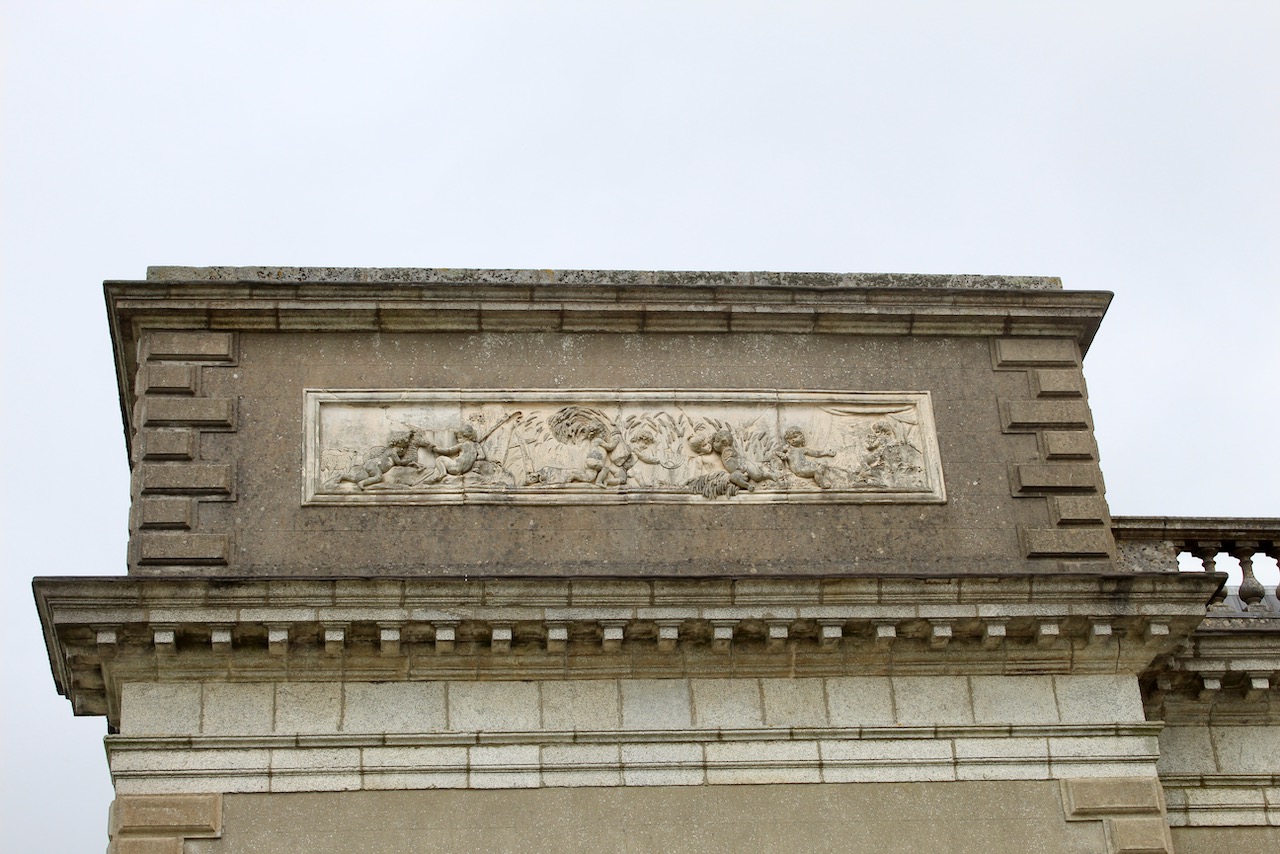
The end pavilions are a single storey with a blind attic with a panel containing a Coade stone relief of putti; on one side representing the Arts, on the other, a pastoral scene. In the photograph is the Arts side, with an Irish harp and two figures unfurling the plans for the house. [see 1] Photograph © Jennifer Winder-Baggot, www.irishhistorichouses.com
The Coade stone relief of putti in a pastoral scene, representing Agriculture. Photograph © Jennifer Winder-Baggot, www.irishhistorichouses.com
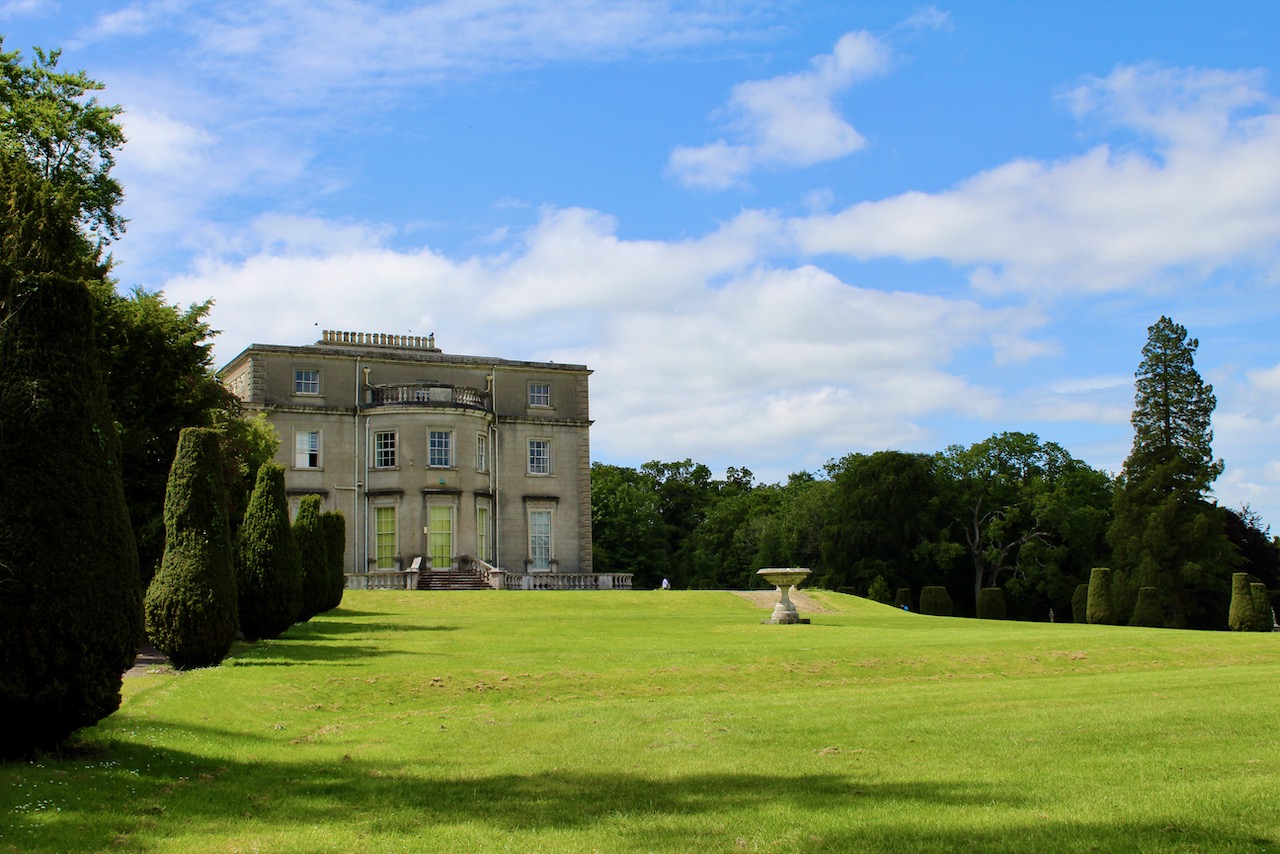
The side and garden front of the house. The side elevation, which is of three storeys including the attic, is of one bay on either side of a curved central bow. Photograph © Jennifer Winder-Baggot, www.irishhistorichouses.com
Emo, County Laois. Photograph © Jennifer Winder-Baggot, www.irishhistorichouses.com
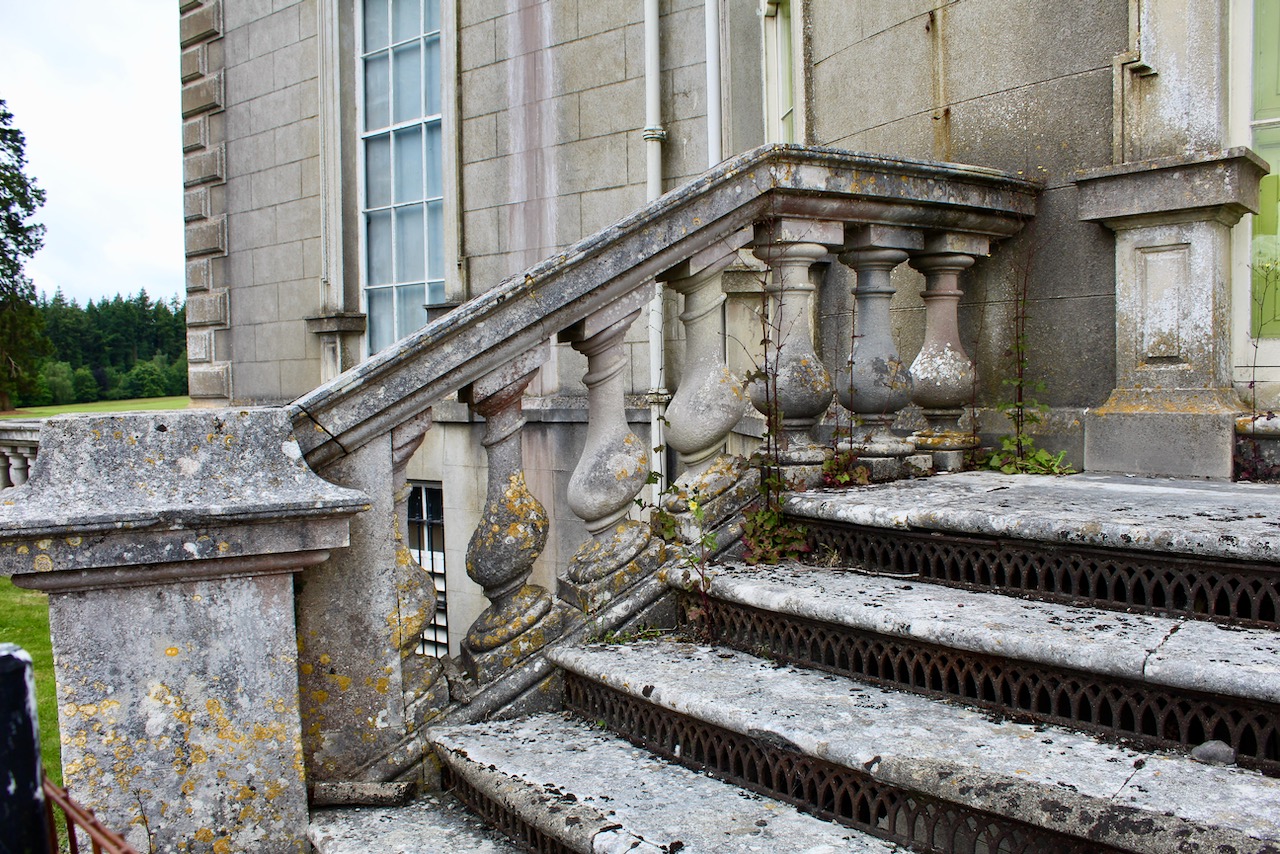
I love the way these balusters go droopy-bellied to match the angle of the stairs! Photograph © Jennifer Winder-Baggot, www.irishhistorichouses.com

Bence-Jones continues: “The house was not completed when the 1st Earl died on campaign during 1798 rebellion; 2nd Earl, who was very short of money, did not do any more to it until 1834-36, when he employed the fashionable English architect, Lewis Vulliamy; who completed the garden front, giving it its portico of four giant Ionic columns with a straight balustraded entablature, and also worked on the interior, being assisted by Dublin architects named Williamson. It was not until ca 1860, in the time of 3rd Earl – after the house had come near to being sold up by the Encumbered Estates Court – that the great rotunda, its copper dome rising from behind the garden front portico and also prominent on the entrance front, was completed; the architect this time being William Caldbeck, of Dublin, who completed the other unfinished parts of the house and added a detached bachelor wing, joined to the main block by a curving corridor.” [see 3]
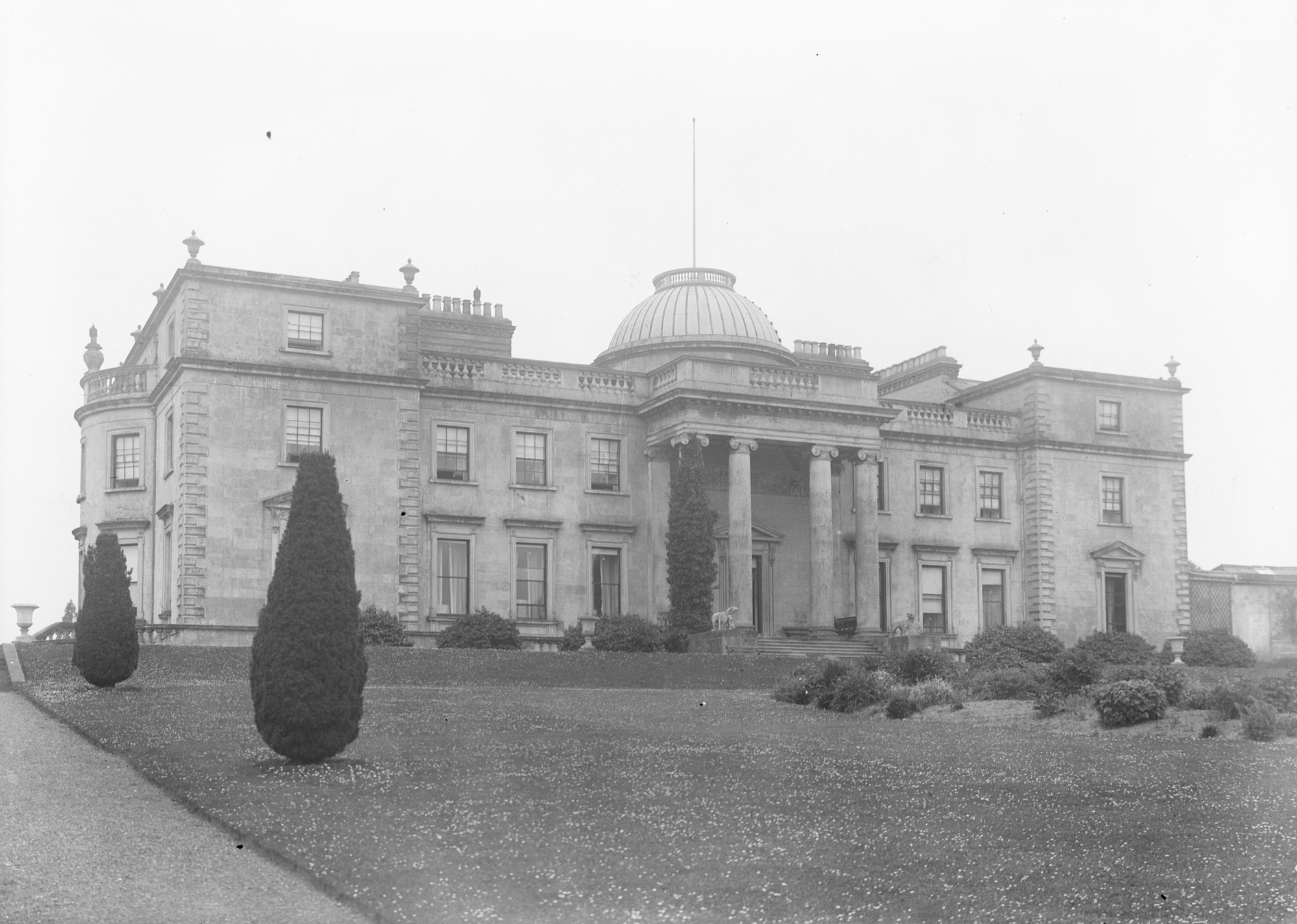
Photograph from the National Library of Ireland, around 1900-1920, showing the garden front of the house. The 2nd Earl of Portarlington engaged Lewis Vulliamy (who designed the portico) and A. & J. Williamson, Dublin architects (who did the interior), to finish the house. In the period 1824-36 the dining room and garden front portico with giant Ionic columns were built, but on the death of the 2nd Earl in 1845, the house still remained unfinished. The rotunda was only finished in 1860.
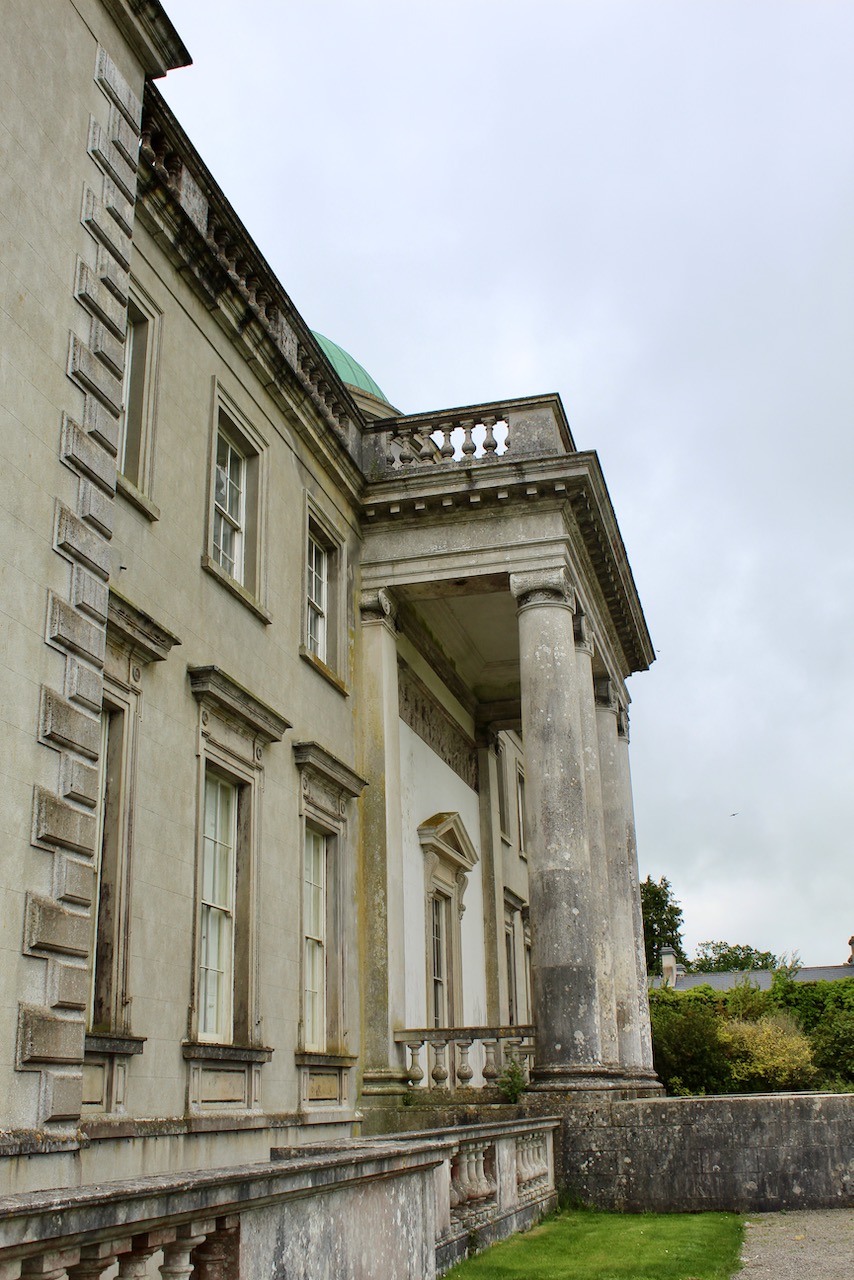
The garden front of Emo with its pillared portico by Lewis Vulliamy. Photograph © Jennifer Winder-Baggot, www.irishhistorichouses.com
Pillared portico by Lewis Vulliamy. Photograph © Jennifer Winder-Baggot, www.irishhistorichouses.com
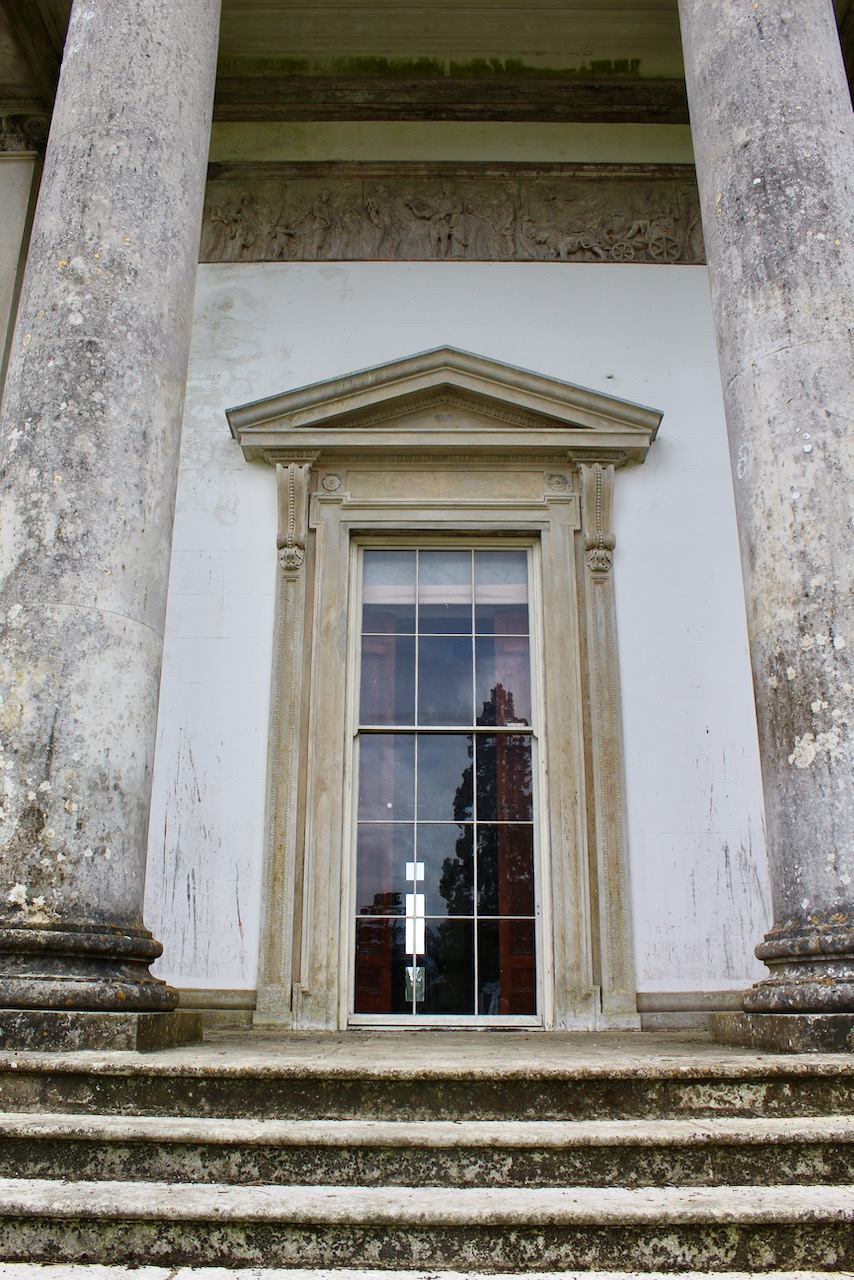
The garden front portico, probably part of the 1850s work by William Caldbeck, has portico and entablature of grey limestone and doorcase and window surrounds of yellow sandstone. This is set against a cement render. [see 1] Photograph © Jennifer Winder-Baggot, www.irishhistorichouses.com
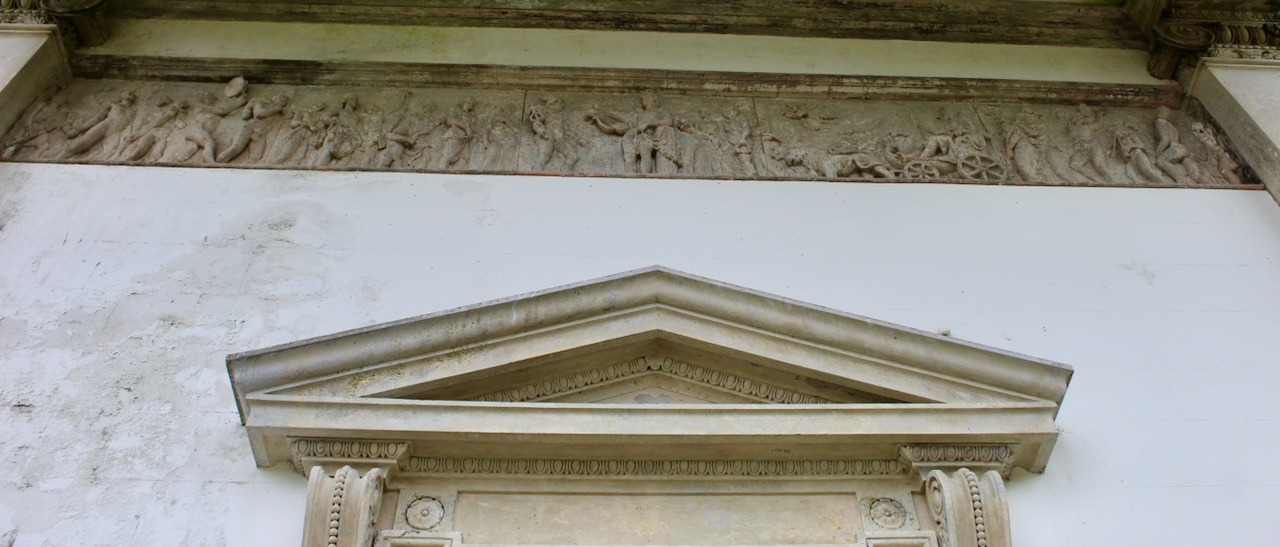
Under the portico in the garden facing facade is a Coade stone frieze of a Dionysian procession. [see 1] Photograph © Jennifer Winder-Baggot, www.irishhistorichouses.com

The website continues: “Emo court remained the seat of the Earls of Portarlington until 1920, when the house and its vast demesne of over 4500 ha, (11,150 acres), was sold to the Irish Land Commission. After the Phoenix Park in Dublin, Emo Court was the largest enclosed estate in Ireland. The house remained empty until 1930 when 150 ha., including the garden, pleasure grounds, woodland and lake were sold to the Society of Jesus for a novitiate. The Jesuits made several structural changes to the building to suit their purposes, including the conversion of the rotunda and library as a chapel. The distinguished Jesuit photographer, Fr Frank Browne lived at Emo Court from 1930-57. [7] A notable novitiate was the Irish author, Benedict Kiely.

The Jesuits remained at Emo until 1969 and the property was eventually sold to Major Cholmeley Dering Cholmeley-Harrison. He embarked upon a long and enlightened restoration, commissioning the London architectural firm of Sir Albert Richardson & Partners to effect the restoration.

In 1994, President Mary Robinson officially received Emo Court & Parklands from Major Cholmeley-Harrison on behalf of the Nation.” [see 4]
Photograph © Jennifer Winder-Baggot, www.irishhistorichouses.com

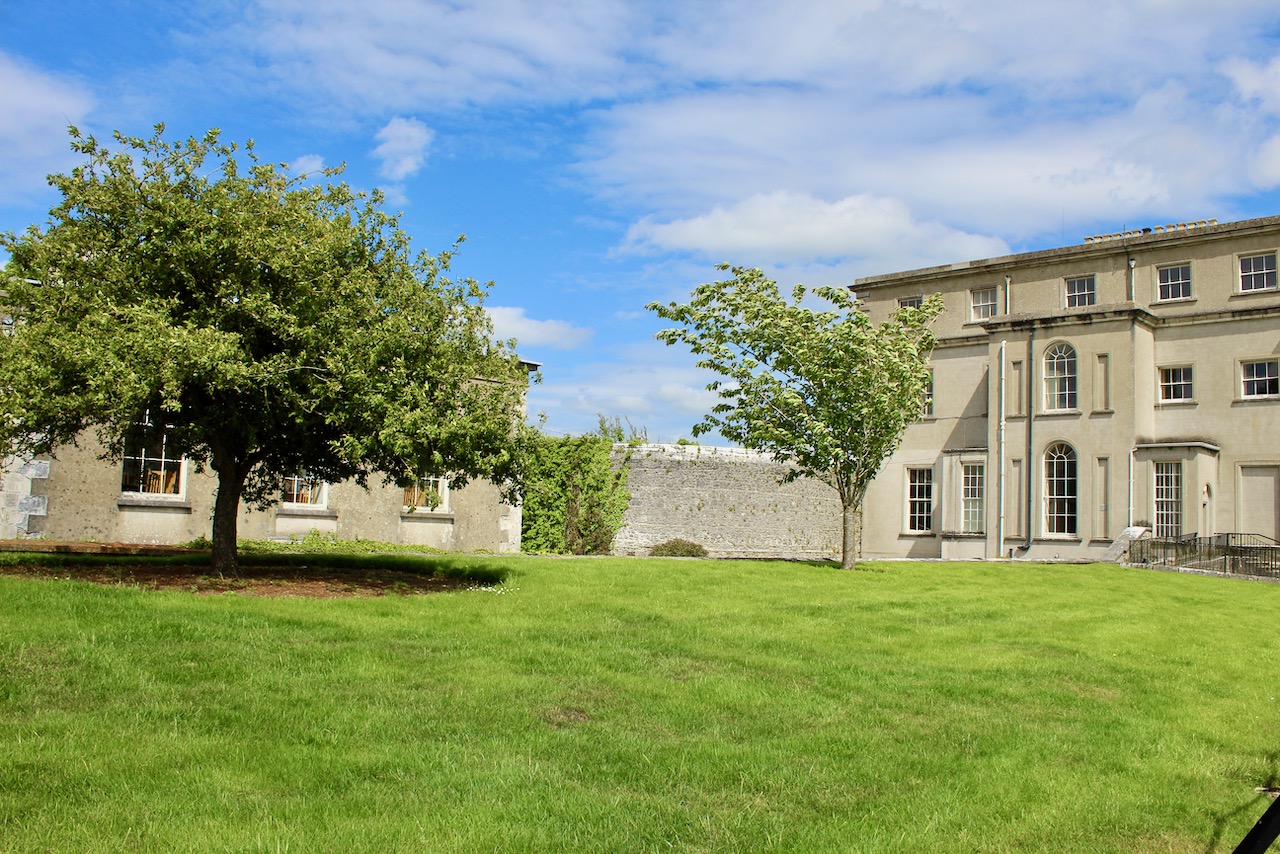
Unfortunately Emo Park house has been closed to the public for renovation for several years, and was closed on the day we visited in July 2021. I am looking forward to seeing the interior, which from photographs and descriptions I have seen, look spectacular. From the outside we gain little appreciation of the splendid copper dome.

In the meantime, you can read more about Emo and see photographs of its interiors on the wonderful blog of the Irish Aesthete Robert O’Byrne. [8]

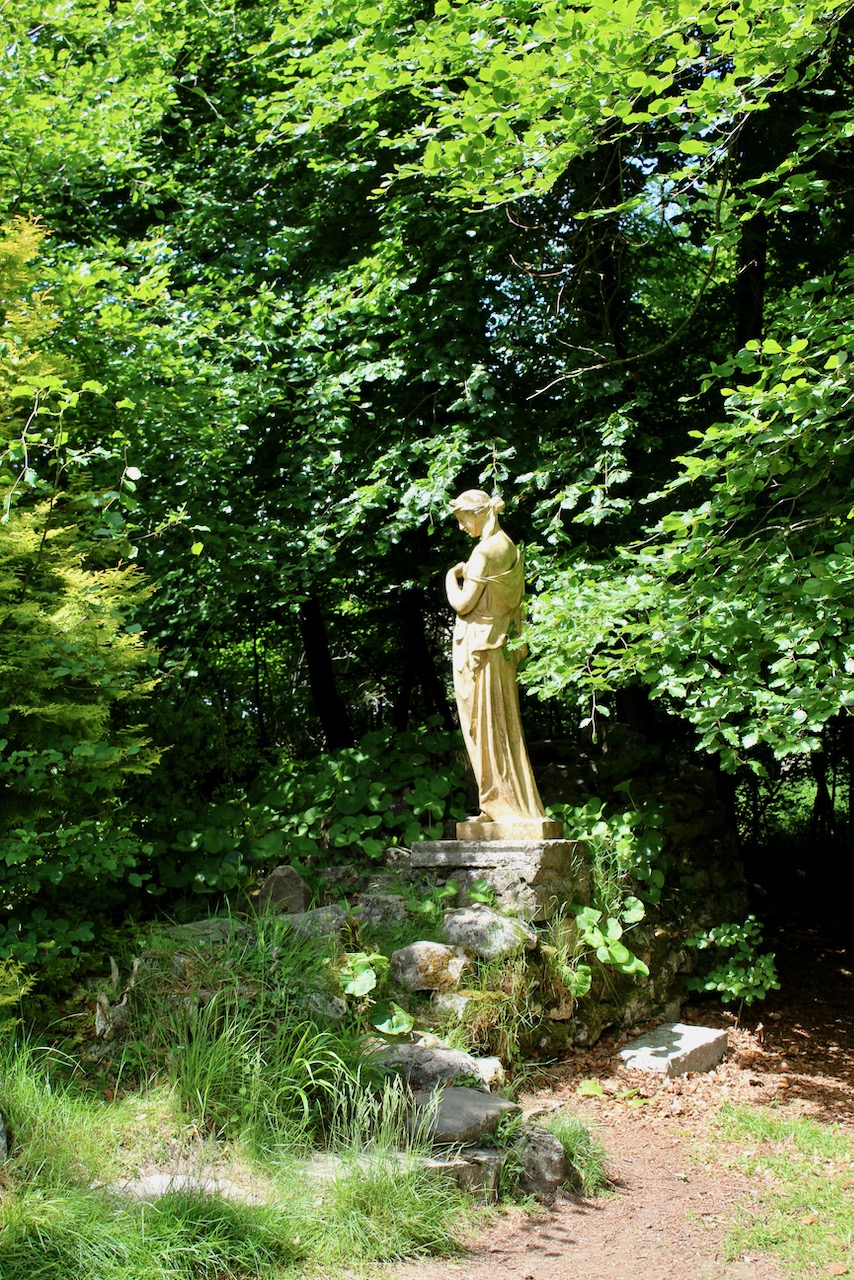
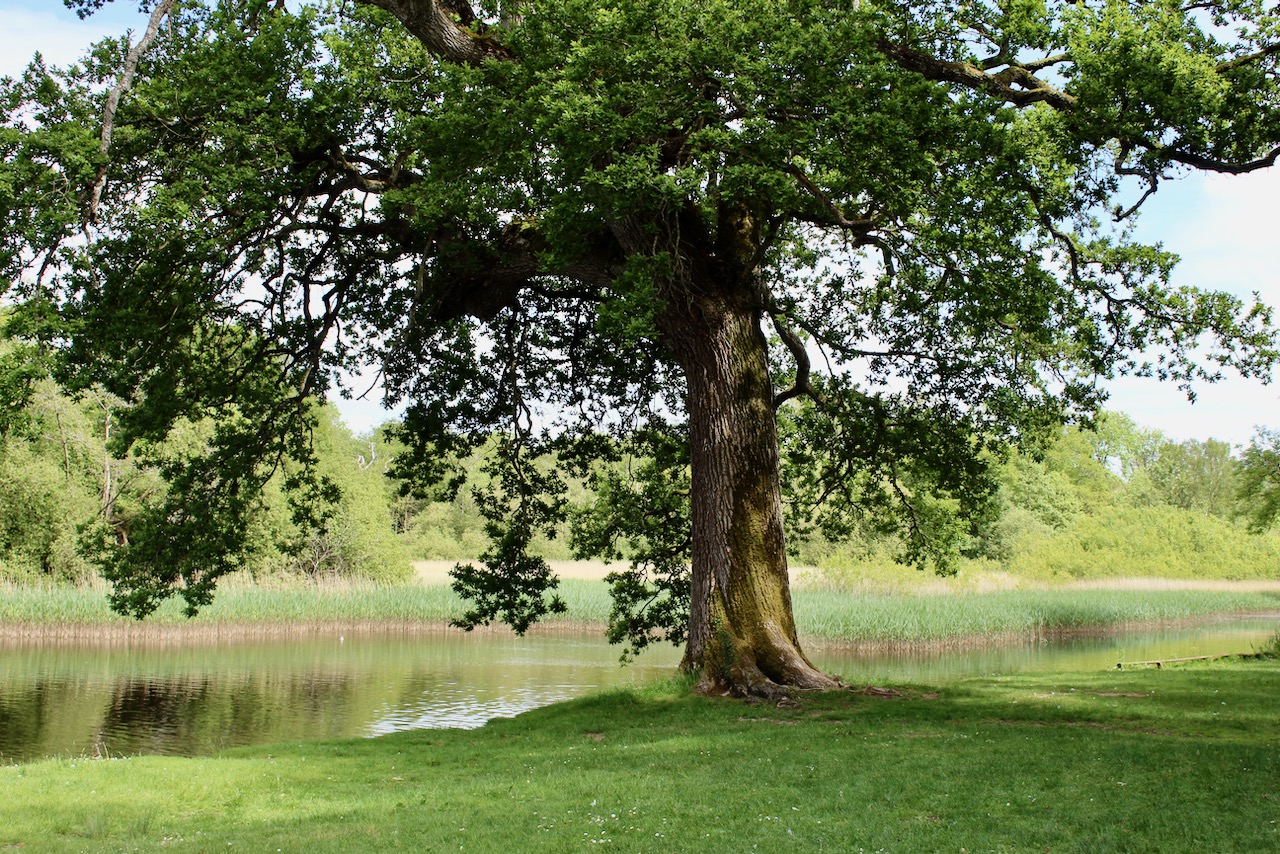
There are beautiful grounds to explore, however, on a day out at Emo, including picturesquely placed sculptures, an arboretum, lake, and walled garden. Here is a link to a beautiful short film by poet Pat Boran, about the statues at Emo Park, County Laois. https://bit.ly/35uXPO1
Emo, County Laois. Photograph © Jennifer Winder-Baggot, www.irishhistorichouses.com
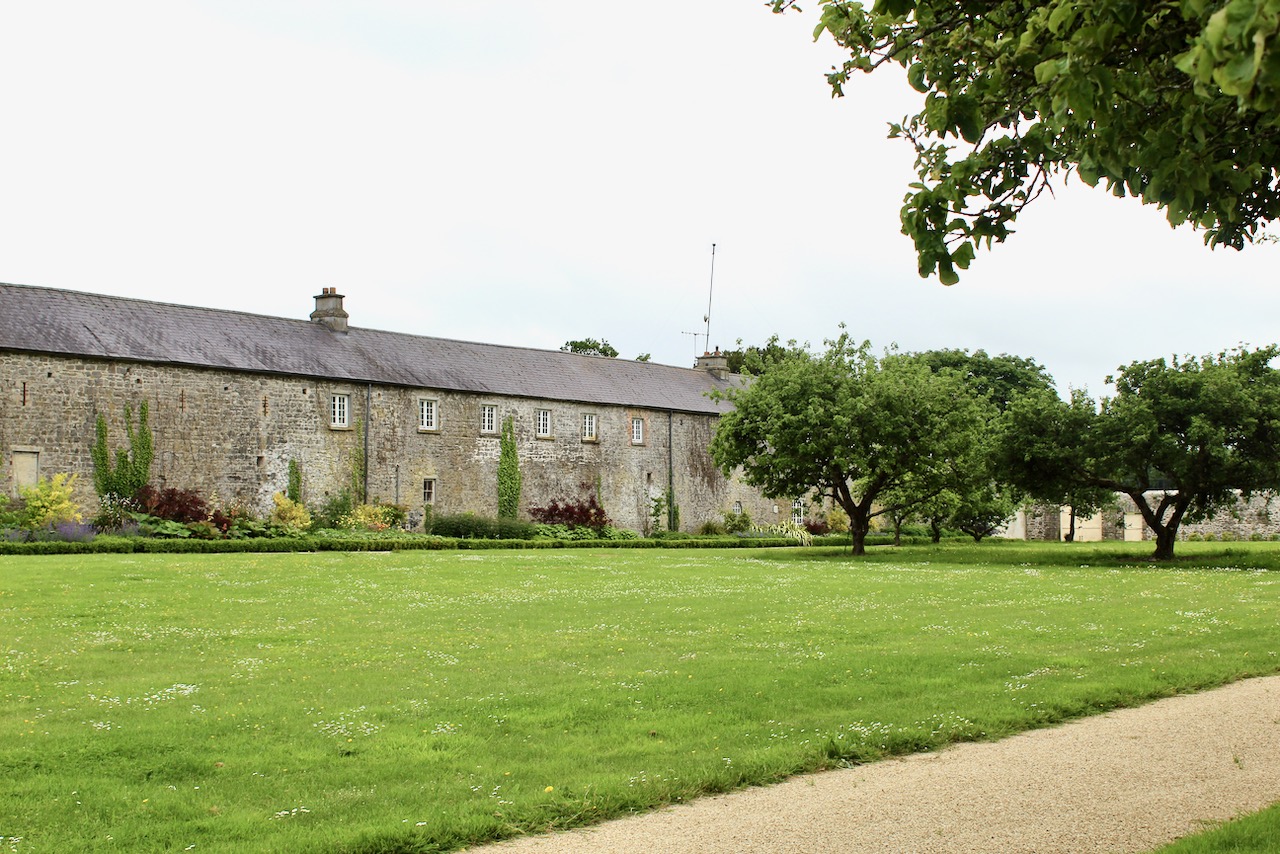
The walled garden at Emo Court. Photograph © Jennifer Winder-Baggot, www.irishhistorichouses.com
Emo, County Laois. Photograph © Jennifer Winder-Baggot, www.irishhistorichouses.com

[1] p. 336. Tierney, Andrew. The Buildings of Ireland: Central Leinster: Kildare, Laois and Offaly. Yale University Press, New Haven and London, 2019.

[2] https://heritageireland.ie/visit/places-to-visit/emo-court/

[3] p. 119. Bence-Jones, Mark. A Guide to Irish Country Houses (originally published as Burke’s Guide to Country Houses volume 1 Ireland by Burke’s Peerage Ltd. 1978); Revised edition 1988, Constable and Company Ltd, London.

[4] https://emocourt.ie/history/

For information on Gandon’s house in Lucan, see https://www.buildingsofireland.ie/buildings-search/building/11201034/canonbrook-house-lucan-newlands-road-lucan-and-pettycanon-lucan-dublin

Canonbrook, Lucan: “Detached multiple-bay two-storey over basement house, c.1800, on an L-plan. A handsome, substantial rural Georgian house which, though altered, retains its imposing form and feel, and is situated in mature grounds. Historically important as the former home of James Gandon.” Gandon is also said to have designed Primrose Hill House in Lucan, which is a section 482 property.

[5] https://theirishaesthete.com/2019/02/27/emo-court/

[6] https://www.irelandscontentpool.com/en/media-assets/media/81101

[7] http://www.fatherbrowne.com

[8] https://theirishaesthete.com/2016/03/14/of-changes-in-taste/

and https://theirishaesthete.com/2016/02/01/seen-in-the-round/

For photographs of the stuccowork, see https://theirishaesthete.com/2016/03/21/forgotten-virtuosi/

Damer House and Roscrea Castle, County Tipperary, Office of Public Works properties

General information: 0505 21850, roscreaheritage@opw.ie

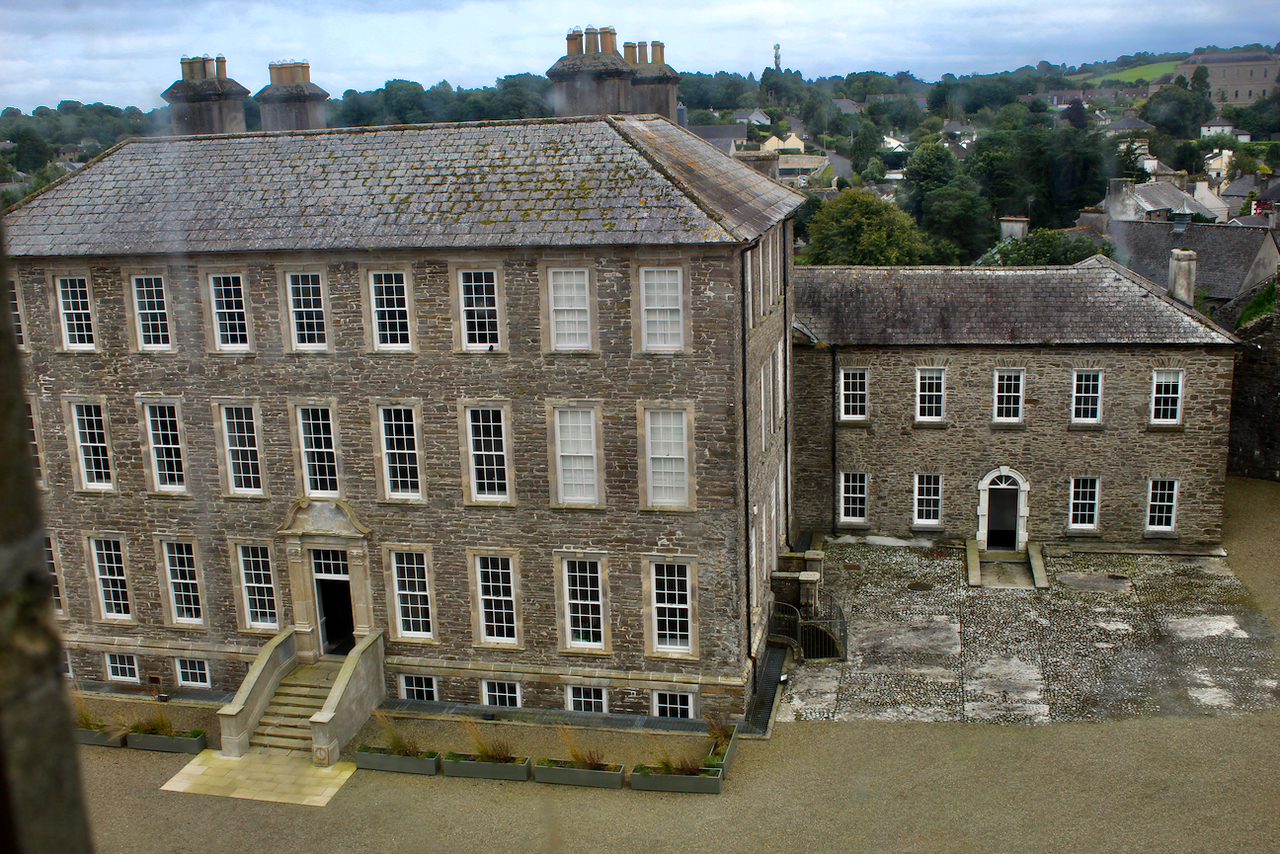
Damer House Roscrea County Tipperary, photographer creator Kerry Kissane All around Ireland 2021 courtesy Tipperary tourism, Ireland’s Content Pool [1]

Finding ourselves with some spare time this Heritage Week (2024) after visiting Emo in County Laois, we drove over to Roscrea, to visit Damer House and Roscrea Castle.

From the OPW website https://heritageireland.ie/visit/places-to-visit/roscrea-heritage-centre-roscrea-castle-and-damer-house/:

In the heart of Roscrea in County Tipperary, one of the oldest towns in Ireland, you will find a magnificent stone motte castle dating from the 1280s. It was used as a barracks from 1798, housing 350 soldiers, and later served as a school, a library and even a sanatorium. 

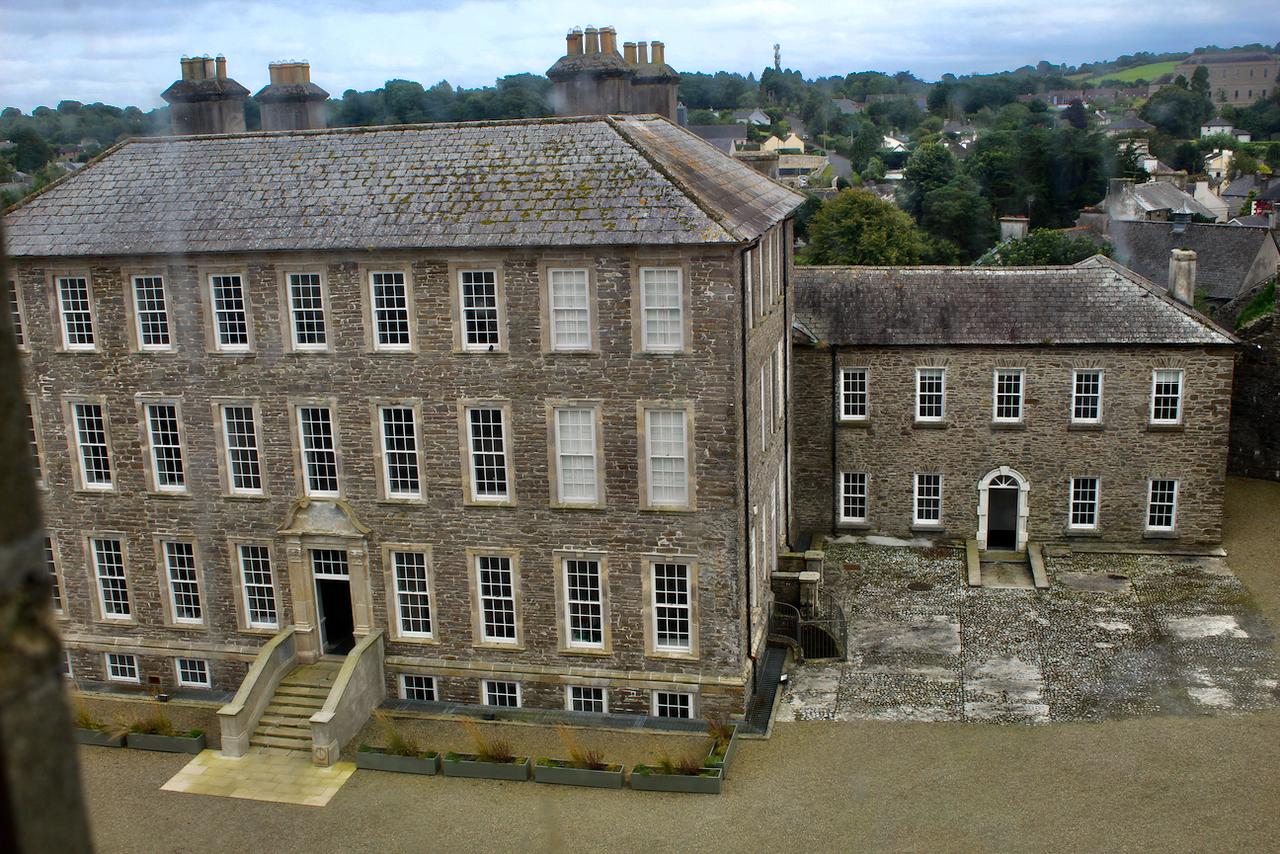
Sharing the castle grounds is Damer House, named for local merchant John Damer [d. 1768], who came into possession of the castle in the eighteenth century. The house is a handsome example of pre-Palladian architecture. It has nine beautiful bay windows. One of the rooms has been furnished in period style.

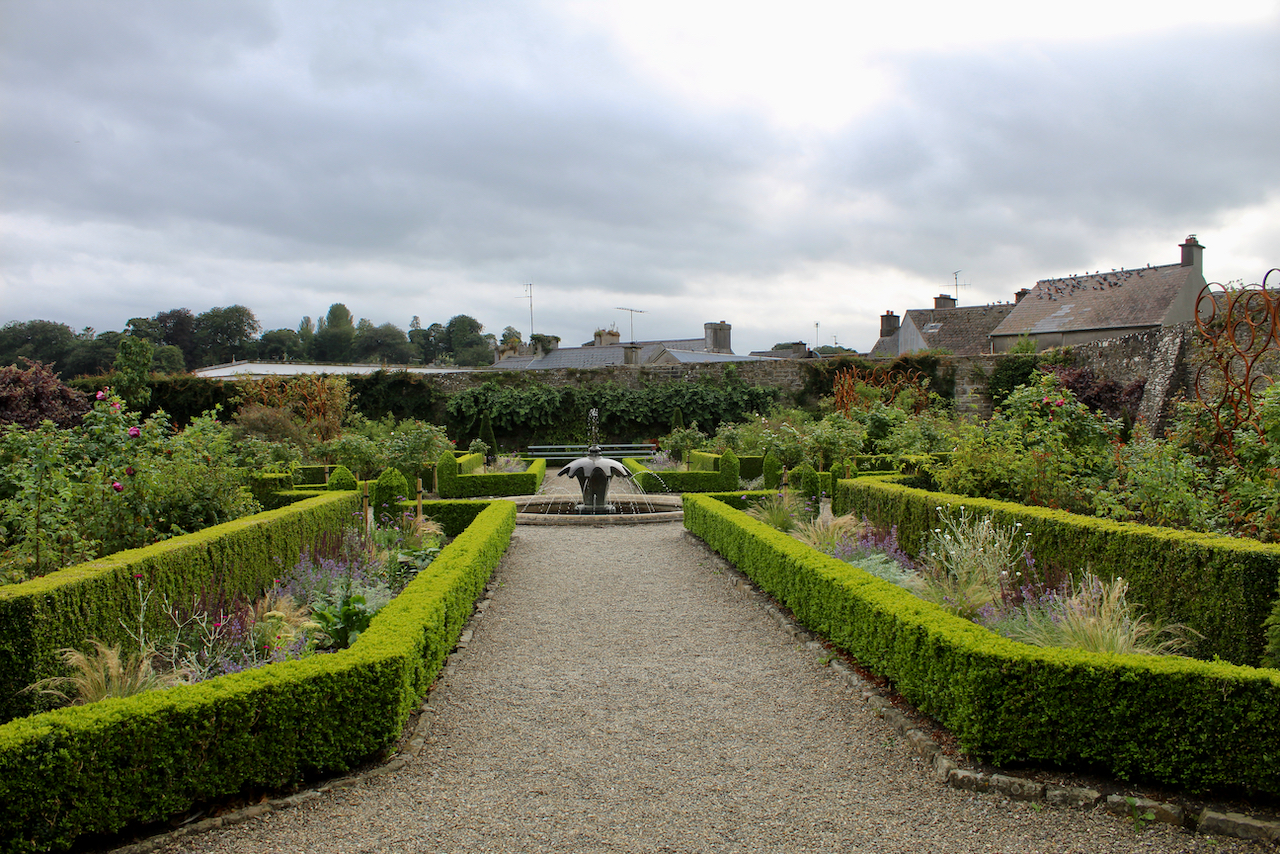
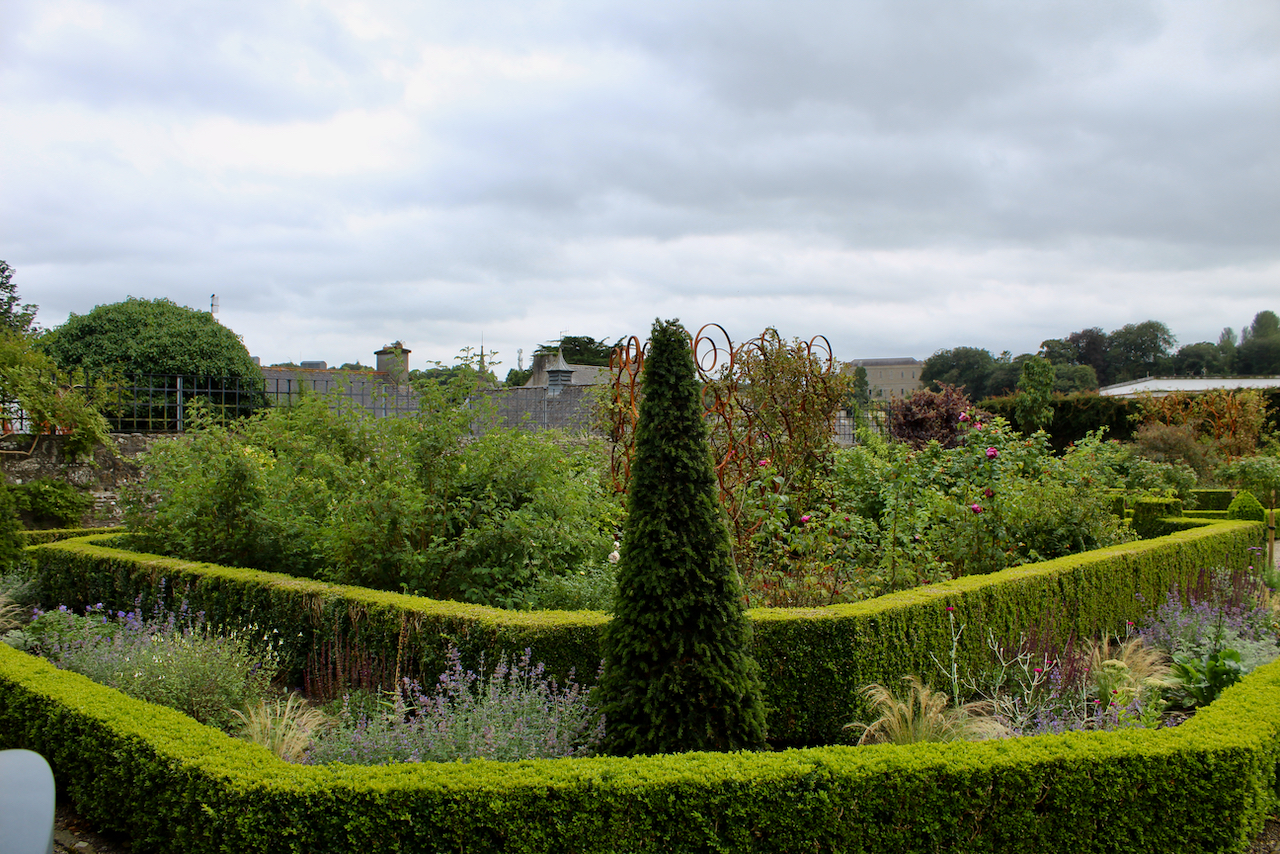
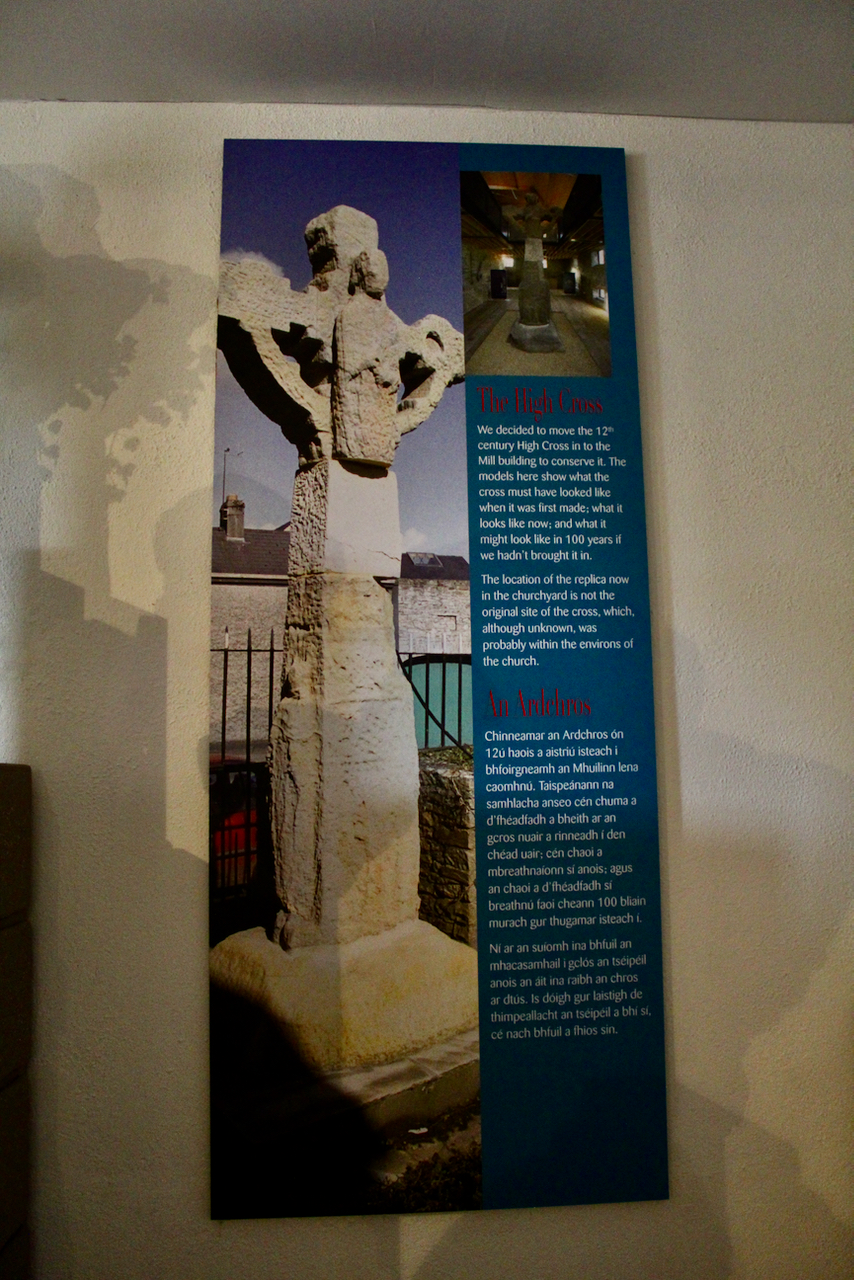
The grounds also include an impressive garden with a fountain, which makes Roscrea Castle a very pleasant destination for a day out. There is also a restored mill displaying St Crónán’s high cross and pillar stone.

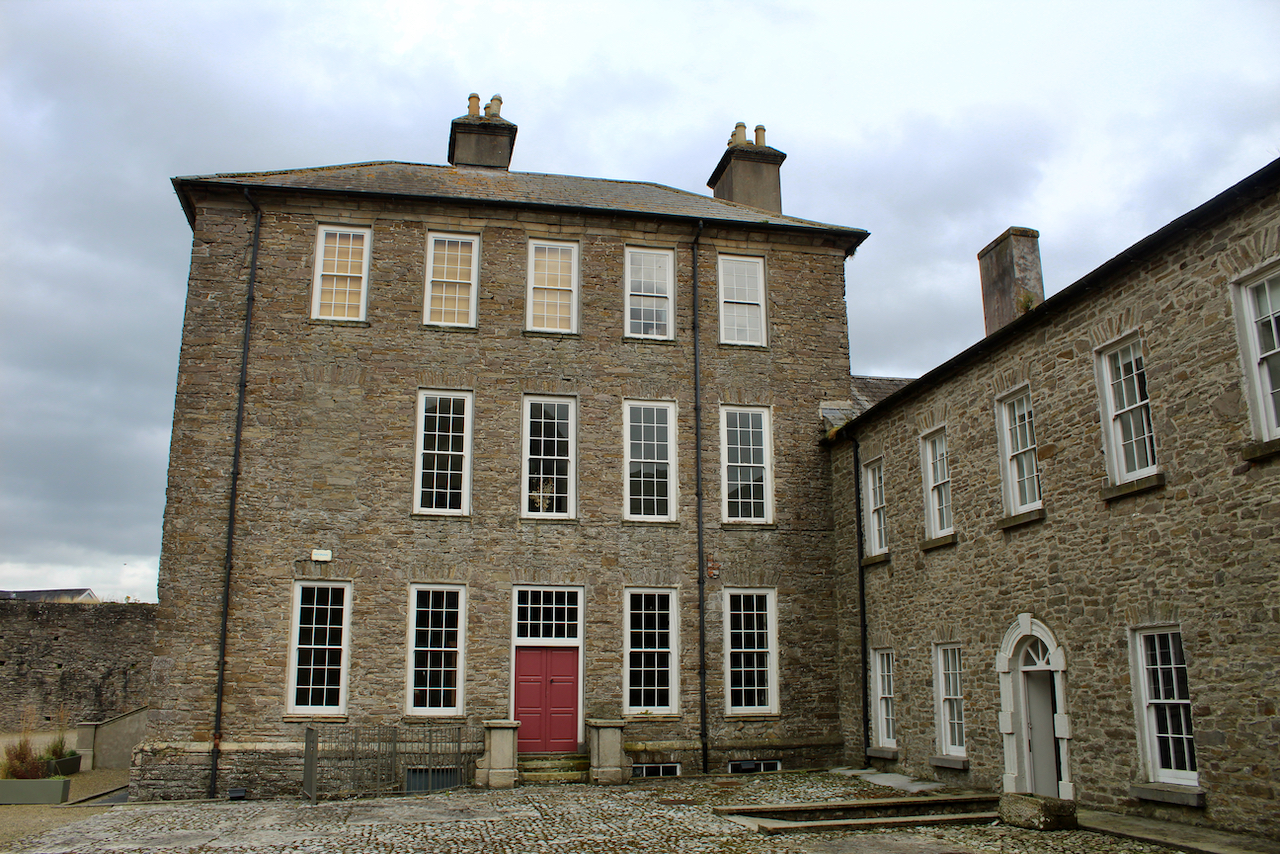
Damer House, Roscrea, 21st August 2024. Photograph © Jennifer Winder-Baggot, www.irishhistorichouses.com

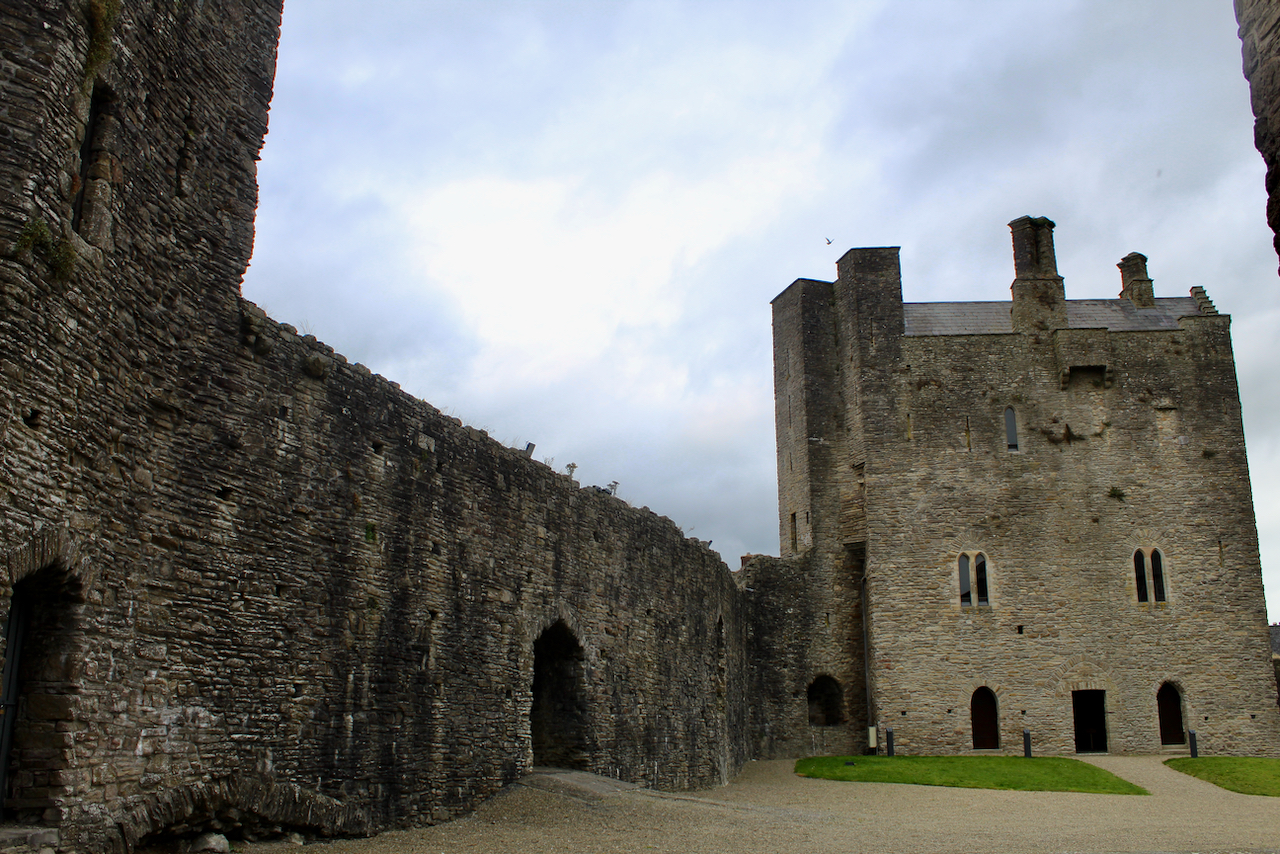
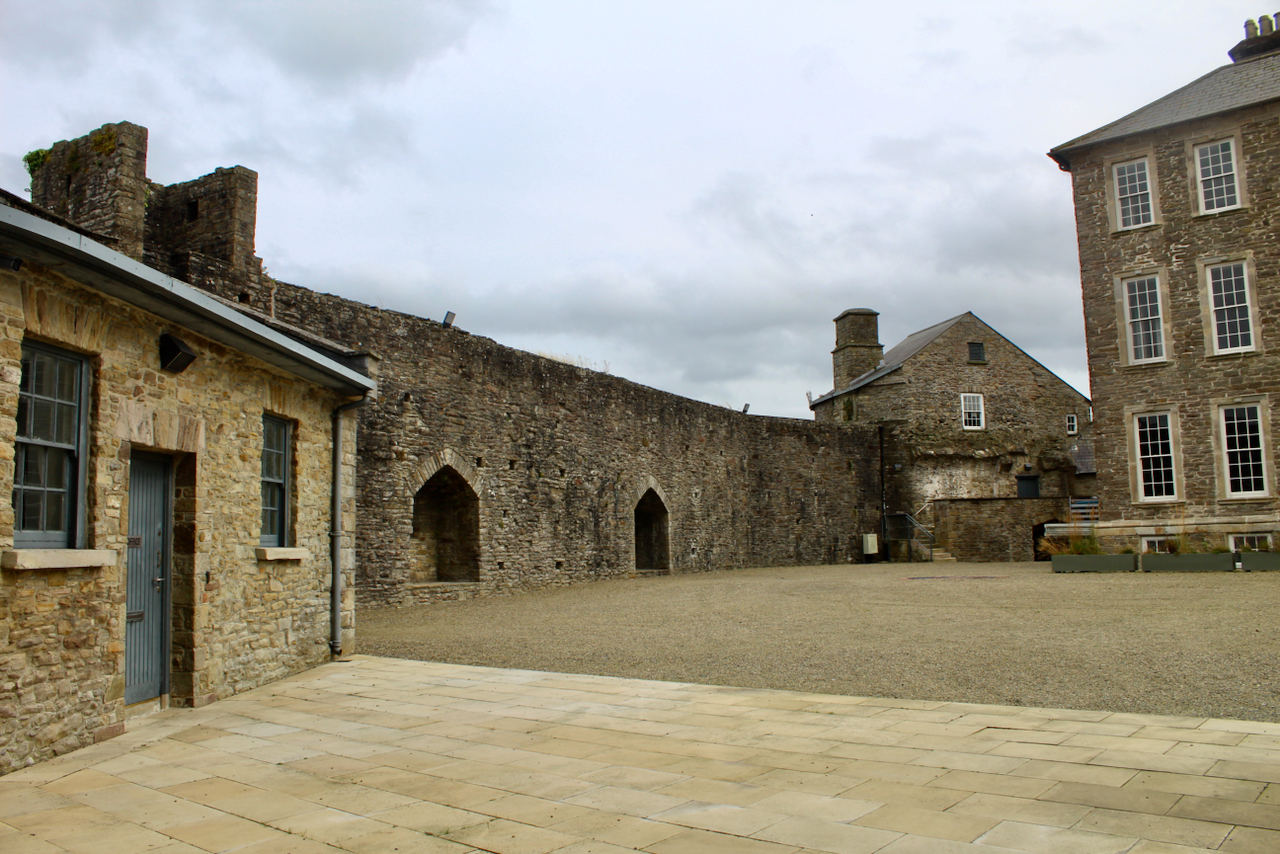
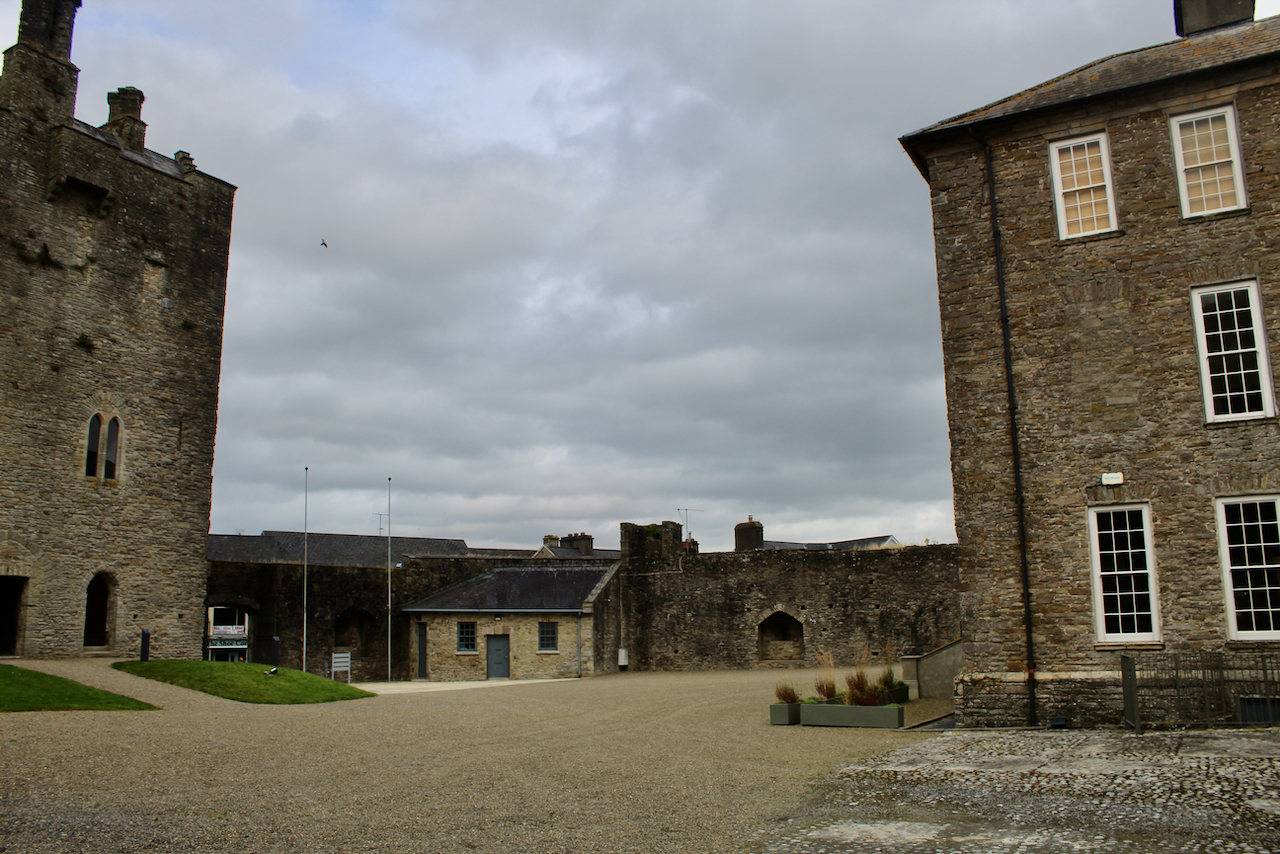
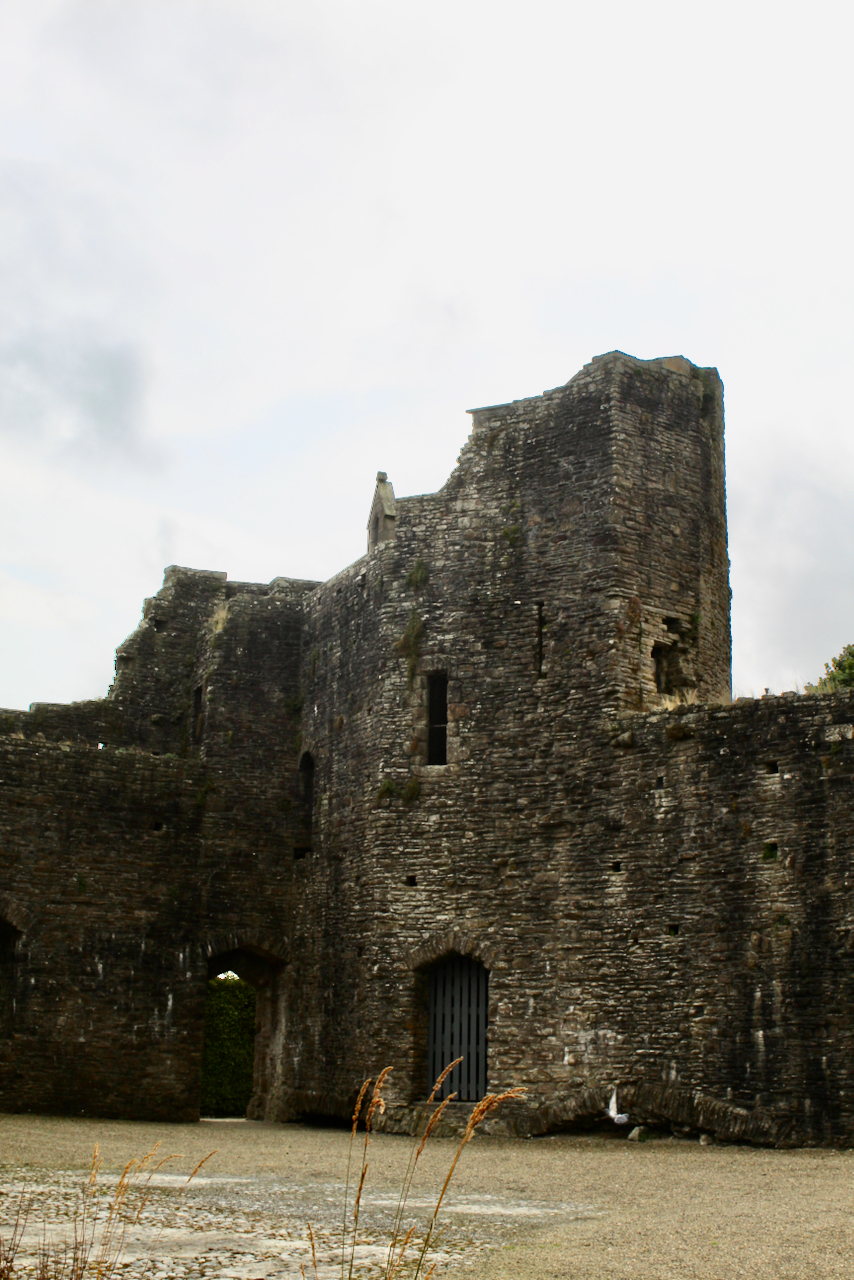
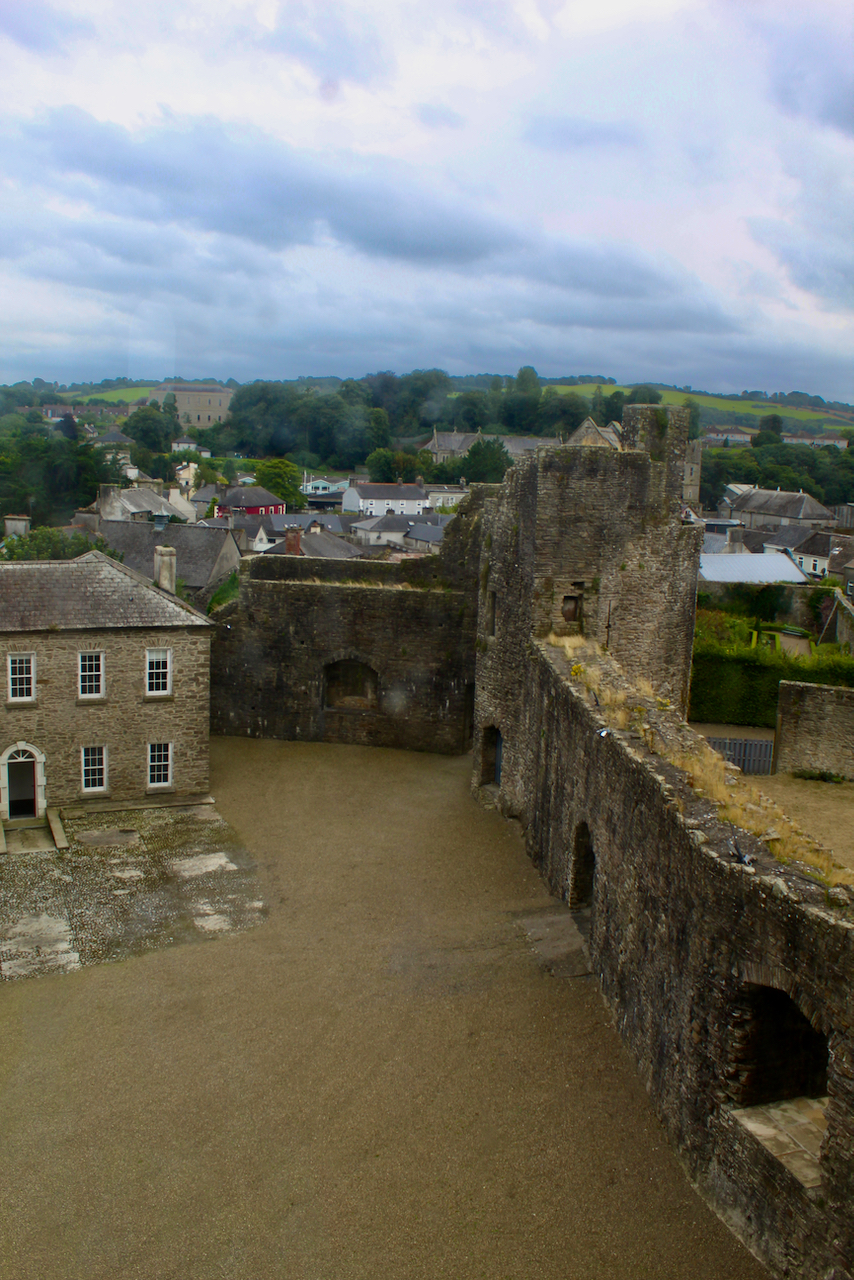
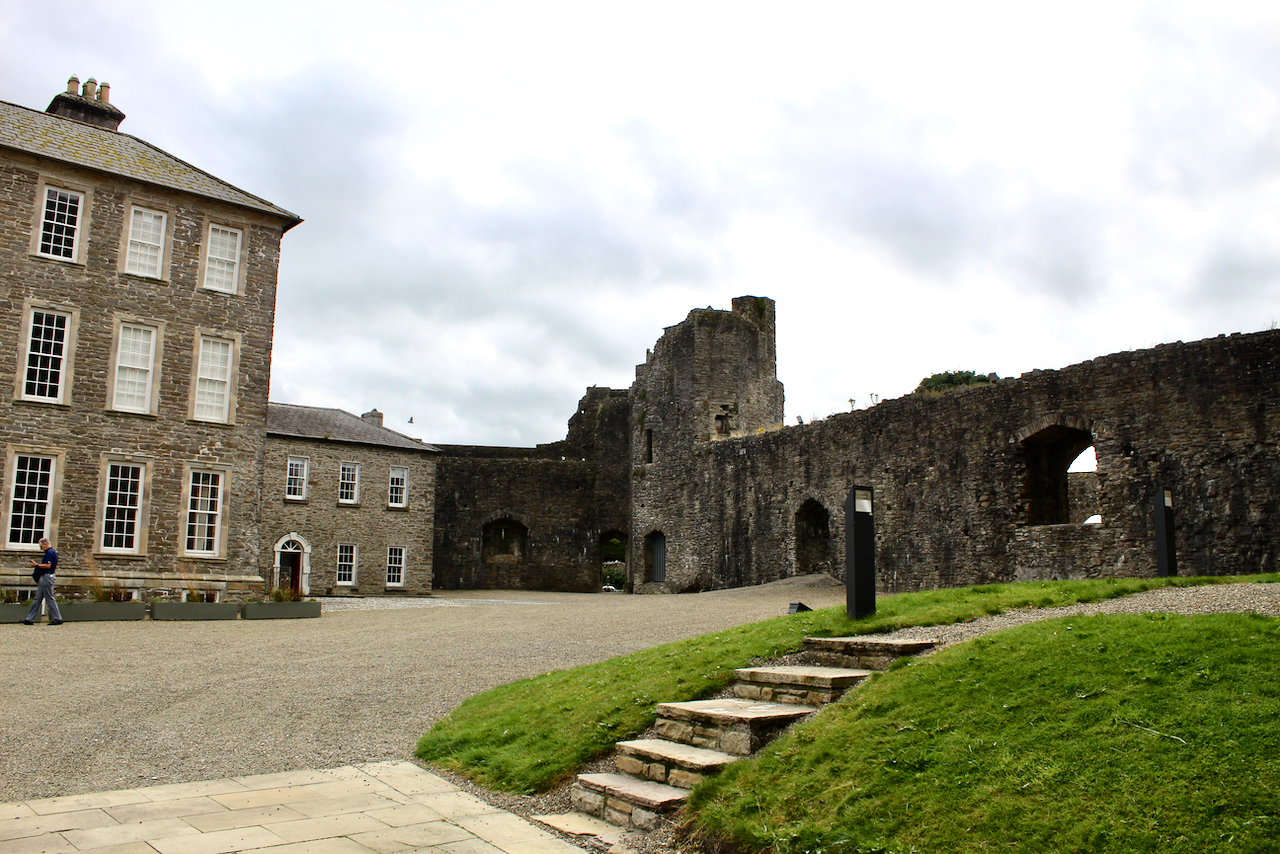
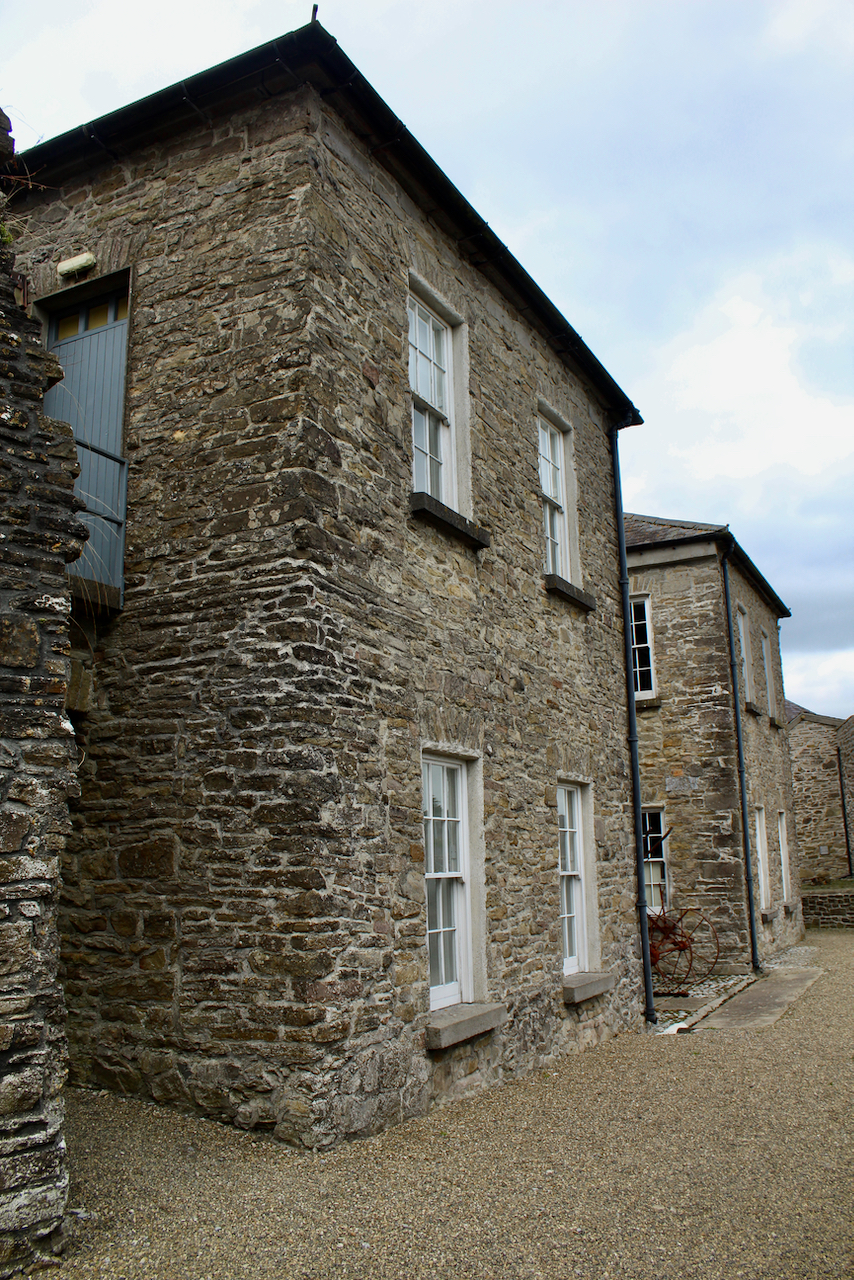
The castle and Damer house both sit inside bawn walls. Parts of the walls and outbuildings are in good condition, considering their age!

Roscrea Castle, August 2024. Photograph © Jennifer Winder-Baggot, www.irishhistorichouses.com
Damer House and Roscrea Castle sit within bawn walls, 21st August 2024. Photograph © Jennifer Winder-Baggot, www.irishhistorichouses.com
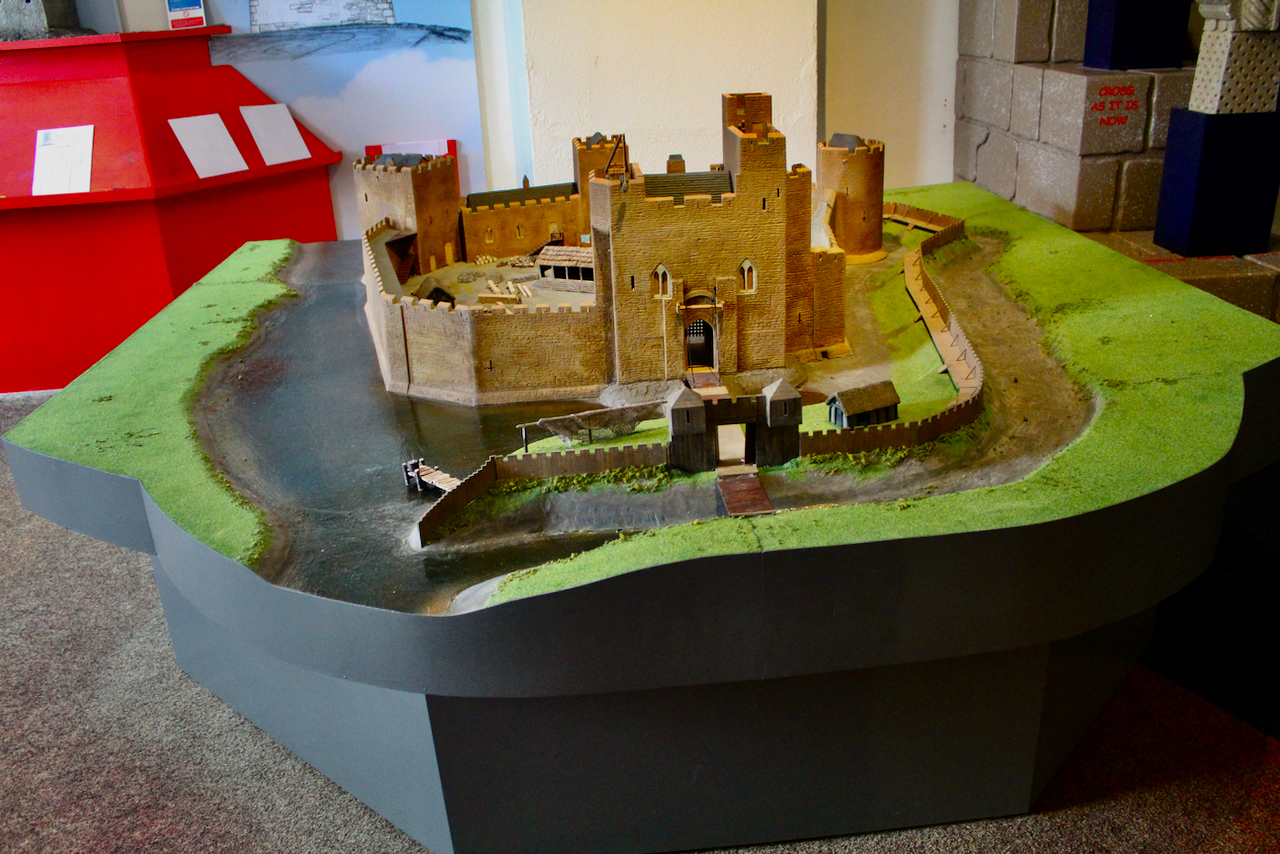
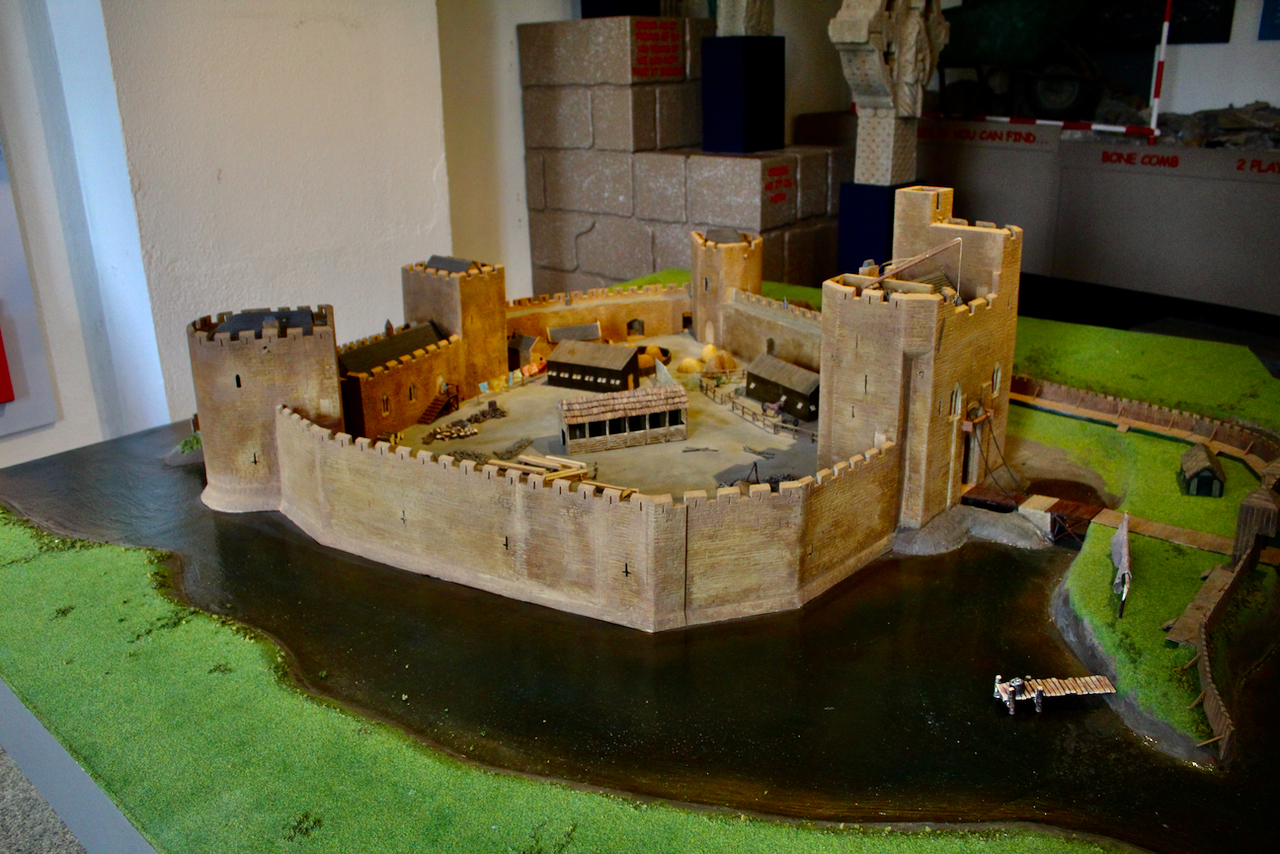
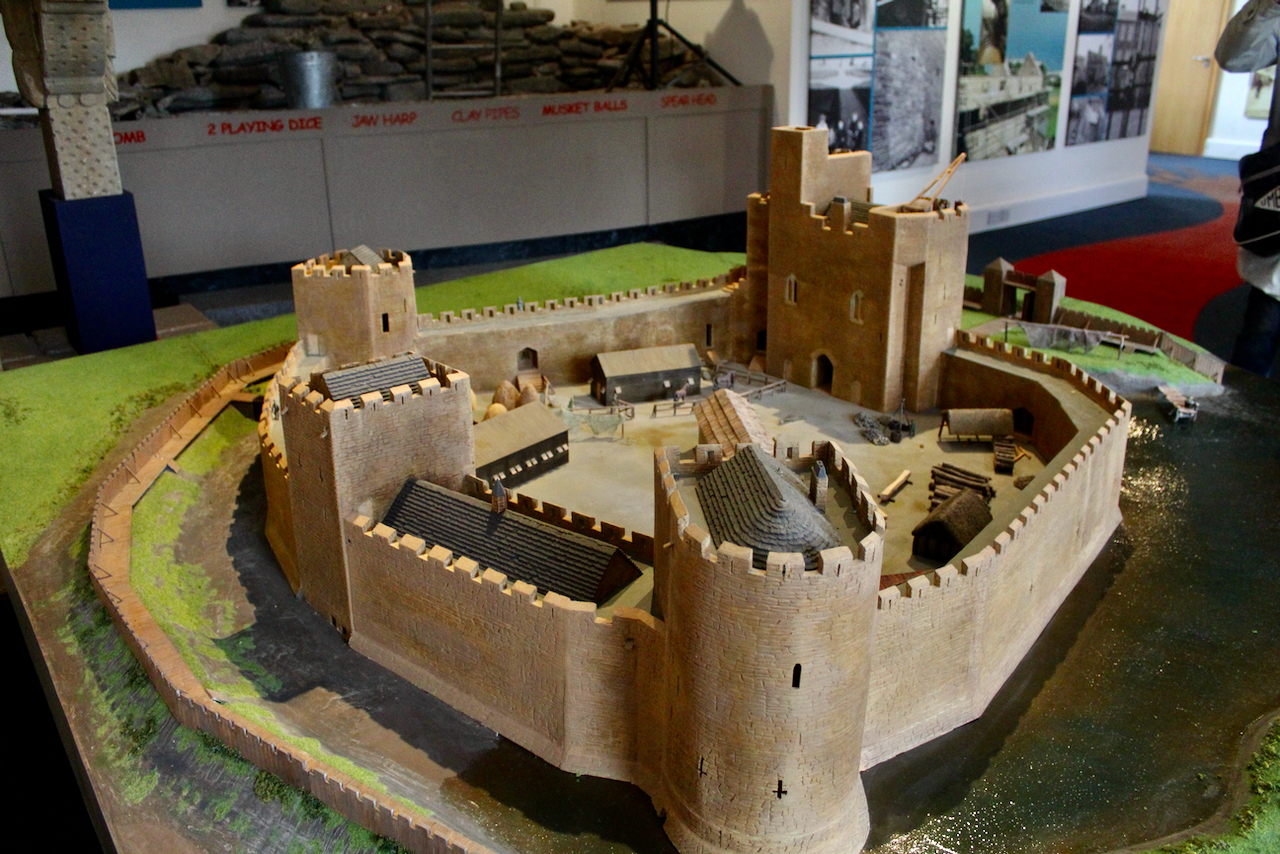
A reconstruction of what the castle would have looked like, in an exhibition in the Annex to Damer House.
Roscrea Castle, August 2024. Photograph © Jennifer Winder-Baggot, www.irishhistorichouses.com
Parts of the walls and outbuildings at Roscrea Castle are in good condition, considering their age! 21st August 2024. Photograph © Jennifer Winder-Baggot, www.irishhistorichouses.com
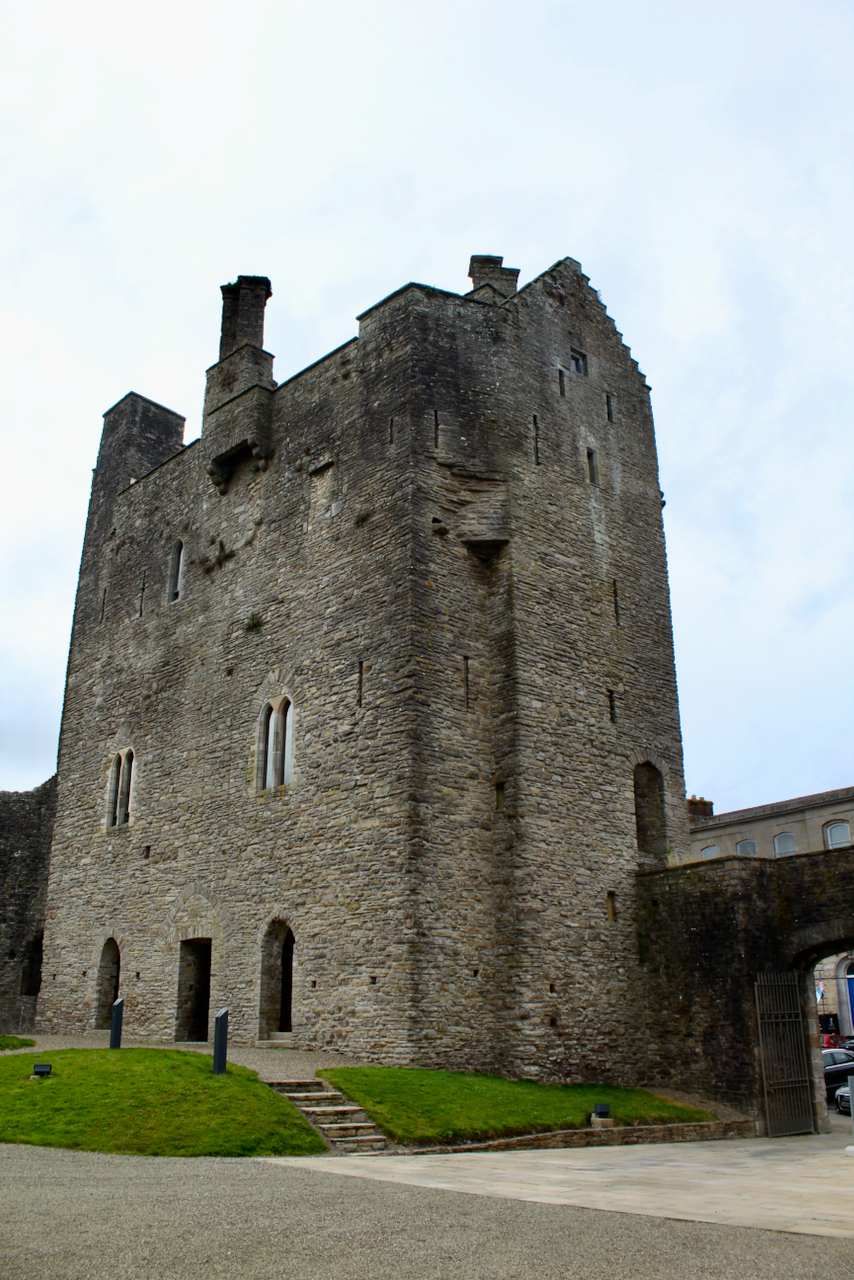
The bawn of Roscrea Castle with “Ormond tower,” August 2024. Photograph © Jennifer Winder-Baggot, www.irishhistorichouses.com

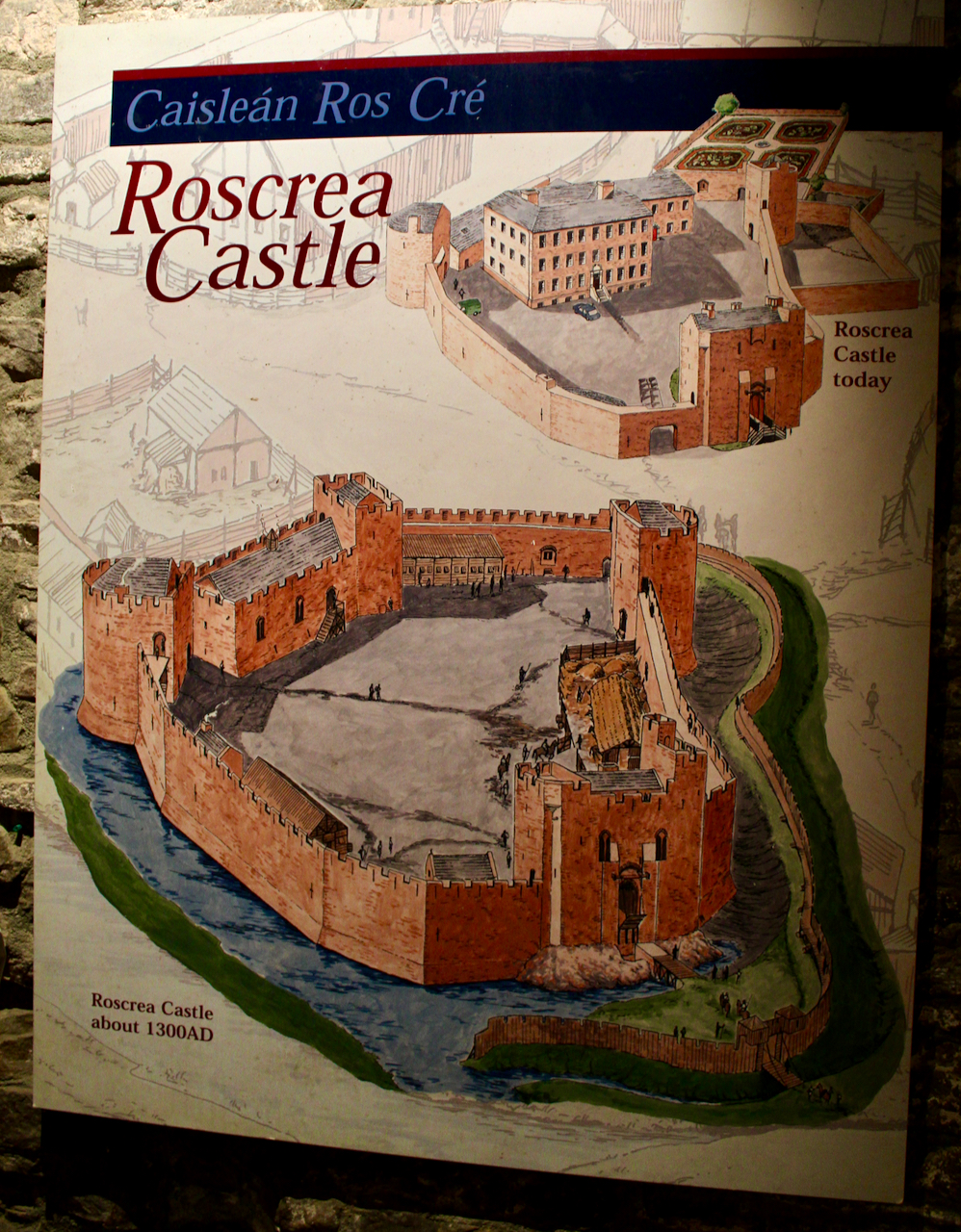
This was originally the site of a motte and bailey fortification known as King John’s Castle. The original wooden castle was destroyed in the late 13th century and was replaced with a stone structure built in 1274-1295 by John de Lydyard. The castle was originally surrounded by a river to the east and a moat on the other sides. [2] It was granted to the Butlers of Ormond in 1315 who held it until the early 18th Century. The castle as we see it today was built from 1332.

Roscrea Castle, August 2024. Photograph © Jennifer Winder-Baggot, www.irishhistorichouses.com
Damer House and Roscrea Castle sit within bawn walls, 21st August 2024. Photograph © Jennifer Winder-Baggot, www.irishhistorichouses.com

Roscrea Castle was sold to the Royal Hospital, Kilmainham, by James Butler, 2nd Duke of Ormond in 1703. It was bought by the Damers, who built an elegant  three-storey nine bay pre-Palladian house in the courtyard in c. 1730.

The Dictionary of Irish Biography tells us:

The Damer of folklore tradition is a conflation of the first Joseph [c.1630–1720] with his nephew John [1674-1768]. Thus, while Damer built himself a house in County Tipperary in the seventeenth century, the traditional stories about Damer’s Court (or Damerville) relate to a house built by John after his uncle’s death. John’s brother Joseph [1676–1737] built the Damer House in Roscrea, which was saved from demolition in the 1970s and subsequently restored. The Guildhall Library, London, has Damer correspondence among its Erasmus Smith papers.” [3]

In their book The Tipperary Gentry, Hayes and Kavanagh tell us that Joseph Damer (c.1630–1720) was born in Dorset in England in 1630. [4] He came to Ireland after the restoration of Charles II when land was being sold cheaply by Cromwellian soldiers who were given land instead of pay but did not want to remain in Ireland. Joseph Damer bought land in Tipperary, settling at Shronell, and established himself as a moneylender, lending to other landowners on mortgages. He also became involved in banking in Dublin. His nephew John (1674-1768) acted as his agent in Tipperary.

Joseph had no children and left his vast fortune when he died in 1720 to his nephews John (1674-1768) and Joseph (1676–1737), sons of his brother George Damer. He was so wealthy that he entered folklore with tales of how he gained his wealth, and he was compared to King Midas, as if everything he touched turned to gold.

Jonathan Swift wrote a ditty mocking Joseph Damer’s parsimony:

He walked the streets and wore a threadbare cloak

He dined and supped at charge of other folk

And – by his look – had he held out his palms

He might be thought an object fit for alms.

The Dictionary of Irish Biography tells us:

Despite his reputation for miserliness, Damer was a benefactor of presbyterianism and, by some accounts, unitarianism. He and his nephew John (1673?–1768) were among the trustees and managers of the General Fund established in 1710 to support the protestant dissenting interest; another fund was established in 1718 to support the congregation in New Row in Dublin.” [see 3]

The nephew John had no children and his brother Joseph (1676–1737) inherited. Joseph sat in the British parliament for Dorchester (1722–27) and became MP for Tipperary in 1735. He died two years later. He married Mary Churchill, daughter of John Churchill of Henbury, Dorset.

Robert O’Byrne tells us that his son Joseph (1717-1798) inherited the house and castle was later created the Earl of Dorchester. [5] He was an absentee landlord and his brother managed his Irish properties. He built a mansion named Damerville which was very grand, but was demolished in 1775. Their sister Mary married William Henry Dawson, 1st Viscount Carlow, who lived at Emo in Laois. It was her offspring who later inherited the Damer properties.

Joseph’s son John (1744-1776) married Ann Seymour, a sculptress. He spent all of his inheritance and killed himself. Subsequently it was his younger brother George who inherited the title to become 2nd Earl of Dorchester. None of Joseph’s offspring had children, however, so the properties passed to the 2nd Earl of Portarlington, a second cousin, who assumed the name Dawson-Damer.

Mary Seymour, who according to Mealy’s sales catalogue married John Dawson 1st Earl of Portarlington of Emo Court, by Thomas Heaphey, courtesy of Fonsie Mealy auction; I think she married George Lionel Dawson-Damer, son of 1st Earl.

Mary who had married the 1st Viscount Carlow had a son John Dawson (1744-1798) who became 1st Earl of Portarlington, Queen’s County. He married Caroline Stuart, daughter of the 3rd Earl of Bute and his writer wife, Mary Wortley Montagu. He commissioned James Gandon to built Emo Court in Queen’s County (Laois). It was his son John Dawson (1781-1845), 2nd Earl of Portarlington, who inherited the Damer fortune and lands, and added Damer to his surname.

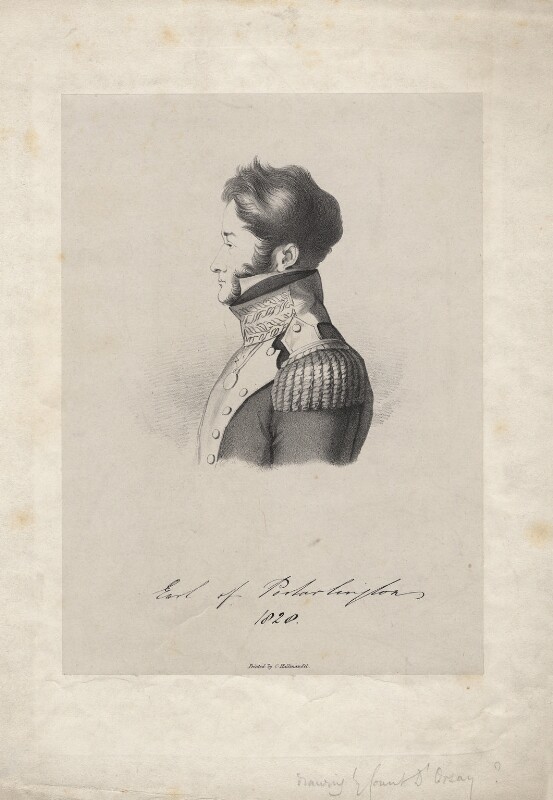
John Dawson 2nd Earl of Portarlington by Count D’Orsay courtesy of National Portrait Gallery in London NPG D5547
Lady Mary Wortley Montagu (1718-1794), Wife of John Patrick Crichton Stuart 3rd Earl of Bute, print after Christian Friedrich Zincke, 1830s, courtesy of National Portrait Gallery of London, NPG D34619.

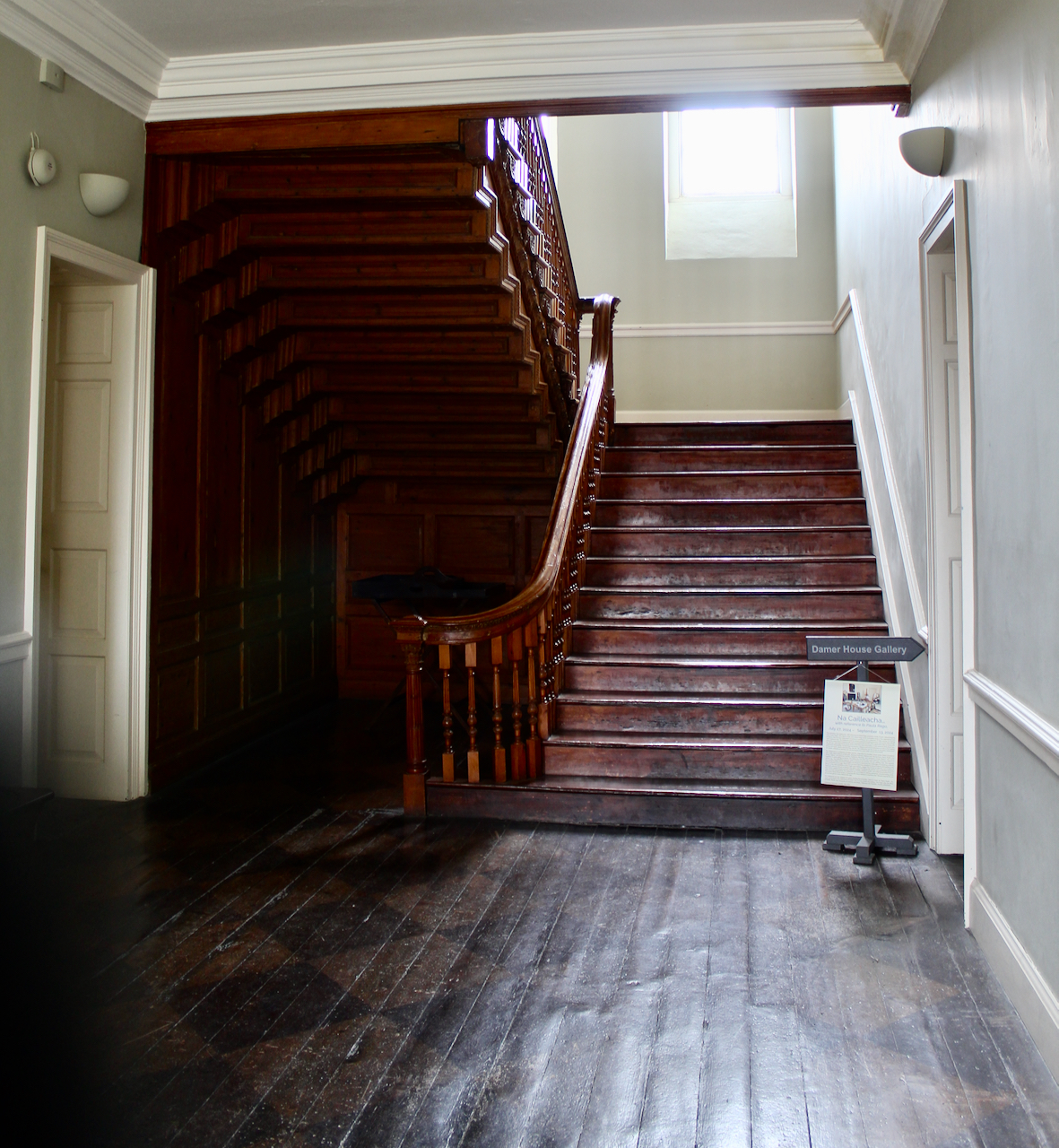
Damer House has a scroll pediment doorway and inside, a magnificent carved staircase. The Irish Georgian Society was involved in saving it from demolition in the 1960s. [for more photographs, see https://theirishaesthete.com/tag/damer-house/ ] The stairs and floor in the front hall are original to the house. The stairs are similar to ones in Cashel Palace, which was the Archbishop’s Palace, and is now an upmarket hotel. See the website of the Irish Aesthete for photographs of this staircase: https://theirishaesthete.com/tag/cashel-palace/
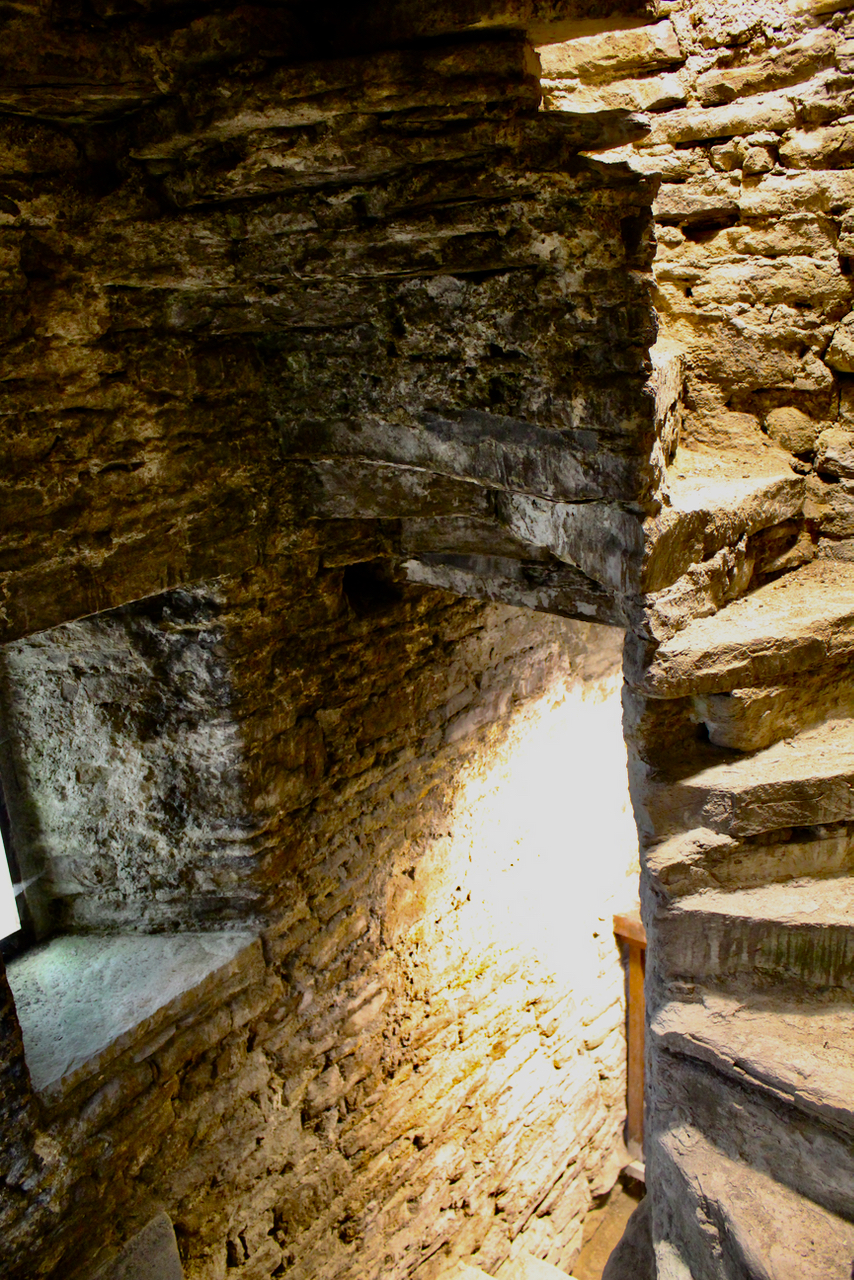
Unfortunately we were not allowed to take photos inside Damer House! I took this one before the tour guide told us we can’t take them – I think it’s a shame and cannot see the sense in it so am publishing this. Damer House, August 2024. Photograph © Jennifer Winder-Baggot, www.irishhistorichouses.com

The Damers didn’t live in the house and it was rented out to various tenants.

Robert O’Byrne tells us about the history of the house:

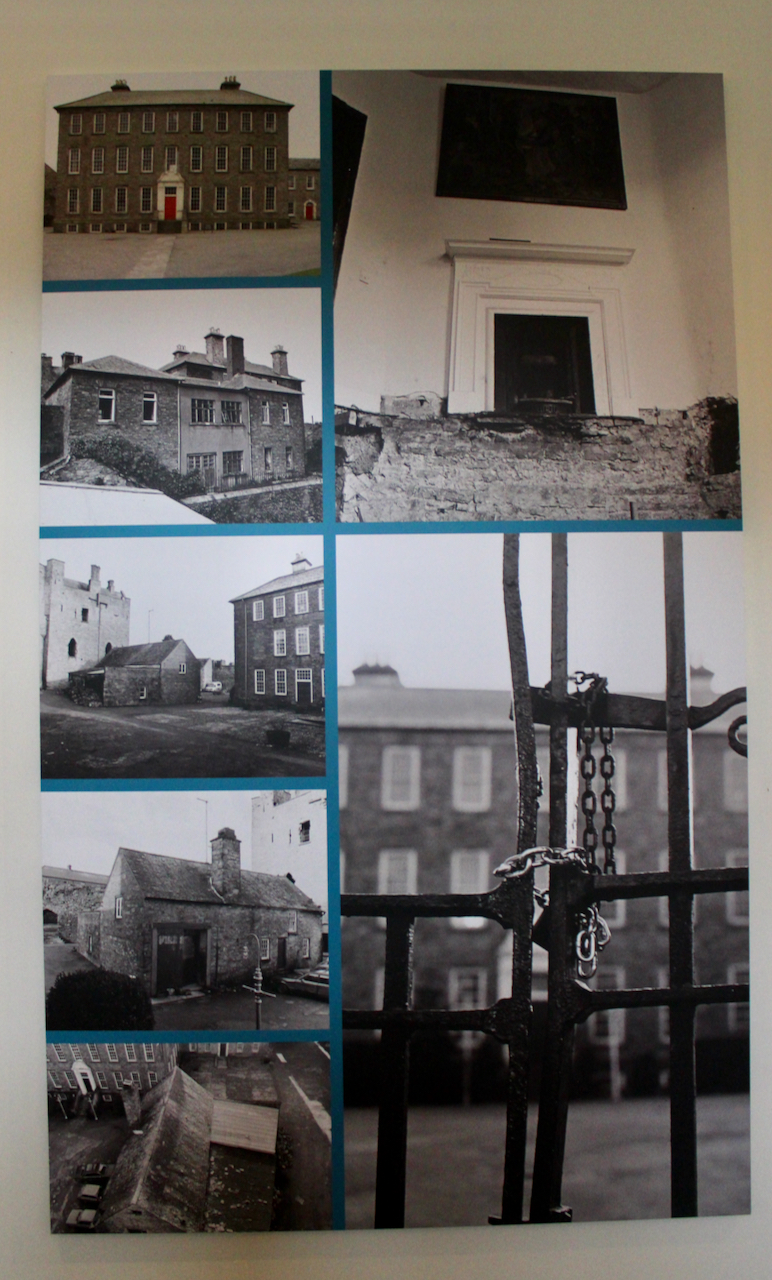
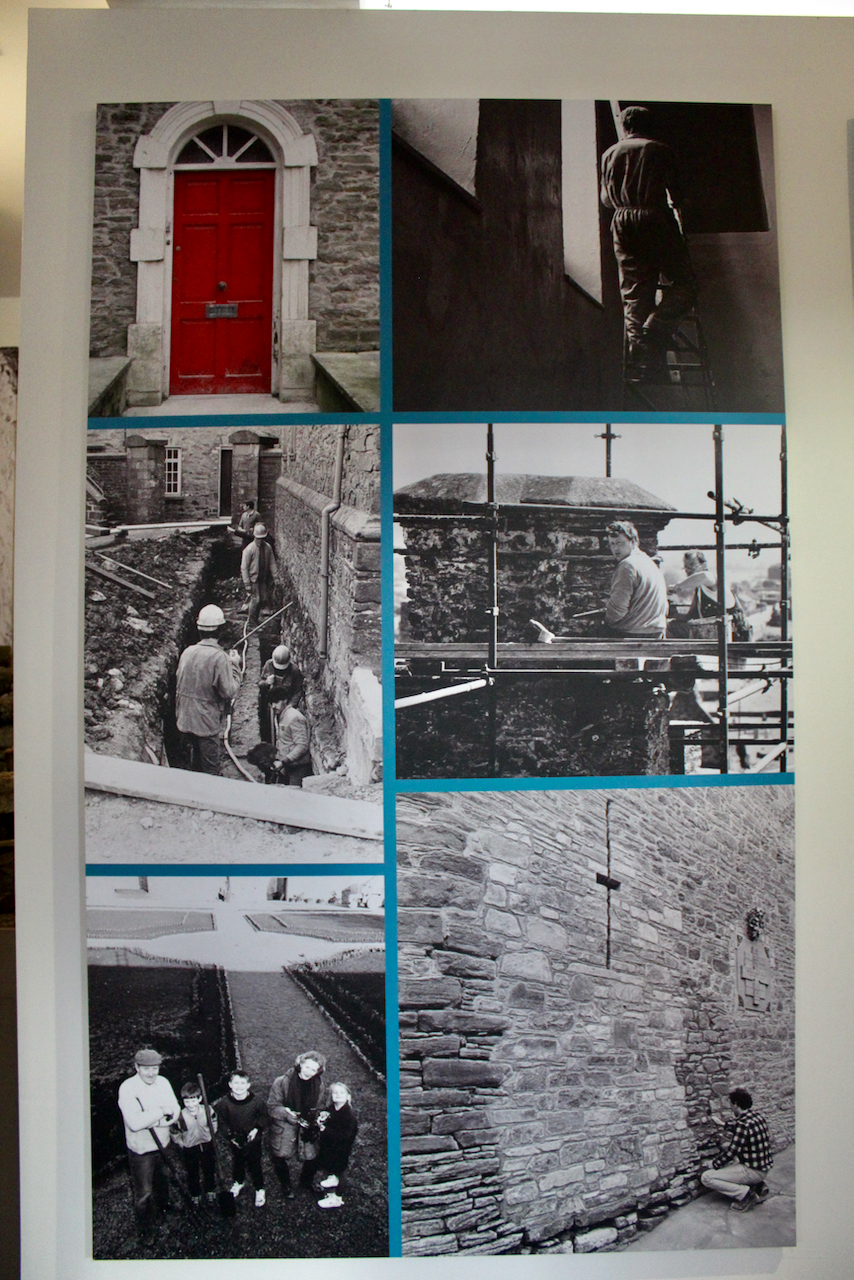
In 1798 the house was leased as a barracks and then the whole site sold to the British military in 1858. At the start of the last century the Damer House became ‘Mr. French’s Academy’, a school for boys, reverting to a barracks for the National Army during the Civil War, then being used as a sanatorium, before once again in 1932 serving as a school until 1956, then a library. By 1970 it was empty and unused, and the local authority, Tipperary County Council, announced plans to demolish the house and replace it with an amenity centre comprising a swimming pool, car park, playground and civic centre (it had been nurturing this scheme since as far back as 1957). The council’s chairman wanted the demolition to go ahead, declaring that ‘as long as it stands it reminds the Irish people of their enslavement to British rule,’ and dismissing objectors to the scheme as ‘a crowd of local cranks.’ In fact, most of the so-called ‘crowd’ were members of the Old Roscrea Society and in December 1970 this organisation was offered help by the Irish Georgian Society in the campaign to save the Damer House.

Robert O’Byrne suggests that the large annex to one side of Damer House was probably added during its time as use as a military barracks. Photograph © Jennifer Winder-Baggot, www.irishhistorichouses.com
The side of Damer House, August 2024. Photograph © Jennifer Winder-Baggot, www.irishhistorichouses.com
Photographs from an exhibition of the restoration of Damer House in the Annex.
Photographs from an exhibition in the Annex.

Upstairs in Damer House there’s also Exhibition space, but we did not have much time to browse.

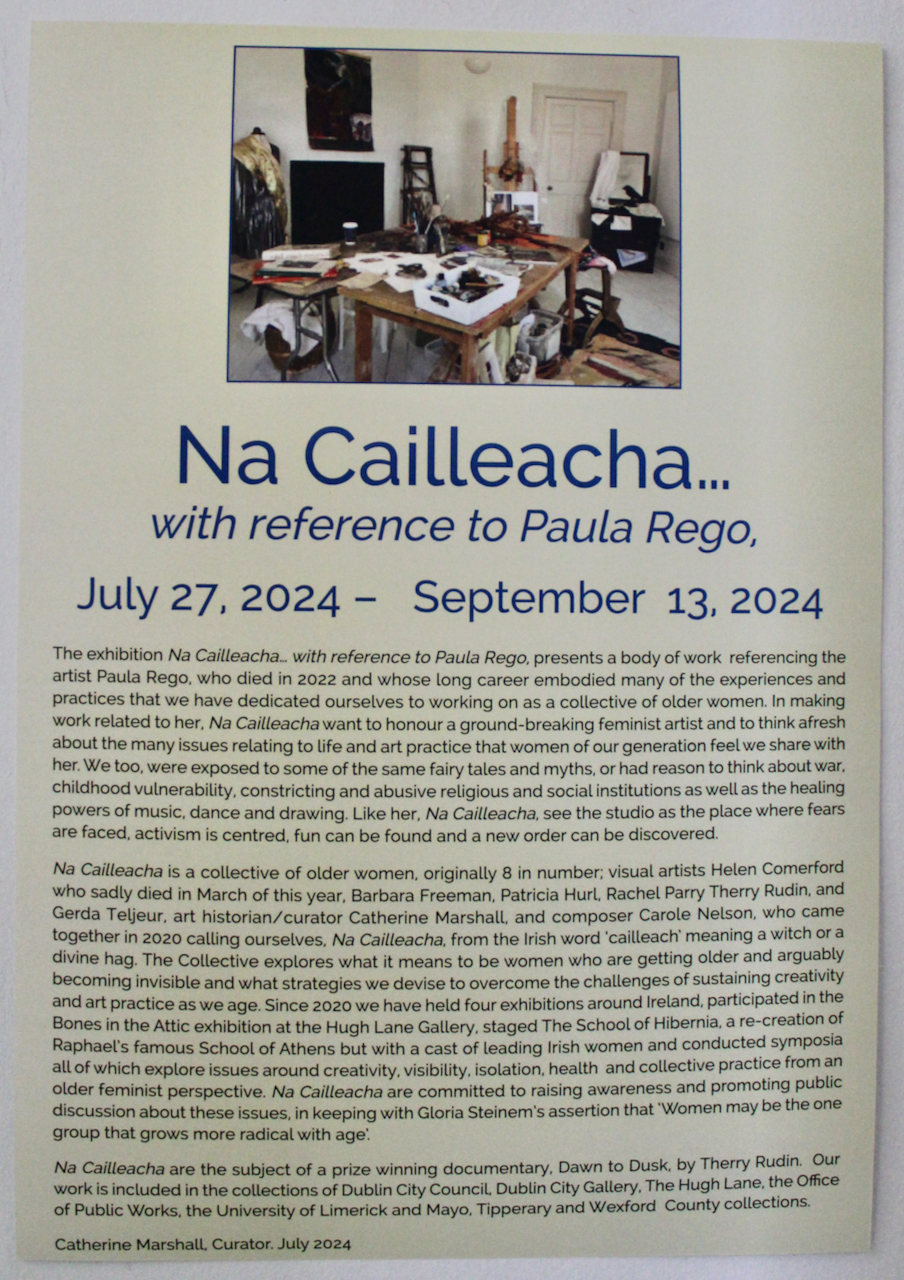
Exhibition in Damer House.
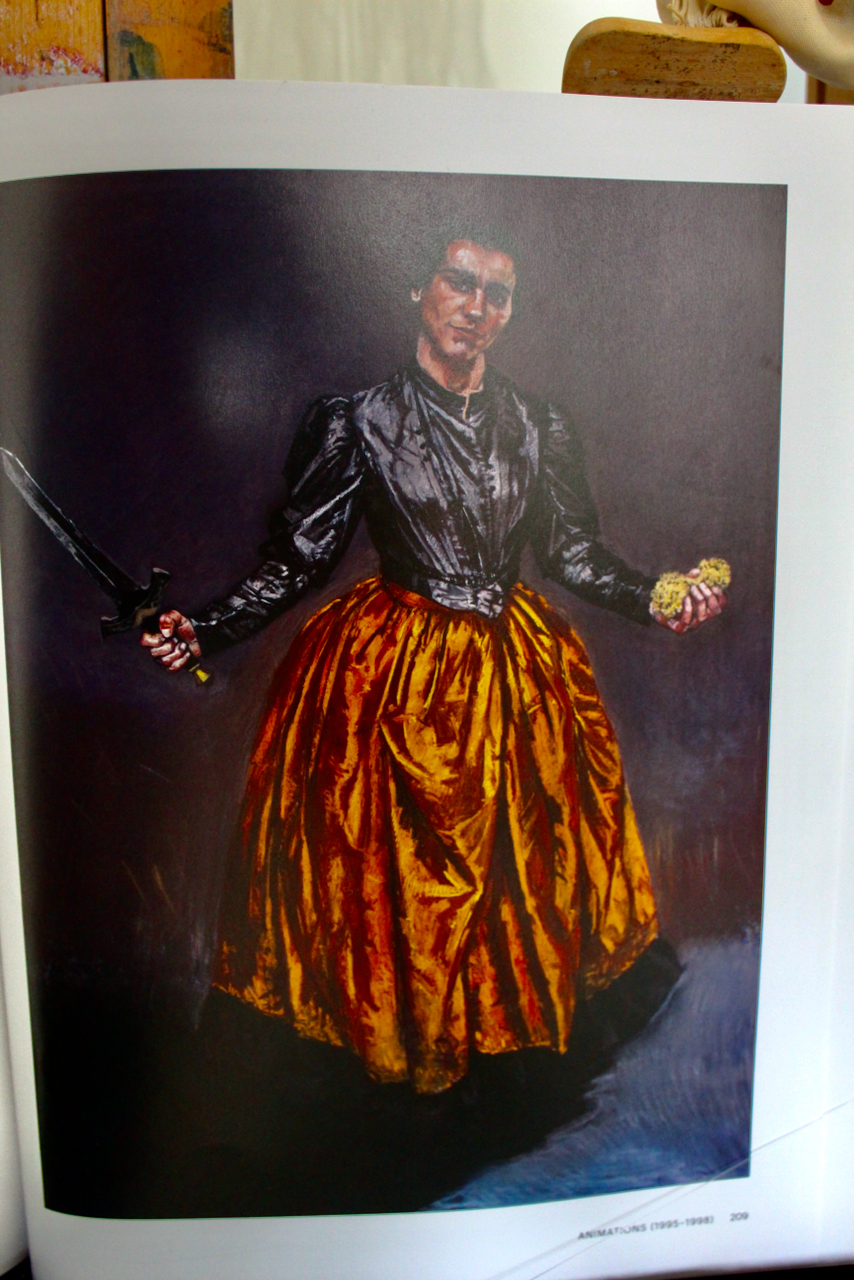
“Angel” by Paula Rego.
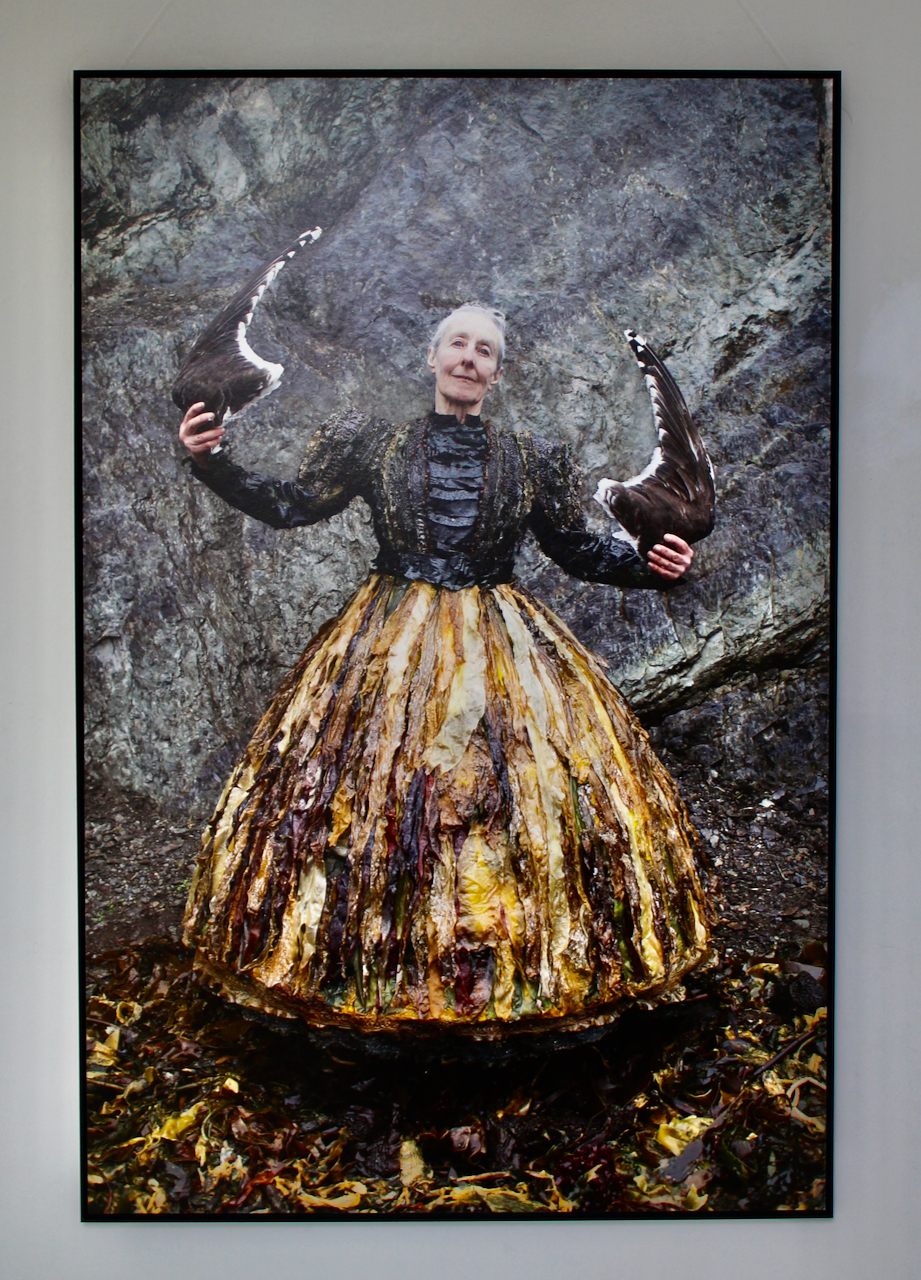
“Kelp Cailleagh” after “Angel” by Paula Rego, by Rachel Parry. Archival print of Rachel Parry in a dress made of dried seaweed, photographed in Allihies by Thomasz Madajczak.
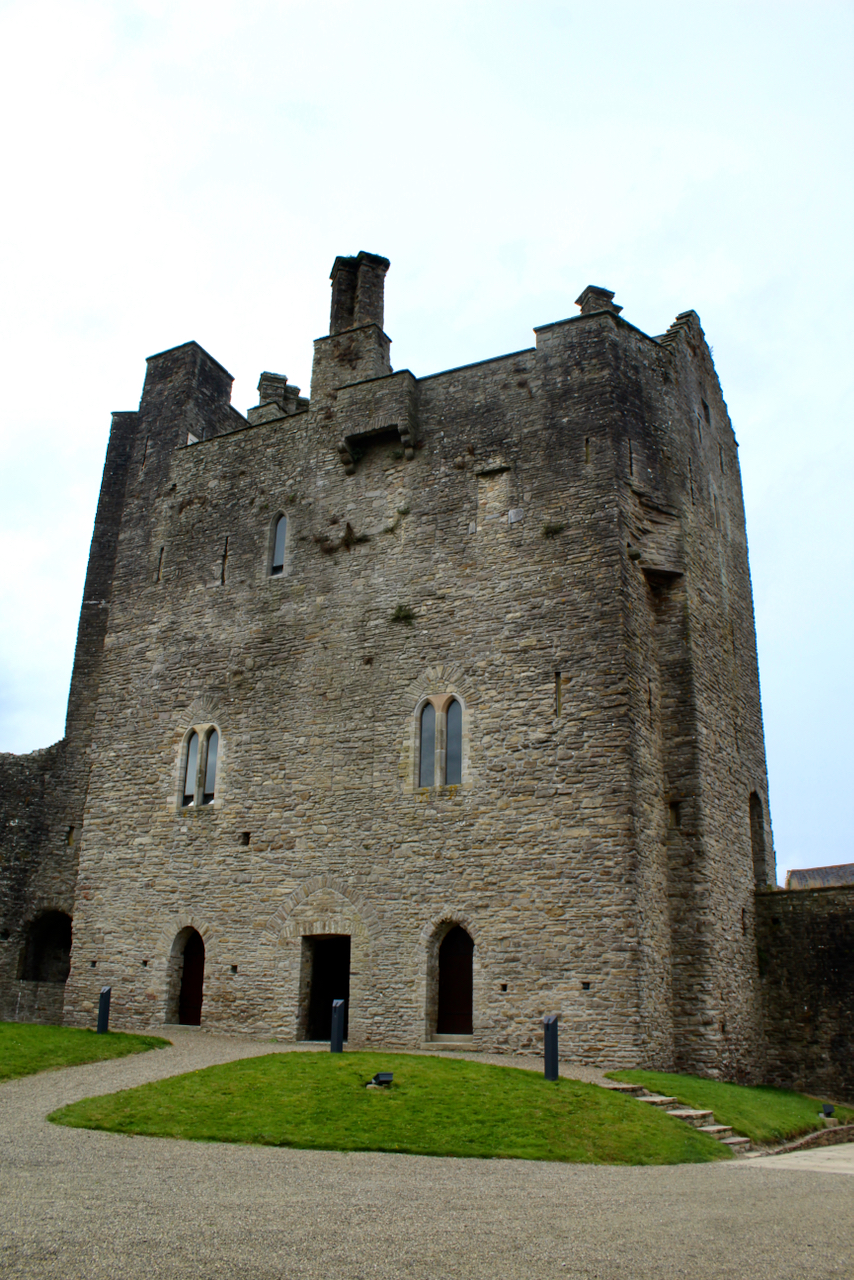
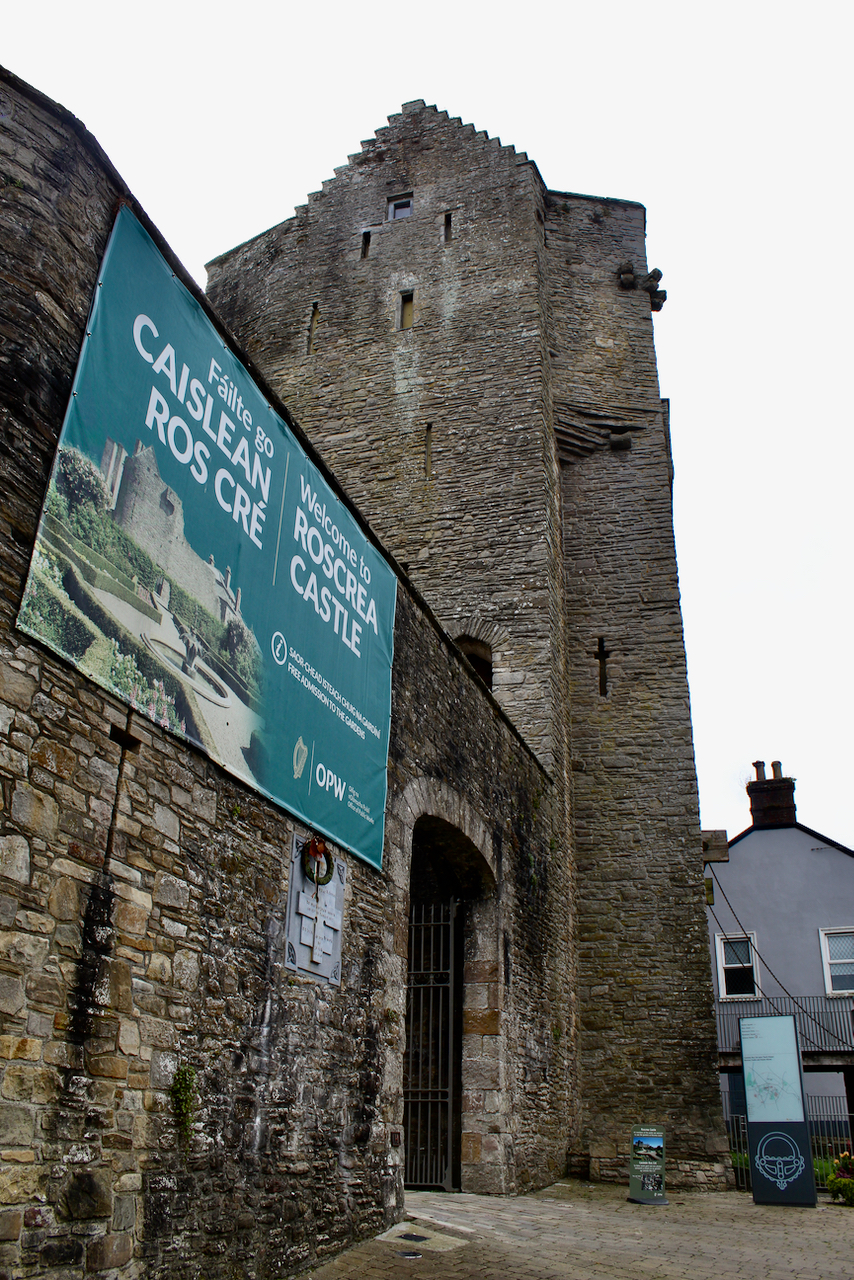
Roscrea Castle, August 2024. Photograph © Jennifer Winder-Baggot, www.irishhistorichouses.com

After our tour of Damer House we crossed the yard for a tour of the castle.

Roscrea Castle fell into disrepair in the 19th century, and when the roof collapsed extensive repairs were needed in the 1850s. It was named a national monument in 1892, and is now under the care of the OPW. 

A reconstruction of what the castle would have looked like, in an exhibition in the Annex to Damer House.
A reconstruction of what Roscrea Castle would have looked like, in an exhibition in the Annex to Damer House.
Roscrea Castle, August 2024. Photograph © Jennifer Winder-Baggot, www.irishhistorichouses.com

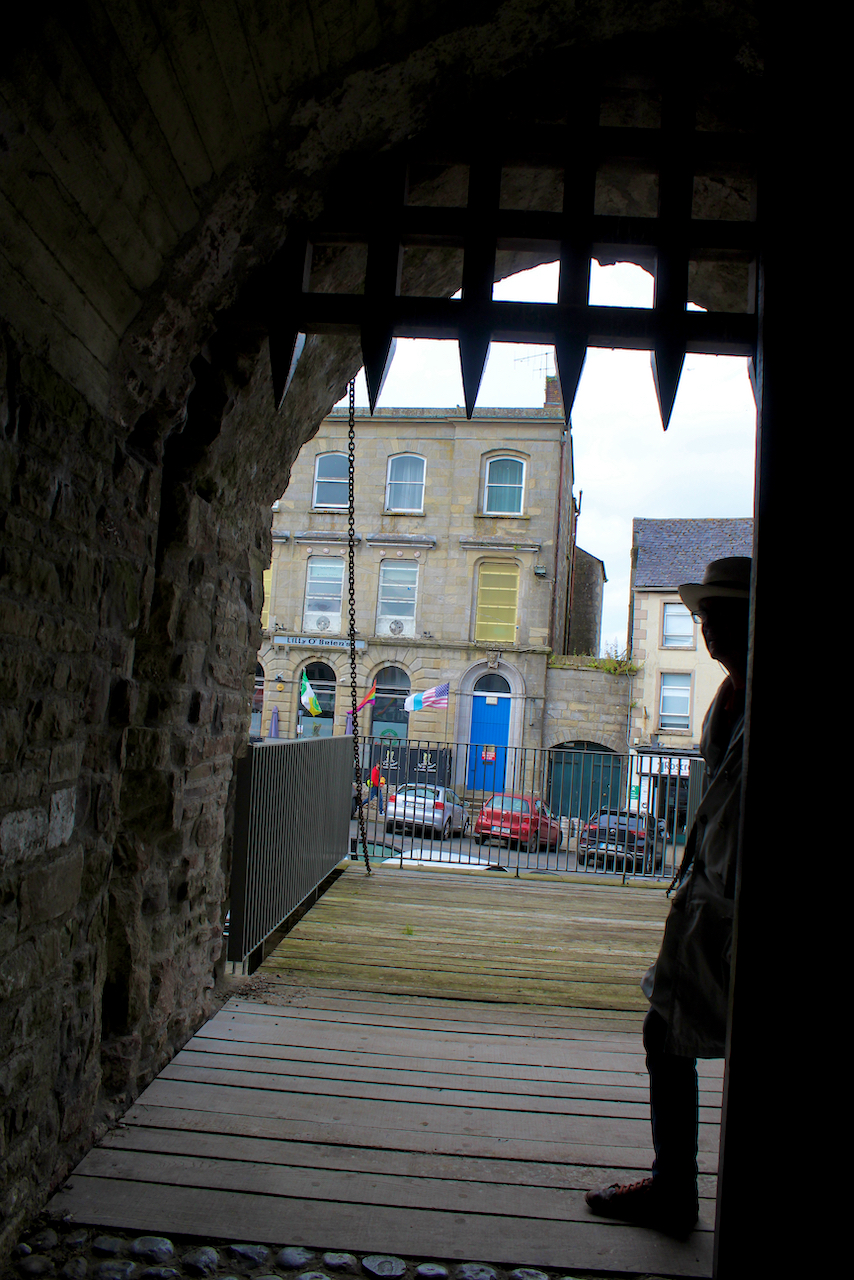
The original entrance to the castle is to one side of where we enter today – you can see the drawbridge in the photograph above.

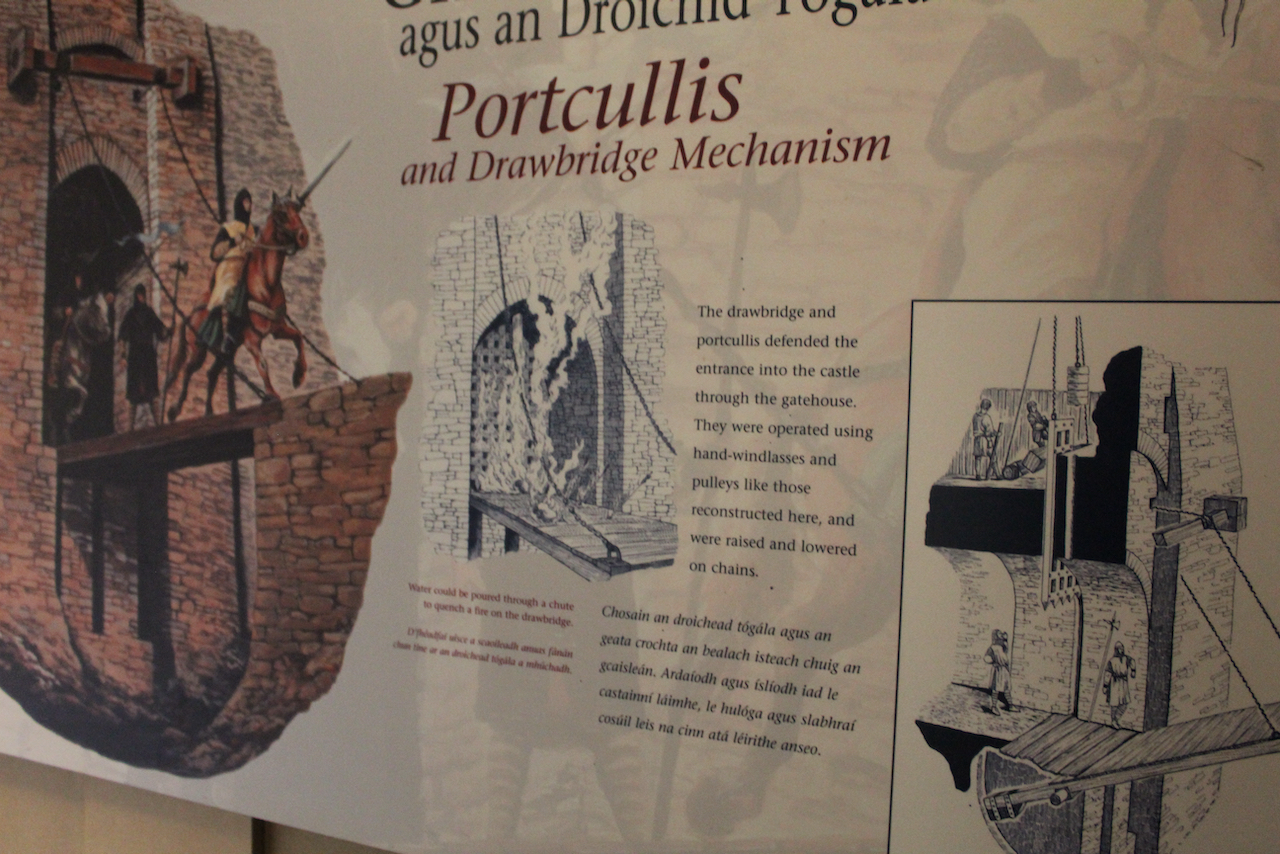
Information board inside the Roscrea Castle.
The original entrance to Roscrea Castle had a drawbridge over a moat. Photograph © Jennifer Winder-Baggot, www.irishhistorichouses.com
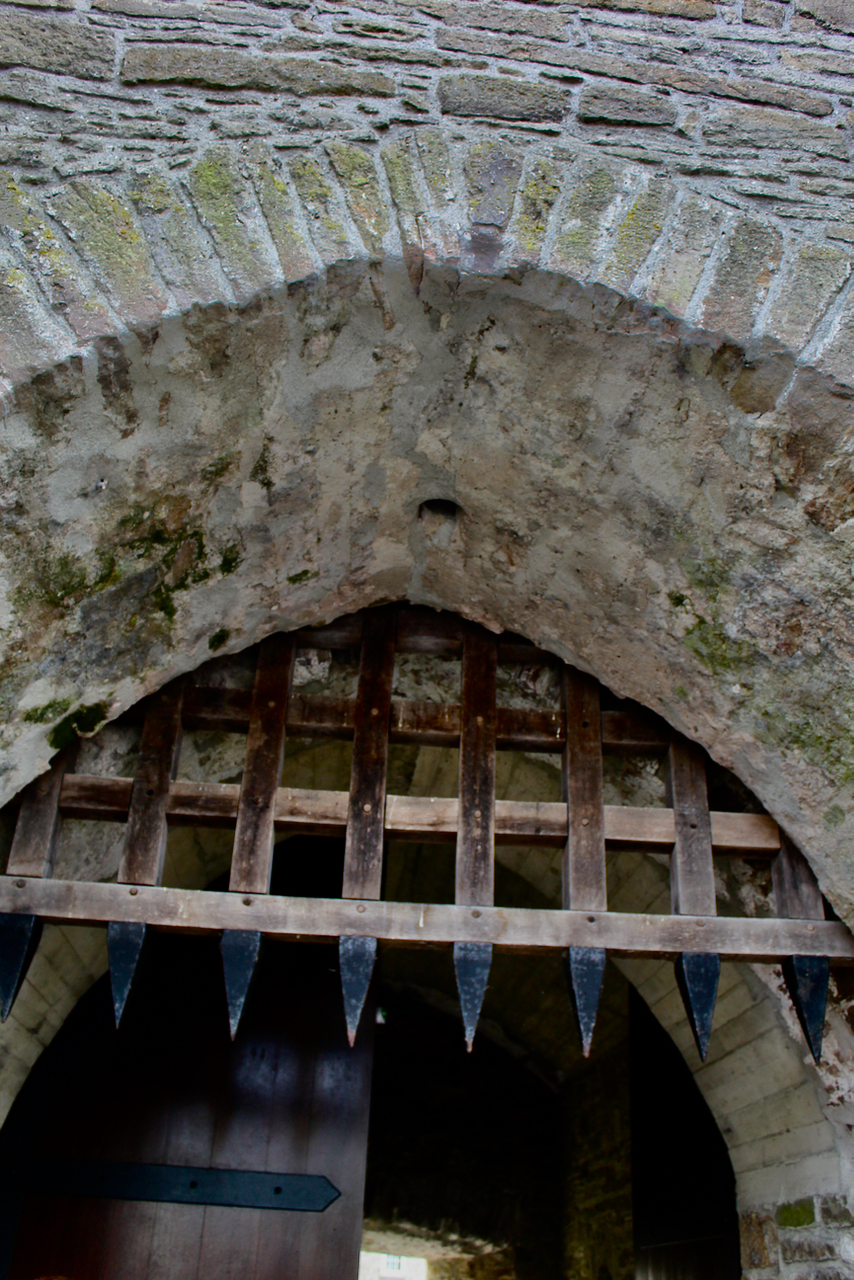
The entrance to Roscrea Castle would have had a portcullis. Photograph © Jennifer Winder-Baggot, www.irishhistorichouses.com
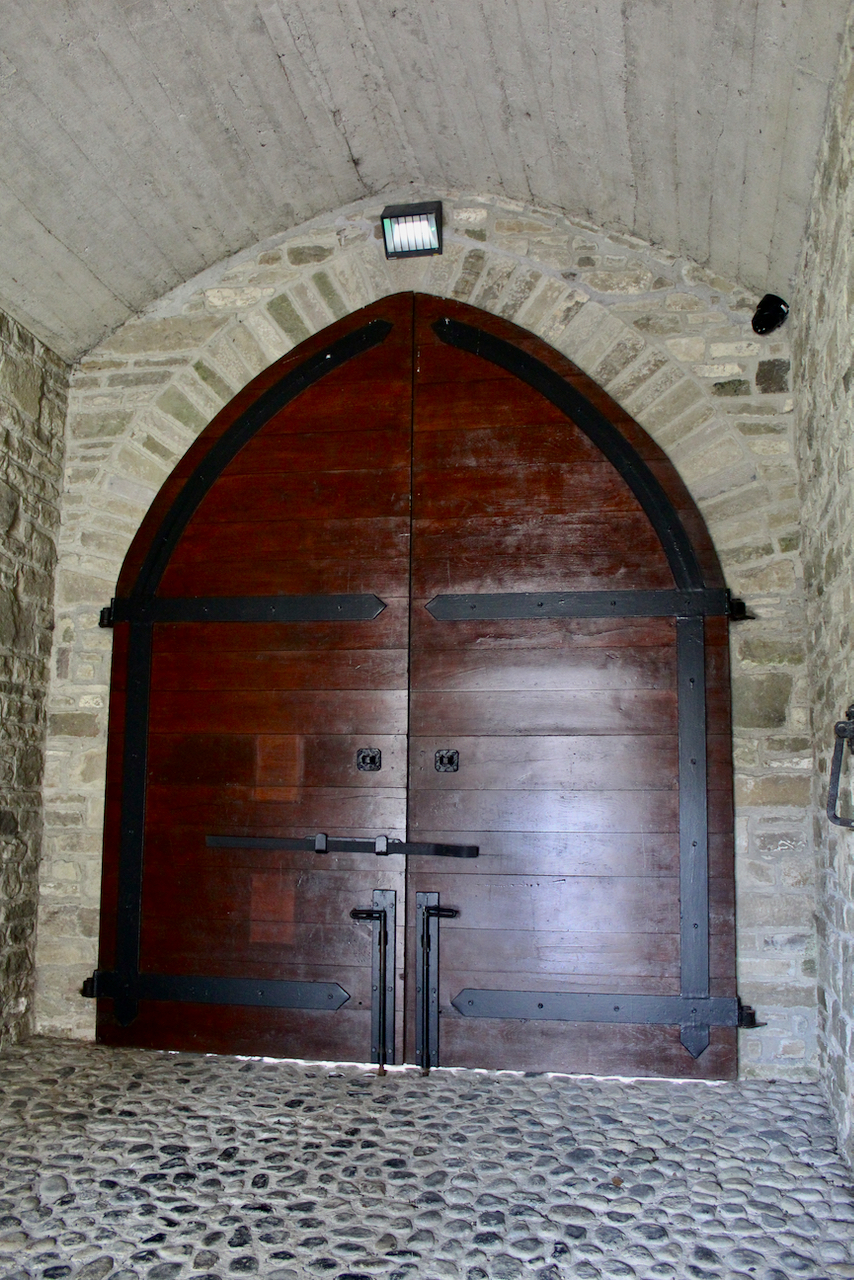
This is the door from inside Roscrea Castle, which leads to the drawbridge. Photograph © Jennifer Winder-Baggot, www.irishhistorichouses.com

The Castle was located on one of the five main roads in ancient Ireland, and it was essential for the Normans to control this route. In 1315 King Edward II handed the castle over to James Butler, 1st Earl of Ormond.

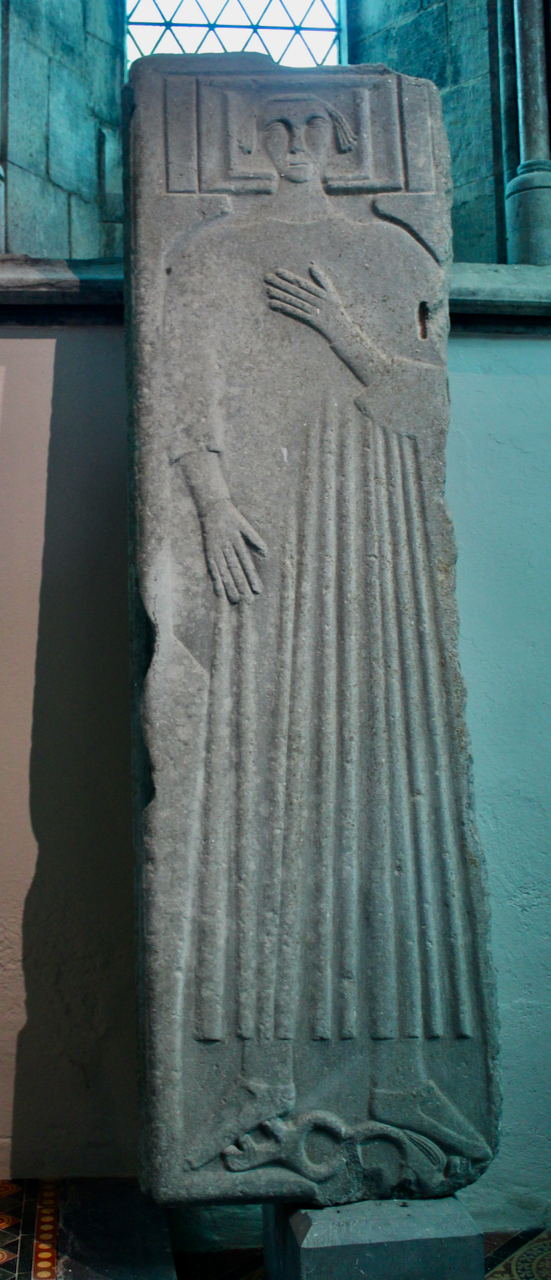
Probably James Butler (c. 1305-1337), the 1st Earl of Ormond. St. Mary’s church, Gowran, June 2023. Photograph © Jennifer Winder-Baggot, www.irishhistorichouses.com

The castle had many defensive features. The curtain wall is approximately three metres thick, which allowed for a wall-walk from which soldiers had a view of the surrounding area. The River Barrow formed a moat around the east face of the castle, and the Normans constructed a dry moat on the west side. The river was diverted in the 19th century.

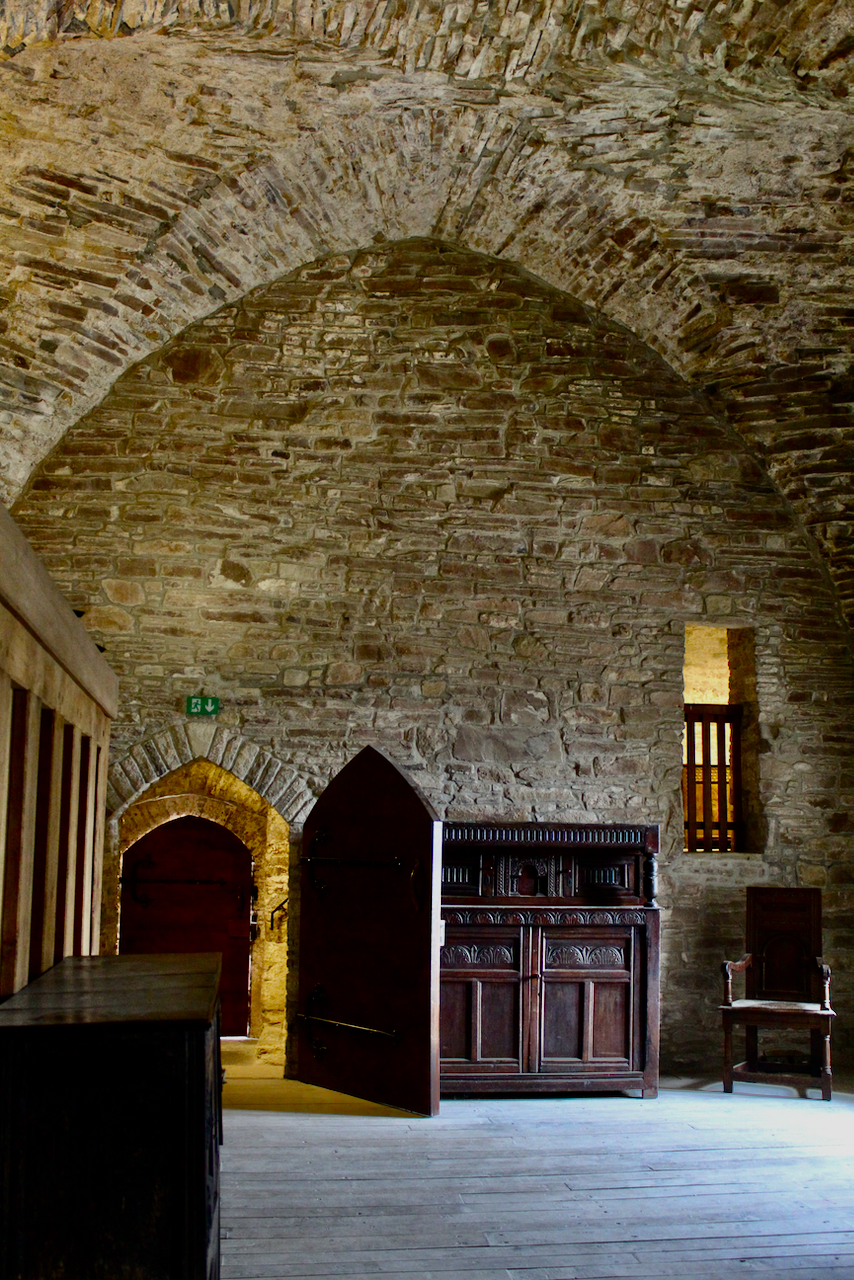
Inside the castle reception area there’s a grille on the floor, which is the “oubliette” (from the French, meaning “to forget.”). However, in this case, people were imprisoned here between court dates, the guide told us.

Above the drawbridge is a machicolation from which boiling substances could be dropped, and there are also arrow loop windows for defence. The stairs, called “trip steps” were deliberately built of different heights and widths to impede the intruder. The spiral clockwise to make it more difficult for the enemy to fight his way up the steps.

Silver from nearby silvermines would have been stored in the castle.

Inside Roscrea Castle, August 2024. Photograph © Jennifer Winder-Baggot, www.irishhistorichouses.com

Eoin Roe O’Neill (d. 1649), at the head of 1,200 men, stormed Roscrea in 1646 and reportedly killed every man, woman and child. The only survivor was the governor’s wife, Lady Mary Hamilton (1605-1680), who was a sister to the Earl of Ormond [married to George Hamilton, 1st Baronet of Donalong County Tyrone and of Nenagh, County Tipperary]. She was again forced to play host in the castle to O’Neill three years later which again ended by the guests looting everything in sight. [7]

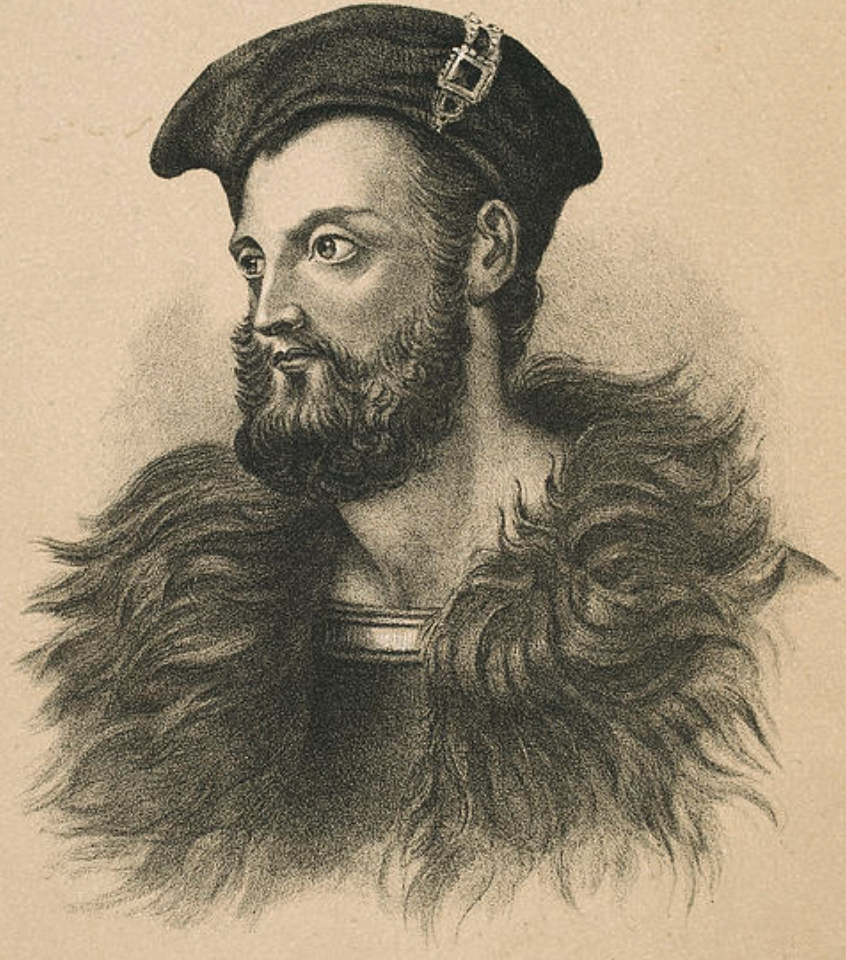
Owen Roe O’Neill By Unknown, Van Brugens – Ulster Journal of Archaeology Volume 4, Public Domain, https://commons.wikimedia.org/w/index.php?curid=17552770.jpg
Inside Roscrea Castle, August 2024. Photograph © Jennifer Winder-Baggot, www.irishhistorichouses.com

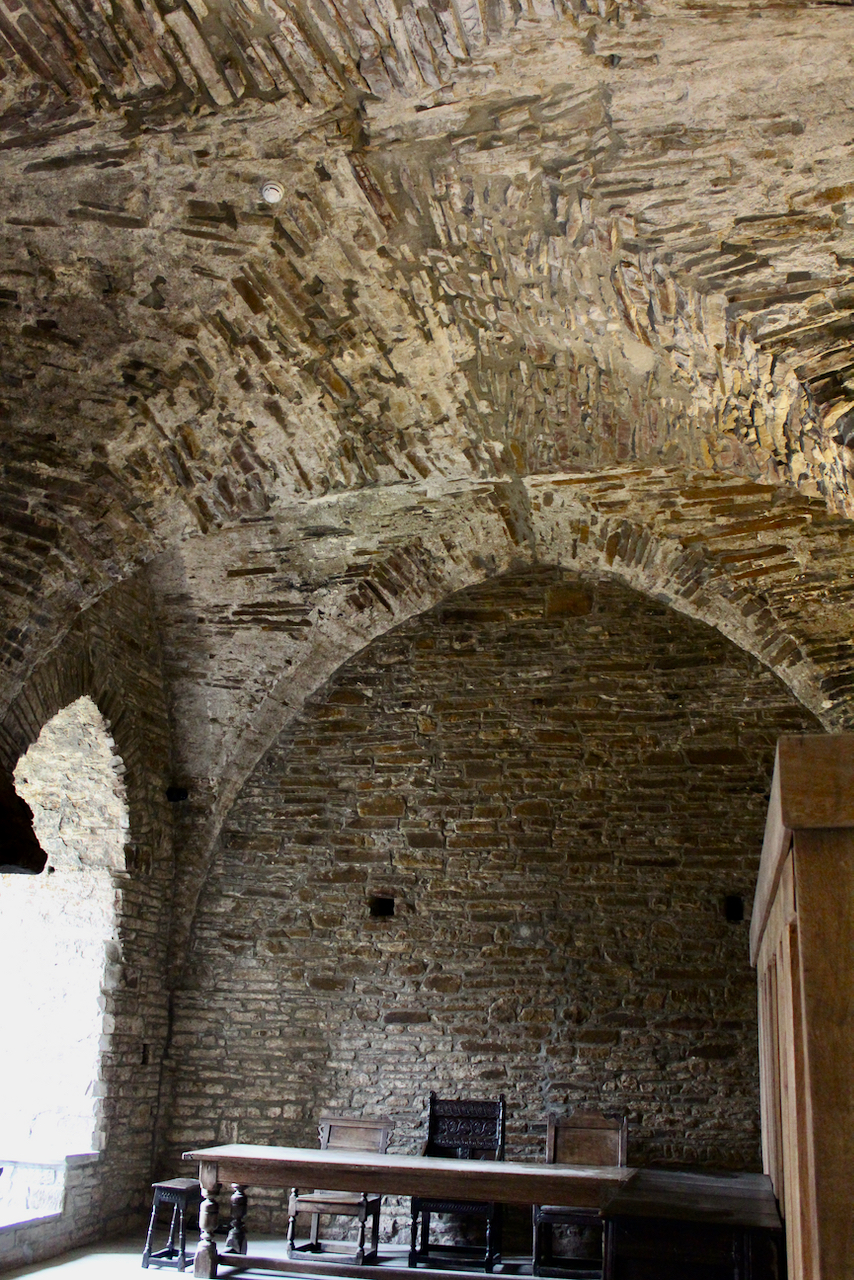
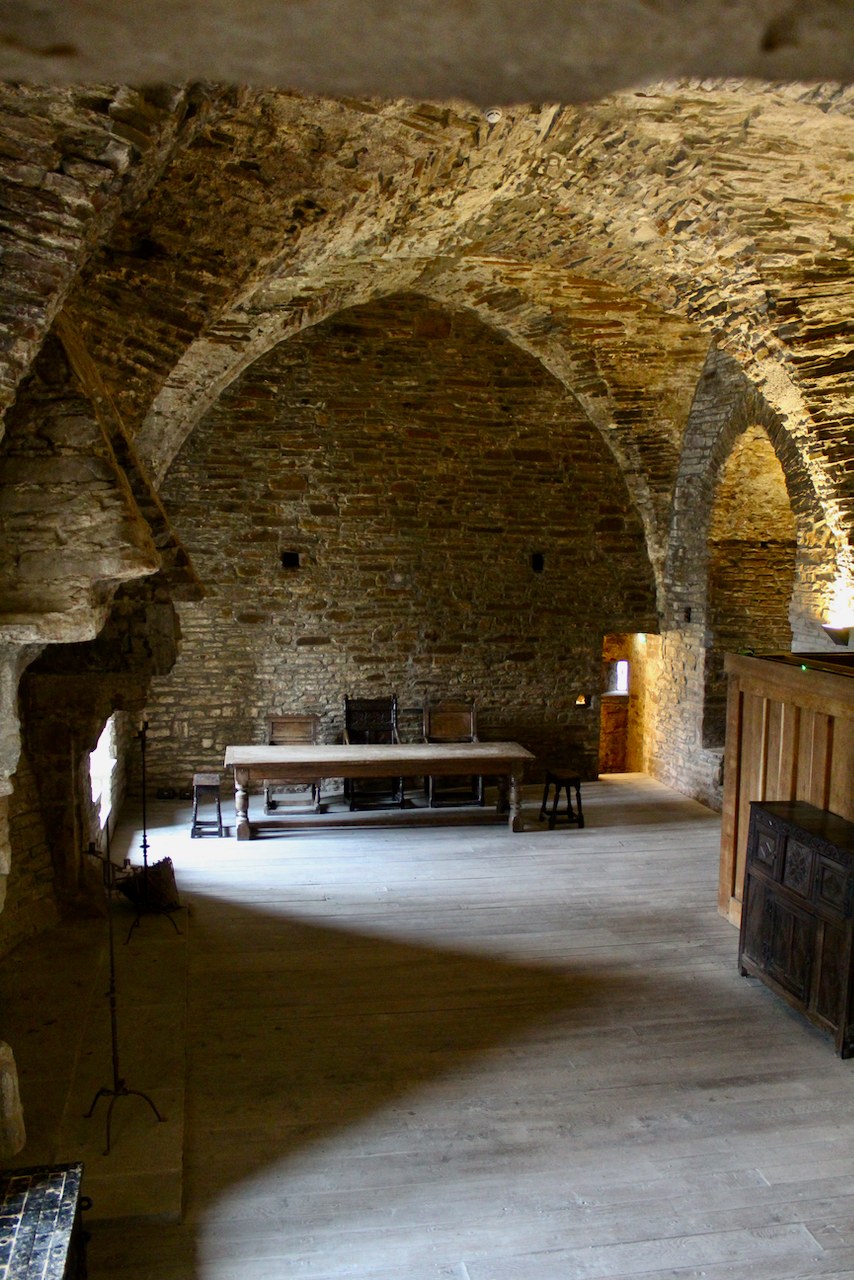
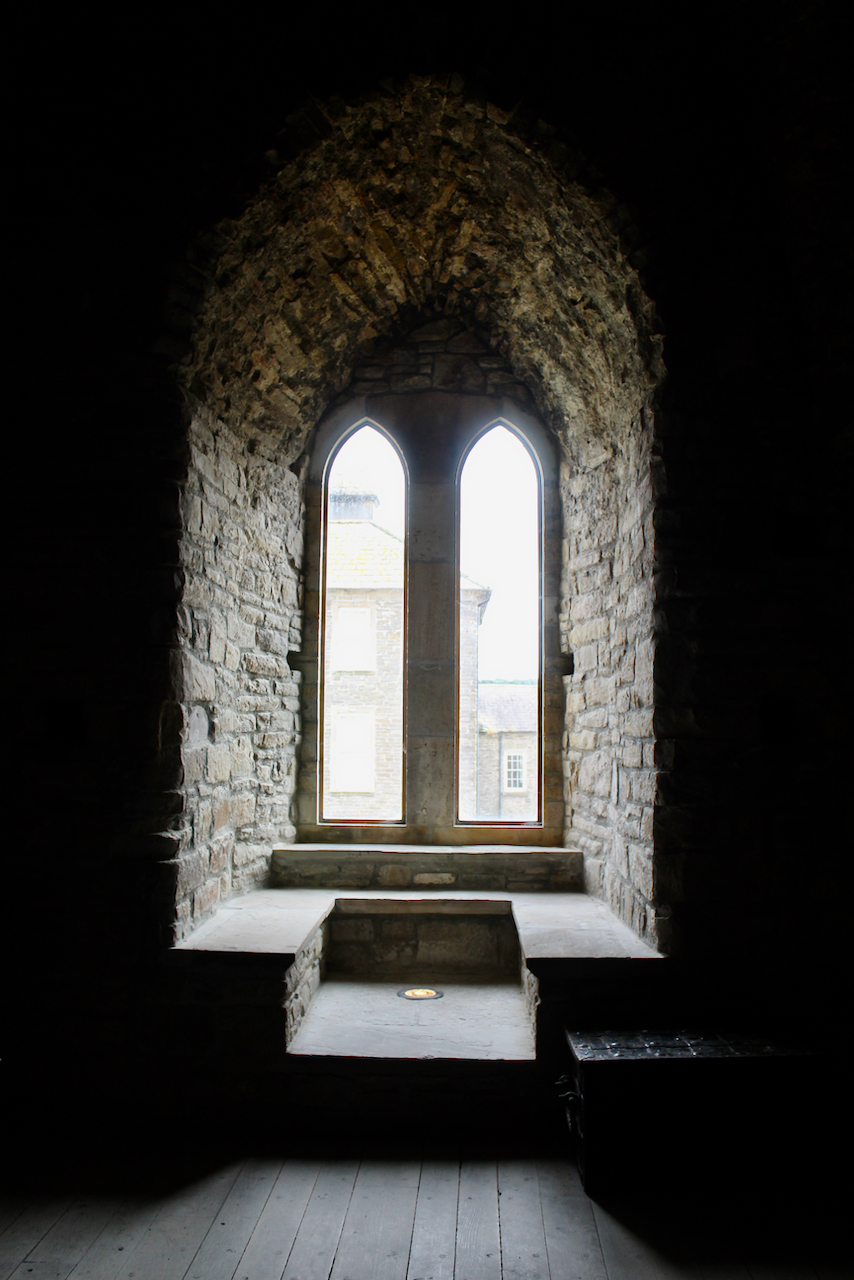
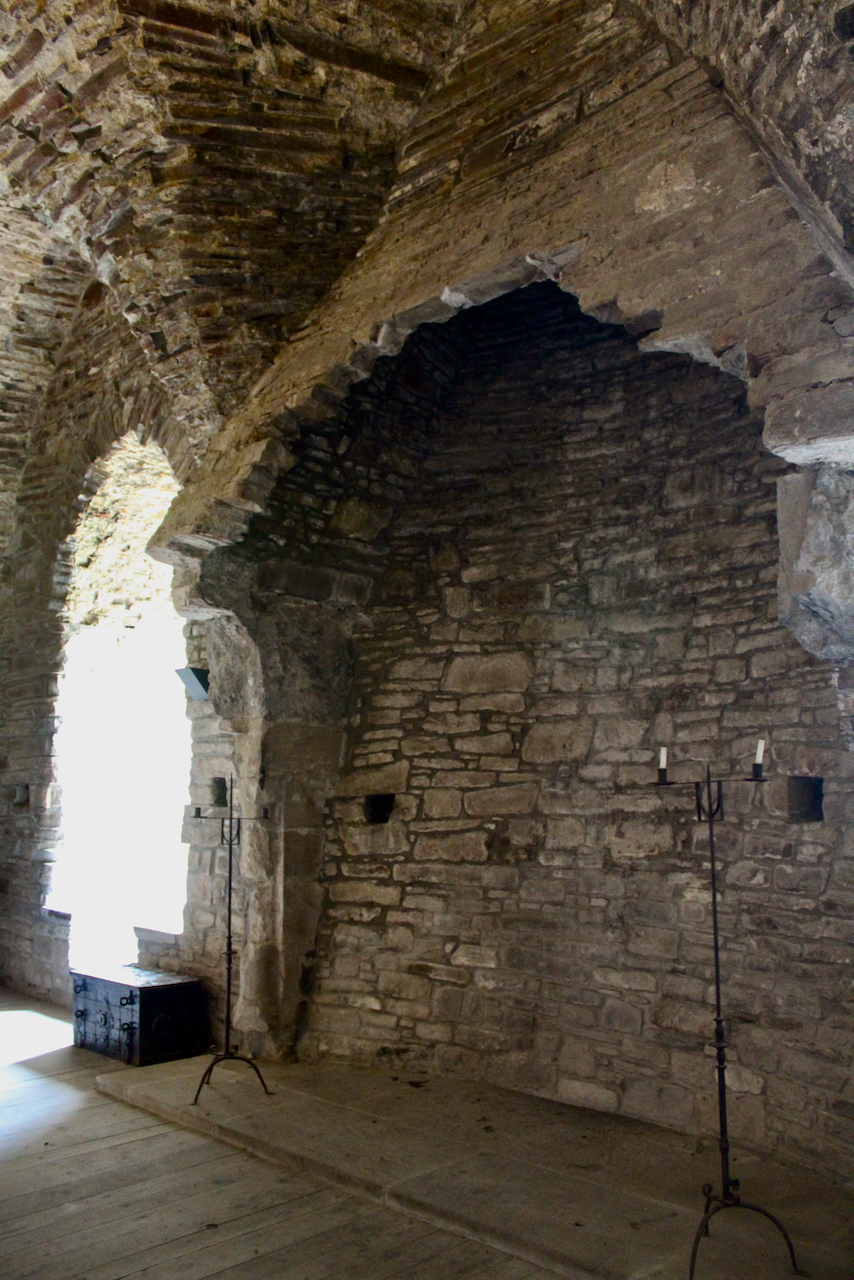
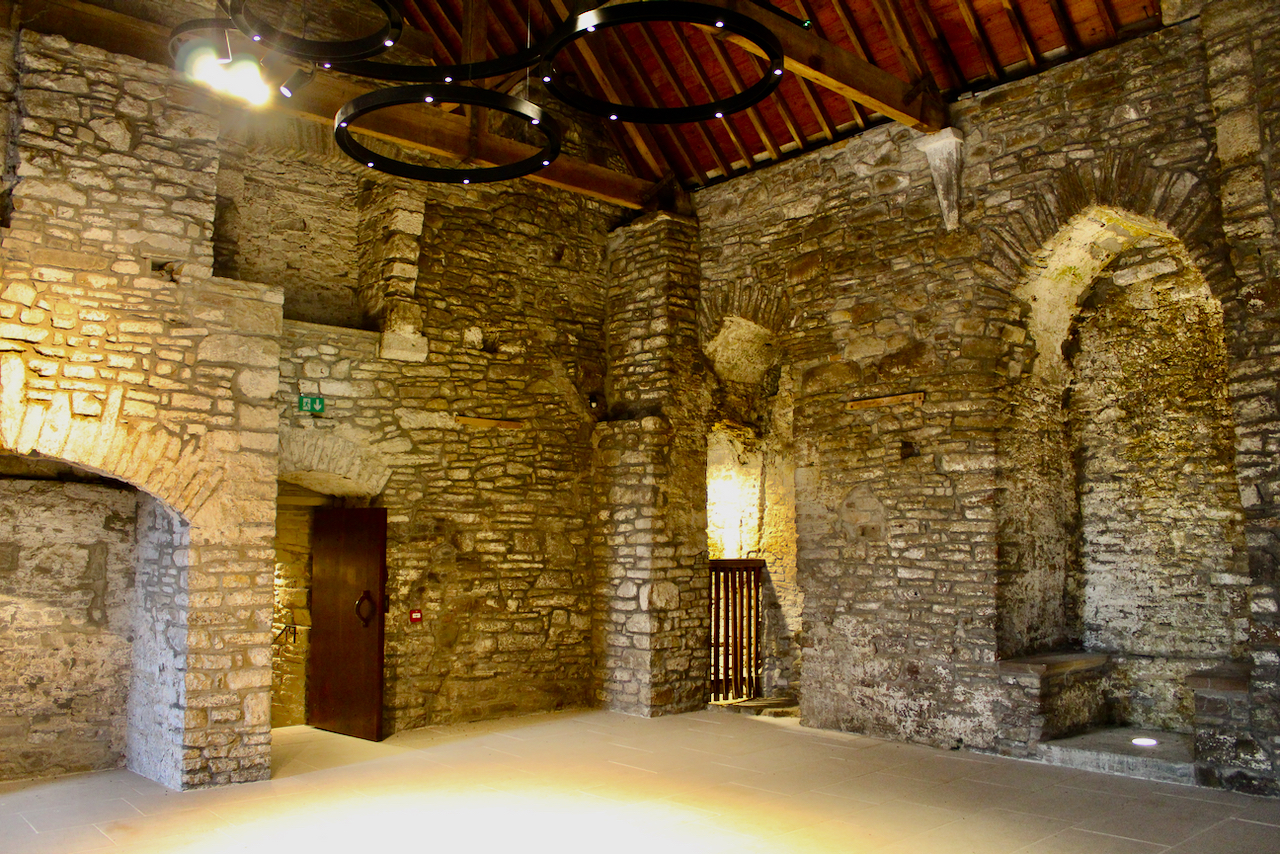
Larger windows were a later addition. Originally there would be only small loopholes. Before glass, the larger windows would be covered with skins to keep out the draught. The inside would have been limewashed, the white walls would then brighten the interior. The fireplace would also provide light.

Inside Roscrea Castle, August 2024. Photograph © Jennifer Winder-Baggot, www.irishhistorichouses.com

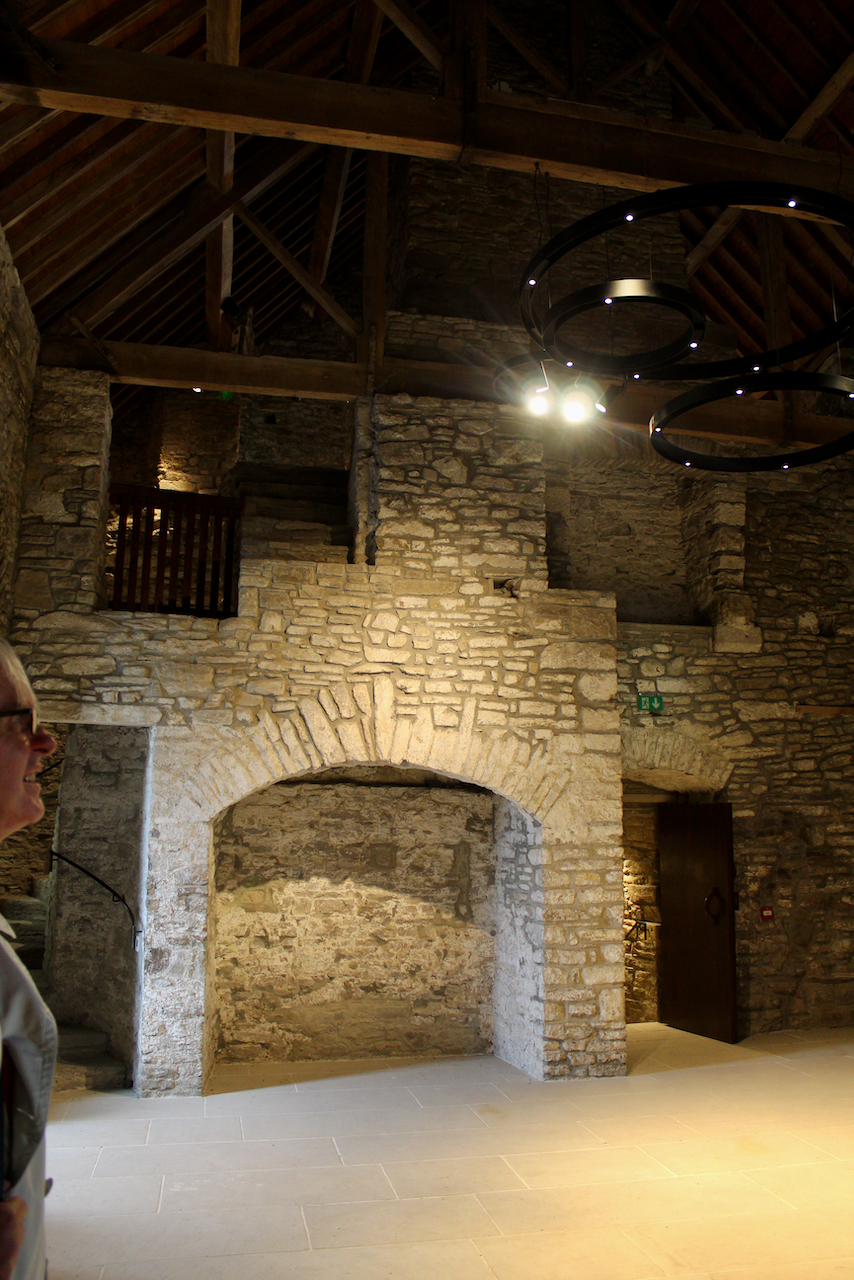
The floor above the banquet room has three fireplaces. The large room was probably partitioned.

Inside Roscrea Castle, August 2024. Photograph © Jennifer Winder-Baggot, www.irishhistorichouses.com

There’s a minstrils’ gallery. Minstrils were of the lower class and were kept away from aristocratic guests to prevent spreading any infection.

Roscrea Castle, August 2024. Photograph © Jennifer Winder-Baggot, www.irishhistorichouses.com
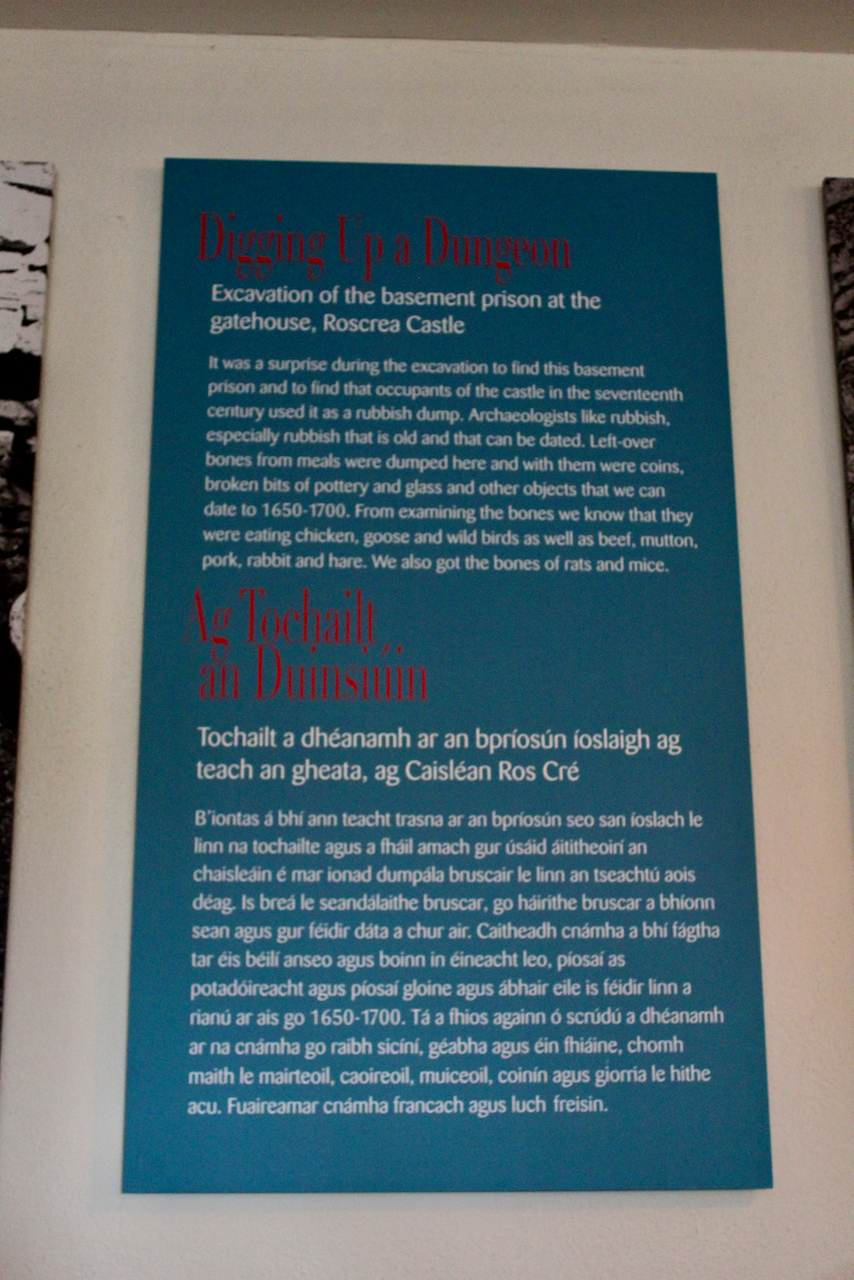
Exhibition panel at Damer House.
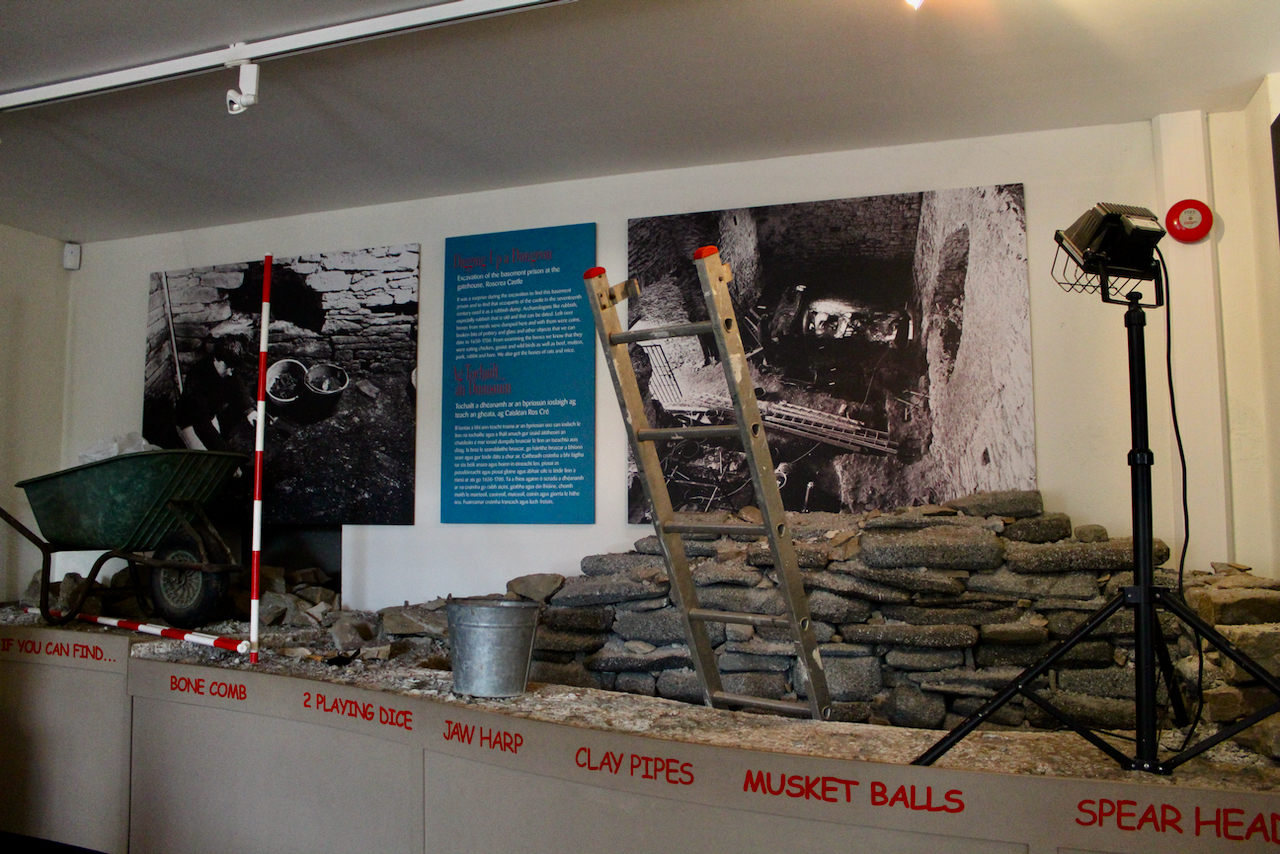
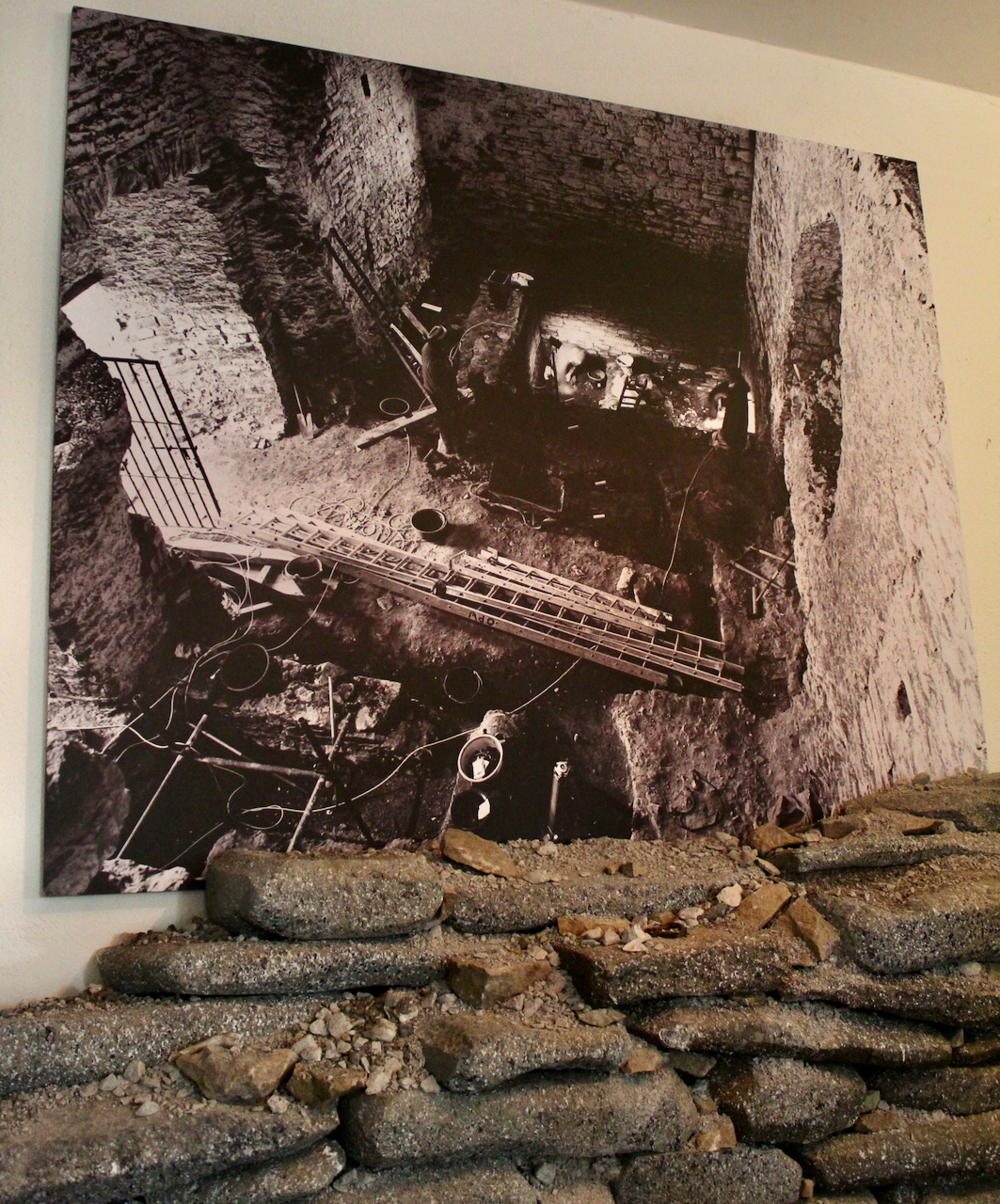
Exhibition panel at Damer House about excavation.

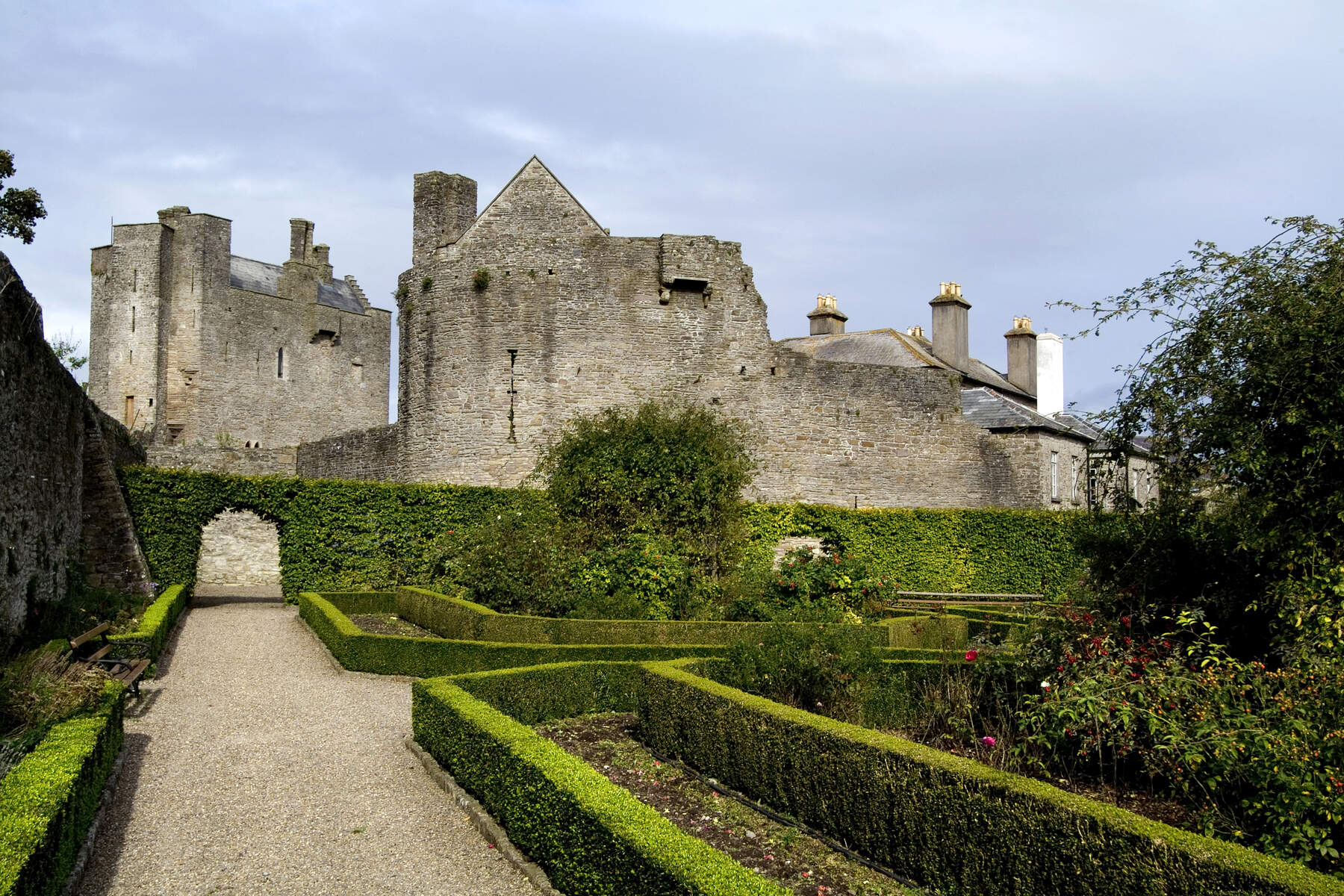
After our tour of the castle we had a little time to explore the gardens.

Roscrea Castle, photograph from Ireland’s Content pool, by Chris Hill 2014 for Failte Ireland.
Gardens at Roscrea Castle, August 2024. Photograph © Jennifer Winder-Baggot, www.irishhistorichouses.com
Exhibition panel at Damer House.
The back of buildings at Roscrea Castle, August 2024. Photograph © Jennifer Winder-Baggot, www.irishhistorichouses.com

[1] https://www.irelandscontentpool.com/en

[2] See the blog of Patrick Comerford, http://www.patrickcomerford.com/search/label/castles?updated-max=2019-03-03T14:30:00Z&max-results=20&start=27&by-date=false

[3] https://www.dib.ie/biography/damer-joseph-a2390

[4] Hayes, William and Art Kavanagh, The Tipperary Gentry volume 1 published by Irish Family Names, c/o Eneclann, Unit 1, The Trinity Enterprise Centre, Pearse Street, Dublin 2, 2003.

[5] https://theirishaesthete.com/2013/09/23/bon-anniversaire/ and see my write-up about Emo Court, in OPW properties in Leinster: Laois.

[6] https://theirishaesthete.com/tag/damer-house/

[7] http://www.cahirhistoricalsociety.com/articles/cahirhistory.html