Castlemore, Tullow, Co. Carlow – ruin 

Castlemore, Tullow, Co. Carlow – ruin 

Mark Bence-Jones. A Guide to Irish Country Houses.[originally published as Burke’s Guide to Country Houses volume 1 Ireland by Burke’s Peerage Ltd. 1978; Revised edition 1988 Constable and Company Ltd, London.] 

p. 73. “(Eustace-Duckett/IFR) A two storey house of late-Georgian appearance, wiht two long adjoining ftonts, both having battlements and hood mouldings over the windows. Plain enclosed porch, not centrally placed. Quoins.” 

Remains of detached eight-bay two-storey country house, c. 1874, on an asymmetrical plan possibly incorporating fabric of earlier house, c. 1675. Hood mouldings to openings and crenellations. Burnt, c. 1975 and now in ruins. Group of detached outbuildings to site. 

Record of Protected Structures: 

Castlemore House, Castlemore, Tullow. Townland: Castlemore 

The ruins of a large, eight-bay, two-storey house dating from circa 1872 and said to incorporate an earlier house of 1675 and certainly early-19th century work. The walls are cement rendered with a cornice and blocking course and there is a small, late-19th century, granite porch. The earlier parts of the house and the immediate service buildings were all enclosed in the same, cemented unity. There are further service buildings behind and a wing of red-brick buildings. The house was burnt about 1975 and remains a ruin.  

Interest: architectural, regional, artistic, historic, social. 

1874 – Castlemore House, Tullow, Co. Carlow 

Built c.1874 and possibly incorporating fabric of earlier house, c. 1675. Castlemore House was a large eight-bay, two-storey residence with hood mouldings to openings and crenellations. Burned in 1975 and now in ruins 

Jimmy O’Toole, The Carlow Gentry: What will the neighbours say! Published by Jimmy O’Toole, Carlow, Ireland, 1993. Printed by Leinster Leader Ltd, Naas, Kildare. 

Chapter: Eustace of Castlemore 

p. 116. “[Eustace family] first settled a Kilnock where Edmund Eustace, born 1510, and a relative of the 1st Viscount Baltinglass, lived. His descendant, Oliver Eustace, lived at Ballynunnery, and later established the Castlemore seat. He was the only member of the family to hold a seat in parliament, having been returned in 1639 with Sir Thomas Butler of Clogrennan. They held their seats until the Cromwellian plantation of 1649. In 1654, the representation of Carlow was amalgamated with Wexford, Kilkenny and Laois.  

Rowland Eustace, 2nd Viscount Baltinglass, had benefited as a redult of King Henry VIII’s suppression of Irish monastaries, with grants of land in 1541 from the Baltinglass Abbey estates. The Abbey had 60,000 acres, and from this, the Eustaces got the parishes of Clonmelsh and Grangeford. These lands were forfeited in 1582 as a result of the James Eustaces’s (3rd Viscount’s) backing of the 15th Earl of Desmond’s rebellion against Eliz 1 in 1581, in support of the claim by Mary Queen of Scots to the British throne. James’s wife, Mary, daughter and co-heiress of John Travers, also lost their lands, previously the property of the Knights Hospitallers of Killerig. She regained this estate thanks to the efforts of her second husband, Sir Gerald Aylmer, but the property was sold soon after her death in 1610. 

James Eustace, 3rd Viscount, was outlawed by an Act of Parliament known at the Statute of Baltinglass in May 1585, but had already fled to Spain. Not so fortunate were six men involved in organising his safe passage out of Ireland. Matthew Lambert, a Wexford baker, gave the Viscount and his chaplain, Father Robert Rochford, refuge, and five sailors working out of Wexford were also involved in the escape plan. All six were arrested and found guilty of treason. They were tortured and while still proclaiming their fidelity to the Catholic faith, they were hanged, drawn and quartered in Wexford in July 1581. Lambert and three of the sailors, Robert Myler, Edward Cheevers and Patrick Cavanagh, were beatified as martyrs in Rome in 1992 by Pope John Paul II. The third Viscount died just six months after he had been outlawed in Ireland. 

p. 117. A century later, Francis Eustace of Castlemore and his son Oliver of Ballynunnery joined the army of James II against William III. In 1690, they were found “to have been in open rebellion and to have departed after the battle of the Boyne with the Earls of Tyrone and Limerick, and with other rebels beyond the Shannon where they continued in war and rebellion.” Their Carlow land was forfeited, but as a result of claims at Chichester House in 1703, most of them were regained. It was that year that Queen Anne [p. 120] passed an Act to prevent the “further growth of popery,” which made it obligatory on converts from Catholicism to Protestantism to provide proof of conformity. 

Loyalty to the Catholic side would appear to have been more costly for the Eustaces than for either the Bagenals or Kavanaghs, both of whom conformed much later… 

Grateful to have regained part of their estates in 1703, the message was not lost on the Eustaces that the path of loyalty to the Crown, both in religious and military terms, was the one to follow to ensure future prosperity and wealth.  The family conformed to the Established Church, and by the end fo the 18th C, they were firmly on side, taking an unquestionably supportive role in the suppression of the 1798 rebellion. Captain Edward “Grinder” Eustace, First Lieut Robert Eustace and Second Captain Hardy Eustace, served in the Carlow and Rathvilly Cavalry. 

“A number of men from the Tullow area who were being sought for questioning in connection with the insurrection went to Carlow with sealed letters from “Grinder” Eustace, which they thought would exonerate them. A number of them, including the three Maher brothers of Ardristan, were executed. Serious questions were raised afterwards about the actual contents of the letters.. 

The Hardy name was added to Eustace following the marriage in 1743 of James Eustace of Castlemore and Elizabeth Hardy, only daughter and heir of John Hardy of Kyleballyhue, Co Carlow.  James died three years after his marriage, leaving two sons, Edward and Hardy, and a daughter Elizabeth, who married James Vigne, a Dublin jeweller. Their daughter Marianne Vigne married the celebrated painter George Chinney, whose portraits of his wife, and her grandmother, Elizabeth Hardy Eustace, are regarded as two of his finest works and both hang in the National Gallery of Ireland. Elizabeth was living with her daughter and son-in-law James Vigne, when she died in 1795. 

The Newstown branch of the family was established by Col Robert Eustace, son of Edward Eustace of Castlemore, who purchased the property in 1799 from Ephraim Carroll. The present regency house was built in 1824 and a portion of the earlier house was retained as servants’ quarters. The last member of the family to live there was Edward Arthur Rawlins Eustace, CIE, OBE, born 1899 [p. 121], who served with the 4th Gurka Rifles betwn 1918-1922, and served in the Indian Civil service from 1923-1947. Edward Arthur, who died 1970, had inherited following the death of his cousin Maurice James Eustace, a captain in the Royal Air Force, who was killed in action in Singapore in Feb 1942. 

Newstown was subsequently purchased by Paul Byrne, and Allard  and Ruth Von Rohr, a German couple. Their daughter, Alexandria, sold the property in the late 1980s and returned to live in Germany. 

p. 121. Hardymount was the dower house of the Eustaces. There is a tradition that the original dwelling here was a coaching inn in the 17th century… The present regency house was added in the 1820s, and it is said the fine chestnut tree alongside the drive was planted to mark its completion. It was the home of William Edward Grogan after his marriage in January 1888 to Sabina Alexandra Eustace. W.E. Grogan was master of the Carlow Hunt 1904-1920 and he lived at Moyle House from 1904 until his death in 1937. Hardymount is now th home of Mrs Sheila Reeves-Smyth.” 

“1856 Hardy Eustace of Castlemore (1827-1895) married Anne Duckett of Duckett’s Grove, and it was their eldest son, John James Hardy Rowland Eustace, who assumed the Duckett name in compliance with the will of his uncle William Duckett, who died in 1908. Under the terms of his will, his wife Maria Georgian Duckett had the right to continue in occupation of Duckett’s Grove mansion til her death…” 

In Blake, Tarquin. Abandoned Mansions of Ireland II: More Portraits of Forgotten Stately Homes. Collins Press, Cork, 2012. 

Home to the  Eustace family from the early 17C. Oliver Eustace was recorded as living in Castlemore in 1604. He was elected MP for Carlow in 1629. His grandson, Francis Eustace of Castlemore, joined the army of King James and fought at the Battle of the Boyne. In consequence, he forfeited his lands. In 1703, however, after claims were made to the Irish Parliament at Chichester House, the Eustace family regained most of their land. In 1712 Edward Eustace of Castlemore is recorded as marrying Bridget, daughter of Robert Lonfield of Kilbride, County Meath. 

Castlemore House was built around 1872 by Captain Hardy Eustace, a Justice of the Peace who served in the 4th Dragoons and the Carlow Regiment and was High Sheriff of Carlow in 1862. The Eustace family had been modifying and extending their home over the years and the house built by Captain Hardy incorporated sections of earlier structures dating from the 17th, 18th and 19th centuries. .. 

Captain Hardy married Anne, daughter of John Dawson Duckett of Duckett’s Grove, Co Carlow. He died in 1895 and was succeeded by his first son, Col. John Eustace, a JP, who served in the 8th Batallion King’s Royal Corps and was high sheriff of Carlow in 1895. On 22 June 1908, Co John’s uncle, William Duckett of Duckett’s Grove, died leaving no male heir. In his will he left a portion of his estate to his nephew, with the condition that he assume the additional surname of Duckett…. 

Col John Eustace-Duckett died in 1924 leaving his eldest son, Oliver Hardy Eustace-Duckett, to inherit the Castlemore estate. …On Saturday 16 August 1975, Oliver was woken by the smell of smoke in his bedroom. Apparently raiders had broken into the house through the back door, forced open a safe and stolen a shotgun and ammunition before setting fire to the house. A man was later arrested and tried in the Special Criminal Court where he was sentenced to three years’ imprisonment for the theft and arson. 

After the fire, Castlemore was abandoned. Today the house is filled with vines, briars and ivy. The fine gardens which once surrounded the house have been replaced by cornfields. Oliver Hardy Eustace-Duckett is still held in high esteem. 

IN ruins/boarded up 

http://sites.rootsweb.com/~irlcar2/Castlemore_House.htm 

Built c.1874 Castlemore estate belonged to the Eustace family, later Eustace-Duckett. A copy of this photo (Hardymount in Castlemore) from about 1950 was given by one of the daughters to my friend Kathleen Hosey, and it shows the group getting ready for the hunt. The Eustace-Ducketts were renowned Hunt Masters and specially bred a hunting dog, the Castlemore Labrador Retriever, which is still highly sought after today. 

Office of Public Works properties: County Kilkenny, Leinster

Kilkenny:

1. Dunmore Cave, County Kilkenny

2. Jerpoint Abbey, County Kilkenny

3. Kells Priory, County Kilkenny

4. Kilkenny Castle, County Kilkenny

5. St. Mary’s Church, Gowran, County Kilkenny

donation

Help me to pay the entrance fee to one of the houses on this website. This site is created purely out of love for the subject and I receive no payment so any donation is appreciated!

€15.00

1. Dunmore Cave, Mothel, Ballyfoyle, Castlecomer Road, County Kilkenny:

General information: 056 776 7726, dunmorecaves@opw.ie

https://heritageireland.ie/visit/places-to-visit/dunmore-cave/

From the OPW website:

Dunmore Cave, not far from Kilkenny town, is a series of limestone chambers formed over millions of years. It contains some of the most impressive calcite formations found in any Irish underground structure.

The cave has been known for many centuries and is first mentioned in the ninth-century Triads of Ireland, where it is referred to as one of the ‘darkest places in Ireland’. The most gruesome reference, however, comes from the Annals of the Four Masters, which tells how the Viking leader Guthfrith of Ivar massacred a thousand people there in AD 928. Archaeological investigation has not reliably confirmed that such a massacre took place, but finds within the cave – including human remains – do indicate Viking activity.

Dunmore is now a show cave, with guided tours that will take you deep into the earth – and even deeper into the past.

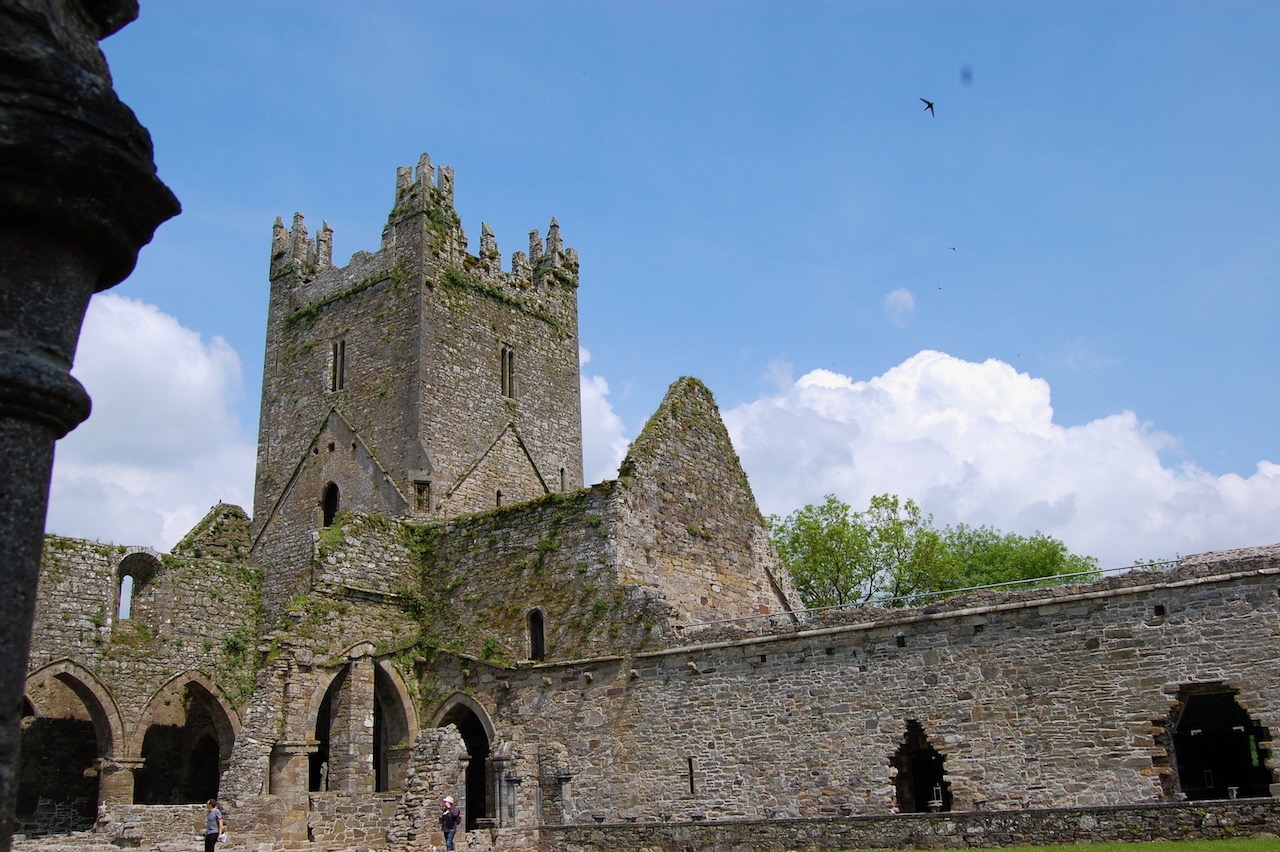
2. Jerpoint Abbey, Thomastown, County Kilkenny.

Jerpoint Abbey, May 2016. Photograph © Jennifer Winder-Baggot, www.irishhistorichouses.com
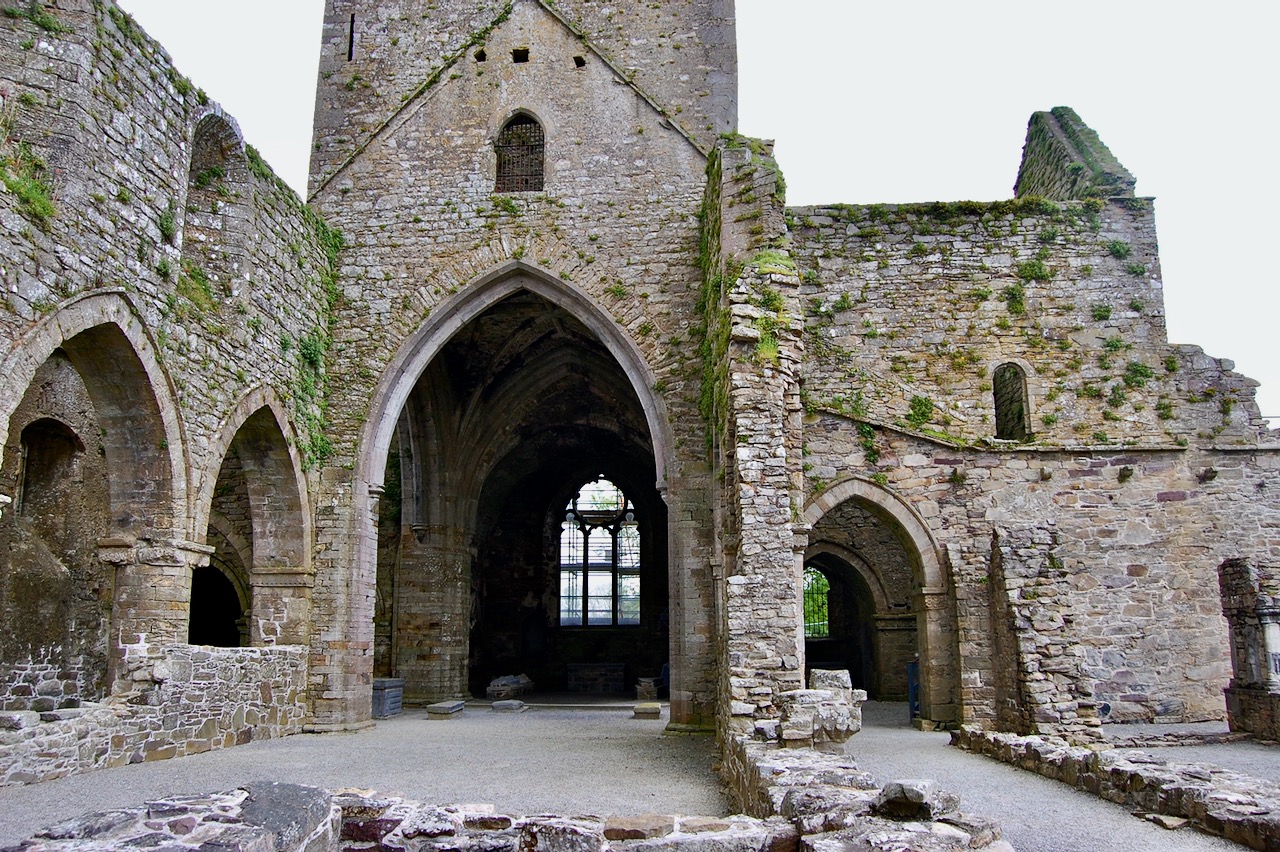
Photograph © Jennifer Winder-Baggot, www.irishhistorichouses.com

General information: 056 772 4623, jerpointabbey@opw.ie

https://heritageireland.ie/visit/places-to-visit/jerpoint-abbey/

From the OPW website:

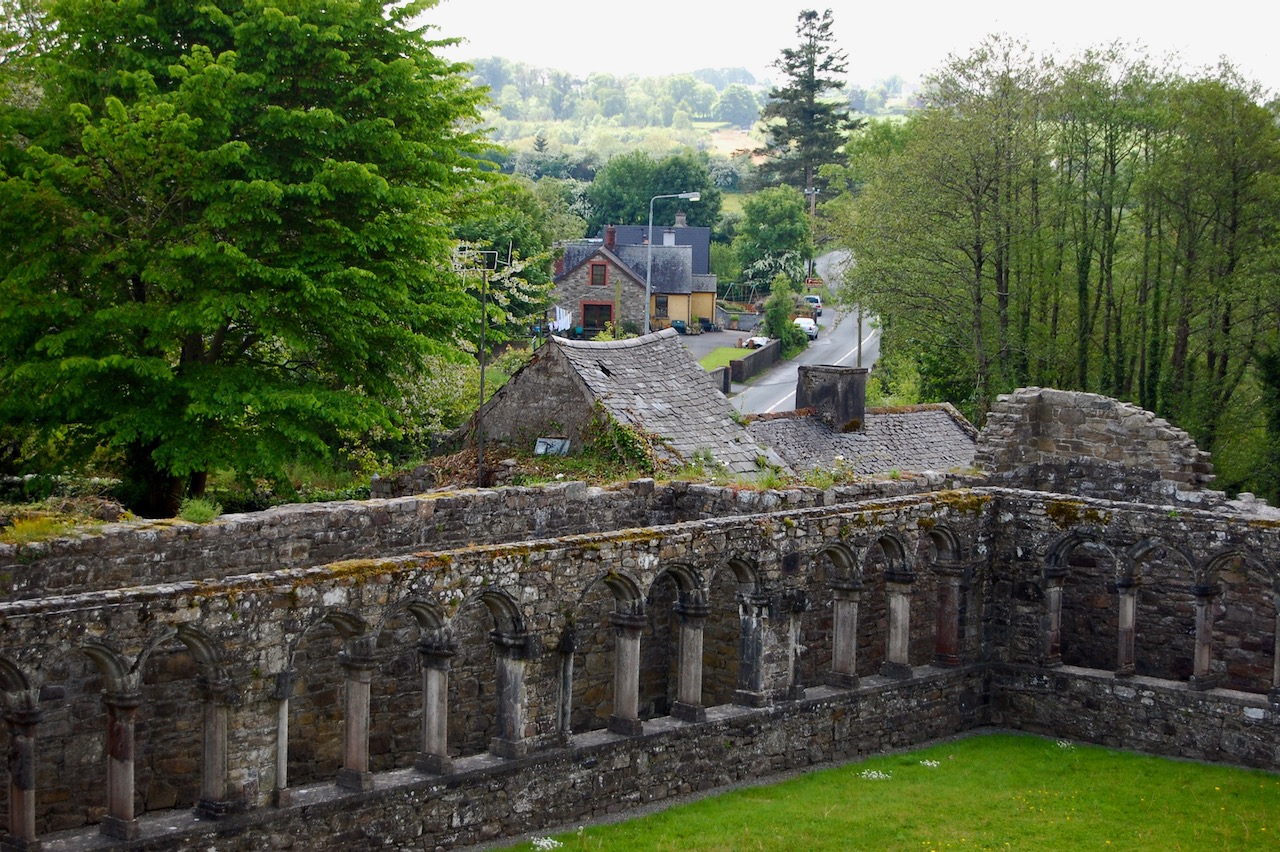
Founded in the 12th century, Jerpoint Abbey is one of the best examples of a medieval Cistercian Abbey in Ireland. The architectural styles within the church, constructed in the late twelfth century, reflect the transition from Romanesque to Gothic architecture. The tower and cloister date to the fifteenth century.

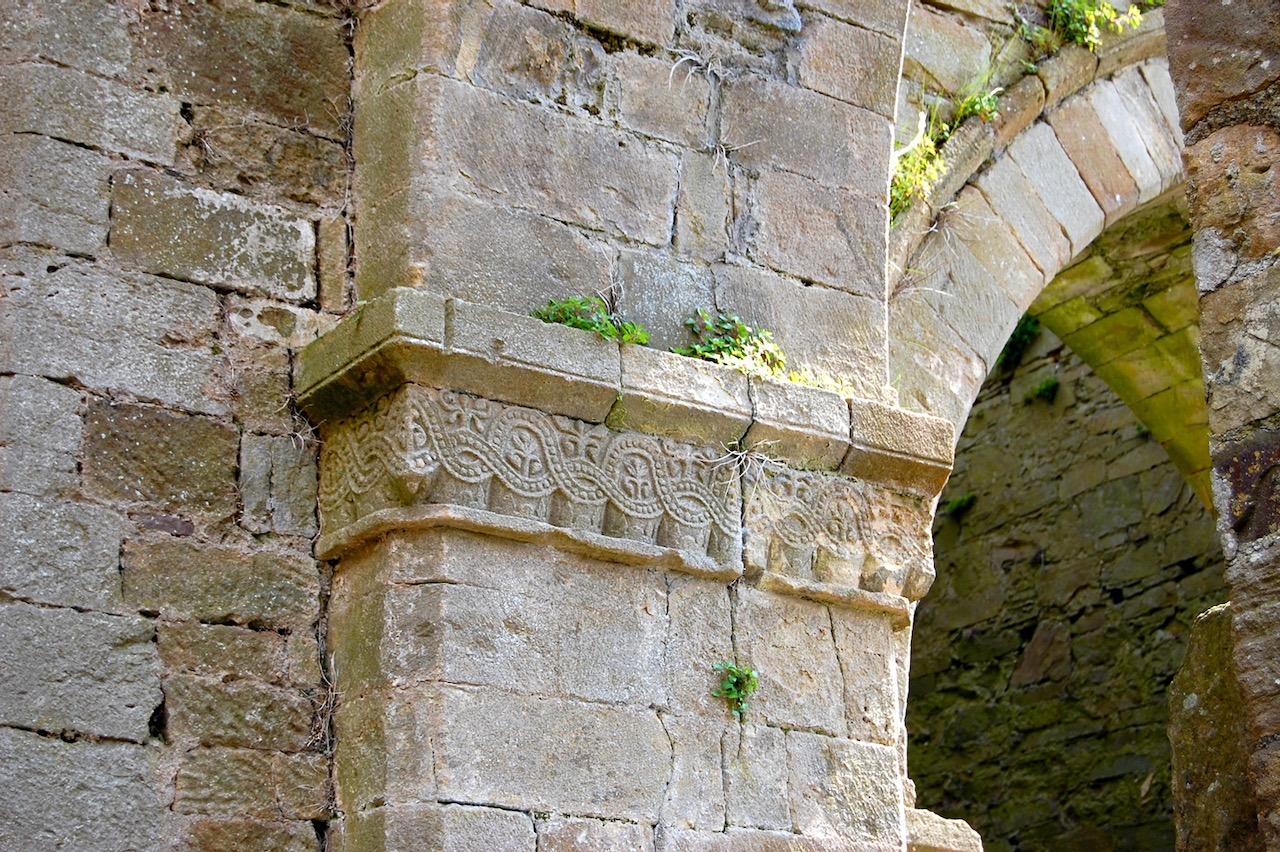
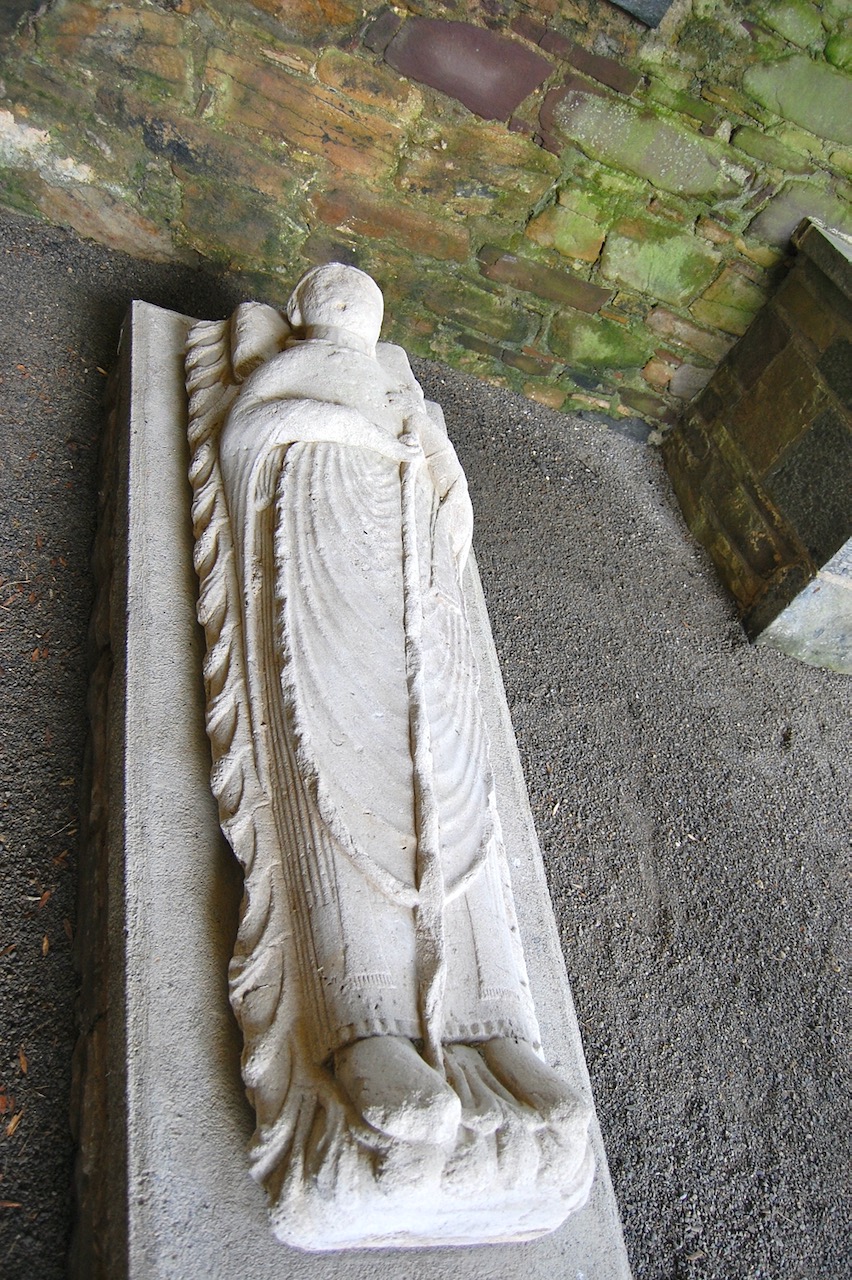
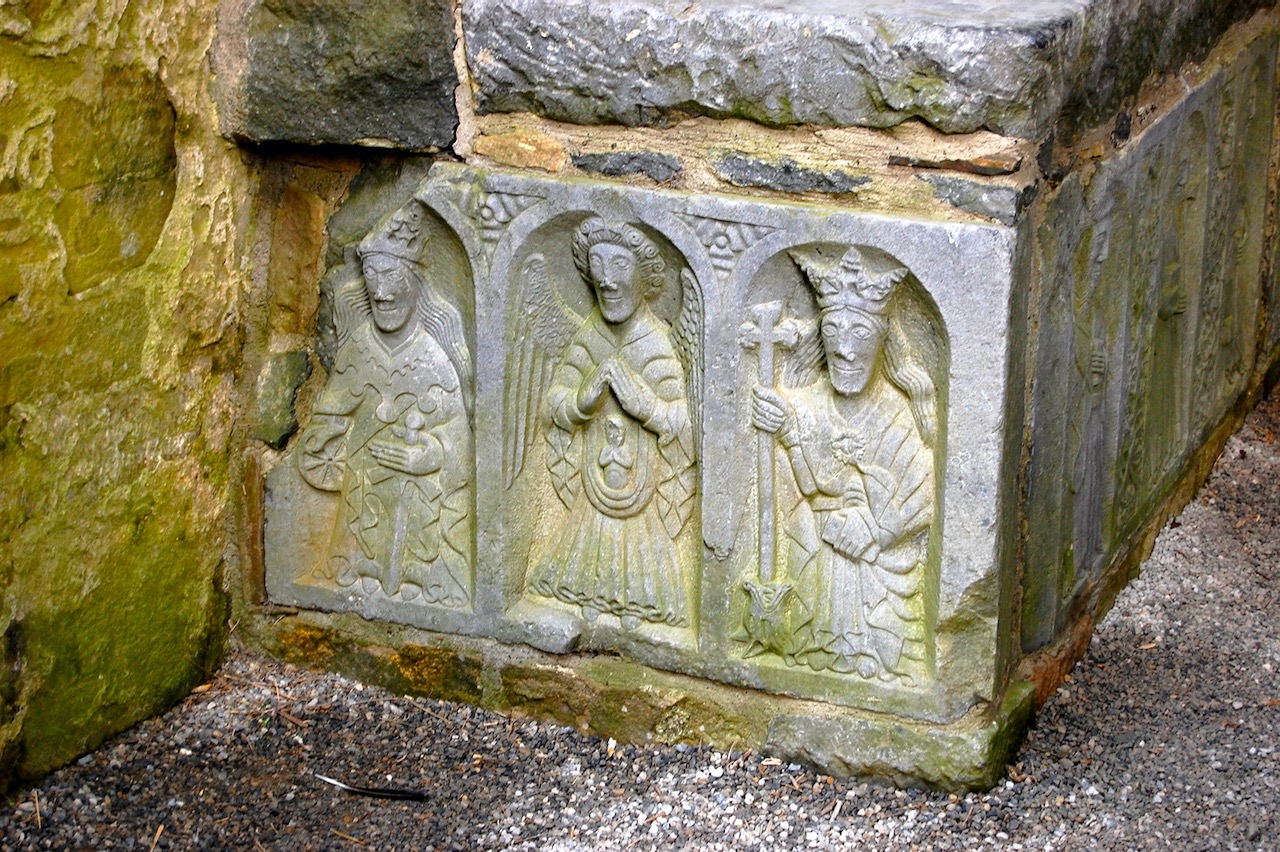
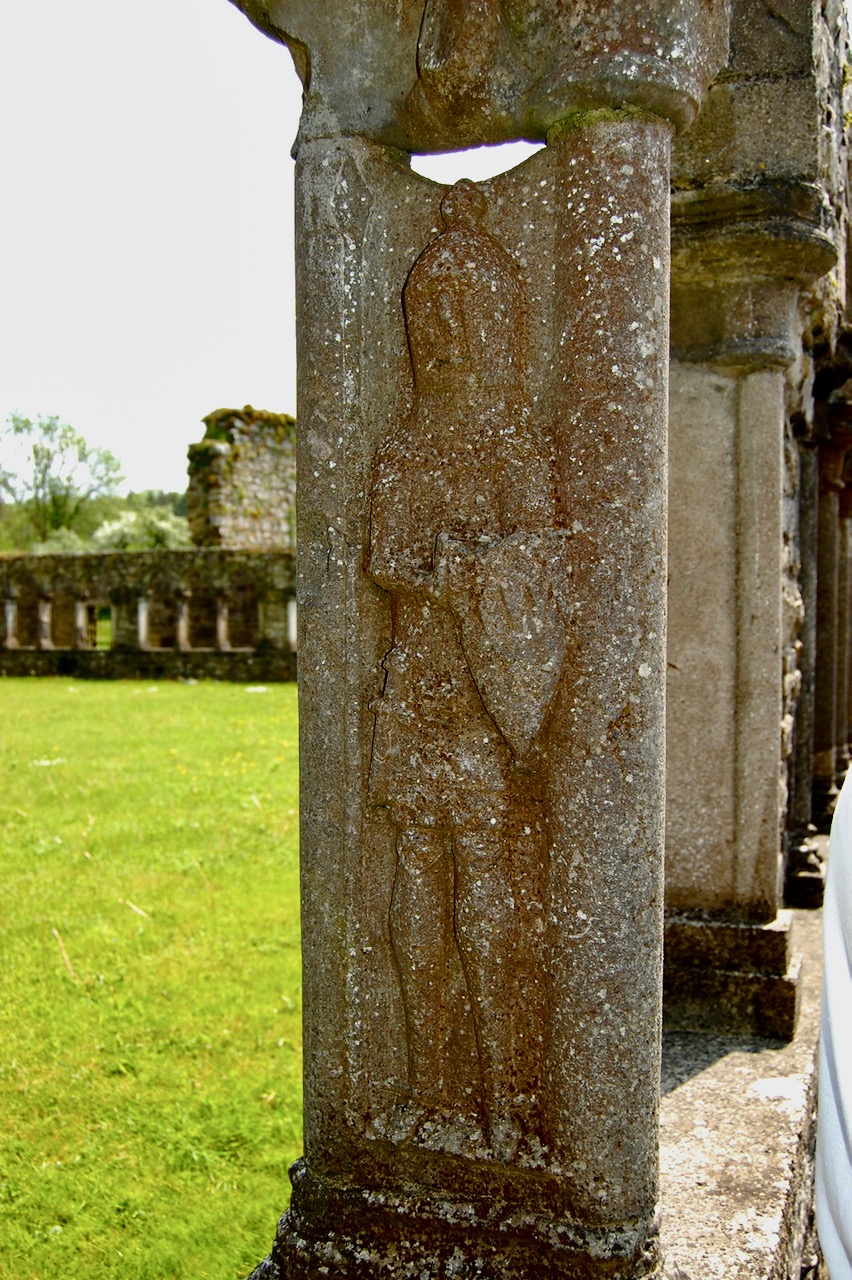
Jerpoint is renowned for its detailed stone sculptures found throughout the monastery. Dating from the thirteenth to the sixteenth centuries these include mensa [table] tombs from the O’Tunney school, an exquisite incised depiction of two 13th century knights, the decorated cloister arcades along with other effigies and memorials. 

Children can explore the abbey with a treasure hunt available in the nearby visitor centre. Search the abbey to discover saints, patrons, knights, exotic animals and mythological creatures.

A small but informative visitor centre houses an excellent exhibition.

Jerpoint Abbey, May 2016. Photograph © Jennifer Winder-Baggot, www.irishhistorichouses.com
Jerpoint Abbey. Photograph © Jennifer Winder-Baggot, www.irishhistorichouses.com

3. Kells Priory, Kells, County Kilkenny:

General information: 056 772 4623, jerpointabbey@opw.ie

From the OPW website:

Kells Priory owes its foundation to the Anglo-Norman consolidation of Leinster. Founded by Geoffrey FitzRobert, a household knight and trusted companion of William Marshal the priory was one element of Geoffrey’s establishment of the medieval town of Kells. 

Although founded in c. 1193 extensive remains exist today which include a nave, chancel, lady chapel, cloister and associated builds plus the remains of the priory’s infirmary, workshop, kitchen, bread oven and mill. The existence of the medieval defences, surrounding the entire precinct, underline the military aspect of the site and inspired the priory’s local name, the ‘Seven Castles of Kells’.

4. Kilkenny Castle, County Kilkenny:

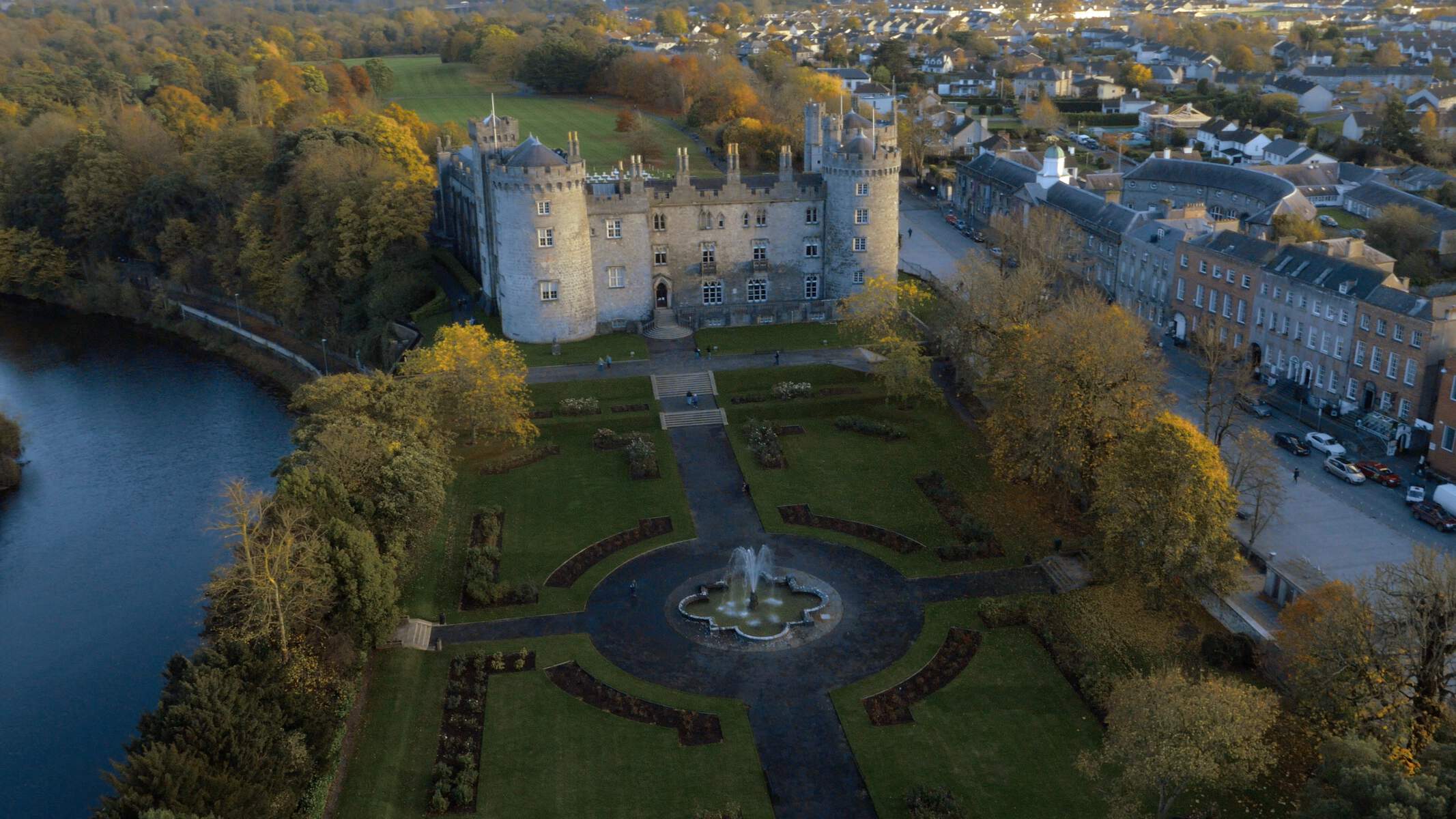
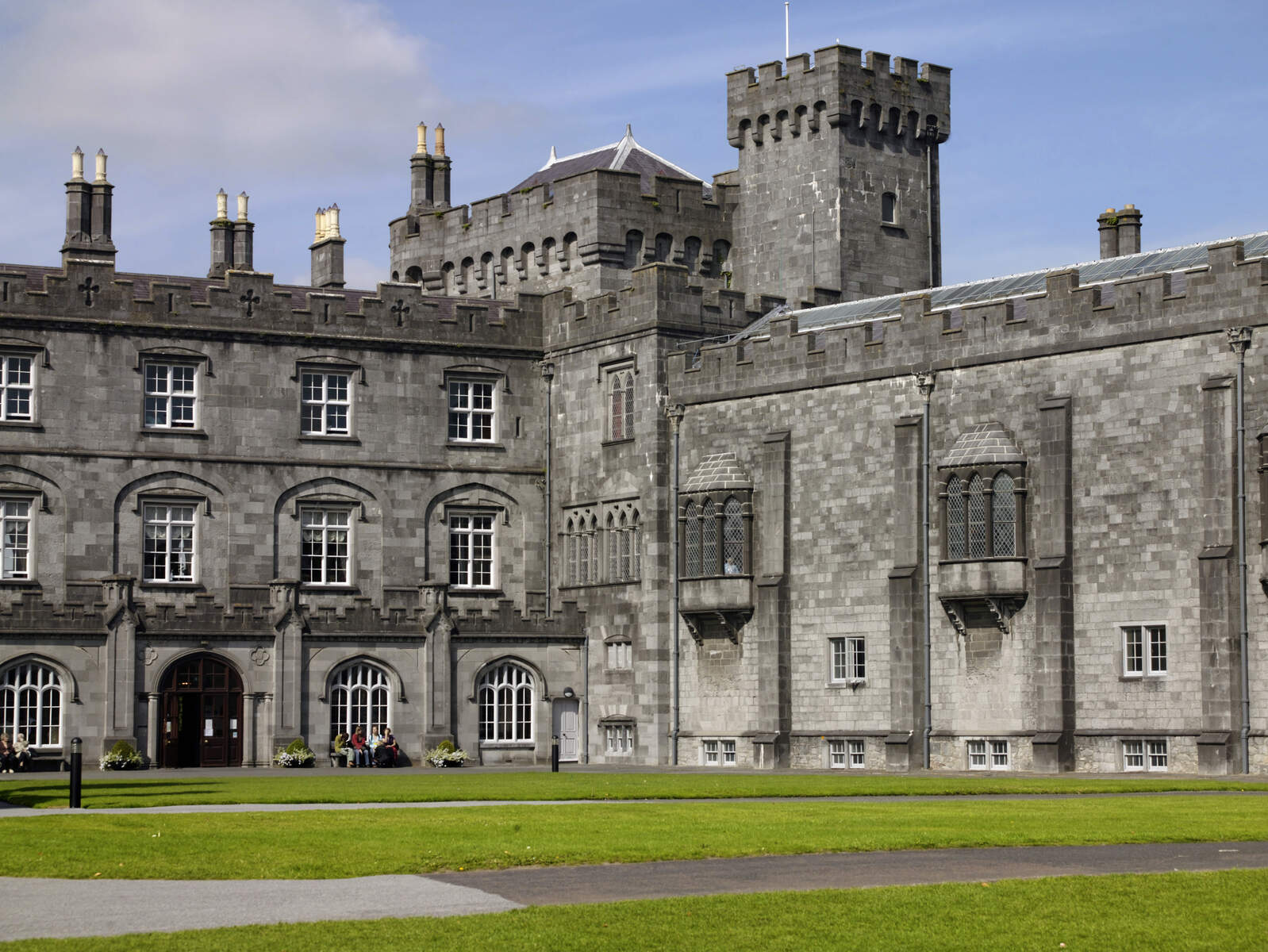
Kilkenny Castle, photograph by macmillan media 2016 for Tourism Ireland, Ireland’s Content Pool. It sits on the banks of the River Nore. [1]

General information: 056 770 4100, kilkennycastleinfo@opw.ie

From the OPW website:

Built in the twelfth century, Kilkenny Castle was the principal seat of the Butlers, earls, marquesses and dukes of Ormond for almost 600 years. Under the powerful Butler family, Kilkenny grew into a thriving and vibrant city. Its lively atmosphere can still be felt today.

The castle, set in extensive parkland, was remodelled in Victorian times. It was formally taken over by the Irish State in 1969 and since then has undergone ambitious restoration works. It now welcomes thousands of visitors a year.

Kilkenny Castle, photograph by unknown 2014 for Failte Ireland, Ireland’s Content Pool. [see 1]

See my entry https://irishhistorichouses.com/2024/04/08/kilkenny-castle-county-kilkenny-an-office-of-public-works-property/

Kilkenny Castle has been standing for over eight hundred years, dominating Kilkenny City and the South East of Ireland. Originally built in the 13th century by William Marshall, 4th Earl of Pembroke, as a symbol of Norman control, Kilkenny Castle came to symbolise the fortunes of the powerful Butlers of Ormonde for over six hundred years. [2]

In 1967 James Arthur Norman Butler (1893-1971), 6th Marquess and 24th Earl of Ormonde sold the Castle to the Kilkenny Castle Restoration Committee for £50. Two years later it went into state ownership.

Kilkenny Castle, photograph by unknown 2014 for Failte Ireland, Ireland’s Content Pool. [see 1] The National Inventory describes: Random rubble stone walls with sections of limestone ashlar construction (including to breakfront having full-height Corinthian pilasters flanking round-headed recessed niches with sills, moulded surrounds having keystones, decorative frieze having swags, moulded course, modillion cornice, and blocking course with moulded surround to pediment having modillions), and limestone ashlar dressings including battlemented parapets (some having inscribed details) on corbel tables. The classical frontispiece was designed for James Butler, Second Duke of Ormonde possibly to designs prepared by Sir William Robinson. 

You can take an online tour of the castle on the website https://kilkennycastle.ie/about/explore-the-castle-new/

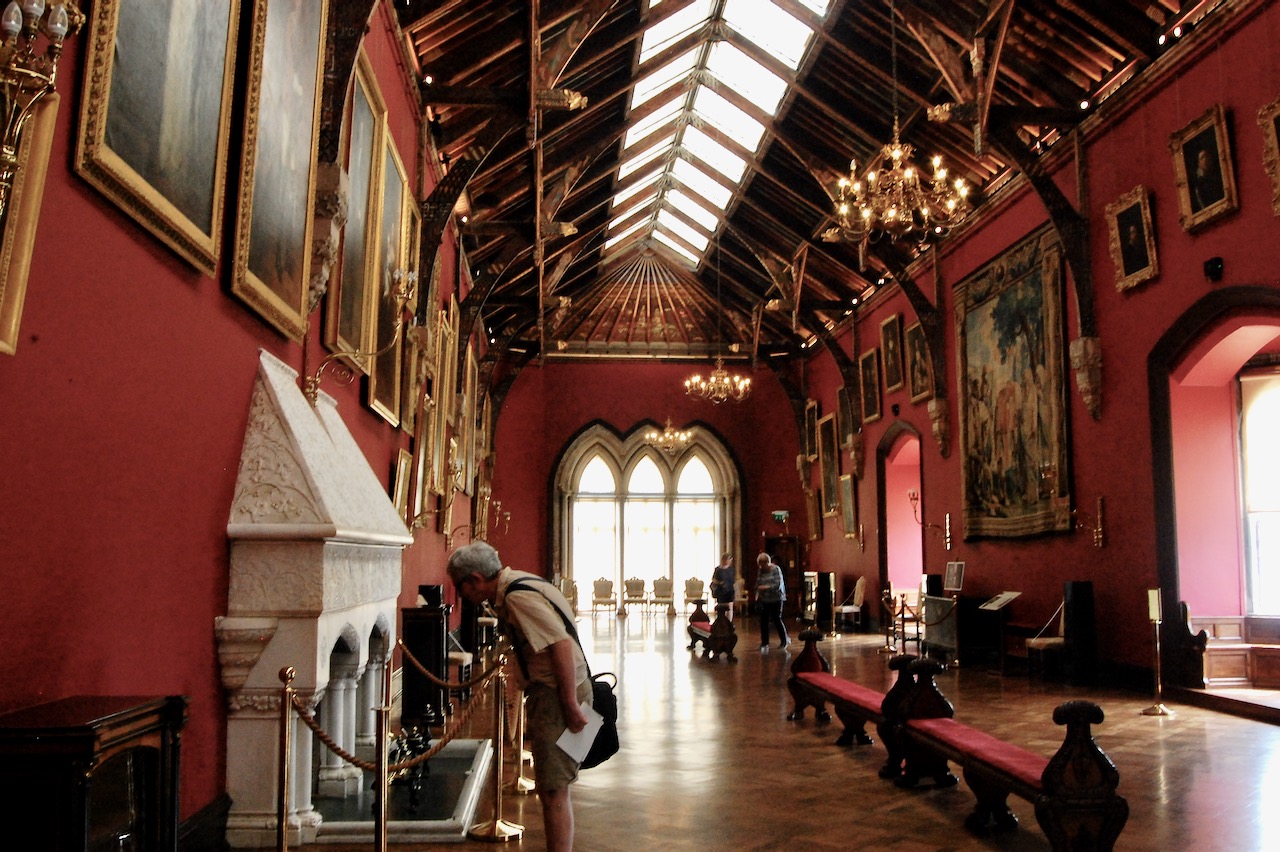
The magnificent Picture Gallery is situated in the east wing of Kilkenny Castle.This stunning space dates from the 19th century and was built primarily to house the Butler Family’s fine collection of paintings.

Kilkenny Castle. Photograph © Jennifer Winder-Baggot, www.irishhistorichouses.com

5. St. Mary’s Church, Gowran, County Kilkenny:

General information: 056 772 6894, breda.lynch@opw.ie

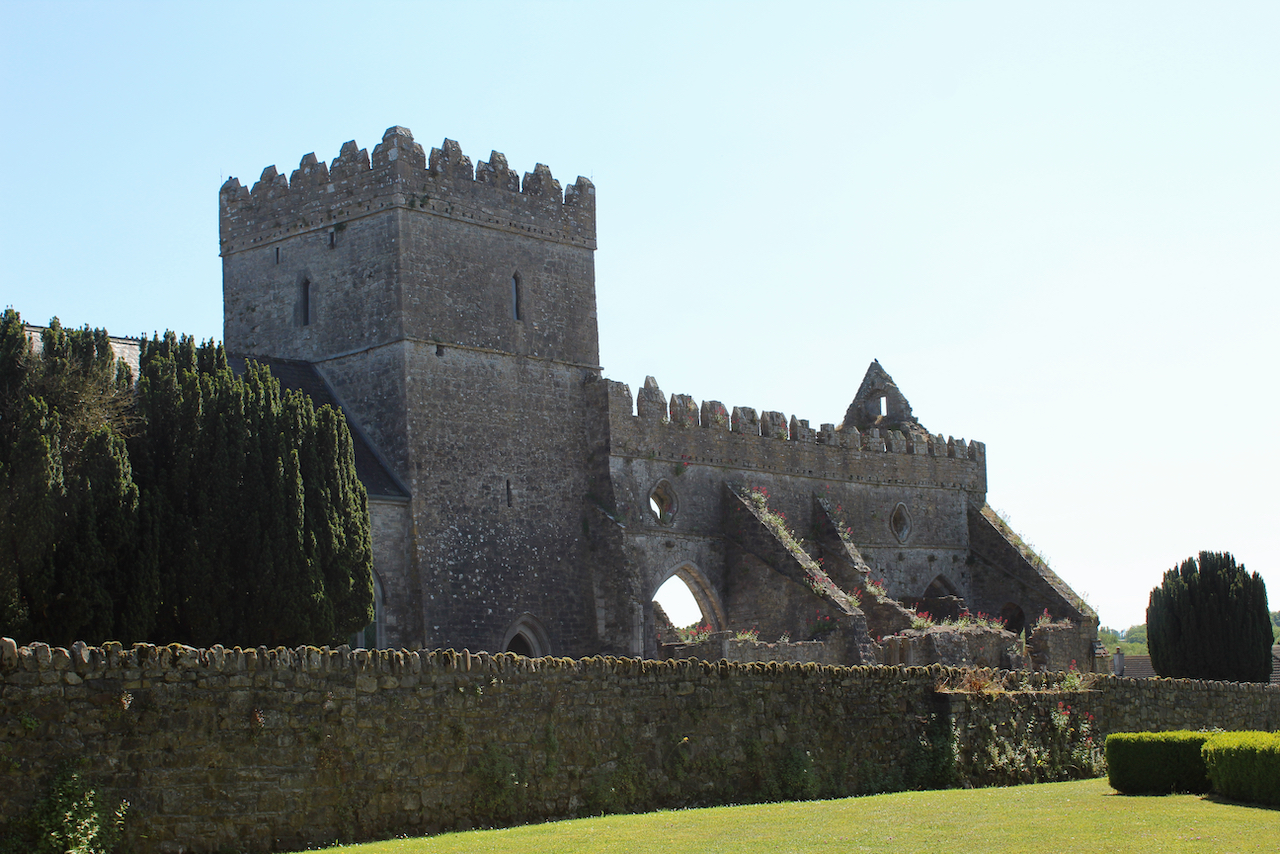
St. Mary’s church, Gowran, June 2023. Photograph © Jennifer Winder-Baggot, www.irishhistorichouses.com

From the OPW website:

This church was built in the late thirteenth century as a collegiate church and was served by a college – clerics who lived in a community but did not submit to the rule of a monastery. 

The church was patronised by the Butler family and many early family members are commemorated here with elaborate medieval tombs. The impressive ruins were decorated by the Gowran Master whose stone carvings are immortalised in the poetry of Nobel Laureate Séamus Heaney. 

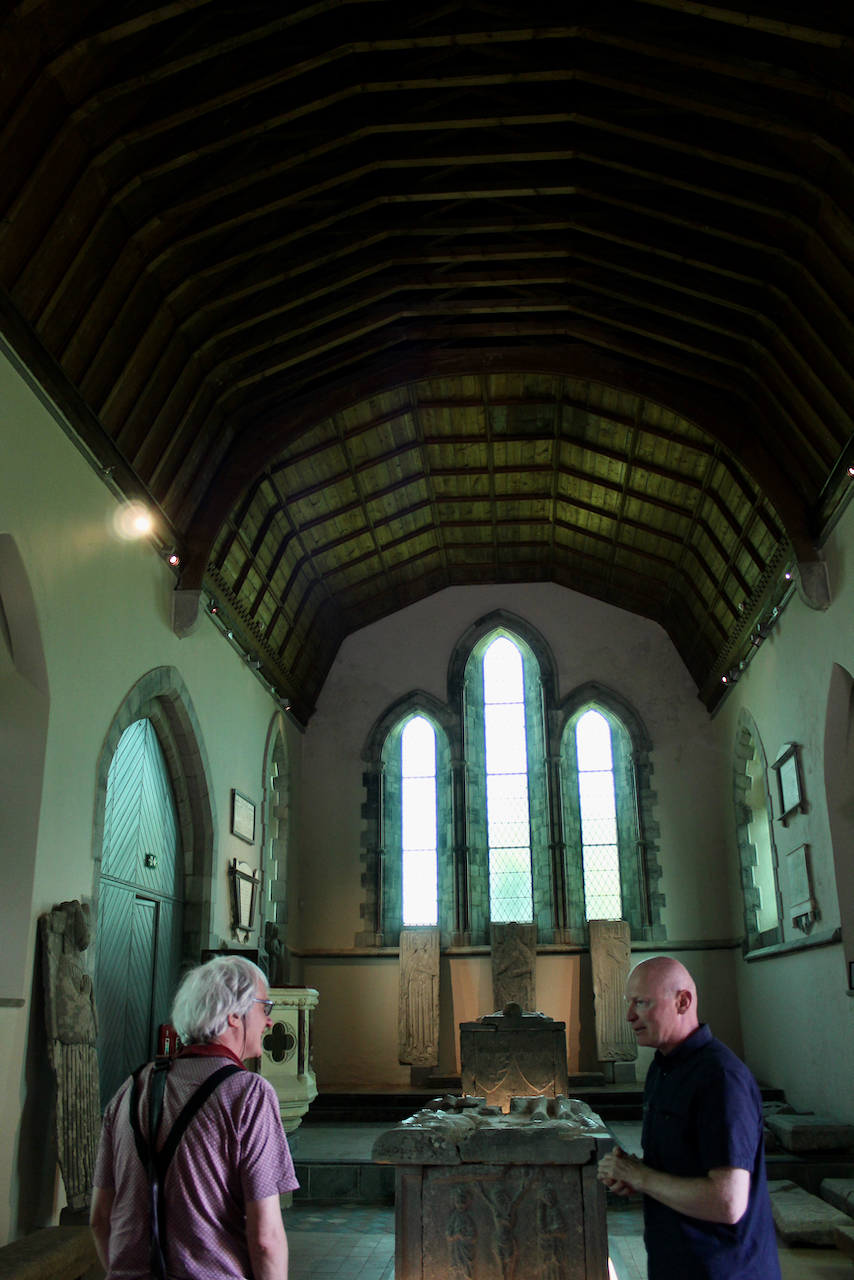
The once medieval church was later partly reconstructed in the early 19th century and functioned as a Church of Ireland church until the 1970s when it was gifted to the State as a National Monument. Today the restored part of the church preserves a collection of monuments dating from the 5th to the 20th centuries.

St. Mary’s church, Gowran, June 2023.

We visited it on the way home from Shankill Castle in County Kilkenny in June 2023. Our tour guide was an enthusiastic font of information and we shared what we knew also and we would have happily spent longer but had to head off as we were visiting a friend in Thomastown.

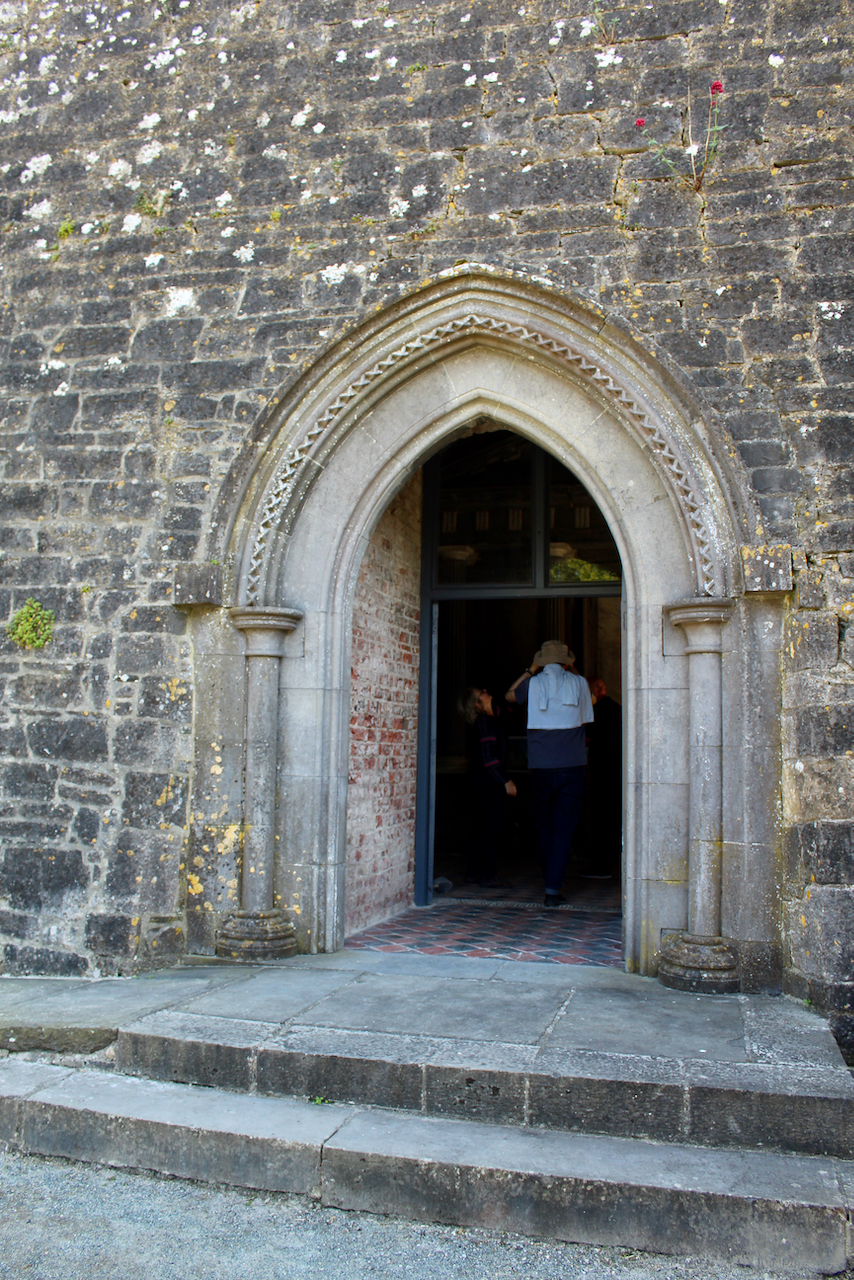
Entrance to the church. Photograph © Jennifer Winder-Baggot, www.irishhistorichouses.com
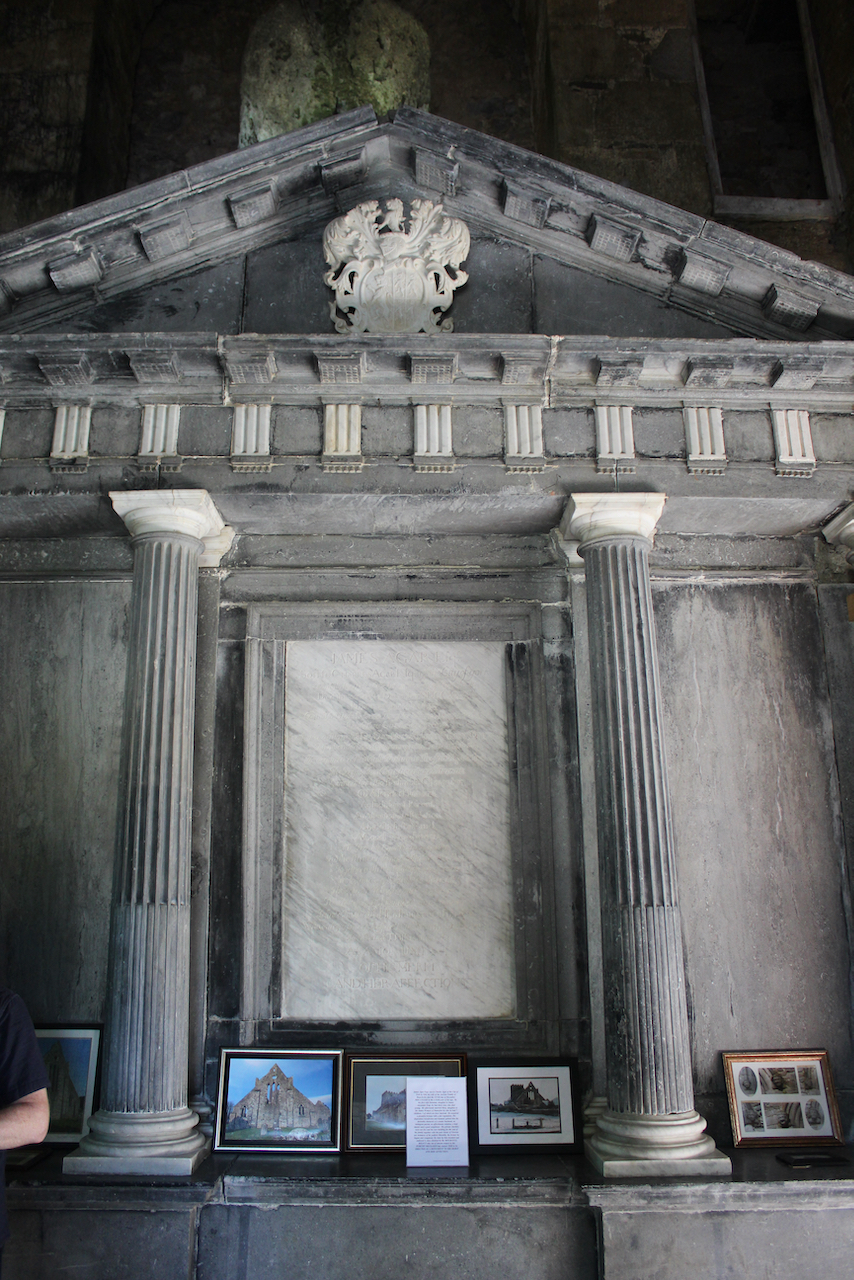
This large monument greets one as one enters the church, a monument to James Agar (d. 1733), son of Charles from York and Ellis Blancheville. By his first wife Susannah daughter of James Alexander he had three children who died young. By his second wife Mary daughter of Henry Wemyss of Danesfort, Kilkenny, he had several children. Photograph © Jennifer Winder-Baggot, www.irishhistorichouses.com
St. Mary’s church, Gowran, June 2023. Photograph © Jennifer Winder-Baggot, www.irishhistorichouses.com

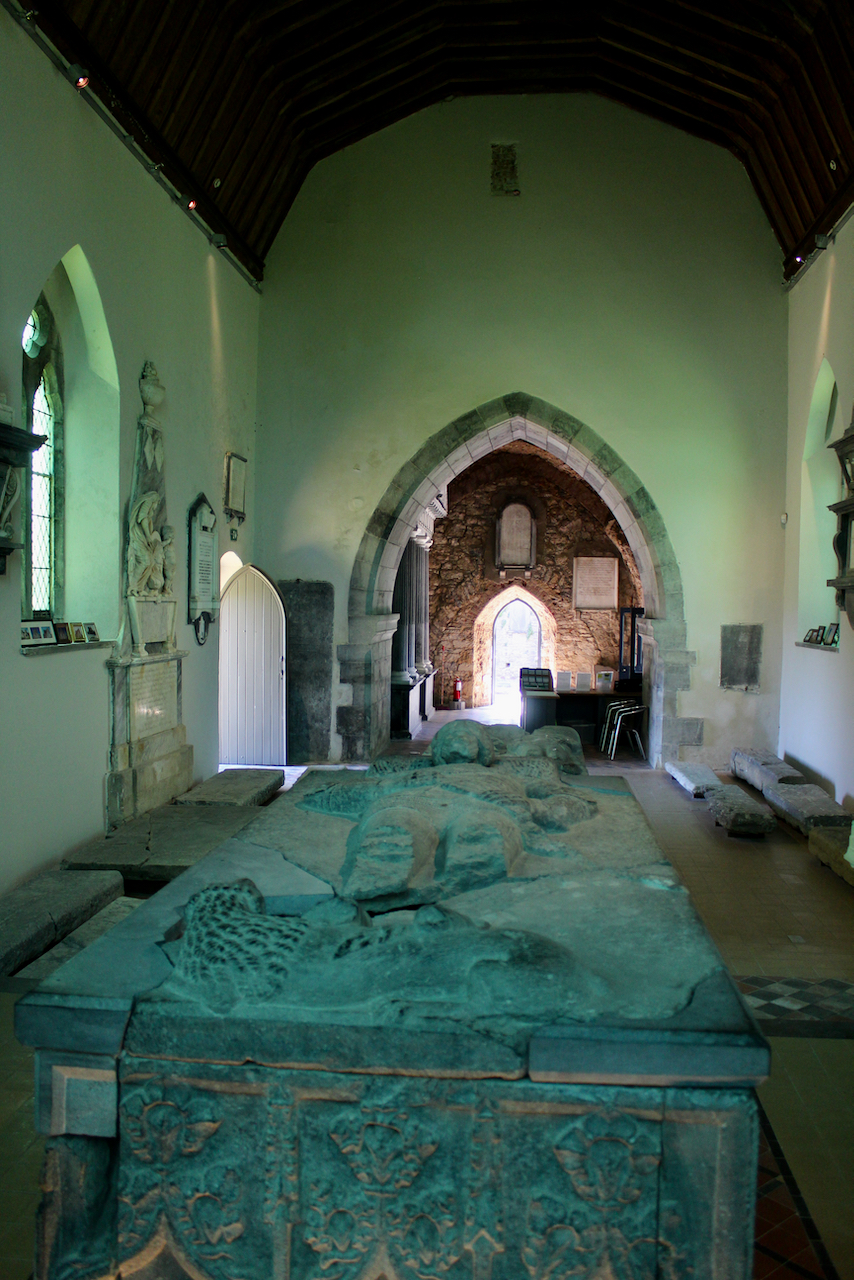
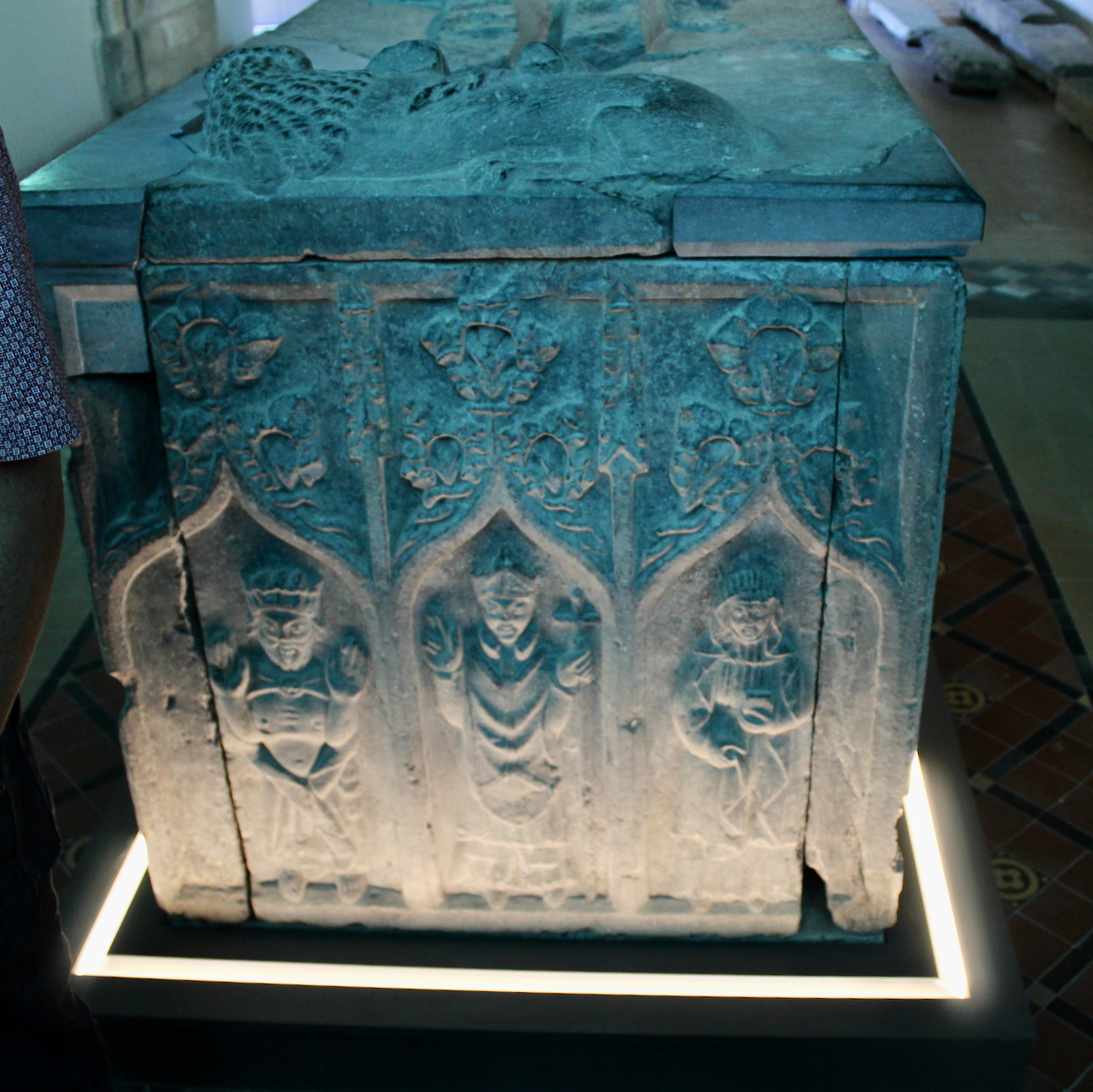
I was excited to see the tombs of the early Butlers of Ormond. The website tells us that the pair of effigial tombs belong (1467-1539) (d. 1487) to Butler knights. The more elaborate of them is believed to belong to Sir James Butler of Polestown, father of the eighth earl of Ormond, Piers Rua.

One of the effigial tombs. Photograph © Jennifer Winder-Baggot, www.irishhistorichouses.com
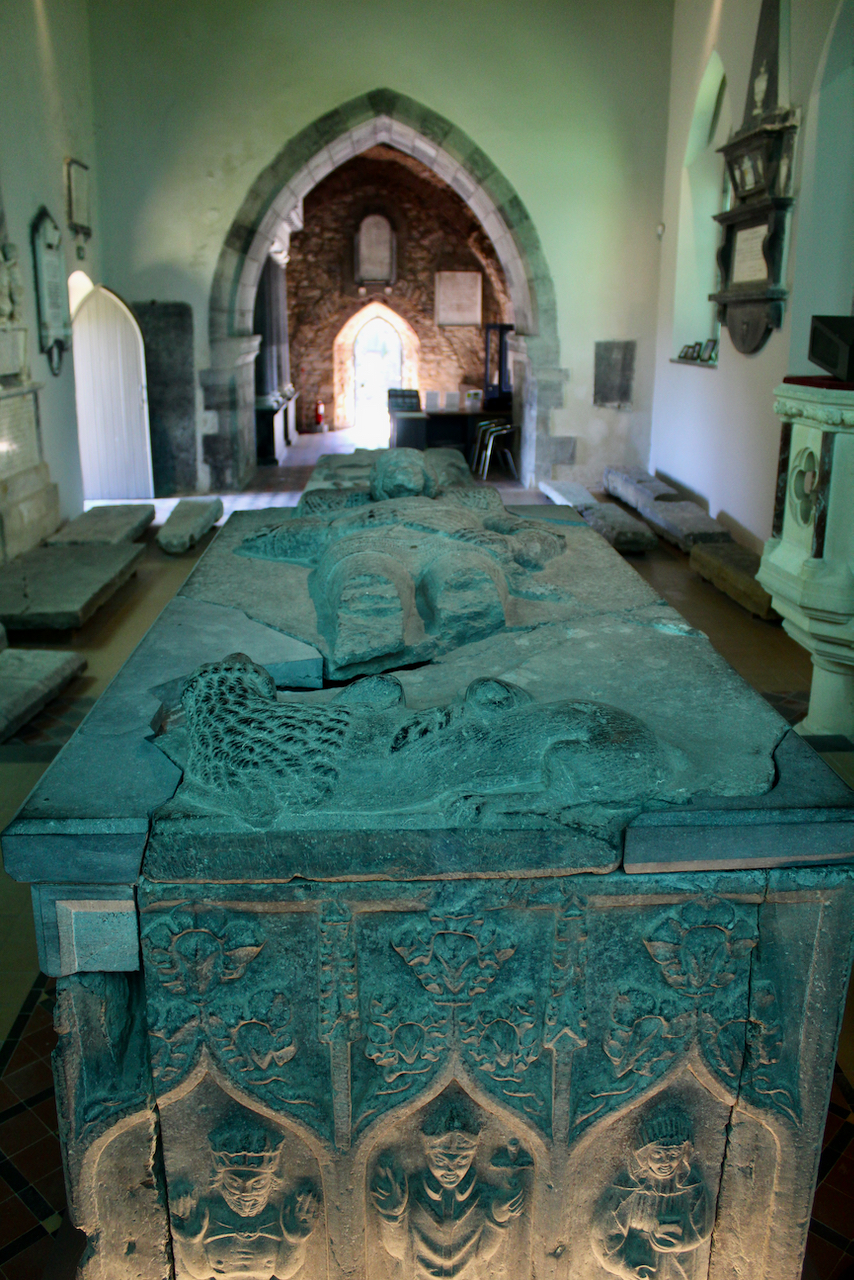
The end of the effigial tomb. Photograph © Jennifer Winder-Baggot, www.irishhistorichouses.com

The sides of this tomb are skilfully decorated with carvings of the Apostles, St Brigid, the crucifixion of Jesus Christ and possibly St Thomas à Becket. This tomb is believed to be the work of the renowned O’Tunneys of Callan. James became the Lord Deputy of Ireland in 1464. He married Sabh Kavanagh, daughter of Donal Reagh MacMurrough-Kavanagh, the King of Leinster.

This is probably the 1st Earl of Ormond, James Butler (c. 1305-1337). Photograph © Jennifer Winder-Baggot, www.irishhistorichouses.com
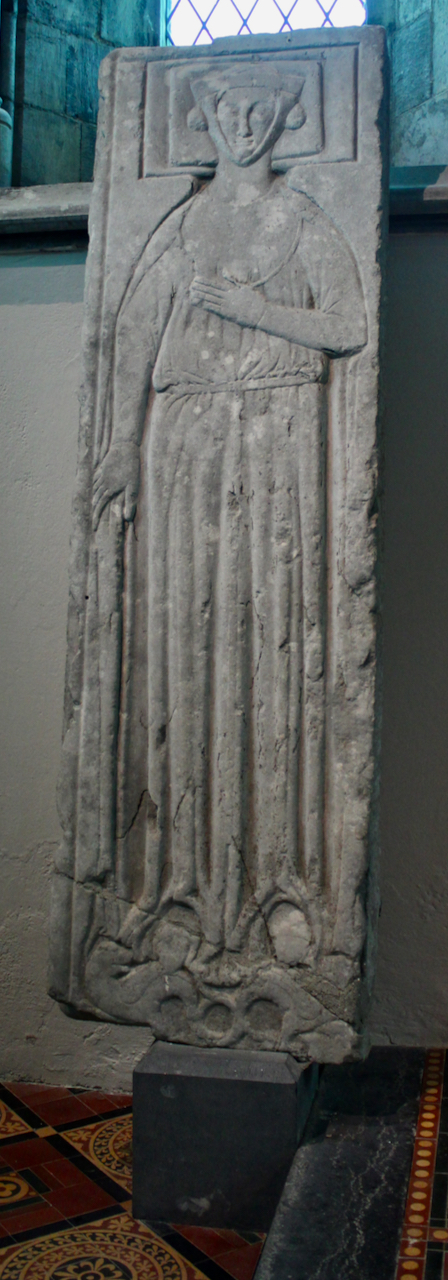
Probably the wife of the 1st Earl of Ormond, Eleanor de Bohun (c. 1304-1363). Photograph © Jennifer Winder-Baggot, www.irishhistorichouses.com
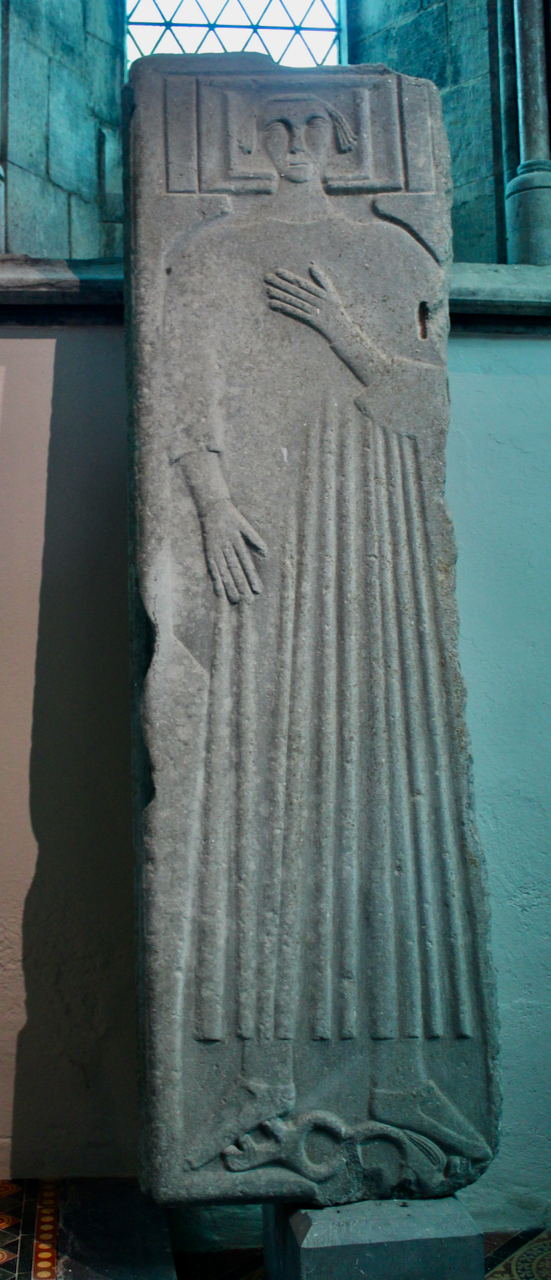
I’m not sure who this one is. Photograph © Jennifer Winder-Baggot, www.irishhistorichouses.com
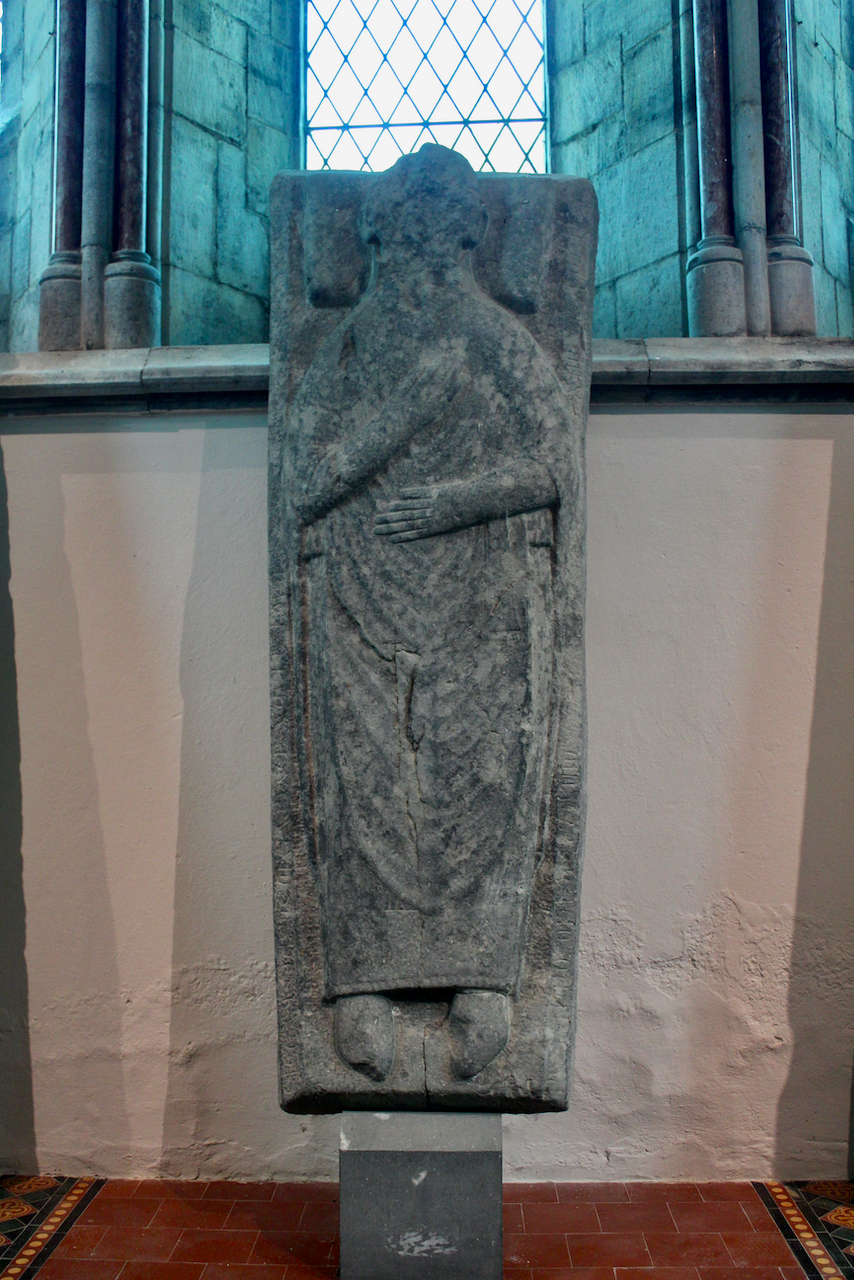
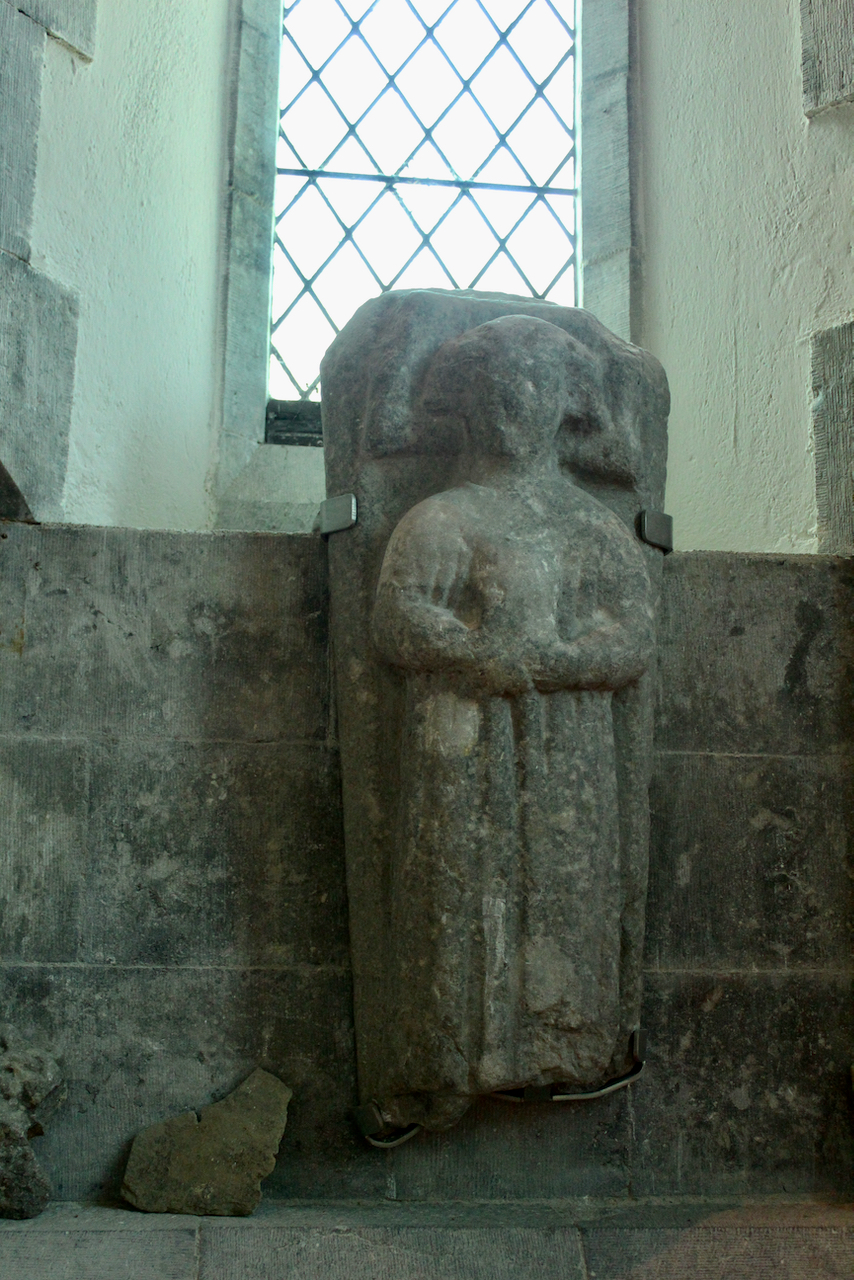
I think this one is the effigy of Ralph (Radoulfus) in his priestly vestments, the portrieve (priest) of Gowran in 1218. It is believed to be the oldest burial monument in Ireland with a date on it. The inscription is carved in Latin around the edge of the monument in Lombardic lettering. The monument is dated 19 March 1253. Photograph © Jennifer Winder-Baggot, www.irishhistorichouses.com
Another sculpted monument. Photograph © Jennifer Winder-Baggot, www.irishhistorichouses.com
An ogham stone with a cross. This is from the third or fourth century, was found on the site during the rebuilding of the chancel in 1826. Fr. Edmund Barry’s reading of the ogham writing here is “DALO MAQA MUCOI MAQUI-ERACIAS MAQI LI”, that is, “Dalach, grandson, of Mac-Eirche, who was son of Lia.” The cross was probably carved around the sixth century. Photograph © Jennifer Winder-Baggot, www.irishhistorichouses.com

[1] https://www.irelandscontentpool.com

[2] https://kilkennycastle.ie/about/explore-the-castle-new/

Text © Jennifer Winder-Baggot, www.irishhistorichouses.com