A place providing group accommodation let me know that my “places to visit and stay” pages for each county can cause confusion, since places of accommodation are not necessarily ones you can visit. Therefore I am separating into pages of places to visit, and places to stay. I will be republishing these over the next few weeks.
Carlow:
1. Altamont, Kilbride, Co Carlow – gardens open to public, see OPW entry
2. Borris House, Borris, County Carlow– section 482
3. Carlow Castle, Carlow, Co Carlow– a ruin
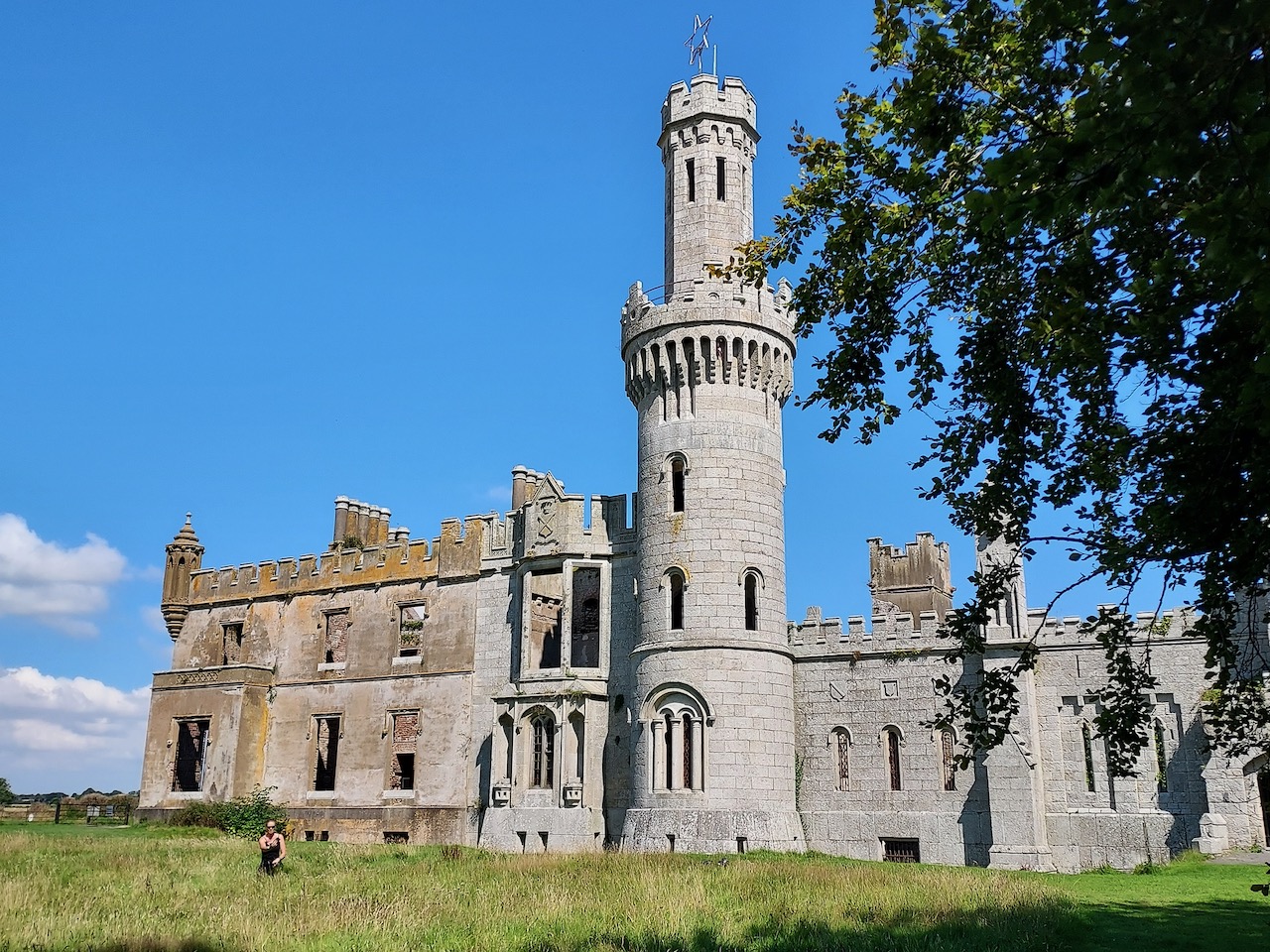
4. Duckett’s Grove, Carlow – a ruin
5. Hardymount House, Castlemore, Co Carlow– can visit gardens
6. Huntington Castle, Clonegal, Co Carlow – on section 482
7. Old Rectory Killedmond, Borris, Co Carlow– section 482
donation
Help me to pay the entrance fee to one of the houses on this website. This site is created purely out of love for the subject and I receive no payment so any donation is appreciated!
Open dates in 2026: Open: Apr 1, 2, 7-12, 14-26, 28-30, May 5-10, 19-24, June 12-14, 16-18, 23-25, 30, Aug 5, 12-23, 25, 26, Sept 1, 2, 8, 9, 22, 23, 29 12pm-4pm Fee: adult €12, OAP/student €10, child under 12 free
3. Carlow Castle, Carlow, Co Carlow– a ruin
“Carlow Castle in located in Carlow Town was at one stage one of the finest Norman castles ever built in Ireland. It was built around 1213 by William Marshall and the site was carefully chosen because of its strategic defensive location close to the River Barrow. In 1361 it was strengthened when it became the headquarters of the Exchequer of Ireland when it was moved here from Dublin. Although it was attacked and withstood a number of attempted assaults in 1494 and 1641, it’s great ‘low point’ came not through war but by a physician named Middleton. Middleton attempted to convert the castle into a lunatic asylum in 1814 when he tried to diminish the thickness of the walls by using explosives. He however made a gross miscalculation and ended up blowing most of the castle to pieces. All that remained were the 2 towers and a bit of the original wall.” [2]
Carlow Castle, 1954, Dublin City Library and Archives. [3]
4. Duckett’s Grove, Carlow – a ruin
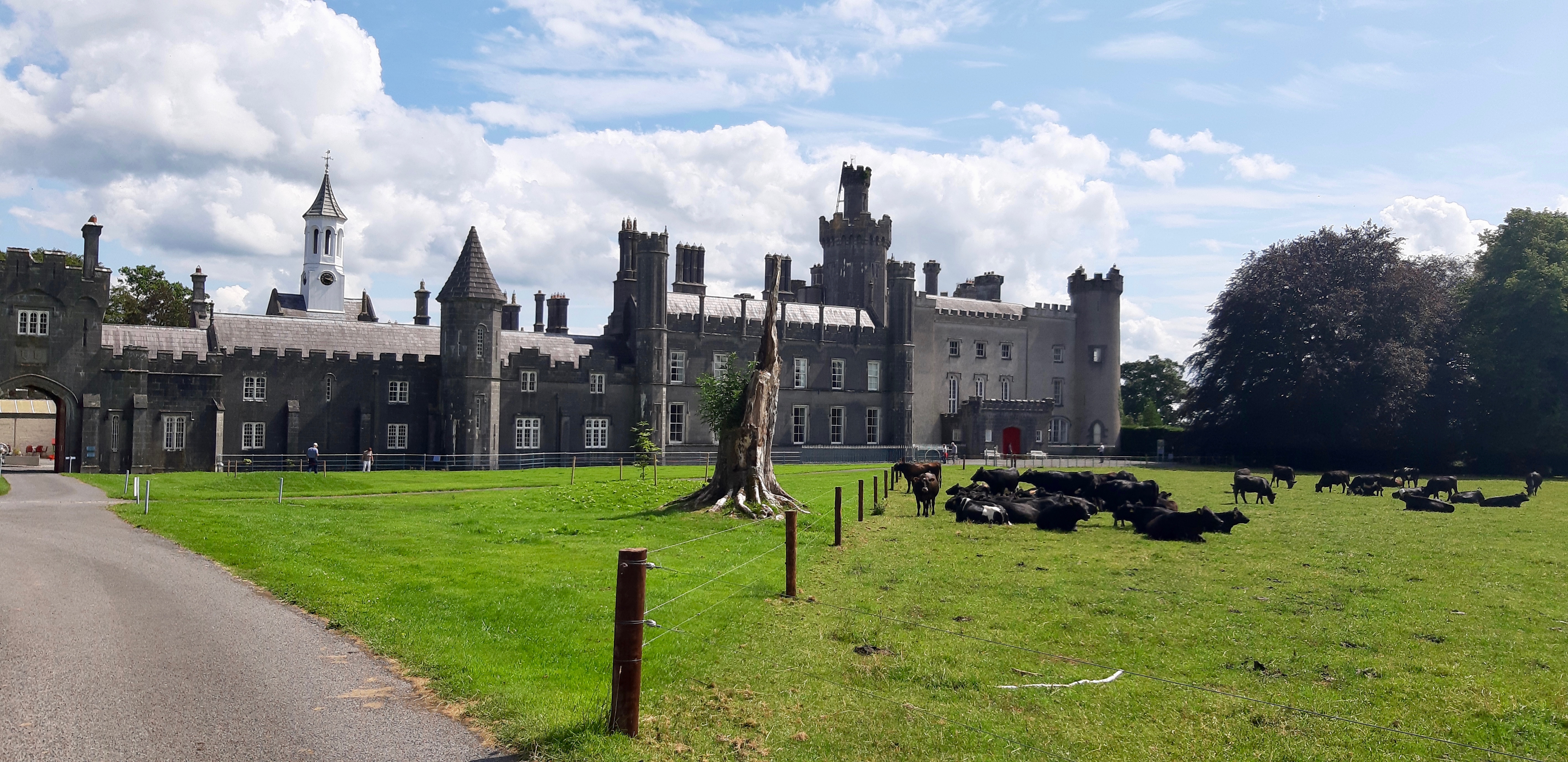
Maintained by Carlow County Council. Destroyed by fire in 1933 but there is a walled garden open to visitor and one can see the impressive ruins.
“Remains of detached three-storey over basement country house, c. 1745 now in ruins. Gothic style mantle added, c. 1825. Designed by Thomas Cobden. Extended, c. 1845, with granite ashlar viewing tower on an octagonal plan, turrets and entrance screens added. Designed by J. McDuff Derick. Stable complex to rear.” [5]
The property was once part of a 12,000 acre estate with eight acres of gardens.
The website tells us: “Hardymount Gardens comprise of 1 hectare of lawns and shrubs surrounded by magnificent beech and oak trees. Located near Tullow, County Carlow, the colourful, lively gardens feature many unusual plants and flowers.
“One of the largest Spanish chestnut trees in the country greets visitors on arrival to 1 hectare of lawns and shrubs surrounded by magnificent beech and oak trees. Found just outside Tullow, County Carlow, Hardymount Gardens features a wonderful walled garden that sits behind the house and contains many unusual plants and flowers in the herbaceous border: lilac-coloured Erysimum, yellow helianthus, beds of old roses, downy variegated mint, mimosa, blue agapanthus, California tree poppies, Chinese foxgloves and much, much more.
“The grass paths take visitors past the pond with lilies and fish, and by espaliered apple trees, lobelia tupa, a pergola clothed with wisteria and under planted with hollyhocks and foxgloves. There is a vegetable garden and a summer house at the end of the garden which provides a quiet area for rest and relaxation. Hardymount is a truly amazing walled garden full of colour and vigour thanks to its owner and her dedication to gardening.
“Group lunches and teas are available upon request. Car Parking available (a coach may park on road). No dogs or picnics.”
Mark Bence-Jones writes of Hardymount House in his A Guide to Irish Country Houses (1988):
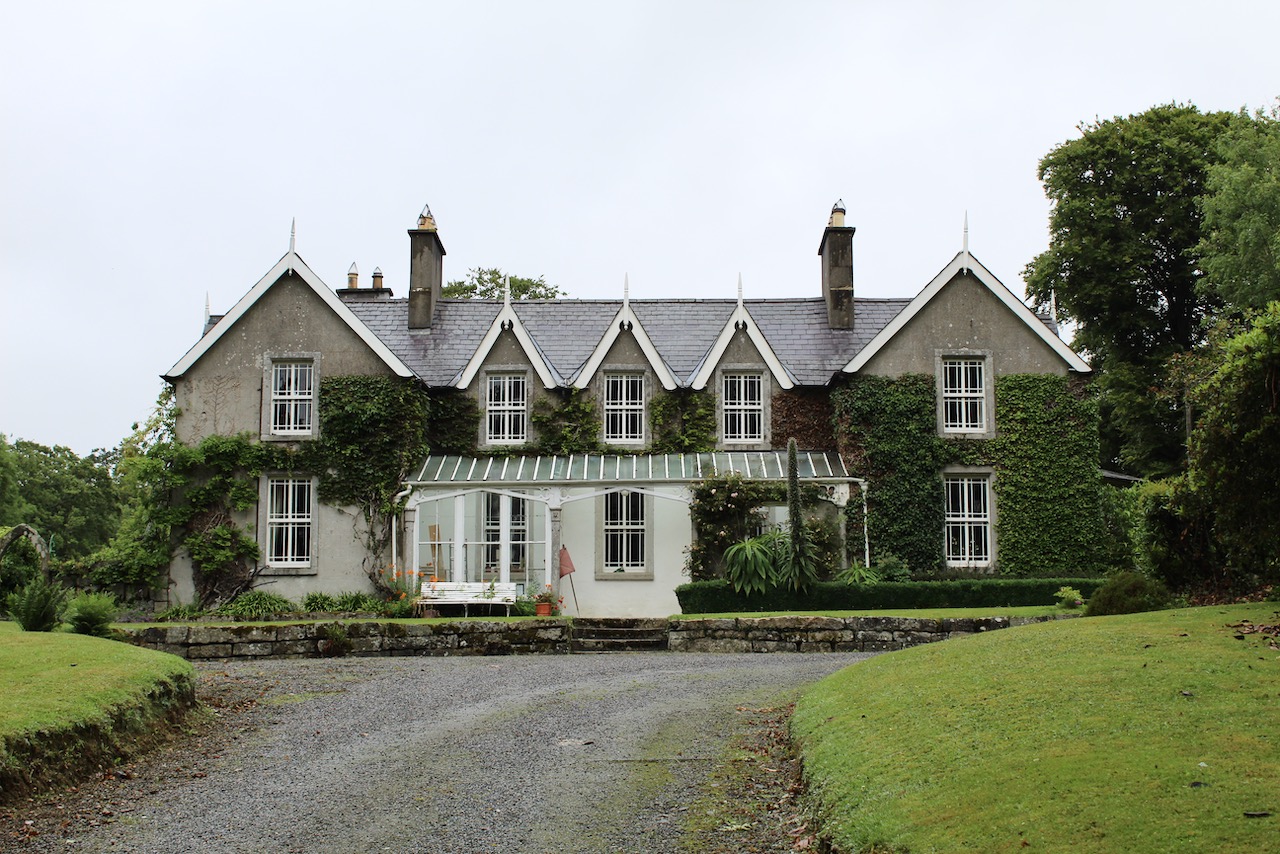
p. 149. “(Eustace-Duckett/IFR; Maude, sub Hawarden, PB). A two storey bow-ended Georigan house with giant pilasters at each end of the entrance front. The recent owner, Mr H.A.C. Maude, introduced some chimneypieces from Belgard. Now the home of Mrs Patrick Reeves-Smith.”
6. Huntington Castle, Clonegal, Co Carlow Y21 K237 – on section 482
www.huntingtoncastle.com Open dates in 2026, but check website as sometimes closed for special events: Jan 31, Feb 1, 7-8, 14-15, 21-22, 28, Mar 1, 7-8, 14-15, 21-22, 28-31, Apr 1-6, 11-12, 18-19, 25-26, May 1-31, June 1-30, July 1-31, Aug 1-31, Sept 1-30, Oct 3-4, 10-11, 17-18, 24-31, Nov 1, 7-8, 14-15, 21-22, 28-29, Dec 5-6, 12-13, 19-20, 11am-5pm Fee: house and garden, adult €13.95, garden only €6.95, OAP/student, house and garden €12.50, garden only €6, child, house and garden €6.50, garden €3.50, group and family discounts available
7. Killedmond, Borris, Co Carlow.(Old Rectory, Killedmond)R95 N1K7– section 482
[4] p. 113, Bence-Jones, Mark. A Guide to Irish Country Houses (originally published as Burke’s Guide to Country Houses volume 1 Ireland by Burke’s Peerage Ltd. 1978); Revised edition 1988 Constable and Company Ltd, London.
“Remains of detached three-storey over basement country house, c. 1745 now in ruins. Gothic style mantle added, c. 1825. Designed by Thomas Cobden. Extended c. 1845, with granite ashlar viewing tower on an octagonal plan, turrets and entrance screens added. Designed by J. McDuff Derick. Stable complex to rear.” [1]
Thomas Duckett (1646-1682) purchased the property in 1695. He married Judith Power, granddaughter of 5th Baron of Curraghmore.
The property was once part of a 12,000 acre estate with eight acres of gardens.
“In 1695 Thomas Duckett (1) who is stated, by Sir William Betham, Ulster King of Arms, to have been the son of James Duckett, of Grayrigg, Westmorland, by his third wife Elizabeth, daughter of Christopher Walker, of Workington, Cumberland, purchased five hundred acres of land in Kneestown, Rainestown, and Ardnahue, Palatine, Co. Carlow from British landlord Thomas Crosthwaite from Cockermouth near the Lake District in Scotland. Thomas Crosthwaite owned a vast amount of land in Ireland during that period and had himself acquired this and other lands which comprised of 495 acres of plantation in 1666 under the Acts of Settlement (1666 – 1684) in the reign of King Charles II. However, Thomas Duckett did not make use of this land until the 1700s when he built a country house in Rainestown, replacing a smaller house on the same site where Duckett’s Grove stands today.” http://duckettsgrove.ie/
“In the early years of the Ducketts’ story, intermarriage with some well-connected and wealthy families contributed greatly to their financial standing and allowed for the expansion of the Demesne. Thomas Duckett’s (1) wife Judith de la Poer was the heiress of the wealthy Pierce De La Poer of Killowen in County Waterford, grandson of the Honorary Pierce De la Poer, of Killowen, Brother of Richard, First Earl of Tyrone. Thomas Duckett (1) had one son, Thomas Duckett (2)[1667-1735] who was his successor and heir. The Duckett family extended their estate, and their wealth grew throughout the eighteenth century.
“The only son from this marriage Thomas Duckett (2) (a member of the Religious Society of Friends, commonly known as Quakers) lived in Phillipstown Manor, Rathvilly, Co. Carlow, situated approximately 3 miles from Kneestown and Rainestown which was a property purchased from the Earl of Ormonde. He married Jane Bunce, daughter of John Bunce, of Berkshire in 1687. His last will and testament was dated 18th January 1732 and was proved on 13th May 1735. Thomas Duckett (2) had three daughters and one son and heir; John Duckett Esq., (1) of Phillipstown, Rathvilly, Co. Carlow and Newtown, Co. Kildare, whose last will and testament dated 13th April 1733, was proved on 17th May 1738.“
A house called Phillipstown Manor built in 1745 according to the National Inventory of Architectural Heritage still survives – Thomas Duckett (1667-1735) and his wife Jane Bunce must have lived in an earlier version of this.
“John Duckett Esq., (1)married Jane Devonsher who was daughter of Thomas Devonsher Esq. from Cork. The first son of John Duckett (1) and Jane Devonsher was Thomas Duckett (3) of Newtown died unmarried.“
Jane Devonsher was the sister of Abraham Devonsher who lived at Kilshannig in Cork (see my entry – it is a Section 482 property). My Quaker husband and I laugh that some of the most exuberant plasterwork and the most exuberant architecture was owned by Quakers! But perhaps the Ducketts were no longer Quakers by the time the house was made so ornate. John and his wife Jane lived in Phillipstown Manor. https://www.buildingsofireland.ie/buildings-search/building/10300308/philipstown-manor-phillipstown-carlow
“John and Jane’s second sonWilliam Duckett (1) of Phillipstown, Co. Carlow married Janet Summers, daughter of Samuel Summers, Esq., and they had no children. Their third son, Abraham Duckett (1) of Ardnahue, Co. Carlow married Mary Jessop, daughter of Samuel Jessop, Esq. Abraham Duckett (1) and Mary Jessop had four sons (three sons, who all died without children) and three daughters.”
It was John and Jane’s fourth son, Jonas Duckett Esq. (1720-1797) of Co. Carlow (who Duckett’s Grove is said to have been named after), who passed Duckett’s Grove to the next generation. It may have been he who built a two storey Georgian house on the property later transformed into the current confection.
Jonas married Hannah Alloway, daughter of William Alloway, Esq. of Dublin, a merchant banker, who brought money to the marriage. They had four sons, their eldest son and heir being William Duckett who was born in 1761. In 1790 William Duckett (b. 1761)married another daughter of a banker, Elizabeth Dawson Coates, daughter and co-heir of John Dawson-Coates Esq, a banker of Dawson Court, Co. Dublin. The bank was called Coates and Lawless and in 1770 it was located at 36 Thomas Street.
William Duckett (b. 1761) and Elizabeth Dawson-Coates’s son John (1791-1866), added Dawson to his name, to become John Dawson-Duckett. I believe that this is because Elizabeth Dawson-Coates’s father John Dawson-Coates may have been the heir of John Dawson of the bank Wilcox and Dawson. [2]
John Dawson-Coates had two daughters who were his co-heirs, Elizabeth and Anne. Their brothers predeceased their father. Elizabeth married William Duckett (b. 1761) and Anne married William Hutchinson of Timoney, County Tipperary. [see 2]
The fortunes of the two heiresses, Elizabeth and Anne Dawson-Coates, coalesced when the daughter of Anne Dawson-Coates and William Hutchinson (Sarah Hutchinson Summers) married her cousin (John Dawson-Duckett) the son of Elizabeth Dawson-Coates and William Duckett.
Mark Bence-Jones writes in his A Guide to Irish Country Houses (1988):
p. 113. “(Eustace-Duckett/IFR) A square house of two and three storeys, transformed into a spectacular castellated Gothic fantasy by Thomas A. Cobden [1794-1842], of Carlow, for J. D. Duckett 1830 [John Dawson Duckett (1791-1866)]. Numerous towers and turrets, round, square and octagonal; notably a heavily machicolated round tower with a tall octagonal turret growing out of it. The walls enlivened with oriels and many canopied niches sheltering statues; more statues and busts in niches along the battlemented wall joining the house to a massively feudal yard gateway; yet more statues manning the battlements of one of the towers, and disposed around the house on pedestals. At the entrance to the demesne is one of the most stupendous castellated gateways in Ireland: with a formidable array of battlemented and machicolated towers and two great archways giving onto two different drives; the principal archway having a portcullis, and being surmounted by an immense armorial achievement, which was originally coloured. The house was burnt 1933 and is now a ruin.” [3]
John Dawson Duckett was appointed High Sheriff of County Carlow in 1819 and married Sarah Hutchinson Summers [or is it Sarah Summers Hutchinson?], daughter of William Hutchinson Esq. from Timoney Park, Co. Tipperary on 16th March 1819. They had two sons: the eldest, William (Dawson) Duckett (1822 – 1908) was named after his grandfather and he was the last blood heir to Duckett’s Grove. Their second daughter, Anne Duckett married Hardy Eustace of Castlemore, Tullow, Co. Carlow. They went on to live at Hardymount in County Carlow, which has gardens one can visit (see below).
David Hicks tells us in his book Irish Country Houses, A Chronicle of Change, that more work was carried out in the 1840s, designed by architect John MacDuff Derick, who added extra floor space and prominent architectural features, such as a large circular flag tower, which was faced in local granite. A new basement kitchen as added with a billiard room above on the ground floor level. The exterior of the castle was decorated with various niches that contained statues and, on the facade of the building, heads of many mythological creatures. Bust of famous warriors decorated the length of the battlemented wall that joined the castle to one of the courtyards to its rear. Statues around the grounds depicted Greek and Roman figures.
As well as enlarging the castle, MacDuff Derick created the impressive entrance gateway, with an immense coat of arms carved by Kelly and Kinsella, which was gilded and coloured and features birds and animals associated with the lineage of the Duckett family.
The Ducketts were quite happy to allow members of the public to picnic in their gardens until one group disturbed the peace in 1902, peering in their windows, and the family closed the grounds to the public.
William Dawson Duckett (1822 – 1908) married twice. His first wife died without any children. One year later William Dawson Duckett, at the age of 73 years, married 21 year old Maria Georgina Thompson. Maria Georgina Thompson was daughter of Captain Robert Gordon Cummins and widow of Theophilius Thompson of Forde Lodge, Co. Cavan. She had one daughter.
The website tells us:
“William (Dawson) Duckett (2) now had a new wife Maria and a stepdaughter Olive. He didn’t live that long afterwards, as he died on 22nd June, 1908 aged 86. He was the last member of the Duckett family line to live in Duckett’s Grove Gothic Mansion, in Rainestown, Carlow, leaving just his wife Maria and her daughter [Olive, by a previous marriage of Maria to Theophilus Thompson] living there after his death. In his last will and testament dated 29th February, 1904, William (Dawson) Duckett (2) willed his estate to his widow, Maria Georgina Duckett with the exception of a small section of his estate willed to his nephew, John Hardy Rowland Eustace with the instruction that the Duckett family name be affixed to the name Eustace, giving rise to the name ‘Eustace Duckett’ from Castlemore. [William Dawson Duckett’s sister Anne married Hardy Eustace and their son was John Hardy Roland Eustace] Maria’s daughter Olive married Captain Edward Stamer O’Grady circa 1916.
“It was also at this time that Maria decided to leave Duckett’s Grove following alleged threats from seven Carlow businessmen who were disgruntled and had become malicious in their feelings towards her, allegedly wanting to acquire Duckett’s Grove Gothic mansion. She decided to live in ‘De Wyndesore’, a mansion on Raglan Road, Dublin which was purchased for her as a wedding gift by her late husband William (Dawson) Duckett 2. She spent some time moving between her Dublin and London homes and rarely returned to Duckett’s Grove.” She became mentally ill and paranoid and the only heir to Duckett Grove, her daughter Olive, was cut from her will. [see the full story in Jimmy O’Toole, The Carlow Gentry: What will the neighbours say! Published by Jimmy O’Toole, Carlow, Ireland, 1993. Printed by Leinster Leader Ltd, Naas, Kildare.] [4]
The National Inventory tells us about these gates:
“The double entrance arches and lodges were designed in a gothic-revival style by J.McDuff Derick [1810-1859] about 1840. This structure is difficult to describe but is a mixture of walls, buttresses, towers and crennelations with lancet windows and heavily mullioned windows. This is possibly the most elaborate entrance to any estate in Ireland and is of considerable architectural importance.” [see 1]
Om 1921 Duckett’s Grove was sold to a consortium of local farmers. After the sale the house was occupied by British soldiers and later by Irish Free State soldiers during the Civil War. The Ducketts were held in high regard by the community so that house was not damaged beyond the soldiers taking pot-shots at the statues. The house was sold again, this time to Theo Frederick George Thompson of the Hanover Works in Carlow (see David Hicks). While he was deciding what to do with it the disaster of the fire occurred.
After the fire the building was sold to Charles Balding of Rainstown House and in later years, used as a riding school. The gate lodge was converted into a pub in the 1970s. In 2005 Carlow County Council took possession of Duckett’s Grove for use as a public park with the intention of conserving the castle and restoring the gardens.
After wandering around the castle we went back through the stable yard toward the walled garden.
[2] Tenison, C.M. “The Old Dublin Bankers.” Journal of the Cork Historical and Archaeological Society. vol. 1, 1895.
[3] p. 113, Bence-Jones, Mark. A Guide to Irish Country Houses (originally published as Burke’s Guide to Country Houses volume 1 Ireland by Burke’s Peerage Ltd. 1978); Revised edition 1988 Constable and Company Ltd, London.
[4] Jimmy O’Toole, The Carlow Gentry: What will the neighbours say! Published by Jimmy O’Toole, Carlow, Ireland, 1993. Printed by Leinster Leader Ltd, Naas, Kildare.
I love starting a new year. The new listing for Section 482 properties won’t be published until February or March, so at the moment we will have to rely on 2021 listings (January listings below).
I had an amazing 2021 and visited lots of properties! As well as those I’ve written about so far, I am hoping to hear back for approval for a few more write-ups. Last year Stephen and I visited thirteen section 482 properties, thirteen OPW properties, and some other properties maintained by various groups.
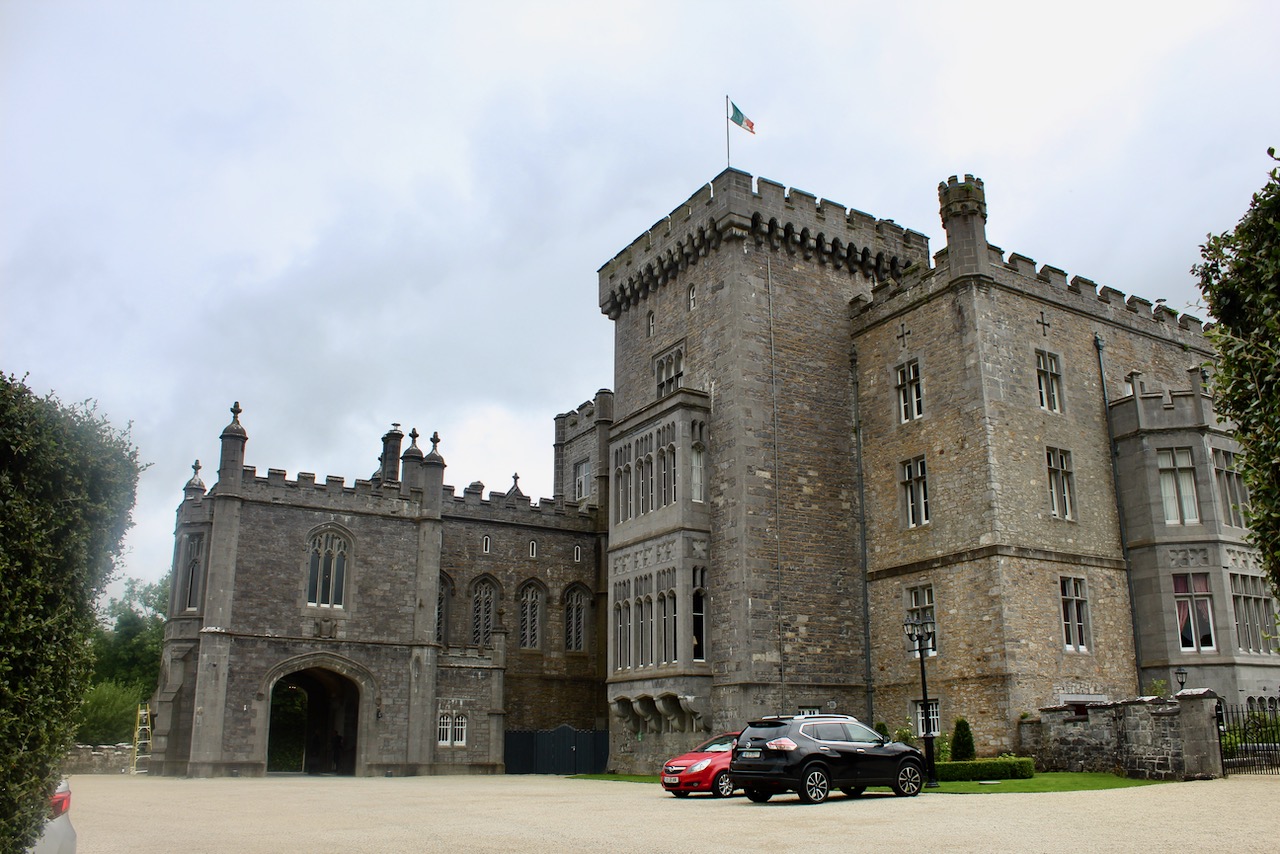
The Section 482 properties we visited were Mount Usher gardens and Killruddery in County Wicklow; Killineer House and gardens in County Louth; Salthill Gardens in County Donegal; Stradbally Hall in County Laois; Enniscoe in County Mayo; Tullynally in County Westmeath; Kilfane Glen and Waterfall in County Kilkenny; Killedmond Rectory in County Carlow; Coopershill, Newpark and Markree Castle in County Sligo and Wilton Castle in County Wexford.
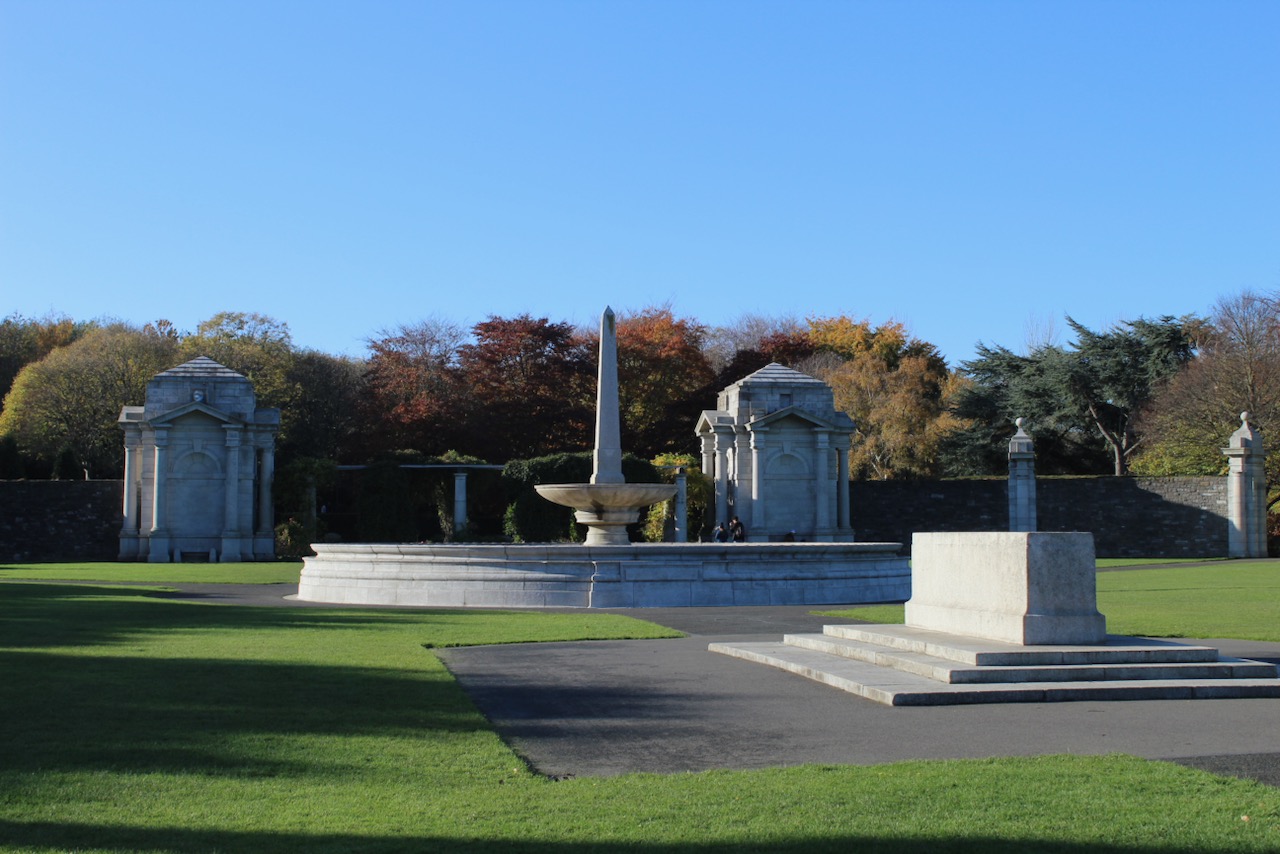
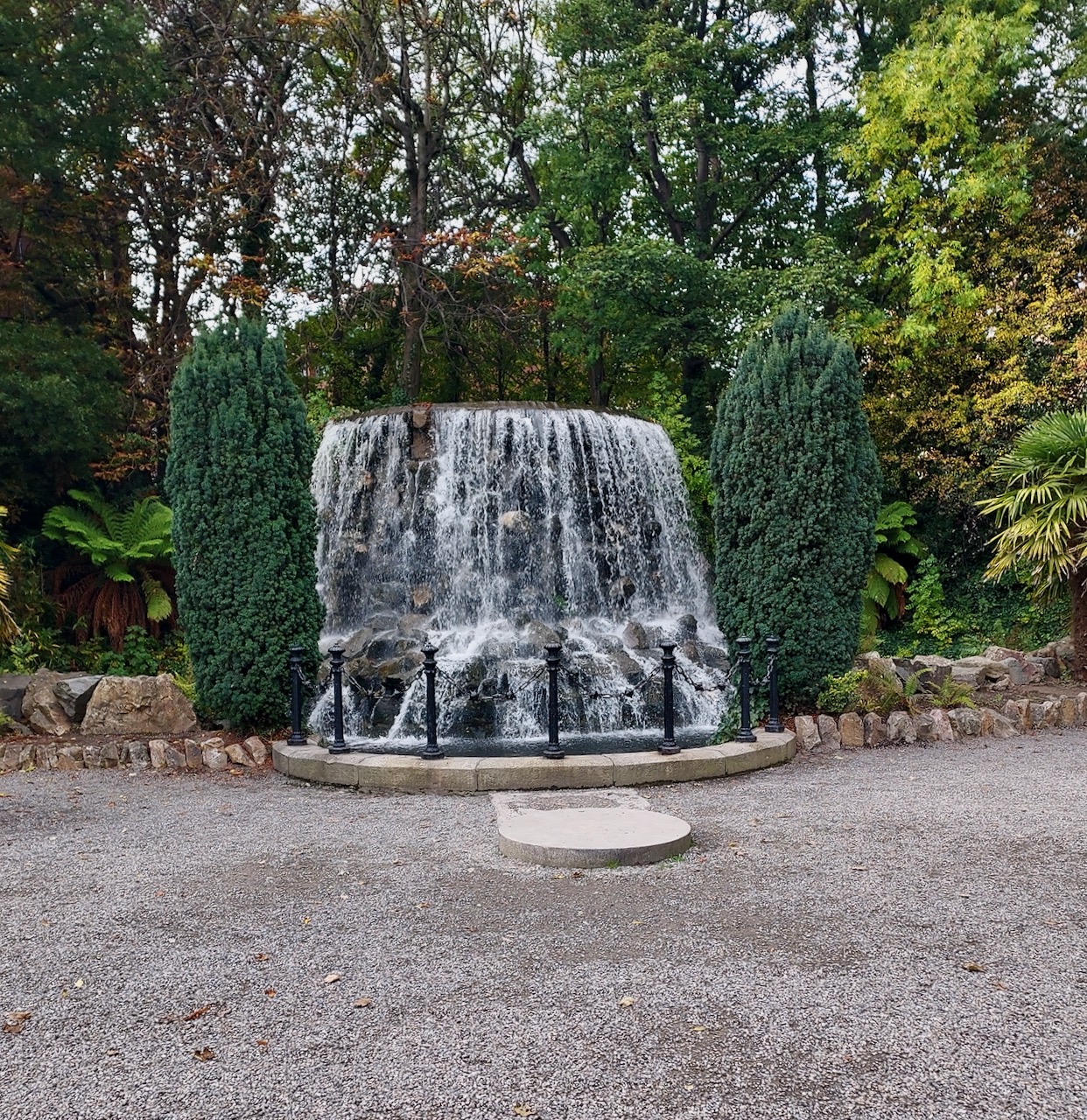
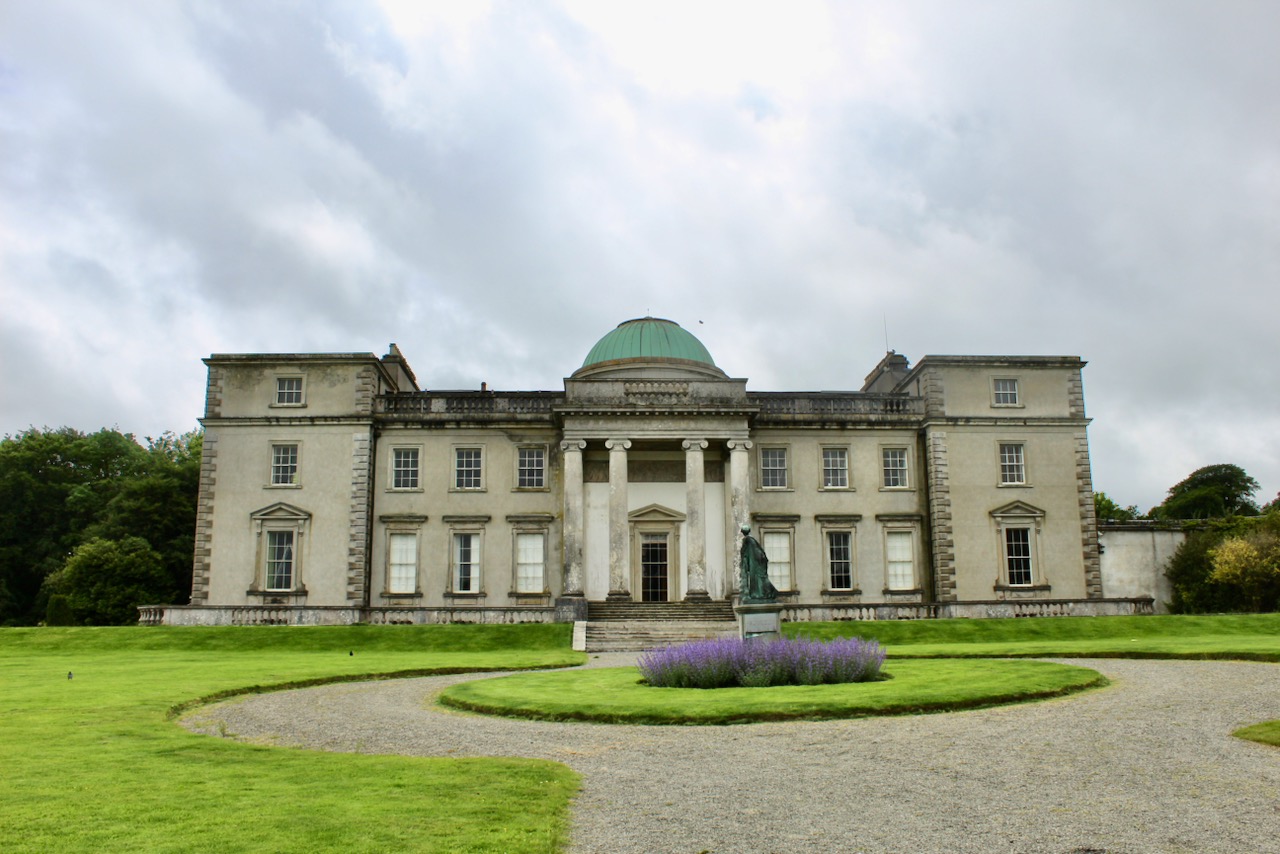
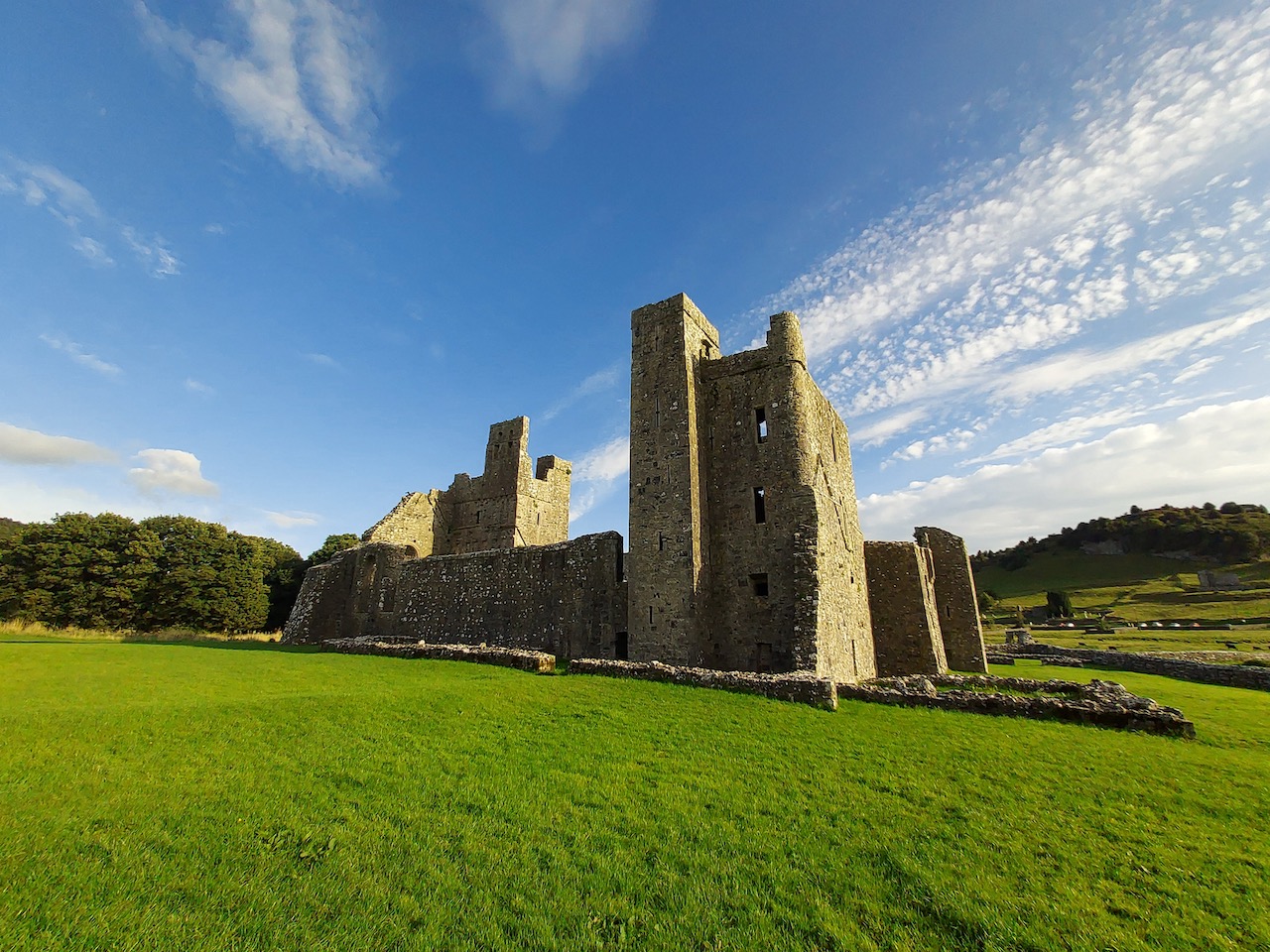
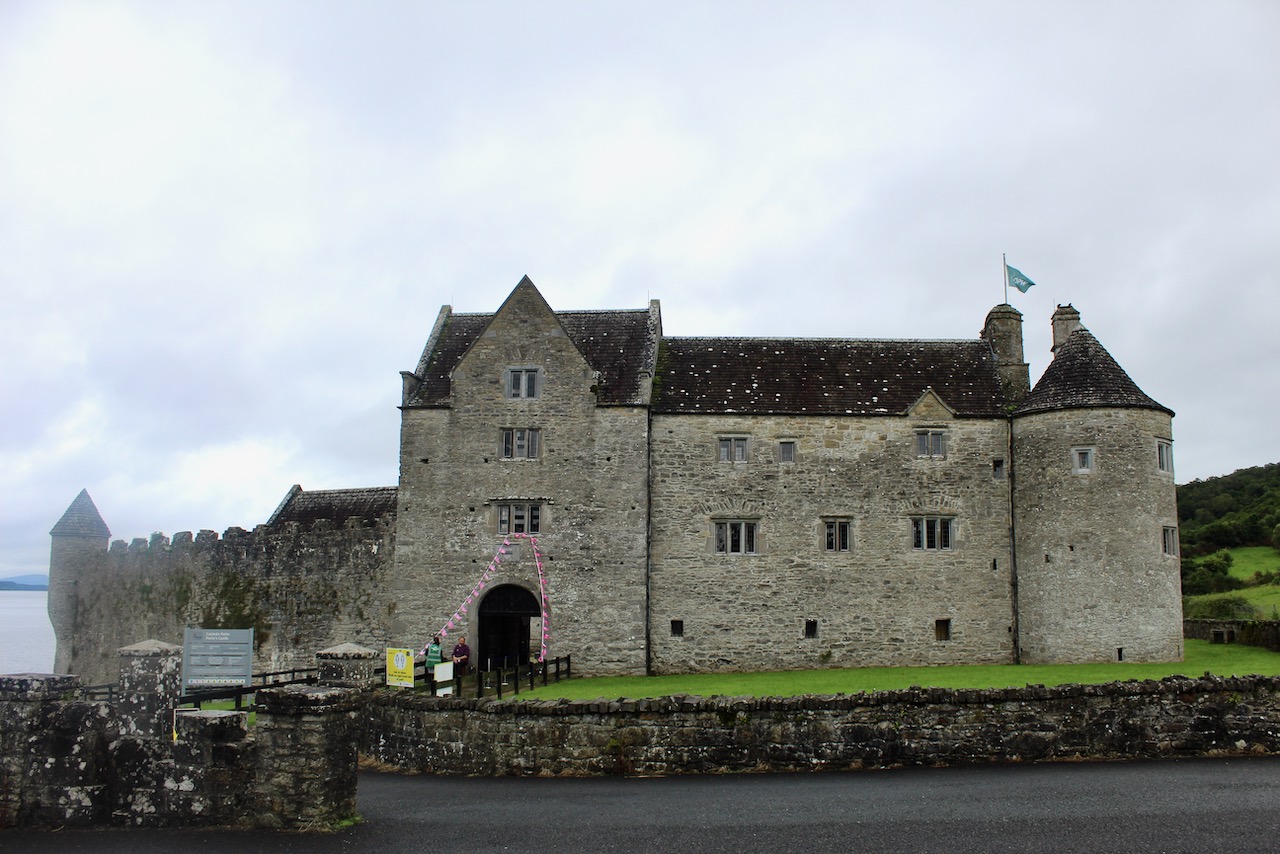
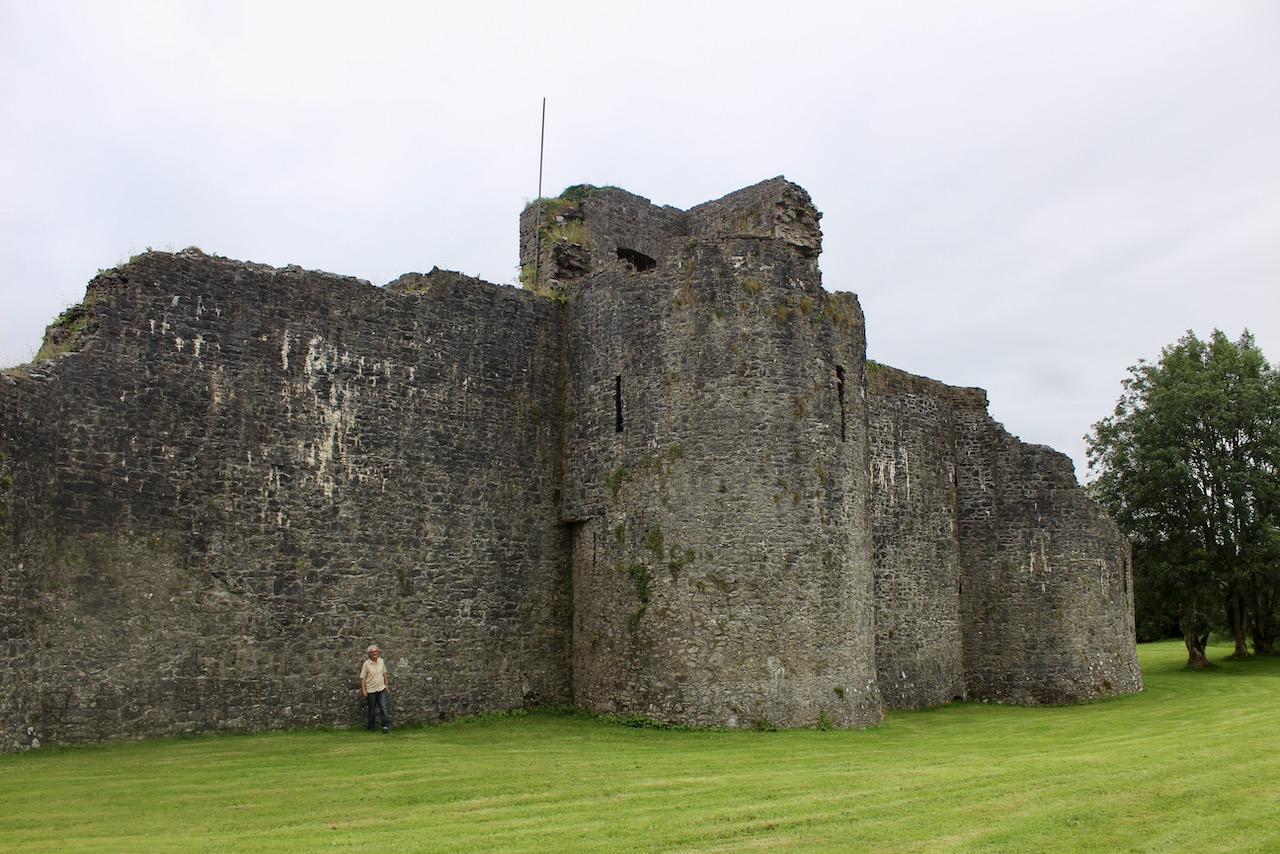
The OPW properties we visited were Dublin Castle, the Irish National War Memorial Gardens, National Botanic Gardens, Rathfarnham Castle, St. Stephen’s Green, Iveagh Gardens, Phoenix Park and Royal Hospital Kilmainham in Dublin; Emo Court, County Laois; Portumna Castle, County Galway; Fore Abbey in County Westmeath; Parke’s Castle, County Leitrim; and Ballymote Castle, County Sligo.
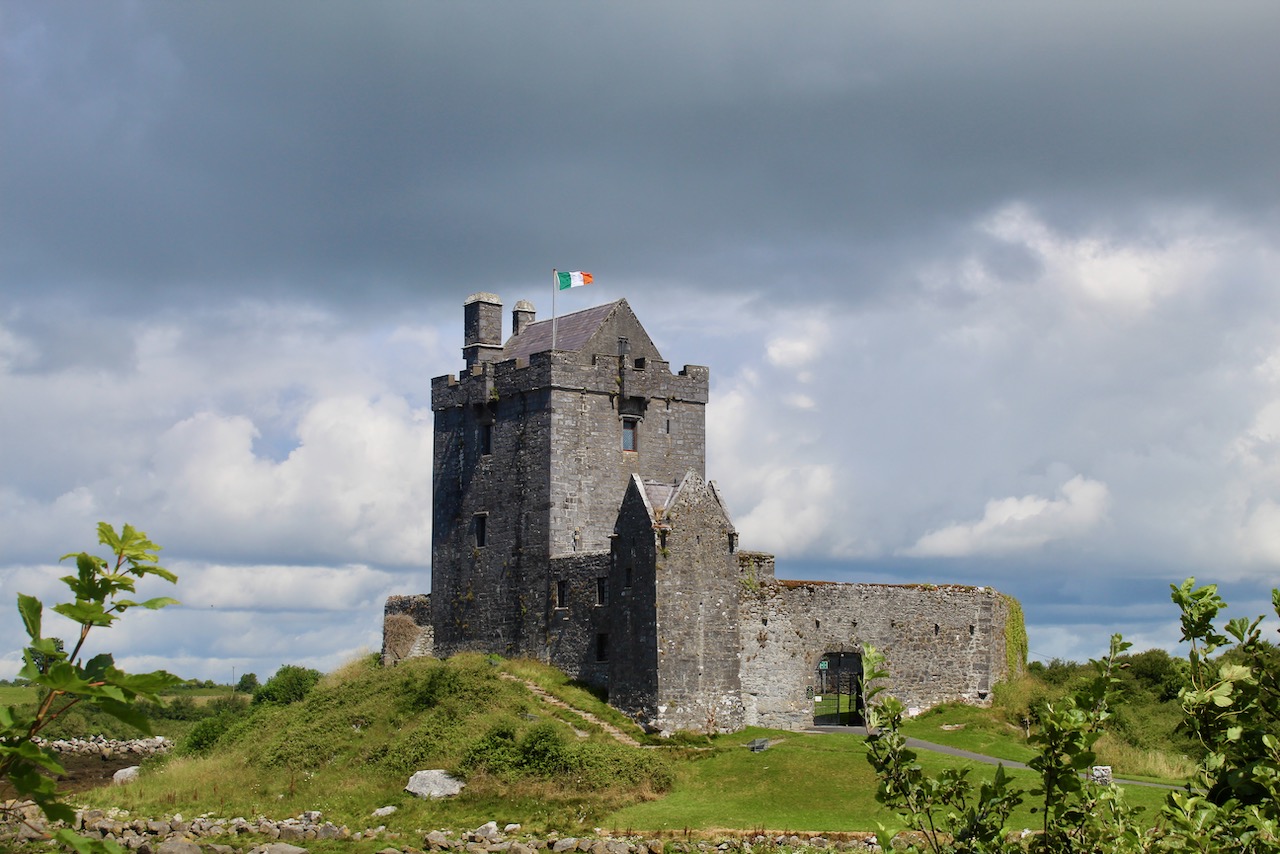
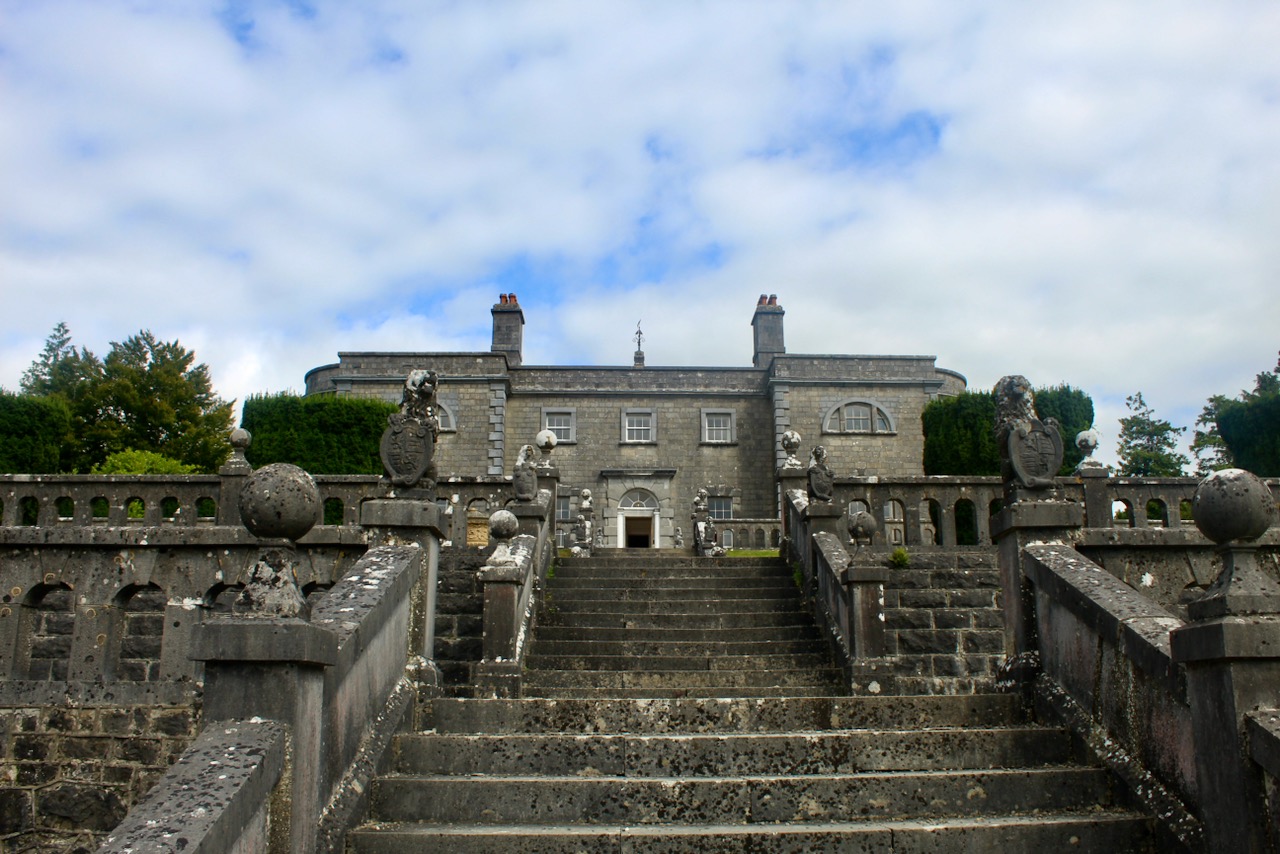
We also visited Duckett’s Grove, maintained by Carlow County Council; Woodstock Gardens and Arbortetum maintained by Kilkenny County Council; Johnstown Castle, County Wexford maintained by the Irish Heritage Trust (which also maintains Strokestown Park, which we have yet to visit – hopefully this year! it’s a Section 482 property – and Fota House, Arboretum and Gardens, which we visited in 2020); Dunguaire Castle, County Clare, which is maintained by Shannon Heritage, as well as Newbridge House, which we also visited in 2021. Shannon Heritage also maintains Bunratty Castle, Knappogue Castle and Cragganowen Castle in County Clare, King John’s Castle in Limerick, which we visited in 2019, Malahide Castle in Dublin which I visited in 2018, GPO museum, and the Casino model railway museum. We also visited Belvedere House, Gardens and Park – I’m not sure who maintains it (can’t see it on the website).
Open dates in 2021: Jan 4-5, 11-12, 18-19, 25-26, Feb 1-2, 8-9, 15-16, 22-23, Mar 1-2, 8-9, May 4- 5, 9-12, 16-19, 23-26, 30-31, June 1-4, Aug 14-31, Sept 1-2, 9am-1pm, Sundays 2pm- 6pm Fee: adult €10, OAP/student/child €5
Open dates in 2021: all year except Christmas Eve, Christmas Day, 1pm-11pm
Fee: Free
Donegal
Portnason House
Portnason, Ballyshannon, Co. Donegal Madge Sharkey Tel: 086-3846843 Open dates in 2021: Jan 18-22, 25-29, Feb 1-5, 8-12, Aug 14-30, Sept 1-17, 20-23, 27-28, Nov 15- 19, 22-26, Dec 1-3 6-10, 13-14, 9am-1pm
Open dates in 2021: all year, except Dec 25, Wed-Fri 9.30am-8pm, Sun 11am-7pm, Sat, Mon, Tue, 9.30-7pm
Fee: Free
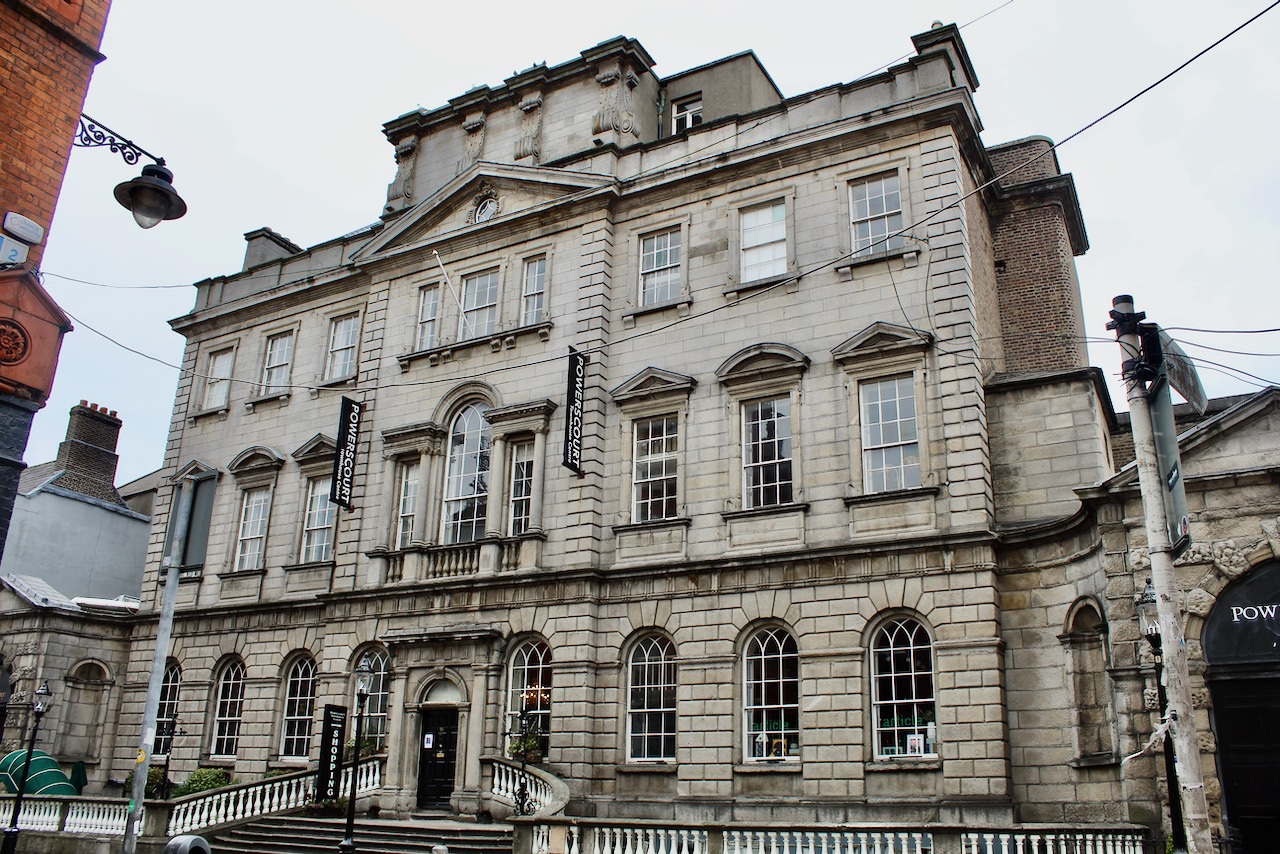
Powerscourt Townhouse Centre
59 South William Street, Dublin 2
Mary Larkin
Tel: 01-6717000
Open dates in 2021: All year except New Year’s Day, Easter Sunday, Easter Monday, Christmas Day, St. Stephen’s Day & Bank Holidays, Mon-Sat, 10am-6pm, Thurs, 10am-8pm, Sundays, 12 noon-6pm
Open dates in 2021: Jan 14-17, 23-24, 28-29, Feb 4-7, 11-12, 19-21, 26-28, May 3-13,16, 18-20, 23-27, June 2-4, 8-10, 14-16, 19-20, Aug 14-22, weekdays 2.30pm-6.30pm, weekends 10.30am-2.30pm Fee: adult/OAP €8 student €5, child free, Members of An Taisce the The Irish Georgian Society (with membership card) €5
Galway
Woodville House Dovecote & Walls of Walled Garden
Craughwell, Co. Galway Margarita and Michael Donoghue Tel: 087-9069191 www.woodvillewalledgarden.com Open dates in 2021: Jan 29-31, Feb 1-28, Apr 1-13, 11am- 4.30pm, June 1, 6-8, 13-15, 21-22, 27- 29, July 10-11, 17-18, 24-25, 31, Aug 1-2, 6-8, 13-22, 27-29, Sept 4-5, 11am-5pm Fee: adult/OAP €6, child €3, student, €5, family €20, guided tours €10
Castletown, Kilpatrick, Navan, Co. Meath Brian McKenna Tel: 087-2520523 Open dates in 2021: Jan 1-13, May 10-30, June 1-20, Aug 14-22, 9am-1pm Fee: adult €6, OAP/student/child €3
Open dates in 2021: Jan 3-4, 10-11, 17-18, 23-24, 30-31, Feb 6-7, 13-14, 20-21, 27-28, Mar 6-7,13- 14, 20-21, 27-28, May 1-2, 8-9, 15-16, 22-23, June 12-13,19-20, 26-27, July 3-4,10- 11,17-18, 24-25, 31, Aug 14-22, Sept 4-14, 2pm-6pm.
Fee: free – except in case of large groups a fee of €5 p.p.
Corolanty House
Shinrone, Birr, Co. Offaly
Siobhan Webb
Tel: 086-1209984
Open dates in 2021: Jan, Feb, July, Aug, Sept, daily 2pm-6pm
Fee: Free
Crotty Church
Castle Street, Birr, Co. Offaly
Brendan Garry
Tel: 086-8236452
Open dates in 2021: All year, except Dec 25, 9am-5pm
Open dates in 2021: Jan 2-Dec 20, Jan, Feb, Mar 1-16, Nov, Dec,10.30am-4pm, March 17-Oct 31, 10.30am-5.30pm, Fee: adult €14, €12.50, €9.25, OAP/student €12.50, child €6, family €29, groups €11.50
Tipperary
Beechwood House
Ballbrunoge, Cullen, Co. Tipperary
Maura & Patrick McCormack
Tel: 083-1486736
Open dates in 2021: Jan 4-8, 18-22, Feb 1-5, 8-12, May 1-3, 14-17, 21-24, June 11-14, 18-21, Aug 14-22, Sept 3-6, 10-13, 17-20, 24-27, 10.15am-2.15pm
Open dates in 2021: Jan 11-13, Feb 1-5, Mar 1-3, 22-24, June 10-12, 14-15, 19, 21-26, 28, July 5-9, 19-22, Aug 13-22, Sept 6-11, 18, 25, Oct 4-6, 11-13, 9am-1pm





















 Irish Historic Houses