Office of Public Works properties in Leinster, Counties Westmeath, Wexford and Wicklow

Westmeath:

1. Fore Abbey in County Westmeath

Wexford:

1. Ballyhack Castle, County Wexford – closed at present

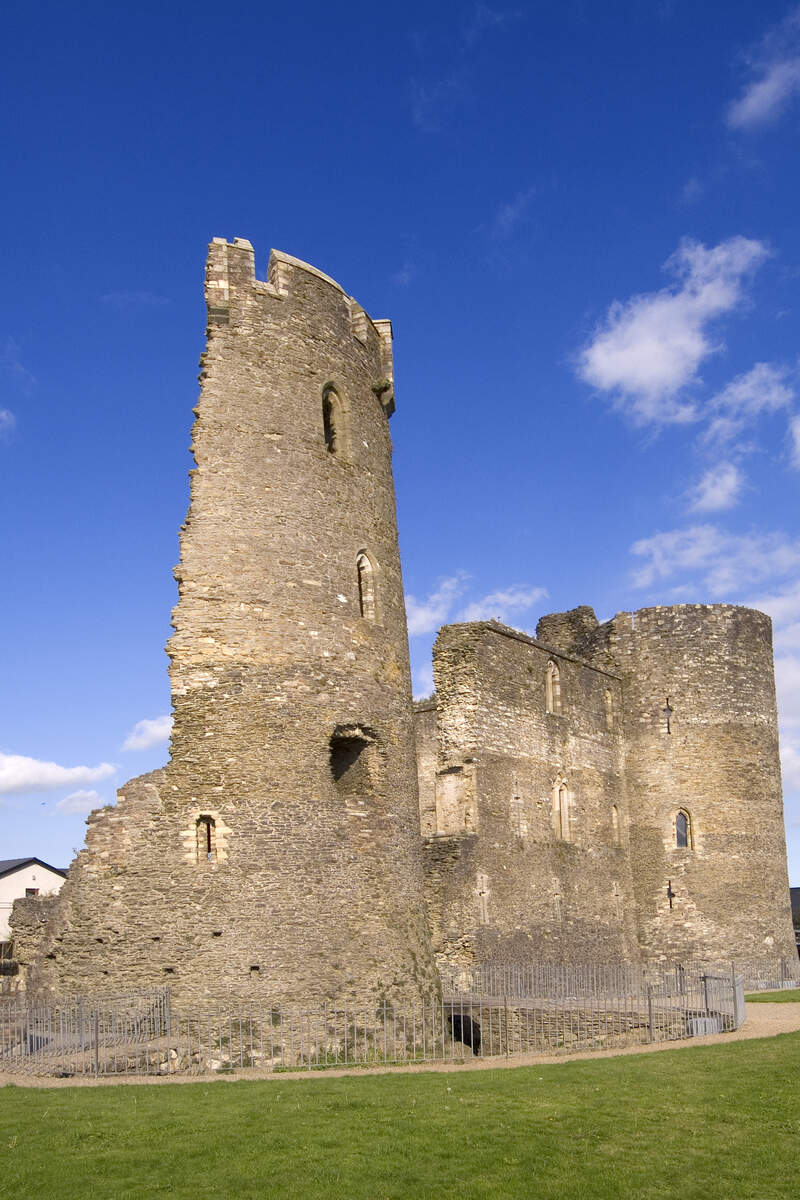
2. Ferns Castle, County Wexford – closed at present

3. John F. Kennedy Arboretum, County Wexford

4. Tintern Abbey, County Wexford

Wicklow:

1. Dwyer McAllister Cottage, County Wicklow – closed at present

2. Glendalough, County Wicklow

3. National Botanic Gardens Kilmacurragh, County Wicklow

donation

Help me to pay the entrance fee to one of the houses on this website. This site is created purely out of love for the subject and I receive no payment so any donation is appreciated!

€15.00

Westmeath:

1. Fore Abbey in County Westmeath:
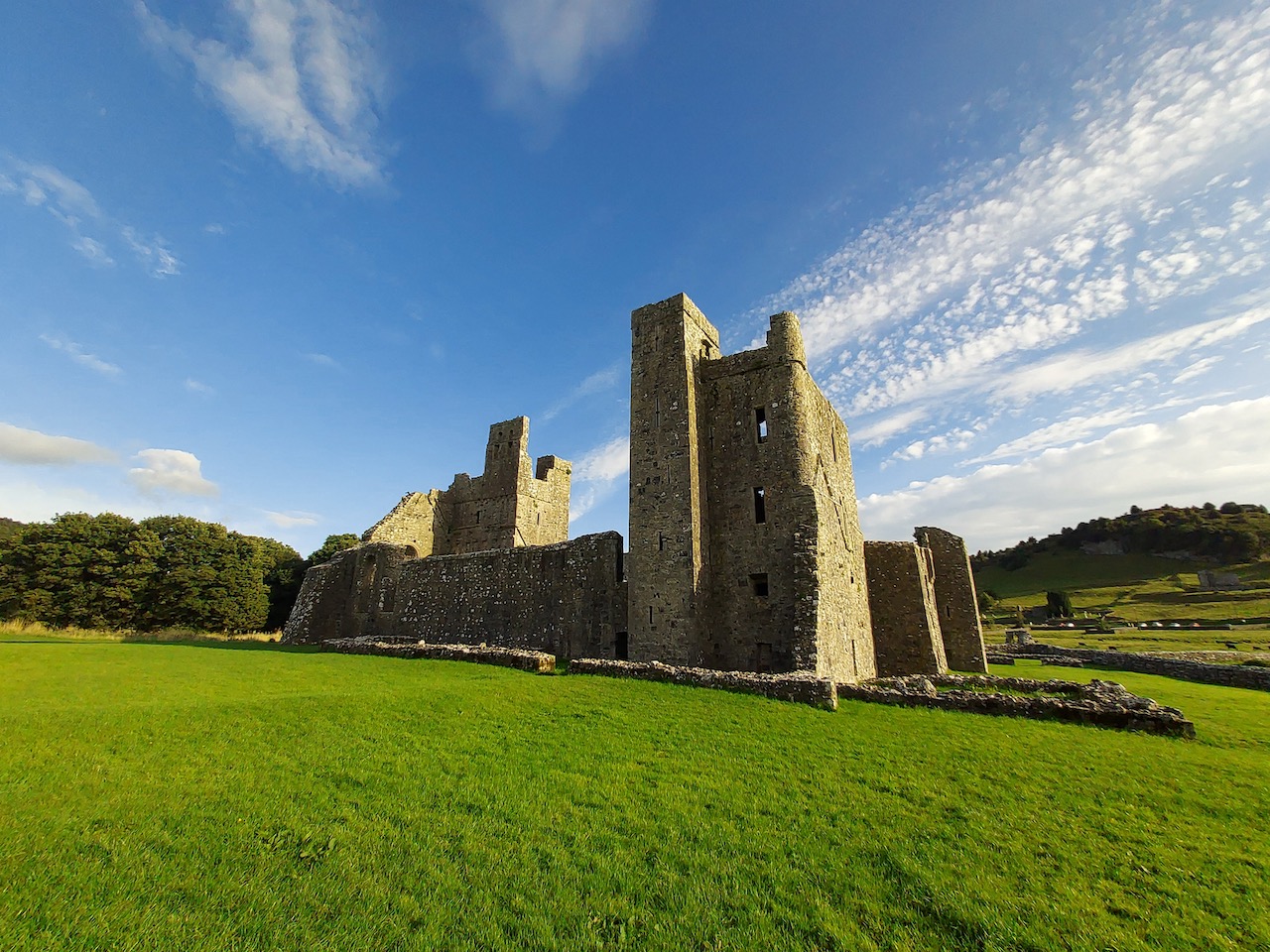
Fore Abbey, County Westmeath, August 2021. Photograph © Jennifer Winder-Baggot, www.irishhistorichouses.com

“Fore” comes from the Irish “fobhar” meaning well or spring.

From the OPW website https://heritageireland.ie/visit/places-to-visit/fore-abbey/:

In a tranquil valley in the village of Fore, about a 30-minute drive from Mullingar in County Westmeath, you can visit the spot where St Feichin founded a Christian monastery in the seventh century AD.

It is believed that, before Feichin’s death, 300 monks lived in the community. Among the remains on the site is a church built around AD 900. There are also the 18 Fore crosses, which are spread out over 10 kilometres on roadways and in fields.

Seven particular features of the site – the so-called ‘Seven Wonders of Fore’ – have acquired legendary status. They include: the monastery built on a bog; the mill without a race (the saint is said to have thrust his crozier into the ground and caused water to flow); and the lintel stone raised by St Feichin’s prayers.

St Feichin’s Way, a looped walk around the site, provides an excellent base from which to explore these fabled places.

Photograph © Jennifer Winder-Baggot, www.irishhistorichouses.com

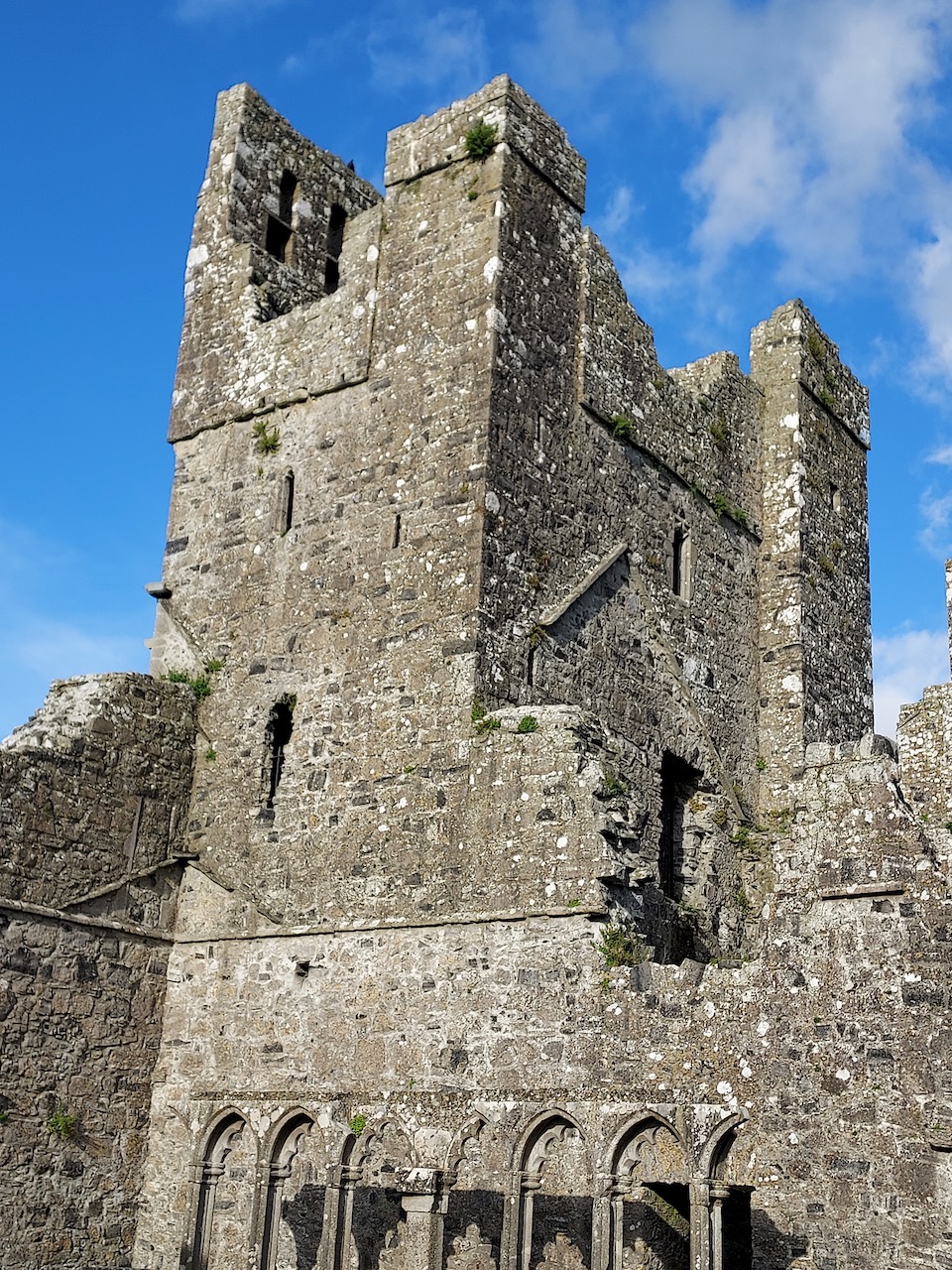
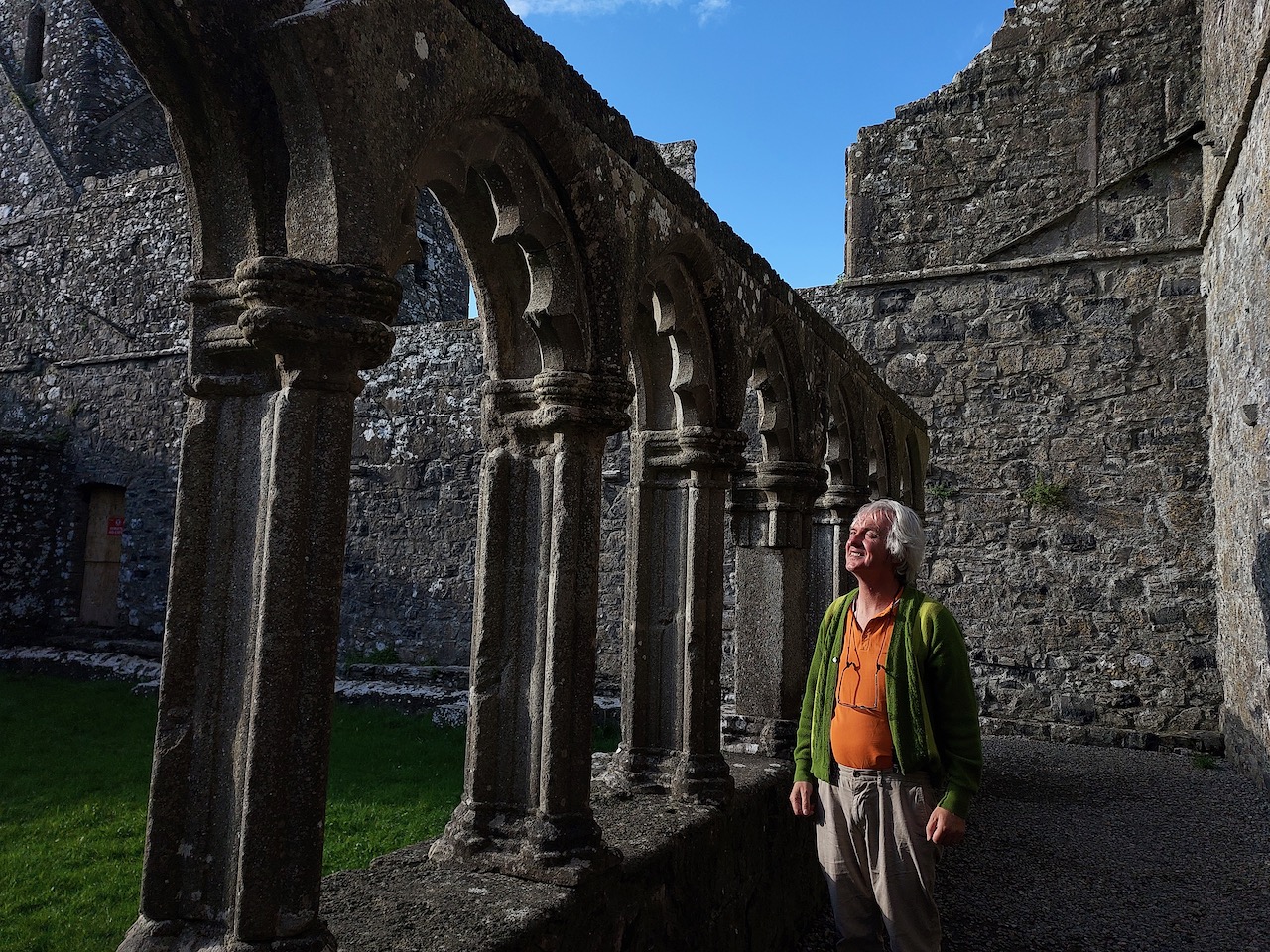
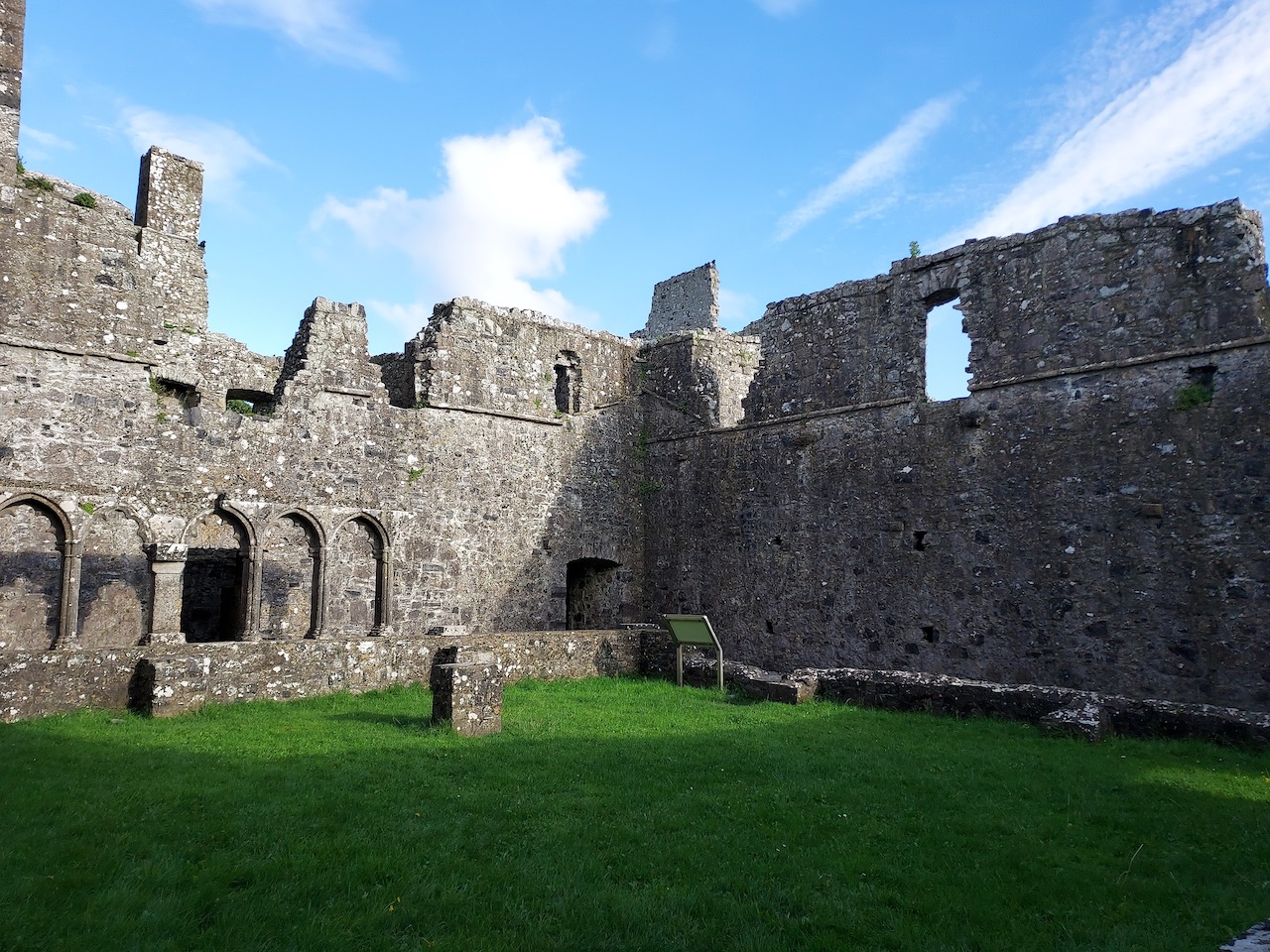
The Benedictine Priory was founded around 1180 by Hugh de Lacy, the first Viceroy of Ireland. Before this there was a monastery in Fore, founded by Feichin in the seventh century. The Benedictines had a link with France and its first monks came from France. The Priory sufffered plundering attacks so needed defensive towers and fortification. It was built around a Cloister or courtyard.
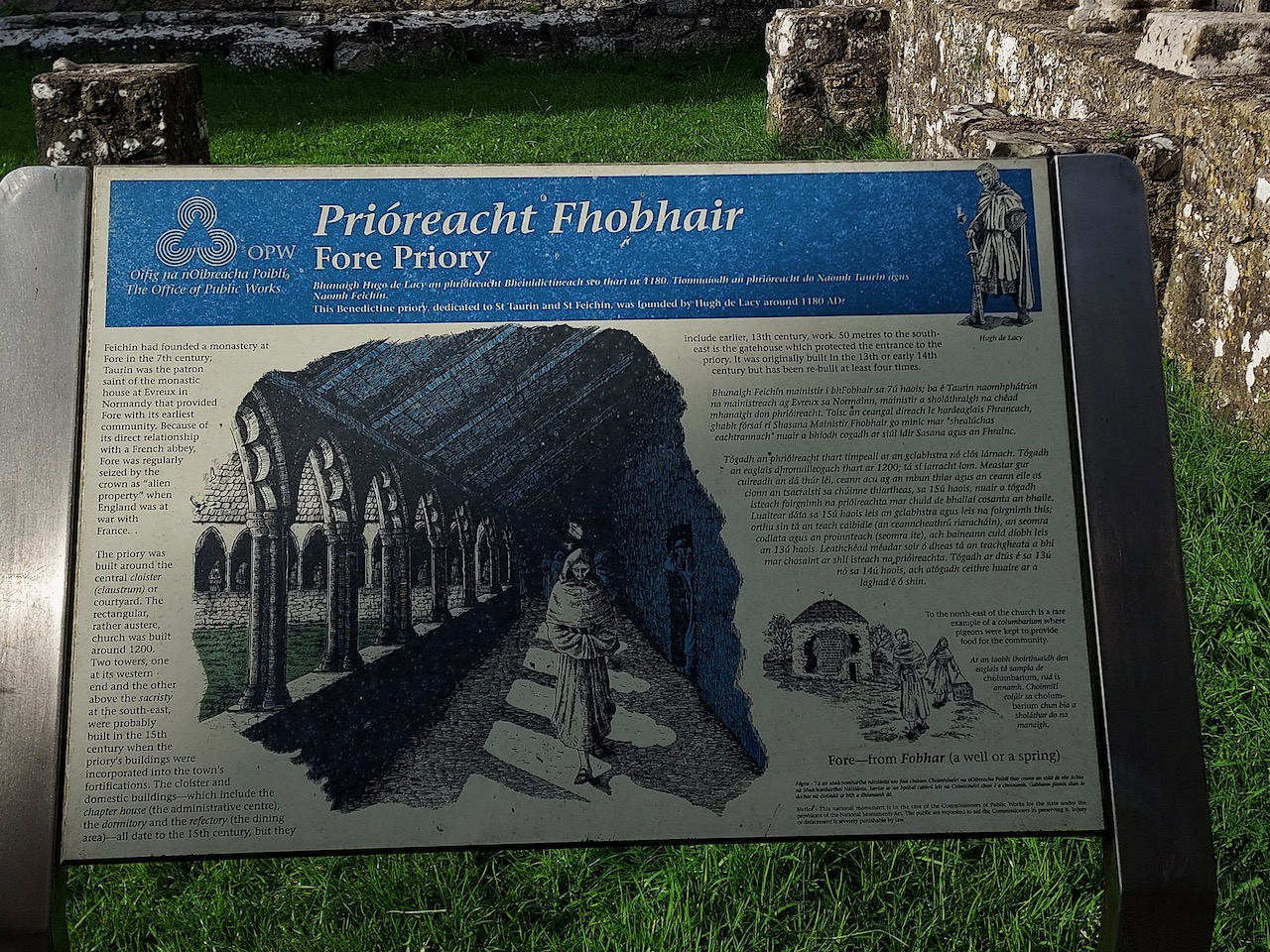
Fore Abbey, County Westmeath, August 2021.
The cloister is remarkably well-preserved. Photograph © Jennifer Winder-Baggot, www.irishhistorichouses.com
Fore Abbey, County Westmeath, August 2021. Photograph © Jennifer Winder-Baggot, www.irishhistorichouses.com

The “columbarium” mentioned in the diagram is a house for keeping pigeons – we saw one previously at Moone Abbey tower, and there is one at Fore.
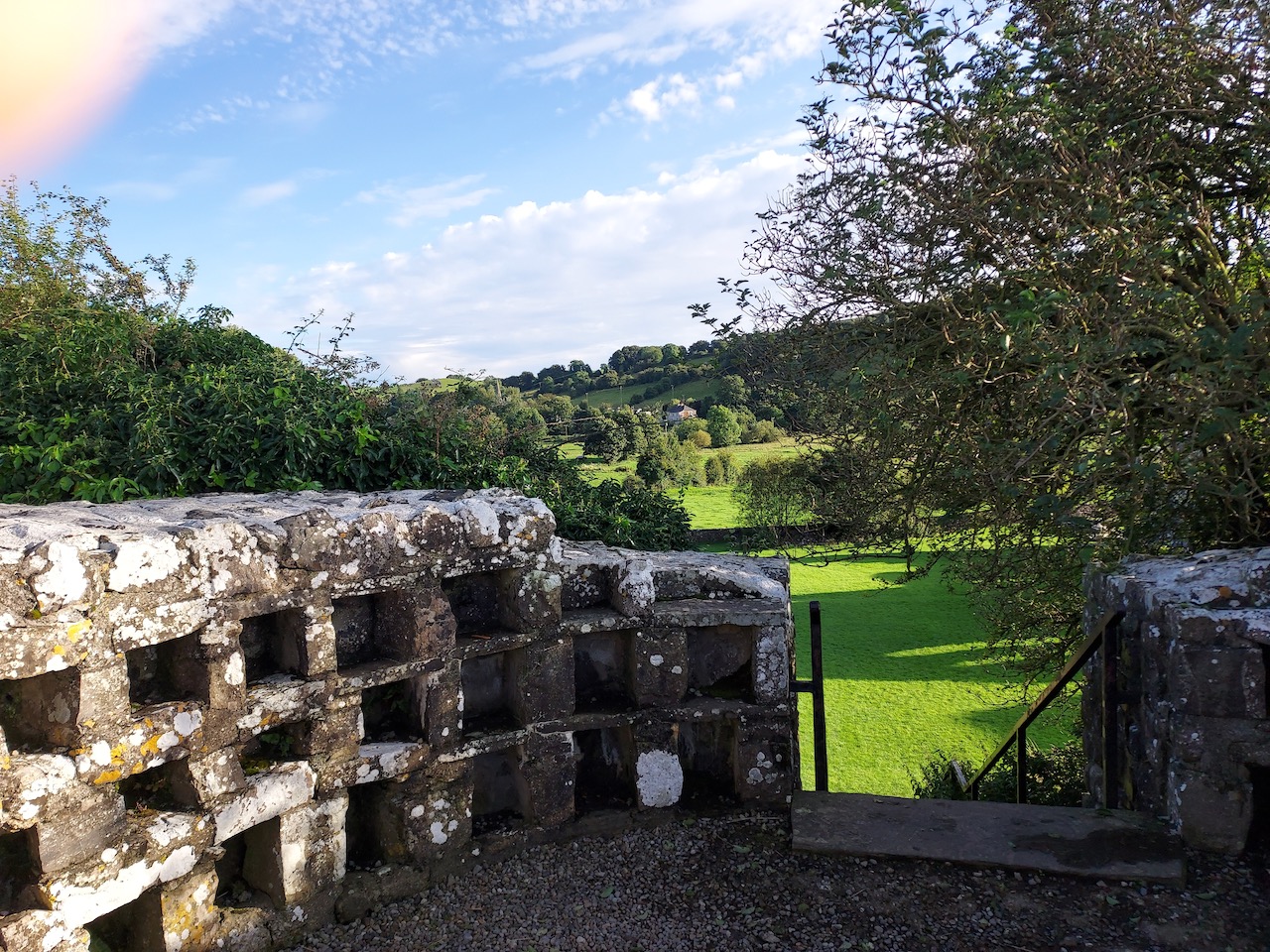
The Columbarium or Pigeon house at Fore. Photograph © Jennifer Winder-Baggot, www.irishhistorichouses.com

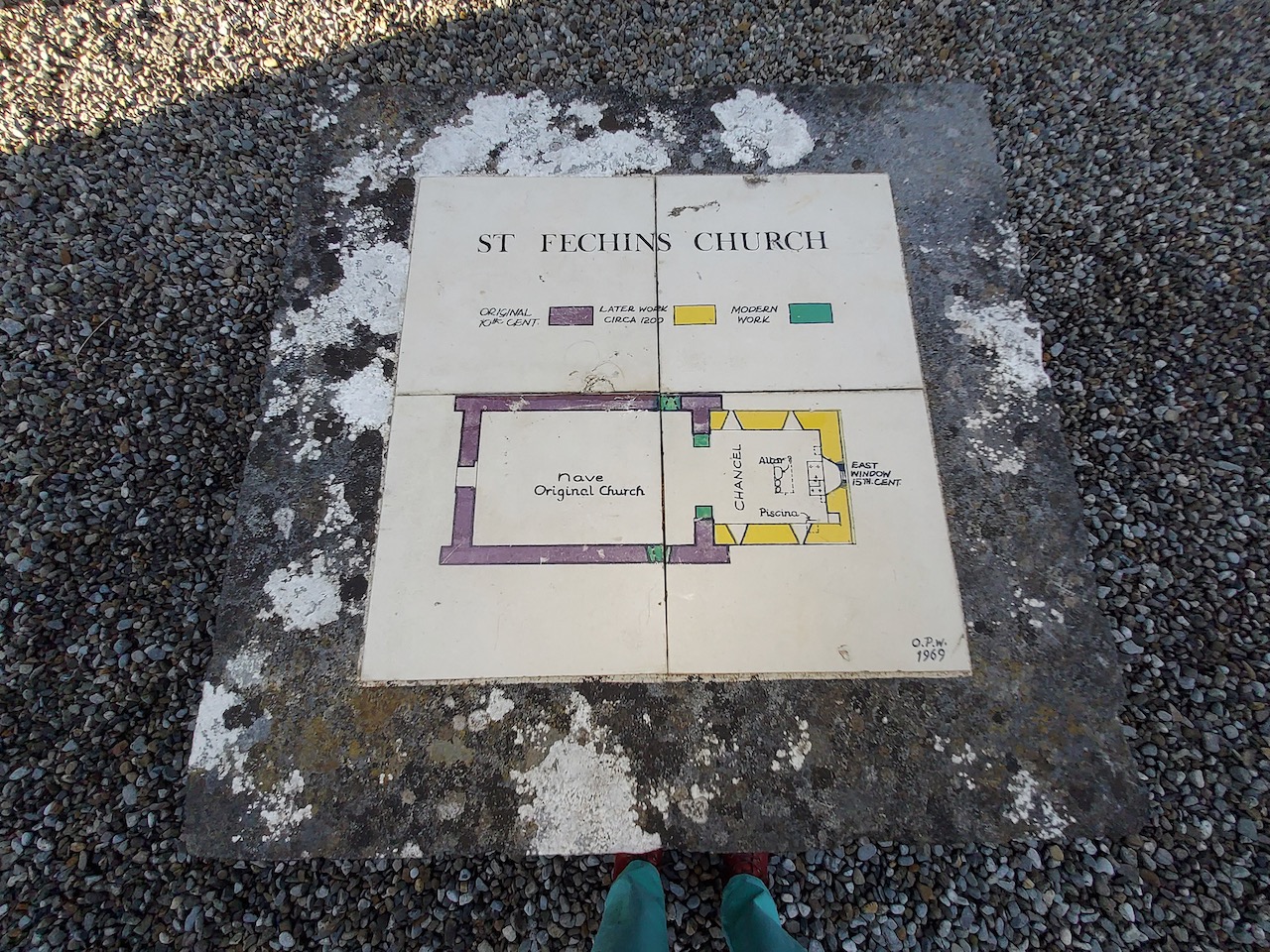
The monastery founded at Fore in the seventh century by St Feichin, a Sligo-born holy man who travelled widely in Ireland, was large and prosperous but was superceded by Fore Abbey, the nearby Benedictive abbey founded by the Norman deLacys. The remaining building of St Feichins is the church, which was built in the tenth century. A new chancel was added around 1200, and the arch leading to this was re-erected in 1934. The east window was inserted in the 15th century.

St Feichin’s Church, with Fore Abbey in background on far left. Photograph © Jennifer Winder-Baggot, www.irishhistorichouses.com
St. Feichin’s Church, built in the 10th century with later additions. Photograph © Jennifer Winder-Baggot, www.irishhistorichouses.com
St. Feichin’s church, County Westmeath, August 2021.

The Anchorite’s Cell is a small tower with attached chapel. The tower had two storeys and on the top floor lived a number of Anchorites, or hermits. The chapel has a vault below, the crypt of the Nugent family of nearby Castle Delvin and Clonyn Castle, Earls of Westmeath. Delvin, or Castletown-Delvin, was granted by Hugh de Lacy to his son-in-law Gilbert de Nugent. The 1st Earl of Westmeath was Richard Nugent (1583-1642). His father was Christopher Nugent, 5th Baron Delvin.
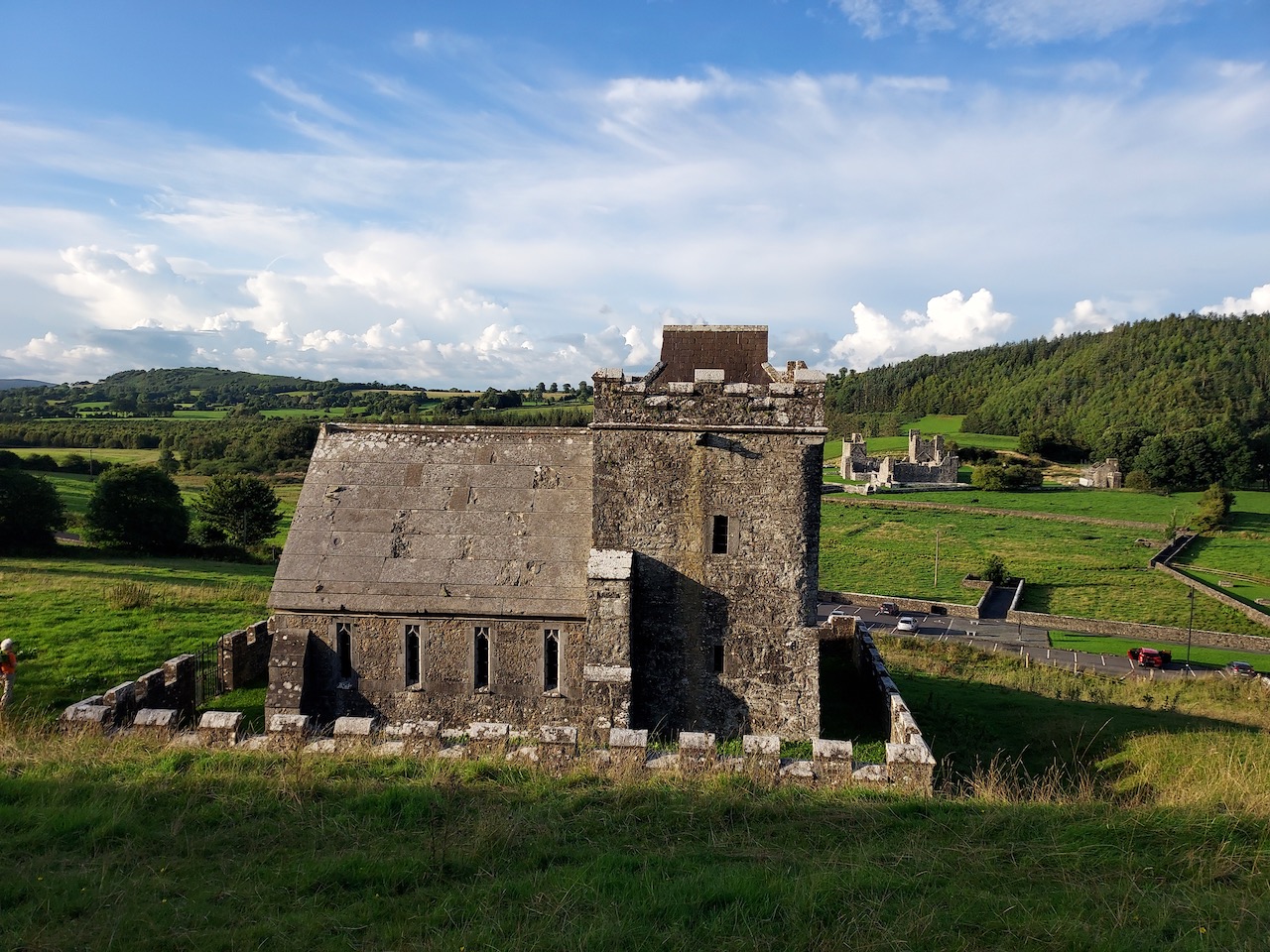
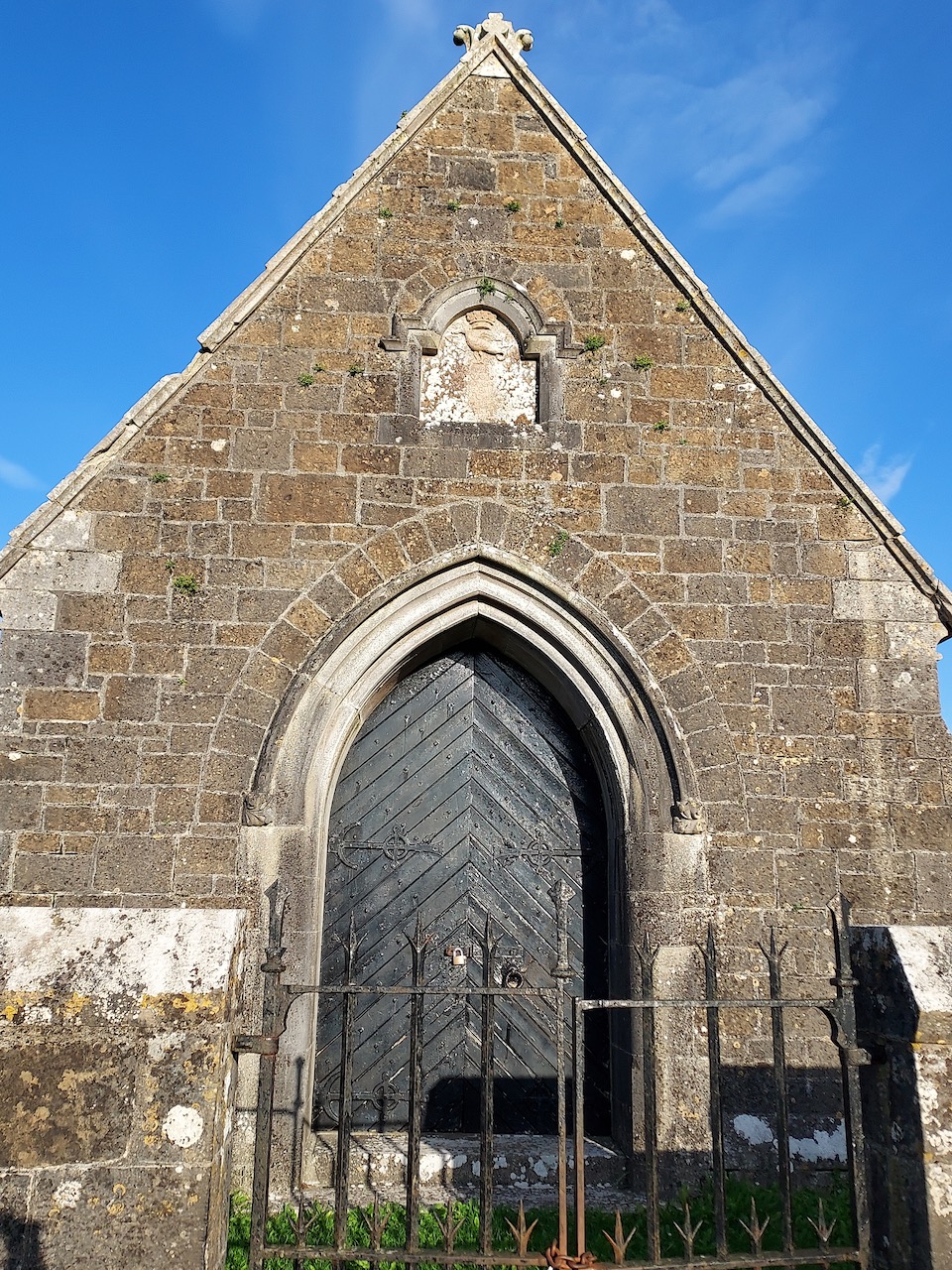
The Anchorite’s Cell. Photograph © Jennifer Winder-Baggot, www.irishhistorichouses.com
Front of the Anchorite Cell Chapel with the Nugent coat of arms. Photograph © Jennifer Winder-Baggot, www.irishhistorichouses.com

County Wexford:

1. Ballyhack Castle, Arthurstown, County Wexford
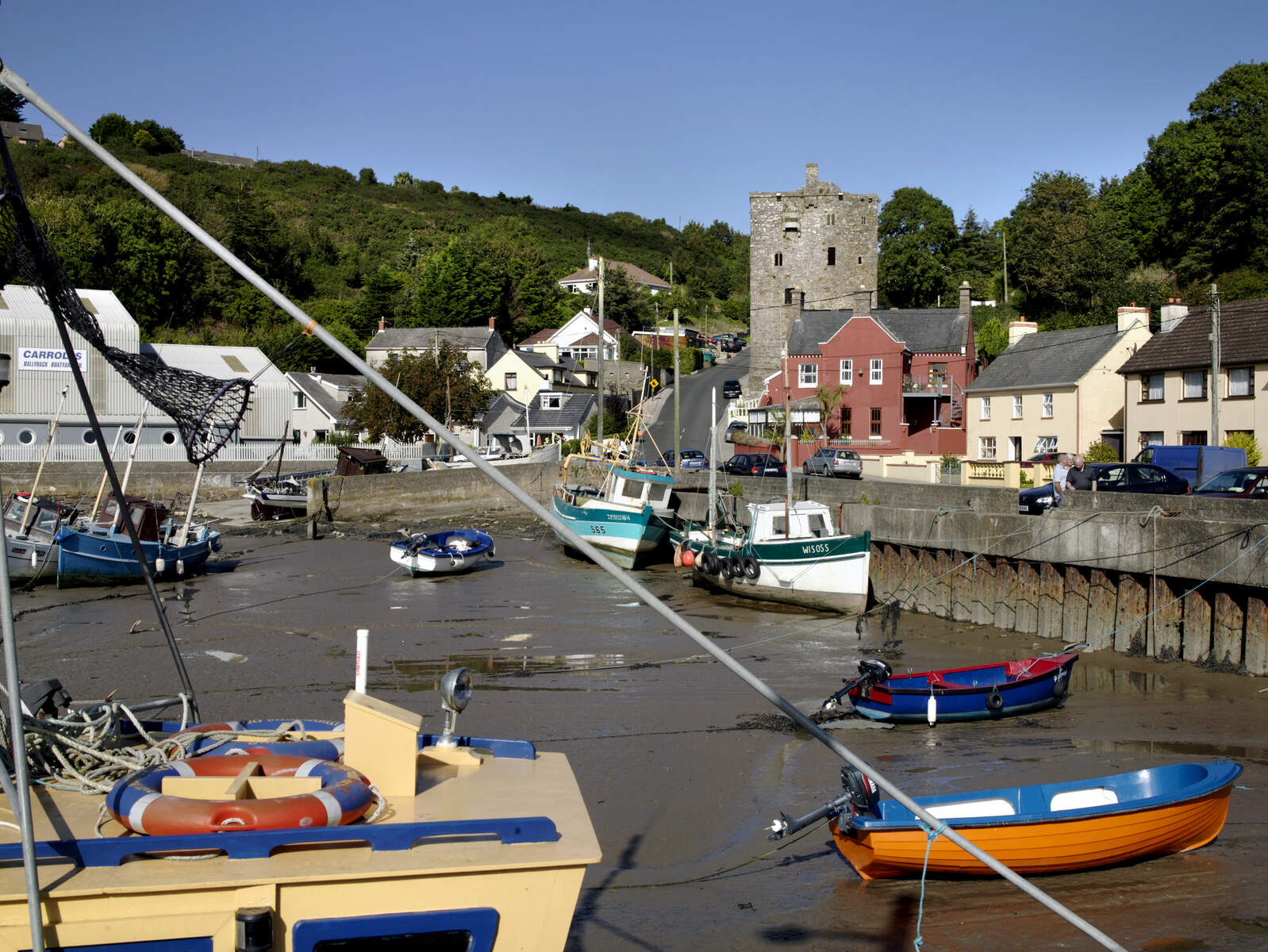
Ballyhack Castle, photograph by Brian Morrison, 2015 for Tourism Ireland, Ireland’s Content Pool. [1]

General enquiries: 051 398 468, breda.lynch@opw.ie

from the OPW website https://heritageireland.ie/visit/places-to-visit/ballyhack-castle/:

Ballyhack Castle commands an imperious position on a steep-sided valley overlooking Waterford Estuary. It is thought that the Knights Hospitallers of St John, one of the two mighty military orders founded at the time of the Crusades, built this sturdy tower house around 1450.

The tower is five stories tall and the walls survive complete to the wall walk. Built into the north-east wall of the second floor is a small chapel complete with a piscina, aumbry and altar. The entrance to the castle is protected externally by a machicolation and internally by a murder hole – that is, an opening through which defenders could throw rocks or pour boiling water, hot sand or boiling oil, on anyone foolish enough to attack.

Currently on display at Ballyhack Castle are assorted items of replica armour relating to the Crusades and the Normans –  guaranteed to ignite the imagination!

Ballyhack Castle, photograph by Brian Morrison, 2015 for Tourism Ireland, Ireland’s Content Pool. [see 1]

2. Ferns Castle, County Wexford:

Ferns Castle, photograph by Brian Morrison, 2015 for Tourism Ireland, Ireland’s Content Pool. [see 1]

General information: 053 9366411, fernscastle@opw.ie

From the OPW website https://heritageireland.ie/visit/places-to-visit/ferns-castle/:

Before the coming of the Normans, Ferns was the political base of Diarmait Mac Murchada, king of Leinster. William, Earl Marshall built the castle around 1200. Since then it has had many owners, of diverse political and military colours.

Originally, the castle formed a square, with large corner towers. Only half of the castle now stands, although what remains is most impressive. The most complete tower contains a beautiful circular chapel, several original fireplaces and a vaulted basement. There is a magnificent view from the top.

There is an extraordinary artefact to be seen in the visitor centre. The Ferns Tapestry showcases the pre-Norman history of the town via the thousand-year-old art of crewel wool embroidery. Stitched by members of the local community, the 15-metre-long tapestry comprises 25 panels of remarkable accomplishment and beauty.

Ferns Castle, photograph by Chris Hill, 2014 for Tourism Ireland, Ireland’s Content Pool. [see 1]

3. John F. Kennedy Arboretum, County Wexford:

General Information: 046 9423490, jfkarboretum@opw.ie

When John F. Kennedy died, a number of Irish-American societies expressed the wish to establish a tribute to him in Ireland. The Irish government suggested a national arboretum, and secured 192 acres surrounding Ballysop House, just six kilometres from the Kennedy ancestral home at Dunganstown, County Wexford. The arborterum is planted in two interwoven botanical circuits: one of broadleaves and the other of conifers. The Arboretum was formally opened on 29th May 1968.

From the OPW website https://heritageireland.ie/visit/places-to-visit/the-john-f-kennedy-arboretum/:

Dedicated to the memory of John F. Kennedy, whose great-grandfather, Patrick, was born in the nearby village of Dunganstown, this arboretum near New Ross, County Wexford, contains a plant collection of presidential proportions.

It covers a massive 252 hectares on the summit and southern slopes of Slieve Coillte and contains 4,500 types of trees and shrubs from all temperate regions of the world. There are 200 forest plots grouped by continent. Of special note is an ericaceous garden with 500 different rhododendrons and many varieties of azalea and heather, dwarf conifers and climbing plants.

The lake is perhaps the most picturesque part of the arboretum and is a haven for waterfowl. There are amazing panoramic views from the summit of the hill, 271 metres above sea level. A visitor centre houses engaging exhibitions on JFK and on the Arboretum itself.

Along the northern perimeter of the site are some 200 forest plots. Each covers an area of one acre and comprises a single species of forestry tree. These provide information on the performance of different types of plantation species in the Irish climate.

Through the garden are a number of trails, and a miniature train runs during the summer, and there is a cafe.

4. Tintern Abbey, County Wexford:
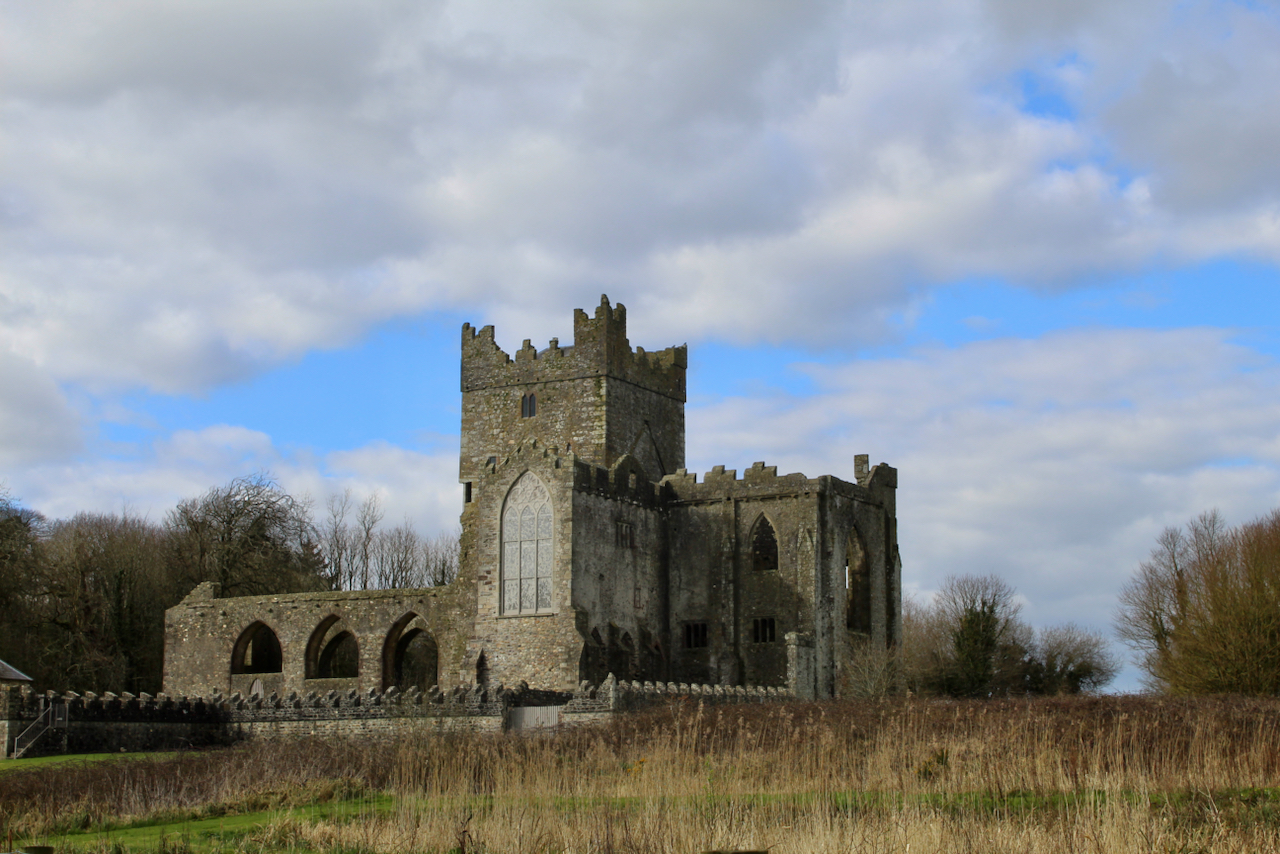
Tintern Abbey, County Wexford, 15th March 2025. Photograph © Jennifer Winder-Baggot, www.irishhistorichouses.com

See my entry https://irishhistorichouses.com/2025/04/07/tintern-abbey-county-wexford-an-opw-property/

General information: 051 562650, tinternabbey@opw.ie

From the OPW website https://heritageireland.ie/visit/places-to-visit/tintern-abbey/:

This Cistercian monastery was founded c. 1200 by William, Earl Marshal on lands held through his marriage to the Irish heiress, Isabella de Clare [daughter of Strongbow]. This abbey, founded as a daughter-house of Tintern Major in Wales is often referred to as Tintern de Voto.

The nave, chancel, tower, chapel and cloister still stand. In the 16th century the old abbey was granted to the Colclough family [Anthony Colclough (d. 1584) was a soldier and the land was granted to him after the dissolution of the monasteries] and soon after the church was partly converted into living quarters and further adapted over the centuries. The Colcloughs occupied the abbey from the sixteenth century until the mid-twentieth.”
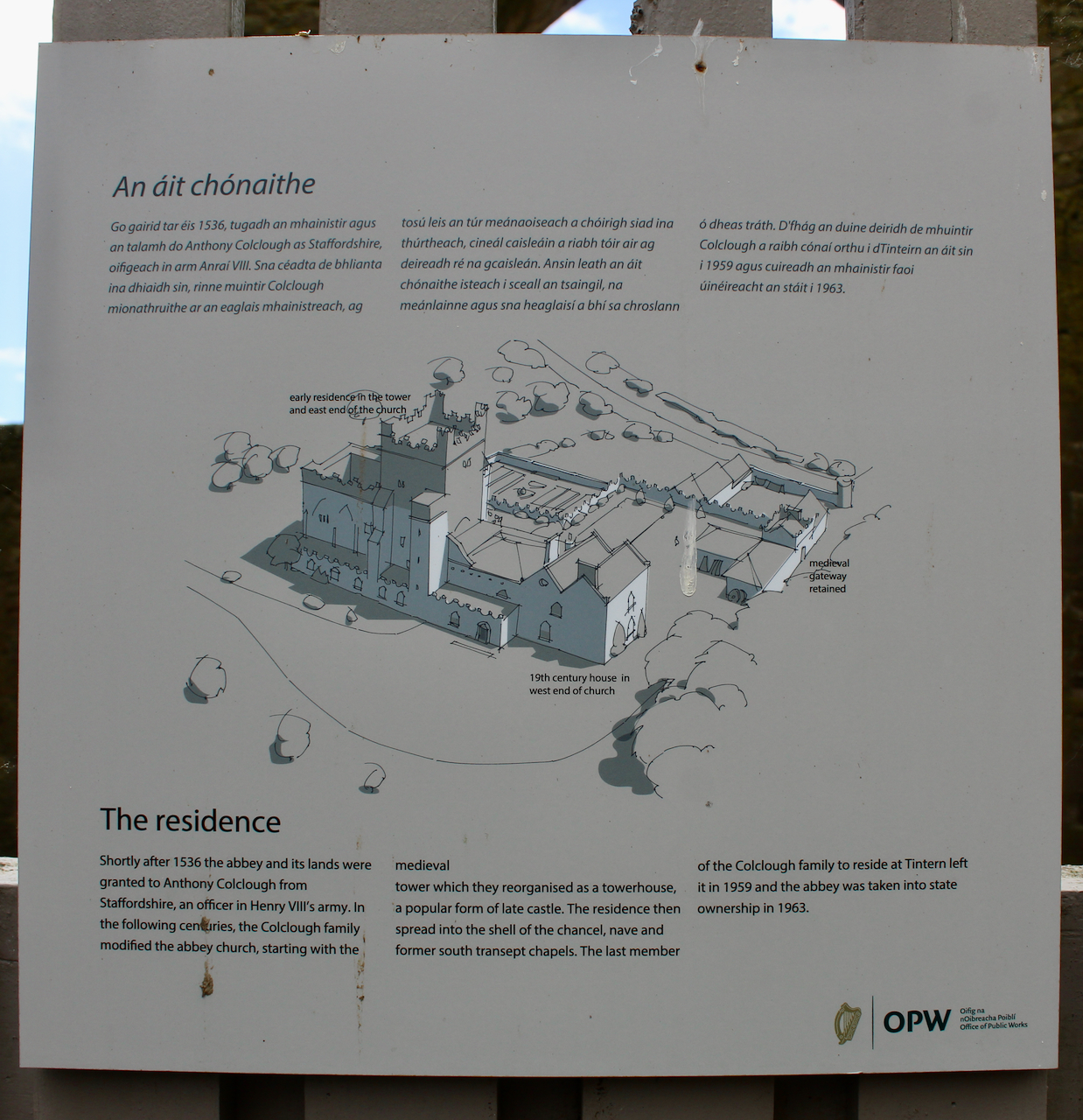
Tintern Abbey, County Wexford, May 2023.
Tintern Abbey, County Wexford, May 2023. Photograph © Jennifer Winder-Baggot, www.irishhistorichouses.com
Tintern Abbey, photograph by Celtic Routes, 2019 for Tourism Ireland, Ireland’s Content Pool. [see 1]

Wicklow:

1. Dwyer McAllister Cottage, County Wicklow:

From the OPW website https://heritageireland.ie/visit/places-to-visit/dwyer-mcallister-cottage/:

This thatched and whitewashed cottage nestles in the shade of Keadeen Mountain off the Donard to Rathdangan road in County Wicklow.

Today, it seems like an unlikely site of conflict. However, in the winter of 1799 it was a different story. It was from this cottage that the famed rebel Michael Dwyer fought the encircling British. One of Dwyer’s compatriots, Samuel McAllister, drew fire upon himself and was killed. This allowed Dwyer to make good his escape over the snow-covered mountains.

The cottage was later destroyed by fire and lay in ruins for almost 150 years. It was restored to its original form in the twentieth century. Now, it contains various items of the period – both those that characterised everyday life, such a roasting spit and a churn, and those that only appeared in the throes of combat, such as deadly pikes.

2. Glendalough, County Wicklow:

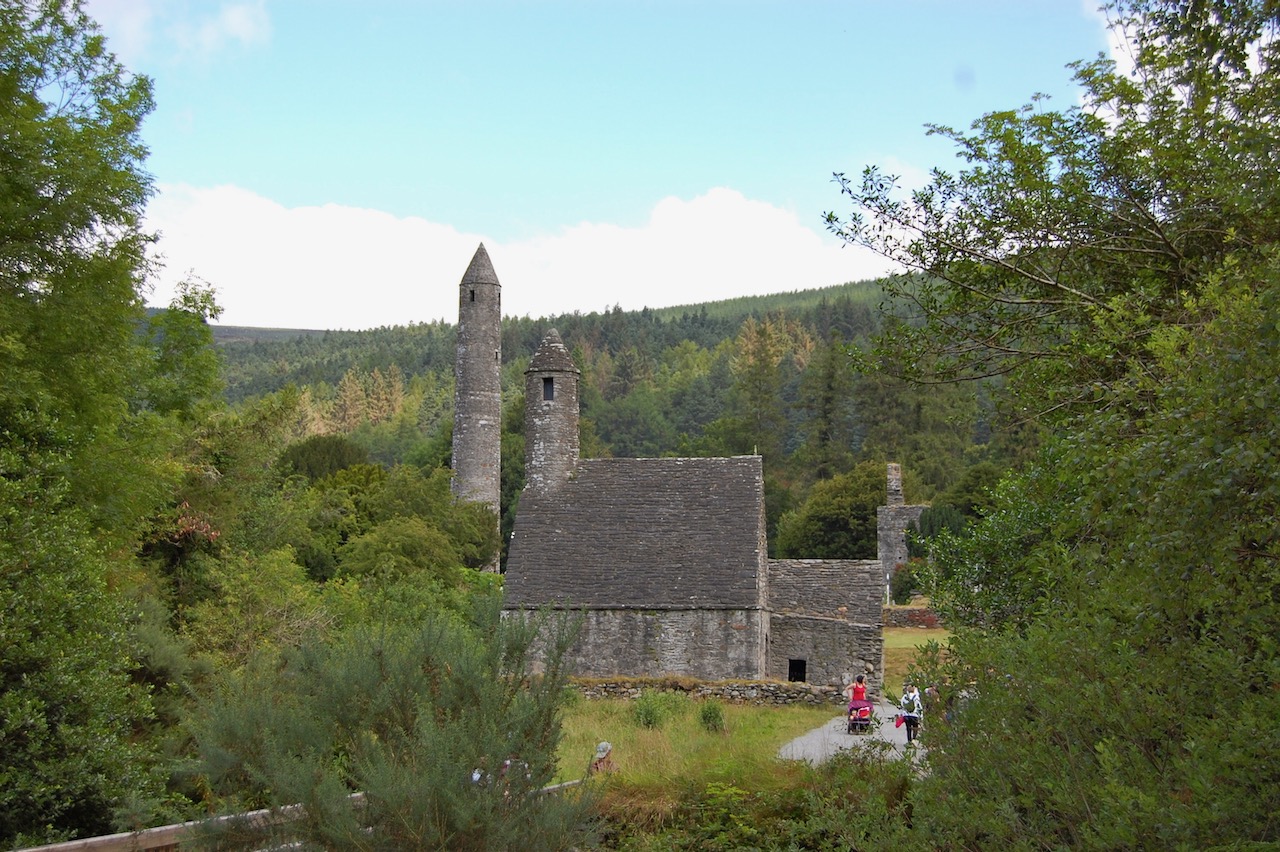
Glendalough, County Wicklow, July 2017. Photograph © Jennifer Winder-Baggot, www.irishhistorichouses.com

General information: 0404 45352, george.mcclafferty@opw.ie

From the OPW website https://heritageireland.ie/visit/places-to-visit/glendalough-visitor-centre/:

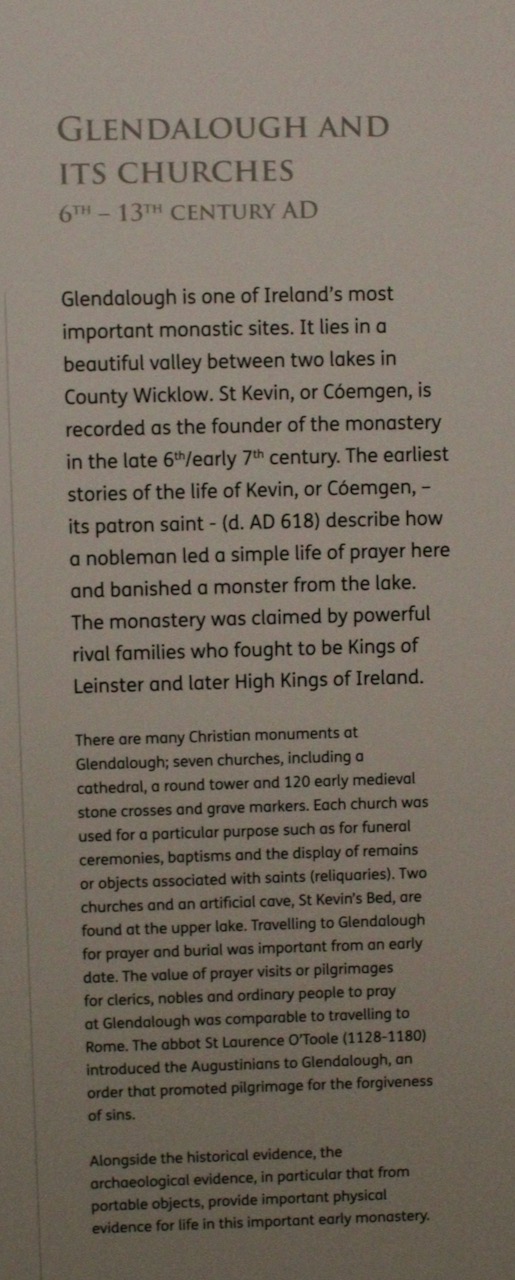
In a stunning glaciated valley in County Wicklow, in the sixth century, one of Ireland’s most revered saints founded a monastery. The foundation of St Kevin at Glendalough became one of the most famous religious centres in Europe.

The remains of this ‘Monastic City’, which are dotted across the glen, include a superb round tower, numerous medieval stone churches and some decorated crosses. Of particular note is St Kevin’s Bed, a small man-made cave in the cliff face above the Upper Lake. It is said that St Kevin lived and prayed there, but it may actually be a prehistoric burial place that far predates him.

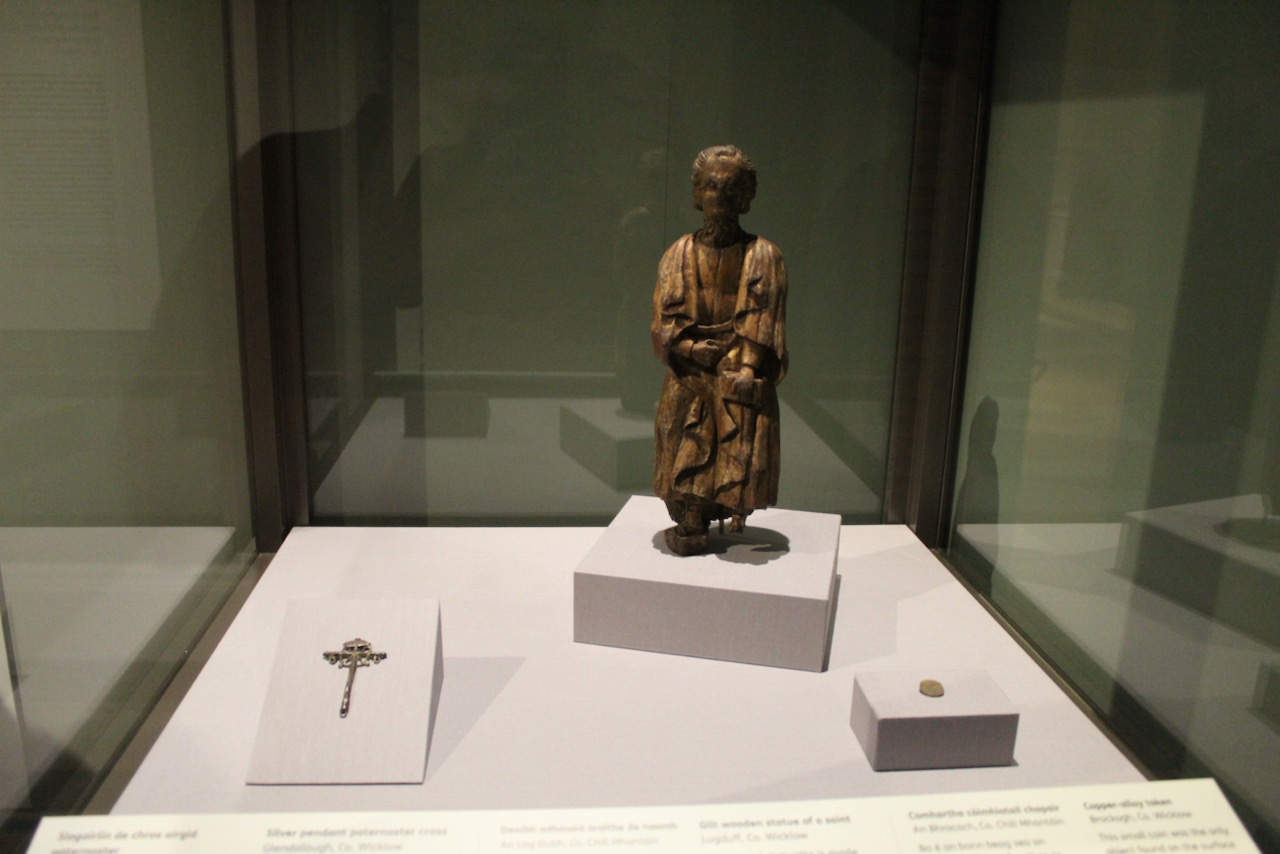
Gilt wooden statue dating from the 15th or 16th century, found at Lugduff, County Wicklow, in a ruined building near the upper lake at Glendalough. It is a carved statue of yew wood and depicts an unknown figure, probably a saint; now in the National Museum of Ireland, Kildare Street, Dublin. Photograph © Jennifer Winder-Baggot, www.irishhistorichouses.com
Information board from National Museum of Ireland, Kildare Street.
Silver penny of Sitric Rex Dublin, found at Sevenchurches or Camaderry, Glendalough County Wicklow. It represents the earliest Irish coinage, showing Sitric, King of Dublin, and was minted in AD995. It is now in the National Museum of Ireland, Kildare Street, Dublin. Photograph © Jennifer Winder-Baggot, www.irishhistorichouses.com
Glendalough, Co. Wicklow, photograph by Chris Hill 2018 for Tourism Ireland, Ireland’s Content Pool. [see 1]

3. National Botanic Gardens Kilmacurragh, County Wicklow:

General Information: 0404 48844, botanicgardens@opw.ie

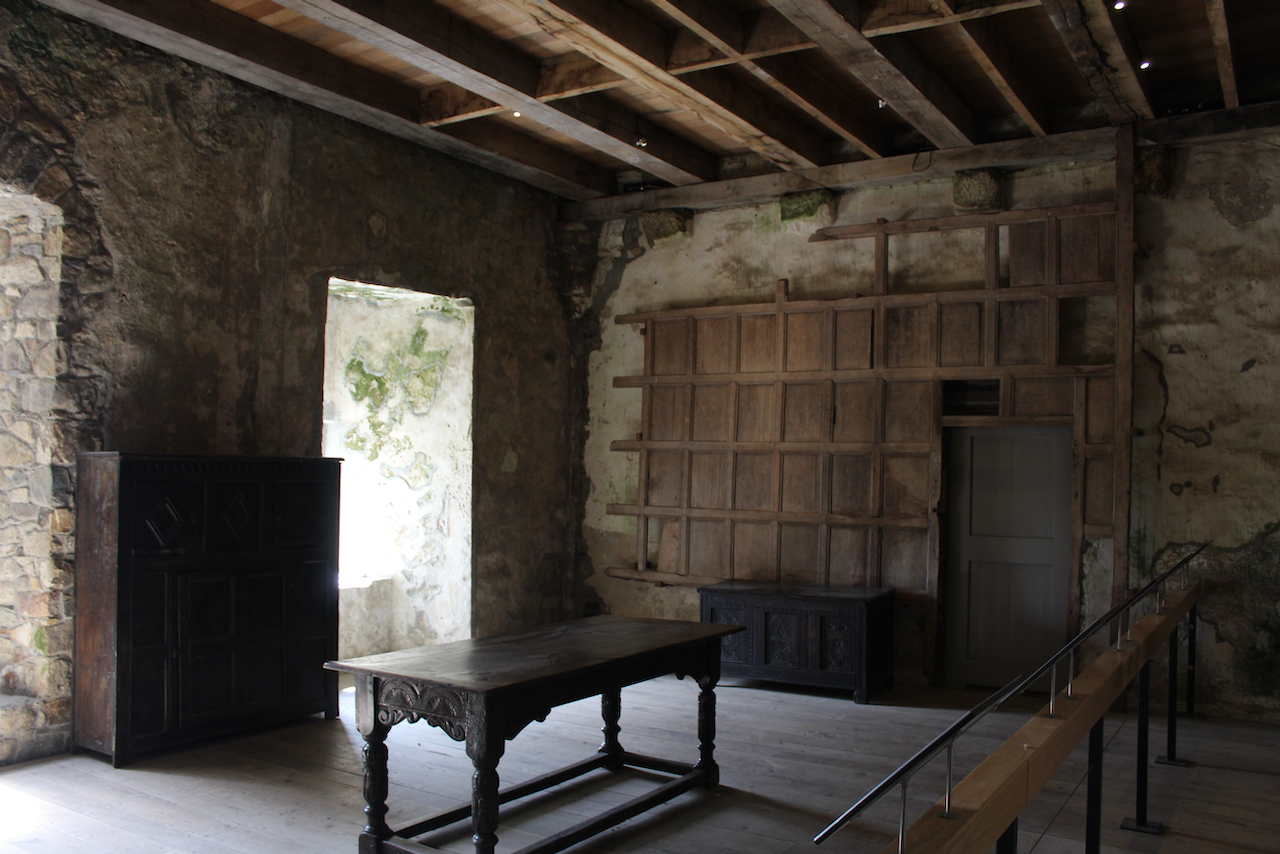
Kilmacurragh House was home to seven generations of the Acton family. It was built in 1697 by Thomas Acton, whose father came to Ireland as part of Oliver Cromwell’s army, for which he was granted the lands surrounding the ruined abbey of St. Mochorog. The five bay Queen Anne house is thought to be the work of Sir William Robinson, who is better known today for his work at Marsh’s Library in Dublin, the Royal Hospital Kilmainham, Dublin Castle and Charles Fort, Kinsale, County Kerry. [2]

Kilmacurragh House, photograph from the National Inventory of Architectural History.

From the OPW website https://heritageireland.ie/visit/places-to-visit/national-botanic-gardens-kilmacurragh/:

There was a monastery at Kilmacurragh, in this tranquil corner of County Wicklow, in the seventh century, and a religious foundation remained right up until the dissolution of the monasteries. After Cromwell invaded the land passed to the Acton family.

Thomas Acton (1655-1750), the first Thomas Acton who lived at Kilmacurragh, he obtained leases “for lives, renewable forever” from Richard Viscount Rosse of the lands in County Wicklow. [3] His father had come over to Ireland in Cromwell’s army. Thomas built the house at Kilmacurragh in 1697, after tearing down the abbey buildings. The house was designed by William Robinson (1643-1712), whose best-known work is the Royal Hospital Kilmainham.
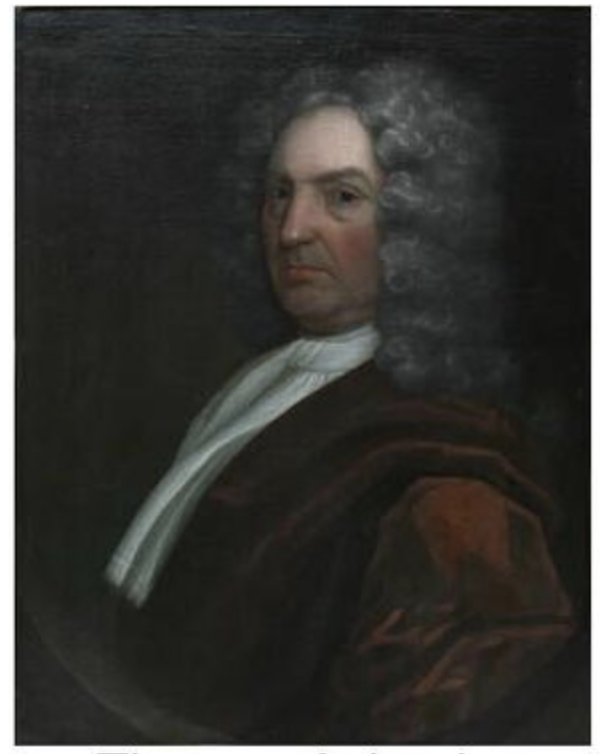
Elinor née Kempston (d. 1747), wife of Thomas Acton.

By the time the estate came to Thomas Acton in 1854, an unprecedented period of botanical and geographical exploration was afoot. In collaboration with the curators of the National Botanic Gardens, Acton built a new and pioneering garden.

In 1996, a 21-hectare portion of the old demesne officially became part of the National Botanic Gardens of Ireland. The following ten years were spent giving the estate’s rare and beautiful plants a new lease of life.

Kilmacurragh is now part of the National Botanic Gardens, providing a complementary collection of plants to its parent garden at Glasnevin. Arrive in spring to witness the transformation of the walks, as fallen rhododendron blossoms form a stunning magenta carpet.

and

The Gardens lies within an estate developed extensively during the nineteeth century by Thomas Acton in conjunction with David Moore and his son Sir Frederick Moore, Curators of the National Botanic Gardens at that time. It was a period of great botanical and geographical explorations with numerous plant species from around the world being introduced to Ireland for the first time. The different soil and climatic conditions at Kilmacurragh resulted in many of these specimens succeeding there while struggling or failing at Glasnevin. Kilmacurragh is particularly famous for its conifer and rhododendron collections.” [4]

Thomas Acton’s son William (1711-1779) married Jane Parsons of Birr Castle. Their son Thomas Acton (1738-1817) inherited, then his son Lt Col William (1789-1854) and then his son Thomas (1826-1908). Along with his sister Janet, he had a passion for collecting plants. They travelled to the Americas and Asia in search of plants, and established one of the finest arboreta in Ireland, and formed a friendship with David Moore, curator of the National Botanic Gardens in Dublin. Thomas died unmarried in 1908 and Kilmacurragh was inhierted by his nephew, Captain Charles Annesley Acton, who had been born in Peshawar. However, he was killed fighting in World War I as was his brother Reginald. Thus in eight years, three consecutive owners of Kilmacurragh had died, inflicting death duties amounting to 120% of the value of the property. The Actons were forced to sell the estate. The house fell into ruin and the arboretum became overgrown. The state acquired Kilmacurragh in 1996 and have restored the arboretum, making it part of the National Botanic Gardens.

[1] https://www.irelandscontentpool.com/en/media-assets/media/81101

[2] p. 160. Living Legacies: Ireland’s National Historic Properties in the Care of the OPW. Government Publications, Dublin 2, 2018.

[3] Burke, Bernard, A genealogical and heraldic history of the landed gentry of Great Britain & Ireland, 1886 vol 1.
[4] https://botanicgardens.ie/kilmacurragh/

Office of Public Works properties: County Kilkenny, Leinster

Kilkenny:

1. Dunmore Cave, County Kilkenny

2. Jerpoint Abbey, County Kilkenny

3. Kells Priory, County Kilkenny

4. Kilkenny Castle, County Kilkenny

5. St. Mary’s Church, Gowran, County Kilkenny

donation

Help me to pay the entrance fee to one of the houses on this website. This site is created purely out of love for the subject and I receive no payment so any donation is appreciated!

€10.00

1. Dunmore Cave, Mothel, Ballyfoyle, Castlecomer Road, County Kilkenny:

General information: 056 776 7726, dunmorecaves@opw.ie

https://heritageireland.ie/visit/places-to-visit/dunmore-cave/

From the OPW website:

Dunmore Cave, not far from Kilkenny town, is a series of limestone chambers formed over millions of years. It contains some of the most impressive calcite formations found in any Irish underground structure.

The cave has been known for many centuries and is first mentioned in the ninth-century Triads of Ireland, where it is referred to as one of the ‘darkest places in Ireland’. The most gruesome reference, however, comes from the Annals of the Four Masters, which tells how the Viking leader Guthfrith of Ivar massacred a thousand people there in AD 928. Archaeological investigation has not reliably confirmed that such a massacre took place, but finds within the cave – including human remains – do indicate Viking activity.

Dunmore is now a show cave, with guided tours that will take you deep into the earth – and even deeper into the past.

2. Jerpoint Abbey, Thomastown, County Kilkenny.

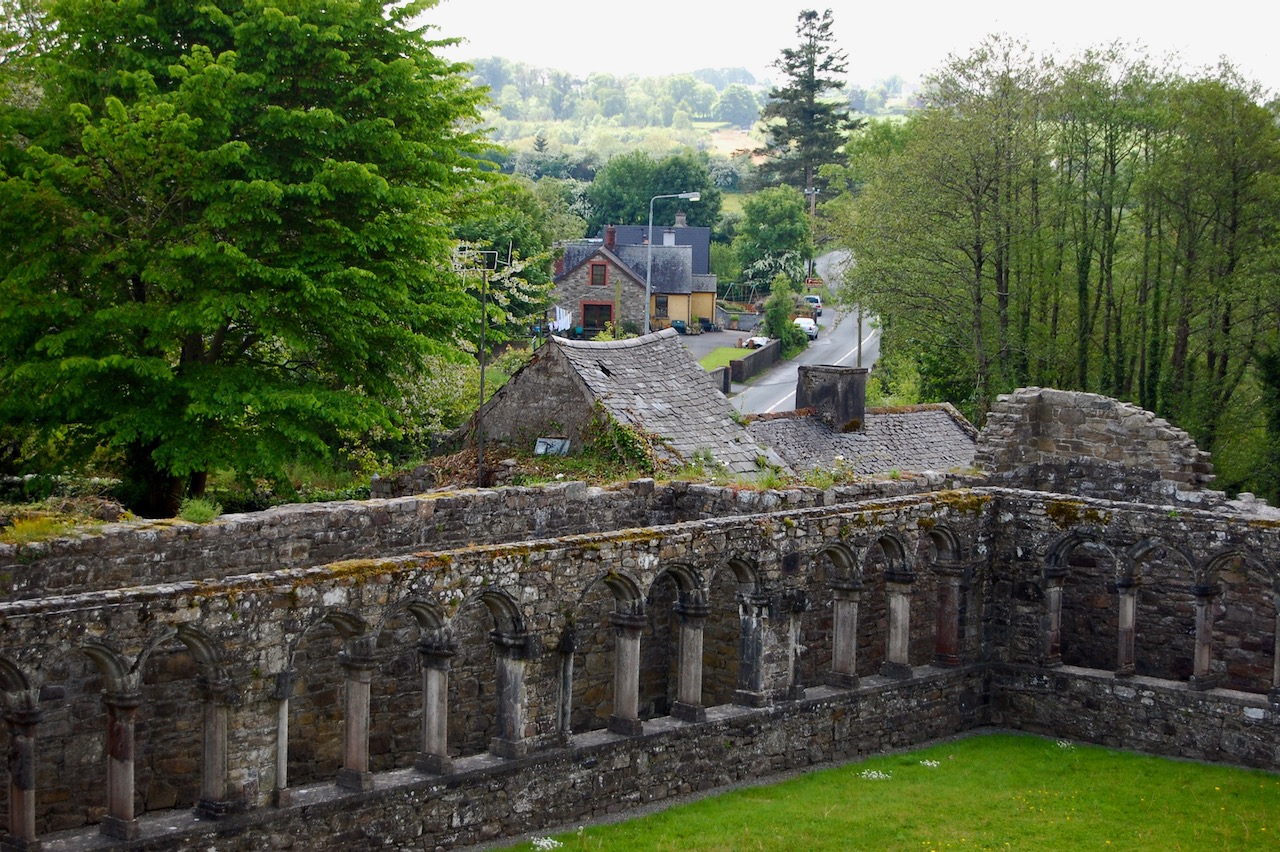
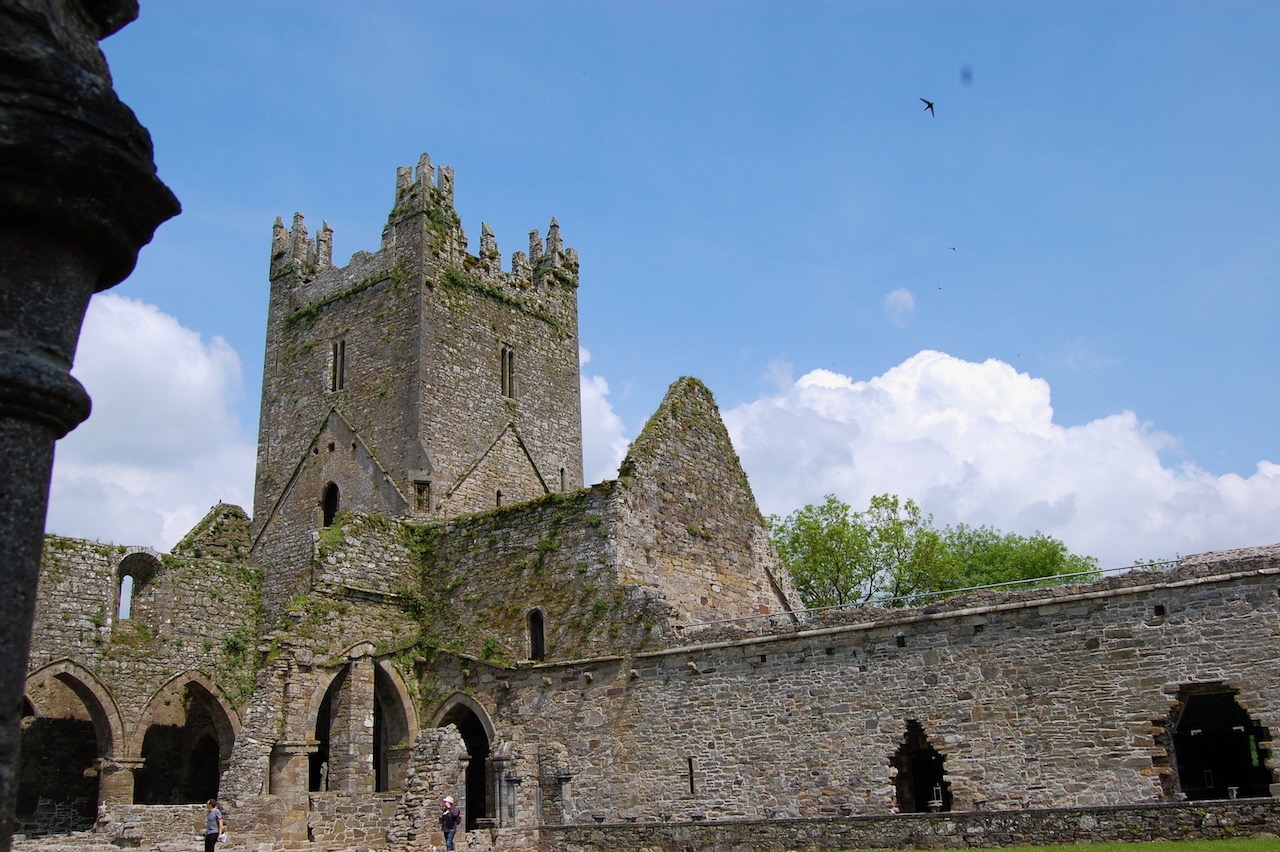
Jerpoint Abbey, May 2016. Photograph © Jennifer Winder-Baggot, www.irishhistorichouses.com
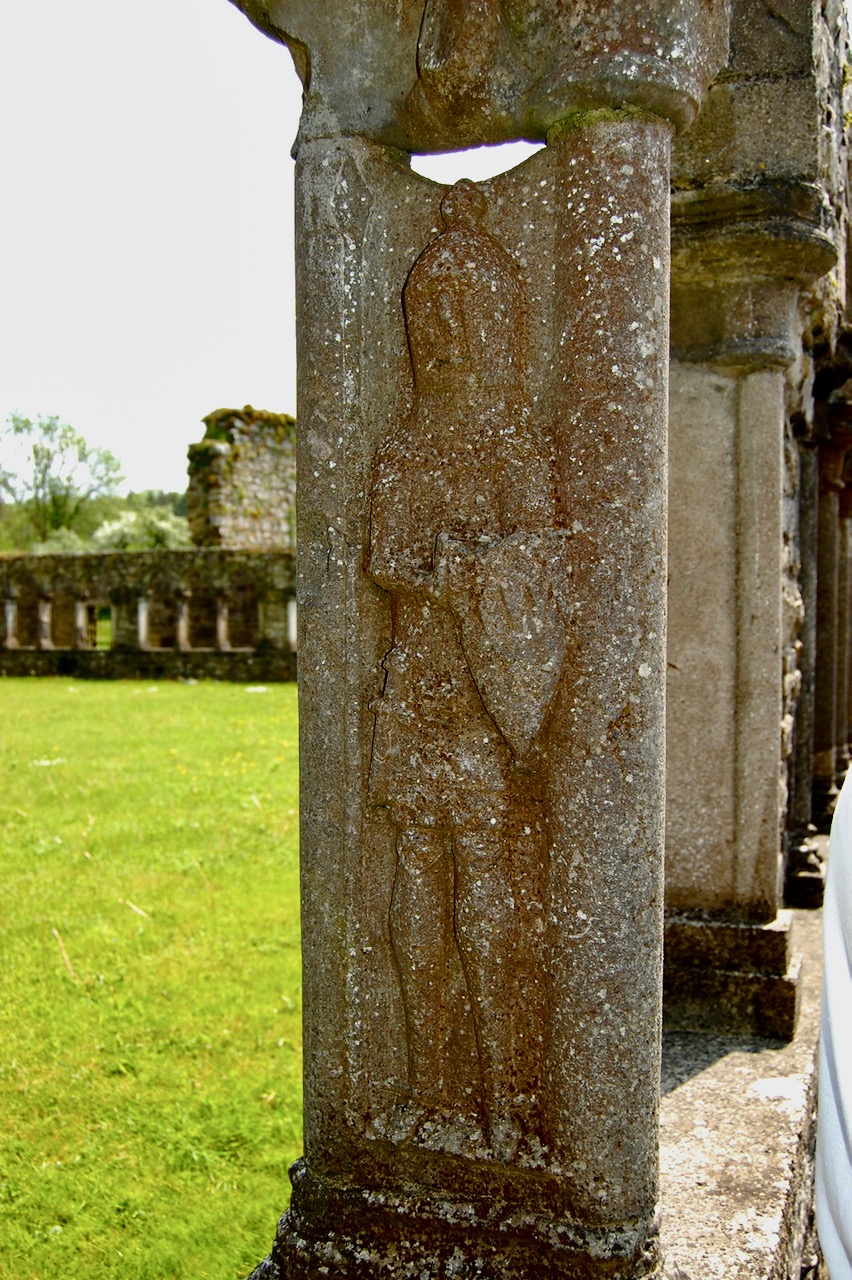
Photograph © Jennifer Winder-Baggot, www.irishhistorichouses.com

General information: 056 772 4623, jerpointabbey@opw.ie

https://heritageireland.ie/visit/places-to-visit/jerpoint-abbey/

From the OPW website:

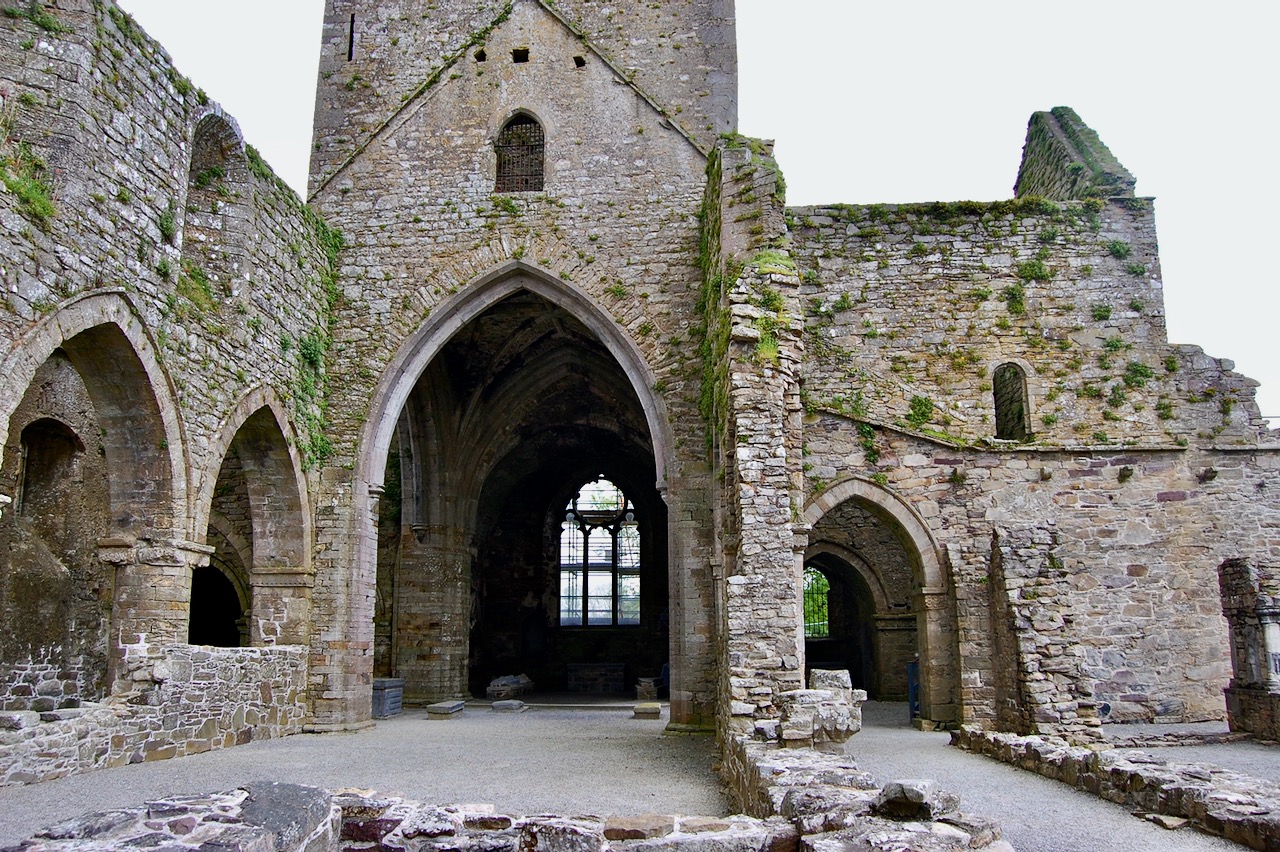
Founded in the 12th century, Jerpoint Abbey is one of the best examples of a medieval Cistercian Abbey in Ireland. The architectural styles within the church, constructed in the late twelfth century, reflect the transition from Romanesque to Gothic architecture. The tower and cloister date to the fifteenth century.

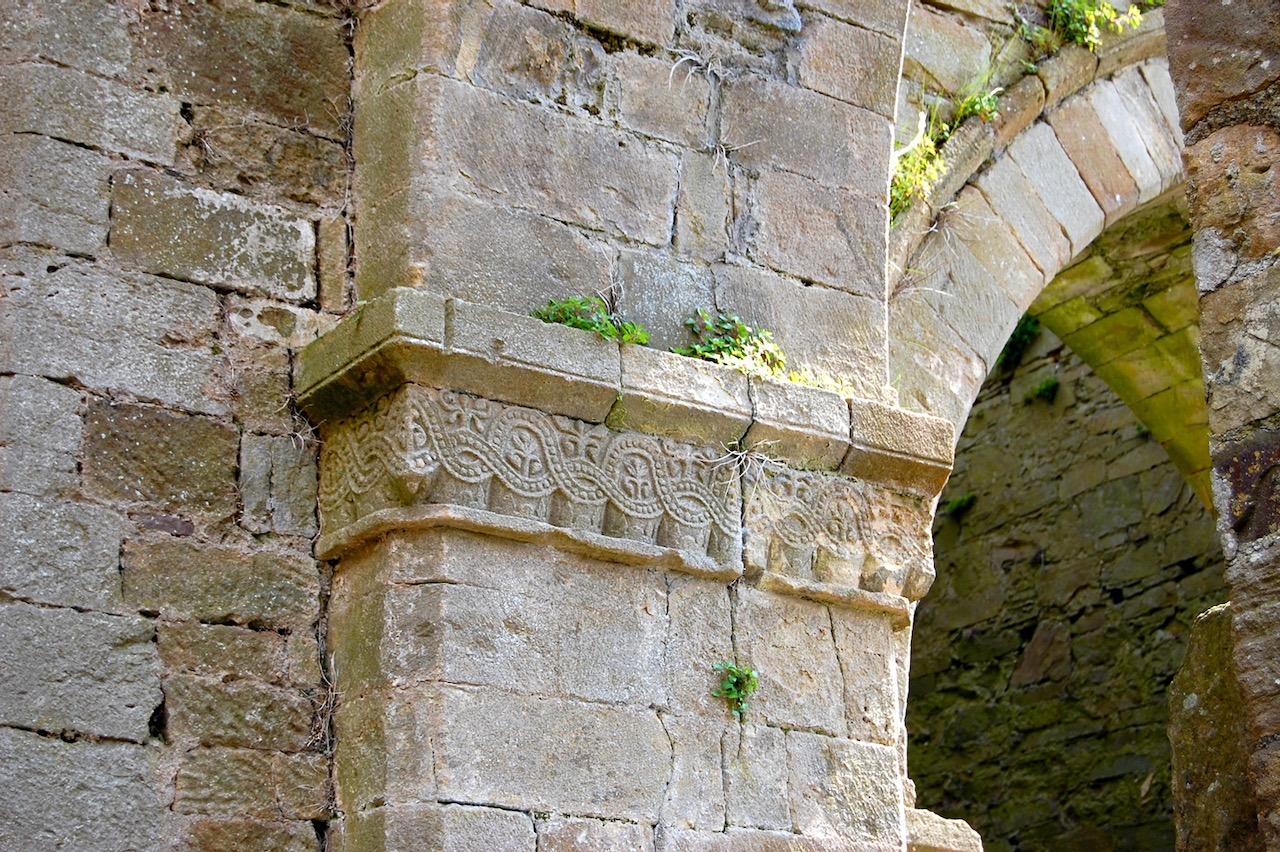
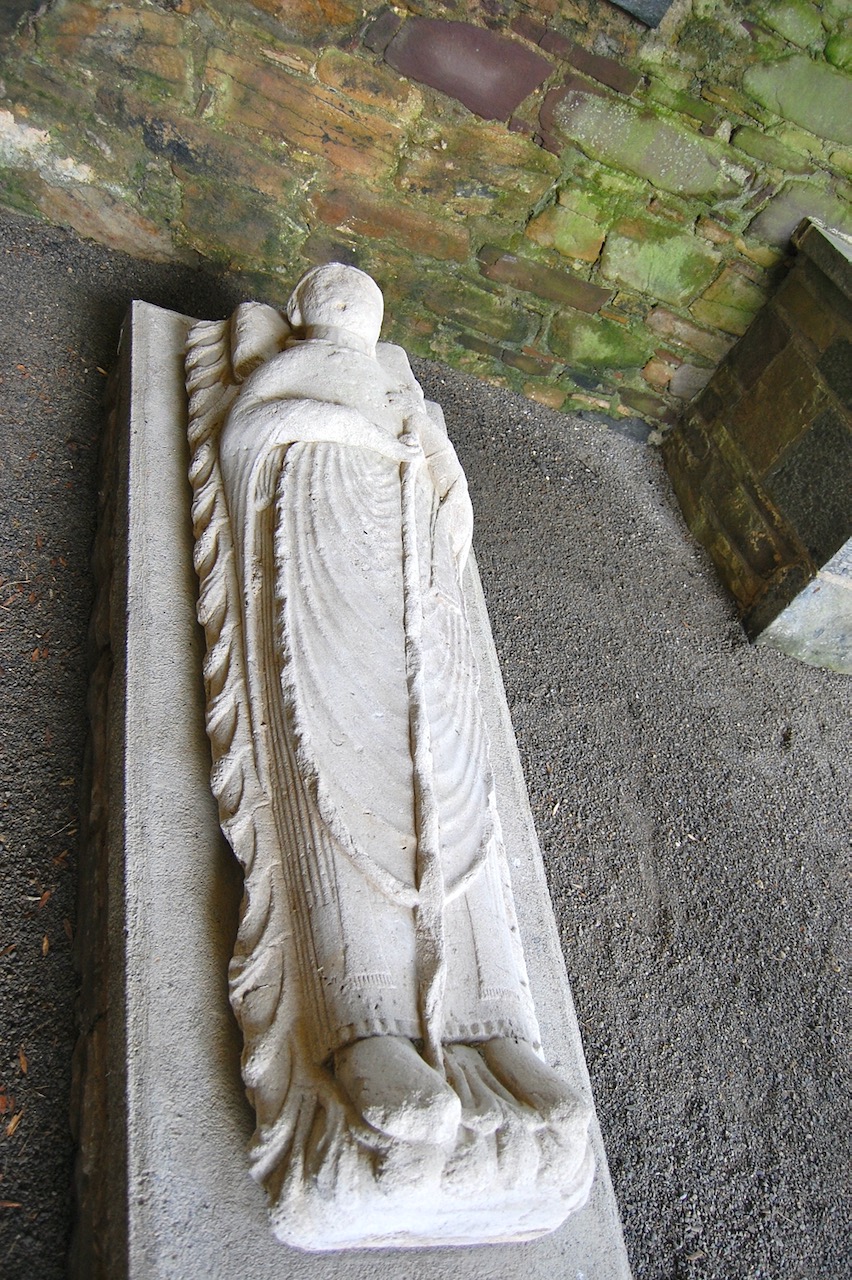
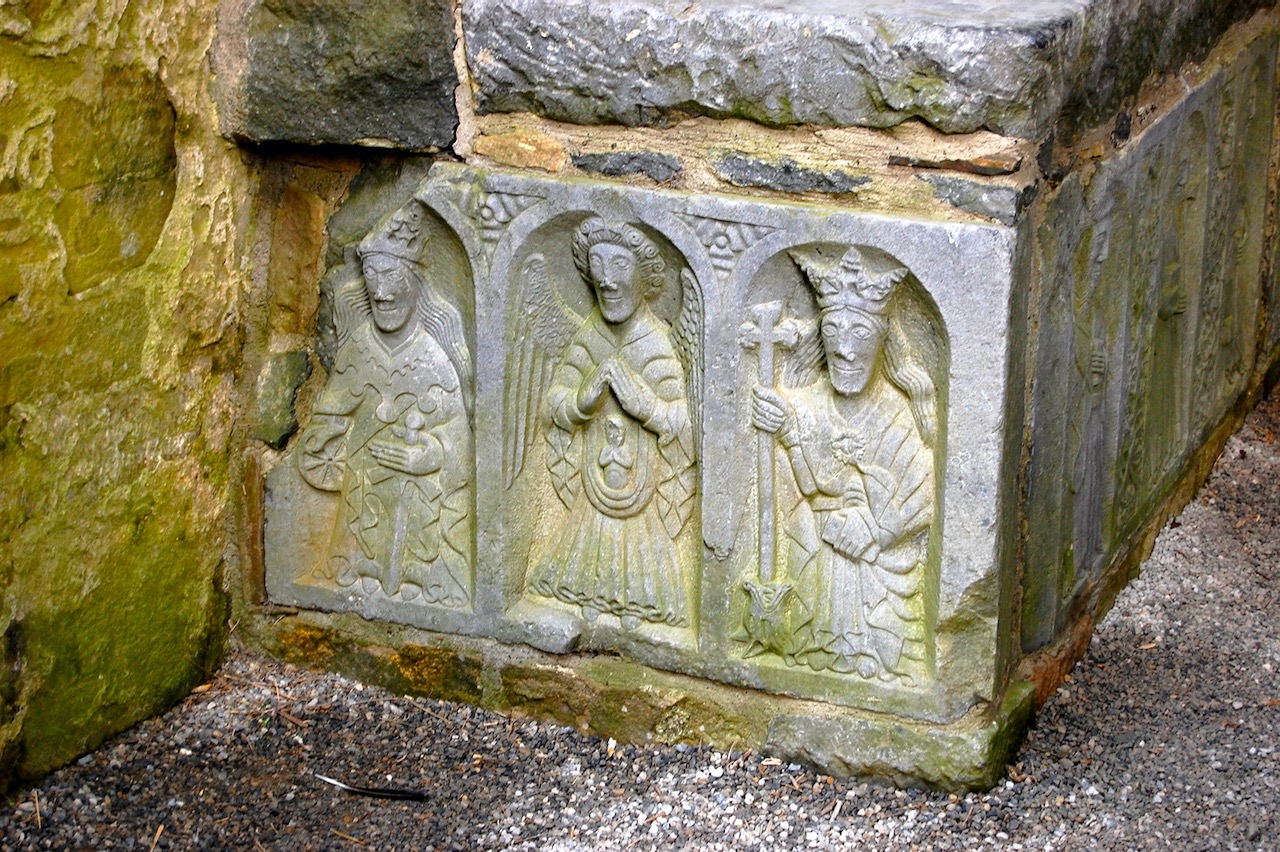
Jerpoint is renowned for its detailed stone sculptures found throughout the monastery. Dating from the thirteenth to the sixteenth centuries these include mensa [table] tombs from the O’Tunney school, an exquisite incised depiction of two 13th century knights, the decorated cloister arcades along with other effigies and memorials. 

Children can explore the abbey with a treasure hunt available in the nearby visitor centre. Search the abbey to discover saints, patrons, knights, exotic animals and mythological creatures.

A small but informative visitor centre houses an excellent exhibition.

Jerpoint Abbey, May 2016. Photograph © Jennifer Winder-Baggot, www.irishhistorichouses.com
Jerpoint Abbey. Photograph © Jennifer Winder-Baggot, www.irishhistorichouses.com

3. Kells Priory, Kells, County Kilkenny:

General information: 056 772 4623, jerpointabbey@opw.ie

From the OPW website:

Kells Priory owes its foundation to the Anglo-Norman consolidation of Leinster. Founded by Geoffrey FitzRobert, a household knight and trusted companion of William Marshal the priory was one element of Geoffrey’s establishment of the medieval town of Kells. 

Although founded in c. 1193 extensive remains exist today which include a nave, chancel, lady chapel, cloister and associated builds plus the remains of the priory’s infirmary, workshop, kitchen, bread oven and mill. The existence of the medieval defences, surrounding the entire precinct, underline the military aspect of the site and inspired the priory’s local name, the ‘Seven Castles of Kells’.

4. Kilkenny Castle, County Kilkenny:

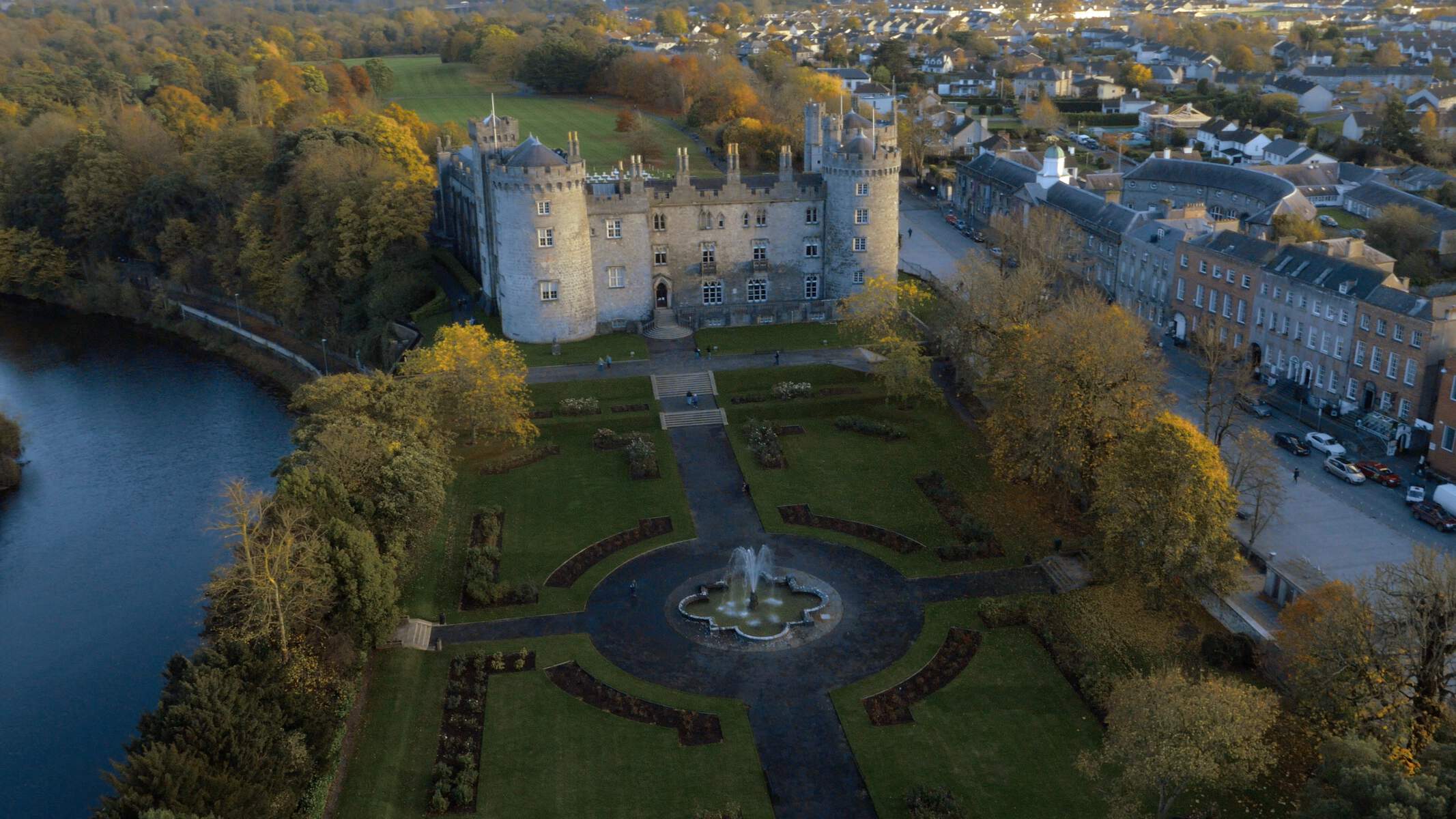
Kilkenny Castle, photograph by macmillan media 2016 for Tourism Ireland, Ireland’s Content Pool. It sits on the banks of the River Nore. [1]

General information: 056 770 4100, kilkennycastleinfo@opw.ie

From the OPW website:

Built in the twelfth century, Kilkenny Castle was the principal seat of the Butlers, earls, marquesses and dukes of Ormond for almost 600 years. Under the powerful Butler family, Kilkenny grew into a thriving and vibrant city. Its lively atmosphere can still be felt today.

The castle, set in extensive parkland, was remodelled in Victorian times. It was formally taken over by the Irish State in 1969 and since then has undergone ambitious restoration works. It now welcomes thousands of visitors a year.

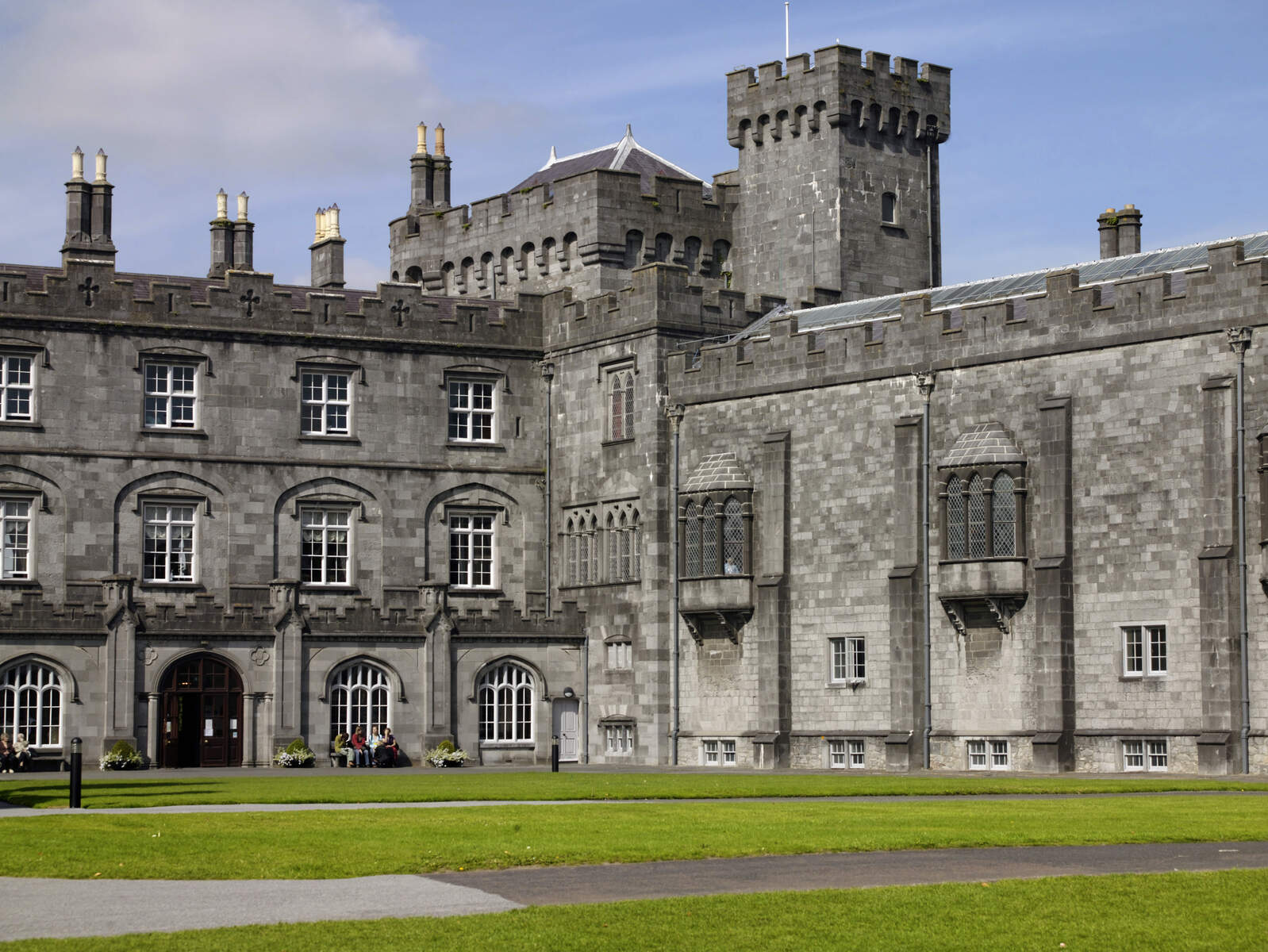
Kilkenny Castle, photograph by unknown 2014 for Failte Ireland, Ireland’s Content Pool. [see 1]

See my entry https://irishhistorichouses.com/2024/04/08/kilkenny-castle-county-kilkenny-an-office-of-public-works-property/

Kilkenny Castle has been standing for over eight hundred years, dominating Kilkenny City and the South East of Ireland. Originally built in the 13th century by William Marshall, 4th Earl of Pembroke, as a symbol of Norman control, Kilkenny Castle came to symbolise the fortunes of the powerful Butlers of Ormonde for over six hundred years. [2]

In 1967 James Arthur Norman Butler (1893-1971), 6th Marquess and 24th Earl of Ormonde sold the Castle to the Kilkenny Castle Restoration Committee for £50. Two years later it went into state ownership.

Kilkenny Castle, photograph by unknown 2014 for Failte Ireland, Ireland’s Content Pool. [see 1] The National Inventory describes: Random rubble stone walls with sections of limestone ashlar construction (including to breakfront having full-height Corinthian pilasters flanking round-headed recessed niches with sills, moulded surrounds having keystones, decorative frieze having swags, moulded course, modillion cornice, and blocking course with moulded surround to pediment having modillions), and limestone ashlar dressings including battlemented parapets (some having inscribed details) on corbel tables. The classical frontispiece was designed for James Butler, Second Duke of Ormonde possibly to designs prepared by Sir William Robinson. 

You can take an online tour of the castle on the website https://kilkennycastle.ie/about/explore-the-castle-new/

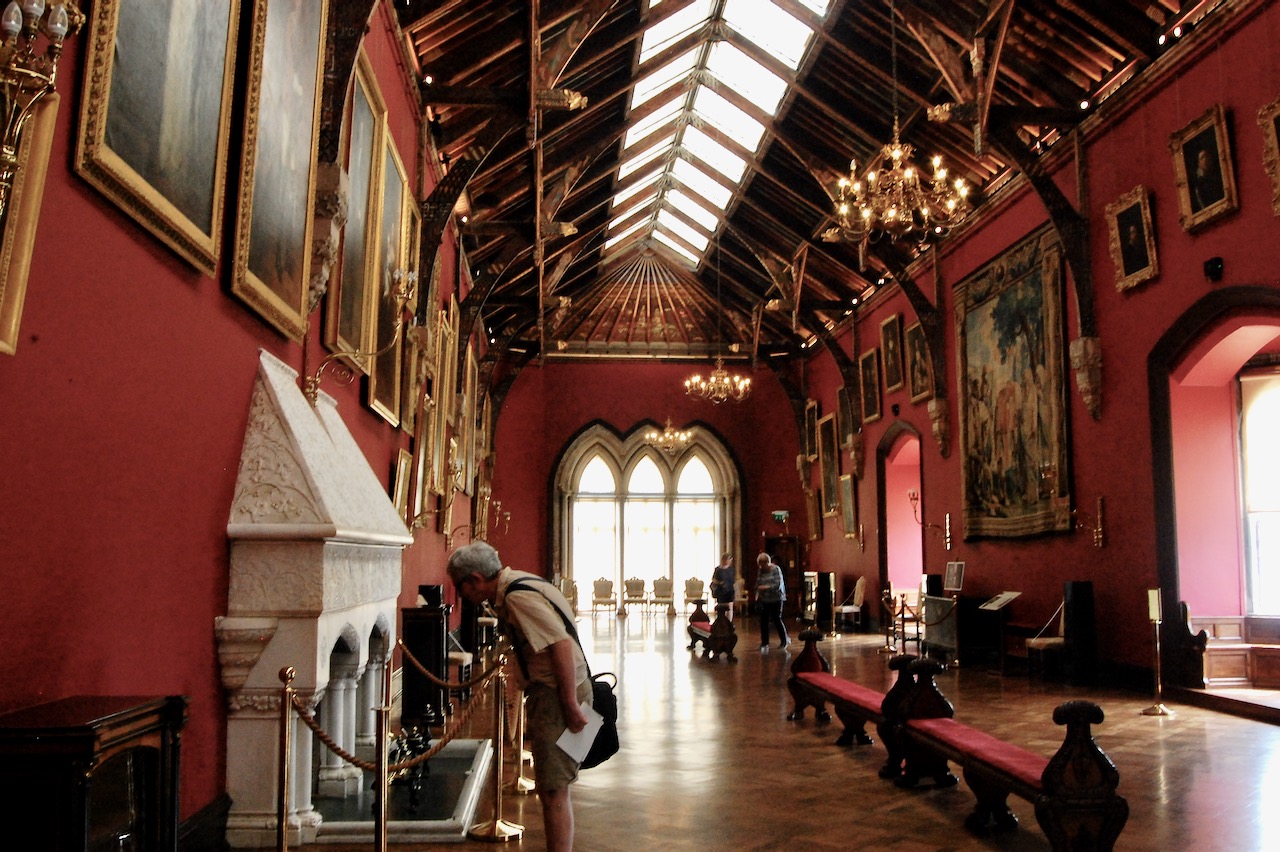
The magnificent Picture Gallery is situated in the east wing of Kilkenny Castle.This stunning space dates from the 19th century and was built primarily to house the Butler Family’s fine collection of paintings.

Kilkenny Castle. Photograph © Jennifer Winder-Baggot, www.irishhistorichouses.com

5. St. Mary’s Church, Gowran, County Kilkenny:

General information: 056 772 6894, breda.lynch@opw.ie

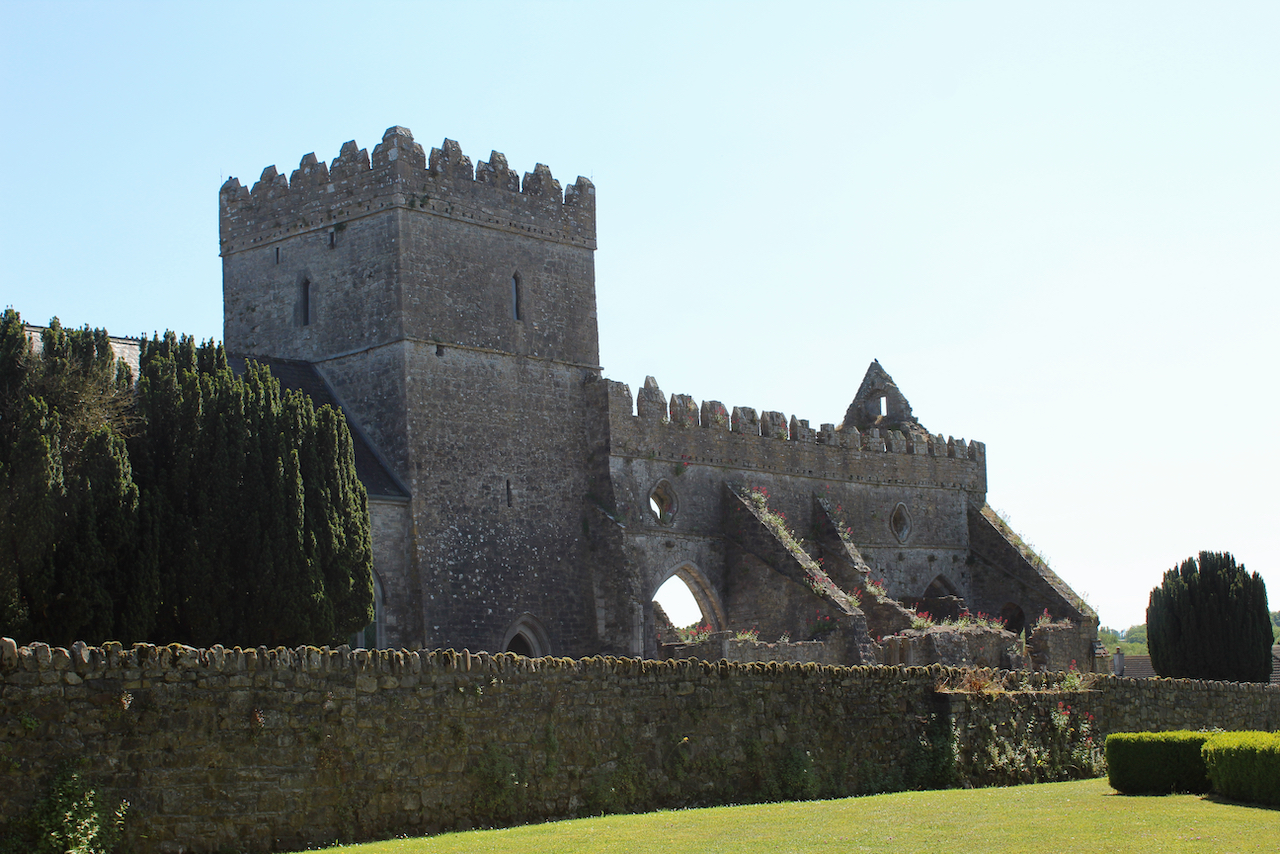
St. Mary’s church, Gowran, June 2023. Photograph © Jennifer Winder-Baggot, www.irishhistorichouses.com

From the OPW website:

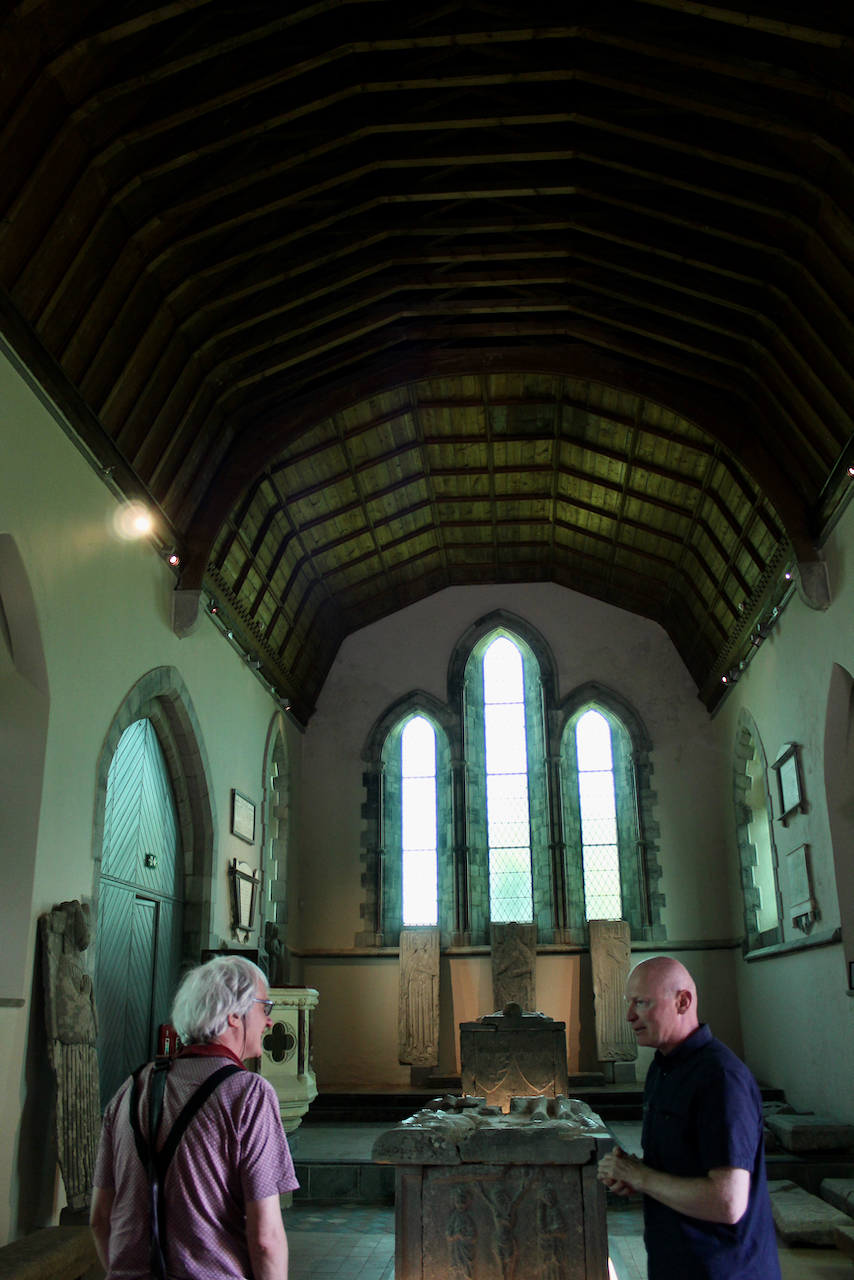
This church was built in the late thirteenth century as a collegiate church and was served by a college – clerics who lived in a community but did not submit to the rule of a monastery. 

The church was patronised by the Butler family and many early family members are commemorated here with elaborate medieval tombs. The impressive ruins were decorated by the Gowran Master whose stone carvings are immortalised in the poetry of Nobel Laureate Séamus Heaney. 

The once medieval church was later partly reconstructed in the early 19th century and functioned as a Church of Ireland church until the 1970s when it was gifted to the State as a National Monument. Today the restored part of the church preserves a collection of monuments dating from the 5th to the 20th centuries.

St. Mary’s church, Gowran, June 2023.

We visited it on the way home from Shankill Castle in County Kilkenny in June 2023. Our tour guide was an enthusiastic font of information and we shared what we knew also and we would have happily spent longer but had to head off as we were visiting a friend in Thomastown.

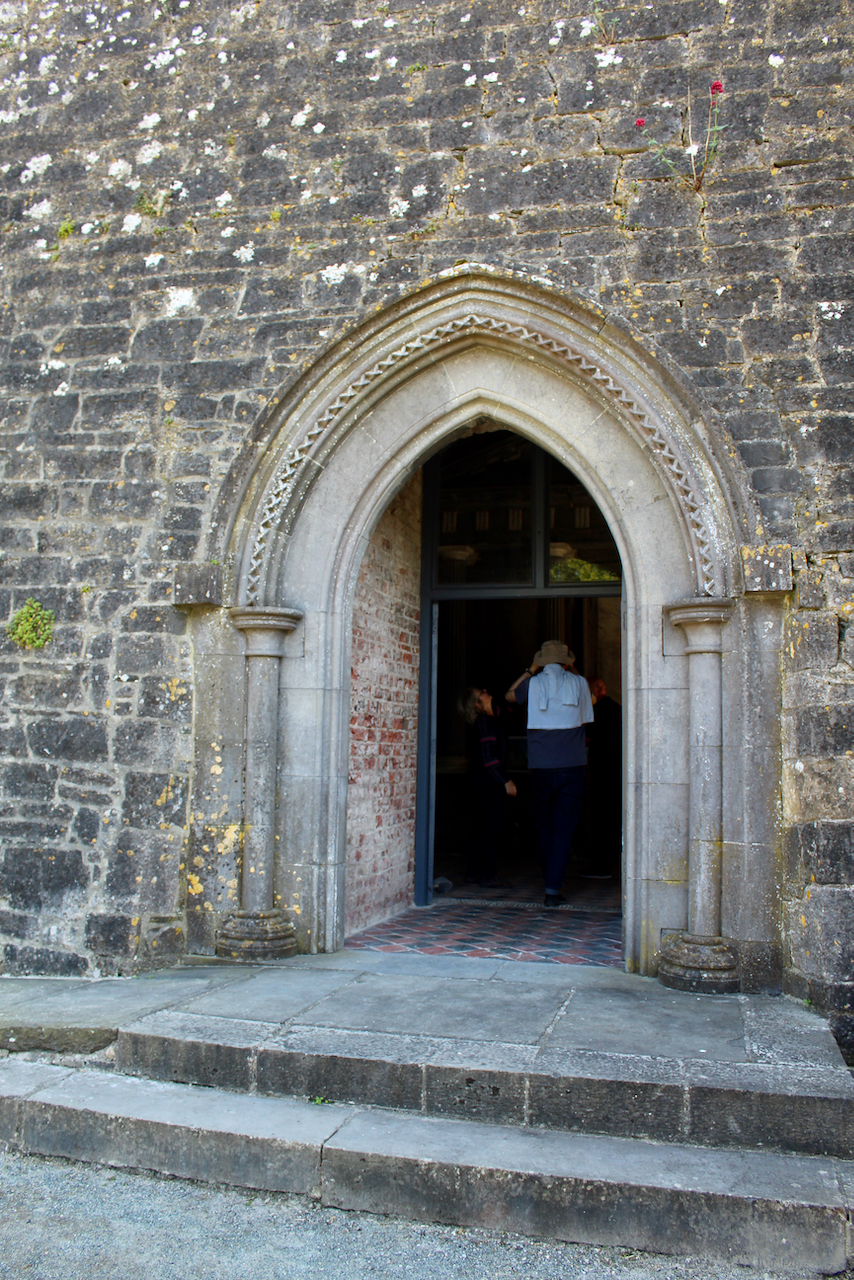
Entrance to the church. Photograph © Jennifer Winder-Baggot, www.irishhistorichouses.com
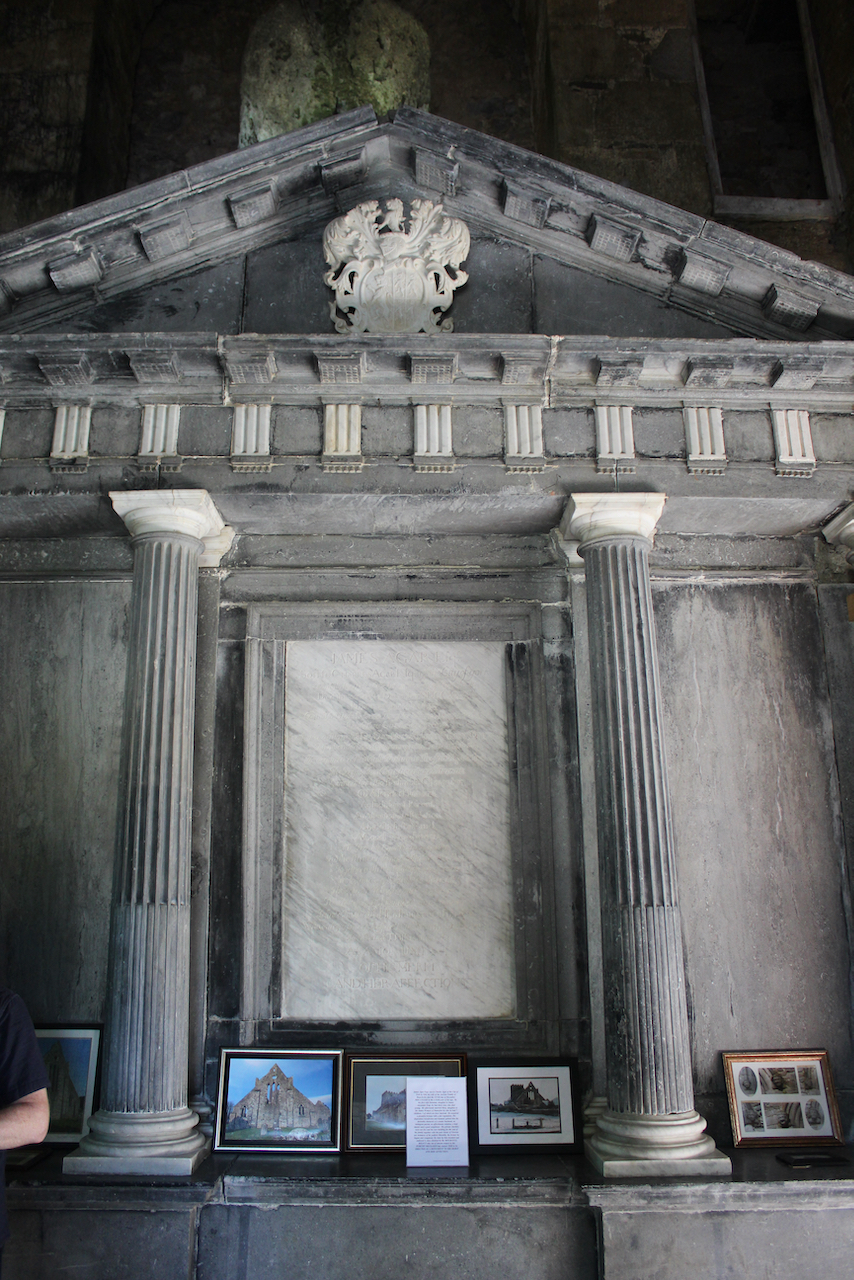
This large monument greets one as one enters the church, a monument to James Agar (d. 1733), son of Charles from York and Ellis Blancheville. By his first wife Susannah daughter of James Alexander he had three children who died young. By his second wife Mary daughter of Henry Wemyss of Danesfort, Kilkenny, he had several children. Photograph © Jennifer Winder-Baggot, www.irishhistorichouses.com
St. Mary’s church, Gowran, June 2023. Photograph © Jennifer Winder-Baggot, www.irishhistorichouses.com

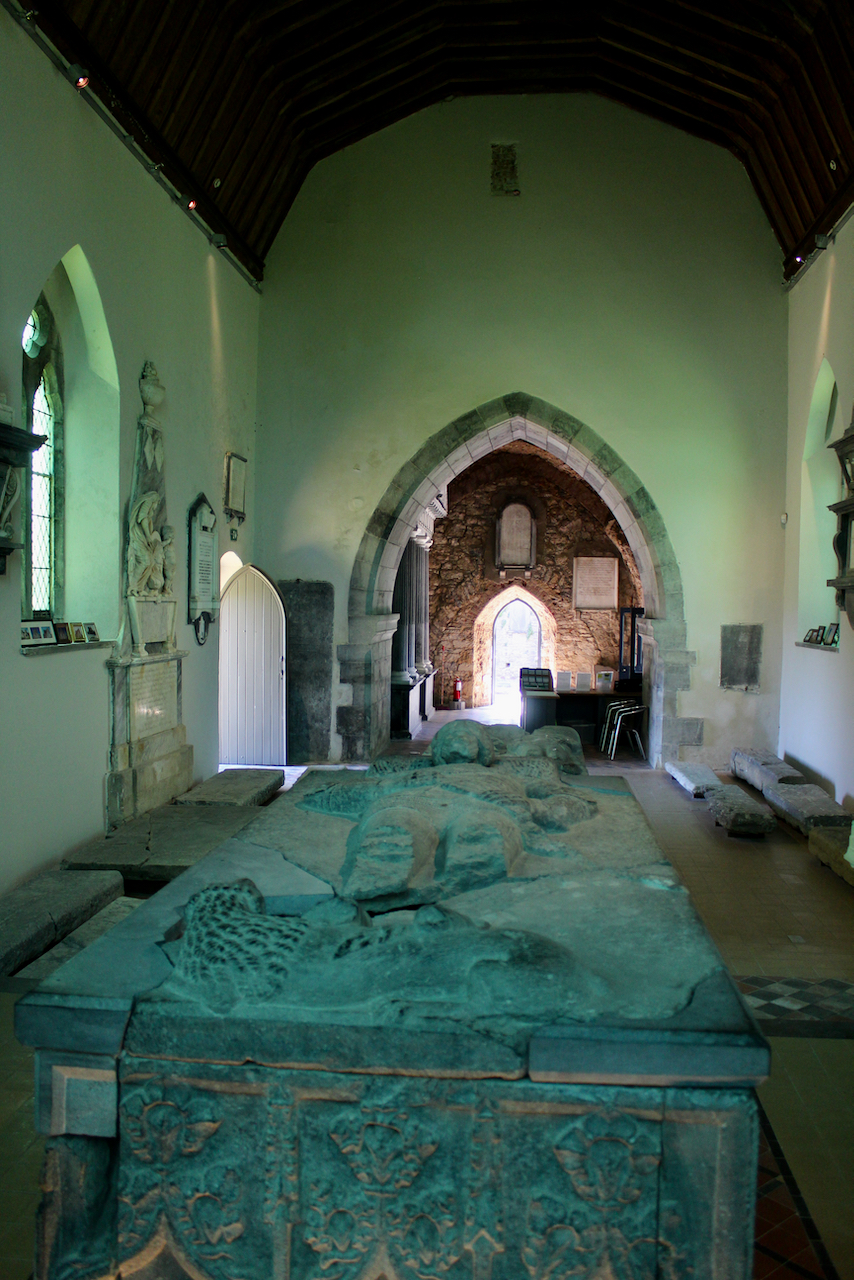
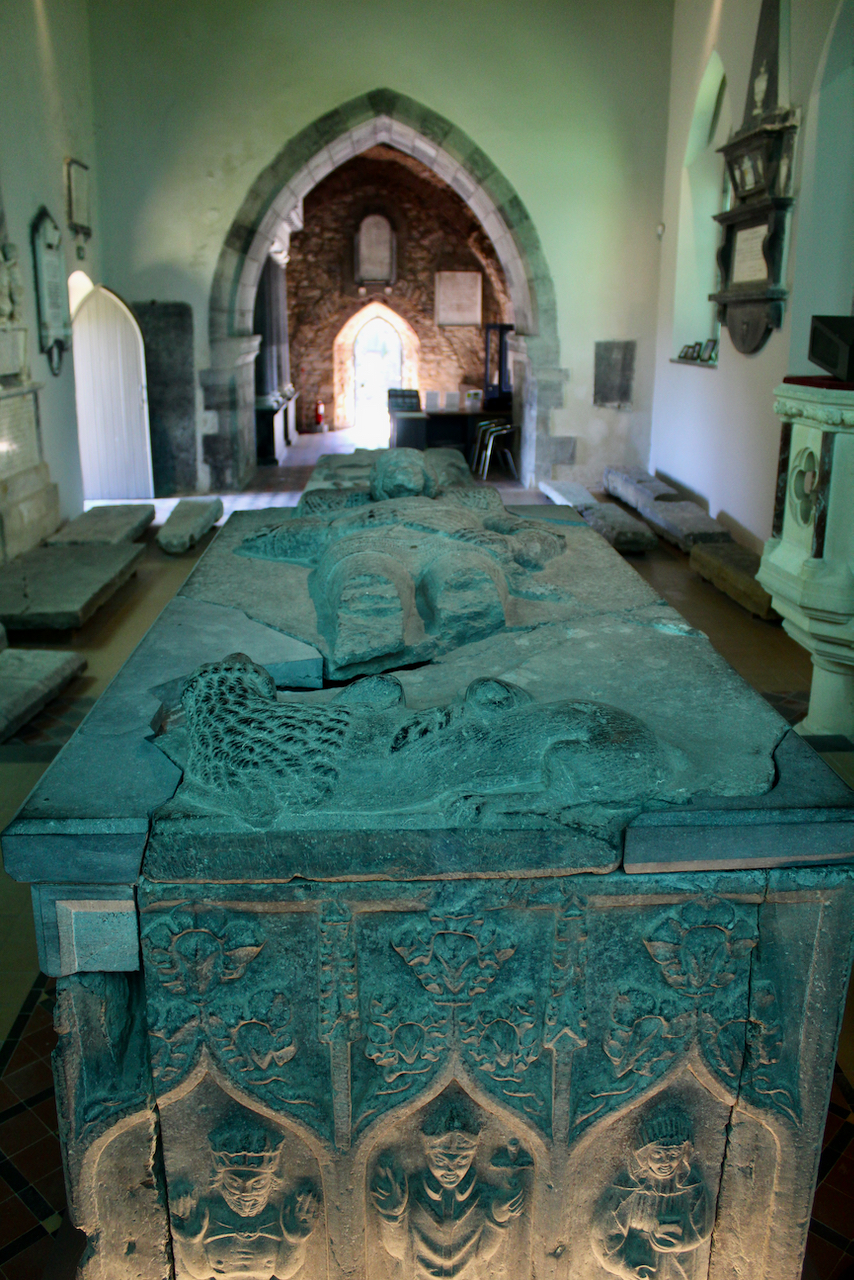
I was excited to see the tombs of the early Butlers of Ormond. The website tells us that the pair of effigial tombs belong (1467-1539) (d. 1487) to Butler knights. The more elaborate of them is believed to belong to Sir James Butler of Polestown, father of the eighth earl of Ormond, Piers Rua.

One of the effigial tombs. Photograph © Jennifer Winder-Baggot, www.irishhistorichouses.com
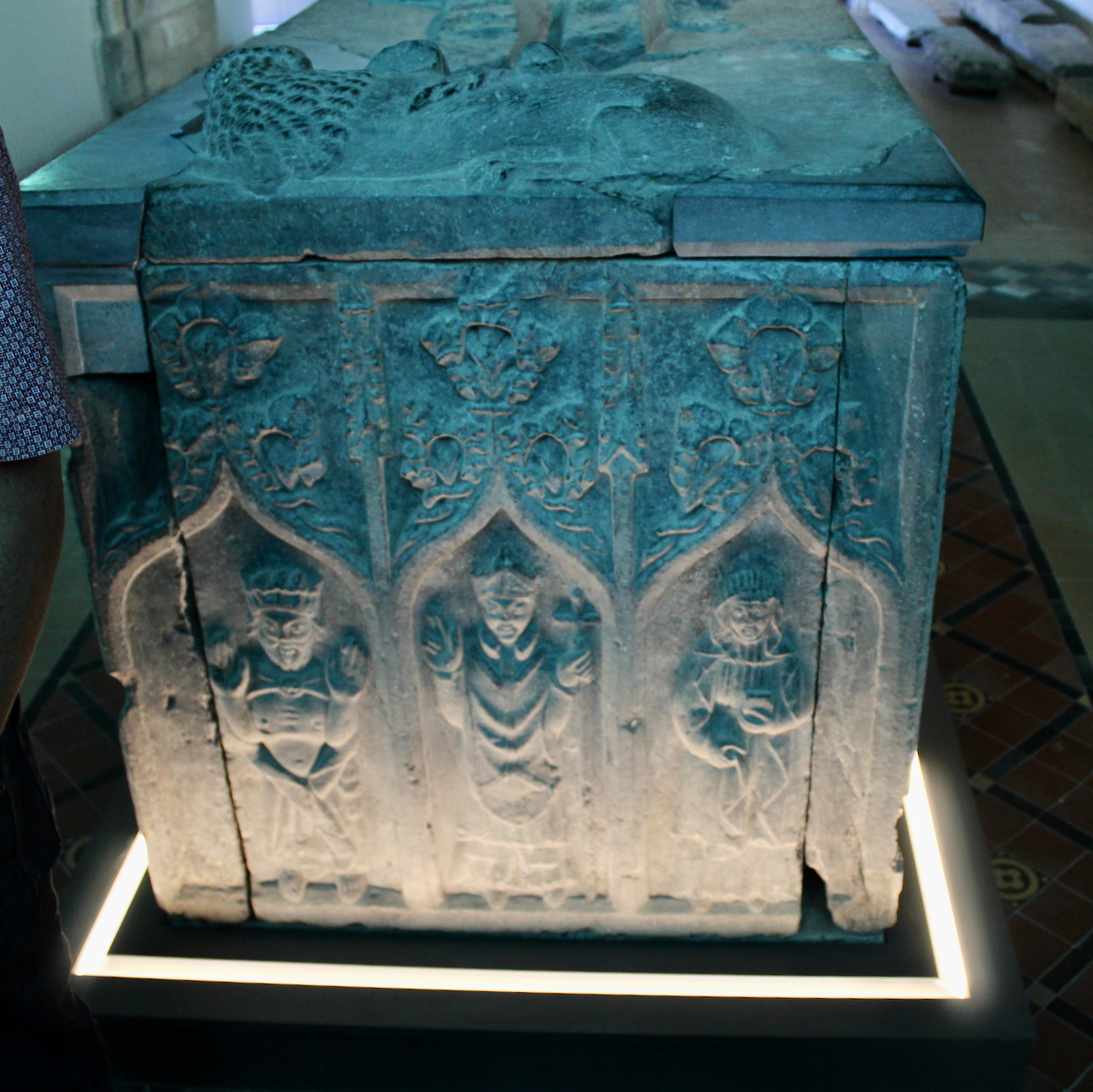
The end of the effigial tomb. Photograph © Jennifer Winder-Baggot, www.irishhistorichouses.com

The sides of this tomb are skilfully decorated with carvings of the Apostles, St Brigid, the crucifixion of Jesus Christ and possibly St Thomas à Becket. This tomb is believed to be the work of the renowned O’Tunneys of Callan. James became the Lord Deputy of Ireland in 1464. He married Sabh Kavanagh, daughter of Donal Reagh MacMurrough-Kavanagh, the King of Leinster.

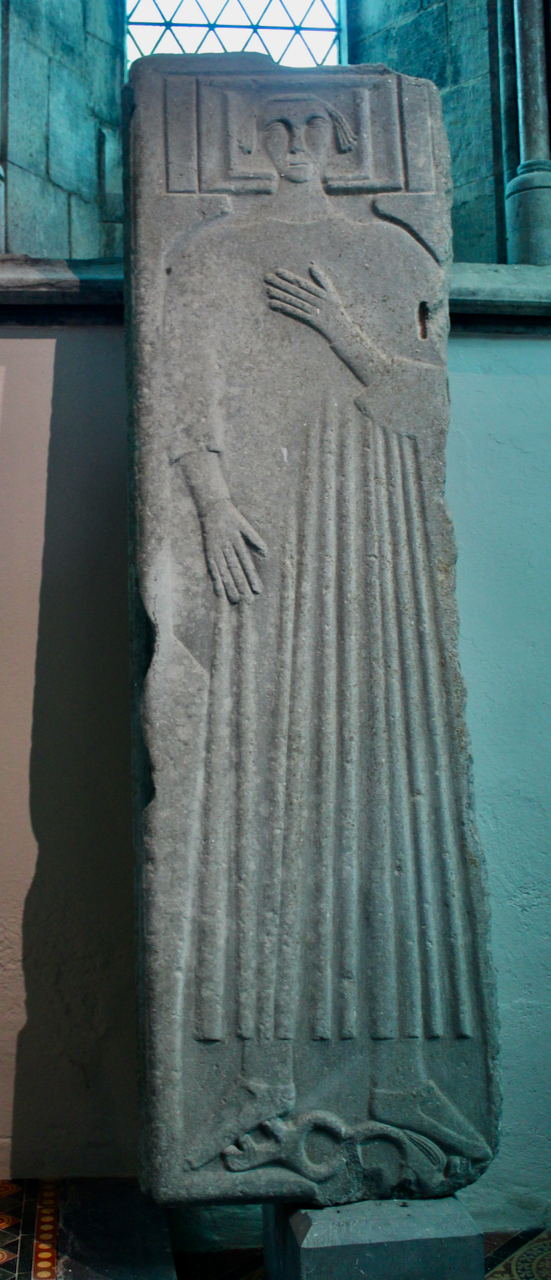
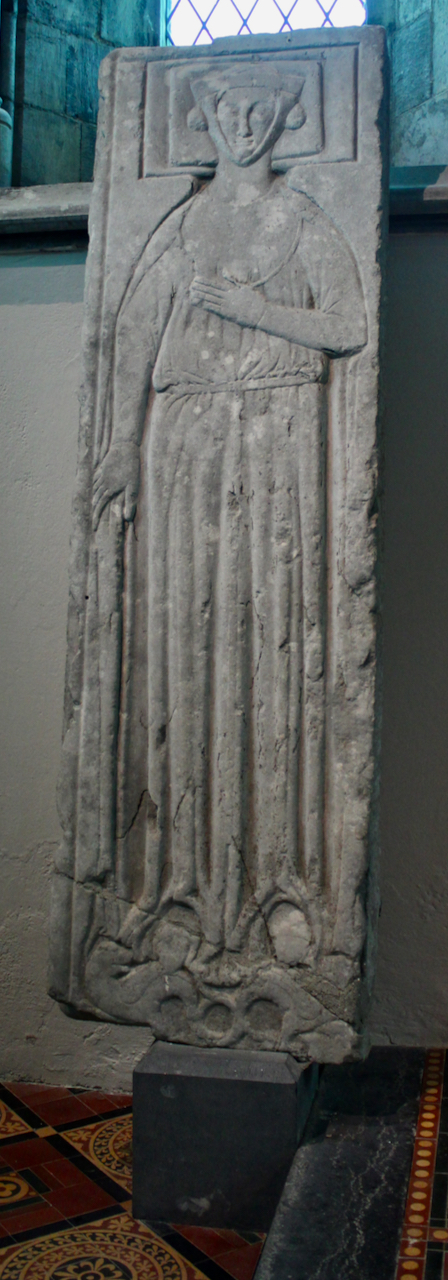
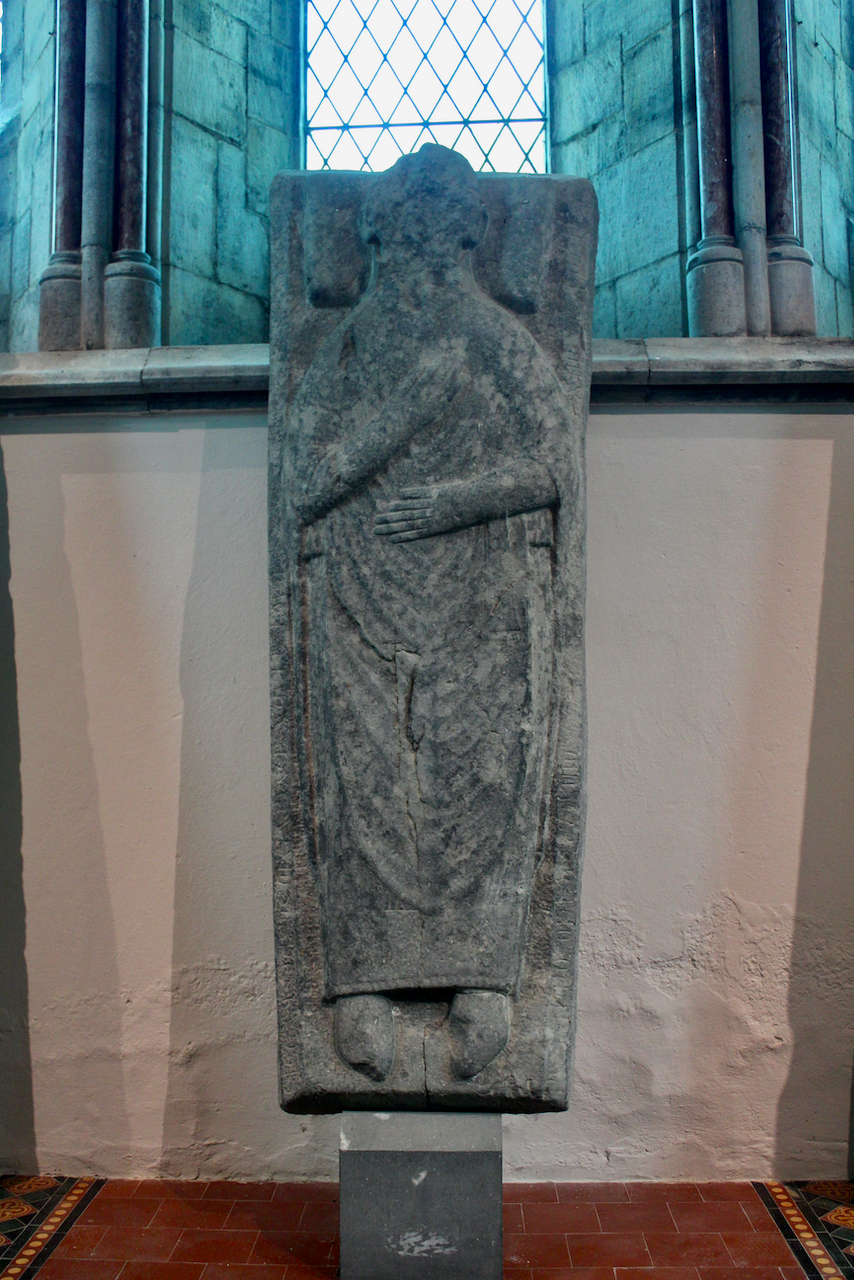
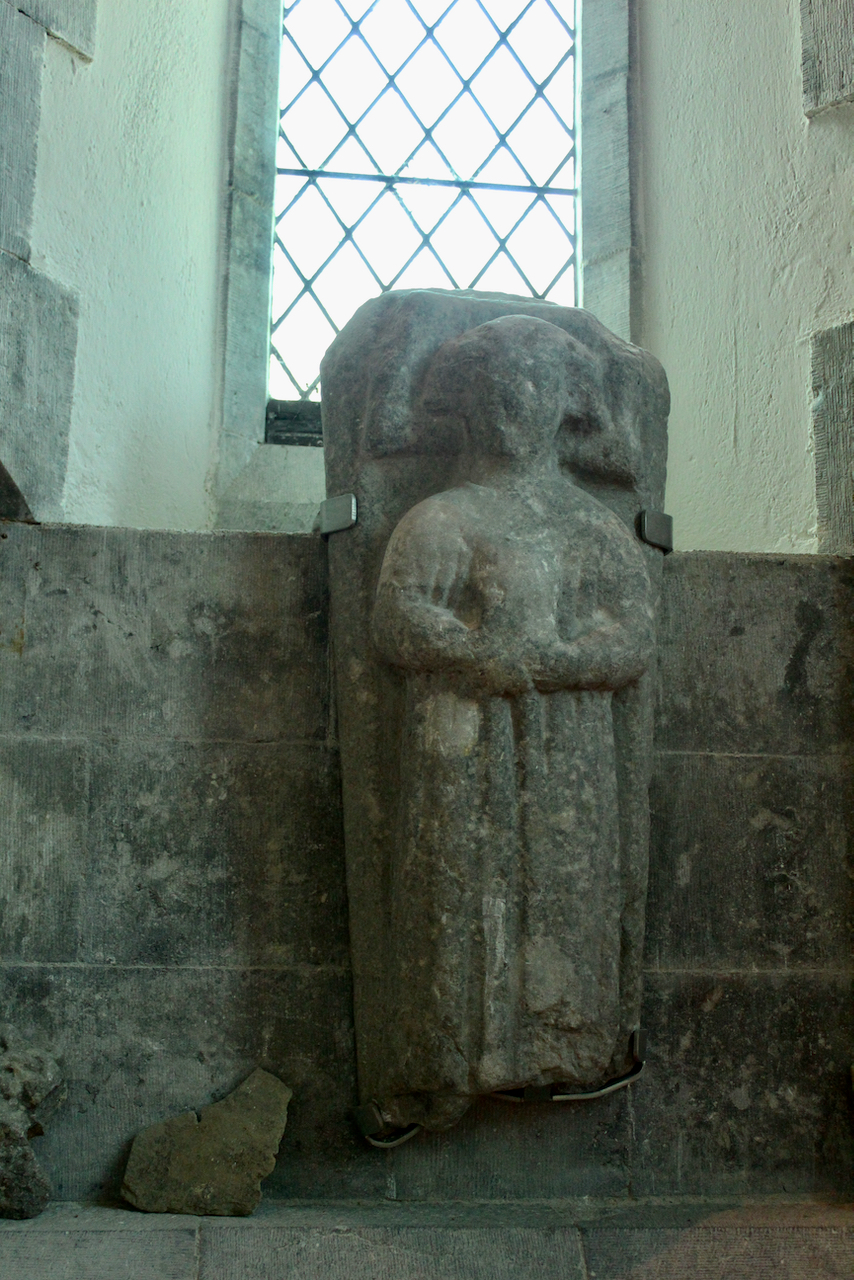
This is probably the 1st Earl of Ormond, James Butler (c. 1305-1337). Photograph © Jennifer Winder-Baggot, www.irishhistorichouses.com
Probably the wife of the 1st Earl of Ormond, Eleanor de Bohun (c. 1304-1363). Photograph © Jennifer Winder-Baggot, www.irishhistorichouses.com
I’m not sure who this one is. Photograph © Jennifer Winder-Baggot, www.irishhistorichouses.com
I think this one is the effigy of Ralph (Radoulfus) in his priestly vestments, the portrieve (priest) of Gowran in 1218. It is believed to be the oldest burial monument in Ireland with a date on it. The inscription is carved in Latin around the edge of the monument in Lombardic lettering. The monument is dated 19 March 1253. Photograph © Jennifer Winder-Baggot, www.irishhistorichouses.com
Another sculpted monument. Photograph © Jennifer Winder-Baggot, www.irishhistorichouses.com
An ogham stone with a cross. This is from the third or fourth century, was found on the site during the rebuilding of the chancel in 1826. Fr. Edmund Barry’s reading of the ogham writing here is “DALO MAQA MUCOI MAQUI-ERACIAS MAQI LI”, that is, “Dalach, grandson, of Mac-Eirche, who was son of Lia.” The cross was probably carved around the sixth century. Photograph © Jennifer Winder-Baggot, www.irishhistorichouses.com

[1] https://www.irelandscontentpool.com

[2] https://kilkennycastle.ie/about/explore-the-castle-new/

Text © Jennifer Winder-Baggot, www.irishhistorichouses.com