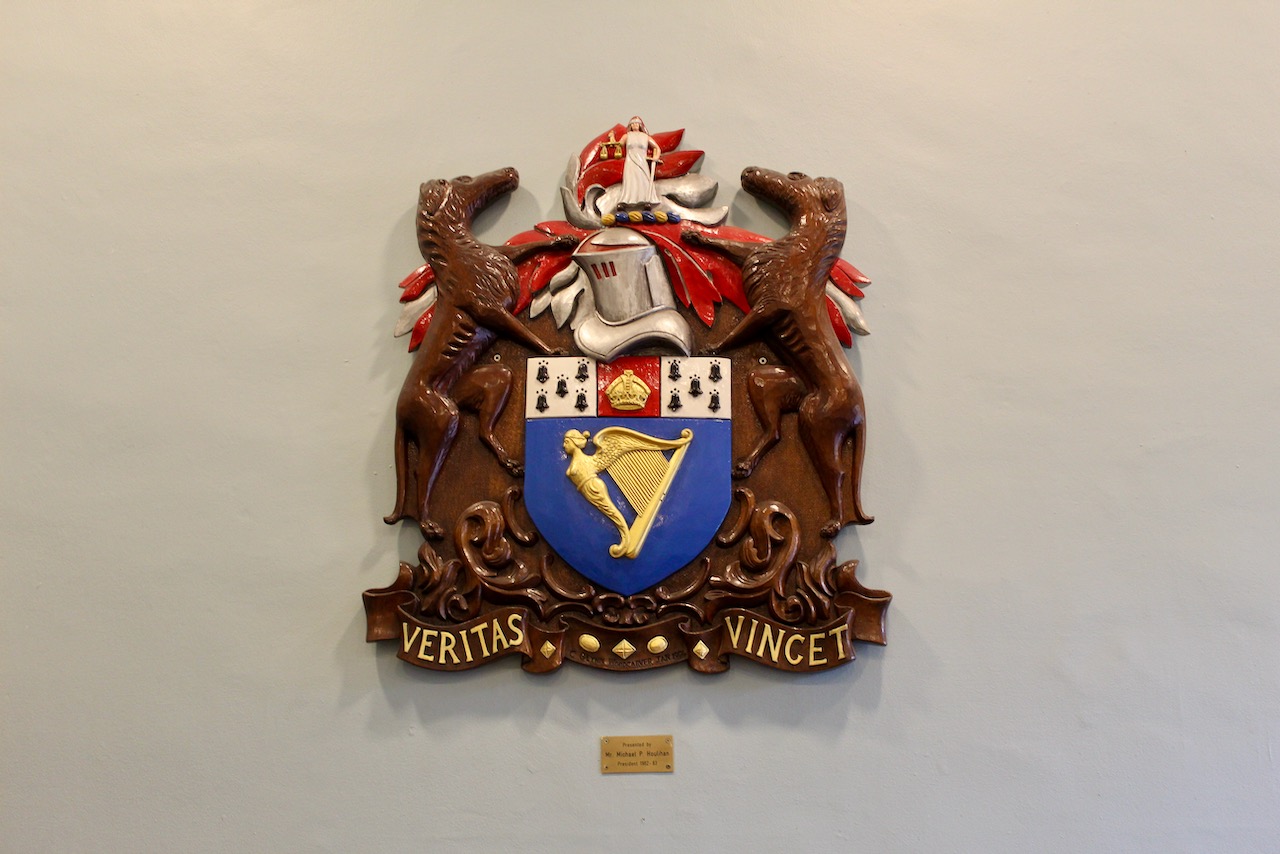
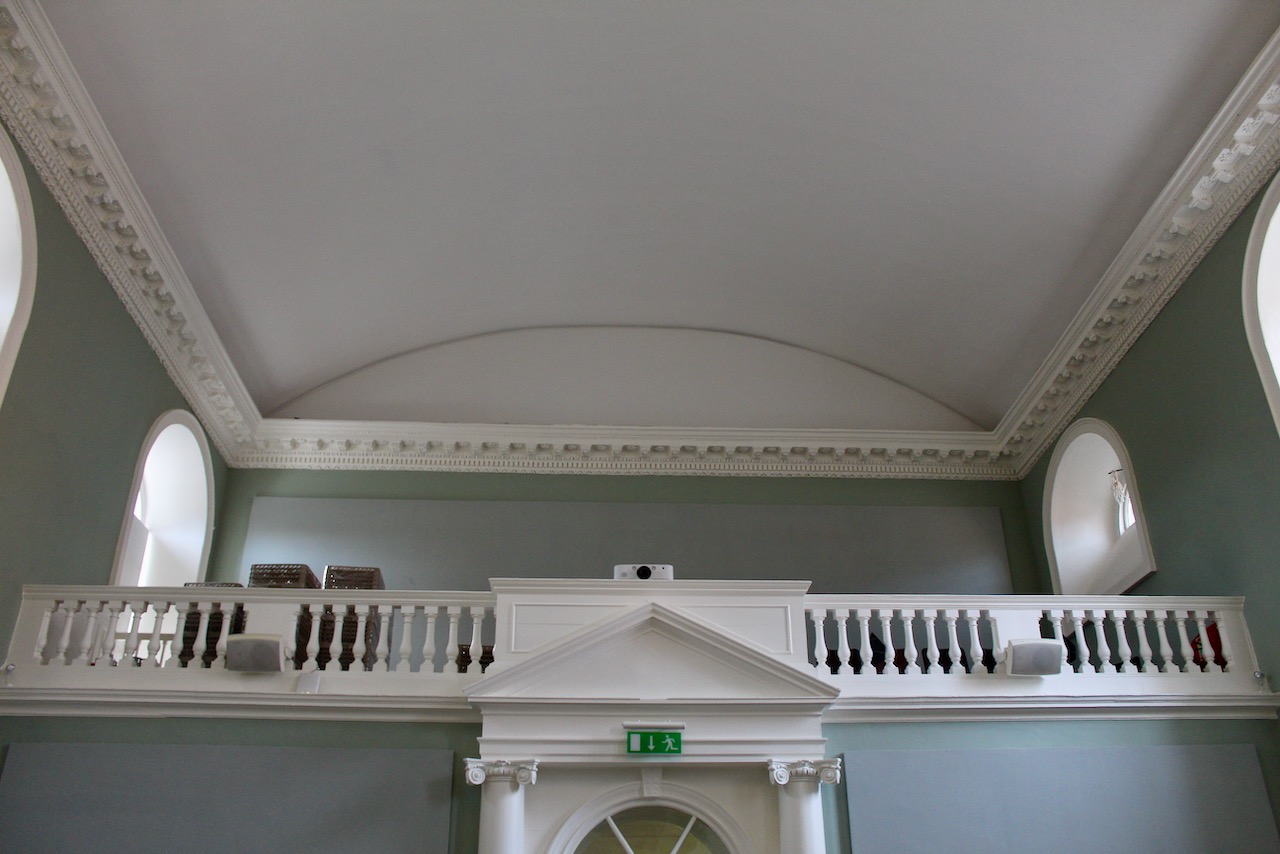
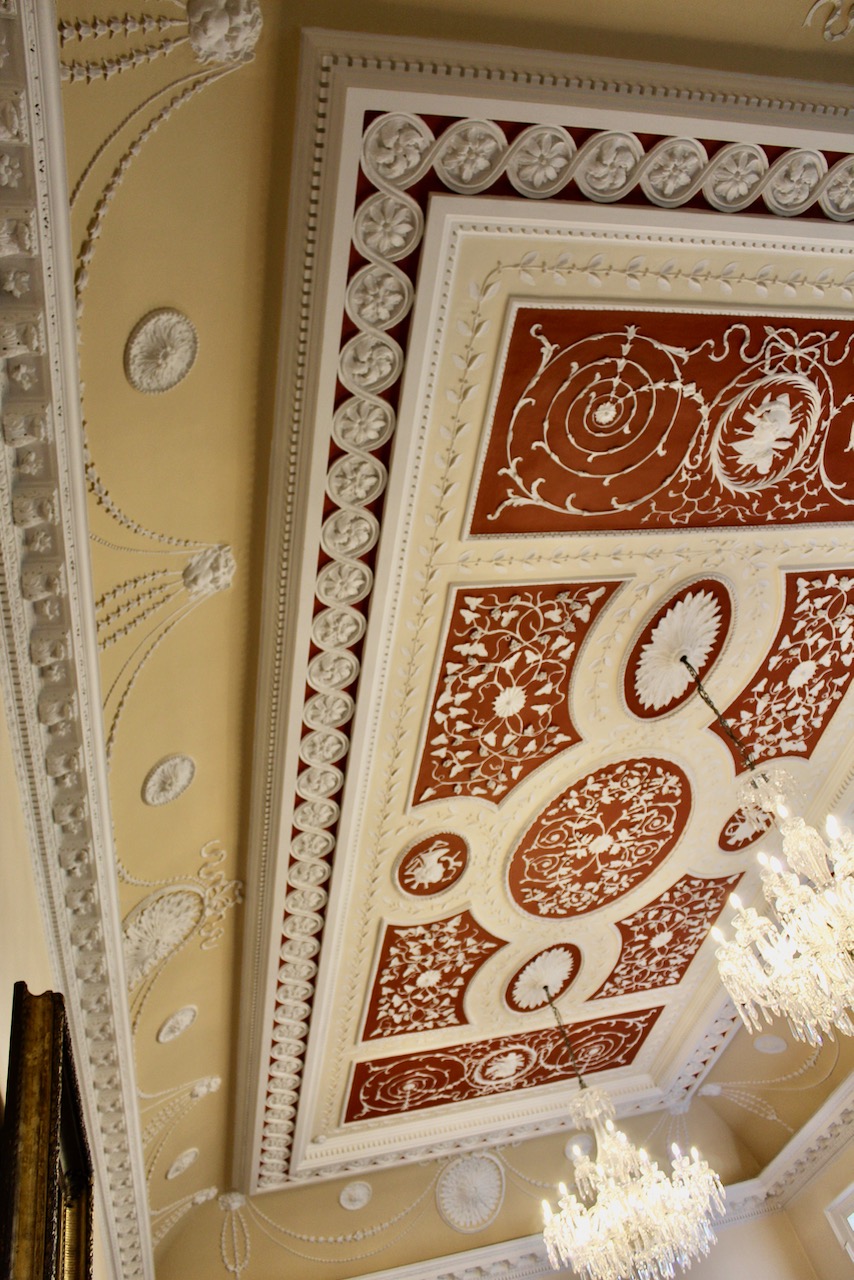
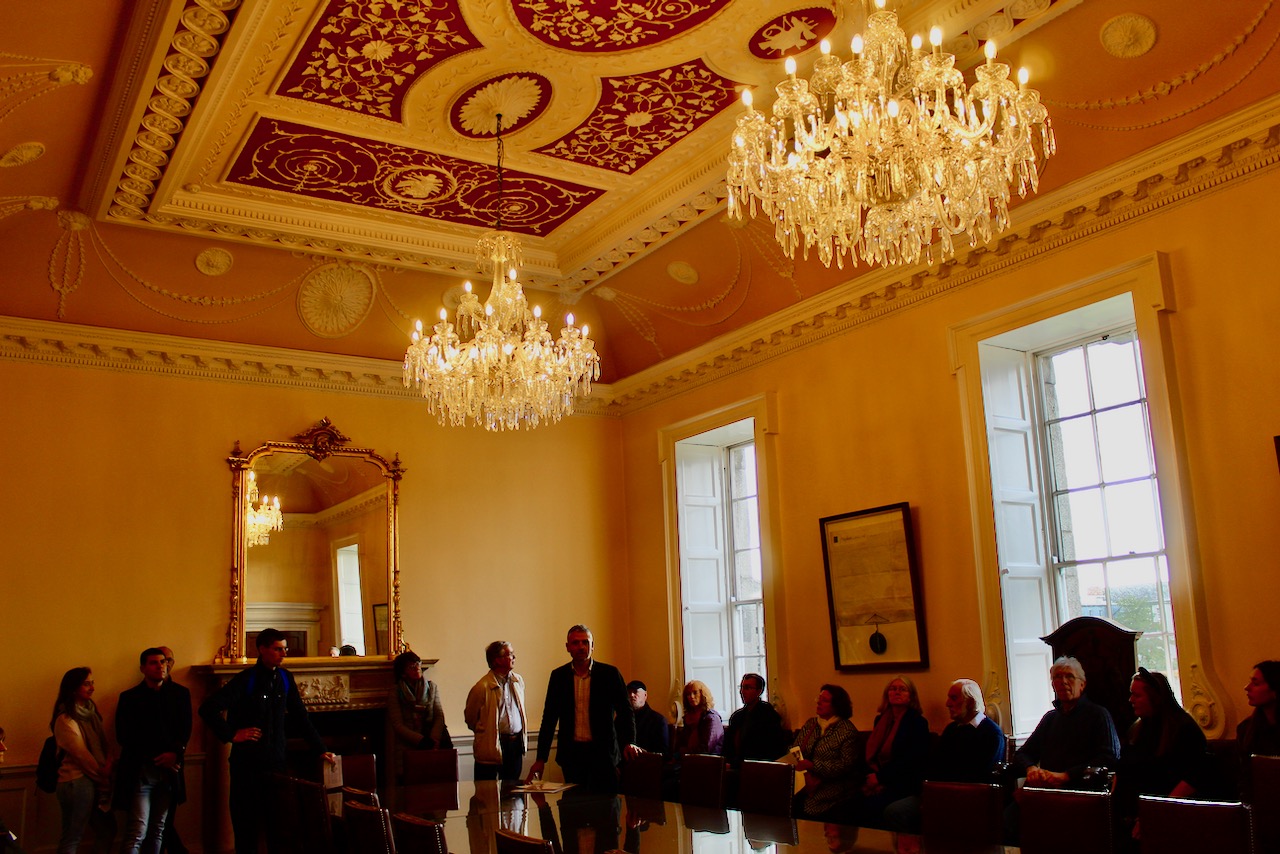
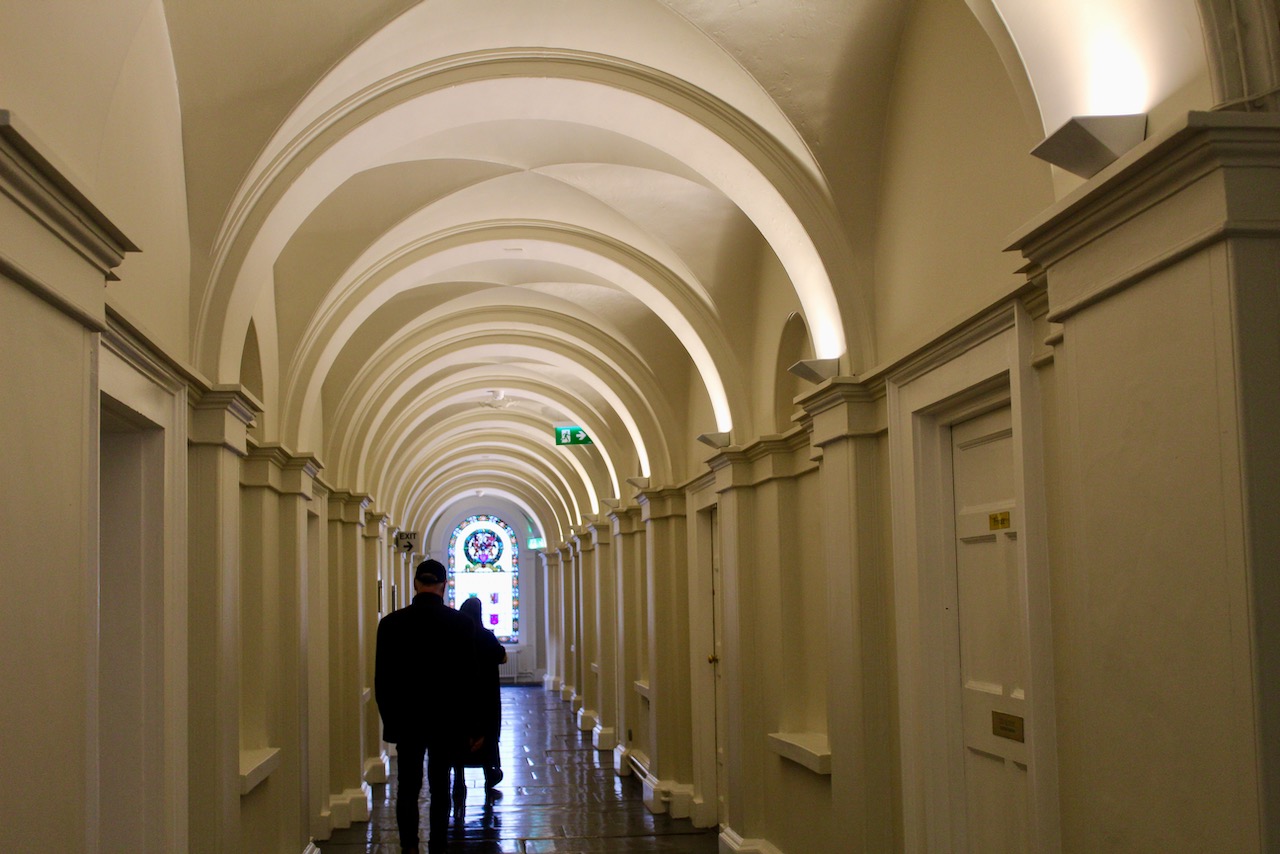
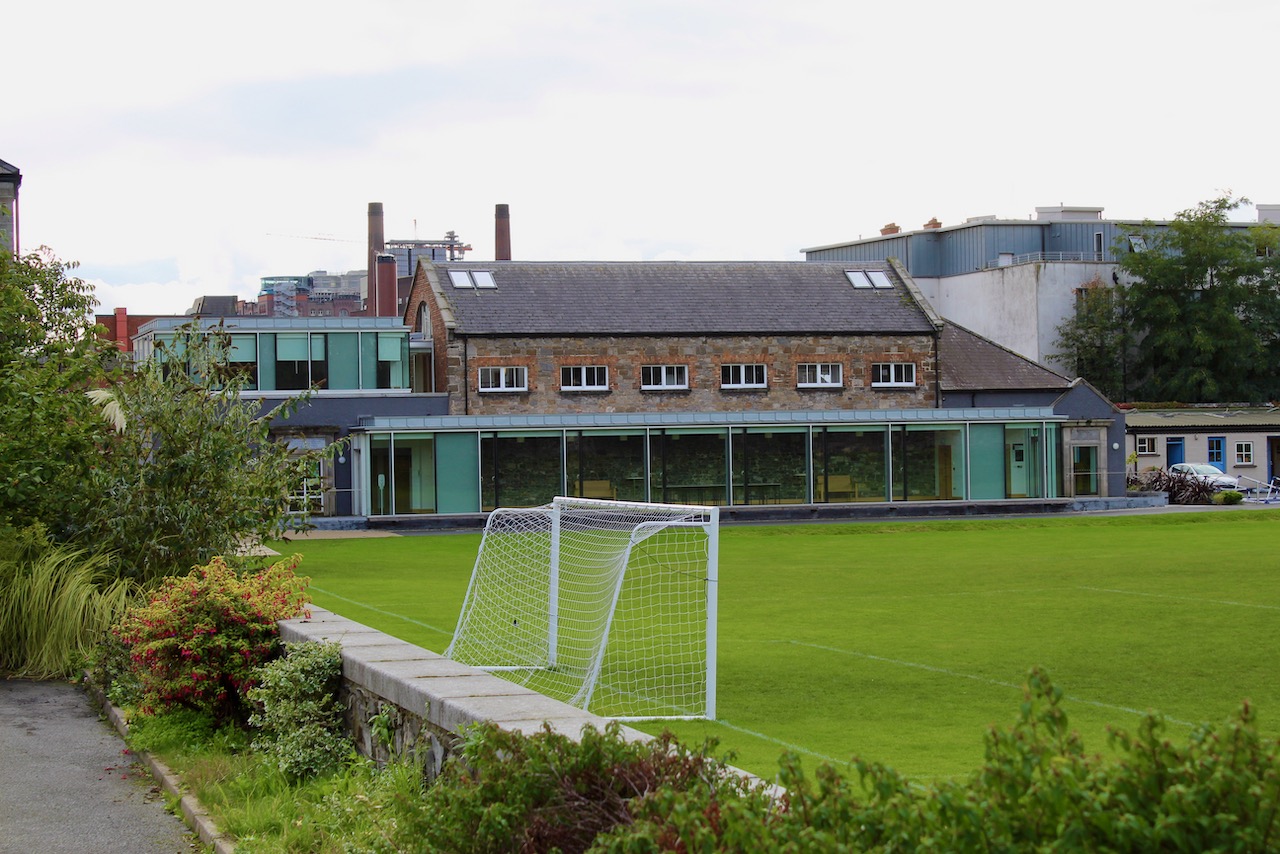
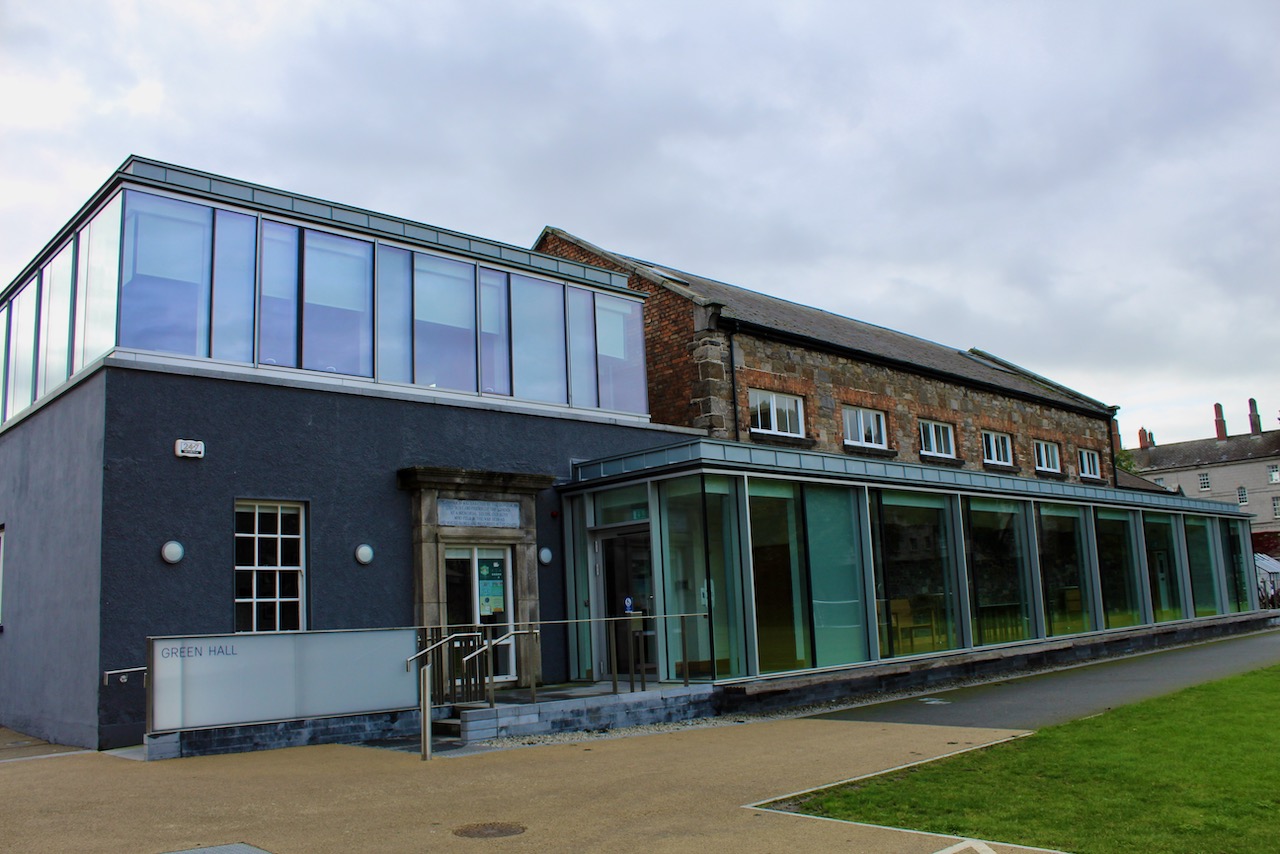
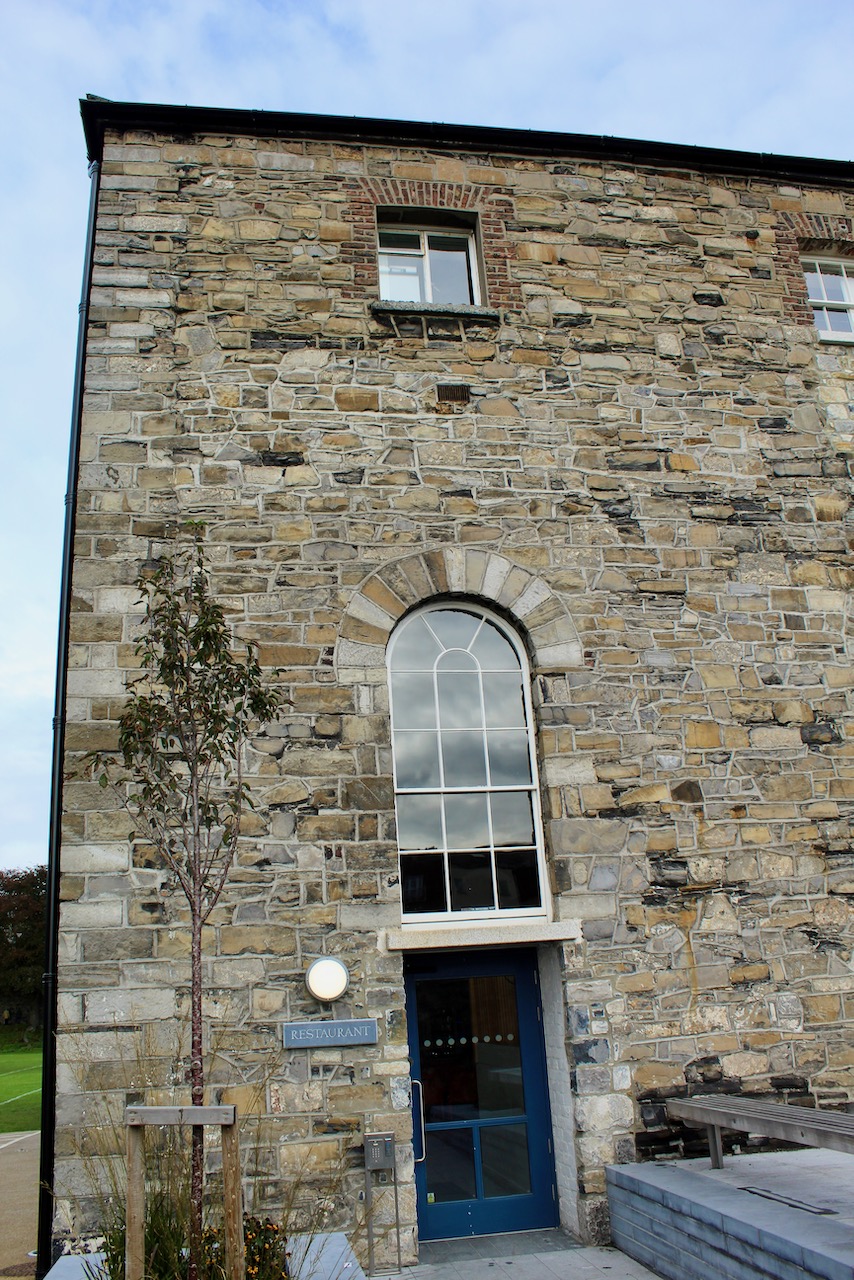
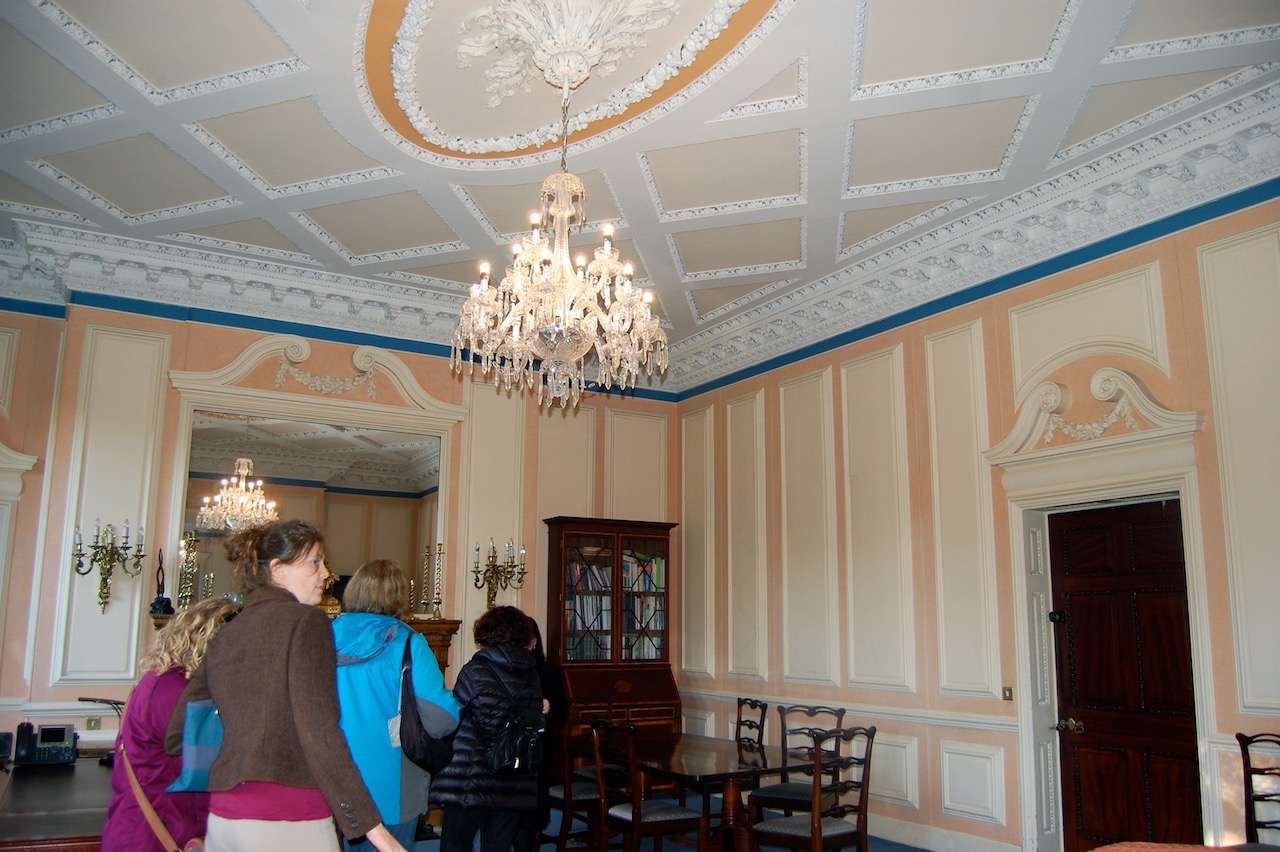
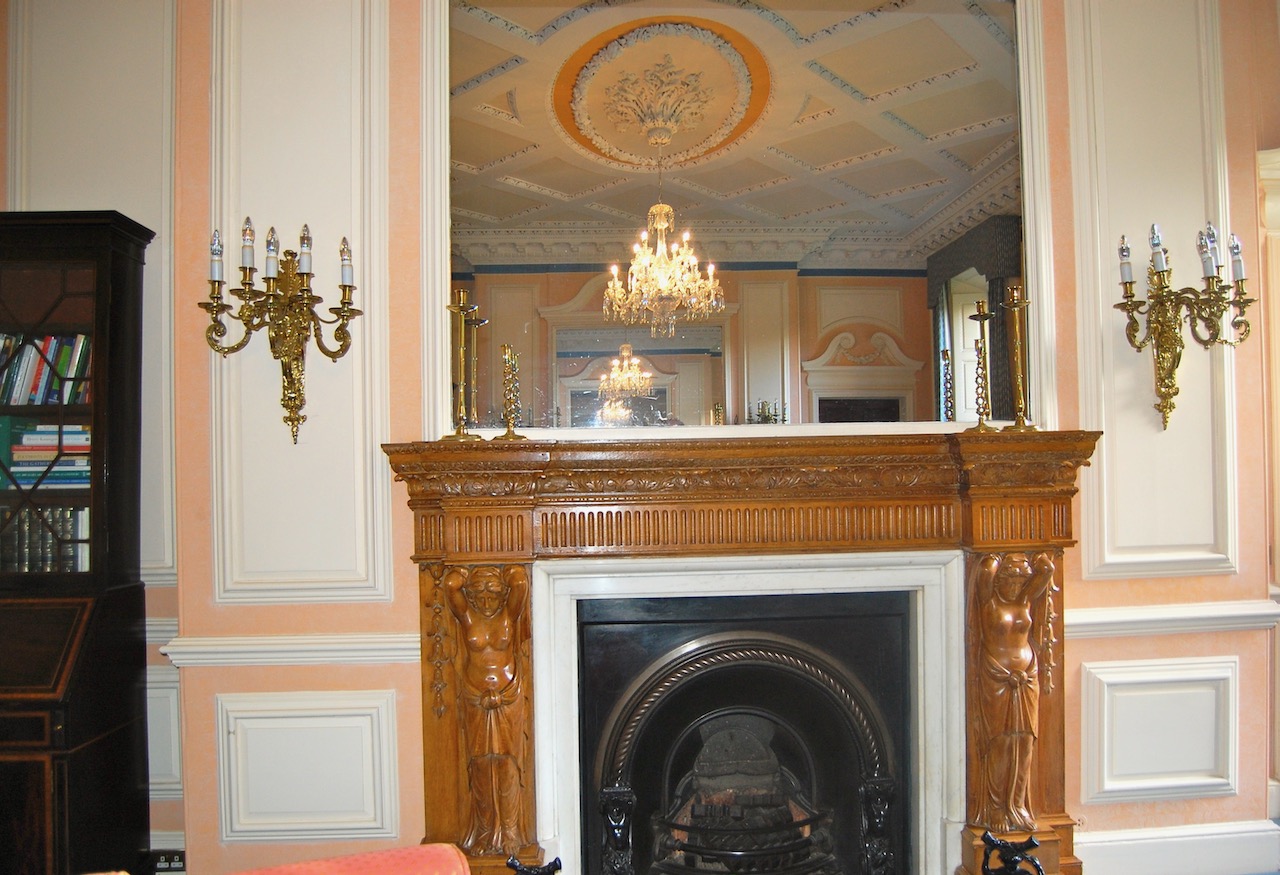
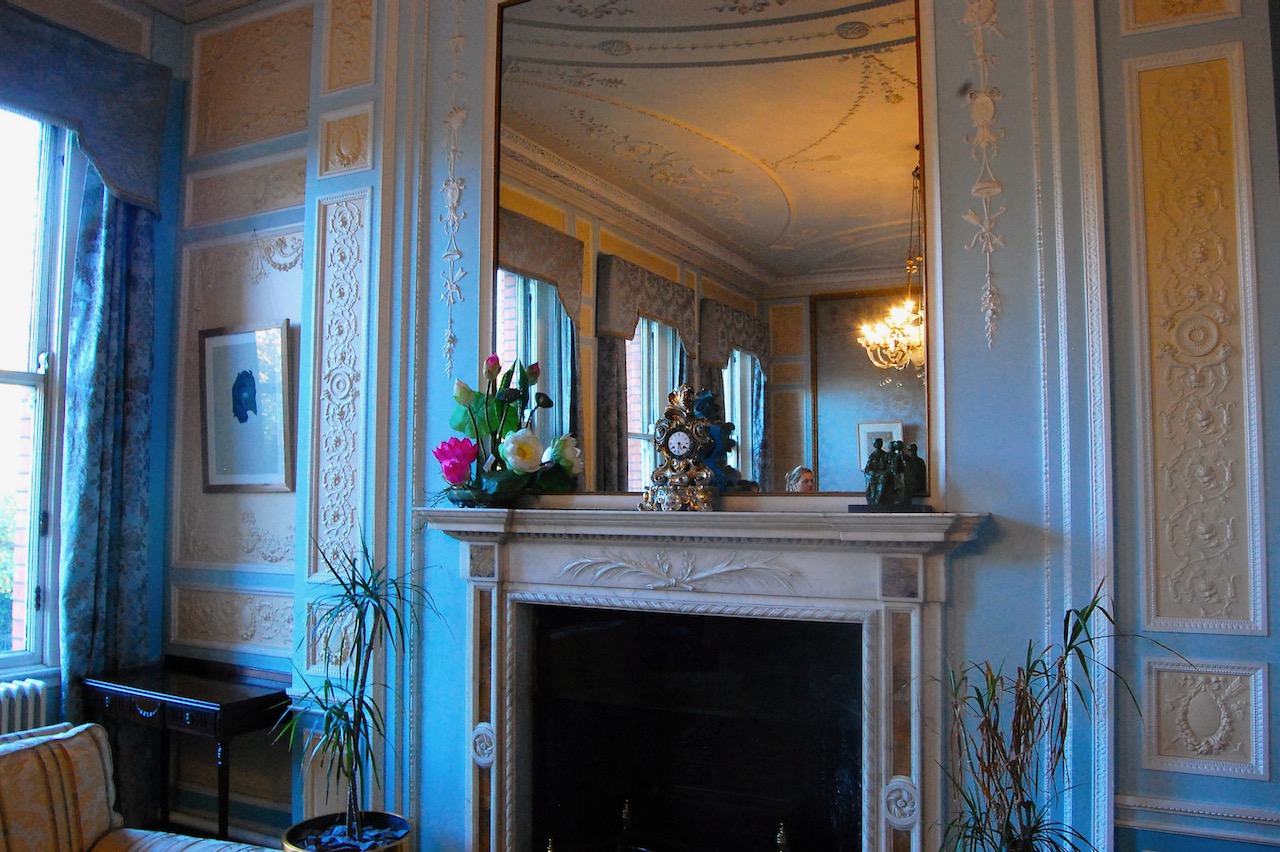
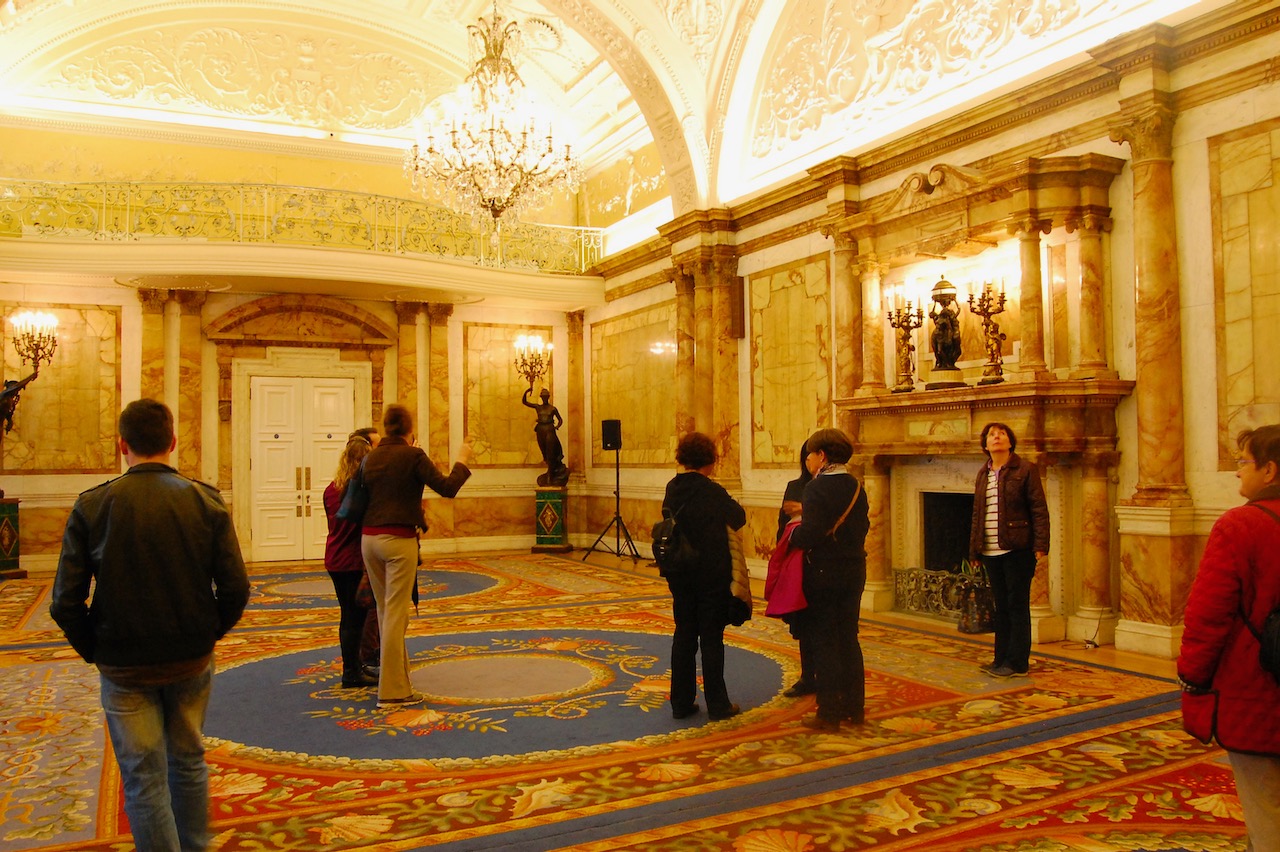
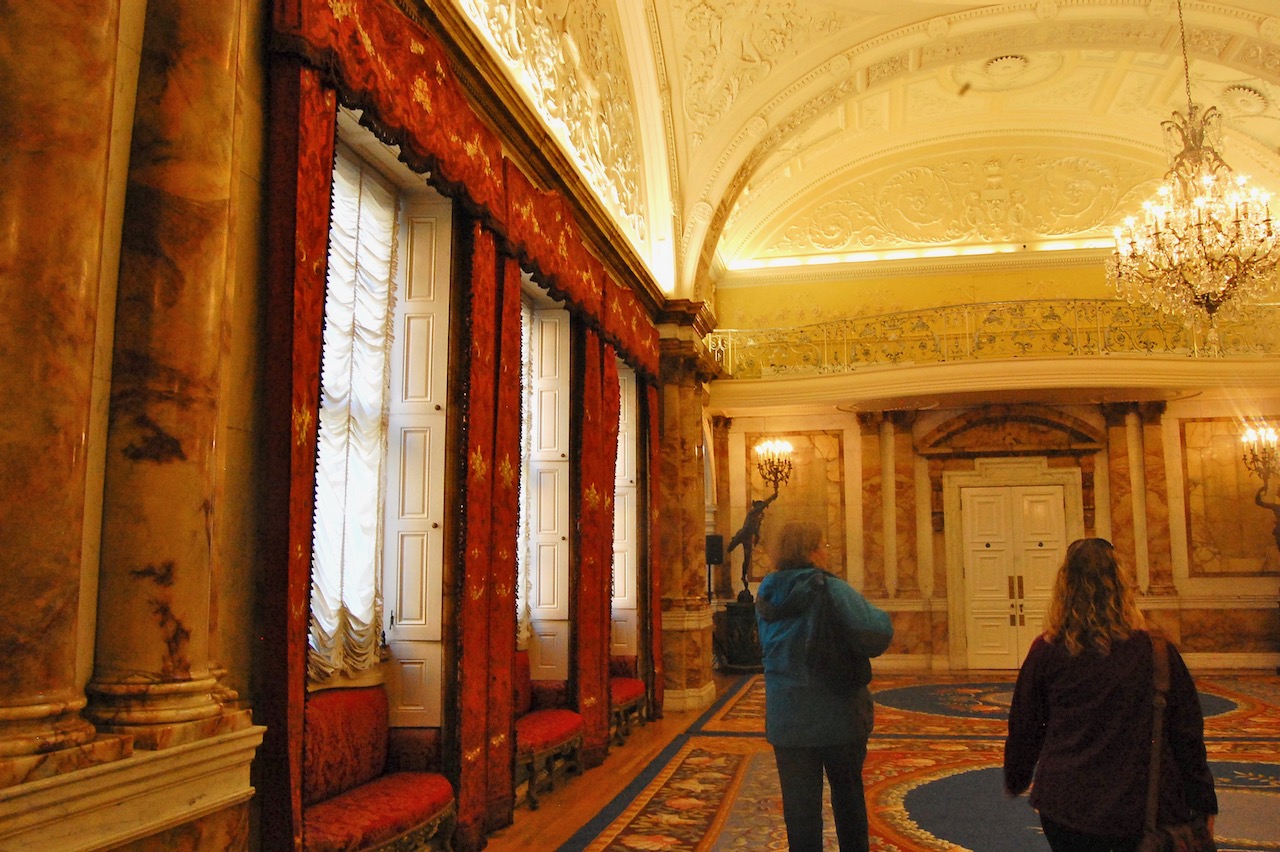
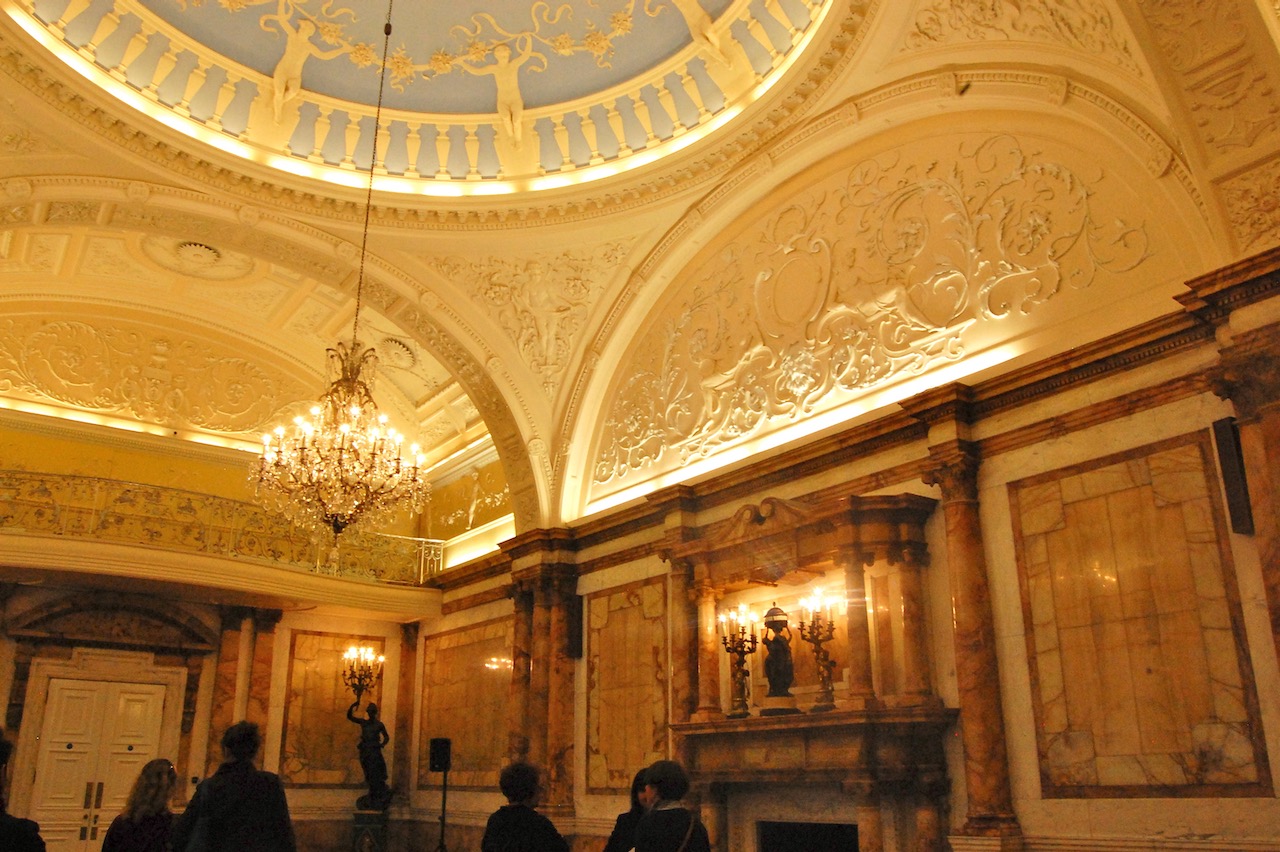
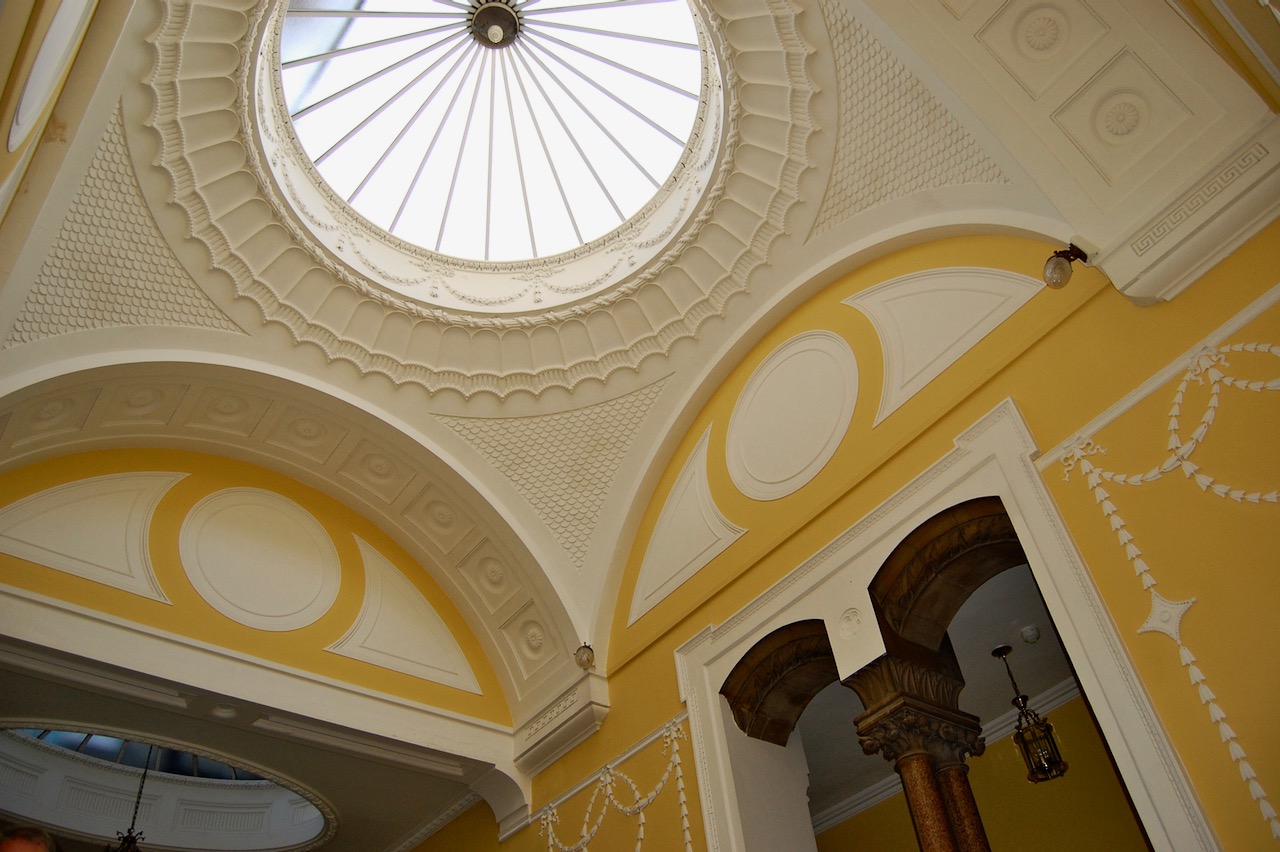
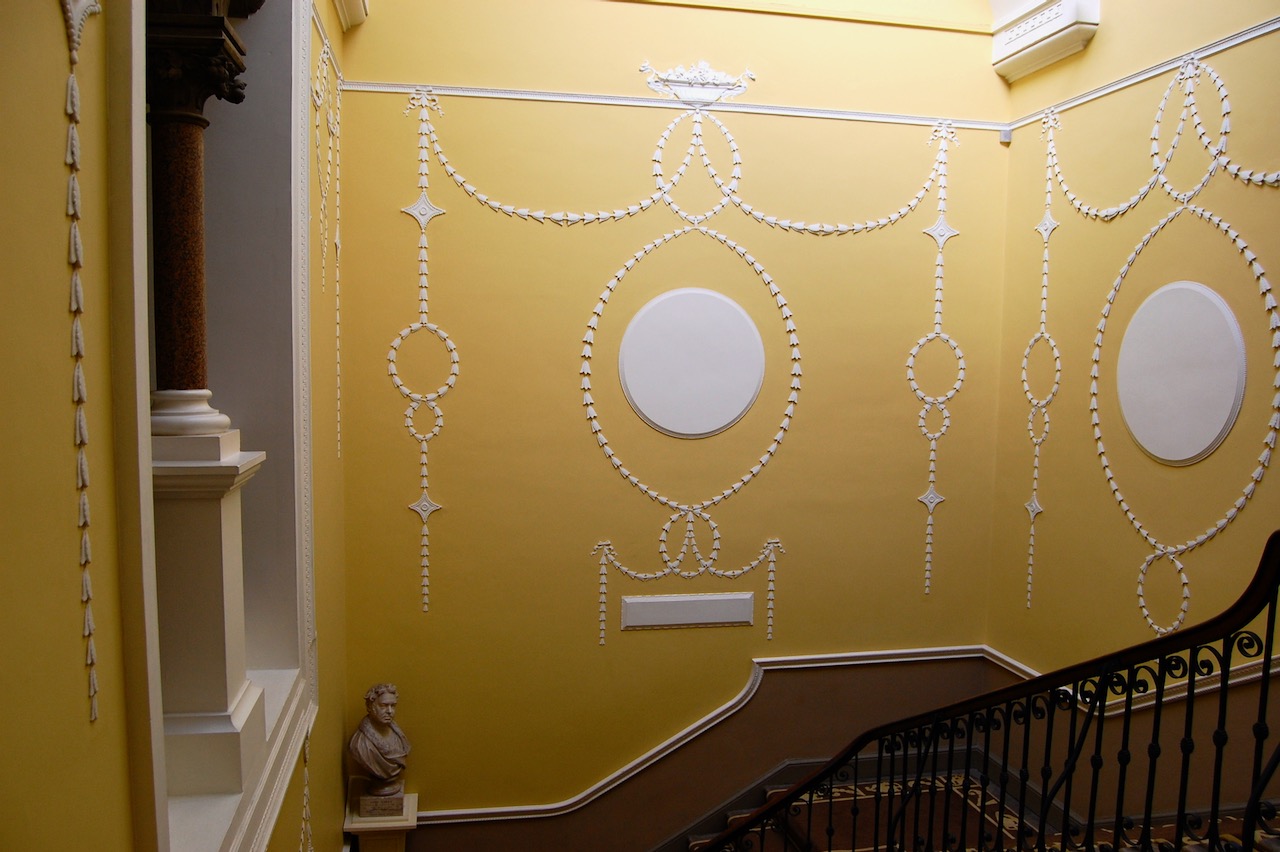
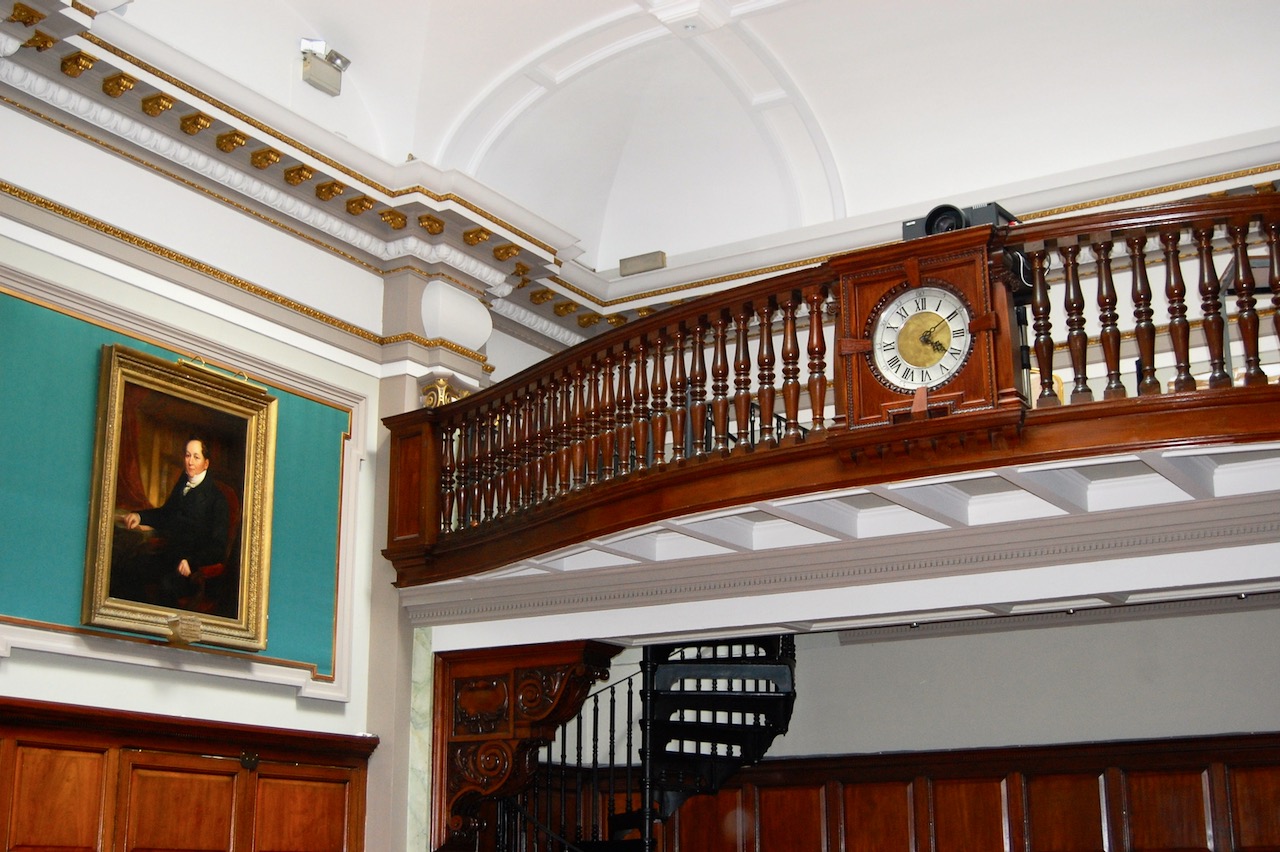
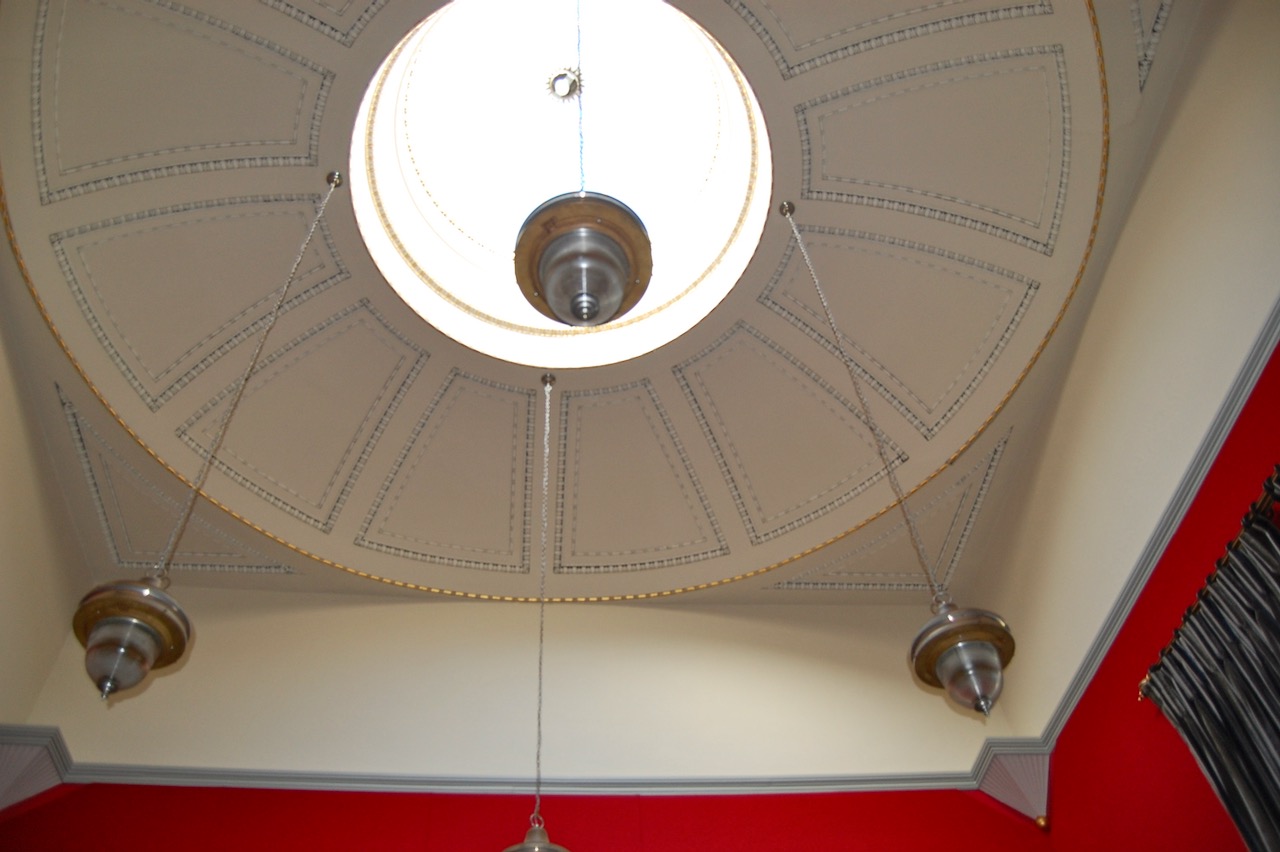
Open House Dublin 2023 coming soon

Open House Dublin 2023 has published their schedule https://openhousedublin.com

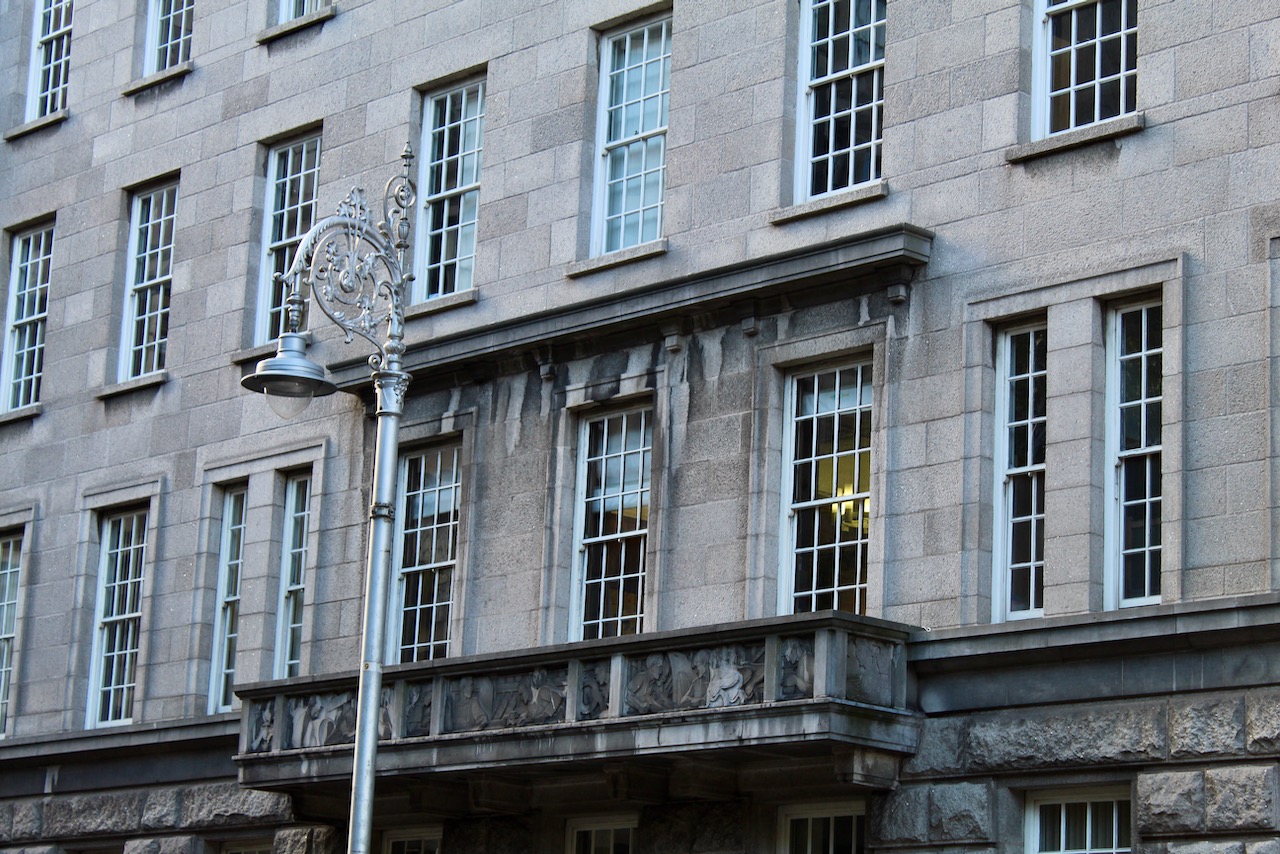
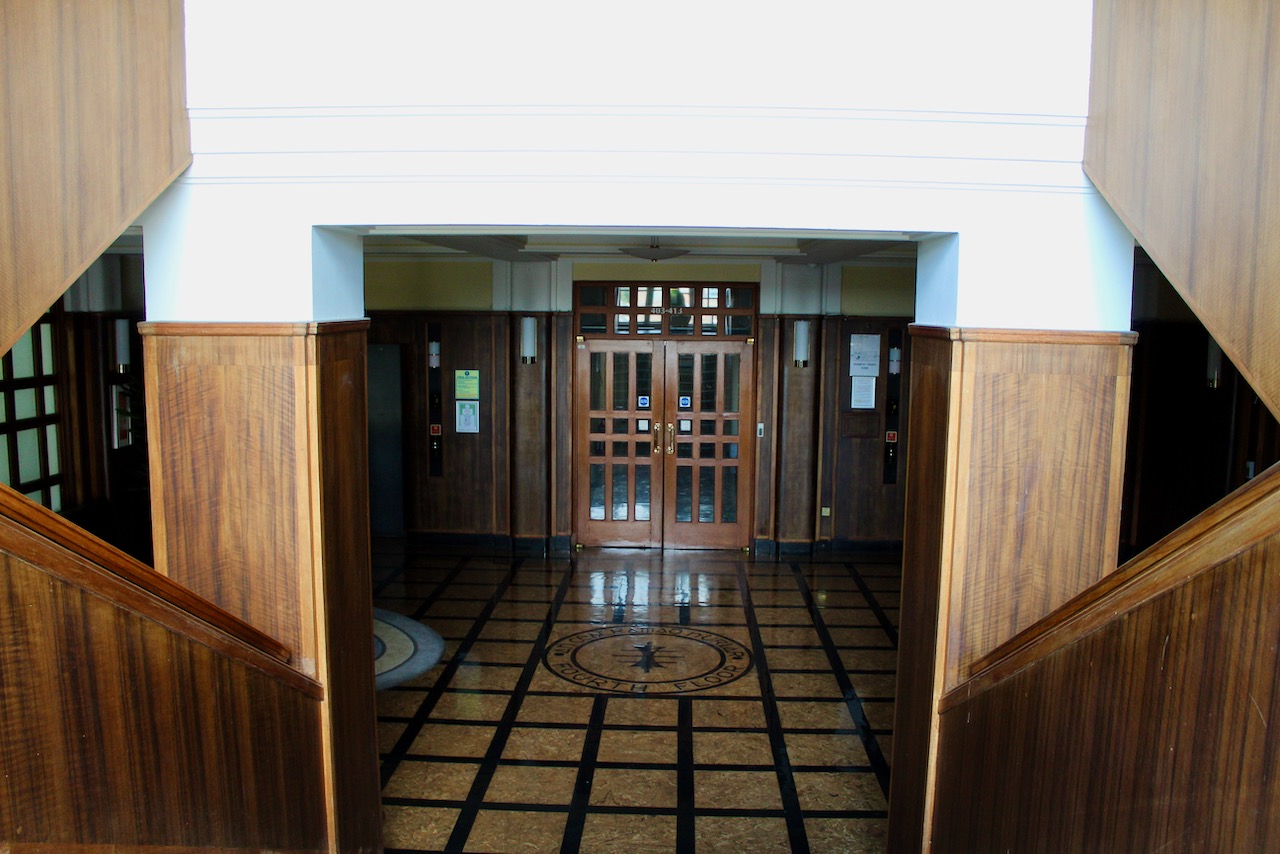
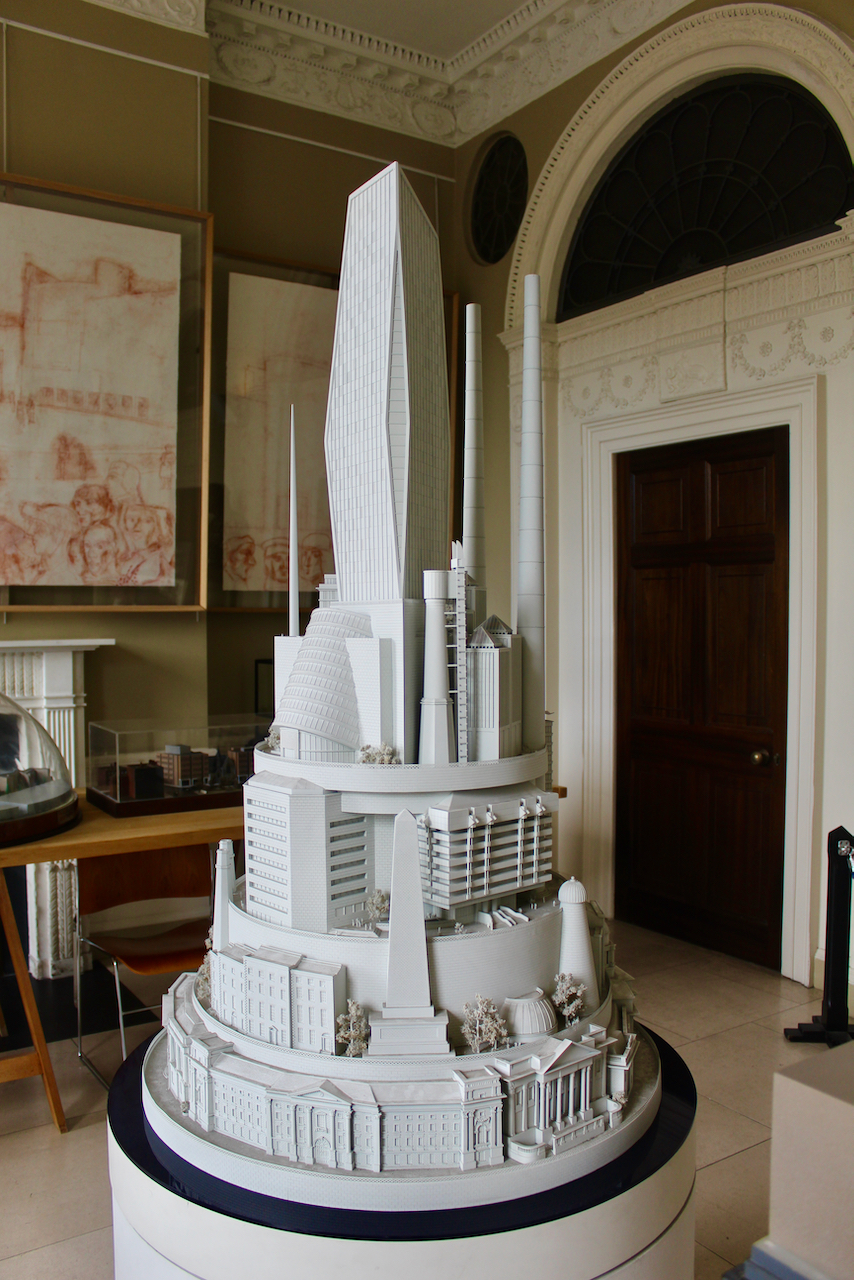
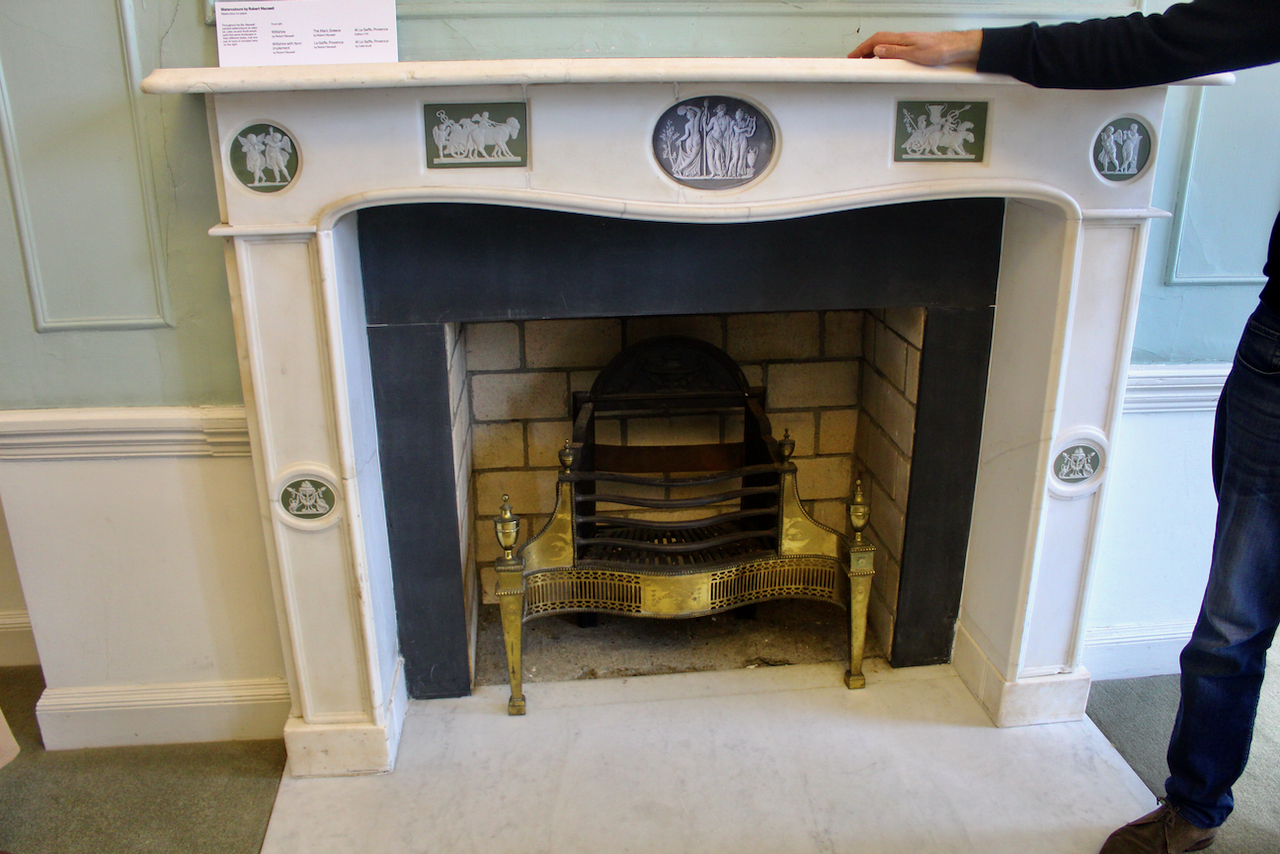
I look forward to this and book it into my calendar every year. I published about it before but will republish about some of the places that are open again this year. It has returned to the high quality offerings of its earlier years.

1. Blackhall Place (formerly Blue Coat School) Dublin (we visited during Open House 2019)

2. Department of Enterprise Trade and Employment, 23 Kildare Street (2019)

3. Irish Architectural Archive, Merrion Square.

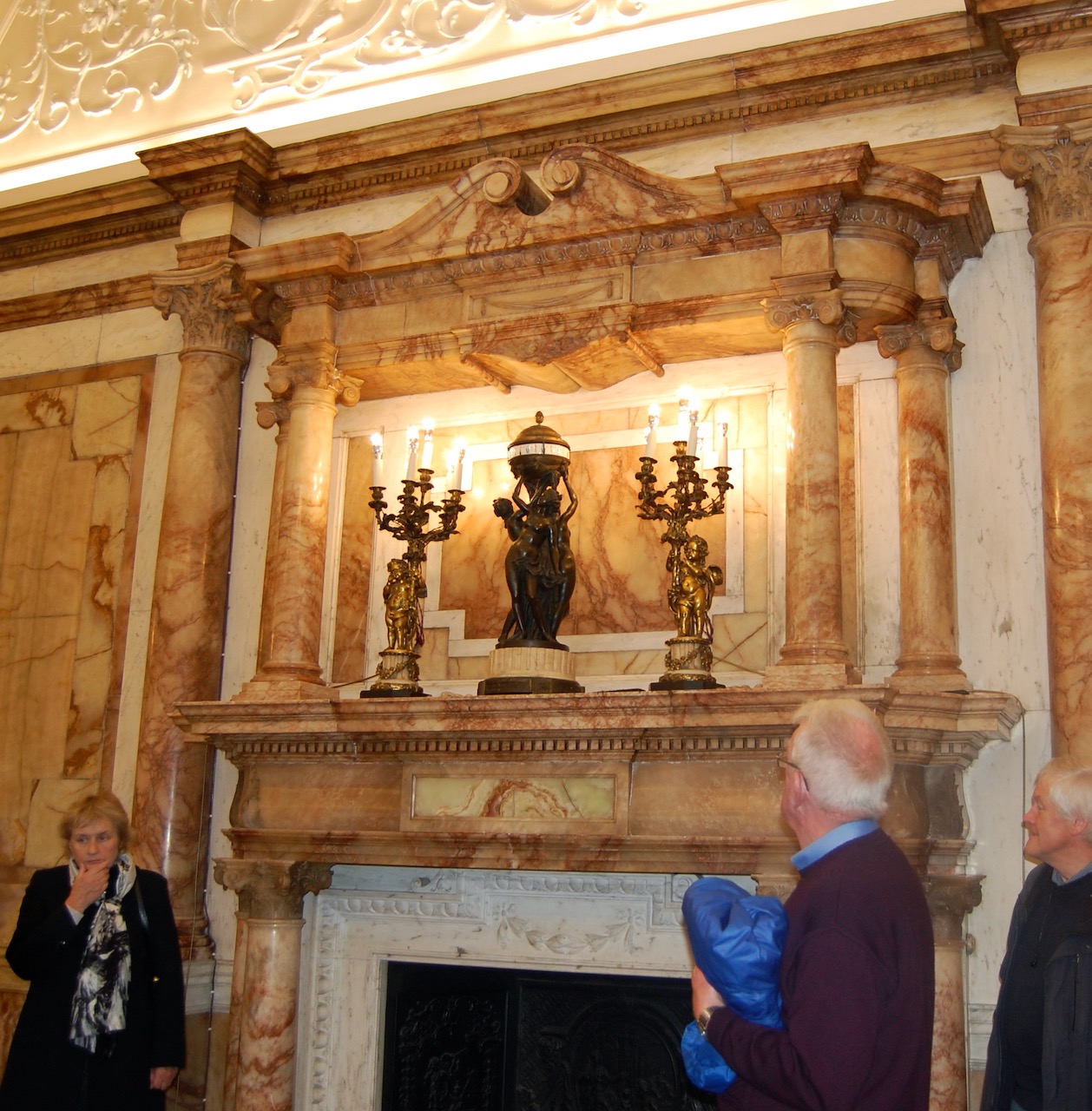
4. Iveagh House, 80 and 81 Merrion Square, Dublin (Department of Foreign Affairs) (Open House 2014)

5. Mansion House, Dublin (2015)

6. Marsh’s Library, Dublin (Heritage Week 2013)

7. Na Píobairí Uilleann, 15 Henrietta St, Dublin

8. Nellie’s Flat, Iveagh Trust, Patrick Street, Dublin (Open House 2014)

9. Pigeonhouse (2021)

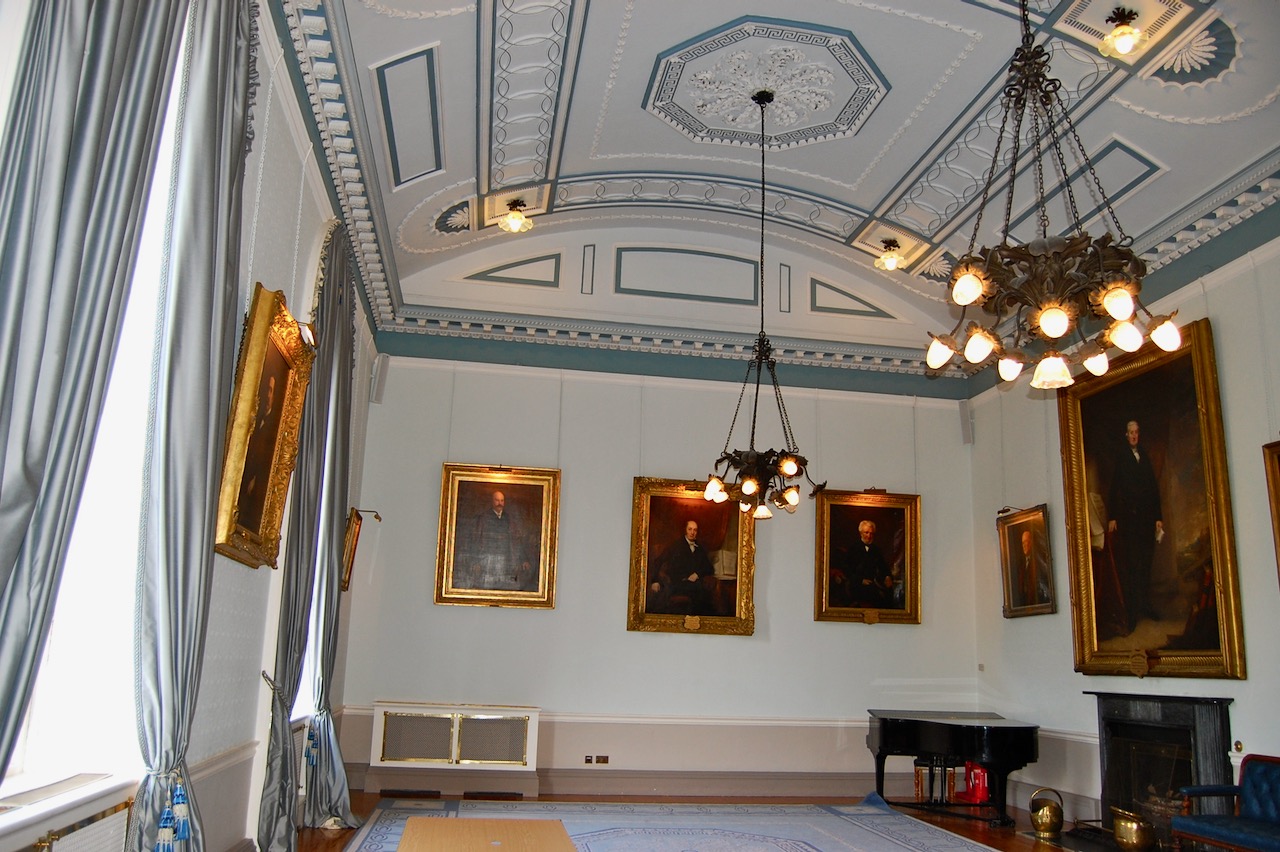
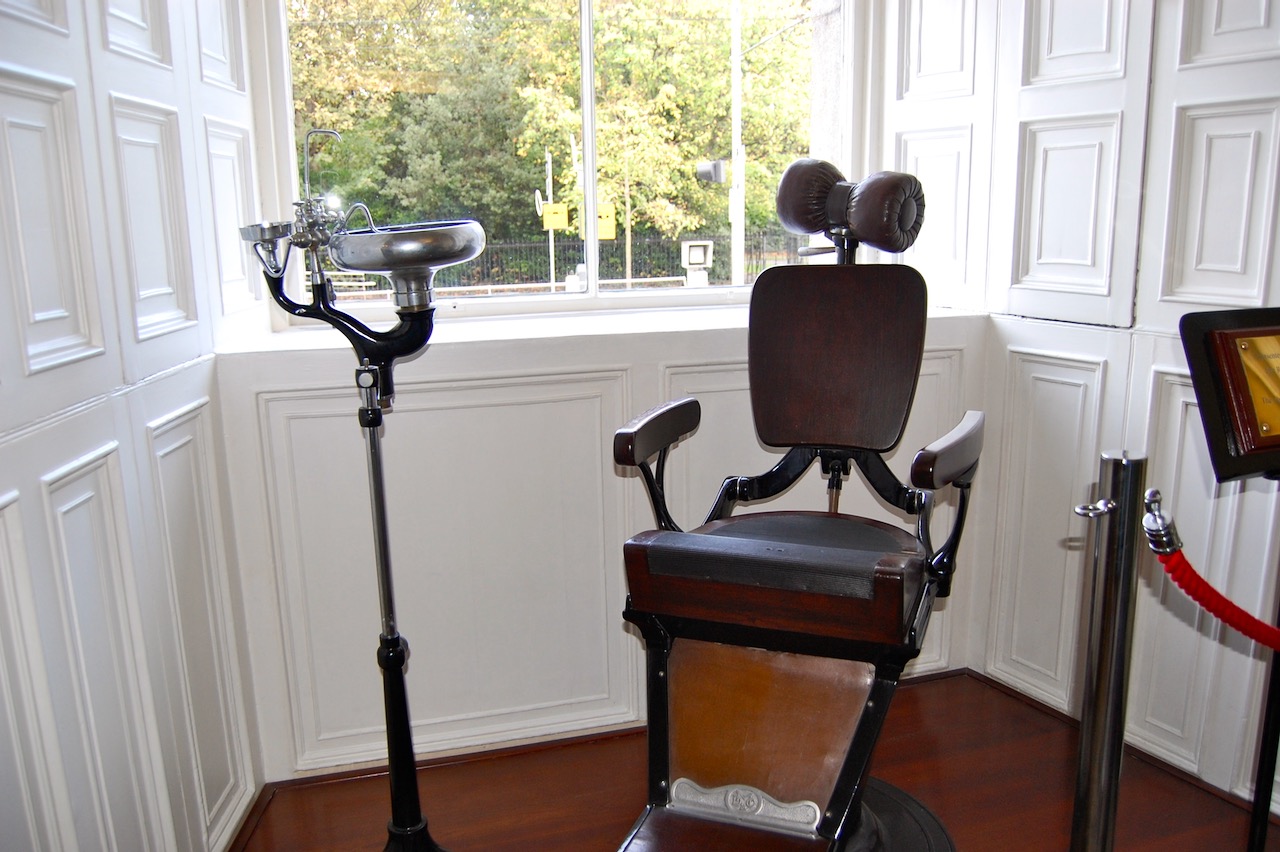
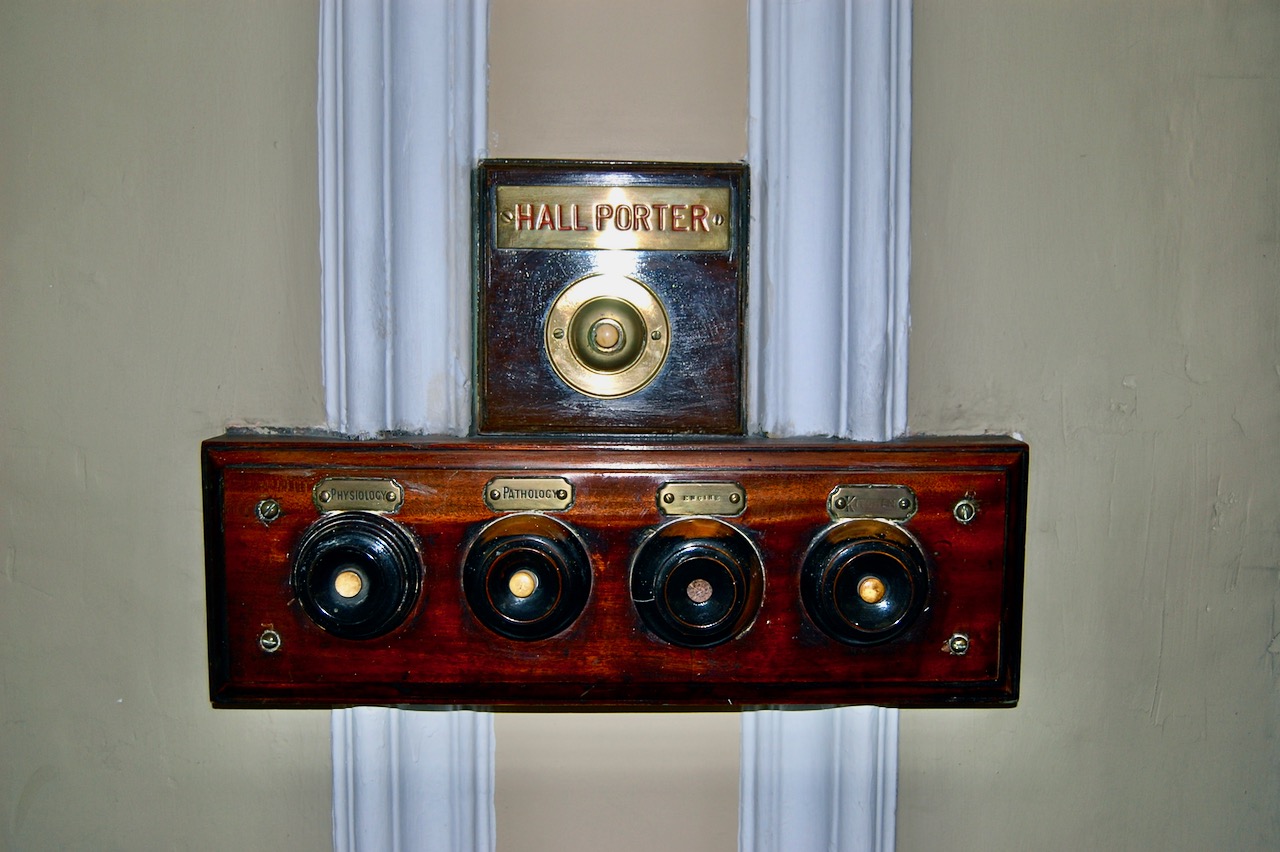
10. Royal College of Surgeons, Dublin (2011)

11. Tailors Hall, Dublin (Heritage Week 2013)

OPW sites are open as well, see my entry https://irishhistorichouses.com/2022/01/21/office-of-public-works-properties-dublin/

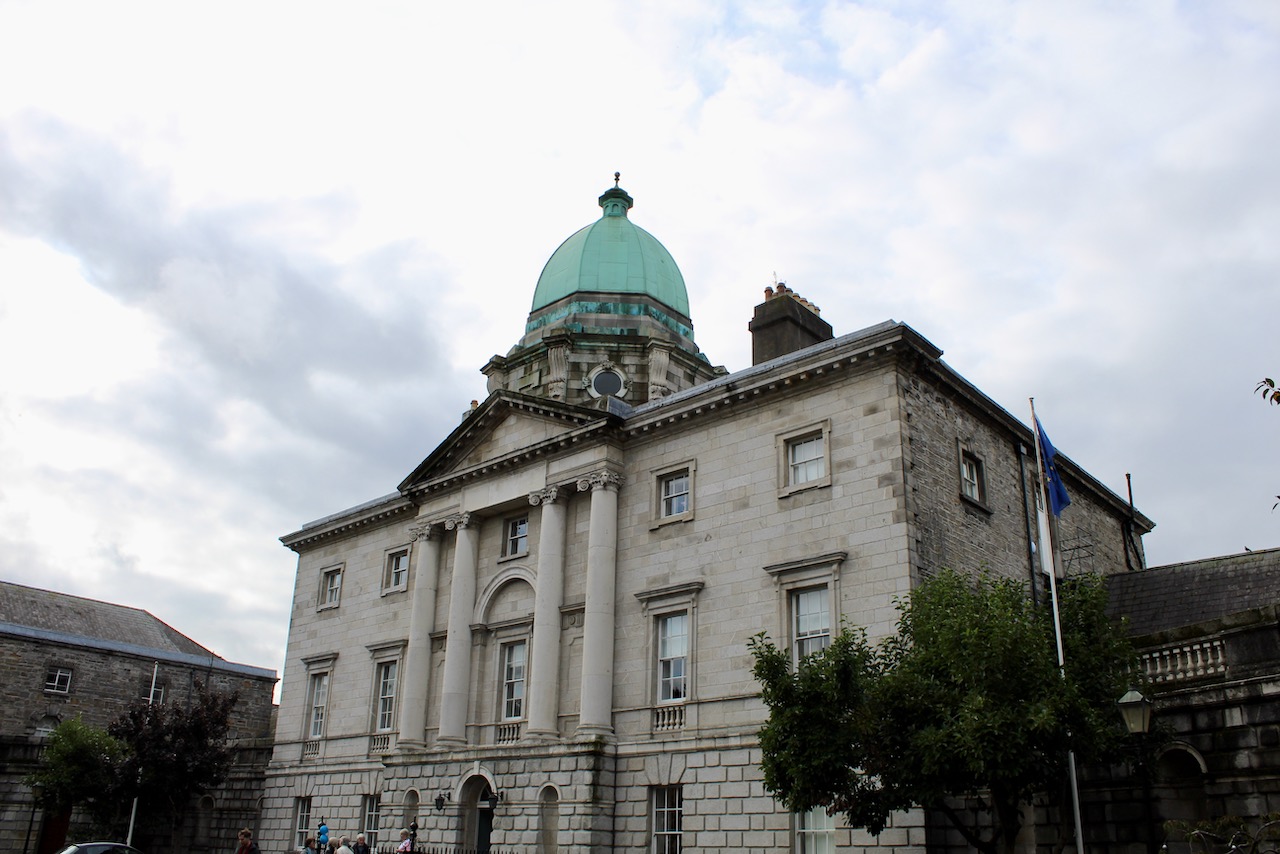
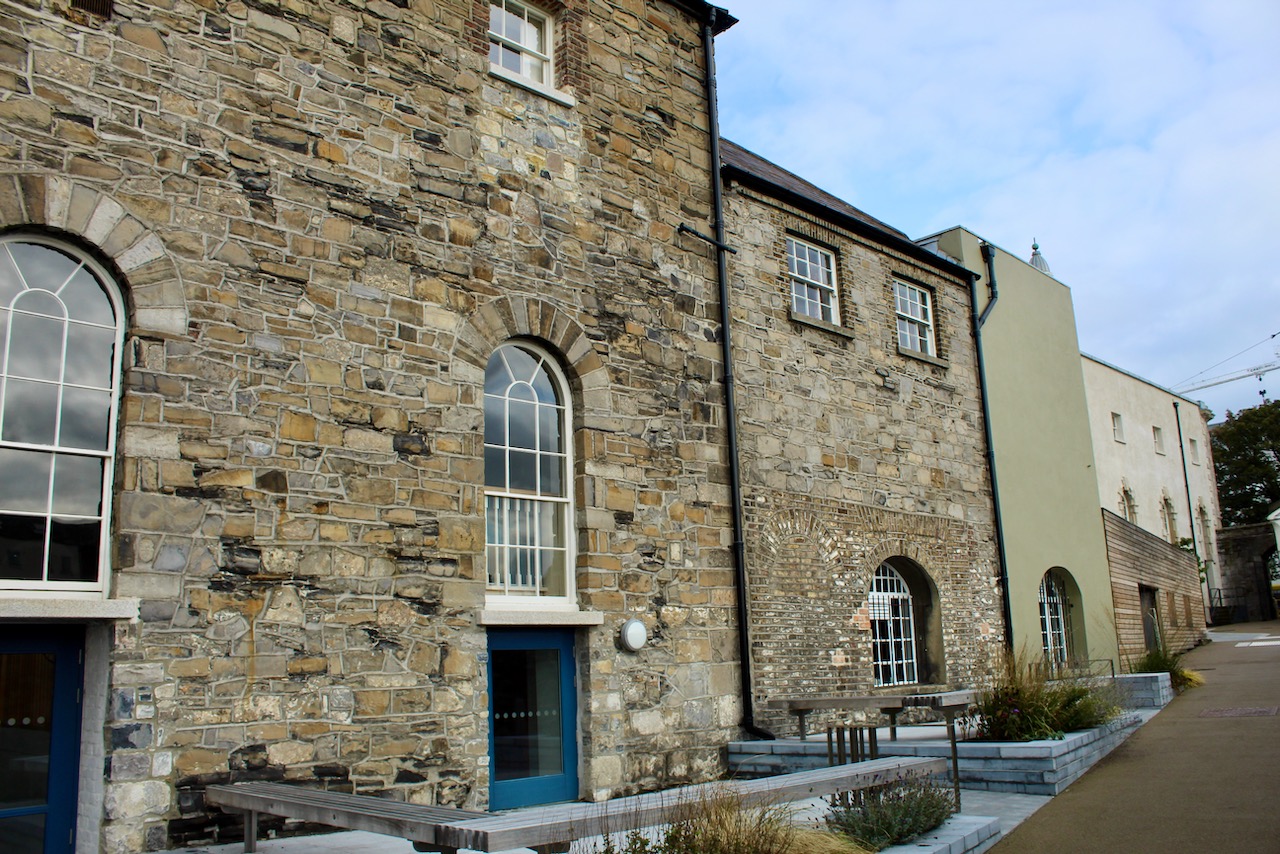
1. Blackhall Place (formerly Blue Coat School) Dublin, 2019.
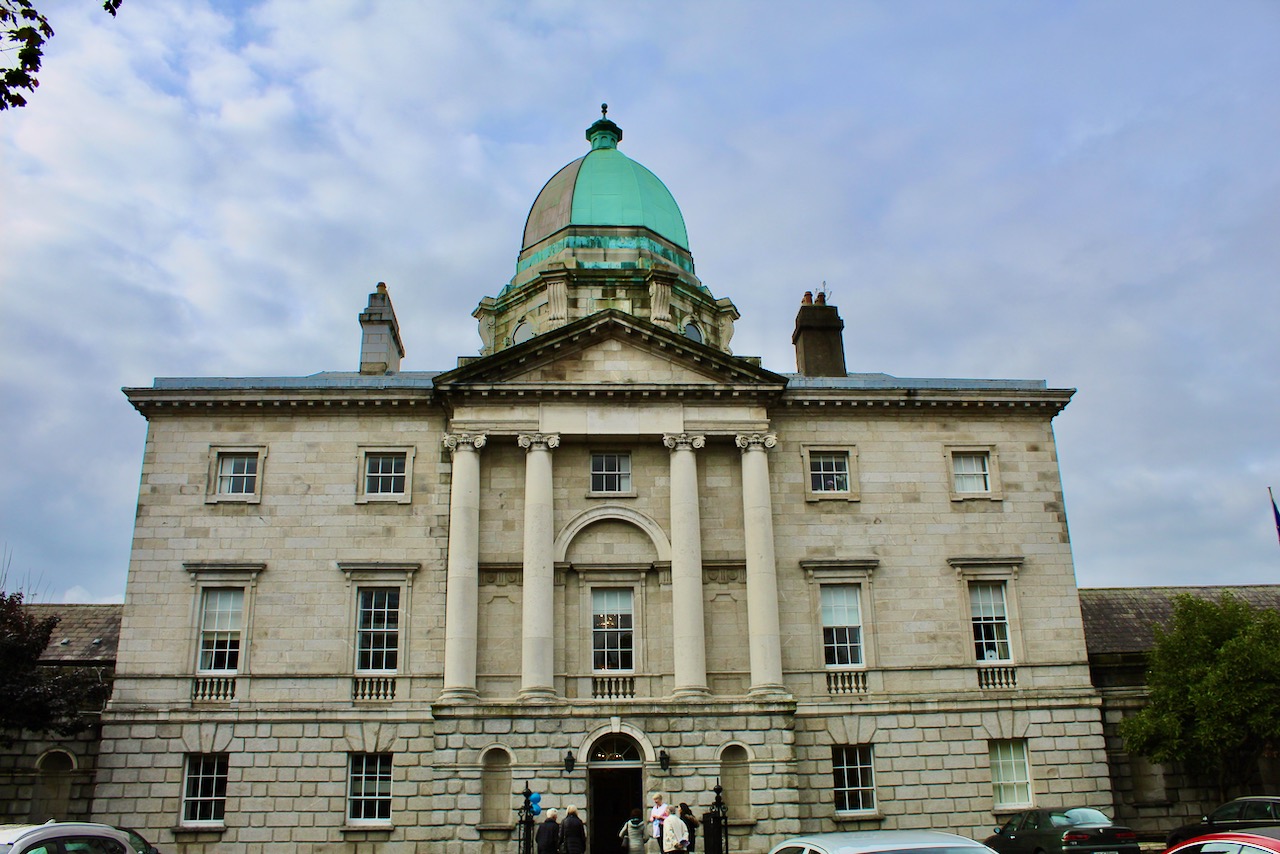
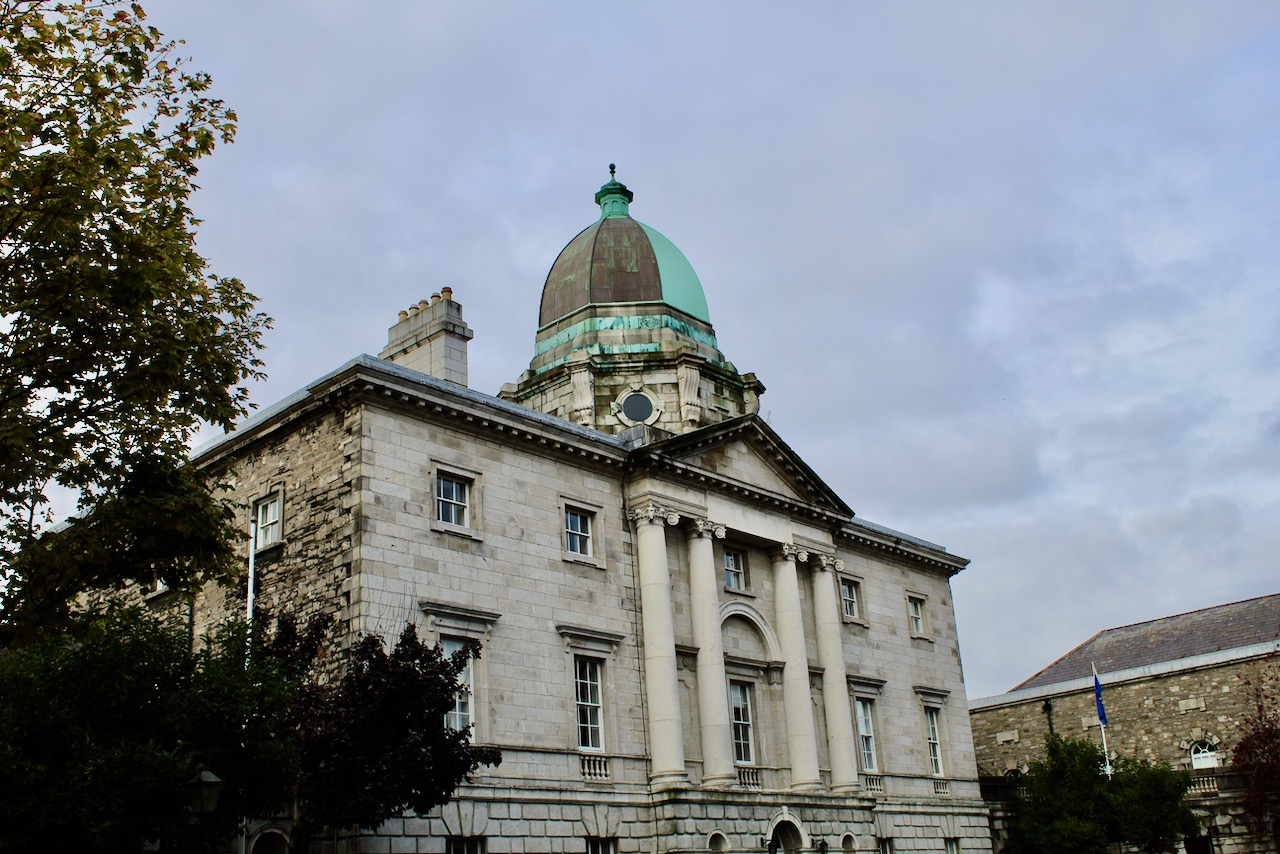
Blackhall Place, Dublin, or The Blue Coat School, by Thomas Ivory, 2019. A taller tower was initially planned. Photograph © Jennifer Winder-Baggot, www.irishhistorichouses.com

Archiseek tells us that the first Blue Coat School or King’s Hospital was erected in Oxmantown Green between 1669-1673. It was officially named the Hospital and Free School of King Charles II. Orphans were nominated to attend the school by the Alderman or the parish, with funding coming from voluntary donations and from ground rent of St. Stephen’s Green. This building was demolished to make way for the new building, pictured above. The current building was started in 1773. Ivory resigned in disgust before it was finished, due to lack of funds, and only a stub was built instead of his tower, and the stub was removed in 1894 and a dome constructed.

The description of the tour tells us:

The last of Dublin’s Palladian public buildings, the granite and Portland stone Blue Coat School replaced earlier premises, which had been established by King Charles I in 1671 to care for the sons of impoverished citizens. Construction began in 1773 to designs by Thomas Ivory, however funding issues led to a reduced building programme and Ivory’s departure. In 1894, a copper-clad cupola designed by Robert Stirling was added. Today, the building is home to the Law Society of Ireland, which has taken great care to retain many fine interior features.

Blackhall Place, Dublin, or The Blue Coat School, by Thomas Ivory, 2019. Photograph © Jennifer Winder-Baggot, www.irishhistorichouses.com

The building now houses the Law Society. It was built as a traditional country house composition with a central block, two wings and connecting passages. The wings have decorations intended to mirror the central tower.
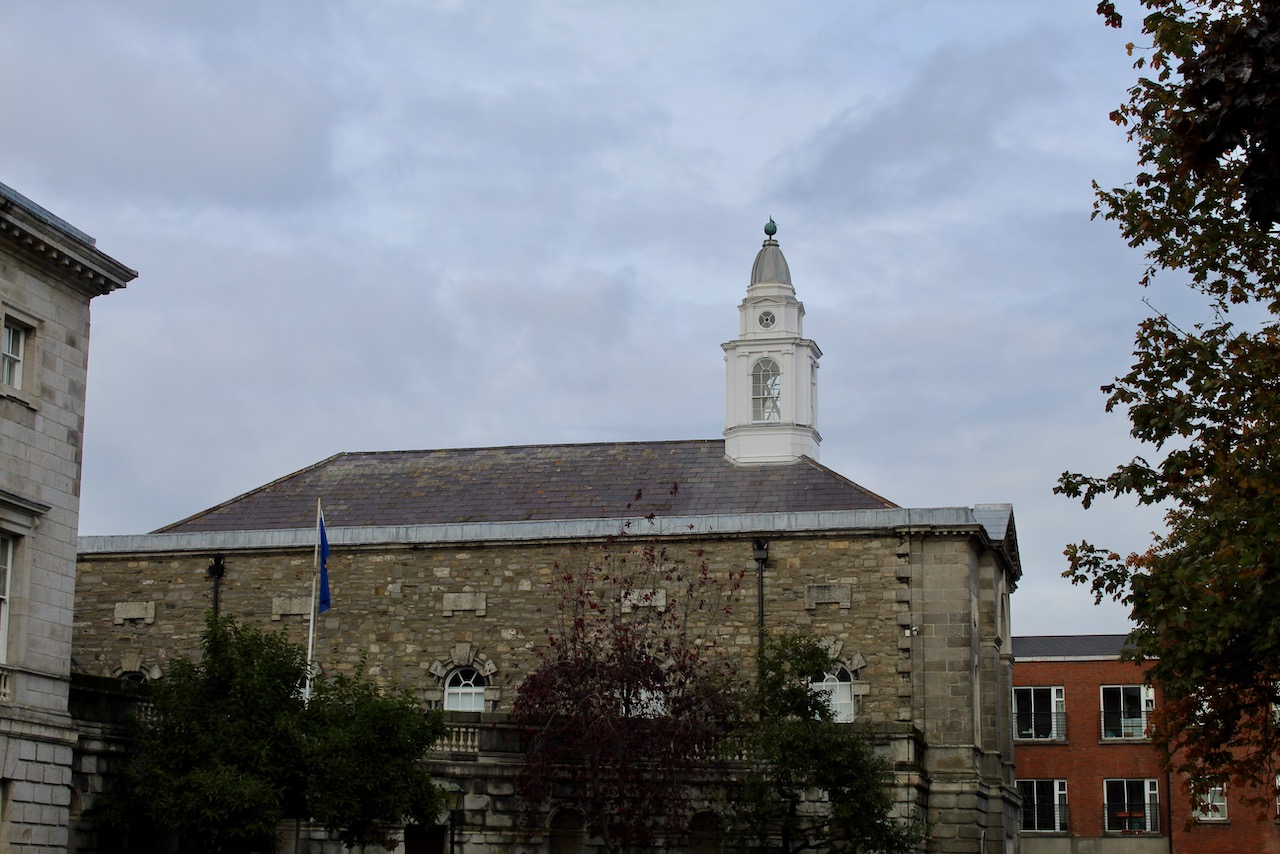
Blackhall Place, Dublin, or The Blue Coat School, by Thomas Ivory, 2019. Photograph © Jennifer Winder-Baggot, www.irishhistorichouses.com
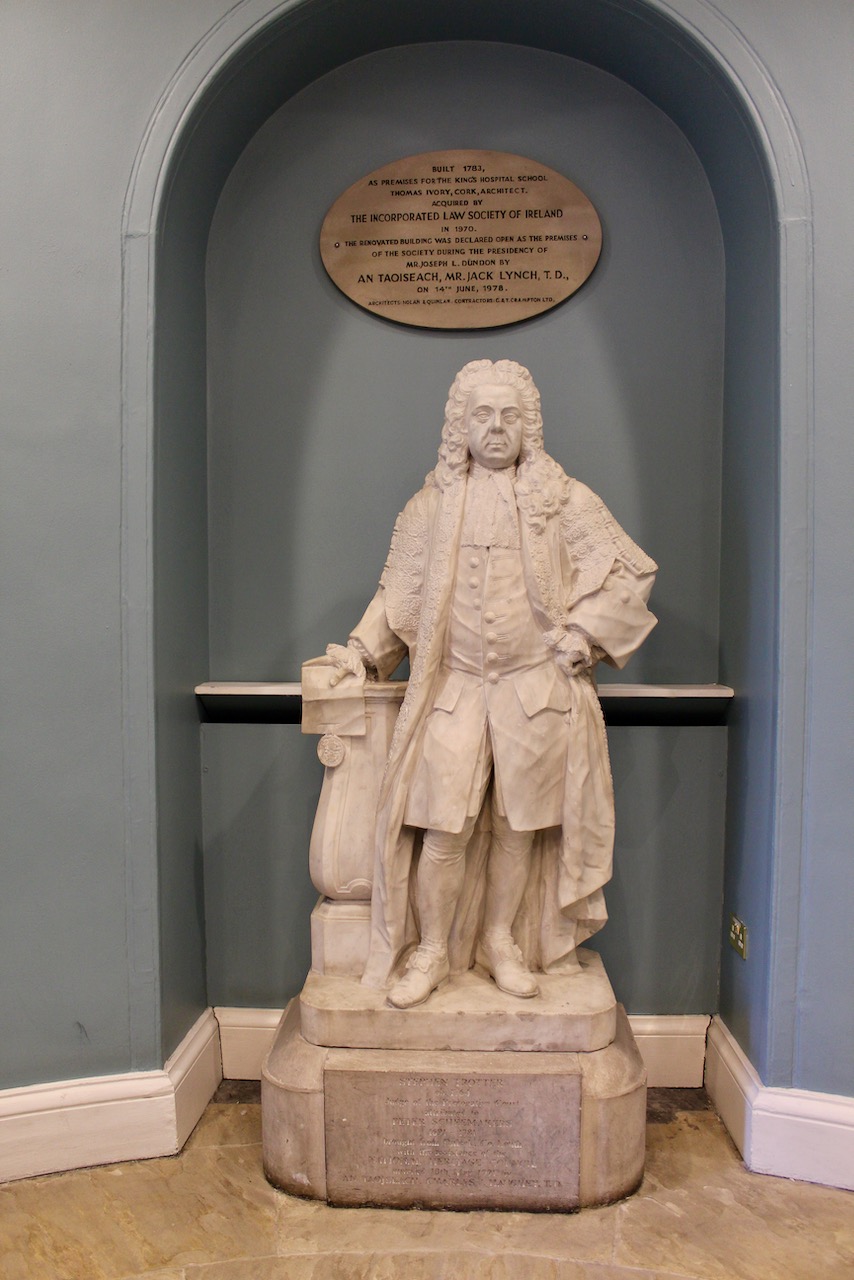
Stephen Trotter, Judge of the Prerogative Court, by Peter Scheemakers (1691-1781), brought from Duleek, County Louth. Photograph © Jennifer Winder-Baggot, www.irishhistorichouses.com
Blackhall Place, Dublin, or The Blue Coat School, by Thomas Ivory, 2019. Photograph © Jennifer Winder-Baggot, www.irishhistorichouses.com

The interior contains plasterwork by Charles Thorpe and carvings by Simon Vierpyl.
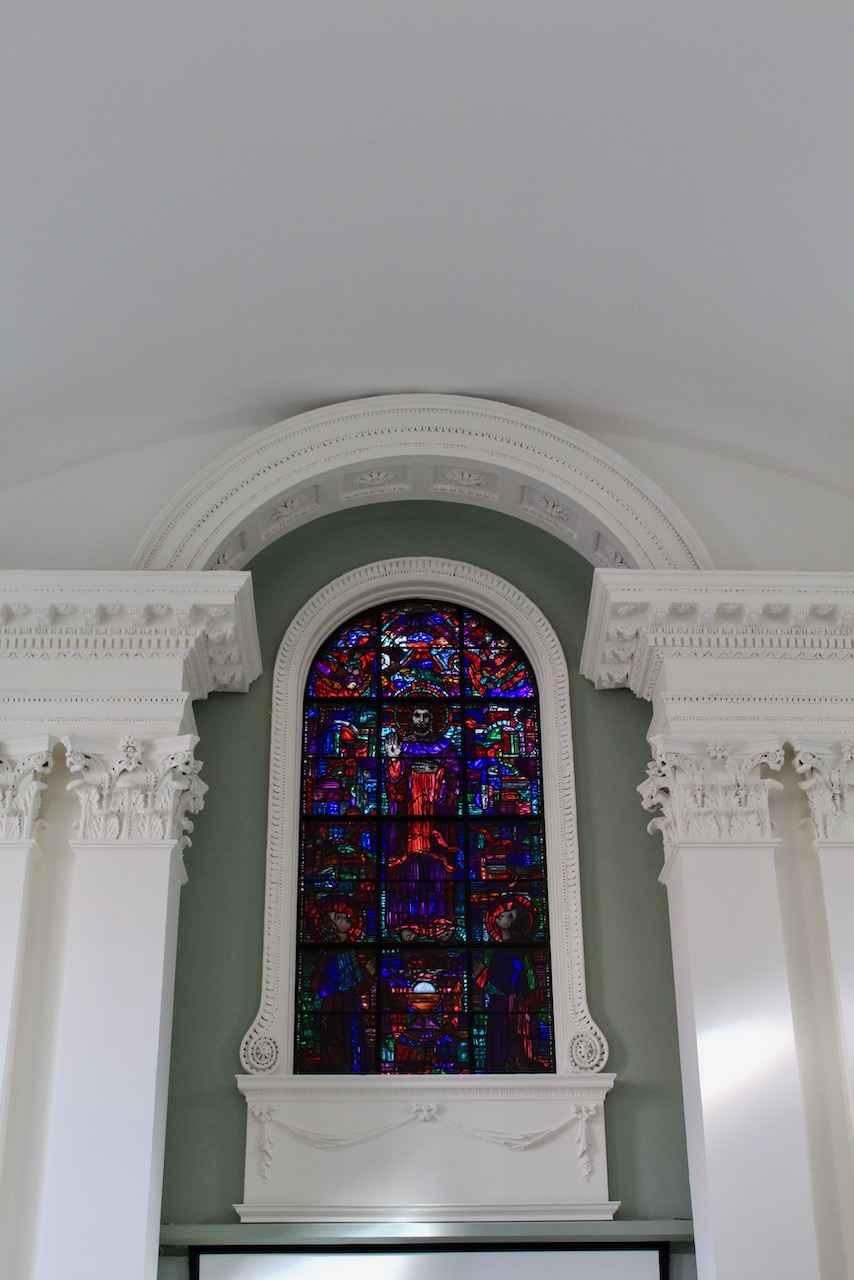
Blackhall Place, Dublin, or The Blue Coat School, by Thomas Ivory, 2019. Photograph © Jennifer Winder-Baggot, www.irishhistorichouses.com
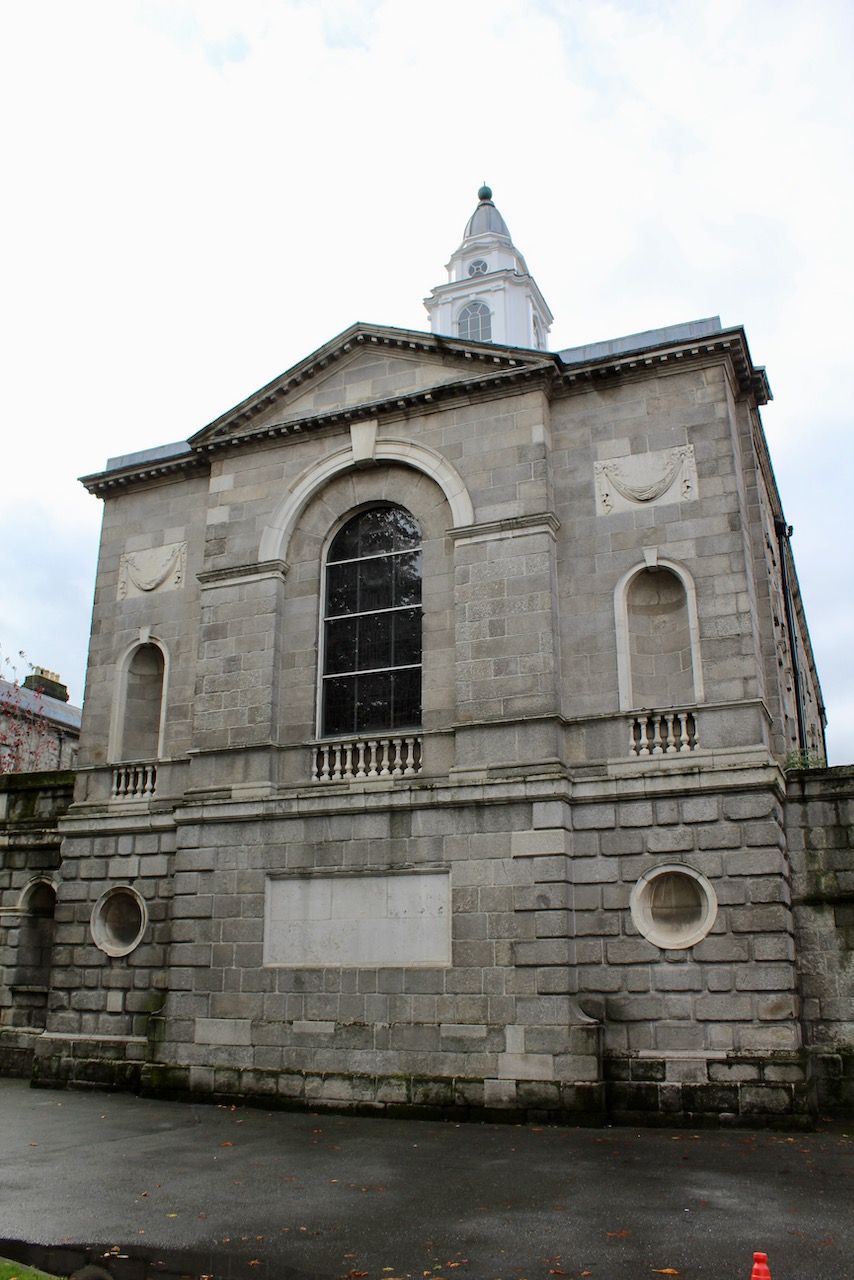
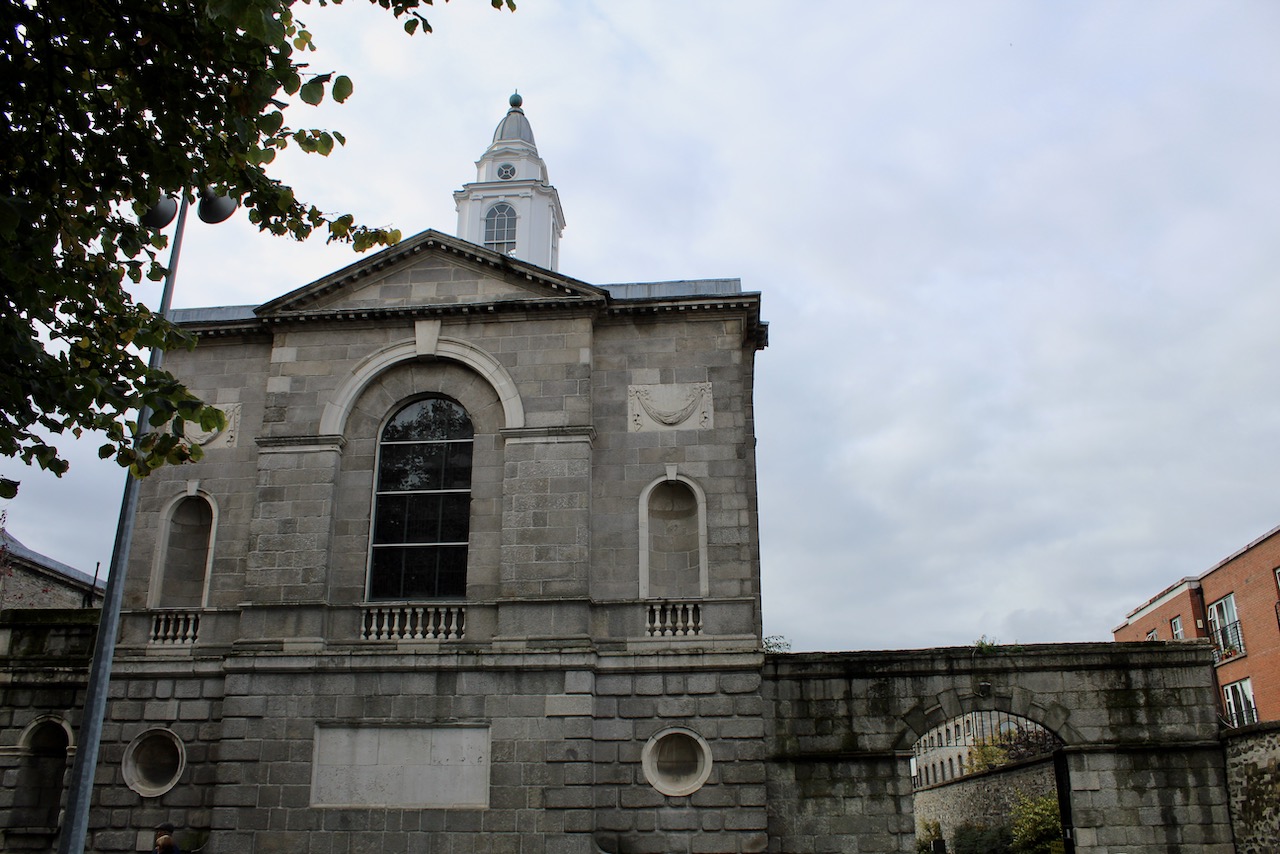
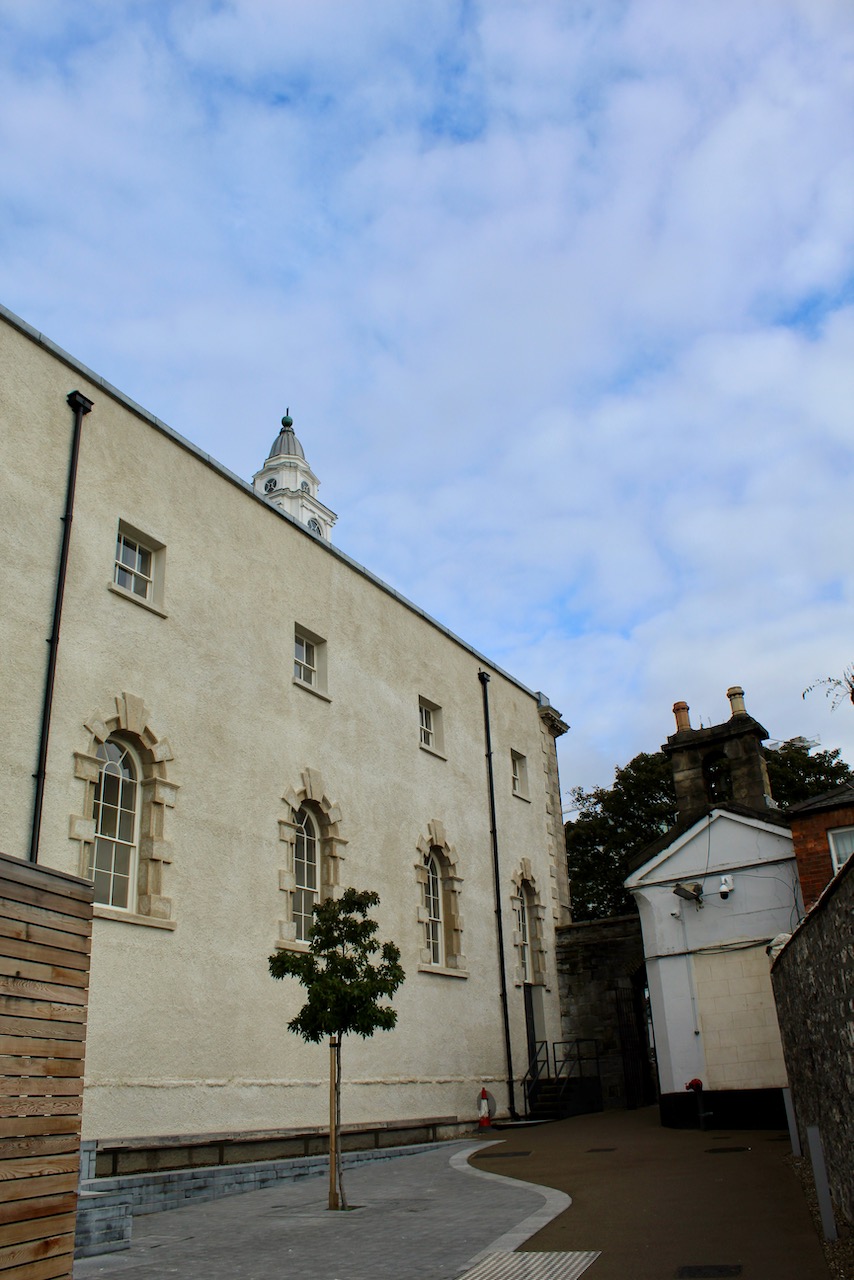
Back of Blackhall Place, Dublin, or The Blue Coat School, by Thomas Ivory, 2019. Photograph © Jennifer Winder-Baggot, www.irishhistorichouses.com
Collins Barracks, behind Blue Coat School/Blackhall Place, 2019. Photograph © Jennifer Winder-Baggot, www.irishhistorichouses.com
Back of Blackhall Place, Dublin, or The Blue Coat School, by Thomas Ivory, 2019. Photograph © Jennifer Winder-Baggot, www.irishhistorichouses.com
Photograph © Jennifer Winder-Baggot, www.irishhistorichouses.com
Side of Blackhall Place, Dublin, or The Blue Coat School, by Thomas Ivory, 2019. Photograph © Jennifer Winder-Baggot, www.irishhistorichouses.com

2. Department of Industry and Commerce, Kildare Street (Open House 2019)
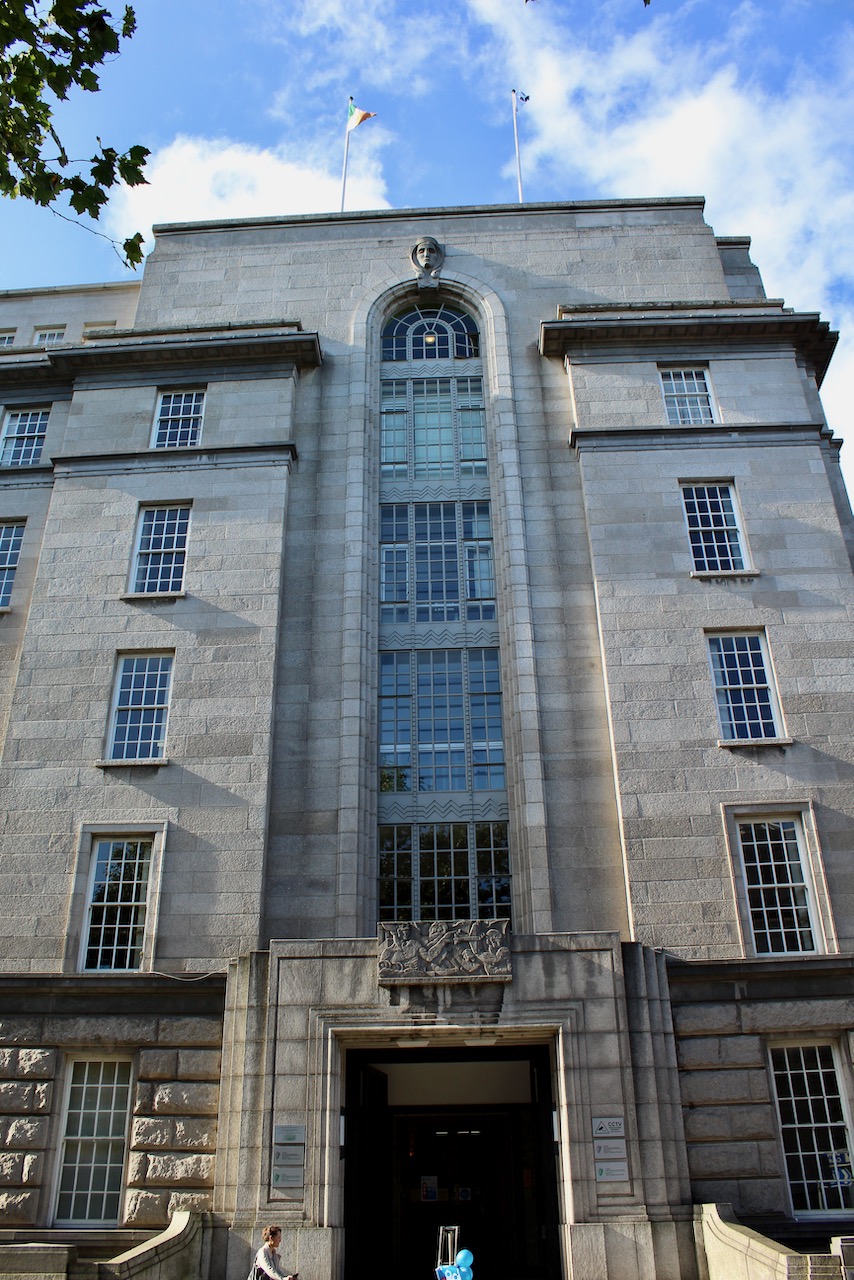
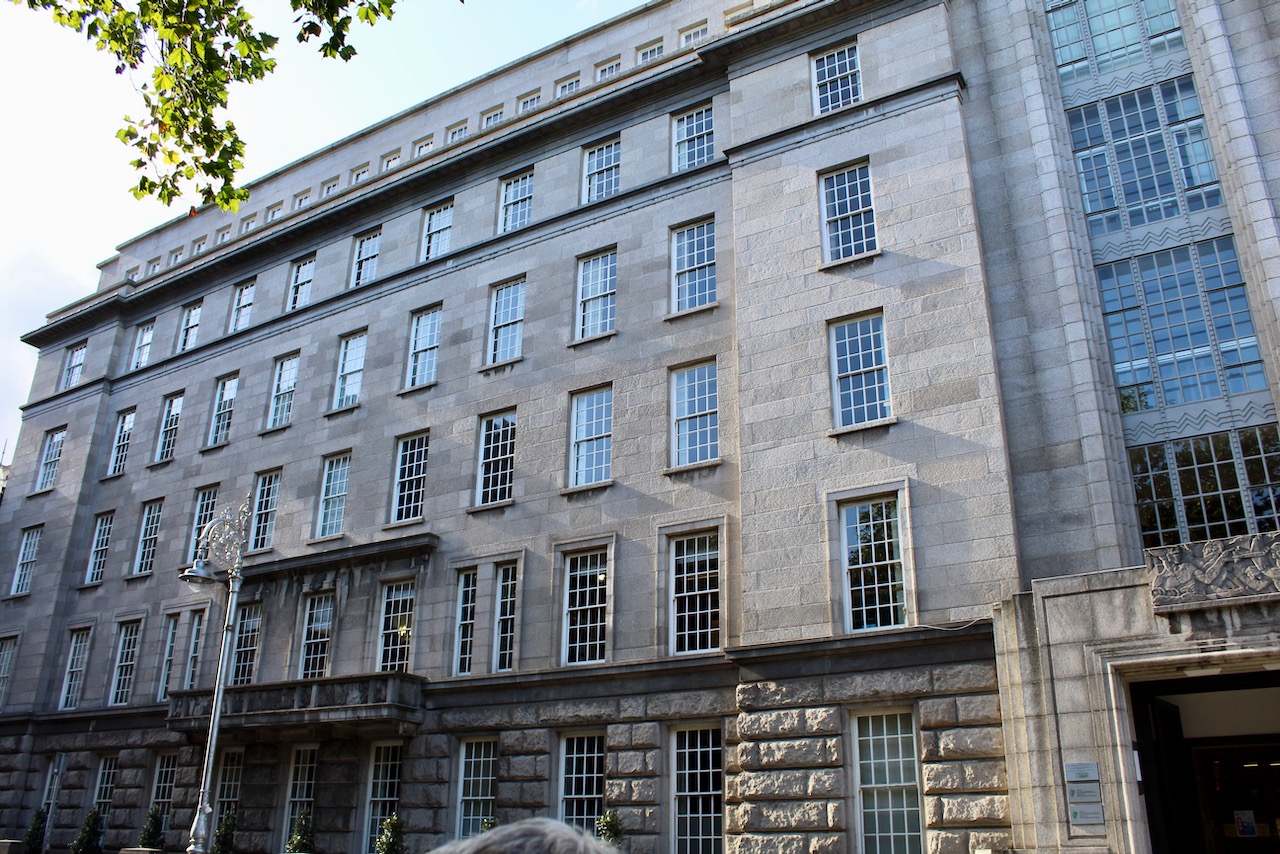
Department of Industry and Commerce, Open House 2019: The tall round-headed window passes up through the floors to a keystone of representing Eire, with “jazzy” interstitial panels. Photograph © Jennifer Winder-Baggot, www.irishhistorichouses.com
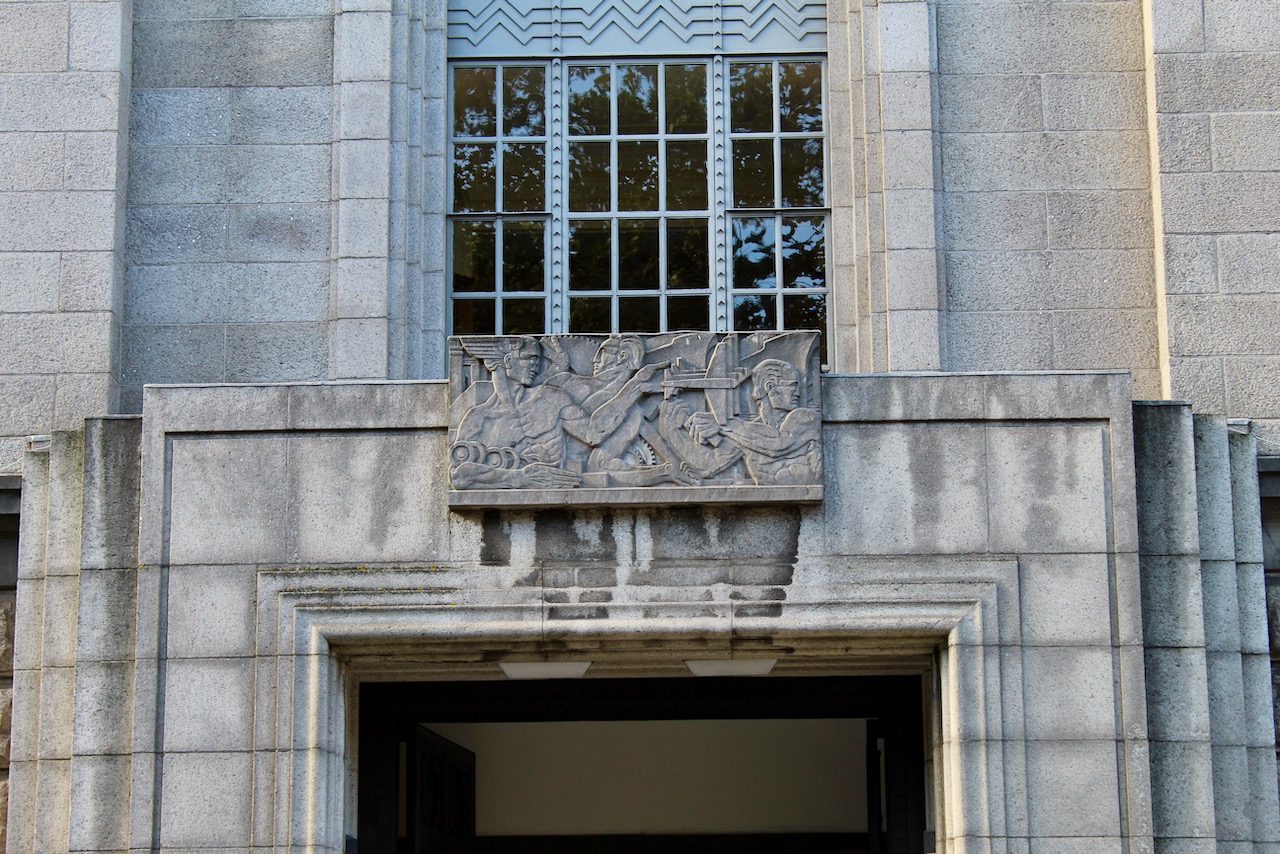
The carved lintel of the doorway represents the celtic god Lugh releasing aeroplanes into the air! Photograph © Jennifer Winder-Baggot, www.irishhistorichouses.com

The architect was J. R. Boyd Barrett, who won a competition to built it in 1936. It has a stripped Classical design with an Art Deco entrance bay addition. The external relief sculptures are by Gabriel Hayes. The tall round-headed window passes up through the floors to a keystone of representing Eire, with “jazzy” interstitial panels [Archiseek]. On the Schoolhouse Lane side the keystone represents Brendan the Navigator. The main entrance has a heavy cast bronze gates, and the carved lintel of the doorway represents the Celtic god Lugh releasing aeroplanes into the air!

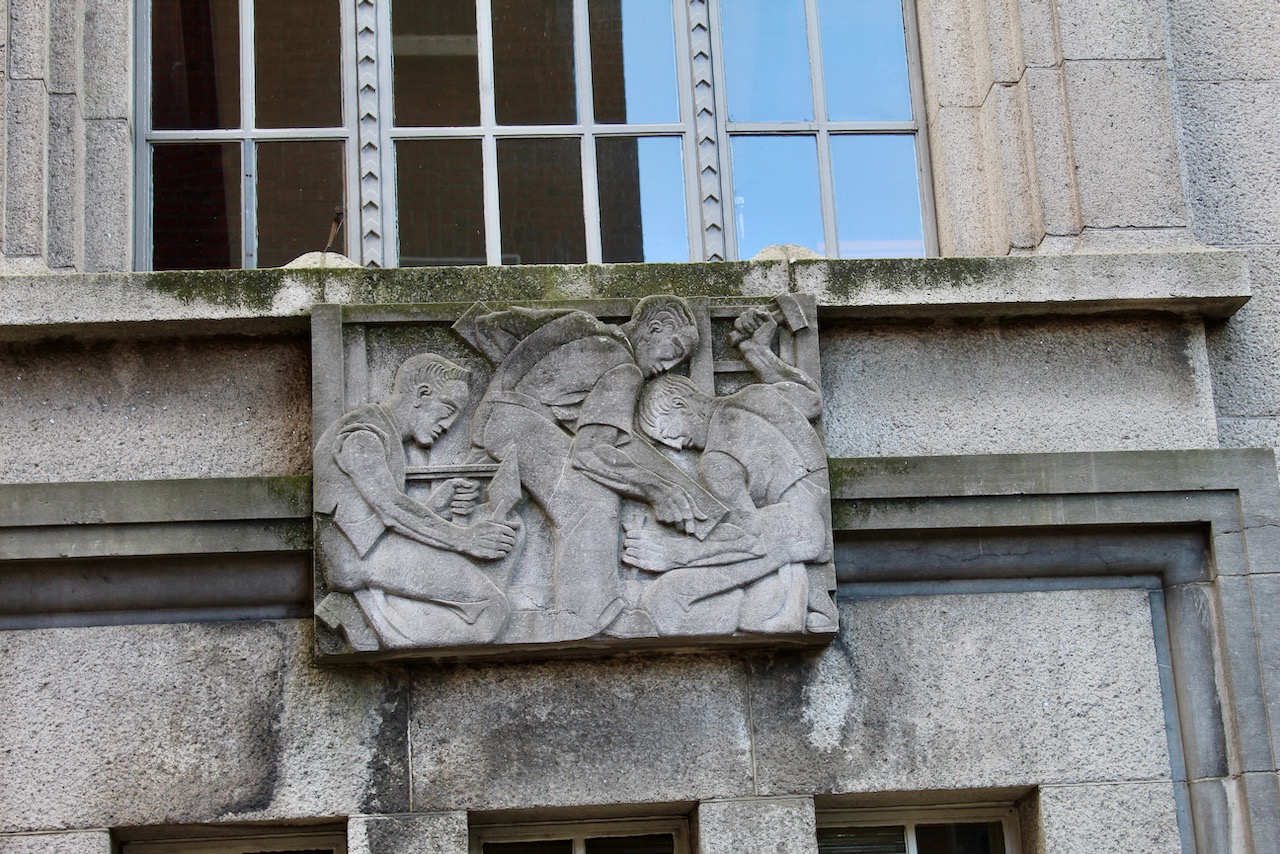
On the Schoolhouse Lane side the keystone represents Brendan the Navigator. Photograph © Jennifer Winder-Baggot, www.irishhistorichouses.com
Department of Industry and Commerce, Open House 2019. Photograph © Jennifer Winder-Baggot, www.irishhistorichouses.com
Department of Trade and Commerce, Open House 2019. Photograph © Jennifer Winder-Baggot, www.irishhistorichouses.com
Department of Trade and Commerce, Open House 2019. The relief carvings here represent stylised images of industry and commerce. Photograph © Jennifer Winder-Baggot, www.irishhistorichouses.com

The interiors were also designed by Boyd Barrett and everything from the ashtrays, fireplaces and door handles were specially designed. The interiors feature polished woods and metals and patterned linoleum floors, and the ceilings are deeply coffered.
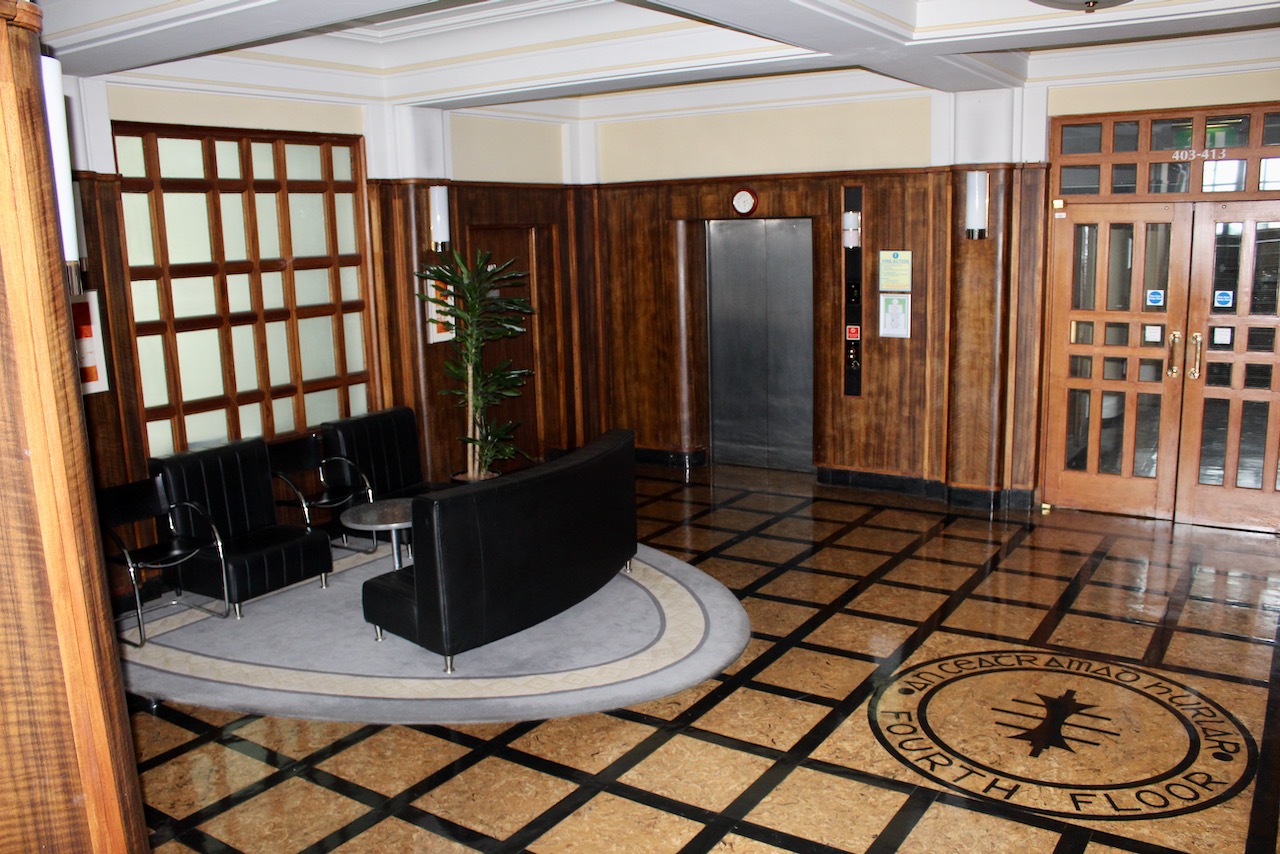
Department of Trade and Commerce, Open House 2019. The interiors were also designed by Boyd Barrett and everything from the ashtrays, fireplaces and door handles were specially designed. Photograph © Jennifer Winder-Baggot, www.irishhistorichouses.com
Department of Trade and Commerce, Open House 2019. Photograph © Jennifer Winder-Baggot, www.irishhistorichouses.com

3. Irish Architectural Archive, 45 Merrion Square East D02VY60

https://openhousedublin.com/locations/irish-architectural-archive-2/

Take a tour of the largest terraced house on Merrion Square, learn about its history, see the latest exhibitions and discover the work of the Irish Architectural Archive.

No. 45 Merrion Square, the home of the Irish Architectural Archive, is one of the great Georgian houses of Dublin. Built for the speculative developer Gustavus Hume [1732-1812] in the mid-1790s and situated directly across Merrion Square from Leinster House, this is the largest terraced house on the Square and is the centrepiece of its East Side. Founded in 1976, the house was restored to its original plan by the Office of Public Works in 2003-4, and update fro use as a best-practice archive facility.

Tours start on the hour and will operate on a first come basis, no need to book in advance.

 www.iarc.ie

Irish Architectural Archive, 45 Merrion Square, November 2022. Photograph © Jennifer Winder-Baggot, www.irishhistorichouses.com

No. 45 Merrion Square, the home of the Irish Architectural Archive, is one of the great Georgian houses of Dublin. Built for the speculative developer Gustavus Hume in the mid-1790s and situated directly across Merrion Square from Leinster House, this is the largest terraced house on the Square and is the centrepiece of its East Side.
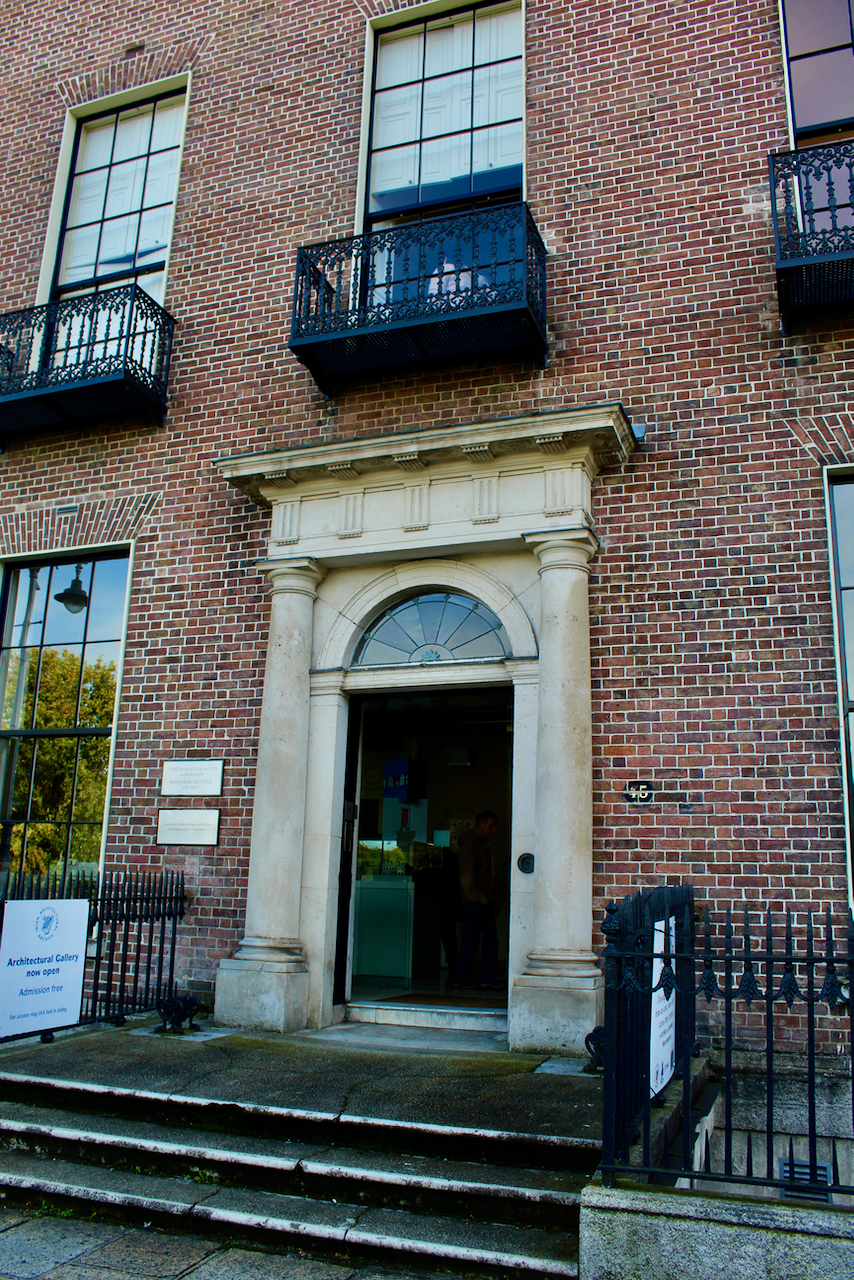
Irish Architectural Archive, 45 Merrion Square, November 2022. Photograph © Jennifer Winder-Baggot, www.irishhistorichouses.com

Light-filled, spectacularly-proportioned, interconnected rooms on the piano nobile of this Georgian palazzo offer a range of venues and facilities: meeting rooms for up to 20 people; multimedia lecture facilities for up to 55, dining space for up to 80, and receptions for up to 250. Whether the event is a meeting, a conference with breakout sessions, or a private or corporate reception, the Irish Architectural Archive’s beautifully graceful spaces provide Georgian elegance in the heart of Dublin.”
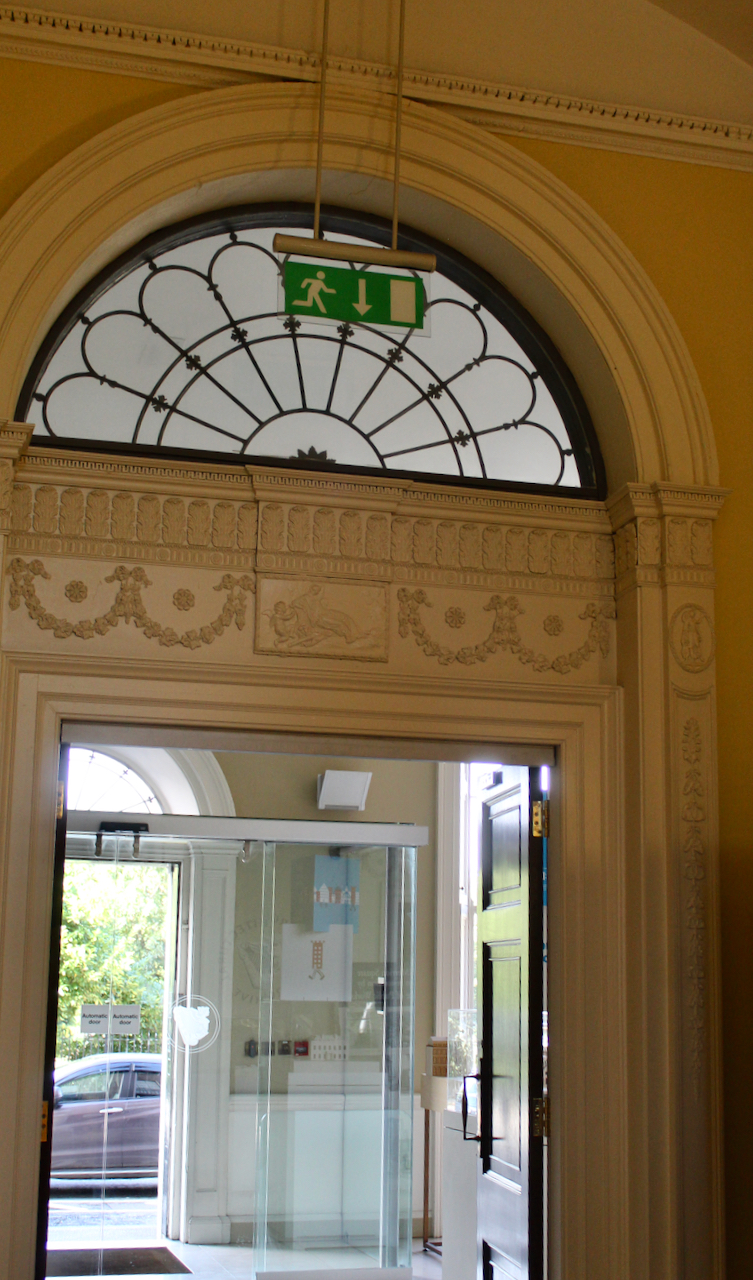
Irish Architectural Archive, 45 Merrion Square, November 2022. Photograph © Jennifer Winder-Baggot, www.irishhistorichouses.com
Babel by Aidan Lynam. Photograph © Jennifer Winder-Baggot, www.irishhistorichouses.com

Standing four stories over basement, and five bays wide, No. 45 is the largest of the terraced houses on Merrion Square. The house was built circa 1794 for the property developer Gustavus Hume. The architect may have been Samuel Sproule who, in the early 1780s, was responsible for the laying out of much of Holles Street, of both Mount Streets and of the east side of Merrion Square. The first person to live in the house seems to have been Robert la Touche [of Harristown, County Kildare] who leased the building in 1795. In 1829 the house was sold to Sir Thomas Staples [9th Baronet Staples of Lissan, County Tyrone]. It had been built in an ambitious and optimistic age, but in the Dublin of the late 1820s its huge size was somewhat anachronistic and certainly uneconomical, so Sir Thomas had the building carefully divided into two separate houses. Sir Thomas died aged 90 in 1865, the last survivor of the Irish House of Commons.
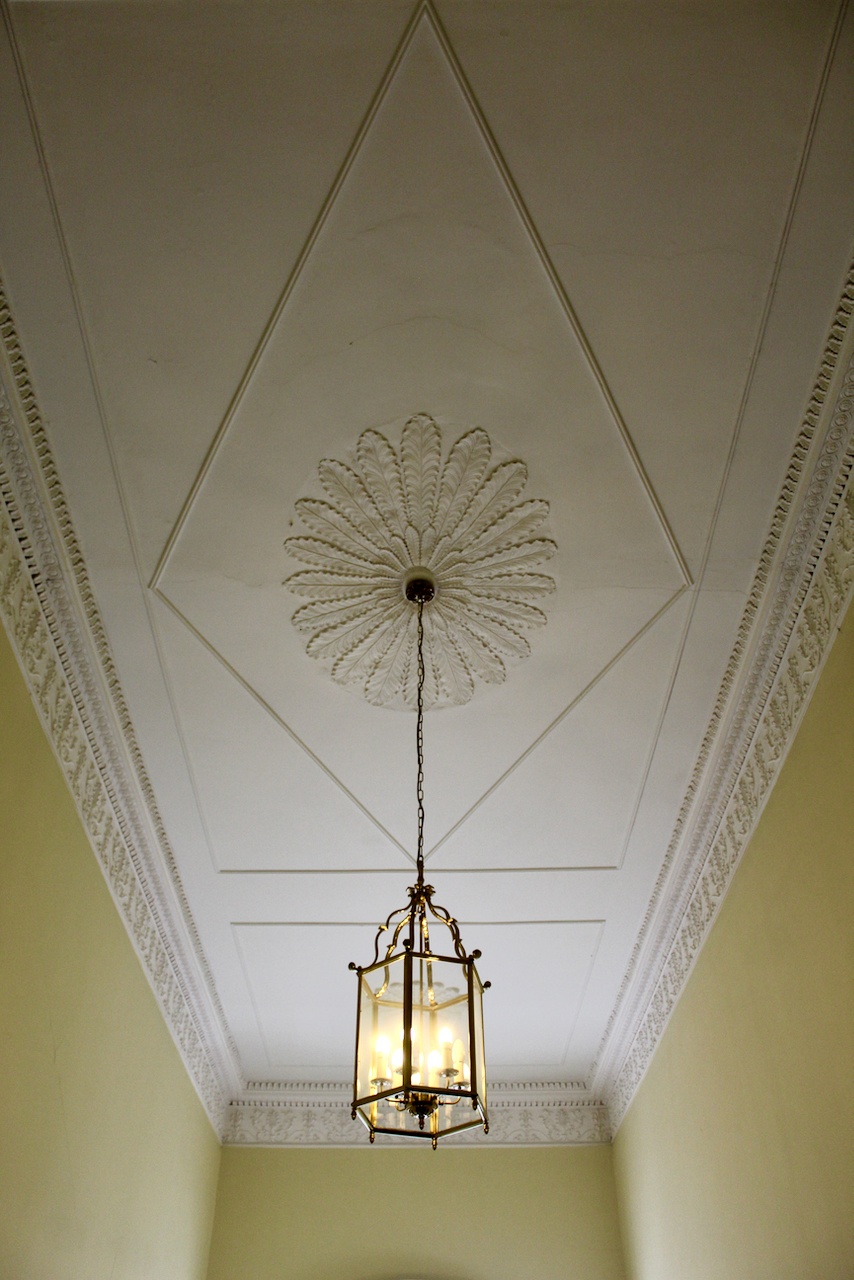
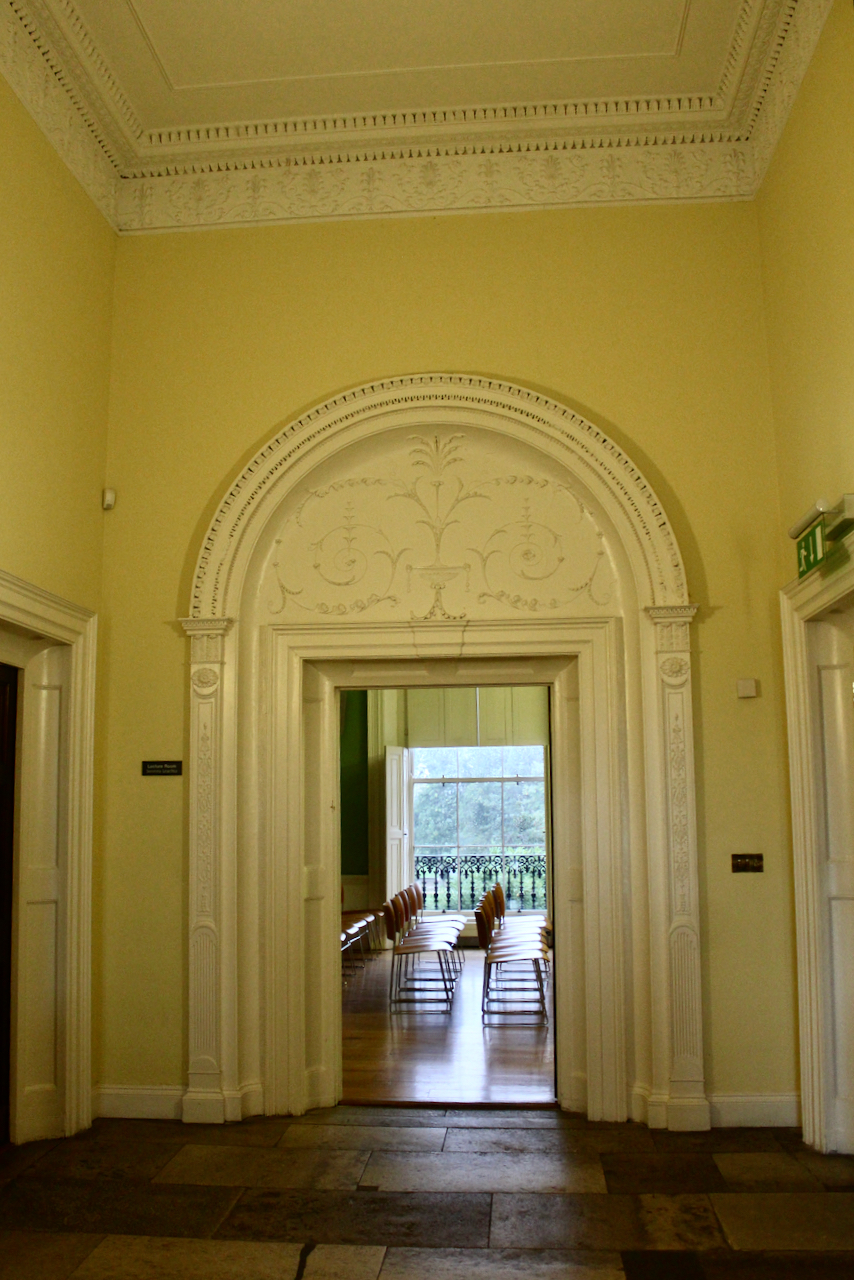
Irish Architectural Archive. Photograph © Jennifer Winder-Baggot, www.irishhistorichouses.com
Photograph © Jennifer Winder-Baggot, www.irishhistorichouses.com

On his death, both parts of the house passed to Sir John Banks, Regius Professor of Medicine in Trinity College, who, like his predecessor, leased the smaller portion of the divided building, by now numbered Nos. 10 and 11 Merrion Square East. Banks himself lived in No. 11, the larger part, which he maintained in high decorative order. Banks died in 1910, and both parts of the building fell vacant and remained so until 1915 when the whole property was used to accommodate the clerical offices of the National Health Insurance Company. With single occupancy restored, the division of the building, renumbered 44 – 45 Merrion Square, began to be reversed, a process carried on in fits and starts as successive Government departments and agencies moved in and out over the decades. The last to go was the Irish Patents Office, relocated to Kilkenny in 1996.
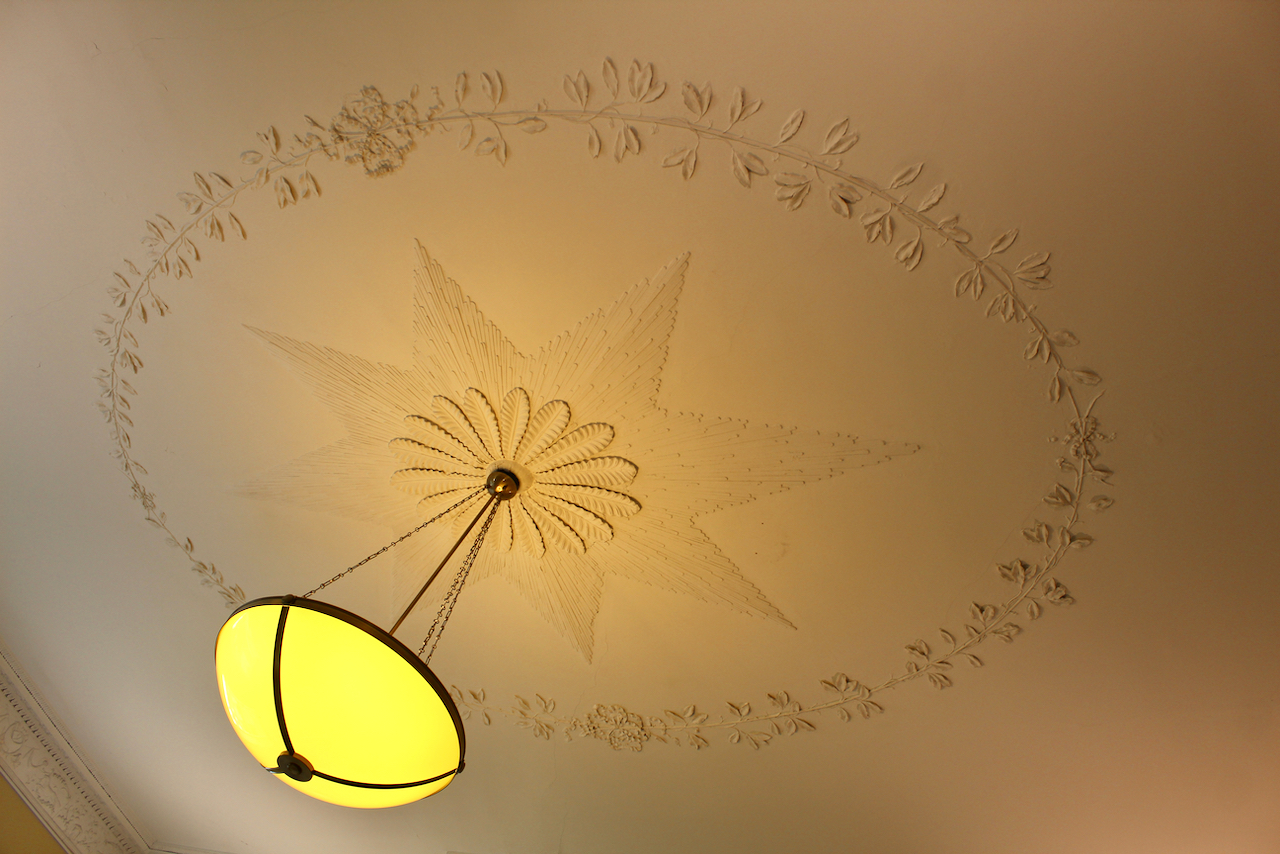
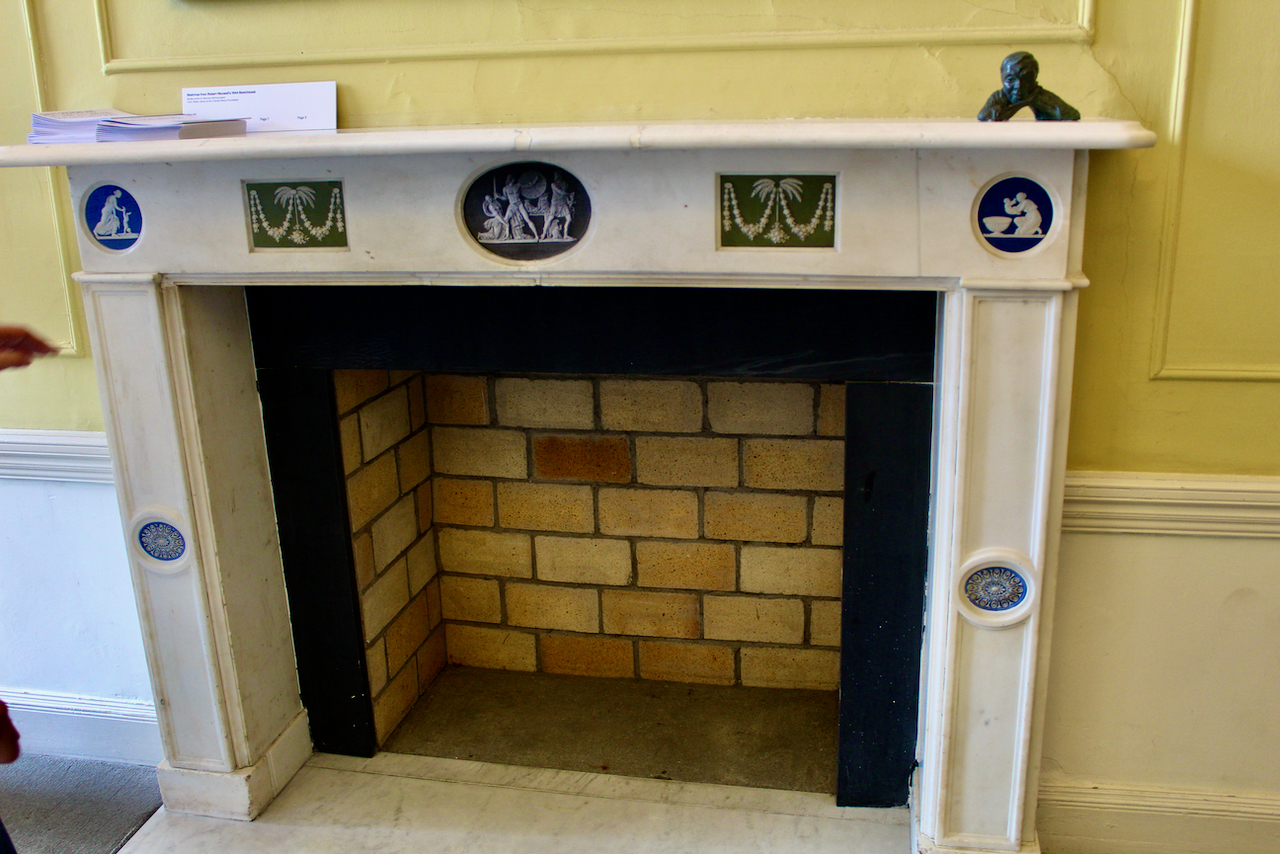
Irish Architectural Archive, 45 Merrion Square. Photograph © Jennifer Winder-Baggot, www.irishhistorichouses.com
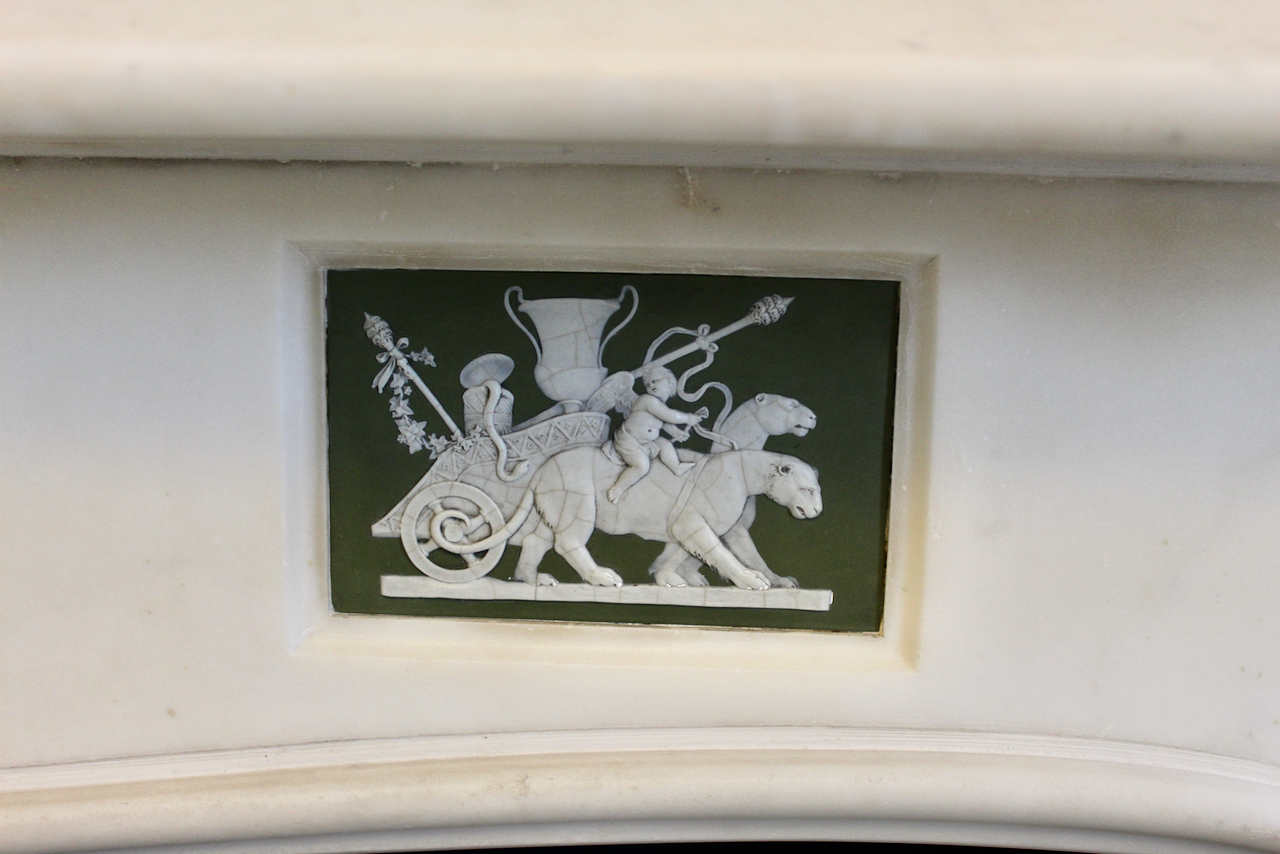
Chimneypiece in Irish Architectural Archive. Photograph © Jennifer Winder-Baggot, www.irishhistorichouses.com
Detail of chimneypiece in Irish Architectural Archive. Photograph © Jennifer Winder-Baggot, www.irishhistorichouses.com
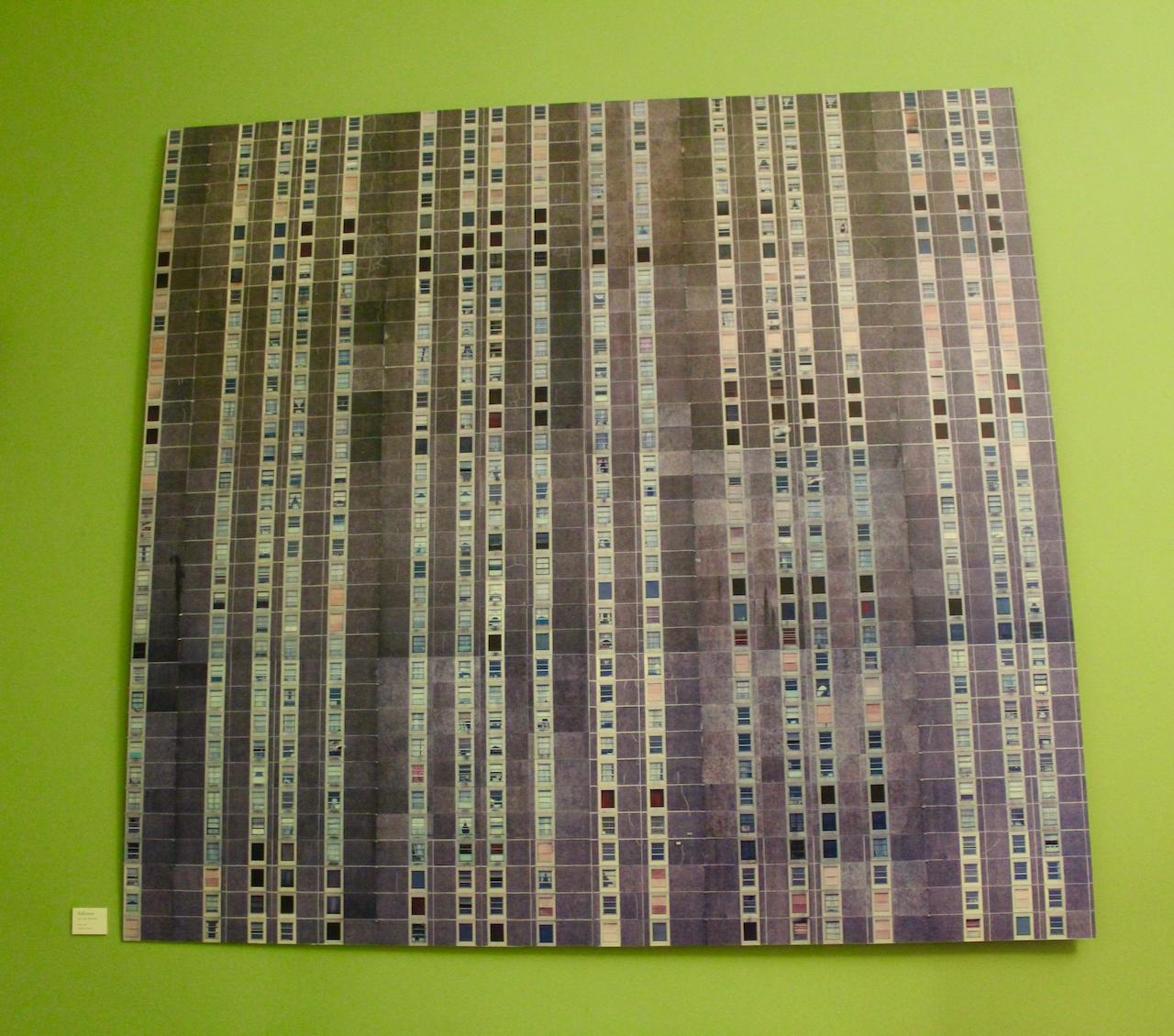
I love this piece, Ballymun by William Heefer. It looks like abstract art, but when you look closely, those squares are windows. Photograph © Jennifer Winder-Baggot, www.irishhistorichouses.com

The house was assigned to Irish Architectural Archive by Ruairí Quinn TD, Minister for Finance, in his budget of 1996. The Office of Public Works carried out an extensive programme of works to the house from 2002 to 2004, including the refurbishment of the historic fabric and the construction of new state-of-the-art archival stores to the rear.

Irish Architectural Archive. Photograph © Jennifer Winder-Baggot, www.irishhistorichouses.com
Photograph © Jennifer Winder-Baggot, www.irishhistorichouses.com

4. Iveagh House (80 and 81 St. Stephen’s Green) – Department of Foreign Affairs (Open House 2014)

I’m excited to see this open again https://openhousedublin.com/locations/tour-of-iveagh-house-department-of-foreign-affairs-headquarters/
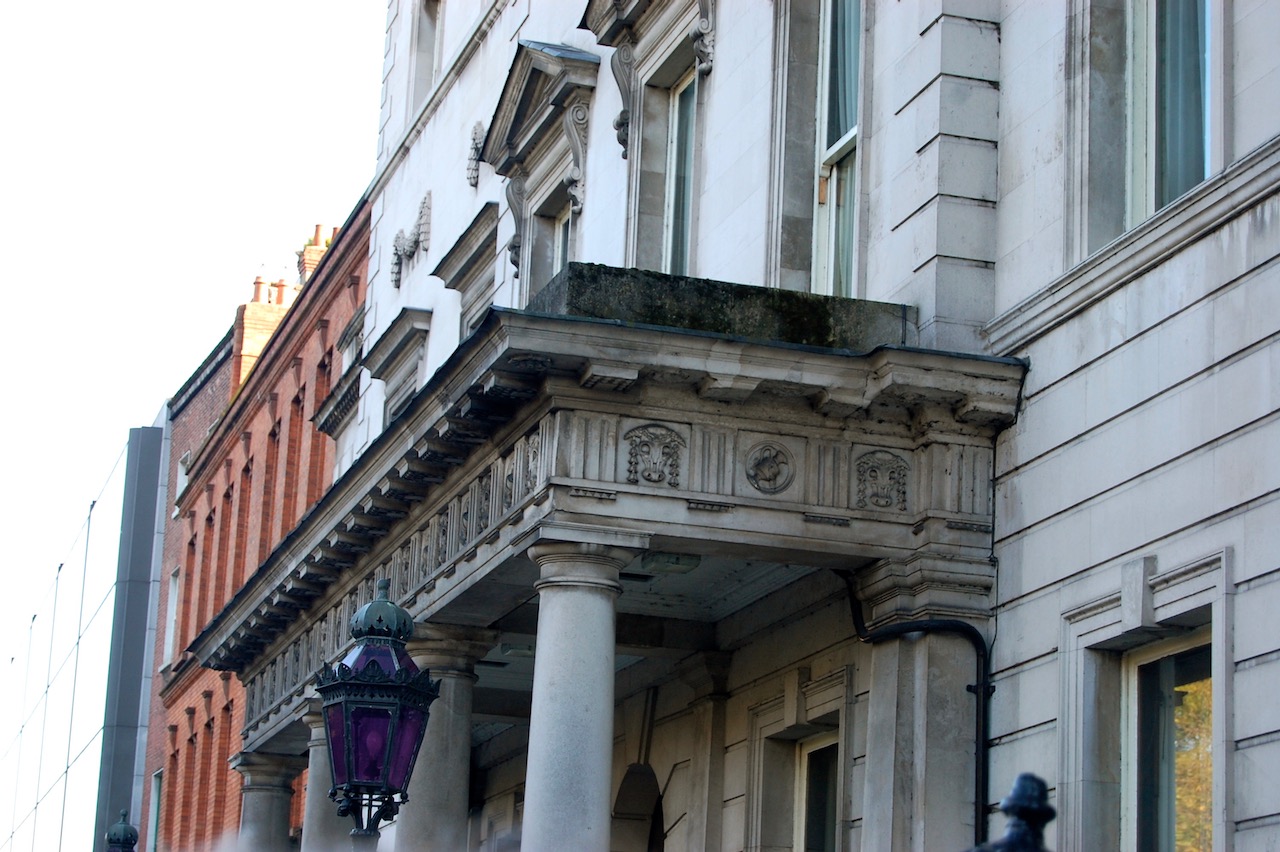
Iveagh House, St Stephen’s Green, October 2014. Portland stone facade (1866) by James Franklin Fuller (1835-1924) disguises an early eighteenth century townhouse by Richard Castle (d. 1751) for Robert Clayton (1695-1758), Bishop of Cork and Ross. The original house, three windows wide, is on the left of the portico. Photograph © Jennifer Winder-Baggot, www.irishhistorichouses.com

Iveagh House, the headquarters of the Department of Foreign Affairs, has many stories within its walls. Explore the nooks and crannies of its beautiful architecture and artwork on this guided tour.

You will be welcomed in to the Entrance Hall and onwards to the Secretary General’s Office where, under the political direction of the Tánaiste and Minister, the Secretary General manages the Department. From there you will be brought through the Inner Hall to The Secretary General’s Ante Room. When you exit the Ante room you will be meet with the houses’ spectacular double Staircase. Moving on, you will be guided to through the Tánaiste’s Dining Room, Ante Room and finally the Tánaiste’s Office. The tour will continue on to the Ballroom before ending in Lady Iveagh’s Boudoir.

This tour is pre-book only, booking opens 14 September.

Iveagh House, St Stephen’s Green, the original owner, Robert Clayton (1695-1758), Bishop of Cork and Ross. Photograph © Jennifer Winder-Baggot, www.irishhistorichouses.com

The Archiseek website tells us:

Iveagh House is now the Department of Foreign Affairs as it was donated to the Irish State by the Guinness family in 1939. Originally two houses, nos 80/81 St Stephen’s Green, no 80 was originally designed by Richard Cassels [also spelled “Castle”] in 1736. After both houses were bought by Benjamin Guinness in 1862, he acted as his own architect and produced the current house. 

“The Dublin Builder, February 1 1866: ‘In this number we give a sketch of the town mansion of Mr. Benjamin Lee Guinness, M.P , now in course of erection in Stephen’s Green, South, the grounds of which run down to those of the Winter Garden. As an illustration so very quiet and unpretending a front is less remarkable as a work of architectural importance than from the interest which the name of that well-known and respected owner gives it, and from whose own designs it is said to have been built. The interior of the mansion promises to be of a very important and costly character, and to this we hope to have the pleasure of returning on a future occasion when it is more fully advanced. The works, we believe, have been carried out by the Messrs. Murphy of St. Patrick’s Cathedral notoriety, under Mr. Guinness’s own immediate directions, without the intervention of any professional architect.’ “
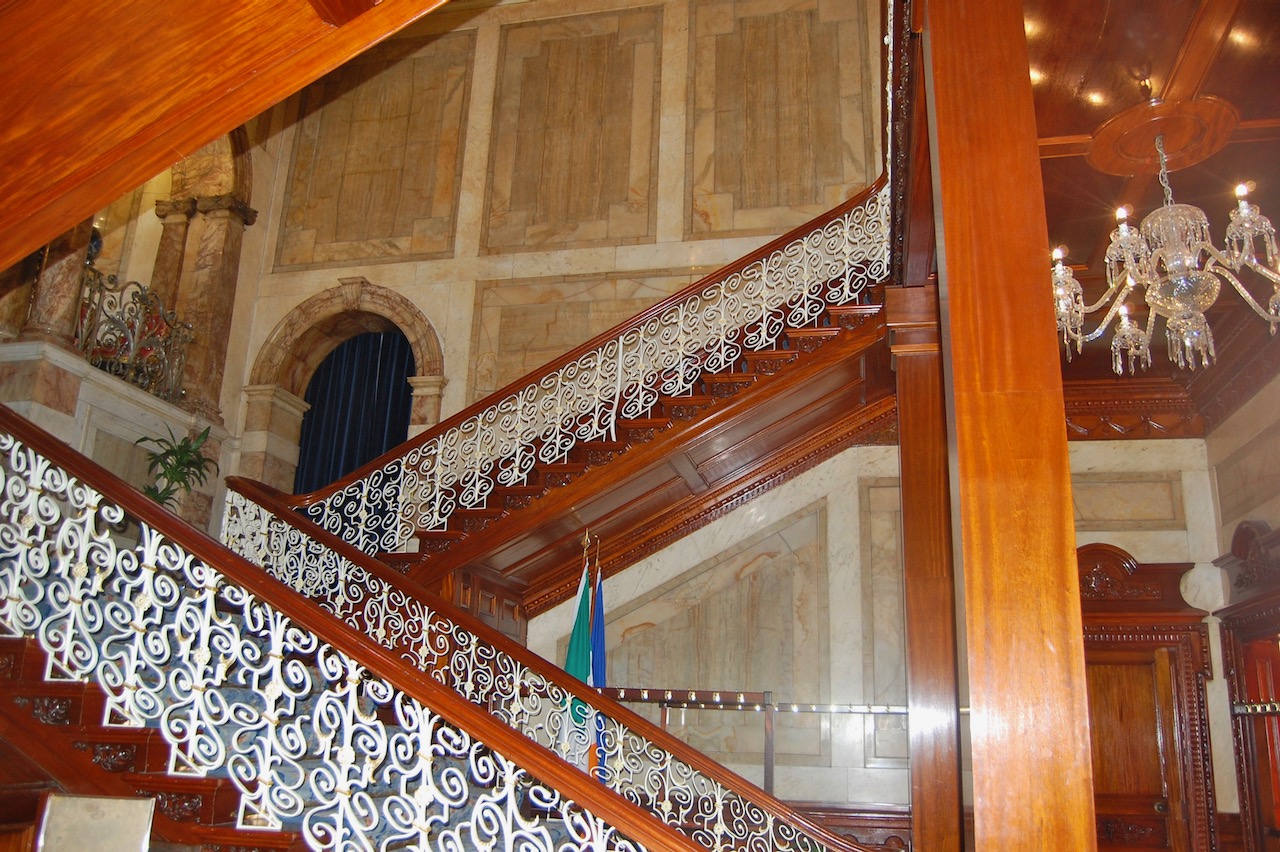
Iveagh House, St Stephen’s Green, October 2014. Photograph © Jennifer Winder-Baggot, www.irishhistorichouses.com

The building was donated to the Irish government by Benjamin Guinness’s grandson Rupert, the 2nd Earl of Iveagh, in 1939 and was renamed Iveagh House.

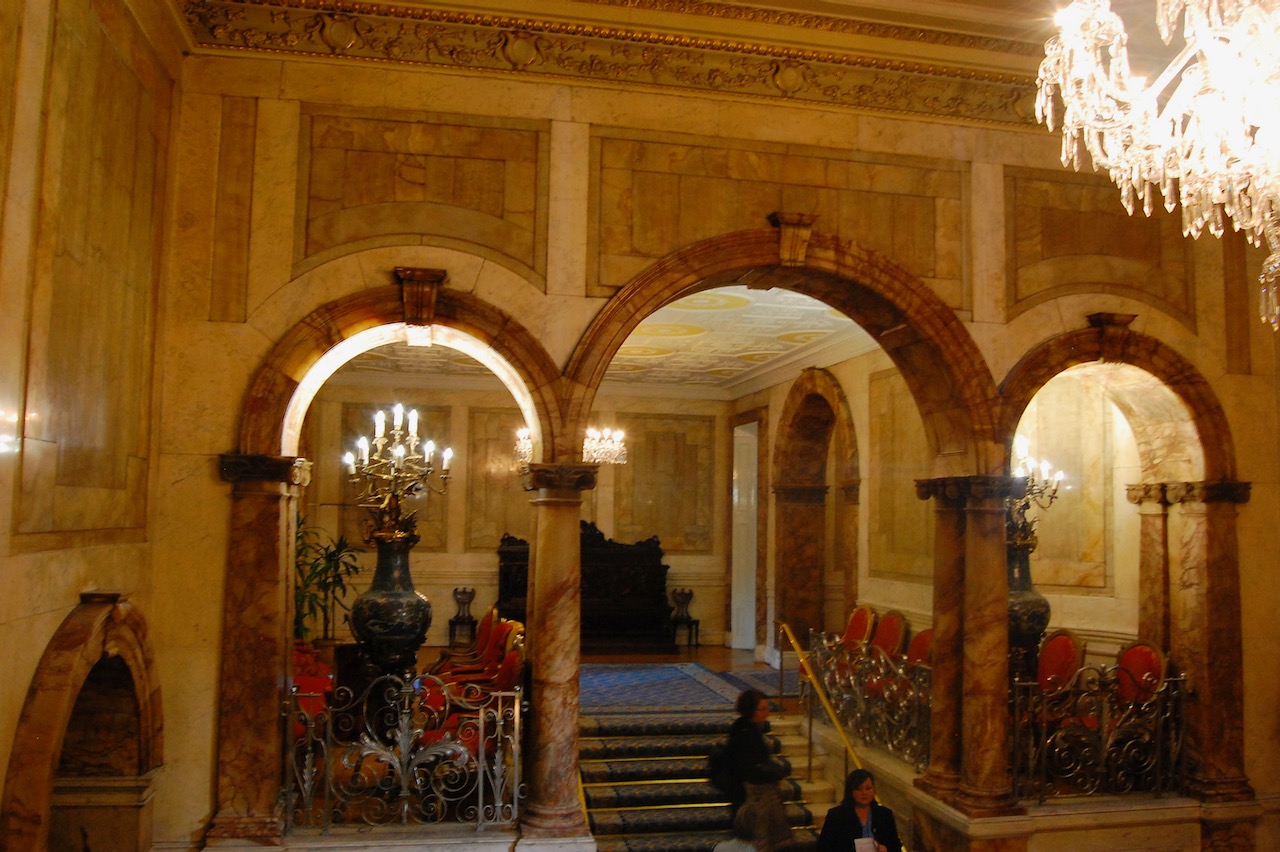
Iveagh House, St Stephen’s Green, October 2014. Photograph © Jennifer Winder-Baggot, www.irishhistorichouses.com
Iveagh House, St Stephen’s Green. Photograph © Jennifer Winder-Baggot, www.irishhistorichouses.com
Iveagh House, St Stephen’s Green, October 2014. Painting by De Chirico. Photograph © Jennifer Winder-Baggot, www.irishhistorichouses.com
Iveagh House, St Stephen’s Green, October 2014. Photograph © Jennifer Winder-Baggot, www.irishhistorichouses.com
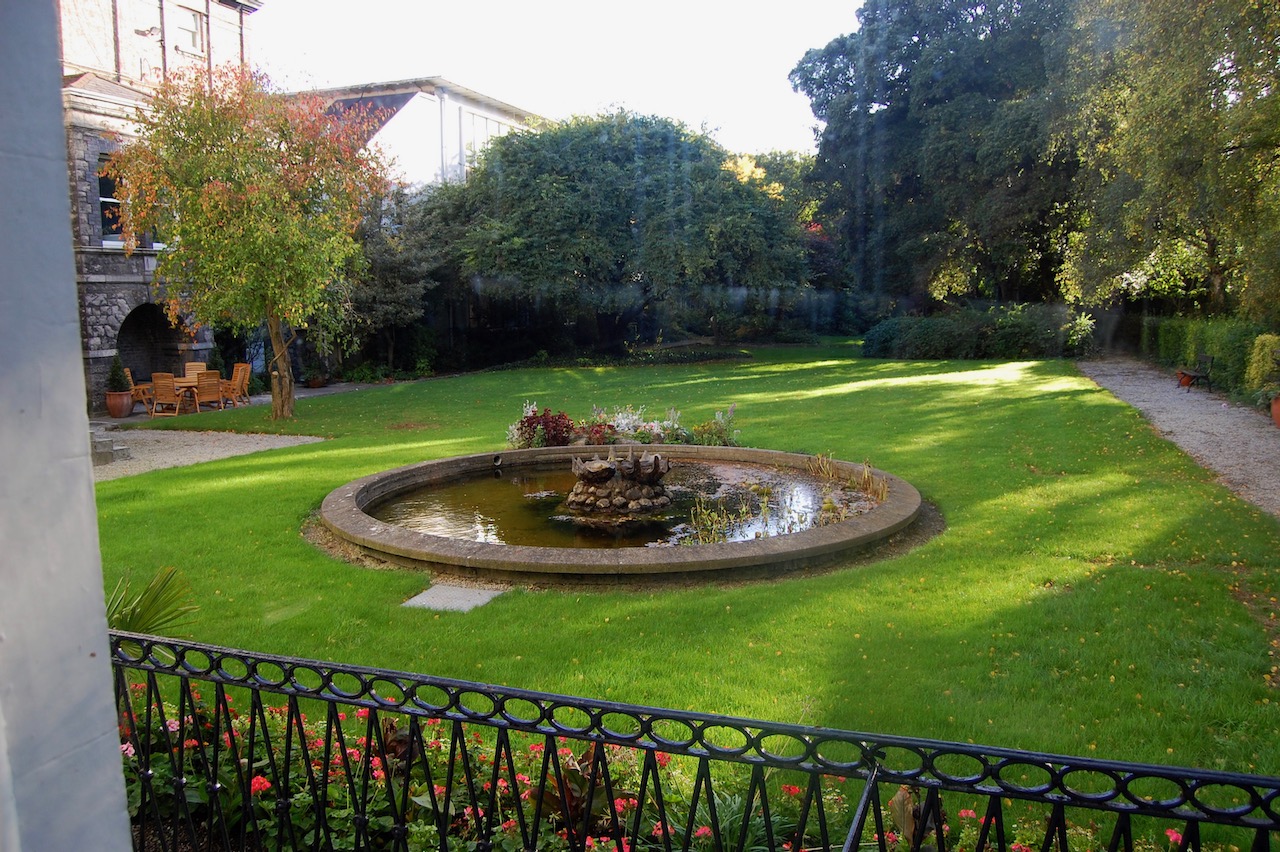
Iveagh Gardens, the part kept by the Guinness’s as part of Iveagh House. Photograph © Jennifer Winder-Baggot, www.irishhistorichouses.com
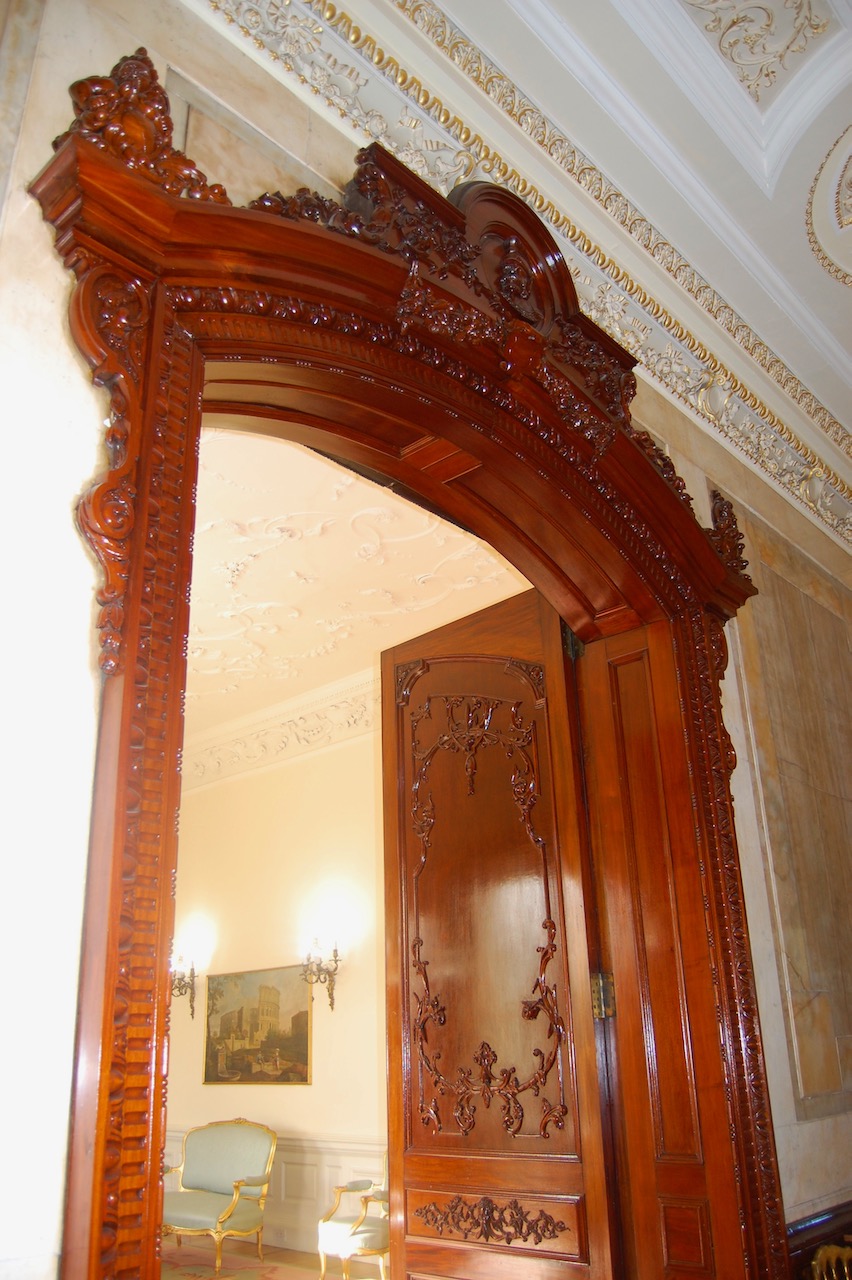
Mahogany doorframe and door, Iveagh House, Stephen’s Green. The architect took advantage of the tax on mahogany not imposed in Ireland. Photograph © Jennifer Winder-Baggot, www.irishhistorichouses.com
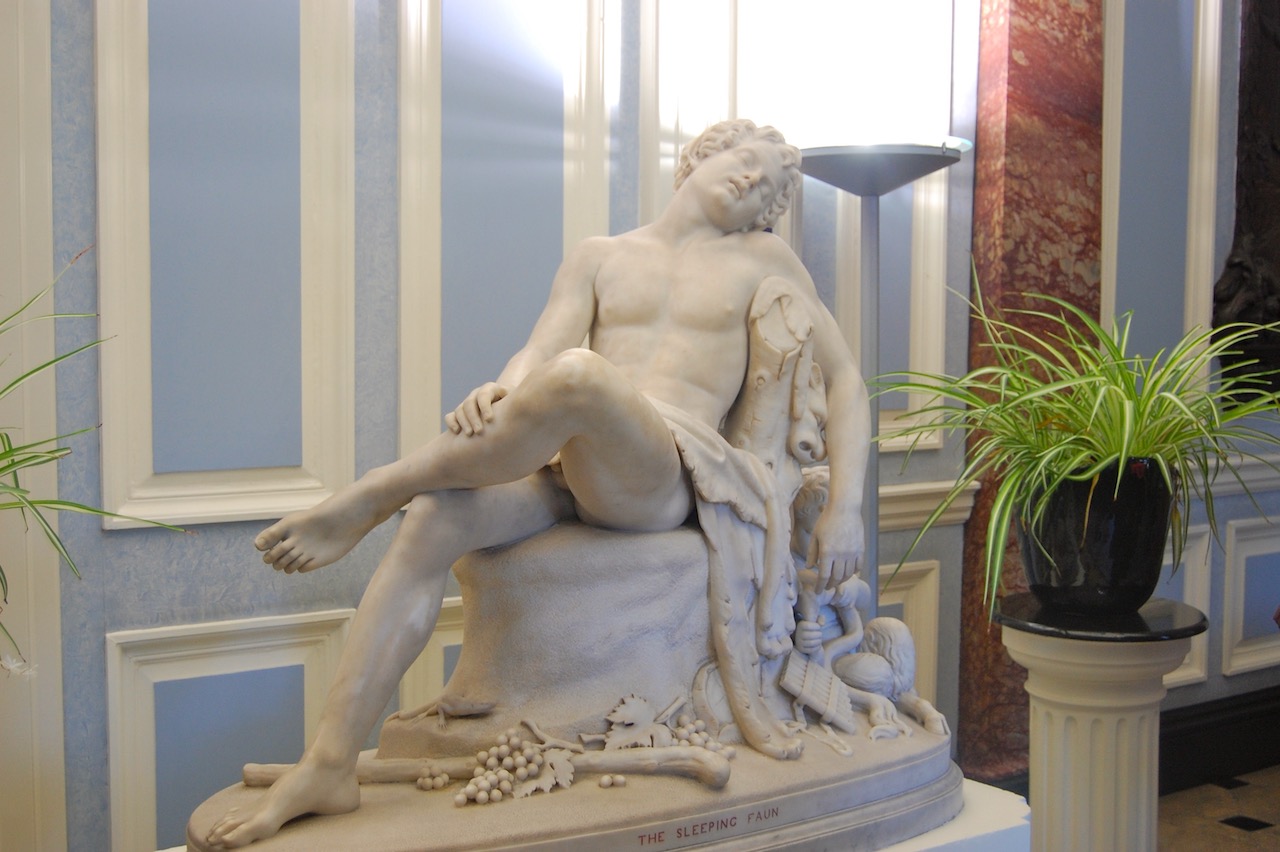
The Sleeping Faun, bought by the Guinness’s, for almost the same price as the house! Donated by the Guinnesses along with the house to the state. Photograph © Jennifer Winder-Baggot, www.irishhistorichouses.com
Iveagh House, St Stephen’s Green, medieval wooden carving, picturing Homer’s Illiad scenes. Photograph © Jennifer Winder-Baggot, www.irishhistorichouses.com
Iveagh House, St Stephen’s Green. Photograph © Jennifer Winder-Baggot, www.irishhistorichouses.com
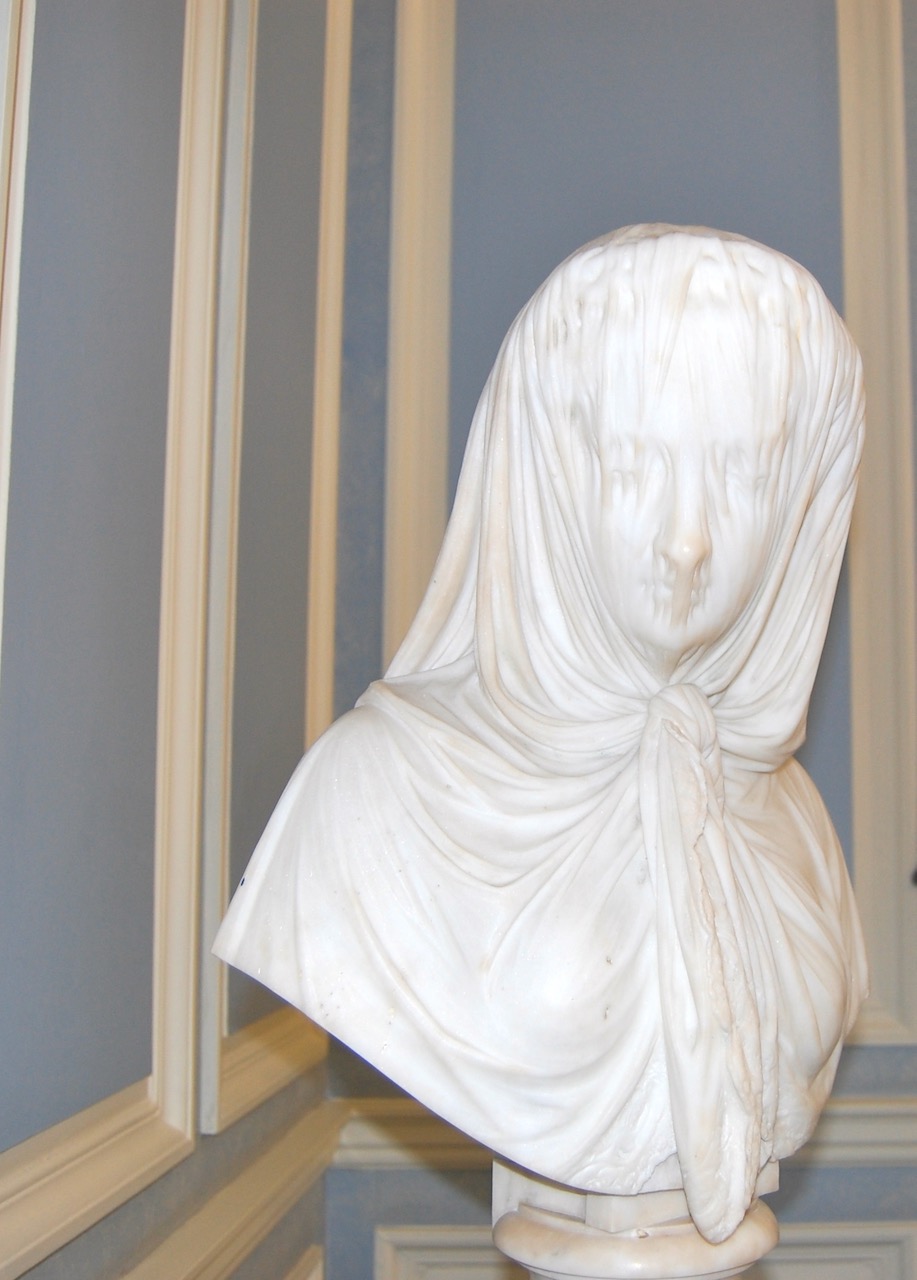
Iveagh House, St Stephen’s Green, “Modesty.” Photograph © Jennifer Winder-Baggot, www.irishhistorichouses.com
Iveagh House, St Stephen’s Green, original fireplace. Photograph © Jennifer Winder-Baggot, www.irishhistorichouses.com
Iveagh House, St Stephen’s Green, originally the study. Photograph © Jennifer Winder-Baggot, www.irishhistorichouses.com
Iveagh House, St Stephen’s Green, originally the study. Medieval wood carvings of scenes from Homer’s Illiad, and crest of Lord Iveagh who donated the house to the state. Original fireplace. Photograph © Jennifer Winder-Baggot, www.irishhistorichouses.com
Iveagh House, St Stephen’s Green, The Music Room. Photograph © Jennifer Winder-Baggot, www.irishhistorichouses.com
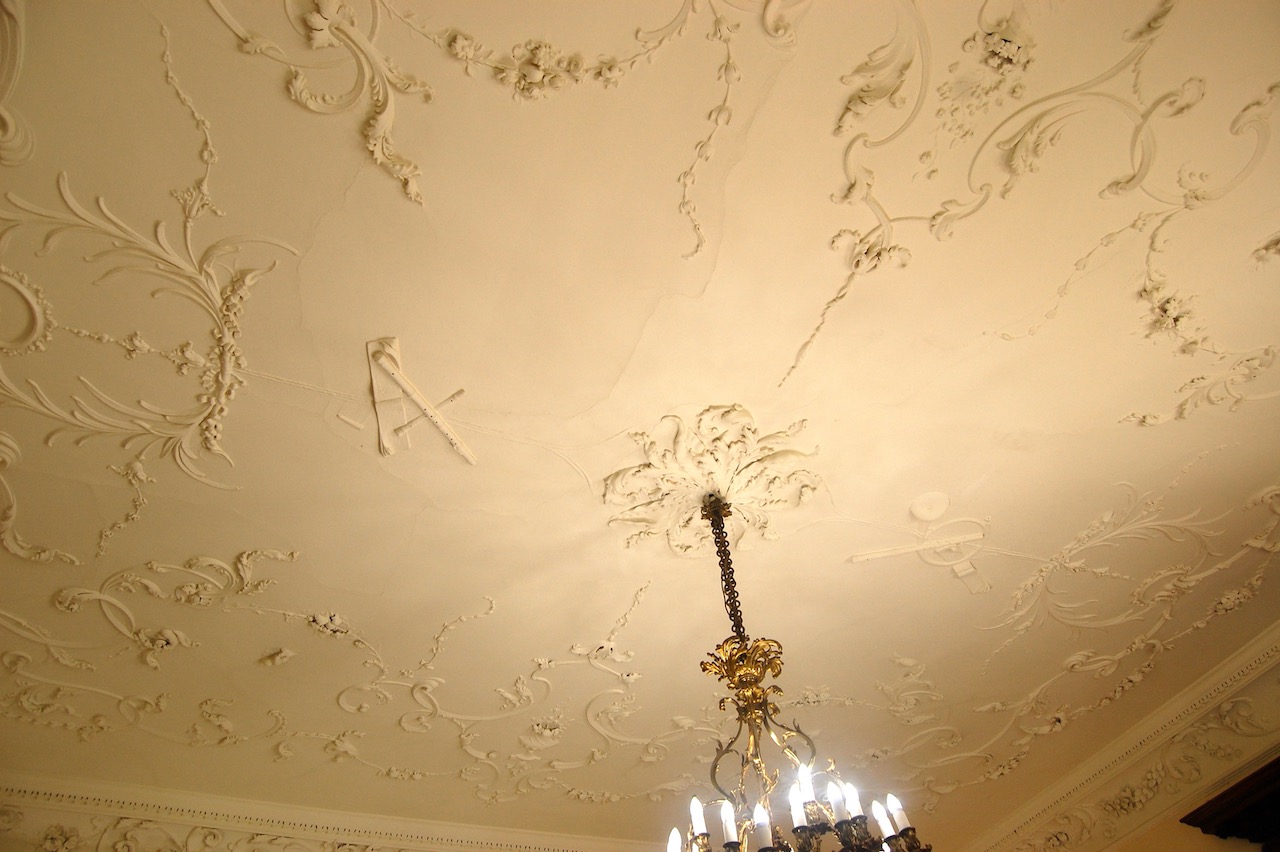
The Music room ceiling, in Iveagh House. Photograph © Jennifer Winder-Baggot, www.irishhistorichouses.com
Iveagh House, St Stephen’s Green. Photograph © Jennifer Winder-Baggot, www.irishhistorichouses.com
Iveagh House, St Stephen’s Green, probably originally the room of the Lady of the house. Photograph © Jennifer Winder-Baggot, www.irishhistorichouses.com
Iveagh House ballroom. Photograph © Jennifer Winder-Baggot, www.irishhistorichouses.com
Original curtains and seats in ballroom in Iveagh House. Photograph © Jennifer Winder-Baggot, www.irishhistorichouses.com
Iveagh House ballroom. Photograph © Jennifer Winder-Baggot, www.irishhistorichouses.com
Fireplace built for ballroom in Iveagh House to host a Royal visit to the Guinness’s, the room was built specially to have the guests, for £30,000. JFK was hosted at a reception here and had his picture taken in front of the fireplace, and his daughter Caroline Kennedy had her picture taken there years later. Photograph © Jennifer Winder-Baggot, www.irishhistorichouses.com
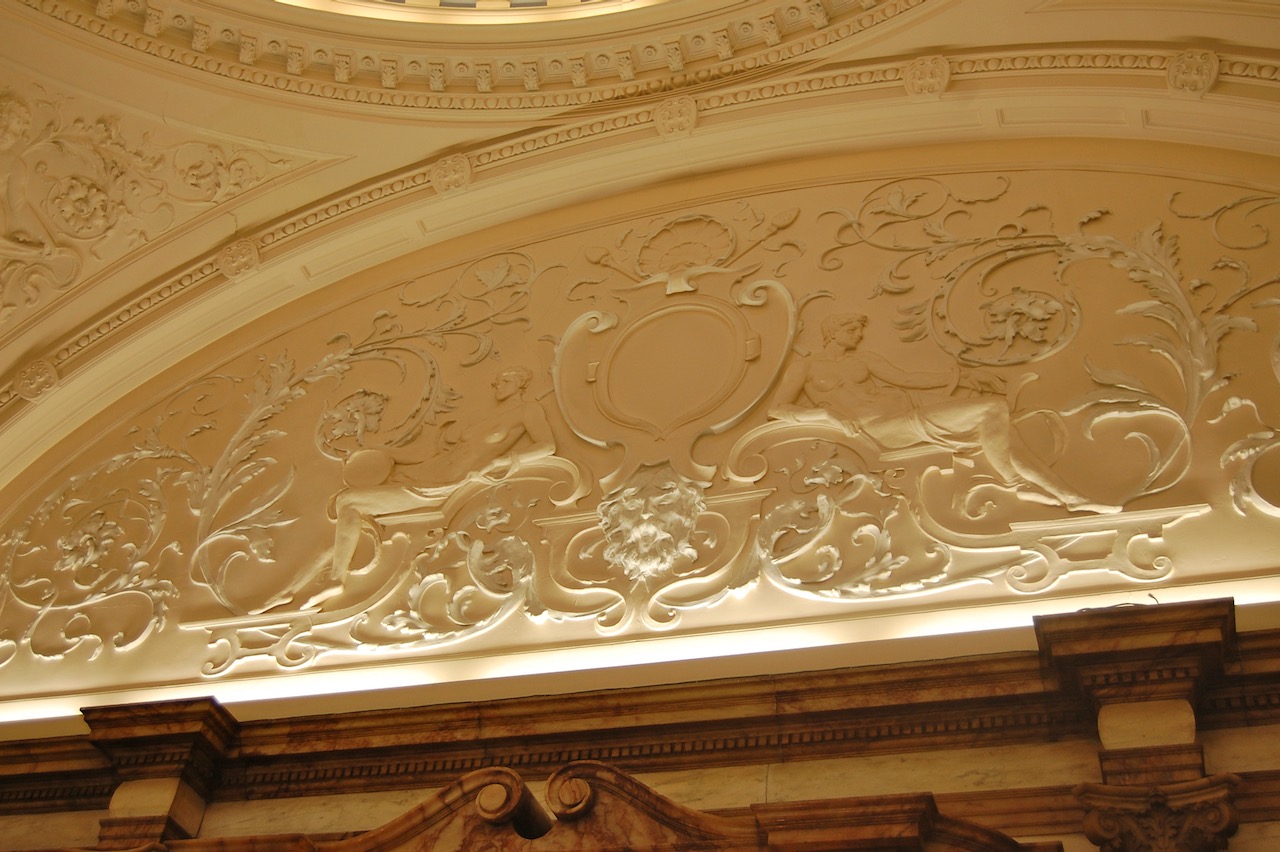
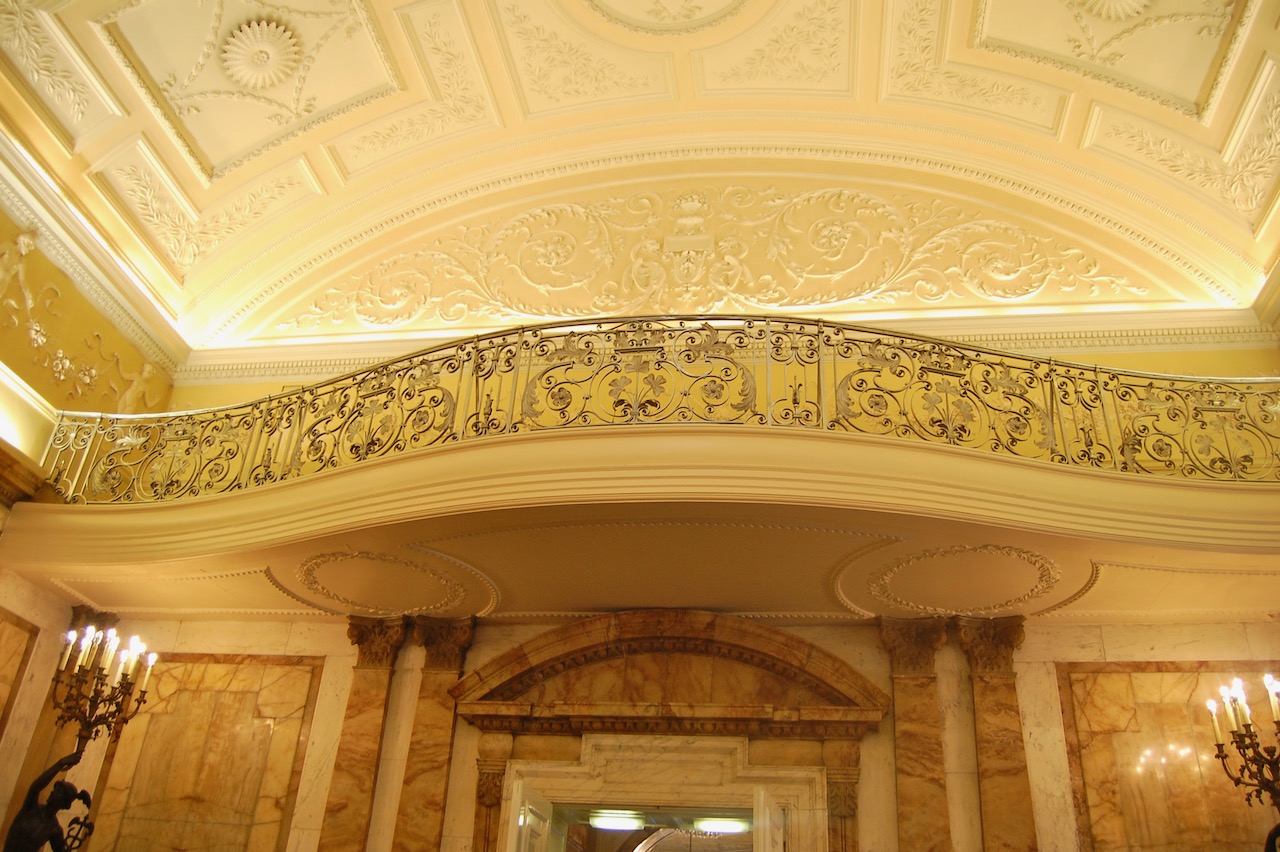
Ballroom stucco in Iveagh House, made from moulds but then finished by hand to make look like fully hand-done. Photograph © Jennifer Winder-Baggot, www.irishhistorichouses.com
Minstrals’ gallery in Iveagh House ballroom, made of the new at the time material, aluminium. Photograph © Jennifer Winder-Baggot, www.irishhistorichouses.com
Ceiling of Iveagh house ballroom, in Wedgewood blue. Photograph © Jennifer Winder-Baggot, www.irishhistorichouses.com

5. Mansion House, Dawson Street, Dublin – private, home of the Mayor of Dublin (Open House 2015)

Mansion House, Dublin 2015. Originally there were statues along the parapet, which was later balustraded. Photograph © Jennifer Winder-Baggot, www.irishhistorichouses.com

The Buildings of Ireland website featured the Mansion House as one of its Buildings of the Month, and tells us that The Mansion House, Dawson Street, is the oldest freestanding house in the city and the only surviving mayoral residence in Ireland.

The Mansion House owes its origins to Joshua Dawson (1660-1725), a member of the Guild of Merchants and at the time the second-wealthiest man in Ireland, who in 1705 purchased a tract of poor marshy ground east of the medieval core of Dublin and within two years had laid out a new street which he named Dawson Street. Work on a suitable townhouse began in 1710 and it is clear that the house was intended as the centrepiece of the new street.

The house, a rare example of a Queen Anne-style house, was substantially refronted in 1851 when the original brick finish was plastered, the windows were given robust classical frames, and the parapet was remodelled about a central pediment carrying the Coat of Arms of the City. The elaborate cast-iron canopy (1886) was designed by Daniel J. Freeman (1856/7-1902), City Architect (fl. 1879-93).

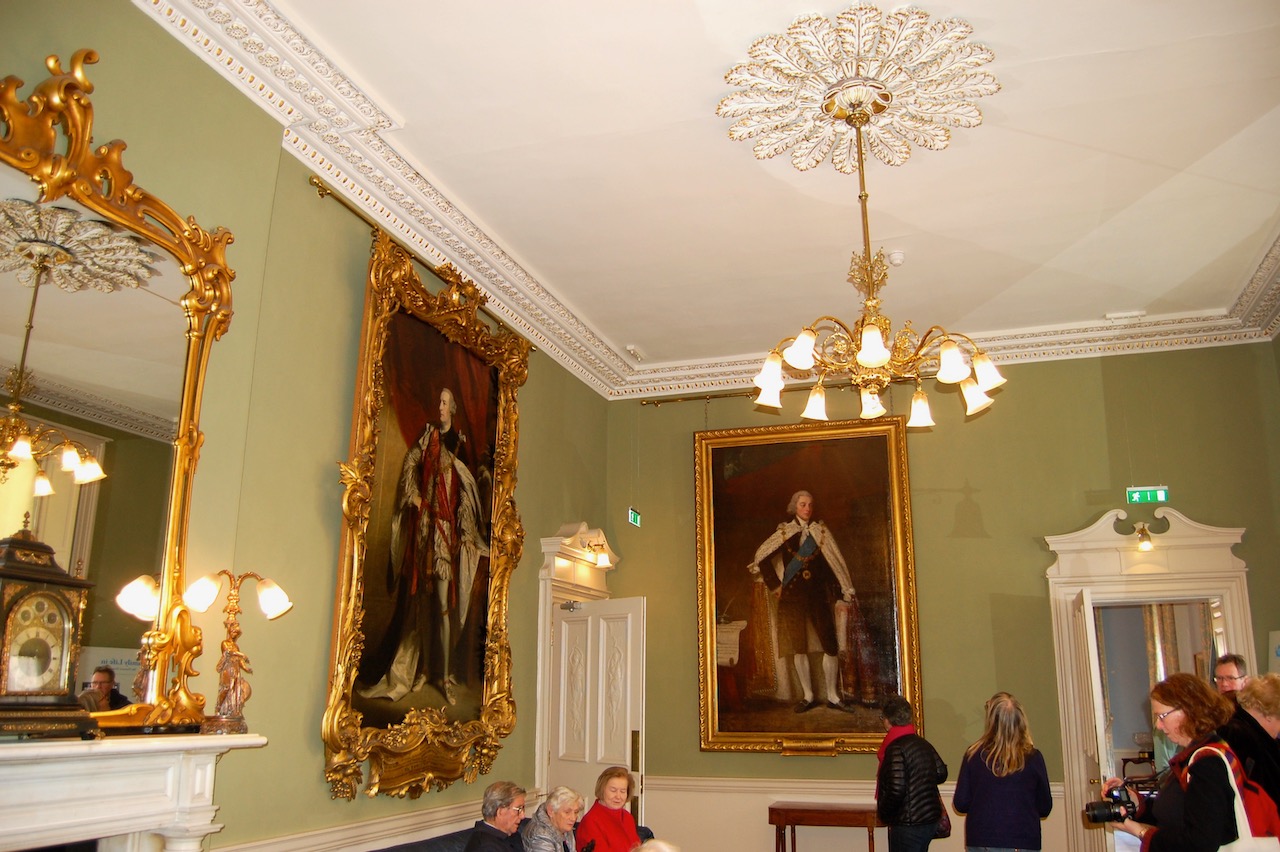
Mansion House, March 2015. Photograph © Jennifer Winder-Baggot, www.irishhistorichouses.com
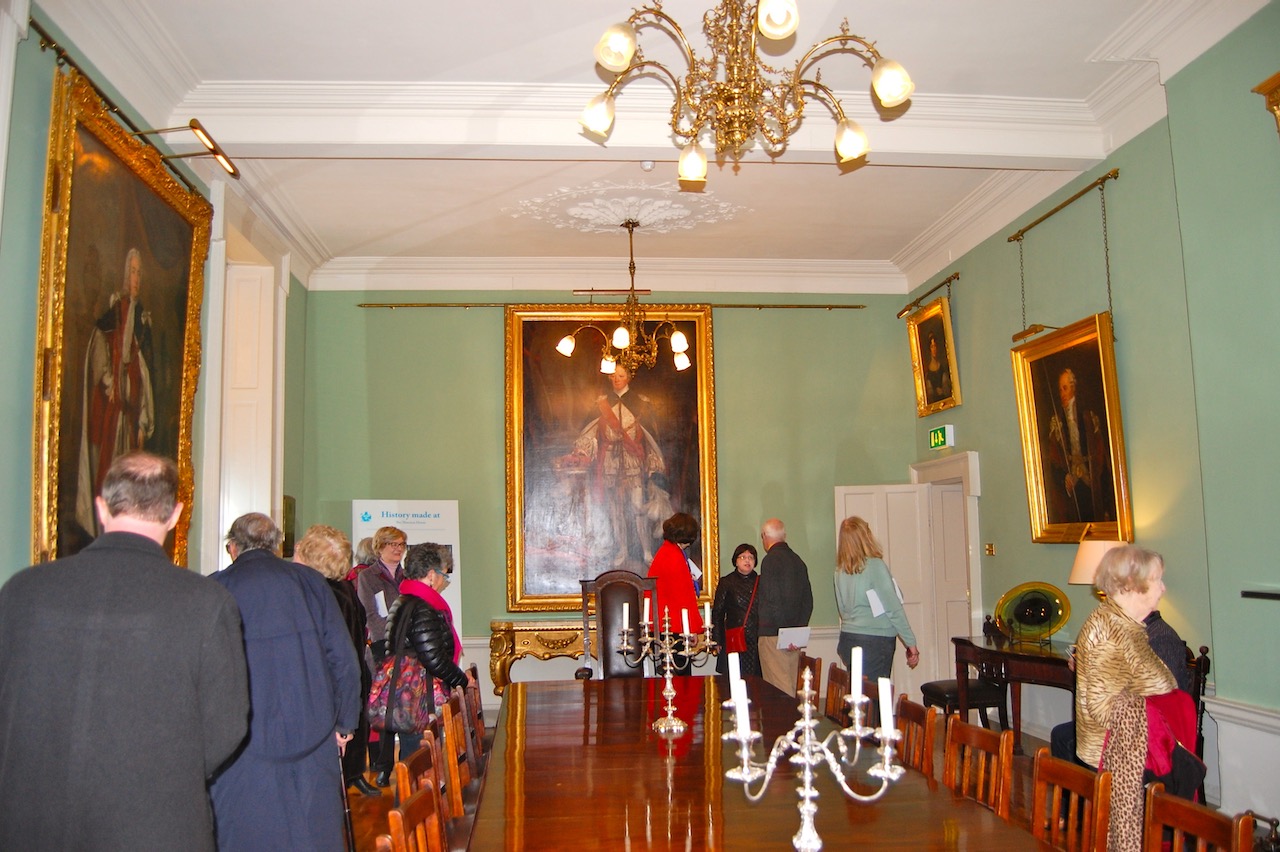
The Drawing Room, Mansion House, March 2015. It contains portraits of Earl Whitworth, the Earls of Hardwicke and Westmoreland, John Foster the last Speaker of the House of Commons and Alderman Alexander [1]. Photograph © Jennifer Winder-Baggot, www.irishhistorichouses.com

The death of Queen Anne in 1714 abruptly disrupted Dawson’s ambitious plans. Fearing that her successor would not be so favourable toward him, Dawson agreed on the 18th of May, 1715, to sell the house to Dublin Corporation at a cost of £3,500 in addition to a yearly ground rent of forty shillings and a loaf of double-refined sugar weighing six pounds due each Christmas. As a condition of the sale, Dawson agreed to build an additional room which could be used for civic receptions: the now-famous Oak Room. 

The Oak Room was the venue of the annual City Ball throughout the eighteenth century. On such occasions the Lord Mayor dispensed generous hospitality, aided in no small part by a yearly grant of twenty thousand oysters from the civic oyster beds. The Oak Room continues to play a central role in the life of the Mansion House today. [2] It contains portraits of Charles II, George II, Duke of Cumberland and the Duke of Richmond.
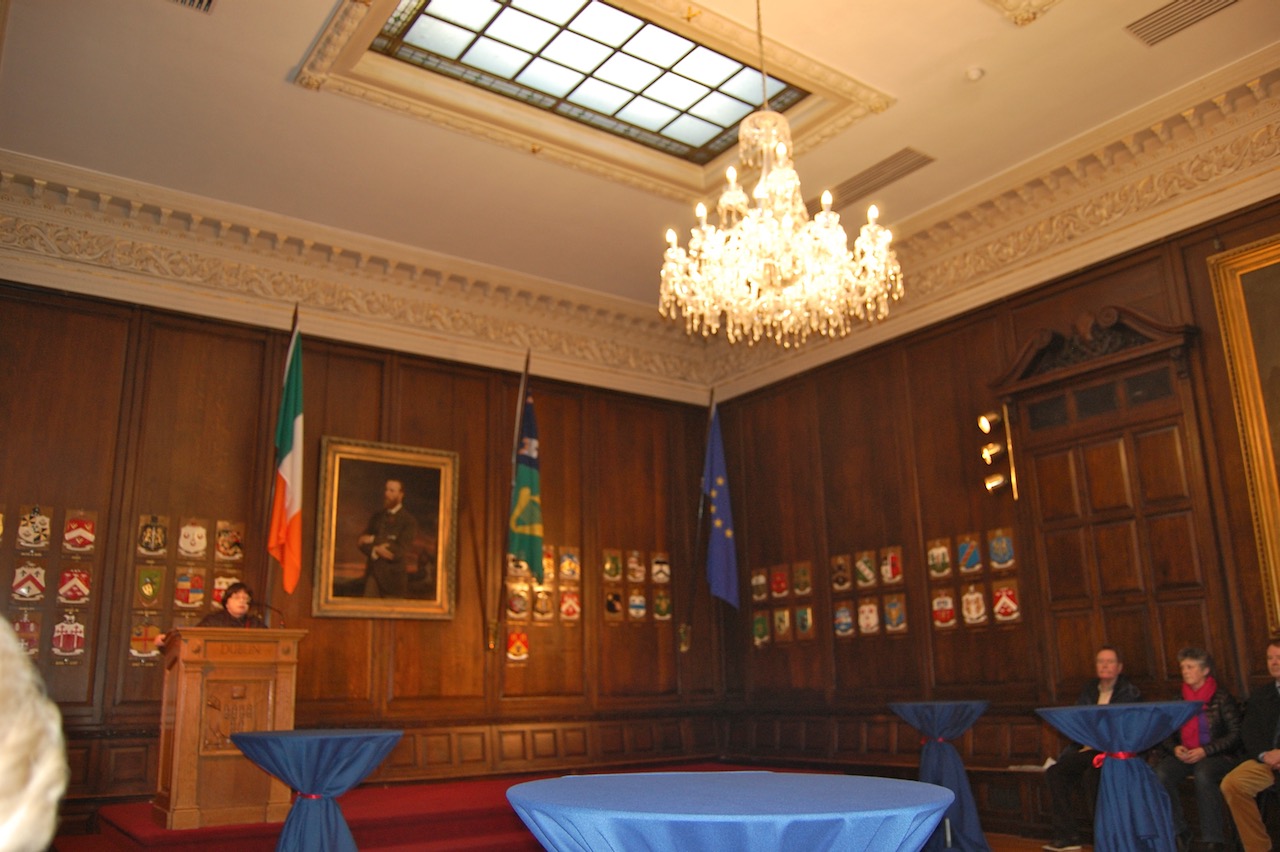
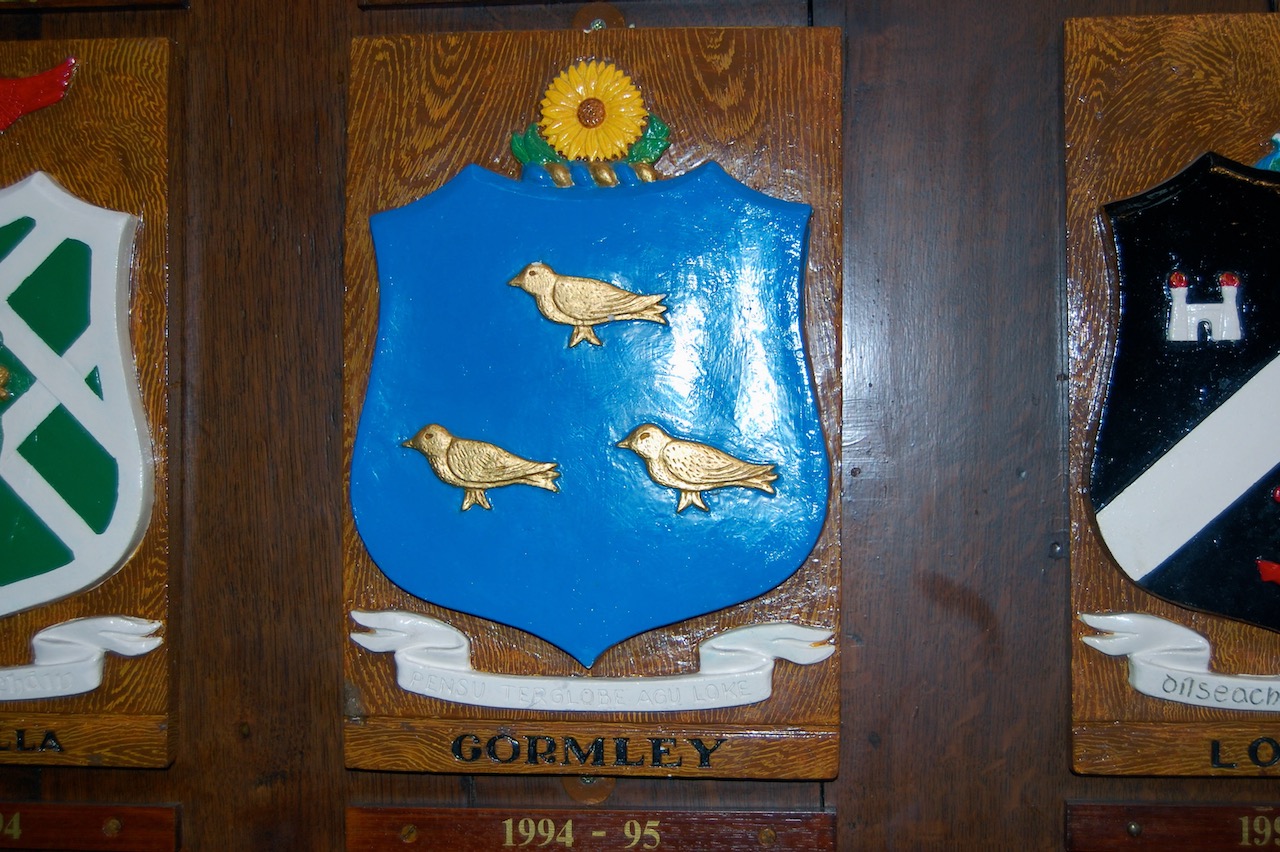
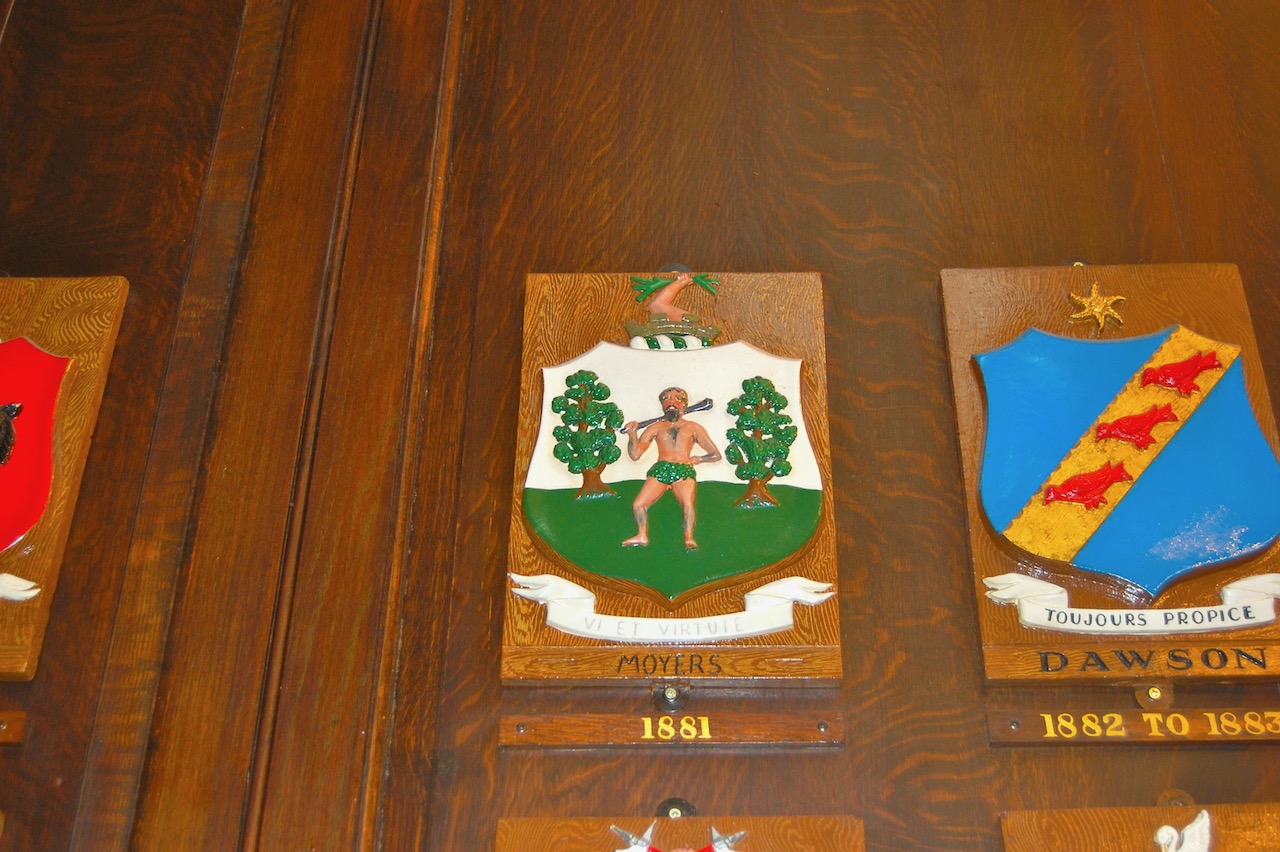
The Oak room contains crests for all of the Mayors. Photograph © Jennifer Winder-Baggot, www.irishhistorichouses.com
Mayor John Gormley’s crest – the mayors pick symbols that they feel are suitable to represent them. Photograph © Jennifer Winder-Baggot, www.irishhistorichouses.com
I don’t know what this means for Mayor Moyers! Photograph © Jennifer Winder-Baggot, www.irishhistorichouses.com
Mansion House, March 2015. The “Sheriff’s Room” with portraits of the Duke of Northumberland, Lord Townshend, John Duke of Bedford and Aldermen Sankey, Thorpe and Manders. [1] Photograph © Jennifer Winder-Baggot, www.irishhistorichouses.com
Mansion House, March 2015. Photograph © Jennifer Winder-Baggot, www.irishhistorichouses.com

The extension of the property continued well into the nineteenth century and included the Round Room completed in just six weeks in 1821 for the reception of King George IV. Designed by John Semple (d.1840) in the “exotic” style, an apparent nod to the monarch’s Hindu-Gothic Brighton Pavilion, it was remodelled 1892 by J. G. Ashlin, and was the venue for the first sitting of Dáil Éireann in January 1919.

The improvement of the Mansion House continued into the early twentieth century when, in anticipation of a royal visit by Queen Victoria, new ceilings were installed in the entrance hall and drawing room to designs by Charles James McCarthy (c.1857-1947), City Architect (fl. 1893-1921). The stained glass window over the principal staircase dates from the same period and carries the signature of Joshua Clarke and Sons of North Frederick Street. The Dublin City coat-of-arms again features as the centrepiece in a frame including the shields of the four provinces of Ireland and the names of prominent supporters of Home Rule. Topped and tailed by a Garland of Peace and a Cornucopia of Prosperity, the window is today known as “The Peace Window”. 

6. Marsh’s Library, Dublin (2013)

https://openhousedublin.com/locations/marshs-library-2/

Marsh’s Library 1975, photograph from National Library and Archives. [3]

Marsh’s Library was built in 1701, designed by William Robinson who was surveyor general from 1670-1700, and who also designed the Royal Hospital Kilmainham. The Library was set up as the first public library in Ireland, by Archbishop Narcissus Marsh (1638-1713).

Narcissus Marsh, Provost of Trinity ca. 1690, then Archbishop of Dublin. Photograph © Jennifer Winder-Baggot, www.irishhistorichouses.com

Unchanged for three centuries, this perfectly preserved library of the early Enlightenment, with its original oak bookcases, houses more than 25,000 rare and fascinating books. Narcissus Marsh was Church of Ireland Archbishop of Dublin, and formerly Provost of Trinity College, Dublin. In 1707 the library was established by an act of Parliament with the second gallery added shortly after under the supervision of Robinson’s successor as Surveyor General Thomas Burgh.

Built as the first public library in Ireland and still in use today by scholars and students, Marsh’s Library is one of the few buildings of its time in Dublin still being used for its original purpose. A small garden on the grounds provides a peaceful haven in the middle of the city.

Tours of the building will take place discussing the history of the building and how it was designed to preserve the books and the various alterations that have been made over the years since the Library first opened.

Meeting point: Front landing of Marsh’s Library

Tours will operate on a first come basis on the hour from 11am to 4pm with last tour starting at 4pm.
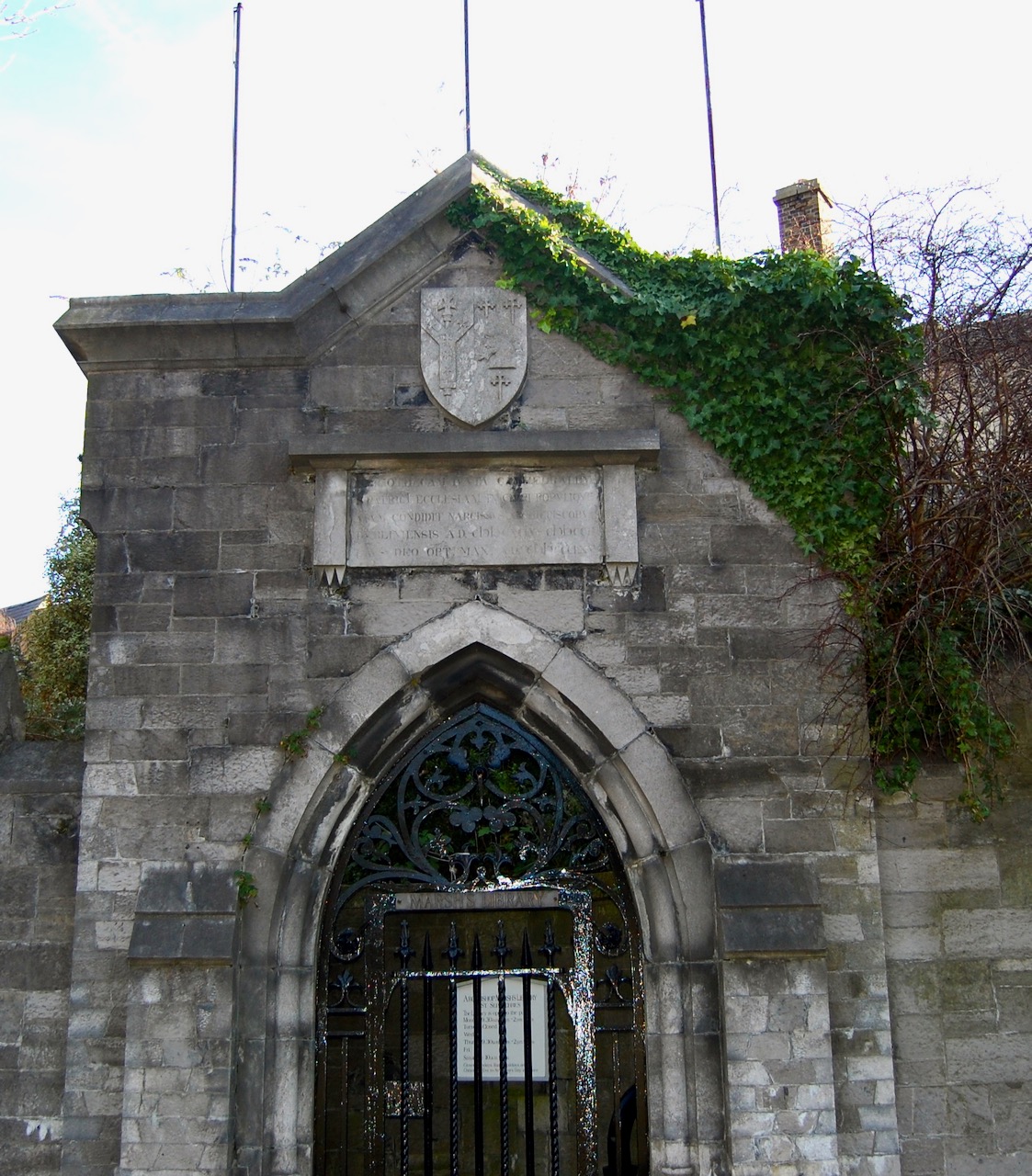
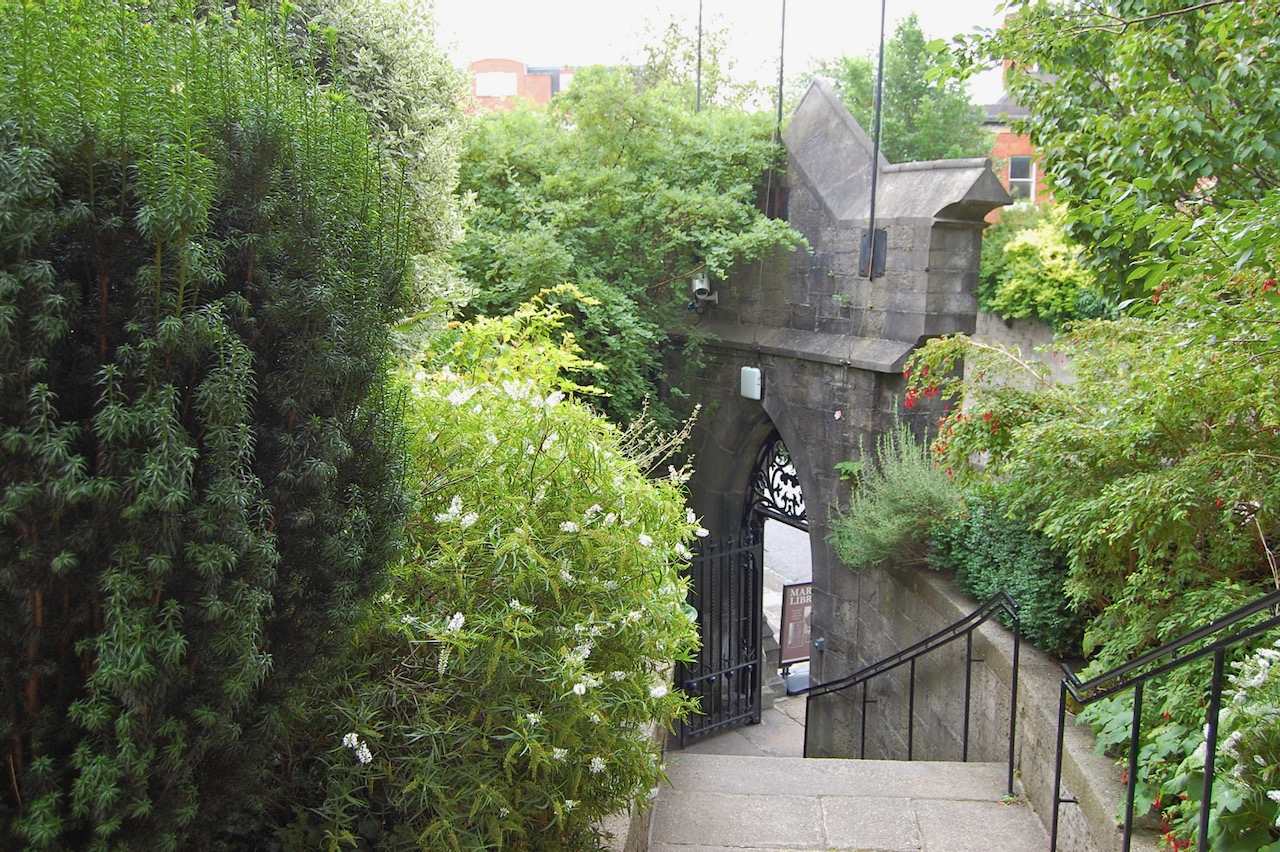
Marsh’s Library. Photograph © Jennifer Winder-Baggot, www.irishhistorichouses.com
Entrance to Marsh’s library. Photograph © Jennifer Winder-Baggot, www.irishhistorichouses.com

The interior of the library remains unchanged from when it was set up. It is no longer a public library, unfortunately, as the books are too delicate for general handling, but one can request to look up books in the catalogue, and it operates as a sort of museum open to the public for a fee. It contains dark oak bookcases topped with lettered gables and a mitre. The library contains the original reading cages – a reader would be locked in so that he or she could not steal the books.
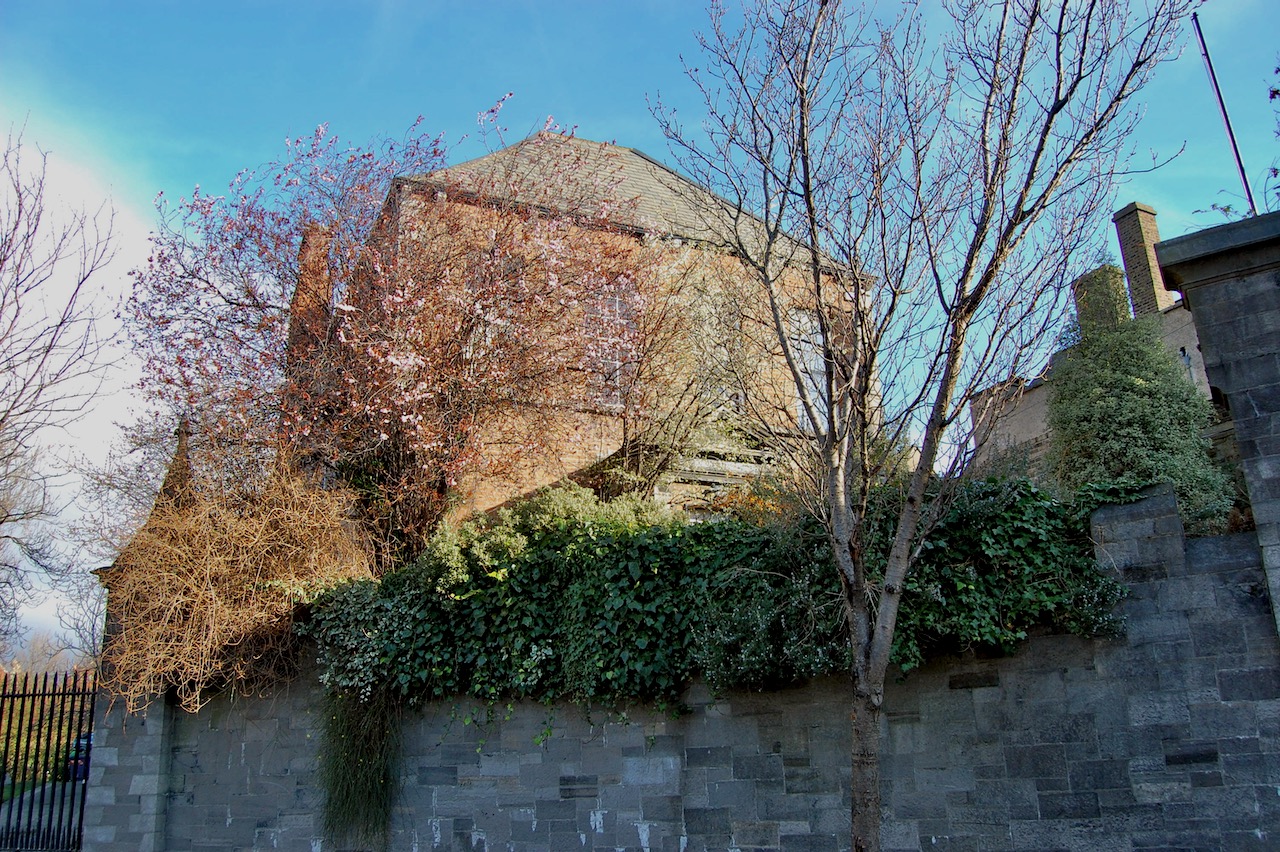
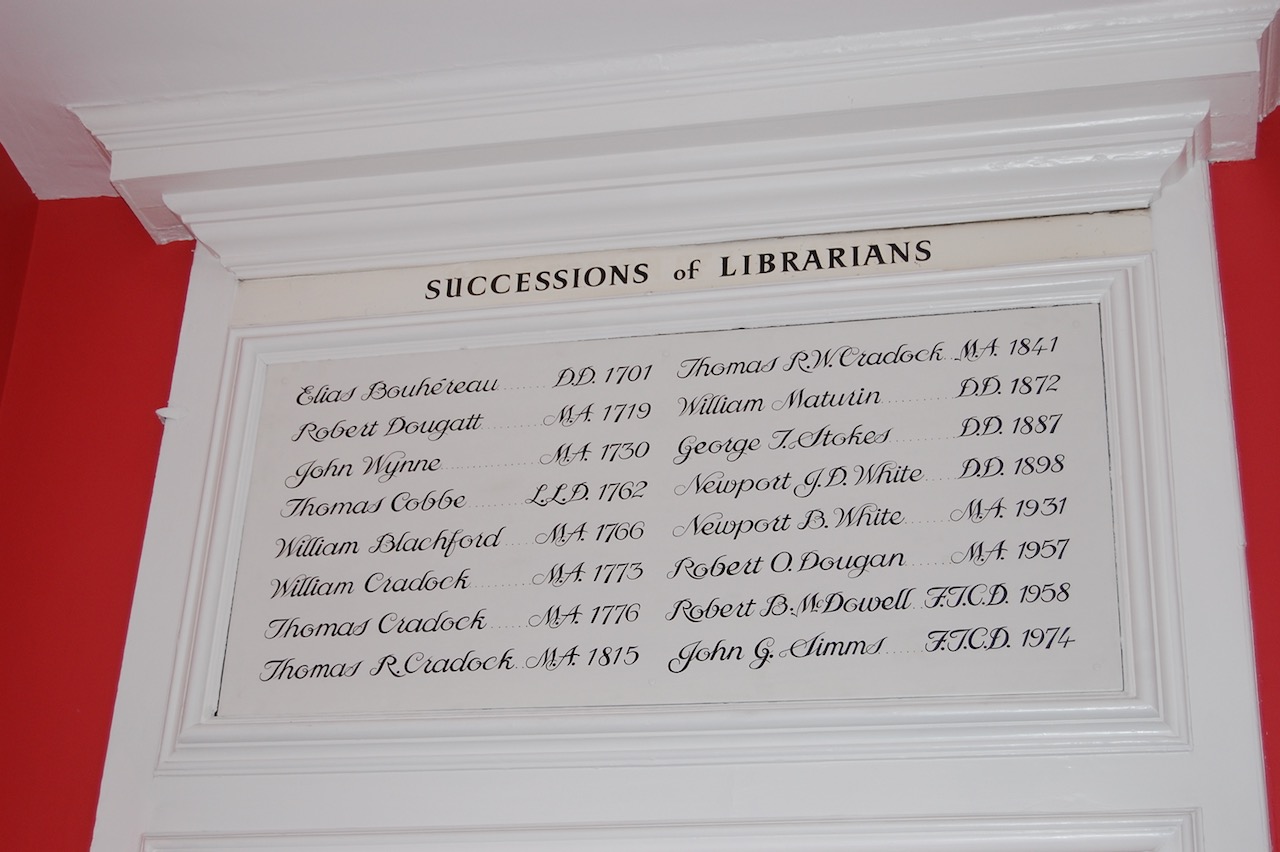
Marsh’s Library, Feb 26, 2012. Photograph © Jennifer Winder-Baggot, www.irishhistorichouses.com
Marsh’s Library librarians. The first Librarian, Elias Bouhereau, was a Huguenot refugee from France. Photograph © Jennifer Winder-Baggot, www.irishhistorichouses.com
Garden of Marsh’s library, Heritage Week tour 2013. Photograph © Jennifer Winder-Baggot, www.irishhistorichouses.com
Garden of Marsh’s Library, Heritage week tour 2013. Photograph © Jennifer Winder-Baggot, www.irishhistorichouses.com

7. Na Piobair Uilleann 15 Henrietta Street, Dublin (2011)

15 Henrietta Street https://openhousedublin.com/locations/na-piobairi-uilleann-2/

No. 15 Henrietta St. consists of the remaining two bays of an originally four bay, four storeys over basement townhouse, with a red brick façade, of the early 1740s. It is located on a cul-de-sac containing the finest early Georgian houses in the city. The street is of unique European significance, being the single remaining intact example of an early-18th century street of houses, which was at the forefront of what was to become the Georgian style.

The building underwent significant restoration which was completed in 2007, and the 18th-century appearance of the interior, including much of the original joinery and plaster work, was restored. Perhaps the most important features of the house are the stucco ceilings on the ground and first floors which were restored in the 1980s.

The building is now the headquarters of Na Píobairí Uilleann, an international organisation involved in promoting the playing, the making, and the teaching of the Irish uilleann pipes. They now plan to reinstate No. 16 Henrietta St. next door.

Tours will include access to the ground floor formal reception rooms, including the rear reception room featuring a mid-18th century figured papier-mâché ceiling, depicting the Four Seasons and including busts of Shakespeare and Milton. Tours will continue up a staircase, belonging to the 1828 division of the house, to the Library and Archive of Na Píobairí Uilleann, the current occupants of the building.

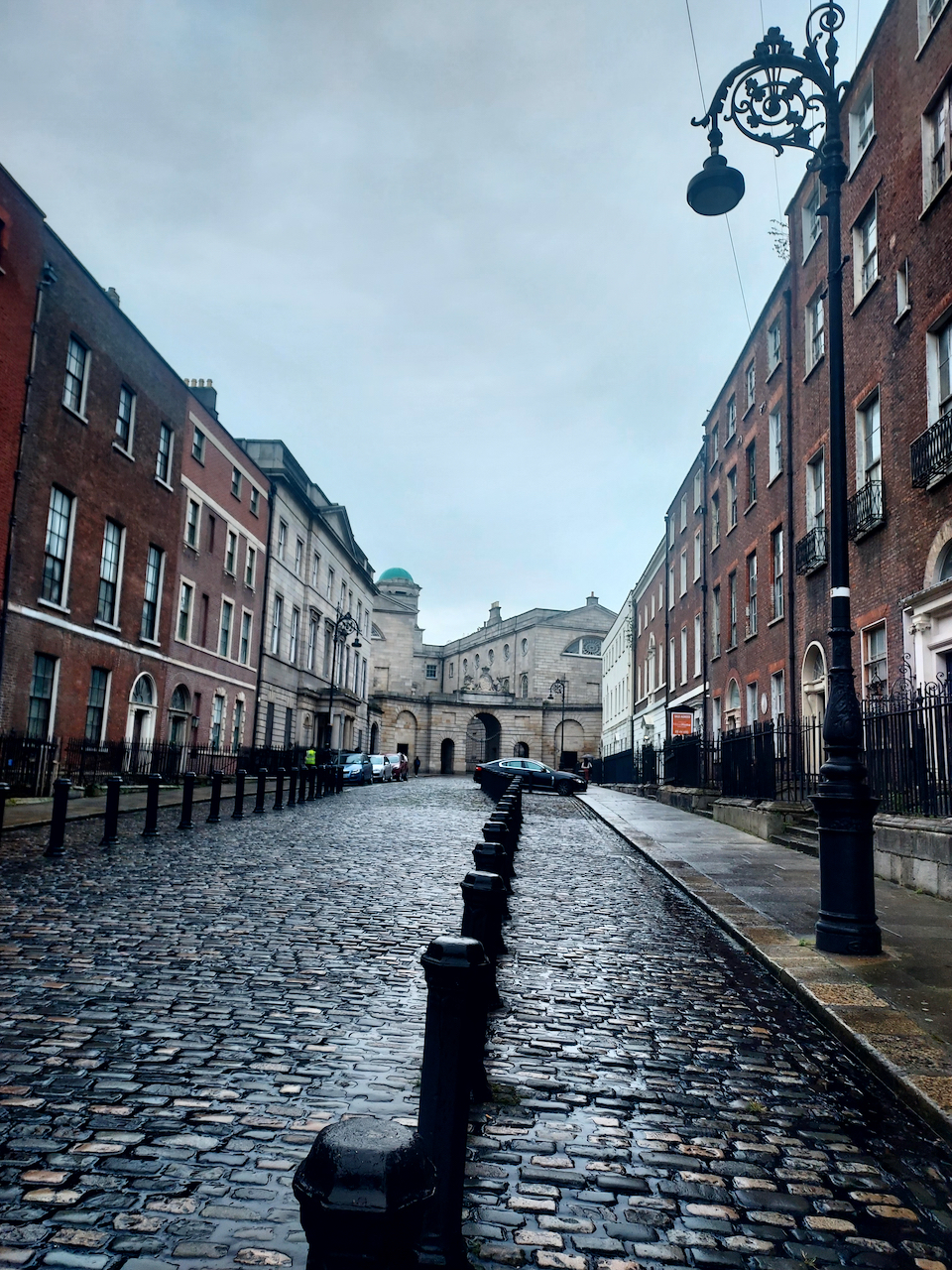
Henrietta Street, Dublin. Photograph © Jennifer Winder-Baggot, www.irishhistorichouses.com
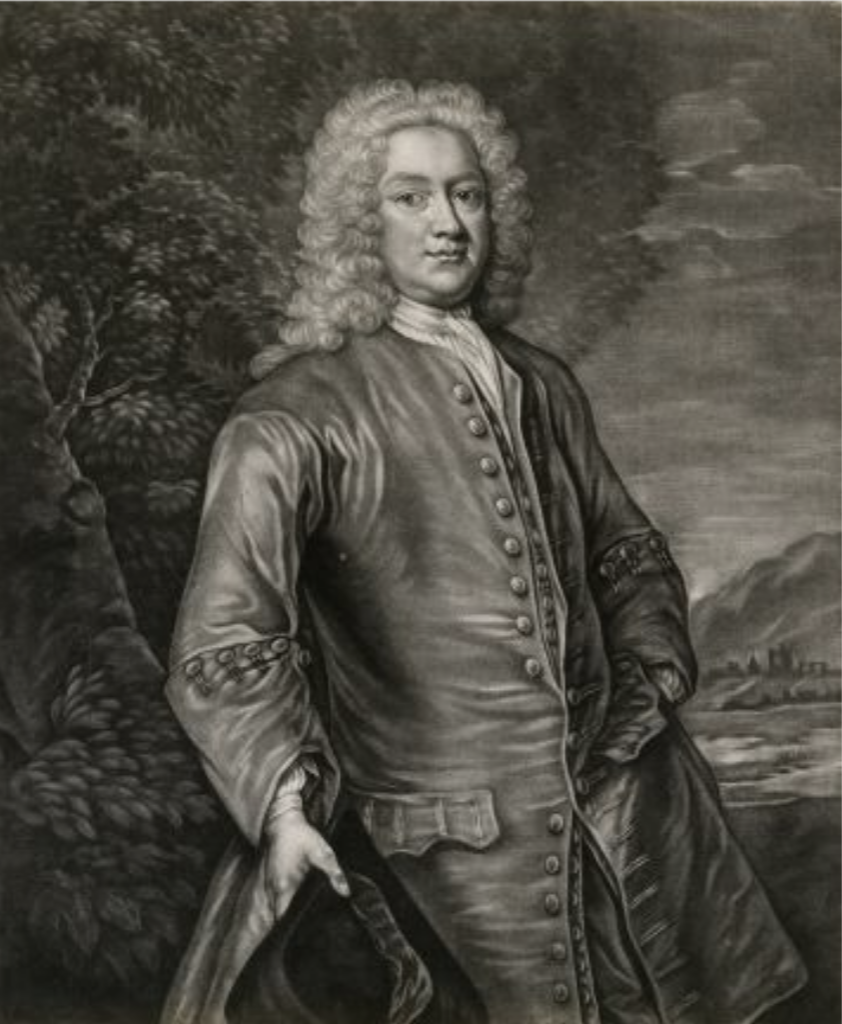
Luke Gardiner (d. 1755), building developer, picture engraver John Brooks, Irish, after Charles Jervas, photograph courtesy of National Gallery of Ireland.
This image has an empty alt attribute; its file name is img_5677-1.jpeg
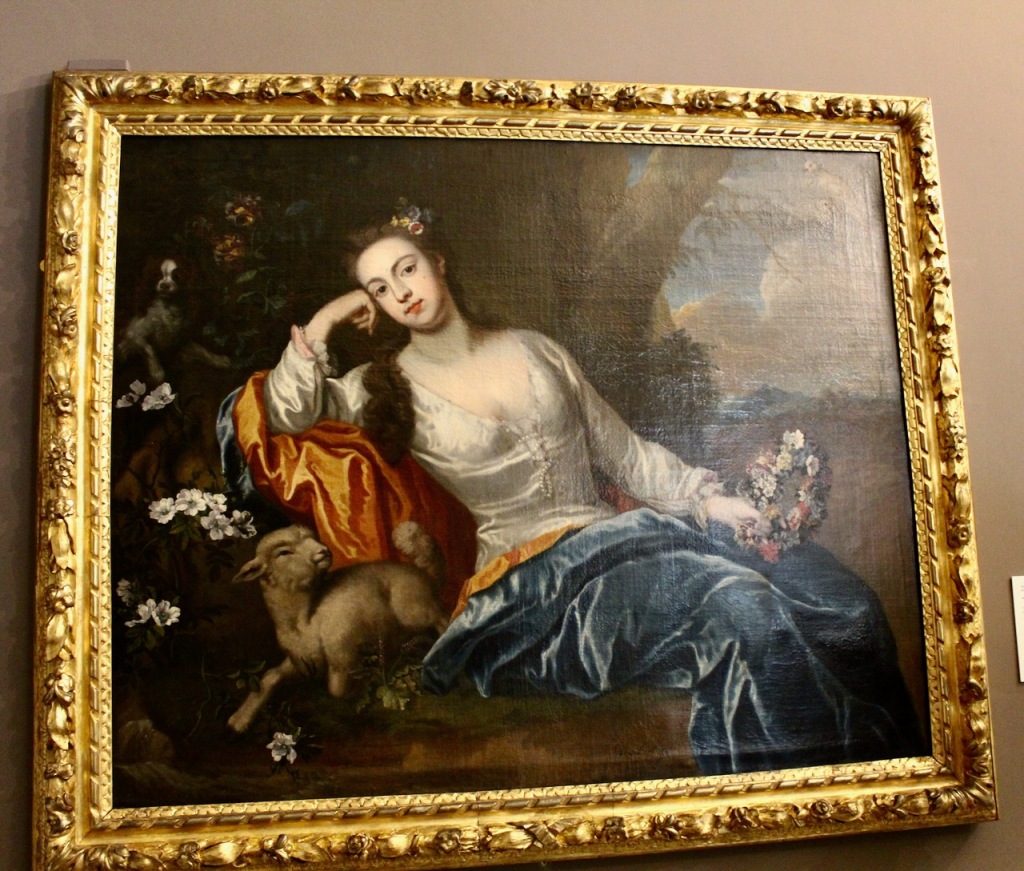
Henrietta Crofts, Duchess of Bolton (1682-1730) as shepherdess, by James Maubert. Henrietta Street was named in her honour. Vicereine 1717-1720. She was the daughter of James Crofts (Scott), 1st and last Duke of Monmouth, illegitimate son of King Charles II. She married Charles Paulet, 2nd Duke of Bolton.

See also the wonderfully informative book, The Best Address in Town: Henrietta Street, Dublin and its First Residents 1720-80 by Melanie Hayes, published by Four Courts Press, Dublin 8, 2020.
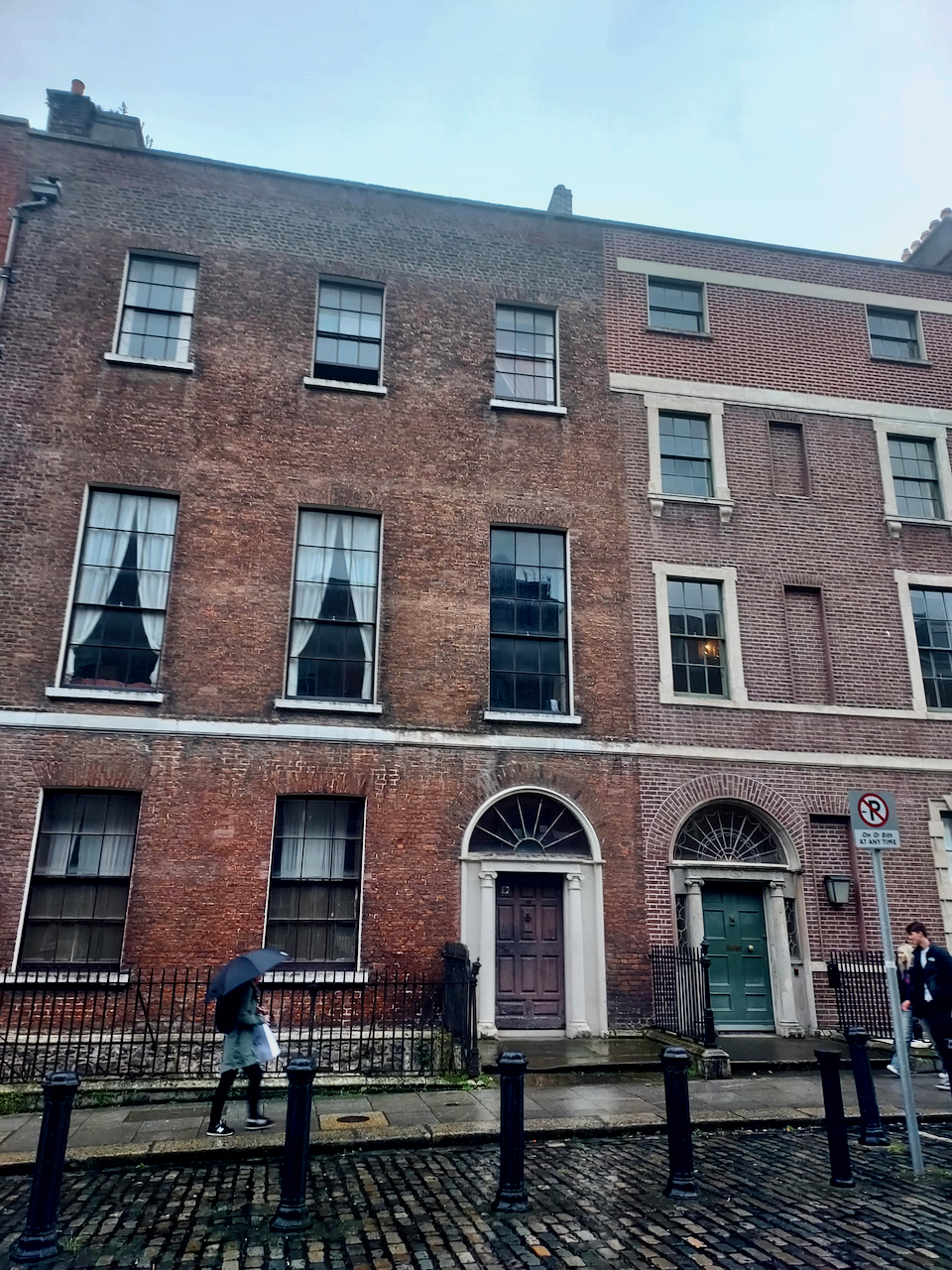
Henrietta Street, October 2022. Photograph © Jennifer Winder-Baggot, www.irishhistorichouses.com

8. Nellies Flat, Iveagh Buildings (Open House 2014)

https://openhousedublin.com/locations/nellies-flat/

Iveagh Trust flat, Iveagh Trust buildings on Patrick Street, Dublin 8. Photograph © Jennifer Winder-Baggot, www.irishhistorichouses.com

The Iveagh Trust buildings were commissioned by Edward Cecil Guinness 1st Earl of Iveagh in 1901. He provided houses and amenities for working-class people with low incomes in Dublin. The architects were Joseph and Smithem, London architects. The centrepiece of the buildings, built to house people who lived in the slums about St. Patrick’s cathdral, was the Iveagh Baths.

Iveagh Trust flat, Iveagh Trust buildings on Patrick Street, Dublin 8. Photograph © Jennifer Winder-Baggot, www.irishhistorichouses.com

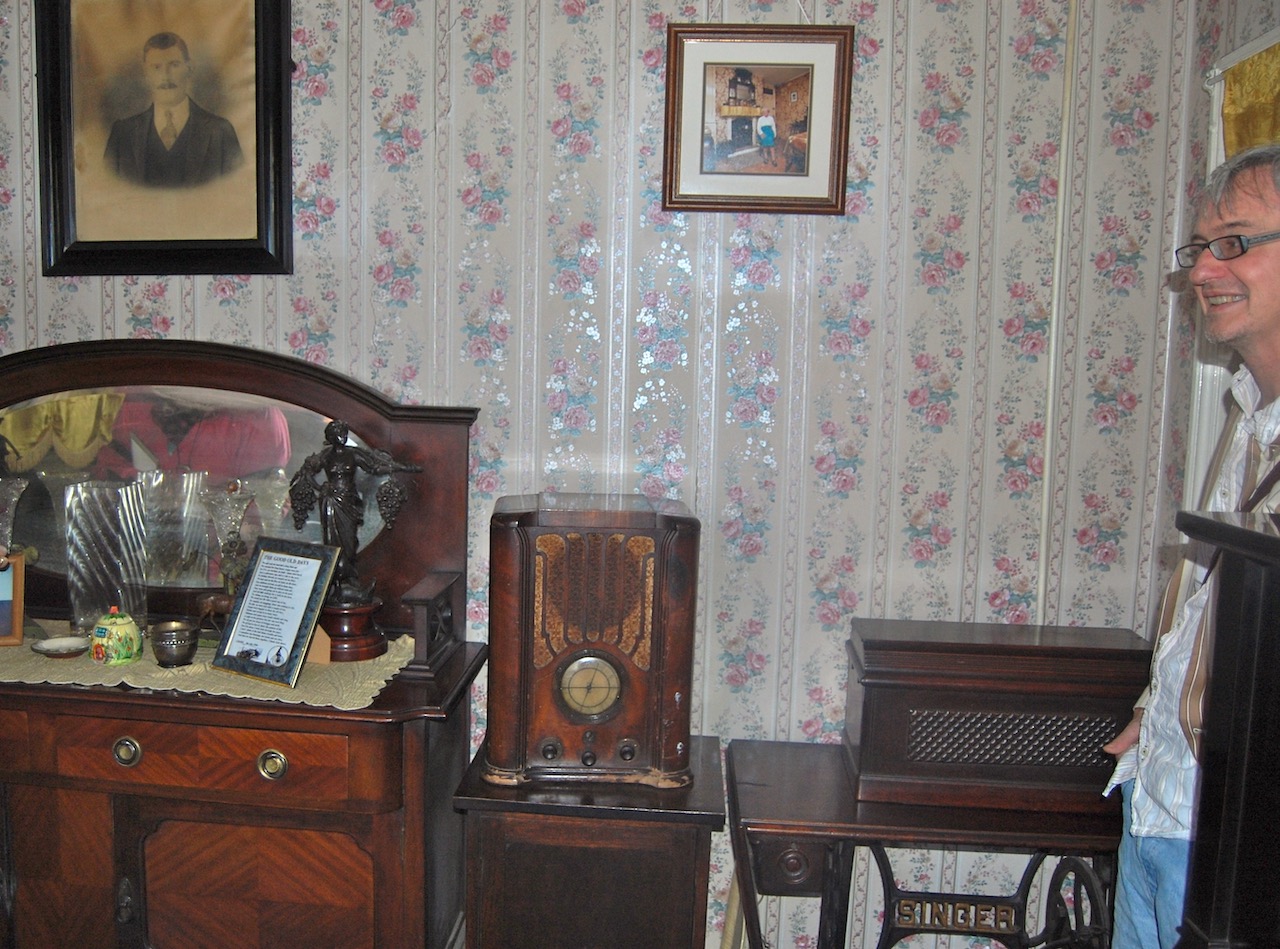
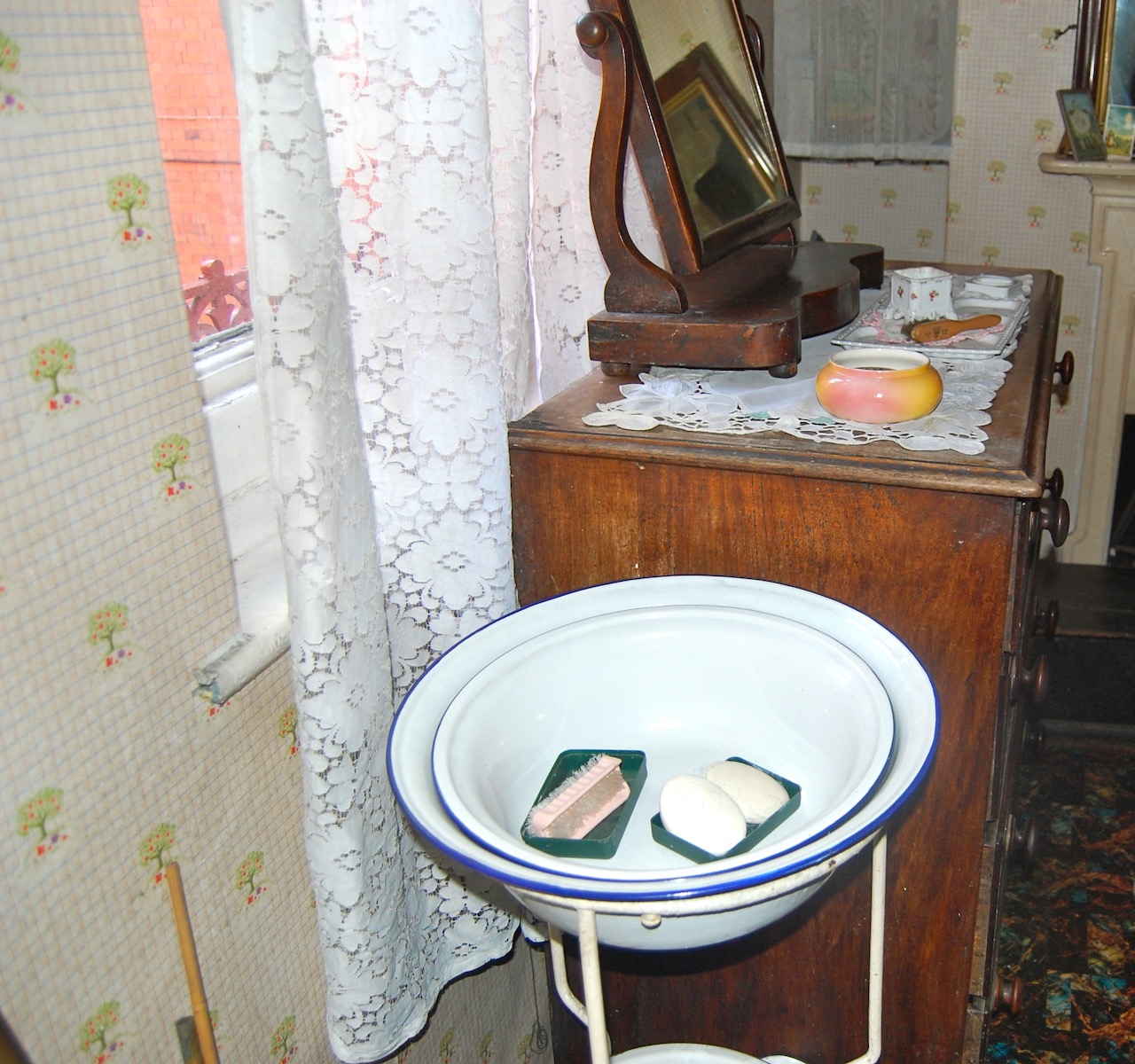
The Open House website tells us that Flat 3B, Bull Alley Estate on Patrick Street is a cosy flat comprising a living room and two bedrooms. It was once home to the Molloy family and built by The Iveagh Trust.

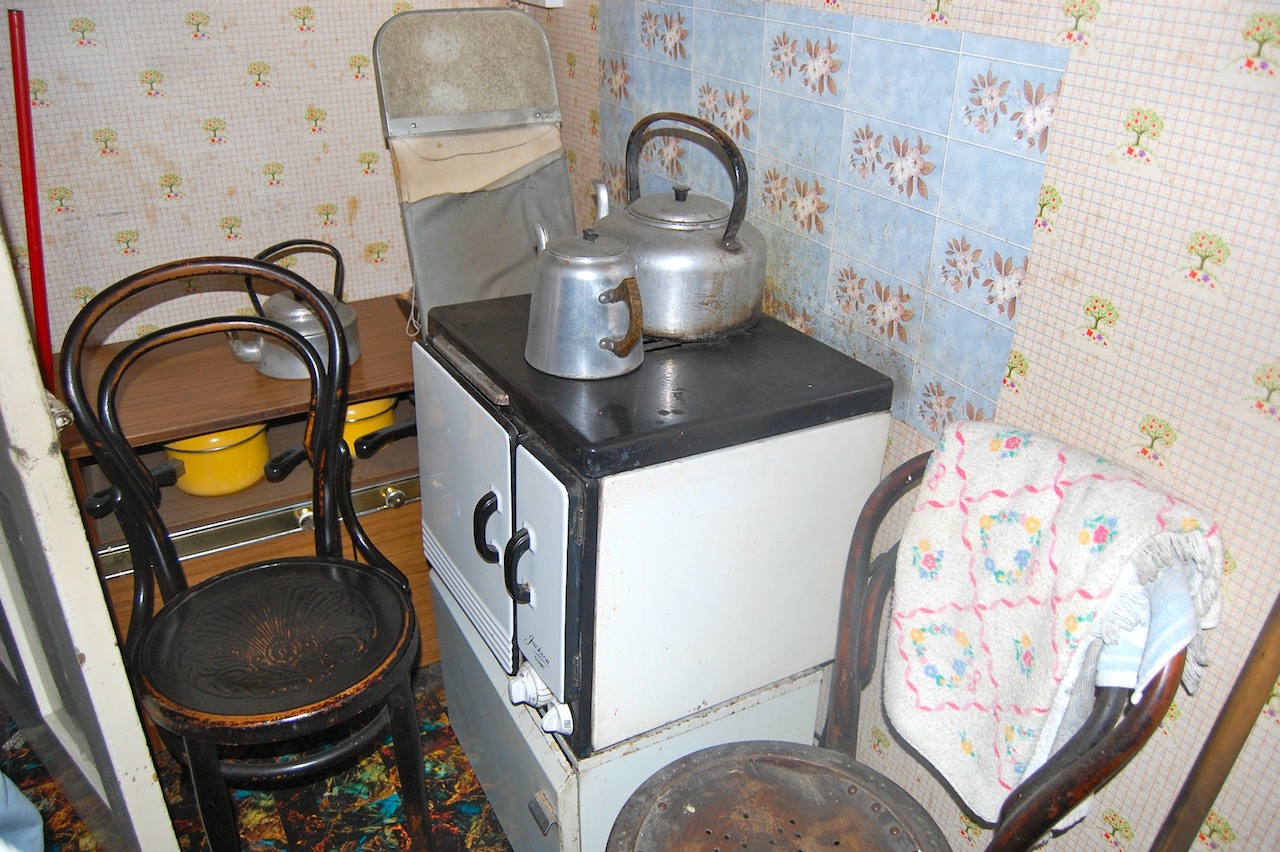
The Iveagh Trust replaced some of the worst slum dwellings in Europe. And, at the time, these new flats were state of the art. Nellie, their daughter, was one of six children. She lived here in this flat from 1915 right up until to 2002. Today, flat 3B is a museum and remains unchanged since the trust first built Bull Alley Estate.

Iveagh Trust flat, Iveagh Trust buildings on Patrick Street, Dublin 8. Photograph © Jennifer Winder-Baggot, www.irishhistorichouses.com
The range, in Iveagh Trust flat, Iveagh Trust buildings on Patrick Street, Dublin 8. Photograph © Jennifer Winder-Baggot, www.irishhistorichouses.com
Iveagh Trust flat, Iveagh Trust buildings on Patrick Street, Dublin 8. Photograph © Jennifer Winder-Baggot, www.irishhistorichouses.com
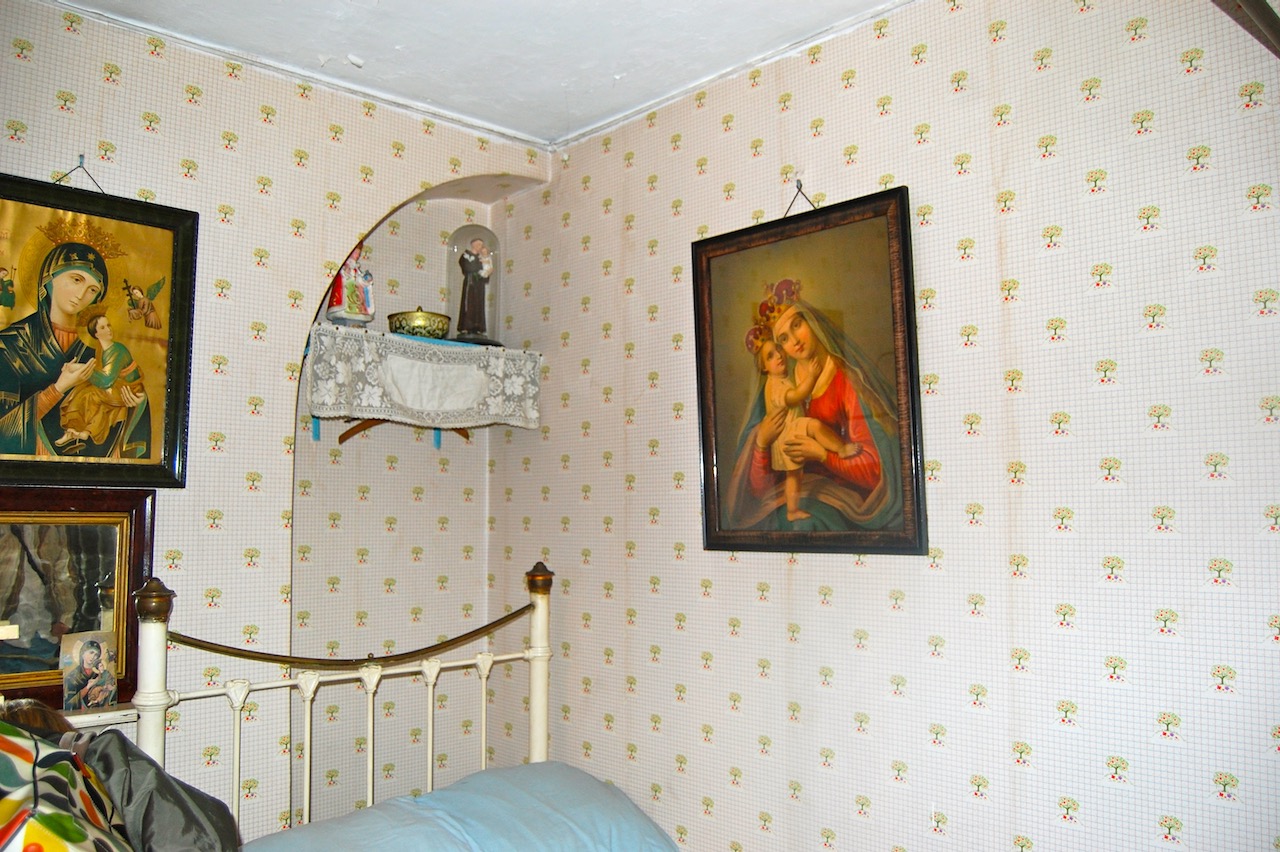
Iveagh Trust flat, Iveagh Trust buildings on Patrick Street, Dublin 8. Child of Prague and St. Christopher in the alcove. Photograph © Jennifer Winder-Baggot, www.irishhistorichouses.com
Iveagh Trust flat, Iveagh Trust buildings on Patrick Street, Dublin 8. Photograph © Jennifer Winder-Baggot, www.irishhistorichouses.com
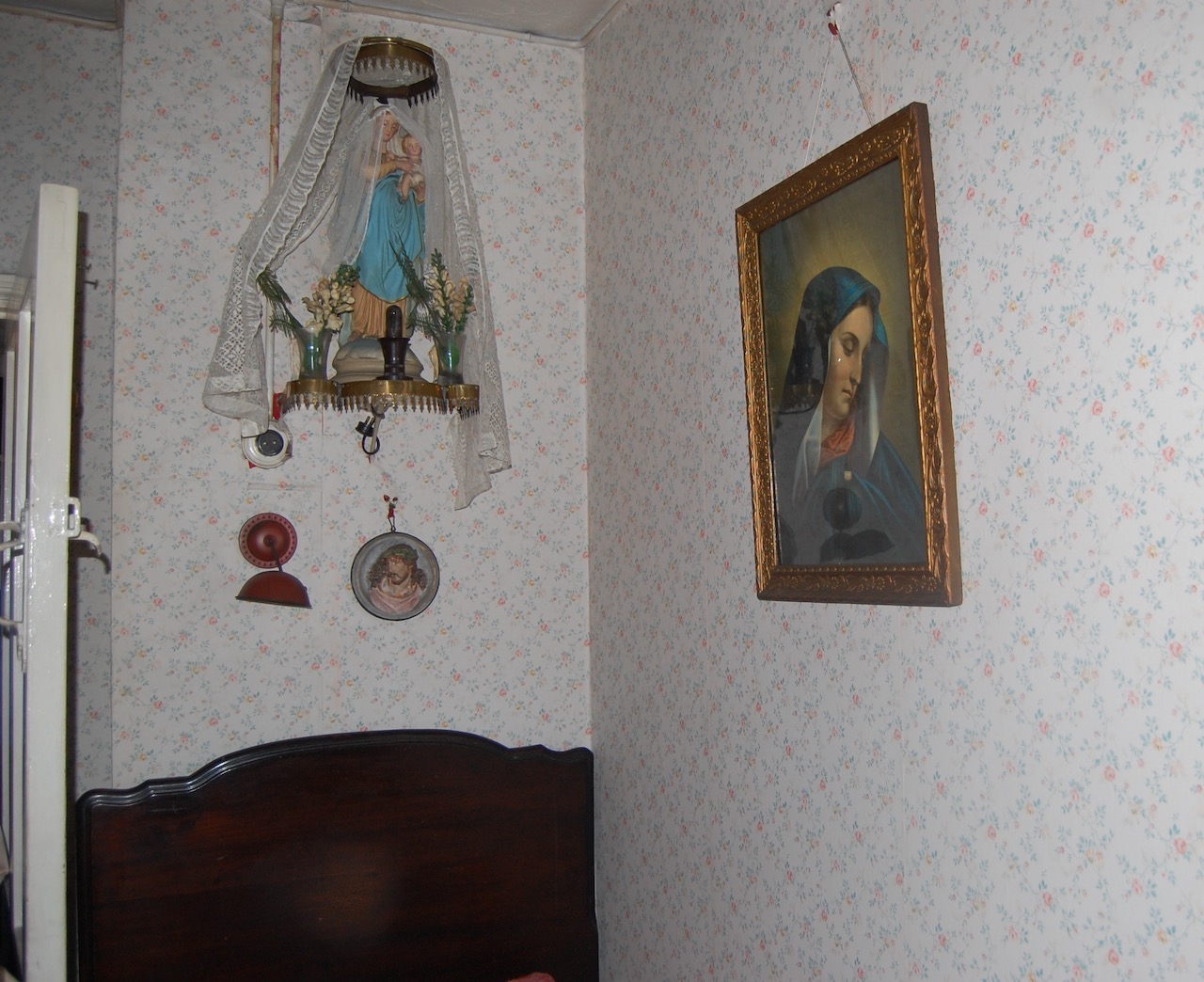
Iveagh Trust flat, Iveagh Trust buildings on Patrick Street, Dublin 8. Religion was more dominant in peoples’ lives in those days than it is generally in Irish people today! Photograph © Jennifer Winder-Baggot, www.irishhistorichouses.com
Iveagh Trust flat, Iveagh Trust buildings on Patrick Street, Dublin 8. Photograph © Jennifer Winder-Baggot, www.irishhistorichouses.com
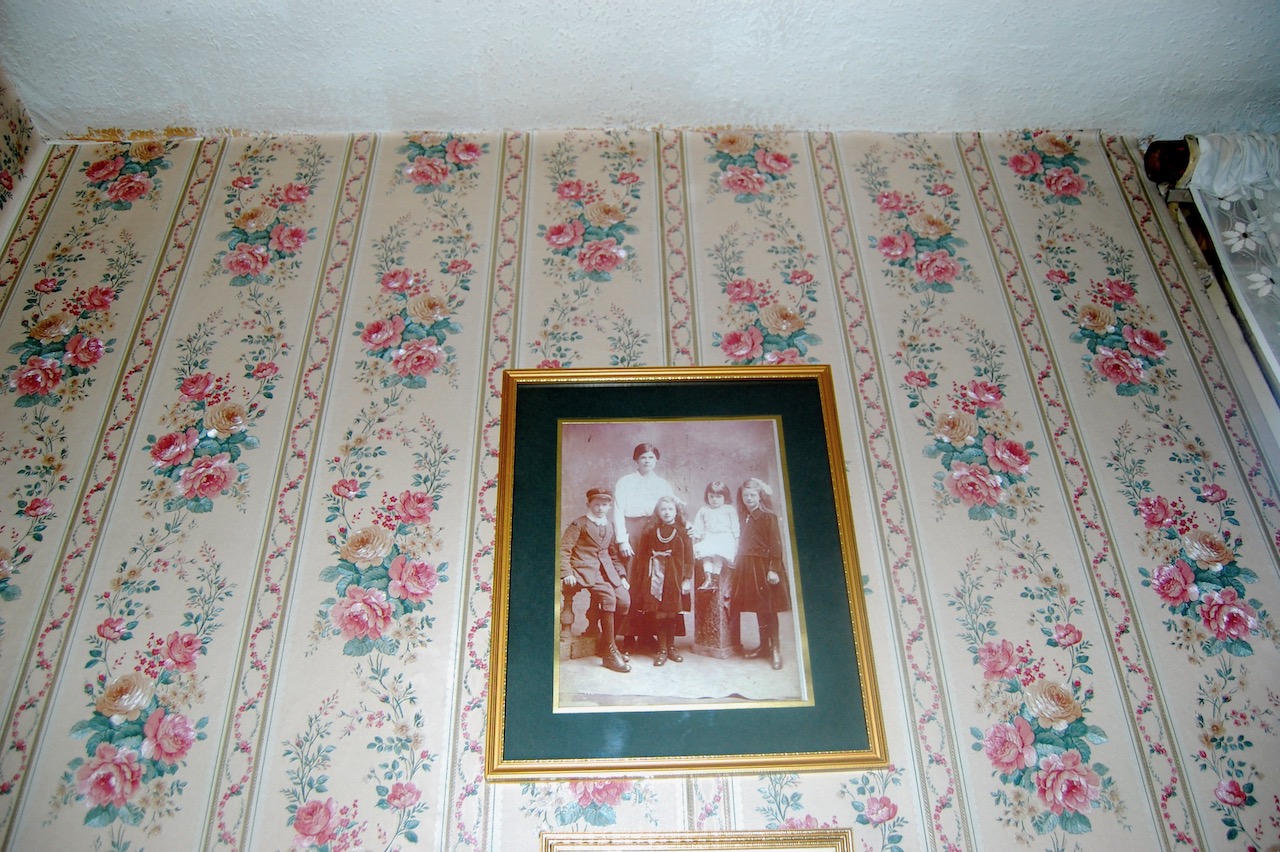
Iveagh Trust flat, Iveagh Trust buildings on Patrick Street, Dublin 8, picture of Nelly and her family. Photograph © Jennifer Winder-Baggot, www.irishhistorichouses.com
Iveagh Trust flat, Iveagh Trust buildings on Patrick Street, Dublin 8. Photograph © Jennifer Winder-Baggot, www.irishhistorichouses.com

9. Pigeonhouse Power Station and hotel (2021)

https://openhousedublin.com/locations/pigeon-house-power-station/

Photograph © Jennifer Winder-Baggot, www.irishhistorichouses.com

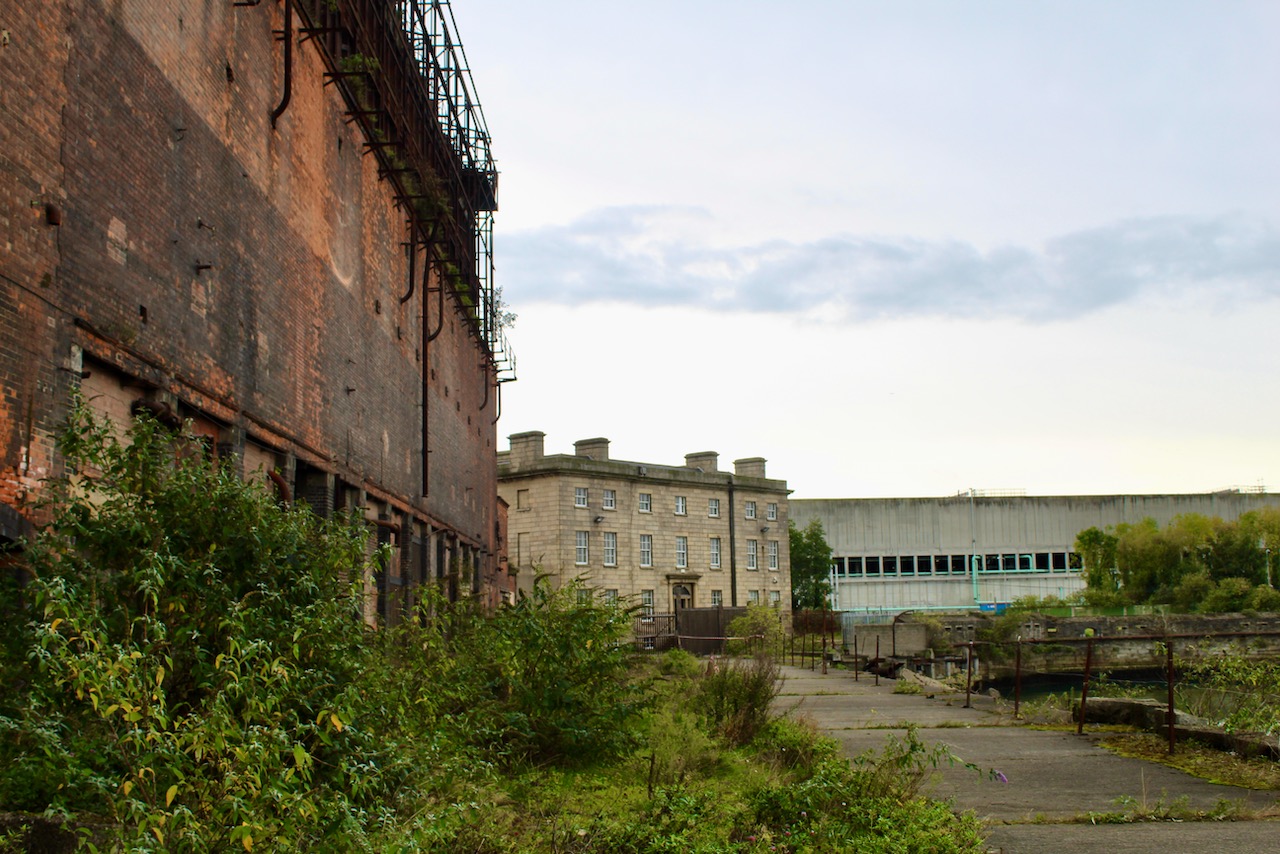
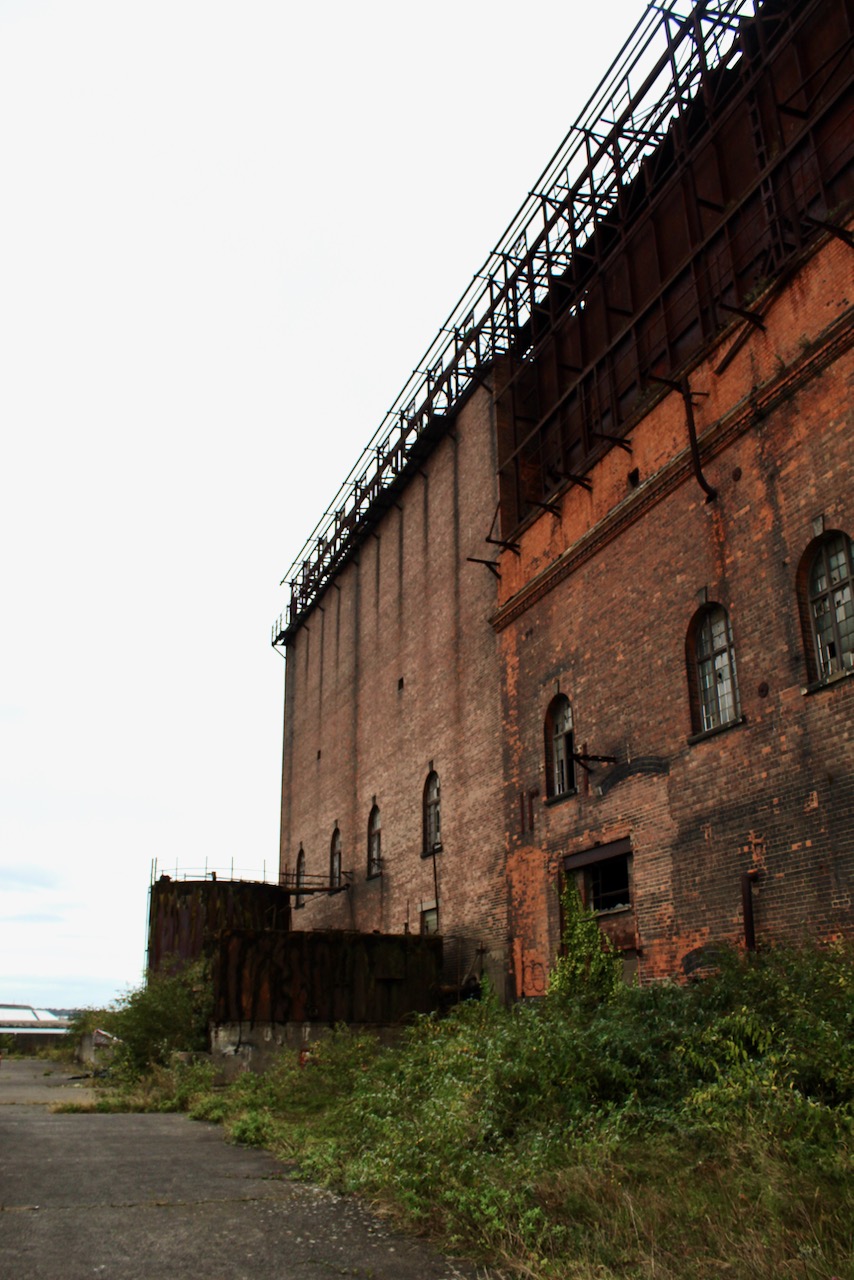
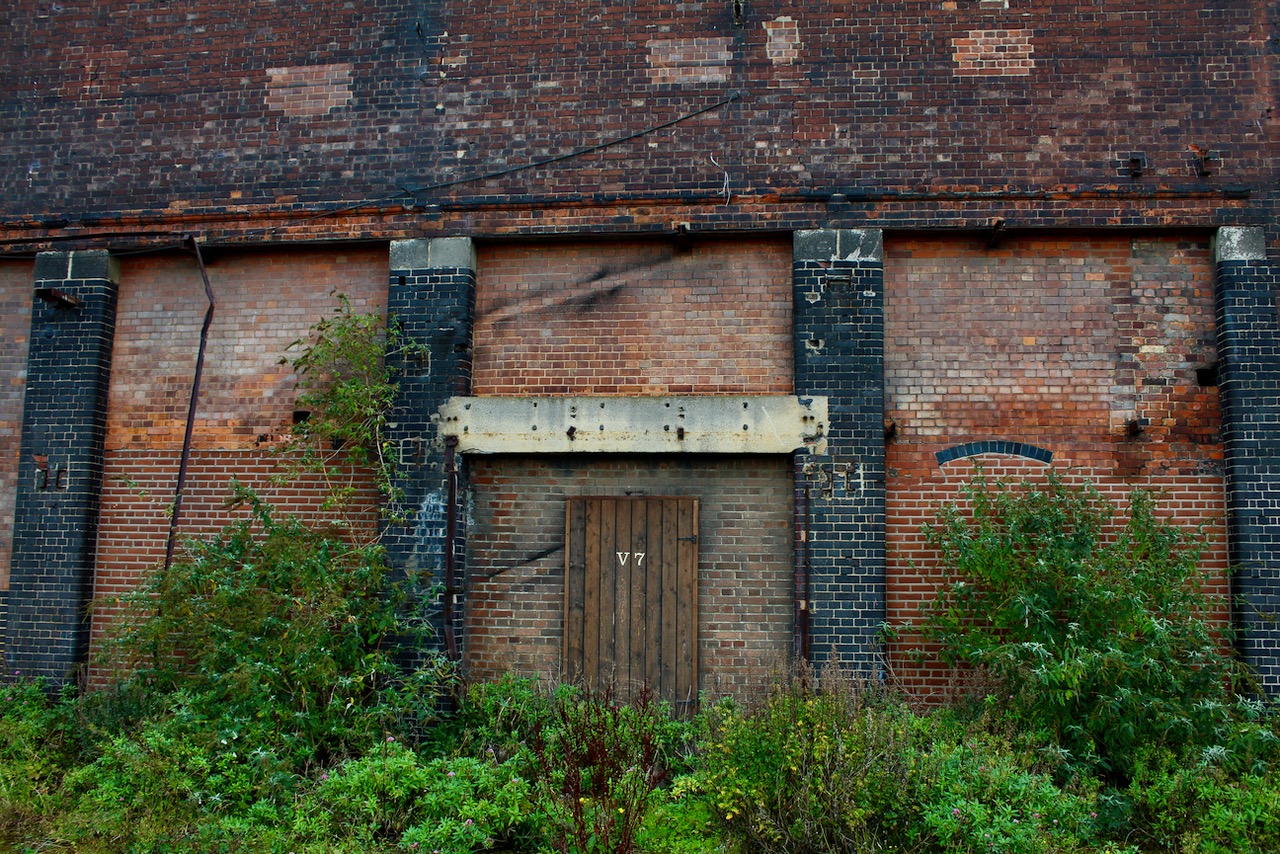
The vast ruin of the former Pigeon House power station is the one of the most striking industrial architecture complexes in the city and is now one of the largest protected structures in Ireland. Built in three main phases (1902-03, 1911-1913 and 1933-40; decommissioned in the 1970s), the power station was constructed of red brick and steel, and later of reinforced concrete. These layers of exposed fabric show how the building was constantly modified to keep up with increasing electricity demand.
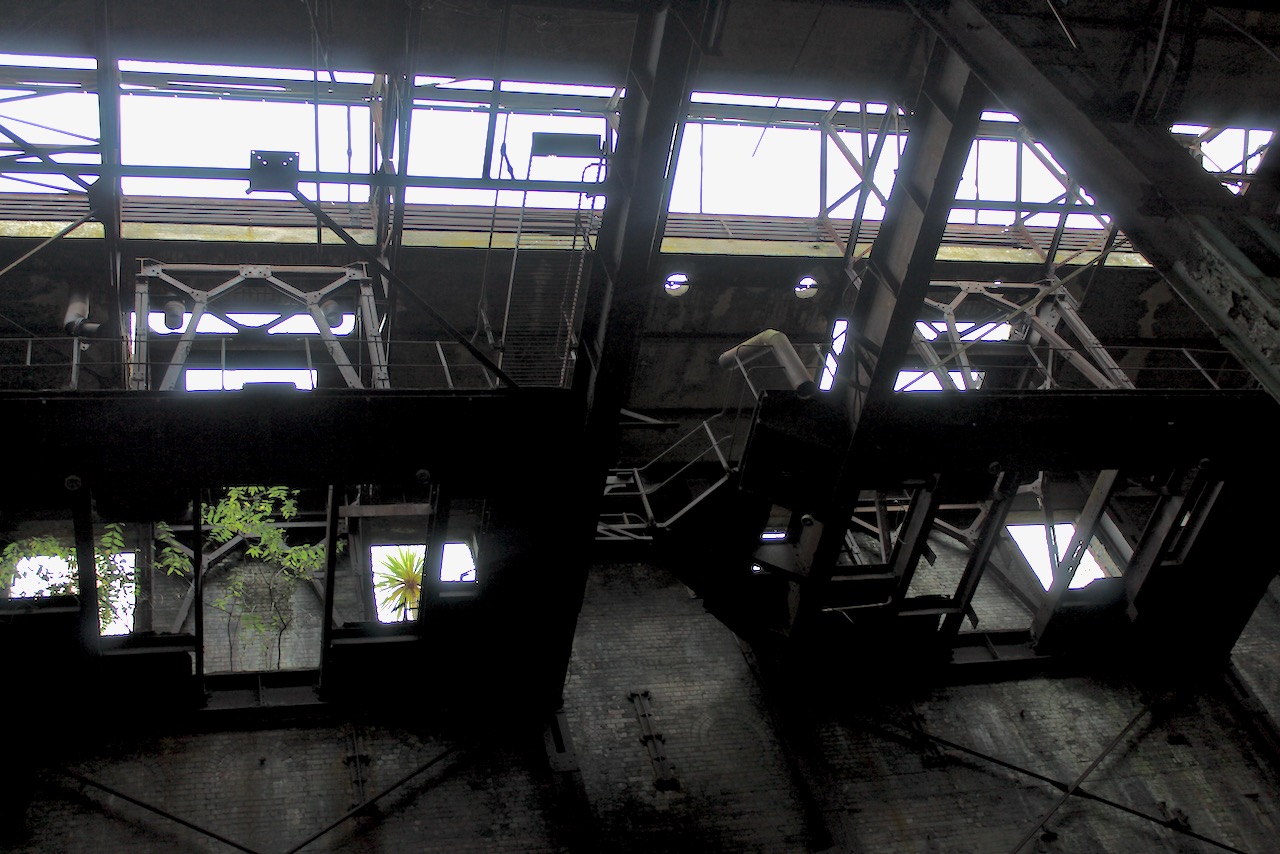
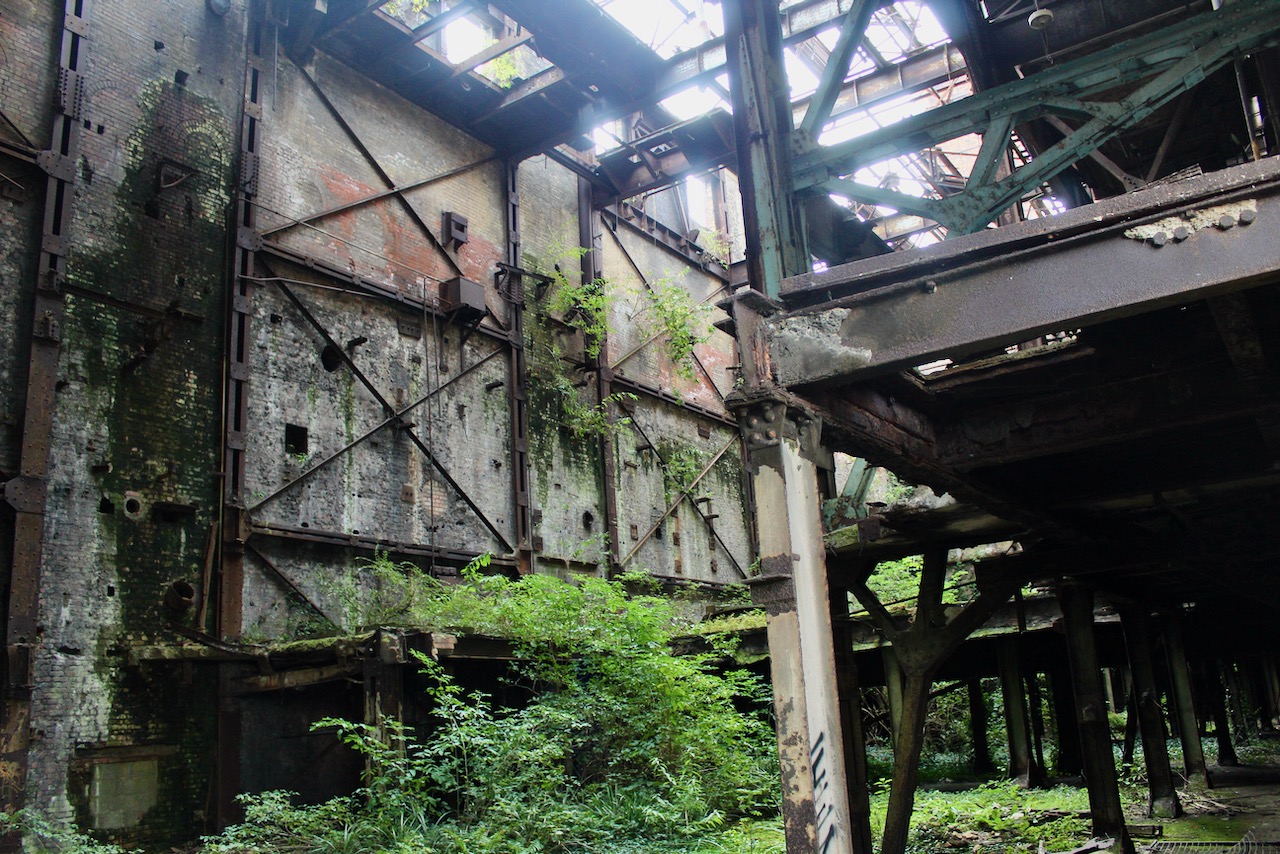
Today, only one of the 12 chimneys remain and the ruins of the power station resemble the atmospheric drawings of classical ruins by the 18th century Italian artist Giovanni Battista Piranesi. The vast ruin of the former Pigeon House power station is the one of the most striking industrial architecture complexes in the city and is now one of the largest protected structures in Ireland. Built in three main phases (1902-03, 1911-1913 and 1933-40; decommissioned in the 1970s), the power station was constructed of red brick and steel, and later of reinforced concrete. These layers of exposed fabric show how the building was constantly modified to keep up with increasing electricity demand.
Today, only one of the 12 chimneys remain and the ruins of the power station resemble the atmospheric drawings of classical ruins by the 18th century Italian artist Giovanni Battista Piranesi.

Join to 30-40 minute tour. Exterior of building only. This tour is pre-book only and booking opens 14 September.

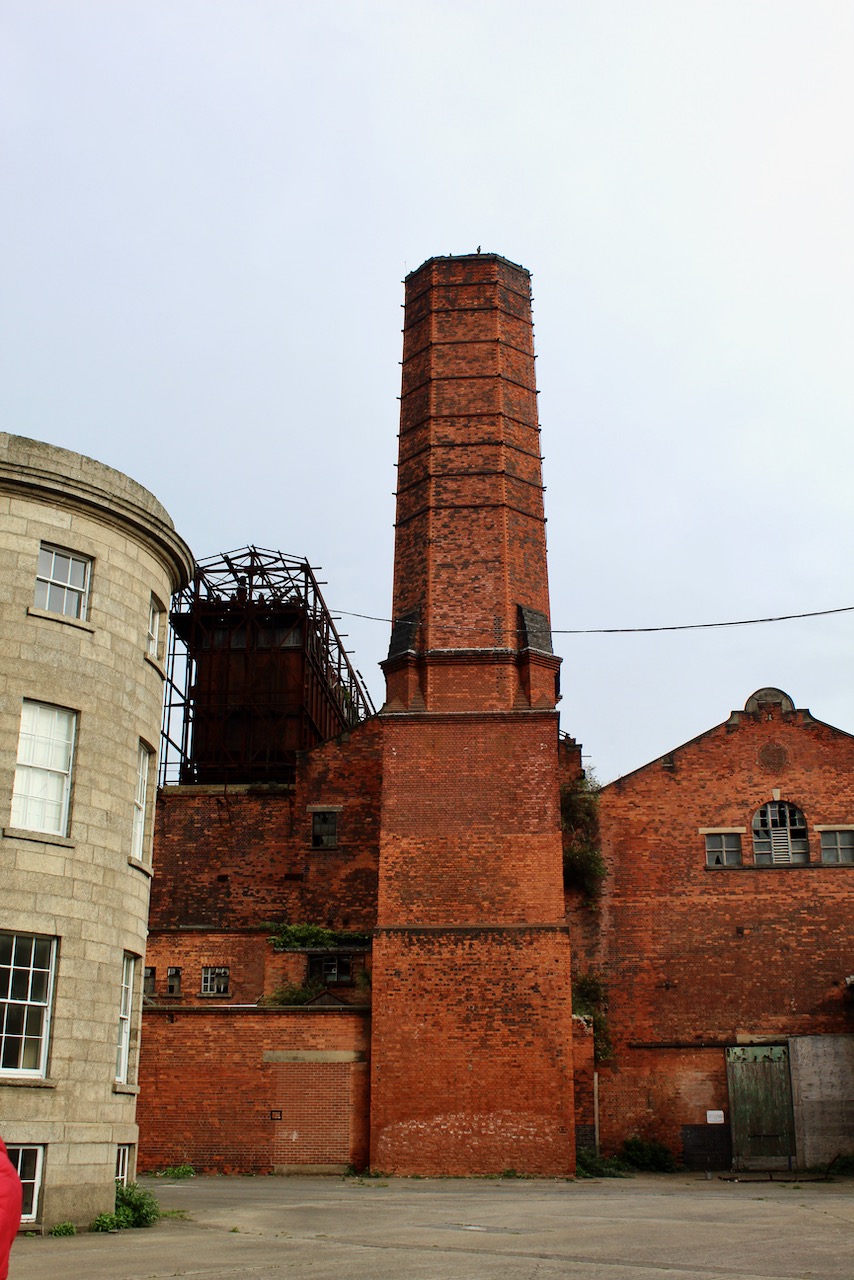
The old Pigeonhouse Hotel. Photograph © Jennifer Winder-Baggot, www.irishhistorichouses.com
The old Pigeonhouse Power Station. Photograph © Jennifer Winder-Baggot, www.irishhistorichouses.com
Photograph © Jennifer Winder-Baggot, www.irishhistorichouses.com
Old Pigeonhouse power station. Photograph © Jennifer Winder-Baggot, www.irishhistorichouses.com
Pigeonhouse power station. Photograph © Jennifer Winder-Baggot, www.irishhistorichouses.com
Photograph © Jennifer Winder-Baggot, www.irishhistorichouses.com

10. Royal College of Surgeons, Dublin (Open House 2011)

https://openhousedublin.com/locations/open-house-at-rcsi-123-st-stephens-green/

William Dease sculpture, one of the founders of the Royal College of Surgeons, Open House, 2011, Royal College of Surgeons. Photograph © Jennifer Winder-Baggot, www.irishhistorichouses.com

The Royal College of Surgeons was built in two phases, first by architect Edward Parke, who built what is now the last three bays on the south side and five bays deep on York Street. This was subsumed later by architect William Murray, who added four bays to the north and moved the pediment to the new centre of the building, on St. Stephen’s Green. The facade has large round-headed windows separated by freestanding columns. The pediment has the royal arms, and is topped with three statues: Athena (goddess of Wisdom and War), Asclepius (god of Medicine) and Hygiea (Goddess of Health), all by John Smyth [Archiseek]. It has a rusticated basement storey.

The interior, as listed in Lewis’s guide in 1837, contains a large board room, a library, an apartment for general meetings, an examination hall, several committee rooms and offices, lecture theatres and three museums, two of which have galleries.

There is a top-lit gallery with Adamesque plasterwork.

Open House, 2011, Royal College of Surgeons. Photograph © Jennifer Winder-Baggot, www.irishhistorichouses.com
My father looks at the fireplace, 2011, Royal College of Surgeons. Photograph © Jennifer Winder-Baggot, www.irishhistorichouses.com
Open House, 2011, Royal College of Surgeons. Photograph © Jennifer Winder-Baggot, www.irishhistorichouses.com

11. Tailor’s Guild Hall, Dublin (Culture Night 2013)
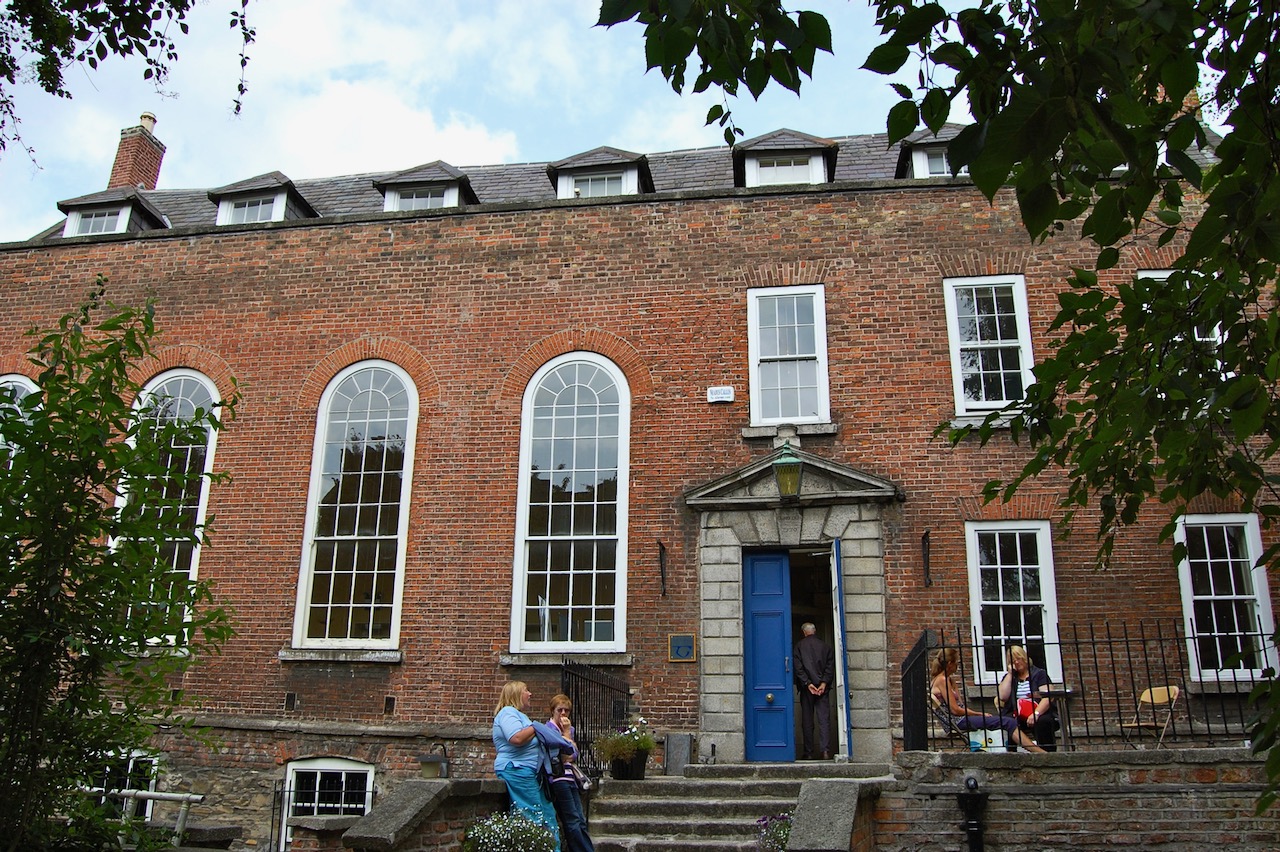
Tailor’s Guild Hall, 2013. Photograph © Jennifer Winder-Baggot, www.irishhistorichouses.com

https://openhousedublin.com/locations/tailors-hall/

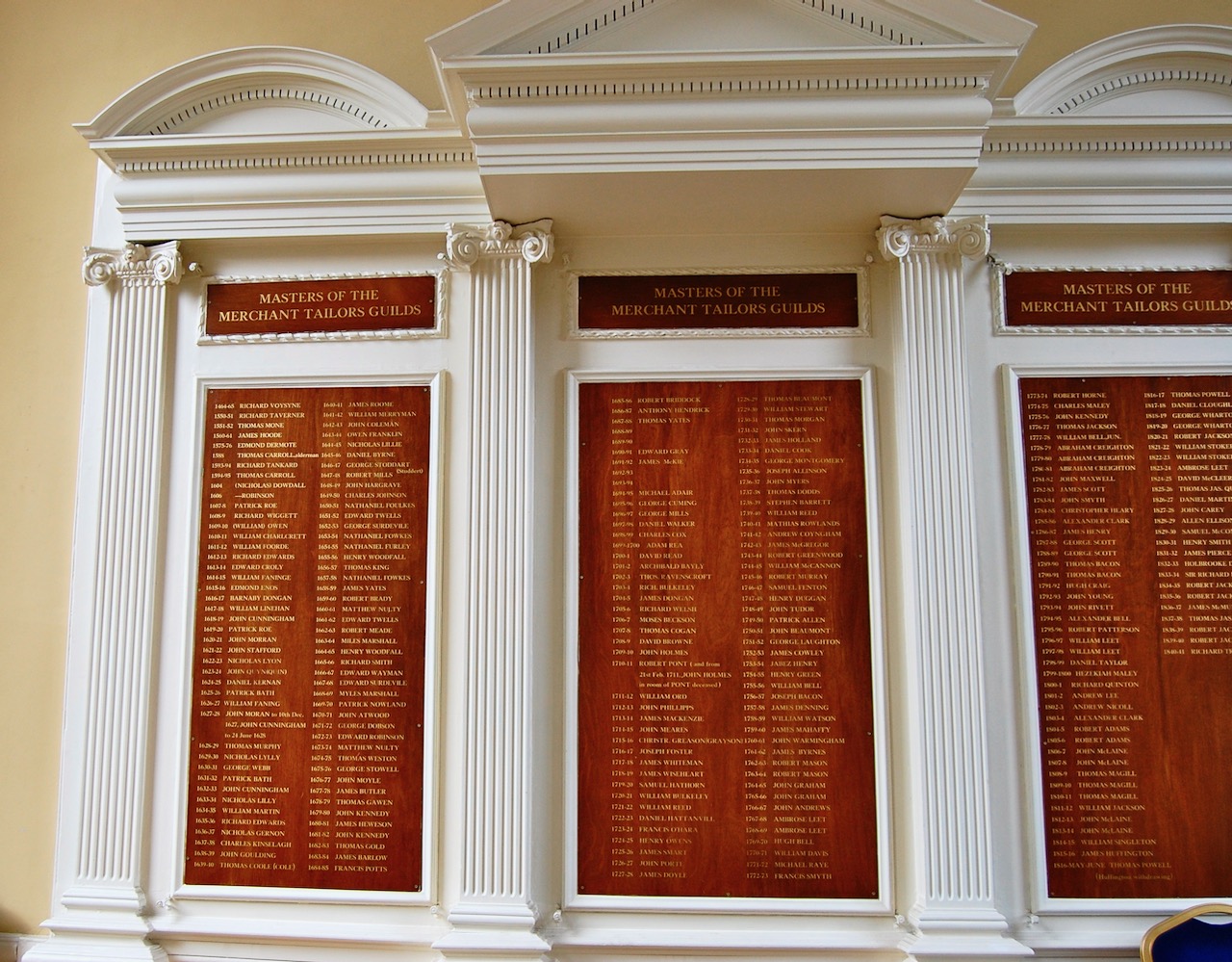
Tailor’s Hall was built in 1706 and is the only Guild Hall from the medieval guilds still in existence in Dublin. It is two storeys over basement and the hall inside is lit by tall round-headed windows on both sides, and has two floors of smaller rooms. It is now the headquarters for An Taisce. It was originally the meeting hall for the Guild of Merchant Tailors, from 1706-1841.

It was used in 1792 as the meeting place for the Catholic Committee during their campaign against Penal Law, and for this the building earned the nickname of “Back Lane Parliament.” Later still, it was used as a meeting place for the United Irishmen around 1798.

From Christine Casey, The Buildings of Ireland: Dublin, 2005, p. 367:
1703-1707, Richard Mills overseer. The Tailors’ Guild Hall is a tall shallow red brick building with a steep roof and dormer windows, a large gabled chimneystack and stair compartment projecting from the rear or N. wall. The entrance front is the long S elevation, reached by a stone arch and forecourt from Back Lane. In the 18th century the Hall was concealed behind houses on High Street and Back Lane and preceded only by the narrow arched pathway and a basement area. This unusual sequestered position is explained by the fact that the site was formerly occupied by a Jesuit chapel and college, endowed in 1629 by the Countess of Kildare. Seized by the Crown in 1630, it was subsequently repossessed by Lord and Lady Kildare and returned to the Jesuits who remained here for an unknown period prior to 1706…Tailors’ Hall is substantially early 18C. However, curiosities in the design and [p.368] structure suggest that it may incorporate something of the fabric of the 17C chapel.

The most striking feature of the facade is its asymmetry. Four tall narrow round-headed windows lighting the assembly hall fill almost two-thirds of the facade. To their right the facade is of two storeys and three bays with the entrance on the left next to the hall framed by an elegant rusticated limestone door surround of 1770. The basic arrangement reflects a pragmatic medieval-based system of hall and upper chamber, common in London livery halls of the late C17… A granite base-mould divides the brick masonry of the principal floor from the basement walling, which is largely of Calp with a band of brick forming the slightly cambered heads of the basement windows.”

Casey, p. 368: “the finest feature of the interior is the staircase, which is an elaborate open-well type with a low moulded handrail, barley sugar banisters and later square newels.” They are hand carved. Photograph © Jennifer Winder-Baggot, www.irishhistorichouses.com
Tailor’s Guild Hall, Heritage Week 2013: p. 368, Casey: “an elegant double-height brightly lit hall with a fine early C18 Ionic reredos at the W end bearing the name of guild masters, a handsome marble chimneypiece…and at the east end a bowed draught lobby with a curious Gothic pelmet and above it a Late Georgian Neoclassical wrought-iron balcony reached from the room above the entrance hall.” Photograph © Jennifer Winder-Baggot, www.irishhistorichouses.com
Tailor’s Guild Hall, Heritage Week 2013. Photograph © Jennifer Winder-Baggot, www.irishhistorichouses.com

[1] https://www.archiseek.com/2010/1715-mansion-house-dawson-street-dublin/

[2] https://www.buildingsofireland.ie/building-of-the-month/the-mansion-house-dawson-street-dublin-2/ 

[3] National Library and Archives digital repository.

Harristown, Brannockstown, County Kildare W91 E710 – section 482

https://www.harristownhouse.ie/
Open dates in 2025: Feb 3-7, 24-28, Mar 10-14, 17-21, May 1-14, July 23-25, 28-31, Aug 1, 5-24,

9am-1pm

Fee: adult €15, OAP/student/child €10

donation

Help me to pay the entrance fee to one of the houses on this website. This site is created purely out of love for the subject and I receive no payment so any donation is appreciated!

€15.00

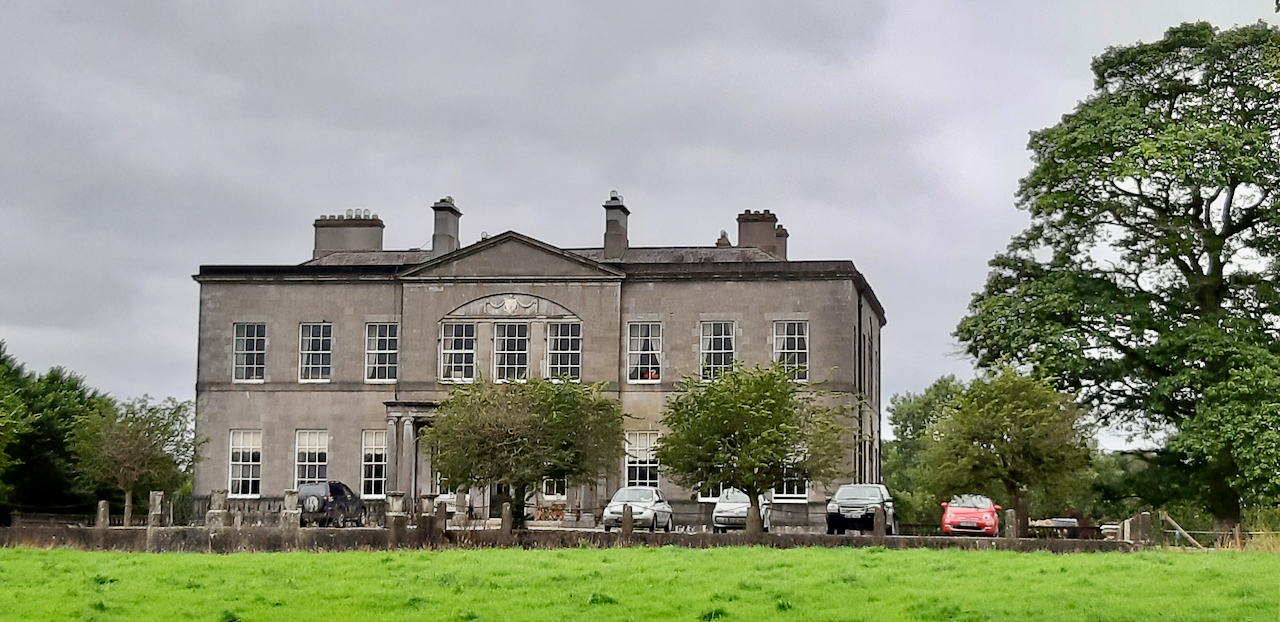
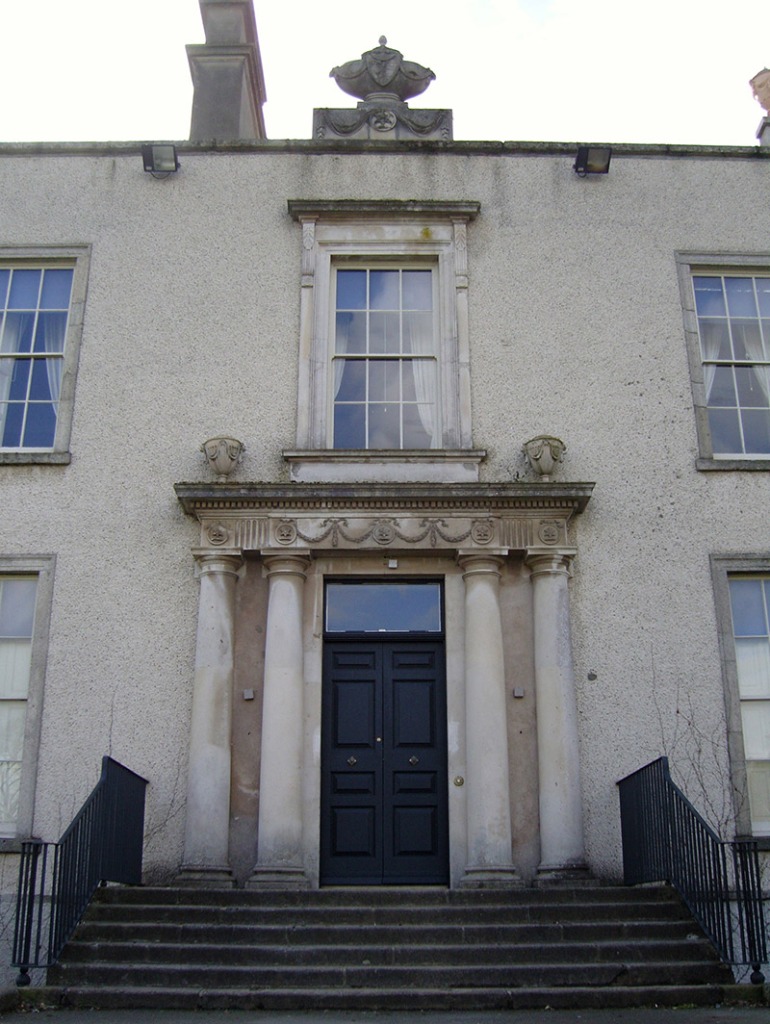
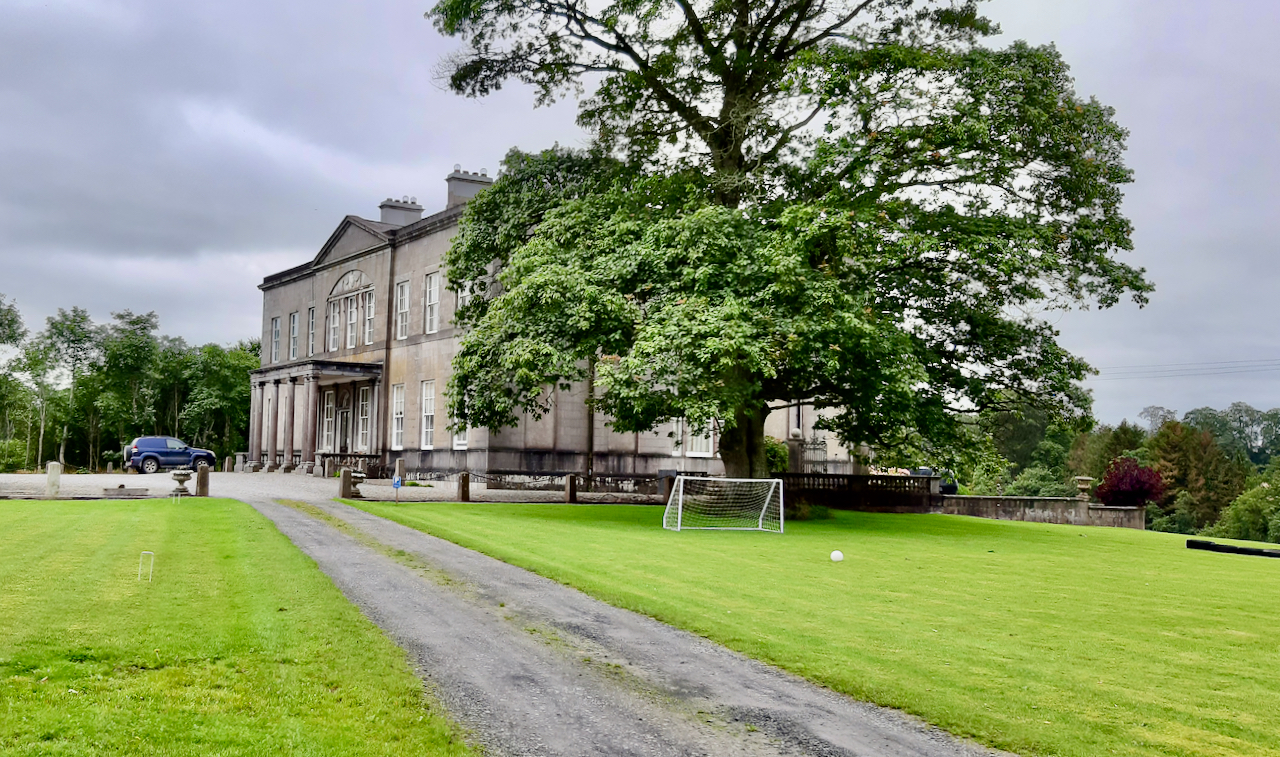
Harristown, August 2019. Photograph © Jennifer Winder-Baggot, www.irishhistorichouses.com

Last week I wrote about Charleville in County Wicklow, a house designed by Whitmore Davis. This week I am writing about another house by Davis, Harristown House. This house is magnificently situated at the top of a gently sloping hill, overlooking the River Liffey. I contacted the owner Hubert Beaumont, the husband of the listed contact, Noella, to arrange a visit on Thursday 22nd August 2019, during Heritage Week.

Harristown, August 2019. Photograph © Jennifer Winder-Baggot, www.irishhistorichouses.com

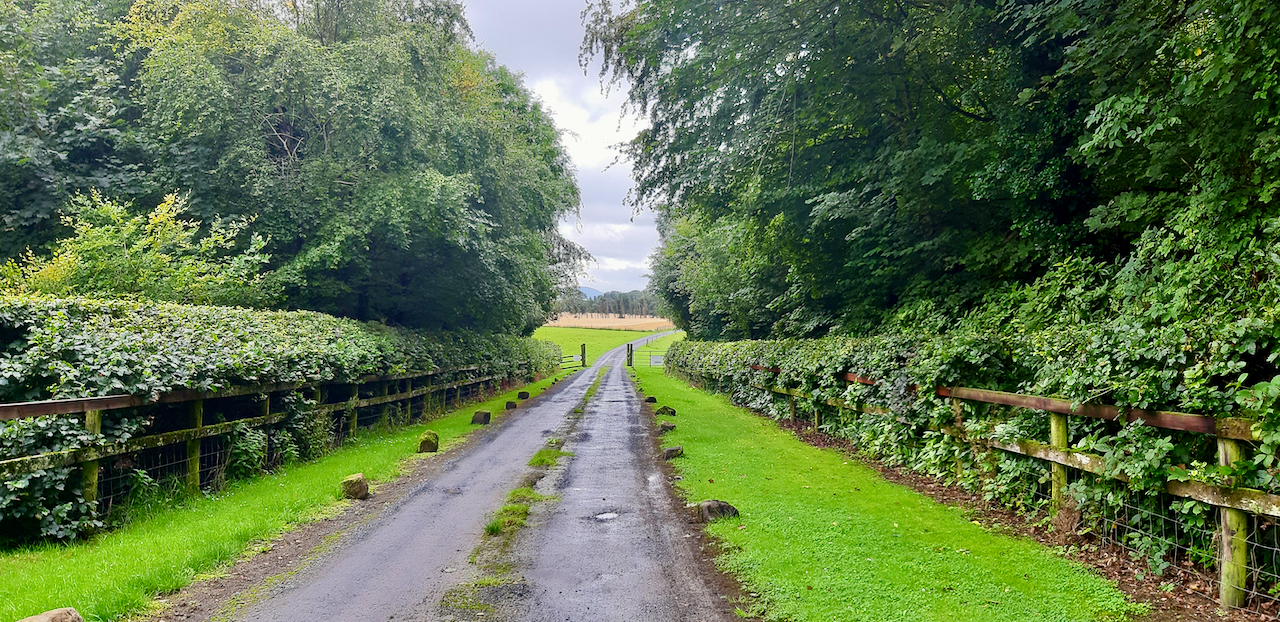
We drove up a very long avenue to the house, between fields, now farmed by the Beaumonts.

Harristown, County Kildare. Photograph © Jennifer Winder-Baggot, www.irishhistorichouses.com

A British Parliamentary Paper, a Royal Commission appointed to inquire into the municipal corporations in Ireland, in 1833, tells us that in the 33rd year of Charles II’s reign [he was restored to the British throne in 1660 but some would claim that his reign began with the death of his father, Charles I, in 1649], the Borough of Harristown was incorporated by a Charter which created the Manor of Harristown, which could hold a Court and make judgements, by “Seneschals” (a governor or other administrative or judicial officer) appointed by Sir Maurice Eustace and his heirs. He could also hold a market and fairs, on particular days, and have a prison. The borough could return two Members of Parliament. The Commission continues to describe the borough in the present day of 1833: the borough was the property of the La Touche family, and at the Union [1801], John La Touche obtained compensation for loss of the elective franchise. [1]

The Eustace family acquired the land of Harristown in the sixteenth century. The Harristown house website agrees with Mark Bence-Jones that the current house at Harristown was built by Whitmore Davis [2]. However, a website about the La Touche family claims that the present Harristown House was built in 1662, for Maurice Eustace (circa 1590-1665), but does not mention an architect [3]. Maurice Eustace became Lord Chancellor of Ireland after the Restoration of Charles II to the throne, because he was loyal to the monarchy. Wikipedia refers to Maurice Eustace’s beloved “Harristown Castle,” “which he was rebuilding after the damage it had suffered during the Civil War, and which by the time of his death was considered to be one of the finest houses in Ireland.” [4] This seems to refer to a house Eustace built near the original castle.
View from what is now the back of the house, overlooking the Liffey. Photograph © Jennifer Winder-Baggot, www.irishhistorichouses.com

After much soul-searching, Maurice left Harristown as well as a large fortune to a nephew, Maurice (d. 1703). The Lord Chancellor had an illegitimate son with a woman of, apparently, “some social standing,” also named Maurice and he promised his inheritance both to this son and to his nephews, sons of his brother William (d. 1673/4) and William’s wife Anne Netterville. He consulted a preacher as to whether his promise to his lover was binding, and the preacher cruelly advised that it was not. Sadly, Maurice the Lord Chancellor also had a daughter by this liaison, Mary.

As well as the mother of the two illegitimate children, Maurice had a wife, Cicely (or Charity) Dixon (1605-1678), daughter of the Lord Mayor of Dublin, Robert Dixon, but with her had no children. He left not only his country estates but a townhouse, named “Damask,” on the street which is now named after him, Eustace Street. He eventually left his inheritance to his nephews. The eldest son of his brother William, John, had died in 1697, so it went to the younger, Maurice (d. 1703).

Harristown, County Kildare. Photograph © Jennifer Winder-Baggot, www.irishhistorichouses.com

This nephew Maurice married Anne Colville, daughter of Robert Colville (1625-1697). After she died in 1685, he married secondly, Clotilda Parsons. He had no male heirs and his fortune was divided on his death between his three daughters. The Harristown estate went to his daughter by his first wife, also named Anne. It’s sad to me that the house was inherited by a daughter after all, when the first Maurice Eustace’s illegitimate daughter, Mary, unlike her brother, was never even considered for inheritance.

His daughter Penelope married Robert Echlin (d. 1706), MP for Downpatrick and for Newry, son of Henry Echlin 1st Baronet Echlin of Clonagh, Co. Kildare.

Anne married the Irish MP Benjamin Chetwood (or Chetwode), who served as Member of Parliament for Harristown, and her son Eustace Chetwood inherited Harristown. He became MP for Harristown but mismanaged his estates [5] and it passed to James FitzGerald, the 1st Duke of Leinster.

Anne and Benjamin’s daughter Elizabeth married Christopher Ussher of Mount Usher, County Wicklow, another Section 482 property (see my entry).

James FitzGerald’s son William, who had no need for Harristown since he had also inherited Castletown House in County Kildare, sold it to David La Touche (1703-1785) in 1768. [6]

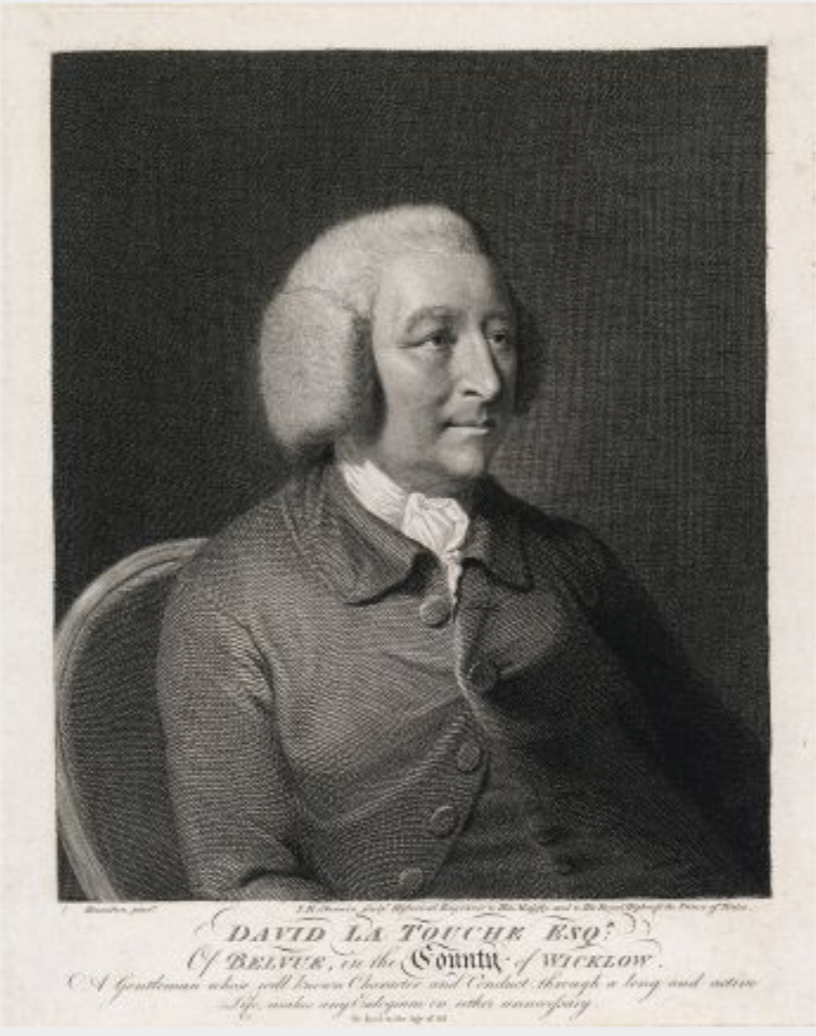
David (Digges) La Touche of Bellevue, County Wicklow, (1703-1785) purchased Harristown in 1768.

I cannot find the original date of construction of the house – Mark Bence-Jones in his Guide to Irish Country Houses identifies it as late Georgian, which generally means 1830-1837, but the Georgian period began in 1714 so “late” could mean as early as around 1800, which is more likely, as Charleville was built in 1797. I suspect that this house was built earlier, perhaps around the time when Whitmore Davis worked for the Bank of Ireland, because the Bank of Ireland was set up in 1783, and The La Touche family were major contributors to the bank.

The La Touche family was a Huguenot family. Huguenots, who were French Protestants, fled from France due to the punishment and killing of Protestants after Louis XIV revoked the Edict of Nantes – the Edict of Nantes had promoted religious toleration. Earlier in the week, Stephen and I had a tour of another La Touche house, Marlay House in Marlay Park in Rathfarnham. Marlay House is now owned by Dun Laoghaire and Rathdown County Council and it has been restored and furnished and holds tours by arrangement. [7]

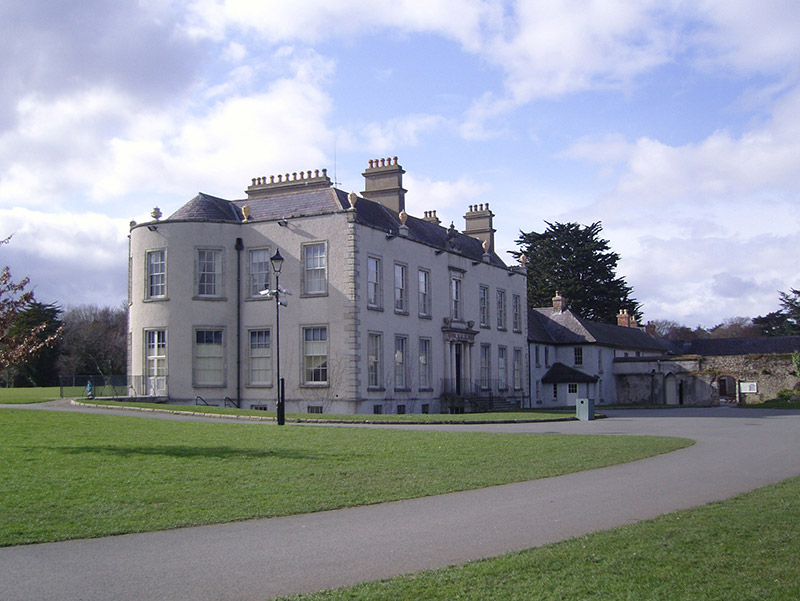
Marlay House in Marlay Park, Rathfarnham, Dublin. Photo from National Inventory of Architectural History [8] When we mentioned to Mr. Beaumont that we had been to Marlay House earlier in the week, he commented on the incongruity between the two parts of that house – the 1690 part and the later part commissioned by David La Touche. It’s true that the two parts of the house are very different.

It was David Digues La Touche, born in the Loire Valley, who fled from France after the Revocation of the Edict of Nantes. He fled to Holland, where his uncle obtained for him a commission in the army of William of Orange. He fought in the Battle of the Boyne in the regiment under General Caillemotte. [9] He left the army in Galway, where he was billeted on a weaver who sent him to Dublin to buy wool yarn (worsteds). He decided then to stay in Dublin, and with another Huguenot, he set up as a manufacturer of cambric and rich silk poplin. Where I live in Dublin is an area where many Huguenots lived and weaved – we are near “Weaver Square,” and our area is called “The Tenters” because cloth was hung out to dry and bleach in the sun and looked like tents, hung on “tenterhooks”!

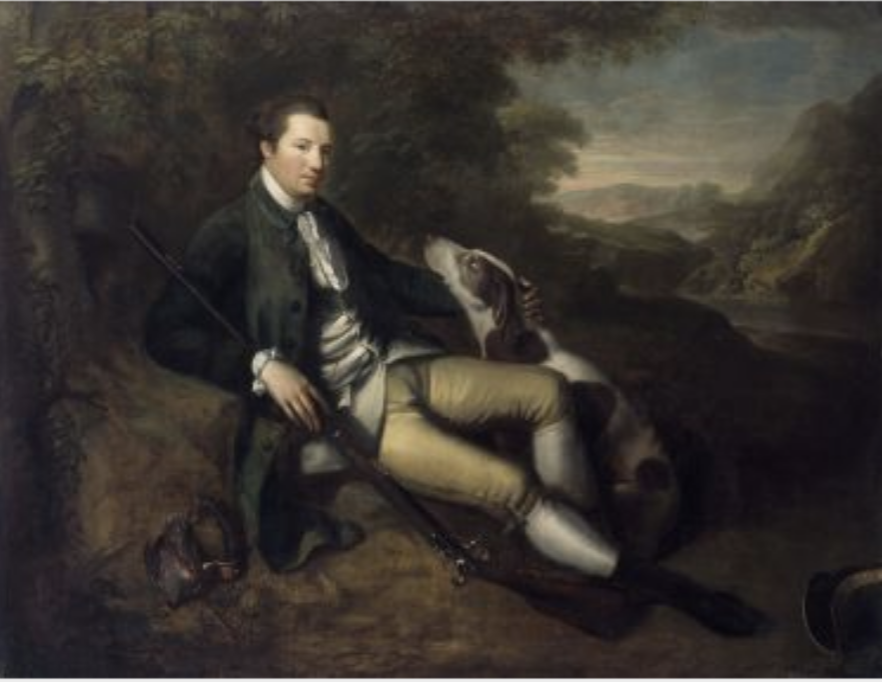
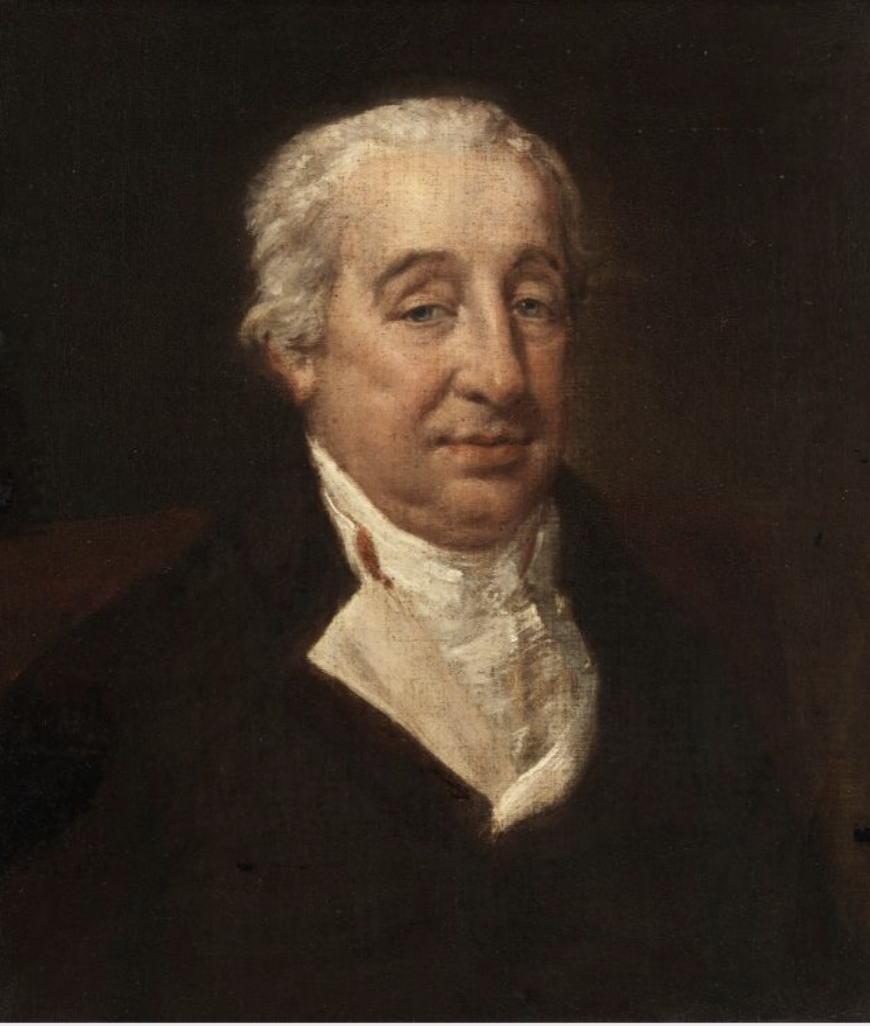
The La Touches began banking when Huguenots left their money and valuables with David for safekeeping when they would travel out of the capital. He began to advance loans, and so the La Touche bank began. He had two sons, David La Touche (1703-1785) and James Digues (later corrupted to Digges) La Touche. This David La Touche purchased properties which passed to his sons: Marlay House to David (1729-1817), Harristown to John (1732-1805), and Bellevue, County Wicklow, to Peter (1733-1828). Bellevue has since been demolished, in the 1950s [10].

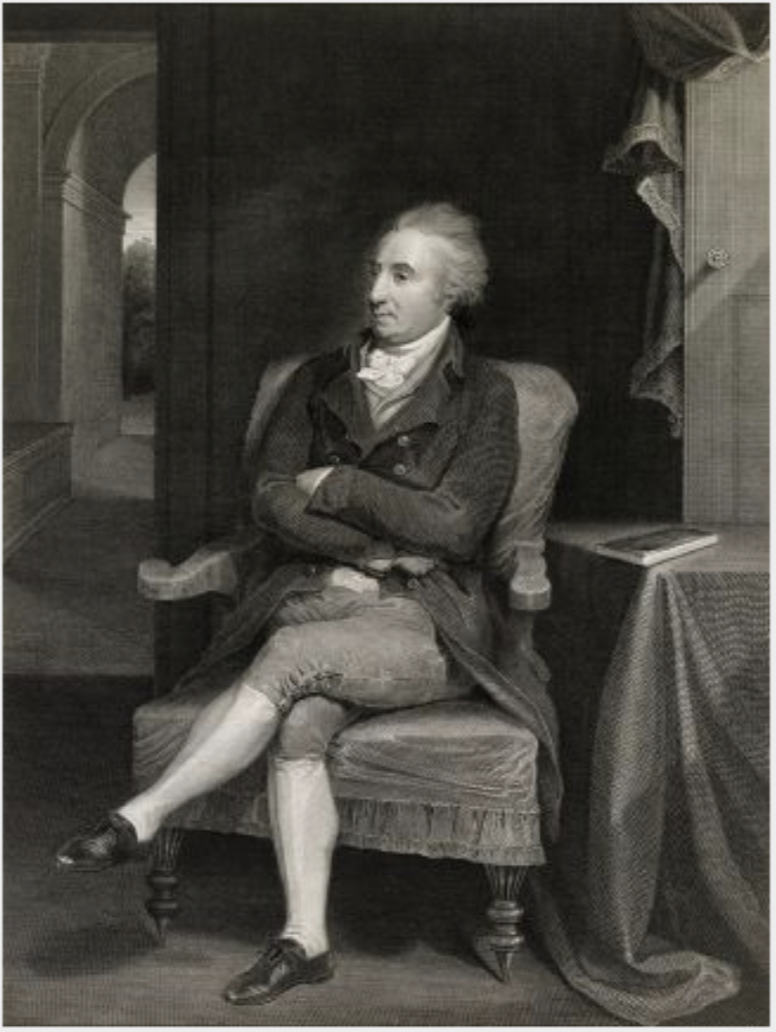
David La Touche of Marley, County Dublin, (1729-1817), M.P., Banker and Privy Counsellor. Photograph courtesy of National Gallery of Ireland.
Peter La Touche of Bellevue (1733-1828) Date 1775 by Robert Hunter, Irish, 1715/1720-c.1803, photograph courtesy of National Gallery of Ireland.
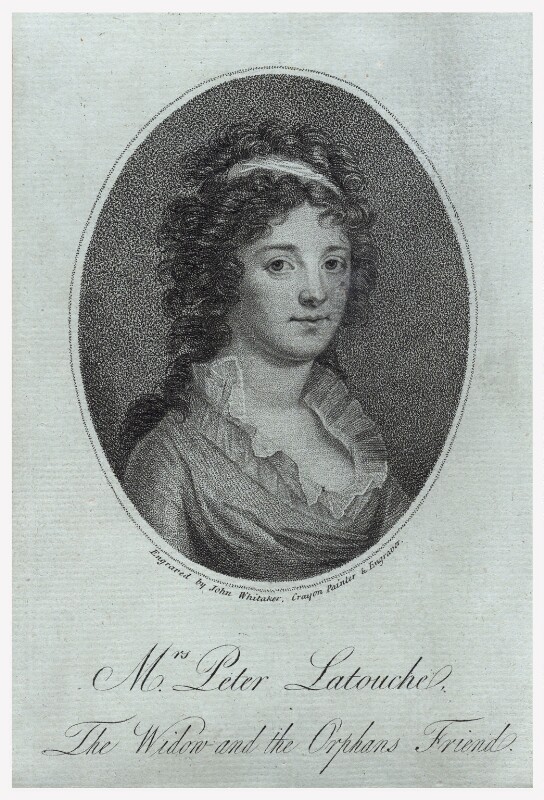
Elizabeth La Touche née Vicars (1756-1842), wife of Peter La Touche, by John Whitaker National Portrait Gallery of London D18415.
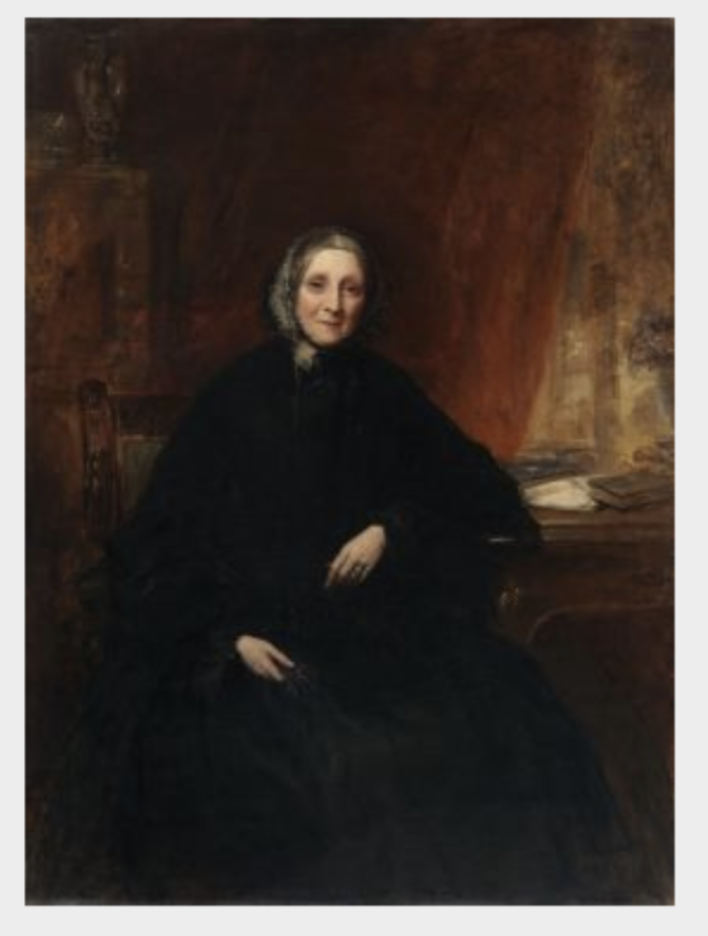
Mrs La Touche of Bellevue by Stephen Catterson Smith 1806-1872, courtesy of National Gallery of Ireland NGI 628.

As I mentioned last week, the biography about Whitmore Davis in the Dictionary of Irish Architects is not flattering. Descriptions include: “By 1786 he had became architect to the Bank of Ireland at St Mary’s Abbey, where he was employed on minor works, but in 1788 he was reprimanded for lack of attention to his responsibilities ….Although he was employed as architect of the new Female Orphan House in 1792-93, his performance was not judged satisfactory; the Board’s minutes register ‘much disappointment’ at his not having completed the building within the time stipulated…. his architectural practice appears to have been going into decline and by February 1797 he had been declared bankrupt. [my italics]” However, things picked up for him eventually: “by 1803 he had succeeded Richard Harman  as Surveyor of the Revenue Buildings for the Port of Dublin, a post which he still held in 1811.” [11]

The La Touches purchased Harristown and its lands in 1768, and presumably the house that was built by Maurice Eustace still stood on the land. They were involved with the establishment of the Bank of Ireland at Mary’s Abbey in 1783 and David La Touche was a major investor. It could have been at this time, when Whitmore Davis was architect for the Bank of Ireland 1786-91, that the La Touches had him build the new house at Harristown. Peter La Touche hired Whitmore Davis in 1789 to build a church in Delgany, County Wicklow, and the Orphan House on North Circular Road, also by Whitmore Davis, was commissioned by John La Touche in 1792.

Harristown House, County Kildare. Photograph © Jennifer Winder-Baggot, www.irishhistorichouses.com

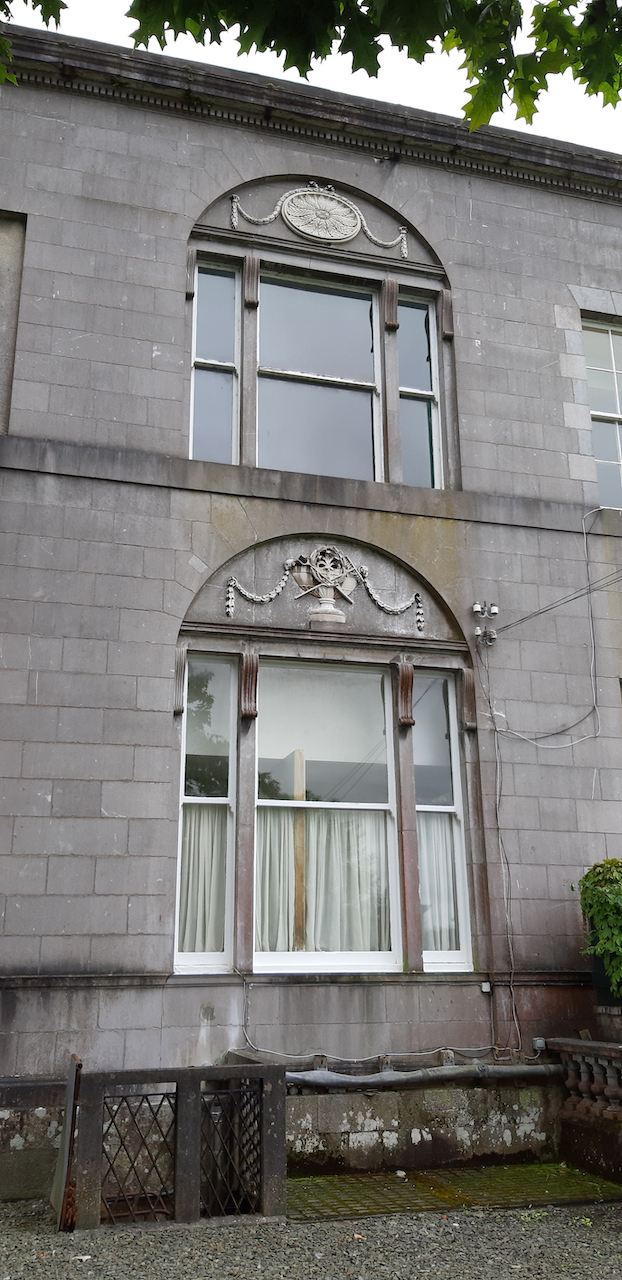
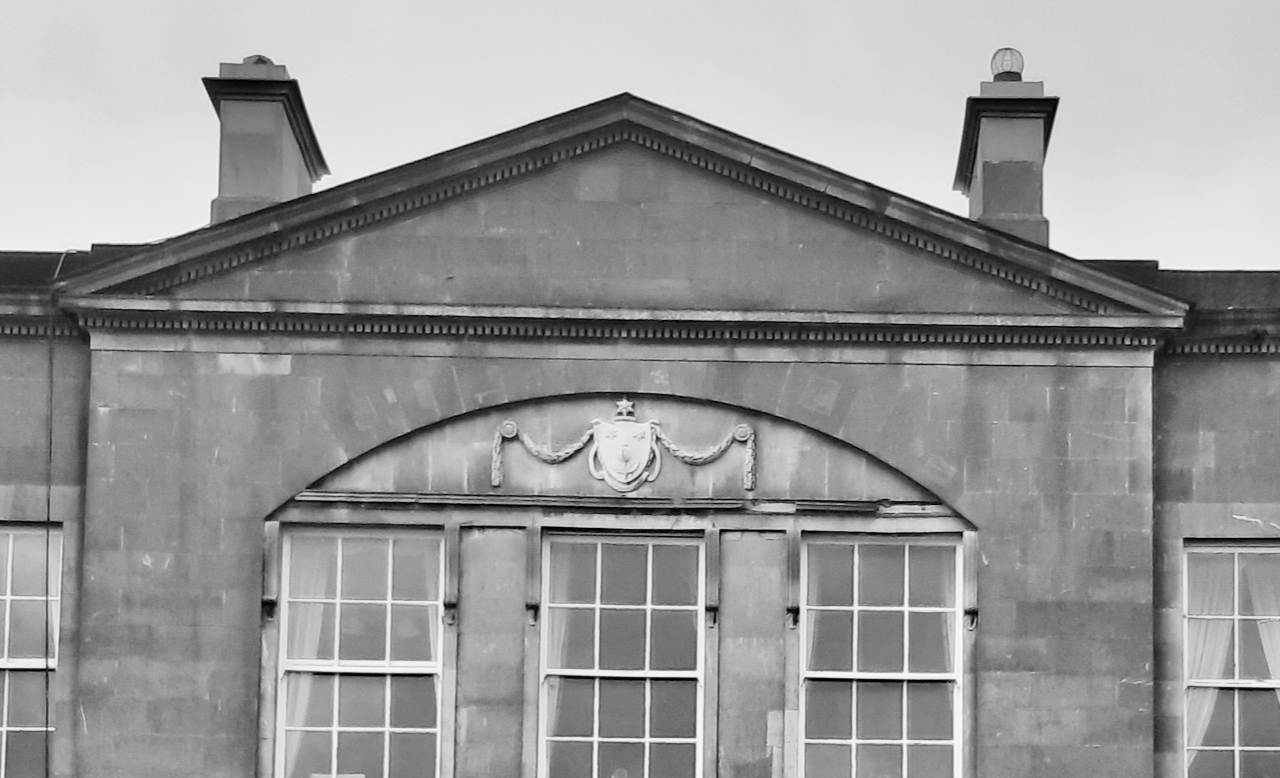
Like Charleville, Harristown is ashlar faced, and has nine bays with a central breakfront of three bays, but it was originally three storey over basement. After a fire in 1890 it was rebuilt to designs by James Franklin Fuller, and was reduced to the two storeys you can see in the photograph above. As it stands now, the windows in the breakfront are grouped together under a wide “relieving” arch, as Mark Bence-Jones describes (I’m not sure what this means – if you know, please enlighten me! – perhaps it means that it is “in relief” ie. raised from the background), with a coat of arms and swags. There is a single-storey portico of Ionic columns. (see [2])

Crest with pomegranate on Harristown House. Photograph © Jennifer Winder-Baggot, www.irishhistorichouses.com

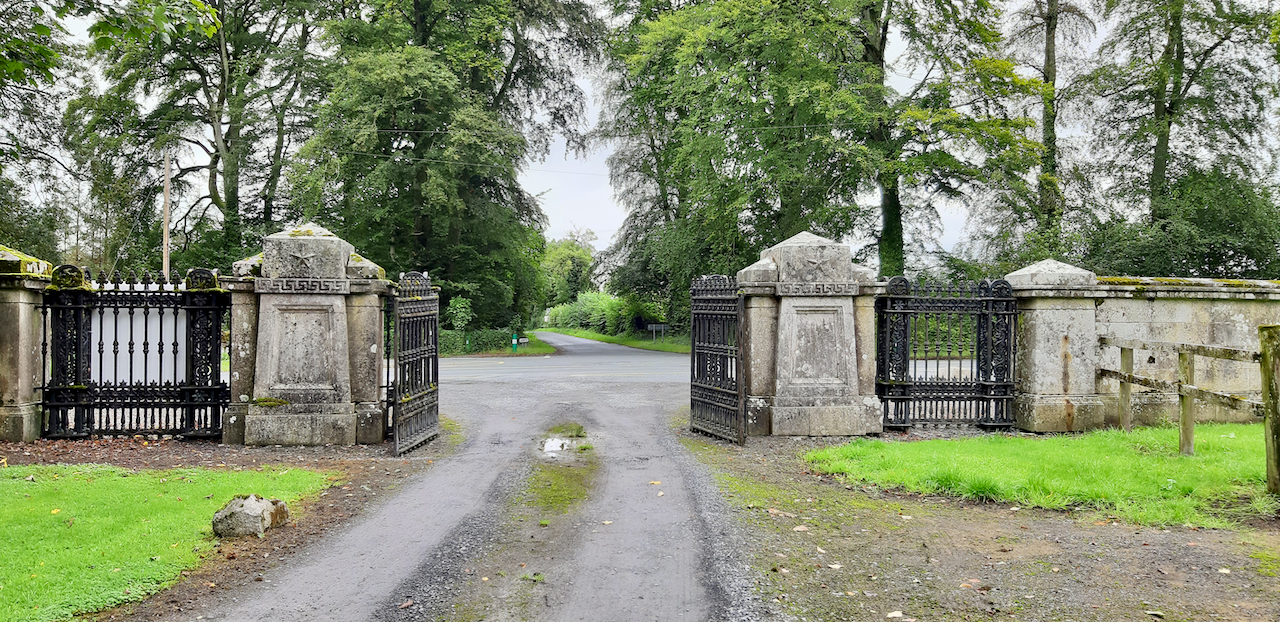
The crest on the over the portico in Harristown features the same pomegranate symbol, for fertility, as features in the La Touche crest on Marlay House on an urn over the front door, as well as a star shaped symbol. The guide at Marlay House was unable to explain the star shaped symbol to us but thought it might be the shape of the pomegranate flower. This shape features on the front pillar gates of Harristown House also, as well as a Greek key pattern.

Front of Marlay House, with crest of pomegranate on the urn on top of roof, and star symbol under urn. Photo from National Inventory of Architectural History [see 8].

The rear of Harristown has a pair of curved bows:

Harristown, County Kildare. Photograph © Jennifer Winder-Baggot, www.irishhistorichouses.com

Just a little diversion to tell you about Marlay House: David La Touche purchased the land of Marlay Park in Rathfarnham in 1764. Before La Touche, the land in Rathfarnham had belonged to St. Mary’s Abbey, until King Henry VIII dissolved the monasteries. In 1690, Thomas Taylor, one time Mayor of Dublin, acquired the land and built a house, which he called “The Grange.” He farmed the land, and both his son and grandson held key political positions in Dublin in the 1740-60s. Part of this house still stands and is incorporated into the present Marlay House. David La Touche (1729-1817) renamed the house “Marlay” in honour of his wife, Elizabeth Marlay, and her father, George Marlay (1691-1743), Bishop of Dromore.

David La Touche enlarged the Marlay house. I don’t know what architect designed the enlargement of the original Taylor house at Marlay for La Touche. If it was done in 1764 it can’t have been Whitmore Davis as he only joined the Dublin Society’s School of Drawing in Architecture in 1770. Marlay house does have bows, similar to Harristown. Turtle Bunbury claims that the enlargement was indeed by Whitmore Davis so perhaps it was done some years after purchase of the estate, which is perfectly possible as David and his wife and family would have spent much of their time in their townhouse closer to the city centre. His father had developed much of the area around St. Stephen’s Green, Aungier Street and the Liberties.

David La Touche (1729-1817), of Marlay, 1800 by Hugh Douglas Hamilton, courtesy of National Gallery of Ireland.

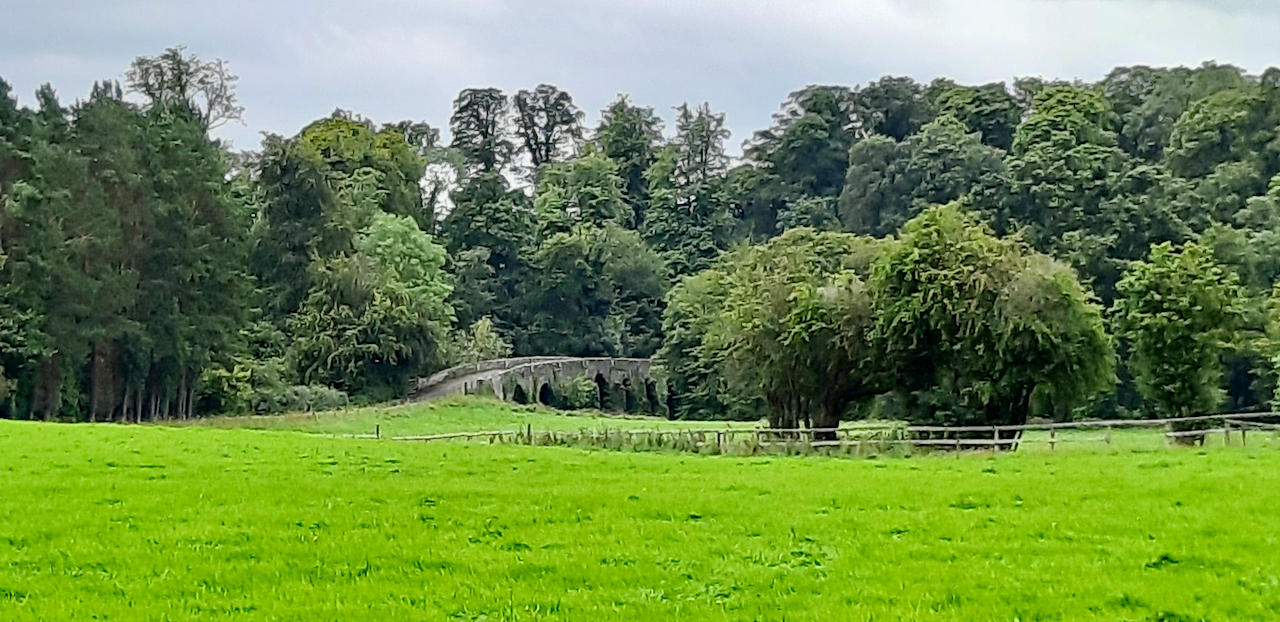
John La Touche (1732-1805), David’s brother, who was gifted Harristown by his father, enclosed the present Harristown desmesne and built a new road and bridge over the Liffey.

Bridge over the Liffey built by John La Touche in 1788. Photograph © Jennifer Winder-Baggot, www.irishhistorichouses.com
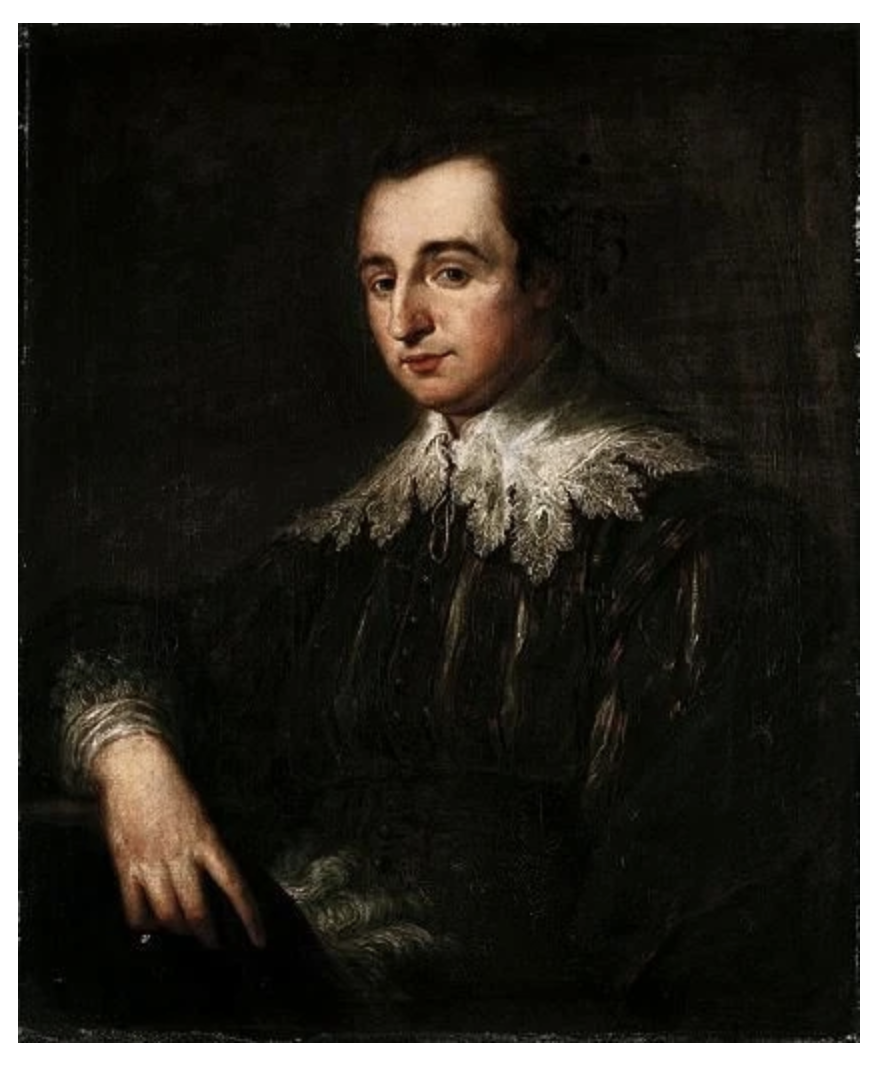
John La Touche (1732-1805) by Angelica Kauffmann courtesy of MutualArt.com

John represented the Borough of Harristown in Parliament. He married Gertrude Uniacke-Fitzgerald (d. 1818), daughter of Robert Uniacke-Fitzgerald. They had several children. He died in 1805.

Two of John’s sons also sat in Parliament. His son John inherited the estate. He was artistic and travelled in Italy, enriching his home with paintings and marbles. He died in 1822 and the estate passed to his brother, Robert La Touche (1773-1844), who was also an MP for Harristown.

Robert had married Lady Emily Le Poer Trench (1790-1816), daughter of William Power Keating Trench (1741-1805) 1st Earl of Clancarty of Garbally in Ballinasloe, and they had four children. They also owned a house on Merrion Square in Dublin. Their daughter Gertrude (1812-1864) married Henry Stanley McClintock (1812-1898) of Kilwarlin House, County Down.

A son, another John (1814-1904), succeeded his father in 1844, the year after he married Maria Price. John had a twin, William, but William died in the same year as his father. John was called “the Master” as he was a keen huntsman, and was Master of the Kildare Hounds 1841-45. He had a serious fall off a horse, however, and stopped hunting, and the same year, his brother Robert died tragically in a stand at the Curragh races – I think the stand collapsed.

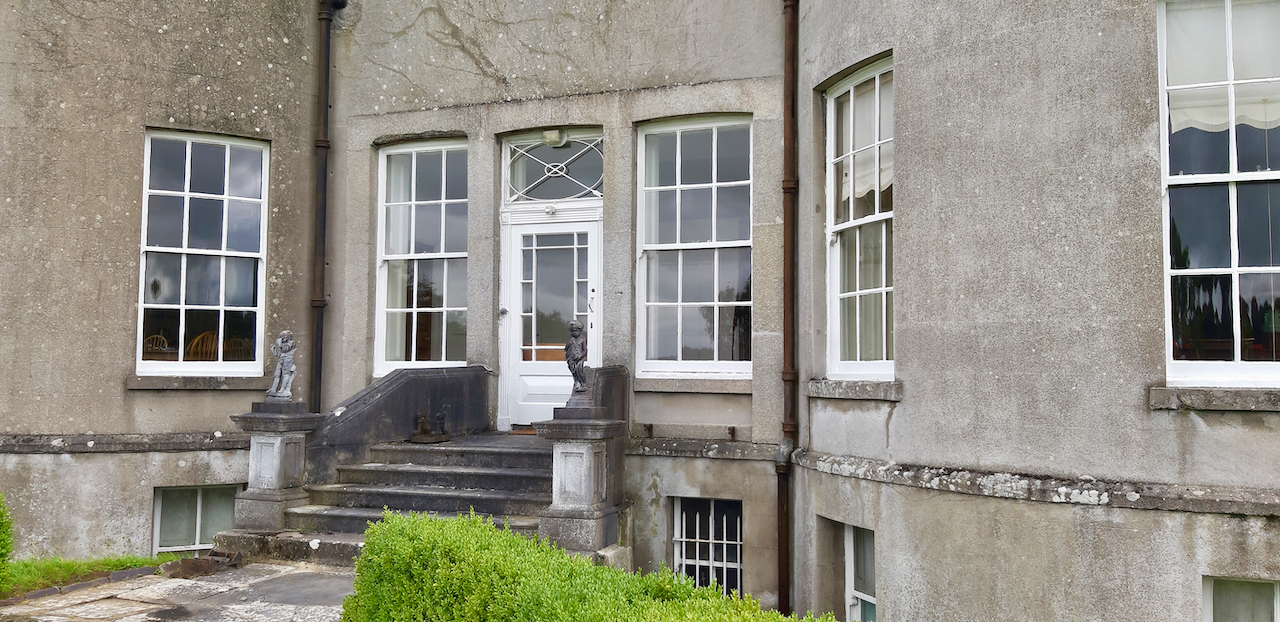
Historic houses require constant maintenance. Mr. Beaumont told us that he had to have the entire front portico taken down to be repaired. He preferred the appearance of the house without the portico, but acknowledged that it is good for keeping off the rain! Photograph © Jennifer Winder-Baggot, www.irishhistorichouses.com
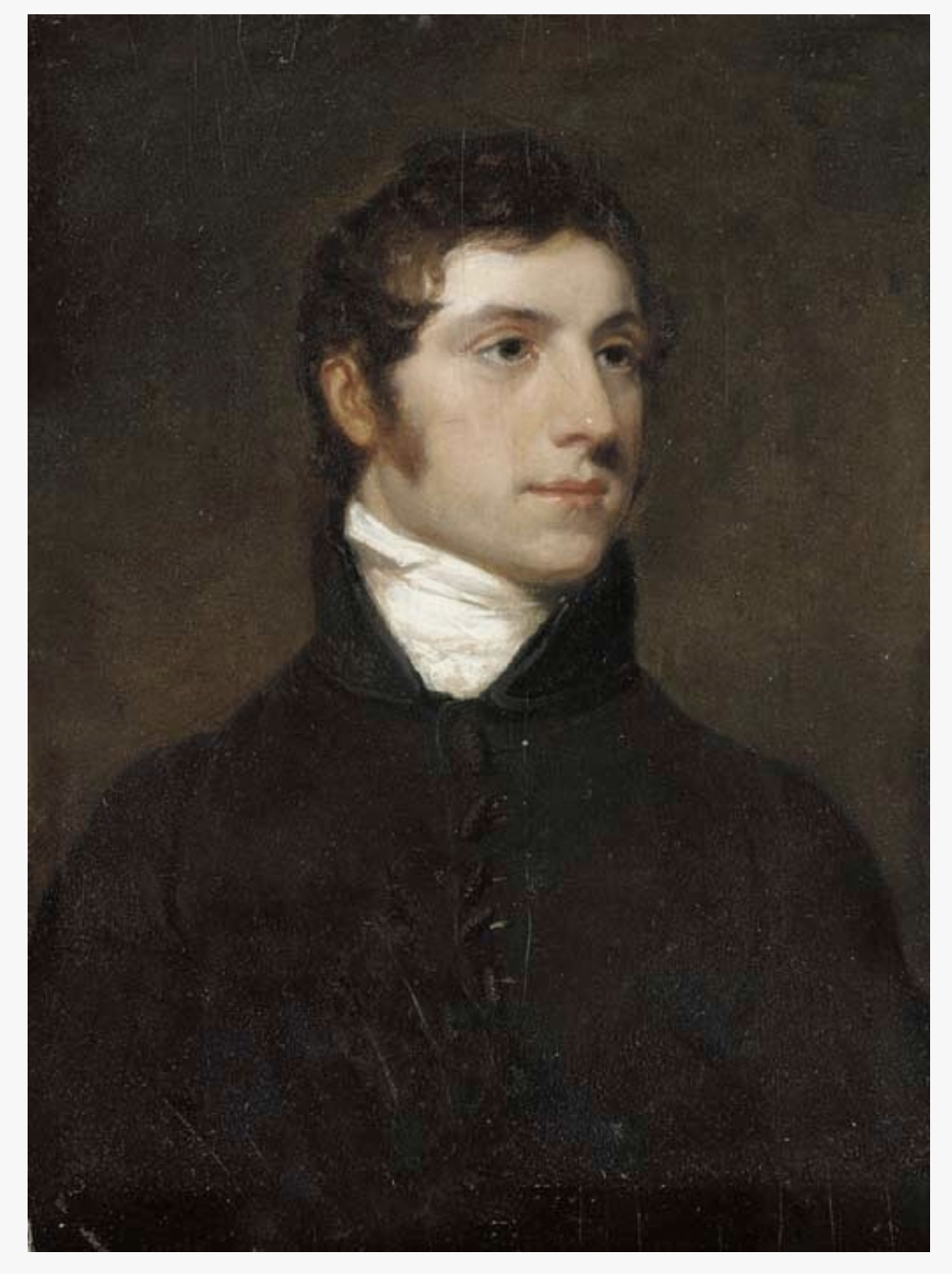
Gentleman believed to be Robert La Touche by Hugh Douglas Hamilton courtesy Christies Irish Sale 2003. Robert died when a stand collapsed at the Curragh Races.

John lived at Harristown for  sixty-two years. His wife, Maria was artistic, with a particular interest in botany, drawing, languages and poetry. She was an avid letter-writer and wrote a number of tracts on religious and social themes. She also wrote two novels, “The Clintons” (1853), and “Lady Willoughby” (1855). According to the La Touche legacy website, she had a horror of blood sports – and no wonder, with her husband’s nasty fall – and complained often about the enthusiastic hunting pursued by neighbouring gentry.

Maria La Touche née Price (1824-1906) of Harristown.

During the Famine, John initiated drastic measures in his household: “allowing no white bread or pastry to be made, and only the simplest dishes to appear on his table. The deer-park at Harristown ceased at this time to have any deer in it; all were made into food for the starving people.” He busied himself with his farm tenants, and supported Land Reform under Gladstone.

In 1857 John La Touche heard the preaching of C.H. Spurgeon, which led him to become a Baptist. In 1882, he built a Baptist Chapel and a fine Manse (minister’s house) at Brannockstown, and was a regular benefactor of Baptist work throughout Ireland. John had an interest in education, as did all the La Touches, and he knocked down the remains of Portlester Castle to build a school at Brannockstown, which opened in 1885. This school prospered for twenty years, but under his son, Percy, the pupils moved to the Carnalway National School. It re-opened in 1928 under Catholic management and it is still in use. For more on the La Touches and education and banking, see Turtle Bunbury’s chapter on the La Touches in his book The Landed Gentry & Aristocracy of County Kildare.

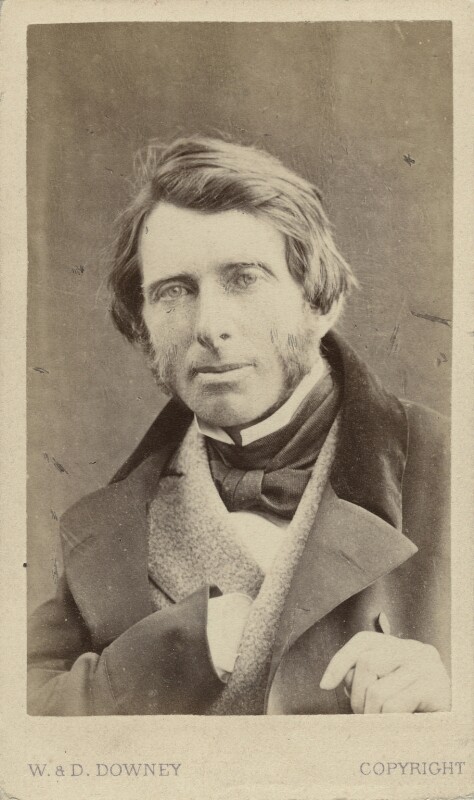
Maria La Touche’s friend, Louisa, Lady Waterford (whom we came across in Curraghmore, the wife of the 3rd Marquess), introduced her to the famous art critic John Ruskin, and she asked him to tutor her children, especially her daughter Rose, in art.

John Ruskin by W. & D. Downey 1863, National Portrait Gallery of London ref. x12958.

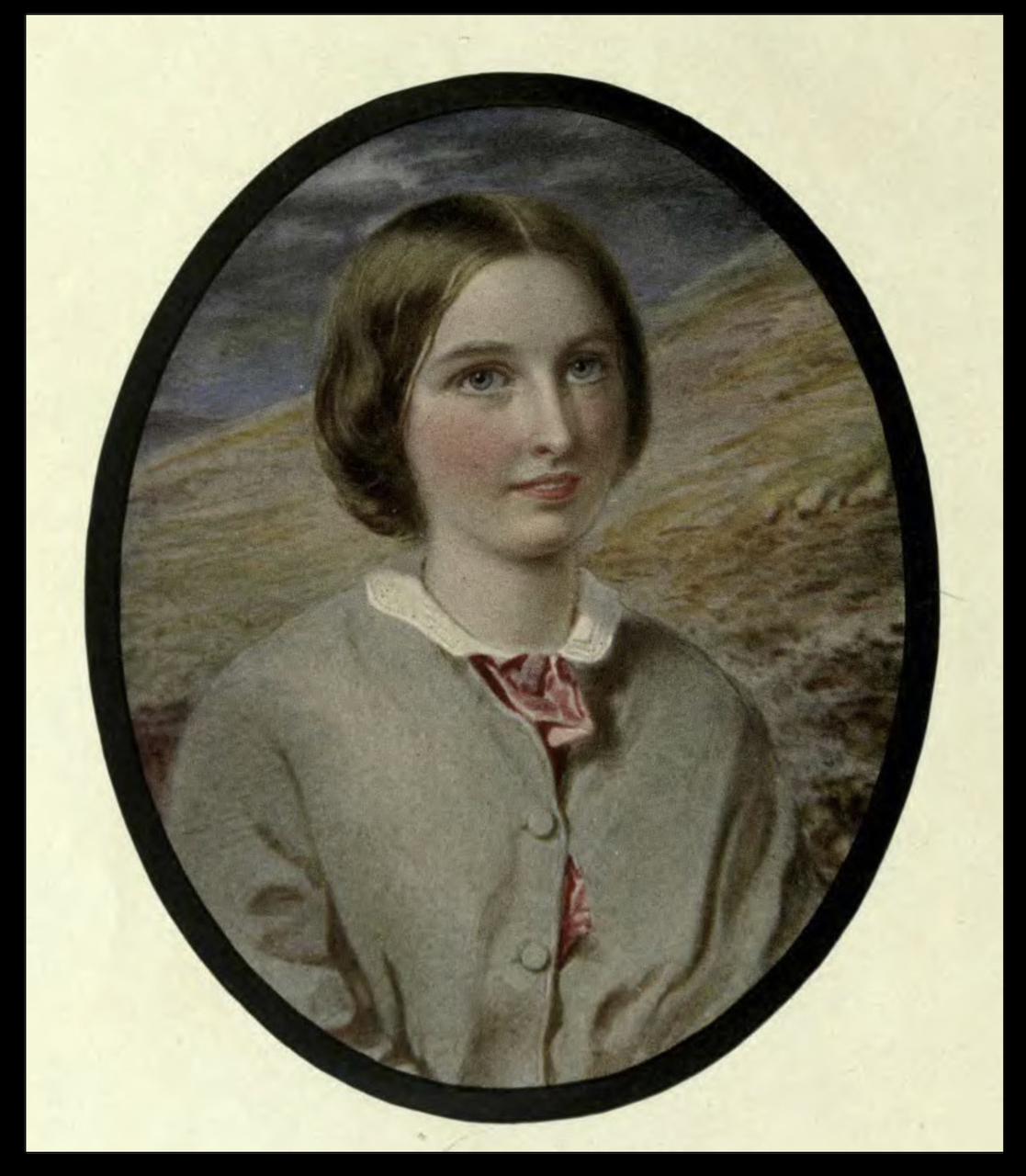
The relationship between Rose and Ruskin is fascinating and sad. They grew to be very fond of each other, and he fell in love with her when she was still a young girl. Ruskin proposed marriage but due to the fact that his first marriage, to Effie Gray (featured in the film “Effie Gray” written by Emma Thompson), was annulled due to his impotence, Rose’s parents would not allow the marriage. [12] [13] According to a wikipedia article, Rose’s parents feared that if Rose did become pregnant by Ruskin, the marriage would be invalidated since the reason for his annulment would be disproved! Ruskin proposed again, when Rose came of age. She must have had some sort of illness or unusual anatomy because doctors had told her that she was “unfit for marriage.” She said would only agree to the marriage if it could remain unconsummated. Ruskin, however, refused this, “for fear of his reputation” (again, according to wikipedia).

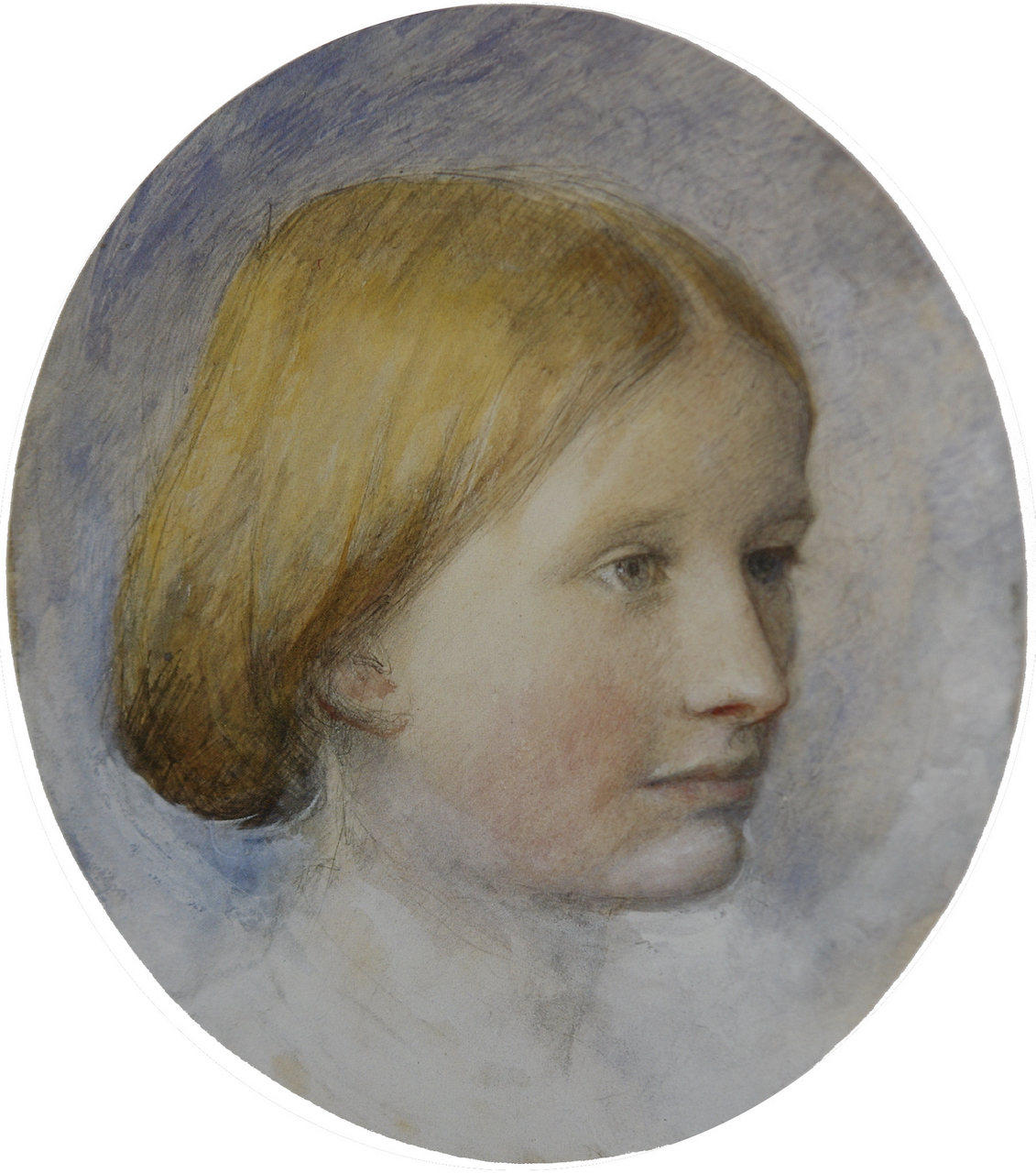
Rose La Touche, 1861, by John Ruskin From “Ruskin, Turner and the pre-Raphaelites”, by Robert Hewison, 2000.
We loved the aesthetic touch of the pair of peacocks in the garden. Harristown, August 2019. Photograph © Jennifer Winder-Baggot, www.irishhistorichouses.com

The La Touche legacy website is less sensationalistic about Rose – it claims that she had ill health and this was one reason that her parents were worried about a potential marriage to Ruskin, and they also didn’t like his professed atheism. Given their firm religious faith this seems a most probable reason for their disapproval. Rose went to London in January 1875 for medical care and Ruskin attended her, but she soon died.

Harristown, August 2019. Photograph © Jennifer Winder-Baggot, www.irishhistorichouses.com

According to wikipedia, Rose was placed by her parents in a Dublin nursing home in her mid-20s, and :

Various authors describe the death as arising from either madness, anorexia, a broken heart, religious mania or hysteria, or a combination of these. Whatever the cause, her death was tragic and it is generally credited with causing the onset of bouts of insanity in Ruskin from around 1877. He convinced himself that the Renaissance painter Vittore Carpaccio had included portraits of Rose in his paintings of the life of Saint Ursula. He also took solace in Spiritualism, trying to contact Rose’s spirit.

Harristown, County Kildare. Photograph © Jennifer Winder-Baggot, www.irishhistorichouses.com

Another daughter, Emily Maria (1846-1868) married Bernard Matthew Ward (1831-1918), son of Edward Southwell Ward, 3rd Viscount Bangor of Castle Ward, County Down.

In 1891 a fire gutted the three storey house. It was rebuilt to the designs of James Franklin Fuller. One storey was removed, which Mr. Beaumont pointed out to us when we were inside, makes the house brighter than it would have been with a further storey. The brightness is further aided with lantern skylights. Franklin Fuller also rebuilt the small Church of Ireland at the entrance to the estate, Carnalway church. It was done in a Hiberno Romanesque style similar to his masterpiece at Millicent. The church also has stained glass windows by Harry Clarke and Sir Ninian Comper.

When “The Master” died in 1904 in his 90th year, his son, Robert Percy (1846-1921), succeeded to the estate. He moved in the highest levels of society and was a favourite of King Edward the Seventh. He married Lady Annette Scott (1844-1920), a sister of the John Henry Reginald, 4th Earl of Clonmel, but they had no children. After his death in 1921, his sister Emily’s son succeeded, Ernest Otway Ward (1867-1965), who added La Touche to his surname upon inheritance, but he sold it soon afterwards. [14]

Harristown, County Kildare. Photograph © Jennifer Winder-Baggot, www.irishhistorichouses.com

The estate passed through two other owners before being sold to Major Michael Whitley Beaumont (1903-1958), grandfather to the present owner, Hubert Beaumont, in 1964.

Hubert’s grandfather Michael set about renovating, and shipped furniture and interiors, even panelling and wallpaper, from the home he purchased from Lord Buckingham in England in 1929, Wootton (or Wotton) House. Wotton House was later to be owned by the actor John Guilgood, and Tony and Cherie Blaire, amongst others. Major Beaumont sold Wotton House in 1947.

Hubert Beaumont inherited the house from his grandfather Michael’s widow, Doreen (the Major’s second wife, daughter of Herbert William Davis-Goff, 2nd Baronet Davis-Goff, of Glenville, Co. Waterford and of Horetown, Co. Wexford. It was his first wife, Faith Pease, daughter of the 1st Baron Gainford, who was Hubert’s grandmother). Hubert’s father, Lord Timothy Wentworth Beaumont, Baron Beaumont of Whitley, was a British politician in the Liberal Party, Liberal Democrats and Green Party, and also an Anglican clergyman. Major Michael’s father was also a politician in the Liberal Party, Hubert Beaumont (1864-1922). There’s a strong line of politicians in the family, and they are related  to George Canning, who served as Prime Minister of the UK from April 1827 until he died in August later that year.

Wotton House, Buckinghamshire, 2007, photograph courtesy of British Listed Buildings, photograph by Peter Harris.

The house is spacious, bright, and beautifully decorated with the items that the Beaumonts brought from their former home in Buckinghamshire. Wootten’s interior was designed by Sir John Soane, and Doreen Beaumont brought some of the Soanian influence to her new home. [15] The colours she used are not traditionally associated with an Irish Georgian house. You can see pictures of the interior on the website.

The front hall is a large double room which opens into the three main reception rooms: the library, drawing room and dining room. The beautiful fireplaces were brought from Wootten. A sitting room leading from the drawing room features delicate sixteenth century Chinese wallpaper, depicting birds against a sky blue background. The mounted wallpaper was imported from England, so an artist was hired to continue the pattern (although it is not a “pattern” as such as the birds are all hand-painted and none are repeated) on the remaining wall. I was particularly delighted with the little mouse painted over the skirting board – the artist found the room so full of mice as the house was being renovated, he decided to commemorate one. The artist also commemorated Doreen’s beloved dogs, and painted a Chow Chow on the wall. A portrait in the room of Mr. Beaumont’s grandmother features her standing next to a chair occupied by her chow!

Upstairs the stairs lead on to a magnificent bright landing corridor lined with long wooden bookshelves, which were also brought from Wootton, along with much of the library from that house, which also feature in the library downstairs. One bedroom is paneled in Tudor oak, brought from a sixteenth century house in England and is older than the house! This interior could be from the Jacobean Dorton House in Buckinghamshire, another house which Major Michael Beaumont had owned. The room contains a four poster bed and heavy French Empire pelmets.

A feature normally lost in old houses which Harristown retains is the servants’ tunnel under the house that leads from the basement to the yard.

One end of the tunnel, the other end originating in the basement of the house. Photograph © Jennifer Winder-Baggot, www.irishhistorichouses.com

In the basement we saw some of the vaulted storage rooms and what would have been the kitchen. The Beaumonts have opened their house to film crews and a recent film set in the house is one I’d love to see, “Vita and Virginia” about Virginia Woolf and Vita Sackville-West. The tunnel was also used in one of our favourite TV series, “Foyle’s War”!

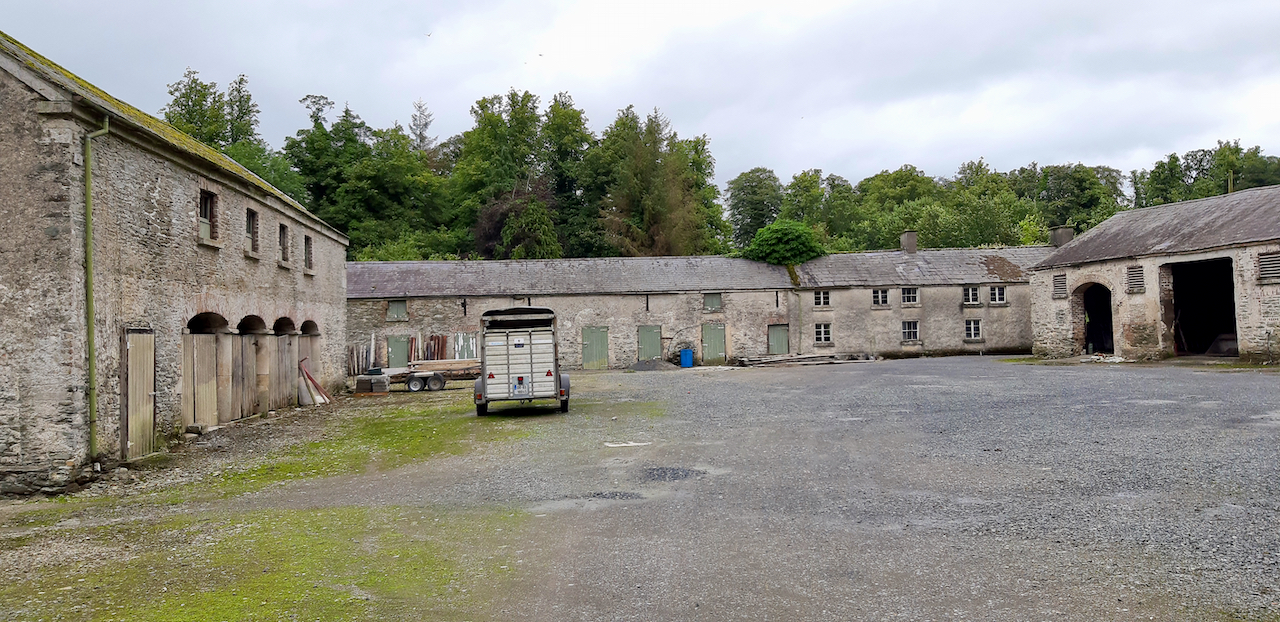
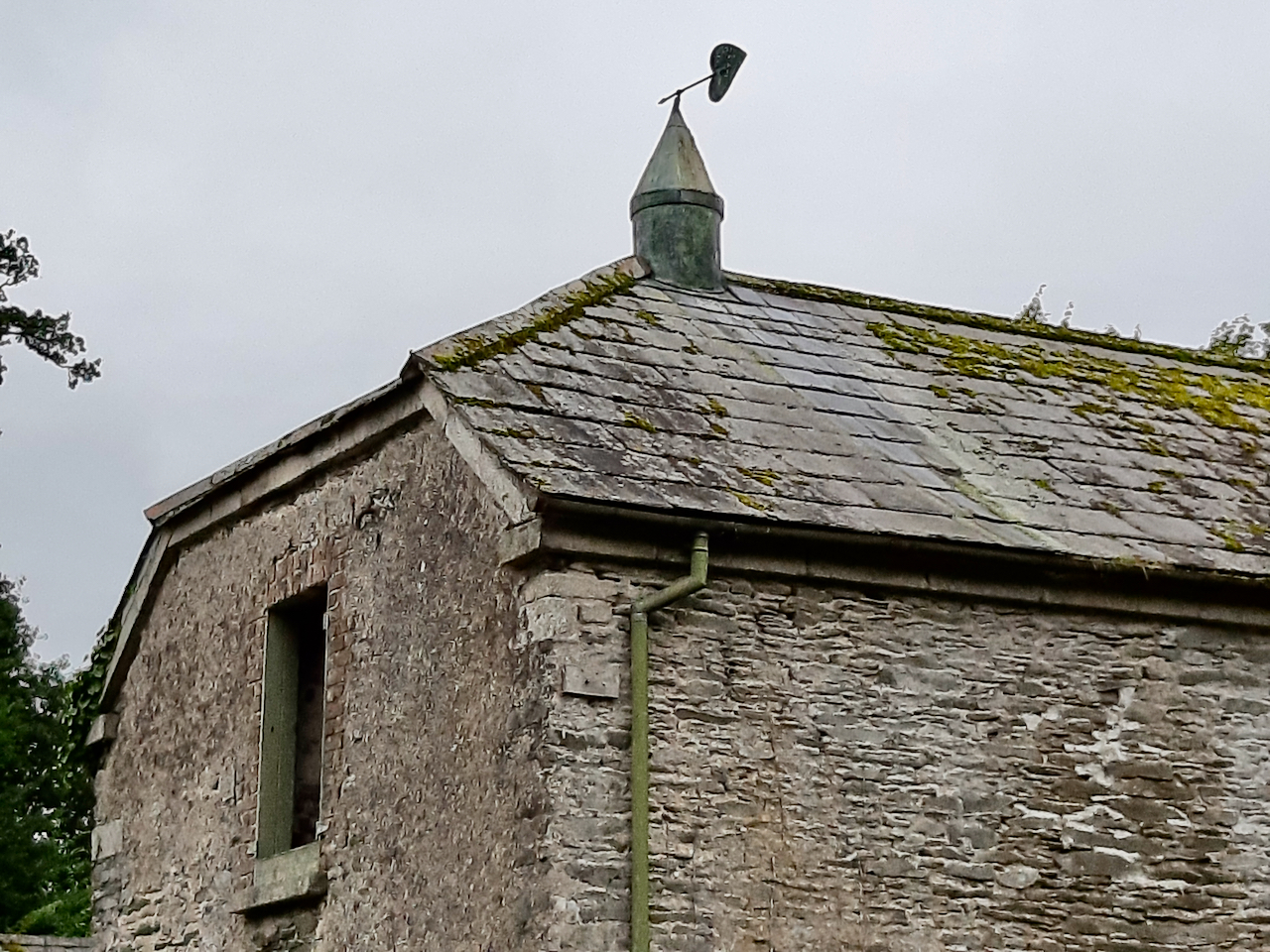
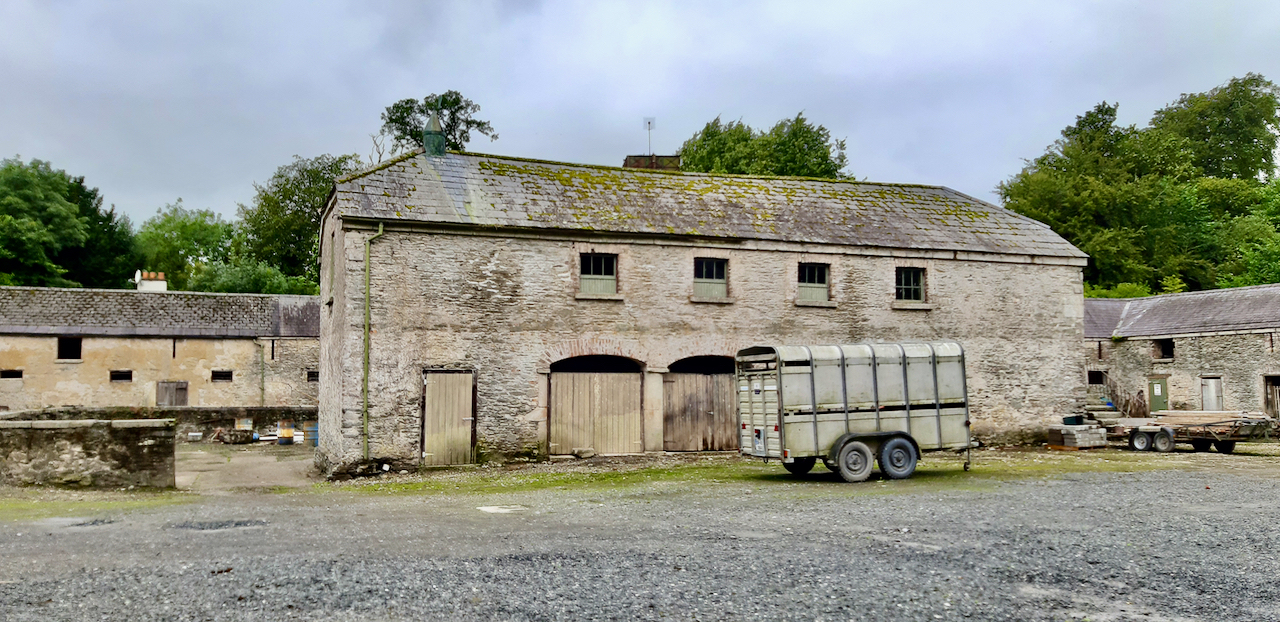
After our tour, Mr. Beaumont invited us to explore outside. We wandered over to the farmyard first, which has marvellous old barns, and a beautiful weather vane.

Harristown, County Kildare. Photograph © Jennifer Winder-Baggot, www.irishhistorichouses.com
Harristown, August 2019. Photograph © Jennifer Winder-Baggot, www.irishhistorichouses.com

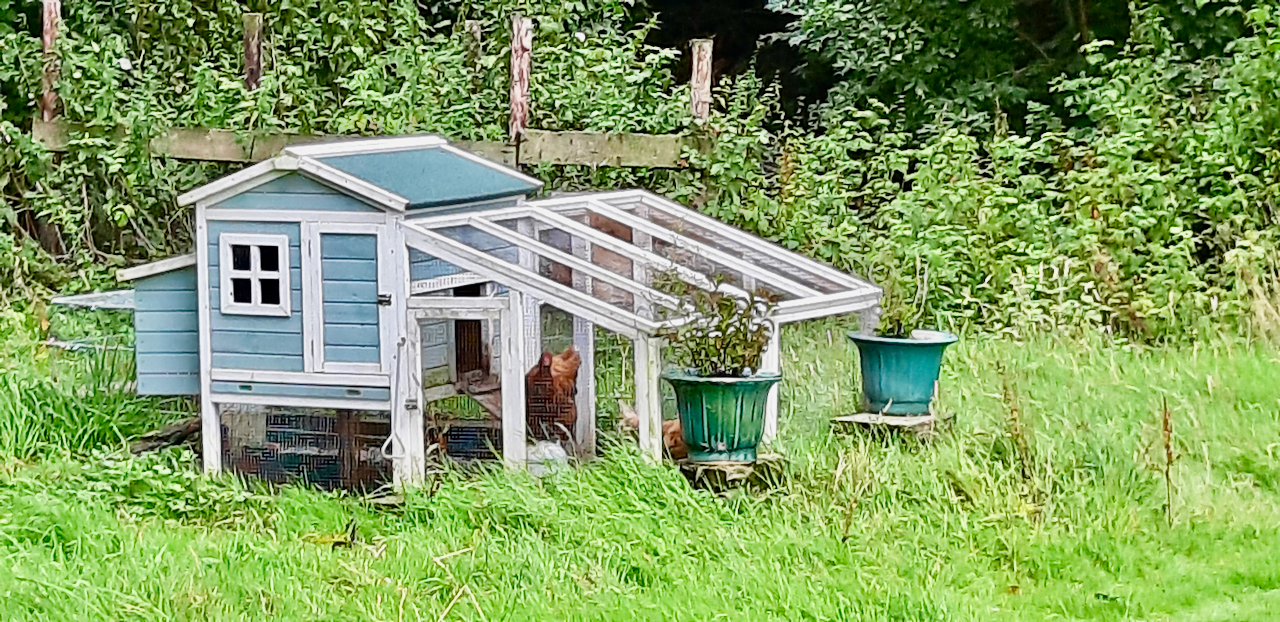
There is extra accommodation in a converted stableyard where Noella teaches English and French to live-in students. Some teenagers emerged when we were passing and we asked where we could find the walled garden. Noella followed them out, welcomed us, and pointed us in the right direction. We walked along a grassy path past a delightful henhouse – the hens also have their own portico!

Harristown, August 2019. Photograph © Jennifer Winder-Baggot, www.irishhistorichouses.com

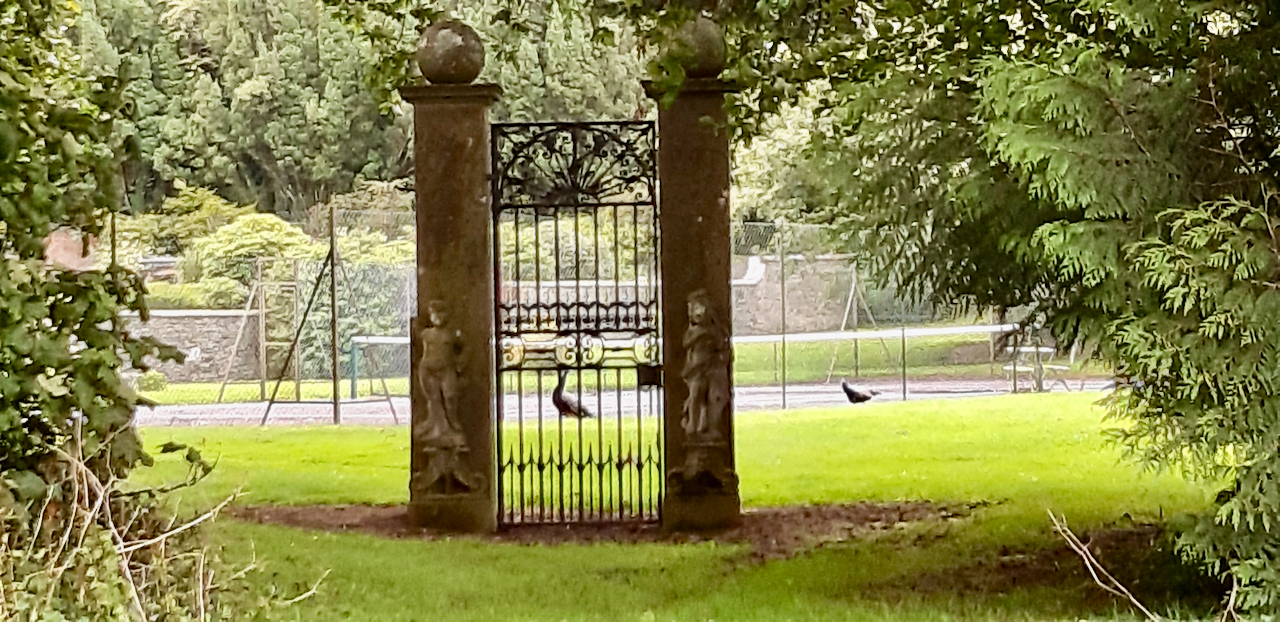
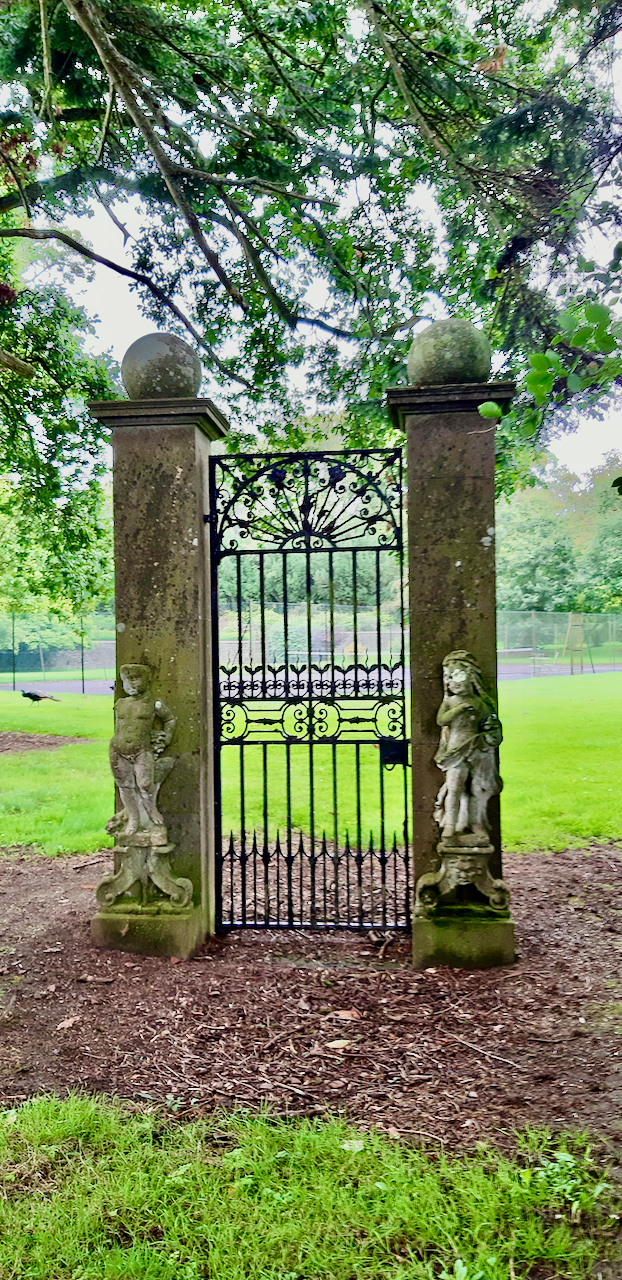
We passed the tennis court, and an odd random gate featuring two cherubs.

Harristown, County Kildare. Photograph © Jennifer Winder-Baggot, www.irishhistorichouses.com
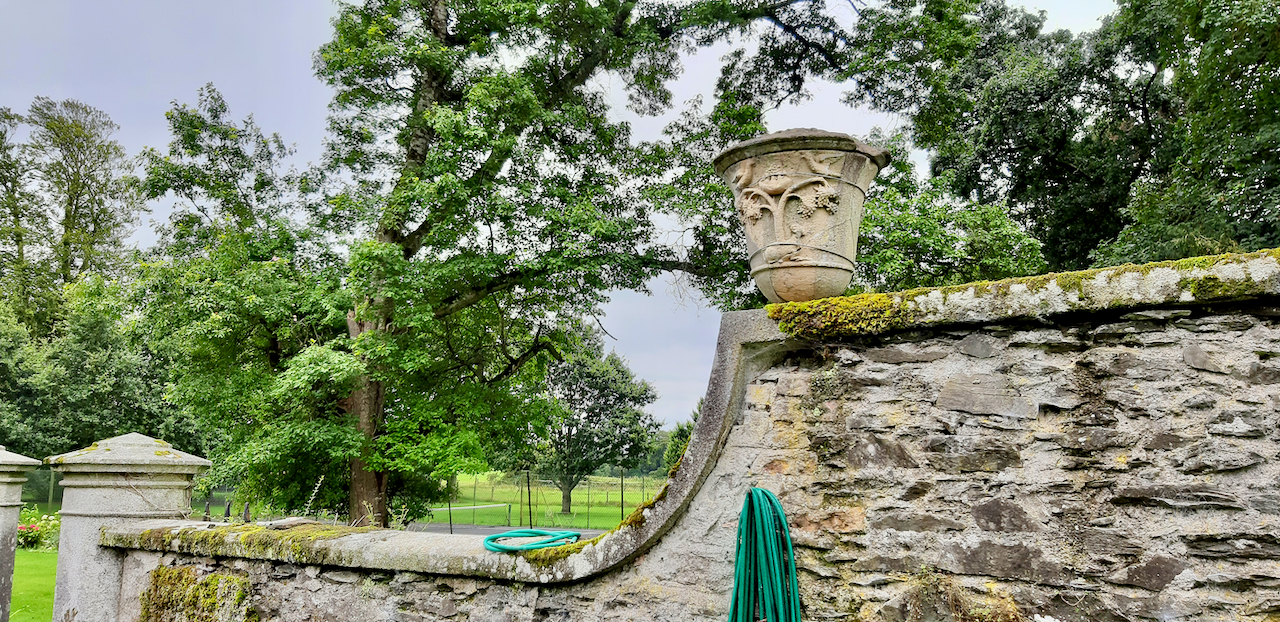
Harristown, August 2019. Photograph © Jennifer Winder-Baggot, www.irishhistorichouses.com

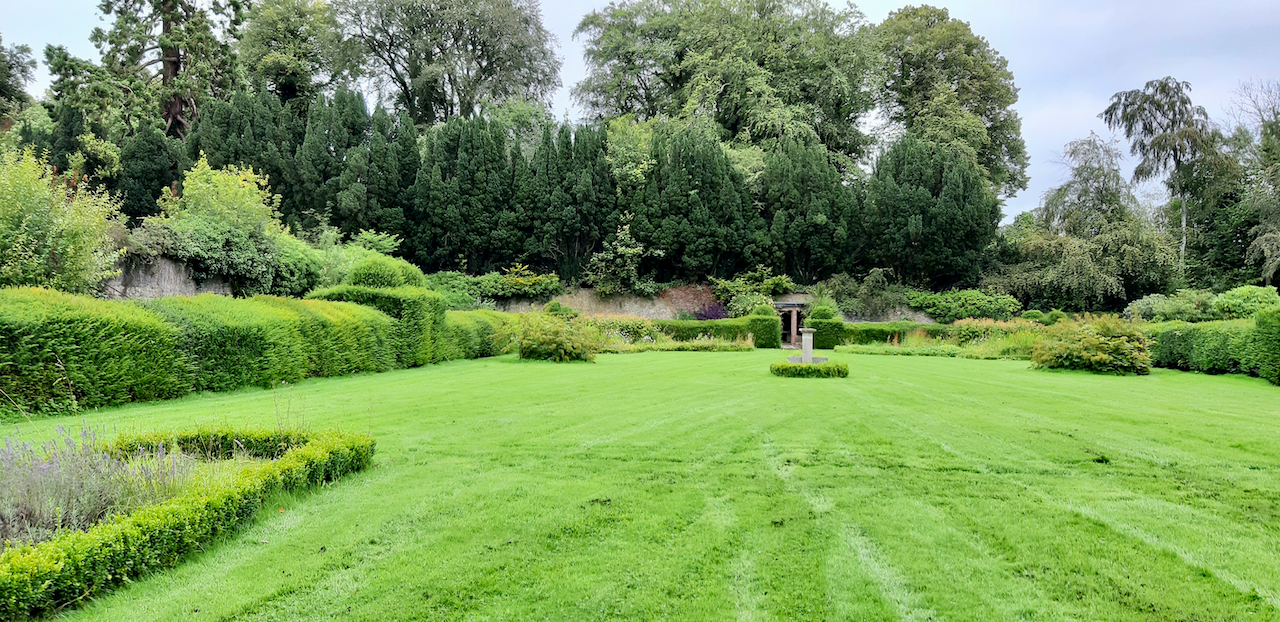
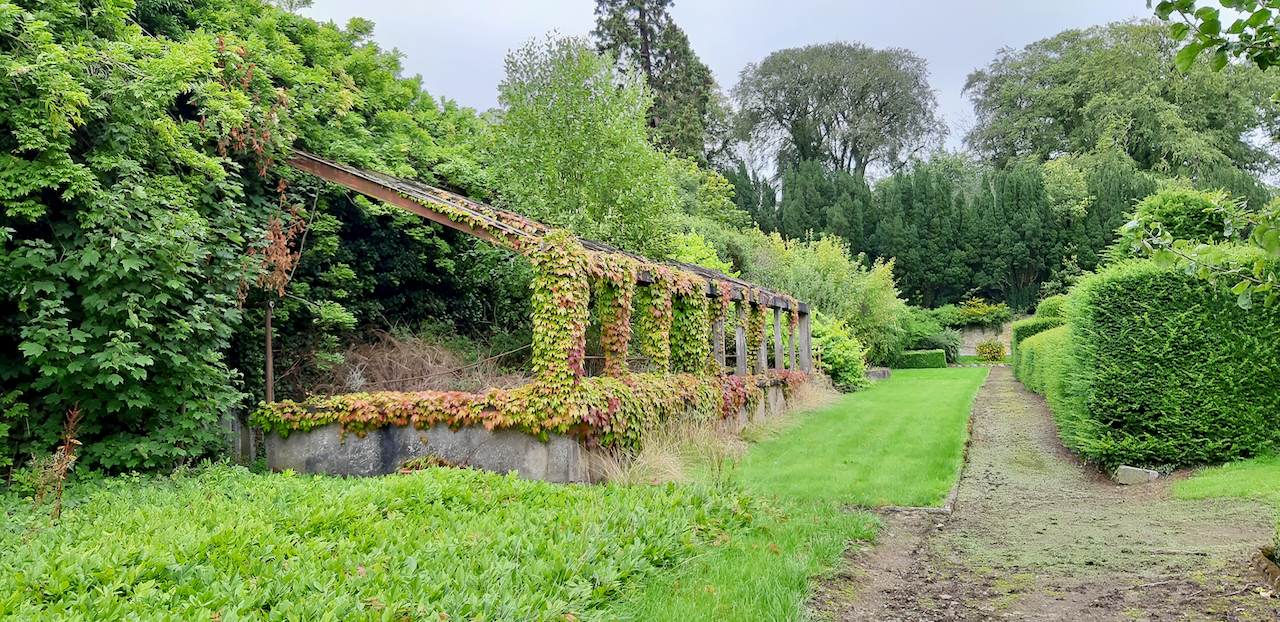
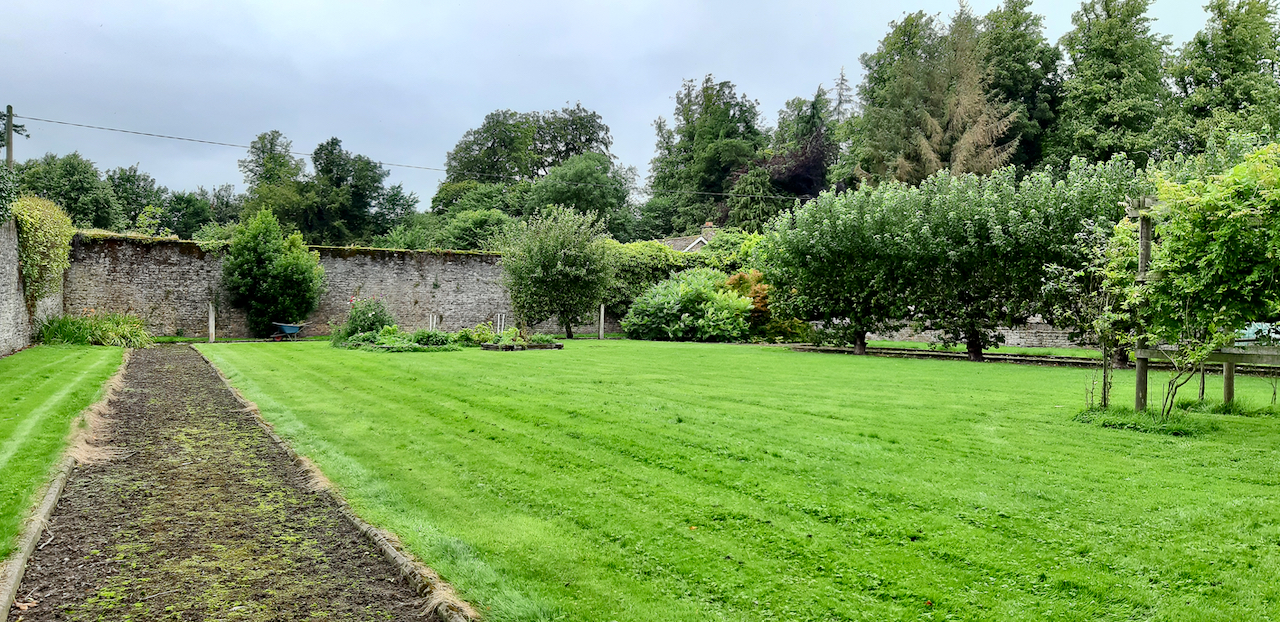
The walled garden was beyond the tennis court.

Harristown, County Kildare. Photograph © Jennifer Winder-Baggot, www.irishhistorichouses.com
Harristown, August 2019. Photograph © Jennifer Winder-Baggot, www.irishhistorichouses.com

[1] http://www.dippam.ac.uk/eppi/documents/10925/page/244850

[2] Mark Bence-Jones, A Guide to Irish Country Houses (originally published as Burke’s Guide to Country Houses volume 1 Ireland by Burke’s Peerage Ltd. 1978); Revised edition 1988 Constable and Company Ltd, London.

[3] http://latouchelegacy.com/page15.php

[4] https://en.wikipedia.org/wiki/Maurice_Eustace_(Lord_Chancellor)

[5] https://en.wikipedia.org/wiki/Benjamin_Chetwood

[6] https://en.wikipedia.org/wiki/Harristown,_Naas_South

[7] www.dlrevents.ie

[8] https://www.buildingsofireland.ie/buildings-search/building/60220011/marlay-house-grange-road-co-dun-laoghaire-rathdown

[9] Young, M.F. “The La Touche Family of Harristown,” Journal of the Kildare Archaological Society, volume 7. 1891. https://archive.org/details/journalofcountyk07coun/page/36/mode/2up

[10] p. 129. Bunbury, Turtle and Art Kavanagh, The Landed Gentry & Aristocracy of County Kildare. Published by Irish Family Names, 11 Emerald Cottages, Grand Canal St., Dublin 4 and Market Square, Bunclody, Co. Wexford, Ireland, 2004.

[11] https://www.dia.ie/architects/view/1412#tab_biography

[12] https://en.wikipedia.org/wiki/Rose_La_Touche

[13] a different view of the marriage and annulment between Ruskin and Effie Gray is discussed in the following article, a review of a book that claims that Ruskin did not consummate the marriage with Effie Gray because he learned that she married him for money and not love. https://www.theguardian.com/books/2013/mar/29/ruskin-effie-marriage-inconvenience-brownell

[14] p. 137, Bunbury, Turtle and Art Kavanagh, The Landed Gentry & Aristocracy of County Kildare. Published by Irish Family Names, 11 Emerald Cottages, Grand Canal St., Dublin 4 and Market Square, Bunclody, Co. Wexford, Ireland, 2004.

[15] https://www.harristownhouse.ie/en/our-history

Text © Jennifer Winder-Baggot, www.irishhistorichouses.com