Open dates in 2025: Aug 1-31, Sept 1-30, 2pm-6pm
Fee: Free
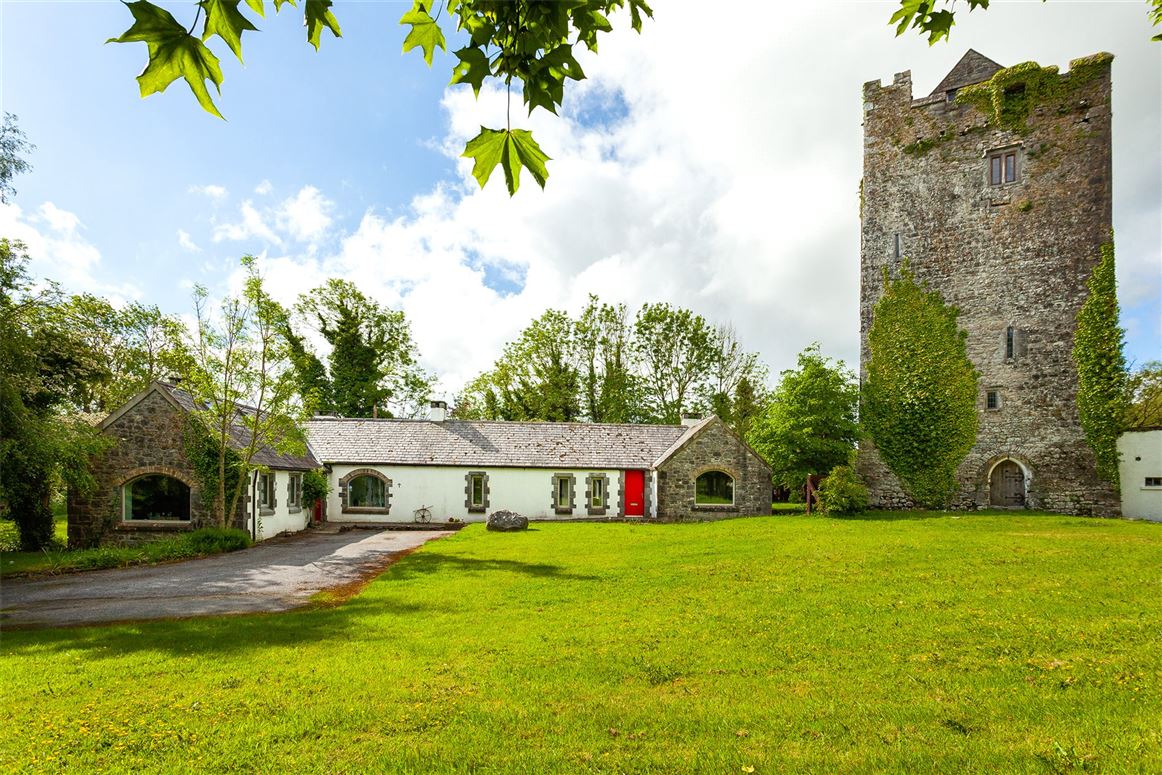
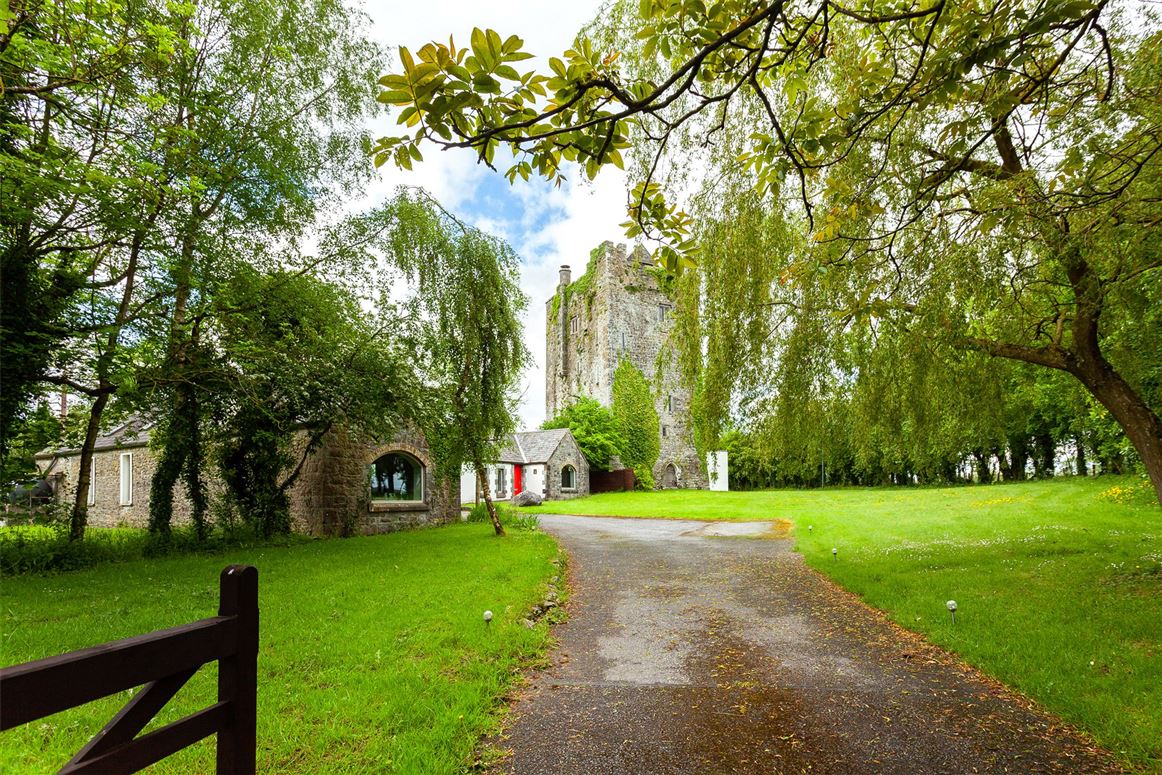
Ballybur Castle was advertised for sale in 2024, by Sherry Fitzgerald Country Homes, Farms and Estates. I confess that we have not yet had a chance to visit, so I am using photographs taken from the estate agent advertisement.
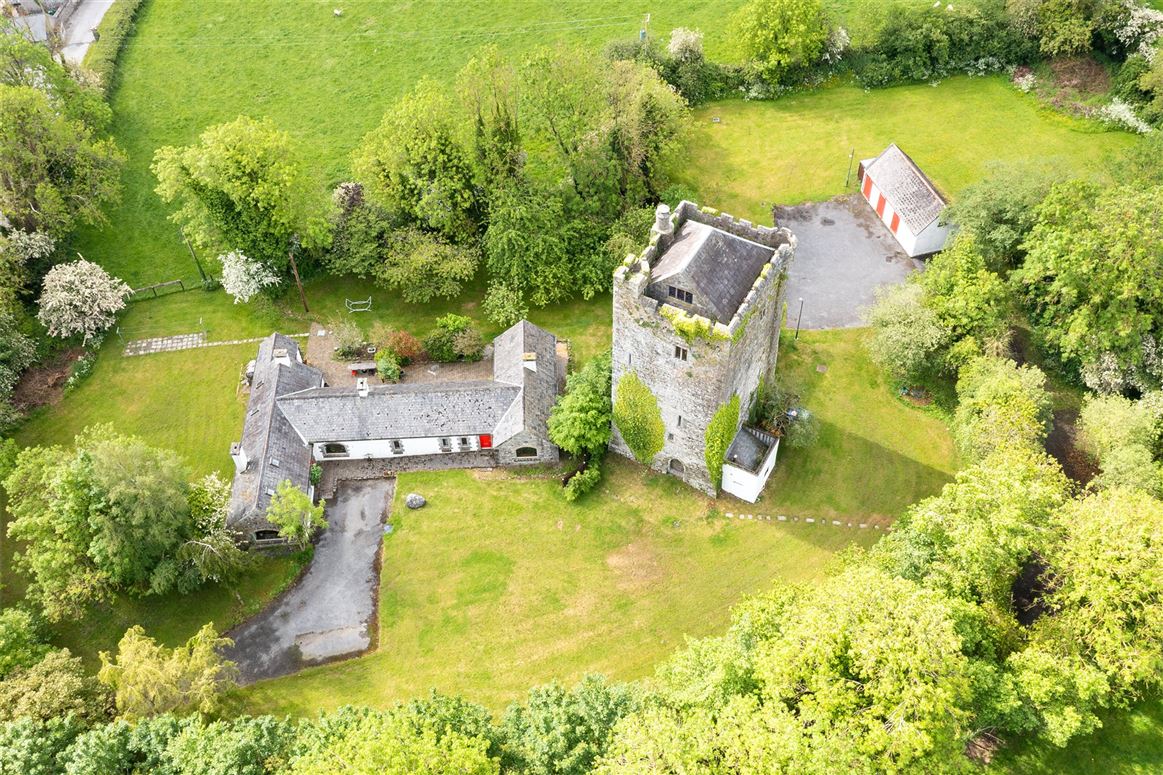
The castle was built around 1588, by Richard Comerford. It has five storeys. The sales advertisement tells us: “The castle comes with all the delicious myths you would expect of such an atmospheric building, including the story of gold, hidden under the third step of the stone flight leading to the top floor, as well as a secret passage to the neighbouring Burnchurch Castle.“
The Ballybur website tells us: “Ballybur Castle is the ancient seat of the Comerford clan, built by Richard Comerford around 1588. Despite the violent times, it seems to have maintained a fairly peaceful existance. It was one of the seats of the powerful Comerford family, the only one remaining.
“Ballybur Castle is typical of the single family castles of that period, built primarily for protection against warring groups travelling the countryside. They were usually surrounded by more temporary structures where the farm labourers lived and livestock were kept.
“When trouble was brewing, a roofwatch was kept and at the sight of any hostile group, labourers and livestock were gathered into the castle.
“The Comerford castles flourished in the 1500s and well into the 16th century, all three castles were clustered in this area. (There were two more castles near Ballybur Castle belonging to the Comerford clan).“
“One can imagine the social standing of the Comerfords, the entertainment and grand parties that took place in their castles were renowned. The Comerfords occupied Ballybur Castle during the Confederation that took place in Kilkenny in 1641.“
Patrick Comerford, a descendant of the Comerfords of Ballybur, tells us more about the history in his blog. He writes that Richard Comerford ‘Senior’ (ca 1462-ca 1532) came into possession of Ballybur, Co Kilkenny, in the early 16th century, through his marriage to Ellen Freny (or French), daughter and co-heir of Patrick fitzFulk Freny, and heiress of Ballymaclaphry and of the moiety of the manor of Ballymacogue, Co Wexford. [1]
Richard ‘Roe’ Comerford (ca 1492?-post 1537), as the eldest son and heir of Richard Comerford ‘Senior’, succeeded his father at Ballybur soon after 1532, and was living there in 1537. His son, Richard ‘Oge’ Comerford, was living at Ballybur Castle in 1566, 1567, 1571/1572, and died ca 1579-1580. Tradition says the present Ballybur Castle was built in 1588 by Richard Oge’s grandson, Richard ‘fitzThomas’ Comerford (1564-1637). [1] Richard Comerford, Lord of Ballybur, who was described as being “truly pious, upright, prudent and valiant”. Richard and his wife Mary Comerford had three sons and eleven daughters, and Ballybur remained in the Comerford family until they were banished in Cromwellian times.
The Papal Nuncio, Archbishop Rinuccini, stayed in the castle when on his way to Kilkenny in November 1645. He presented John Comerford with his rosary beads, which is now on display in Rothe House in Kilkenny city. John inherited the castle from his father Richard ‘fitzThomas’ Comerford, in 1637. They were presented to the Kilkenny Archaeological society by a descendant of John Comerford, Father Edmund Langton-Hayburn (1916-2006), who lived in Freemont, California, and are kept in Rothe House.

In 1654 John Comerford was forced to leave during the Cromwellian era. He was compensated with lands near Bunratty in Co Clare, but he never recovered Ballybur Castle or his estates after the Caroline Restoration, despite appeals to his wife’s cousin, the Duke of Ormonde.
Ballybur was acquired by Brian Mansergh (d. 1688) during the Cromwellian land distribution. We came across the Mansergh family when we visited Grenane in County Tipperary.
Patrick Comerford continues, telling us that in 1725 George Mansergh (1682-1754), son of Brian, was living at Ballybur Castle. In 1769, Michael Deignan was living at Ballybur Castle, probably as a tenant of the Mansergh family. Colonel Richard St. George Mansergh added the name St. George to his family when he inherited his maternal uncle’s property. In 1836, Richard Mansergh St. George owned Ballybur Castle, Patrick Comerford tells us.
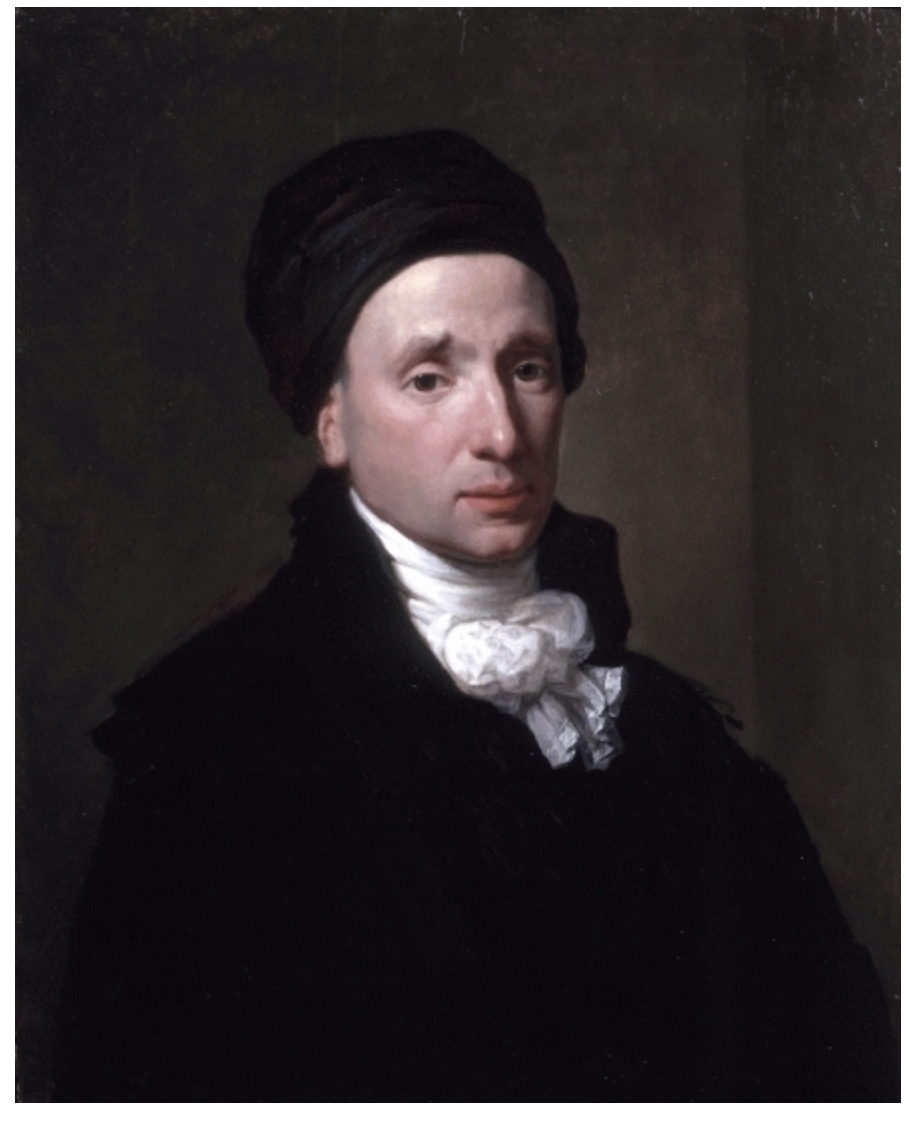
I found a photograph in the National Library of Ireland that seems to tell us that a James Murphy lived in Ballybur, who had a daughter, Kathleen. Carol Maddock provides an extract from the Kilkenny People on the day: “… in the O’Loughlin Memorial Church in St. John’s Parish, when Chevalier Thomas O’Loughlin, Killarney Villa, Ballarat, Australia, was united in marriage with Miss Kathleen Murphy, fifth daughter of Mr. James Murphy, Ballybur Castle, Co. Kilkenny. Chevalier O’Loughlin (or Count O’Loughlin, as he now is[…]) is a prominent figure in the Catholic world in Ireland and Australia. A native of Kilkenny and the inheritor of a vast fortune in the Southern Continent … The wedding ceremony was fixed for 8 o’clock…[about thirty priests con-celebrated the mass, even some from Australia!] … followed by her sisters, the Misses Daisy and Sheela Murphy…”

The website continues:
“We know little about the period between 1655 until 1841 when it is stated that Thomas Deigan was the occupier of Ballybur.
“Locally it is known that the Marnell sisters married into the Deigan family. They occupied Ballybur until Frank and Aifric Gray bought it in 1979.”
It has been occupied until recently by their family. They used traditional techniques and local builders to restore the castle over twenty-five years. They received assistance for the renovations from the Kilkenny County Council, the Heritage Council and from the Barrow Suir Development. The castle is now completely refurbished. When they purchased the castle it had no roof – it had been blown off by a canon in Cromwellian times!
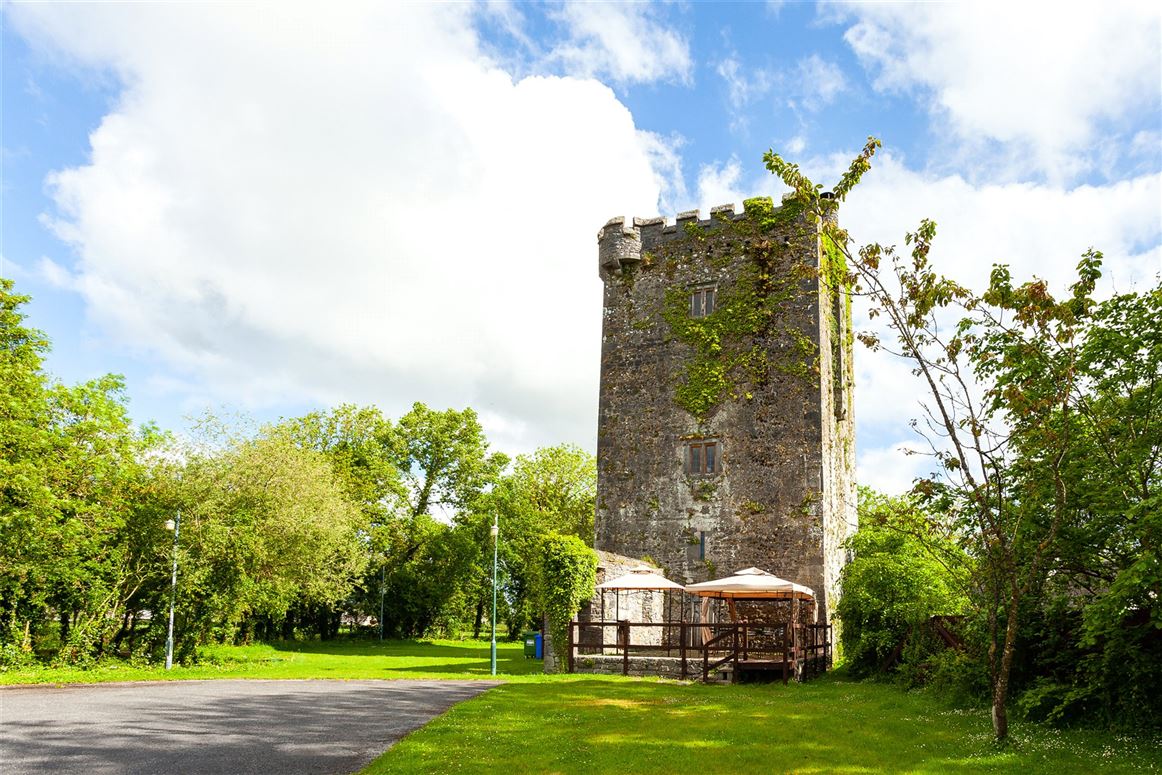
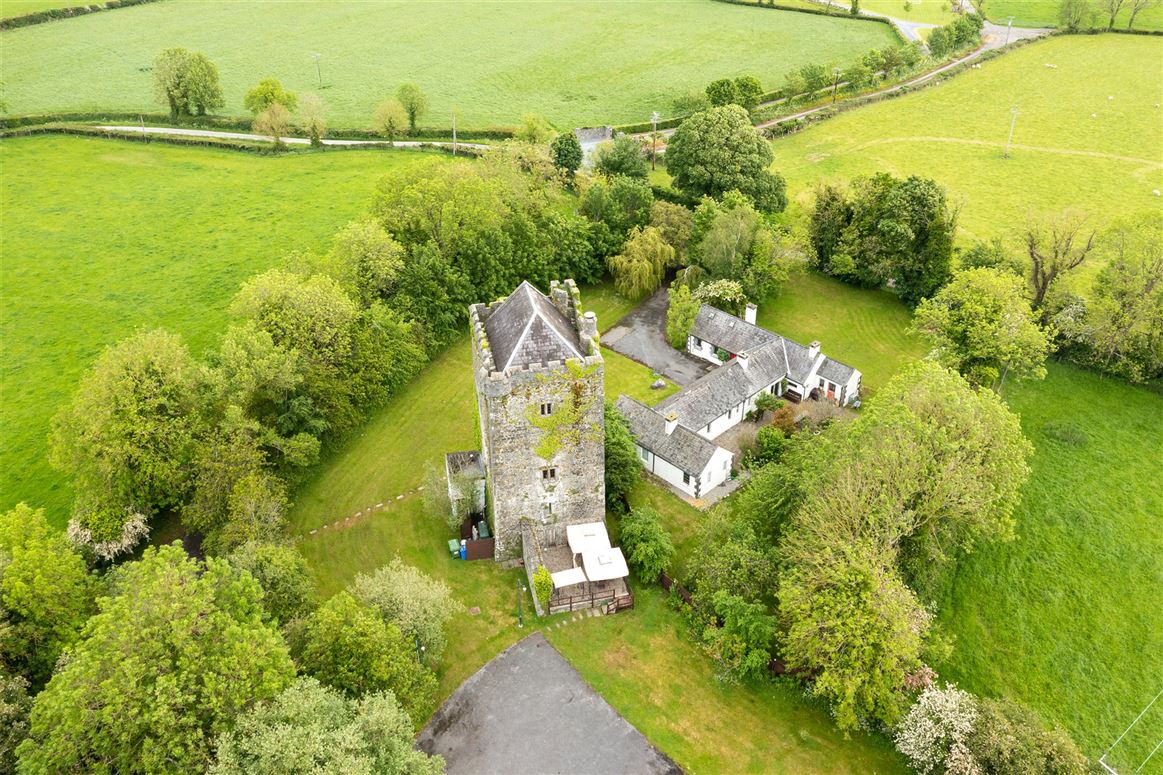
The castle measures 38 feet by 30 feet at the base and stands 65 feet tall. [2] The windows are narrow, but the deeply angled window sills let in the light. Compared with other similar square tower houses, Ballybur has larger rooms and wider stairs than most. Ballybur Castle has been restored and has been a self-catering holiday home.
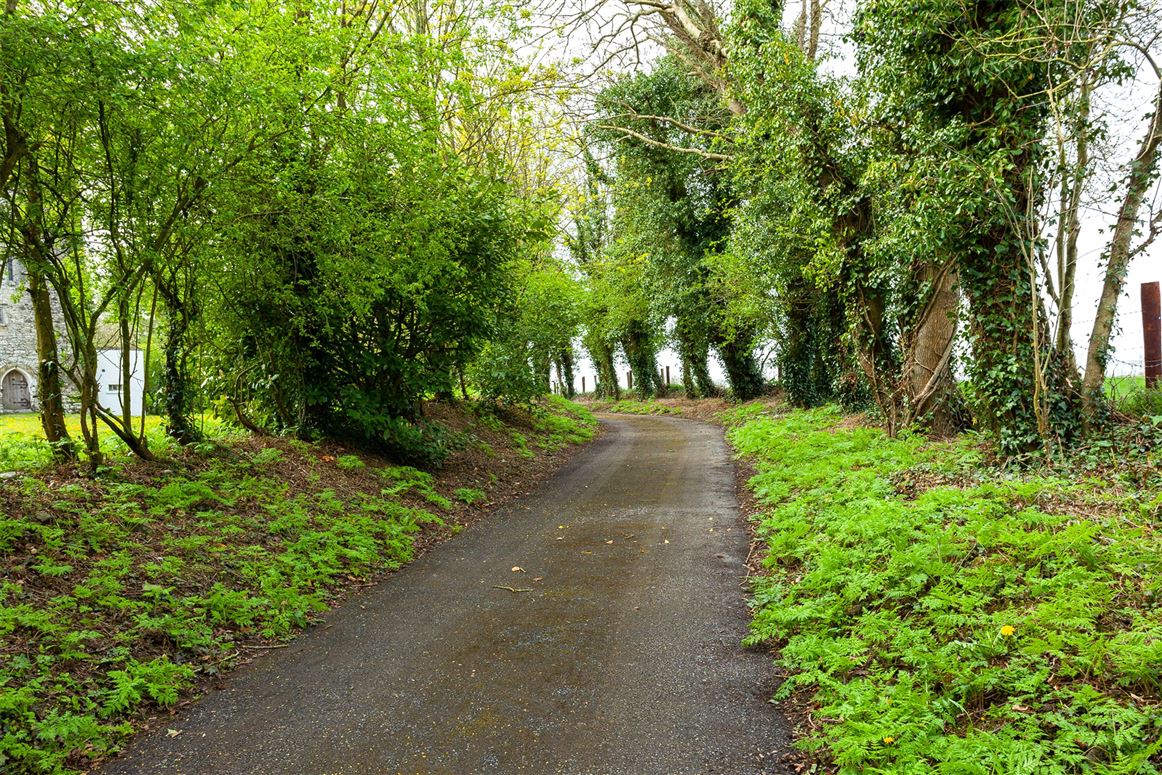
The Irish Antiquities website describes the castle on a visit in 1986:
“A tower-house was inspected at Ballybur. It is about five storeys high and has a machicolation over the doorway. There are two mullioned windows at the top floor and another at second floor level. There are many narrow slits including corner slits and some slopstones. There are remains of a bartizan. A large fireplace on the ground floor may be a later insertion. The first floor is in place and there are fragments of the other floors. To the right of the entrance is a guard chamber and a mural stairway rises to the left. This changes to a spiral above the first floor. The tower is vaulted above the third floor. Many mural chambers lead off the stairway. A mural passage at the third floor leads to a garderobe with a latrine chute. Above the vault is a large chamber with deep recessed windows and a good fireplace. There is a good slopstone at this level. A small turret rises in one corner above roof level.” [3]
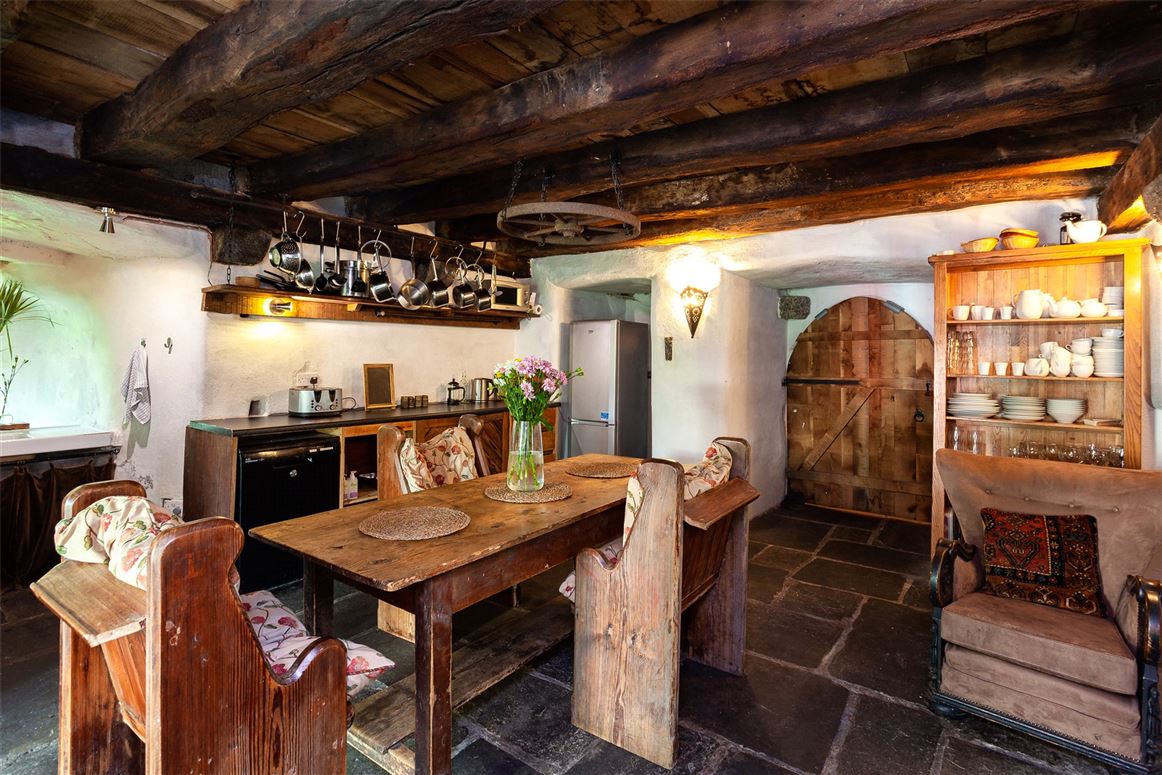
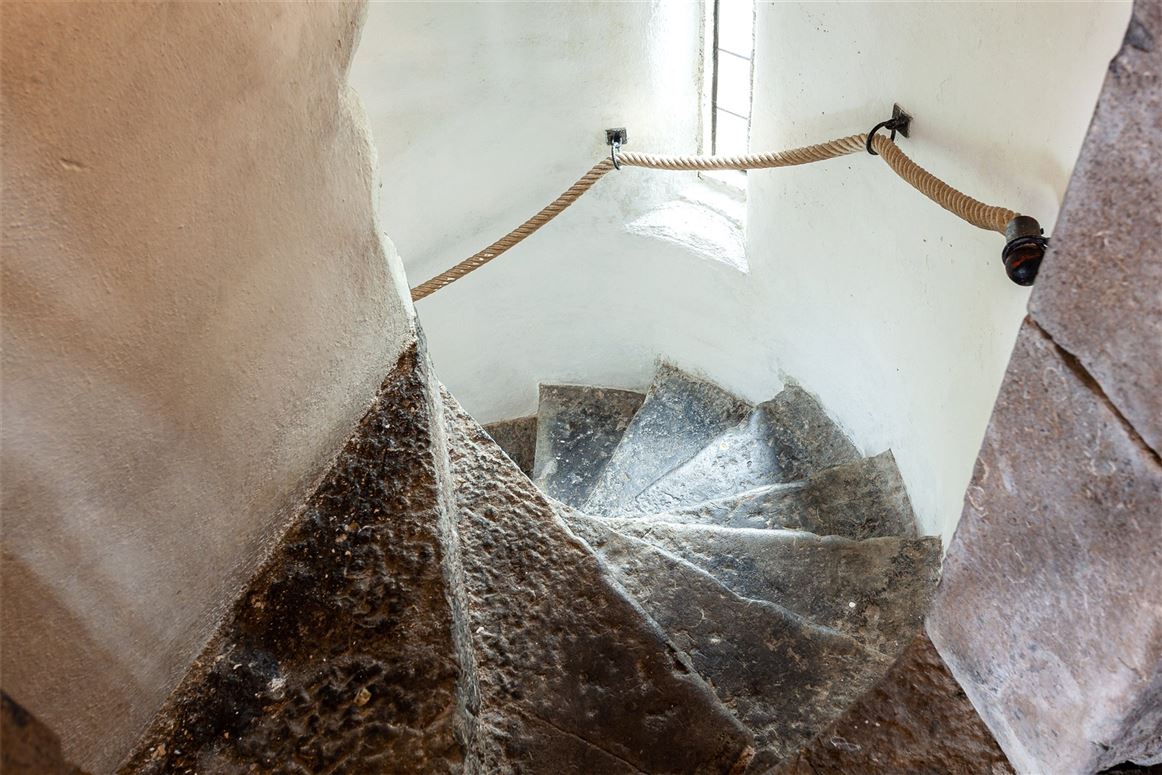
The ground floor would have originally been used for storage. Today it is a kitchen, with a solid fuel range, separate gas range, and a richly timbered ceiling, offsetting the stone flagged floor. A hallway to the rear leads to a WC, and the spiral stone stairs to the first floor.
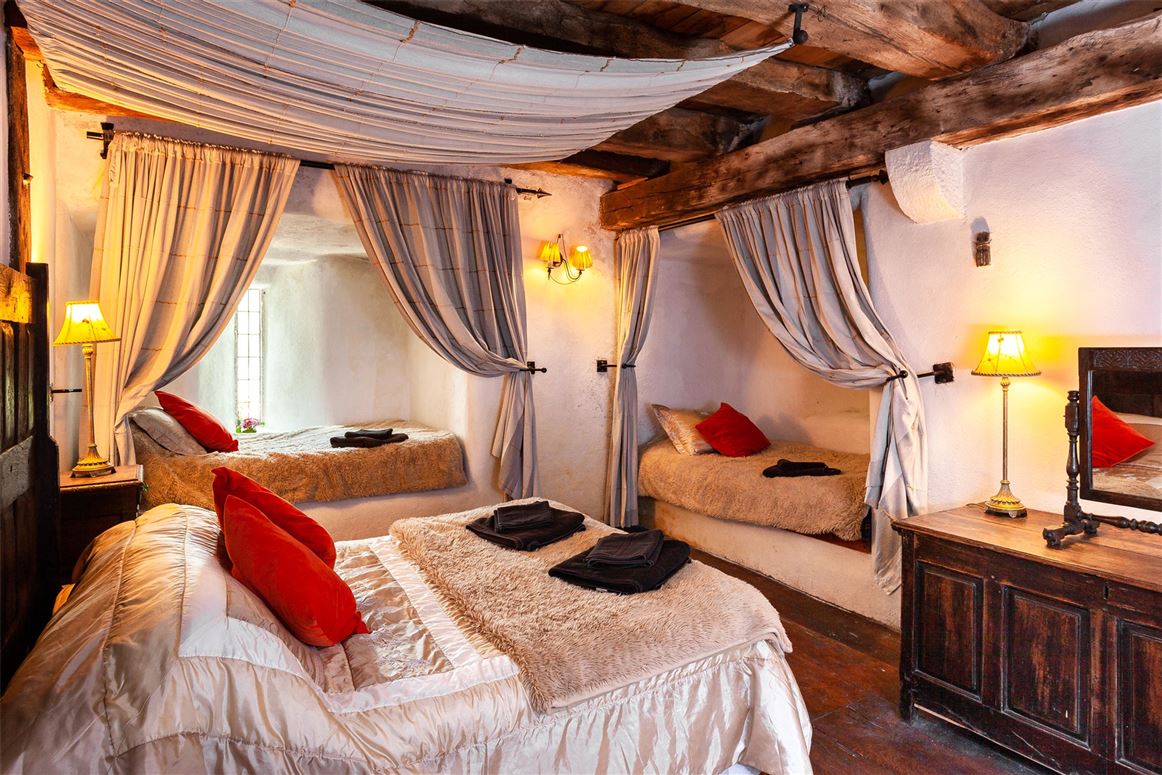
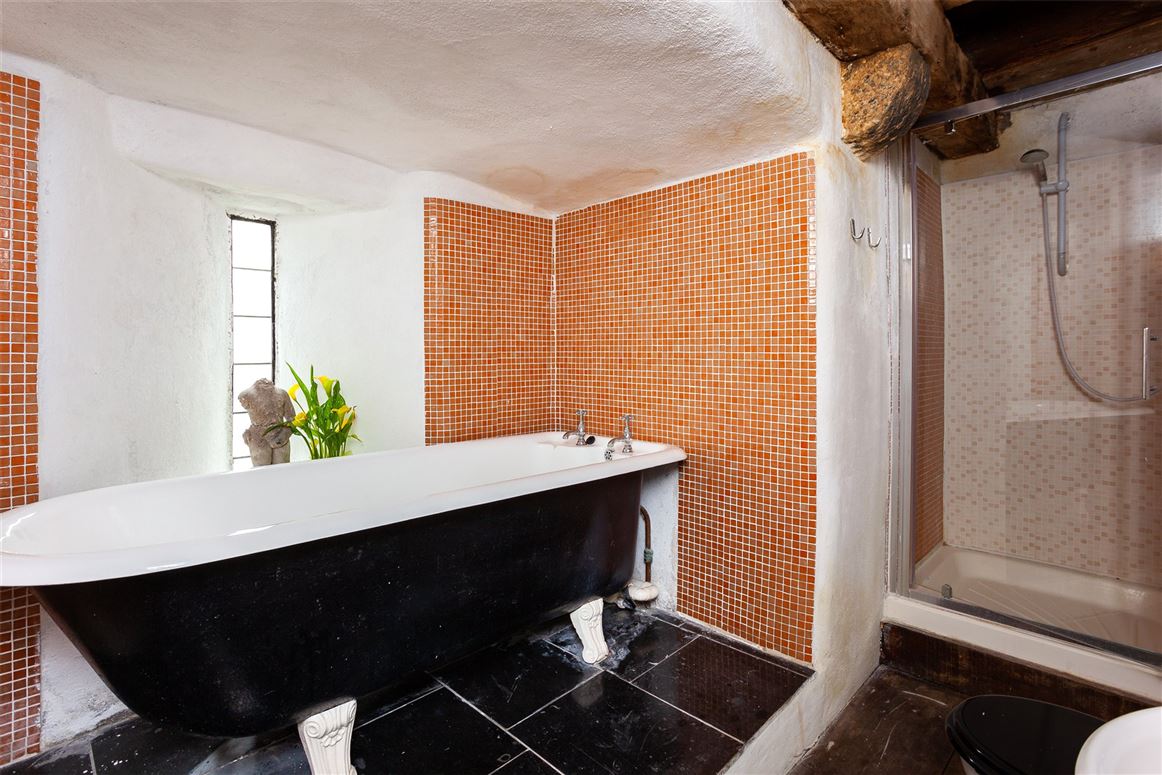
The first floor consists of an immense bedroom with niches in the walls for sleeping. There is also a smaller double room and an elegant bathroom that has a large Victorian bath.
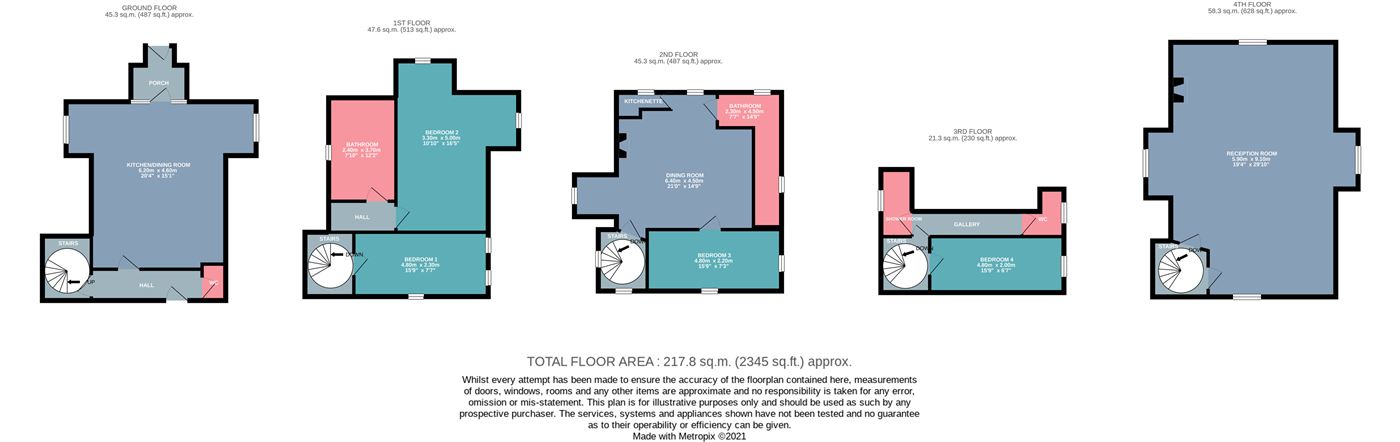
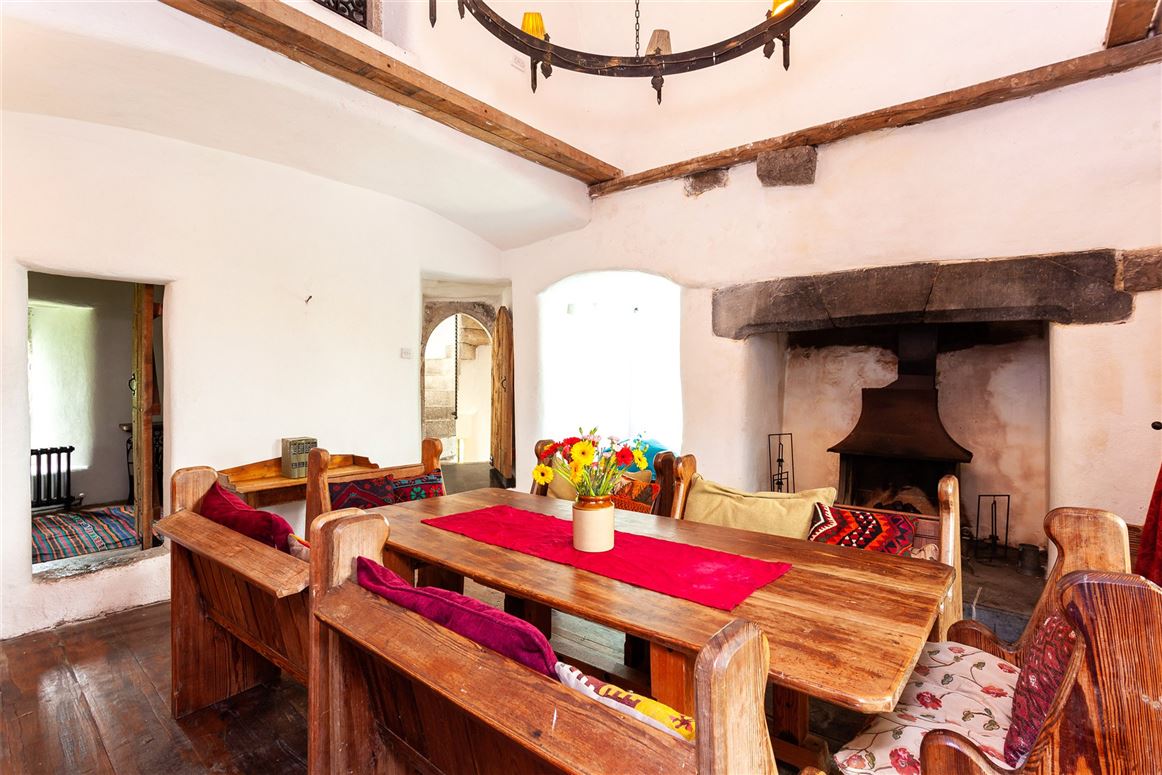
On the second floor, there is a substantial room with more deep niches in the walls once used for beds. During the daytime these niches were covered by hanging tapestries and the room was used as a living space. Now this floor is a huge double height dining room, with an enormous chandelier hanging down in the centre. The room has a medieval stone fireplace for big blazing fires. Off this room there is a bedroom with windows overlooking the castle grounds. This floor also has a smaller kitchen and shower room.
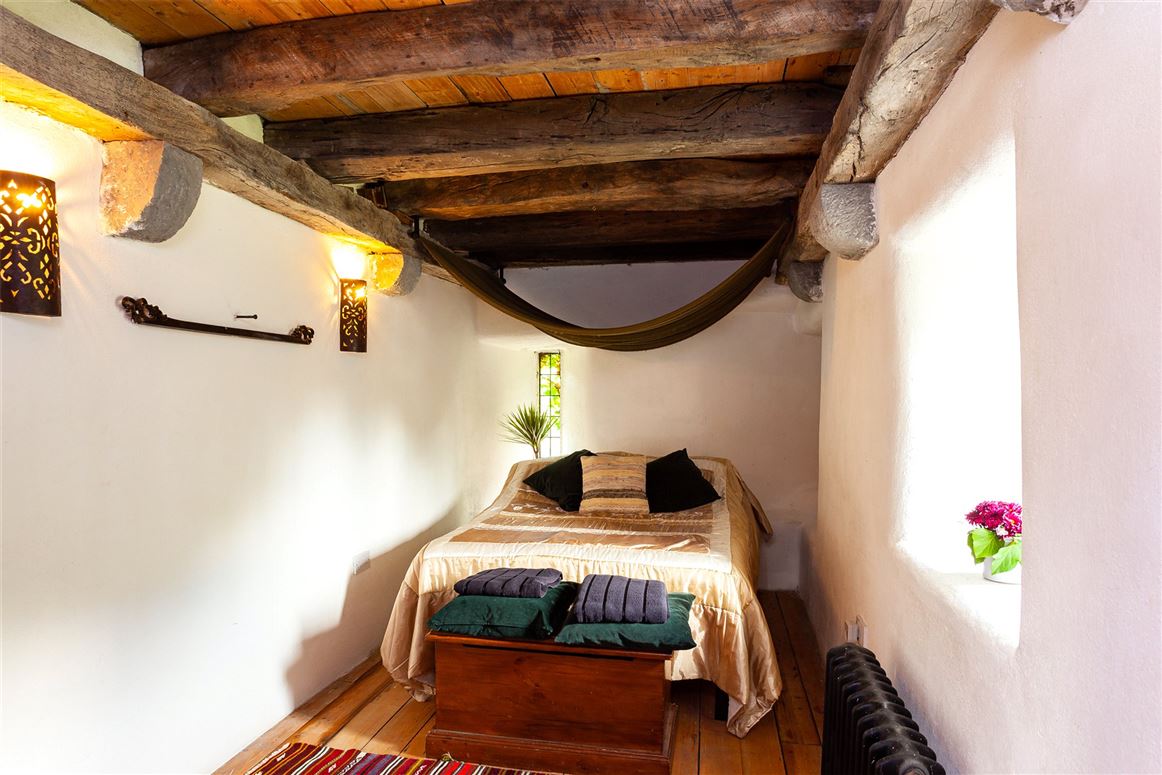
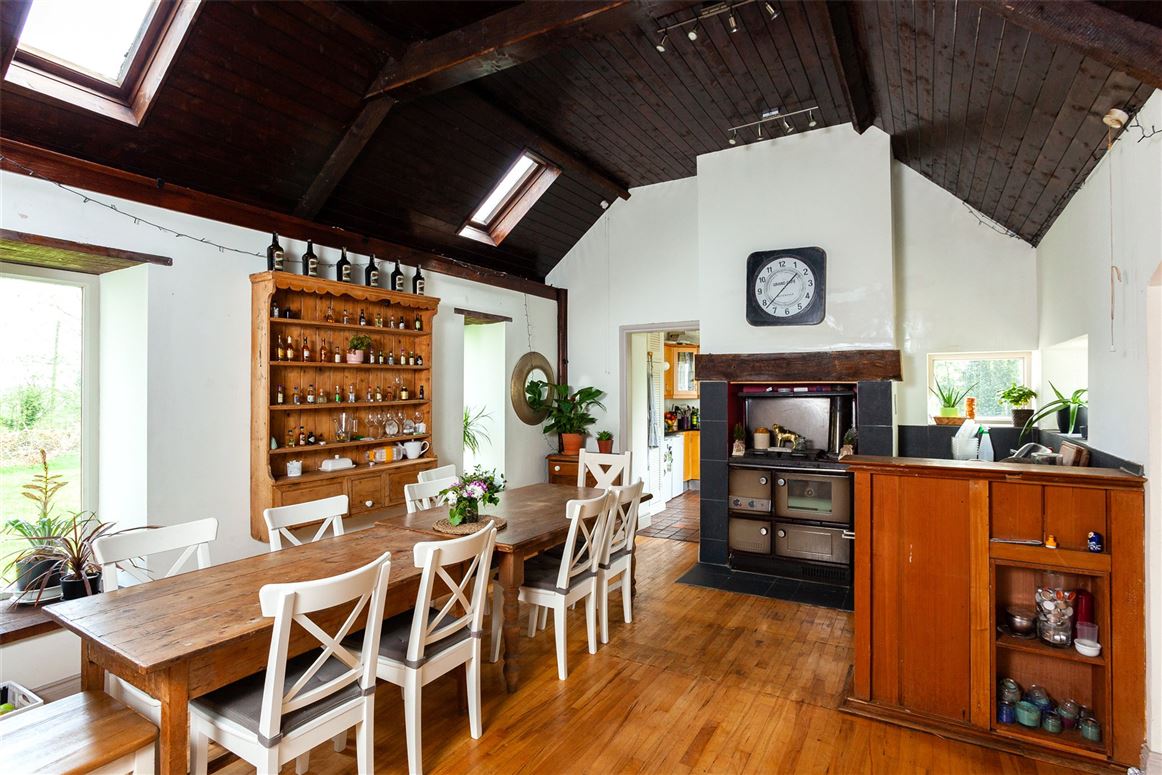
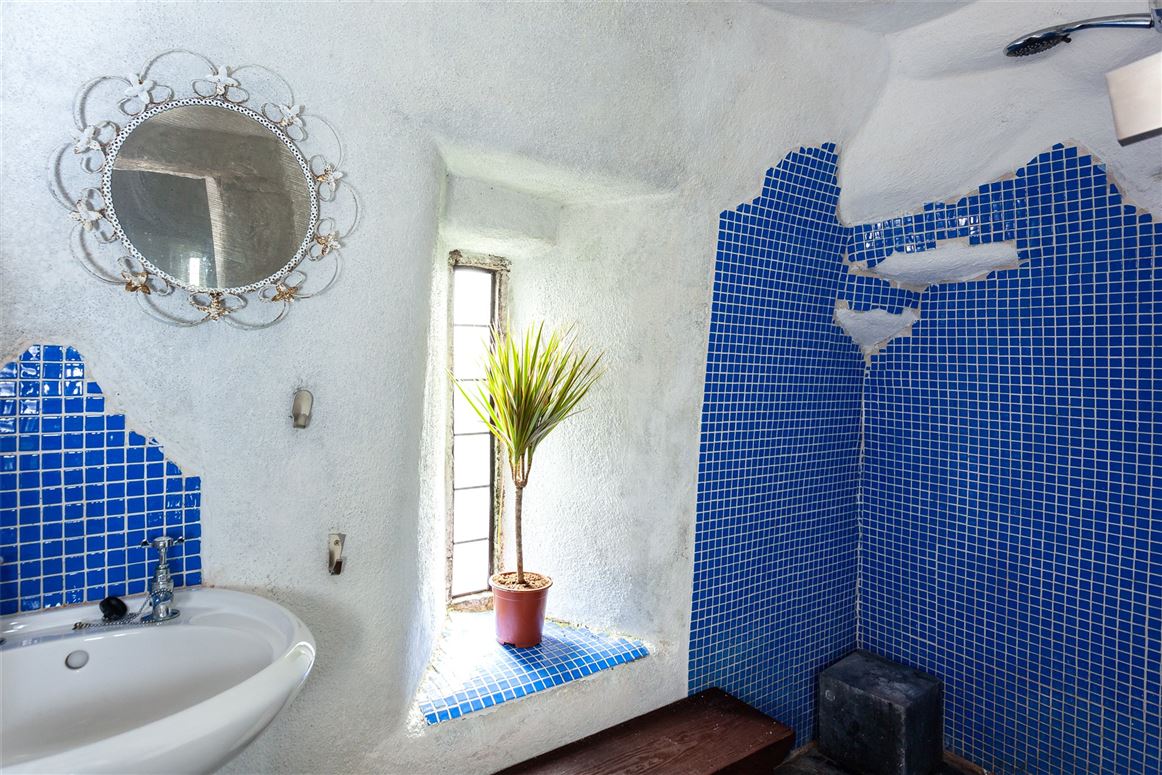
The third floor, with its vaulted ceiling, has a bedroom that was once the private chapel of the Comerford family, and it is said that Cardinal Rinucinni said Mass here when he stayed at Ballybur Castle. This floor also has a shower room with toilet and sink. From a little balcony you can peep through a narrow doorway down into the dining room.
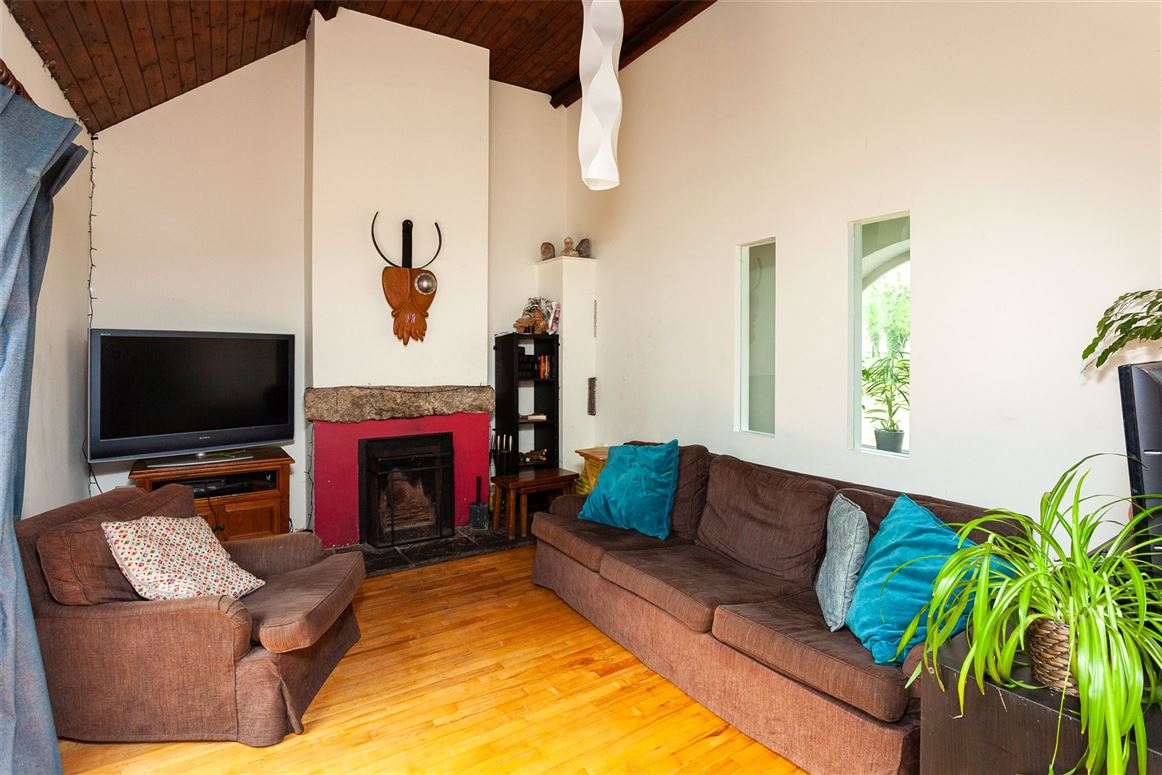
The fourth and top floor was once the “state apartment” and is now a magnificent baronial-style drawing room. The room has an oak beamed ceiling that has been left exposed, a huge stone fireplace and another giant chandelier. High above, at the top of this room, a stained glass window is a testament to Nicholas Marnell and his promise to his forbearers that he would hand over the castle to someone who would show it the love it needed to be brilliant again. The artist is Shane Grincell, Tommy Marnell’s grandson.
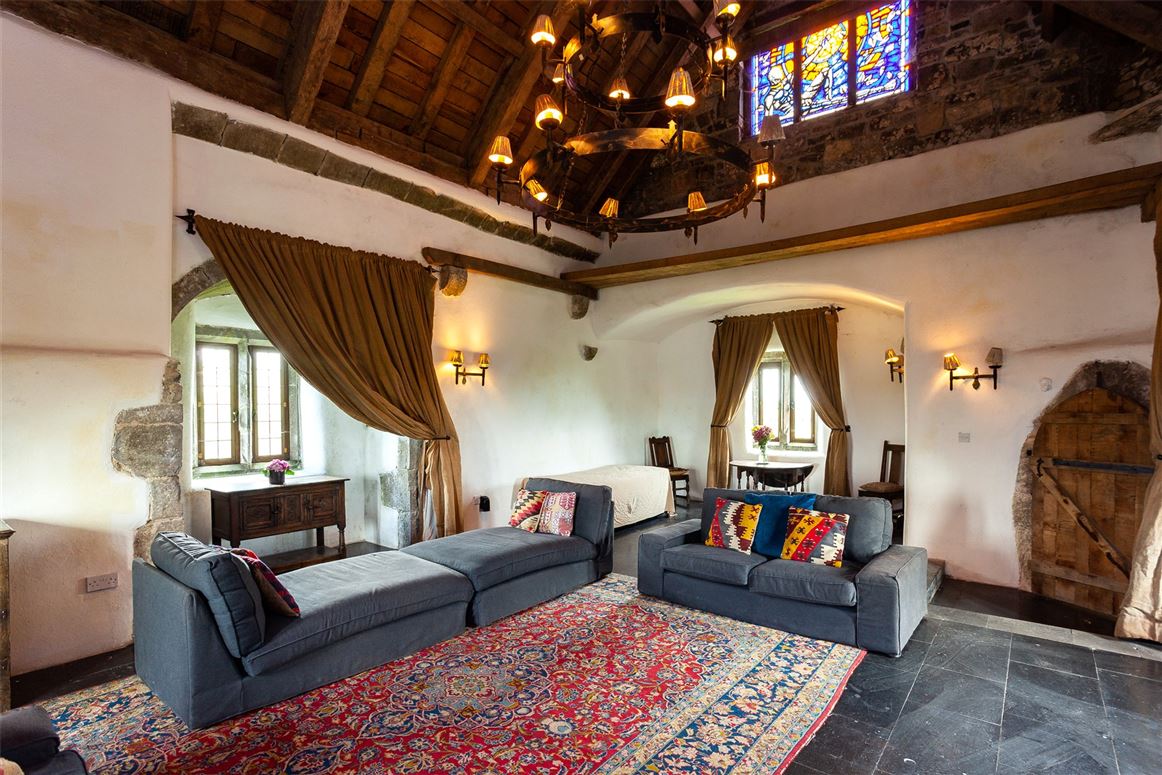
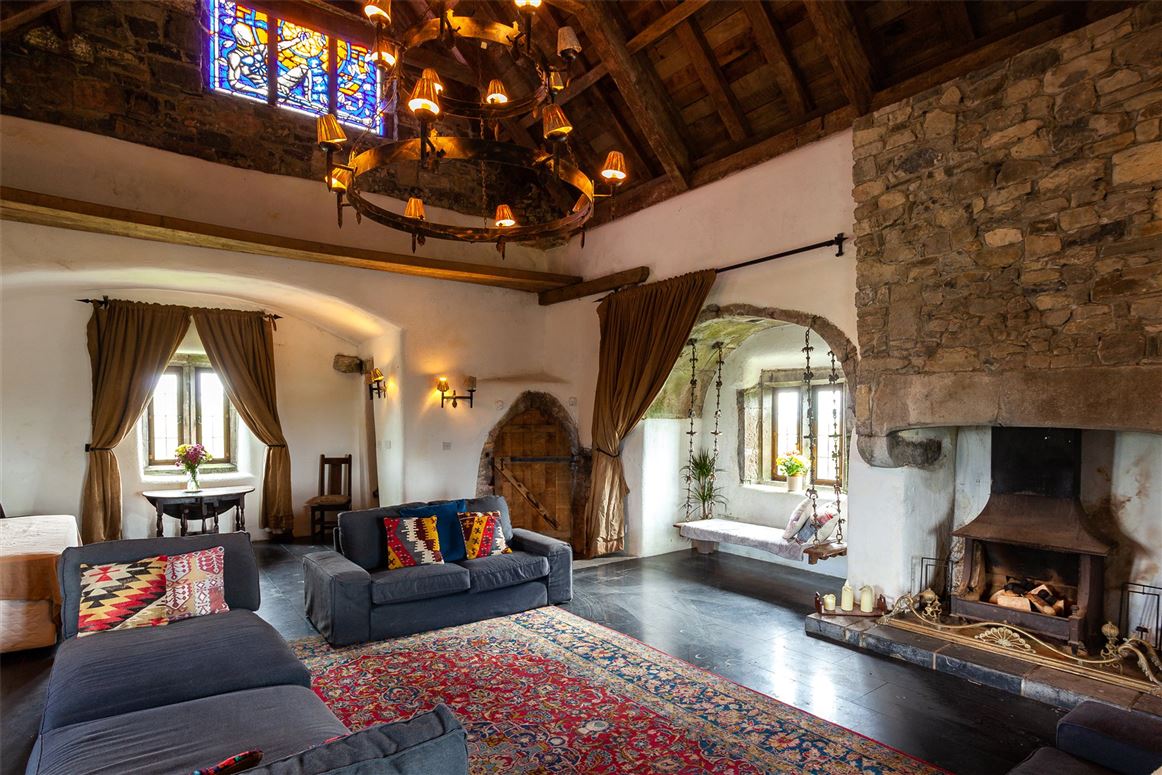
Off this room, a secret room has a deep floorshaft, which was used as a “priests’ hole” for hiding visiting priests after the Reformation or to keep prisoners.
A smaller flight of stairs leads up to the ramparts, and on clear days views stretch as far as Mount Leinster and Slievenamon.
[2] http://www.britainirelandcastles.com/Ireland/County-Kilkenny/Ballybur-Castle.html
[3] http://irishantiquities.bravehost.com/kilkenny/ballybur/ballybur.html
 Irish Historic Houses