Mark Bence-Jones. A Guide to Irish Country Houses (originally published as Burke’s Guide to Country Houses volume 1 Ireland by Burke’s Peerage Ltd. 1978); Revised edition 1988 Constable and Company Ltd, London.
p. 95. “(Harman/LGI1958) A house attributed by Dr Watkin to C.R. Cockerell, probably built 1825 for J.L. Naper of Loughcrew, to be occupied by a tenant. Two storey, three bays, fanlighted doorway with elegant sideligths. Shallow window surrounds with blocking.”
“(Rotheram/LGI1958) A late C18 house of two storeys over basement; five bay front with tripartite rounded doorcase; parapeted roof.”
Crossdrum, County Meath, courtesy National Inventory.
Detached five-bay two-storey over basement house, built c.1800, now derelict. Tuscan porch to Venetian-style doorcase. Moulded architraves and tooled stone sills to window openings. Ashlar limestone walls with string course, dentil eaves course, and quoins. Hipped slate roof with ashlar chimneys. Servants tunnel to basement and cantilevered stone staircase to rear. Scar of demolished return to rear. Cast-iron railings to front.
Appraisal
Crossdrum House is an exceptional country residence. The architectural quality of the house is immediately apparent. The limestone ashlar façades with their limestone detailing and dressings are clearly the work of skilled craftsmen. The execution of the doorcase and the internal plasterwork are of artistic interest. Crossdrum House was the home Edward Rotheram, agent to the Naper estate at Loughcrew. Some of the plasterwork has been attributed to George Stapleton, son of Michael Stapleton.
Crossdrum, County Meath, courtesy National Inventory.Crossdrum, County Meath, courtesy National Inventory.
Detached five-bay two-storey over basement house, built c.1800, now derelict. Tuscan porch to Venetian-style doorcase. Crossdrum House was the home Edward Rotheram, agent to the Naper estate at Loughcrew. Incl Outbuildings.
Crossdrum House is located near Millbrook, Oldcastle. The townland of Crossdrum was in the ownership of the Napers of Loughcrew and they leased the land to the Rotherams and Smith Harman families. Both families were involved in the hunt.
Crossdrum House has been described as an exceptional country residence while others have described it as a dull and ill proportioned Georgian house. Some of the plasterwork has been attributed to George Stapleton, son of Michael Stapleton. The house had a Tuscan porch with a Venetian-style doorcase. The house became derelict in the late twentieth century. There was a servants’ tunnel to the basement
The first recorded lease at Crossdrum dates to 1734 from the Napers of Loughcrew. Edward Rotheram born 1789, married Barbara Crofton from Leitrim. He acted as an agent for Lord Shelborne. The Rotherams of Triermore came into possession of Crossdrum. George Rotheram lived at Crossdrum in 1810.
In 1835 Crossdrum house, the residence of Edward Rotheram, was described as a neat and commodious house of modern style, having been erected in 1817. There were suitable offices and gardens attached to it. Mr. Rotheram was described as a comfortable farmer, and lived on the land. He employed constantly 40 labourers, cultivating a third of the land and grazing the remainder.
Edward Rotheram was born in 1810, married in 1835 and was a member of the Royal Dublin Yacht club. In 1883 Edward Rotheram of Crossdrum held 5,308 acres in Meath and 1,290 in Cavan making a total estate of 6,598 acres. Edward Rotheram held the lands on which the cairns on Loughcrew stand.
Percy French was a regular visitor to Crossdrum while he was inspector of drains in Cavan. He often kept the family up to the small hours with his singing and stories. Mr. Rotheram would say “Do you know Percy the early train leaves Oldcastle at 7.30 in the morning?” This worked sometimes and Percy went to bed but many times it did not. Source John Smith ‘The Oldcastle Centenary Book’
In 1911 Edward and Jane Rotheram and their family lived at Crossdrum. In 1906 Edward had served as High Sheriff of Meath. In January 1914 when Edward, his wife and a visitor were sitting at the fire a shot was fired through the window.
Soldiers occupied Crossdrum at the request of Mr. Rotheram during the War of Independence. Edward Rotheram died about 1925. The Rotherham family left Ireland in the 1920s. The Cadden family then lived there until the late 1960s. They built a new house nearby and moved out of the old house. A modern farmyard was built directly behind the house but the old farm buildings are also still in use.
Upper Crossdrum House
Nearby Upper Crossdrum House was the residence of W. Smith Harman in 1837. In 1835 Upper Crossdrum House was described as a neat three storey house with offices built in 1819. It is attributed to the architect C.R. Cockerell. William Smith Harman married Catherine Battersby of Newcastle in 1836. Their eldest son William succeeded at Crossdrum. William who was born in 1837 married Mary O’Rorke of Loughcrew. In 1911 William Harman and his wife were living at Crossdrum. William died in 1932 at the age of 95. He had been master of the Ballymacads from 1887 to 1900. Their son Charles Cecil Harman served in the South African War and then in World War I and was awarded the DSO in 1916 and a bar 1917. Born in 1877 Charles married Muriel Huth in 1914 and they had two sons, William and Charles, both of whom served in the Second World War. When Charles Cecil died in 1952 his widow remarried two years later to Major Kenneth Thompson of Triermore House.
Help me to pay the entrance fee to one of the houses on this website. This site is created purely out of love for the subject and I receive no payment so any donation is appreciated!
€15.00
2026 Diary of Irish Historic Houses (section 482 properties)
To purchase an A5 size 2026 Diary of Historic Houses (opening times and days are not listed so the calendar is for use for recording appointments and not as a reference for opening times) send your postal address to jennifer.baggot@gmail.com along with €20 via this payment button. The calendar of 84 pages includes space for writing your appointments as well as photographs of the historic houses. The price includes postage within Ireland. Postage to U.S. is a further €10 for the A5 size calendar, so I would appreciate a donation toward the postage – you can click on the donation link.
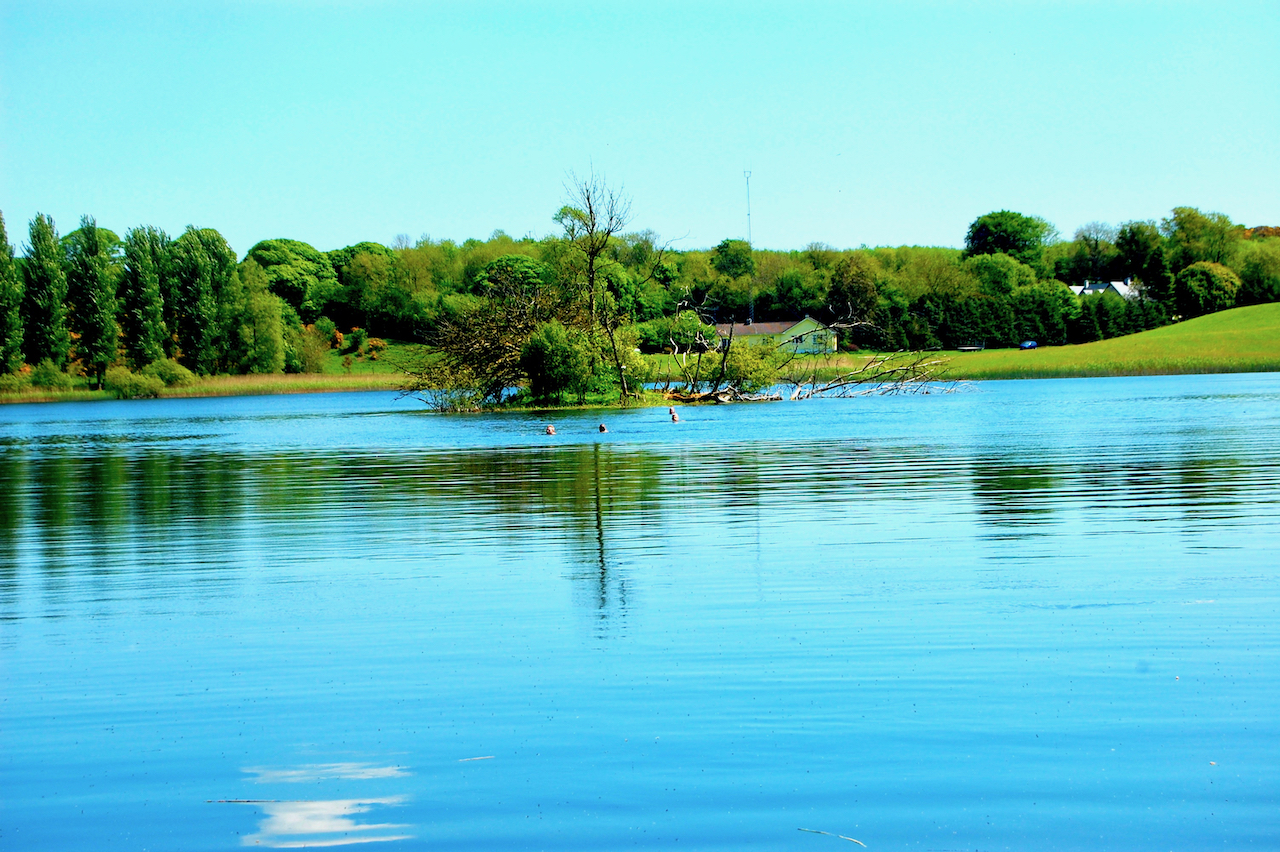
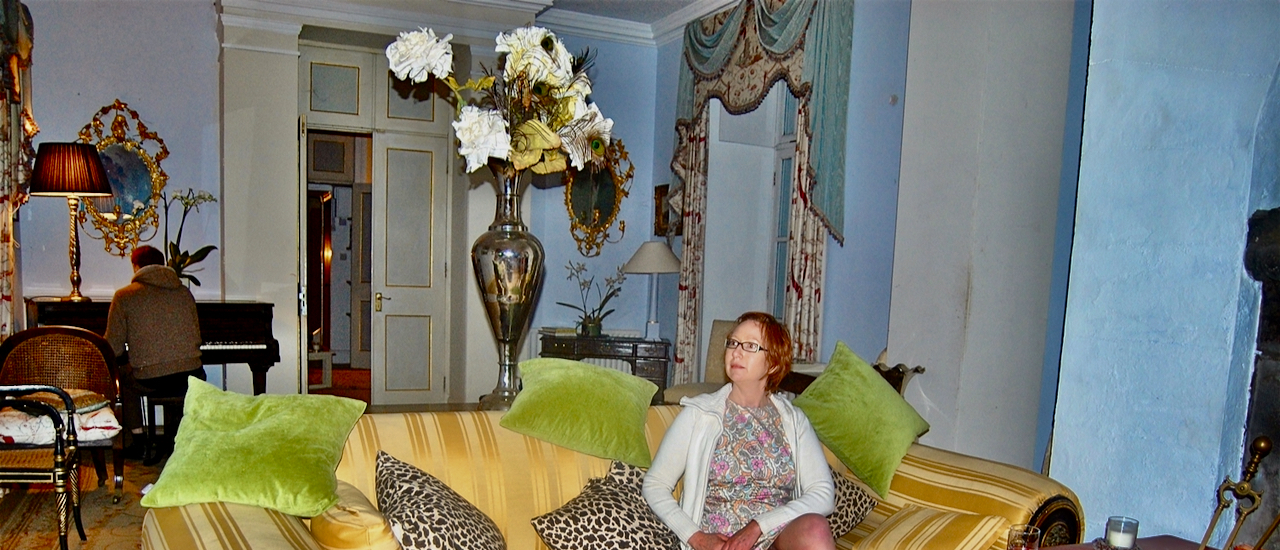
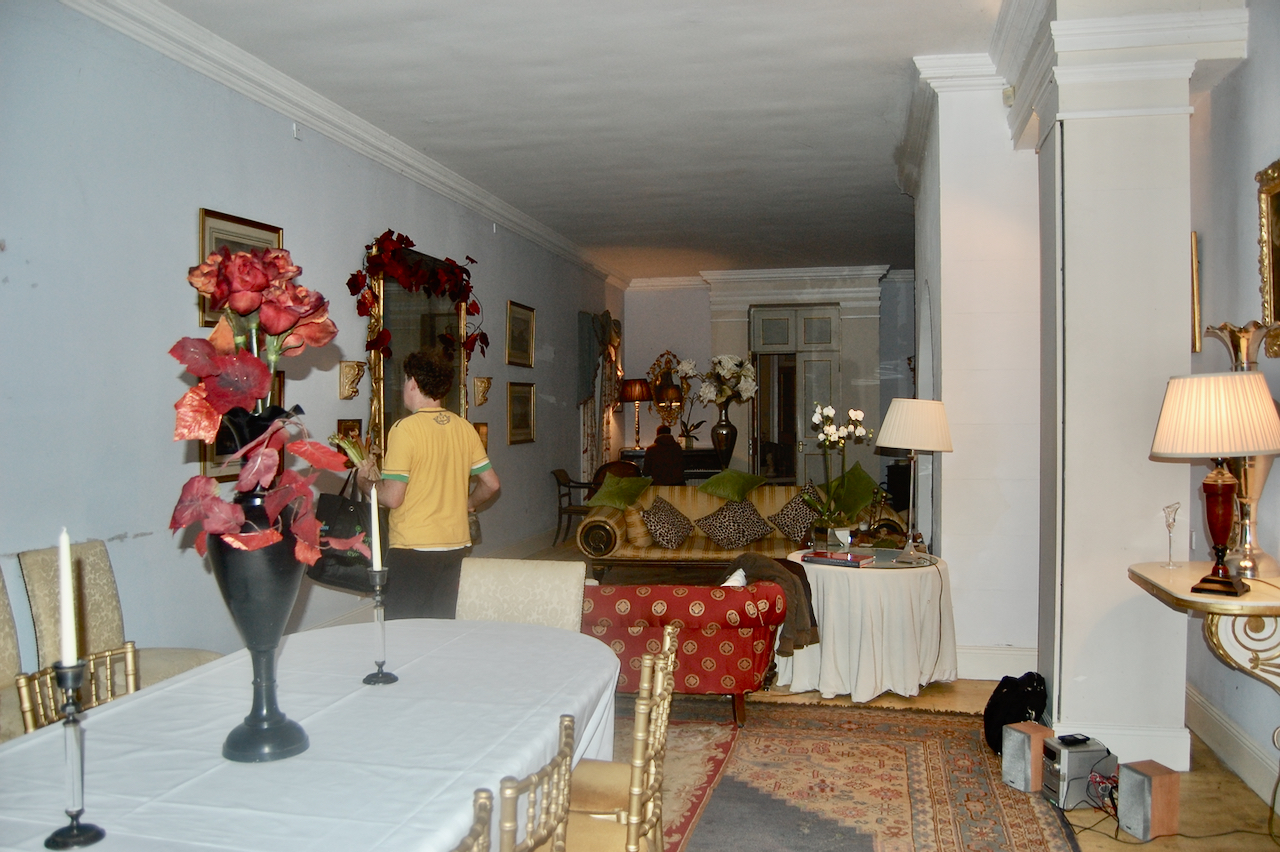
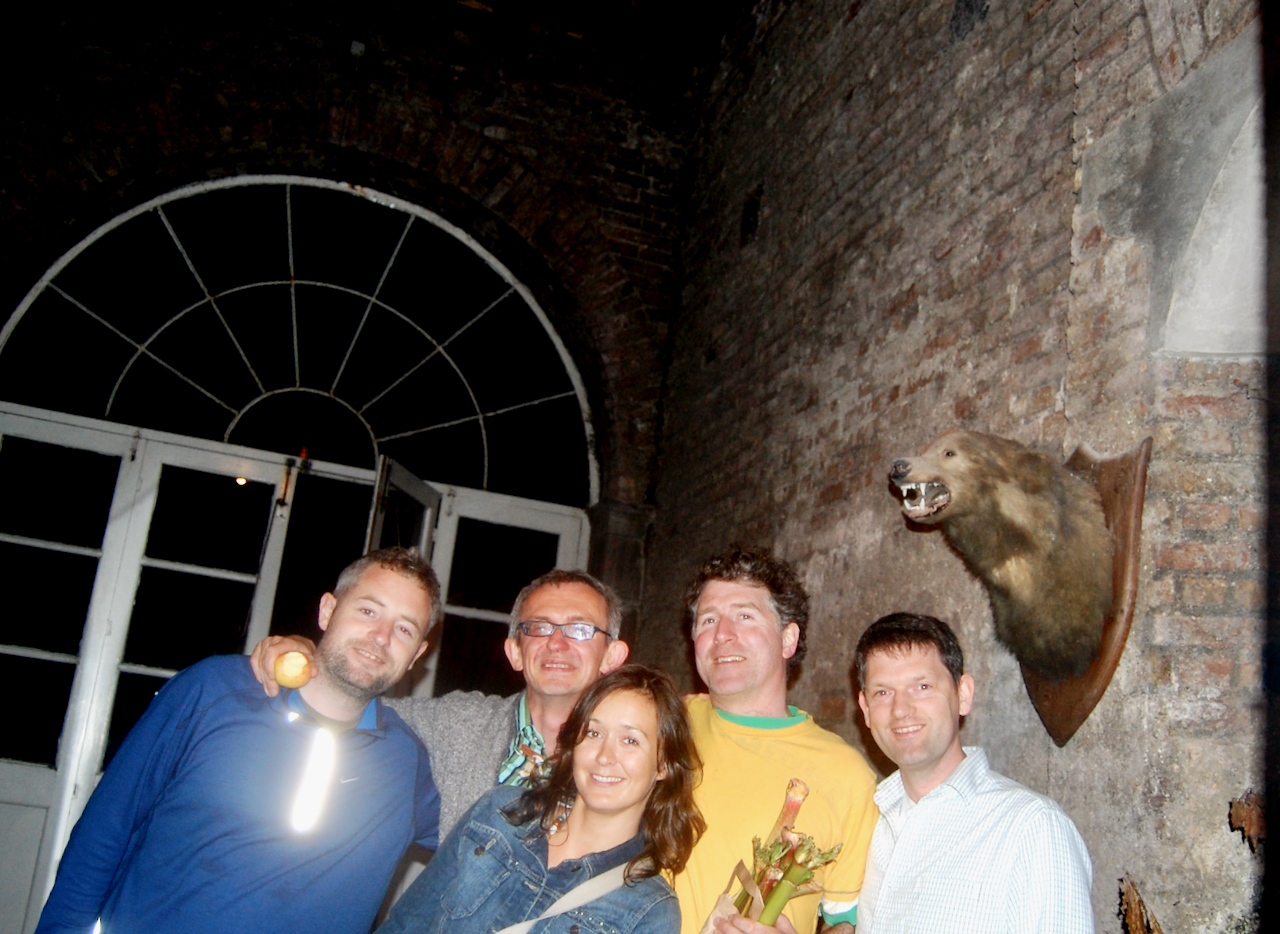
Loughcrew is listed under the Revenue Section 482 listing as Tourist Accommodation. Stephen and I stayed there along with about eighteen friends for our combined “Hen-Stag” in 2010! We spent a wonderful sunny May weekend, where we had a dinner at one long dining table, danced in the function room and swam in the nearby lake.
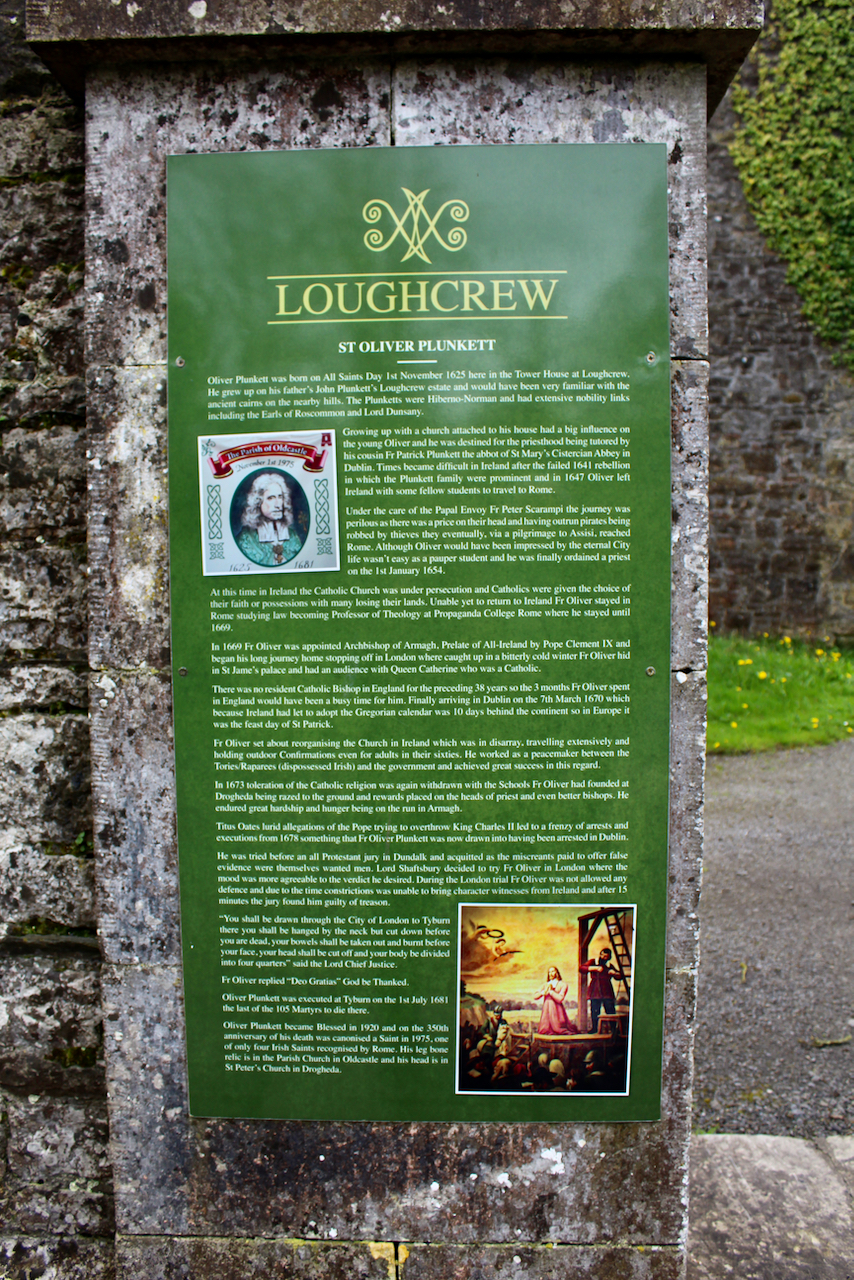
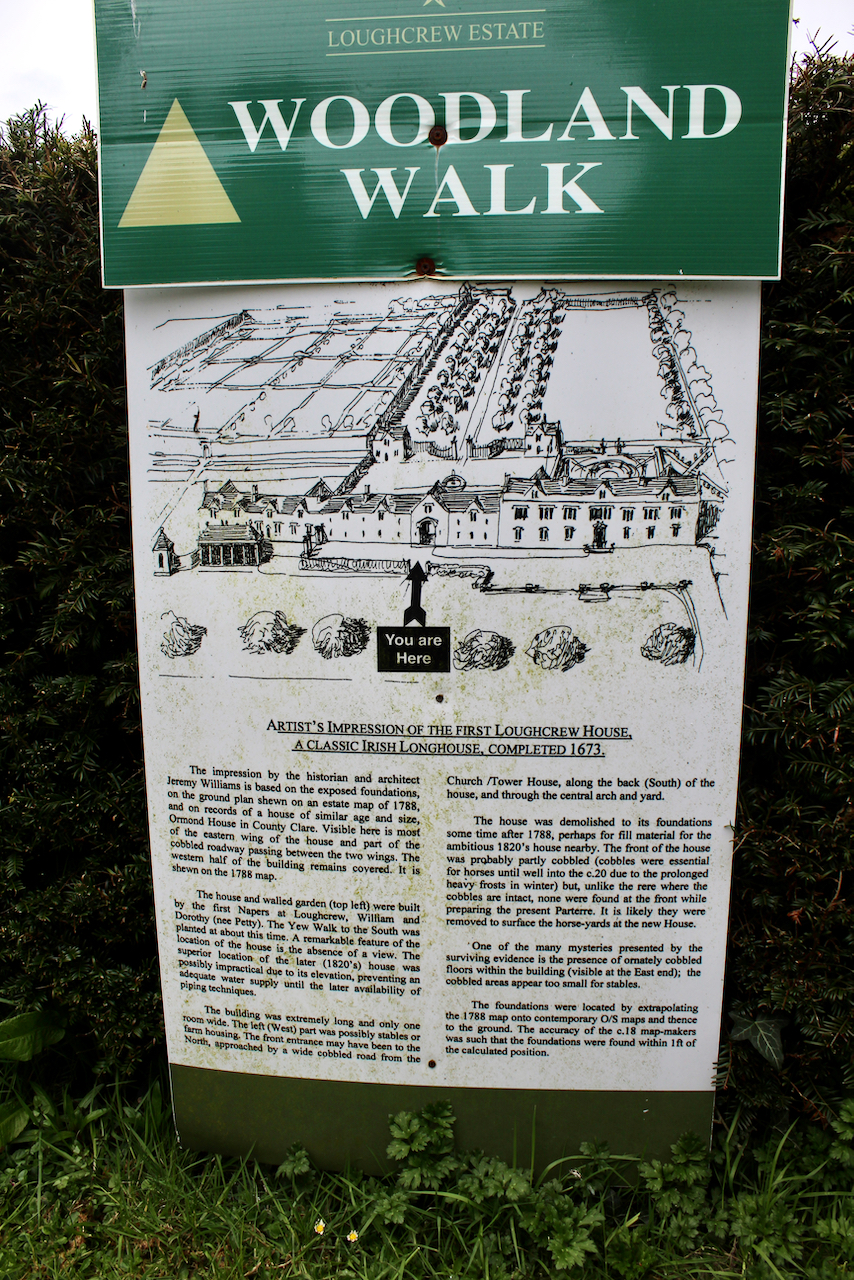
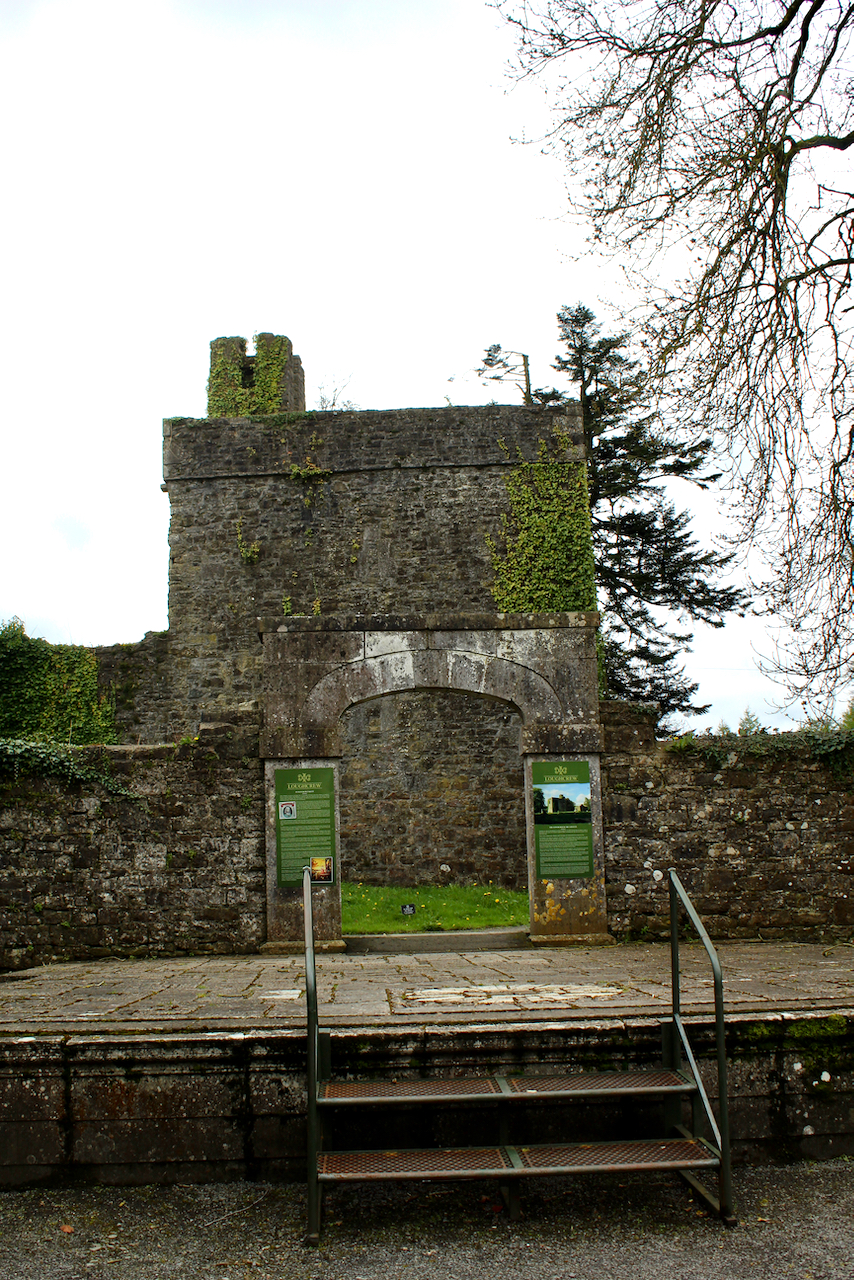
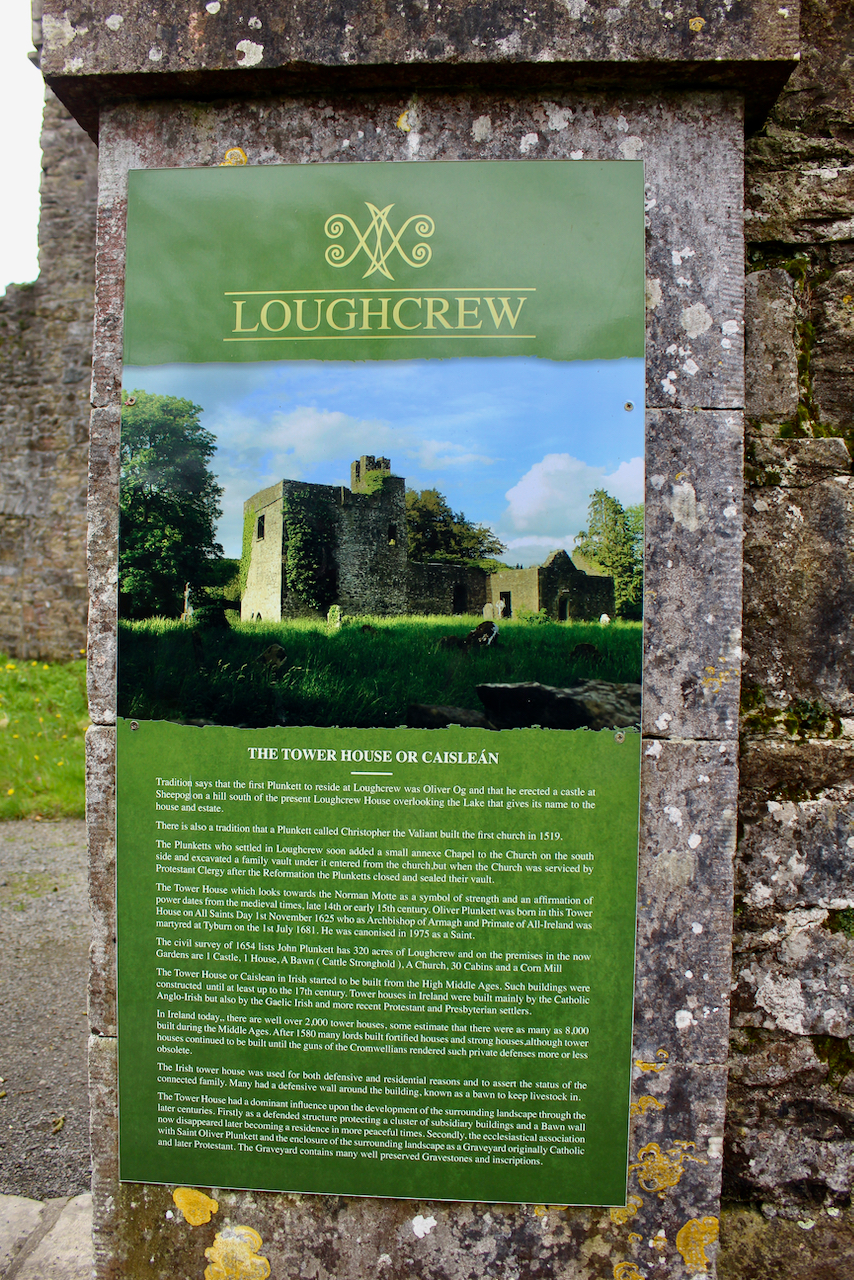
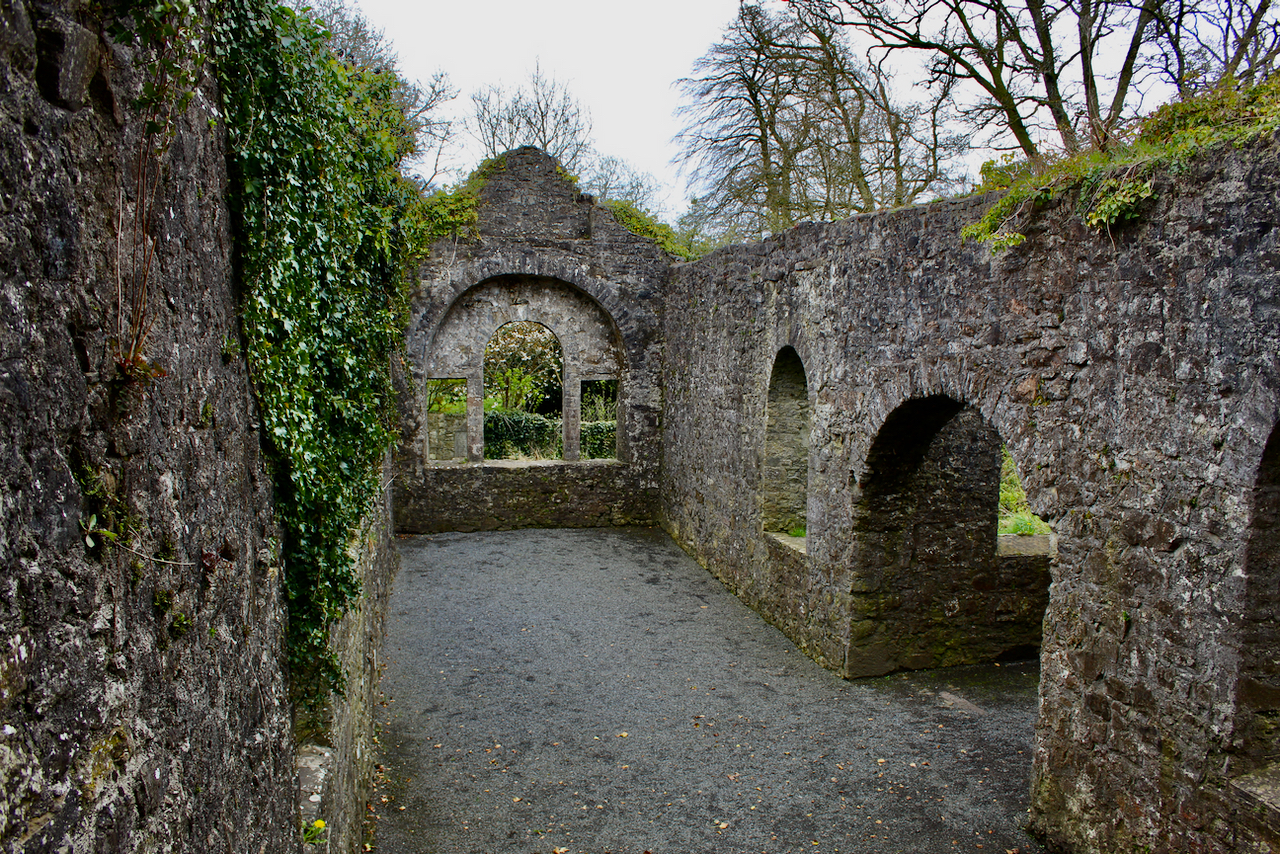
Originally the seat of the Plunkett family, its most famous member being St. Oliver Plunkett (1625-1681), whose church still remains today on the estate, the first Loughcrew House was built in the 1600s by the Naper family. The property is still owned by the Napers.
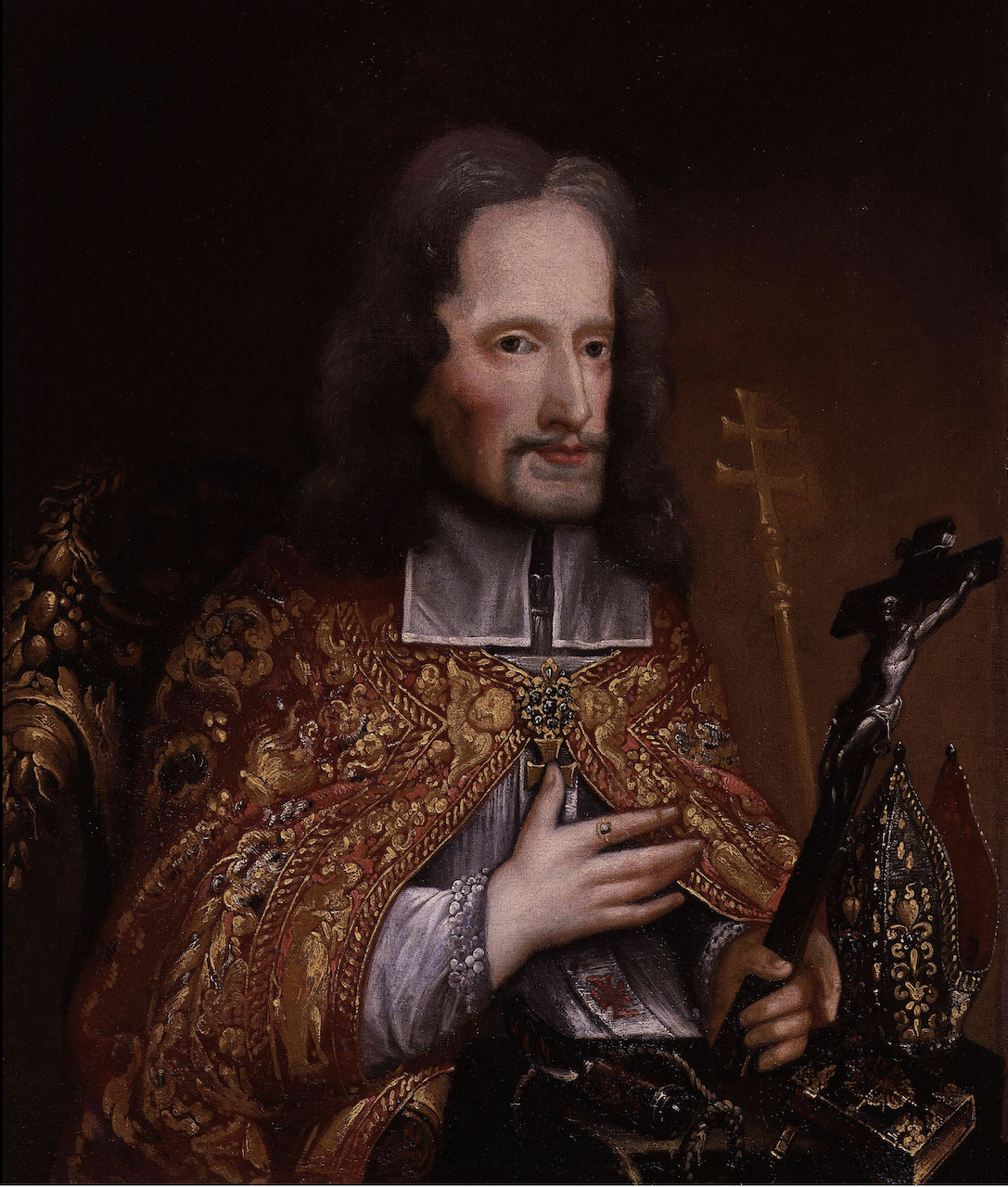
Oliver Plunkett became a Catholic Archbishop of Armagh, but Catholics were persecuted in his time. He was accused of being part of the fictitious Popish Plot and was executed in Tyburn in London in 1681. He was canonised as a saint in 1975. His head is kept as a relic in St. Peter’s church in Drogheda.
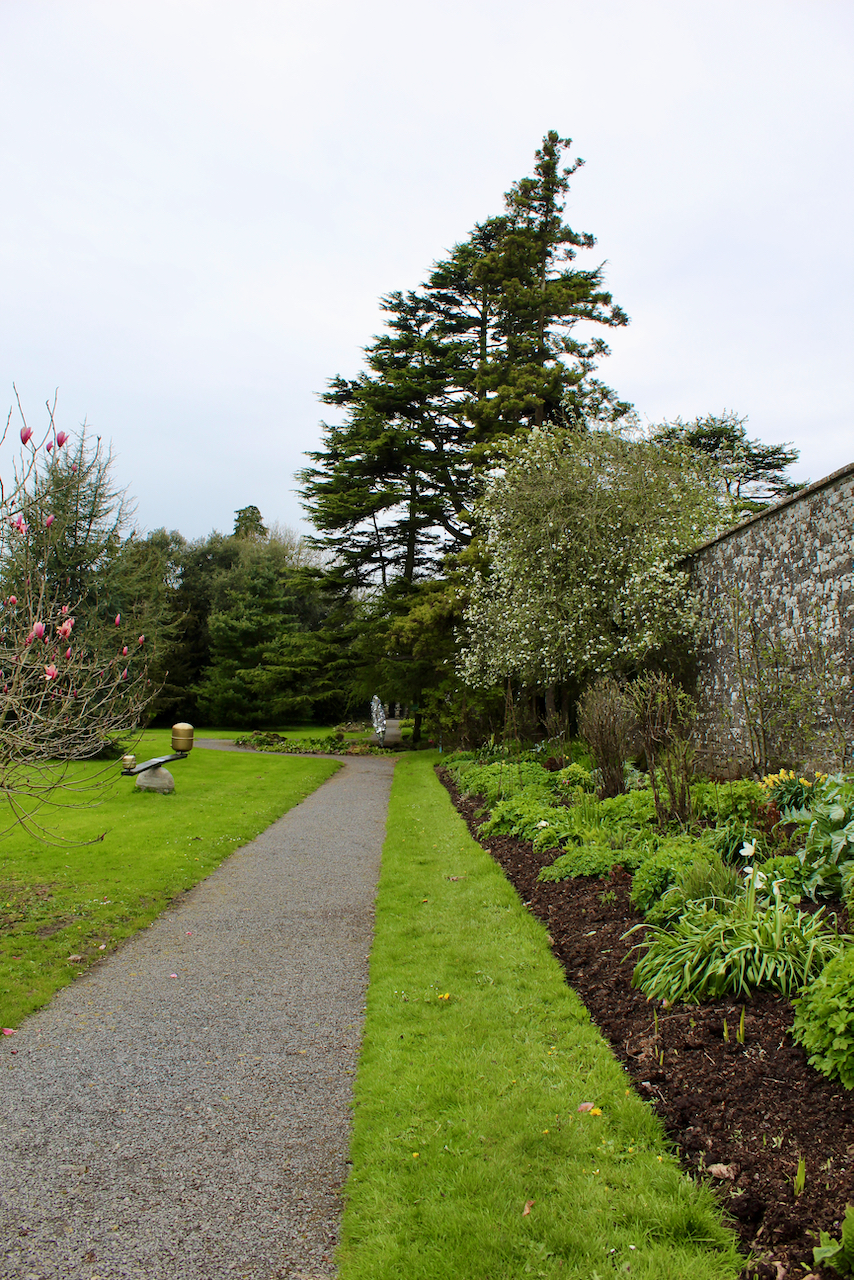
Loughcrew, April 2023.Oliver Plunket, by Edward Luttrell courtesy of National Portrait Gallery London.
Mark Bence-Jones writes in his A Guide to Irish Country Houses (1988) that the house was said to have a curse on it, for it was burnt three times within 100 years.
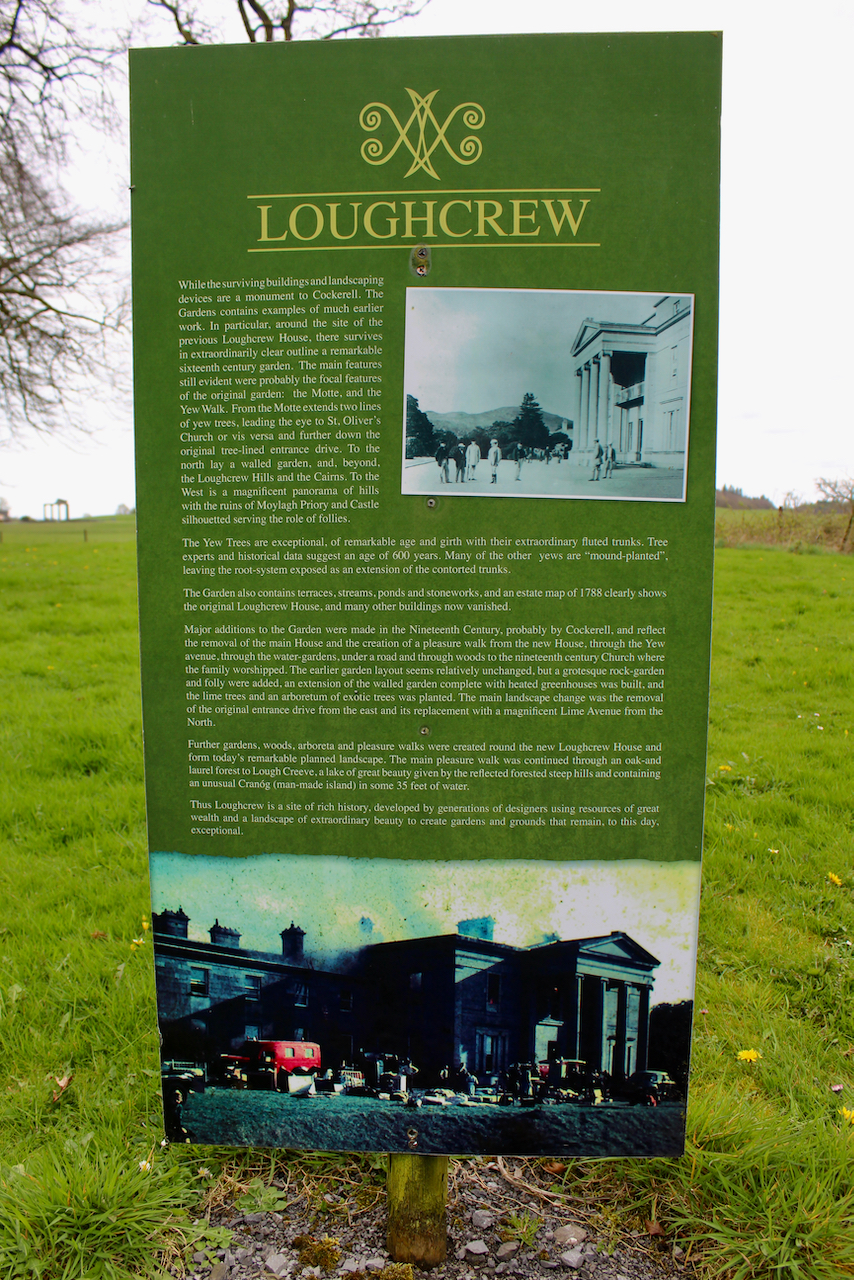
On the first two occasions the was rebuilt. The 1820s version was designed by Charles Robert Cockerell (1788-1863) for James Lenox William Naper (1791-1868). Charles Robert Cockerell was an English writer, architect and archaeologist who spent seven years on his Grand Tour. A lodge, lake, garden and conservatory were also designed at this time. The house was destroyed by fire in 1888 and rebuilt by Thomas Newenham Deane & Son.
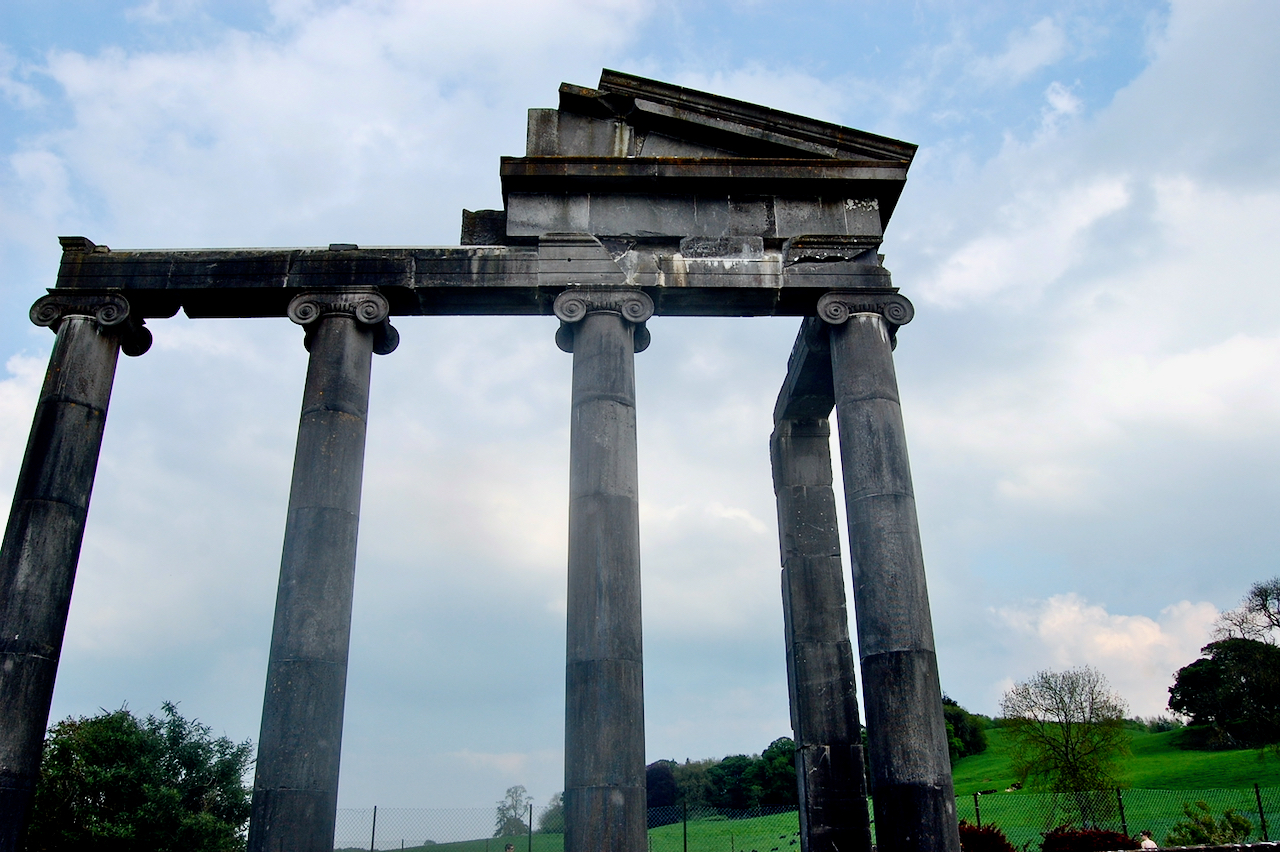
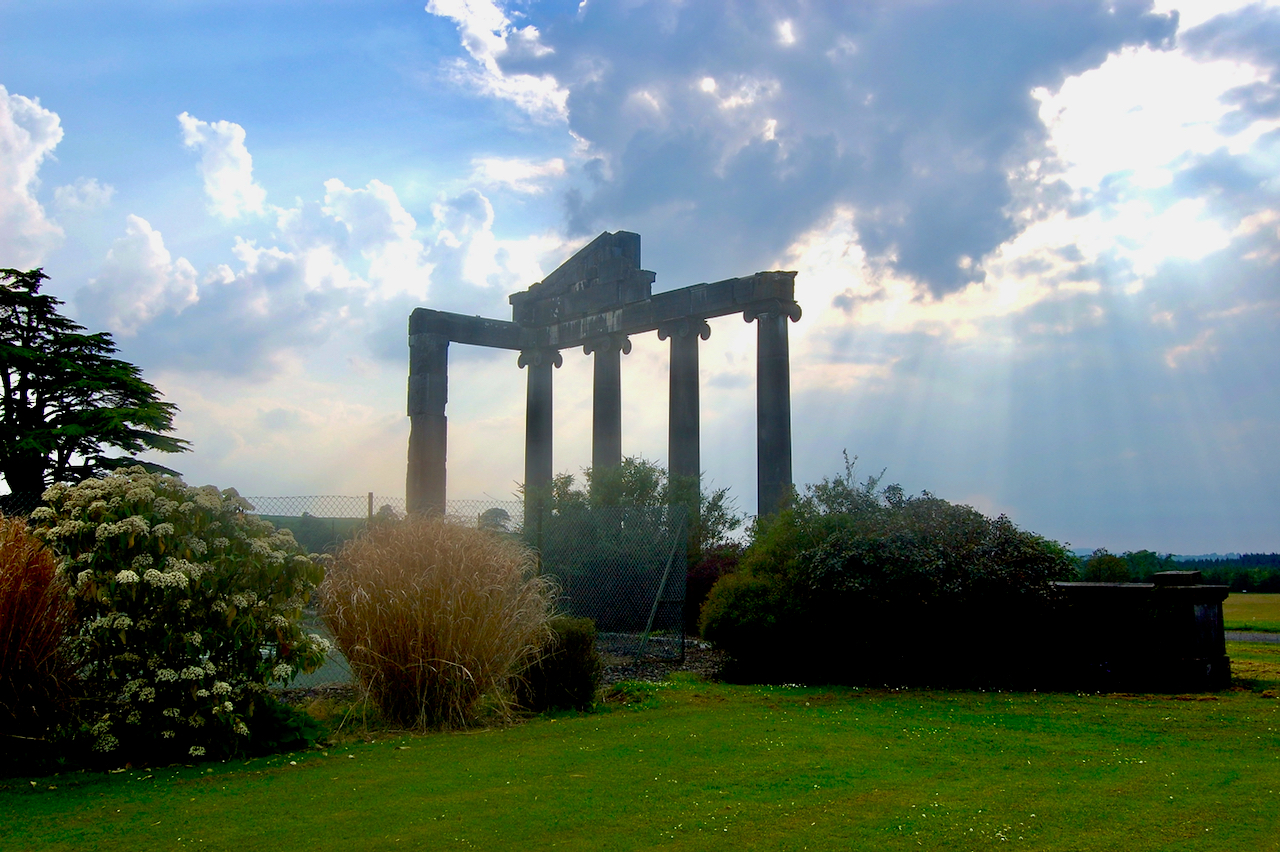
After the third fire, in 1964, the ruin was demolished and “the vast stones and fallen capitals are now strewn about the ground like the remains of some lost city of antiquity.”
Timothy William Ferres tells us that the Napers were the second largest landowners in County Meath, with 18,863 acres.
James Naper (abt. 1625-1676), fourth son of Sir Samuel Naper MP, of Moor Crichel, Dorset, and grandson of Robert Napier, Chief Baron of the Irish Exchequer, 1593, married Dorothy daughter of Sir Anthony Petty, of Romsey, Hampshire, and sister of the William Petty of Down Survey fame. [2]
James of Loughcrew and Dorothy had three sons and two daughters: William, the oldest son, died unmarried. The next son, James (d. 1718), was the successor. There was another son, Lt. Gen Robert, and then daughters Frances and Elizabeth.
Elizabeth (1660-1736/7) married Thomas Bligh (d. 1710) of Rathmore, County Meath, who served as MP for County Meath. Frances married Richard Ingoldsby (d. 1712), whose father had moved from England and was Mayor of Limerick.
James (d. 1718) was High Sheriff of County Meath in 1702 [see 2]. In 1684 he married Elizabeth, daughter of James Tandy, of Drewstown, County Meath, and by her had two daughters, Dorothy and Sarah. He then married Elizabeth Barry in 1695, daughter of Richard Barry (d. 1694) 2nd Baron Barry of Santry. Third, he married Anne, daughter of Ralph Dutton 1st Baronet Dutton, of Sherborne, Co. Gloucester.
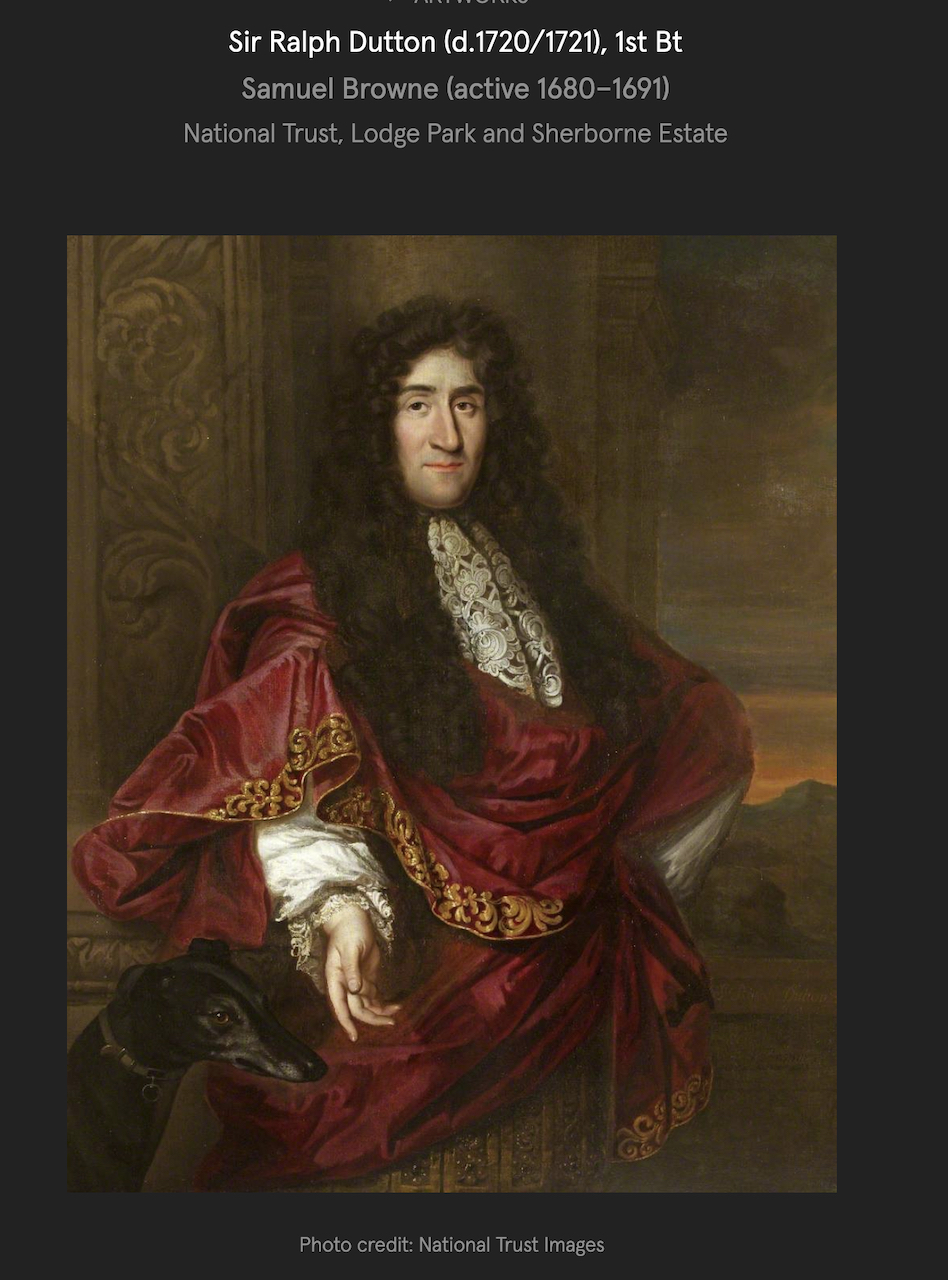
Ralph Dutton, 1st Baronet Dutton, of Sherborne, Co. Gloucester. His daughter Anne married James Naper.
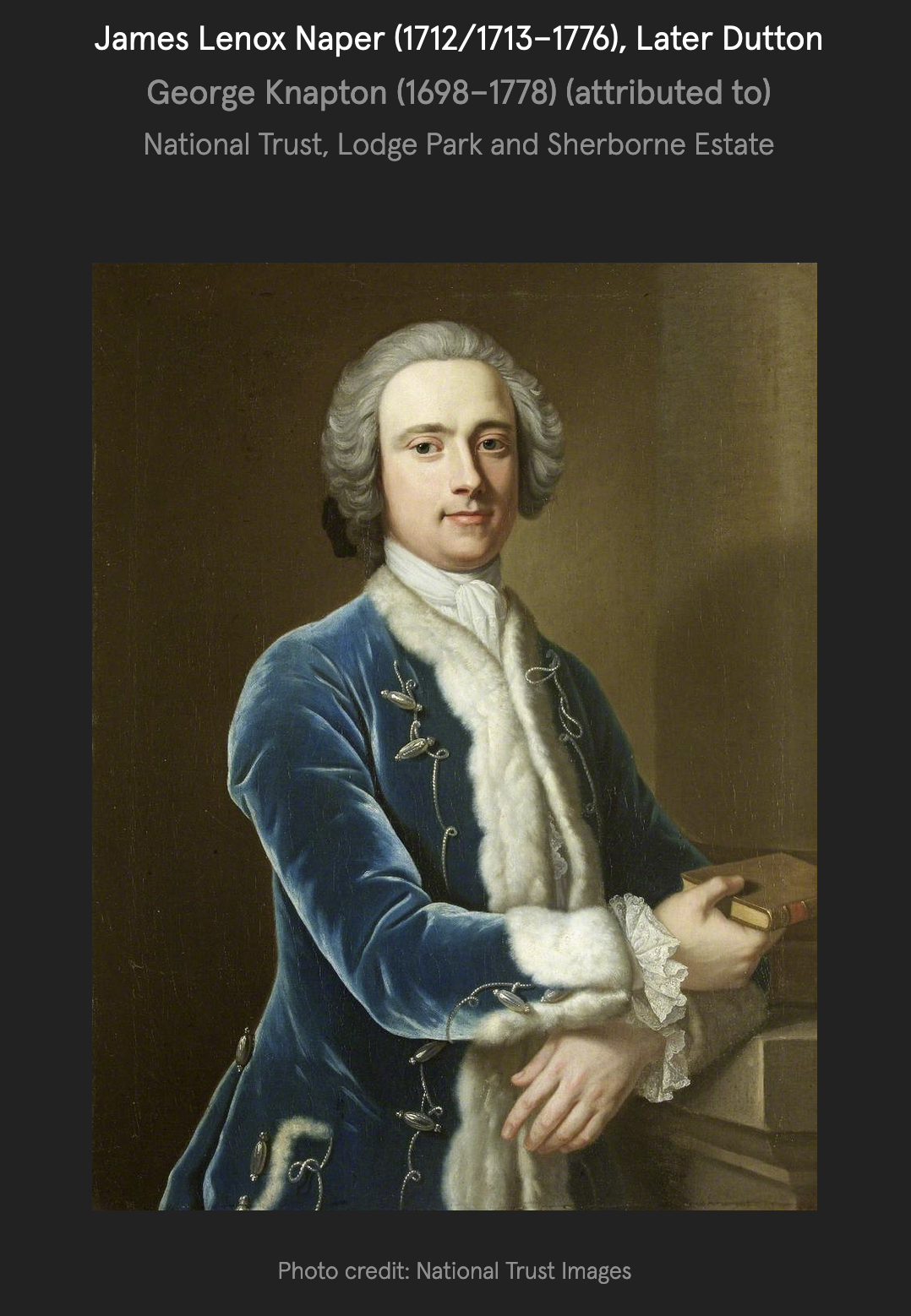
James and his third wife Anne had a son, James Lenox Naper (c. 1713-1776). He changed his name to Dutton so must have inherited property through his mother. 2nd Baronet Dutton died in 1743 with no heir so this must be when James inherited and changed his name to Dutton.
James Lenox Naper (c. 1713-1776) took the surname Dutton.
James Dutton né Lenox was High Sheriff of County Meath in 1740. In 1734 he married Catherine, daughter of Henry Ingoldsby, by whom he had an only child, John, who died unmarried in 1771. Secondly he married Jane, daughter of Christopher Bond, of Newland, Gloucestershire, and they had many children.
Their daughter Frances married Charles Lambart (d. 1819) whom we came across before as he lived at Beauparc in County Meath, another Section 482 property.
Their oldest son, James (1744-1820) succeeded as the 1st Baron Sherborne, of Sherborne, Co. Gloucester, the title from his great-uncle. It was the second son of James and Jane née Bond, William (1749-1791) who inherited Loughcrew. Since his older brother had continued the name of Dutton, circa 1777 William’s name was legally changed to William Naper by Act of Parliament, under the terms of his father’s will.
William married Jane Travell, daughter of the Rev Ferdinando Tracy Travell, of Gloucestershire. Loughcrew passed to their son, James Lenox William Naper (1791-1868). He was M.P, Justice of the Peace and Deputy Lieutenant for County Meath. He married Selina Skipworth, daughter of Grey, 8th Baronet Skipwith, of Prestwould, Co. Leicester, who lived in Newbold Hall, Warwickshire.
James Lennox William Naper (1791-1868) commissioned the building of Loughcrew House in 1823, a year after he was appointed High Sheriff of Meath. Ferres tells us that he was a busy landlord and writer, and he served as chairman of the Poor Law Guardians during the Famine years and subsidised the emigration of tenants to Canada in the 1830s. [see 2]
James and Selina’s daughter Lelia Jane married Lt.-Col. John Nicholas Coddington (1828-1917) of Oldbridge, County Meath, the house that is now the location of the Battle of the Boyne museum (see my entry about Places to visit in County Meath).
James and Selina’s son James Lenox Naper (1825-1901) inherited the estate of Loughcrew. A younger son, William Dutton Naper, was Justice of the Peace and had a son, Lenox Arthur Dutton Naper (1877-1965).
James Lenox Naper (1825-1901), like his forebears, also served as Deputy Lieutenant. In 1877, at the age of 52, he married Catharine Frances Rowley, daughter of Clotworthy Wellington William Robert Rowley, 3rd Baron Langford of Summerhill, County Meath.
The first major fire at Loughcrew House in 1888, in James Lenox and Catharine Frances’s time. They hired Thomas Newenham Deane & Son to rebuild the house.
James Lenox and Catharine Frances had a son, William Lenox Naper (1879-1942). He gained the rank of Captain in the Royal Horse Guards, and also served as Justice of the Peace. In 1902 he married Adela Mary Charlotte, eldest daughter of Colonel Walter Rodolph Trefusis. William Lenox Naper died at the age of 63 without having any children.
Lenox Arthur Dutton Naper (1877-1965) married Laura Daphne Theodora Annesley in 1912. She was the daughter of Major Oliver Francis Theodore Annesley. Lenox Arthur Dutton gained the rank of Lieutenant-Colonel in the Royal Artillery. It was his son, Nigel William Ivo Naper (1922-1978), who inherited the estate of Loughcrew.
Nigel married Carola Elisabeth Darley, daughter of Lt.-Col. Denis George Farren Darley of Prospect, Sallins, County Kildare. He fought in World War II and was awarded the Military Cross.
There were two more major fires in the house in 1959 and 1964.
The Irish Land Commission took 600 acres of the estate in 1967 and it was divided between his three sons on Nigel`s death in 1978: James Denis Merrik Naper, Charles William Lenox Naper and Francis Graham Dutton Naper.
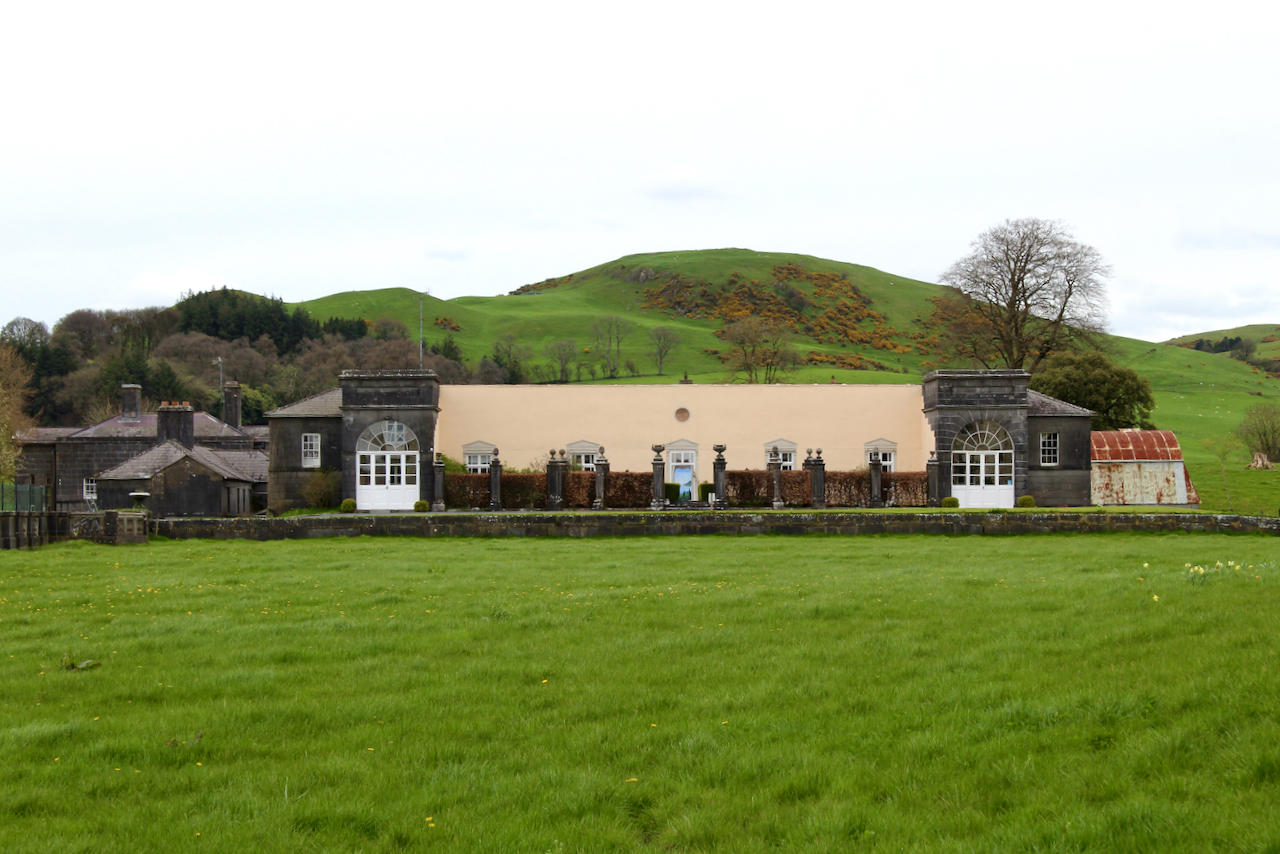
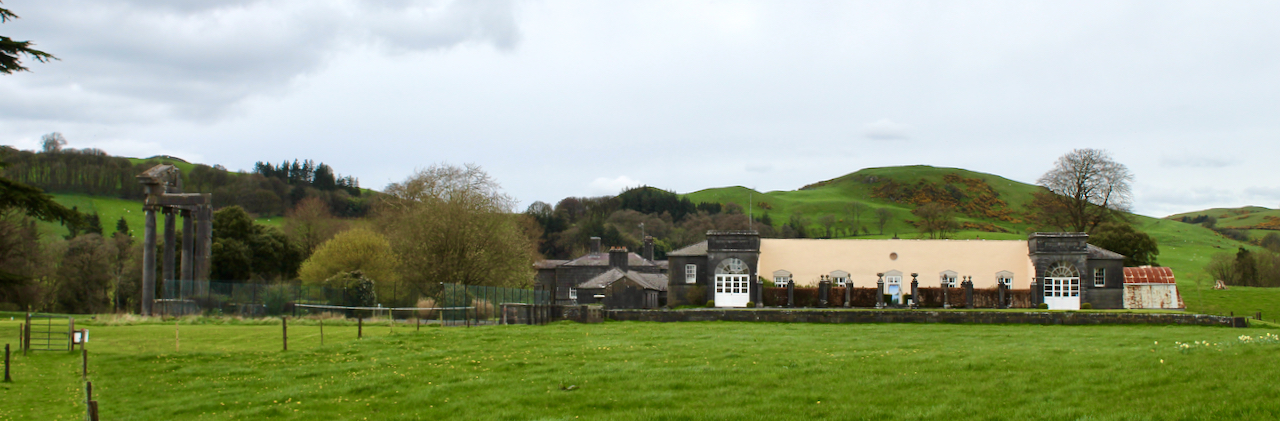
Charles married Emily Jane Dashwood in 1981. Emily and Charles Naper have converted the old conservatory Garden House, pavilions, servant quarters and stables into the current living area, school of gilding and studio area. The Garden House is attached to the original courtyards.
They have revived the 17th century gardens and established Loughcrew Garden Opera. Loughcrew Garden Opera has been holding operas and concerts in the grounds of the estate since 2000 during the summer months, which has proved immensely popular.
Weddings, exhibitions and craft workshops have also been held in the large rooms within the courtyard buildings.
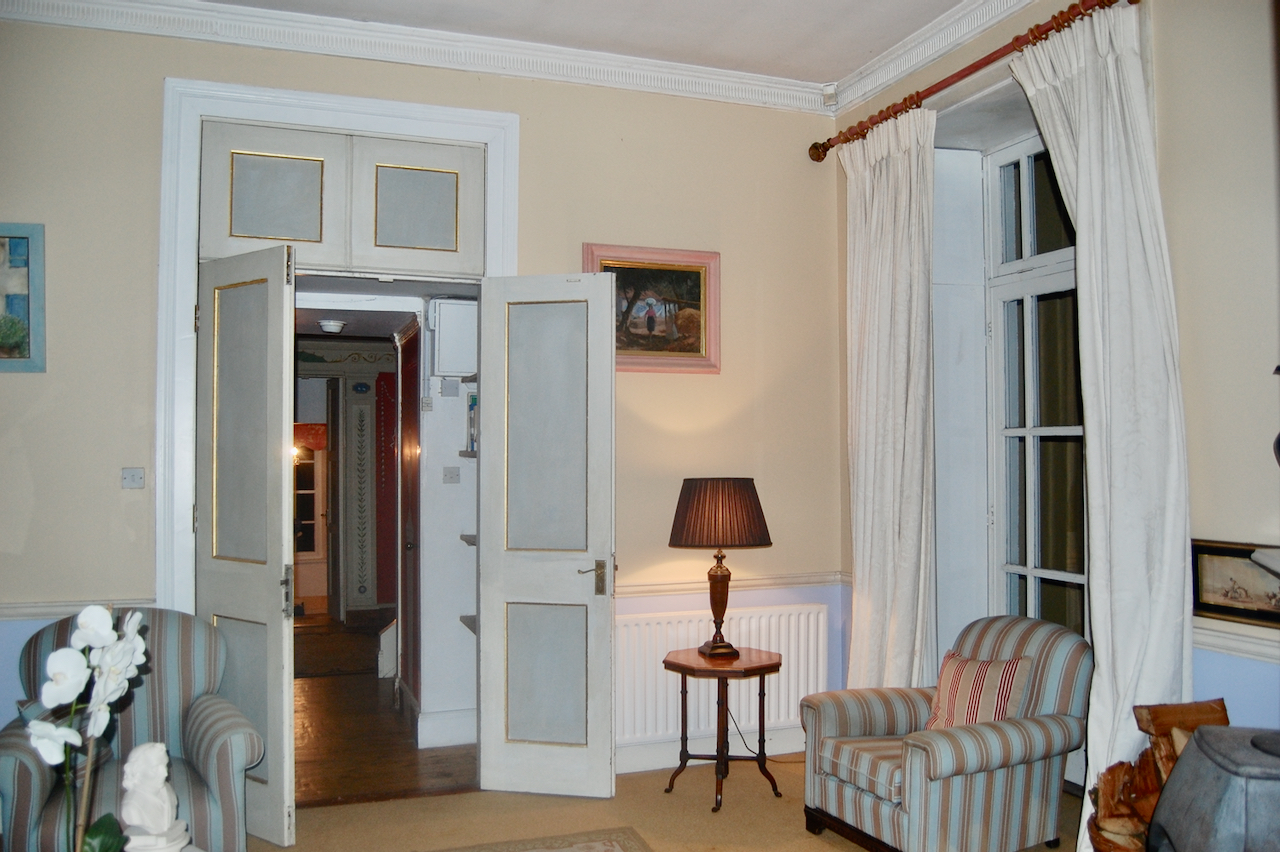
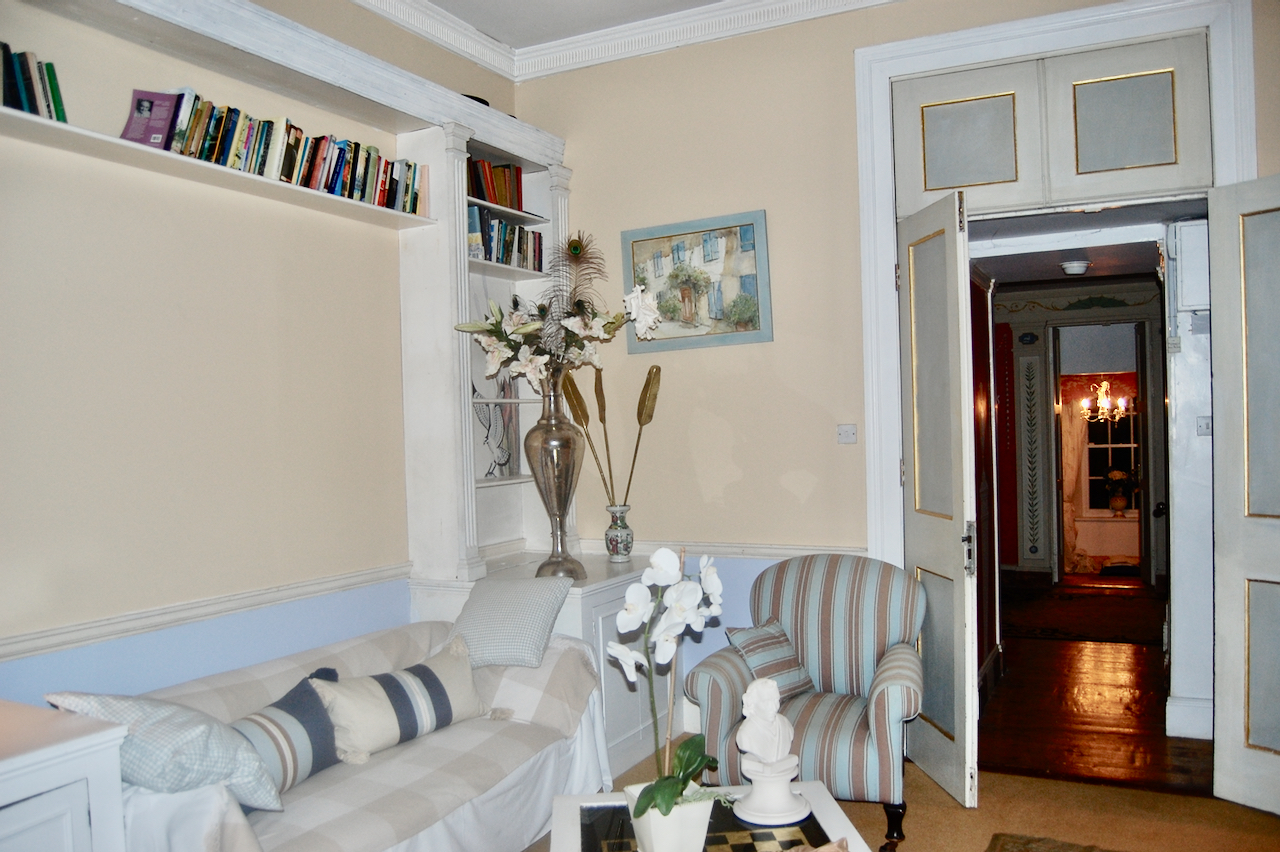
The house currently comprises two principal reception rooms, two sun-rooms, kitchen, five bedrooms, a basement, and a guest wing with three further bedrooms.
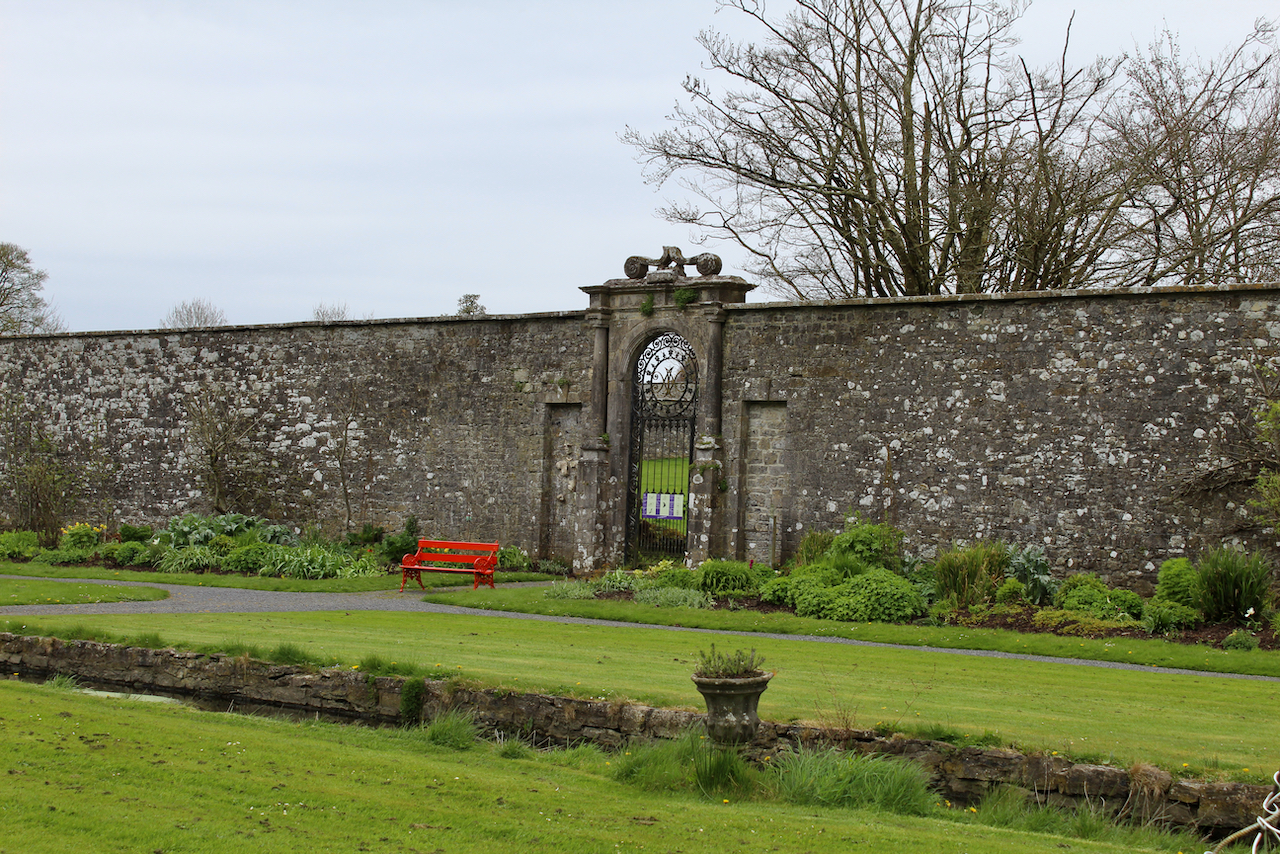
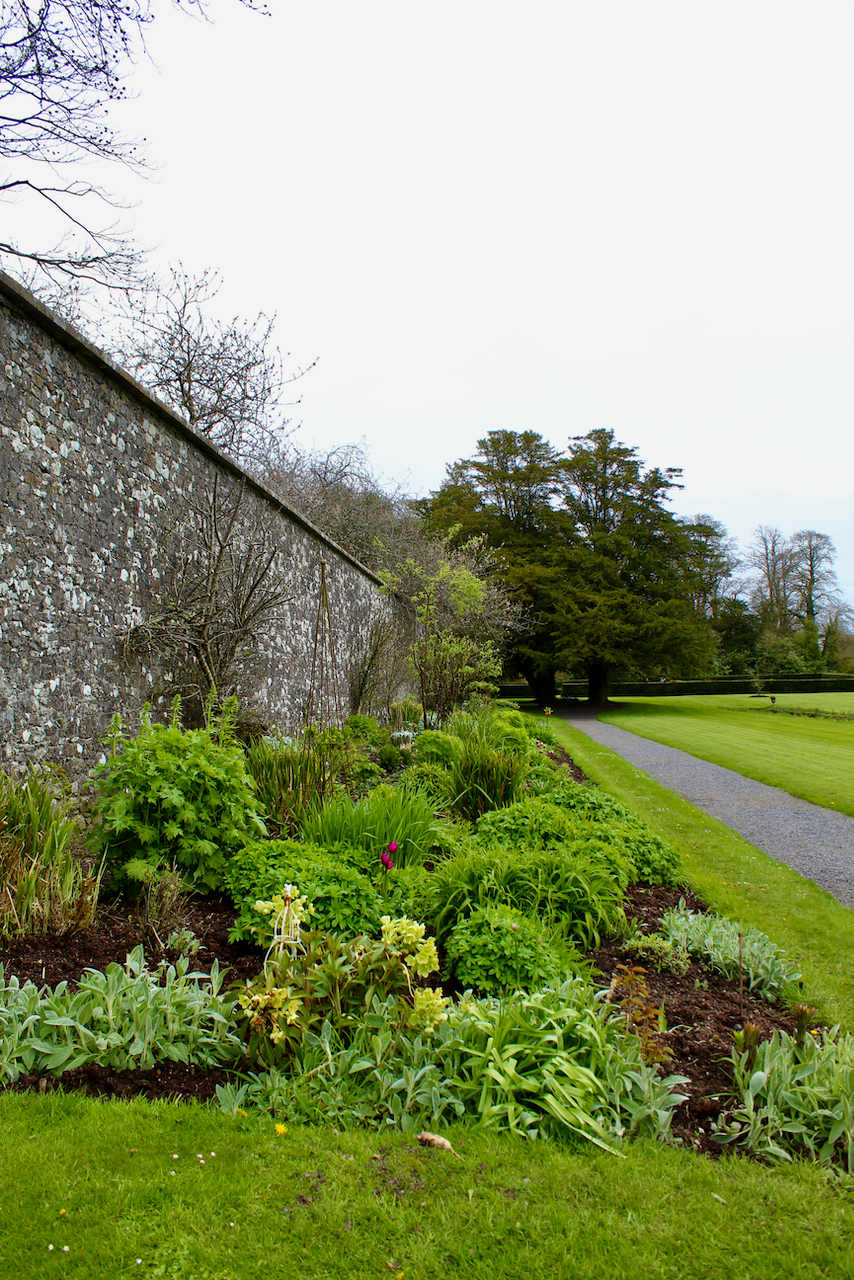
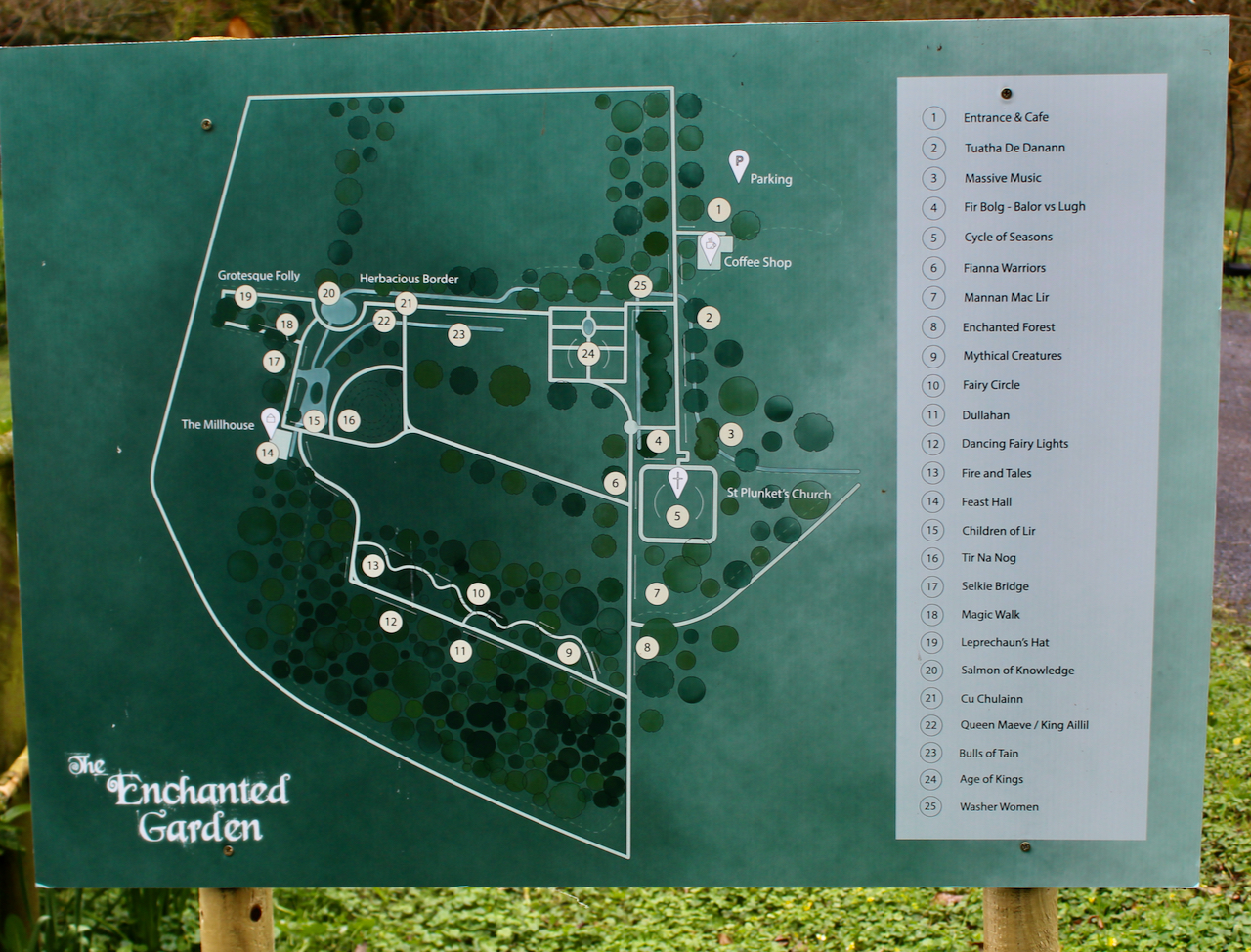
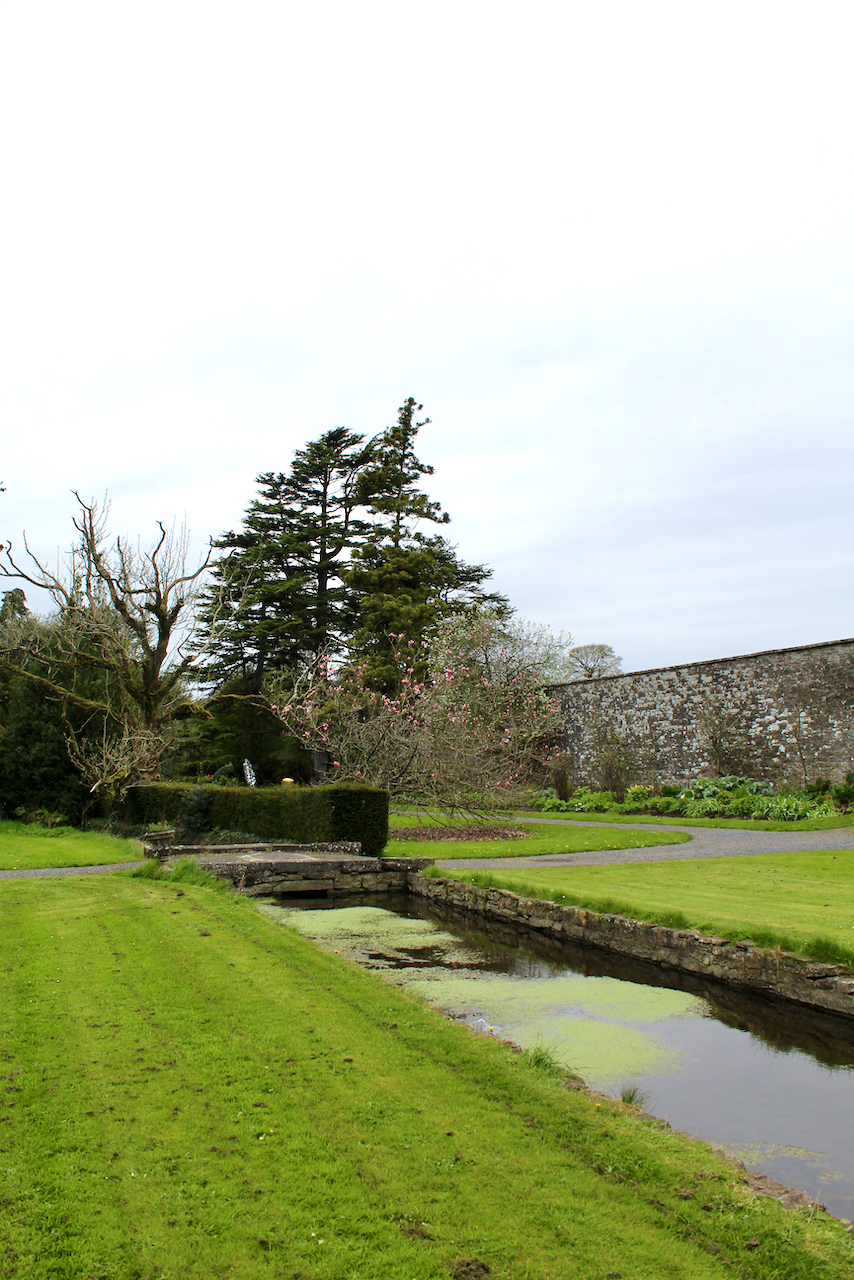
Lougcrew Gardens have been created by generations of the Naper family since the 1660s. The Gardens are open to the public for a number of months during the year.






















 Irish Historic Houses