Larchill, Kilcock, Co. Kildare W23 Y44P – section 482

www.larchill.ie

Open dates in 2025: May 3-31, June 1-6, 10-13, 17-20, 24-27, Aug 16-29, 10am-2pm

Fee: adult/OAP/student €8, child €4, under 4 years free, groups discount

donation

Help me to pay the entrance fee to one of the houses on this website. This site is created purely out of love for the subject and I receive no payment so any donation is appreciated!

€15.00
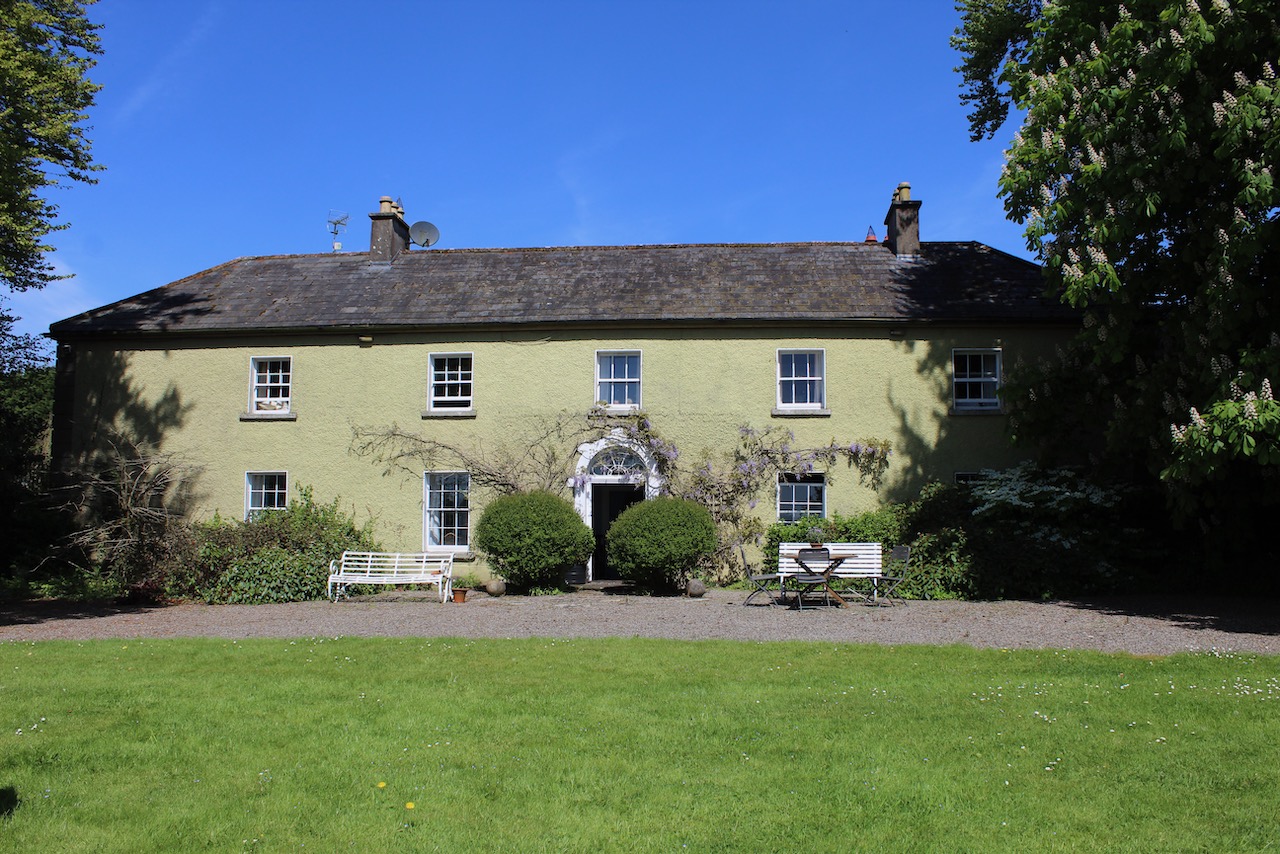
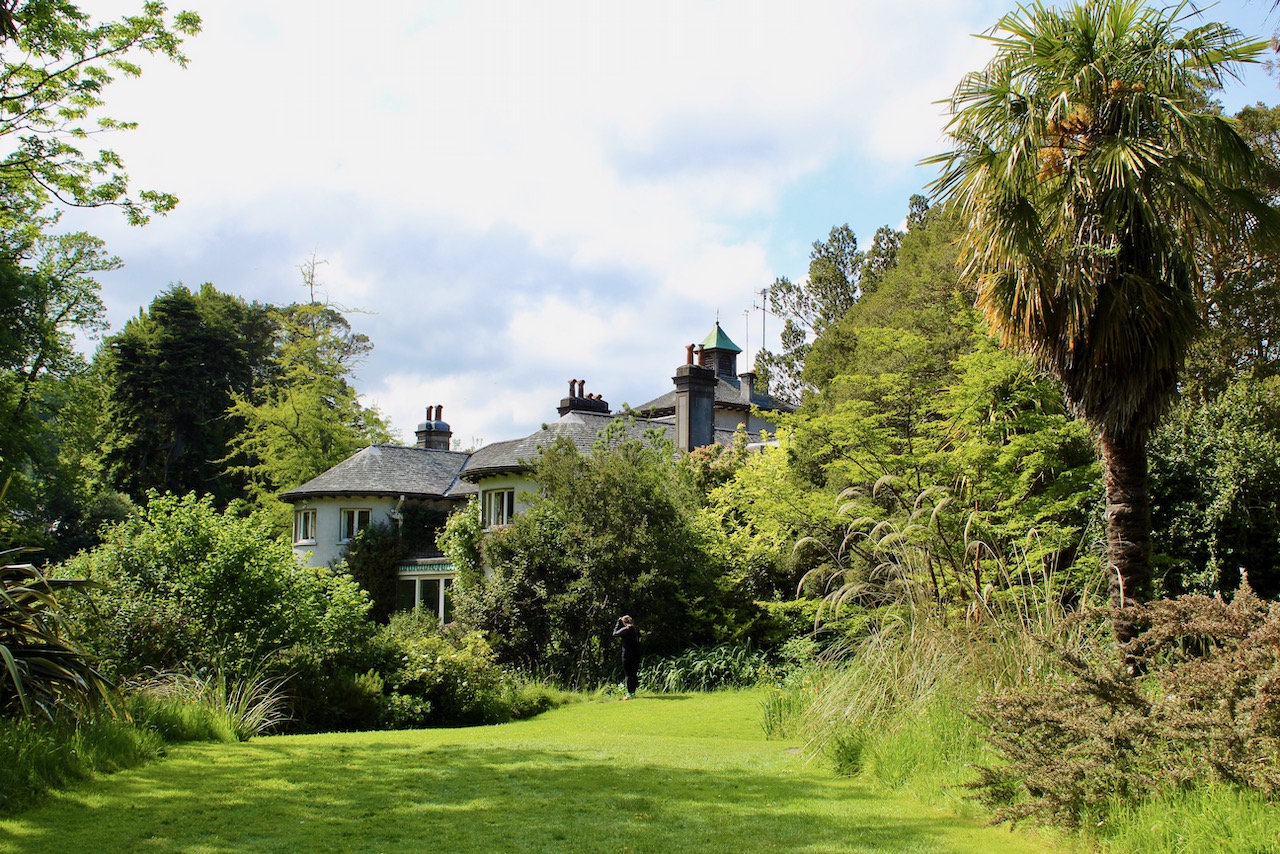
Larchill house, May 2022. Photograph © Jennifer Winder-Baggot, www.irishhistorichouses.com

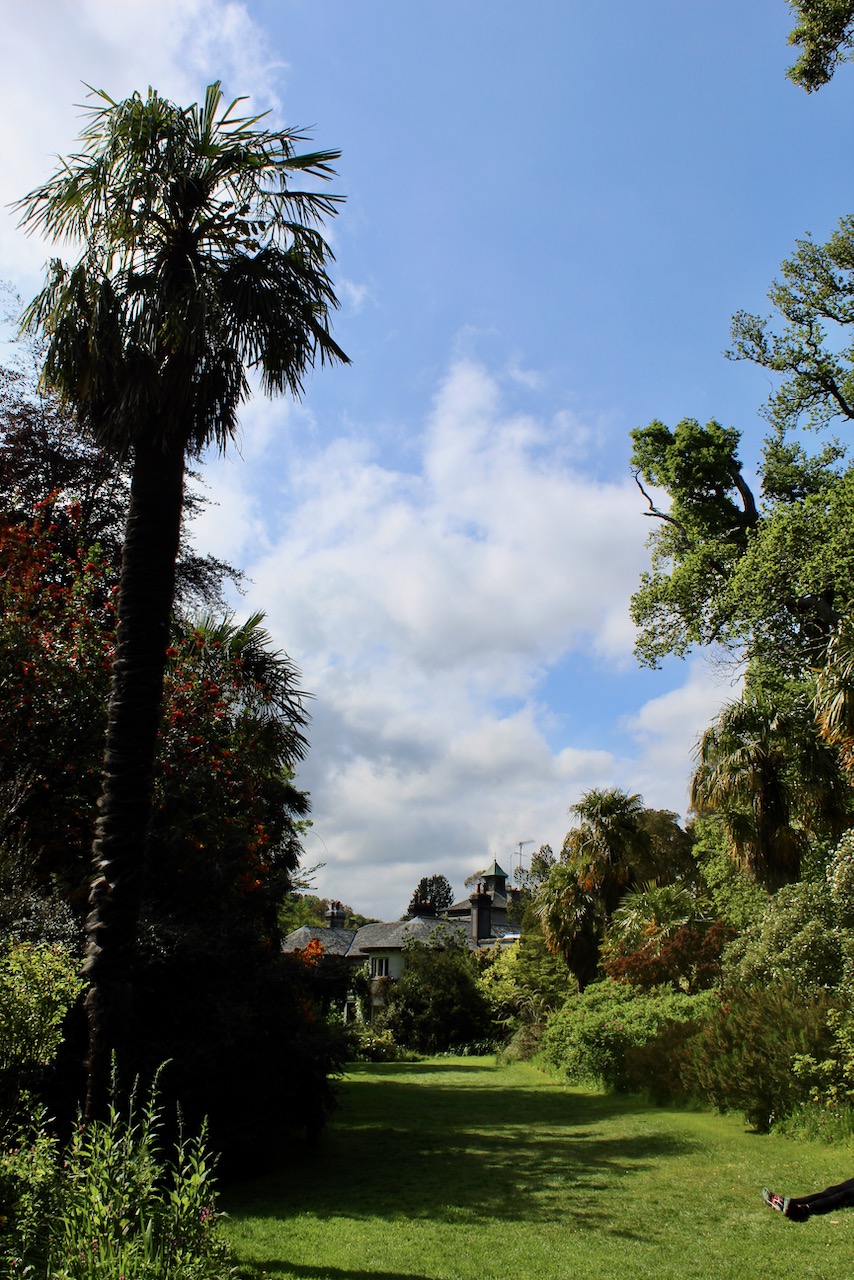
We visited Larchill on a glorious sunny day in May 2022. The house has an excellent website explaining the fact that it is a ‘Ferme Ornée’ or Ornamental Farm and is the only surviving, near complete, garden of its type in Europe. It was created between 1740 and 1780.

The Ferme Ornée gardens of the mid 18th century were an expression in landscape gardening of the Romantic Movement. The National Inventory tells us that the house, ornamental farm yards and follies were built by Robert Watson, but it could have been for the previous owners, the Prentice family, a Quaker merchant family who lived in Dublin and at nearby Phepotstown and who owned the land of Larchill. According to the National Inventory, the farm yard was built around 1820, later than the house, which was built around 1790. [1] [2]

Robert Prentice leased Phepotstown in 1708 to grow flax for the production of linen and it seems that at this time he started to develop the land as a ‘Ferme Ornée.’ [3]

It was the current owners, Michael and Louisa de las Casas, who discovered the significance of the property, which had become overgrown and fallen into disrepair, due to a visit by garden historian Paddy Bowe, who was the first to realise that Larchill was a Ferme Ornée and an important ‘lost’ garden.

The website tells us about the idea of an ornamental farm:

Emulating Arcadia, a pastoral paradise was created to reflect Man’s harmony with the perfection of nature. As is the case at Larchill, a working farm with decorative buildings (often containing specimen breeds of farm animal) was situated in landscaped parkland ornamented with follies, grottos and statuary. Tree lined avenues, flowing water, lakes, areas of light and shade and beautiful framed views combined to create an inspirational experience enabling Man’s spirit to rejoice at the wonder of nature.

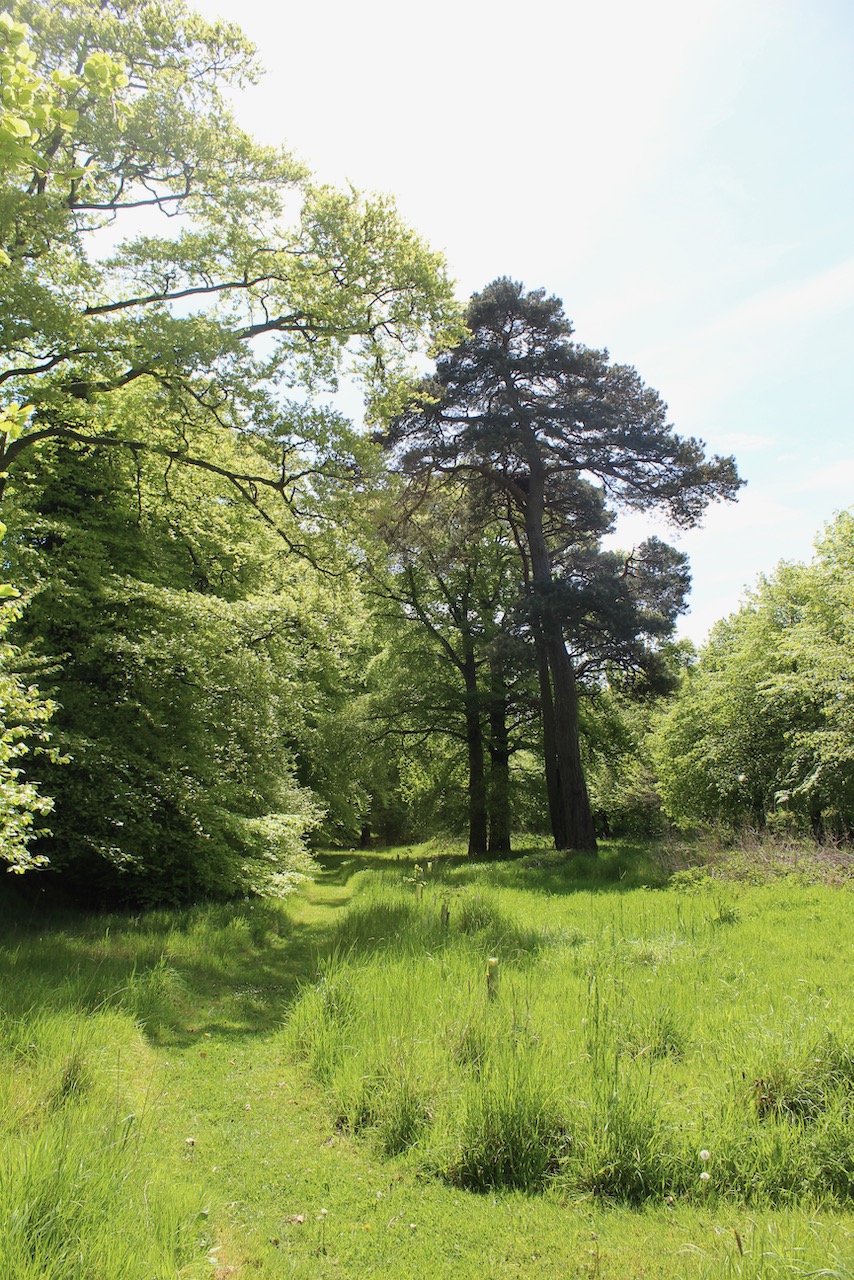
As in the example of Woburn Farm, a circuit path leads around the property, leading to temples and statues. It’s a beautiful walk around the lake and fields, with a carefully mown trail. We were lucky with the weather! Photograph © Jennifer Winder-Baggot, www.irishhistorichouses.com

The owners continue the tradition of keeping specimen breeds with the long-horn cow, peacocks and quail. They used to be kept busy with tourists and children with an adventure area and collection of rare breeds of farmyard animal, but they no longer gear it toward such an audience.
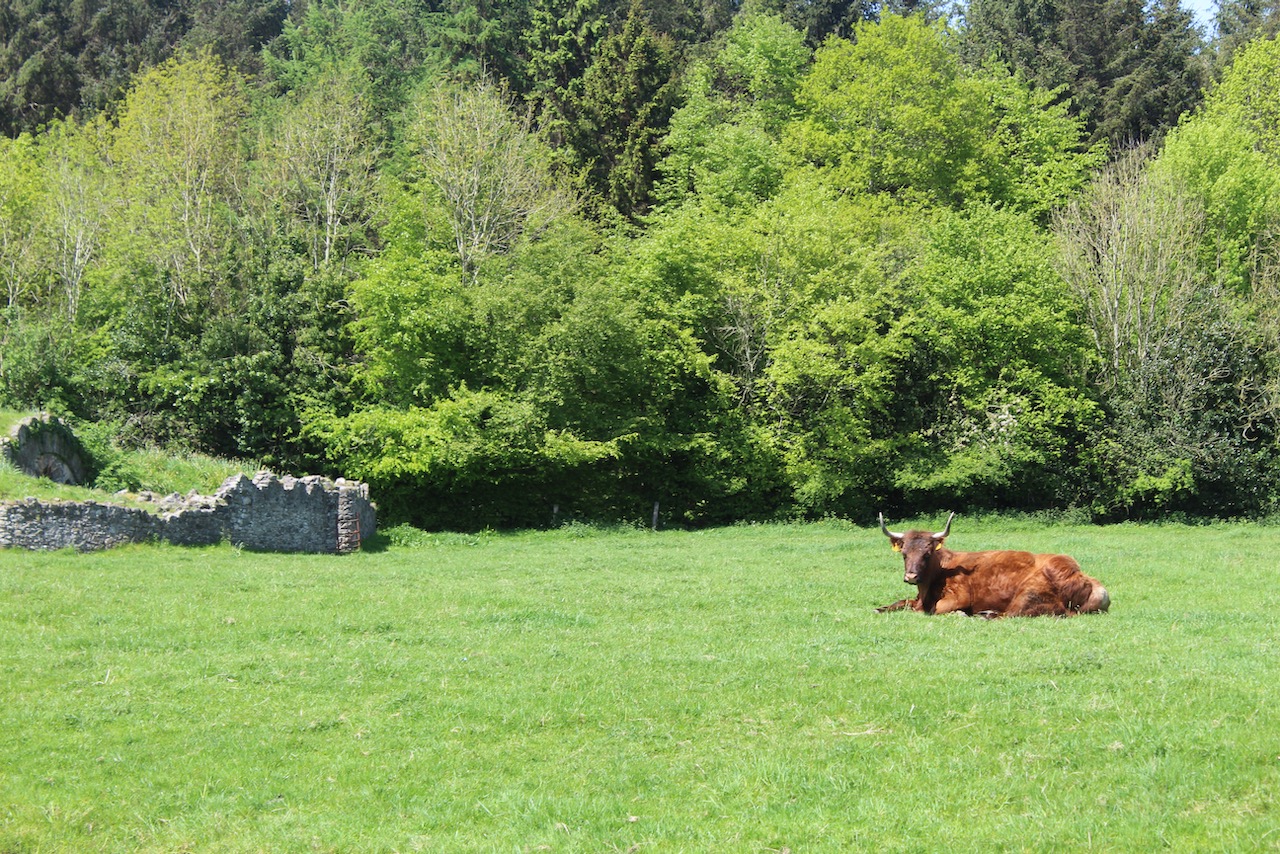
Larchill, May 2022. Photograph © Jennifer Winder-Baggot, www.irishhistorichouses.com

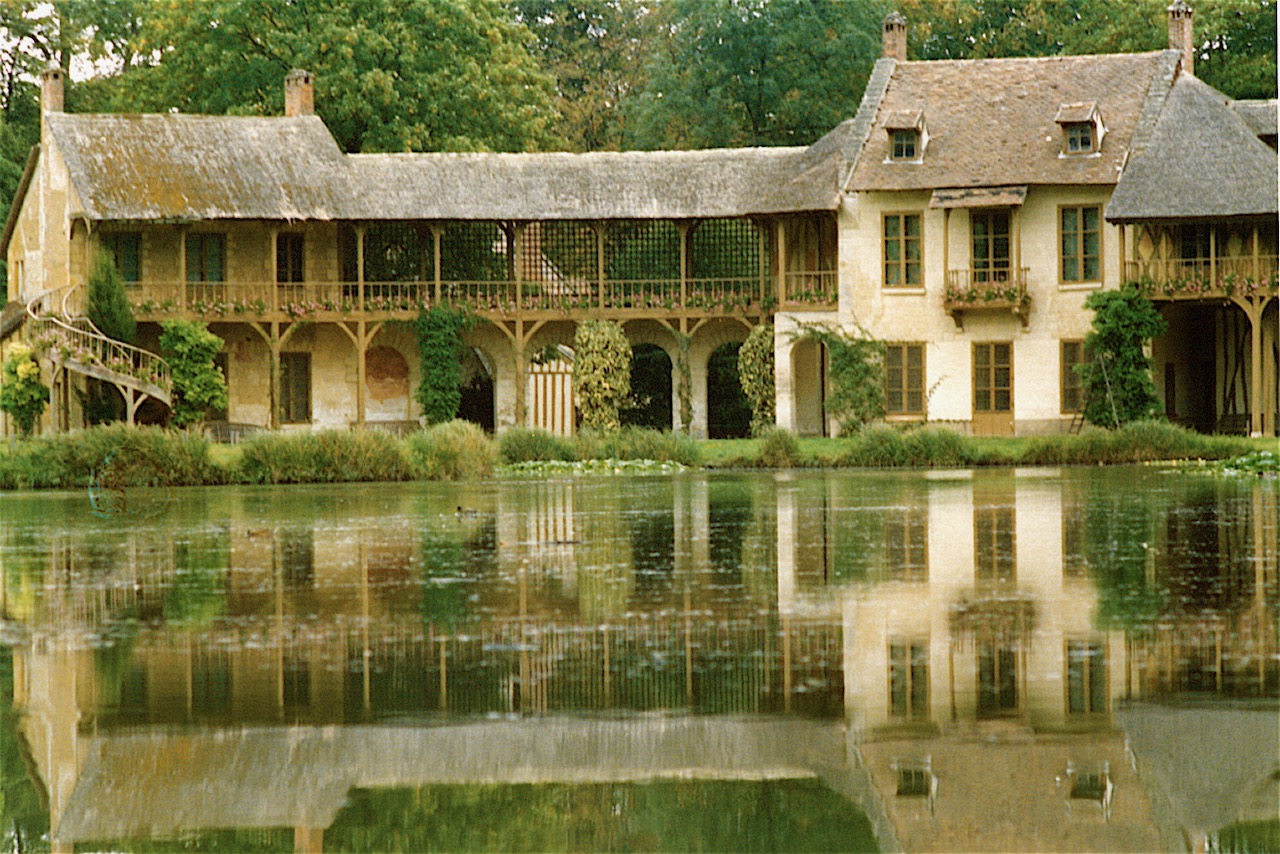
The website continues: “At this time in Versailles, Marie Antoinette enjoyed extravagant pastoral pageants, housed specimen cattle in highly decorated barns, while she herself is said to have dressed as a milk maid complete with porcelain milk churns. Freed from the restrictions of the 17th century formal garden, the Ferme Ornée represented the first move towards the fully fledged landscape parkland designs of Capability Browne.

Marie Antoinette’s rural idyll in Versailles, l’Hameau. Photograph © Jennifer Winder-Baggot, www.irishhistorichouses.com

I recently visited the exhibition of “In Harmony with Nature: The Irish Country House Garden 1600-1900” at the Irish Georgian Society, curated by Robert O’Byrne. He describes the Romantic movement and landscape design of Capability Brown:
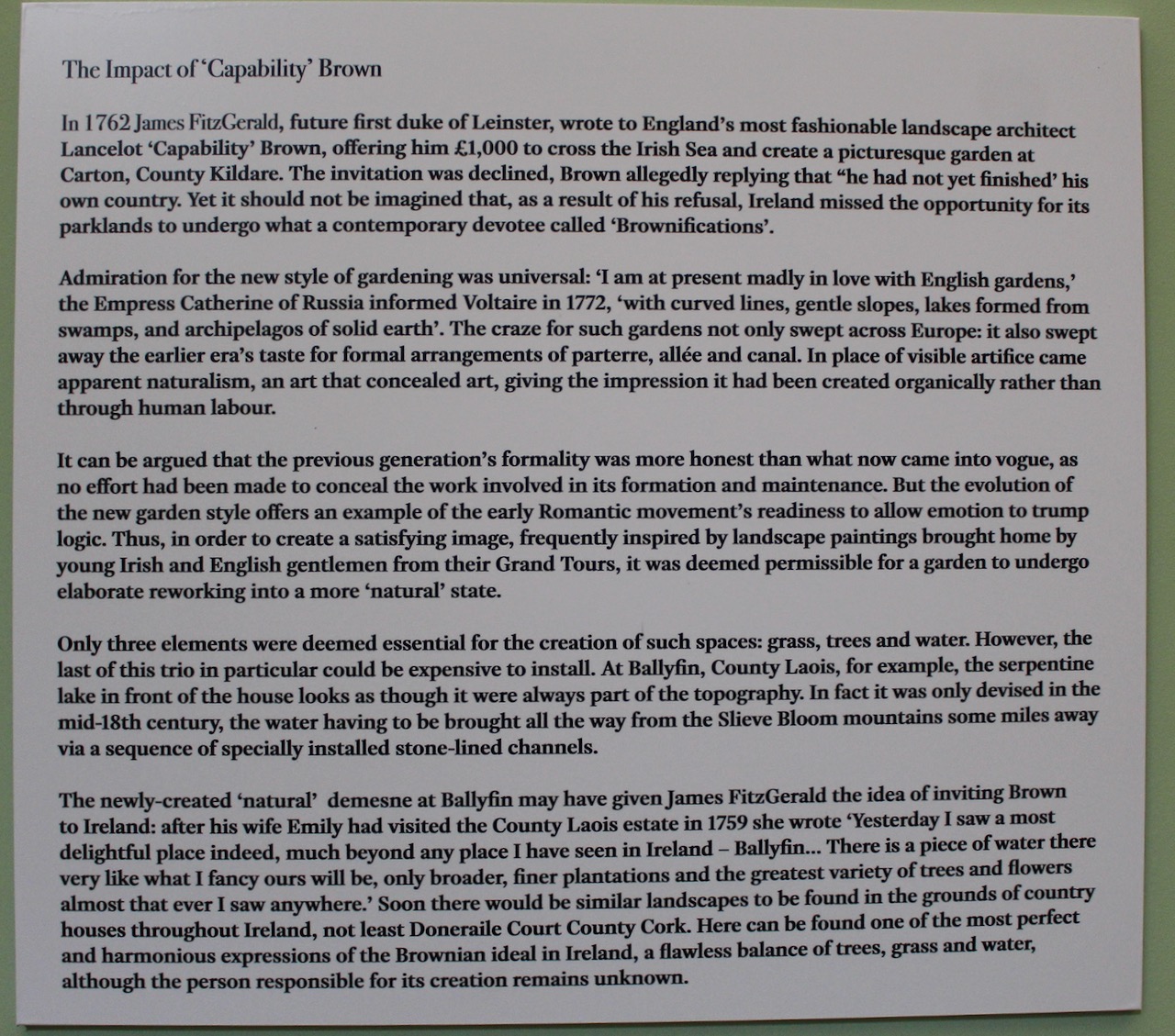
From exhibition of “In Harmony with Nature: The Irish Country House Garden 1600-1900” at the Irish Georgian Society, curated by Robert O’Byrne.

The Larchill website continues: “The Prentice family had trading connections throughout Europe and would have been aware of the new fashion in garden design: in particular the famous gardens of Leasowes and Woburn Farm in England.  In Ireland the Prentice’s townhouse was adjacent to the home of Dean Swift in Dublin where he had developed his orchard and garden, ‘Naboth’s Vineyard.’  Dean Swift and his great friend Mrs Delaney (known today for her exquisite floral collages) were most closely associated in Ireland with knowledge of the new movement in garden design. Larchill was only 10 miles from Dangan Castle [now a ruin], often visited by Mrs Delaney, where from 1730 an extravagant 600 acres of land was embellished with a 26 acre lake, temples, statuary, obelisks and grottos by Richard Wellesley, Earl of Mornington and Grandfather of the Duke of Wellington [I think this was Richard Wesley (c.1690-1758), first Baron of Mornington. He was born Richard Colley but took the name Wesley when he inherited Dangan from his cousin Garret Wesley. [4] Mrs Delaney writes that he had a complete man-of-war ship on his lake!]. This is entirely contemporary with the Prentice’s period of garden development on their estate.

Robert O’Byrne writes of Larchill in his blog and tells us more about the beginnings of the movement for “ornamental farms”:

Despite its French name, the concept of the ferme ornée is of English origin and is usually attributed to the garden designer and writer Stephen Switzer.* [*Incidentally, Stephen Switzer was no relation to the Irish Switzers: whereas his family could long be traced to residency in Hampshire, the Switzers who settled in this country in the early 18th century had come from Germany to escape religious persecution.] His 1715 book The Nobleman, Gentleman, and Gardener’s Recreation criticized the overly elaborate formal gardens derived from French and Dutch examples, and proposed laying out grounds that were attractive but also functional: ‘By mixing the useful and profitable parts of Gard’ning with the Pleasurable in the Interior Parts of my Designs and Paddocks, obscure enclosures, etc. in the outward, My Designs are thereby vastly enlarg’d and both Profit and Pleasure may be agreeably mix’d together.’ In other words, working farms could be transformed into visually delightful places. One of the earliest examples of the ferme ornée was laid out by Philip Southgate who owned the 150-acre Woburn Farm, Surrey on which work began in 1727. ‘All my design at first,’ wrote Southgate, ‘was to have a garden on the middle high ground and a walk all round my farm, for convenience as well as pleasure.’ The fashion for such designs gradually spread across Europe as part of the adoption of natural English gardens: perhaps the most famous example of the ferme ornée is the decorative model farm called the Hameau de la Reine created for Marie Antoinette at Versailles in the mid-1780s. The most complete extant example of this garden type in Europe is believed to be at Larchill, County Kildare.” [5]
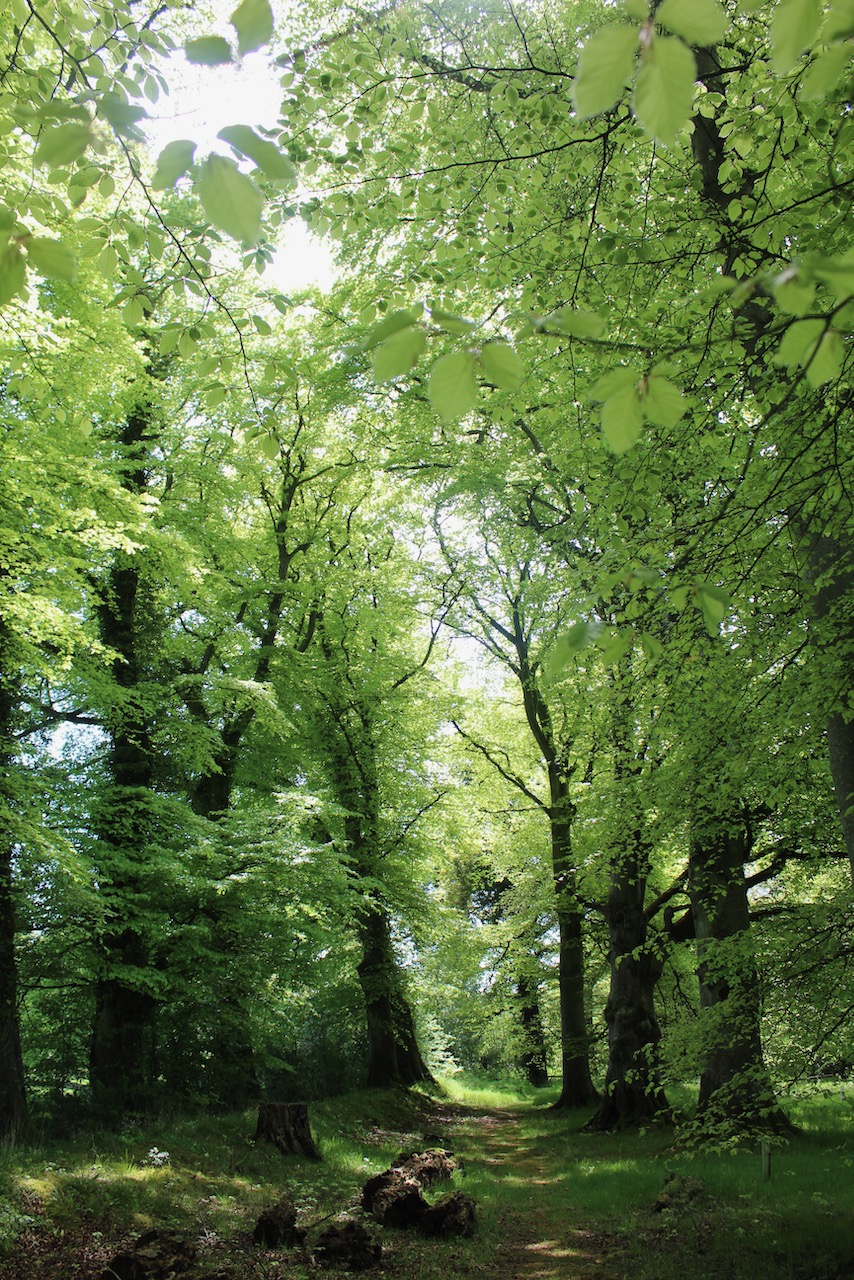
A walk through the woods. Photograph © Jennifer Winder-Baggot, www.irishhistorichouses.com

The Larchill website continues: “Thus there were many sources of reference for the Prentice family as they created their own pastoral paradise before falling on hard times and bankruptcy due to failure in their trading enterprises [around 1760]. The Ferme Ornée gardens were, as a result, leased separately from Phepotstown House and became known as Larchill after a boundary of Larch trees was planted around the farm and garden in the early 1800’s.

The Watsons leased the property in 1790 and the farm manager’s house was upgraded with additions at this time (around 1780). (see [3])

The website Meath History Hub gives us more information about the inhabitants of Larchill:

Richard Prentice, a haberdasher from The Coombe in Dublin occupied Larch Hill in the late eighteenth century. He may have established a Ferme Ornée at Larchhill and constructed the follies although they are generally dated to later. Mr. Prentice was declared bankrupt in 1790, owing ten thousand pounds to a Mr John Smith in Galway.

In 1790 the lease at Phepotstown was taken over by Thomas Watson. The Watson family were a Quaker family from Baltracey, Edenderrry. The house at Larch Hill may have been constructed at this time. Thomas died in 1822. His brother, Samuel Eves Watson [1785-1835], took a lease on Larchill when he married Margo Doyle in 1811. In 1820, Samuel E. Watson inherited half the estate of his uncle, Samuel Russell, in Hodgestown, Timahoe. This brought together four estates with a total area of 1,627 acres. When he died in 1836 his grandson, Samuel Neale [or was Samuel Neale his nephew, son of his sister Anna Watson?], got the estate but he had to take the name Watson in order to inherit. In 1837 Larch Hill, Kilmore, Kilcock was the residence of S.E. Watson. Its grounds were embellished with grottoes and temples. Samuel Neale Watson, as he was now known, married Susanna Davis in 1840 and lived mainly in Dublin. Samuel Neale Watson died in 1883. Seamus Cullen has researched the history of the Watson family.” [6]

The property is mainly notable for its follies, but the house is lovely too, an old Quaker farmhouse.

Larchill, May 2022. Photograph © Jennifer Winder-Baggot, www.irishhistorichouses.com

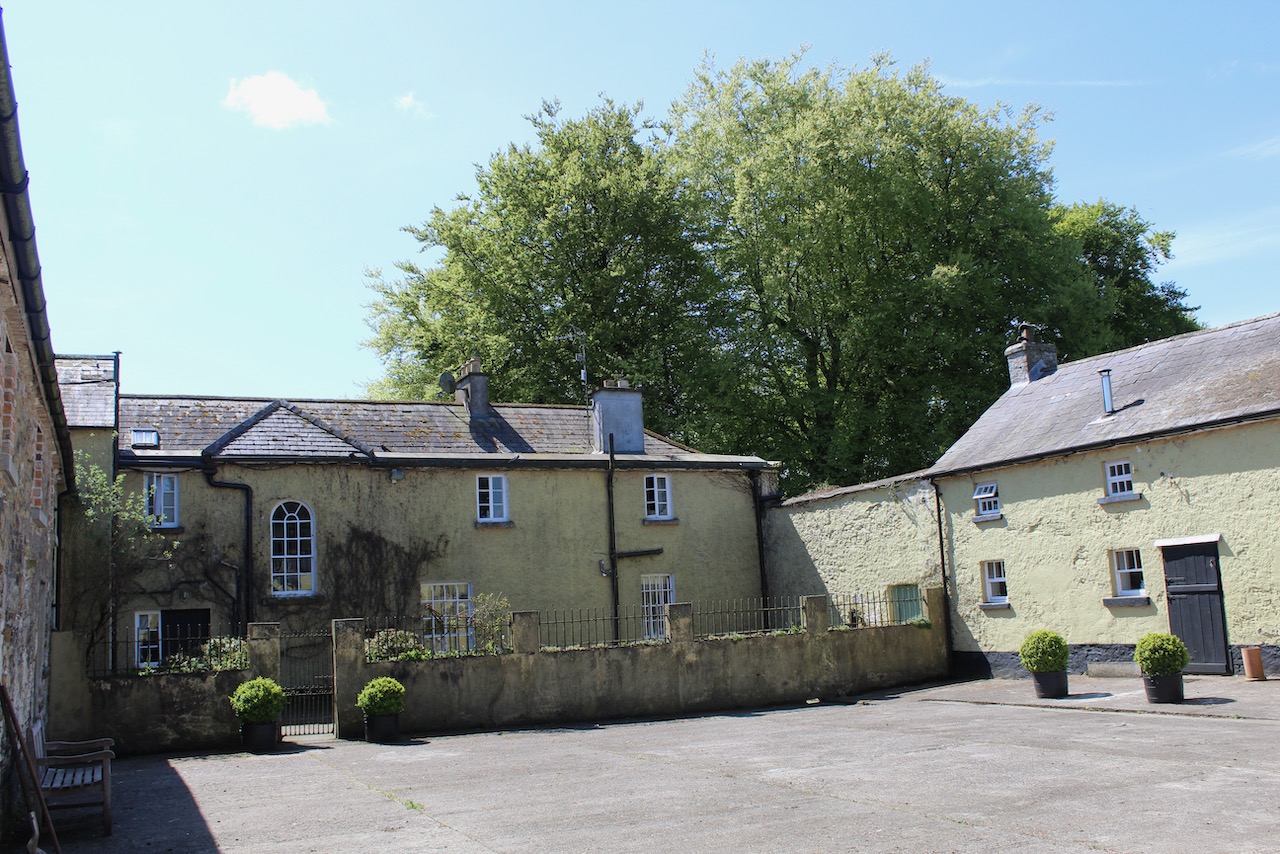
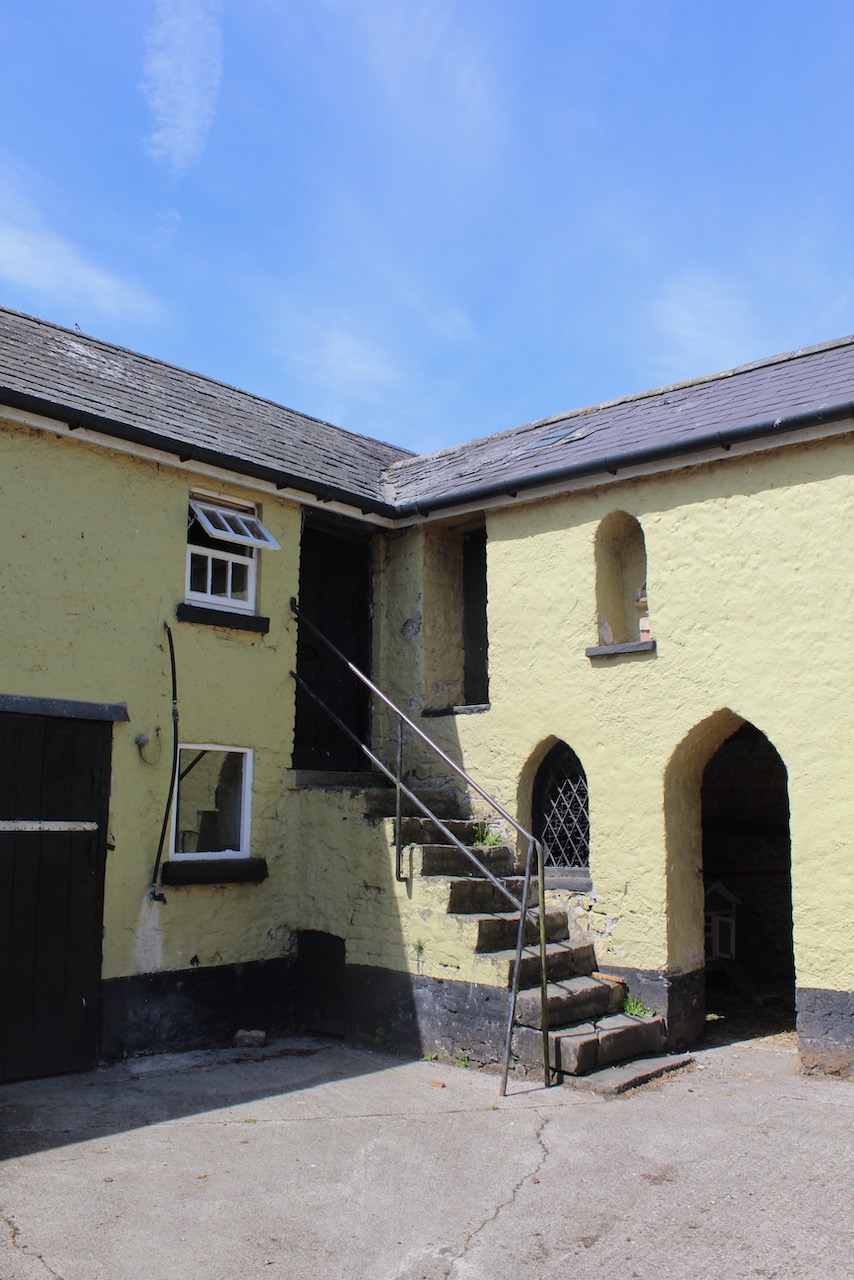
The yard is connected to the house.
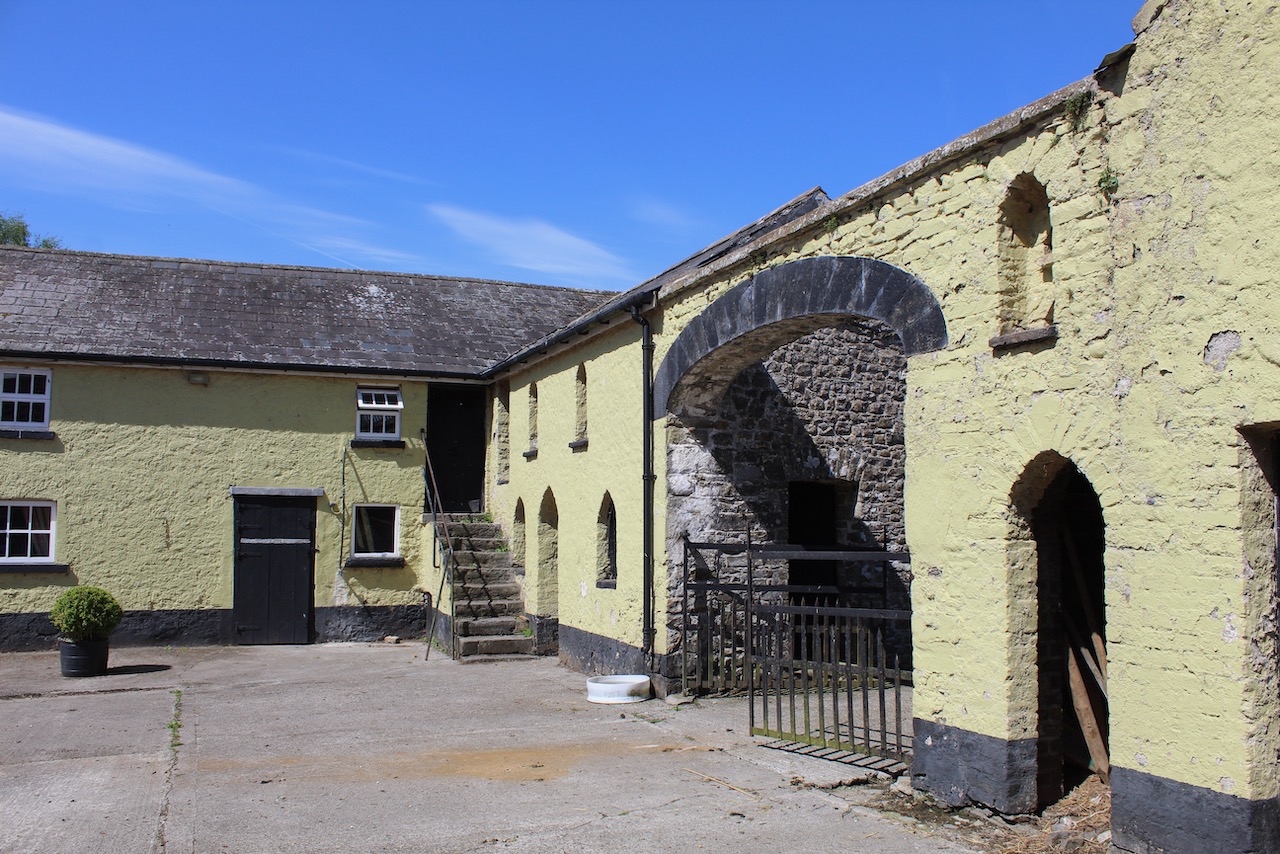
The back of the house overlooks the farmyard. Photograph © Jennifer Winder-Baggot, www.irishhistorichouses.com
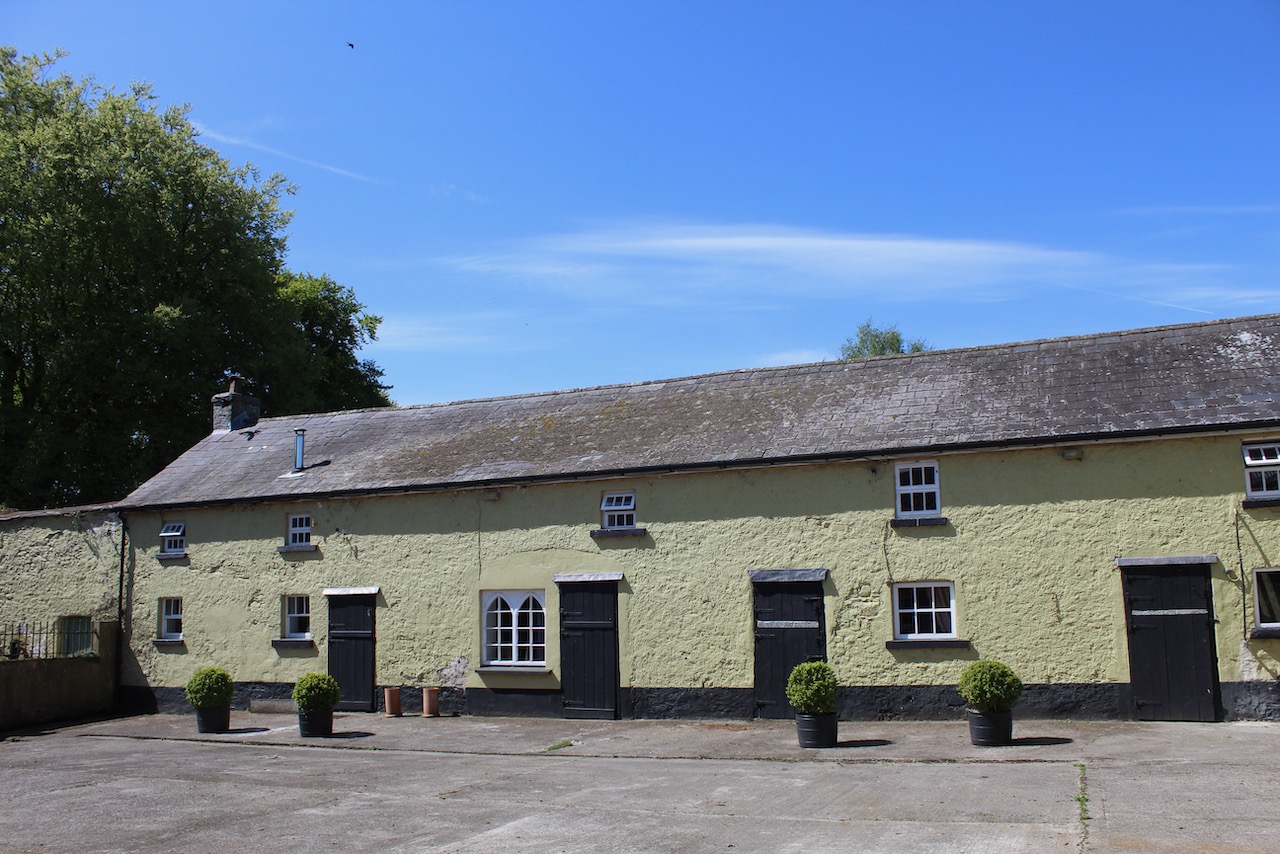
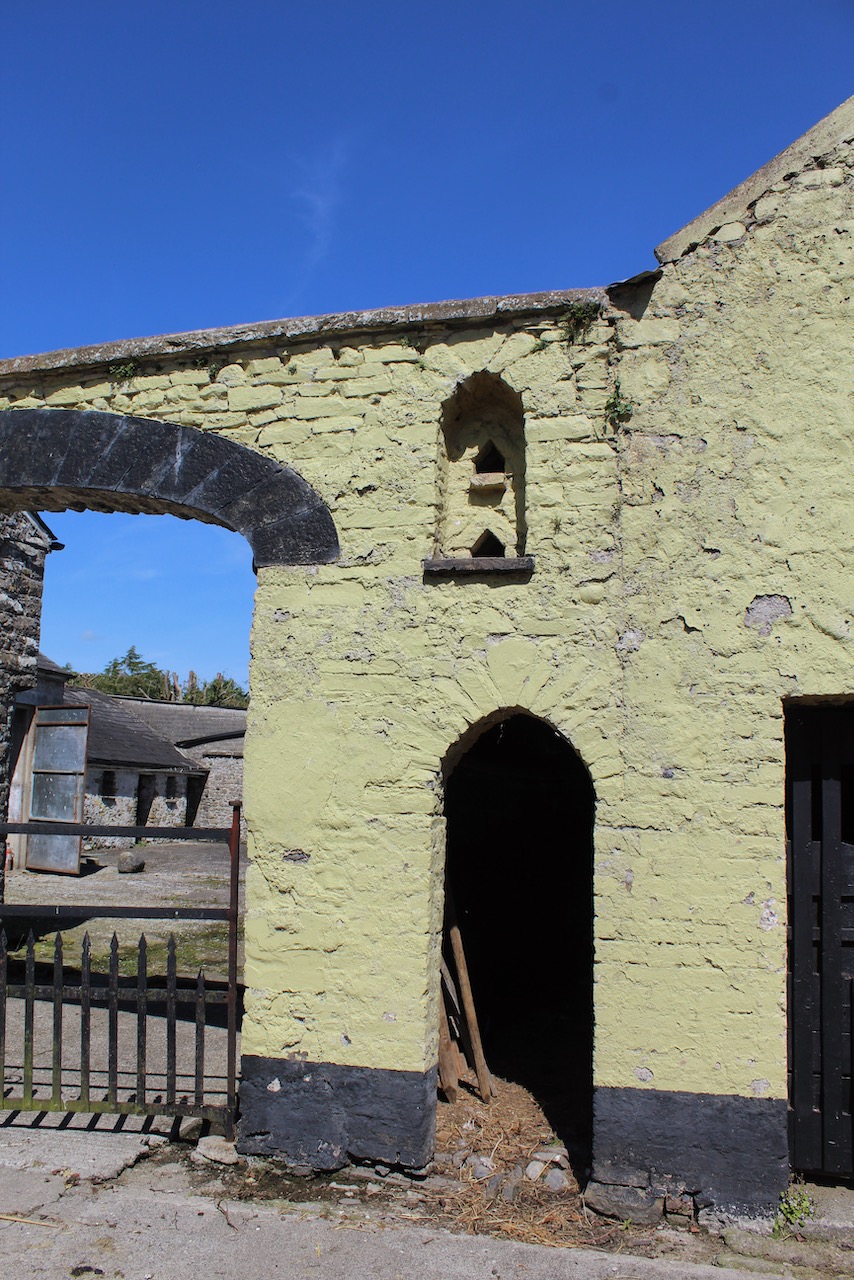
Even some of the farmyard buildings have Gothic arched windows. Photograph © Jennifer Winder-Baggot, www.irishhistorichouses.com
The National Inventory describes the farm buildings: “Farmyard complex, c.1820, comprising a southern and a northern courtyard, both to the north of the main house. The southern courtyard comprises three, roughly dressed rubble stone ranges, with pitched slate roofs, pointed openings having some cast-iron diamond paned windows…Northern courtyard comprises three roughly dressed rubble stone ranges, with pitched slate roofs and square-headed openings. Diamond and pointed openings to northern range. Pair of rubble stone round piers to site.” [2] Photograph © Jennifer Winder-Baggot, www.irishhistorichouses.com
Larchill, 2022. Photograph © Jennifer Winder-Baggot, www.irishhistorichouses.com
There is a specially built “owlery.” Photograph © Jennifer Winder-Baggot, www.irishhistorichouses.com

We heard the distinctive cry of a peacock and one strutted in the yard. Guinea fowl ran around in a large gang, alerting owner Michael to our visit.
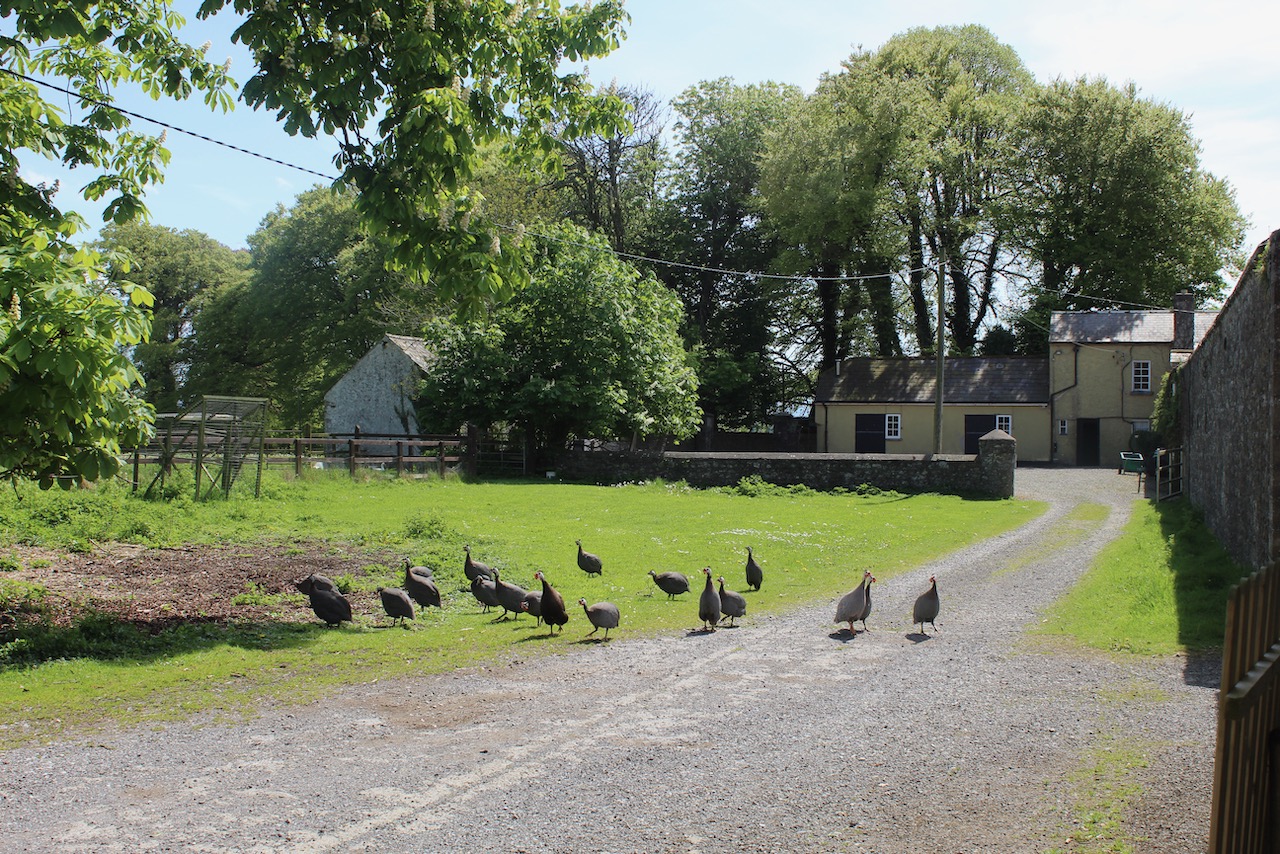
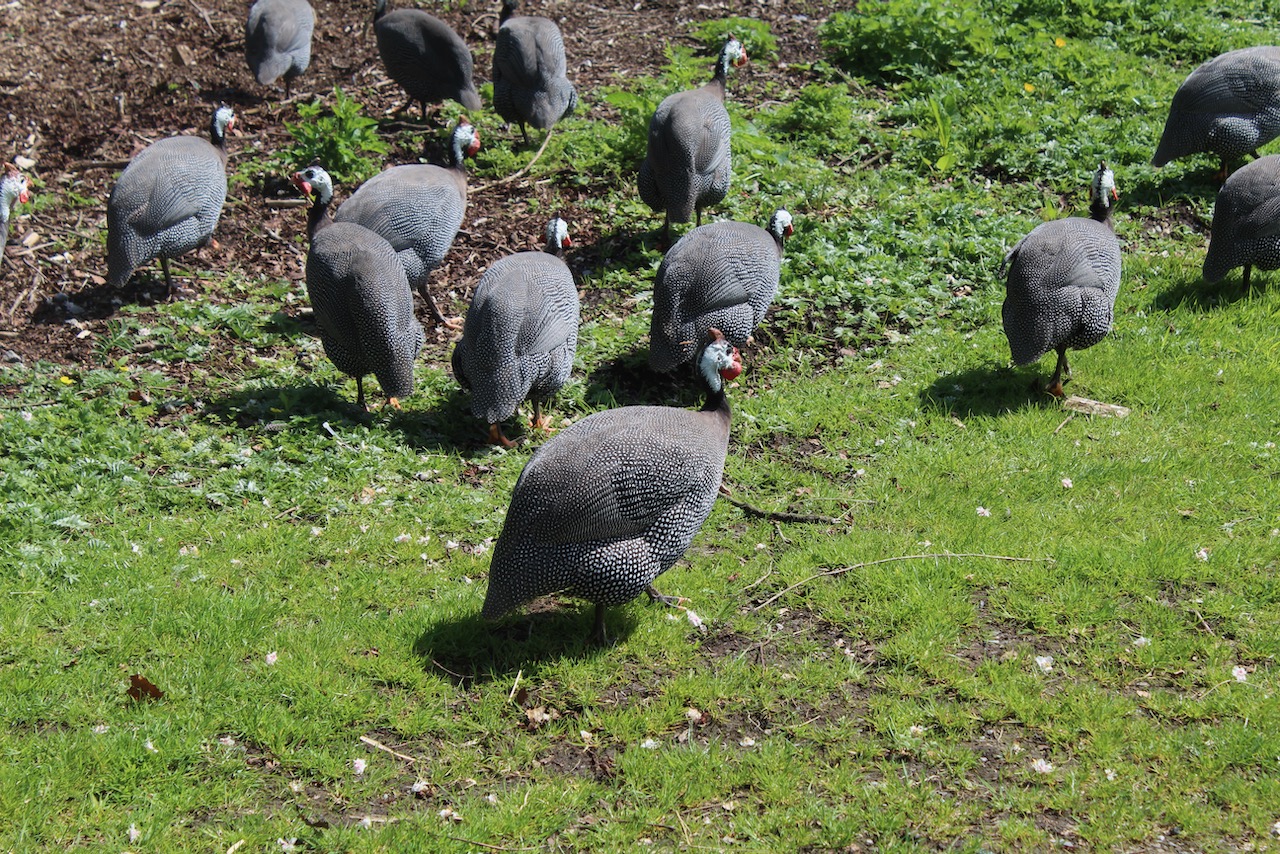
Larchill, 2022. Photograph © Jennifer Winder-Baggot, www.irishhistorichouses.com
The beautiful flock of guinea fowl, who are great at alerting someone of a visitor! Photograph © Jennifer Winder-Baggot, www.irishhistorichouses.com

He greeted us outside the barns, and brought us through the house. The house was built around 1780, and entering the back door, one can see the age – one senses it in the walls in the back hallway, which are not as smooth and straight as in a modern house, and they seem to sit more firmly in the ground. The ceilings are also higher.

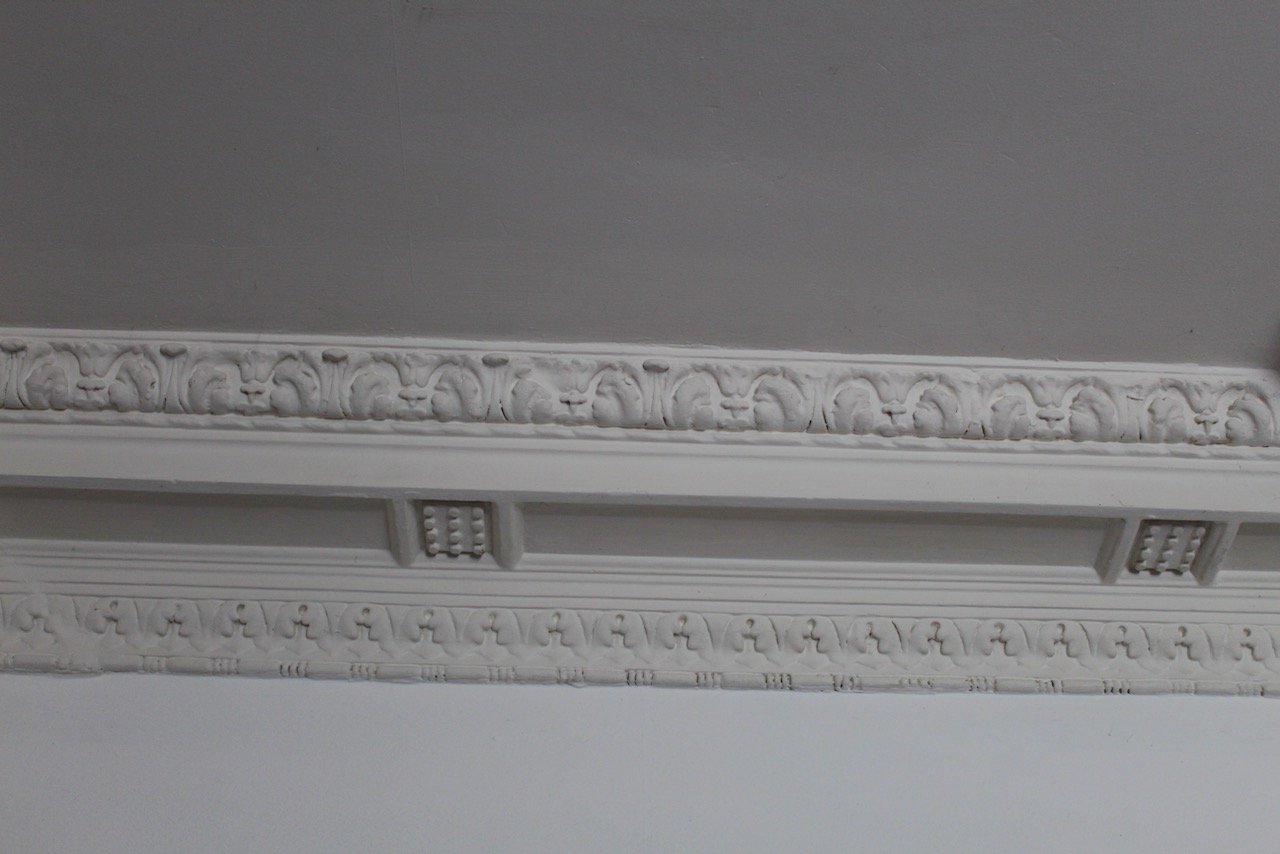
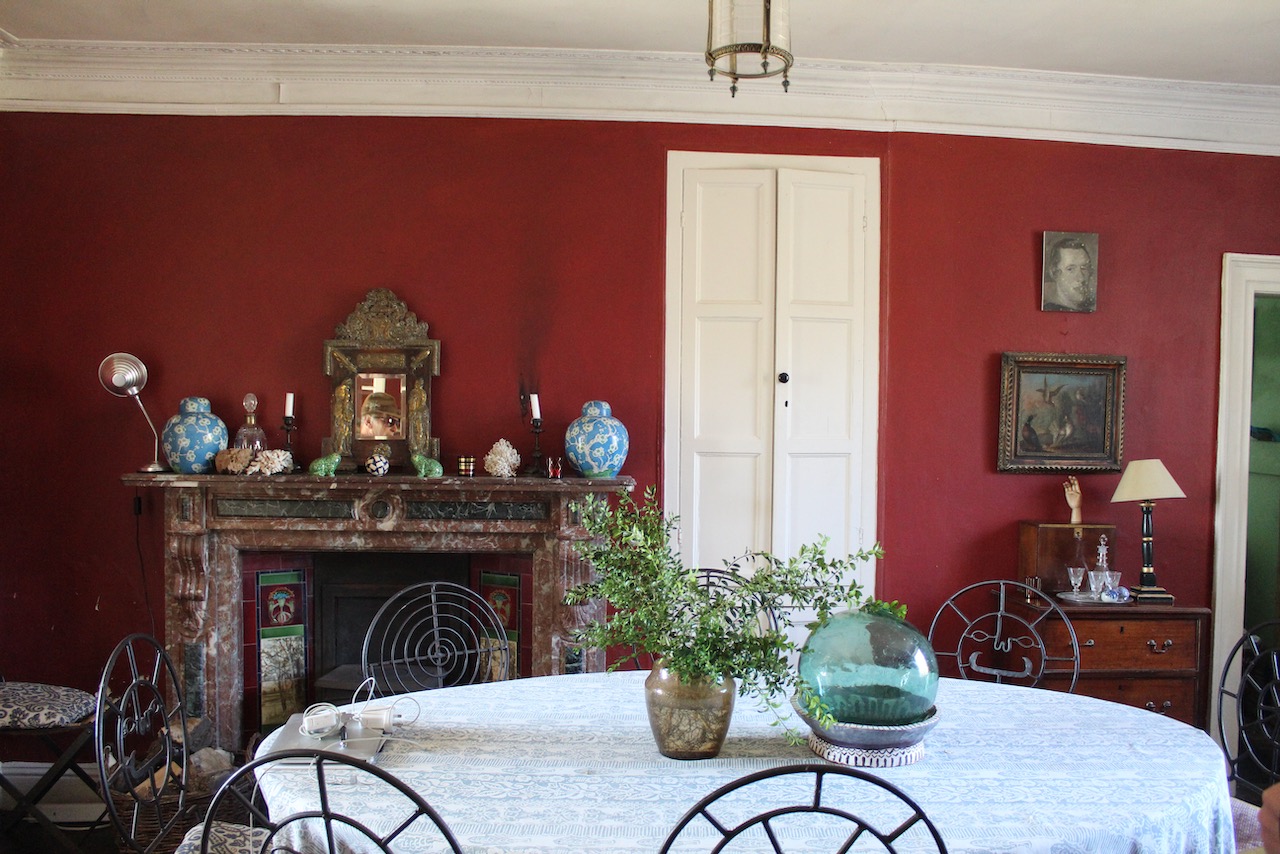
Although a farmhouse, it has lovely coving in the drawing room, a ceiling rose and marble fireplace.
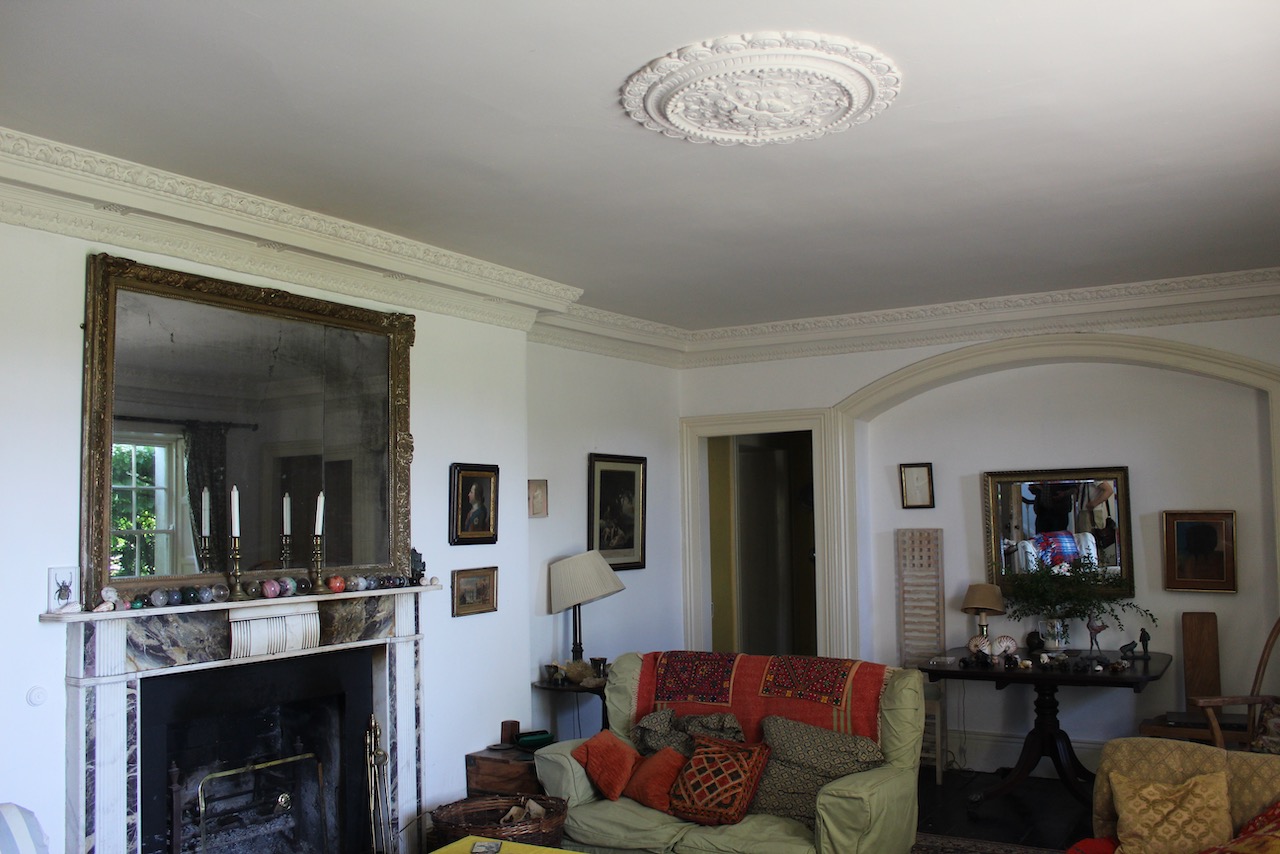
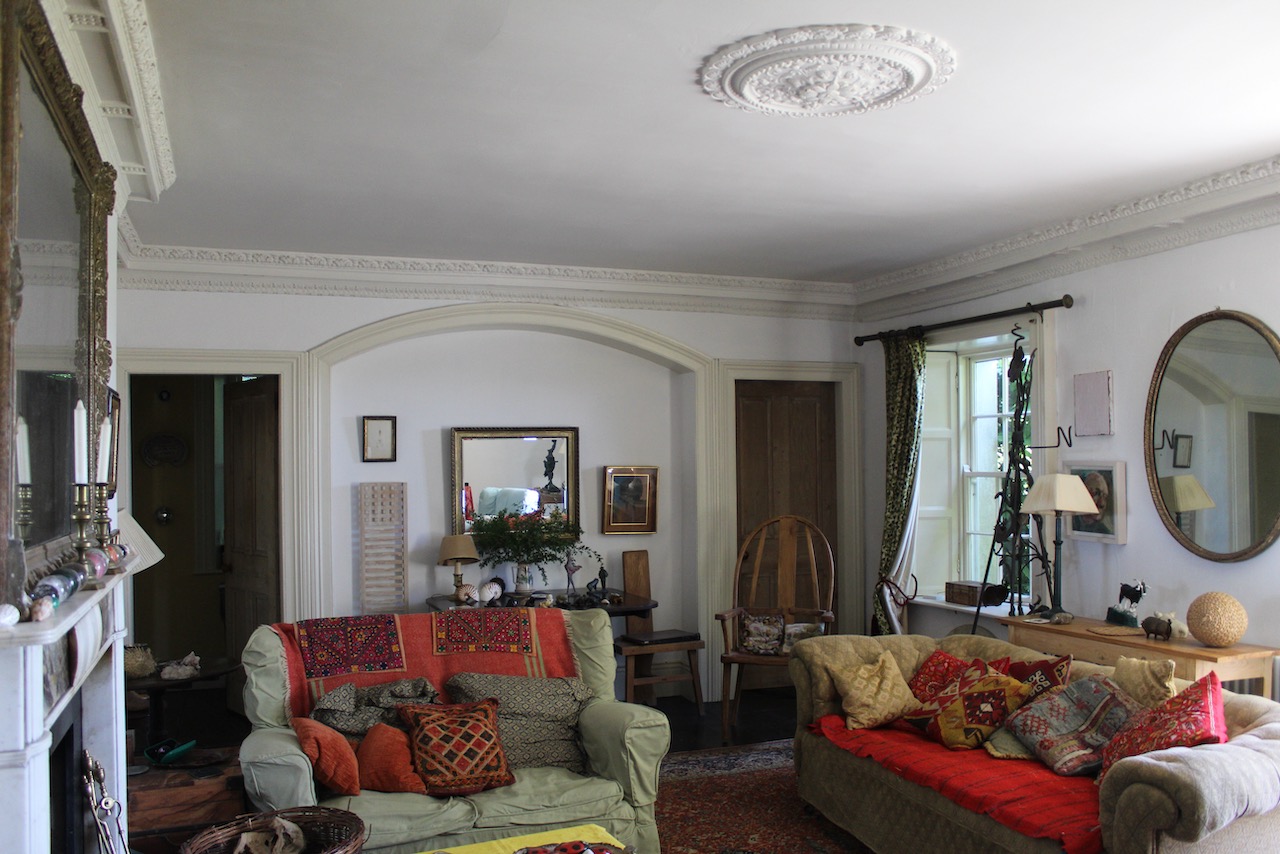
Larchill, 2022. Photograph © Jennifer Winder-Baggot, www.irishhistorichouses.com
Coving in drawing room. Photograph © Jennifer Winder-Baggot, www.irishhistorichouses.com
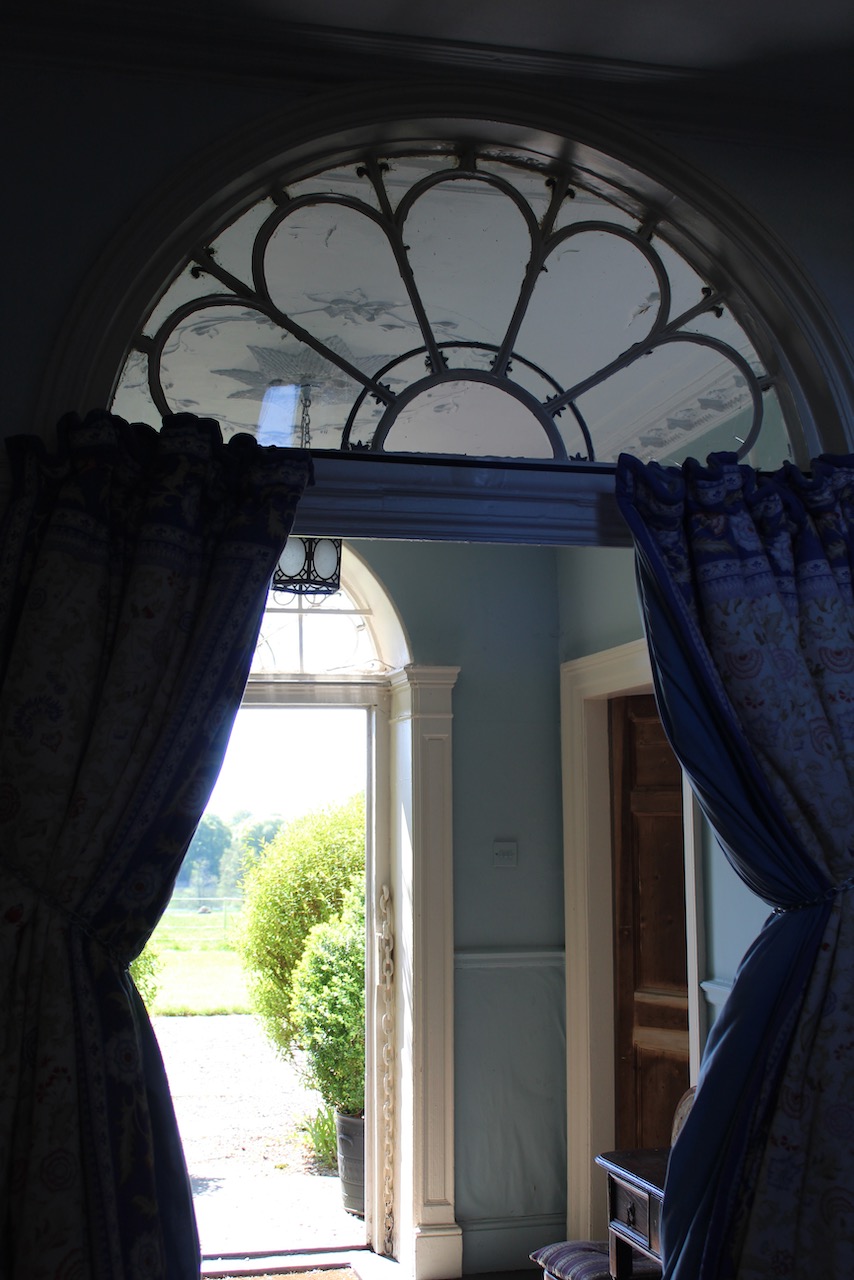
A fanlight in the entrance hall mirrors the fanlight over the front door. Photograph © Jennifer Winder-Baggot, www.irishhistorichouses.com
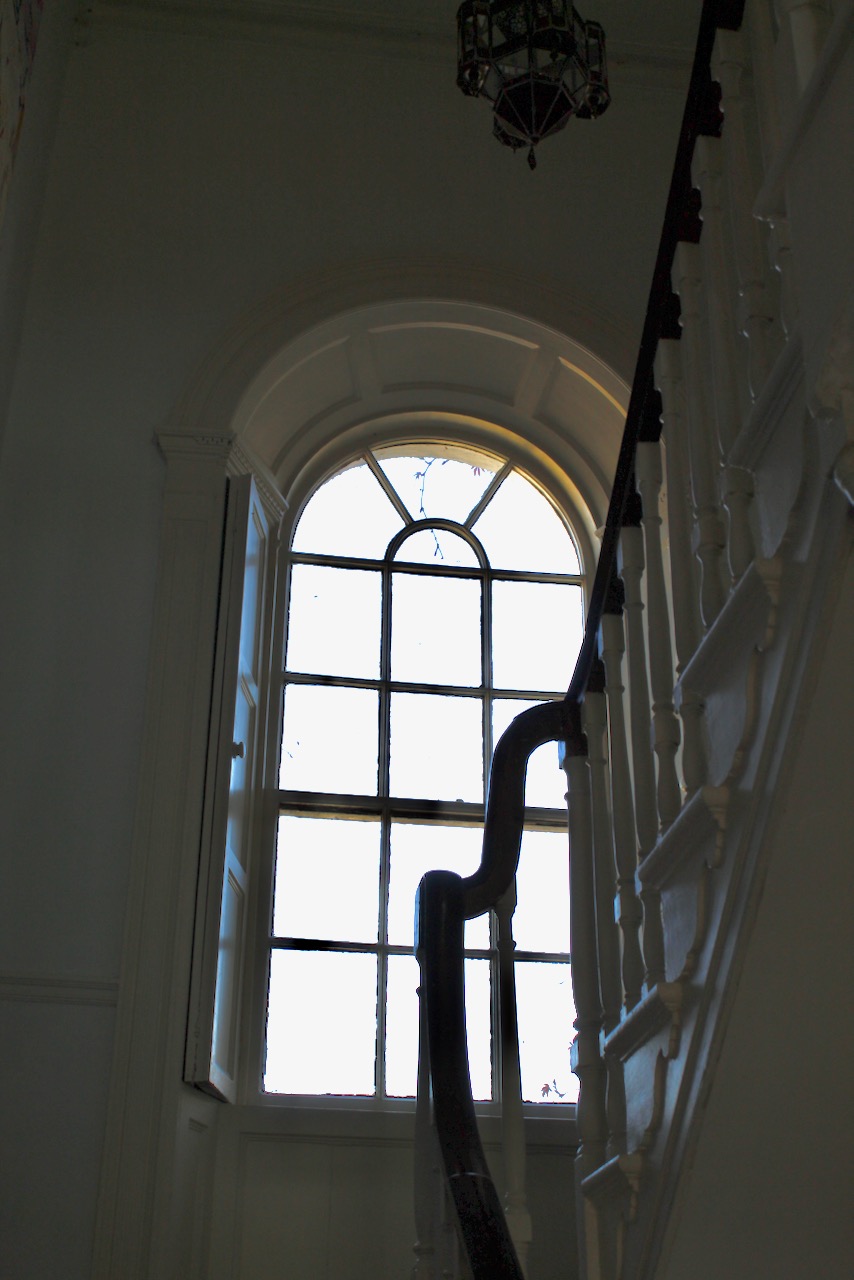
A lovely arched and shuttered window lights the stairs. Photograph © Jennifer Winder-Baggot, www.irishhistorichouses.com
Larchill, May 2022. Photograph © Jennifer Winder-Baggot, www.irishhistorichouses.com

The Larchill website continues, about the early 1800s: “It was after this time that the local Watson family leased Larchill and the famous connection was made, to this day, between Robert Watson, Master of the Carlow and Island Hounds and the Fox’s Earth folly. Although the Fox’s Earth would certainly predate the Watson’s tenure at Larchill [he died in 1908], and the fact that Robert Watson was only a distant relative of the Watsons at Larchill, still it is believed that the Fox’s Earth was constructed in response to Robert Watson’s guilt at having killed one too many foxes and his fear of punishment in reincarnation as a fox.

The Larchill website the National Inventory tell us that according to folklore the Fox’s Earth was created by Mr Robert Watson, a famous Master of Hounds in the 18th Century who feared punishment through re-incarnation as a fox, having killed one too many foxes during his hunting career. References I have found refer to the 19th century Robert Watson who was master of the hunt. [7] I’m not sure if there was an 18th Century Robert Watson to whom the Larchill website refers. Robert Watson (1821-1908) of the Hunt lived at Ballydarton, County Carlow. [8] Maybe he influenced his Watson relatives who lived at Larchill to ensure that the odd structure would act as a “fox’s earth” in case he was reincarnated as a fox! Whatever the case, it makes a great story! Ideas of reincarnation were, the Larchill website tells us, being explored at this time through the Romantic movement as established Christian doctrine came into question. It is feasible that there was every intention to create a Fox’s refuge with the design of this folly.
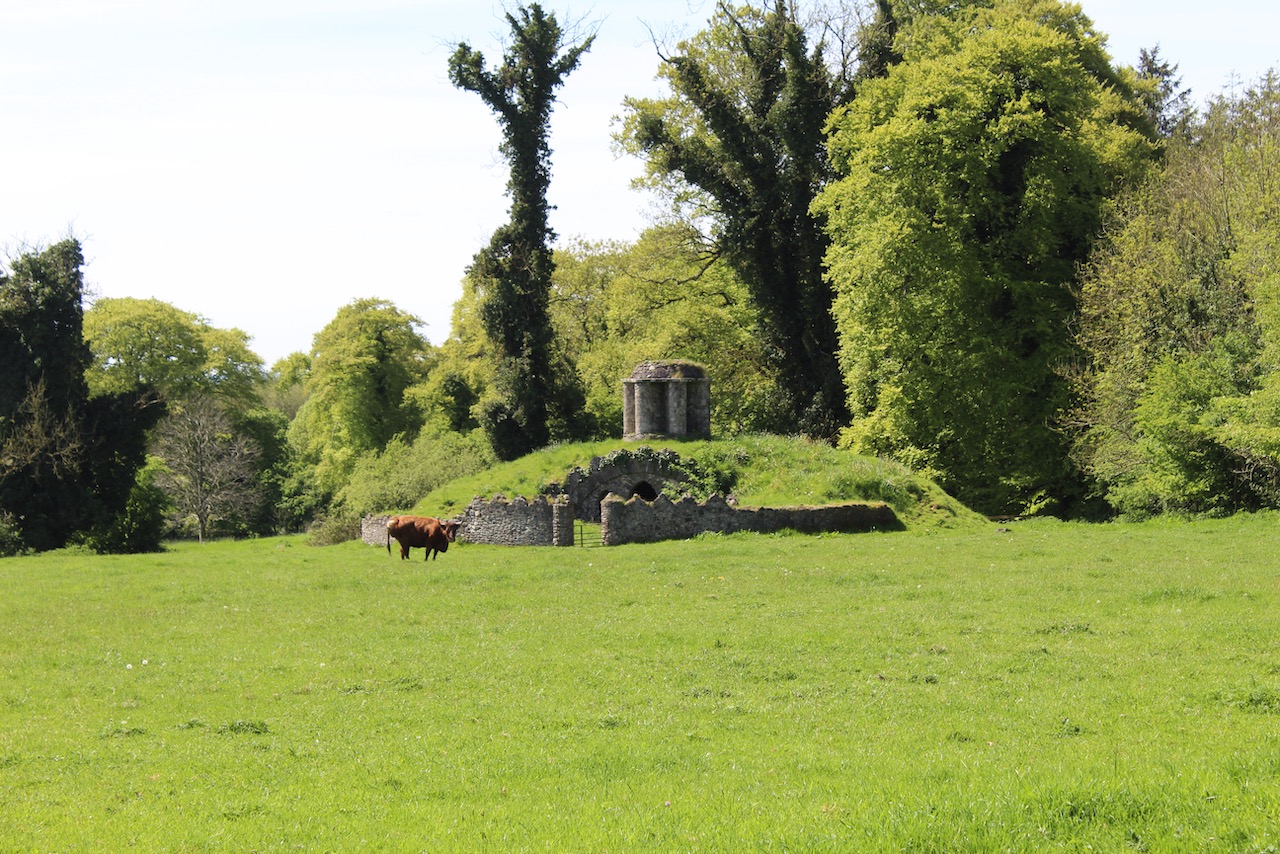
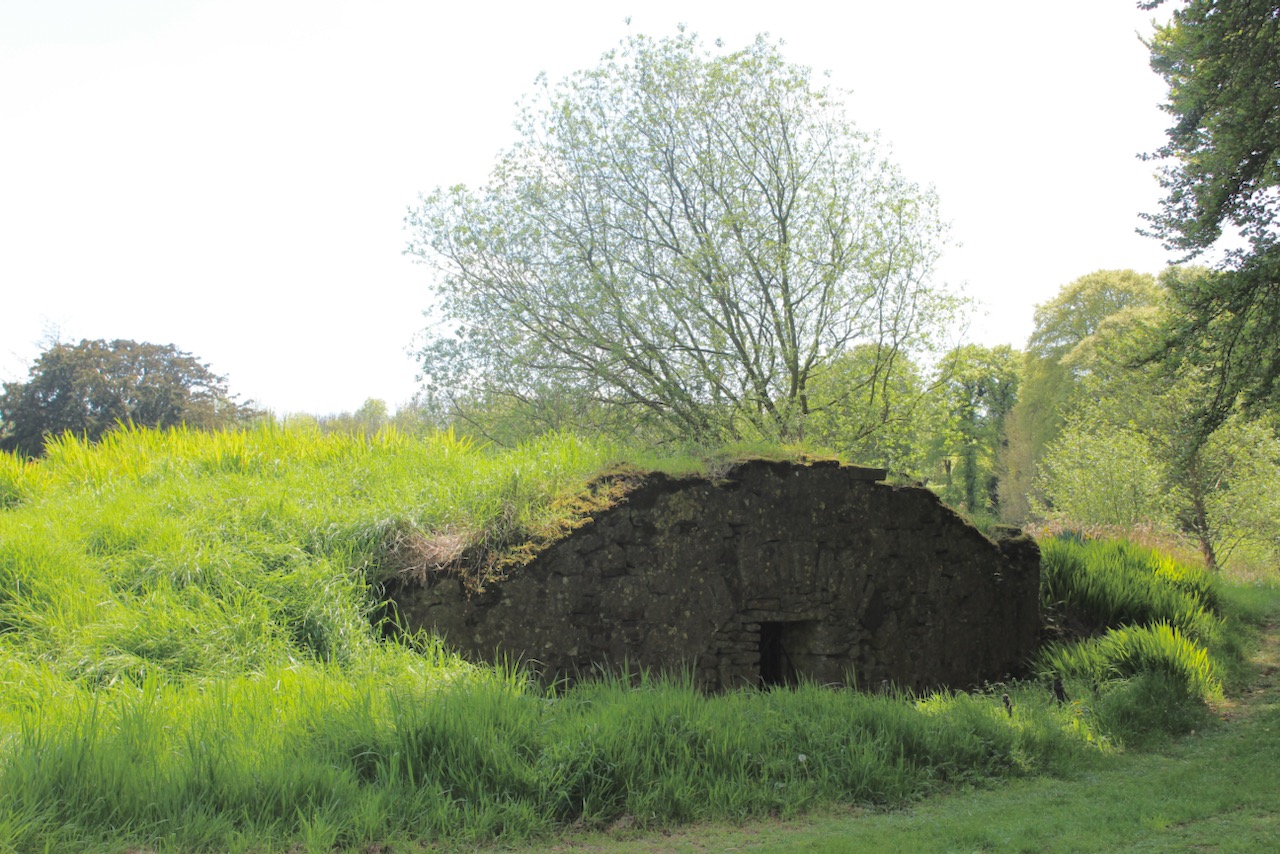
The “Fox’s Earth” folly. Photograph © Jennifer Winder-Baggot, www.irishhistorichouses.com

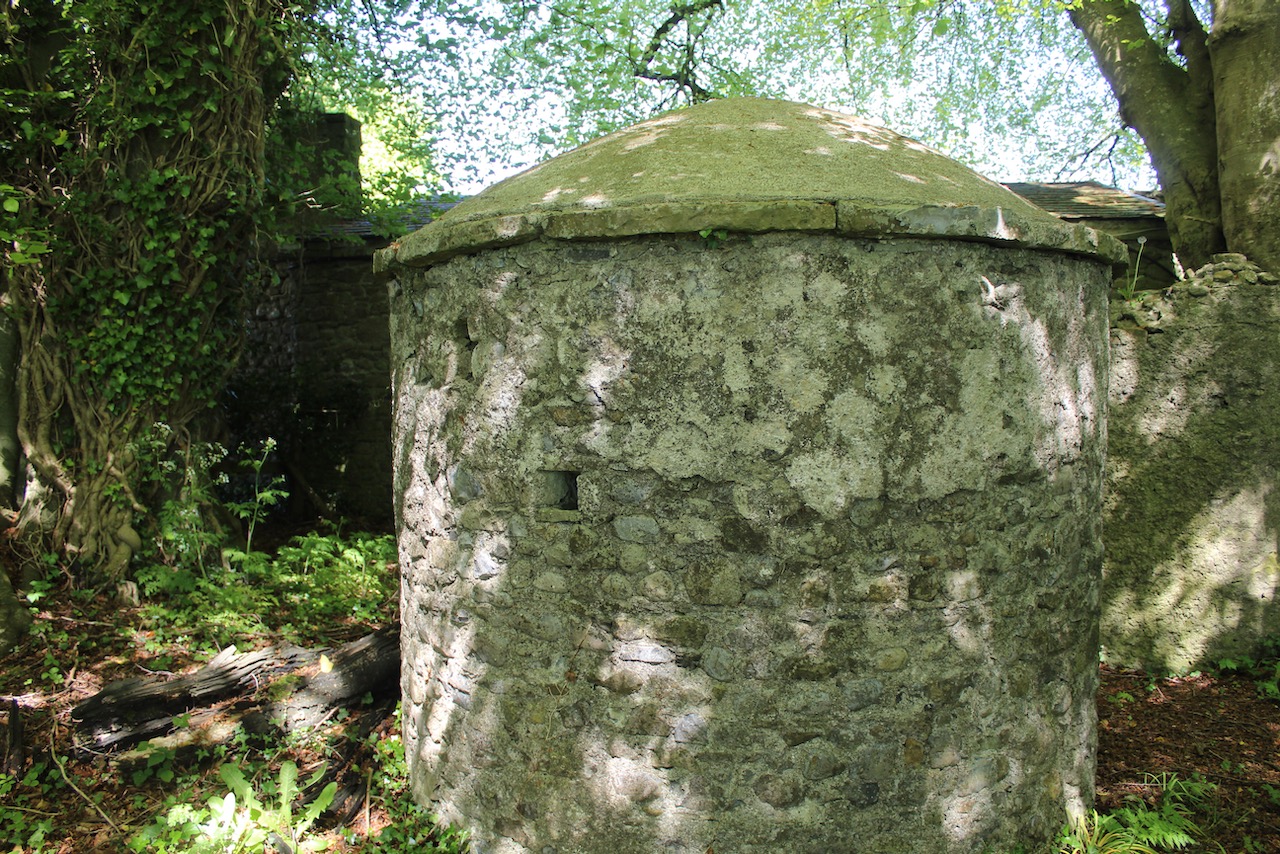
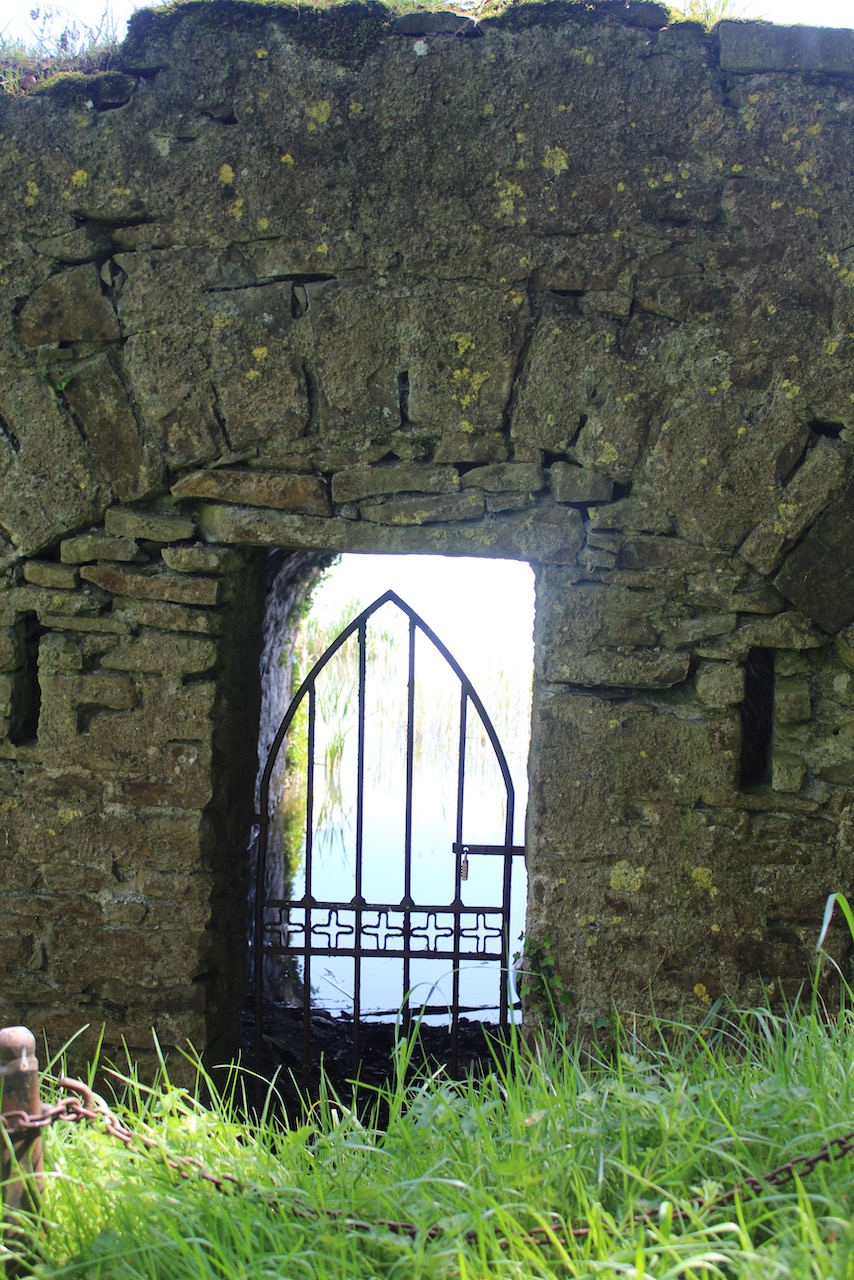
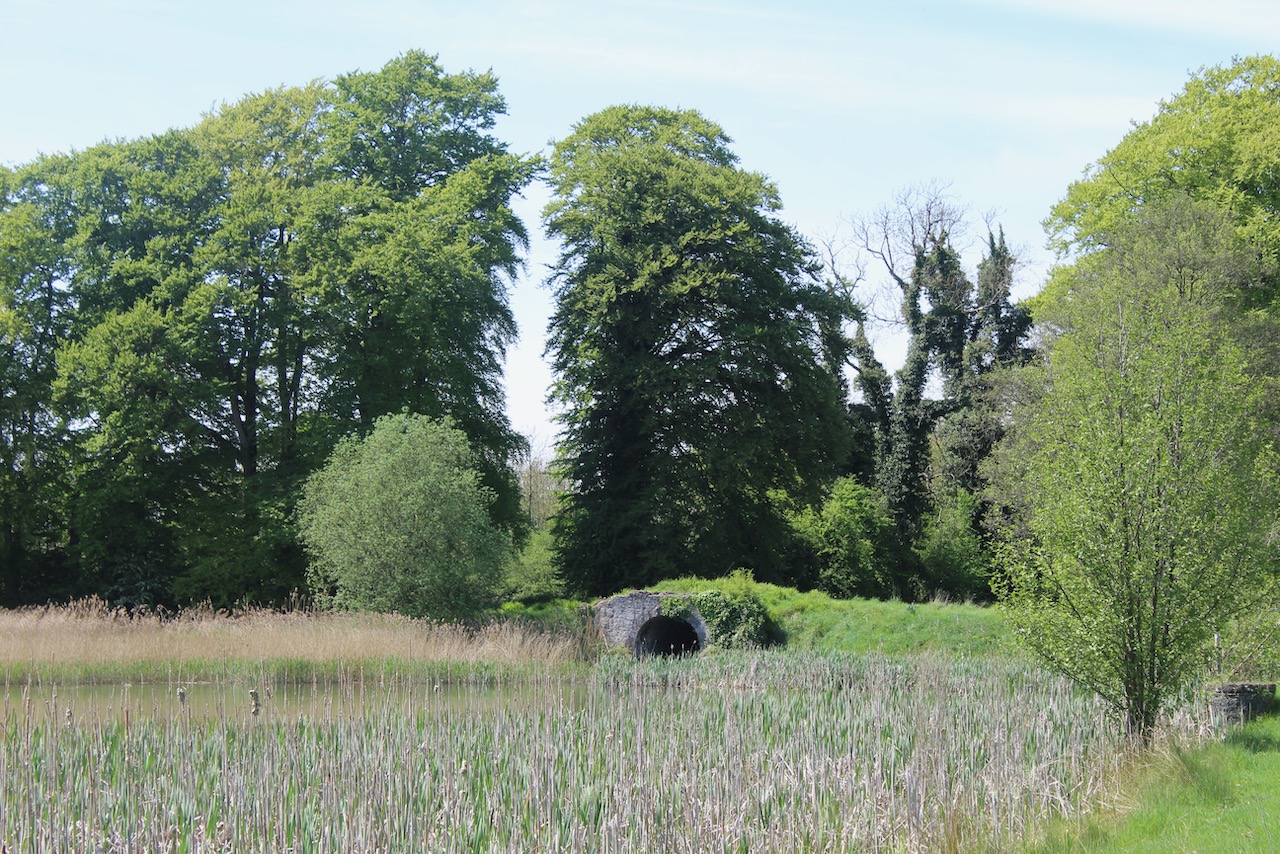
The “Fox’s Earth” folly structure, the website tells us, comprises an artificial grassed mound within which is a vaulted inner chamber with gothic windows and entrance. A circular rustic temple surmounts the mound. Externally it is reminiscent of an ice house.

Leading away, on either side from the vaulted interior, are tunnels disappearing  into the mound. These ‘escape’ tunnels seem to corroborate the story of this being a “Fox’s Earth”, a refuge and escape route for a fox pursued by the hunt.
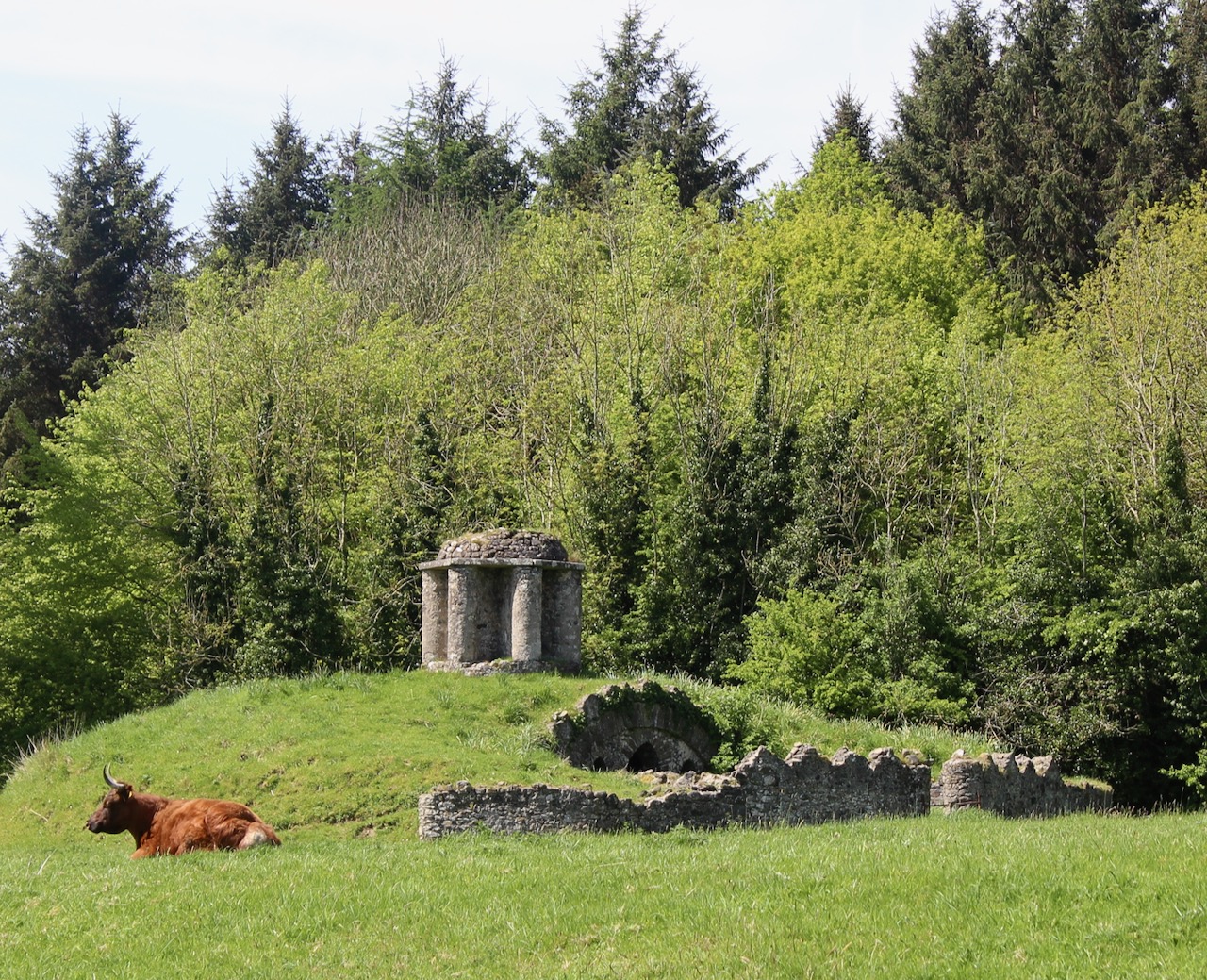
Larchill, May 2022. Photograph © Jennifer Winder-Baggot, www.irishhistorichouses.com

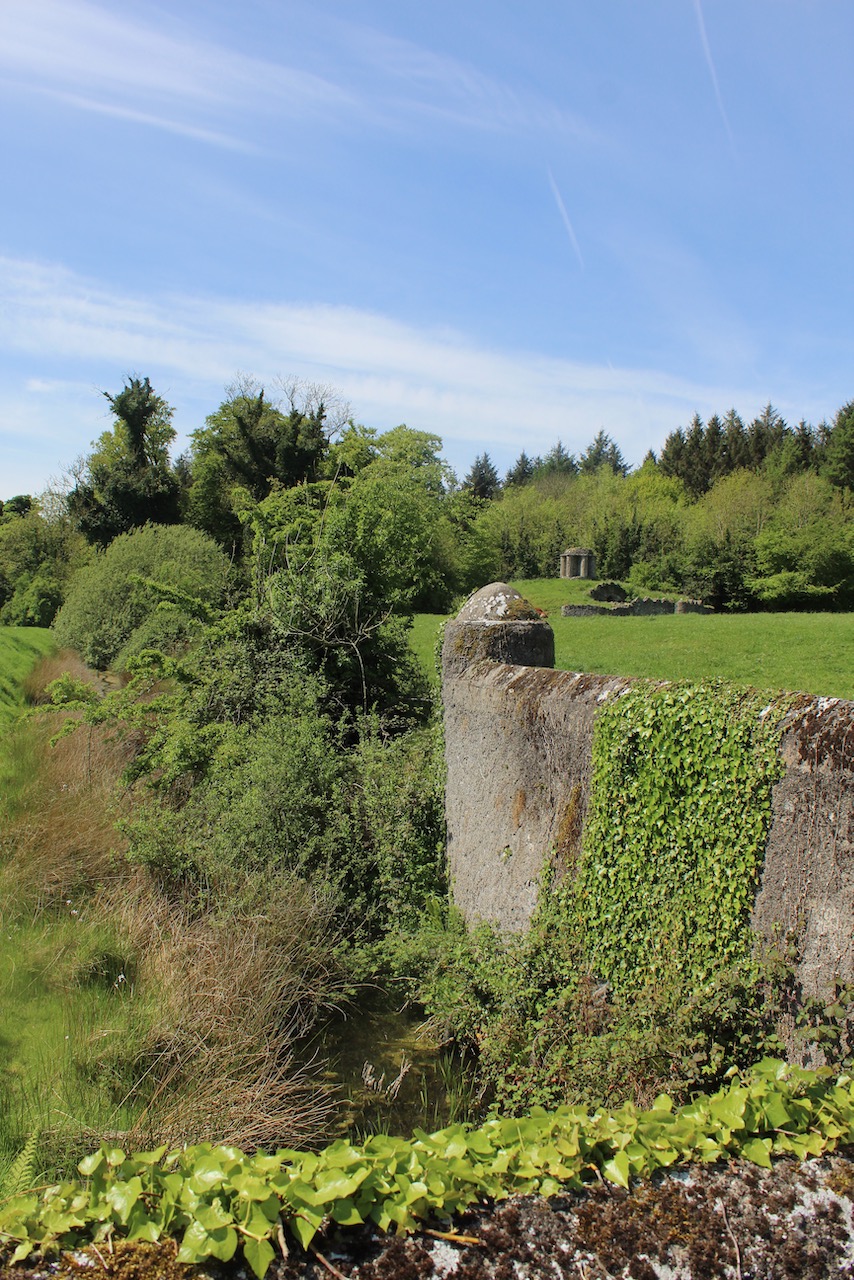
The National Inventory calls it a Mausoleum: “Mausoleum and folly, built c.1820. Comprising three-bay single-storey dressed limestone façade set into artificial mount, with rustic temple set on the mount. Pointed arch openings to three-bay façade. Rubble stone walls to site, with circular profile piers. Circular profile temple, comprising six columns, capped with dome. Rubble stone bridge to the site.” [9]

Another possibility that Michael told us is that the temple is a Temple of Venus. Inside its tunnels are in the shape of a woman’s reproductive system, with a womb and fallopian tubes. It could have been a sort of temple to fertility.

The Larchill website continues: “Although described in the notes to the 1836 Ordnance Survey as ‘the most fashionable garden in all of Ireland’ over the decades knowledge of the Larchill Ferme Ornée faded. The parkland returned to farmland, the lake was drained and the formal garden was lost and used to graze sheep. Although the follies became semi derelict and obscured by undergrowth and trees, the mystery and beauty of Larchill was still recognised. Folklore stories of hauntings and the ‘strange’ nature of Larchill ensured its continued notoriety.

The Meath History Hub tells us: “The Barry family resided at Larchhill from the 1880s until 1993.  Christopher and Maria Barry donated the Stations of the Cross to Moynalvey church. Christopher died before 1911 leaving Maria a widow.” (see [6])

In 1994 the de Las Casas family acquired Larchill. Four years of restoration followed with the aid of a grant from the Great Gardens of Ireland Restoration Program and a FAS Community Employment Project.

In recognition of the quality and sensitivity of the restoration program Larchill Arcadian Garden has been awarded the 1988 National Henry Ford Conservation Award, the 1999 ESB Community Environment Award and the 2002 European Union Environmental Heritage Award.

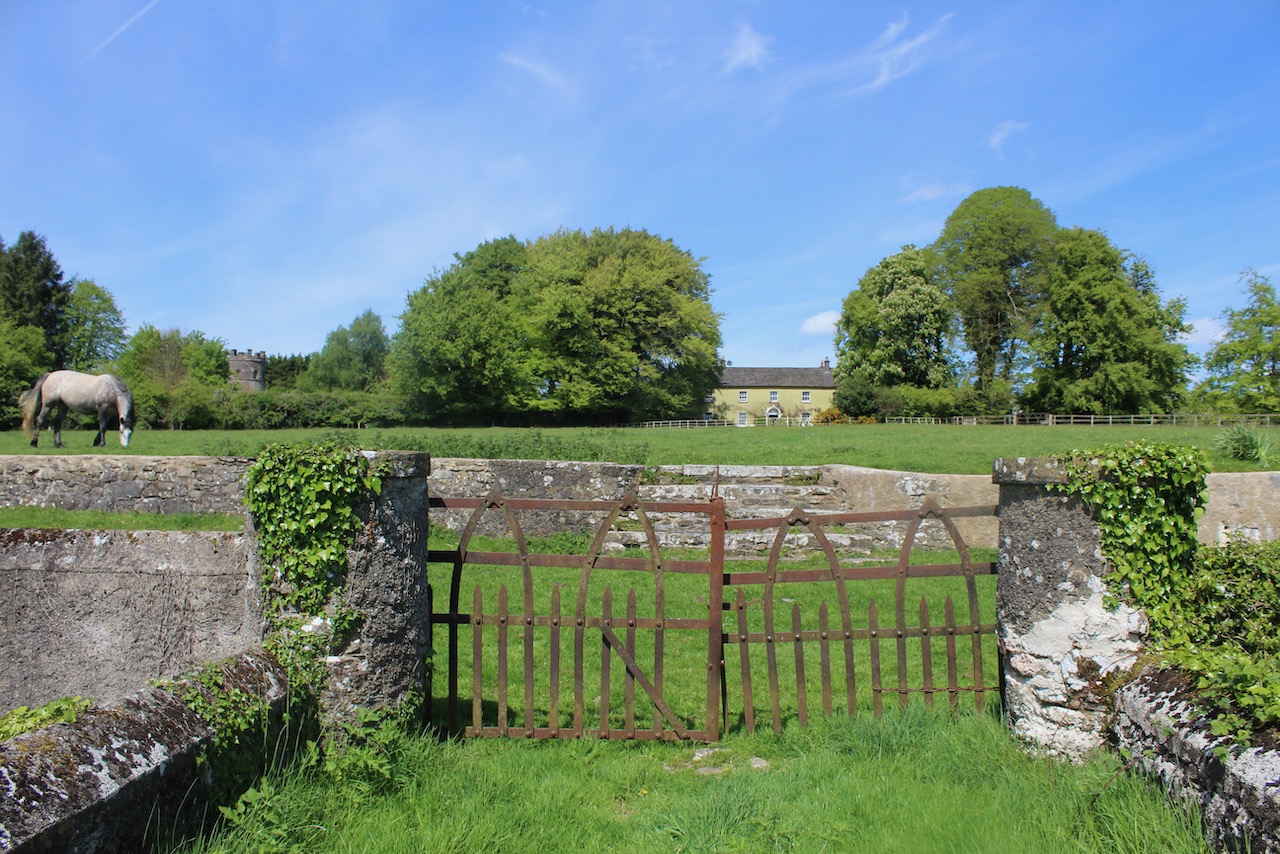
We then went outside to explore. Michael gave us a map to follow around the grounds. First he showed us the ingenious mechanism in the ornamental gate:
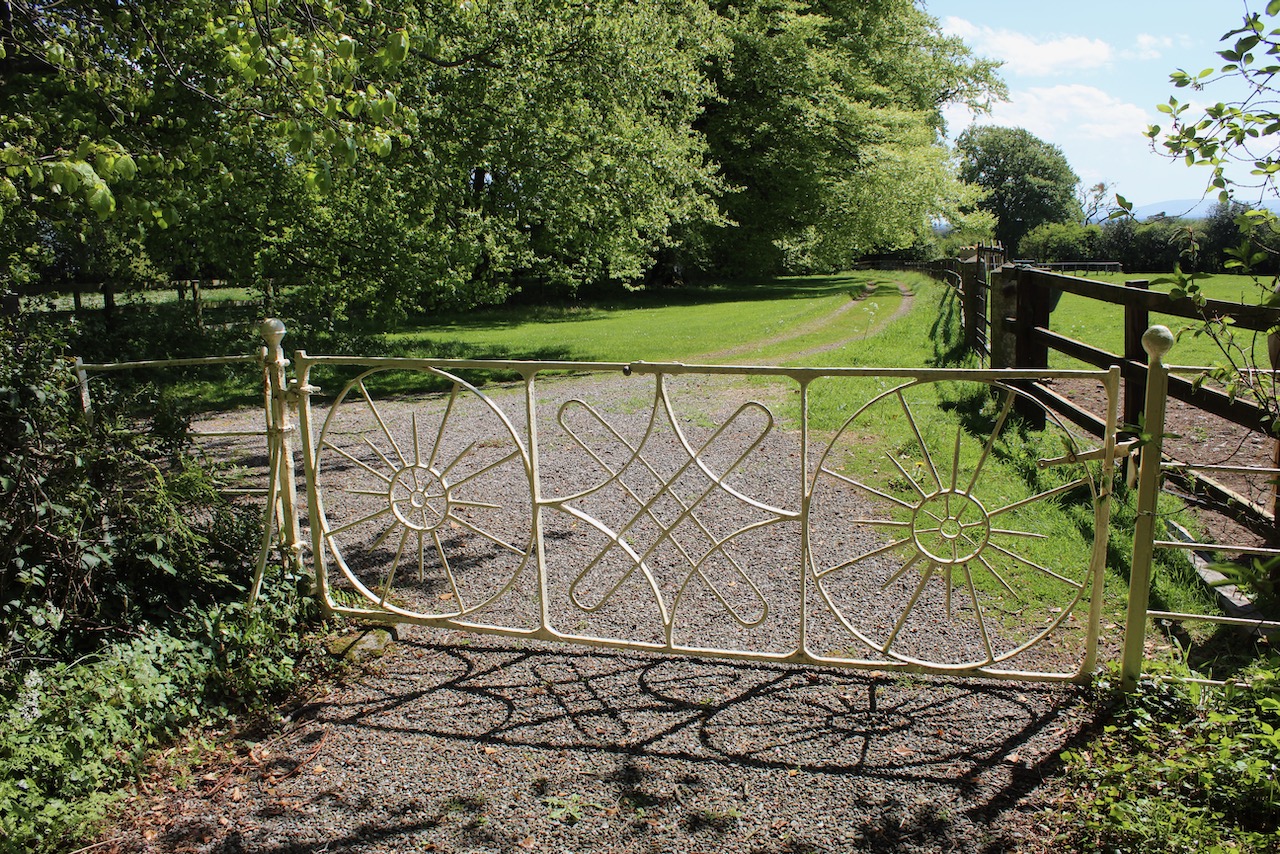
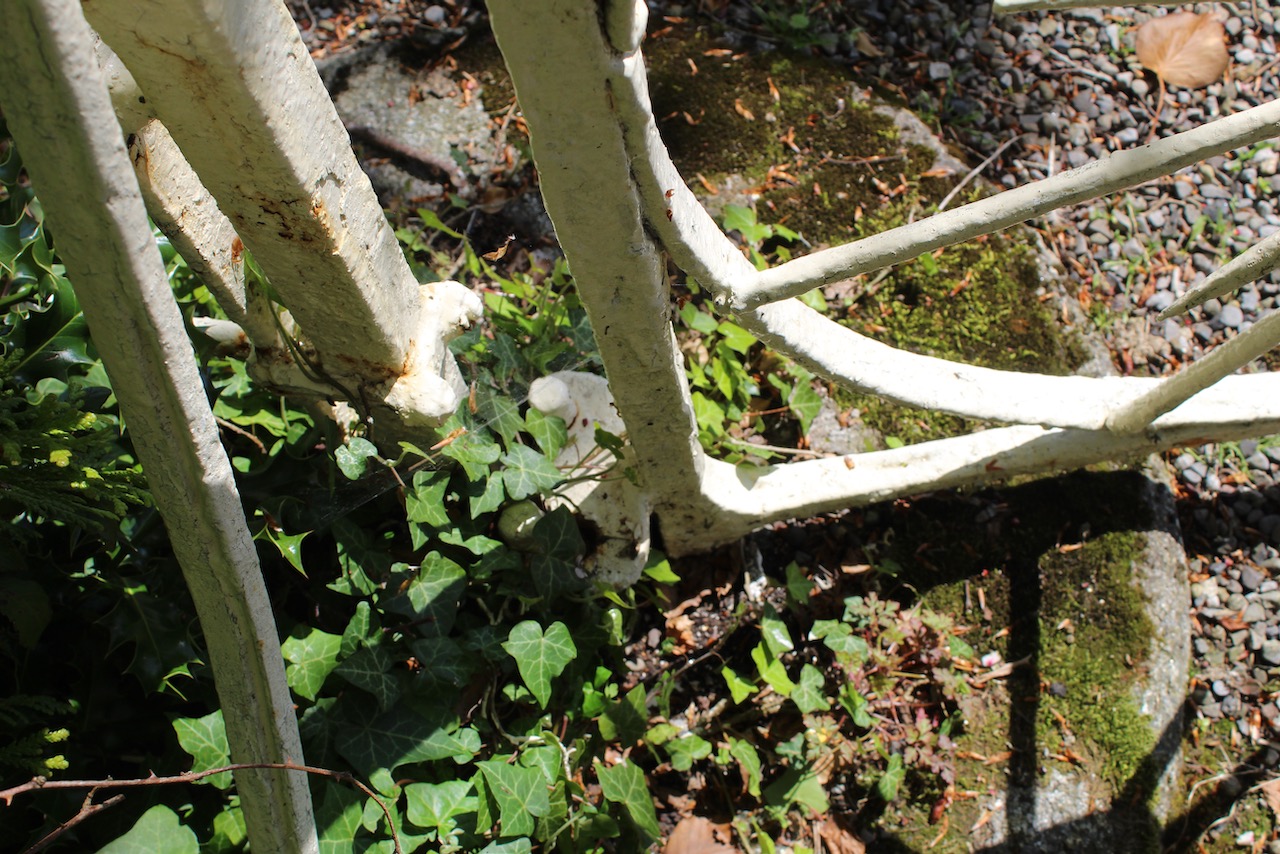
Larchill, 2022. Photograph © Jennifer Winder-Baggot, www.irishhistorichouses.com
The gate has a pivot with two notches and it swings from one to the other. Photograph © Jennifer Winder-Baggot, www.irishhistorichouses.com
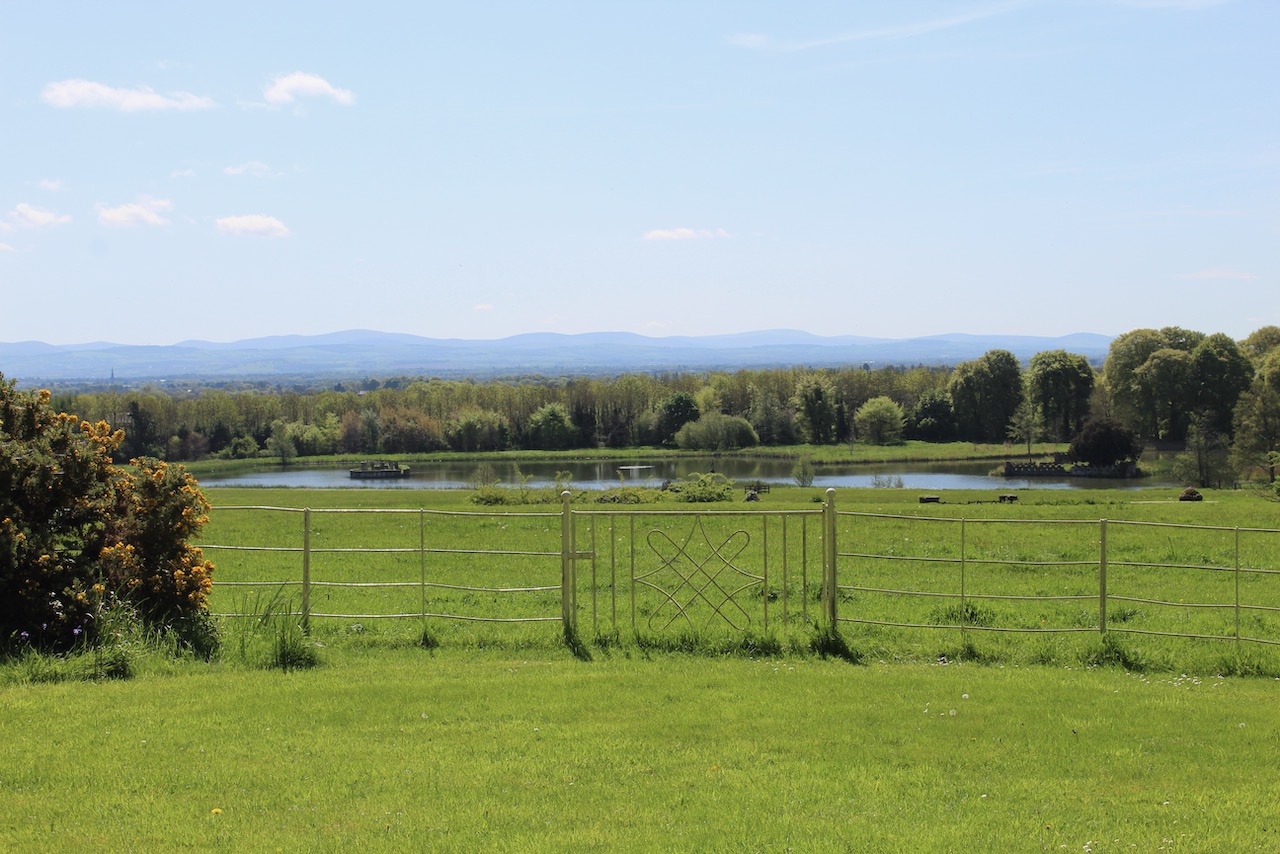
A similar gate leads to the front field. Photograph © Jennifer Winder-Baggot, www.irishhistorichouses.com
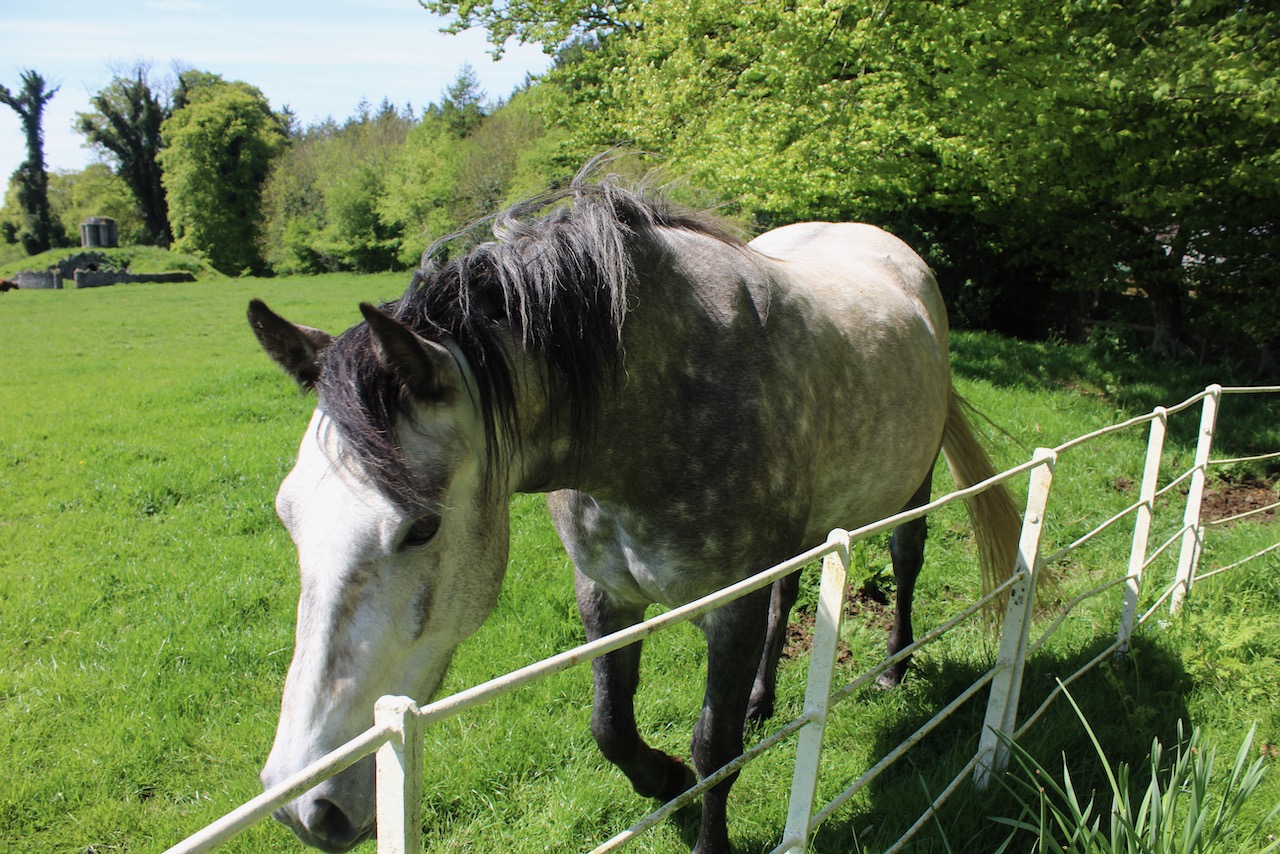
A beautiful horse greeted us at the edge of the field, sharing the field with a lovely horned cow. Photograph © Jennifer Winder-Baggot, www.irishhistorichouses.com

Before we walked the circumference of the field and lake, Michael showed us to the walled garden behind the house. On the way we passed a statue of Flora:
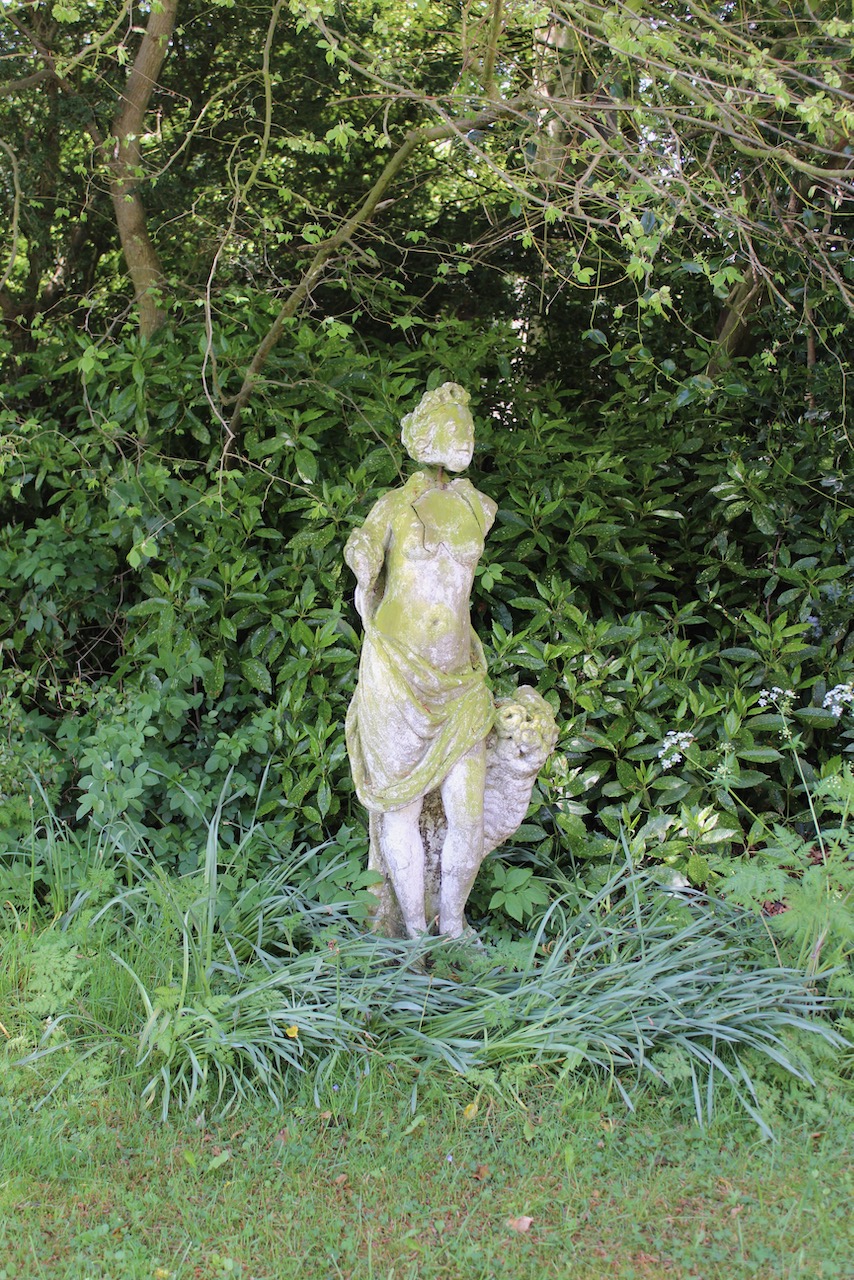
Statue of “Flora.” Photograph © Jennifer Winder-Baggot, www.irishhistorichouses.com
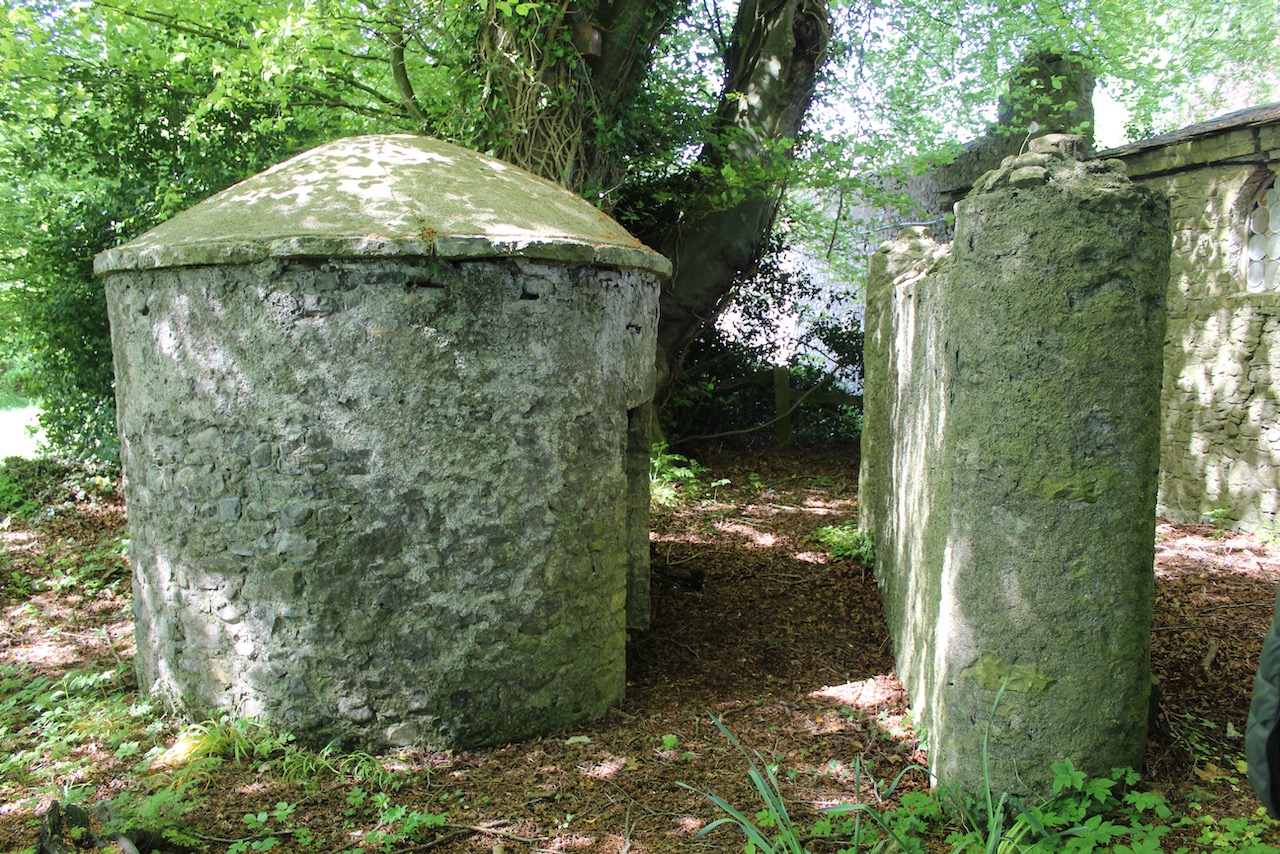
This little building seems to be an old fashioned latrine! Photograph © Jennifer Winder-Baggot, www.irishhistorichouses.com
Larchill, 2022. Photograph © Jennifer Winder-Baggot, www.irishhistorichouses.com
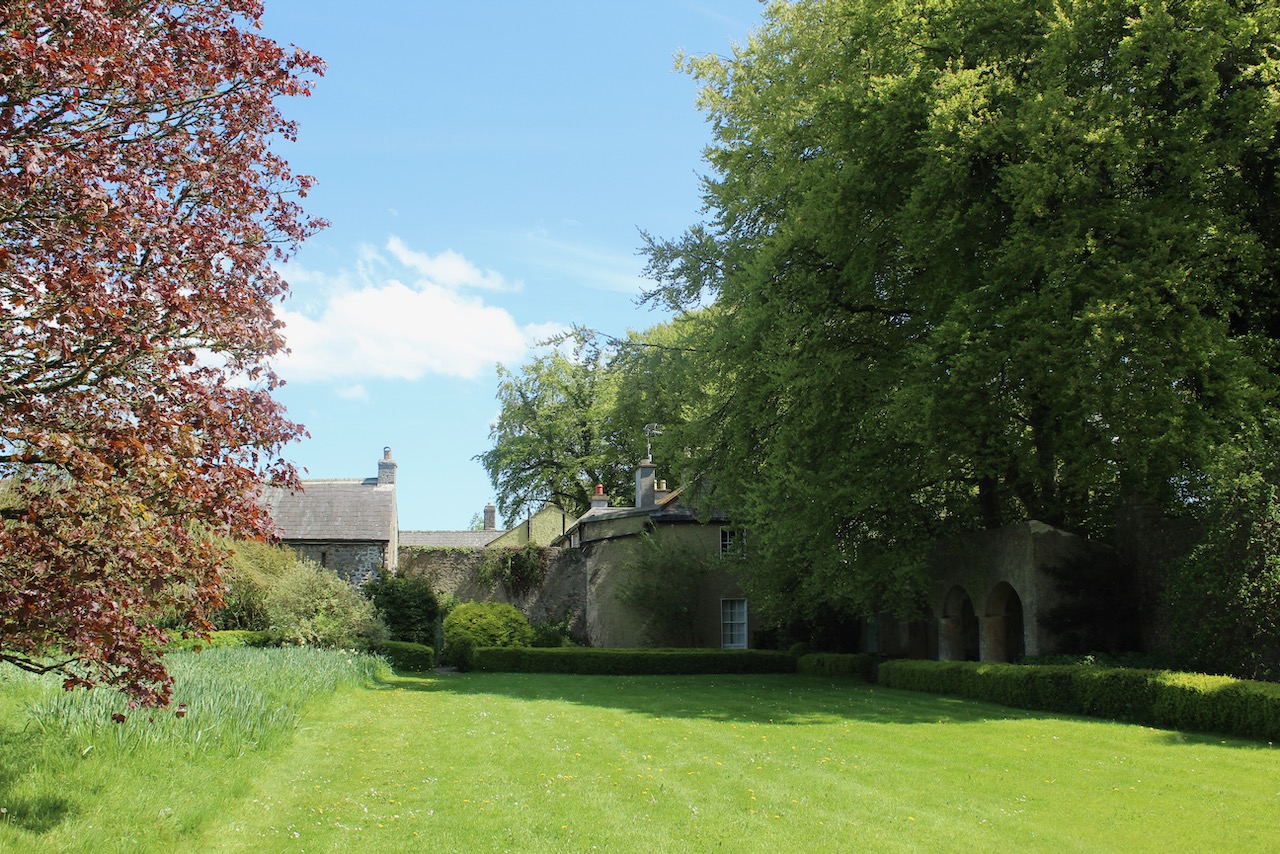
Looking back from the walled garden to the house and ornamental dairy. Photograph © Jennifer Winder-Baggot, www.irishhistorichouses.com
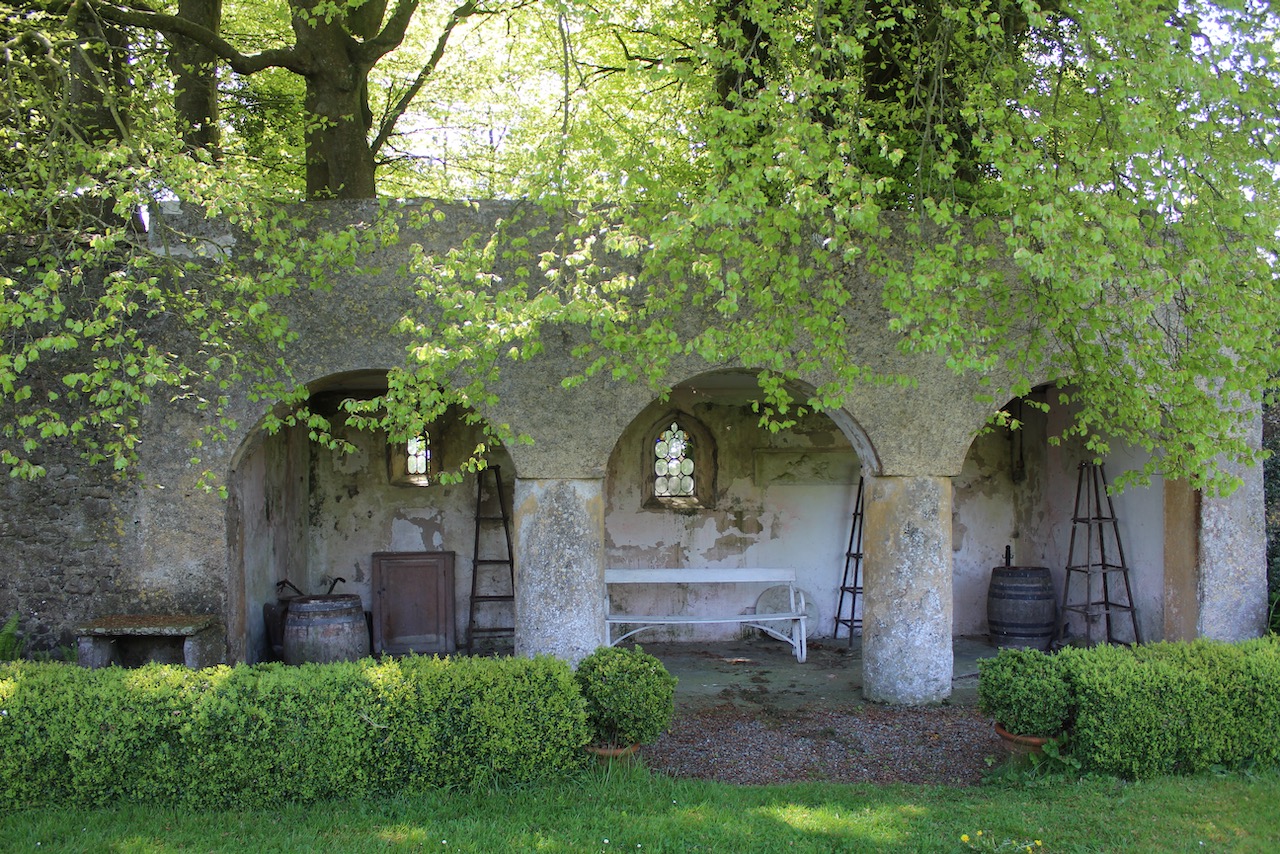
The Ornamental Dairy. The National Inventory tells us: “Ornamental dairy to south elevation of walled garden, c.1810, comprising of arcaded elevation, with pair of columns supporting arched openings. Stained glass windows set in pointed arch openings to interior.” [10] Photograph © Jennifer Winder-Baggot, www.irishhistorichouses.com

The ornamental dairy used to have Dutch tiles but unfortunately a previous owner removed them! Ornamental dairies were common in ornamental farms, and were places where products of the dairy could be sampled if not actually made there.
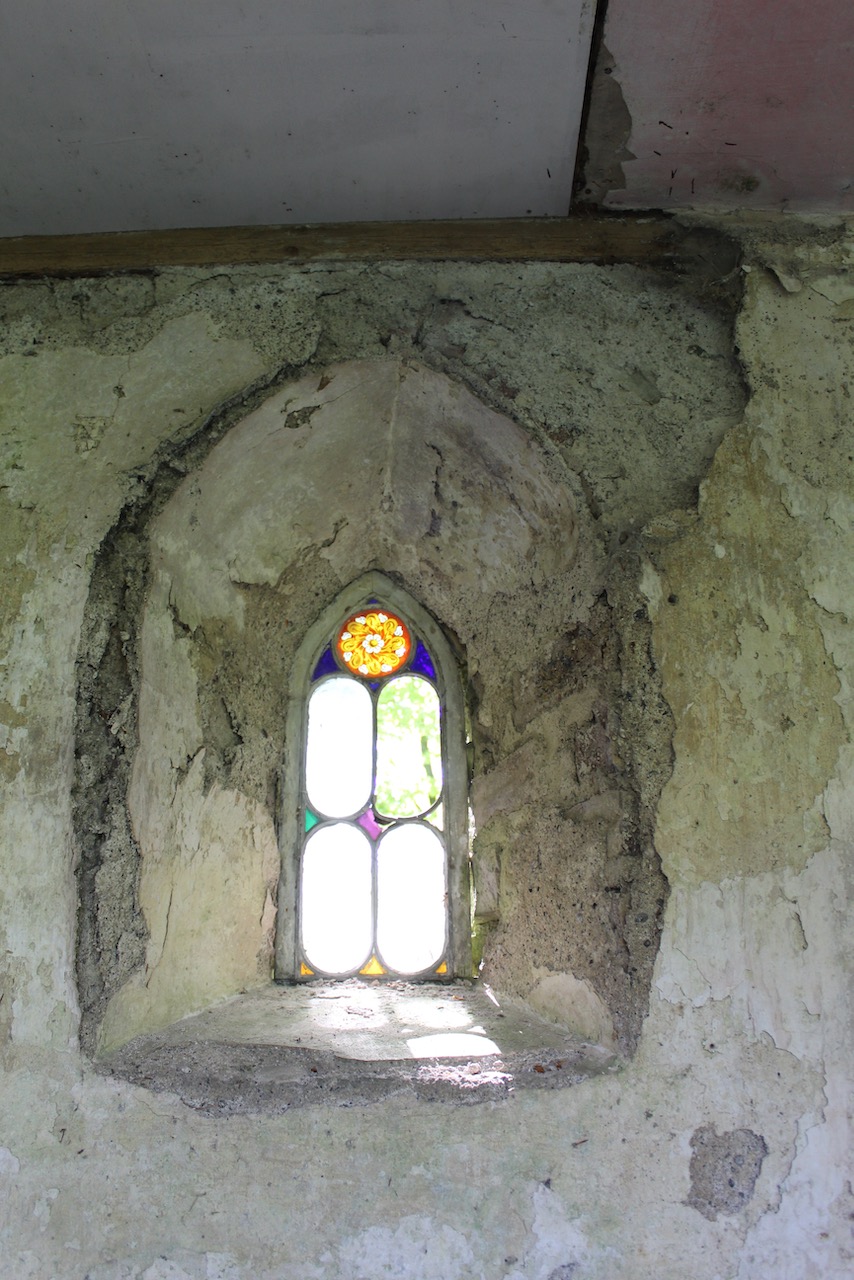
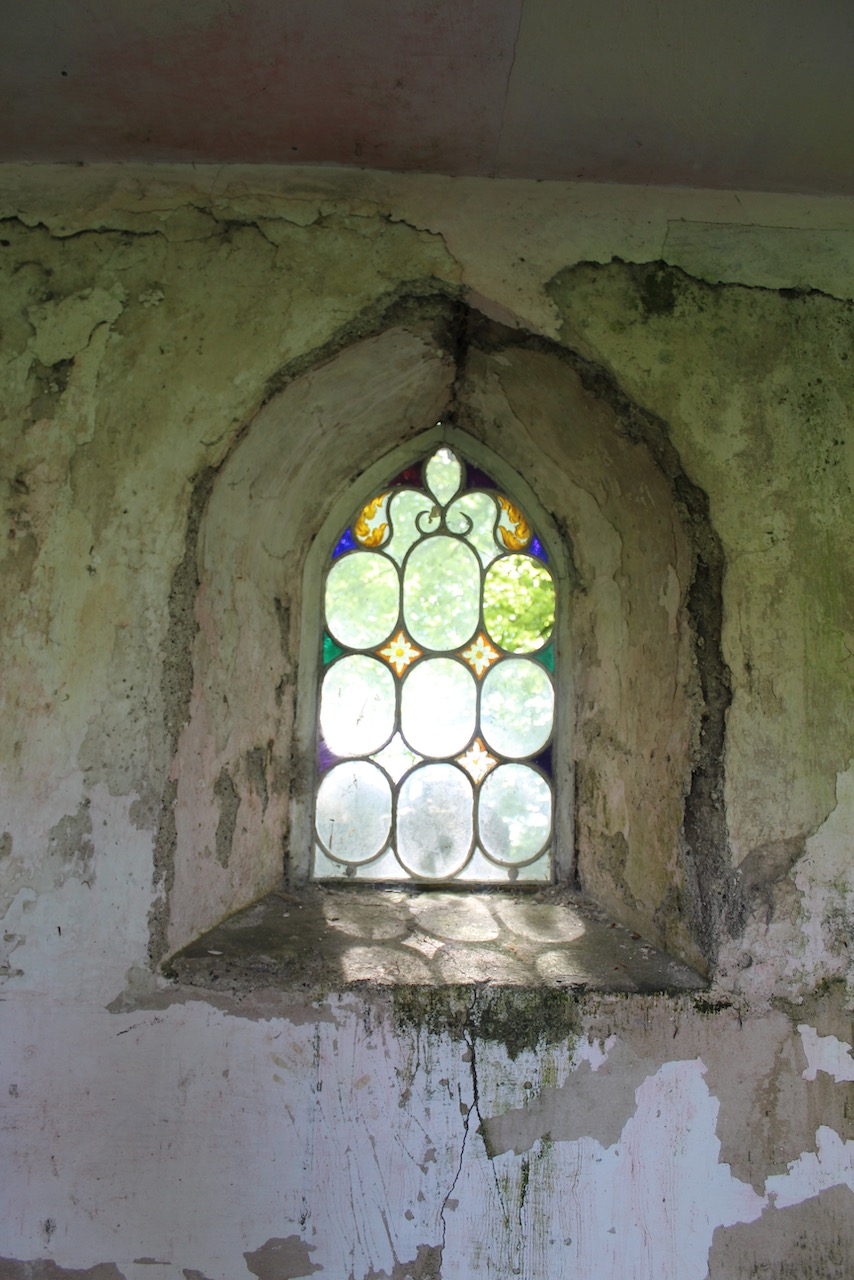
Stained glass windows in the ornamental dairy. Photograph © Jennifer Winder-Baggot, www.irishhistorichouses.com
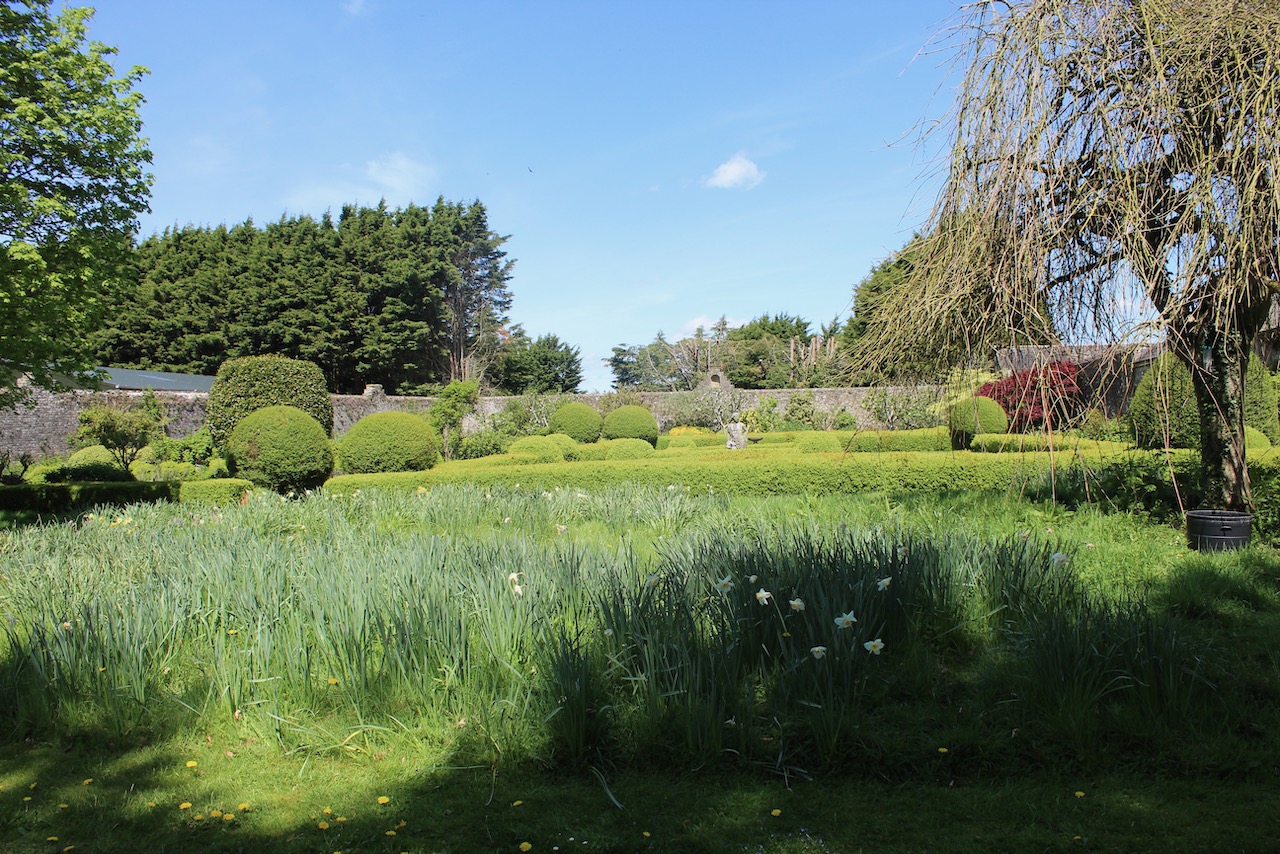
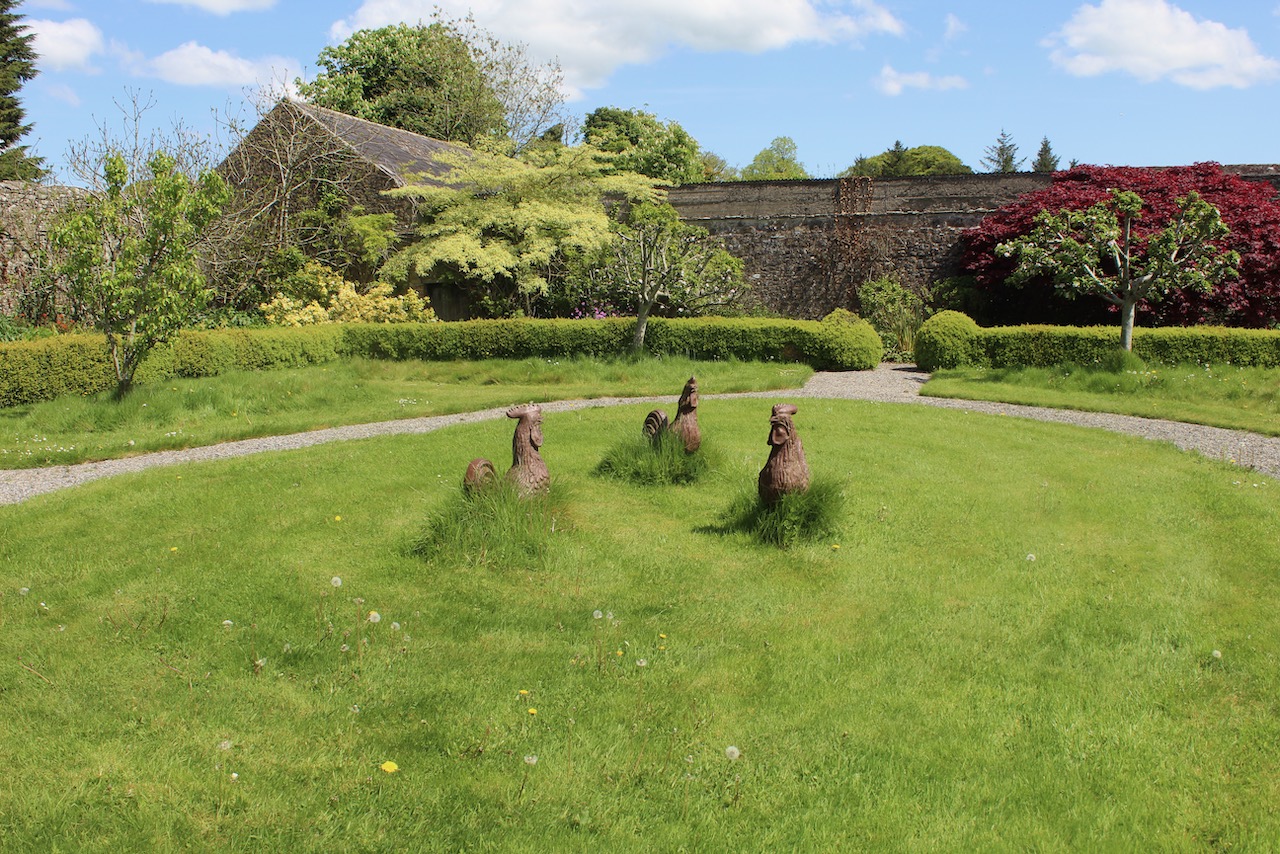
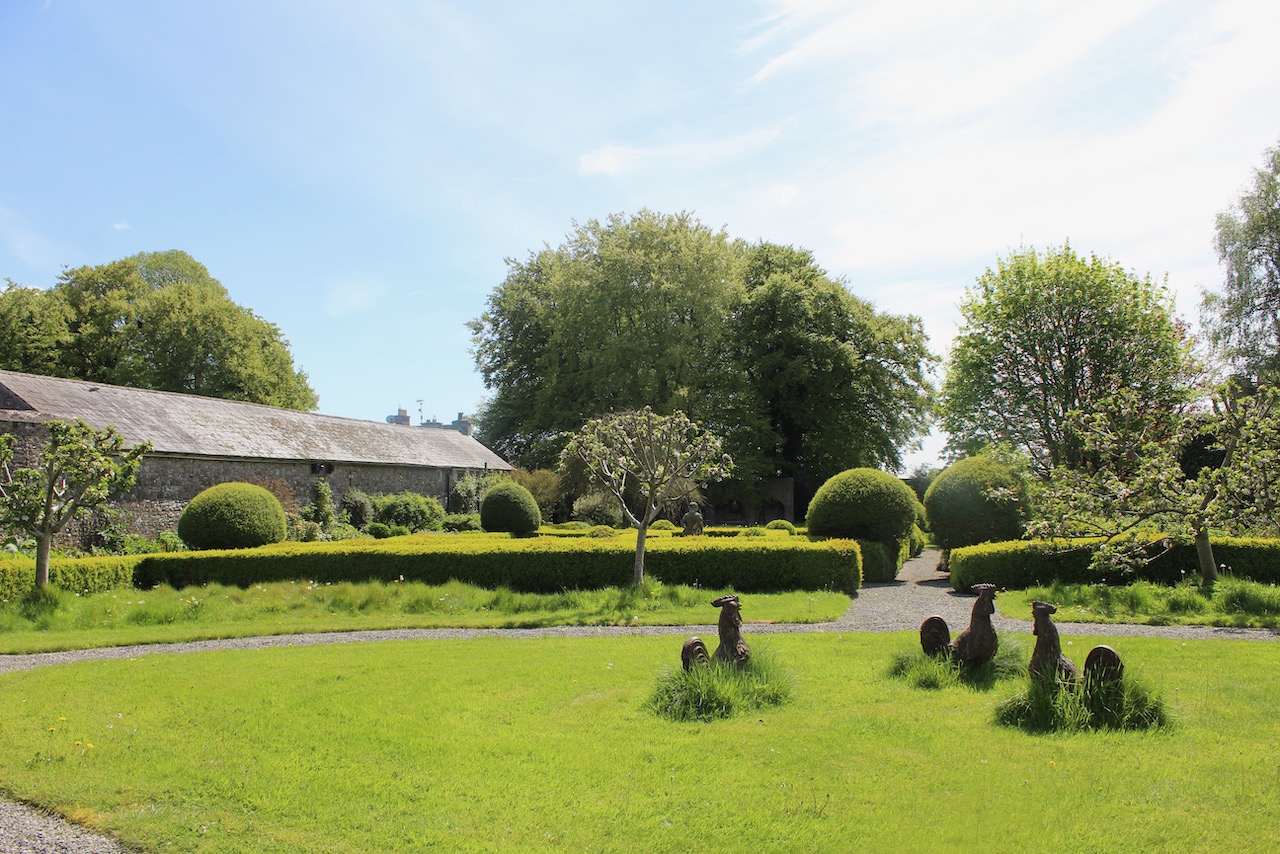
The walled garden, Larchill. Photograph © Jennifer Winder-Baggot, www.irishhistorichouses.com

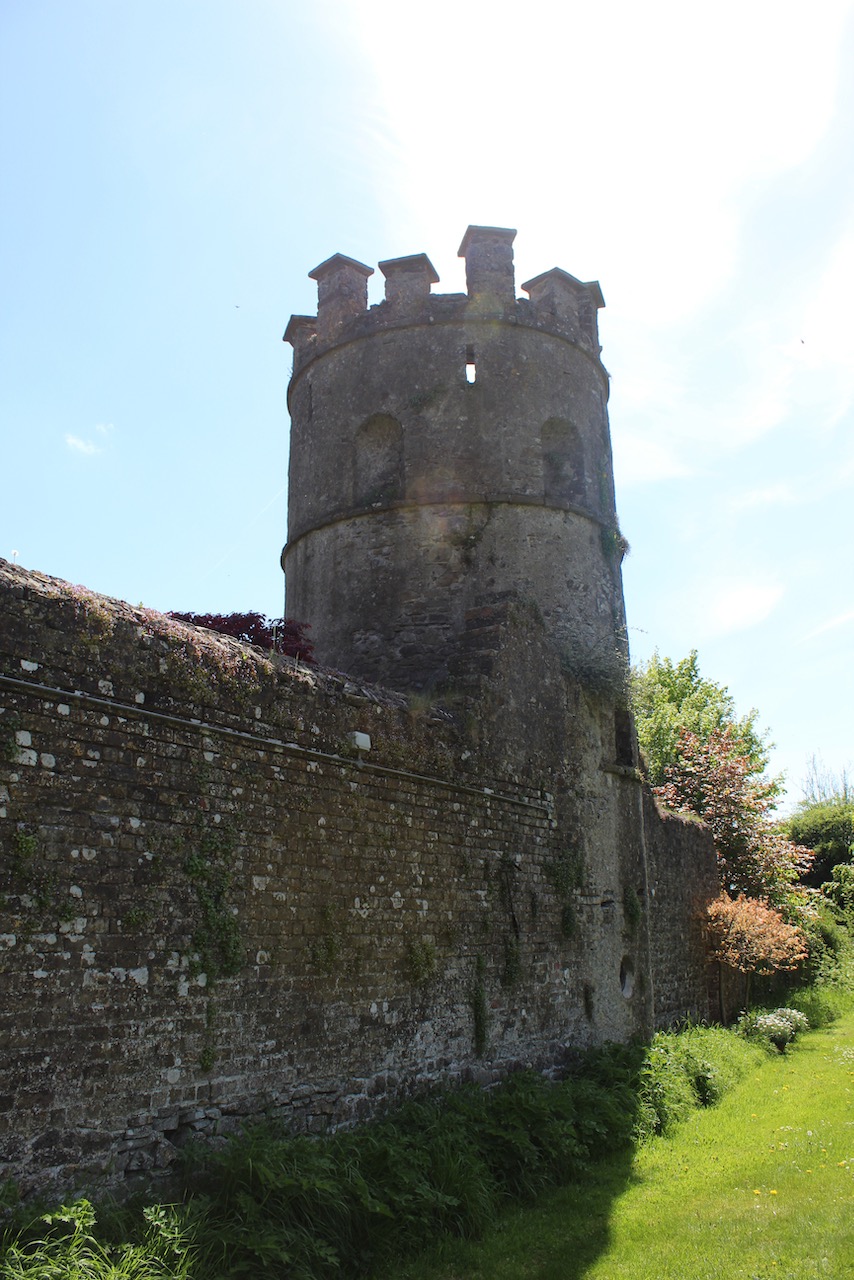
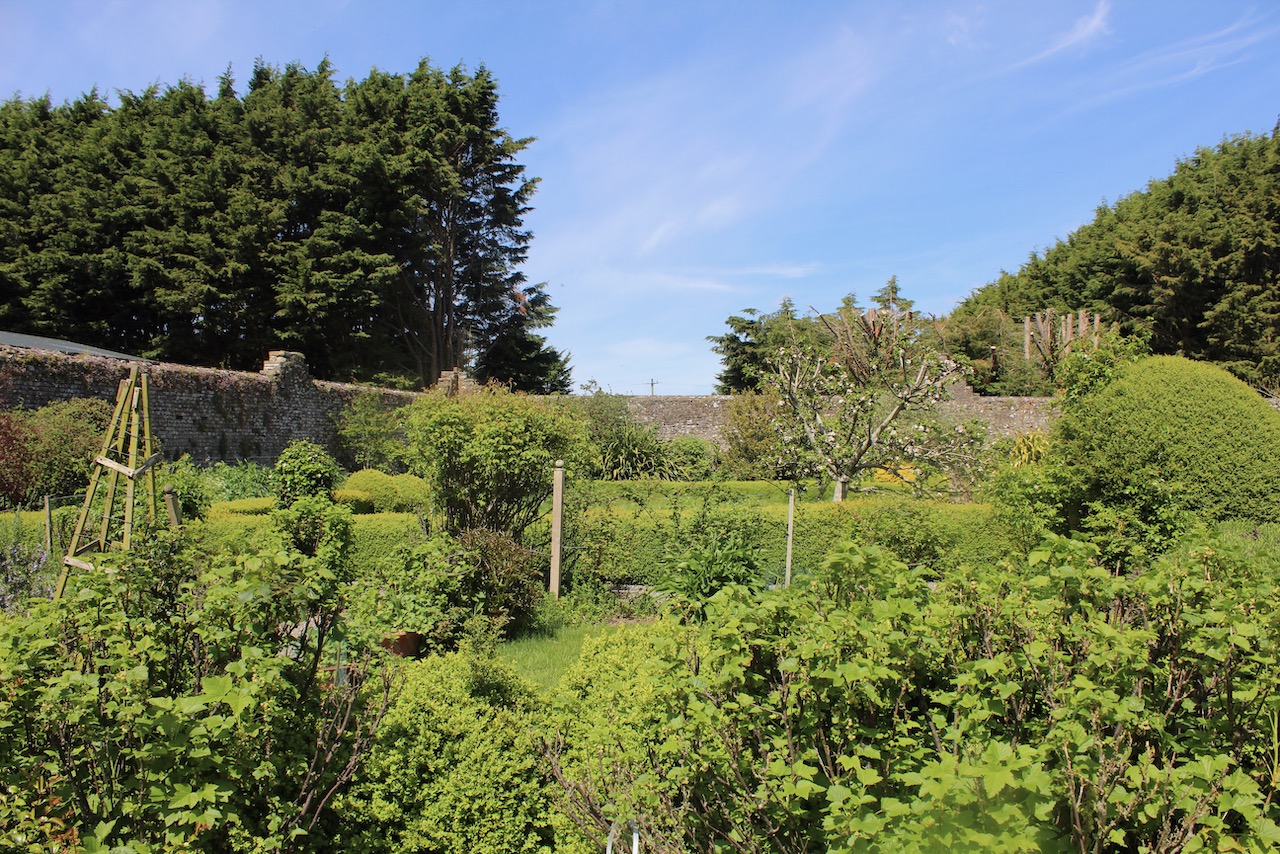
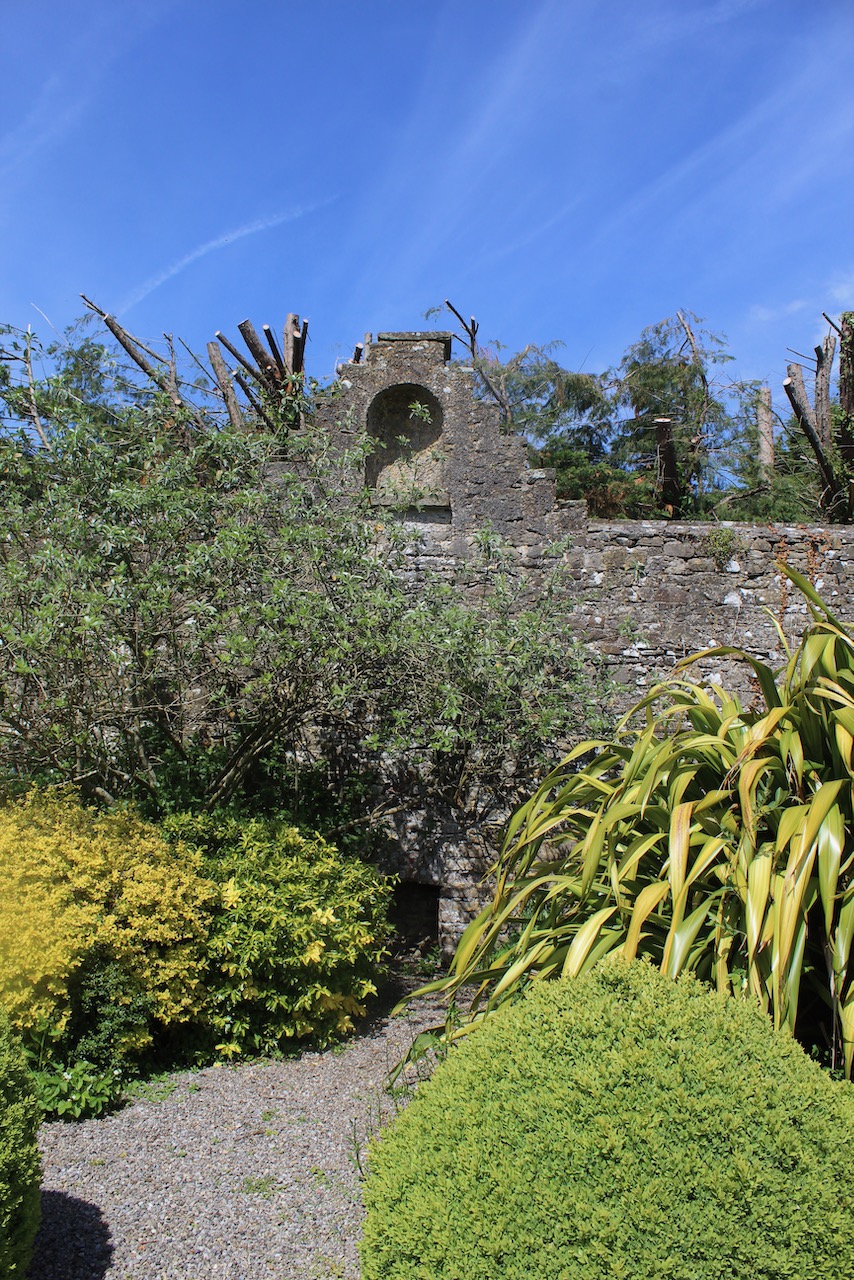
At the north west corner of the restored Walled Garden the Shell Tower is a three storey, battlemented tower with single arched Gothic windows.
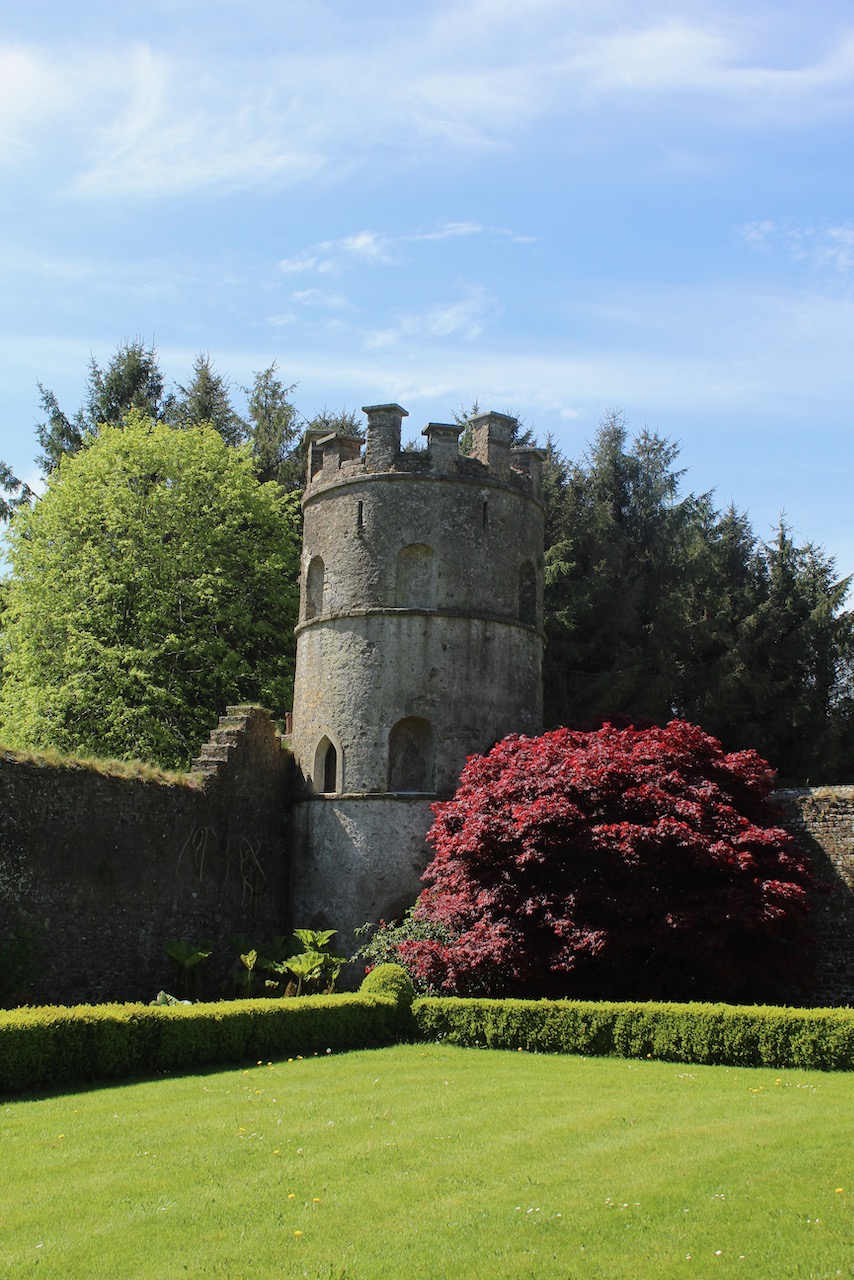
The National Inventory describes the tower: “Three-stage circular-plan castellated tower, built c.1820, set in south-west corner of walled garden. Roughly dressed rubble limestone walls, with flight of stone steps leading to first floor level. Pointed arch openings. Remains of ornamental shell work to interior.” [10] Photograph © Jennifer Winder-Baggot, www.irishhistorichouses.com

The tower, called a “Cockle Tower,” is decorated with shells, but unfortunately it needs to be stabilised before one could safely enter. I did manage to see the inside of the shell tower by looking through a window. We saw a shell house in Curraghmore in County Waterford, and Mary Delany is famous for her shell work. There is also one nearby at Carton Estate.

The website tells us that in the case of the Larchill Shell Tower, where lower rooms are decorated with shells laid in geometric patterns, the shells appear to be mostly native varieties, many are cockles with some exotic exceptions such as conches – perhaps sourced via the trading connections of  the 18th century Prentice family who created the Ferme Ornée at Larchill.
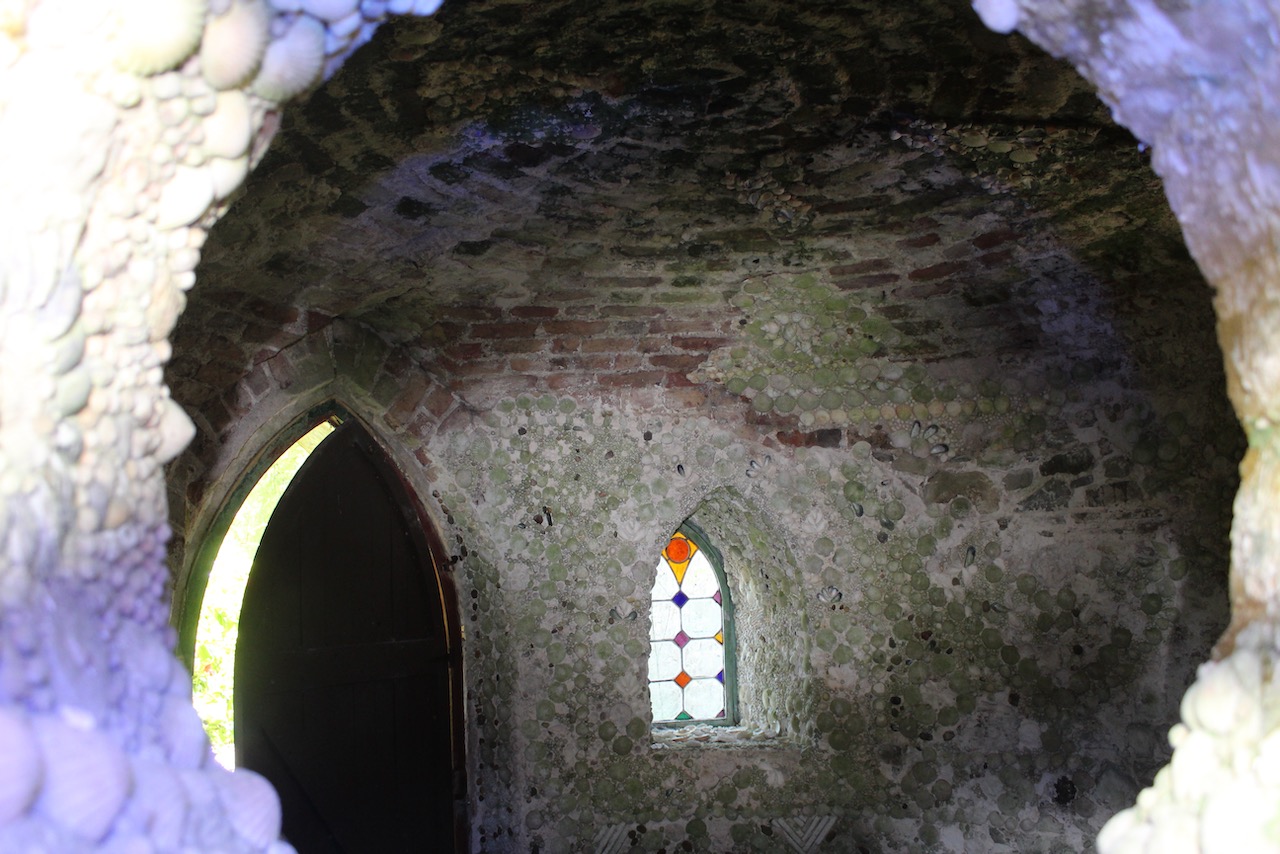
Inside the cockle tower. Photograph © Jennifer Winder-Baggot, www.irishhistorichouses.com
Larchill, 2022. Photograph © Jennifer Winder-Baggot, www.irishhistorichouses.com
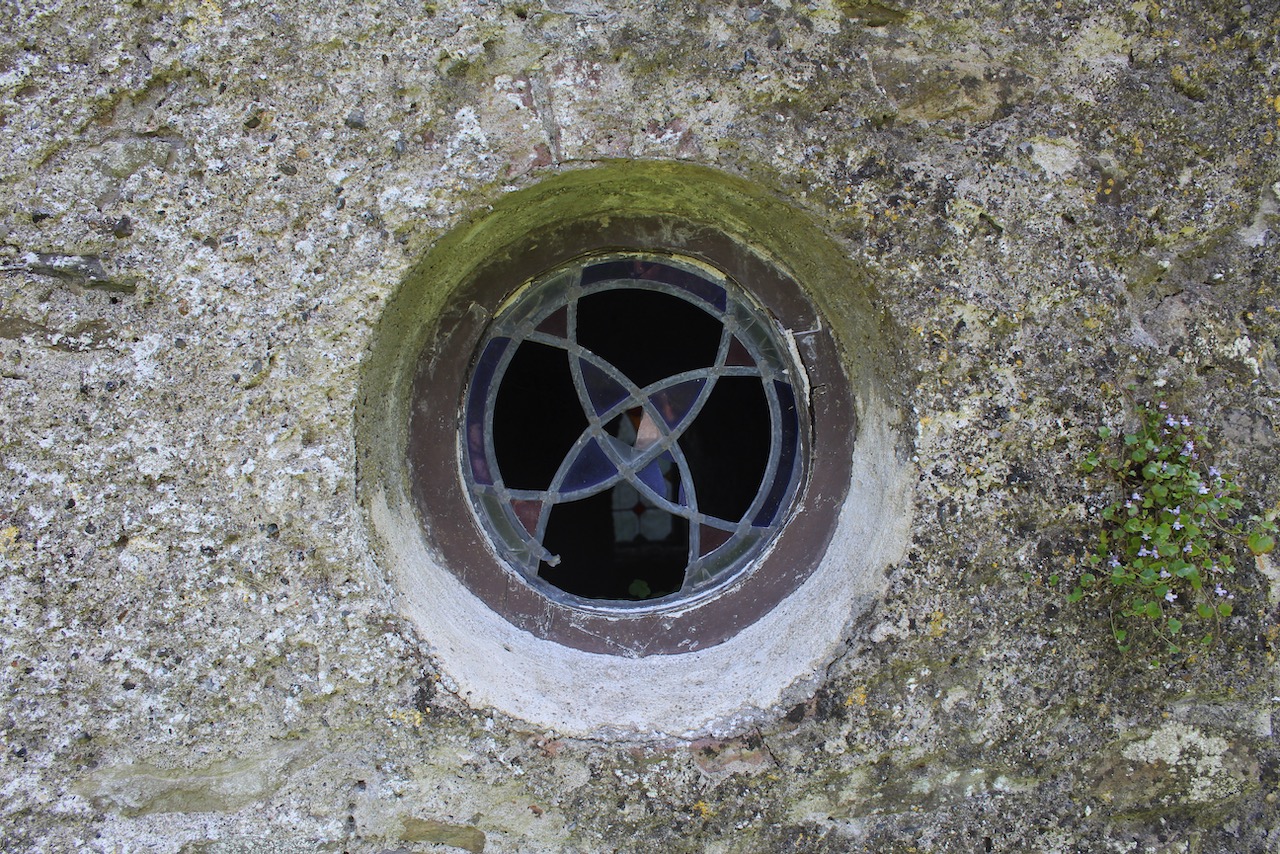
The Cockle Tower also has some stained glass windows. Photograph © Jennifer Winder-Baggot, www.irishhistorichouses.com
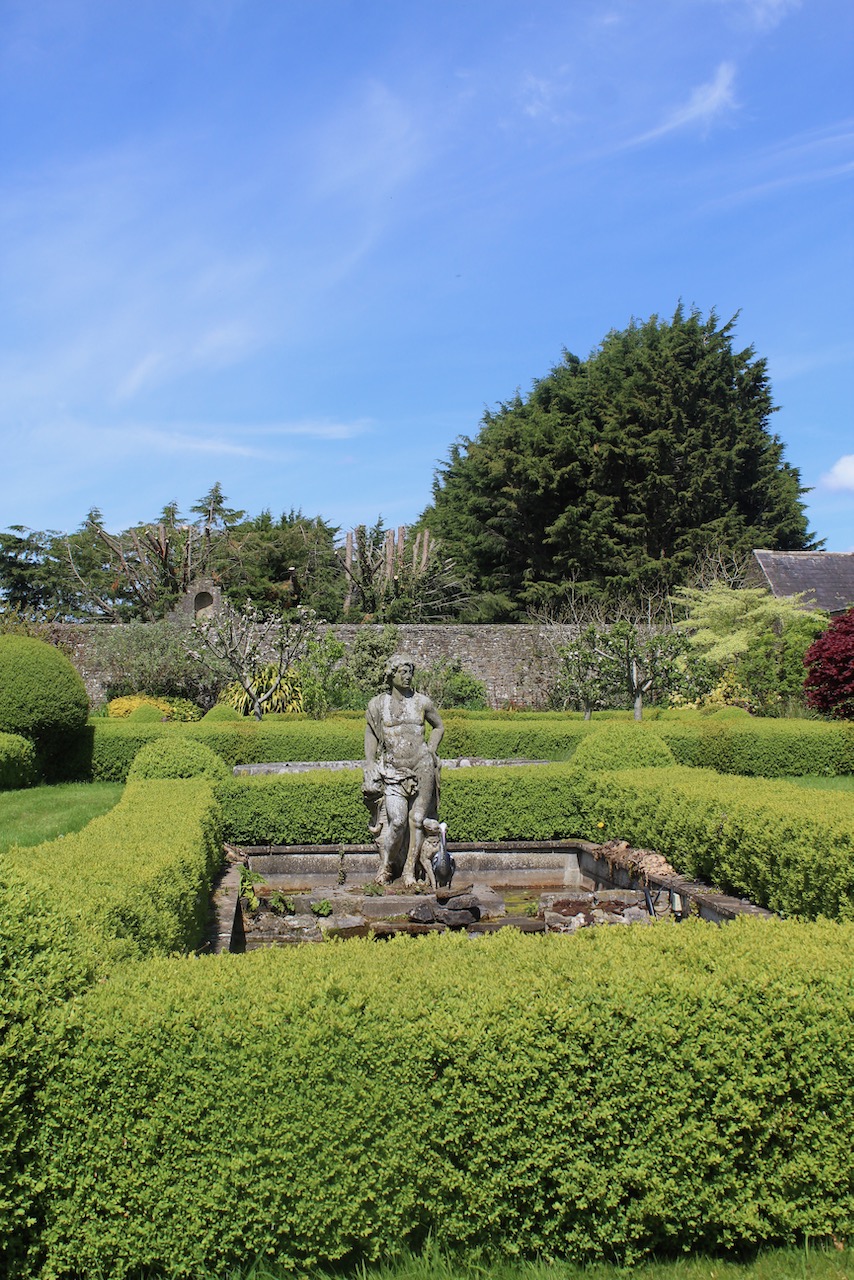
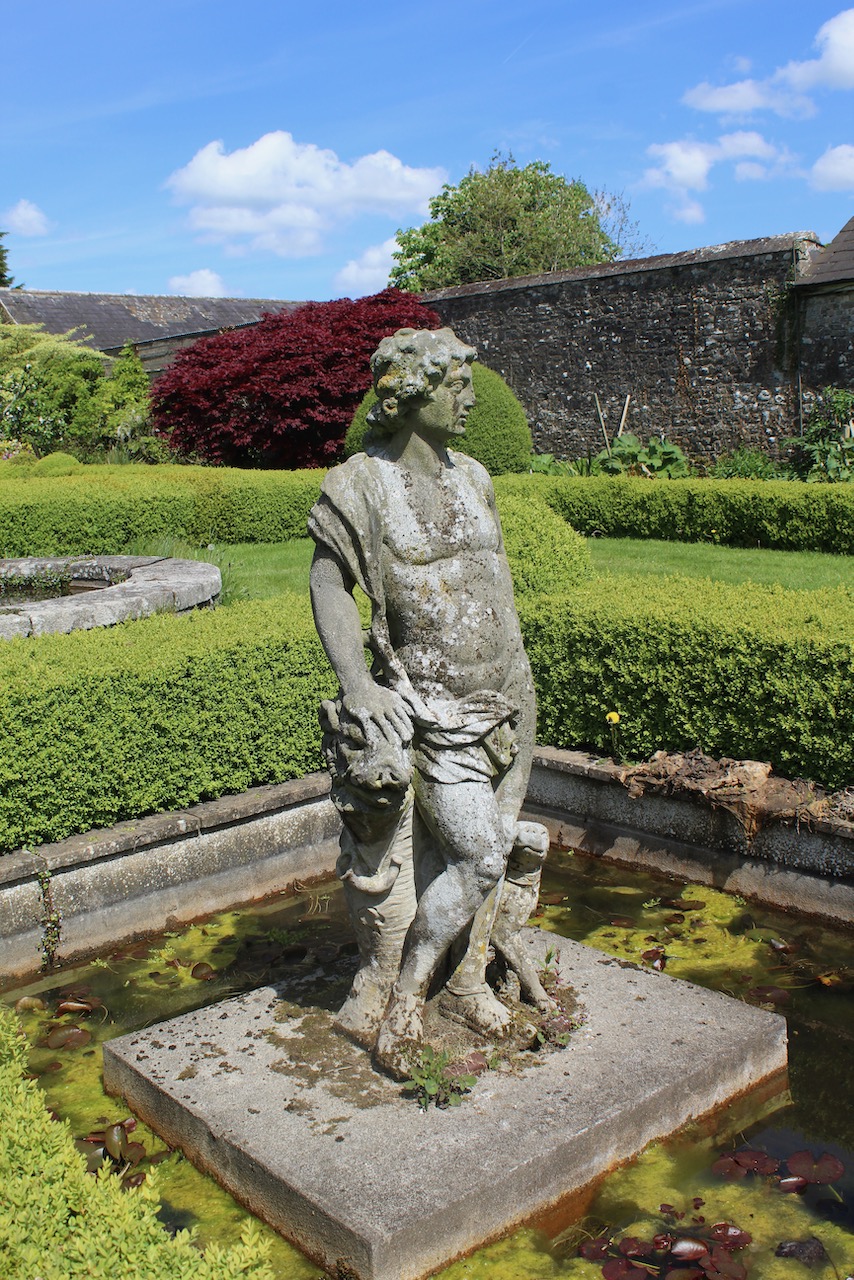
18th century statue of Meleager, which is now preserved from the elements in the Walled Garden. He used to stand in the lake. Photograph © Jennifer Winder-Baggot, www.irishhistorichouses.com
Meleager, hero of  the epic Greek mythological tale of the Calydonian boar hunt. Meleager is always represented with his hunting dog and the head of the slain boar as he is here. Michael pointed out an interesting fact about his statue, the original of which is in the Vatican in Rome. In Rome the boar is on the right side of Meleager, but in this copy, the boar is on the left, so it shows that the copy must have been done from an etching, which is in reverse. Photograph © Jennifer Winder-Baggot, www.irishhistorichouses.com
Larchill, 2022. Photograph © Jennifer Winder-Baggot, www.irishhistorichouses.com
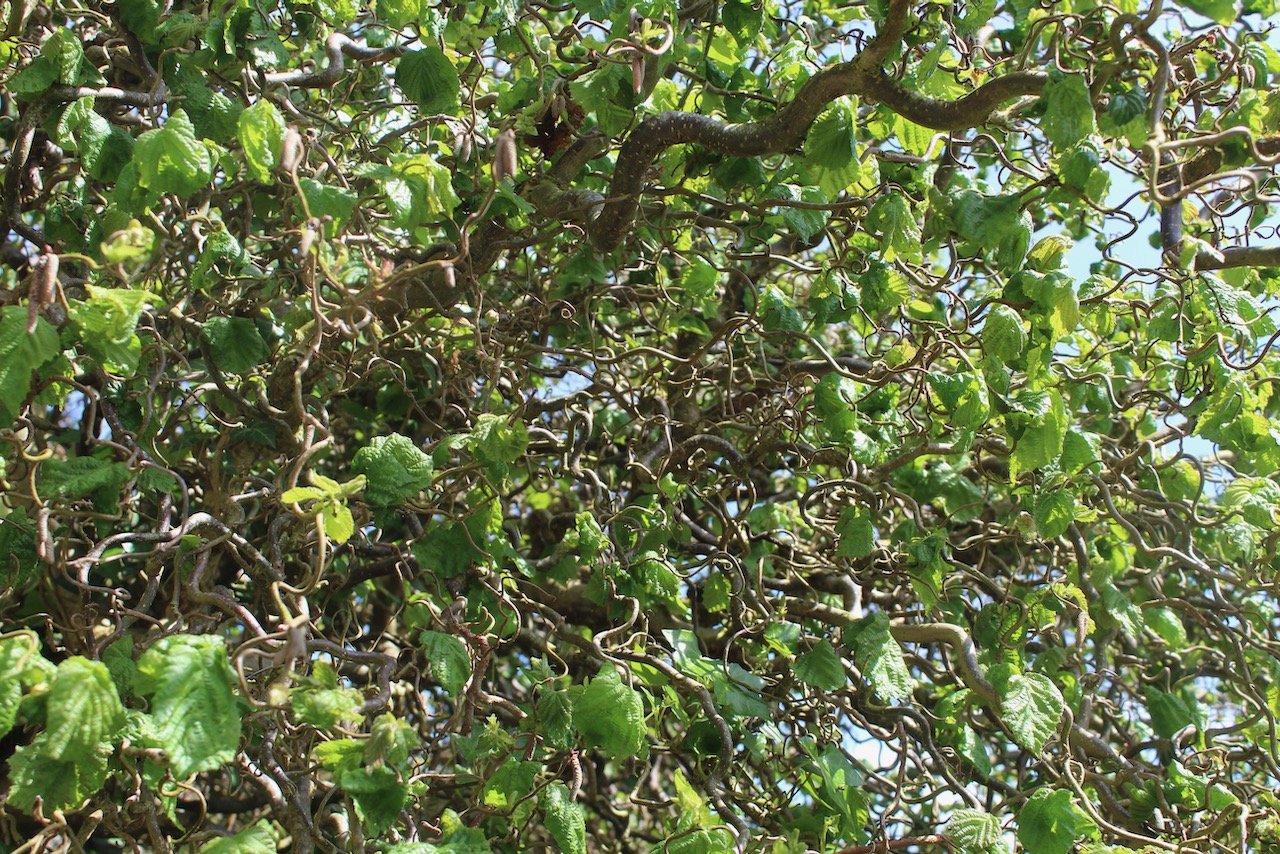
These twisty branches are amazing and beautiful. I wonder what plant it is? Photograph © Jennifer Winder-Baggot, www.irishhistorichouses.com
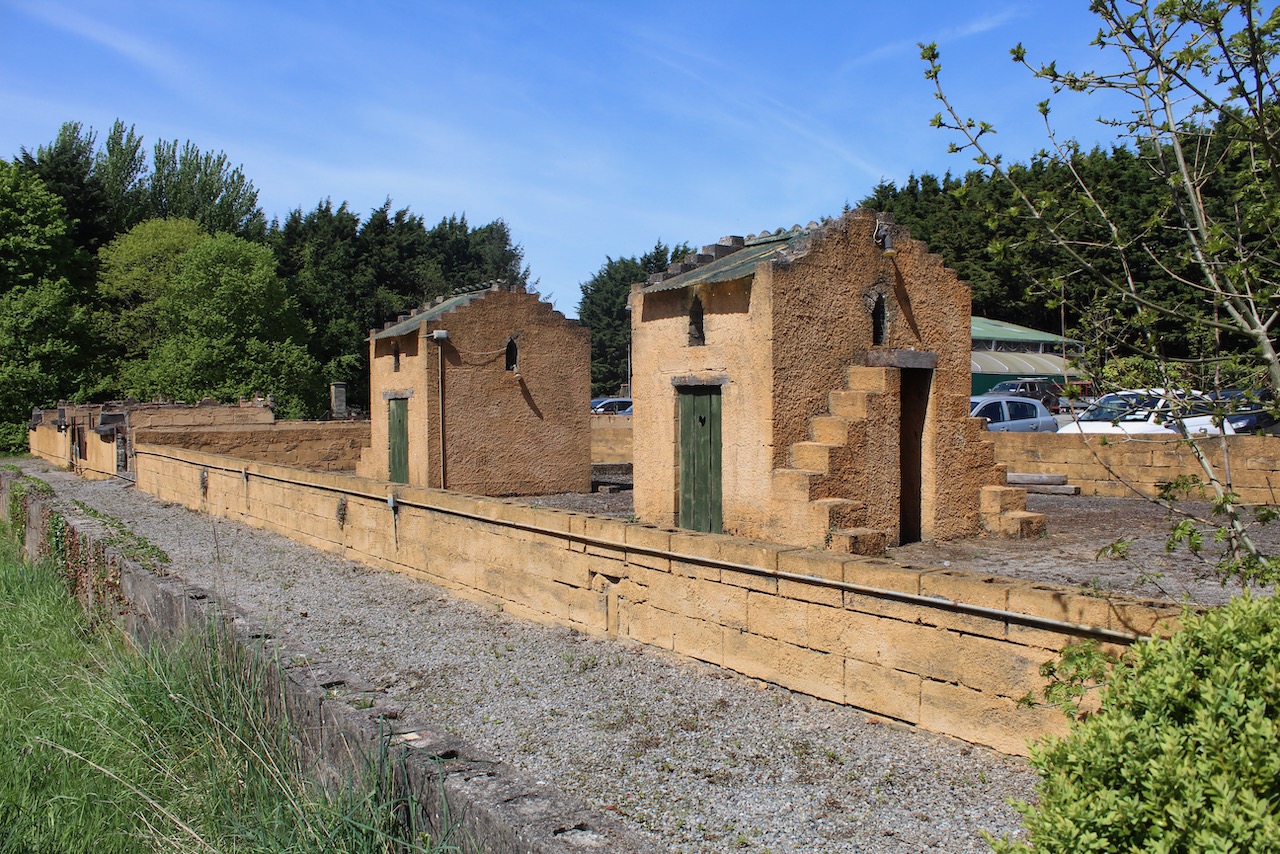
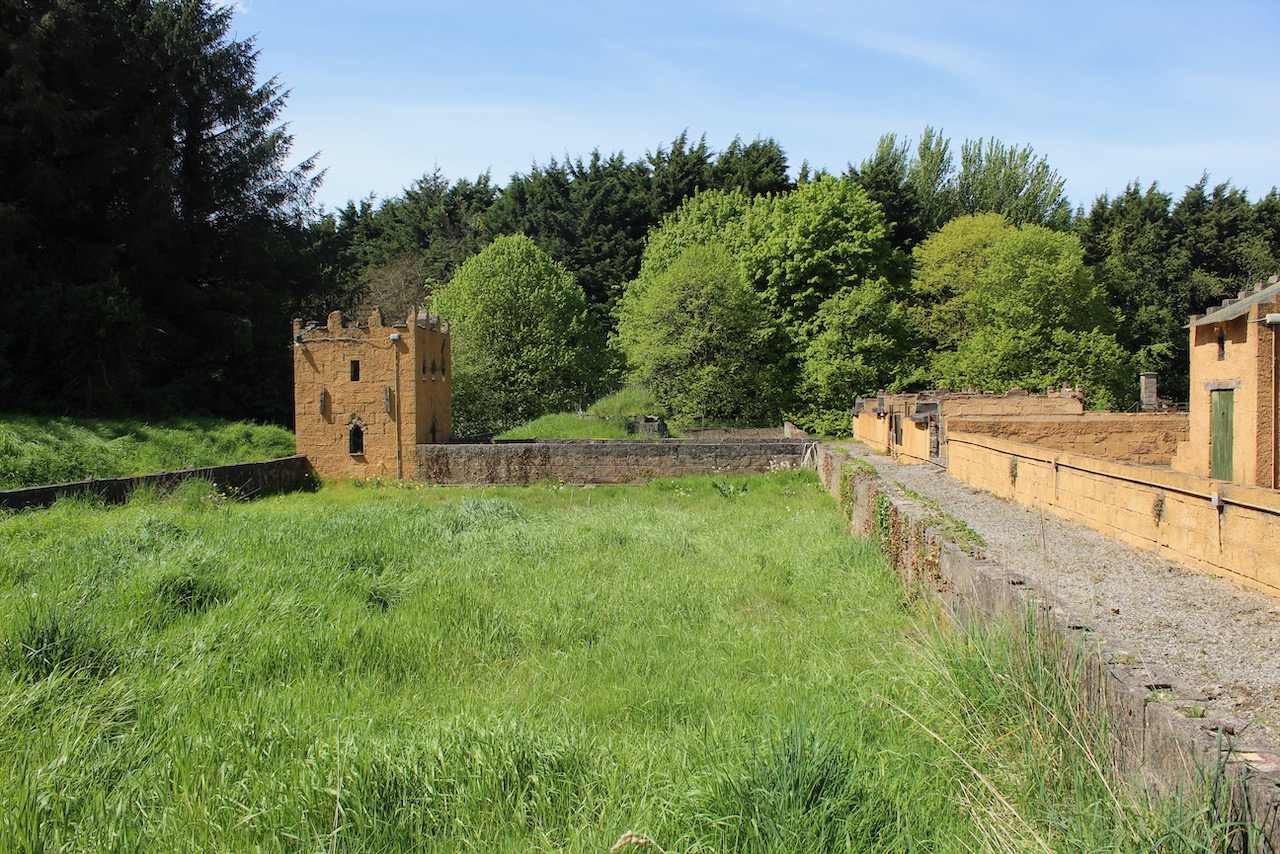
Distinctive piggery buildings, west of the walled garden, with battlements, steps and arched windows. At one time, these housed rare breeds of pigs, goats and fowl. Photograph © Jennifer Winder-Baggot, www.irishhistorichouses.com
The animals had their own castle! Photograph © Jennifer Winder-Baggot, www.irishhistorichouses.com

After we explored the walled garden, we set off to see the follies dotted around the lake. On the lake itself are two follies: the Gibraltar and the round temple. A previous owner had drained the lake but the current owners reinstated it, as water is an essential element of an ornamental farm, creating a romantic landscape. We learned a charming new word: marl clay lines the bottom of the lake. To prepare the clay before the lake was filled with water, the land underwent the process of “puddling.” This is letting sheep loose on the clay to walk it into the ground.
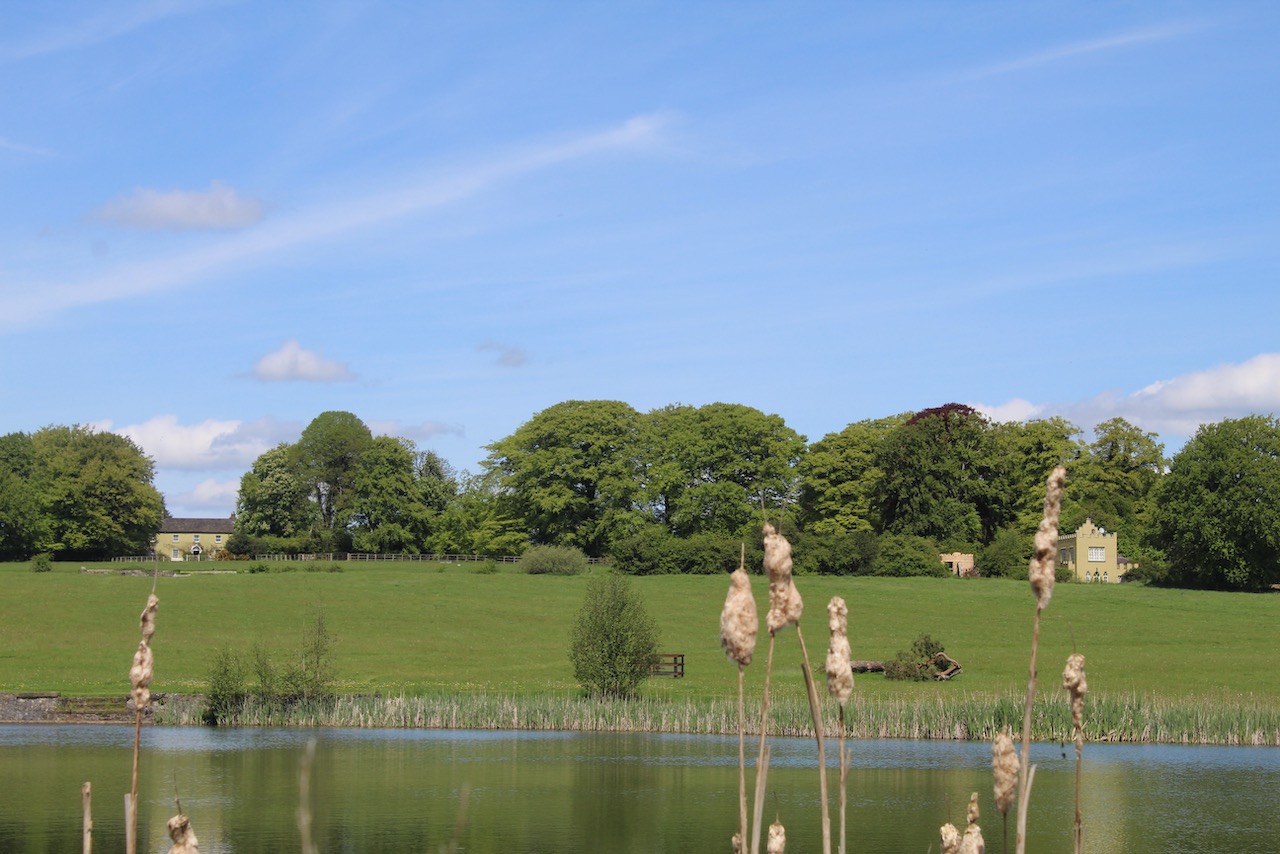
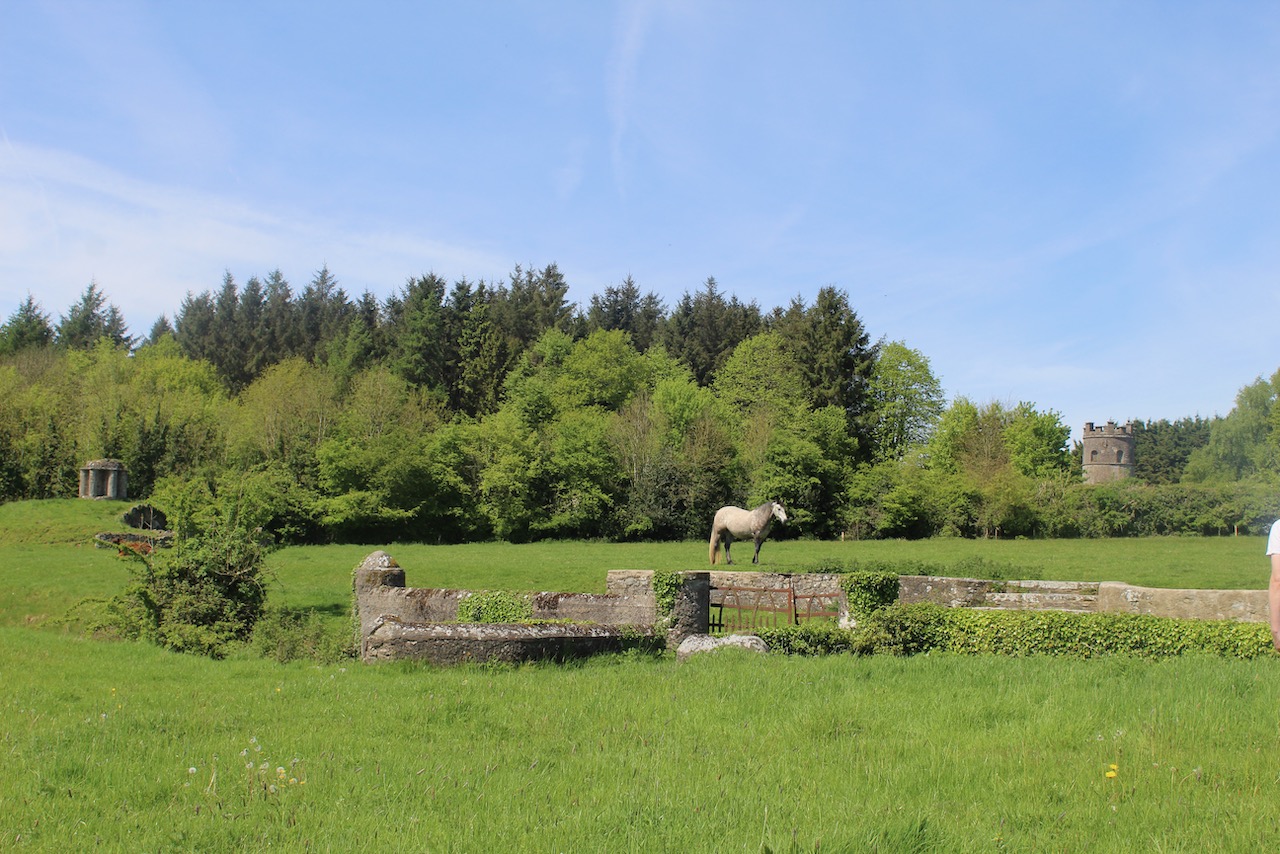
The lake, with the house in the background. A previous owner had drained the lake but the current owners reinstated it. Photograph © Jennifer Winder-Baggot, www.irishhistorichouses.com
A ha-ha runs between two fields. One can see the island temple and Gibraltar in the background. Photograph © Jennifer Winder-Baggot, www.irishhistorichouses.com
The Ha-Ha. The ha-ha contains the remnants of an elongated fish pond forming the ditch. (see [3]) Photograph © Jennifer Winder-Baggot, www.irishhistorichouses.com
The remnants of an elongated fish pond forming the ditch of the ha-ha. Photograph © Jennifer Winder-Baggot, www.irishhistorichouses.com

The ditch of the ha-ha contained a fish pond, and this flowed to an eel pond. Fish farming would have been a lucrative practice.
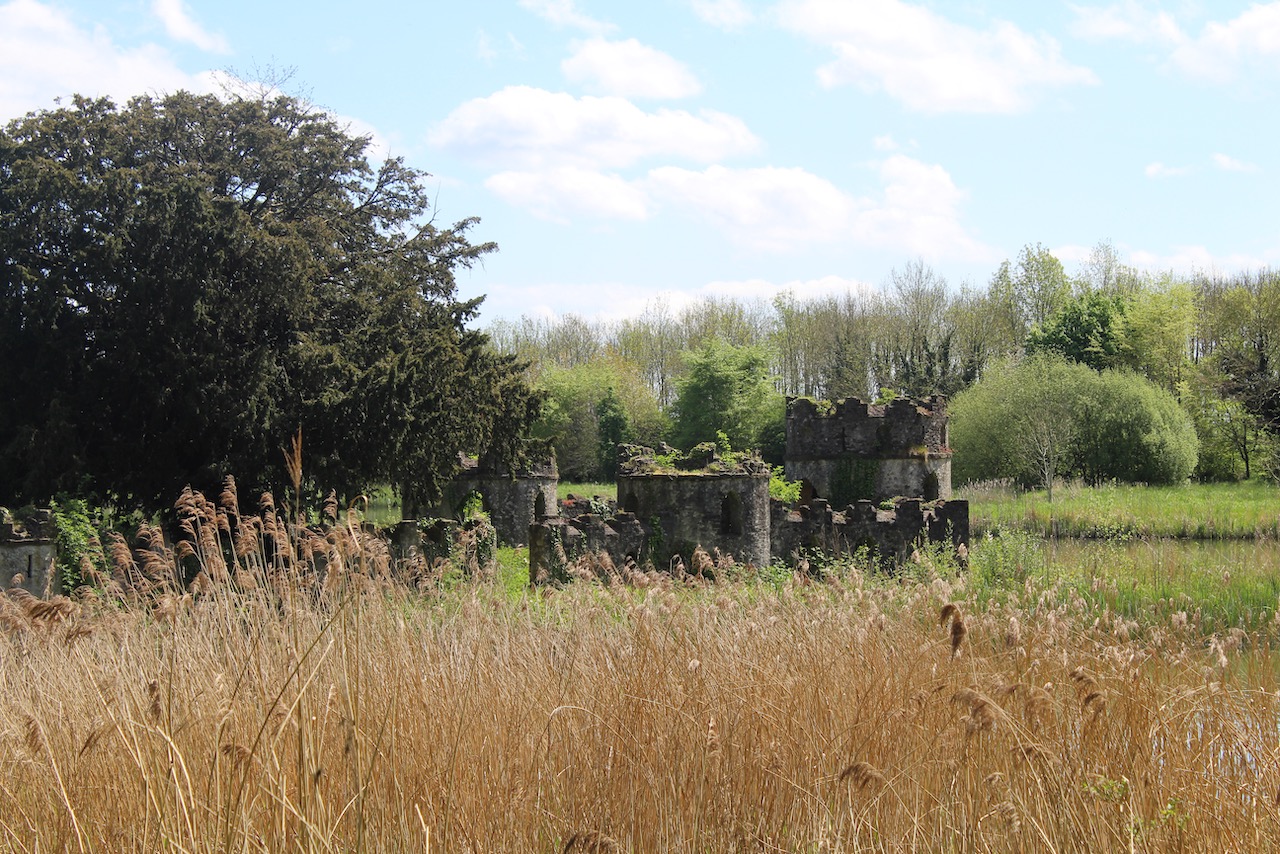
The “Gibraltar” in the lake. Photograph © Jennifer Winder-Baggot, www.irishhistorichouses.com

Gibraltar: This is a castellated miniature fort with circular gun-holes and five battlemented towers situated on one of two islands within the lake. It would have been constructed just shortly before, or at the same time as, the  famous defense by the British of their garrison on Gibraltar against the Spanish during the  ‘Great Siege’ of 1779 to 1783. The siege, which lasted nearly three and half years through starvation and repeated onslaughts by the Spanish, was impressive news at the time and must have motivated the naming of the fortress as Gibraltar.

There is a similar “Gibraltar” tower in Heathfield Park Estate in East Sussex. In 1791 Francis Newbery bought Bailey Park, an estate in East Sussex, which he renamed the Heathfield Park Estate. One of his first projects was to create a memorial to the former owner of the estate, George Augustus Eliot, who had been Governor at Gibraltar during the lengthy ‘Great Siege’ by the Spanish and French of 1779-1783. In 1787 Eliot was created Lord Heathfield of Gibraltar in recognition of his service to his country, and his death in 1790 had been marked by long eulogies in the press. The tower was later sketched by Turner as part of his commission to provide illustrations for Cooke’s Views in Sussex. [11]

However the fortress at Larchill was much more a source of pleasure and entertainment, the Larchill website tells us, with stories of mock battles across the lake.
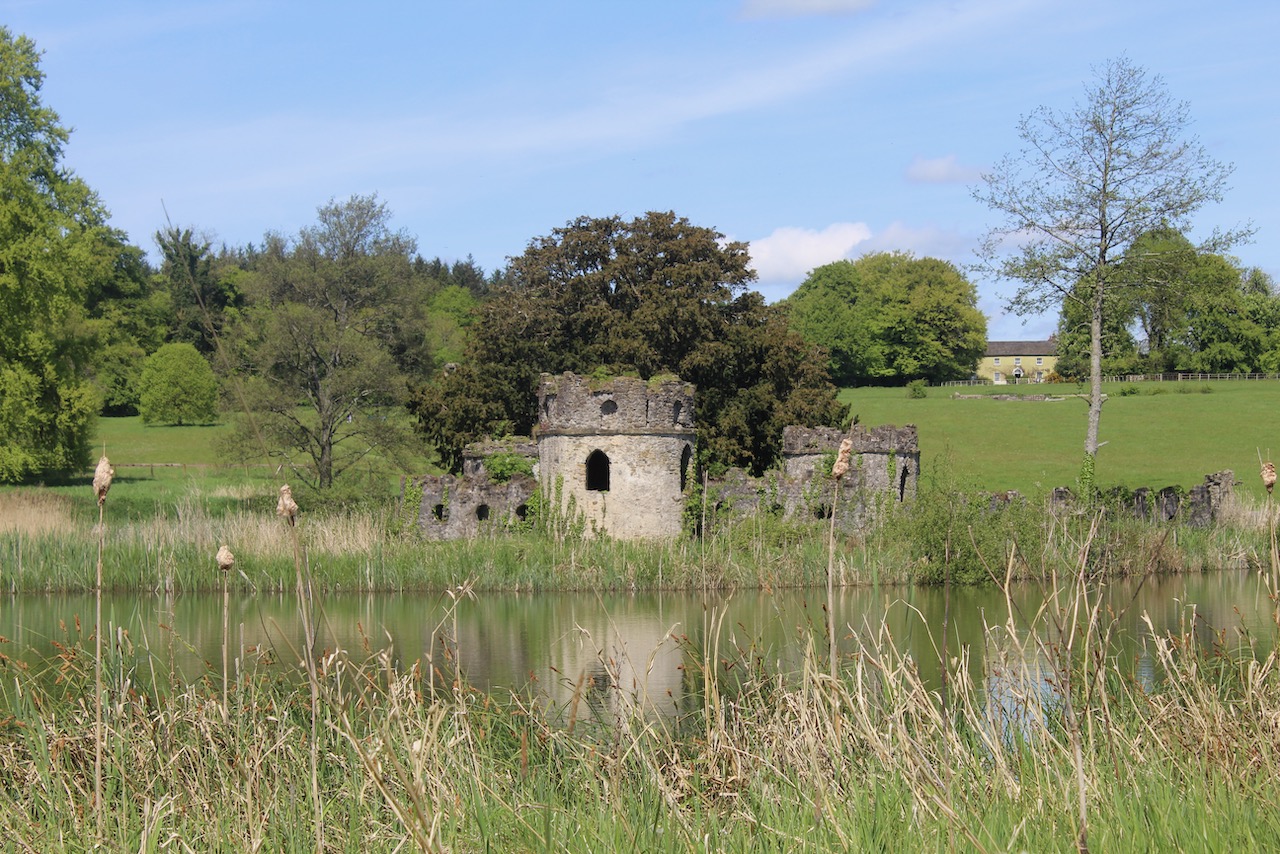
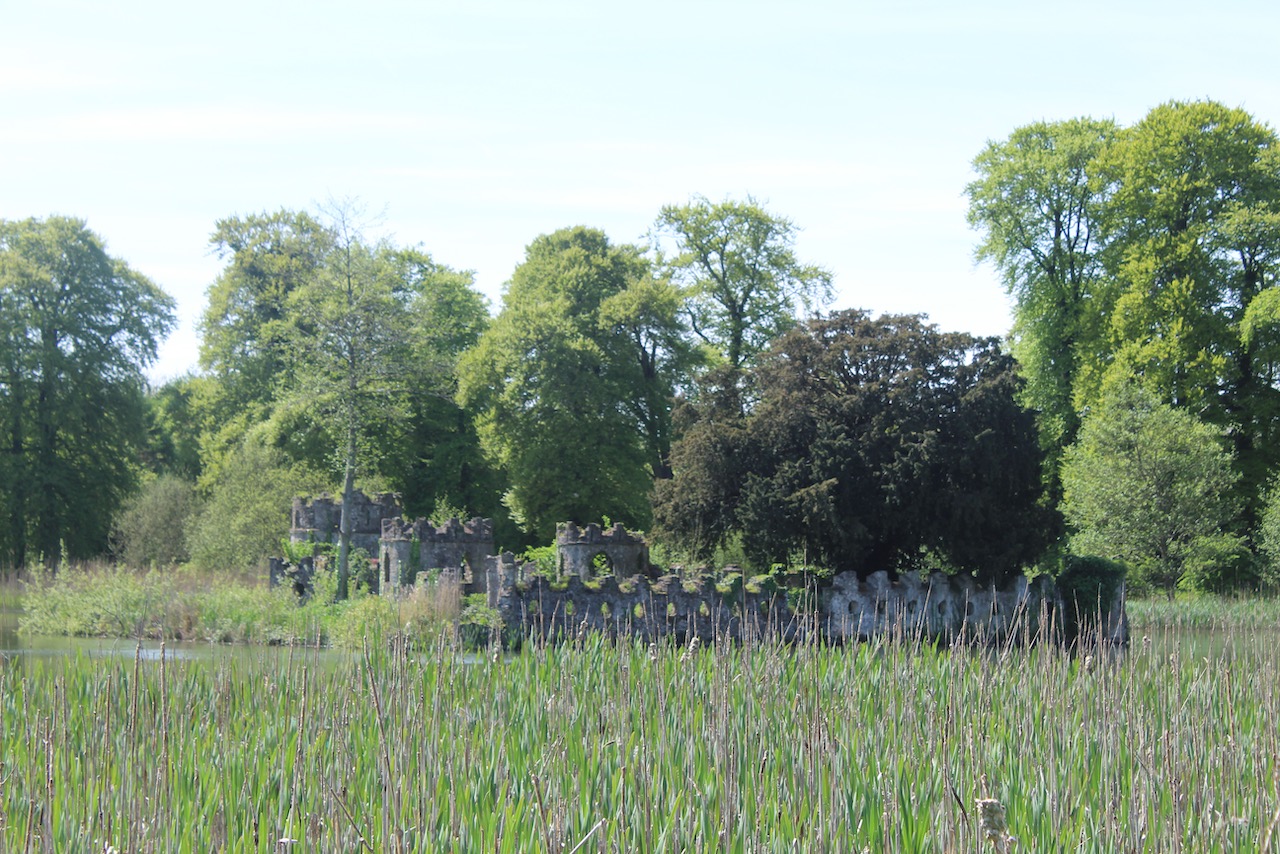
Gibraltar folly. Photograph © Jennifer Winder-Baggot, www.irishhistorichouses.com

There are more follies that one comes across as one walks around the estate.
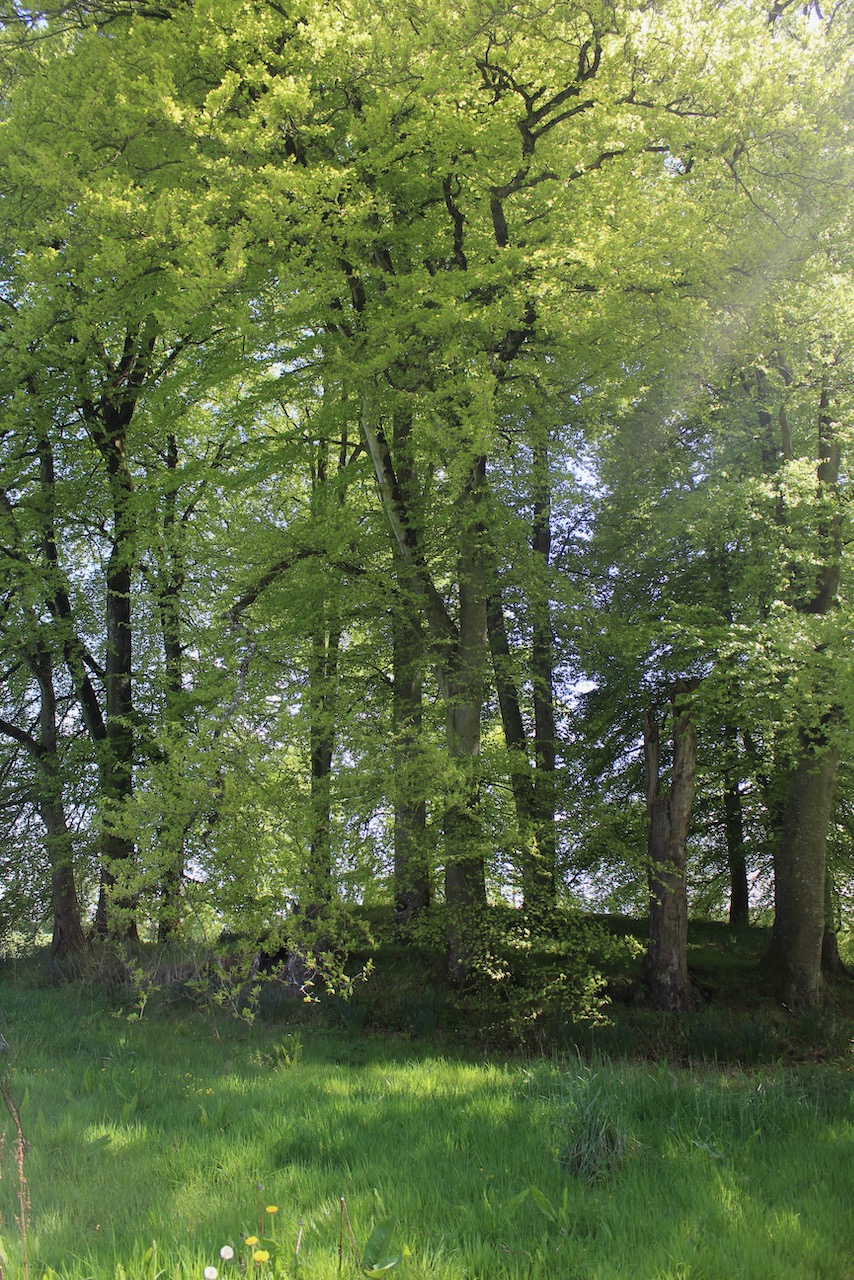
The Feuille; the website tells us: “This is a circular mound planted with a spiral of beech trees to the side of the lake. It would appear to have been a practical and ornamental use for the soil excavated to create the lake itself. Feuillé is an appropriate name as the word ‘folly’ is an archaic English term for a lush and overgrown area of bushes and trees and was likely to have derived from the French ‘la feuillé’ meaning leaf.” Photograph © Jennifer Winder-Baggot, www.irishhistorichouses.com
The Boat House, Larchill, built c.1830, comprising of single-arch bridge to water side elevation, and with rubble stone walls and wrought-iron gate to rear. Photograph © Jennifer Winder-Baggot, www.irishhistorichouses.com
The Boat House. Photograph © Jennifer Winder-Baggot, www.irishhistorichouses.com
The Boat House, Larchill. Photograph © Jennifer Winder-Baggot, www.irishhistorichouses.com
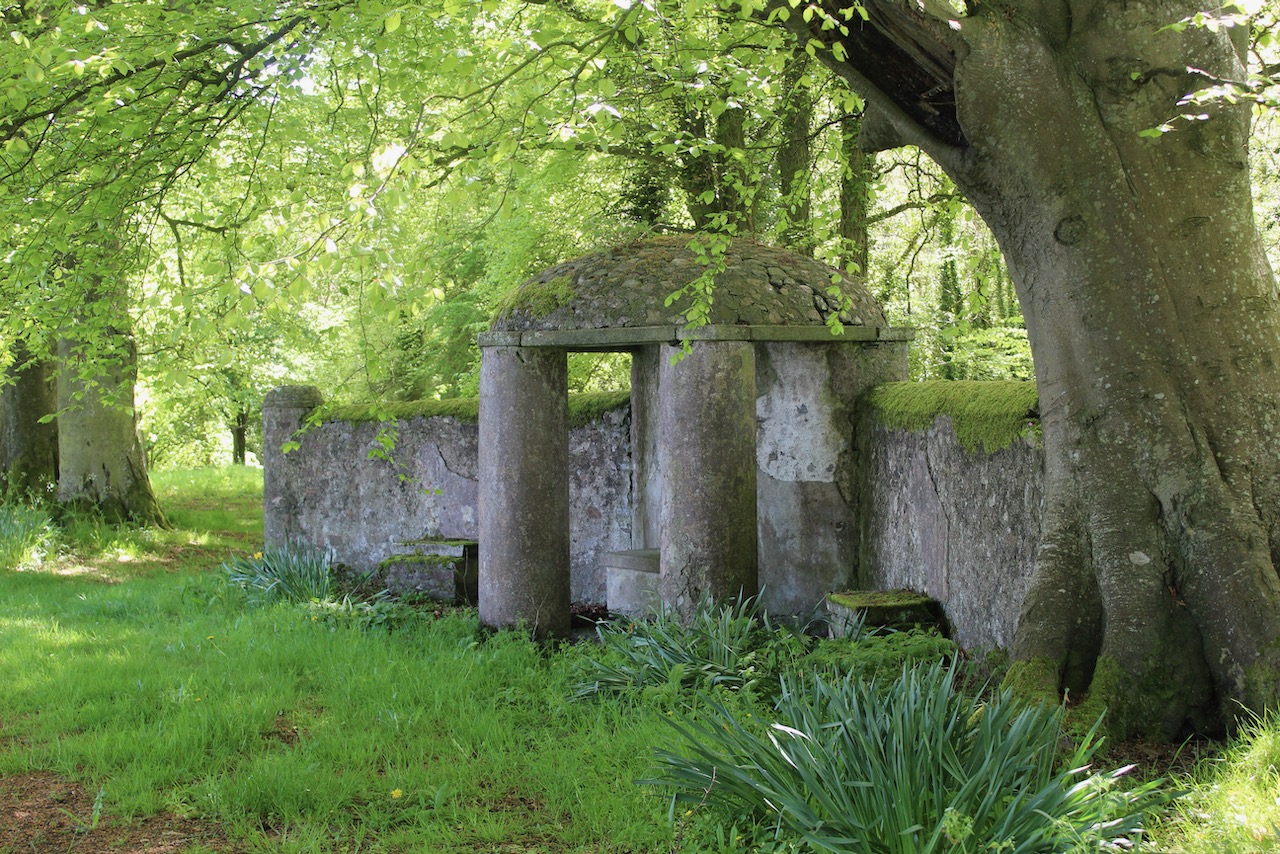
The National Inventory tells us this is a “Rustic temple, built c.1820, comprising six of rendered columns set on a hexagonal plan, supporting a rubble stone dome. Flanked by rendered walls with circular-profile terminating piers. Stone seats to walls.” Photograph © Jennifer Winder-Baggot, www.irishhistorichouses.com
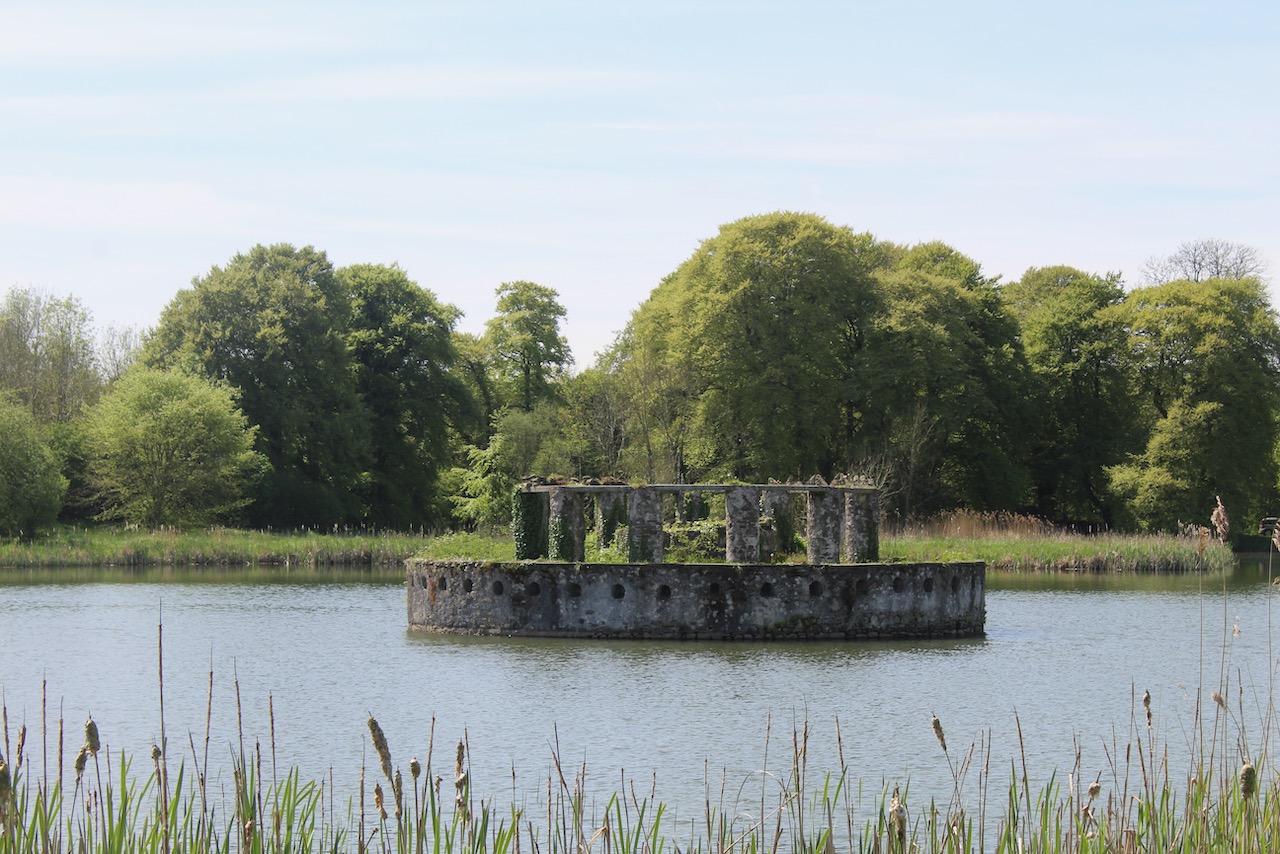
Rustic temple set in a lake, built c.1820, comprising columns set on a circular-plan, with rendered boundary walls having circular openings. [12] Photograph © Jennifer Winder-Baggot, www.irishhistorichouses.com

The website tells us about the Lake Temple: it “is a circular island building in the lake to the west of Gibraltar. The outer wall has decorative recesses and the internal circle of columns surrounds a well-like central core.

There is evidence that the  columns may have originally been partially roofed so as to direct rainwater into the well itself. It is possible that the design was intended to emulate the plunge pool baths of Ancient Rome, such as the famous pool at Hadrian’s Villa in Tivoli.”

There used to be a causeway out to the island temple. Another theory is that the well and round temple could have been part of a sham Druidic temple. Tim Gatehouse writes of a Grand Lodge of Irish Druids in the 1790s, whose summer activities included visits to members’ estates. (see [3])
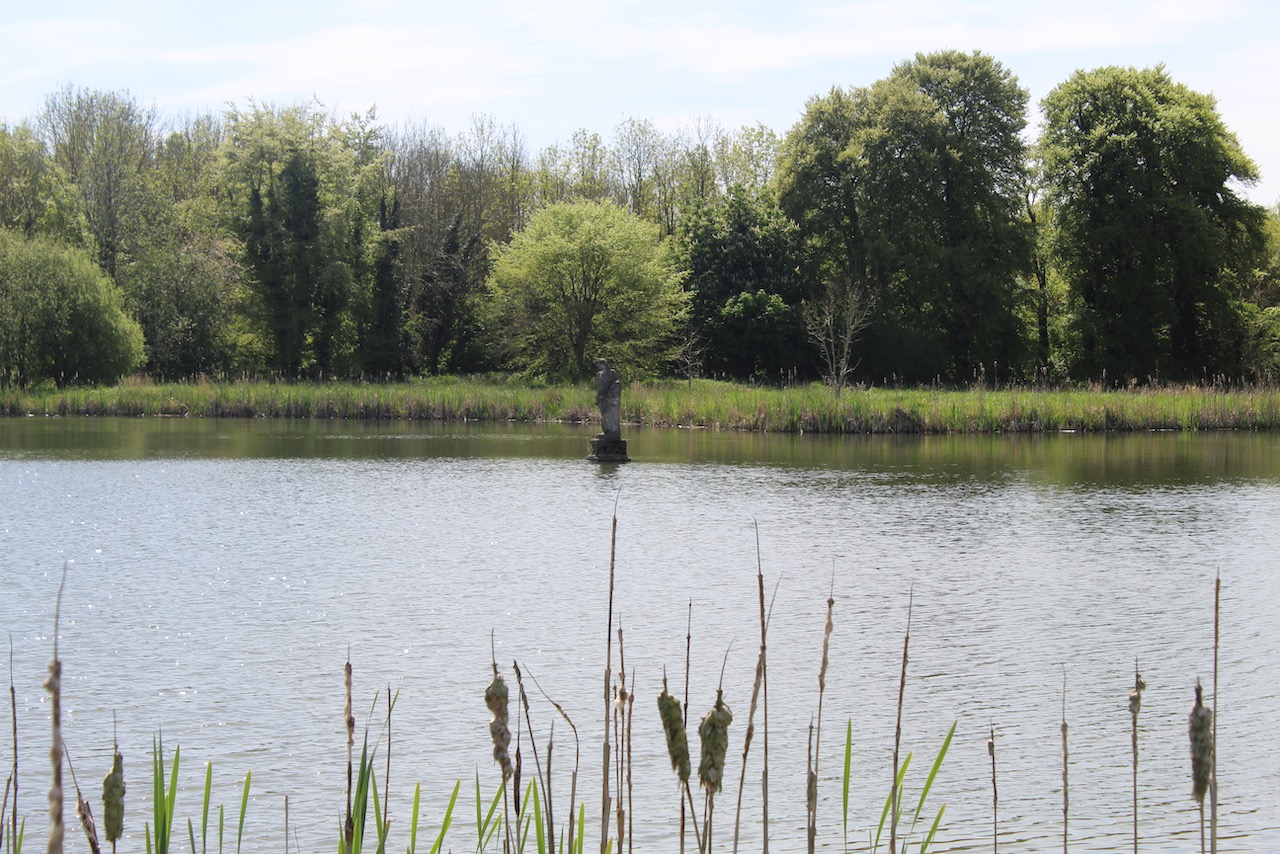
A modern reproduction, this statue of the god Bacchus stands in the lake at the site of an original 18th century statue of Meleager, which is now preserved from the elements in the Walled Garden. The statue of Meleager was well-situated near the Gibraltar folly as the HMS Meleager was a frigate that fought in Admiral Nelson’s fleet. (see[3]) Photograph © Jennifer Winder-Baggot, www.irishhistorichouses.com
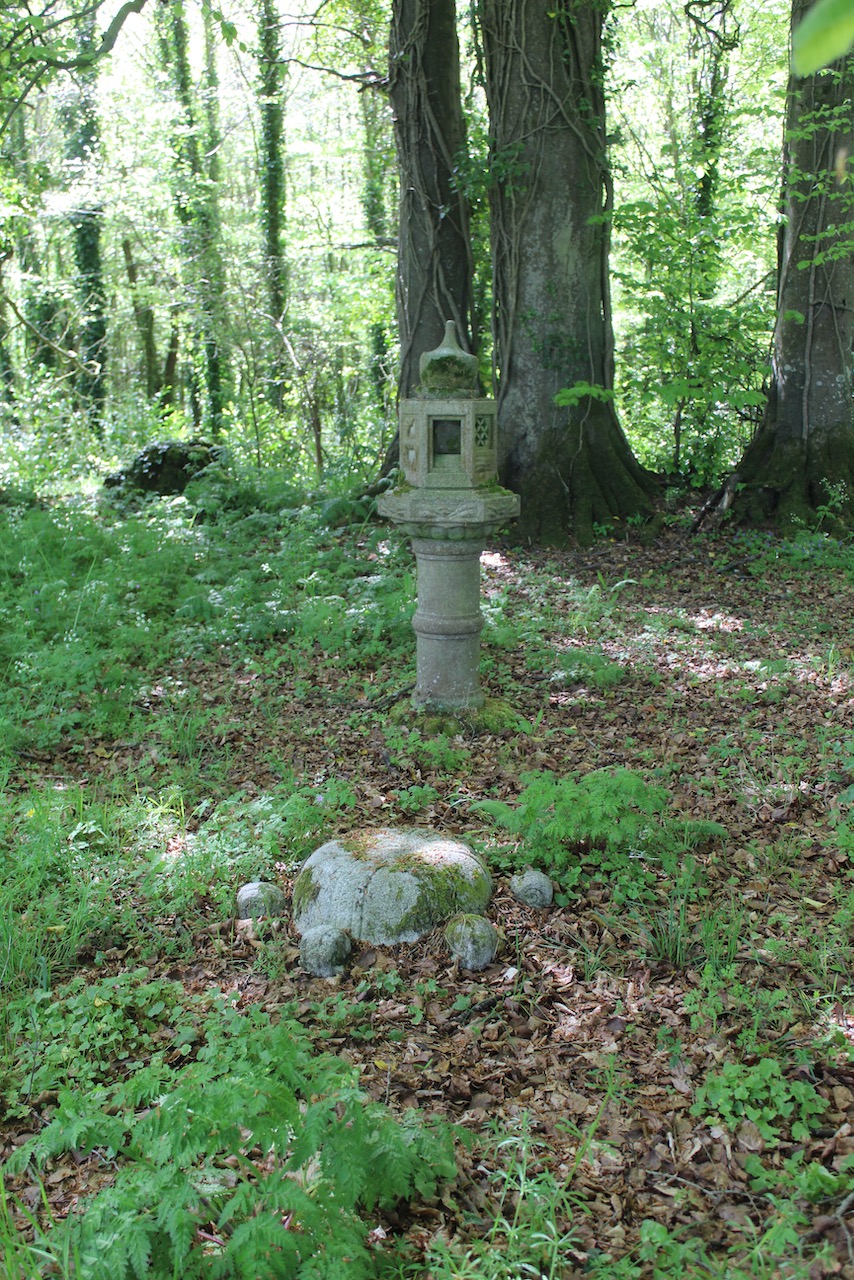
Chinese prayer statue and lantern. Photograph © Jennifer Winder-Baggot, www.irishhistorichouses.com

It was lovely to wander around Larchill on such a sunny day. The owners have done us a great service to resurrect the beauty of an ornamental farm.
Photograph © Jennifer Winder-Baggot, www.irishhistorichouses.com

[1] https://www.buildingsofireland.ie/buildings-search/building/14404905/larch-hill-larch-hill-demesne-phepotstown-co-meath

[2] https://www.buildingsofireland.ie/buildings-search/building/14404907/larch-hill-larch-hill-demesne-phepotstown-co-meath

[3] Gatehouse, Tim. “Larchill: a rediscovered Irish garden and its Australian cousin,” Australian Garden History, Vol. 29, No. 1 (July 2017), pp. 15-20. https://www.jstor.org/stable/26391590?read-now=1&seq=3#page_scan_tab_contents

[4] http://www.thepeerage.com

[5] https://theirishaesthete.com/2018/09/17/larchill-gardens/

[6] http://meathhistoryhub.ie

[7] https://carlow-nationalist.ie/2015/01/30/carlow-horsemen-celebrate-200-years-of-fox-hunting/

[8] The Watsons of Kilconnor, County Carlow, 1650 – present by Peter J F Coutts and Alan Watson https://books.google.ie/books?id=-OiJDwAAQBAJ&pg=PA188&lpg=PA188&dq=watson+%2B+larchill&source=bl&ots=f6EB7C366O&sig=ACfU3U3ar4INf4CGknDXjzVASjy1rlq0Ow&hl=en&sa=X&ved=2ahUKEwjvlpXZuqX5AhWCWMAKHTpzA9cQ6AF6BAgwEAM#v=onepage&q=watson%20%2B%20larchill&f=false

[9] https://www.buildingsofireland.ie/buildings-search/building/14404904/the-foxs-earth-larch-hill-demesne-phepotstown-co-meath

[10] https://www.buildingsofireland.ie/buildings-search/building/14404908/cockle-tower-larch-hill-demesne-phepotstown-co-meath

[11] https://thefollyflaneuse.com/gibraltar-tower-heathfield-park-east-sussex/

[12] Lake Temple: https://www.buildingsofireland.ie/buildings-search/building/14404911/larch-hill-larch-hill-demesne-phepotstown-co-meath

Text © Jennifer Winder-Baggot, www.irishhistorichouses.com
Mount Usher Gardens, Ashford, Co. Wicklow A67 VW22 – section 482 gardens

www.mountushergardens.ie

www.avoca.com/en
Open in 2025: all year, except Christmas Day and St. Stephen’s Day, Jan-Mar, Nov-Dec,

10am-5pm, Apr-Oct, 10am-5.30pm

Fee: adult €10, student/OAP €8, child over 4 years €5, under 4 years free, group rate (10 or more people) €8 per person

donation

Help me to pay the entrance fee to one of the houses on this website. This site is created purely out of love for the subject and I receive no payment so any donation is appreciated!

€15.00

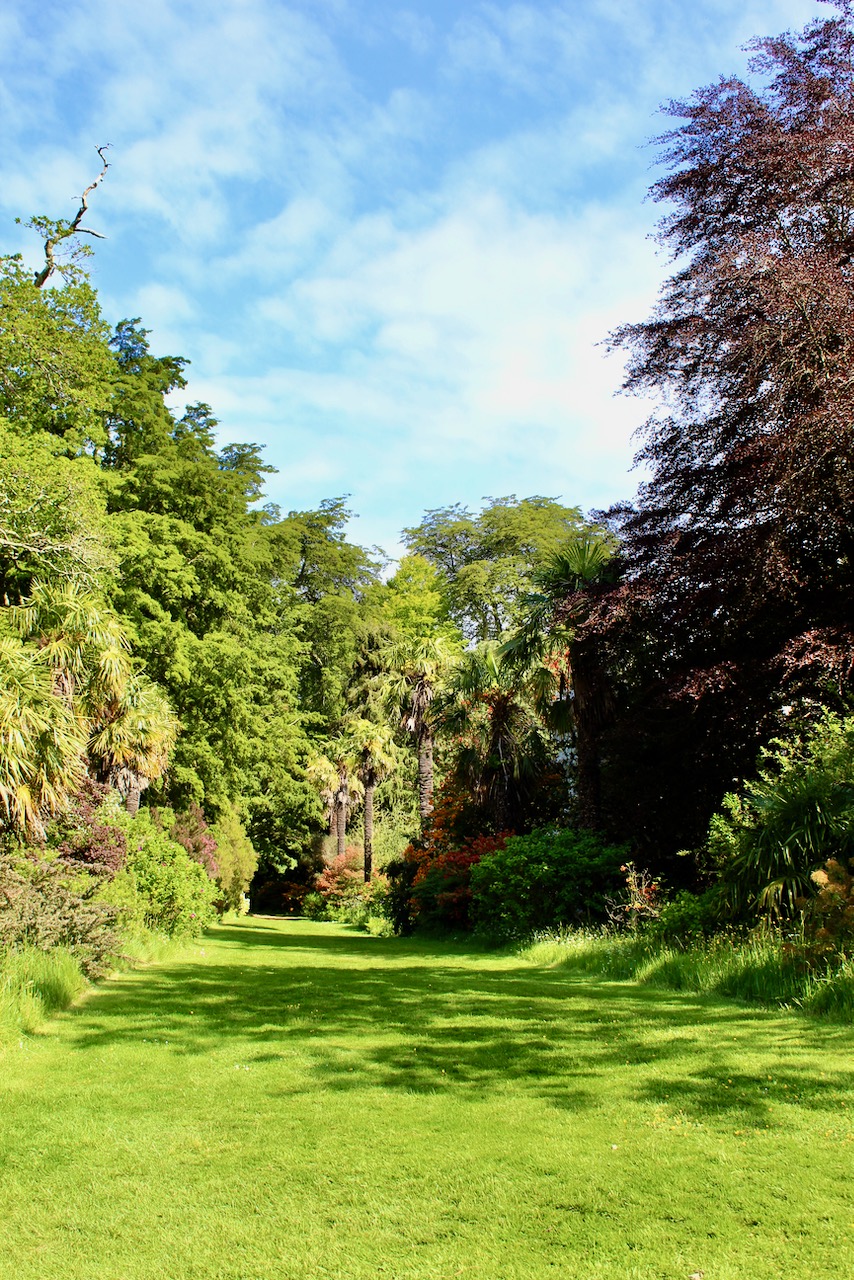
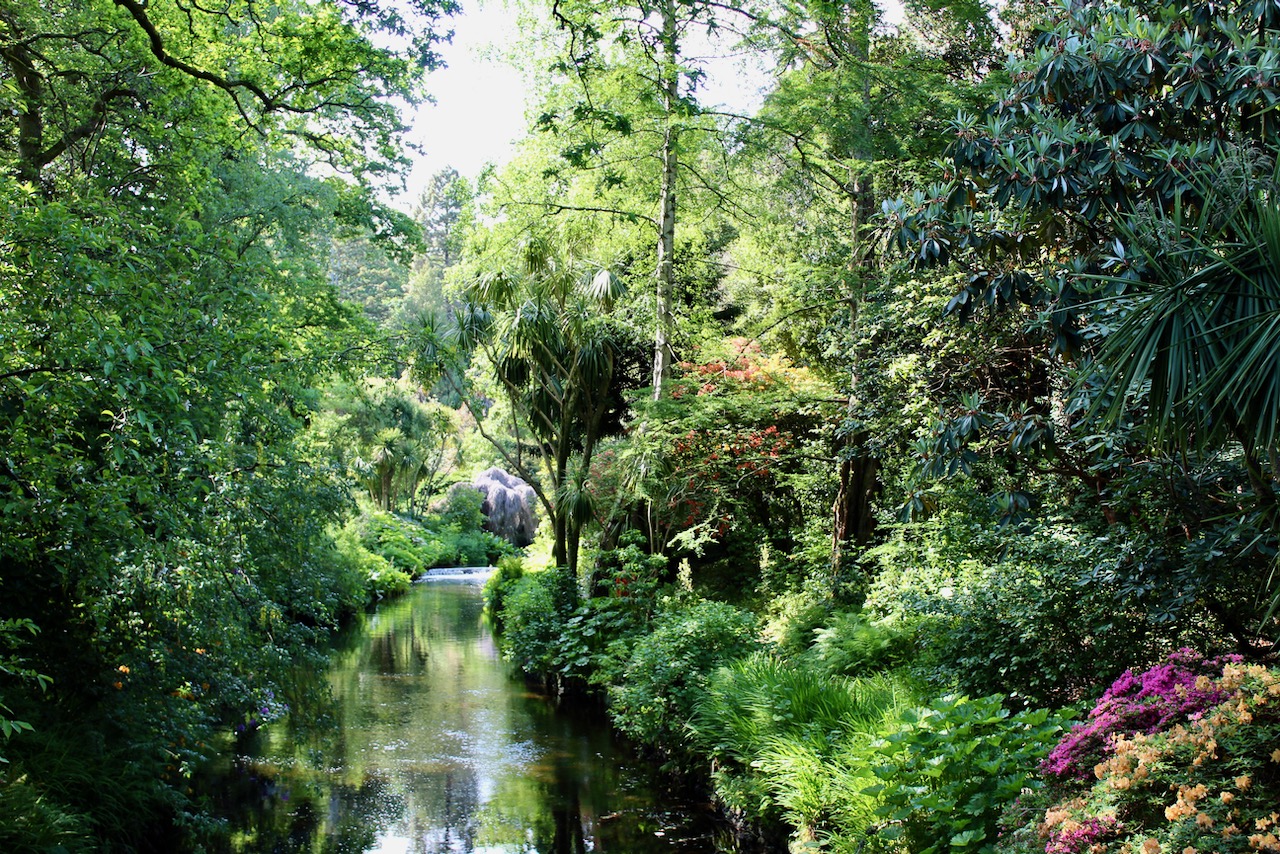
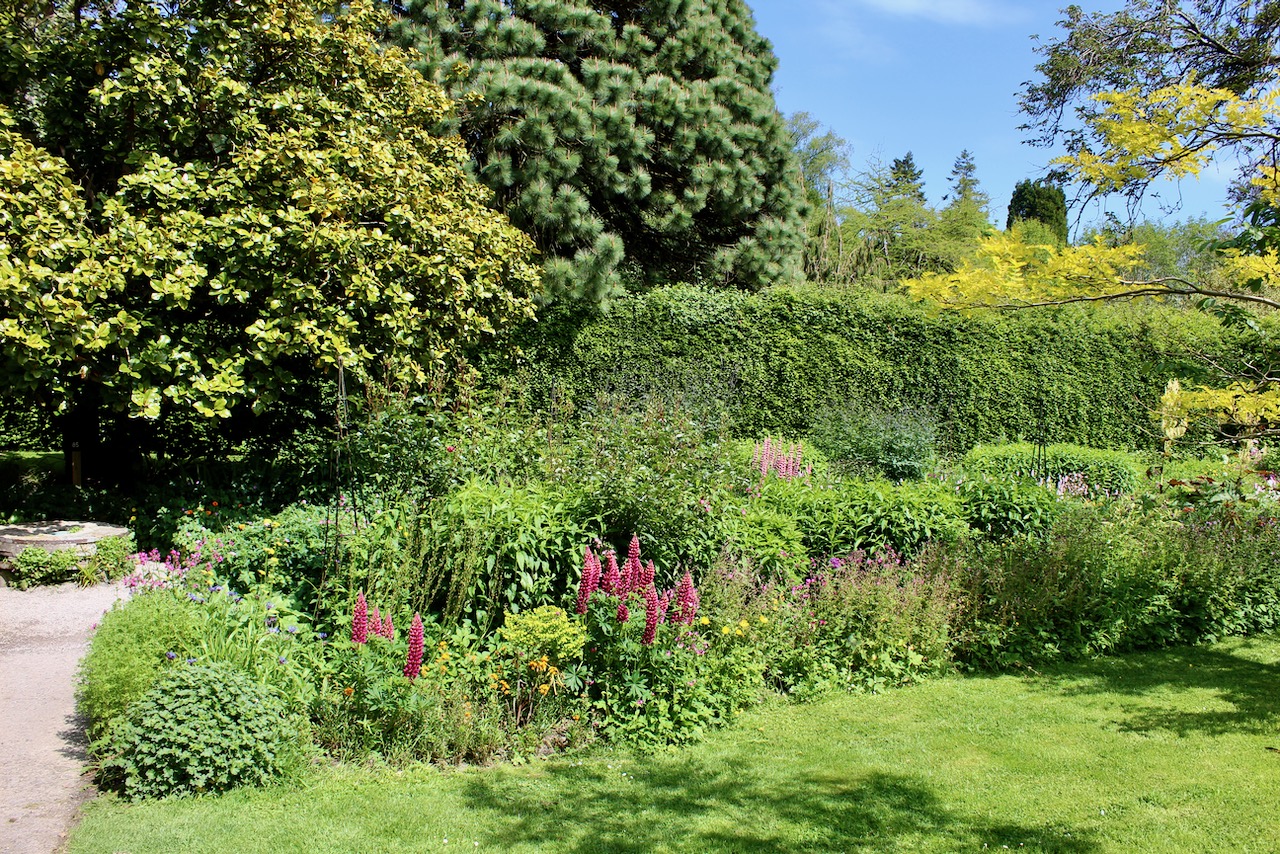
Mount Usher, County Wicklow. Photograph © Jennifer Winder-Baggot, www.irishhistorichouses.com
Facilities:
Avoca Cafe, Food Hall, Shopping Courtyard, Toilets, Parking, Wheelchair access (limited). No dogs and no picnics.

Guided Tours:
€60.00 (Advance booking required).

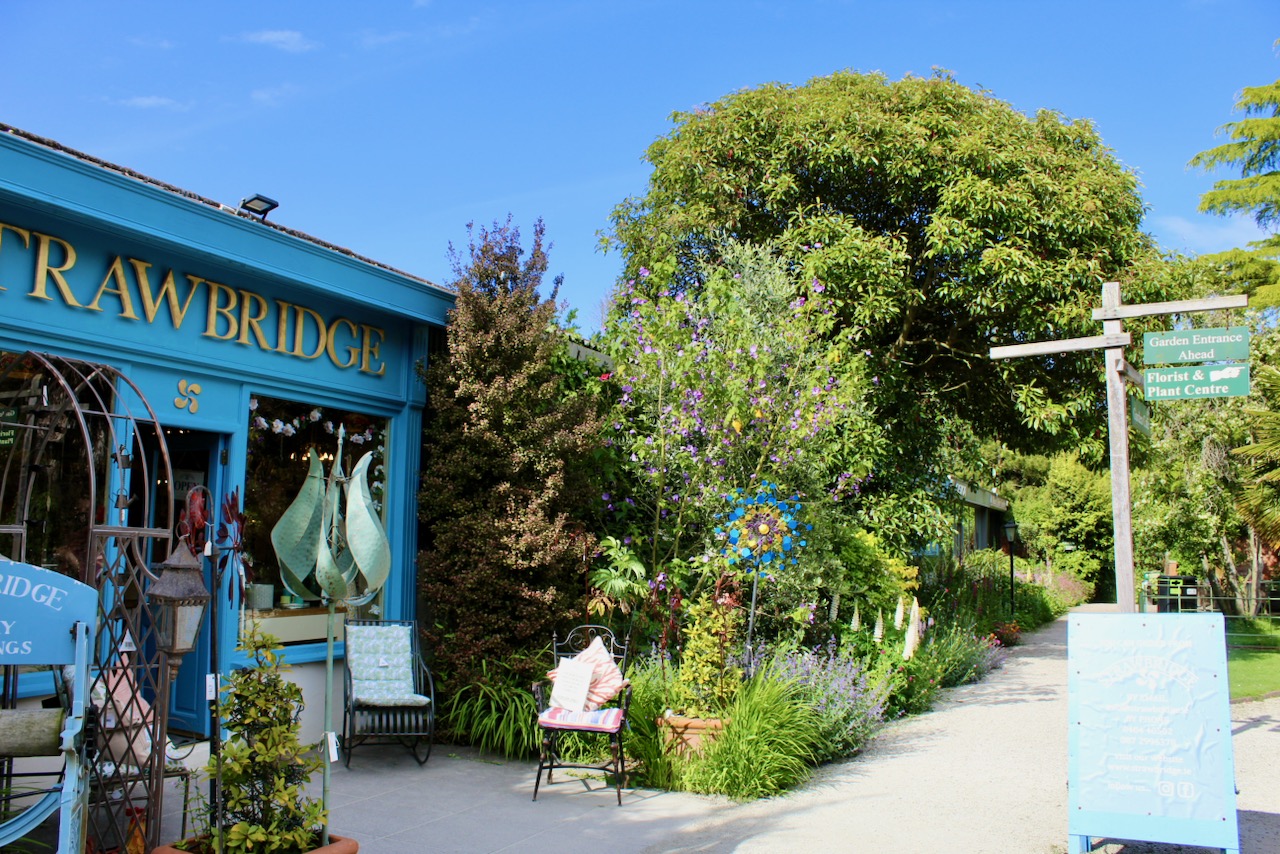
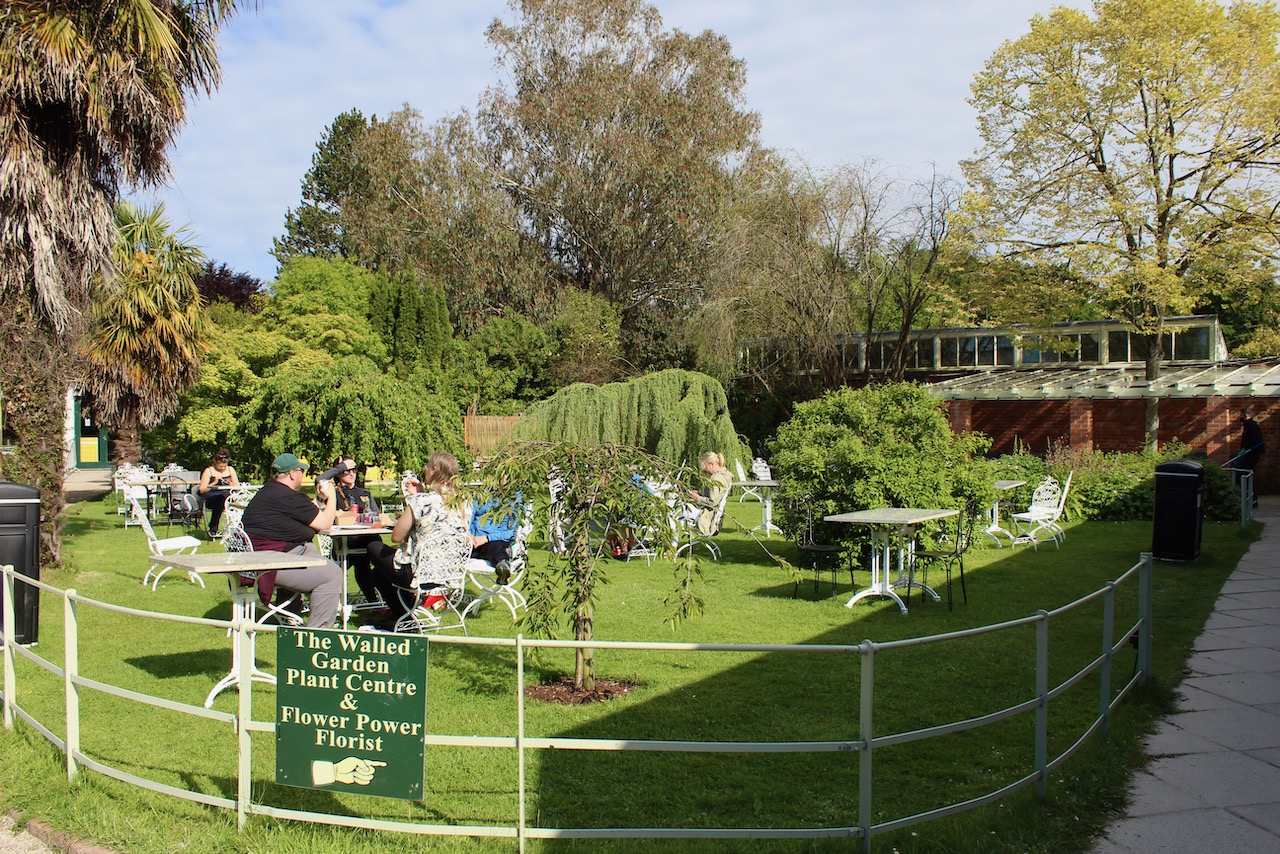
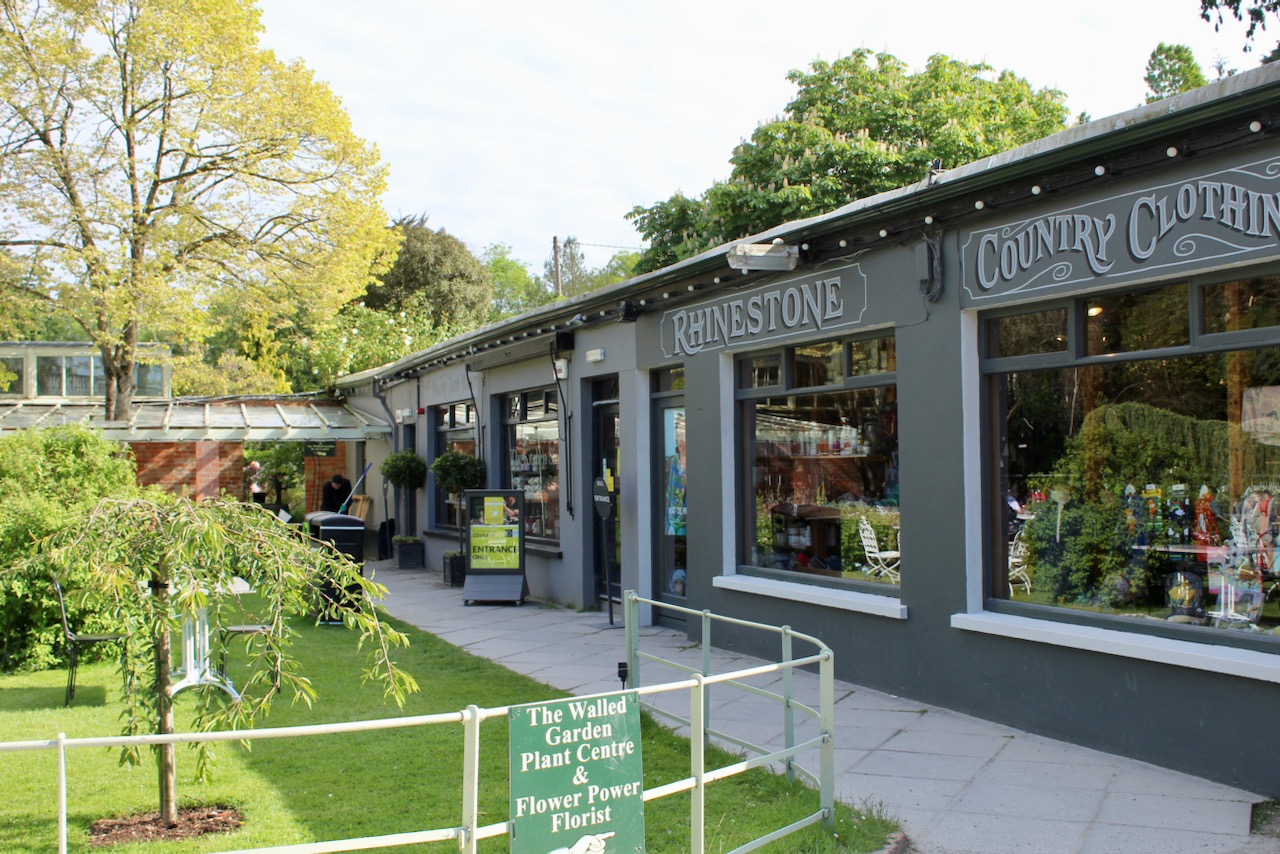
Before we were allowed to visit Section 482 houses, due to Covid 19 restrictions, we were allowed to visit gardens. Accompanied by our friends Owenroe, Deirdre, Dario and Niamh, Stephen and I headed to Wicklow one sunny Sunday in May. We had wonderful weather for the day, as you can see from my photographs. Before entering the gardens, there are some shops and a cafe.

Mount Usher, County Wicklow. Photograph © Jennifer Winder-Baggot, www.irishhistorichouses.com
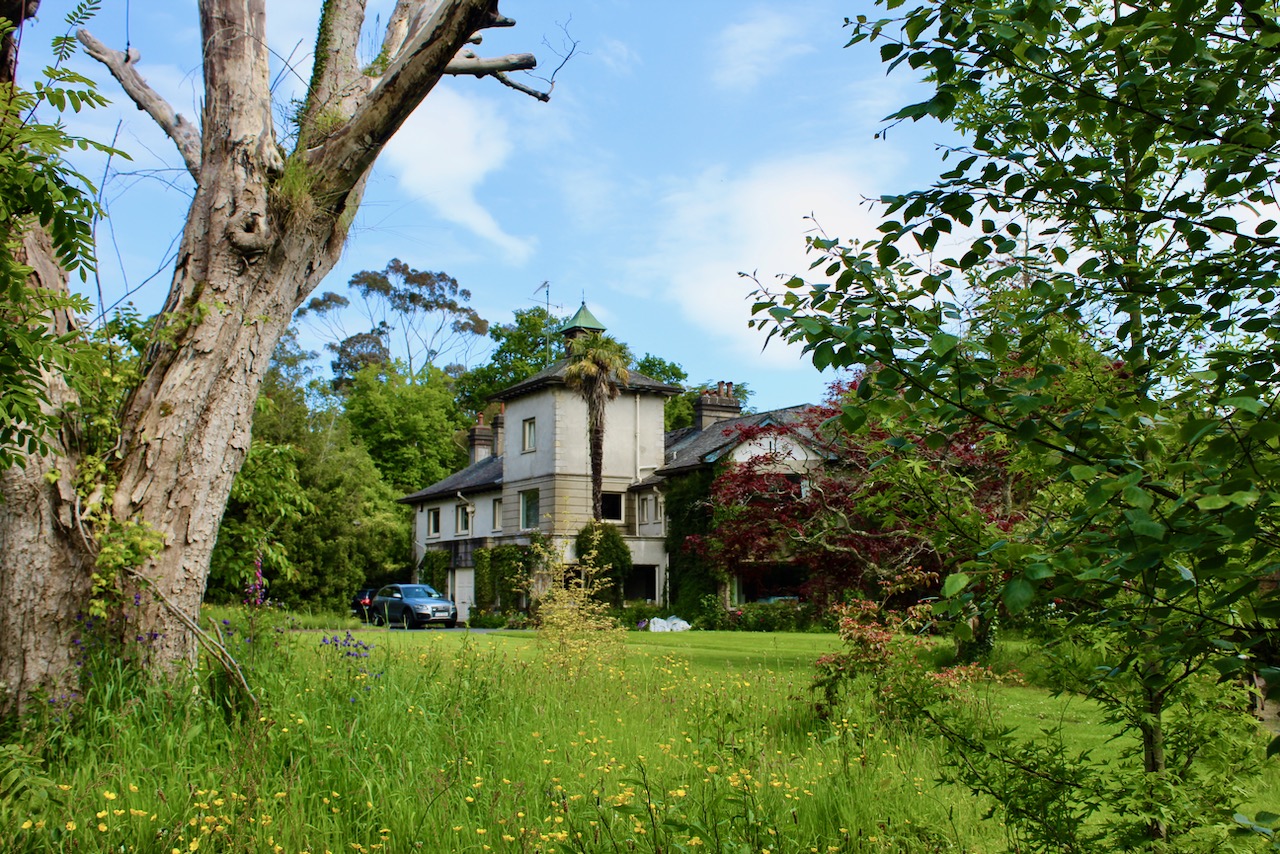
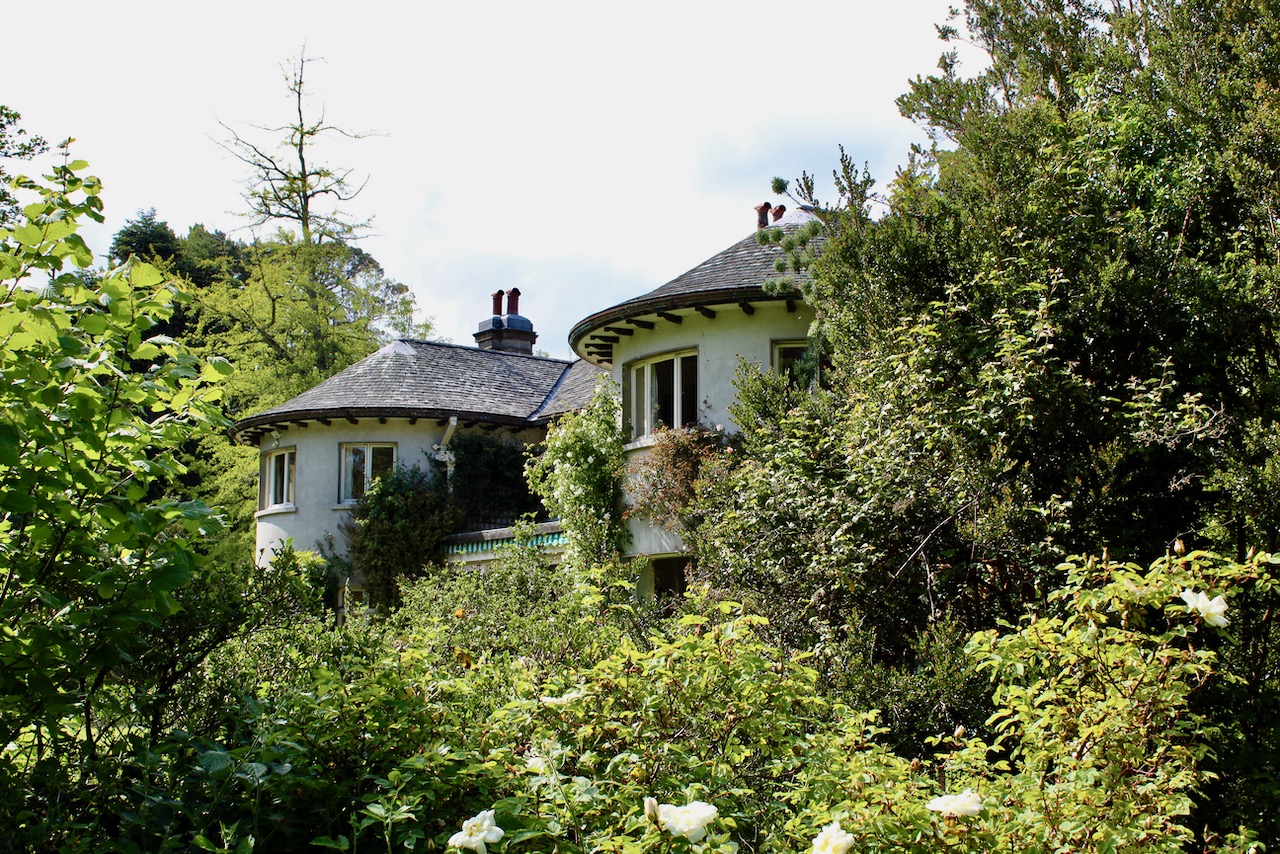
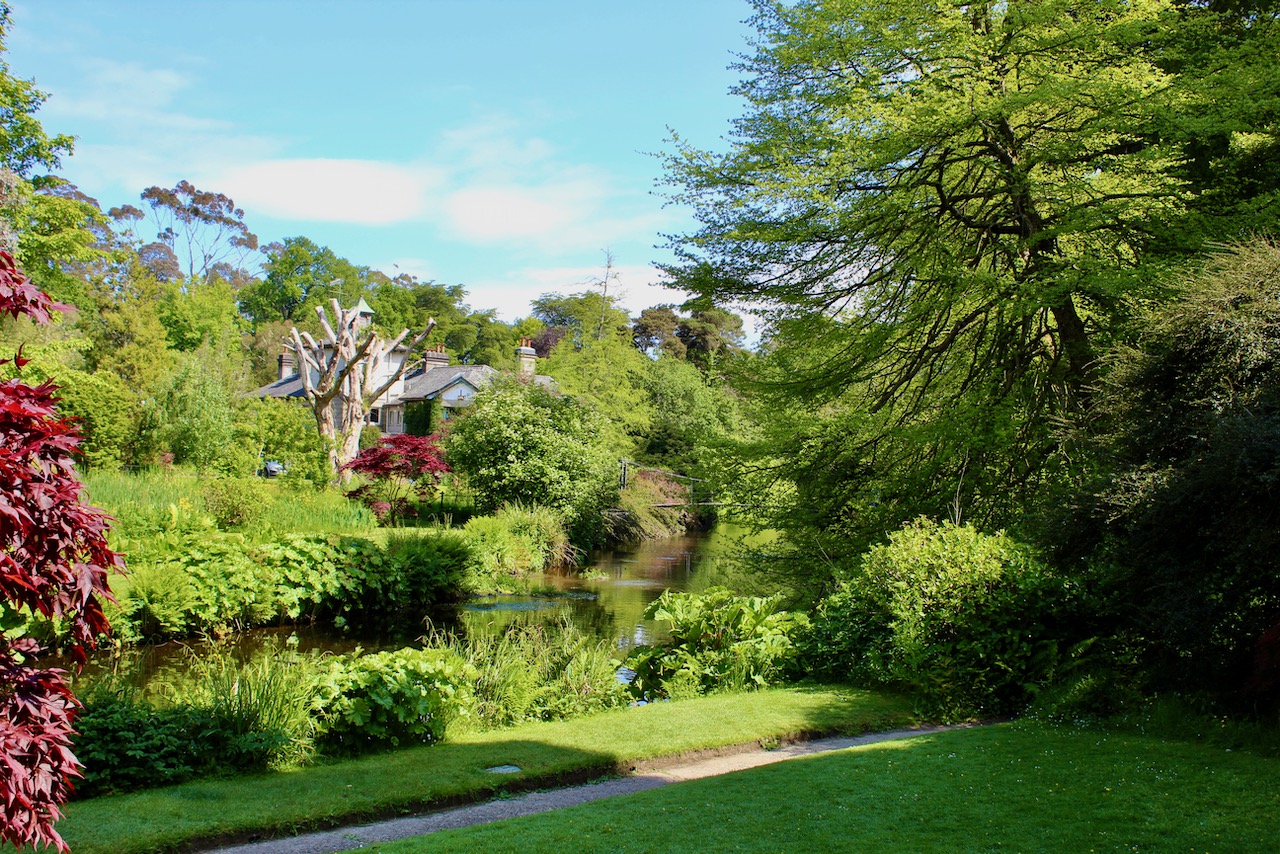
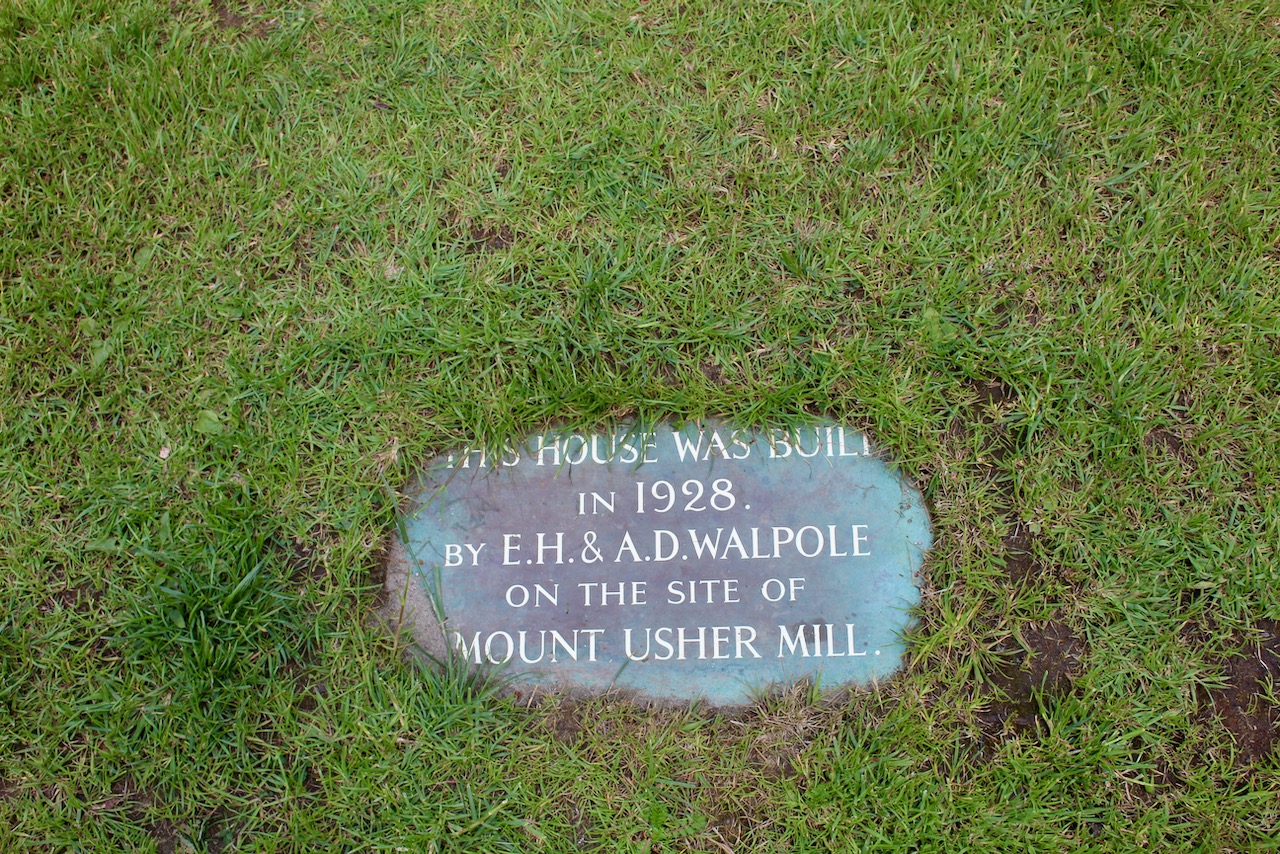
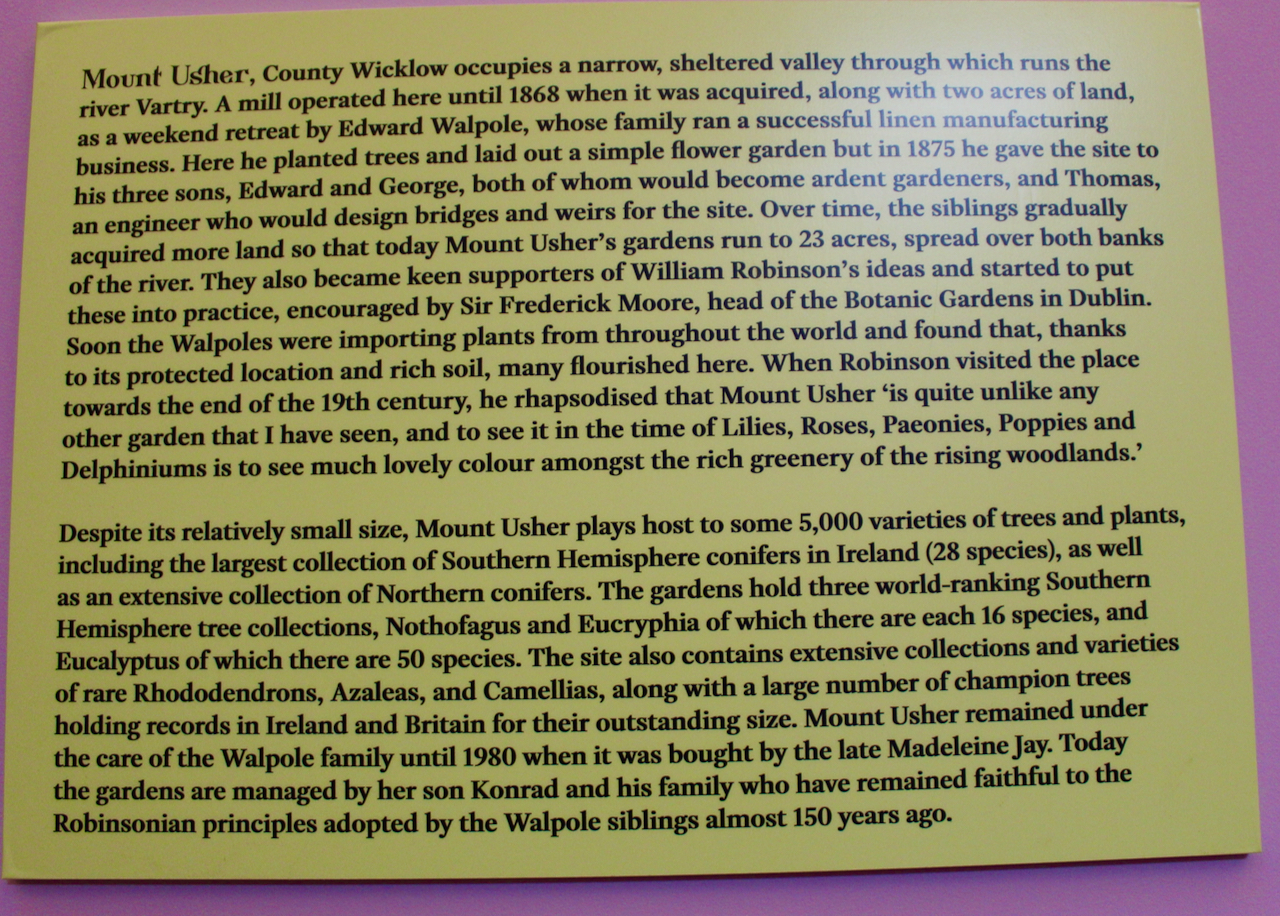
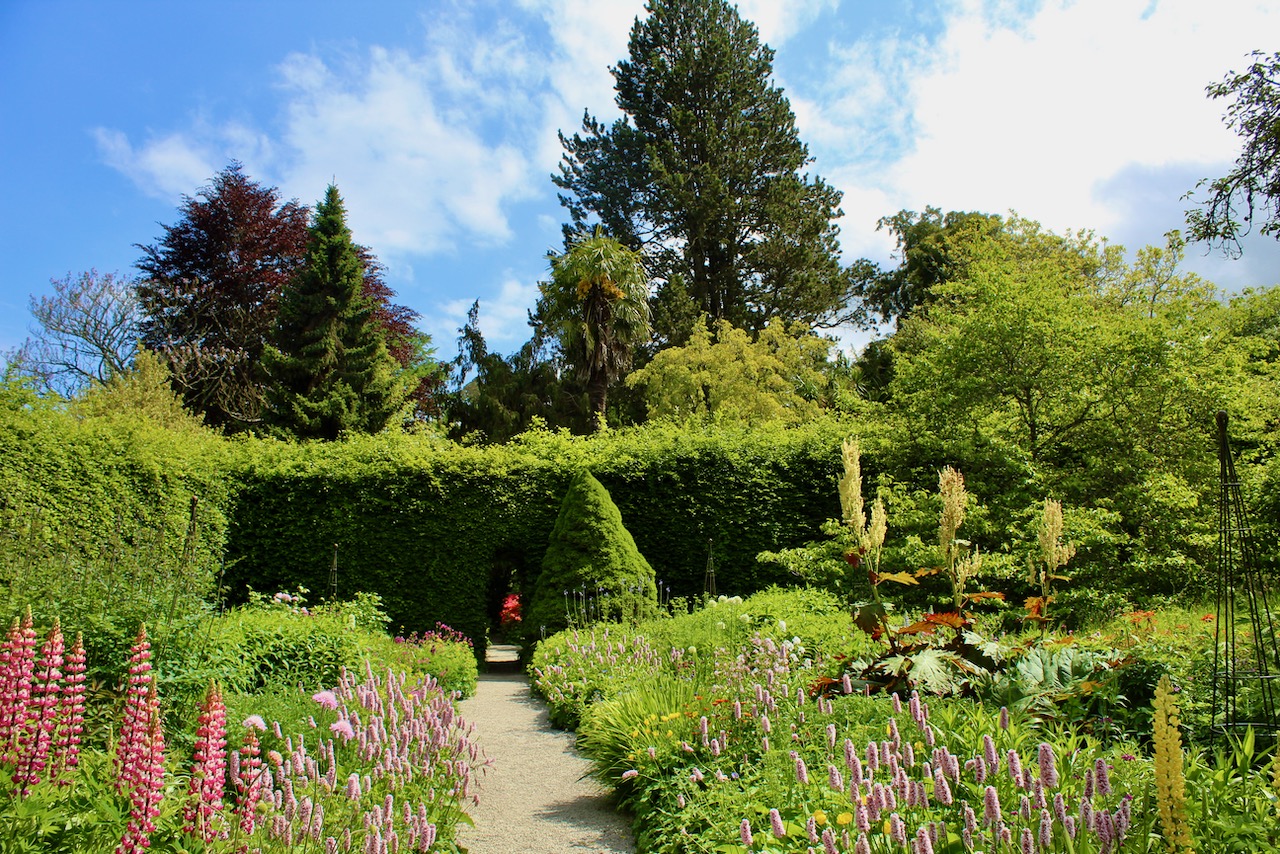
Mount Usher is open all year to visitors. There is a house, but that is not part of the Section 482 listing, unfortunately! It looks idyllic, set in its lush gardens. Mark Bence-Jones calls it a “simple double bow-fronted house,” [1] and the National Inventory tells us it was built in 1922, and that there is a long two-storey house built in the 1990s to the rear of the house. [2] The gardens cover 23 acres, along the Vartry River.

Mount Usher, County Wicklow. Photograph © Jennifer Winder-Baggot, www.irishhistorichouses.com
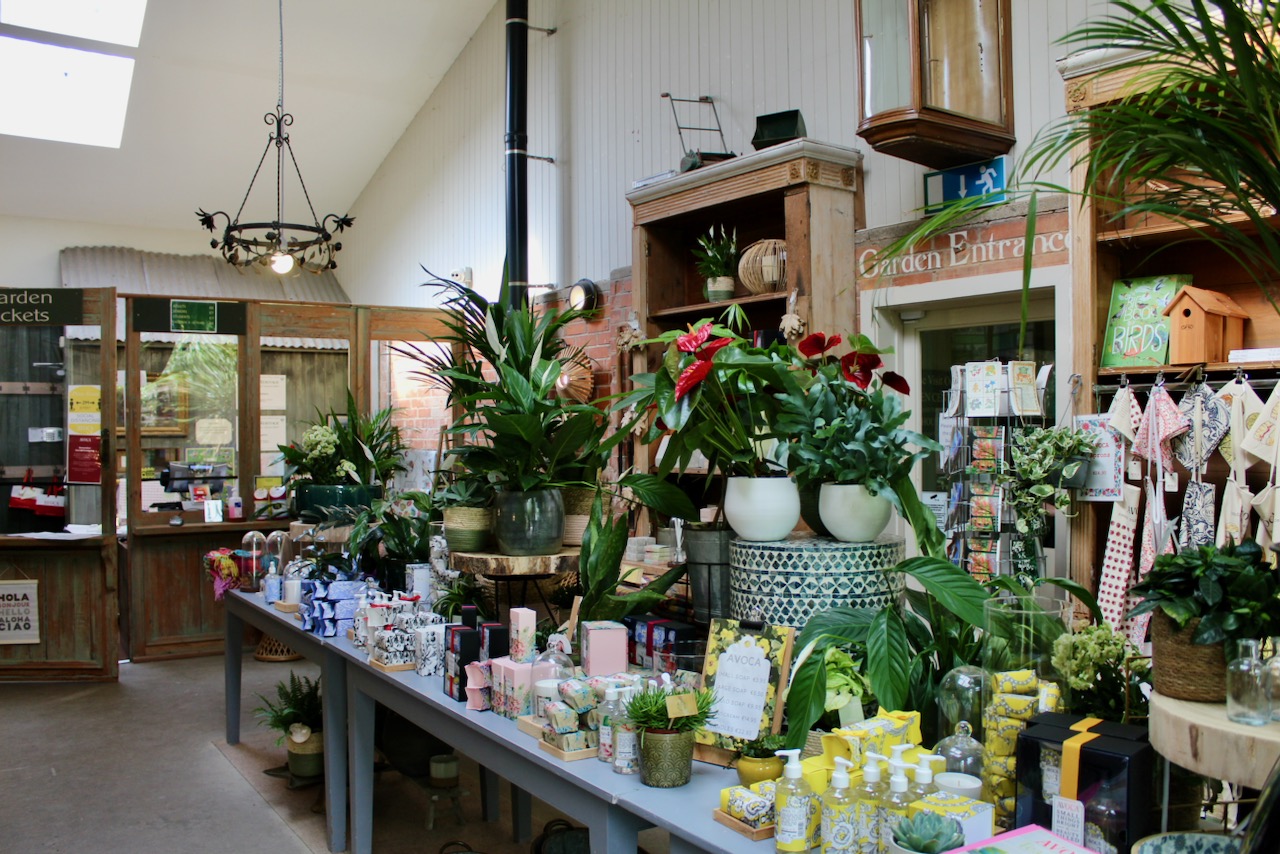
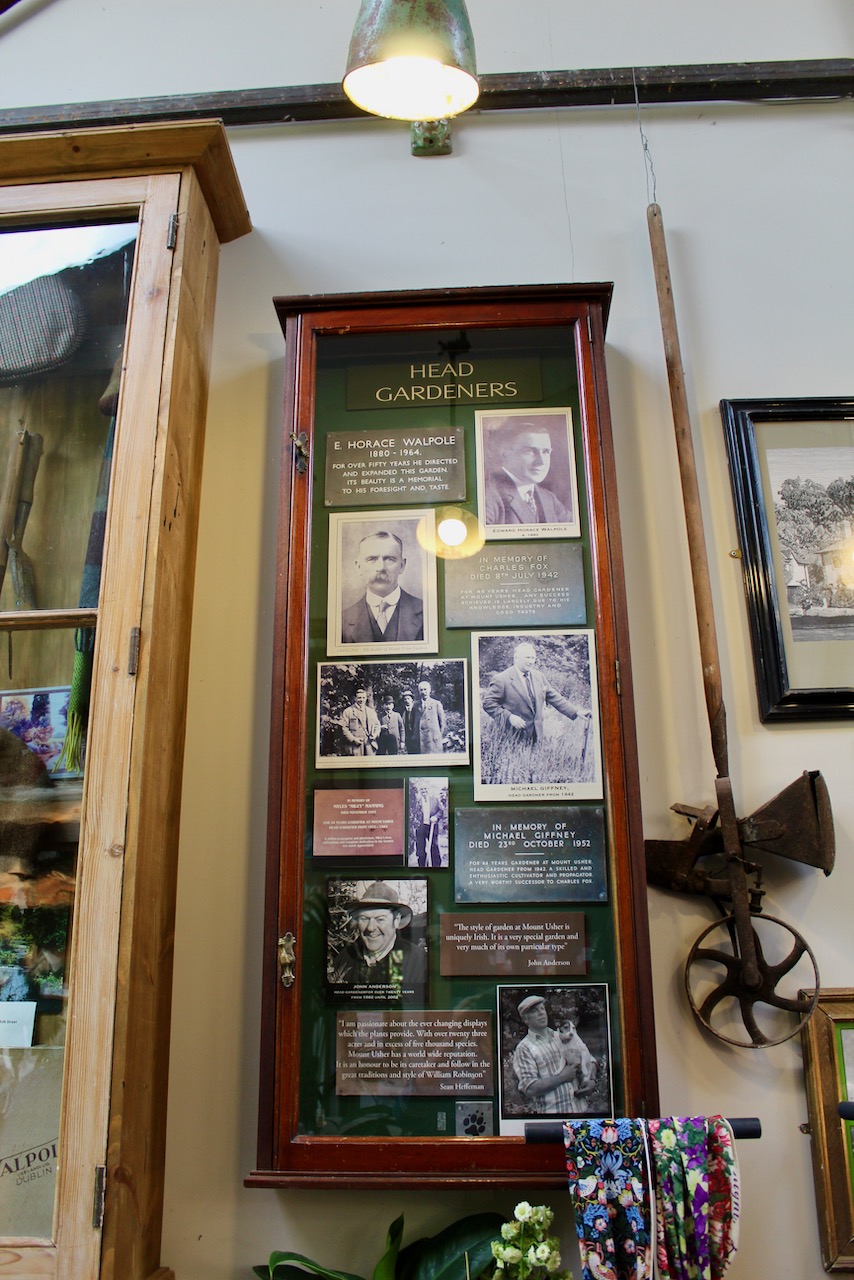
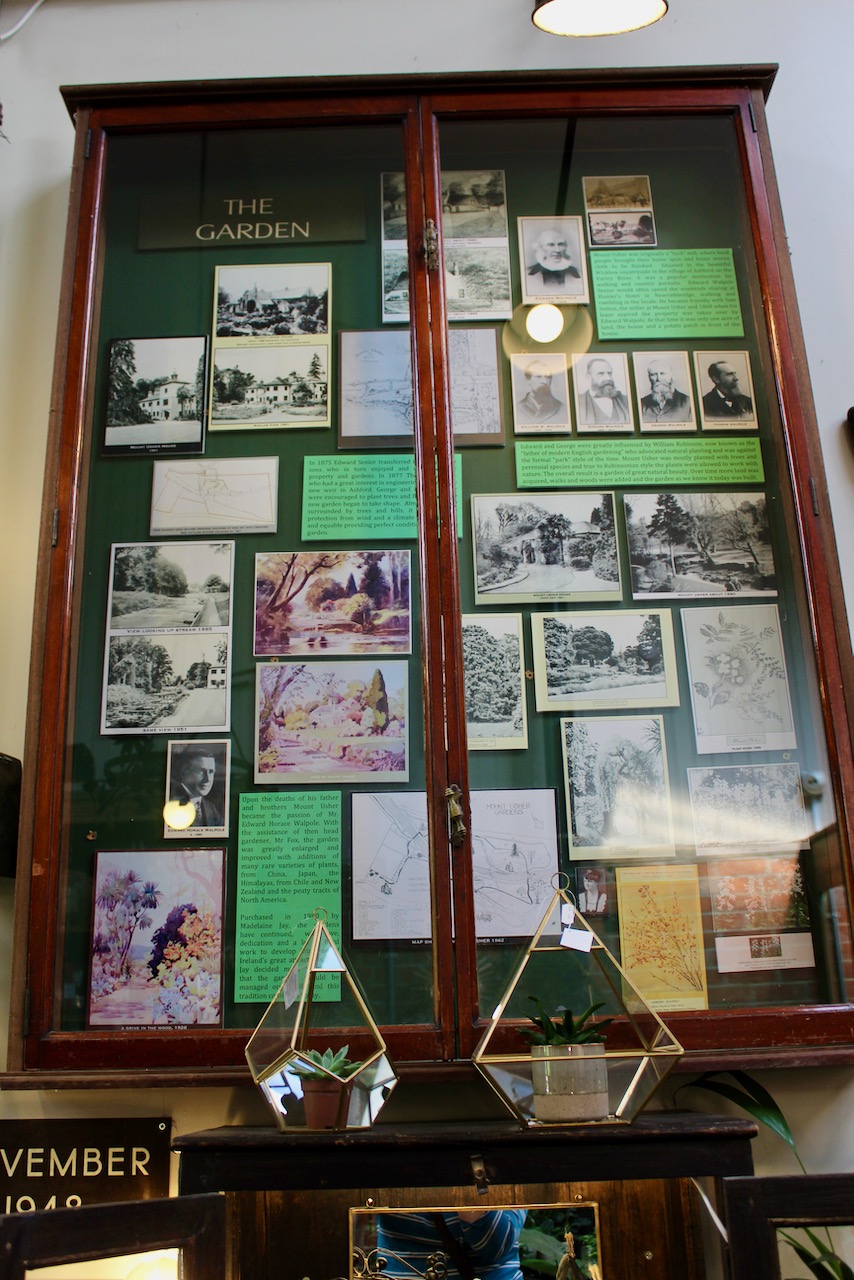
One enters through the gift shop, a branch of Avoca. Inside, there is a small museum which tells the story of the gardens and its creators. Everything looked so beautiful that we could not resist picking up a hand cream for Stephen’s mother.

Mount Usher, County Wicklow. Photograph © Jennifer Winder-Baggot, www.irishhistorichouses.com
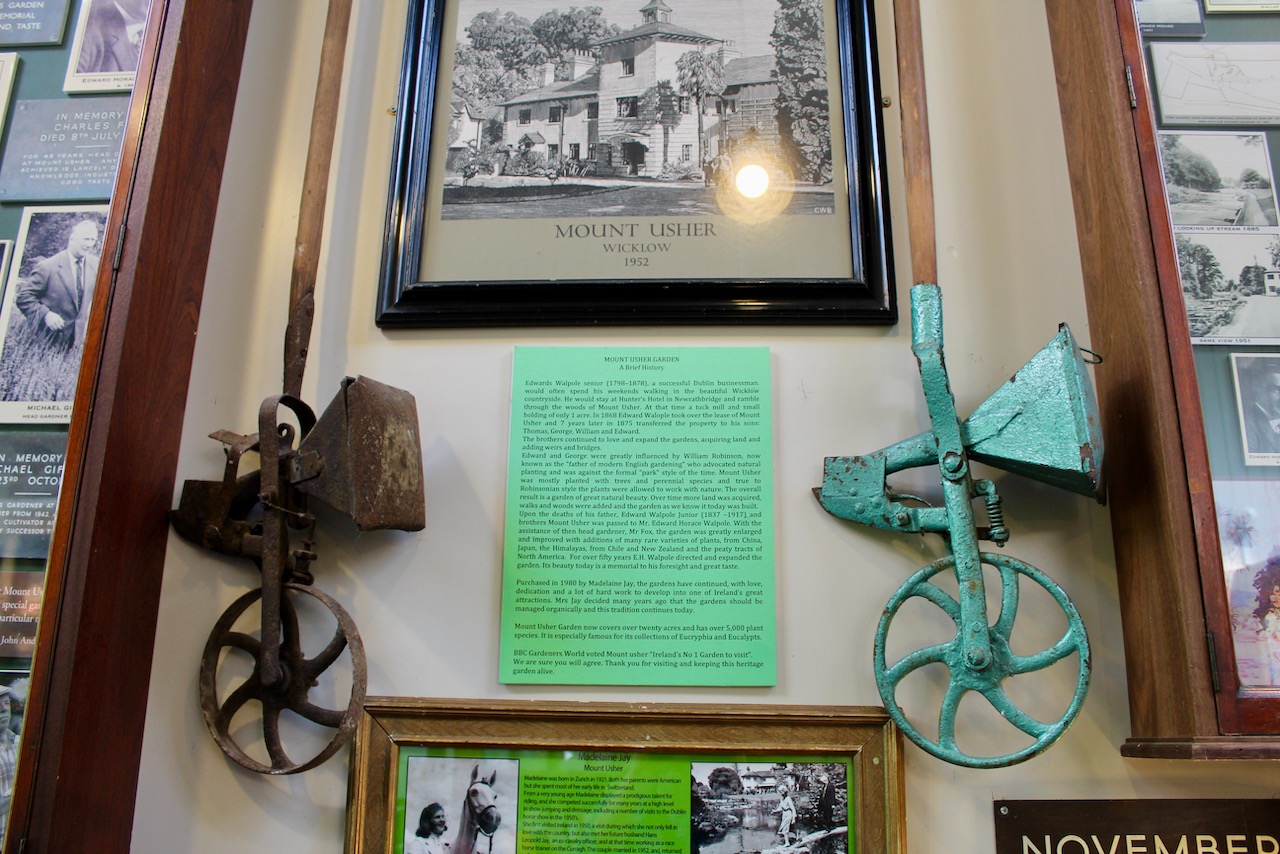
The area was named after the Ussher family. John Ussher (1646-1745) is mentioned in The Peerage website as living in Mount Ussher, County Wicklow. His father William Ussher is listed as living in Portrane, Dublin and “Castle of Grange, County Wicklow.” John’s son Christopher, born around 1690, was Secretary of the Linen Board – the later occupants of Mount Ussher, or Mount Usher, as it is now spelled, the Walpoles, were also in the Linen trade. Christopher Ussher inherited land in Galway which he passed to his heirs, and in Ussher Memoirs, compiled by Reverend William Ball Wright in 1889, there is no further mention of Mount Ussher. [3]

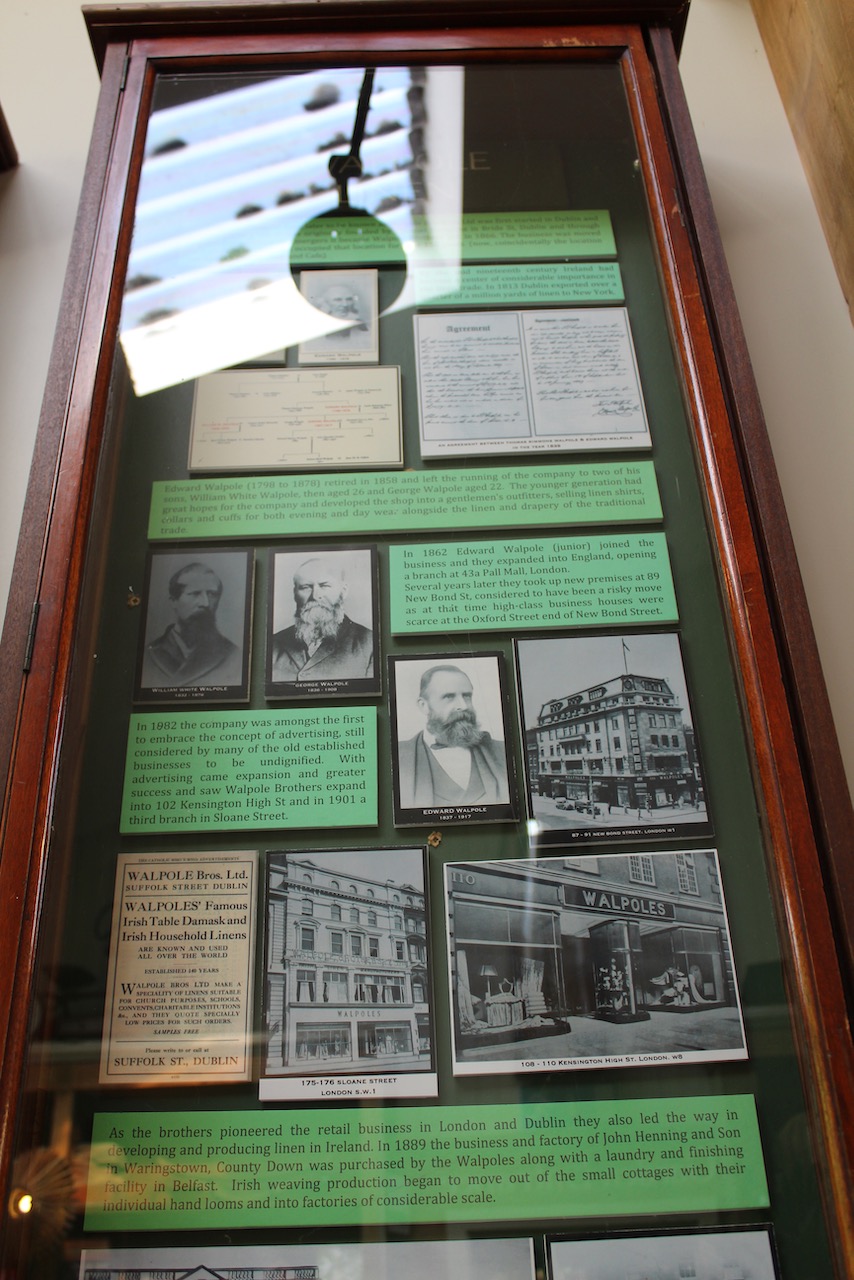
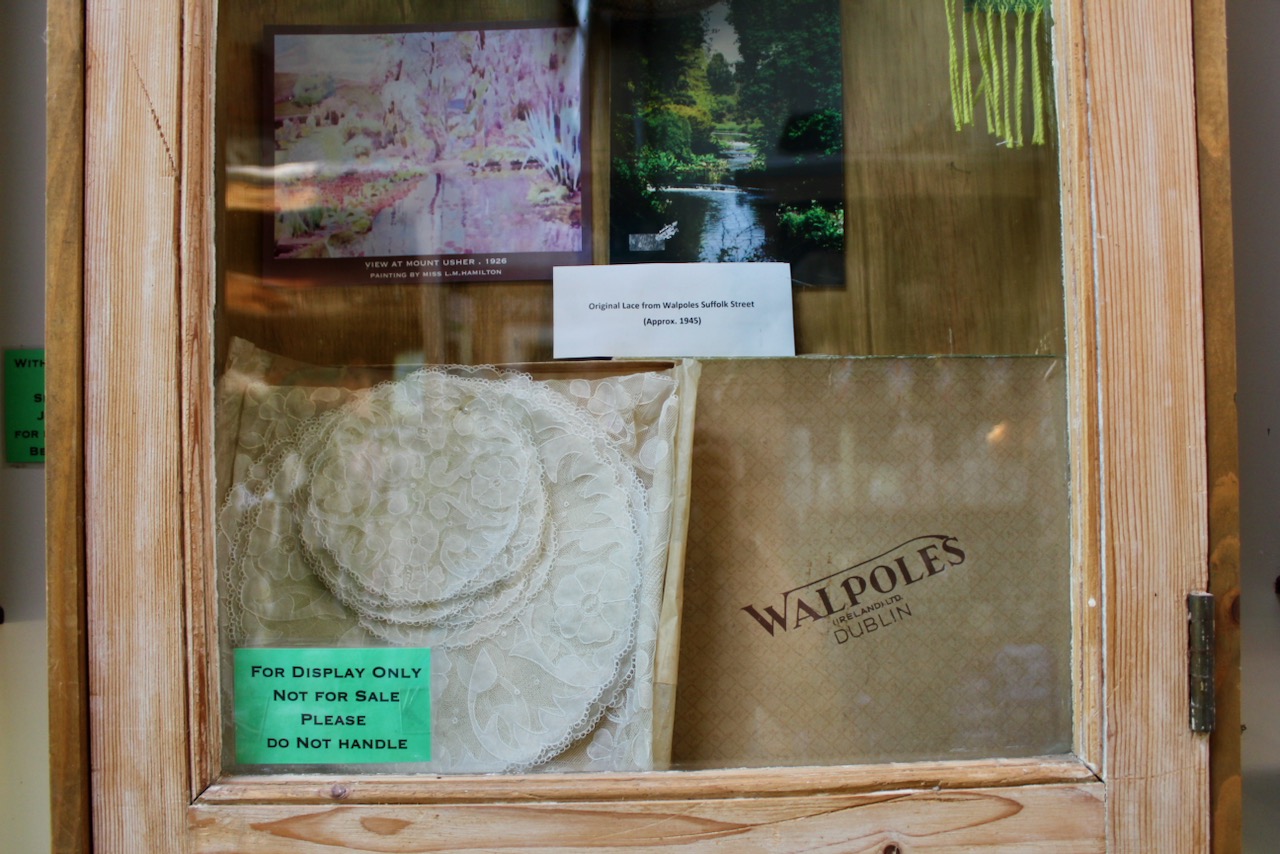
The museum tells us that Edward Walpole (1798-1878), a successful Dublin businessman, enjoyed walking in Wicklow, and he stayed in a hotel on weekends to indulge his passion. The Walpole family was involved in linen manufacturing. Thomas Simmons started a linen business in Bride Street in Dublin in 1766, and through mergers and a marriage it grew into Walpole Brothers Limited by 1866. Coincidentally, in 1816 the business moved to Suffolk Street in Dublin and occupied what is now Avoca Shop and Cafe on that street.

Mount Usher had originally been a “tuck mill” where local people brought their home spun and woven cloth to be finished. This may be how Edward Walpole came across this location. He took over the lease of Mount Usher in 1868 and began to develop his garden, with the help of his sons. Seven years later, in 1875, he transferred the land to his sons: Thomas, George, William White and Edward. William White and George also continued in the Linen business, and developed their shop into a Gentlemen’s Outfitters. Their younger brother Edward joined the business and expanded to London.

Mount Usher, County Wicklow. Photograph © Jennifer Winder-Baggot, www.irishhistorichouses.com
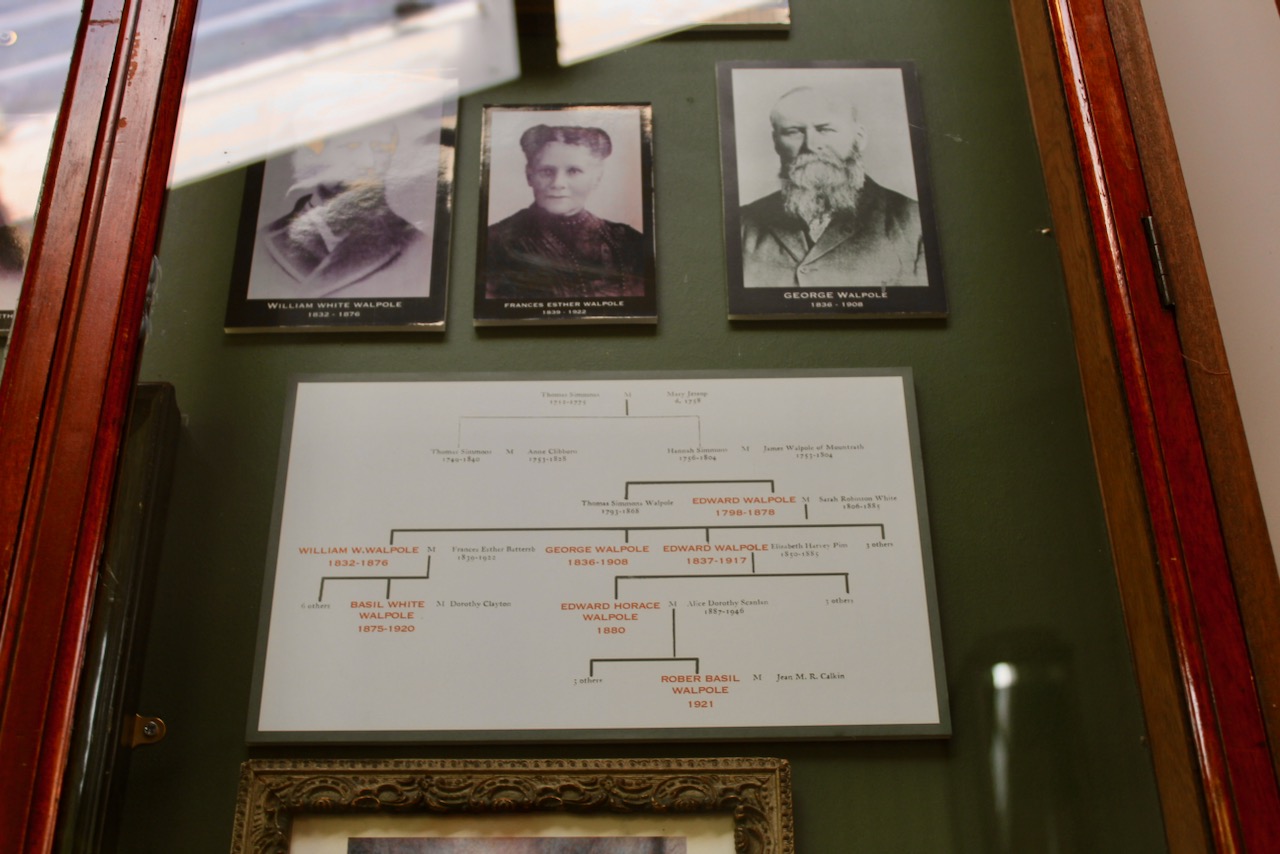
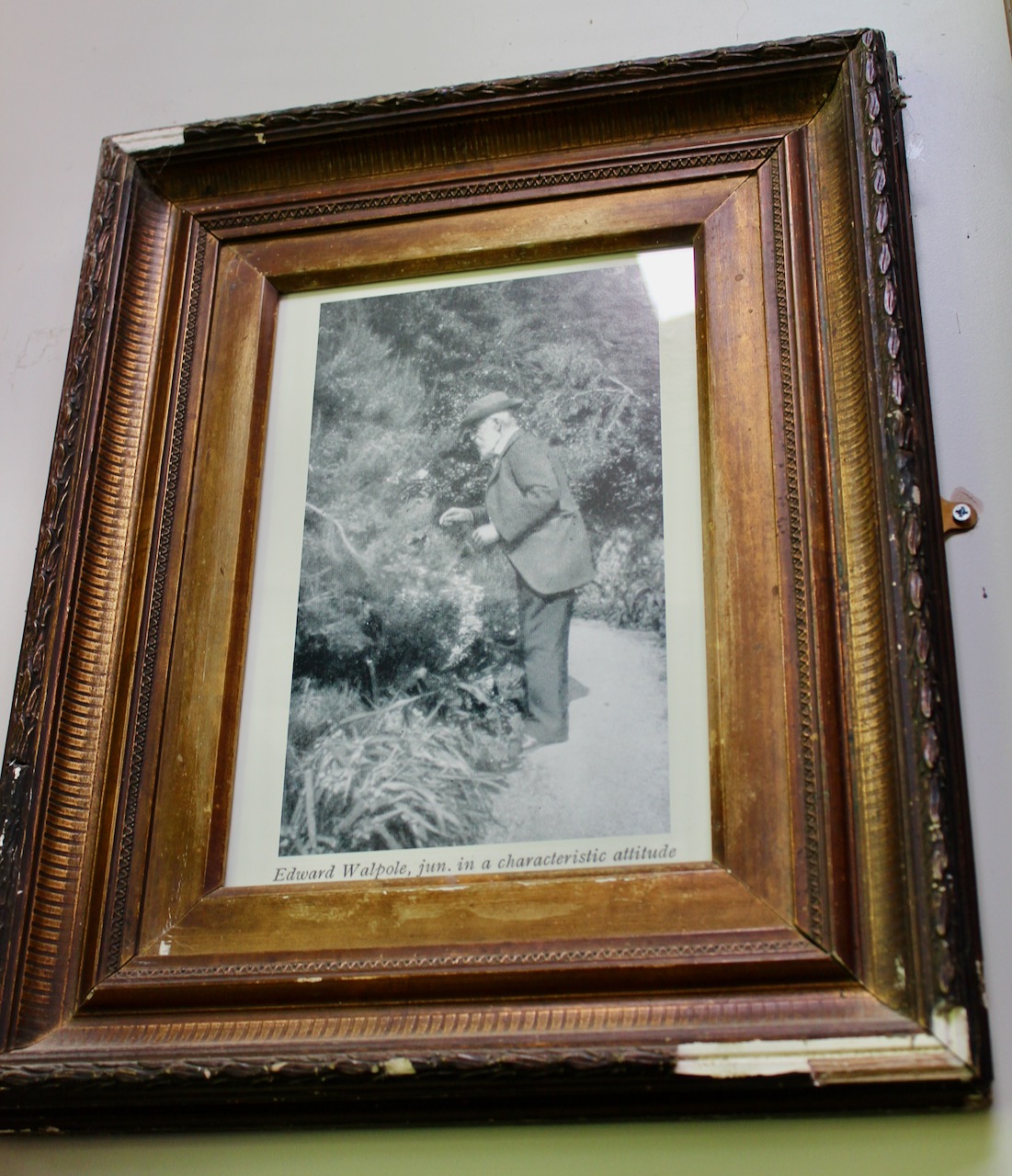
The Walpoles were Quakers. They came originally from the settlement in Mountrath, County Laois – the National Library of Ireland contains documents relating to the Walpoles and their business [4]. The Quakers in Ireland website tells us why Quakers were successful in business:

Why were Friends successful in this way? Modern business has become so competitive, and the profit motive so pervasive, that it is hard to imagine the strong influence their religious convictions exerted on them. They simply believed it was right to offer a good product for a fixed, and reasonable, price. They believed in honesty and integrity in all their dealings. A simple life-style, and not over-extending themselves financially, allowed them to build up their resources. Strict rules governing business methods for members meant that they were increasingly trusted with money, and some became bankers. Various laws, including those related to swearing oaths, prevented Friends from attending university and joining the professions for a couple of centuries, so they put their energies into business instead. Friends were good employers, and this led to a loyal workforce.

Also, and importantly, the structure of The Society of Friends from its earliest days, with a system of representatives from Meetings regularly visiting other Meetings, often in other parts of the country, created a network of relationships between like minded individuals and families. It was natural, therefore, that they would hear about, support, participate in and emulate each other’s ventures. [5]

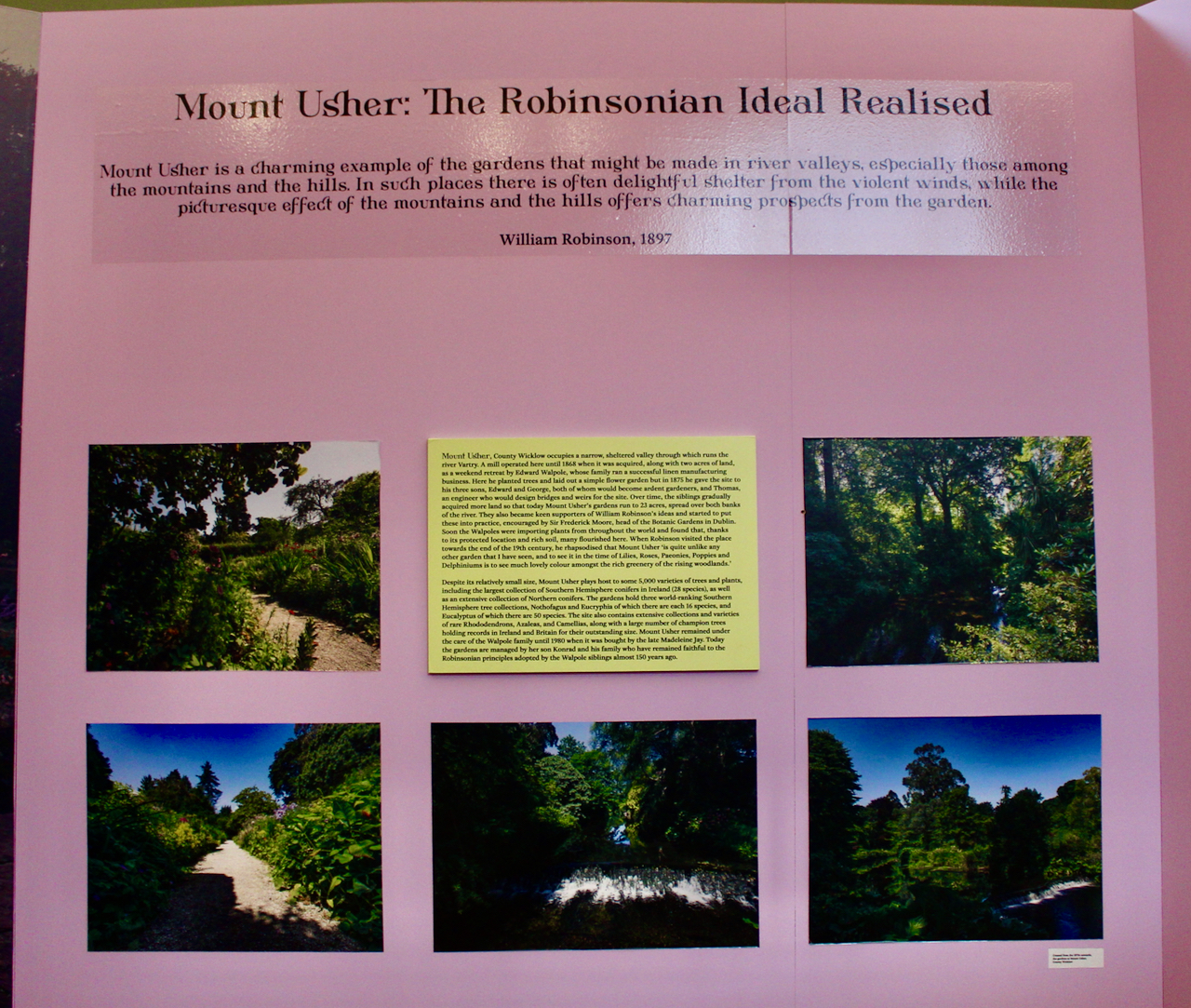
The brothers acquired more land to add to their garden, and Thomas, an engineer, added weirs and bridges. Edward and George were influenced by William Robinson, who has been called “the father of English gardening.”

From “In Harmony with Nature, The Irish Country House Garden 1600-1900” in the Irish Georgian Society, July 2022, curated by Robert O’Byrne.
Mount Usher, County Wicklow. Photograph © Jennifer Winder-Baggot, www.irishhistorichouses.com
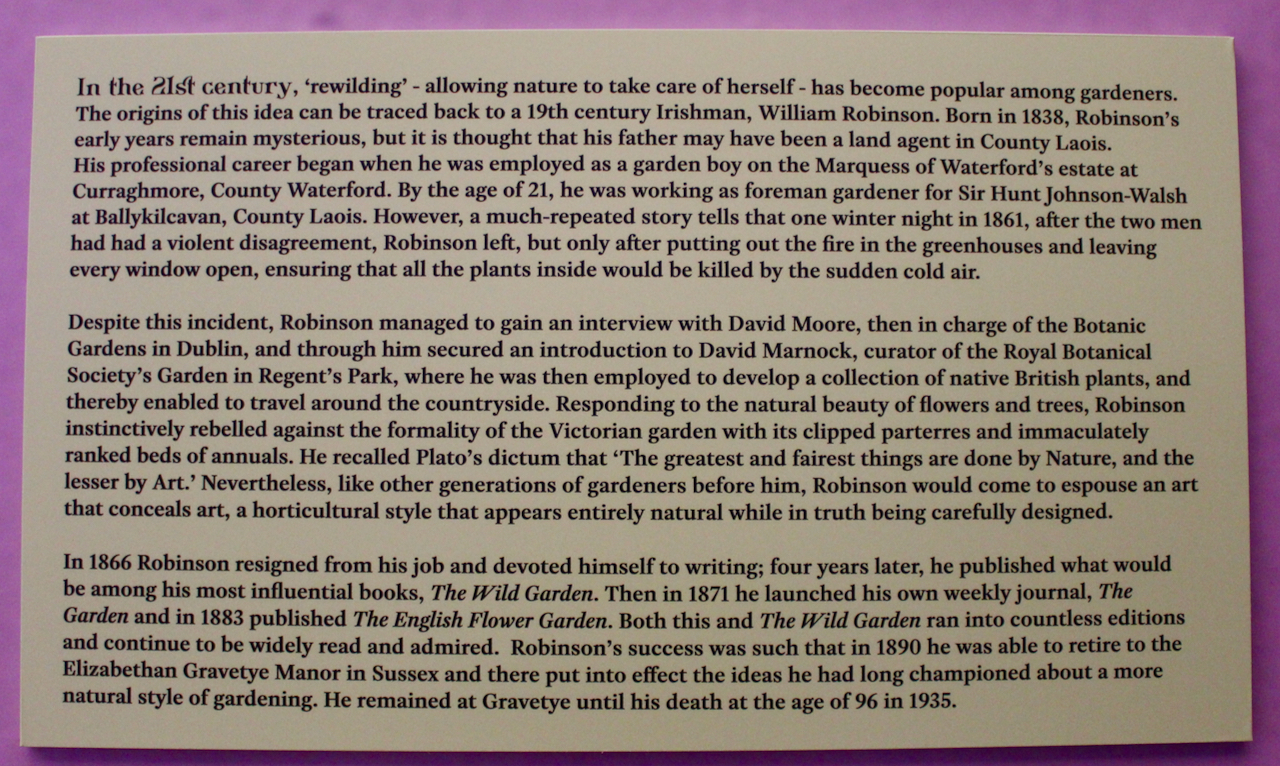
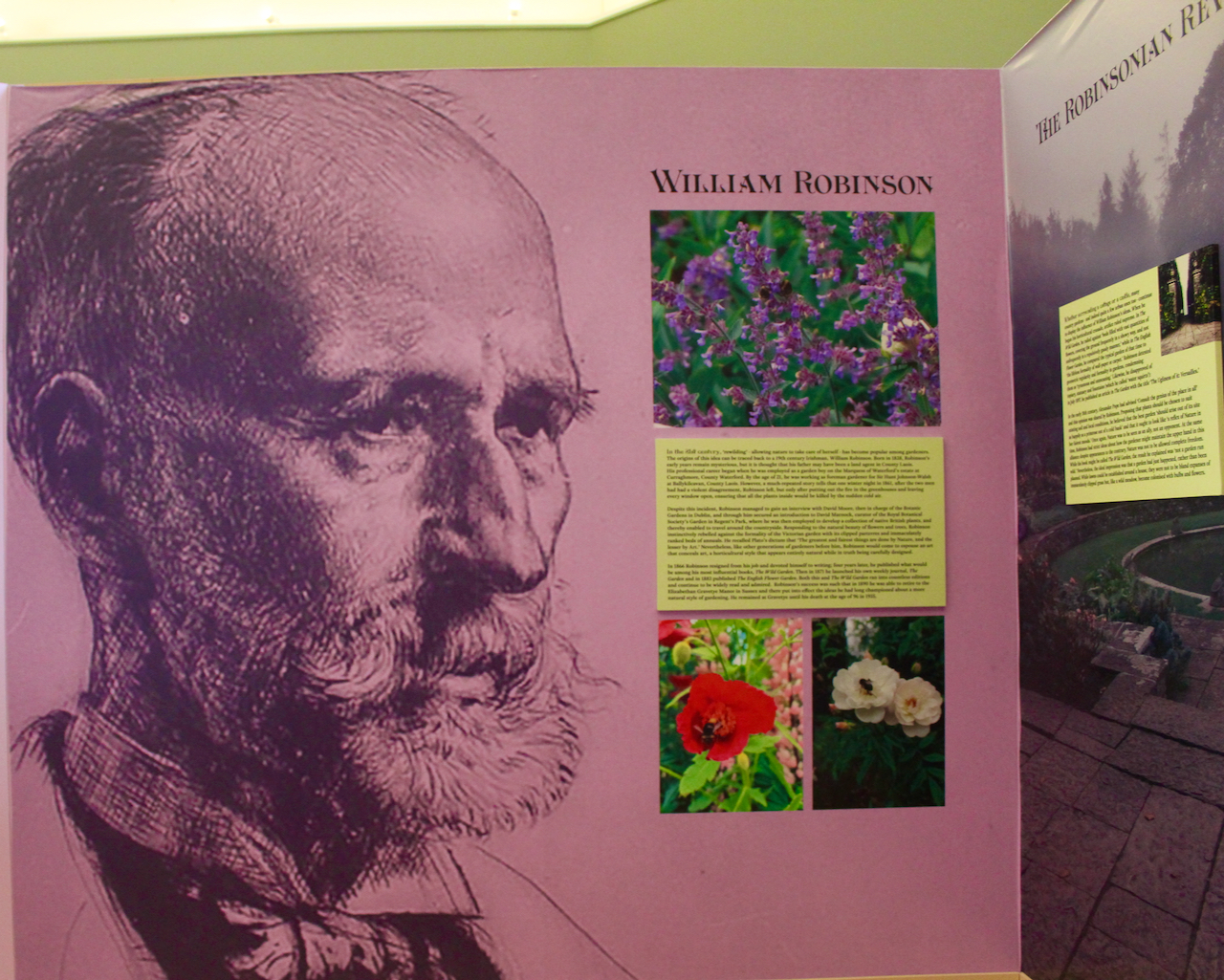
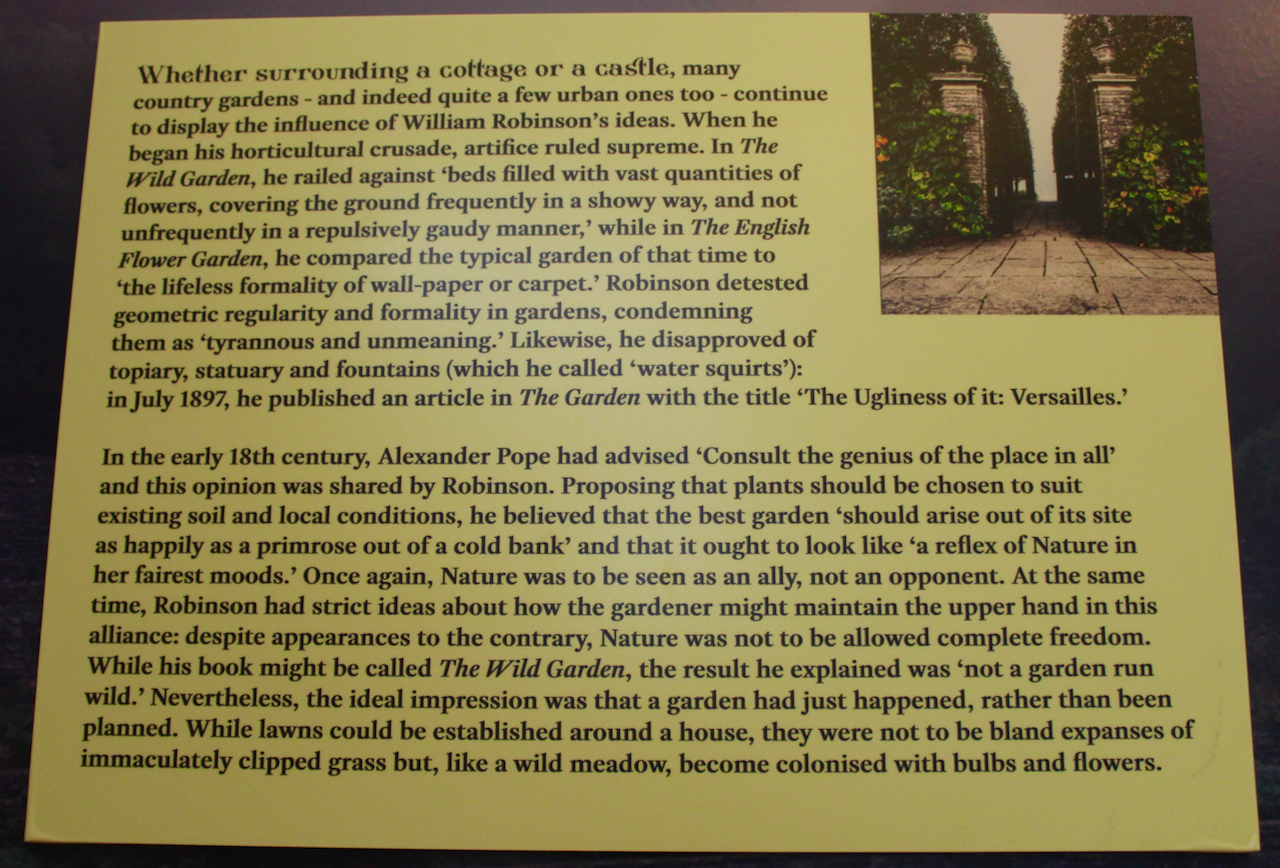
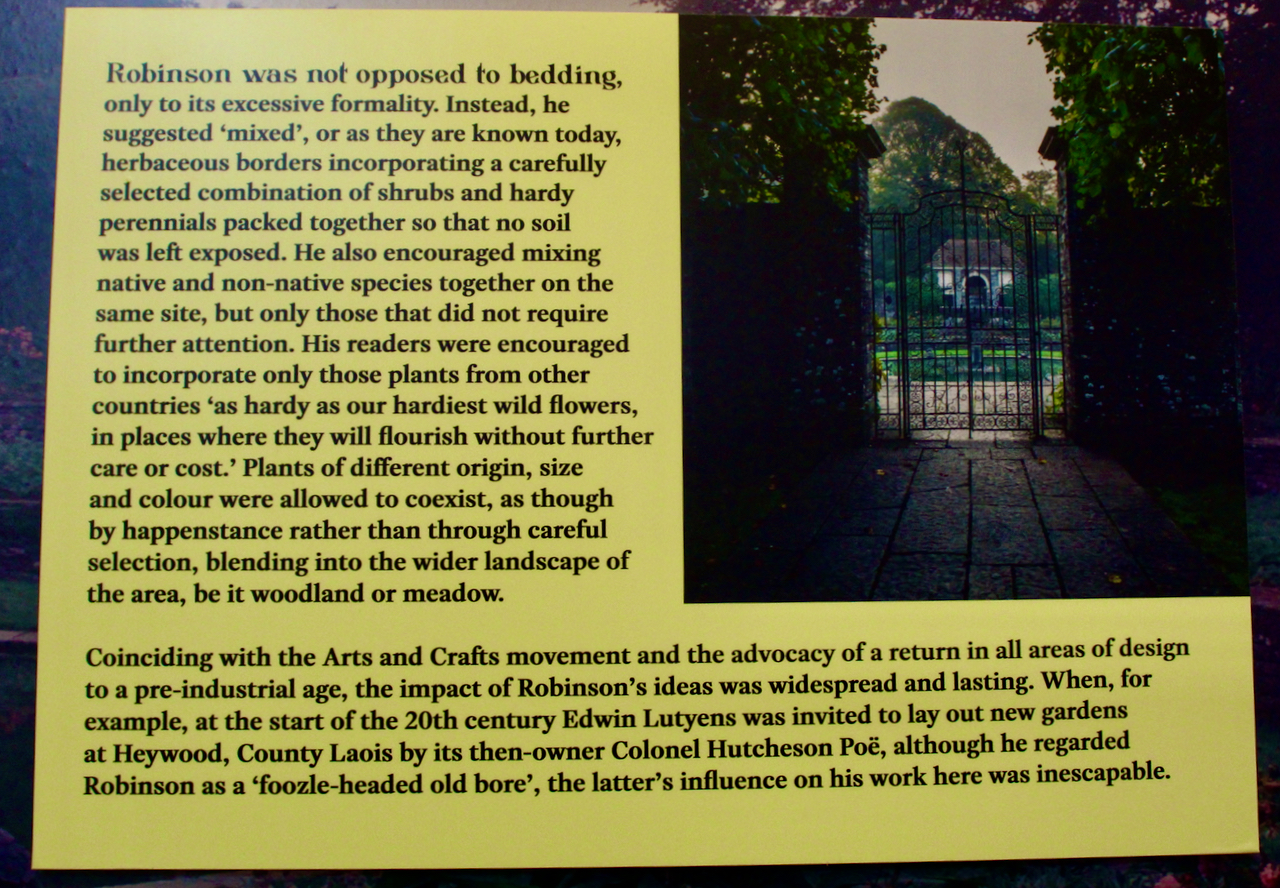
William Robinson (1838-1935) was born in Ireland. His first job was in Curraghmore, County Waterford. He progressed to become the foreman gardener in Ballykilcavan, County Laois, employed by Sir Hunt Johnson-Walsh. In 1862 Robinson found employment at the Royal Botanic Society’s garden at Regent’s Park in England. He resigned four years later in order to further his knowledge of gardening, and to write. He travelled in France and later more widely in Europe and the United States, and published books on horticulture. His most important work is The English Flower Garden (1883). [6] The Robinsonian style of gardening is to work with nature, as opposed to imposing order.

Information board from “In Harmony with Nature, The Irish Country House Garden 1600-1900” in the Irish Georgian Society, July 2022, curated by Robert O’Byrne.
William Robinson, from “In Harmony with Nature, The Irish Country House Garden 1600-1900” in the Irish Georgian Society, July 2022, curated by Robert O’Byrne.
From “In Harmony with Nature, The Irish Country House Garden 1600-1900” in the Irish Georgian Society, July 2022, curated by Robert O’Byrne.
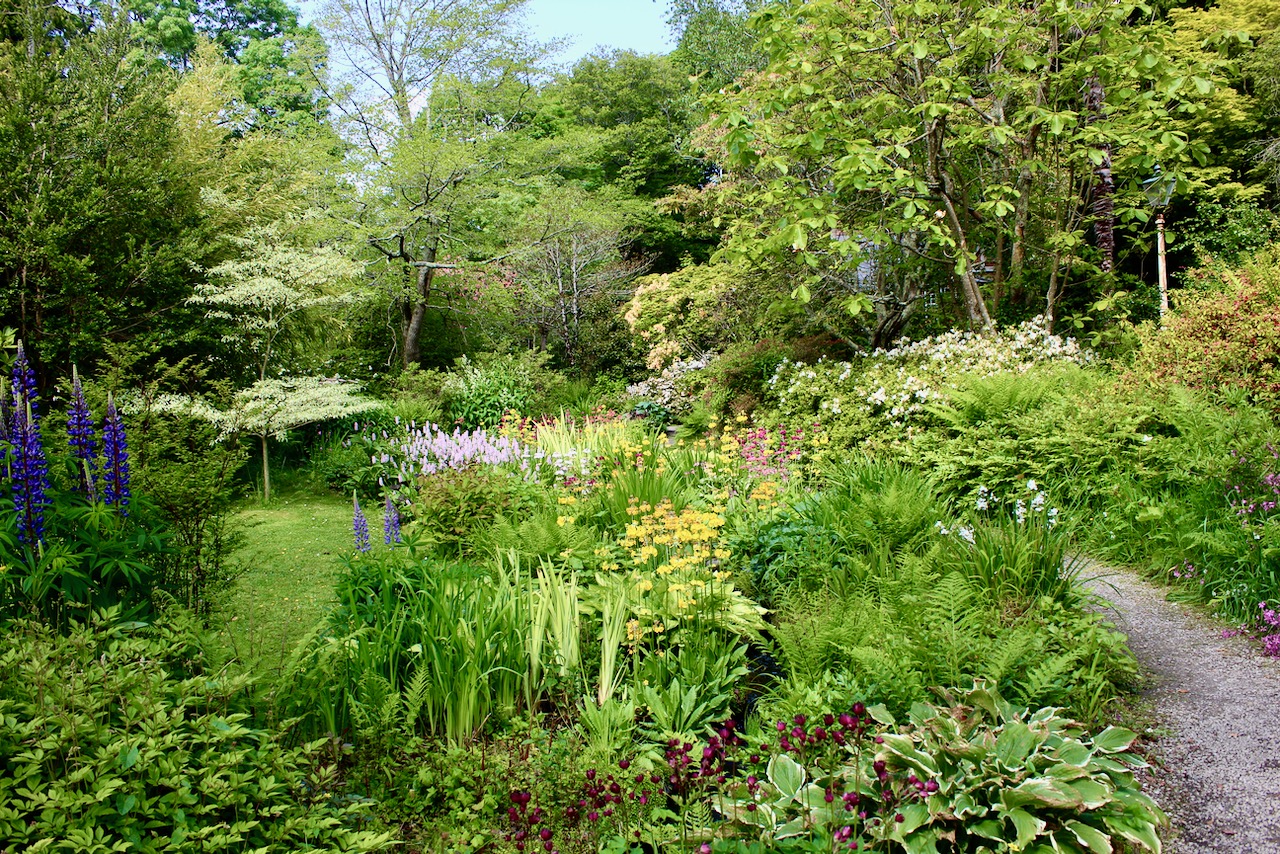
Mount Usher, County Wicklow. Photograph © Jennifer Winder-Baggot, www.irishhistorichouses.com
Walks and woods were added to the property as more land was acquired. The family also owned a house called Windsor Lodge in Monkstown in Dublin. Mount Usher passed to Edward Horace Walpole, the son of Edward Walpole (1837-1917) and Elizabeth Harvey Pim [perhaps his parents were fans of the writer, Horace, or Horatio, Walpole (1717-1797), who most famously wrote the Gothic novel The Castle of Otranto and who also embraced the Gothic style in his home, Strawberry Hill in southwest London – or perhaps they were related]. For over fifty years, Edward Horace enlarged and improved the garden, with the help of his head gardener, Charles Fox. Rare varieties of plants from China, Japan, the Himalayas, Chile, New Zealand and North America were added.

Mount Usher, County Wicklow. Photograph © Jennifer Winder-Baggot, www.irishhistorichouses.com
Edward Horace Walpole married Alice Dorothy Scanlan from Nottingham in 1912 in the Friends Meeting House (Quaker) in Nottingham. [7] His son Robert Basil Walpole sold Mount Usher.

In 1980 Madelaine Jay purchased the property, and she continued the garden following organic methods. The garden now covers twenty acres and has over 5000 plant species. It is now leased to Avoca.

Mount Usher, County Wicklow.
Mount Usher, County Wicklow. Photograph © Jennifer Winder-Baggot, www.irishhistorichouses.com
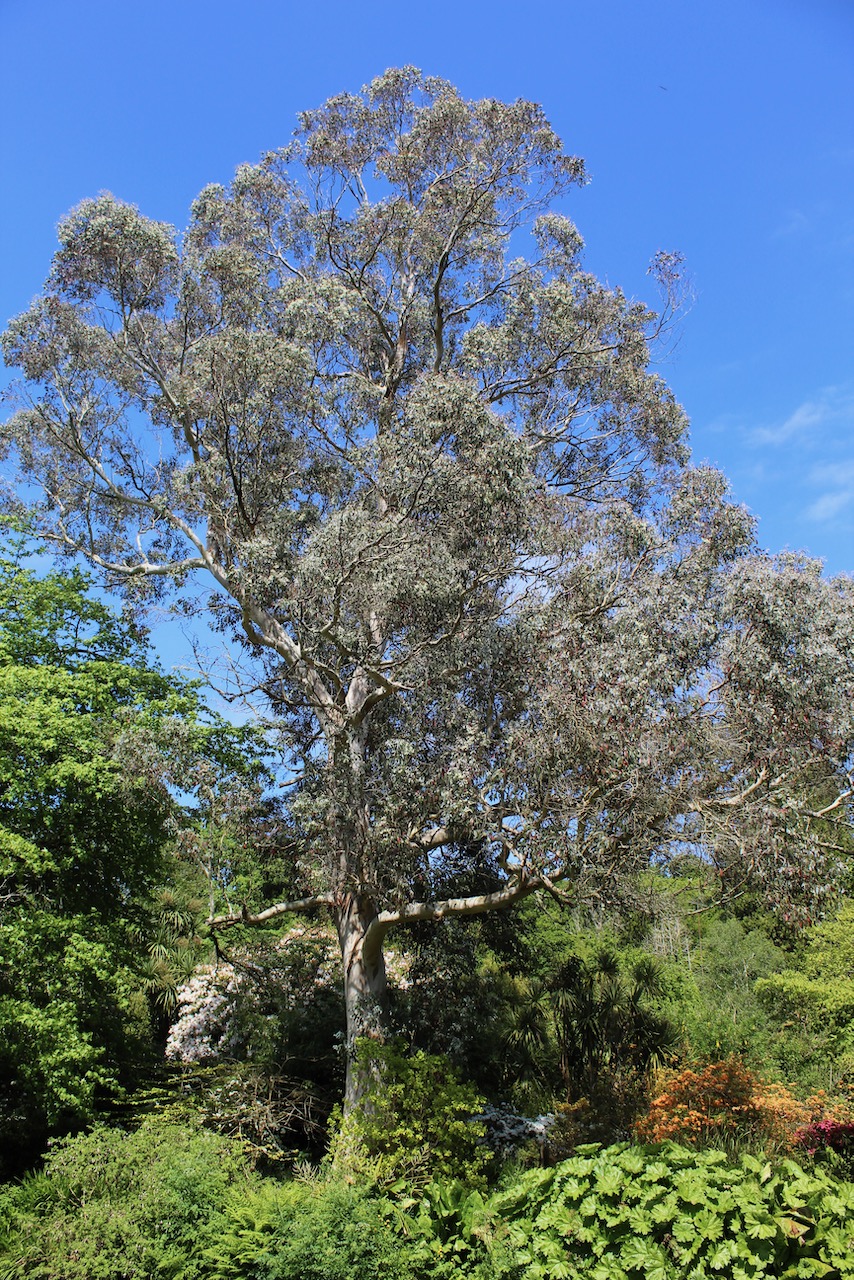
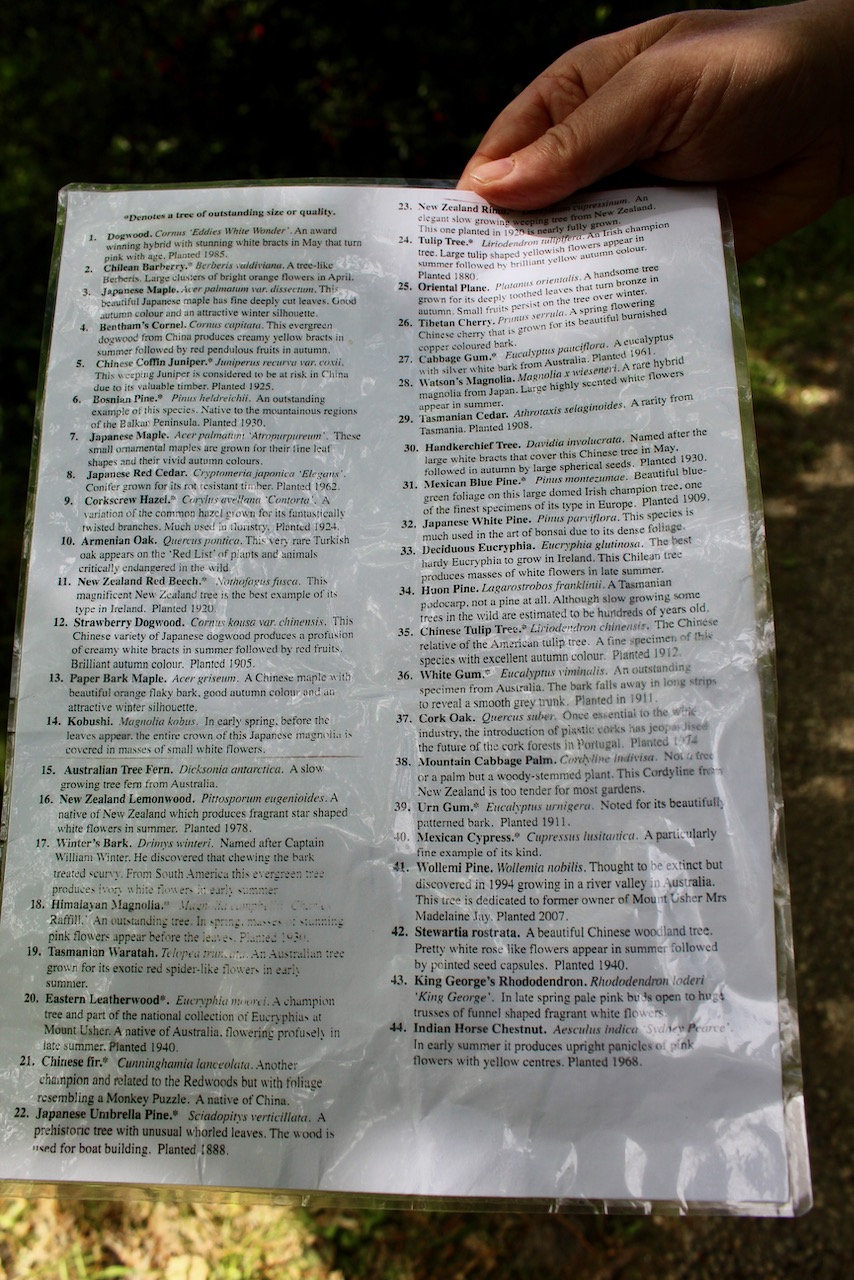
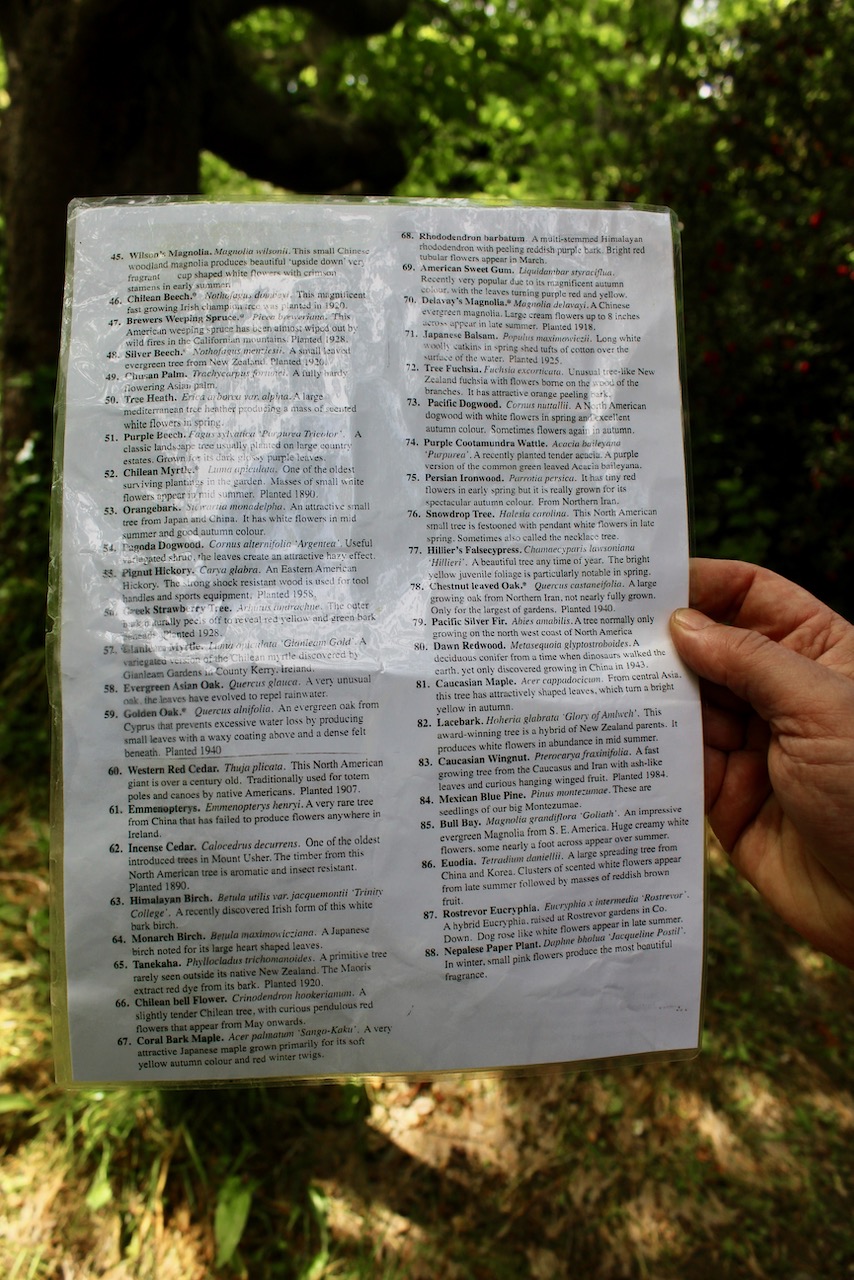
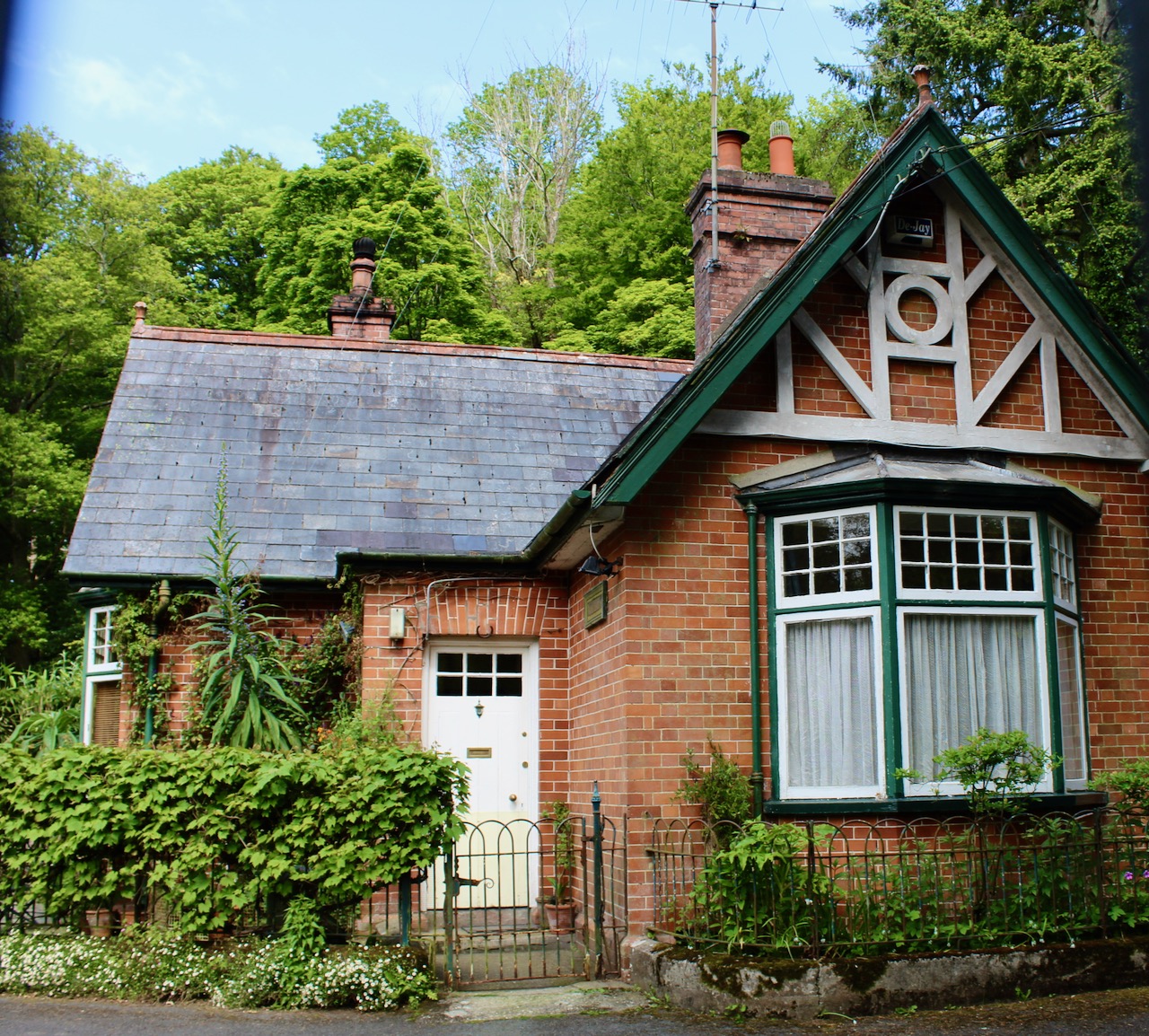
Former gate lodge, now in use as a house, built in about 1905. Photograph © Jennifer Winder-Baggot, www.irishhistorichouses.com
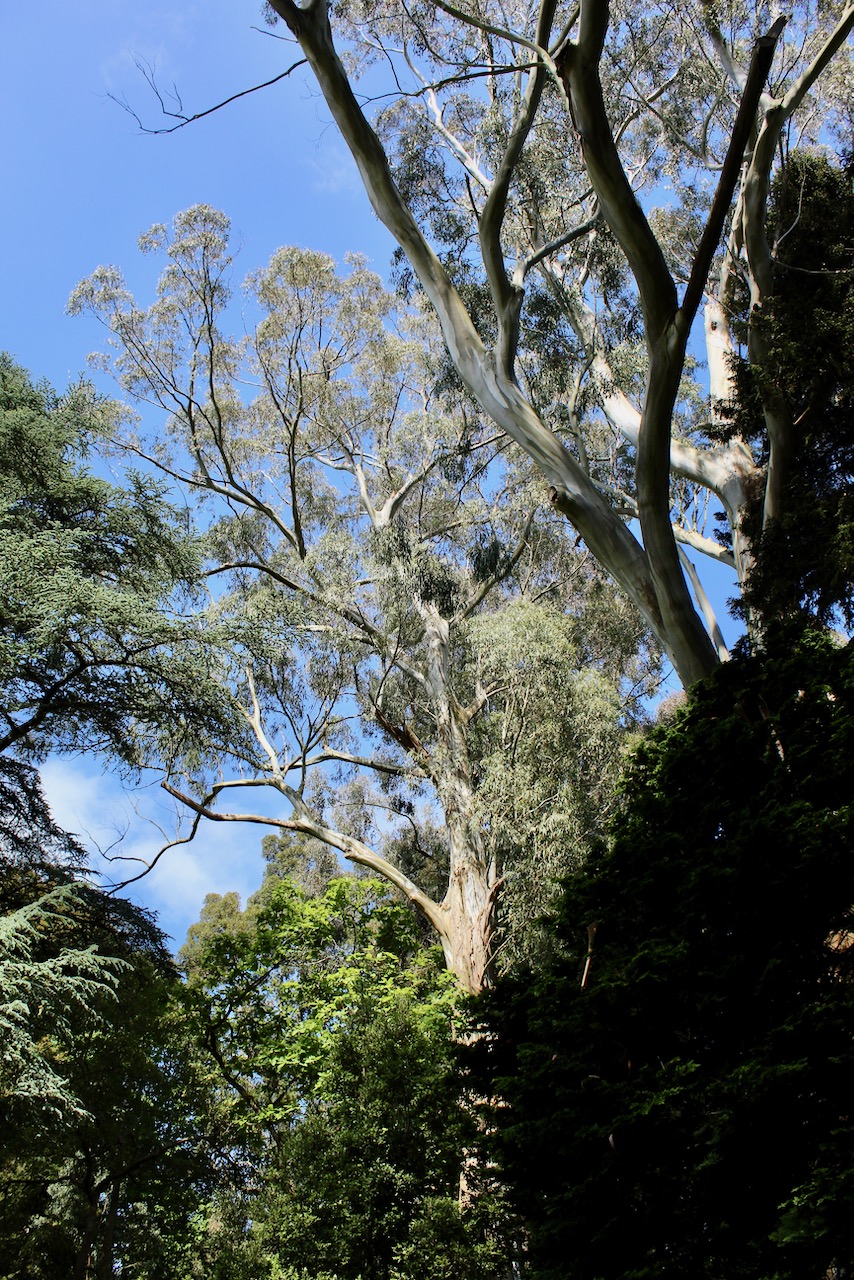
Mount Usher, County Wicklow. Photograph © Jennifer Winder-Baggot, www.irishhistorichouses.com
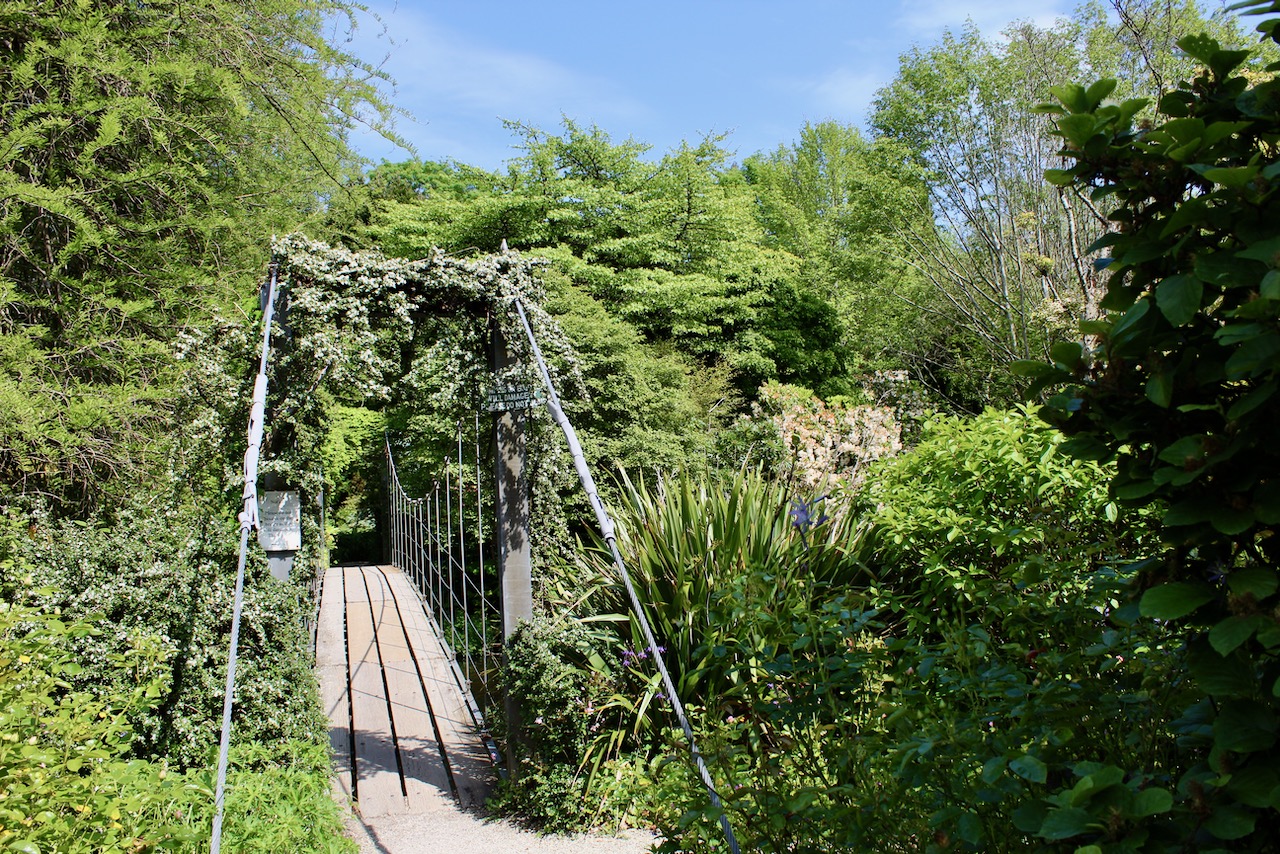
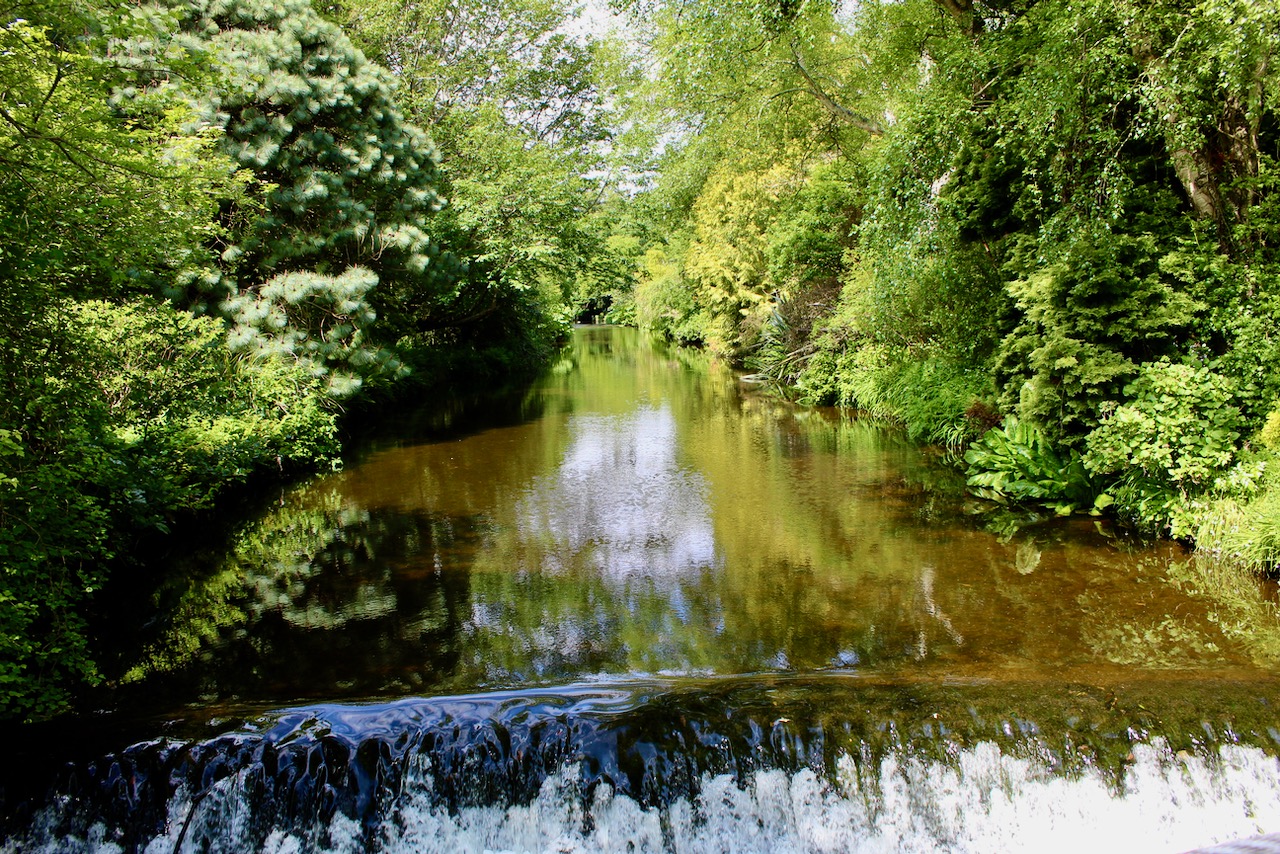
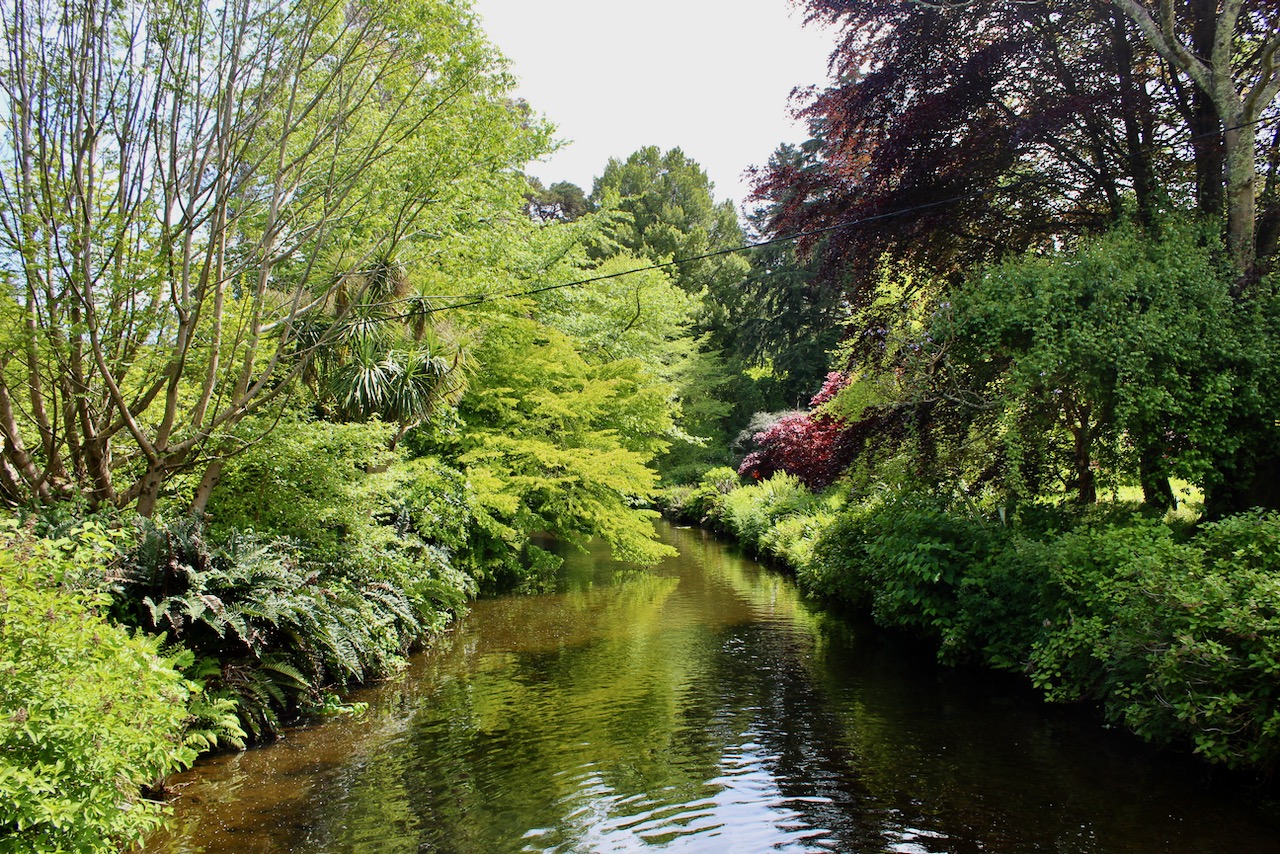
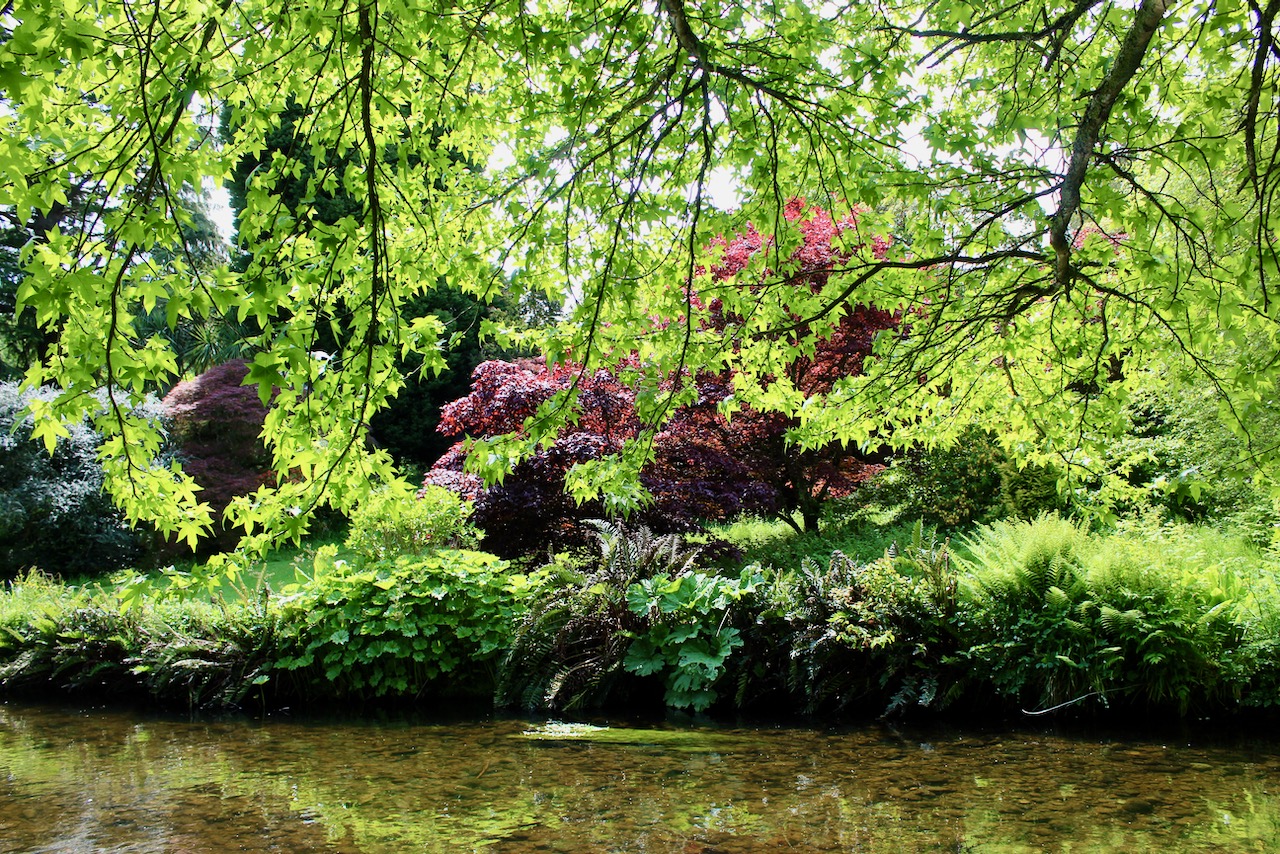
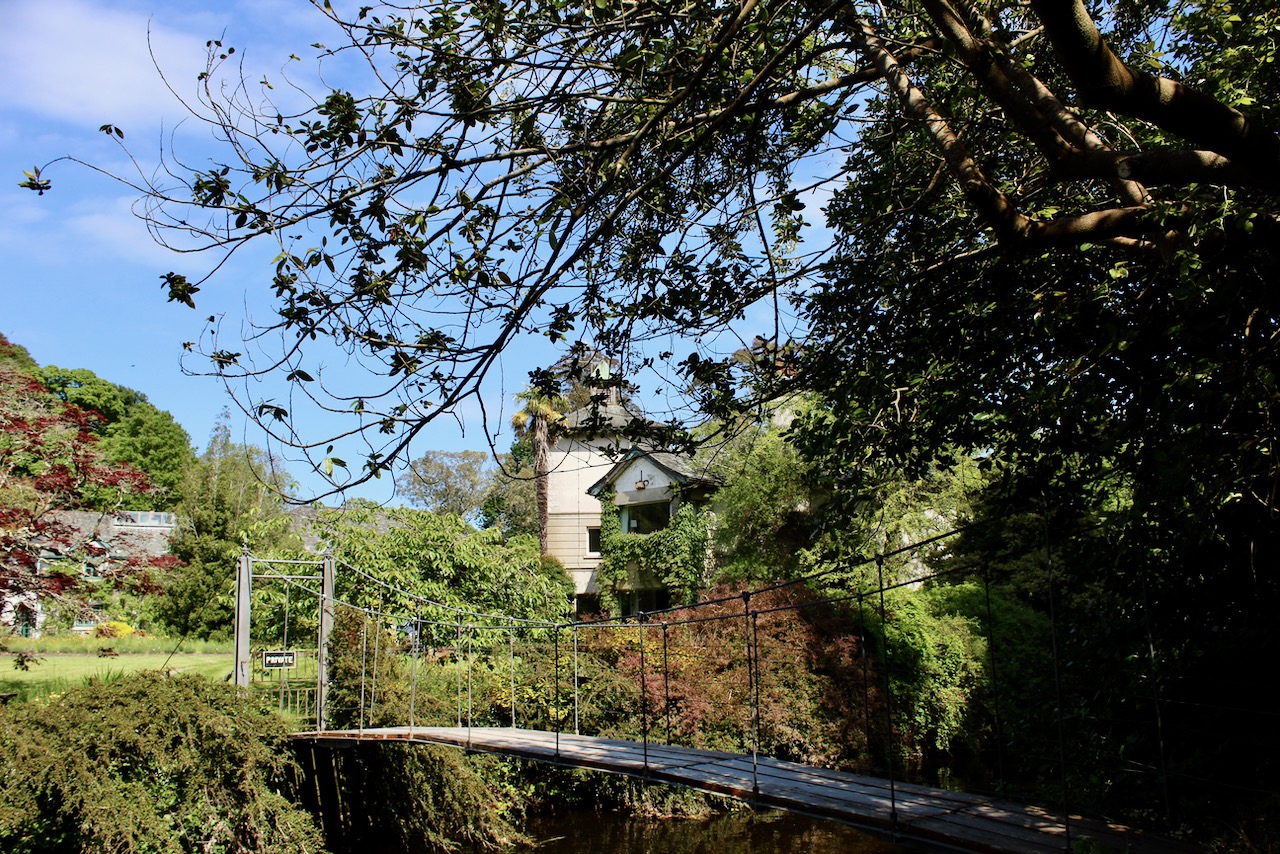
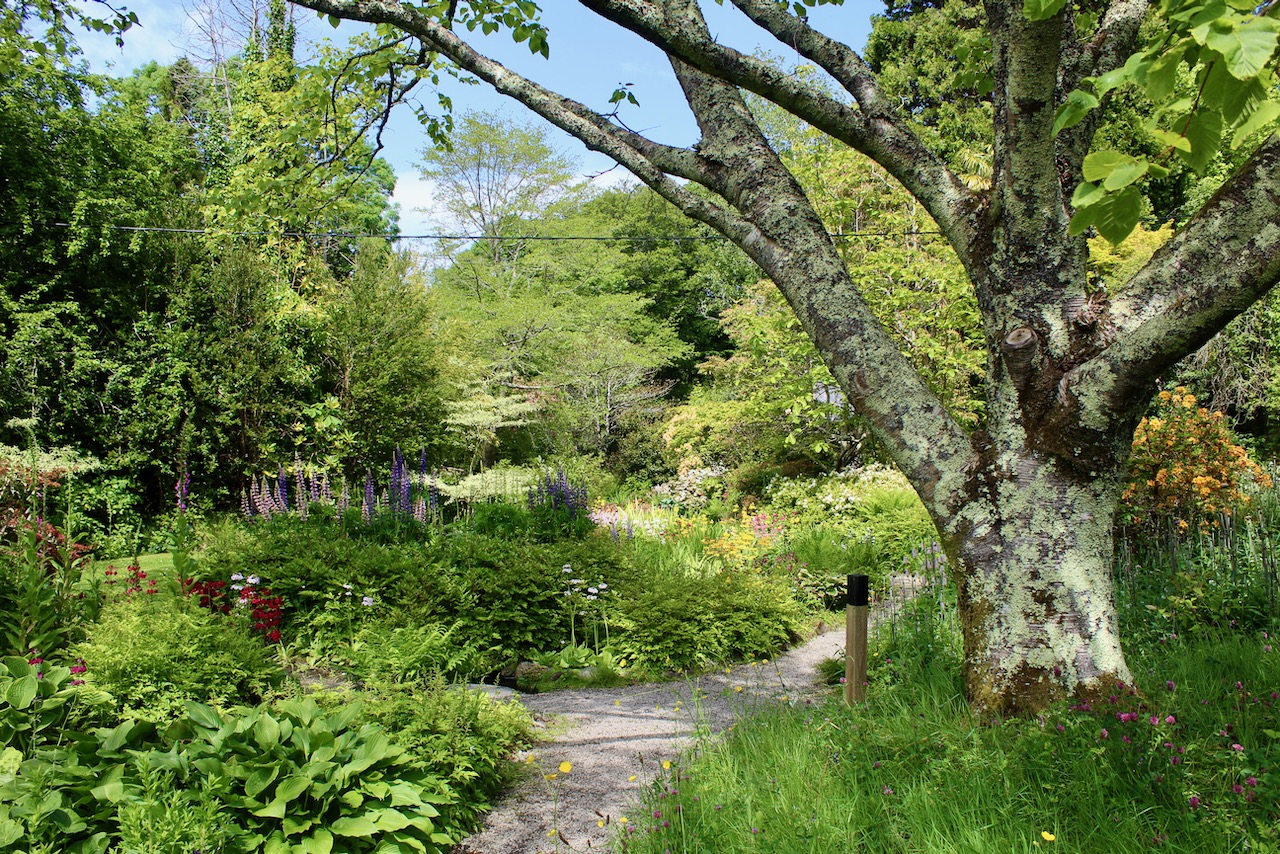
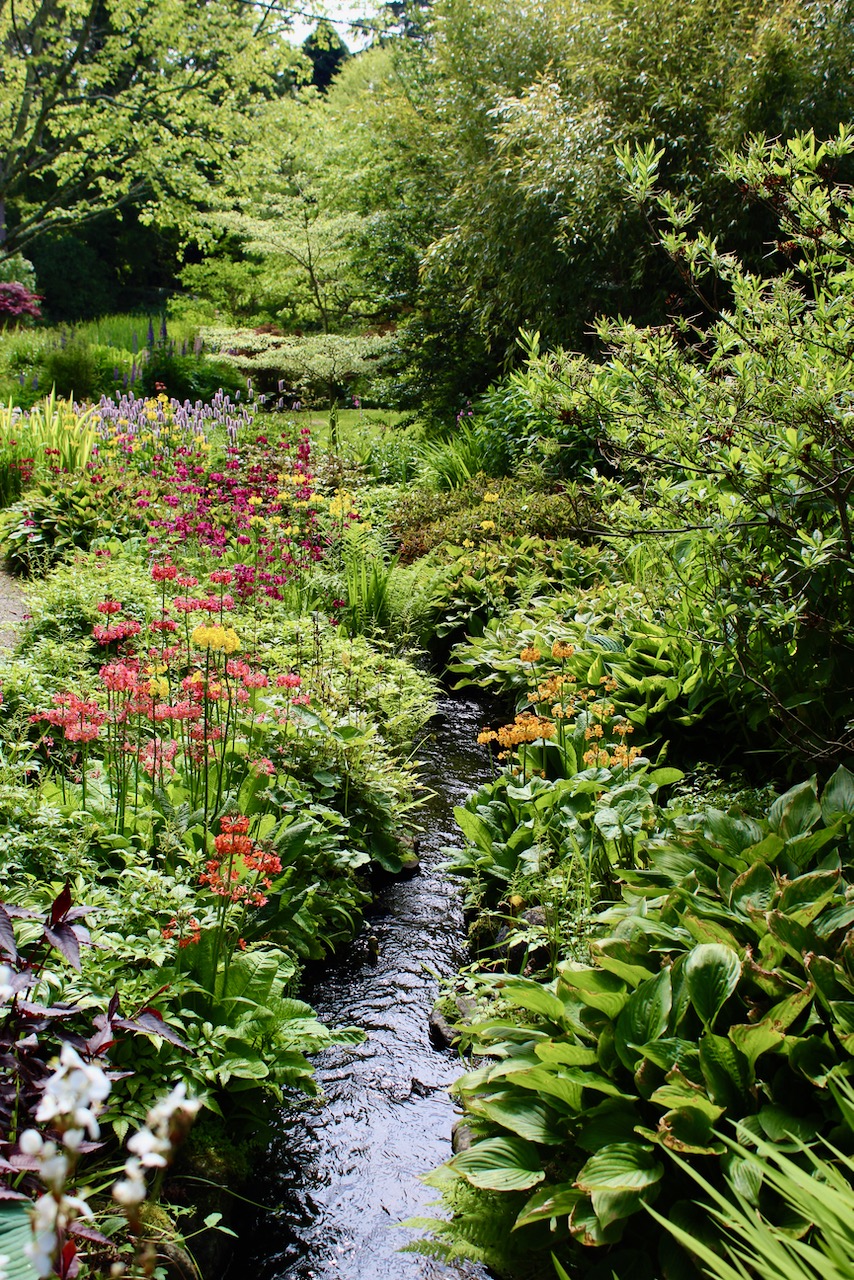
What a great discovery it is to find this amazing garden! I can’t wait to return.

In the meantime, we have been able to begin to visit houses again listed for the Revenue 482. We visited another Quaker home, that of the Fennells of Burtown, County Kildare. More on that soon!

[1] Mark Bence-Jones. A Guide to Irish Country Houses (originally published as Burke’s Guide to Country Houses volume 1 Ireland by Burke’s Peerage Ltd. 1978); Revised edition 1988, Constable and Company Ltd, London.

[2] https://www.buildingsofireland.ie/buildings-search/building/16402510/mountusher-house-mountusher-ashford-co-wicklow

[3] https://archive.org/stream/usshermemoirsorg00wrig/usshermemoirsorg00wrig_djvu.txt

[4] http://catalogue.nli.ie/Record/vtls000834470 and http://catalogue.nli.ie/Record/vtls000829943

[5] https://quakers-in-ireland.ie/history/quaker-businesses/

[6] Oxford Dictionary of National Biography.

[7] https://www.youwho.ie/walpole.html 

Text © Jennifer Winder-Baggot, www.irishhistorichouses.com
Ballymurrin, Kilbride, County Wicklow A67 PX56 – no longer Section 482

www.ballymurrinquakerfarmstead.eu

Philip coming out to greet us. © Jennifer Winder-Baggot, www.irishhistorichouses.com
donation

Help me to pay the entrance fee to one of the houses on this website. This site is created purely out of love for the subject and I receive no payment so any donation is appreciated!

€15.00

Stephen and I drove to Ballymurrin House on Saturday 27th July 2019. We were looking forward to it as we had seen the house on “Home of the Year” on RTE, and I particularly love its style, and we knew it was originally a Quaker farmhouse. Stephen is a Quaker so it is special for him, to see part of the history of Quakers in Ireland. I emailed Philip beforehand, to let him know that we were coming. I knew that the current owners are not Quakers, but the website describes the Quaker history of the house.
Ballymurrin courtesy of Knight Frank estate agents.
Ballymurrin courtesy of Knight Frank estate agents, September 2023
Ballymurrin courtesy of Knight Frank estate agents.

Philip was friendly and delighted to welcome a Quaker. The house was built in around 1668, and was formerly a pair of houses, according to the National Inventory of Architectural Heritage. [1] On the Ballymurrin website, the part of the building with the pink painted exterior is identified as the farmhouse, and the white end is the coach house and forge. The pink part of the house was originally two dwellings: a five bay main house, and a dower house of two bays. We did not get to see inside the Dower House, which is now called Box Tree Cottage in honour of a tree in its garden, but you can see pictures on the Ballymurrin website. The buildings form a U shape around a yard, although the buildings to the right hand side when facing the house have not yet been renovated, although they have been stabilised. These would have been the stables. On the left hand side of the U is what was formerly the milking parlour. [2]

The former milking parlour. We did not get to visit inside as it was being used for guests, as it is converted for self-catering. © Jennifer Winder-Baggot, www.irishhistorichouses.com

At the time of the English Civil War (1642–1651), many “dissenting” Christian groups formed, including the Quakers, or the Religious Society of Friends, as it is also known. The founder of the Quakers, George Fox (1624-1691), was dissatisfied with the teachings of the Church of England and of the other nonconformist, or dissenting, groups. He sought a more pure faith. Wikipedia tells us that in 1652 Fox had a vision on Pendle Hill in Lancashire, England, in which he believed that “the Lord let me see in what places he had a great people to be gathered,” and after this, Fox travelled around England, the Netherlands and Barbados preaching and teaching with the aim of converting new adherents to his faith. He found many other “seekers” who also felt the churches had become bogged down with traditions, rituals and power politics, and together they tried to live out the Christian message more simply. [3] and [4]

The Quakers spread to Ireland very early after George Fox started the Society in England in 1652: the first recorded Friends Meetings for Worship in Ireland were held in 1654 at the home of William Edmundson in Lurgan, Co. Armagh [4]. As Ballymurrin Farmstead was built from around 1668, some of the first Quakers in Ireland settled in this area in Wicklow. Turtle Bunbury writes that William Edmundson served in Cromwell’s army during the Civil War (and thus fought against those loyal to King Charles I) and settled in Ireland in 1652, and that by 1656 Quaker ideals were making a negative impact on the morale of the Cromwellian army – so much so that Cromwell purged the army of Quakers. This would explain why Quakers settled so early in Ireland – they had been in Cromwell’s army in Ireland. [5] It may seem odd that Quakers were in the army, but it was only during Charles II’s reign that they embraced pacifism.

The Quakers chose a beautiful area to settle in Wicklow, with a view of rolling hills. The house itself is tucked into a hillside so that the hill behind shelters the house.

The view from Ballymurrin, July 2019. © Jennifer Winder-Baggot, www.irishhistorichouses.com

A Quaker settlement was also established in the late 17th century in Ballitore, County Kildare, by two Quakers, John Bancroft and Abel Strette, who began farming in the area, and Ballitore is still known as the Quaker Village. A Quaker School was founded in Ballitore by Abraham Shackleton (1697–1771) in 1726. Stephen and I visited Ballitore the following month, in August 2019.

Before we began our tour, Philip brought us through the house to the kitchen for a refreshment as it was a particularly hot day. We drank water with fresh mint and sat at the big kitchen table, joining his wife Delphine.

Philip and Delphine are both architects. I love their style, which respects the history and original architecture of the home. The house preserves the traditional cottage air with its thick limewashed stone walls, window alcoves, and exposed wooden beams and lintels. I love the old farmhouse doors. Philip led us into the house via a room which has display boards explaining the history of the house and the Quakers, which we had time to study later. Philip and Delphine purchased the property over twenty-five years ago and have done much renovation work. Philip explained that the setting, with its square courtyard, reminded him of the type of farm houses which he loved in Jersey, the Channel Island, where he had previously worked.

In this explanation board, created by Philip Geoghegan, you can see the farmhouse, with the three-sided courtyard, in the aerial photograph. The third side, the stables, have not been converted.

To begin the tour, Philip brought us out first to see the remains of a cottage out behind the house, built in the 1600’s.

Ballymurrin, July 2019. © Jennifer Winder-Baggot, www.irishhistorichouses.com

The cottage has been stabilised, but not roofed. The walls were fixed painstakingly to maintain their integrity and heritage. Originally covered in ivy, this was cleared and the floor also levelled.

See the wooden lintel over the door. © Jennifer Winder-Baggot, www.irishhistorichouses.com

Ballymurrin, or “Ballymooranbeg” (Ballymurrin Lower) is identified on the Down Survey Map, made by Sir William Petty for Oliver Cromwell in 1654, and it listed as belonging to Sir William Parsons, who lived in Milltown, Rathnew. [6] William Parsons, the 1st Baronet of Bellamont, was a Lord Justice of Ireland and served as Surveyor General of Ireland. In this position he was able to discern faulty titles for land and appropriate this land for himself. [7] There were Quaker families in Dunganstown and Kilmacow, County Wicklow.

Information panel in the cottage, created by Philip Geoghegan.

Philip has done much research to establish who lived in Ballymurrin. In this 1760 map pictured above, Ballymurrin is identified, and a Quaker Burial place in Kilbride. There is also a Quaker meeting house in Ballykean. Quakers do not have church “services” or masses, they have “meetings,” which are mostly silent.

The Eves family from Leicestershire settled on land also owned by William Parsons. In 1667 Anne Eves married Ambrose Judd, who had moved from Suffolk in England to Ireland in 1651, and their first child, Robert, was born in Ballymurrin in 1668. This couple built up Ballymurrin and had a large family. In 1687 their first child, Robert, died and was buried in the “Friends burying place” just a small walk from the farmhouse, a graveyard that is still there today.

In the marriage register pictured below, of 1680, a Mark Eves (related to Anne) signs as a witness, along with William Bate of Ballymurrin. William Bate, Philip has determined, was born in Stepney St Dunstans East End of London in 1635. He was a carpenter, and he and his wife Anne and five children lived in Ballymurrin for ten years. He probably built most of the buildings at Ballymurrin. He was put in Wicklow Gaol, at the Black Castle, along with twelve other Quakers, for attending a meeting in 1671. The Quakers left England hoping to escape persecution but they were still persecuted in Ireland, for dissenting from the official Church.

Ballymurrin, July 2019.

Due to persecutions and after his imprisonment, in 1681 William and Mary Bate[s] and their children left Wicklow and helped to set up a township in Newton Creek, West Jersey, in land set aside for Irish Quakers by William Penn, who had that year founded Pennsylvania. William Bates became a senior administrator in the West Jersey government and was buried in 1700 in the Newton Quaker Burial Ground.

Based on the registered births, Philip has calculated that there were about 150 Quakers in County Wicklow between 1661 and 1700. A Meeting House was established in Wicklow Town for monthly meetings at Thomas Trafford’s house in 1669. In details published on Ballymurrin’s website, we see that Thomas Trafford was committed to prison in 1680 for opening his shop (a drapers) on Christmas day! Many Quakers do not celebrate Christmas, since it is every day that Jesus is in their heart.

Ballymurrin, July 2019.

Inside I was delighted to see the original animal trough inside the cottage:

Animal trough: the Quakers would have kept cows, sheep and pigs, hens, ducks and geese. They grew barley, wheat, oats and vegetables and fruit. © Jennifer Winder-Baggot, www.irishhistorichouses.com

If you look closely you can see a division in the floor. This would have been a wall, dividing the living quarters from the animal quarters. You can see the original door lintel. The fourth wall has been levelled, as you can see in the next picture, from the back of the cottage:

Ballymurrin, July 2019. © Jennifer Winder-Baggot, www.irishhistorichouses.com

We were curious about the round column at one end of the cottage, while the other is a square column. Philip doesn’t know why there is the rounded column or what it signifies, but it is very impressive, considering it stands there since the 1600s! There are similar rounded gate posts by the stables.

Stephen and Philip speculate on the rounded column to the left, in the barbeque area next to the old cottage. © Jennifer Winder-Baggot, www.irishhistorichouses.com

Next we headed back to the house, and entered the door leading into the forge. You can see the fireplace, with some equipment, in the background, and I took a picture looking upward into the fireplace.

Ballymurrin, County Wicklow. © Jennifer Winder-Baggot, www.irishhistorichouses.com
The beehive chimney in the Forge sits on a tree trunk built into stone walls and is a timber frame filled with woven hazel twigs and covered with clay and cow dung inside and plaster outside. It is, Philip points out, a remarkable structure from the 17th century and, even more remarkable, remains intact. © Jennifer Winder-Baggot, www.irishhistorichouses.com
Ballymurrin, July 2019.

There are more information boards which Philip has made.

Ballymurrin, July 2019.

Ambrose was “convinced of the blessed truth” in 1672, i.e. became a Quaker.  “Convincement” is when a person realizes that he or she wants to join the Quakers (“Convincement” and officially becoming a Quaker don’t necessarily happen at the same time. Nowadays a person attends Quaker meetings for years before applying for membership). The next information board tells us that Ambrose Judd had to pay for his Quaker faith, with hay and barley, wheat and oats. These were “forcibly recovered,” taken as tithes to be paid to the established church, the Church of Ireland. Catholics also had to pay these tithes. Quakers refused to pay the tithes, so a “tithemonger” took the goods, and refusing to pay tithes would be a reason that Quakers were put in gaol.

Ballymurrin, County Wicklow.
Ballymurrin, July 2019.

In 1689 King James II granted toleration to the Quakers, which means that they no longer had to pay the tithes to the Church of England/Ireland.

Ballymurrin, July 2019.

Here is another part of the forge:

Ballymurrin, July 2019. © Jennifer Winder-Baggot, www.irishhistorichouses.com

In the Timeline for Ballymurrin which Philip compiled, we can see that in 1754, Susanna Ashton, born Eves, a widow, marries Joseph Pim from Nurney, County Kildare, who moves to Ballymurrin. He dies in 1764 and is buried in Ballymurrin Burial Ground. His son may have built nearby Woodville House, in Kilbride, County Wicklow (built around 1780). [8]

Above the exhibition room is a loft, which still has its original roofing timbers. The forge below would have kept the bedrooms above warm.

In 1855 Ballymurrin Upper, 163 acres was sold by Joseph Pim through the Emcumbered Estates Court. The Encumbered Estates Act was passed in 1849 to facilitate the sale of Irish estates whose owners could not meet their financial obligations due to losses during the Famine. Ballymurrin Lower was sold in 1874 or 1891, this time by Lydia Pim, through the Landed Estates Court, which had taken over from the Encumbered Estates Court. Ballymurrin and Woodville were bought by the Catholic Byrne family: Edward, Bernard and Mary, according to Philip’s research.

According to Philip’s records, Mary Byrne dies in 1926 and after this, the O’Sullivans live in Ballymurrin. Alterations were made to the house, dated 1927 and 1935.

In 1990, David and Mary Strawbridge moved in to the house and initiated restoration of the main house. In 1994, Delphine and Philip Geoghegan purchased and extended restoration of the house over a twenty year period. In 1995, they re-roofed the agricultural building on the left of the main house, which incorporated a dwelling, two buildings for agriculture, a forge and a cart shed with loft above. This part of the house now includes the exhibition space, a studio and bedrooms upstairs.

We moved on into the next room then, which would have been the living area of the original house.

The living area of the original house. © Jennifer Winder-Baggot, www.irishhistorichouses.com

This contains another huge fireplace. This is called an “inglenook” fireplace. It had been boarded up for perhaps two hundred years!

Ballymurrin, July 2019. © Jennifer Winder-Baggot, www.irishhistorichouses.com

Next to this is the kitchen, which would have been a later addition to the Quaker house. Its size indicates a good standard of living. The beams of the ceiling are original but the secondary joists were replaced in 1927. The stairs appear to be a later addition as the beam supporting the ceiling joists was cut to make head room for ascending the stairs. Originally the upper level was probably accessed by a steep ladder. You can see a huge oak beam spanning across the kitchen fireplace, which is original.

Kitchen, with yet another huge fireplace, with the airbnb guest inside! © Jennifer Winder-Baggot, www.irishhistorichouses.com

Inside the fireplace is a special feature which Philip and Delphine discovered during their renovations, unique as far as they know to this house for this time period: a bread oven.

The bread oven. I love its wooden door, which you can see at the right hand side of the photograph. © Jennifer Winder-Baggot, www.irishhistorichouses.com
The stone floor of the fireplace is from a local quarry, and has fossils of wormy creatures. © Jennifer Winder-Baggot, www.irishhistorichouses.com

In the last room of the tour, now the family sitting room, there is a wonderful old original cupboard, which contains more Quaker history, which Philip calls the “Minutes cupboard,” as it may have held the minutes of meetings. This cupboard is original to the house, as are the window shutters and doors.

Ballymurrin, County Wicklow. © Jennifer Winder-Baggot, www.irishhistorichouses.com
A facsimile of the front page of a book, History Rise and Progress of the People called Quakers in Ireland, from the year 1653 to 1700.

Before the visitors arrived, Stephen was able to have detailed discussion with Philip about the Quakers, and Philip showed us documents he had transcribed which Stephen admired, especially because he himself has been attempting to copy old documents, and has found them sometimes impossible to decipher. He asked if he could send a copy of a document to Philip to see if he is able to help in deciphering! Since our visit, Philip has indeed aided Stephen in his transcription. Philip prepared the information boards for a 350 year celebration of the Quakers which took place in the farmhouse. He has also prepared a booklet for visiting schoolchildren.

Another event the Geoghegans hosted, which you can see on the website, was a visit by the Bates family of America, descendants of the Quaker Bates who moved to Pennsylvania.

We were delighted not only to see the beautiful house, but to meet this wonderful couple!

After we left the house we visited the nearby Quaker graveyard.

Ballymurrin Quaker burial ground, July 2019. © Jennifer Winder-Baggot, www.irishhistorichouses.com

Although about 140 people are buried in this Quaker burial ground, there are only four headstones. This is because in 1671 the Quakers stopped using headstones, perhaps they did not like the overly ornate headstones becoming popular at the time, as these did not convey their belief about the equality of all people. However, by 1850 this restraint was dropped, and the four headstones memorialise members of the Pim family. The Pim family transferred ownership of the Burial ground to the Quakers in 1812.

© Jennifer Winder-Baggot, www.irishhistorichouses.com

Ballymurrin, County Wicklow. © Jennifer Winder-Baggot, www.irishhistorichouses.com
Quaker burial ground, © Jennifer Winder-Baggot, www.irishhistorichouses.com

[1] https://www.buildingsofireland.ie/buildings-search/building/16403107/ballymurrin-house-ballymurrin-lower-kilbride-co-wicklow

[2] https://www.ballymurrinquakerfarmstead.eu/index.html

[3] https://en.wikipedia.org/wiki/Quakers

[4] https://quakers-in-ireland.ie/history/background/

[5] p. 75. Bunbury, Turtle and Art Kavanagh. The Landed Gentry & Aristocracy of County Kildare. Published by Irish Family Names, 11 Emerald Cottages, Grand Canal St, Dublin 4 and Market Square, Bunclody, Co Wexford, Ireland. 2004.

[6] Information taken from information boards created by Philip Geoghegan:

[7] https://en.wikipedia.org/wiki/Sir_William_Parsons,_1st_Baronet_of_Bellamont

Nora Robertson writes about him in her book, The Crowned Harp. Memories of the Last Years of the Crown in Ireland. published by Allen Figgis & Co. Ltd., Dublin, 1960.

[8] https://www.buildingsofireland.ie/buildings-search/building/16403106/woodville-house-ballymurrin-lower-kilbride-co-wicklow

[9] I examined the census to see if I can work out more about who lived in Ballymurrin farm, but it is confusing as I don’t know what other habitations exist in the area of “Ballymurrin Lower” and “Ballymurrin Upper” and the numbering system seems to change from 1901 to 1911, as well, perhaps, as the specification between which habitations are “upper” and which “lower,” unless the families moved about quite a bit, which is possible. I don’t know whether all the habitations listed are actually part of the current Ballymurrin farmstead. I have made charts but it is all guesswork.

Philip Geoghegan mentions Mary, Bernard and Edward Byrne purchasing Ballymurrin, but looking at the census, ownership appears to be more complicated.

The 1911 census has a Mary Byrne as head of household, single and Catholic, in house “1.2” in Ballymurrin Lower. The 1901 census has Bernard Byrne and his sister Mary in house 6 in Ballymurrin lower, along with servants who include Laurence Farrell and two youger Farrells who are probably his sons, as well as Peter Penrose, Julia Bull and Patrick Murry. It looks like the numbering system changed from 1901 to 1911 as I doubt the occupants moved between the dwellings.

In 1911 in house 1.1 there is Mary Farrell, head of household, and her sons John, Laurence and James, and daughter Mary – all also Catholic. These are probably the Farrells listed as servants to the Byrnes in 1901.

It looks like a nice little community, with tailor, postmen, shoemaker and dressmaker along with farmers and agricultural labourers, although they may be on the edge of poverty with the dwelling places only classed as type 0, with perishable materials in 1901, but nearly all of the habitations are improved by 1911. Furthermore, by 1911 all but one of the homes are owned by their inhabitants. The families are extended and many are related by marriage. The main families in 1901 are Byrne, Farrell, Arthur, Smyth (or Smith), Douglas, Meade, Redmond (Byrne daughter married a Redmond), Carly (or Carty). Additionally, owners include Colonel Ellis and Mary Cullen. In 1911 the main familes are Byrne, Farrell, Arthur, Smith, Douglas, Meade (daughter married a Farrell), Murray, Lawless and Doyle, as well as owners Michael Kavanagh and Mrs Stampher. All of the inhabitants are Catholic.