
donation
Help me to pay the entrance fee to one of the houses on this website. This site is created purely out of love for the subject and I receive no payment so any donation is appreciated!
€15.00

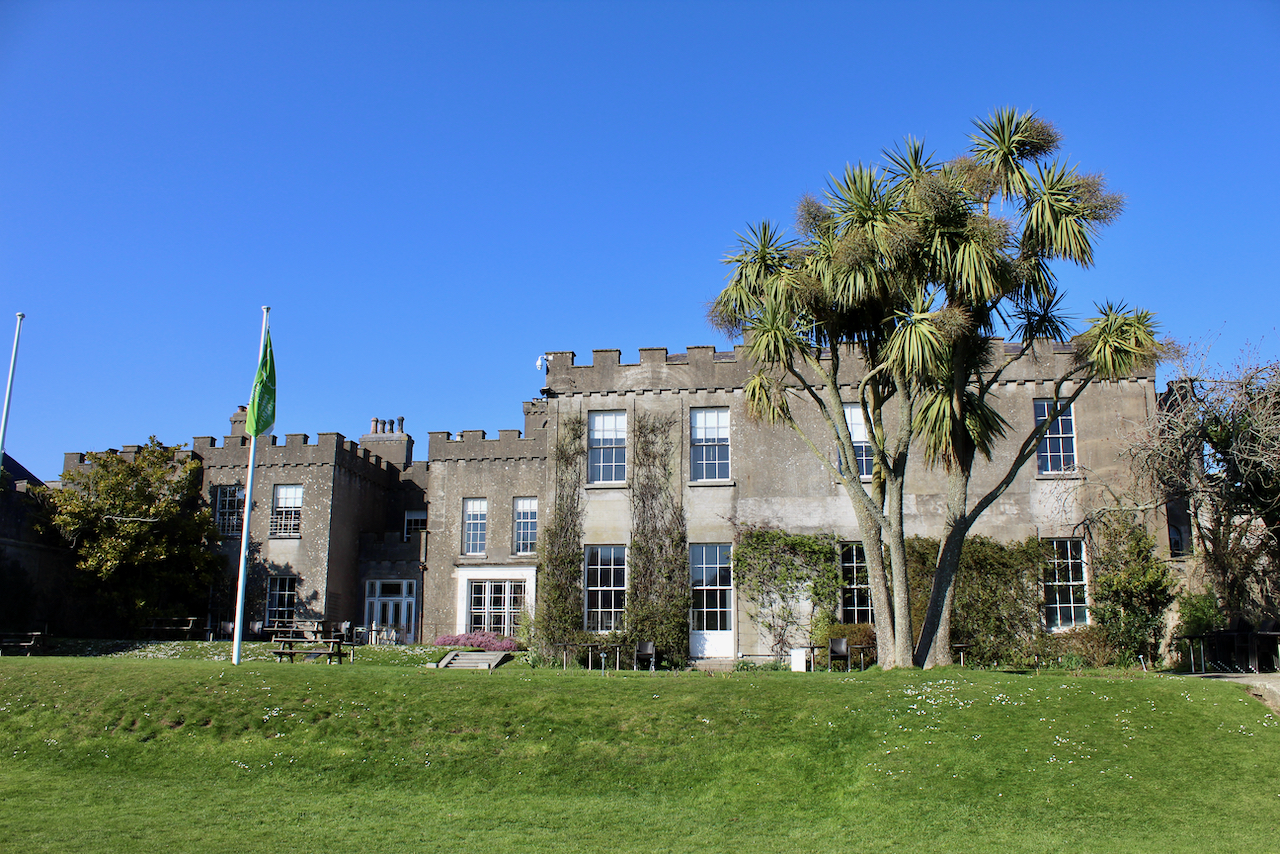
You approach Ardgillan Castle from the back, coming from the car park, facing down to the amazing vista of Dublin bay.


The website tells us:
“In 1658, the “Down Survey” records that Ardgillan was owned by a wine merchant, Robert Usher of Tallaght, Dublin and by 1737, the property had been acquired by the Reverend Robert Taylor, one of the Headfort Taylors, whose grandfather had collaborated with Sir William Petty on the mid 17th century “Down Survey of Ireland”.
The grandfather mentioned is Thomas Taylor (1631-1682), who came to Ireland in 1652 to carry out the survey to evaluate the land confiscated after Cromwell’s campaign.
The Taylors owned Headfort House in County Meath. Later, part of Headfort became a school and part kept as a residence. The east wing was advertised for sale in November 2019. The Dining Hall has particularly fine stucco work by Scottish born architect Robert Adam (1728-1792), one of the family from which the term “Adamesque” takes its name.
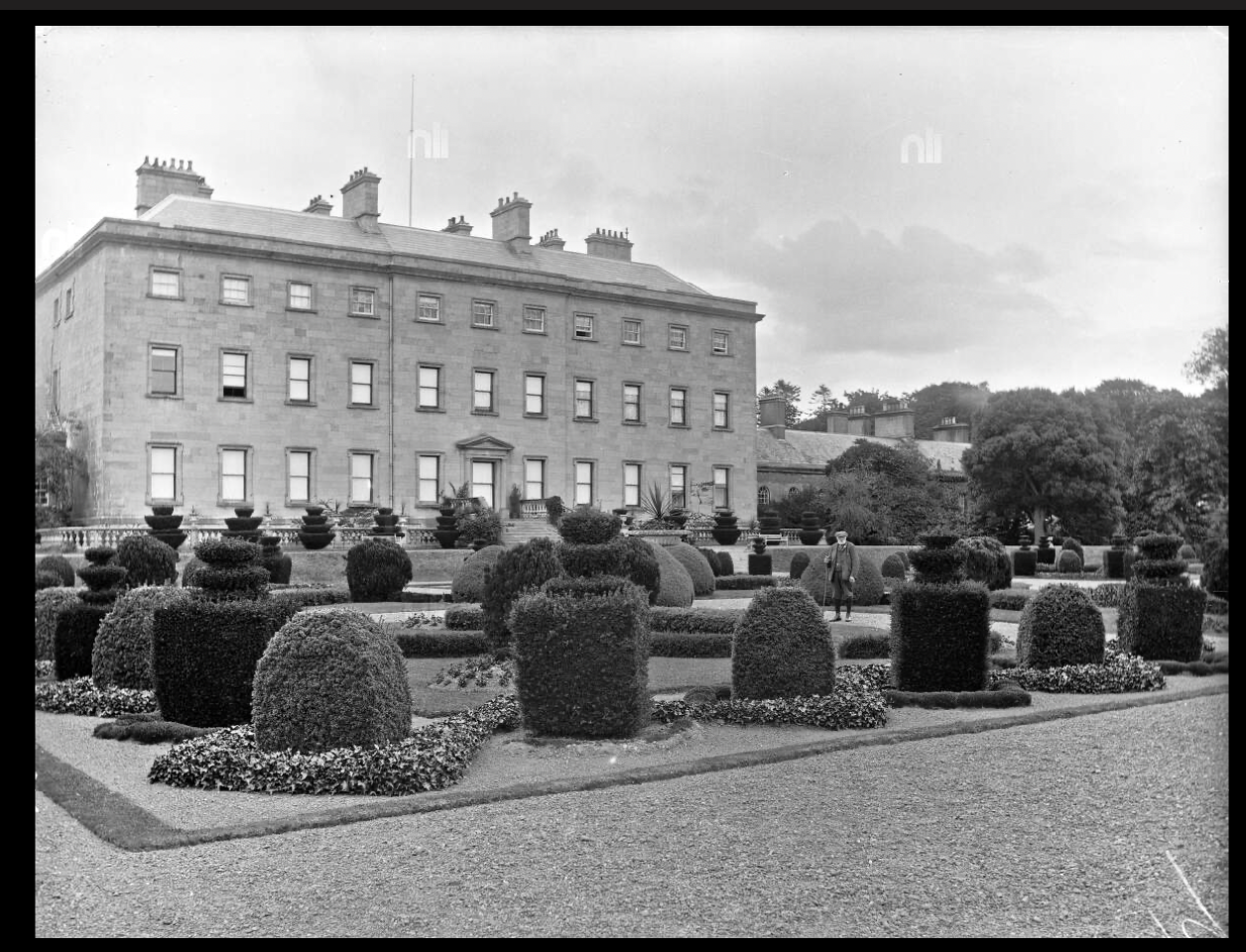
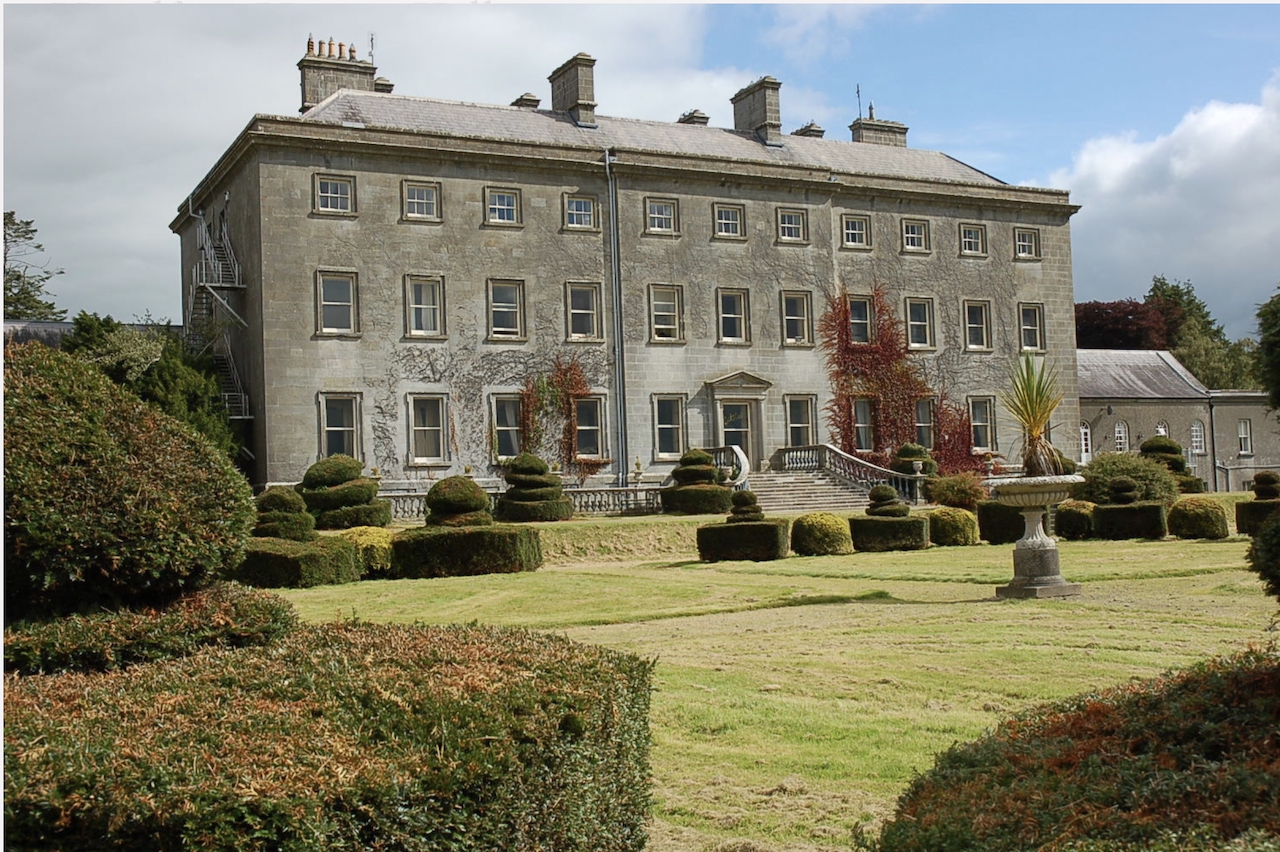
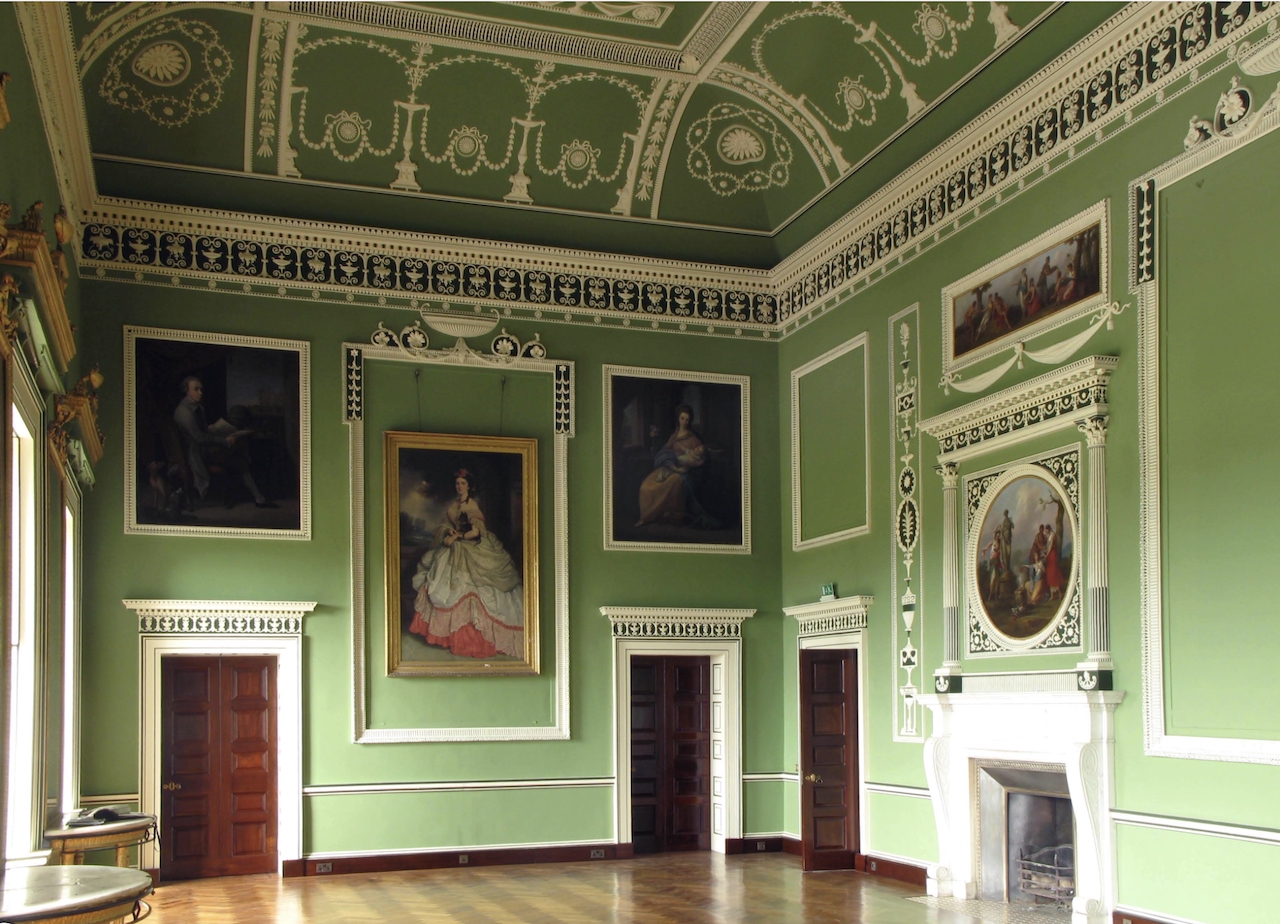

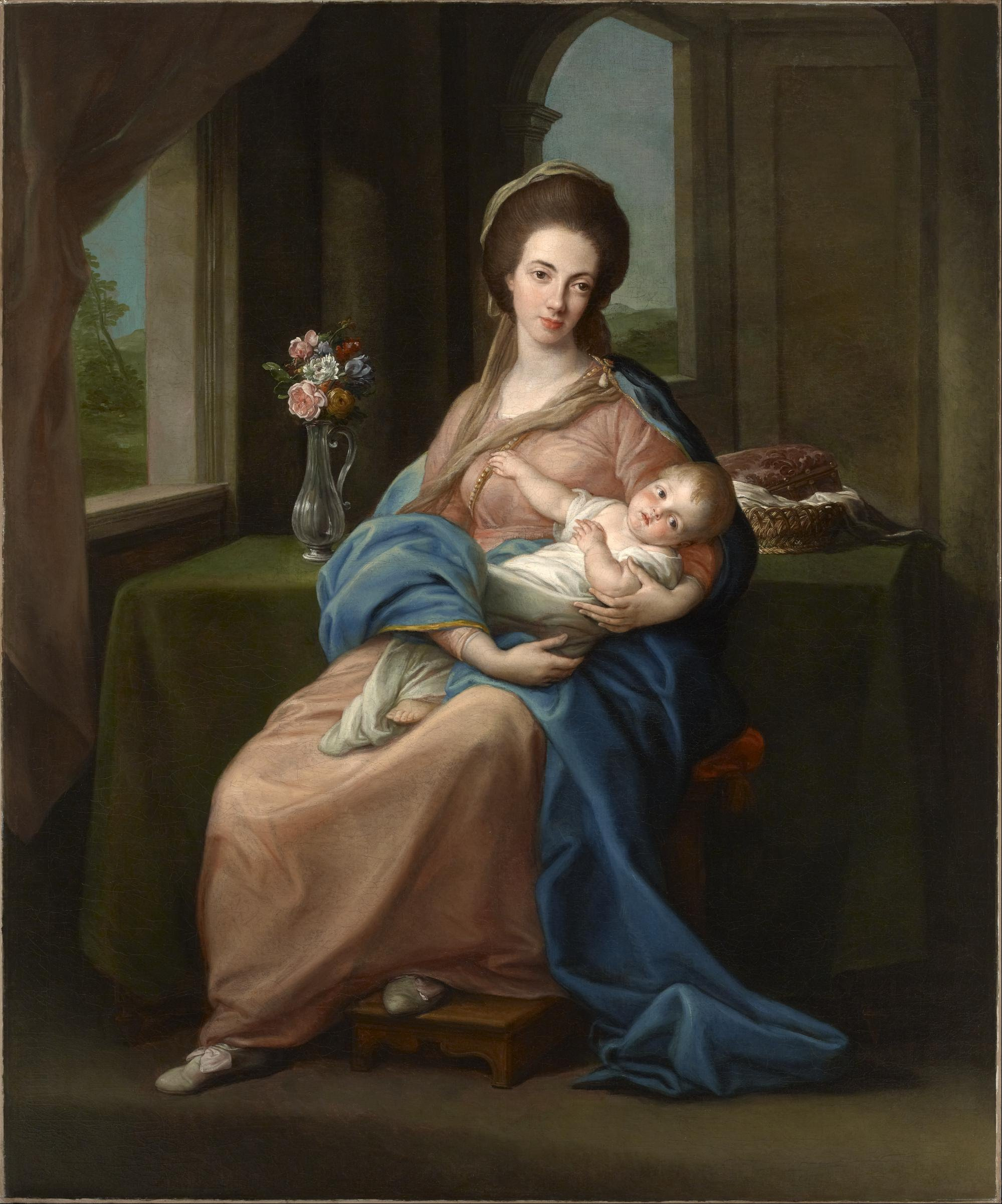
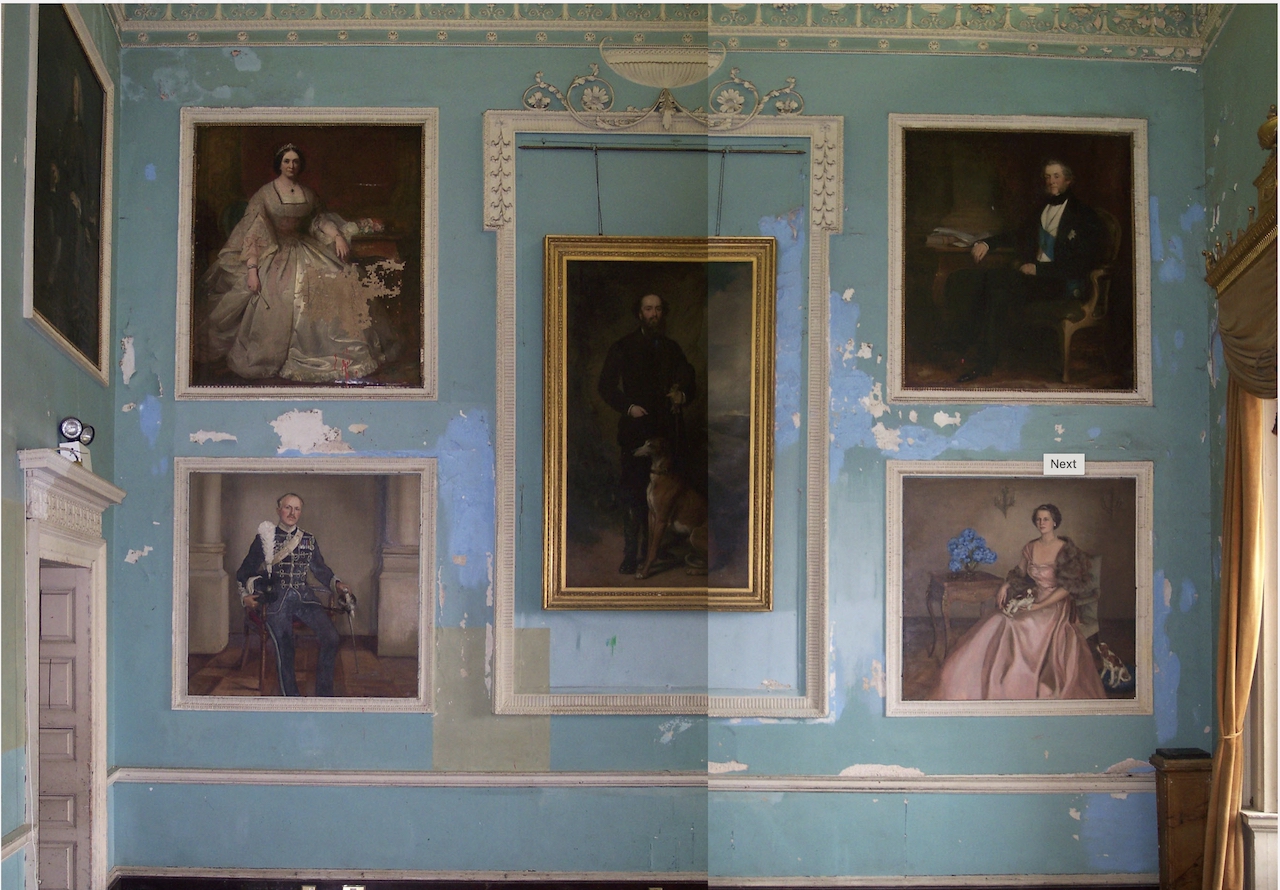
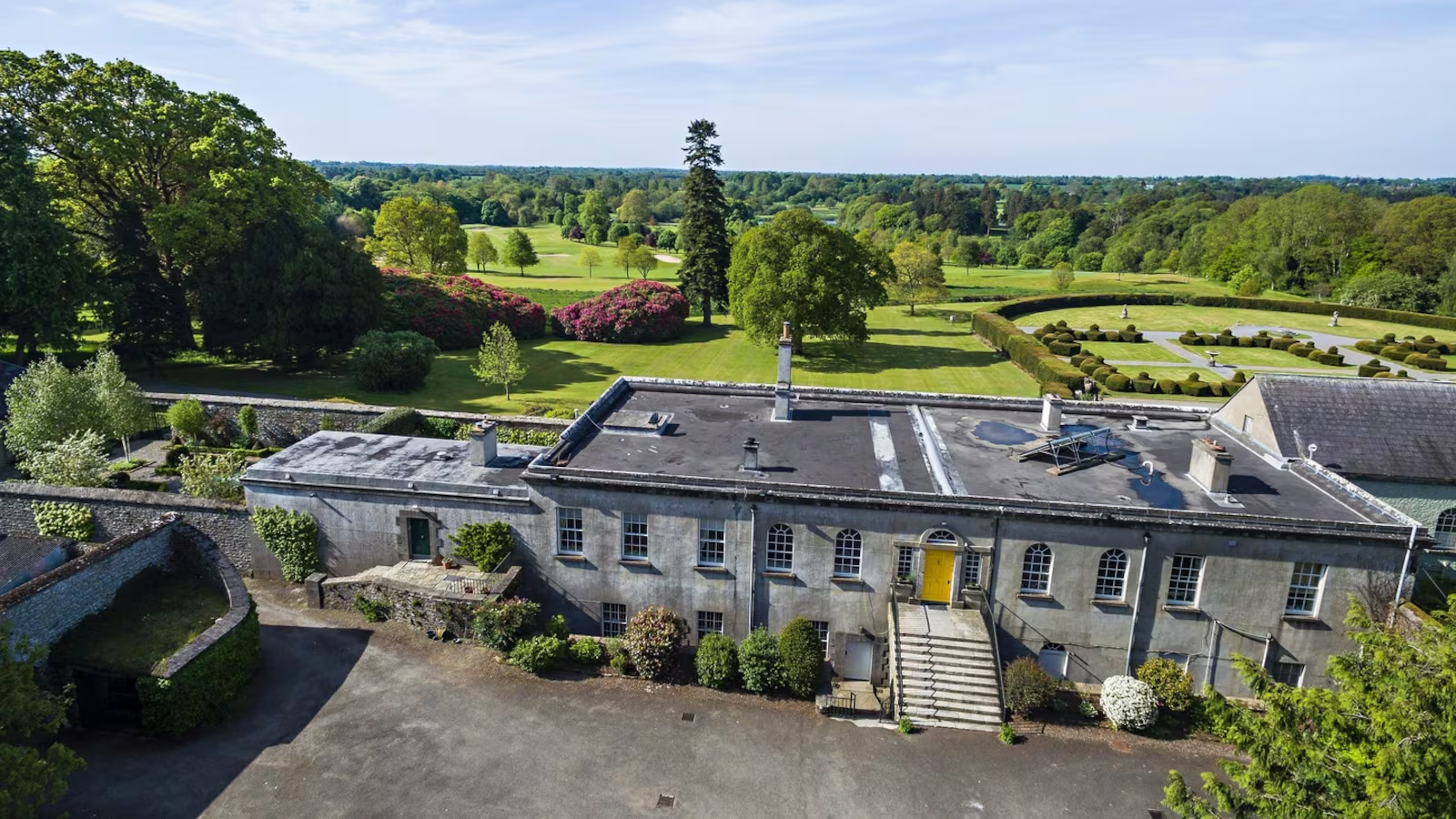
Robert (1689-1744) was the son of Thomas (1662-1736), the 1st Baronet of Kells, County Meath. Robert, a younger son, joined the clergy and according to the Ardgillan website, was a recluse and spent his time writing sermons. He became Dean of Clonfert, County Galway.
Robert died unmarried and the estate passed to his brother Thomas Taylour, the 2nd Baronet of Kells, County Meath. His sister Salisbury married a Bishop of Clonfert and secondly, Brigadier General James Crofts, son of James Scott the Duke of Monmouth, an illegitimate son of King Charles II!
Ardgillan remained the family home of the Taylors (later changed to Taylour) for more than two hundred years up until 1962 when the estate was sold to Heinrich Potts of Westphalia, Germany. In 1982, Dublin County Council purchased Ardgillan Demesne and it is now managed by Ardgillan Castle Ltd. under the auspices of Fingal County Council.
Originally named “Prospect House”, built on Mount Prospect (you can see why it was so called, with such a view!), the central section was built in 1738 by Reverend Robert Taylor, with the west and east wings added in the late 1800s.

The centre of the front is of two storeys with a threey storey bow in the middle. The house is crenellated, and there are arrow slits decorating the crow-stepped gables either side of the centre block, including cruciform arrow slits in the middle. There is hood moulding over the window and door of the central bow. Mark Bence-Jones writes in his A Guide to Irish Country Houses (1988) that over each window in the side wings a “Gothic cloak of battlements and pointed arches” was thrown. Below this Gothic cloak Bence-Jones writes that one discerns the Classical house.
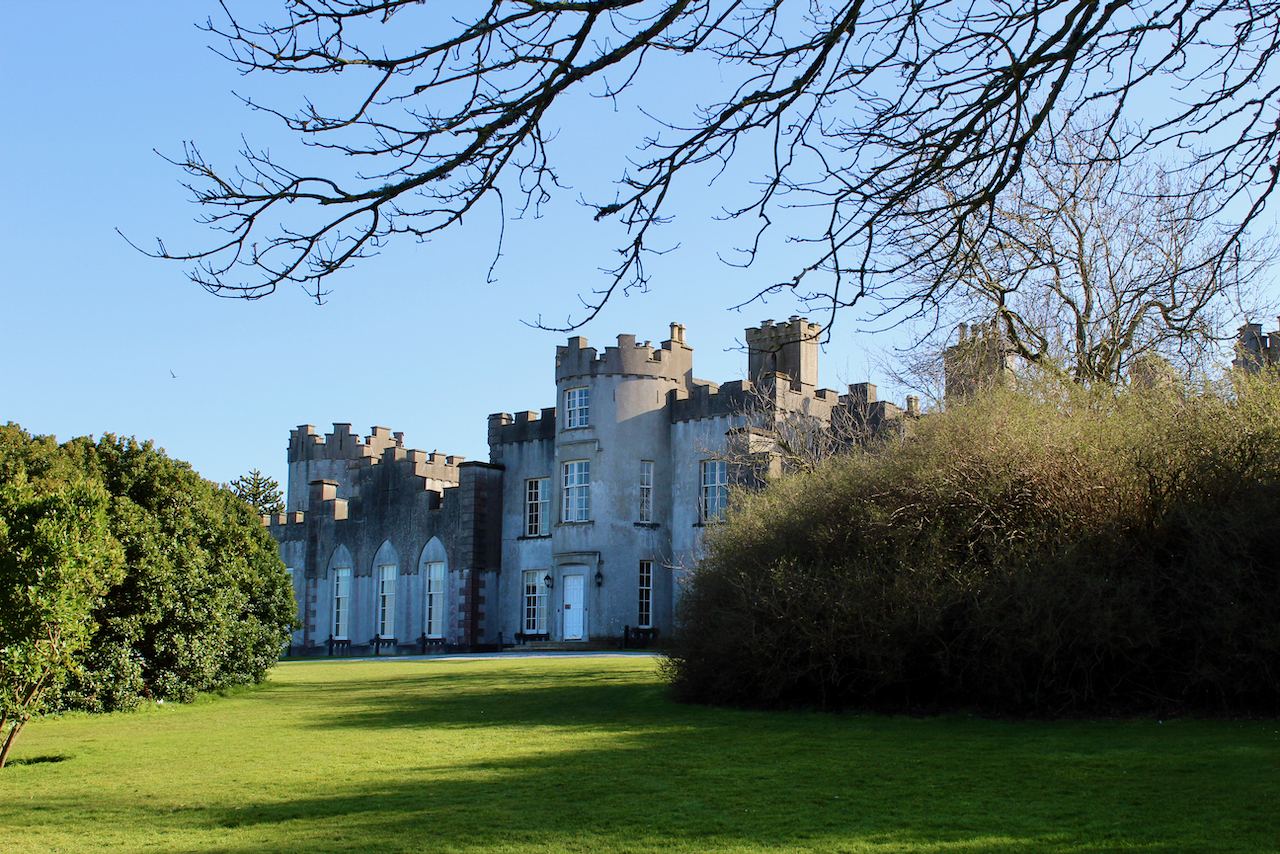
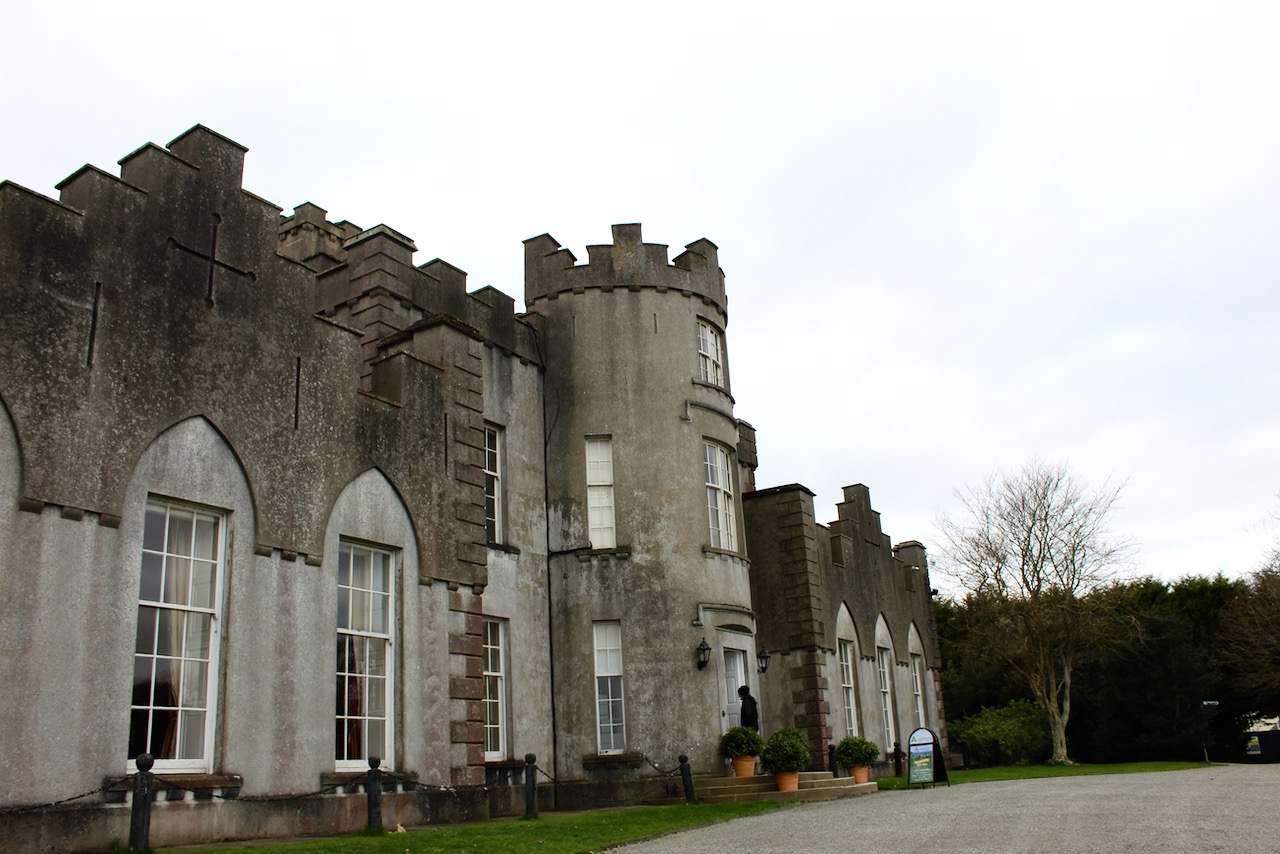

The other side of the house has battlemented ranges and an octagon tower. [1]
The website informs us:
“Initially the site was heavily wooded, the name Ardgillan being derived from the Irish “Ard Choill” meaning High Wood. It was cleared out by service soldiers and itinerant workers in return for one penny a day, sleeping accommodation and one meal.
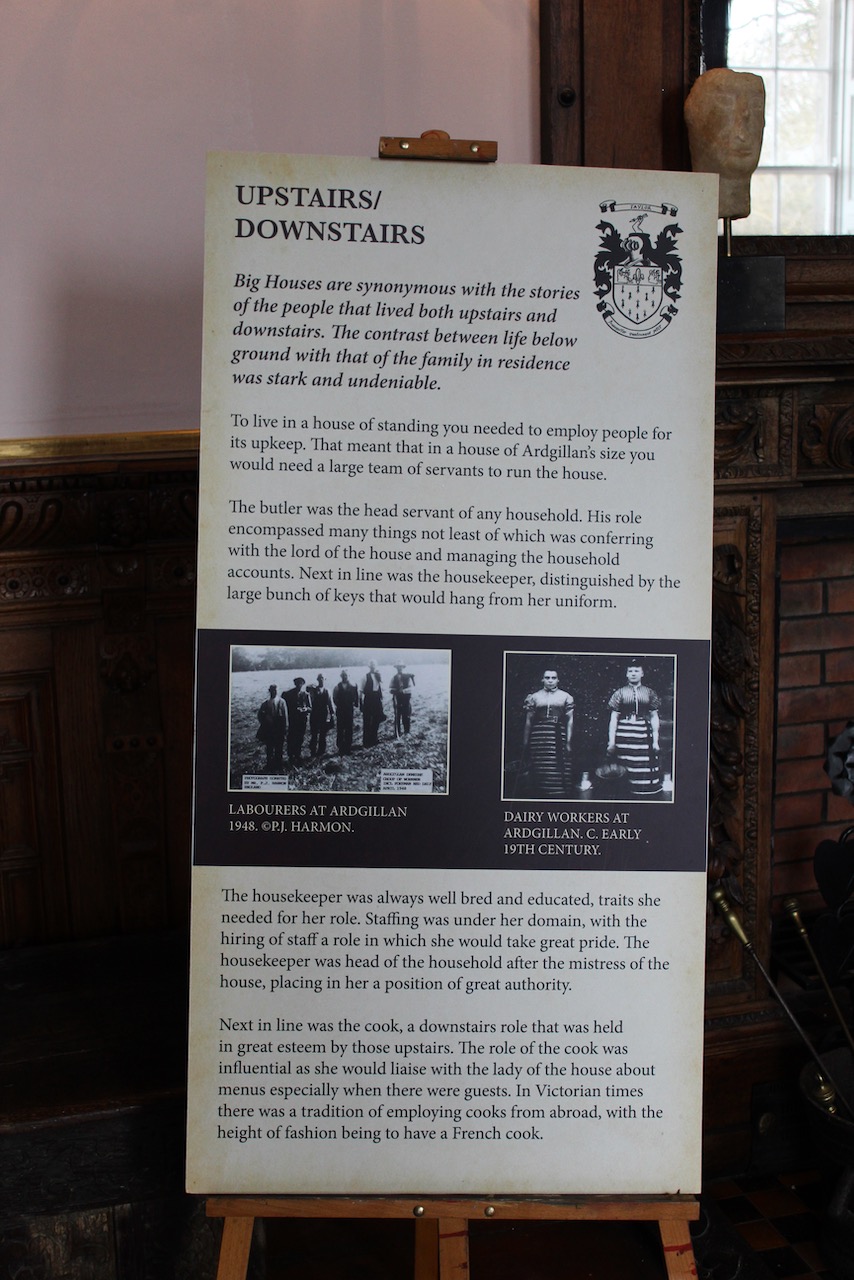
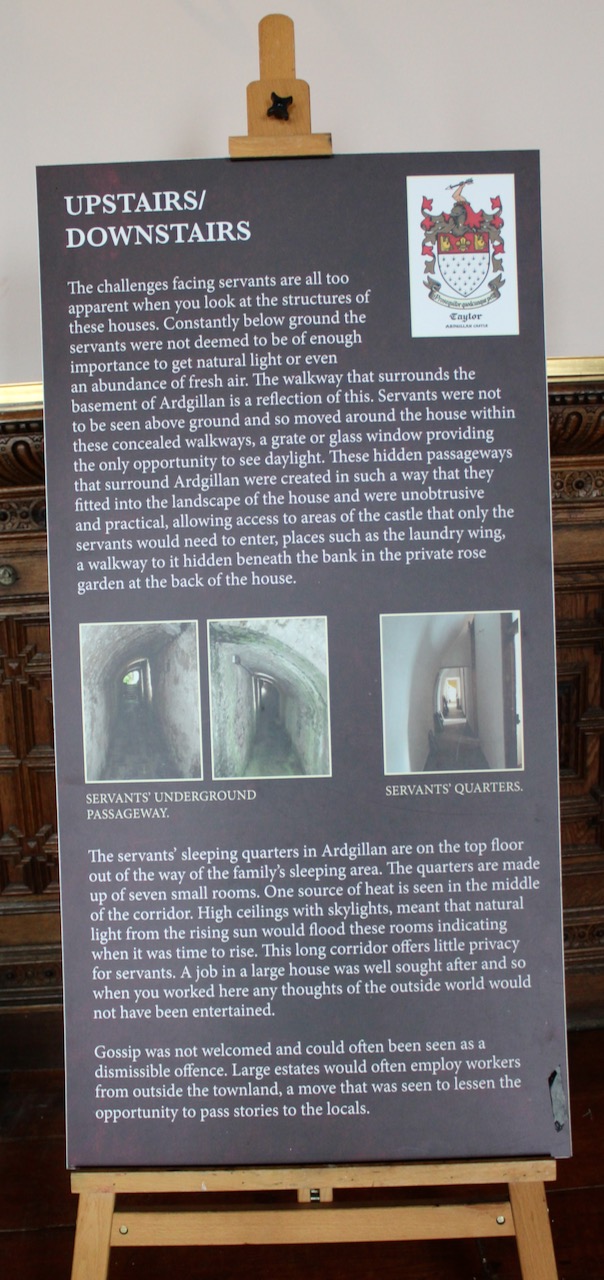
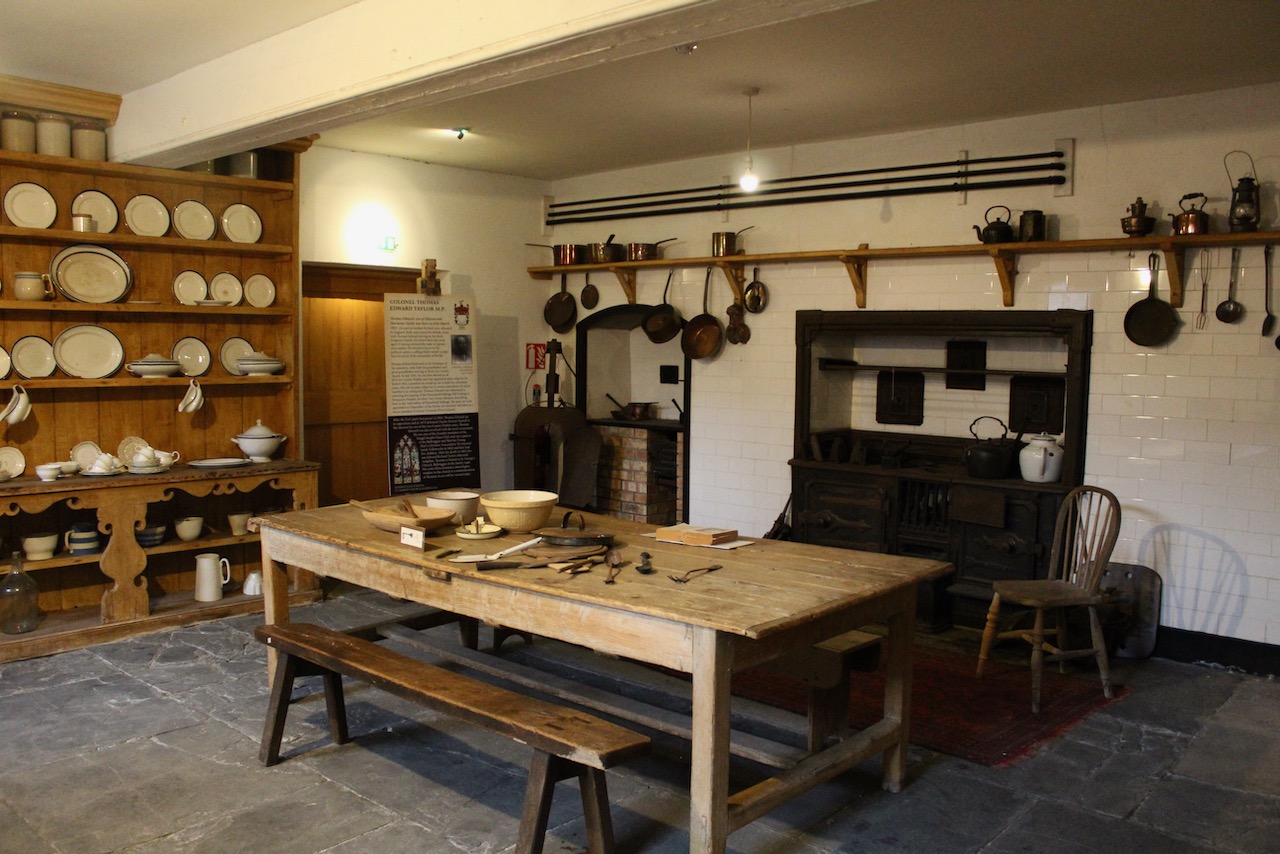
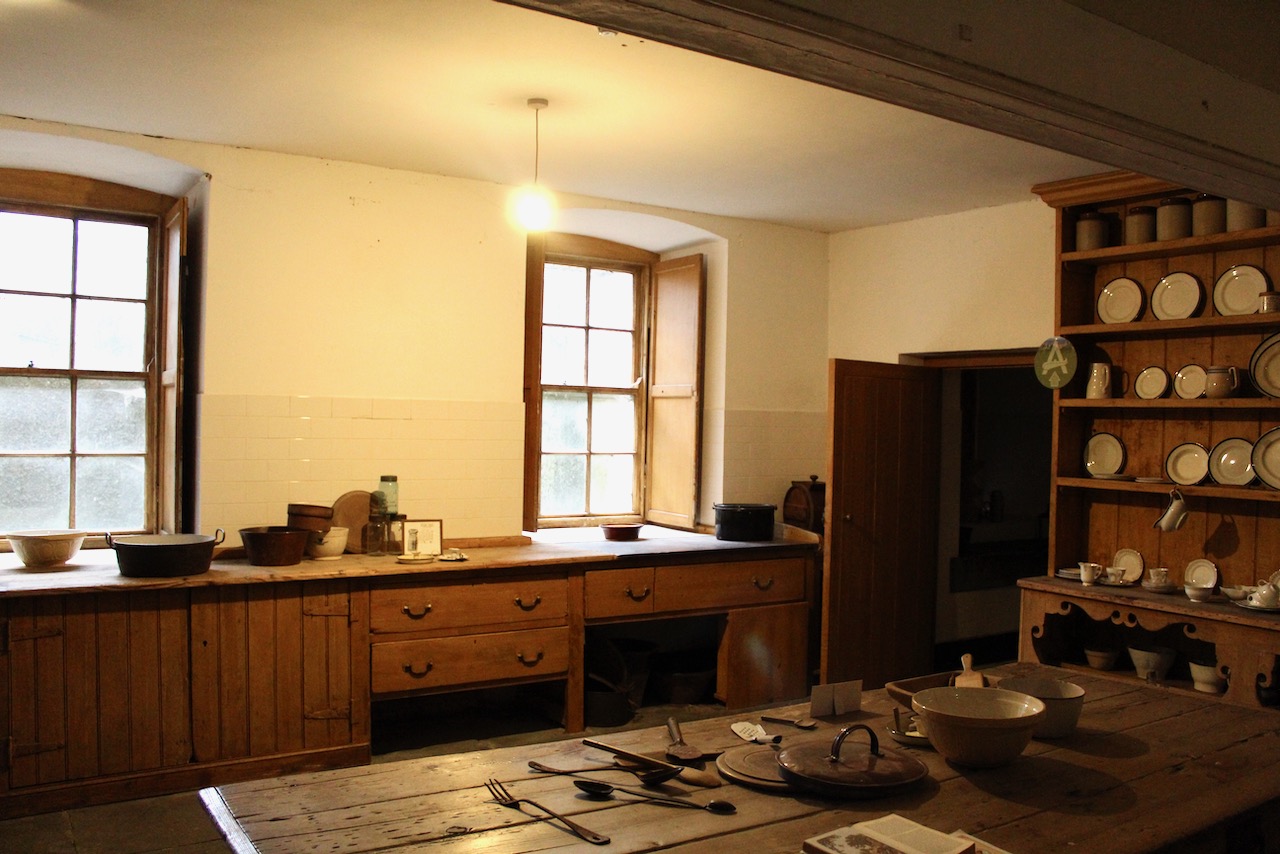
“The house consists of two storeys over a basement which extends out under the lawns on the southern side of the building. When occupied, the ground and first floors were the living accommodations while the west and east wings were servants’ quarters and estate offices. The basement comprised of the service floor, the kitchen and stores.“
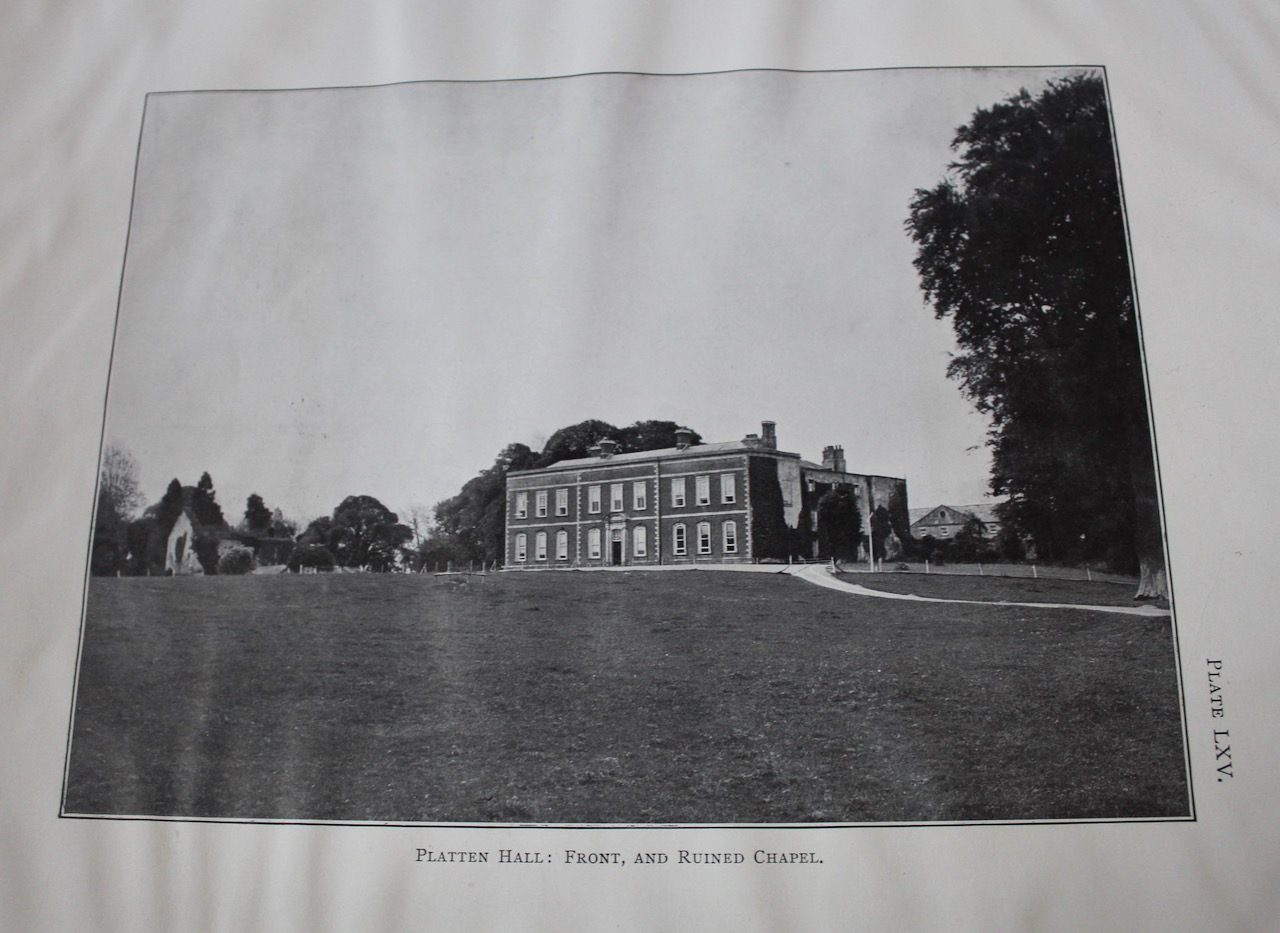
Thomas Taylour 2nd Baronet of Kells married Sarah Graham of Platten, County Meath. Their son Thomas was MP for Kells, County Meath, and was created 1st Earl of Bective, of Bective Castle, Co. Meath.
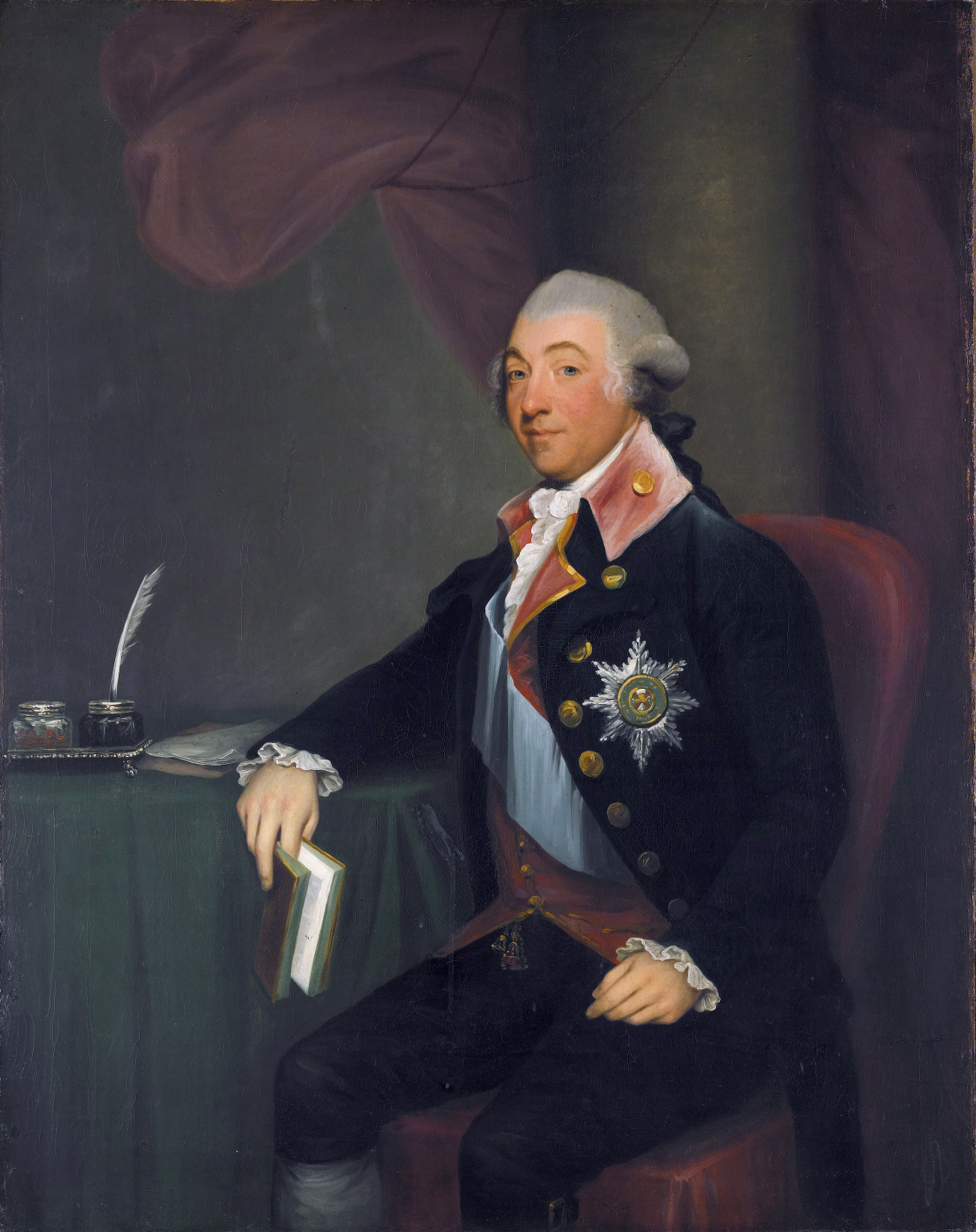
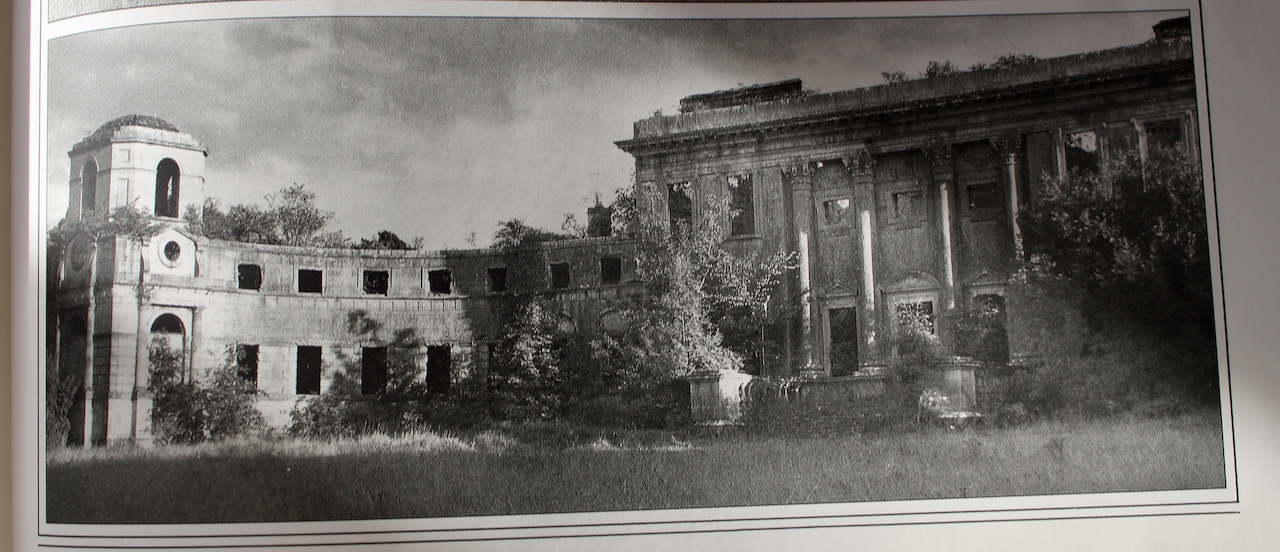
In 1754 Thomas Earl of Bective married Jane, eldest daughter of the Rt Hon Hercules Langford Rowley, from Summerhill, County Meath. The house she came from was one of the most impressive of the time but unfortunately no longer exists. It was designed by Edward Lovett Pearce and completed by Richard Cassels in the Palladian style.
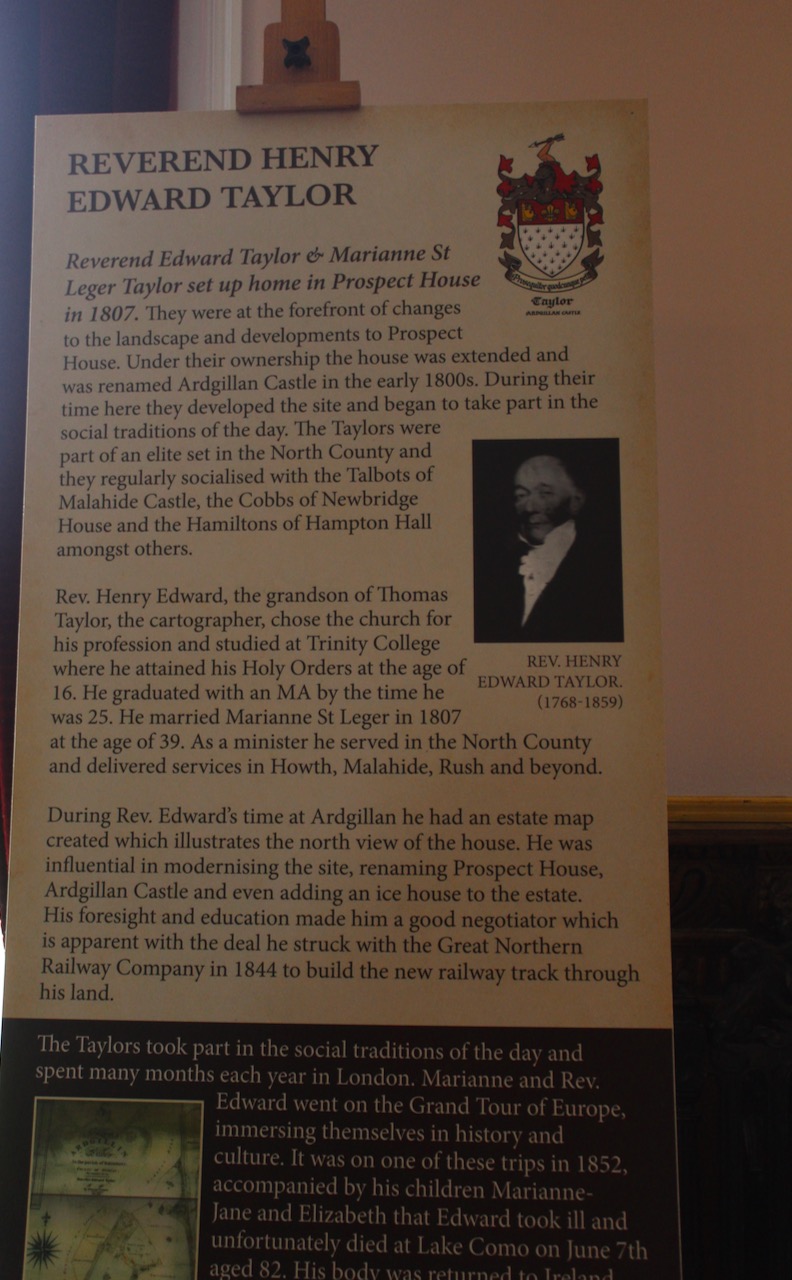
The Earl of Bective’s younger son Henry Edward Taylour (1768-1852) joined the clergy and he and his wife, Marianne St. Leger from Doneraile in County Cork, settled at Ardgillan. See my entry for Doneraile, which you can visit https://irishhistorichouses.com/2024/04/19/doneraile-court-county-cork-an-office-of-public-works-property/.
The 1st Earl of Bective’s eldest son Thomas was created 1st Marquess of Headfort and lived in Headfort House. Another son, Clotworthy, took the name Rowley when he succeeded to the Rowley estates in 1796, and was created 1st Baron Langford of Summerhill. Summerhill had been built 1731 for Hercules Rowley, MP, who inherited the estate from his mother, the daughter of Sir Hercules Langford, 1st Baronet.
The information board tells us that Reverend Edward Taylor and his wife Marianne settled in what was then called Prospect House, which they extended and renamed Ardgillan Castle. Reverend Taylor ministered to congregations in Howth, Malahide, Rush and beyond. He died on a family trip to Lake Como.
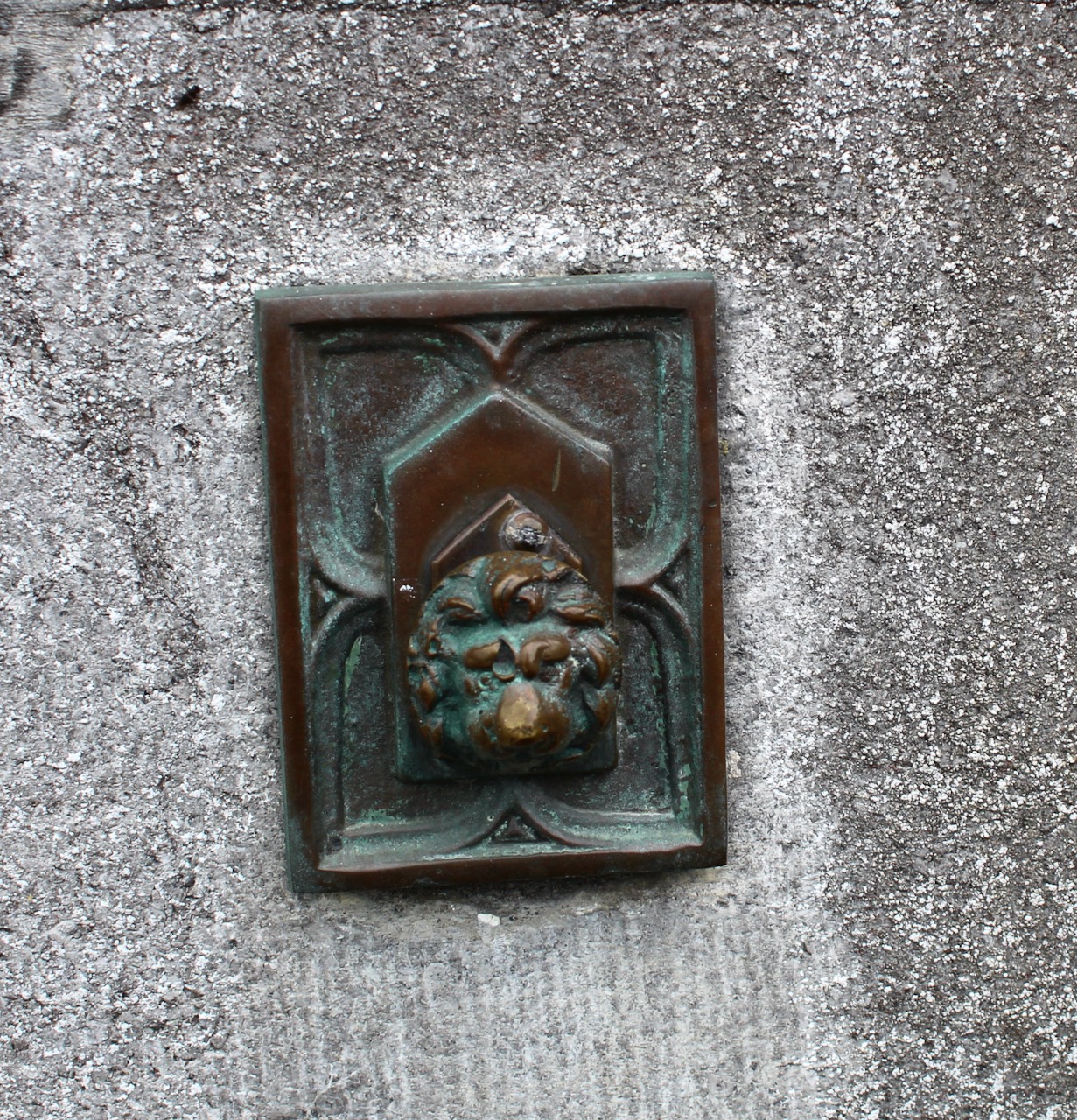
We returned to Ardgillan in February 2022 and were able to see inside the castle. The entrance hall of Ardgillan has a little shop and visitors’ desk. Lovely plasterwork scrolls of foliage line the the inside of the arches that divides the room. A gothic arches pattern runs around the ceiling, which matches the glass door and window arch. The ceiling and wall arch are flanked by rounded pilasters. The fine ceiling rose is of acanthus leaves.

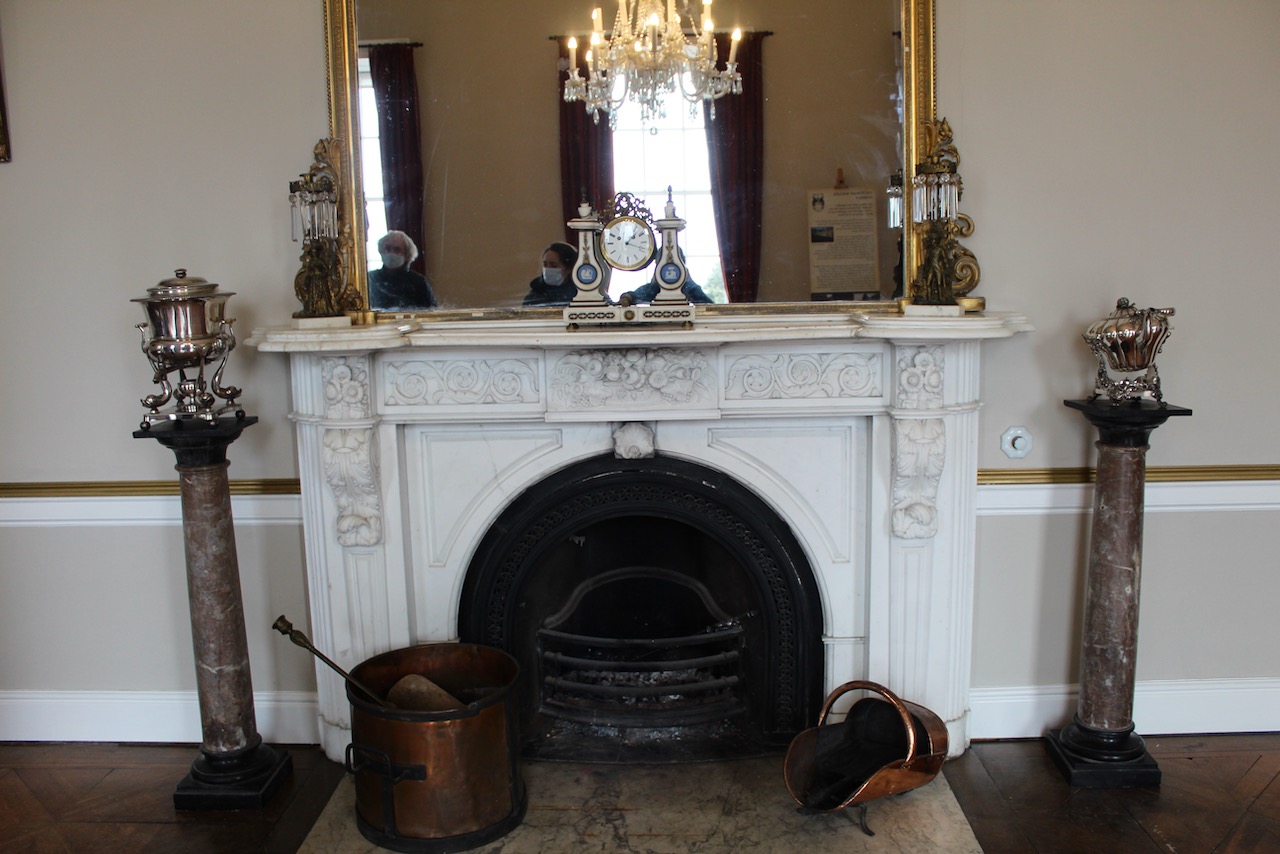
The drawing room has a fine marble fireplace.

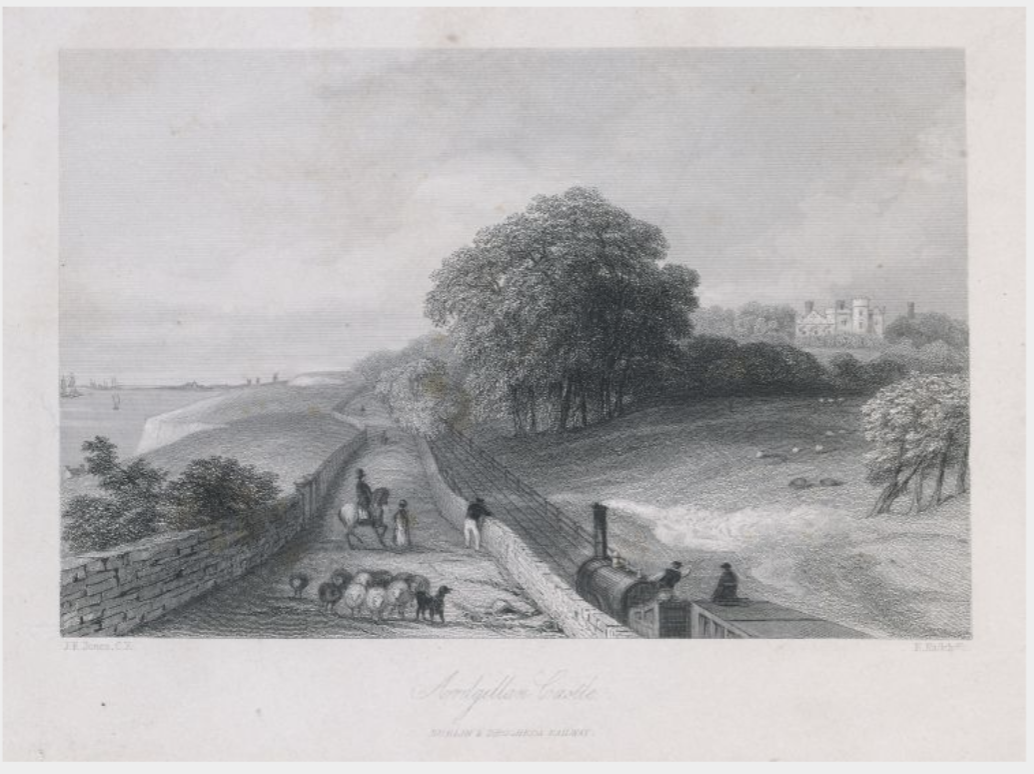
Reveredn Taylor struck a deal with the Great Northern Railway company to build across his land. The information board tells us that as part of the deal, the family had permission to stop any train on the line for their personal use by waving a red flag at a purpose built halting spot!

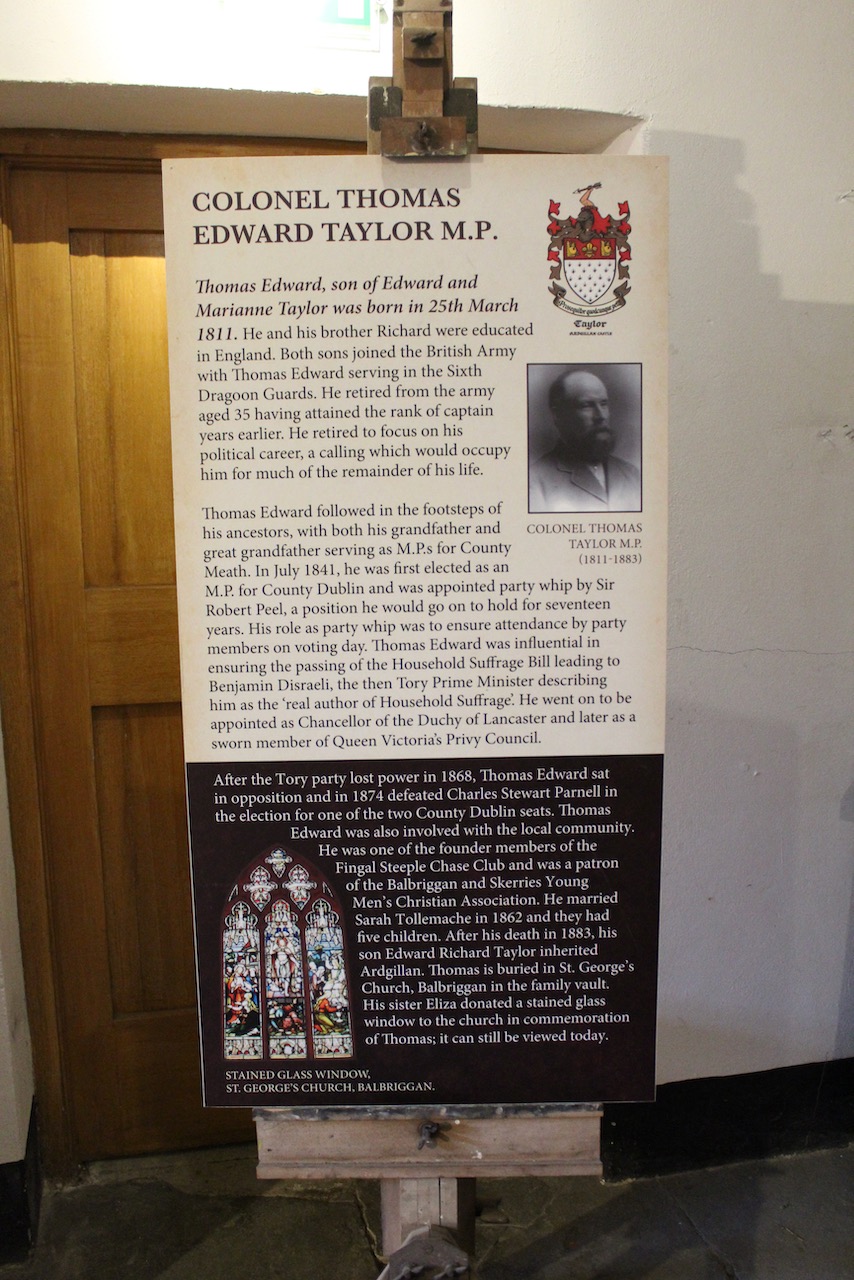
The house passed to Thomas Edward Taylor (1811-1883). He and his brother Richard, the sign board tells us, were educated in England, then joined the British Army. Thomas retired from the army aged thirty-five and focussed on a political career. He served as MP for County Dublin and was appointed party whip by Robert Peel. Later, he was a member of Queen Victoria’s Privy Council. He married Sarah Tollemache from England and they had five children.
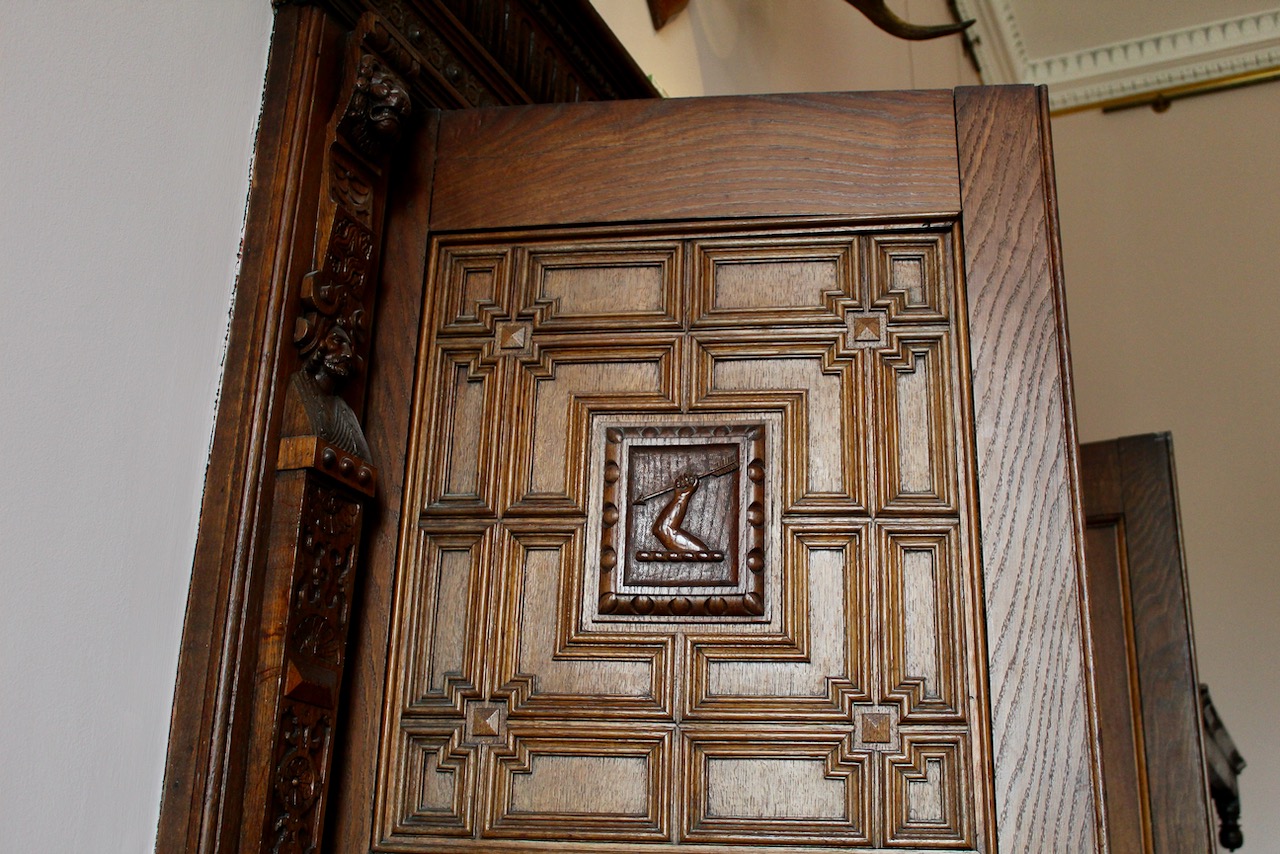
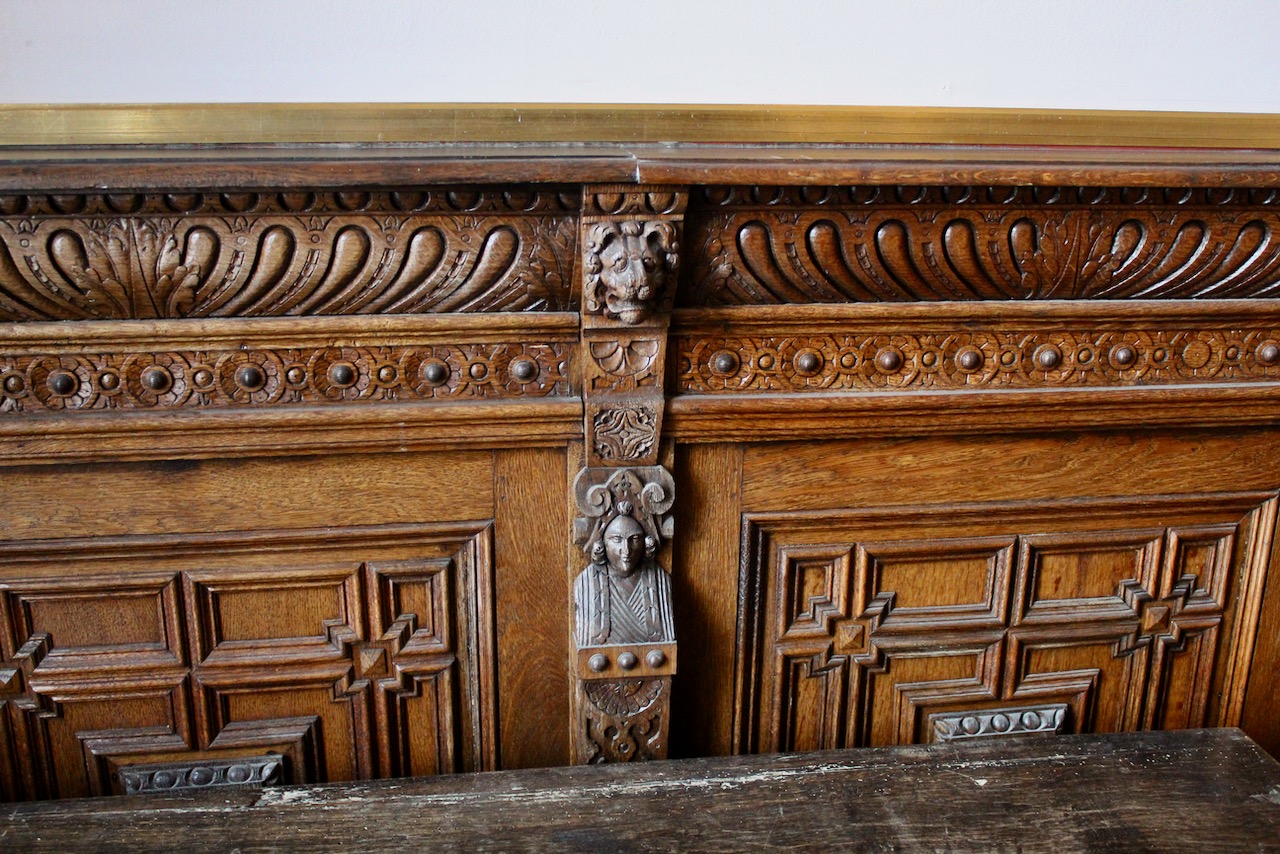
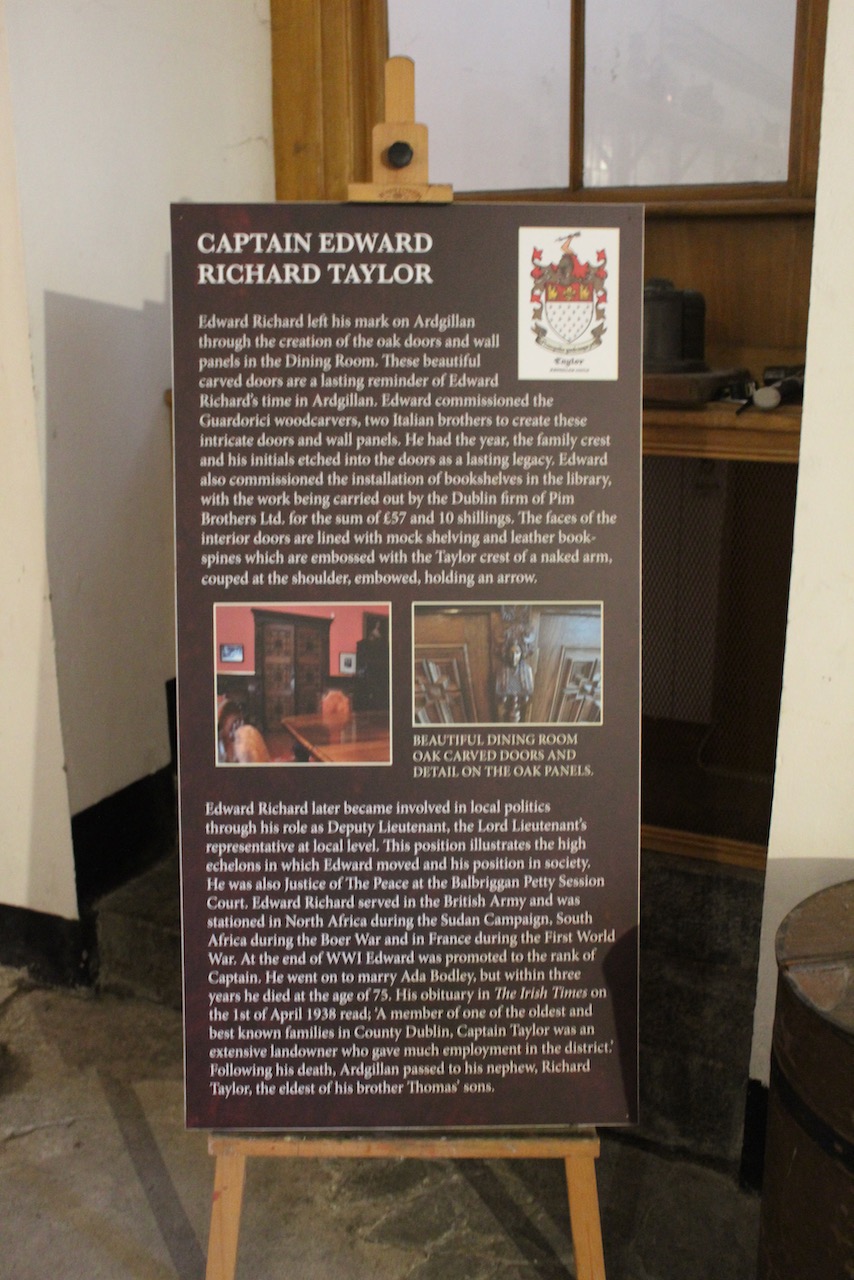
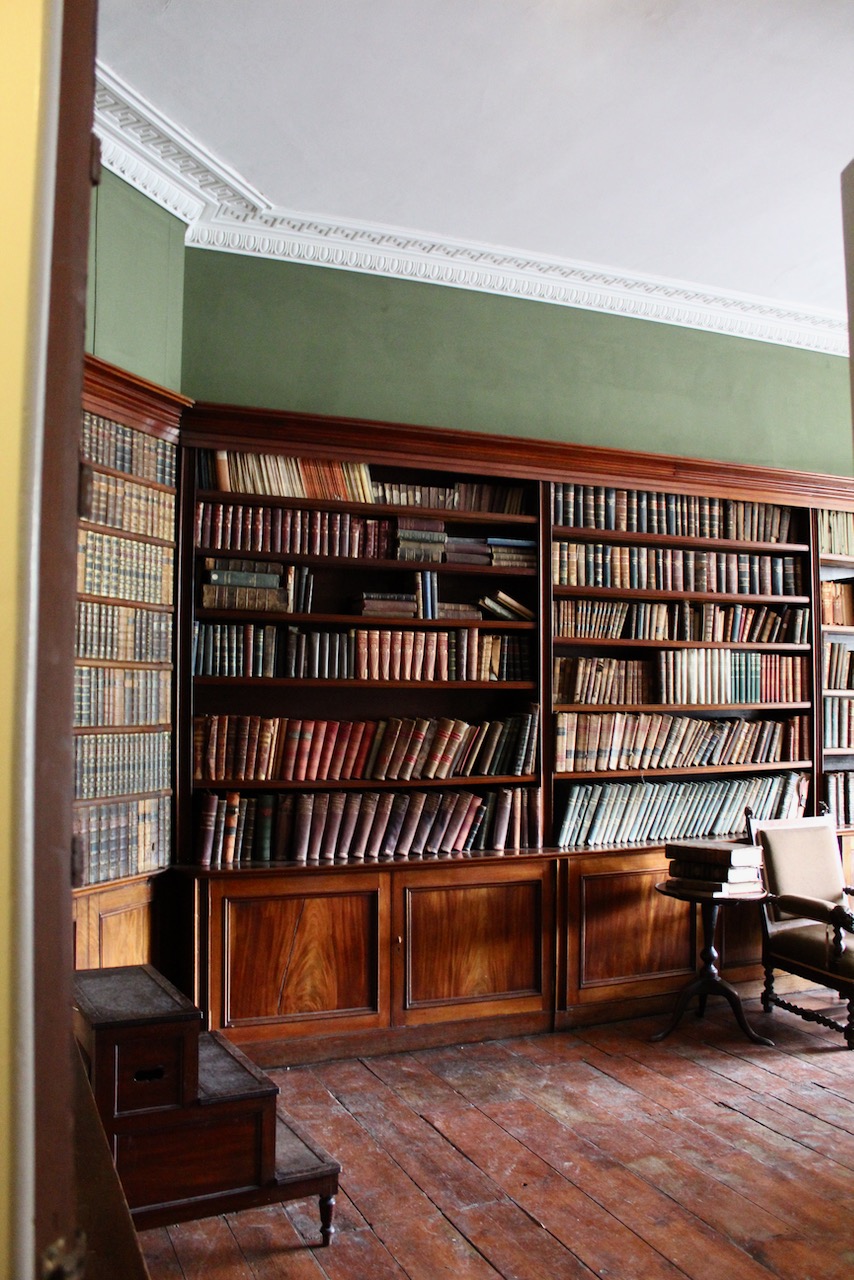
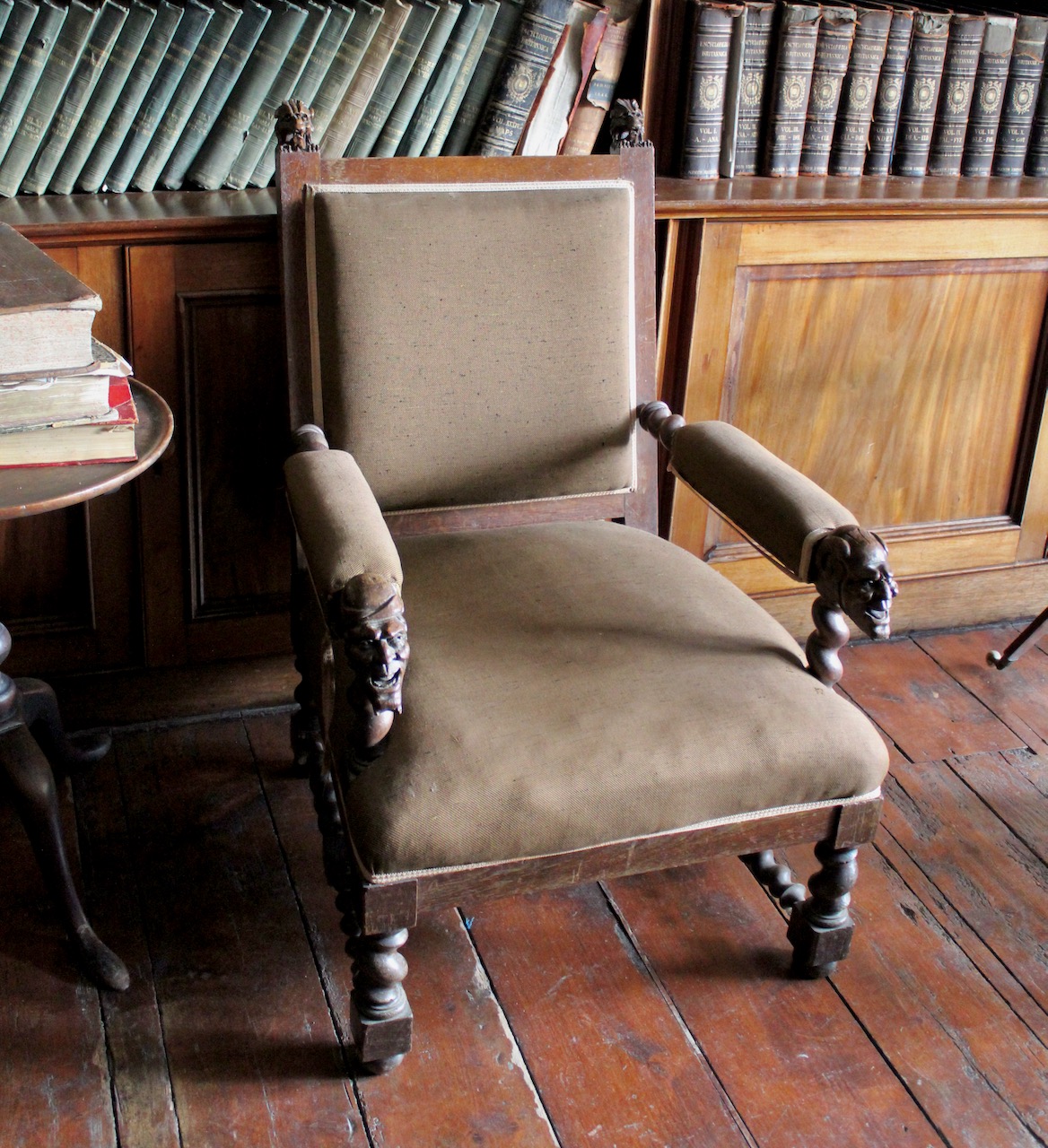
The dining room is the piéce de resistance, with intricately carved oak panelling by Italian brothers Guardocici dated 1889 featuring Taylor Family crest. Thomas Edward’s son Edward Richard Taylor (1863-1938) employed Italian woodcarvers to fashion the panelling, doors and furniture. He also had shelves by the Dublin firm Pim Brothers Ltd installed in the library.


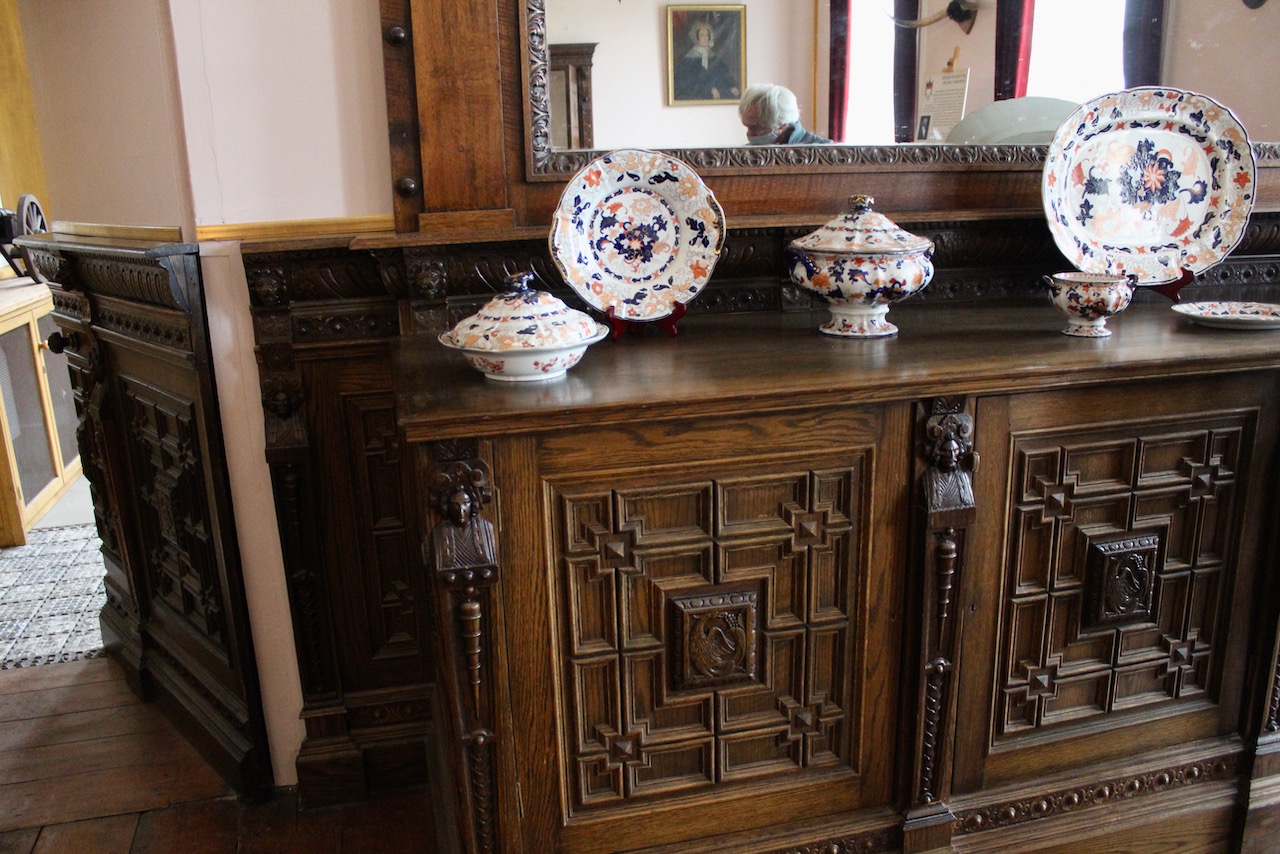
The room also features a real stuffed bear!

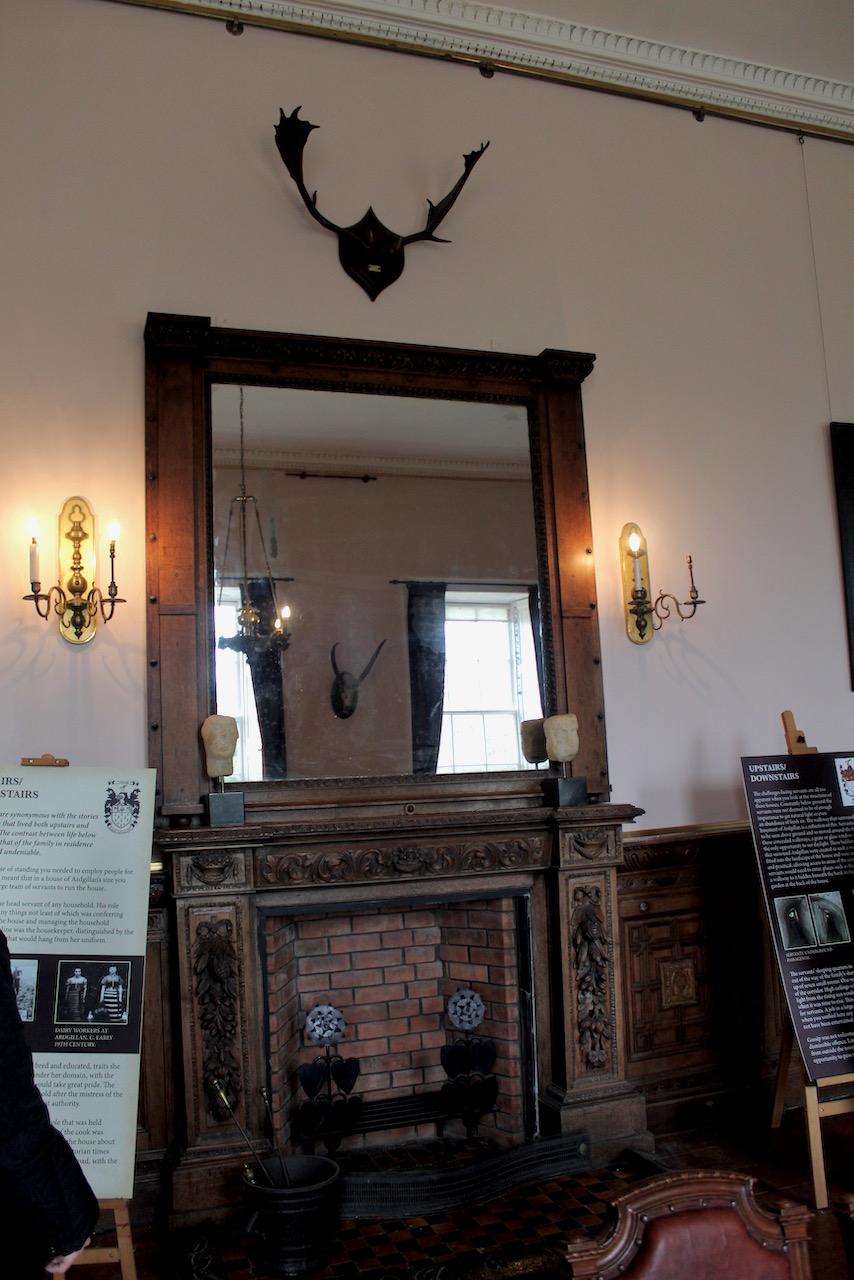
The fireplace in the dining room is also intricately carved.

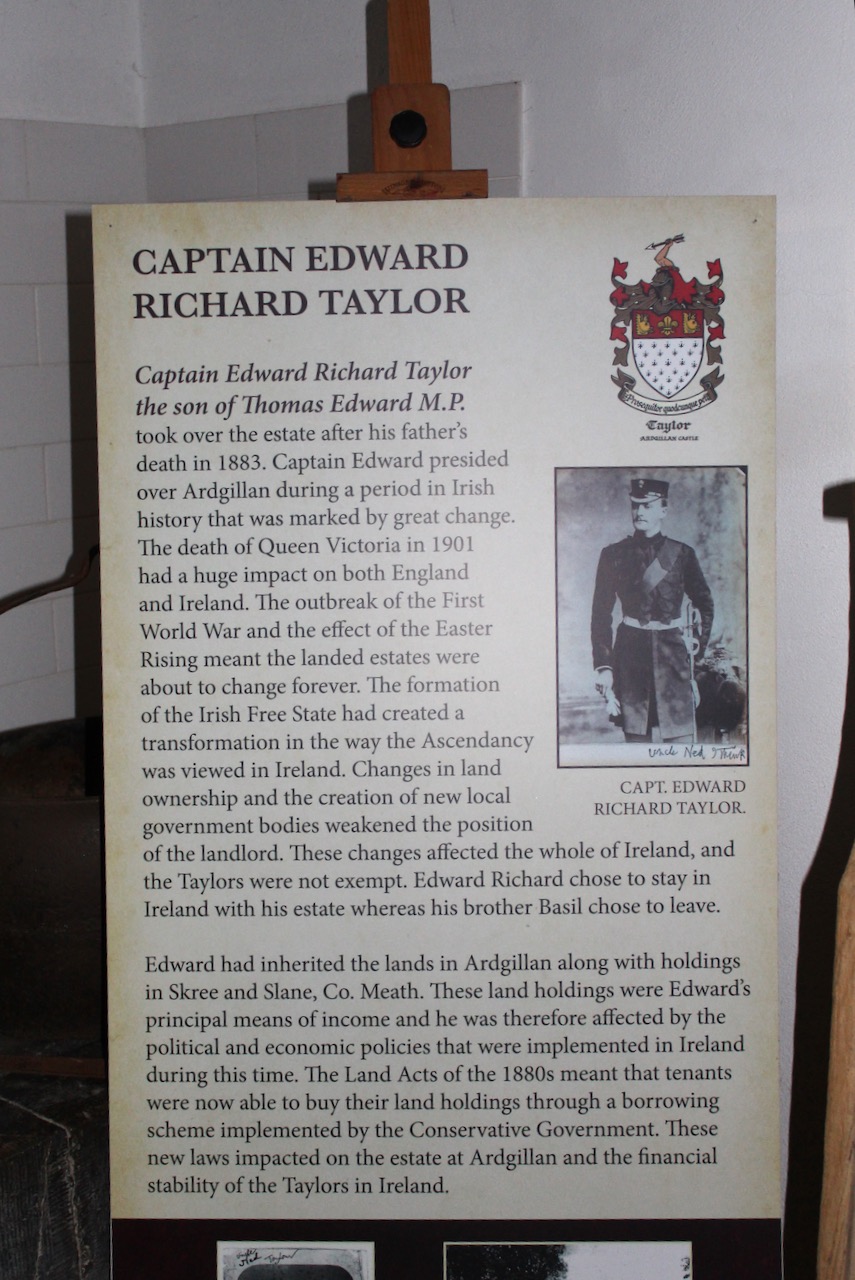
Edward Richard Taylor (1863-1938) took over the estate after his father Thomas Edward’s death in 1883. He also inherited lands in Skree and Slane in County Meath. He relied on his lands for income, so the Land Acts of the 1880s, by which tenants could purchase land, affected his finances.
Edward Richard Taylor served as Deputy Lieutenant in Ireland, and Justice of the Peace in Balbriggan in Dublin. He served in the British Army, in the Boer War and the first world war. He married late in life and had no children.
Since Edward Richard had no children he was succeeded by his brother Thomas’s son, Richard. It was Richard who sold Ardgillan.
The next room is the lovely library with the Pim Brothers shelves.


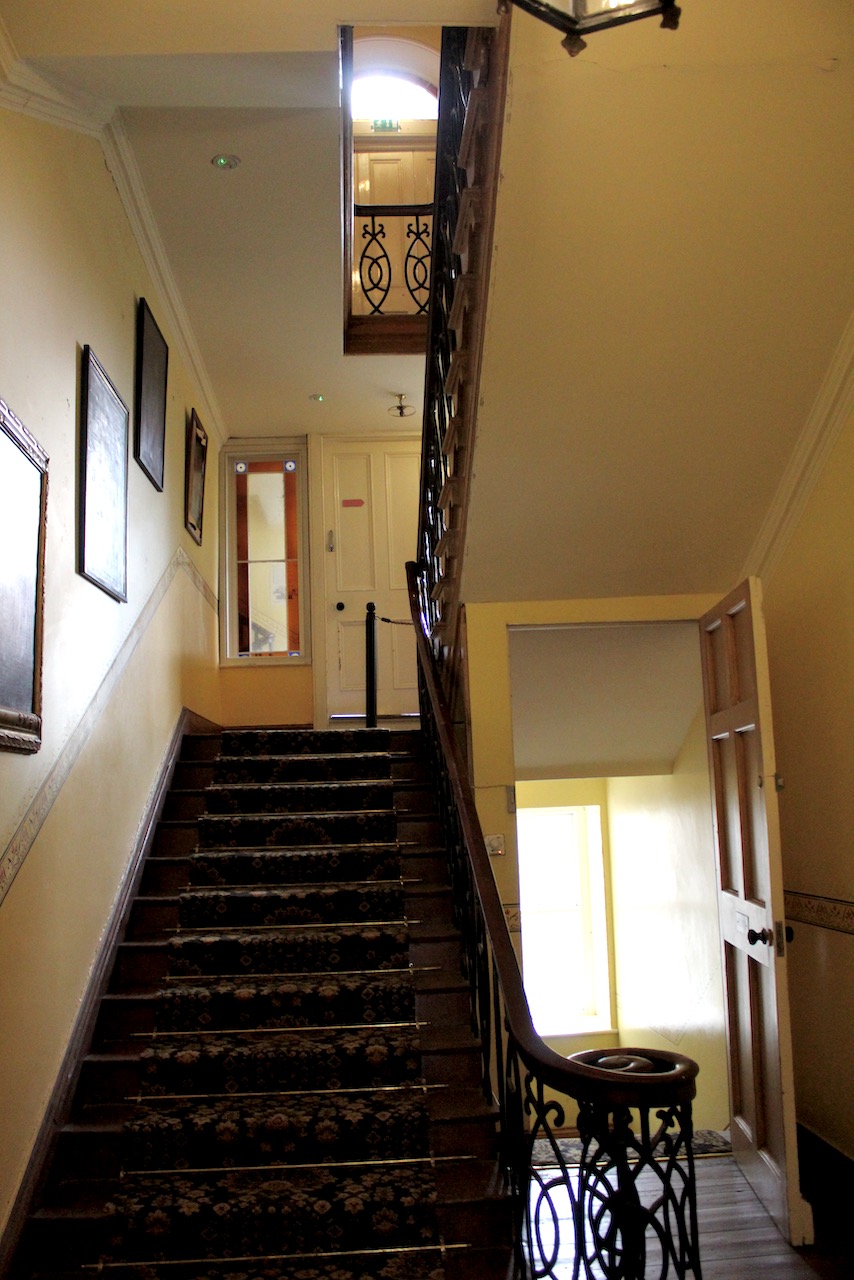
The stairs to the upper storey are modest for such a house. Upstairs there are artists’ studios – how lucky they are, to have such a wonderful setting for their work!


The basement is well-preserved.


The website tells us:
“Ardgillan park is unique among Dublin’s regional parks for the magnificent views it enjoys of the coastline. A panorama, taking in Rockabill Lighthouse, Colt Church, Shenick and Lambay Islands may be seen, including Sliabh Foy, the highest of the Cooley Mountains, and of course the Mourne Mountains can be seen sweeping down to the sea.
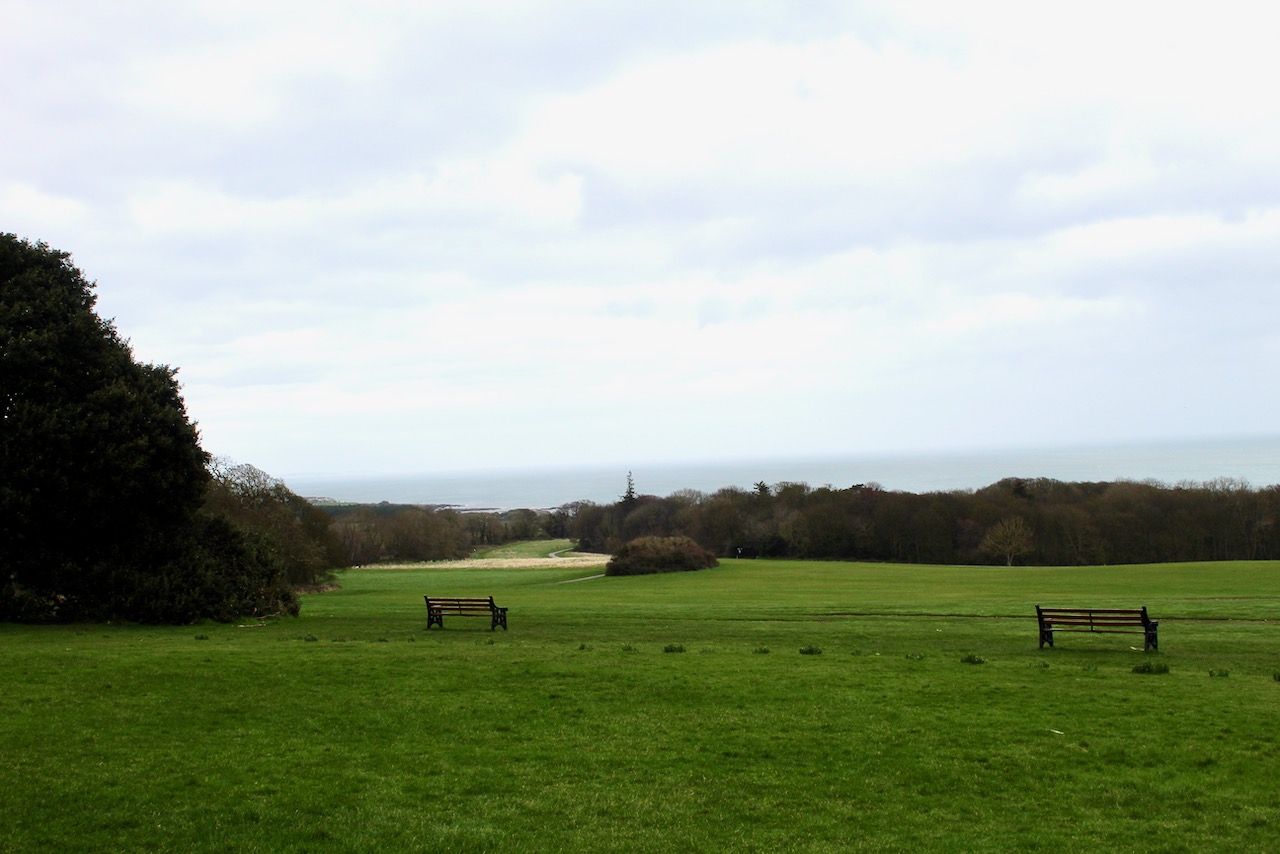
“The park area is the property of Fingal County Council and was opened to the public as a regional park in June 1985. Preliminary works were carried out prior to the opening in order to transform what had been an arable farm, into a public park. Five miles of footpaths were provided throughout the demesne, some by opening old avenues, while others were newly constructed. They now provide a system of varied and interesting woodland, walks and vantage points from which to enjoy breath-taking views of the sea, the coastline and surrounding countryside. A signposted cycle route through the park since June 2009 means that cyclists can share the miles of walking paths with pedestrians.“
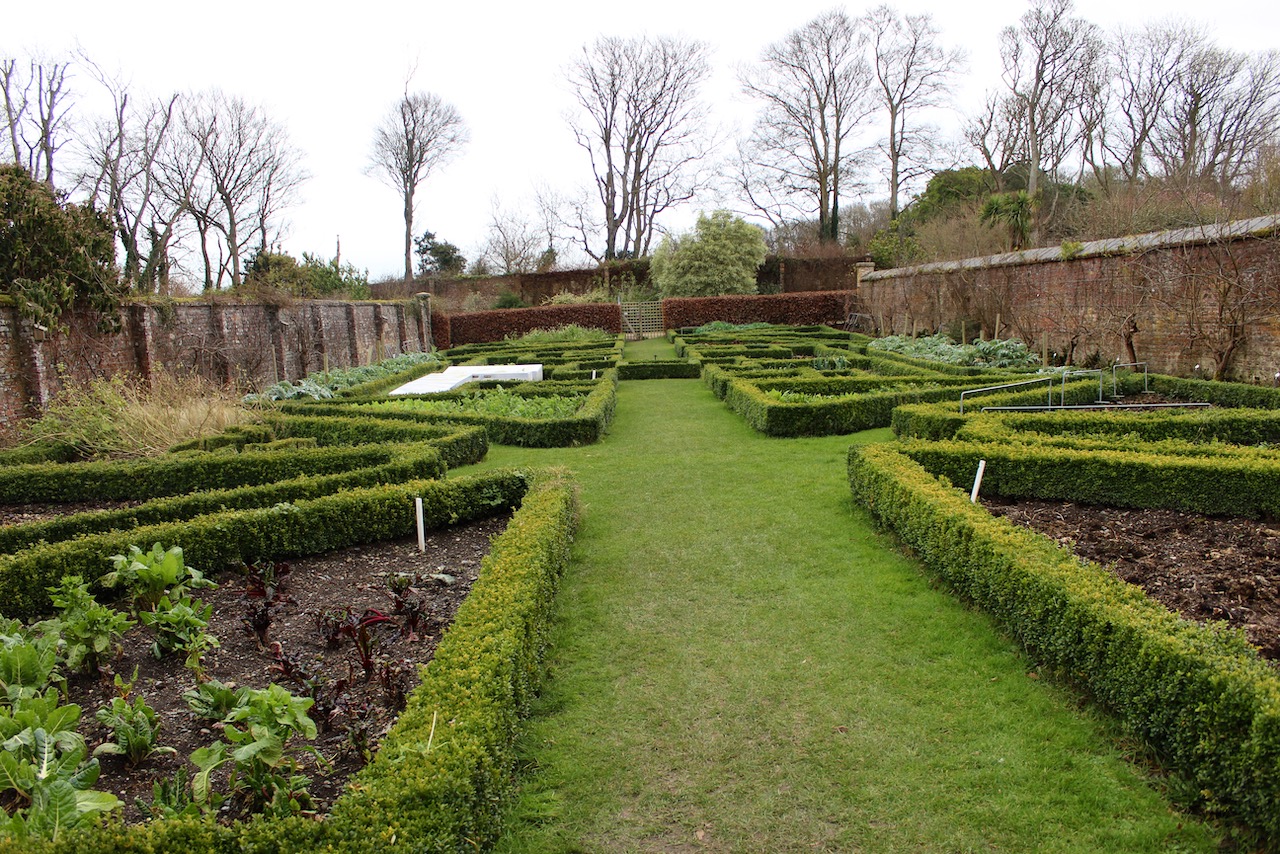
“The Walled Garden was originally a Victorian-styled kitchen garden that used to supply the fruit, vegetables and cut ower requirements to the house. It is 1 hectare (2.27 acres) in size, and is subdivided by free standing walls into five separate compartments. The walled garden was replanted in 1992 and through the 1990’s, with each section given a different theme.“
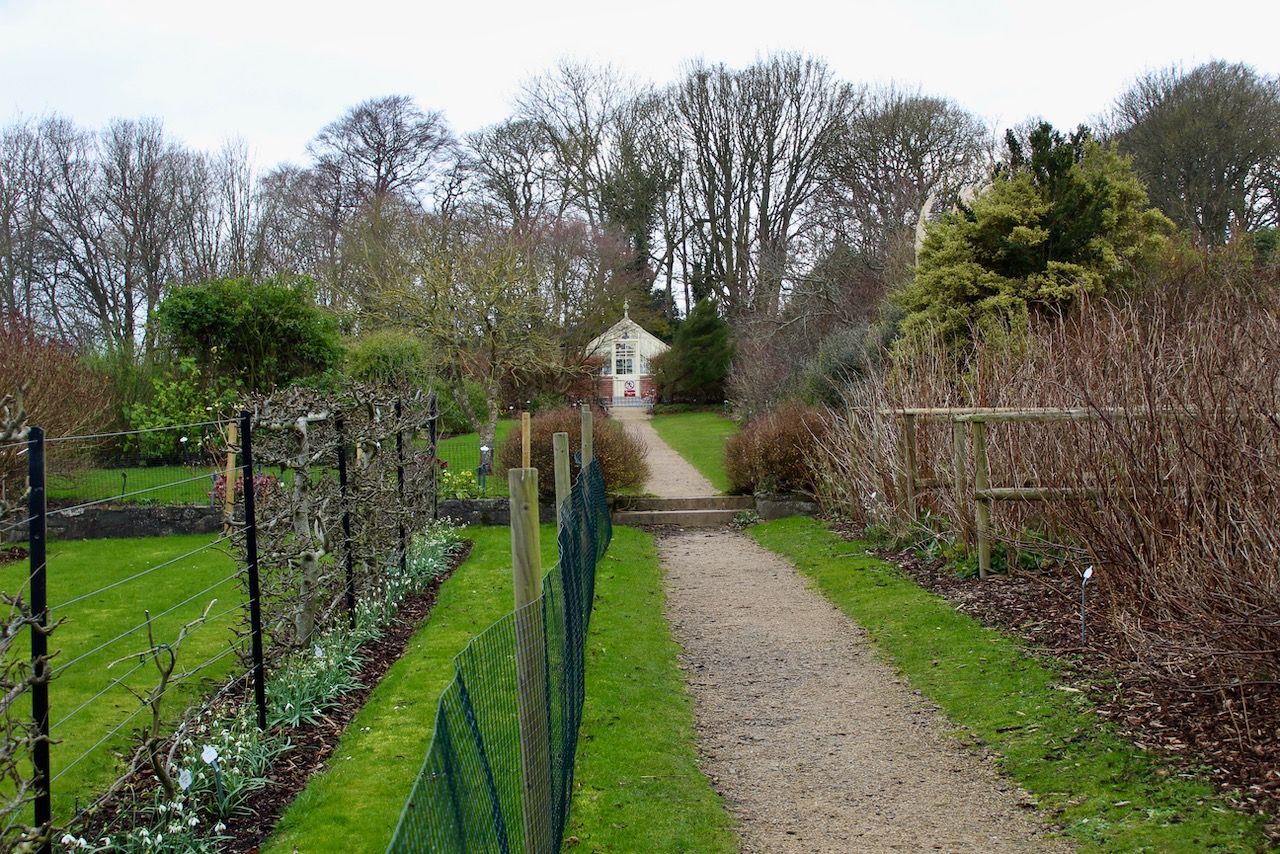

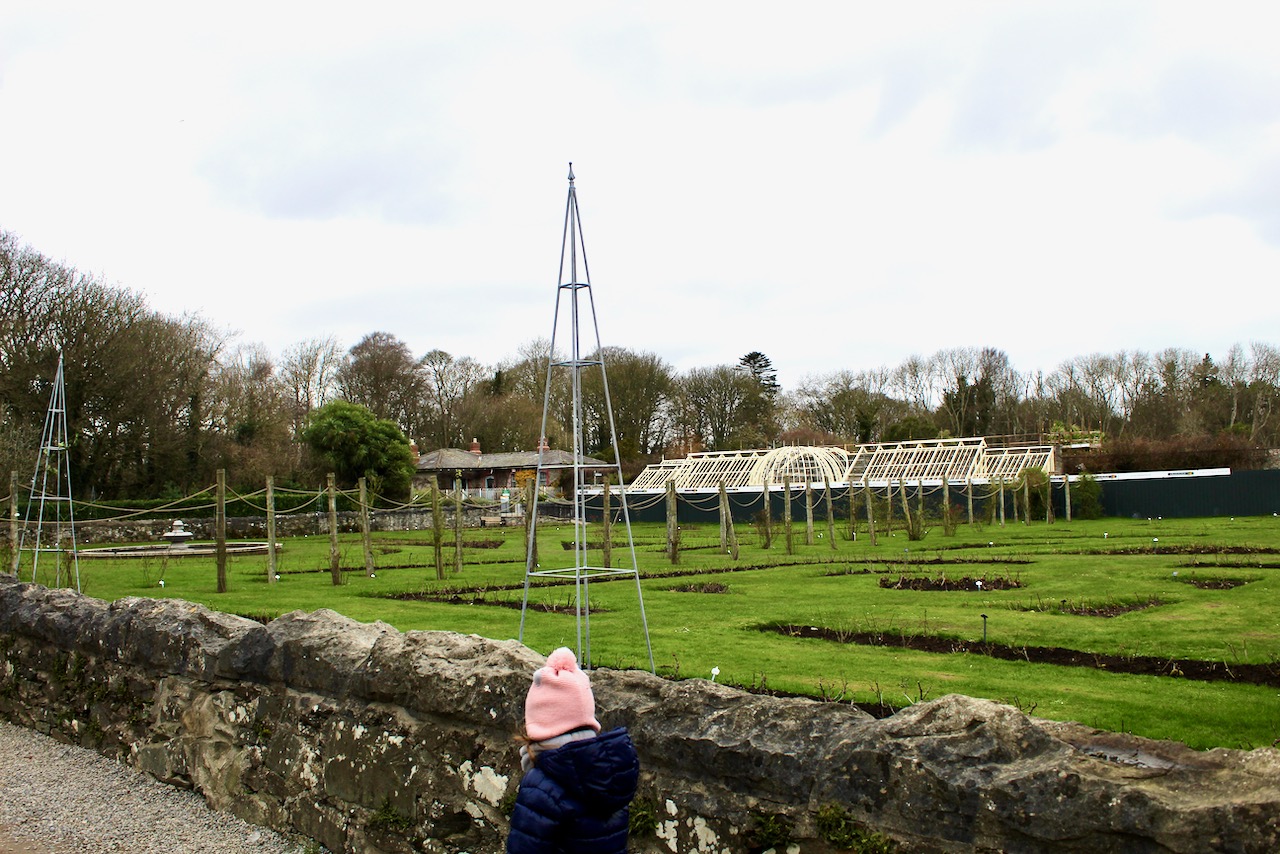
“The Victorian Conservatory was originally built in 1880 at Seamount, Malahide, the home of the Jameson family, who became famous for their whiskey all over the world. It was built by a Scottish glasshouse builder McKenzie & Moncur Engineering, and is reputed to be a replica of a glasshouse built at Balmoral in Scotland, the Scottish home of the British Royal Family. The conservatory was donated to Fingal County Council by the present owner of Seamount, the Treacy family and was re-located to the Ardgillan Rose Garden in the mid-1990s by park staff.
“The Department of Arts, Heritage and the Gaeltacht (DAHG) approached Fingal County Council in early 2014 to participate in a pilot project to develop and enhance skill sets in built heritage conservation, under the Traditional Building Skills Training Scheme 2014. The glass house/ conservatory at Ardgillan was selected as part of this project. The glass house has been completely dismantled because it had decayed to such an extent that it was structurally unstable. All parts removed as part of this process are in safe storage. This work is the first stage of a major restoration project being undertaken by the Councils own Direct Labour Crew in the Operations Department supervised by David Curley along with Fingal County Council Architects so that the glasshouse can be re-erected in the garden and can again act as a wonderful backdrop to the rose garden. This is a complex and difficult piece of work which is currently on going and we are hopeful to have the glasshouse back to its former glory as a centrepiece of the visitor offering in Ardgillan Demesne in the near future.“
[1] p. 9, Bence-Jones, Mark. A Guide to Irish Country Houses (originally published as Burke’s Guide to Country Houses volume 1 Ireland by Burke’s Peerage Ltd. 1978); Revised edition 1988 Constable and Company Ltd, London.
 Irish Historic Houses
