
Donation
Help me to fund my creation and update of this website. It is my “full time job” and created purely out of love for the subject and I receive no payment so any donation is appreciated! My costs include travelling to our destinations from Dublin, accommodation if we need to stay somewhere nearby, and entrance fees. Your donation could also help with the cost of the occasional book I buy for research (though I mostly use the library – thank you Kevin Street library!). Your donation could also help with my Irish Georgian Society membership or attendance for talks and lectures, or the Historic Houses of Ireland annual conference in Maynooth.
€15.00
Ashtown Castle, Phoenix Park, Dublin:
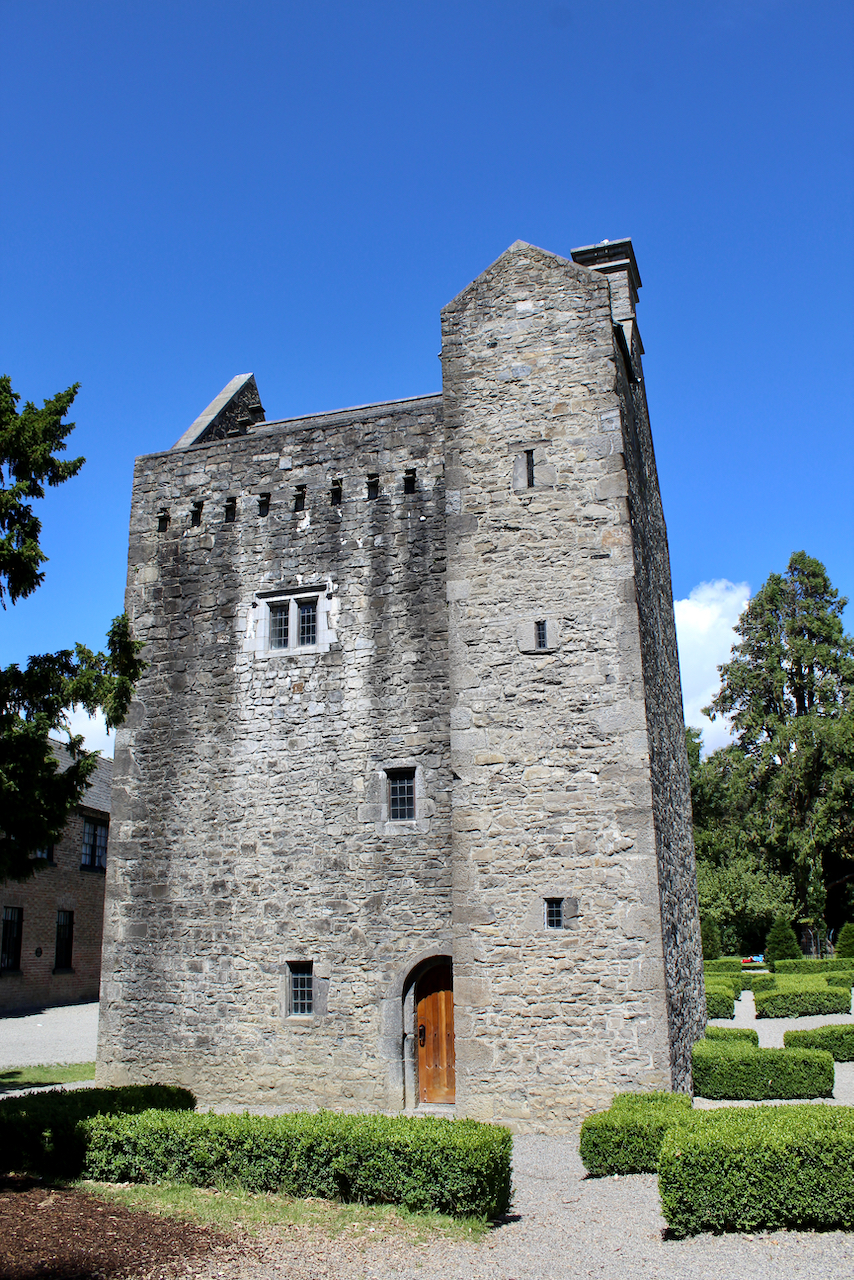
Ashtown Castle is in the Phoenix Park. The Office of Public Works are currently running one tour per day. [1] The tower house had been incorporated into a house in the late 1700s, and the Office of Public Works demolished the house, which had become very dilapidated, to restore the tower house.
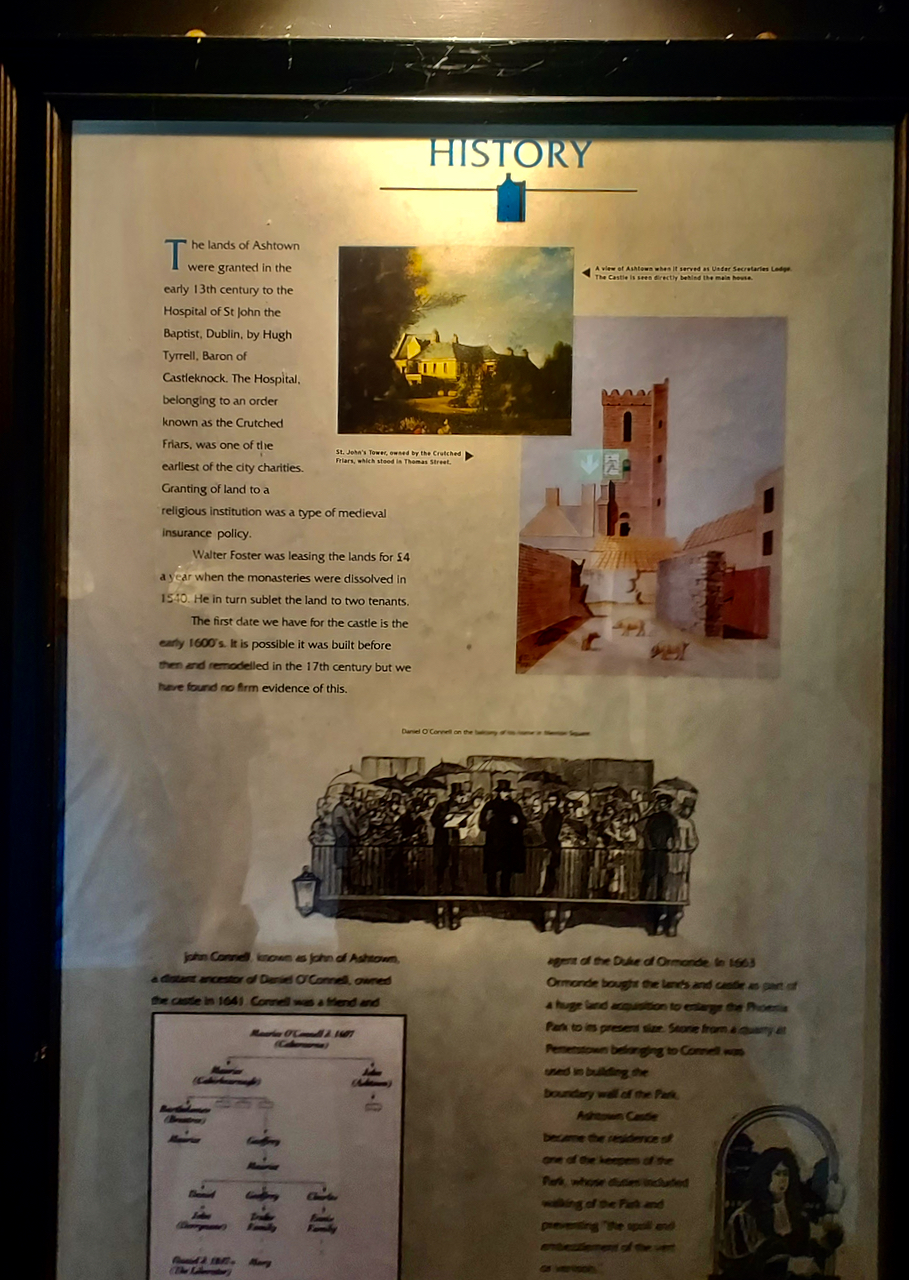
Hugh Tyrrell (d. 1199), later 1st Baron of Castleknock, came to Ireland with Strongbow, Richard de Clare, 2nd Earl of Pembroke. Tyrrell, a second cousin of Strongbow, became right hand man to Hugh de Lacy, Lord of Meath. De Lacy conferred the feudal barony of Castleknock to Tyrrell.
The land at Ashtown, now part of the Phoenix Park, was granted by Hugh Tyrrell to the Hospital of St. John the Baptist in the 12th century. The Hospital belonged to the “Crutched Friars” (brothers of the cross) and was one of the earliest city charities.
When the monasteries were dissolved in 1540, Walter Foster was leasing the land, which he in turn sublet to two tenants.
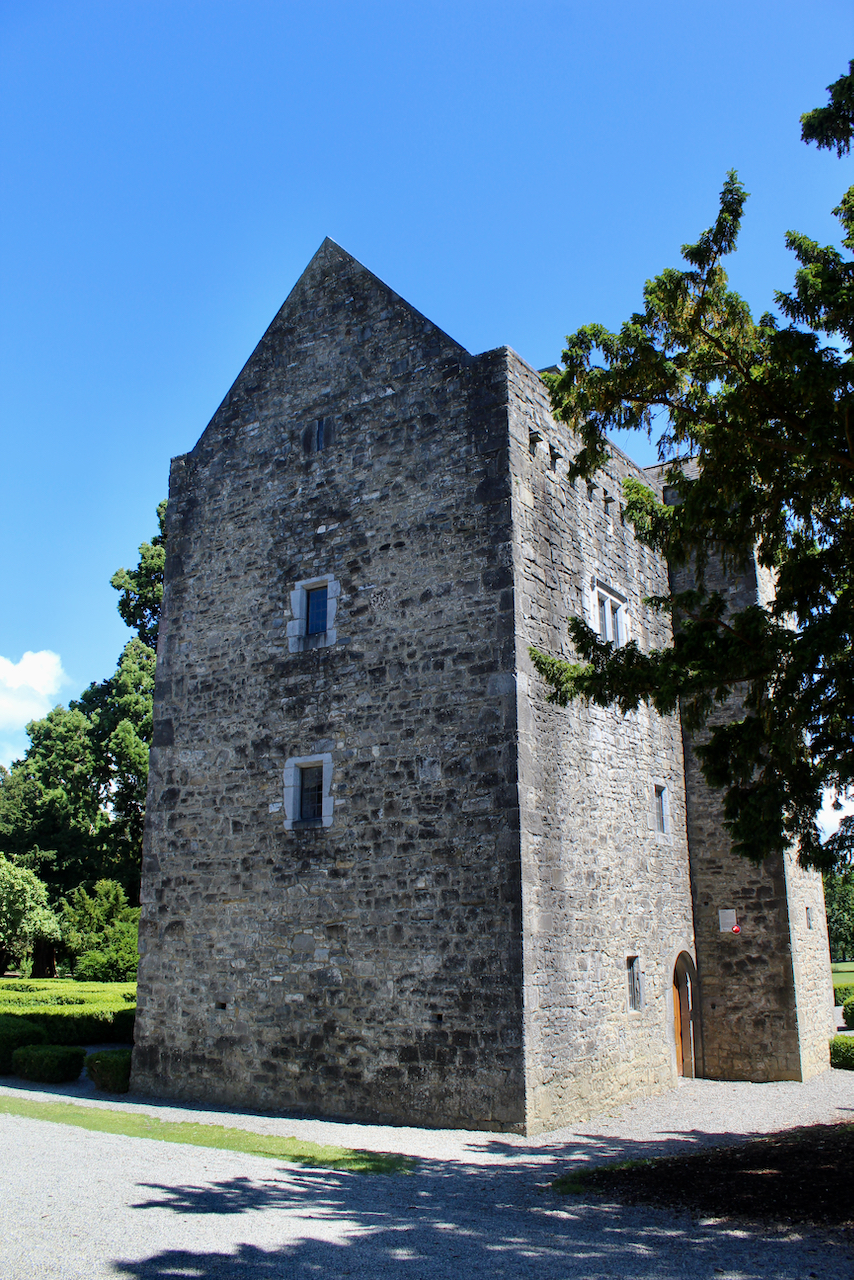
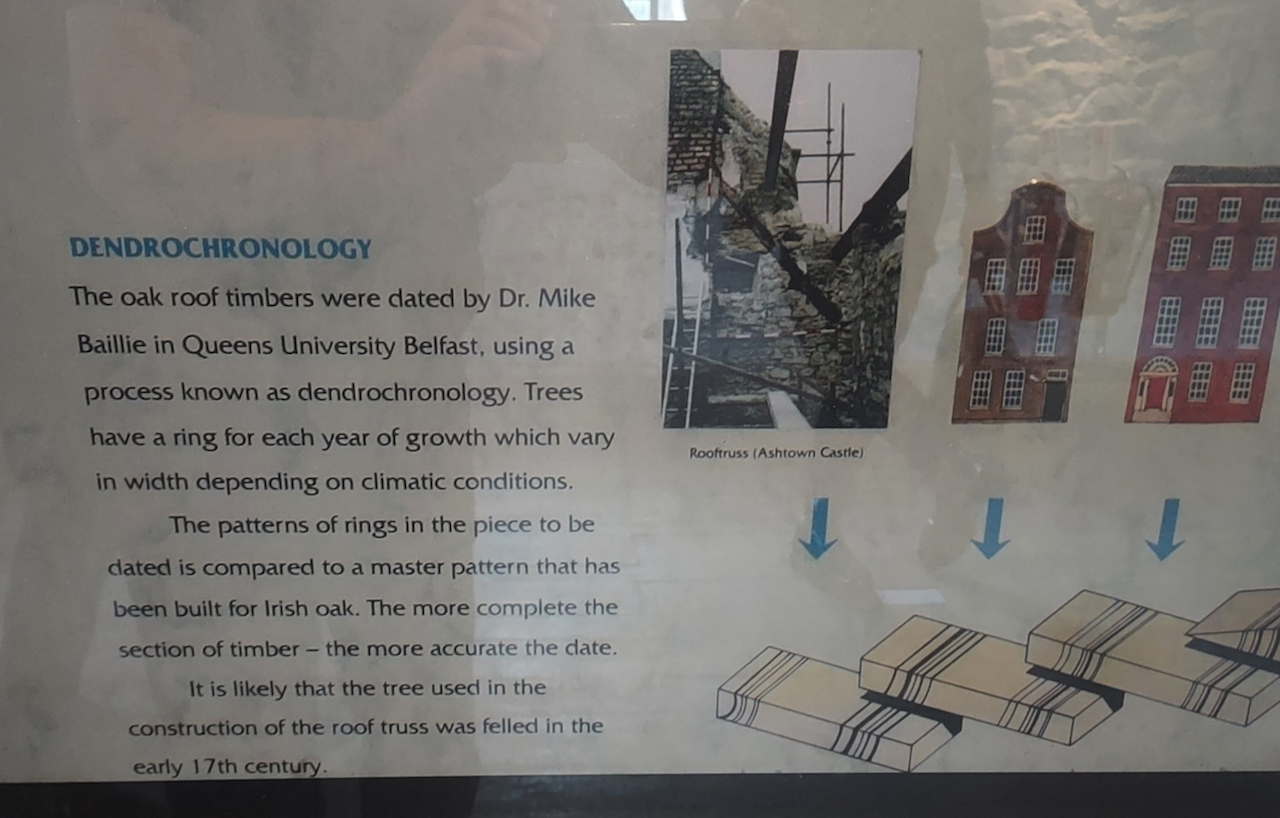
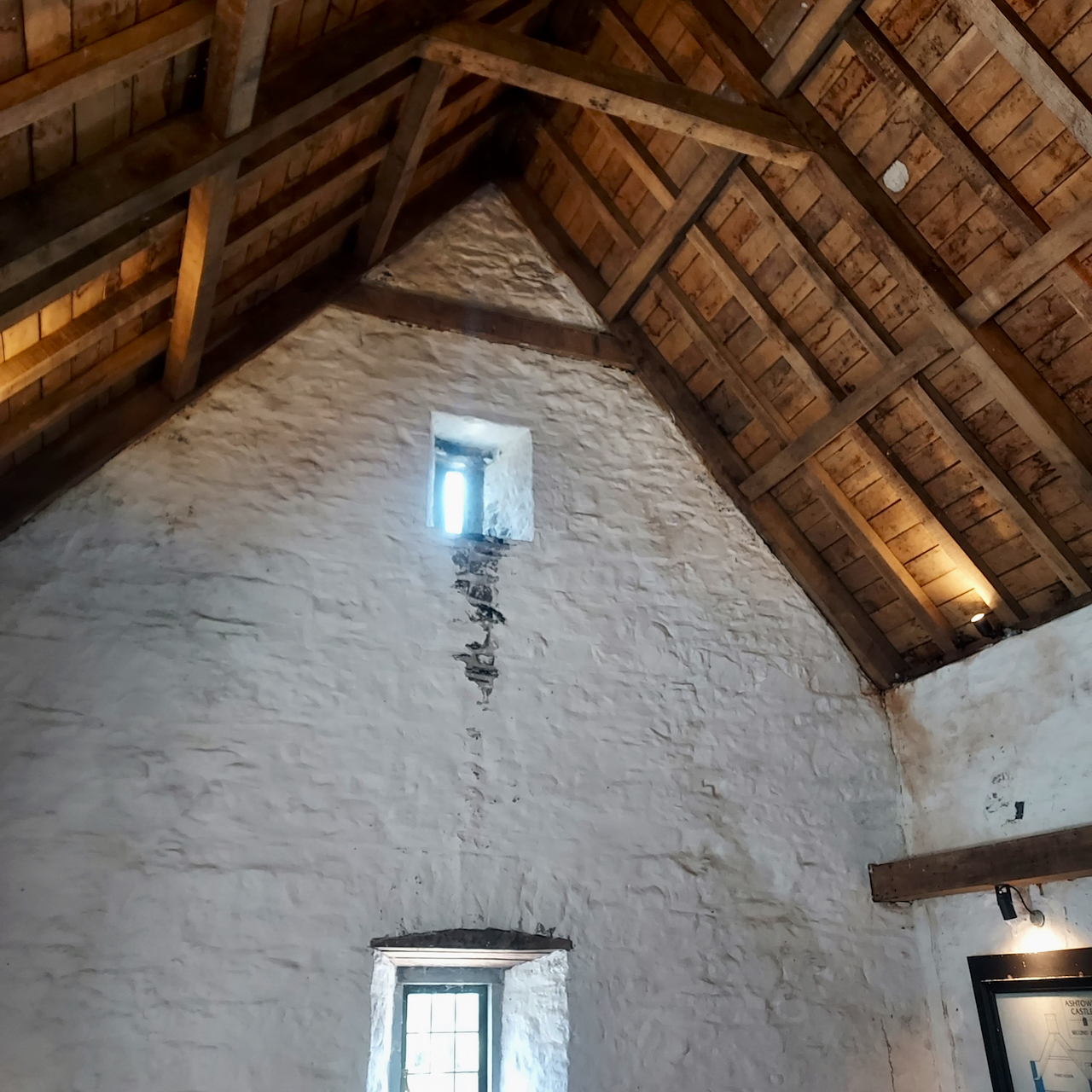
It is not known when the tower house was built but a fragment of a wooden roof truss, found in the wall during the restoration project, has been dated by dendrochronology to the early seventeenth century. The OPW website tells us that it could date further back, as early as the fifteenth century.
In 1429 a statute was passed by King Henry IV to grant £10 to every man within the Pale who would build a castle of certain minimal dimentions in the following ten years. Ashtown may have been built in this period.
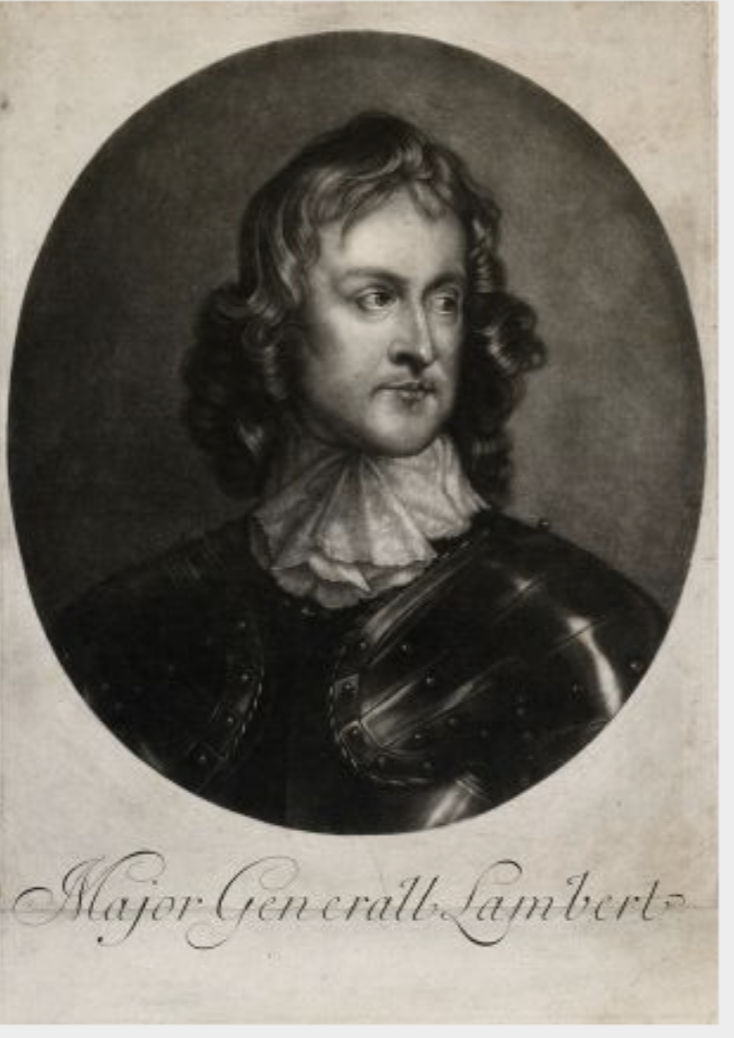
On the tour, our tour guide told us the castle was built for a General Lambert in the early 1600s. I am not sure if this is conjecture or fact! General John Lambert (7 September 1619 – 1 March 1684) was an English army officer and politician and he fought in Cromwell’s army for the Parliamentarians. He was also Deputy Lord Lieutenant of Ireland.
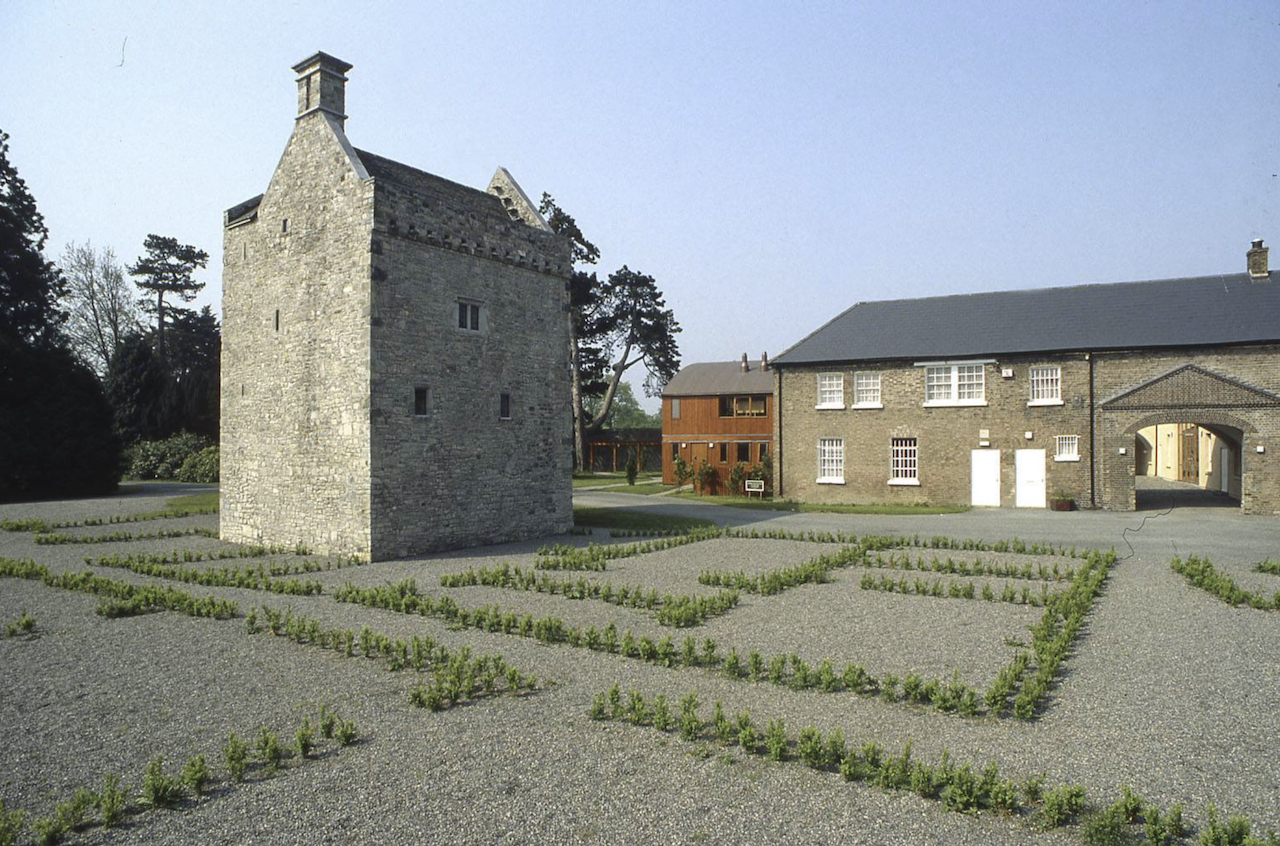
From the OPW website:
“For years it was completely hidden within the walls of a Georgian mansion once occupied by the under-secretary for Ireland. When that house was demolished in the late 1980s, the castle was rediscovered. It has since been fully restored and now welcomes visitors.”
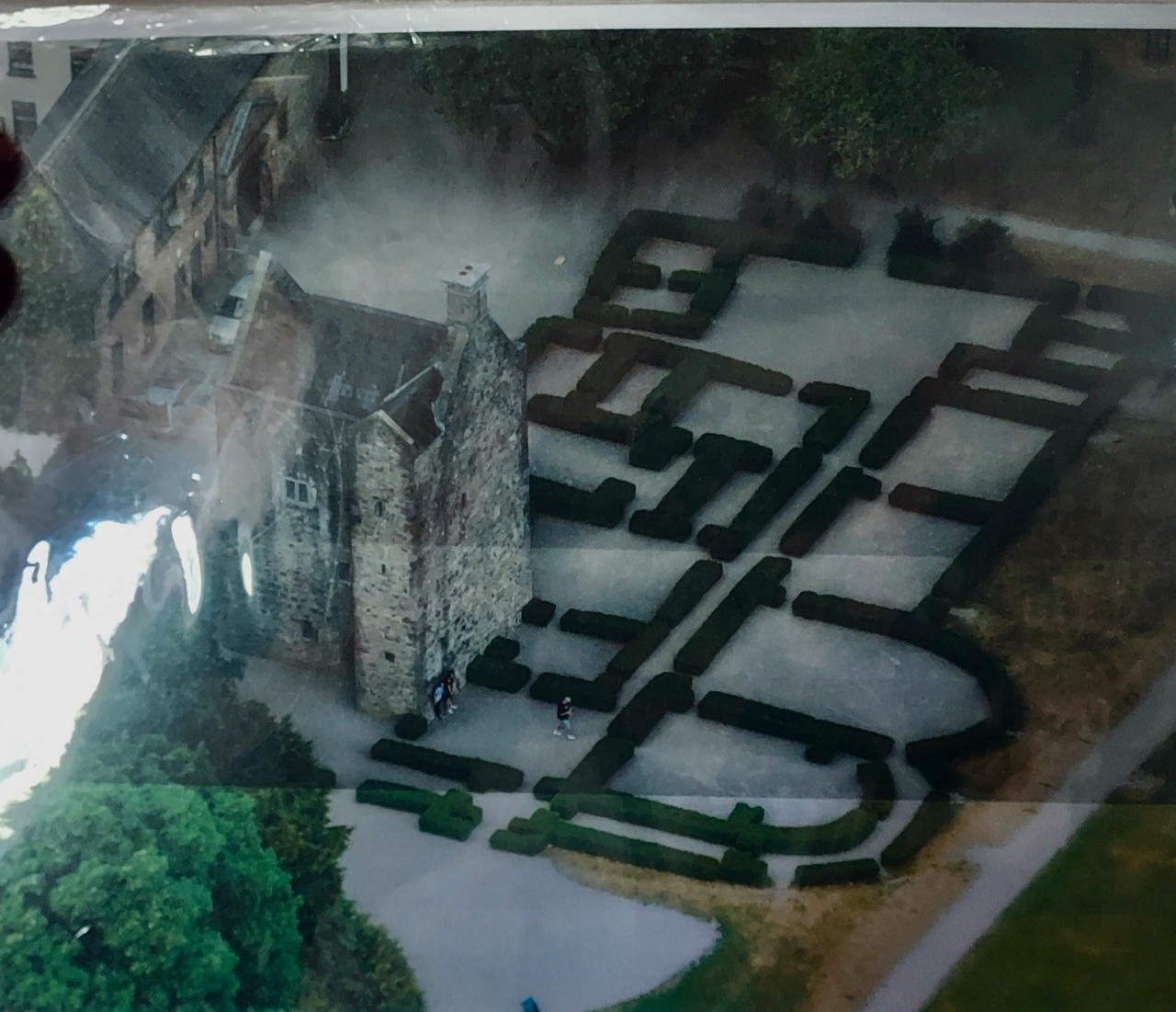
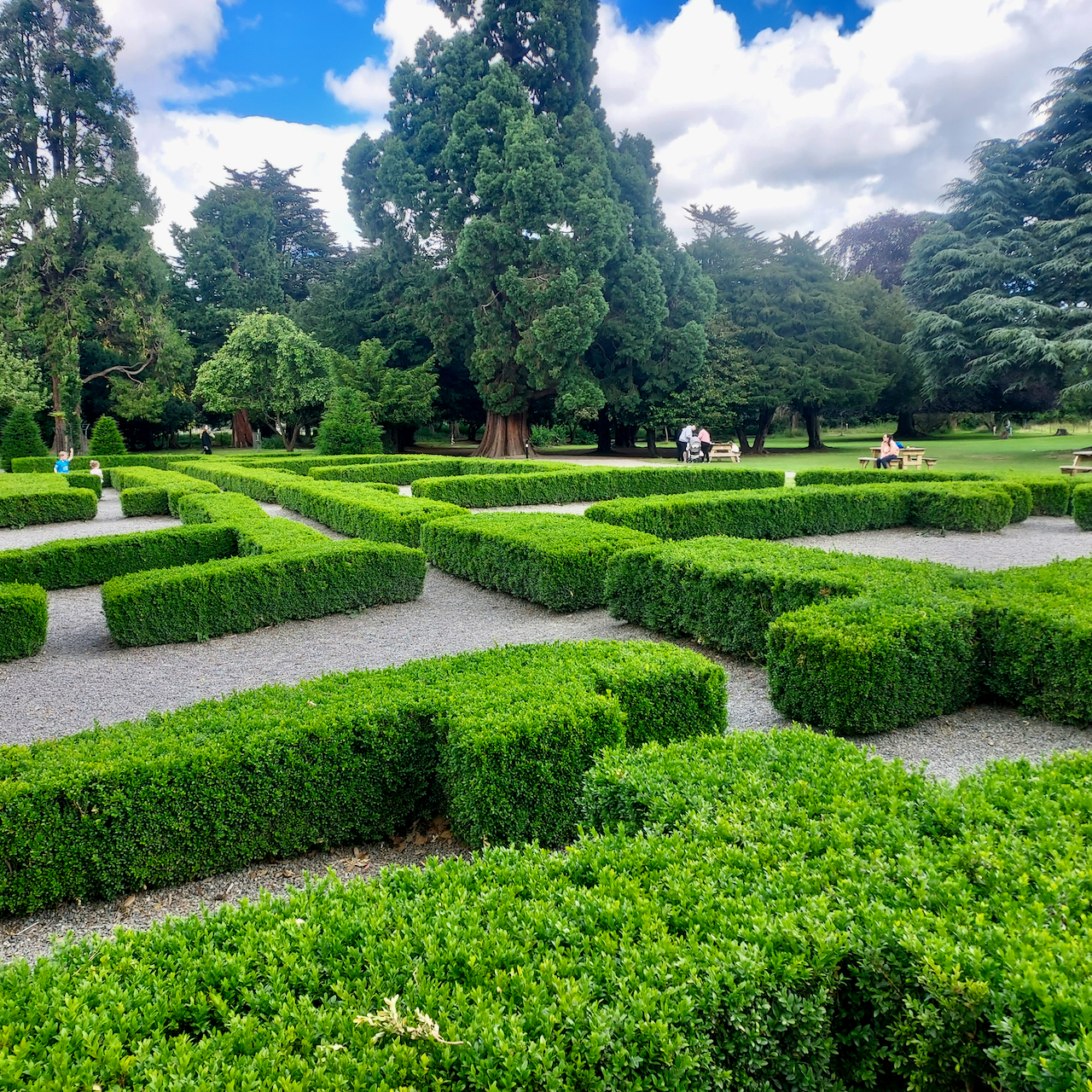
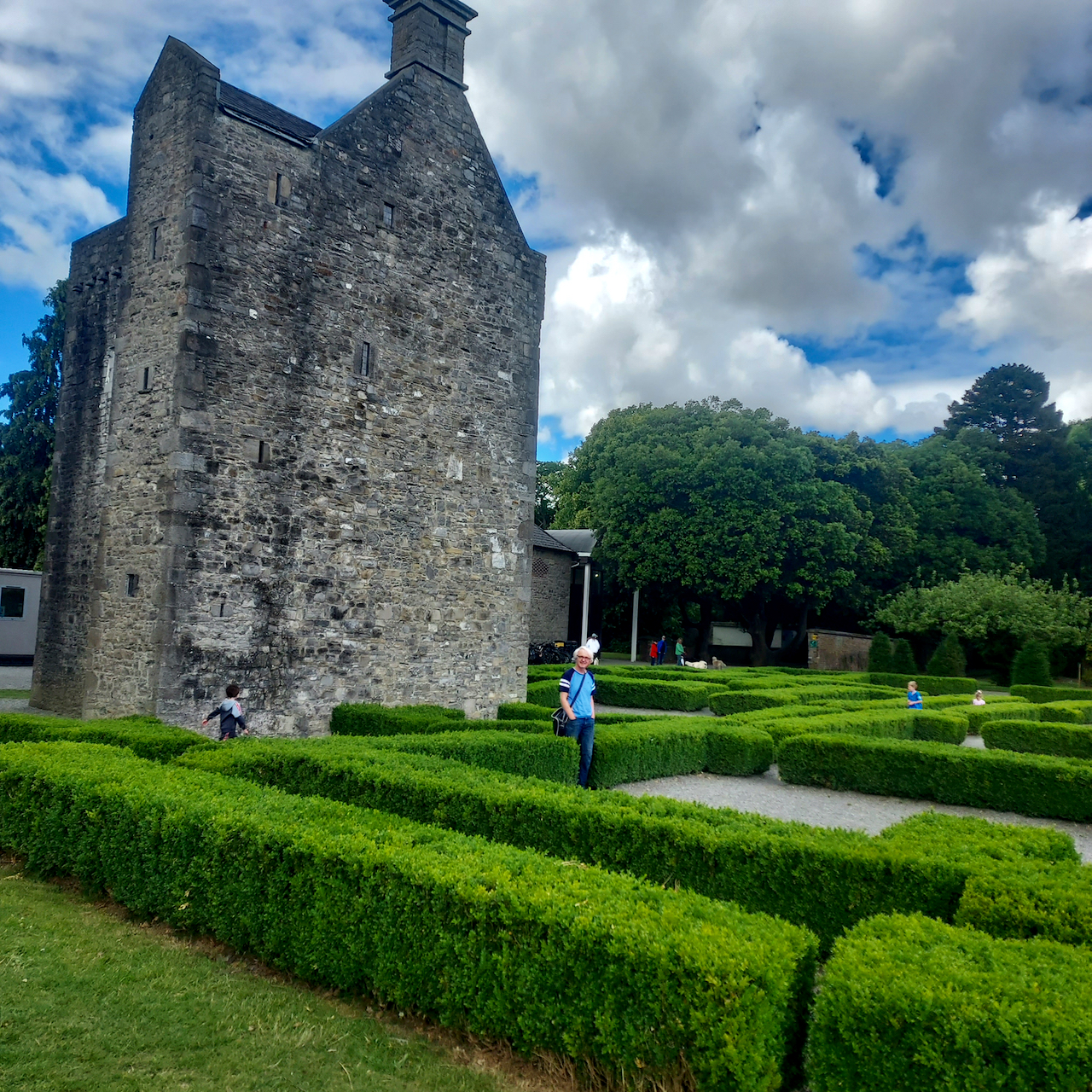
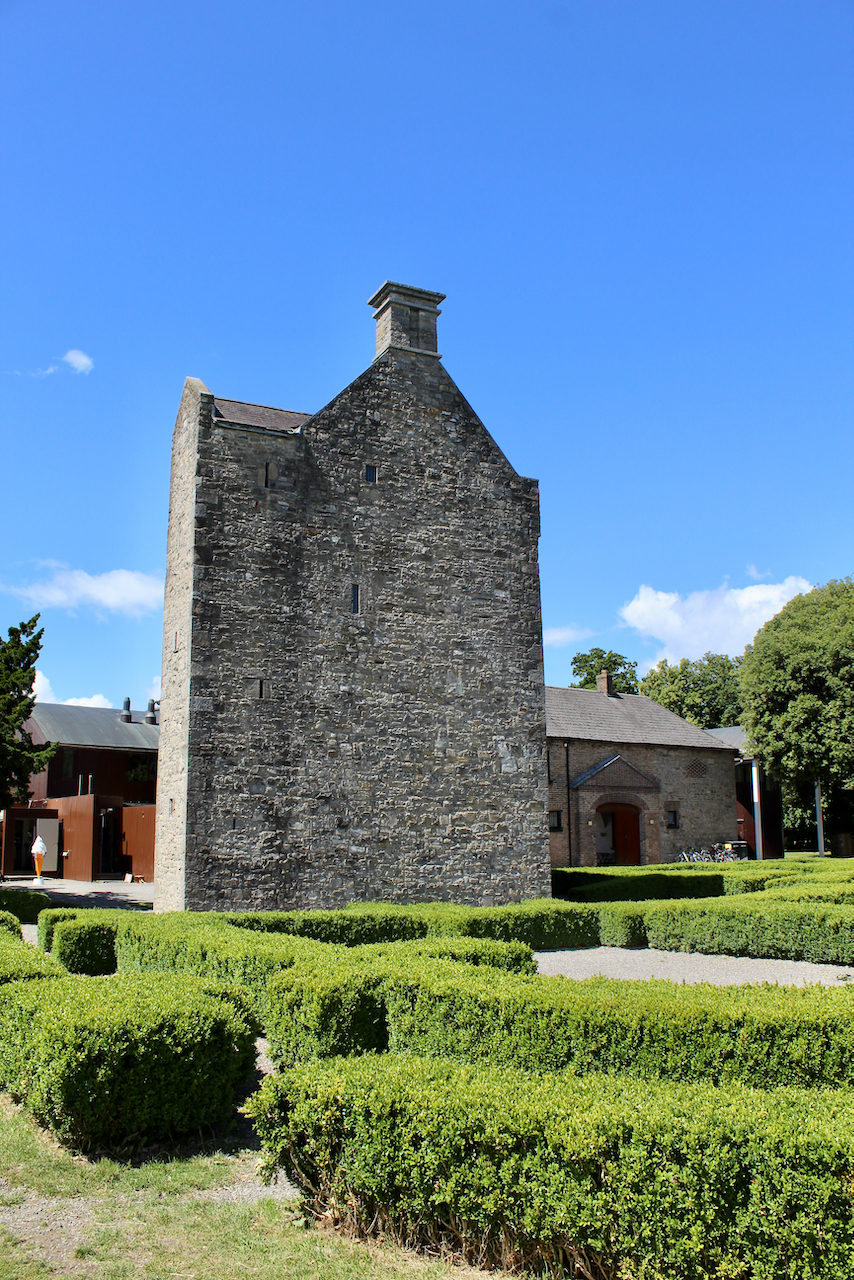
Outside, the hedges to one side of the castle form the shape of the house that used to stand there, attached to the old castle.
The National Inventory tells us:
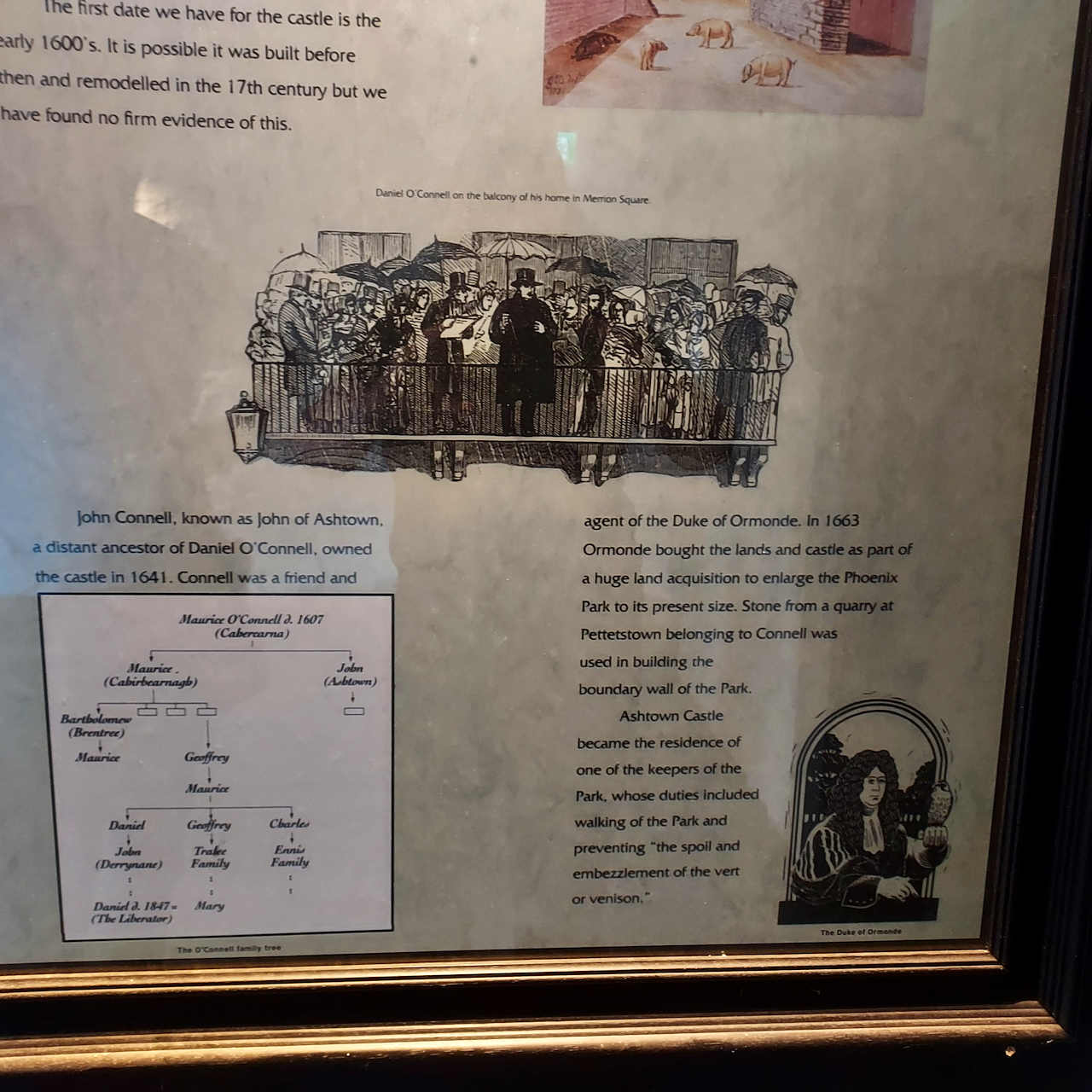
“The castle was dated to the early seventeenth century on the basis of surviving fragments of a roof truss found in the wall during the restoration project in the early 1990s. There is in the stonework some suggestion of a further wing to the north, but no archaeological evidence was found, leaving this section unresolved. The builder is unknown, but in 1641 the estate was in the ownership of John Connell, a distant ancestor of Daniel O’Connell. Curiously the Civil Survey, 1654, lists him as a Protestant. Stone from a quarry at Pelletstown owned by Connell was used in the building of the original wall of the Park.”
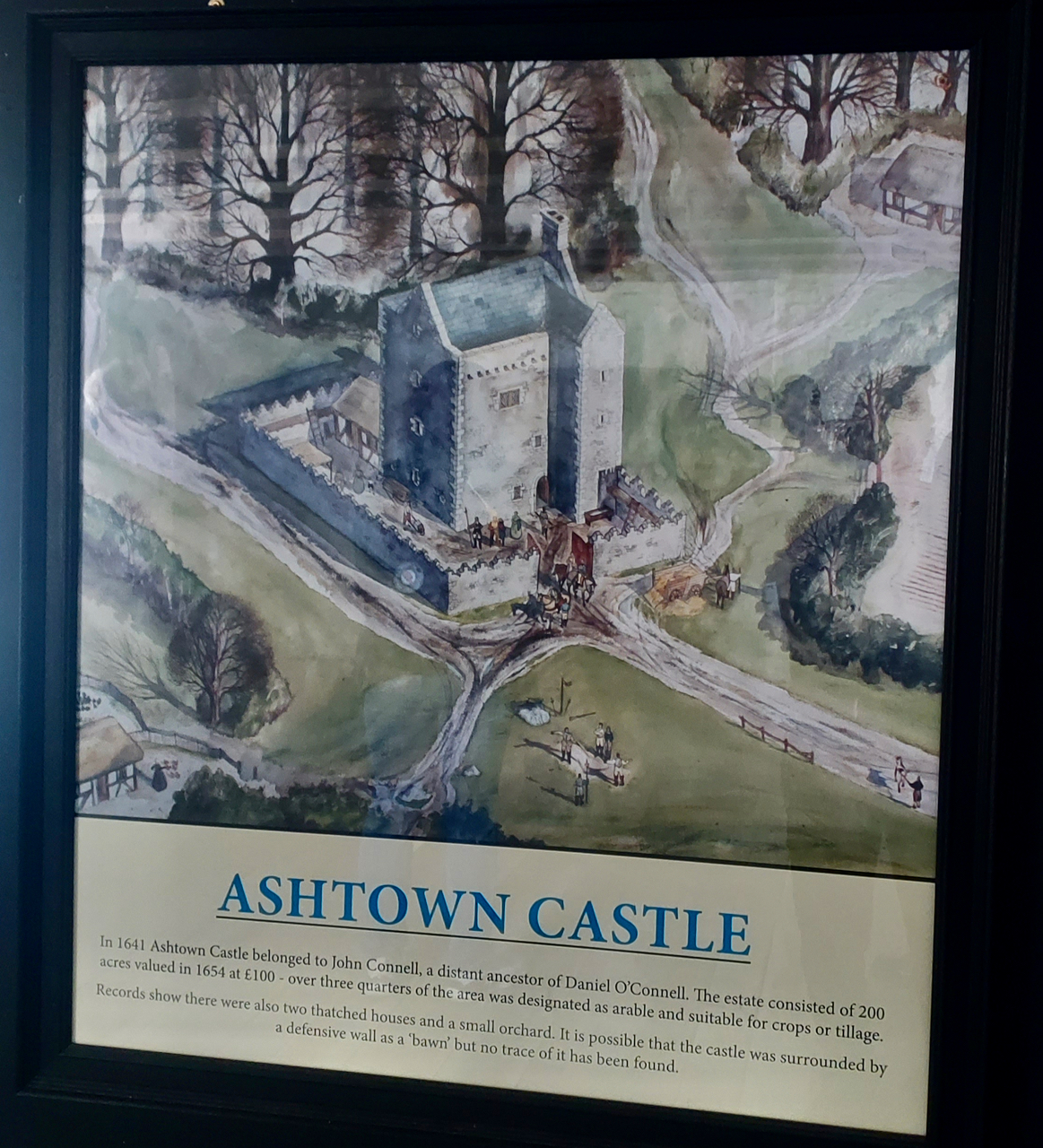
At that time, the estate consisted of 200 acres.
When James Butler 12th Earl of Ormond (who later became 1st Duke of Ormond) was created Lord Lieutenant of Ireland in 1662, he purchased the tower house and lands around it to create a deer park for King Charles II.
In 1668 Marcus Trevor, Viscount Dungannon, was appointed Ranger of the Park. Along with two Keepers, he was responsible for overseeing the Fallow deer imported from England.
The tower house became the official residence of second Keeper of the Park, William Flower, but he assigned it to a subordinate.
In the late eighteenth century the tower house was extended to become the Under Secretary’s residence, and was called Ashtown Lodge.
After Irish Independence, the house served as the residence of the Papal Nuncio. In 1978 the Papal Nuncio moved to a different residence.
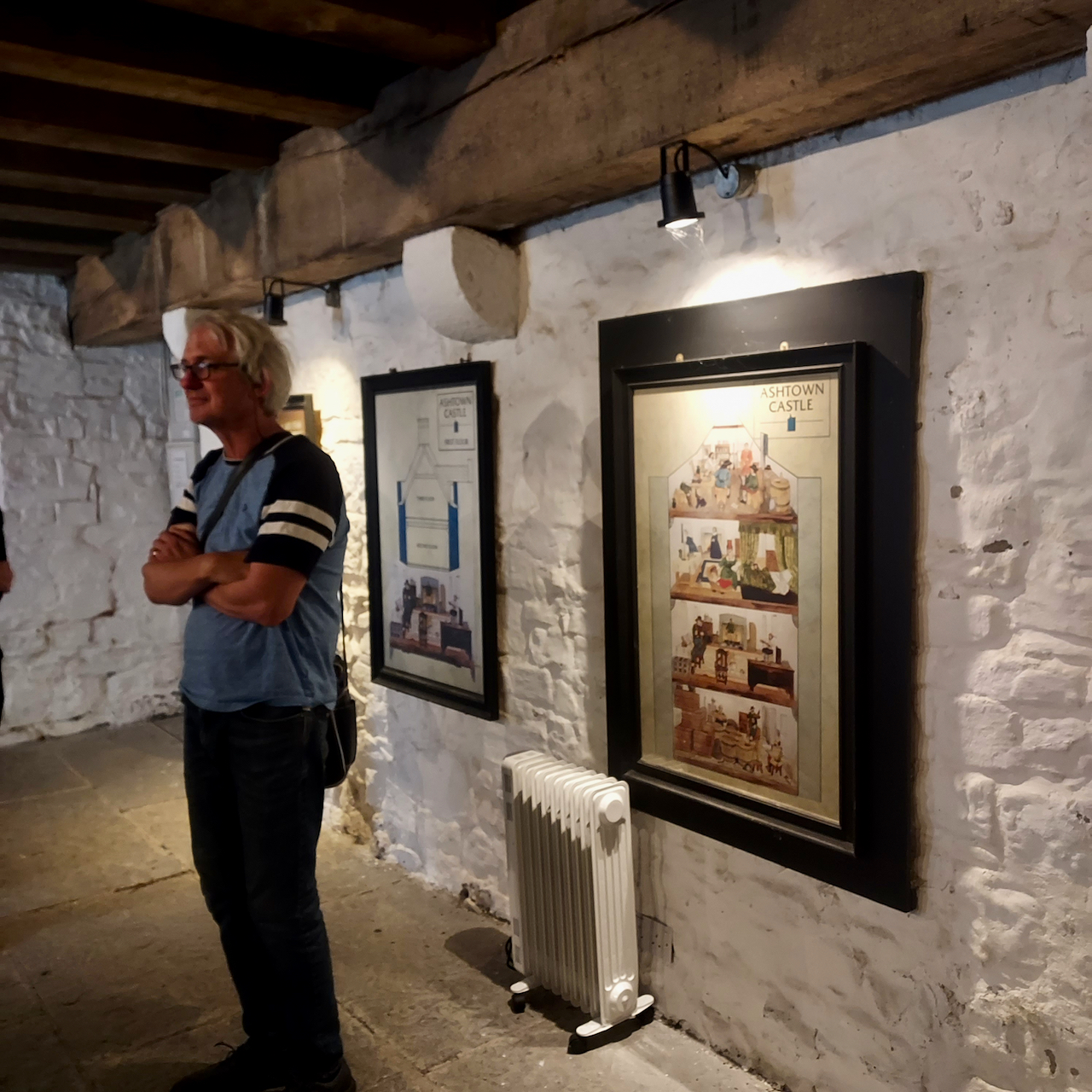
The guide showed us what the house used to look like, that had been attached to the castle. For some more photographs, you can visit the Irish Tower House website. [2]
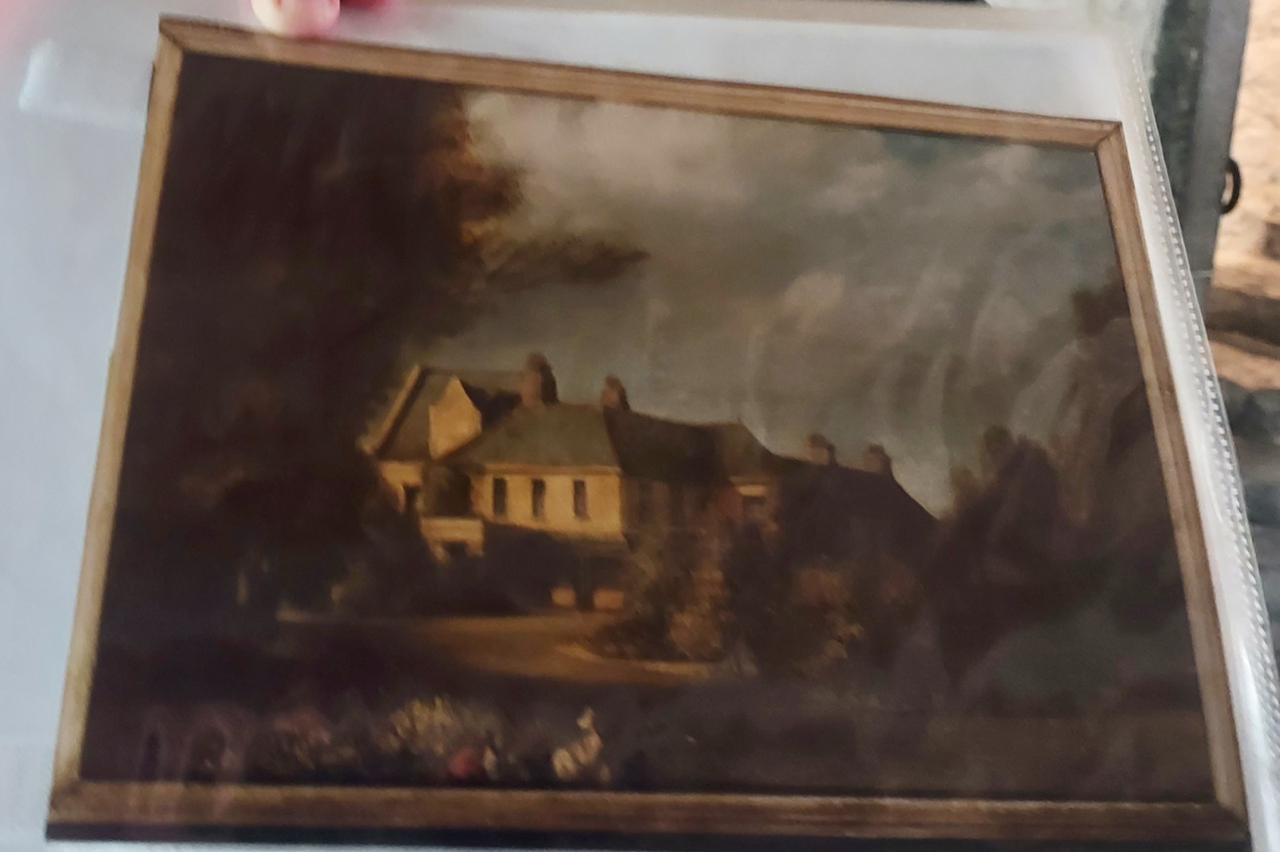
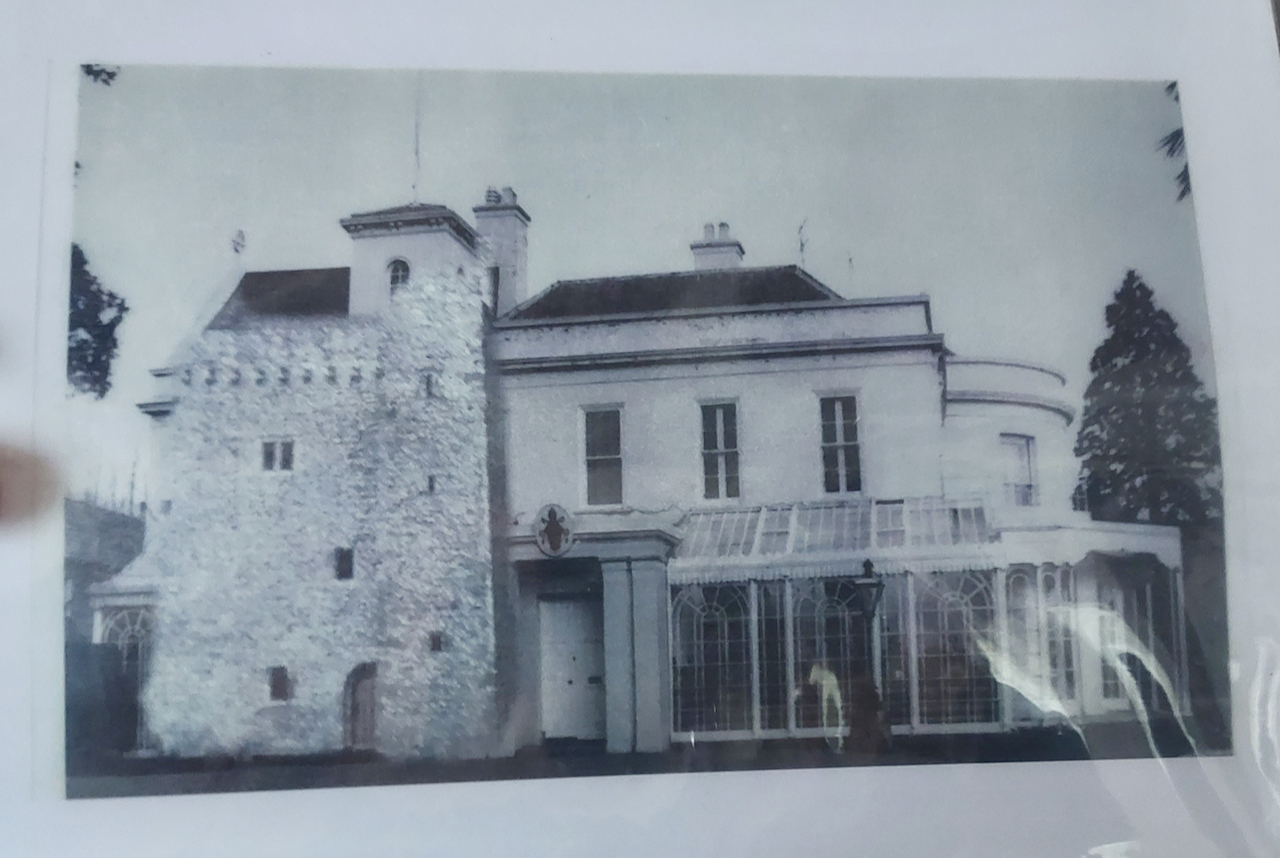
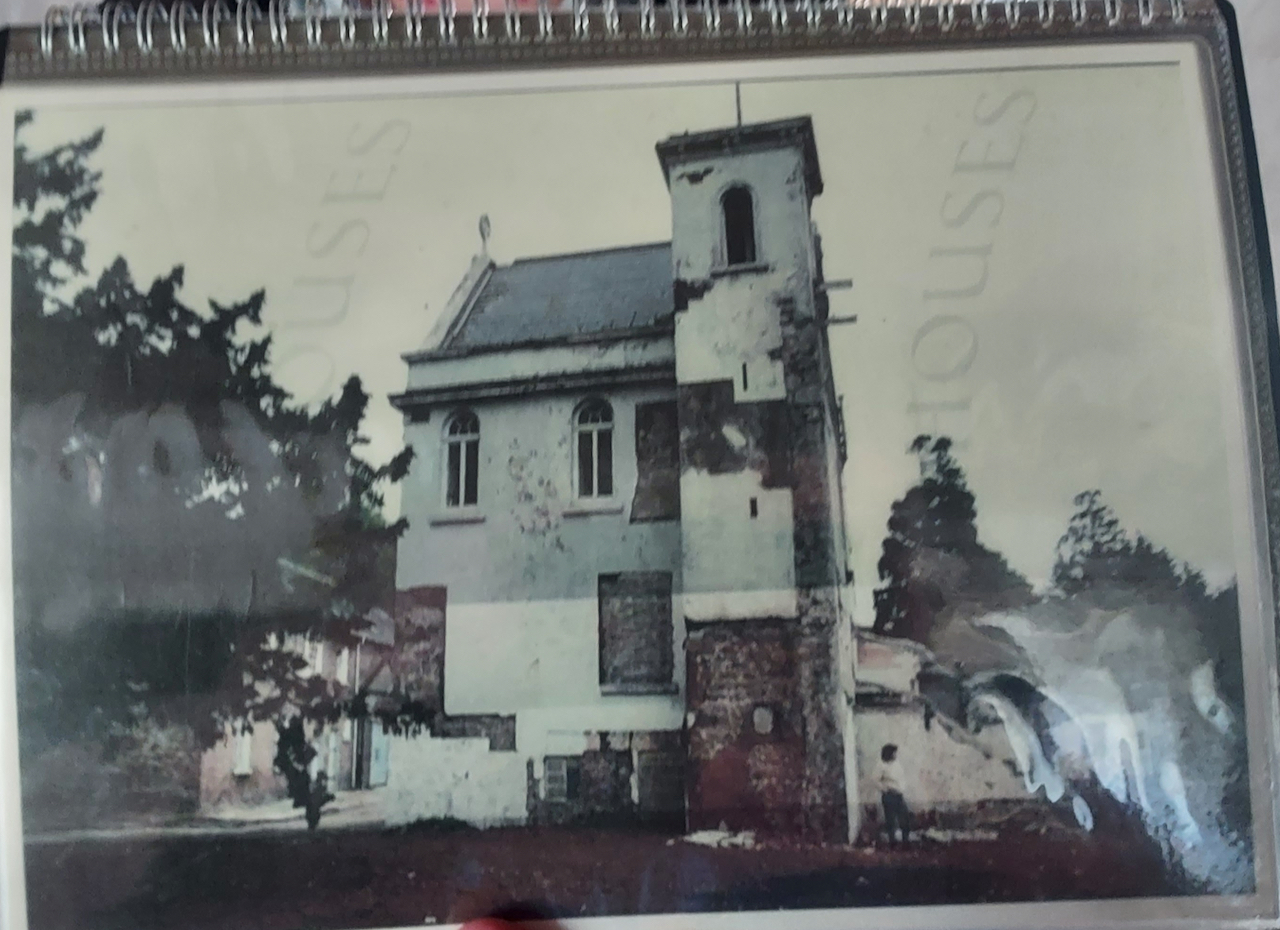
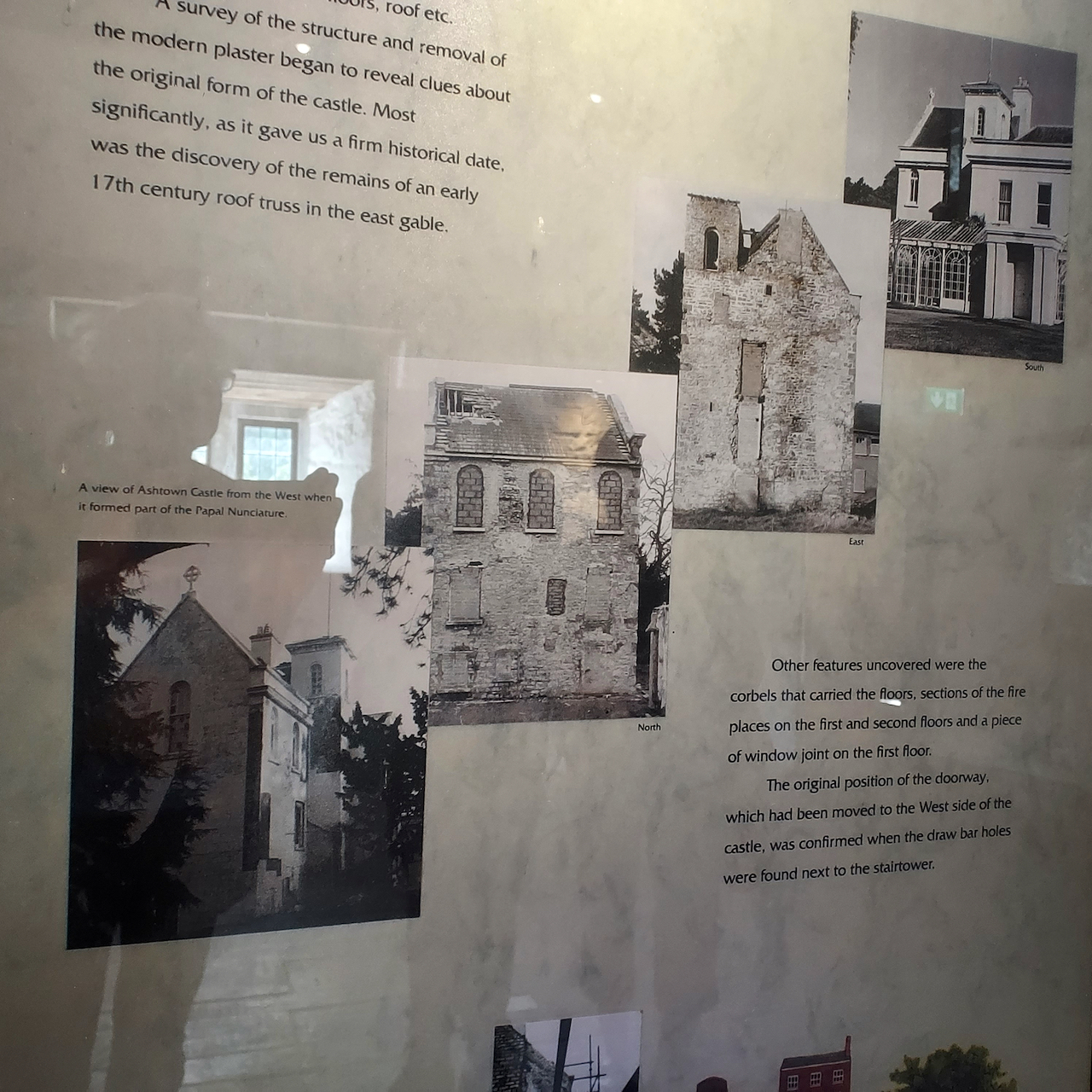
The extension was demolished in the 1980s, due to poor condition.
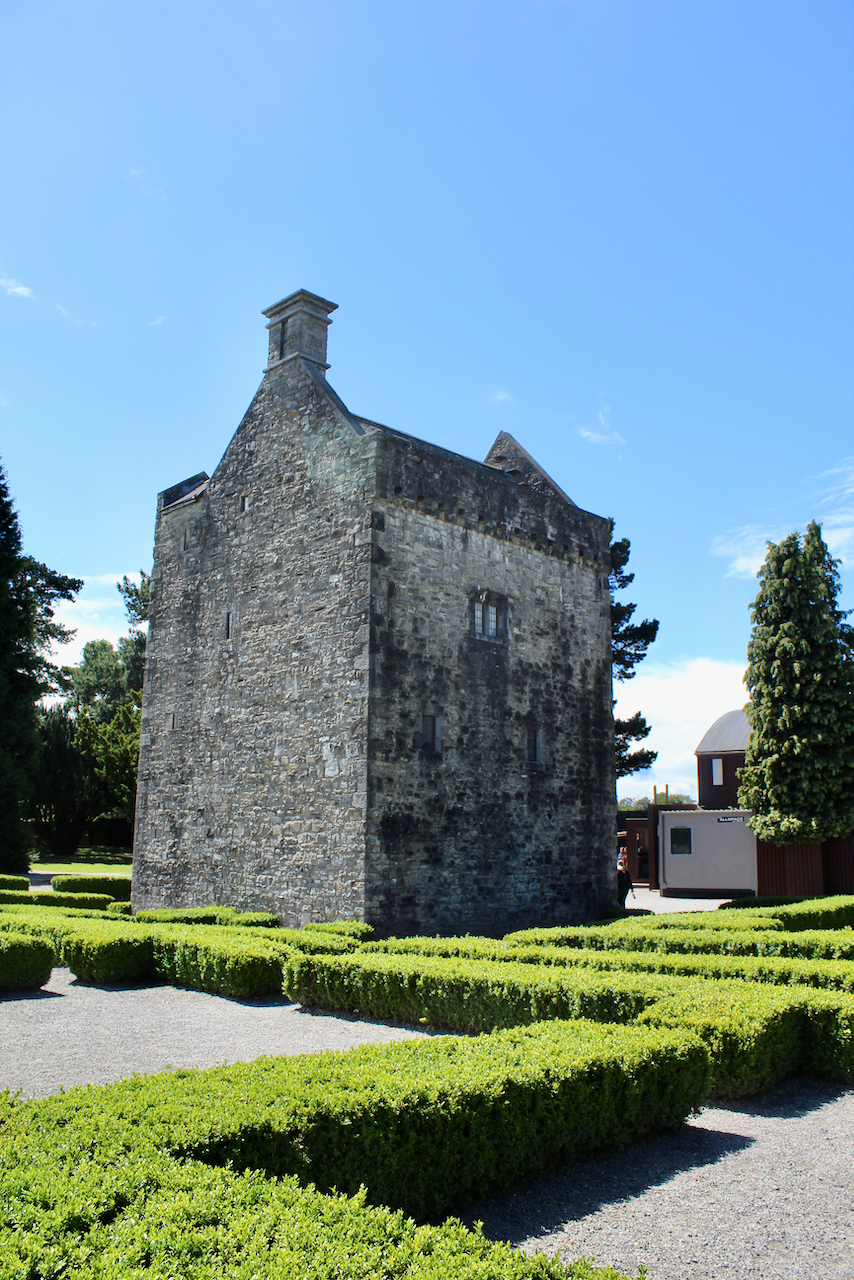
Restoration started in Autumn 1989. Corbels that carried the floor levels were uncovered, and also portions of fireplaces on the first and second floors and a piece of window jamb on the first floor.
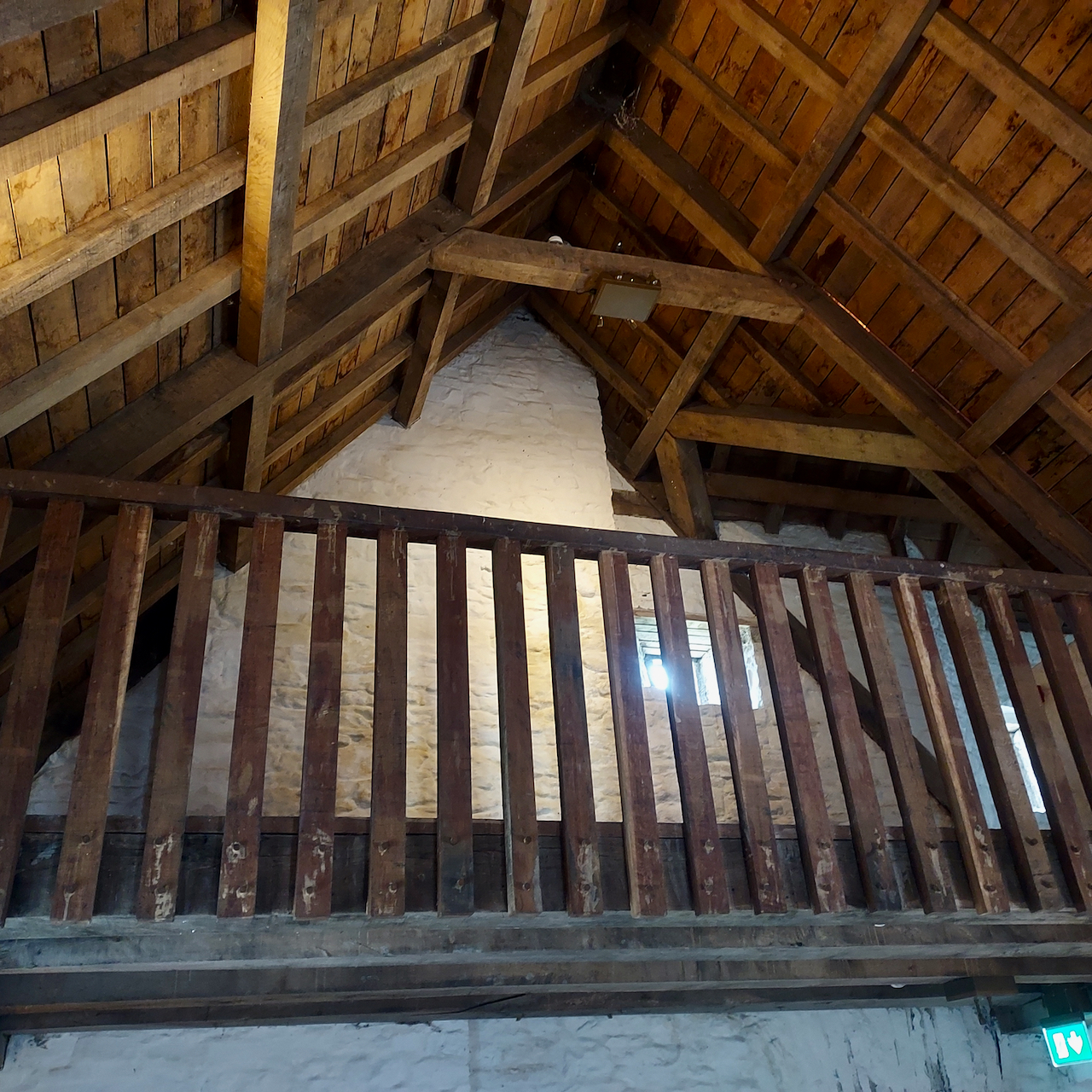
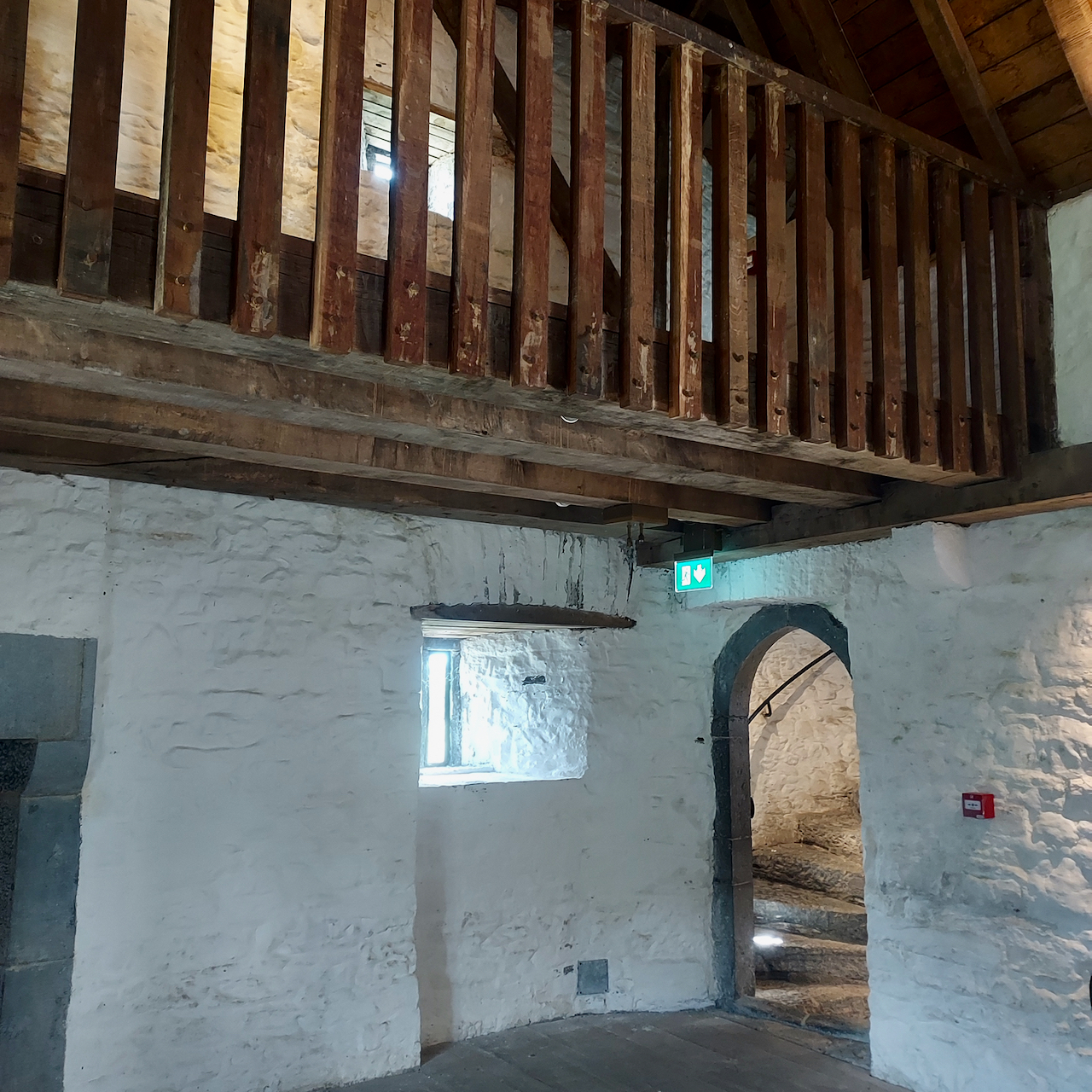
Restoration work including new stonework, insertion of oak floors and roof was carried out by craftsmen attached to the National Monuments depot in the Phoenix Park.
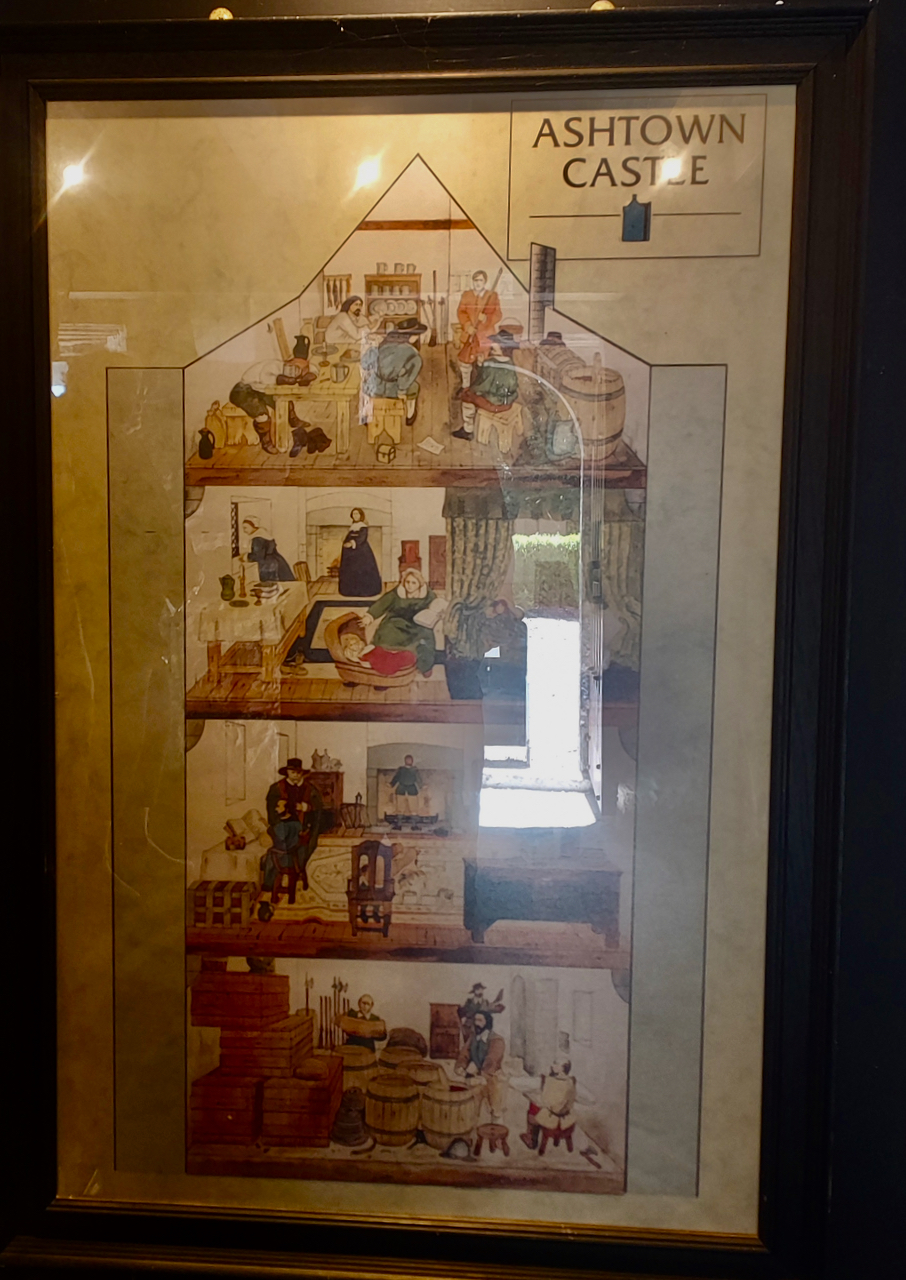
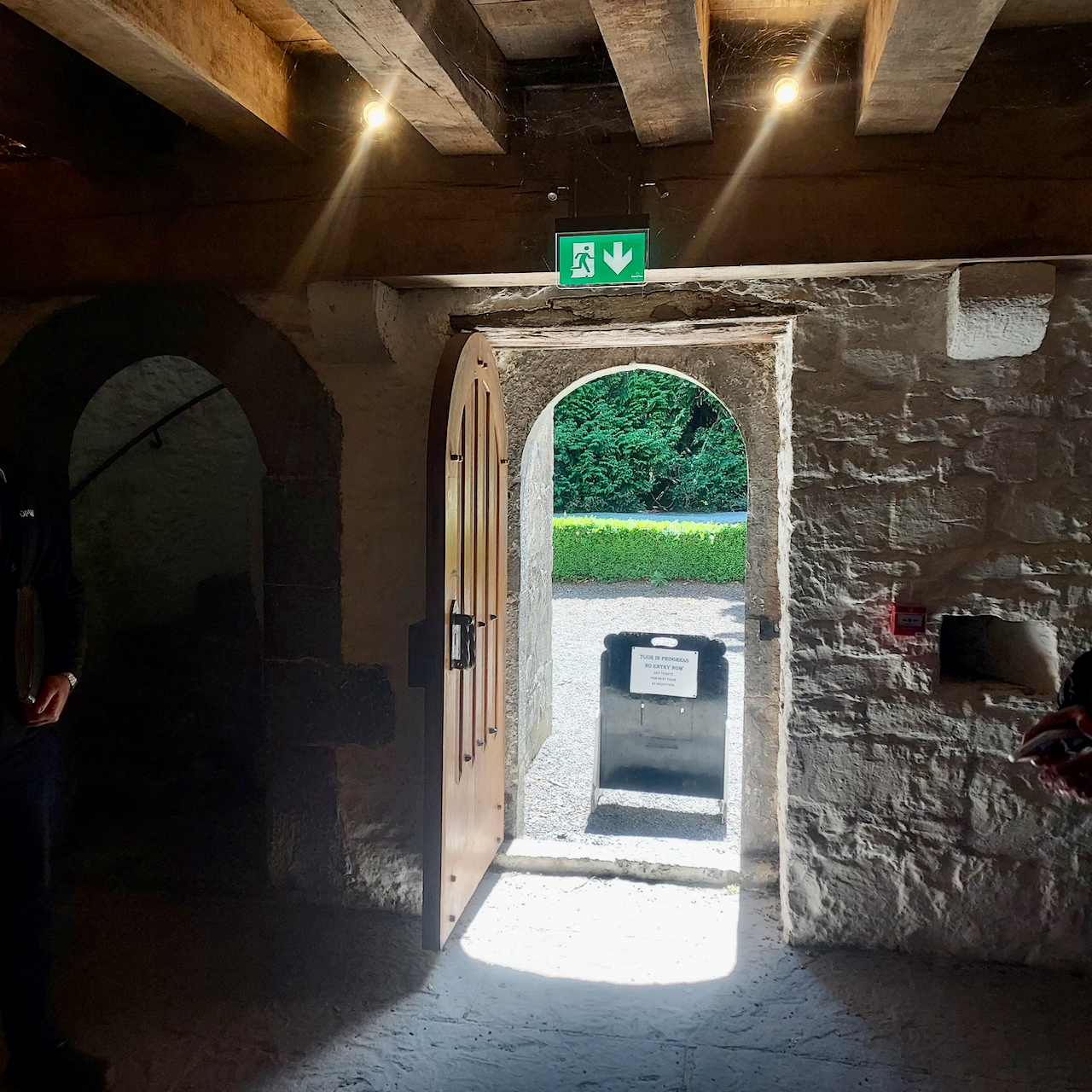
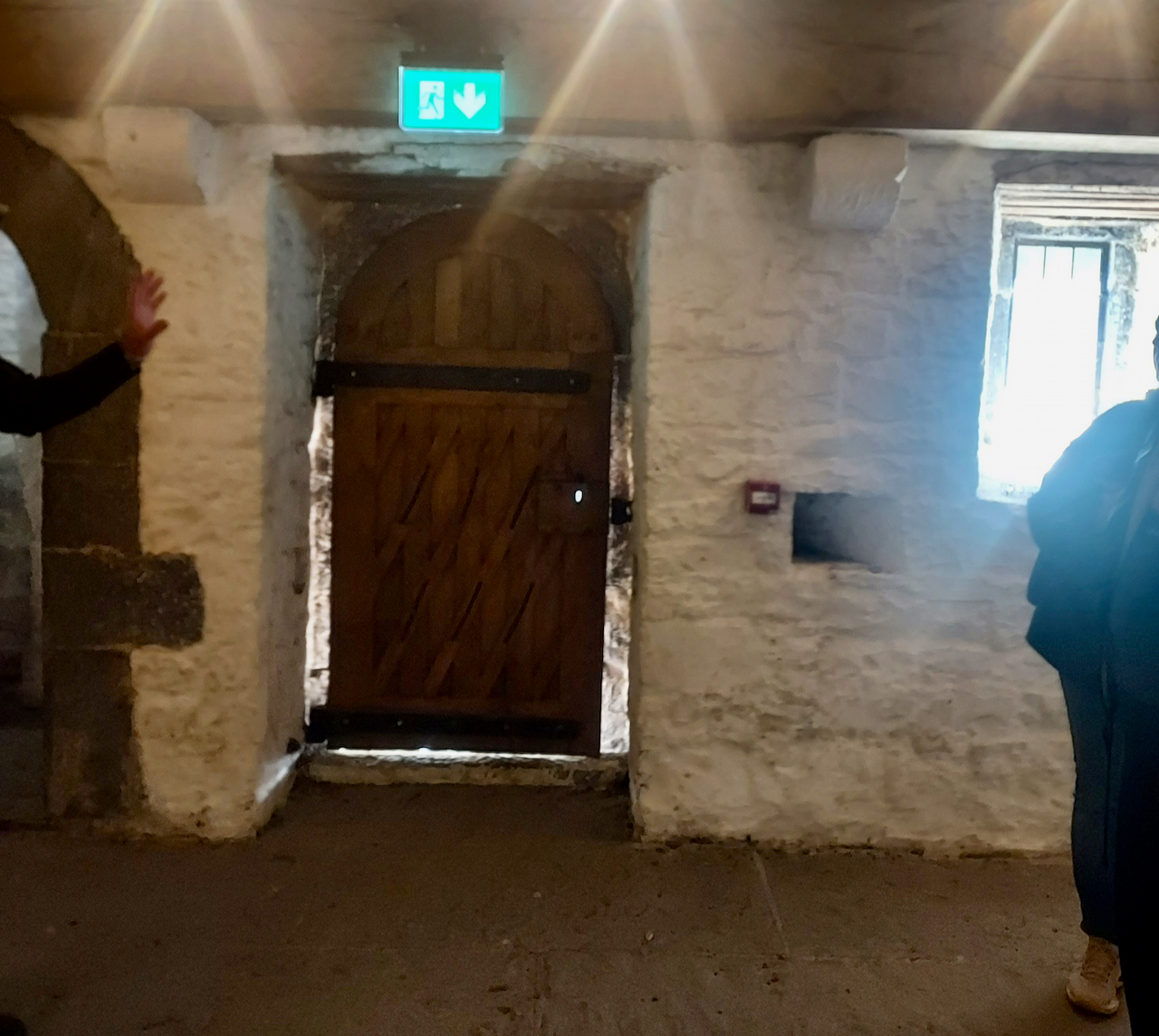
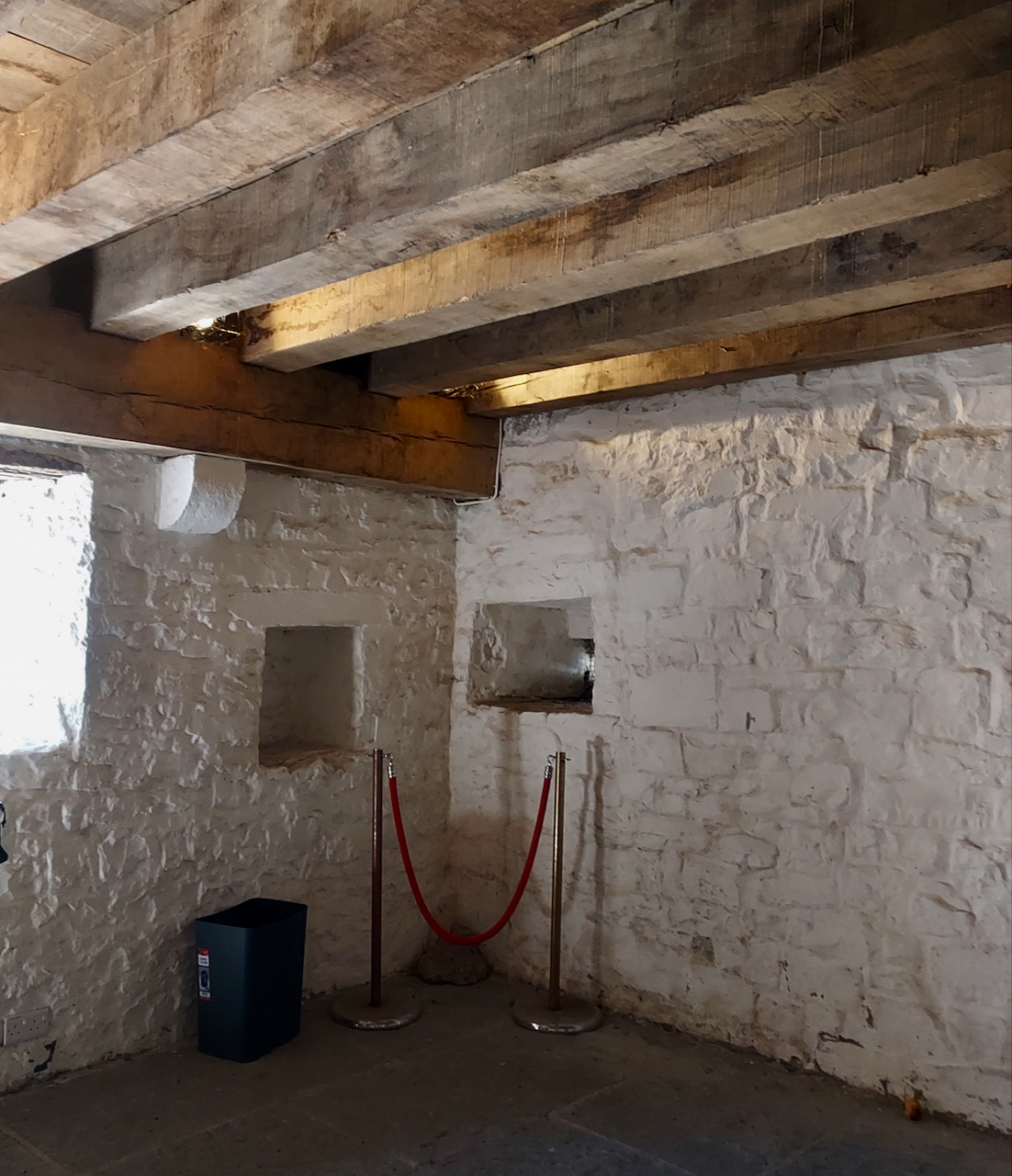
The ground floor would have had only small windows and no fireplace. Recesses and niches may have served for cupboard space or lamp shelves.
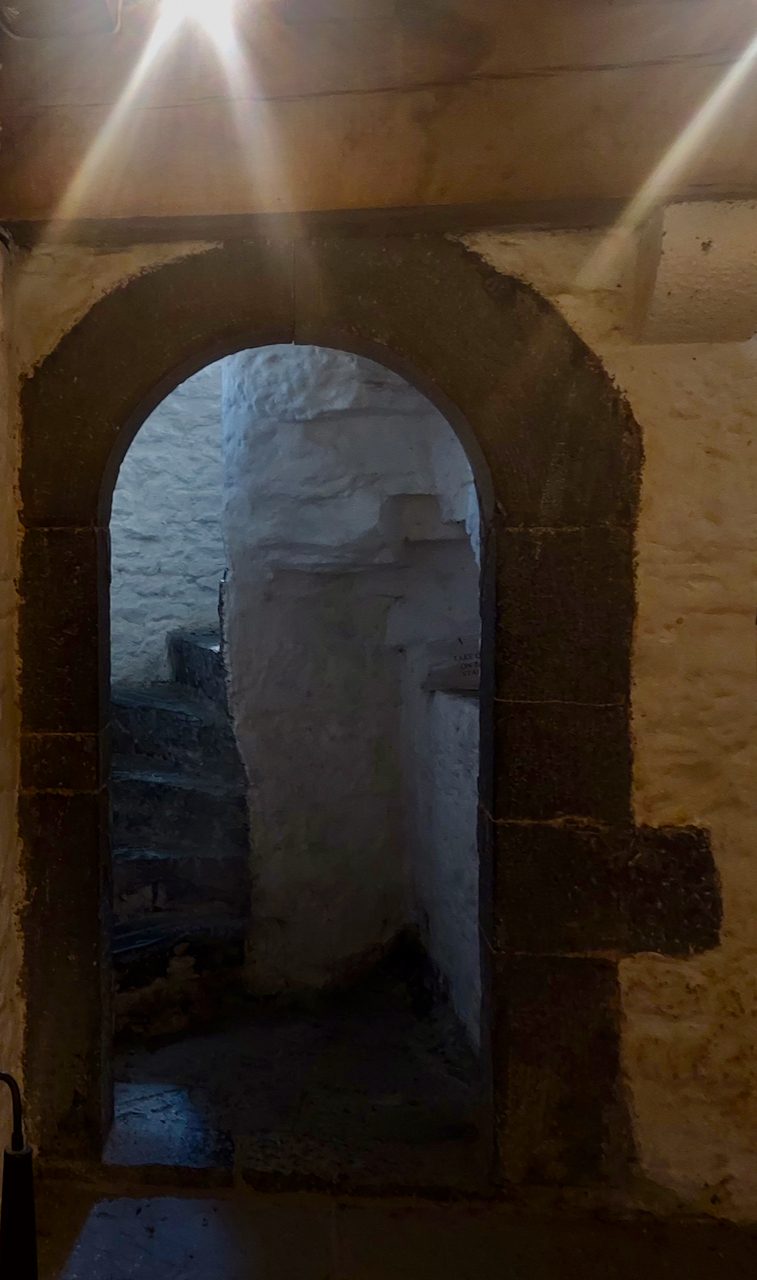
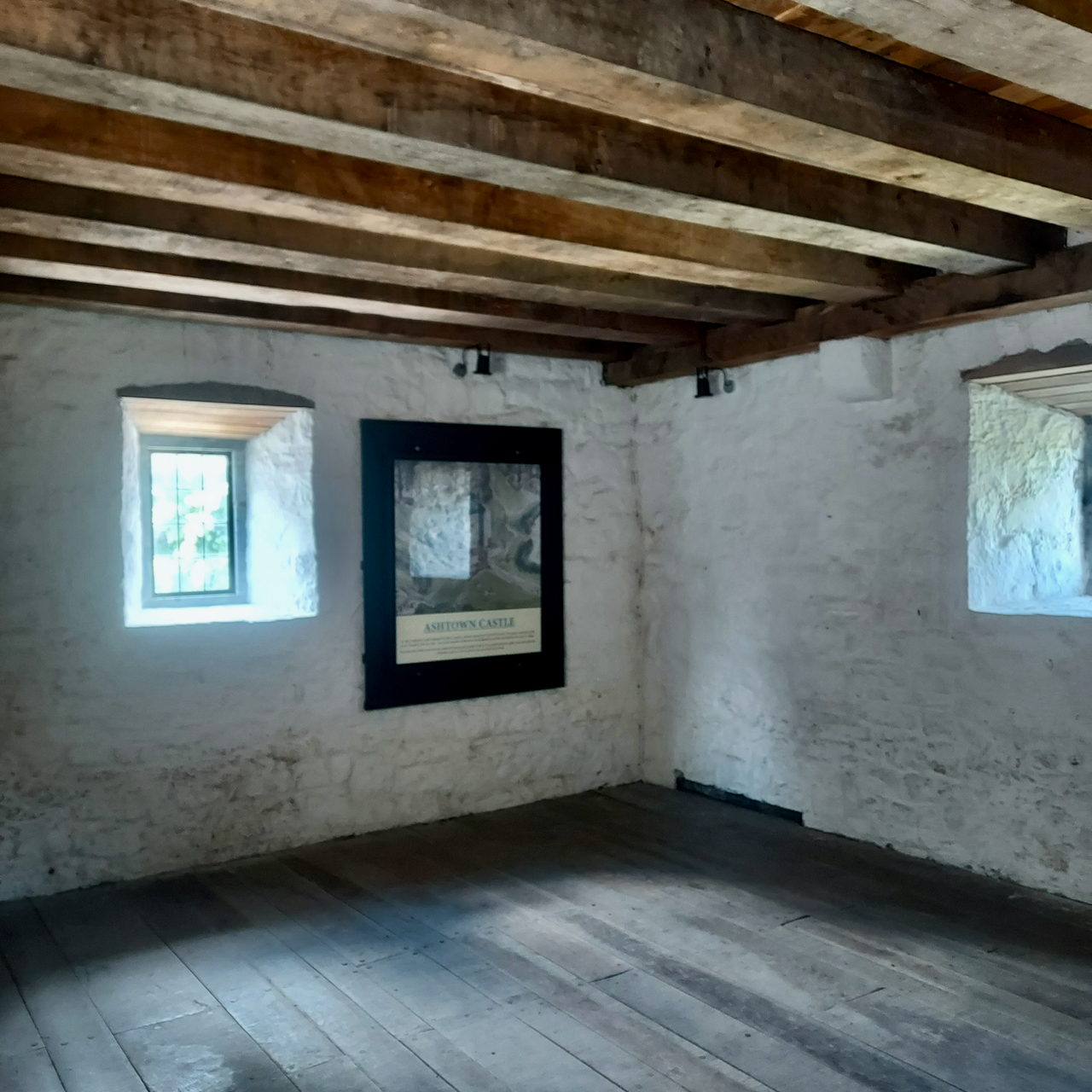
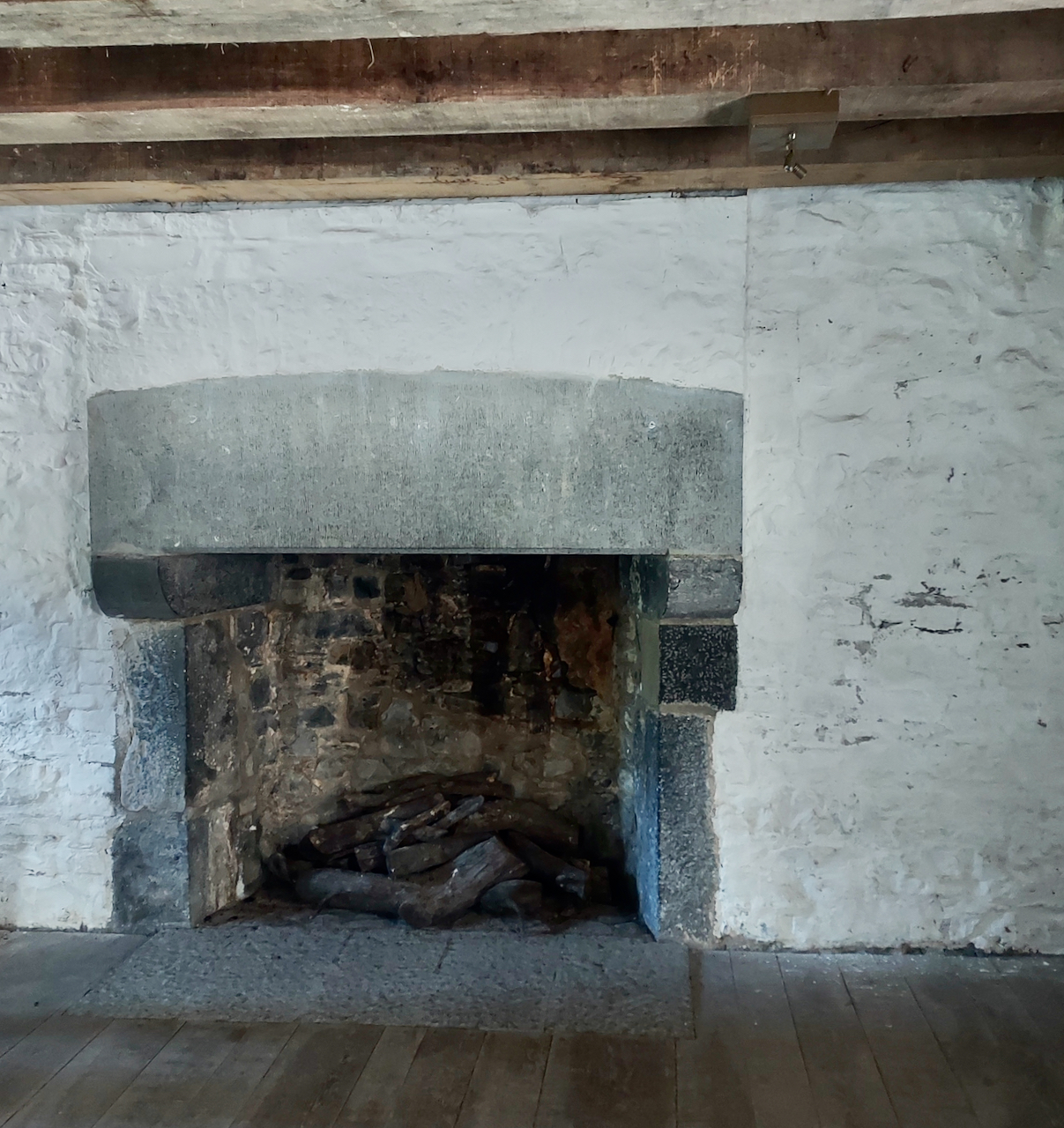
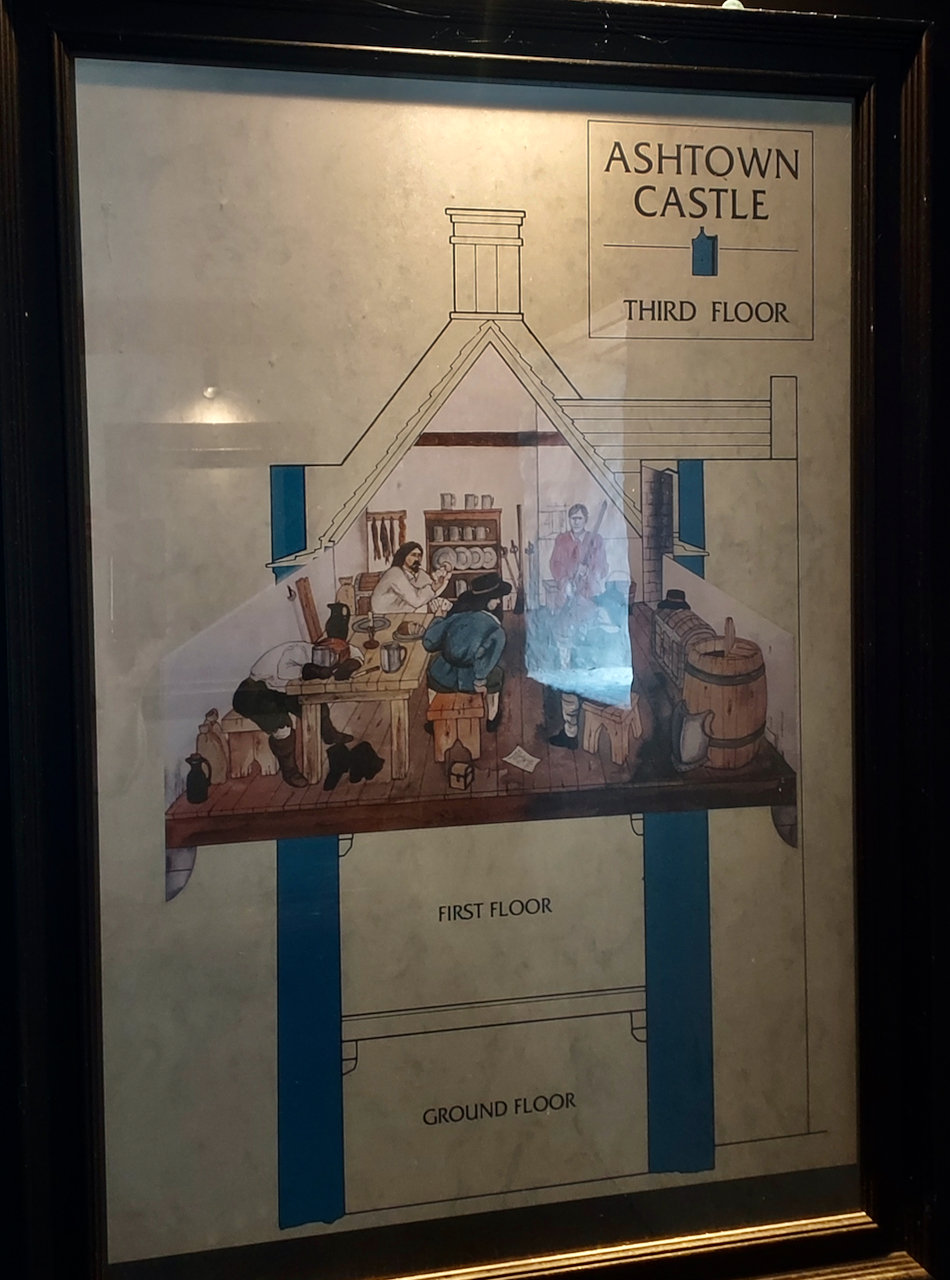
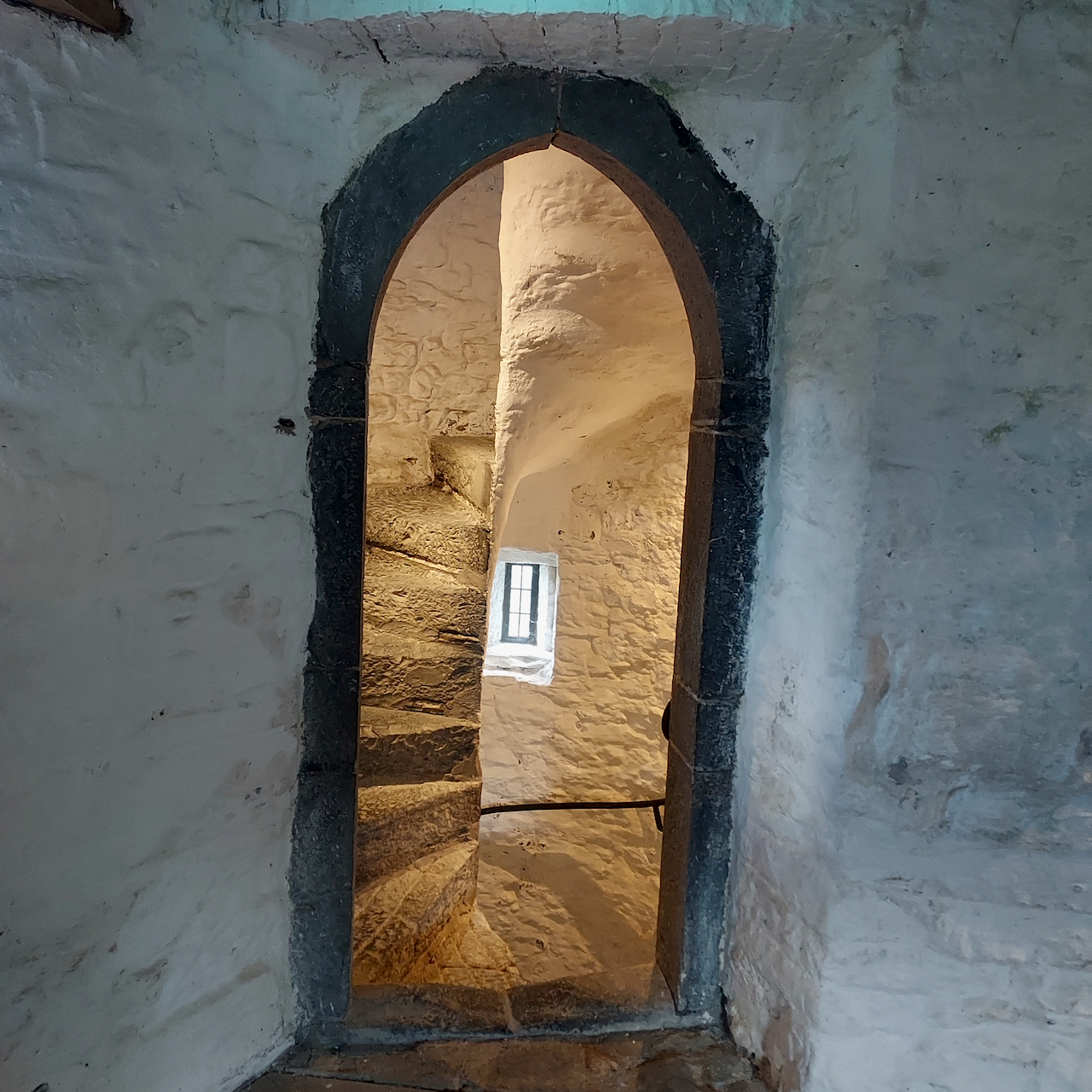
We then went up to the next level, which had been the chapel for the Papal Nuncio after Ireland gained independence from the United Kingdom.
[1] https://heritageireland.ie/places-to-visit/phoenix-park-visitor-centre-ashtown-castle/
[2] https://irishtowerhouses.ie/county-dublin/ashtown-castle-co-dublin/
 Irish Historic Houses