Woodhouse, County Waterford – private house, tourist accommodation in gate lodge and cottages

donation

Help me to pay the entrance fee to one of the houses on this website. This site is created purely out of love for the subject and I receive no payment so any donation is appreciated!

€15.00

We visited Woodhouse on a day trip with the Cork Chapter of the Irish Georgian Society on a gloriously sunny day on May 24th, 2023. The home owners Jim and Sally Thompson welcomed us into their home, and historian Marianna Lorenc delivered a wonderful talk about the history of the house and the family who lived there.

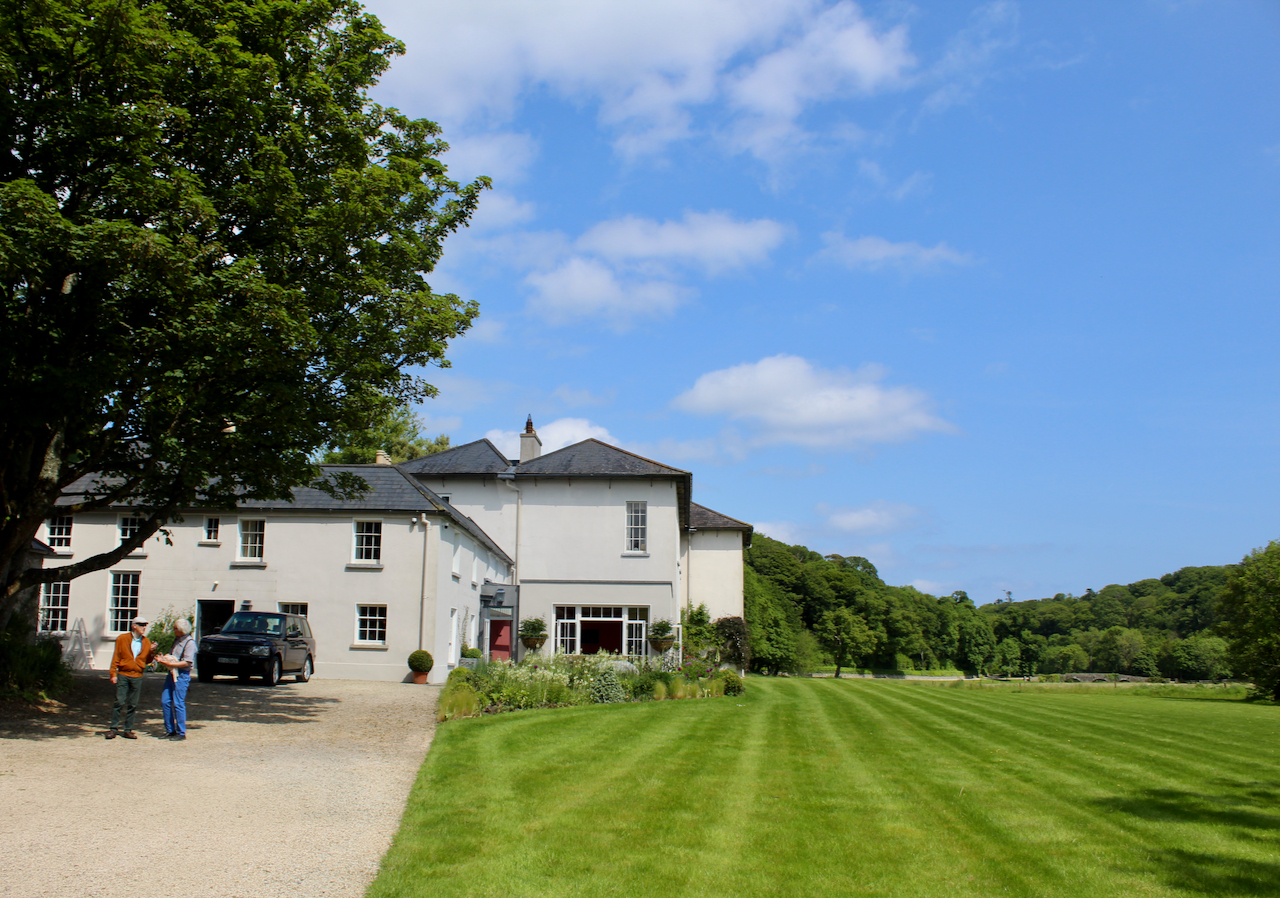
Woodhouse, May 2023. The house is private but you can stay in cottages. Photograph © Jennifer Winder-Baggot, www.irishhistorichouses.com

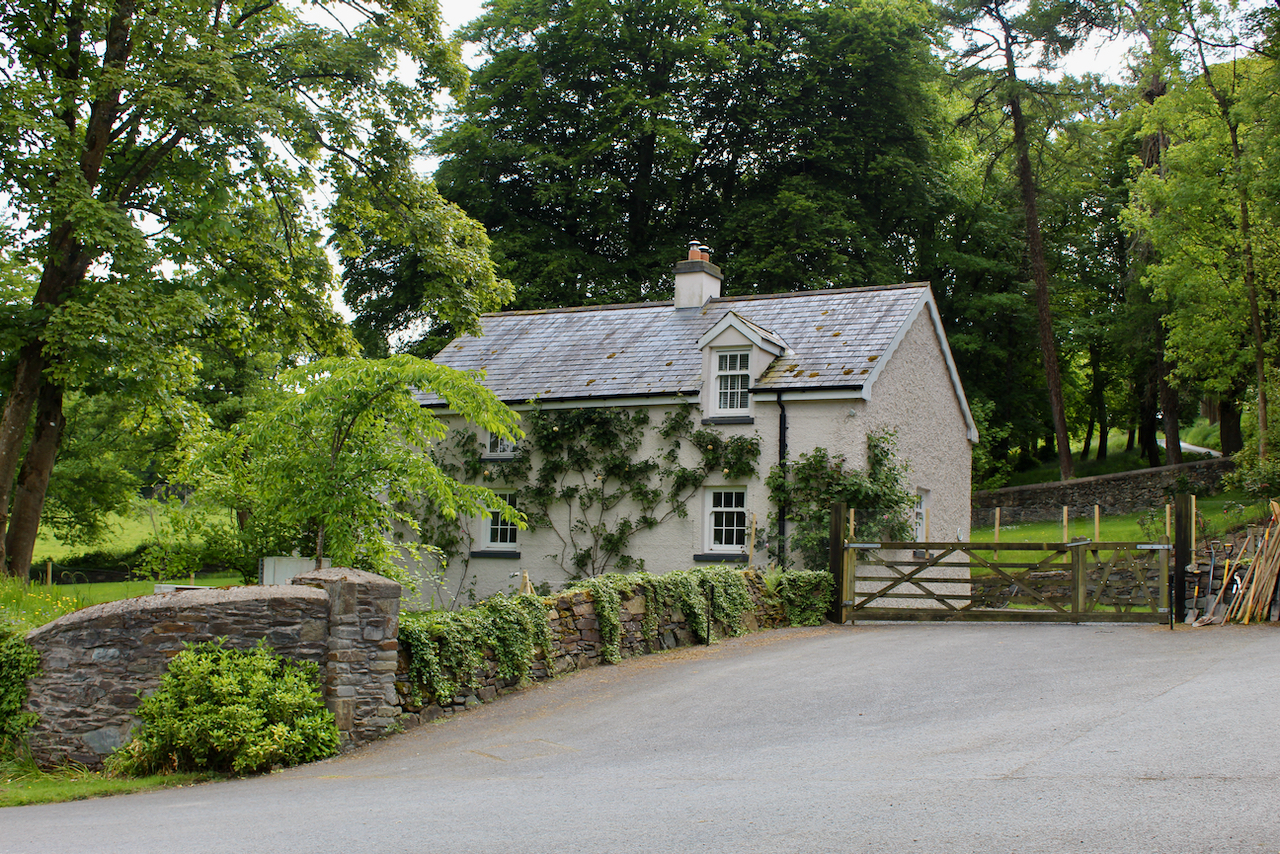
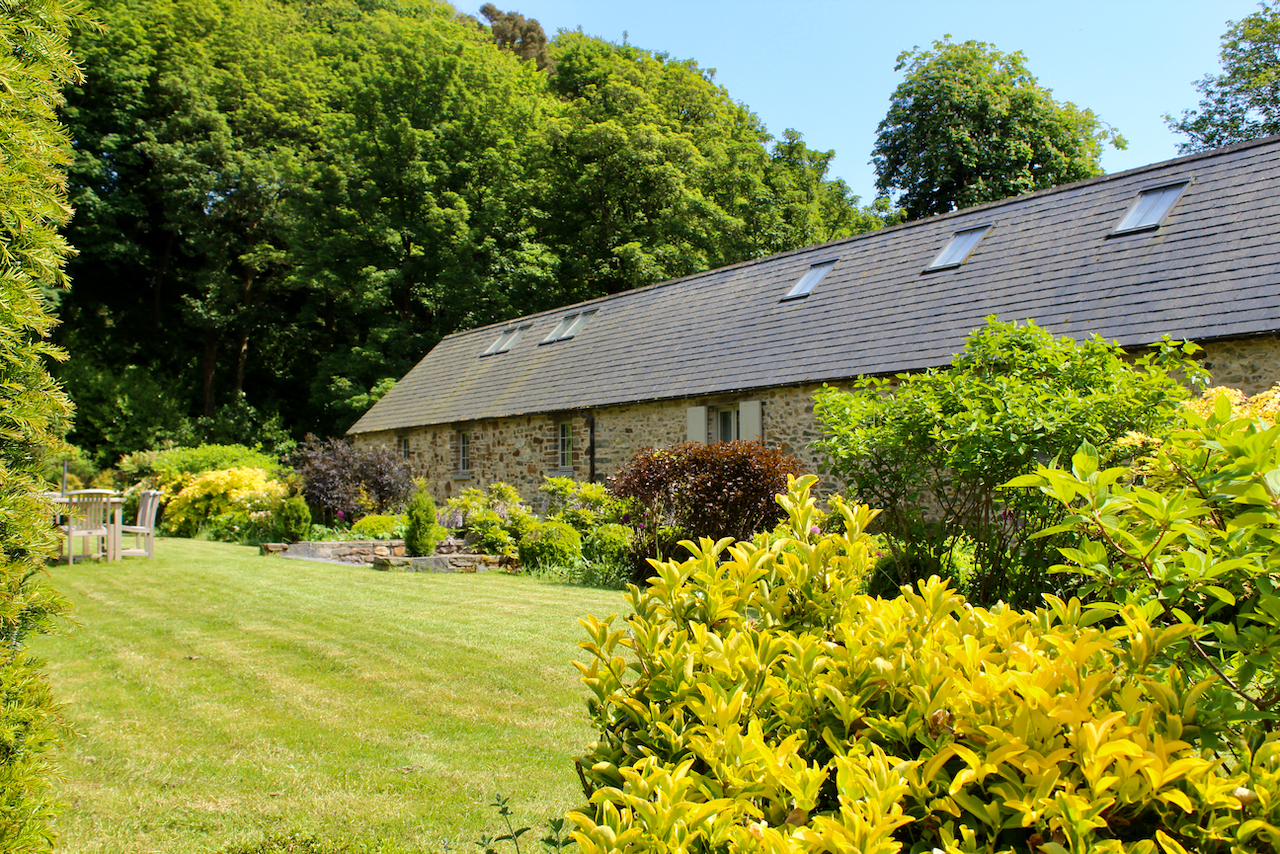
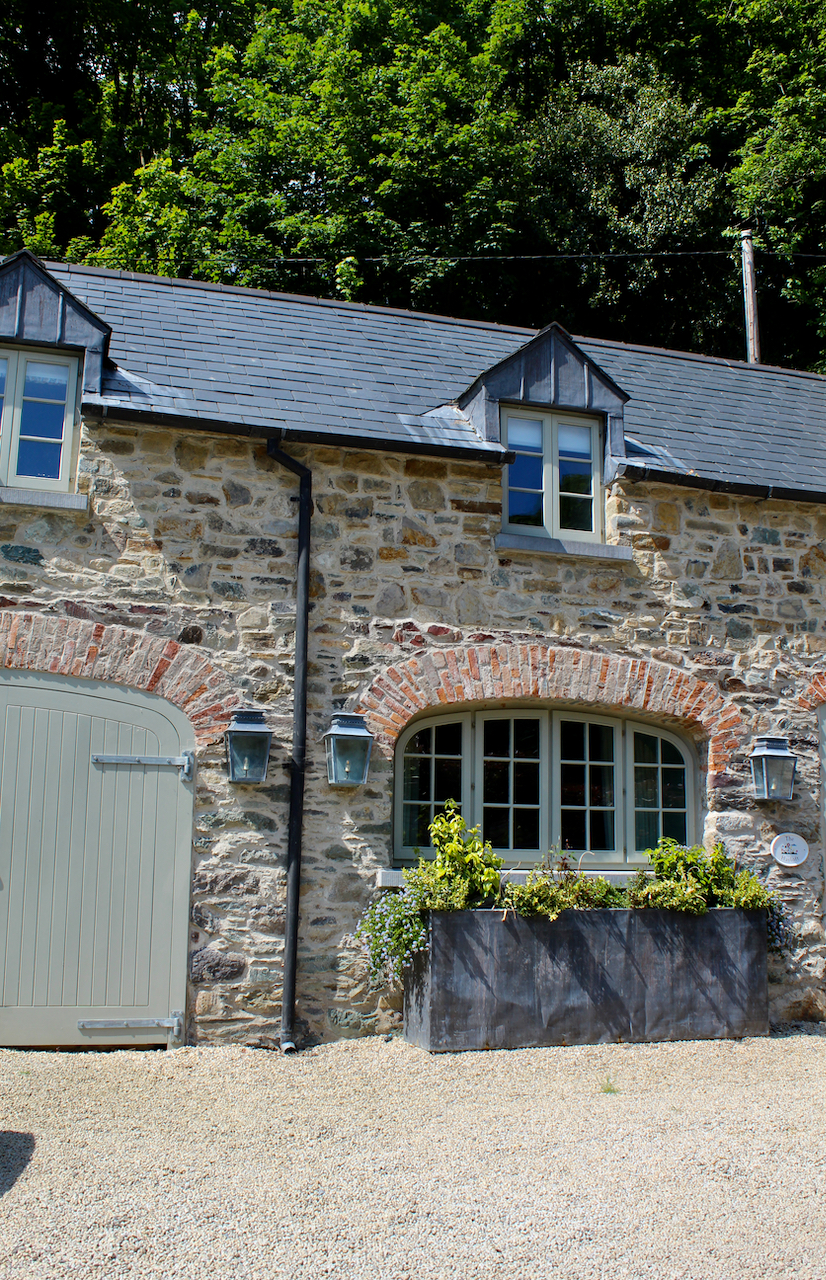
You can stay in the gate lodge or cottages.
https://woodhouseestate.com/

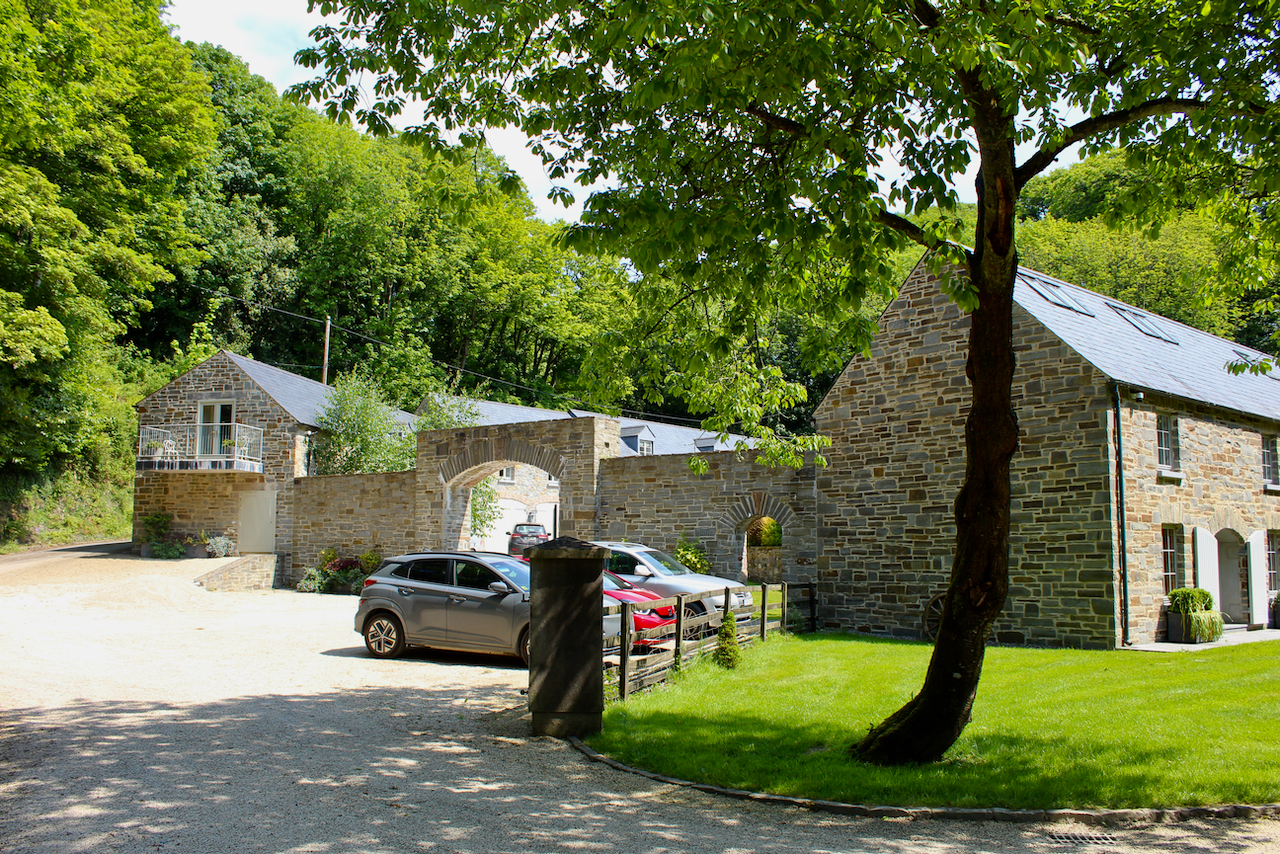
The Hayloft, Woodhouse, available for self-catering accommodation.
At Woodhouse, County Waterford. Photograph © Jennifer Winder-Baggot, www.irishhistorichouses.com

The website tells us:

The original house was built in the early part of the 17th century by the Fitzgerald family (a branch of the MacThomas Geraldines of the Decies).
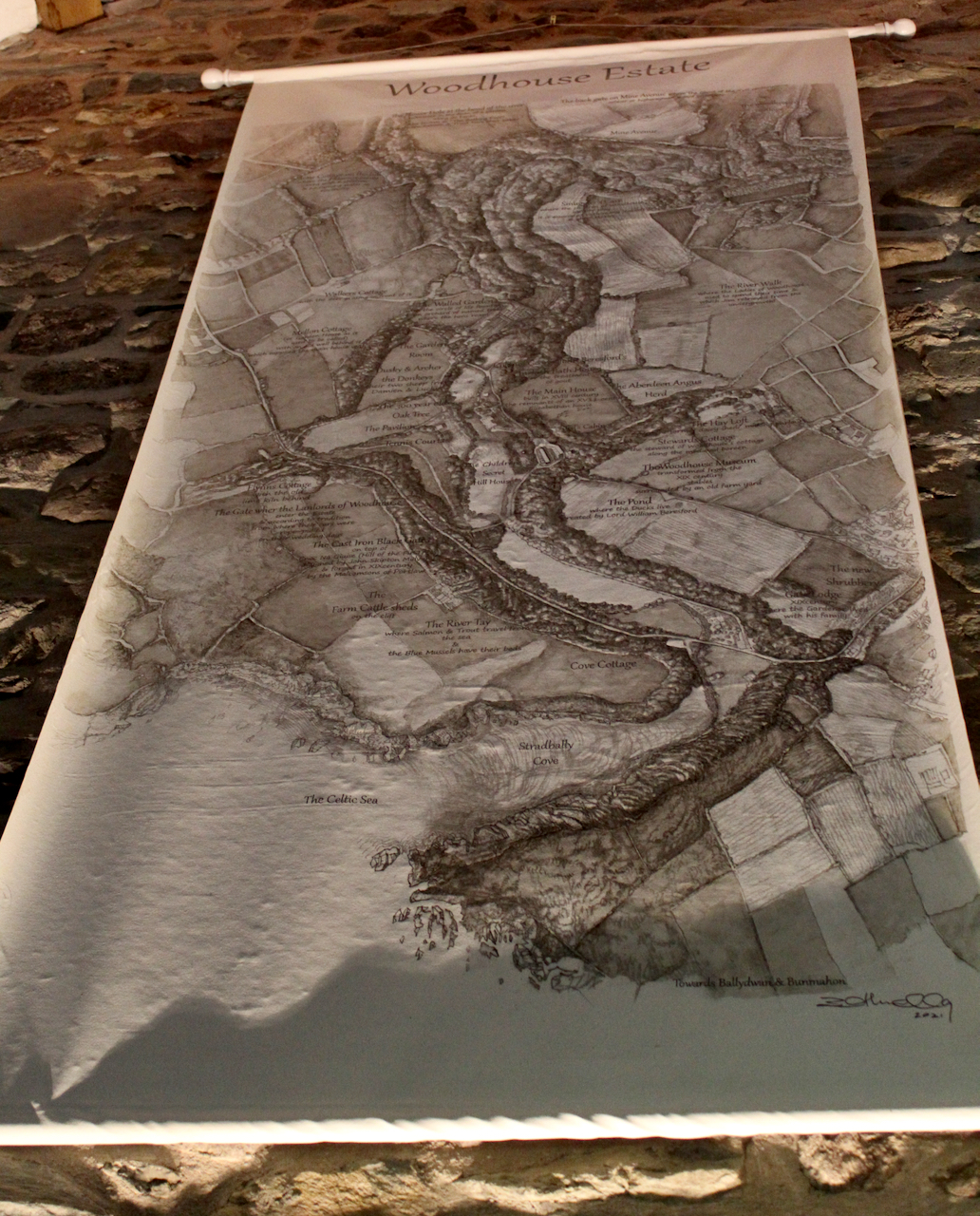
An old estate map of Woodhouse.
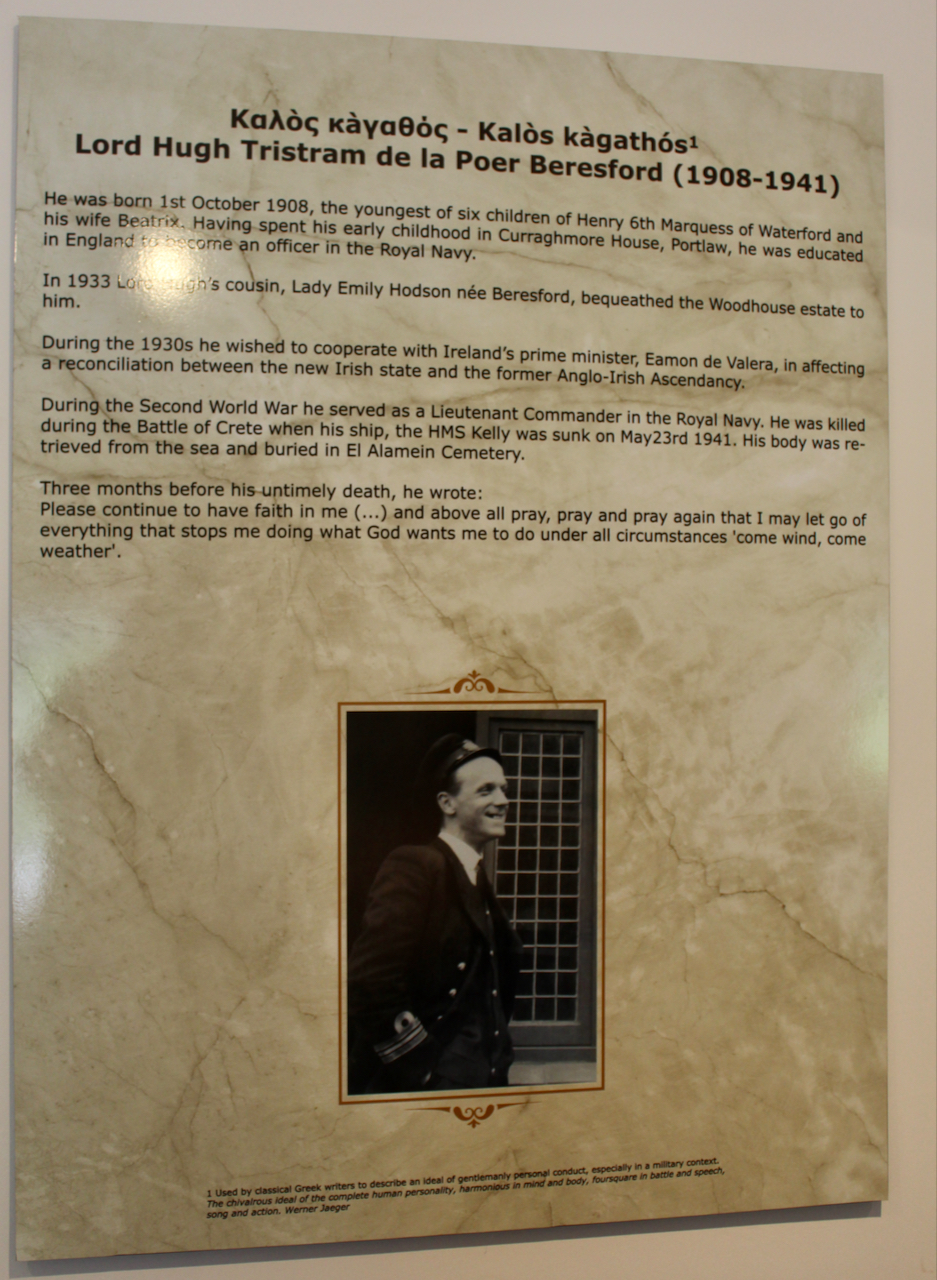
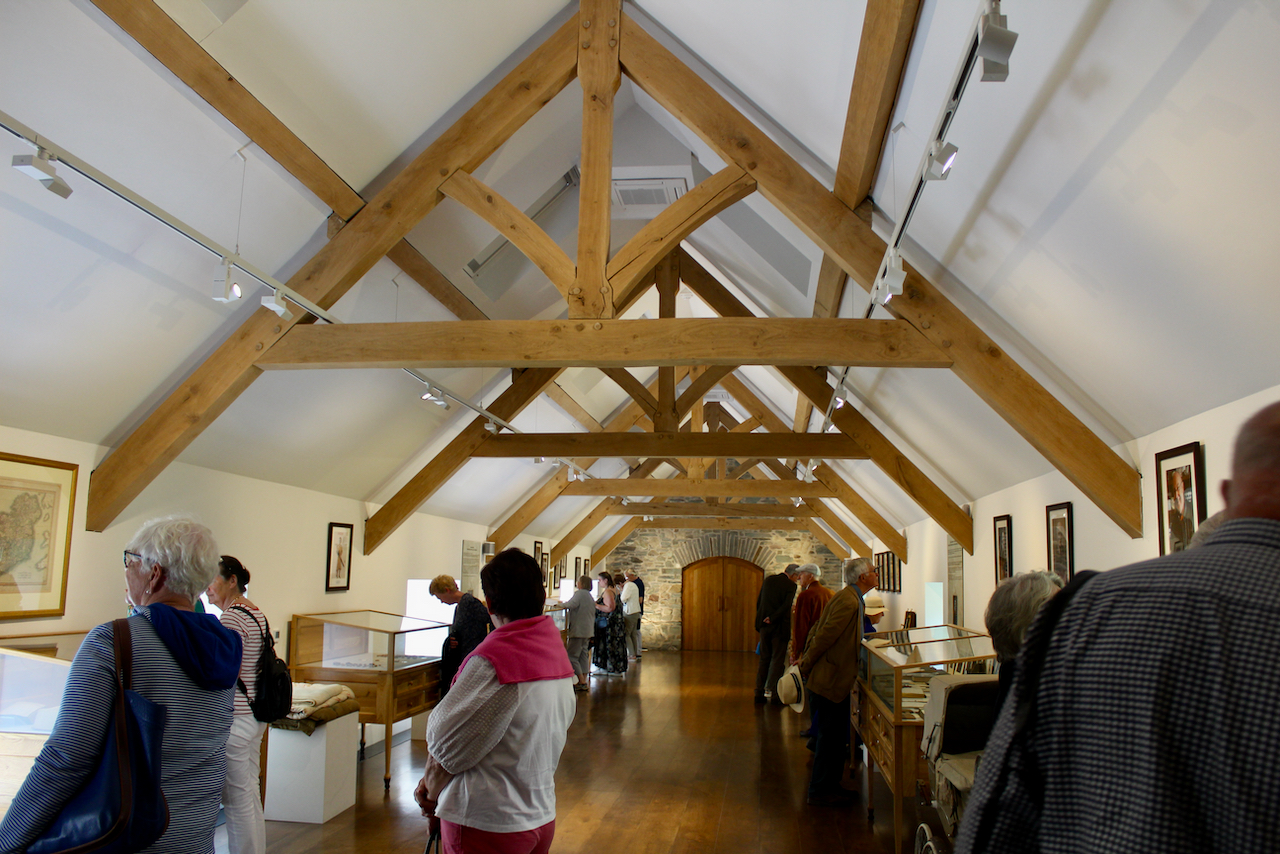
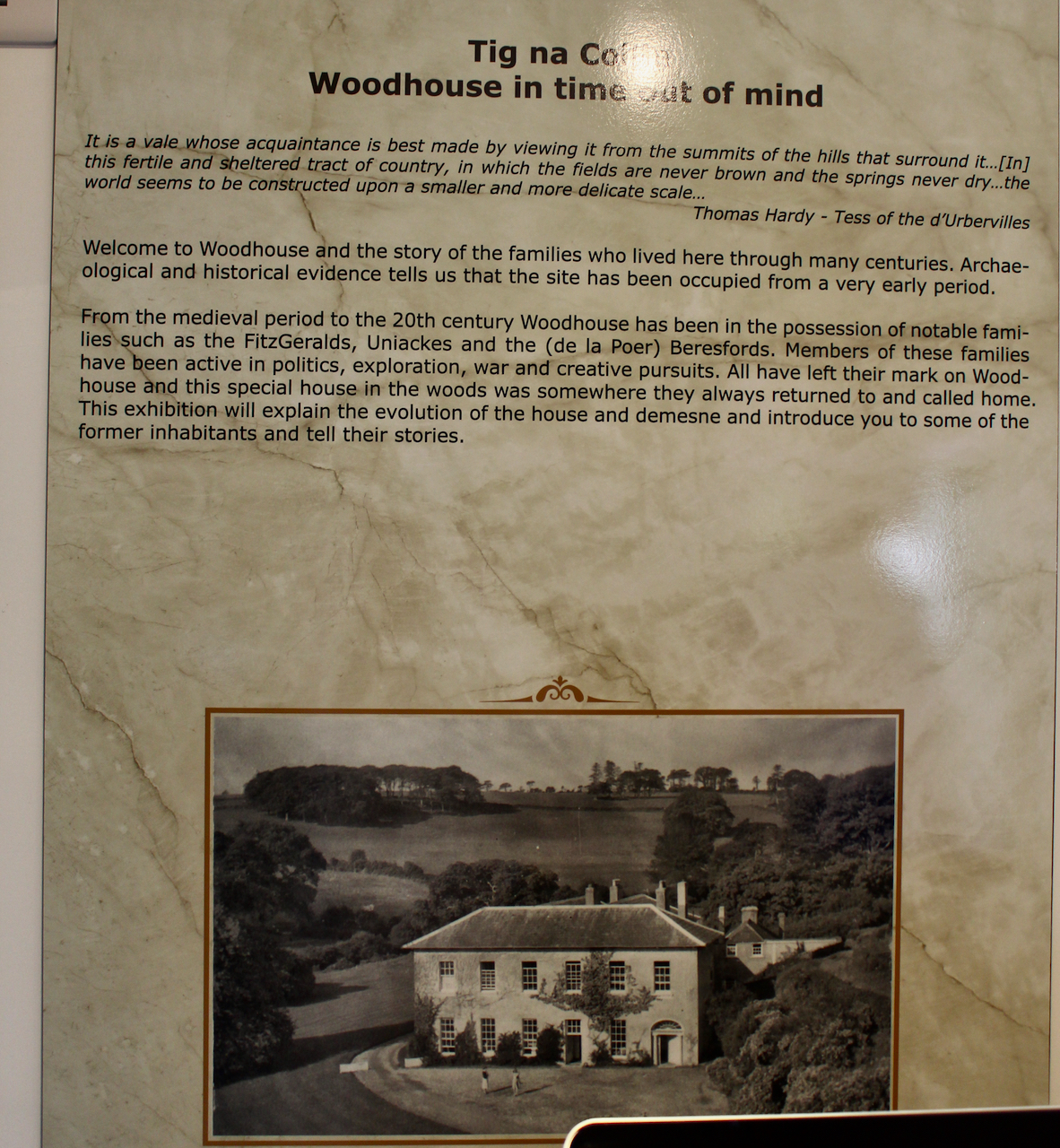
An information board in the museum.

While in the ownership of the Uniacke family it was passed by inheritance to the Beresford family and subsequently sold by Lord William Beresford in ca 1970. The House has since been extended over the years to become an impressive six bay window residence with bright and spacious rooms overlooking this private estate with the River Tay flowing through.”

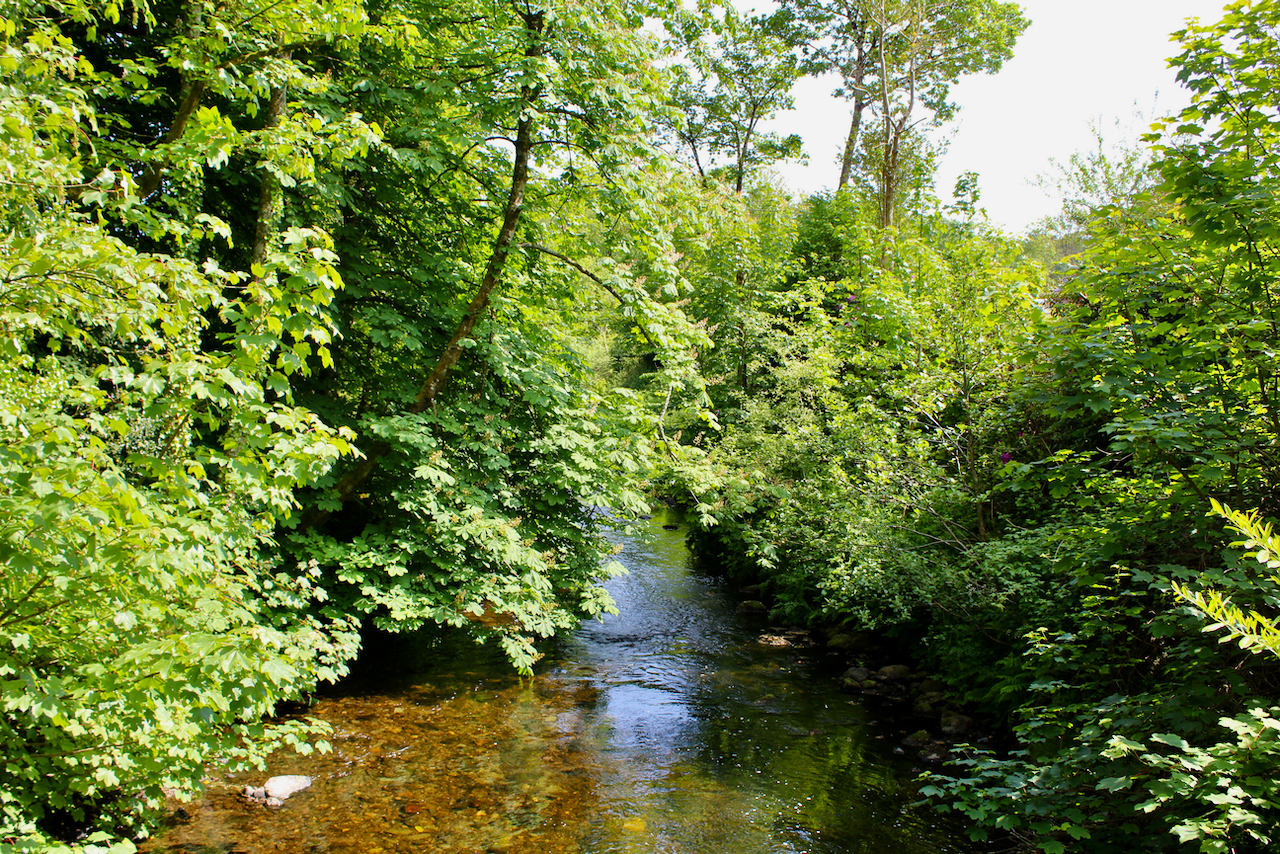
The River Tay. Photograph © Jennifer Winder-Baggot, www.irishhistorichouses.com

The website gives us a detailed description of the history of the house so I will quote it here:

The house of Woodhouse as we see it at present was built in at least three stages.

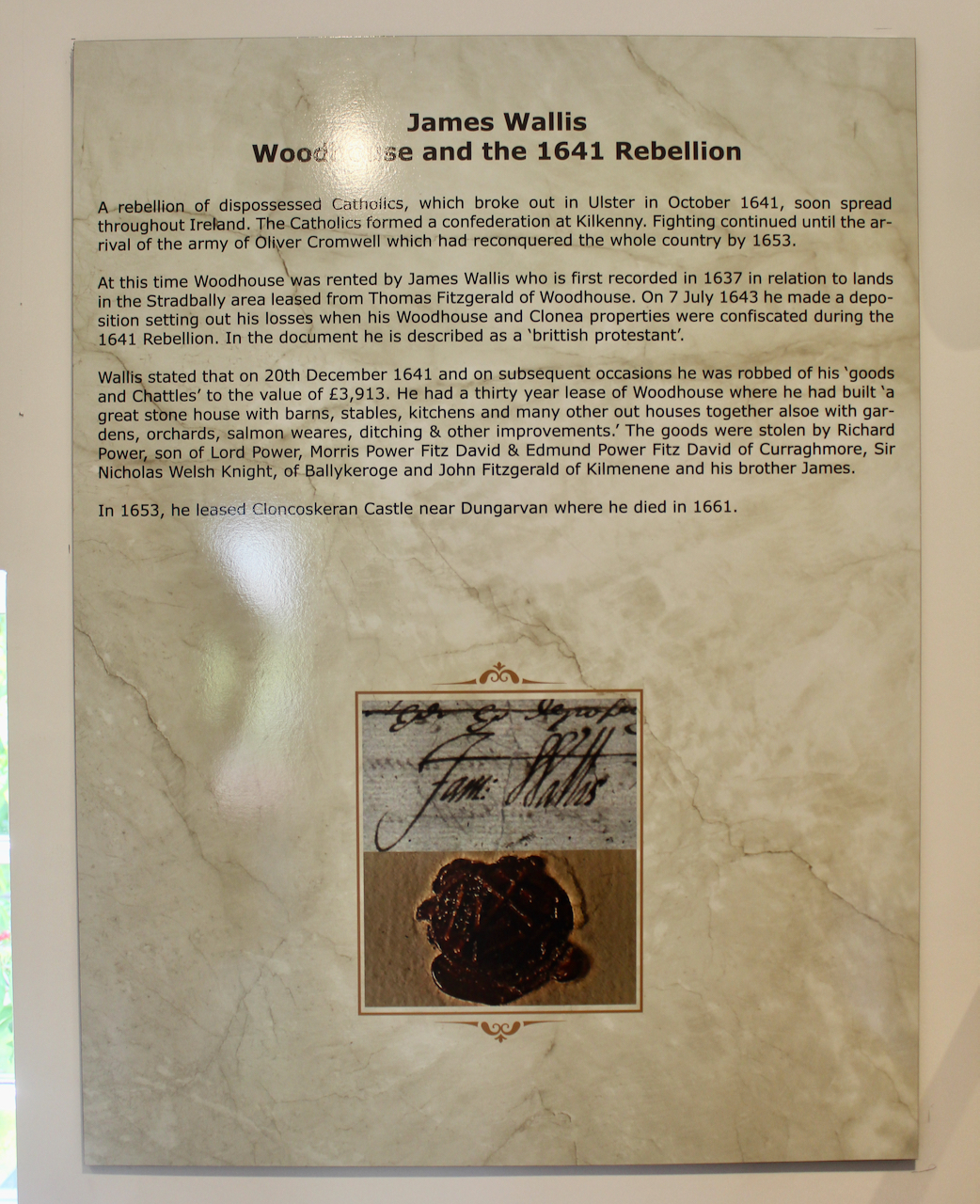
The first one dates back to early 1600’s and the Munster Plantation, when the Messenger for Court of Wards and Liveries, an English Protestant and Undertaker (in other words Planter), James Wallis Esq., rented the lands of Woodhouse, Carrigcrokie, Stradballymore, Ballykerogue and others from the fellow Elizabethan settler and land distributor Richard Beacon. The latter gentleman was awarded the lands of the Catholic FitzGerald family in Co. Limerick and Co. Waterford (Woodhouse) by the Queen in appreciation for having performed his duties as her majesty’s attorney for the province of Munster. After leasing the land James Wallis had built a fine stone house, a mill, a walled garden accompanied by a numerous outbuildings and weirs (river dams) in the river Tay. The original house was built in an Elizabethan style on a rectangular plan.

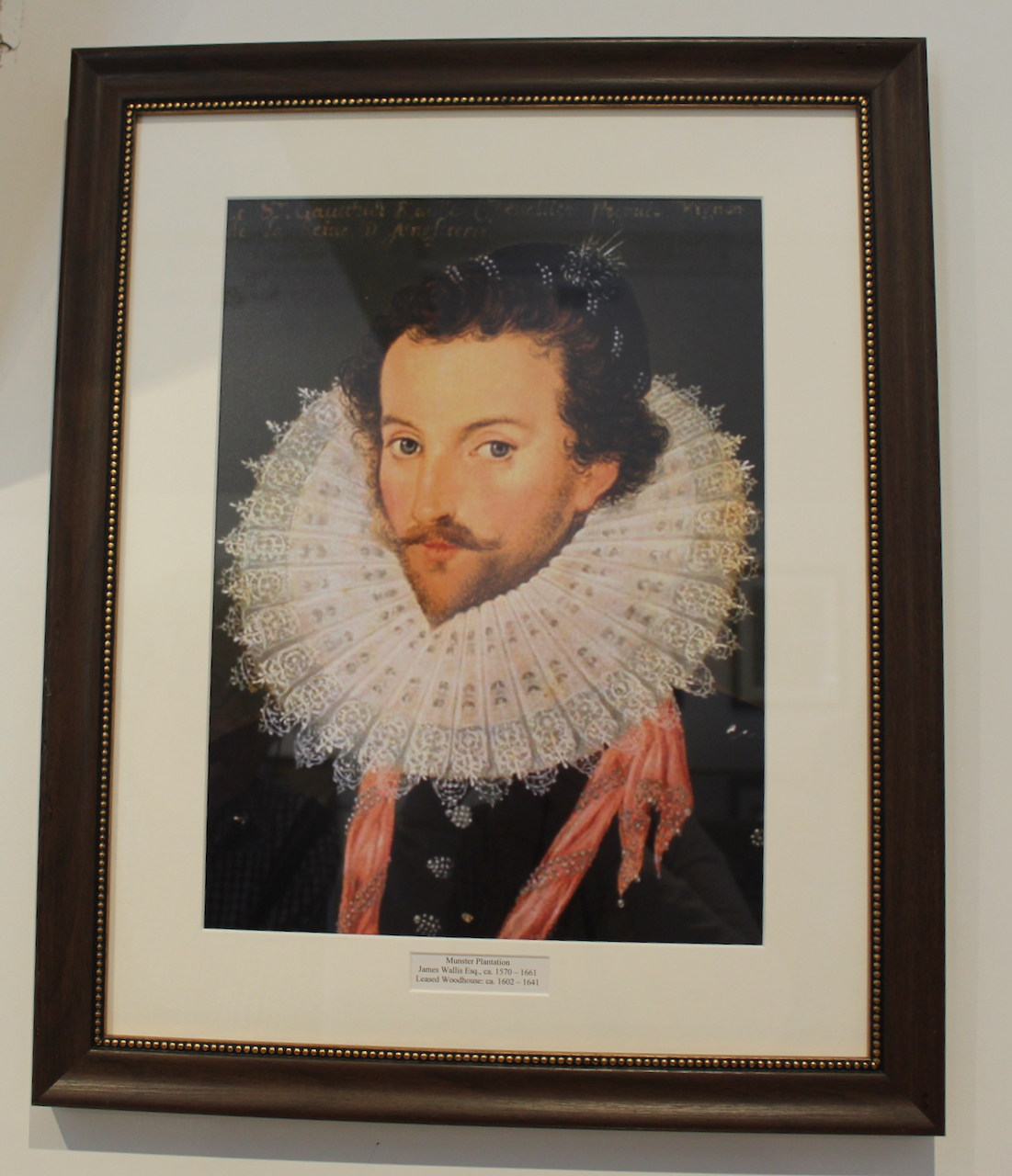
James Wallis (ca. 1570-1661).

During the 1641 Rebellion in Ireland, James Wallis Esq. was forced out of Woodhouse by rebels and despite his detailed Deposition made in 1642 describing the damage to his house and the loss of his goods, as well as the favourable court ruling in his favour in 1653, he never returned to the property.

At Woodhouse, County Waterford.

The 1654 Civil Survey states that the owner of Woodhouse was then Thomas FitzGerald. Two generations later his grandson Major Richard MacThomas FitzGerald (then of Prospect House in Kinsalebeg, Co. Waterford) was facing large debts and had no way of paying them back so he had to sell the house and lands in 1724. Richard MacThomas Fitzgerald received over £8000 for this property but could only retain £840 while the rest was required to cover his debts.

The new owner of Woodhouse was Richard MacThomas Fitzgerald’s distant relative and close neighbour Thomas Uniacke Esq. of Ballyvergin, Barnageehy and Youghal. It was then that the second phase of development for Woodhouse started. Thomas’ sons, Borr and Maurice Uniacke, invested heavily into renovating the dilapidated house and completely changed its character by developing it into a Georgian structure. There is no evidence to confirm who the architect of the changes was so it’s quite possible that the wealthy Uniacke family used the “Pattern Books” and hired traveling stonemasons to introduce the changes. The house was substantially enlarged and its functionality vastly changed. At this time the Woodhouse estate was is thought to have consisted of about 2500 acres in total.

What the house looked like, may be seen at one of Borr Uniacke’s granddaughter’s amateur painting which was likely done in the first half of 1800s.

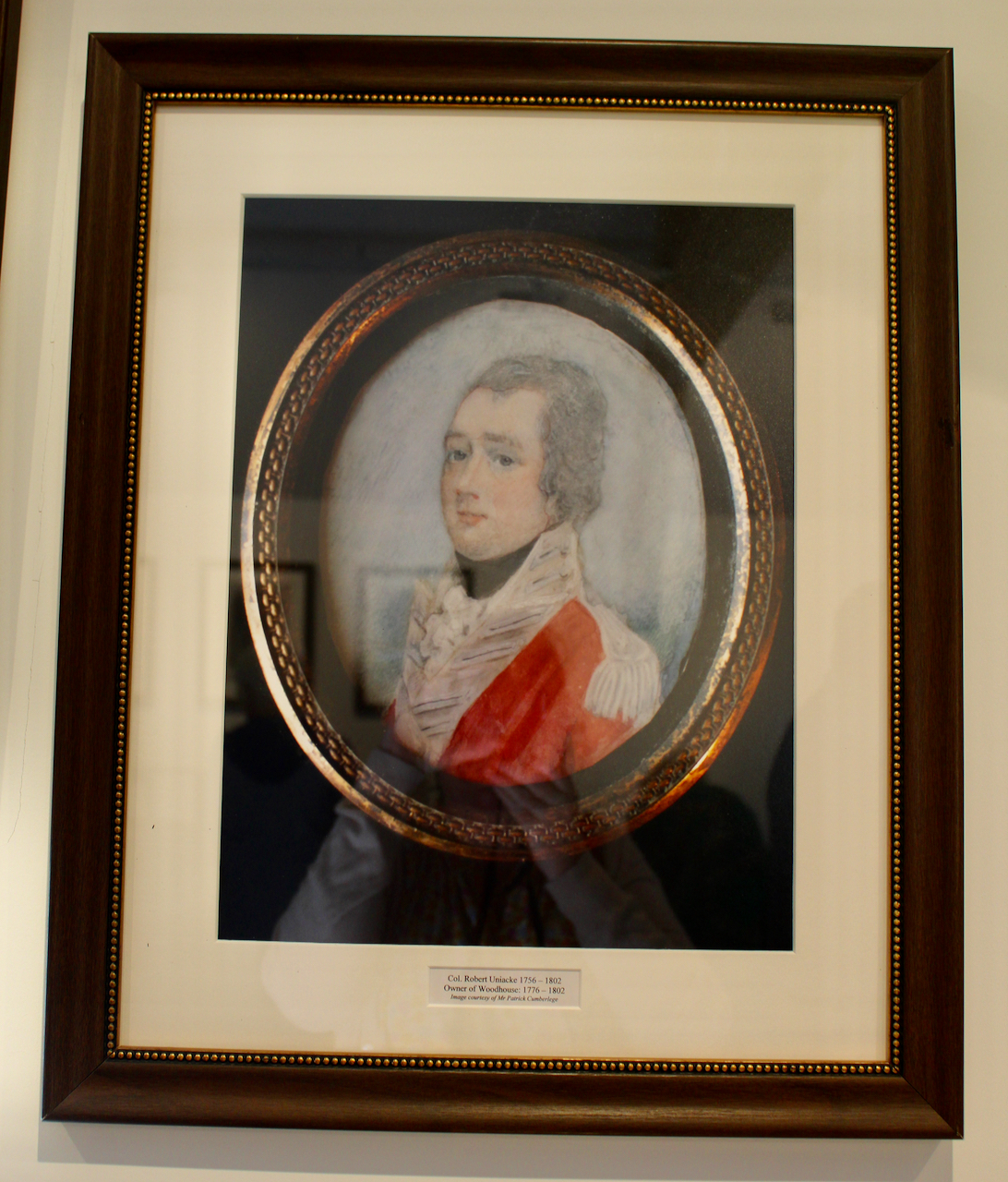
Colonel Robert Uniacke (1756-1802).

Woodhouse remained with the Uniacke family for about 130 years but in 1853 the Estate changed hands again. It did not entirely leave the Uniacke family inasmuch as the last heiress of this branch of the family, Frances Constantia Uniacke, having inherited Woodhouse from her older brother, Robert Borr Uniacke in 1844, married George John Beresford the grandnephew of the 1st Marquess of Waterford. Frances and George John took on the responsibility for the house and had the house and the outbuildings further extended. Owing to his sufferings caused by severe gout, at the back of the main house he had built a Turkish bath. We also know that construction of the boat house in nearby Stradbally Cove (which in contemporary nautical charts was called the Blind Cove) was done at this time.

George John Beresford (1807-1864).

For almost a century after that Woodhouse did not see any major changes and once again it became in need of extensive work to save it. Most of the eight Beresford children of George John and Frances Beresford married but none of them had children of their own. In 1933, the last surviving daughter of the couple, Lady Emily Frances Louisa (Beresford) Hodson bequeathed Woodhouse (the main house, 550 acres of land and the village of Stradbally) to her distant cousin Lt. Lord Hugh Tristram de la Poer Beresford Royal Navy, the sixth child of the 6th Marquess of Waterford. At the time of Lady Hodson’s death Lord Hugh was Aide De Camp to the Governor General of South Africa, yet he still managed to order renovation works including the installation of electricity and running water to the house. There is an extensive written evidence of his endeavours, which describes the works undertaken.

Emily Frances Louisa (née Beresford) Hodson (1861-1934).
At Woodhouse, County Waterford.

In 1936 Lord Hugh Beresford made his last will and testament and bequeathed Woodhouse to his older brother Major Lord William Mostyn de la Poer Beresford. When in 1941 Lt. Cmdr. Lord Hugh Beresford was killed in action during the Battle of Crete, the will and testament were probated and when in 1944 Major Lord William Beresford returned from the war he took on Woodhouse, its lands and the village of Stradbally. Hence the third stage of structural development for Woodhouse began. Until his return however, the Estate was looked after by Arthur Hunt Esq. who had been the agent for the Beresford family since the late 1800s.

Upon his return from the war, Lord William Beresford moved into Woodhouse. He found the Estate to be quite run down and badly in need of repairs.

Lord William introduced considerable changes not only to the structure of the main house, but he also developed the land and garden in such a way that they yielded large crops. Every week he transported the rich surplus of vegetables, fruits and dairy products to Waterford where they were sold in the first Co-Op in town.

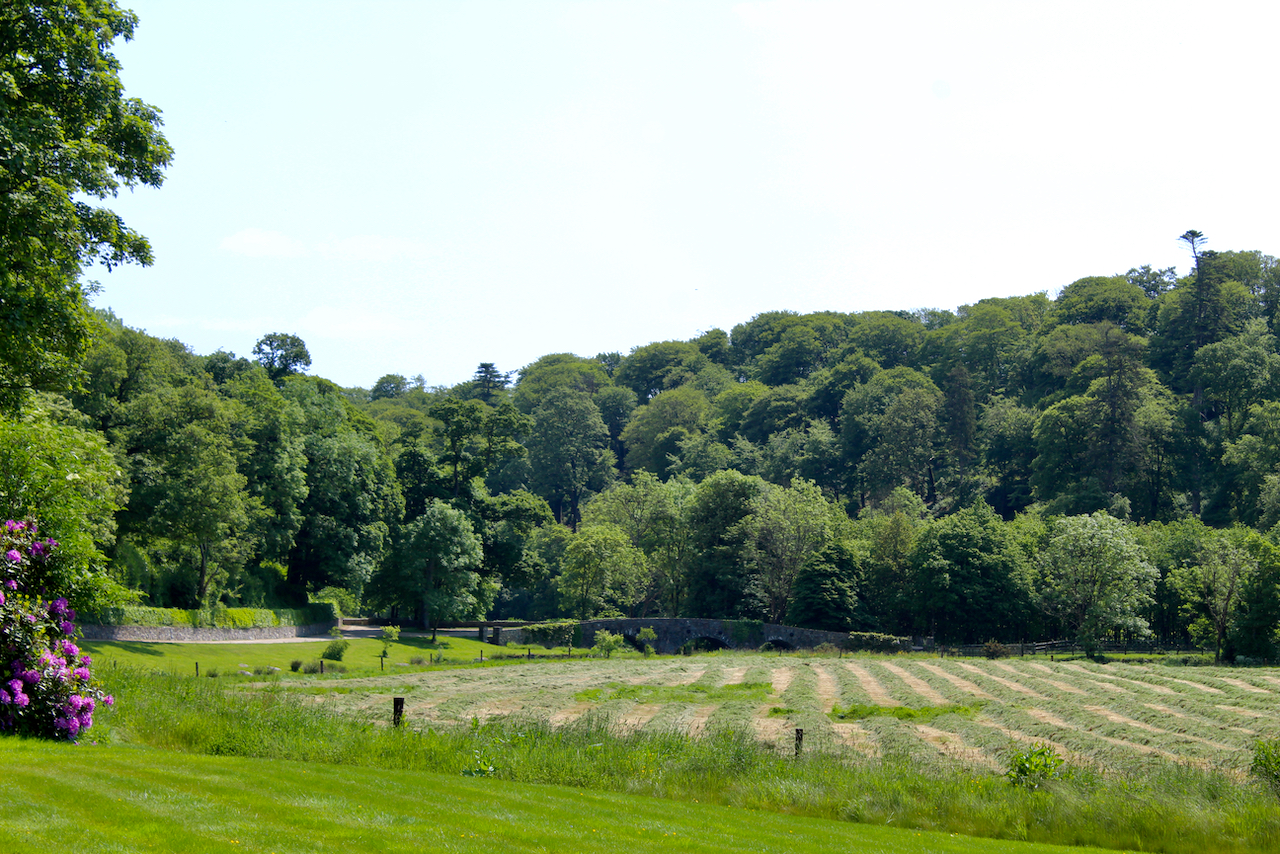
There is a beautiful bridge in the distance, on the property. Photograph © Jennifer Winder-Baggot, www.irishhistorichouses.com

Lord William and his wife Rachel are remembered as a good and kind people who successfully ran Woodhouse as a working farm and they put all their energy into making it a self-sufficient establishment.”Lord William and his wife Rachel are remembered as a good and kind people who successfully ran Woodhouse as a working farm and they put all their energy into making it a self-sufficient establishment.

The year 1971 was the year when everything had changed for Woodhouse. It was the first time in 250 years that it was sold outside of the Fitzgerald/Uniacke/Beresford Anglo-Irish family. In that year Lord William sold the Estate to Mr. John McCoubrey who farmed and bred his cattle here and, thanks to the auspicious nature, he succeeded in that enterprise. However only one year later Mr. McCoubrey decided to move on and he, too, sold Woodhouse.

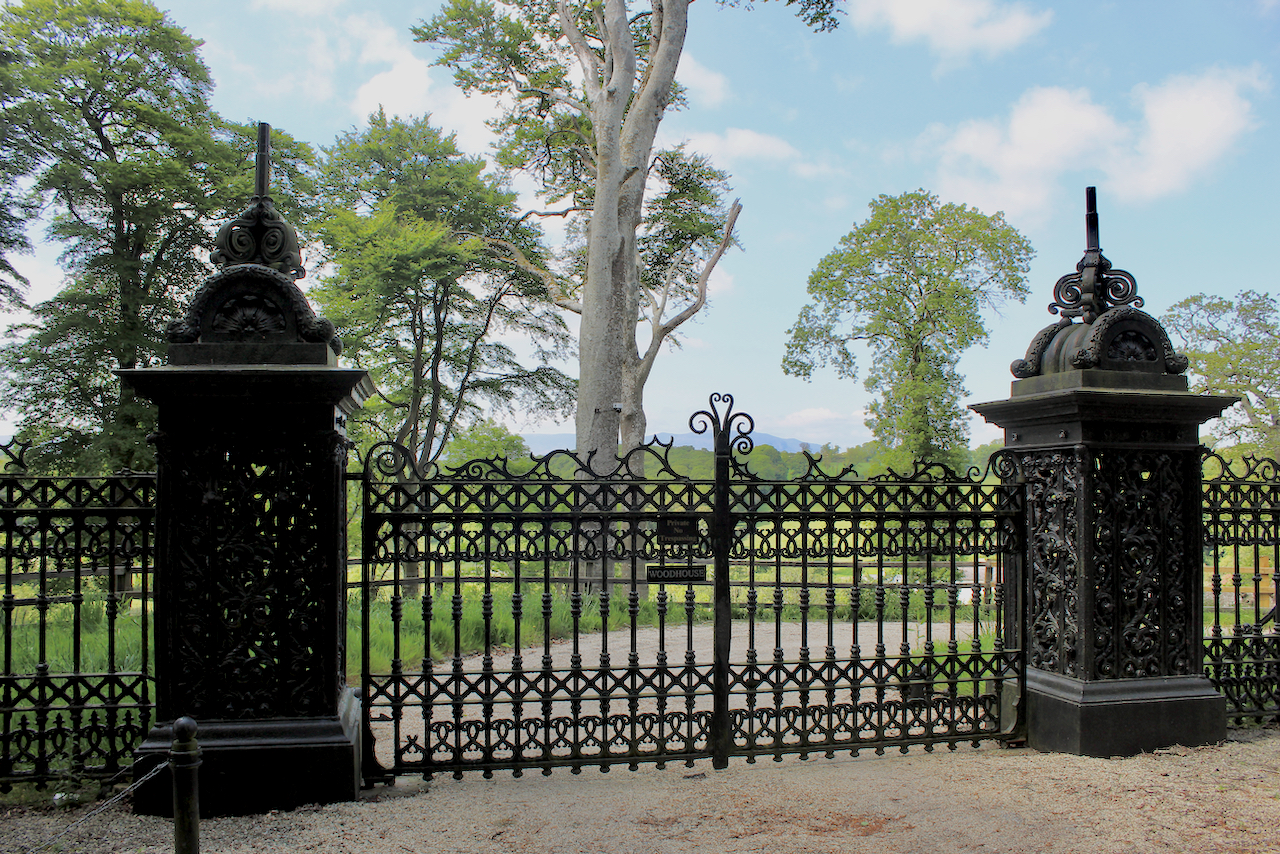
In 1972 Mr. John Rohan bought the house and all the lands. The new owner began extensive renovations to the main house and, being the Master of the Waterford Hunt, built stables for his horses and kennels for his dogs in the walled garden. He also purchased and installed the beautiful black gate at the main entrance to the Estate.

The impressive gates of Woodhouse, purchased and installed by John Rohan. Photograph © Jennifer Winder-Baggot, www.irishhistorichouses.com

Ten years later, in 1983 Woodhouse changed hands again and was purchased as an investment by a company owned by Mr. Mahmoud Fustok and his associates from the Middle East. Mr. Fustok never occupied Woodhouse but chose to make it available to Dr John O’Connell, an Irish parliamentarian, and his friends. The house was adjusted to their style, but no major renovations took place between 1983 and 2006.  

After 23 years under Mr. Fustok’s ownership Woodhouse was purchased by two Irish business partners – Mr. Aidan Farrell and Mr. Charles O’Reilly-Hyland. After their purchase these two owners sold some land parcels of Woodhouse to interested parties and made some improvements to the Estate but did not make it their residence. Eventually in 2012 they decided to sell the entire estate.

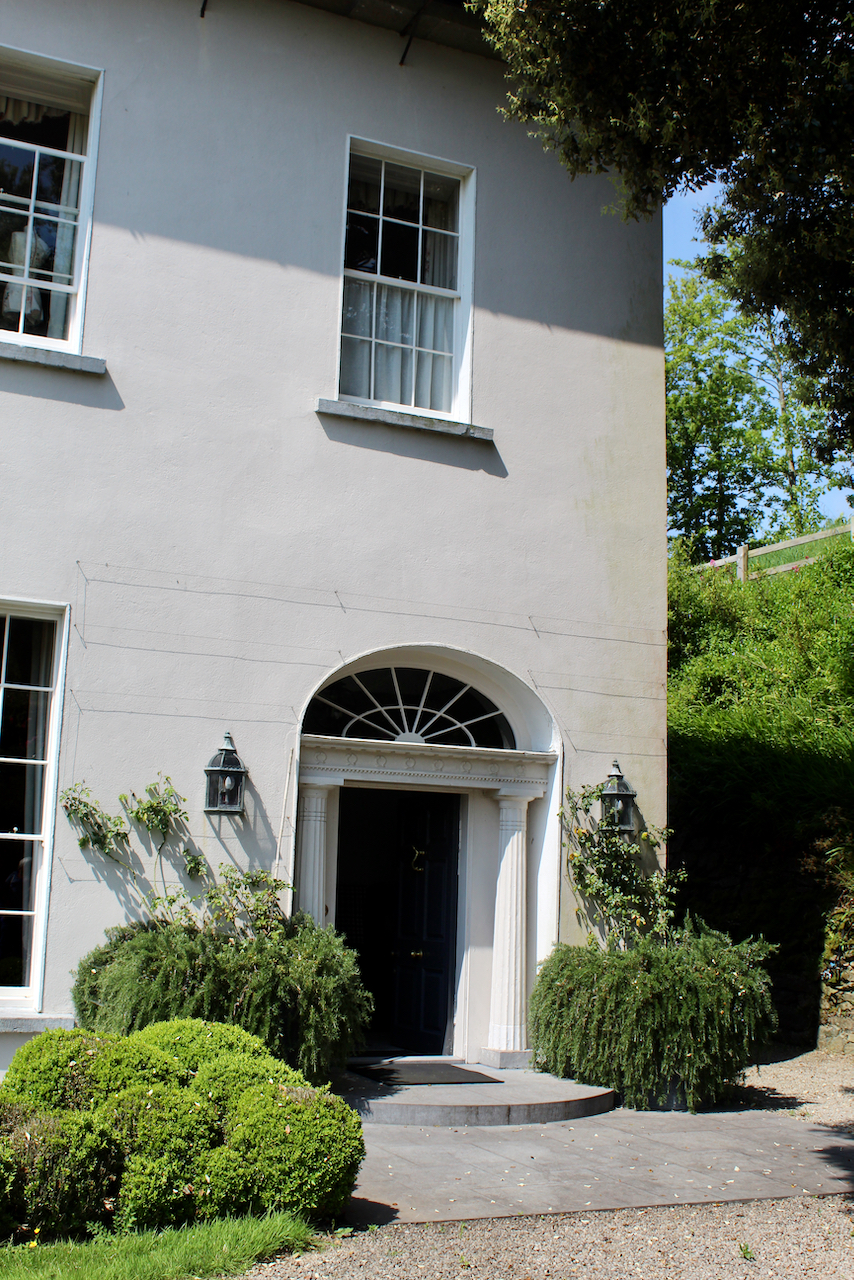
The front door to the private house of Woodhouse. Photograph © Jennifer Winder-Baggot, www.irishhistorichouses.com

The new purchasers, Jim Thompson and his wife Sally, took on the task of renovating and modernizing the vastly run-down house, cottages, outbuildings and lands. Their initiative involved an enormous amount of effort and patience but ultimately was successful. The works extended into every part of the large Estate (500 acres) and was achieved over a period of six years with the support and encouragement of the people of Stradbally.

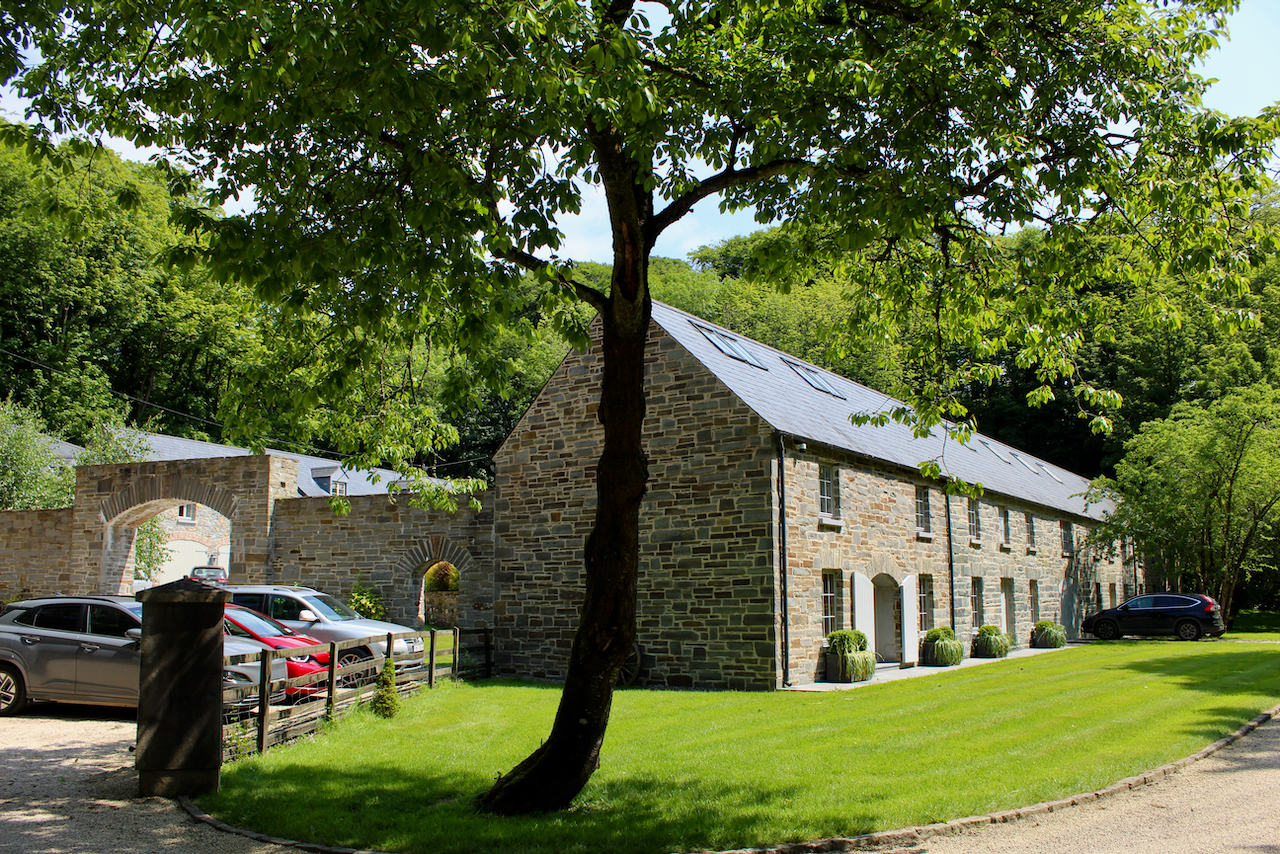
Inside this area is a museum about Woodhouse, a function room, and the Hayloft cottage. Photograph © Jennifer Winder-Baggot, www.irishhistorichouses.com

After many years of being forgotten and with no sufficient means to sustain itself, Woodhouse was brought back to life by various experts – architectural, building, landscape, and farm – who guided the Thompsons through the long renovation process. This commitment to bring Woodhouse back to its former glory proved very successful and as of 2019 – 400 years after the house was originally built – Woodhouse is a vibrant estate once more.

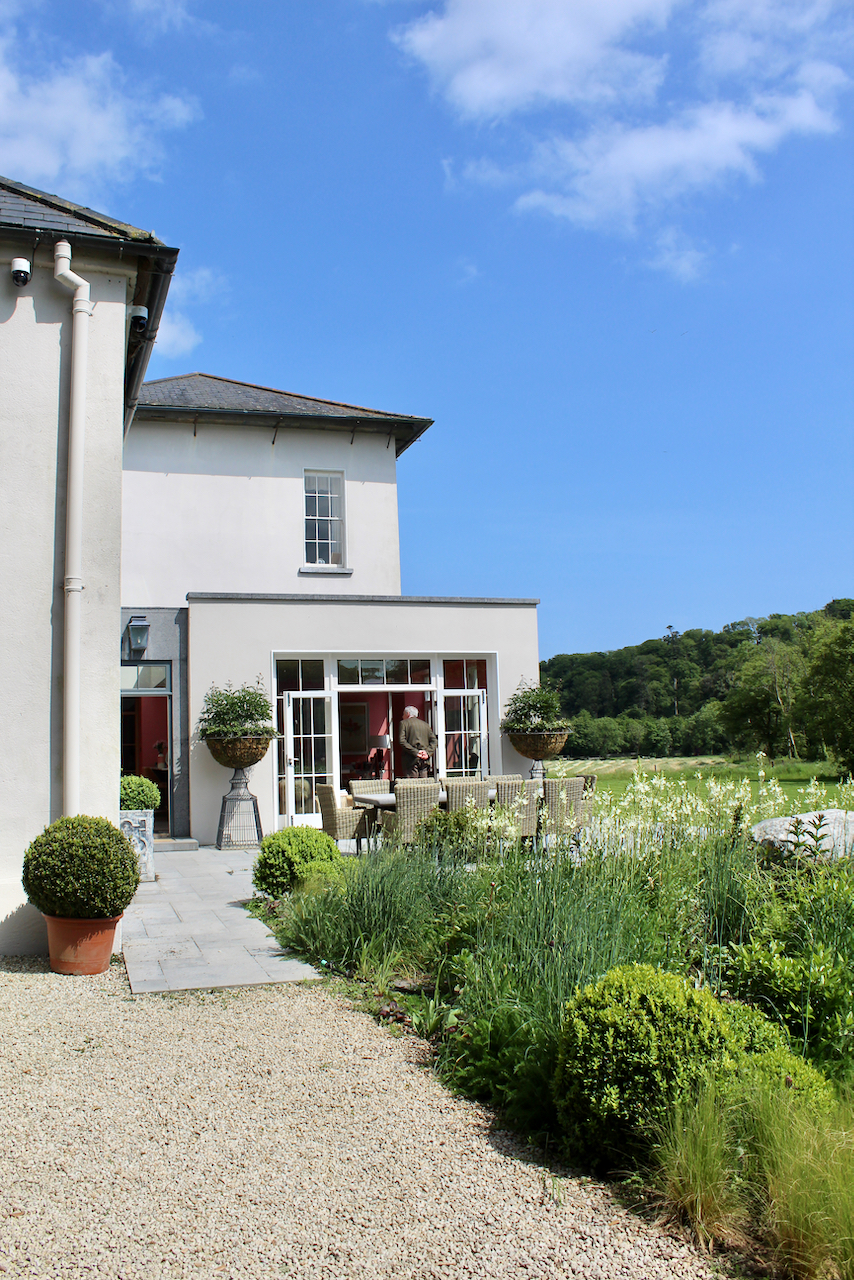
The private home of Woodhouse, the rear entrance, with French doors from the kitchen. Photograph © Jennifer Winder-Baggot, www.irishhistorichouses.com
French doors from the kitchen. Photograph © Jennifer Winder-Baggot, www.irishhistorichouses.com
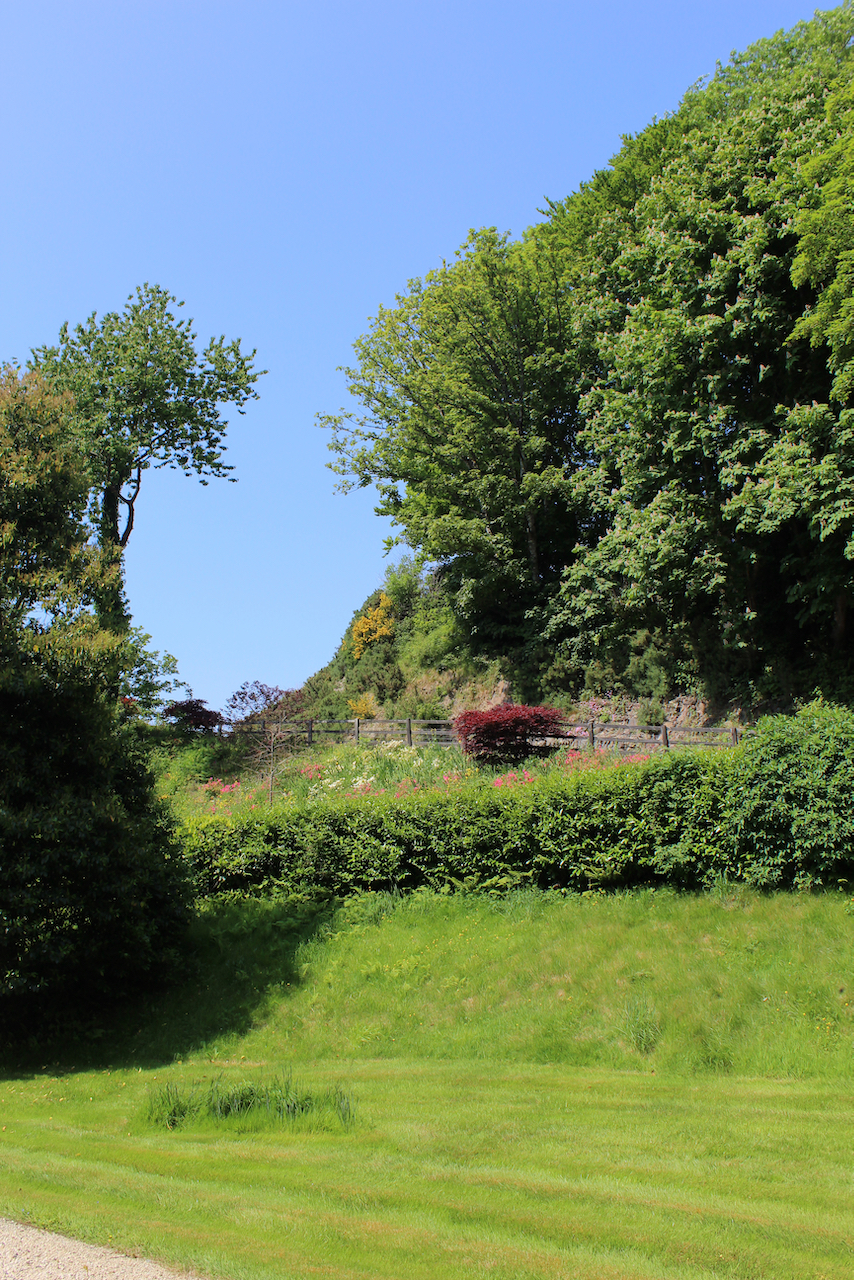
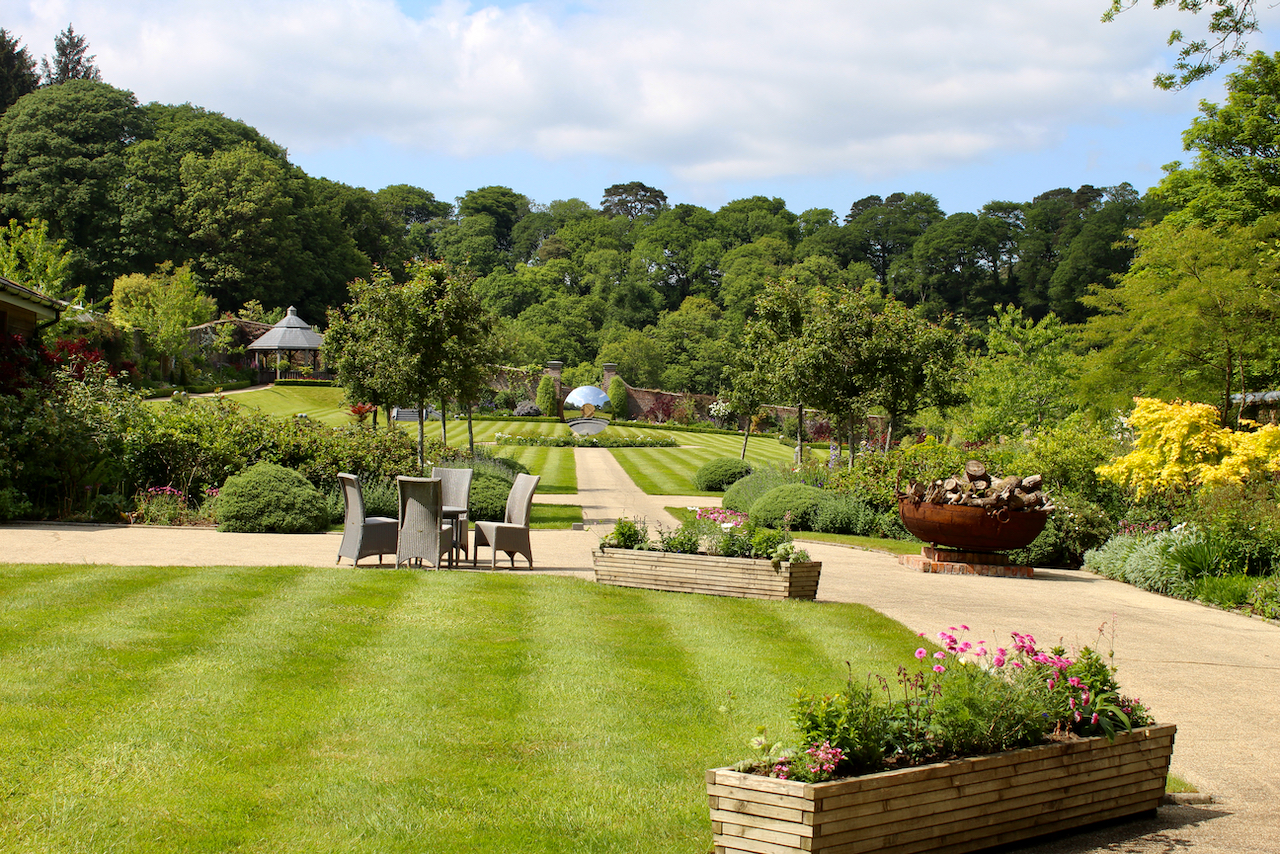
The beautiful day showed the gardens to perfection. Photograph © Jennifer Winder-Baggot, www.irishhistorichouses.com
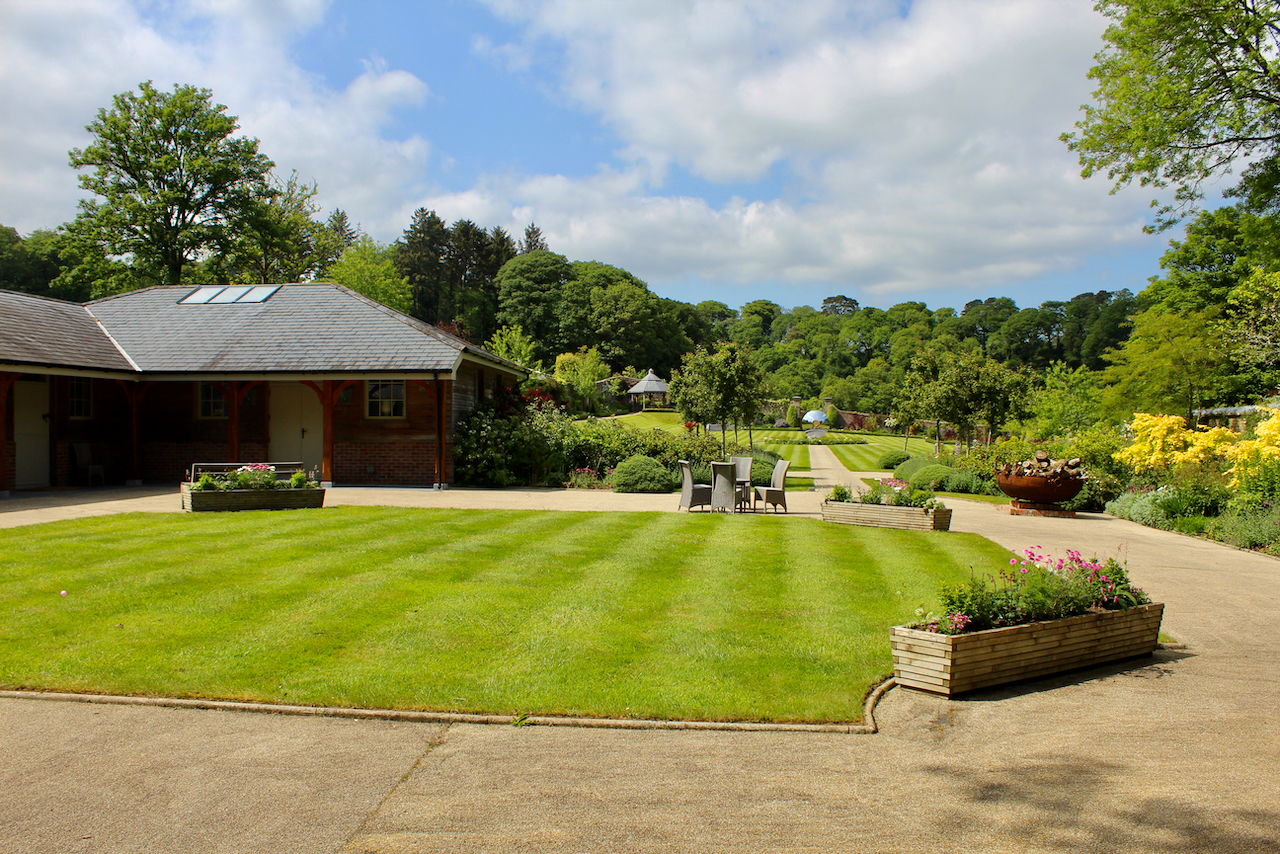
These lovely buildings house the museum and a function room. Photograph © Jennifer Winder-Baggot, www.irishhistorichouses.com

We gathered at the ancilliary buildings for coffee and a chat before Marianna’s introduction to the house’s history. She has published a book that was for sale, along with Julian Walton.

This houses the museum and function rooms. Photograph © Jennifer Winder-Baggot, www.irishhistorichouses.com
Ancilliary buildings. Photograph © Jennifer Winder-Baggot, www.irishhistorichouses.com
Woodhouse, County Waterford. Photograph © Jennifer Winder-Baggot, www.irishhistorichouses.com
Ancilliary buildings at Woodhouse. Photograph © Jennifer Winder-Baggot, www.irishhistorichouses.com
The museum, upstairs in the ancilliary buildings. Photograph © Jennifer Winder-Baggot, www.irishhistorichouses.com
This was the walk between the museum and the main house. The gardens everywhere are beautiful and we couldn’t have had a finer day for our visit. Photograph © Jennifer Winder-Baggot, www.irishhistorichouses.com

After our talk, we visited the house and then the walled garden. The website tell us:

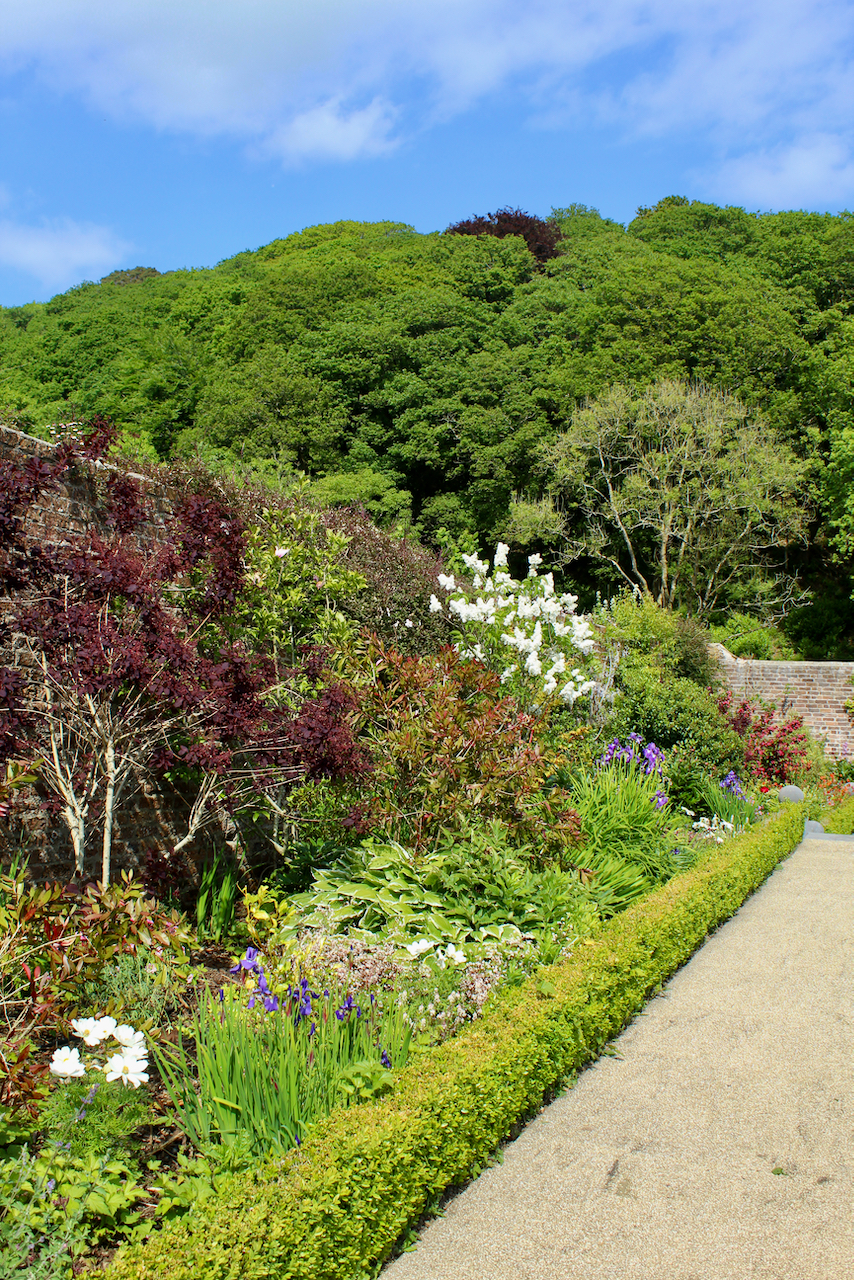
When Woodhouse changed hands in 2012 a project was undertaken to bring the walled garden back to its former glory. Today the Walled Garden and Orchard have a wide variety of fruits, vegetables, herbs and many types of flowers and, thanks to Paddy Kiely and his excellent team of skilled workmen, has developed in a place of beauty in tune with nature as it was planned when originally built. An oasis of calm and tranquility situated right in the centre of the Estate, the beautifully restored Walled Garden is a perfect venue for small intimate weddings and gatherings. Completely enclosed and surrounded by high stone walls the walled garden has flowers beds, beautiful green lawns, a raised pergola overlooking the entire garden and a soothing water feature. As well as providing a beautiful backdrop for weddings the Walled Garden is also an ideal venue for a variety of special events.  Whether you are looking to toast a birthday or anniversary or hold a charity event the Walled Garden adds a special atmosphere to any occasion.
For more information please get in touch
1woodhouseestate@gmail.com

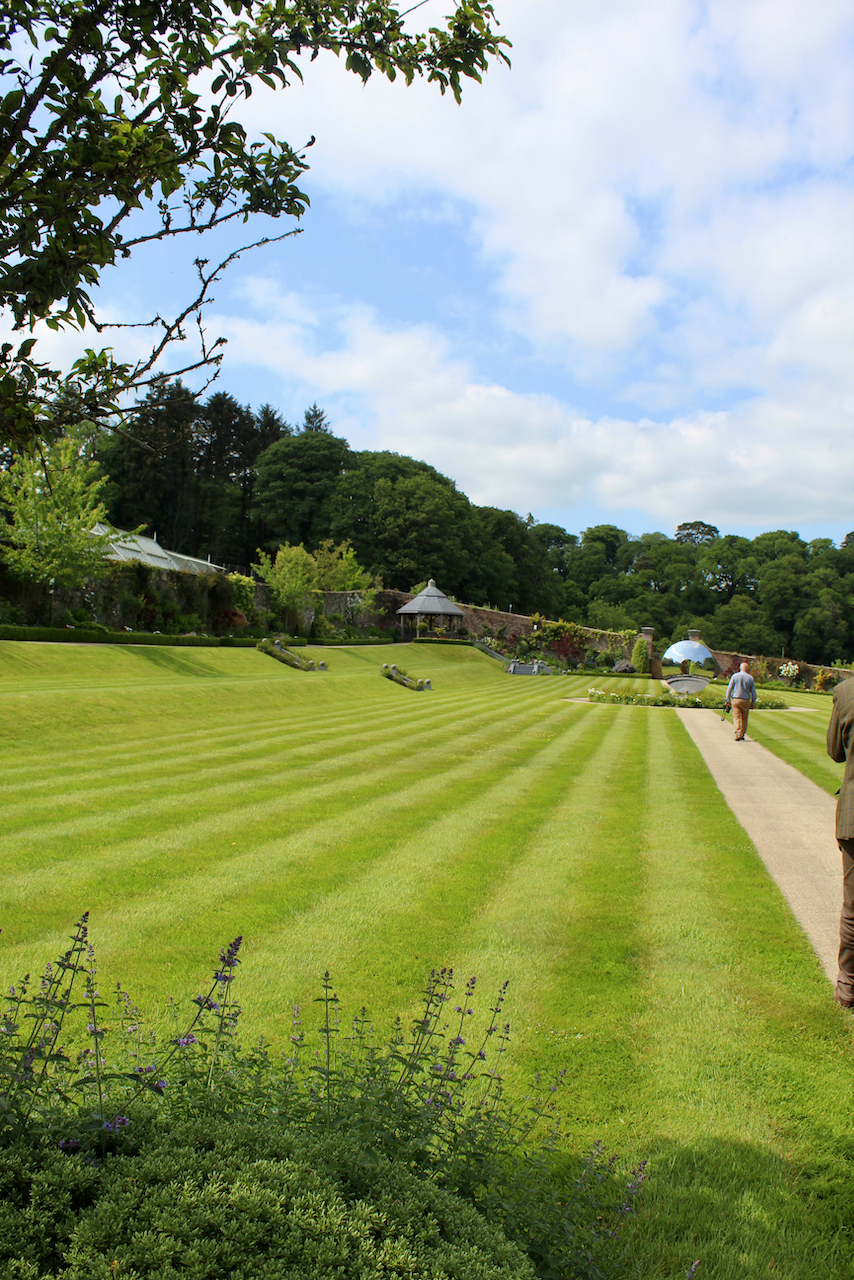
The beautiful walled garden of Woodtown. Photograph © Jennifer Winder-Baggot, www.irishhistorichouses.com
Events can be held in the buildings in the walled garden. Photograph © Jennifer Winder-Baggot, www.irishhistorichouses.com
The beautiful walled garden of Woodhouse. Photograph © Jennifer Winder-Baggot, www.irishhistorichouses.com

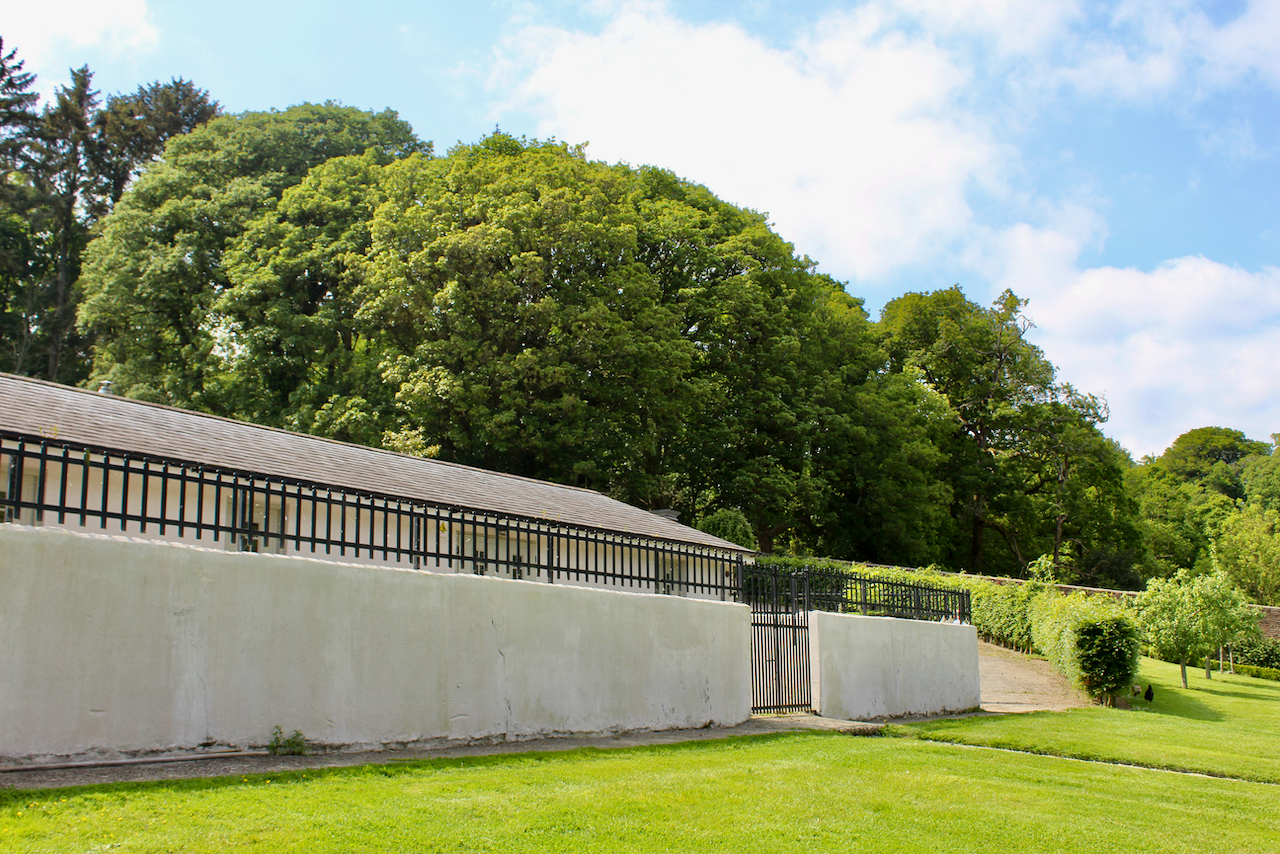
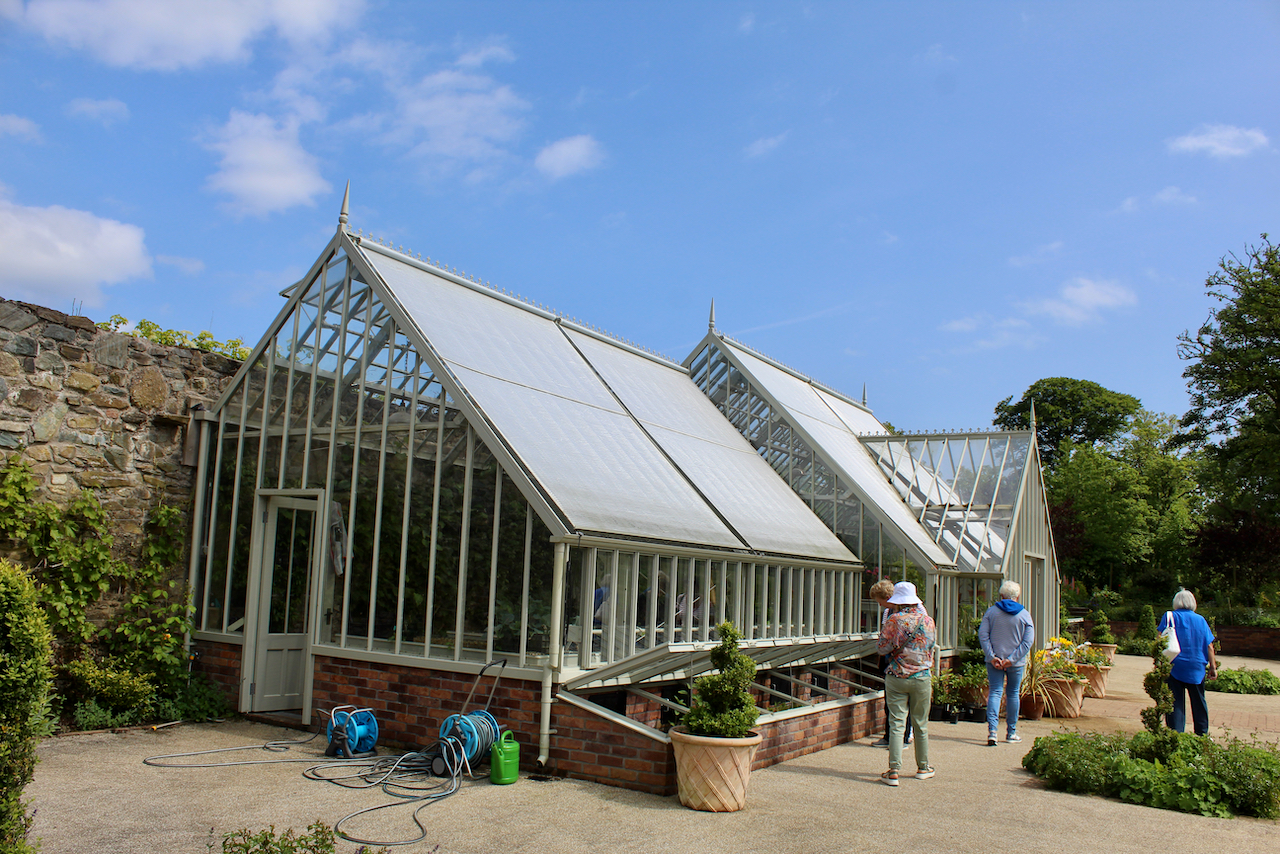
Beyond the walled garden in a further section is an orchard and greenhouse, and a house for chickens.
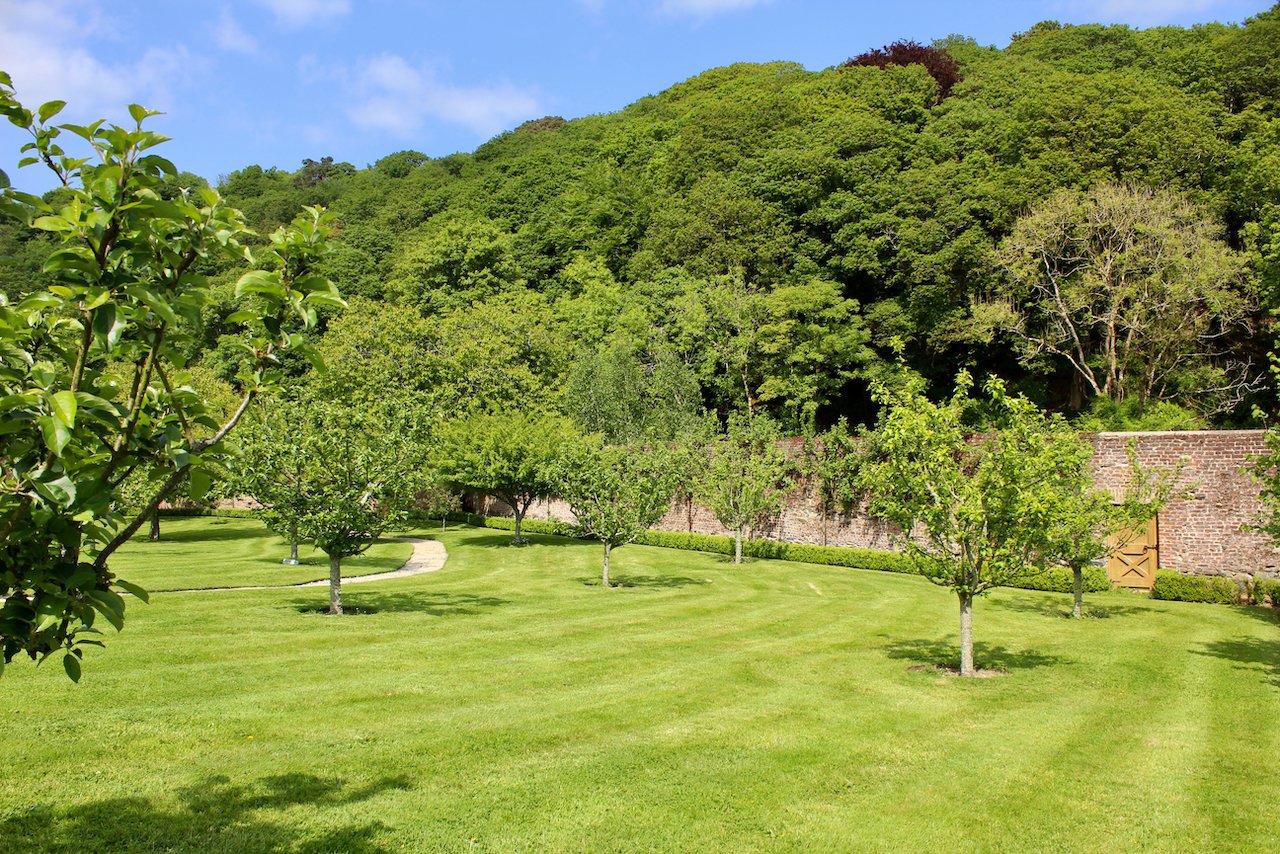
The orchard at Woodhouse. Photograph © Jennifer Winder-Baggot, www.irishhistorichouses.com
The greenhouse at Woodhouse. Photograph © Jennifer Winder-Baggot, www.irishhistorichouses.com
At Woodhouse. Photograph © Jennifer Winder-Baggot, www.irishhistorichouses.com

Portraits W-X-Y-Z

W

James Wallis (ca. 1570-1661). Photograph © Jennifer Winder-Baggot, www.irishhistorichouses.com
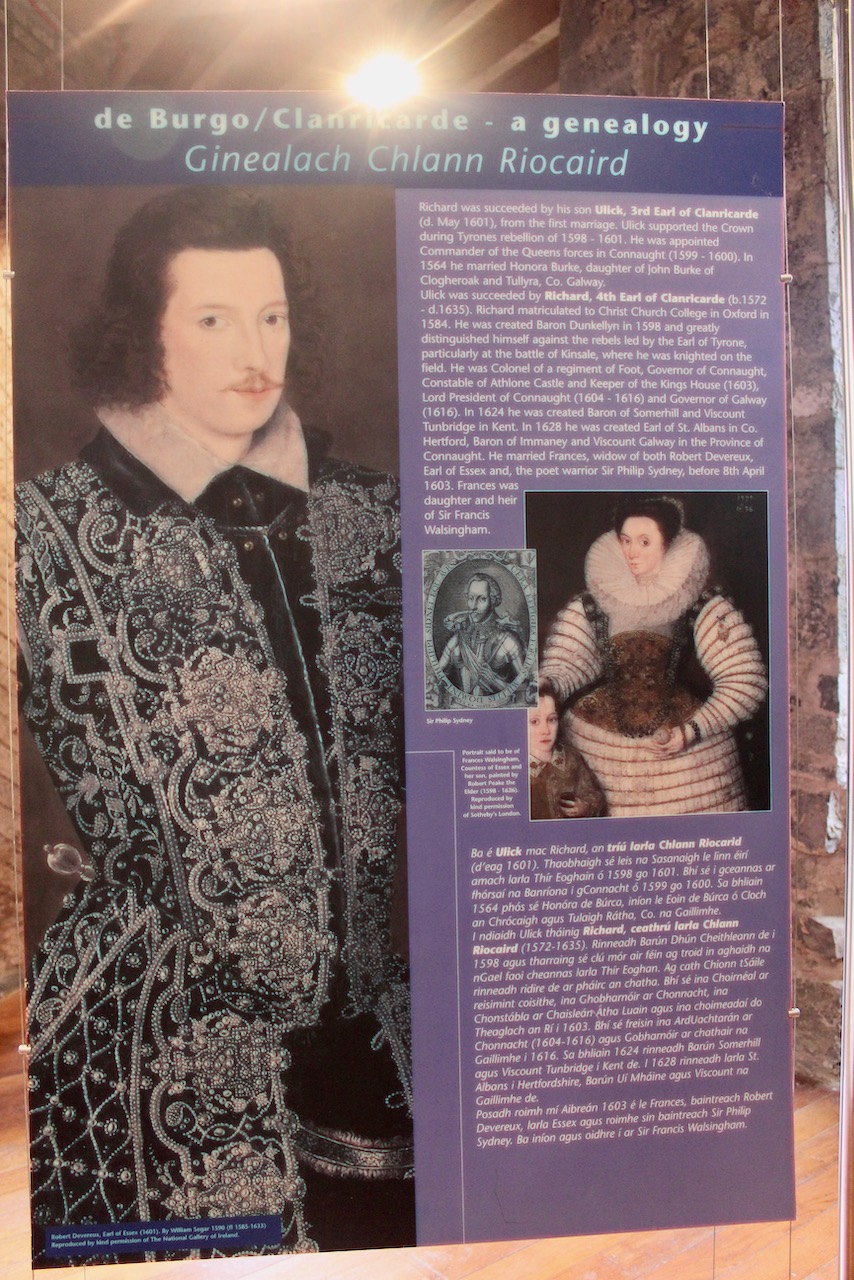
Portrait of Frances Walsingham (1567-1633), along with her husband Robert Devereux (1566-1601) 2nd Earl of Essex, and in the small picture, Sir Philip Sydney (1554-1586), her first husband. Her third husband was Richard Bourke (1572-1635) 4th Earl of Clanricarde.
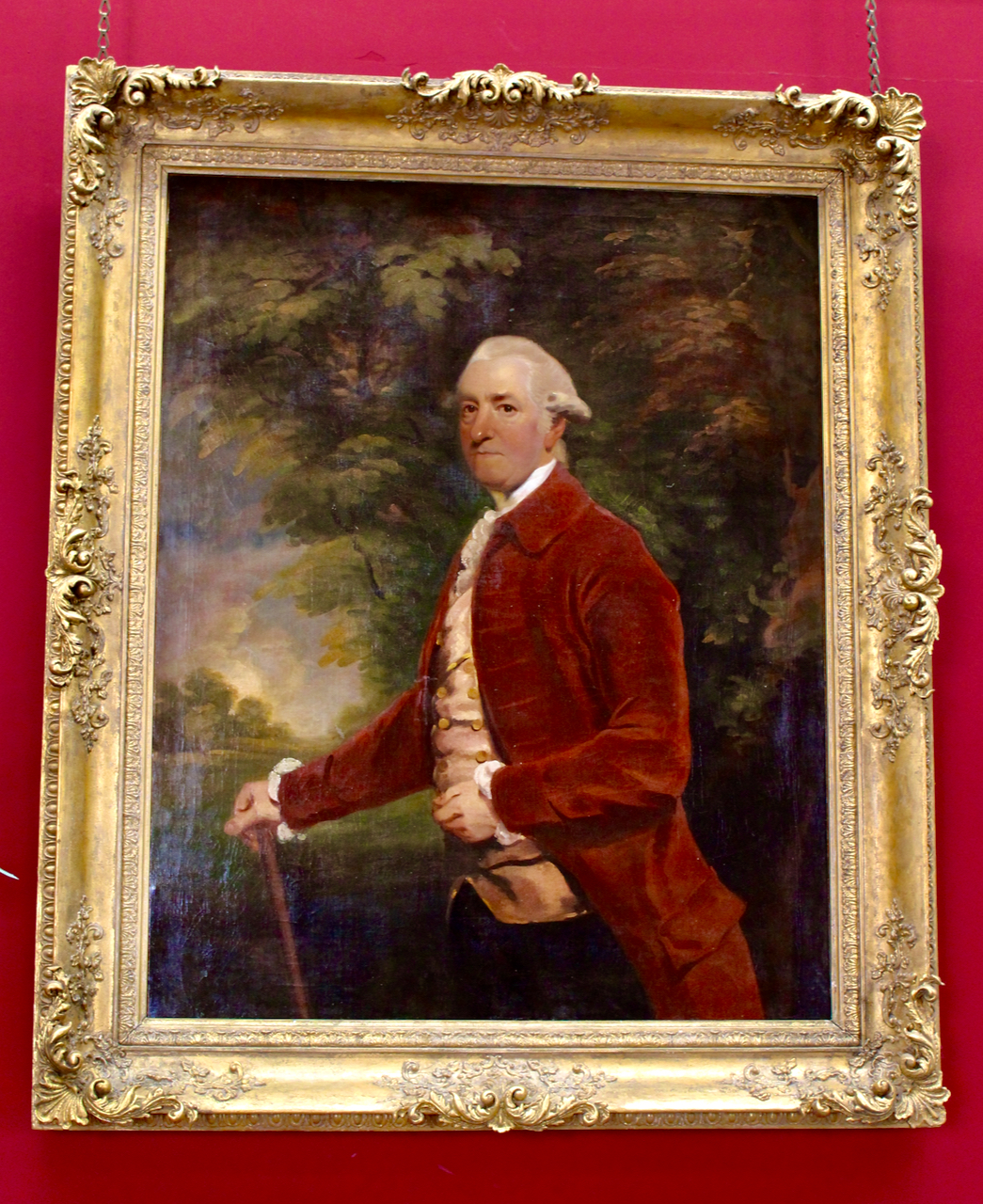
John Wandesford (1725-1784) 1st Earl of Wandesford and Viscount Castlecomer.
Susan Frances Elizabeth Wandesford (1754-1830) Duchess of Ormonde. She was the daughter of John Wandesford 1st and last Earl Wandesford and 5th Viscount Castlecomer, and wife of John Butler 17th Earl of Ormonde. Painting by Hugh Douglas Hamilton.
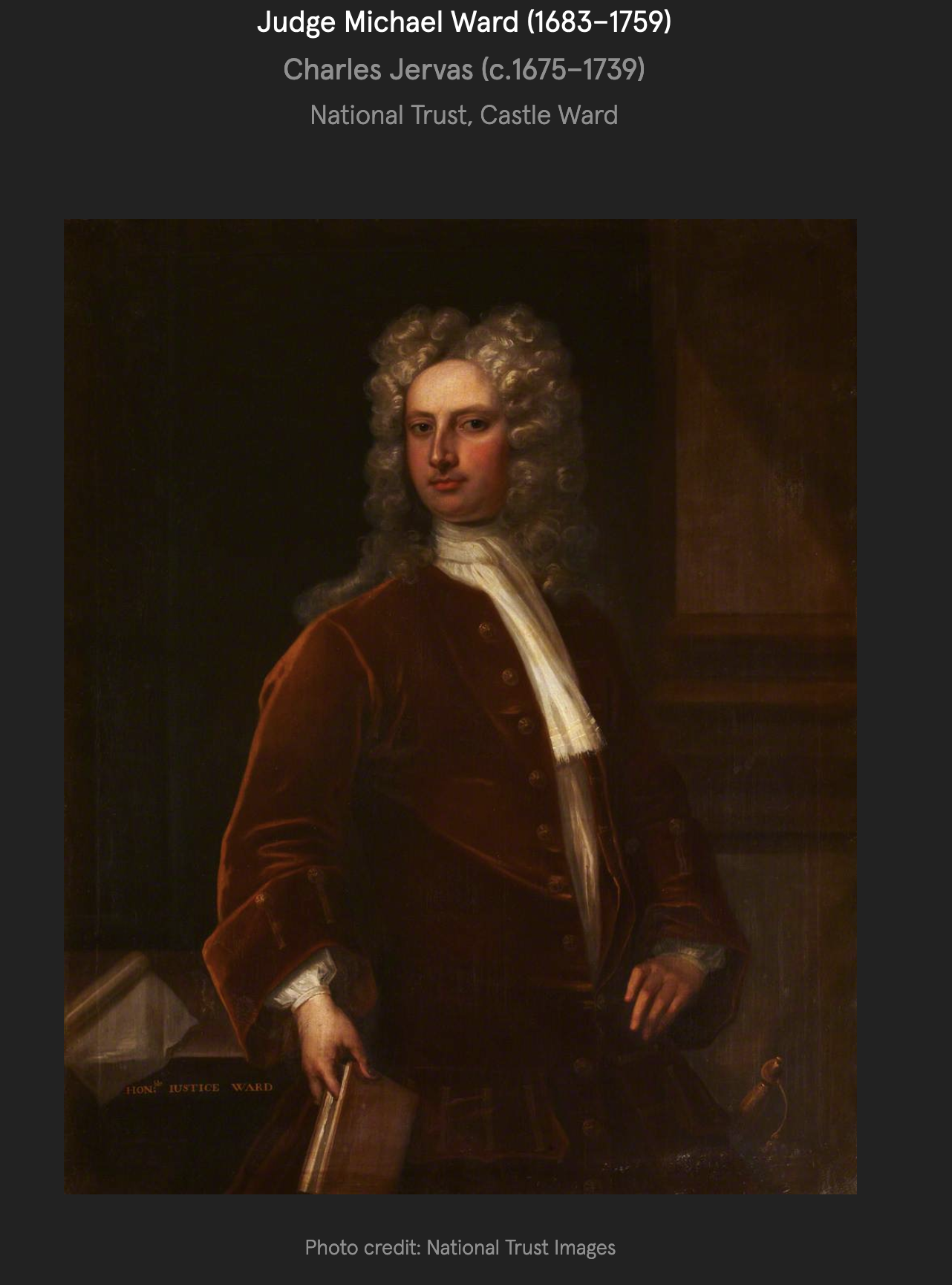
Michael Ward (1683-1759) by Charles Jervas, courtesy of National Trust, Castle Ward.
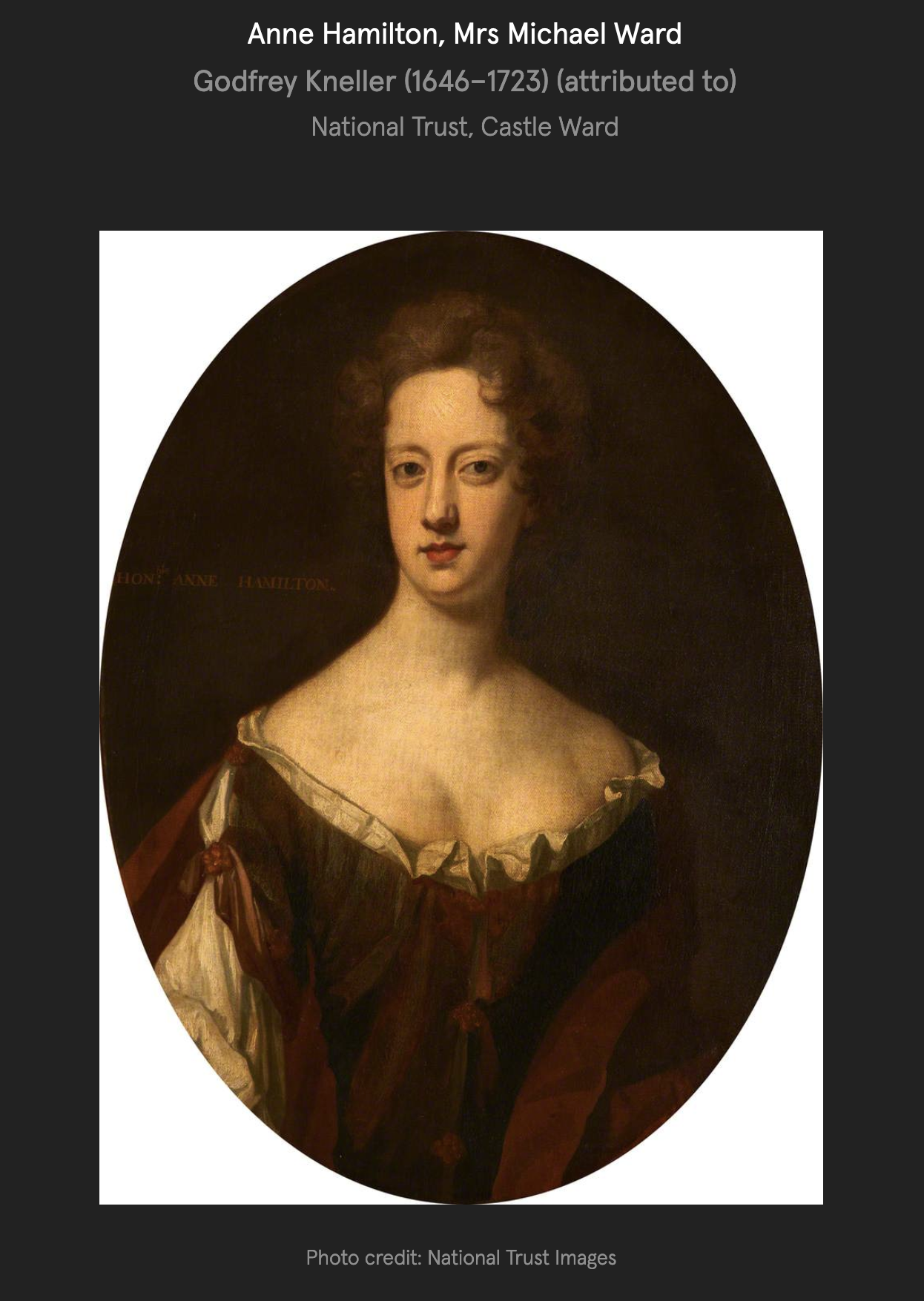
Anne Hamilton (1692-1760) who married Michael Ward (1683-1759), by Godrey Kneller, courtesy of National Trust, Castle Ward. She was the daughter of James Hamilton (1640-1707) of Bangor and Sophia née Mordaunt.
Anne Hamilton (1692-1760) who married Michael Ward by Charles Jervas, courtesy of National Trust, Castle Ward. She was the daughter of James Hamilton (1640-1707) of Bangor and Sophia née Mordaunt.
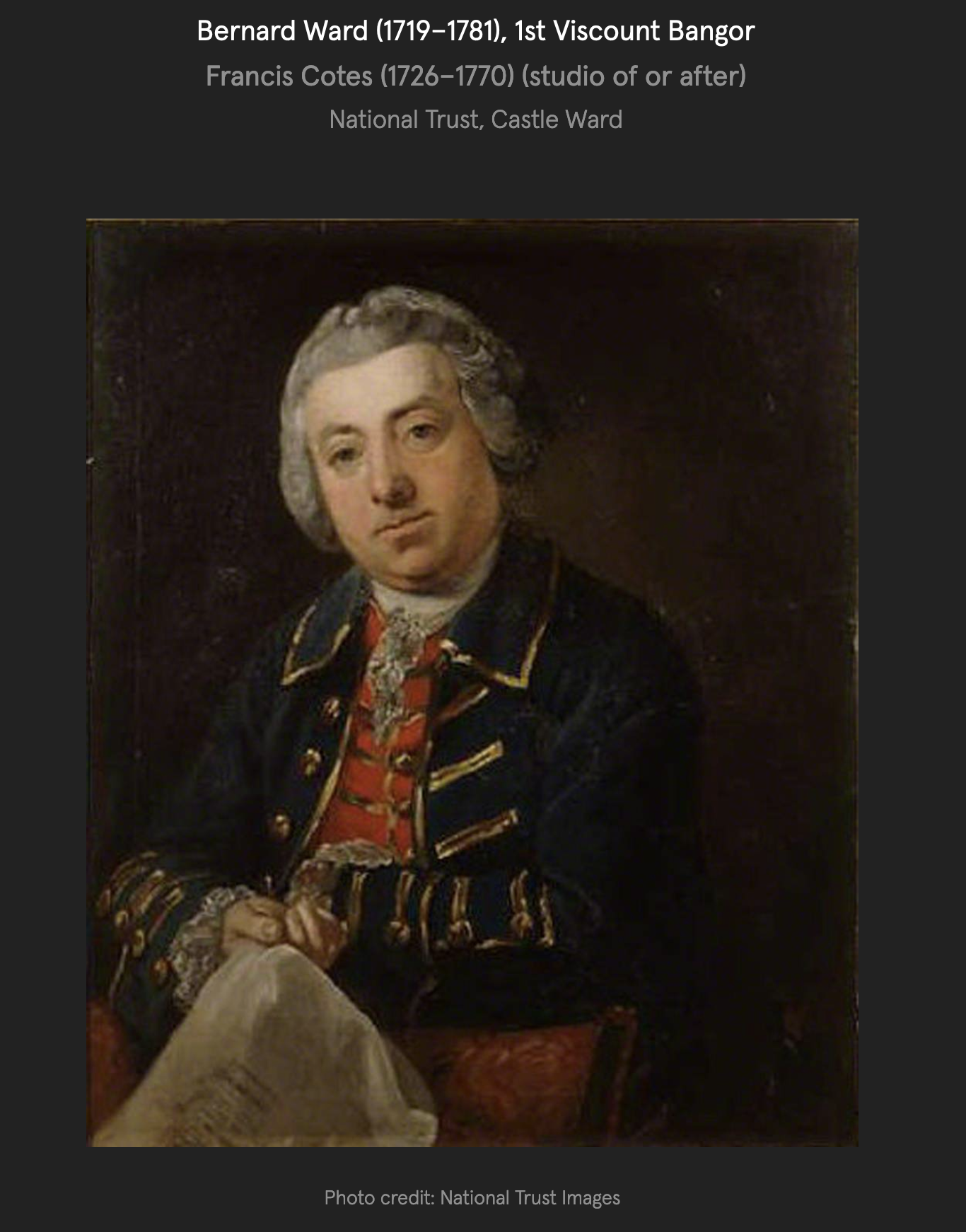
Bernard Ward (1719-1781) 1st Viscount Bangor by Francis Cotes, courtesy of National Trust, Castle Ward. He was the son of Michael Ward (1683-1759) and Anne Hamilton.
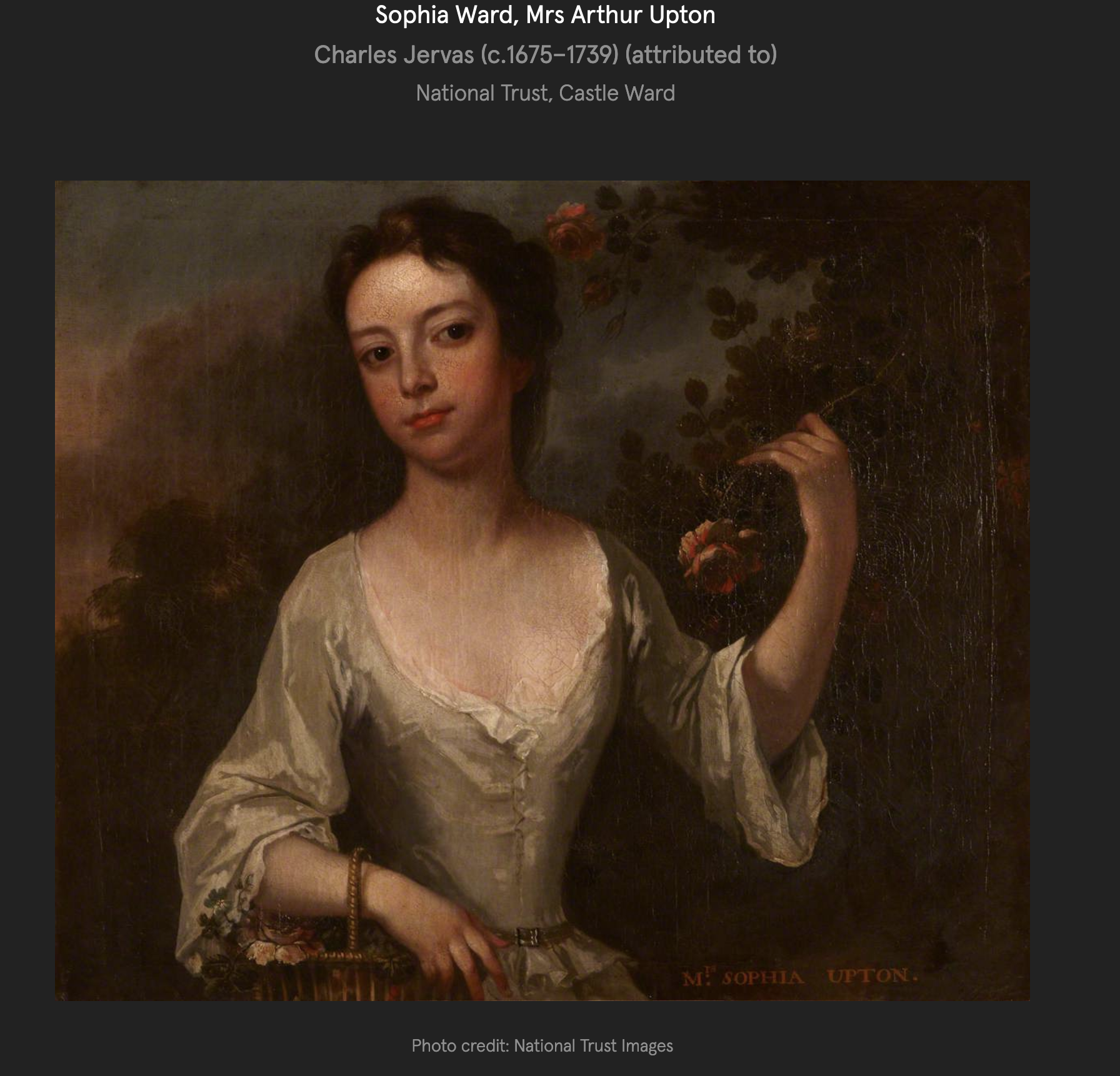
Sophia Ward (born 1715) who married Arthur Upton (1715-1768), by Charles Jervas, courtesy of National Trust, Castle Ward. She was the sister of Bernard Ward 1st Viscount Bangor.
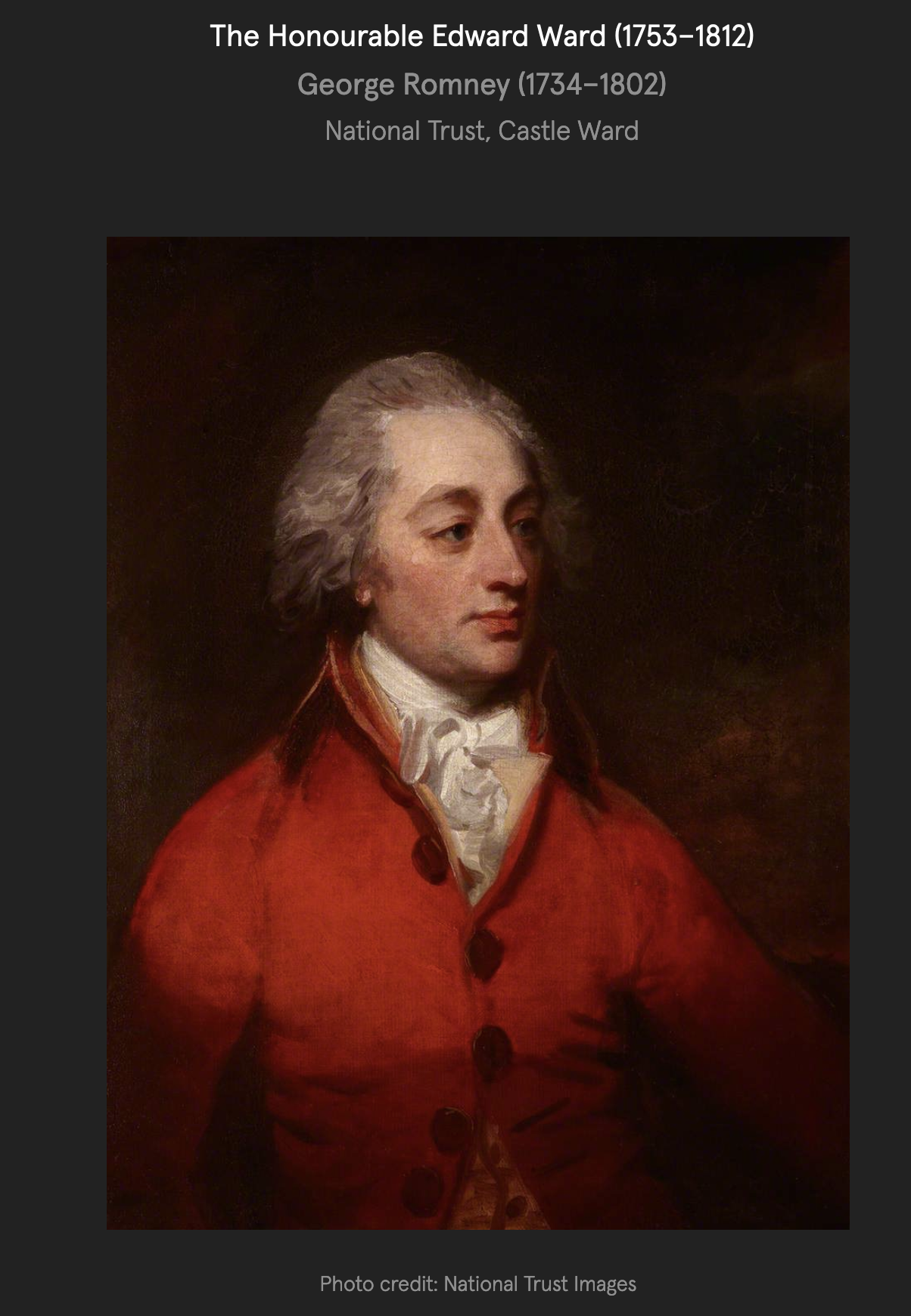
Edward Ward (1753-1812) by George Romney, courtesy of National Trust, Castle Ward. He was a son of Bernard Ward (1719-1781) 1st Viscount Bangor
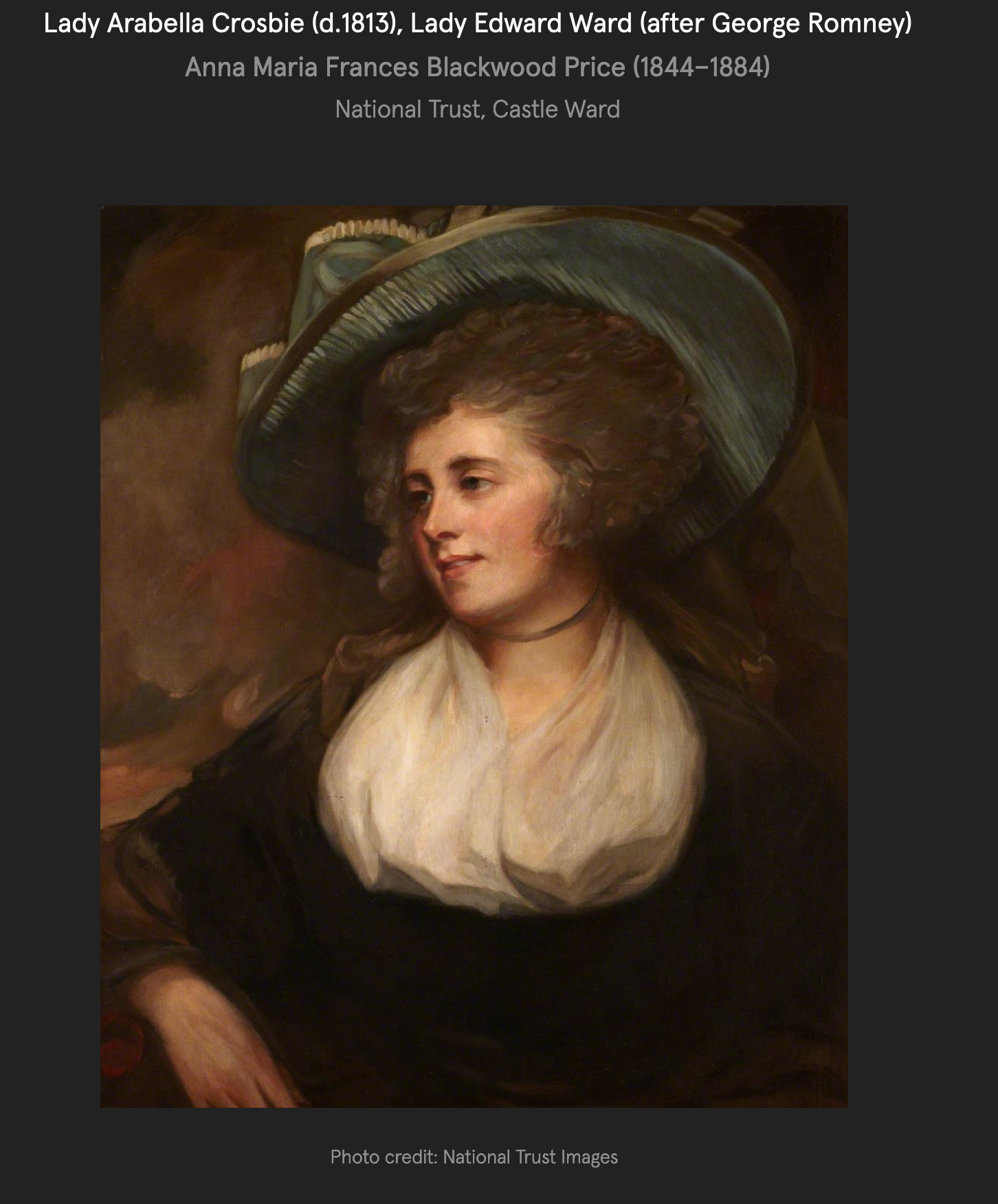
Arabella Crosbie (d. 1813) who married Edward Ward (1753-1812), by Anna Maria Frances Blackwood Price, courtesy of National Trust, Castle Ward, County Down. She was the daughter of William Crosbie 1st Earl of Glandore, County Cork.
Edward Ward (1790-1837) 3rd Viscount Bangor by Frederick Richard Say, courtesy of National Trust, Castle Ward.
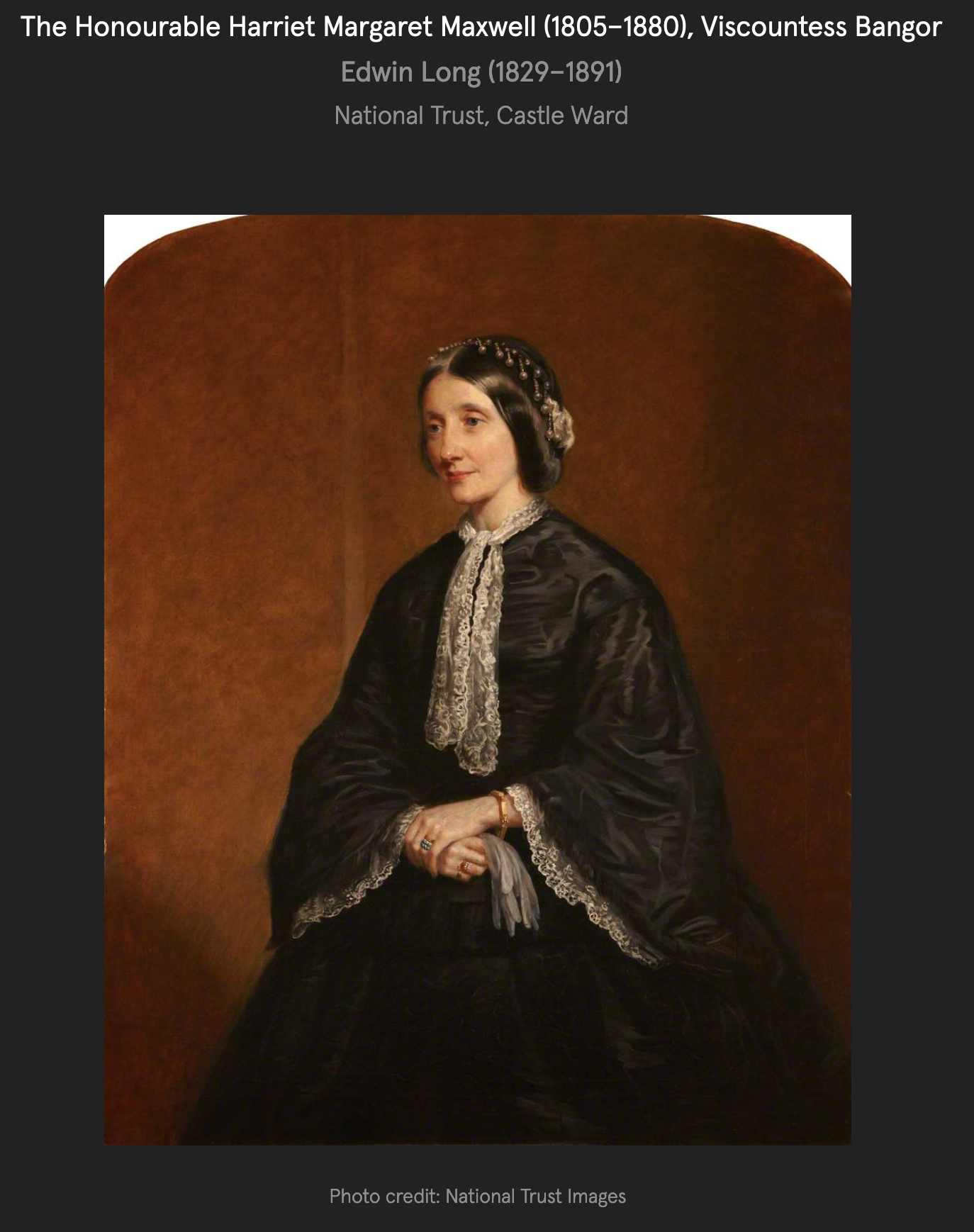
Harriet Margaret Maxwell (1805-1880) Viscountess Bangor, wife of Edward Southwell Ward (1790-1837) 3rd Viscount Bangor, daughter of Reverend Henry Maxwell, 6th Baron Farnham of Farnham Estate, County Cavan. Painting by Edwin Long, courtesy of National Trust, Castle Ward.
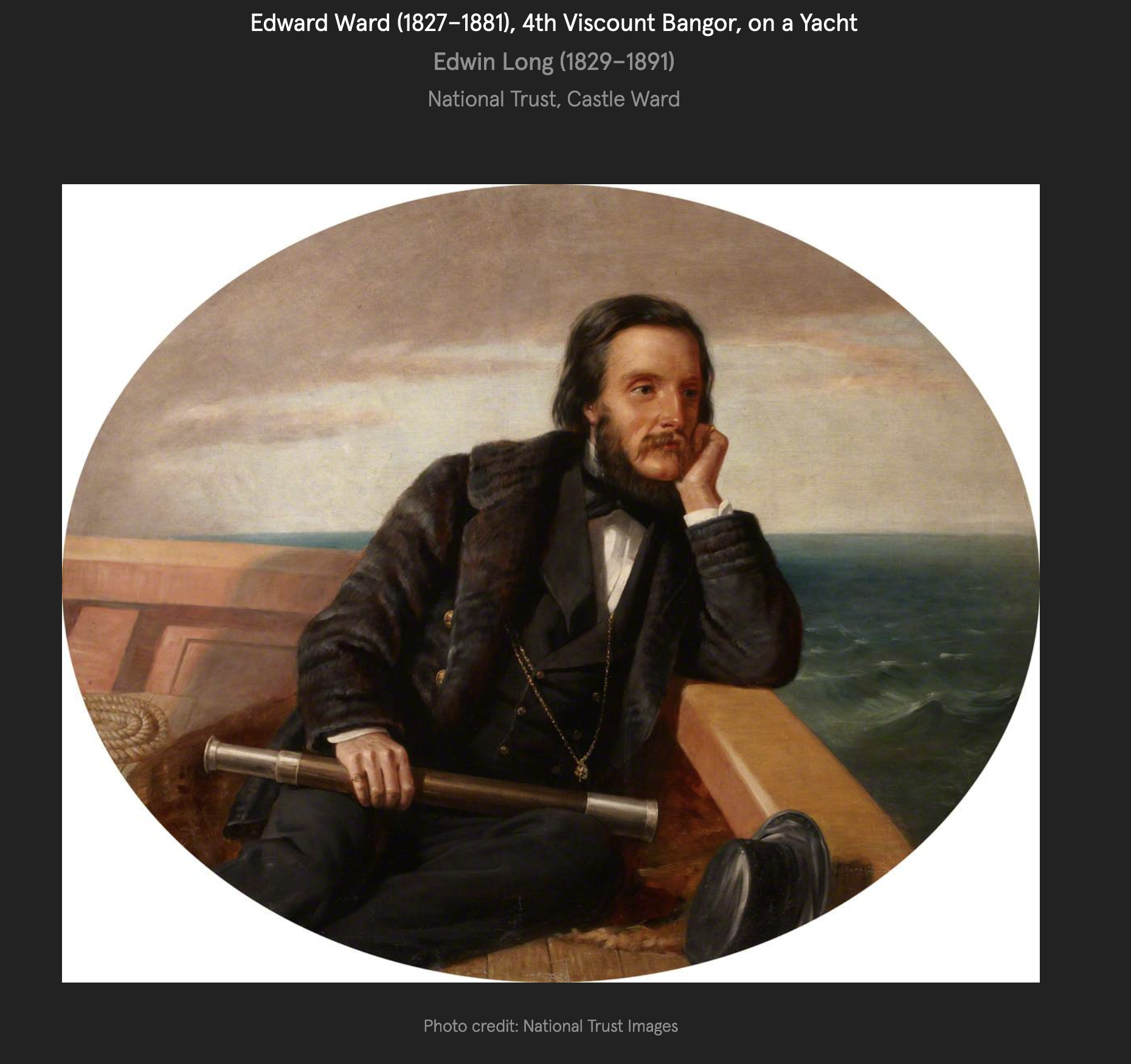
Edward Ward (1827-1881) 4th Viscount Bangor, by Edwin Long, courtesy of National Trust, Castle Ward.
A portrait of Alice Waterhouse (1700-1782), wife of Bishop Jemmett Browne (1703-1782), Bishop of Cork and Archbishop of Tuam. They lived at Riverstown, County Cork. Photograph © Jennifer Winder-Baggot, www.irishhistorichouses.com
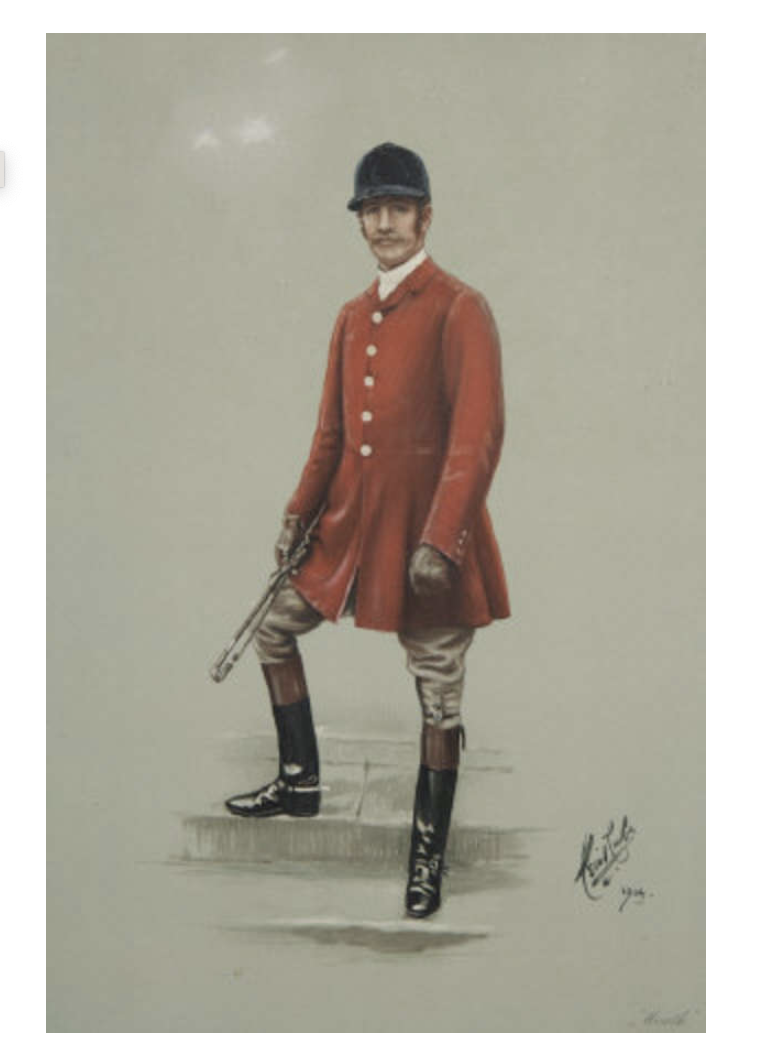
John Watson (Master of the Meaths) Print, by Cecil E. Cutler 49.5 x 33.5cm Signed and dated 1904 John Watson (1858-1908)…courtesy Adam’s 23 Oct 2007.
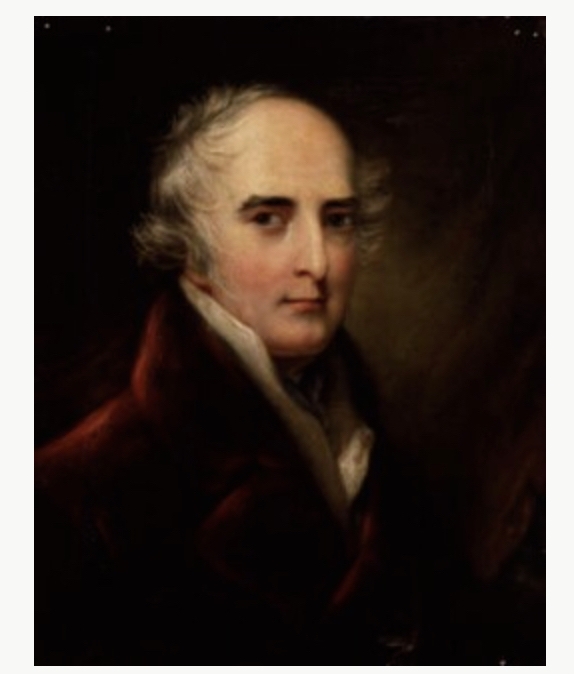
Richard Colley Wellesley (1760-1842), 2nd Earl of Mornington and 1st Marquess Wellesley by John Philip Davis courtesy of National Portrait Gallery in London NPG 846.
Richard Colley Wellesley, 1st Marquess Wellesley (1760-1842), Irish school 19C, Homan Potterton auction at Adam’s 7th Sept 2021.
Hyacinthe Gabrielle Marchioness Wellesley, wife of Richard Colley Wellesley (1760-1842), 2nd Earl of Mornington and 1st Marquess Wellesley, by Hugh Douglas Hamilton courtesy of Christie’s 2006.
William Wellesley-Pole, later 1st Baron Maryborough and 3rd Earl of Mornington (1763-1845) by Thomas Lawrence courtesy of wikipedia and Bonhams.
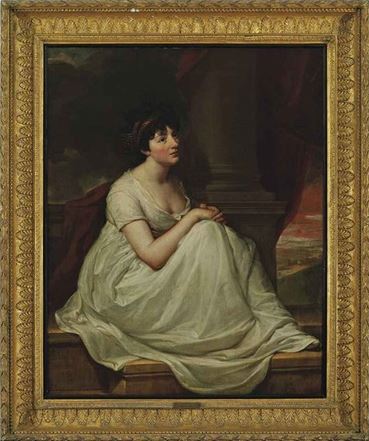
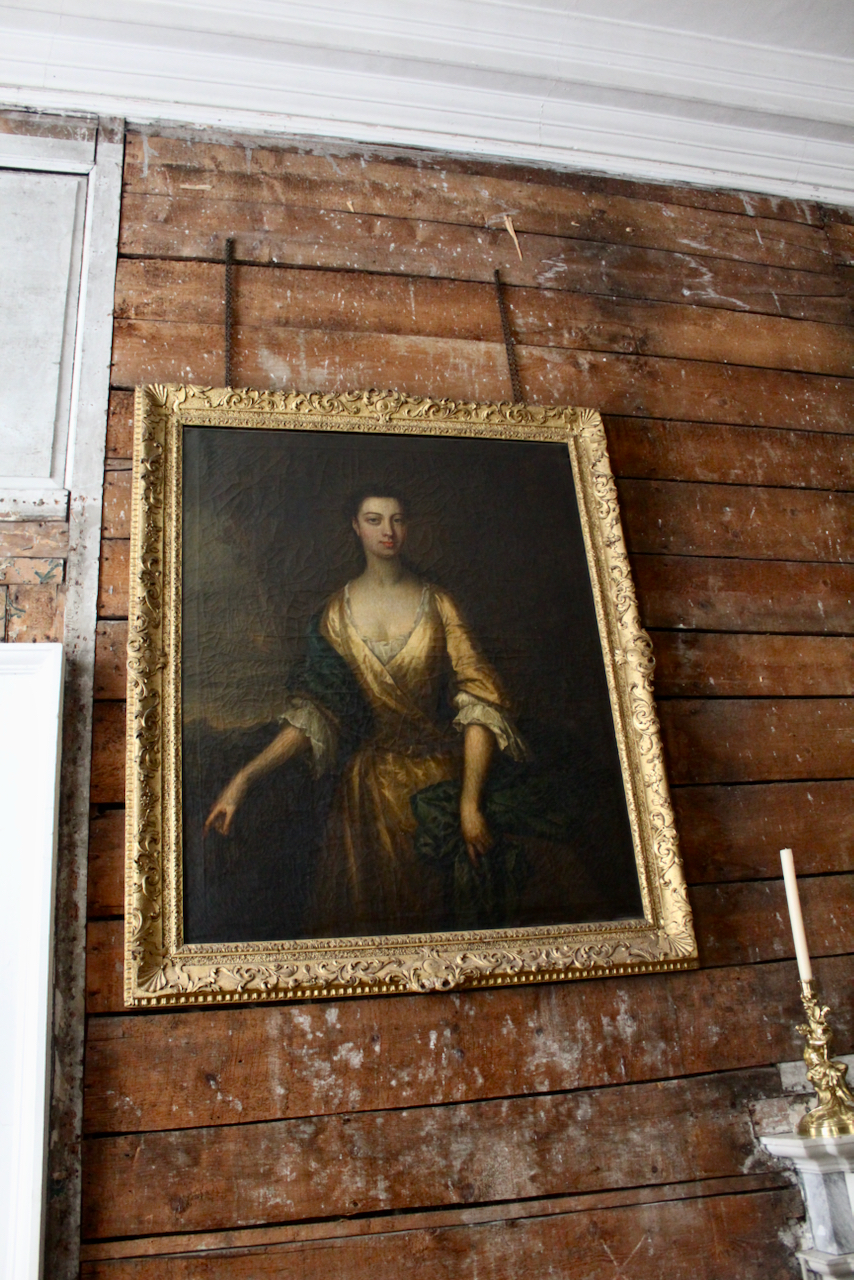
Lady Anne Conolly (born Wentworth (1712/1713-1797), daughter of Thomas Wentworth (1672-1739) 1st Earl of Strafford). She was married to William James Conolly (1712-1754), of Castletown, County Kildare. She was the mother of Thomas Conolly (1734-1803). Photograph © Jennifer Winder-Baggot, www.irishhistorichouses.com
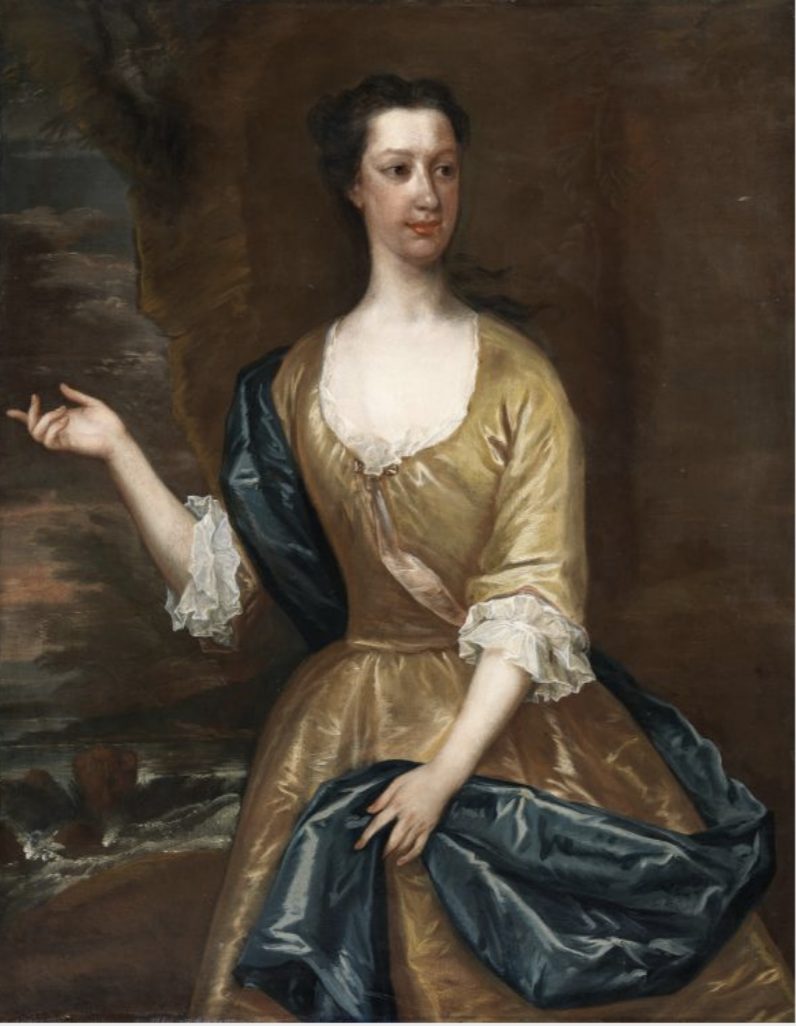
Lady Anne Conolly née Wentworth (1713-1797), daughter of Thomas Wentworth (1672-1739) 1st Earl of Strafford). She was married to William James Conolly (1712-1754), of Castletown, County Kildare. Painting attributed to Anthony Lee, courtesy of National Gallery of Ireland. She was the mother of Thomas Conolly (1734-1803).
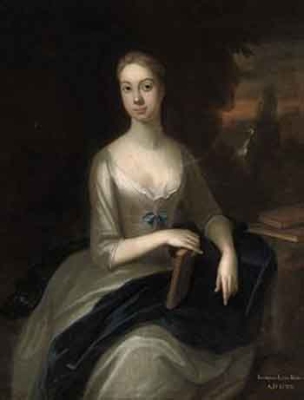
I have yet to identify this portrait. It looks remarkably similar to Lady Anne Conolly (née Wentworth) (1713-1797) Attributed to Anthony Lee, Irish, fl.1724-1767, and she is even wearing the same dress. Maybe the artist did two portraits. Photograph © Jennifer Winder-Baggot, www.irishhistorichouses.com
Thomas Wentworth, the 1st Earl of Strafford (1593-1641). Photograph © Jennifer Winder-Baggot, www.irishhistorichouses.com
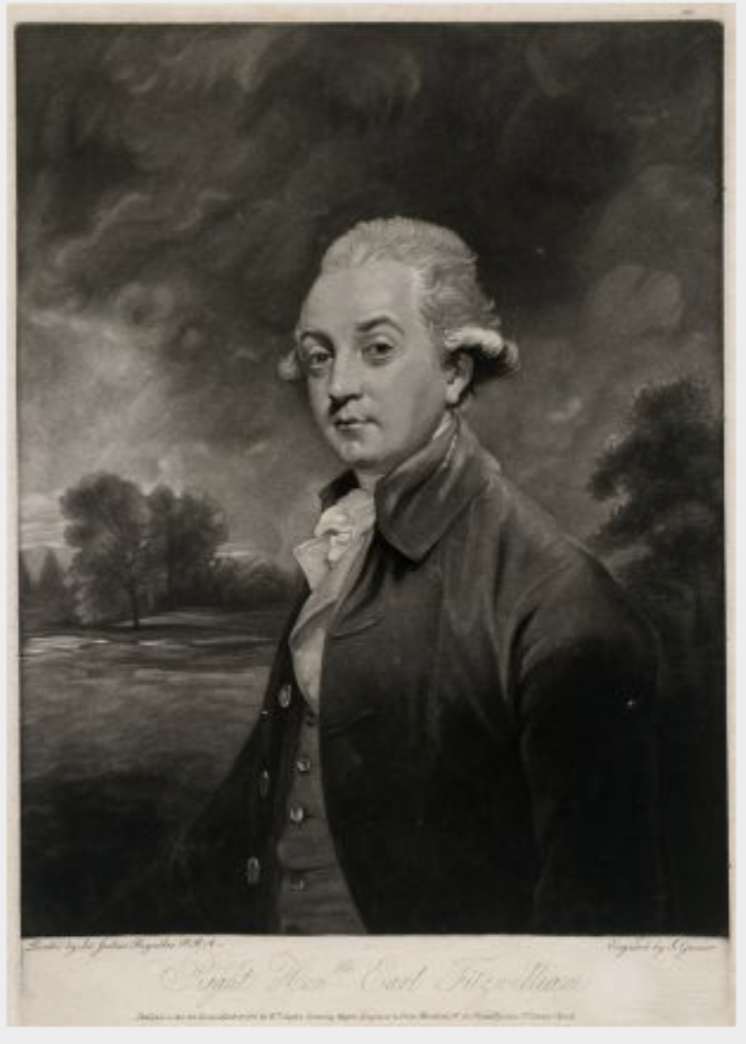
William Wentworth-Fitzwilliam, 4th Earl FitzWilliam (1748-1833), later Lord Lieutenant of Ireland by Engraver Joseph Grozer, British, fl.1784-1797 After Joshua Reynolds, English, 1723-1792courtesy of National Gallery of Ireland.
Garret Wesley 1st Earl of Mornington http://www.tcd.ie/library/manuscripts/blog/2014/02/appointment-of-tcds-first-professor-of-music-1764/©Stratfield Saye Preservation Trust.
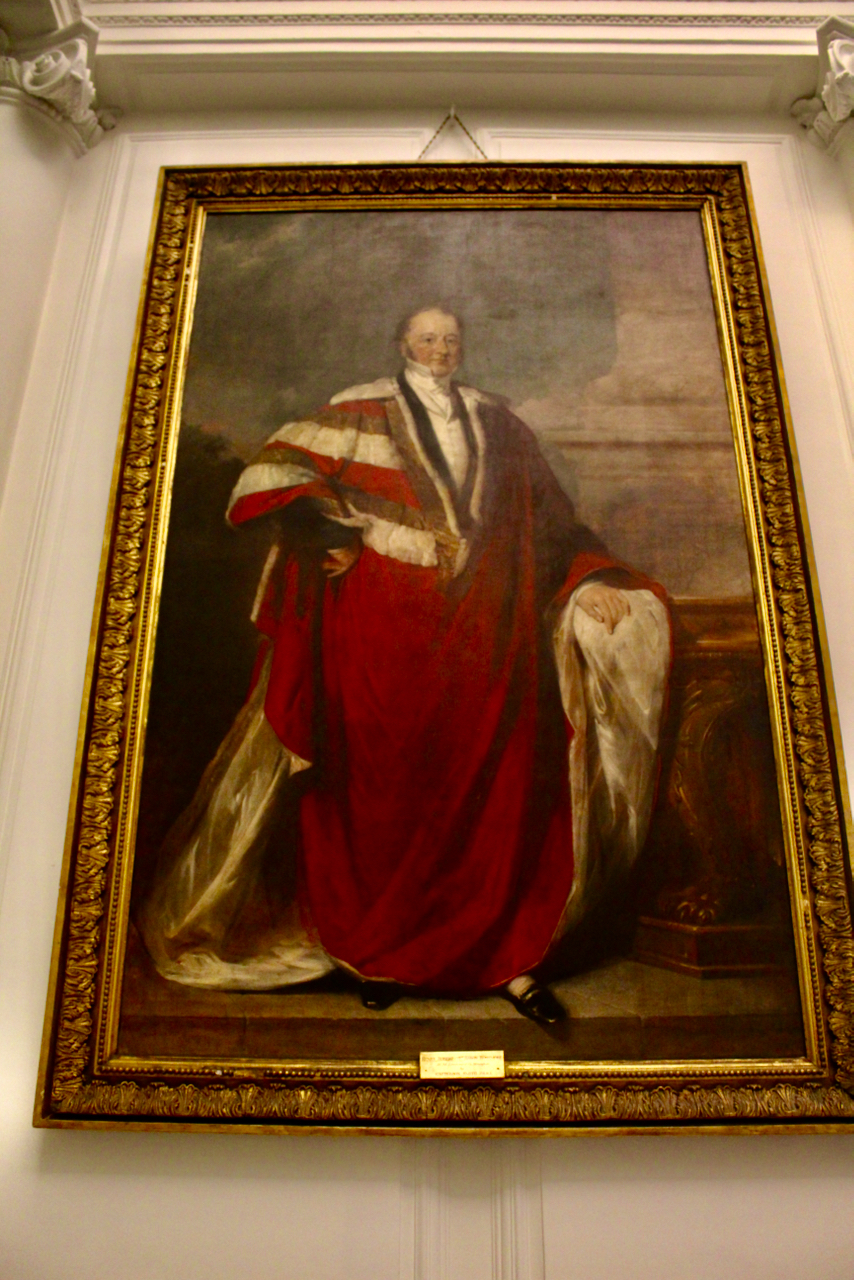
Henry Robert Westenra, 3rd Baron Rossmore. Photograph © Jennifer Winder-Baggot, www.irishhistorichouses.com
Harriet Murray (1742-1822) married Henry Westenra (1742-1809) of Rossmore Park, County Monaghan, and Hester Westenra: this could be her daughter, 1775-1858 who married Edward Wingfield (1772-1859), son of 3rd Viscount Powerscourt. Photograph © Jennifer Winder-Baggot, www.irishhistorichouses.com
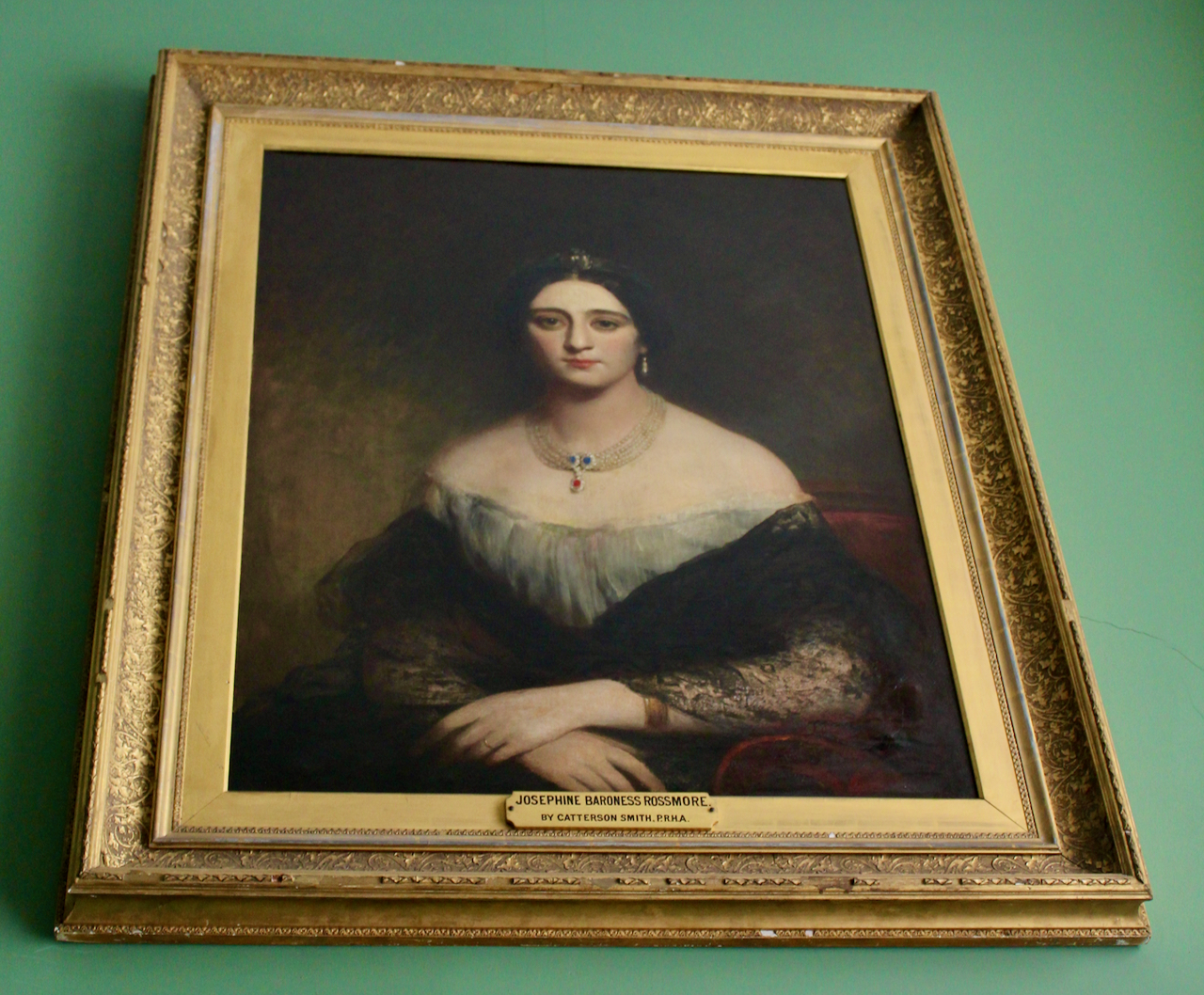
Josephine Lloyd (1827-1912) who married Henry Robert Westenra, 2nd (UK) and 3rd Baron (Ireland) Rossmore of Monaghan. Rossmore Castle was demolished in 1975. Photograph © Jennifer Winder-Baggot, www.irishhistorichouses.com
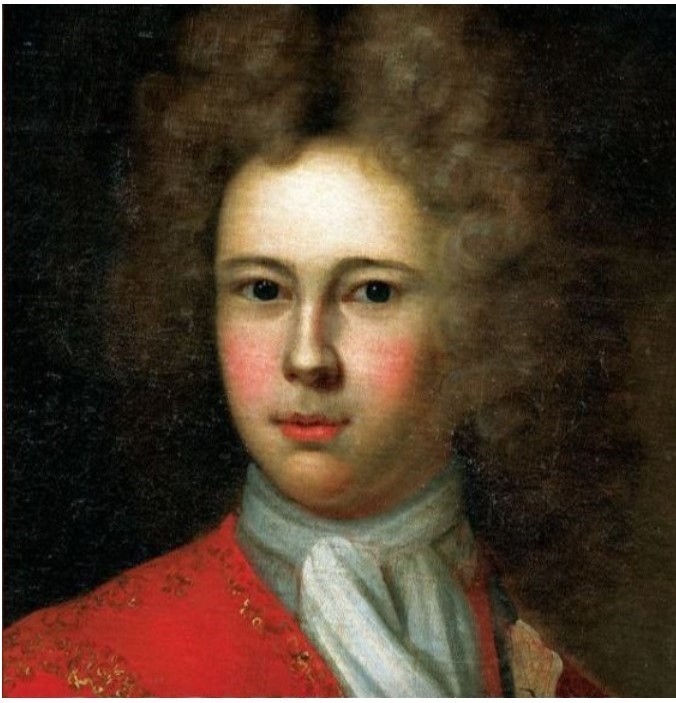
Thomas “Buck” Whaley (1766-1800), c. 1780.
The sitter’s maiden name was Maria Courtney but for some seven or eight years before her death in 1798 in Douglas, Isle of Man, she was known as Mrs. Whaley. She was the constant companion of a wealthy and dissolute young Irishman, Thomas, or Buck, Whaley, by whom she had four children: Thomas, Richard, Ann, and Sophia Isabella. They lived in a house Buck Whaley built on the Isle of Man, where this portrait may have hung in the dining room. Portrait is attributed to George Chinnery, c. 1795. Picture courtesy of The Met, New York.
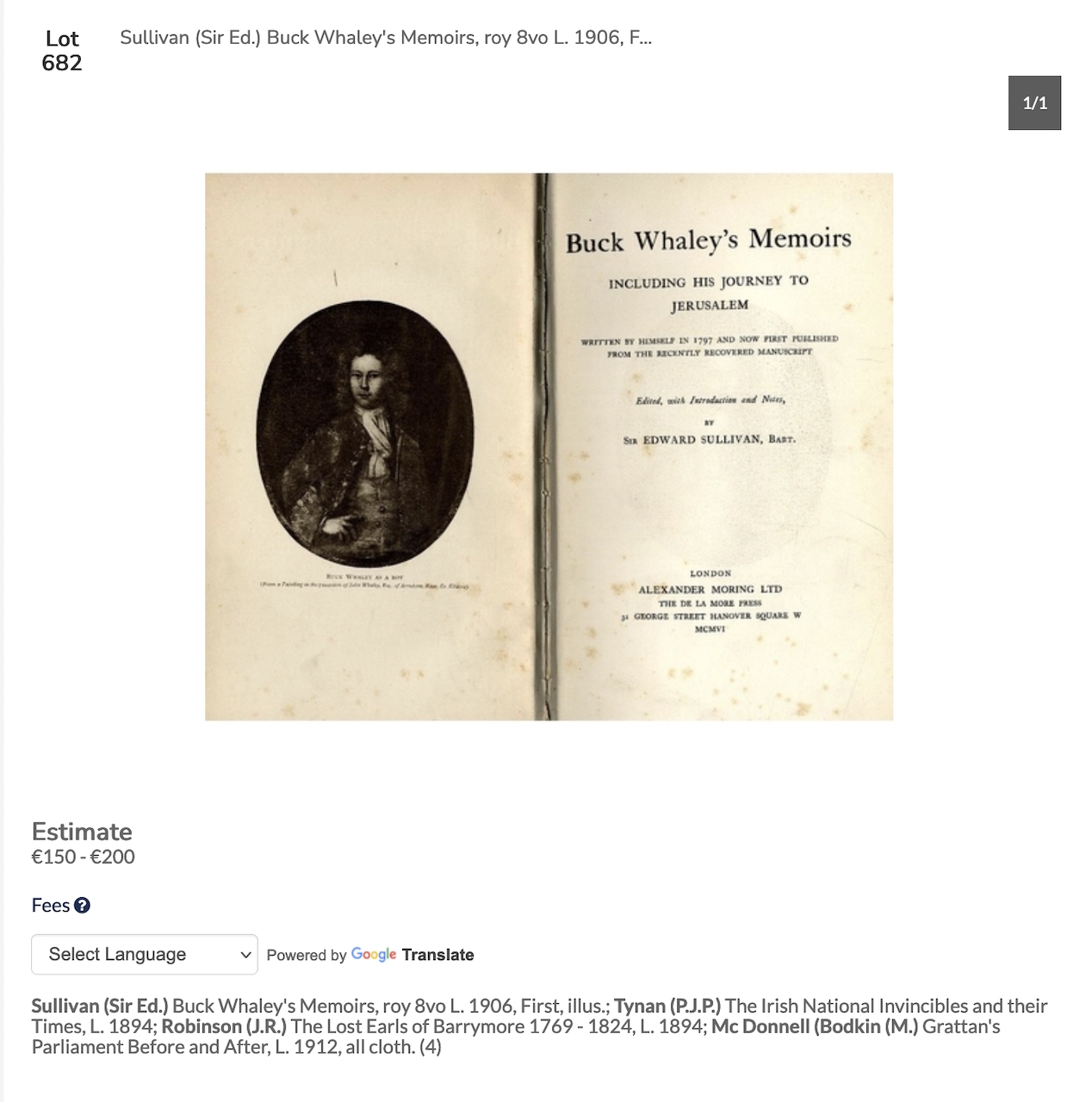
Buck Whaley’s Memoirs, courtesy of Fonsie Mealy auction.
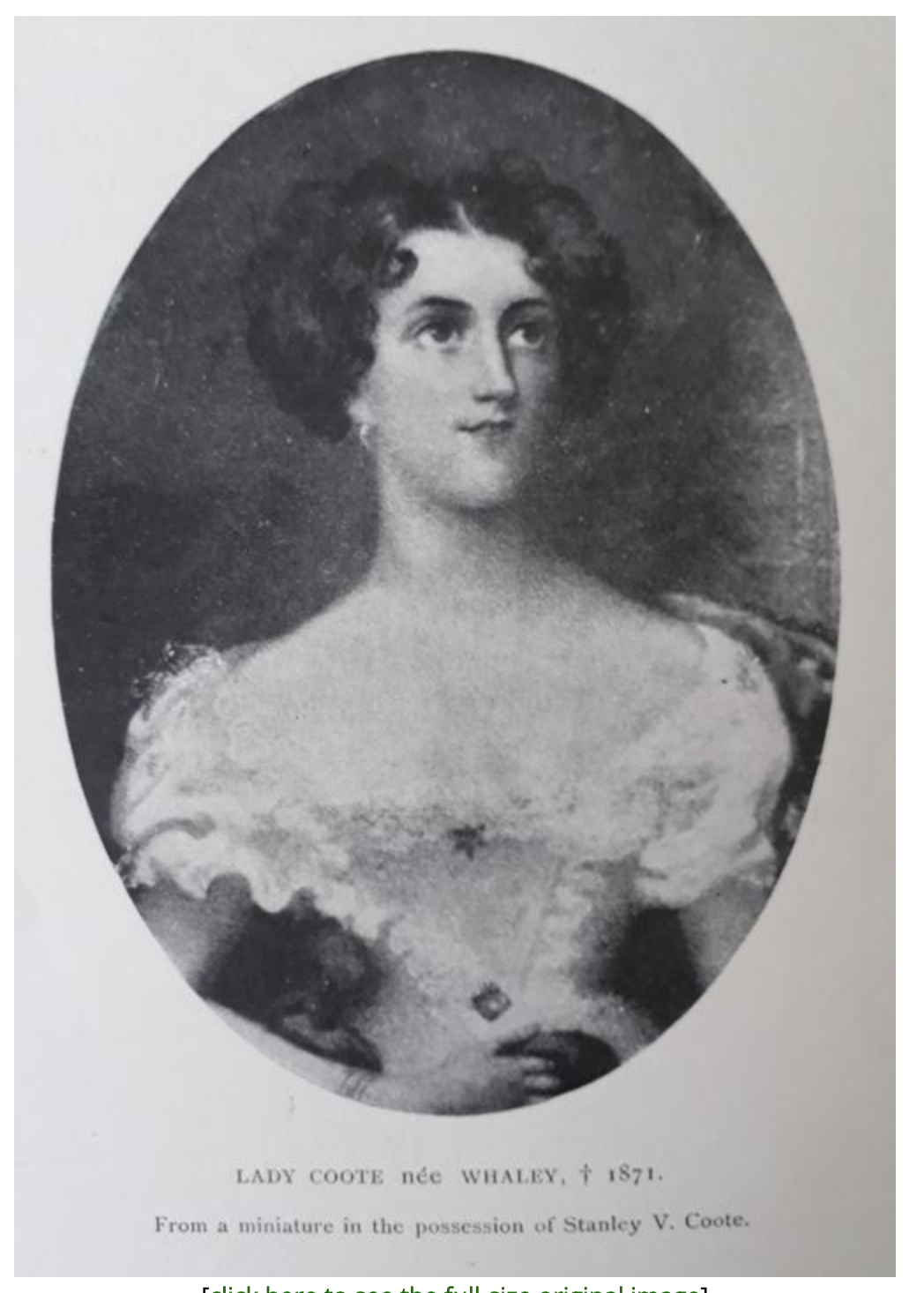
Caroline Elizabeth Coote née Whaley courtesy of wikitree, uploaded by Desmond William Kelly Lynch SD
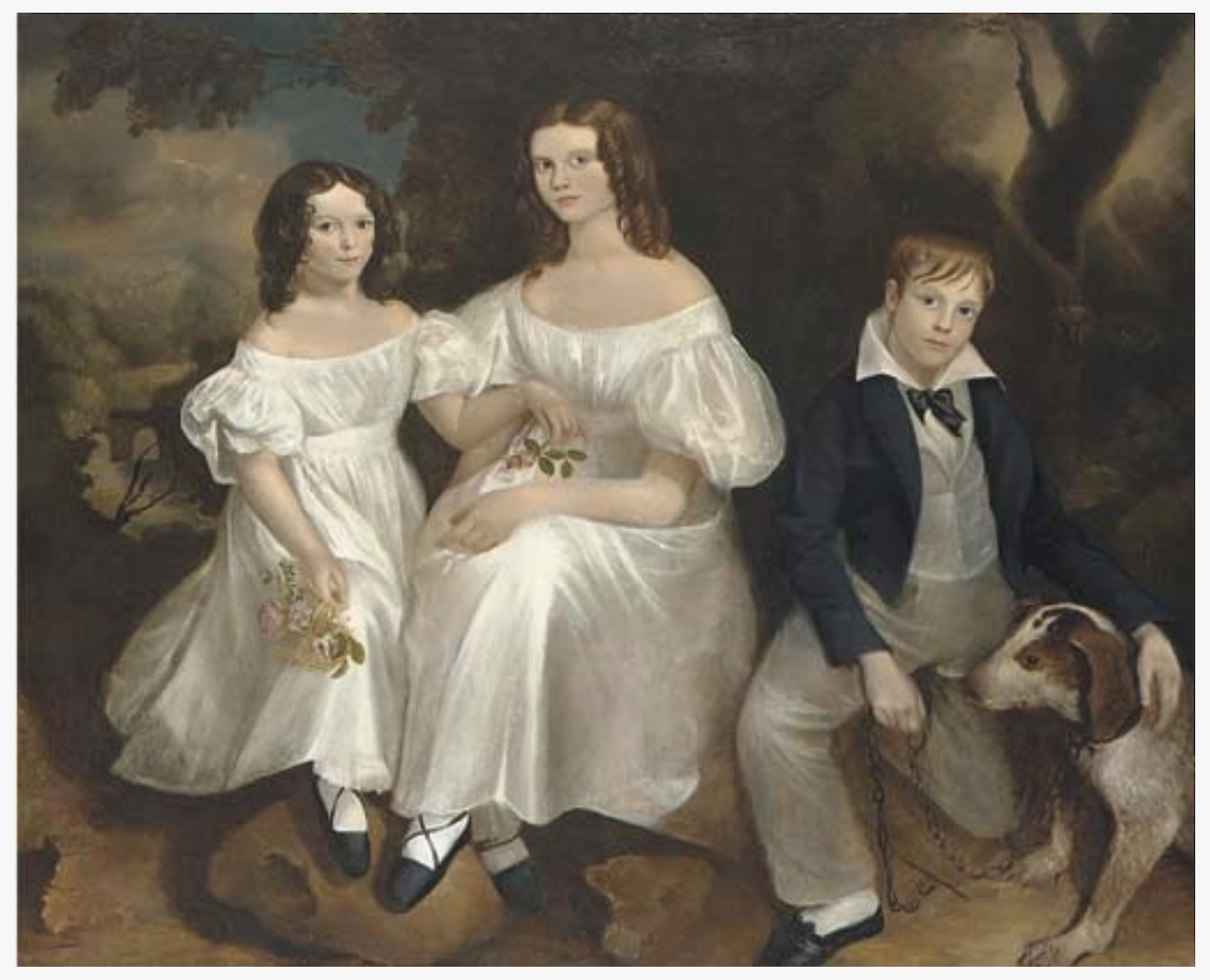
Lady Olivia-Charlotte White, Lady Elizabeth-Mary White and William, 4th Earl of Bantry, with a dog, Irish school c. 1860 courtesy Christies Irish Sale 2004. William Henry Hare Hedges-White (1801-1884) was the son of William Hedges-White, 3rd Earl of Bantry. His sister Olivia Charlotte Hedges-White married Arthur Edward Guinness (1840-1915), Baron Ardilaun, and they lived in Ashford Castle in County Mayo. Elizabeth Mary Gore Hedges-White, another sister, married Egerton Leigh.
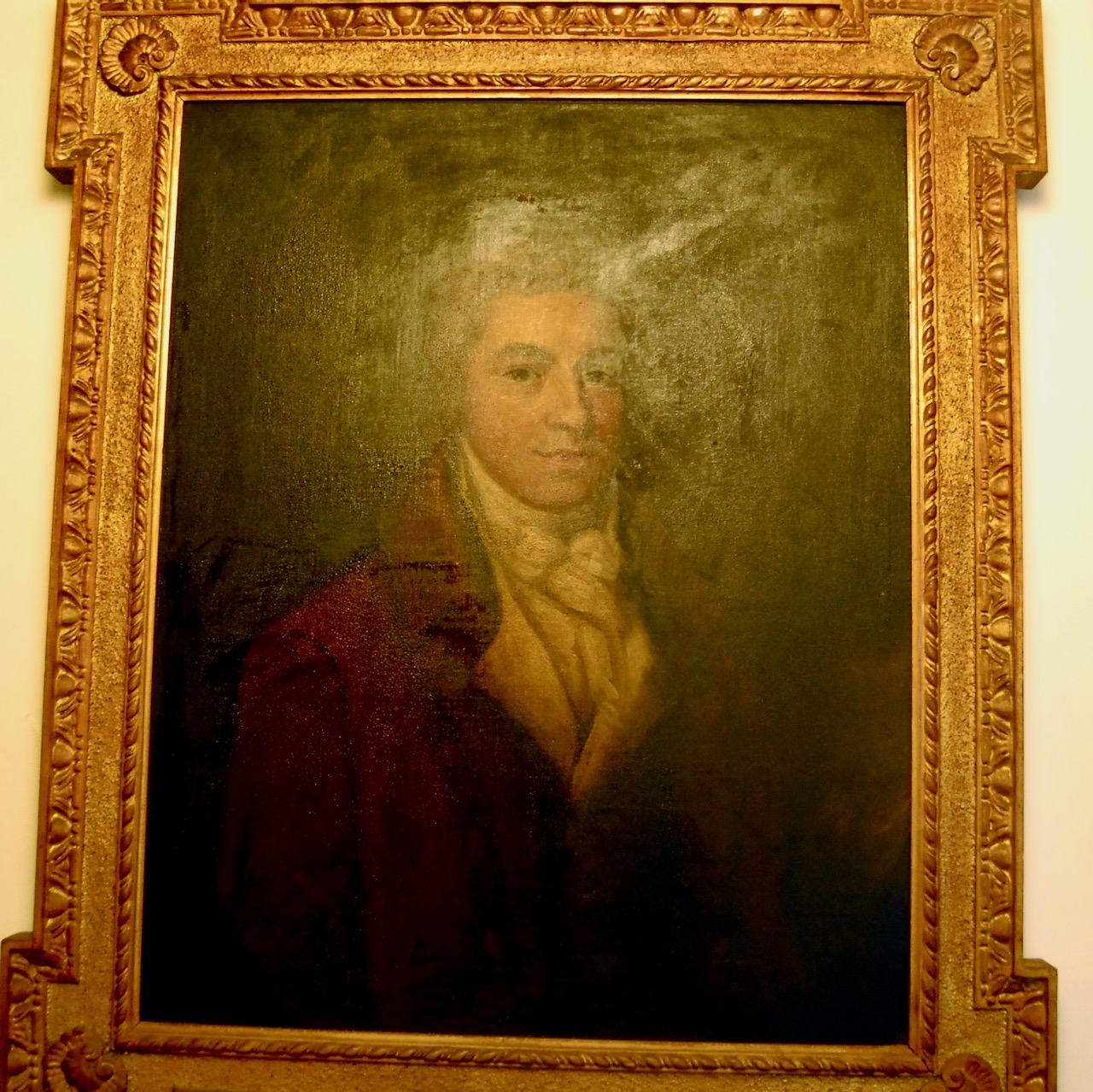
Edward Winder (c.1775-1829). Photograph © Jennifer Winder-Baggot, www.irishhistorichouses.com
Jane Winder (b. 1773), married William Charles Monck Mason (1775-1859).
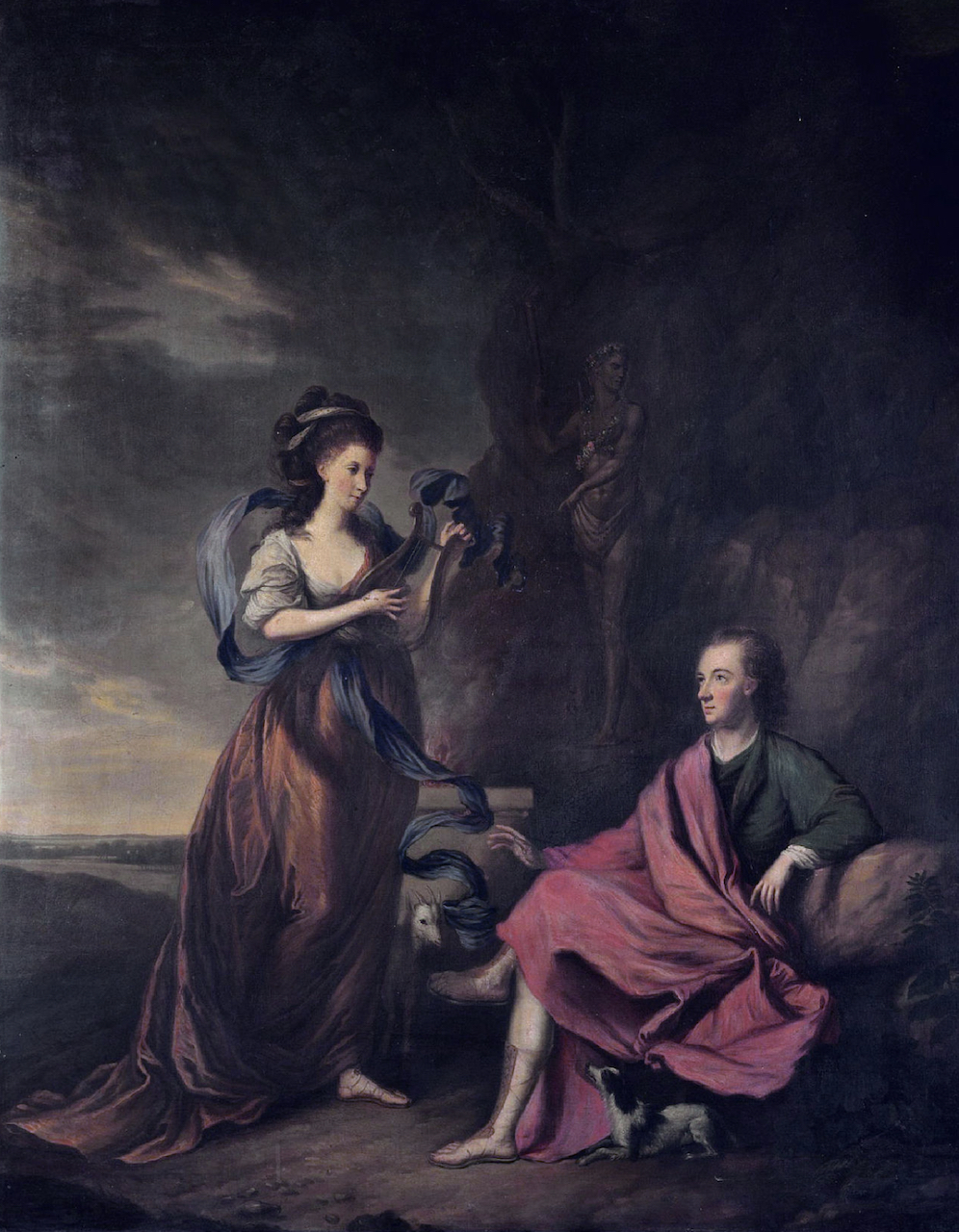
Caroline Windham of Dunraven Castle, Wales, who married Henry Windham Wyndham-Quin 2nd Earl of Dunraven, courtesy of The National Library of Wales.
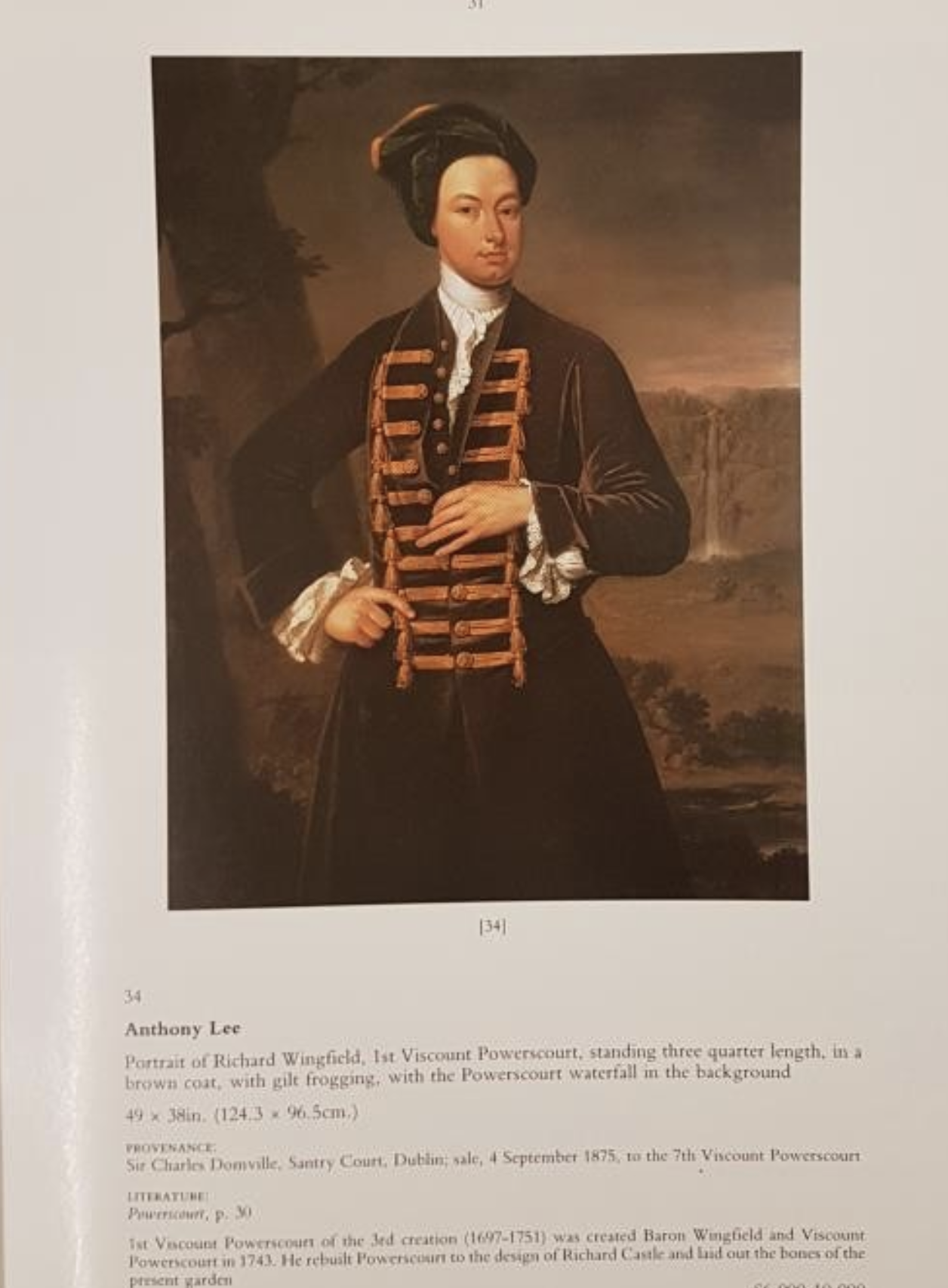
Richard Wingfield (1697-1751) 1st Viscount Powerscourt by Anthony Lee courtesy of Christie’s sale catalogue 1984. He was son of Edward Wingfield (died c. 1728) of Powerscourt and Eleanor daughter of Arthur Gore 1st Baronet of Newtown Gore, County Mayo.
Isabella Wingfield (c. 1701-1764) by John Verelst, 1722, daughter of Edward Wingfield (died c. 1728) of Powerscourt and and Eleanor daughter of Arthur Gore 1st Baronet of Newtown Gore, County Mayo. She was wife of Henry King 3rd Baronet of Boyle Abbey, County Roscommon.
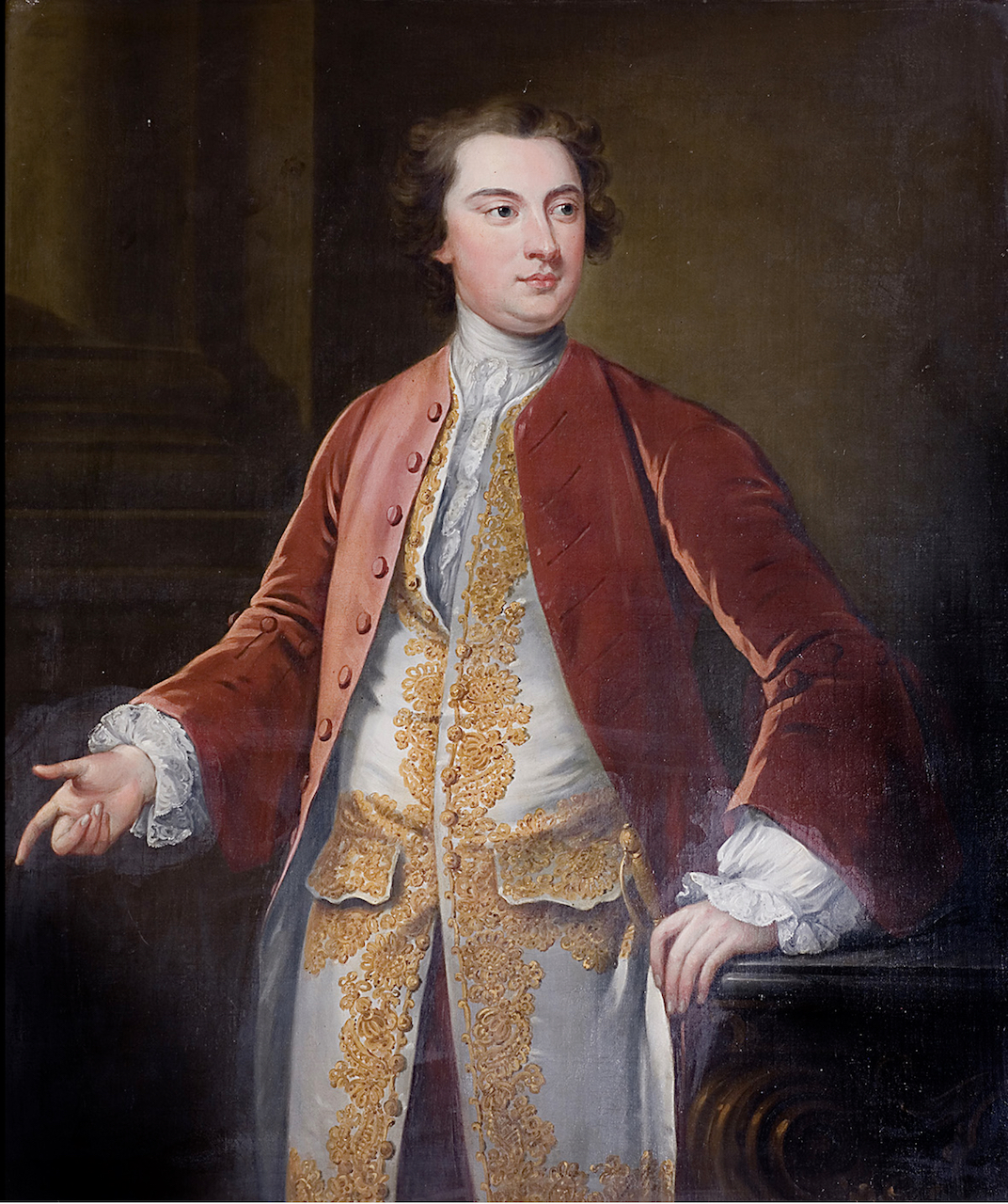
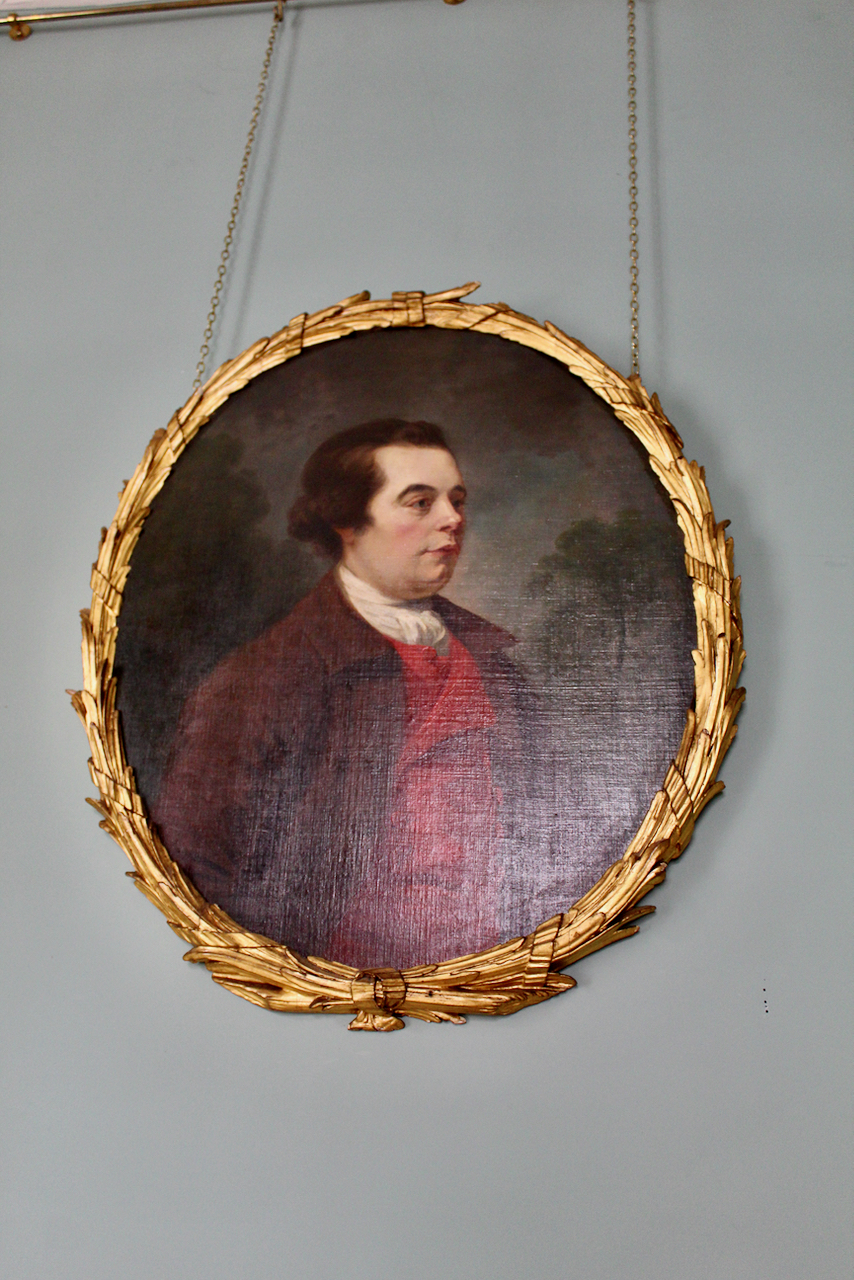
Portrait of a gentleman, traditionally identified as Edward Wingfield (1729-1764) 2nd Viscount Powerscourt, in a brown coat by circle of Francis Cotes, Hugh Douglas Hamilton.
Richard Wingfield (1730-1788) 3rd Viscount Powerscourt. Photograph © Jennifer Winder-Baggot, www.irishhistorichouses.com
Richard Wingfield (1815-1844) 6th Viscount Powerscourt. Photograph © Jennifer Winder-Baggot, www.irishhistorichouses.com
Richard Wingfield (1815-1844), 6th Viscount Powerscourt photograph courtesy of National Gallery of Ireland.
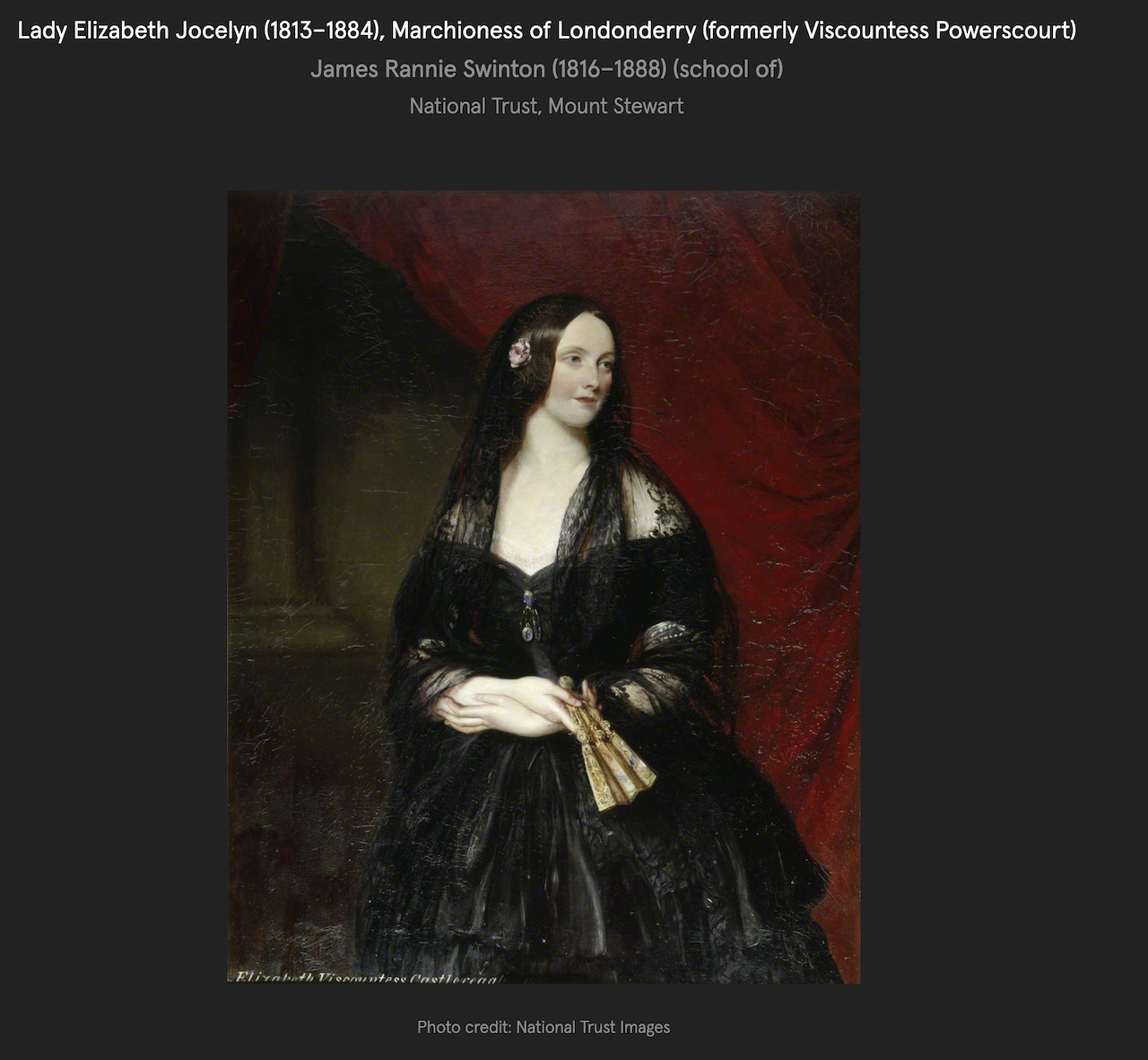
Elizabeth Jocelyn (1813-1884), Marchioness of Londonderry, formerly Viscountess Powerscourt, by James Rannie Swinton, courtesy of Mount Stewart National Trust. She was married to the 6th Viscount Powerscourt. She was the daughter of Robert Jocelyn 3rd Earl of Roden. After her husband’s death she married Frederick William Robert Stewart, 4th Marquess of Londonderry, of Mount Stewart, County Down.
Mervyn Wingfield, 7th Viscount Powerscourt (1844-1904) by Sarah Henrietta Purser presented to National Gallery of Ireland by Lord Powerscourt in 1904, NGI 561.
Lady Mary Wortley Montagu (1718-1794), Wife of John Patrick Crichton Stuart 3rd Earl of Bute, print after Christian Friedrich Zincke, 1830s, courtesy of National Portrait Gallery of London, NPG D34619.
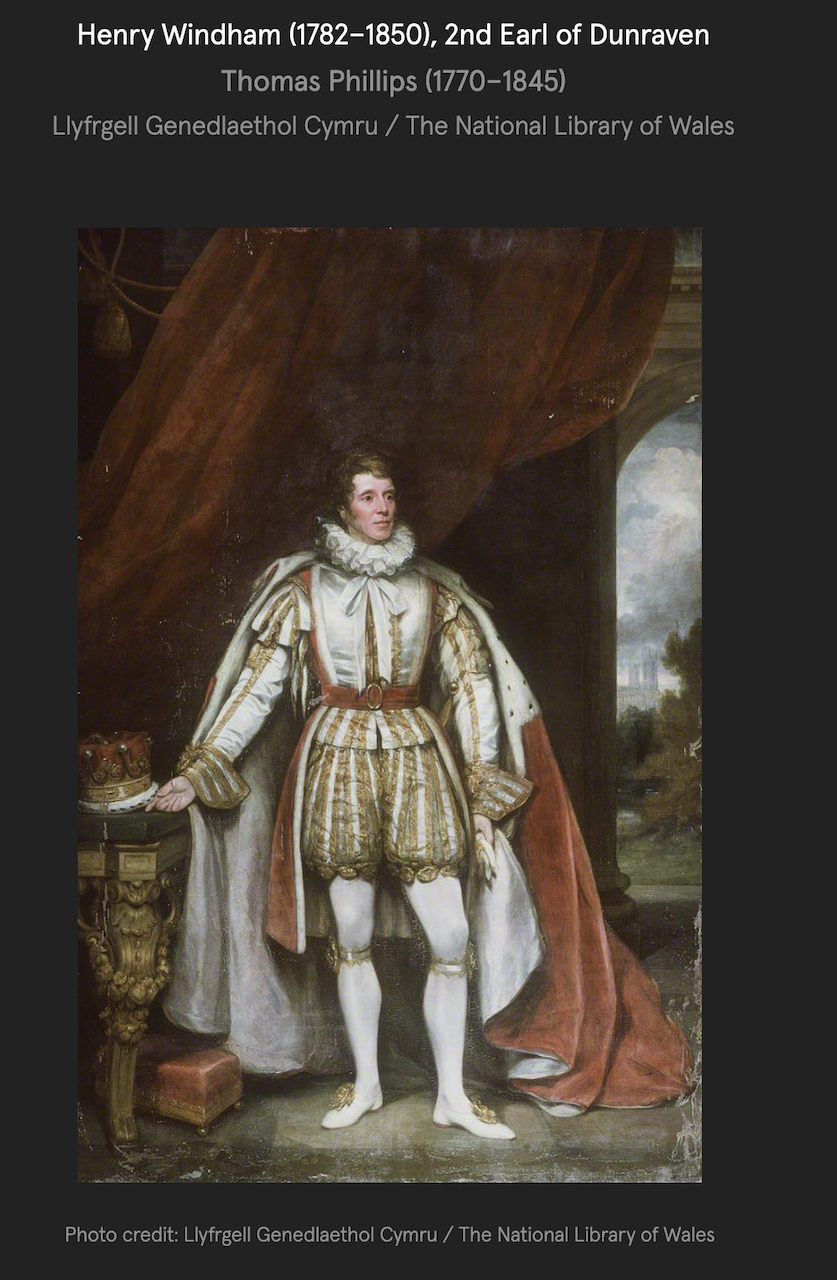
Henry Windham Wyndham-Quin (1782-1850) 2nd Earl of Dunravan by Thomas Phillips, courtesy of National Library of Wales
Caroline Windham of Dunraven Castle, Wales, who married Henry Windham Wyndham-Quin 2nd Earl of Dunraven, courtesy of The National Library of Wales.
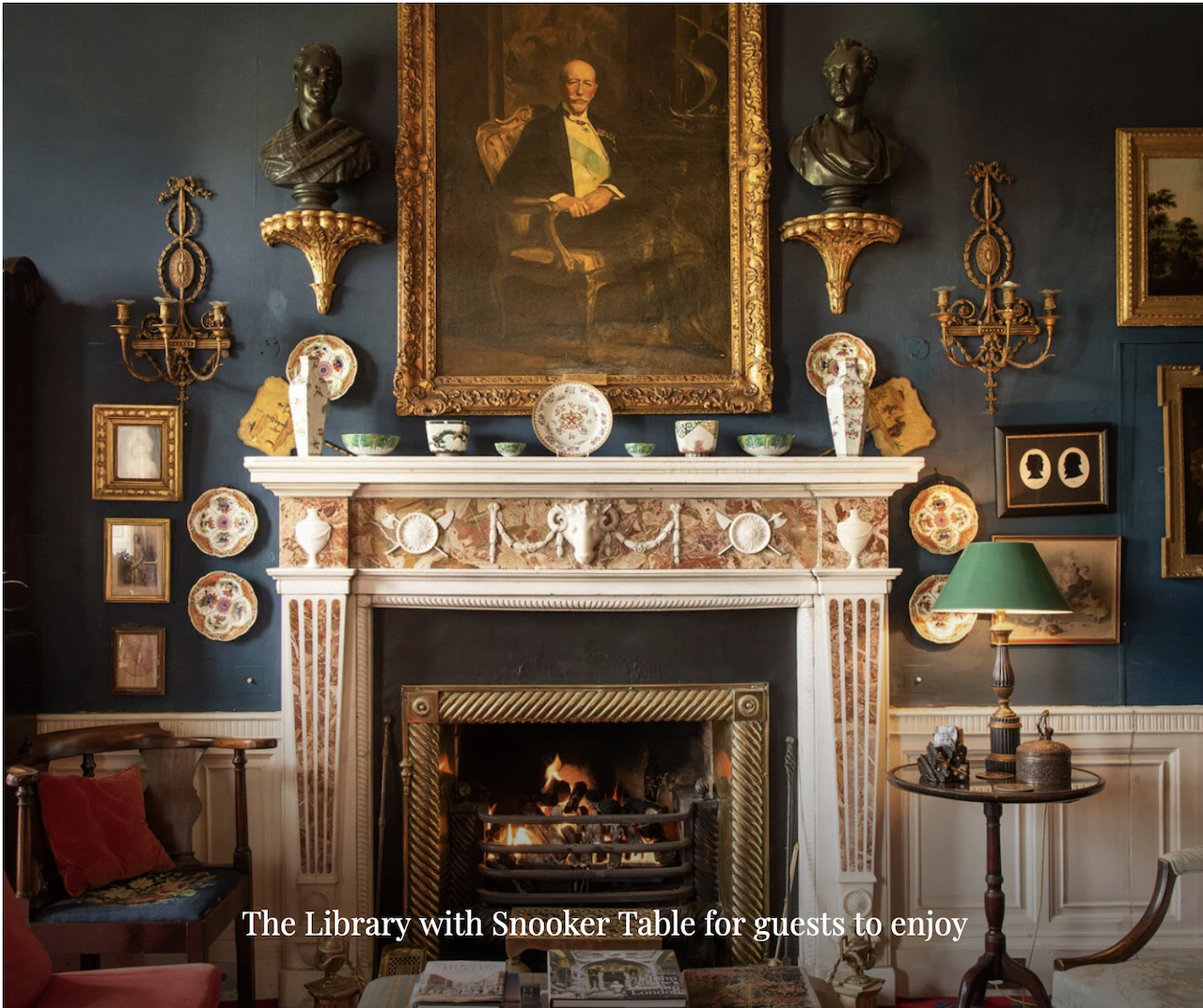
Photograph courtesy of Glin castle website: A portrait of Windham Thomas Wyndham-Quin the 4th Earl of Dunraven hangs above the marble mantelpiece in the library. His daughter Rachel Charlotte married the 27th Knight of Glin.
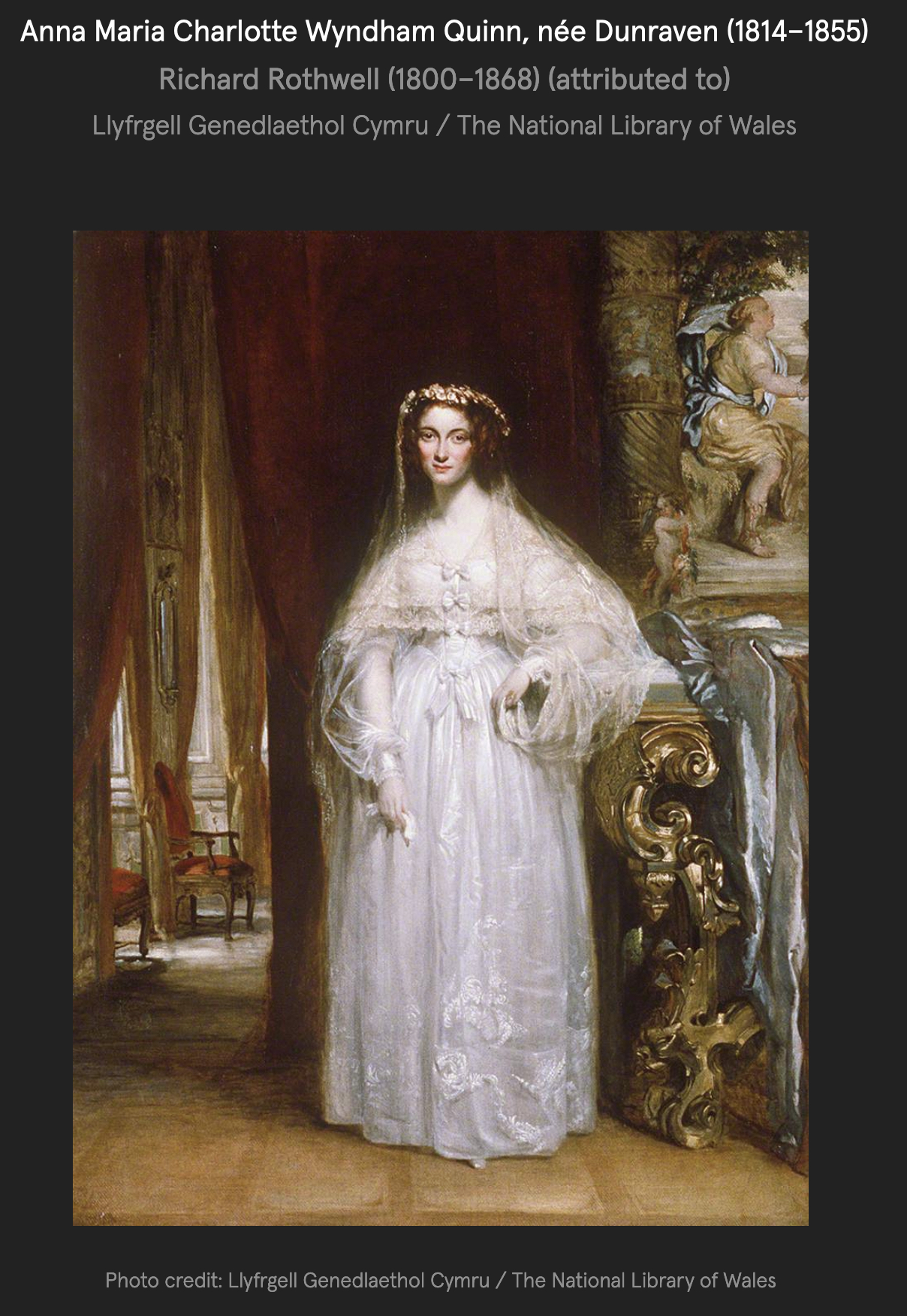
Anna Maria Charlotte Wyndham-Quinn, née Dunraven (1814-1855), courtesy of the National Library of Wales.
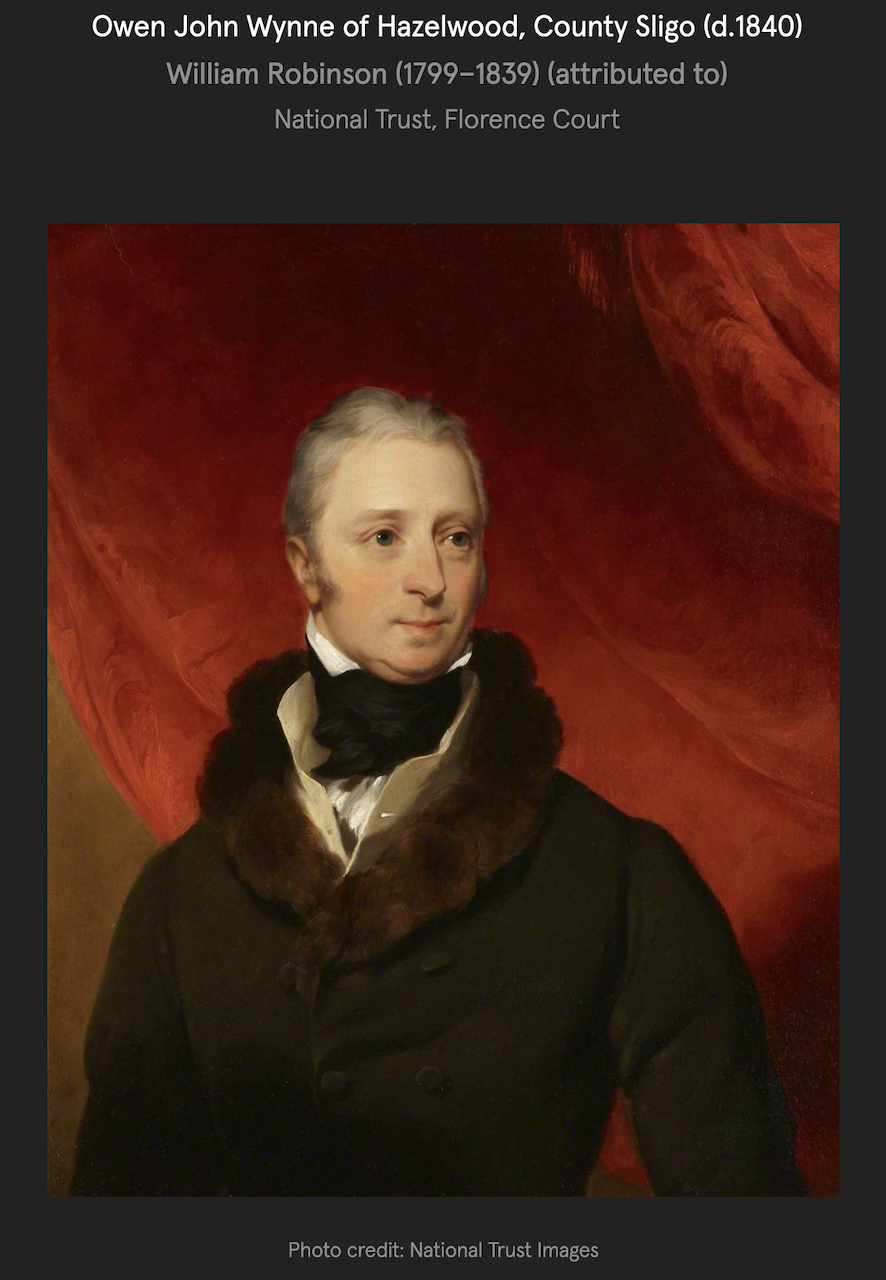
Owen John Wynn (d. 1840) of Hazelwood, County Sligo attributed to William Robinson courtesy of National Trust Florence Court.
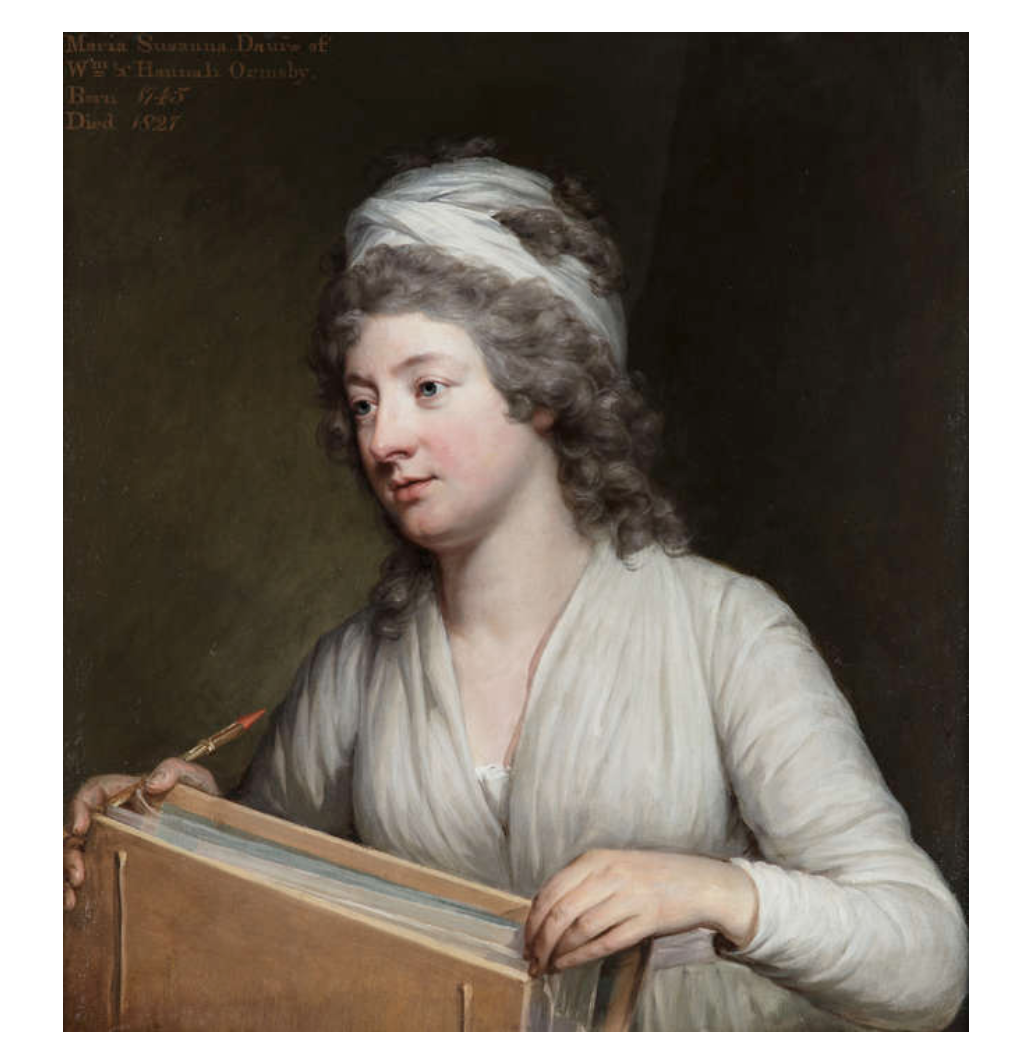
Maria Susanna Ormbsy by Hugh Douglas Hamilton, she was daughter of William Ormsby (1718-1781) and Hannah Wynne of Hazelwood, County Sligo courtesy of Adams auction 27 March 2018. This excellent portrait, painted after Hamiltons return to Dublin from Rome is not listed by Fintan Cullen. [Oil Paintings of Hugh Douglas Hamilton, Walpole Society Vol. 50 1984] and is a welcome addition to the inventory of Hamiltons extant portraits (1796). It re-emerged from the recent disposal of the Harlech Collection in Wales. The Ormsby-Gores, in spite of a Welsh title and seat, represent two families from the West of Ireland who flourished in the 18th century. The subject of the present lot, Maria Susannah Ormsby was the daughter of William Ormsby M.P for Sligo and Hannah Wynne of Haselwood, County Sligo, the lovely Palladian villa designed by Richard Castle. Her brother, Owen Ormsby married (1777) Margaret Owen who came into a great Welsh estate that had been swollen by the Godolphin inheritance. Their only child and heiress Mary Jane Ormsby married (1815)William Gore, M.P. for Leitrim from a family long influential in Counties Mayo, Sligo and Leitrim. Thereafter the family became Ormsby-Gore and were subsumed into English high society with a title from the Barony of Harlech. Our subject, Maria Susannah Ormsby, died unmarried so this portrait of a charming and artistic woman remained with the Ormsby-Gores. As an observation of mature character it confirms Hugh Douglas Hamiltons place in the top rank of European portraiture.Maria Susanna Ormbsy by Hugh Douglas Hamilton, she was daughter of William Ormsby (1718-1781) and Hannah Wynne of Hazelwood, County Sligo courtesy of Adams auction 27 March 2018. This excellent portrait, painted after Hamiltons return to Dublin from Rome is not listed by Fintan Cullen. [Oil Paintings of Hugh Douglas Hamilton, Walpole Society Vol. 50 1984] and is a welcome addition to the inventory of Hamiltons extant portraits (1796). It re-emerged from the recent disposal of the Harlech Collection in Wales. The Ormsby-Gores, in spite of a Welsh title and seat, represent two families from the West of Ireland who flourished in the 18th century. The subject of the present lot, Maria Susannah Ormsby was the daughter of William Ormsby M.P for Sligo and Hannah Wynne of Haselwood, County Sligo, the lovely Palladian villa designed by Richard Castle. Her brother, Owen Ormsby married (1777) Margaret Owen who came into a great Welsh estate that had been swollen by the Godolphin inheritance. Their only child and heiress Mary Jane Ormsby married (1815)William Gore, M.P. for Leitrim from a family long influential in Counties Mayo, Sligo and Leitrim. Thereafter the family became Ormsby-Gore and were subsumed into English high society with a title from the Barony of Harlech. Our subject, Maria Susannah Ormsby, died unmarried so this portrait of a charming and artistic woman remained with the Ormsby-Gores. As an observation of mature character it confirms Hugh Douglas Hamiltons place in the top rank of European portraiture.

Y

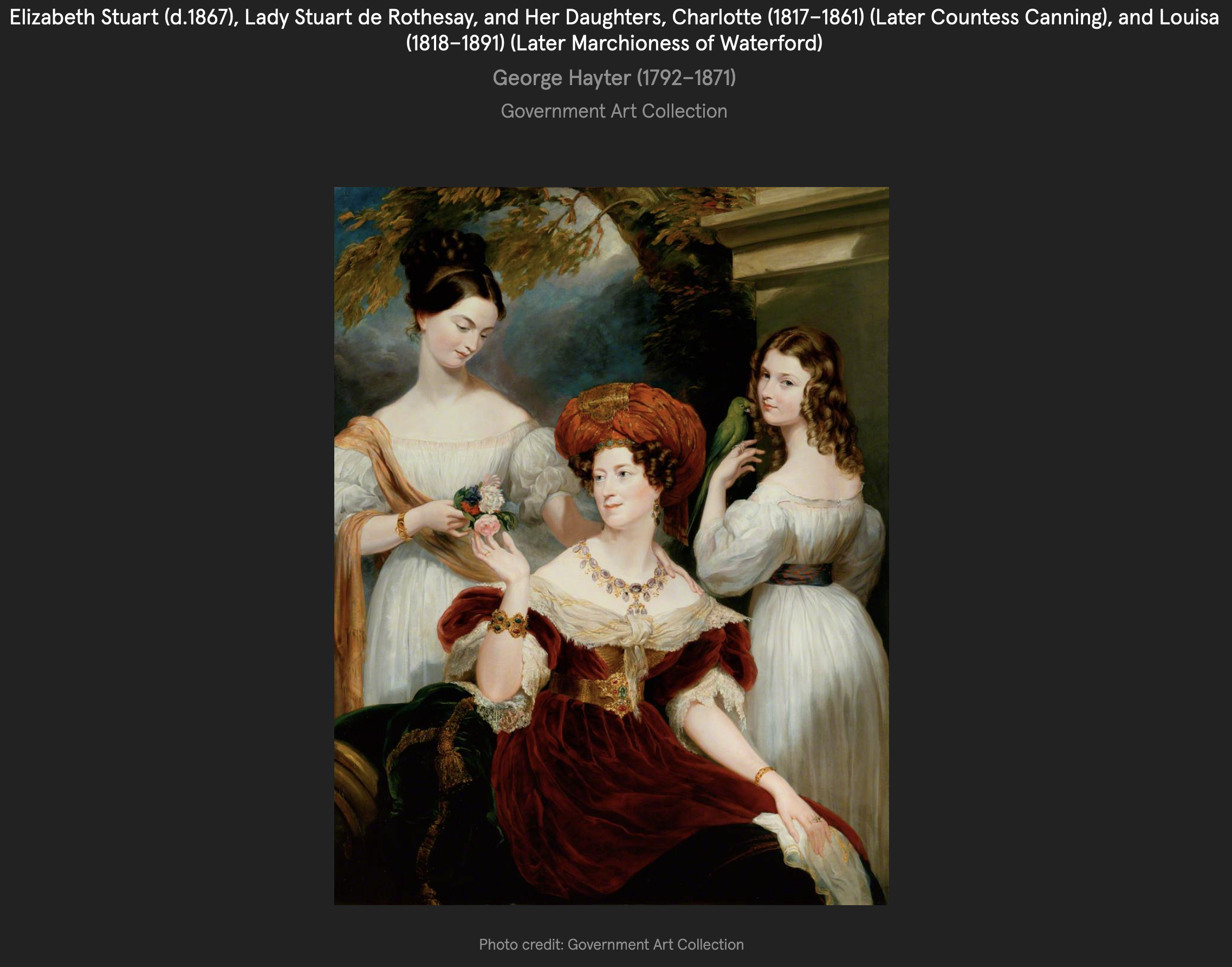
Elizabeth Stuart née Yorke (1789-1867). Lady Stuart de Rothesay, with her daughters Charlotte (1817-1861) and Louisa (1818-1891) by George Hayter, photograph courtesy of UK Government Art Collection. She was the daughter of Philip Yorke, 3rd Duke of Hardwicke, and wife of Charles Stuart 1st and last Baron Stuart de Rothesay. Charlotte married Charles John Canning 1st Viceroy of India, 2nd Viscount, 1st Earl Canning; Louisa married Henry de la Poer Beresford 3rd Marquis of Waterford.
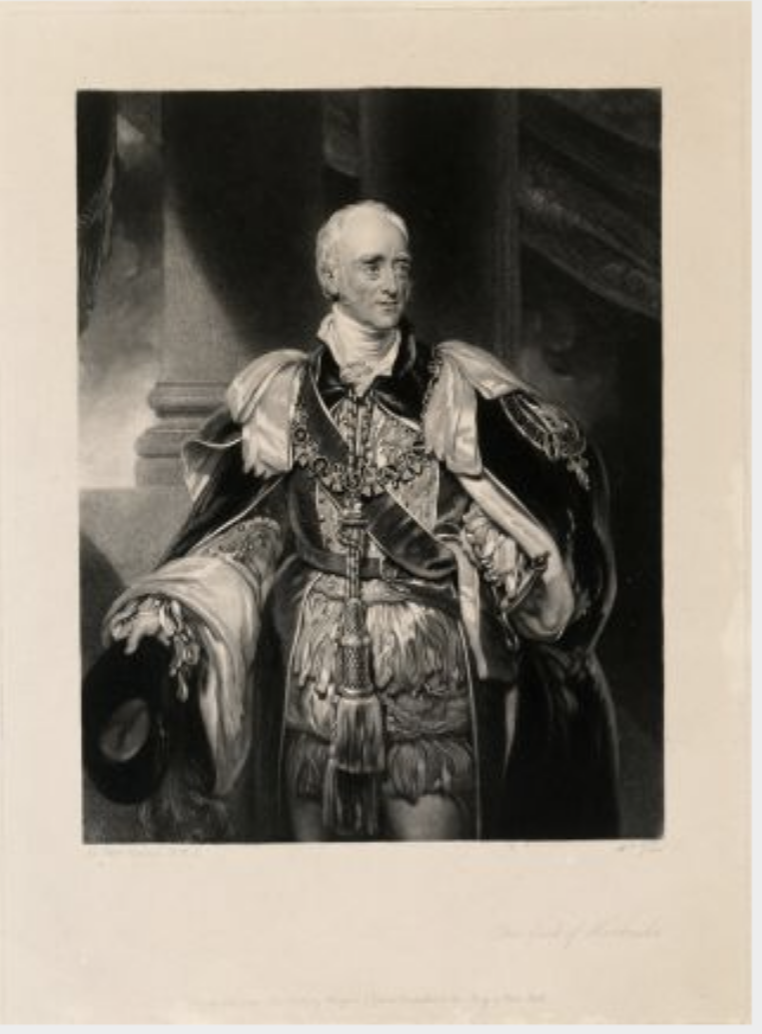
Philip Yorke (1757-1834), 3rd Duke of Hardwicke, former Lord Lieutenant of Ireland, 1836 by engraver William Giller after Thomas Lawrence, courtesy of National Gallery of Ireland.