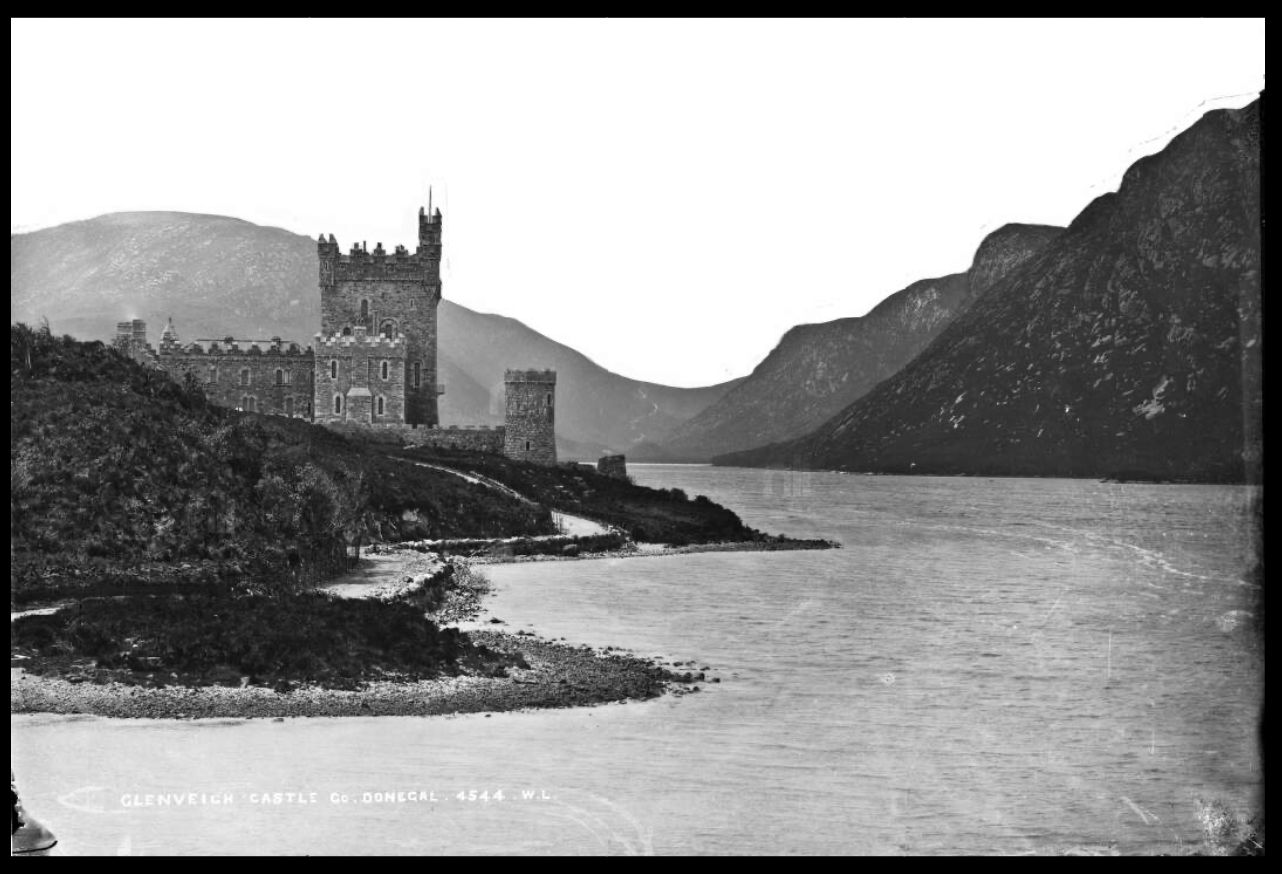
You can take a virtual tour online on the website. Sorry for the cut and paste entry today – I published this previously under “Places to visit and stay in County Donegal.” Stephen and I are still in the throes of buying and selling a property so I still haven’t had time to visit Section 482 properties. I shall try to put all of that on hold in order to take advantage of Heritage Week, August 17-25th, 2024! See https://www.heritageweek.ie/
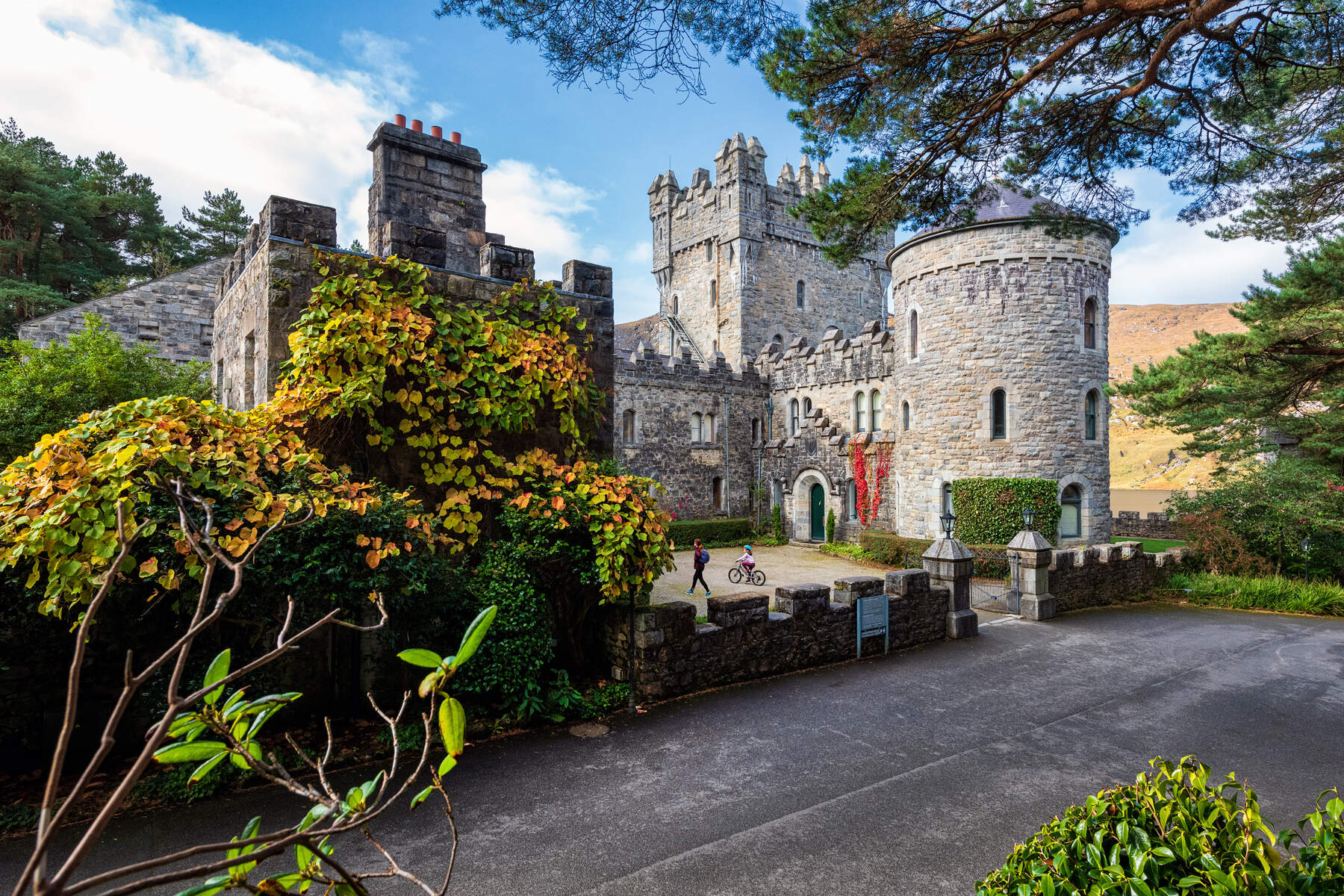
Mark Bence-Jones writes in A Guide to Irish Country Houses (1988):
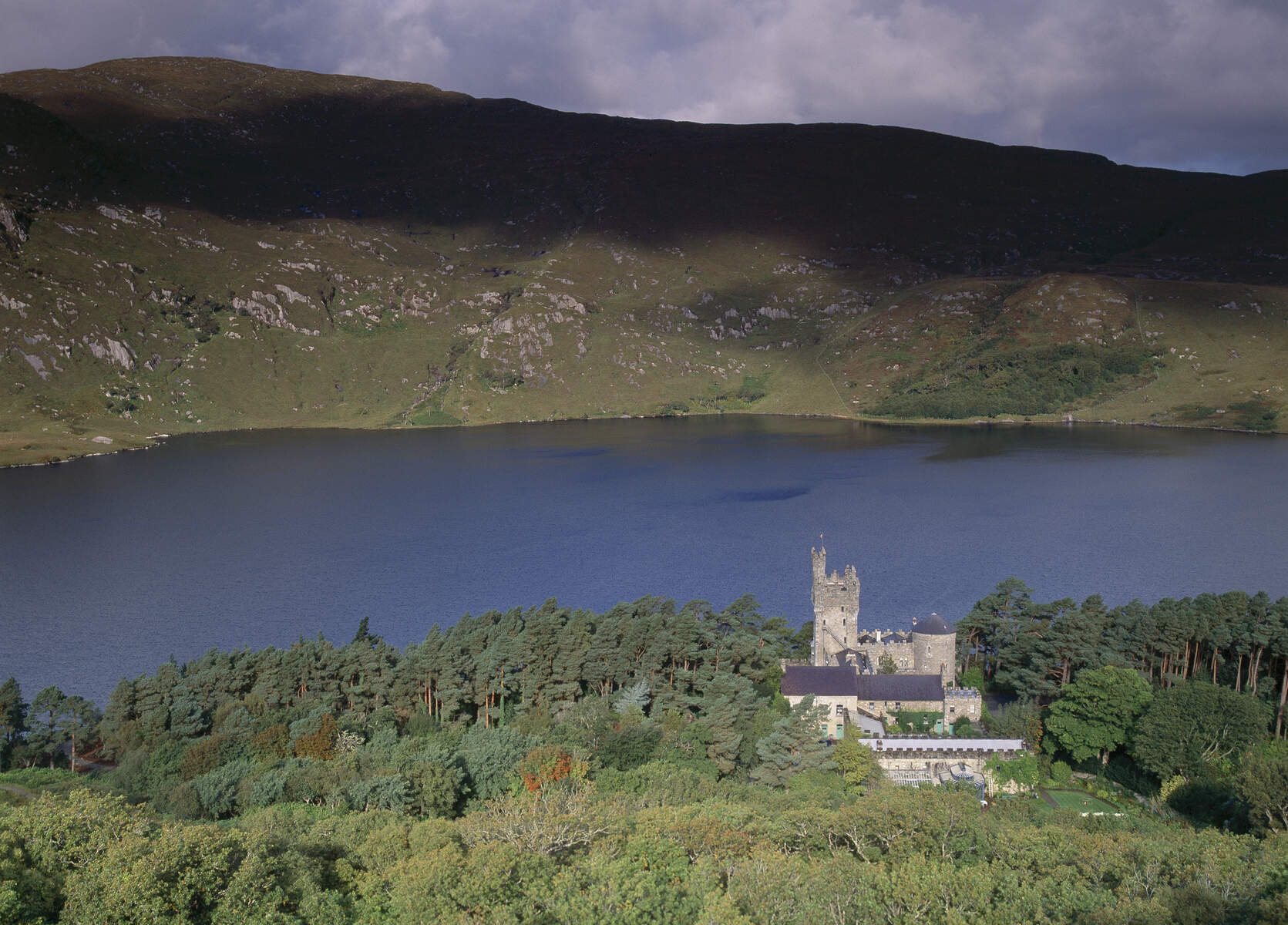
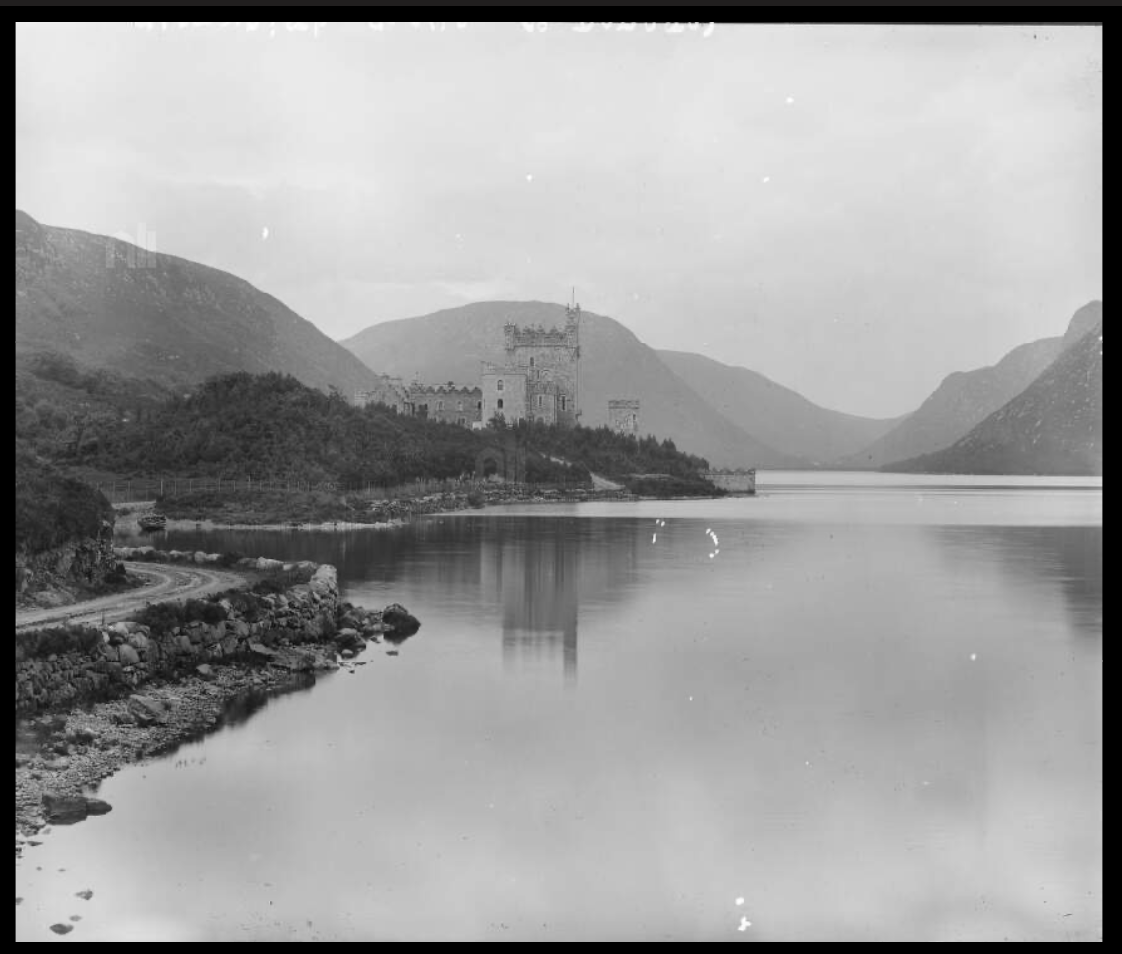
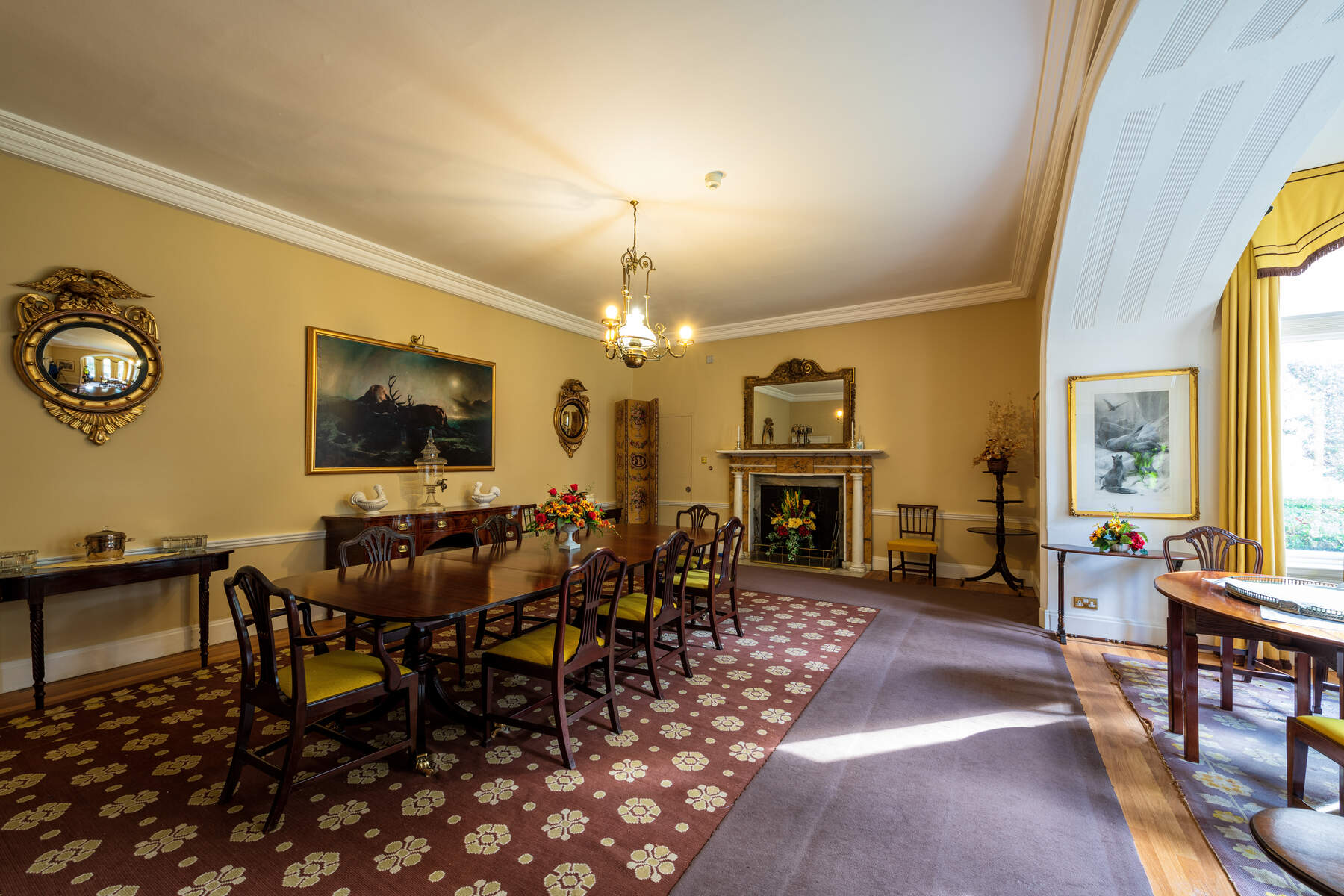
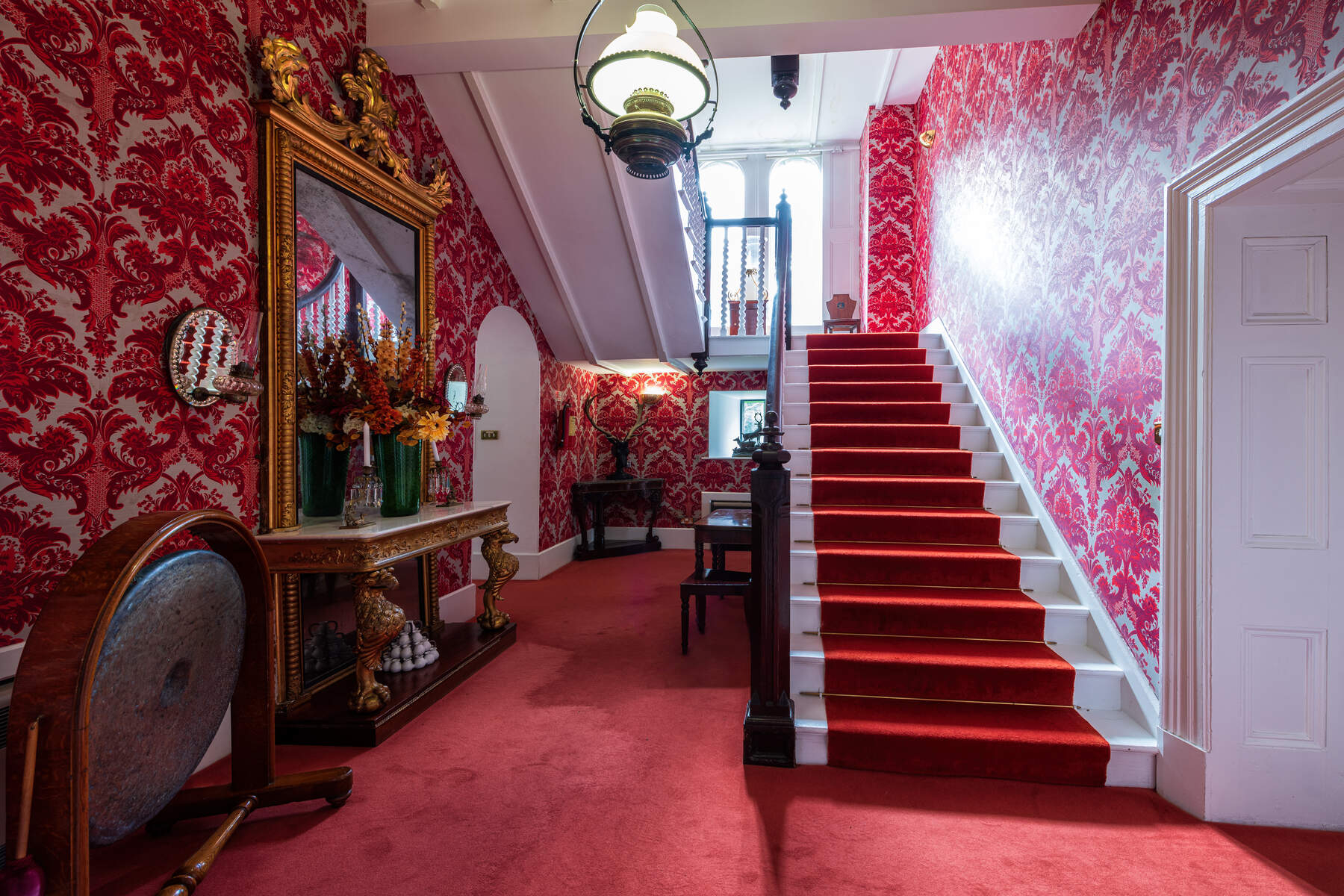
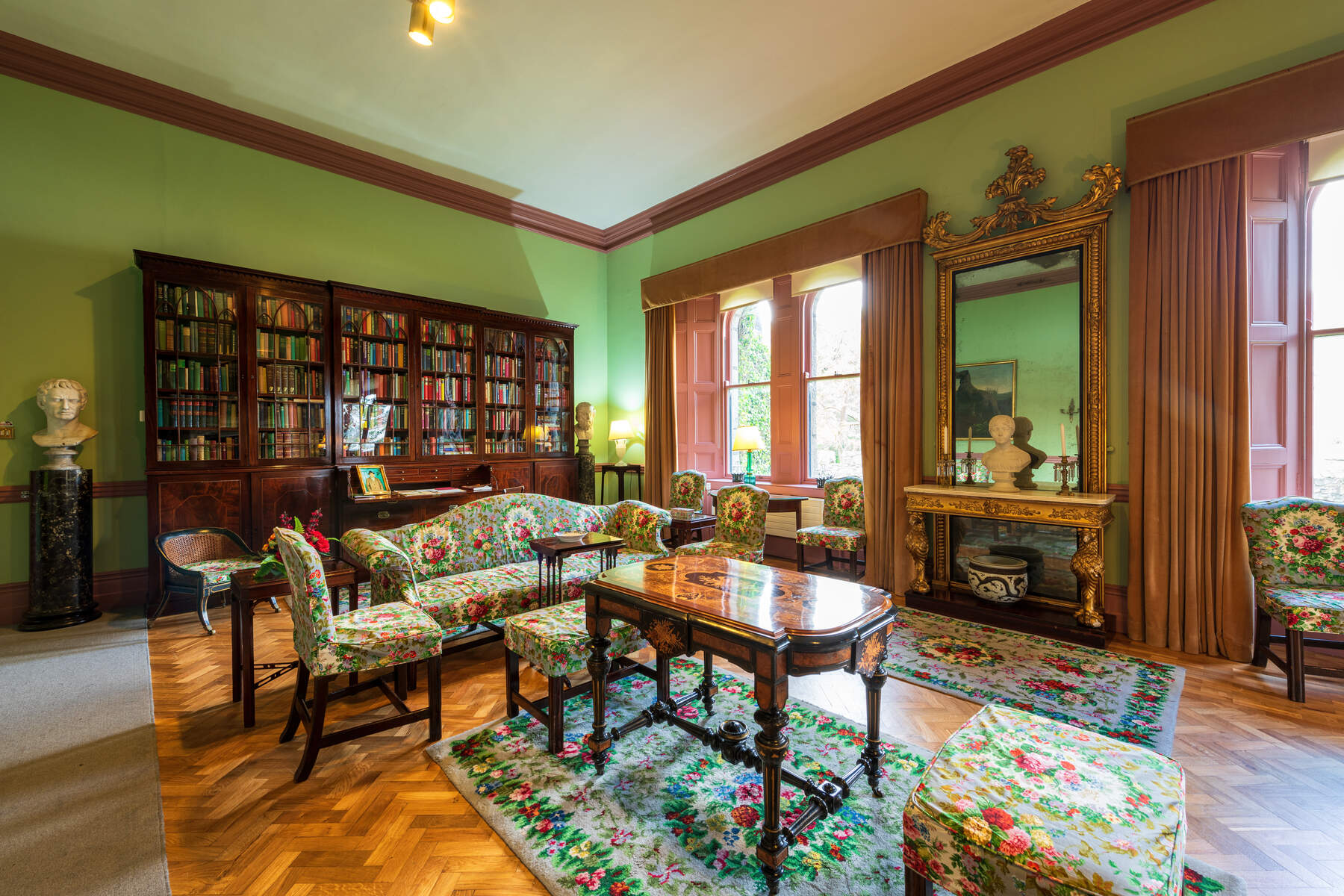
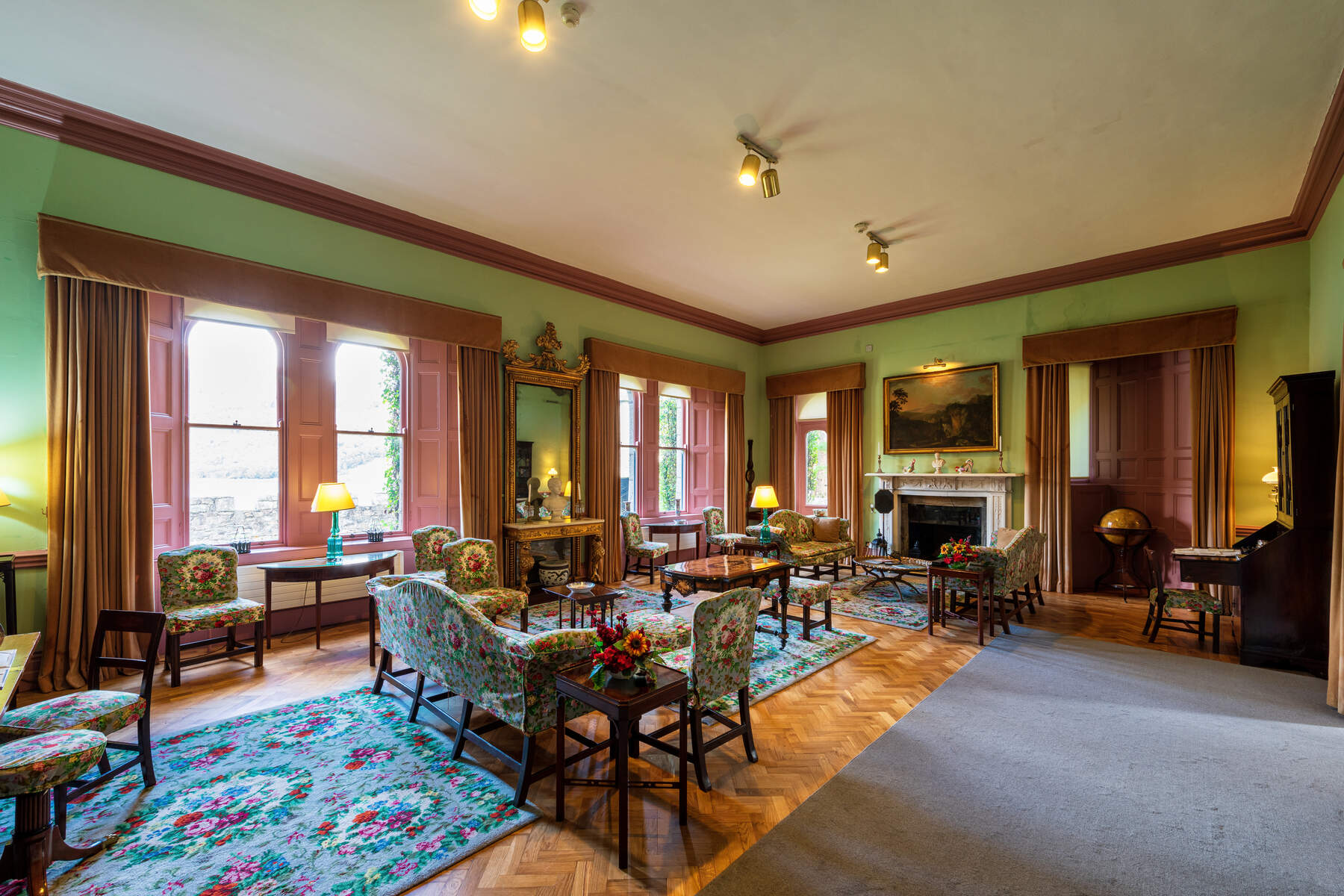
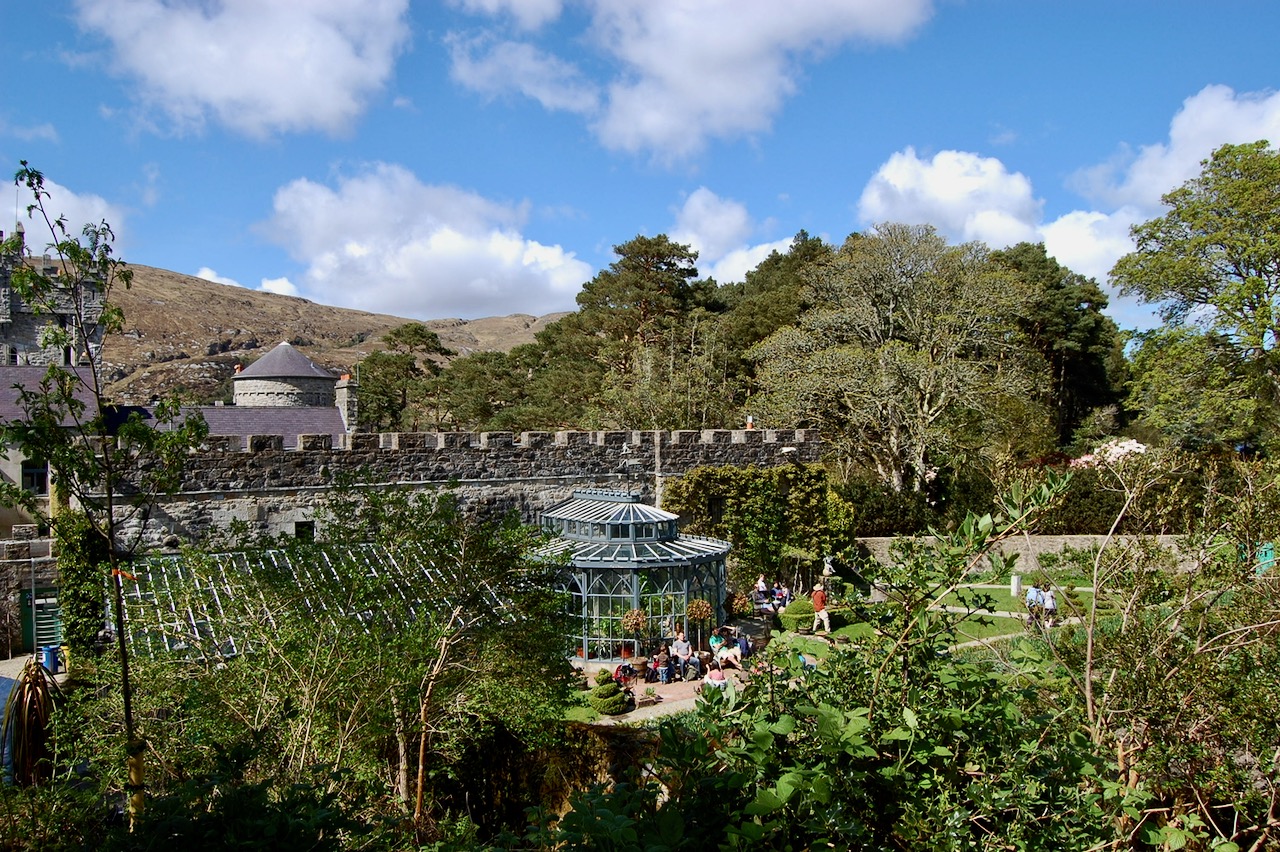
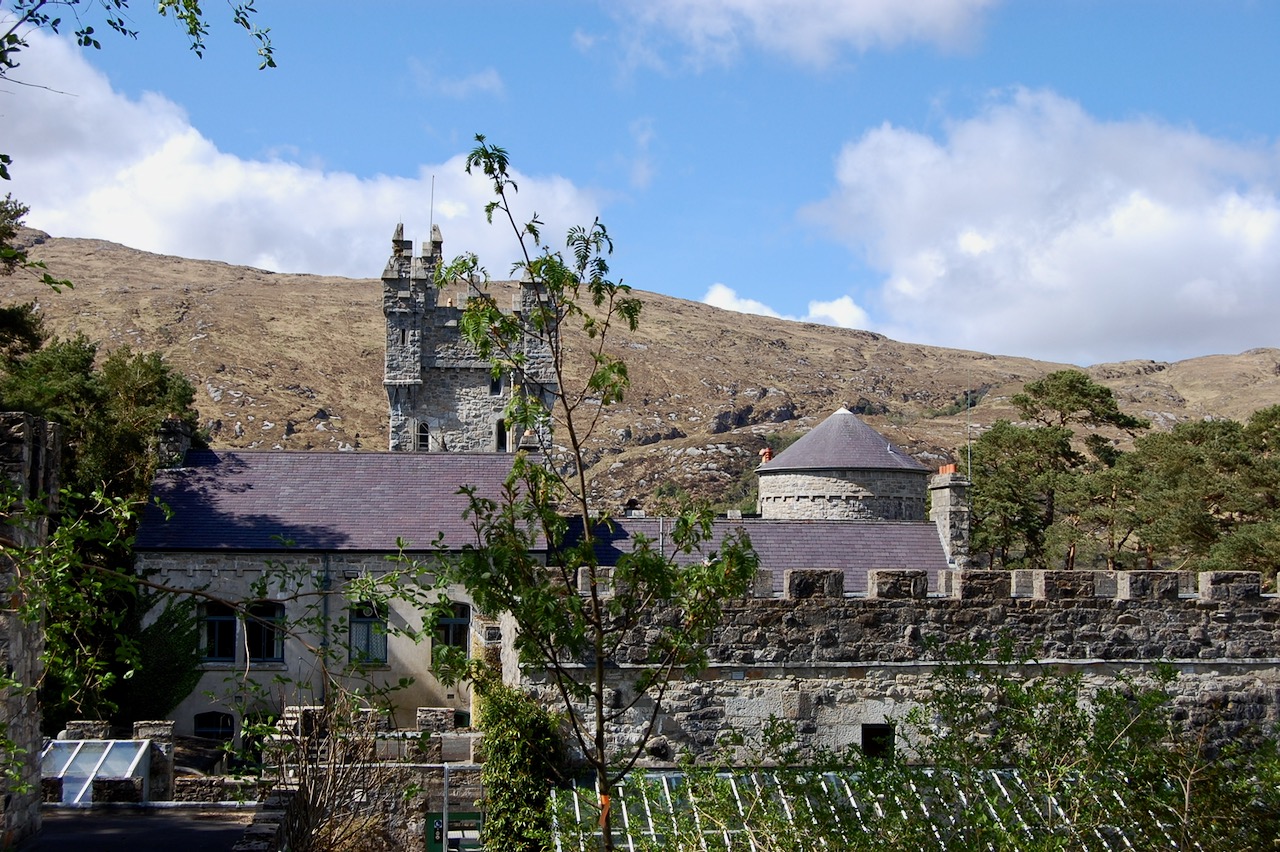
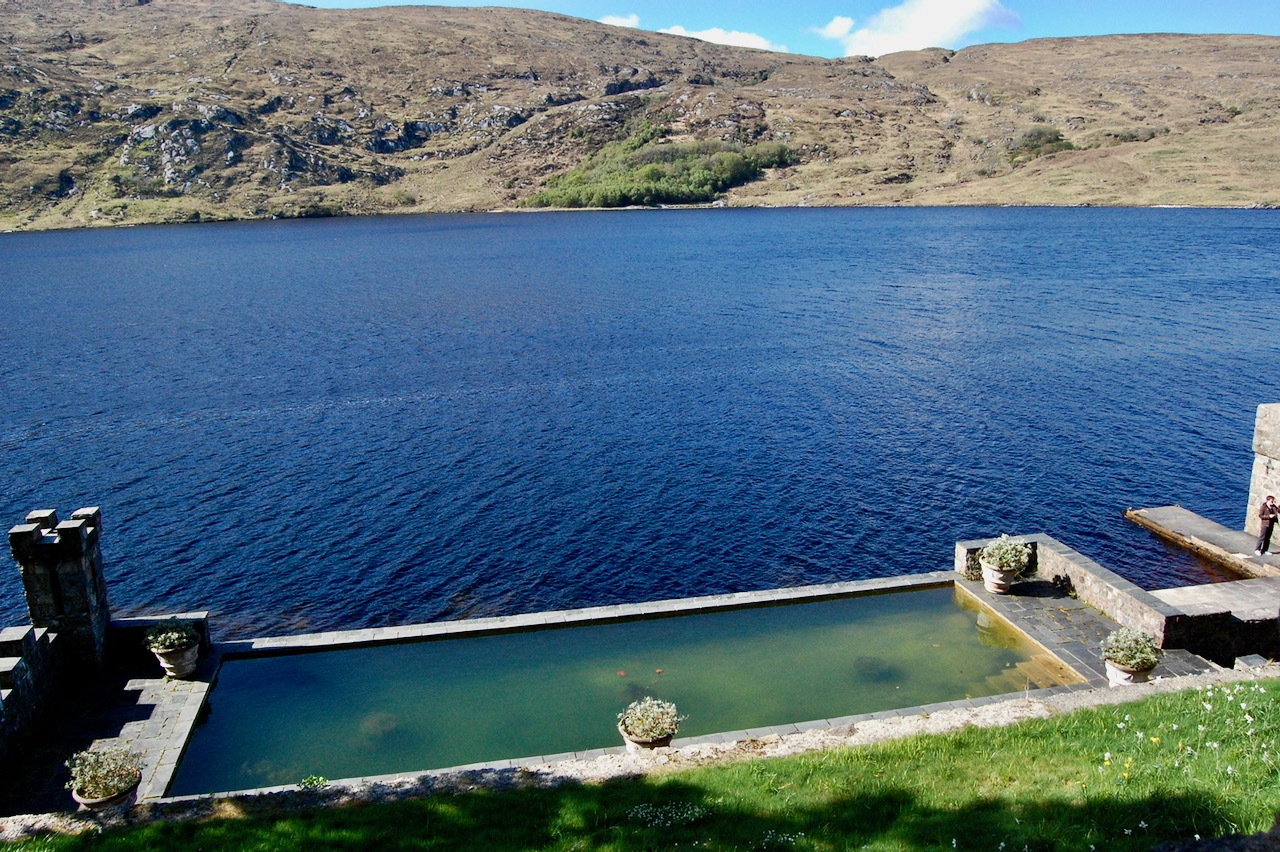
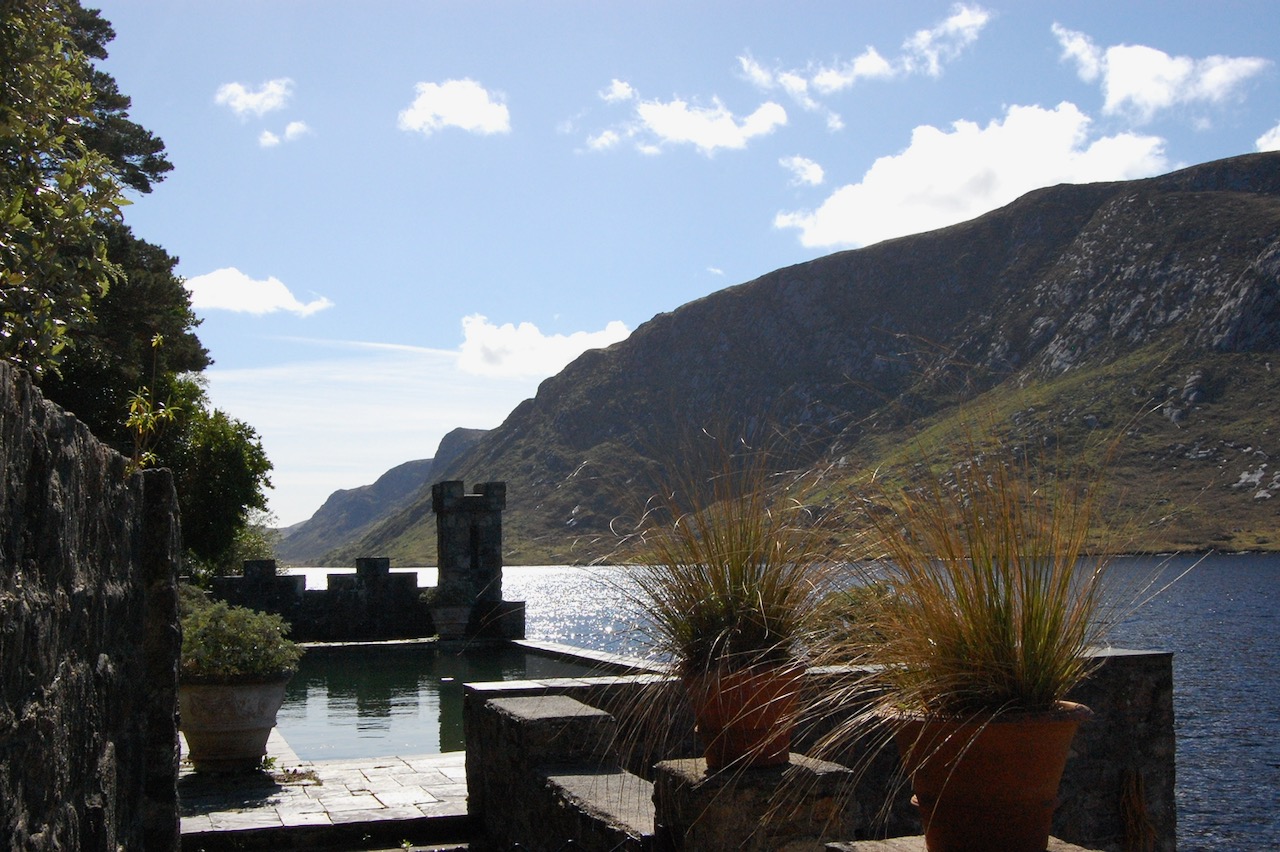
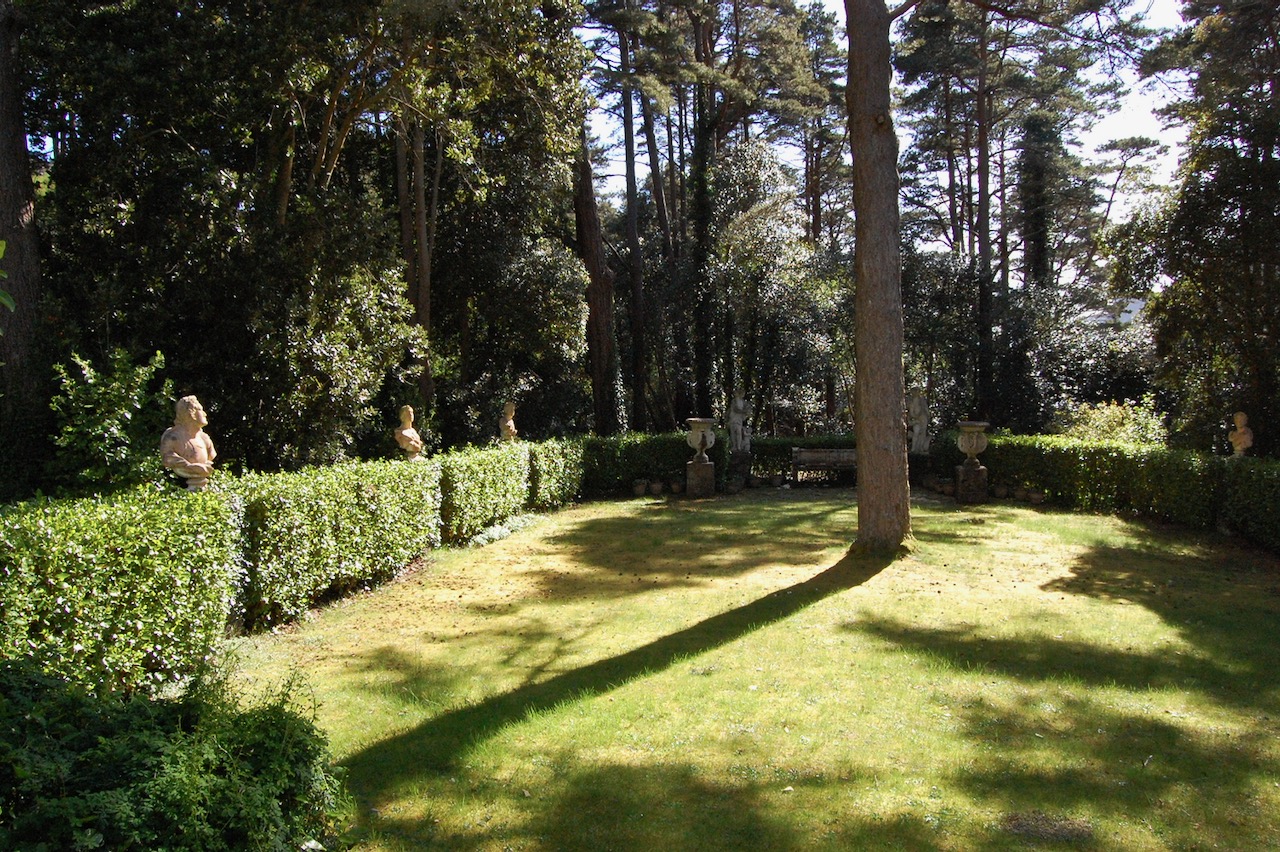
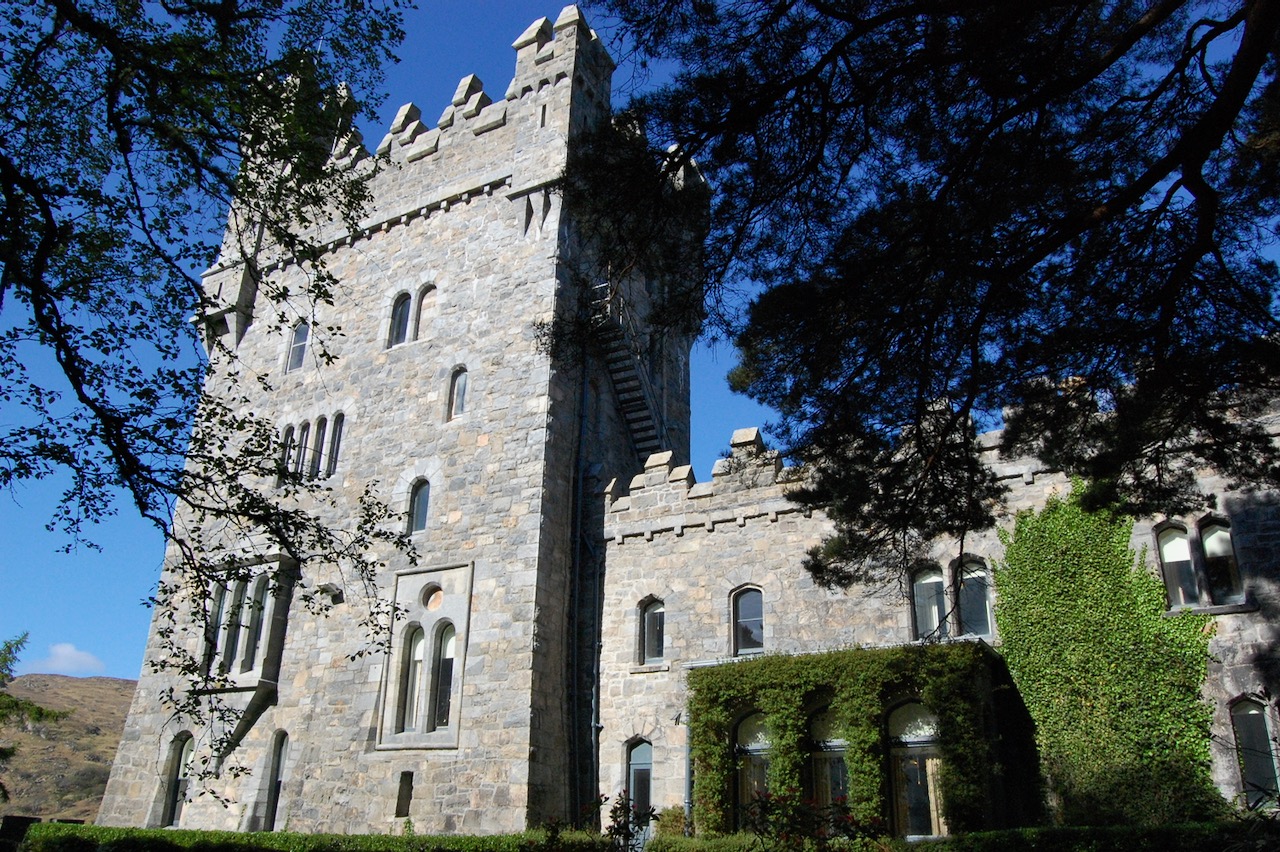
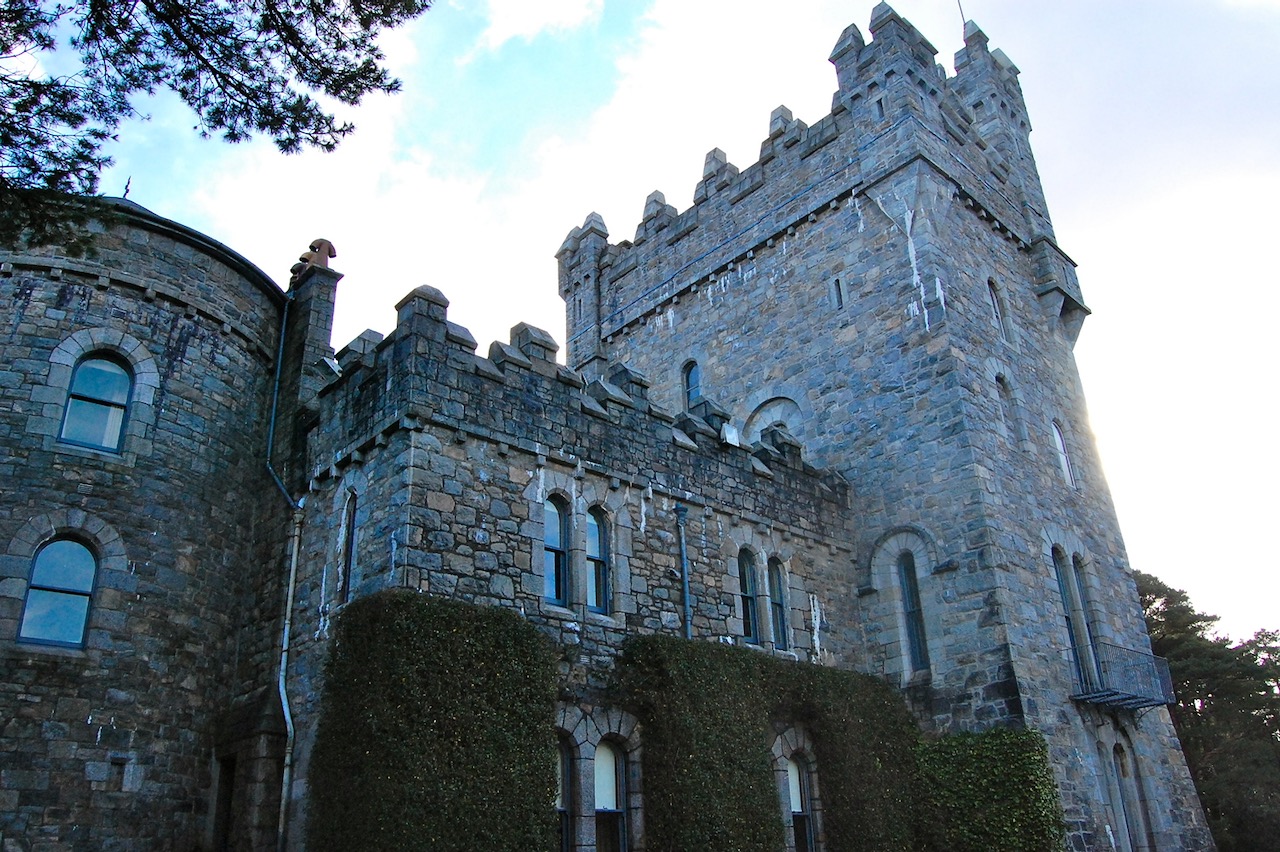
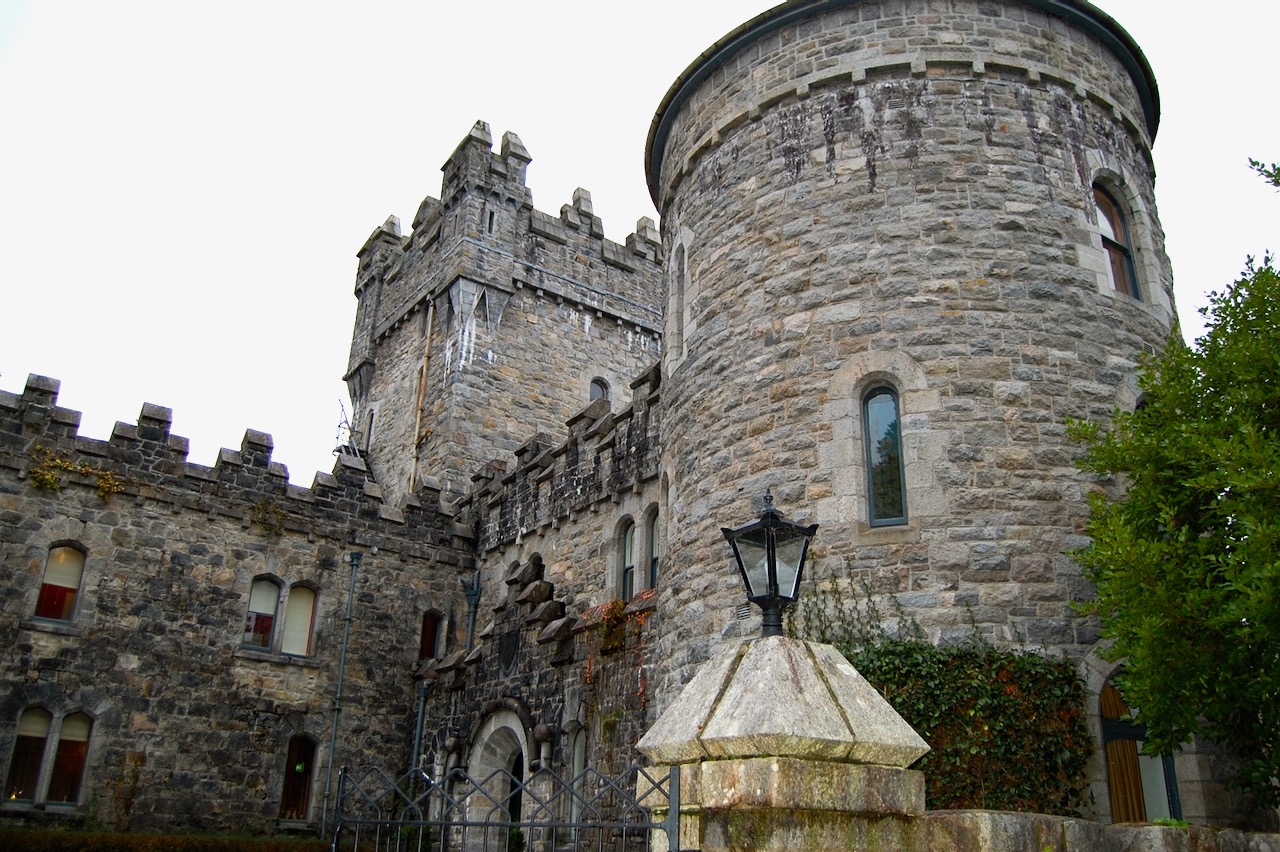
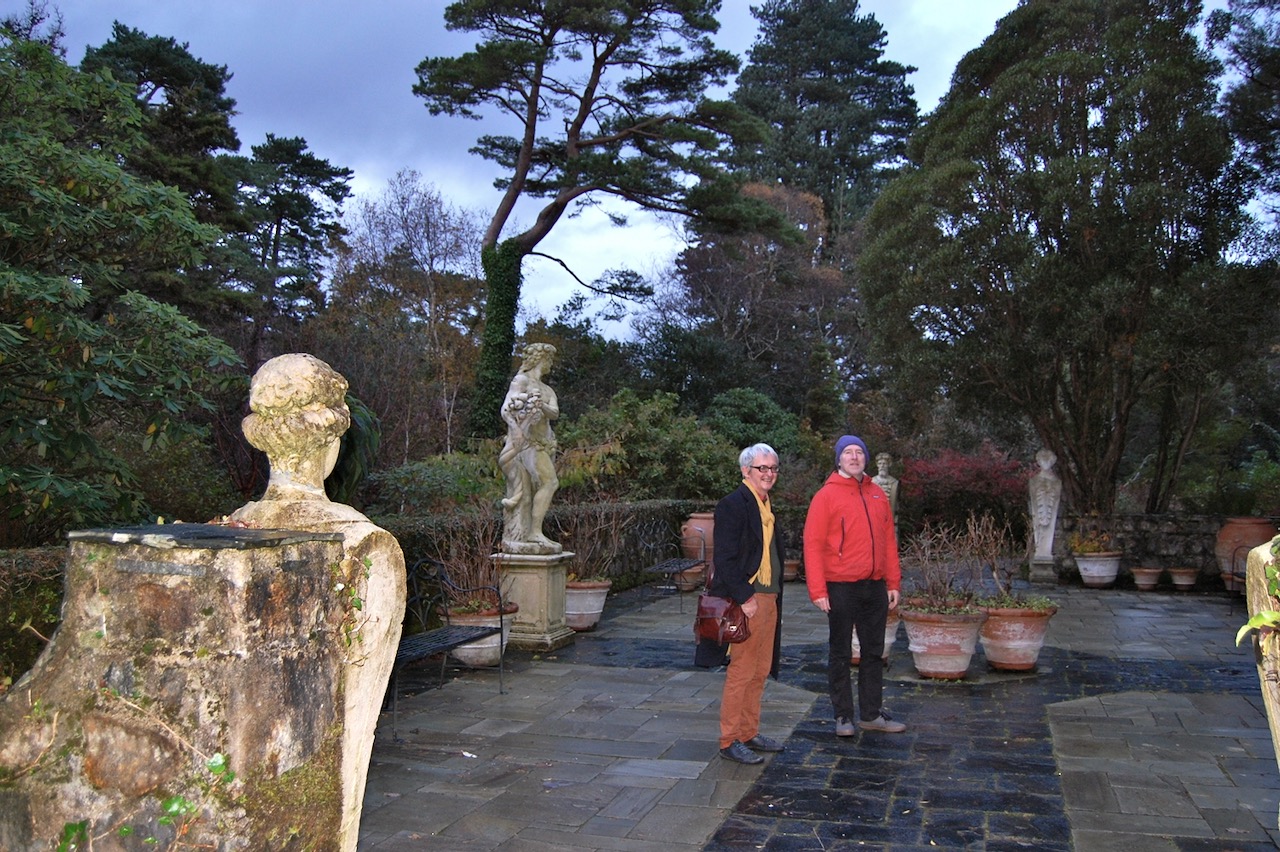
p. 139. “(Adair/LG1863) A Victorian Baronial castle of rough-hewn granite at the end of a wooded promontory jutting out into Lough Veagh, surrounded by the bare and desolate hills of a deer-forest, so large as to seem like a world apart. Built 1870 [the website tells us 1857-9] by J.G. [John George] Adair, of Bellegrove, Co Leix, whose wife was a rich American heiress [Cornelia Wadsworth]; designed by his cousin, J.T. Trench. The castle consists of a frowning keep with Irish battlements, flanked by a lower round tower and other buildings; the effect being one of feudal strength. The entrance is by way of a walled courtyard. Glenveagh has always had an American connection; after the death of Mrs Adair, it was bought by the distinguished American archaeologist, Prof Kingsley Porter; then, in 1938, it was bought by its late owner, Mr Henry McIlhenny, of Philadelphia. Mr McIlhenny, whose hospitality was legendary, decorated and furnished the interior of the castle in a way that combined the best of the Victorian age with Georgian elegance and modern luxury; and which contrasted splendidly with the rugged medievalism of the exterior and the wildness of the surrounding glen. He also made what is now one of the great gardens of the British Isles. There are terraces with busts and statues, there is a formal pool by the side of the lough, an Italian garden, a walled garden containing a Gothic orangery designed by M. Philippe Jullian; while the hillside above the castle is planted with a wonderful variety of rare and exotic trees and shrubs.” [1]
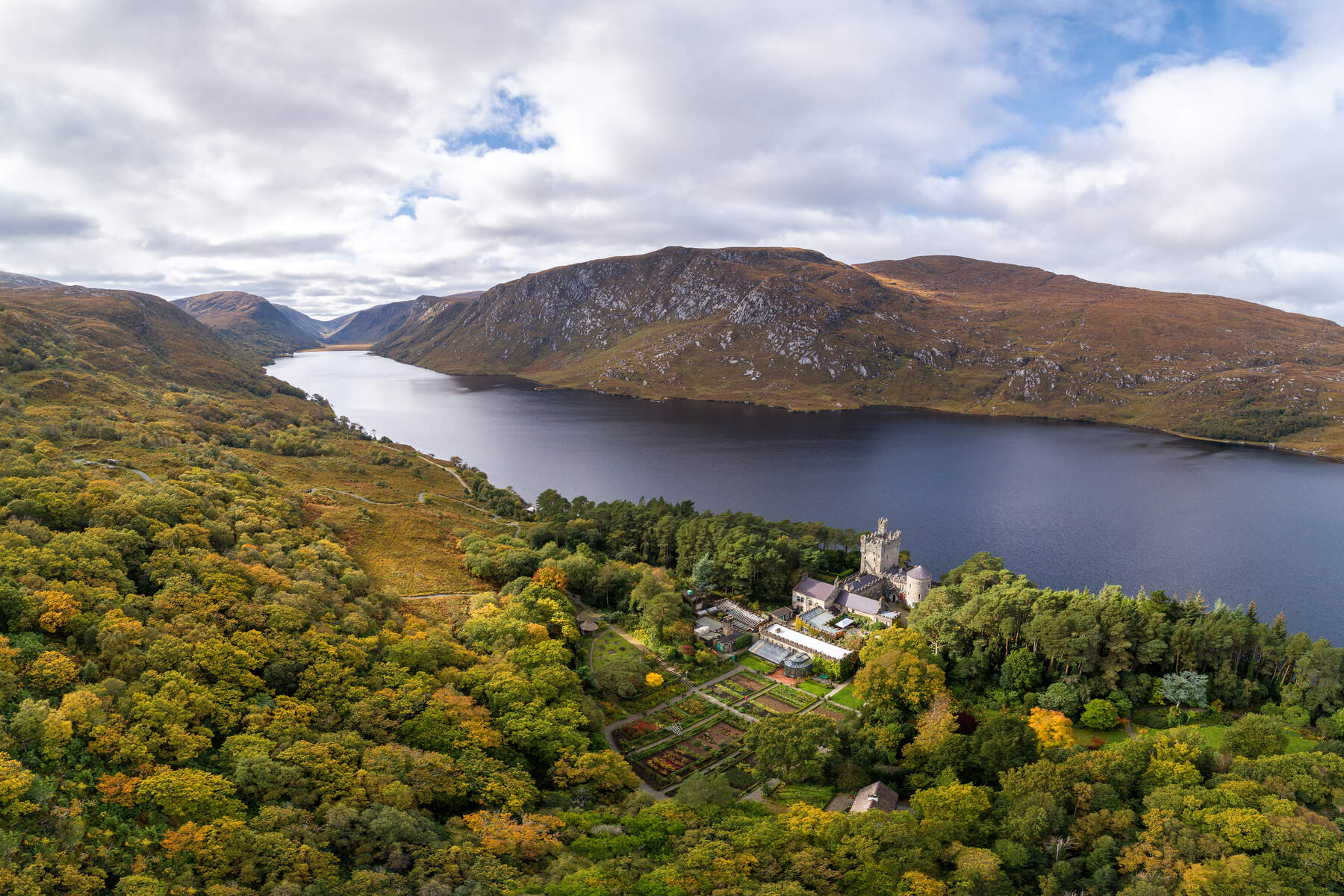
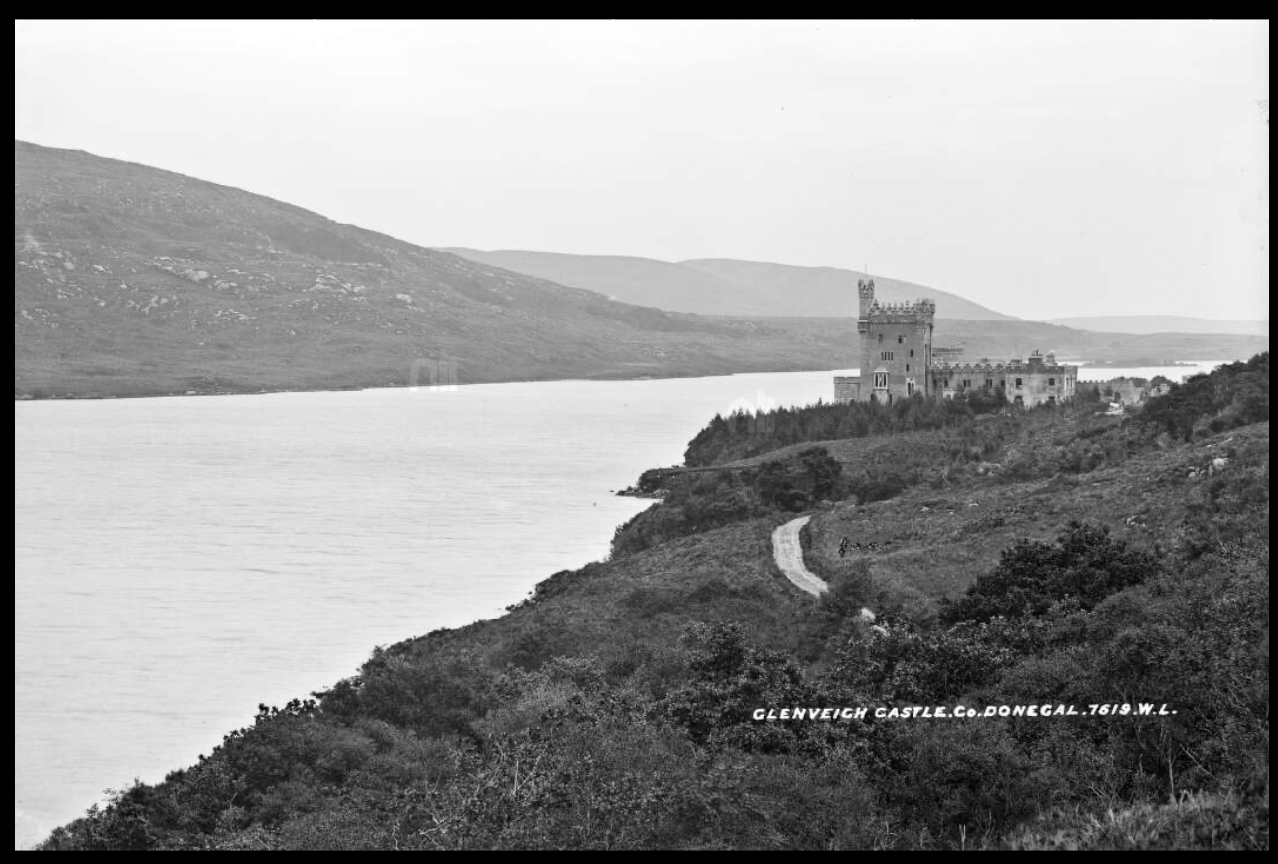
The website tells us:
“The estate of Glenveagh was created in 1857-9 by the purchase of several smaller holdings by John George Adair, a wealthy land speculator from Co. Laois. John Adair was to later incur infamy throughout Donegal and Ireland by ruthlessly evicting some 244 tenants in the Derryveagh Evictions.
“After marrying his American born wife Cornelia, Adair began the construction of Glenveagh Castle in 1867, which was completed by 1873. Adair however was never to fulfil his dream of creating a hunting estate in the highlands of Donegal and died suddenly in 1885 on return from a business trip to America.
“After her husband’s death Cornelia took over the running of the estate and introduced deer stalking in the 1890’s. She continually sought to improve the castle’s comforts and the beauty of its grounds, carrying out major improvements to the estate and laying out the gardens. Over the next 30 years she was to become a much noted society hostess and continued to summer at the castle until 1916.
“Following the death of Mrs Adair in London in 1921, Glenveagh fell much into decline and was occupied by both the Anti-treaty and Free State Army forces during the Irish civil war.
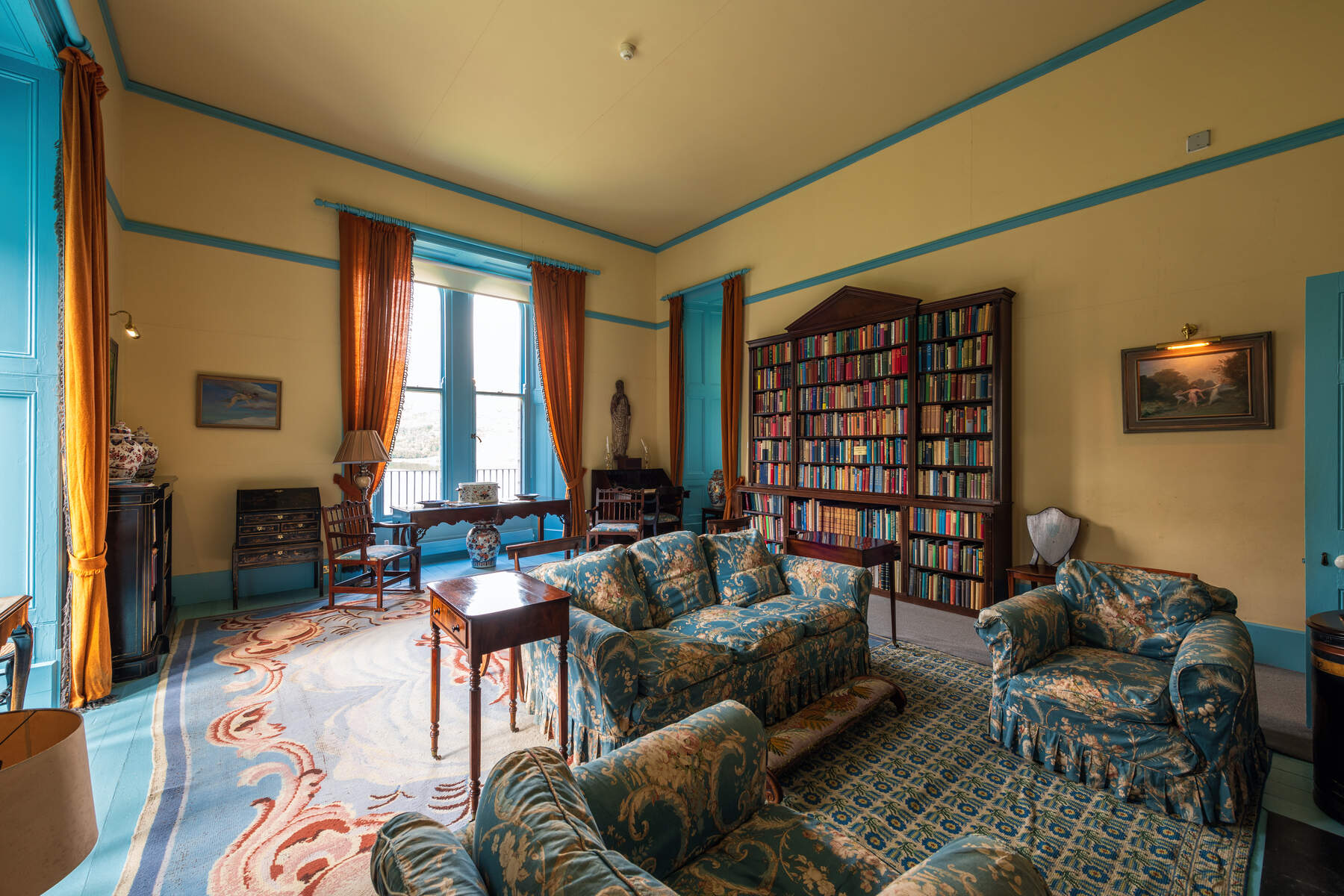
“Glenveagh’s next owner was not to be until 1929 when purchased by Professor Arthur Kingsley Porter of Harvard University who came to Ireland to study Irish archaeology and culture. The Kingsley Porters mainly entertained Irish literary and artistic figures including close friend AE Russell whose paintings still hang in the library of the castle. Their stay was to be short however as Arthur Kingsley Porter mysteriously disappeared from Inishbofin Island in 1933 while visiting the island.
“The last private owner was Mr Henry McIlhenny of Philadelphia who bought the estate in 1937. Henry McIlhenny was an Irish American whose Grandfather John McIlhenny grew up in Milford a few miles north of Glenveagh. After buying the estate Mr McIlhenny devoted much time to restoring the castle and developing its gardens.
“Eventually Henry McIlhenny began to find travelling to and from Ireland too demanding and the upkeep of the estate was also becoming a strain. In 1975 he agreed the sale of the estate to the Office of Public Works allowing for the creation of a National Park. In 1983 he bestowed the castle to the nation along with its gardens and much of the contents.
“Glenveagh National Park opened to the public in 1984 while the castle opened in 1986. Today as under private ownership Glenveagh continues to attract and inspire visitors from all over the world.”
The website tells us about the gardens:
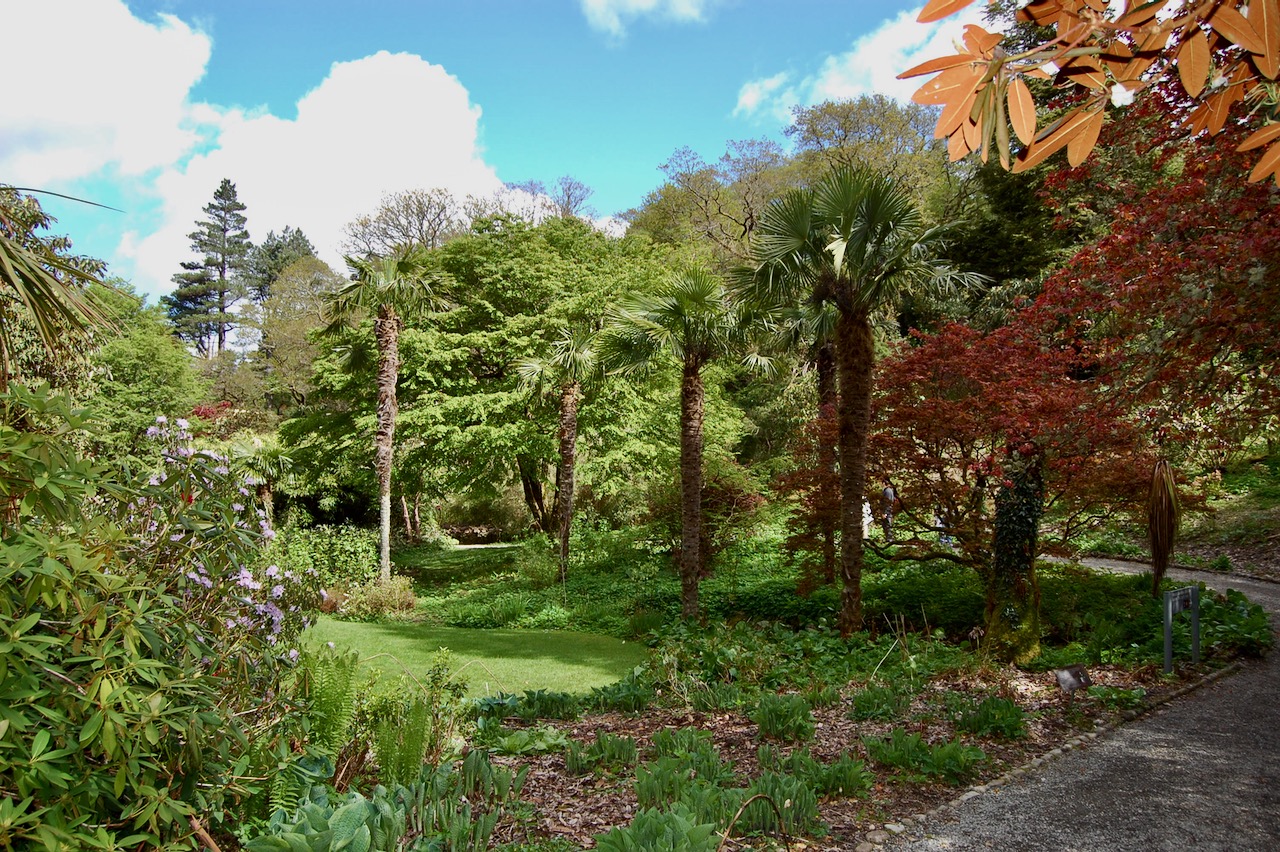
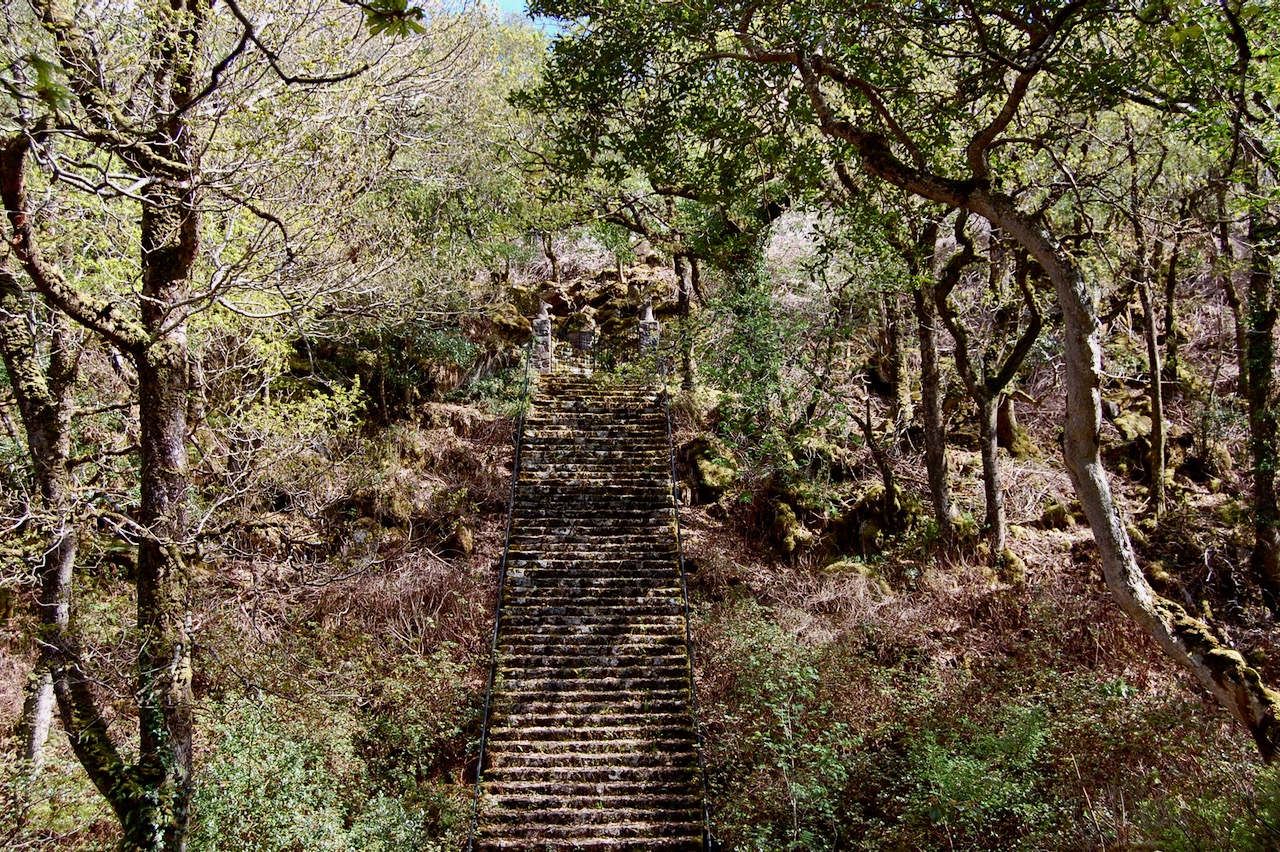
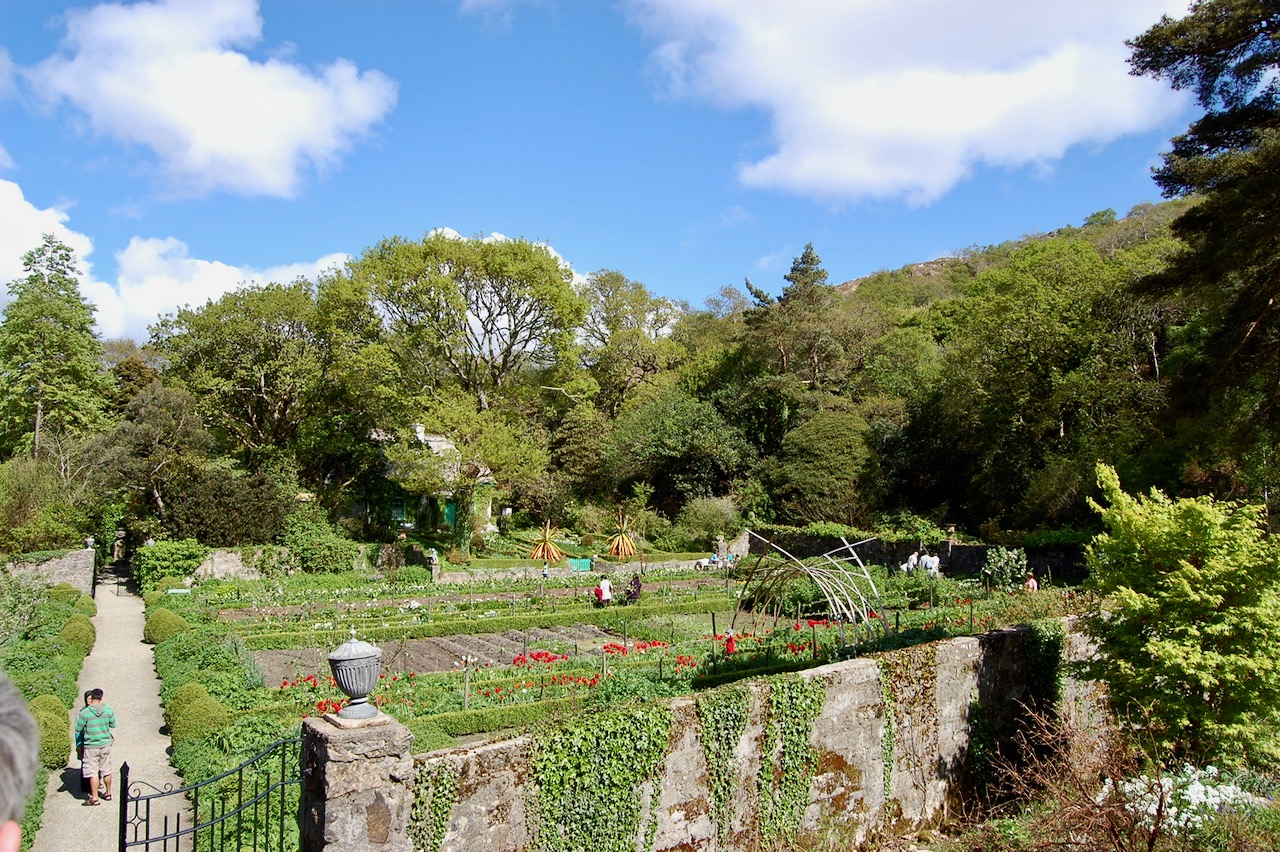
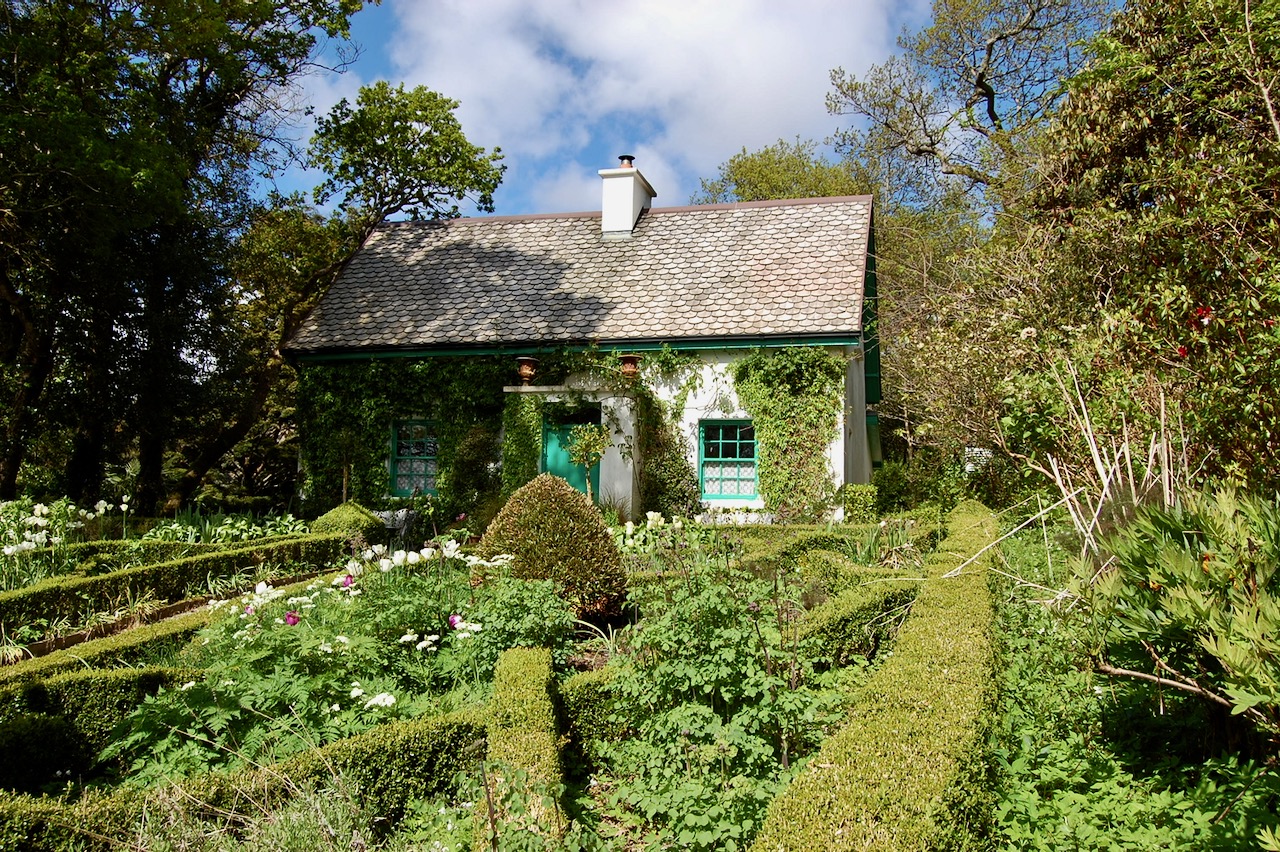
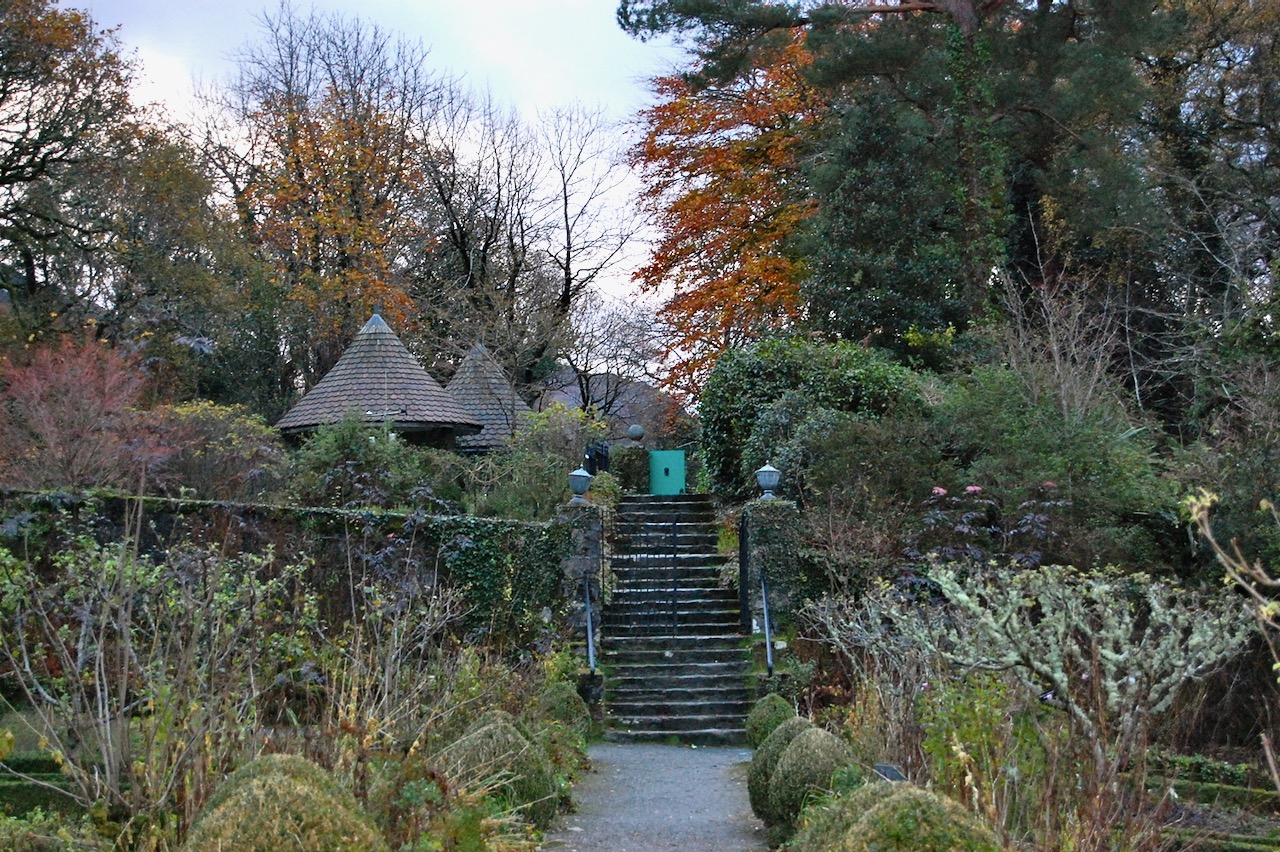
“The two major elements of the Garden, the Pleasure Gardens and the Walled Garden were constructed in the late 1880’s. The original Victorian Garden layout remains intact. It was for Mrs. Cornelia Adair that the gardens were constructed. Mrs. Adair had a Gardener’s House constructed at the top of the Walled Garden and employed a Kew trained gardener to lay out the gardens. Some of the planting in the Pleasure Grounds such as the purple maples and the shelter belt of Scots pine trees were planted at this time.
“In 1929 Lucy and Arthur Kingsley-Porter became the new owners. They were also keen gardeners and Mrs Porter introduced the dahlia seed from which was grown the unique cultivar known as Dahlia ‘Matt Armour’ to Glenveagh.
“The last private owner, Henry P McIlhenny began to develop the gardens in the late 1940’s with the assistance of Jim Russell of Sunningdale Nurseries and Lanning Roper his Harvard classmate, both well-known garden design consultants. From the late 1950’s through to the early 1980’s the design and layout of the garden was developed and refined to include the Gothic Orangery, the Italian Terrace, the Tuscan Garden, an ornamental Jardin Potager and the development of the plant collection.
“Glenveagh is well known today for its rich collection of trees and shrubs specialising in southern hemisphere species and a diverse Rhododendron collection. Displays of Rhododendrons are at their best from late March to the end of May. A large collection of old narcissi varieties from Donegal gardens fills the walled garden in March and April. Displays of colour in the Walled Garden are at their best through the summer months. Fine specimens of the white flowered Eucryphia adorn the gardens in late summer. Dramatic autumn colour follows in October.“

[1] Bence-Jones, Mark. A Guide to Irish Country Houses (originally published as Burke’s Guide to Country Houses volume 1 Ireland by Burke’s Peerage Ltd. 1978); Revised edition 1988 Constable and Company Ltd, London.
[2] https://www.irelandscontentpool.com
Text © Jennifer Winder-Baggot, www.irishhistorichouses.com
 Irish Historic Houses
One thought on “Glenveagh Castle, County Donegal – a castle and garden open to the public”