orange: “whole house rental” i.e. those properties that are only for large group accommodations or weddings, e.g. 10 or more people.
green: gardens to visit
grey: ruins
donation
Help me to pay the entrance fee to one of the houses on this website. This site is created purely out of love for the subject and I receive no payment so any donation is appreciated!
€15.00
Places to visit in County Kilkenny:
1. Aylwardstown, Glenmore, Co Kilkenny– section 482
2. Kilfane Glen & Waterfall Garden, Thomastown, County Kilkenny– 482 – garden only
3. Kilkenny Castle, Kilkenny – OPW
4. Kilrush House, County Kilkenny, ihh member, by appt.
5. Rothe House, Kilkenny, County Kilkenny– open to the public
4. Kilrush House, County Kilkenny, ihh member, by appt.
Kilrush House, photograph courtesy of National Inventory of Architectural HeritageKilrush House, photograph courtesy of National Inventory of Architectural Heritage.
The Historic Houses of Ireland website tells us:
“William Robertson (1777 – 1850) was a native of Kilkenny where the patronage of Lord Ormonde stood him in good stead, since most of his work can be found in Kilkenny and the neighbouring counties of Laois, Tipperary and Waterford. When Richard St. George wished to move from his medieval castle at Kilrush near Freshford in 1820, Robertson was the obvious choice. His work is less exuberant than that of his namesake Daniel but he was a talented architect and produced an interesting early nineteenth century reinterpretation of the typical late-Georgian country house.
“The St Georges are a Norman family who ‘came over to England with the Conqueror’ and arrived in Ireland in the sixteenth century. They quickly became established here, with several branches in County Kilkenny and others in Galway, Leitrim and Roscommon.
“The St Georges of Kilrush were active in political and cultural circles in the seventeenth and eighteenth centuries. Richard St George was an M.P. in the Irish Parliament, with a town house at No. 8 Henrietta Street, while his cousin St George Ashe was the Provost of Trinity College and a close friend of Dean Swift. St. George was also a founding member of the Dublin Philosophical Society, which encouraged his numerous publications of scientific and national interest.
“Richard considered moving out of his tower-house at Kilrush in the middle of the eighteenth century but this decision was left to his heirs, who built the existing house in the early nineteenth century. Kilrush has a three bay façade, a five bay garden front, a hipped roof with widely overhanging eaves, a single very large, central chimney-stack into which all the flues are diverted, and an interesting ground plan.
“The cut-stone door case is a handsome arrangement of Doric half-columns and pilasters, supporting a deep entablature with swags beneath a semi-circular leaded fanlight. The ground floor windows to either side are set in shallow recesses with elliptical heads; otherwise the elevations are quite plain.
“The most interesting internal space is the landing, a perfect Doric rotunda supporting a delicately glazed dome. This partly lights the inner hall below through a circular well in the floor. The dining and drawing rooms are both finely proportioned apartments, with many original fittings and furnishings, and their original wallpaper.
“Kilrush looks out over mature parkland to a large mill, almost half a mile off. The gardens contain a stupendous collection of snowdrops, there is a tower house, the former residence of the family in the attached yard, while an interesting early garden layout with connected canals has recently been identified and is currently in the course of restoration.” [1]
5. Rothe House, Kilkenny, County Kilkenny
Rothe House, Kilkenny, photograph by Brian Morrison 2015 for Tourism Ireland [2]
Rothe House is a treasure, older than any house in Dublin! It was built around 1594-1610, by John Rothe FitzPiers (1560-1620) for his wife Rose Archer, and is the last merchant’s townhouse in Kilkenny surviving from the early post-medieval period. [3] The house, purchased by Kilkenny Archaeological Society in 1962, is open to the public as a museum displaying a selection of the historic artefacts collected by the Society since its founding in 1947. The artefacts relate to Kilkenny heritage throughout the ages and some date from prehistoric times. The adjoining garden has since 2008 been open to the public and is a faithful reconstruction of an early seventeenth-century urban garden.
“Terraced five-bay two-storey over basement house with dormer attic on a U-shaped plan about a stone cobbled (east) courtyard with two-bay two-storey gabled central bay having jettied box oriel window to first floor, series of five round-headed openings to ground floor forming arcade, single-bay three-storey linking range to north-west, and three-bay three-storey parallel range to west (completing U-shaped plan about a courtyard) originally three-bay two-storey having round-headed carriageway to right ground floor. In use as school, c.1750. Restored, 1898, to accommodate use as Gaelic League house. Converted to use as museum, 1963-5. Restored, 1983. Restored, 1999, to accommodate use as offices.”
“In 1594 a wealthy merchant called John Rothe built this magnificent Tudor mansion. Second and third generation houses were built around the cobelled courtyards and a well dating to 1604. The façade houses shops, one of them was John Rothe’s own. During the Confederation of Kilkenny, many dignitaries were entertained here by John Rothe and his cousin, the Bishop of Ossory. The building has been restored magnificently and is now home to Kilkenny Archaeological Society.” [4]
Woodstock Gardens, photograph from Lawrence Photograph Collections, National Library of Ireland, photograph from “In Harmony with Nature” exhibition at the Irish Georgian Society curated by Robert O’Byrne.
Mark Bence-Jones writes about Woodstock (1988):
p. 286. “(Fownes, Bt/EDB; Tighe/IFR) A house by Francis Bindon [for William Fownes, 2nd Baronet], probably dating from 1740s, which is unusual in being built round a small inner court, or light-shaft. Three storeys; handsomely rusticated entrance front of six bays with a central niche and statue above the entrance doorway…In 1770s Sarah Ponsonby lived here with her cousins, Sir William and Betty Fownes [born Elizabeth Ponsonby]; her friend, Eleanor Butler, having escaped from Borris, co Carlow, where she was being kept in disgrace, was let into Woodstock through a window, hiding herself in Sarah’s room for 24 hours before being discovered; shortly afterwards, the two friends left for Wales, where they subsequently became famous as the “Ladies of Llangollen.” Woodstock passed to the Tighes with the marriage of the daughter and heiress of Sir William Fownes to William Tighe, whose daughter-in-law was Mary Tighe, the poet, author of Psyche; she died at Woodstock 1810 aged 37, and Flaxman’s monument to her is in a small neo-Classical mausoleum behind the Protestant church in the village of Inistioge, at the gates of the demesne. There was also a statue of her in one of the rooms in the house. Woodstock was burnt ca 1920, and is now a ruin, but the demesne, with its magnificent beechwoods, still belongs to the Tighes.” [6]
The formal parterres were created in the 1860s by a Scotsman, Charles McDonald, for Colonel William Tighe (1794-1878) and his wifeLady Louisa née Lennox (1803-1900, daughter of Charles, 4th Duke of Richmond – she is not to be confused with Louisa Lennox (1743-1817) daughter of Charles 2nd Duke of Richmond, who married Thomas Conolly of Castletown, County Kildare). The parterre incorporates a shamrock motif. Robert O’Byrne tells us in his exhibition “In Harmony with Nature” at the Irish Georgian Society July 2022 that creating the parterres involved removing 200,000 cubic yards of earth and retention by a wall of cut granite quarried on the estate and ornamented by local craftsmen with stone finials, balls and vases.
Woodstock Gardens, photograph from Lawrence Photograph Collections, National Library of Ireland, photograph from “In Harmony with Nature” exhibition at the Irish Georgian Society July 2022 curated by Robert O’Byrne.
The estate passed to the daughter, Sarah, of William Fownes and Elizabeth Ponsonby, and Sarah married William Tighe (1738-1872) of Rossana, County Wicklow.
Ballyduff House, courtesy of National Inventory of Architectural Heritage.
The website tells us:
“Ballyduff House is a classic Georgian country house with a 14th century castle, steeped in Irish history and full of the warmest of welcomes.
“The River Nore sparkles as it runs along Ballyduff’s riverbank while sheep and cattle graze the pasture either side.
“Open fires, the book lined library and the comfortable bedrooms furnished with Irish antiques capture an early 18th century experience tempered by discreet 21st century comfort.
“This is real Ireland – calm, green and beautiful, set alongside the picturesque village of Inistioge with Dublin only an hour away.“
The National Inventory tells us:
“A country house representing an important component of the mid eighteenth-century domestic built heritage of County Kilkenny with the architectural value of the composition, one abutting a “roofed down” tower house, confirmed by such attributes as the deliberate alignment maximising on panoramic vistas overlooking broad parkland and the wooded River Nore; the compact rectilinear plan form centred on a restrained doorcase showing a simple radial fanlight; the diminishing in scale of the openings on each floor producing a graduated visual impression with the principal “apartments” or reception rooms defined by Wyatt-style tripartite glazing patterns; and the slightly oversailing roofline. Having been well maintained, the elementary form and massing survive intact together with substantial quantities of the original fabric, both to the exterior and to the interior, including crown or cylinder glazing panels in hornless sash frames: meanwhile, contemporary joinery; restrained chimneypieces; and sleek plasterwork refinements, all highlight the artistic potential of the composition. Furthermore, an adjacent farmyard complex ; and a walled garden (extant 1839), all continue to contribute positively to the group and setting values of a self-contained estate having historic connections with the Coghill family including Sir Josiah Coghill (1773-1850), third Baronet (Lewis 1837 II, 18); the Connellans of nearby Coolmore House (see 12403210); and Lieutenant-Colonel Frederick William John Shore (1844-1916), fourth Baron Teignmouth (NA 1901; NA 1911). NOTE: Given as the birthplace of Sir John Joscelyn Coghill (1826-1905) of Glen Barrahane in Castletownshend, County Cork (Dod’s Peerage Baronetage and Knightage 1865, 186); and George Leopold Bryan (1828-80) of Jenkinstown (Dod’s Parliamentary Companion 1875, 174).“
2. Blanchville Coachyard, Dunbell, County Kilkenny – coachyard accommodation
Blanchville Coachyard, Dunbell, County Kilkenny, photograph from websitehttps://blanchville.ie/
“The Coach Houses & Gardener’s Cottage are, as the name suggests, part of the beautiful old stone building that was originally the Coach House at Blanchville. The building has been sensitively and extensively refurbished and now offers guests comfortable and inviting Self-Catering Accommodation in three self-contained Holiday Homes.
“These Heritage Holiday Lets feature a cosy woodburning stove or open fire, fully fitted modern kitchen and relaxing bedrooms – the perfect requisite for an enjoyable weekend break or holiday in Kilkenny.“
3. Butler House, Kilkenny, co Kilkenny– accommodation
View to Butler House and Garden, Kilkenny Leo Byrne Photography 2015. (see [2])
The National Inventory tells us about Butler house: “Semi-detached three-bay three-storey over basement house, built 1786, with pair of three-bay full-height bowed bays to rear (east) elevation. Extended, 1832, comprising two-bay three-storey perpendicular block to right. Renovated, 1972. Now in use as hotel. One of a pair…An elegantly-composed Classically-proportioned substantial house built either by Walter Butler (1713-83), sixteenth Earl of Ormonde or John Butler (1740-95), seventeenth Earl of Ormonde as one of a pair of dower houses…Distinctive attributes including the elegant bowed bays to the Garden (east) Front contribute positively to the architectural design value of the composition while carved limestone dressings with particular emphasis on the well-executed doorcase displaying high quality stone masonry further enliven the external expression of the house in the streetscape.”
The house was home to Lady Eleanor Butler who lived here after the death of her husband Walter in 1783. Lady Eleanor Butler was the mother of John, the 17th Earl of Ormonde and her daughter, also Eleanor, was one of the famous “Ladies of Langollen”.
James, Earl of Ormonde (1777-1838, and 1st Marquess) resided in the house while the Castle was under reconstruction in 1831. A soup kitchen was run from here during the cholera epidemic of 1832.
The Royal Historical and Archaeological Association of Ireland held their meetings in Butler House in 1870. Kilkenny Design, the state design agency, restored Butler House in 1972. The decor and furnishings reflect a certain 1970s Art Deco style, which because of the muted colours and natural fabrics used, proved sympathetic to the original features of the house. In 1989, the Kilkenny Civic Trust acquired both Butler House and the Castle Stables.
4. Clomantagh Castle, Co Kilkenny – tower house accommodation
Clomantagh Castle, courtesy of National Inventory of Architectural Heritage.
The National Inventory tells us it is a farmhouse erected by John Shortal (d. 1857) or Patrick Shortal (d. 1858) representing an integral component of the mid nineteenth-century domestic built heritage of County Kilkenny with the architectural value of the composition, one occupying the site of a hall adjoining the fifteenth-century Clomantagh Castle.
Clomantagh Castle - was home to the [8th] Earl of Ormond, Pierce Ruadh (1467-1539). When he died in 1539 the castle along with other properties was passed to his son Richard Butler, first Viscount Mountgarret (1500-1571). The castle and its estate stayed in the Butler family until it was forfeited during the war with Cromwell to Lieutenant Arthur St. George [ancestor of the Kilrush family]. After the war the castle changed hands twice more and a farmhouse was added by the Shortall family, the owners in the 1800’s, before its last owner Willie White a local vet. The property is now owned by a non profit making charity called the Landmark Trust who preserve historic buildings.
The Landmark site tells us:
“The name Clomantagh comes from the Irish “cloch mantaigh”, meaning missing tooth or gappy smile. Locals gave this name to the castle as the irregular castellation reminded them of someone smiling with missing teeth.
“It has been established that the tower and bawn were built in the 15th century (c.1430). The tower house has been modified and extended over the centuries, and in the early 19th century a farmhouse was added providing accommodation with comfort, rather than defence, in mind. In recent times, the bawn walls have sheltered the buildings of a 20th century working farm. It also has a rare clochán (small dome-roomed structure) knit into the bawn walls. Five other tower houses can be seen from the roof of Clomantagh Castle, and they were all strategically aligned for defence purposes.
“Clomantagh followed mainstream castle design, emerging as an almost square building, six storeys high, with massive walls built from local limestone, and a corner staircase. Inserted high on the south wall is a Sheela-na-Gig. This pagan symbol was adopted by medieval builders and incorporated as the building was erected. High up the remains of the stepped battlement walls, the merlons can be seen – a specifically Irish feature whose inspiration is considered to be Venetian. Inside the battlements a wide walkway gave access to all sides of the building. In the north east corner, a high watchtower has been built. This is knows as Moll Gearailt’s Chair, after the particularly ferocious original mistress of the house, Maighréad nhee Gearóid, who used to sit watching over her fields to ensure that her labourers were not slacking at their work. The walkway, or Alure, was sloped outward to allow run off water through drainage holes and stone spouts. Generally, battlement walls have not survived well, their thinner construction and unstable sloping bases have contributed to their disappearance from tower houses.” [6]
5. Cullintra House, The Rower, Inistioge, County Kilkenny– accommodation
The website tells us: “A countryside retreat in the heart of Co Kilkenny, Ireland – surrounded by acres of woodland, farmland and secret places to explore, Cullintra House offers guests a unique accommodation experience.
“The house is furnished with your host Patricia Cantlon’s artistic style to the fore – each room has unique pieces of furniture or bespoke decorative touches that make Cullintra House a special find in Co Kilkenny.“
6. Lyrath House, near Kilkenny, County Kilkenny– hotel
Lyrath Estate by Colin Whittaker 2009, flickr creative commons.
p. 184. “(Wheeler-Cuffe, Bt/PB1934; Tupper/LGI1958) Originally a Tobin castle, acquired by the Wheeler family C17. By 1826, the house here consisted of a simple two storey five bay pedimented front facing west, with two wings running back from it to enclose a small three sided office court; the entrance door being on the south side; under a Regency veranda. In 1861, Sir Charles Wheeler-Cuffe, 2nd Bt, married Pauline Villiers-Stuart, daughter of Lord Stuart de Decies [of Dromana House, County Waterford – see my entry], whose parents did not regard this house as grand enough for her; so in that same year he rebuilt the main western block on a larger scale and in a rich Italianate style, while leaving the two storey wings more of less as they were.; his architect being John McCurdy. The entrance was moved from the south side to the new west front, which is pedimented and of five bays like its predecessor, but not entirely symmetrical; having a pair of windows on the ground floor to the left of centre, but a single window on the right. Entrance door framed by Ionic columns carrying a balustrade, above which is a Venetian window framed by an aedicule with a segmental pediment. All the ground floor windows have semi-circular heads, while the heads of the windows of the upper storey – apart from the central Venetian windows – are cambered. The garden front to the north has two single-storey balustraded curved bows, the windows of which are treated as arcades supported by Romanesque columns of sandstone. There is another Romanesque column separated the pair of windows in the centre of the front. The windows in the bow are glazed with curved glass. The roof is carried on a deep bracket cornice and there are prominent string courses, which give the elevations a High Victorian character. Hall with imposing imperial staircase, the centre ramp of which rises between two fluted Corinthian columns. There is a similarity between the staircase here and that at Dromana, Co Waterford, Pauline Lady Wheeler-Cuffe’s old home; except that the Dromana staircase was of stone, whereas that at Leyrath is of wood, with ornate cast-iron balustrades. On the centre ramp of the staircase there is still a chair with its back legs cut down to fit the steps; this was put there in 1880s for Pauline when she became infirm. Hall has a ceiling cornice of typical C19 plasterwork in a design of foliage, and door with entablatures which still have their original walnut graining. To the left of the hall, in the garden front, are the drawing room, ante-room and dining room, opening into each other with large double doors’ they have ceiling cornices similar to that in the hall, and good C19 white chimneypieces, enriched with carving; the drawing room and ante-room keep their original white and gold wallpaper. In the south wing there are smaller and lower rooms surviving from before the rebuilding; while first floor rooms in this wing have barrel ceilings throughout and contain some C18 chimneypieces of black marble.”
The website tells us more about the history:
“The name Lyrath is thought to date back to Norman times when “Strongbow” settled in Ireland during the Norman invasion. The area was originally called Le Rar or Le Rath by the French speaking De Ponte family who during the 12th century lived in the Monastery which was once located within the grounds. There is also a mention of a castle which was once said to have been situated within the grounds.
“Prior to 1653 the lands were owned by the Shortall family, who then rented the ‘old castle in repair’ and land to Thomas Tobin, Constable of the Barony of Gowran. In 1664, a gentleman named Thomas Mances, paid a sum of 4s ‘hearth money’ for the old castle.
“Later in the Seventeenth Century the property was acquired by Richard Wheeler through his kinship to Jonah Wheeler the Bishop of Ossary. By then the original ‘Tobin’ castle had been demolished.
“Richard Wheeler’s son, Jonah Wheeler, married Elisabeth Denny-Cuffe, a descendant of the Desart-Cuffe family who had extensive landed property in the Counties of Carlow and Kilkenny, on his marriage Jonah decided to adopt the name Cuffe.
“In 1814 the grandson of Jonah, also named Jonah, was living in the house with his with Elisabeth Browne, from Brownes Hill in neighbouring Carlow. Sir Jonah died in 1853 and his elder son, Sir Charles Denny Wheeler-Cuffe succeeded him.
“To redesign the house Sir Charles engaged the services of John McCurdy, a Dublin born Architect, whose other commissions with his partner, William Mitchell, include Kilkenny’s Knocktopher Abbey, Dublin’s famous ‘Shelbourne Hotel’ and the South City Markets.
“The current house is one of the most important surviving country houses built by John McCurdy.
“Sir Charles and Pauline had no children, so on the death of Sir Charles, his nephew Sir Ottway Fortesque Luke Wheeler-Cuffe inherited the baronetcy and demesne of Lyrath and became the primary resident. Sir Ottaway married Charlotte Isabel Williams in 1897. Lady Charlotte was the earliest known botanical explorer to reach the remote areas Burma and it was during these trips that she discovered several plants including two new species of Rhododendrons, Burmanicum, and Cuffianum (named after her). Cuffianum, the white rhododendron is extremely rare and has not been collected by any botanist since Lady Wheeler-Cuffe found in 1911.
“Sir Ottway and Lady Charlotte stayed in Burma until Sir Ottway’s retirement in August 1921 when they finally returned to live at Lyrath. On her return to Lyrath, Lady Charlotte redesigned the gardens. The Conservatory adjacent to Tupper’s Bar in the new Hotel overlooks the Victorian garden designer by her which has been carefully restored to her original design (based on family records and drawings), they are also home to the ancient yew trees which are now protected by a preservation order.
“Lady Charlotte lived in the house until her death in 1966 in her 100th year.
“Following the death of Lady Charlotte, in 1967 the property was inherited by Lieutenant-Colonel G.W. Tupper whose grandfather had married Sir Charles’ sister in 1846. Reginald’s great nephew, Captain Anthony Tupper and his wife moved into the house and ran it as a traditional estate farm with a herd of Jersey cows, hens, and geese in the yard, calves in the haggard field and a big old-fashioned kitchen with dogs and cats which rambled in and out at will.
“The Tuppers remained in the house until 1997.
“When the Tuppers left, there was an auction at the house of all the furniture and the bits and pieces accumulated over several lifetimes laid out and labelled for sale. Fortunately, Xavier McAuliffe managed to obtain many of the items on auction that day, these items are now on display in the house and include to original large portraits hanging in the hallway and other paintings on display.
“Xavier purchased the Estate in 2003 and developed the house into Lyrath Estate Hotel and Convention Centre, which opened its doors to the public in 2006.“
7. Mount Juliet, Thomastown, County Kilkenny– hotel
Mount Juliet Gardens, Thomastown, Co Kilkenny, photograph by Finn Richards 2015 for Tourism Ireland, Ireland’s Content Pool. (see [2])Drawing room of Mount Juliet, County Kilkenny, Date 2 November 1920 courtesy of National Library of Ireland NLI Ref. P_WP_2886.
p. 214. “(Butler, Carrick, E/PB; McCalmont/IFR) A mid to late C18 house built by the 1st Earl of Carrick [Somerset Hamilton Butler, 8th Viscount Ikerrin and 1st Earl of Carrick (1719-1774)] across the River Nore from the former family seat, Ballylinch Castle on an estate which he had bought ca 1750 from Rev Thomas Bushe [1727-1795], of Kilmurry; traditionally named by him after his wife [Juliana Boyle, daugher of the 1st Earl of Shannon]. Of three storeys over basement, front of seven bays between two shallow curved bows, each having three windows. One bay central breakfront, with Venetian windows in the two upper storeys above tripartite pedimented and fanlighted doorway. Centre window in two lower storeys of bows roundheaded. Perron and double steps in front of entrance door, with iron railings. High pitched roof and massive stacks. Sold 1914 by 6th Earl of Carrick to the McCalmonts who had leased the house for some years. Major Dermot McCalmont made a new entrance in what had formerly been the back of the house, where the main block is flanked by two storey wings, extending at right angles from it to form a shallow three sided court, and joined to it by curved sweeps. The interior of the house was richly decorated by 2nd Earl of Carrick 1780s with plasterwork in the manner of Michael Stapleton. The hall, which is long and narrow, is divided by an arcade carried on fluted Ionic columns, beyond which rises a bifurcating staircase with a balustrade of plain slender uprights; the present entrance being by way of a porch built out at the back of the staircase. The rooms on either side of the hall in what was formerly the entrance front and is now the garden front have plasterwork ceilings; one with a centre medallion of a hunting scene, another with a medallion of a man shooting. One of these rooms, the dining room, also has plasterwork on the walls, incorporating medallions with Classical reliefs. One of the wings flanking the present entrance front contains a ballroom made by Major Dermot McCalmont 1920s, with a frieze of late C18 style plasterwork; it is reached by way of a curving corridor. The demesne of Mount Juliet is one of the finest in Ireland, with magnificent hardwoods above the River Nore ; it includes the Ballylinch demesne across the river. There is a series of large walled gardens near the house Mount Juliet is famous for its stud, founded by Major Dermot McCalmont 1915. Sold 1987.”
Reverend Thomas McCalmont, 2nd Son of Hugh McCalmont, of Abbey Lands, Belfast. Born 1809, Died 1872, courtesy Sheppard’s Nov 7 2023.
8. Tybroughney Castle, Piltown, Co Kilkenny E32 NV 32 – section 482 and castle accommodation
Tybroughney, photograph courtesy of National Inventory of Architectural Heritage.
“Tubbrid Castle is a unique 15th-century tower house, uninhabited for the last century and now restored to its former glory. We’ve highlighted original features to let you step back in time and added luxury touches so you can indulge your inner prince or princess.
Heritage
“Tubbrid Castle stands at an important point on the borders of the ancient kingdoms of Laighean and Mumhan. Built as a defensive structure to protect the territory of the Butlers of Ormond, the tower house was home to generations of families allied to the Butlers of Kilkenny Castle. The architectural significance of Tubbrid Castle is denoted by its designation as a National Monument and a Protected Structure.
“In 942 AD, Muircheartach, King of modern-day Ulster, marched his army of 1000 Leather Cloaks south to avenge his allies, who had been attacked by Callaghan, King of Cashel. Muircheartach’s bard, Colmanach, recorded the journey in an epic poem, Circuit of Ireland, in which he praised the beauty of Osraí (now Kilkenny), and the hospitality of its people. At the edge of enemy territory and on the cusp of battle, Muircheartach’s army set up camp in Tubbrid, on a plain that a millennium later is still called Bán an Champa (the Field of the Encampment). The King himself is thought to have slept at the fort where Tubbrid Castle now stands. A thousand years later, the people of Kilkenny still pride ourselves on our warm hospitality and from the top floor bedroom of Tubbrid Castle you can survey Bán an Champa and enjoy lodgings befitting a king.“
The website tells us that Margeret Fitzgerald, 8th Countess of Ormond, is supposed to have had the castle built. When the Countess visited Tubbrid, she is said to have slept at the castle’s highest point, to keep her safe from enemy attackers. She is buried with her husband Piers Butler (8th Earl of Ormond) under elaborate effigies at St Canice’s Cathedral, in Kilkenny City.
“A detailed written description of the castle comes from James Mease in 1851, writing for the Transactions of the Kilkenny Archaeological Society. Mease claims that, according to locals at the time, there were three ditches surrounding the castle, which had been dug away for manure. Supposedly a cannon ball was found during these works. No trace of these outer fortifications survives today. Mease believed that the castle may have been built on an ancient mound or rath, and perhaps at an old habitation site that might have been the location where the King of Aileach, mentioned in the poem of 971 camped. The ground and second floor were wicker-vaulted and at the time this paper was written, some of the wicker was still in place. We know from the Griffith Valuation that this castle was owned at the time by Arthur St. George, Esq. and leased to Catherine Campion.
“Around the turn of the 19th century, the roof was removed from Tubbrid Castle, leaving it open to the elements and accelerating structural decay. By the turn of the millenium, the corners were crumbling and floors were sagging.
“John Campion Snr began working on the tower house, aiming at first simply to prevent its collapse. Over several years he repointed the facade and applied a traditional lime mortar, known as harling. The tower house was re-roofed in green oak, in the same style as the original, with no nails or screws.
“In 2016, John Campion Jnr took over the restoration of Tubbrid Castle. Following archaeological impact reports, and with input from the National Monuments Office, John completed the restoration and fit-out of the tower house, turning it into a three-bedroom home.”
9. Waterside Guest House, Graiguenamanagh, County Kilkenny
“Annamult County House Estate is a lovely Grade I listed ancient Manor House in the heart of the countryside in Kilkenny with parts dating back to the 16th century. But unlike other grand old homes, Annamult Country House Estate is warm, friendly and welcoming with unlimited hot water, central heating and log fires throughout with beautiful antiques. A uniquely beautiful Country Estate. It’s light, bright and airy. And the moment you step through the door it feels like home.“
The website describes the accommodation as 7 Bedrooms, 1 on the lower ground floor, 1 wheelchair accessible bedroom on the ground floor and 4 very large formal bedrooms upstairs and our Japanese Bedroom at the heart of the house . 4 Bedrooms are ensuite with the Bed 1 and 2 sharing a Bathroom nestled between them
Annamult House, courtesy of Annamult website.
The National Inventory describes Annamult: “Detached four-bay two-storey double gable-fronted Tudor-style country house, c.1825, incorporating fabric of earlier house, pre-1771, with three-bay single-storey flat-roofed projecting open porch to centre ground floor, three-bay two-storey side elevations, and five-bay three-storey lower wing to left having single-bay (two-bay deep) two-storey connecting return to east...Forming a picturesque landmark rising above a mature wooded setting on a bank at the confluence of the Kings River and the River Nore a large-scale country house exhibiting a robust Tudor theme represents an important element of the architectural heritage of County Kilkenny. Having origins in an eighteenth-century range the architectural design value of the composition is identified by elegant attributes including the porch displaying high quality stone masonry reminiscent of a similar treatment at the contemporary (c.1825) Shankill Castle (12306002/KK-16-06-02), the Classically-inspired Wyatt-style tripartite openings, the enriched parapet, and so on: the wing incorporating minimal surface detailing is comparatively demure in quality. Having been carefully maintained to present an early aspect the house makes a significant contribution to the character of the locality. The house remains of additional importance for the associations with the Prim, the Nevill (Neville), and the Bayley families.“
Annamult House, courtesy of Annamult website.Annamult House, courtesy of Annamult website.Annamult House, courtesy of Annamult website.
“You can dine inside or outside in luxury you can picnic on the island , the riverside or in the woods . You can relax or play on the lawns . Climb trees Boules on the lawns Croquet on the lawns You can swim in the river You can fish in the river You can walk in the woods You can relax in the silence You can star gaze at the firepit You can play loud music Great exploration for kids you can birdwatch and spot some fab wildlife like our buzzards and hawks . You may come across the deer in the woods Watch out for badgers … Its ok they are nocturnal only . Various local suppliers will run group activities on the grounds from yoga to tag archery.”
Annamult House, courtesy of Annamult website.Annamult House, courtesy of Annamult website.
2. Castle Blunden, County Kilkenny– whole house rental
Castle Blunden courtesy of National Inventory of Architectural Heritage.
The Historic Houses of Ireland website tells us:
“A few miles from the cathedral city of Kilkenny, Castle Blunden stands on an elevated site in the midst of mature parkland. Dating from the 1750s, and still owned by the Blunden family, this pretty seven-bay building is typical of County Kilkenny houses from the mid-Georgian period. The house is rendered, with a profusion of cut limestone decoration and details, and a handsome sprocketed roof, while the later Doric porch compliments the symmetry of the facade. The basement is concealed by a ramped gravel approach, which makes the house appear both lower and wider than is actually the case, while the small lakes to either side add to the overall air of enchantment.” [7]
The National Inventory tells us:
“Representing an important element of the mid eighteenth-century architectural legacy of County Kilkenny a Classically-composed substantial country house built to designs attributed to Francis Bindon (c.1698-1765) in a manner reminiscent of the contemporary (1737) Bonnettstown Hall (12401909/KK-19-09) nearby has been very well maintained to present an early aspect with the original composition attributes surviving in place together with most of the historic fabric both to the exterior and to the interior. Sparsely-detailed the external expression of the house is enlivened by limestone dressings including a somewhat squat portico displaying high quality stone masonry. Forming the centrepiece of a large-scale estate the resulting ensemble having long-standing connections with the Blunden family makes a pleasant contribution to the visual appeal of the local landscape.”
[5] Bence-Jones, Mark. A Guide to Irish Country Houses (originally published as Burke’s Guide to Country Houses volume 1 Ireland by Burke’s Peerage Ltd. 1978); Revised edition 1988 Constable and Company Ltd, London.
Help me to pay the entrance fee to one of the houses on this website. This site is created purely out of love for the subject and I receive no payment so any donation is appreciated!
€15.00
1.Dunmore Cave, Mothel, Ballyfoyle, Castlecomer Road, County Kilkenny:
General information: 056 776 7726, dunmorecaves@opw.ie
“Dunmore Cave, not far from Kilkenny town, is a series of limestone chambers formed over millions of years. It contains some of the most impressive calcite formations found in any Irish underground structure.
“The cave has been known for many centuries and is first mentioned in the ninth-century Triads of Ireland, where it is referred to as one of the ‘darkest places in Ireland’. The most gruesome reference, however, comes from the Annals of the Four Masters, which tells how the Viking leader Guthfrith of Ivar massacred a thousand people there in AD 928. Archaeological investigation has not reliably confirmed that such a massacre took place, but finds within the cave – including human remains – do indicate Viking activity.
“Dunmore is now a show cave, with guided tours that will take you deep into the earth – and even deeper into the past.“
“Founded in the 12th century, Jerpoint Abbey is one of the best examples of a medieval Cistercian Abbey in Ireland. The architectural styles within the church, constructed in the late twelfth century, reflect the transition from Romanesque to Gothic architecture. The tower and cloister date to the fifteenth century.
“Jerpoint is renowned for its detailed stone sculptures found throughout the monastery. Dating from the thirteenth to the sixteenth centuries these include mensa [table] tombs from the O’Tunney school, an exquisite incised depiction of two 13th century knights, the decorated cloister arcades along with other effigies and memorials.
“Children can explore the abbey with a treasure hunt available in the nearby visitor centre. Search the abbey to discover saints, patrons, knights, exotic animals and mythological creatures.
“A small but informative visitor centre houses an excellent exhibition.“
General information: 056 772 4623, jerpointabbey@opw.ie
From the OPW website:
“Kells Priory owes its foundation to the Anglo-Norman consolidation of Leinster. Founded by Geoffrey FitzRobert, a household knight and trusted companion of William Marshal the priory was one element of Geoffrey’s establishment of the medieval town of Kells.
“Although founded in c. 1193 extensive remains exist today which include a nave, chancel, lady chapel, cloister and associated builds plus the remains of the priory’s infirmary, workshop, kitchen, bread oven and mill. The existence of the medieval defences, surrounding the entire precinct, underline the military aspect of the site and inspired the priory’s local name, the ‘Seven Castles of Kells’.“
4. Kilkenny Castle, County Kilkenny:
Kilkenny Castle, photograph by macmillan media 2016 for Tourism Ireland, Ireland’s Content Pool. It sits on the banks of the River Nore. [1]
General information: 056 770 4100, kilkennycastleinfo@opw.ie
From the OPW website:
“Built in the twelfth century, Kilkenny Castle was the principal seat of the Butlers, earls, marquesses and dukes of Ormond for almost 600 years. Under the powerful Butler family, Kilkenny grew into a thriving and vibrant city. Its lively atmosphere can still be felt today.
“The castle, set in extensive parkland, was remodelled in Victorian times. It was formally taken over by the Irish State in 1969 and since then has undergone ambitious restoration works. It now welcomes thousands of visitors a year.“
Kilkenny Castle, photograph by unknown 2014 for Failte Ireland, Ireland’s Content Pool. [see 1]
Kilkenny Castle has been standing for over eight hundred years, dominating Kilkenny City and the South East of Ireland. Originally built in the 13th century by William Marshall, 4th Earl of Pembroke, as a symbol of Norman control, Kilkenny Castle came to symbolise the fortunes of the powerful Butlers of Ormonde for over six hundred years. [2]
In 1967 James Arthur Norman Butler (1893-1971), 6th Marquess and 24th Earl of Ormonde sold the Castle to the Kilkenny Castle Restoration Committee for £50. Two years later it went into state ownership.
Kilkenny Castle, photograph by unknown 2014 for Failte Ireland, Ireland’s Content Pool. [see 1] The National Inventory describes: Random rubble stone walls with sections of limestone ashlar construction (including to breakfront having full-height Corinthian pilasters flanking round-headed recessed niches with sills, moulded surrounds having keystones, decorative frieze having swags, moulded course, modillion cornice, and blocking course with moulded surround to pediment having modillions), and limestone ashlar dressings including battlemented parapets (some having inscribed details) on corbel tables. The classical frontispiece was designed for James Butler, Second Duke of Ormonde possibly to designs prepared by Sir William Robinson.
“The magnificent Picture Gallery is situated in the east wing of Kilkenny Castle.This stunning space dates from the 19th century and was built primarily to house the Butler Family’s fine collection of paintings.“
“This church was built in the late thirteenth century as a collegiate church and was served by a college – clerics who lived in a community but did not submit to the rule of a monastery.
“The church was patronised by the Butler family and many early family members are commemorated here with elaborate medieval tombs. The impressive ruins were decorated by the Gowran Master whose stone carvings are immortalised in the poetry of Nobel Laureate Séamus Heaney.
“The once medieval church was later partly reconstructed in the early 19th century and functioned as a Church of Ireland church until the 1970s when it was gifted to the State as a National Monument. Today the restored part of the church preserves a collection of monuments dating from the 5th to the 20th centuries.“
St. Mary’s church, Gowran, June 2023.
We visited it on the way home from Shankill Castle in County Kilkenny in June 2023. Our tour guide was an enthusiastic font of information and we shared what we knew also and we would have happily spent longer but had to head off as we were visiting a friend in Thomastown.
I was excited to see the tombs of the early Butlers of Ormond. The website tells us that the pair of effigial tombs belong (1467-1539) (d. 1487) to Butler knights. The more elaborate of them is believed to belong to Sir James Butler of Polestown, father of the eighth earl of Ormond, Piers Rua.
The sides of this tomb are skilfully decorated with carvings of the Apostles, St Brigid, the crucifixion of Jesus Christ and possibly St Thomas à Becket. This tomb is believed to be the work of the renowned O’Tunneys of Callan. James became the Lord Deputy of Ireland in 1464. He married Sabh Kavanagh, daughter of Donal Reagh MacMurrough-Kavanagh, the King of Leinster.
I am compiling a list of Historic Houses open for visits.
I am working on fuller descriptions with photographs of places that may not be Section 482 but may be open to the public on specific dates, and will be publishing these soon, probably by Province, as I did for the Office of Public Works properties.
Some big houses are now hotels or b&bs, and may be possible to visit, so I am including them on this list [in red]. This list is neither exhaustive nor necessarily accurate – check listing in advance to see if they are still open to the public.
Here is the Summary List – I hope it will be useful for you for trips around the country, including Northern Ireland which is a treasure trove! Let me know if you have any other recommendations!
I am listing the Section 482 properties in purple to distinguish them from other places to visit. On the map, what I call “whole house accommodation,” by which I mean for 10 or more guests, such as wedding venues, are marked in orange.
For places to stay, I have made a rough estimate of prices at time of publication:
€ = up to approximately €150 per night for two people sharing;
€€ – up to approx €250 per night for two;
€€€ – over €250 per night for two.
Antrim:
1. Antrim Castle and Clotworthy House, County Antrim – estate and gardens open to the public, the Castle was destroyed by fire. The stable block, built in the 1840s and now known as Clotworthy House, is used as an arts centre.
The website tells us Colloden was originally built as an official palace for the Bishops of Down. The Culloden Estate and Spa stands in twelve acres of secluded gardens and woodland.
“A 19th century coach house adjacent to Ballyhannon Fortress Castle. Take a step back in time, and enjoy the unique experience of this historic landmark, at our bed and breakfast. We are at the end of a private drive, so no one will be “passing by” to interfere with your peace and tranquility.”
“Rising bluntly out of the craggy landscape, Ballyportry is the finest example in Ireland of a complete medieval Gaelic Tower House. Built in the 15th century it has been beautifully restored with careful attention being paid to retaining all its original features and style, yet with the comforts of the 21st century.”
4. Dromoland Castle, Newmarket-on-Fergus, Co. Clare – hotel €€€
2. Ashton Grove, Ballingohig, Knockraha, Co. Cork – section 482
contact: Gerald McGreal Tel: 087-2400831 Open: Feb 10-13, 19-27, Mar 10- 13, May 5-8, 19-22, 26-29, June 9-12, 23-26, July 21-24, Aug 13-21, 25-28, Sept 1-4, 22-25, 8am-12 noon
Fee: adult €6, OAP/student/child €3
3. Ballymaloe House, Cloyne, County Cork
4. Ballynatray, Youghal, County Cork (also Waterford) – section 482
contact: Julie Shelswell-White Tel: 027-50047 www.bantryhouse.com Open: Apr 1-Oct 31, 10am-5pm Fee: adult €14, OAP/student €11.50, child €5, groups over 8-20, €8 and groups of 21 or more €9
Bantry House, County Cork, photograph by George Karbus, 2016 for Tourism Ireland, Ireland’s Content Pool. (see [1])
contact: Charles Colthurst Tel: 021-4385252 www.blarneycastle.ie Open: all year except Christmas Eve & Christmas Day, Jan-Feb, Nov-Dec, 9am-4pm, Mar-Oct, 9am-5pm
Fee: adult €18, OAP/student €15, child €10, family and season passes
contact: Charles Colthurst Tel 021-4385252 www.blarneycastle.ie Open: June 1-Aug 31, Mon-Sat, National Heritage Week, Aug 13-21, 10am-2pm Fee: adult €10, OAP/student €7, concession joint with castle
contact: Denis Mawe Tel: 021-4778156 www.garrettstownhouse.com Open: May 15-Sept 5, 12 noon-5pm Fee: adult €8, OAP/student/child €5, groups of 10+ adults €5 per person
22. Ilnacullin, Garanish Island, County Cork – OPW
Estate Cottage 1 – The Coach House – up to 7 people – Self Catering – from €1,200 A 3 bedroom/4 bathroom separate 1,200 square foot home with a private outdoor dining terrace. This building has been renovated from the original coach house for the main manor house – and perfect for up to 7 people.
Estate Cottage 2 – The Stone Cottage – up to 10 people – Self Catering – from €2,200 A stand-alone 1,800 square foot home with 4 bedrooms/4.5 bathrooms with its own private garden. This building was the original gardener’s cottage for the main manor house – now fully renovated that will sleep up to 10 people comfortably.
Manor House (Partial) – up to 20 people – Self Catering – from €8,800 You will enjoy private use of Two Wings of the Manor House including 8 ensuite bedrooms and a range of living rooms, dining rooms, country style kitchen and outdoor dining options (can be catered or staffed by request).
Manor House (Whole) – from 28 to 36 people – Full Catered & Staffed Only – on request There are 14 Bedrooms in the Manor House that can accommodate up to 36 adults + 3 children sharing and a whole range of living and entertainment spaces. Due to the numbers, this is only available on a fully catered and staffed basis.
Whole Estate – from 44 to 54 people – Fully Catered & Staffed Only – on request The entire Estate consisting of the Manor House, Stone Cottage and Coach House for your private and exclusive use. A total of 22 ensuite bedrooms which is fully staffed and catered. This can cater for up to 54 adults + 4 children sharing.
3. Ballinterry House, Rathcormac, Co Cork – accommodation
The website tells us: “Ballymacmoy is the estate of origin of the wild geese family, the Hennessy’s of Cognac and is still owned and inhabited by their descendants. 40 kilometres from Cork International Airport, Ballymacmoy is a 23 acre estate located at the edge of the little village of Killavullen (200 inhabitants). It is made up of grasslands and wooded areas with 3.5 miles of exclusive fishing rights along the Blackwater river, it includes a 1 acre walled garden and a unique prehistoric private cave reserved for guests.”
a. the Coach House: The two storey Coach House takes centre stage in the stable yard and has been transformed into a beautiful, luxurious 4 bedroom self catering property. Downstairs there is a very relaxing style open plan kitchen & dining area with comfortable couches which allow for great conversations even while you prepare a bite of lunch or dinner.
b. the Garden Flat is located in the stable yard and is suitable for those looking for a self-catering holiday. There are two double bedrooms on the ground floor which would ideally suit two couples or if the need arises one of the bedrooms can be changed to be a twin room.
c. The Garden House is a quaint little cottage that sits at the bottom of the walled garden next to the beautiful Ballynatray House. Set across two floors the Garden House boasts a beautiful double room complete with comfortable armchairs either side of the open fire that fills the complete upstairs area. This is an ideal adult only location where romantic notions are never very far away.
d. Renovated & situated in the stable yard the Groom’s Flat is an ideal self catering option for two people.
8. Ballyvolane, Castlelyons, Co Cork – Hidden Ireland accommodation €€€
Once one of a number of bothies stretching along this quiet country lane, Killee Cottage and its neighbour are now the only two thatched cottages remaining.
Careysville House sits on an escarpment overlooking the fishery, with stunning views of the Blackwater valley. Guests can look out of their bedroom window and see one of the most stunning stretches of salmon fishing in Ireland, not to mention watch the salmon jumping in the pools below. It was built in 1812 in the Georgian style, on the site of the old ruined Ballymacpatrick Castle.
8. Drishane House whole house rental and holiday cottages – see above
This beautiful holiday house and cottage are set on stunning Lough Ine sometimes spelt Lough Hyne – which is well known as one of the most romantic spots in West Cork.
14. Rincolisky Castle, Whitehall, co Cork – renovated, whole house. €€€ for 2, € for 5.
Built around 1619 by Sir Baptist Jones, Bellaghy Bawn is a fortified house and bawn (the defensive wall surrounding an Irish tower house). What exists today is a mix of various building styles from different periods with the main house lived in until 1987.
Springhill has a beguiling spirit that captures the heart of every visitor. Described as ‘one of the prettiest houses in Ulster’, its welcoming charm reveals a family home with portraits, furniture and decorative arts that bring to life the many generations of Lenox-Conynghams who lived here from 1680. The old laundry houses one of Springhill’s most popular attractions, the Costume Collection with some exceptionally fine 18th to 20th century pieces.
Dating back to 1830, this sympathetically restored Georgian property offers a tranquil rural setting midway between Portstewart and Portrush. Whilst retaining many of the original features and charm, the open plan extension has been adapted to suit modern living. The accommodation comprises three main reception areas, a Magnificent Family Kitchen /Living and Dining area, a cosy and tastefully decorated Snug with open fire, access to south facing Orangery and large secluded cottage gardens. Upstairs are four well proportioned bedrooms sleeping up to eight guests and a spacious first floor balcony with sea views. Minimum 3 night stay.
Postal address Woodbrook, Bray, Co. Wicklow contact: Alfred Cochrane Tel: 087-2447006 www.corkelodge.com Open: June 21-Sept 8, Tue-Sat, National Heritage Week Aug 13-21, 9am-1pm Fee: €8
Believe it or not, I did my Leaving Certificate examinations in this building!! I was extremely lucky and I loved it and the great atmosphere helped me to get the points/grades I wanted!
contact: Paul Harvey Tel: Paul 086-3694379 www.fahanmura.ie Open: May 5-15, June 13-19, July 4-12, Aug 13-25, Sept 10-24, Oct 10-14, 9am-1pm Fee: adult €5, student €2, OAP/child free
39. 81 North King Street, Smithfield, Dublin 7 – section 482
contact: James Kelly Tel: 086-8597275 Open: Apr 1-30, June 1-30, July 1-30, National Heritage Week 13-21 Aug, closed Sundays except Aug 14 & 21, Mon-Fri, 9am-4.30, Sat, 12.30pm-4.30pm
Fee: Free
40. The Odeon(formerly the Old Harcourt Street Railway Station), 57 Harcourt Street, Dublin 2 – section 482
contact: Mary Lacey Tel: 01-6727690 www.odeon.ie Open: March-December, 12 noon to midnight Fee: Free
41. The Old Glebe, Upper Main Street, Newcastle, Co. Dublin – section 482
See my write-up:
https://irishhistorichouses.com/2019/12/31/the-old-glebe-newcastle-lyons-county-dublin/ contact: Hugh F. Kerins, Martin Connelly Tel: Frank 087-2588356, and Martin 087-6686996 Open: May 3-31, June 1-30, Mon-Sat, Aug 13-22, 10am-2pm, 4 tours daily during National Heritage Week, 10am, 11am, 12 noon, 1pm, tour approx. 45 minutes Fee: adult €5, student €3, child/OAP free, no charge during National Heritage Week
42. Powerscourt Townhouse Centre, 59 South William Street, Dublin 2 – section 482
contact: Selina Guinness Tel: 01-4957483 www.selinaguinness.com Open: Jan 6-10, 14, 17, 21, 24, 28, Feb 4, 7, 11, 14, 28, Mar 7, 11, 14, 25, 28, May 3-6, 10-13, 17-22, 24-29, June 8-11, 13, 17-19, 21-23, Aug 13-21, Jan, May, June, 10am-2pm, Feb, Mar, 2.30pm-6.30pm, National Heritage Week, 2pm-6pm Fee: adult/OAP €8 student/child free, Members of An Taisce and The Irish Georgian Society €6
“The Cottage has a great history and has stood here for over 200 years looking down over the City boundaries, Dublin Bay and beyond.
This unique Irish Cottage has been tastefully restored to the highest modern standards so as to provide four star comforts within its two foot thick walls. The Cottage is a great place from which to explore.“
15. Tibradden Farm Cottages, Rathfarmham, Dublin 16 € for 4-8
Waterloo House is situated in Ballsbridge Dublin 4, just off the bustling Baggot Street and only a few minutes walk from St. Stephen’s Green, Grafton Street and many of Dublin’s key places of interest.
14. The Grammer School, College Road, Galway – section 482
contact: Terry Fahy www.yeatscollege.ie Tel: 091-533500 Open: May 7-8, 14-15, 21-22, 28-29, June 11-12, July 1-31, Aug 1-21, 9am-5pm Fee: adult/OAP/student €5, child under 12 free
contact: Michael Mullen Tel: 087-2470900 www.aranislands.ie Open: June-Sept, 9am-5pm. Fee: adult €2.50, child €1.50, family €5, group rates depending on numbers
19. Thoor Ballylee, County Galway
20.Woodville House Dovecote & Walls of Walled Garden – section 482, garden only Craughwell, Co. Galway
Margarita and Michael Donoghue Tel: 087-9069191 www.woodvillewalledgarden.com Open: Jan 28-31, Feb 4-7, 11-14, 18-21, 25-28, June 1-30, Aug 13-22, 12 noon-4pm Fee: adult €10, OAP €8, student, €6, child €3 must be accompanied by adult, family €20-2 adults and 2 children
John Daly Tel: 087-1325665 https://www.derreengarden.com/ Open: all year, 10am-6pm Fee: adult/OAP/student €8, child €3, family ticket (2 adults and all children and 2 maps) €20
contact: Patricia Orr Tel: 086-2552661 Open: May 1-18, Aug 1-22, Dec 1-20, 9.30am-1.30pm Fee: adult €5, student/child/OAP €3, (Irish Georgian Society members free)
6. Griesemount House, Ballitore, Co Kildare – section 482
contact: Katharine Bulbulia Tel: 087-2414556 www.griesemounthouse.ie Open: April 4-8, 25-29, May 3-17, June 7-10, 13-26, July 4-8, 11-15, Aug 13-21, 10am-2pm
8. Kildrought House, Celbridge Village, Co. Kildare – section 482
contact: June Stuart Tel: 01-6271206, 087-6168651 Open: Jan 15-31, Feb 1-3, May 16-31, June 1-3, Aug 11-31, 10am-2pm Fee: adult €6, OAP/student/child €3, child under 5 years free, school groups €2 per head
9. Larch Hill, Kilcock, Co. Kildare – section 482
contact: Michael De Las Casas Tel: 087-2213038 www.larchill.ie Open: May 1-20, 23-31, June 1-10, 14-17, 21-24, 28-30, Aug 13-21, 27-28, 10am- 2pm Fee: adult/OAP/student €8, child €4, concession for groups
2. Griesemount House, County Kildare, whole house rentals – see above
Kilkenny:
1. Aylwardstown, Glenmore, Co Kilkenny – section 482
contact: Nicholas & Mary Kelly Tel: 051-880464, 087-2567866 Open: Aug 1-31, Sept 1-30, 9am-5pm Fee: adult €5, OAP €3, child/student free
2. Ballysallagh House, Johnswell, Co Kilkenny – section 482
contact: Geralyn & Kieran White Tel: 087-2906621, 086-2322105 Open: Feb 1-20, May 1-31, Aug 13-21, 9am-1pm Fee: adult €7.50, OAP/student €5, child free, groups by arrangement
3. Creamery House, Castlecomer, Co Kilkenny – 482
contact: John Comerford Tel: 056-4400080 www.creameryhouse.com Open: May 14-Sept 30, Friday, Saturday, and Sundays, National Heritage Week, Aug 13-21, 12 noon-5pm
Fee: adult/OAP/student €5, child under 18 free
4. Kilfane Glen & Waterfall Garden, Thomastown, County Kilkenny – 482 – garden only
contact: Thomas Cosby Tel: 086-8519272 www.stradballyhall.ie Open: May 1-31, June 1-9, Aug 13-21, Oct 1-14, 9am-1pm Fee: adult €10, OAP/student €5, child free
contact: Kate Hayes and Colm McCarthy Tel: 087-6487556 Open: Jan 4-7, 10-14, 17-21, 24-28, 31, Aug 13-22, Sept 1-30, Mon-Fri, 5.30pm- 9.30pm, Sat-Sun, 8am-12 noon
Discover this boutique gem, a secret tucked away in the heart of Ireland. This magnificent 17th century manor is complemented by its incredible countryside surroundings, and by the four acres of meticulously-maintained garden that surround it. Within the manor you’ll find a place of character, with open fires, beautiful furniture, fresh flowers and Irish literature. The manor retains its stately, historic charm, and blends it with thoughtful renovation that incorporates modern comfort.
1. Belleek Castle and Ballina House, originally Belleek Castle, Ballina, Mayo – hotel and gives tours
2. Brookhill House, Brookhill, Claremorris, Co. Mayo – section 482
contact: Patricia and John Noone Tel: 094-9371348, 087-3690499, 086-2459832 Open: Jan 13-20, Apr 13-20, May 18-24, June 8-14, July 13-19, Aug 1-25, 2pm-6pm Fee: adult €6, OAP/child/student €3, National Heritage Week free
3. Enniscoe House & Gardens, Castlehill, Ballina, Co. Mayo – section 482
4. Old Coastguard Station, Rosmoney, Westport, Co. Mayo – section 482
contact: James Cahill Tel: 094-9025500 www.jamescahill.com/coastguardstation.html Open: July 1-Sept 9 closed Sundays, National Heritage Week Aug 13-21, 11am-4pm Fee: €1
5. Owenmore, Garranard, Ballina, Co. Mayo – section 482
contact: Randall Plunkett Tel: 046-9025169 www.dunsany.com Open: June 24-30, July 1-31, Aug 1-22, 10am-2pm Fee: adult €25, OAP/student/12-18 years €15, child under 12 years free, National Heritage Week €10, under 12 years free
contact: Charles Hamilton Tel: 086-3722701 www.hamwood.ie Open: Apr 1-Sept 25, Fri-Sun, National Heritage Week, Aug 13-21, 10am-7pm Fee: adult €10, child under 12 free
8. Kilgar Gardens, Kilgar house, Gallow, Kilcock, Co Meath W23E7FKwww.kilgargardens.com
https://irishhistorichouses.com/2019/07/19/slane-castle-county-meath/ contact: Jemma Smith Tel: 041-9884477 www.slanecastle.ie Open: Jan 16, 23, 30, Feb 6, 13, 20, 27, Mar 5-6, 12-13, 19-20, 26-27, April 2-3, 9- 10, 16-18, 23-24, 30, May 1-2, 6-8, 13-15, 20-23, June 3, 6, 10, 17, 24, July 1, 7-8, 14-15, 22, 28, 31, Aug 1, 4-5, 11-21, 25-26, 28, Sept 4,18, 25, Jan- Apr, and June 10am-4pm, May, Fri-Sat, 10am-4pm, Sunday, 12 noon 4pm, July, Thurs-Sat, 10am- 4pm, Sunday, 12 noon-4pm, Aug, Mon-Sat, 10am-4pm, Sunday, 12 noon-4pm, Sept, Sunday, 12 noon-4pm
Fee: adult €14, OAP/student €12.50, child €7.50, concession family ticket (2 adults and 2 children €39, additional adults €1, additional children €6
14. St. Mary’s Abbey, High Street, Trim, Co. Meath – section 482
contact: Peter Higgins Tel: 087-2057176 Open: Jan 24-28, 31, Feb 1-4, 28, Mar 1-4, 7-11, May 7-22, June 27-30, July 1, 4-8, Aug 13-22, Sept 27-30, 2pm-6pm
Fee: adult €5, OAP/student/child €2
15. The Former Parochial House, Slane, Co. Meath – section 482
contact: Alan Haugh Tel: 087-2566998 www.parochialhouseslane.ie Open: May 1-Sept 30, Mon-Sat, National Heritage Week, Aug 13-21, 9am-1pm Fee: adult 5, child/OAP/student €3
“Our 18th century riverside cottage has been converted into an elegant one bedroom hideaway for a couple.Set in blissful surroundings of gardens and fields at the entrance to a small Georgian house, the cottage is surrounded by ancient oak trees, beech and roses. It offers peace and tranquillity just one hour from Dublin.
A feature of the cottage is the comfy light filled sitting room with high ceiling,windows on three sides, an open fire, bundles of books and original art. The Trimblestown river, once famous for its excellent trout, runs along the bottom of its secret rose garden. Garden and nature lovers might enjoy wandering through our extensive and richly planted gardens where many unusual shrubs and trees are thriving and where cyclamen and snowdrops are massed under trees.The Girley Loop Bog walk is just a mile down the road.
The bedroom is luxurious and the kitchen and bathroom are well appointed. There is excellent electric heating throughout.“
2. Hilton Park House, Clones, Co. Monaghan – section 482
contact: Fred Madden Tel 047-56007 www.hiltonpark.ie (Tourist Accommodation Facility) Open: April- Sept House and garden tours available for groups Jan 31, Feb 1-4, 7-11, 28, Mar 1-4, 7-11, May 3-6, 8-20, June 2, 13-17, 20-24, National Heritage Week, Aug 13-21, Sept 11, 18, 25, weekdays, 9am-1pm, Sunday, 1pm-5pm Fee: adult €10, OAP/student €8, child €5
3. Mullan Village and Mill, Mullan, Emyvale, Co. Monaghan – section 482
contact: Michael Treanor Tel: 047-81135 www.mullanvillage.com Open: Aug 1-31, Sept 1-30, 2pm-6.30pm Fee: €6
contact: Kevin Finnerty Tel: 087-2587537 www.castlecootehouse.com Open: July1-31, Aug 1-31 Garden-guided tours, 2pm-6pm Home of the Percy French Festival, www.percyfrench.ie
contact: Elizabeth O’Callaghan Tel: 086-8185334 Open: April 5-28, May 3-31, Tues & Thurs, June 2-30, Tue, Thurs, Sat & Sun, Aug 13-21, Sept 1-29, Oct 4-27, Tues & Thurs, 9am-1pm
contact: Sarah Baker Tel: 085-2503344 www.cloughjordanhouse.com Open: May 2-31, June 1-30, Sept 5-30 Mon- Sat, National Heritage Week Aug 13-21, 9.30am-1.30pm
Open: May 11-31, June 1-2, 9-30, Aug 13-22, Oct 3-7, 10am-2pm Fee: adult €8, OAP/student €6, child free under 5 years, adult supervision essential, group rates available
“Birdhill House & Gardens offers the ultimate mix of homeliness and grandeur. The perfect place to reflect and re-energize. Enjoy the welcoming warmth of this mid 1700’s Georgian country house. Nestled in the Suir valley with panoramic views of Knockmealdown and Comeragh mountains.
Explore the tranquil and breathtaking beauty of the gardens. Take the time to relax on one of the many terraces. Sip a glass of wine or dine al fresco around the fire pit. If you feel like a little exercise you might stroll along the river bank, be tempted to take out the rowing boat/kayak. Or maybe enjoy an energetic game of tennis. On a chilly day sit by a roaring fire in the drawing room or gather friends and family around the kitchen table to play games. Hide away in the library for a quiet read surrounded by relaxed elegance. Retire to the delightfully decorated bedrooms and snuggle down for sweet dreams, but be warned: the morning chorus here at Birdhill House & Gardens is quite spectacular. Oh! And watch out for Millie and her daughter Hettie, the sweetest of dogs.
Birdhill House and Gardens offers guests luxury accommodation with the option to add breakfast and dinner if you wish.
The west wing of the house also can be exclusively rented where guests can enjoy the freedom of self-catering and is an ideal house for family breaks. Contact the house directly to check availability for the exclusive rental of Birdhill House & Gardens.”
“Cahir House Hotel is a Historical Town House and the leading hotel in Cahir, County Tipperary. This former manor house offers luxury hotel accommodation in Cahir and is the ideal base for your hotel break in the South East of Ireland.“
This was the home of Richard Butler (1775-1819), 10th Baron Cahir and 1st Earl of Glengall and his wife, Emilia Jefferyes of Blarney Castle, when they moved from Cahir Castle. It was they who built the Swiss Cottage.
5. Cashel Palace Hotel, Cashel, County Tipperary €€€
“Crocanoir is a home away from home tucked away down a leafy boreen. This beautifully restored house offers a truly relaxing holiday where hospitality and a traditional Irish experience is offered in abundance. It enjoys stunning views of Slievenamon mountain and there are lovely countryside walks only a stroll from the doorstep. Guests are welcome to wander the woodland paths and leave the world behind. The Old House has oodles of character and is ideal for large families or groups of friends.“
7. Dundrum House, County Tipperary – hoteland self-catering cottages €€
4. Cappagh House (Old and New), Cappagh, Dungarvan, Co Waterford – section 482
contact: Charles and Claire Chavasse Tel: 087-8290860, 086-8387420 http://www.cappaghhouse.ie Open: April, June, & August, Wednesday & Thursday, May & September Wednesday Thursday & Saturday, National Heritage Week, August 13-21, Oct 1, 9.30am-1.30pm Fee: adult/OAP/student/€5, child under 12 free
“The Earl of Cork built Richmond House in 1704. Refurbished and restored each of the 9 bedrooms feature period furniture and warm, spacious comfort. All rooms are ensuite and feature views of the extensive grounds and complimentary Wi-Fi Internet access is available throughout the house. An award winning 18th century Georgian country house, Richmond House is situated in stunning mature parkland surrounded by magnificent mountains and rivers.
Richmond House facilities include a fully licensed restaurant with local and French cuisine. French is also spoken at Richmond House. Each bedroom offers central heating, direct dial telephone, television, trouser press, complimentary Wi-Fi Internet access, tea-and coffee-making facilities and a Richmond House breakfast.”
“A classic Georgian house in a unique setting. Lough Bawn house sits high above Lough Bane with amazing sweeping views. Nestled in a 50 acre parkland at the end of a long drive, Lough Bawn House is a haven of peace and tranquillity.“
3. Mornington House, County Westmeath – accommodation
“Mornington House, a historic Irish Country Manor offering luxury country house accommodation located in the heart of the Co. Westmeath countryside, just 60 miles from Ireland’s capital city of Dublin. Tranquility and warm hospitality are the essence of Mornington, home to the O’Hara’s since 1858.“
Whole House Rental/Wedding Venue County Westmeath:
“Kilmokea is a former Georgian rectory, in a quiet, rural location where the Three Sister Rivers, the Suir, Nore and Barrow, meet before flowing out into Waterford Harbour. It’s rightly renowned for its seven acres of award-winning gardens, with a wide range of unusual sub-tropical plants and wonderful organic vegetables. Nearby is beautiful Hook Peninsula, with excellent coastal walks and magnificent Blue Flag beaches, or you can stay at home and relax in our private indoor pool or with a soothing aromatherapy treatment.
Kilmokea in County Wexford, was originally a simple late Georgian Church of Ireland rectory built in 1794 and bought by Colonel and Mrs. David Price, who planned and planted a seven acre garden between 1950 and the mid 1980s with determination and taste. The mild, frost-free climate allowed them to plant a wide range of unusual plants from all around the world, including a number of sub-tropical species. These all flourished at Kilmokea and the garden became justly famous.“
The Festina Lente non-profit Walled Victorian Gardens are one of the largest working Victorian Walled Garden in Ireland and contains many beautiful features and stunning fauna and flora.
The Ornamental Formal Garden, Pool Garden & Kitchen Garden have been restored all within the original Victorian walls from 1780’s.
9. Greenan More, Rathdrum, Co Wicklow – section 482
contact: Paul Arnold Tel: 087-2563200 www.greenanmore.ie Open: May 1-31, June 1-12, Aug 12-31, Sept 1-18, Wed- Sun, National Heritage Week Aug 13-21, 10am-3pm
contact: Anthony Ardee Tel: 01-2863405 www.killruddery.com Open: Apr 1-Oct 31, Tue-Suns and Bank Holidays. National Heritage Week 13-21, 9am-6pm, Fee: adult €8.50, garden and house tour €15.50, OAP/student €7.50, garden and house tour €13, garden and house tour €13, child €3, 4-16 years, garden and house tour €5.50
14. Knockanree Garden, Avoca, Co Wicklow – section 482, garden only
contact: Peter Campion and Valerie O’Connor Tel: 085-8782455 www.knockanreegardens.com Open: May 20-21, 23-28, 30-31, June 1-4, 6-11, 13-18, 20-25, 27-30, July 1-3, Aug 13-21, Oct 1, 3-8, 10-14, 9.30am-1.30pm Fee: adult €3, OAP/student €2
Wicklow Head Lighthouse has safeguarded the scenic Wicklow coastline since 1781. It is a peace seeker’s haven with inspiring and refreshing views of the Irish Sea. The landscape and scenery surrounding the lighthouse provide a perfect backdrop for a unique and memorable break.
I love starting a new year. The new listing for Section 482 properties won’t be published until February or March, so at the moment we will have to rely on 2021 listings (January listings below).
I had an amazing 2021 and visited lots of properties! As well as those I’ve written about so far, I am hoping to hear back for approval for a few more write-ups. Last year Stephen and I visited thirteen section 482 properties, thirteen OPW properties, and some other properties maintained by various groups.
The Section 482 properties we visited were Mount Usher gardens and Killruddery in County Wicklow; Killineer House and gardens in County Louth; Salthill Gardens in County Donegal; Stradbally Hall in County Laois; Enniscoe in County Mayo; Tullynally in County Westmeath; Kilfane Glen and Waterfall in County Kilkenny; Killedmond Rectory in County Carlow; Coopershill, Newpark and Markree Castle in County Sligo and Wilton Castle in County Wexford.
The OPW properties we visited were Dublin Castle, the Irish National War Memorial Gardens, National Botanic Gardens, Rathfarnham Castle, St. Stephen’s Green, Iveagh Gardens, Phoenix Park and Royal Hospital Kilmainham in Dublin; Emo Court, County Laois; Portumna Castle, County Galway; Fore Abbey in County Westmeath; Parke’s Castle, County Leitrim; and Ballymote Castle, County Sligo.
We also visited Duckett’s Grove, maintained by Carlow County Council; Woodstock Gardens and Arbortetum maintained by Kilkenny County Council; Johnstown Castle, County Wexford maintained by the Irish Heritage Trust (which also maintains Strokestown Park, which we have yet to visit – hopefully this year! it’s a Section 482 property – and Fota House, Arboretum and Gardens, which we visited in 2020); Dunguaire Castle, County Clare, which is maintained by Shannon Heritage, as well as Newbridge House, which we also visited in 2021. Shannon Heritage also maintains Bunratty Castle, Knappogue Castle and Cragganowen Castle in County Clare, King John’s Castle in Limerick, which we visited in 2019, Malahide Castle in Dublin which I visited in 2018, GPO museum, and the Casino model railway museum. We also visited Belvedere House, Gardens and Park – I’m not sure who maintains it (can’t see it on the website).
Open dates in 2021: Jan 4-5, 11-12, 18-19, 25-26, Feb 1-2, 8-9, 15-16, 22-23, Mar 1-2, 8-9, May 4- 5, 9-12, 16-19, 23-26, 30-31, June 1-4, Aug 14-31, Sept 1-2, 9am-1pm, Sundays 2pm- 6pm Fee: adult €10, OAP/student/child €5
Open dates in 2021: all year except Christmas Eve, Christmas Day, 1pm-11pm
Fee: Free
Donegal
Portnason House
Portnason, Ballyshannon, Co. Donegal Madge Sharkey Tel: 086-3846843 Open dates in 2021: Jan 18-22, 25-29, Feb 1-5, 8-12, Aug 14-30, Sept 1-17, 20-23, 27-28, Nov 15- 19, 22-26, Dec 1-3 6-10, 13-14, 9am-1pm
Open dates in 2021: all year, except Dec 25, Wed-Fri 9.30am-8pm, Sun 11am-7pm, Sat, Mon, Tue, 9.30-7pm
Fee: Free
Powerscourt Townhouse Centre
59 South William Street, Dublin 2
Mary Larkin
Tel: 01-6717000
Open dates in 2021: All year except New Year’s Day, Easter Sunday, Easter Monday, Christmas Day, St. Stephen’s Day & Bank Holidays, Mon-Sat, 10am-6pm, Thurs, 10am-8pm, Sundays, 12 noon-6pm
Open dates in 2021: Jan 14-17, 23-24, 28-29, Feb 4-7, 11-12, 19-21, 26-28, May 3-13,16, 18-20, 23-27, June 2-4, 8-10, 14-16, 19-20, Aug 14-22, weekdays 2.30pm-6.30pm, weekends 10.30am-2.30pm Fee: adult/OAP €8 student €5, child free, Members of An Taisce the The Irish Georgian Society (with membership card) €5
Galway
Woodville House Dovecote & Walls of Walled Garden
Craughwell, Co. Galway Margarita and Michael Donoghue Tel: 087-9069191 www.woodvillewalledgarden.com Open dates in 2021: Jan 29-31, Feb 1-28, Apr 1-13, 11am- 4.30pm, June 1, 6-8, 13-15, 21-22, 27- 29, July 10-11, 17-18, 24-25, 31, Aug 1-2, 6-8, 13-22, 27-29, Sept 4-5, 11am-5pm Fee: adult/OAP €6, child €3, student, €5, family €20, guided tours €10
Castletown, Kilpatrick, Navan, Co. Meath Brian McKenna Tel: 087-2520523 Open dates in 2021: Jan 1-13, May 10-30, June 1-20, Aug 14-22, 9am-1pm Fee: adult €6, OAP/student/child €3
Open dates in 2021: Jan 3-4, 10-11, 17-18, 23-24, 30-31, Feb 6-7, 13-14, 20-21, 27-28, Mar 6-7,13- 14, 20-21, 27-28, May 1-2, 8-9, 15-16, 22-23, June 12-13,19-20, 26-27, July 3-4,10- 11,17-18, 24-25, 31, Aug 14-22, Sept 4-14, 2pm-6pm.
Fee: free – except in case of large groups a fee of €5 p.p.
Corolanty House
Shinrone, Birr, Co. Offaly
Siobhan Webb
Tel: 086-1209984
Open dates in 2021: Jan, Feb, July, Aug, Sept, daily 2pm-6pm
Fee: Free
Crotty Church
Castle Street, Birr, Co. Offaly
Brendan Garry
Tel: 086-8236452
Open dates in 2021: All year, except Dec 25, 9am-5pm
Open dates in 2021: Jan 2-Dec 20, Jan, Feb, Mar 1-16, Nov, Dec,10.30am-4pm, March 17-Oct 31, 10.30am-5.30pm, Fee: adult €14, €12.50, €9.25, OAP/student €12.50, child €6, family €29, groups €11.50
Tipperary
Beechwood House
Ballbrunoge, Cullen, Co. Tipperary
Maura & Patrick McCormack
Tel: 083-1486736
Open dates in 2021: Jan 4-8, 18-22, Feb 1-5, 8-12, May 1-3, 14-17, 21-24, June 11-14, 18-21, Aug 14-22, Sept 3-6, 10-13, 17-20, 24-27, 10.15am-2.15pm
Open dates in 2021: Jan 11-13, Feb 1-5, Mar 1-3, 22-24, June 10-12, 14-15, 19, 21-26, 28, July 5-9, 19-22, Aug 13-22, Sept 6-11, 18, 25, Oct 4-6, 11-13, 9am-1pm
Open dates in 2026: July 1-31, Aug 1-31, 11am-6pm Fee: adult €9, OAP/student €7, child €6
donation
Help me to pay the entrance fee to one of the houses on this website. This site is created purely out of love for the subject and I receive no payment so any donation is appreciated!
Some section 482 properties are “garden only.” I have marked these in the listings on my home page. In the listings it is not always obvious whether the house or just the gardens are open according to the Section 482 rules, so I contacted the Business Taxes Policy & Legislation Division of Revenue, who clarified for me which properties are garden only. Kilfane is one of the properties which is genuinely “garden only.”
The yellow house next to the gardens looks gorgeous but it is a private residence. It is not the main house at Kilfane. The main house was built in 1798 for the Power family (it may have been added on to a previously existing house, owned by the Bushe family, who owned the land before the Powers married into it [1]) and has a three storey five bay centre block with three bay wings, which are single-storey at the front and two storey at the back. This house is located a distance from Kilfane Glen and Waterfall, and we did not see it. For more on the life in that big house, see the chapter on Kilfane in Mark Bence Jones, Life in an Irish Country House. Constable, London (1996), and for more on the old main house at Kilfane, see Robert O’Byrne’s entry about it on his Irish Aesthete website. [2]
Kilfane House (built 1798), County Kilkenny, photograph taken from the National Inventory of Architectural Heritage.
The house which we saw at Kilfane was originally a worker’s cottage or woodsman’s house. built around 1850, probably incorporating fabric of earlier ranges. It was altered to become a dwelling in 1830, probably incorporating fabric of earlier ranges, for Thomas Seigne, who was the land agent for Kilfane. [3] Susan Mosse tells me that according to Jeremy Williams, it was designed by an architect who then emigrated to the US and went on to design the heating system in Washington DC. The White House was designed by a Kilkenny man, James Hoban, in 1792, so he may well have known the designer of the heating system for his building, if he was a fellow Irishman from Kilkenny! The design of Hoban’s White House was greatly influenced by that of Leinster House, designed by Richard Castle in 1750 for the Duke of Leinster.
There is plenty to see, however, in the grounds of Kilfane.
Kilfane, August 2021.
We drove through the woods to reach the car park for Kilfane Glen and Waterfall. The current owners have opened the gardens to the public and restored the key attraction, a romantic glen, waterfall, and cottage ornée in the style of Marie Antoinette’s Petit Trianon, a country-style cottage where she used to play at being a regular person. There is more to the gardens, however, than the glen. The glen, as Robert O’Byrne describes it, is on the edge of the estate: “there existed an area of woodland where the land dropped away to reveal a rock face thirty feet high descending to an open vale dramatically strewn with boulders.” The Powers added a mile-long canal leading to the glen, which spills down as a waterfall. A thatched cottage ornée was added – Robert O’Byrne tells us that advocates of the Picturesque argued that such landscapes needed a humanising focus in the same way as the paintings which had inspired them. There had to be a central point to which the eye was drawn. [4]
We followed the map, provided on paper from the entrance kiosk, and reproduced on a large canvas next to the kiosk. We entered the oak wood, next to a frog pond.
The gardens themselves are an example of a romantic era garden, and date from the 1790s. The gardens embody the theory of the Picturesque. Robert O’Byrne tells us that “the picturesque is associated with painting (it derives from the Italian term ‘pittoresco’ meaning ‘in the manner of a painter’). It was thus used by a key figure in the evolution of the concept William Gilpin who in his 1768 Essay on Prints defined picturesque as being ‘expressive of that peculiar kind of beauty, which is agreeable in a picture.’ Essentially the picturesque as proposed by Gilpin and others offers an aesthetic experience between the extremes of the sublime (which induces an emotion akin to terror [as theorized by Edmond Burke, whom we came across at Annaghmore in County Sligo]) and the beautiful which relies on symmetry and a calm-inducing order. The inspiration for landscapes that might be classified as picturesque came from artists of the previous century, most notably Claude Lorrain and Gaspard Poussin. In Ireland one of the most perfect expressions of this kind of landscape design can be found at Kilfane, County Kilkenny where theories of the picturesque were put into practice with enchanting results.“
Robert O’Byrne writes: “we do not know the precise date for the site’s creation or indeed who was responsible for its design (perhaps the Powers themselves, since the main house contained a famed library and they were likely to be familiar with the theories of Gilpin, along with those of other proponents of the picturesque such as Sir Uvedale Price and Richard Payne Knight).” Susan Mosse, current owner of the gardens and woodsman’s cottage, adds that “in the Royal Society of Antiquaries photos, the drawings specifically refer to MRS POWER, and I believe she must be included as the gardening force in Kilfane. She is known to have helped various others in their gardens (Grattan, et al).” [note that Harriet Bushe’s mother was Mary Grattan.]. The website adds that Sir John’s twin brother Richard, founder of the Kilkenny Theatre, also had a hand in the garden.
The Kilfane website adds to this description: “Under the influence of Rousseau and the Romantic movement, a trend had begun in the final days of the 18th century for the improvement of parks, demesnes and gardens in a new style: more rugged and wild, expressionistic landscapes became the preferred mode, away from the earlier arcadian, pastoral, sublime fashions of the early 18th century. The use of water (cascades and waterfalls) for most dramatic effect, the exploitation of more savage and withdrawn places (ravines and valleys), and the introduction of architectural caprices (caves and grottoes), combined to create and heighten a series of picturesque scenes which might embody the perfect Romantic attitude and transport the soul in a sweet and tender melancholy.“
By the faeries’ gate, we entered more luscious woodland. This included spots tantalizingly named “hell” and “heaven.” We didn’t work out which was which, though there was a path that looked as if it was made of moss-covered bones, so I decided that this must be “hell.”
There are two ways then to reach the cottage and waterfall – we chose to take the longer Cliff Walk. I’m glad we did, as we approached the glen from above, which gave us lovely views of the cottage. To get down to the glen, we had to climb down a spiral staircase!
Robert O’Byrne tells us more about the garden, and about the enormous amount of work the current owners have put into the property: “Gradually the whole place fell into decay, the cottage becoming a ruin, the grassy lawn and surrounding paths overgrown, the woodlands surrendered to laurel and rhododendron (with consequent loss of more delicate ground cover) and the waterfall dried up as the canal was breached and broken. Such might have remained the case to the present but for the discovery and rescue of this delightful spot by its present owners who more than twenty years ago embarked on a complete restoration of the place. Thanks to their admirable diligence the grounds today look much as they did when first created over two centuries ago.”
The National Inventory of Architectural Heritage describes the cottage, which has been called Potter’s Cottage: “Detached two-bay single-storey cottage orné with dormer attic, c.1800, with single-bay single-storey recess to right. Restored, 1989. Hipped roof (hipped to dormer attic windows) with reed thatch in English style having rope work to ridge, rendered chimney stack, and overhanging eaves (on timber post to recess).” [5]
We headed back to the house and picnic area, and noticed a tree house in the garden. All together, it makes for a lovely day out. I envy those who live nearby, who can visit such beauty often!
[1] Kilfane passed through the marriage of Harriet Bushe to John Power (1771-1844), later 1st Bt Power of Kilfane, from the Bushe family to the Power family. Robert O’Byrne tells us: “The land here had originally belonged to the Cantwells, prior to the family being banished to Connaught in the 17th century. It then passed into the ownership of Colonel John Bushe who was granted Kilfane in 1670, and his descendants remained on the estate for most of the following century. In the late 1700s, John Power married Harriet Bushe whose brother Henry Amias Bushe then lived at Kilfane. Power was the son of a County Tipperary landowner who had served with the British army in India where he had been aide-de-camp to Clive during the Battle of Plassey. Eventually he took a lease in perpetuity on Kilfane from his brother-in-law, and carried out many improvements on the estate.”

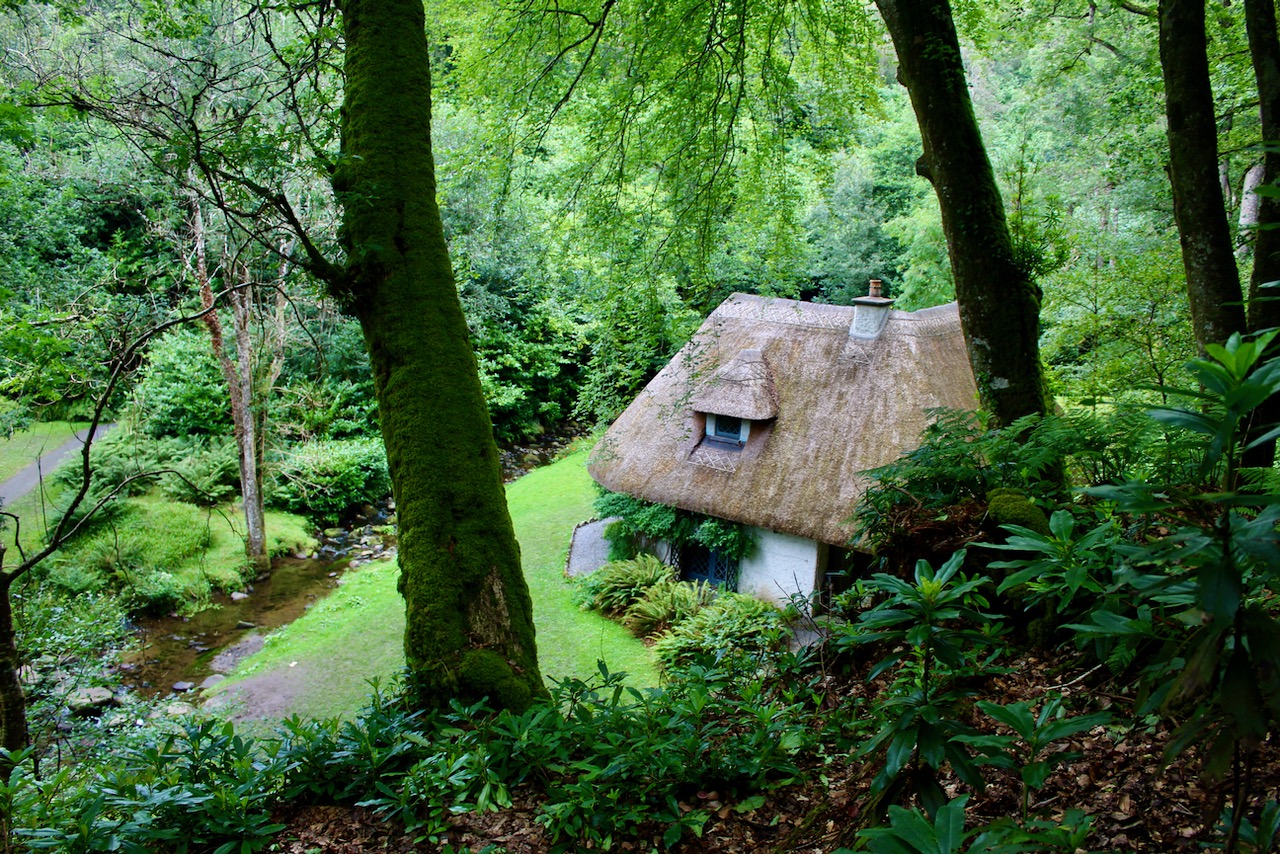
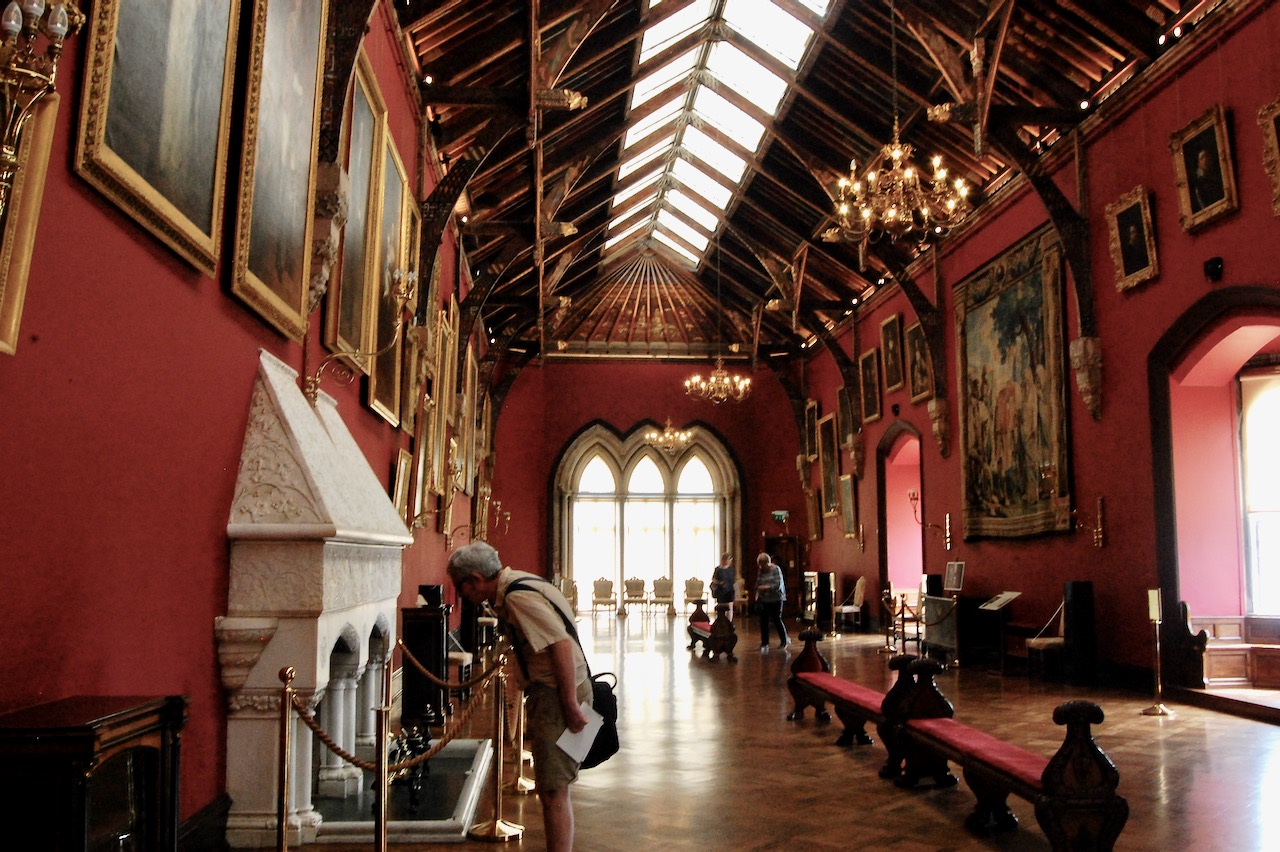
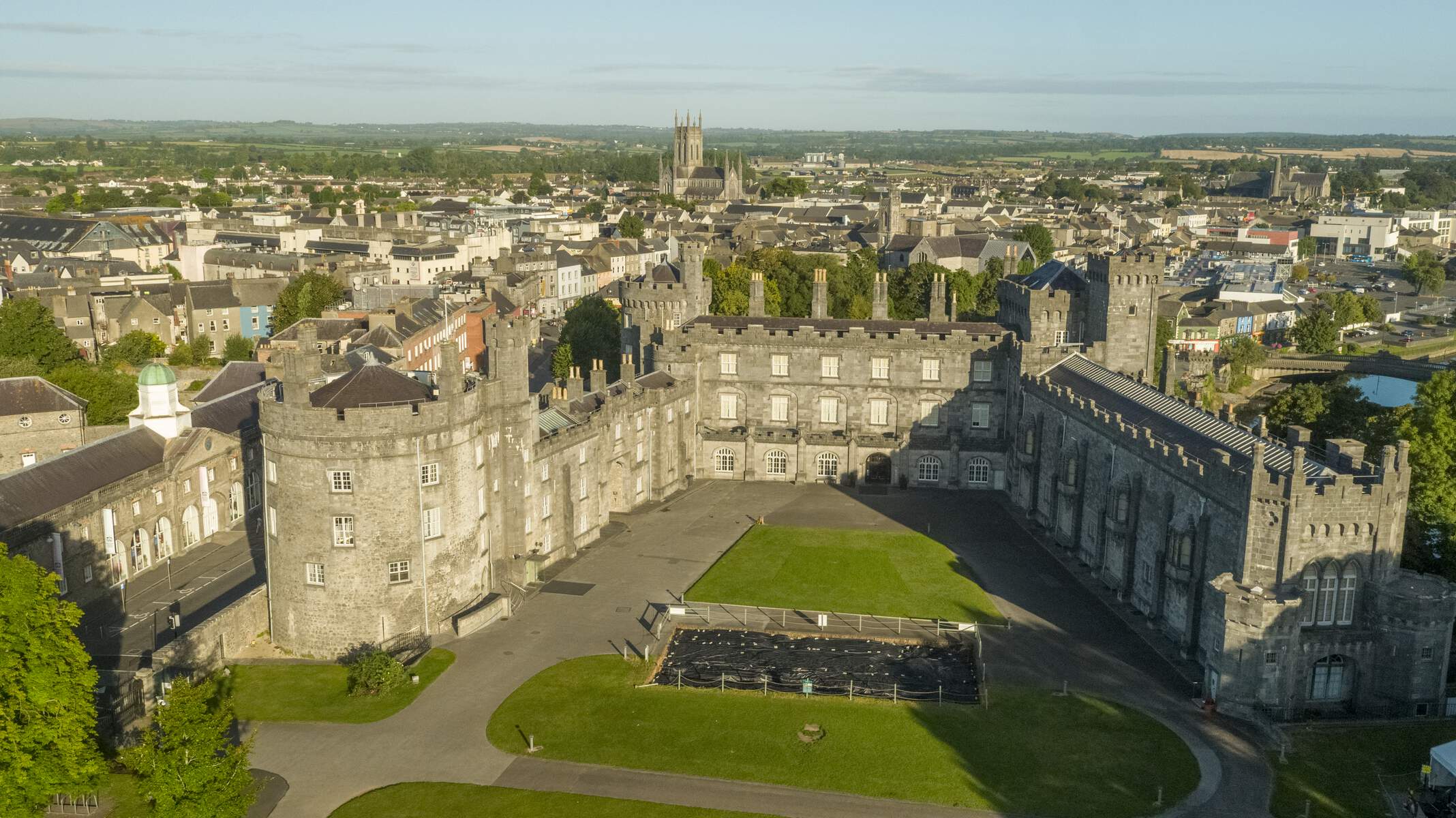
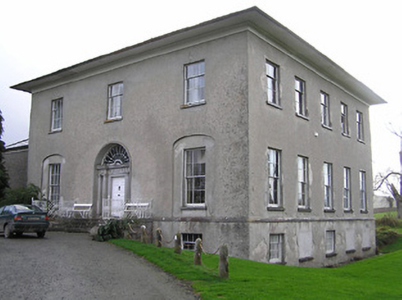

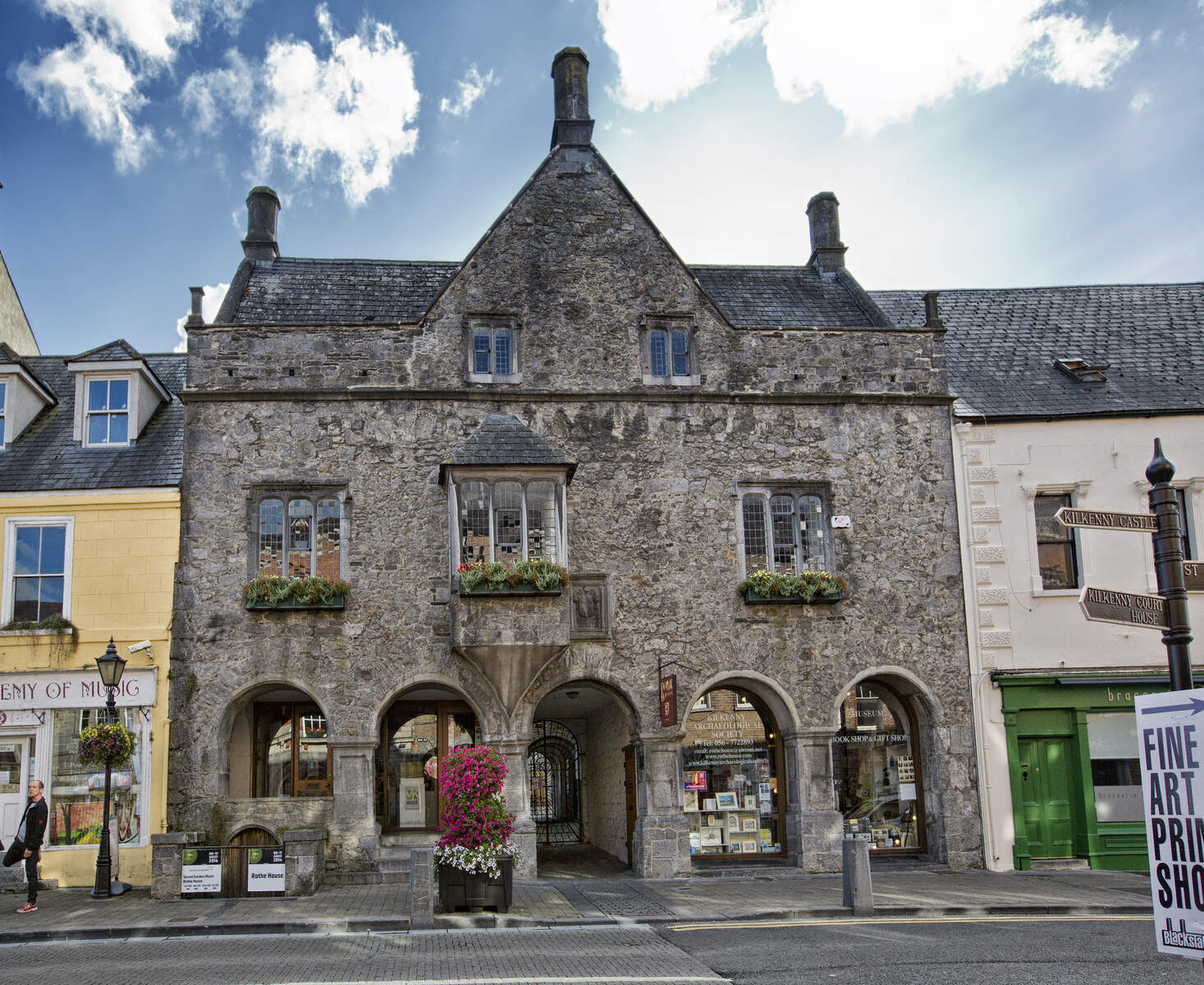
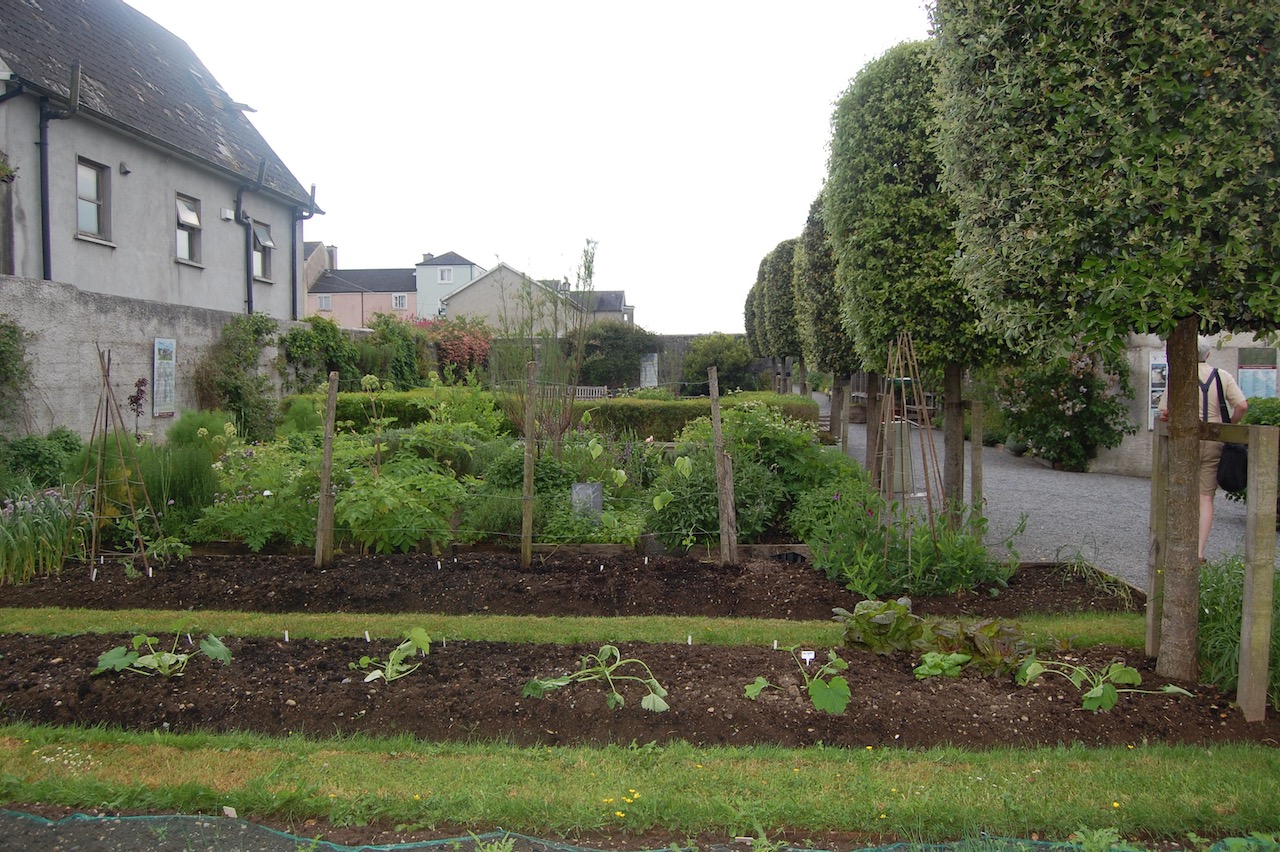


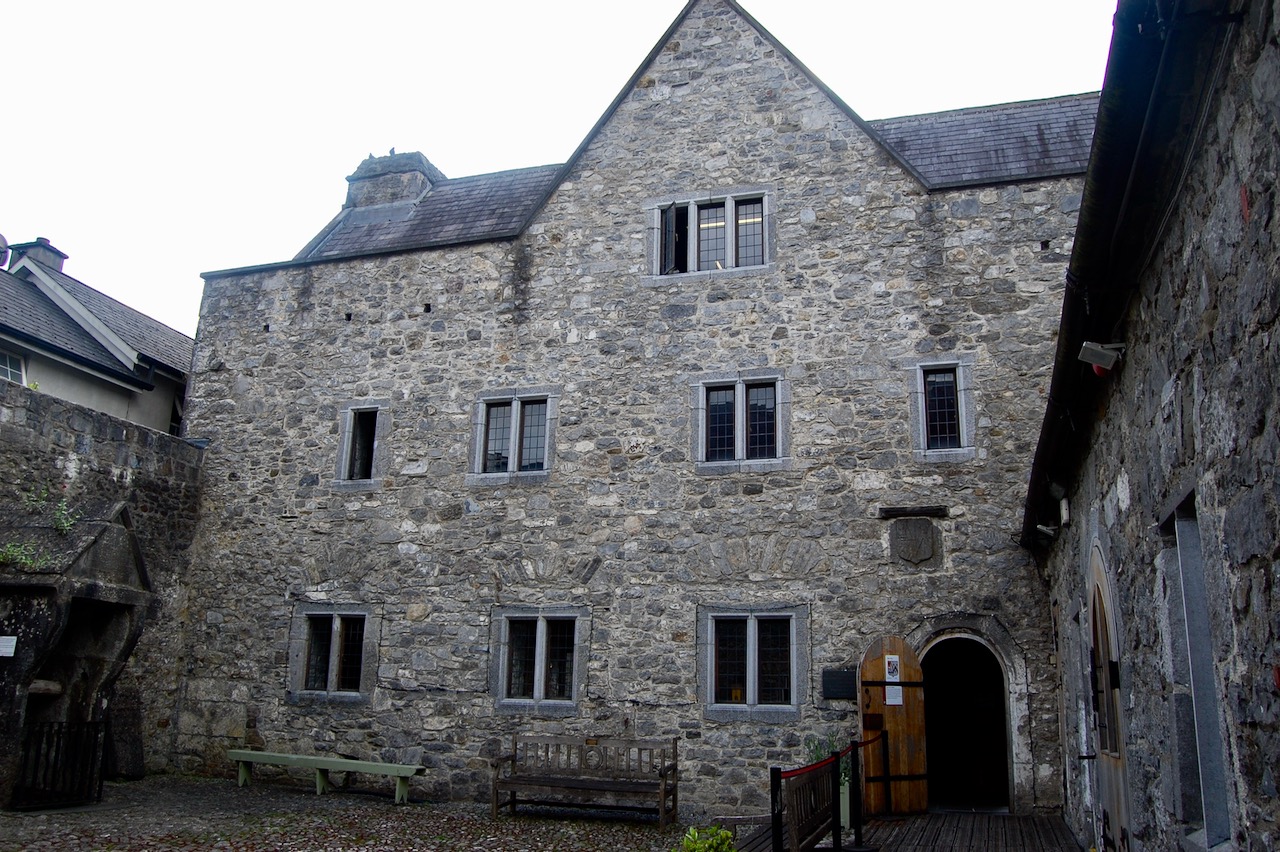
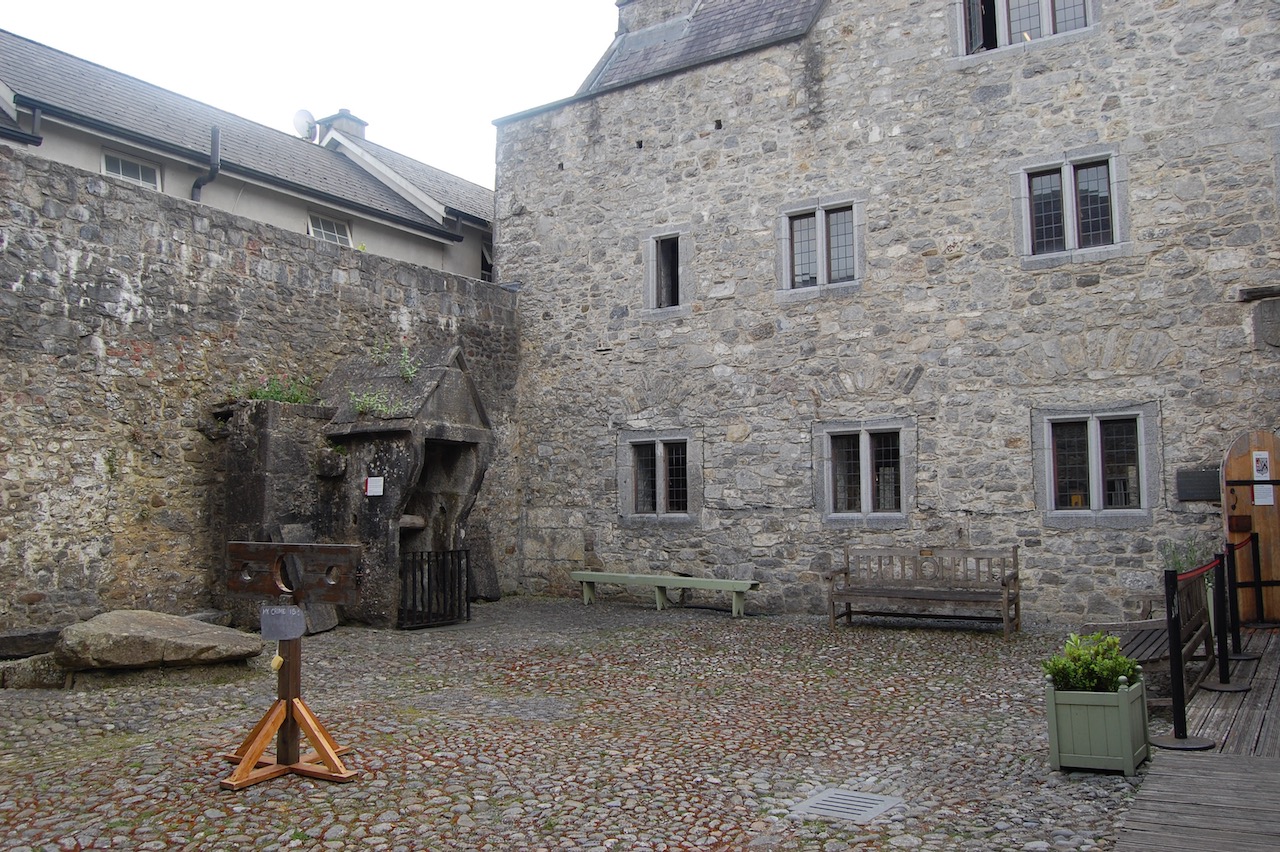
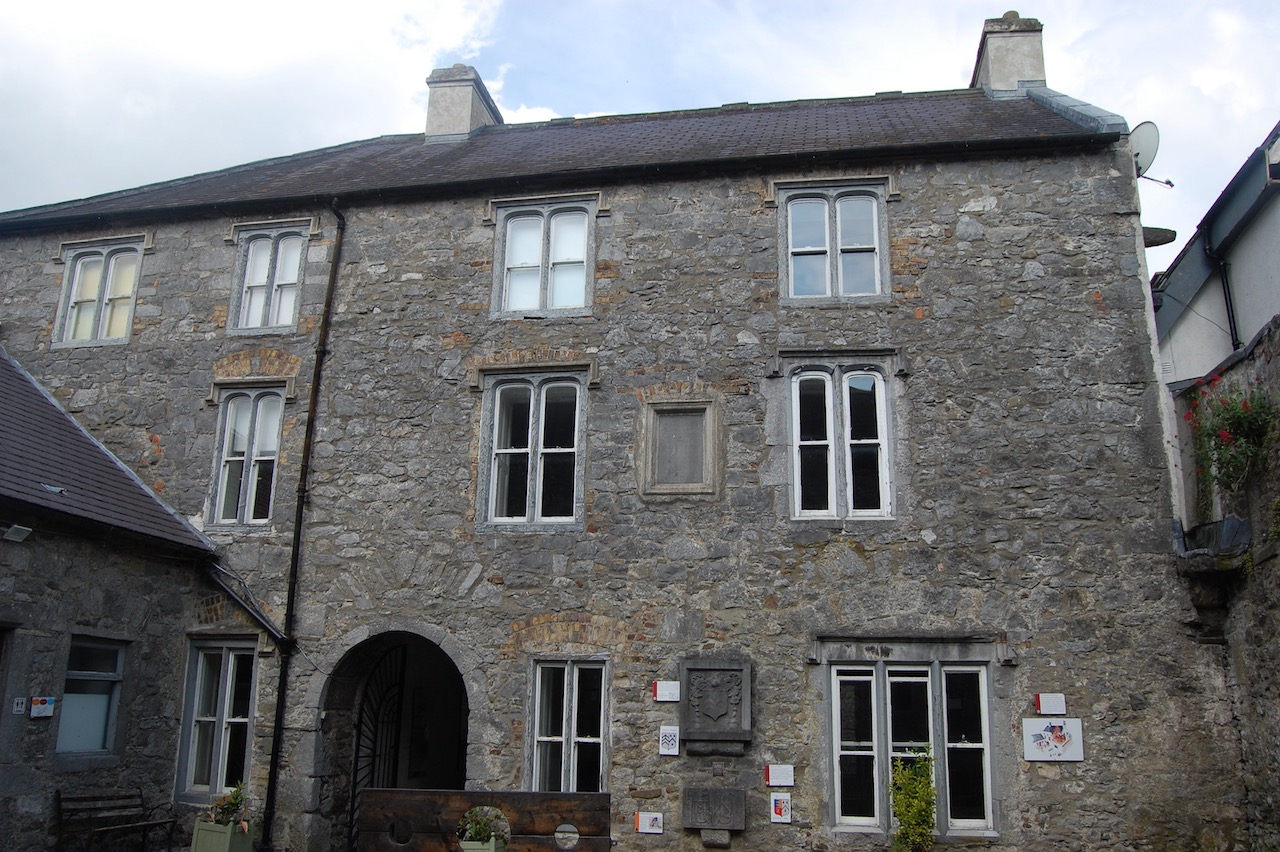

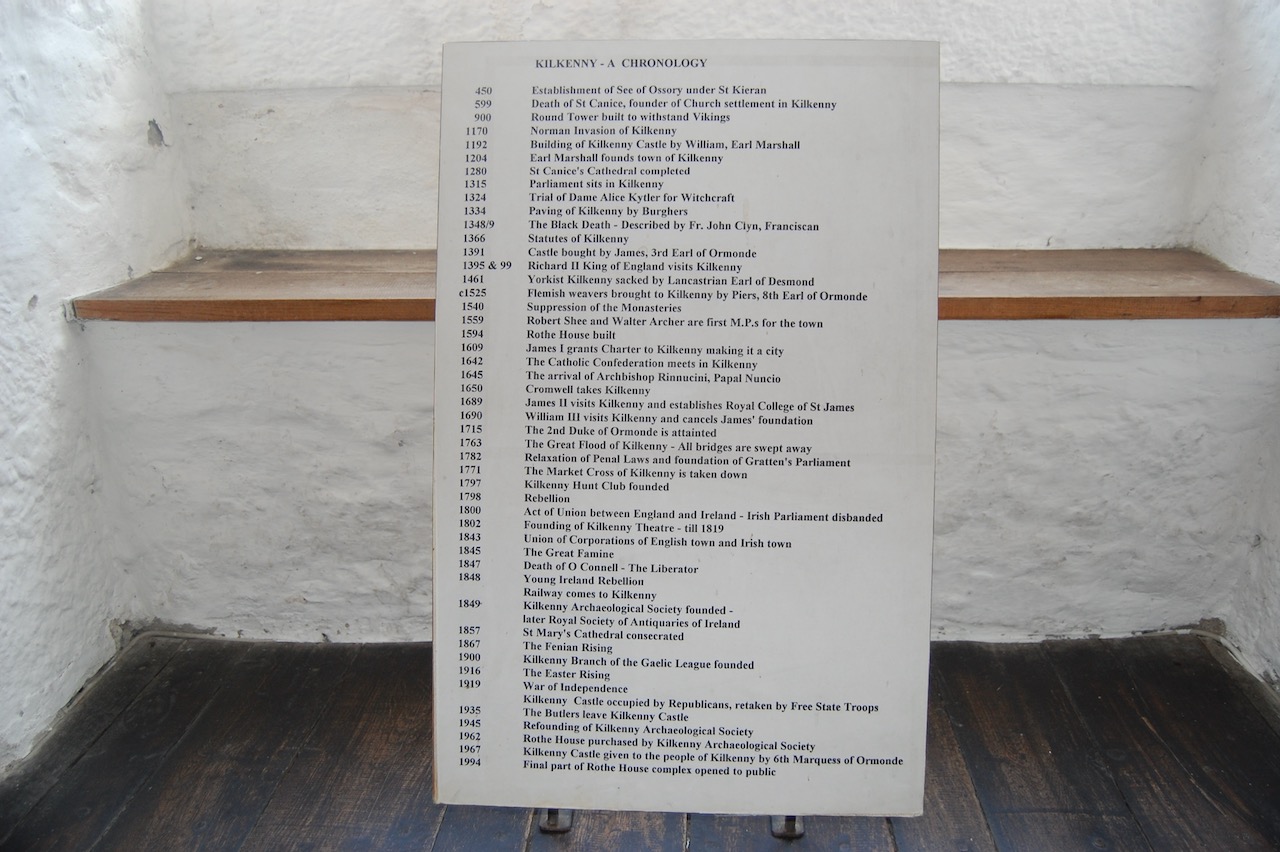

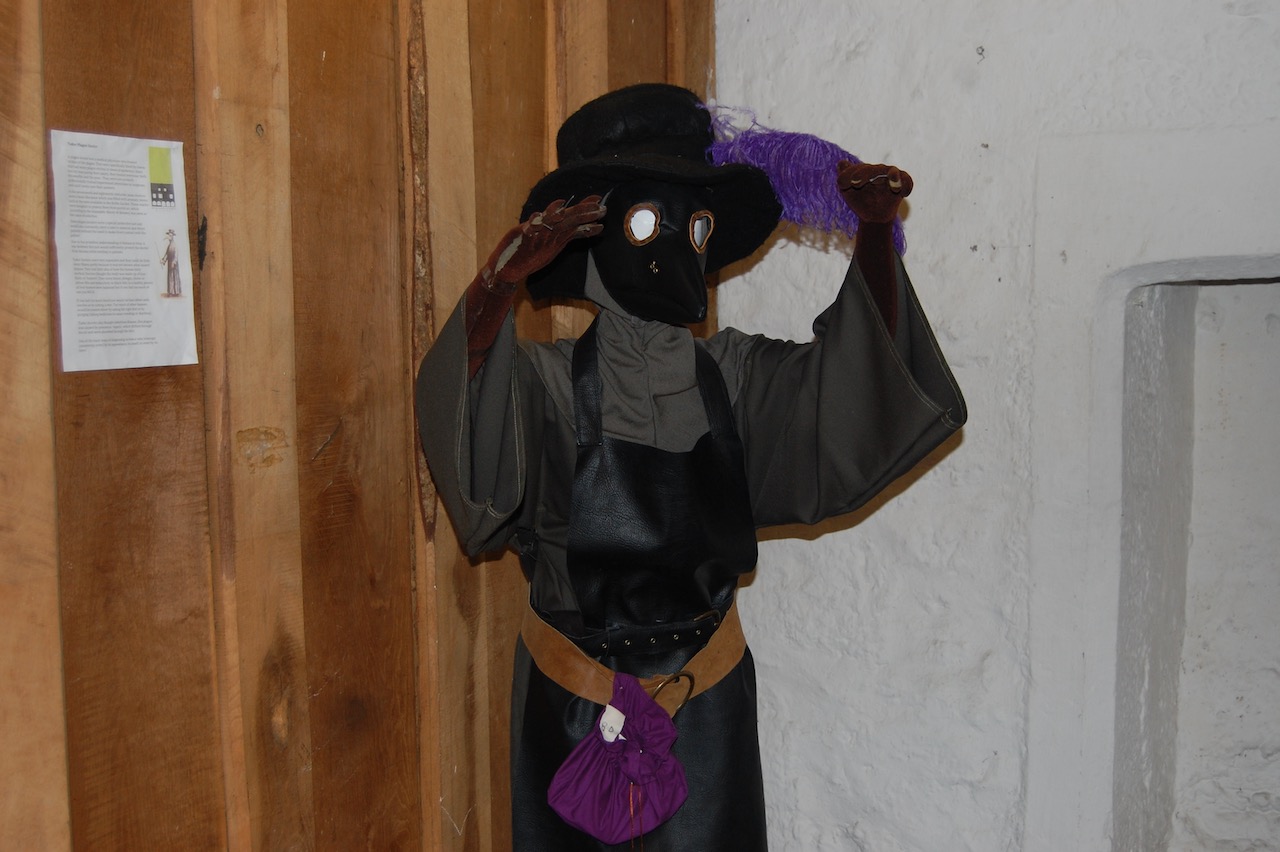
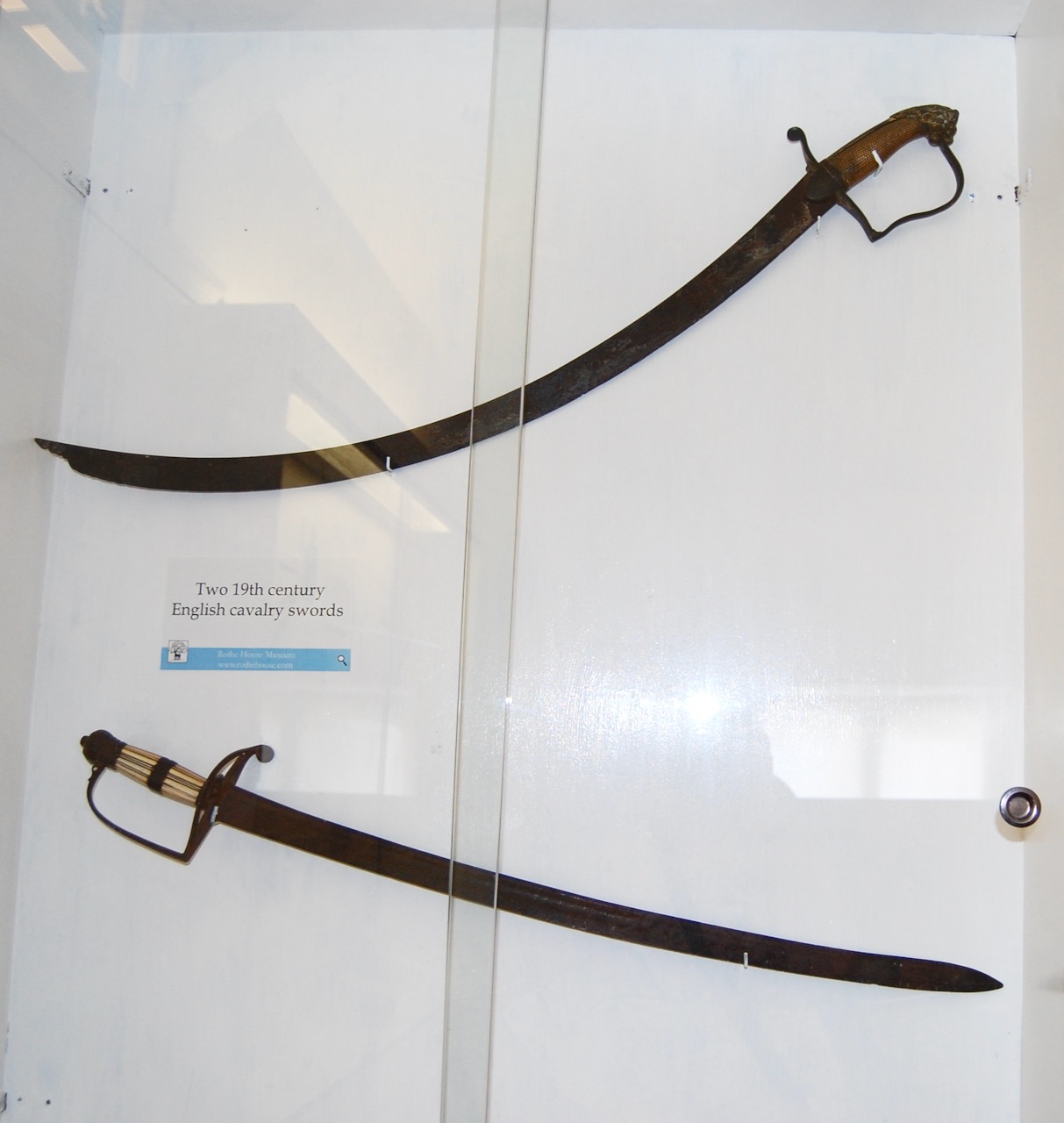


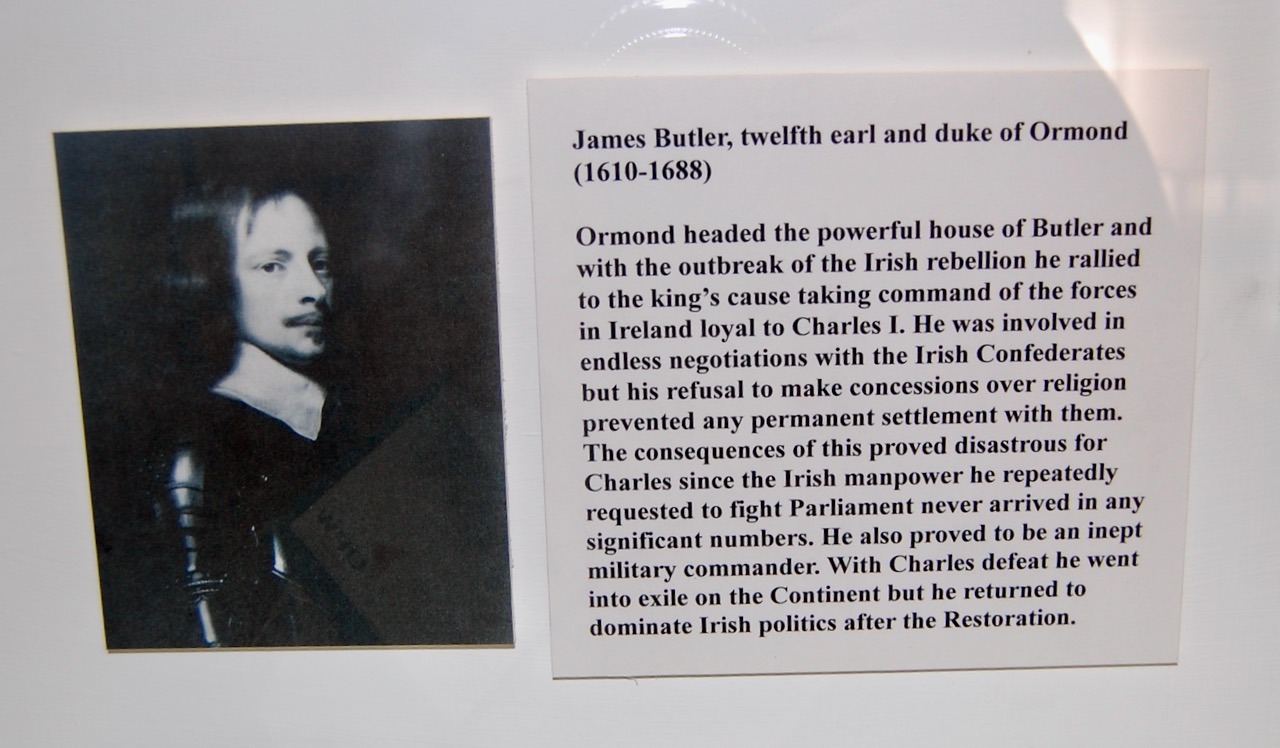
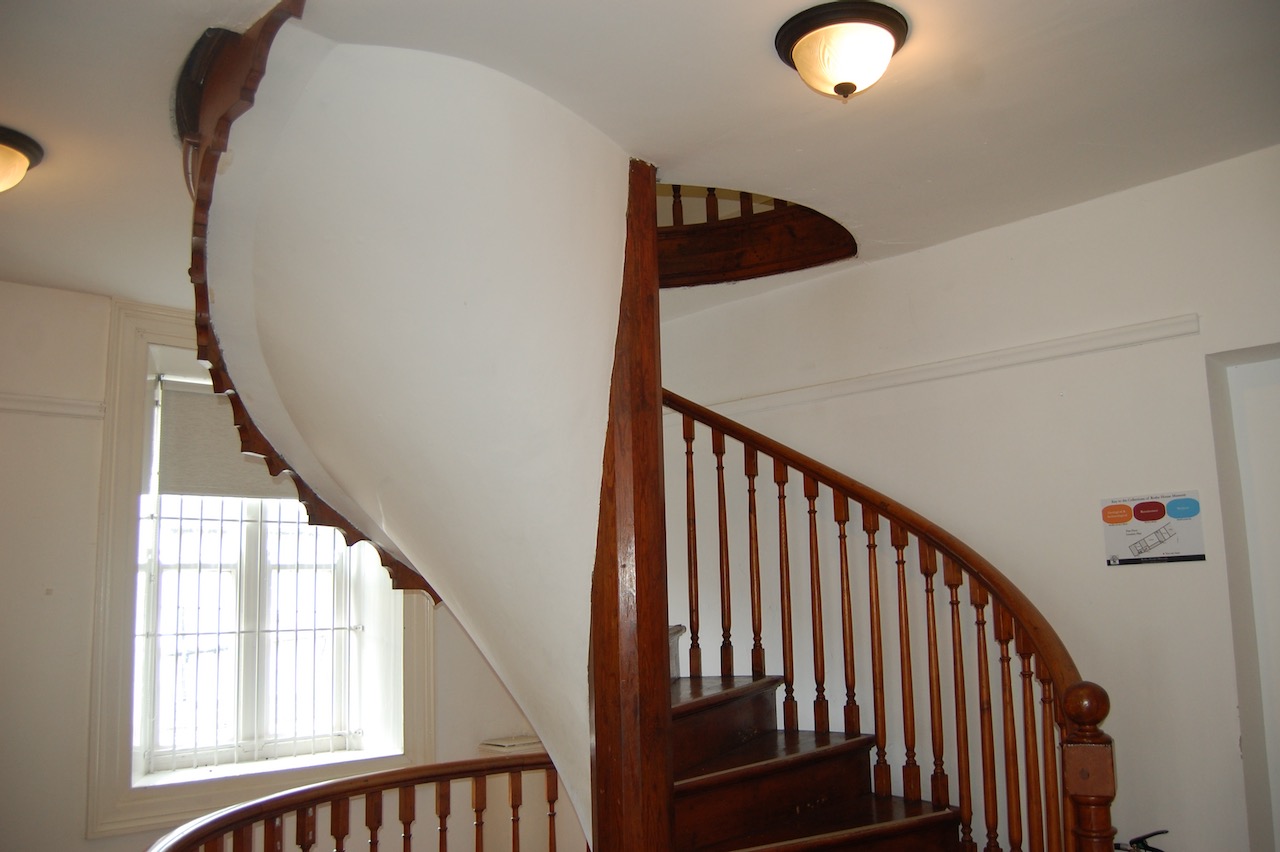
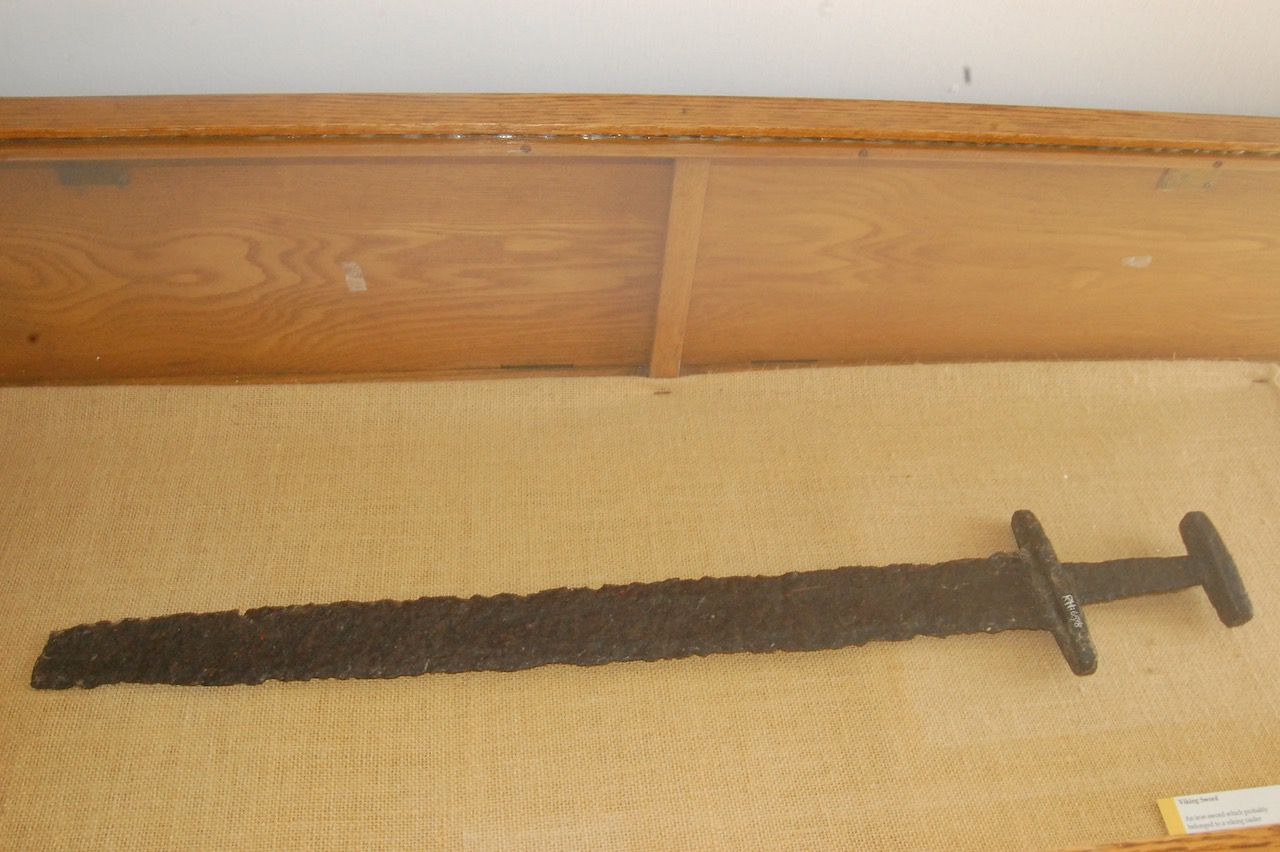
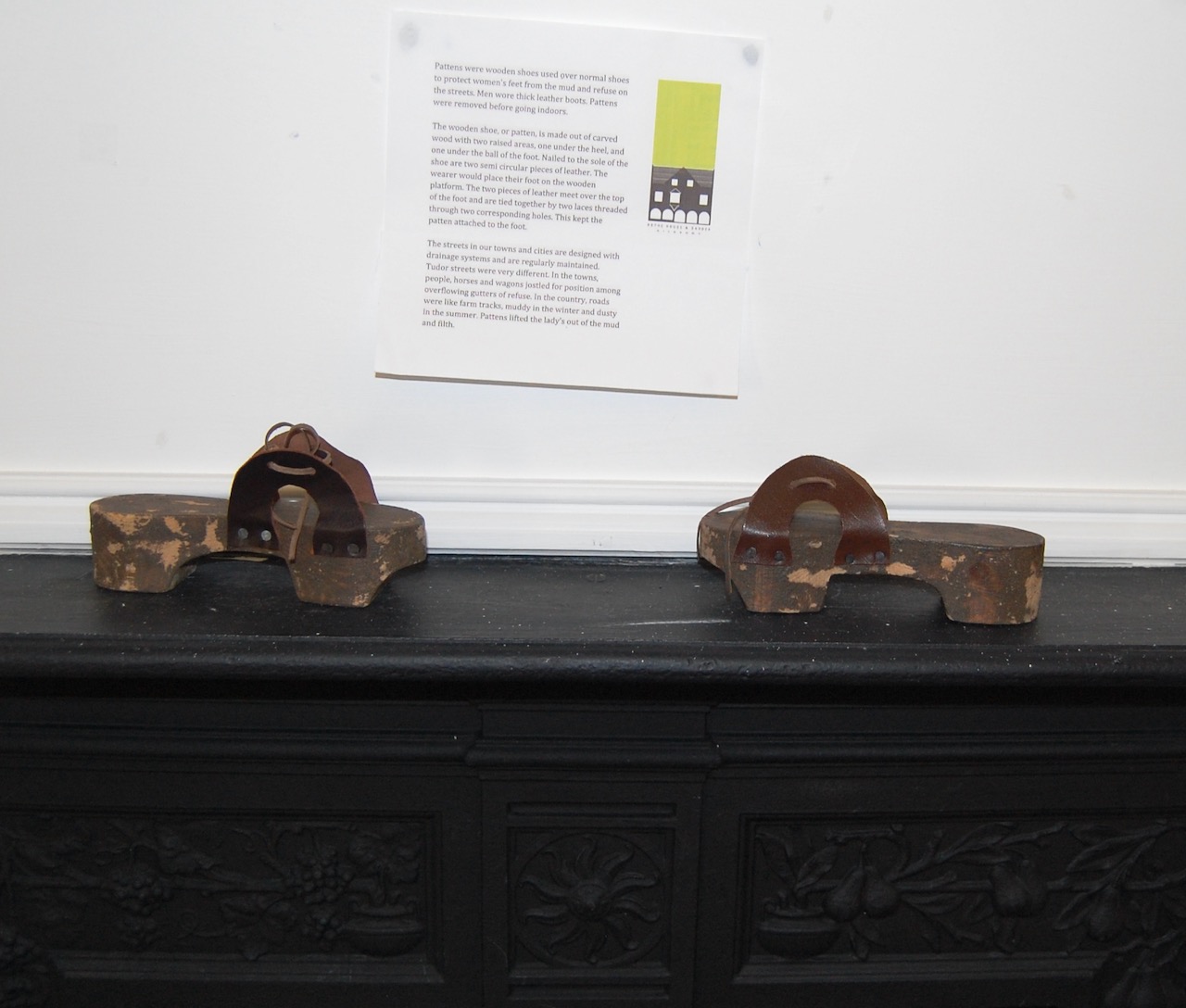

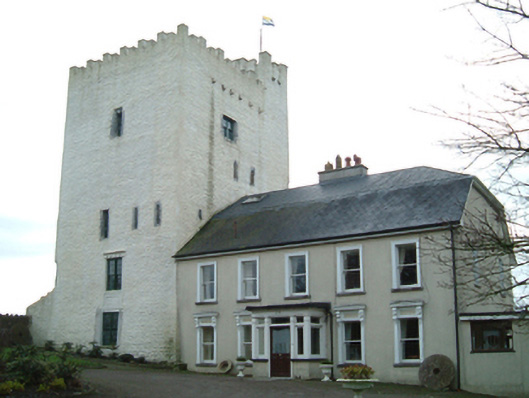


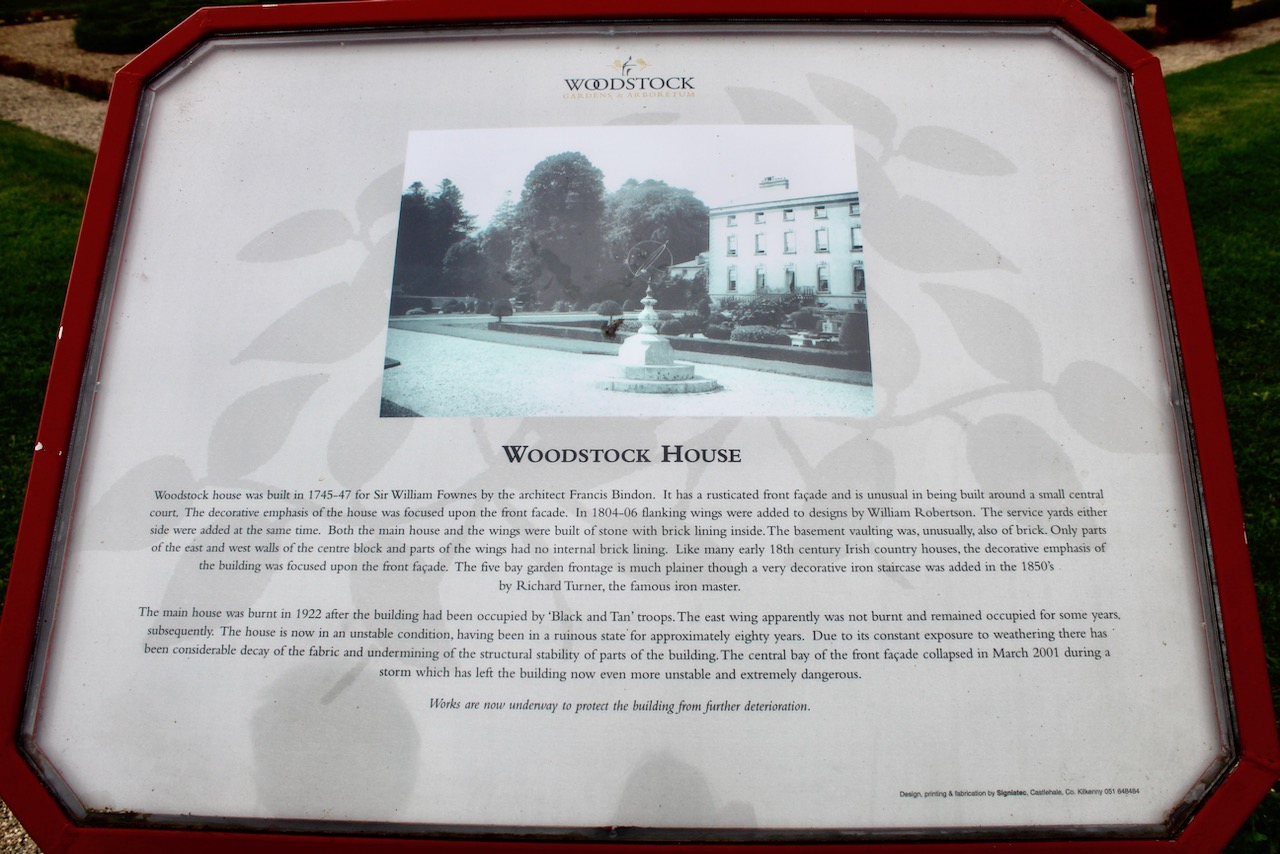
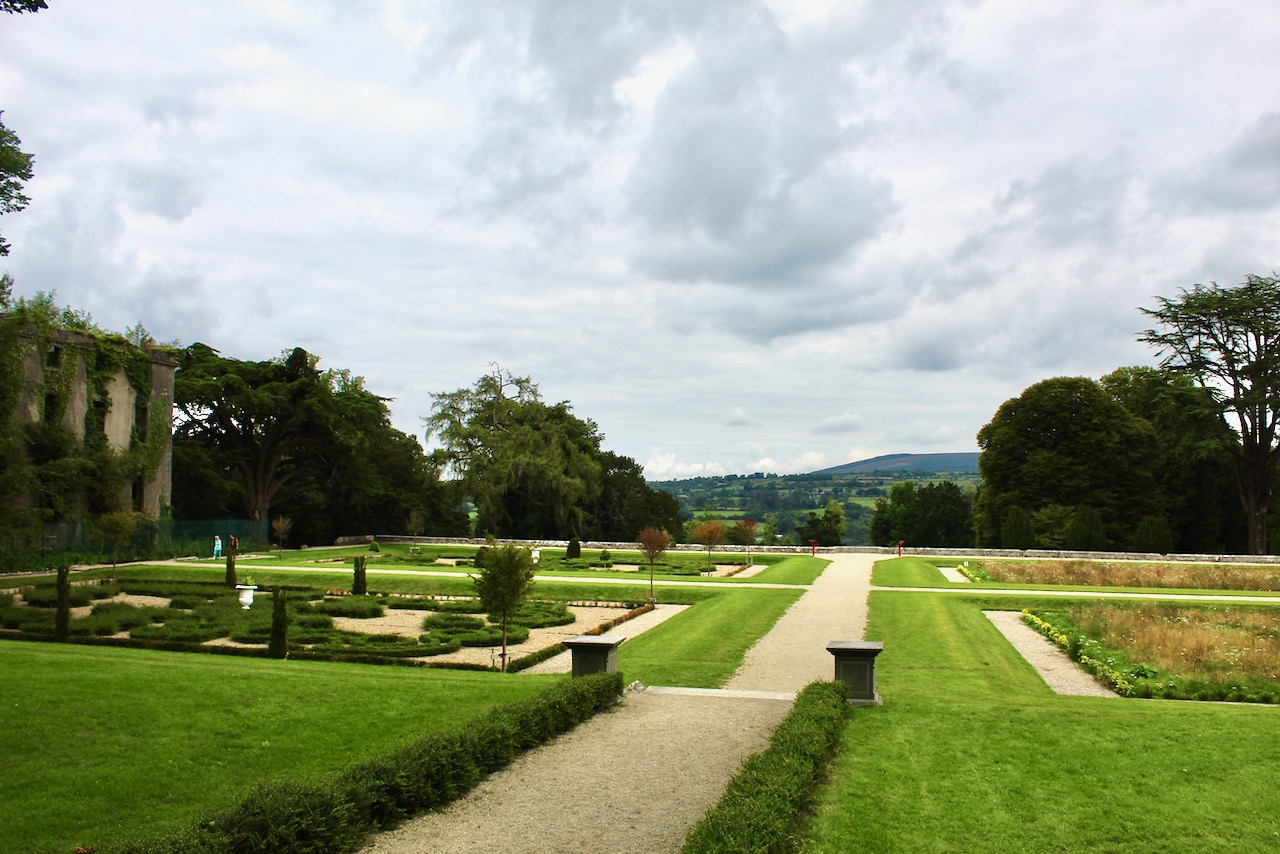

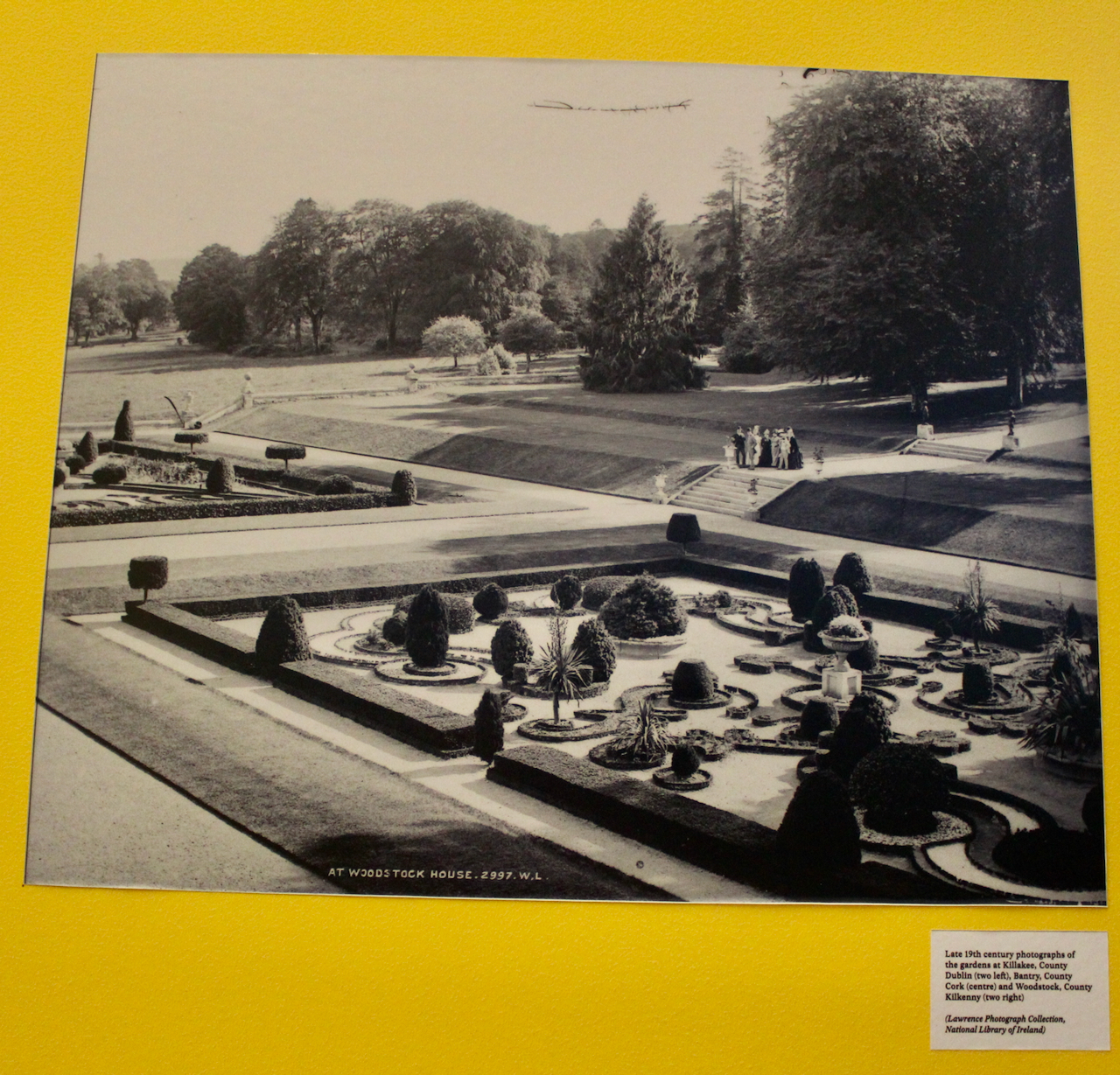

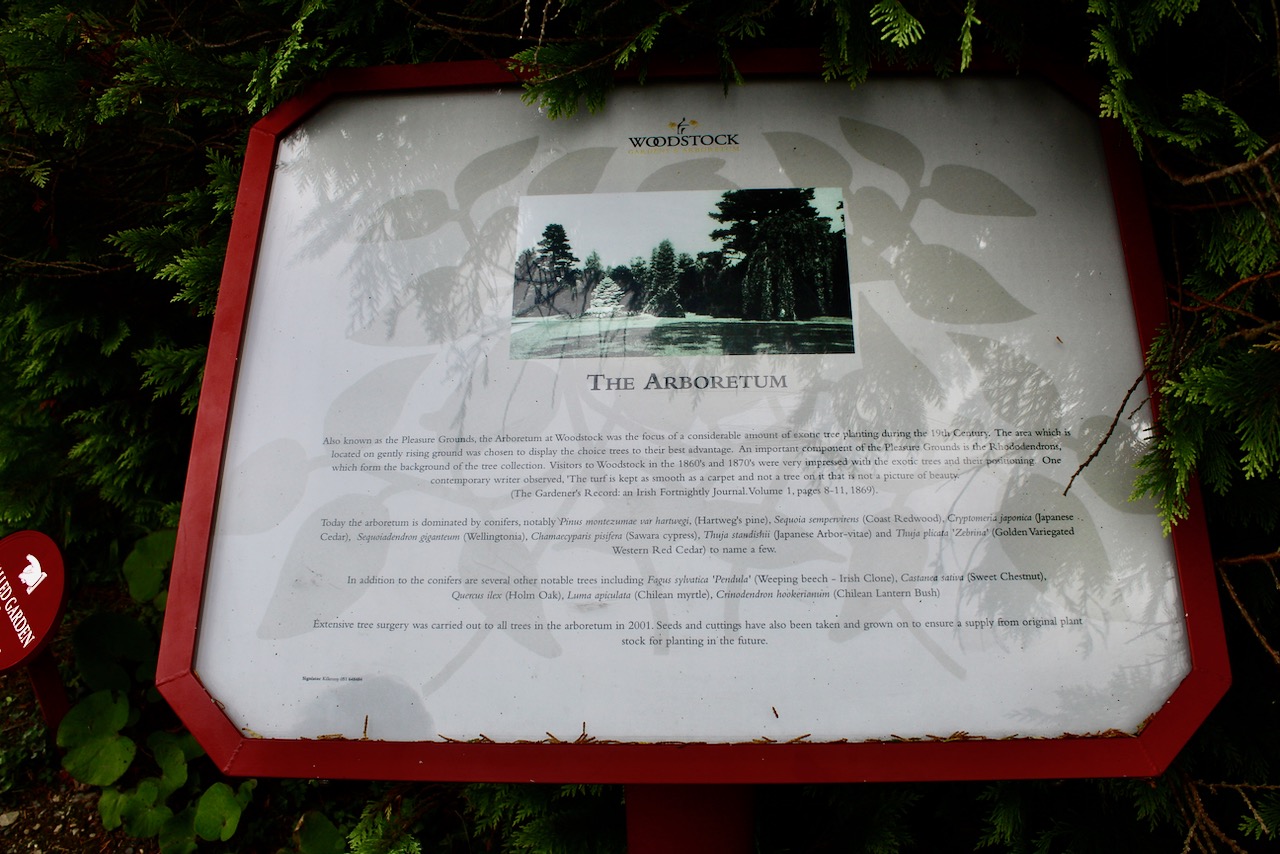
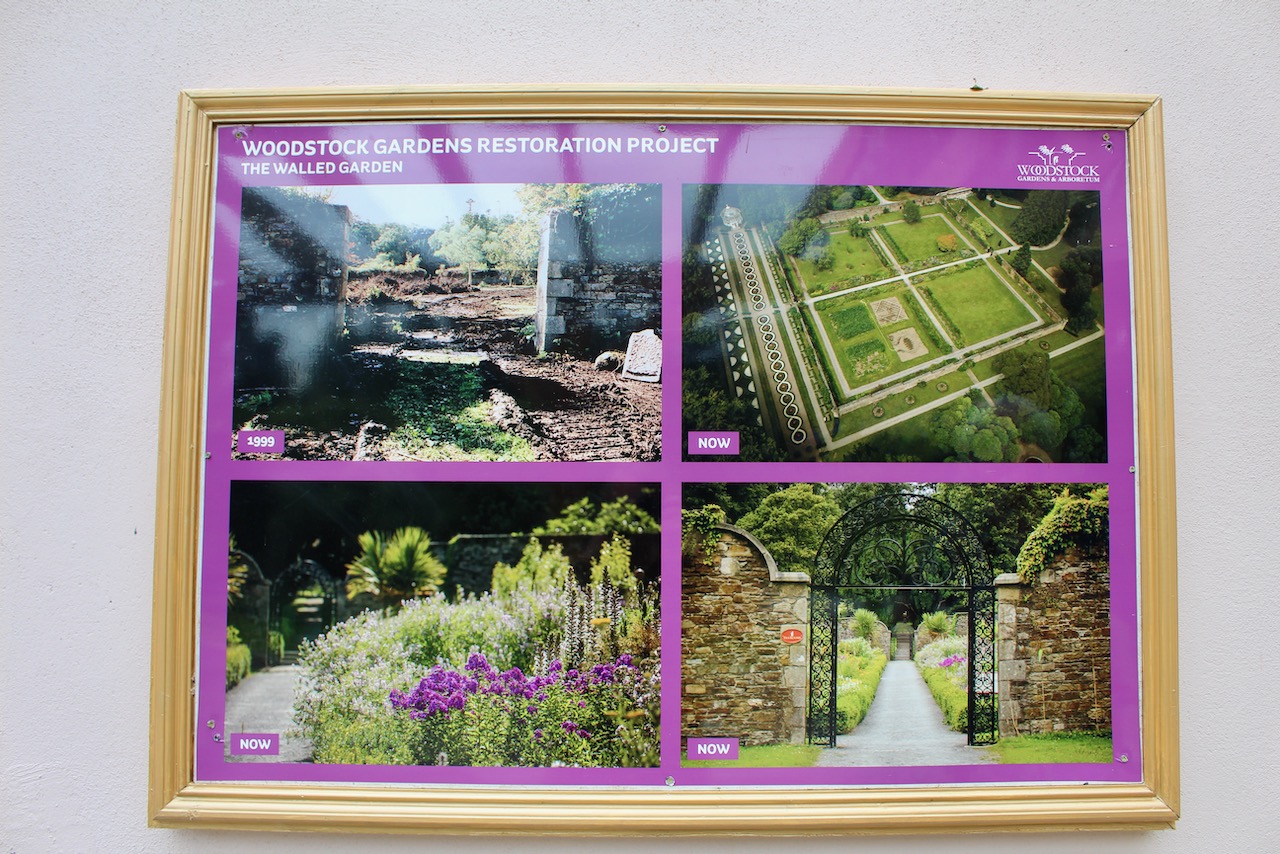


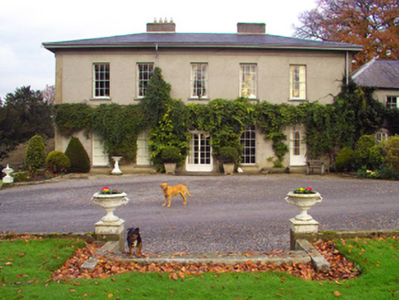


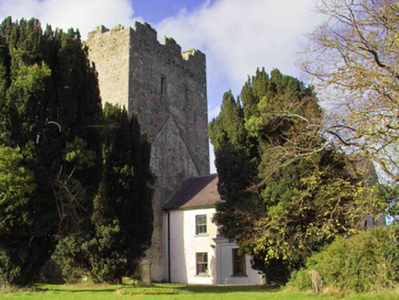

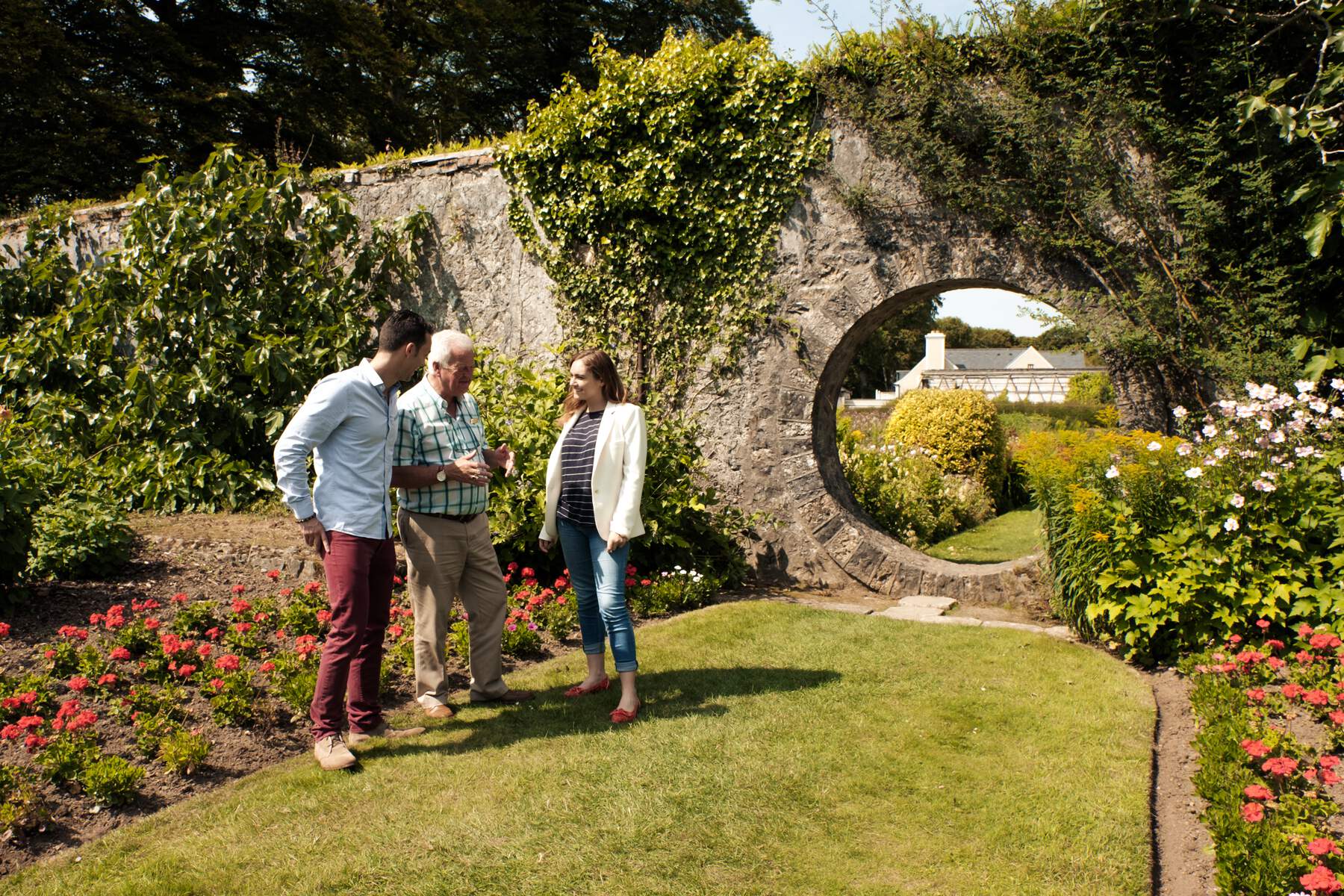


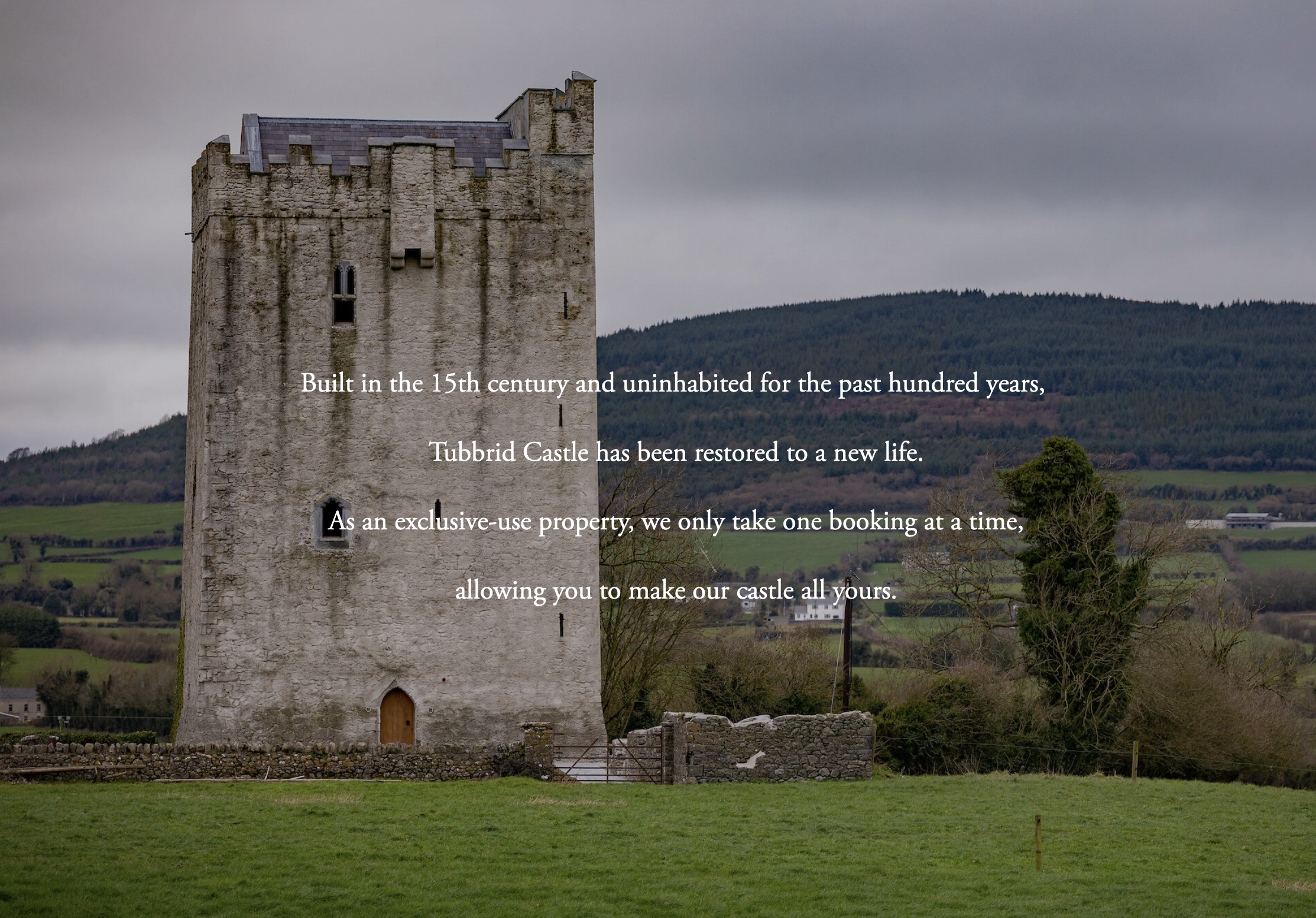
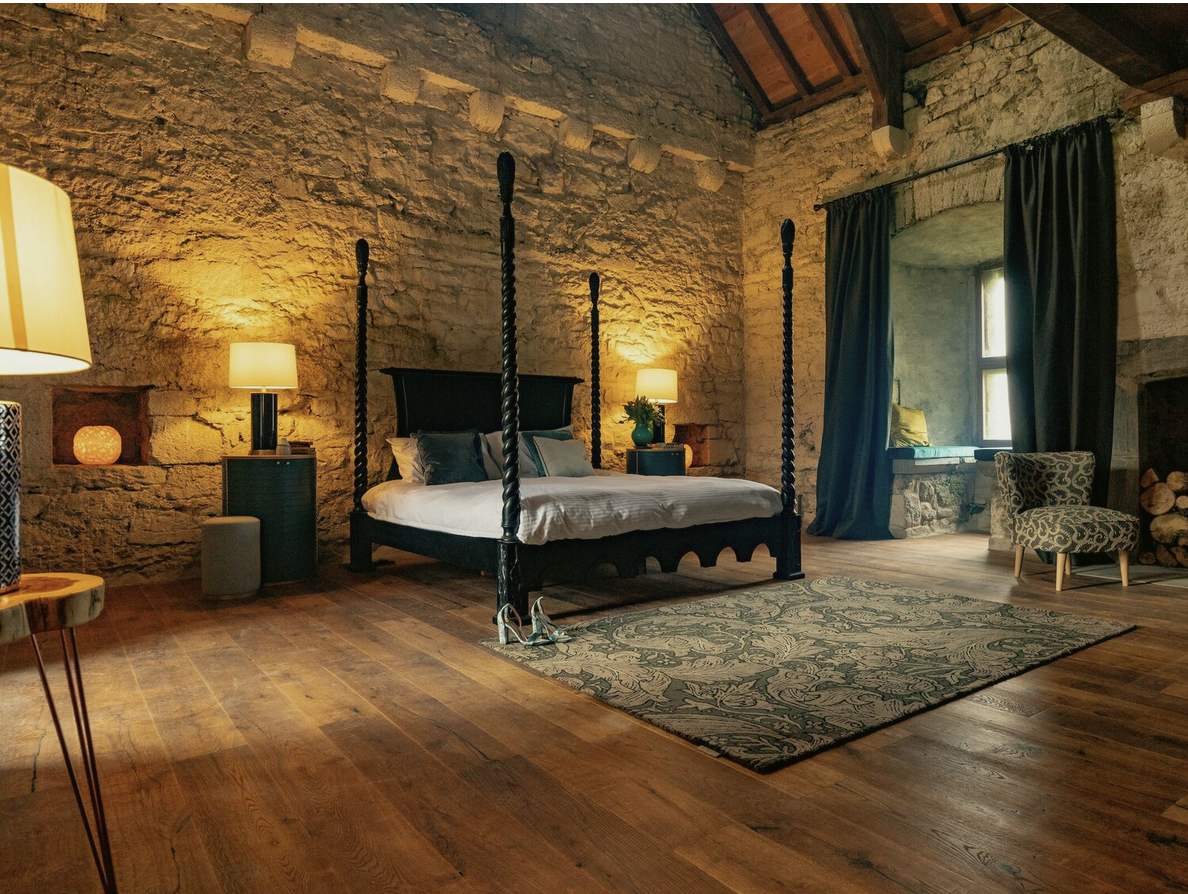
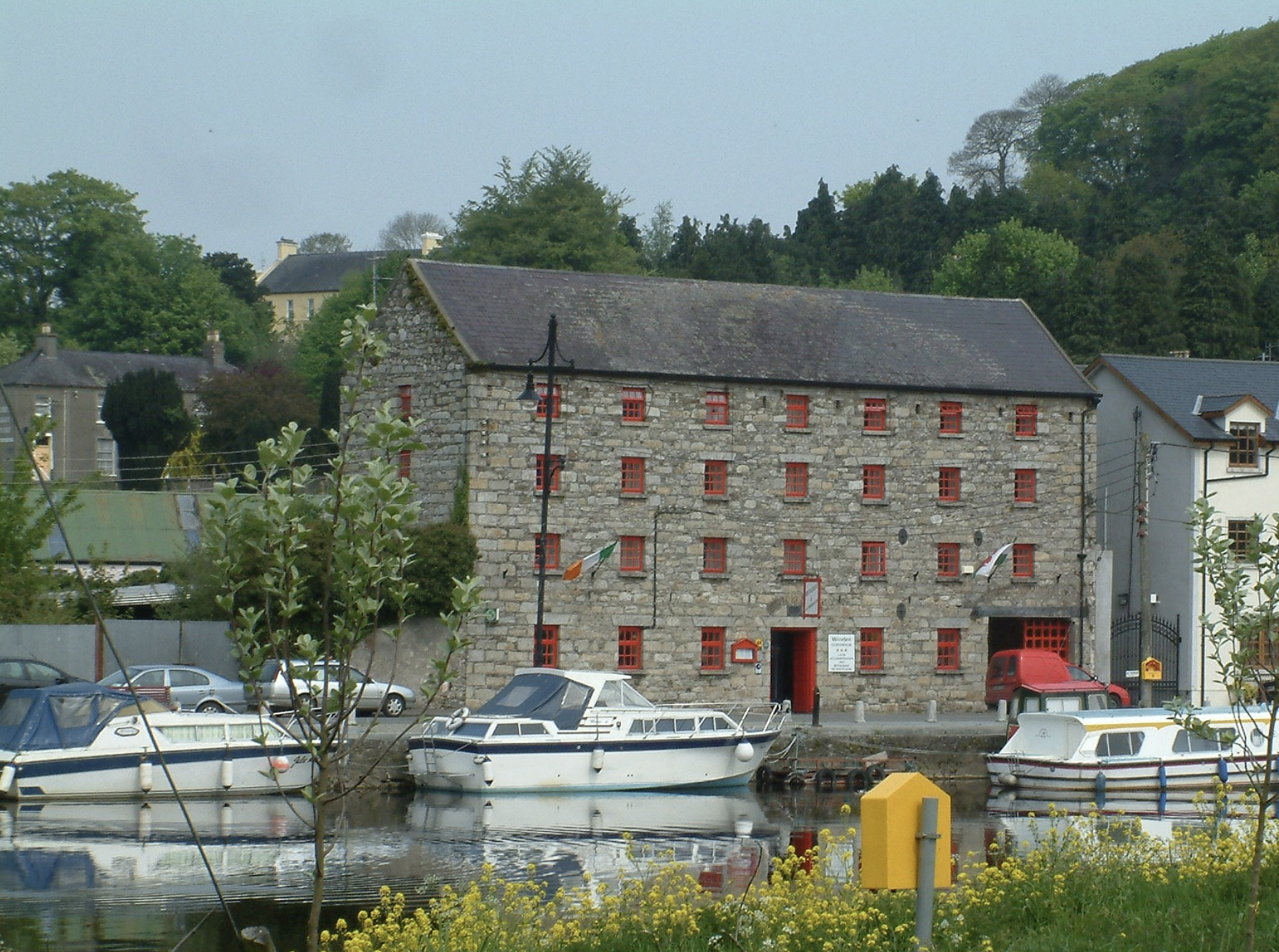
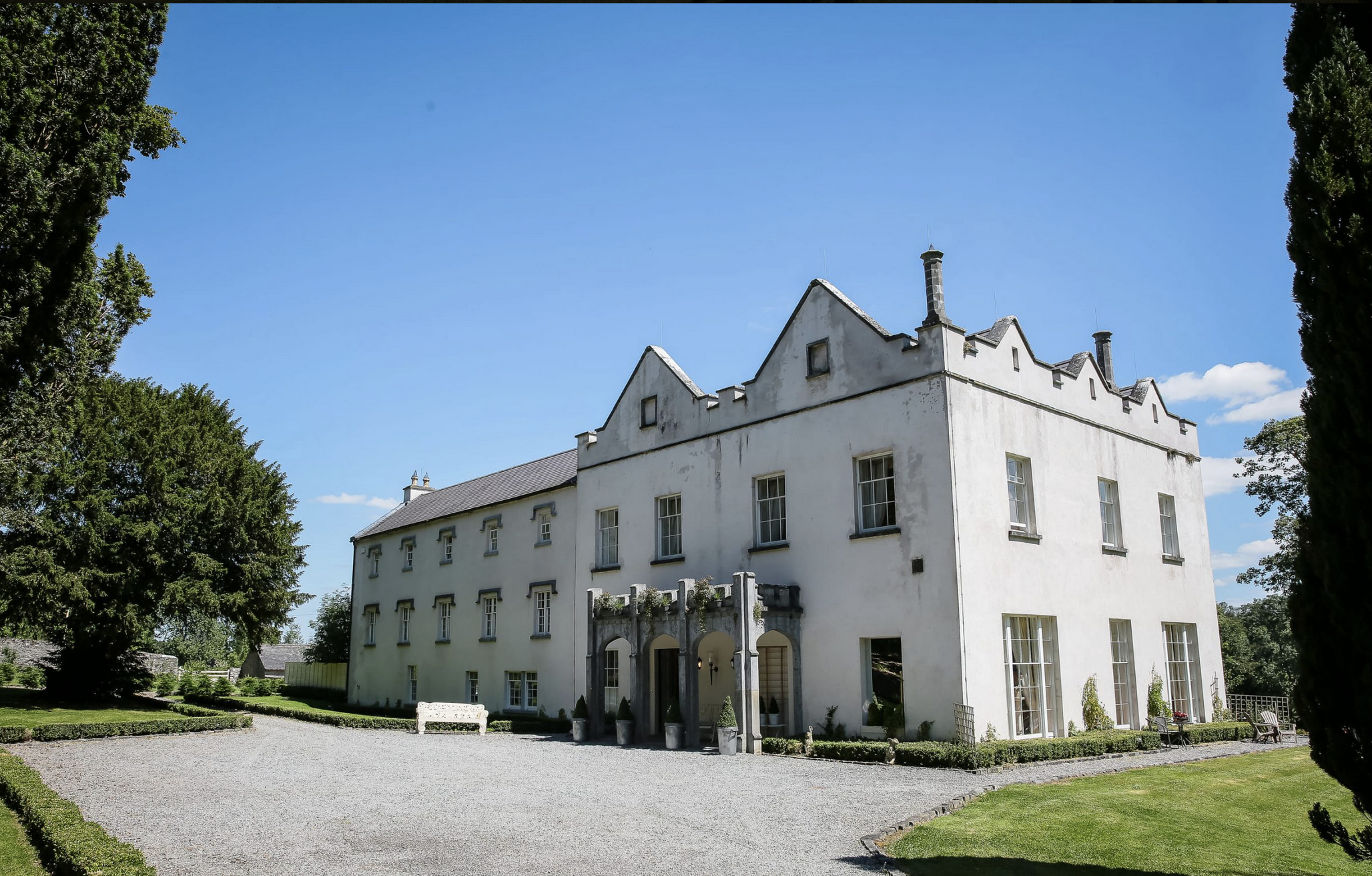


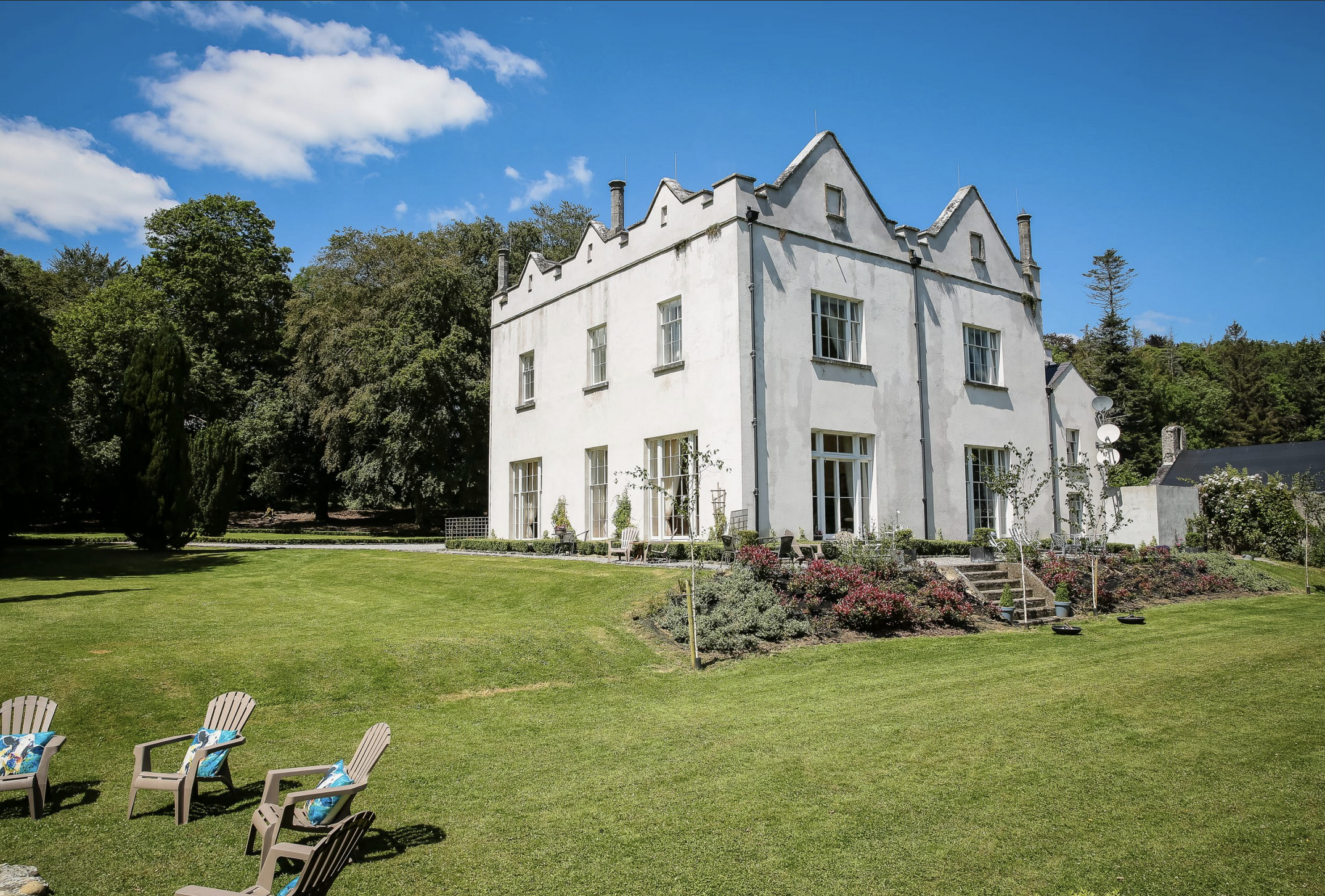

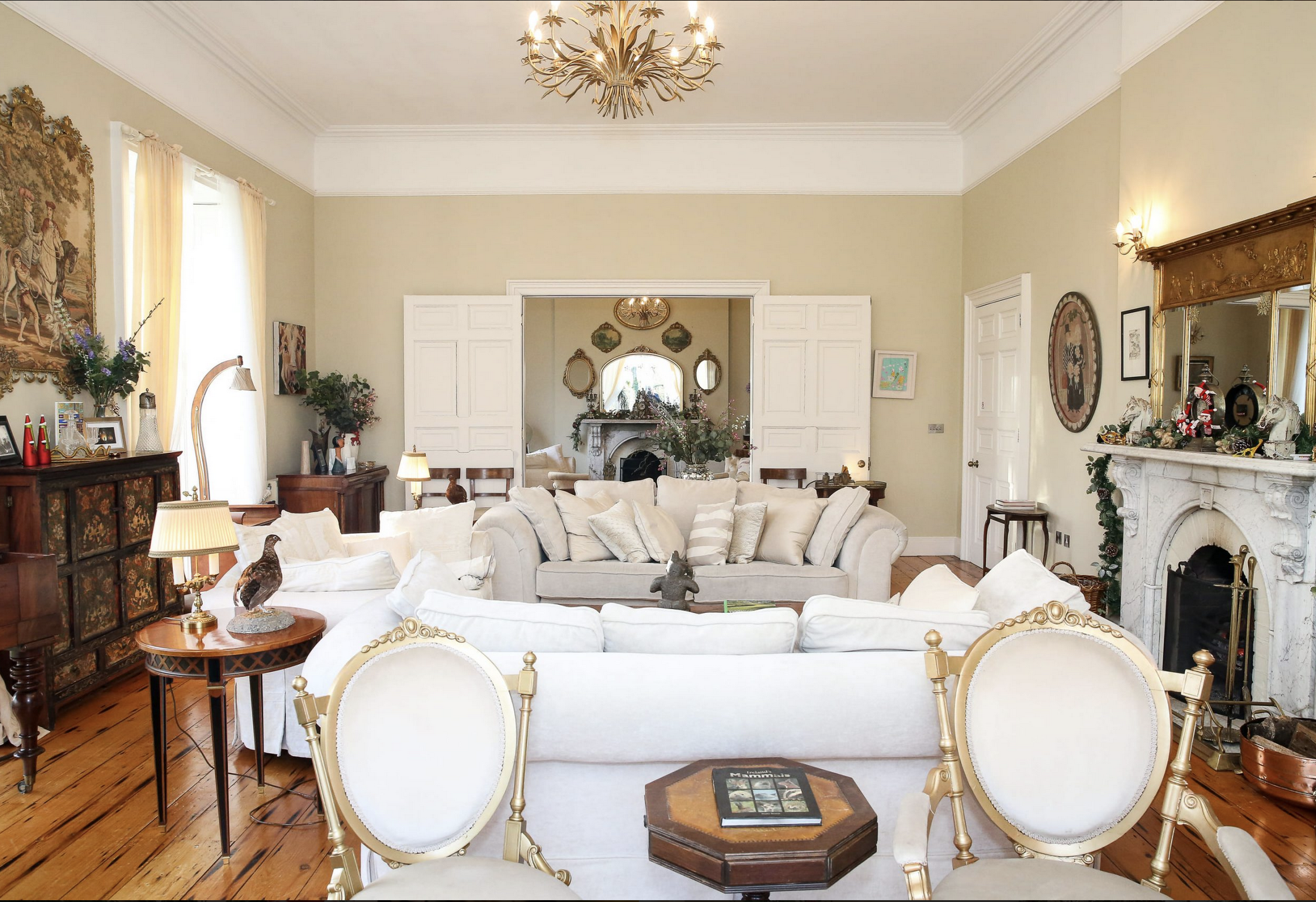

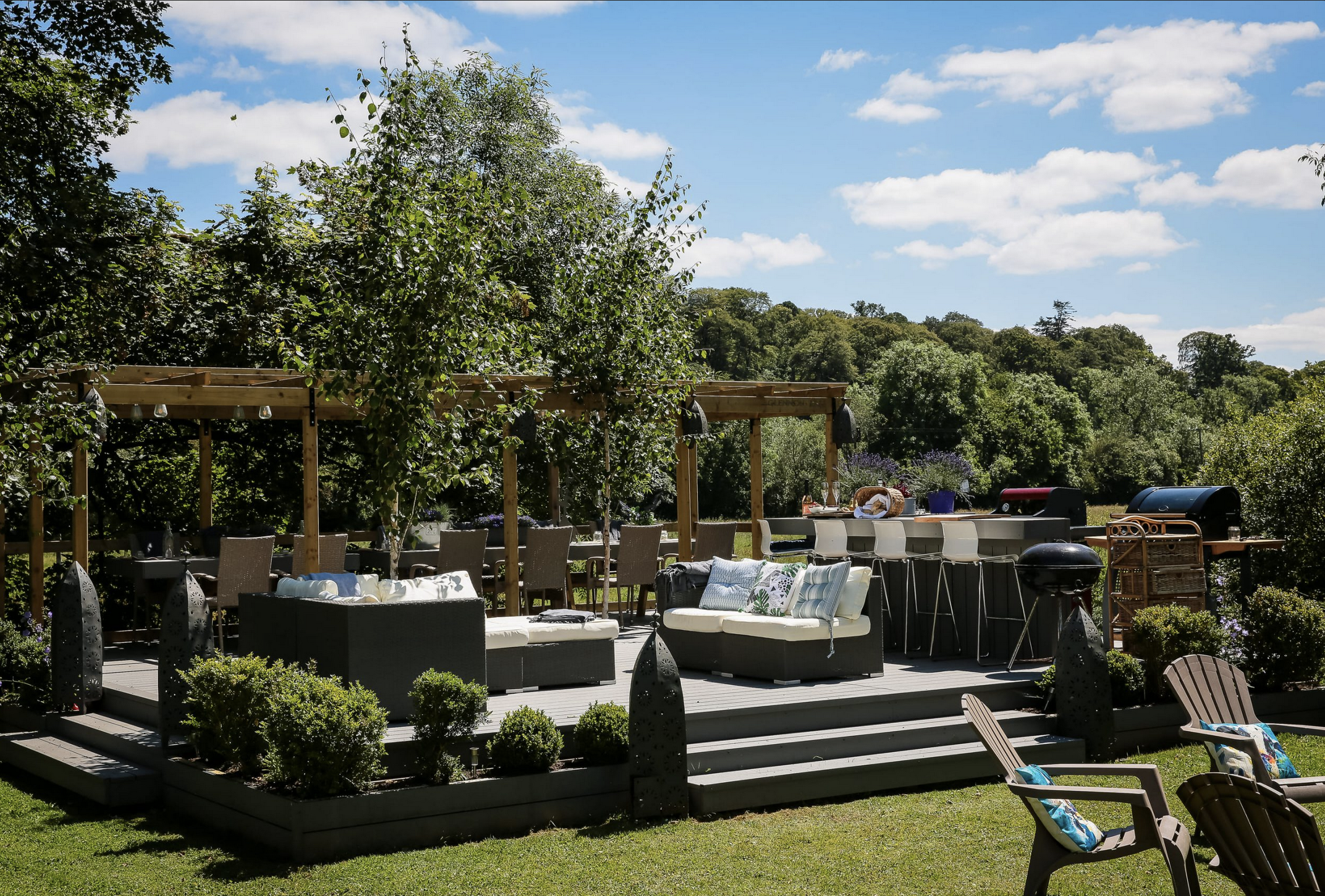

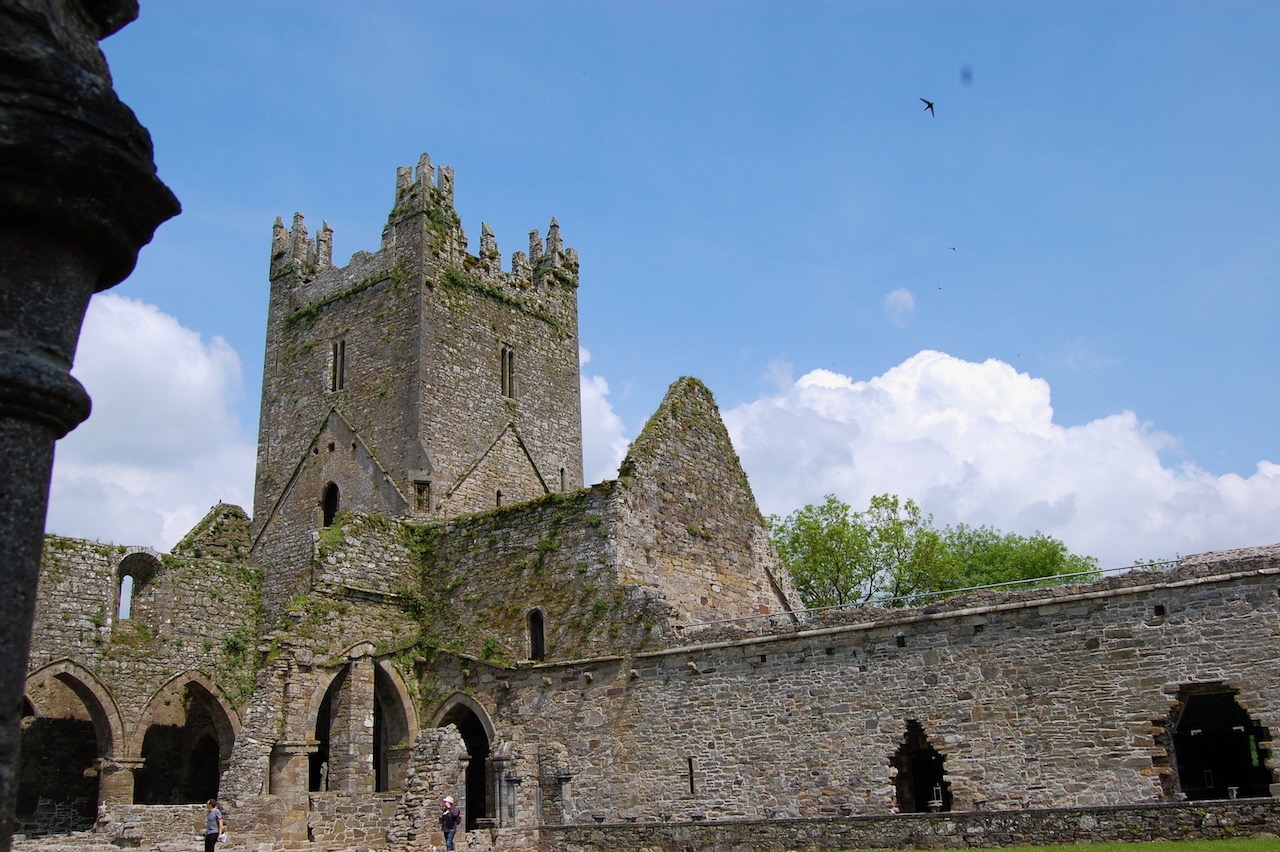
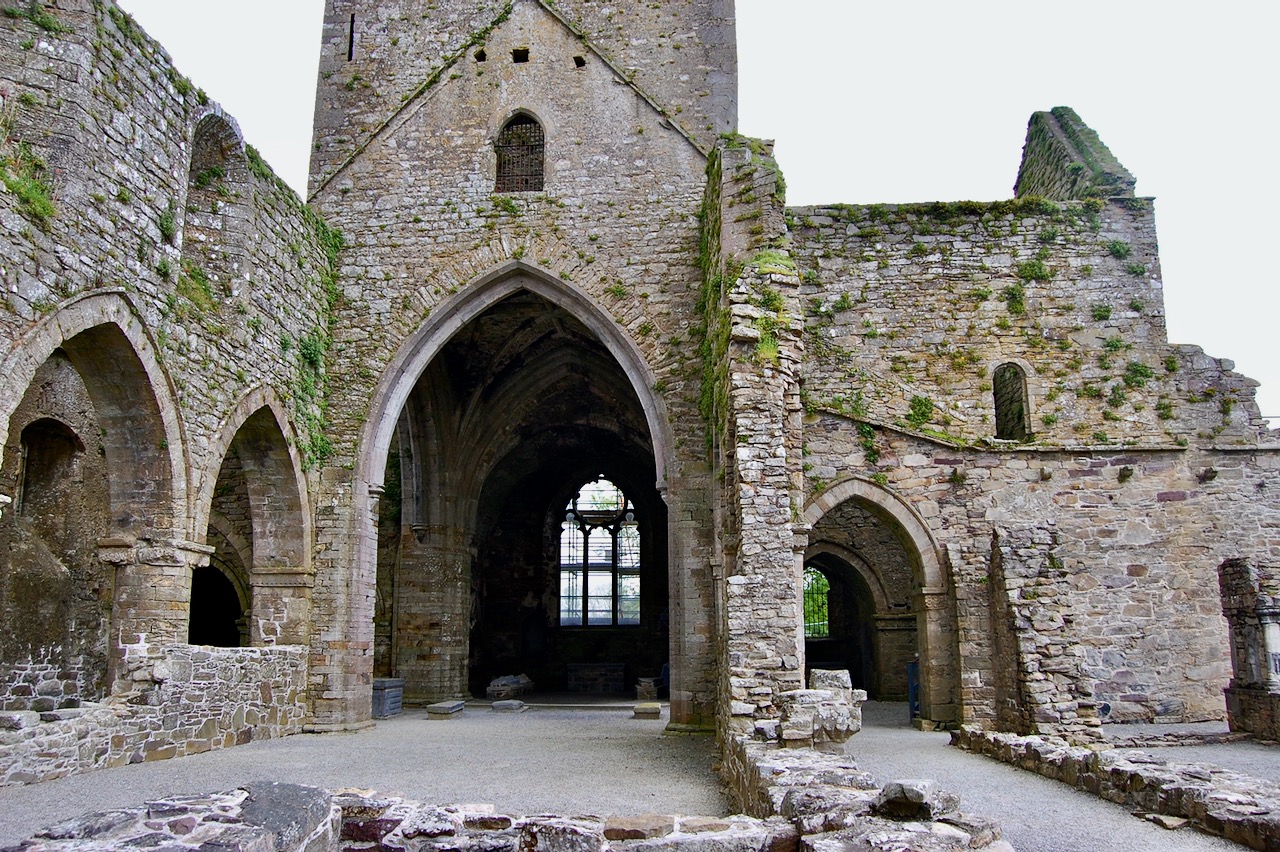
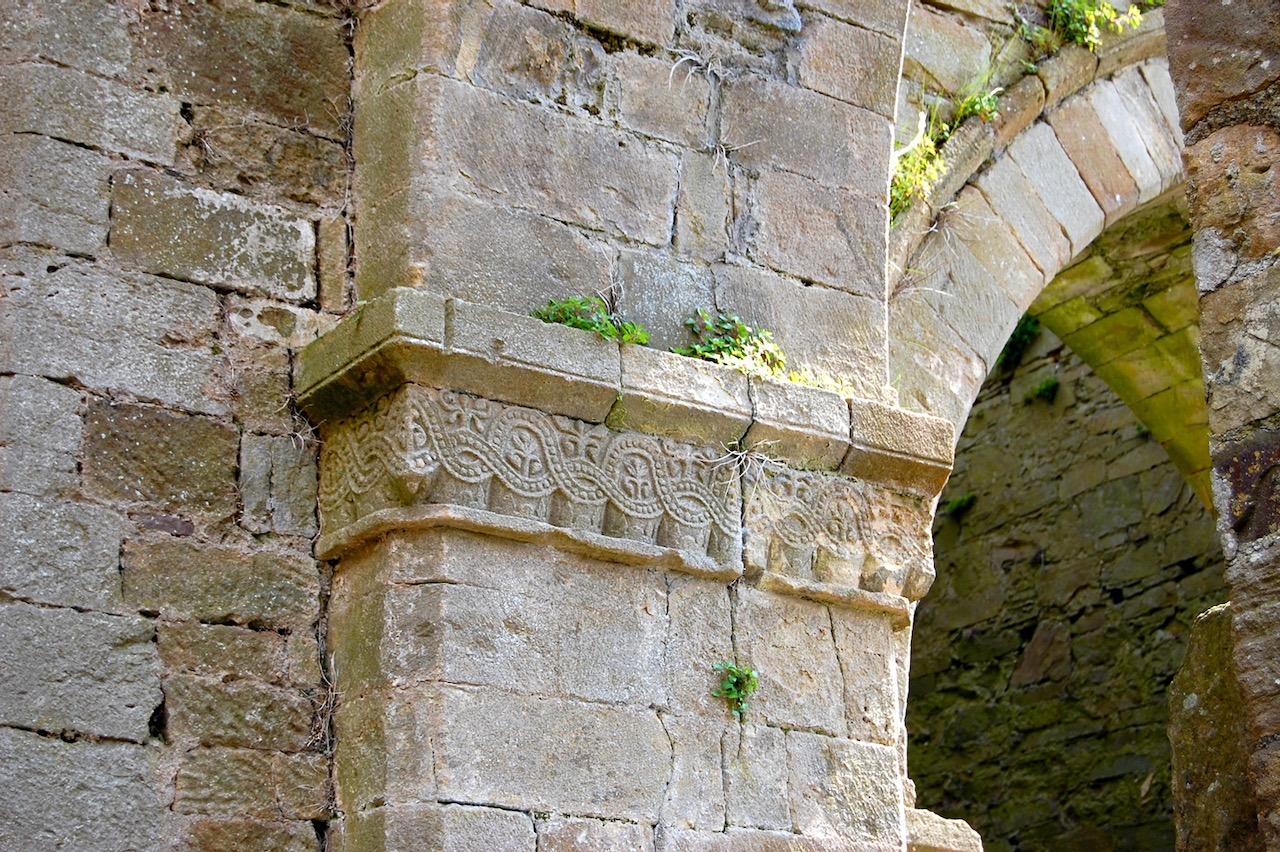

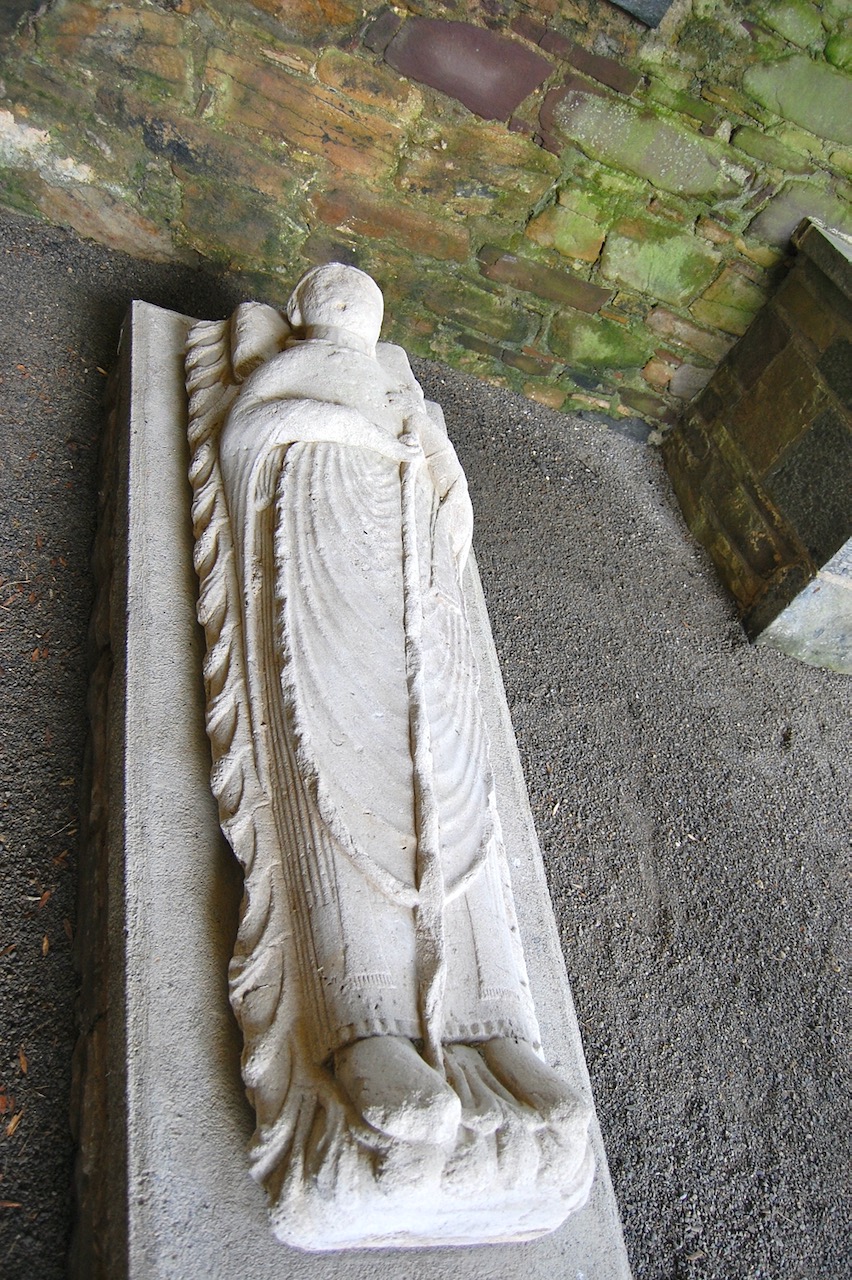
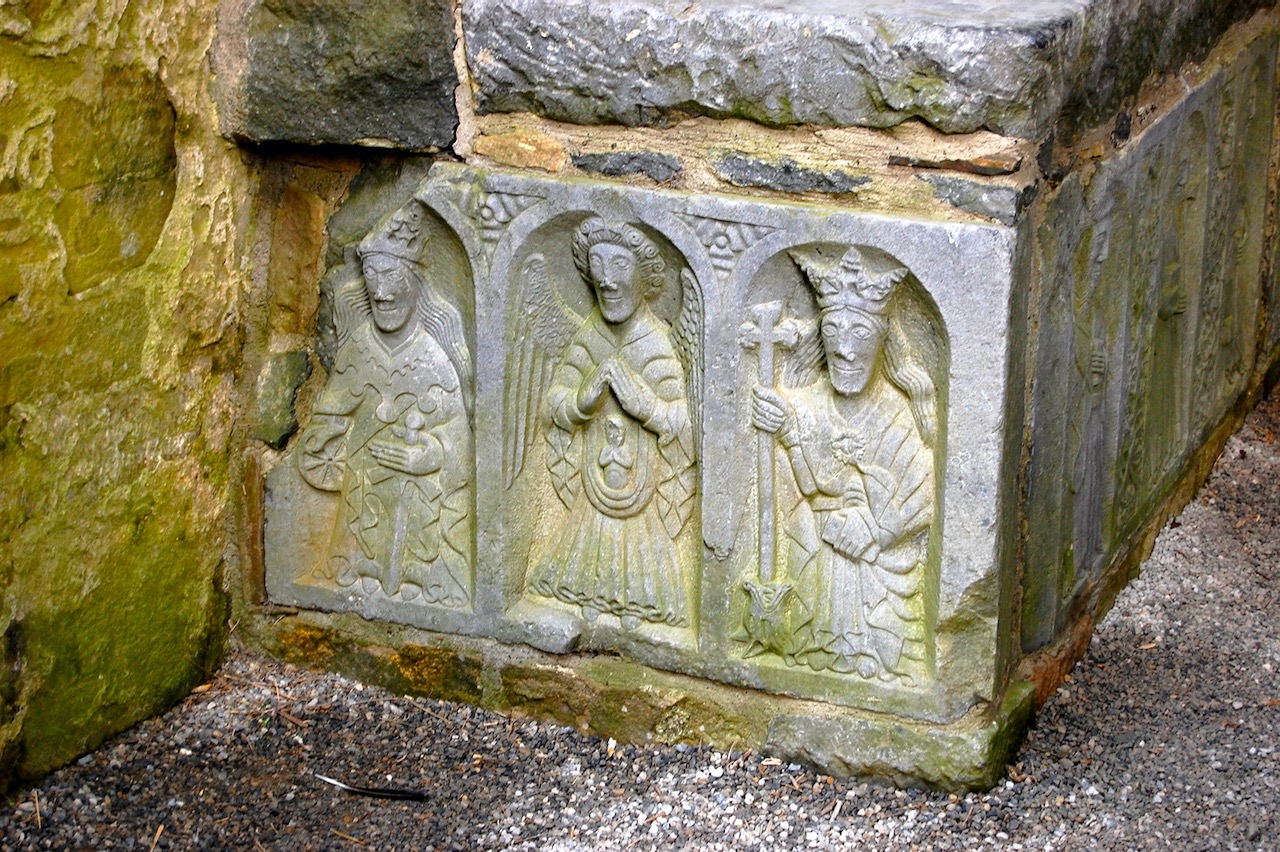

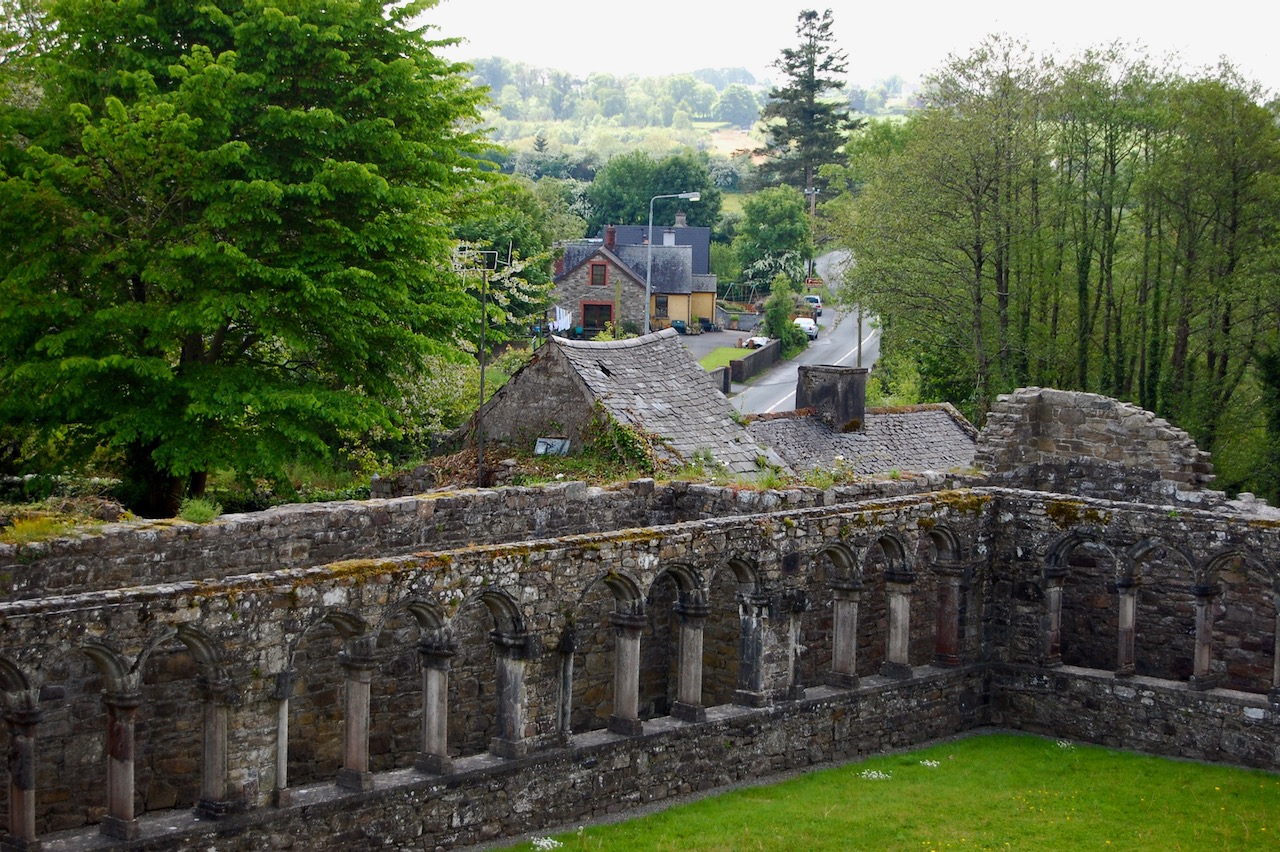
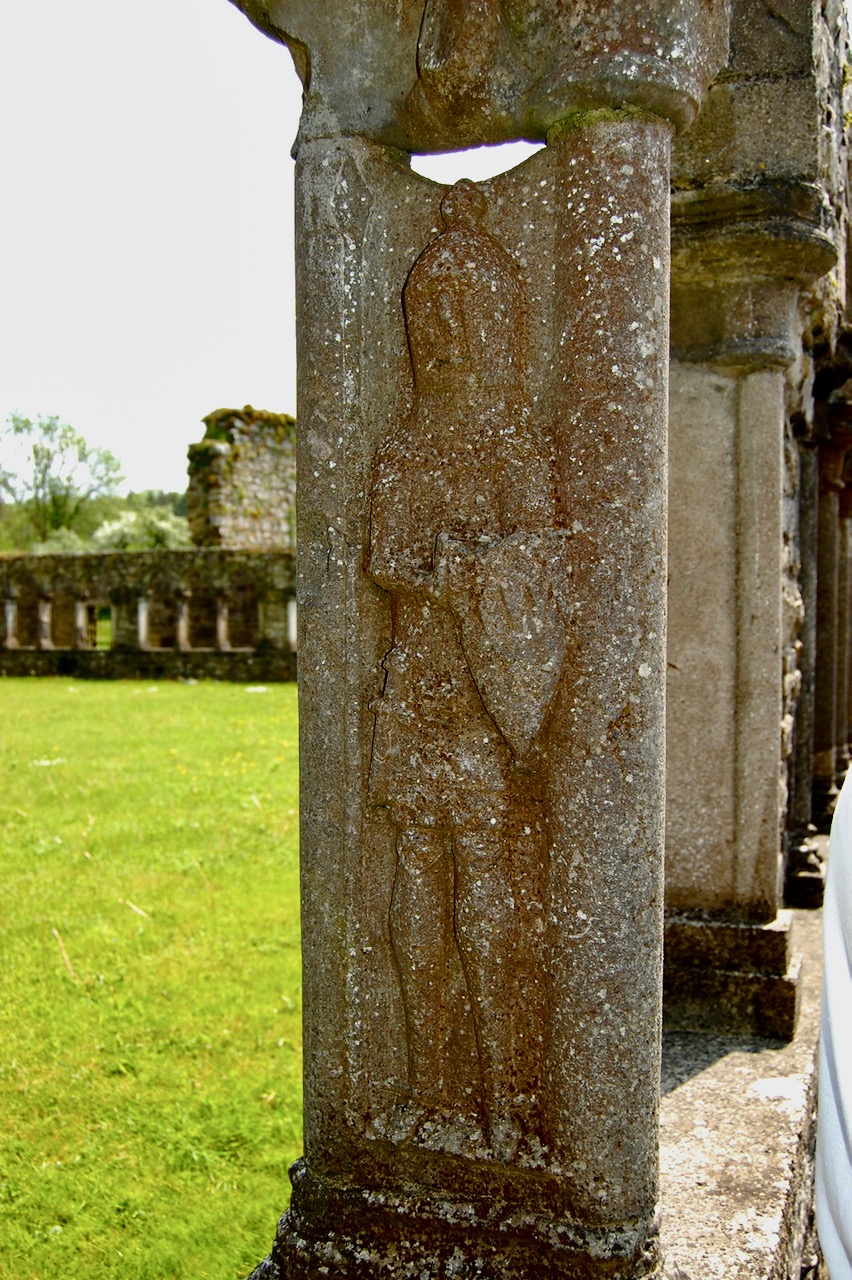

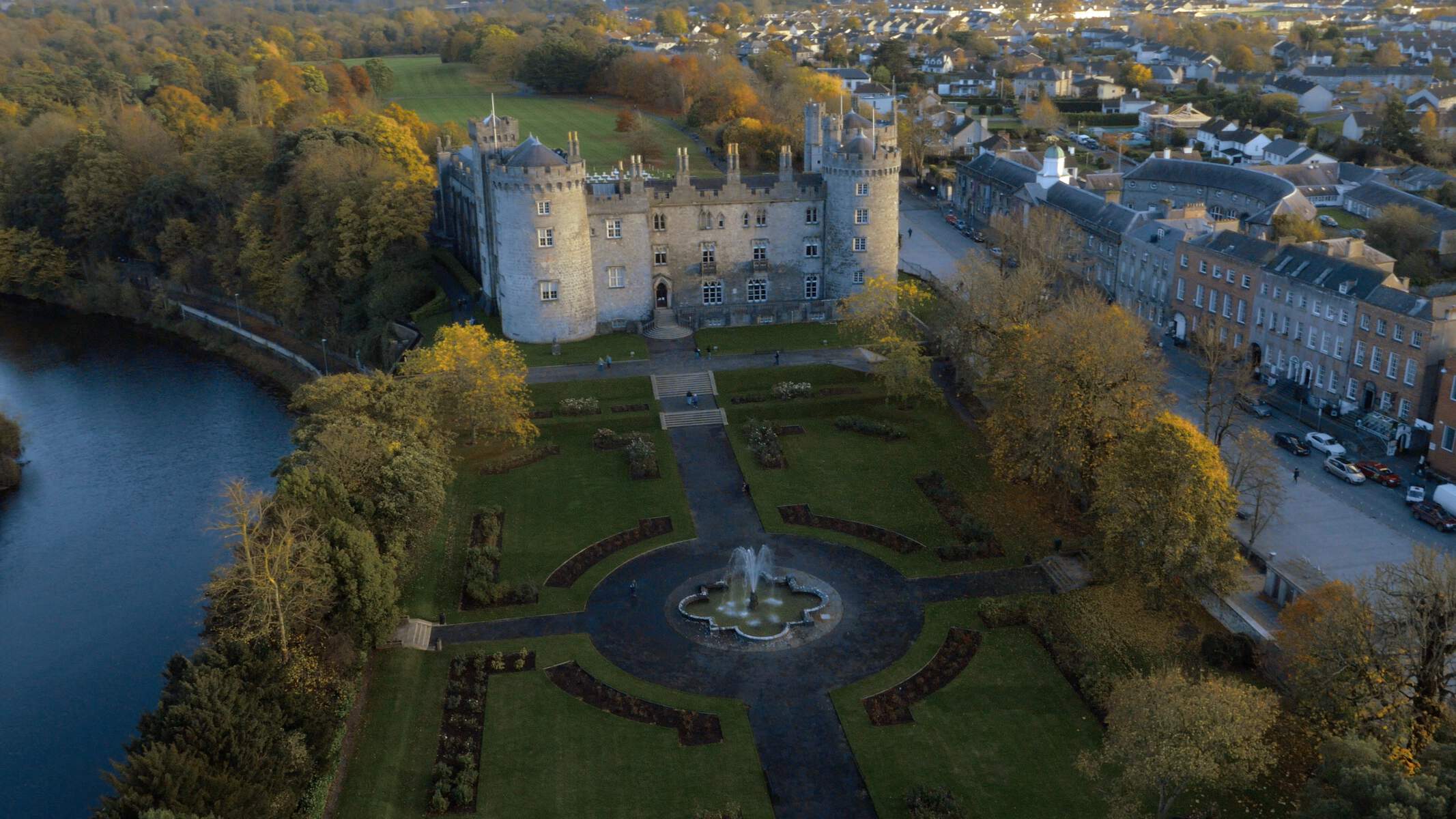
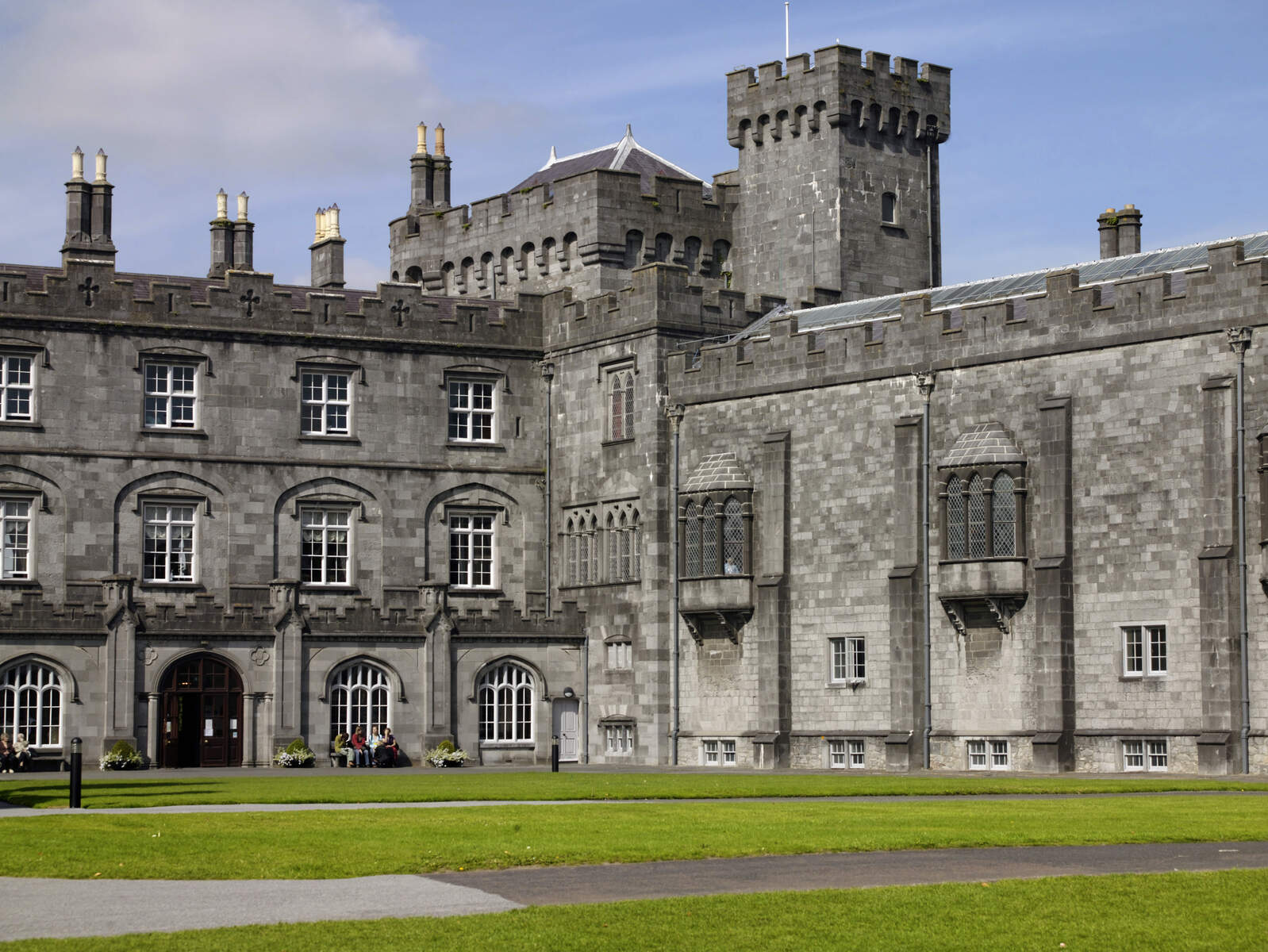

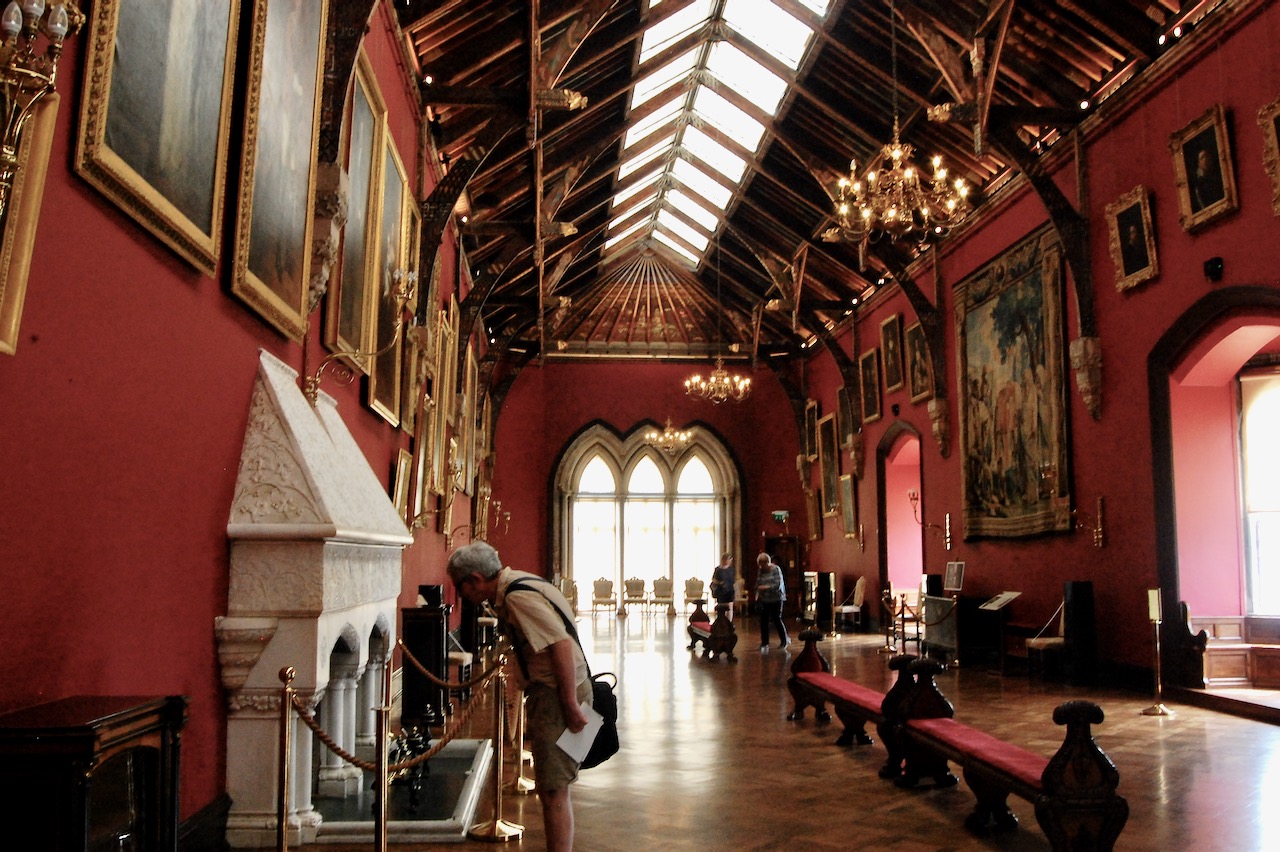
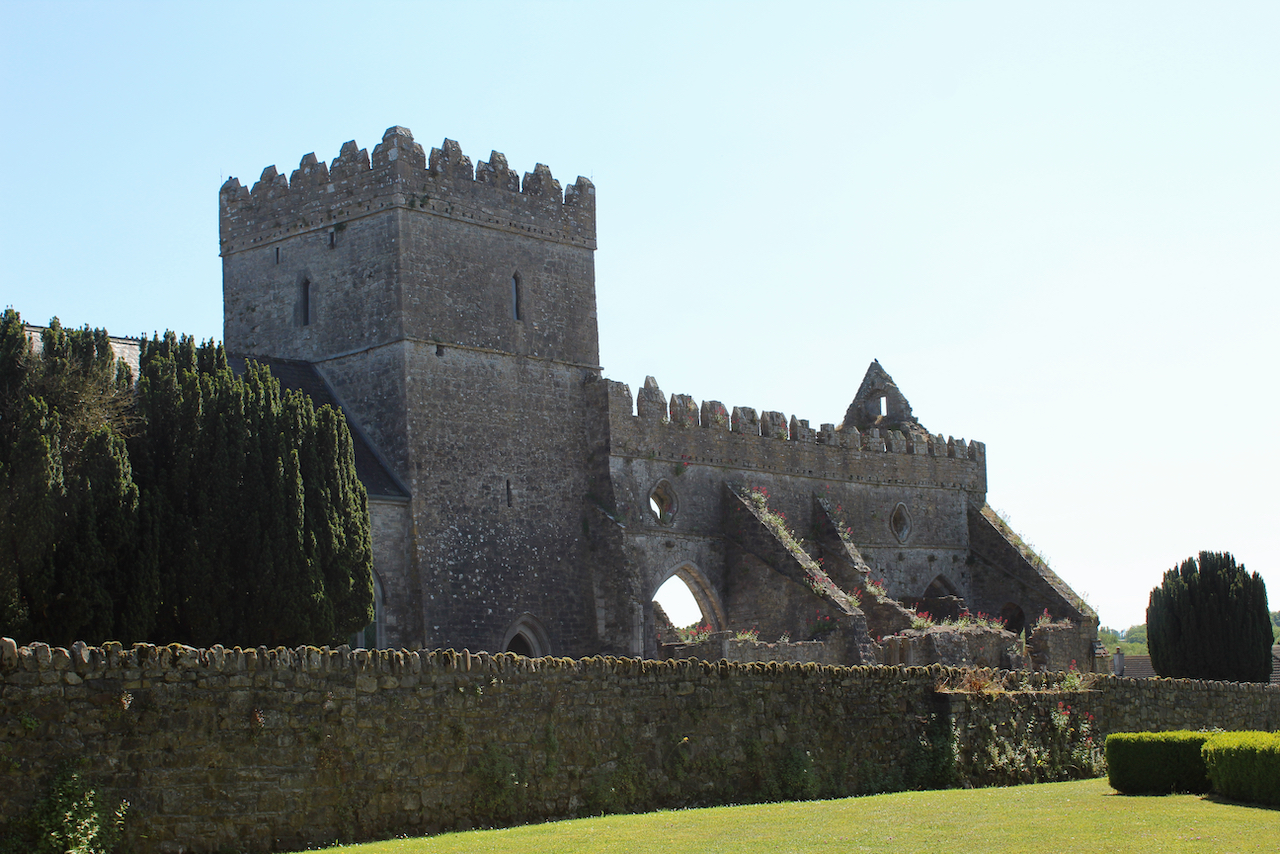

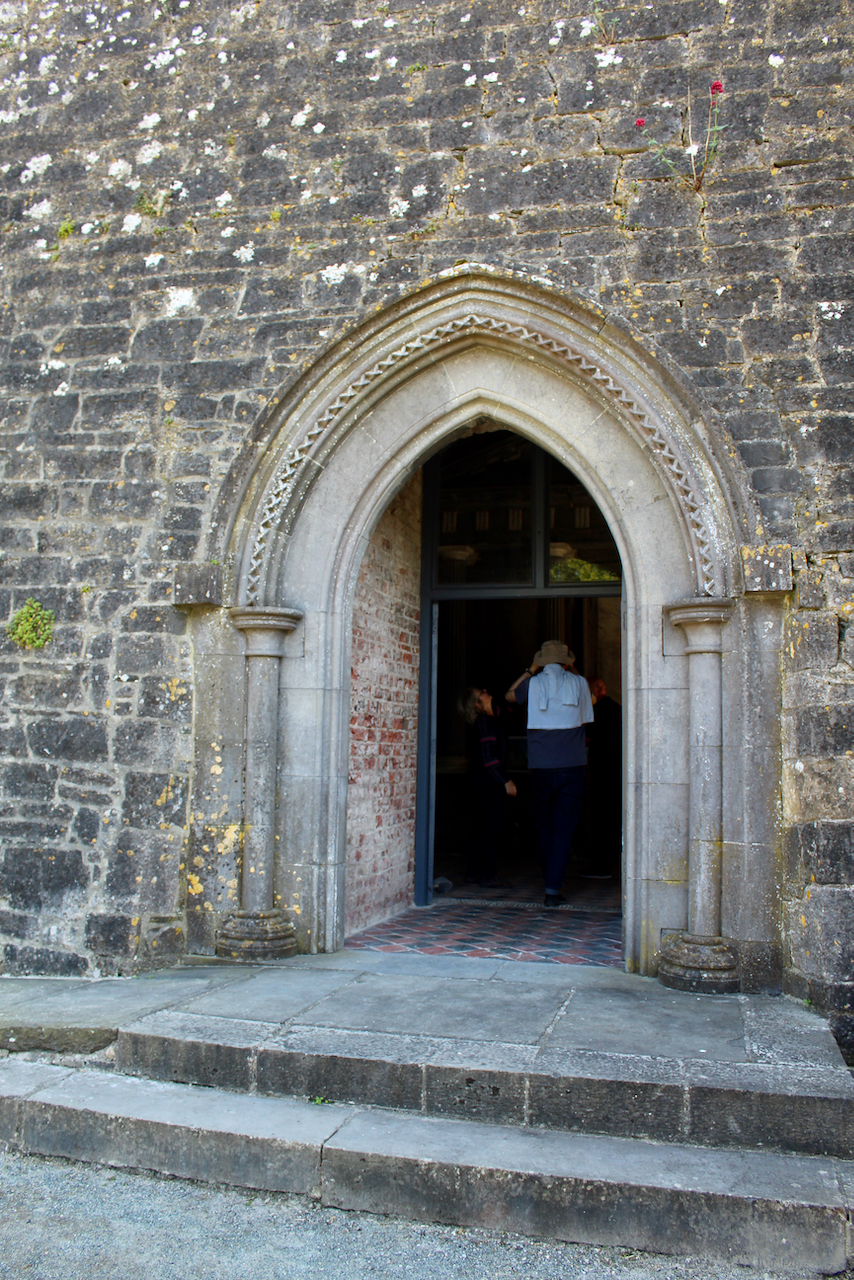
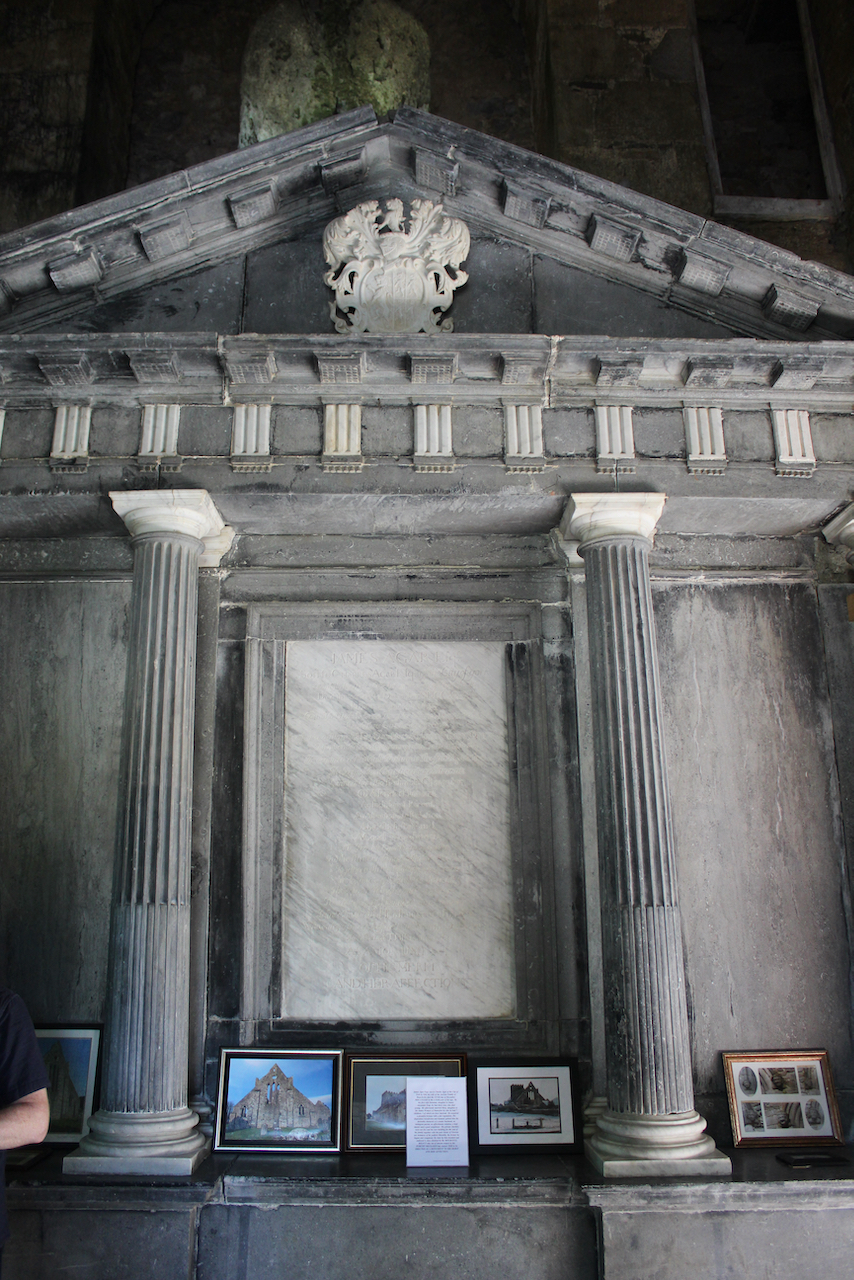
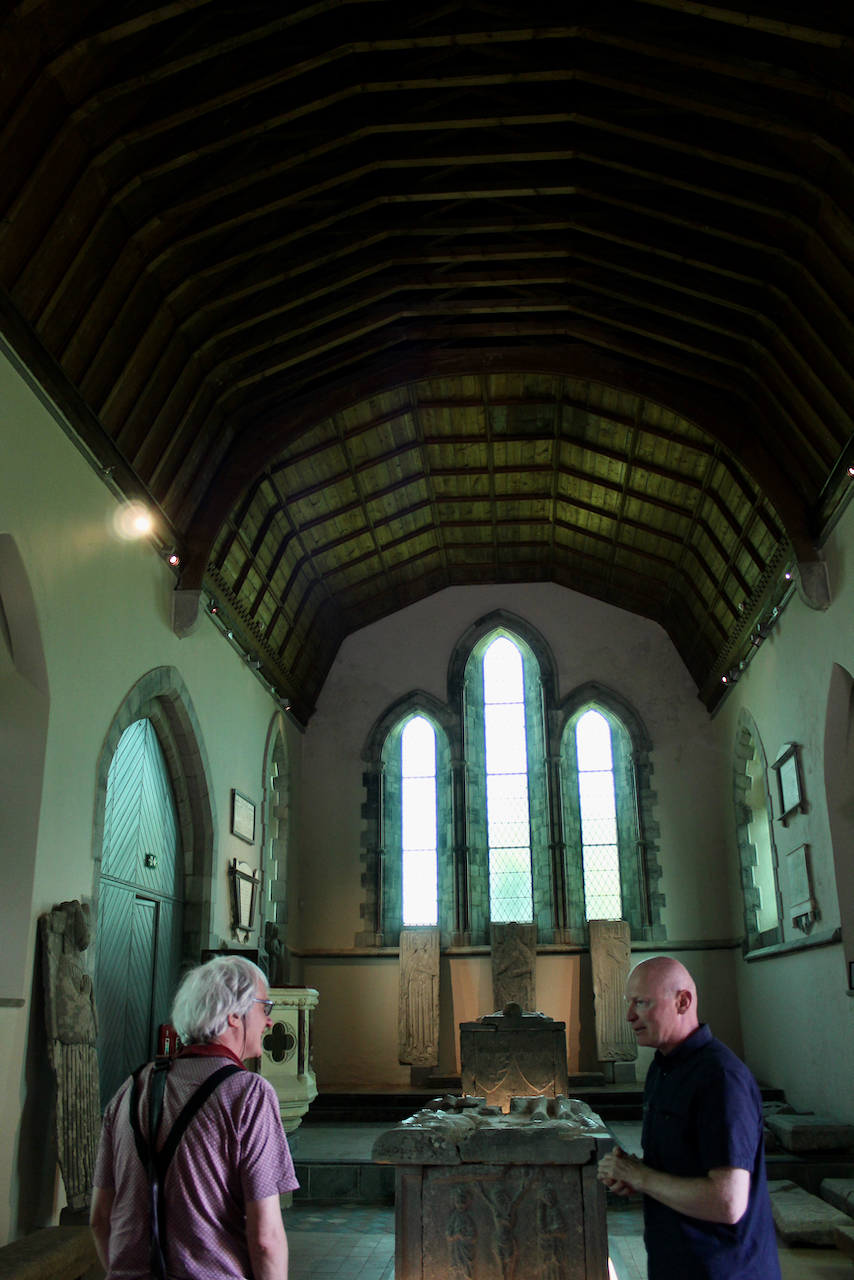
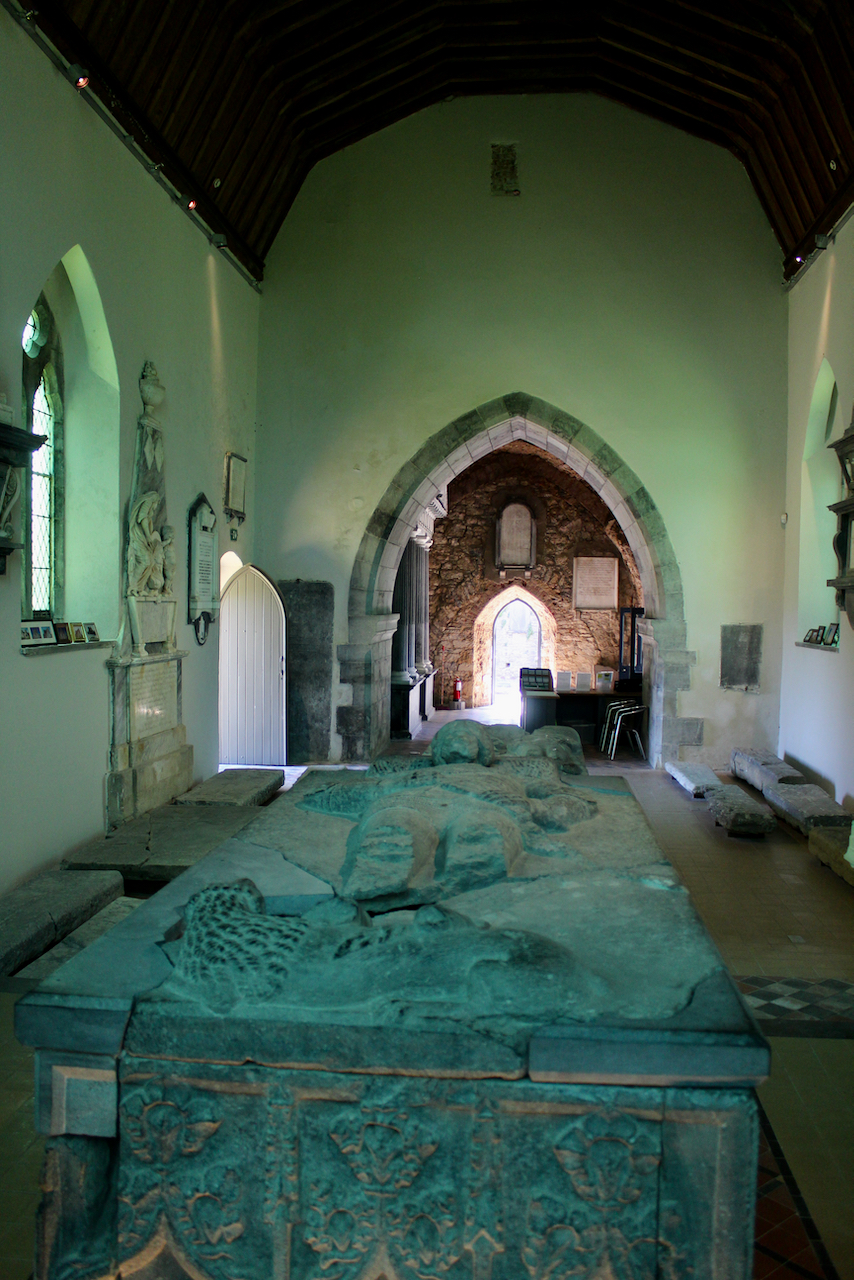
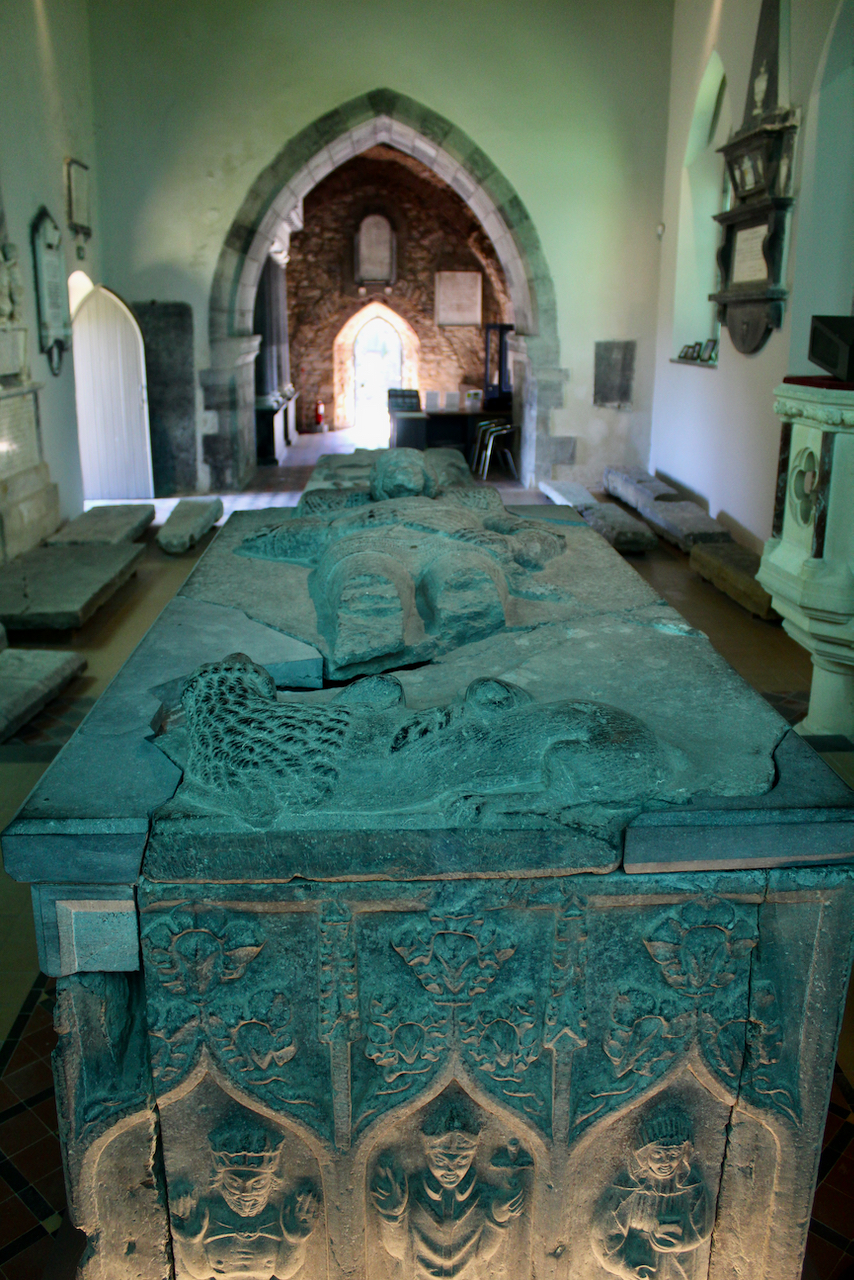
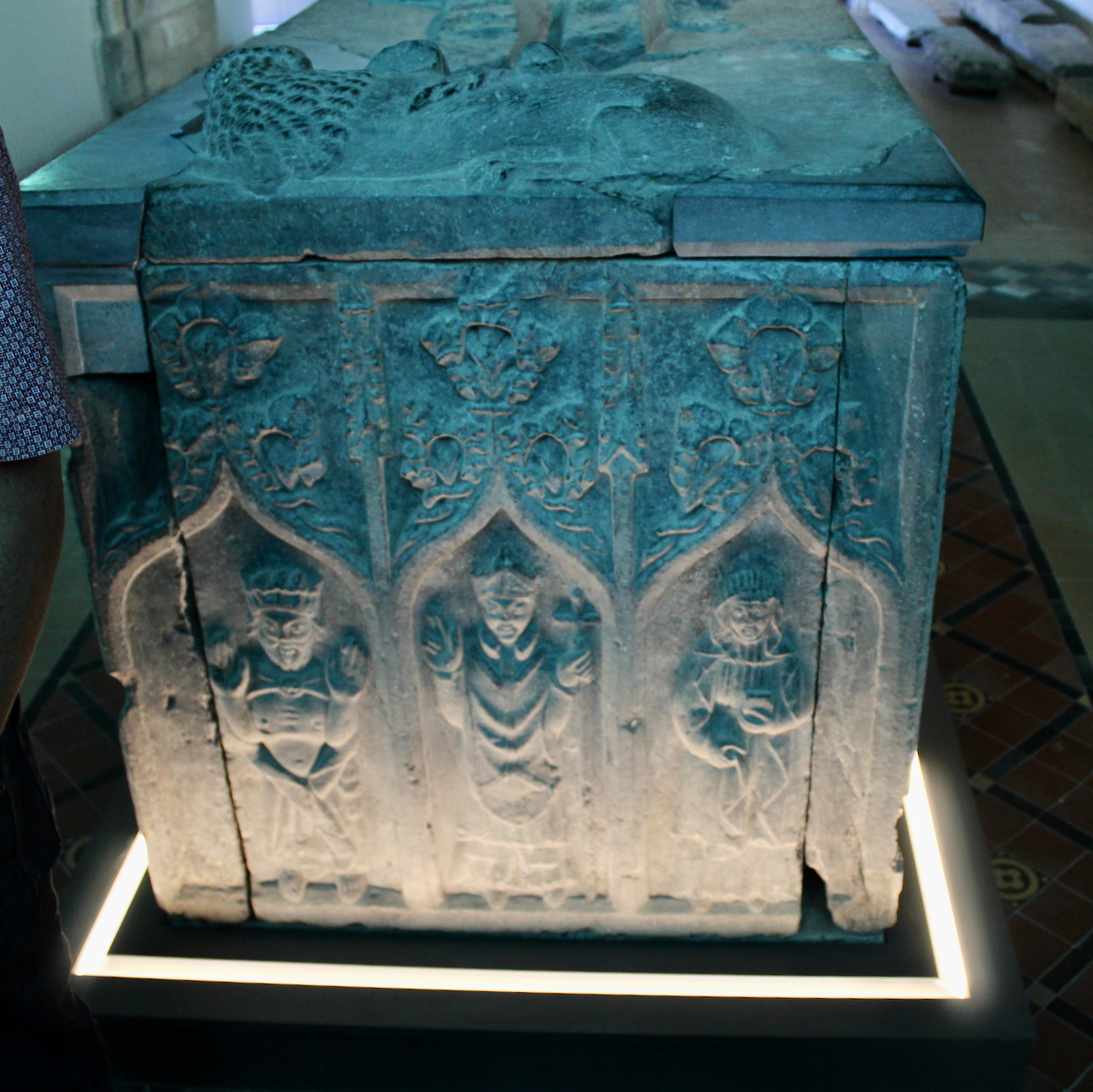
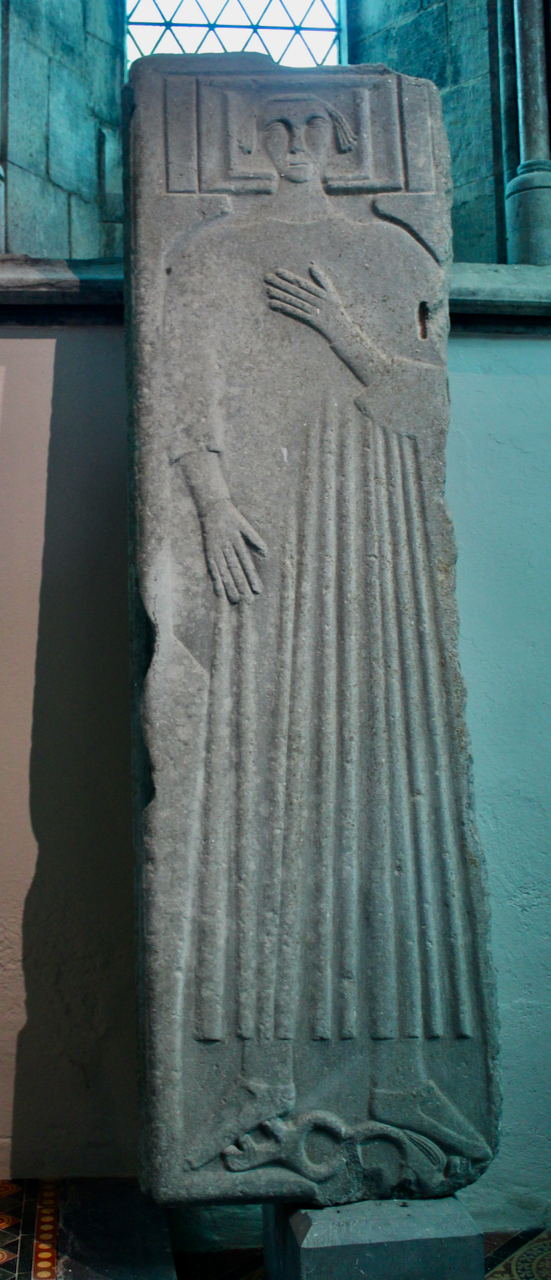

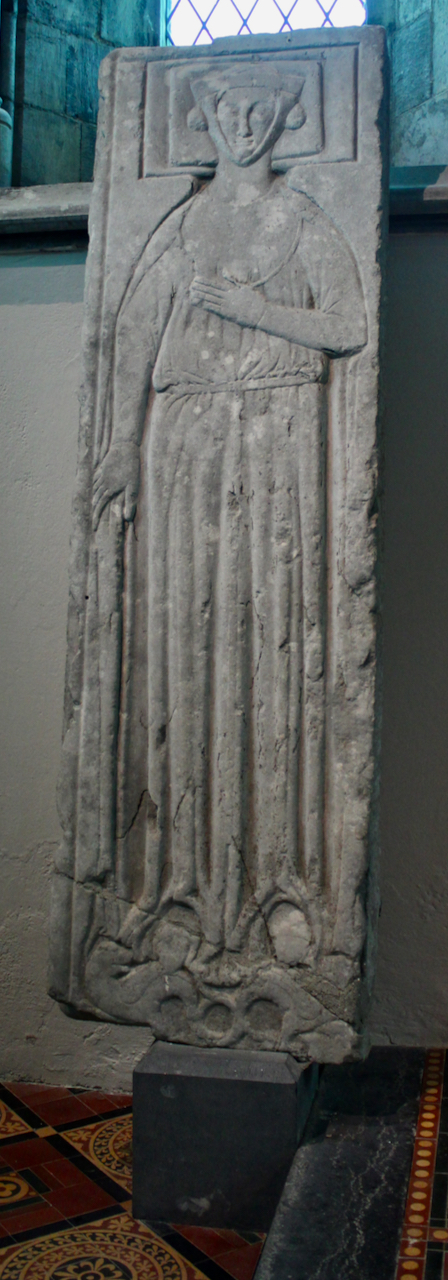
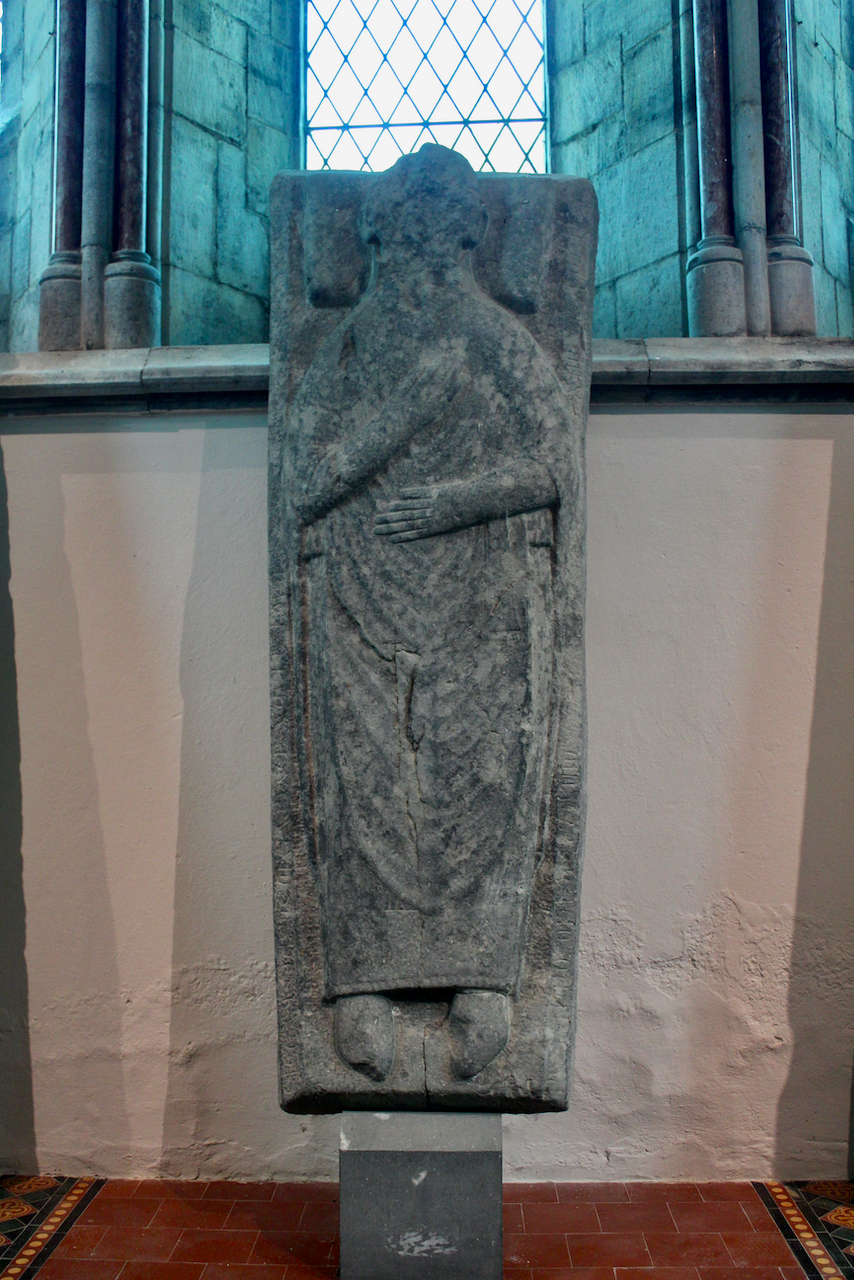
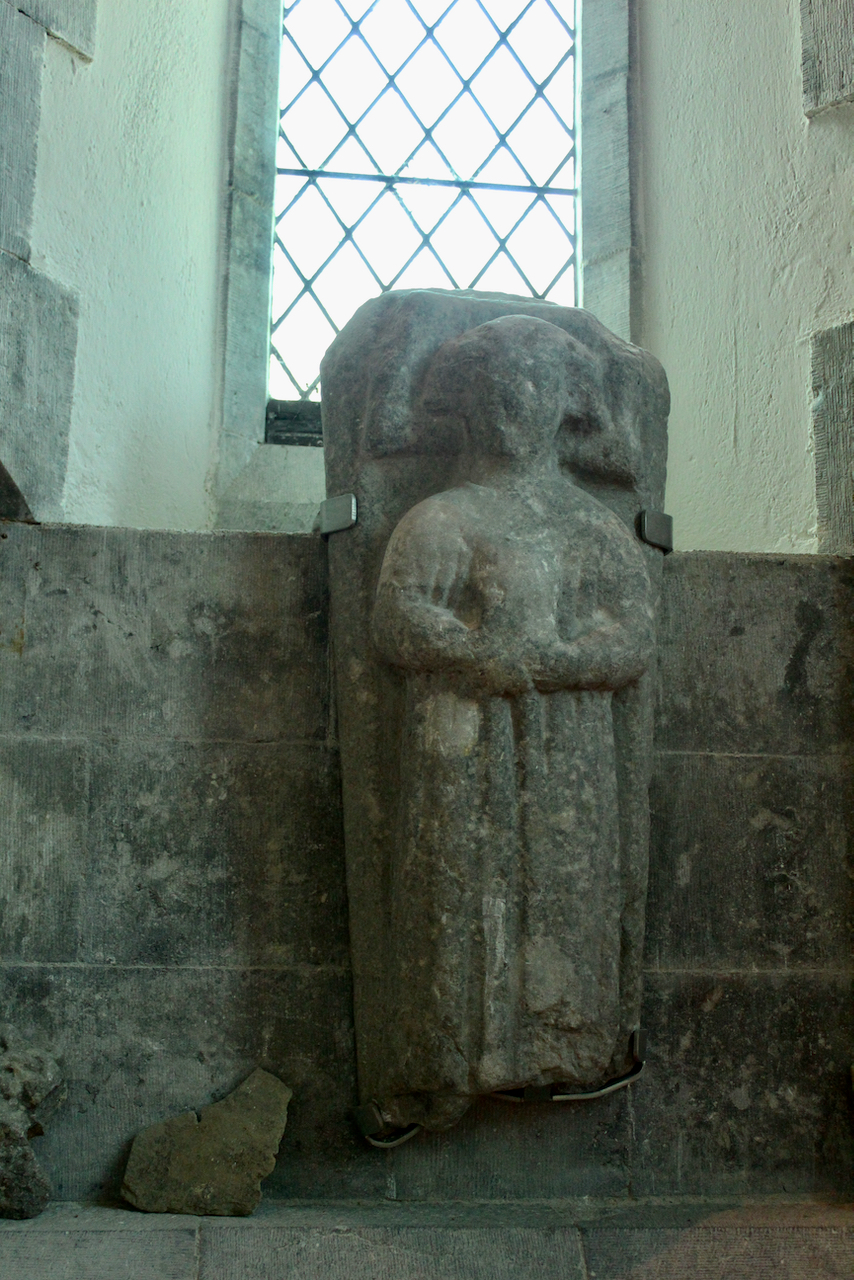

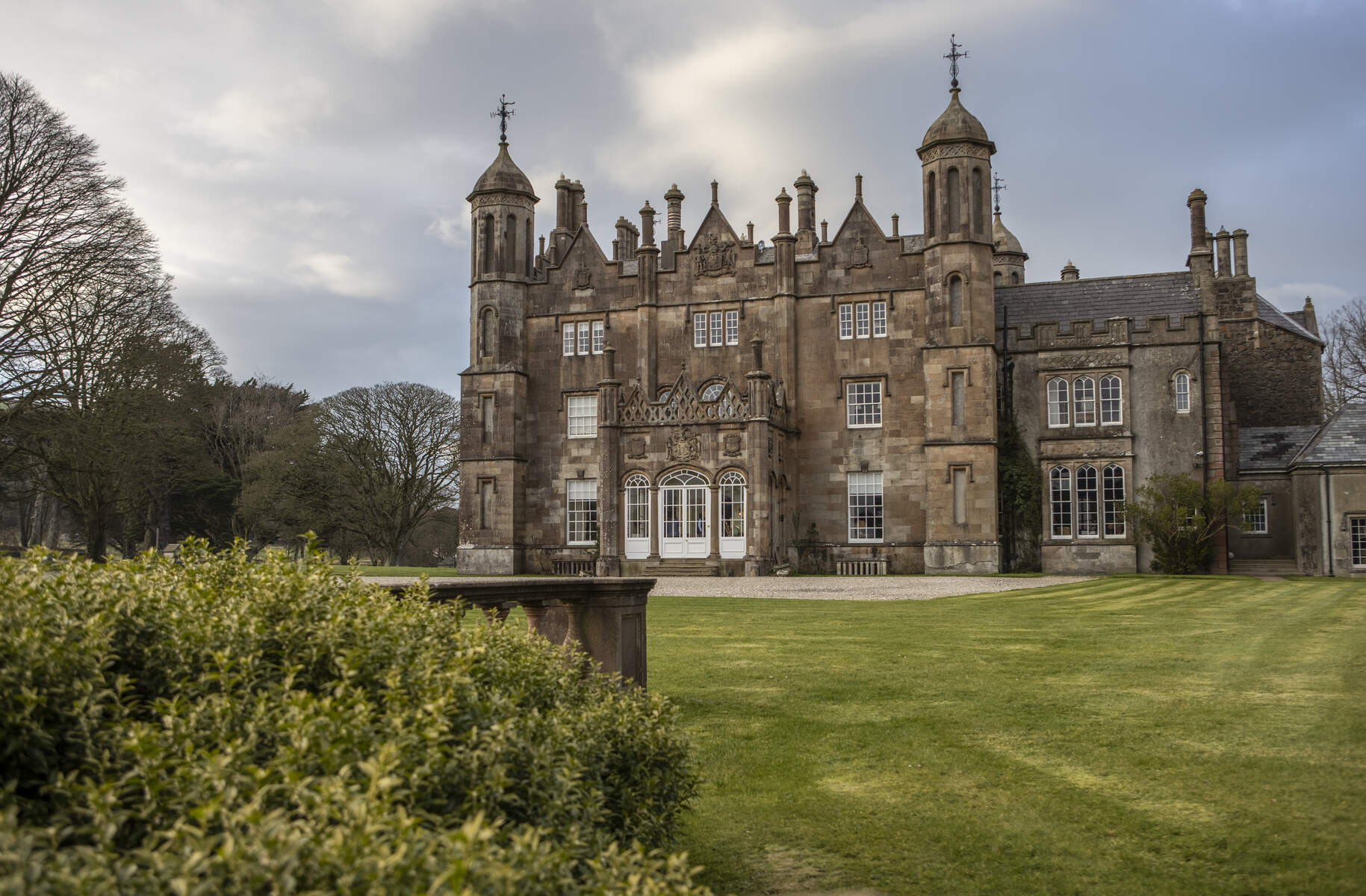
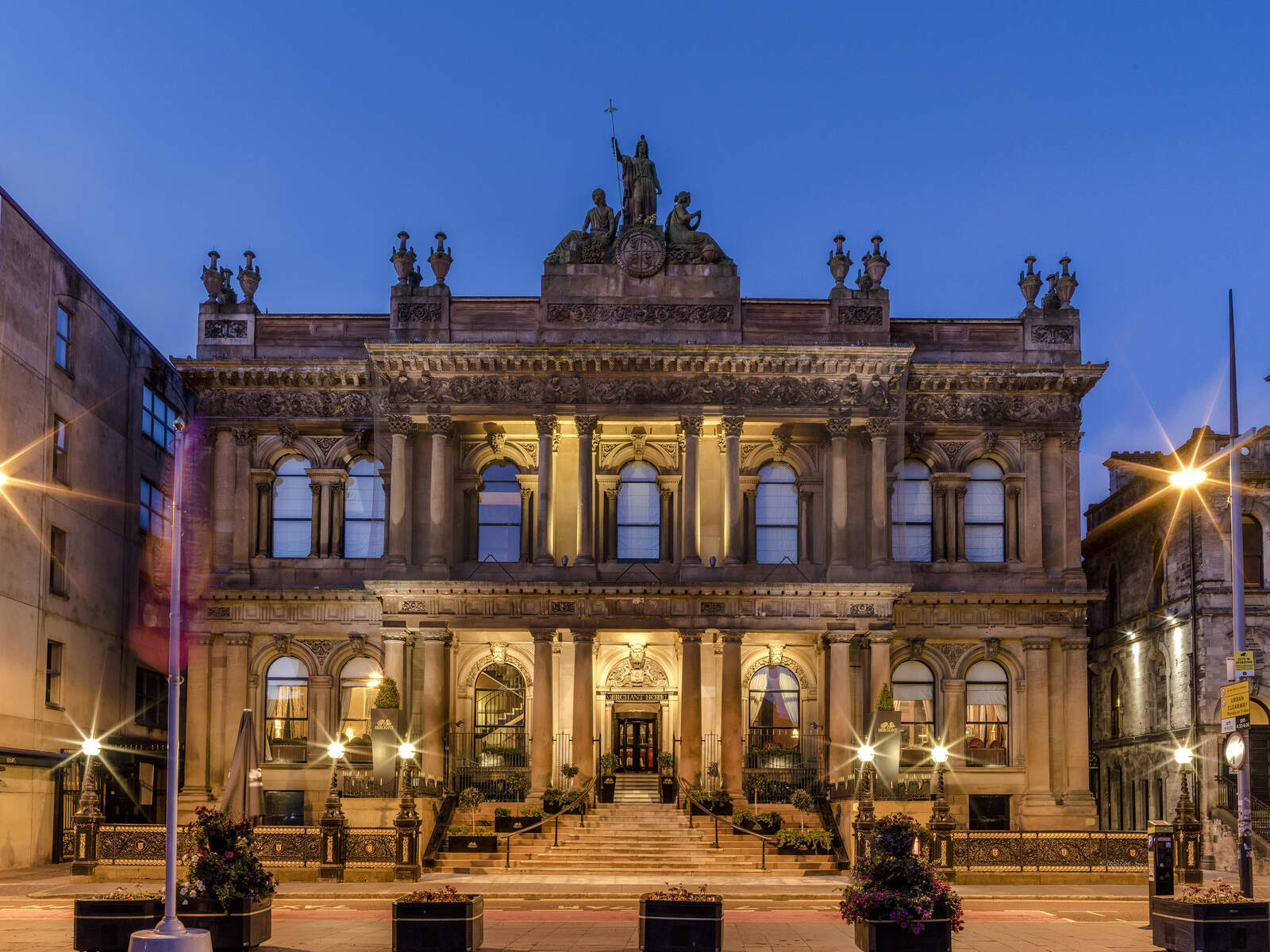

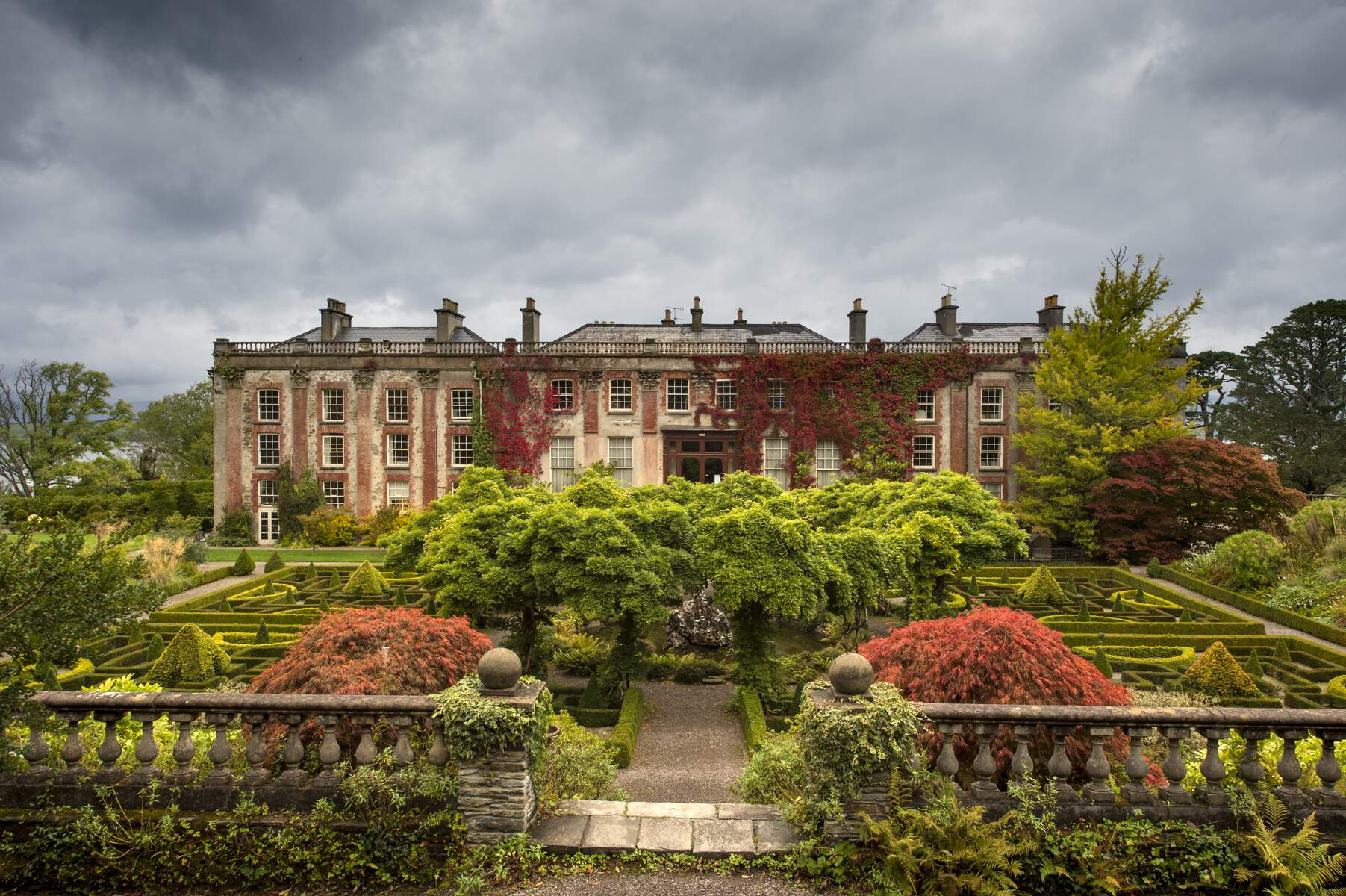


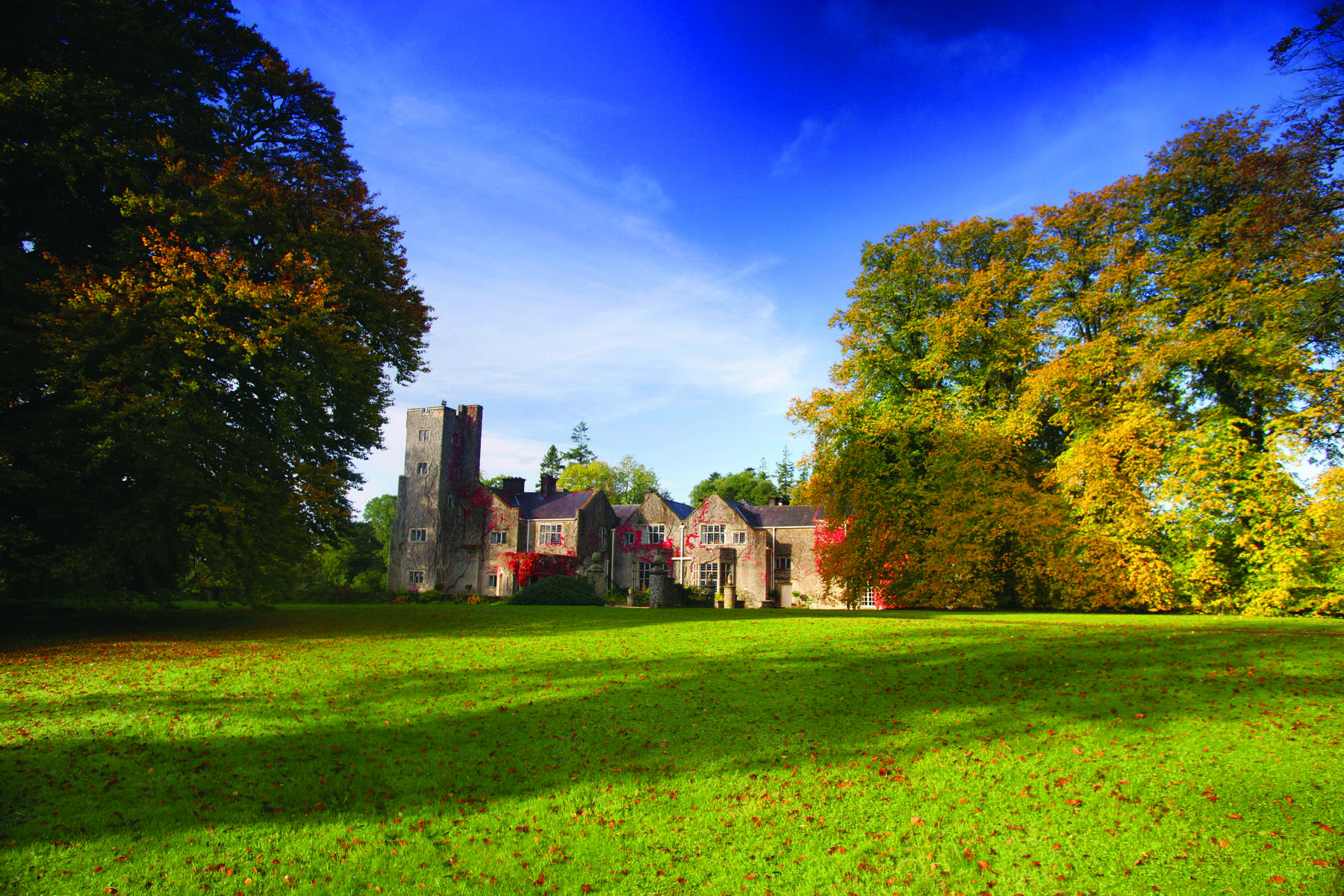

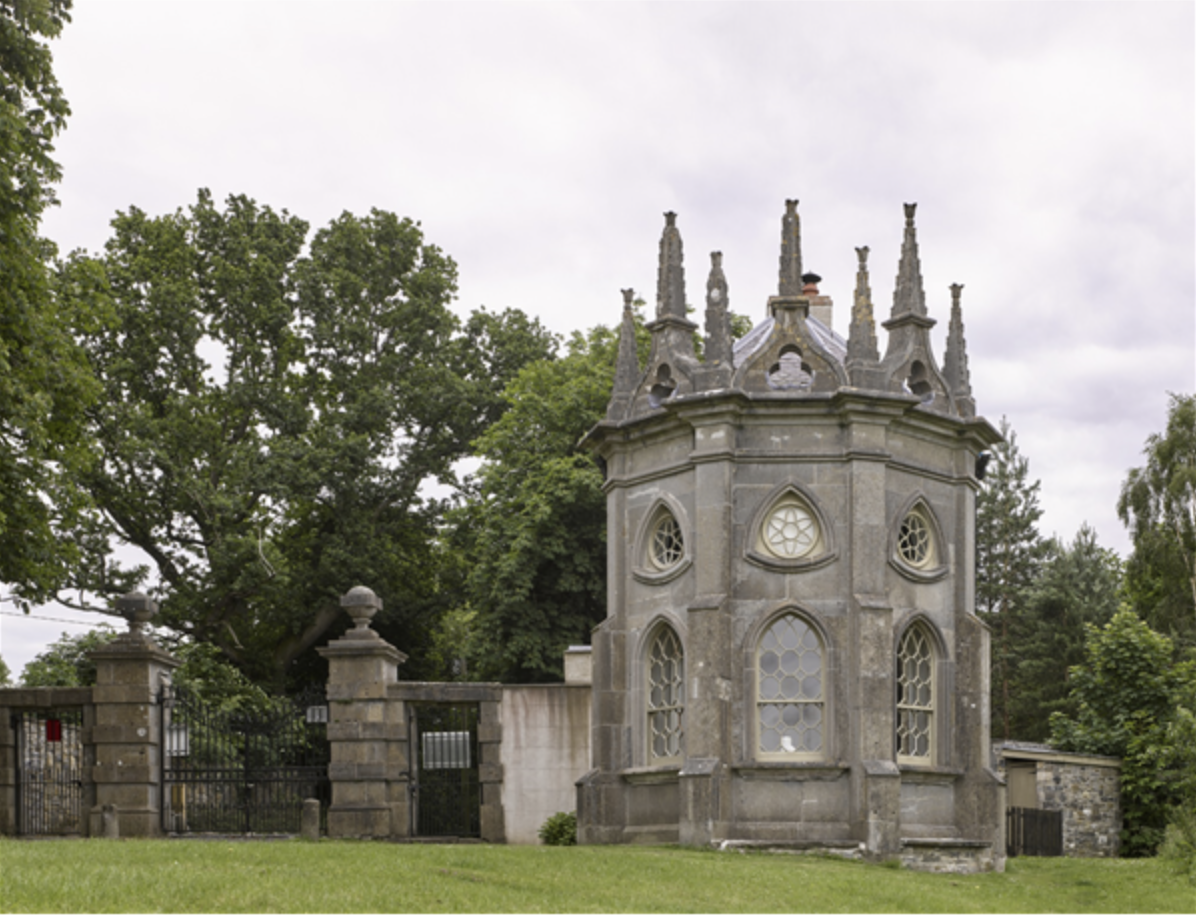
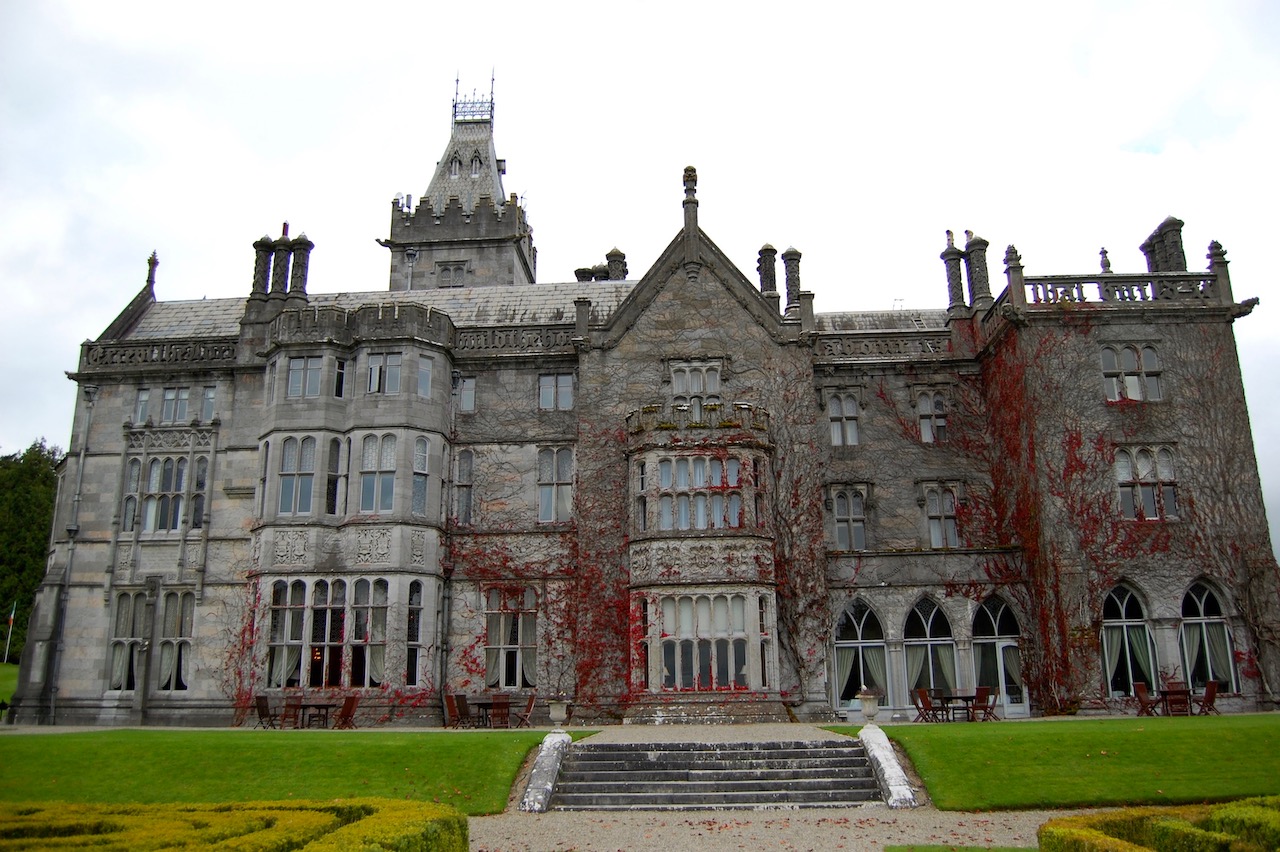
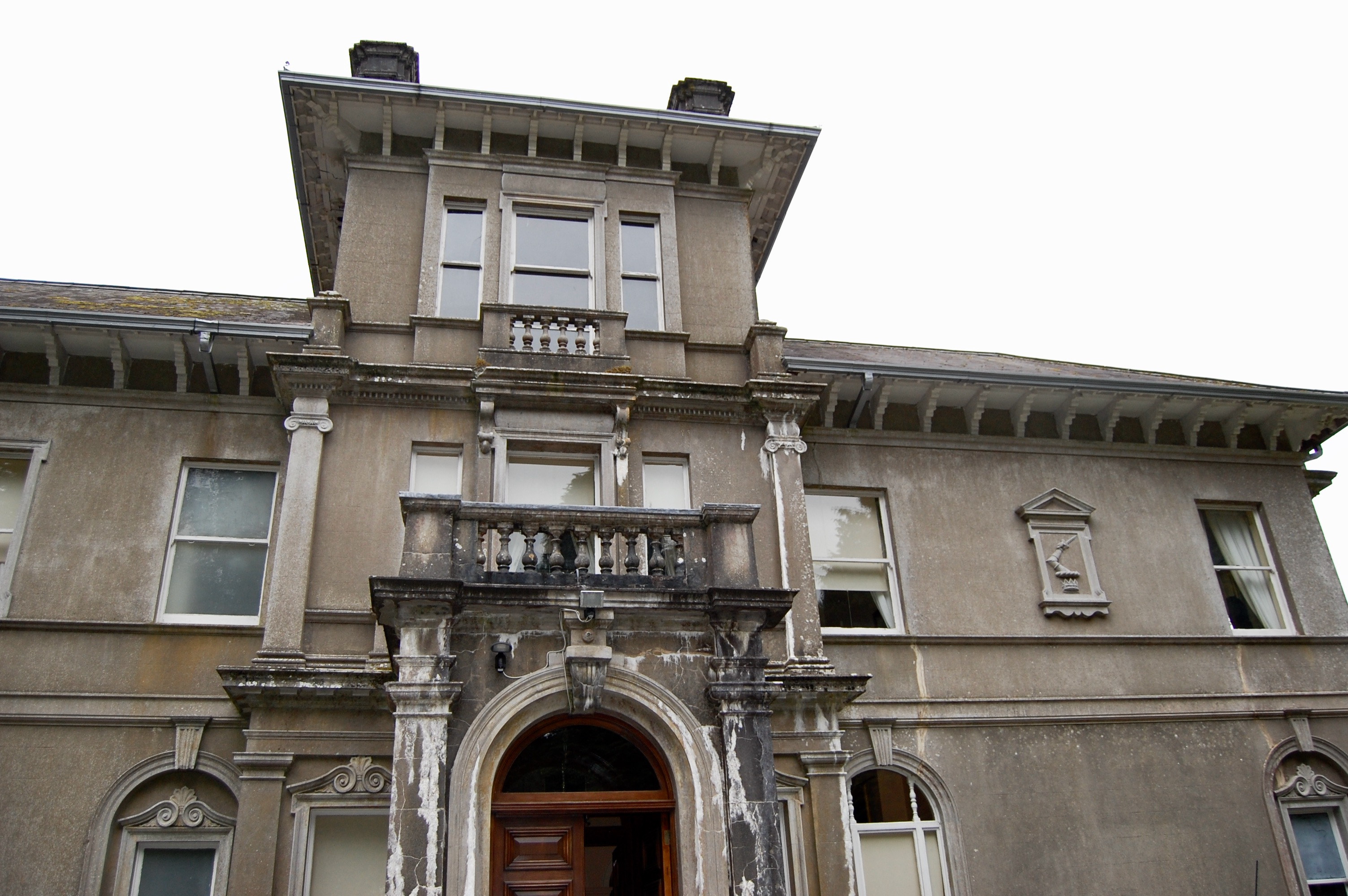
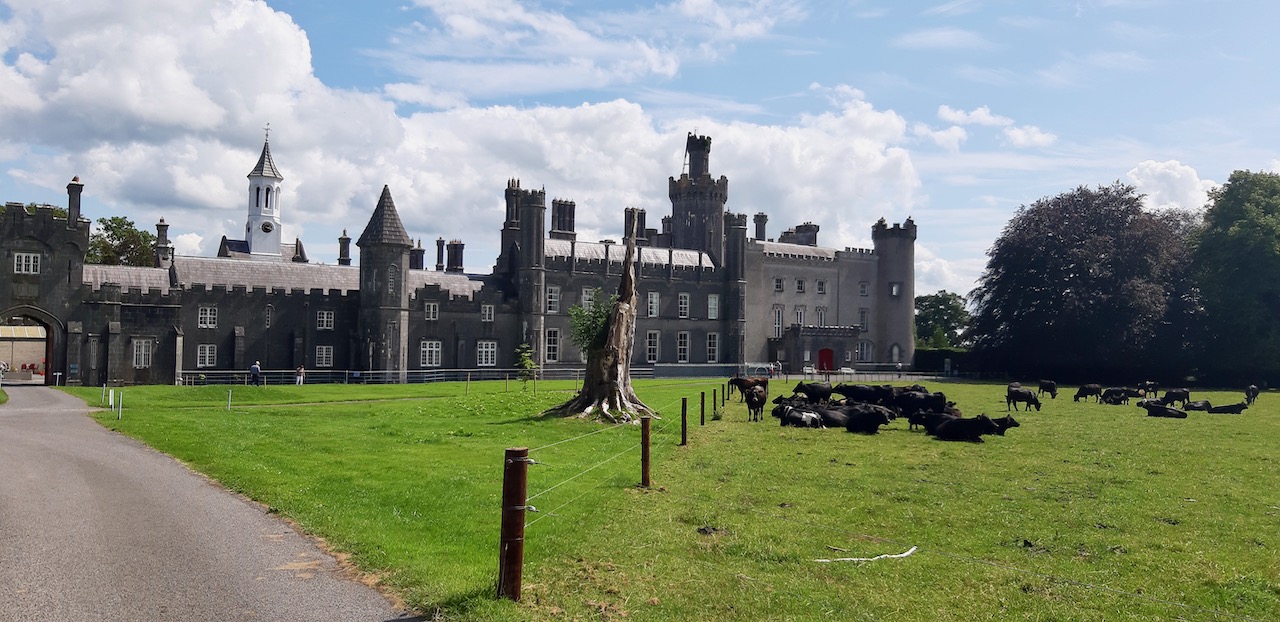

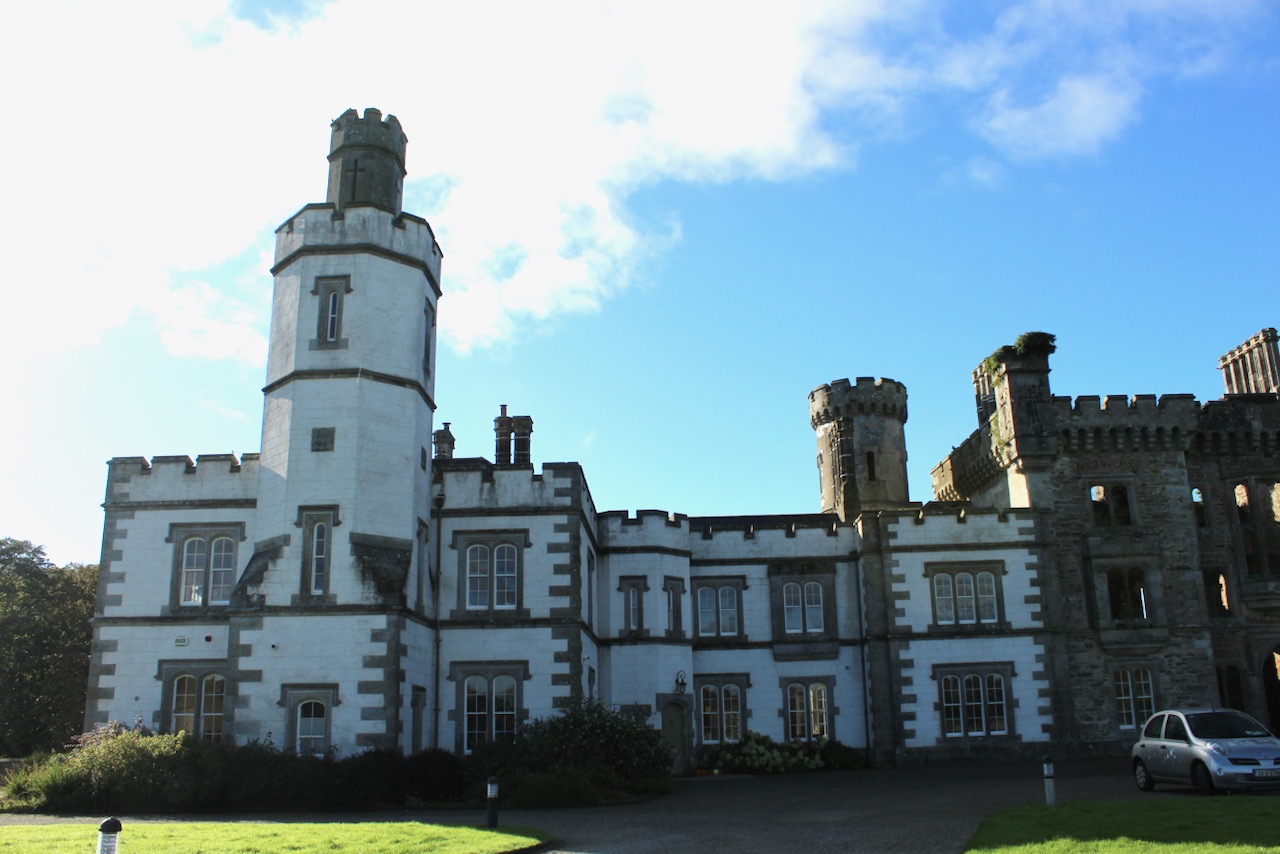
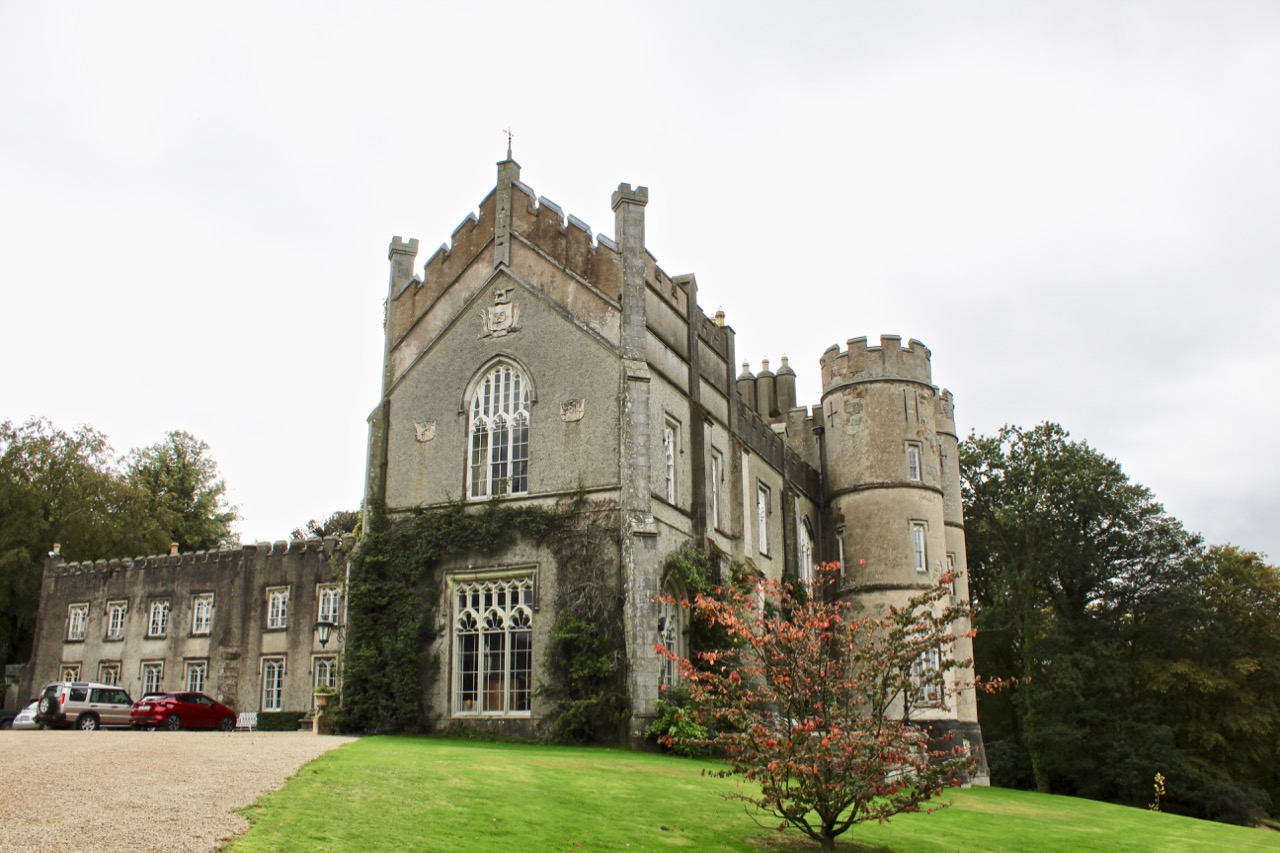
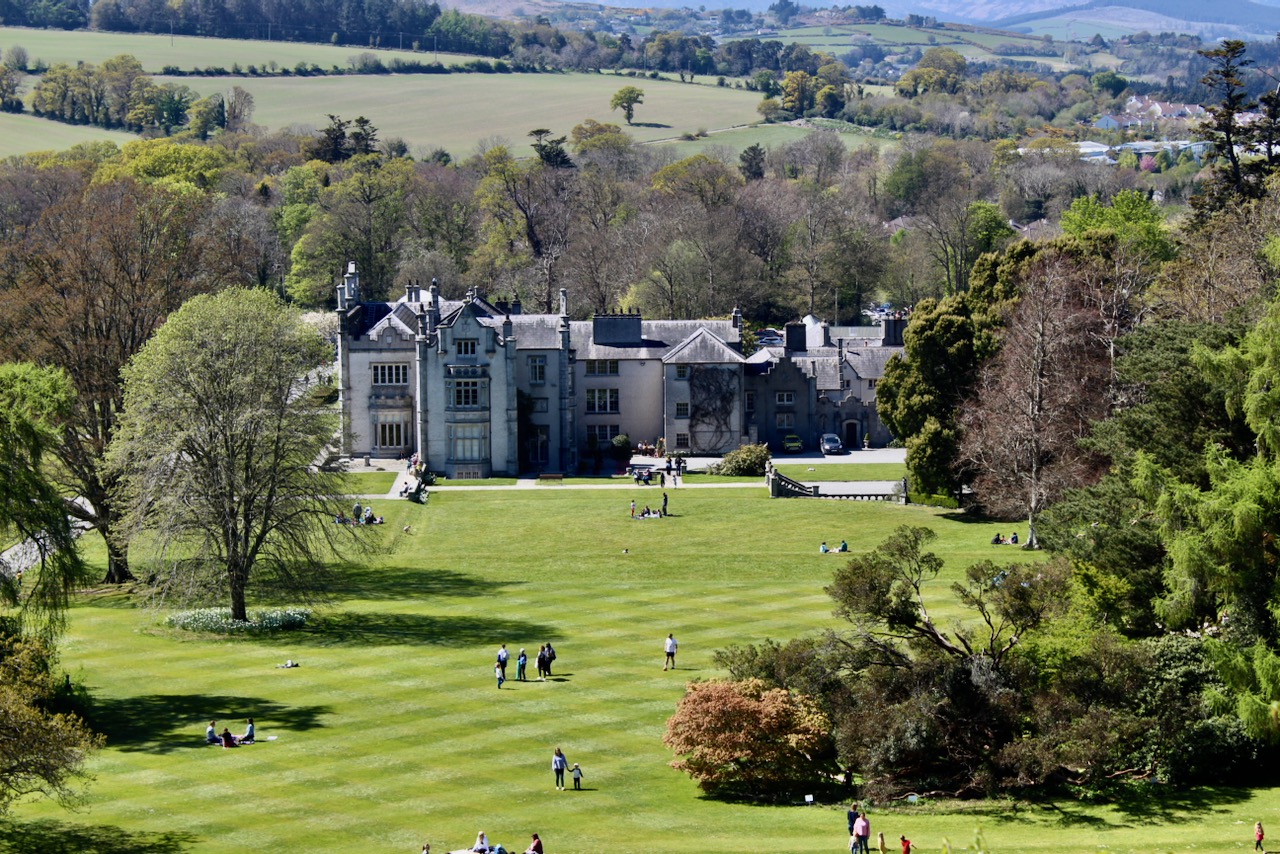
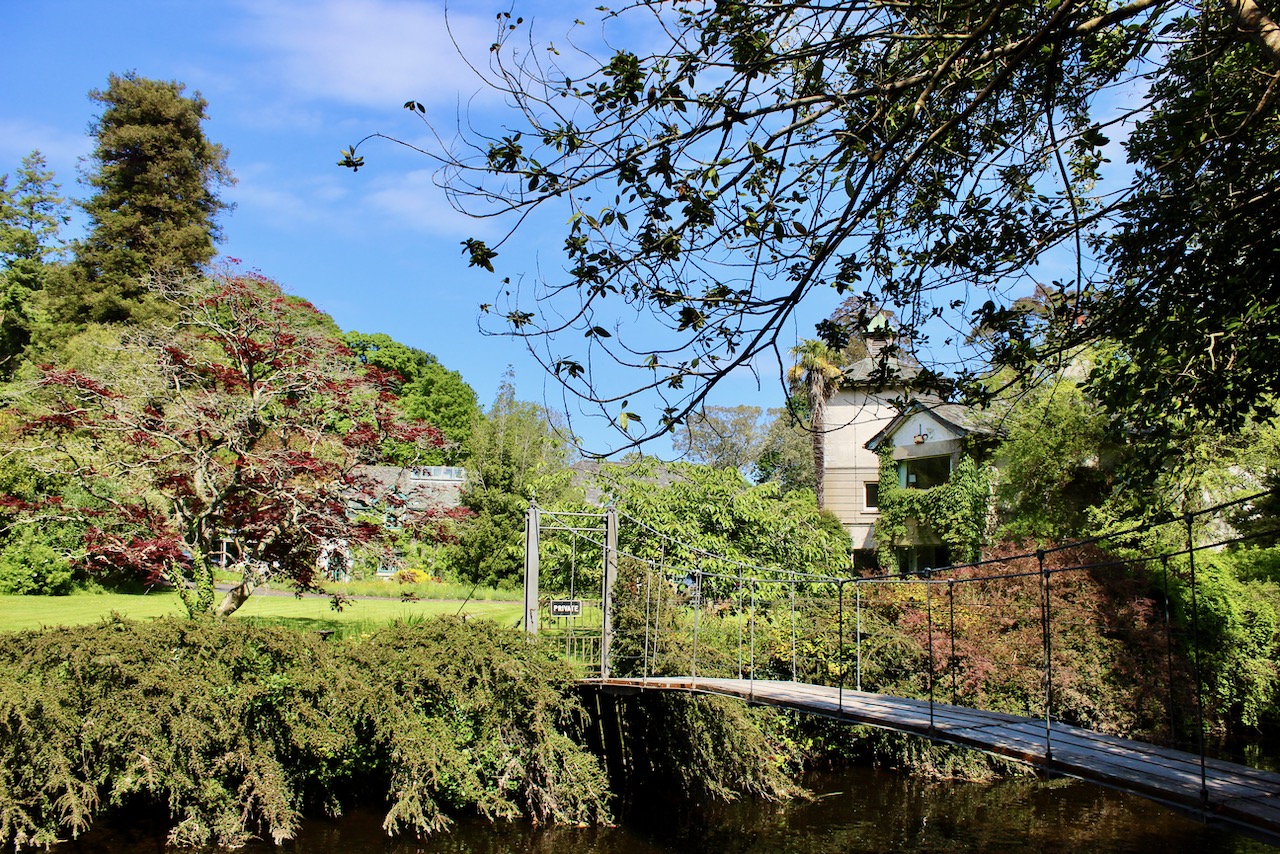
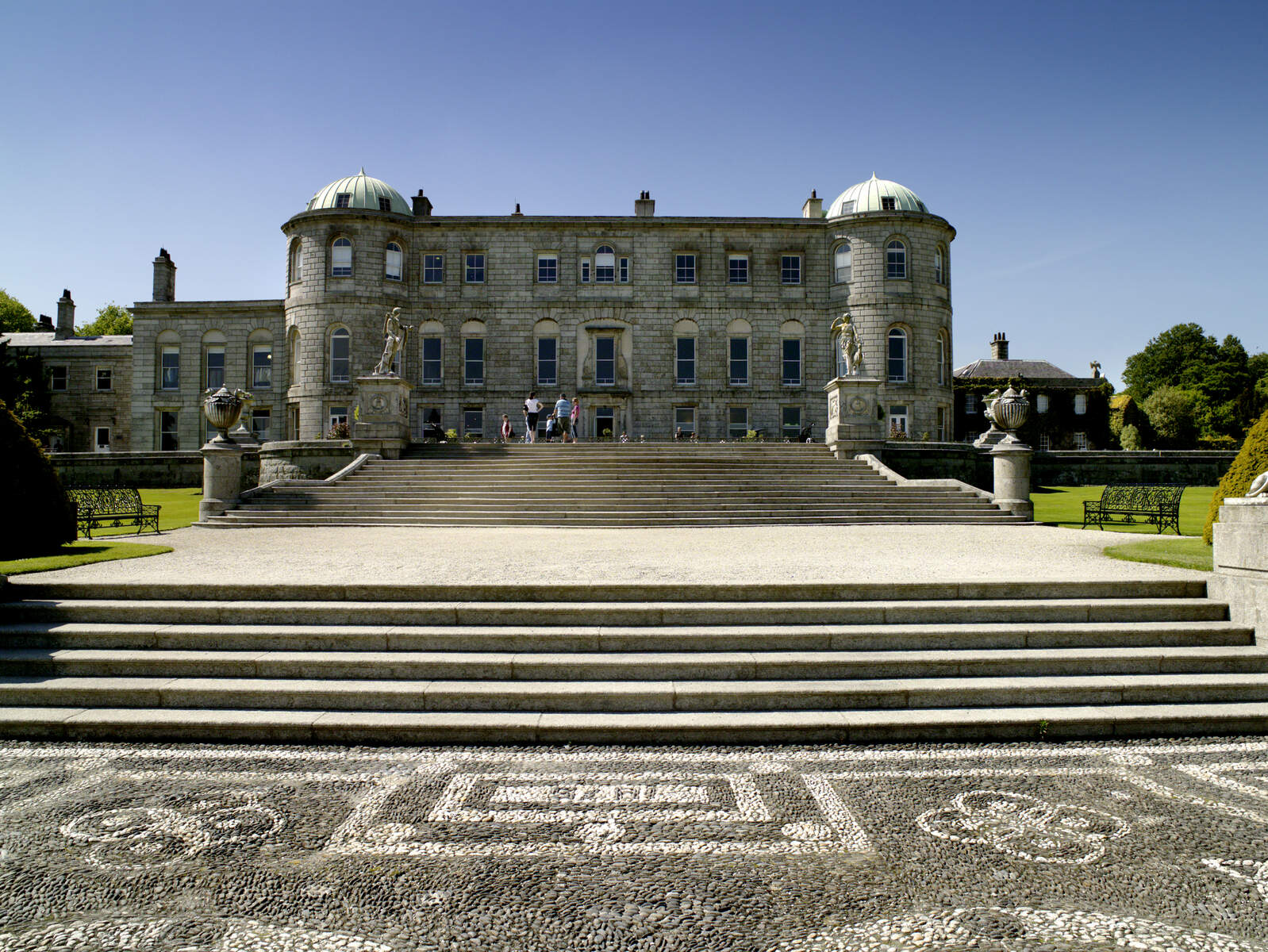
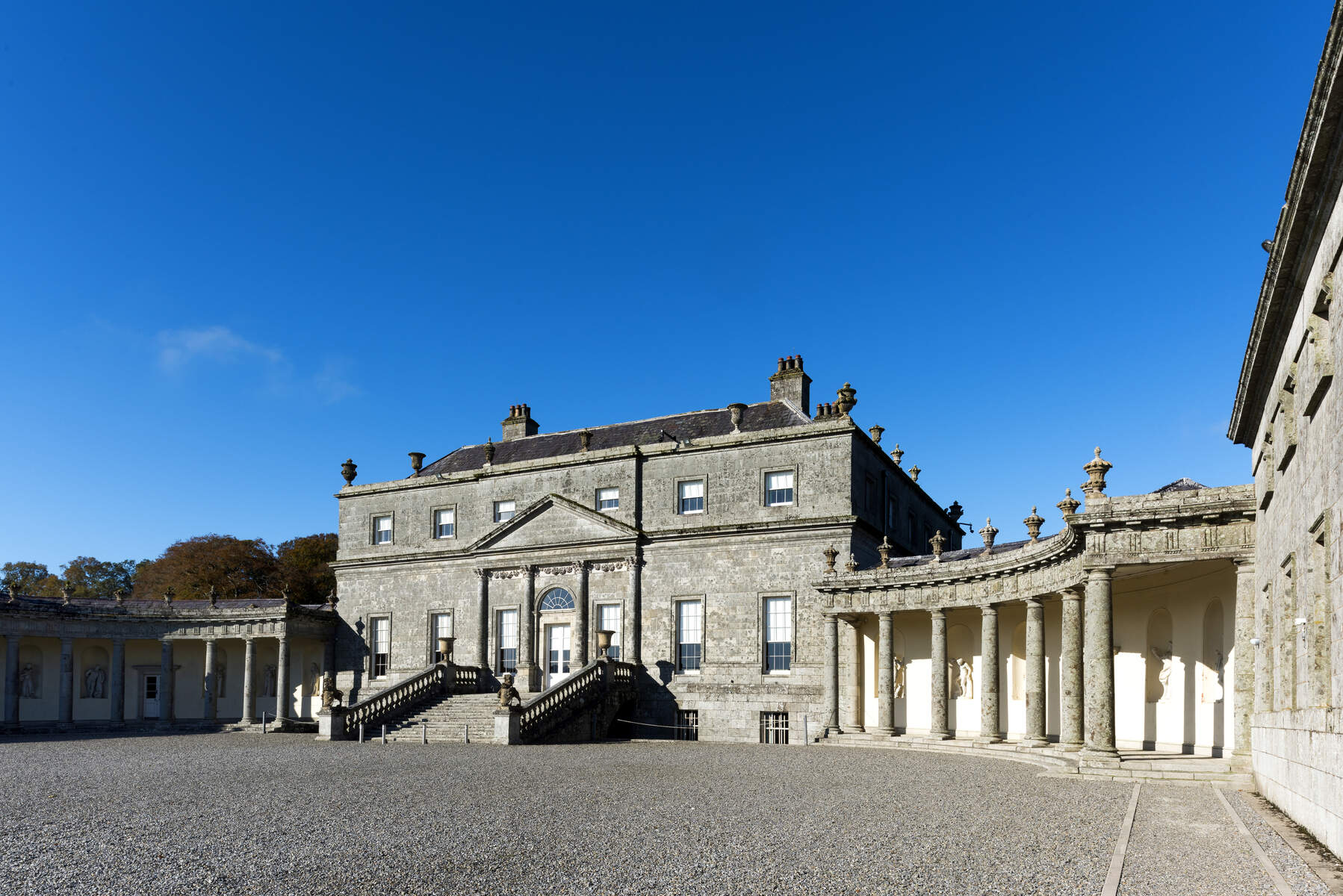
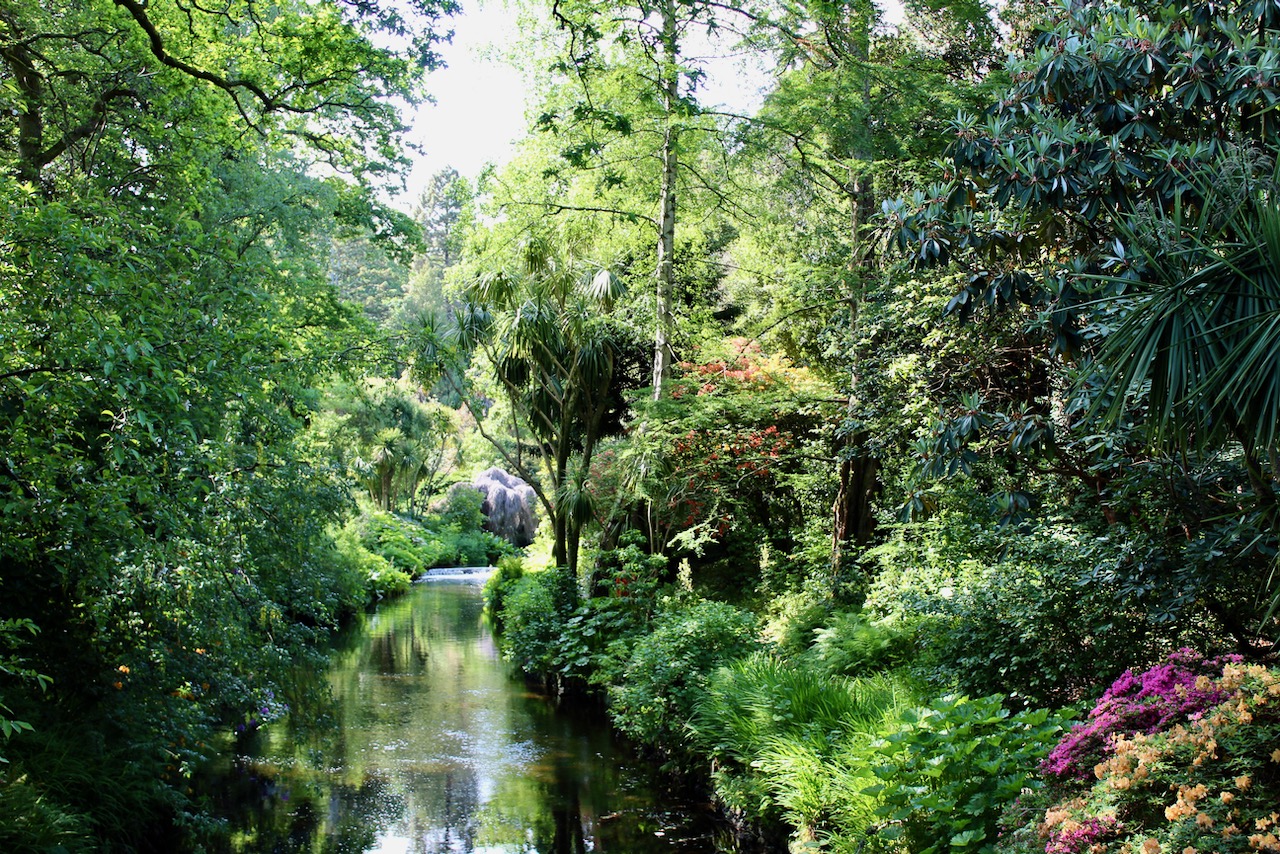
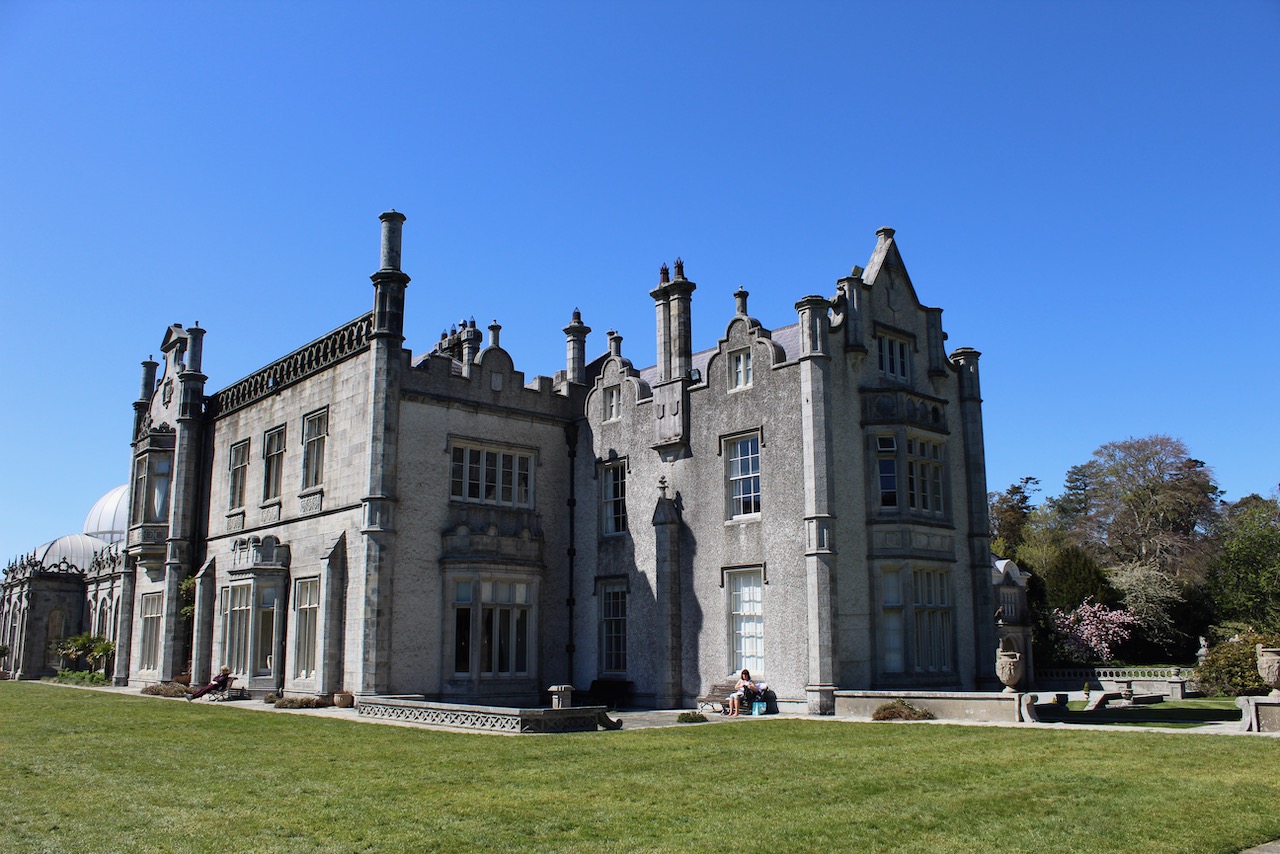

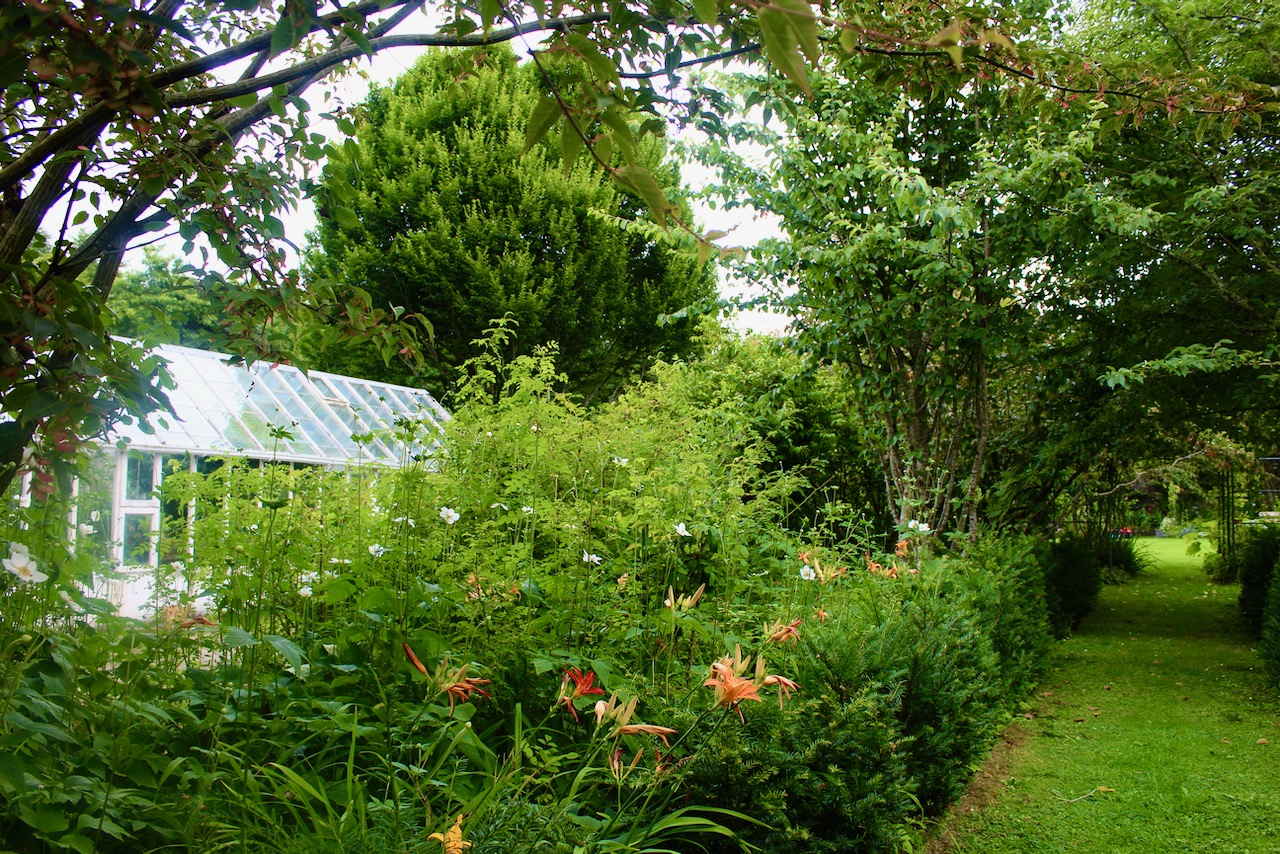
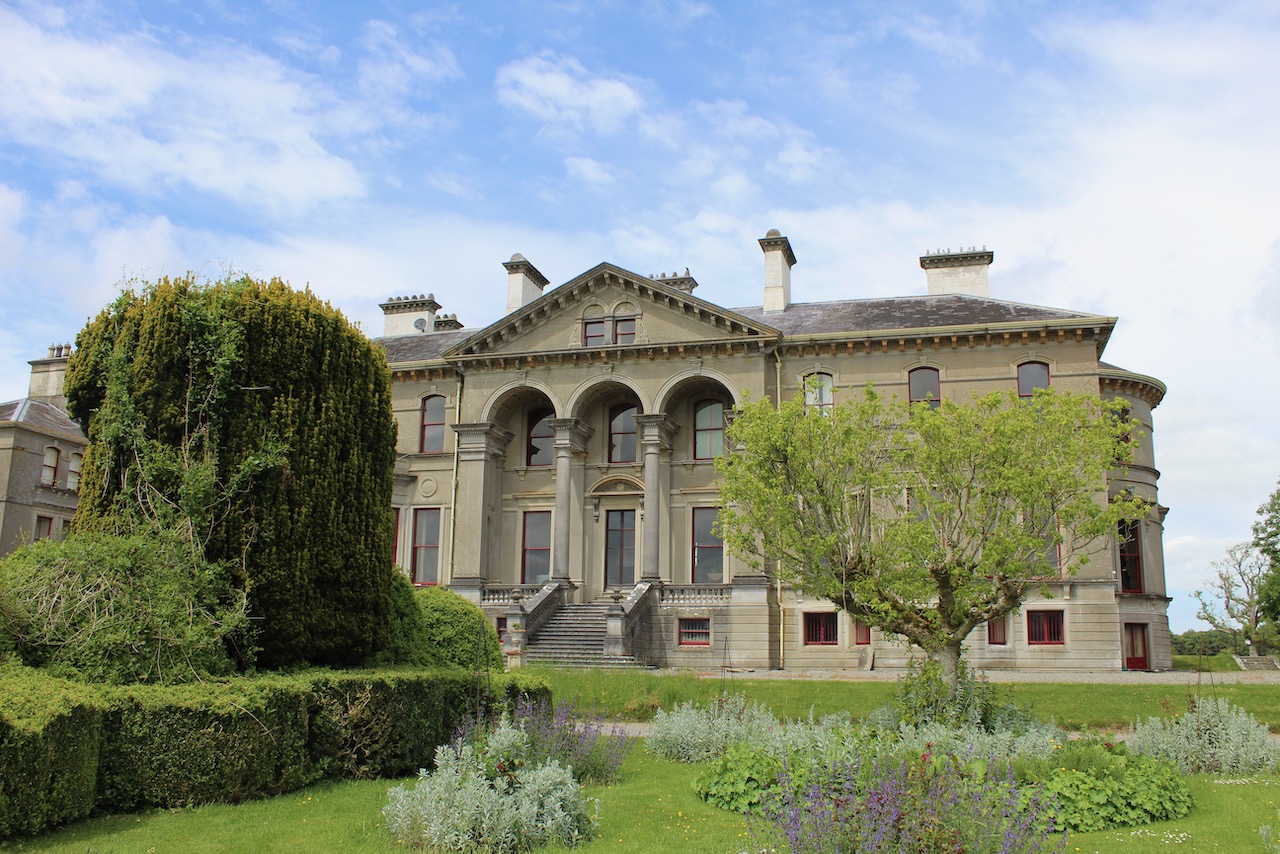

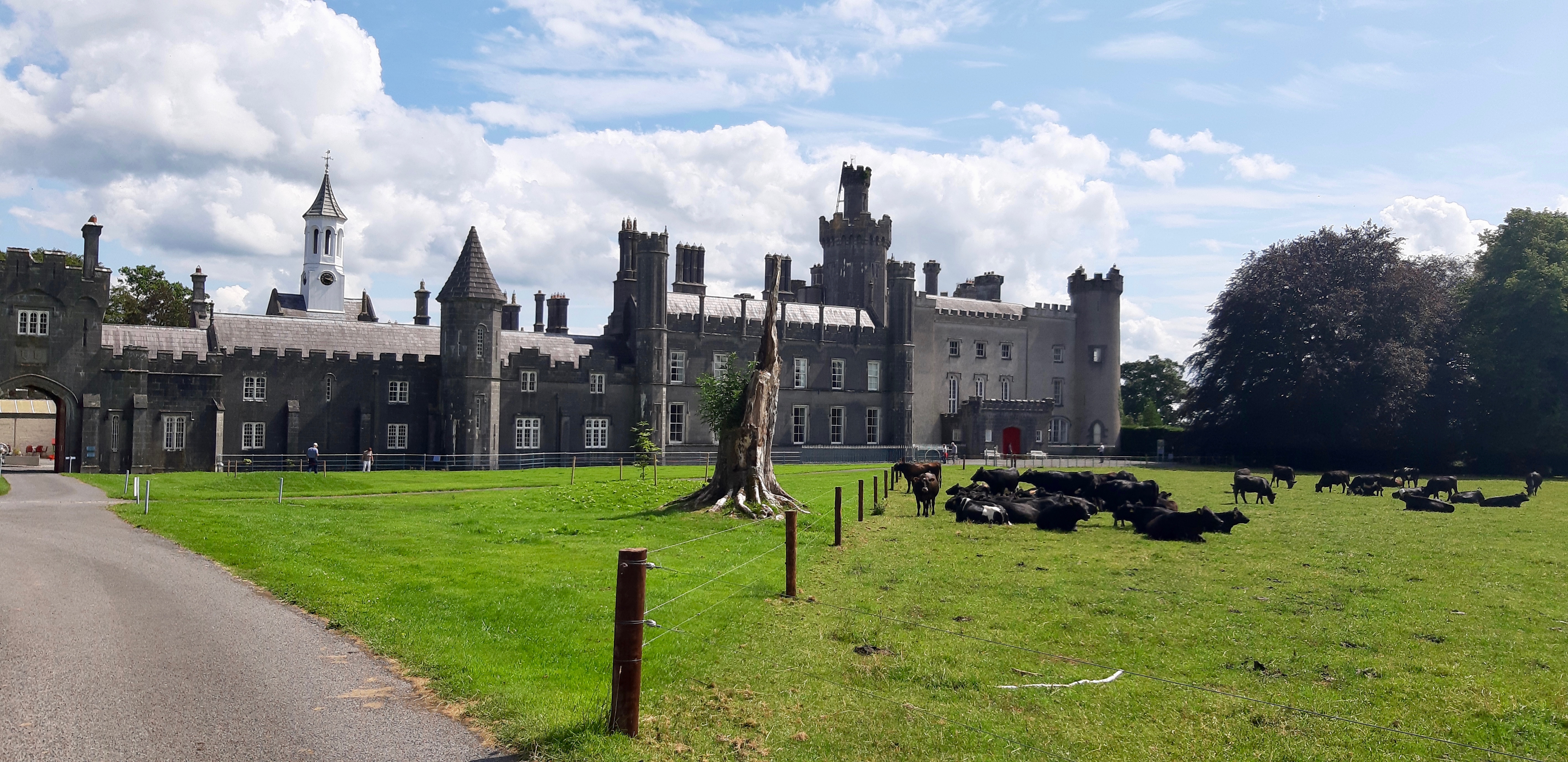
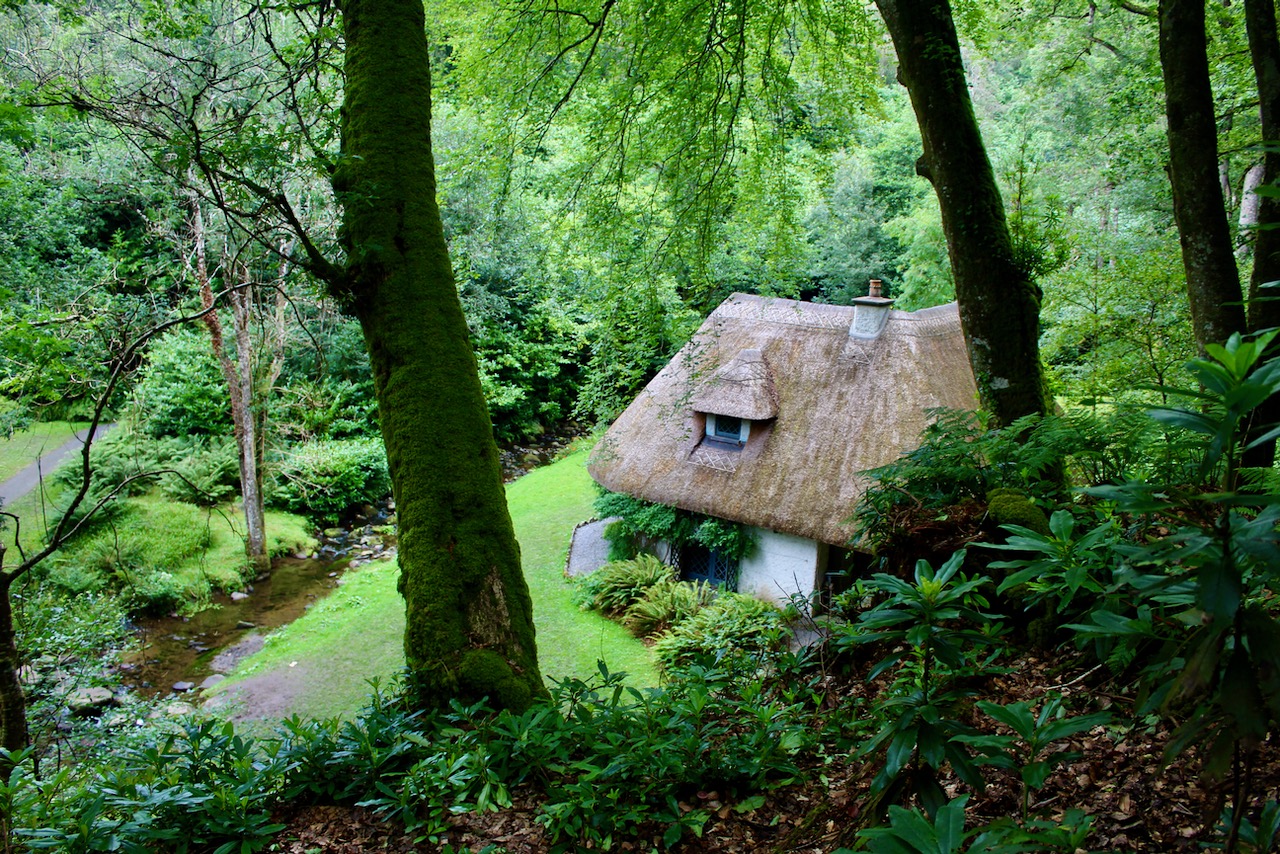


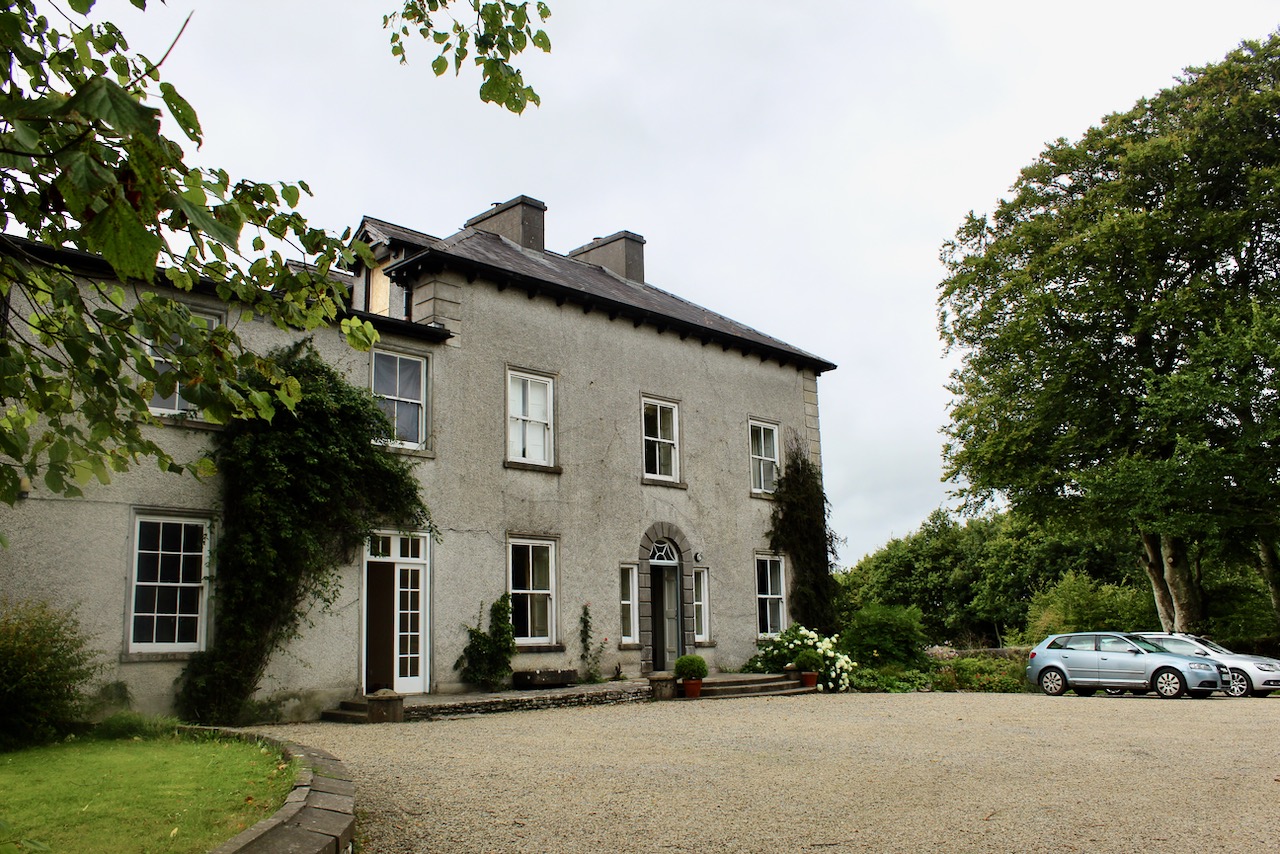
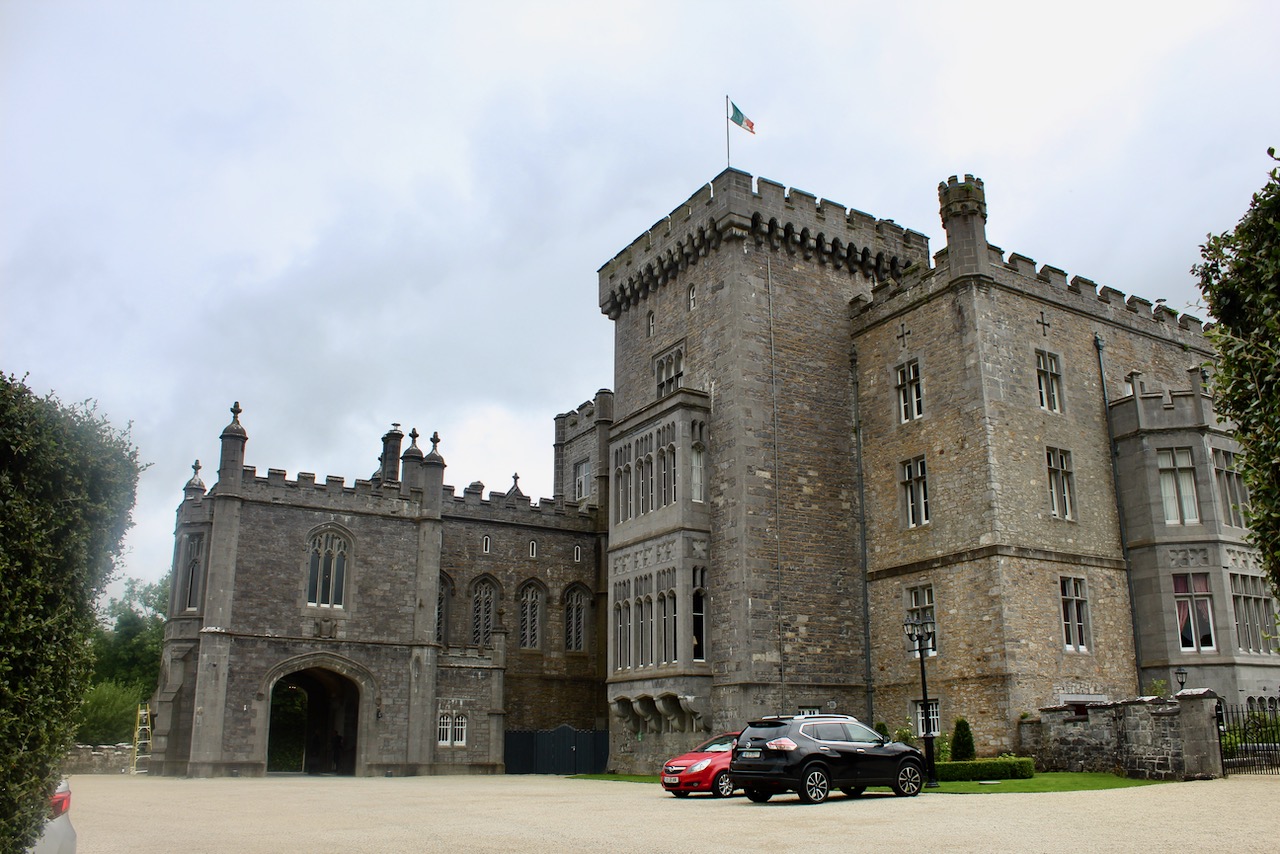


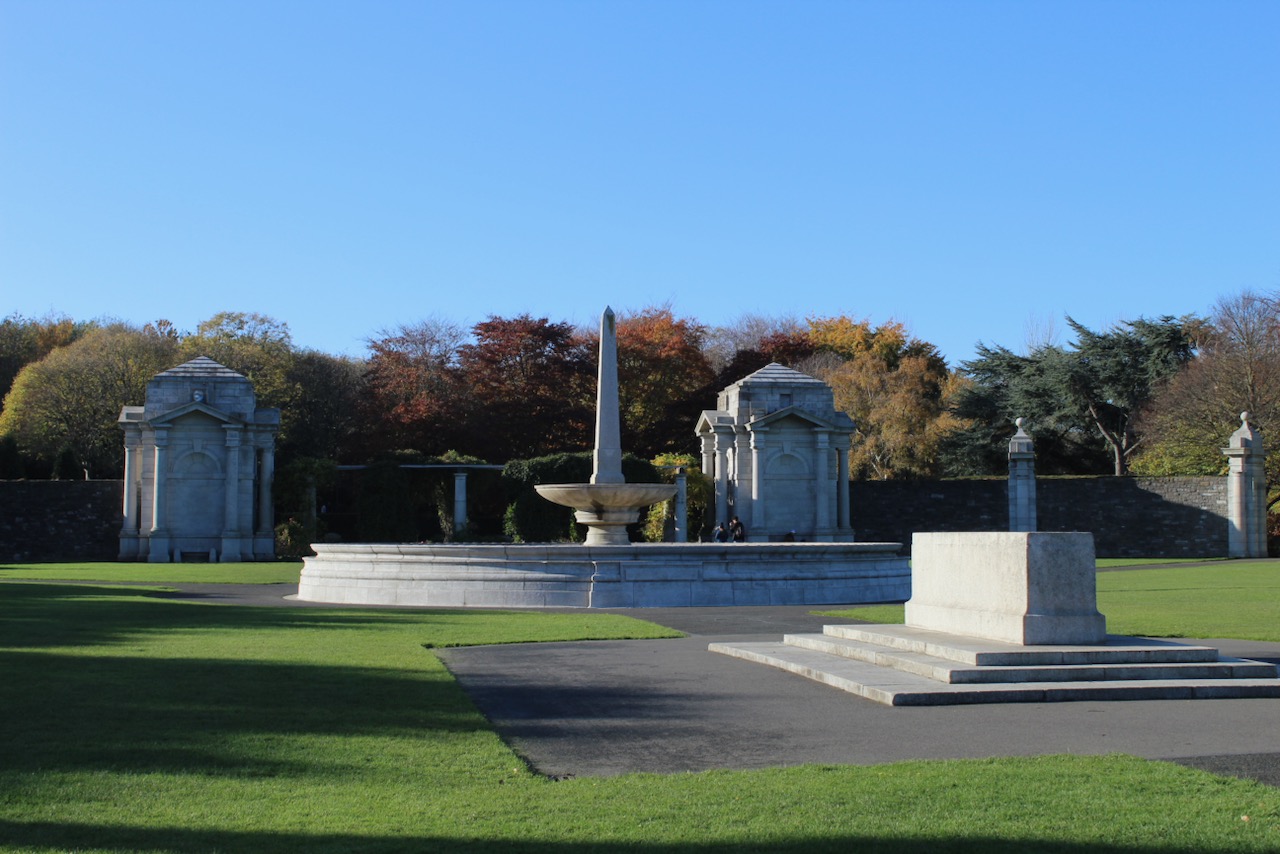
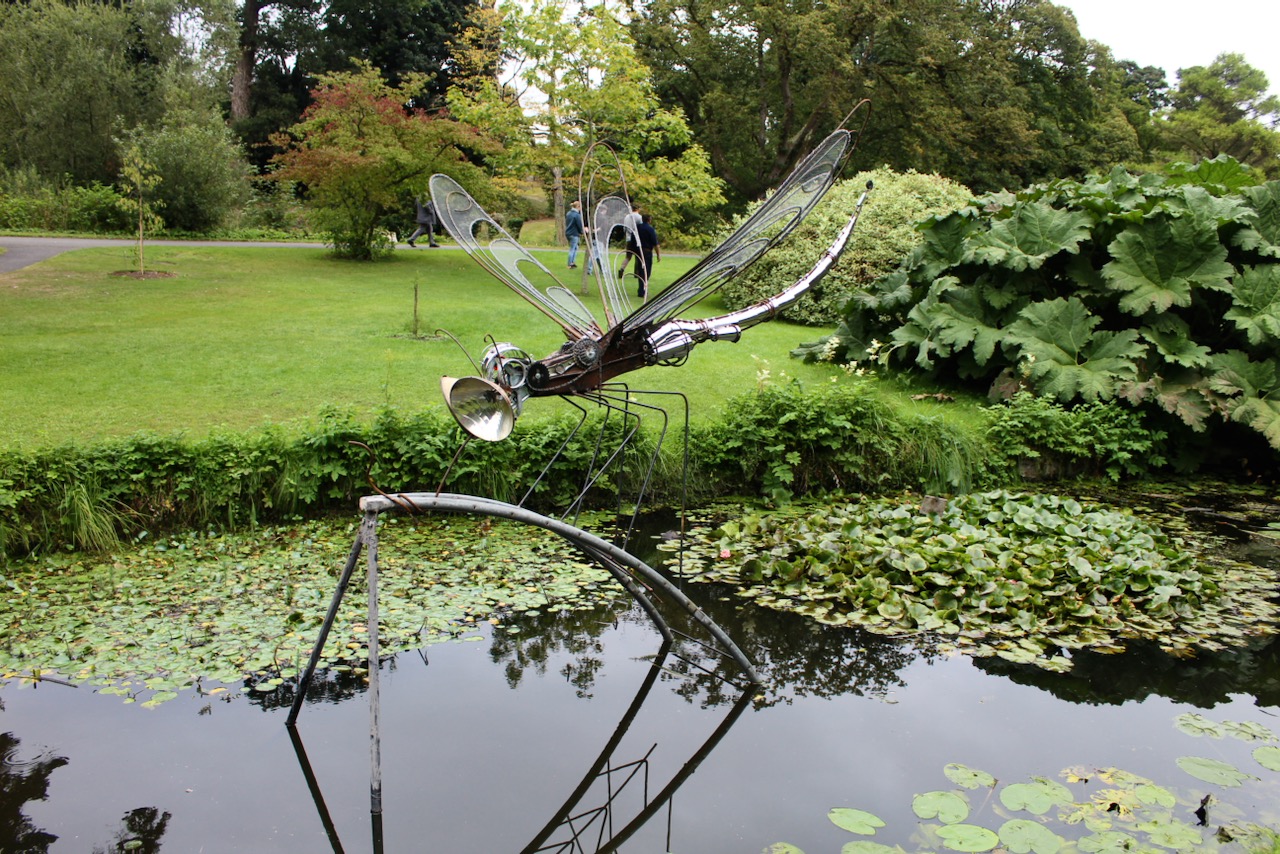

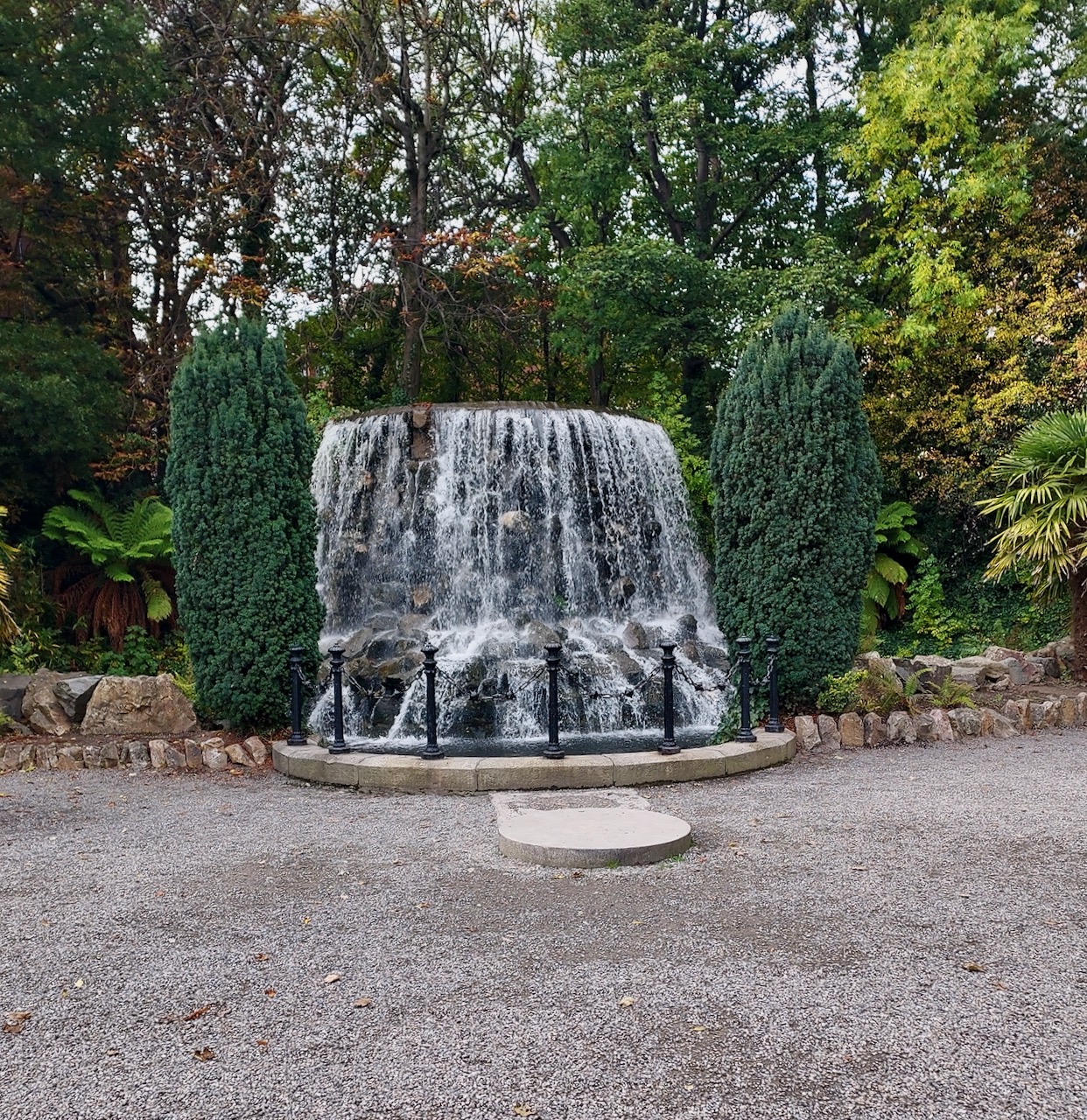

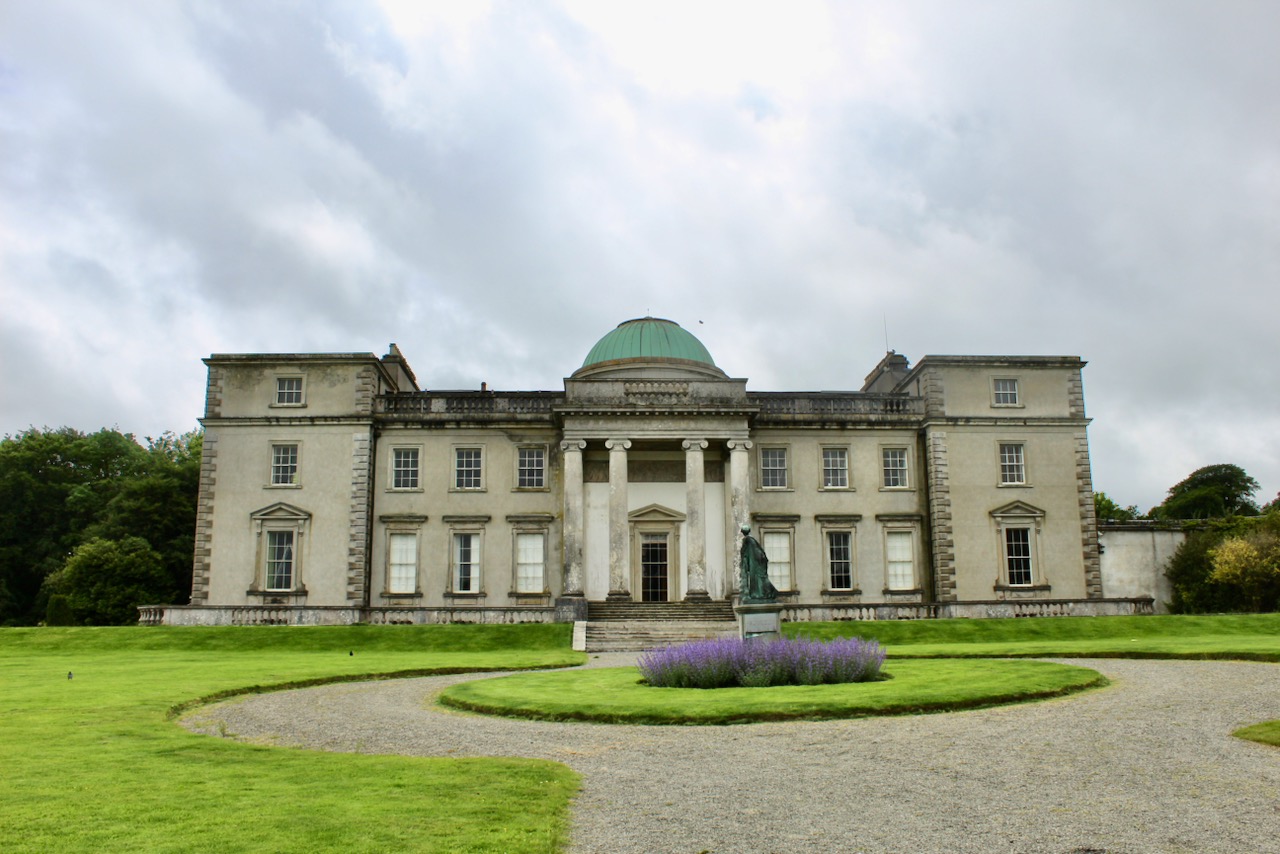

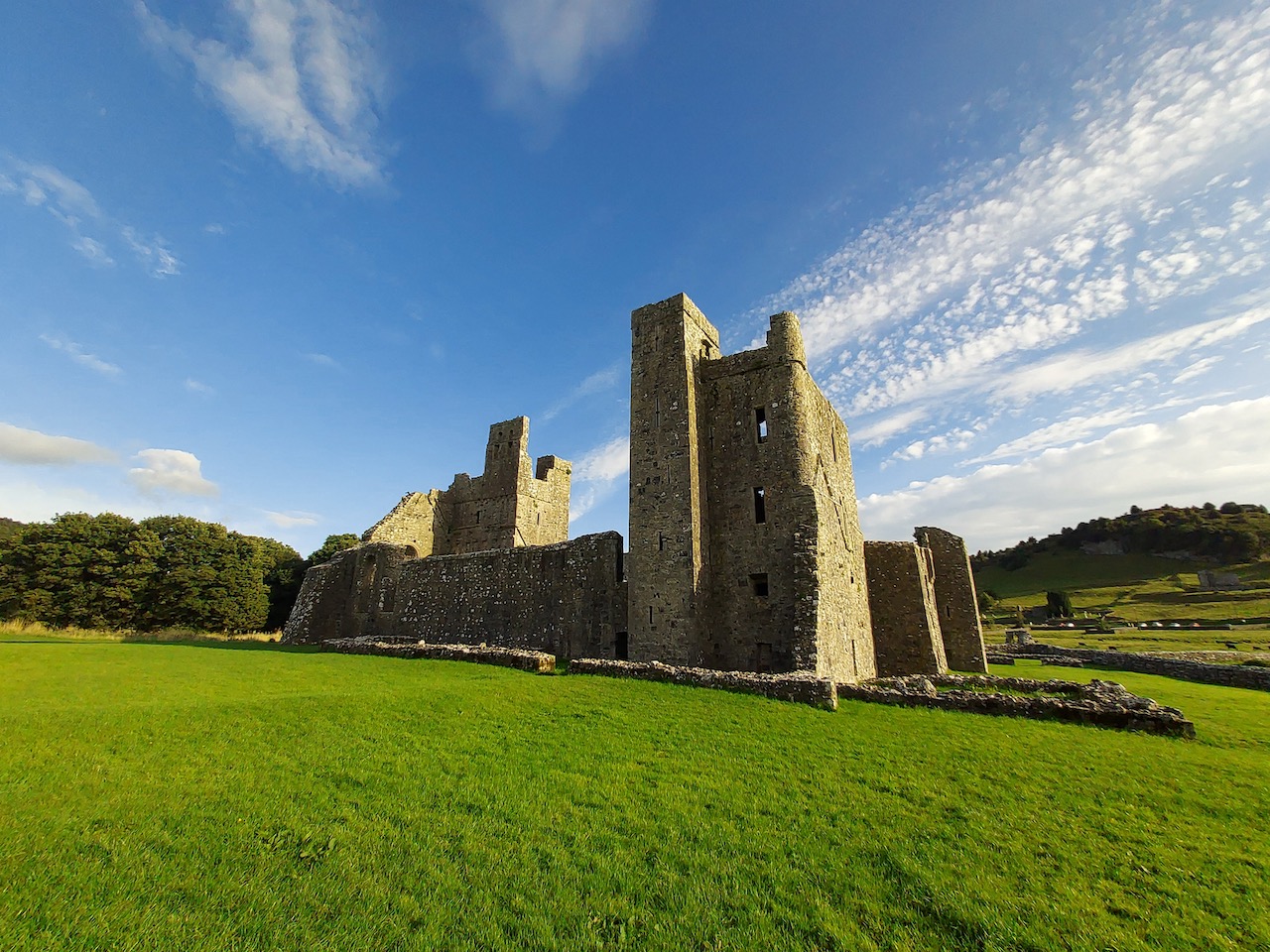
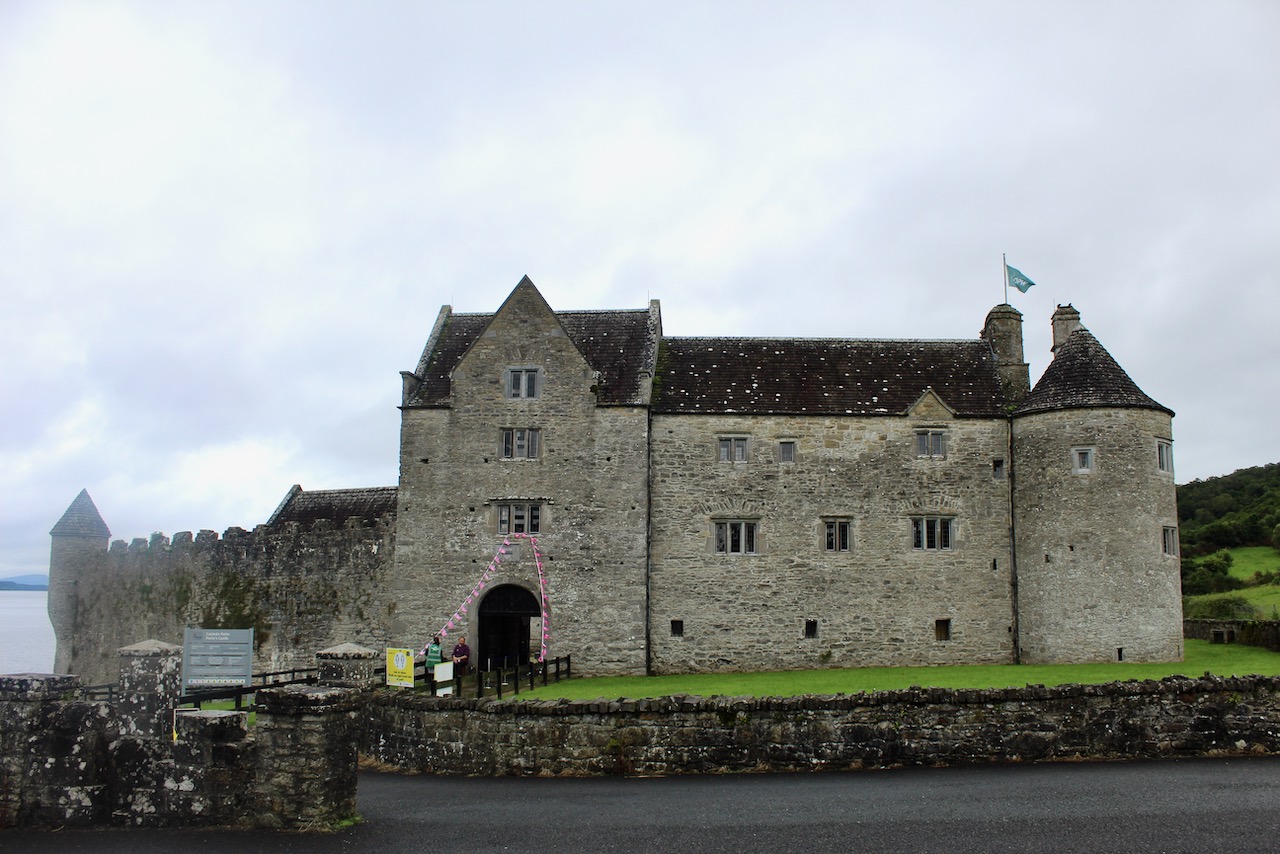
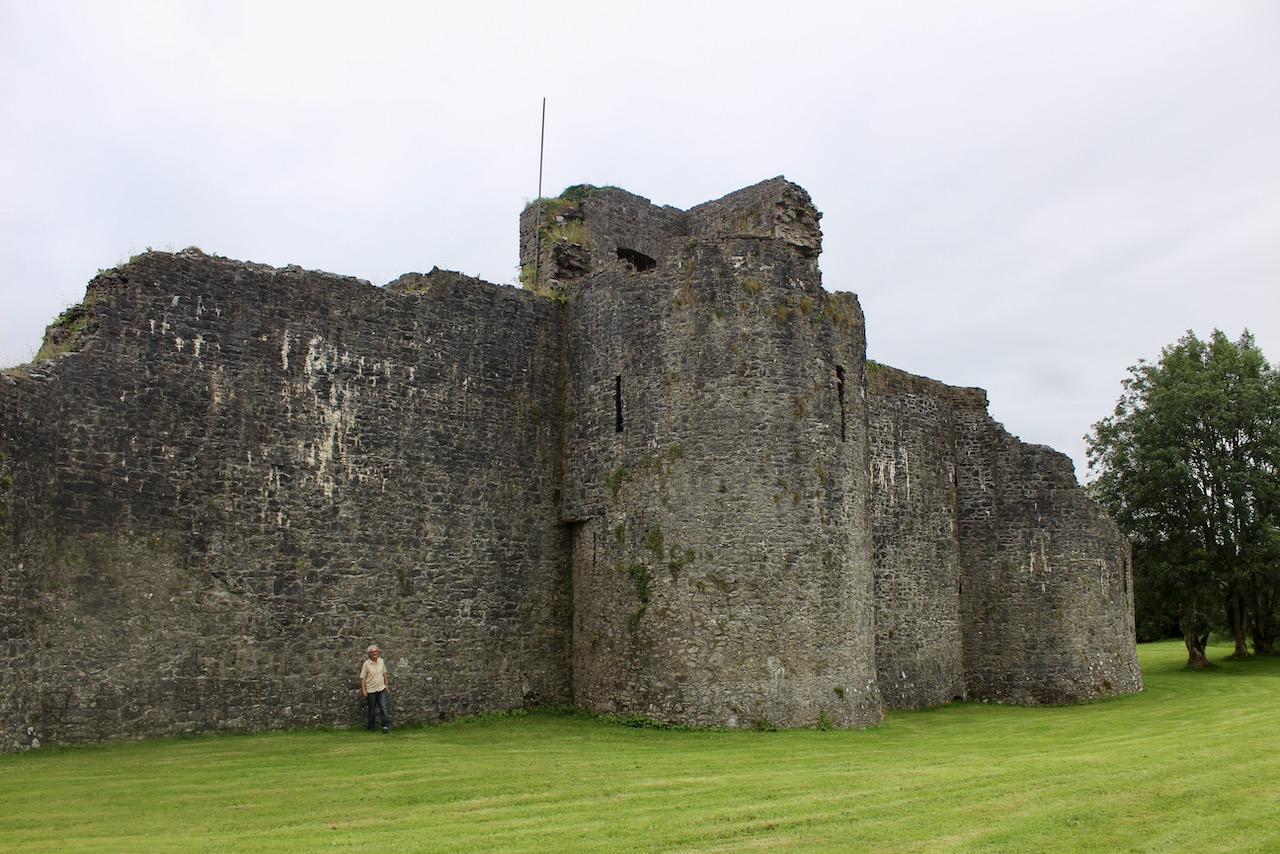
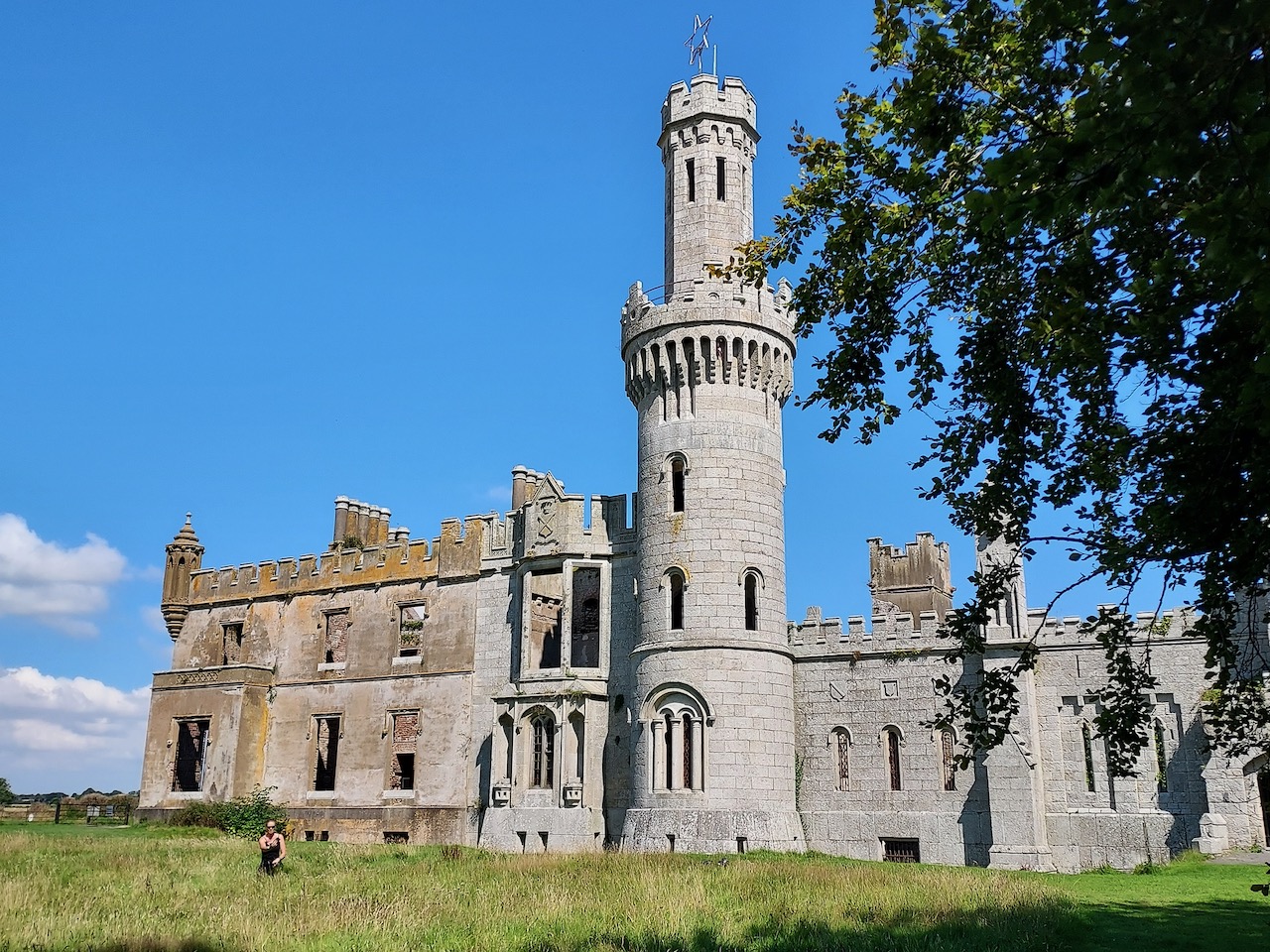


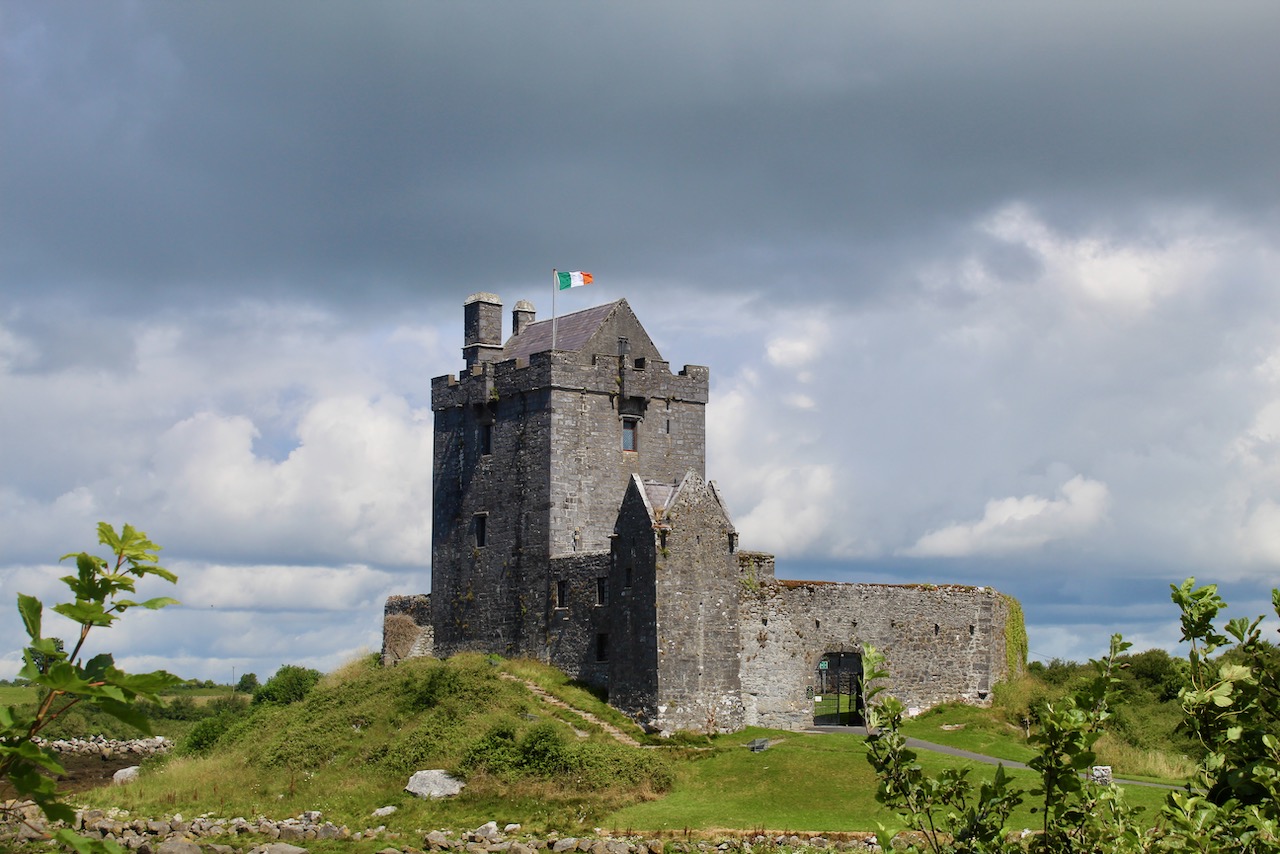

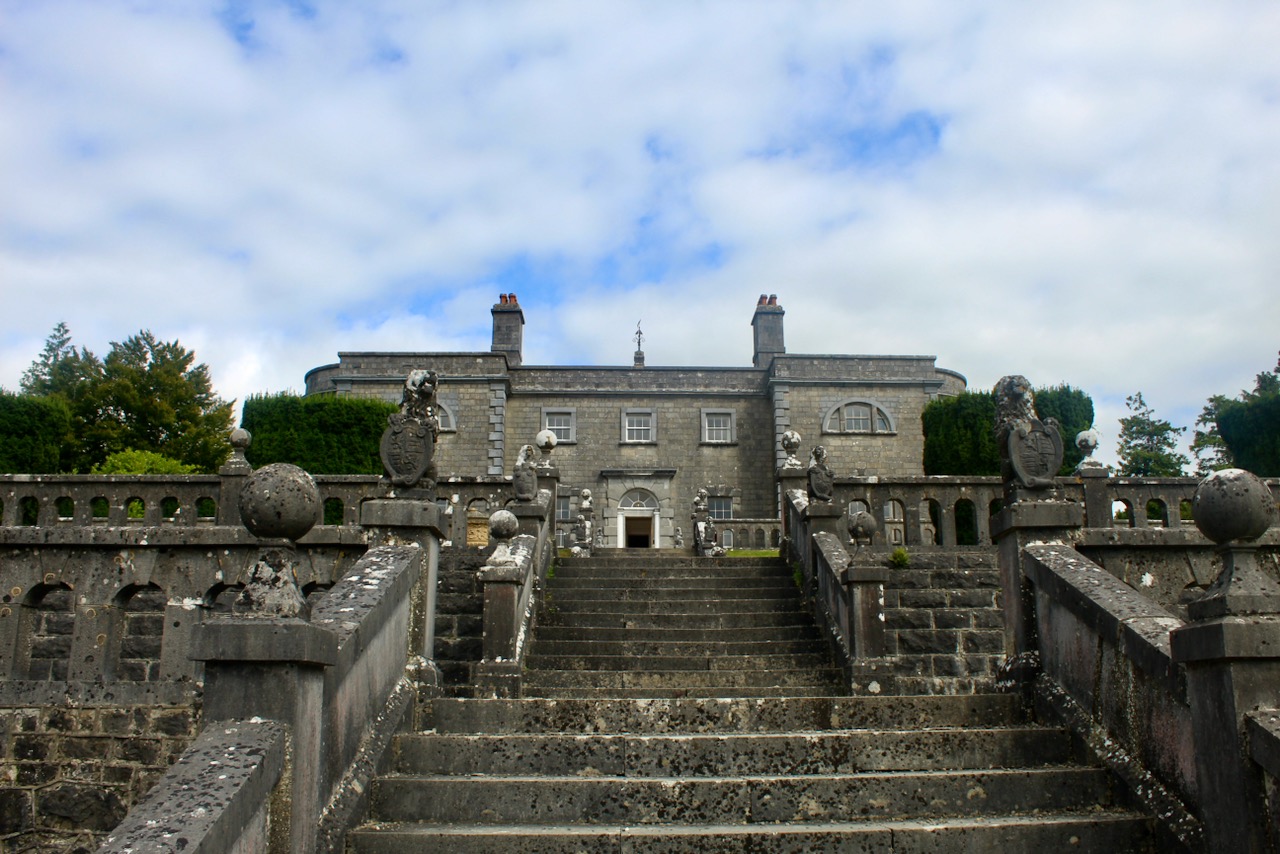
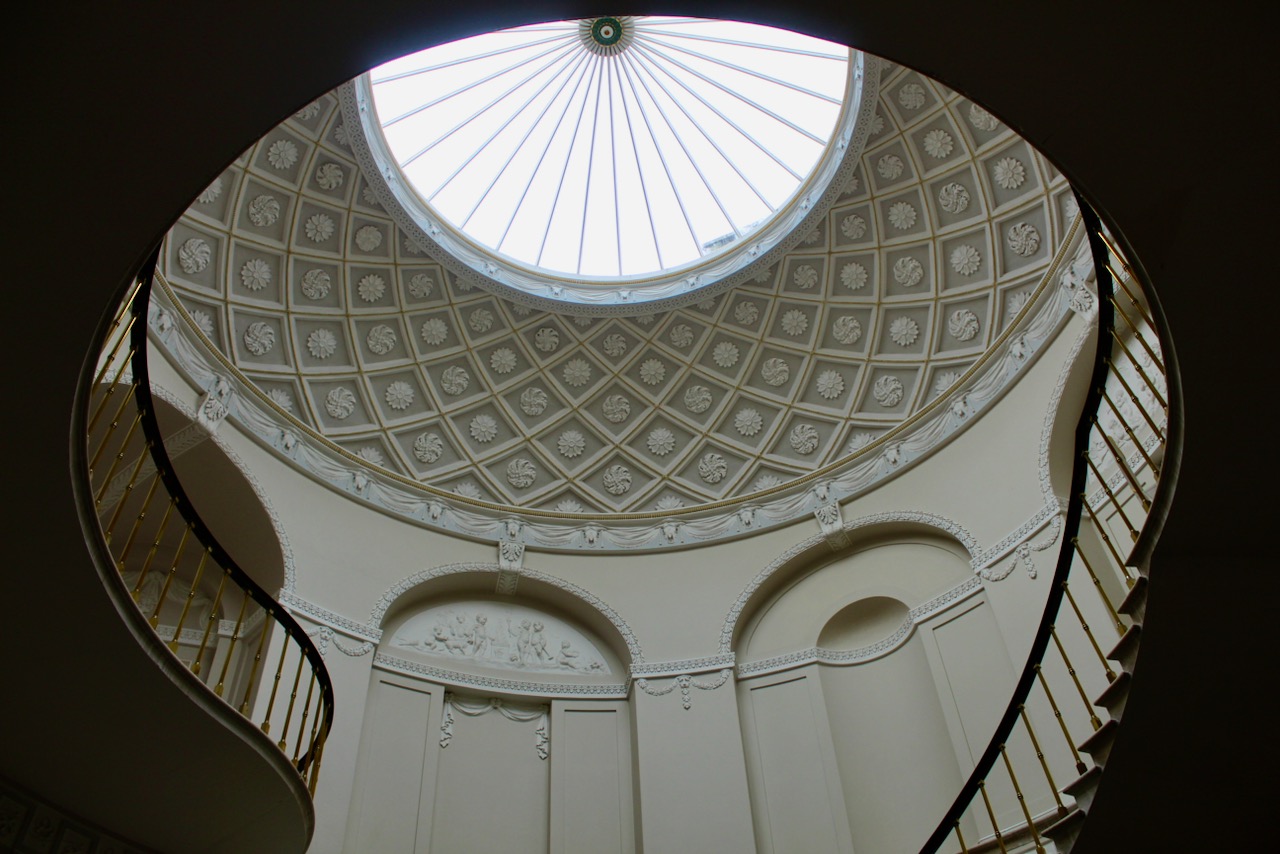


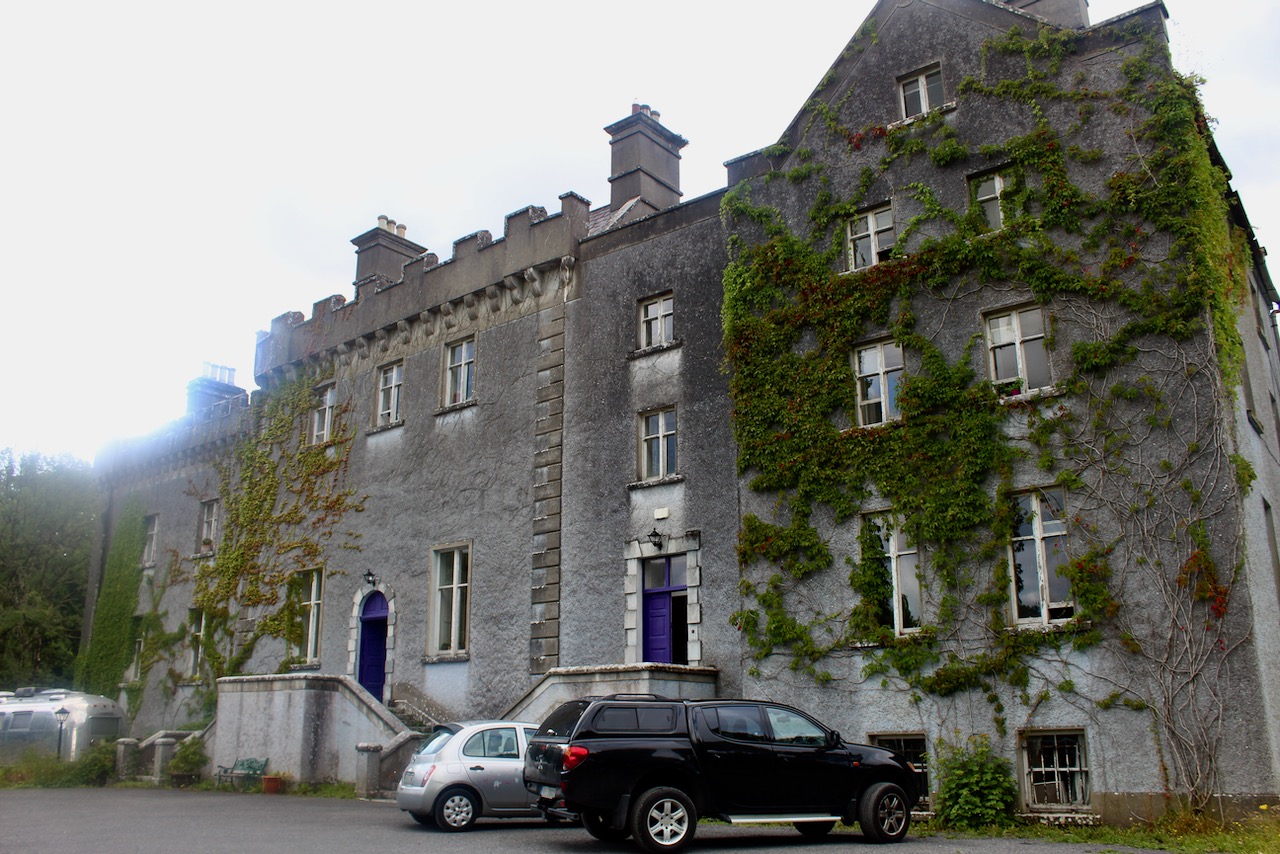

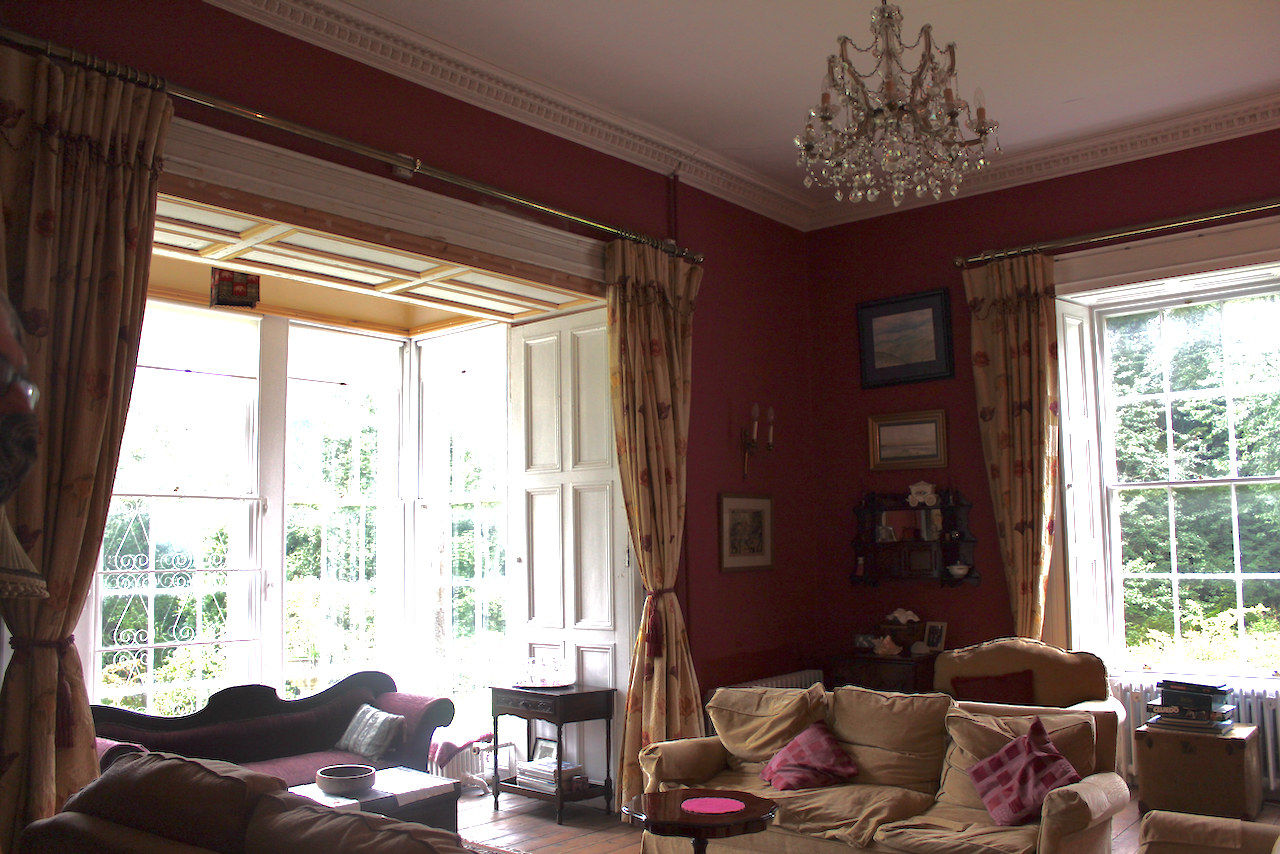

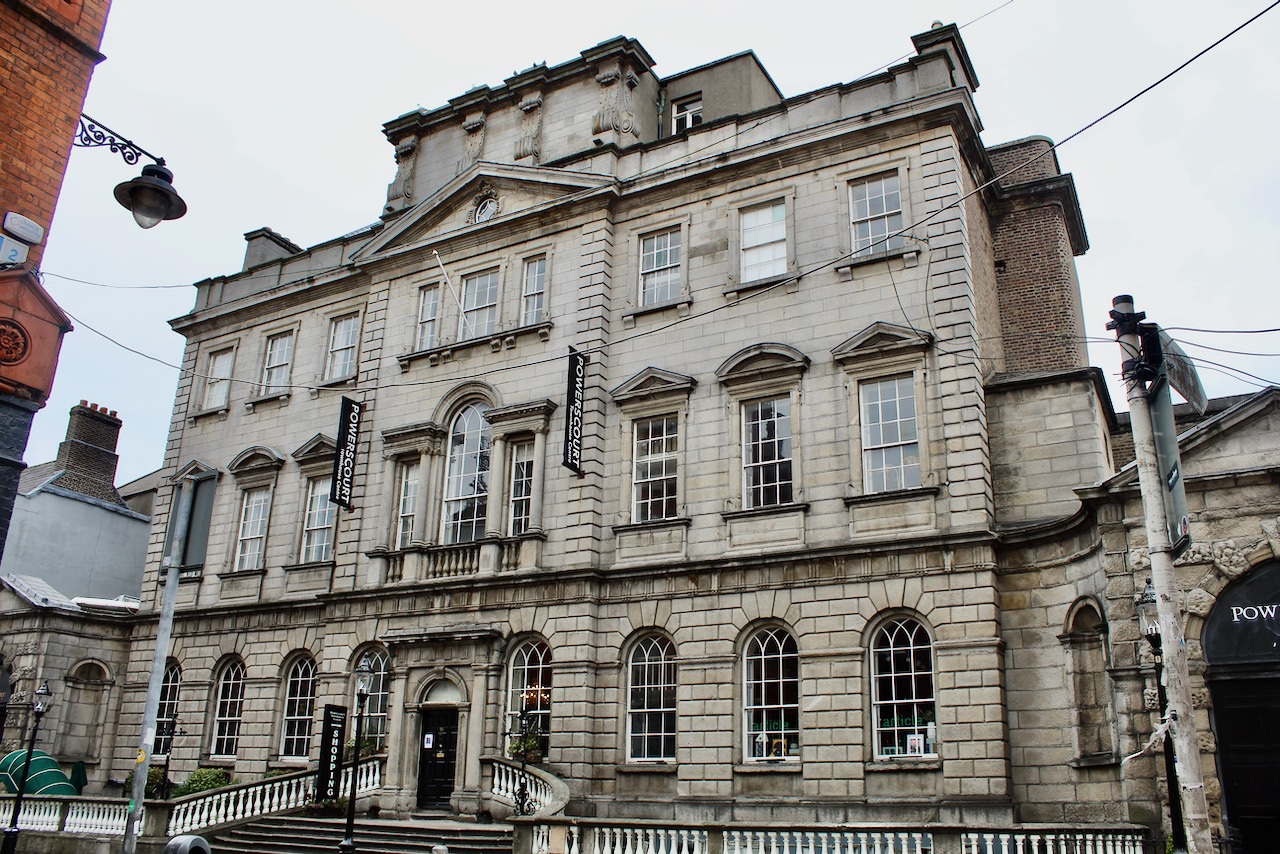
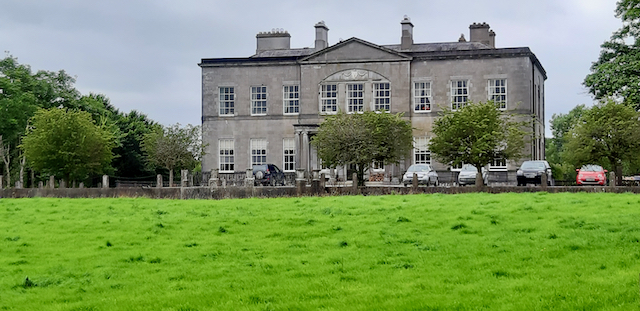
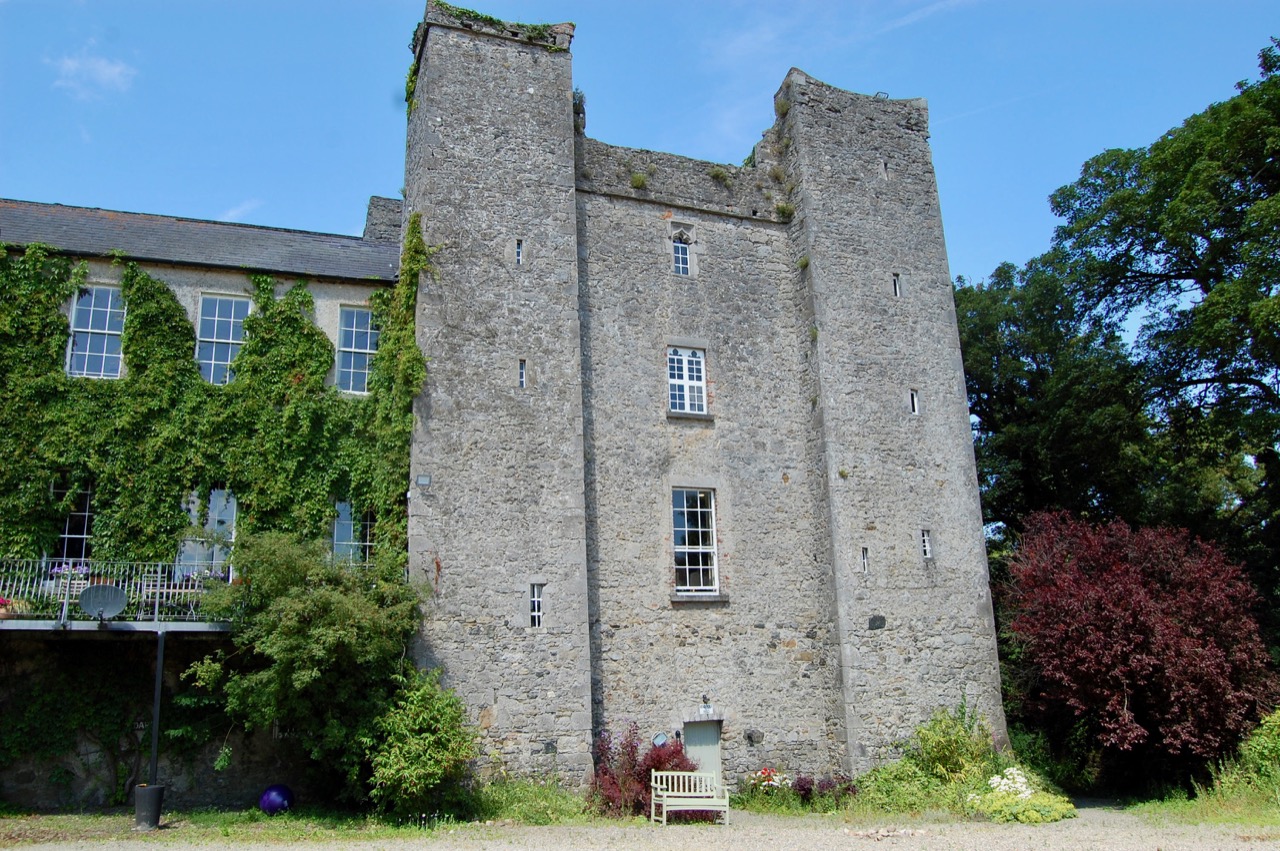
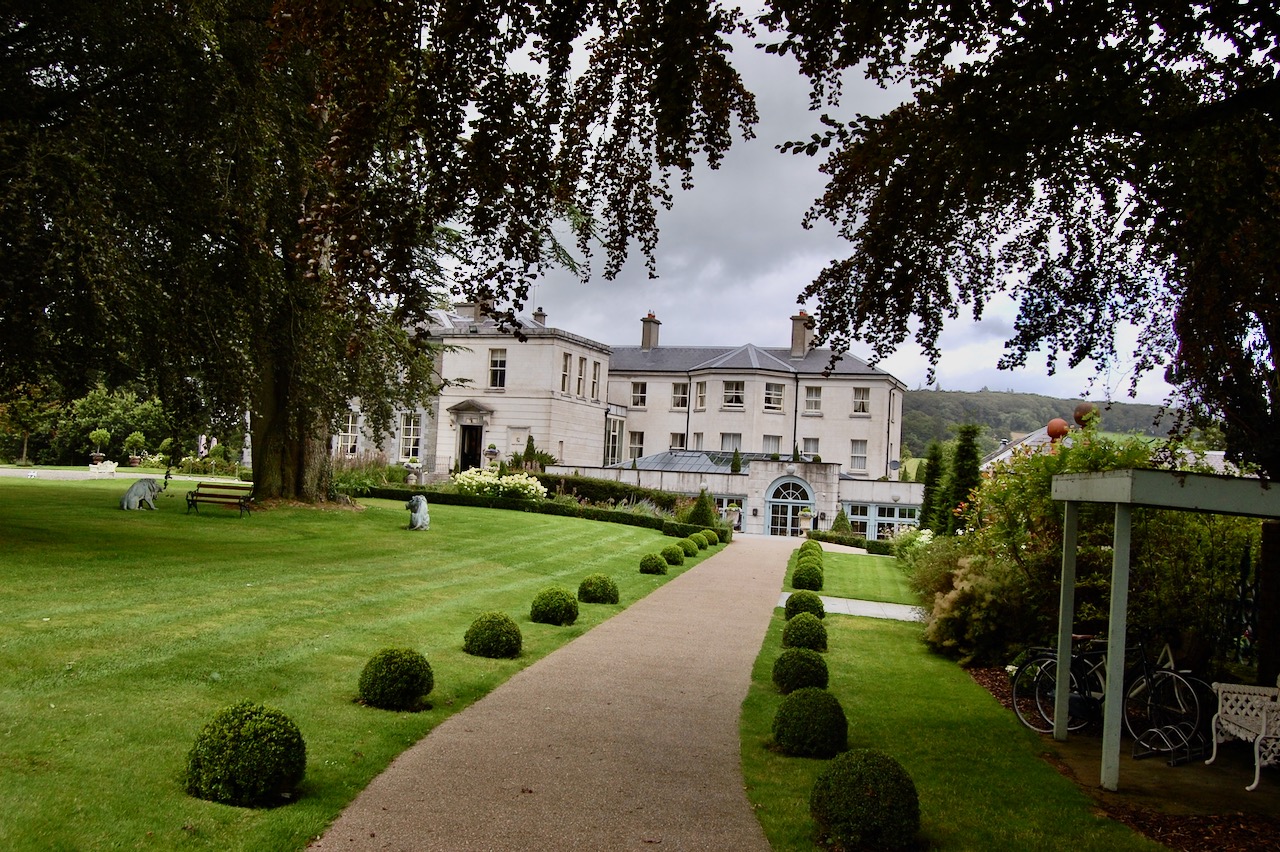
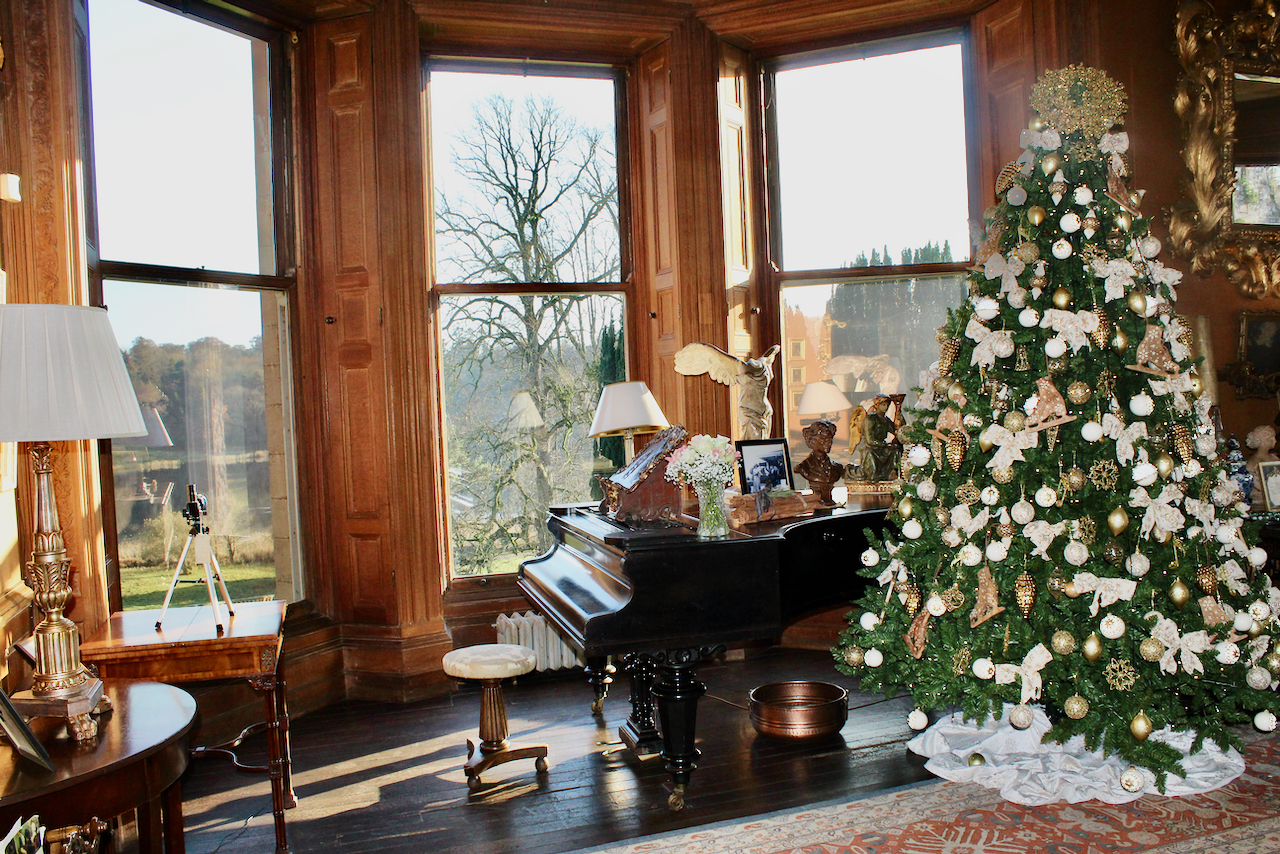

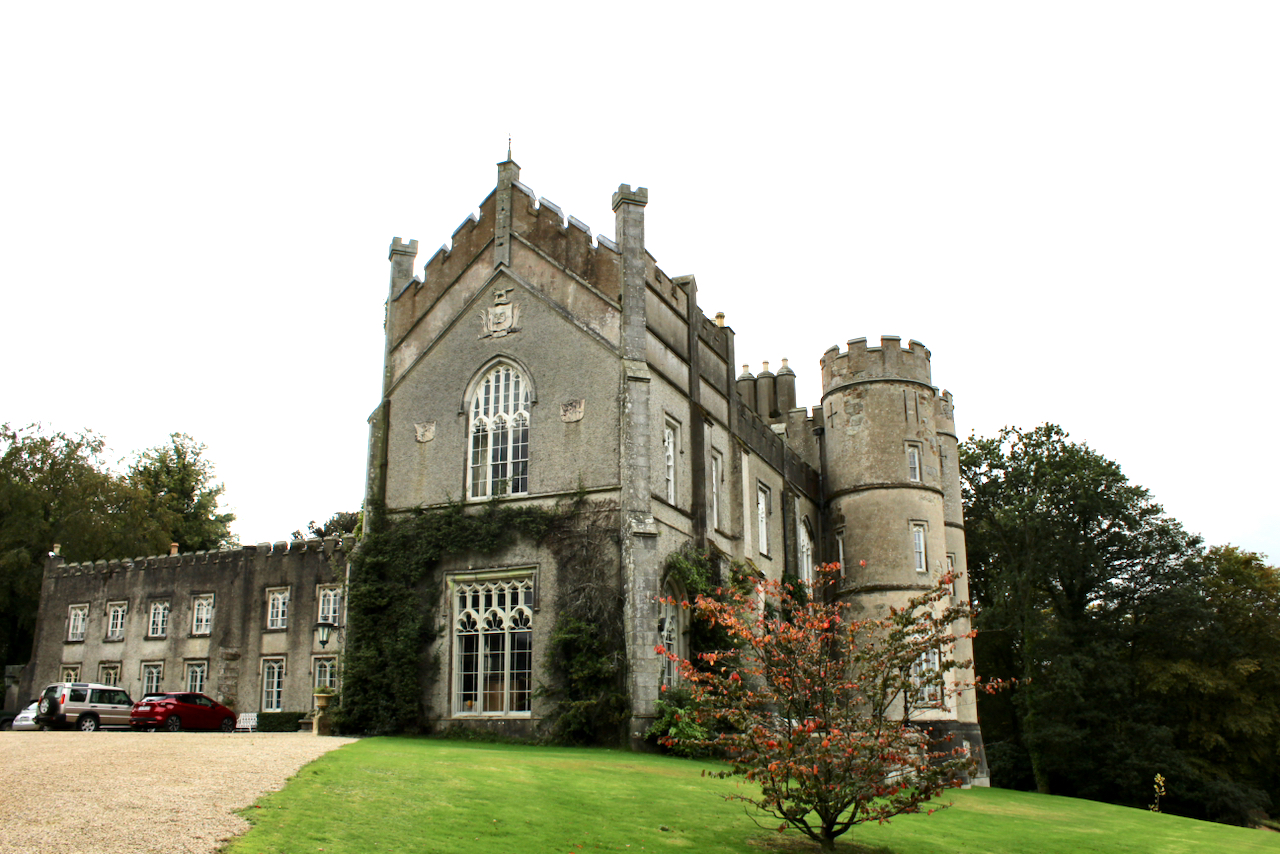
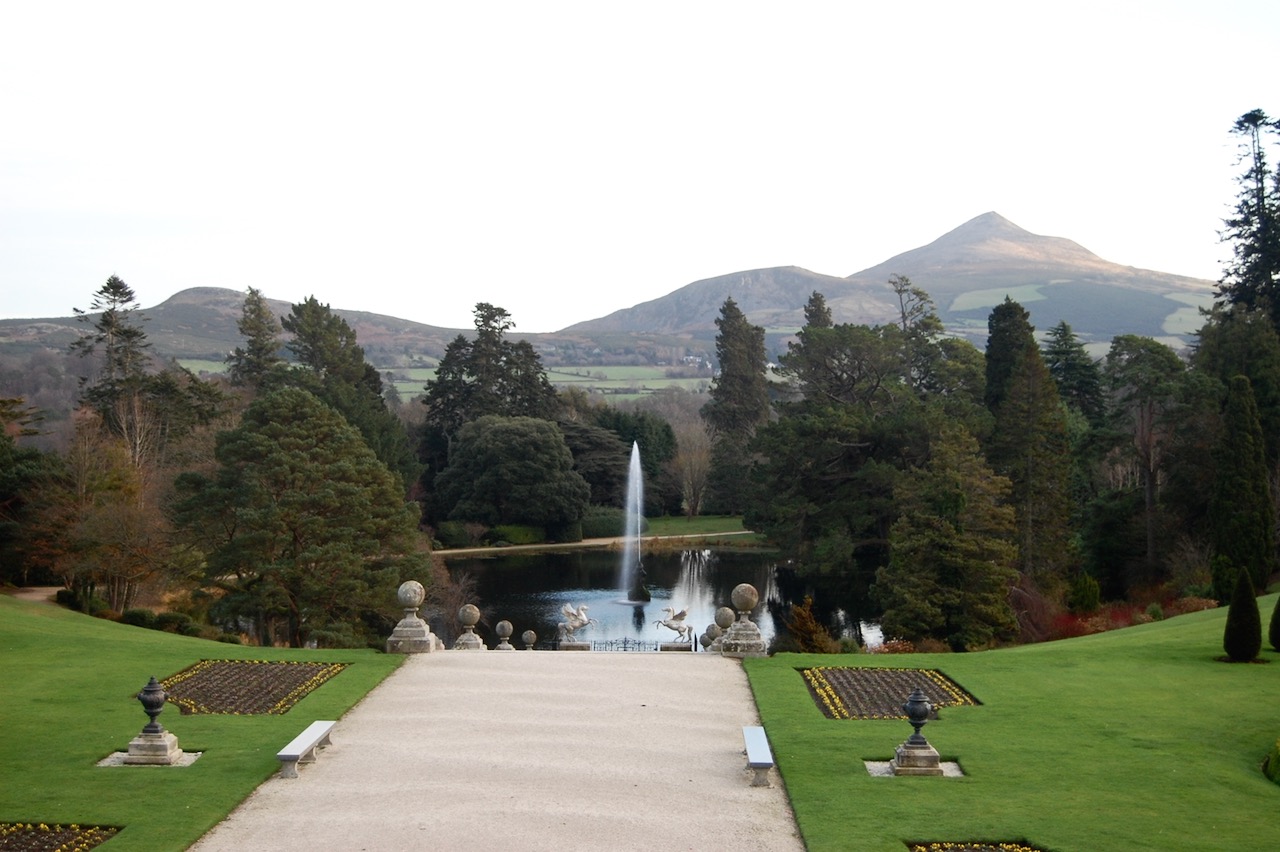
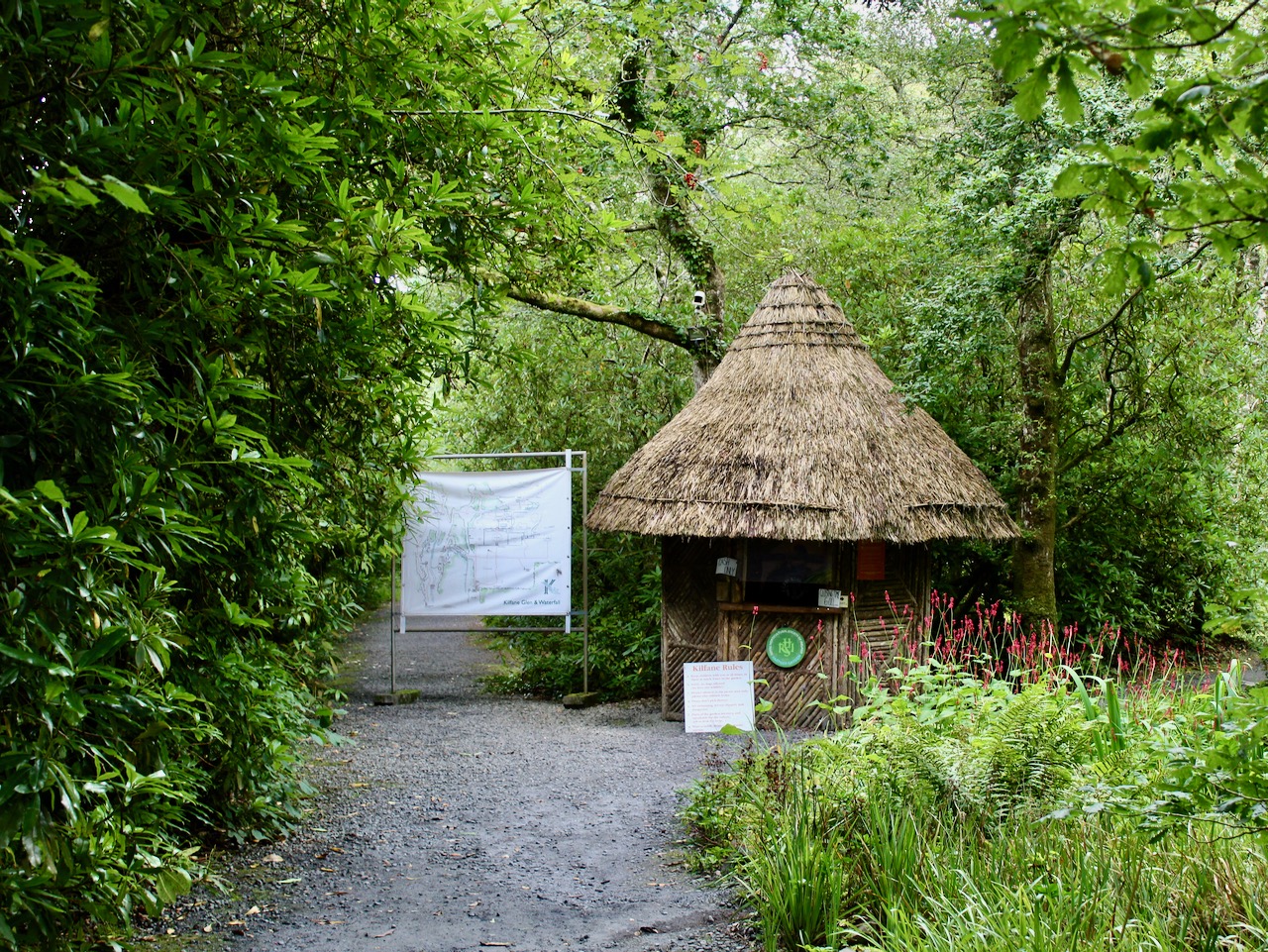


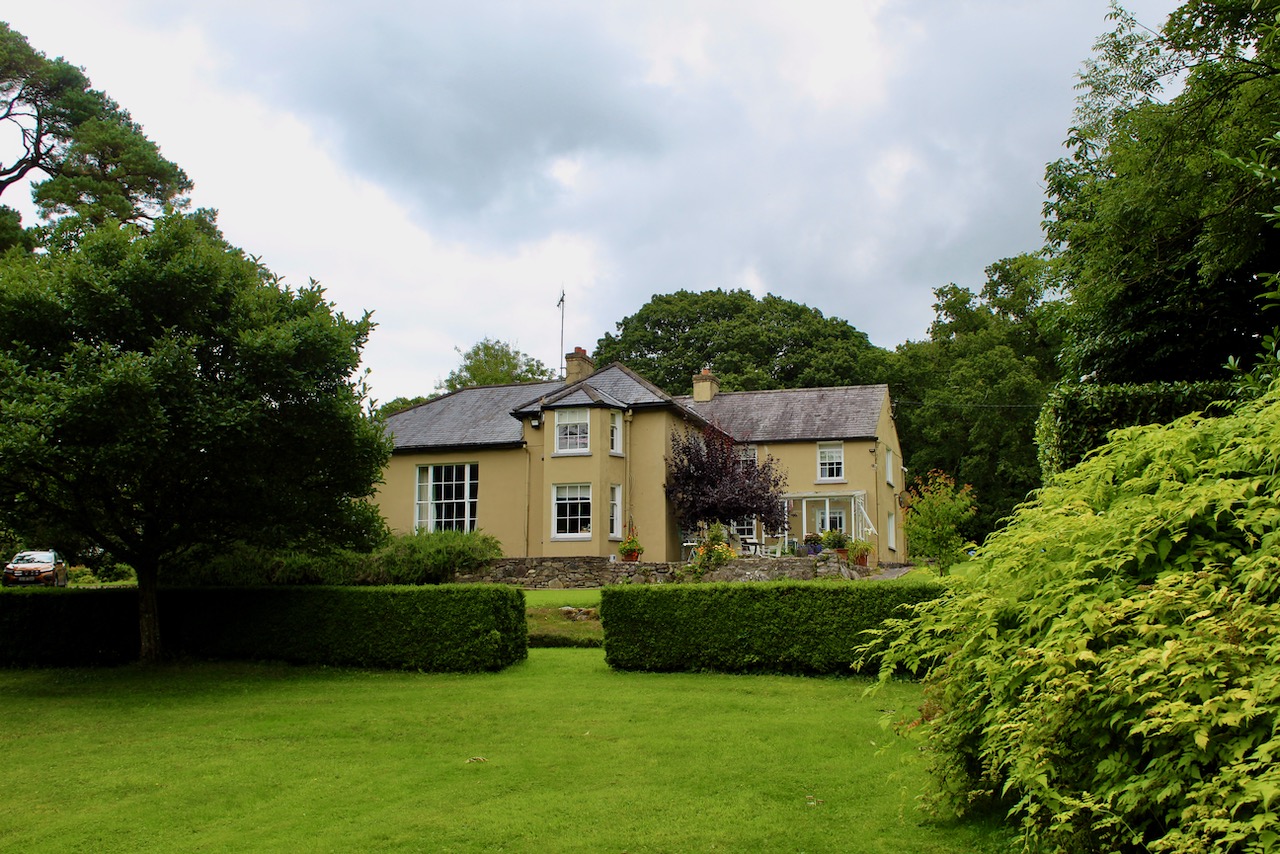


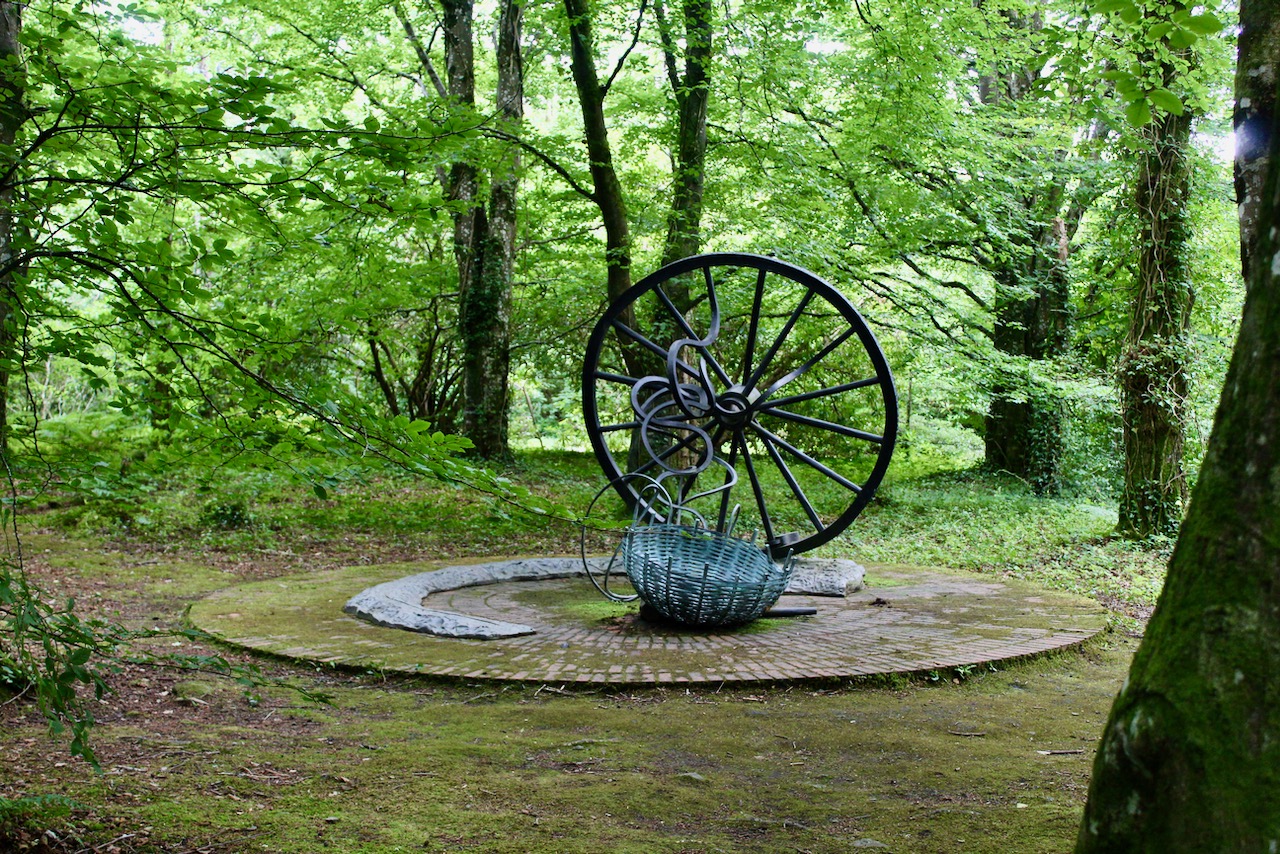

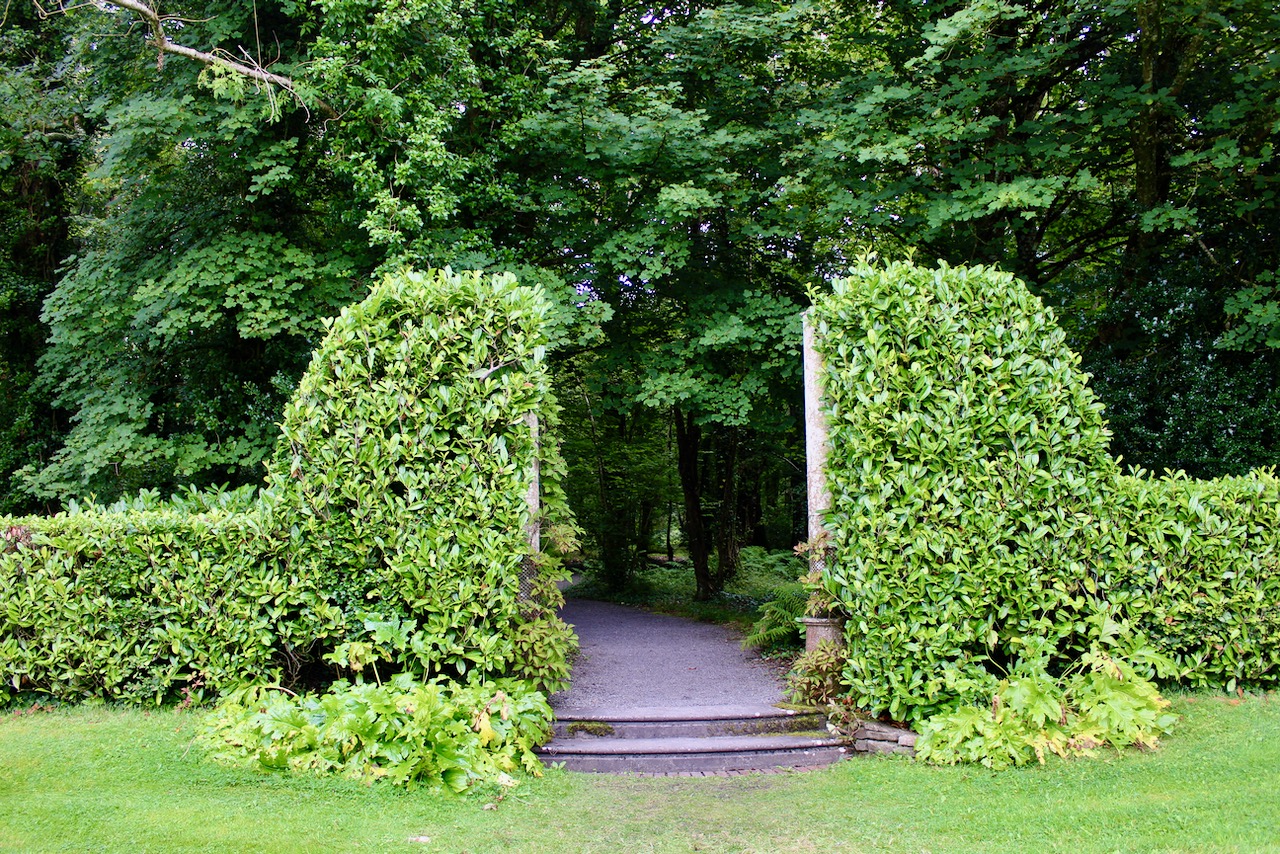
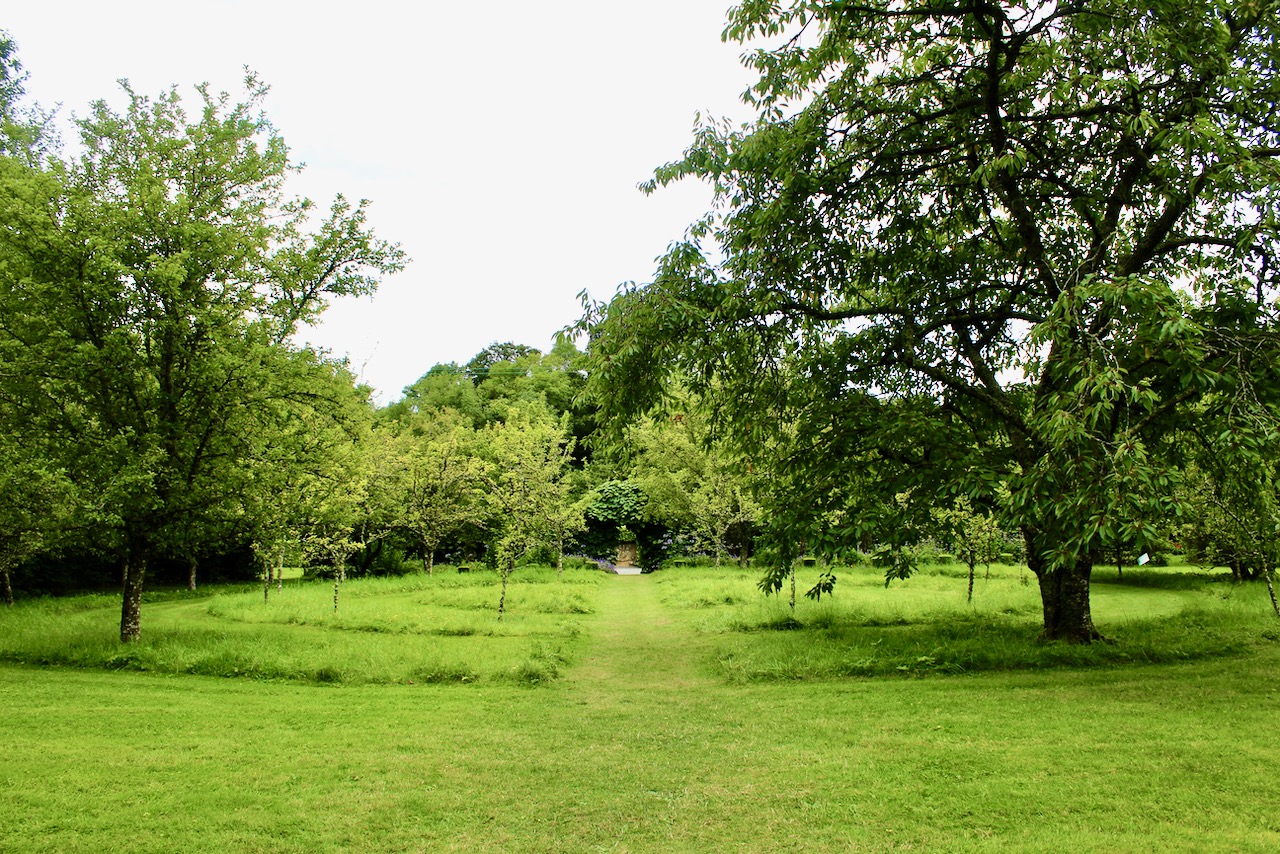
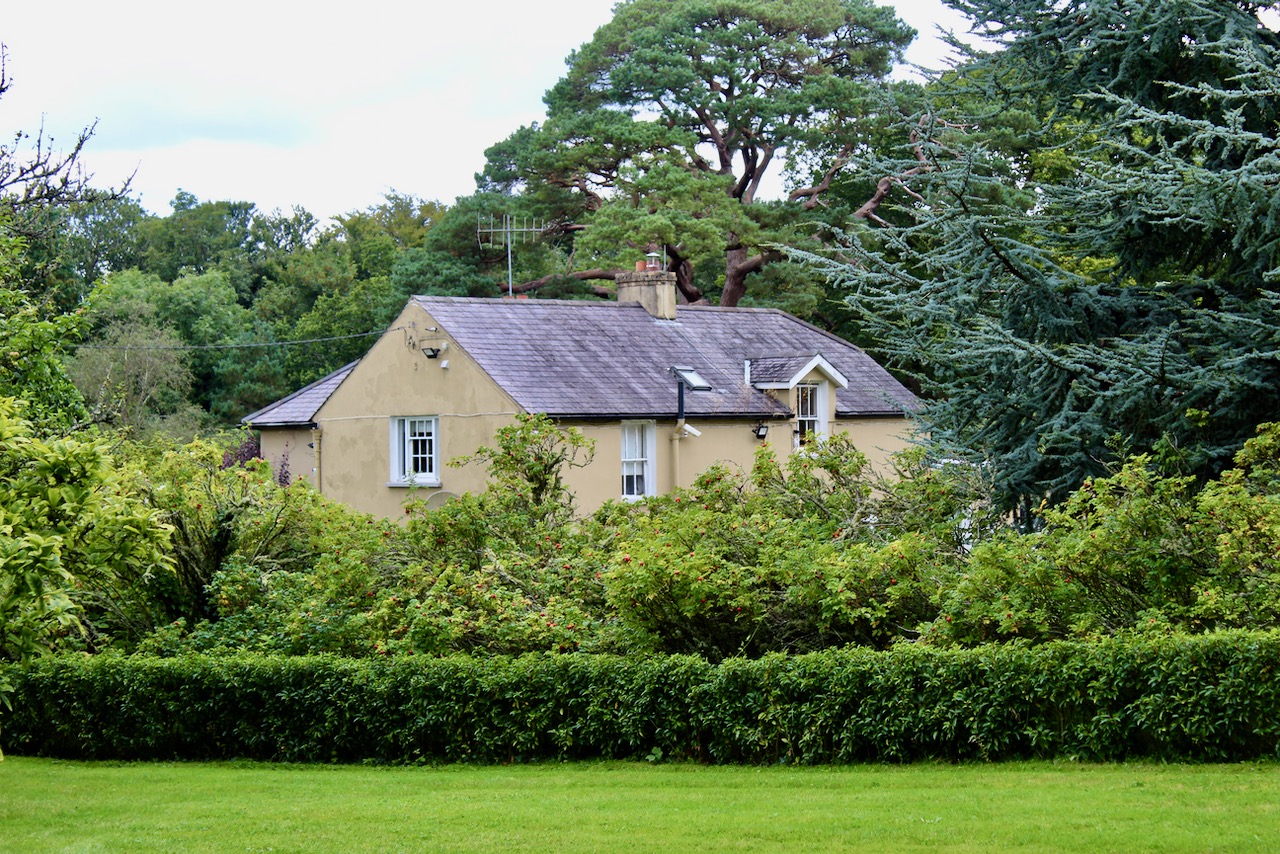

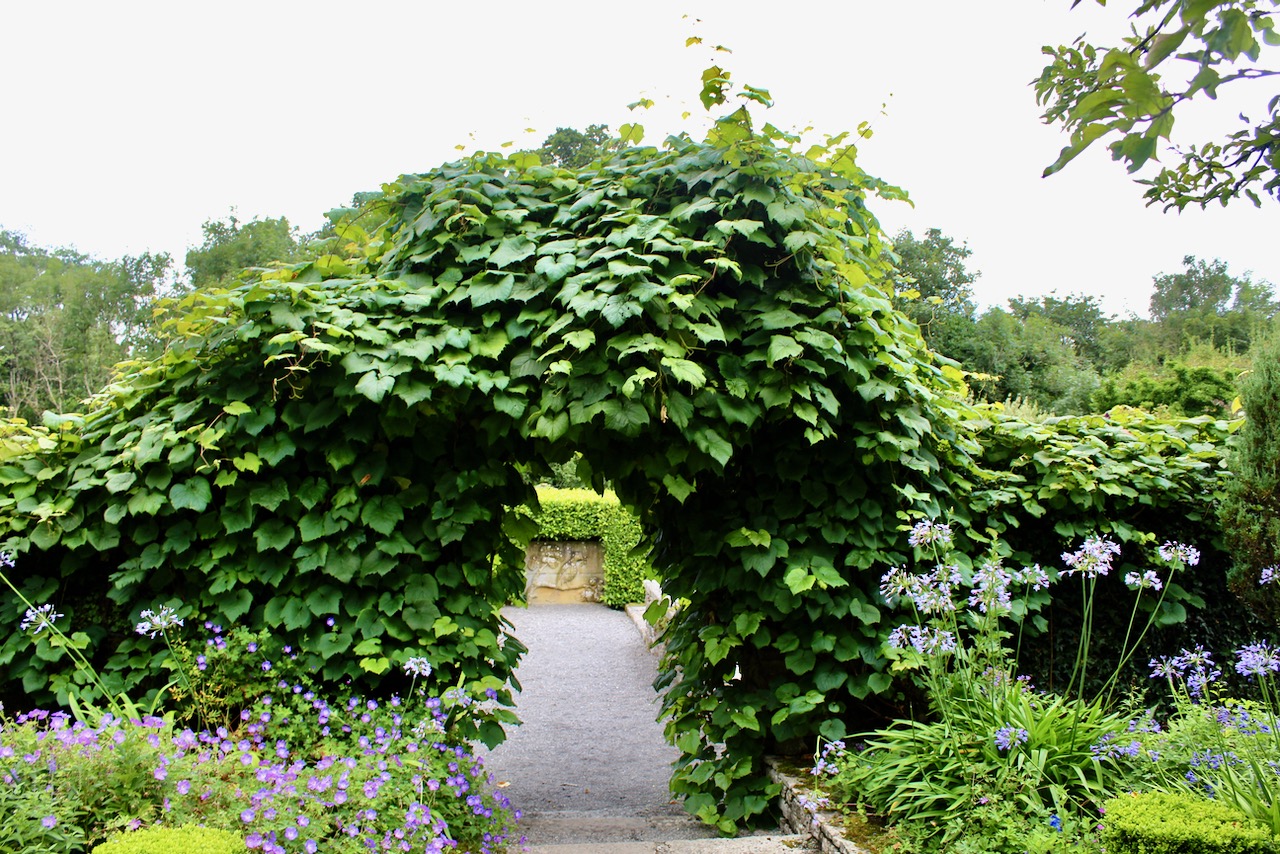
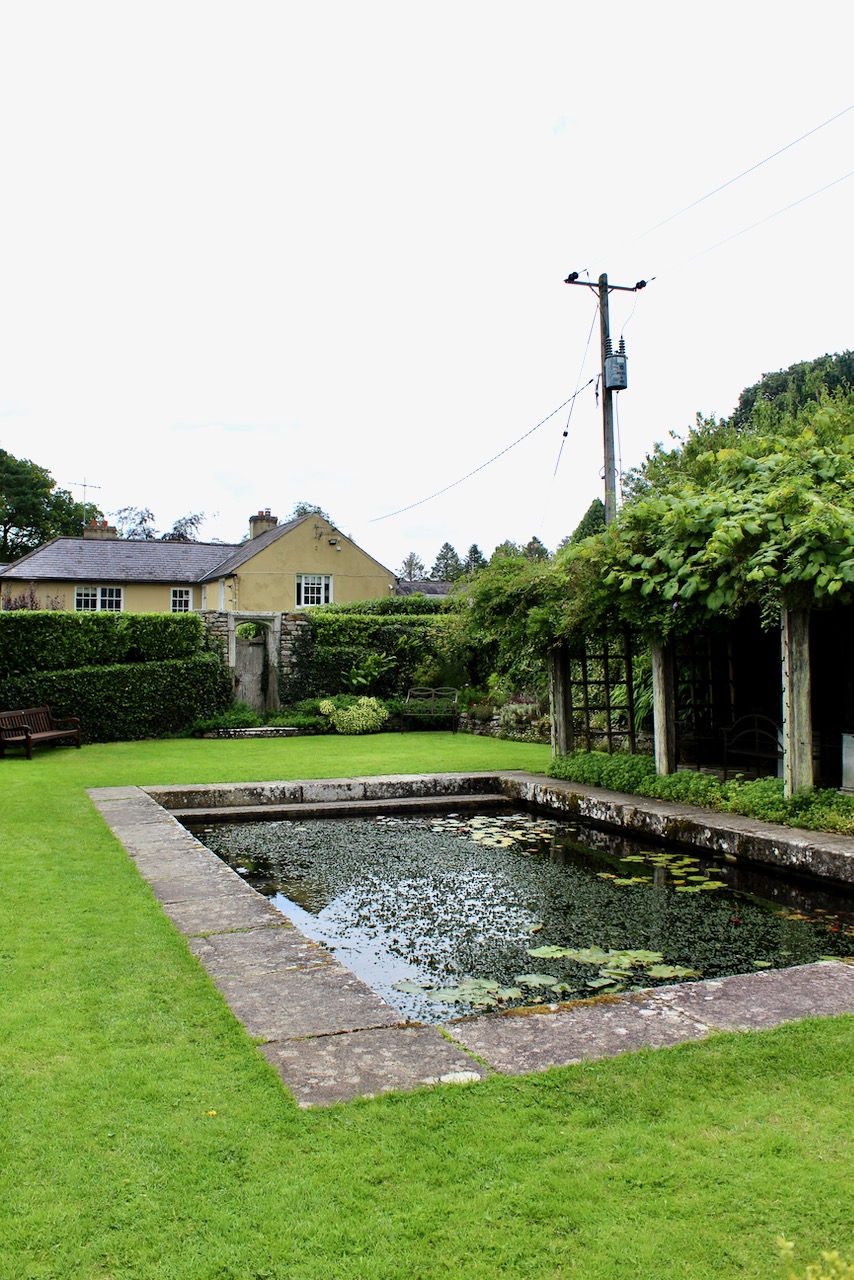
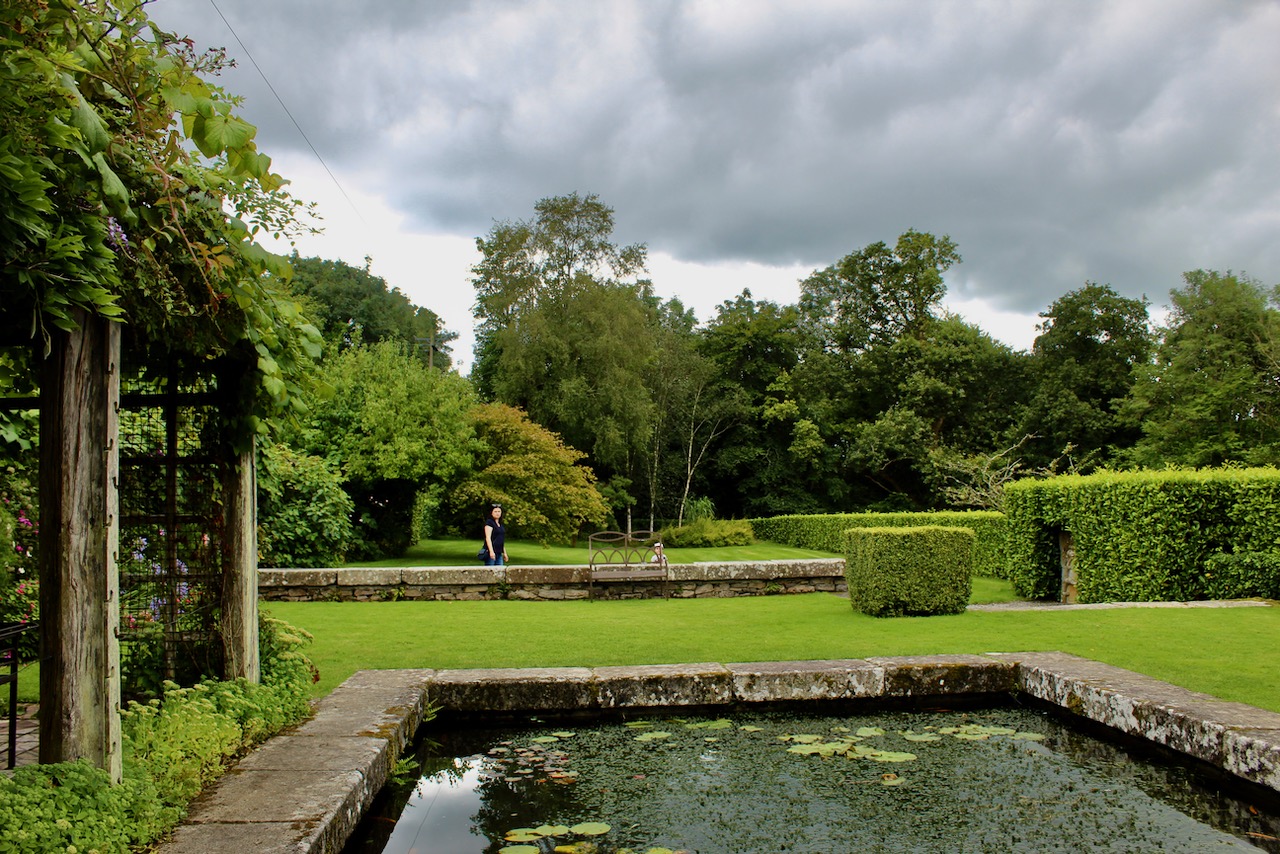

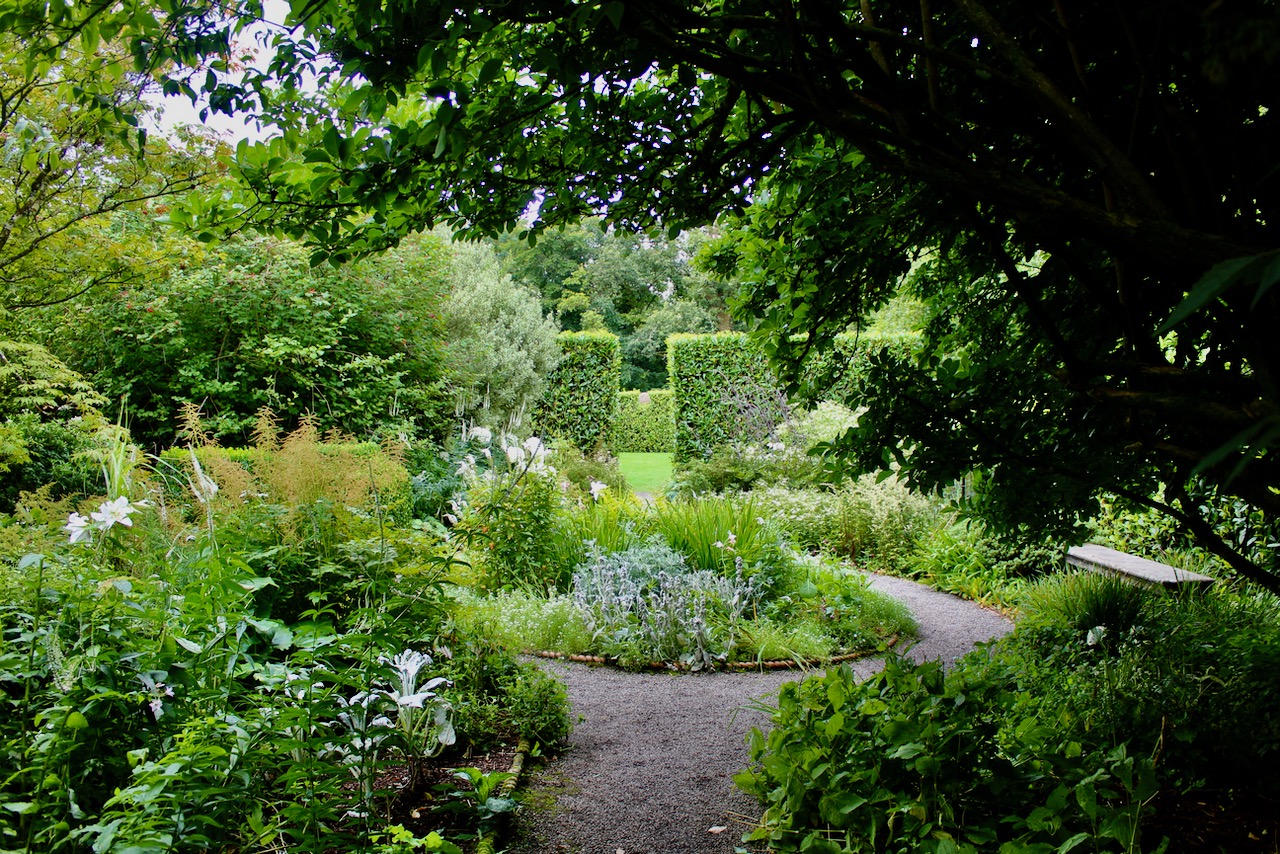
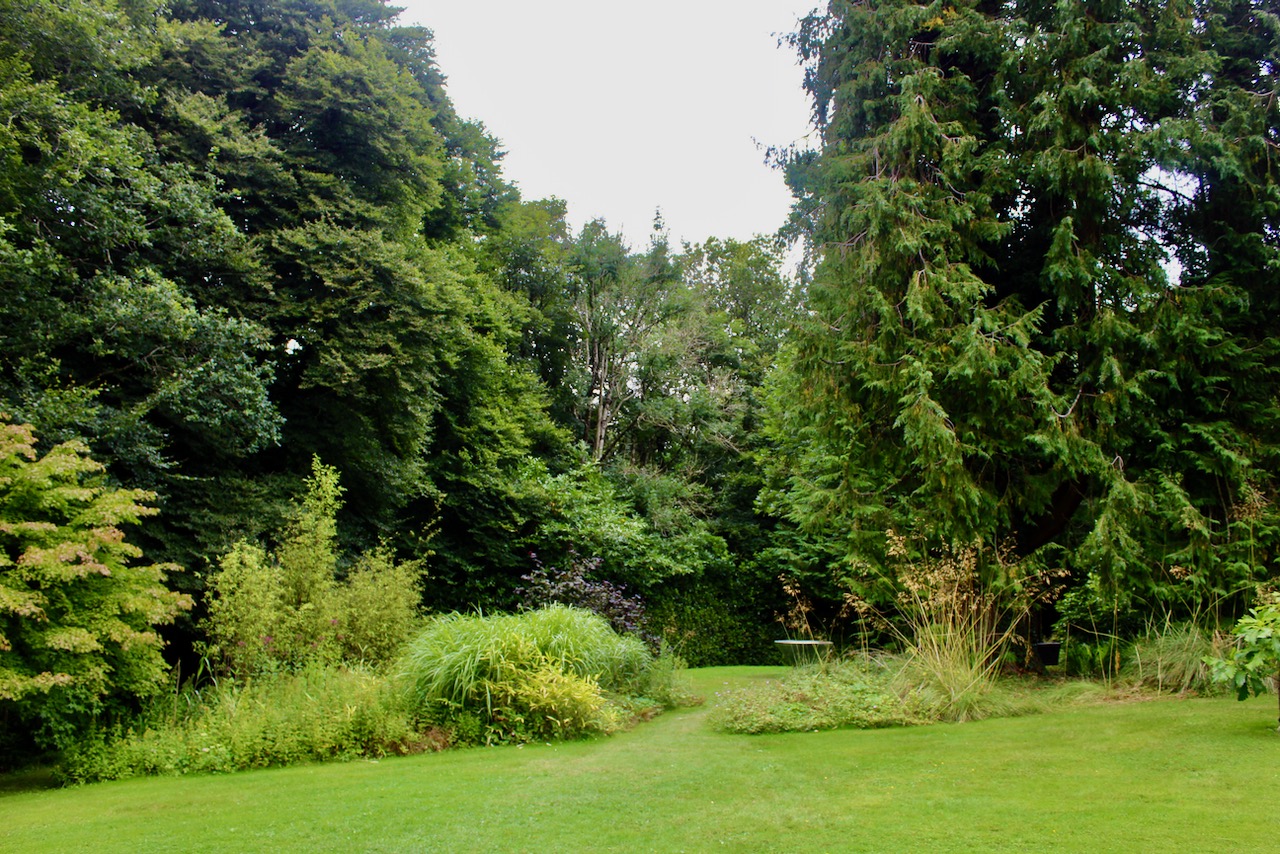

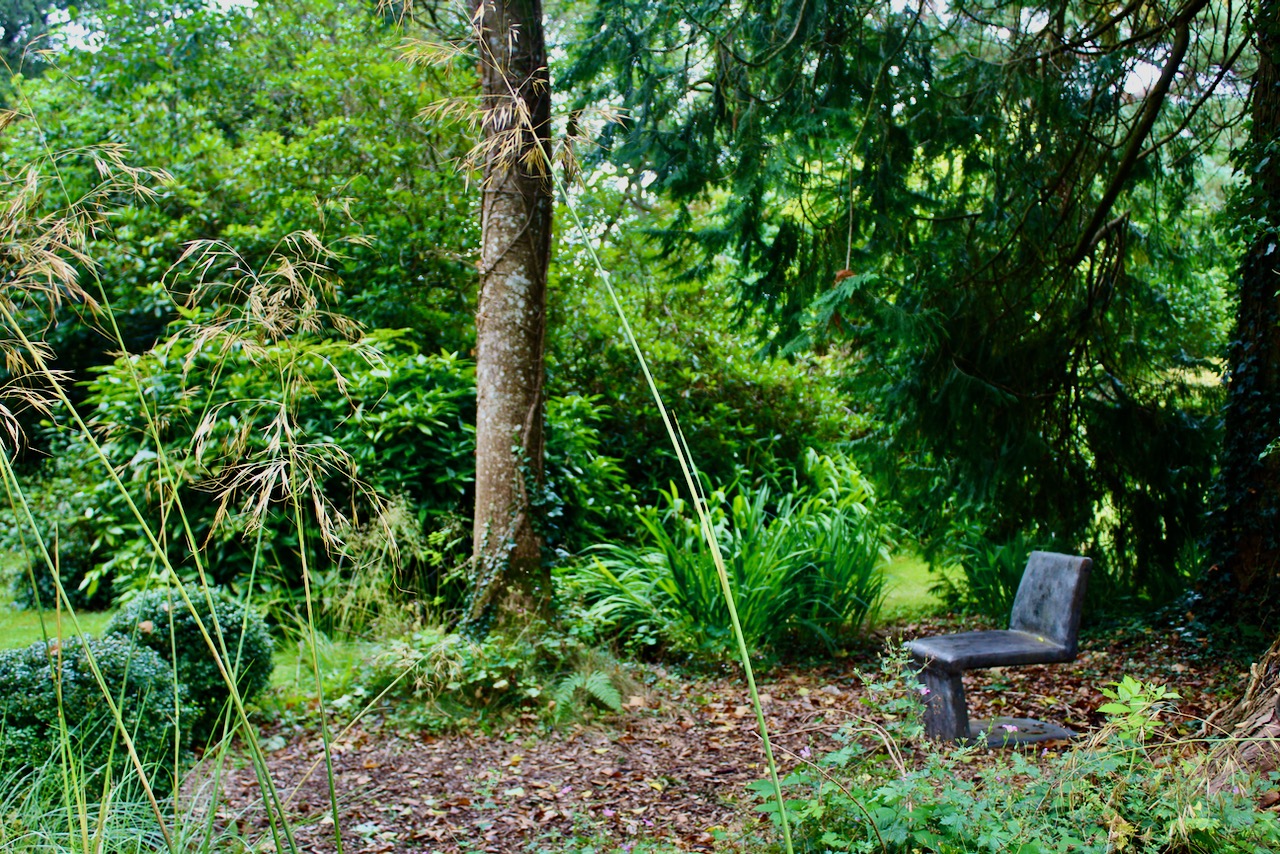


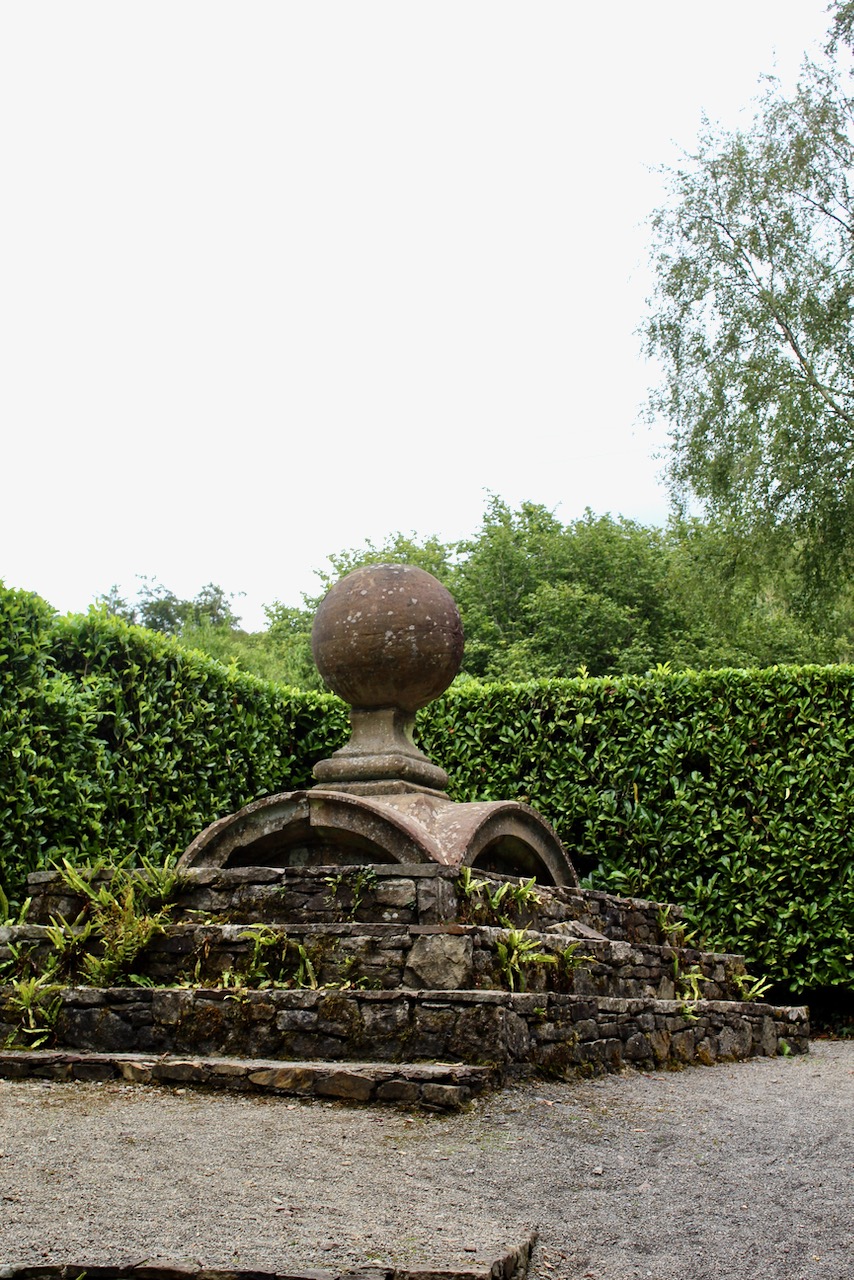
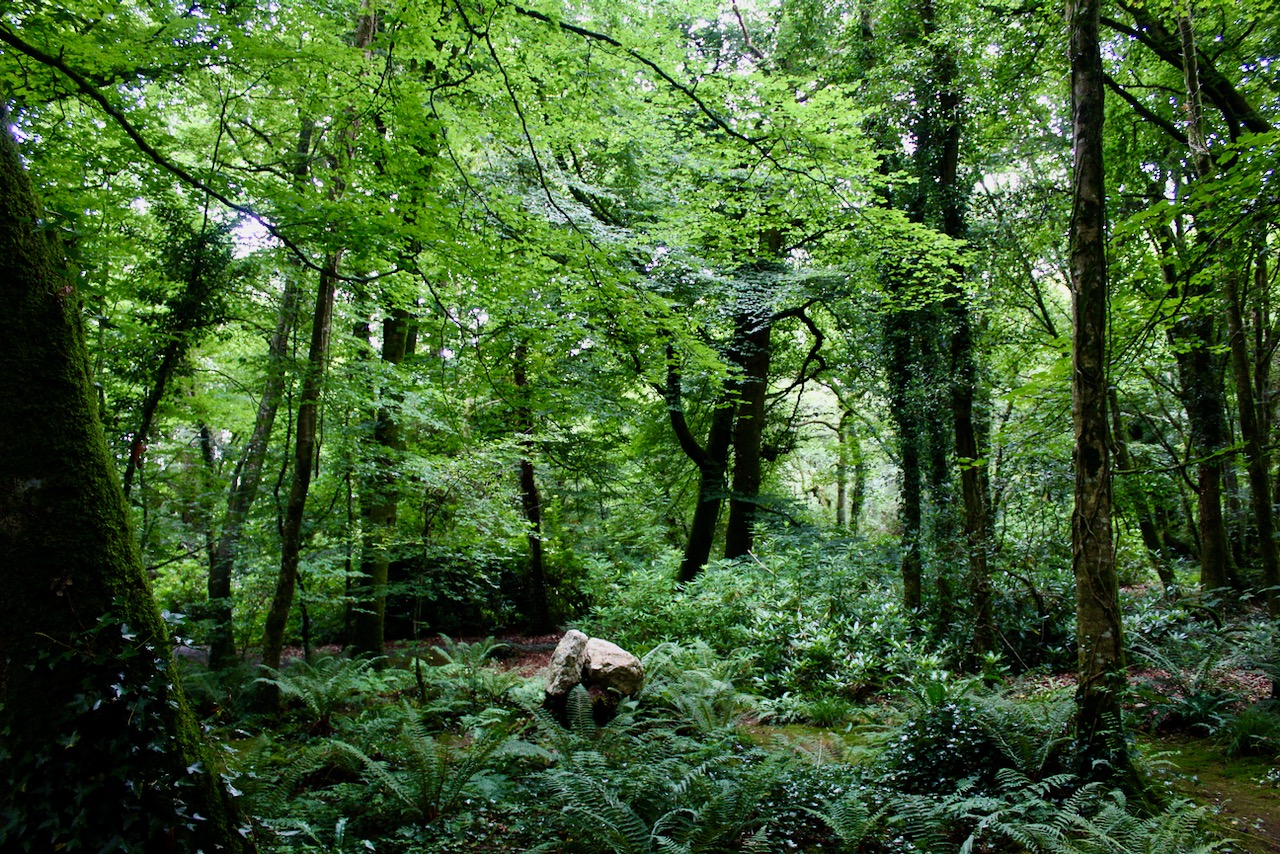
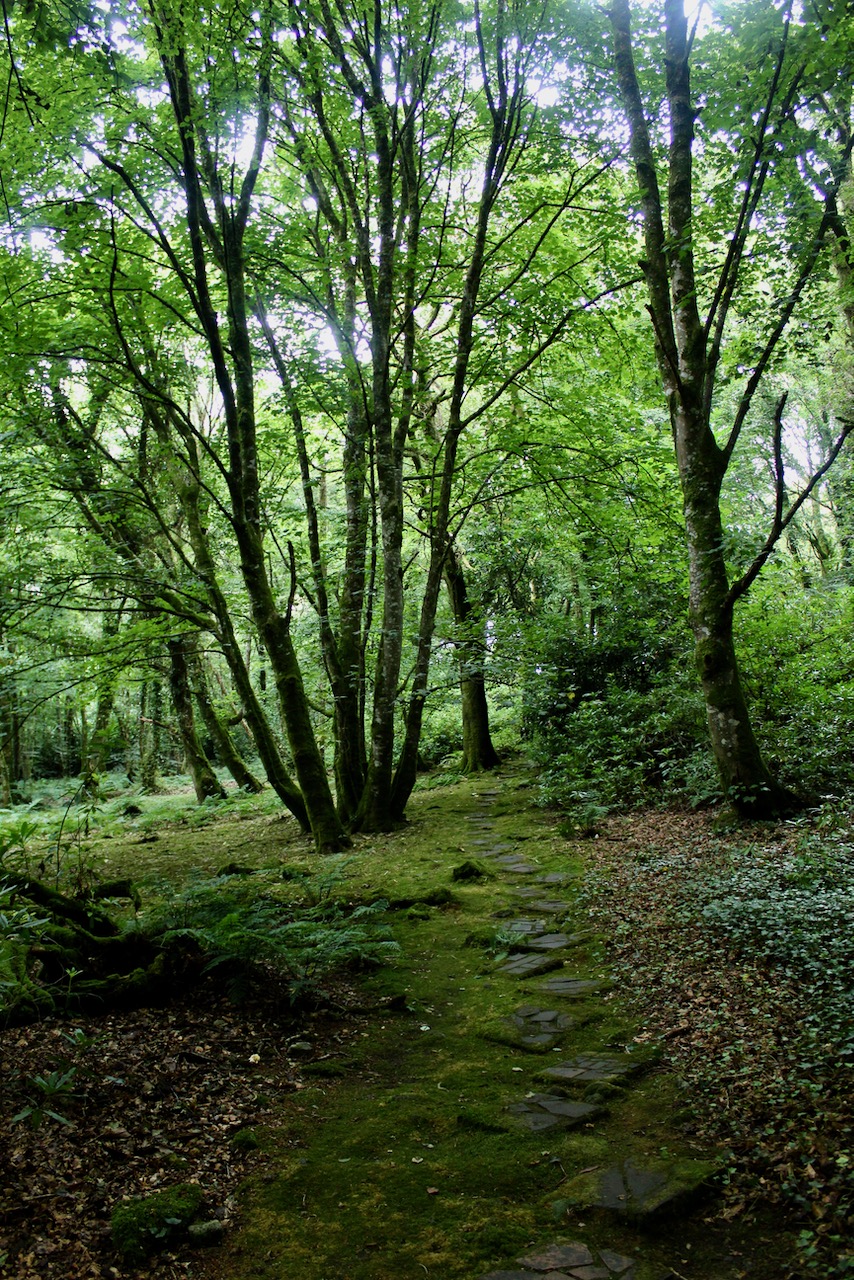
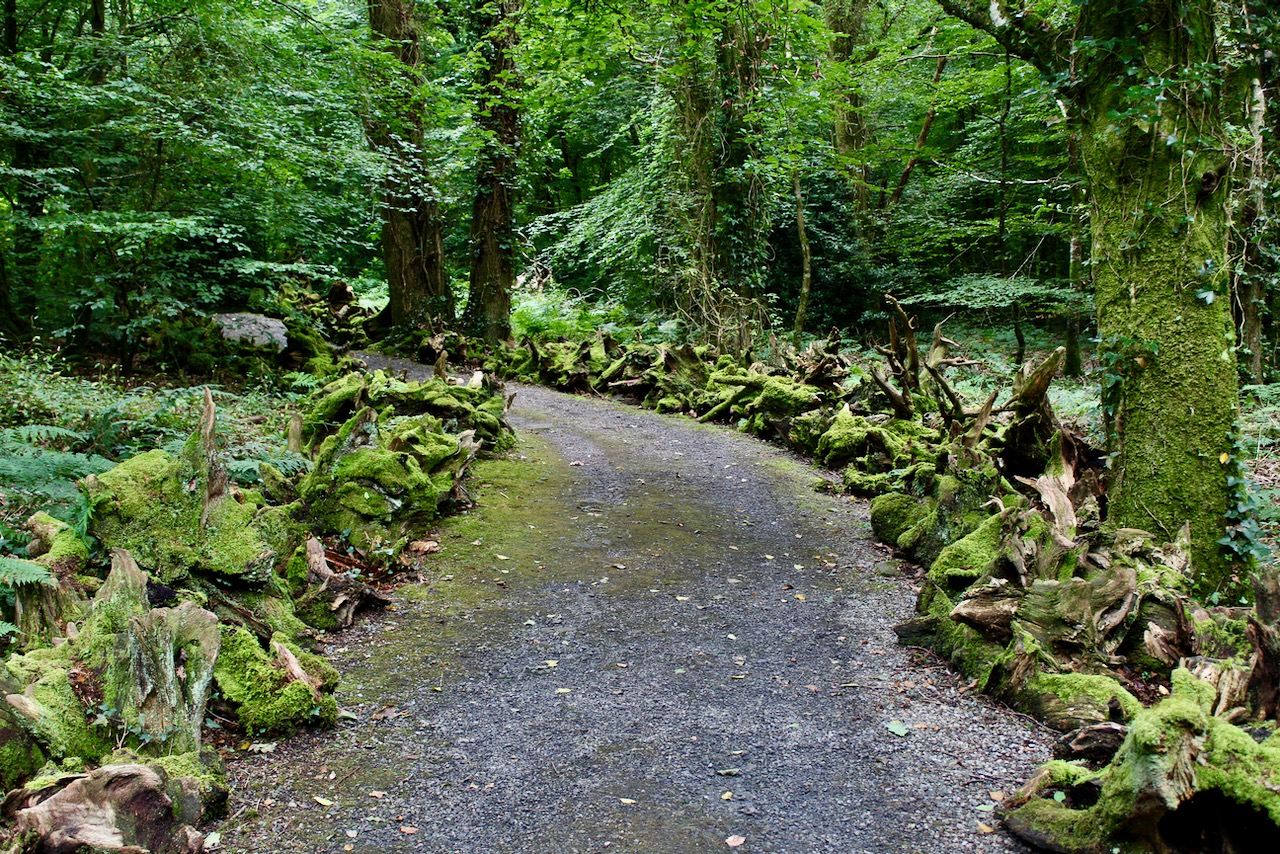


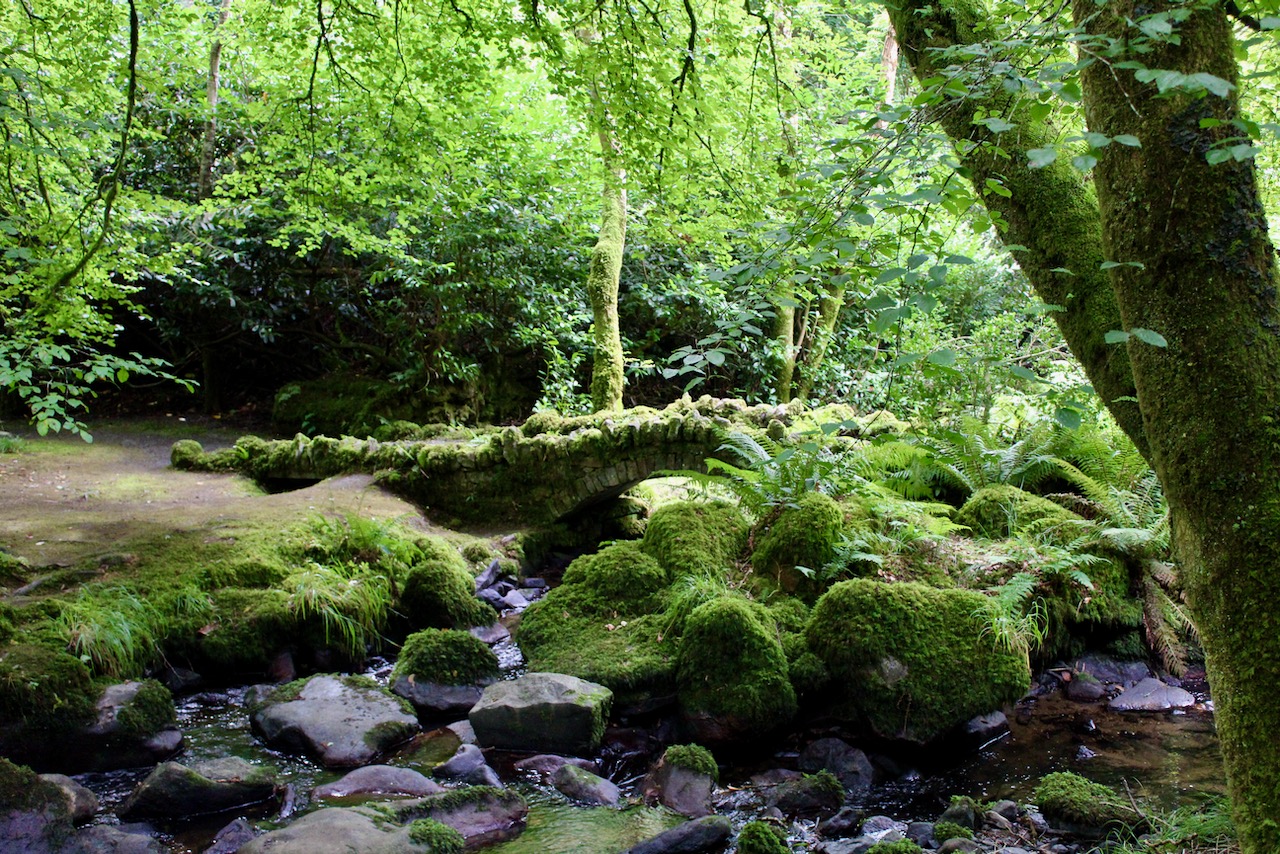


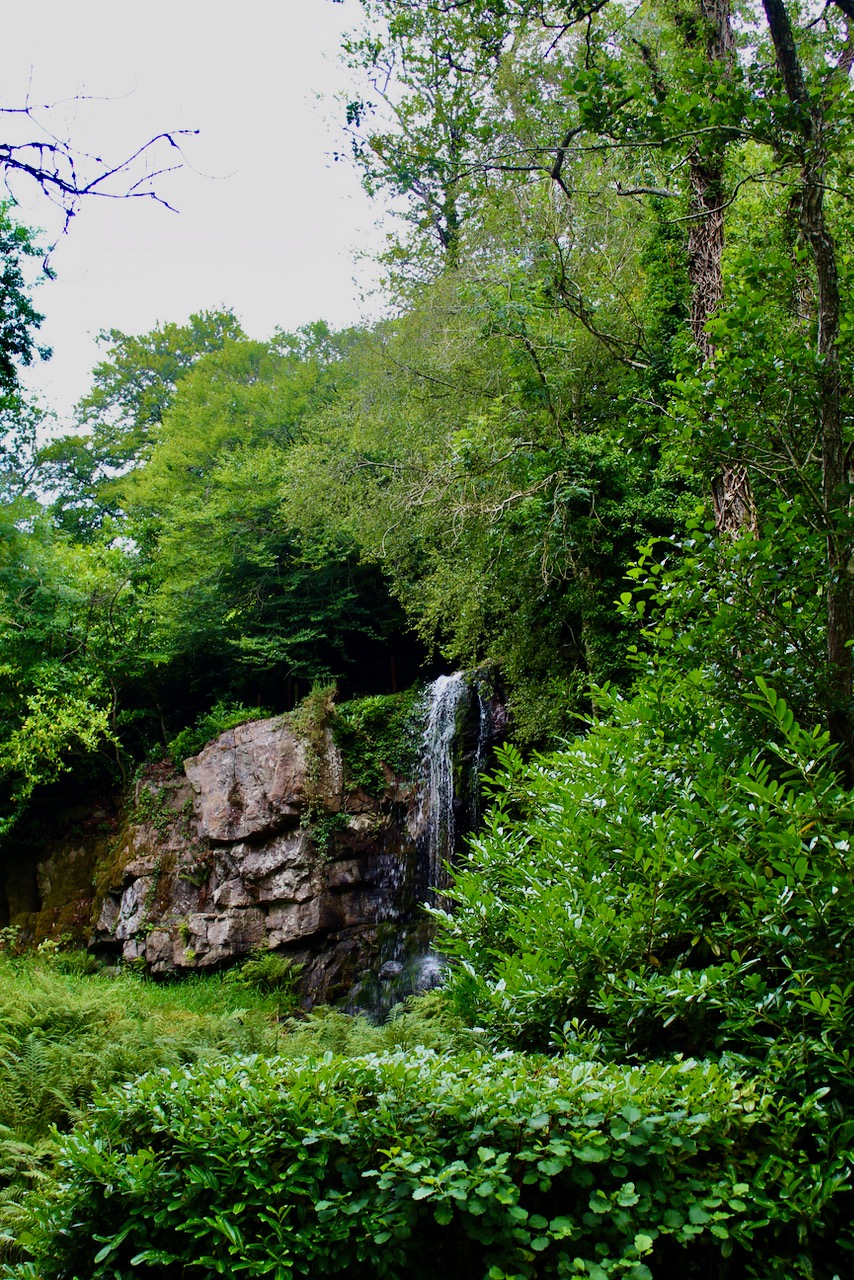
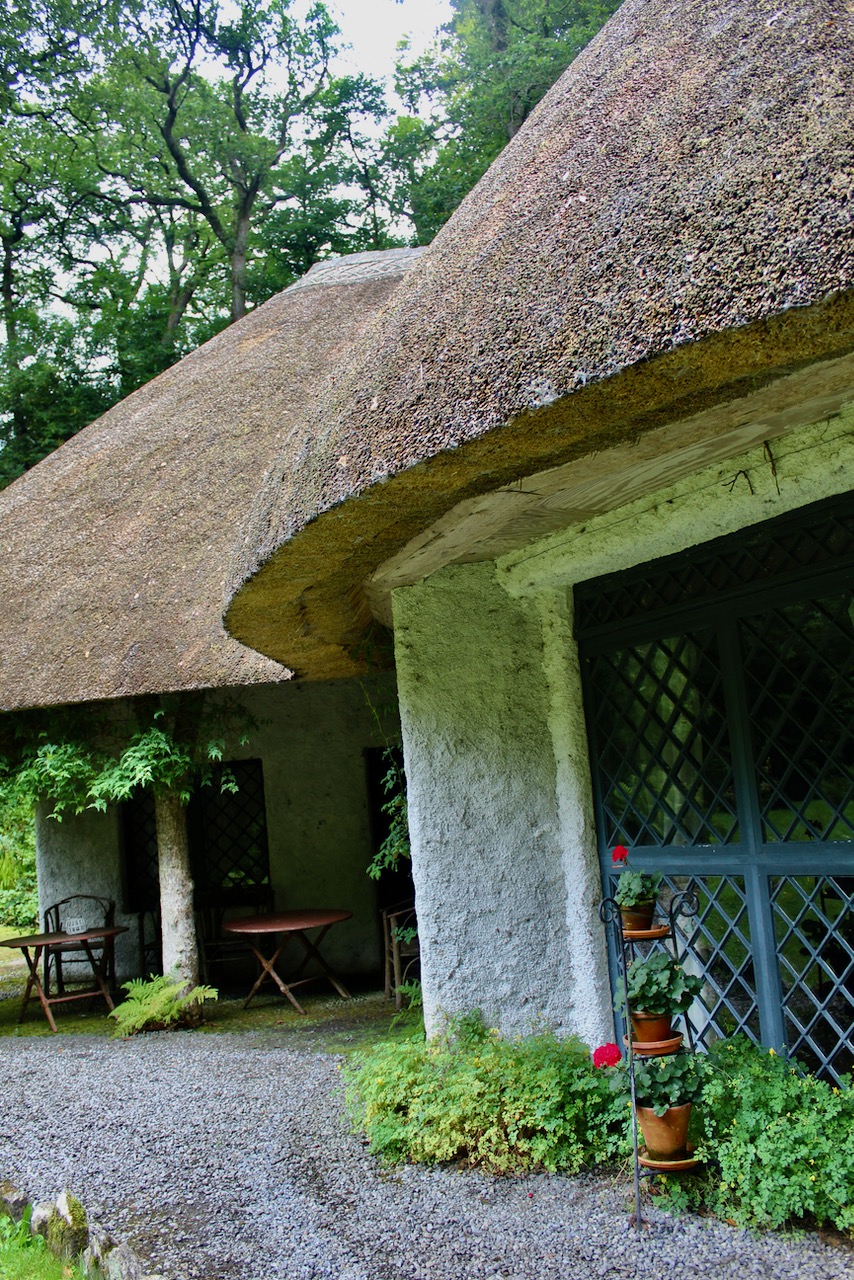
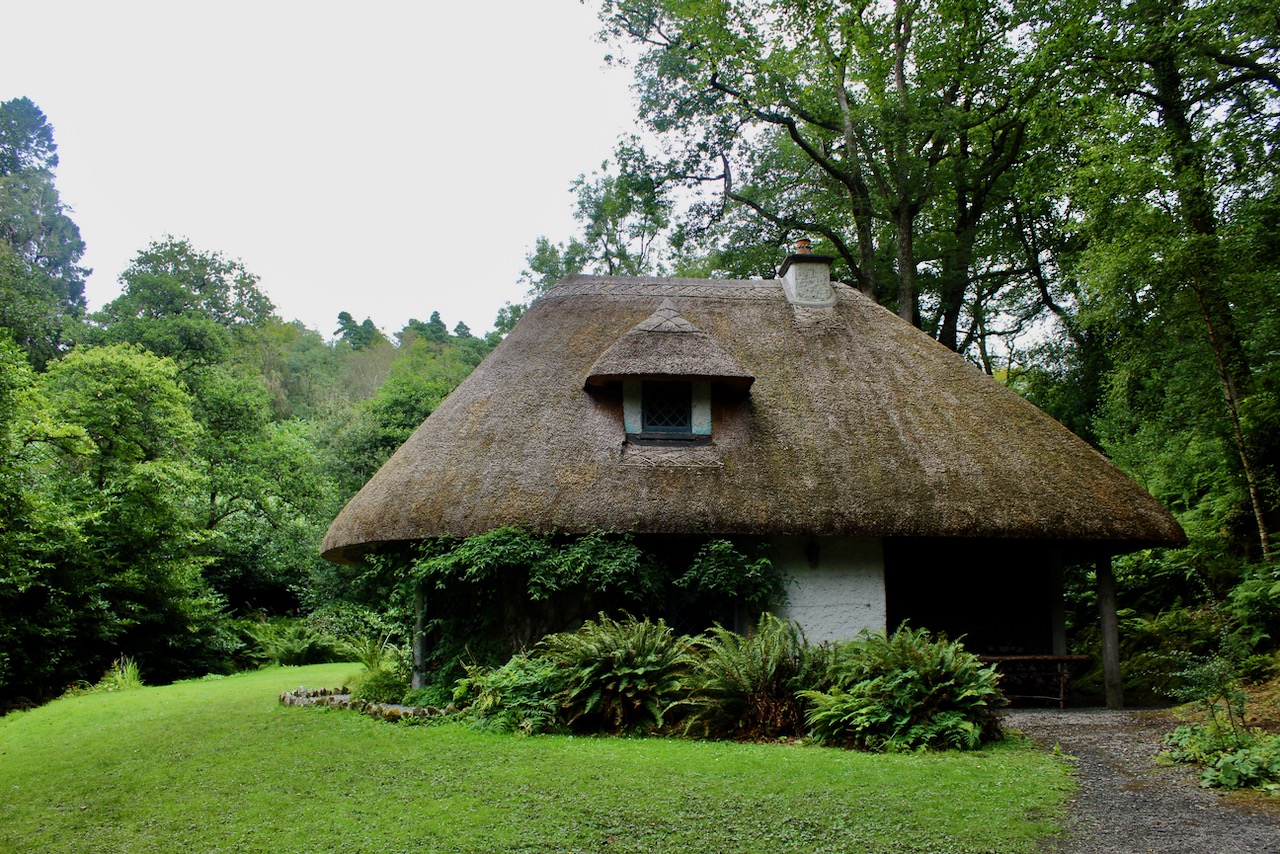
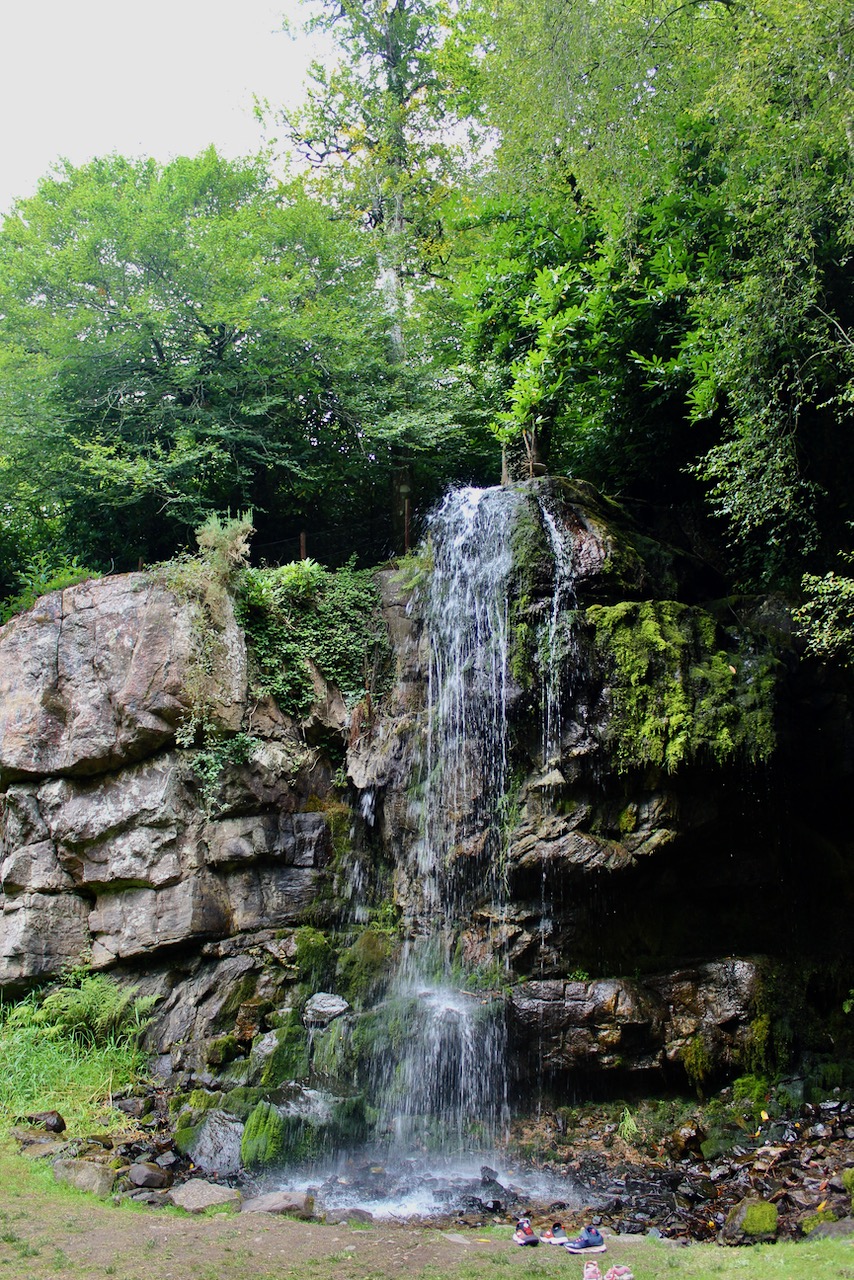
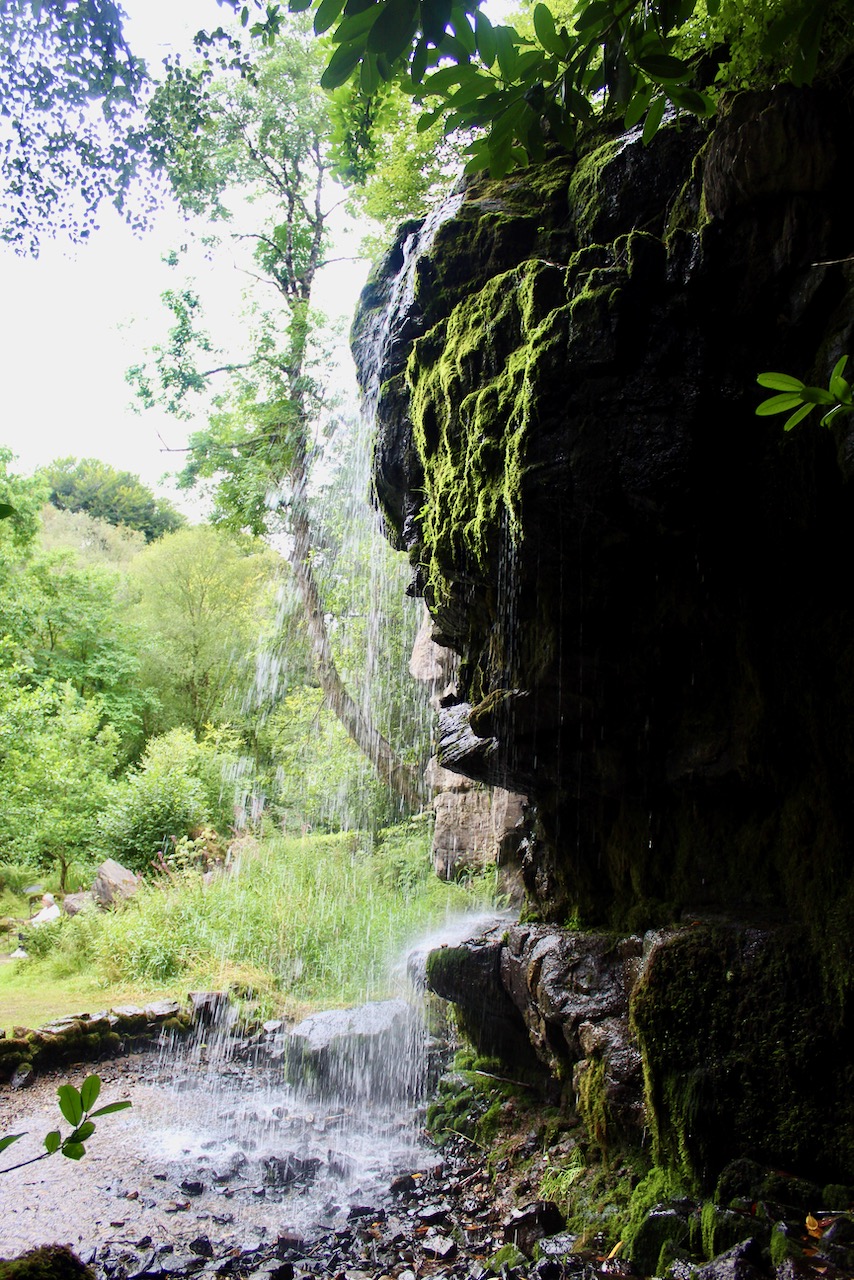
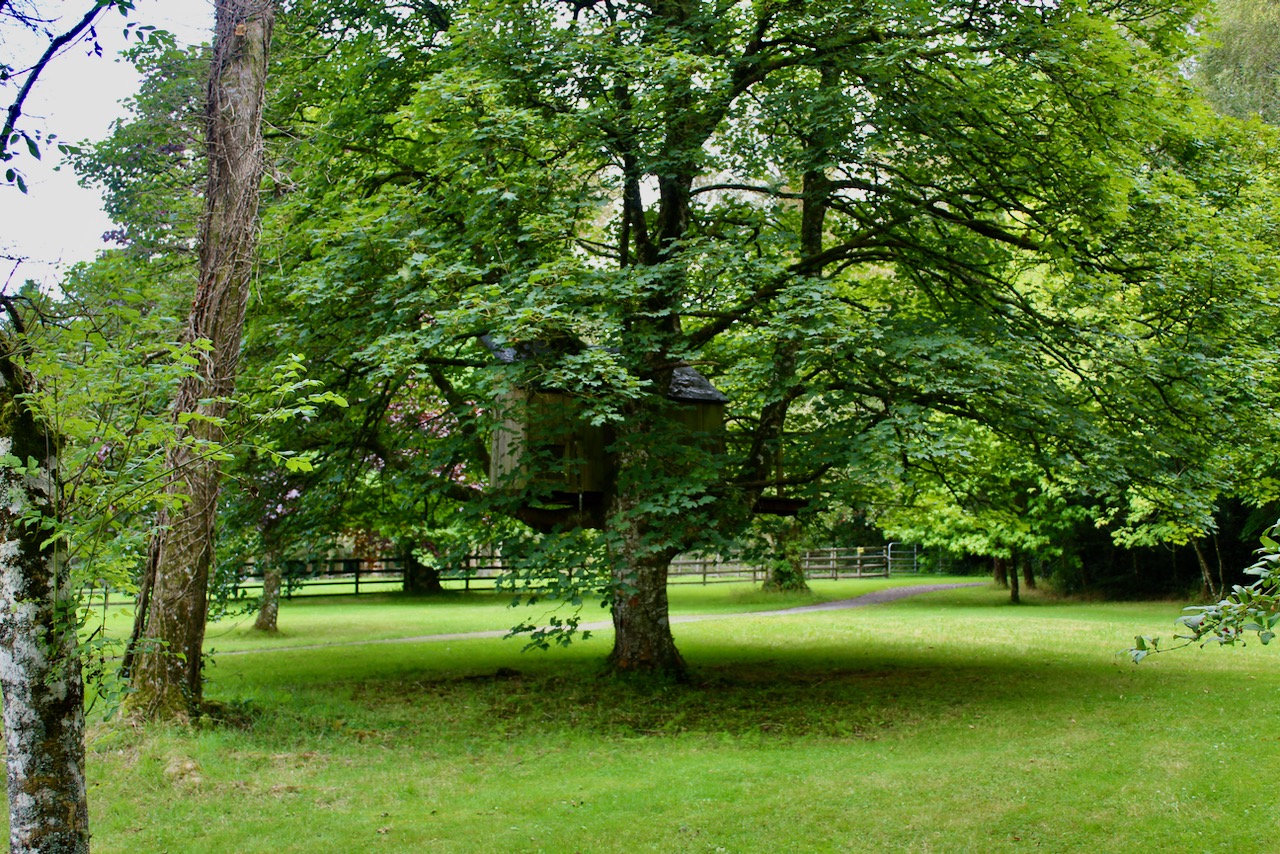

 Irish Historic Houses