Open dates in 2025: Feb 4-7, 10-14, 17-21, 24-28, May 1-2, 6-30, June 3-6, 9, Aug 16-24, Mon-Fri, 1pm-5pm, May and Aug, Sat-Sun, 9am-1pm
Fee: house €10, gardens €6
donation
Help me to pay the entrance fee to one of the houses on this website. This site is created purely out of love for the subject and I receive no payment so any donation is appreciated!
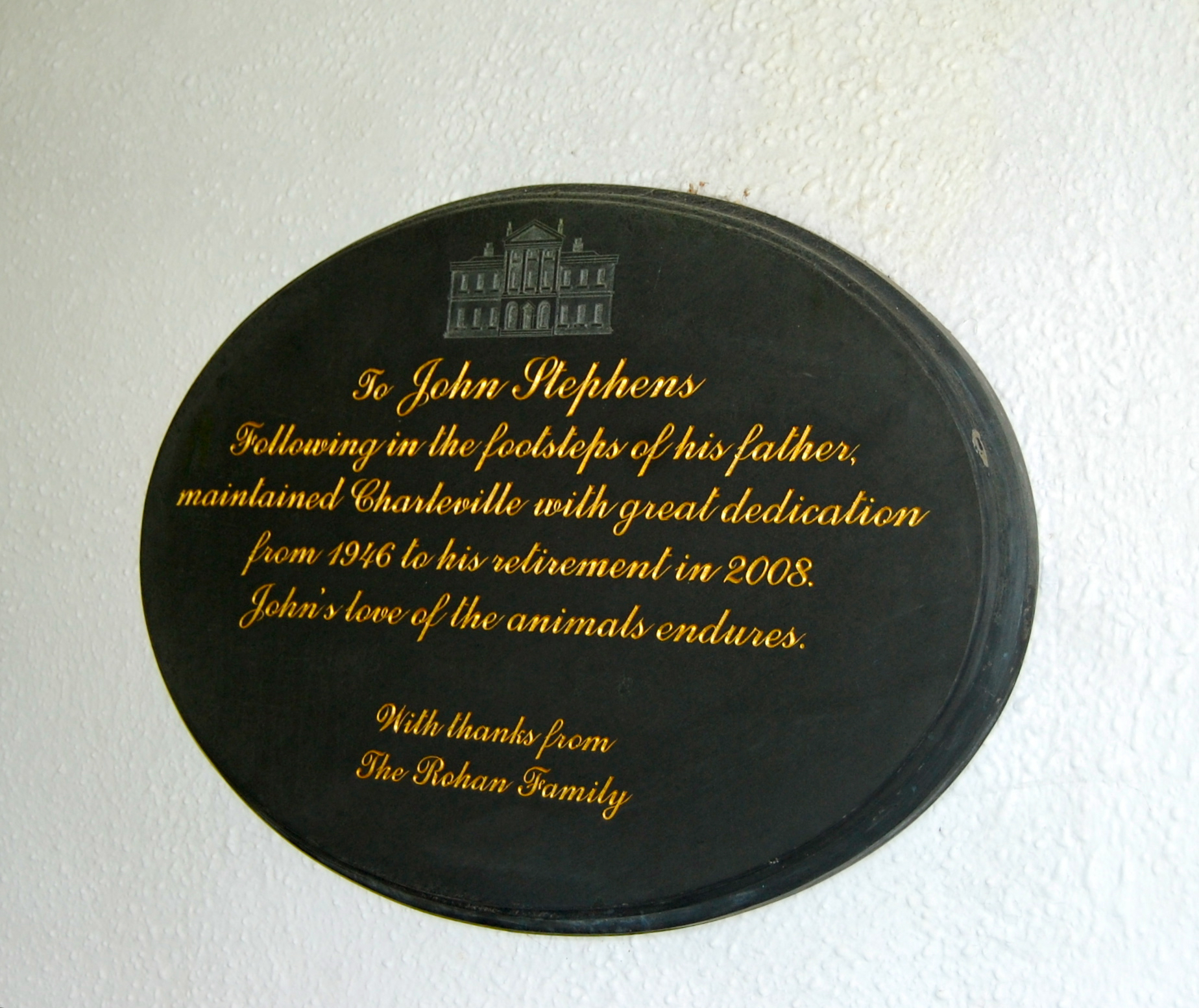
This was the least personal of our tours to date, when we went on Saturday May 18th 2019, as there was no sign of the owners, the Rohan family, living in the grand reception rooms, although it is their family home. Ken and Brenda Rohan purchased the house in 1981. A visit to a house that is no longer owned by descendants of the early occupiers resonates less history, although in this case one must admit the current owners are probably no less invested than if their ancestors had occupied it for centuries, as they have maintained it to a high standard, and have carried out sensitive restoration to both house and garden. Dublin architect John O’Connell oversaw work on the interiors.
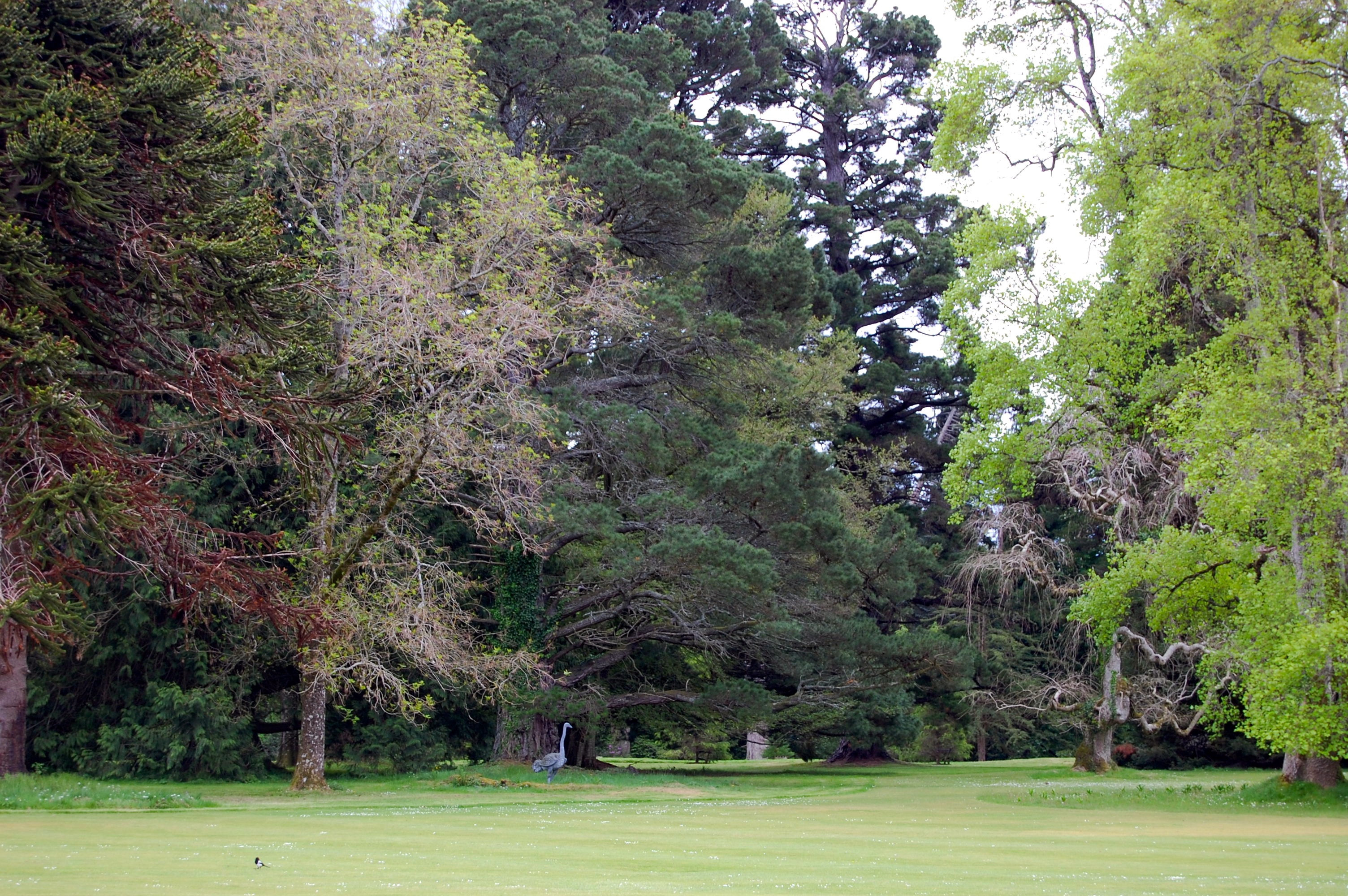
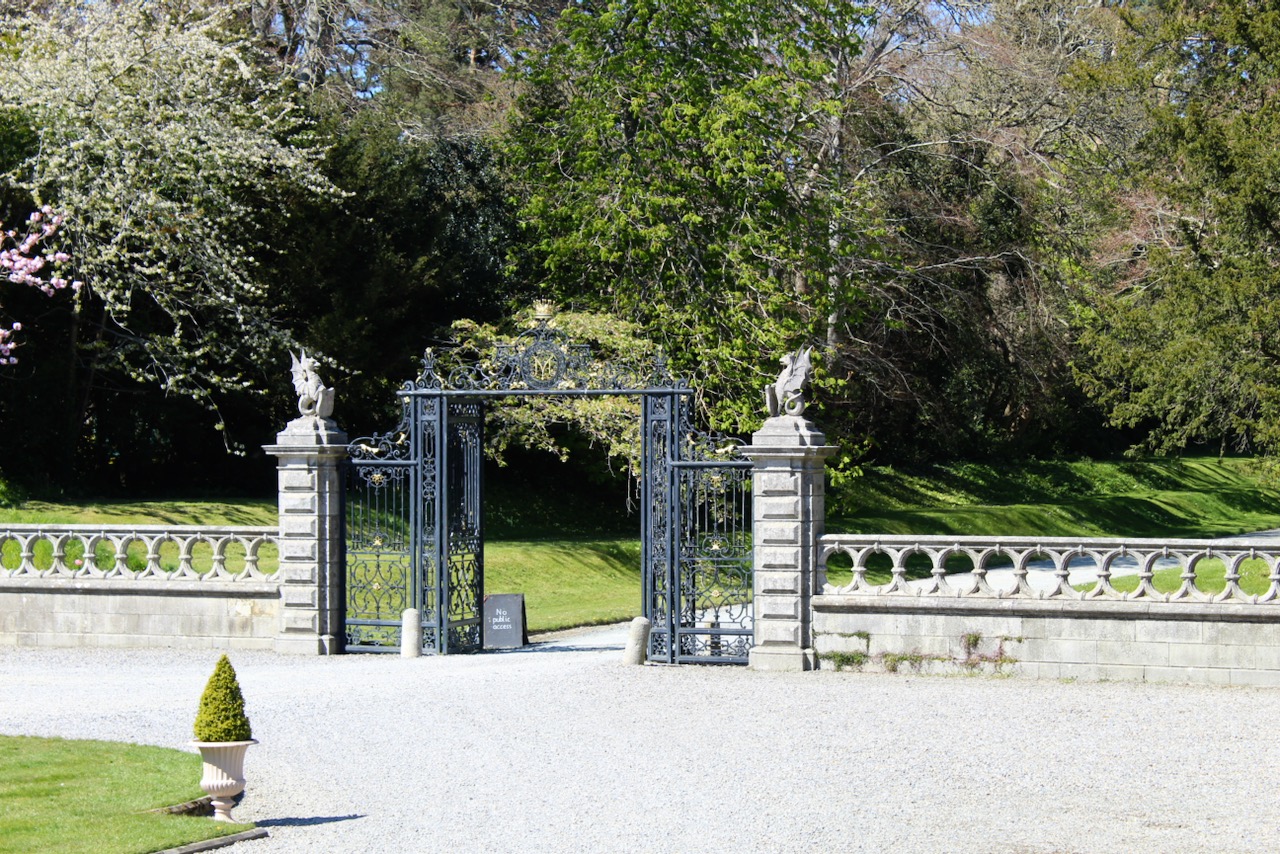
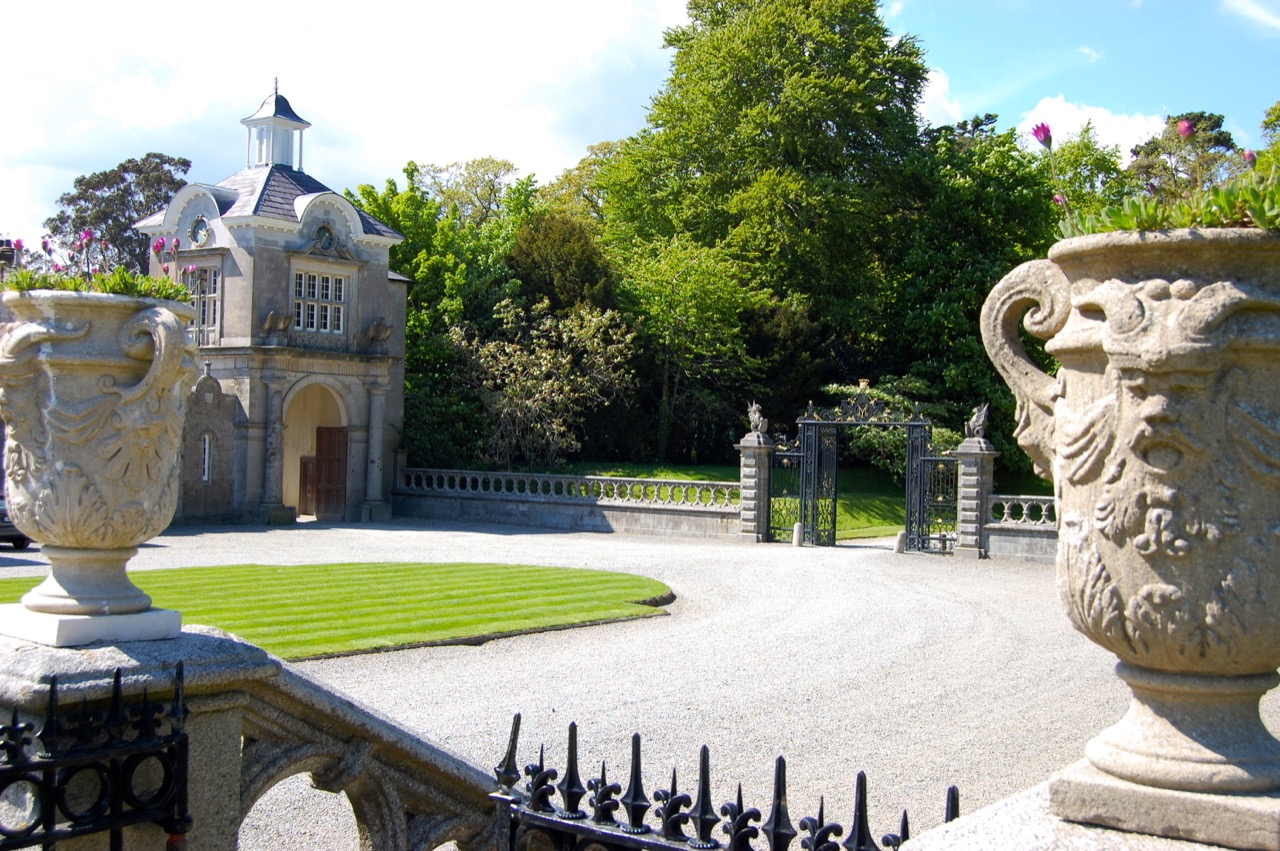
We are told in Great Irish Houses that the demesne is intact, with the original estate walls and entrance gates surviving. [1]
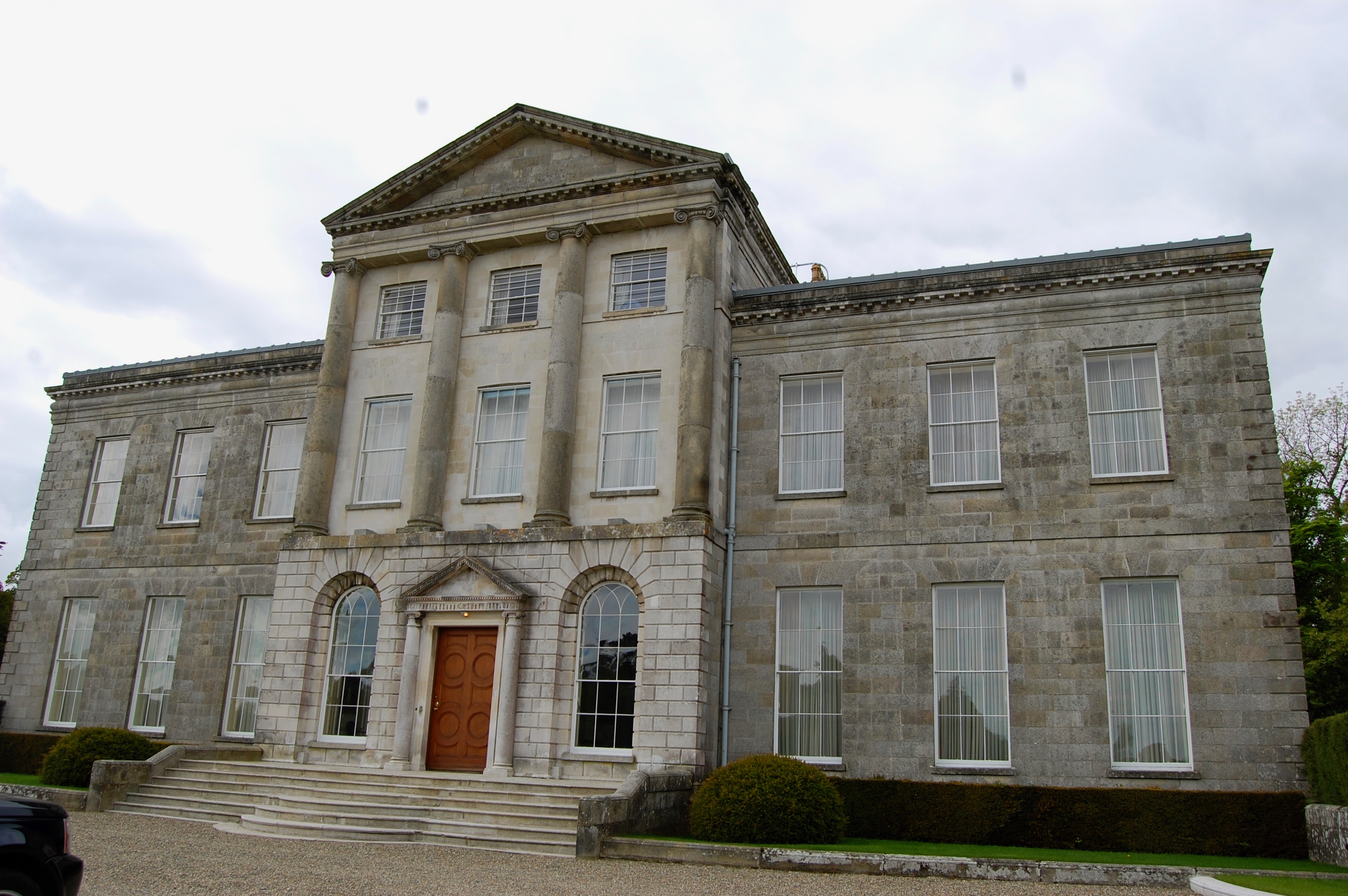
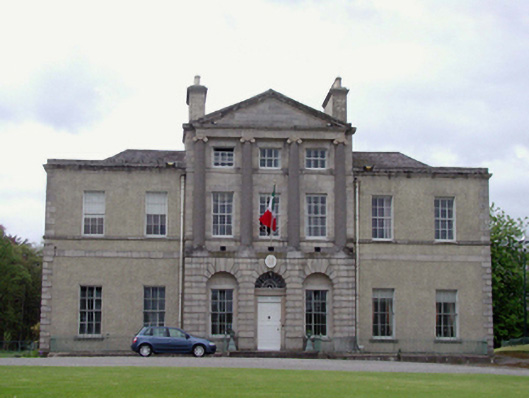
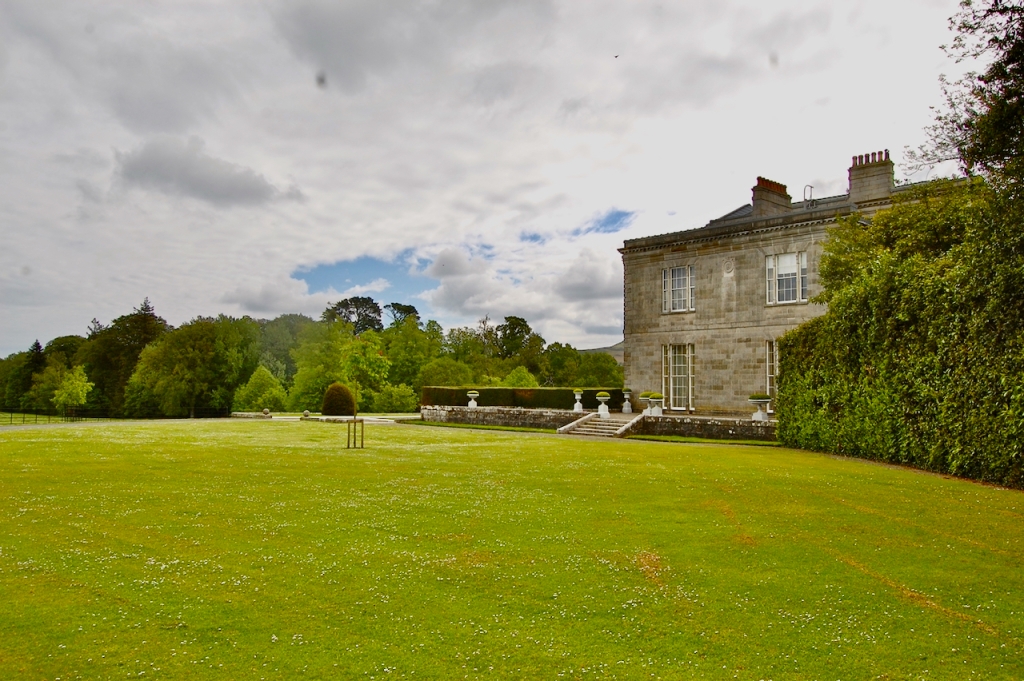
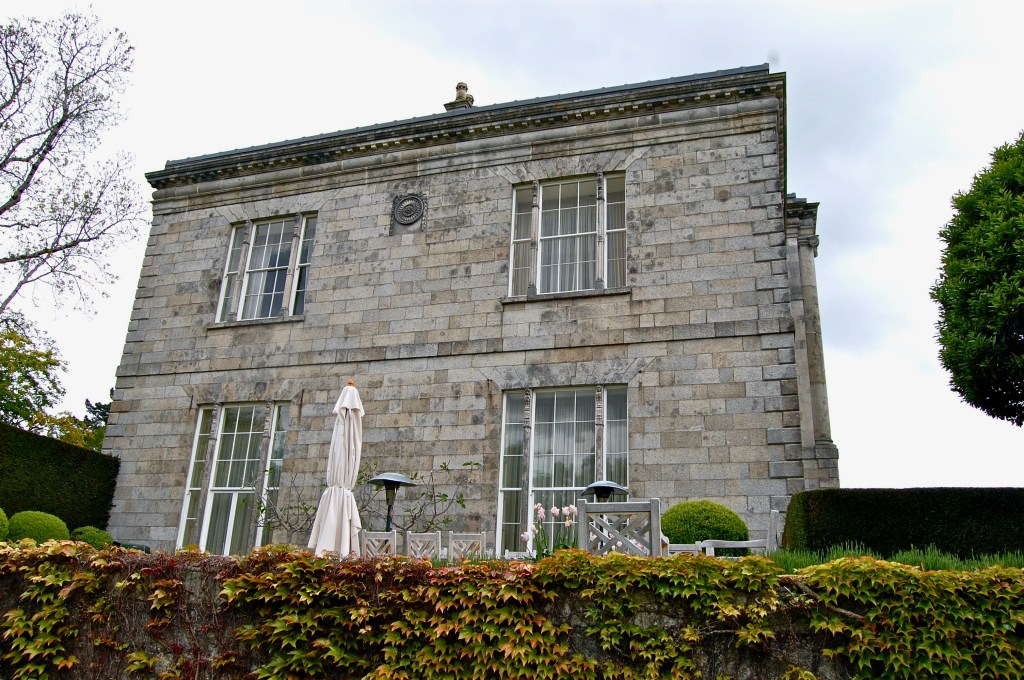
The National Inventory of Architectural Heritage website tells us that Charleville is a detached nine bay two storey Palladian style mansion, built in 1797 to designs by Whitmore Davis, an architect originally from County Antrim, who was then based in Dublin [2]. He also built another Section 482 house, Harristown House in County Kildare [3].
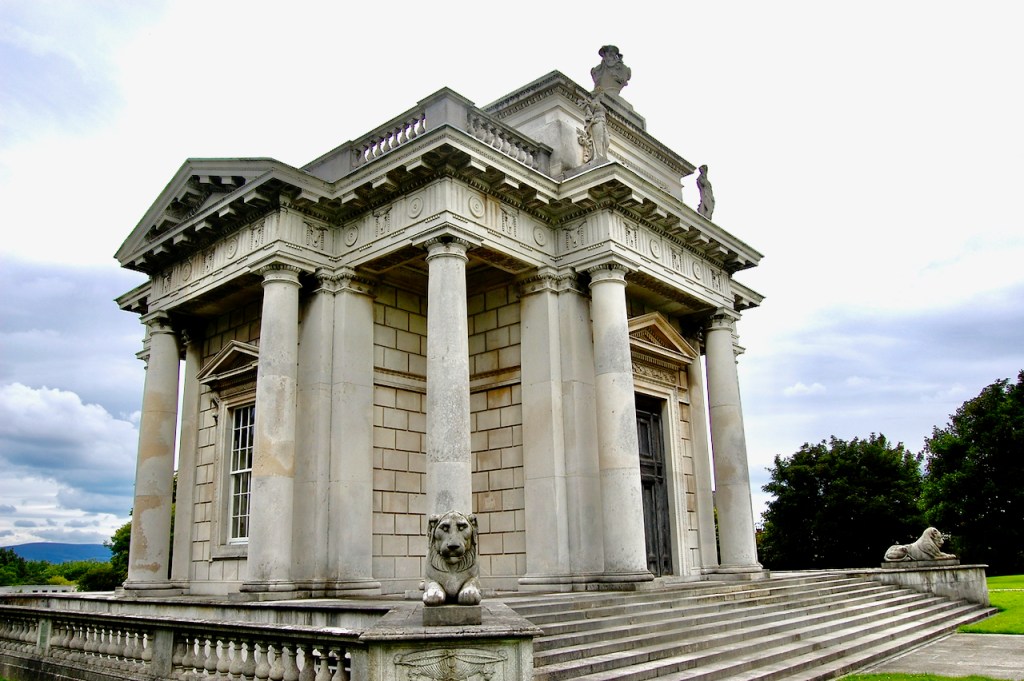
The house has a three-storey pedimented breakfront, the pediment is carried on four Ionic columns at the second and third storey level of the house, the ground floor level of the breakfront being “rusticated” as if it were a basement. [4] The windows on the ground floor level in the breakfront are arched. The Buildings of Ireland website claims that the breakfront facade is inspired by Lucan House in County Dublin, which is indeed very similar. Lucan House was designed by its owner, Agmondisham Vesey, consulting with architect William Chambers, a British architect who also designed the wonderful Casino at Marino in Dublin, as well as Charlemont House in Dublin (now the Hugh Lane Municipal Art Gallery) and the Examination Hall and Chapel in Trinity College Dublin.
It was hard to find, as we were directed to the back entrance, and the gps gave us directions to a different entrance. However the person to whom I’d spoken, from Rohan Holdings, specified where to go. We found someone waiting to let us in. He was very friendly and when I stated my name, for him to write down along with licence plate of car, for security, he asked was I related to the Baggots of Abbeyleix! Indeed, I am the daughter of a Baggot of Abbeyleix! And are they related to the Clara Baggots, he asked? Yes indeed, they are my cousins! So that was a great welcome! He opened the gates for us and said he would see us on the way out, and he directed us down the driveway, toward visitor parking.
Our tour guide came outside to meet us and invited us into the house. We entered a large impressive entry room. The guide told us that George IV was due to visit the house, but never came, as he was “inebriated.” After visiting Slane Castle, we knew all about George IV’s visit, and why he did not get to Charleville – he was too busy with his mistress in Slane Castle! The marquentry wooden flooring (applying pieces of veneer to a structure to form decorative patterns, designs or pictures) in the front hall was installed at great expense in preparation for his visit to the house. It’s still in excellent condition.
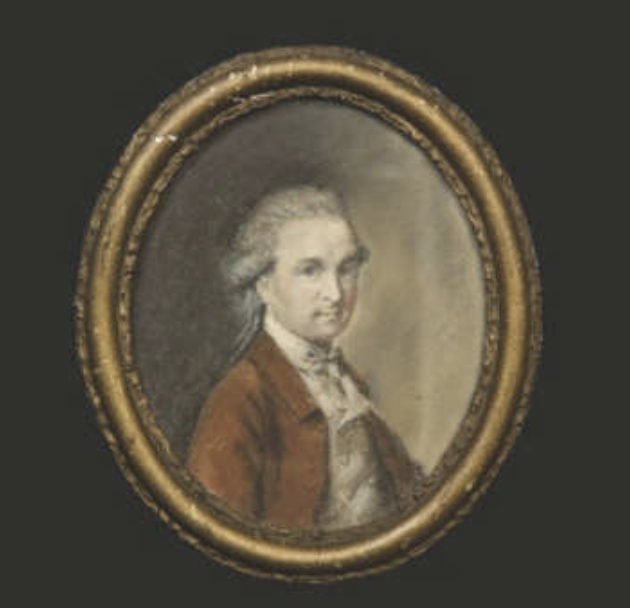
The well-informed guide told us about the previous owners and shared details about the furniture and paintings. The house is perfectly suitably decorated, sumptuous and beautiful. The main reception rooms lead off the entrance hall and run the length of the facade. The house was built for Charles Stanley Monck (1754-1802), 1st Viscount Monck of Ballytrammon, County Wexford, after his former house on the property was destroyed by fire in 1792.
Charles Stanley Monck succeeded his uncle Henry Monck to the estate when his uncle died in 1787. Henry Monck had inherited from his father, Charles Monck (1678-1752). Charles Monck, a barrister who lived on St. Stephen’s Green in Dublin, came into the property of Charleville through his marriage in 1705 to Agneta Hitchcock, the daughter and heiress of Major Walter Hitchcock. [5]
Although Henry Monck had no son to inherit his estate, he had a daughter, Elizabeth, who married George de la Poer Beresford (January 1734/35-1800), 1st Marquess of Waterford, of Curraghmore.
The Honourable George de la Poer Beresford (1735–1800), 2nd Earl of Tyrone, Later 1st Marquis of Waterford by Johann Zoffany, courtesy of National Trust Images.
Charles Stanley Monck was the son of Henry’s brother Thomas Monck (1723-1772) and Judith Mason (1733-1814) from Masonbrook, County Galway. Thomas Monck was a barrister, and served as MP for Old Leighlin in County Carlow.
Charles Stanley Monck married Anne Quin in 1784, daughter of Dr. Henry Quin and Anne Monck (she was a daughter of Charles Monck and Agneta Hitchcock so was a first cousin). He rebuilt the house in the same year that he was raised to the peerage as Baron Monck of Ballytrammon, County Wexford. He served as MP for Gorey, County Wexford from 1790 to 1798. In 1801, as a reward for voting for the Union of Britain and Ireland, he was awarded a Viscountcy.
As well as having Charleville rebuilt, he had a terrace of houses built in Upper Merrion Street in Dublin. Number 22 of this terrace was known as “Monck House,” and number 24 was Mornington House (where some say the Duke of Wellington was born) – the terrace is better known today for housing the Merrion Hotel.
The large entry hall has fluted Ionic columns, a ceiling with coving and central rosette plasterwork, an impressive fireplace and several doors. It is full of portraits, including, over the fireplace, a painting of the family of the Verekers, Viscount Gort. The double-door leading to the staircase hall is topped with a decorative archway, and the passageway between the front hall and the staircase hall is vaulted.
Leading off the hallway were large double doors, “elevator style” (see Salterbridge), the guide pointed out that they are not hinged, and are held in place by the top and bottom instead, swinging on a small bolt from frame into door on top and bottom. They are extremely sturdy, smooth and effective.
The tour is limited to the outer and inner entrance halls, the morning, drawing and dining rooms.
Charles Stanley did not have long to enjoy his house as he died just a few years later in 1802. He was succeeded by his son Henry Stanley Monck (1785-1848), 2nd Viscount, who was also given the title the Earl of Rathdowne. It was this Henry who made the alterations to the house in preparation for the visit of George IV in 1821.
The Earl of Rathdowne married Frances Mary Trench, daughter of William Power Keating Trench, 1st Earl of Clancarty.
William Power Keating Trench (1741-1805) (later first Earl of Clancarty) by Hugh Douglas Hamilton (1739-1808), courtesy Adam’s 28 March 2012. He was the father of Frances Mary, who married Henry Stanley Monck, 2nd Viscount of Ballytrammon, County Wexford and 1st Earl of Rathdowne.
Mark Bence-Jones in his A Guide to Irish Country Houses tells us that the Grecian Revival plasterwork is probably designed by Richard Morrison. There are also floor length Wyatt windows to the side of the house, similar to ones added to Carton in Kildare in 1817 by Richard Morrison.
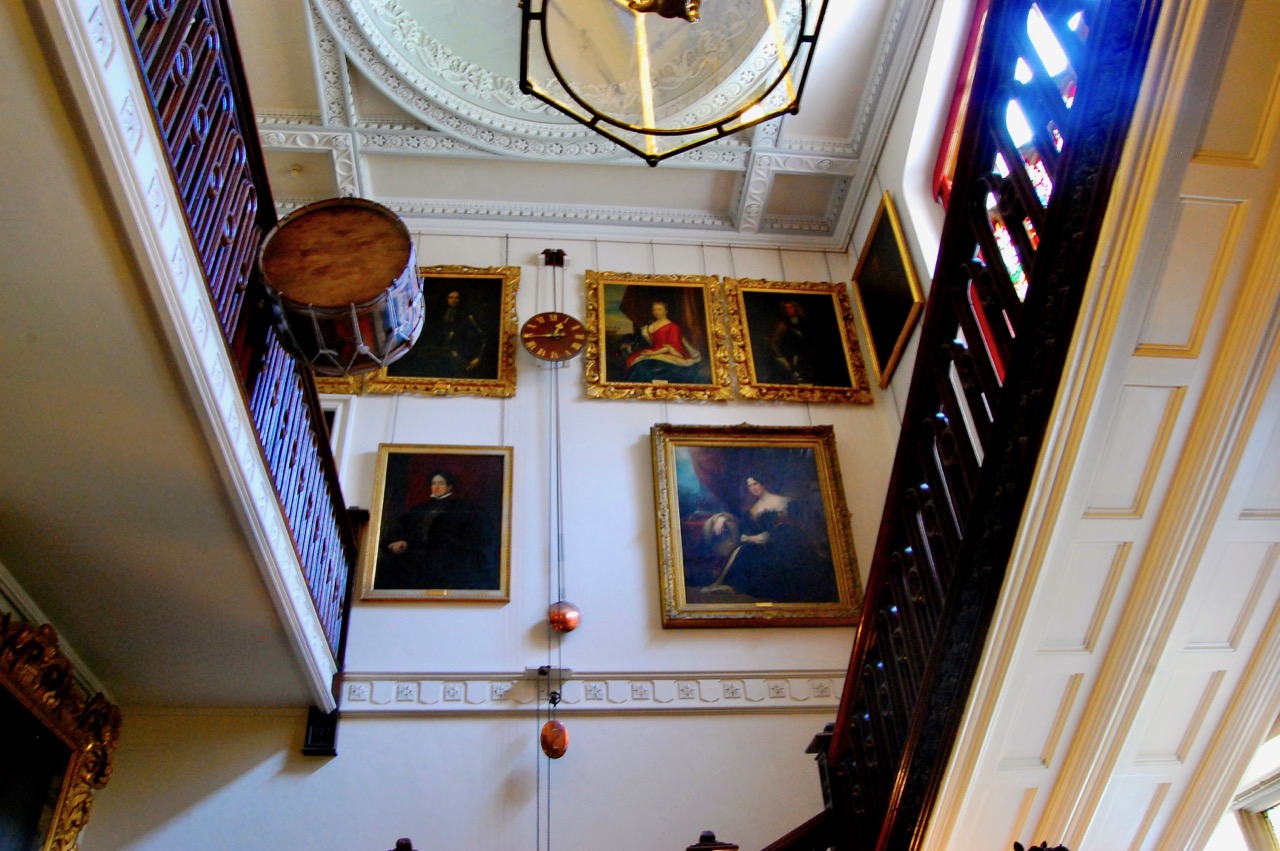
The staircase hall contains a cantilevered Portland stone staircase and a balustrade of brass banisters. Hanging prominently over the stairs is a huge portrait of George IV’s visit to Ireland, picturing the people saying goodbye to him at the quay of Dun Laoghaire. He stands tall and slim in the middle. The painter flatters the King who in reality was overweight. The other faces were all painted by the artist from life, as each went to pose for him in his studio. The scene never took place, our guide told us, as George IV was too drunk to stand on the quays as pictured!
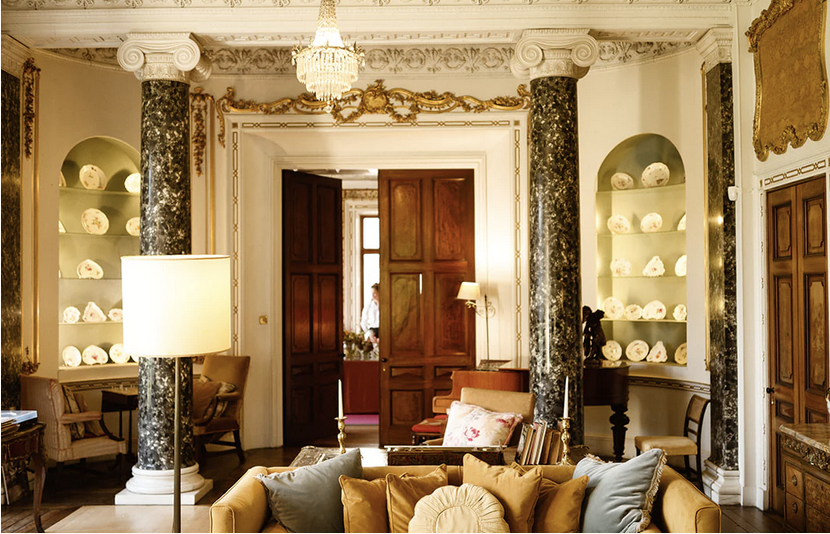
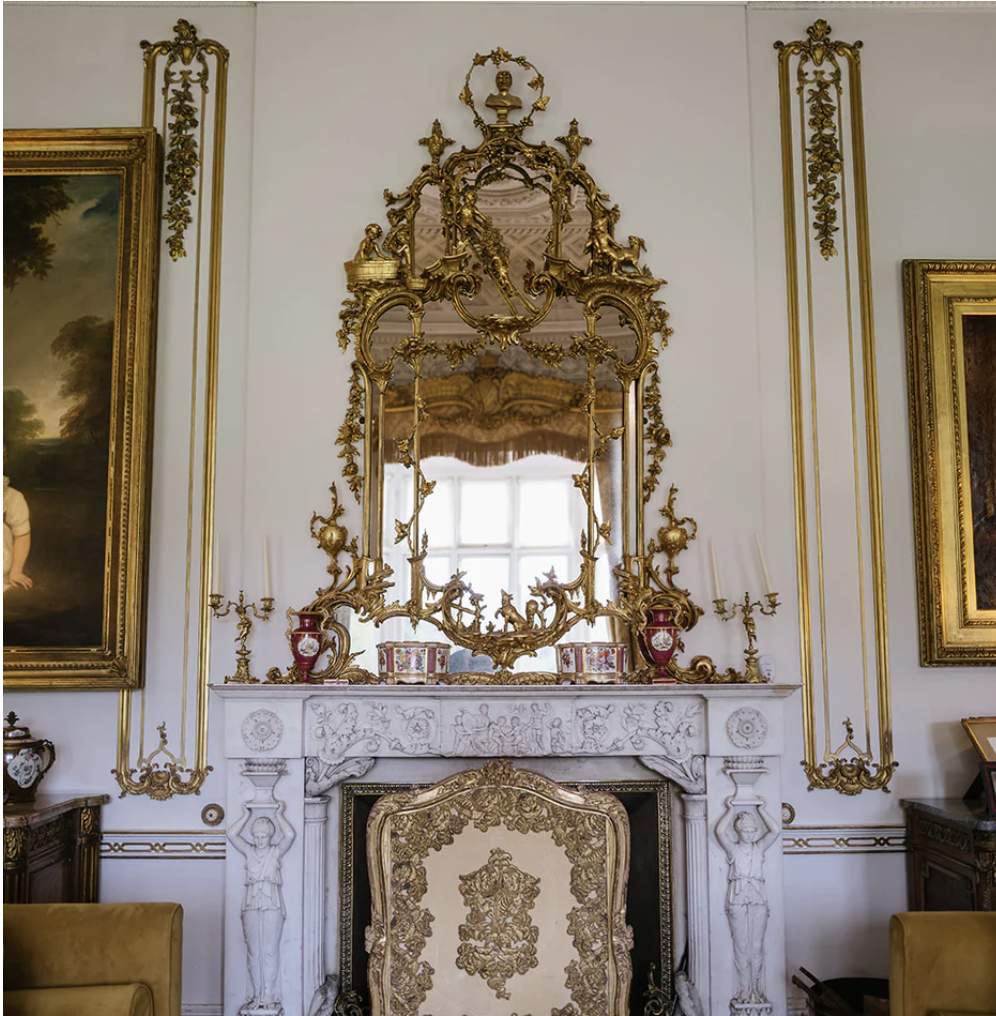
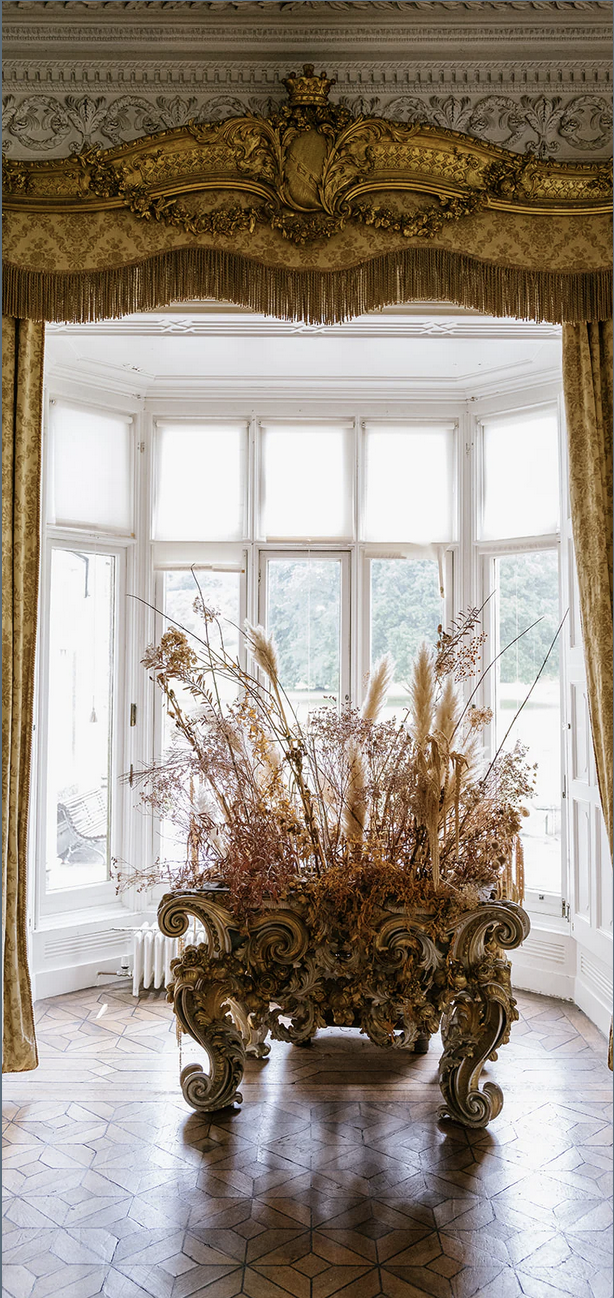
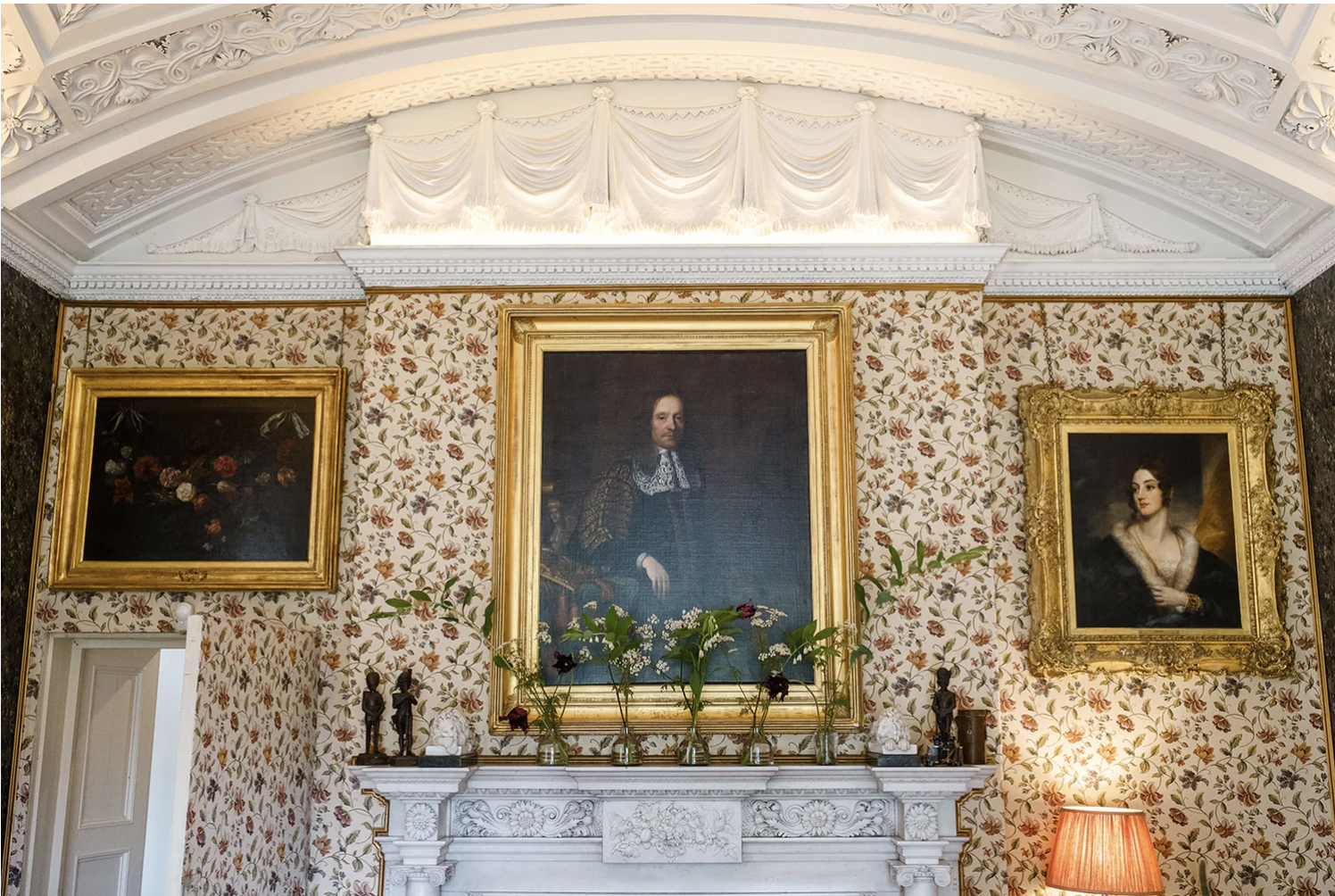
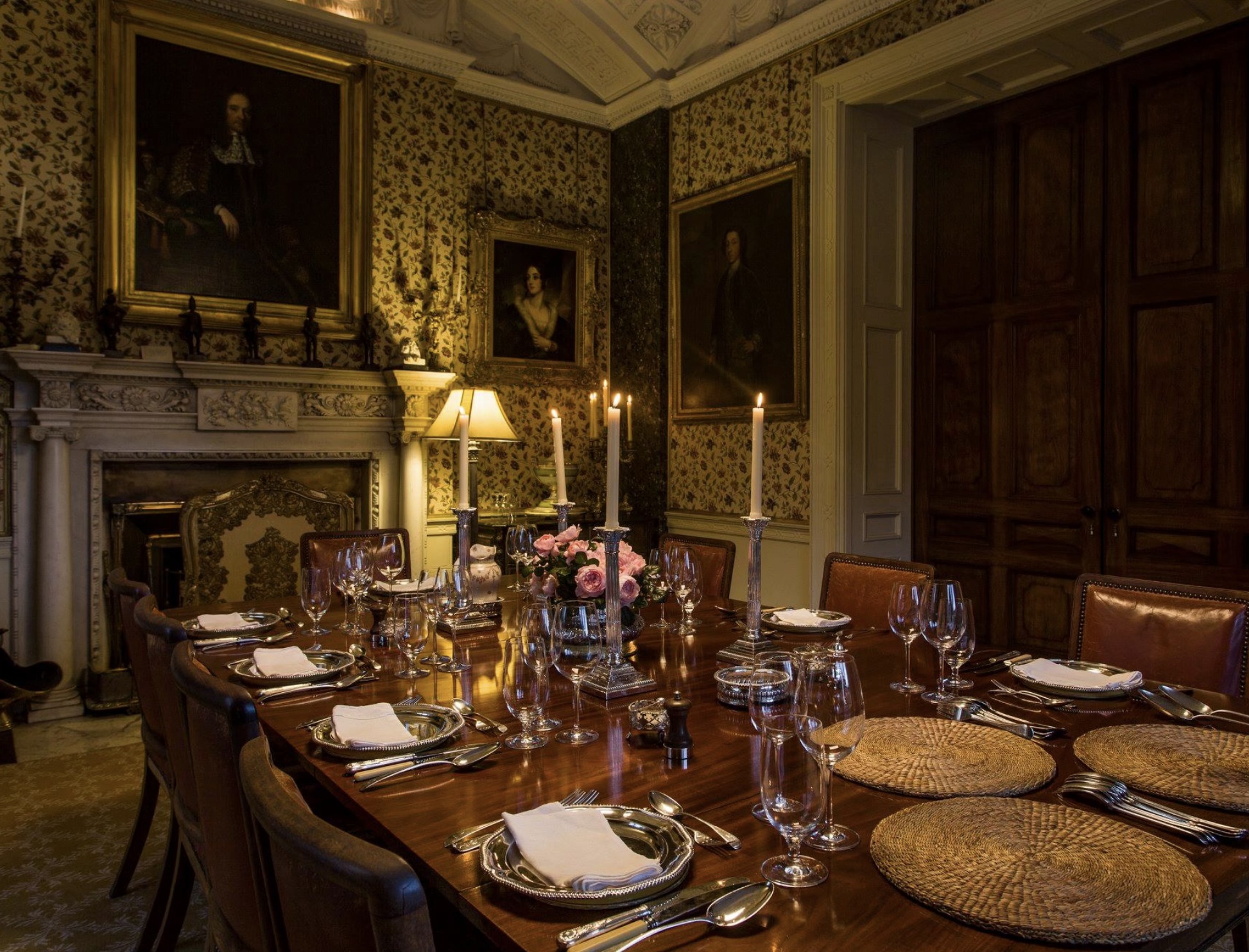
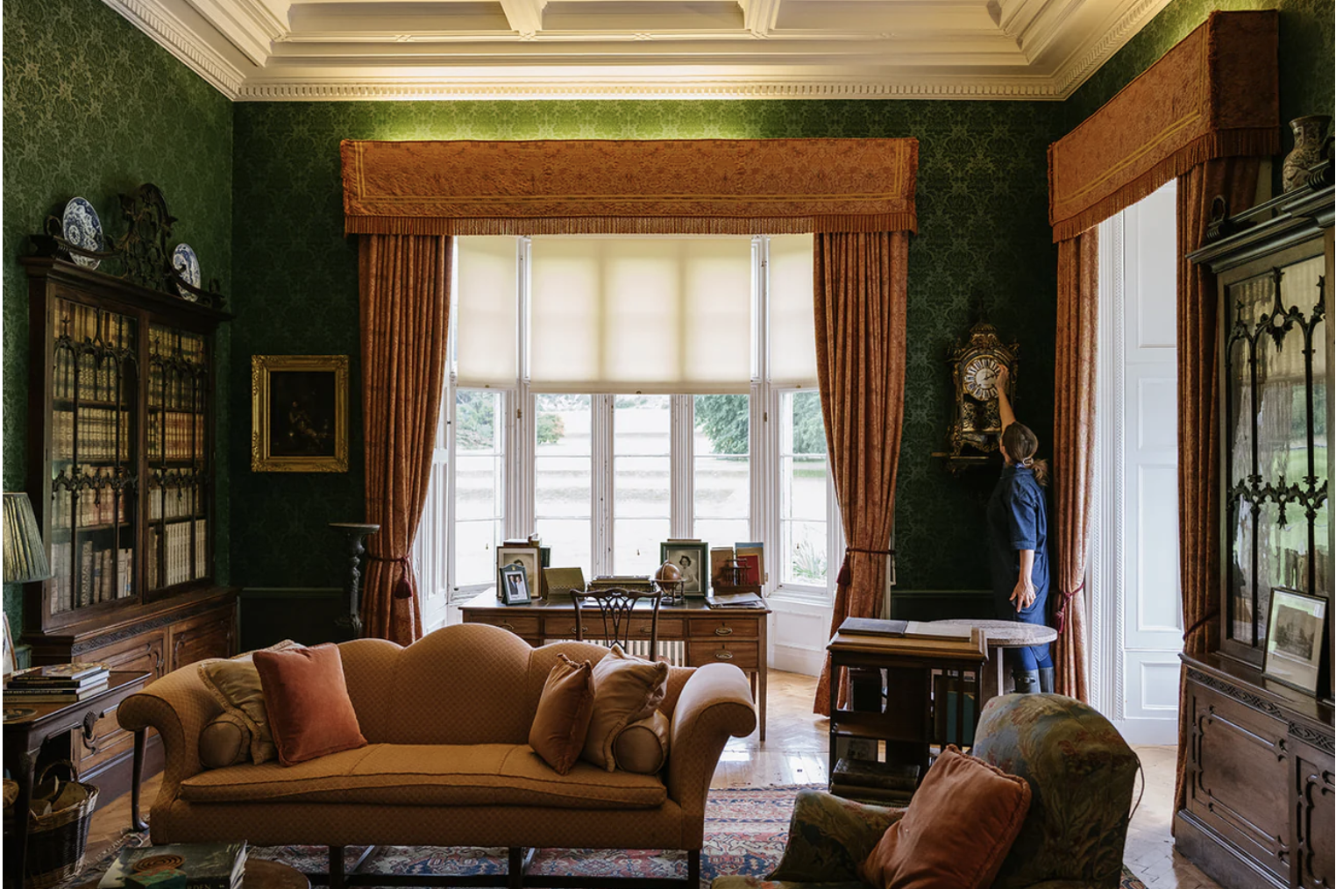
The sitting room has a barrel-vaulted ceiling and the decorative plasterwork features musical instruments, gardening implements and sheaves of corn. Desmond Guinness pointed out that the plasterwork installed at Powerscourt for the royal visit is similar to decoration found at Charleville. [6] The dining room’s centrepiece of shamrock and foliage is probably earlier than 1820 but the acanthus frieze may have been added. The impressive gilt pelmets were purchased in the sale of the contents after fire destroyed the house at neighbouring Powerscourt. The drawing room also has impressive ceilings. It is furnished beautifully and has magnificent curtains framing views. The trellis-pattern rose-pink and red carpet was woven specially for the room, and the wallpaper replicates a found fragment. In their attention to detail, the Rohans had the wallpaper replicated by Cowtan of London.
The Library and Morning Room sit behind the front reception rooms. The regency plasterwork in Greek-Revival style contains laurel and vine leaves.
An Irish Times article sums up the continuation of the Monck family in Charleville:
“As Henry had no living sons (but 11 daughters), when he died in 1848, the Earldom went with him. His brother became 3rd Viscount for a year until his own death in 1849, and his son, Charles, became 4th Viscount for almost the remainder of the century, until 1894. Charles married his cousin—one of Henry’s 11 daughters who had lost out on their inheritance because of their gender. He was Governor General of Canada from 1861 – 1868. The last Monck to live at Charleville was Charles’ son, Henry, 5th Viscount who died in 1927. As he was pre-deceased by his two sons and his only brother, he was the last Viscount Monck. There are extensive files in the National Library for the Monck family.” [7]
Charles the 4th Viscount entertained Prime Minister Gladstone at some point in Charleville and Gladstone planted a tree near the house to mark the occasion. Later Charles fell out with Gladstone over Home Rule in 1886 as Charles maintained the strongly Unionist views of his family. He married Elizabeth Louise Mary Monck (d. 1892). Charles Monck (1819-1894) 4th Viscount served as Lord-Lieutenant of County Dublin between 1874 and 1892.
Henry Power Charles Stanley Monck, 5th Viscount Monck of Ballytrammon (1849-1927) gained the rank of Captain in the Coldstream Guards. He held the office of Vice-Lord-Lieutenant of County Wicklow, High Sheriff of County Wicklow and Justice of the Peace for County Dublin. He married Edith Caroline Sophia Scott, daughter of John Henry Scott, 3rd Earl of Clonmell.
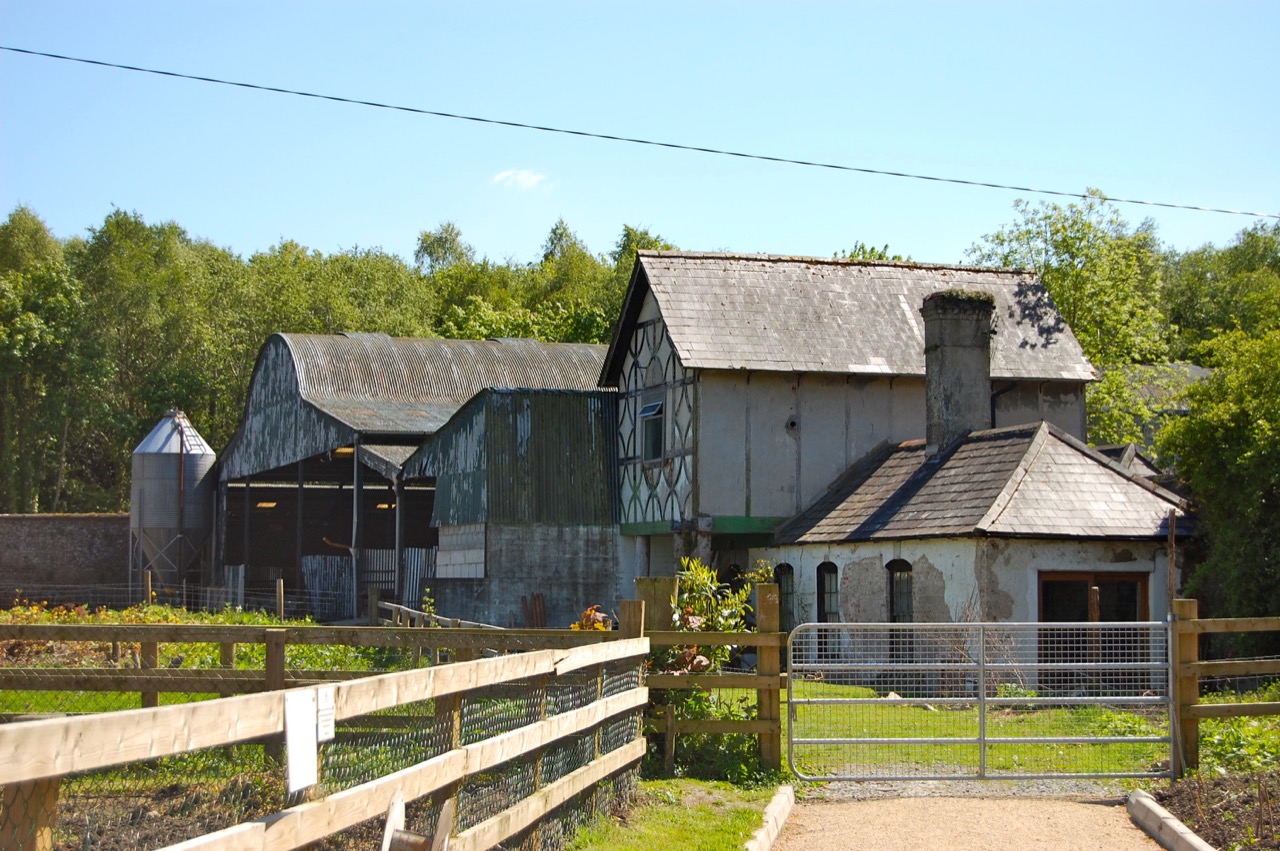
Henry the 5th Viscount’s widow Edith continued to live in Charleville after his death. She died in 1929. Their daughter married Arthur William de Brito Savile Foljambe, 2nd Earl of Liverpool and lived in England. Their son the 6th Viscount married but predeceased his father, and his children moved away. The house was then purchased by Donald Davies. He established one of his “shirt dress” manufacturing bases in the stables.
Davies and his family lived in the house for forty years. His only daughter, Lucy, married first, Michael Edward Lindsay-Hogg, 5th Baronet of Rotherfield Hall, Rotherfield, County Sussex, but they divorced in 1971 and she married Antony Charles Robert Armstrong-Jones, 1st Earl of Snowdon, the photographer son of Anne née Messel, Countess of Rosse of Birr Castle. He had been previously married to Princess Margaret, Queen Elizabeth II’s sister. He and Lucy later divorced, but had a daughter together.
According to the article in the Irish Times:
“before the Rohan family became owners, the place was popular for film settings. An American couple called Hawthorne were the previous owners, and filled it in summertime with orphaned children. Before the Hawthornes, it was owned by Donald Davies, famous for his handwoven, fine wool clothes, who had his workshops in the courtyard to the back of the house.”
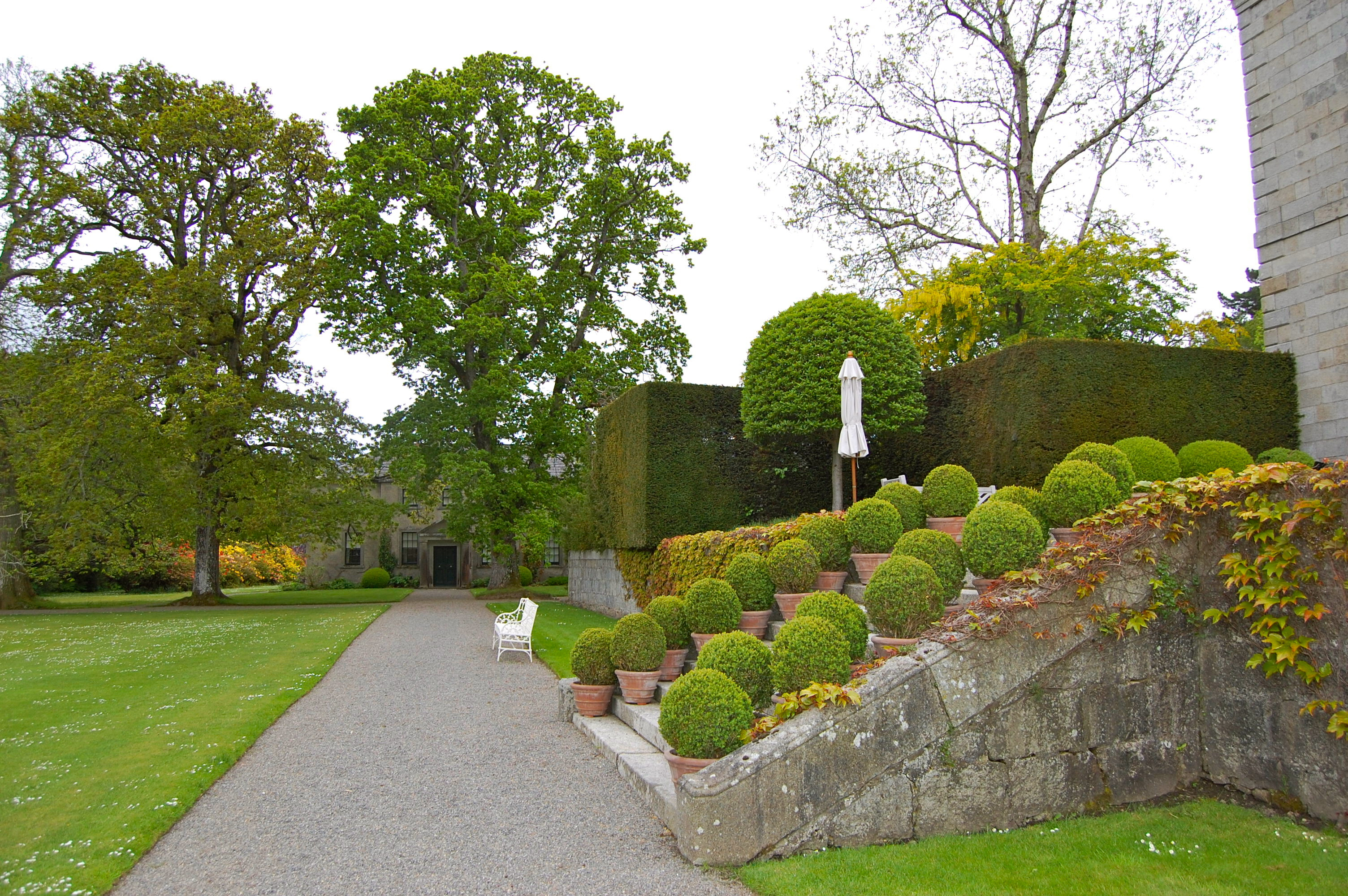
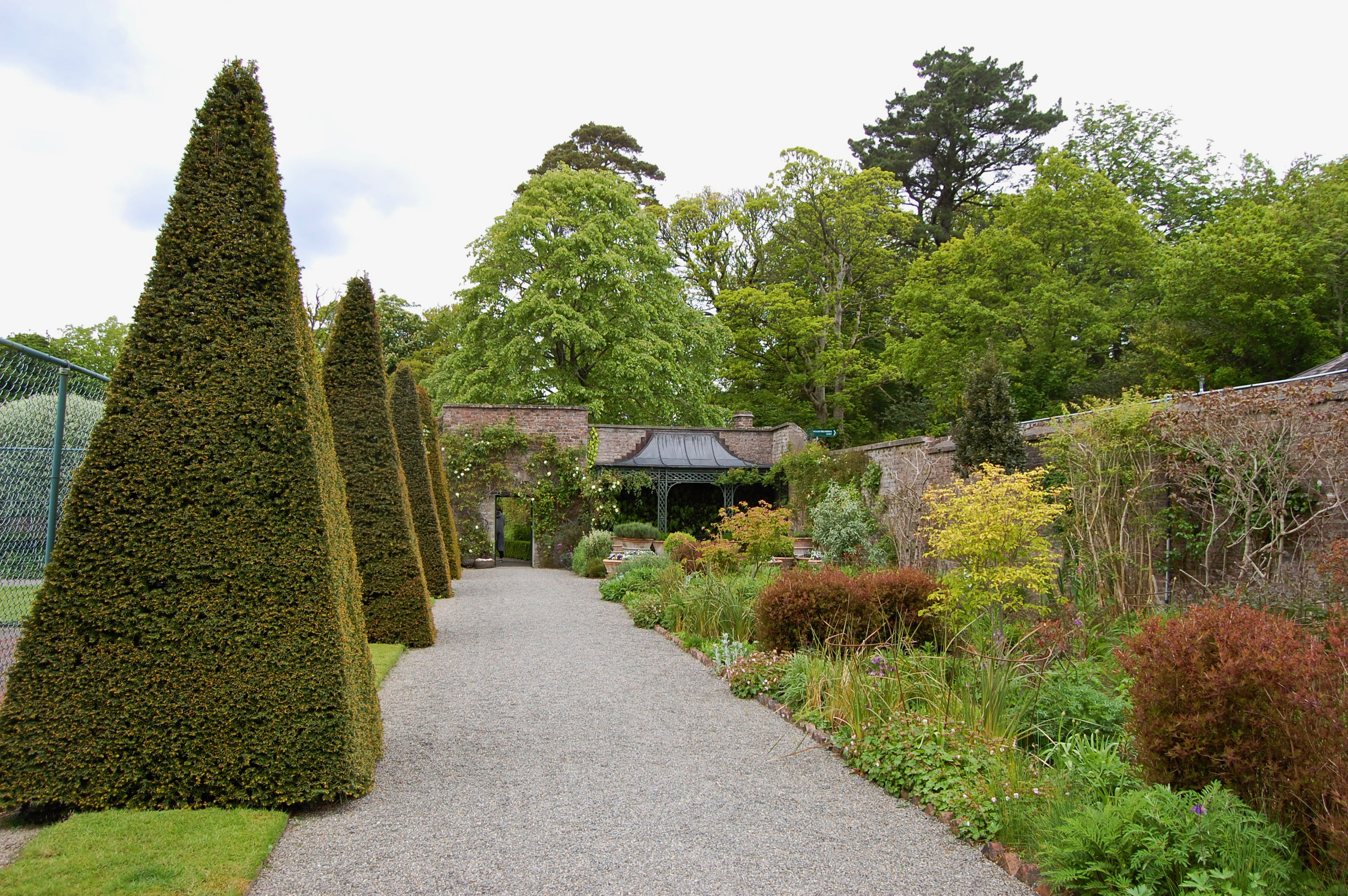
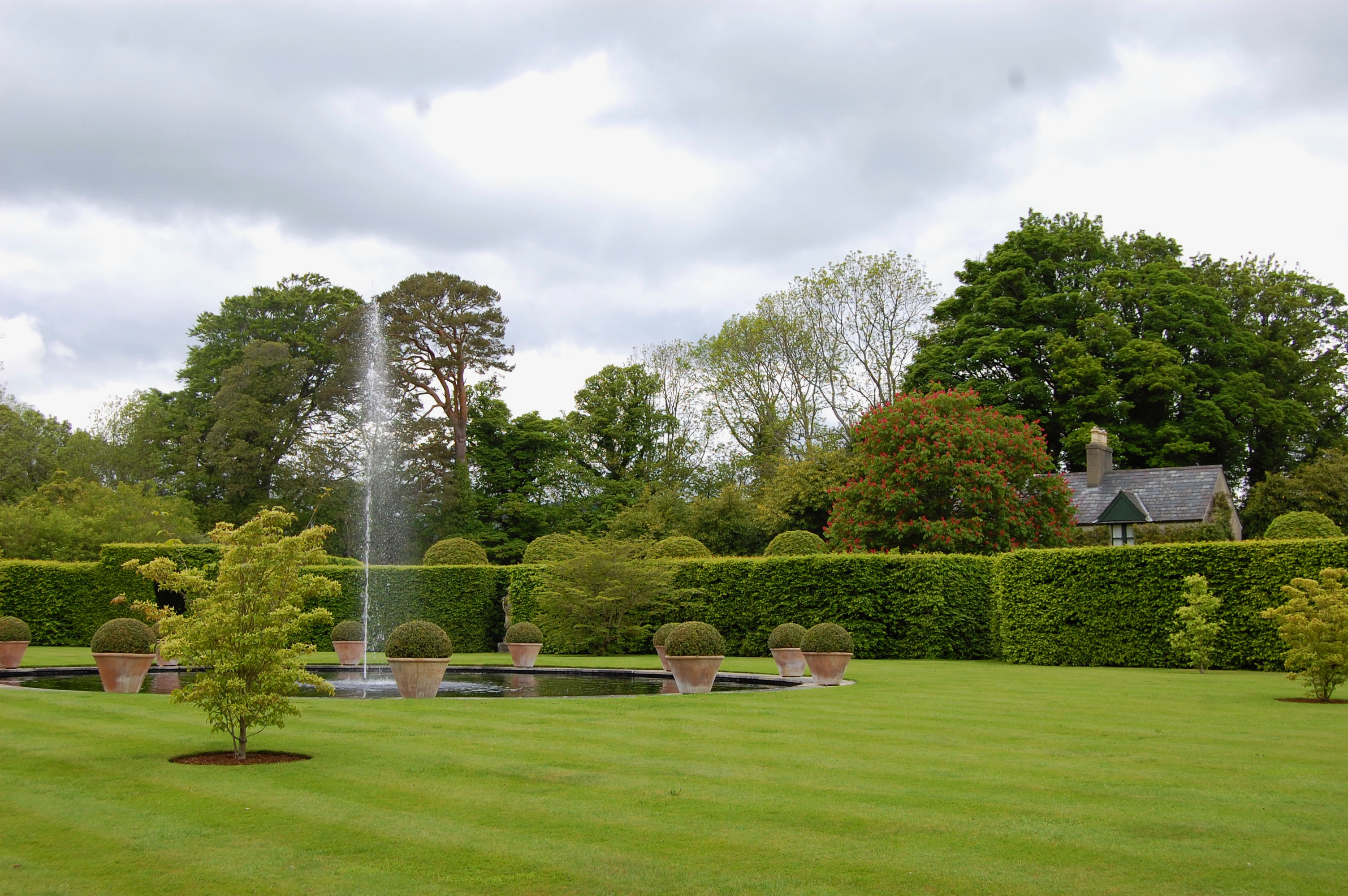
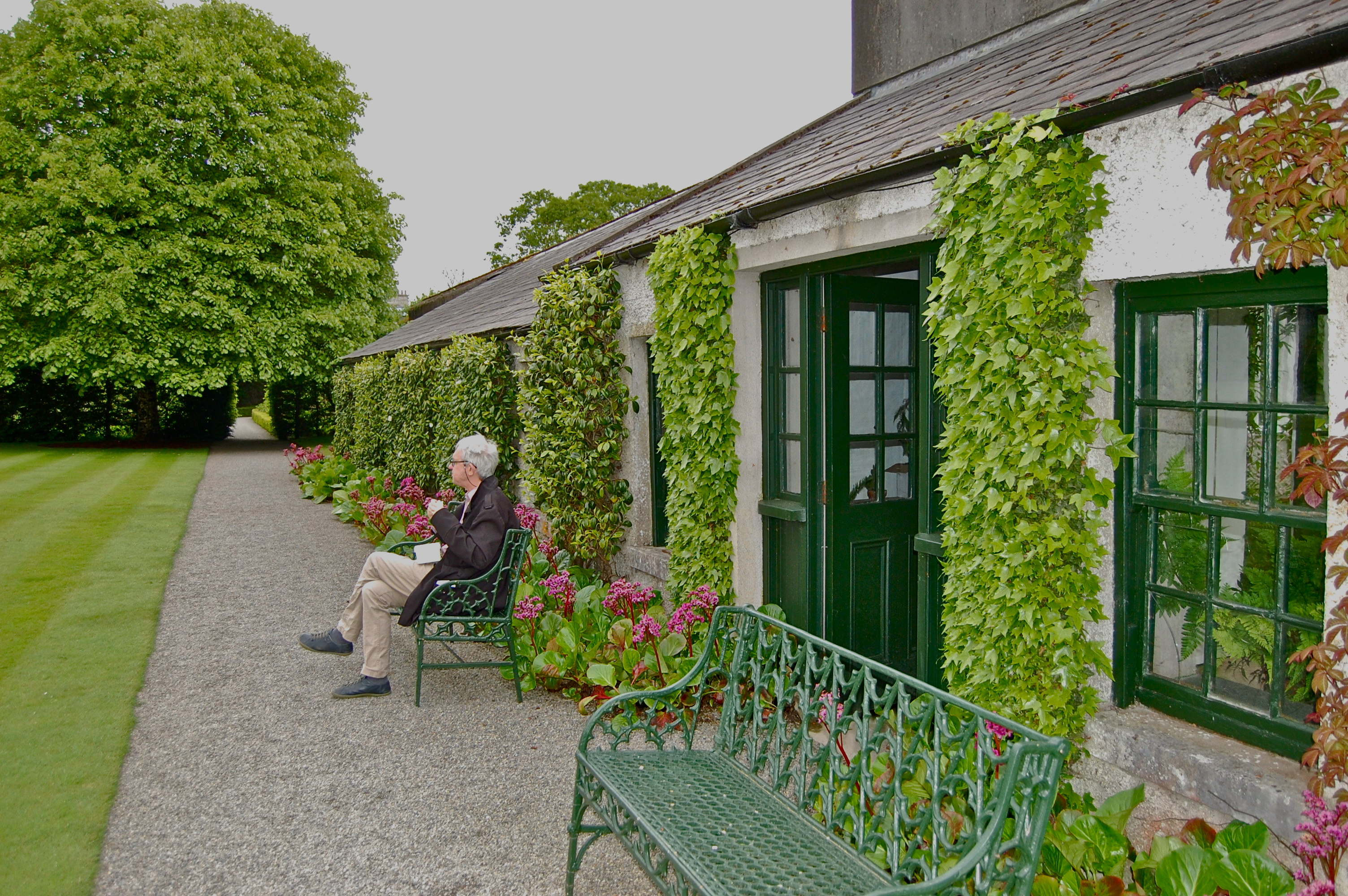
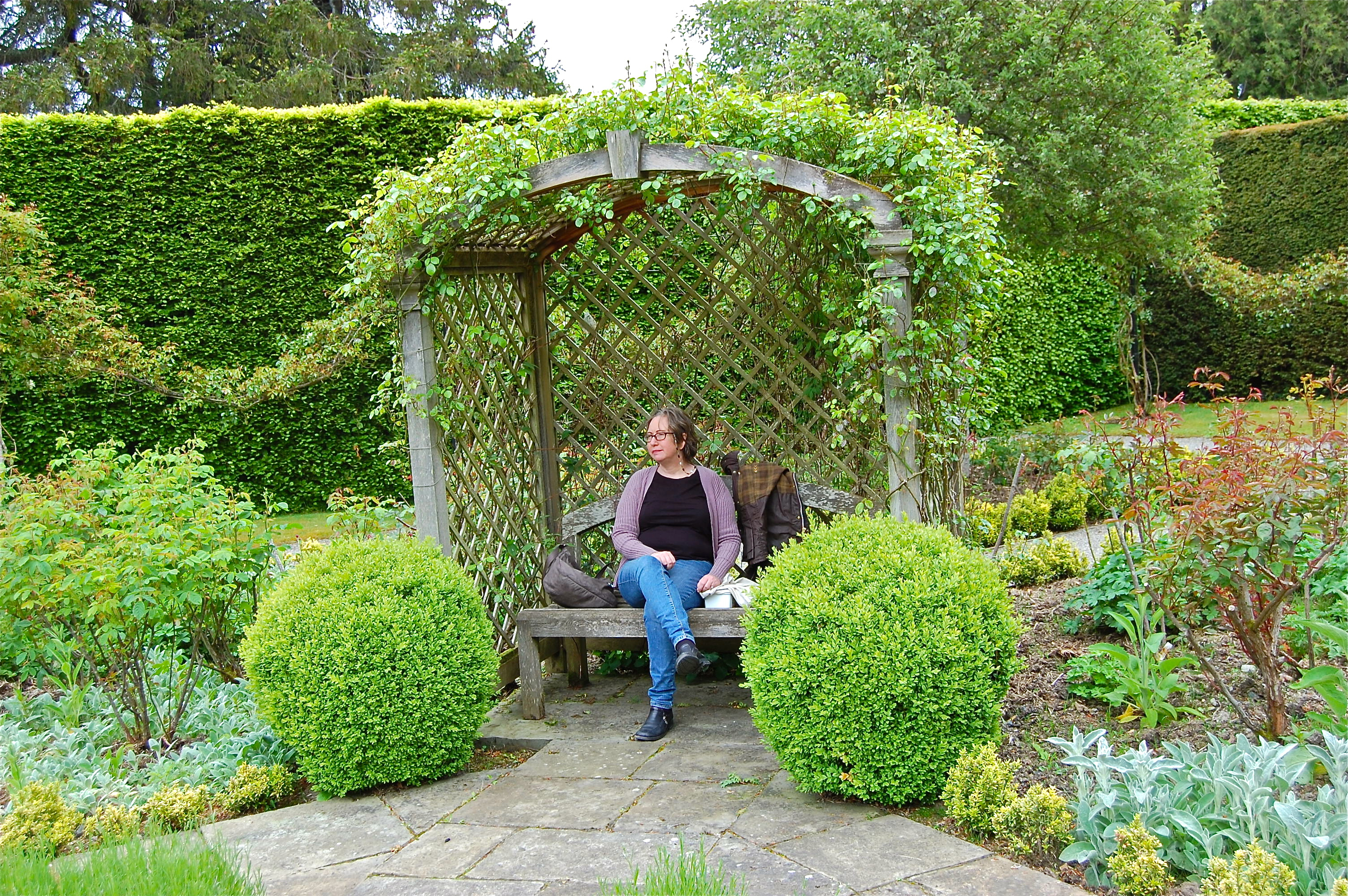
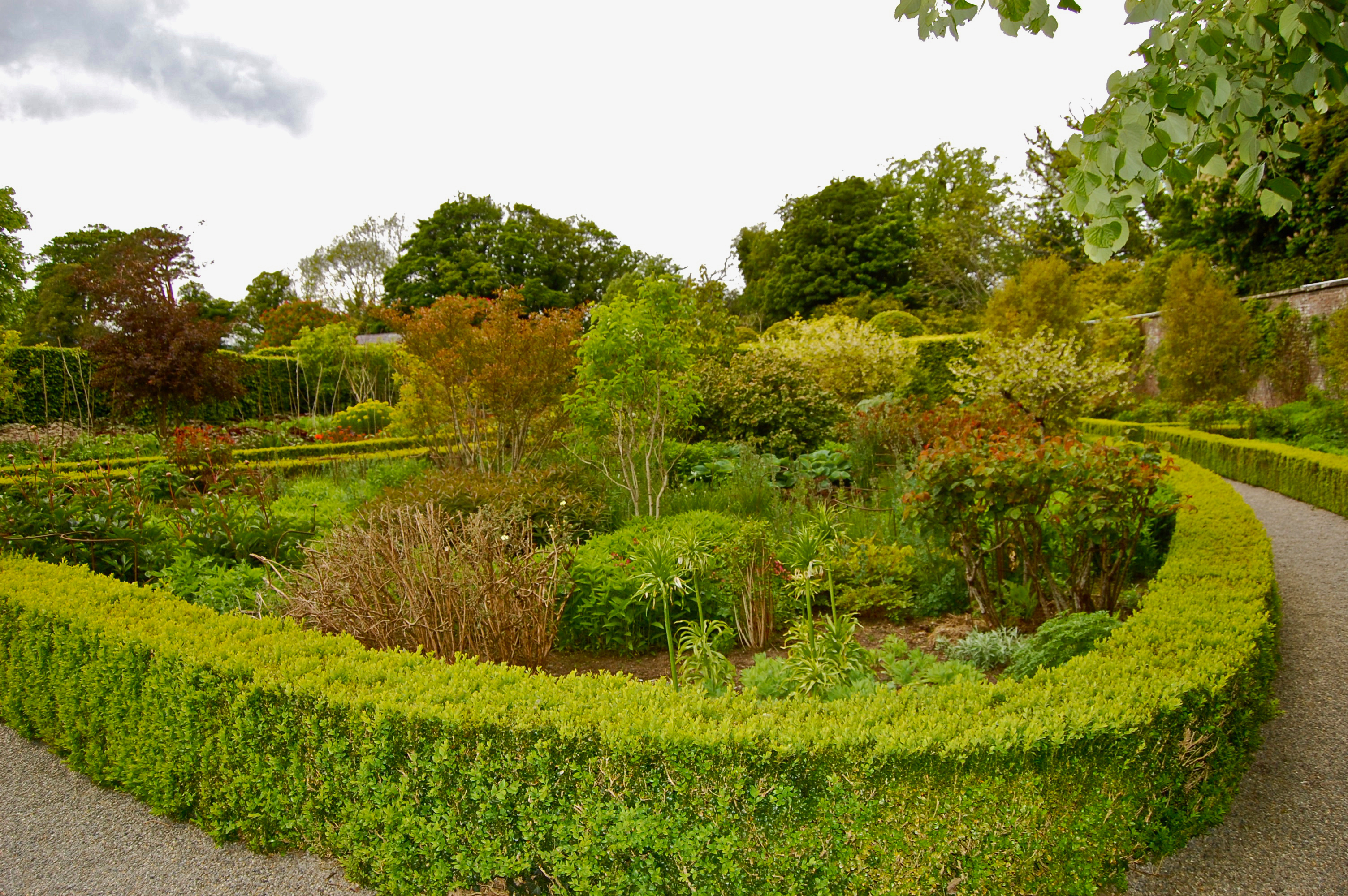
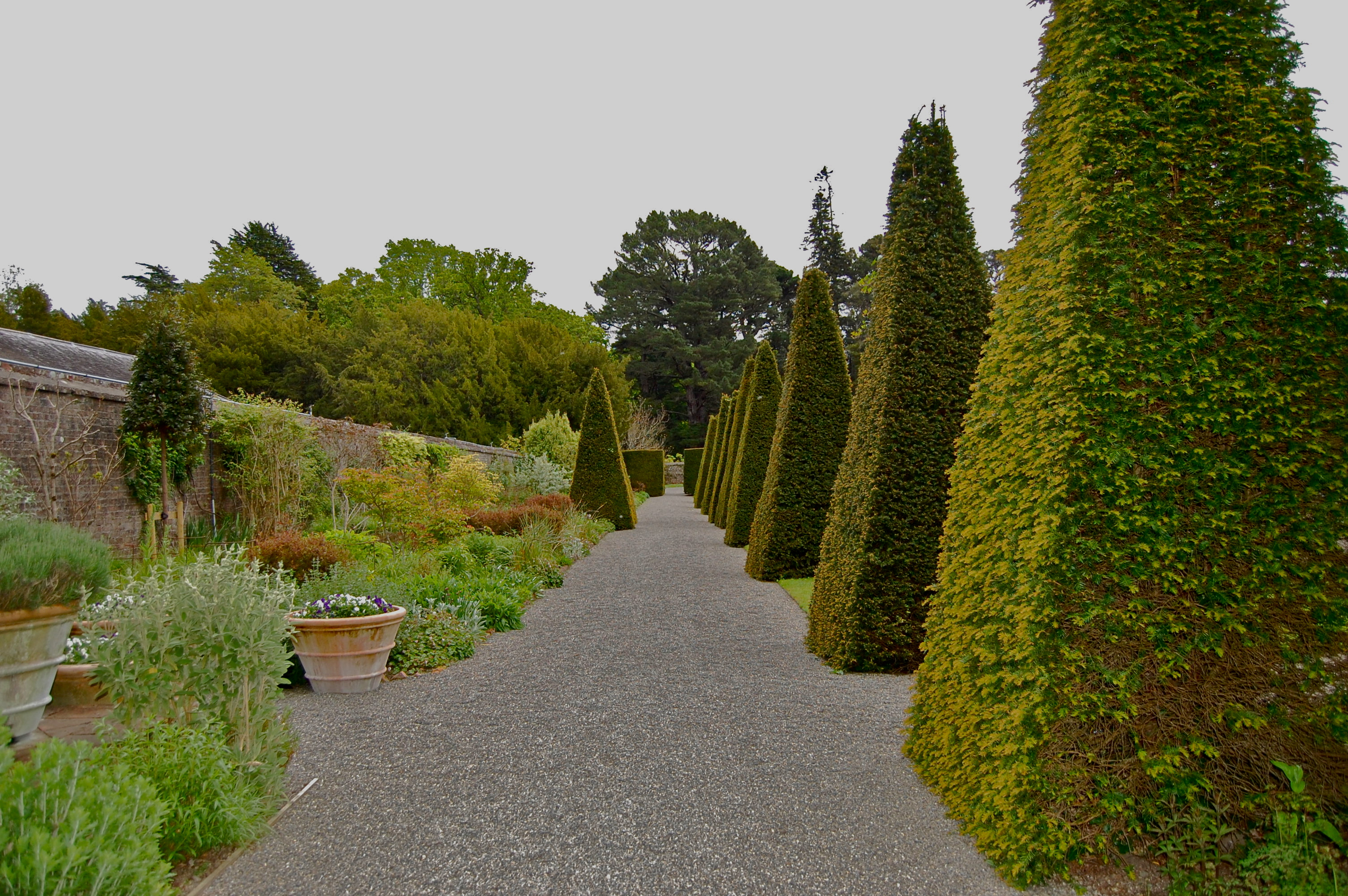
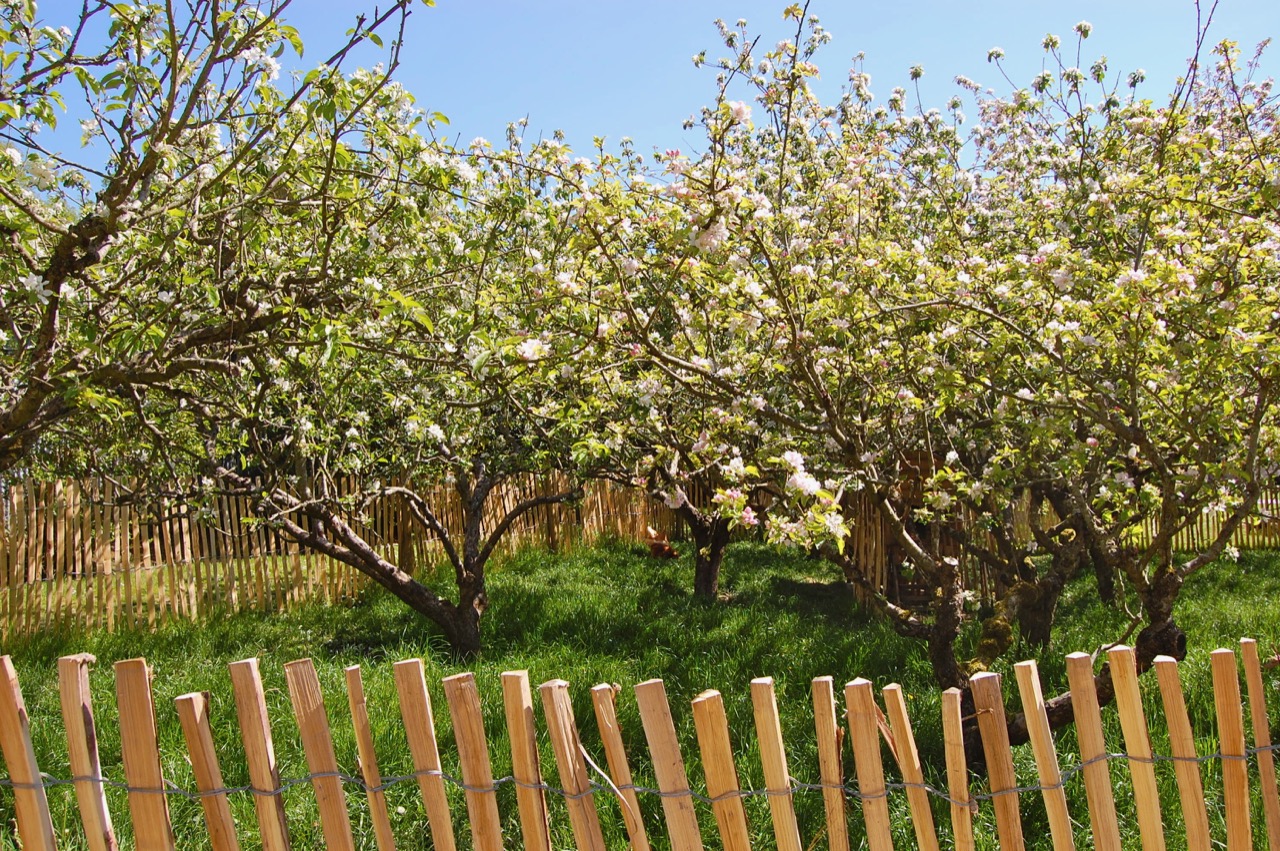
The gardens are also beautiful. I believe they are open to the public at certain times of the year. [8]
The article goes on to mention the gardens:
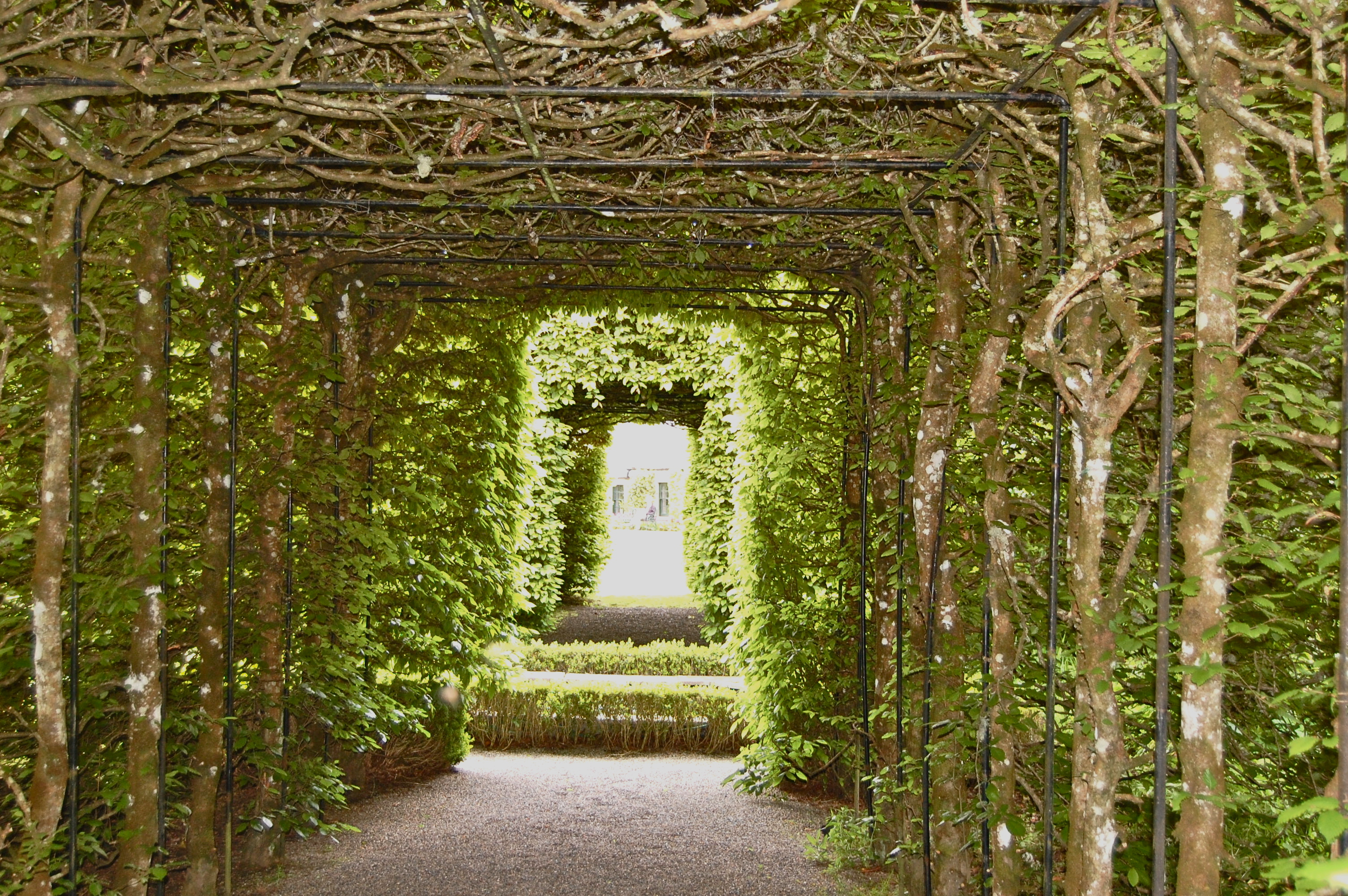
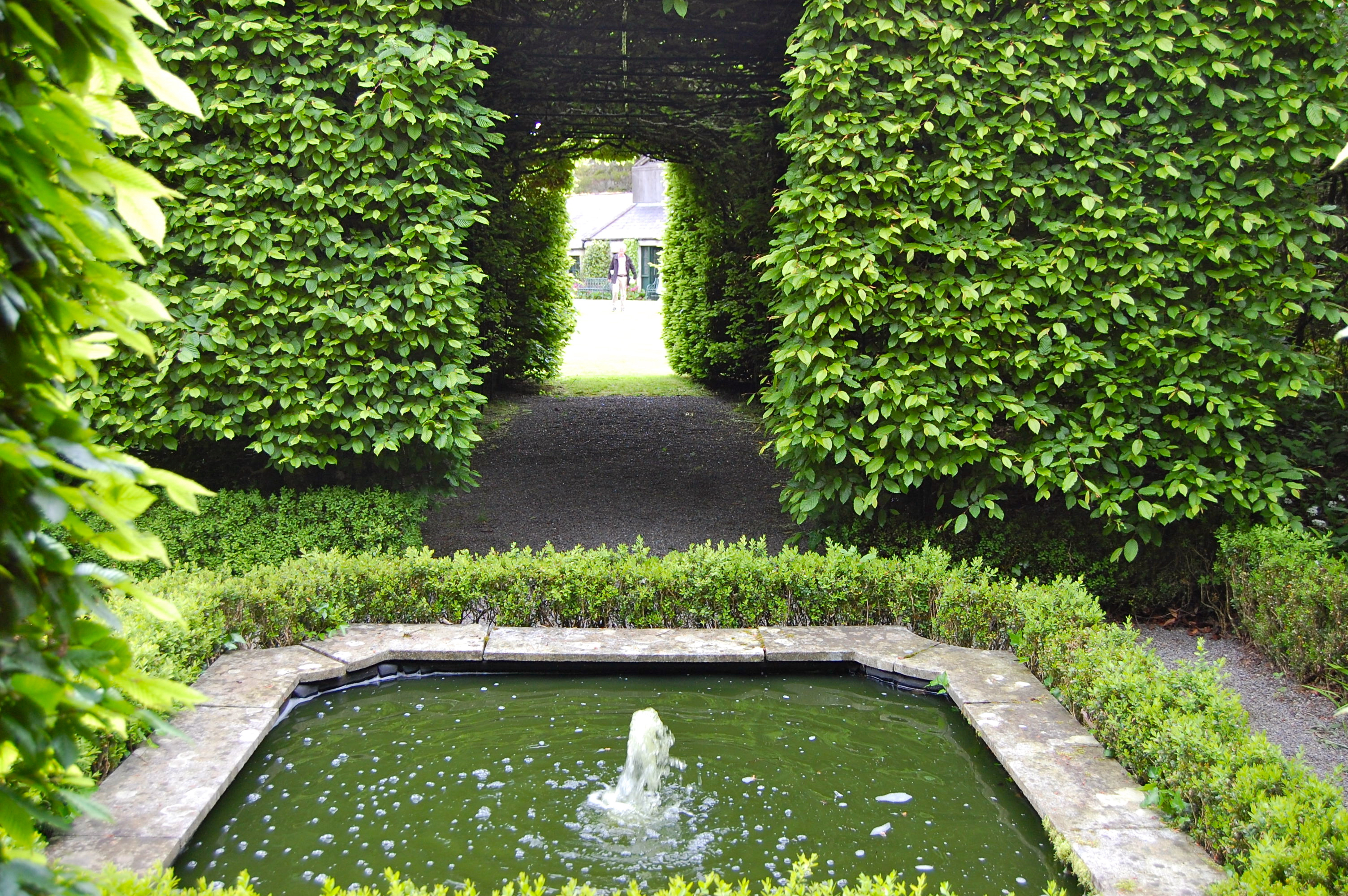
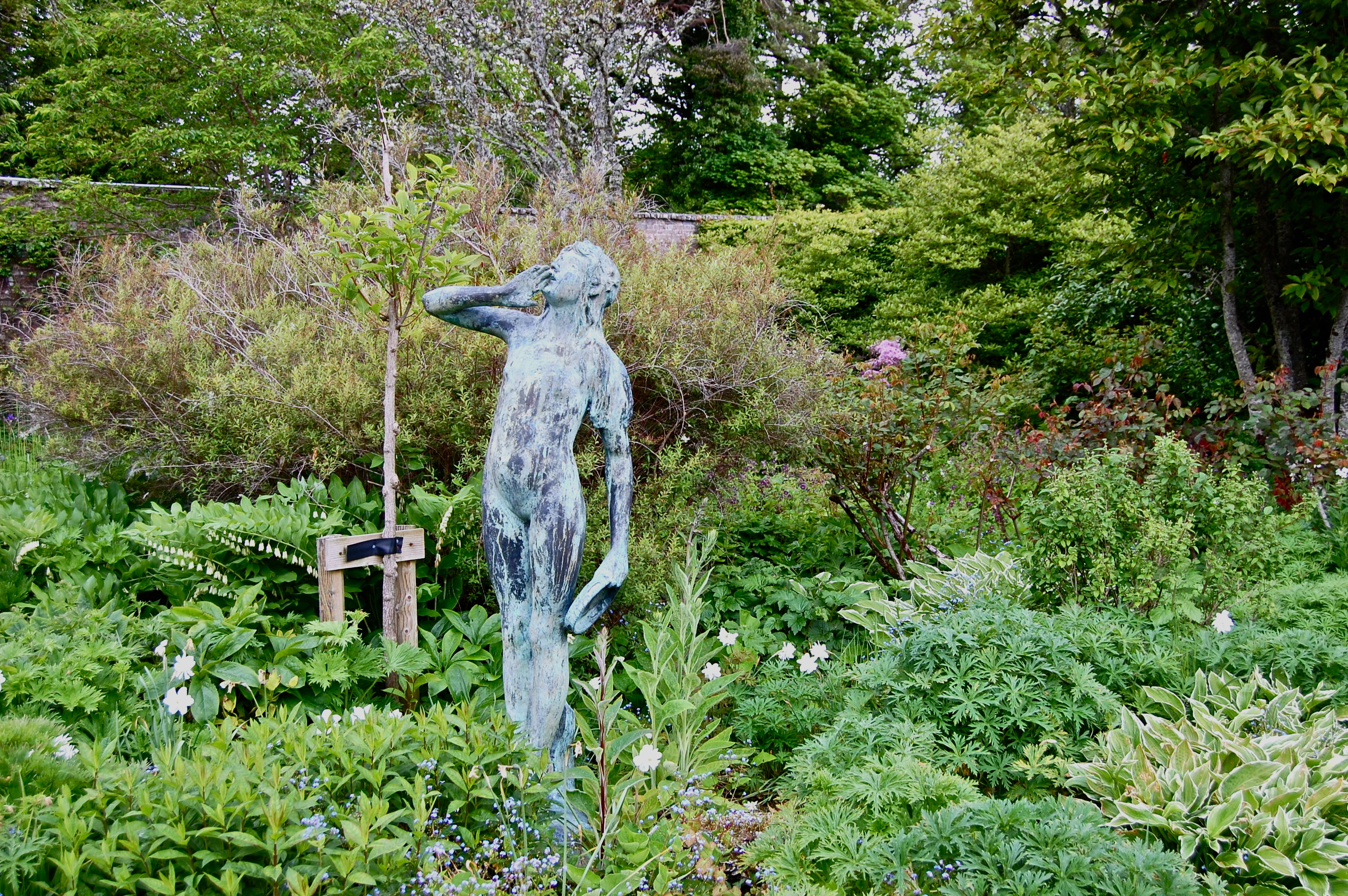
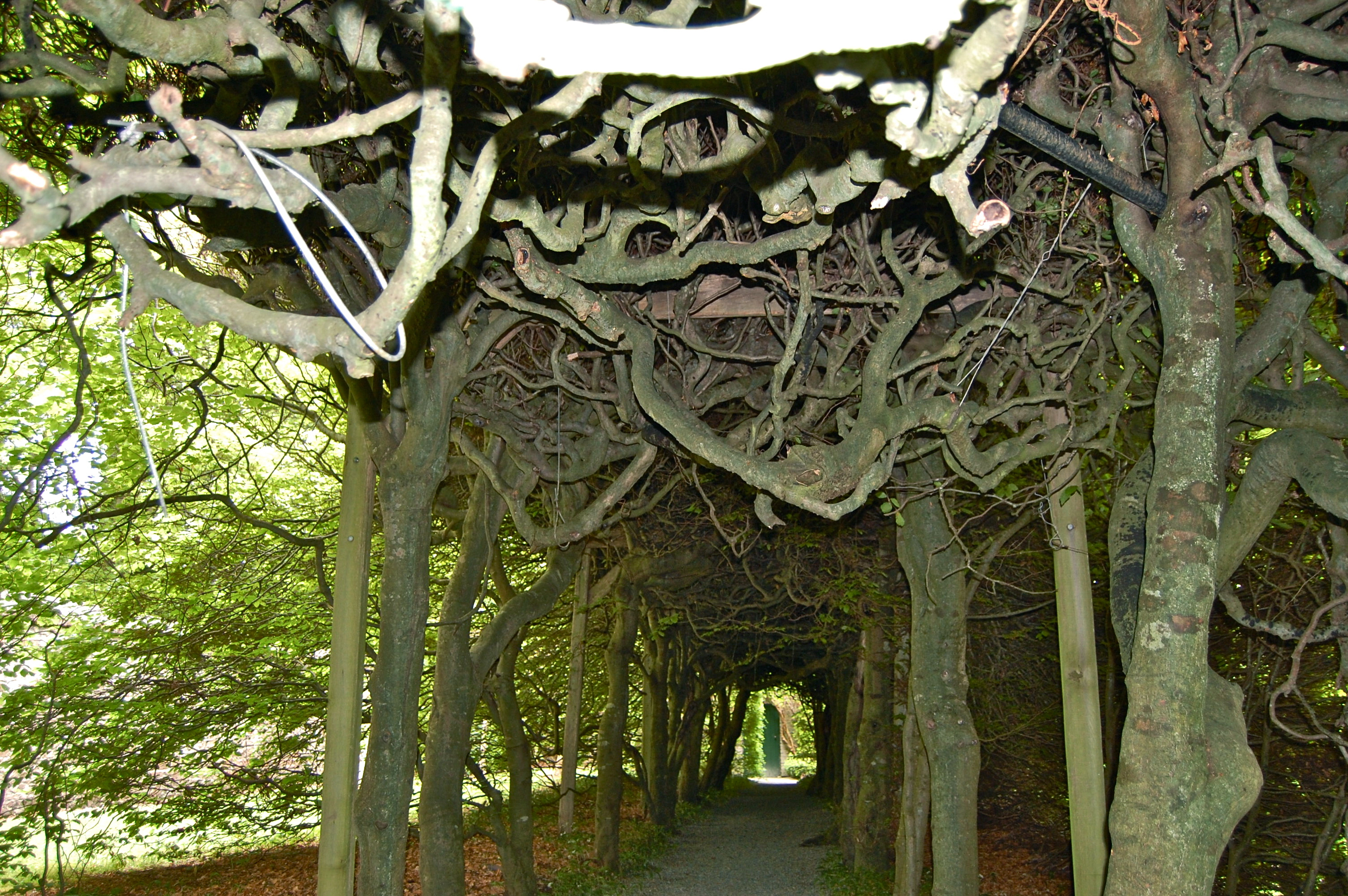
“And then there are the gardens….It was wet and lovely, along the hedged walks and bowers, by the Latinate barbeque terrace where a lime tree was in fruit, in the rose garden, and orchard. Old flowers clustered in bursts of colour – lupins and peony roses, forget-me-not and hydrangea, wisteria covering a wall.
One steps out of the house and goes around one side, by the courtyard and stables, through that courtyard to the tennis courts. One passes along the tennis court to reach the central part of the garden.
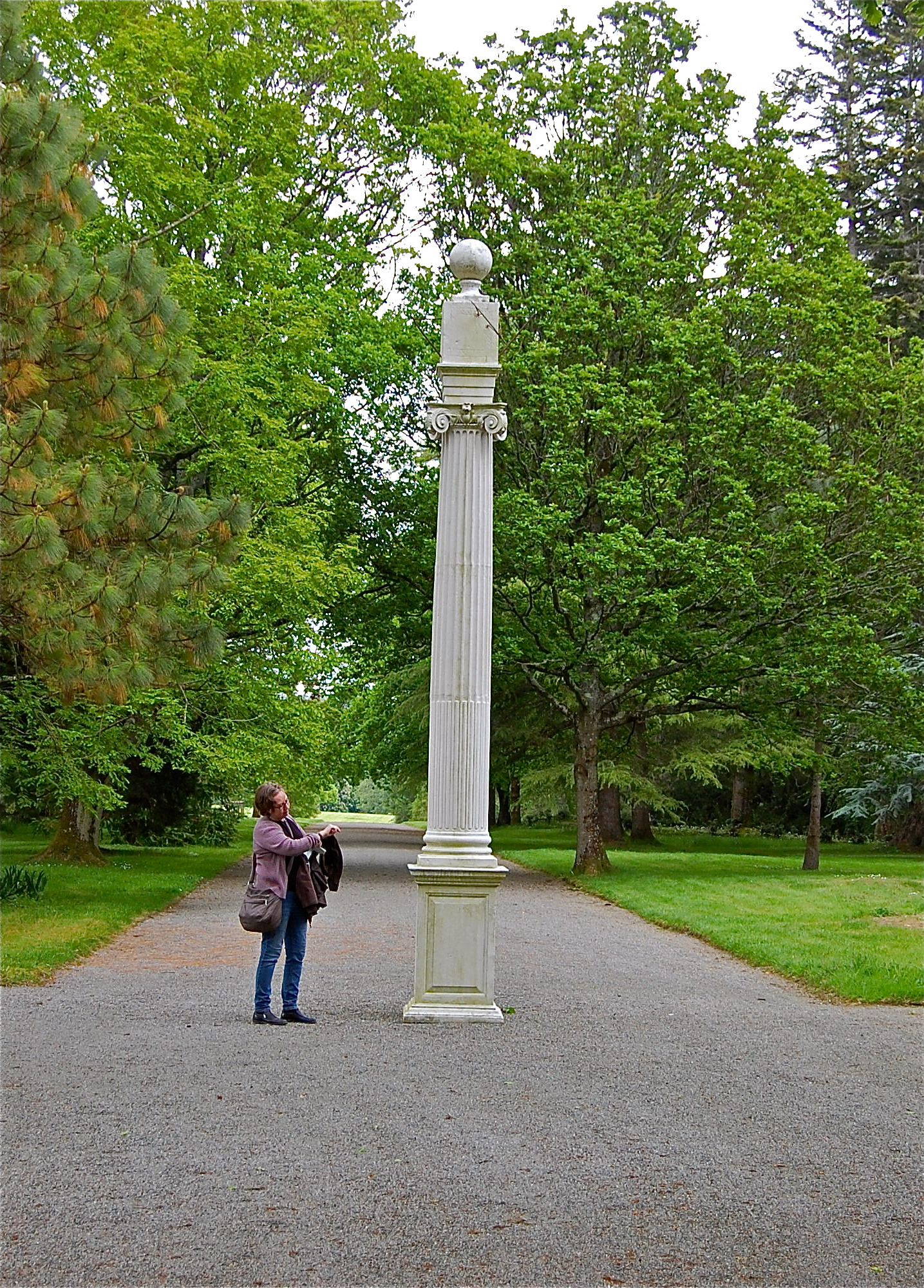
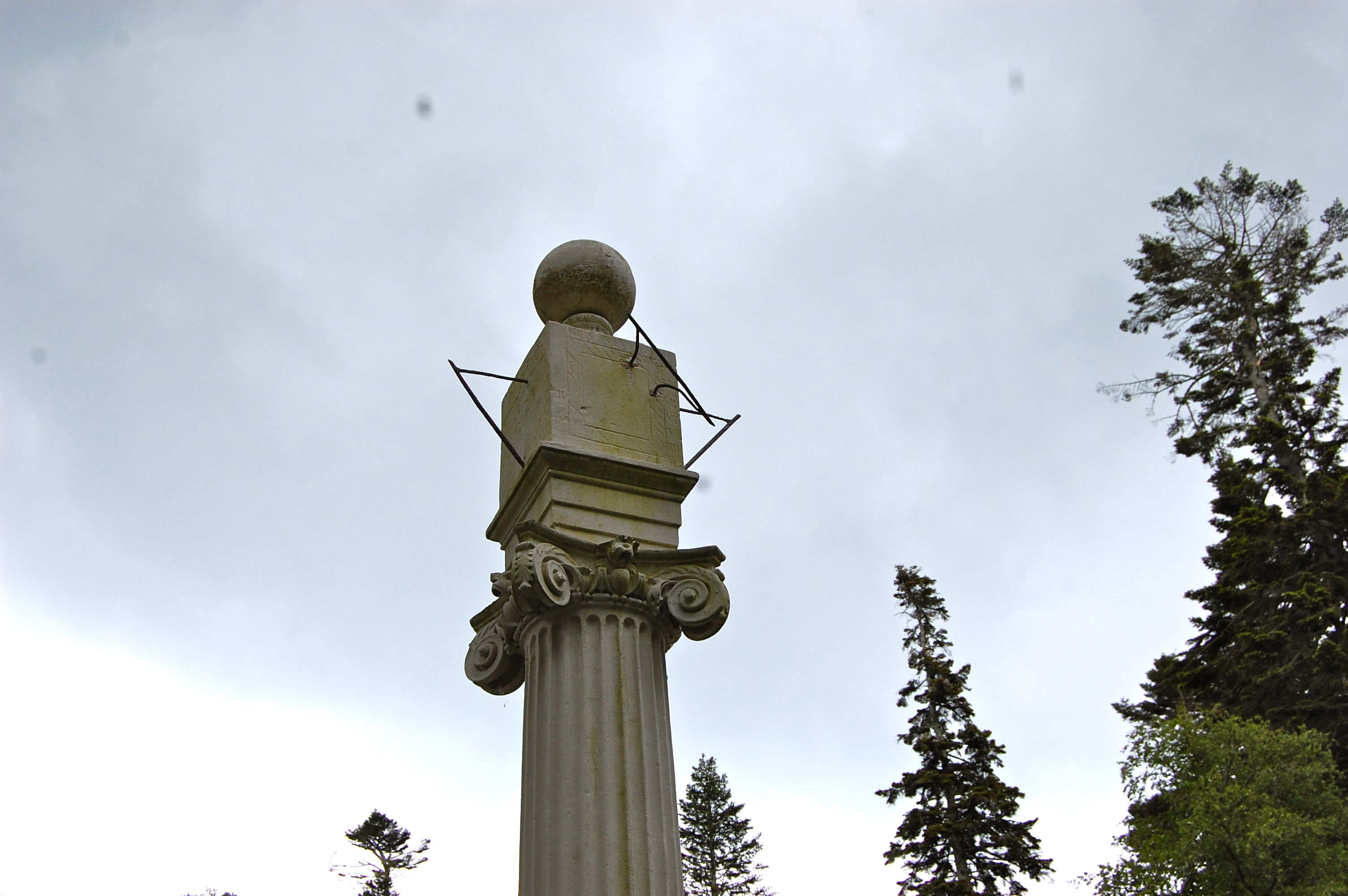
We liked the sundial especially, which in itself as a pillar was the dial in a way, though there was a proper sundial on the top also, on the sides of the pillar, on two sides.
[1] Great Irish Houses. Forwards by Desmond FitzGerald, Knight of Glin; The Hon Desmond Guinness; photography by Trevor Hart. Image Publications Ltd, Dublin, 2008.
[5] Charles Monck married and came into Charleville. Charles’s sister Rebecca married John Foster and had a daugther who married Bishop George Berkeley, the famous philosopher! My husband Stephen is also distantly related to the Monck family as his third great aunt, Jane Alicia Winder, married William Charles Monck Mason.
Jane Winder
Charles’s older brother, George (1675-1752) married Mary Molesworth and had a daughter, Sarah, who married Robert Mason, and they were parents of Henry Monck Mason who was the father of William Charles Monck Mason.
[6] p. 257. Montgomery-Massingberd, Hugh and Christopher Simon Sykes. Great Houses of Ireland. Laurence King Publishing, London, 1999.
Open dates in 2025: Apr 1-6, 8-13, 15-20, 22-27, 29-30, May 1-11, 13-18, 20-25, 27-31, June 1-8, 10-15, 17-22, 24-29, July 1-6, 8-13, 15-20, 22-27, 29-31, Aug 1-10, 12-24, 26-31, Sept 2-7, 9-14, 16-21, 23-28, 30, Oct 1-5, 7-12, 14-19, 21-31, Nov 1-2, Apr, Oct, Nov, 9.30- 5pm, May-Sept 9.30am-6pm
Fee: adult house and garden tour €15.50, garden €10.50, OAP/student house and garden tour €13, garden €9.50, house and garden child 4-12 years €13, garden €4, concession-members garden entry free and house tours €6
donation
Help me to pay the entrance fee to one of the houses on this website. This site is created purely out of love for the subject and I receive no payment so any donation is appreciated!
€15.00
2025 Diary of Irish Historic Houses (section 482 properties)
To purchase an A5 size 2025 Diary of Historic Houses (opening times and days are not listed so the calendar is for use for recording appointments and not as a reference for opening times) send your postal address to jennifer.baggot@gmail.com along with €20 via this payment button. The calendar of 84 pages includes space for writing your appointments as well as photographs of the historic houses. The price includes postage within Ireland. Postage to U.S. is a further €10 for the A5 size calendar, so I would appreciate a donation toward the postage – you can click on the donation link.
€20.00
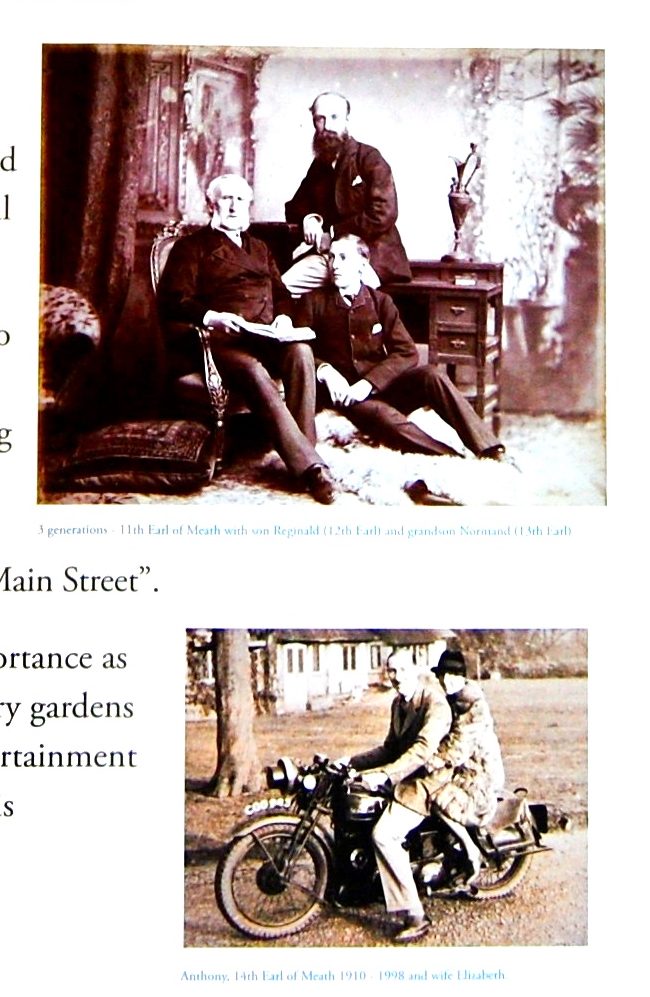
We have been to this estate several times, but were lucky enough to have a tour of the house when we went with IDFAS, Irish Decorating and Fine Art Society in June 2015. This was before tours were regularly held for visitors, as they are now. I returned in May 2023 for a second tour. The house is still occupied by the family who built it, and three generations occupy it: the current Lord Meath, who is a forester by trade, and his son Anthony who runs the farm and income generating businesses such as the café, markets, and events.
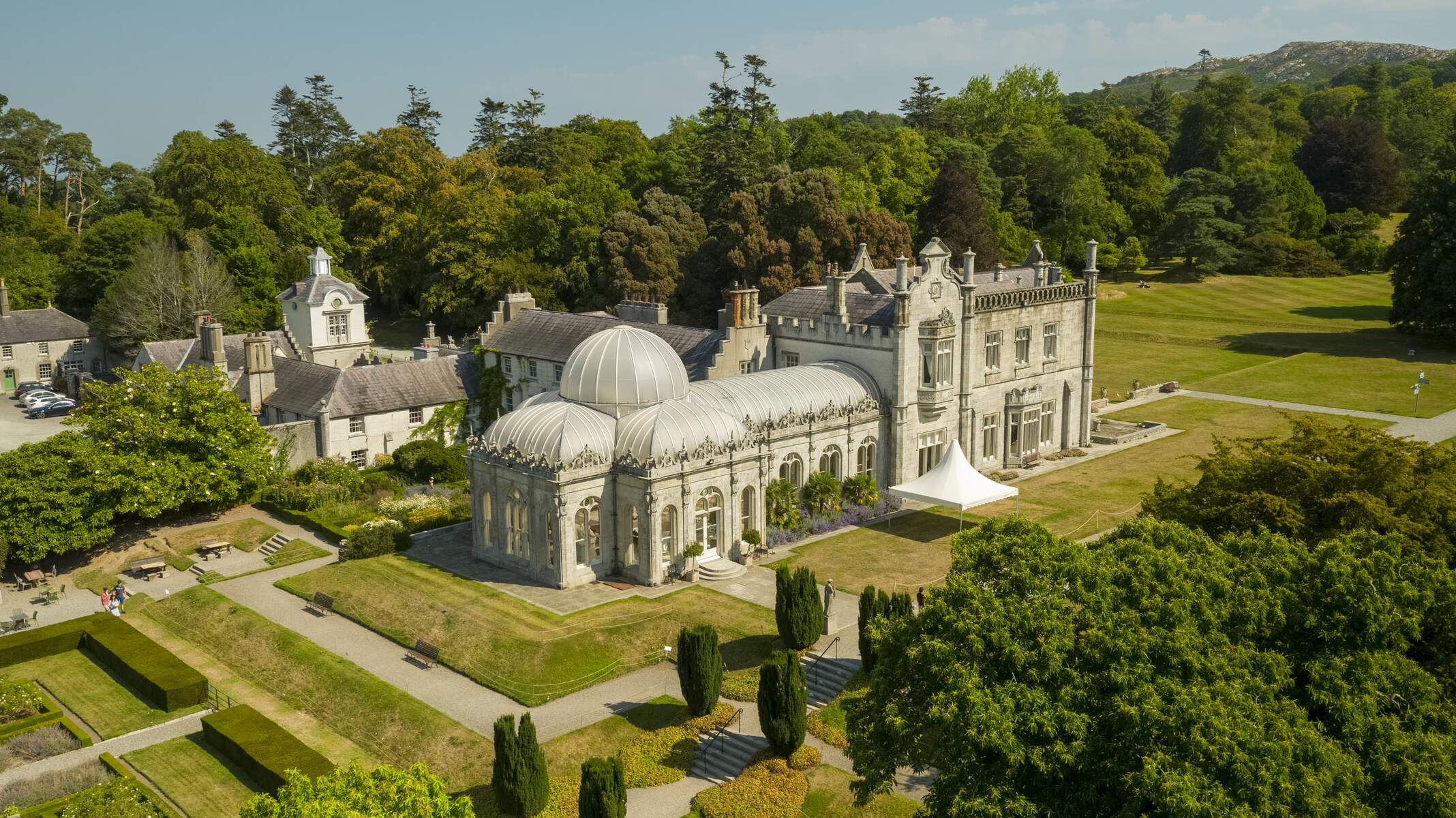
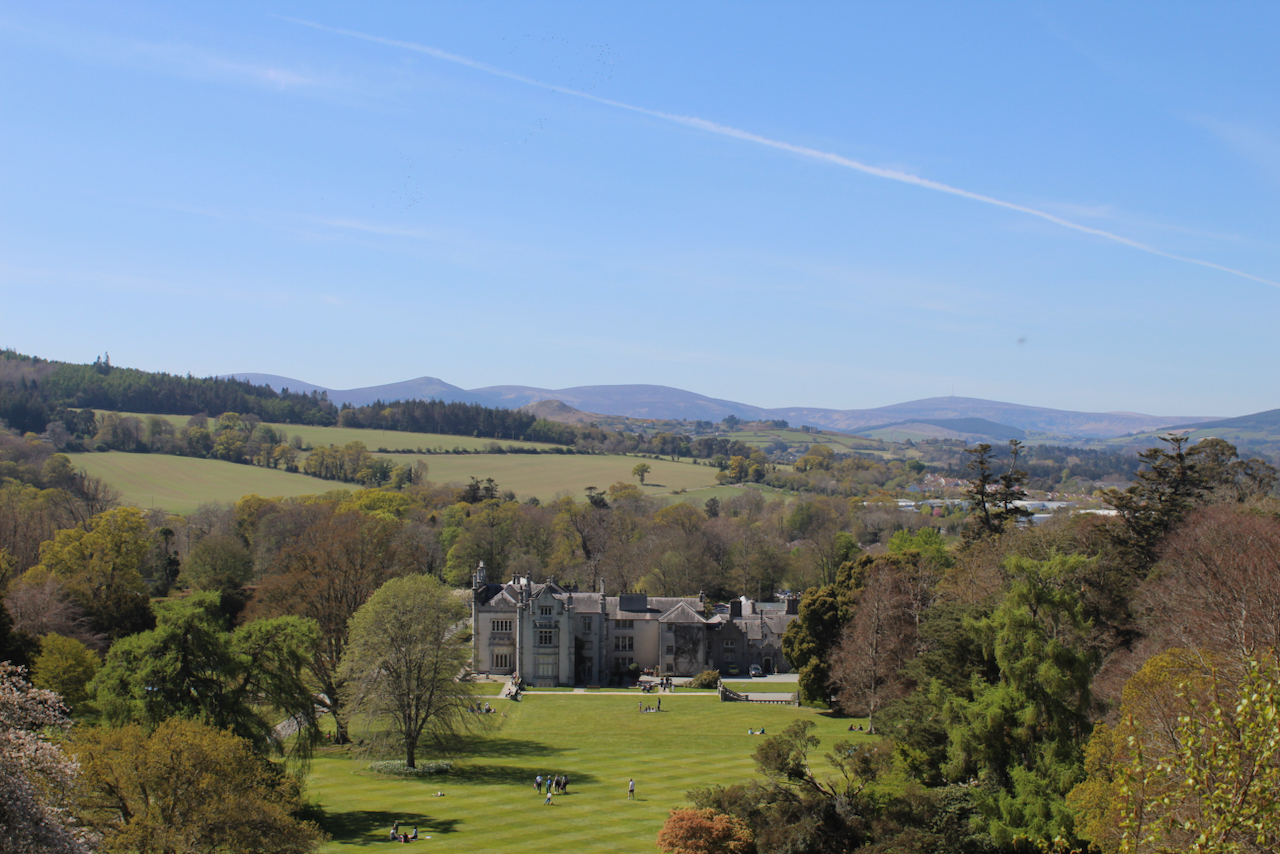
Killruddery House and Gardens, Bray, Co Wicklow, photograph by Sonder Visuals 2014 for Fáilte Ireland [1]Killruddery House and Gardens, Bray, Co Wicklow, photograph by Sonder Visuals 2014 for Fáilte Ireland
The website describes Killruddery: “Killruddery is a living, working House, Gardens and Farm. It has been home to sixteen generations of the Brabazon family and over the centuries many other families have joined this special place as a home and in employment.”
“In 1534, Henry VIII sent Sir William Brabazon of Leicester to Ireland to serve as Vice-Treasurer. Later in 1539, Sir William secured ownership of the Abbey of St. Thomas, which stood between present day Thomas Street and the River Liffey in Dublin. Conflicting reports state that Killruddery was not granted to the Brabazon family until 1618 but it is surely of relevance that the monastic lands of St. Thomas’s included the lands of Kilrotheri (or Killruddery), being the Little Sugar Loaf, Bray Head and the valley running between them. “
Killruddery has a special place in my heart since we live in the Liberty of the Earl of Meath in Dublin, near the former location of the Abbey of St. Thomas. It is called a “liberty” as it lay outside the walls of the city of Dublin and had its own laws – initially, the laws were those of the abbeys and monasteries that owned the land. In 1538, King Henry VIII dissolved the monasteries, including the Abbey of St. Thomas in Dublin. At that time the abbey owned property also in Counties Meath, Louth, Wicklow and Kildare. The property was divided between William Brabazon and the Lord Deputy, Richard St. Leger. The property in County Wicklow, on which the monks had built a retreat, farm and burial ground, came with a small castle and its outbuildings. [2]
Sir William’s son Edward (d. 1625) was appointed Privy Counsellor of Ireland in 1584. He held the office of Member of Parliament for County Wicklow in 1585. In 1598 he purchased the estate of Nether Whitacre, Warwickshire, and he was High Sheriff of County Stafford from 1606 to 1607. This property was sold by the family in 1630. He was M.P. for Bangor between 1613 and 1615. He was created 1st Lord Brabazon, Baron of Ardee, County Louth in 1616.
His children married very well. His daughter Susannah married Lucas Plunkett, 1st Earl of Fingall, 10th Baron of Killeen. Ursula married James Hamilton, 1st Viscount Claneboy of County Down, and Elizabeth married three times, having a daughter by the Bishop of Meath George Montgomery, who married Nicholas St. Lawrence, 10th Baron Howth. Edward’s son Anthony lived in Tallanstown, County Louth, and his son William (d. 1651) was forty-five years old when he succeeded as 2nd Baron of Ardee. He was created 1st Earl of Meath in 1627, with a special remainder to his brother Anthony. When he was made Earl of Meath, henceforth the Liberty of St Thomas and Donore was called the Earl of Meath Liberties.
The Earl was sent to the Tower of London in 1644, as he fought against Cromwell’s Parliamentary forces. [3] He was exchanged seven months later for another prisoner.
His house in County Wicklow was burned down by Cromwell’s troops. He died in 1651 and his son Edward (1609-1675) became the 2nd Earl of Meath.
The Killruddery website tells us that:
“The 2nd Earl of Meath built a house at Killruddery to replace one burned six years earlier. An illustration from about 1680 shows a building of five bays facing east. In 1666, the 2nd Earl increased the estate with the addition of “the section of Great Bray between Main Street and the sea and between the river and Main Street.”
He held the office of Member of Parliament (M.P.) for Athlone from 1634 to 1635. He had married Mary Chambré in 1632. She was from Carnew Castle in County Wicklow. He fought in the English Civil War as a Royalist, like his father. He was rewarded by King Charles II when the throne was restored to the Stuart family, and was appointed Privy Counsellor in Ireland between 1660 and 1669.
He died in 1675 as a passenger on the HMV ‘Mary’ which was shipwrecked off Beaumaurice in Anglesey during a voyage to England. His son, Edward, was rescued from the wreck.
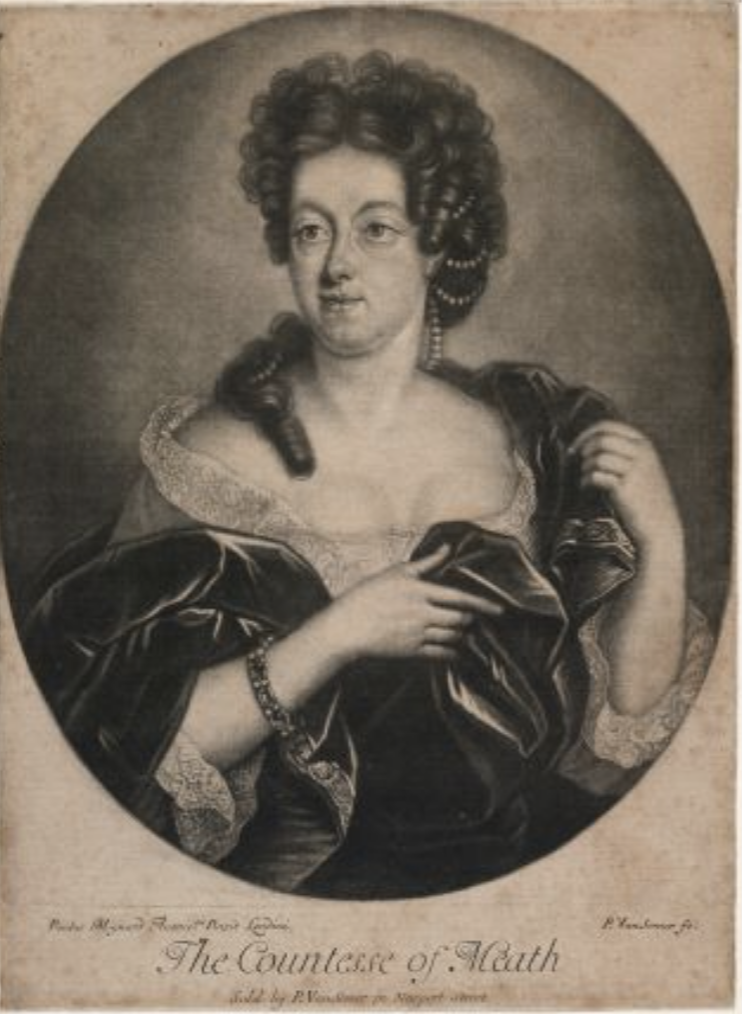
His son William succeeded as 4th Lord Brabazon, Baron of Ardee, Co. Louth during his father’s lifetime in 1665 when he was about thirty years old. In 1671 he killed a man in a duel but was pardoned. He succeeded as the 3rd Earl of Meath when his father died in 1675. He had two daughters: Elizabeth married Philips Coote of “Mount Coote” County Limerick, which is now Ash Hill, another section 482 property, where we stayed during Heritage week in 2022, see my entry. She married a second time to the son of the Earl of Lindsay of England.
Elizabeth Brabazon née Lennard, Countess of Meath (1650-1701), Wife of the 3rd Earl of Meath, photograph courtesy of National Gallery of Ireland.
Since the 3rd Earl of Meath had no sons when he died in 1685, the title passed to his brother Edward. Edward (1635-1707) 4th Earl joined King William’s forces and commanded the garrison at Carrickfergus against James II. He fought in the Siege of Limerick and the Battle of the Boyne in 1690. He complained that that the “Glorious Revolution” had cost him £10,000 and, as a result, he sold a 35 year lease on the property at Killruddery to John Lovett, the uncle of Sir Edward Lovett Pearce. In 1702, the Earl took a house on the north side of St. Stephen’s Green in Dublin, where the family lived during the 18th century. [4] This house is now a school – before that, it was St. Vincent’s Hospital, set up by the nun Sister Aikenhead.
He married twice but had no children. He served as M.P. for County Wicklow in 1666 and Ranger of Phoenix Park in 1675. When he died, the title passed to another brother, Chambré.
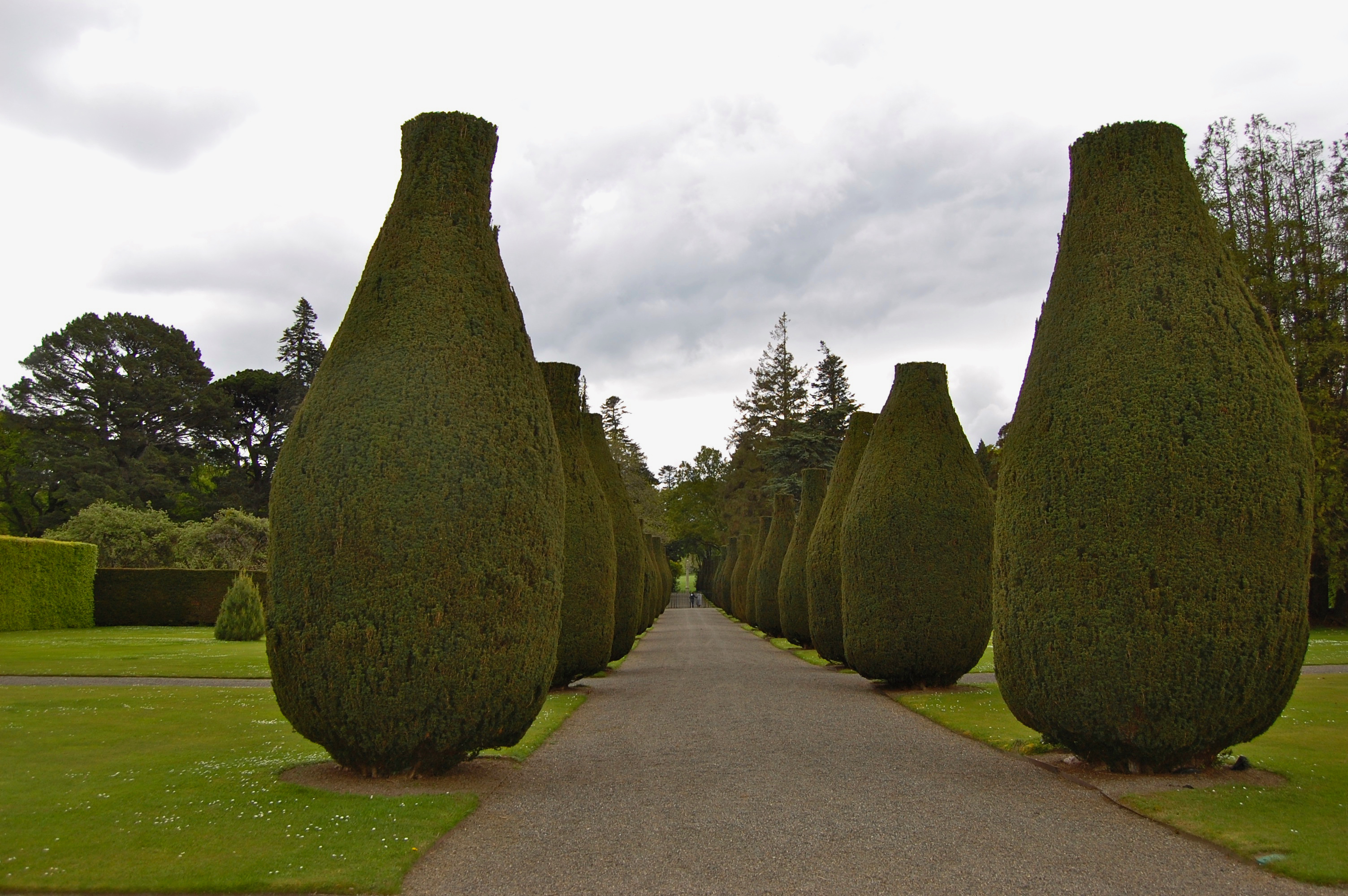
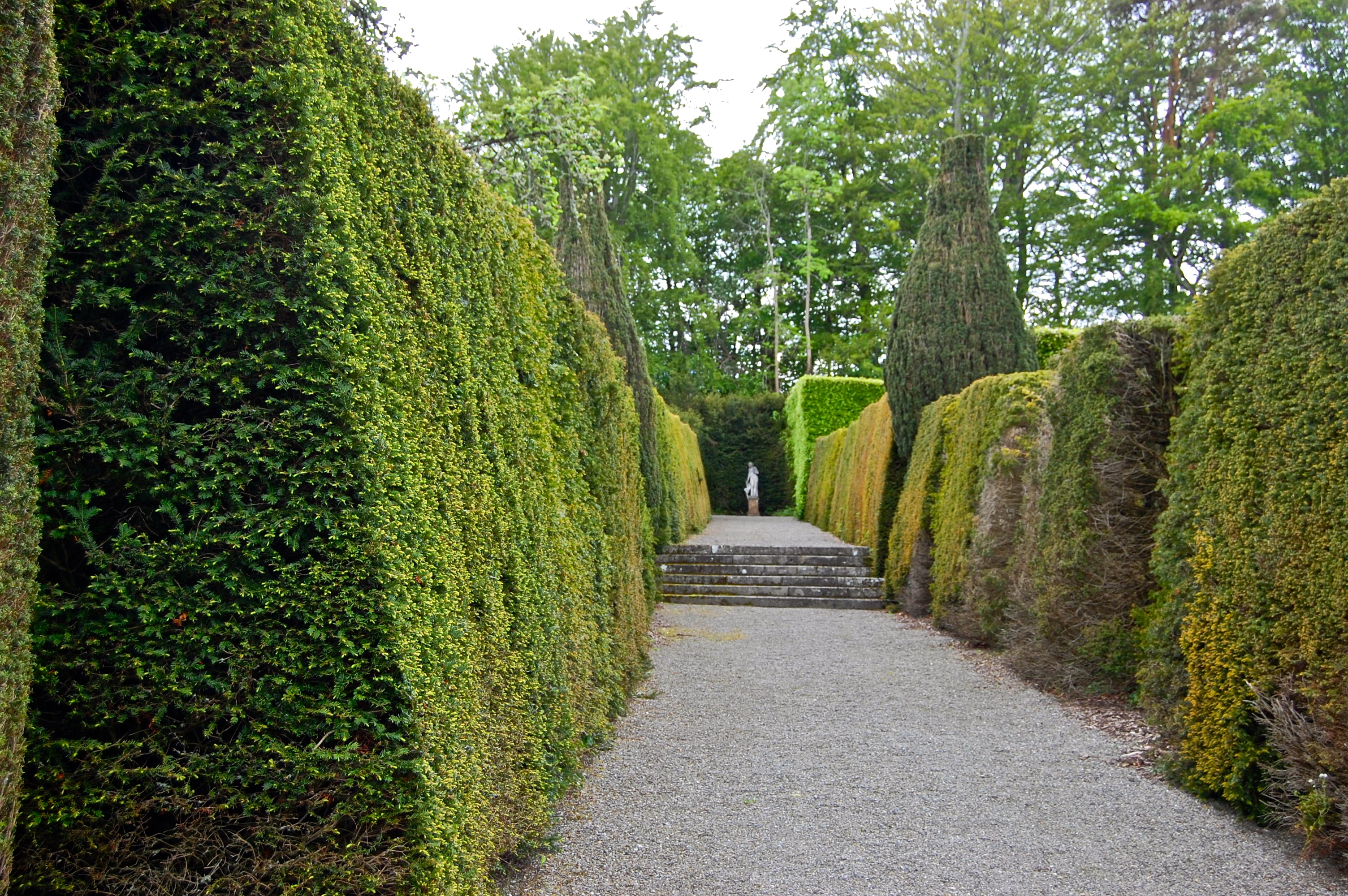
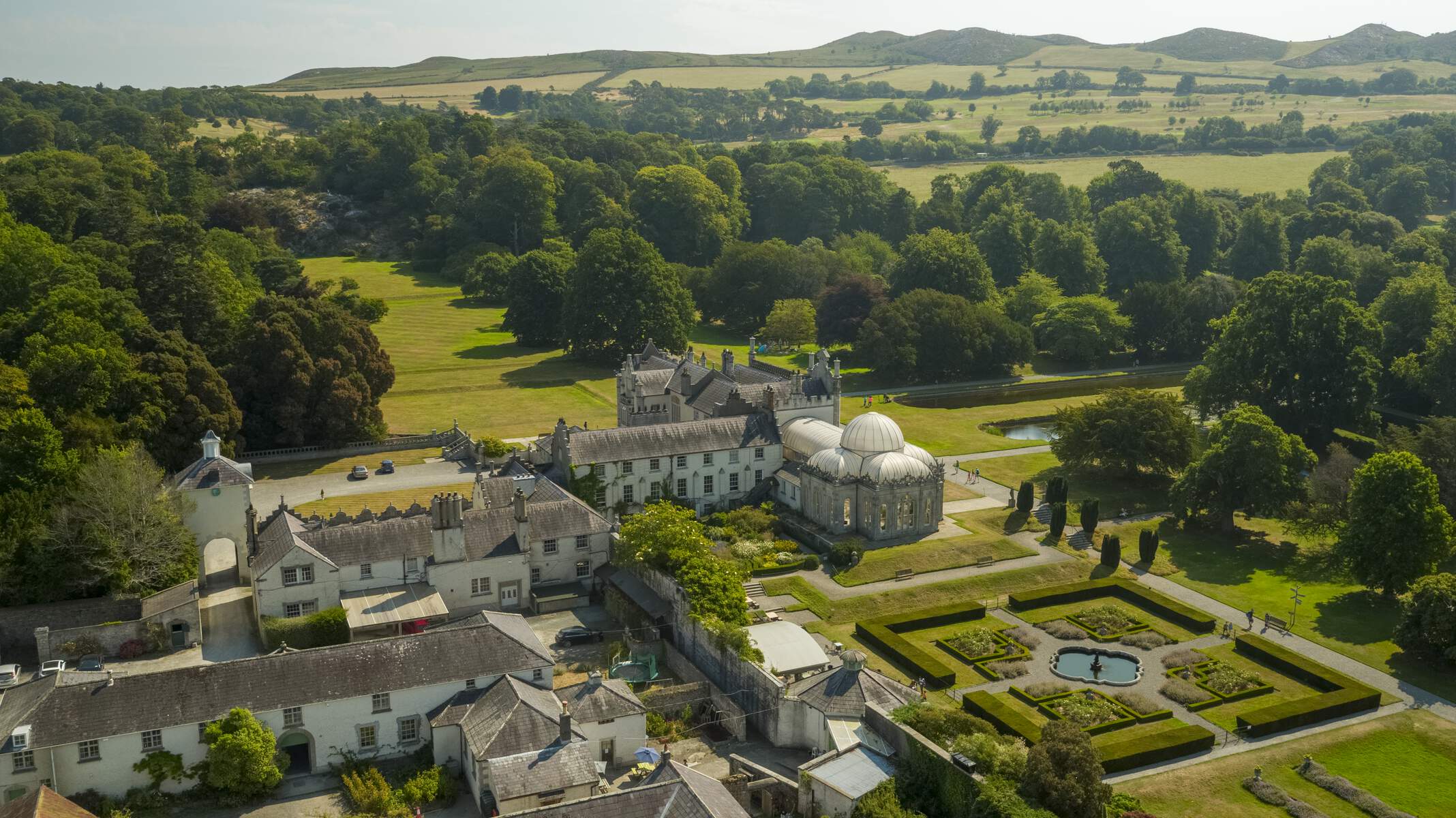
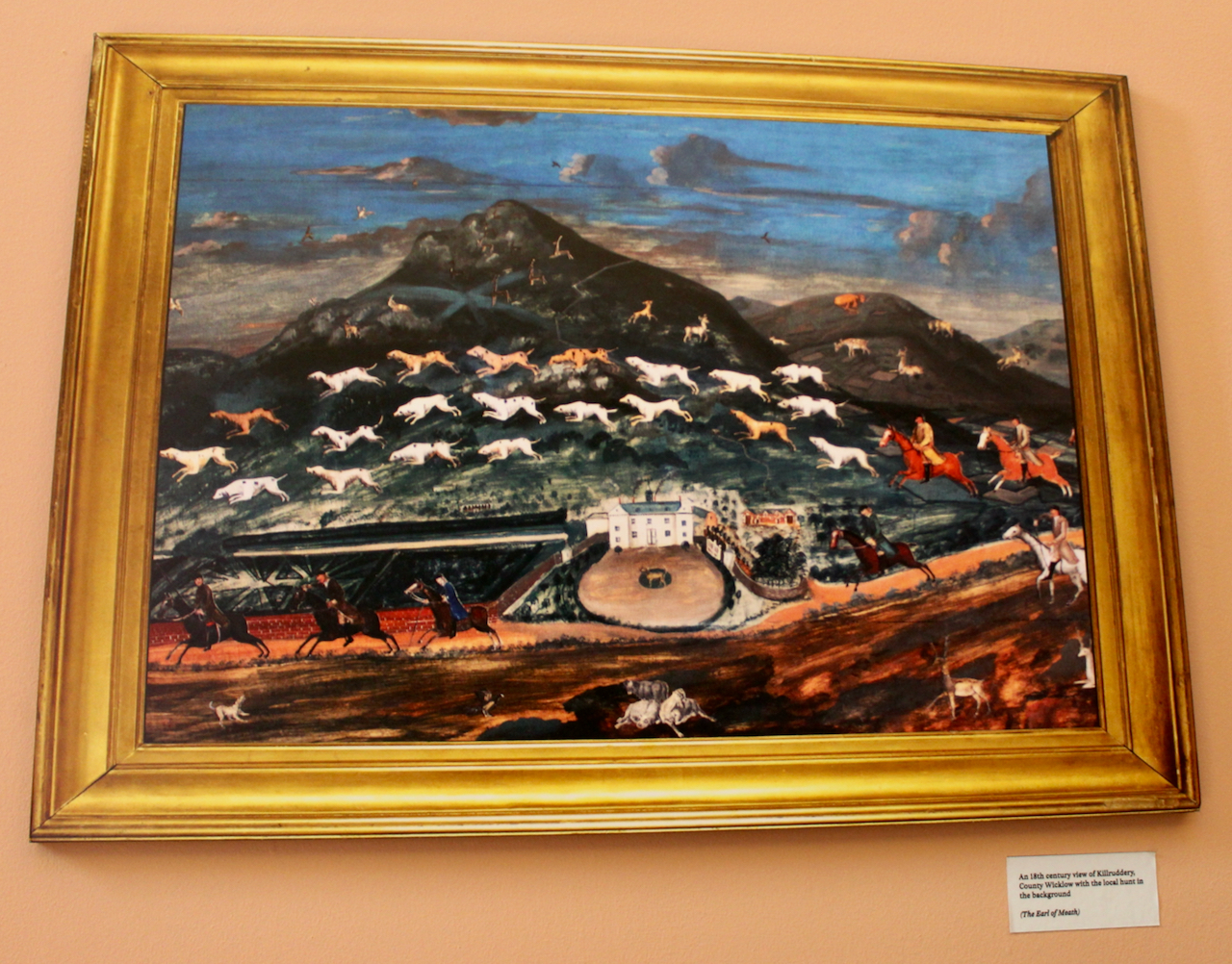
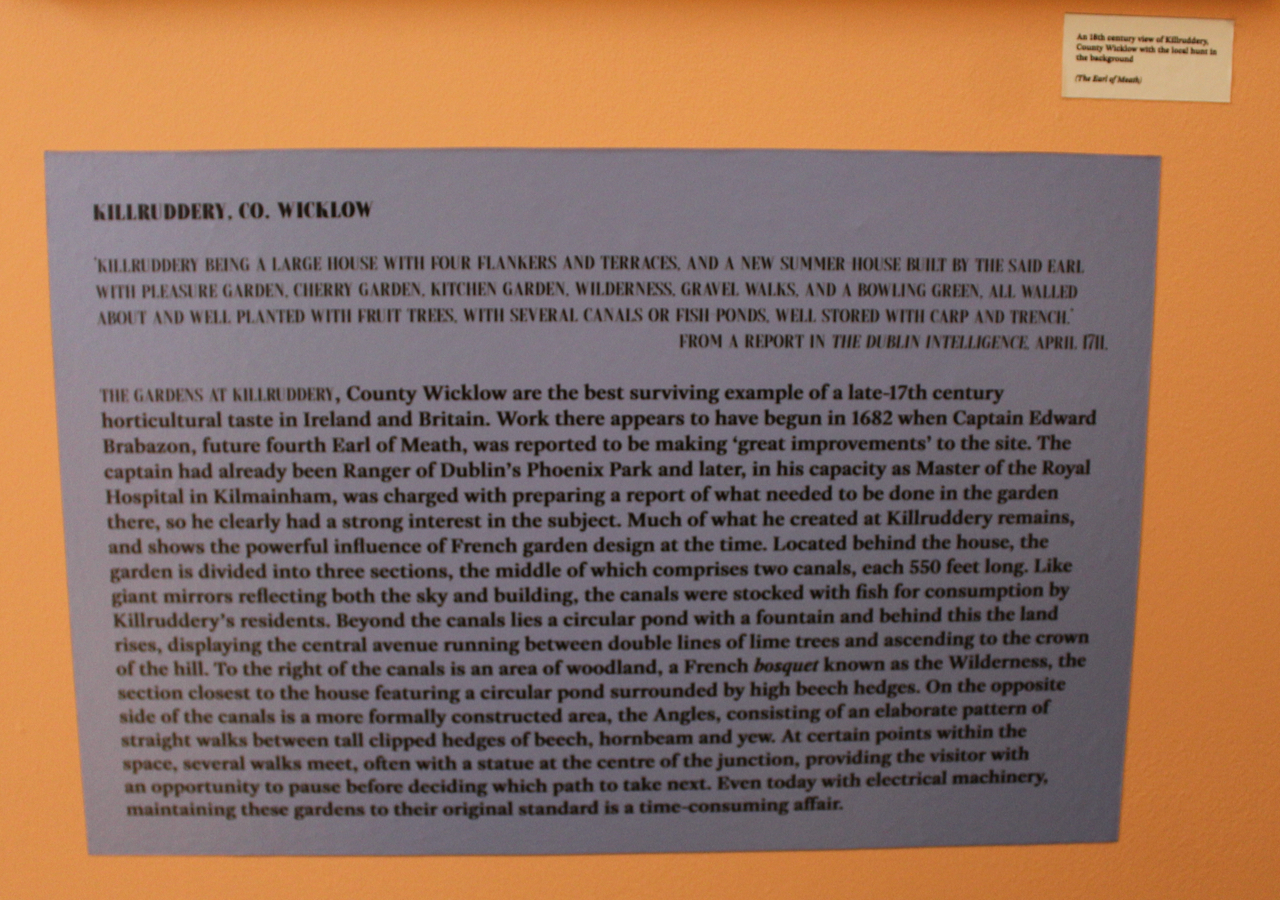
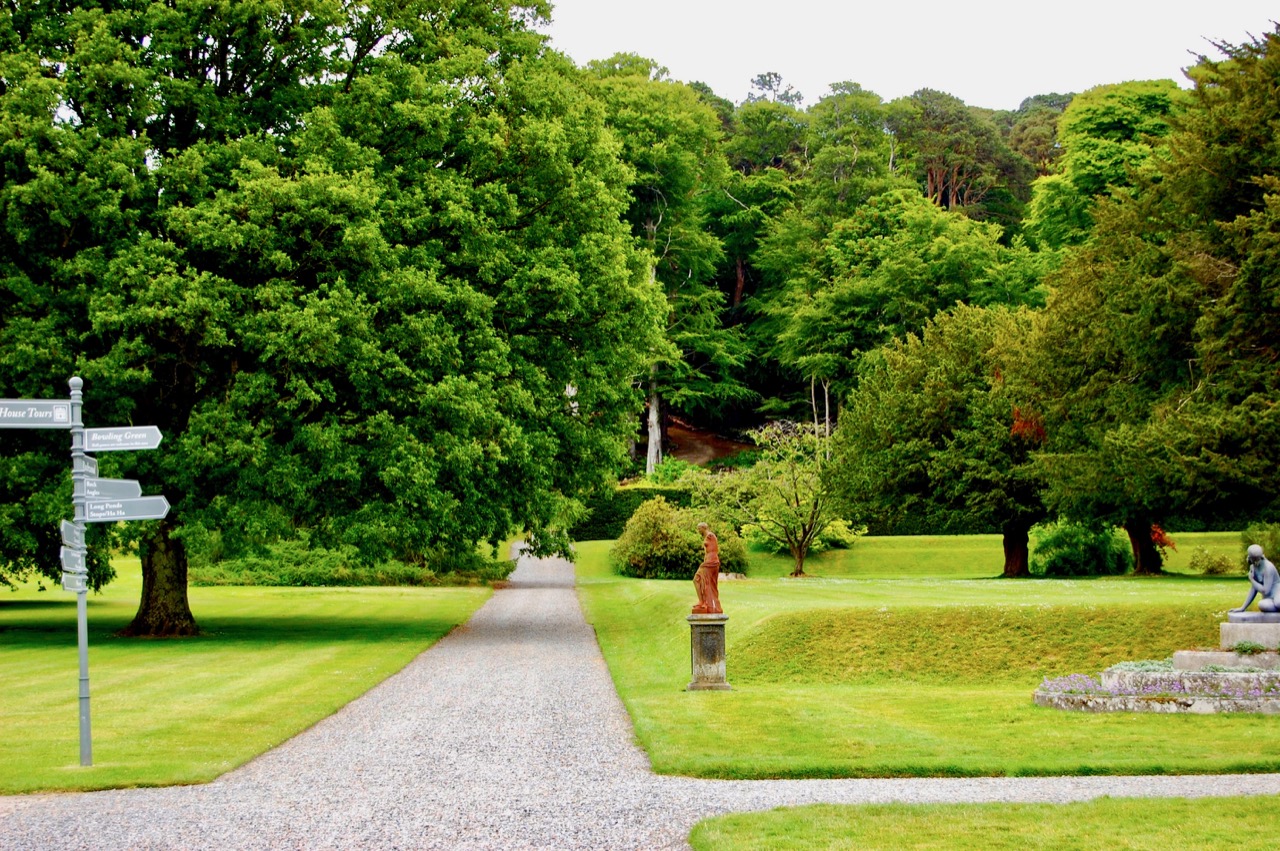
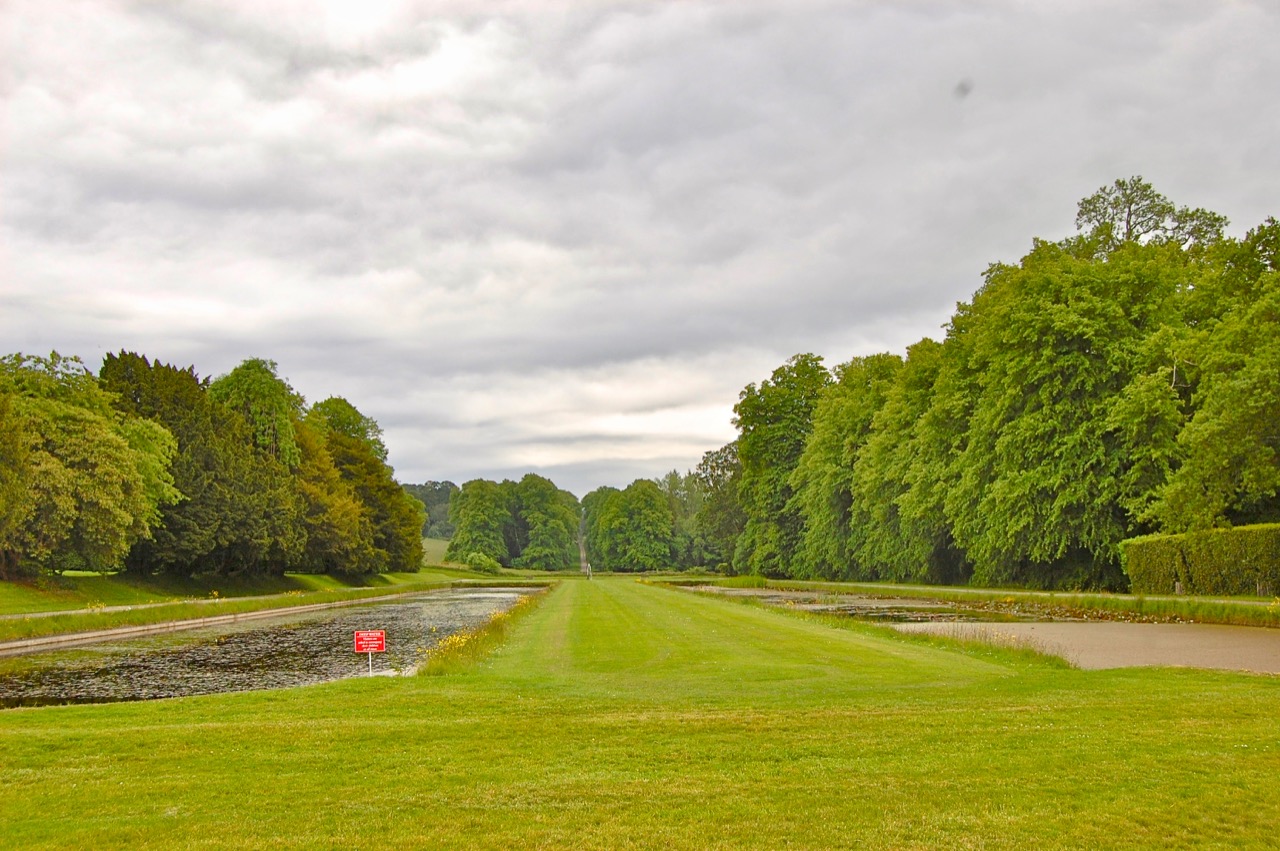
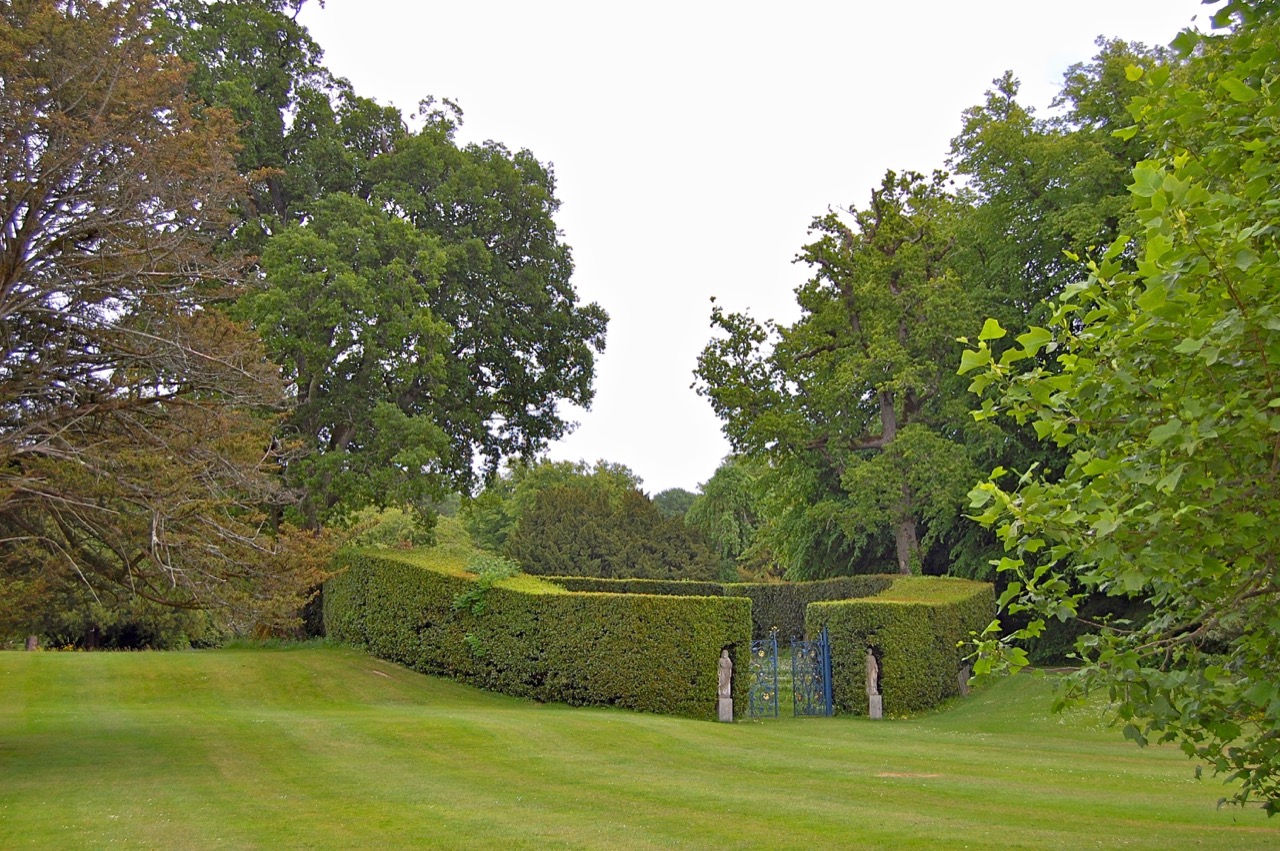
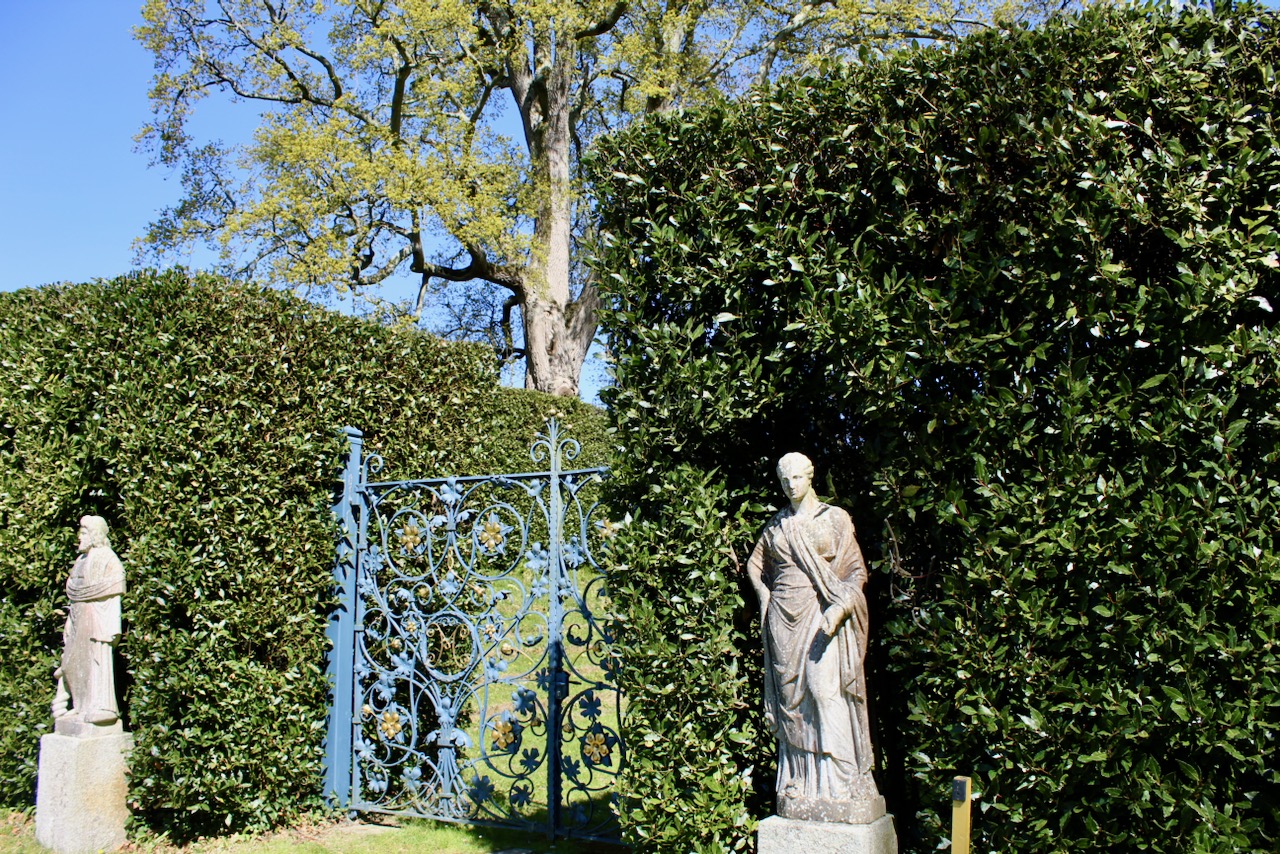
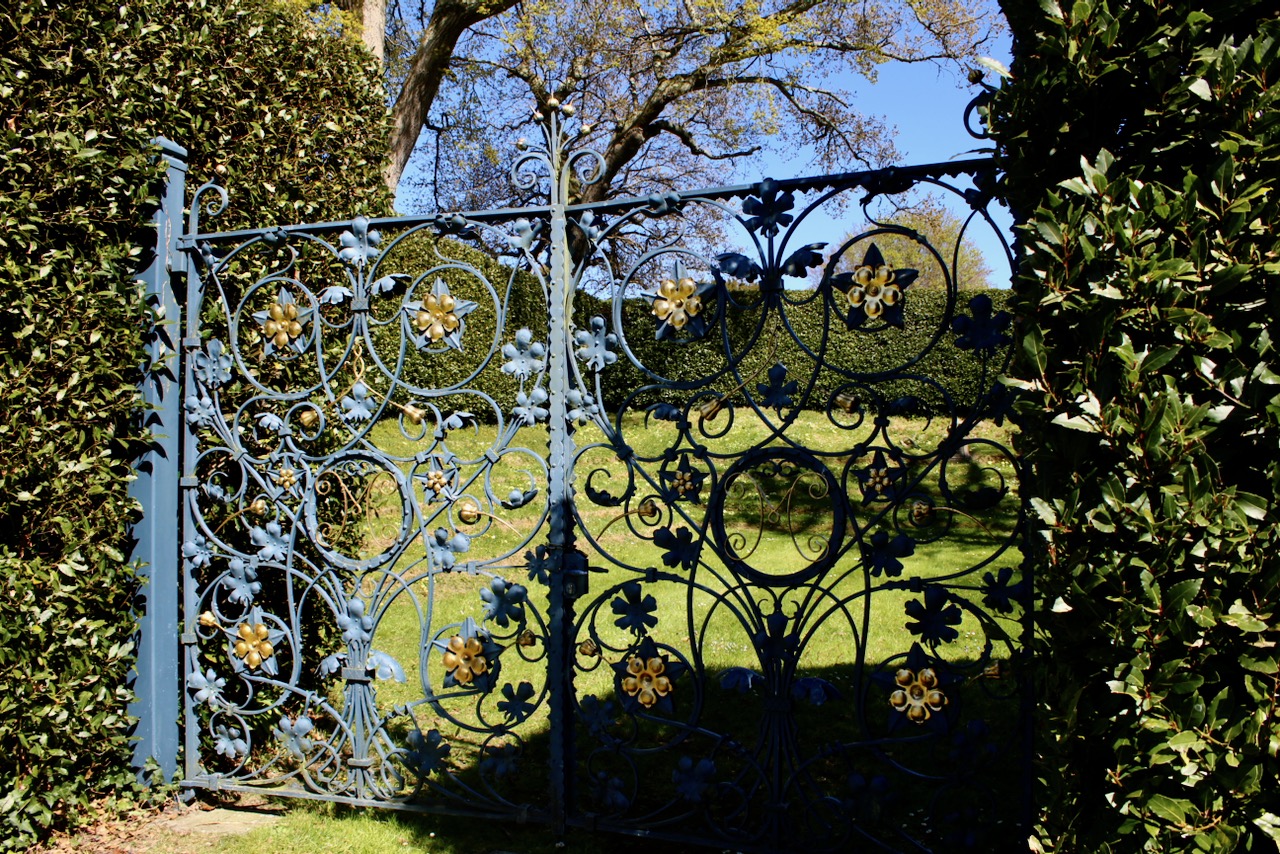
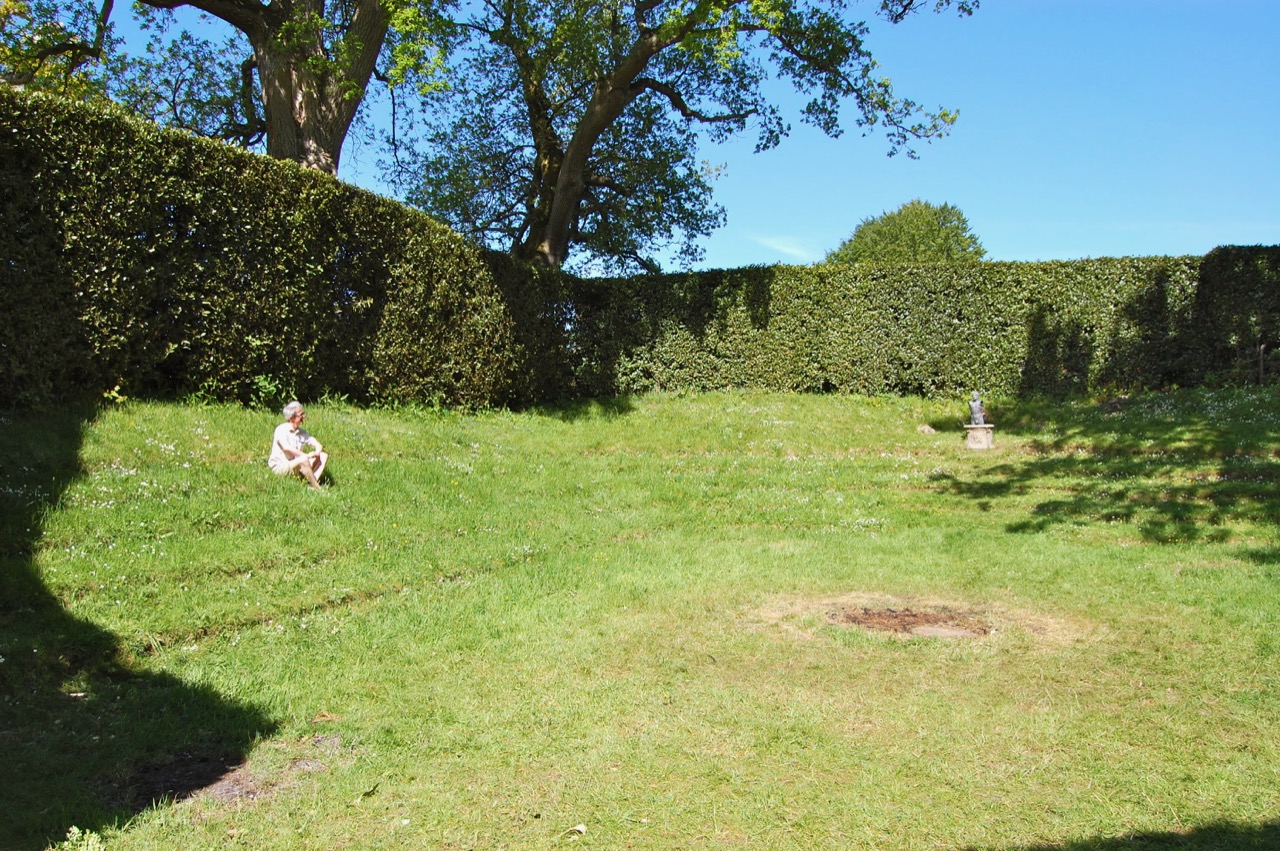
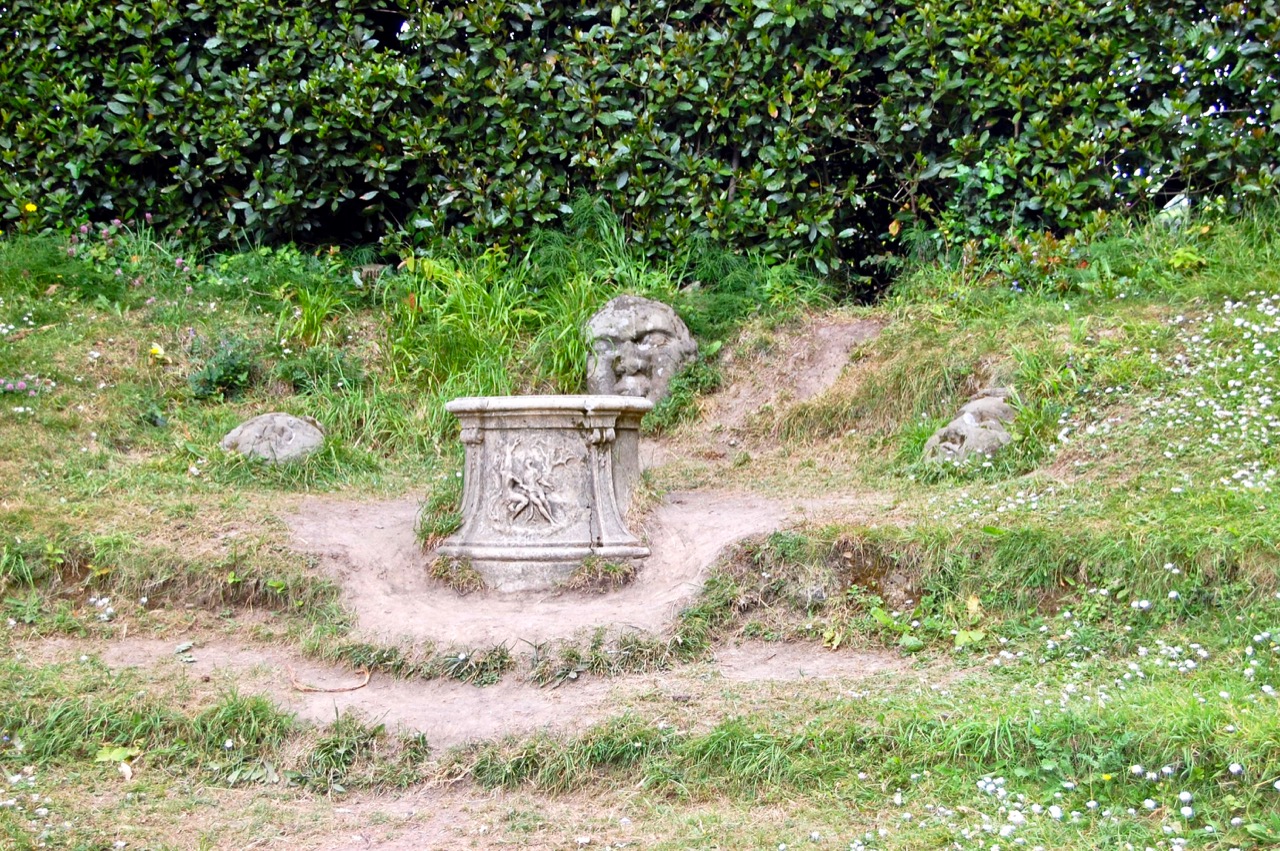
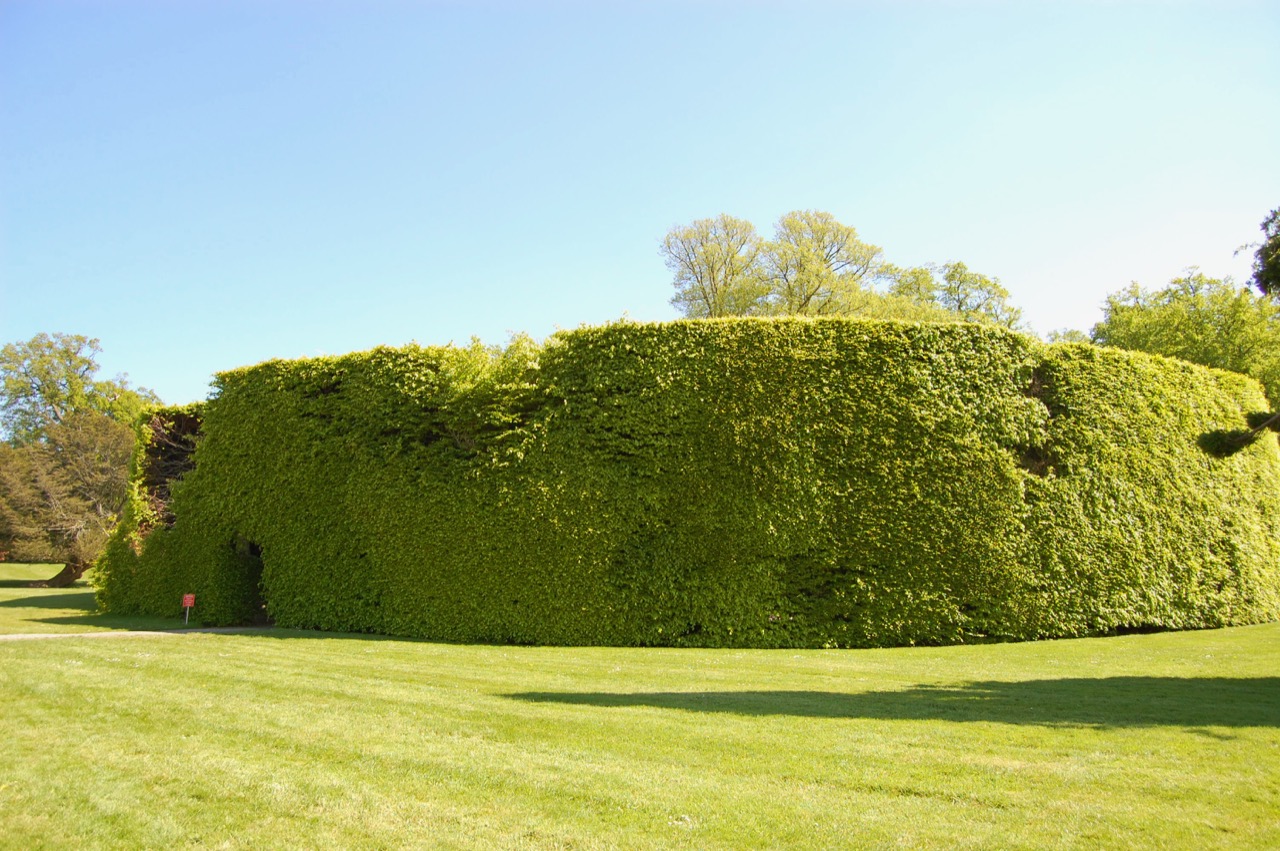
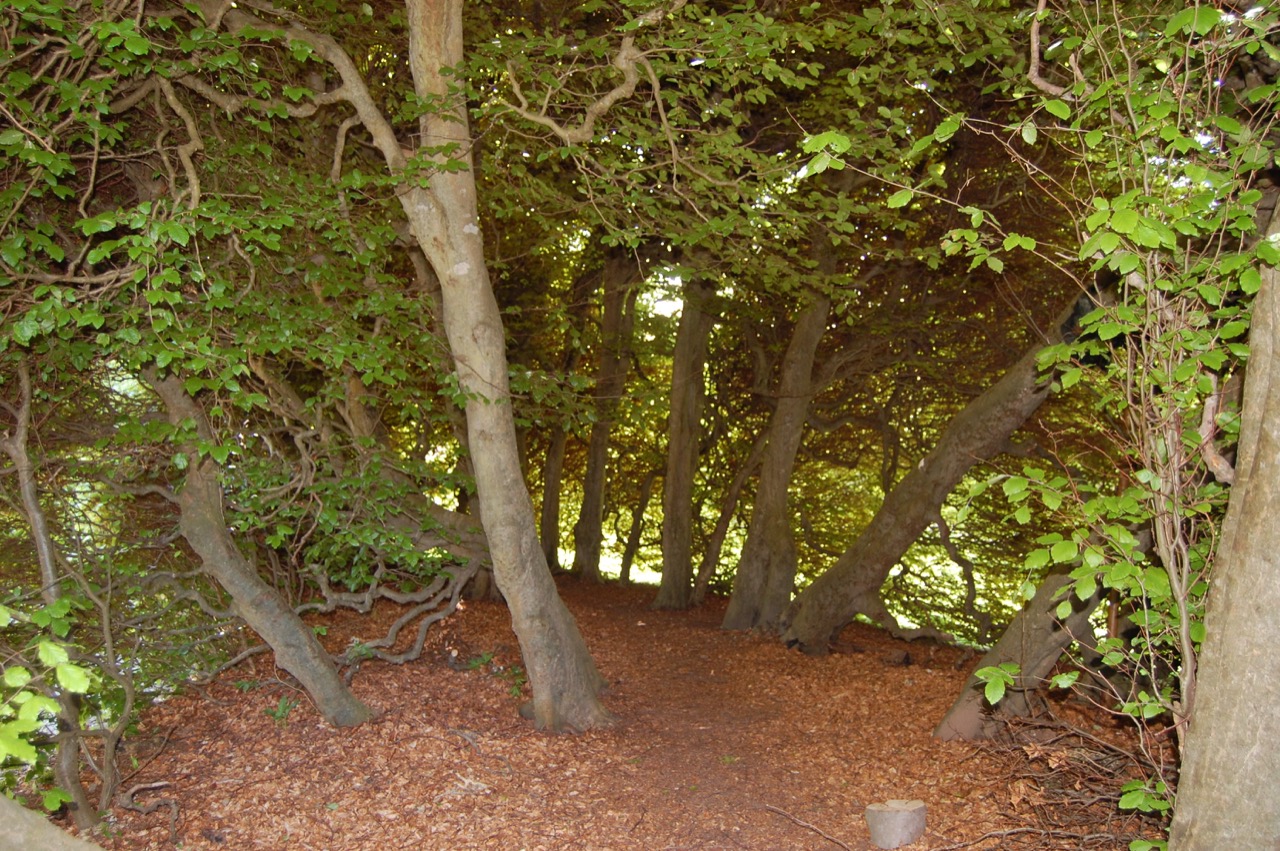
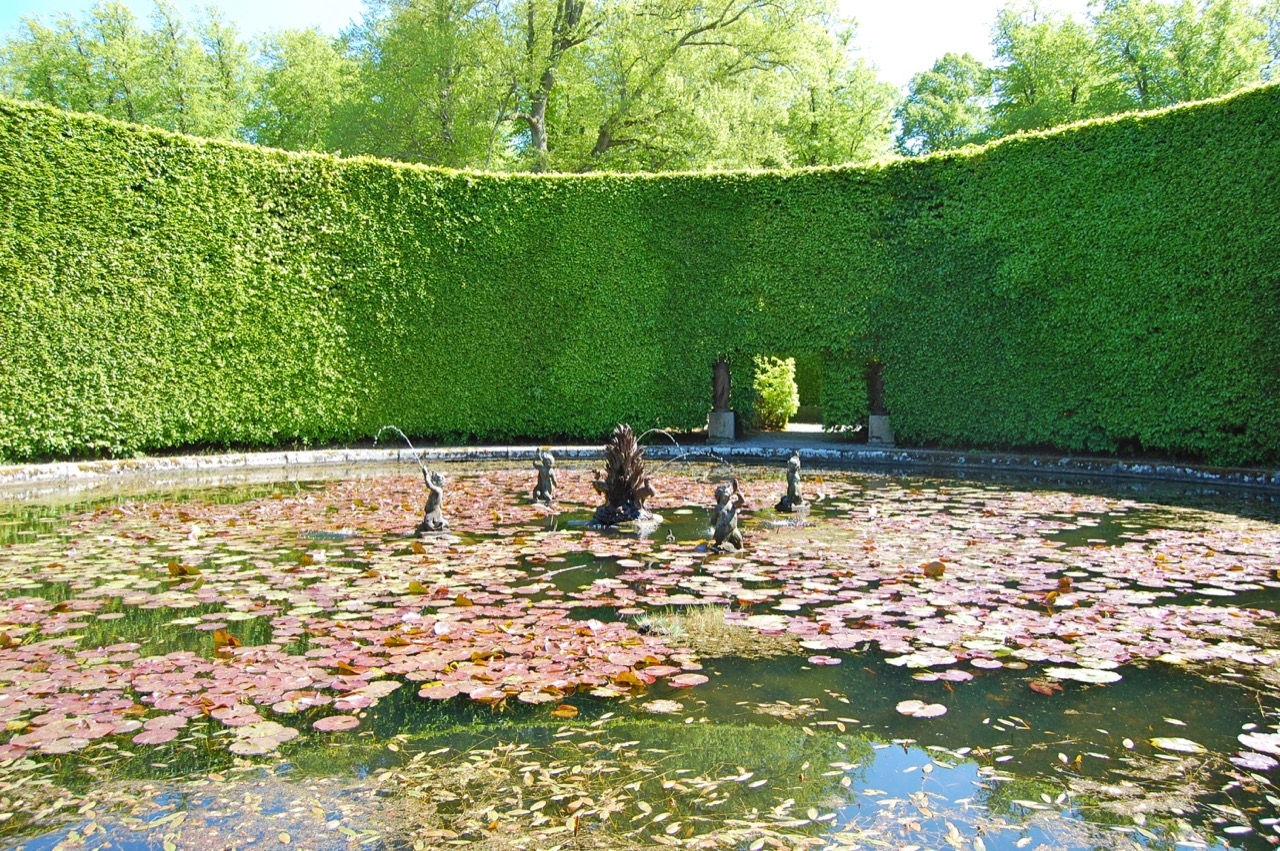
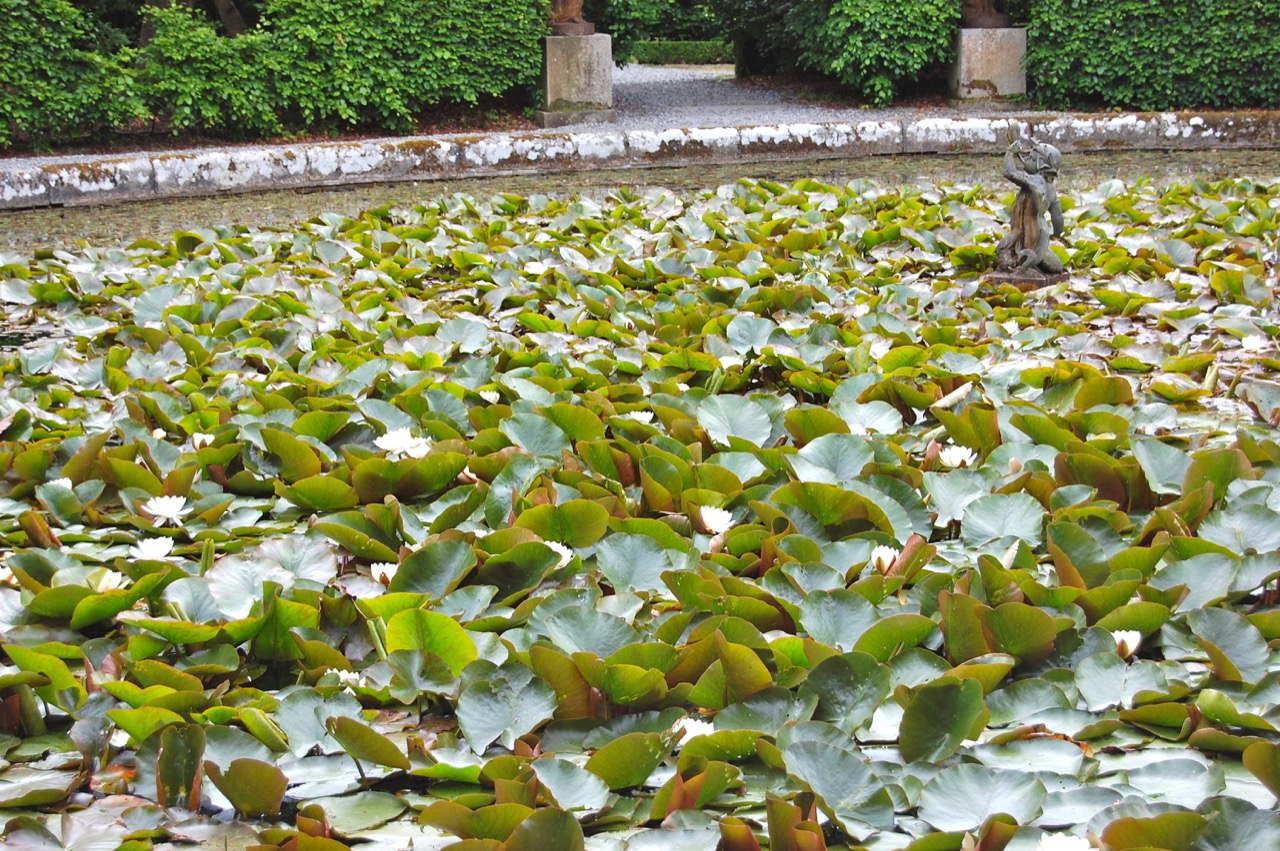
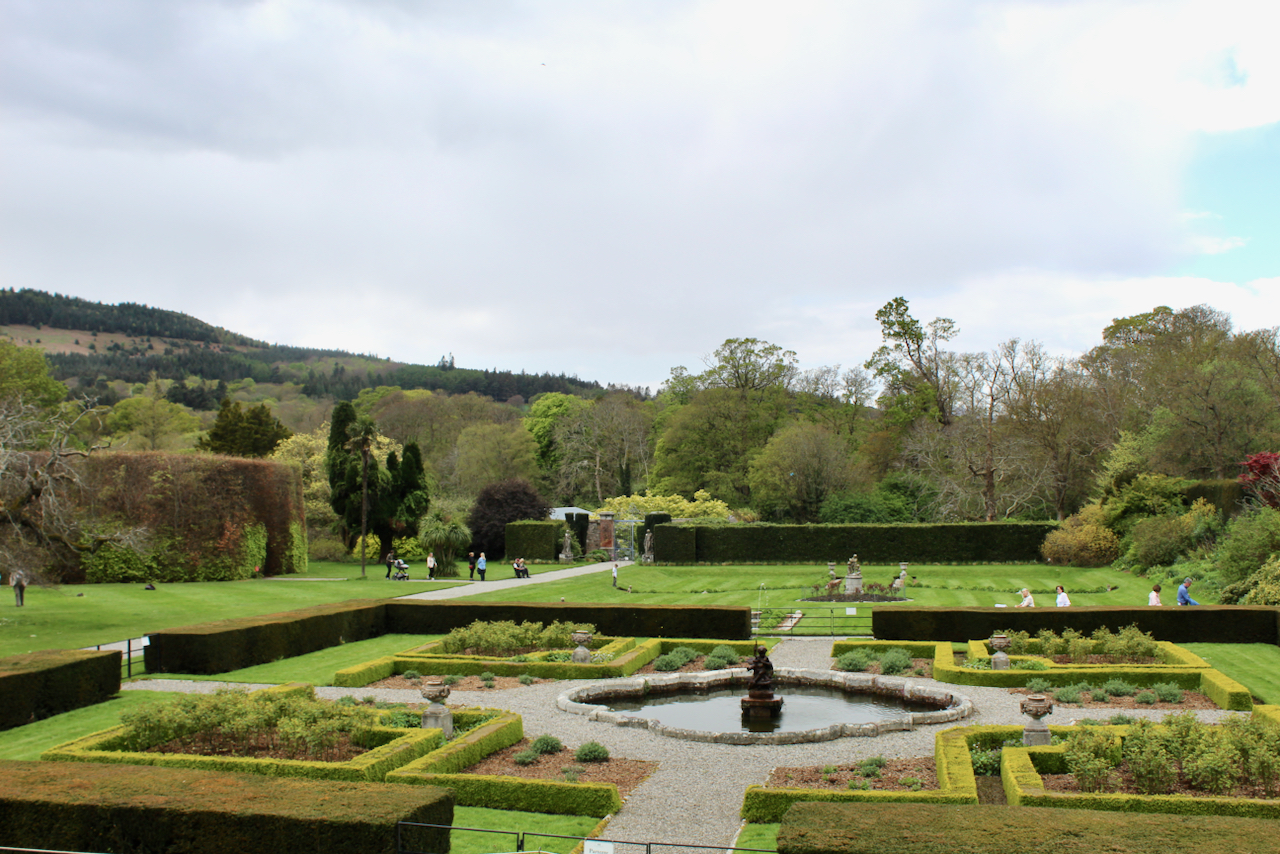
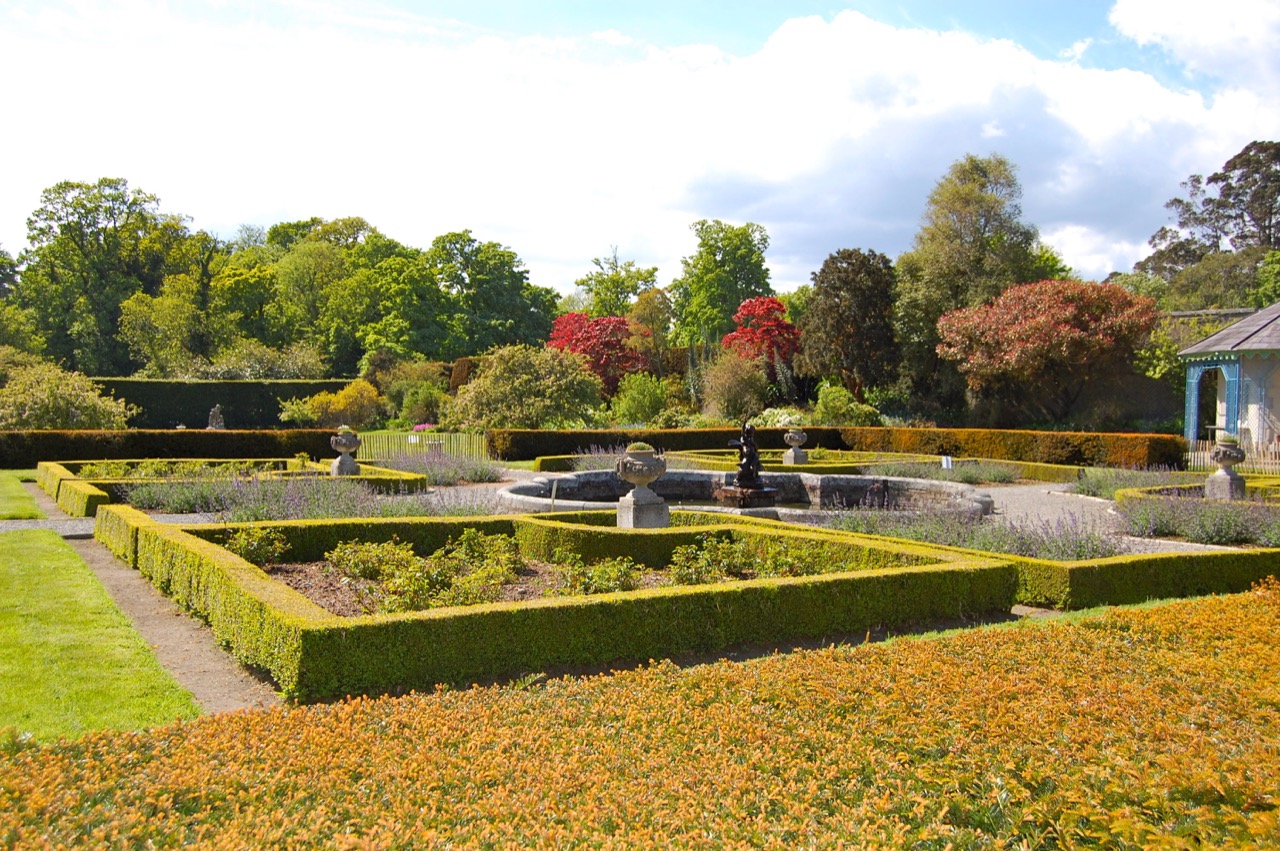
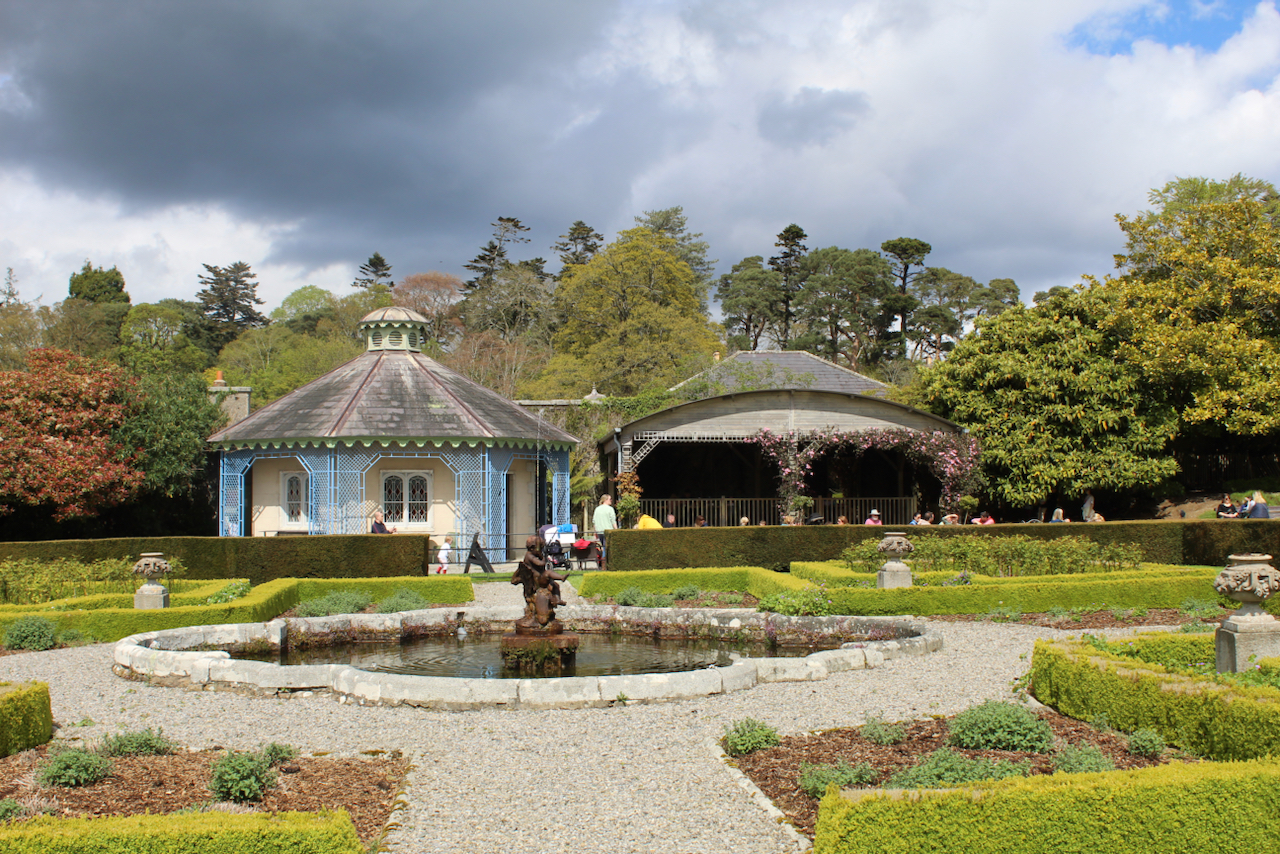
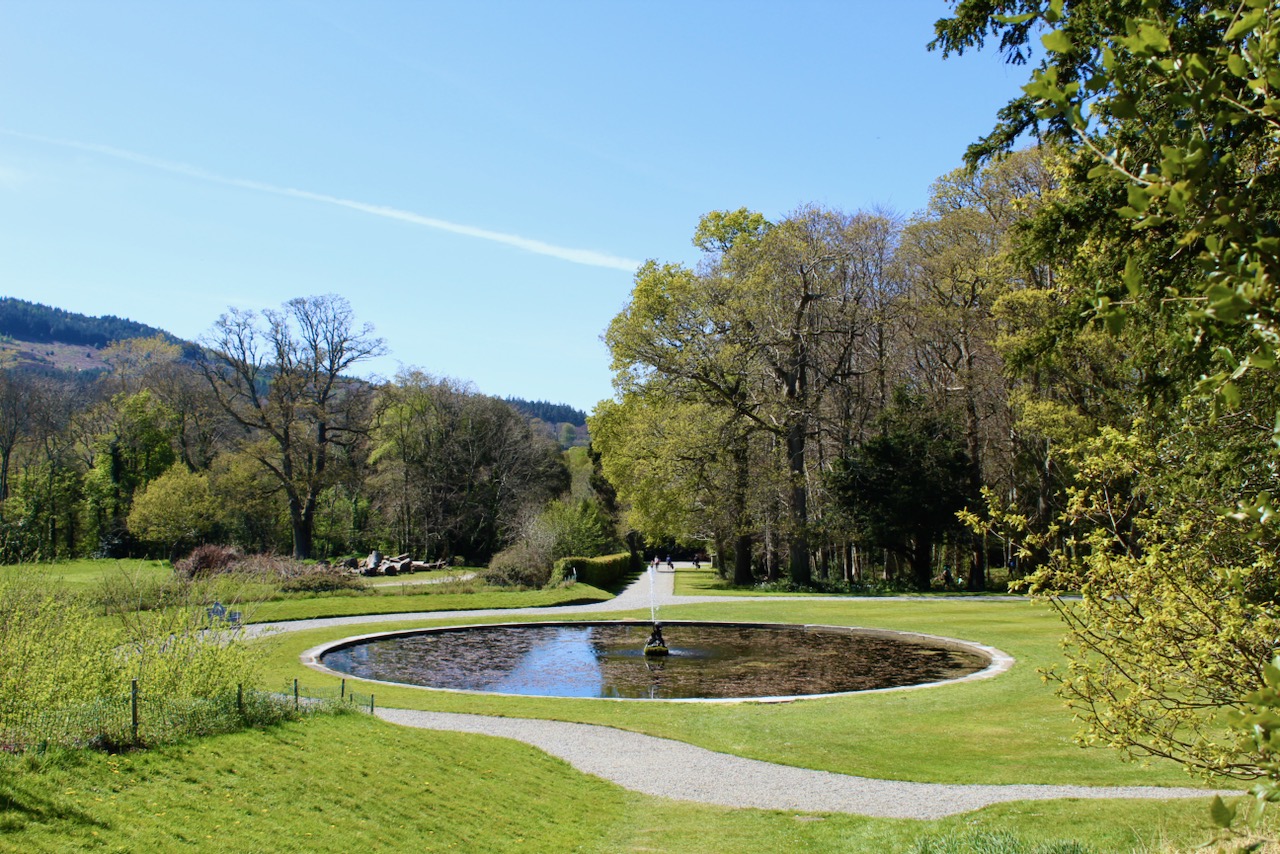
It was Edward 4th Earl of Meath who is responsible for the gardens at Killruddery. He built a modest house on the grounds as a summer house, and he lived in the house at St. Thomas’s Abbey in Dublin. The gardens are one of the few remaining 17th century gardens in Ireland or the U.K. The Killruddery website tells us that the gardens were used for the entertainment of a large number of guests and therefore the scale is comparable to that of a park. Edward employed Monsieur Bonet, a French Landscape architect, a pupil of Le Notre, in 1682. André Le Nôtre (12 March 1613 – 15 September 1700) was a French landscape architect and the principal gardener of King Louis XIV. Most notably he designed the park of the Palace of Versailles. Monsieur Bonet created the surviving French-Baroque gardens, comprising the Angles (a patte d’oie), the Long Ponds, the Sylvan Theatre, Lime Walks and the Beech Hedge Pond. He had already worked in Ireland for twelve years for Sir William Petty before he moved to Killruddery.
In the gardens, The Angles are the middle section of the garden. They consist of a series of walks flanked by the hornbeam, lime or beech hedges which meet at two centre points. The design of the Angles, as seen from The Long Ponds are known as “patte d’oie” or goose feet.
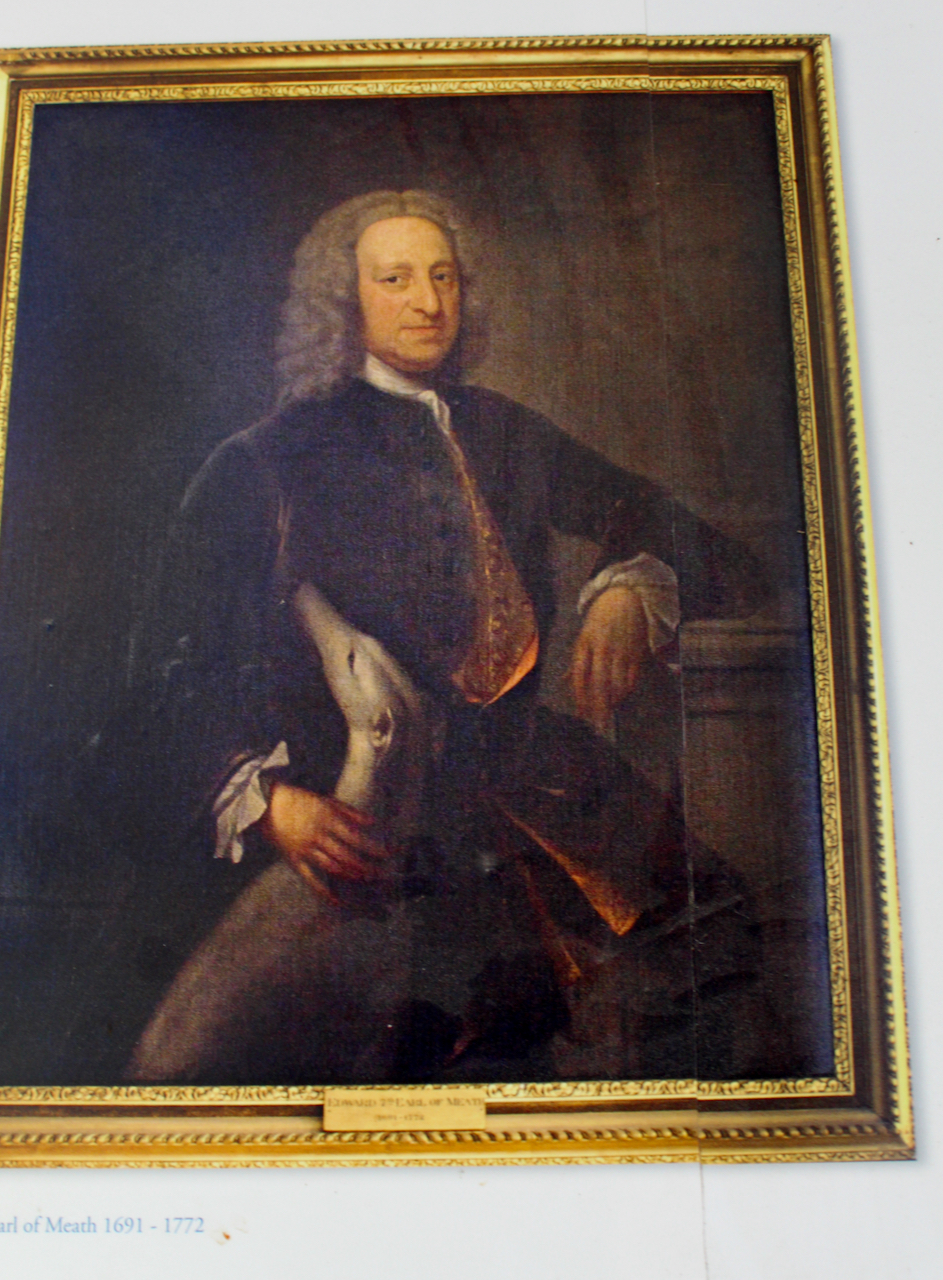
The 4th Earl married twice but had no children, and when he died title and lands passed to his brother Chambré (c. 1645-1715). The 5th Earl of Meath served as a Privy Councillor in Ireland in 1710. He developed the Pleasure Garden and the Cherry Garden. He married Juliana Chaworth, daughter of Patrick Chaworth, 3rd Viscount Chaworth of Armagh. Their son, whom they named Chaworth, succeeded as 6th Earl, and served as MP for County Dublin and Lord Lieutenant for County Wicklow and for County Dublin. The Killruddery website tells us that the 6th Earl was a patron of the Meath Hospital, which was founded by four surgeons to care for the sick and poor of ‘the Liberties’ in Dublin. It was the 6th Earl of Meath who developed the garden “wilderness.” He married twice but had no children and when he died in 1763 he was succeeded by his brother Edward (1691-1772) who became the 7th Earl of Meath.
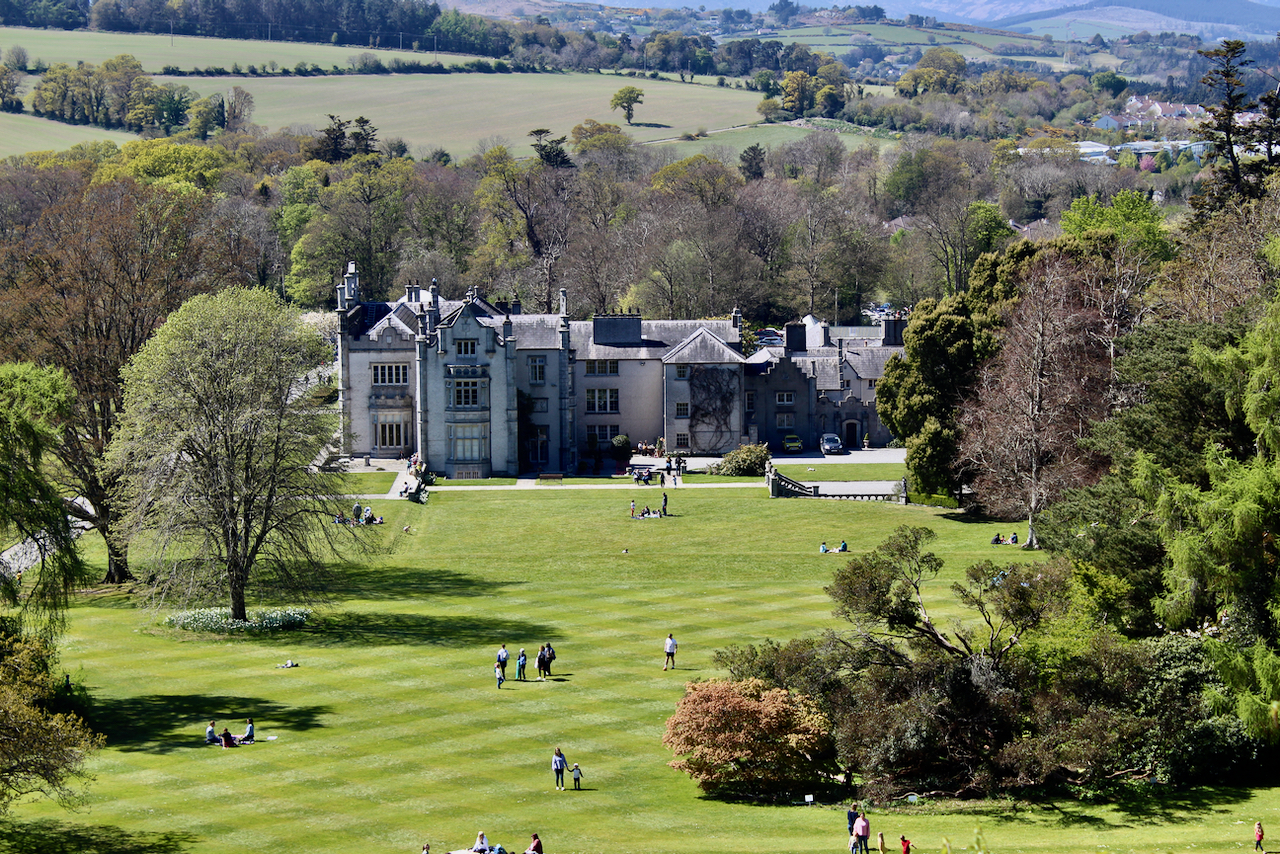
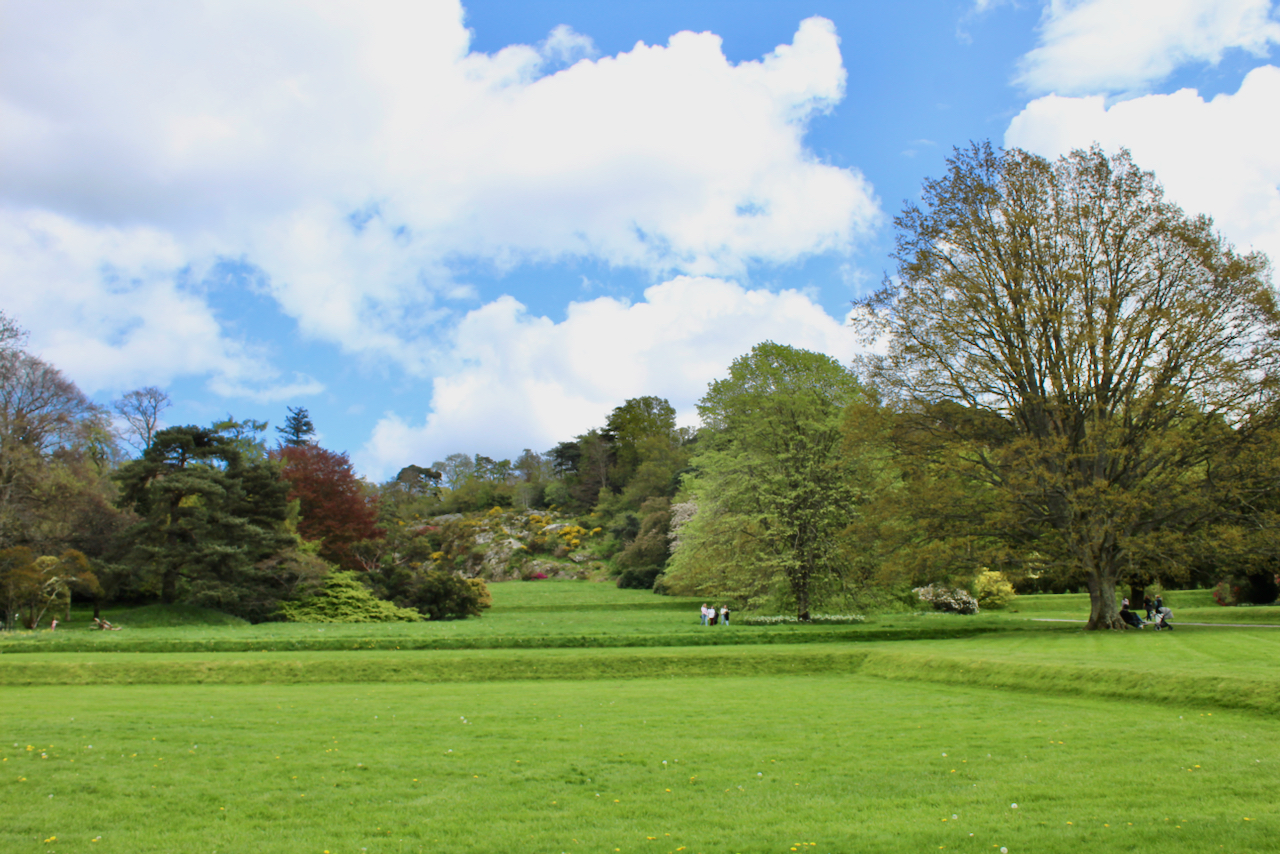
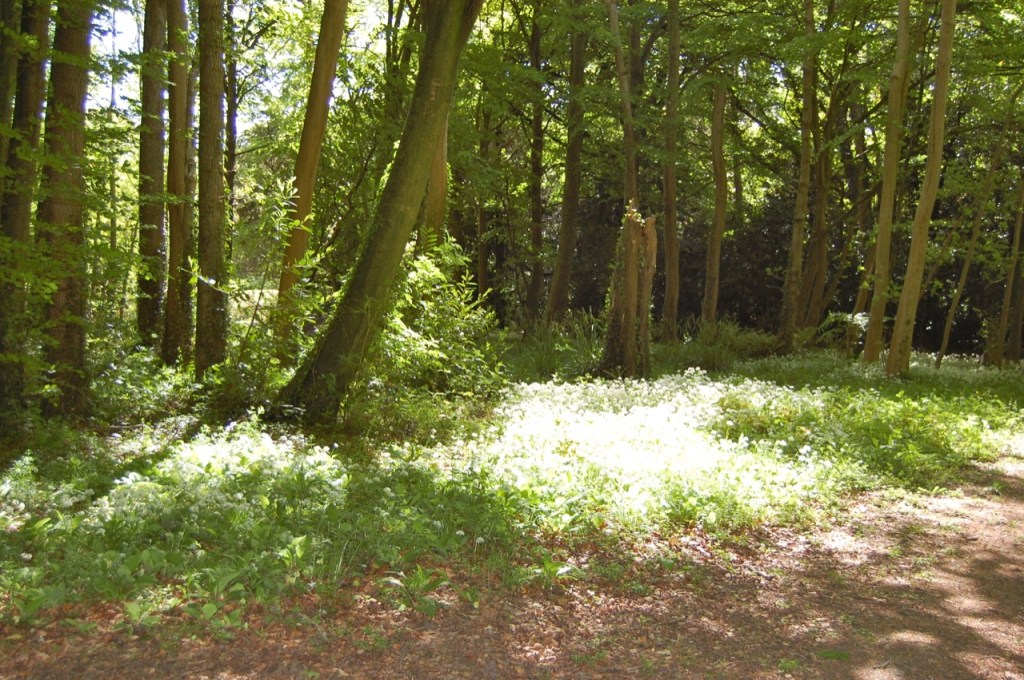
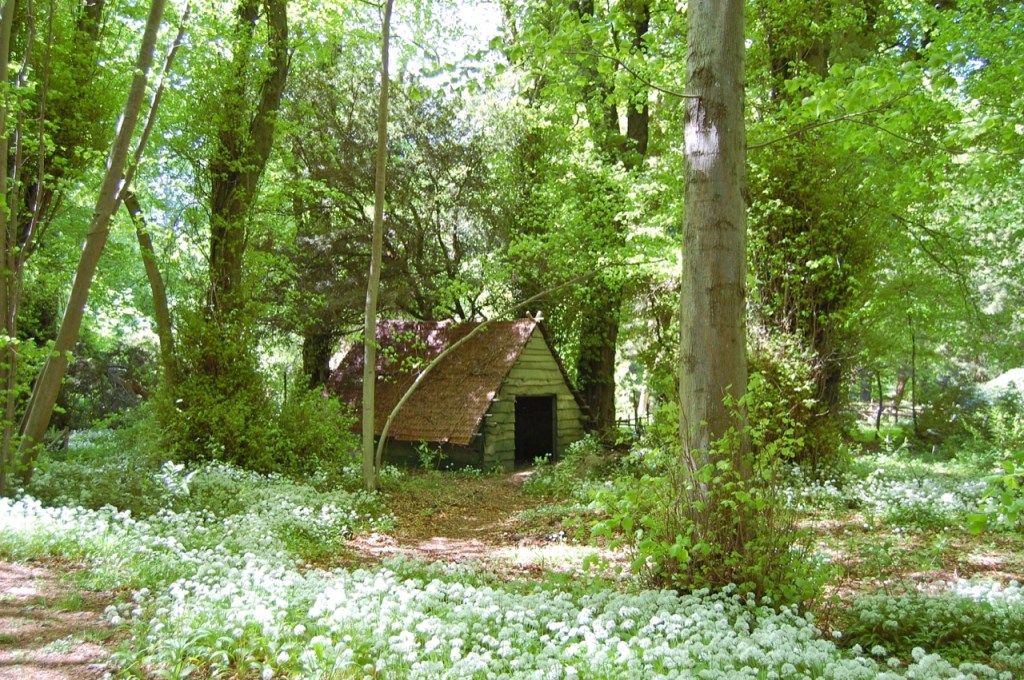
Opposite the Angles on the far side of the Long Ponds is a wooded area known as the Wilderness.
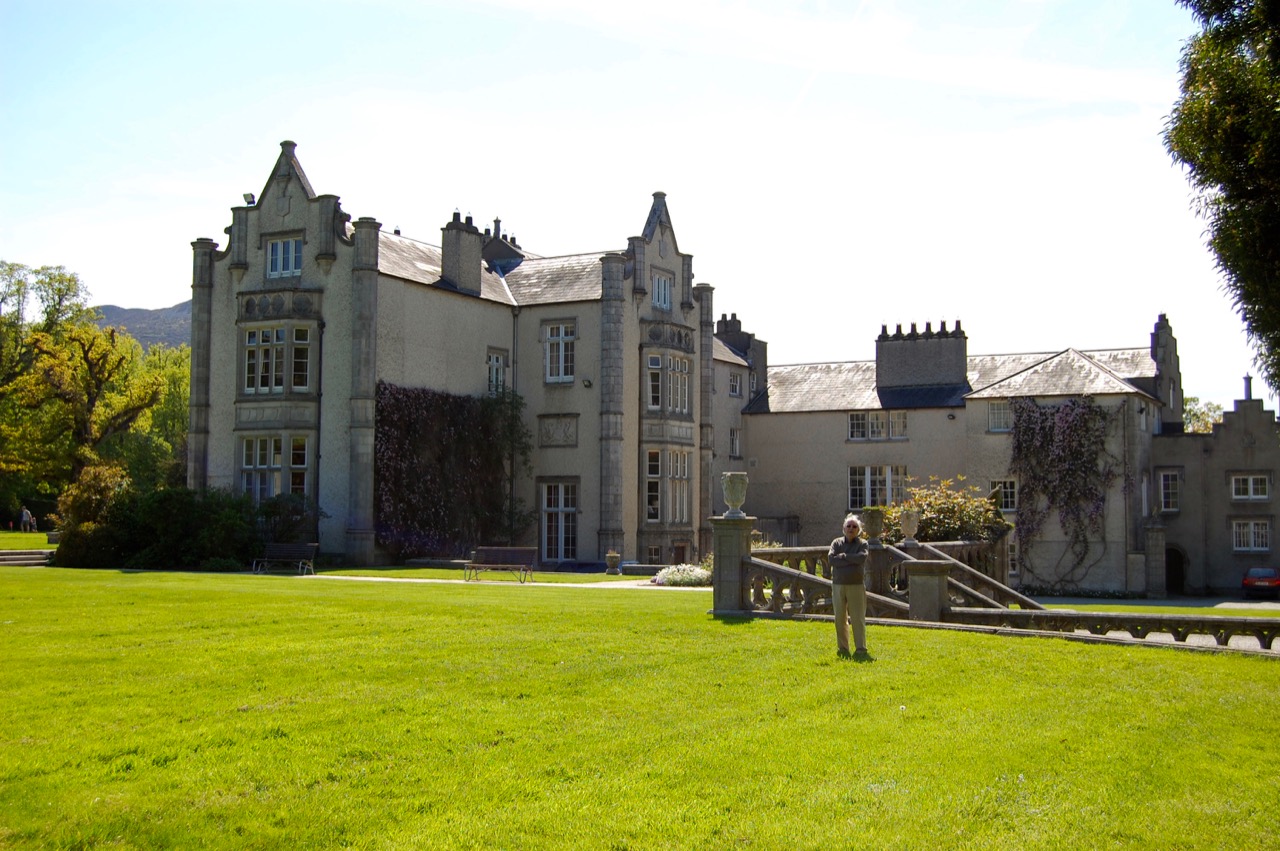
Killruddery House, May 2013Killruddery House, May 2013Edward Brabazon 7th Earl of Meath (1691-1772)
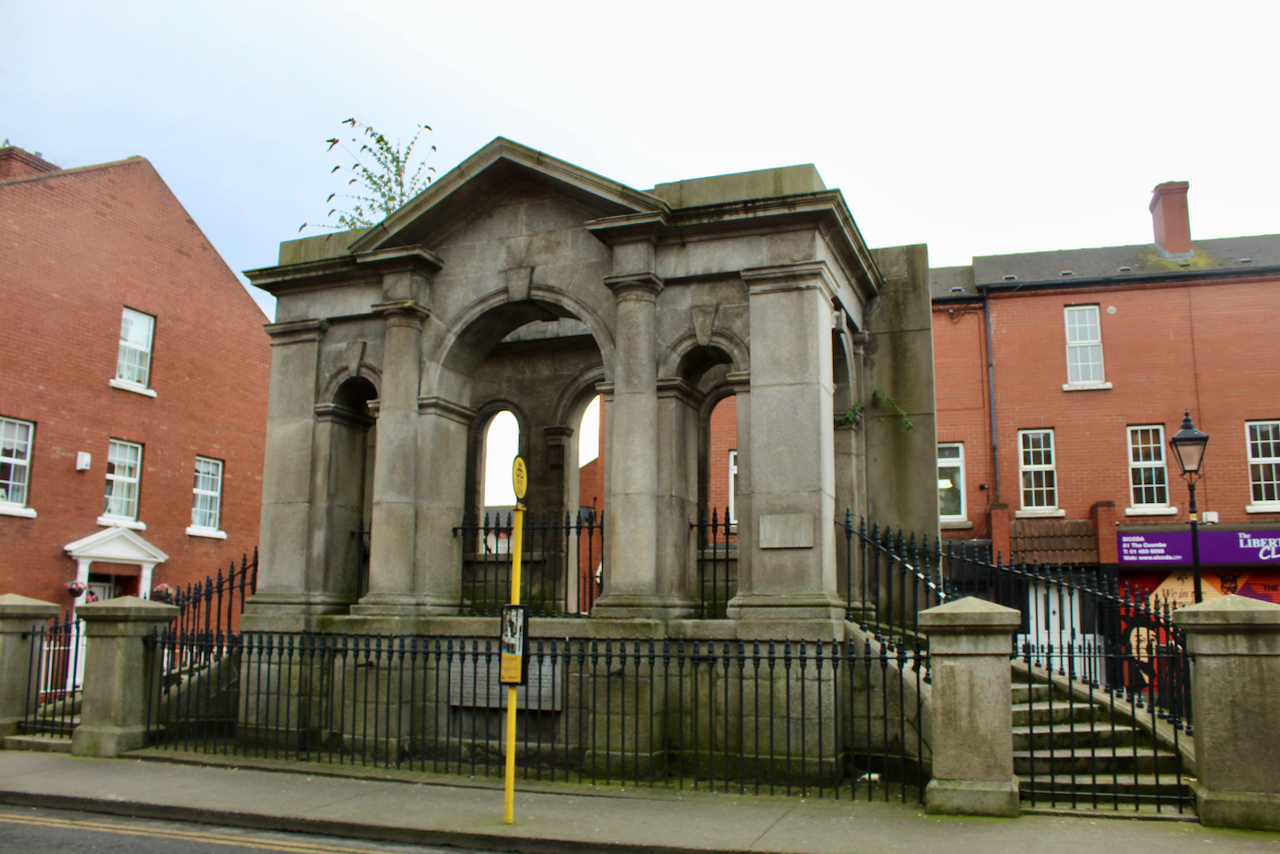
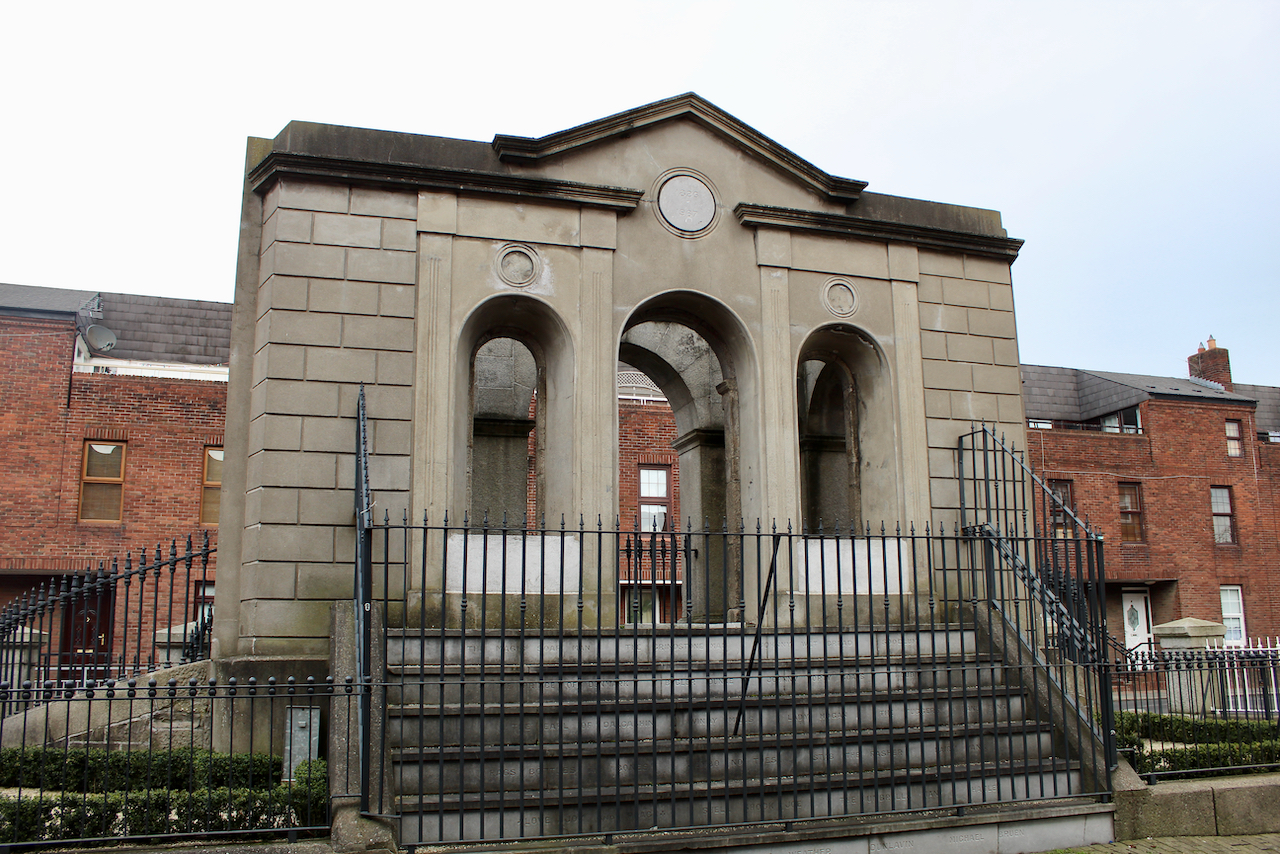
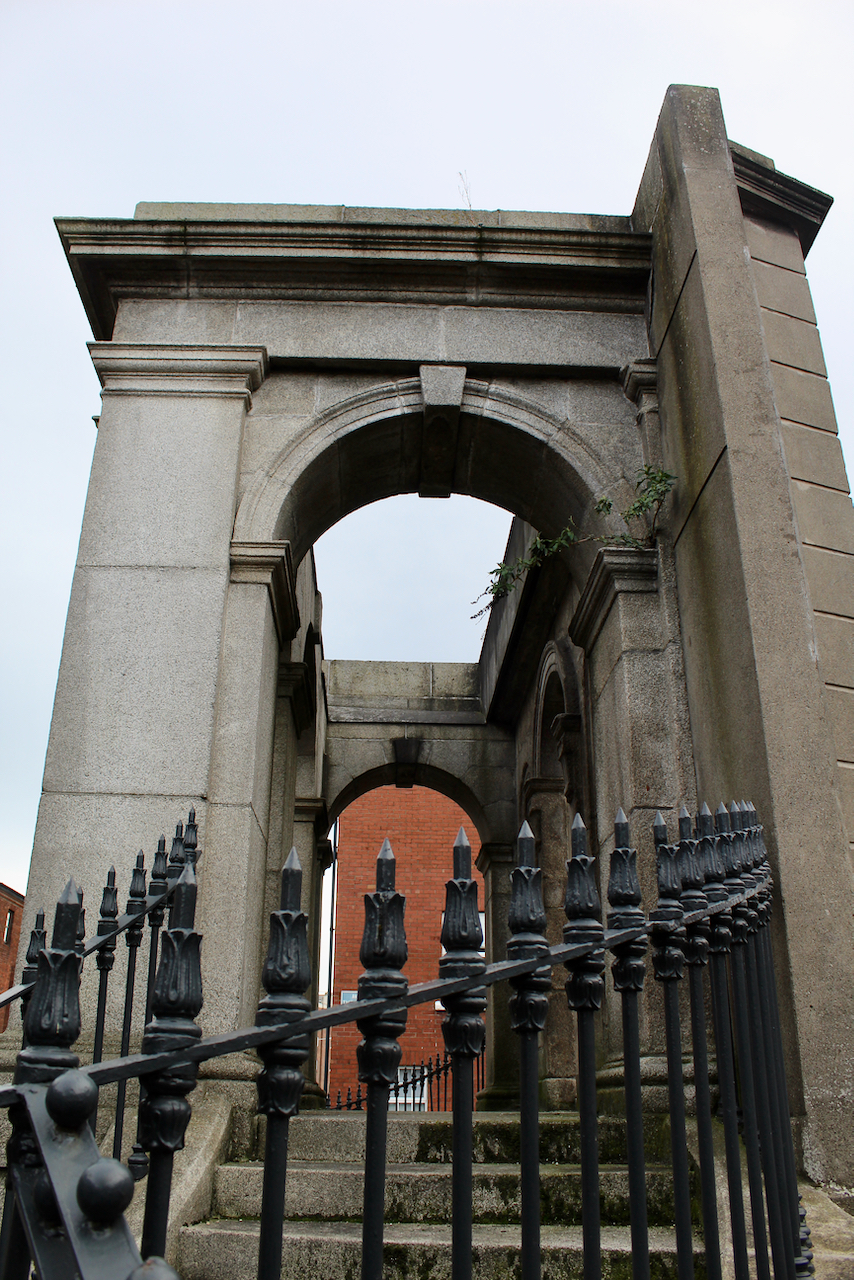
Edward the 7th Earl of Meath served as MP for County Dublin between 1715 and 1760. He too was a Patron for a hospital: originally called, “The Meath Hospital and County Dublin Infirmary,” it was renamed the Coombe Women’s Hospital in 1993. The story of the foundation of the Coombe is written on the remaining entrance portico to the hospital on the road called The Coombe in Dublin.
“Towards the end of the year 1825 two women, whilst making a vain attempt to reach the Rotunda hospital [which was founded originally by Dr. Mosse, whose wife had died in childbirth], perished, together with their new born babies, in the snow. When this became known, a number of benevolent and well-disposed persons founded “The Coombe Lying-In Hospital” in the year 1826, for the relief of poor lying-in women. Leading this committee was a Mrs Margaret Boyle of Upper Baggot Street, Dublin. The portico surrounding this plaque formed the entrance until the year 1967 when the hospital moved to its new location in Dolphin’s Barn.“
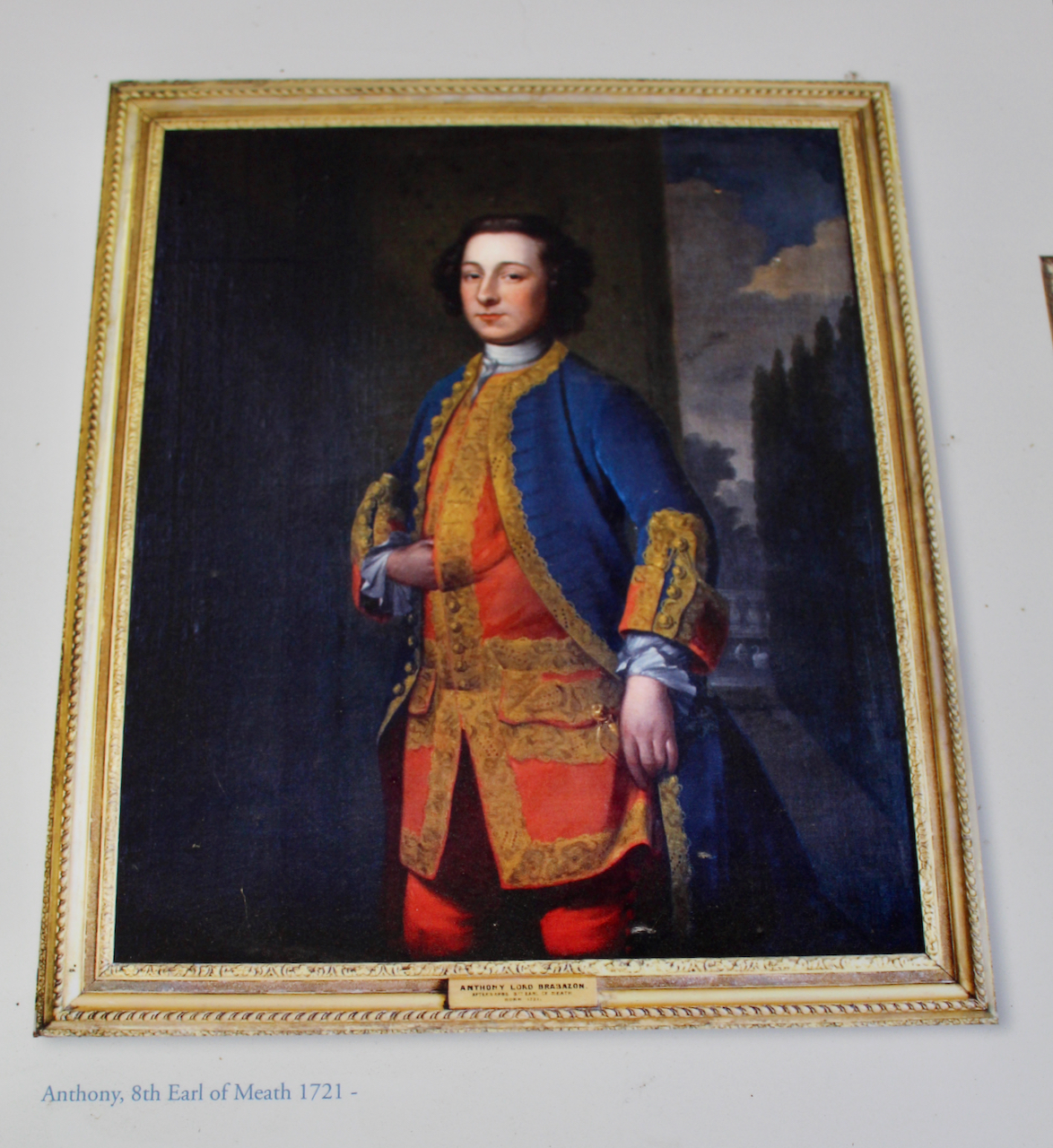
He died in 1772 and was succeeded by his son Anthony as 8th Earl of Meath.
Anthony the 8th Earl served as MP for Wicklow from 1745-1760 and for Dublin in 1761-62. He married Grace Leigh from Rosegarland, County Wexford, in 1758.
Anthony Brabazon 8th Earl of Meath b. 1721
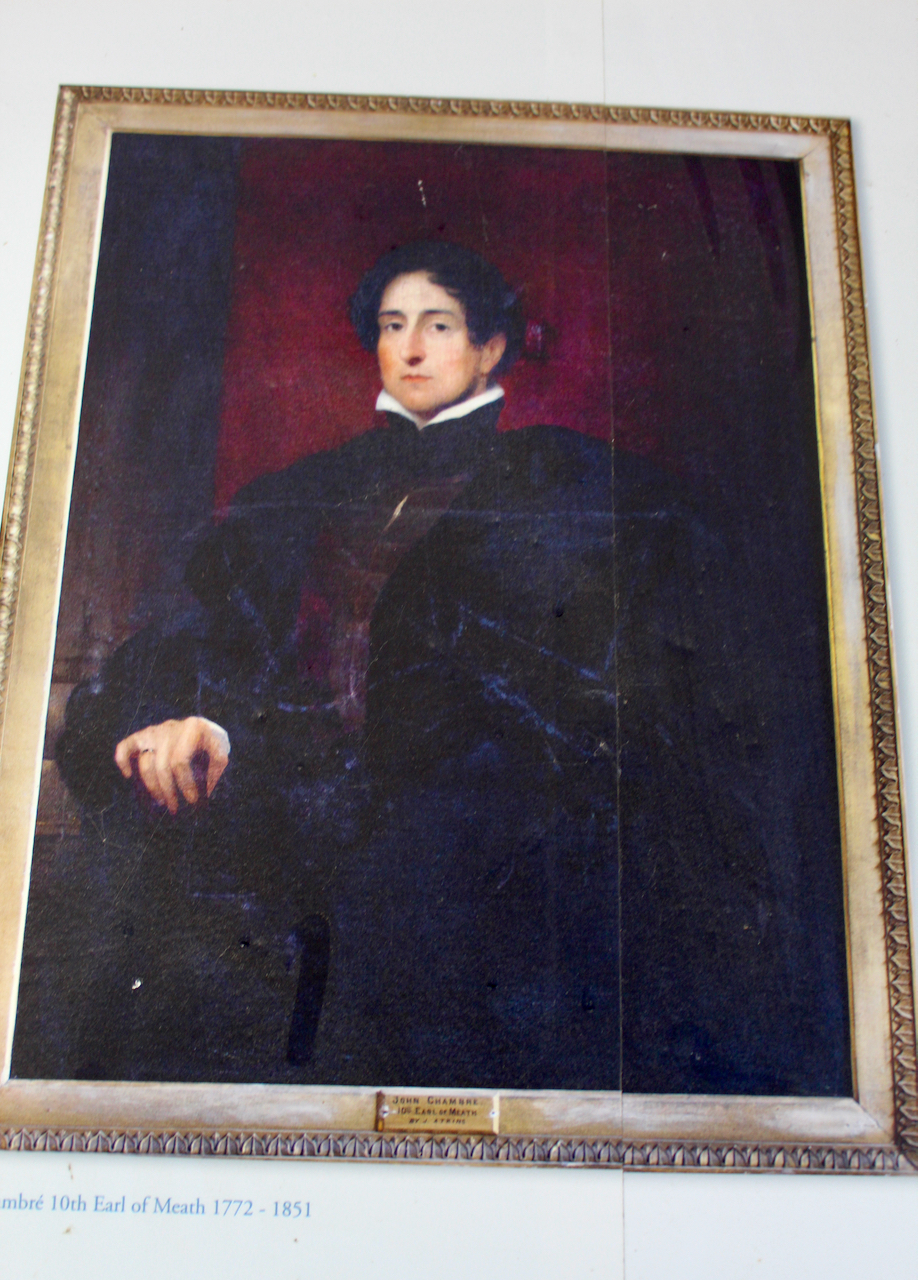
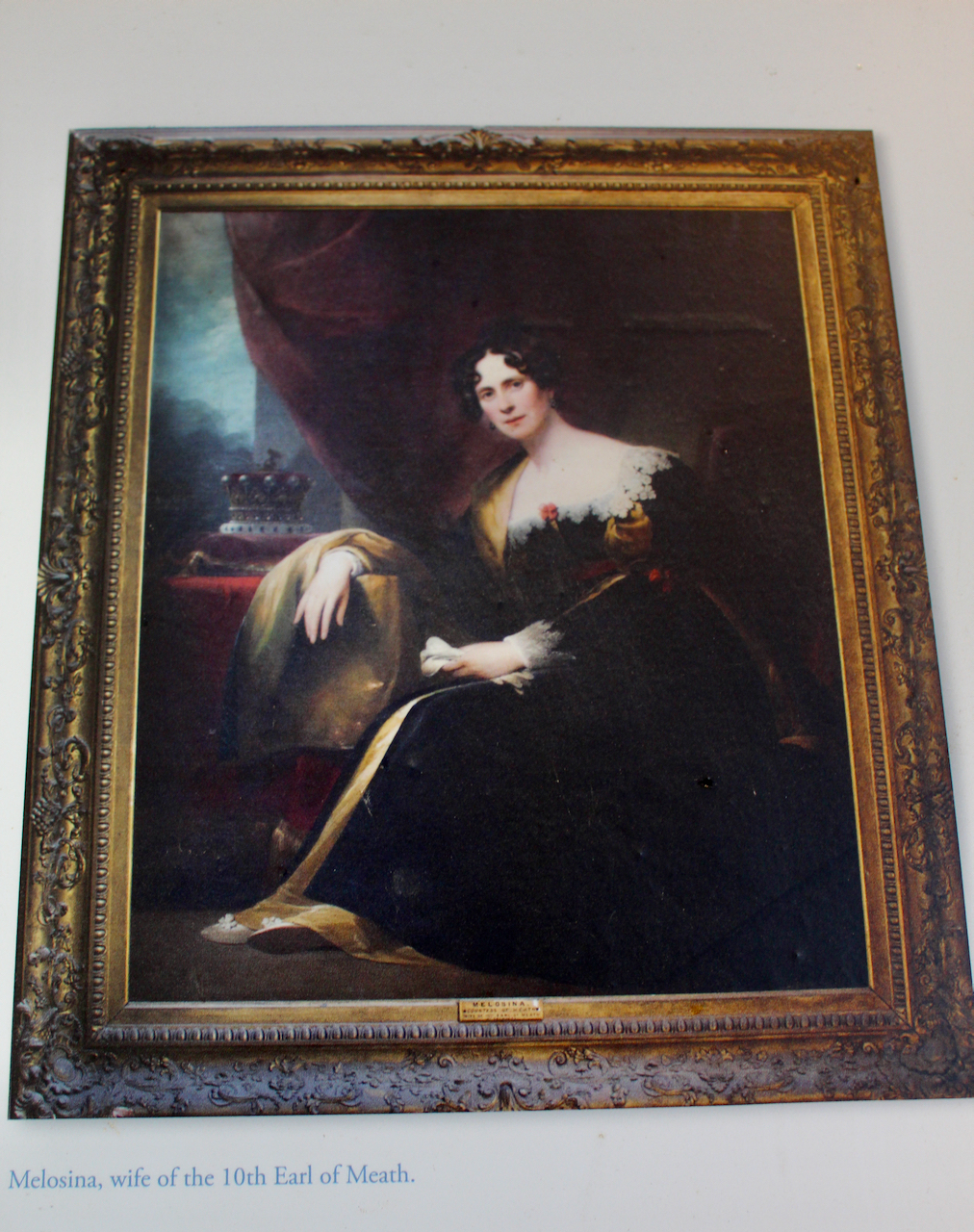
William 9th Earl of Meath died in a fatal duel with Captain Robert Gore of the Mount Kennedy Corps in 1797. He also had served as MP for County Dublin. His brother. John Chambré (1772-1851) succeeded him as the 10th Earl. He held the office of Lord-Lieutenant of County Dublin between 1831 and 1851. He was raised to the Peerage of the UK in 1831 as 1st Baron Chaworth of Eaton Hall, Co. Hereford. He was appointed Privy Councillor of Ireland in 1833. He married Melosina Adelaide Meade, daughter of the 1st Earl of Clanwilliam, County Tipperary.
John Chambé Brabazon 10th Earl of Meath (1772-1851)Melosina Adelaide Meade 1780-1866, wife of 10th Earl.
In 1816-17 the 10th Earl and his wife took the Grand Tour and in Italy ordered marbles and chimneypieces, mostly with the help of Gaspare Gabrielli, a painter who had worked in Ireland decorating the drawing room of Lyons, County Kildare. When they returned to Ireland, the 10th Earl of Meath hired Richard Morrison to redesign the house. Sadly, their eldest son, Jacques, died while on tour, of diphtheria, and is buried in Naples.
William Vitruvius Morrison and his father Richard were Irish architectsin the early 1800s. They also designed Baronscourt in County Tyrone, Ballyfin in County Laois and Fota in Cork. William also designed Clontarf Castle in Dublin, Hollybrooke House in Bray and Mount Stewart in County Down. Montgomery-Massingberd and Sykes write that building work went on for nine years around the resident Lord and Lady Meath, and they moved from one part of the house to another to accommodate the construction.
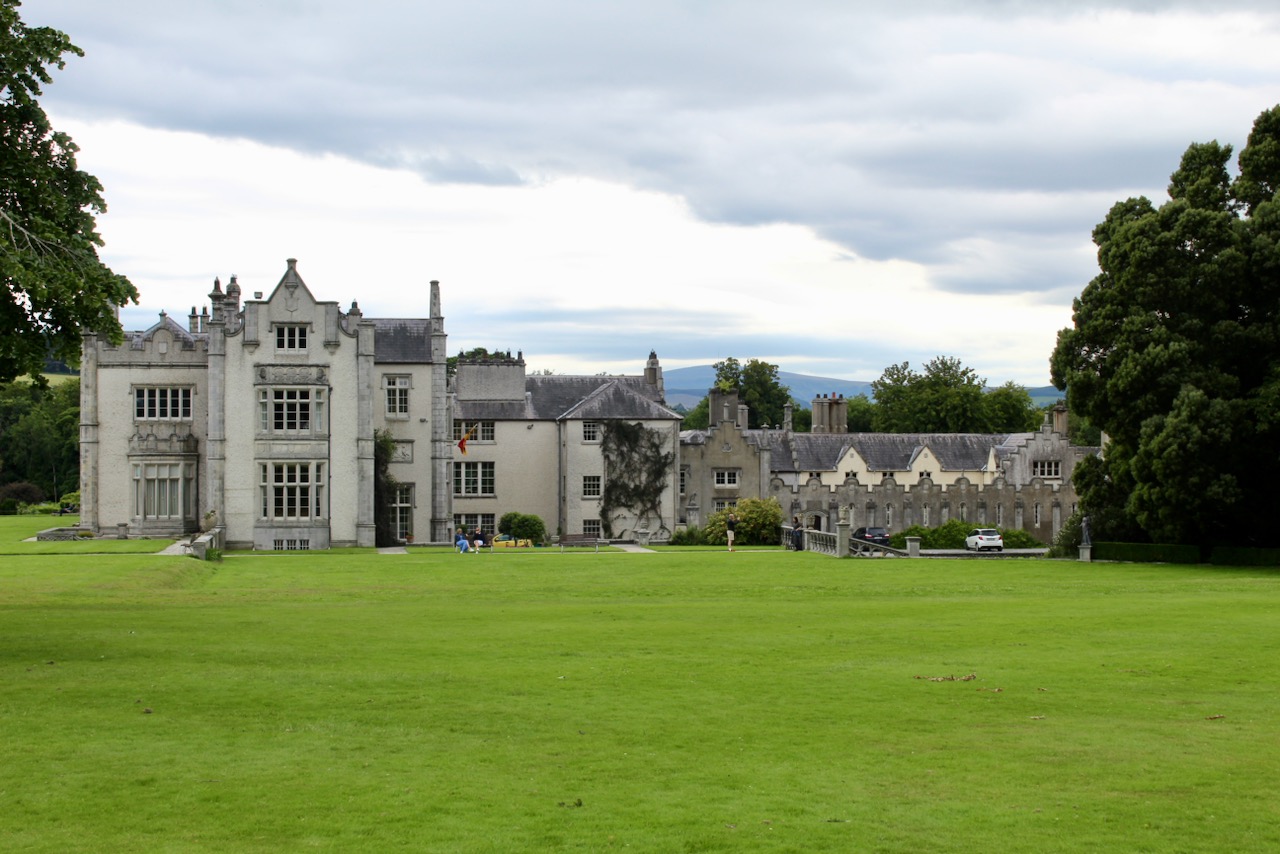
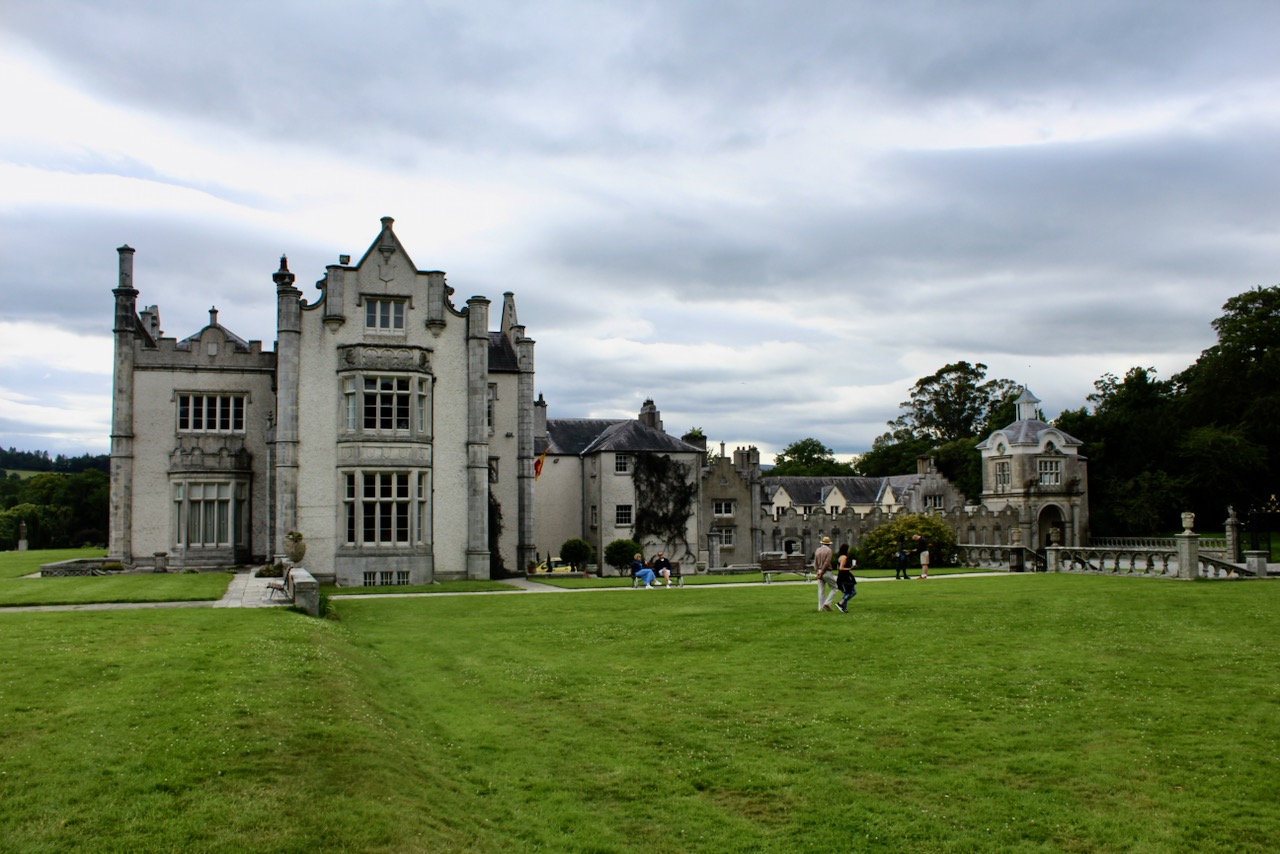
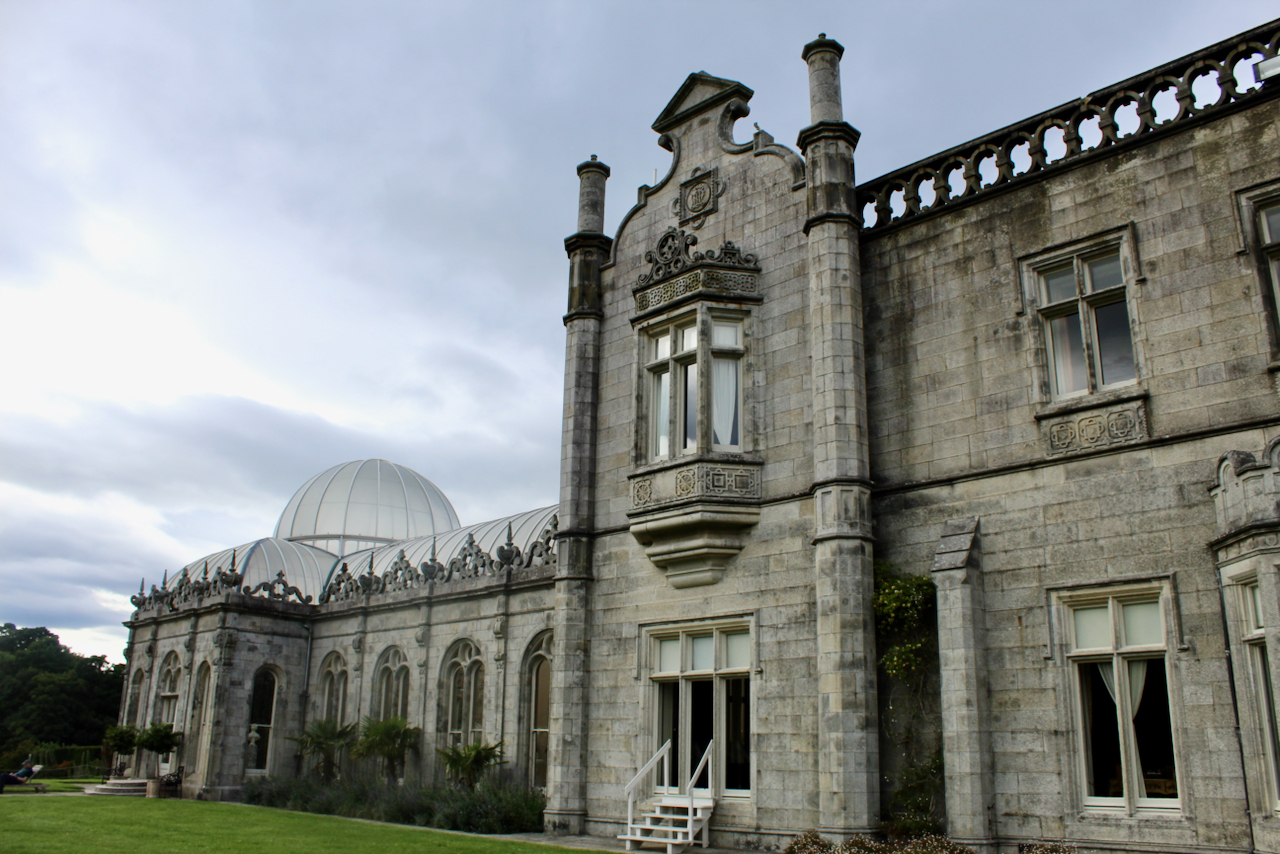
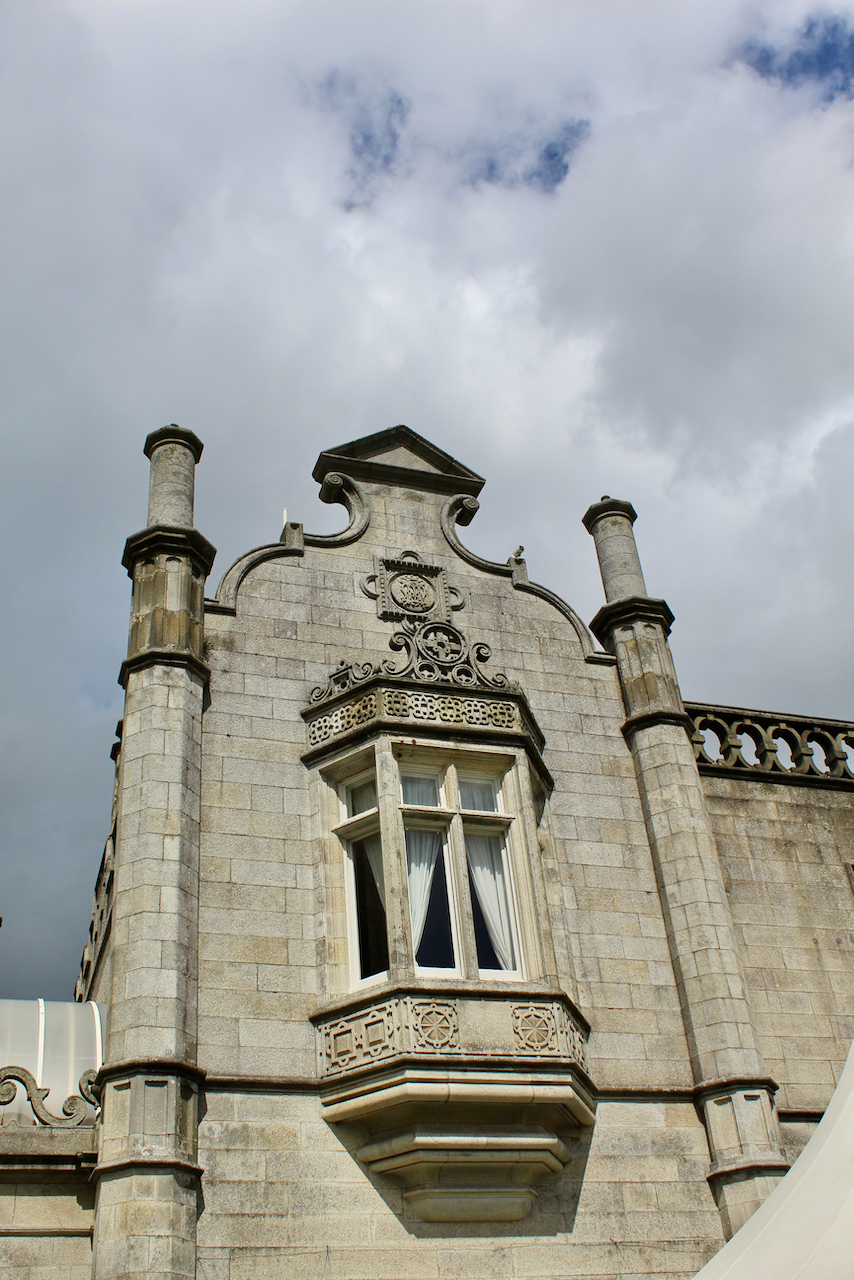
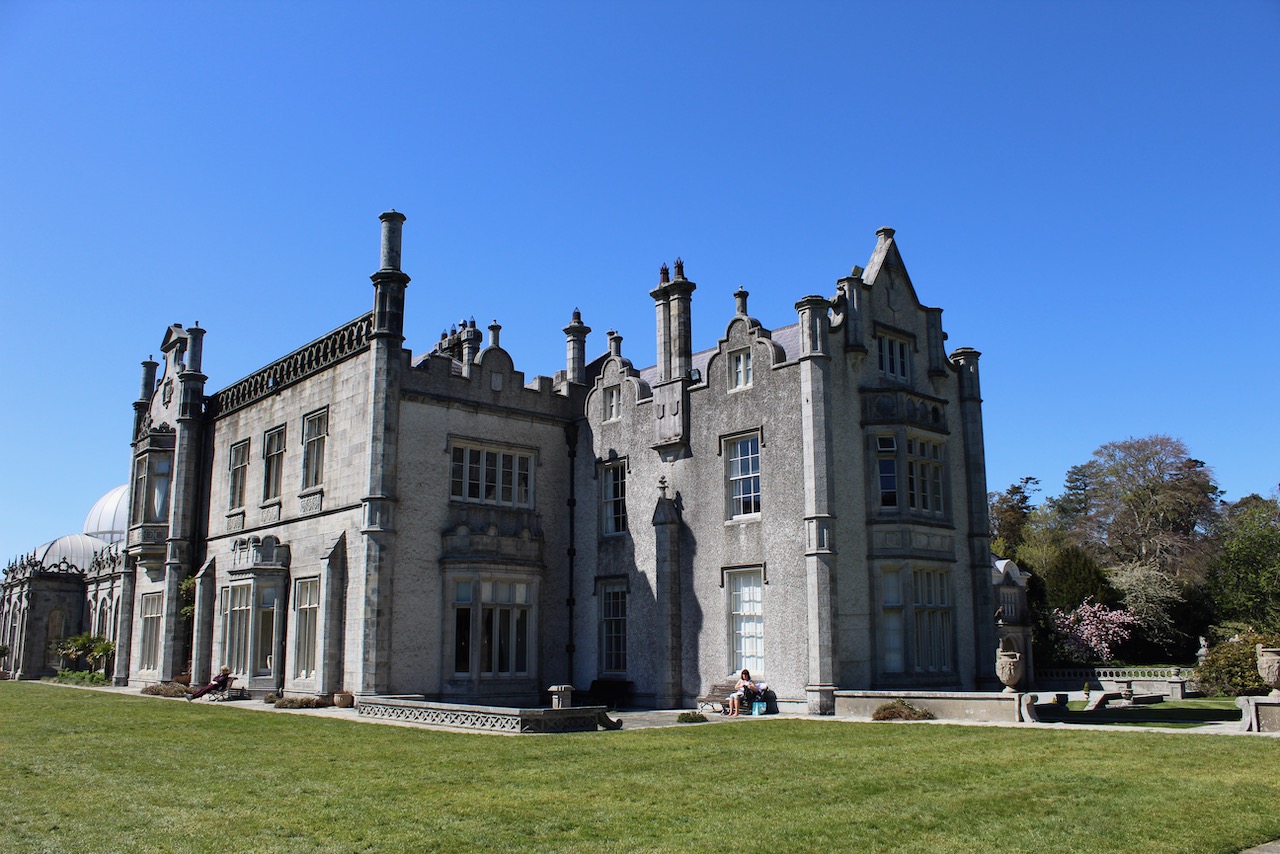
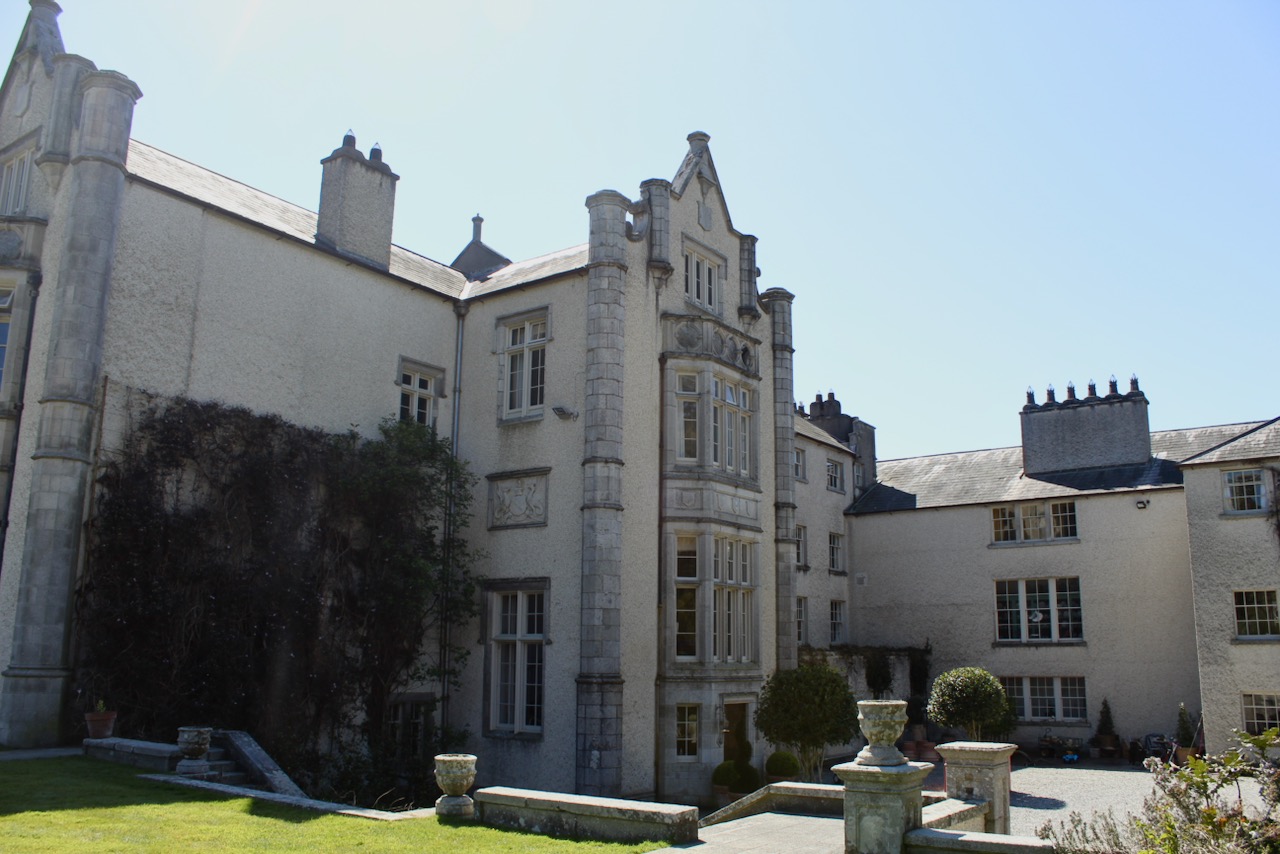
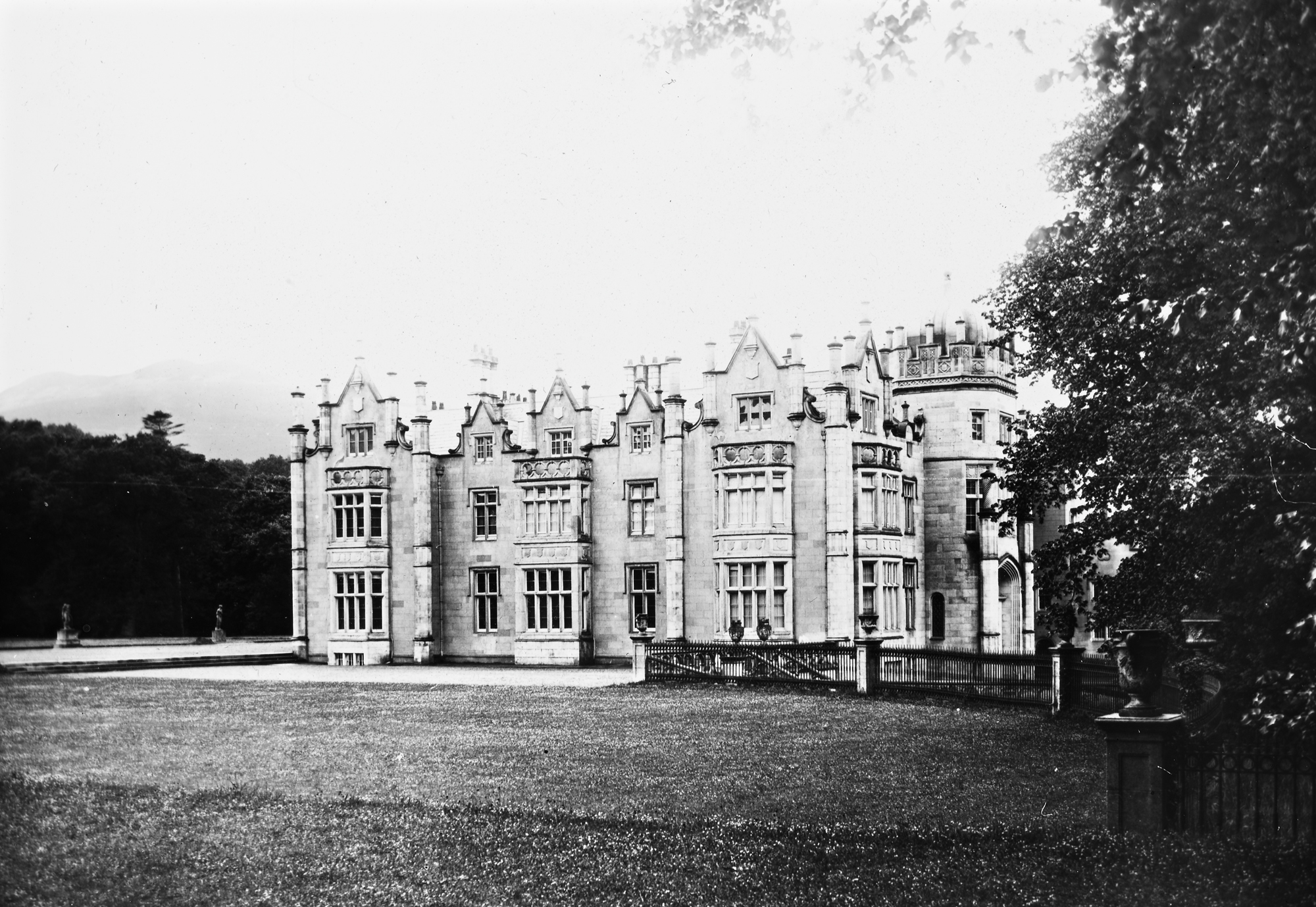
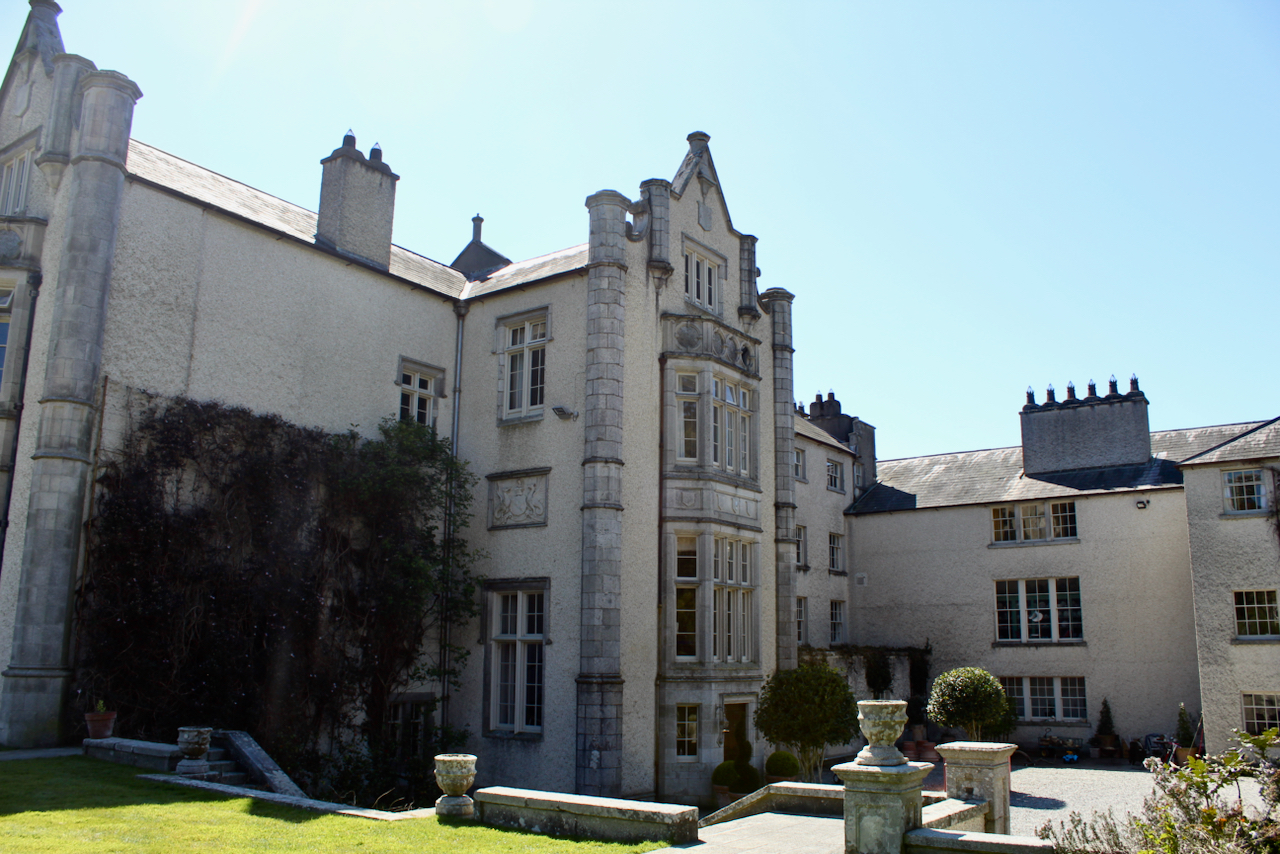
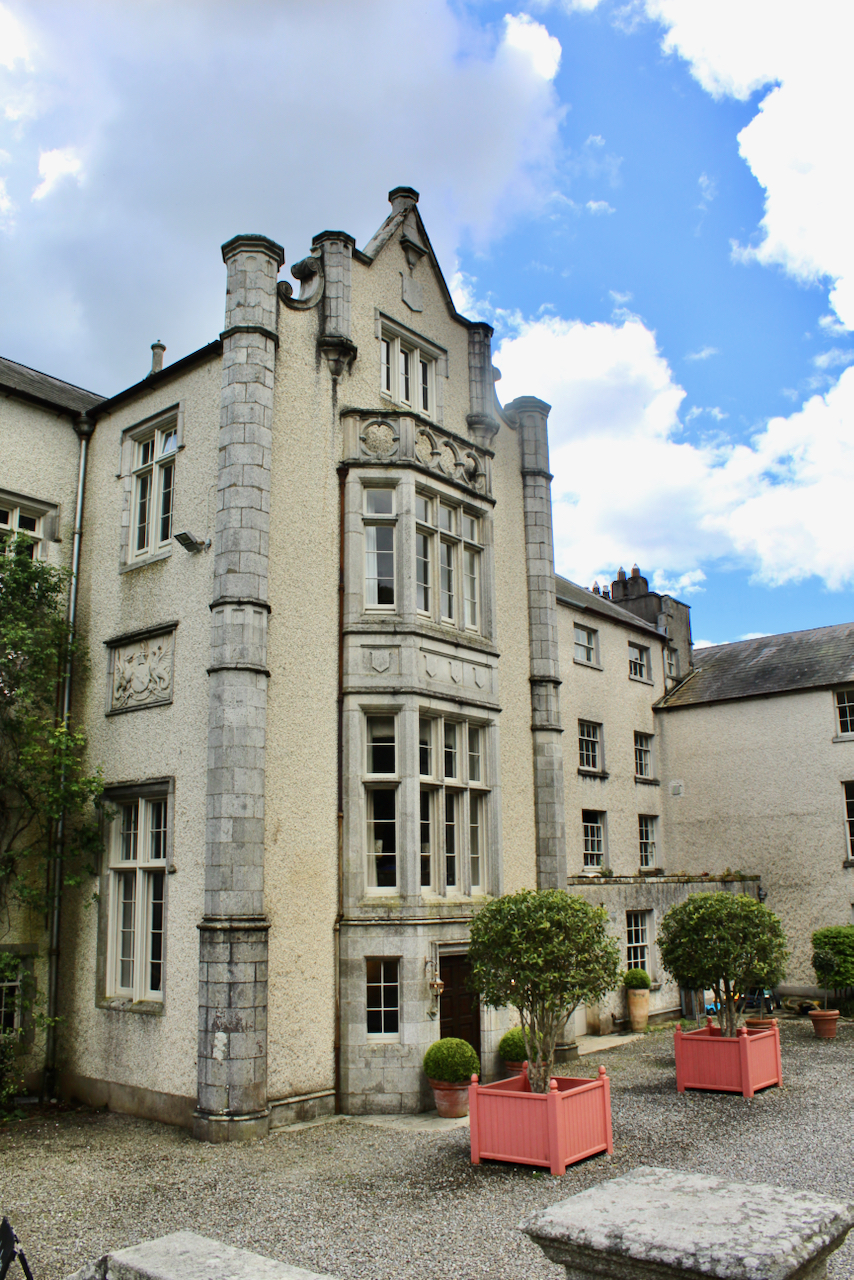
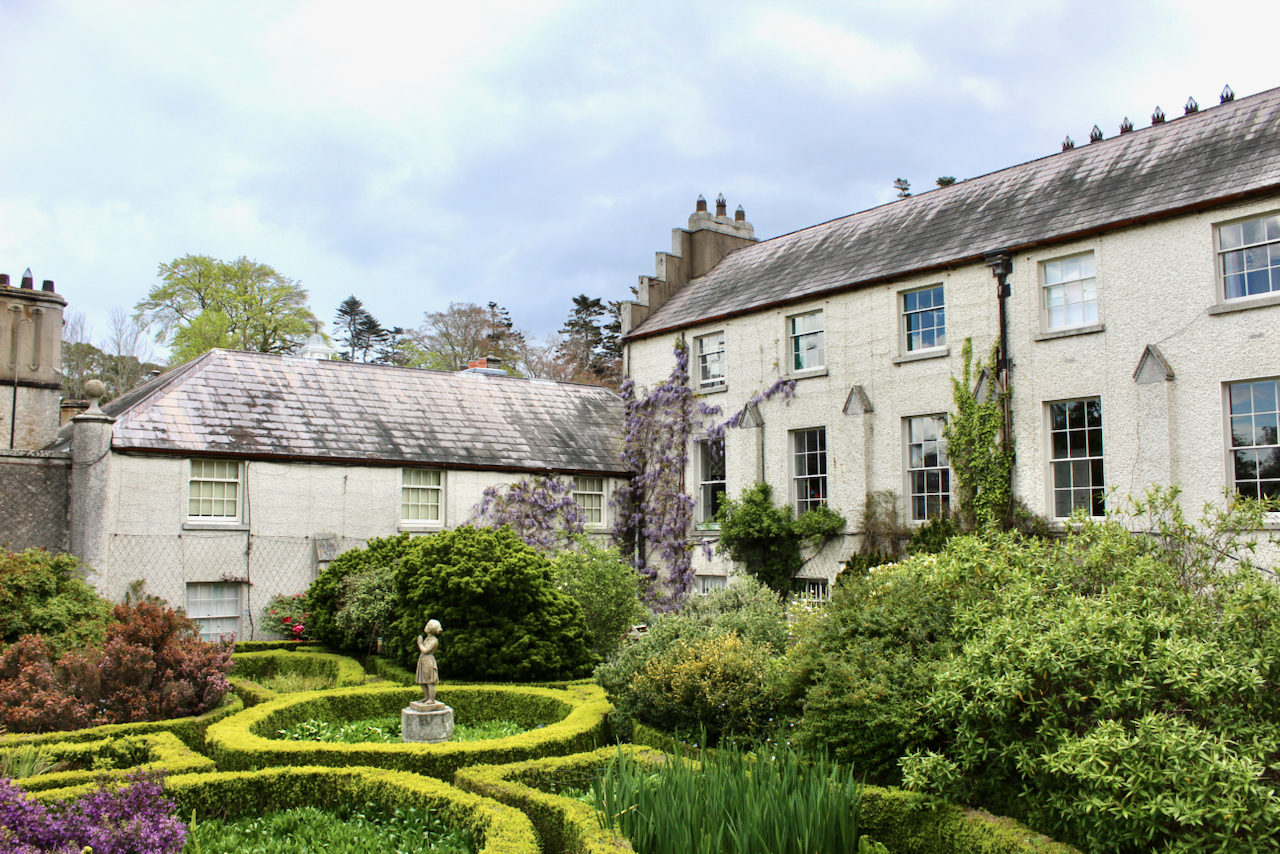
The Morrisons rebuilt the house in Neo-Tudor style. It has multiple gables, balustrades, pepper-pot chimneys and crenellations.
The website tells us: “The 10th Earl carried out an extensive reconstruction of Killruddery House between 1820 and 1830. Architects Richard and William Vitruvius Morrison were instructed to build a Tudor Revival mansion, incorporating the original low-level 17th mansion. The new house took on the shape of an irregular quadrangle, enclosing a central courtyard. The interior still includes elaborate chimney-pieces by Giacinto Micali, crimson silk damask from Spitalfields, stained glass by John Milner, a domed ceiling by Henry Popje and the wonderful drawing room ceiling by Simon Gilligan who worked for Popje. Popje had received an apprenticeship in Stucco work from the Lafranchini brothers.”
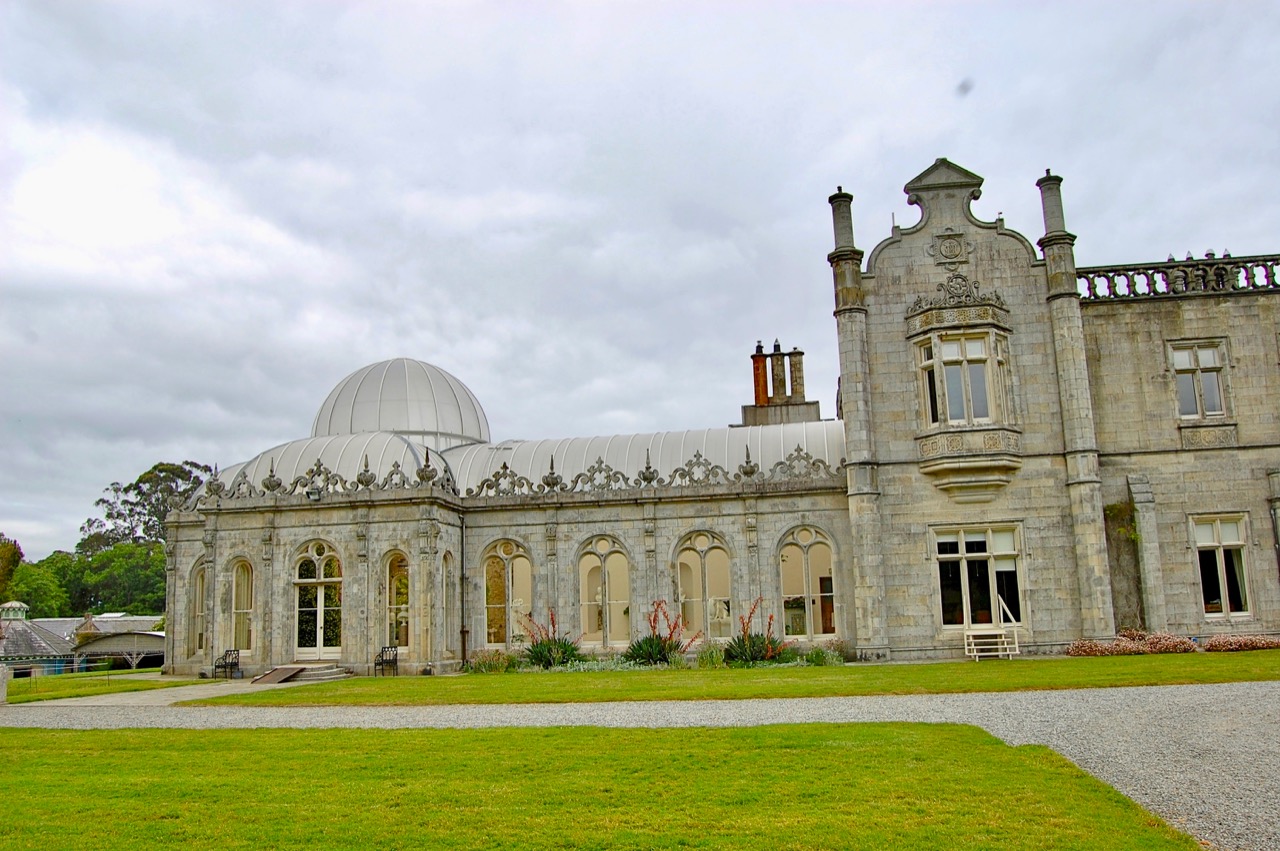
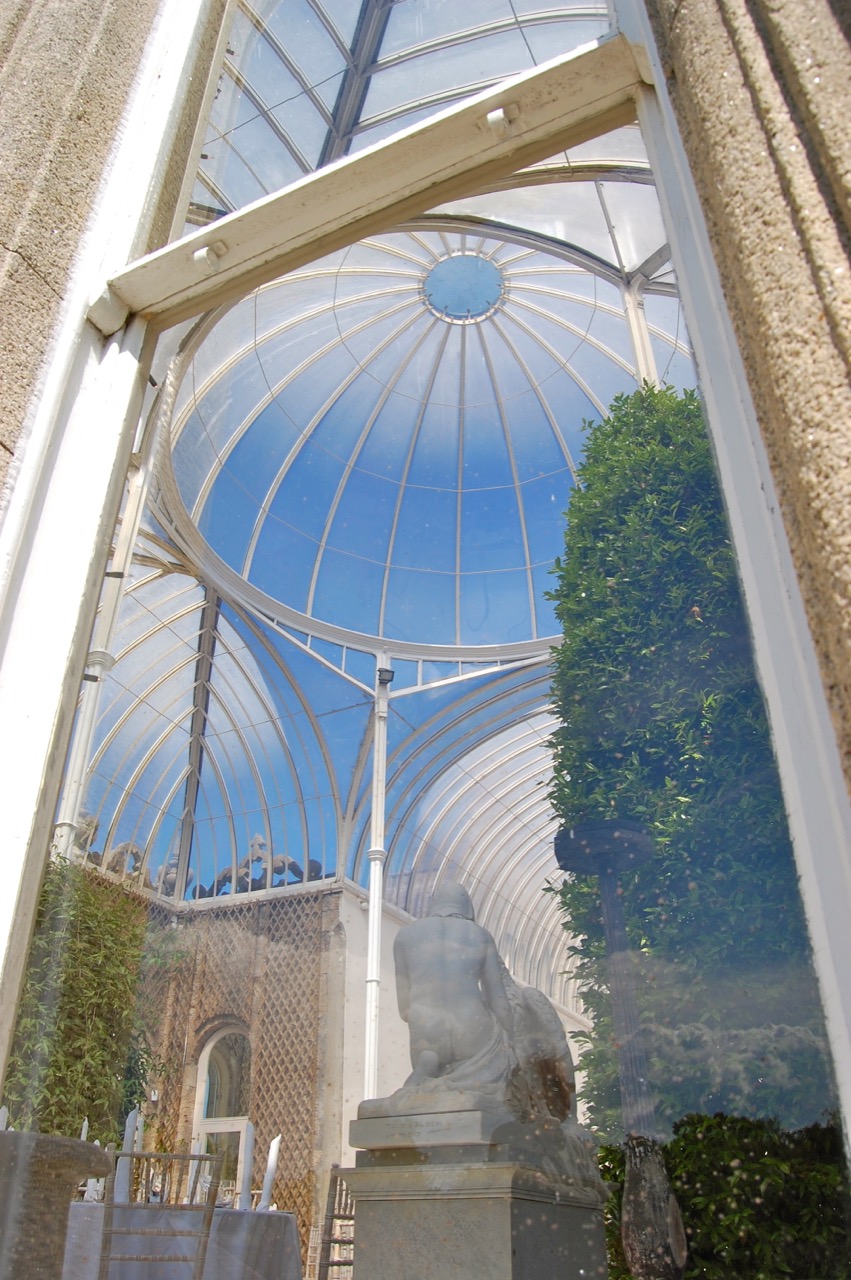
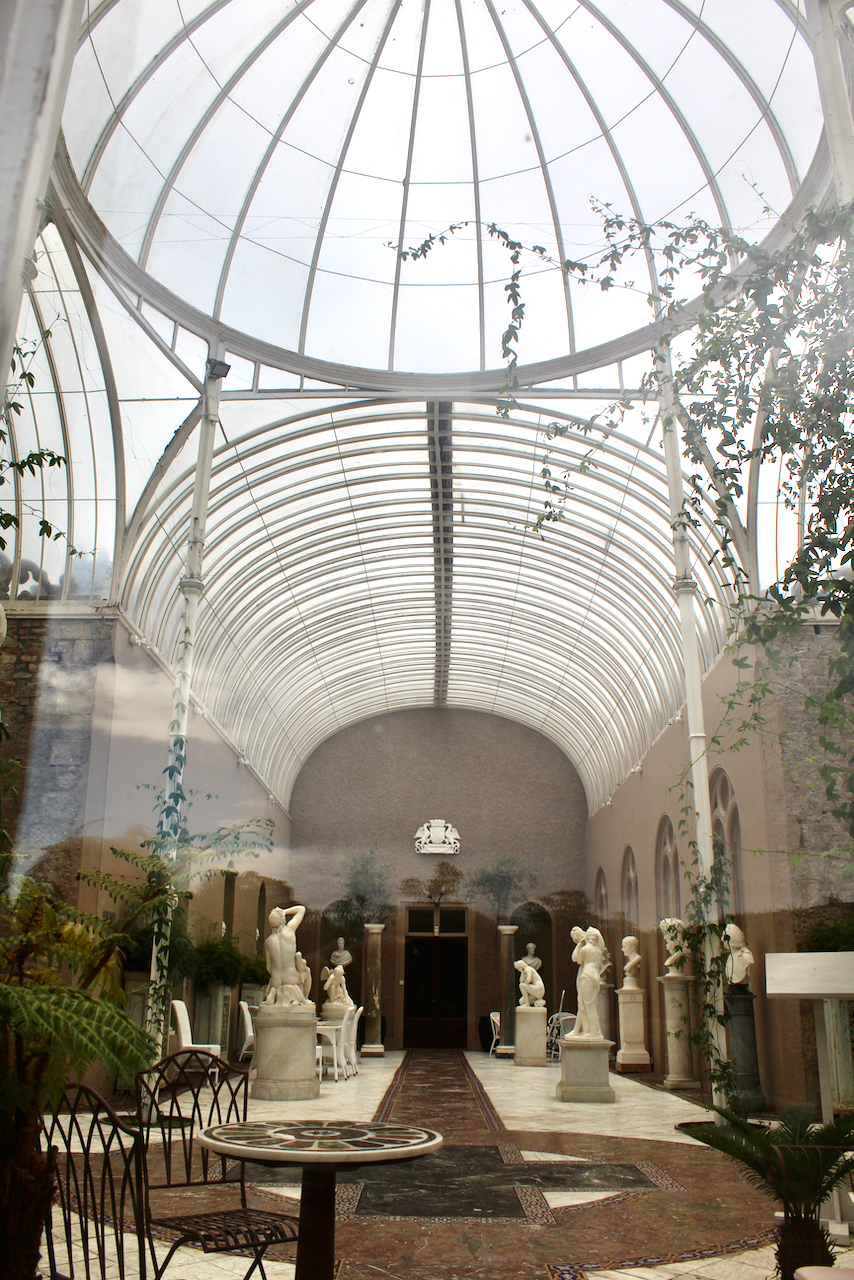
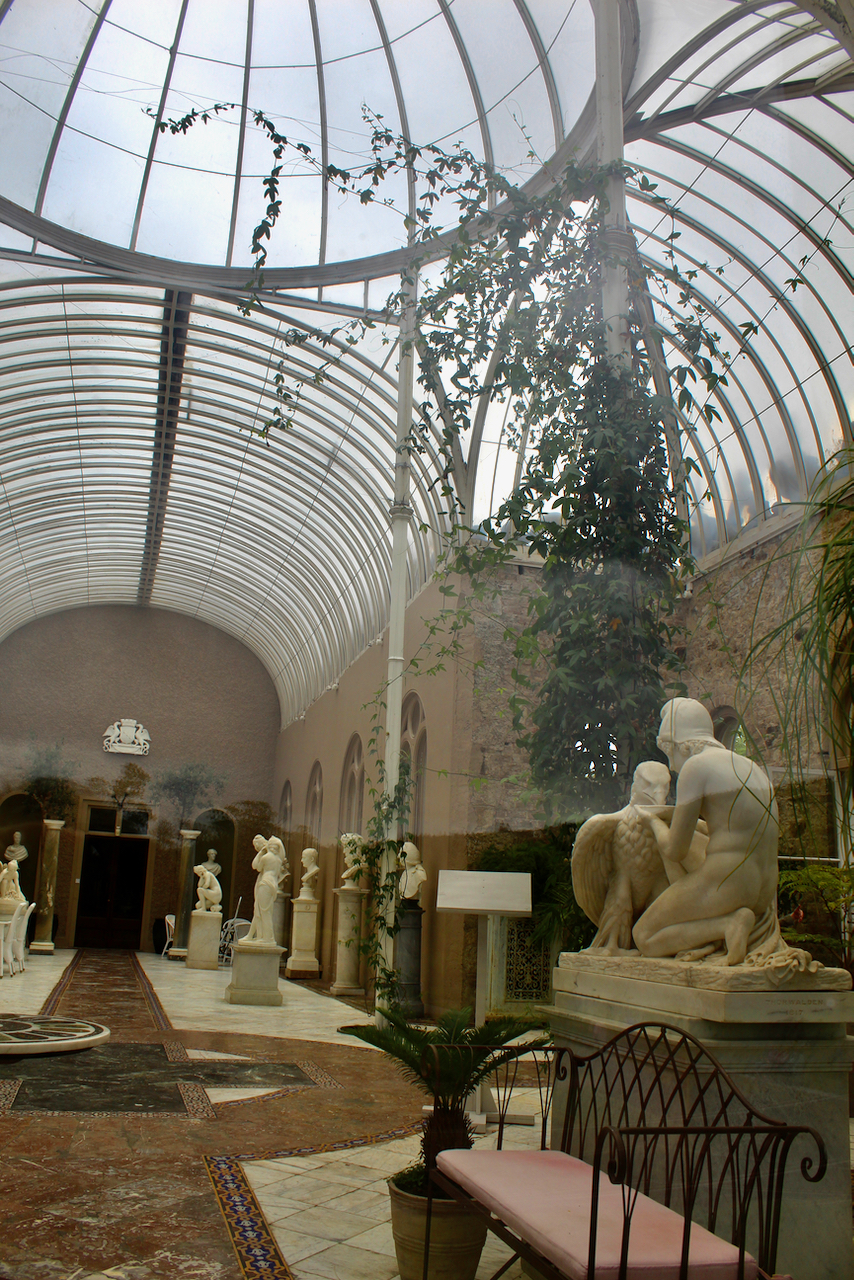
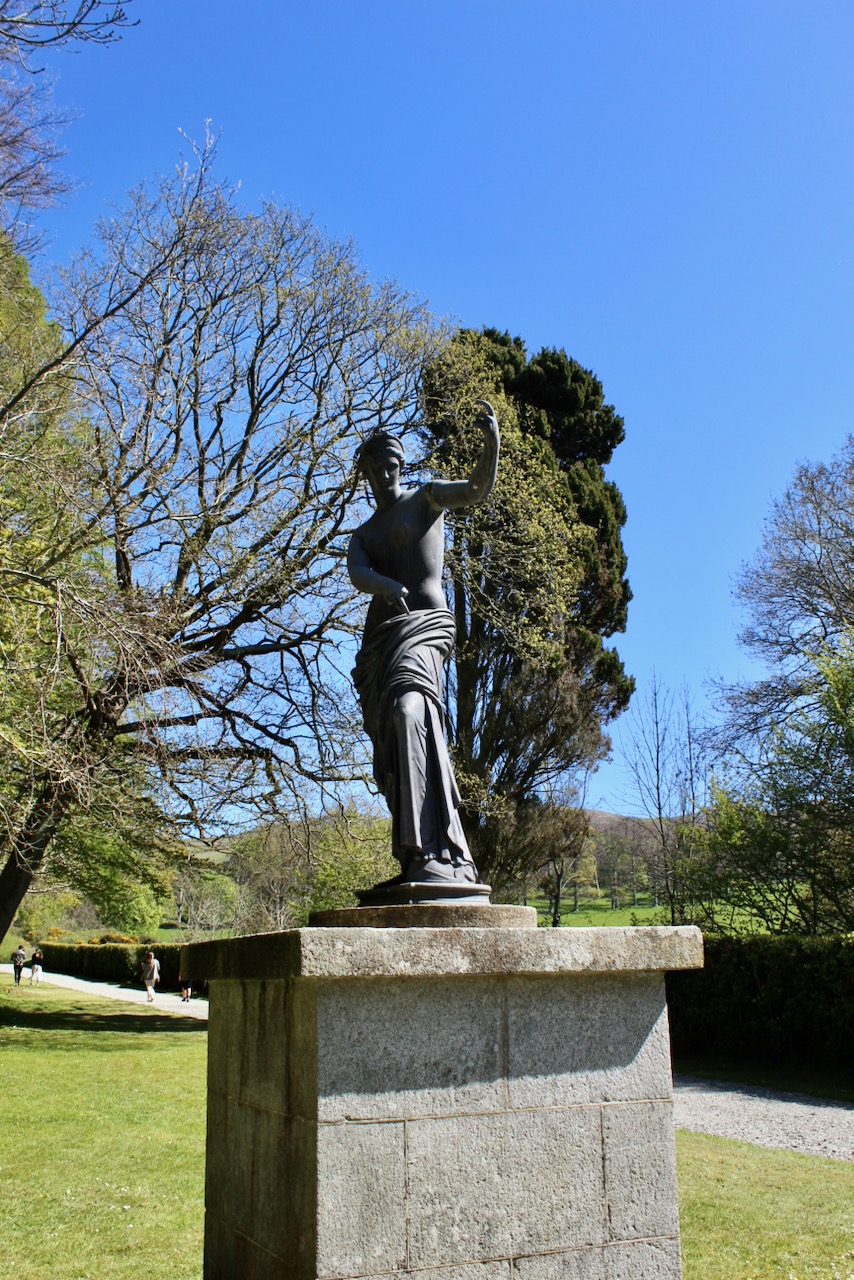
In 1852 the 10th Earl added the Conservatory, or Orangerie, to the design of William Burn. According to the website, the Orangerie was designed and built by William Burn after the fashion of the Crystal Palace in England. The design for the parapet is said to have been based on a tiara belonging to Lady Meath. The original glass dome was the work of Richard Turner who designed the curvilinear range at the National Botanic Gardens in Dublin and at Kew Gardens in London, and also the glass house conservatory which we saw in Rokeby Hall in Louth (another Section 482 property, see my entry). This glass dome has now been replaced as it became unsafe. The Orangery houses a collection of marble statues gathered in Italy in the 1830 – 1850 period by the 10th Earl of Meath. Classical sculptures include Ganymede giving water to Zeus disguised as an eagle; Cyparissus with his dying deer (it is because of Cyparissus who so famously mourned his deer that cypress trees are associated with graveyards); Cupid with Pysche and Venus. Other prominent busts include Homer, Socrates, Napoleon, William Pitt and Wellington. The floor of the Orangerie is made of Italian, Carrera and Connemara marble, and has a Celtic Cross decoration inlay. Decorative iron grillwork around the edges of the floor let in warm steam for hothouse plants.
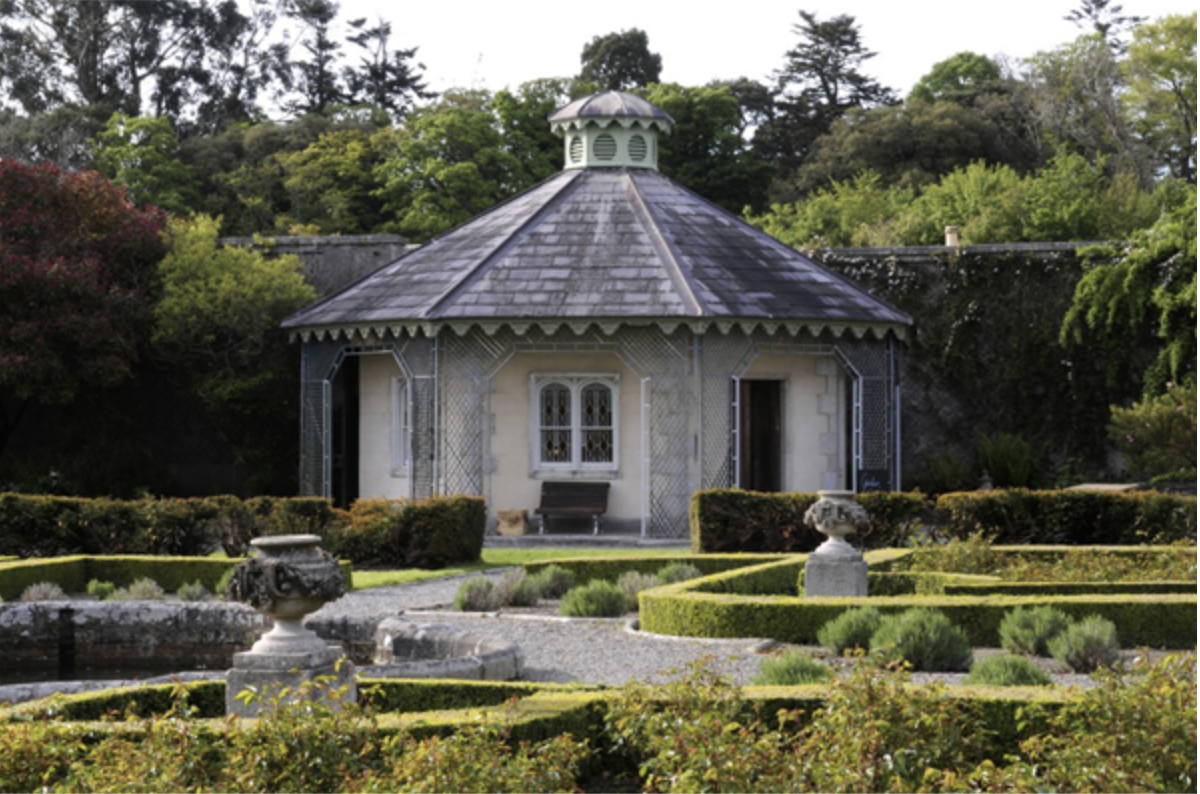
The 10th Earl hired Daniel Robertson to restore the gardens, and to create the parterre, in 1846. A neighbour, George Hodson, designed the ornamental dairy, in the fashionable picturesque style as popularised by Humphrey Repton. The dairy has marble for coolness and stained glass windows to protect from the hot sun.
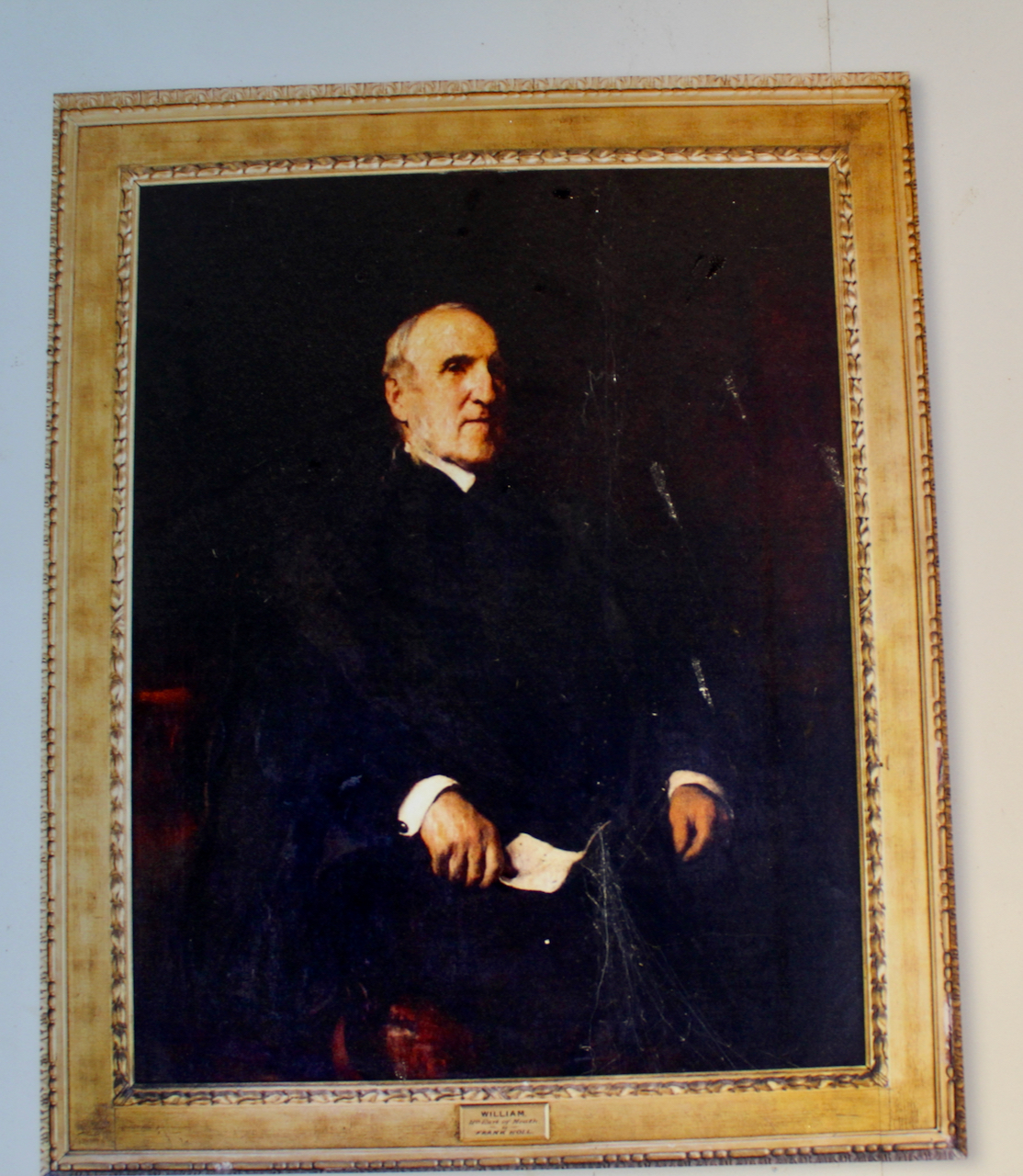
The 10th Earl’s son William (1803-1887) succeeded as 11th Earl in 1851. He married Harriot Brooke, daughter of 6th Baronet Brooke, of Norton Priory, Co. Chester, England. Her portrait, with two of her children, hangs in the Main Staircase Hall of Killruddery, next to a large portrait of her husband. The 11th Earl held the office of Aide-de-Camp to HM Queen Victoria, and he gained the rank of Honorary Colonel in the 5th Battalion, Royal Dublin Fusiliers.
William, 11th Earl of Meath (1803-1887).
His son Reginald (1841-1929) became the 12th Earl of Meath. He served abroad in the British Foreign Office until he retired in 1877. The Dictionary of Irish Biography tells us that in addition to the Wicklow estate, which encompassed 14,717 acres in 1876, he owned 36 acres in the “dilapidated” Coombe district of Dublin city, as well as residences in London (83 Lancaster Gate), Surrey (Chaworth House, Ottershaw, Chertsey), and Co. Wicklow (The Coppice, Rathdrum). By 1921, however, Kilruddery’s expenses exceeded its owner’s entire Irish income and he was on the verge of bankruptcy. [5]
A committed unionist and leading member of the Irish Land Conference, Lord Meath sat in the house of lords as Baron Chaworth (UK). He was largely responsible for the construction in 1907 of the Boer War memorial arch in St Stephen’s Green. The Dictionary of Irish Biography tells us:
“A staunch imperialist, Meath was chairman of the duty and discipline movement, which had more than 4,000 members in 1917. The objectives of the movement were to combat softness, slackness, indifference, and indiscipline in young people, and to give reasonable support to all legitimate authority. Meath’s encouragement of discipline and physical education meant that he was also a strong supporter of national service and Baden-Powell’s scout movement.…Meath was the first president of the Dublin Philanthropic Reform Association, through which he initiated the police-aided clothing scheme to clothe the ‘ragged youth’ of Dublin, and was a founding member and honorary secretary of the Dublin Hospital Sunday movement, a hospital fund which raised about £200,000 between 1874 and 1922. He also founded the Hospital Saturday Fund in 1873 to help working people meet the real expenses of medical care.…From 1898 he served as lieutenant for the county and city of Dublin, JP for the counties of Dublin and Wicklow, DL for the county of Wicklow, and honorary colonel of the 5th battalion, Royal Dublin Fusiliers.…Meath wrote two volumes of reminiscences, Memories of the nineteenth century (1923) and Memories of the twentieth century (1924), as well as several works related to his social and philanthropic work. In 1868 he married Lady Mary Jane Maitland, with whom he had six children. More than half of his income was derived from his wife. He died in London after a week’s illness on 11 October 1929, and was succeeded as 13th earl by his eldest son, Reginald Le Normand Brabazon.“
Due to his philanthropy, several streets in the Liberties in Dublin are named in of the 12th Earl: Reginald Street, Reginald Square and Brabazon Square. He set up a children’s playground in Pimlico, our guide told us, and it is thanks (or no thanks, in my case!) to him that physical education is now part of the school curriculum.
His wife Mary Jane Maitland was also a dedicated philanthropist, and she financed a number of initiatives including Dublin Artisans’ Dwellings. She also set up a trust for those who suffered epilepsy, because at that time, people who suffered epilepsy were often put into psychiatric asylums. This trust continues today, the Brabazon Trust.
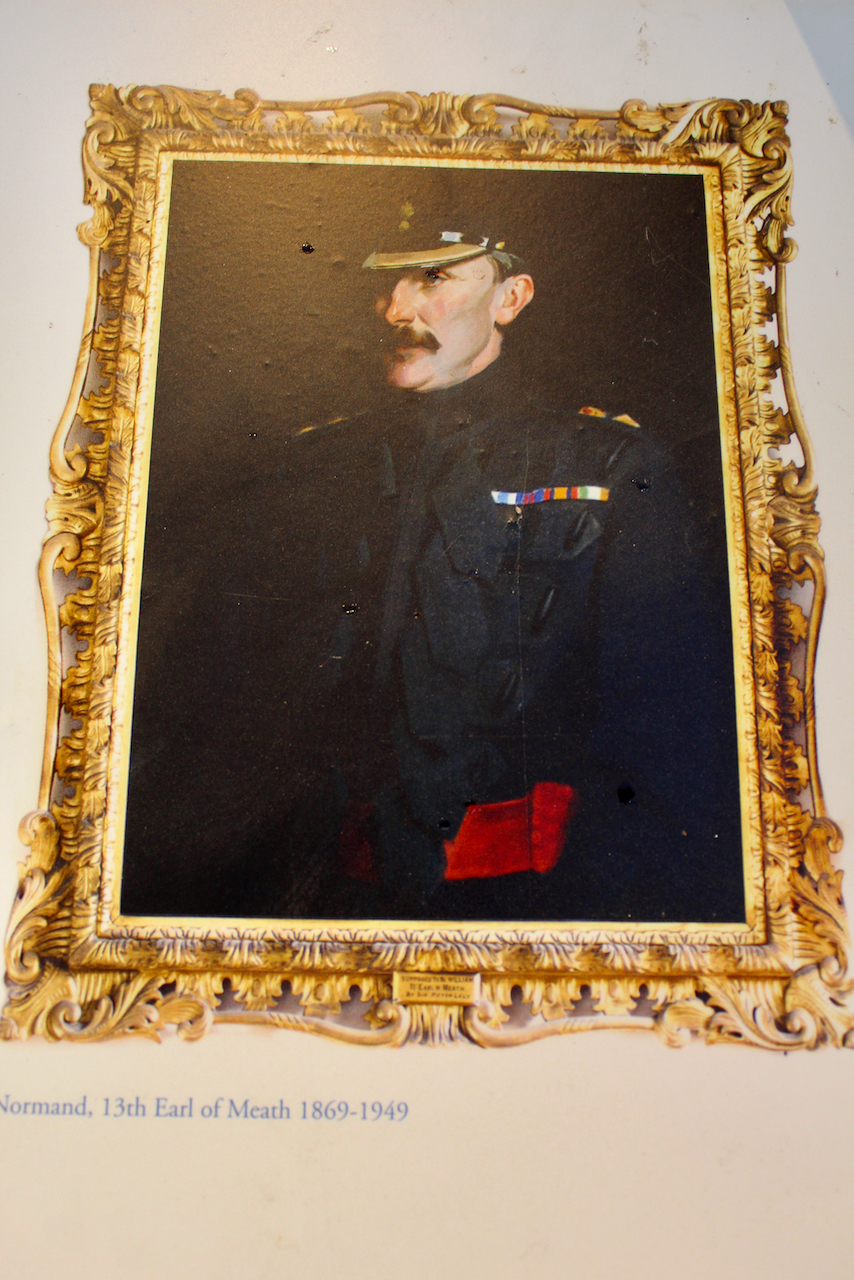
Normand Brabazon 13th Earl of Meath (1869-1949)
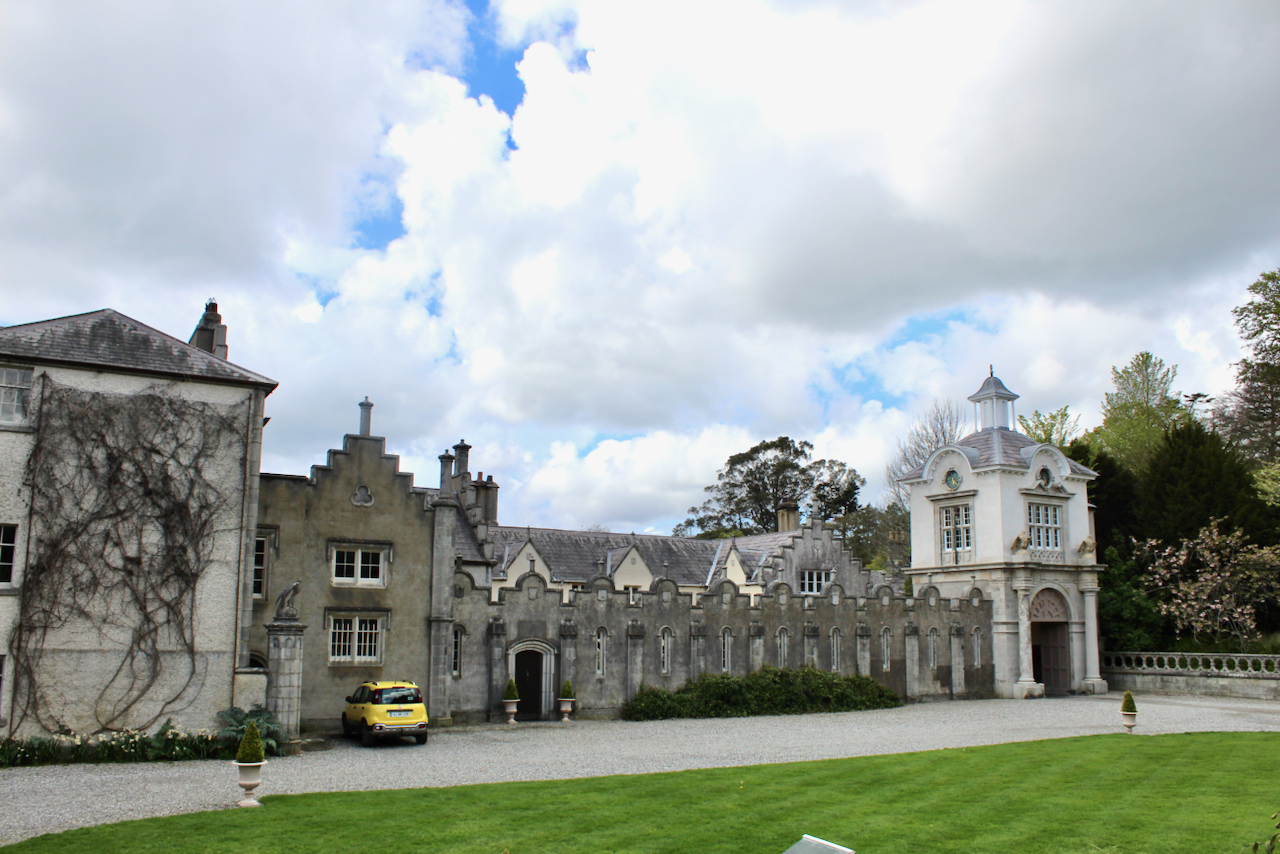
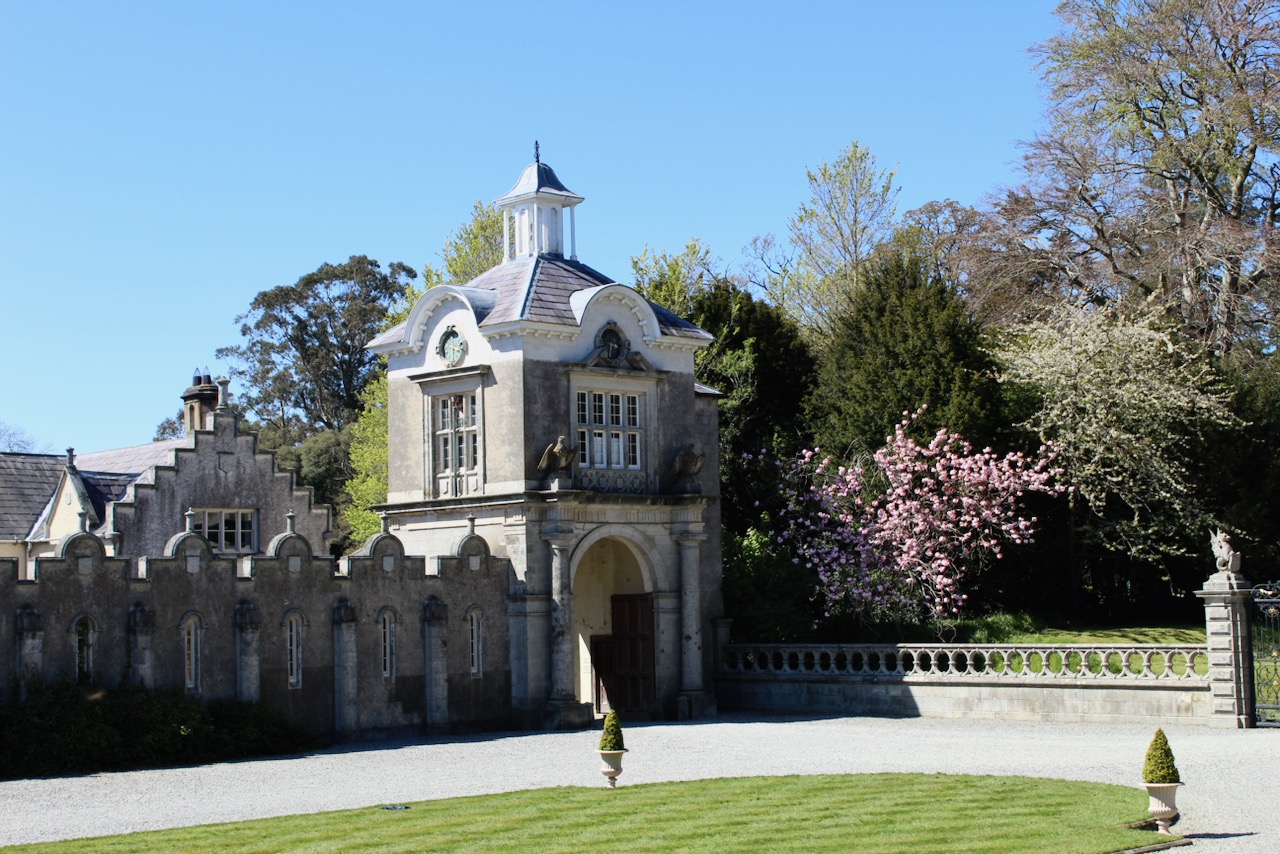
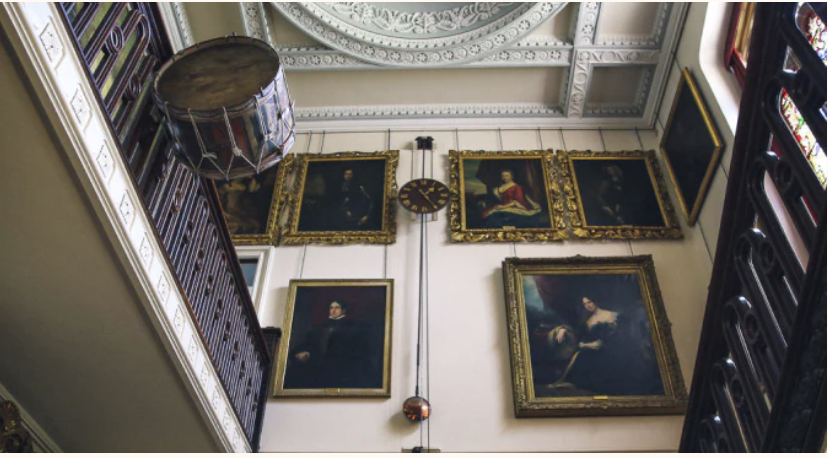
The 13th Earl fought in the Boer War and in World War I. He married Aileen May Wyndham-Quin of Adare Manor in County Limerick. He studied the art of clocks, and created the water-run clock in the clock tower, which was originally the carriage entrance, and the clock that hangs in the staircase hall, charmingly created from a copper bedwarming pan, a copper lid from a ktichen dish, and bicycle chains. The face of the clock is an old table.
The 14th Earl of Meath, John Anthony Brabazon (b. 1941), joined the Grenadier Guards. It was in his time that the house was found to be full of dry rot, and he and his wife made the difficult decision to demolish part of the house, under the guidance of the architect Claude Phillimore. A third of the house was demolished and a new formal entrance was constructed. The same materials were used in the reconstruction – the material was numbered before demolition! Although in the 1950s the house was reduced in size, a great deal of Morrisons’ design remains.
Mark Bence-Jones describes the house reduction in more detail: “…by demolishing the entrance front and all of the adjoining front except for one of the gabled projections. A new and simplified entrance was built on the same axis as its predecessor, but standing further back; the entrance being by way of a vestibule with a curving stone stair directly into the staircase hall, where one of the upper ramps of the staircase was replaced by a gallery providing communication between 1st floor rooms on either side. The library, in the surviving projection of the adjoining front, which has handsome C18 bookcases recessed in alcoves, was given a new ceiling of Caroline style plasterwork. The smaller drawing room became the dining room, the original dining room, along with the entrance hall and great hall, being among the rooms demolished.” [6]
Here is Mark Bence-Jones’s description of Killruddery:
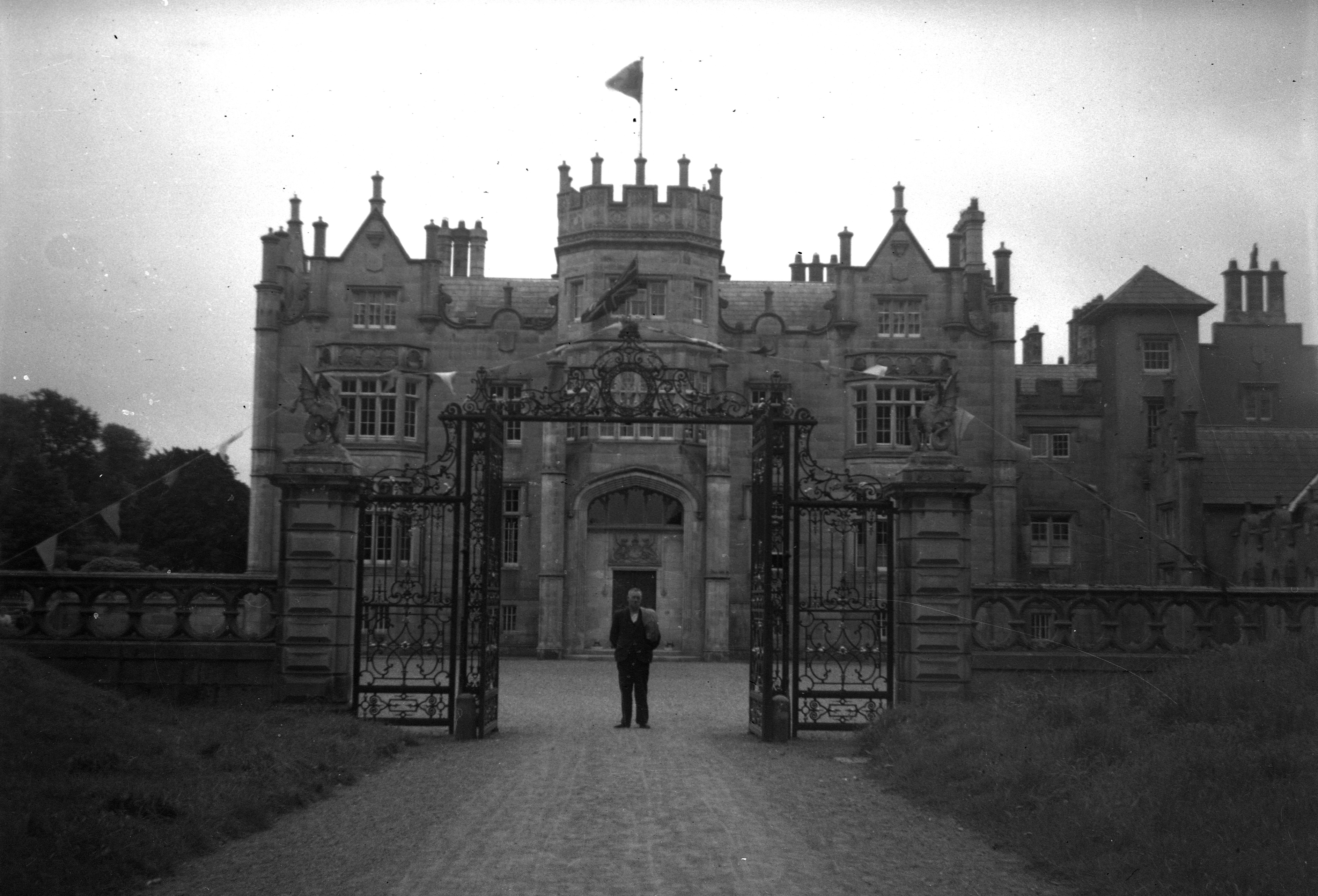
p. 171. “The most successful Elizabethan-Revival mansion in Ireland, and also one of the earliest, having been started 1820; built for 10th Earlof Meath to the design of Sir Richard Morrison; incorporating a C17 house with plain C18 additions. Three principal fronts, with pointed and curvilinear gables, pinnacles and oriels. Symmetrical entrance front with central polygonal battlemented tower; forecourt with wrought-iron gates, flanked by gabled office range...”
Next Bence-Jones discusses the interior: “Entrance hall with segmental-pointed plaster barrel-vaulted ceiling; straight flight of oak stairs up to level of principal rooms.“
The Killruddery website tells us that inside the door on the right hand wall is the coat of arms of Sir Edward Brabazon, dated 1586. Above the door is the coat of arms of the 4th Earl of Meath. This has a five point tiara, which symbolises the status of an Earl, and shamrocks indicate that it is an Irish title. The motto is Vota Vita Mea, meaning “My Life is Service.” The stairs lead to a small domed lobby, which has niches for the china that one of the daughters of the house, Kathleen (1850-1930), who never married, collected, and a huge decorative Roman candle sconce and gilded Viennese ceiling lamp. From there, one enters the impressive staircase hall. Originall the china was held in a specially designed China Room, but this was one of the demolished rooms.
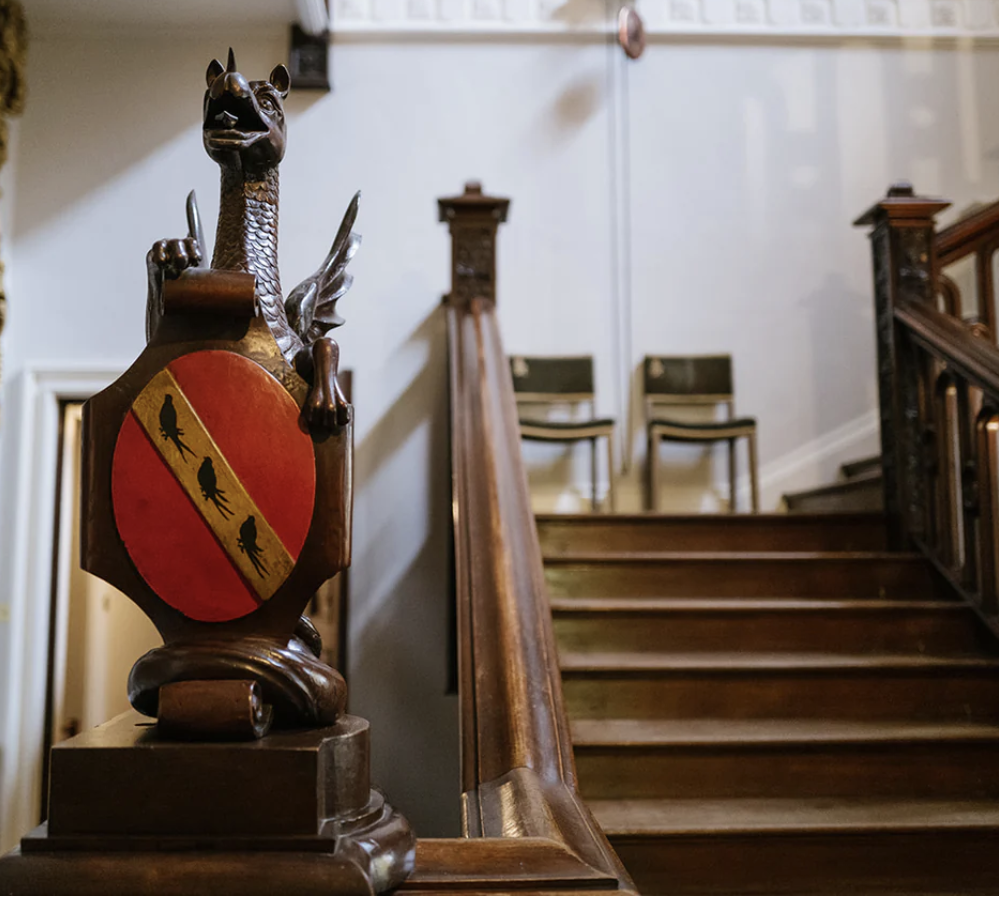
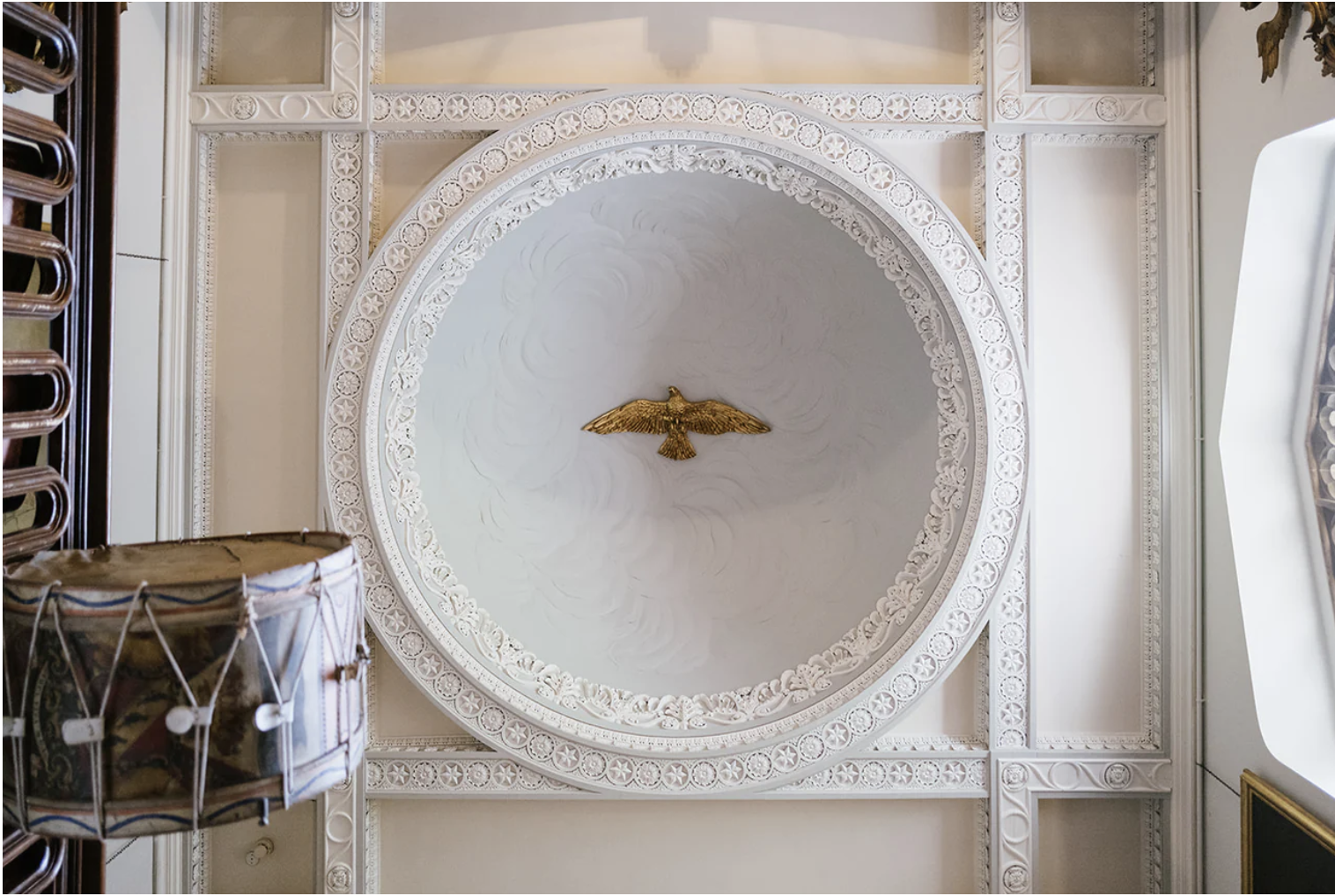
The domed ceiling over the stairs, hall and gallery was designed by Henry Popje, a Bray craftsman. Popje received an apprenticeship in Stucco work from the Lafranchini brothers. In the centre of the white dome is a golden hawk, symbol of the Brabazons. The Killruddery Wyverns stand at the end of the stairs, holding the original Brabazon shield. A wyvern is half serpent, half dragon, and in Heraldry it symbolises bravery and loyalty.
Photograph courtesy of Killruddery website.The Drum is a Grenadier Guard Drum.The Killruddery Wyverns stand at the end of the stairs, holding the original Brabazon shield. Photograph courtesy of Killruddery website.The martlet birds on the shield are said to never rest, so they symbolise tireless service.The domed ceiling over the stairs, hall and gallery was designed by Henry Popje, a Bray craftsman. In the centre of the white dome is a golden hawk, symbol of the Brabazons.Photograph courtesy of Killruddery website.
Mark Bence-Jones continues: “Great hall 40 feet high with arches opening into corridor in upper storey; ceiling of carved beams and braces carried on corbels decorated with the Meath falcon, the spaces between the beams being filled with ornate plasterwork. Staircase hall, lit by stained glass window, with massive bifurcating staircase of oak.”
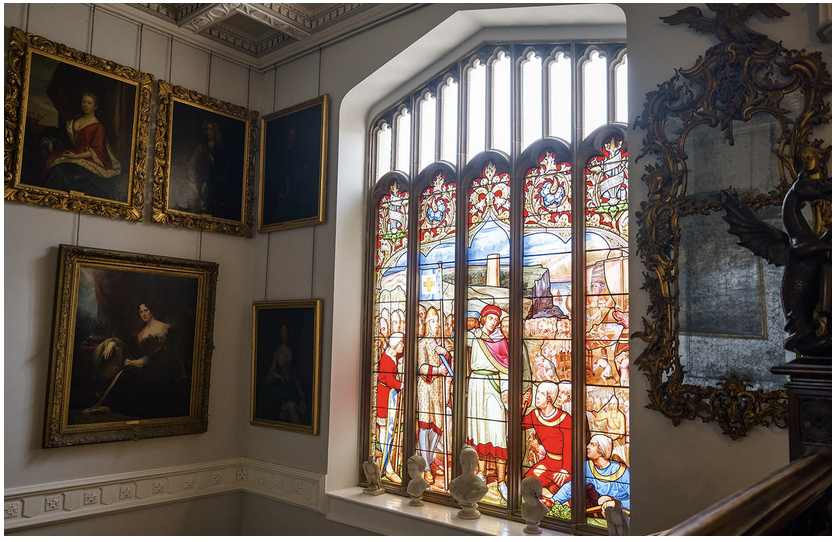
Photograph courtesy of Killruddery website.The window is a picture of the Battle of Hastings, 1066, and is by Henry Victor Milner, who also made the window in Yorkminster Cathedral.
The large stained glass window is by Henry Victor Milner and dates from 1853 and depicts William the Conquerer accepting surrender from the Saxons after his victory at Hastings in 1066. Jacques de Brabancon is on his right as standard-bearer. As a result of his loyalty, de Brabacon was given lands at Bletchley Castle and Leicestershire, our guide told us.
The staircase hall contains several portraits. One of Reginald, the 12th Earl of Meath, is a reproduction as the original is by William Orpen and hangs in the Portrait Gallery in London. In the portrait he wears his robes of the Order of St. Patrick, an order created by King George III, our guide told us.
Two enormous Himalayan bugles stand on either side of the hall door into the drawing room. These, our guide told us, are meant to sound like singing elephants. and the elephants are supposed to sing you into the air and into the womb.
Mark Bence-Jones continues his description: ” Large and small dining rooms en suite, forming enfilade with Statue Gallery; both drawing rooms having Classical decoration. Large drawing room with ceiling of elaborated coved and coffered plasterwork, grey scagliola Ionic columns and panels on walls framed by scalloped gilt mouldings. Small drawing room with shallow domed ceiling of more delicate plasterwork in a pattern of foliage, flowers and trophies; plaster draperies in lunettes.“
The library is the oldest room in the house, the website tells us. It overlooks the long ponds, the “mirrors of the sky.” The room has a fireplace carved in the manner of Grinling Gibbon, with a hawk on top. A painting of the current Earl’s mother, Elizabeth, hangs by the fireplace. She was called the “DIY woman” as she was very practical. There are also portraits of King James II and Charles II. The room was fire damaged during the making of a film, and when it was repaired, the Chippendale bookshelves were recessed into the walls.
Photograph courtesy of Killruddery website.The library, in the surviving projection of the front has handsome C18 bookcases recessed in alcoves and in 1950s was given a new ceiling of Caroline [ie. in the style of the era of King Charles II] style plasterwork.
Bence-Jones describes the entrance gates as similar to those at Ballyfin, Co Laois and Fota, Co Cork.
[2] p. 137, MacDonnell, Randal. The Lost Houses of Ireland. A chronicle of great houses and the families who lived in them. Weidenfeld and Nicolson. London, 2002
[3] Great Houses of Ireland by Hugh Montgomery-Massingberd and Christopher Simon Sykes. Laurence King Publishing, 1999.
[4] MacDonnell, Randal. The Lost Houses of Ireland: A chronicle of great houses and the families who lived in them. Weidenfeld and Nicolson, 2002.
[6] Mark Bence-Jones. A Guide to Irish Country Houses (originally published as Burke’s Guide to Country Houses volume 1 Ireland by Burke’s Peerage Ltd. 1978); Revised edition 1988 Constable and Company Ltd, London.


















 Irish Historic Houses