Mark Bence-Jones. A Guide to Irish Country Houses (originally published as Burke’s Guide to Country Houses volume 1 Ireland by Burke’s Peerage Ltd. 1978); Revised edition 1988 Constable and Company Ltd, London.
p. 96. “(Ponsonby, sub Bessborough.E/PB) A house built 1669 by a branch of the Ponsonbys descended from Henry Ponsonby, younger brother of Sir John Ponsonby from whom the Earls of Bessborough and other Irish Ponsonbys descend. Of two storeys; entrance front consisting of five bays recessed between projecting wings with one bay forward-facing ends. Steep pediment-gable with lunette window over three centre bas; rusticated window surrounds. In 1705 Rose Ponsonby, the heiress of Crotto, married John Carrique; their descendents bore the additional surname of Ponsonby. Some alterations were carried out ca 1819 by a member of the Carrique Ponsonby family to the design of Sir Richard Morrison, who gave the wings “Elizabethan” gables with coats of arms and tall chimneys; he also added a curvilinear-gabled porch. In other respects, the exterior of the house kept its original character. The estate was sold by the Carrique Ponsonbys 1842. A few years later, the new owner leased the house to Lt Col H.H. Kitchener, whose son, the future Field Marshall Earl Kitchener of Khartoum, spent his boyhood here. Now demolished.”
Listed in Vanishing Country Houses of Ireland by The Knight of Glin, David J. Griffin and Nicholas K. Robinson, published by The Irish Architectural Archive and The Irish Georgian Society, 1988.
Crotto House, County Kerry, courtesy Archiseek.Crotto House, County Kerry, courtesy Archiseek.
Original house of 1669, owned by the Ponsonby family. Additions of 1819 in a Jacobean style to the existing house by Sir Richard Morrison, who added gables and the curvilinear porch. The childhood hode of Lord Kitchener, whose father leased the house from 1850-63. Described as derelict by 1925, the ruins remained until the late 1960s. Now demolished, little remains bar a portion of a wing and the farm buildings.
Crotto gate lodge, County Kerry, courtesy National Inventory.
Detached two-bay single-storey gate lodge with dormer attic, built c. 1850, originally with lancet arch openings to north gable end. Openings later remodelled. Now in use as private house. Pitched slate roof with added cement gable parapets. Random rubble stone walls with fragments of render. Pointed arch blocked openings in north gable and one in south gable. Red brick surrounded to first floor window. Later openings formed in west wall. Remains of rubble stone-built walls, built c. 1850, to south-west possibly originally part of walled garden. Crotto House demolished in latter part of twentieth century.
Issercleran (also known as St. Clerans), Craughwell, Co. Galway
Mark Bence-Jones. A Guide to Irish Country Houses (originally published as Burke’s Guide to Country Houses volume 1 Ireland by Burke’s Peerage Ltd. 1978); Revised edition 1988 Constable and Company Ltd, London.
p. 159. “(Burke/Cole/IFR) A plain two storey late C18 house – built by the Burkes 1784 when they abandoned their ancestral castle nearby – onto the front of which a two storey bow-ended block by Sir Richard Morrison in his villa stuyle was added 1811 by J.G. Burke. The new five bay front is, as Mr McParland points out, “a highly successful derivative of Gandon’s Military Infirmary in Dublin,” with a three bay breakfront and a grouping of three arched recesses; a giant one rising the full height of the elevation in the centre, and two smaller ones on either side over the two neighbouring ground floor windows. A bold string course serves as the springing of the central arch, the lower part of which is filled with a single-storey portico. Entance hall with domed ceiling on pendentives; paired columns in recesses. One of the sons of J.H. Burke, the builder of the new block, was Robert O’Hara Burke, who perished when leading the ill-fated Burke-Wills Expedition across Australia in 1861. Issercleran was inherited 1914 by R. O’H. Burke’s niece, who was the mother of the practical joker, Horace de Vere Cole and of Mrs Neville Chamberlain. It was sold 1954 and subsequently became the home of Mr John Huston, the film director, who sold it ca 1971. The old castle remains in the Burke Cole family.”
Mark Bence-Jones. A Guide to Irish Country Houses (originally published as Burke’s Guide to Country Houses volume 1 Ireland by Burke’s Peerage Ltd. 1978); Revised edition 1988 Constable and Company Ltd, London.
p. 68. “(Mahon, Bt/PB) The grandest of Sir Richard Morrison’s villas, built from 1803 onwards for Ross Mahon, afterwards 1st Bt; replacing an earlier house. Square, compact plan; front of two storeys, back of three; but with a two storey side elevation. Shallow curved bow at centre of front, with die and pedimented Ionic porch; one bay on either side, with pedimented triple windows in lower storey. Four bay side elevation, the duality being resolved by a central pediment on two broad superimposed pilasters or framing bands. Rich interior, characteristic of Morrison, wiht good spatial effects. Elliptical staircase hall or saloon leading into central toplit staircase hall leading into domed back hall with Doric columns and entablature. The elliptical hall or saloon has pairs of recessed fluted Tower of the Winds columns and a domed ceiling with swags of foliage. The staircase hall, though not particularly large, has an air of great height. The staircase, which has a simple metal balustrade, rises to a magnificent domed landing, with yellow Siena scagliola columns of the Composite order at either end. The dome is carried on fan pendentives; the tympana and soffits below the dome are decorated with swags and other plasterwork. The 5th Bt, who succeeded 1893, added a service wing and built a new porch at the back of the house; so that the Doric back hall became the entrance hall. In 1898 he commissioned Arrowsmith of London to transform the dining room into a classic interior of its period; with a fretted ceiling, a massive carved oak chimneypiece and a wallpaper of scarlet and pink stripes below a frieze of female figures and yellow and green foliage by Sibthorpe. In 1904 the drawing room was done up, also by Arrowsmith; the Morrison plasterwork in the ceiling was retained; but the room was given a frieze, chimneypiece, overmantel and doorcases in the Adam-Revival style, and a pink striped “Adam” wallpaper now faded to a beautiful colour.”
THE MAHON BARONETS WERE MAJOR LANDOWNERS IN COUNTY GALWAY, WITH 8,619 ACRES
BRYAN MAHON, son of Bryan Mahon, land steward to the Earls of Clanricarde, Lieutenant in Lord Clanricarde’s Infantry Regiment, in JAMES II’s army, fought at the battle of the Boyne, 1690.
He wedded, in 1693, Ellinor, daughter of Ross Gaynor, and had issue,
ROSS MAHON (c1696-1767), of Ahascragh and Castlegar, County Galway, married, in 1721, Jane, daughter of Christopher Ussher, and had issue,
ROSS, his heir; John; Alice.
Mr Mahon, who inherited most of his brothers’ fortune, was succeeded by his eldest son,
ROSS MAHON (1725-88), of Castlegar, County Galway, who espoused, in 1762, the Lady Anne Browne, only daughter of John, 1st Earl of Altamont, and had issue,
ROSS, his heir; John; Henry (Rev); James (Very Rev), Dean of Dromore; George; Anne; Harriette; Jane; Amelia.
Mr Mahon was succeeded by his eldest son,
ROSS MAHON (1763-1835), JP, MP for Granard, 1798-1800, Ennis, 1820, who wedded firstly, in 1786, the Lady Elizabeth Browne, second daughter of Peter, 2nd Earl of Altamont, and had issue, three daughters,
Charlottle; Elizabeth Louisa; Anne Charlotte.
He espoused secondly, in 1805, Diana, daughter of Edward Baber, of Park Street, Grosvenor Square, and had further issue, a daughter,
Letitia Anne.
Mr Mahon married thirdly, in 1809, Mary Geraldine, daughter of the Rt Hon James FitzGerald, of Inchicronan, County Clare, by Catherine, Baroness FitzGerald and Vesey his wife, and had further issue,
ROSS, 2nd Baronet; JAMES FITZGERALD, 3rd Baronet; WILLIAM VESEY ROSS, 4th Baronet; John Ross, joint founder of Guinness Mahon, 1836; Henrietta Louisa; Georgina; Catherine Geraldine; Jane Alicia; Caroline.
Mr Mahon was created a baronet, in 1819, designated of Castlegar, County Galway.
Sir Ross was succeeded by his eldest son,
SIR ROSS MAHON, 2nd Baronet (1811-42), ADC to the 2nd Earl de Grey, Lord Lieutenant of Ireland, who died unmarried, and was succeeded by his brother,
SIR JAMES FITZGERALD ROSS MAHON, 3rd Baronet (1812-52), JP DL, Barrister, who died unmarried, when the title devolved upon his brother,
THE REV SIR WILLIAM VESEY ROSS MAHON, 4th Baronet (1813-93), Rector of Rawmarsh, Yorkshire, 1844-93, who wedded Jane, daughter of the Rev Henry King, and had issue,
Ross, died in infancy, 1854; Ross (1856-76); WILLIAM HENRY, his successor; John; James Vesey (Rev); Edward; Gilbert; Mary; Alice.
Sir William was succeeded by his eldest surviving son,
SIR WILLIAM HENRY MAHON, 5th Baronet (1856-1926), DSO JP DL, High Sheriff of County Galway, 1898, Major, West Yorkshire Regiment, who espoused, in 1905, Edith Augusta, daughter of Luke, 4th Baron Clonbrock, and had issue,
William Gerald Ross (1909-10); GEORGE EDWARD JOHN, his successor; Luke Bryan Arthur; Ursula Augusta Jane; Mary Edith Georgiana.
Sir William was succeeded by his eldest surviving son,
SIR GEORGE EDWARD JOHN MAHON, 6th Baronet (1911-87), who married firstly, in 1938, Audrey Evelyn, daughter of Walter Jagger, and had issue,
WILLIAM WALTER, his successor; Timothy Gilbert; Jane Evelyn.
He wedded secondly, in 1958, Suzanne, daughter of Thomas Donnellan, and had further issue,
Sarah Caroline.
Sir George was succeeded by his eldest son,
SIR WILLIAM WALTER MAHON, 7th Baronet (1940-), LVO, Colonel, Irish Guards, Member of the Honourable Corps of Gentlemen-at-Arms, who married, in 1968, Rosemary Jane, daughter of Lieutenant-Colonel Michael Ernest Melvill, and has issue,
JAMES WILLIAM (b 1976); Annabel Jane; Lucy Caroline.
CASTLEGAR HOUSE, Ahascragh, County Galway, dates from ca 1803.
It replaced two other houses in the property.
The present mansion, built for Ross Mahon, afterwards the 1st Baronet, is a square block comprising two storeys, with three at the rear, and a two-storey side elevation.
There is a curved bow in the centre of the front, with a pedimented Ionic porch.
The opulent interior is characteristic of its designer, Sir Richard Morrison.
The 5th Baronet added a service wing and back porch following his succession in 1893; thus the Doric rear hall became the new entrance hall.
The Irish Times wrote the following article about Castlegar in 1999:-
IT HAS STOOD there since 1803, exalting testimony to the taste and distinction of late Georgian architecture.
Castlegar is hidden away among 50 acres of gardens, parkland, woods and pasture outside the village of Ahascragh, in east Galway.
It is for sale by private treaty through Charles Smith, of Gunne’s country homes division, who is quoting a guideline price of £1.5 million.
Originally, the estate was the home of the Mahons, gentry stock whose descendants linked with the Guinness family to form a land agency that eventually evolved into the Guinness Mahon merchant bank.
Sir Ross Mahon commissioned architect Richard Morrison to plan alterations to a rambling old house that existed there previously.
Rather than remodelling it, Morrison designed an entirely new building which took several years to complete.
Since 1992, Castlegar has been owned by a Frenchman with a passion for restoring old houses to their original splendour and who has spent hundreds of thousands on refurbishing it.
He is now selling it as he is unable to spend enough time there because of commitments in Paris, the US and Canada.
He is leaving one of the finest Georgian country homes in Ireland, restored with consummate care to the pristine state of its early days.
The marvel of the restoration work lies in the fact that while it has uncovered the innate beauty of the house as it was first conceived, it also has added all the appurtenances of modern living.
Castlegar has been described as the grandest of Morrison’s “villas”, the word villa being used in its original meaning of a country residence.
The house combines resplendent reception rooms with exceptionally comfortable family accommodation in an ambience of relaxed old-fashioned elegance.
In addition to the staff accommodation, there are six bedrooms, each with a fireplace and its own bathroom, and all providing views across the rolling plains of east Galway.
Oddly, the house has two entrances, one on the north side, the other on the south.
The south entrance, no longer used as such, opens into an oval hall with a magnificent ceiling adorned with classic floral friezes, a white marble mantelpiece, and columns flanking recessed doors that lead to the drawing-room on one side and a morning-room on the other.
Two other doors open on to the top-lit central stair hall, an elegant space where the Portland stone staircase has a simple, wrought iron balustrade and ascends to an imposing domed landing.
The oval hall, the huge drawing-room and the dining-room were radically decorated at the turn of the century with commendable taste and the present owner has attentively preserved and enhanced the adornments.
The drawing-room, which has a polished, pitch pine floor, is graced by a striking period mantelpiece with an Adam-style grate.
Classic Victorian-style predominates in the dining-room where there’s a high fretted ceiling, a carved oak mantelpiece and heavy oak shutters.
A spacious billiards-room-cum-library, with a large, hand-crafted oak mantelpiece, and a beautifully appointed study are other impressive features of Castlegar.
In addition to the six bedrooms on the first floor, there is another spacious drawing-room looking across a fountain and lawns to the south.
The staff quarters are located on the second floor.
There are a further two bedrooms here as well as a kitchen, sitting-room and bathroom.
Walled gardens, a stable complex and a hard surface tennis court are spread out over several acres close to the house.
The outbuildings include a beautiful lofted cut-stone coach-house, along with four garages and three stables, plus a stable-yard that has seven loose boxes, a tack room and a further spread of farm buildings.
Beneath the house is a vaulted basement, dry and airy, with six rooms, a boiler space and a wine cellar.
During Heritage Week in 2025 we were given a wonderful tour by its resident Alicia Clements, daughter of the Earl of Rosse, who married a descendant of Nathaniel Clements who built the Áras an Uachtaráin in the Phoenix Park.
Mark Bence-Jones. A Guide to Irish Country Houses (originally published as Burke’s Guide to Country Houses volume 1 Ireland by Burke’s Peerage Ltd. 1978); Revised edition 1988 Constable and Company Ltd, London.
p. 278. “(Parsons, Rosse, E/PB) A house ca 1815 with a fanlighted Ionic doorway under a giant arch. A Gothic central window was inserted later and the interior remodelled in Gothic, probably for 2nd Earl of Rosse’s two bachelor brothers. Afterwards occupied by agents of subsequent Earls of Rosse.”
The entrance front of Tullynisk, County Offaly. Dating from the early 19th century and replacing an older property on the site, the house is a mixture of the classical and gothic, the former evident in the doorcase with its Ionic columns, the latter in the window directly above. The combination of the two is as unselfconsciously assured as the sheep grazing in the immediate vicinity.
See Robert O’Byrne, The Irish Country House, A New Vision. With photographs by Luke White. Rizzoli, New York, Paris, London, Milan, 2024.
“In 1620 Sir Laurence Parsons, who had followed the example of his elder brother William by moving from England to Ireland, came to live in Birr Castle, then a dilapidated fortress. Originally constructed by the once-powerful Ely O’Carroll family, the property and surrounding 1.277 acres were among the lands wrested from them by the English government and granted to Sir Laurence, at the time receiver general of Crown Lands. Demonstrating a determination that he and his descendants would remain living on the site, he renamed the place the Manor of Parsonstown.
Sir Laurence did not enjoy possession of his Irish property for long since he died in 1628. His elder son followed a few years later, after which Birr Castle was inherited by a younger son William. He is remembered for being a doughty soldier, governor of the surrounding territory, who survived a fifteen month siege of the castle during the Confederate Wars of the 1640s. And although eventually obliged to surrender, the family was later able to return to Birr and repair the building, which remains their home to the present day.
At the start of the nineteenth century, Birr Castle was extensively remodelled and enlarged by architect John Johnson in a fashionable castellated Gothic style for Sir Laurence Parsons, future second Earl of Rosse. The work undertaken here may have inspired the earl’s two younger sons, John Cleare Parsons and Laurence Parsons, when they were given the opportunity to overhaul a villa owned by the family on the edge of the town. Originally called Woodville but now known as Tullanisk, it had been built in the midst of ancient oak trees around 1810 as a dower house, the design attributed to local architect Bernard Mullins. Three years after a fire in the building in 1820 had left it badly damaged, the Parsons siblings chose to put their own stamp on the place. The result is a house that fearlessly, yet successfully, mixes the classical with the Gothic, reflecting gradual shifts in taste during the period in which it was renovated.
While the Parson brothers might have had a hand in Tullanisk’s design – as their father had at neighbouring Birr Castle two decades earlier – there is some debate over who might have been the architect employed here. The most likely candidate is Richard Morrison, responsible for a number of other country houses with similar features in the same part of the country: Tullanisk’s garden front, for example, has a three-bay central bow almost identical to that seen at Cangort Park, another property designed by Morrison, some ten miles to the south. Of two storeys over basement, Tullanisk’s garden front conforms to classical expectations, as do the building’s elevations to the southeast and northwest. The appearance of the entrance front, on the other hand, is somewhat unexpected. Of five bays, that in the centre takes the form of a recessed arch, its outline traced by clustered shafts. Within this enclosure is an Ionic doorcase with side- and fanlight and then, somewhat surprisingly, a tripartite Gothic window on the floor above.
The Gothic influence continues inside the house, beginning with the entrance hall that has a vaulted ceiling with bosses, all supported by slender wall shafts. In style, this is a simplified version of the Gothic saloon created in Birr Castle by John Johnston, and so too are the narrow flanking passages that leaad to Tullanisk’s main reception rooms. Further Gothic inspiration was emplyed for the narrow spiralling staircase, reminiscent of those found in medieval castles, which climbs to the bedroom floor where, as below, the corridors are vaulted.
Returning downstairs, classicism reigns in the principal rooms, perhaps because they were too large to accommodate the same Gothic motifs, perhaps because the Parson brothers recognised that they lived in a house and not a castle. In consequence, the only variation found in these rooms comes from the different motifs employed in the cornicing.
While Laurence Parsons lived to be almost ninety and enjoyed two marriages, his elder brother was not so lucky. In 1828, a week shy of his twenty-sixth birthday, John Cleare Parsons died of scarlet fever. As for the building they had renovated, it served a variety of uses, including for many years as residence for the agents of the Birr Castle estate and, during the 1990s, as a popular guesthouse. In more recent years, it has once more become home to a member of the Parsons family, Lady Alicia Clements, daughter of the present Earl of Rosse, and her husband Nat Clements, together with their children. Ireland’s foremost decorative artist, Nat Clements has been responsible for giving Tullanisk its present appearance, from the faux-stone blocking in the entrance hall to the dragged paint walls of the saloon. As for the pictures and furnishings, they are a happy blend of items inherited from both of the couple’s families, together with new acquisitions, joyously married to form a unified whole.”
[picture caption p. 188] Immediately inside the front door… sit busts of Robert Bermingham Clements, Viscount Clements and William Markham, Archbishop of York.
p. 190 caption. The drawing room bookcase came from the now demolished Ashfield Lodge, County Cavan. Above it hangs a portrait of of the house’s former chatelaine, Catherine Markham, wife of Henry Theophilus Clements. .. The sofa came from the former Clements estate, Lough Rynn, County Leitrim. The chandelier os old Murano glass.
In the dining room, the table is a modern piece, made from a single yew tree that blew down in the storm of 1988, and in keeping with all the doors in Tullanisk that are of the same wood. .. The bronze horse is by local scuptor Siobhan Bulfin.
The bedroom corridor continues the Gothic theme found on the floor below, the vaulted ceilings ribs meeting a plaster bosses in the manner of a medieval cloister.”
Tullynisk House, WOODFIELD OR TULLYNISK, County Offaly
Detached five-bay two-storey over basement country house, built c.1810, with recessed central blind arch to façade and full-height bow to rear elevation. Set within its own grounds. Hipped slate roof with oversailing eaves having stone brackets, terracotta ridge tiles, rendered chimneystacks and cast-iron rainwater goods. Roughcast rendered walls with tooled stone plinth course, string course and quoins. Moulded tooled stone surround to recessed segmental-headed bay at façade. Timber sash windows with chamfered tooled stone surrounds and keystones. Tripartite timber sash window to first floor of façade’s recessed bay having pointed-segmental-headed mullions. Segmental-headed door opening to façade with coved and fluted archivolt, engaged Ionic columns, glazed and panelled timber double doors, fanlight and sidelights, accessed by tooled stone steps. Brick-lined servants’ tunnel to rear. Square-headed ashlar limestone gate piers to road with fluted capitals, plinth walls with spear-headed cast-iron railings and gates. Stone outbuildings with hipped and pitched slate roofs to north-west adjacent to walled garden with stone and yellow brick walls. Late twentieth-century bungalow constructed within walled garden.
Appraisal
Annotated as Woodfield on the first edition of the Ordnance Survey map and as Woodville on the nineteenth-century second edition of the Ordnance Survey map, this country house is now known as Tullynisk House. Belonging to the Rosse Estate at Birr, it is part of the architectural and historical heritage of that town. Its design is striking and although unproven, has been attributed to Richard Morrison. The garden front of Tullynisk House is similar in design to the rear elevation of Cangort Park, with the unusual chamfered window architraves. Incorporating limestone dressings, a Gothic inspired central window and a splendid doorcase with leaded lights, the decorative detailing at Tullynisk creates drama within the symmetrical façade. Its rear, being equally as pleasant, is enriched with bowed central bays that look out onto a lawn. The site is completed by highly crafted entrance gates, an attractive gate lodge and outbuildings. Of particular note is the walled garden, situated to the north-east of the house. Now housing a modern bungalow, the impressive stone and yellow brick walls enclose a large area.
Detached three-bay single-storey gate lodge, c.1810. Hipped slate roof with paired timber modillions at eave course. Rendered walls with square-headed door and window openings with timber casement lattice windows and stone sills. Set behind square-headed ashlar limestone gate piers with fluted capitals, plinth walls with spear-headed cast-iron railings and gates.
Appraisal
This highly crafted gate lodge forms part of a group of attendant structures within the Tullynisk House demesne. Annotated as Woodfield on the first edition of the Ordnance Survey map and as Woodville on the nineteenth-century second edition of the Ordnance Survey map, this country house is now known as Tullynisk House. Belonging to the Rosse Estate at Birr, it is part of the architectural and historical heritage of the town.
A little over a mile north of Birr, in County Offaly, surrounded by a demesne of magnificent oak trees, Tullanisk, formerly known as Woodville, was built in about 1810 as the dower house for Birr Castle to the designs of Bernard Mullins. Despite its relatively modest size the house is remarkable for its regularity, with four formal fronts, and for its architectural ingenuity. The central feature of the five bay facade is part gothic, part Regency, all recessed within a giant arch. Otherwise the exterior is typically late-Georgian. The interior is partly classical and part gothic, with a wealth of innovative details and decoration, and craftsmanship and materials of the highest quality.
The entrance front of Tullynisk, County Offaly. Dating from the early 19th century and replacing an older property on the site, the house is a mixture of the classical and gothic, the former evident in the doorcase with its Ionic columns, the latter in the window directly above. The combination of the two is as unselfconsciously assured as the sheep grazing in the immediate vicinity.
Bence-Jones, Mark. A Guide to Irish Country Houses (originally published as Burke’s Guide to Country Houses volume 1 Ireland by Burke’s Peerage Ltd. 1978); Revised edition 1988 Constable and Company Ltd, London.
Shanganagh Castle, County Dublin, courtesy National Inventory.
p. 256. “(Rowan-Hamilton/IFR; Heyman/LGI1958) A house or castle formerly belonging the the Walsh family; bought ca 1800 by Gen Sir George Cockburn, a soldier, an ardent Whig politician and an avid collector of antiquities, who greatly enlarged it, to the design of one or both of the Morrisons; so that it became a somewhat haphazard mixture of plain late-Georgian and castellated; with a cured bow and a slender battlemented round tower. The Morrison additions included a large ballroom, a dining room and a room called the “Monumental Room” containing Cockburn’s collection of Greek and Roman relics. Having acquired four circular Greek altars and a large Corinthian capital which were too large to display indoors, Cockburn had them erected one on top of another to form a column in front of the house with an inscription commemorating the passing of the Great Reform Bill 1832: but, in 1838, Whig though he was, he put another inscription on the back which read, Alas to this day a Hum Bug.” Shanganagh passed to the Rowan-Hamiltons bythe marriage of Cockburn’s daughter Catherine, to Cdre G.W.R. Rowan-Hamilton. It was sold 1919. Sir Harold Nicholson, whose mother was a Rowan-Hamilton, subsequently bought Cockburn’s Reform Bill monument and disposed its components about the garden as Sissinghurst Castle, Kent…”
Bence-Jones, Mark. A Guide to Irish Country Houses (originally published as Burke’s Guide to Country Houses volume 1 Ireland by Burke’s Peerage Ltd. 1978); Revised edition 1988 Constable and Company Ltd, London.
p. 273. “(Westby/IFR) An attractive late-Georgian Glebe house of two storeys over basement, possibly based on a design by Richard (afterwards Sir Richard) Morrison. Three bay front, with simple entablature over doorase, joined by screen wall with archway to outbuilding; three bay side, with Wyatt windows on either side of the centre in the lower storey. Eaved roof on simple bracket cornice. Earlier this century, when it was still a rectory, the house was occupied for many years by Rev Canon L.R. Fleming, father of the writer and journalist Lionel Fleming, who describes it in Head or Harp.
Bence-Jones, Mark. A Guide to Irish Country Houses (originally published as Burke’s Guide to Country Houses volume 1 Ireland by Burke’s Peerage Ltd. 1978); Revised edition 1988 Constable and Company Ltd, London.
p. 68. “(Evans-Freke, Carbery, B/PB) The original Castle Freke was an old castle formerly belonging to the Barrys, which was bought by the Frekes in C17; Capt Arthur Freke defended it for several months during the Williamite ward, but it was afterwards captured by the forces of King James and partially burnt. It continued to serve as the family seat until late 1780s, when Sir John Evans-Freke, 2nd Bt, after coming of age, found it so neglected and disapidated that he abandoned it and built a new house on a more convenient site, with splendid views over Roscarbery Bay…When the offices came to be built, which was not until ca 1820, it occurred to Sir John (by this time 6th Lord Carbery) that “the whole might be thrown into the character of a castle”; and so he commissioned Sir Richard Morrison to carry out a transformation….The house was gutted by fire in 1910 and rebuilt with steel window-frames…The work ws finished in 1913, when a ball was given here for the coming of age of 10th Lord Carbery, who sold Castle Freke post WWI. The house was dismantled 1952 and is now a ruin.”
John Freke of Castle Freke, Co. Cork. attributed to John Lewis, courtesy of Adam’s auction 16th Oct 2018. From the same sale was the signed and dated (1757) conversation piece by Lewis called Sir John Freke, Lady Freke and Mr Jeffries of Blarney (sold Sothebys at Slane Castle Lot 423, 26/6/1979). The present lot is likely to be an individual study of the same sitter, perhaps Sir John Redmond Freke M.P. for Cork. John Evans whose mother was Grace Freke inherited from his maternal uncle,founding the family of Evans Freke, whose baronetcy was only created in 1768. The Evans title of Baron Carbery was subsequently inherited by this family.Castle Freke north facade, County Cork, courtesy of http://www.castlefreke.ie
Listed in Vanishing Country Houses of Ireland by The Knight of Glin, David J. Griffin and Nicholas K. Robinson, published by The Irish Architectural Archive and The Irish Georgian Society, 1988.
“A large classical house built c. 1790 by Sir John Evans-Freke, altered by Richard Morrison c. 1820, when he also designed the large office court. The original house was at the same time remodelled in the Tudor Revival style. The main block was destroyed by fire in 1910. In the subsequent rebuilding Morrison’s alterations were simplified. The house was stipped of its fittings in 1952. Now a ruin.”
Castle Freke west facade, County Cork, courtesy of http://www.castlefreke.ieCastle Freke, County Cork, photograph by Robert French, (between ca. 1865-1914), Lawrence Photograph Collection, National Library of Ireland.Castle Freke, County Cork, photograph by Robert French, (between ca. 1865-1914), Lawrence Photograph Collection, National Library of Ireland.
The Buildings of Ireland. Cork City and County. Frank Keohane. Yale University Press: New Haven and London. 2020.
p. 25. The first prominent exponent of Neoclassicism in Cork was a native, Michael Shanahan. He appears to have been a stonecutter, and probably came to the attention of the ‘Earl-Bishop’ Frederick Hervey while the latter was Bishop of Cloyne in 1767-8. Hervey took Shanahan on a Continental tour in 1770-2, a very rare thing for an Irish architect, during which Shanahan made measured drawings, particularly of bridges, as Hervey was proposing to build a bridge at Londonderry. On his return to Ireland, he became Hervey’s agent and oversaw the construction of James Wyatt’s Downhill in Derry, as well as designing churches and glebe houses in that diocese. Shanahan returned to Cork in the early 1780s, establishing a marble and stone works in White Street which specialized in chimneypieces, geometrical stone staircases and porticos. His first significant commission was St Patrick’s Bridge, in 1788-91. Shanahan’s houses tend to be reticent in the extreme. Castle Freke (1780s) and Castle Bernard [p. 26] (1790s) are big astylar blocks, bare except for rusticated quoins and thin cornices. Castle Bernard in particular appears to owe a debt to Wyatt’s Castle Coole in the axial arrangement of a hall with columnar screen, and the elliptical saloon projecting into the bow on the garden front.
Detached multiple-bay two-storey castle, built c.1780, having break front to front (south-east) elevation, four-stage tower to western corner and bartizan to south corner on stone corbels. Crenellated stone parapets on stone corbels, having roughly coursed sandstone chimneys. Roughly coursed sandstone walls with string course to tower and parapets and limestone quoins. Camber-headed window openings with stone sills and sandstone voussoirs, set within recessed round-headed niches to side (south-west) elevation having sandstone voussoirs and keystones. Square-headed window openings to tower with chamfered stone sills. Various associated buildings to front including round and octagonal-profile towers with parapets having decorative scalloped coping surmounting stone corbels and coursed stone circular-plan chimneystacks. Coursed limestone walls with cruciform loops. Three-stage octagonal tower attached to single-bay two-storey ruin. Crenellated parapet on stone corbels to tower and coursed stone chimneystack to ruin. Roughly coursed stone walls with string course to tower. Square-headed window openings with stone sills and moulded stone label mouldings to ruin. Located within own expansive grounds.
Castle Freke makes a notable and significant contribution to the surrounding landscape. Located on an elevated site overlooking the sea, the building is visible for miles from both sea and land. Associated with the Evans-Freke family, they were significant contributors to the social and historic fabric of the area. The architectural form of the building and association with significant architects, William Morrison in the early nineteenth century and Kaye-Parry and Ross in the early twentieth century, make this country house an important contributor to the architectural heritage. The eighteenth century classical house was disguised by William Morrison in his 1807 design with the addition of Gothic Revival features, including towers, bartizans, castellations and tall chimneystacks. The courtyard was remodelled and a second courtyard created with the addition of a single-storey wing and tower. It would appear that this work remained incomplete up to c.1840. The interior was destroyed by fire in 1910 and architects Kaye-Parry and Ross inserted concrete floors and roof and a Jacobean Revival style interior. The reinforced concrete technology utilised during the early twentieth century reconstruction adds both technical and scientific significance to the building. In 1919 the last Baron of Carbery, John Evans-Freke sold the estate. The lands were divided when it passed to the Land Commission in the 1930s. It was used as army barracks for the 38th-39th Battalions during World War II, and later as a summer base for the boys of Upton Industrial School. The house was dismantled in 1952 following the purchase of the house by a local man.
Castle Freke lies next to a small forest in Castlefreke townsland, in County Cork in Ireland.
Originally Castle Freke was a tower house dating back to the 15th century. It belonged to the Barry family. It was occupied by the Frekes 1617.
The Frekes and Evans intermarried and became Barons of Carbery 1715 and Castle Freke was rebuilt in 1780 by Sir John Evans-Freke, incorporating the original castle keep in its design.
The renowned architect Sir Richard Morrison altered the castle into its current Gothic castellated style in 1820. In 1910 a fire gutted the castle. John Carbery was forced to sell Castle Freke in the 1920s and it was dismantled in 1952.
In 2005 the sprawling ruin of the castle was bought back by Stephen Evans Freke, the youngest son of the late Peter Evans Freke, the 11th Lord Carbery. He started a restoration to return Castle Freke to its former glory. But in 2014 he had a financial dispute with the architect overseeing the restoration and the works halted. The current phase of restoration is partially complete.
This is a great castle, too bad it’s completely sealed off and abandoned again. But I must say that it also adds to its creepy atmosphere. It is on private property and therefore not accessible.
David Hicks, Irish Country Houses, A Chronicle of change. The Collins Press, County Cork, 2012.
A retired Wall Street investment banker is spending millions of euros “on a labour of love” rebuilding a castle which was once in his family’s possession for hundreds of years.
Tue, 06 Aug, 2019 – 07:05
Sean O’RiordanA retired Wall Street investment banker is spending millions of euros “on a labour of love” rebuilding a castle which was once in his family’s possession for hundreds of years.
Stephen Evans-Freke is painstakingly rebuilding Castle Freke, originally constructed as a mansion house in the 1750s, but which had impressive battlements added to it later. The castle, which is situated near Rosscarbery, Co Cork, has impressive views of the sea and surrounding land. On a clear day, you can see Fastnet Rock.
Stephen explained that the Evans’ side of the family were Welsh Celts, while the Frekes were Norse Vikings. They both arrived in Ireland around the same time, in the late 1570s. The Frekes bought land and the old Rathbarry Castle from the Barry clan shortly after their arrival. The Barrys were the dominant force in the area at the time.
The Frekes and Evans intermarried and became Barons of Carbery in 1715. The current Castle Freke was built by John Evans-Freke, although, as Stephen pointed out, there was clear evidence on the site of an older “fortified Elizabethan ‘strong house’.”
His Norse, Welsh, and Irish heritage are to the fore in the rebuilding programme and can be seen in some of the magnificent plaster ceilings which are being put into the castle. The type of plasterwork being carried out by experts hasn’t been undertaken in Europe for hundreds of years.
Stephen Evans-Freke with his partner Barbara Birt at Castle Freke Castle in West Cork.
One of the impressive reliefs on the ceilings is a depiction of the Children’s of Lir legend, replete with resplendent swans. But Stephen has a sense of humour and in one corner, he’s added a small frog poking his head out and smoking a cigar.
To honour his Viking heritage, there’s a large plaster ceiling depiction of the Norse god Odin and his two protective wolves. It also features the legendary Valkyries collecting the bodies of fallen heroes from the battlefield to bring them to Valhalla. Freke is incidentally the Norse name for a wolfman.
For his Celtic/Welsh ancestry, he has created another ceiling scene, this time depicting the Lady of the Lake presenting the legendary sword Excalibur to King Arthur. There are also two dragons fighting, which signifies the one-time struggle for supremacy between Wales and England.
The magnificent music room has had an entire plaster ceiling installed, the inspiration for which came from the ceiling of Lincoln Cathedral. Stone flooring recently put down in part of the house came from a medieval monastery in the Burgundy region of France.
“It’s a bit of a pay as you go project,” says Stephen, who declined to comment on what the final bill for the restoration project was likely to cost him.
Funeral shrouds don’t come with pockets. You’re not going to be able to take it (money) with you. You might as well do something worthwhile with it.
There was a major fire in the castle in 1909 and when it was rebuilt, the plaster walls were replaced with concrete. A team of 20 workmen, made up of stonemasons, plasterers, sculptors, and carpenters, have stripped the walls of the old concrete and are preparing to re-plaster all of them.
The 40-plus chimneys have already been relined and the vast majority of the battlements have been repaired, as have many external walls on land surrounding the castle.
“All of the parapets were knocked for their lead in the 1950s,” says Stephen. “We’ve probably moved the world market on lead restoring them. We had two craftsmen who came out of retirement to do it.”
In particular, he has great praise for his master stonemason, Micheál Ó Suilleabháin.
He painstakingly replaced stone on the battlements and other parts of the building, most of which was cut from local quarries. Some old quarries in the area were reopened to source the same kind of stone.
“It’s been sandblasted so lichen can grow on it and give it that weathered look like the rest of the stones,” Stephen says.
His family owned Castle Freke up to 1921, but they didn’t leave it because of the political turmoil of the time. In fact, the Evans-Frekes openly supported the winning side.
“My great uncle, Baron John Carey, was a great supporter of Michael Collins. He was the first man in Munster to own an aeroplane used to put on flying shows at which he would raise funds for the cause of independence.”
The castle was later taken over by another family. Stephen bought it back in 1999, “but with no particular intention at the time of restoring it”.
However, thoughts of finally getting his hands back on the family pile were sown when he was quite young.
“We had a painting of the castle in our family home,” he says. “My father brought me to see the castle when I was 12. It was very forlorn-looking. This is about roots. My aim is to get the main block restored in the next five years.”
Stephen says he is also going to put a lot of effort into restoring the gardens, and will work with Cork County Council experts on the best way to do this. Eventually, he hopes to open them up to the public. Once the castle is refurbished, he plans to spend part of his time living there, but would also open it on occasion to the public for charity events.
“The castle and the approximate 170-acre estate have been put into a trust to preserve it for future generations of the family.”
From mining and biotech to trad music and fishing
Stephen Evans-Freke was born in Ashbourne, Co Meath. He is the youngest son of the late Peter Evans-Freke, the 11th Lord Carbery. Stephen’s father was an engineer, but as there was no work for such professionals at the time in Ireland, the family moved to England when he was at a young age.
After graduating in 1973 from Cambridge University with a law degree, Stephen moved to South Africa, where he worked with IBM to build the first computer programme for valuing gold mines.
In 1976, he moved to New York and became an investment banker working in Wall Street. In the 1980s, Stephen concentrated much of his efforts on financing the first generation of biotech companies, a feat he is especially proud of as many of these companies went on to produce life-saving and life-improving treatments.
He was lead investment banker to Genentech, AMGEN, Centocor, and a number of other leading biotech companies. He left Wall Street in 1990. Stephen describes himself as having a couple of great passions in his life, apart from renovating the castle.
“I’m a passionate environmentalist and very much supportive of sustainable farming,” he said proudly as he looked down from the castle turrets on a herd of horned Aberdeen Angus grazing in a field below.
“I also love traditional music.”
He also likes his fishing, and big fish at that. Stephen spends a lot of his time in the Caribbean, having moved to the US Virgin Islands in 2008, and prefers nothing better than fishing for big marlin.
He also enjoys scuba diving, sailing, tennis, playing the piano, reading history and philosophy, and horseback riding. Stephen is a well-known philanthropist. He founded new ventures on the US Virgin Islands, including the leading Caribbean air ambulance company, AeroMD.
Bearforest, Mallow, Co Cork – for sale April 2019, sold 900,000
Bence-Jones, Mark. A Guide to Irish Country Houses (originally published as Burke’s Guide to Country Houses volume 1 Ireland by Burke’s Peerage Ltd. 1978); Revised edition 1988 Constable and Company Ltd, London.
p. 34. “(De La Cour/LGI1958; Purdon Coote, dub Coote, Bt/PB; Moore, sub Digby, B/PB) A villa built in 1807-8 for Robert Delacour to the design of Richard Morrison, who intended it to display “his taste and talents as a villa architect” and “his capacity for designing and executing a residence that should combine simplicity and elegance with a convenience and extent of accommodation suitable for the purposes of a large family, or of affluent fortune, while it retained the modest character becoming the habitation of an unostentatious private gentleman.” Of two storeys; thee bay front, semi-circular porch with engaged fluted Doric columns, between Wyatt windows under relieving arches; four bay side elevation with semi-circular fanlighted conservatory; eaved roof on brakcet cornice. Compact, but spacious plan: oval hall, extending into the porch, with columns flanking the doorcases, as at Castlegar and Issercleran; central top-lit staircase hall; large, well proportioned drawing room and dinign room. All in all, the house lives up to Morrison’s intentions; though surprisingly, in an age which set a high store on vi9ews and prospects, he made the southern side of the house, where there is an attractive view to the Nagles Mountains, the back; so that it was largely blinded by the service wing. The house subsequently passed to the Purdon Coote family; it was burnt ca 1920 and afterwards rebuilt, without the conservatory and with an extra storey on the porch, which now has the effect of central curved bow. The Morrison interior decoration, which was naturally lost in the fire, was not reinstated. Bearforest was sold by the Purdon Cootes a few years ago to Mr C. A. and Hon Mrs Moore who have solved the problem of the house’s orientation by demolishing the original service wing and making a patio where it stood, and building a new service wing on the north side of the house. They have also refloored the hall in marble.”
Constructed 1807-08 for Robert Delacour to designs by Sir Richard Morrison. Inscribed on the entablature over the entrance ‘est ubi depellata somnos minus invida cura’ from Horace Epistle 1.10. A deceptively large house, with two storeys over a full basement.
House, furniture and contents destroyed in 1921/22. Rebuilt circa 1925 by Chillingworth & Levie with a second storey added to the curved entrance bow and without the conservatory.
The Buildings of Ireland. Cork City and County. Frank Keohane. Yale University Press: New Haven and London. 2020.
p. 32. The bulk of Cork’s not inconsiderable stock of country houses were built between 1790 and 1820, a period of unprecendented agricultural prosperity: incomes from estates increased by 100-150 %, and in some cases by as much as 300%. Most of these houses are generous rectangular blocks without architectural ambitions, with symmetrical facades of two or three storeys. It is only in their detail that they differ from their C18 forebears. Roughcast begins to give way to stucco, and the availability of larger slates allowed the pitch of roofs to be lowered, so that parapets designed to disguise steep roofs fell out of fashion, and by the 1820s deep bracketed eaves were popular. Windows became larger, and were often filled with sashes of astonishing delicacy. [p. 34] The Wyatt window, a wide tripartite type, could be used to emphasize the centre of a façade in a similar way to the C18 Venetian window, but was also commonly paired on each side of the entrance. Doorways, of stone or timber, were given fanlights rather than pediments, often to a tripartite pattern incorporating narrow side-lights. All in all, the repetition of design suggests a taste for well-tested conformity over modish experimentation.
There is generally little to differentiate glebe houses of the period from the smaller of these houses. A common and economical pattern was to place the entrance in the narrow side elevation to allow a pair of reception rooms to fill the view front. The origin of this plan is not known, but in 1788 the Rev. Daniel Beaufort inspected a glebe house being built at Midleton, describing it as ‘a very odd plan without a door in front.’
Larger Classical houses of this period are comparatively rare, many of course having been lost. Longueville (Mallow), Kilmoney Abbey (Carrigaline), Mount Leader (Millstreet) and Castle Park (Kanturk) all feature elegent cut-stone columnar porches. Gortshagh near Charleville, though modest in scale, is satisfyingly monumental, with a massive central stack, and a porch with pared-down Greek Doric columns in antis. A tour-de-force Greek Revival portico of sublime purity exists at Dromdihy at Killeagh, a house happily about to undergo rehabilitation after decades of ruination. Bearforest (Mallow) is a classic villa designed by Richard Morrison; the arrangement of Wyatt windows in shallow arched recesses and the central bow ringed with columns derives from the work of both James Wyat and John Soane. The finest house of the period is Fota, a mid-C18 house enlarged and remodelled in the 1820s by Richard and William Vitruvius Morrison, then the leading country house architects in Ireland. Within, they formed a spatially complex hallway with adjoining vestibules, to connect a sequence of opulent reception rooms decorated with their richest plasterwork. The sequence of lobbies and landings on the upper floors is no less thrilling.
Detached three-bay two-storey over basement house, built c. 1805 and rebuilt c. 1925, facing west, with central projecting bowed entrance bay to front elevation, three-bay side elevations, southern having gabled breakfront, five-bay two-storey over half-basement rear elevation, and with two-bay single-storey flat-roofed addition and further two-bay single-storey hipped-roofed garage extension to north elevation. Hipped slate roof with overhanging sheeted eaves, cast-iron rainwater goods and rendered chimneystacks. Rendered pediment and pitched slate roof to breakfront. Moulded render cornice to bow. Painted rendered walls with dressed limestone plinth and quoins. Dressed limestone stringcourse between floors of façade. Dressed limestone entablature to ground floor of bow comprising fluted engaged columns, architrave, frieze and cornice with attic course having circular recessed panels with carved surrounds flanking central rectangular recessed panel with lettering in relief. Square-headed openings with timber sliding sash windows throughout with dressed limestone sills. Six-over-six pane to first floor and to bow, panes of latter vertically arranged. Nine-over-nine pane to ground floor, windows of front elevation being tripartite and set in segmental-headed recessed panels with dressed limestone tympanums having carved circular panels with floral motifs, and lights separated by render pilasters with moulded decorative brackets. Triparite nine-over-nine pane window to north elevation set into segmental-headed recess with cut limestone details similar to ground floor windows of front elevation, but with render tympanum and cornice. North elevation also has evidence of being formerly five-bay. Square-headed window openings to basement with and one-over-one pane windows. Square-headed door opening to front elevation with timber panelled door, timber doorcase comprising pilasters with square-headed recessed panels and decorative caps, timber architrave and moulded cornice and margined overlight. Approached by curved flight of dressed limestone steps. Square-headed opening to breakfront with timber panelled door, flanked by timber fluted Ionic-style columns, with decorative architrave, ornate frieze and cornice. Flanking bays of south elevation have square-headed openings with fixed timber French doors approached by flights of dressed limestone steps.
Rebuilt in the 1920s, this large house forms part of a complex of related structures with the associated outbuildings, walled garden and entrance gates and lodge. Its regular and symmetrical façade is enhanced by the central full-height bow and its carved entablature, which is an unusual feature and, together with the breakfront, adds an air of elegance to the façade. The house retains early features such as the limestone steps and timber sliding sash windows. The window surrounds and doorcase to the south add artistic interest to the façade while the carved motto adds context.
Named after Richard Beare who held this land in the early 18th century, the house was built in 1807-1808 by Robert Delacour, a partner in the Delacour bank of Mallow. Townsend writes that it was designed by Richard Morrison. Delacour was living in the house in 1814 but had vacated it by 1837. At the time of Griffith’s Valuation it was occupied by John Hugh Bainbridge who held it from James Murphy. The buildings were valued at £70. Bence Jones records the Purdon Coote family as later owners. The house was burnt in June 1921 during the War of Independence when it was the residence of Maj. Charles Purdon Coote but was rebuilt.
Named in honour of local landowner Richard Beare, the house was built in 1807 for Mr Robert Delacour.
It was designed by Sir Richard Morrison, the architect behind some of Ireland’s most beautiful country houses, including Ballyfin in Co Laois, Ireland’s most exclusive hotel.
The beautiful bow front opens into an entrance hall floored in green marble. Past the curved staircase there’s a front sitting room with French doors onto a terrace.
On the other side of the hall, a cosy, book-lined study (compete with open fire) leads into the huge drawing room and elegant dining room (imagine the parties).
Loosely translated, the Latin inscription over the door of Bearforest House means ‘the place less distracted by envious care’.
And with a bit of updating, it could be your own personal getaway from life’s distractions or a brilliant base for any number of home businesses.
There are nine bedrooms in total and the five on the first floor are all exceptionally generous, with high ceilings, en-suites in each and sweeping views of trees, rolling fields and the Nagles Mountains.
The stable courtyard boasts a coach house, working stables and a staff apartment, while at the end of the driveway, the two-bedroom gate lodge offers yet more accommodation.
The grounds and gardens are picture perfect and the remains of the old Victorian walled gardens are just waiting for the right green fingers to bring it back to life.
Bence-Jones, Mark. A Guide to Irish Country Houses (originally published as Burke’s Guide to Country Houses volume 1 Ireland by Burke’s Peerage Ltd. 1978); Revised edition 1988, Constable and Company Ltd, London.
p. 22. “(Crosbie/IFR) The original house of the Crosbies here was long, low and thatched, facing onto an enclosed bawn or countyard, in the corner of which was a strong stone tower, part of an old castle of the De Cantillons. It was in this tower that, in 1730, Thomas Crosbie placed the chests of silver which he had rescued from the Danish East Indian Golden Lyon when that vessel was lured into Ballyheigue Bay by wreckers and wrecked; his exertions in saving the treasure and the crew of the ship proved too much for him, and he died from exposure and fatigue. Some months later the castle was attacked by rapparees and the treasure carried off; it was alleged that the attack was organised by Thomas Crosbie’s widow, who subsequently obtained the bulk of the treasure. A new house appears to have been built ca 1758, which Col James Crobie turned into a romantic castle ca 1809. His architects were Richard and William Vitruvius Morrison, the design being produced by the latter though he was only 15 at the time. Like other Gothic and Tudor-Revival houses by the Morrisons, it was intended to represent a building dating from two different periods: the entrance front, in the words of Neale, “exhibiting the rich and ornamental style of teh early part of the reign of Henry VIII”; whereas the elevation towards the sea had “the character and appearance of the castellated mansions of King Henry VI.” In fact, the seaward elevation betrays itself very much as a two storey Georgian house which has been battlemented and had round and square towers and other pseudo-medieval features added to it; while the adjoining entrance front is a not very inspired gabled affair. And whereas Neale’s well-known view shows the castle dramatically situated at the edge of a sheer cliff above the sea, it stands less spectacularly at teh top of a gently sloping lawn, quite some way from the water’s edge. A castellated outbuilding is joined to the castle by a long wall. Peirce Crosbie, the son of Co James Crosbie, had trouble with his wife, who eloped to the Continent with a groom – having previously bestowed her favours on stable-lads – and was never heard of again. The castle was burnt 1921 and is now a ruin.”
Listed in Vanishing Country Houses of Ireland by The Knight of Glin, David J. Griffin and Nicholas K. Robinson, published by The Irish Architectural Archive and The Irish Georgian Society, 1988.
p. 81. “A large Tudor Revival house designed by Richard and William Vitruvius Morrison for James Crosbie c. 1809, incorporating an earlier house. The house was burnt in 1921 and one wing was recently restored.”
Remains of detached two- and three-storey Tudor Gothic Revival style country house, built 1809, incorporating fabric of earlier house, 1758. Comprising six-bay two-storey side (south) elevation of entrance block with battlemented parapet, single-bay three-storey battlemented corner turrets on circular plans and nine-bay two-storey lower wing (originally return) to west having battlemented parapet and corner machicolation. Burnt, in 1840, later used as prison, burnt, in 1921 and now mostly collapsed. Wing reconstructed and remodelled, c. 1975, to accommodate use as apartments with remainder of building now ruinous. Castellated parapets with one cast-iron hopper having floral motif. Snecked sandstone walls with grey limestone string courses and plinth, castellated machicolations, blind arrow loops and having render to parts of side wall with imitation ashlar. Square-headed openings with limestone sills, surrounds, hood mouldings and having sandstone relieving arches. Timber window frames in side openings. Four-centred arch to doorway in double-height arch having window above with carved spandrels. Detached nine-bay two-storey Tudor Gothic Revival style former stable complex, built c. 1810, to east on an L-shaped plan about a courtyard with battlemented parapet, with single-bay two-storey corner turret on a circular plan and three-bay side elevations. Extensively renovated in latter part of twentieth century with pair of single-bay single-storey gabled projecting porches added to accommodate use as apartments. Detached six-bay single-storey rubble stone-built outbuilding, built c. 1810, to east on an L-shaped plan with series of elliptical-headed integral carriage arches, now disused. Section of rubble stone boundary wall to east with series of arrow loops possibly originally part of walled garden.
Gateway to Ballyheige Castle, built c. 1830, comprising pair of single-bay two-storey lodge towers with cross apertures and battlemented parapets having elliptical-headed carriage arch to centre and single-bay single-storey flat-roofed end bay to south with battlemented parapet. Lodge to north now disused. Castellated parapet walls with sandstone copings. Sandstone ashlar facing to front and rear facades with rubble stone side walls and blind arrow loops. Pointed sandstone arches with limestone profiled sills and replacement windows. Three-centred recessed carriage arch.
Architect: Richard Morrison & William Vitruvius Morrison
Long rambling castle sited across a hillside. Burnt during 1921, a wing was recently restored. The grounds are now a golf course. Interestingly while both illustrations are a reasonable representation of the castle, both exaggerate the landscape. In reality the castle is sited on top of a rolling hillside.
THE CROSBIES WERE MAJOR LANDOWNERS IN COUNTY KERRY, WITH13,422 ACRES
This is a branch of the CROSBIES OF ARDFERT, extinct Earls of Glandore, themselves scions of a family long settled in the Queen’s County and in County Kerry, and latterly represented by the Crosbie Baronets, of Maryborough.
The common ancestor of the Baronet’s family and the two branches of Ardfert and Ballyheigue was
The Queen’s letter to the Lord Deputy of Ireland, Lord Mountjoy, dated from the manor of Oatland, in 1600, directing his appointment, describes him as “a graduate in schools, of English race, skilled in the English tongue, and well disposed in religion.”
The Bishop was previously Prebendary of Disert, in the Diocese of Limerick.
He married Winifred O’Lalor, of the Queen’s County, and had, with four daughters, six sons,
Walter (Sir), 1st Baronet, of Maryborough; DAVID, of whom presently; John (Sir), of Tullyglass, County Down; Patrick; William; Richard.
The Lord Bishop of Ardfert died in 1621.
His second son,
DAVID CROSBIE, of Ardfert, Colonel in the army, Governor of Kerry, 1641, stood a siege in Ballingarry Castle for more than twelve months.
He was afterwards Governor of Kinsale for CHARLES I; and in 1646 he inherited a portion of the estate of his cousin, Sir Pierce Crosbie Bt, son of Patrick Crosbie, who had been granted a large portion of The O’More’s estate in Leix.
Mr Crosbie wedded a daughter of the Rt Rev John Steere, Lord Bishop of Ardfert, and had, with four daughters, two sons,
THOMAS, his heir; Patrick.
Colonel Crosbie died in 1658, and was succeeded by his elder son,
SIR THOMAS CROSBIE, Knight, of Ardfert, High Sheriff of County Kerry, 1668, knighted by His Grace the Duke of Ormonde, in consideration of the loyalty of his family during Oliver Cromwell’s rebellion.
He was MP for County Kerry in the parliament held in Dublin by JAMES II in 1688, and refused to take the oath of allegiance to WILLIAM III.
Sir Thomas married firstly, Bridget, daughter of Robert Tynte, of County Cork, and had issue,
DAVID, ancestor of THE EARLS OF GLANDORE; William; Patrick (Rev); Walter; Sarah; Bridget.
He wedded secondly, Elizabeth, daughter of Garrett FitzGerald, of Ballynard, County Limerick, by whom he had no issue; and thirdly, in 1680, Elizabeth, daughter of William Hamilton, of Liscloony, King’s County, and had issue,
THOMAS, of whom hereafter; John; Charles; Pierce; Ann.
By a very peculiar, probably unique, settlement, executed on the marriages of Sir Thomas Crosbie and his eldest son respectively, to the two sisters, on the same day (1680), a new settlement and redistribution of all the family estates was made, by which those of Ballyheigue were appointed to the issue of the last marriage.
Under this settlement Ballyheigue passed to the eldest son of his third marriage,
THOMAS CROSBIE, of Ballyheigue, MP for County Kerry, 1709, High Sheriff of County Kerry, 1712 and 1714, who espoused, in 1711, the Lady Margaret Barry, daughter of Richard, 2nd Earl of Barrymore, and had issue,
JAMES, his heir; Anne Dorothy; Harriet Jane.
Mr Crosbie died in 1731, and was succeeded by his son and heir,
JAMES CROSBIE, of Ballyheigue, High Sheriff of County Kerry, 1751, who married Mary, daughter of Pierce Crosbie, of Rusheen, and had issue,
PIERCE, his heir; James; Catherine; Henrietta.
Mr Crosbie died in 1761, and was succeeded by his eldest son,
PIERCE CROSBIE, of Ballyheigue, High Sheriff of County Kerry, 1797, who wedded Frances, daughter of Rowland Bateman, of Oak Park, and had issue,
JAMES, his heir; Pierse; Elizabeth; Frances Anne.
The elder son,
JAMES CROSBIE (c1760-1836) of Ballyheigue, High Sheriff of County Kerry, 1792, MP for County Kerry, 1797-1800, espoused, in 1785, his cousin Elizabeth, daughter of Rowland Bateman, of Oak Park, and had issue,
PIERCE, his heir; James; Francis; Thomas; Letitia; Frances.
Colonel Crosbie died in 1836, and was succeeded by his eldest son,
PIERCE CROSBIE (1792-1849), of Ballyheigue, High Sheriff of County Kerry, 1815, who espoused firstly, Elizabeth, daughter of General John Mitchell. She dsp.
He married secondly, in 1831, Elizabeth, daughter of Thomas William Sandes DL, of Sallow Glen, County Kerry, and had issue,
JAMES, his heir; Margaret Catherine.
Mr Crosbie wedded thirdly, Margaret, daughter of Leslie Wren, and had further issue,
William Wren; Pierce; Leslie Wren; George Wren; Francis; Elizabeth Margaret; Alice Julia.
Mr Crosbie was succeeded by his eldest son,
JAMES CROSBIE JP DL (1832-79), of Ballyheigue, High Sheriff of County Kerry, 1862, Colonel, Kerry Militia, who espoused, in 1860, Rosa, daughter of Sir John Lister Lister-Kaye Bt, of Denby Grange, Yorkshire, and had issue,
Piers Lister (1860-78), died at Harrow; JAMES DAYROLLES, of whom hereafter; Kathleen Matilda; Rosa Marguerite; Marcia Ellen.
Mr Crosbie was succeeded by his eldest surviving son,
BRIGADIER-GENERAL JAMES DAYROLLES CROSBIE CMG DSO JP DL (1865-1947), of Ballyheigue, High Sheriff of County Kerry, 1894, who married, in 1894, Maria Caroline, daughter of Major James Leith VC, Scots Greys, and granddaughter of Sir Alexander Leith, of Glenkindie, and had issue, an only child, OONAGH MARY.
BALLYHEIGUE CASTLE, near Tralee, County Kerry, was originally low, long and thatched, facing on to an enclosed courtyard, where there was a stone tower, part of an ancient castle.
The original house on this site was constructed about 1758, but was renovated and enlarged to the design of Richard Morrison ca 1809.
The last member of the family, Brigadier Crosbie, sold Ballyheigue Castle in 1912.
The building was used as a prison at the time of the Irish civil war in 1920.
It was burnt in 1921.
Very little of the original remains, but some renovation has taken place and there is holiday accommodation at the site, now surrounded by the Golf Course.
A wing was reconstructed and remodelled about 1975, to accommodate use as apartments, with the remainder of the building now ruinous.
In 1680 two sisters from County Offaly, Elizabeth and Jane Hamilton, were married on the same day. While Elizabeth married Sir Thomas Crosbie, Jane married Sir Thomas’s eldest son (from an earlier marriage), David. Thus the latter’s heir Maurice, future first Baron Branden, was both nephew and cousin of Sir Thomas and Elizabeth Crosbie’s eldest son, also called Thomas. While David inherited the family’s main estate at Ardfert, County Kerry (see An Incomplete Story « The Irish Aesthete), Thomas Crosbie was left another estate further north in the same county at Ballyheigue. The ancient family formerly in occupation here were the Cantillons who supposedly occupied some kind of fortified building; they were displaced in the 17th century by the Crosbies (who, in turn, had been moved by the English government from their own traditional lands in Offaly). The younger Thomas died in late 1730, supposedly after he suffered from exposure and fatigue involved in rescuing the crew and cargo of a Danish vessel, the Golden Lion, which had become stranded on the local coast: the cargo happened to include 12 chests of silver valued at £20,000. A complex drama involving the disappearance of at least some of this silver, and the possible involvement of Thomas’s widow, Lady Margaret Barry (a daughter of the second Earl of Barrymore) then followed; what exactly happened and who benefitted from the theft has never been clearly established. In any case, a new residence was built at Ballyheigue c.1758 by Colonel James Crosbie, heir to the younger Thomas. Seemingly this was a long, low thatched property, by then somewhat old-fashioned in style, and surrounded by an orchard, gardens and bowling green. It was his grandson, another colonel also called James and an MP, first of the Irish Parliament and then, after the 1800 Act of Union, of the Westminster Parliament, who gave the house, renamed Ballyheigue Castle, its present – albeit now semi-ruinous – appearance. …[see website]
p. 60. “(Talbot de Malahide, B/PB; Fitzgerald, Leinster, D/PB; Nall-Cain, sub Brocket, P/BP) The lands of Carton always belonged to the Fitzgeralds, Earls of Kildare, whose chief castle was nearby, at Maynooth; in C17, however, they were leased to a junior branch of the Talbots of Malahide, who built the original house there.” [1]
The Carton website tells us that the lands of Carton first came into the ownership of the FitzGerald family shortly after Maurice FitzGerald (d. 1176) played an active role in the capture of Dublin by the Normans in 1170. He was rewarded by being appointed Lord of Maynooth, and given an area covering townlands which include what is now Carton. The website goes on to tell us:
“His son became Baron Offaly in 1205 and his descendant John FitzGerald [5th Baron Offaly, d. 1316], became Earl of Kildare in 1315. Under the eighth earl, [Gerald FitzGerald (1455-1513)] the FitzGerald family reached pre-eminence as the virtual rulers of Ireland between 1477 and 1513.“
Thomas FitzGerald, 10th Earl of Kildare, “Silken Thomas,” c. 1530 attributed to Anthony Van Dyck.
“However, the eighth earl’s grandson, the eloquently titled Silken Thomas [the 10th Earl of Kildare] was executed in 1537, with his five uncles, for leading an uprising against the English. Although the FitzGeralds subsequently regained their land and titles, they did not regain their position at the English Court until the 18th century when Robert, the 19th Earl of Kildare, became a noted statesman.“
It surprises me that after Silken Thomas’s rebellion that his brother was restored to the title and became the 11th Earl on 23 February 1568/69, restored by Act of Parliament, about thirty years after his brother was executed.
It was William Talbot, Recorder of the city of Dublin, who leased the lands from Gerald FitzGerald, 14th Earl of Kildare (1547-1612). William Talbot was created 1st Baronet Talbot, of Carton, Co. Kildare on 4 February 1622/23. He was MP for Kildare in 1613-1615. He built a house at Carton. His son Richard was created 1st Duke of Tyrconnell in 1689 by King James II, after he had been James’s Groom of the Bedchamber. He fought in the Battle of the Boyne and was loyal to the Stuarts, so was stripped of his honours when William of Orange (William III) came to power.
Richard Talbot, Duke of Tyrconnell (1630-1691), courtesy of National Gallery of Ireland.Frances Talbot (c.1670-1718) by Garret Morphy courtesy National Gallery of Ireland NGI 4150. She was the daughter of Robert Talbot, 2nd Baronet of Carton, County Kildare, who was a brother of the Duke of Tyrconnell, and wife of Richard Talbot (1638-1703) of Malahide.Tyrconnell Tower in grounds of Carton House, photograph 2014 for Tourism Ireland. [2]
Mark Bence-Jones continues: “After the attainder of Richard Talbot, Duke of Tyrconnell, James II’s Lord Deputy of Ireland, Carton was forfeited to the crown and sold 1703 to Major-Gen Richard Ingoldsby, Master-General of the Ordnance and a Lord Justice of Ireland; who added a two storey nine bay pedimented front to the old house, with wings joined to the main block by curved sweeps, in the Palladian manner. In 1739 Thomas Ingoldsby sold the reversion of the lease back to 19th Earl of Kildare [Robert FitzGerald (1675-1744)], who decided to make Carton his principal seat and employed Richard Castle to enlarge and improve the house.“
Richard Ingoldsby (c.1664/5–1712) was the son of George, who came to Ireland with the Cromwellian army in 1651 and became a prominent landowner in Limerick. Richard fought in the Williamite army. The Dictionary of Irish Biography tells us that Richard Ingoldsby purchased Carton House and demesne in Co. Kildare for £1,800 in 1703 from the Talbot family. He also owned a town house in Mary St., Dublin. He married Frances, daughter of Col. James Naper of Co. Meath; they had at least one son, Henry Ingoldsby (d. 1731). Henry lived the high life in London and Carton had to be sold to pay his debts in 1738, and he sold it back to Robert Fitzgerald the 19th Earl of Kildare.
Robert Fitzgerald (1675-1744) 19th Earl of Kildare, after Frederick Graves, courtesy of Adam’s auction 15th Oct 2019.
Robert FitzGerald the 19th Earl of Kildare married Mary O’Brien, daughter of William, 3rd Earl of Inchiquin.
The Archiseek website tells us:
“In 1739, the 19th Earl of Kildare employed Richard Castle to build the existing house replacing an earlier building. Castle (originally Cassels) was responsible for many of the great Irish houses, including Summerhill, Westport, Powerscourt House and in 1745, Leinster House, which he also built for the FitzGeralds.” [3]
Bence-Jones tells us about the rebuilding of Carton by Richard Castle: “Castle’s rebuilding obliterated all traces of the earlier house, except for a cornice on what is now the entrance front and the unusually thick interior walls. He added a storey, and lengthened the house by adding a projecting bay at either end; he also refaced it. He gave the entrance front a pediment, like its predecessor; but the general effect of the three storey 11 bay front, which has a Venetian window in the middle storey of each of its end bays, is one of massive plainness. As before, the house was joined to flanking office wings; but instead of simple curved sweeps, there were now curved colonnades.”
There is a projecting bay on either side of the garden front facade with a Venetian window in the middle storey of either projecting bay. According to Mark Bence-Jones, these were designed by Richard Castle. The flanking wings were joined initially by curved colonnades, later replaced by straight connecting links.
Mark Bence-Jones continues: “The work was completed after the death of 19th Earl for his son [James (1722-1773)], 20th Earl, who later became 1st Duke of Leinster and was the husband of the beautiful Emily, Duchess of Leinster [Emily Lennox, daughter of the 2nd Duke of Richmond] and the father of Lord Edward Fitzgerald, the United Irish Leader.”
James Fitzgerald, 20th Earl of Kildare, later 1st Duke of Leinster by Robert Hunter, Irish, 1715/1720-c.1803. Photograph courtesy of National Gallery of Ireland.Emilia Mary, Countess of Kildare (née Lennox) (1731-1814), Wife of the 20th Earl of Kildare and future 1st Duke of Leinster After Joshua Reynolds, English, 1723-1792, photograph courtesy of National Gallery of Ireland.Emily née Lennox (1731-1814) Countess of Kildare, wife of the 1st Duke of Leinster, by Allan Ramsay (1713-1784). Oil on canvas, painted 1765. Purchased 1951, No. 1356, Walker Art Gallery, Liverpool, UK, Photograph by Mike Peel (www.mikepeel.net)Emily Fitzgerald née Lennox (1731-1814) Duchess of Leinster 1770s by Joshua Reynolds.Margaretta Fitzgerald (d. 1766) Countess of Hillsborough, daughter of Robert Fitzgerald, 19th Earl of Kildare, attributed to Charles Jervas, courtesy of Fonsie Mealy auction. She married Wills Hill, 1st Earl of Hillsborough, Co. Down, 1st Marquess of Downshire.Edward Fitzgerald (1763-1798) by Hugh Douglas Hamilton – http://www.galleryofthemasters.com/h-folder/hamilton-hugh-douglas-lord-edward-fitzgerald.html, Public Domain, https://commons.wikimedia.org/w/index.php?curid=3835564
They certainly were a rebellious family! It is said that this saved the house from being burnt by Irish rebels in 1920s, as a portrait of Edward Fitzgerald the United Irishman was shown to the would-be arsonists. Emily Lennox’s sister, Louisa, married Thomas Conolly and lived across the parkland in Castletown House. Stella Tillyard writes of the life and times of the sisters, Emily and Louisa and it was made into a mini series for the BBC, entitled “The Aristocrats” which was filmed on site at Carton House. I’d love to read the book and see the movie! She also wrote about Edward FitzGerald.
Edward Fitzgerald (1763-1798), circa 1780, courtesy Whytes March 2025.
When the 1st Duke died, Emily married her children’s tutor and lived very happily with him. She had enjoyed spending time with him and the children at their house in Blackrock, Frascati, which no longer exists, and the children swam in the sea.
Frescati House, County Dublin, photograph by Robert French, Lawrence Photograph Collection, National Library of Ireland.
Emily and the 1st Duke’s heir was William Robert Fitzgerald (1749-1804) 2nd Duke of Leinster. He married Emilia Olivia née Usher St. George (1759-1798).
William Robert Fitzgerald (1749-1804) 2nd Duke of Leinster wearing Order of St. Patrick, by Gilbert Stuart, courtesy Christies.William Robert Fitzgerald, 2nd Duke of Leinster, (1749-1804) Date 1775 by Engraver John Dixon, Irish, c.1740-1811 After Joshua Reynolds, English, 1723-1792. Photograph courtesy of National Gallery of Ireland.William Robert Fitzgerald, 2nd Duke of Leinster, K.P. (1749-1804), circle of Joshua Reynolds courtesy of Christie’s Irish Sale 2002.William Robert FitzGerald, 2nd Duke of Leinster (1749-1804) in the uniform of the Dublin Volunteers by Hugh Douglas Hamilton courtesy of Sotheby’s, London, 18 May 2001.Hugh Douglas Hamilton portrait of Emilia Olivia née St. George, 2nd Duchess of Leinster courtesy of Bonhams Old Master Paintings 2018.Emily Margaret FitzGerald (1751-1818), daughter of 1st Duke of Leinster wife of Earl of Bellomont by H D Hamilton courtesy Fine Art Sale Cheffins 2014.Henry Fitzgerald 1761-1829, son of the 1st Duke of Leinster and Emily Lennox, attributed to John Hoppner, courtesy of Adam’s auction 13 Oct 2015.Henry FitzGerald (1761-1829) by Hugh Douglas Hamilton courtesy of Cheffins Fine Art sale 2013. He was a son of the 1st Duke of Leinster and Emily Lennox.Charlotte Boyle-Walsingham, Lady FitzGerald (1769–1831) by John Hoppner, R.A courtesy Sotheby’s Old Masters Day Auction.She was the wife Henry Fitzgerald (1761-1829), of a brother of the 2nd Duke of Leinster.
Mark Bence-Jones continues: “3rd Duke, Lord Edward’s nephew, [Augustus Frederick Fitzgerald (1791-1874)] employed Sir Richard Morrison to enlarge and remodel the house ca 1815, having sold Leinster House in Dublin. Morrison replaced the curved colonnades with straight connecting links containing additional rooms behind colonnades of coupled Doric columns, so as to form a longer enfilade along what was now the garden front; for he moved the entrance to the other front [the north side], which is also of 11 bays with projecting end bays, but has no pediment. The former music room on this side of the house became the hall; it is unassuming for the hall of so important a house, with plain Doric columns at each end. On one side is a staircase hall by Morrison, again very unassuming; indeed, with the exception of the great dining room, Morrison’s interiors at Carton lack his customary neo-Classical opulence.”
Augustus Frederick FitzGerald, 3rd Duke of Leinster, (1791-1874) engraver George Sanders, Scottish, 1810 – c.1876 after Stephen Catterson Smith, Irish, 1806-1872. Photograph courtesy of National Gallery of Ireland.Hermione Dunscombe – Duchess of Leinster,” O.O.B., signed lower left ‘Marian Nixon, 1878,” courtesy Fonsie Mealy auction July 2018.
Archiseek continues: “Carton remained in the control of the FitzGeralds until the early 1920s when the 7th Duke sold the estate and house to pay off gambling debts of £67,500. In 2000, Carton was redeveloped as a “premier golf resort and hotel”. A hotel was added to the main house, and the estate’s eighteenth-century grounds and landscaping were converted into two golf courses.” [3]
Mark Bence-Jones continues: “Beyond the staircase, on the ground floor, is the Chinese bedroom, where Queen Victoria slept when she stayed here; it remains as it was when decorated 1759, with Chinese paper and a Chinese Chippendale giltwood overmantel.” Unfortunately we didn’t get to see this room.
The Chinese Room at Carton House, decorated by Emily, Countess of Kildare in the mid 18th century. Above the chimneypiece is a Chippendale mirror erupting into a series of gilded branches, some of which are sconces. Pub. Orig Country Life 18/02/2009 vol CCIII.
Bence-Jones continues: “The other surviving mid-C18 interior is the saloon, originally the dining room, in the garden front, dating from 1739 and one of the most beautiful rooms in Ireland. It rises through two storeys and has a deeply coved ceiling of Baroque plasterwork by the Francini brothers representing “the Courtship of the Gods”; the plasterwork, like the decoration on the walls, being picked out in gilt. At one end of the room is an organ installed 1857, its elaborate Baroque case designed by Lord Gerald Fitzgerald [1821-1886], a son of the 3rd Duke.“
“The door at this end of the saloon leads, by way of an anteroom, to Morrison’s great dining room, which has a screen of Corinthian columns at each end and a barrel-vaulted ceiling covered in interlocking circles of oak leaves and vine leaves.
Bence-Jones tells us: “The demesne of Carton is a great C18 landscape park, largely created by 1st Duke and Emily Duchess; “Capability” Brown was consulted, but professed himself too busy to come to Ireland. By means of a series of dams, a stream has been widened into a lake and a broad serpentine river; there is a bridge by Thomas Ivory, built 1763, an ornamental dairy of ca 1770 and a shell house. Various improvements were carried out to the gardens toward the end of C19 by Hermione, wife of 5th Duke, who was as famous a beauty in her day as Emily Duchess was in hers; she was also the last Duchess of Leinster to reign at Carton, for her eldest son, 6th Duke, died young and unmarried, and her youngest son, 7th Duke, was unable to live here having, as a young man, signed away his expectations to the “50 Shilling Tailor” Sir Henry Mallaby-Deeley, in return for ready money and an annuity. As a result of this unhappy transaction, Carton had eventually to be sold. It was bought 1949 by 2nd Lord Brocket, and afterwards became the home of his younger son, Hon David Nall-Cain, who opened it to the public. It was sold once again in 1977.”
[1] Bence-Jones, Mark. A Guide to Irish Country Houses (originally published as Burke’s Guide to Country Houses volume 1 Ireland by Burke’s Peerage Ltd. 1978); Revised edition 1988 Constable and Company Ltd, London.


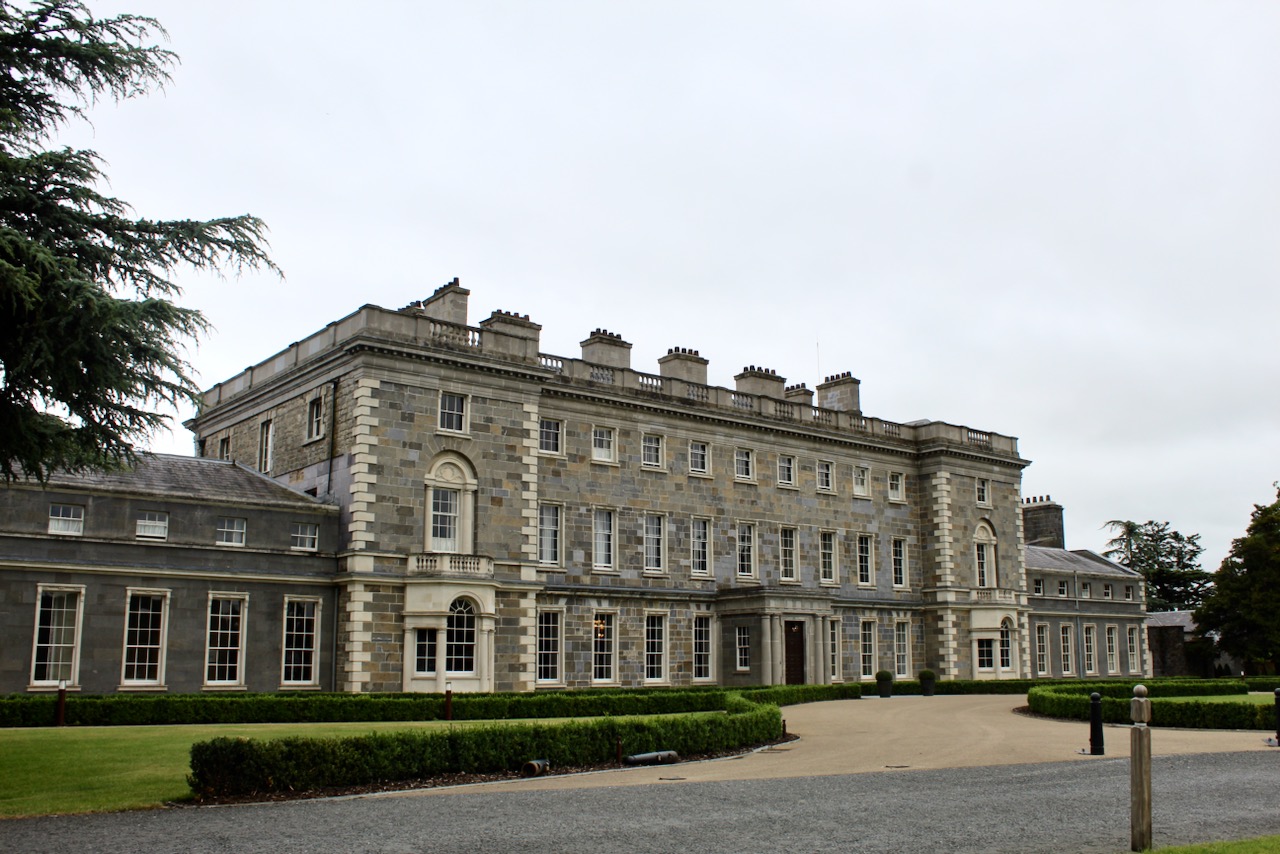
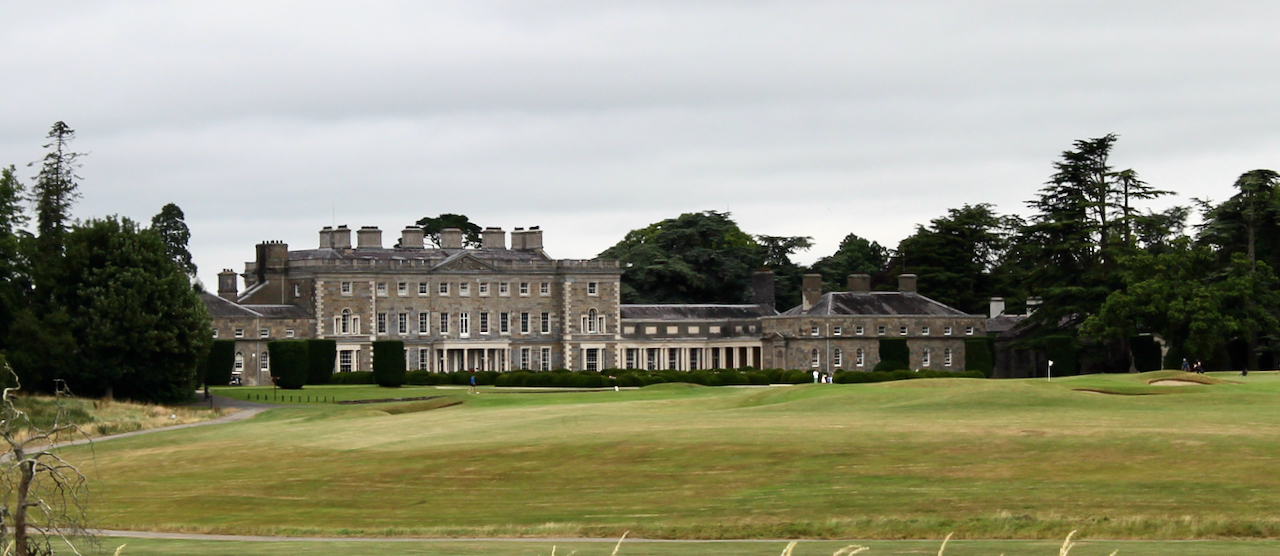
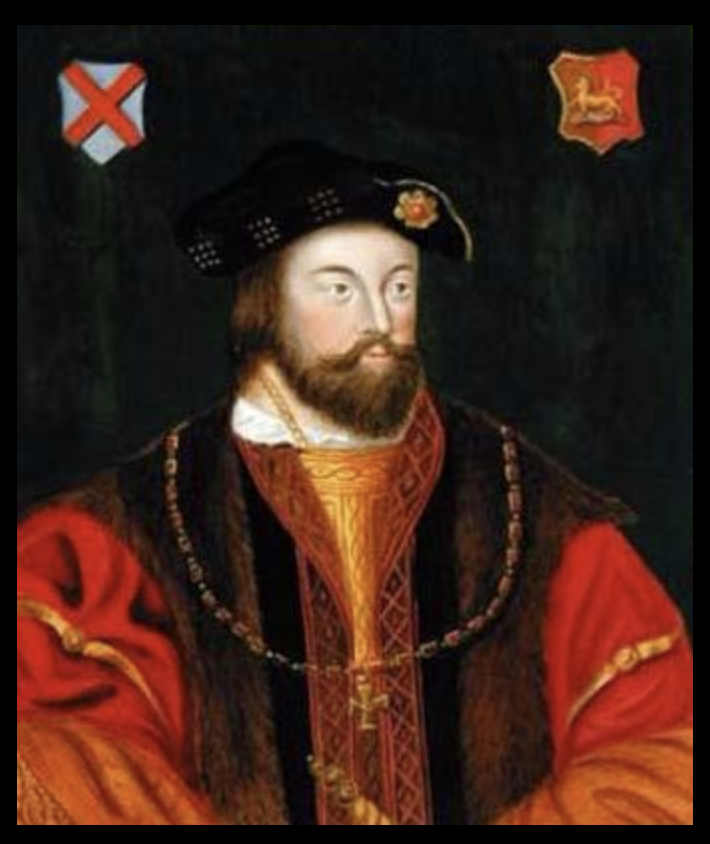
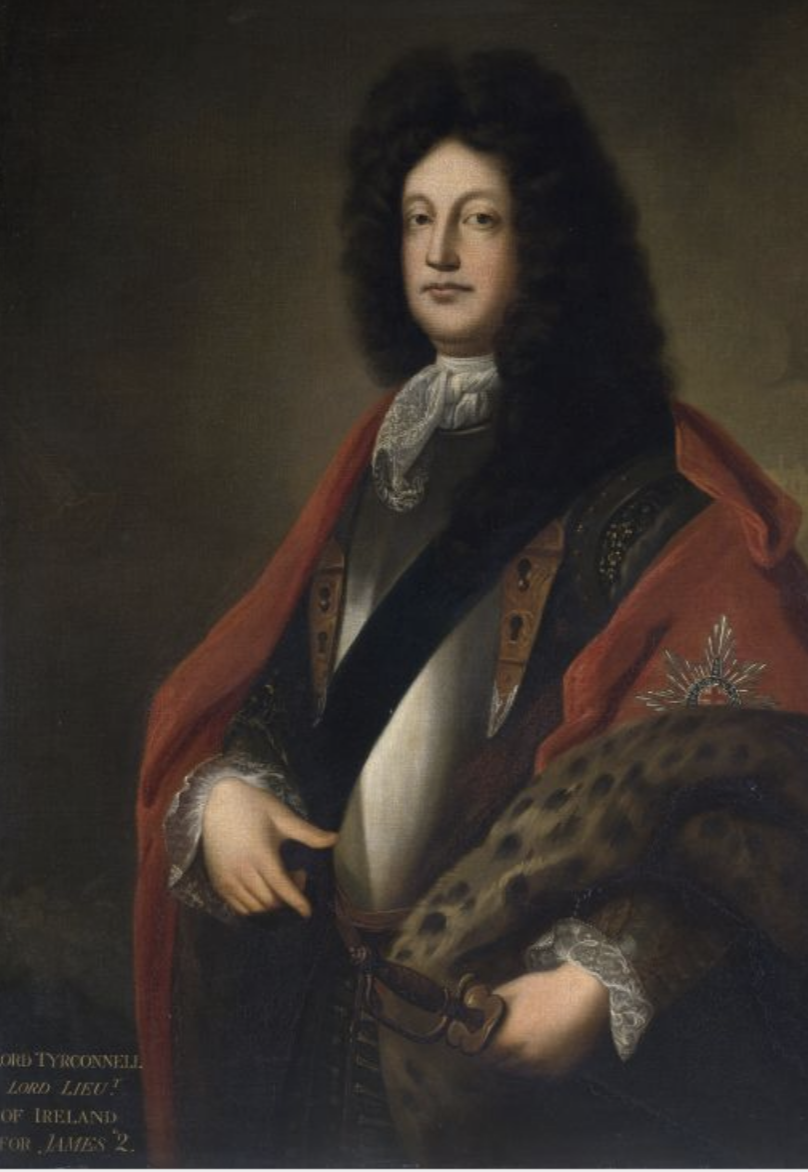
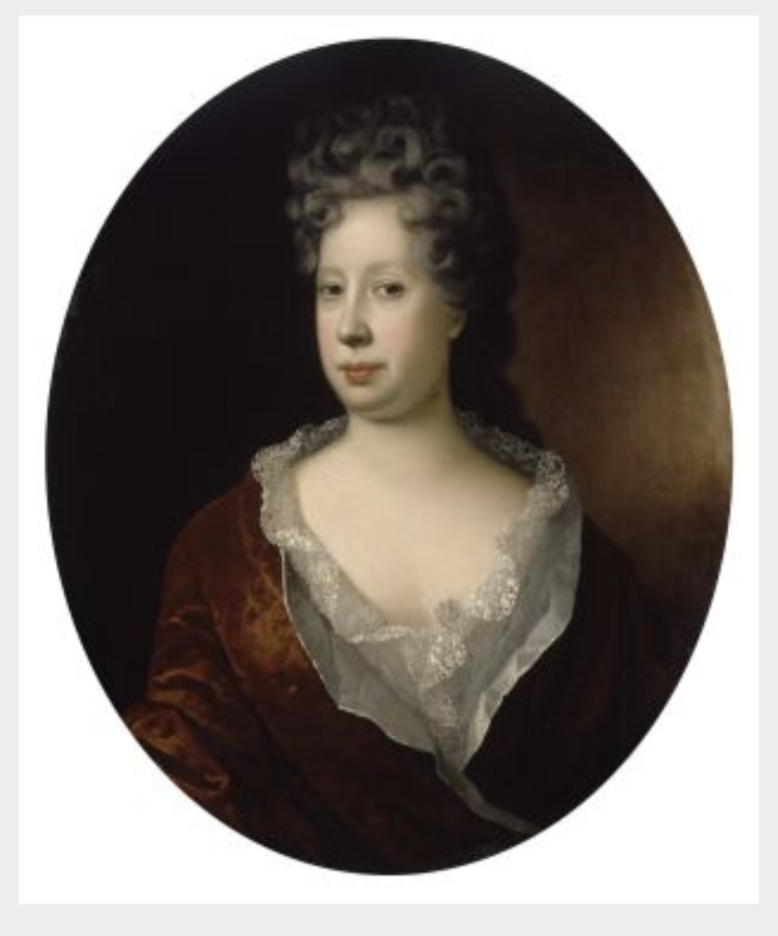


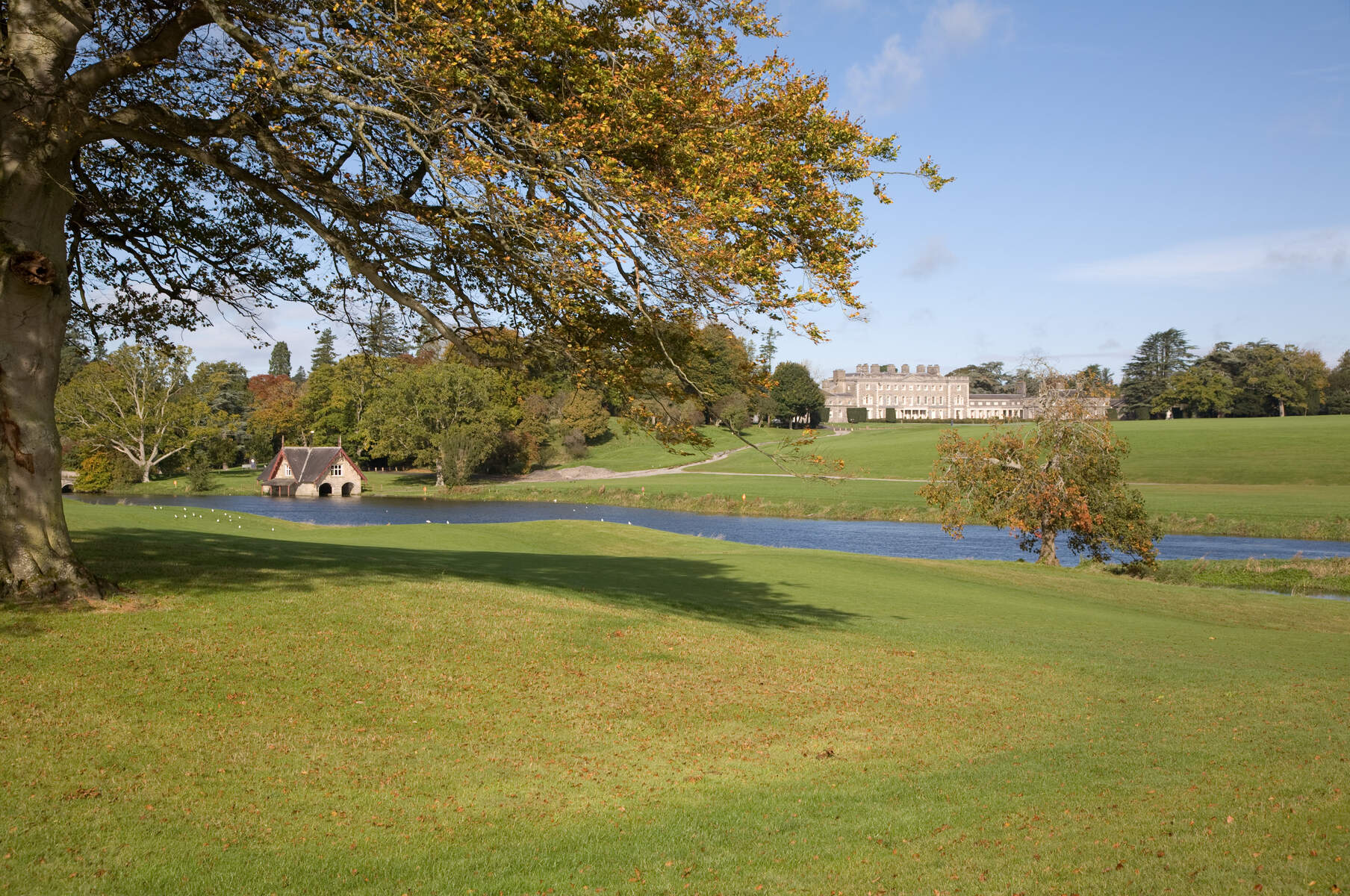
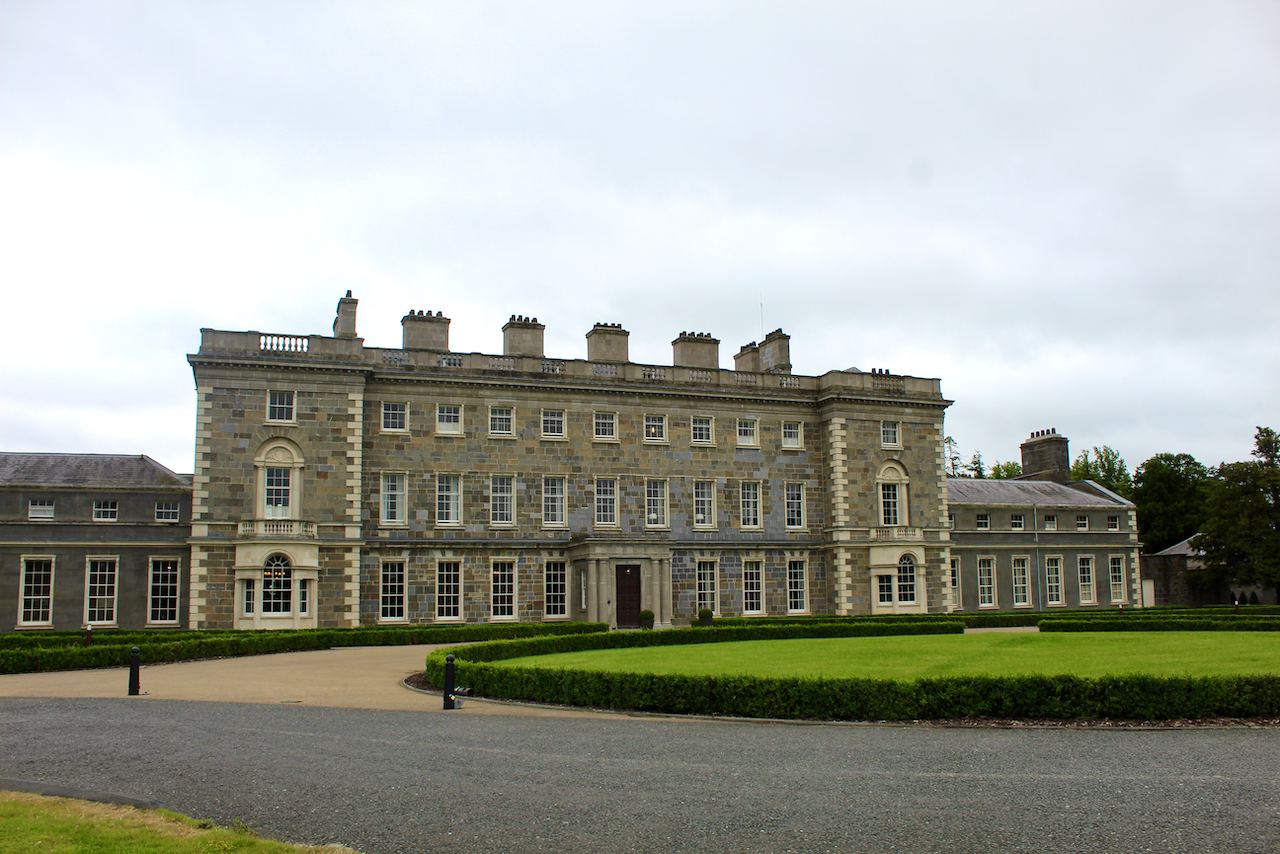
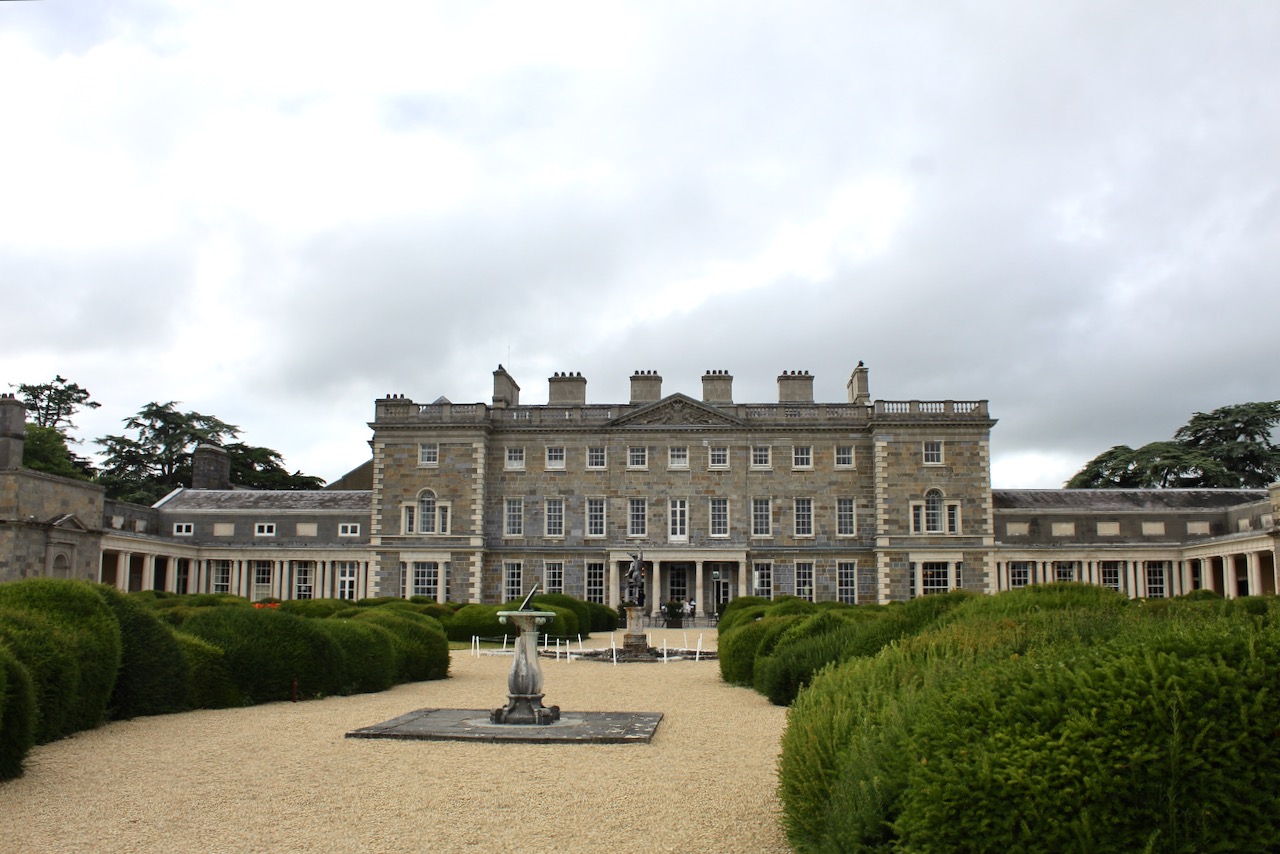
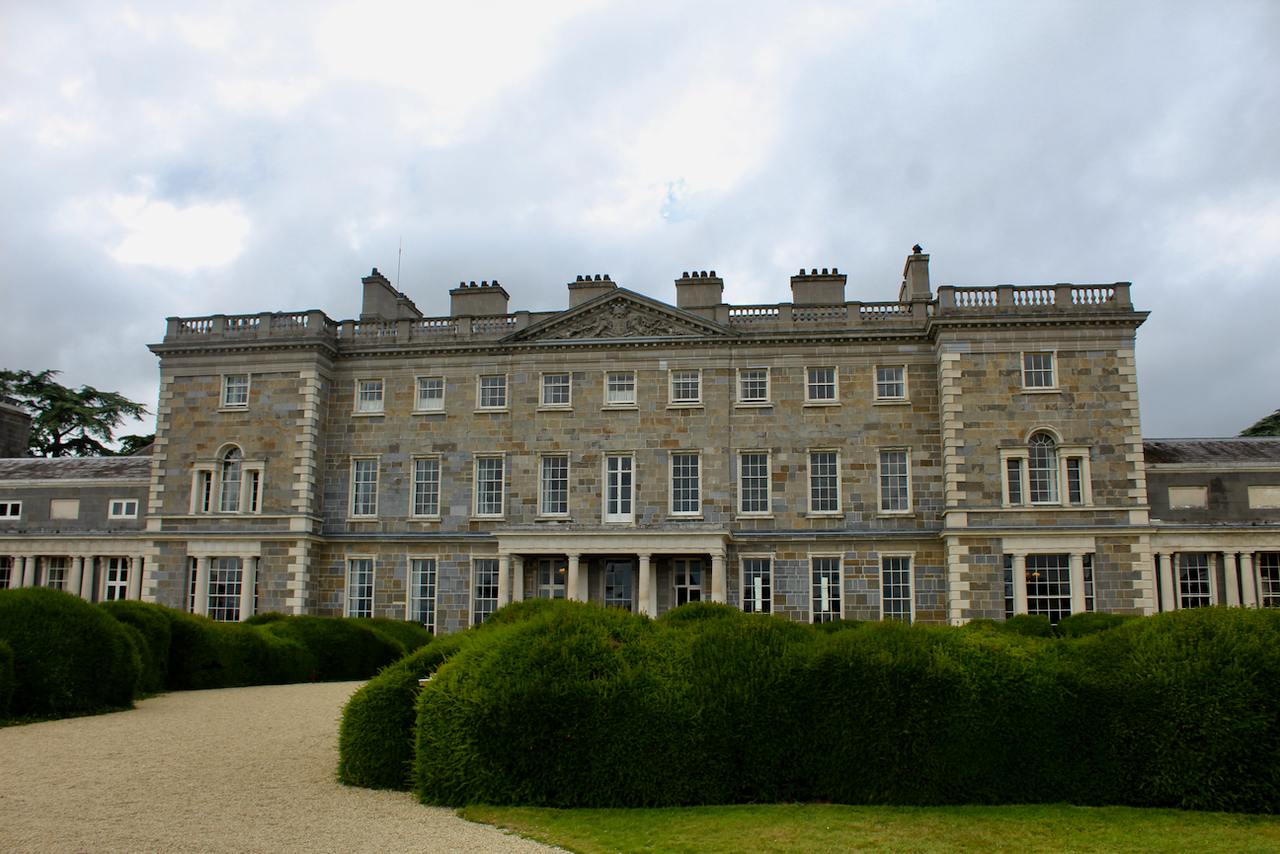
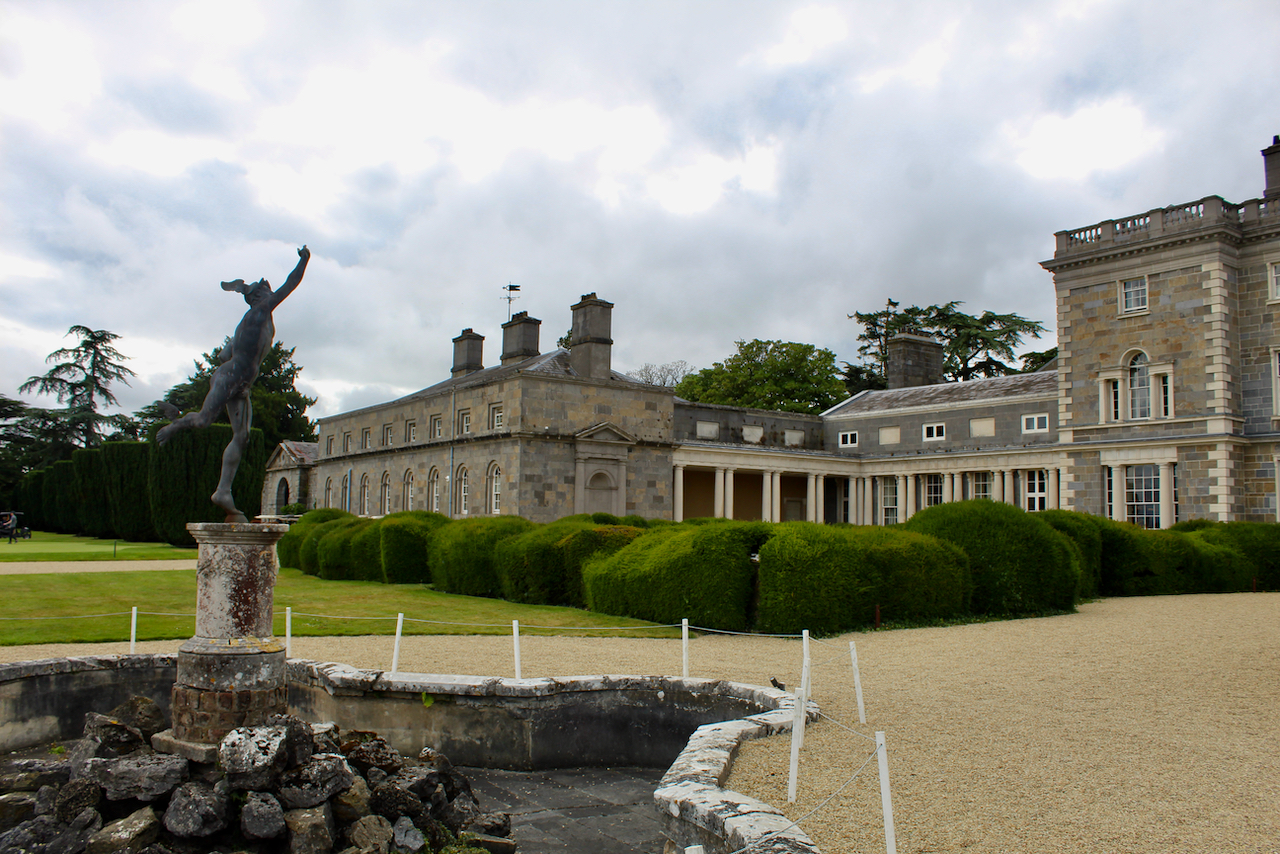


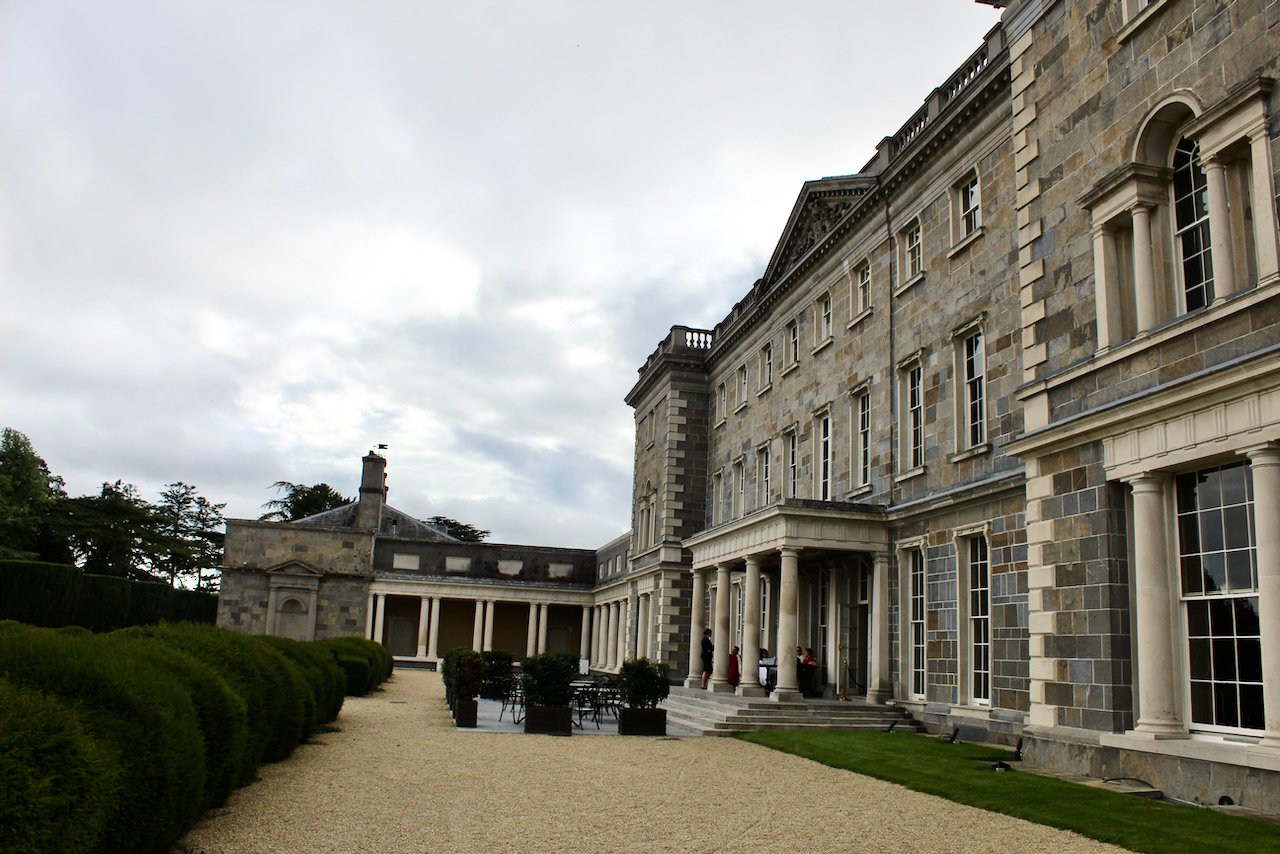

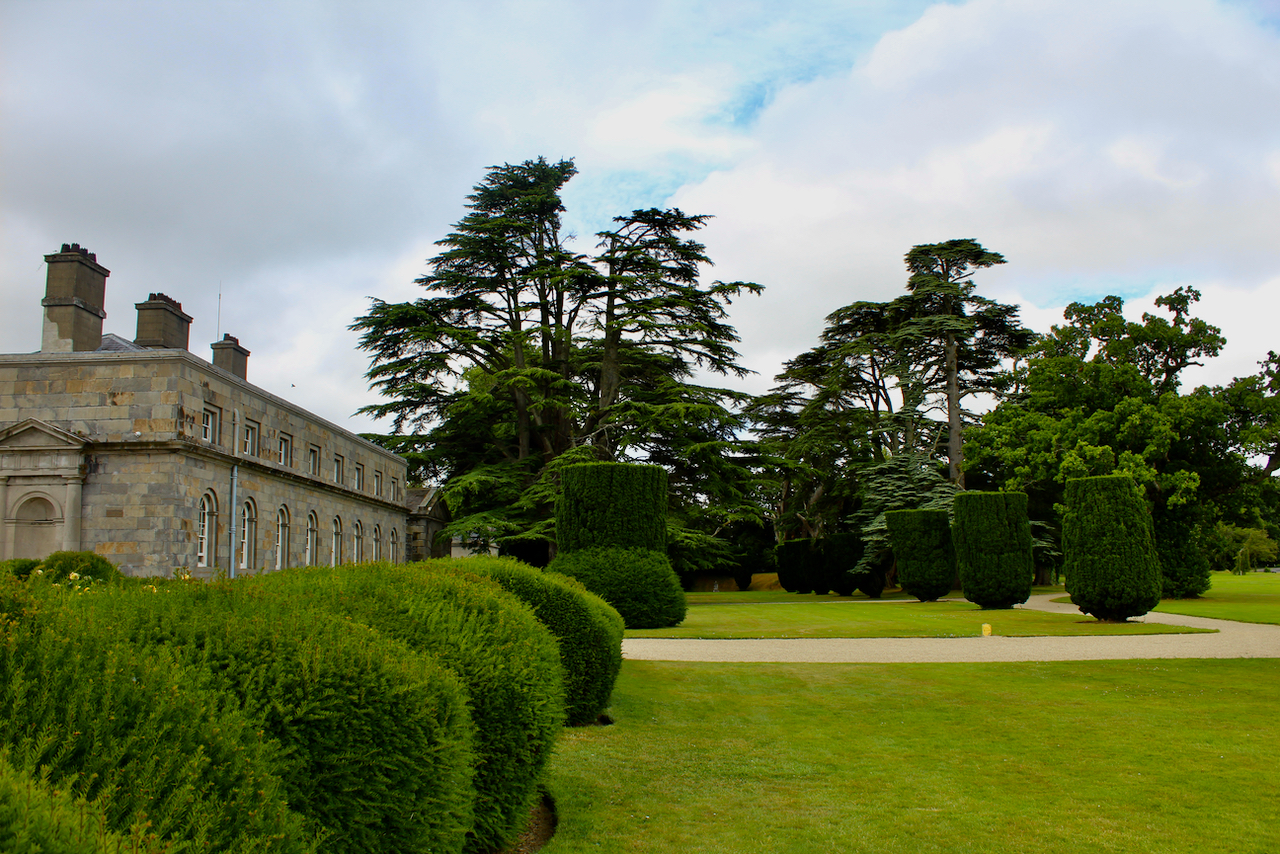
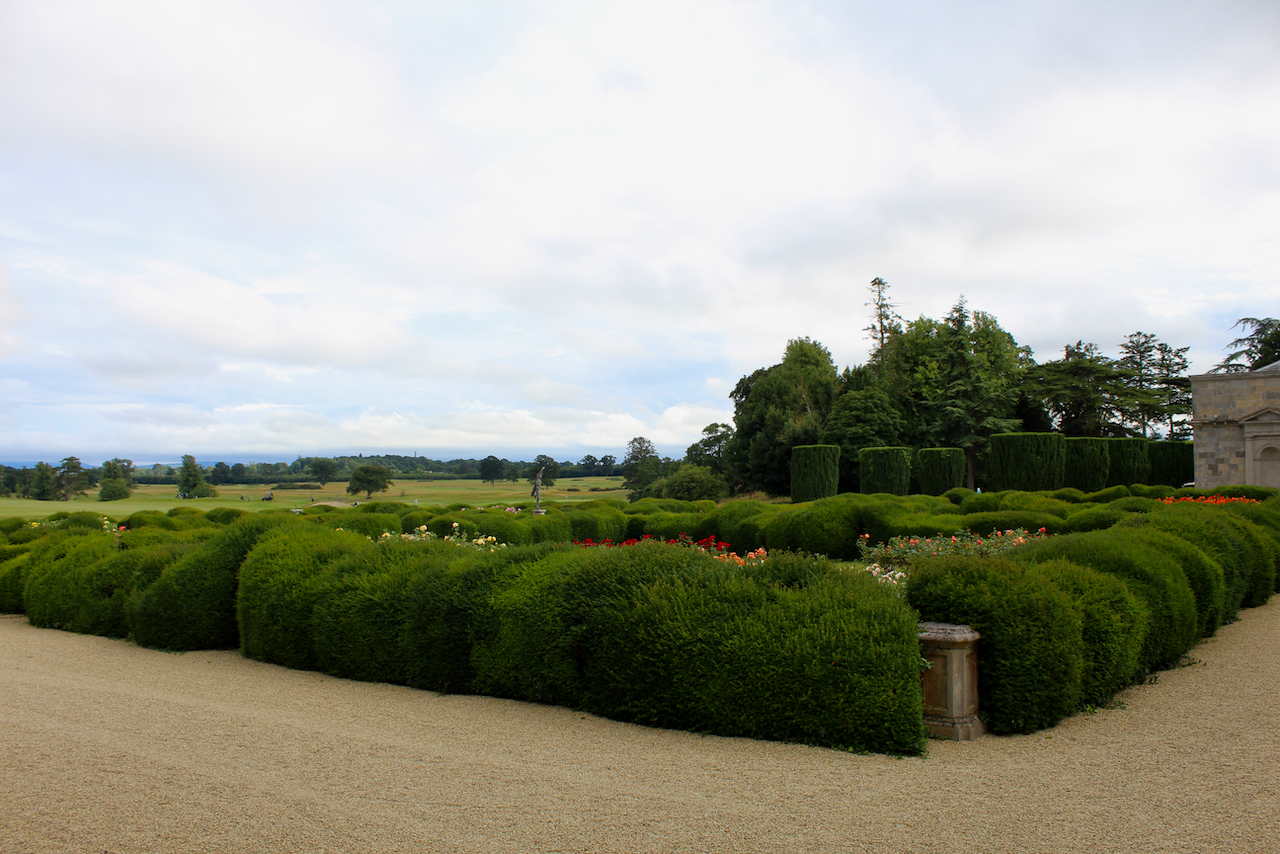
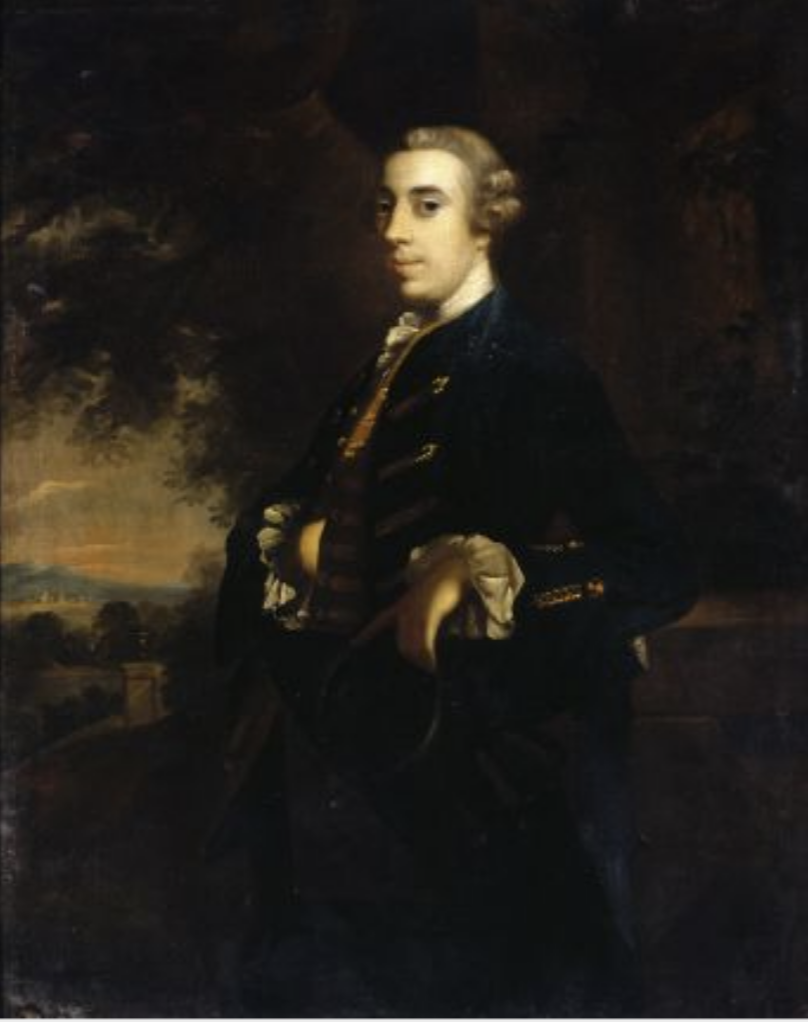
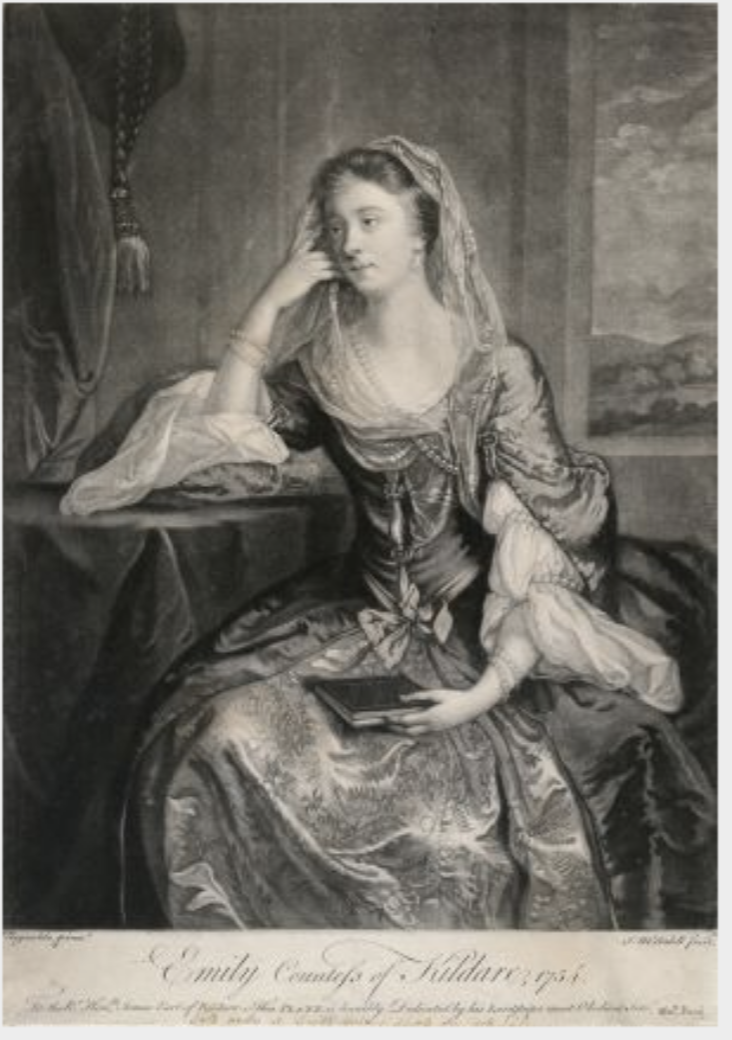

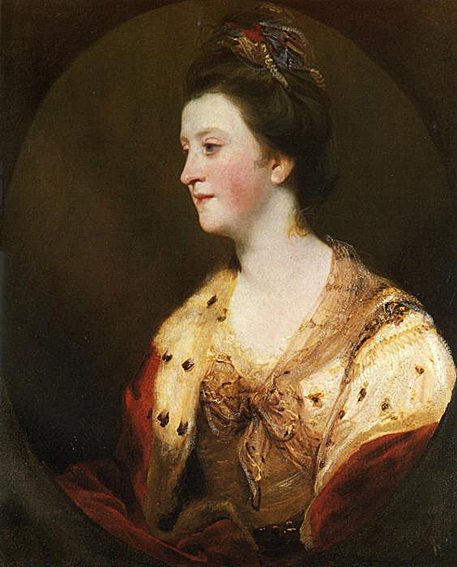

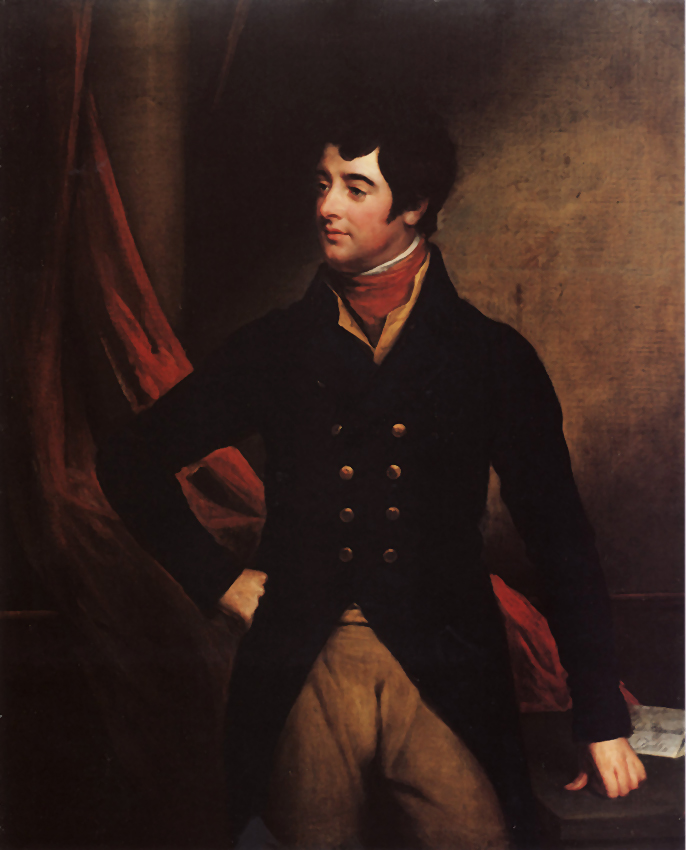
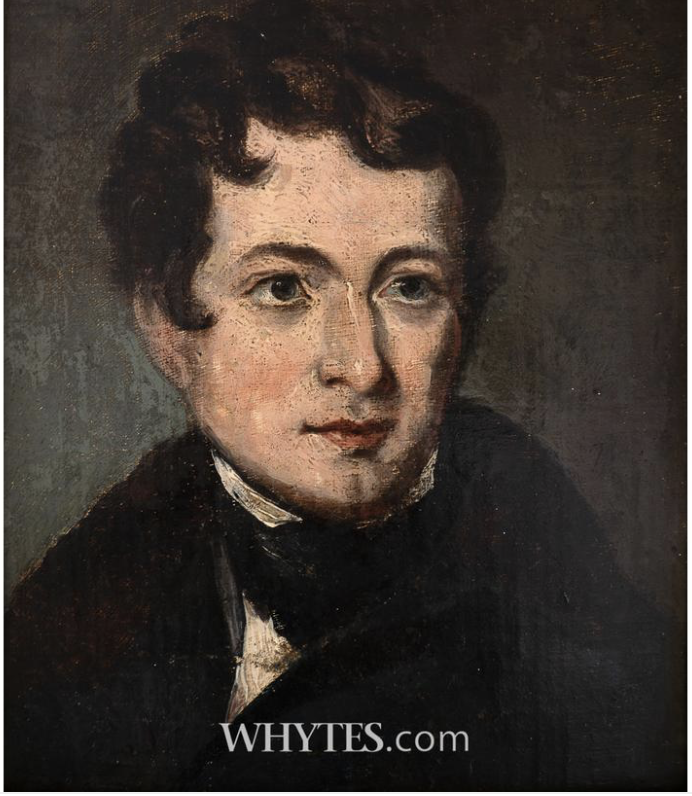
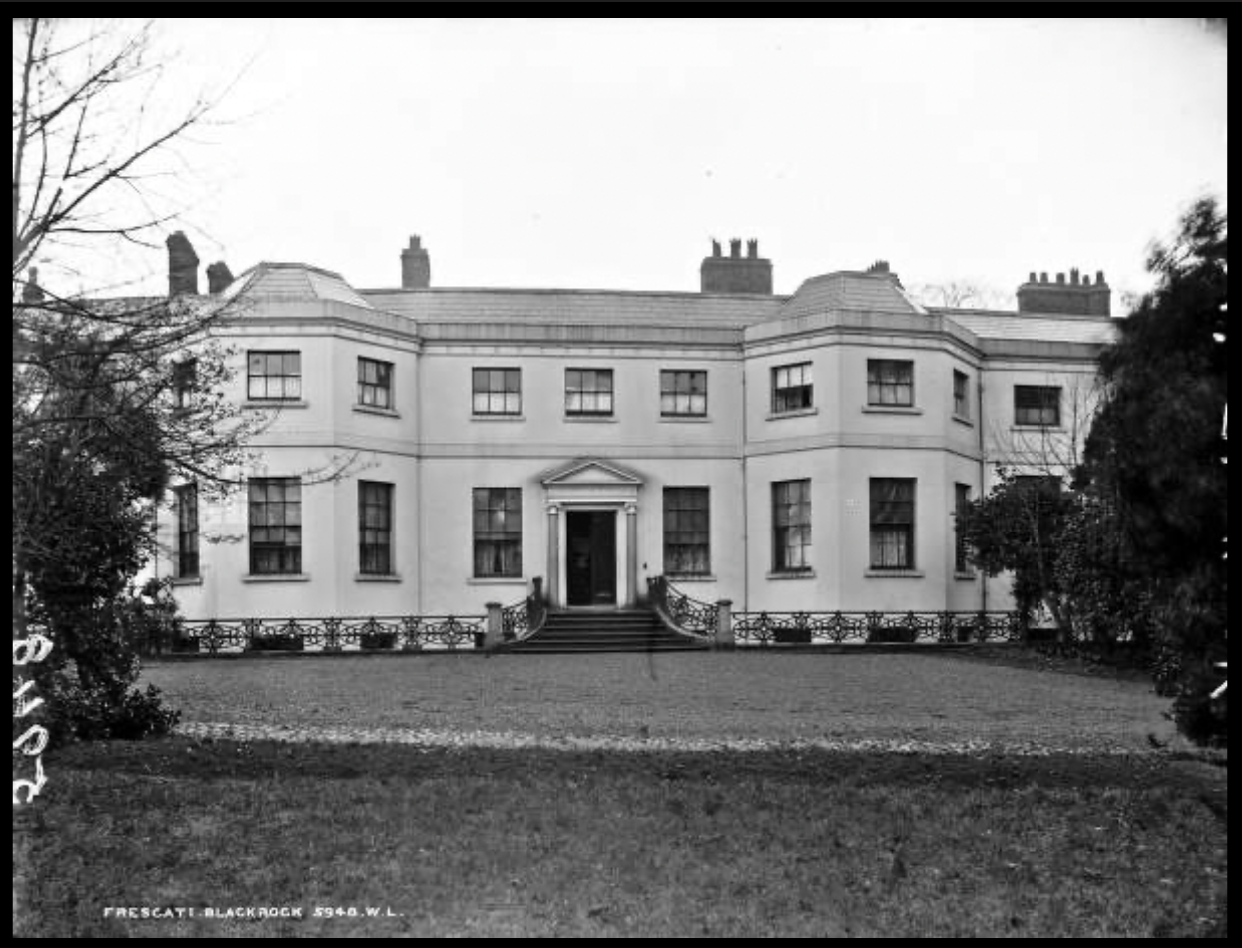
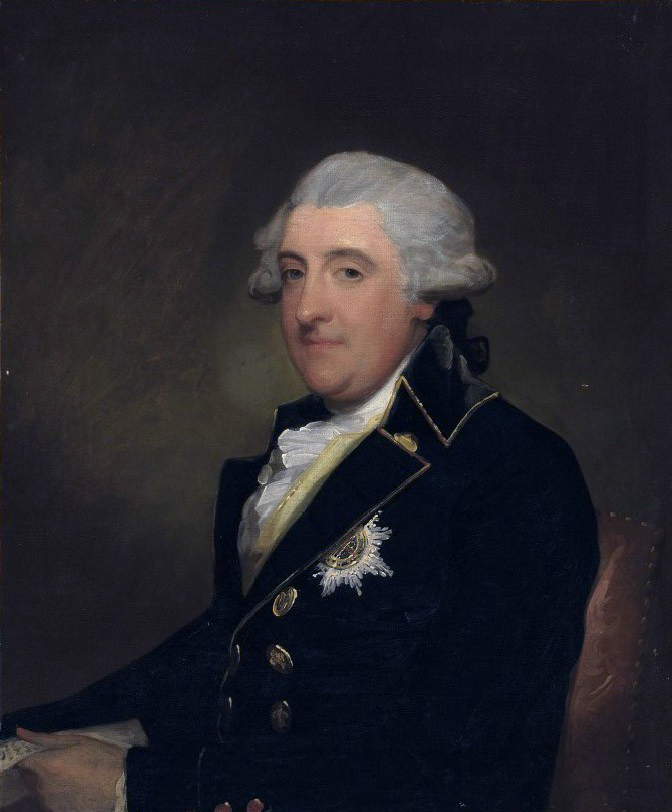
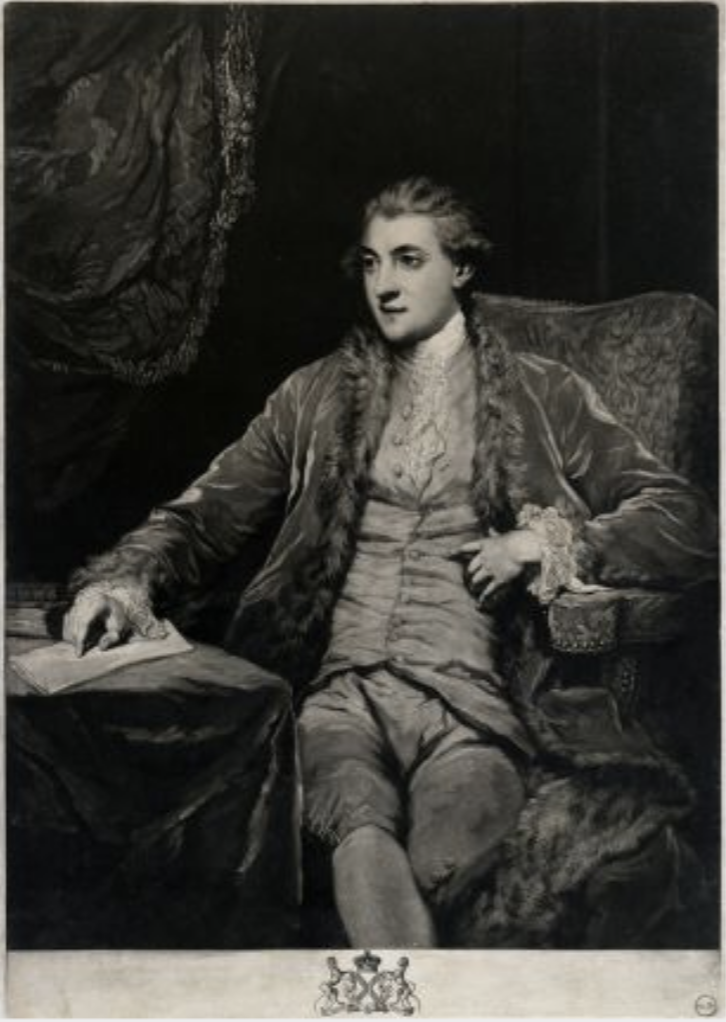
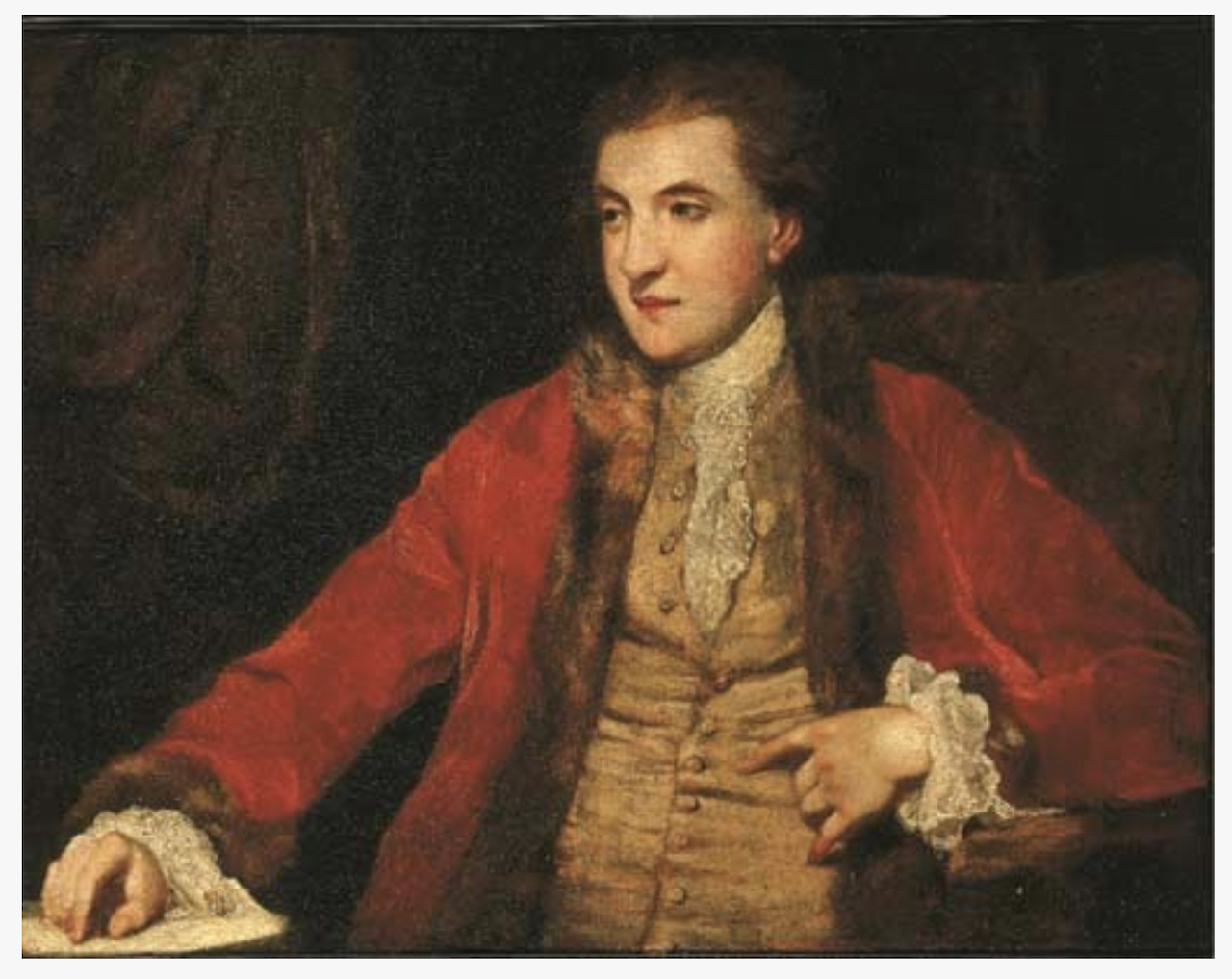
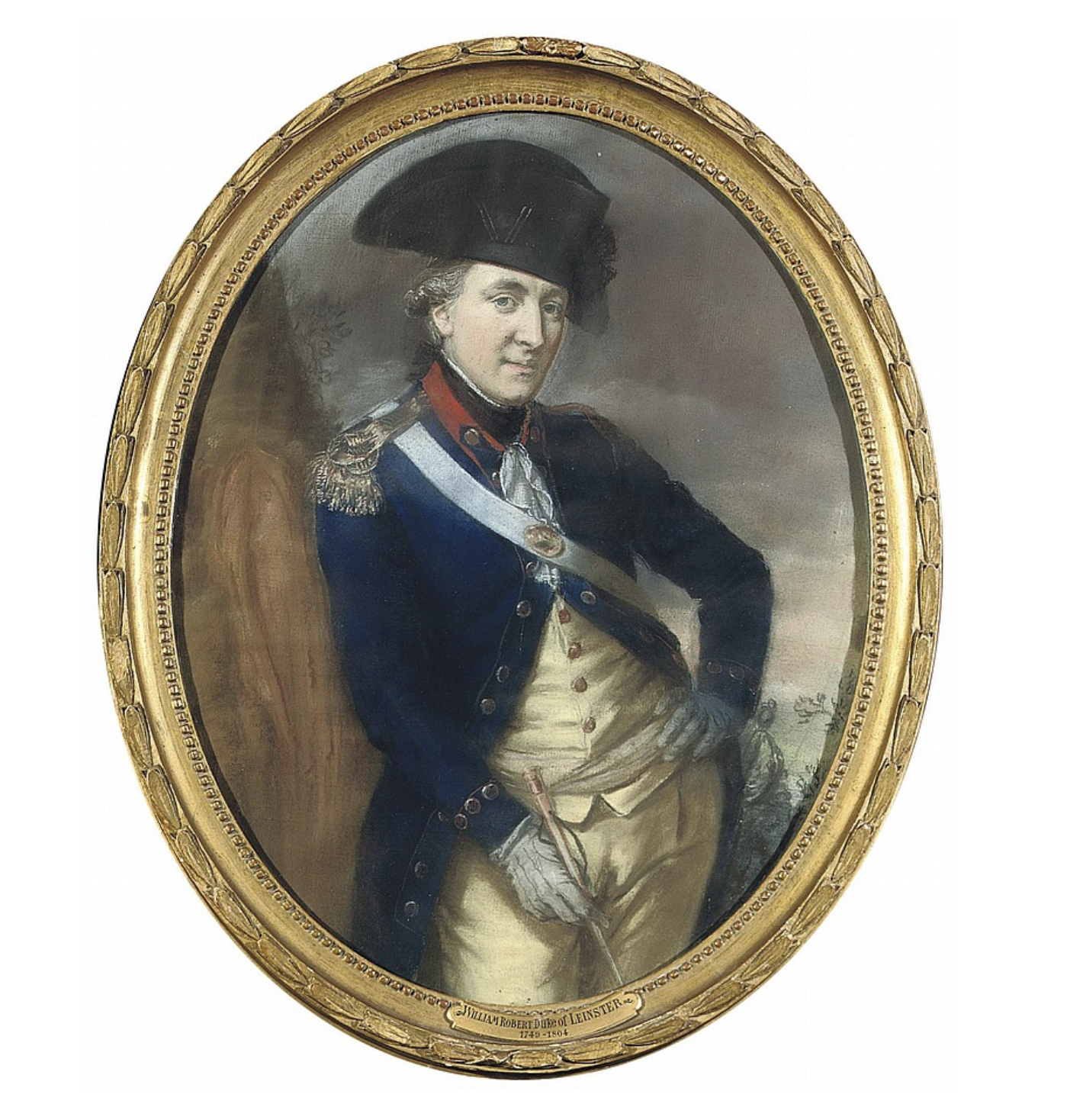
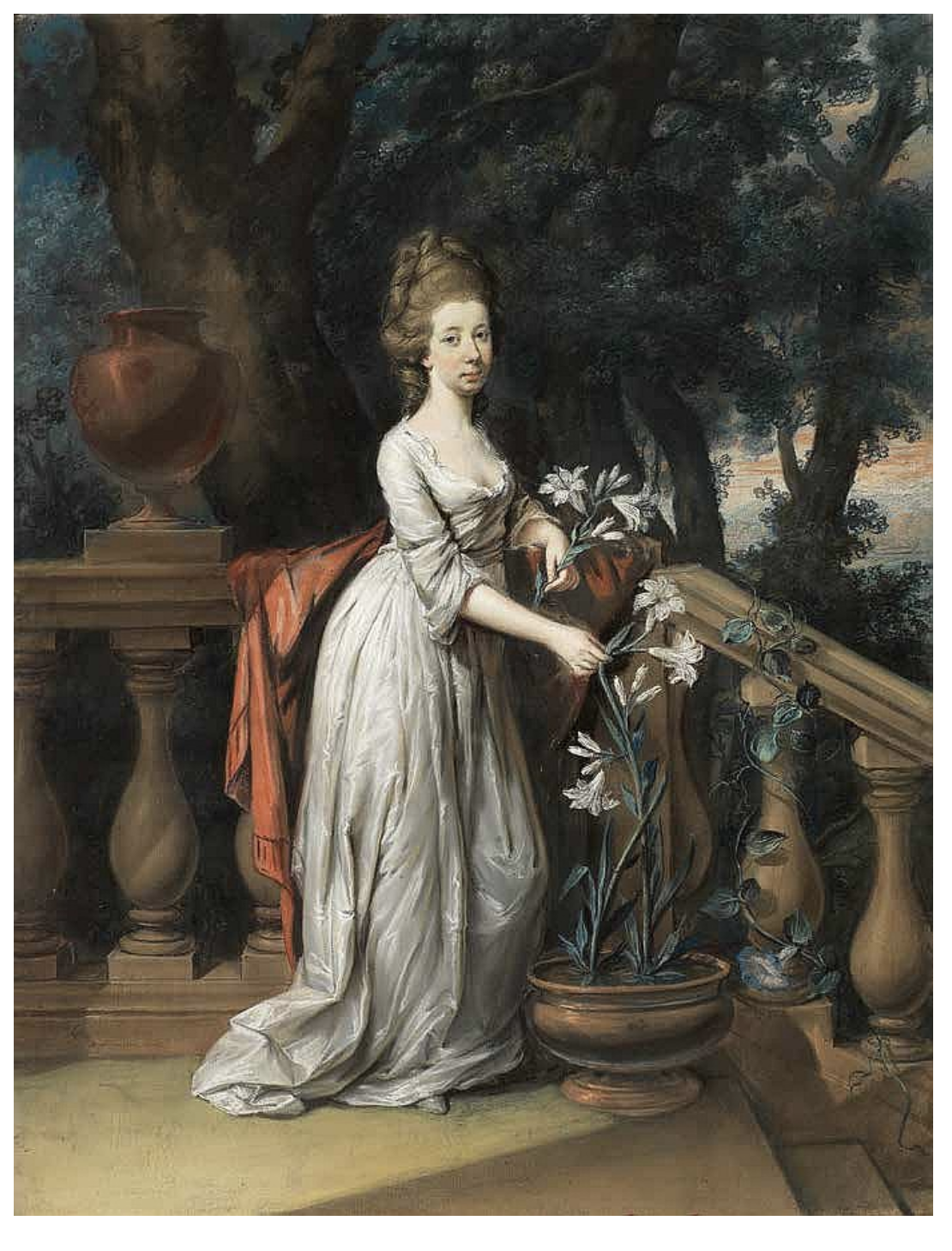

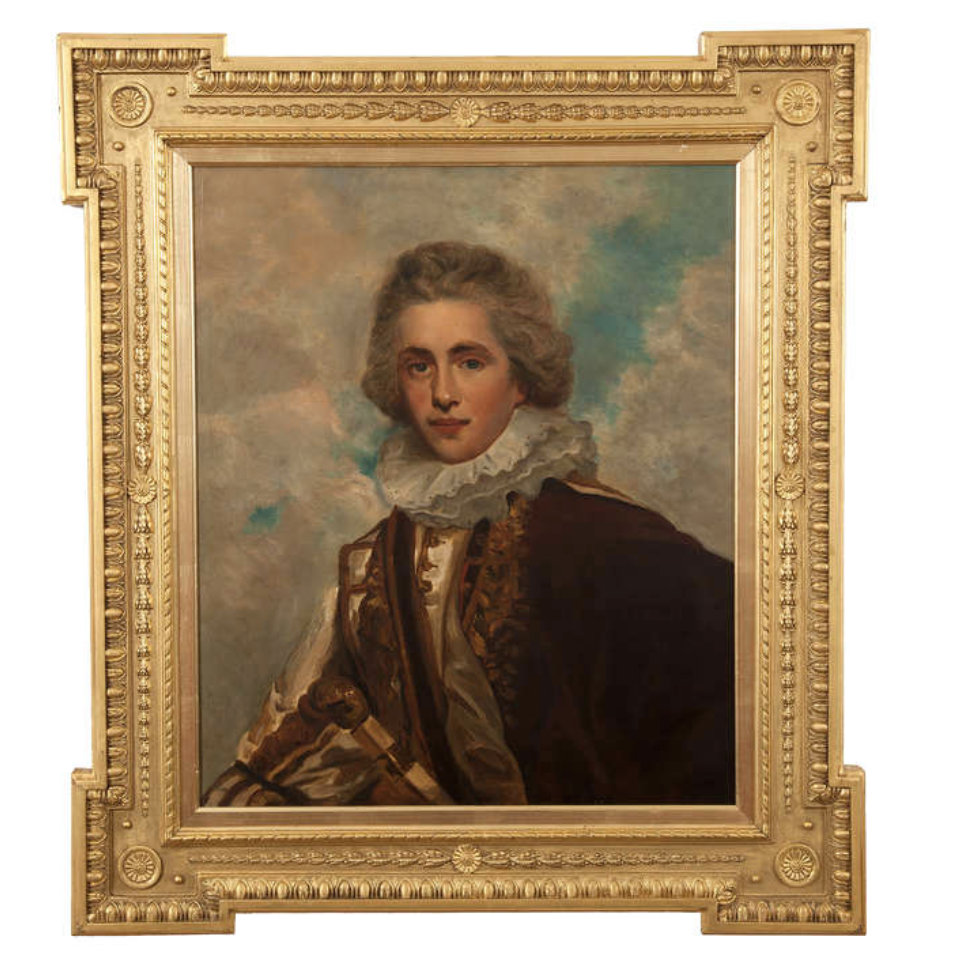
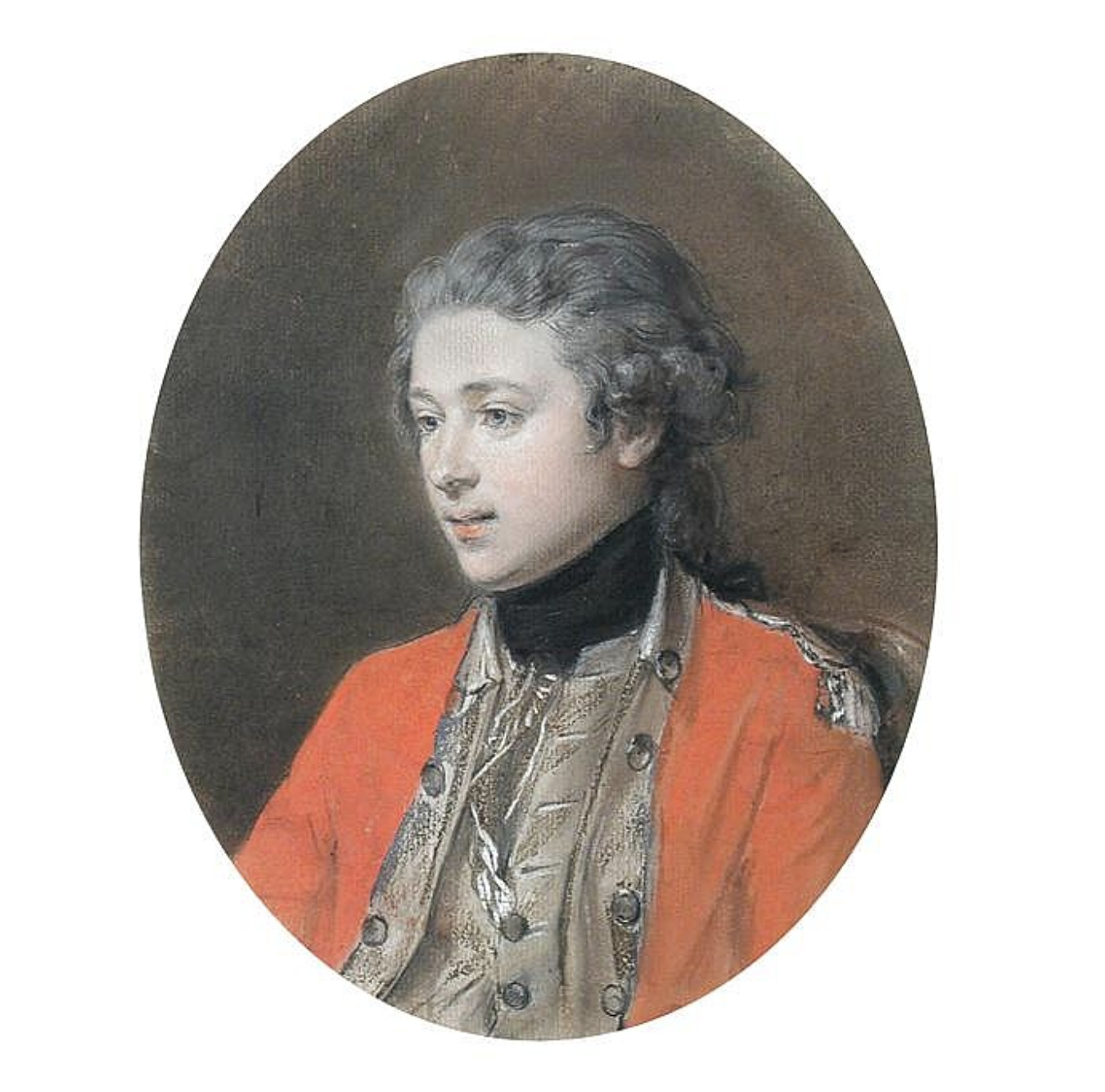
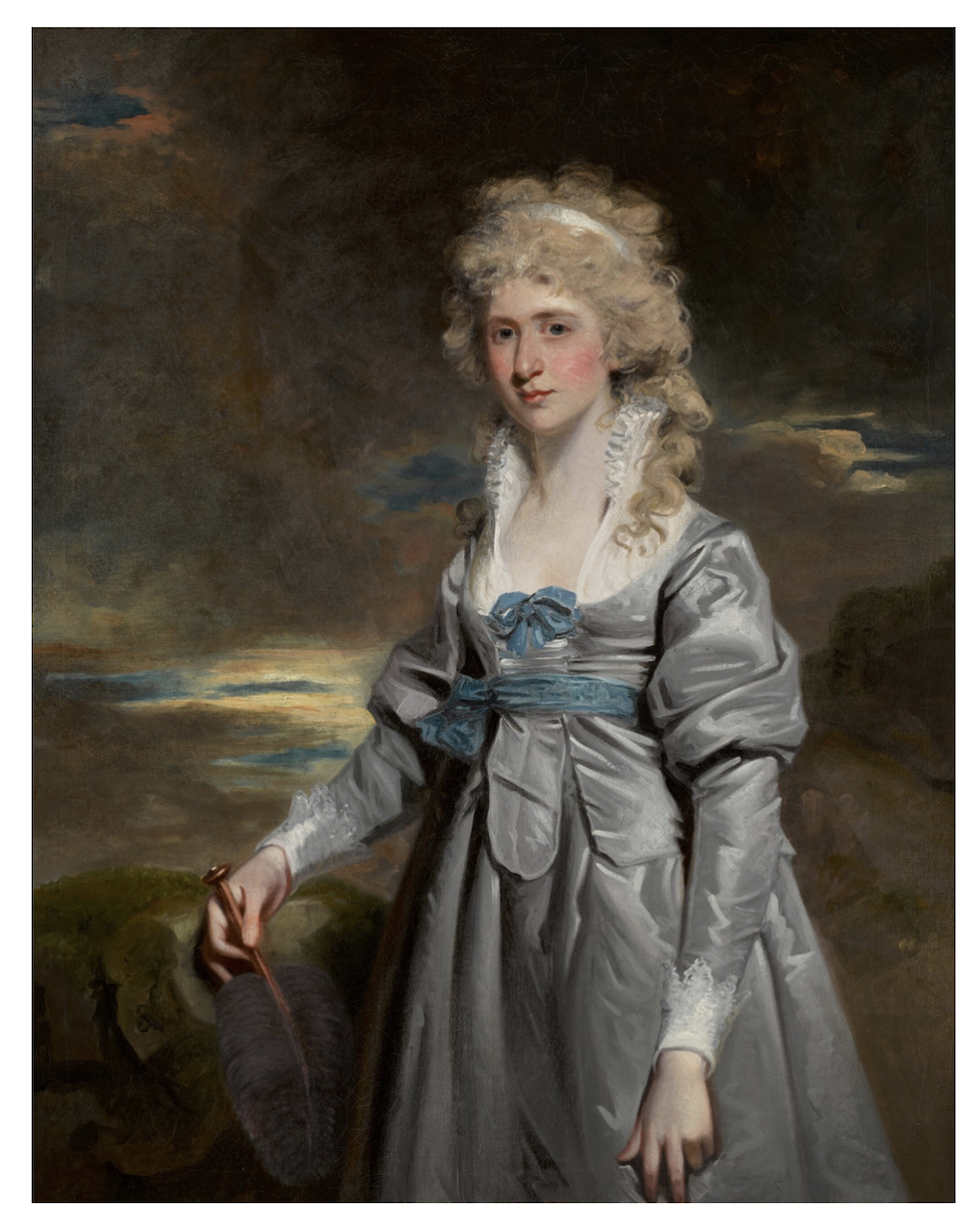
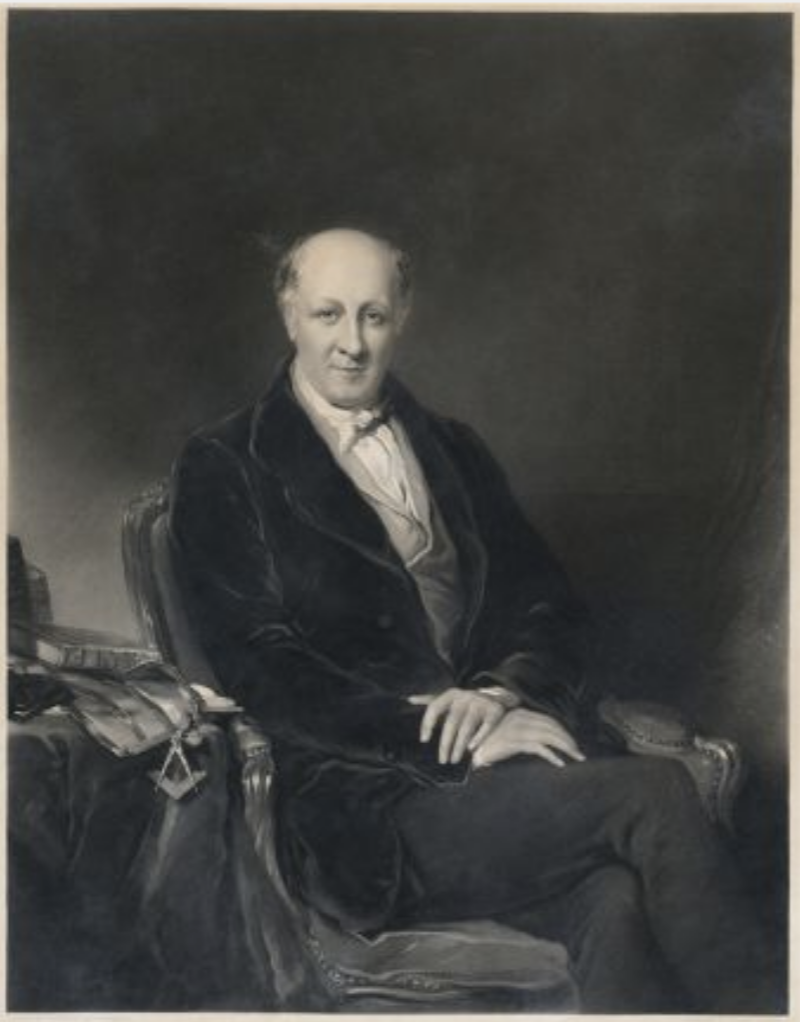
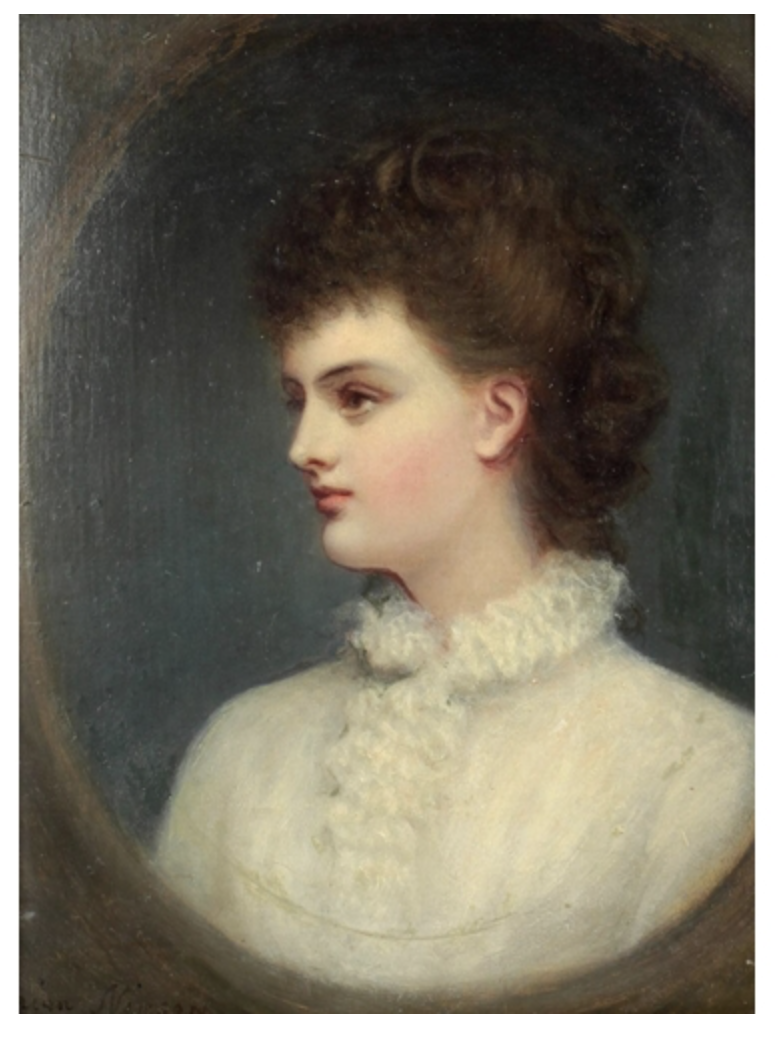

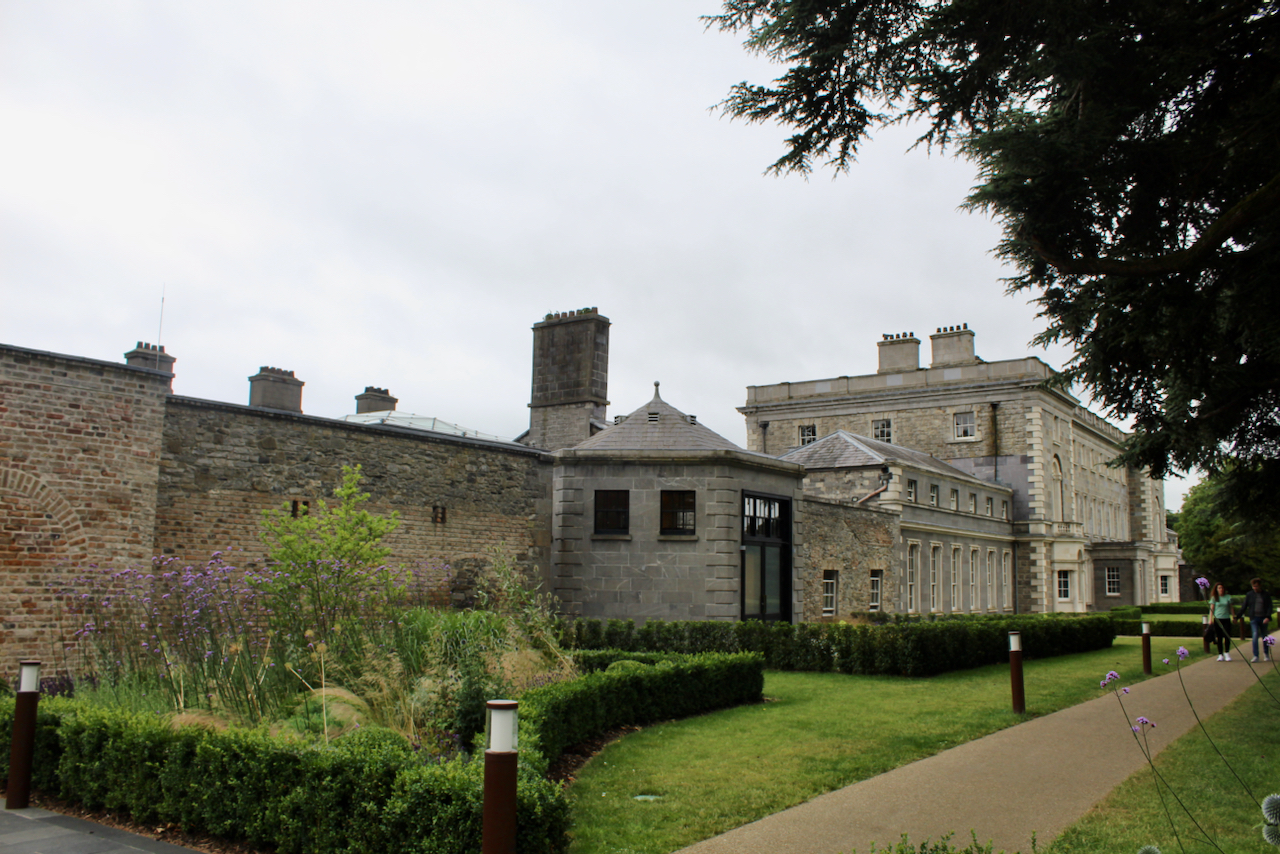
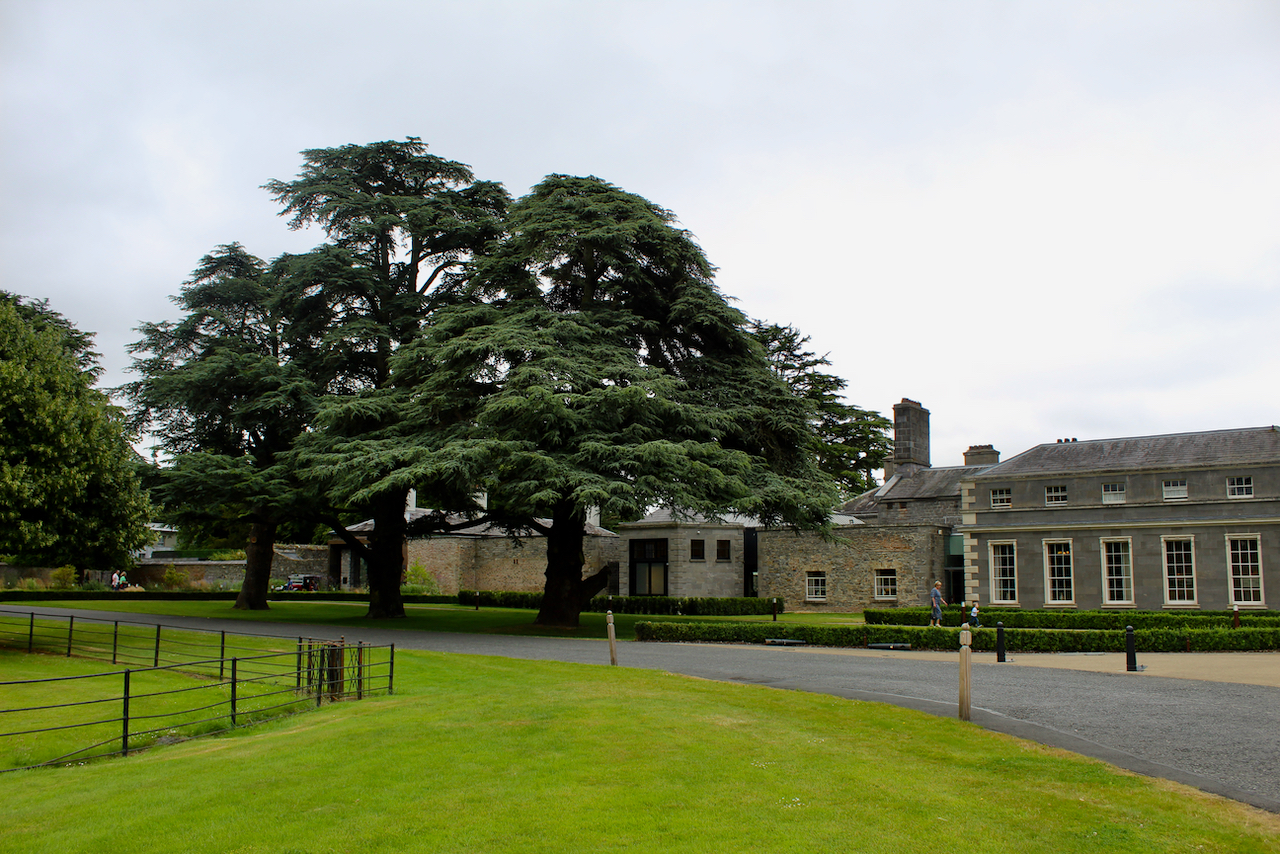
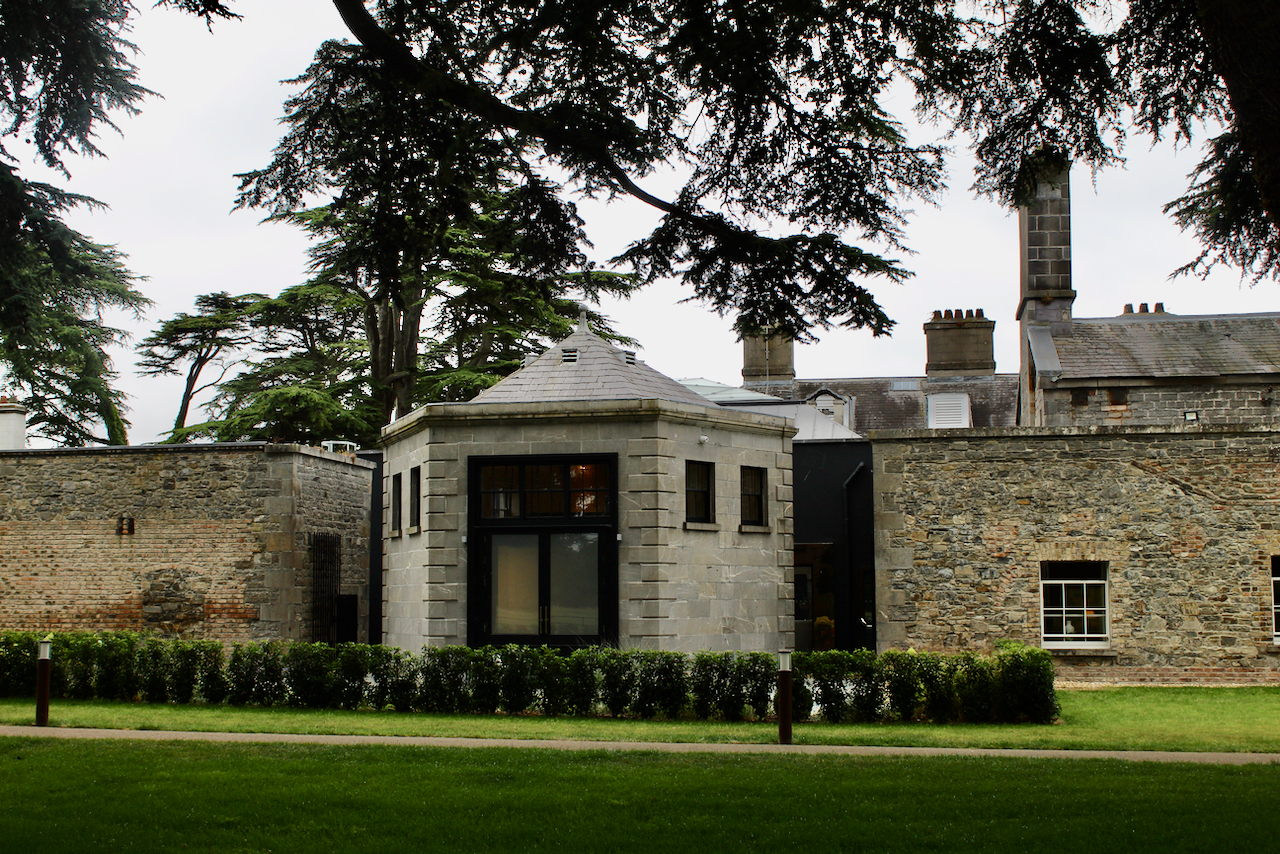
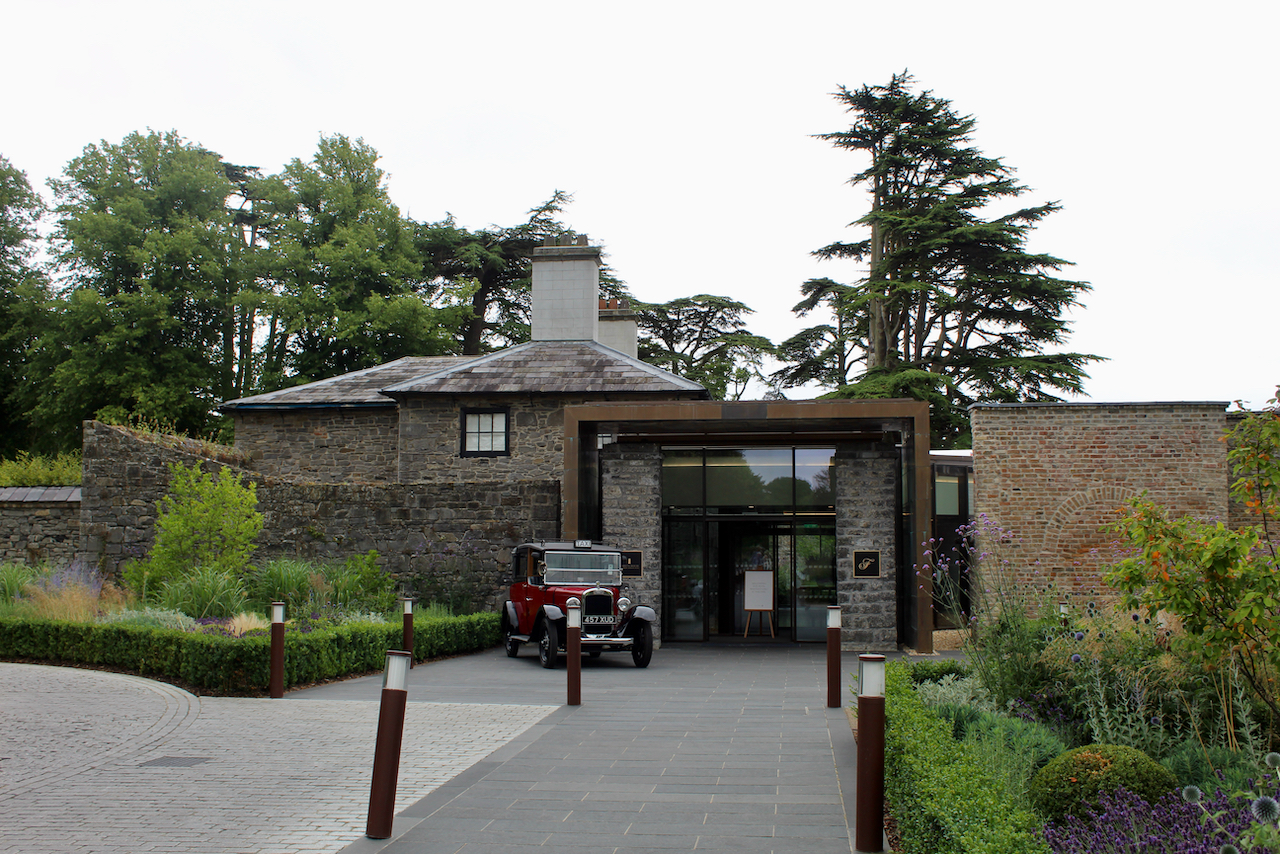

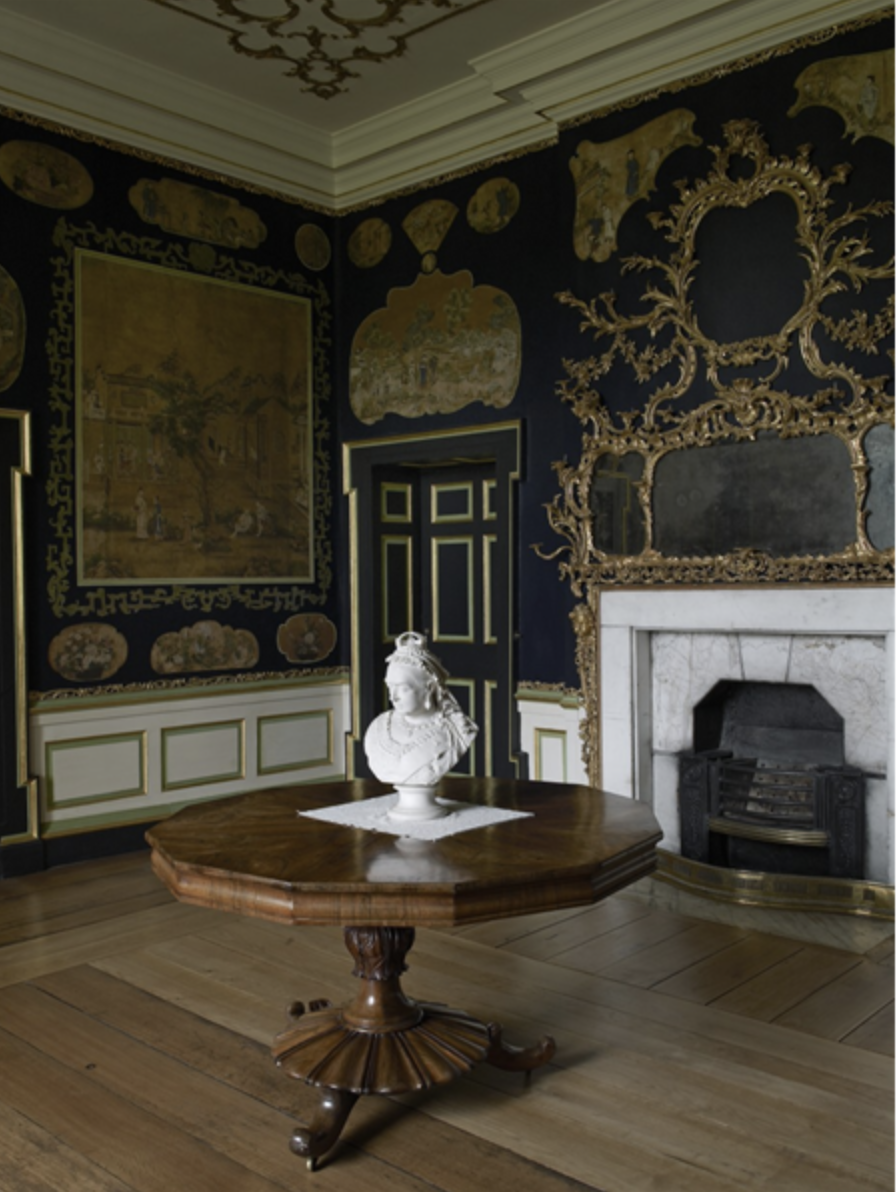
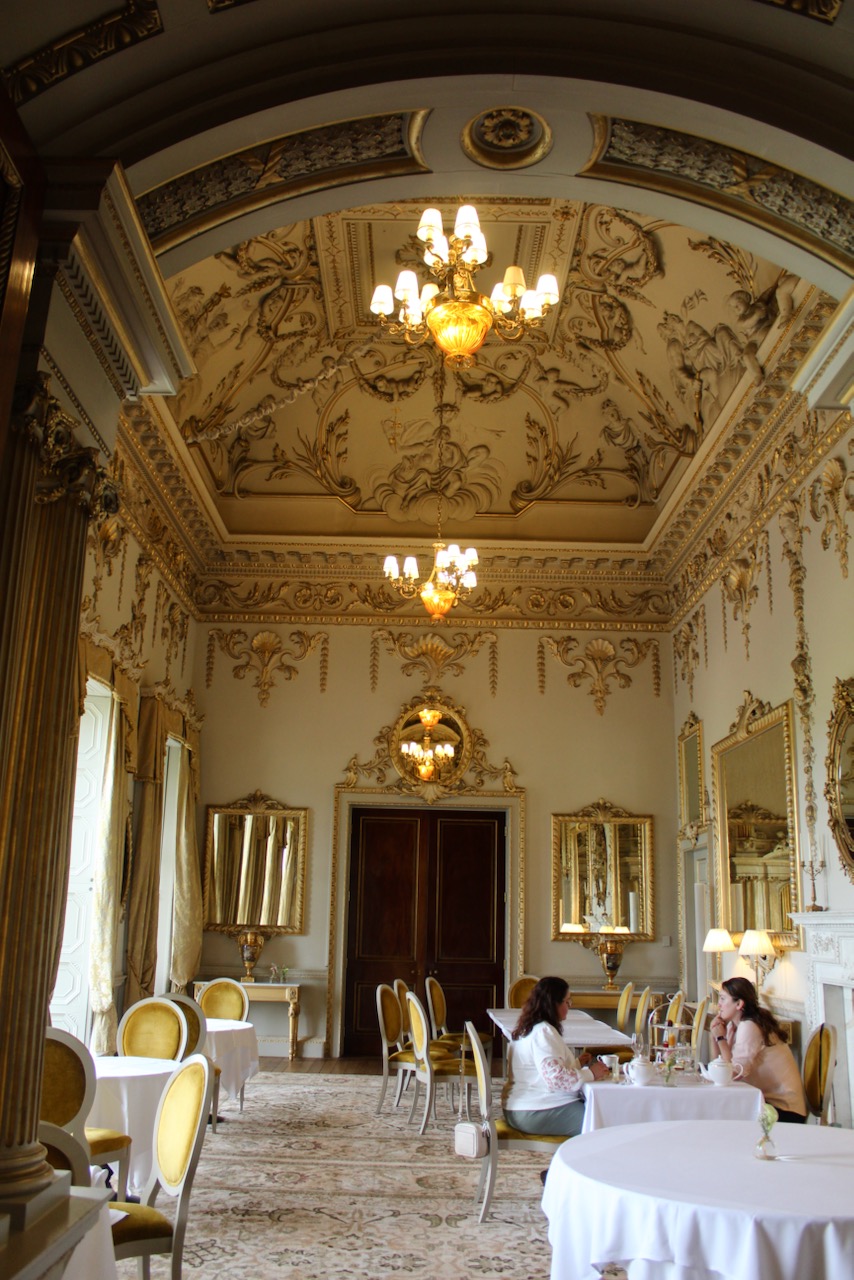
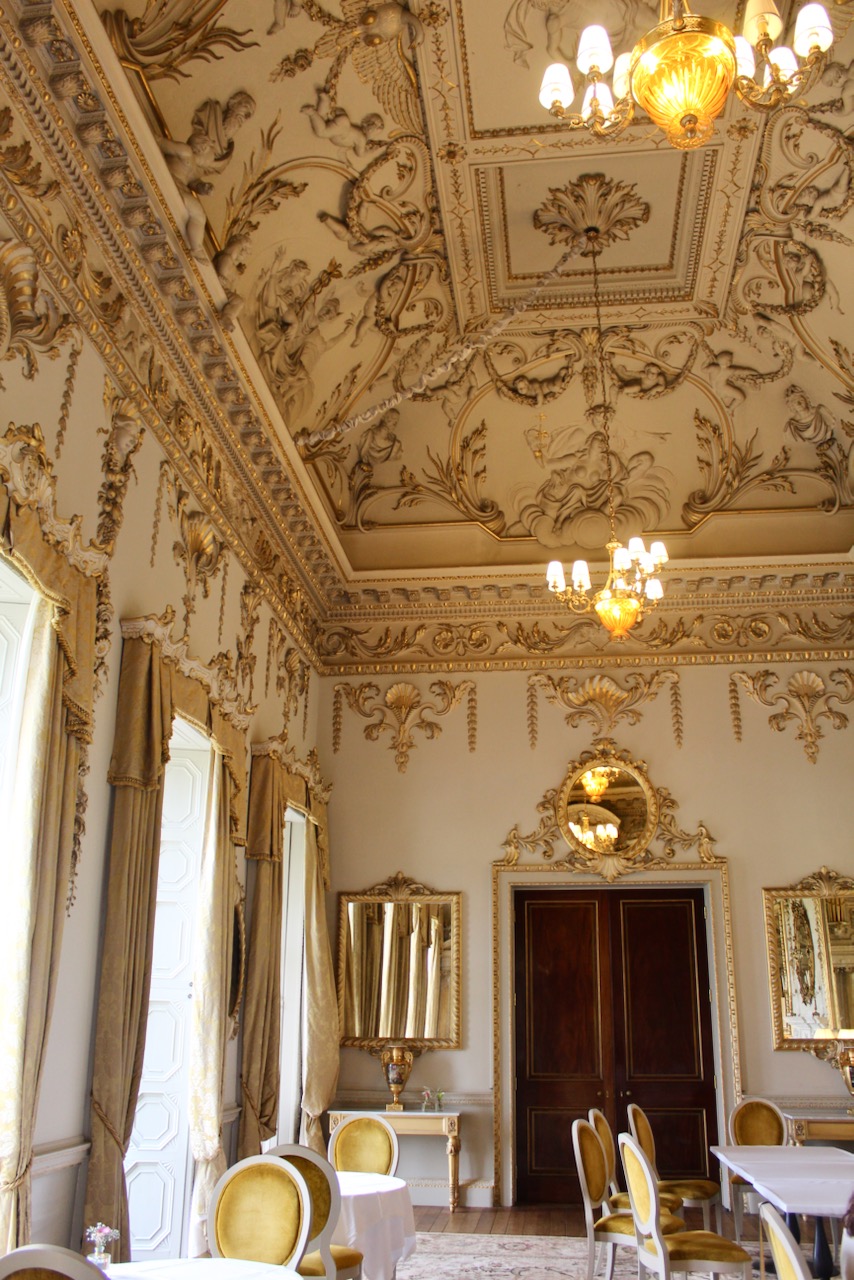

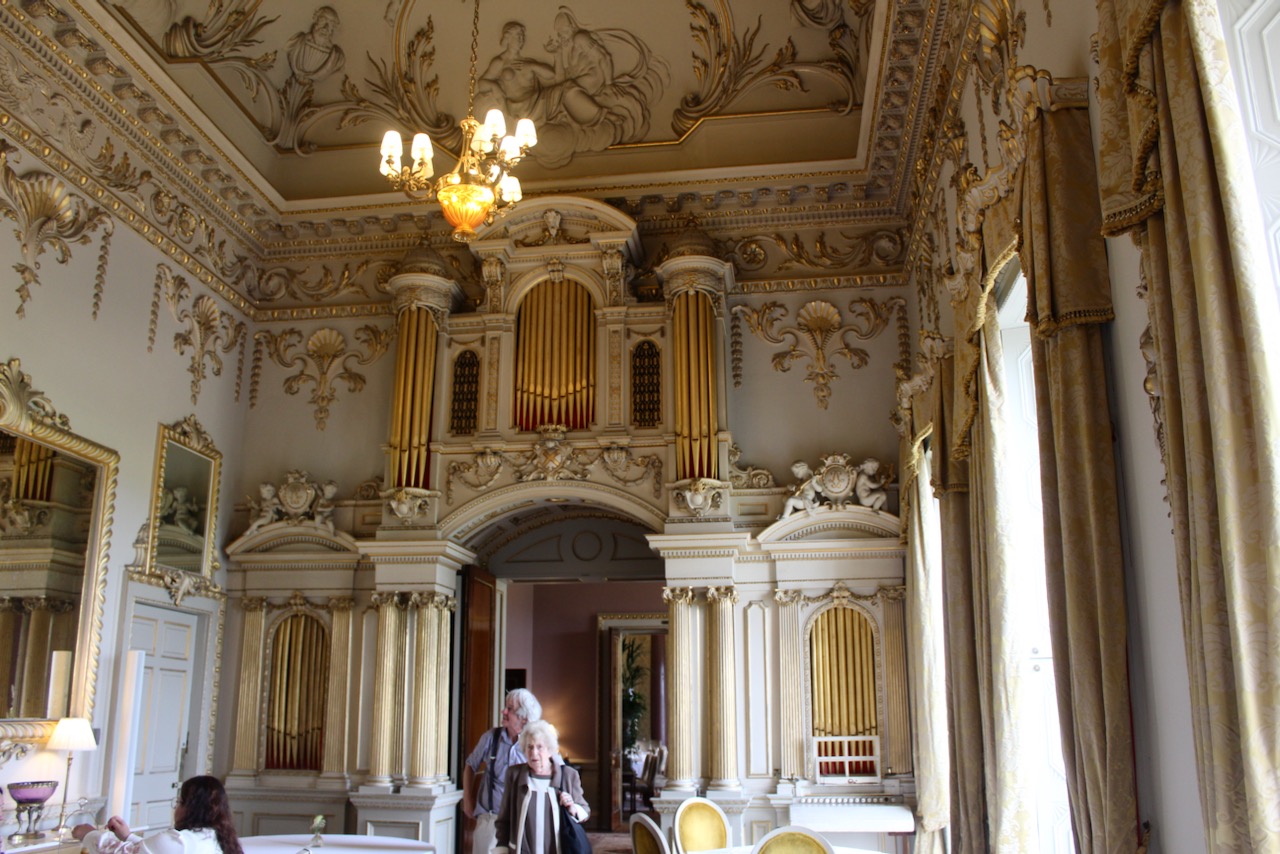

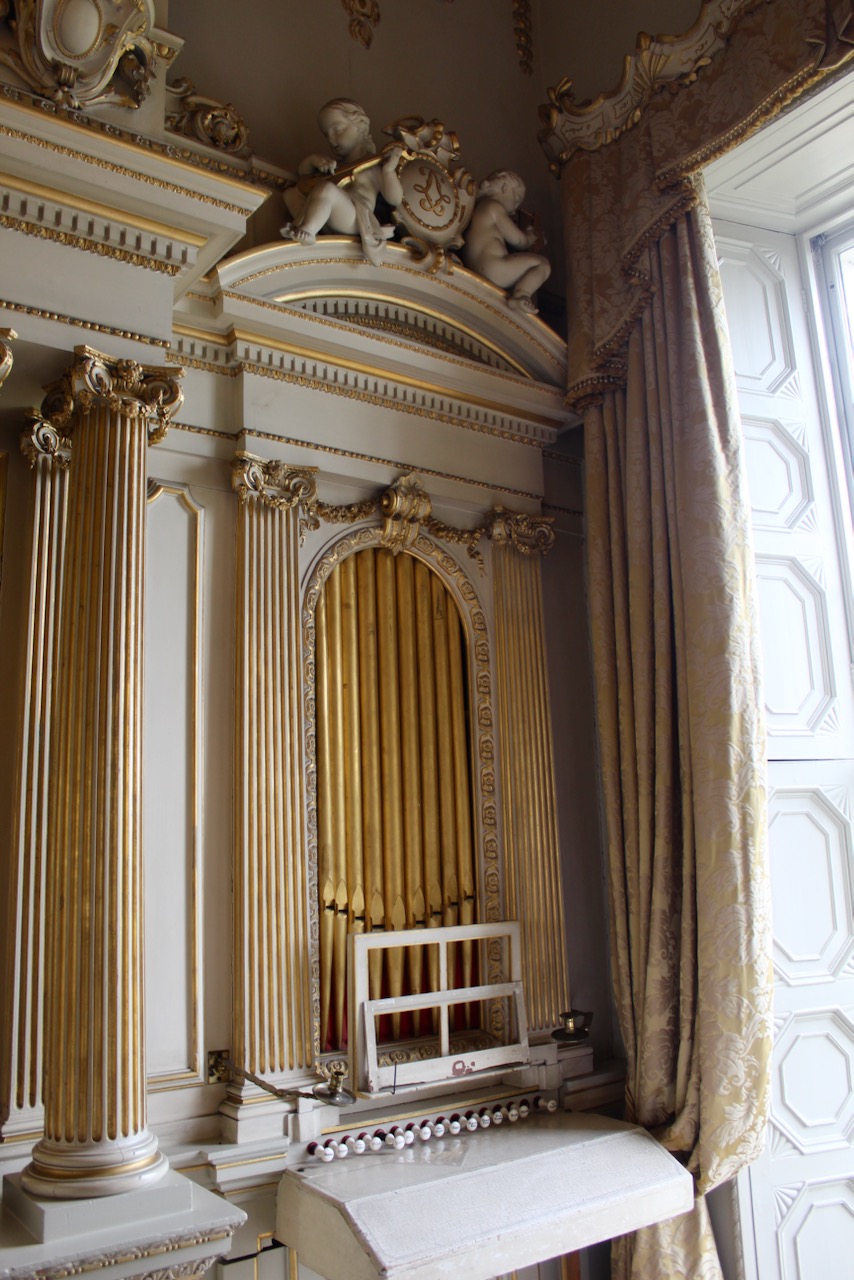


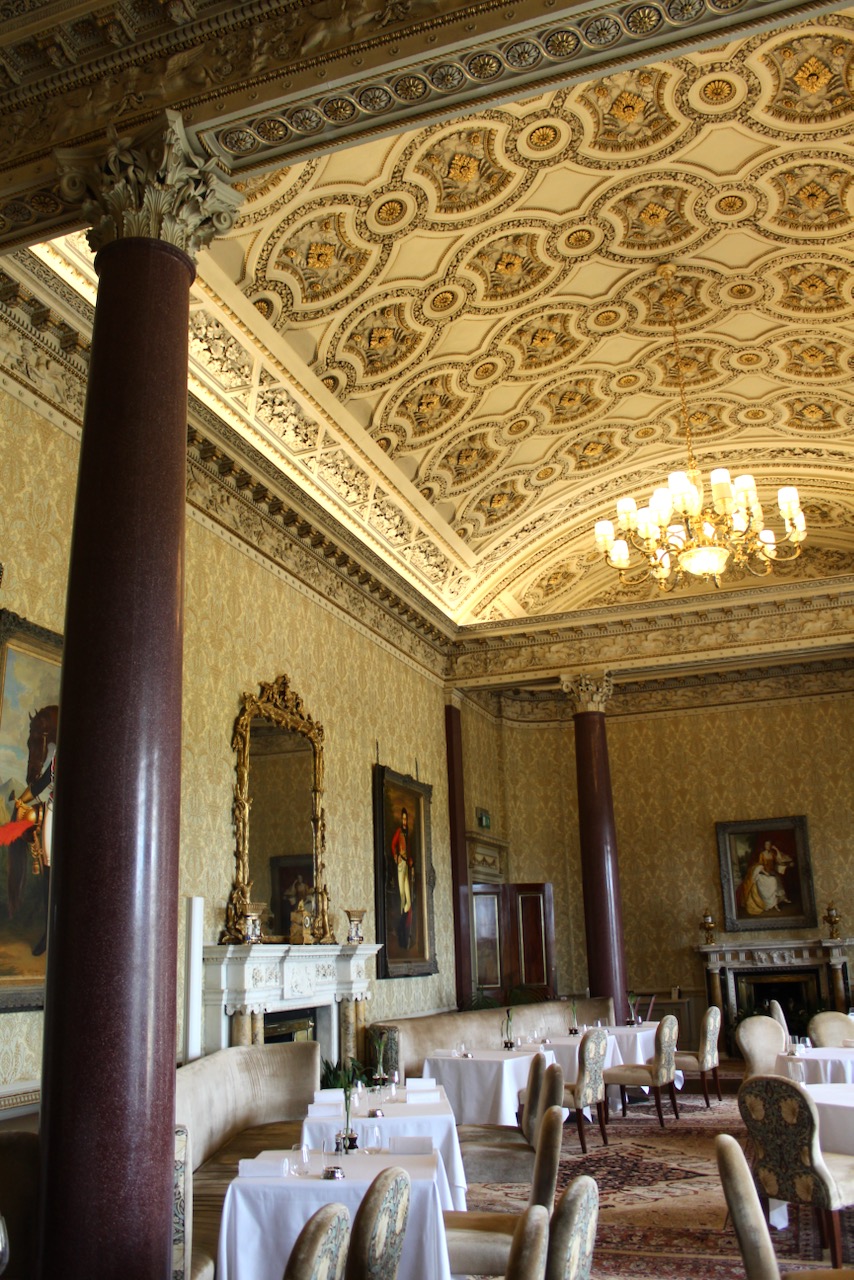
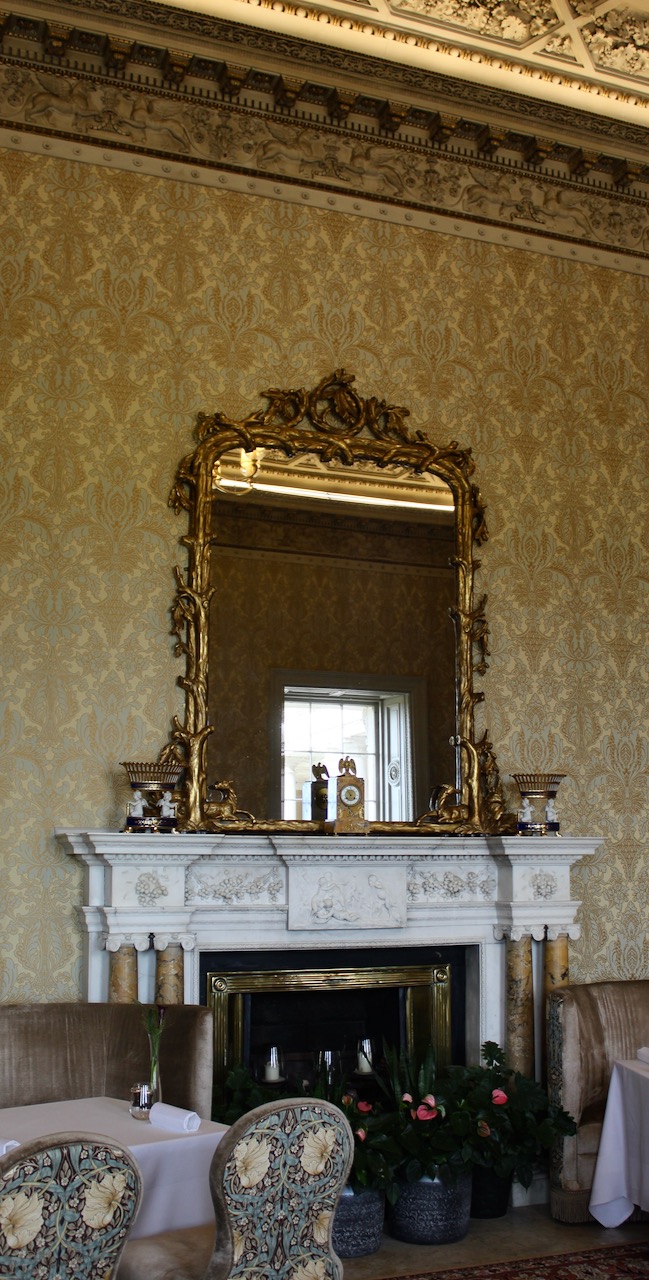
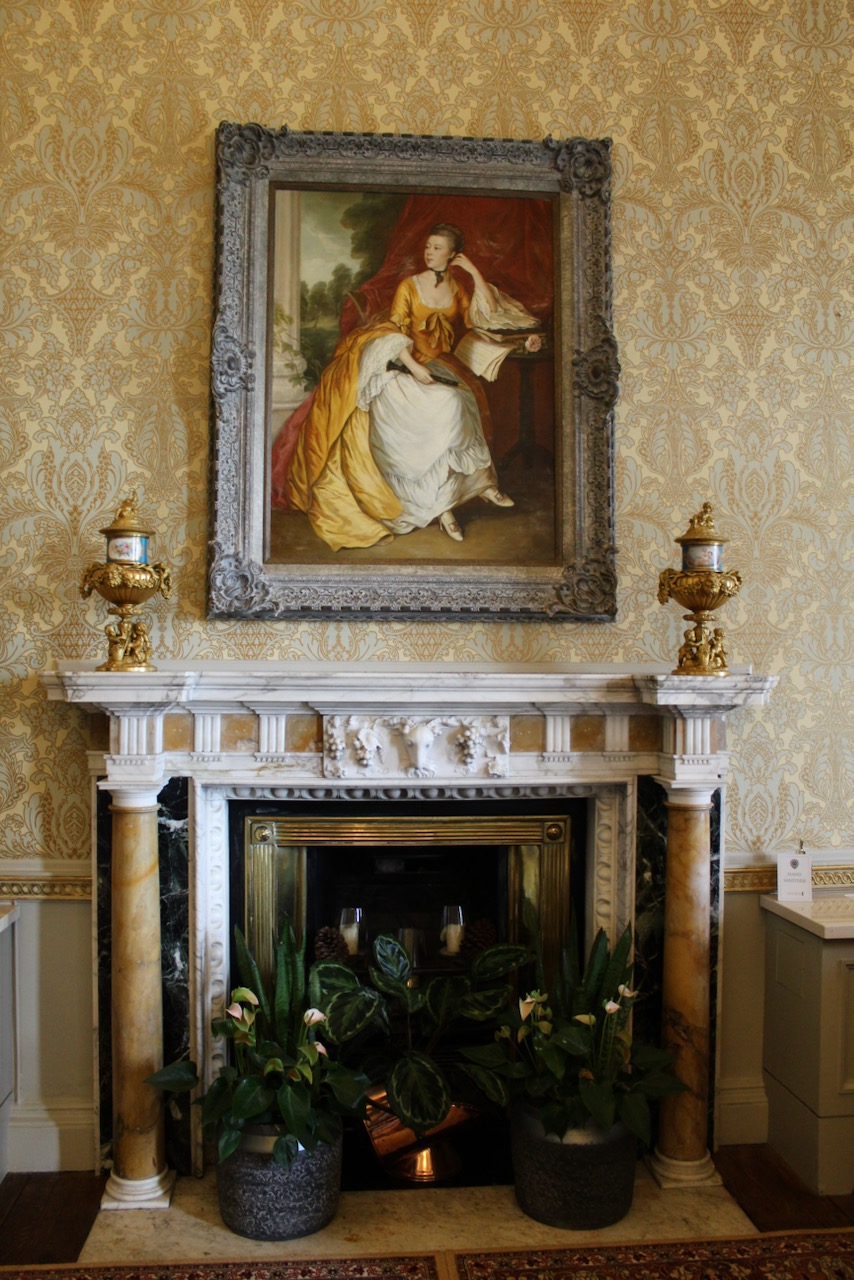
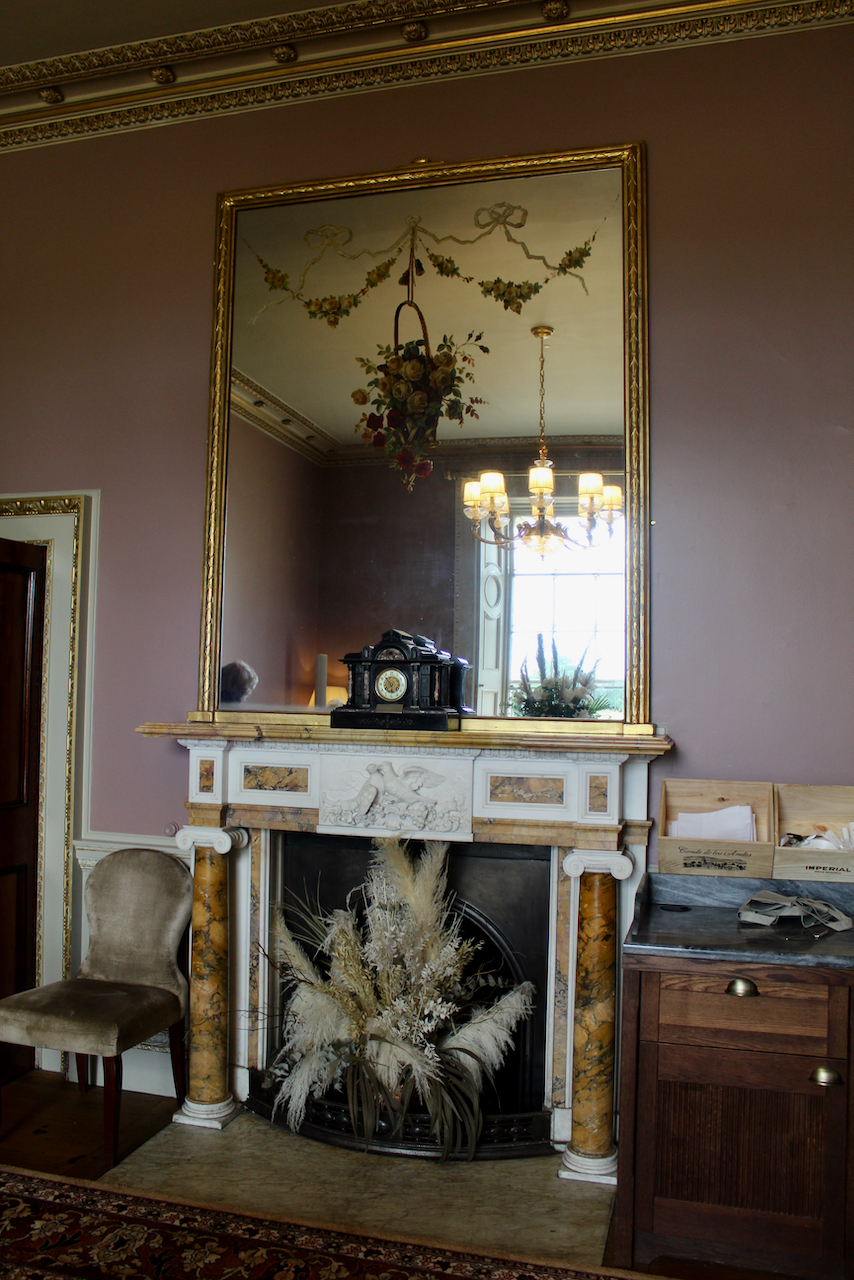

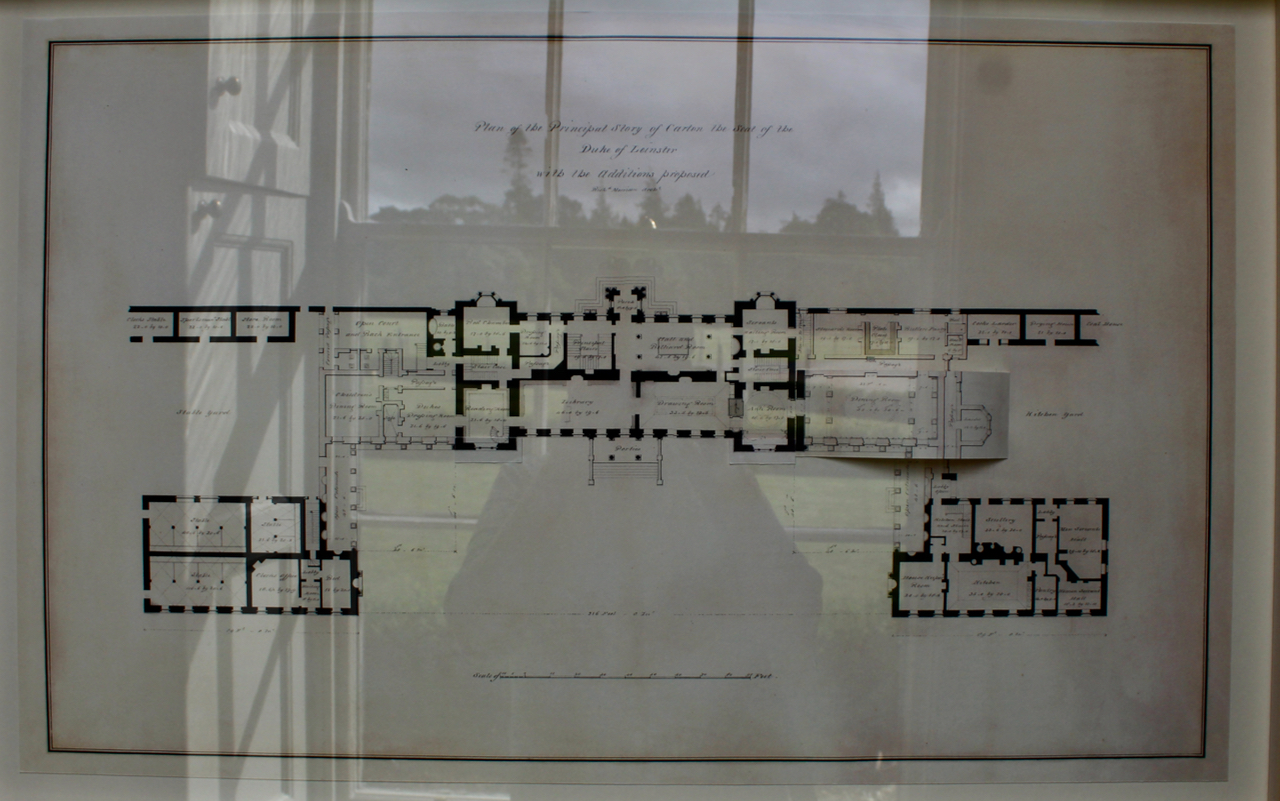
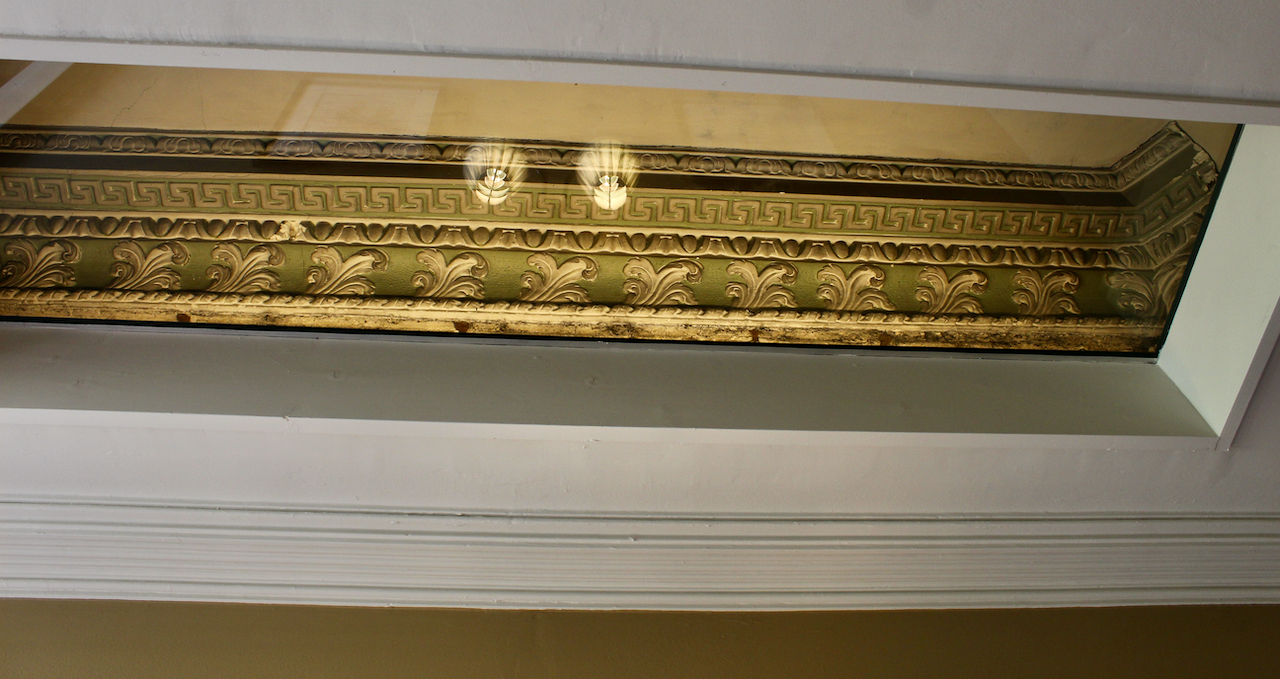

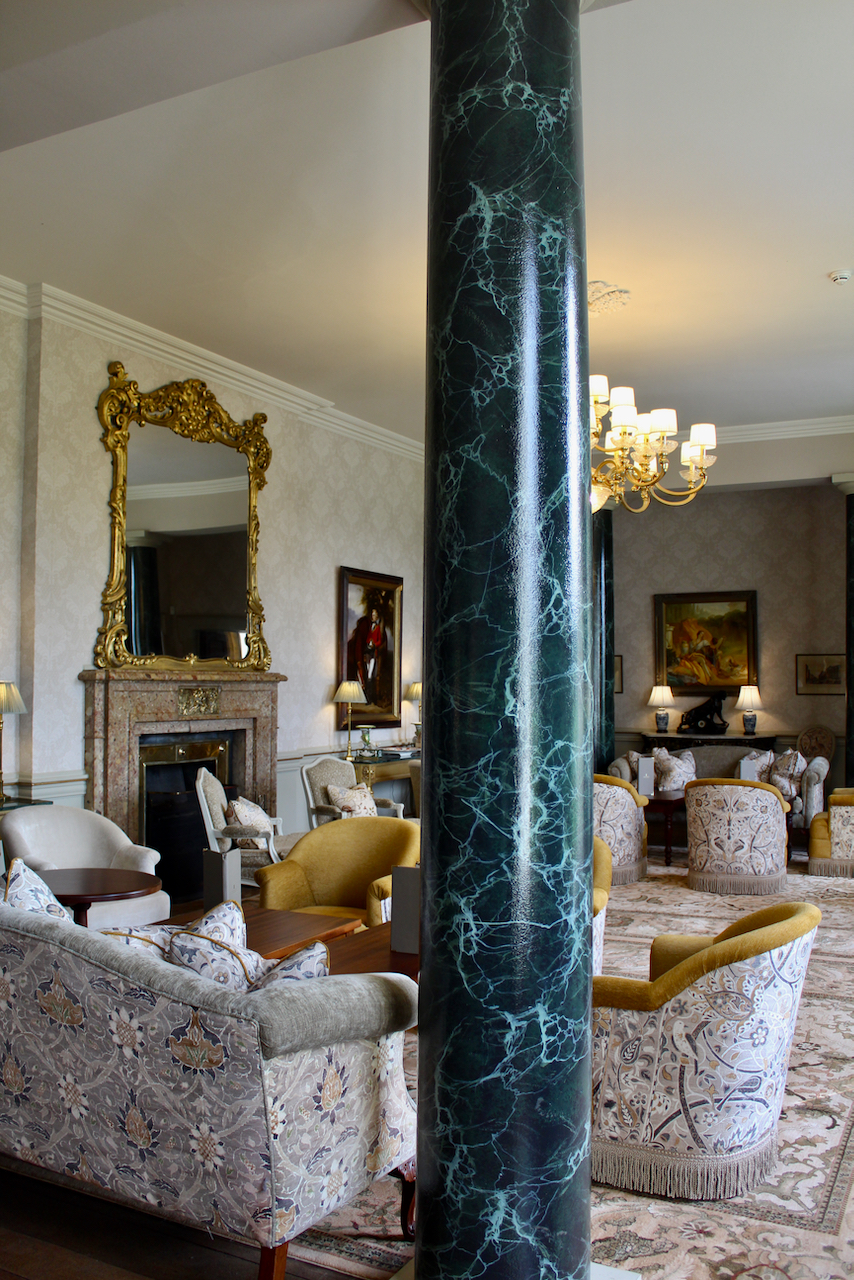
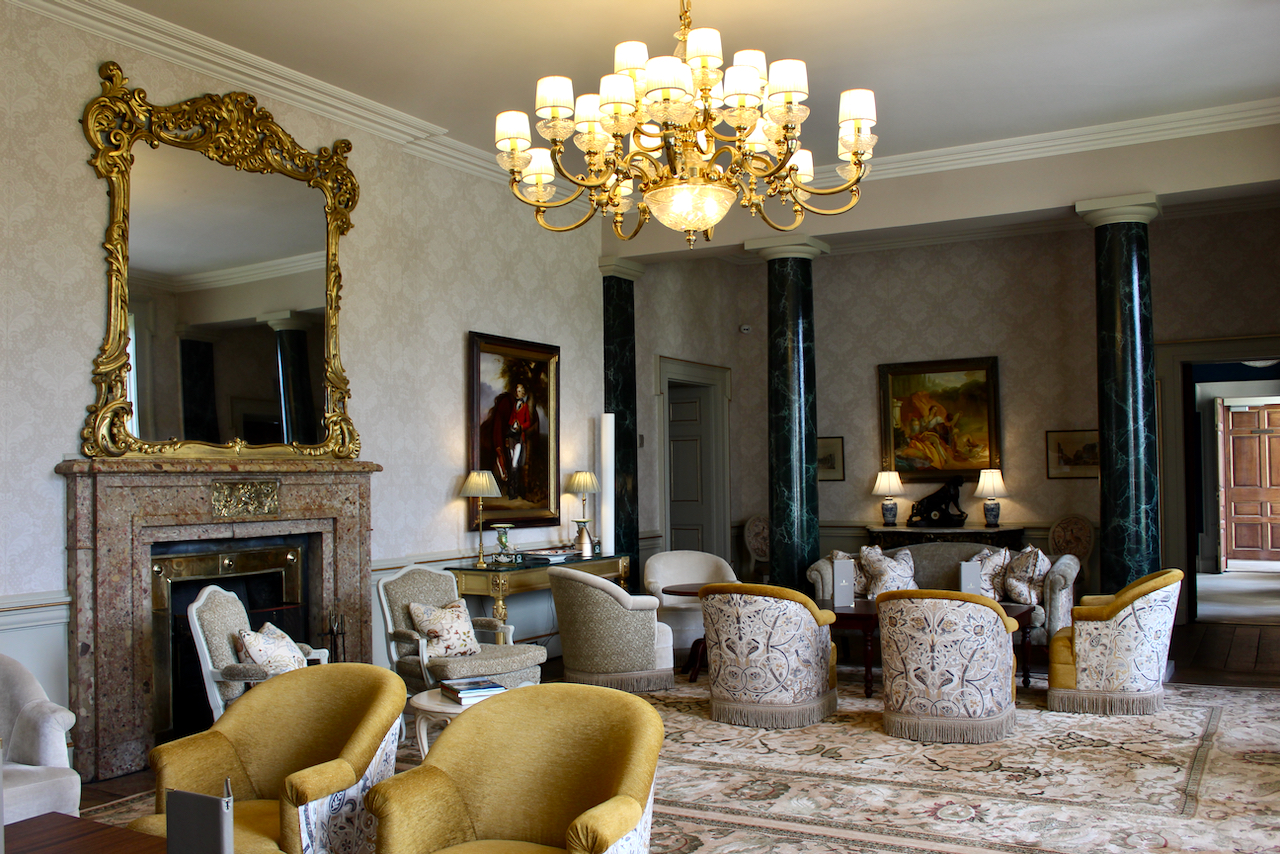
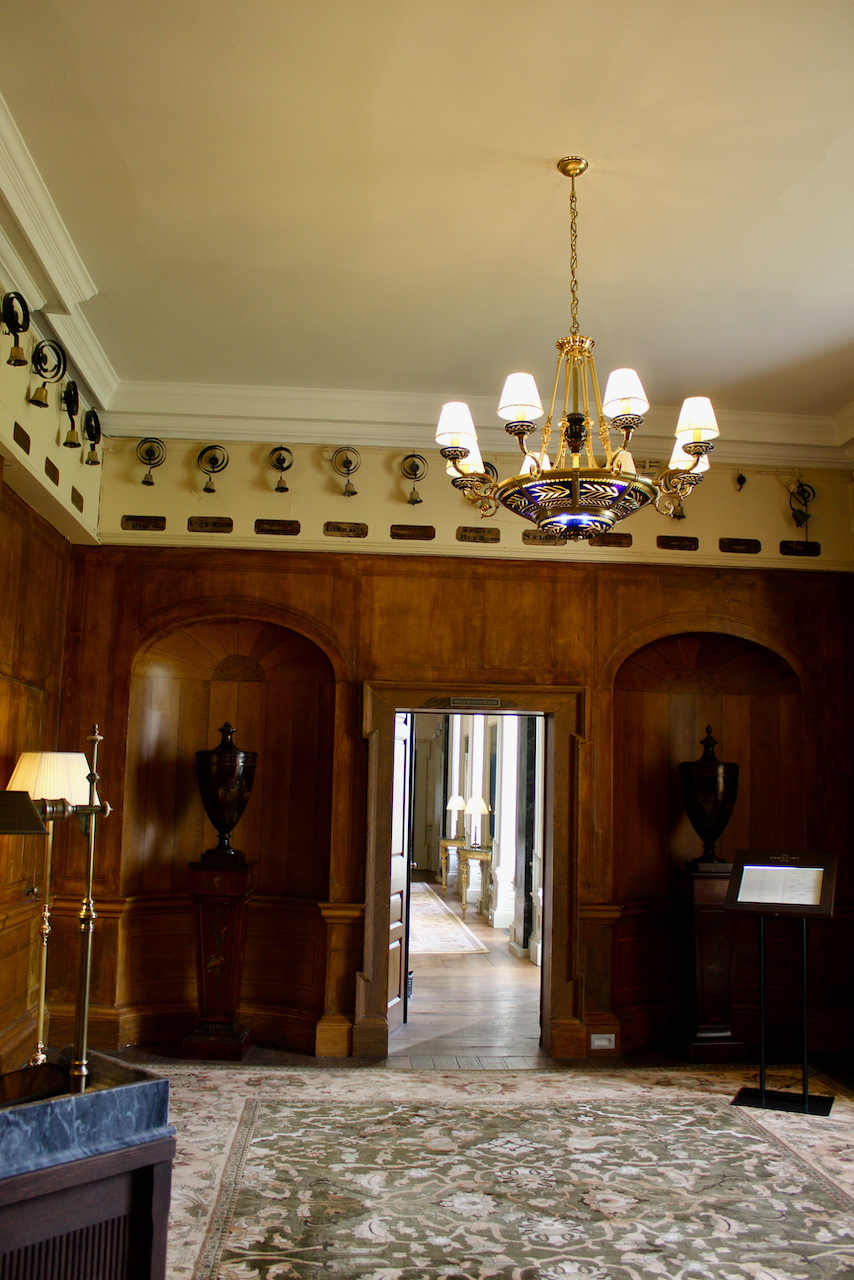
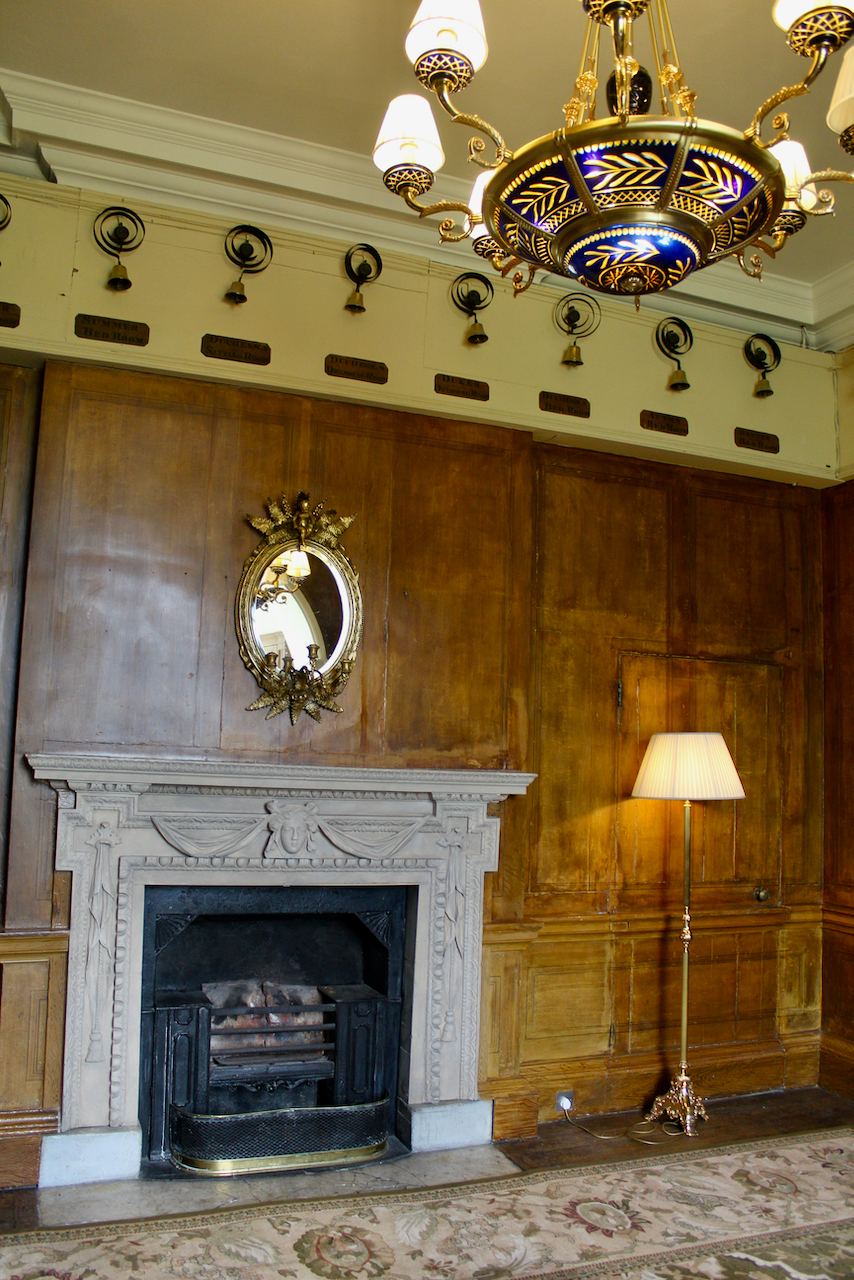

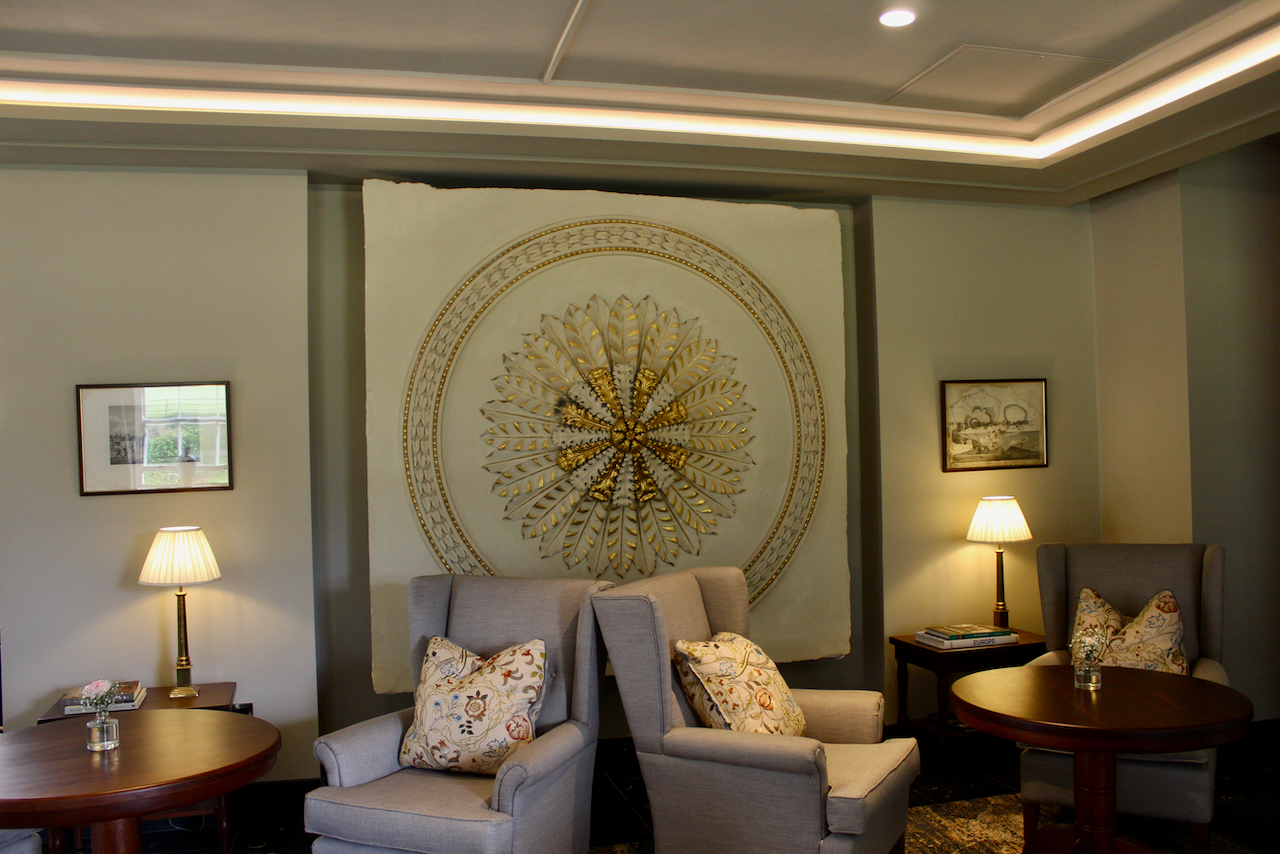
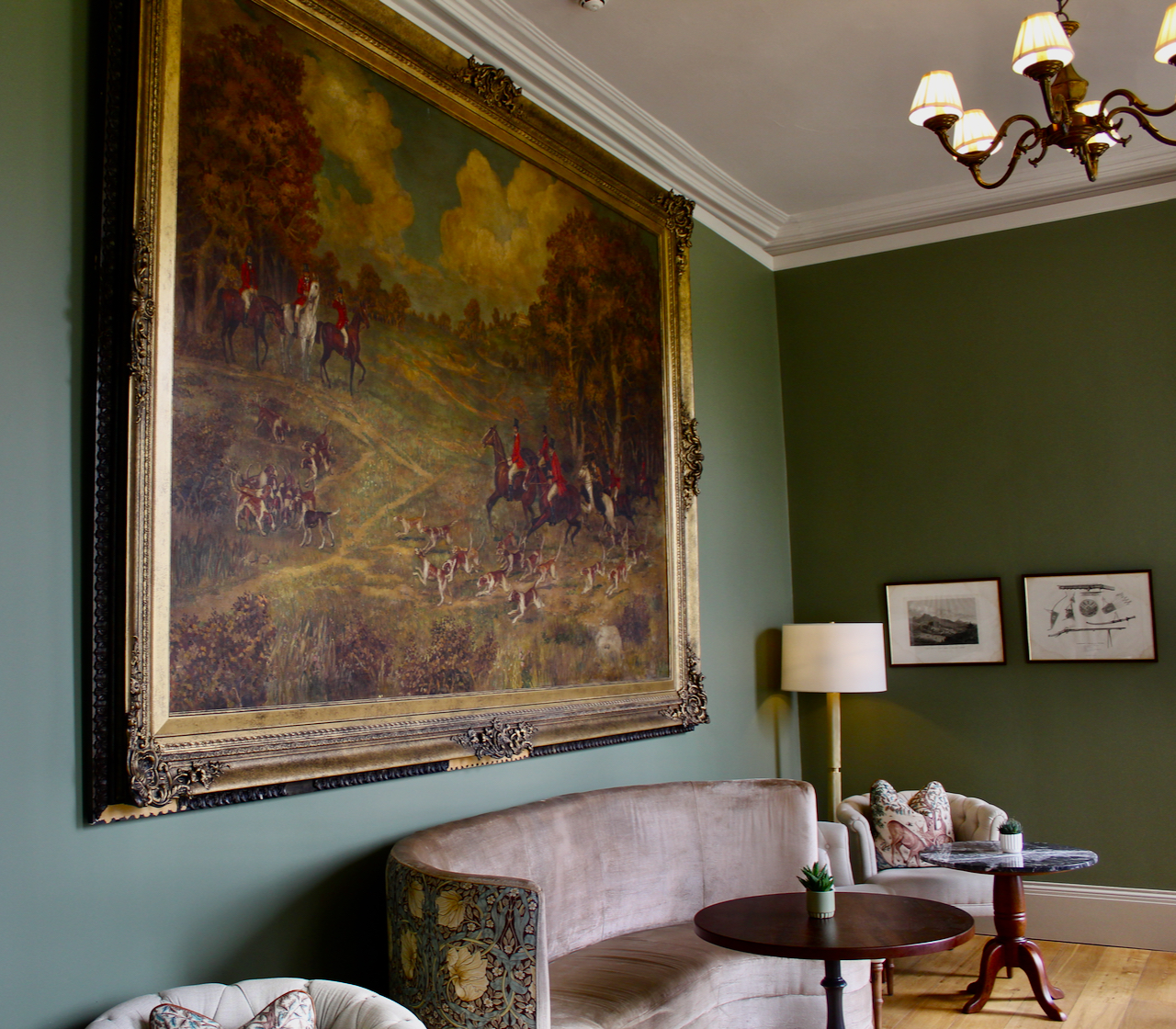
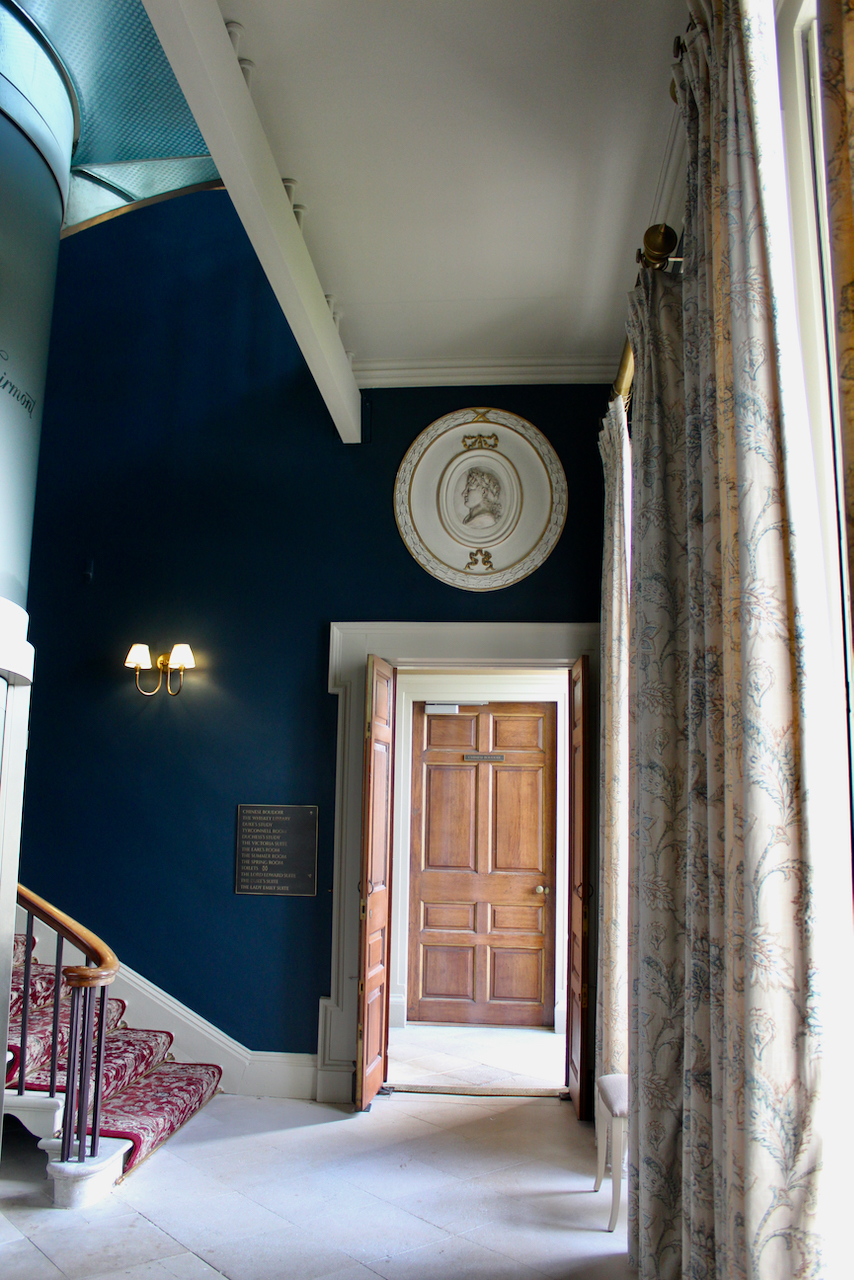
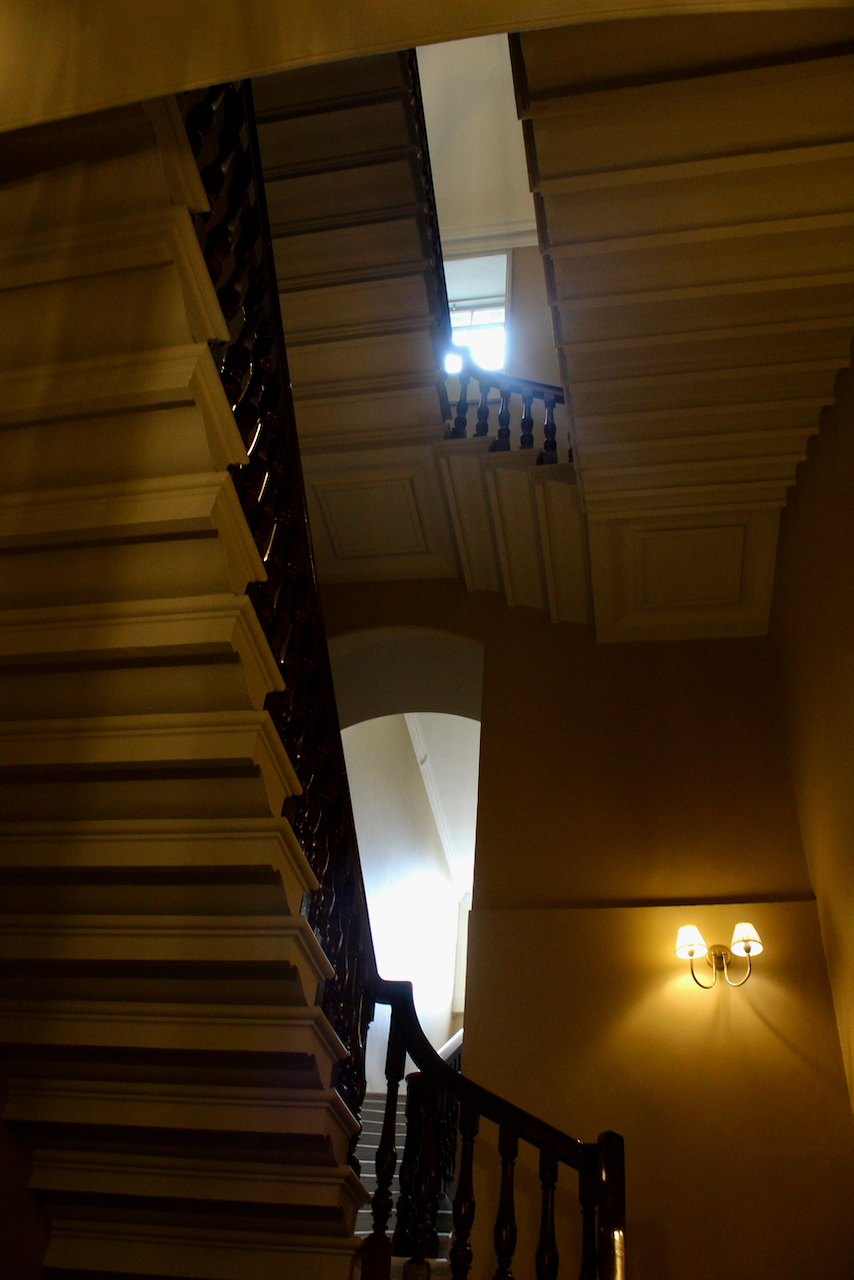
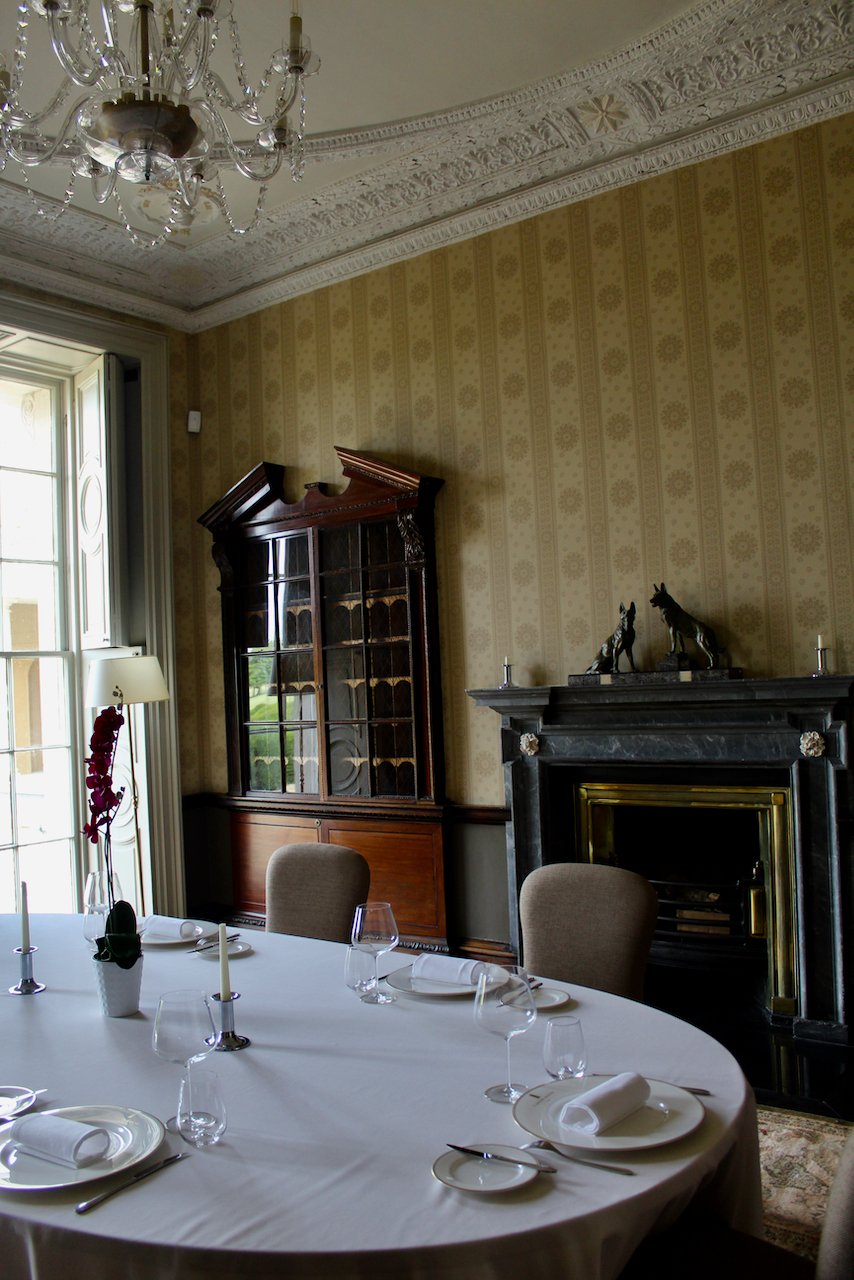

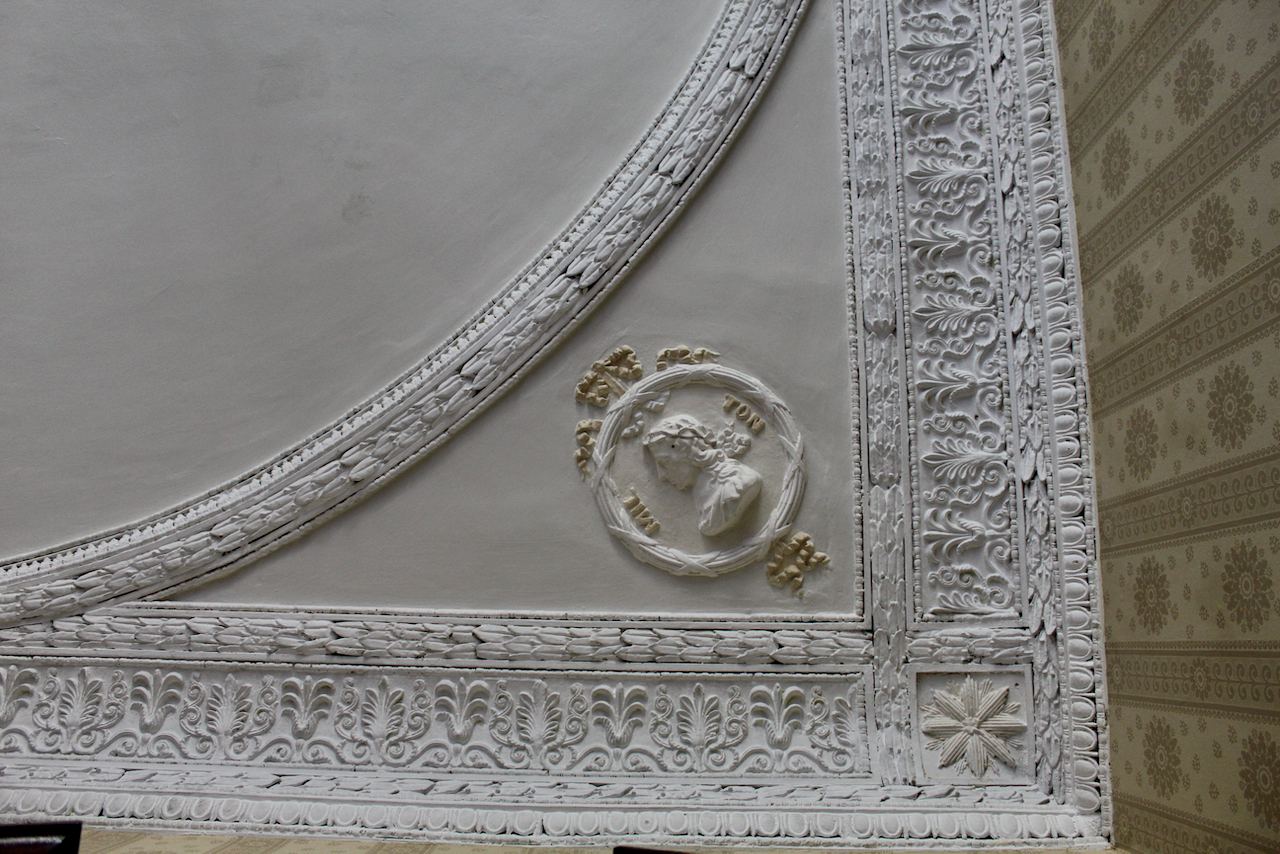
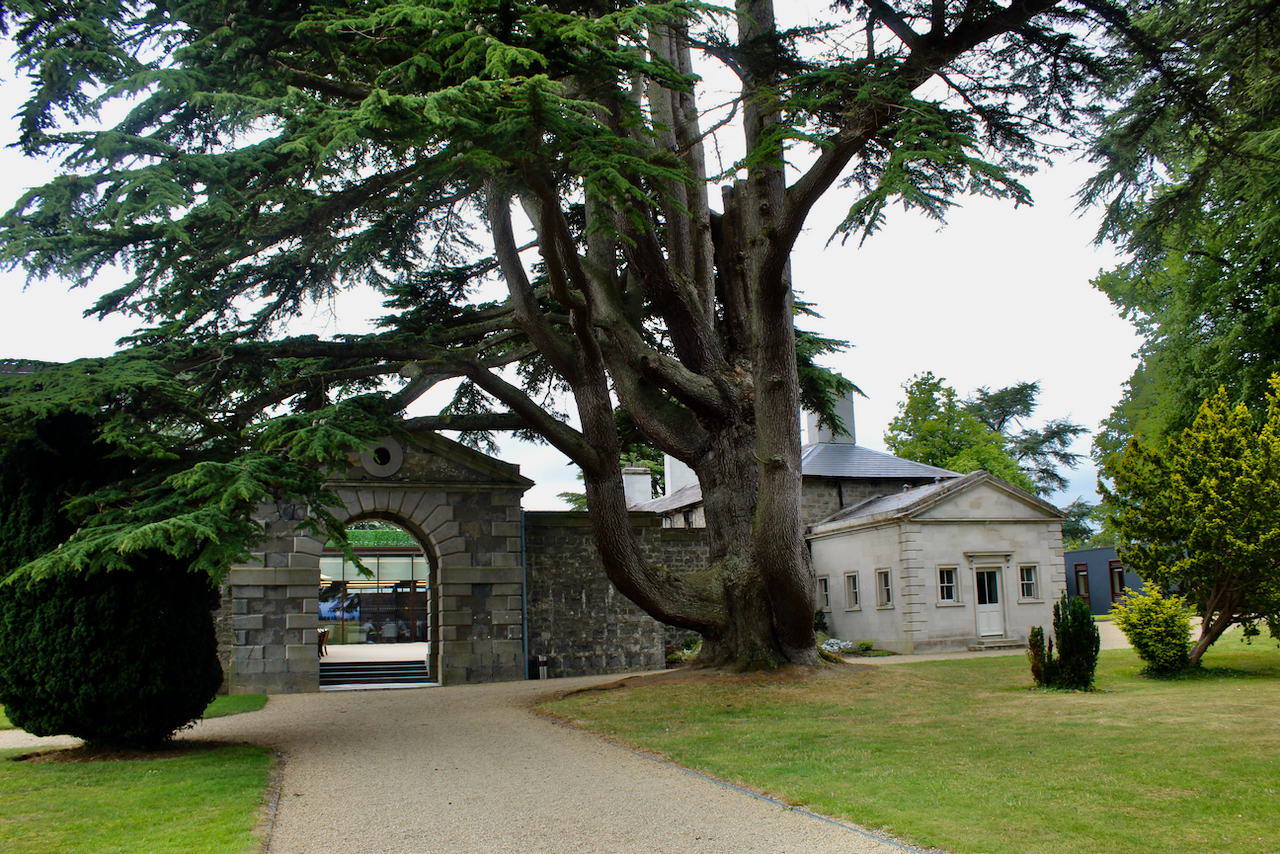

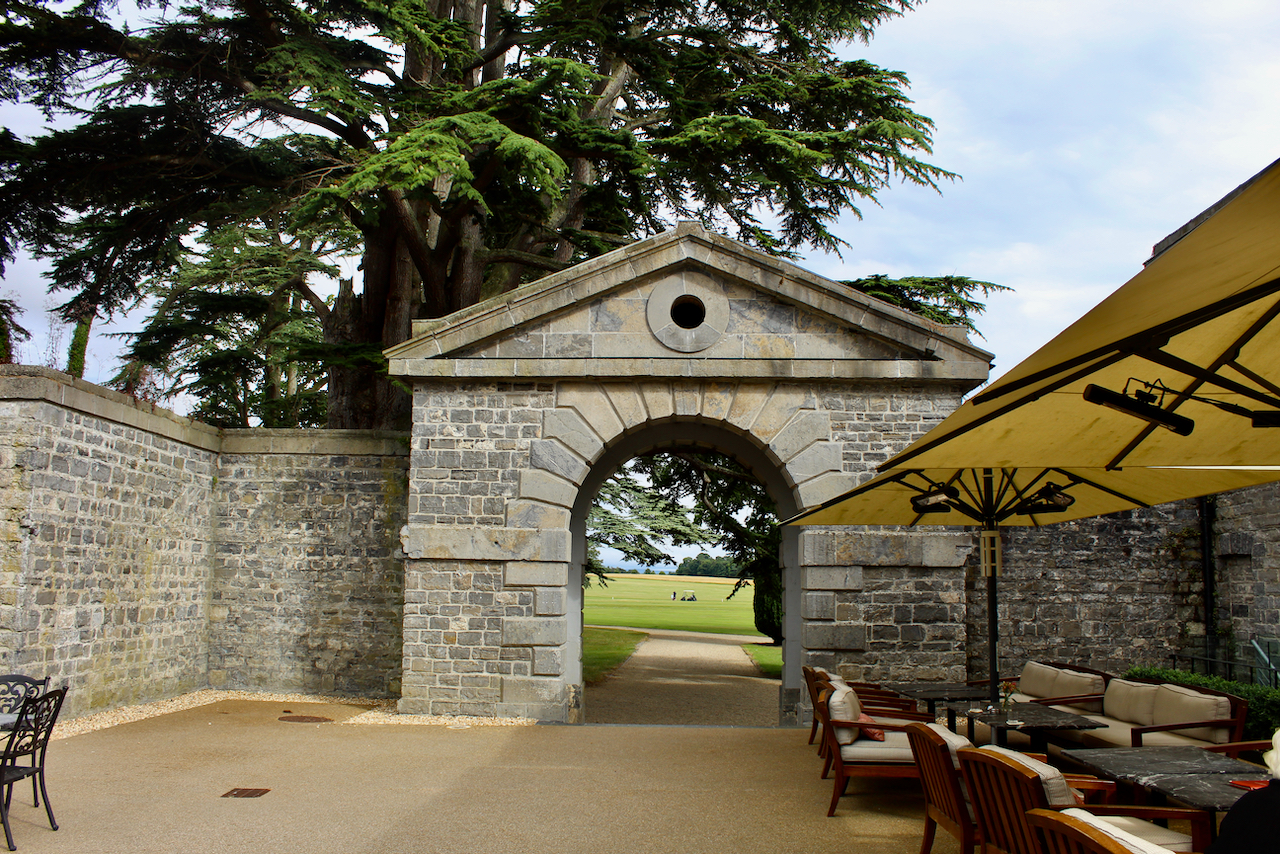
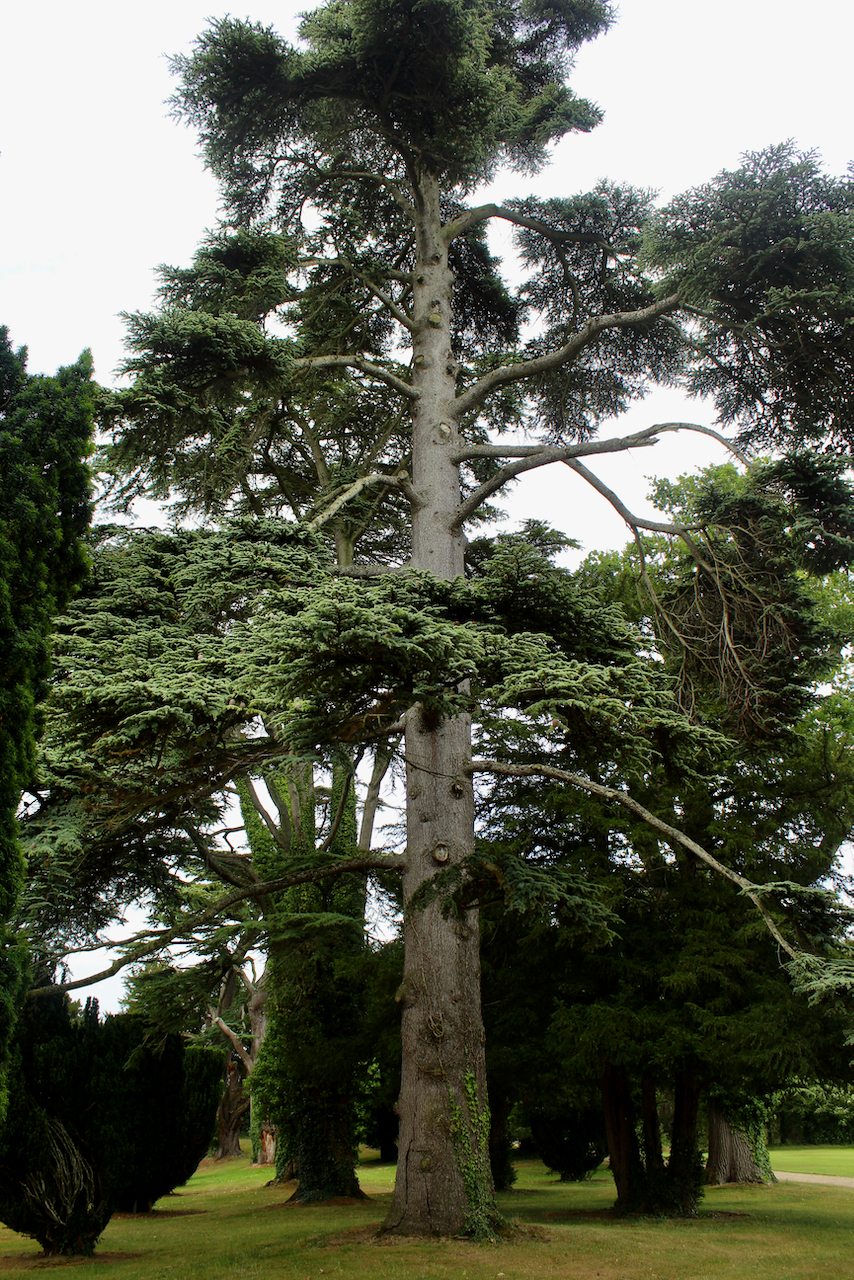
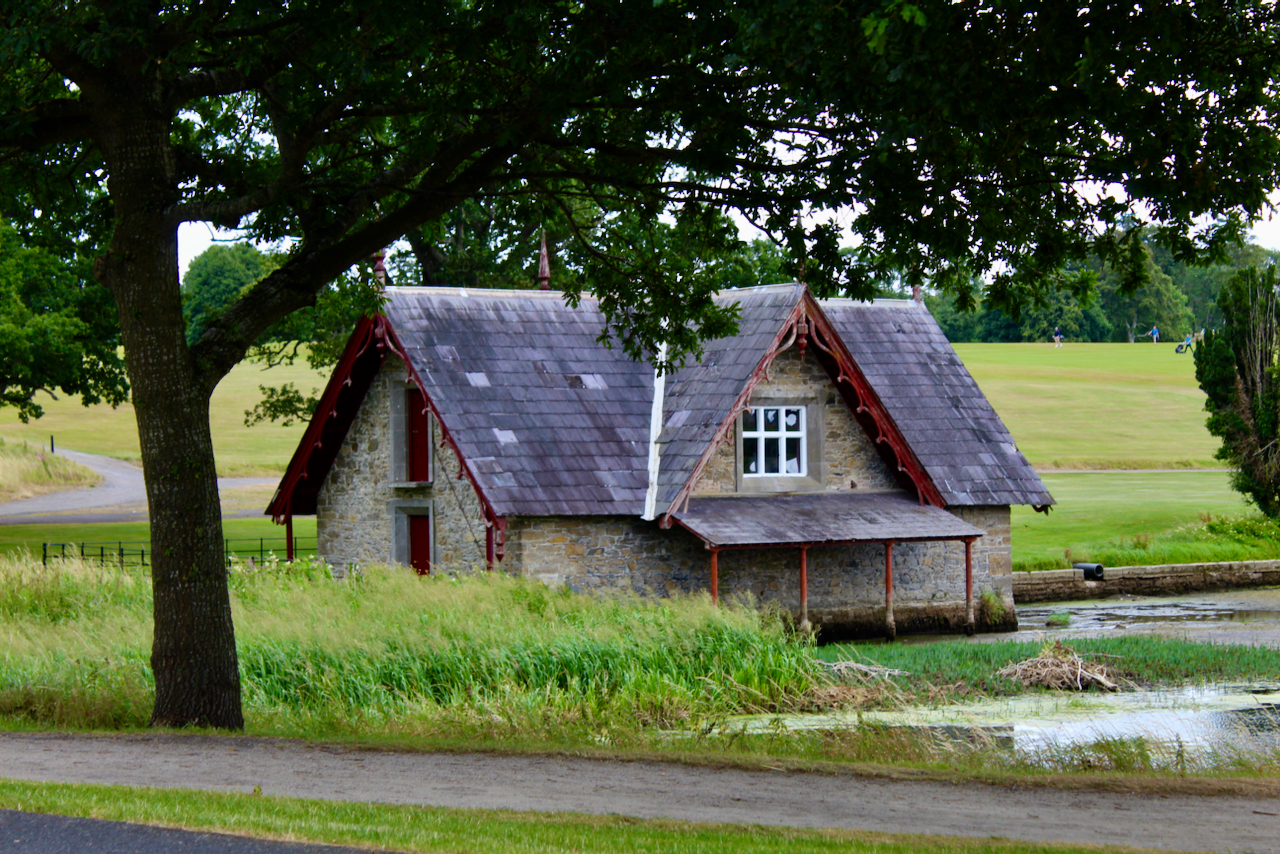
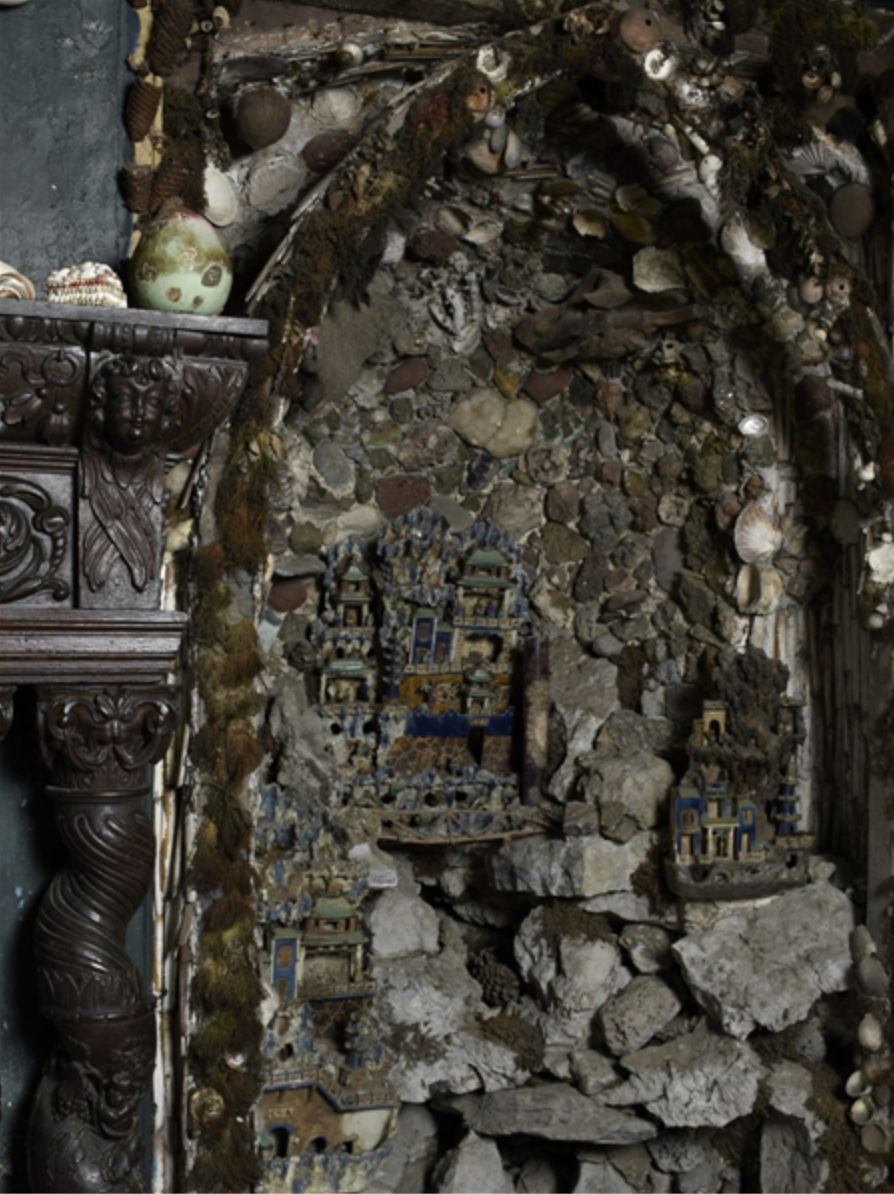

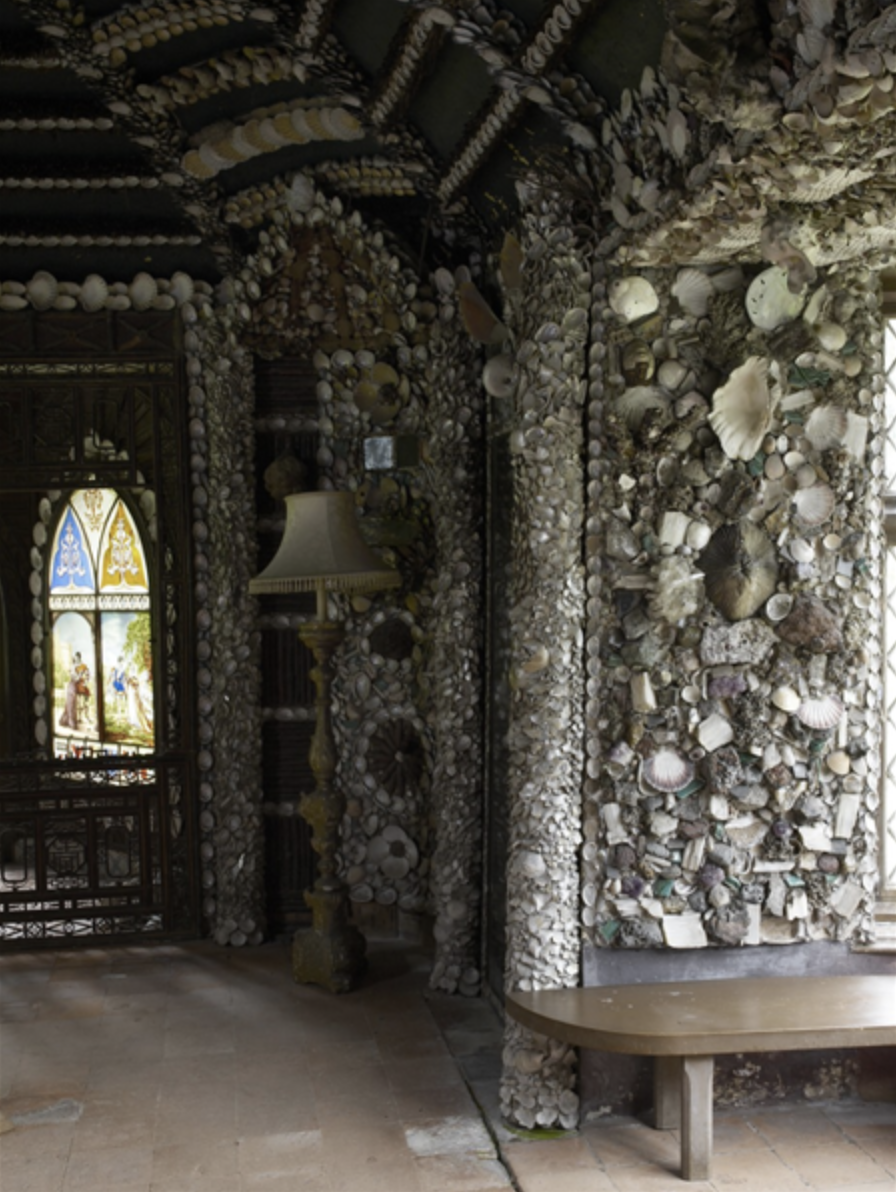
 Irish Historic Houses