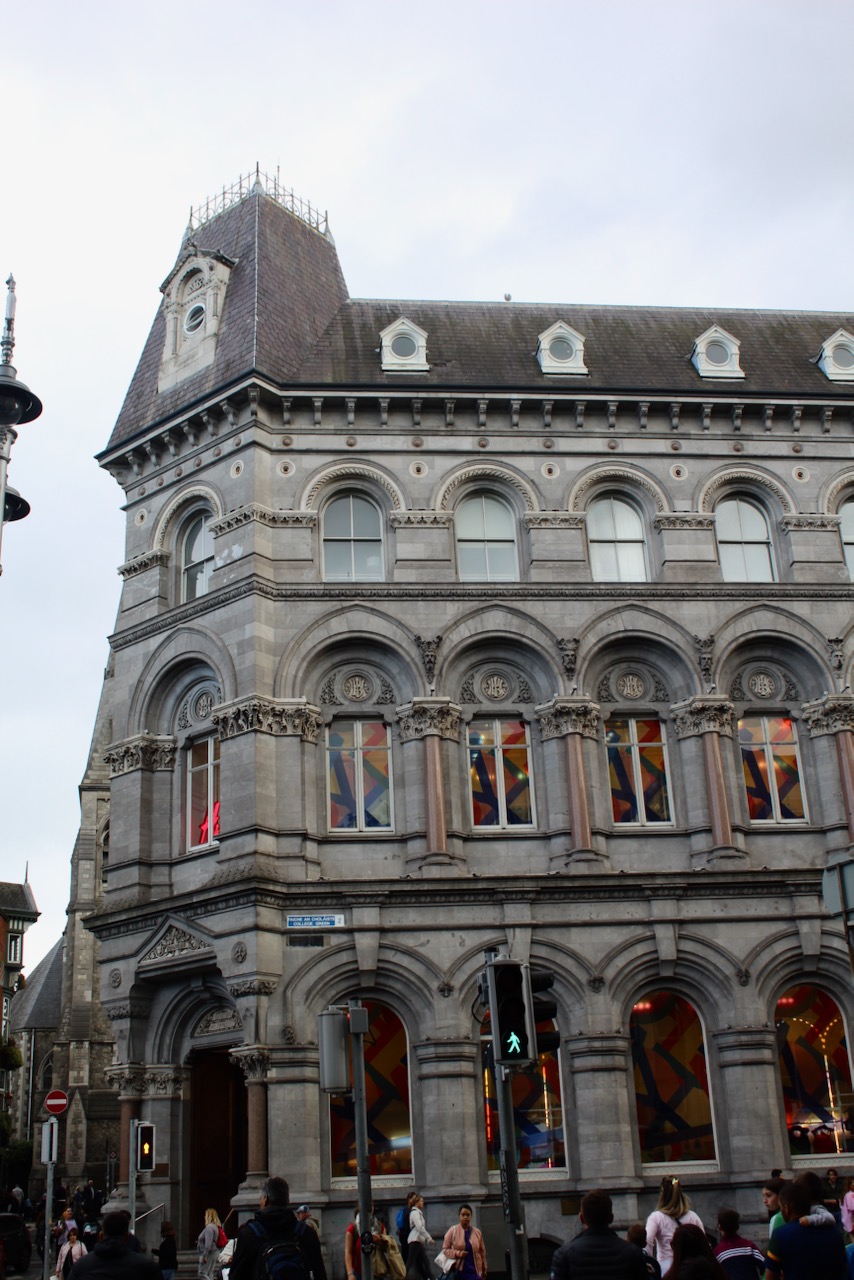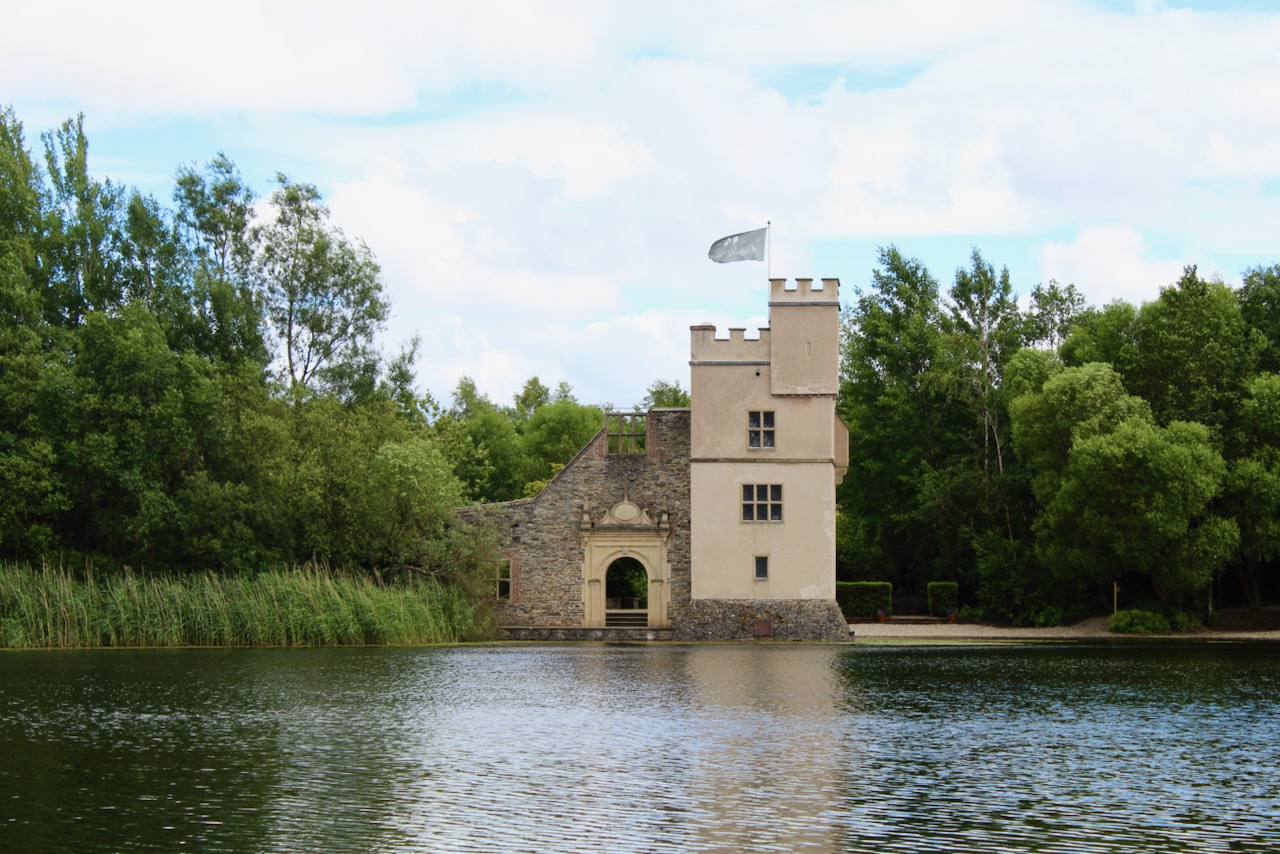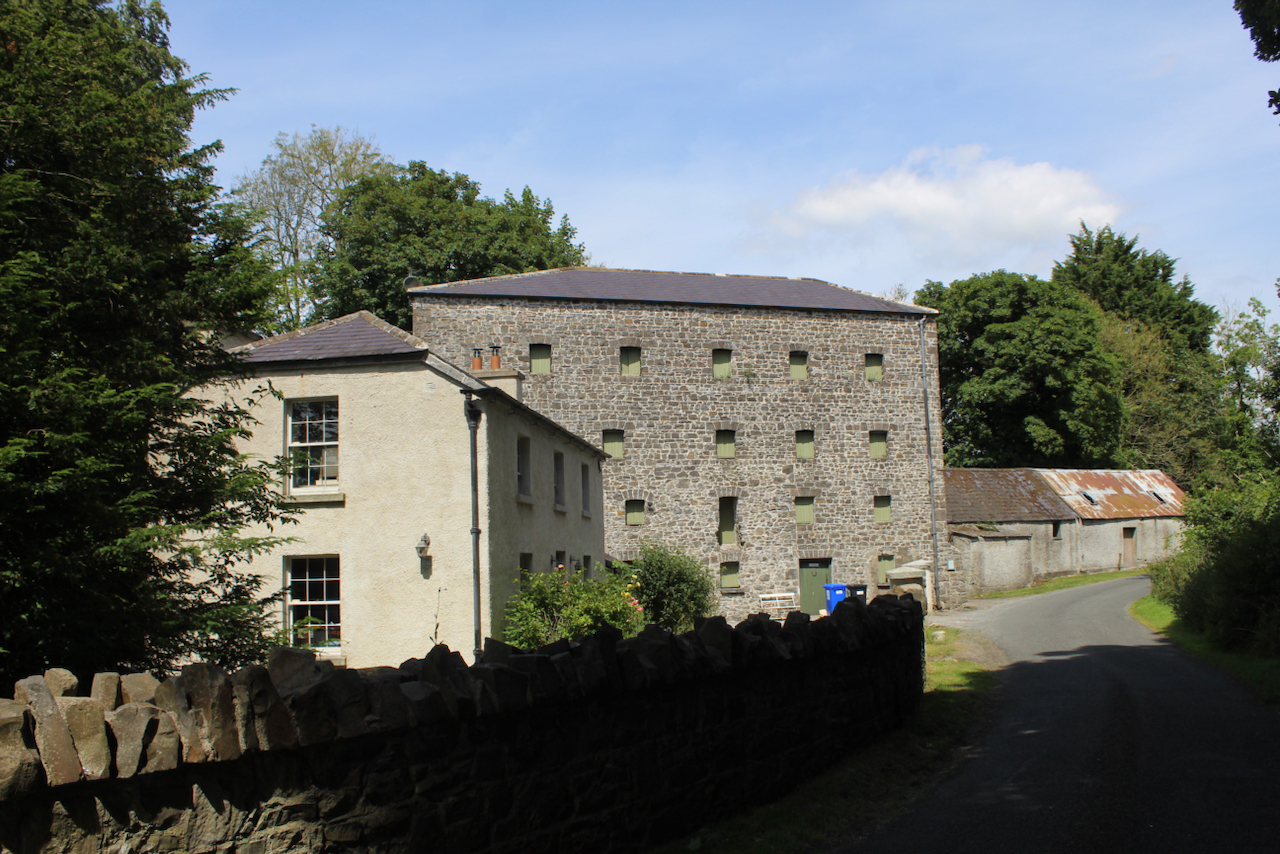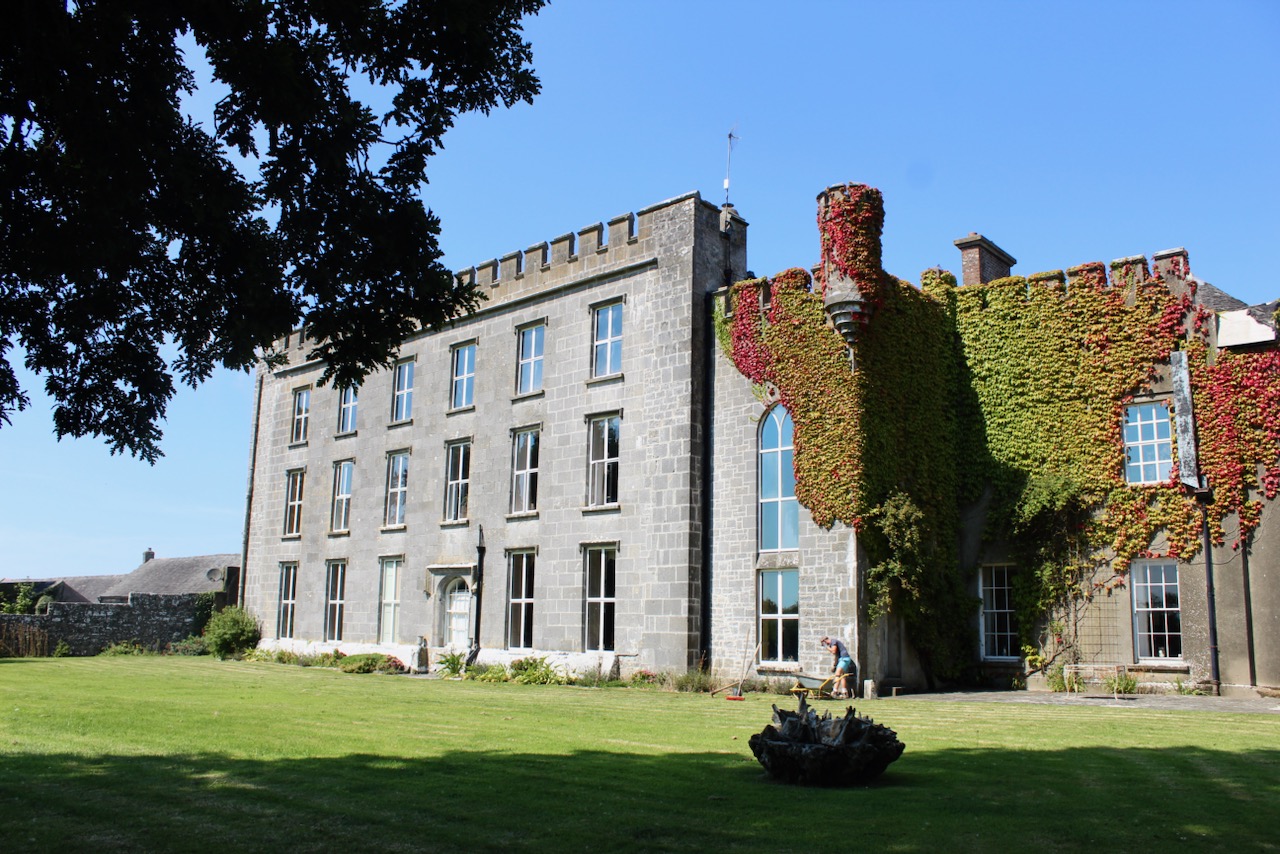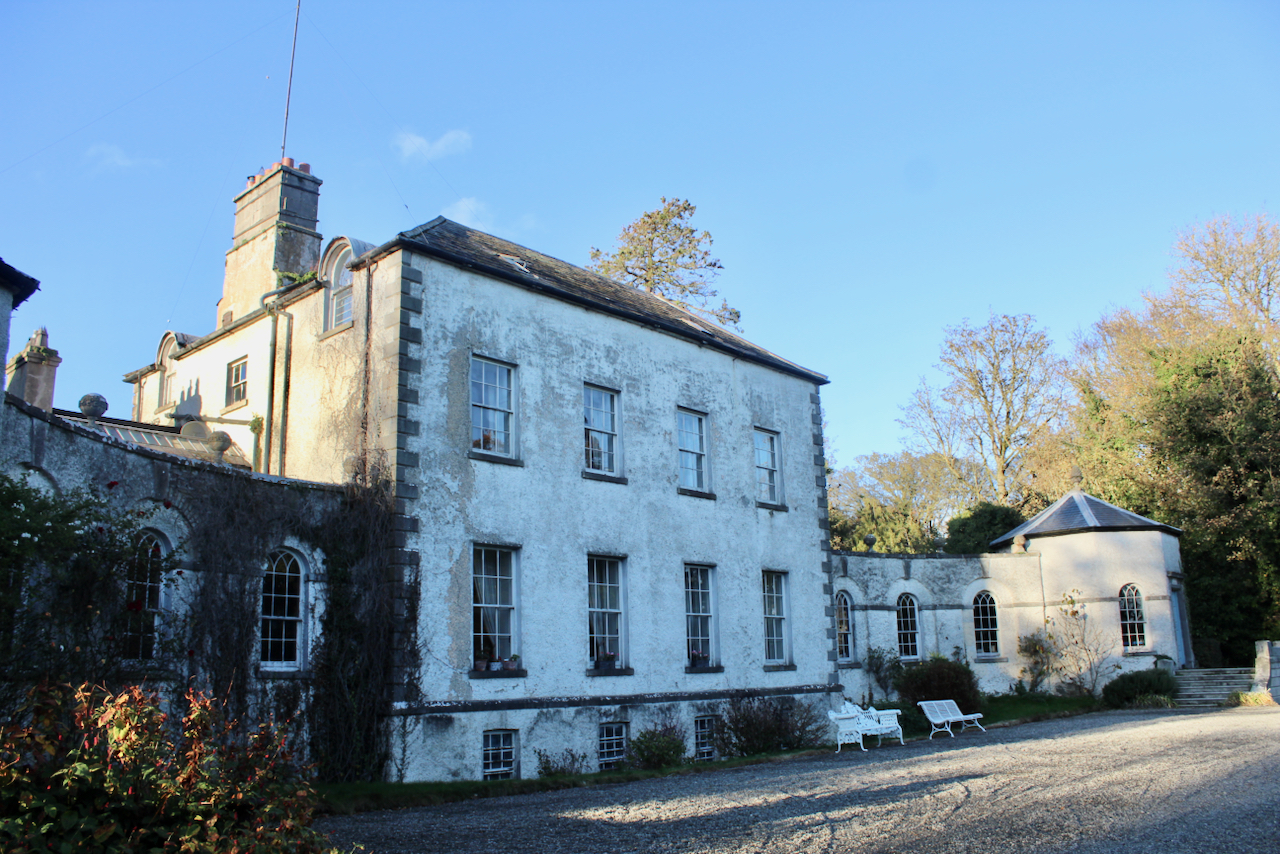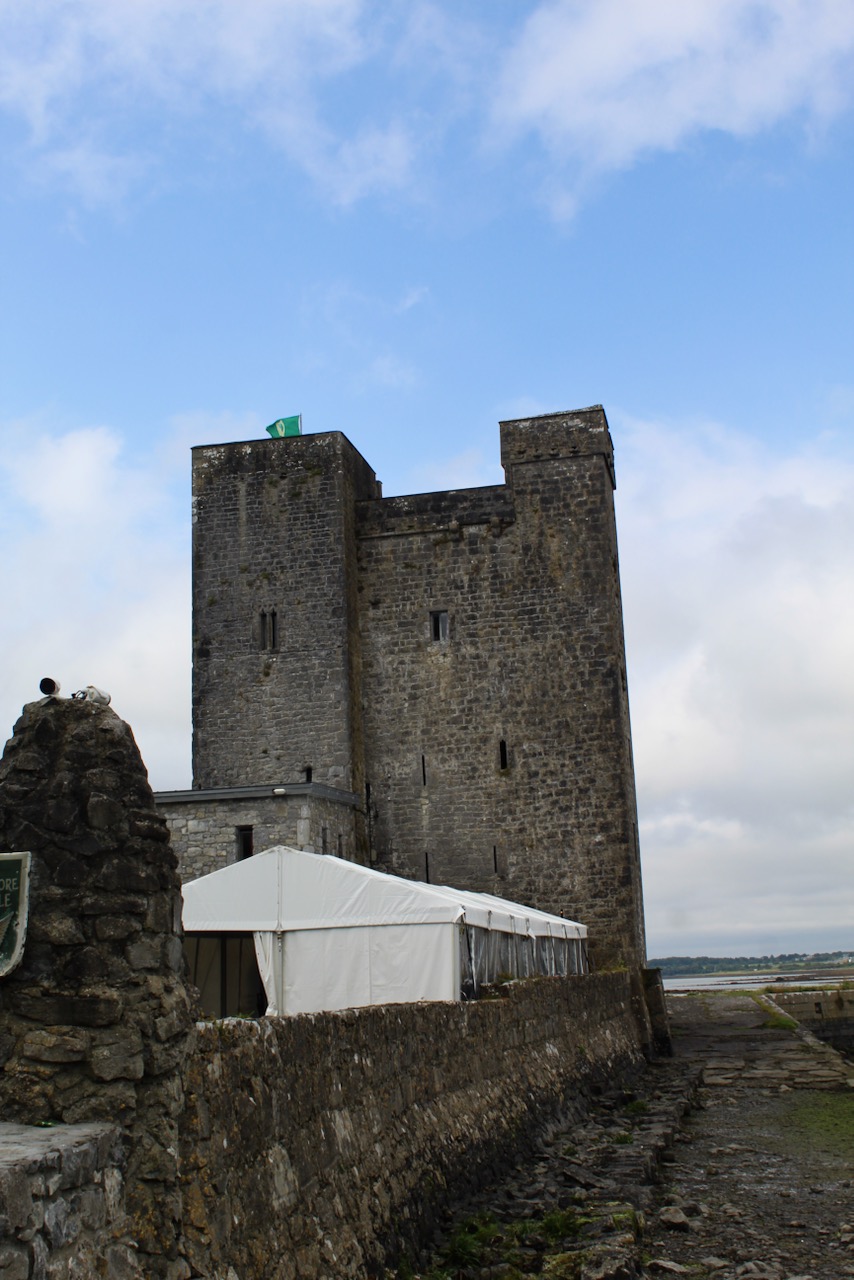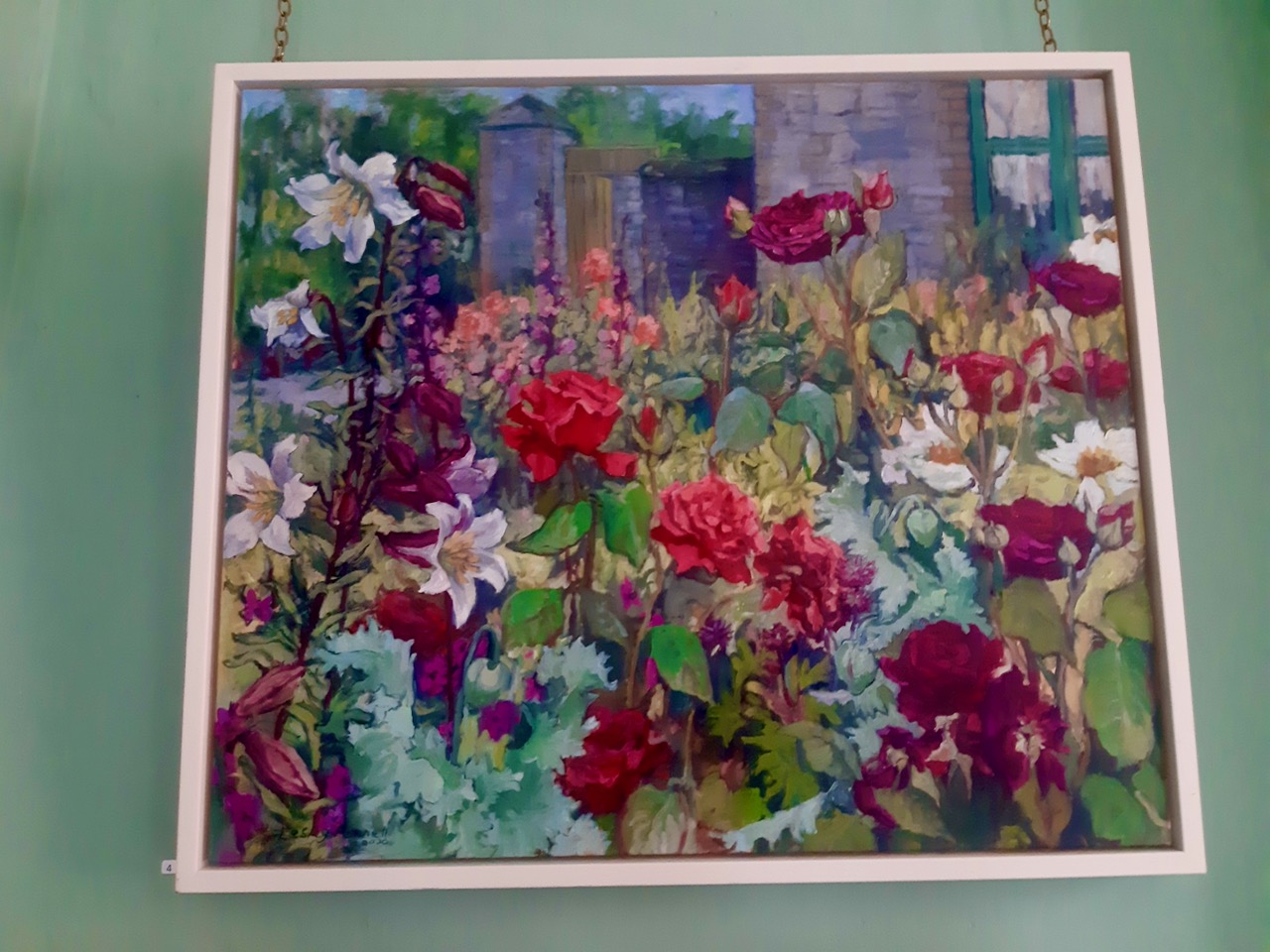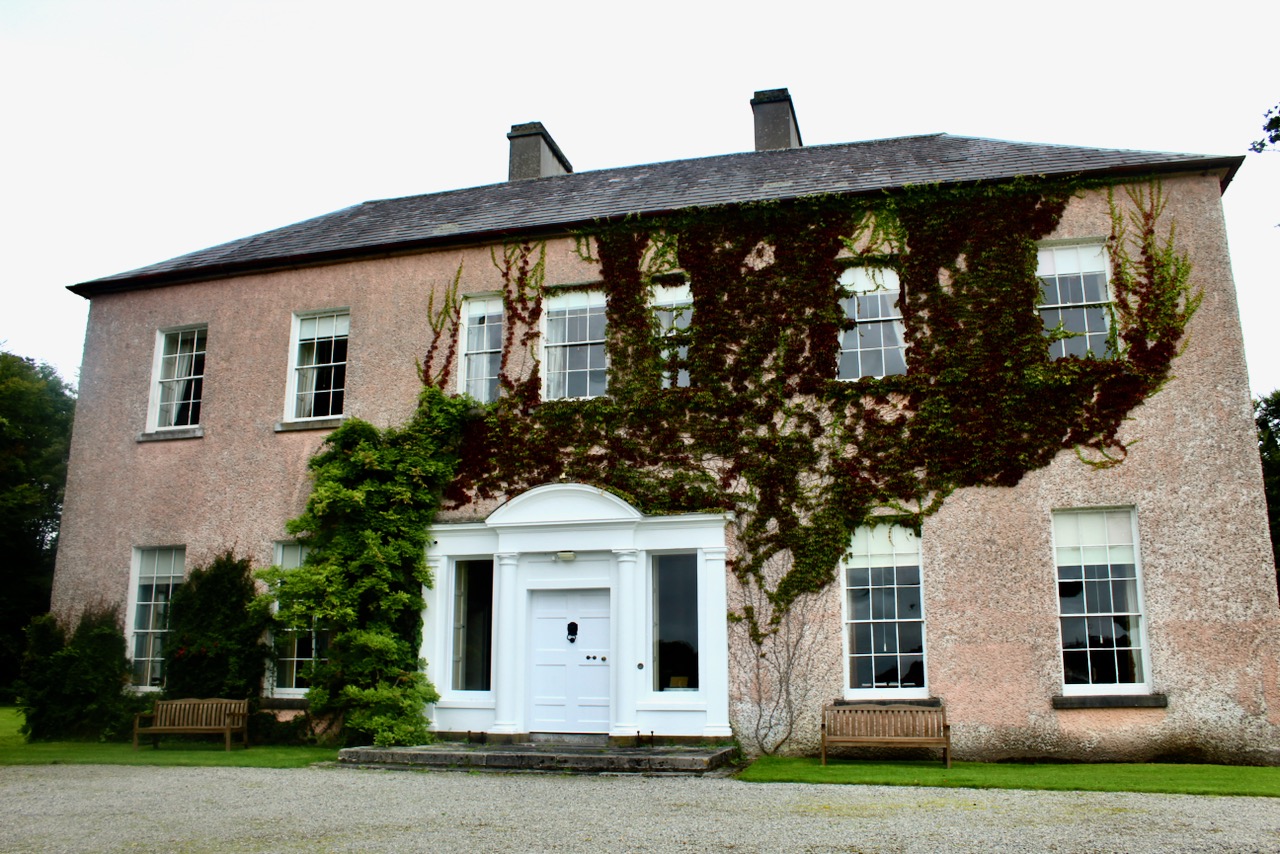
39 North Great George’s Street, Dublin – section 482

www.39northgreatgeorgesstreet.com
Open dates in 2025: May 12-25, June 13-22, July 7-20, Aug 10-31, 1pm-5pm

Fee: adult €7, student/OAP €5, child free with adult, group €5 per person

donation

Help me to pay the entrance fee to one of the houses on this website. This site is created purely out of love for the subject and I receive no payment so any donation is appreciated!

€15.00

2025 Diary of Irish Historic Houses (section 482 properties)

To purchase an A5 size 2025 Diary of Historic Houses (opening times and days are not listed so the calendar is for use for recording appointments and not as a reference for opening times) send your postal address to jennifer.baggot@gmail.com along with €20 via this payment button. The calendar of 84 pages includes space for writing your appointments as well as photographs of the historic houses. The price includes postage within Ireland. Postage to U.S. is a further €10 for the A5 size calendar, so I would appreciate a donation toward the postage – you can click on the donation link.

€20.00

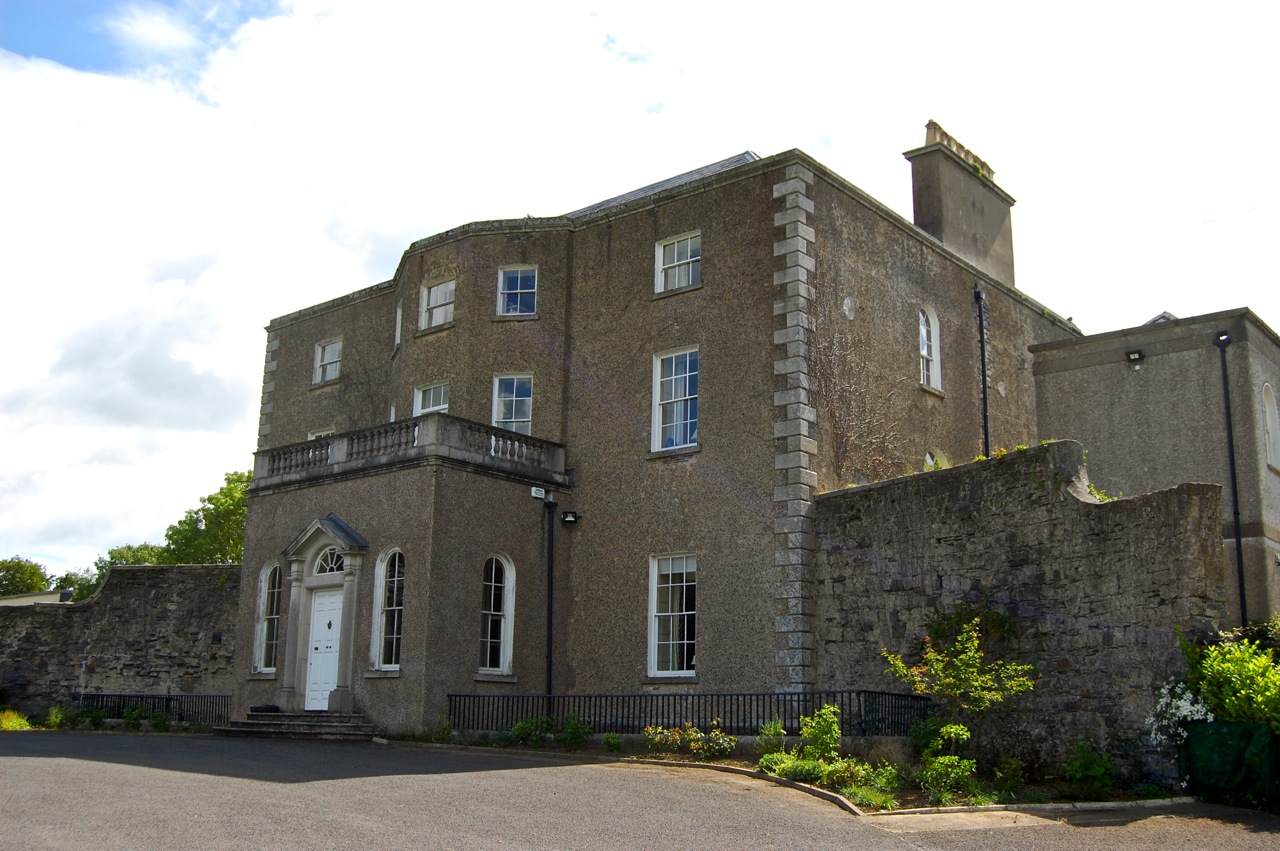
North Great Georges Street, Dublin. Photograph © Jennifer Winder-Baggot, www.irishhistorichouses.com
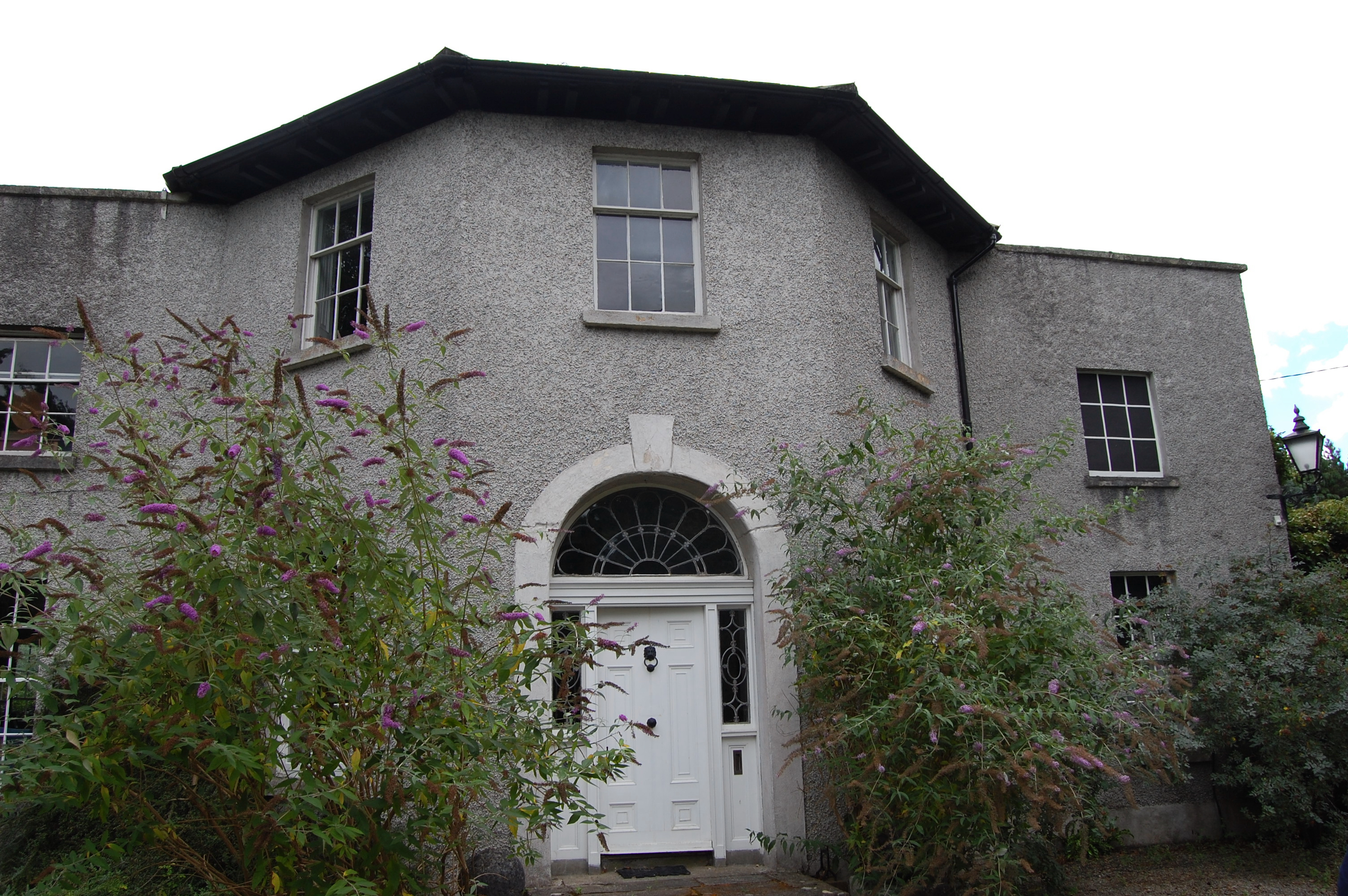
39 North Great Georges Street, Dublin. Photograph © Jennifer Winder-Baggot, www.irishhistorichouses.com

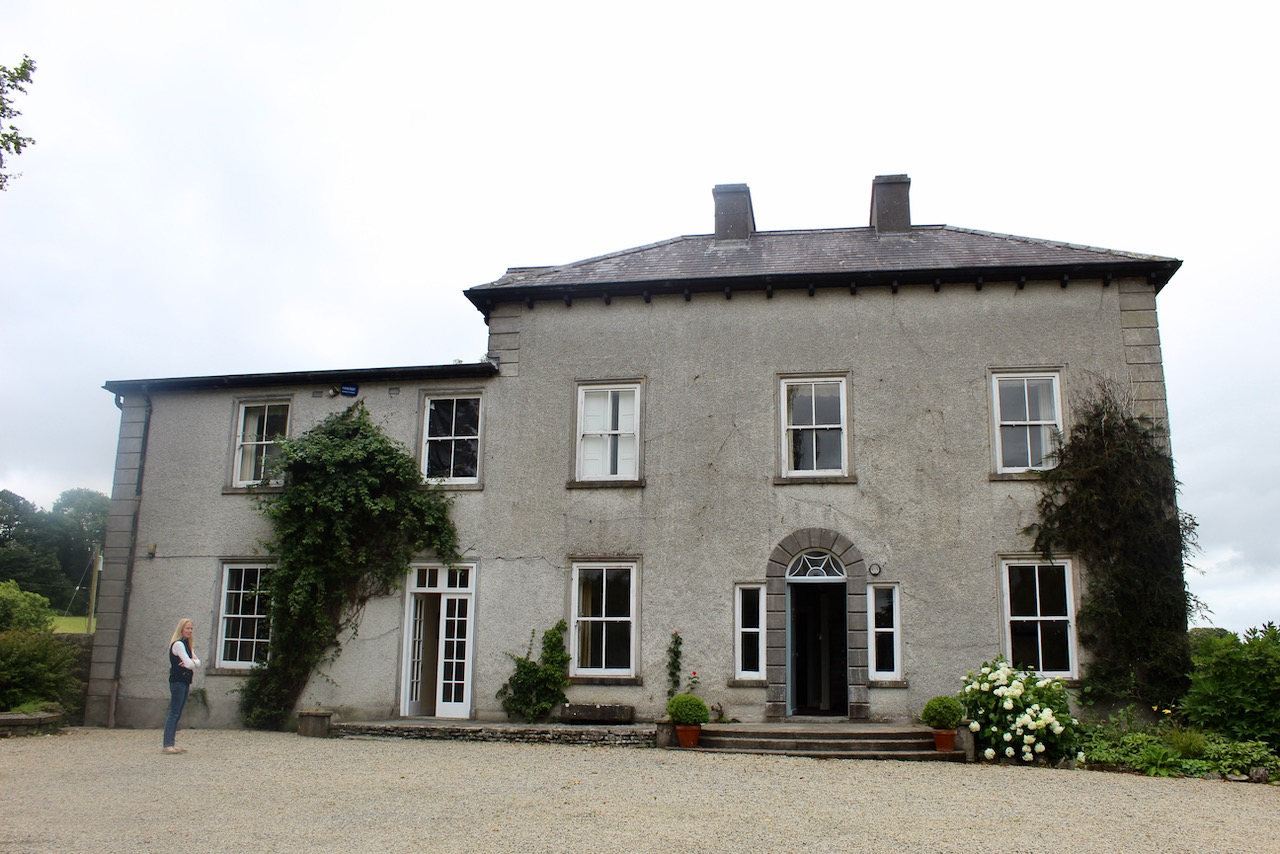
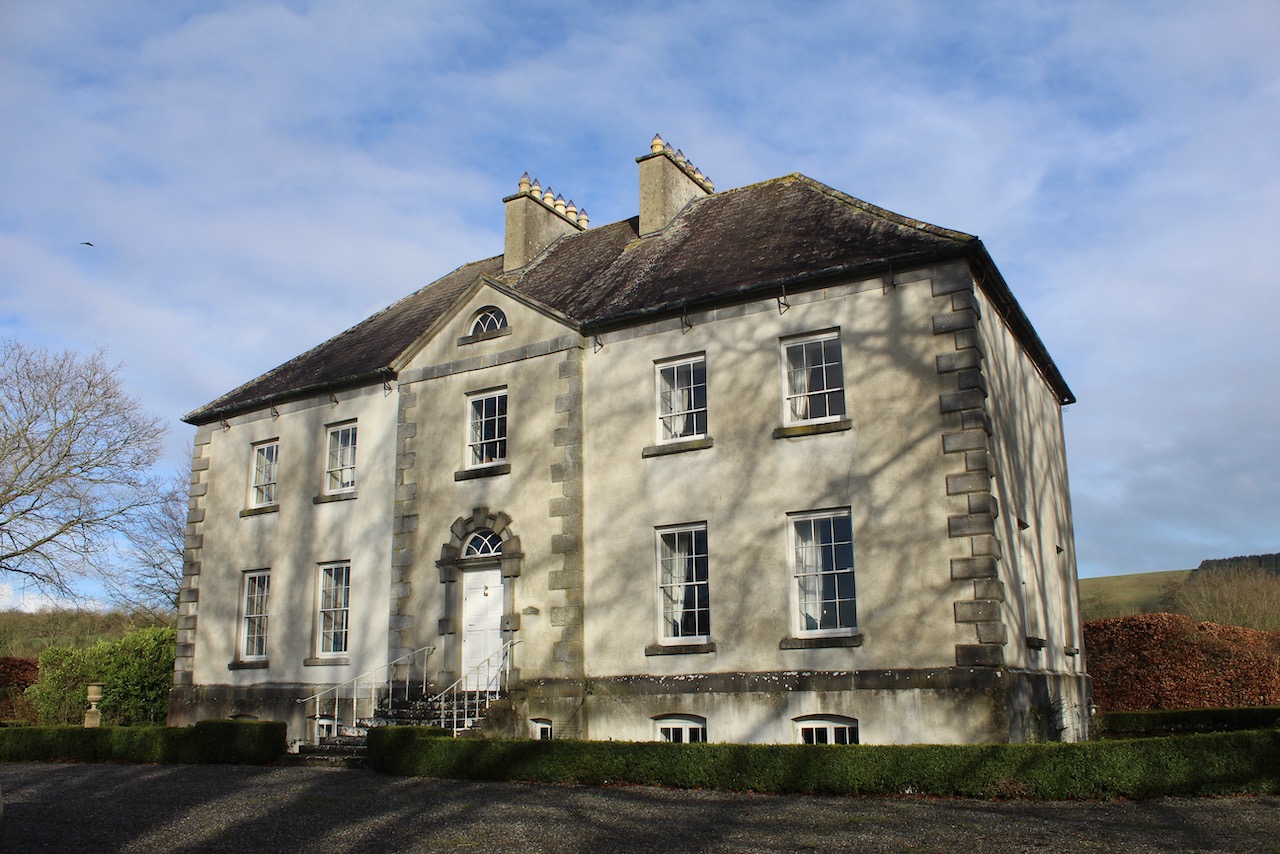
Number 39 North Great Georges Street, a three bay four storey over basement house, was built in 1790 by Henry Darley (1721-1798) on land leased from the Archdall family. Darley also built numbers 41 and 42, and may have built number 43 for Theophilus Clements. We visited the street before when we saw another Section 482 property, number 11 (see my entry).

The land was owned at the beginning of the 18th century by John Eccles (1664-1727), Lord Mayor of Dublin in 1710, for whom Eccles Street was named, the street where Leopold Bloom lives in James Joyce’s Ulysses. The North Great Georges Street specially dedicated website with a history of the street written by Conor Lucey tells us that Eccles’ mansion of the same name survived into the first decades of the twentieth-century, and stood on the site now occupied by the diminutive two-storey building situated between the present Nos.43 and 46. [1]

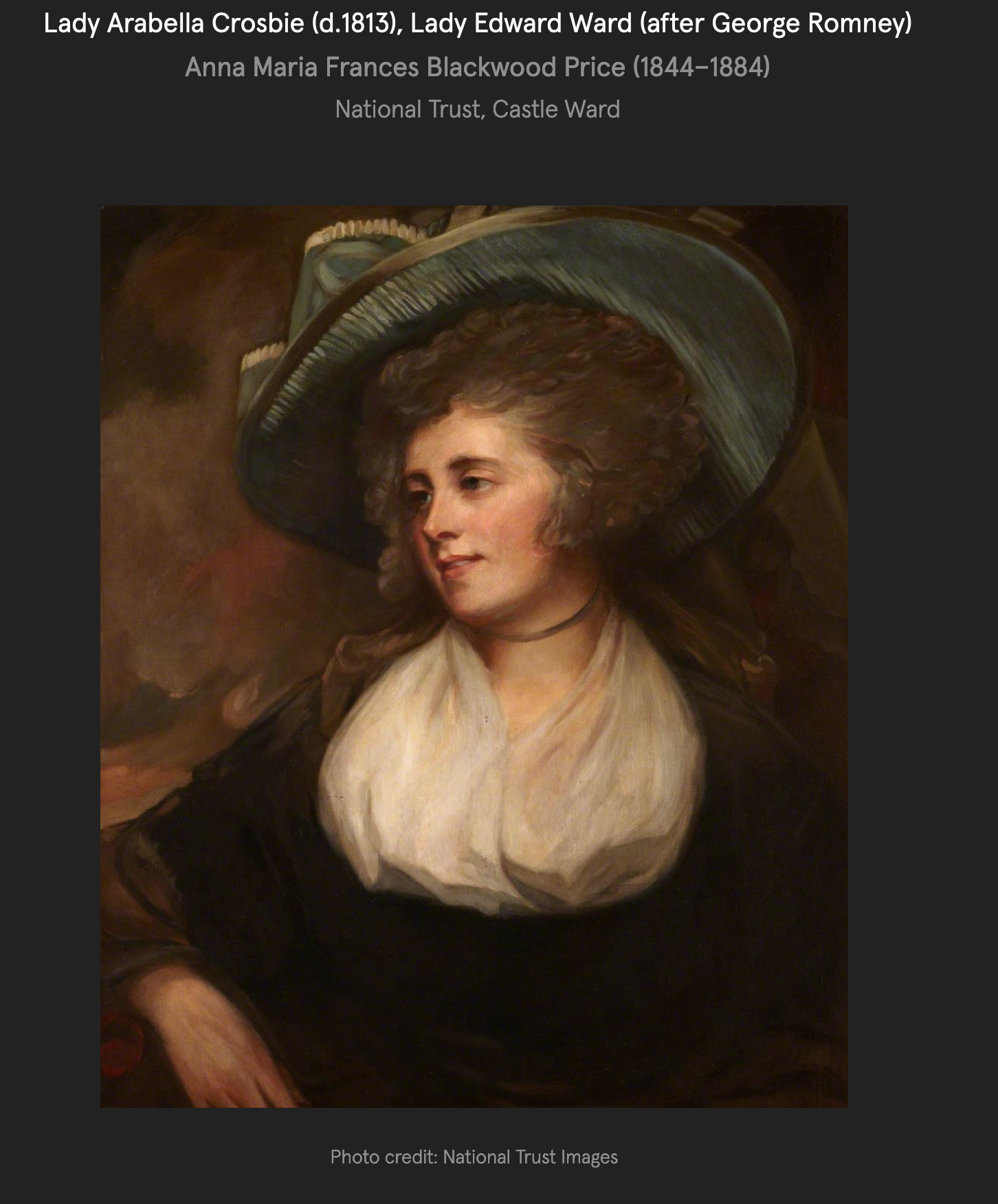
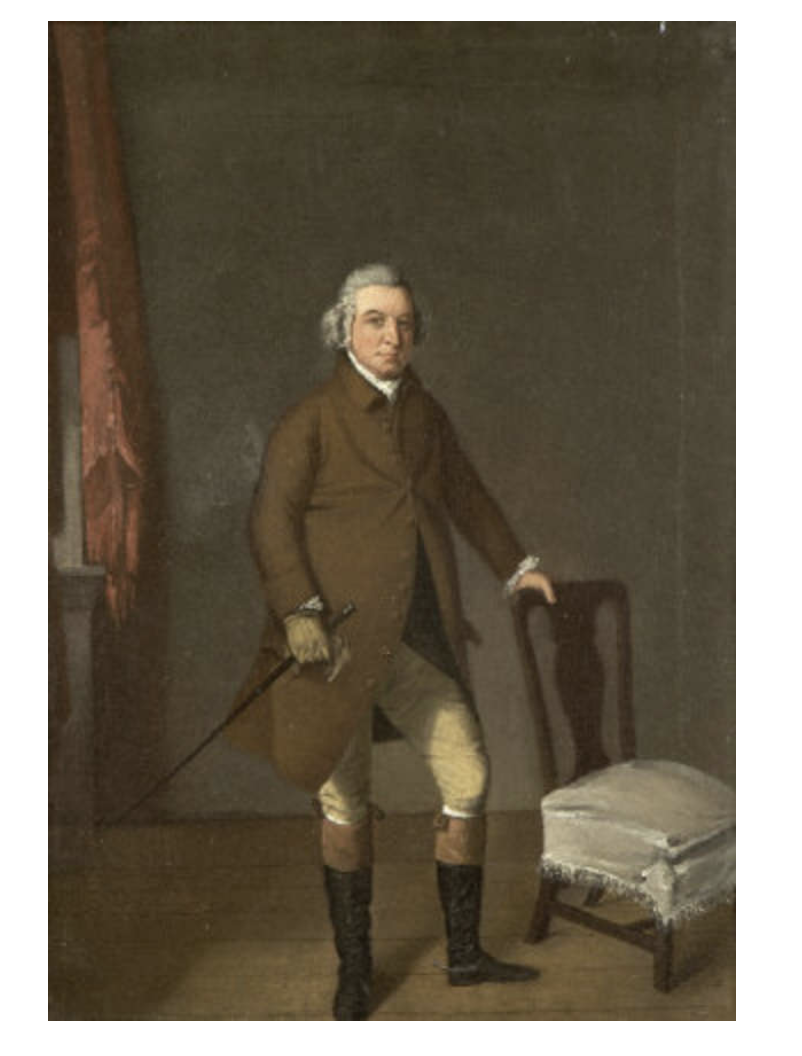
John Eccles (1664-1727) Lord Mayor of Dublin (1714), Irish school, courtesy of National Trust Castle Ward.

The lease for the estate was purchased by Nicholas Archdall for a term of 999 years beginning on 1st August 1749. The North Great Georges Street website tells us:

Nicholas Archdall, an MP for Co. Fermanagh and one of the first ‘Home Rulers’, had in fact been born Nicholas Montgomery, assuming the name of Archdall upon his marriage in 1728 to the heiress Angel Archdall, a descendant of one of the foremost County Fermanagh families since the days of the Ulster Plantation. Following Angel Archdall’s death in 1748, Nicholas married Sarah Spurling, originally of London, and by her had eight children, one of whom, Edward, would later become a property developer, involved in the building of Nos.19 and 20 North Great George’s Street in the late 1780s. Nicholas Archdall died at Mount Eccles in 1763, and some years later his widow petitioned Parliament for the heads of a bill to enable her ‘to grant long leases for building on the said Premises.’ This decision to set out the ground as a commercial venture may have been inspired by the eminently fashionable, and ever-expanding, Gardiner estate, and motivated in particular by the opening up of Gardiner’s Row (adjoining the north west side of the Mount Eccles estate) in 1765. Sarah Archdall’s formal request was presented to the House of Commons on 12 February 1766 and stated:

“That the said Grounds and Premises lie contiguous to the City of Dublin, and from their Situation will be taken by Persons in Lots for building upon, if Power to make Building Leases thereof can be obtained. That all the Petitioners…are Minors, and the youngest about six Years of Age, and until they all come of age no Building Leases can be granted, and it will greatly tend to the Benefit of the Petitioner Sarah, and her Children, to have Power to grant Building Leases.”

The Journals of the House of Commons records that Royal Assent was granted on 7 June 1766 and the leasehold interest in the first building lots were advertised the following year, the notices highlighting both the advantage of the location and its proximity to established residential districts:

“To be Let in Lots for Building, the Lands of Mount Eccles, in Great Britain-street, opposite Marlborough-street, joining Palace-row and Cavendish-street, containing seven Acres, which for Situation, Air and Prospect, cannot be exceeded by any in or about Dublin, subject to no Manner of Tax, Hearth Money excepted. For further Particulars, enquire of Mrs. Archdale, at Mount Eccles, where a Plan of the whole may be seen.”

39 North Great Georges Street, Dublin. Photograph © Jennifer Winder-Baggot, www.irishhistorichouses.com

The North Great Georges Street website continues:

While building at the southern end of North Great George’s Street began from the mid-1770s, including Nos.22–27 (all now demolished) and Nos.33–35 (of which only No.35 survives), the majority date from the mid-1780s, including Nos.12–21 and Nos.36–43. In many cases, these later houses were built by some of the leading figures from Dublin’s late eighteenth-century building and house-decorating community, among them the renowned stuccodor Charles Thorp (Nos. 37 and 38), and Henry Darley, from the celebrated family of stonecutters (Nos.39 and 41–42).

Darley worked with James Gandon on the new Custom House in Dublin, from 1781-1791, before working on North Great Georges Street. The plasterwork inside may be by Charles Thorp (abt. 1772-1820), as he owned the house next door to number 39.

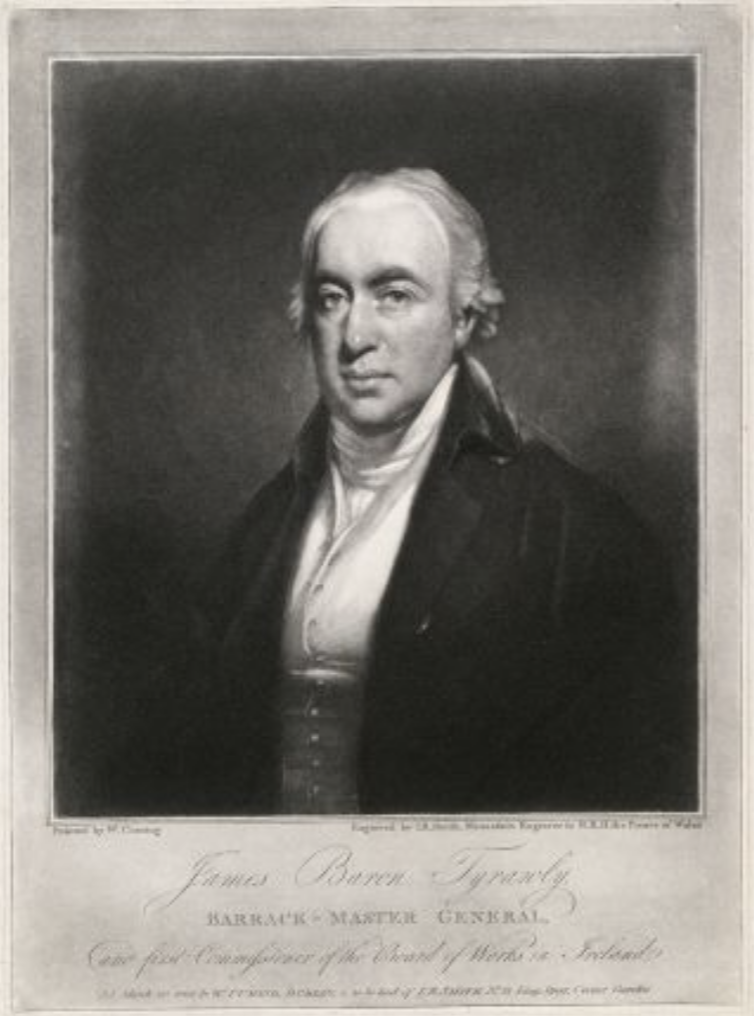
Charles Thorp, (abt. 1772-1820), Builder, Stuccodore and Lord Mayor of Dublin 1800-1801, engraver Patrick Maguire, Irish, fl.1783-1820. Photograph courtesy of the National Gallery of Ireland.
North Great Georges Street, Dublin. Photograph © Jennifer Winder-Baggot, www.irishhistorichouses.com

Conor Lucey describes the typical layout of the houses on the street:

By far the most common plan type is the ‘two room’ plan, composed of an axially- aligned entrance hall and stair hall, and flanked by front and rear parlours, the latter typically serving as the formal dining room. The principal staircase, customarily of timber open-string construction, is situated at the back of the house and rises from the ground floor – by way of the piano nobile or ‘drawing room storey’ – to the ‘attic’ or bedroom storey, with admittance to the ‘garret’ alone acquired by a smaller, subordinate stair.

Ceiling of the front hall, 39 North Great Georges Street. Photograph © Jennifer Winder-Baggot, www.irishhistorichouses.com

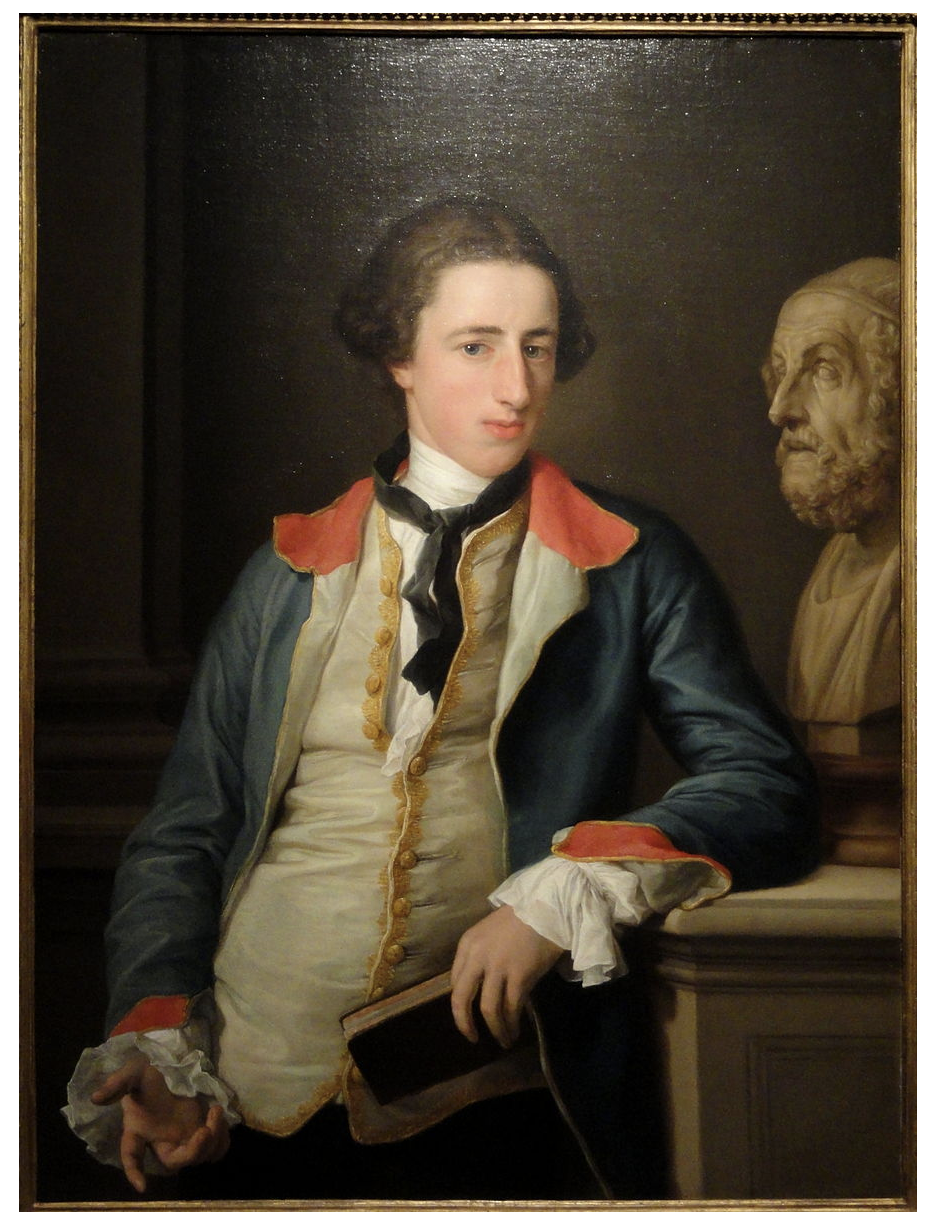
The first occupant of the house was Thomas Taylour (1757-1829), later created 1st Marquess of Headfort, of Headfort House in County Meath, in 1800 at the time of the Act of Union.

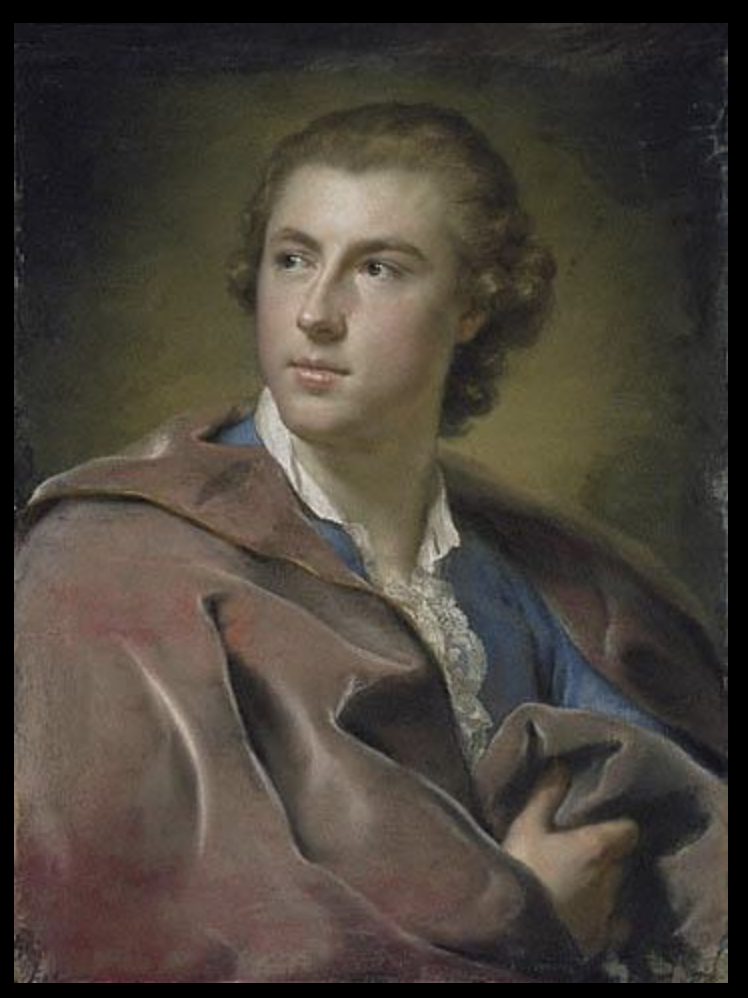
Thomas Taylour (1757-1829) 1st Marquess of Headfort by Pompeo Batoni courtesy of Google Art Project By Pompeo Batoni – 9QE_ZzFPQzDZiQ at Google Cultural Institute, Public Domain, https://commons.wikimedia.org/w/index.php?curid=29800995
Mary née Quin (the daughter of George Quin and Caroline Cavendish) The Marchioness of Headfort, wife of Thomas Taylour (1757-1829) 1st Marquess of Headfort, holding her Daughter Mary, 1782, by Pompeo Batoni, Google_Art_Project 6wGvrQuQJ1yERA at Google Cultural Institute, Public Domain, https//:commons.wikimedia.org/w/index.php?curid=29801821.jpg

The front hall has an archway, built by Darley, and The Marquess of Headfort had him put in double doors and a fanlight.

The website for the house tells us that it was then occupied by Thomas Taylour’s first cousin, Stephen Moore of Barne Park, Clonmel, County Tipperary. [2] Thomas Taylour probably moved to Rutland Square (now Parnell Square), where his family had a townhouse which he inherited.

Thomas Taylour’s aunt Henrietta Taylour married Richard Moore (1714-1771) of Barne Park. They had a son Stephen (about 1748-1800), who married Salisbury Moore, and they had a son, Stephen Moore of Barne Park, who married Eleanor Westry. They had a son, Stephen Charles Moore (1808-1873). In 1833 Stephen Charles Moore of Barne married Anna, eldest daughter of Colonel Kingsmill Pennefather of Newpark, County Tipperary. Stephen Charles Moore was Justice of the Peace, High Sheriff and Deputy Lieutenant of County Tipperary. Mrs. Mary Moore of Barne Park is listed as living in the house in 1840.

Tom welcomed us to his home. He told us that the house was purchased by a Bishop who put it in trust for life. The house was continually let until the mid twentieth century. The house’s website tells us that:

By 1850, the house, now held in trust, was let to a barrister, Patrick Owen Cogan and in 1909, was being run as a boarding house by a Mrs. Hill, who lived there with her husband and daughters. It was afterwards occupied by a rector of St. Georges Church, and later by a doctor from the Childrens Hospital in Temple Street. In the 18th.c. when this house was built, there was no plumbing or sanitary facilities and it was probably towards the end of the 19th.c. that it became fashionable to install a bathroom, usually by thrusting out an extension from the 2nd. half landing on the stairs, hence the name “thrust out.” Such a bathroom was installed in No.39. This would have been the height of sophistication in the Edwardian era.

The National Inventory tells us it was run as a hotel called the “Windsor hotel” in the early 1900s, perhaps in the time of Mrs. Hill. The census in 1901 tells us it was divided in two parts, with the Hill family, Joseph and his wife Catherine, who are members of the Church of Ireland, and their daughters, in one part and boarders in the rest of the house – one of whom, Stephen Dawson, an engineering student, lists his religion as “free thinker”! In 1911 it was no longer occupied by the Hills, but by a family named Greer, a Rev. Fergus Greer who was rector of St. George’s church. He moved to no. 38, next door, after John Pentland Mahaffy vacated that house.

39 North Great Georges Street, Dublin. Photograph © Jennifer Winder-Baggot, www.irishhistorichouses.com

The website continues with the history of the house:

In 1939 the trust let the house to a builder, giving him permission to let it out in rooms. This was the final stage in a downward spiral that almost ended in its demolition. It had probably not been well maintained throughout the 19th.c. but the intensive use it was now subjected to led to a rapid deterioration and it soon became an “open door tenement,” with no lock on the front door and the interior common areas open to all. In 1948, there were 11 families living in the house, mostly one family per room. Many of these were large families. There were no services in any of the rooms, and with only the single bathroom off the half landing and a second wc at the door to the back yard conditions were grim. A sink had been installed outside the bathroom and leakage from this caused extensive rot on the staircase. Leaking rainwater downpipes caused further rot, and the roof slating had failed and been replaced with a temporary covering of chipboard and green mineral felt. In 1966 the trust sold the house for £200. It again changed hands in 1973, to an owner interested in its preservation. He had the remaining tenants rehoused and upgraded the house as offices and flats.

The present owners bought the house in 1976.
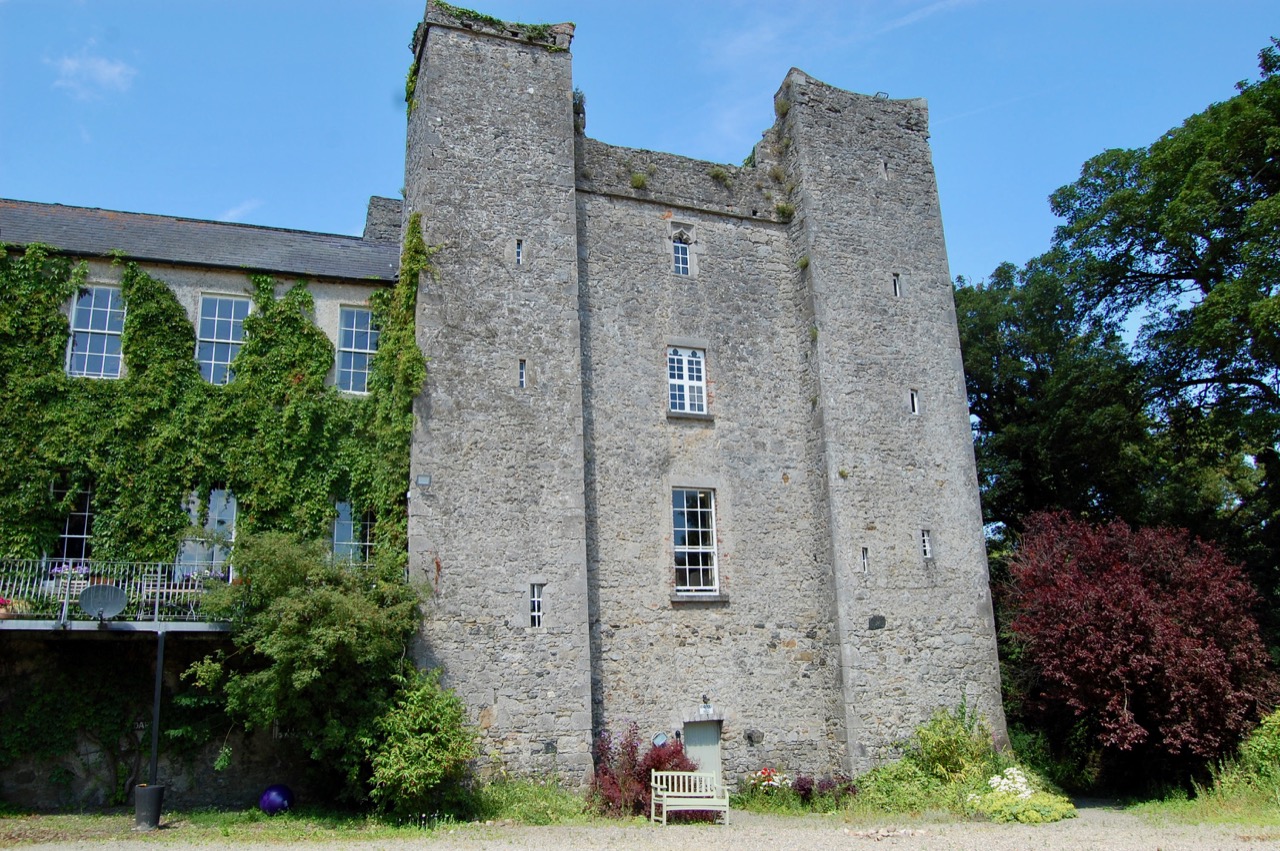
The present owners, the Kiernans, have done wonderful repairs to the house. They outline the repairs on the website. The roof was repaired and reslated, and the third floor bow wall in the back rebuilt. The owners had to contend with dry rot, and much work was done in the upper drawing room and the upper floors. They bought back the mews house, which had been sold previously, and they renovated that also. You can see photographs of various stages of the repair work on the website.
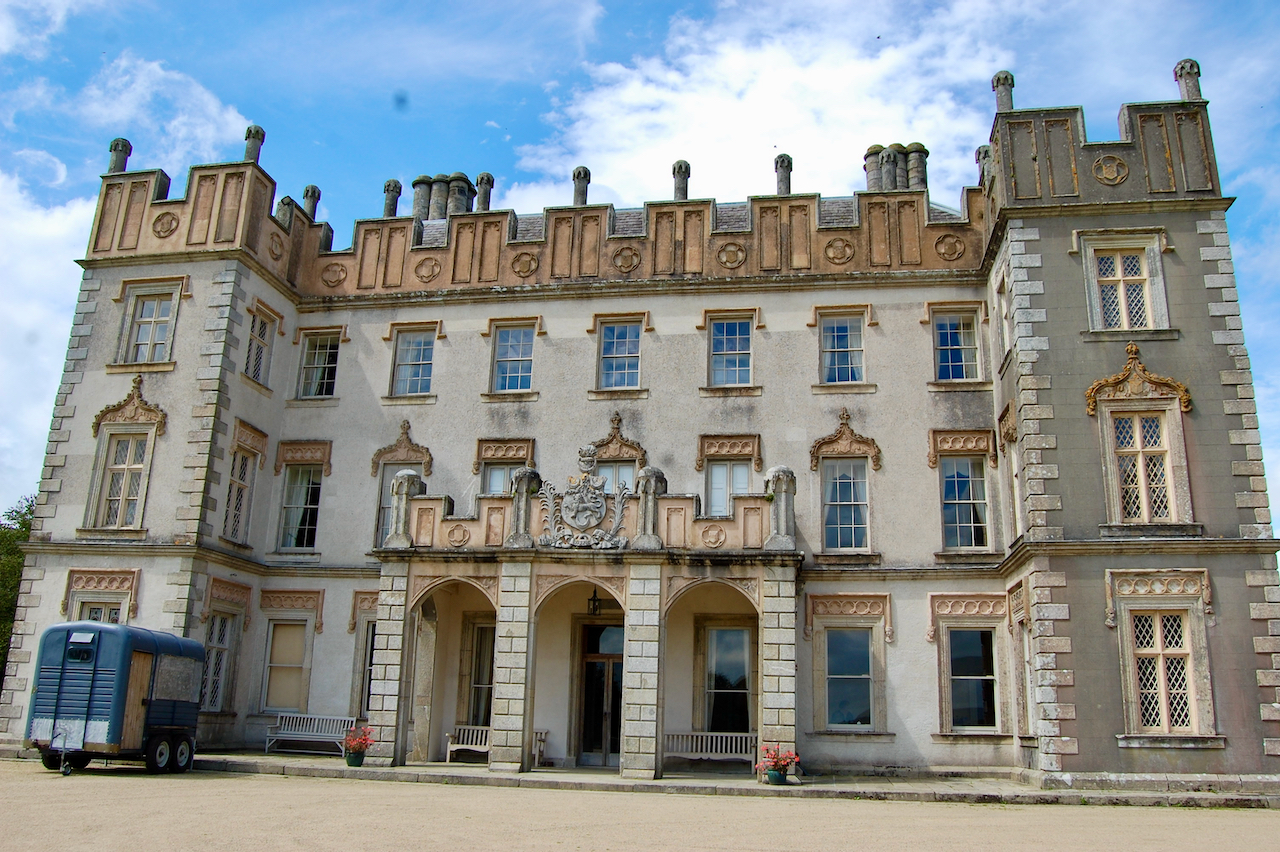
Tom Kiernan has been repairing the skirting, architraves and other woodwork, and also, I was delighted to learn, the plasterwork.

Tom has carried out repairs to the beautiful fireplace in the drawing room or “street parlour” on the ground floor. Photograph © Jennifer Winder-Baggot, www.irishhistorichouses.com
The repaired chimneypiece in the drawing room. The faces are copied from a house in Mountjoy Square. Photograph © Jennifer Winder-Baggot, www.irishhistorichouses.com
The street parlour. Photograph © Jennifer Winder-Baggot, www.irishhistorichouses.com
The dining room. Photograph © Jennifer Winder-Baggot, www.irishhistorichouses.com
The cornice and frieze of the dining room. Photograph © Jennifer Winder-Baggot, www.irishhistorichouses.com
Detail on the stairs, which Tom is repairing. Photograph © Jennifer Winder-Baggot, www.irishhistorichouses.com
Another decorative frieze. Photograph © Jennifer Winder-Baggot, www.irishhistorichouses.com
Double doors on the first floor landing. Photograph © Jennifer Winder-Baggot, www.irishhistorichouses.com
The impressive first floor drawing room with bow in the back. Photograph © Jennifer Winder-Baggot, www.irishhistorichouses.com
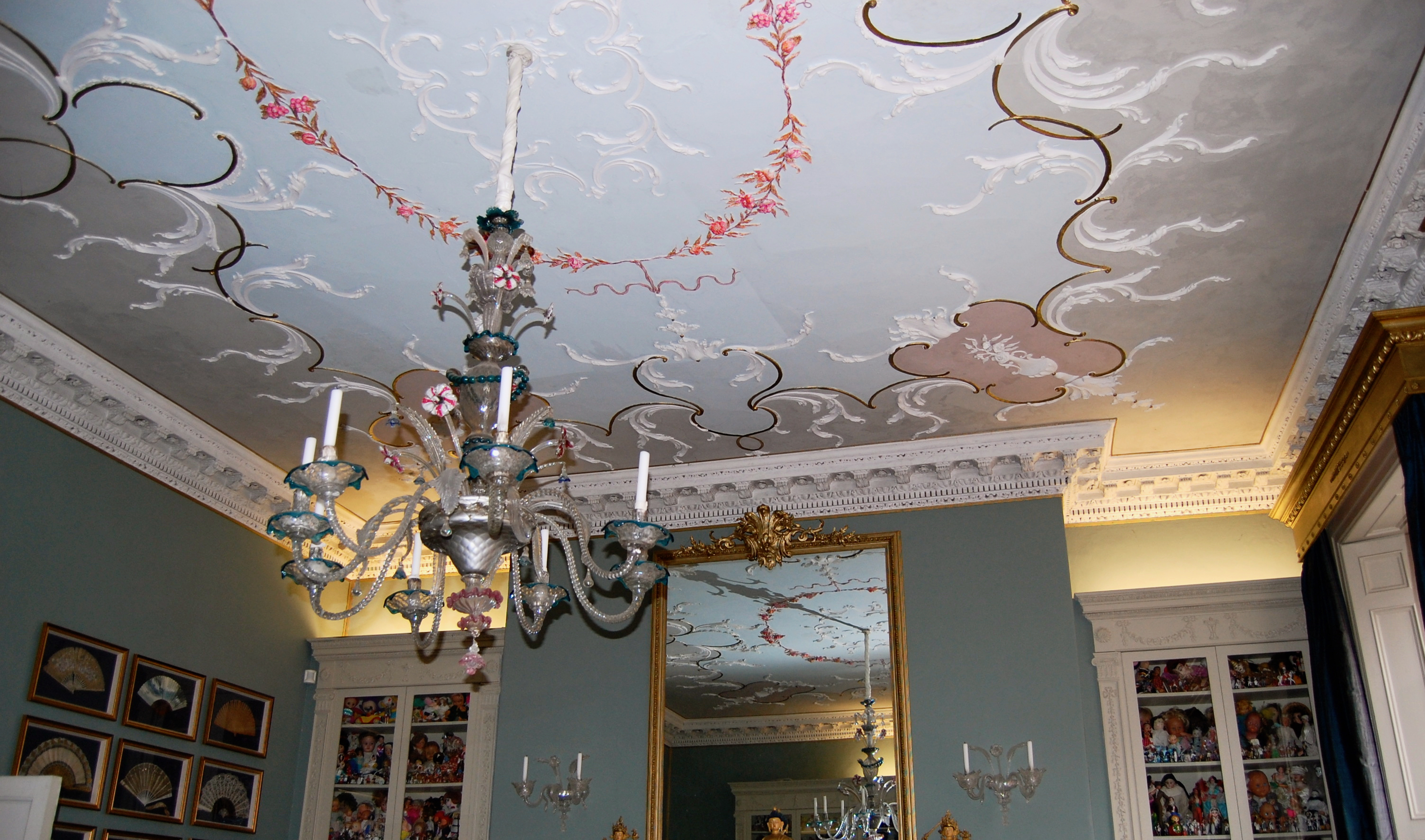
The beautiful ceiling of the upstairs drawing room. Photograph © Jennifer Winder-Baggot, www.irishhistorichouses.com
Some artefacts collected by Tom. Photograph © Jennifer Winder-Baggot, www.irishhistorichouses.com
Tom showed us how he is repairing the dado rail and plasterwork. He is creating a version cast from “composition ornament.” Photograph © Jennifer Winder-Baggot, www.irishhistorichouses.com
Repairing the woodwork, skirting boards and decorative elements. Photograph © Jennifer Winder-Baggot, www.irishhistorichouses.com
The return in the back. Photograph © Jennifer Winder-Baggot, www.irishhistorichouses.com
The impressive Neoclassical ceiling in the front drawing room upstairs. Photograph © Jennifer Winder-Baggot, www.irishhistorichouses.com
The front drawing room upstairs. Photograph © Jennifer Winder-Baggot, www.irishhistorichouses.com

[1] https://northgreatgeorgesstreet.ie/history/

[2] Barne Park, County Tipperary, https://www.buildingsofireland.ie/buildings-search/building/22207612/barne-park-barn-demesne-innishlounaght-pr-co-tipperary-south

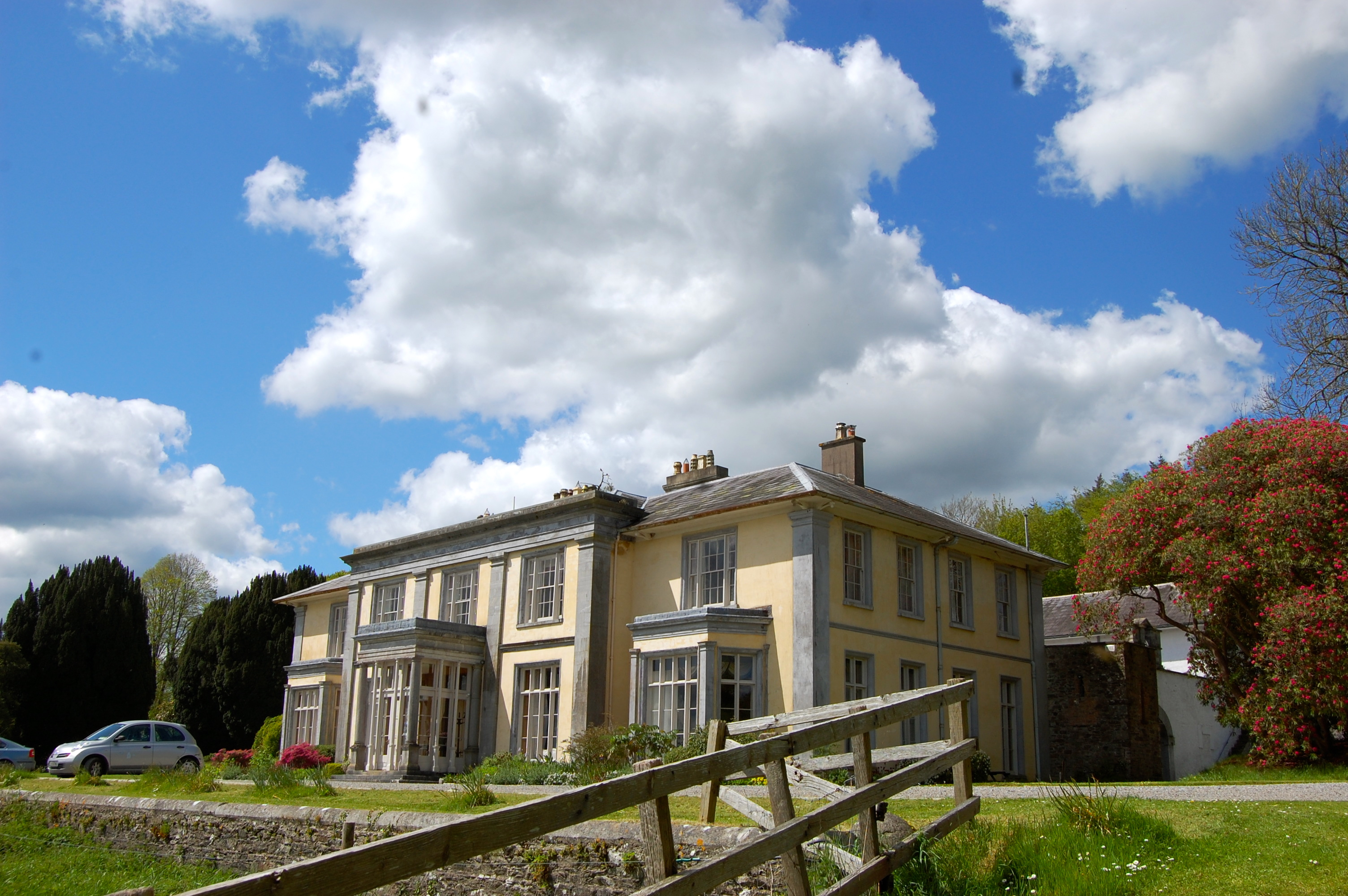
A house built c. 1730 but possibly incorporating a seventeenth-century house, it is very impressive. It was built for Stephen Moore (1689-1747).

The house went up for sale in 2023! Here are some photographs courtesy of myhome.ie:

Barne, County Tipperary, photograph courtesy of myhome.ie in July 2023.
Barne, County Tipperary, photograph courtesy of myhome.ie in July 2023. The use of drones really helps in advertising a property for sale.
Barne, County Tipperary, photograph courtesy of myhome.ie in July 2023. I don’t know if the Moores still own it – it would be wonderful if those weapons and trophies are from the Moore family.
Barne, County Tipperary, photograph courtesy of myhome.ie in July 2023.
Barne, County Tipperary, photograph courtesy of myhome.ie in July 2023. I wonder who is painted in the portraits?
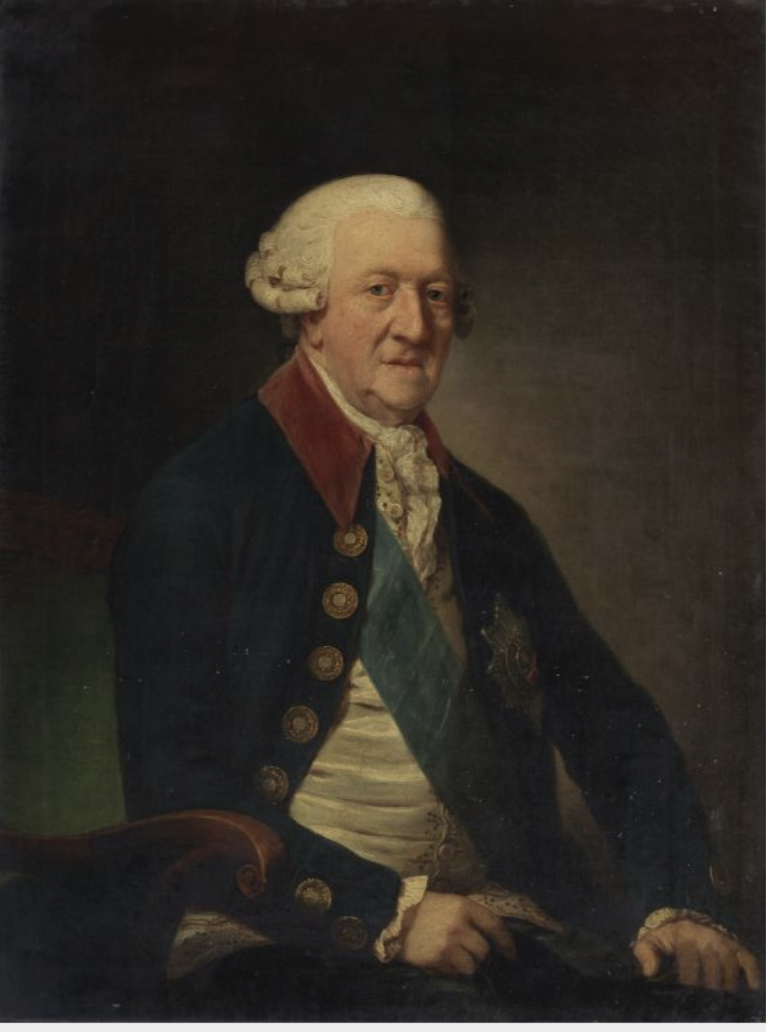
Thomas Taylour (1724-1795) 1st Earl of Bective wearing the star and sash of the Order of St. Patrick by Gilbert Stuart and studio courtesy of Sotheby’s. I see this portrait in the photograph from Barne!
Thomas Moore of Barne, courtesy of Adam’s auction 15th Oct 2019
Barne, County Tipperary, photograph courtesy of myhome.ie in July 2023.
Barne, County Tipperary, photograph courtesy of myhome.ie in July 2023. What a beautiful cabinet!
Barne, County Tipperary, photograph courtesy of myhome.ie in July 2023. The pelmets match the bed. I wonder if they are original to the house, and whose crest that is?

Text © Jennifer Winder-Baggot, www.irishhistorichouses.com

Halfway there!

I didn’t publish yet this week, because I was busy with holidays and also with attending the terrific 21st Annual Historic Irish Houses Conference organised by the Centre for the Study of Historic Irish Houses and Estates in Maynooth University.

Stephen and I have visited 93 of the Section 482 properties, so we have passed the halfway mark, as there are 179 listed properties in 2023 (I see that 1 Martello Terrace in Bray has dropped off the list, unfortunately). We are just home from a jaunt to County Wexford where we visited Kilmokea, Woodville House and Gardens, and Sigginstown Castle. We also went to see Johnstown Castle, since on our previous visit the castle itself was closed, and we visited the Office of Public Work site of Tintern Abbey.

There are three types of property that can qualify for the Section 482 Revenue Scheme https://www.revenue.ie/en/personal-tax-credits-reliefs-and-exemptions/documents/section-482-heritage-properties.pdf.

The Section 482 Revenue Scheme gives a reduction from income tax for a percentage of the cost of upkeep of a historic property. It took me a long time to understand that there are different types of Section 482 properties. This can make it difficult for property owners as well as for potential visitors.
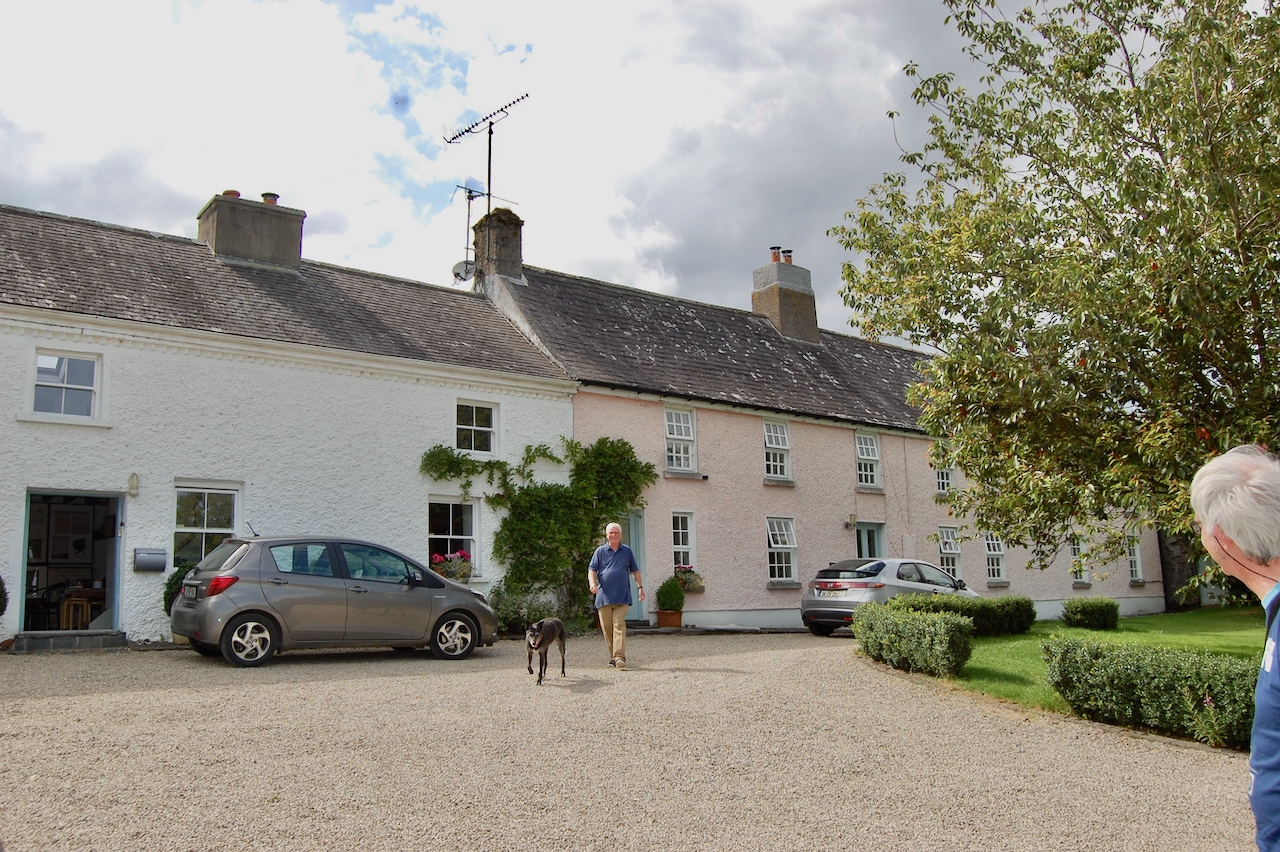
In general, a property that is included in the Section 482 List, published by Irish Department of Revenue, has to be open to the public for sixty days a year. However, not every property listed under Section 482 has to be open to the public. If a property is listed with the bold type “Tourist Accommodation Facility,” this is another type of listing with different requirements and obligations. A property of this type does not have to open to the general public at all.

Furthmore, I have discovered much to my dismay that a property listed as Tourist Accommodation Facility does not need to facilitate the average tourist. It may be listed as an accommodation facility when it is only available as a whole house rental.

To add to the confusion, several properties are hotels or have accommodationn but are not listed as a Tourist Accommodation Facility under the scheme. They may not qualify under all of the obligations of the scheme, and therefore choose to list as a regular Section 482 property. These, therefore, have to be accessible to the public for visits on the listed sixty days a year.

Many of the properties that are listed officially as Tourist Accommodation Facility are kind enough to have open days, but not all of them! This is purely out of their own generosity. The lack of clarity in the way the list is published means that visitors – like me for a couple of years – think that the property has an obligation to be open to the public, when they actually do not.

It may not be fair that a property qualifies as a “section 482 property” and receives public tax money when it is not open to the public, but this is a matter for legislation. As it stands, these properties do not have to be open to the public at all. So, for example, my excitement at seeing Lambay Castle listed was short-lived, when I realised it is listed as a Tourist Accommodation Facility.

However, Lambay Castle is one of the properties that does open to the public for tours. A visitor has to have deep pockets, since a visit to the island which includes a tour of the house costs at least €790, not the usual €5-10. That can include 6-12 guests and includes the boat over to the island, which makes it somewhat more reasonable, but it is still quite an expensive day out. If you want to take advantage of it being a tourist accommodation facility, you have to book the entire house, unfortunately. So I don’t expect to see Lambay Castle unless I receive a windfall! The same goes for Lisdonagh in County Galway or Lismacue in County Tipperary, which are both “entire house” accommodation and do not open to the public.

The third type of listing is as a garden. Properties that qualify as a garden only have to open the garden to the public. In the Revenue Section 482 list, it does not specify whether a property is listed as a house, or as “garden only.” Therefore at the start of the year I write to the Revenue to ask which properties are garden only. Properties listed as garden only cannot obtain a reduction on income tax from repairs made to a house but only the cost of maintenance and upkeep of the garden.

Many of the properties have gardens, and since it is not specified on the list whether the property is “garden only,” some owners may, I suspect, take advantage of the ambiguity, and seek to direct the visitor toward the garden only – this has certainly happened to me on one occasion! I only found out later that the owner was meant to make the house accessible for a visit.
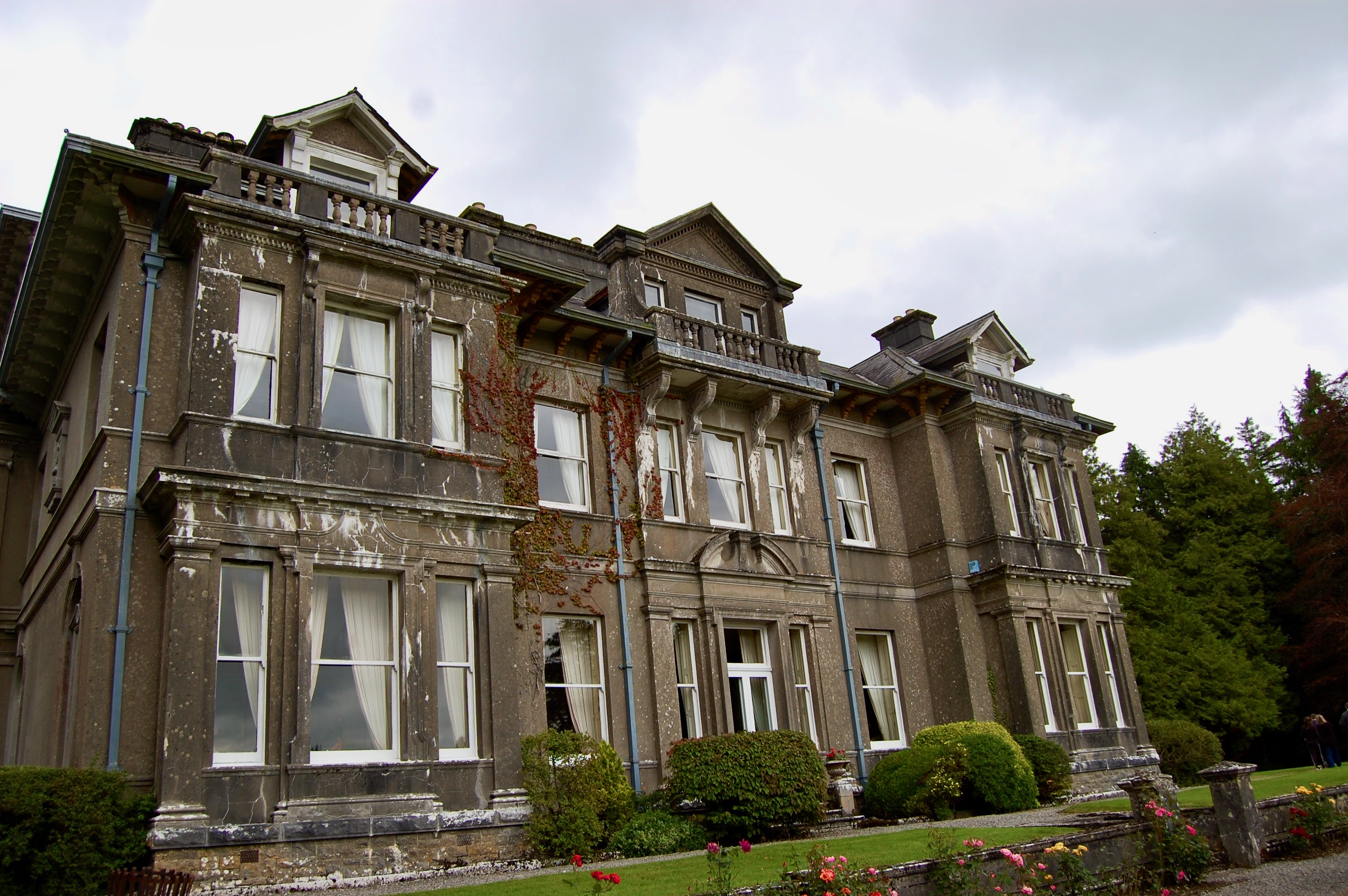
So, purely for my own sense of achievement, I am going to list the Section 482 properties here, and I will highlight the ones I have visited so far. There are 179 listed properties. However, since there are 21 properties listed as Tourist Accommodation and at least 15 do not have open days for public visits, I actually passed the half-way mark, or the achievement of visiting half of the properties, a while ago! Of the 158 properties that are not listed as Tourist Accommodation Facility, we have visited 83. Of the 179 properties, we have visited 93!

75 remain to visit, that are not tourist accommodation!

1. Borris House, Borris, Co. Carlow

2. Huntington Castle, County Carlow

3. The Old Rectory Killedmond, Borris, Co. Carlow.

The Old Rectory Lorum, Co. Carlow Tourist Accommodation Facility

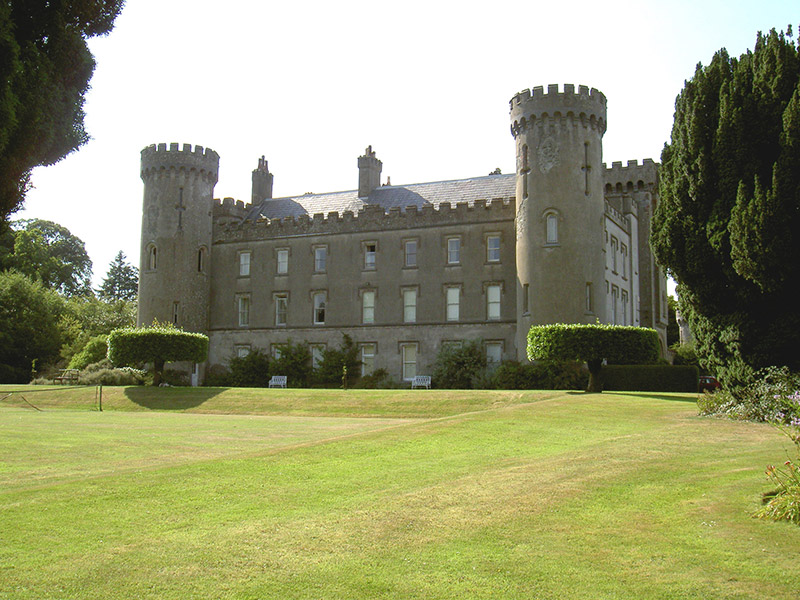
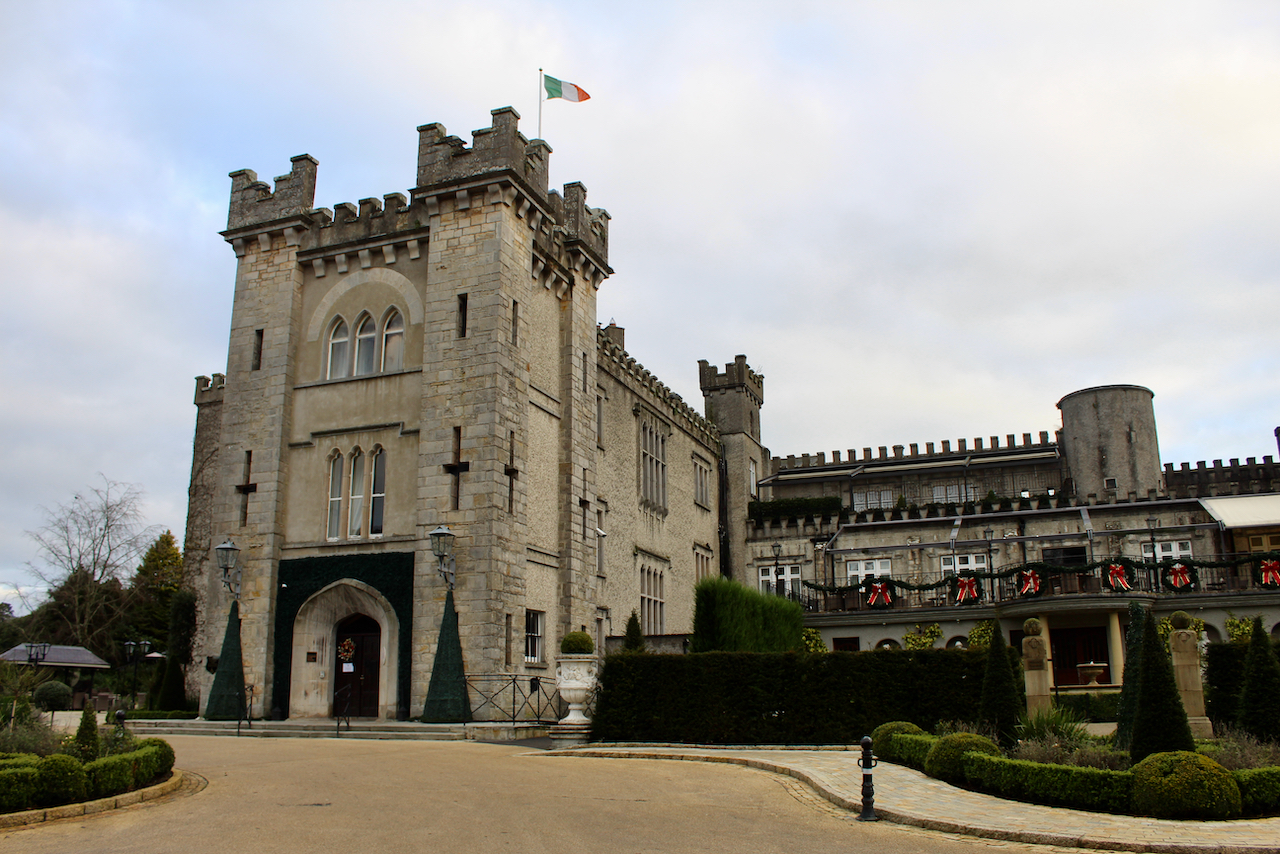
4. Cabra Castle (Hotel), Co. Cavan

5. Corravahan House & Gardens, Co. Cavan

6. Barntick House, Clarecastle Co. Clare – still to write up and publish

7. Loughnane’s, Main Street, Feakle, Co. Clare

8. Newtown Castle, Newtown, Ballyvaughan, Co. Clare

9. Ashton Grove, Ballingohig, Knockraha, Co. Cork

Ballyvolane House, Castlelyons, Co. Cork Tourist Accommodation Facility

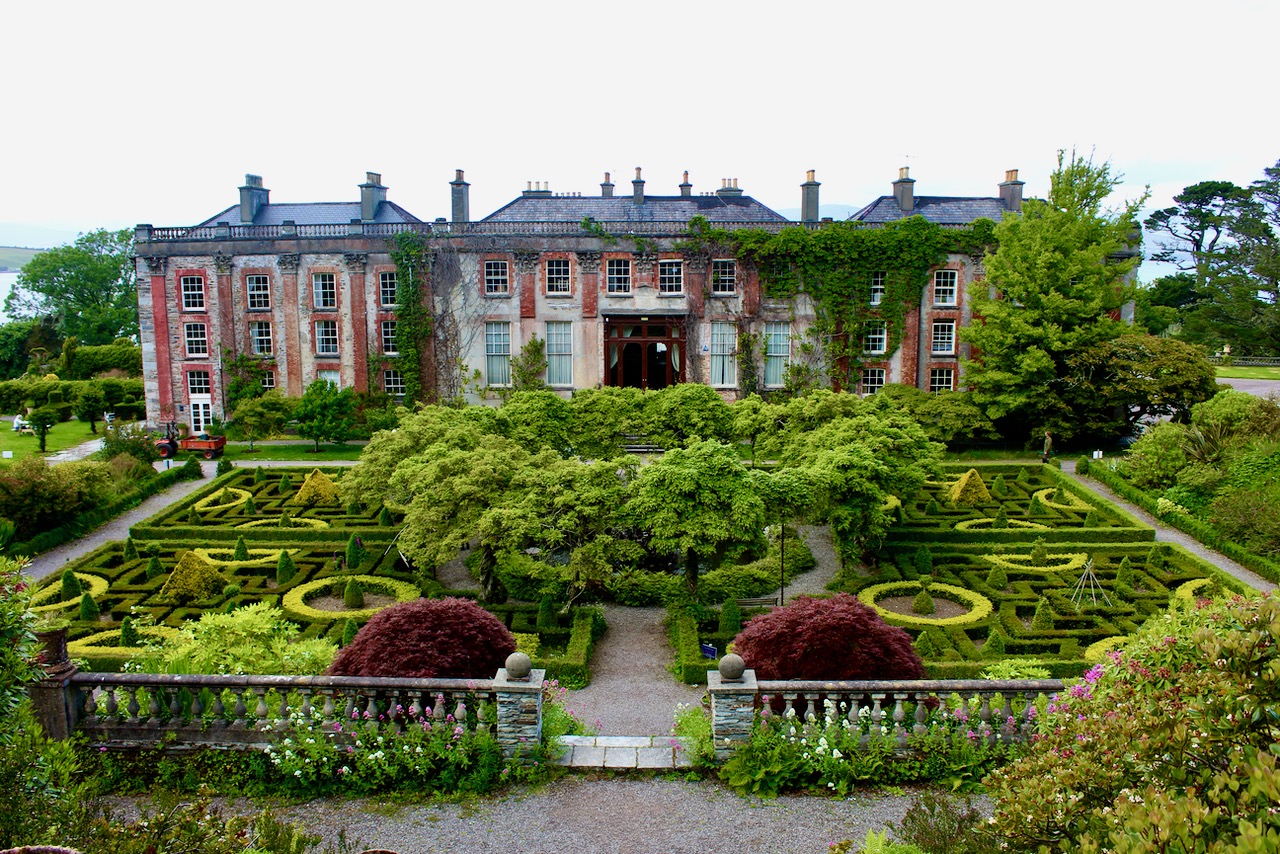
10. Bantry House & Garden, Bantry, Co. Cork

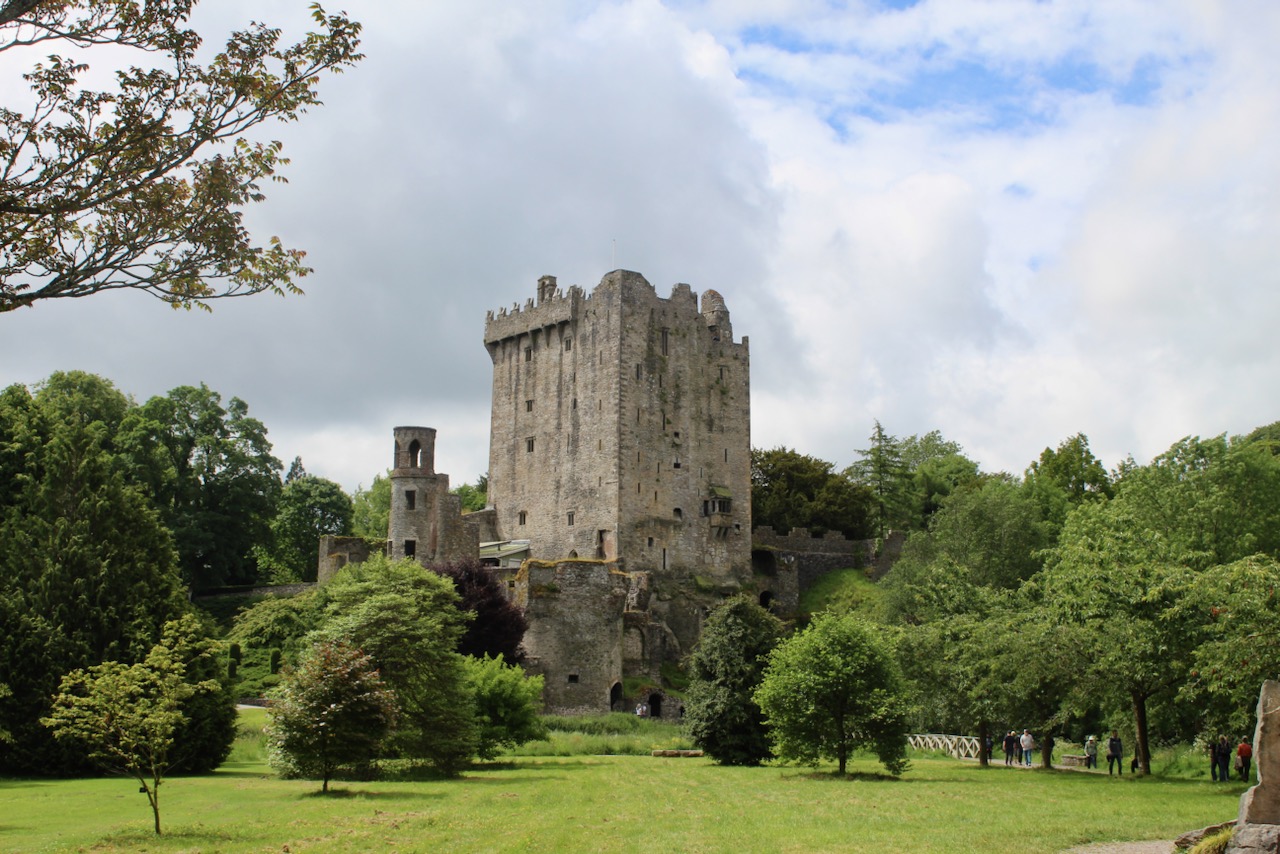
11. Blarney Castle & Rock Close, Blarney, Co. Cork

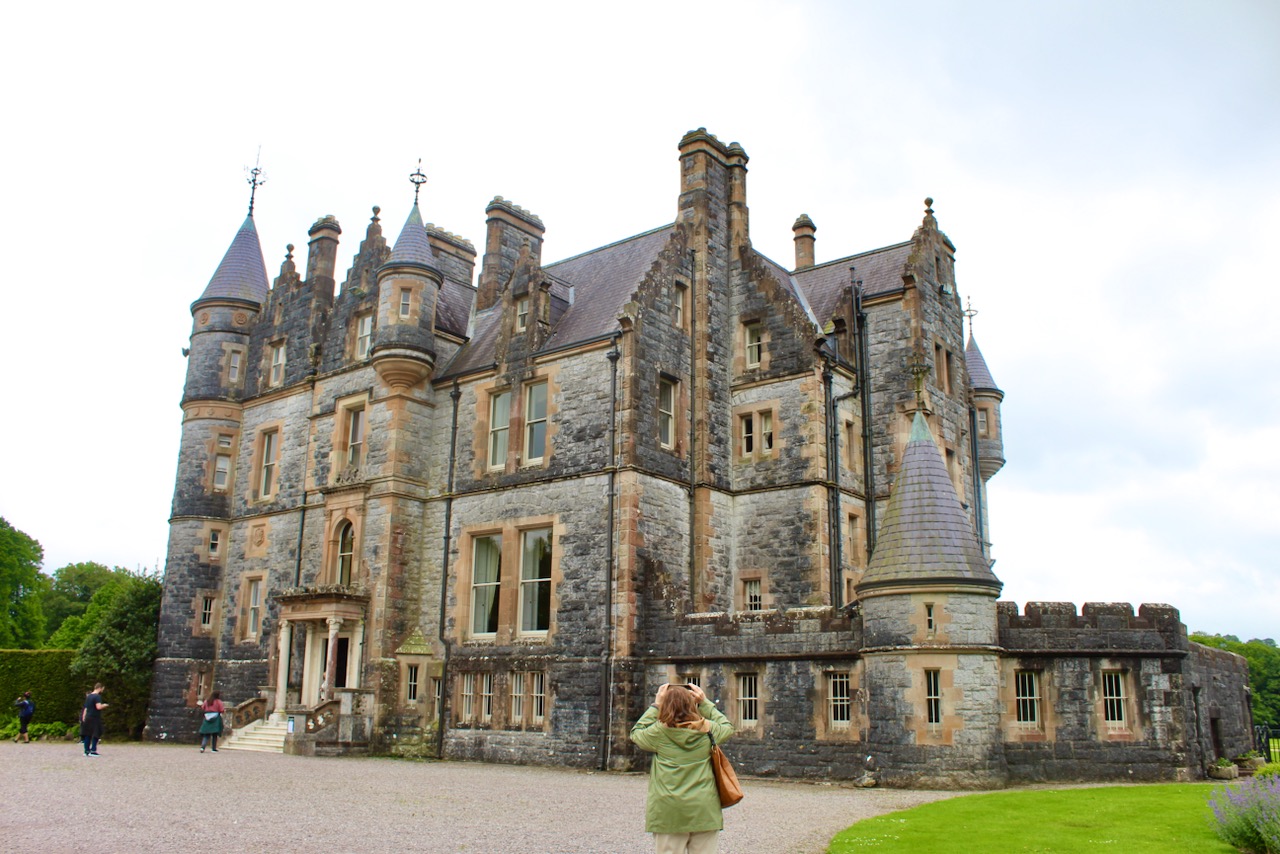
12. Blarney House & Gardens, Blarney, Co. Cork

13. Burton Park, Churchtown, Mallow, Co. Cork

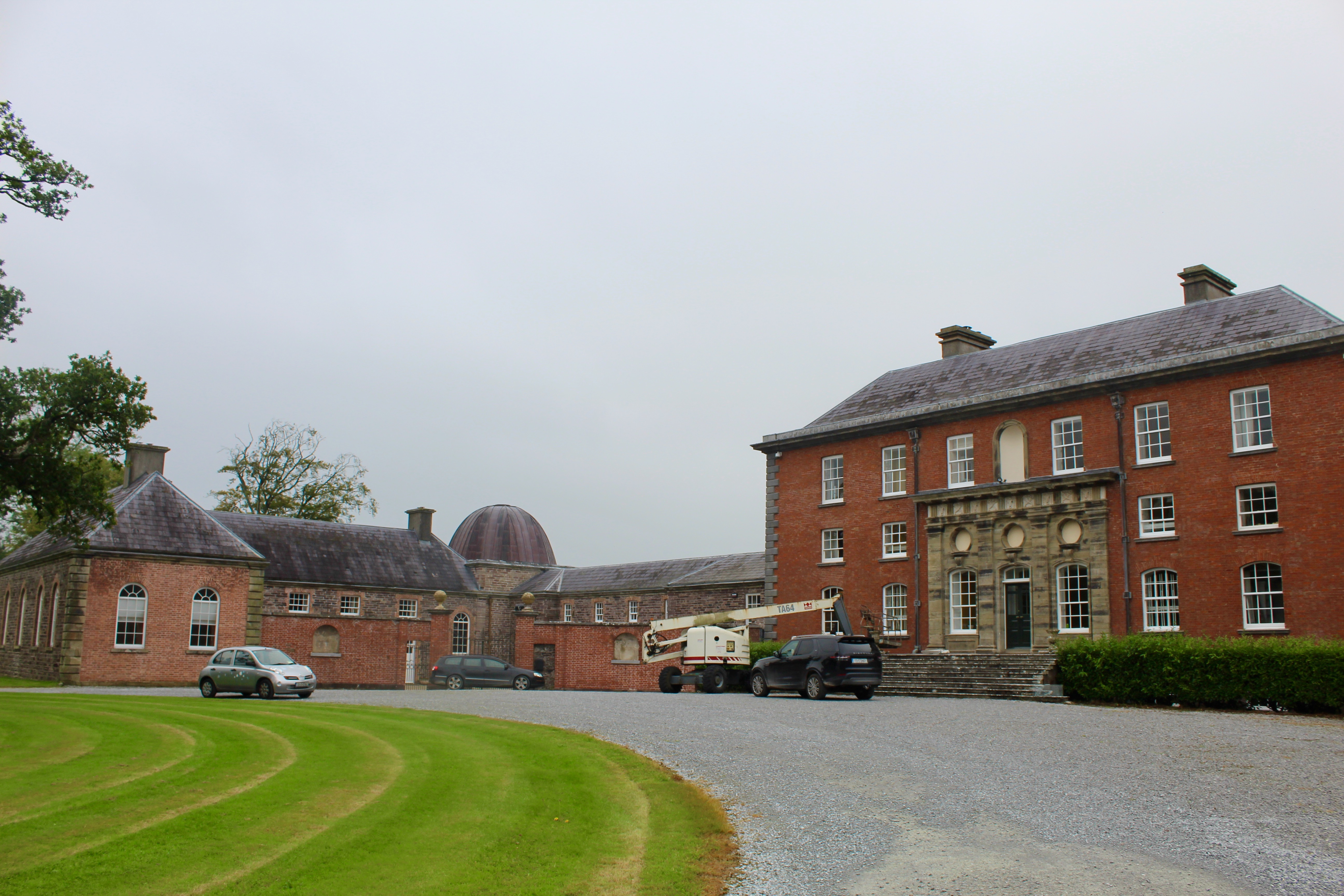
14. Brideweir House, Conna, Co. Cork

15. Drishane Castle & Gardens, Co. Cork

16. Drishane House, Castletownshend, Co. Cork

17. Dún Na Séad Castle, Baltimore, Co. Cork

18. Fenns Quay, 4 & 5 Sheares Street, Cork

19. Garrettstown House, Kinsale, Co. Cork

20. Kilcascan Castle, County Cork

21. Kilshannig House, Rathcormac, Co. Cork

22. Riverstown House, Riverstown, Glanmire, Co. Cork

23. Woodford Bourne Warehouse, Sheares Street, Cork

24. Cavanacor House, Ballindrait, Lifford, Co. Donegal

25. Oakfield Park, Oakfield Demesne, Raphoe, Co. Donegal (garden)

26. Portnason House, Portnason, Ballyshannon, Co. Donegal

27. Salthill Garden, Mountcharles, Co. Donegal (not listed as Garden Only but when I visited the house was not accessible – perhaps when I visited it was Garden only)

28. Bewley’s, Grafton Street, Dublin 2 – still to write up and publish

29. Doheny & Nesbitt, Lower Baggot Street, Dublin 2

30. Hibernian/National Irish Bank, Dublin 2

31. 11 North Great George’s Street, Dublin 1

32. 39 North Great George’s Street, Dublin 1 – still to write up and publish

33. 81 North King Street, Smithfield, Dublin 7

34. The Odeon, Dublin 2

35. Powerscourt Townhouse Centre, Dublin 2

36. 10 South Frederick Street, Dublin 2

37. The Church, Mary’s Street/Jervis Street, Dublin 1

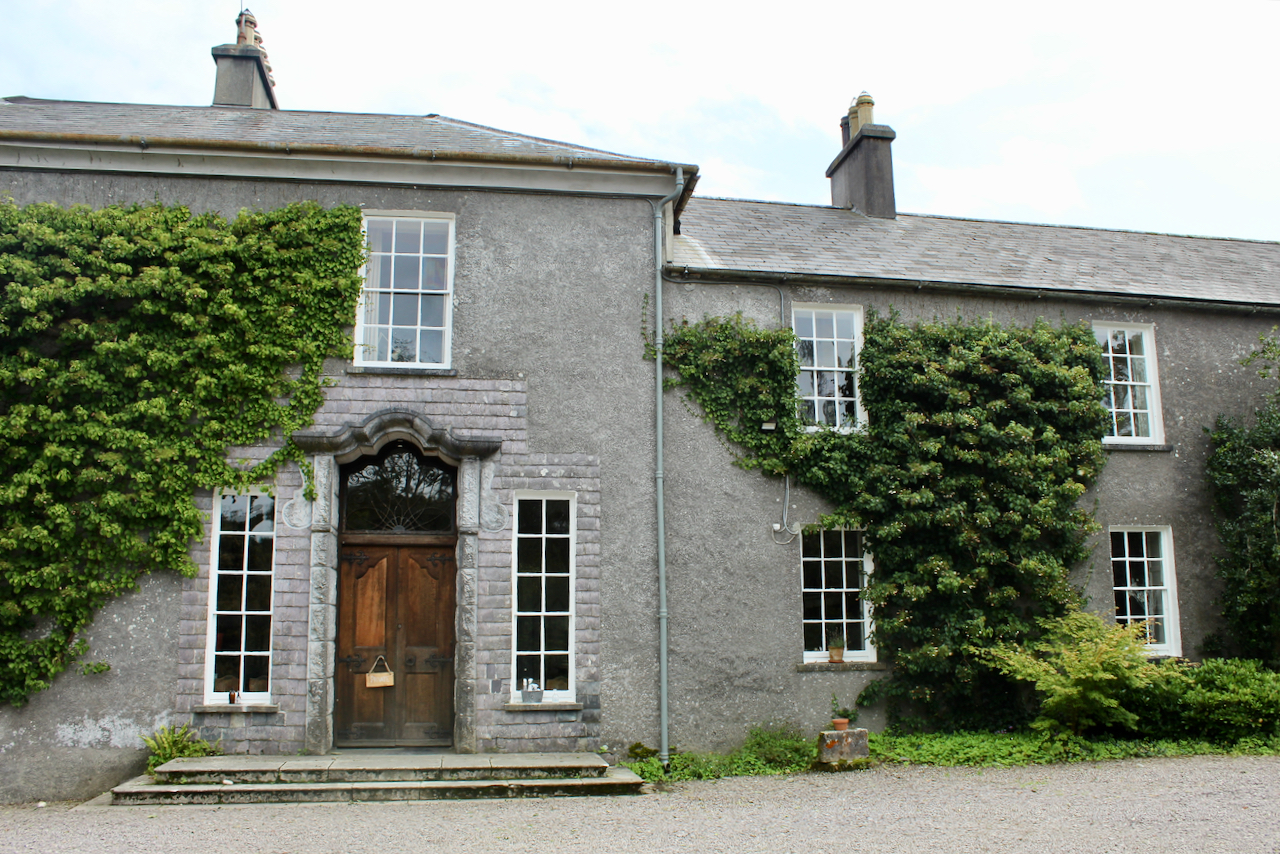
38. Clonskeagh Castle, Clonskeagh, Dublin 14

39. Colganstown House, Newcastle, Co. Dublin

40. Corke Lodge Garden, Shankill, Co. Dublin (garden)

41. Fahanmura, 2 Knocksina, Foxrock, Dublin 18 – still to write up and publish

42. Farm Complex, St Margaret’s, Co. Dublin

Lambay Castle, Lambay Island, County Dublin Tourist Accommodation Facility

43. The Old Glebe, Newcastle, Co. Dublin

44. Martello Tower, Portrane, Co. Dublin

45. Meander, Foxrock, Dublin 18

46. Primrose Hill, Lucan, Co. Dublin – still to write up and publish, it may have been garden only when we visited – we were not given access to the house.

47. St. George’s, Killiney, Co. Dublin

48. Tibradden House, Rathfarnham, Dublin 16

49. Castle Ellen House, Athenry, Co. Galway

Claregalway Castle, Claregalway, Co. Galway Tourist Accommodation Facility

Lisdonagh House, Caherlistrane, Co. Galway Tourist Accommodation Facility

50. The Grammar School, College Road, Galway

51. Oranmore Castle, Oranmore, Co. Galway

52. Signal Tower & Lighthouse, Co. Galway

53. Woodville House, Co. Galway (garden)

54. Ballyseede Castle, Ballyseede, Tralee, Co. Kerry – still to write up and publish

55. Derreen Gardens, Kenmare, Co. Kerry (garden) – still to write up and publish

56. Kells Bay House & Garden, Caherciveen, Co. Kerry (garden) – still to write up and publish

57. Tarbert House, Tarbert, Co. Kerry

58. Blackhall Castle, Calverstown, Kilcullen, Co. Kildare

59. Burtown House and Garden, Athy, Co. Kildare

60. Coolcarrigan House & Gardens, Naas, Co. Kildare

61. Farmersvale House, Badgerhill, Kill, Co. Kildare

62. Griesemount House, Ballitore, Co. Kildare

63. Harristown House, Brannockstown, Co. Kildare

64. Kildrought House, Celbridge Village, Co. Kildare – still to write up and publish

65. Larchill, Kilcock, Co. Kildare

66. Leixlip Castle, Leixlip, Co. Kildare

67. Moone Abbey House & Tower, County Kildare

68. Moyglare Glebe, Maynooth, Co. Kildare

69. Steam Museum Lodge Park Heritage Centre, Kildare

70. Templemills House, Celbridge, Co. Kildare

71. Aylwardstown House, Co. Kilkenny

72. Ballysallagh House, Co. Kilkenny

73. Creamery House, Castlecomer Co. Kilkenny

74. Kilfane Glen & Waterfall, Co. Kilkenny (garden)

75. Kilkenny Design Centre, Castle Yard, Kilkenny – still to write up and publish

76. Shankill Castle, Paulstown, Co. Kilkenny

77. Tybroughney Castle, Piltown, Co. Kilkenny

78. Ballaghmore Castle, Borris in Ossory, Co. Laois

79. Stradbally Hall, Stradbally, Co. Laois

80. Manorhamilton Castle (Ruin), Co. Leitrim – still to write up and publish

Ash Hill, Kilmallock, Co. Limerick Tourist Accommodation Facility

81. Glebe House, Bruff, Co. Limerick

82. Glenville House, Glenville, Ardagh, Co. Limerick

83. Kilpeacon House, Crecora, Co. Limerick

84. Odellville House, Ballingarry, Co. Limerick

85. Mount Trenchard House and Garden, Co. Limerick

86. The Turret, Ryanes, Ballyingarry, Co. Limerick

87. The Old Rectory, Rathkeale, Co. Limerick

88. Moorhill House, Castlenugent, Lisryan, Co. Longford

89. Barmeath Castle, Dunleer, Drogheda, Co. Louth

90. Killineer House & Garden, Drogheda, Co. Louth

91. Rokeby Hall, Grangebellew, Co. Louth

92. Brookhill House, Brookhill, Claremorris, Co. Mayo

Enniscoe House & Gardens, Ballina, Co. Mayo Tourist Accommodation Facility

93. Old Coastguard Station, Westport, Co. Mayo

Owenmore, Garranard, Ballina, Co. Mayo Tourist Accommodation Facility

94. Beauparc House, Beau Parc, Navan, Co. Meath

95. Boyne House Slane, Co. Meath

96. Dardistown Castle, Co. Meath

97. Dunsany Castle, Dunsany, Co. Meath – request not to publish write-up, unfortunately.

98. Gravelmount House, Navan, Co. Meath

99. Hamwood House, Dunboyne, Co. Meath – still to write up and publish

Killeen Mill, Clavinstown, Drumree, Co. Meath Tourist Accommodation Facility

Loughcrew House, Co. Meath Tourist Accommodation Facility – still to write up and publish, garden open to public, and we stayed in the whole house accommodation for our Hen-Stag in 2010!

100. Moyglare House, Moyglare, Co. Meath

101. Slane Castle, Slane, Co. Meath

102. St. Mary’s Abbey, High Street, Trim, Co. Meath

103. The Former Parochial House, Slane, Co. Meath

104. Swainstown House, Kilmessan, Co. Meath

105. Tankardstown House, Rathkenny, Slane, Co. Meath

Castle Leslie, Co. Monaghan Tourist Accommodation Facility

Hilton Park House, Co. Monaghan Tourist Accommodation Facility – still to write up and publish

106. Mullan Village and Mill, Co. Monaghan

107. Birr Castle, Birr, Co. Offaly – still to write up and publish

108. Ballybrittan Castle, Edenderry, Co. Offaly

109. Ballindoolin House, Edenderry, Co. Offaly

110. Corolanty House, Shinrone, Birr, Co. Offaly – still to write up and publish

111. Crotty Church, Castle Street, Birr, Co. Offaly

112. Gloster House, Brosna, Birr, Co. Offaly – still to write up and publish

113. High Street House, Tullamore, Co. Offaly

114. Loughton, Moneygall, Birr, Co. Offaly

115. Springfield House, Co. Offaly

The Maltings, Castle Street, Birr, Co. Offaly Tourist Accommodation Facility

116. Castlecoote House, Co. Roscommon – the two times we have been in County Roscommon I have tried to make an appointment but they have been closed due to having guests. They are not listed as Tourist Accommodation Facility so they should be open to visitors.

Clonalis House, Castlerea, Co. Roscommon Tourist Accommodation Facility

117. King House, Boyle, Co. Roscommon

118. Shannonbridge Fortifications, Co. Roscommon

119. Strokestown Park House, Co. Roscommon

120. Castletown Manor, Cottlestown, Co. Sligo

Coopershill House, Riverstown, Co. Sligo Tourist Accommodation Facility

121. Lissadell House & Gardens, Co. Sligo

122. Markree Castle, Collooney, Co. Sligo

123. Newpark House and Demesne, Co. Sligo

124. Rathcarrick House, Co. Sligo

Temple House, Ballymote, Co. Sligo Tourist Accommodation Facility

125. Beechwood House, Co. Tipperary

126. Clashleigh House, Clogheen, Co. Tipperary

127. Fancroft Mill, Roscrea, Co. Tipperary

128. Grenane House, Tipperary, Co. Tipperary

129. Killenure Castle, Dundrum, Co. Tipperary

Lismacue House, Bansha, Co. Tipperary Tourist Accommodation Facility

130. Redwood Castle, Co. Tipperary

The Rectory, Cahir, Co. Tipperary Tourist Accommodation Facility

131. Silversprings House, Clonmel, Co. Tipperary

132. Ballynatray Estate, Co. Waterford (garden)

133. Cappagh House (Old and New), Dungarvan, Co. Waterford

134. Cappoquin House & Gardens, Co. Waterford

135. Curraghmore House, Portlaw, Co. Waterford

136. Dromana House, Cappoquin, Co. Waterford

137. The Presentation Convent, Co. Waterford

138. Tourin House & Gardens, Co. Waterford

139. Lough Park House, Castlepollard, Co. Westmeath

140. Rockfield Ecological Estate, Co. Westmeath

141. St. John’s Church, Co. Westmeath

142. Tullynally Castle & Gardens, Co. Westmeath

143. Turbotstown, Coole, Co. Westmeath

144. Clougheast Cottage, Carne, Co. Wexford

145. Kilcarbry Mill Engine House, Co. Wexford

Kilmokea Country Manor & Gardens, Co. Wexford Tourist Accommodation Facility – still to write up and publish

146. Sigginstown Castle, Co. Wexford – still to write up and publish

Wilton Castle, Bree, Enniscorthy, Co. Wexford Tourist Accommodation Facility

Woodbrook House, Enniscorthy, Co. Wexford Tourist Accommodation Facility

147. Woodville House, New Ross, Co. Wexford – still to write up and publish

148. Altidore Castle, Kilpeddar, Greystones, Co. Wicklow

149. Ballymurrin House, Kilbride, Co. Wicklow

150. Castle Howard, Avoca, Co. Wicklow

151. Charleville, Enniskerry, Co. Wicklow

152. Greenan More, Rathdrum, Co Wicklow

153. Killruddery House & Gardens, Co. Wicklow

154. Kiltimon House, Newcastle, Co. Wicklow

155. Kingston House, Kingston, Rathdrum, Co. Wicklow

156. Mount Usher Gardens, Ashford, Co. Wicklow (garden)

157. Powerscourt House & Gardens, Enniskerry, Co. Wicklow

158. Russborough,Blessington, Co. Wicklow

New list published and 2023 Section 482 Calendar Order Form

Warning
Warning
Warning
Warning
Warning.

I’m excited to report that the new Section 482 list has been published, for 2023. No new properties added, but a few have dropped off the list.

Order your calendar now to see at a glance which properties are open on what dates. The calendar costs €25 to cover printing and postage.

The calendar will feature:

1. A list of Section 482 properties, numbered. The number for the property is then used to refer to the property for each listed open date. 

2. A calendar, with every property which is open for a visit per date listed on the date.

3. More complete list of the Section 482 properties spread through the calendar, with the information from the Revenue Section 482 list for each property. Accommodation properties will be included, but they will not be listed as open on individual dates in the body of the calendar as I understand that an accommodation property does not have to be open to the public.

4. A selection of photographs of Section 482 properties.

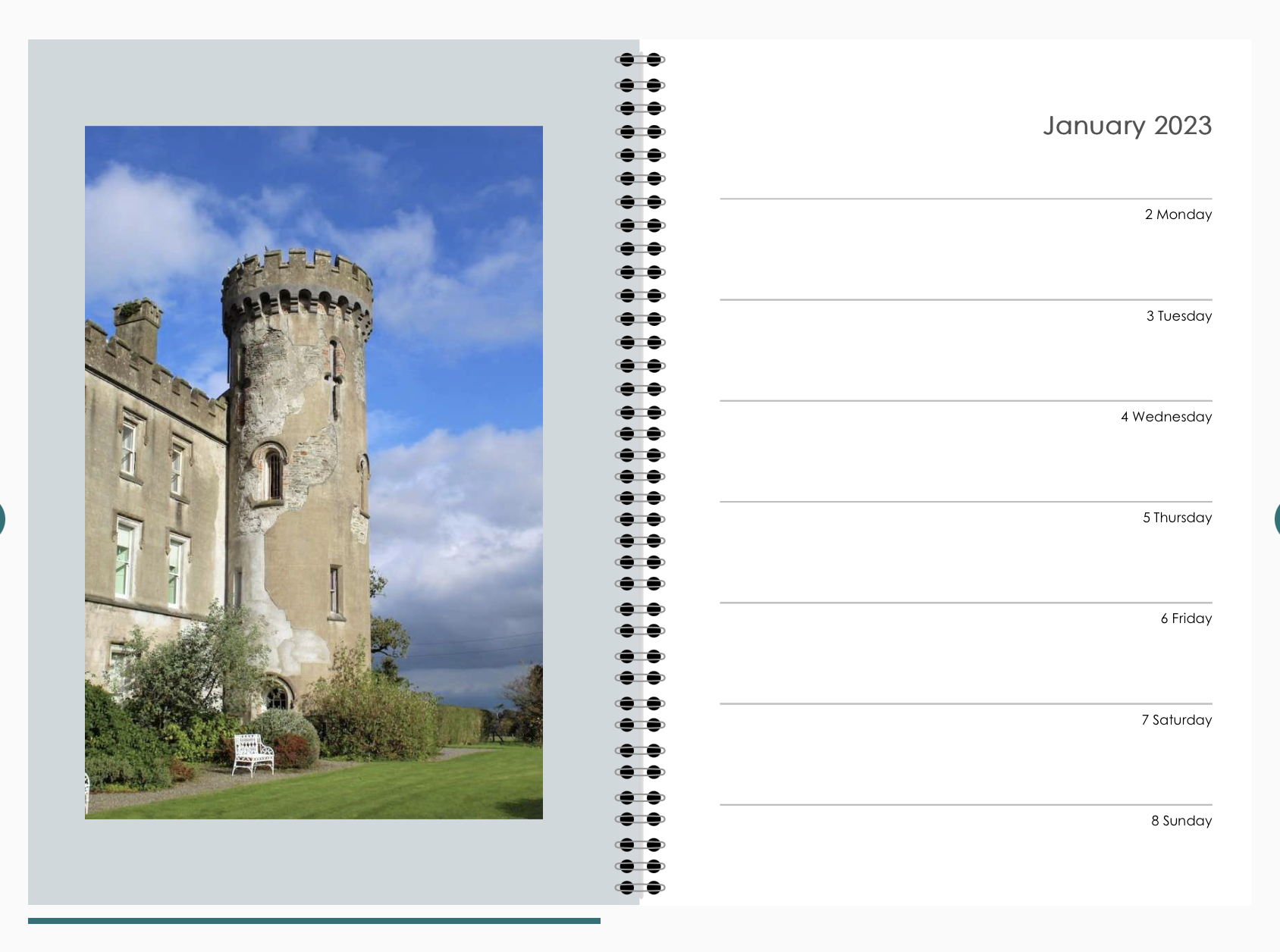
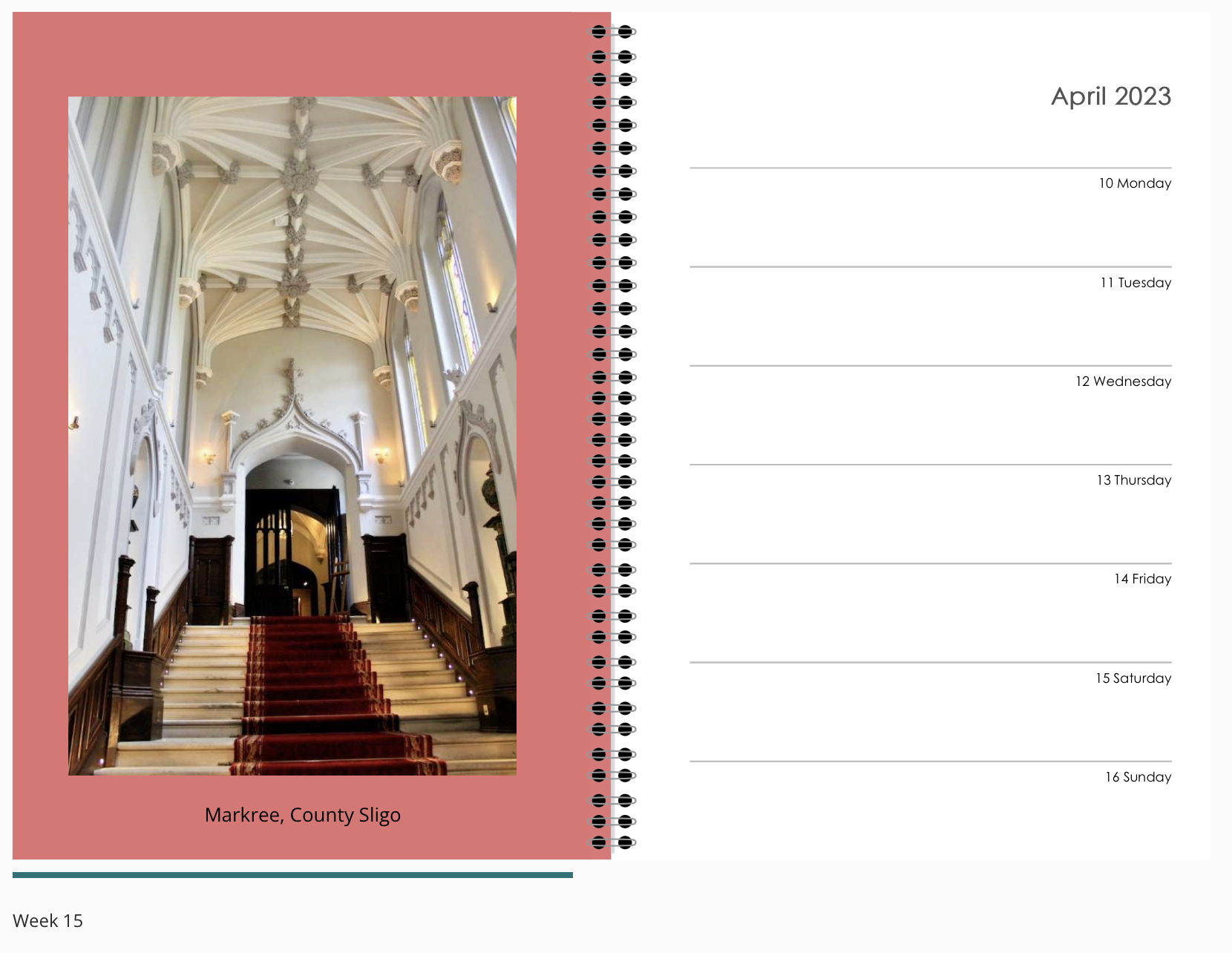
It will look something like this, A4 size (210 x 297 mm) ie. 8.3 x 11.7 inches, and is approximately 100 pages, full of pictures of section 482 properties which you can visit.

Happy new year!

Happy new year and best wishes for 2023 to all my readers!

As you may recall if you are a regular visitor, the updated Revenue Section 482 list for the year is not normally published until February. So if you are making some visits to properties in January I recommend using the 2022 list and contacting a property in advance to see if it is open.

I still have to write up many properties that I have visited – all properties from Heritage week onwards. I took a hiatus to work on my calendars for 2023. I am now working on a calendar that will publish the opening dates of all of the properties for 2023, which I will publish once the 2023 Revenue Section 482 list is published.
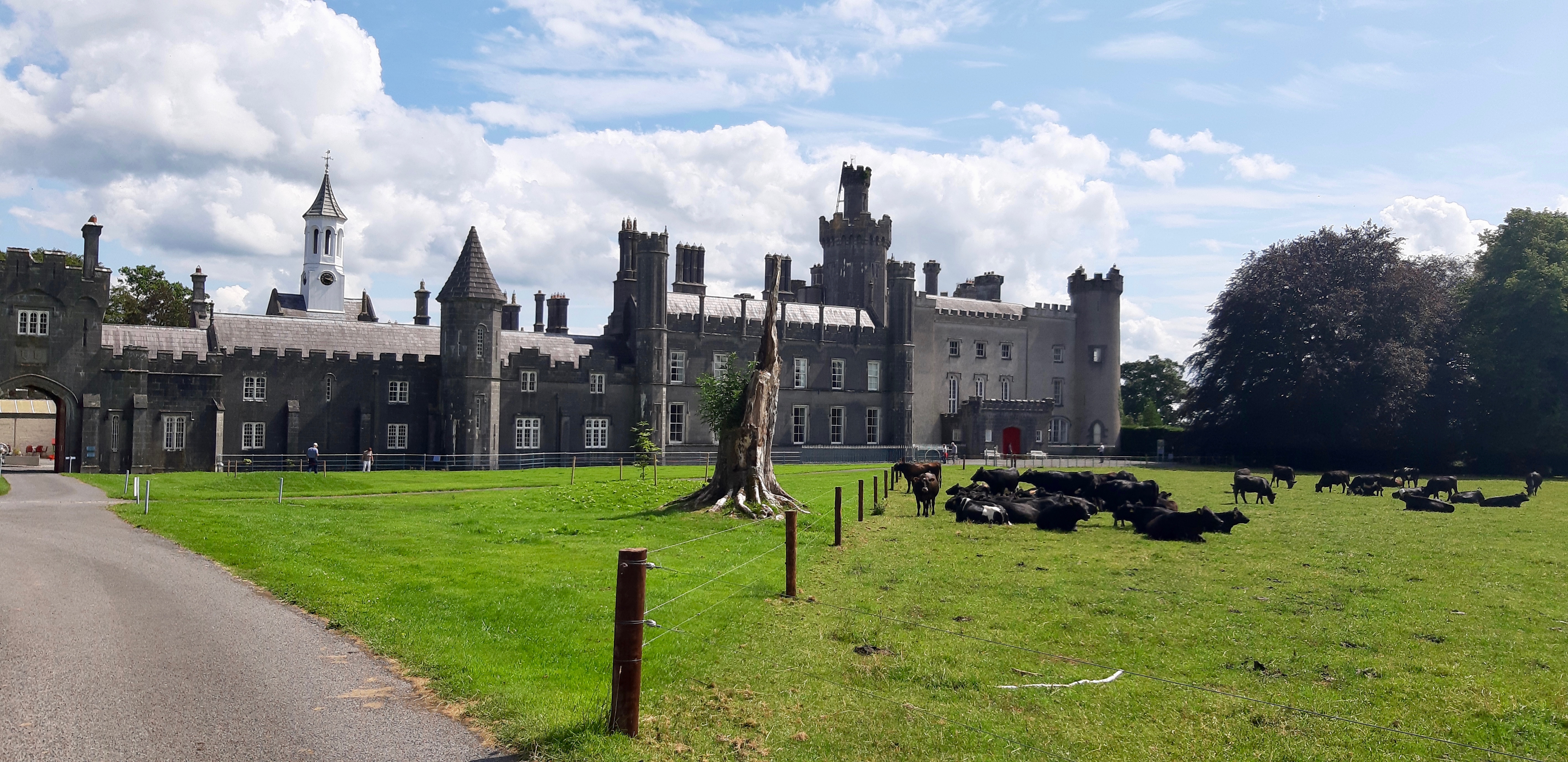
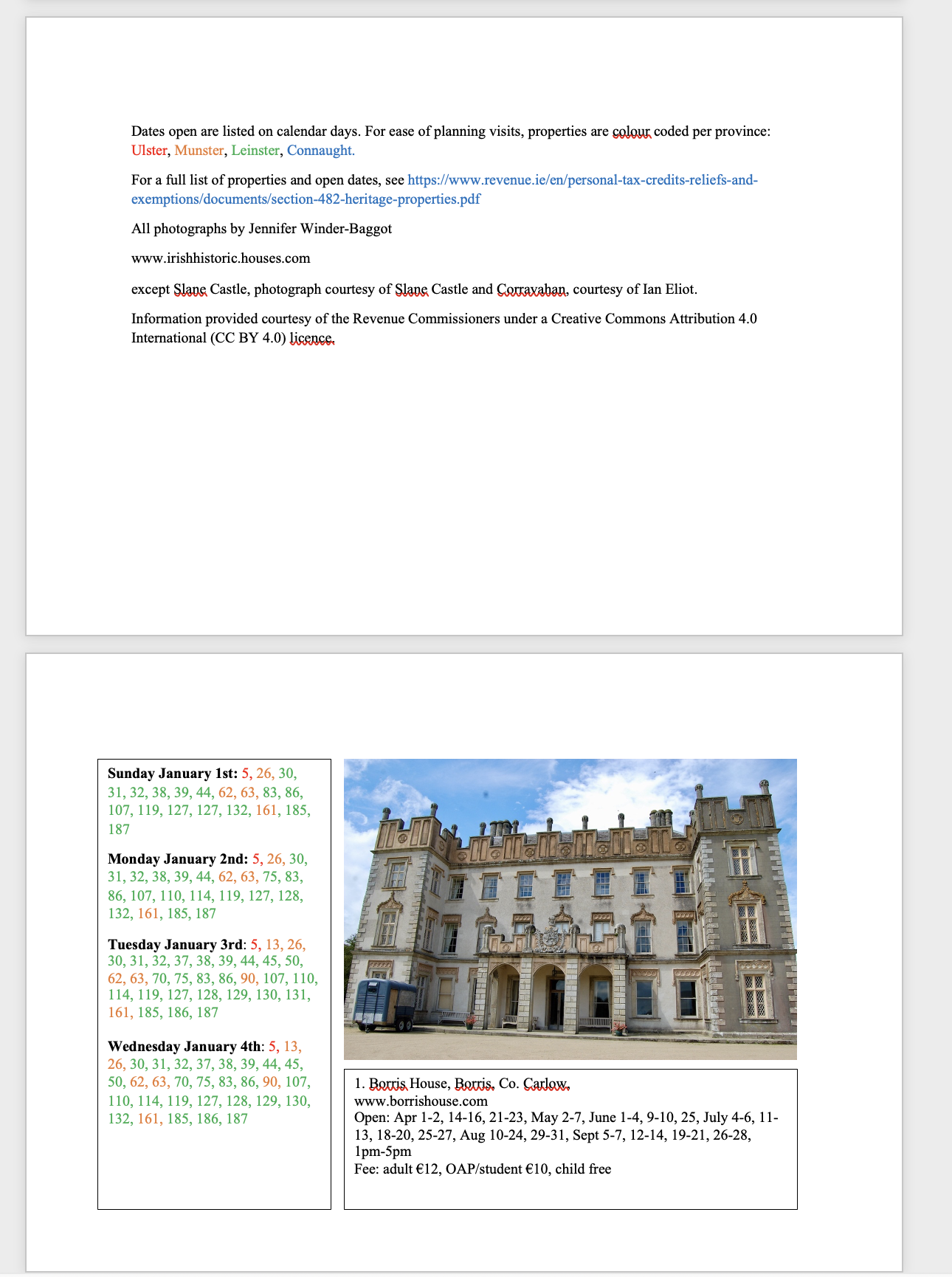
Each property opens on different dates, so planning routes around the country to visit when neighbouring properties are open takes some work! To help you to plan, I am listing for each date which properties are open on that date. I am listing properties by number, as it would take too much space to list every property open on every day, considering that there were 187 properties in 2022. To make it easier, I am colour-coding the properties by province, so that one can scan and see where neighbouring properties are open.

Each year I try to visit as many properties as possible, taking holidays for the most far-flung counties from Dublin, and during Heritage Week, going on a tour of as many properties as possible all over the country, as all the properties are open on those dates (unless they are listed as Accommodation, in which case, they do not have to be open during Heritage Week).

I will be publishing photographs of properties in the calendar, to create a book. Here is a sample of how the calendar will look:

I hope that some of my readers would like to purchase my calendars! It will give you a go-to hard copy for planning your visits to historic houses in Ireland, full of photographs of places to be discovered. (I will publish details as to how to order a copy, and the price, once the dates have been finalised).

A summary of 2022 and previous years

As 2022 is entering its final dark days, I thought I’d look over our last few years, to see how we are doing on the project of visiting Section 482 properties. I began the project in April 2019 with a visit to Slane Castle, in County Meath. That was an impressive start to our project.

Slane Castle, County Meath, 26th April 2019, formerly owned by the Flemings and then the Conynghams. Photograph © Jennifer Winder-Baggot, www.irishhistorichouses.com

I gathered notes on properties I had already visited, during Open House or Heritage weeks in previous years. As you can see, my interest in historic houses predated my discovery of the Section 482 scheme. In fact, in a PhD I started but never finished, about aesthetic experience, I began my thesis by attempting to capture a moment of aesthetic experience: that of looking at a historic house. It’s lovely to see how I was already trying to understand what it is that draws me to such places.

We’ve visited 87 of the properties so far!

Properties we’d visited before I learned of the Section 482 list include:

Loughcrew, County Meath, May 2010 – our combined Hen and Stag weekend, before Stephen and I married!

Lough Crew 22nd May 2010, where Stephen and I had our combined Hen and Stag weekend before our wedding. Photograph © Jennifer Winder-Baggot, www.irishhistorichouses.com
Lough Crew 22nd May 2010. Photograph © Jennifer Winder-Baggot, www.irishhistorichouses.com

11 North Great Georges Street, Dublin, during Open House 2012;

11 North Great Georges Street, Dublin. Photograph © Jennifer Winder-Baggot, www.irishhistorichouses.com

Old Glebe in Newcastle Lyons, County Dublin, during Heritage Week 2012;

“The Old Glebe,” Newcastle, County Dublin, Heritage Week, 17th August 2012. Photograph © Jennifer Winder-Baggot, www.irishhistorichouses.com

Primrose Hill, County Dublin, 17th August 2013

Primrose Hill, Lucan, Dublin, which may have been designed by James Gandon, who designed the Custom House in Dublin. Photograph © Jennifer Winder-Baggot, www.irishhistorichouses.com

Huntington Castle, County Carlow, in August 2016.

Huntington Castle, Clonegal, County Carlow, August 2016, home of the Esmondes and later, still related by marriage, the Durdin Robertsons. Photograph © Jennifer Winder-Baggot, www.irishhistorichouses.com

Russborough House, County Wicklow, April 2018

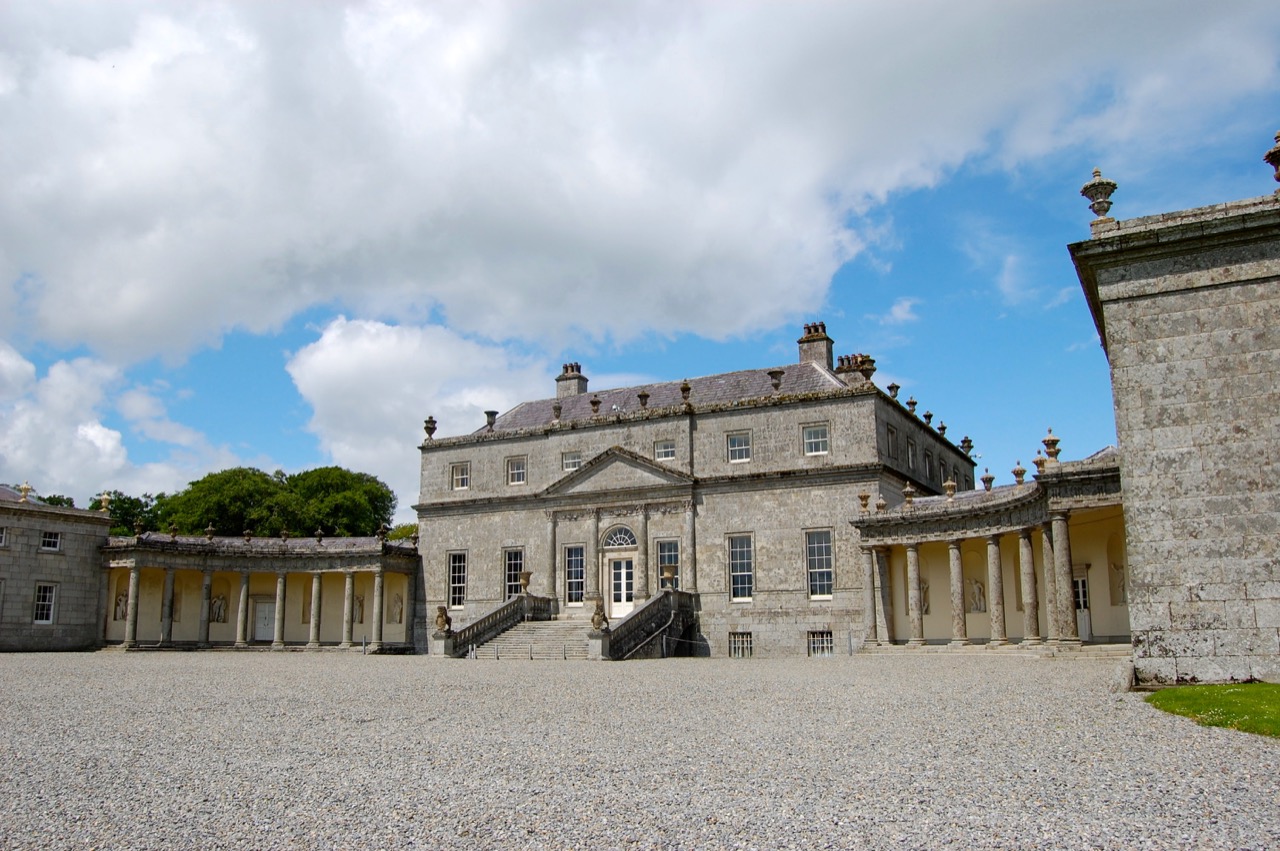
Russborough House, which I have visited several times, including in April 2018. Photograph © Jennifer Winder-Baggot, www.irishhistorichouses.com

I’d like to choose a House of the Year for each year. I should have started in my first year! In 2019 the competition is stiff and it seems a little unfair as my favourite dwarfs the others in size as well as in impressive interior: I have to choose Curraghmore, County Waterford, as my 2019 House of the Year! Although considering that we also visited Birr Castle, Dunsany and Borris House that year, it was a year full of wonderful discoveries. Lady Dunsany, who sadly passed away since, deserves a special mention as a warm, welcoming and delightful host.

In 2019 we set off at an ambitious pace, visiting a house nearly every weekend! We went on holidays to Waterford to see some of the lovely houses, and coincided with the day of lectures in Dromana on the topic of “The Pursuit of the Heiress.” In 2019 we visited:

Salterbridge, County Waterford, 3rd May 2019

Salterbridge, County Waterford. We visited in May 2019. Photograph © Jennifer Winder-Baggot, www.irishhistorichouses.com

Tourin, County Waterford, 3rd May 2019

Tourin House, County Waterford, home of the Jamesons, of former whiskey fame. Photograph © Jennifer Winder-Baggot, www.irishhistorichouses.com

Dromana, County Waterford, 5th May 2019

Dromana, County Waterford – the estate was the home of the Fitzgerald Lords of the Decies, and is owned by their descendants. Photograph © Jennifer Winder-Baggot, www.irishhistorichouses.com

Curraghmore, County Waterford, 5th May 2019, my chosen Home of the Year in 2019.

Curraghmore, County Waterford. The house is very large as it is not only seven bays wide but seven bays deep. It is still in the hands of the Le Poer Beresford family. Photograph © Jennifer Winder-Baggot, www.irishhistorichouses.com

Moone Abbey, County Kildare, May 18, 2019

View from Moone Abbey tower, County Kildare. The nearby Abbey has a large Celtic cross. We visited on Saturday May 18, 2019. Photograph © Jennifer Winder-Baggot, www.irishhistorichouses.com

Charleville, County Wicklow, 18th May 2019

Charleville, County Wicklow, visited on Saturday May 18th 2019. The surrounding formal gardens, never mind the impressive house, make it worth a visit. Photograph © Jennifer Winder-Baggot, www.irishhistorichouses.com

Loughton, County Offaly, 25th May 2019

Loughton, County Offaly, where we enjoyed meeting owners Andrew and Michael during our visit on May 25th, 2019. Photograph © Jennifer Winder-Baggot, www.irishhistorichouses.com

Altidore Castle, County Wicklow, 31st May 2019

Altidore Castle, County Wicklow, a seven bay, two storey over basement house, with Venetian (tripartite) window over a single-storey pillared porch, which houses a Robert Emmet museum. Photograph © Jennifer Winder-Baggot, www.irishhistorichouses.com

Moyglare House, County Meath, 2nd June 2019

Moyglare House, Maynooth, on the border of Counties Kildare and Meath, once owned by a Huguenot family, and before the current owners, it was a hotel. Photograph © Jennifer Winder-Baggot, www.irishhistorichouses.com

Leixlip Castle, County Kildare, 14th June 2019

Leixlip Castle, County Kildare, home to the late Desmond Guinness, founder of the Irish Georgian Society. Photograph © Jennifer Winder-Baggot, www.irishhistorichouses.com

Birr Castle, County Offaly, 21st June 2019

Birr Castle, County Offaly, 21st June 2019, home of the Earl of Rosse. Photograph © Jennifer Winder-Baggot, www.irishhistorichouses.com

Dunsany Castle, County Meath, 1st July 2019

Dunsany, County Meath, 1st July 2019, home of the Plunketts, Barons of Dunsany. Photograph © Jennifer Winder-Baggot, www.irishhistorichouses.com

Dardistown, County Meath, 13th July 2019

Dardistown, County Meath, July 2019, available for accommodation, where former owners included the powerful Jenet Sarsfield who had four husbands. Photograph © Jennifer Winder-Baggot, www.irishhistorichouses.com
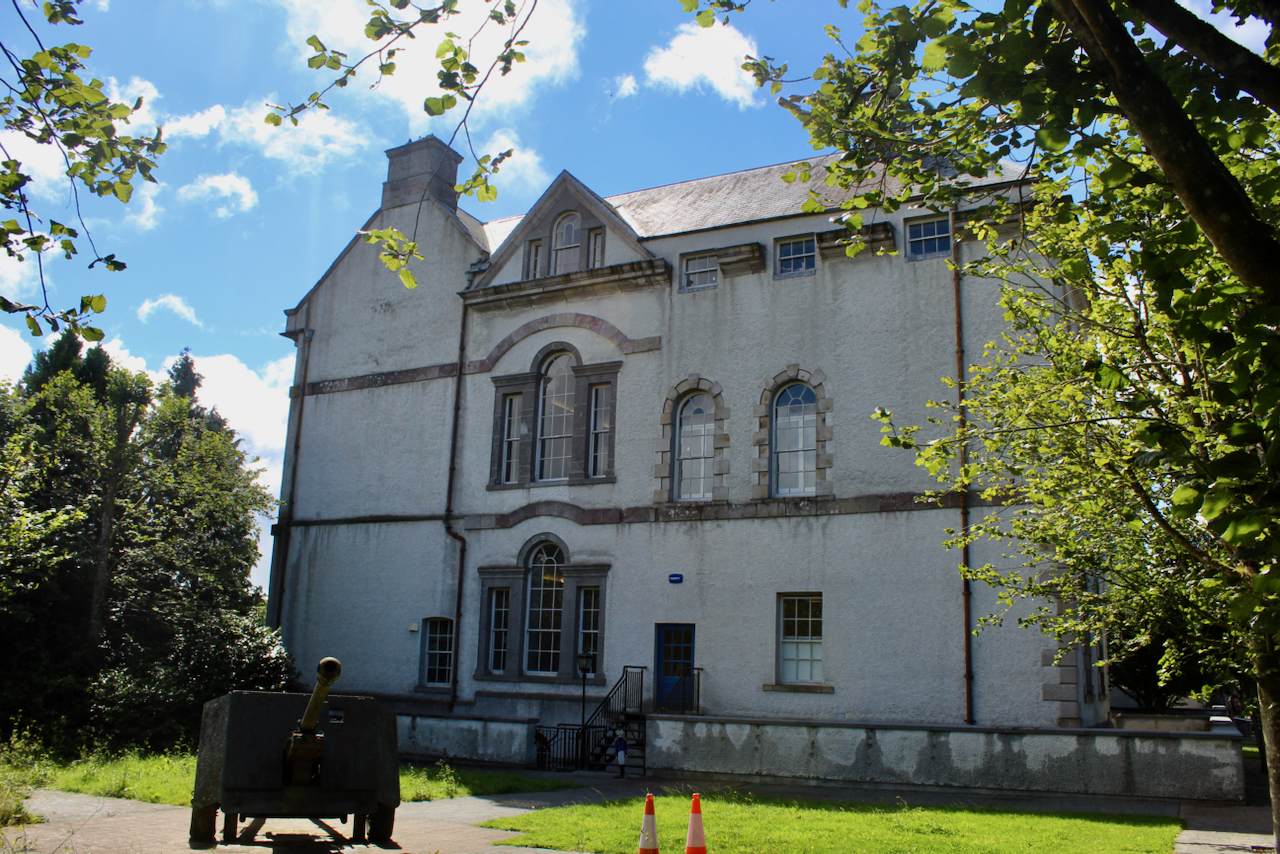
Borris House, County Carlow, 23rd July 2019

Borris House, County Carlow, still home of its builders, the Kavanagh family. Photograph © Jennifer Winder-Baggot, www.irishhistorichouses.com

Ballymurrin, County Wicklow, 27th July 2019

Ballymurrin, County Wicklow, a former Quaker home which we visited on 27th July 2019. Photograph © Jennifer Winder-Baggot, www.irishhistorichouses.com

Clonalis, County Roscommon, 3rd August 2019

Clonalis, County Roscommon, which is still the home of the O Conor family, ancient High Kings of Ireland, with a family museum of historical documents, as well as a beautiful garden. Stephen and I were invited to join friends for a weekend in County Westmeath and took the opportunity to visit Clonalis House in County Roscommon. Photograph © Jennifer Winder-Baggot, www.irishhistorichouses.com

Tullynally, County Westmeath, 4th August 2019

Tullynally, County Westmeath, home of the Pakenhams, Lords Longford, now the home of Thomas Pakenham, brother to one of my favourite writers, Antonia Fraser. It has tours of the servants’ quarters all year around, and during Heritage Week, when we went in 2020, it has tours of the house itself. Photograph © Jennifer Winder-Baggot, www.irishhistorichouses.com

Tankardstown, County Meath, 9th August 2019

Tankardstown, County Meath, now a plush hotel. Photograph © Jennifer Winder-Baggot, www.irishhistorichouses.com

Swainstown House, County Meath, 19th August 2019

Swainstown, County Meath, still home of the Preston family. Photograph © Jennifer Winder-Baggot, www.irishhistorichouses.com

Harristown, County Kildare, 22nd August 2019

Harristown, County Kildare, a former La Touche home.

Blackhall Castle, County Kildare, 22nd August 2019

Blackhall Castle, County Kildare, a former Eustace (or Fitzeustace) home. Photograph © Jennifer Winder-Baggot, www.irishhistorichouses.com

Rokeby, County Louth, 7th September 2019

Rokeby, County Louth, with its elegant Richard Turner conservatory. Photograph © Jennifer Winder-Baggot, www.irishhistorichouses.com

Coolcarrigan, County Kildare, 21st September 2019

Coolcarrigan, County Kildare, visited September 2019. Its gardens are a treat. Photograph © Jennifer Winder-Baggot, www.irishhistorichouses.com

Castle Howard, County Wicklow, 28th September 2019

Castle Howard, County Wicklowa mixture of church and castle architecture. Photograph © Jennifer Winder-Baggot, www.irishhistorichouses.com

Barmeath Castle, County Louth, 15th October 2019

Barmeath Castle, County Louth, still home of the Bellews. Photograph © Jennifer Winder-Baggot, www.irishhistorichouses.com

Colganstown House, County Dublin, 23rd November 2019

Colganstown, County Dublin. Maurice Craig describes the plasterwork dragon by Robert West: “over the staircase window, presides a splendidly animated Chinese dragon, scaly wings outstretched, and his tail piercing the egg-and-dart moulding at the base of the cornice to emerge and recurve again, stabbing the plasterwork.” Photograph © Jennifer Winder-Baggot, www.irishhistorichouses.com

Castle Leslie, County Monaghan, 27-29th November 2019

Castle Leslie, County Monaghan, where we slept in a bed carved in 1617. Now a hotel but still owned by the Leslies.

Powerscourt Townhouse, Dublin, December 2019

Powerscourt Townhouse, Dublin. I visited in order to take photographs in December 2019. Former townhouse of the Wingfields, Viscounts Powerscourt. Photograph © Jennifer Winder-Baggot, www.irishhistorichouses.com

In 2020, during Covid restrictions and even after, houses did not have to open to the public. However, some owners were kind and opened to us. We went on holiday down to County Cork during Heritage Week, and at the end of the year treated ourselves to two nights in Cabra Castle in County Cavan. My choice of Favourite House in 2020 is Ian Elliot’s Corravahan in County Cavan. Ian’s research deepened my appreciation of the house and its history. In 2020 we visited:

The Odeon, Dublin, 13th April 2020 (outside – we may have been in a lockdown at that point!)

The Odeon, formerly the Harcourt Street tram station, 13th April 2020. Photograph © Jennifer Winder-Baggot, www.irishhistorichouses.com

Old Rectory Killedmond, 1st July 2020

Old Rectory Killedmond, a five bay two storey Tudor-Gothic Revival house with three dormer windows and a loggia. We enjoyed meeting owner Mary White, a former Green politician and Irish representative to the European Union, with whom I bonded over our love of literature. Photograph © Jennifer Winder-Baggot, www.irishhistorichouses.com

Corravahan, County Cavan, 24th July 2020: My chosen Home of the Year in 2020.

Former Rectory Corravahan, County Cavan, home of the Beresfords. Owner Ian Elliot has taken great interest in the history of the house and the house is full of quirks.

Kilshannig, County Cork, 14th August 2020

Kilshannig, County Cork, which features stuccowork by Lafranchini brothers. Photograph © Jennifer Winder-Baggot, www.irishhistorichouses.com

Cappoquin, County Waterford, 15th August 2020

Cappoquin House, County Waterford, built for and still owned by the Keane family. Photograph © Jennifer Winder-Baggot, www.irishhistorichouses.com

Drishane House, County Cork, 20th August 2020

Drishane House, County Cork, former home of Edith Somerville, who wrote novels with her cousin Violet Martin, as “Somerville and Ross” – the latter the name of Violet Martin’s childhood home. Photograph © Jennifer Winder-Baggot, www.irishhistorichouses.com

Baltimore Castle, County Cork, 20th August 2020

Baltimore Castle, County Cork – it wasn’t open when we visited but I took a photograph. Photograph © Jennifer Winder-Baggot, www.irishhistorichouses.com

Cabra Castle, County Cavan, 23rd December 2020

Cabra Castle, County Cavan, formerly owned by the Pratt family and now a hotel. Photograph © Jennifer Winder-Baggot, www.irishhistorichouses.com

In 2021 the house that really blew my socks off and has to be given my Favourite Home of the Year award is Stradbally in County Laois. Again in 2021 houses did not have to be open if owners were concerned about the spread of Covid-19. We managed to visit quite a few, however, and were able to go on holidays during Heritage week, when we travelled to Sligo and Mayo and back home through County Kilkenny. Special award goes to our lovely hosts Nicola and Durcan at Annaghmore, County Sligo, where we stayed during our visits in Mayo and Sligo. Special mention also goes to Wilton Castle in County Wexford, whose owners have done a tremendous job in renovations after it lay a roofless ruin for years. In 2021 we visited:

Killruddery, County Wicklow, 24th April 2021

Killruddery House, May 2013we also visited in July 2020 and 24th April 2021. In June 2015 we were given a tour of the house as part of our membership of the Irish Decorating and Fine Arts Society, but we have yet to take another tour, since I learned about the Section 482 scheme. I look forward to it next year in 2023. Photograph © Jennifer Winder-Baggot, www.irishhistorichouses.com

Mount Usher, County Wicklow, 6th June 2021

Mount Usher, County Wicklow, an example of a “Robinsonian” garden, after William Robinson who wrote “The Wild Garden.” Photograph © Jennifer Winder-Baggot, www.irishhistorichouses.com

Stradbally Hall, County Laois, 7th June 2021, my Home of the Year 2021.

Stradbally, County Offaly. Built for the Cosby family, who still own it. Photograph © Jennifer Winder-Baggot, www.irishhistorichouses.com

Killineer, County Louth, 9th June 2021

Killineer, County Louth. Built for a wealthy merchant of Drogheda. Photograph © Jennifer Winder-Baggot, www.irishhistorichouses.com

Burtown, County Kildare, 23rd June 2021

Burtown, County Kildare. We had booked a visit with the Fennells but they were busy preparing to open the restaurant The Green Barn that day, for the first day after a prolonged lockdown, so my visit inside the house has had to be postponed. Photograph © Jennifer Winder-Baggot, www.irishhistorichouses.com

Salthill Garden, County Donegal, July 2021

Salthill Garden, County Donegal. The house, not open to the public, was formerly the house for the agent of the Conynghams of The Hall, Mountcharles, who later purchased Slane Castle. Photograph © Jennifer Winder-Baggot, www.irishhistorichouses.com

Markree Castle, County Sligo, 16th August 2021

Markree Castle, County Sligo, originaly owned by the Cooper family, it is now a hotel. Photograph © Jennifer Winder-Baggot, www.irishhistorichouses.com

Newpark, County Sligo, 16th August 2021

Newpark, County Sligo, home to the Kitchen family, descended from the O’Haras who own Annaghmore house and Coopershill. Photograph © Jennifer Winder-Baggot, www.irishhistorichouses.com

Enniscoe, County Mayo, 17th August 2021

Enniscoe, County Mayo, still in the hands of the same family, descended from the Jacksons. Photograph © Jennifer Winder-Baggot, www.irishhistorichouses.com

Coopershill, County Sligo, 18th August 2021

Coopershill, County Sligo, home to the O’Haras, descendants of the original Cooper family. Photograph © Jennifer Winder-Baggot, www.irishhistorichouses.com

Kilfane, County Kilkenny, 23rd August 2021

Kilfane, County Kilkennyonly the grounds are open, which are developed into a wonderful haven of the Picturesque, with thatched cottage and small waterfall. Photograph © Jennifer Winder-Baggot, www.irishhistorichouses.com

Wilton Castle, County Wexford, November 2021

Wilton Castle, County Wexford – the owners have done a marvellous renovation of what was previously a roofless ruin. It is available for accommodation. Photograph © Jennifer Winder-Baggot, www.irishhistorichouses.com

And this year, in 2022, we went on holiday in June to County Cork to visit some historic houses. Then we did another tour of the country during Heritage Week. My favourite, to be awarded House of the Year 2022, is Bantry House, although special mention must go to St. Mary’s Abbey House in Trim, which is a real gem. During 2022 we visited:

Springfield House, County Offaly, January 2022

Springfield, County Offaly, where Muirean and her husband kindly gave us a tour. Photograph © Jennifer Winder-Baggot, www.irishhistorichouses.com

Ballysallagh, County Kilkenny, 12th February 2022

Ballysallagh, County Kilkenny, awarded a prize in 2020 for its renovation, maintenance, and winter garden. Photograph © Jennifer Winder-Baggot, www.irishhistorichouses.com

Bewleys Cafe, Dublin, 6th March 2022

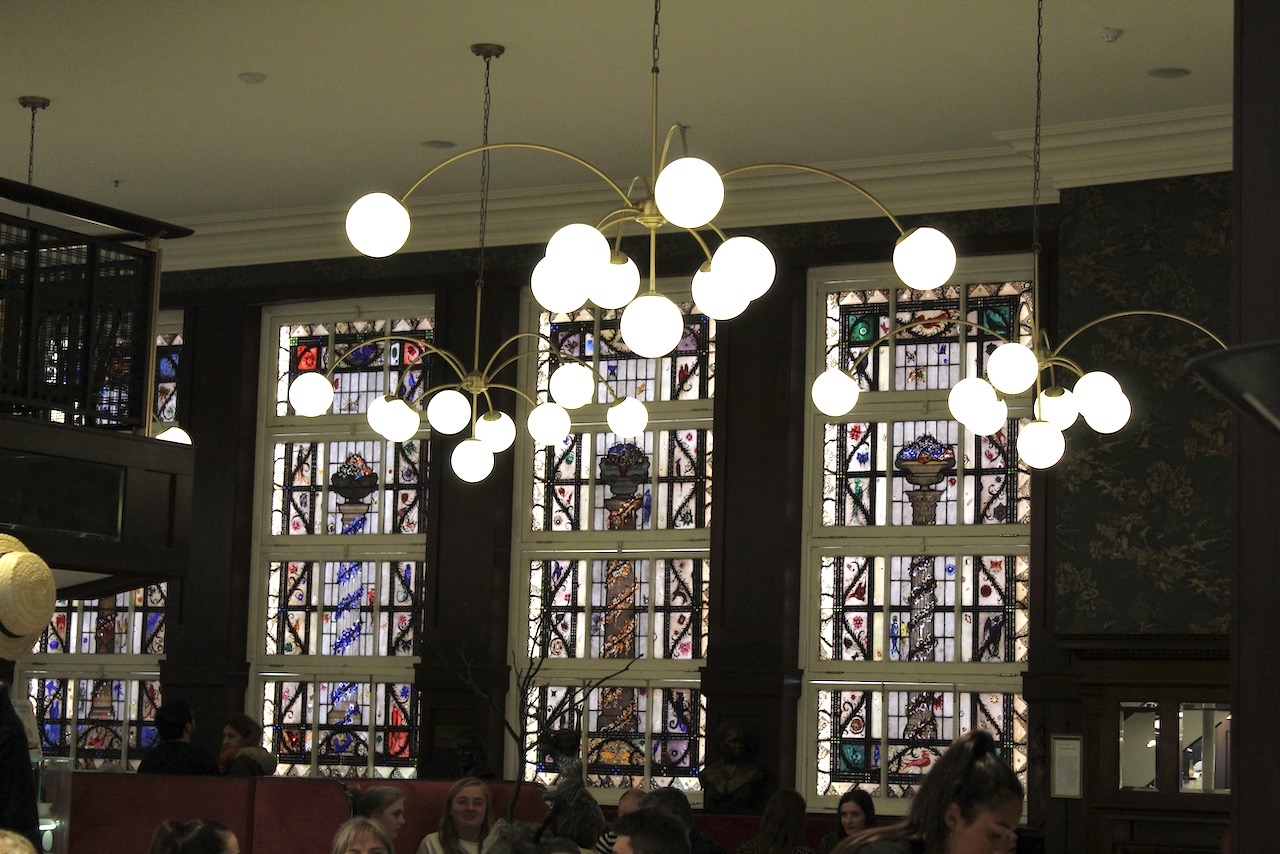
Bewleys Cafe, established by the Quaker Bewley family, home of Harry Clarke stained glass windows. Photograph © Jennifer Winder-Baggot, www.irishhistorichouses.com

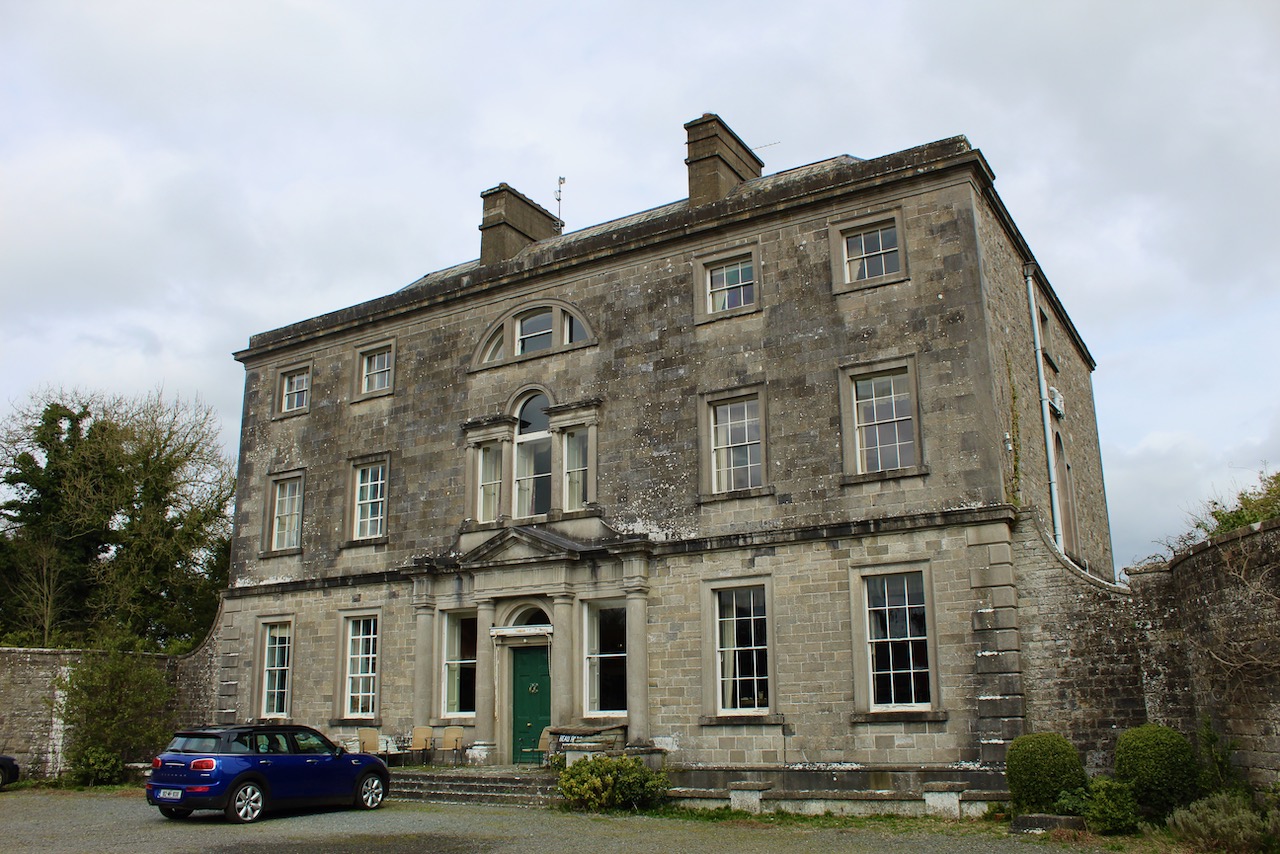
Beauparc House, County Meath, 15th March 2022

Beauparc, County Meath, passed from Lambart relative to the current Marquess Conyngham of Slane. Photograph © Jennifer Winder-Baggot, www.irishhistorichouses.com

Powerscourt Estate, County Wicklow, March 2022

10th December 2009, my Dad and Stephen, when we went to Powerscourt to celebrate my birthday. Stephen and I visited again in March 2022. Photograph © Jennifer Winder-Baggot, www.irishhistorichouses.com

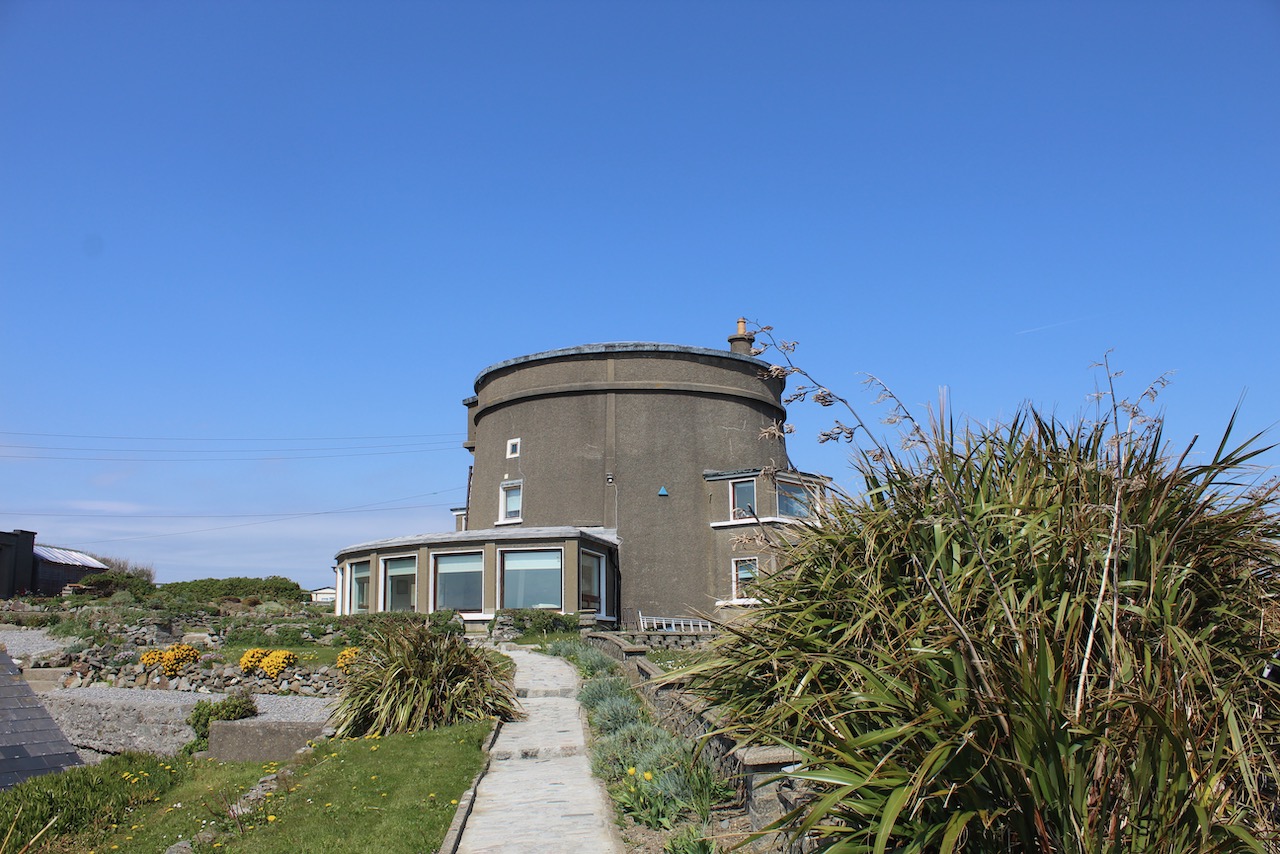
Martello Tower Portrane, County Dublin, 23rd April 2022

Martello Tower, Portranea former defensive tower built in the reign of Napoleon of France. Photograph © Jennifer Winder-Baggot, www.irishhistorichouses.com

Larchill, County Kildare, 8th May 2022

Larchill, County Kildare, a former Quaker home, complete with Arcadian garden. Photograph © Jennifer Winder-Baggot, www.irishhistorichouses.com

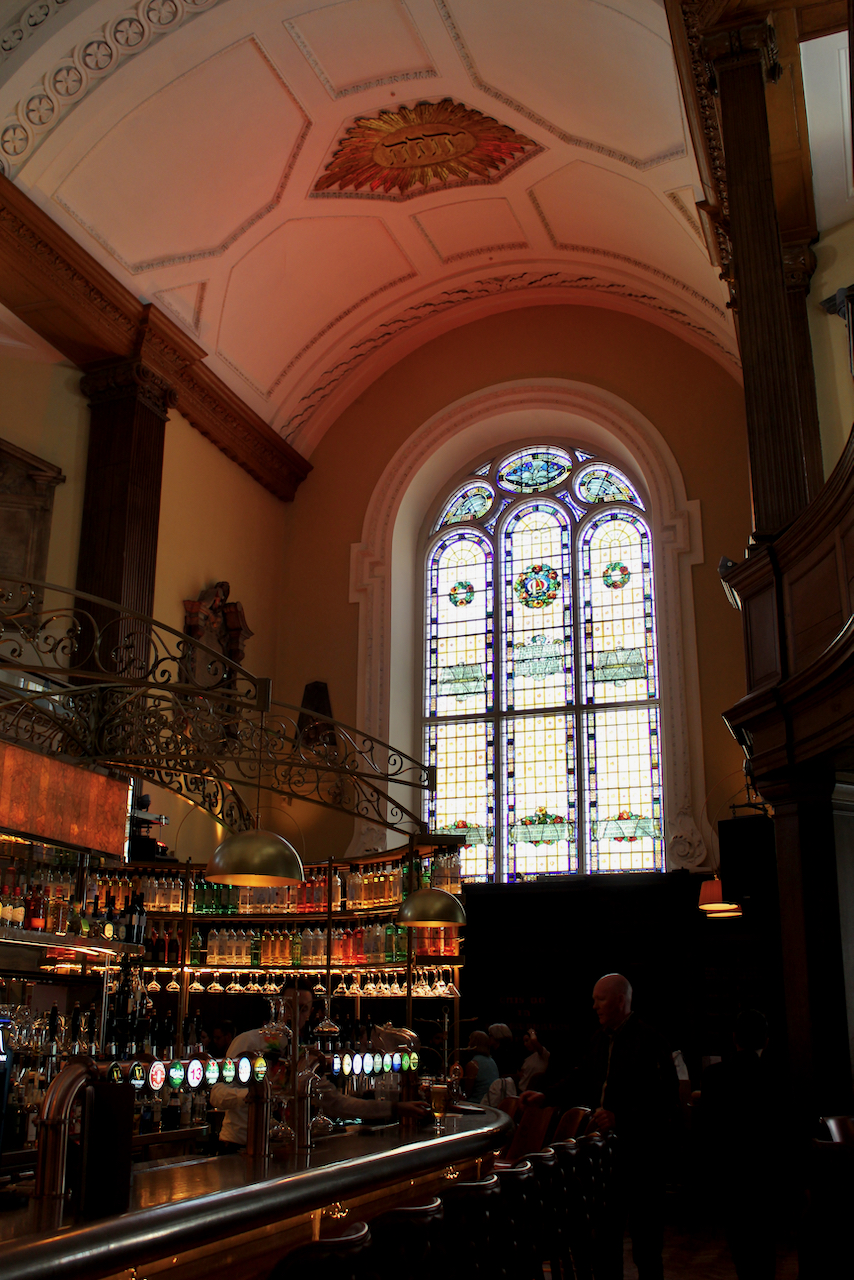
St. Mary’s Church, Dublin, May 2022

St. Mary’s Church, now a bar, it was one of the oldest parishes on the north side of the city in Dublin. Photograph © Jennifer Winder-Baggot, www.irishhistorichouses.com

St. Mary’s Abbey, Trim, County Meath, May 2022

St. Mary’s abbey house, County Meath – this may have been part of the medieval St. Mary’s Abbey next to Trim Castle. Photograph © Jennifer Winder-Baggot, www.irishhistorichouses.com

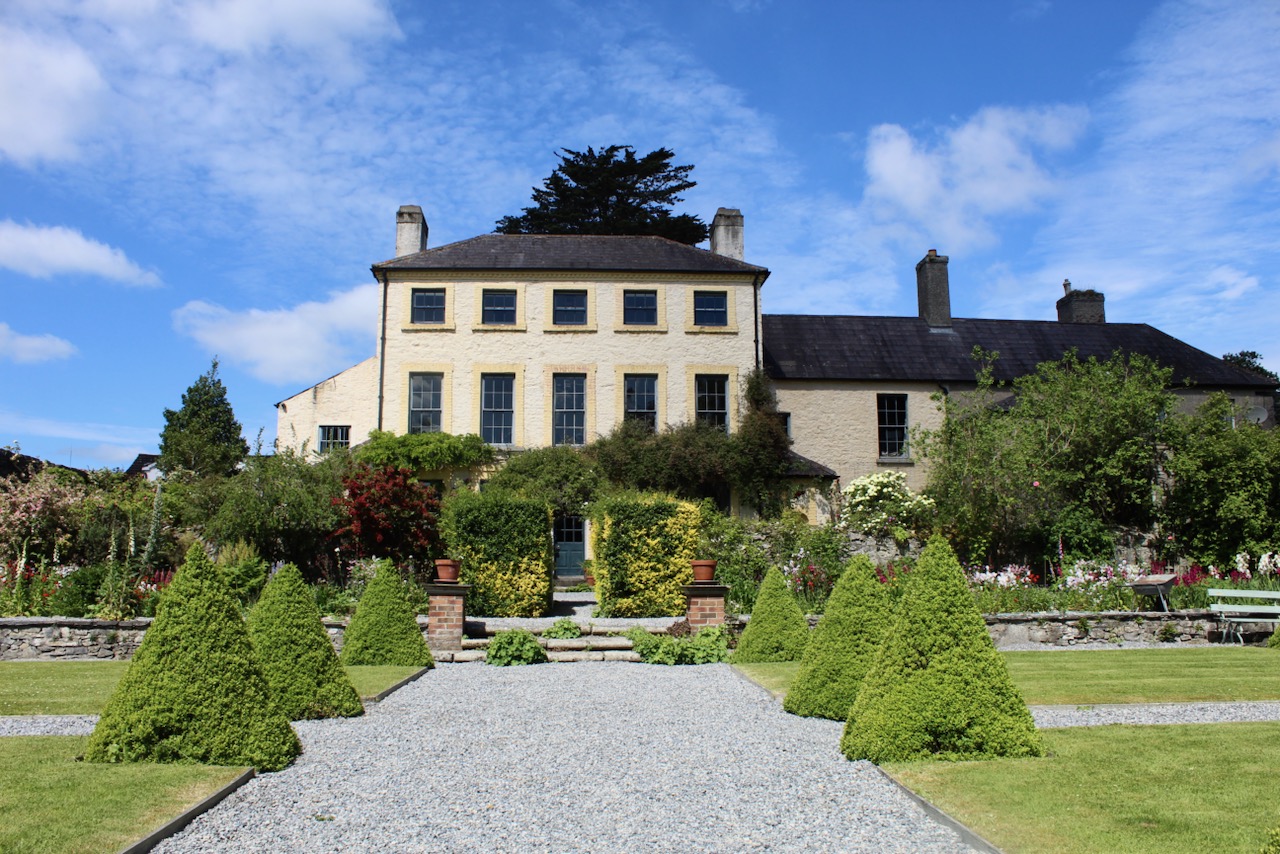
Kildrought, County Kildare, 28th May 2022

Kildrought, County Kildare, a beautifully restored home and garden on the banks of the Liffey. Photograph © Jennifer Winder-Baggot, www.irishhistorichouses.com

Bantry House, Cork, 8th June 2022. My Home of the Year 2022.

Bantry House, County Cork, a treasurehouse of culture. Photograph © Jennifer Winder-Baggot, www.irishhistorichouses.com

Blarney House, Cork, 7th June 2022

Blarney House, County Cork, belonging still to the family who lived in Blarney Castle. Photograph © Jennifer Winder-Baggot, www.irishhistorichouses.com

Blarney Castle, Cork, 7th June 2022

Blarney Castle, County Cork. Photograph © Jennifer Winder-Baggot, www.irishhistorichouses.com

Riverstown House, County Cork, June 2022

Riverstown, County Cork, home of Lafranchini plasterwork. Photograph © Jennifer Winder-Baggot, www.irishhistorichouses.com

Former Hibernian Bank, Dublin, 25th June 2022

Former Hibernian Bank, Dublin. Photograph © Jennifer Winder-Baggot, www.irishhistorichouses.com

Oakfield Park, County Donegal, 2nd July 2022

Oakfield Park gardens, County Donegal. Photograph © Jennifer Winder-Baggot, www.irishhistorichouses.com

Killeen Mill, County Meath, 16th July 2022

Killeen Mill, July 2022. We stopped by to have a look on a day we revisited Dunsany Castle. It is available for accommodation. Photograph © Jennifer Winder-Baggot, www.irishhistorichouses.com

St. George’s, Killiney, County Dublin, August 2022

St. George’s, Dublin, an Arts and Crafts house by George Ashlin for his wife Mary Pugin, daughter of the famous church architect. Photograph © Jennifer Winder-Baggot, www.irishhistorichouses.com

The Turret, County Limerick, August 2022

The Turret, County Limerick, built in 1683. Photograph © Jennifer Winder-Baggot, www.irishhistorichouses.com

Ashill, County Limerick, 12-15th August 2022

Ashill, County Limerick, where we treated ourselves to three nights’ stay. Photograph © Jennifer Winder-Baggot, www.irishhistorichouses.com

Beechwood, County Tipperary, 13th August 2022

Beechwood, County Tipperary, August 2022 – I still have to write up about our visit to this lovely former Rectory. Photograph © Jennifer Winder-Baggot, www.irishhistorichouses.com

Glenview, County Limerick, 14th August 2022

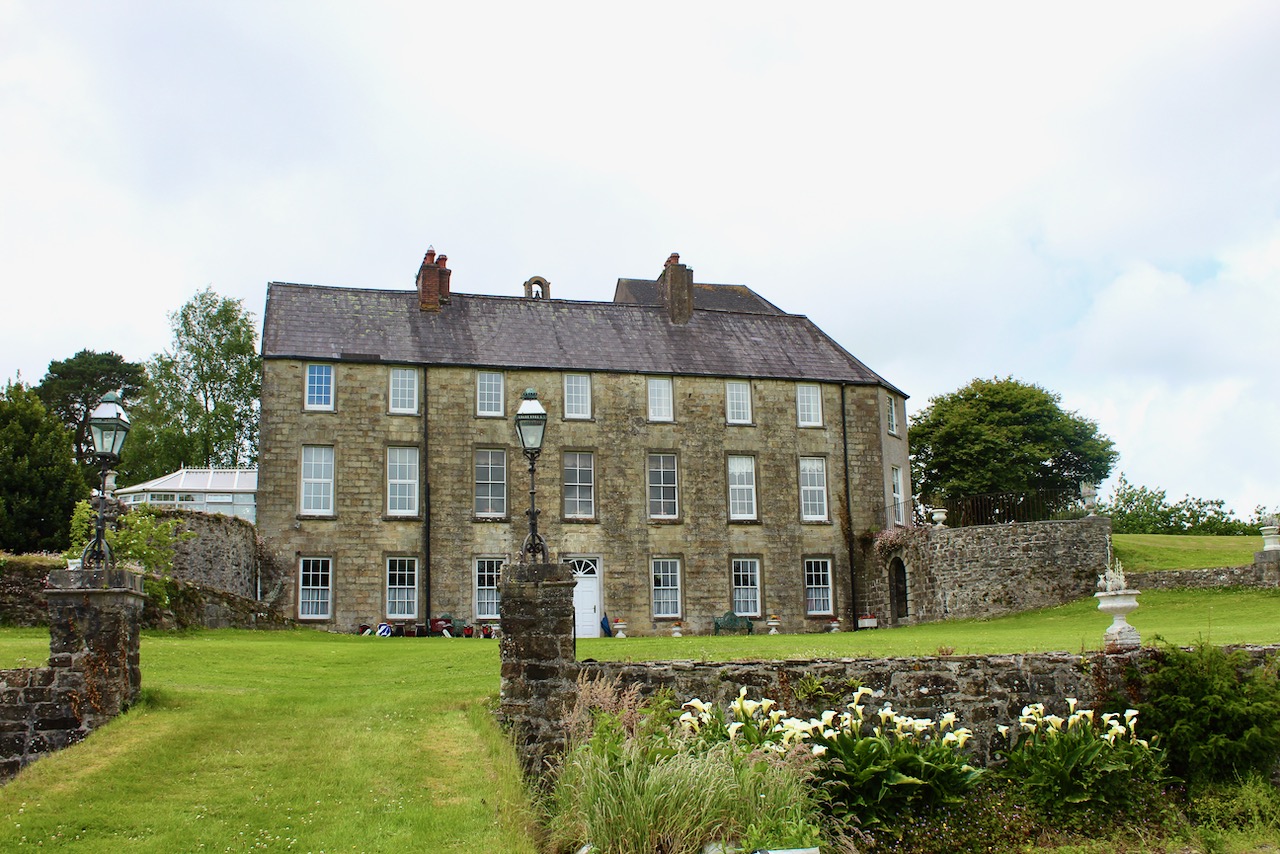
Glenville, County Limerick, a former home of the Massey family, we enjoyed our visit with the current owners. Photograph © Jennifer Winder-Baggot, www.irishhistorichouses.com

Mount Trenchard, County Limerick, 14th August 2022

Mount Trenchard, County Limerick, currently undergoing renovation. We were given a wonderful tour of the house and its grounds, including the walled garden. Photograph © Jennifer Winder-Baggot, www.irishhistorichouses.com

Oranmore Castle, County Galway, 15th August 2022

Oranmore Castle, County Galway, the gift from her mother to Anita Leslie from Castle Leslie, County Monaghan. Photograph © Jennifer Winder-Baggot, www.irishhistorichouses.com

Claregalway Castle, County Galway, 15th August 2022

Claregalway Castle, County Galway, parts of which can be booked for accommodation. Photograph © Jennifer Winder-Baggot, www.irishhistorichouses.com

King House, County Roscommon, 18th August 2022

King House, County Roscommon, once home of the King family, now a beautiful museum. Photograph © Jennifer Winder-Baggot, www.irishhistorichouses.com

Strokestown Park, County Roscommon, August 2022

Strokestown, County Roscommon – it was listed as open in Section 482 but opening was delayed due to renovations. We were lucky to get on a Heritage Week tour. Photograph © Jennifer Winder-Baggot, www.irishhistorichouses.com

Lissadell, County Sligo, 19th August 2022

Lissadell, County Sligo, the former home of the Countess Markievicz and the Gore-Booth family. Photograph © Jennifer Winder-Baggot, www.irishhistorichouses.com

Manorhamilton, County Leitrim, 20th August 2022

Manorhamilton Castle, Leitrim. It was not open on the day we visited despite being listed as an open day during Heritage Week. Photograph © Jennifer Winder-Baggot, www.irishhistorichouses.com

Hilton Park, County Monaghan, 21st August 2022

Hilton Park, still in the ownership of the Madden family for whom it was built. Photograph © Jennifer Winder-Baggot, www.irishhistorichouses.com

After that big holiday during Heritage Week 2022 I needed a break in September!

Fahanmura, County Dublin, 11th October 2022

Fahanmura, a 1940s home in Dublin. Photograph © Jennifer Winder-Baggot, www.irishhistorichouses.com

39 North Great Georges Street, Dublin, 10th November 2022

39 North Great Georges Street, a 1771 home of Georgian splendour. Photograph © Jennifer Winder-Baggot, www.irishhistorichouses.com

Hamwood, County Meath, 14th November 2022

Hamwood House, built by and still lived in by the Hamiltons, including artists Letitia and Eva. Photograph © Jennifer Winder-Baggot, www.irishhistorichouses.com

Heritage Week 2022

We had a terrific and successful Heritage Week, visiting every province in Ireland! We headed from home to County Limerick to stay in the lovely Ash Hill in Kilmallock, which is on the Section 482 list so I’ll be writing about it.

Ash Hill, County Limerick. Photograph © Jennifer Winder-Baggot, www.irishhistorichouses.com

The next day (Saturday) we visited Beechwood in County Tipperary, which was built as a glebe house for the local Church of Ireland vicar, and then headed to The Turret in Ballingarry, County Limerick, an unusual building which may be built upon ancient Knights Templar or Knights Hospitaller foundations.

The Turret, County Limerick. Photograph © Jennifer Winder-Baggot, www.irishhistorichouses.com

Donal, the owner, also brought us to see the nearby impressive ruin of a de Lacy castle. The next day we visited Glenville in County Limerick, an old Massey property which is being beautifully restored, and then headed to see Mount Trenchard outside Foynes.

Glenville, County Limerick. Photograph © Jennifer Winder-Baggot, www.irishhistorichouses.com
Mount Trenchard, County Limerick. Photograph © Jennifer Winder-Baggot, www.irishhistorichouses.com

On our way, we took a detour to a heritage site, the Desmond castle in Newcastle West.

Desmond Castle, Newcastle West, County Limerick. Photograph © Jennifer Winder-Baggot, www.irishhistorichouses.com

On Monday we left our lovely Ash Hill, and headed to our airbnb in County Roscommon. We stopped in County Galway to visit two section 482 properties, Oranmore Castle and Claregalway Castle, both are restored tower houses.

Oranmore Castle, County Galway. Photograph © Jennifer Winder-Baggot, www.irishhistorichouses.com
Claregalway Castle, County Galway. Photograph © Jennifer Winder-Baggot, www.irishhistorichouses.com

We were very impressed by Claregalway Castle and its wonderful decor. We spent the next day at Strokestown, in the excellent famine museum.

Strokestown Park, County Roscommon. Photograph © Jennifer Winder-Baggot, www.irishhistorichouses.com

We were disappointed to find that the repairs to the house are still in progress and that it is not yet safe for visitors. However, as we looked around the outside of the Palladian house, we ran into Aodain, one of the staff there, and he kindly invited us to the following day’s Heritage Week event, which I had not seen advertised when I was studying the Heritage Week events – a tour of the unique darkroom of Strokestown. So we returned the next day and were able to see a few rooms inside the house. It’s a section 482 property so I’ll be writing about it soon.

On Thursday we moved from our accommodation in Roscommon to stay with Nicola and Durcan at Annaghmore in County Sligo. On the way we stopped in Boyle in County Roscommon to visit King House, now an excellent museum with information about the King family, and also the Connaught Rangers who later occupied the building.

The dining room in King House, County Roscommon. Photograph © Jennifer Winder-Baggot, www.irishhistorichouses.com

On Friday we visited Lissadell in County Sligo, and had a tour of the house, and visited the exhibitions about Constance Markievicz and WB Yeats, as well as the Alpine Garden.

Lissadell, County Sligo. Photograph © Jennifer Winder-Baggot, www.irishhistorichouses.com

On Saturday we drove to our last airbnb accommodation, in County Fermanagh, stopping at Manorhamilton Castle on the way which was meant to be open for Heritage Week and was scheduled to be open that day, but we were informed in the cafe on the site that it was not open that day. Grrr!

Manorhamilton Castle, County Leitrim. Photograph © Jennifer Winder-Baggot, www.irishhistorichouses.com
Tattymore Cottage, our airbnb in County Fermanagh – worthy of being on “Home of the Year”! Photograph © Jennifer Winder-Baggot, www.irishhistorichouses.com

We relaxed in our gorgeous airbnb, a place that deserves to be on “home of the year,” and the next day went to our final Section 482 property for Heritage Week, Hilton Park in County Monaghan.

Hilton Park, County Monaghan. Photograph © Jennifer Winder-Baggot, www.irishhistorichouses.com

Fred gave us a great tour of the house and then we had a wander in the gardens, down to the lake. We arrived home yesterday, tired and happy to be home. I am delighted with all that we saw, and I have lots of properties now to write about!

Rathcroghan, County Roscommon. Photograph © Jennifer Winder-Baggot, www.irishhistorichouses.com
Carrowmore, County Sligo. Photograph © Jennifer Winder-Baggot, www.irishhistorichouses.com

Oh, we visited a couple of ancient sites too – we went to Rathcroghan when we were in County Roscommon, and to Carrowmore when in Sligo.

We only had one rude home owner, who was not open on Sunday 14th August despite being listed as open that day on the Section 482 list. The person who answered the house phone at Tarbert House, County Kerry, when I rang to ask if we could visit, said no, the house was not open that day. She said it would be open “of course” the following day, Monday, and that “you can do what you like” in terms of visiting! She hastily added, “It’s not large!” i.e. “don’t bother coming.” I don’t think a three storey over basement, seven bay building can be defined as “not large”!

2022 Section 482 list published!

The new 2022 Section 482 list has been published! It only comes out near the end of February, despite having January and February listings every year. I have updated my home page with the new dates and opening times. http://www.irishhistorichouses.com

We have a few new properties listed this year, and a few have slipped off the list. We say goodbye to Salterbridge in County Waterford, and to a few that I did not have time to visit, such as Portnason in Donegal, the station house in Leitrim, Ballybur in Kilkenny and Rockfield Ecological Estate in Westmeath. It shows us that we must take the opportunity to visit when we can, or we may miss out.

We welcome beautiful accommodation in Ballyvolane House in County Cork, and another property in the city of Cork, Fenns Quay. Near Dublin, another garden, Corke Lodge Garden in Bray, has been added, and I am excited to see that Lambay Castle is now listed as a property for tourist accommodation. This means that it does not have to be open for the required sixty days, but it should be open during Heritage Week! Mark your calendars for Heritage week this year, August 13-21st.

In Mayo, accommodation in Owenmore has been added. In Wexford, we have Kilcarbry Mill Engine House in Enniscorthy to visit. In County Wicklow, Greenan More has been added. I have a busy year ahead!

At the end of 2021 I listed the various places we visited which are not Section 482 properties. I also compiled information about the Office of Public Works sites. I find that there is not a good single listing of Historic Houses open for visits. The ones that are open to the public are run by various heritage groups, councils, etc. Thus I will am compiling county by county lists. I am working on descriptions of places that may not be on the Section 482 listing but may sometimes open to the public. As I did for the Office of Public Works properties, I will publish these by Province, unless the entries get too large, in which case I will divide them by county.

Some big houses are now hotels or b&bs, and may be possible to visit, so I am including them on this list. This list is neither exhaustive nor necessarily up-to-date: check listing in advance to see if they are still open to the public. Other listings are sometimes open during the annual Open House, so I am adding them to the list although they may not be open to the public at all this year. I hope that the accommodation listings will be useful for you to plan your holidays!

Salterbridge, County Waterford, is no longer a Section 482 property. Photograph © Jennifer Winder-Baggot, www.irishhistorichouses.com

An exhibition in the Irish Georgian Society

High Summer, Burtown House and Gardens, County Kildare, oil on canvas, by Lesley Fennell. Photograph © Jennifer Winder-Baggot, www.irishhistorichouses.com

Today an exhibition opened in the City Assemby House in South William Street in Dublin, the home of the Irish Georgian Society, of paintings of walled gardens of Ireland. The exhibition coincides with a television documentary about walled gardens airing this Sunday on RTE. There will also be a conference in May 2022 about the Irish country house garden, along with another exhibition, and a book edited by Finola O’Kane-Crimmins on the same subject.

https://www.igs.ie/updates/article/igs-year-of-the-country-house-garden

Burtown Gardens, which I visited this summer with Stephen and our friend Gary – the house is listed in Section 482 so we’ll be visiting it again at some point. It is the home of the artist Lesley Fennell.

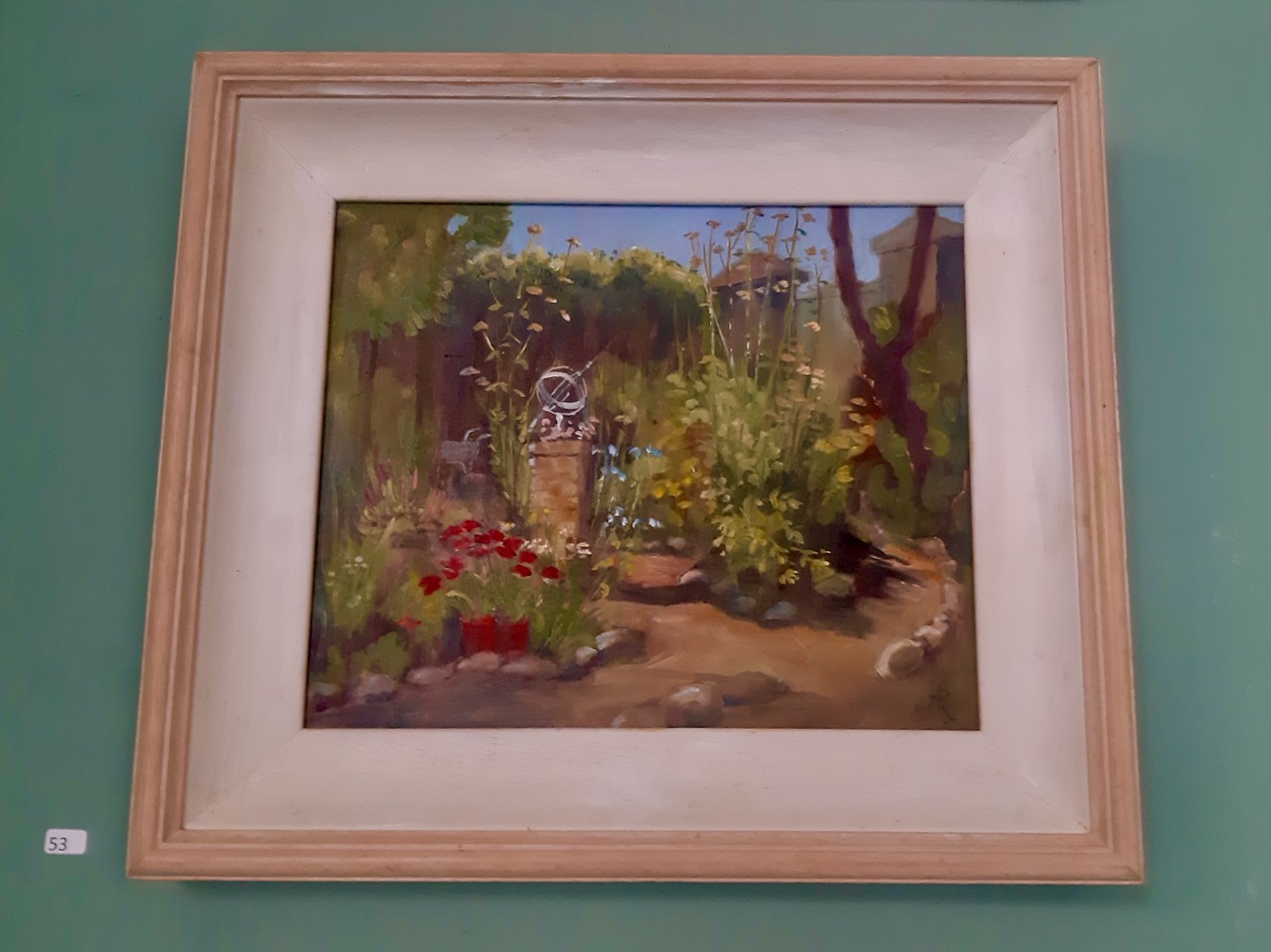
The exhibition features the work of four artists, all owners of big houses: Lesley Fennell of Burtown, County Kildare; Andrea Jameson of Tourin, County Waterford; Alison Rosse of Birr Castle, County Offaly; and Maria Levinge of Clohamon, County Wexford. All of the houses but the last are on the Section 482 listing this year.

Many walled gardens are pictured, and I was delighted to recognise some.

Enniscoe, County Mayo, by Maria Levinge. Oil on board. We visited Enniscoe this year and had a wonderful tour with owner Susan Kellett, who brought history to life as if she had been present, such as when she told us of the 1798 visit of French soldiers to the house.
Maria Levinge’s painting captures the pink Enniscoe House in the background of her painting. Photograph © Jennifer Winder-Baggot, www.irishhistorichouses.com
The walled garden of Enniscoe House, which contains a museum. As the house is also on the Section 482 list, I’ll be writing about it soon. Photograph © Jennifer Winder-Baggot, www.irishhistorichouses.com

I will be invigilating the exhibition on Wednesday 29th September 10:00 – 1:30, along with some other dates, and was there today. The launch was last night, and I was delighted that some of the artists dropped in today while I was there.

Robert O’Byrne curated the exhibition and introduced the invigilators to the work. During the year the Georgian Society ran a programme of interviews with the artists, by Robert O’Byrne, and these are available to watch at the exhibition.

My photographs, taken on my phone rather than with my Canon camera, do not do justice to the paintings.

The Formal Gardens, Birr Castle, by Alison Rosse. Photograph © Jennifer Winder-Baggot, www.irishhistorichouses.com

We visited Birr Castle in 2019 and I took the same view as that painted above!

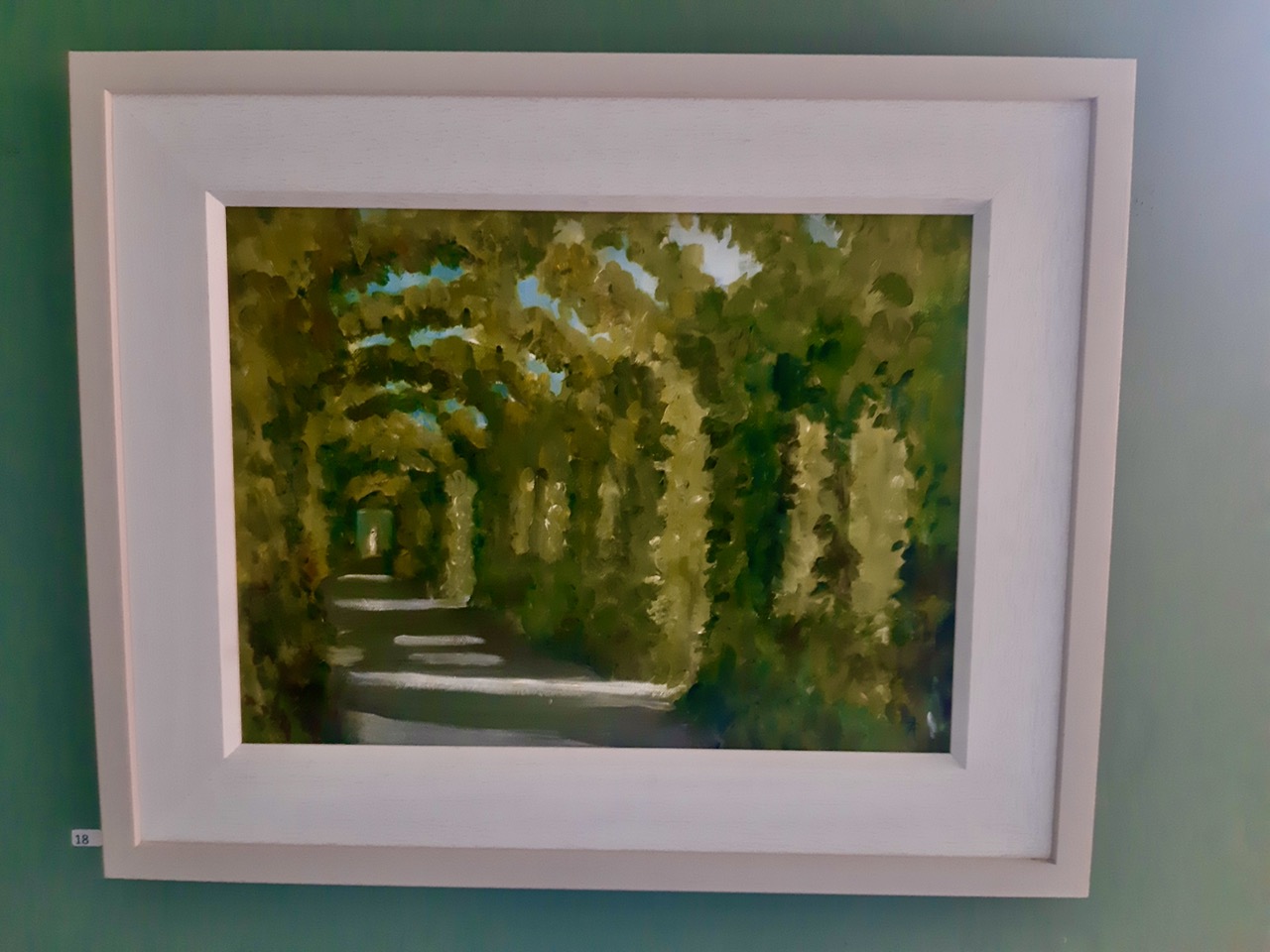
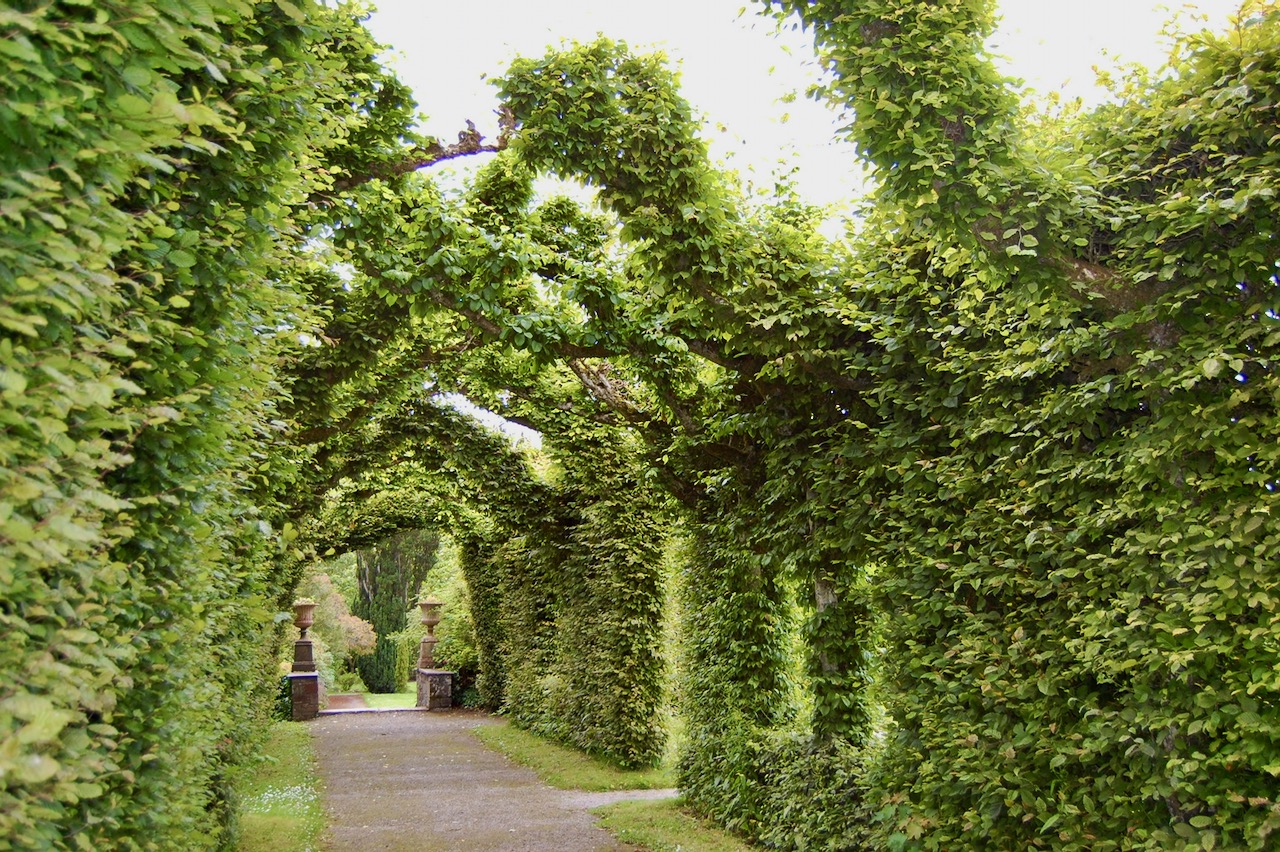
The Formal Gardens were designed by Anne, Countess of Rosse, on her marriage in 1935, in the form of a monastic cloister, complete with windows, cut into the hornbeam hedge. Photograph © Jennifer Winder-Baggot, www.irishhistorichouses.com

According to the small catalogue, which is available for purchase, there are about 8,000 walled gardens in Ireland! The exhibition features about thirty different walled gardens, some public and some private.

Lissadell, County Sligo, by Maria Levinge. Oil on board. We drove right up to the gates of Lissadell last month but unfortunately it is not open to the public this year due to Covid, so we will have to visit another time! Photograph © Jennifer Winder-Baggot, www.irishhistorichouses.com

Many Section 482 houses featured in this blog have walled gardens. Most recently, I wrote about Killineer in County Louth, which is not in this exhibition. Barmeath, also in Louth, and Cappoquin in County Waterford, are included, as well as Lodge Park and Larchill in Kildare, both of which are listed in Section 482 and which I have yet to visit.

I like this one by Maria Levinge of the garden at IMMA, the Royal Hospital Kilmainham, as it also pictures the relatively newly built apartments in the background, which I often pass on my way to the Memorial Gardens. Photograph © Jennifer Winder-Baggot, www.irishhistorichouses.com

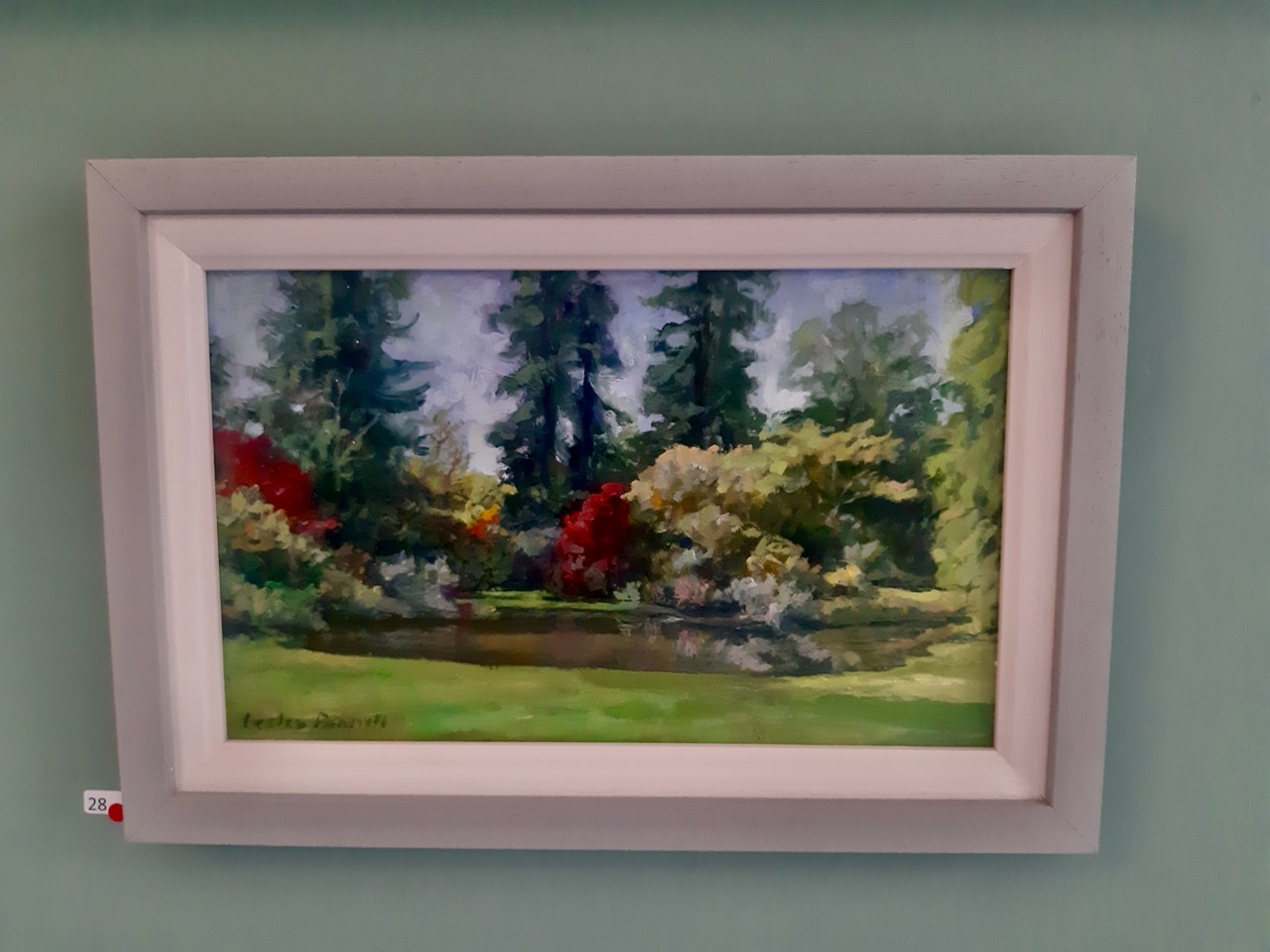
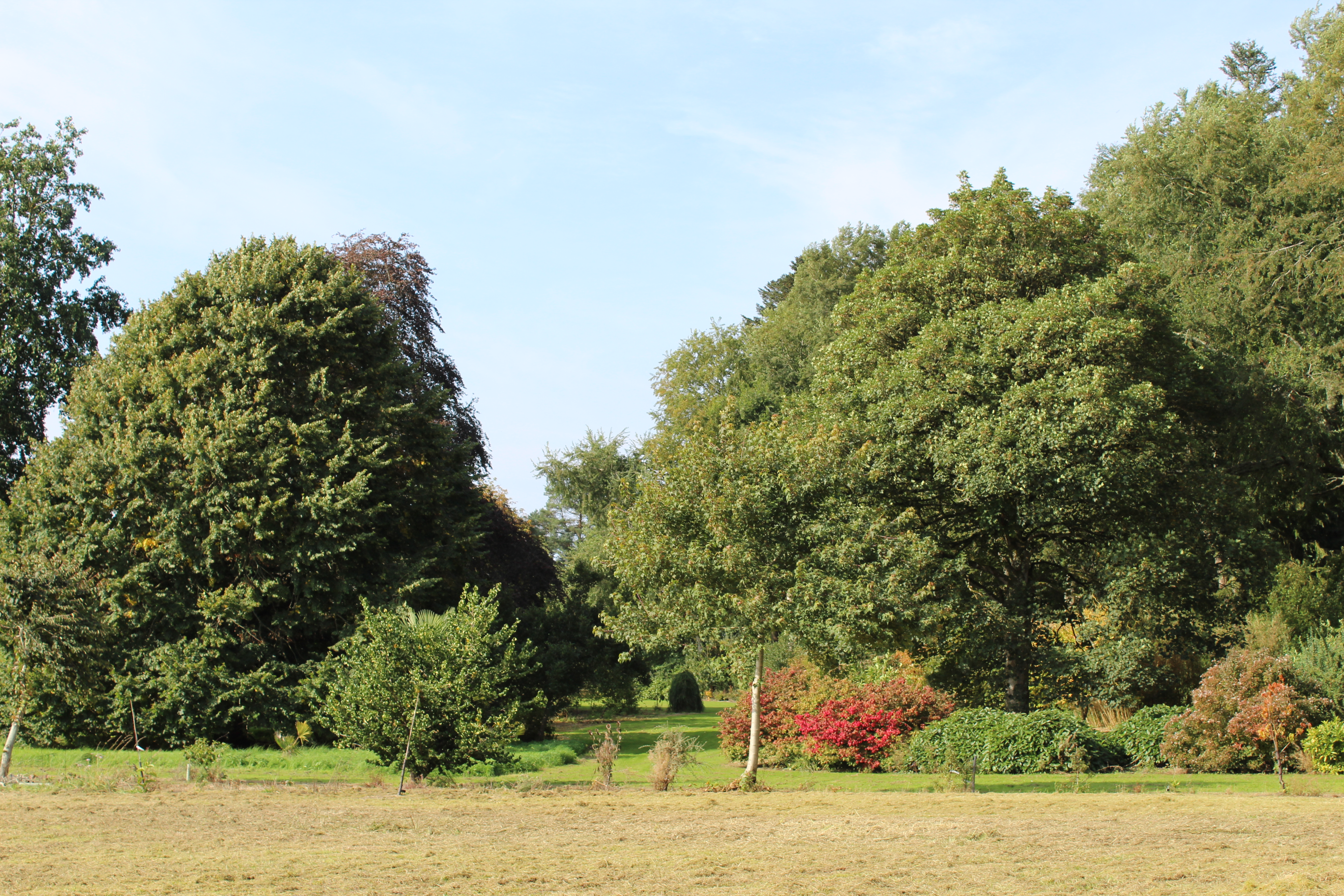
I think Robert Wilson-Wright was digging the pond featured in Lesley Fennell’s painting of Coolcarrigan, on the day that we visited!

The Pond at Coolcarrigan, County Kildare, by Lesley Fennell. Oil on canvas. Photograph © Jennifer Winder-Baggot, www.irishhistorichouses.com
Coolcarrigan, County Kildare, September 2019. Photograph © Jennifer Winder-Baggot, www.irishhistorichouses.com

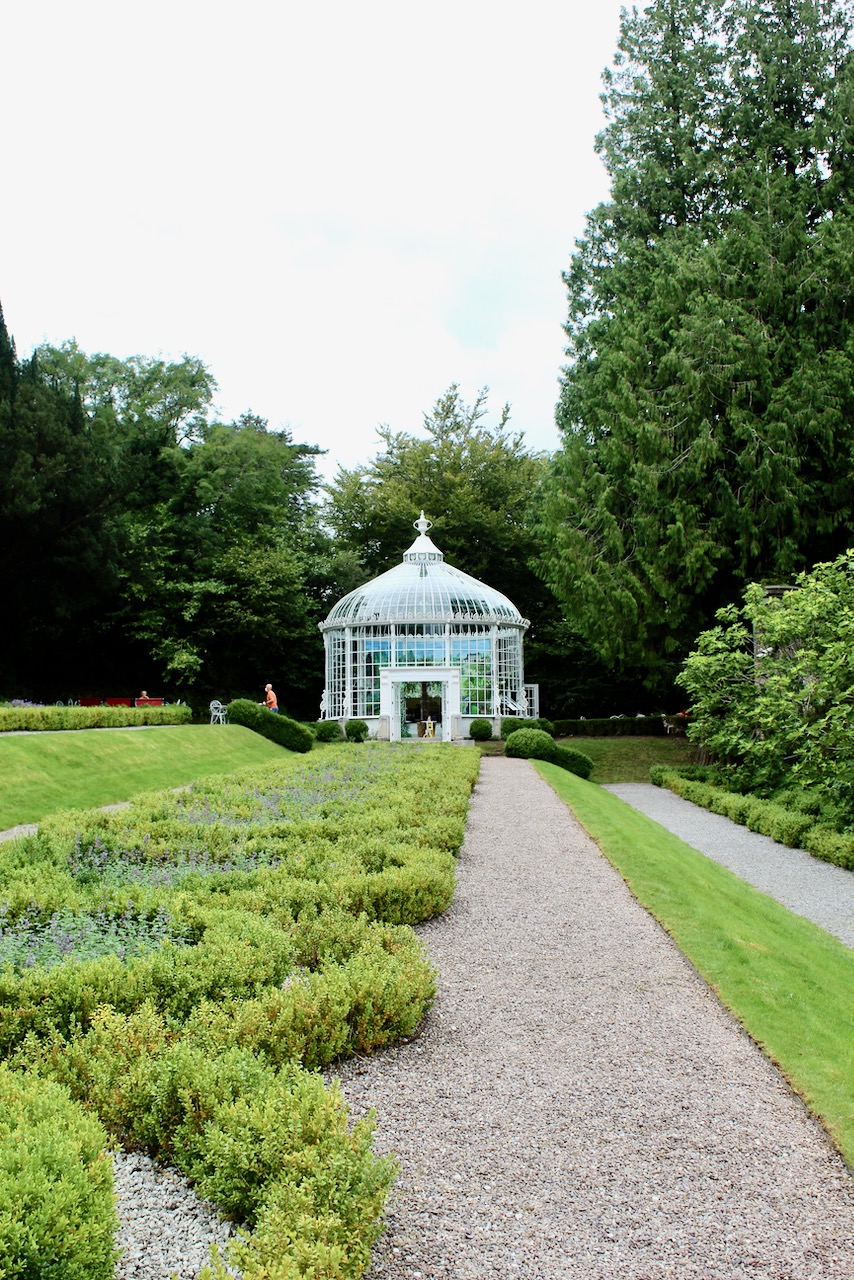
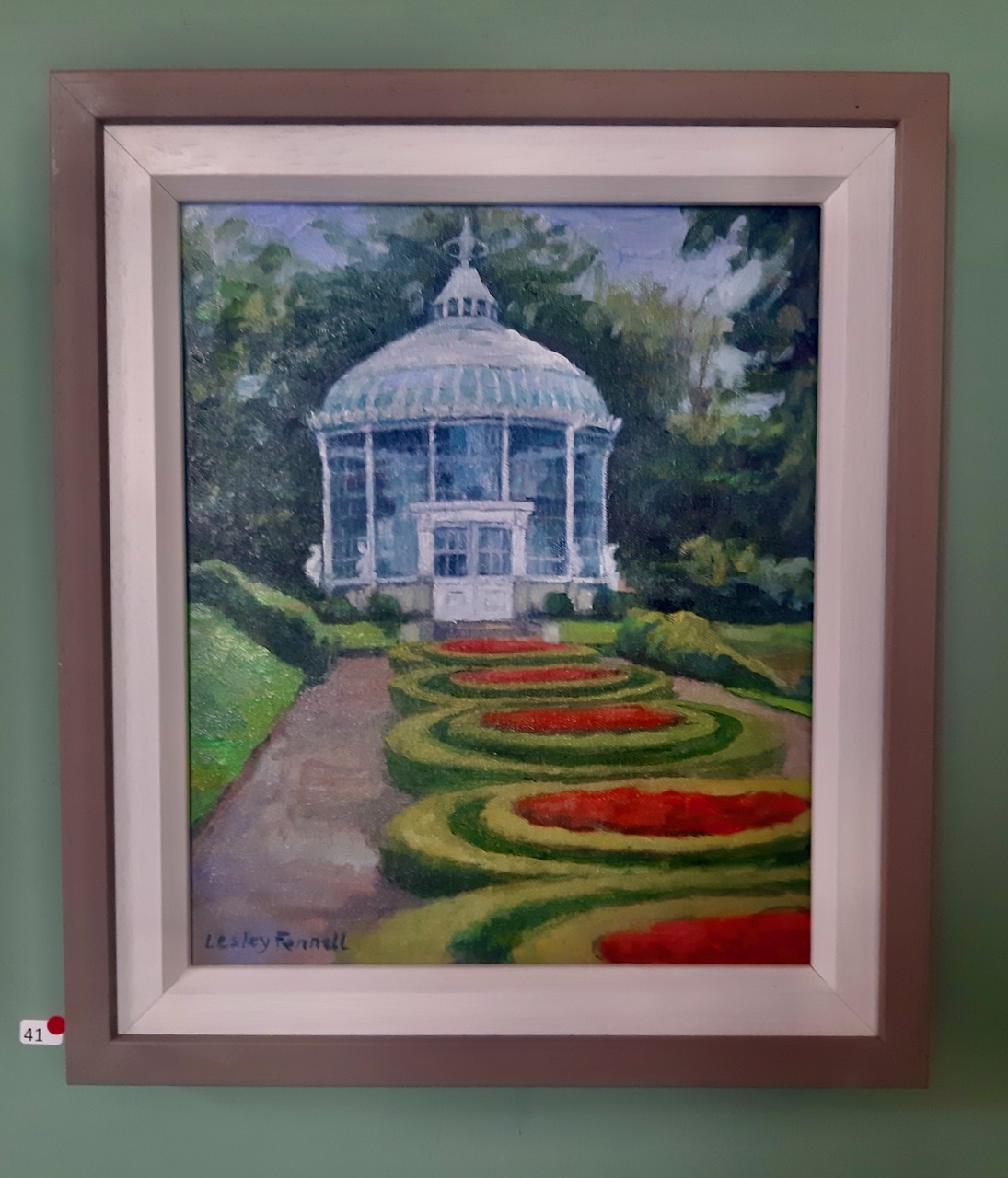
I didn’t realise that the splendid greenhouse at Woodstock, County Kilkenny, which we visited last month, is not the original Turner-built one, but a reproduction of it.

The greenhouse at Woodstock, County Kilkenny.
The Turner conservatory at Woodstock, County Kilkenny by Lesley Fennell. Oil on canvas. Photograph © Jennifer Winder-Baggot, www.irishhistorichouses.com

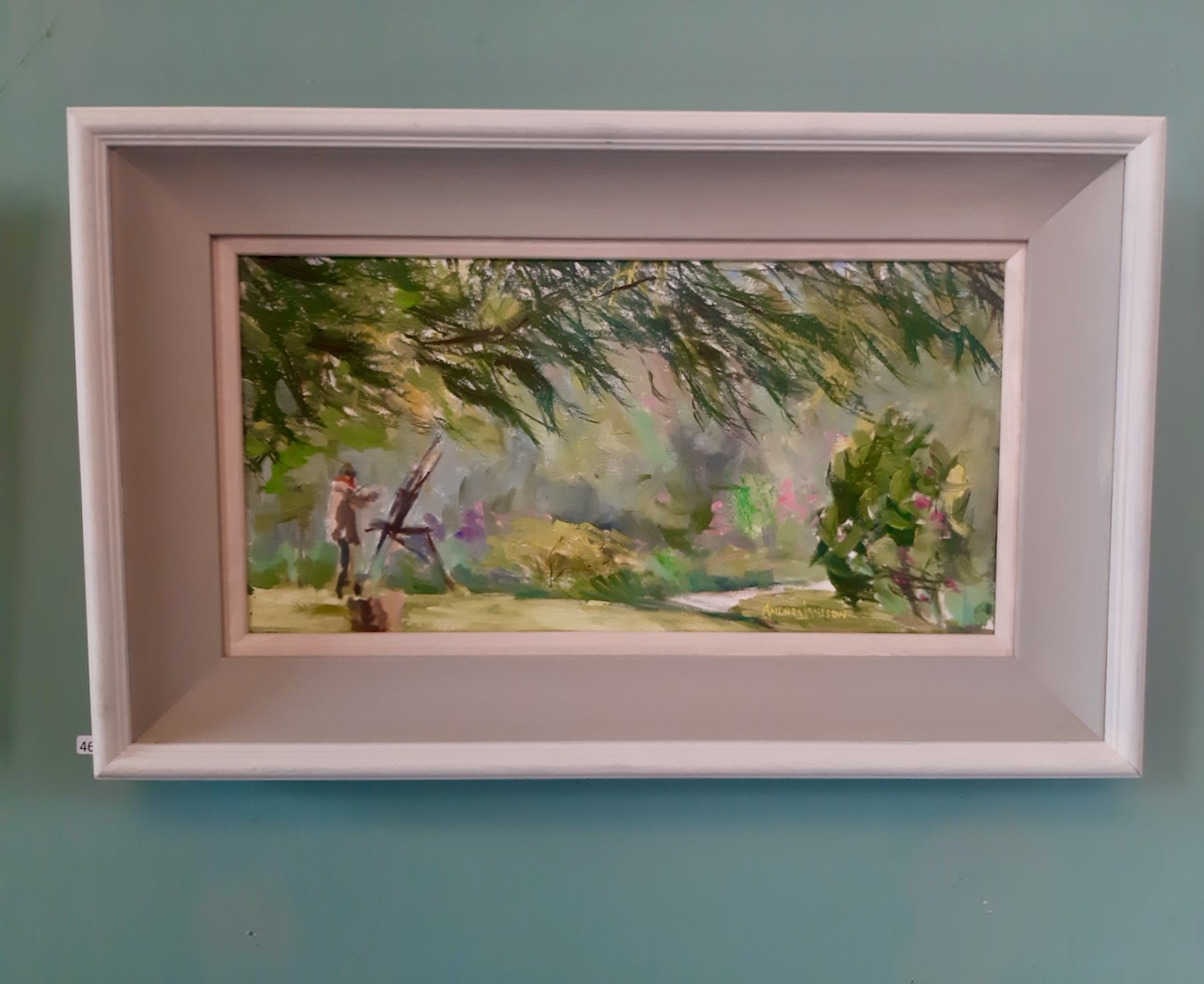
I particularly liked the painting that Andrea Jameson did of herself struggling to paint “en pleine aire” in the wind in her garden in Tourin.

Andrea Jameson painting in her garden at Tourin, self-portrait. Oil on canvas. Photograph © Jennifer Winder-Baggot, www.irishhistorichouses.com

The painters paint their own gardens, and each others’. Gardens featured which are open to the public include Lismore Castle in Waterford, Altamont in Carlow, Kilmacurragh in County Wicklow, Heywood in County Laois (my father remembers seeing the fire which burnt down the house!), Doneraile in County Cork, and Russborough, which I didn’t know has a walled garden.

Adamnan Lodge, Birr, County Offaly by Alison Rosse. Oil on board. Photograph © Jennifer Winder-Baggot, www.irishhistorichouses.com
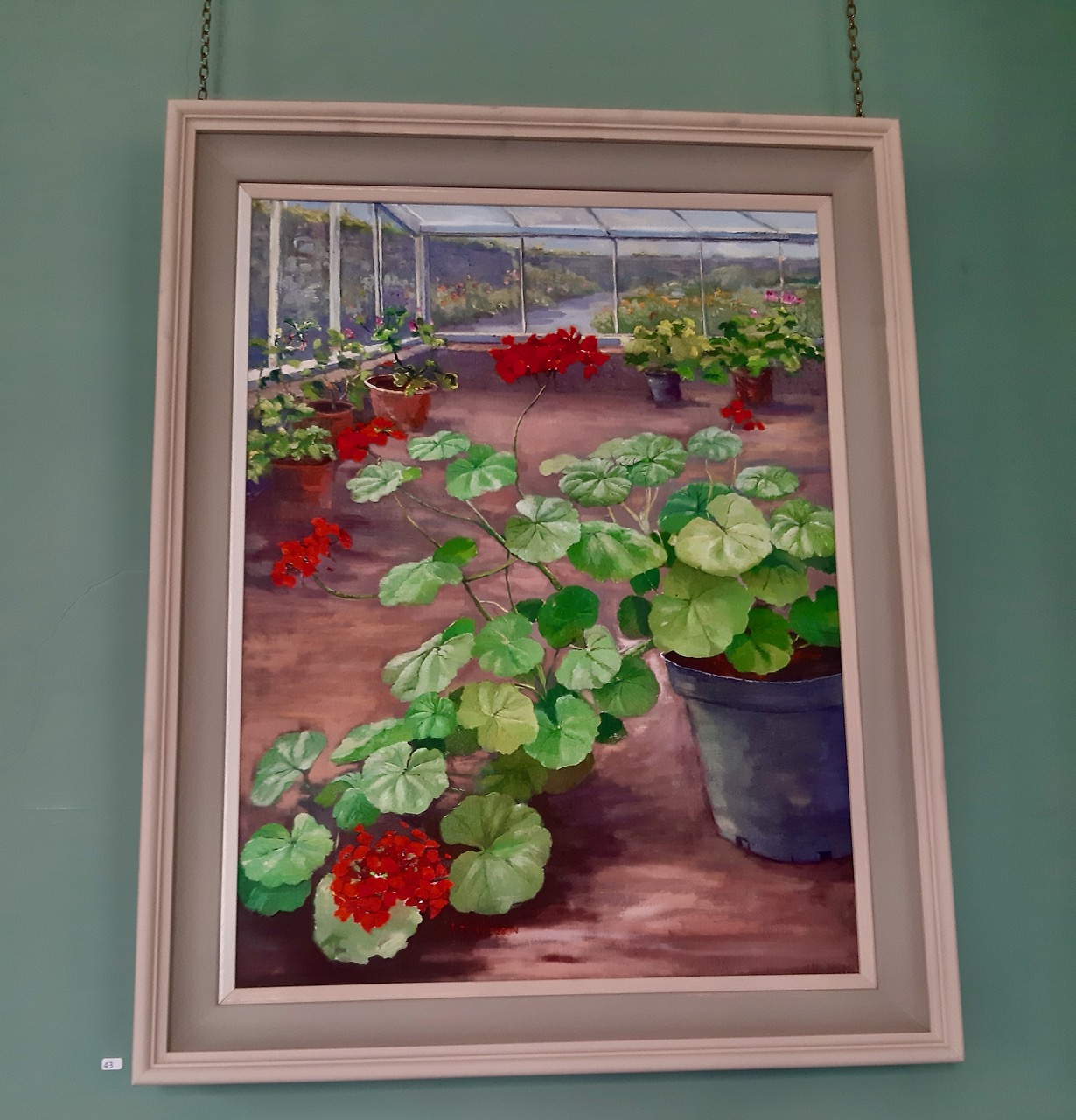
Red Geranium, Greenhouse, Tourin, by Andrea Jameson. Oil on canvas. Photograph © Jennifer Winder-Baggot, www.irishhistorichouses.com

Some of the gardens are in Northern Ireland, such as at Glenarm and Crom Castle.

Stephen and I have been lucky enough to visit many walled gardens in our explorations of Section 482 properties, and have many more still to visit. We toured rather extensively around Ireland during Heritage Week this year and I have lots to write that I hope to publish soon!

Too busy!

I have four hats: my pharmacist/vaccinator “hat,” my blogger hat, my farmer hat (see the photo of my harvest from yesterday) and my landlady hat! I am so busy at the moment, as my tenants left the apartment so I have been doing that up before renting out again (see my first ever tiling work). I only manage a terraced house and a two bedroom flat, but it keeps me so busy, I can only imagine what it is like to have to maintain a Big House! So my blogger hat has taken a back seat for awhile, despite having managed to visit a few Section 482 properties since lockdown lifted. Here is a taster of what is to come, when I finally get the time to write my blogs…the beautiful gardens of Killineer House in County Louth, and the astounding upper gallery of Stradbally Hall in County Laois.

Stradbally Hall, County Laois. Photograph © Jennifer Winder-Baggot, www.irishhistorichouses.com
Gardens at Killineer House, County Louth. Photograph © Jennifer Winder-Baggot, www.irishhistorichouses.com
My abundant allotment harvest from 7th July 2021: broad beans, broccoli, red currants, strawberries, a courgette, rhubarb, Toscana de Nero kale, grand big beetroot, and not pictured, a few peas and about six lovely large onions! Photograph © Jennifer Winder-Baggot, www.irishhistorichouses.com
I’ve been doing up the flat, and tried my hand at tiling! Here is the result. If you know anyone who’d like to rent a two bedroom flat in Donnybrook, send me a message! It’s on the pricey side at €2100 per month, but it has two double bedrooms (one with a king size bed, other has a regular double bed), a back patio that gets the sun, and a parking space. Photograph © Jennifer Winder-Baggot, www.irishhistorichouses.com