I am going to start collating a portrait gallery, as I love to put a name to the faces. I will add to these pages as I go.
I’ll be collecting them from my house entries and put them in alphabetical order by surname. I’ve also been going through the National Gallery collection and will also look at the National Portrait Gallery in London’s collection! It will be an ongoing project and a resource. I do think Ireland should have a National Portrait gallery! It would be a place where home owners could loan portraits for safekeeping also.
I have an editorial decision to make regarding women. Do I put them under their married name or under their maiden name? I think for now I’ll put them under both, as it’s nice to see them in relation to their fathers as well as in relation to their husband!
David de Barry, 1st Baron Barry (died 1278). In 1267, King Henry III of England appointed Lord David de Barry as Chief Justice of Ireland.
John Barry, 2nd Baron Barry (died 1285)
David FitzDavid Barry, 3rd Baron Barry (died 1290)
John Barry, 4th Baron Barry (died 1330)
David Barry, 5th Baron Barry (died 1347)
David Barry, 6th Baron Barry (died 1392)
John Barry, 7th Baron Barry (died 1420)
William Barry, 8th Baron Barry (died 1480)
John Barry, 9th Baron Barry (died 1486)
Thomas de Barry, 10th Baron Barry (died 1488)
William Barry, 11th Baron Barry (died 1500)
John Barry, 12th Baron Barry (died 1530)
John Barry, 13th Baron Barry (died 1534)
John FitzJohn Barry, 14th Baron Barry (1517–1553) (created Viscount Buttevant in 1541)
Viscounts Buttevant (1541)
John FitzJohn Barry, 1st Viscount Buttevant (1517–1553)
Edmund FitzJohn Barry, 2nd Viscount Buttevant (died 1556)
James FitzJohn Barry, 3rd Viscount Buttevant (died 1557)
James de Barry, 4th Viscount Buttevant (c. 1520–1581) 1st wife: Elizabeth Boyle, daughter of Charles Boyle, 3rd Viscount Dungarvan; 2nd wife: Elizabeth née Savage (d. 1714), daughter and heir of Richard Savage 4th Earl Rivers; 3rd wife: Anne Chichester, daughter of Major-General Arthur Chichester, 3rd Earl of Donegall (1666-1706), she was the mother of James Smith-Barry of Fota, County Cork.
David de Barry, 5th Viscount Buttevant (died 1617)
David Barry, 6th Viscount Buttevant (1604–1642) (created Earl of Barrymore in 1627/28)
Earls of Barrymore (1627/28)
David Barry, 1st Earl of Barrymore (1604–1642)
Richard Barry, 2nd Earl of Barrymore (1630–1694)
Laurence Barry, 3rd Earl of Barrymore (1664–1699)
James Barry, 4th Earl of Barrymore (1667–1747)
James Barry, 5th Earl of Barrymore (1717–1751)
Richard Barry, 6th Earl of Barrymore (1745–1773)
Richard Barry, 7th Earl of Barrymore (1769–1793)
Henry Barry, 8th Earl of Barrymore (1770–1823) [1]
SIR TRISTRAM BERESFORD (1595-1673), who was created a baronet in 1665, designated of Coleraine, County Londonderry. He married firstly, Anne, eldest daughter of John Rowley, of Castleroe, County Londonderry, by whom he had one son, RANDAL, his heir, and two daughters; and secondly, Sarah Sackville, and had three sons and three daughters: Tristram; Michael; Sackville; Susanna; Sarah; Anne.
Tristram Beresford (d. 1673), 1st Bt of Coleraine
Sir Tristram was succeeded by his eldest son, SIR RANDAL BERESFORD, 2nd Baronet (c. 1636-81), MP for Coleraine, 1661-68, who married Catherine Annesley, younger daughter of Francis, 1st Viscount Valentia, and dying in 1681, left issue, TRISTRAM, his heir; Jane; Catherine.
Sir Randal was succeeded by his eldest surviving son, SIR TRISTRAM BERESFORD, 3rd Baronet (1669-1701), MP for Londonderry County, 1692-99, who commanded a foot regiment against JAMES II, and was attainted by the parliament of that monarch. Sir Tristram wedded, in 1687, Nichola Sophia, youngest daughter and co-heiress of Hugh Hamilton, 1st Viscount Glenawly.
He was succeeded by his son, SIR MARCUS BERESFORD, 4th Baronet (1694-1763), MP for Coleraine, 1715-20, who espoused, in 1717, Catherine, BARONESS LE POER, daughter and heiress of James, 3rd Earl of Tyrone, and in consequence of that alliance, was elevated to the peerage, in 1720, in the dignity of Baron Beresford and Viscount Tyrone. His lordship was further advanced to an earldom, in 1746, as EARL OF TYRONE.
Rt. Hon. Marcus Beresford (1694-1763)4th Baronet and 1st Earl of Tyrone, photograph courtesy of the Beresford family and creative commons and wikipedia.
Marcus Beresford (1694-1763) 1st Earl of Tyrone had surviving issue: GEORGE DE LA POER (1735-1800) his successor who became 2nd Earl of Tyrone; John (1737/38-1805); William (1743-1819) (Most Rev), created BARON DECIES; Anne; Jane; Catherine; Aramintha; Frances Maria; Elizabeth.
George de la Poer Beresford (1735-1800) 2nd Earl of Tyrone, later 1st Marquess of Waterford, by Johann Zoffany, courtesy of National Trust Hatchlands.John Beresford, M.P. (1738-1805), son of of Marcus Beresford 1st Earl of Tyrone, miniature by Richard Crosse, British, 1742-1810.John Beresford (1738-1805), first commissioner of the Revenue in Ireland, engraver Charles Howard Hodges, after Gilbert Smith, courtesy of National Gallery of Ireland.John Beresford (1738-1805), MP by Gilbert Stuart c. 1790, courtesy of National Gallery of Ireland NGI 1133.Right Honourable John Beresford by Thomas Hickey (fl.1756-1816) courtesy Chrisites 2005. I’m not sure if this is John Beresford (1738-1805).Barbara Montgomery (?1757-1788), second wife of John Beresford (1738-1805) by Hugh Douglas Hamilton, courtesy of National Gallery of Ireland P5547. His first wife was Anne Constantia Ligondes.Marcus Gervais Beresford (1801-1885), Archbishop of Armagh, painting as Prelate of Order of St. Patrick, by engraver John Richardson Jackson, after painting by Stephen Catterson Smith, courtesy of National Gallery of Ireland.He was grandson of John Beresford (1738-1805). His father was Rt. Rev. George de la Poer Beresford (1765-1841).George John Beresford (1807-1864)of Woodhouse, County Waterford.He was also a grandson of John Beresford (1738-1805). His father wasReverend Charles Cobbe Beresford (b. 1770).John Claudius Beresford, Lord Mayor of Dublin courtesy Adam’s 8 March 2006 in style of William Cuming PRHA. He was the son of John Beresford (1738-1805).Elizabeth de la Poer Beresford (1736-1806), daughter of Marcus Beresford 1st Earl of Tyrone, wife of Thomas Cobbe of Newbridge House, in a costume evocative of Mary Queen of Scots, miniature, Cobbe Collection.
George de la Poer Beresford, 2nd Earl of Tyrone (1735-1800) inherited the ancient Barony of de la Poer at the decease of his mother in 1769. His lordship was enrolled amongst the peers of Great Britain, in 1786, as Baron Tyrone; and created, in 1789, MARQUESS OF WATERFORD.
George de la Poer Beresford (1735-1800) First Marquess of Waterford by Gilbert Stuart, courtesy of Bonhams and commons.
He married, in 1769, Elizabeth, only daughter and heiress of Henry Monck, of Charleville. They had issue:
Marcus, died at 8 years old; Henry de la Poer Beresford (1772-1826) his successor who became 2nd Marquess of Waterford; John George (1773-1862) (Most Rev), Lord Archbishop of Armagh; George Thomas (1781-1839) (Rt Hon), Lt-Gen, GCH; Isabella Anne; Catherine; Anne; Elizabeth Louisa (1783-1856).
Henry de la Poer Beresford (1772-1826) 2nd Marquess of Waterford by William Beechy courtesy of Eton College.John George Beresford (1773-1862), Archbishop of Armagh, after Thomas Lawrence, by Charles Turner, courtesy of Armagh County Museum.He was son of George de la Poer Beresford, 2nd Earl of Tyrone. Thought to be Elizabeth Louisa Reynell (1783-1856) née De La Poer and formerly wife of Sir Denis Pack, courtesy of Whyte’s Nov 2011. She was the daughter of the 1st Marquess of Waterford, and she married Denis Pack of County Kilkenny and later, Thomas Reynell, 6th Baronet.
He had an illegitimate son Admiral Sir John de la Poer Beresford (1766-1844) 1st Bt Beresford, of Bagnall, Co. Waterford, and also Lt.-Gen. William Carr Beresford (1768-1854) 1st and last Viscount Beresford of Beresford.
William Carr Beresford (1768-1854) Viscount Beresford, by William Beechey, Photograph courtesy of National Portrait Gallery, London.Harriet Elizabeth Peirse (1790-1825) Lady Beresford, wife of Admiral Sir John de la Poer Beresford (1766-1844) 1st Bt Beresford, of Bagnall, Co. Waterford, by Thomas Lawrence, courtesy of National Trust Hatchlands.
Henry de la Poer Beresford 2nd Marquess (1772-1826) wedded, in 1805, Susanna Carpenter, only daughter and heiress of George Carpenter 2nd Earl of Tyrconnell, and had issue,
HENRY de la Poer Beresford (1811-1859) his successor who became 3rd Marquess of Waterford; William; John (1814-1866) who became 4th Marquess of Waterford; James; Sarah Elizabeth (1807-1854) who married Henry John Chetwynd-Talbot, 18th Earl of Shrewsbury.
James Beresford (1816-1841) by Joseph Clover, courtesy of Ingestre Hall Residential Arts Centre.
Henry de la Poer Beresford 3rd Marquess married Louisa Anne Stuart (1818-1891), daughter of Charles Stuart, 1st and last Baron Stuart de Rothesay. They did not have children.
Elizabeth Stuart née Yorke (1789-1867). Lady Stuart de Rothesay, with her daughters Charlotte (1817-1861) and Louisa (1818-1891) by George Hayter, photograph courtesy of UK Government Art Collection. Elizabeth was the daughter of Philip Yorke 3rd Earl of Hardwicke; Louisa married Henry de la Poer Beresford 3rd Marquis of Waterford; Charlotte married Charles John Canning 1st Viceroy of India, 2nd Viscount Canning, 1st Earl Canning. Louisa Anne Beresford née Stuart (1818-1891), wife of Henry de la Poer Beresford, 3rd Marquess of Waterford, daughter of Charles Stuart, 1st and last Baron Stuart de Rothesay, by Sir Francis Grant 1859-1860, NPG 3176. The National Portrait Gallery tells us: “Louisa Stuart was brought up mostly in Paris, where her father was British Ambassador to the French court. She was taught to draw from an early age and art, along with religion and philanthropy, was one of her main interests throughout her life. A gifted amateur watercolourist, she did not exhibit at professional galleries until the 1870s. With a strong interest in the welfare of the tenants on her Northumberland estate, she rebuilt the village of Ford. She provided a school and started a temperance society in the village. Her greatest artistic achievement was the decoration of the new school with life sized scenes from the Old and New testaments that used children and adults from the village as models.”
When the 3rd Marquess died, his brother John became the 4th Marquess. The 4th Marquess married Christiana, daughter of Charles Powell Leslie of Castle Leslie in County Monaghan.
Timothy William Ferres tells us of the family of the Boyles, Earls of Cork:
Richard Boyle (1566-1643) 1st Earl of Cork married firstly, in 1595, Joan, daughter and co-heiress of William Apsley, of Limerick, without surviving issue; and secondly, Catherine, daughter of Sir Geoffrey Fenton, Knight, principal secretary of state for Ireland, and had issue (with eight daughters):
Roger (1606-15);
RICHARD (1612-98) his successor; Geoffrey d. 1 year old; Lewis (1619-1642) created Viscount Boyle of Kinalmeaky;
ROGER (1621-1679) created 1st Earl of Orrery; ancestor of John, 5th Earl of Cork;
The 1st Earl of Cork’s daughter Alice (1607-1666) married David Barry 1st Earl of Barrymore. His other daughters were Sarah (1609-1633) who married first Thomas Moore son of Garret Moore 1st Viscount of Drogheda, and then second, Rober Digby 1st Baron Digby; Lettice who married Lord Goring; Joan who married George Fitzgerald 16th Earl of Kildare; Catherine (1615-1691) who married Arthur Jones 2nd Viscount Ranelagh; Dorothy (1617-1668) who married Arthur Loftus and second, Gilbert Talbot son of William Talbot 1st Baronet; Mary (1625-1678) who married Charles Rich 4th Earl of Warwick;
The 1st Earl of Cork was succeeded by his eldest son, RICHARD, 2nd Earl (1612-98); who, having wedded, in 1635, the Lady Elizabeth Clifford, daughter and heiress of Henry, 5th Earl of Cumberland, was created a Peer of England, 1644, in the dignity of Baron Clifford of Londesborough, Yorkshire; and, in 1664, EARL OF BURLINGTON.
Richard Boyle (1612-1698) 1st Earl of Burlington and 2nd Earl of Cork, possibly after Sir Anthony van Dyck c.1640, NPG 893.Oil painting on canvas, Lady Elizabeth Clifford, Countess of Burlington (1621 – 1698) by Sir Anthony Van Dyck (Antwerp 1599 – London 1641). Three-quarter length portrait, profile to left, head facing, wearing wbite satin dress and blue scarf, pointing with her left hand in a landscape.She married Richard Boyle, 2nd Earl of Cork and 1st Earl of Burlington.
The 2nd Earl of Cork had issue:
Charles, 3rd Viscount Dungarvan (1639-94); father of the 3rd Earl of Cork; Richard, who died in 1665 at the battle of Lowestoft; and daughters Frances who married Colonel Francis Courtenay, 3rd Bt. then second, Wentworth Dillon, 4th Earl of Roscommon; Anne who married Edward Montagu, 2nd Earl of Sandwich; Elizabeth who married Nicholas Tufton, 3rd Earl of Thanet; Mary; Henrietta who married Laurence Hyde, 1st Earl of Rochester.
His lordship’s eldest son Charles, 3rd Viscount Dungarvan (1639-94) having predeceased him, was succeeded by his grandson, CHARLES (c. 1662-1704), 3rd Earl of Cork and 2nd Earl of Burlington.
Charles Boyle (c. 1662-1704) 3rd Earl of Cork and 2nd Earl of Burlington, by Godfrey Kneller, courtesy of National Trust Hardwick Hall.
Charles, 3rd Viscount Dungarvan (1639-94) had a daughter Elizabeth (1662-1703) who married Lt.-Gen. James Barry, 4th Earl of Barrymore.
The 3rd Earl of Cork, 2nd Earl of Burlington espoused Juliana, daughter and heiress of the Hon Henry Noel, of Luffenham, Rutland, by whom he had surviving issue, RICHARD (1694-1753) his successor, 3rd Earl of Burlington.
Richard Boyle, 3rd Earl of Burlington (1694-1753) by Jonathan Richardson, courtesy of London’s National Portrait Gallery NPG 4818.
The 3rd Earl of Cork, 2nd Earl of Burlington had daughters Elizabeth; Juliana; Jane; Henrietta (1700-1746) who married Henry Boyle, 1st Earl of Shannon.
The 3rd Earl of Cork, 2nd Earl of Burlington was succeeded by his only son, RICHARD (1694-1753), 4th Earl of Cork and 3rd Earl of Burlington, KG, who married, in 1720, the Lady Dorothy Savile, elder daughter and co-heiress of William, 2nd Marquess of Halifax, by which lady he had three daughters, Dorothy; Juliana; Charlotte Elizabeth, m William Cavendish, Marquess of Hartington.
His lordship claimed, in 1727, the barony of Clifford, as great-grandson of the Lady Elizabeth Clifford, daughter and heiress of Henry, Lord Clifford, and the house of peers acknowledged and confirmed his lordship’s right thereto.
This nobleman was eminent as a munificent encourager of literature and the fine arts, and as a friend of Alexander Pope he will always be remembered.
His lordship died in 1753, and leaving an only surviving daughter, Lady Charlotte, who had wedded William, 4th Duke of Devonshire, and inherited the barony of Clifford; all his lordship’s other English honours ceased, while those of Ireland devolved upon his kinsman, JOHN BOYLE (1707-62), 5th Earl of Orrery, in Ireland; Baron Boyle of Marston, in Great Britain; succeeded as 5th EARL OF CORK (refer to Roger, third son of the first Earl of Cork).
Charlotte Boyle (1731-1754) daughter of Richard Boyle (1694-1753) 3rd Earl of Burlington 4th Earl of Cork. She married William Cavendish (1720-1764) 4th Duke of Devonshire and brought Lismore Castle, County Waterford, into the Cavendish family. Painting after style of George Knapton, courtesy of Chiswick House collection.Richard Boyle 4th Earl of Cork and 3rd Earl of Burlington and Dorothy Savile attributed to Aikman, William Aikman (1682-1731).Oil painting on canvas, Possibly Lady Dorothy Savile, Countess of Burlington and Countess of Cork (1699-1758) by Michael Dahl, circa 1720. Inscribed top right in gold: Lady Dorothy Saville / Daughter to the Marquis of Halifax / married to the Earl of Burlington. A half-length portrait of a young woman, facing, wearing white decollete dress with blue ribbon. Courtesy of National Trust Hardwick HallLady Dorothy Savile, Countess of Burlington (1699-1758) with her Daughter Lady Dorothy Boyle, later Countess of Euston (1724-1742) by Michael Dahl courtesy of National Trust Hardwick Hall. She married Richard Boyle 4th Earl of Cork and 3rd Earl of Burlington.
The 1st Earl of Cork’s son ROGER (1621-1679) was created 1st Earl of Orrery.
Lady Mary Boyle nursing her son Charles, by Godfrey Kneller (1646-1723) Adams auction 18 Oct 2022. I think this could be Mary née Sackville (1637-1679) who married Roger Boyle 2nd Earl of Orrery. Her son Charles Boyle (1674-1731) became the 4th Earl of Orrery.Charles Boyle 4th Earl of Orrery, possibly a copy, based on painting by Charles Jervas.
JOHN BOYLE (1707-62), 5th Earl of Orrery, in Ireland; Baron Boyle of Marston, in Great Britain; succeeded as 5th EARL OF CORK (refer to Roger, third son of the first Earl of Cork).
His lordship wedded firstly, in 1728, the Lady Henrietta Hamilton, youngest daughter of George, 1st Earl of Orkney KT, and had issue: Charles, Viscount Dungarvan (1729-1759); HAMILTON, his successor; Elizabeth.
Mrs John O’Neill (née Henrietta Boyle) (1756-1793), Poet and Patron of Mrs Siddons, Engraver John Raphael Smith, English, 1752-1812 After Matthew William Peters, English, 1742-1814, courtesy of National Gallery of Ireland.She was the wife of John O’Neill (1740-1798), 1st Viscount, of Shane’s Castle, County Antrim, and the daughter of Charles Boyle, Viscount Dungarvan, who was the son of John Boyle 5th Earl of Orrery and 5th Earl of Cork.
He espoused secondly, Margaret, daughter and sole heiress of John Hamilton, by whom he had further issue: EDMUND, 7th Earl of Cork; Catherine Agnes; Lucy. He was a writer.
He was succeeded by his eldest surviving son, HAMILTON (1729-64), 6th Earl of Cork and Orrery, who died unmarried, in little more than a year after his father, when the honours devolved upon his brother, EDMUND (1742-98), 7th Earl of Cork and Orrery, who married firstly, in 1764, Anne, daughter of Kelland Courtenay, and had issue: John Richard, Viscount Dungarvan (1765-8); EDMUND, of whom hereafter; Courtenay (the Hon Sir), Vice-Admiral in the Royal Navy; Lucy Isabella.
Anne Boyle née Courteney, Countess of Cork and Orrery (1742-1785) Engraver James Watson, Irish, c.1740-1790 After Hugh Douglas Hamilton, Irish, 1740-1808, courtesy of National Gallery of Ireland. She married Edmund Boyle 7th Earl of Cork and Orrery.
His lordship espoused secondly, in 1786, Mary, youngest daughter of John, 1st Viscount Galway, without further issue.
He was succeeded by his eldest surviving son, EDMUND (1767-1856), 8th Earl of Cork and Orrery, KP, a General in the Army, who married, in 1795, Isabella Henrietta, third daughter of William Poyntz, of Midgam house, Berkshire, and had issue: Edmund William, Viscount Dungarvan (1798-1826); George Richard (1799-1810); CHARLES, of whom presently; John, ancestor of the 12th and 13th Earls; Robert Edward; Richard Cavendish; Isabella Elizabeth; Lucy Georgina; Louisa.
His lordship’s eldest surviving son CHARLES (1800-34), styled Viscount Dungarvan, wedded, in 1828, the Lady Catherine St Lawrence, daughter of William, 2nd Earl of Howth, and had issue:
RICHARD EDMUND ST LAWRENCE, his successor;
William George;
Edmund John;
Louisa Caroline Elizabeth; Mary Emily.
His lordship predeceased his father, and the family honours devolved upon his eldest son,
RICHARD EDMUND ST LAWRENCE (1829-1904), as 9th Earl of Cork and Orrery, KP, who married, in 1853, the Lady Elizabeth Charlotte de Burgh, daughter of Ulick John, 1st Marquess of Clanricarde, and had issue: CHARLES SPENCER CANNING, his successor; ROBERT JOHN LASCELLES, 11th Earl; Emily Harriet Catherine; Grace Elizabeth; Isabel Lettice Theodosia; Honora Janet; Dorothy Blanche.
Anne Boyle née Courteney, Countess of Cork and Orrery (1742-1785) Engraver James Watson, Irish, c.1740-1790 After Hugh Douglas Hamilton, Irish, 1740-1808, courtesy of National Gallery of Ireland.She married Edmund Boyle 7th Earl of Cork, 7th Earl of Orrery.
The 1st Earl of Cork’s son Francis (1623-1699) was created 1st Viscount Shannon.
“THE RT HON SIR VALENTINE BROWNE (d 1589) in 1583, received instruction, jointly with Sir Henry Wallop, for the survey of several escheated lands in Ireland. He was subsequently sworn of the Privy Council, and represented County Sligo in parliament in 1585. In the same year, Sir Valentine purchased from Donald, Earl of Clancare, all the lands, manors, etc in counties Kerry and Cork, which had been in the possession of Teige Dermot MacCormac and Rorie Donoghoemore.
“Sir Valentine married firstly, Alice or Elizabeth, daughter of Robert Alexander, of London, and had issue, a son. He wedded secondly, Thomasine, sister of the Lord Keeper of the Great Seal, Sir Nicholas Bacon, and had further issue (with a daughter), two sons.
“Sir Valentine’s eldest surviving son, SIR NICHOLAS BROWNE, Knight, of Ross, County Kerry, who wedded Sicheley Sheela, daughter of O’Sullivan Beare, and had issue: VALENTINE, his heir; Anne.
“Sir Nicholas died in 1616, and was succeeded by his son, VALENTINE BROWNE, High Sheriff of County Kerry, 1623, who was created a baronet in 1622, designated of Molahiffe, County Kerry.
“Sir Valentine, after his father’s decease, presented a petition to JAMES I, praying an abatement of the yearly rent reserved on the estate which he held from the Crown, as an undertaker, at the annual sum of £113 6s 8d, in regard of the small profit he made of it, being set out in the most barren and remote part of County Kerry; which request was complied with, and he received a confirmation, by patent, of all his lands at a reduced rent.
“He married Elizabeth, fifth daughter of Gerald, Earl of Kildare [I’m not sure if this – JWB], and was succeeded by his grandson, THE RT HON SIR VALENTINE BROWNE, 3rd Baronet (1638-94); who was sworn of the Privy Council of JAMES II, and created by that monarch, subsequently to his abdication, in 1689, Baron Castlerosse and Viscount Kenmare.
“His lordship, who was Colonel of Infantry in the army of JAMES II, forfeited his estates by his inviolable fidelity to that unfortunate monarch. He wedded Jane, only daughter and heir of Sir Nicholas Plunket [of Balrath], and niece of Lucas, Earl of Fingall, and had five sons and four daughters.
“The 1st Viscount was succeeded by his eldest son, SIR NICHOLAS BROWNE, 4th Baronet (called 2nd Viscount); an officer of rank in the service of JAMES II, and attainted in consequence, who espoused, in 1664, Helen, eldest daughter and co-heir of Thomas Brown, by whom he obtained a very considerable fortune, but which, with his own estates, became forfeited for his life.The crown, however, allowed his lady a rent-charge of £400 per year for the maintenance of herself and her children. Sir Nicholas died in 1720, leaving four daughters and his son and successor,
“SIR VALENTINE BROWNE, 5th Baronet (called 3rd Viscount) (1695-1736), who continued outlawed by the attainder of his father and grandfather. [The 4th Baronet’s daughter Frances married Edward Herbert (1693-1770 of Muckross, County Kerry]
“He married, in 1720, Honora, second daughter of Colonel Thomas Butler [of Kilcash (1671-1738)], and great-grandniece of James, Duke of Ormonde, by whom he had issue, Thomas, his successor, and two daughters.
“Sir Valentine espoused secondly, in 1735, Mary, Dowager Countess of Fingall, by whom he left a posthumous daughter, Mary Frances. [Mary née Fitzgerald (1716-1741/2) was the daughter of Maurice Fitzgerald, 5th Baronet of Castle Ishen, County Cork; Mary was first married to Justin Plunkett, 5th Earl of Fingall. She married thirdly John Bellew, 4th Baron Bellew of Duleek]
“He was succeeded by his only son, SIR THOMAS BROWNE, 6th Baronet (called 4th Viscount) (1726-95), who wedded, in 1750, Anne, only daughter of Thomas Cooke, of Painstown, County Carlow, by whom he had a son and a daughter, Catherine, married to Count de Durfort-Civrac.
“He was succeeded by his son, SIR VALENTINE BROWNE, 7th Baronet (called 5th Viscount) (1754-1812), who was created (the viscountcy of JAMES II never having been acknowledged in law), in 1798, Baron Castlerosse and Viscount Kenmare.
“His lordship was further advanced to the dignity of an earldom, in 1800, as EARL OF KENMARE.”
Valentine Browne (1754-1812), 1st Earl of Kenmare by Hugh Douglas Hamilton courtesy of Country House Collections at Slane Castle by Adam’s 2012.
“He married firstly, in 1777, Charlotte, daughter of Henry, 11th Viscount Dillon [of Costello-Gallin], and had an only daughter, Charlotte. [She married George Goold, 2nd Bt of Old Court, Co. Cork.]
“His lordship wedded secondly, in 1785, Mary, eldest daughter of Michael Aylmer, of Lyons, County Kildare, and had issue,
VALENTINE (1788-1853)his successor as 2nd Earl; Thomas (1789-1871) who became 3rd Earl; William; Michael; Marianne; Frances.
“His lordship was succeeded by his eldest son, VALENTINE, 2nd Earl (1788-1853), PC, who espoused, in 1816, Augusta, daughter of Sir Robert Wilmot, 2nd Baronet, though the marriage was without issue, when the family honours devolved upon his brother,
“THOMAS, 3rd Earl (1789-1871), who married, in 1822, Catherine, daughter of Edmond O’Callaghan [d. 1791. Another daughter of Edmond O’Callaghan, Ellen, married James John Bagot of Castle Bagot, Rathcoole. His daughter Elizabeth married Gerald Dease of Turbotstown, a Section 482 property].
Piers Butler (d. 1539) 8th Earl of Ormonde married Margaret Fitzgerald, daughter of Gerald Fitzgerald 8th Earl of Kildare.
They had daughters Ellen (d. 1597) who married Donough O’Brien (d. 1553) 1st Earl of Thomond; Margaret married Barnaby FitzPatrick, 1st Baron of Upper Ossory; Joan married James Butler, 10th Baron Dunboyne; Eleanor married Thomas Butler 1st Baron Caher; Katherine married Richard Power, 1st Baron le Power and Coroghmore first and secondly, James FitzJohn FitzGerald, 13th Earl of Desmond; Ellice married Gerald FitzJohn FitzGerald (d. 1553, father of 1st Viscount Decies).
They had sons John Butler (d. 1570) who lived in Kilcash, County Tipperary and was father of Walter (1569-1632) 11th Earl of Ormond; Richard Butler (d. 1571) 1st Viscount Mountgarret; Thomas who died in 1532; and James Butler (d. 1546) 9th Earl of Ormonde.
James Butler (1504-1546), Soldier, 9th Earl of Ormond and Ossory by Francesco Bartolozzi, published by John Chamberlaine, after Hans Holbein the Younger publ. 1797, courtesy of National Portrait Gallery NPG D39383.
James Butler (d. 1546) 9th Earl of Ormonde married Joan Fitzgerald, daughter of James FitzMaurice FitzGerald, 10th Earl of Desmond. She gave birth to Thomas Butler (1531-1614) who became 10th Earl of Ormond.
Portrait of Thomas Butler, 10th Earl of Ormond (1531-1614) in three-quarter armour holding a wheelock pistol, with his coat of arms at upper left, by Steven van der Meulen.
The 9th Earl also had a son Edmond (d. 1602) who lived in Cloughgrenan, County Carlow, who gave rise to the Baronets of Cloughgrenan.
The 10th Earl of Ormond, “Black Tom,” had no direct heir so the Earldom passed to his nephew, Walter, a son of Sir John Butler (d. 1570) of Kilcash. Unlike his uncle, who had been raised at Court and thus reared a Protestant, Walter the 11th Earl of Ormond was a Catholic. See my entry about the Ormond Castle at Carrick-on-Suir for more on “Black Tom.” https://irishhistorichouses.com/2022/06/26/opw-sites-in-munster-clare-limerick-and-tipperary/
Walter Butler’s claim to the family estates was blocked by James I. The latter orchestrated the marriage of Black Tom’s daughter and heiress Elizabeth to a Scottish favourite Richard Preston, Baron Dingwall. The King gave Preston the title Earl of Desmond (after the Fitzgeralds lost the title, due to their Desmond Rebellion), and awarded his wife most of the Ormond estate, thus depriving Walter of his inheritance. Walter refused to submit and was imprisoned for eight years in the Fleet, London. He was released 1625. Walter’s nine-year-old grandson, James, became the heir to the titles but not the estates.
James (1610-1688) 12th Earl of Ormond (later 1st Duke of Ormond) was the son of Thomas Butler (d. 1619) Viscount Thurles, and Elizabeth Poyntz. Following his father’s death in 1619, 9-year-old James became direct heir to the Ormond titles. He was made a royal ward and was educated at Lambeth Palace under the tutelage of George Abbot, Archbishop of Canterbury.
Another son of Thomas Butler (d. 1619) Viscount Thurles, and Elizabeth Poyntz was Richard Butler (d. 1701) of Kilcash, County Tipperary.
In order to reunite the Ormond title with the estates, plans were made for a marriage between James and the daughter of the Prestons, Elizabeth, to resolve the inheritance issue. In 1629 James married his cousin Elizabeth Preston and reunited the Ormond estates.
Elizabeth Butler née Preston (1615-1684) Baroness Dingwall, Countess of Ormond later Duchess, with her son Thomas, Lord Ossory (1634-1680) attributed to David des Granges.She was the daughter of Black Tom’s daughter and heiress Elizabeth and Richard Preston, Baron Dingwall.James Butler of Kilkenny Castle, courtesy of Fonsie Mealy auction. It was in a Florentine style gilt frame and is by the 18th century English school.James Butler (1610-1688) 1st Duke of Ormonde by Willem Wissing circa 1680-1685, courtesy of National Portrait Gallery NPG 5559.James Butler (1611–1688), 1st Duke of Ormonde, in Garter Robes, Peter Lely (1618-1680) (style of), 1171123 National Trust.
The 1st Duke of Ormond had three sons: Thomas (1634-1680), 6th Earl of Ossory; Richard (1639-1686), 1st and last Earl of Arran; and John (1634-1677), 1st and last Earl of Gowran. He had two daughters, Elizabeth (1640-1665) and Mary (1646-1710). Mary married William Cavendish, 1st Duke of Devonshire and Elizabeth, the 2nd Earl of Chesterfield.
Thomas Butler (1634-1680) 6th Earl of Ossory, Eldest son of James, Duke of Ormond, in armour standing near his charge, attributed to Van Dyck, courtesy of Adam’s auction 11 Oct 2016. Provenance: Formerly in the collection of the Earl of Fitzwilliam, 1948.
Thomas Butler, 6th Earl of Ossory, (1634-1680) was born at Kilkenny Castle, the eldest son of James Butler, 1st Duke of Ormonde and Lady Elizabeth Preston. His early years were spent in Ireland and France. He was an accomplished athlete and a good scholar. In 1661 Butler became a member of both the English and Irish houses of Commons, representing Bristol in the former and Dublin University in the latter House. In 1665 he was appointed lieutenant-general of the army in Ireland and in 1666 was created an English peer as Lord Butler.
Having proven himself as an expert military strategist, and whilst visiting France in 1672, he rejected the liberal offers made by Louis XIV to induce him to enter the service of France, and returning to England he added to his high reputation by his conduct during the Battle of Texel in August 1673. From 1677 until 1679, he served alongside his father as a Lord of the Admiralty.
The earl was chosen to William, Prince of Orange, and in 1677 he joined the allied army in the Netherlands, commanding the British section and winning great fame at the siege of Mons in 1678. He acted as deputy for his father, who was lord-lieutenant of Ireland, and in parliament he defended Ormonde’s Irish administration with great vigour. In 1680 he was appointed governor of English Tangier, but his death prevented him from taking up his new duties.
Ossory had eleven children, including James Butler who became the 2nd Duke of Ormonde in 1688. A Portrait of Thomas Butler by Lely, painted in 1678 is in the National Portrait Gallery, London and a portrait by the same hand as his father, the 1st Duke is in the ownership of the National Trust at Kedleston Hall.Thomas Butler (1634-1680) 6th Earl of Ossory, studio of Sir Peter Lely, circa 1678, courtesy of National Portrait Gallery NPG 371. Second son of the Duke and Duchess of Ormond and father of 2nd Duke of Ormonde. Richard Butler (1639-1685) 1st Earl of Arran, son of the Duke of Ormonde, by Godfrey Kneller, courtesy of National Trust Hardwick Hall.Mary Cavendish née Butler (1646-1710) Duchess of Devonshire in the style of Willem Wissing courtesy of National Trust Hardwick Hall.She was the daughter of James, 1st Duke of Ormond.Elizabeth Stanhope née Butler (1640-1665), daughter of the 1st Duke of Ormonde and 2nd wife of Philip Stanhope2nd Earl of Chesterfield Date: 1681/1688 Engraver: Isaac Beckett, English, c.1653-c.1715/19 After Peter Lely, Dutch, 1618-1680, courtesy of National Gallery of Ireland.Elizabeth Stanhope née Butler Countess of Chesterfield By Peter Lely – http//:www.thepeerage.com/p951.htm#i9503, Public Domain, https//:commons.wikimedia.org
Thomas Butler (1634-1680) 6th Earl of Ossory and his wife Amelia of Nassau were the parents of James Butler (1665-1745) 2nd Duke of Ormonde. Another son was Lt.-Gen. Charles Butler, 1st Earl of Arran (1671-1758).
James Butler (1665-1745) 2nd Duke of Ormond, studio of Michael Dahl, oil on canvas, circa 1713 courtesy of National Portrait Gallery NPG 78.James Butler (1665-1745) 2nd Duke of Ormonde courtesy of National Maritime Museum, Greenwich, London.Oil painting on canvas, James Butler, 2nd Duke of Ormonde (1665-1745) by Sir Godfrey Kneller (Lubeck 1646/9 – London 1723). A three-quarter length portrait, turned slightly to the right, facing, gazing at spectator, wearing armour, blue sash and white jabot, a baton in his right hand, his left on his hip, his helmet placed at the left; cavalry in the distance, right.Photograph courtesy of National Trust Images.
James Butler (1665-1745) 2nd Duke of Ormond married, first, Anne Hyde, and second, Mary Somerset.
James the 2nd Duke had no son, so the title passed to his brother Charles Butler (1671-1758) 1st Earl of Arran. He was enabled by an Act of Parliament in 1721 to recover his brother’s forfeited estates, but the dukedom ended with him. He was, however, also the 14th Earl of Ormonde and this title continued. He had no children, however, so the title passed to a cousin.
Charles Butler (1671-1758) 1st Earl of Arran by James Thornhill, courtesy of Examination Schools, University of Oxford.
John Butler (d. 1766) of Kilcash and Garryricken became 15th Earl of Ormonde. He was a descendant of Walter Butler the 11th Earl.
Colonel Thomas Butler of Kilcash (c. 1738) by James Latham, father of John Butler (d. 1766) of Kilcash and Garryricken who became 15th Earl of Ormonde.
Richard Butler (d. 1701) of Kilcash, County Tipperary was a younger brother of James the 1st Duke of Ormond. There is a castle ruin still in Kilcash, under the protection of the Office of Public Works but not open to the public. His son was Walter Butler of Garryricken (1633-1700). Walter had sons Christopher (the Catholic Archbishop) and Thomas (d. 1738).
Christopher Butler (d. 1758?) Catholic Archbishop of Cashel and Emly, by James Latham.Christopher Butler was Catholic archbishop of Cashel and Emly, son of Walter Butler of Garryricken and brother of Colonel Thomas Butler of Kilcash.
The 15th Earl had no children so the title then passed to a cousin, Walter Butler (1703-1783), 16th Earl, another of the Garryricken branch, who also became the 9th Earl of Ossory. He took up residence at Kilkenny Castle. Walter, a Catholic, was unable to exercise a political role.
John Butler 17th Earl of Ormonde, nicknamed “Jack of the Castle,” was son of the 16th Earl. He in turn was father of Walter Butler (1770-1820) 18th Earl of Ormonde, 1st And Last Marquess of Ormonde (of the 2nd creation).
Susan Frances Elizabeth Wandesford (1754-1830) Duchess of Ormonde. She was the daughter of John Wandesford 1st and last Earl Wandesford and 5th Viscount Castlecomer, and wife of John Butler 17th Earl of Ormonde. Painting by Hugh Douglas Hamilton.Walter Butler (1770-1820) became the 18th Earl and 1st Marquess of Ormonde.
His younger brother James Wandesford Butler (1777-1838) was later created 1st Marquess of Ormonde of the third creation, 19th Earl of Ormonde. He was the father of John Butler (1808-1854) 2nd Marquess (3rd creation) and 20th Earl of Ormonde, who was the father of James Edward William Theobald Butler (1844-1919) 3rd Marquess of Ormonde and also James Arthur Wellington Foley Butler (d. 1943) 4th Marquess of Ormonde, who was father of 5th and 6th Marquesses.
Open dates in 2026: May 1-31, June 1-5, 8-12, 15-19, 22-26, Aug 15-23, 11am -3pm,
Fee: adult €14, OAP/student €12.50, child €8.40
donation
Help me to pay the entrance fee to one of the houses on this website. This site is created purely out of love for the subject and I receive no payment so any donation is appreciated!
Beauparc House has been in the one family since it was built around 1755. It is a beautiful ashlar stone faced three storey over basement house with the classic sequence of Diocletian window above a Venetian window above a tripartite doorway. The architecture is attributed to Nathaniel Clements (or it could have been Richard Castle, Iona told us, although if built in 1755 that is after Castle’s death in 1751. The central window arrangement is reminiscent of Richard Castle [1]). The door is framed by two pairs of Doric columns topped by a central pediment. The Dictionary of Irish Biography tells us about the architecture of Nathaniel Clements: “A talented architect, he is credited with an important part in developing the Palladian villa-farm style of Irish country houses. In the 1750s and ‘60s he may have designed or advised on the design of several country houses, for example at Brooklawn and Colganstown in Co. Dublin [also a Section 482 property, see my entry], at Belview, Co. Cavan, Beauparc, Co. Meath, and at Newberry Hall and Lodge Park, Co. Kildare [another Section 482 property which I have yet to visit], all of which show the influence of his mentor Richard Castle. His residences were Manor Hamilton and Bohey, Co. Leitrim; Ashfield, Cootehill, Co. Cavan; and Woodville, Lucan, Co. Dublin.”
The house reminds me of Coopershill in County Sligo which was designed around 1755 by Francis Bindon, who also worked with Richard Castle.
Approximately twenty years after it was built, two three-bay two-storey wings were added by Charles Lambart, in around 1778, joined to the house by quadrant walls, the design attributed to the Reverend Daniel Beaufort. Beaufort was the Rector of Navan, County Meath, from 1765. He is associated also with the architecture of Ardbraccan House in County Meath (along with Thomas Cooley and James Wyatt) and Collon church in County Louth (where his daughter Louisa designed the stained glass window).
We were greeted at the door by Iona Conyngham, who gave us a tour of her home.
The back of the house, or garden front, as Mark Bence-Jones tells us, is of two bays on either side of a curved central bow, which you can just about see in the photograph taken around 1900 by Robert French (see below). [2] We did not see the back of the house.
The estate has fine stone entrance piers and a cast iron gate, and a long sweeping drive to the house. The house is beautifully situated above the Boyne River, at the back of the house, giving beautiful views.
The house was built for Gustavus Lambart (born in 1717). He was MP for Kilbeggan from 1741-1776 and Collector of the Revenue for Trim, County Meath, from 1746-1760. He received excise tax from Kilbeggan Whiskey, a distillery that was established in 1757 under Gustavus Lambart’s patronage, by Matthias McManus. Iona told us that before Gustavus Lambart changed the name to Beauparc, it was previously called Fair Park.
It passed rather indirectly but within the same family to its current owner Lord Henry Mount Charles Conyngham of Slane Castle (and his wife Iona) after the death of the previous owner, Sir Oliver Lambart, in 1986. The Navan History website tells us:
“[The previous owner] willed the house and estate to Lord Henry Mount Charles a distant relative. Sir Oliver never told him and it came as a shock to Lord Henry.”
It must indeed have been a pleasant surprise to Lord Henry Mount Charles, since he already owned Slane Castle, and although Sir Oliver Lambart had no siblings nor children, his father had eleven siblings. However, only four of those siblings, Oliver’s aunts, lived longer than his father Gustavus, and none of Gustavus’s brothers had children. Oliver had several first cousins, but most, if not all of them, predeceased him. Sir Oliver’s grandmother was Frances Caroline Maria Conyngham, daughter of the 2nd Marquess. Henry Mount Charles Conyngham is the 8th Marquess, which makes him only distantly related to Sir Oliver Lambart, the previous owner.
It is fortunate that the Conynghams inherited Beauparc before the disaster of the fire at Slane Castle in 1991, so they had somewhere to live when Slane Castle was being renovated. Lord Mount Charles had already started to host rock concerts to raise money for the upkeep of the castle so perhaps Sir Lambart admired his enterprising spirit and felt that he was leaving his house to someone who would be able to undertake the upkeep of Beauparc. Henry Mountcharles also earns some of his money from the making of whiskey as in 2015 he opened a whiskey distillery at Slane Castle, the Slane Irish Whiskey Brand. Kilbeggan Whiskey still continues today also.
Gustavus Lambart married Thomasine Rochfort of Gaulstown, County Westmeath, the sister of the “wicked” Robert Rochfort, 1st Earl of Belvedere, who imprisoned his wife at her home for allegedly having an affair with his brother (see my entry about Belvedere [3]). She was the daughter of George Rochfort.
George Rochfort, of Gaulstown, Co. Westmeath, M.P. for Co. Westmeath by Charles Jervas courtesy of Christies Auction 2002.
The Navan History website tells us of the history of the Lambart family:
“Oliver Lambart, first Baron Lambart [1573-1618], acquired lands in Cavan.” [4]
Oliver Lambart was a military commander and came to Ireland with the 2nd Earl of Essex and fought in the Nine Year’s War (1593-1603). Earlier he had fought against Spain and was knighted. In 1597 he was an MP for Southampton in England. In 1603 he served as Privy Counsellor in Ireland and In 1613 he was elected as MP for County Cavan in the Irish House of Parliament. He is buried in Westminster Abbey. [5]
His son Charles Lambart(1600-1660) succeeded him in 1618 as the 2nd Lord Lambart, Baron of Cavan, County Cavan. He followed in his father’s footsteps as MP, Privy Counsellor, and the military: He was commander of the forces of Dublin in 1642, helping to suppress the 1641 Uprising with a 1000 strong infantry regiment. [6] Previous to this, he had lived in England as an absentee landlord, due to debts which he inherited from his father. He took a seat in the Irish House of Lords in 1640 after failing to secure a seat in the English Parliament. He allied himself with the Catholic opposition to the government at first, criticising Thomas Wentworth (1593–1641), Earl of Strafford, Lord Lieutenant of Ireland. However, with the rebellious uprising in 1641, Lambart fled to Dublin and there took up arms against the Catholic rebels. He became an ally of the Duke of Ormond. The king rewarded his loyalty by creating him 1st Earl of Cavan in April 1647. [7]
His son Richard became the 2nd Earl of County Cavan. However, it was the 1st Earl of Cavan’s younger son Oliver (1628-1700) who inherited the family estates. The Navan History website tells us:
“Oliver Lambart was third son of Charles Lambart, and lived at Painstown. His elder brother, the second Earl [Richard], was deprived of his reason by a deep melancholy by which he was seized before, from a sense of injuries put upon him by his younger brother, Oliver, who by his father’s will got the estate of the family settled upon him. His son, Charles, succeeded him at Beau Parc.”
Oliver married four times. He married, firstly, Catharine Bridges from England, daughter of John Bridges, circa 1662. He and Eleanor Crane of Dublin obtained a marriage license on 6 September 1671. They had several children. He and Dorothy Whitfield obtained a marriage license on 12 December 1681, but they had no children together. He married, fourthly, Anne Tighe, daughter of Richard Tighe, Alderman of Dublin, circa 1688.
He was Anne Tighe’s third husband. Anne had been previously married to John Preston (d. 1686), Alderman of Dublin, who lived in Ardsallagh, County Meath. By him she had a son Nathaniel Preston (d. 1760) who lived at Swainstown in County Meath, another Section 482 property. Her second husband was Theophilus Sandford who lived in Moyglare, County Meath.
He held the office of Member of Parliament (M.P.) for Kilbeggan in 1661. He died in 1700.
His son Charles (d. 1753) was MP for Kilbeggan and later for Cavan. He lived at Painstown, County Meath. He married Elizabeth Hamilton, daughter of Gustavus Hamilton (1642-1723), 1st Viscount Boyne. It was their son, Gustavus Lambart who had the house at Beauparc built. Gustavus was the second son. His elder brother Charles predeceased their father, unmarried.
We stepped into the impressive front hall. The plasterwork reminded me of that in Leinster House, which I have seen in photographs. A portrait of Lady Conyngham looks down over a map table, which was a gift to her, with shamrock, thistle and rose, symbols of Ireland, Scotland and England. The hall has stone flags. The interior is laid out, Christine Casey and Alistair Rowan tell us, in a variant of the standard mid-eighteenth century double-pile plan (see [1]). The house is two rooms deep. The hall has a large Doric cornice and six doors in lugged (i.e. shouldered) frames.
The Navan History website tells us: “Gustavus Lambert, son of Charles, was MP for Kilbeggan from 1741 to 1776 and was collector of Revenue for Trim from 1746-60. His son, Charles Lambart [c. 1740-1819], was M.P. for Kilbeggan between 1768 and 1783.” As mentioned earlier, Gustavus married Thomasine Rochfort. His son Charles married Frances Dutton, whose father was born James Lenox Naper (c. 1713-1776) but later took the surname Dutton after his mother, daughter of Ralph Dutton 1st Baronet Dutton, of Sherborne, Co. Gloucester. James Lenox Naper lived at lived at Loughcrew, County Meath, which is also a Section 482 property. It was Charles Lambart who added the wings to Beauparc.
The hall opens directly into the drawing room, with its wonderful view of the Boyne. The dining room and sitting room are on either side. The sitting room retains its original modillion cornice and two stuccoed niches flanking the chimneybreast (see [1]). The main stair is located off the hall to one side and is lit by the big Venetian window. The staircase is mahogany, with two Tuscan balusters per tread and side modillion motifs carved into the tread ends.
The Navan website continues: “Charles’s son, Gustavus [1772-1850], was born in 1772. As M.P. for Kilbeggan Gustavus voted against the Act of Union in 1800.” He married in 1810. Casey and Rowan tell us that Gustavus Lambart II may have had minor alterations made to Beauparc. He may have added Neoclassical chimneypieces, plasterwork, and some “vaguely Gothick joinery” in different rooms (see [1]).
His eldest son, Gustavus William Lambart (1814-1886), married Lady Frances Caroline Maria Conyngham, daughter of the 2nd Marquess Conyngham (Francis Nathaniel Burton Conyngham (1797-1876), of Slane Castle) in 1847.
Francis Nathaniel Conyngham 2nd Marquess Conyngham, by Richard James Lane, after Stephen Catterson Smith, lithograph, 1850, photograph from the National Portrait Gallery. [8]
The Navan website tells us about Gustavus William Lambart: “A graduate of Trinity College he was State Steward to the Lord Lieutenant of Ireland. In 1876 Gustavus W. Lambart of Beauparc held 512 acres in County Meath. It is said that a Miss Lambart danced a jig in front of Queen Victoria and asked for the head of the Prime Minister, Gladstone. Gladstone was a supporter of Home Rule for Ireland, a cause which did not find favour among the Irish gentry and nobles. Gustavus William died in 1886.“
The Navan website continues: “His eldest son, Gustavus Francis William Lambart, was Chamberlain to the Lord-Lieutenant of Ireland between 1876 and 1880. He gained the rank of Major in the service of the 5th Battalion, Leinster Regiment. High Sheriff of County Meath in 1901, Gustavus was Comptroller and Chamberlain to the Lord-Lieutenant of Ireland between 1902 and 1905. He held the office of Secretary of the Order of St. Patrick. He was created 1st Baronet Lambart, of Beau Parc on 13 July 1911. He married Kathleen [Moore] Brabazon in 1911.” Kathleen Moore-Brabazon was daughter of John Arthur Henry Moore-Brabazon of Tara Hall, County Meath, who was born with the surname Moore but changed his name on the death of his uncle, the Reverend William John Moore-Brabazon, son of John Moore and Barbara Brabazon.
Kathleen Barbara Sophia nee Moore-Brabazon, Lady Lambart, with her son Sir Oliver Francis Lambart 2nd Baronet, and husband, Sir Gustavus Francis Lambart 1st Baronet by Bassano Ltd, whole-plate glass negative, 7 May 1923, photograph from National Portrait Gallery. [8]
The Navan history website tells us that: “In January 1890 Cyril, brother of Gustavus, experimented with chasing kangaroos with the Beau Parc Staghounds. He also tried hunting Barbary sheep and Tralaia deer. Cyril later emigrated to Australia.” It sounds like he must have imported kangaroos to Beauparc! Unless the Navan website does not imply that he moved to Australia after chasing kangaroos!
The website continues, telling us of the final generation of Lambart who lived in Beauparc: “Gustavus’s son, Sir Oliver Francis Lambart, born in 1913, became the 2nd Baronet on his father’s death in 1926. He served as 2nd Lieutenant in the service of the Royal Ulster Rifles. He fought in the Second World War between 1939 and 1944, with the Royal Army Service Corps. Sir Oliver’s uncle was Lord Brabazon of Tara and Minister of Aircraft Production during the Second World War. Sir Oliver Lambart was last of the Lambarts to live in the house. A popular local figure Sir Oliver had an interest in cricket and took part in the local team. He donated a field to the local GAA club as a football pitch. The Land Commission acquired 300 acres of the estate in the 1960s for distribution. Sir Oliver’s mother died in 1980 at 100 years of age. Sir Oliver died in 1986 aged 72. He willed the house and estate to Lord Henry Mount Charles a distant relative. Sir Oliver never told him and it came as a shock to Lord Henry.”
Sir Oliver Lambart’s mother, Kathleen Moore-Brabazon, seems to have been quite a character. Iona told us that she bred German Shepherd dogs, had racehorses, and also raced hot air balloons! There was a photograph of her in a hot air balloon! When I “googled” her I found a wonderful resource, the National Portrait Gallery of England’s website, that allows downloads for non-commercial use. [8]
Iona pointed out an 1853 portrait of a young boy, and asked us to notice that his belt is red. It was Queen Victoria, she told us, who changed the traditional colour for male babies to blue!
Casey and Rowan tell us that the cross-corridor of the double-pile plan appears in the basement and at the bedroom-floor level, where it is vaulted. We did not see either the basement nor the bedroom floor level of the house. Casey and Rowan tell us that the large central bedroom at the rear of the house has an internal apse backing onto this cross-corridor, which echoes its bow windows. The room must have a splendid view over the River Boyne.
Henry Mount Charles and his wife brought some of the family heirlooms from Slane Castle, which join the historic portraits and photographs of the Lambarts. Beauparc is a beautiful secluded family home. Unfortunately we did not explore the grounds. I must make a return trip to Slane Castle, which is now occupied by Henry Mount Charles’s son and his family.
On our way out along the drive we stopped to photograph a lovely pair of pheasants.
[1] p. 157. Casey, Christine and Alistair Rowan, The Buildings of Ireland: North Leinster. The Counties of Longford, Louth, Meath and Westmeath. Penguin Books, London, 1993.
[2] Bence-Jones, Mark. A Guide to Irish Country Houses (originally published as Burke’s Guide to Country Houses volume 1 Ireland by Burke’s Peerage Ltd. 1978); Revised edition 1988 Constable and Company Ltd, London.
[5] G.E. Cokayne; with Vicary Gibbs, H.A. Doubleday, Geoffrey H. White, Duncan Warrand and Lord Howard de Walden, editors, The Complete Peerage of England, Scotland, Ireland, Great Britain and the United Kingdom, Extant, Extinct or Dormant, new ed., 13 volumes in 14 (1910-1959; reprint in 6 volumes, Gloucester, U.K.: Alan Sutton Publishing, 2000), volume III, page 116. Hereinafter cited as The Complete Peerage.
orange: “whole house rental” i.e. those properties that are only for large group accommodations or weddings, e.g. 10 or more people.
green: gardens to visit
grey: ruins
Today we start with places to see in Ulster. I am publishing this list first because in my researches, I have so often met with families and properties in Northern Ireland which I had not been including in my listings. I can’t wait to start exploring Northern Ireland as well as continuing my visits to Section 482 properties.
The province of Ulster contains counties Antrim, Armagh, Cavan, Derry, Donegal, Down, Fermanagh, Monaghan and Tyrone.
Antrim – listings, and see descriptions below:
1.Antrim Castle and Clotworthy House, County Antrim
2. Belfast Castle estate , County Antrim
3. Carrickfergus Castle, County Antrim
4. Dunluce Castle (ruin), County Antrim
5. Galgorm Castle, County Antrim – now part of a golf club.
6. Glenarm Castle, County Antrim – private, can book a tour
7. Lissanoure Castle, County Antrim – private, wedding venue
8. Malone House, Belfast, County Antrim – wedding and conference venue
9. Wilmont House (park only), Sir Thomas and Lady Dixon Rose Gardens.
Places to stay. Count Antrim:
1. Ballygally Castle, Larne, County Antrim – hotel
11. Londonderry Arms Hotel, Carnlough, County Antrim
12. Magherintemple Gate Lodge, Ballycastle, County Antrim– Irish Landmark accommodation
13. Merchant Hotel, Belfast
14. Old Bushmills Barn, 15 Priestlands Road, Antrim– accommodation
15. Portbradden Cottage, Bushmills, County Antrim– National Trust accommodation
16. Strand House, Ballymena, County Antrim – National Trust accommodation
17. Tullymurry House, Banbridge, County Antrim – whole house rental up to 8 guests
Weddings/whole house rental:
1. Kilmore House, County Antrim– holiday rental and weddings
2. Magheramorne, County Antrim– holiday rental
donation
Help me to pay the entrance fee to one of the houses on this website. This site is created purely out of love for the subject and I receive no payment so any donation is appreciated!
€15.00
1. Antrim Castle gardens and Clotworthy House, County Antrim – estate and gardens open to the public, the Castle was destroyed by fire. The stable block, built in the 1840s and now known as Clotworthy House, is used as an arts centre.
Antrim Castle, County Antrim courtesy of Discover Northern Ireland.
* Closed 1 January, 12 July, 25 & 26 December.
This website tells us:
“Antrim Castle Gardens are an absolute historical gem. You will find nothing like these 400 year old gardens anywhere else in Northern Ireland. A £6m restoration project, which received generous support from Heritage Lottery Fund, has now preserved this historic site for generations to come.
“Walk into the past as you stroll around this magnificent setting, visiting beautiful features such as the Large Parterre, Her Ladyship’s Pleasure Garden and Yew Tree Pond.
“Within the heart of the Gardens is a unique visitor experience, the refurbished Clotworthy House. Visit the Garden Heritage Exhibition where you can read about the history of the Gardens and the story of the Massereene family. It provides a fantastic opportunity to come and learn about garden history how the lives of the key family members intertwine with the development of Antrim town and the surrounding areas.
“The light filled Oriel Gallery plays host to a range of stunning exhibitions throughout the year.
“Be sure to visit and sample the many culinary delights in the Garden Coffee Shop with its delicious treat menu which has something to suit everyone. Your visit won’t be complete without a visit to the Visitor Shop where there is a unique range of goods with a distinct garden focus. With Christmas just around the corner, the shop offers some interesting and quaint gift ideas so why not drop in and pick something up for a friend, a loved one or even to spoil yourself.
“With a year round programme of events and activities including talks, walks, interactive workshops, performances and exhibitions, the Gardens are just waiting to be explored.“
Antrim Castle gardens, County Antrim courtesy of Discover Northern Ireland.
“Antrim Castle Gardens is a 17th century Anglo Dutch water garden, one of only three in the British Isles. In a beautiful riverside location close to Antrim town centre they are perfect for a stroll, a coffee or the opportunity to experience a variety of exhibitions, courses and classes.
“Developed around Antrim Castle, built by Sir Hugh Clotworthy and his son, Sir John Clotworthy, between 1610 and 1662, they are a complex living museum containing over four centuries of culture and heritage that tell the stories of the people who created, lived and worked here.“
John Clotworthy (d. 1665) 1st Viscount of Massereene, courtesy of Clotworthy House.Antrim Castle (between ca. 1865-1914), County Antrim, photograph by Robert French, Lawrence Photographic Collection, National Library of Ireland.
Mark Bence-Jones writes of Antrim Castle in his A Guide to Irish Country Houses
“(Skeffington, Massereene and Ferrard, V/PB) A castle by the side of the Sixmilewater, just above where it flows into Lough Neagh, built originally 1613 by the important English settler, Sir Hugh Clotworthy, and enlarged 1662 by his son, 1st Viscount Massereene [John Clotworthy (1614-1665)]. The castle was rebuilt 1813 as a solid three storey Georgian-Gothic castellated mansion, designed by John Bowden, of Dublin, faced in Roman cement of a pleasant orange colour; the original Carolean doorway of the castle, a tremendous affair of Ionic pilasters, heraldry, festoons and a head of Charles I, being re-erected as the central feature of the entrance front, below a battlemented pediment. Apart from this, and tower-like projections at the corners, with slender round angle turrets and shallow pyramidal roofs, the elevations were plain; the entrance front being of four bays between the projections, and the long adjoining front of 11 bays. Mullioned oriels and a tall octagonal turret of ashlar were added to the long front in 1887, when the castle was further enlarged. Remarkable C17 formal garden, unique in Ulster, its only surviving counterpart being at Killruddery, Co Wicklow. Long canal, bordered with tall hedges, and other canal at right angles to it, making a “T” shape; old trees, dark masses of yew and walls of rose-coloured brick. Mount, with spiral path, originally the motte of a Norman castle. Imposing Jacobean revival outbuildings of course rubble basalt with sandstone dressings; built ca. 1840. Entrance gateway to the demesne with octagonal turrets. Antrim Castle was burnt 1922.” [1]
Antrim Castle entrance (between ca. 1865-1914), County Antrim, photograph by Robert French, Lawrence Photographic Collection, National Library of Ireland.
The 1st Viscount Massereene married Margaret Jones, daughter of Roger Jones, 1st Viscount Ranelagh. Their daughter Margaret married and her husband gained the title through her, to become John Skeffington, 2nd Viscount Massereene. The 4th Viscount, whose first name was Clotworthy, which became a family name, married Lady Catherine Chichester, eldest daughter of Arthur, 4th Earl of Donegall. Their son Clotworthy became 1st Earl of Massereene.
The 4th Earl died in 1816, and the earldom expired; but the viscountcy of Massereene and barony of Loughneagh devolved upon his only daughter and sole heiress, Harriet Skeffington, 9th Viscountess of Massereene (1789-1843) [2]. She married, in 1810, Thomas Henry Foster, 2nd Viscount Ferrard. It was for Harriet and Thomas that the castle was rebuilt in 1813. Algernon William John Clotworthy Whyte-Melville Skeffington, 12th Viscount Massereene and Ferrard, DSO, was the last of the Skeffingtons to live at Antrim Castle. Lord and Lady Massereene and their family were hosting a grand ball in Antrim Castle when it was burnt by an IRA gang on the 28th October, 1922. Following the fire, Lord Massereene went to live in the nearby dower house, Skeffington Lodge (which subsequently became the Deer Park Hotel, but is no longer a hotel). Further losses of family treasures – this time by sale, not by fire – now followed.
After the Second World War, Skeffington Lodge was abandoned; the Antrim Castle stable block was converted for use as a family residence, and was re-named Clotworthy House. Clotworthy was acquired by Antrim Borough Council, and was converted for use as an Arts Centre in 1992.
Timothy William Ferrers tells us that a fine stone bridge, the Deer Park Bridge, spans the river at a shallow point and formed a link between the demesne and the rest of the estate. He continues:
“The Anglo-Norman motte adjacent to the house was made into a garden feature, with a yew-lined spiral walk leading to the top, from which views of the grounds, the town of Antrim and the river could (and can still) be enjoyed.
“The castle and the motte were enclosed within a bawn and protected by artillery bastions, which were utilized for gardens from the 18th century.
“The formal canals, linked by a small cascade and lined with clipped lime and hornbeam hedges, are the main attraction. The main gate lodge from the town, the Barbican Gate, was possibly built in 1818 to the designs of John Bowden and has been separated from the site by the intrusion of the road. An underpass now connects the lodge entrance to the grounds.” (see [2])
Also Featured in Irish Country Houses, Portraits and Painters. David Hicks. The Collins Press, Cork, 2014.
“Belfast Castle estate is situated on the lower slopes of Cave Hill Country Park in north Belfast. It contains both parkland and mature mixed woodland and offers superb views of the city from a variety of vantage points. The estate is home to many different species of wildlife, including long-eared owls, sparrowhawks and Belfast’s rarest plant, the town hall clock.
“More information about the estate is available from Cave Hill Visitor Centre, located in Belfast Castle. You can call the centre directly on 028 9077 6925. Park features include Cave Hill Adventurous Playground, Cave Hill Visitor Centre, landscaped gardens, a Millennium herb garden, ecotrails and orienteering routes. We also offer refreshments (in Belfast Castle), scenic views, full car parking facilities and a wide variety of wildlife.“
Belfast Castle ca. 1900-1939, Eason photographic collection National Library of Ireland, flickr constant commons.Belfast Castle and Gardens, photograph by Aidan Monaghan 2015 for Tourism Ireland [3]
Mark Bence-Jones writes in his A Guide to Irish Country Houses:
“(Chichester, Donegall, M/PB; Ashley-Cooper, Shaftsbury, E/PB) The original Belfast Castle was a tall, square semi-fortified house with many gables, built at the beginning of C17 by the Lord Deputy Sir Arthur Chichester, uncle of the 1st Earl of Donegall. It stood surrounded by formal gardens and orchards going down to a branch of the River Lagan, and was the seat of the Donegalls until 1708 when it was destroyed by a fire “caused through the carelessness of a female servant,” three of six daughters of 3rd Earl perishing in the blaze. The castle was not rebuilt and the ruin was subsequently demolished; its site and that of its gardens is now occupied by Castle Place and the adjoining streets, in what is now the centre of the city. For much of C18, the Donegalls lived in England; later, they lived at Ormeau, just outside Belfast to the south-east. 3rd Marquess of Donegall [George Hamilton Chichester (1797-1883)] found Ormeau inconvenient; and so, towards the end of 1860s, he and his son-in-law and daughter, afterwards 8th Earl and Countess of Shaftesbury, built a large Scottish-Baronial castle at the opposite side of the city, in a fine position on the lower slopes of Cave Hill, overlooking the Lough; it was named Belfast Castle, after Sir Arthur Chichester’s vanished house. The architects of the new Belfast Castle were Sir Charles Lanyon and William Henry Lynn; stylistically, it would seem to be very much Lynn’s work; but it may also perhaps have been influenced by a design by William Burn, having a plan almost exactly similar to those of several of Burns’s Scottish-Baronial castles. Tall square tower, of six storeys, in the manner of Balmoral. Projecting pillared porch in “Jacobethan” style, with strapwork on columns. On the garden front, a fantastic snaking Elizabethan staircase of stone leading down to the terrace from the piano nobile was added 1894. Entrance hall in base of tower; larger hall opening at one end into staircase well with massive oak stair; arcaded first floor gallery. Now well maintained by the City of Belfast as a setting for functions.” [4]
Arthur Chichester (1739-1799) 1st Marquess of Donegall by Thomas Gainsborough, courtesy of Ulster Museum.
The Castle passed from the 3rd Marquess of Donegall to his daughter Harriet Chichester and her husband Anthony Ashley-Cooper (1831-1886), who became the 8th Earl of Shaftsbury. Their son the 9th Earl of Shaftsbury served as Lord Mayor in 1907 and Chancellor of Queen’s University the following year. The family presented the castle and estate to the City of Belfast in 1934.
Charles Lanyon (1813-1889) courtesy of Queen’s University Belfast.
Timothy William Ferres tells us that from the end of the 2nd World War until the 1970s the castle became a popular venue for wedding receptions, dances and afternoon teas. In 1978, Belfast City Council instituted a major refurbishment programme that was to continue over a period of ten years at a cost of over two million pounds.
Harriet Anne née Butler (1799-1860) Countess of Belfast, wife of George Hamilton Chichester 3rd Marquess of Donegal and daughter of Richard Butler, 1st Earl of Glengall.
The architect this time was the Hewitt and Haslam Partnership. The building was officially re-opened to the public on 11 November 1988. [see 2]
Carrickfergus Castle, County Antrim, 2014 photography by Arthur Ward for Tourism Ireland, Ireland’s Content Pool. [3]
The website tells us
“Carrickfergus Castle is a Norman castle in Northern Ireland, situated in the town of Carrickfergus in County Antrim, on the northern shore of Belfast Lough.
“Besieged in turn by the Scots, Irish, English and French, the castle played an important military role until 1928 and remains one of the best preserved medieval structures in Ireland.
“For more than 800 years, Carrickfergus Castle has been an imposing monument on the Northern Ireland landscape whether approached by land, sea or air. The castle now houses historical displays as well as cannons from the 17th to the 19th centuries.
“A visit will give you the opportunity to see how the Great Hall at the top of the Great Tower has been transformed by the new roof which has greatly improved the visitor’s experience.“
Carrickfergus Castle, County Antrim, 2014 photography by Arthur Ward for Tourism Ireland, Ireland’s Content Pool. [3]
The Department for Communities website has more information about Carrickfergus Castle. It tells us:
“Begun by John de Courcy soon after his 1177 invasion of Ulster. Besieged in turn by the Scots, Irish, English and French, the castle played an important military role until 1928 and remains one of the best preserved medieval structures in Ireland.
“Its long history includes sieges by King John in 1210 and Edward Bruce in 1315, its capture by Schomberg for William III in 1689, and capture by the French under Thurot in 1760. The castle was used by the army until 1928, and in the 1939 to 1945 war it housed air-raid shelters.“
John de Courcy (1177-1204) came to Ireland in the time of King Henry II, and Henry gave him land in Ulster. De Courcy fought the inhabitants of Downpatrick for his land and set up a castle there for himself. King Henry II was so pleased with him he created him Earl of Ulster and Lord of Connacht and in 1185 appointed him Lord Lieutenant of Ireland. [see Patrick Weston Joyce, The Wonders of Ireland, 1911, on https://www.libraryireland.com/Wonders/Sir-John-De-Courcy-1.php ]
Carrickfergus Castle, County Antrim, photograph by Robert French, (between ca. 1865-1914), Lawrence Photograph Collection, National Library of Ireland.
Dunluce Castle by Matthew Woodhouse 2015 for Tourism Ireland [see 3]
The website tells us:
“With evidence of settlement from the first millennium, the present castle ruins date mainly from the 16th and 17th centuries. It was inhabited by both the feuding MacQuillan and MacDonnell clans. Historical and archaeological exhibits are on display for public viewing.
Opening Hours: Please check before visiting as public access may be restricted.“
The website tells us: “Galgorm Castle is an historic estate dating back to Jacobean times but has evolved into one of Northern Ireland’s most vibrant destinations with diverse business, golf and recreational activities housed there. The focal point is the 17th century Jacobean castle dating back to 1607, which has been restored and along with the immaculate walled gardens is part of the Ivory Pavilion wedding and events company. The castle is also a historical reminder of the important role the Galgorm Estate played as part of Northern Ireland’s history. Away from the championship golf course there is plenty of opportunity to try the game for the first time at the Fun Golf Area with a six-hole short course and Himalayas Putting Green. The Galgorm Fairy Trail is another family option which runs out of Arthur’s Cottage at the Fun Golf Area.And if looking for great food and drink, a meal at the Castle Kitchen + Bar at the Galgorm Castle clubhouse is a must. Members and non-members are welcome.”
“Visitors can enjoy enchanted walks through the Walled Garden and Castle Trail, indulge in an amazing lunch in the Tea Room, purchase some local produce or official merchandise, or browse through a wide range of ladies & gents fashions and accessories and a selection of beautiful gifts, souvenirs and crafts in the Byre Shop and Shambles Workshop – with many ranges exclusive to Glenarm Castle.“
“Glenarm Castle is the ancestral home of the McDonnell family, Earls of Antrim. The castle is first and foremost the private family home of Viscount and Viscountess Dunluce and their family but they are delighted to welcome visitors to Glenarm Castle for guided tours on selected dates throughout the year.
“Delve deep into the history of Glenarm Castle brought to life by the family butler and house staff within the walls of the drawing room, the dining room, the ‘Blue Room’ and the Castle’s striking hall.
“Finish the day with the glorious sight of the historic Walled Garden, which dates back to the 17th century.“
Dates are limited and booking in advance is required.
The castle was built around 1603 by Randal MacDonnell [1610-1682], afterwards 1st Earl of Antrim, as a hunting lodge or secondary residence to Dunluce Castle, and became the principal seat of the family after Dunluce Castle was abandoned. The mansion house was rebuilt ca. 1750 as a 3-storey double gable-ended block, joined by curving colonnades to two storey pavilions with high roofs and cupolas. This would have been during the life of the 5th Earl of Antrim, Alexander MacDonnell (1713-1775).
George MacCartney, 1st and last Earl Macartney, lived at Lissanoure Castle, and is an ancestor of my husband, Stephen! His mother was a Winder.
George Macartney of Lissanoure.
The website tells us: “Lissanoure Castle is an award-winning venue situated on a privately owned estate. The beautiful natural landscape provides the perfect backdrop for those all important photos and memories that last a lifetime. The 18th century Coach House and the Castle Barn have been converted into spectacular venues, with a fully licensed bar.“
“Lissanoure Castle is on an island site in the heart of a privately owned estate of Peter and Emily Mackie. It was the original seat of Lord Macartney, the first British Ambassador to China.” Earl Macartney brought his cousin (1st cousin, once removed) Edward Winder with him to China, and Edward kept a diary, which is in the National Library of Ireland’s manuscript room.
Edward Winder (1775-1829) who went with his cousin George Macartney to Chinaand wrote diaries on the trip, which are in the National Library of Ireland.
The website for Lissanoure tells us: “There has been a settlement at Lissanoure since Celtic times because of its naturally defensive position. In the middle of the lake there is a crannóg (an artificial island normally dating from the Iron Age and used for defence).
“The earliest record of a castle situated at Lissanoure dates from 1300. There is some confusion about who built it, some records naming Sir Philip Savage and other records showing Richard Óg de Burgh, second Earl of Ulster (also known as The Red Earl).
“The estate passed to the O’Hara family of Crebilly in the early part of the fourteenth century. There are maps dated 1610 and published by John Speede, showing the castle (called Castle Balan) sited on the north shore of the lake.
“The estate was sold in 1733 to George Macartney, a member of the Irish Parliament, for over fifty-four years.
“It passed in due course to his only grandson, George (born 1737) later Envoy Extraordinary to Catherine the Great, Chief Secretary for Ireland, President of Fort St. George, Madras, Ambassador to China, Govenor of the Cape of Good Hope, Earl in the Irish Peerage and Baron in the British Peerage.
“The estate remained with the Macartney family until the beginning of the last century when it was acquired by the Mackie family.
“Today, it is still a traditional family estate with farming and forestry and it is owned and managed by Peter and Emily Mackie. They have continued the restoration work, started by his parents, of the castle and the gardens.“
Earl Macartney did not have children. The website tells us that The Lissanoure and Dervock estates were left to Macartney’s wife who had a life-interest. The heir was his sister’s daughter, Elizabeth Belaguier, who married the Rev. Dr Travers Hume, a Church of Ireland clergyman. However she never inherited the estates as she died before the Countess of Macartney, so Elizabeth’s eldest son, George Hume, inherited the Lissanoure and Dervock estates, with one of the conditions being that he assumed the surname Macartney.
George Hume Macartney had expressed dissatisfaction with the existing castle as it was often in need of repair, for it suffered from damp, and the family had to move out for periods. He decided to rebuild much of it whilst, at the same time rebuilding an “elegant cottage in the later English style” near the edge of the lake. He changed the Gothic mansion to a Georgian styled mansion extending the living quarters for the house into where the stables and coach houses were in the court yard. He then built on a semi-circular yard of grand dimensions for the stables and coach houses with an impressive Tudor revival archway and clock tower entrance.
Mark Bence-Jones writes in his A Guide to Irish Country Houses (1988):
“Following Lord Macartney’s death in 1806, Lissanoure was inherited by his great-nephew, George Hume, who assumed the surname of Macartney; and who began rebuilding the house from 1829 onwards, pulling down the old castle, which stood at one corner of it; putting up a Tudor archway leading into the courtyard, surmounted by an octagonal battlemented belfry and spire, very much in the manner of William Vitruvius Morrison.
“Not until 1847 did he tackle the front of the house, having in the meantime built himself ”an elegant cottage in the later English style, richly embellished” by the side of the lake. In that same year, after the front wall has been taken down, with a view to rebuilding it, there was an explosion which killed Mrs Macartney and presumably also damaged the structure of the house; for all work on it ceased and it was allowed to fall into ruin. The “elegant cottage” continued to serve as the family residence and it was later rebuilt in a more rustic style, with dormer gables and elaborate bargeboards; and an office wing a the back almost twice as large as the house itself.” [6]
The website tells us that George Hume Macartney died and the Lissanoure and Dervock estates were inherited in 1869 by his eldest son, George Travers Macartney, a former Captain in the 15th King’s Hussars. “He was well regarded by all his tenants and workers, so it came as a tremendous shock when he died of a sudden heart attack on the 29th August 1874 attack aged 44 leaving a wife and four small children. The people of Dervock erected a fountain to him beside the bridge in the centre of the village in his memory and many tributes were paid to him.
“Carthanach George Macartney, aged 5 years, inherited the estates. He was officially landlord of Lissanoure and Dervock for a total of 62 years, a record among Irish gentry.
His mother and cousins took charge in the early years but when Carthanach came to power he proved himself kind and generous.
“He saw the break-up of the estate under the Land Acts,which started in 1881, under which his tenantry eventually became owner-occupiers and he was left only with the lands immediately around his home, which he farmed. In 1936 his son George Travers Lucy Macartney aged 40 years became his successor... In 1943 The Mackie family of James Mackie & Sons of Belfast, once the world’s largest producers of textile machinery and major contributors to the war effort with the production of Bofors gun shells and the fuselage for Stirling bombers, buy the estate from the Macartney family.”
8. Malone House, Belfast, County Antrim– wedding and conference venue
“Malone House, located in Barnett Demesne in south Belfast, is an late Georgian mansion which dates from the 1820s.
T”oday, it is a popular venue for conferences, functions and weddings and is licensed to hold marriage and civil partnership ceremonies, subject to the availability of a Registrar.“
It offers a wide range of facilities, including: • Function rooms • Conference rooms • Malone Room for coffee, lunches and afternoon teas • Higgin Gallery
Malone House 2014, unknown photographer for Tourism Ireland [see 3]
The website tells us:
“Located on the site of a 17th century fort, Malone House was built in the 1820s for William Wallace Legge, a rich Belfast merchant who had inherited the surrounding land. A keen landscaper, he designed and planted most of the estate’s grounds, which remain relatively unchanged today.
“When Legge died, ownership of Malone House passed to the Harberton family, who lived on the premises from 1868 to 1920. The building’s last owner was William Barnett, who presented Malone House to the city of Belfast in 1946.
“Following its presentation to the city, Malone House was leased to the National Trust in the early 1970s. After it was nearly destroyed by a fire in 1976, the building was repaired by the council and reopened in June 1983.
“Since then, it has become a major venue for weddings, conferences, social functions and other events, while the surrounding grounds are popular with walkers and cyclists.”
9. Wilmont House (park only), Sir Thomas and Lady Dixon Rose Gardens.
Wilmont House, Sir Thomas and Lady Dixon Park, 2015, by Brian Morrison for Tourism Ireland, see [3]
“The beautiful Sir Thomas and Lady Dixon Park comprises rolling meadows, woodland, riverside fields and formal gardens. The City of Belfast International Rose Garden has made the park world famous, and contains over 20,000 blooms in the summer, divided into trial and display beds, an historical section, and a heritage garden that displays the best of the roses from local breeders. Each season thousands of visitors enjoy the rose gardens and associated events during Rose Week.
“Sir Thomas and Lady Dixon Park also contains International Camellia Trials, a walled garden, a Japanese-style garden with water features for quiet contemplation, a very popular childrens’ playground, an orienteering course and many walks.”
Anna Stewart (née Garner), of Lisburn Co. Down, Second Wife of William Stewart of Wilmont, by Nathaniel Hone, courtesy of Shepphards auctions.
Mark Bence-Jones describes Wilmont House: p. 285. “(Reade/LGI1958) A plain two storey Victorian house, built 1859. Three bay front, with balustraded porch; lower wing, ending with wing as high as main block. Adjoining front with central curved bown and one bay on either side. Camber-headed windows in upper storey of main block. Eaved roof on bracket cornice.”
Timothy William Ferres tells us:
“The original house, which stood on the site of the present-day barbecue area, dated back to 1740 and was replaced by the present red-bricked house in 1859.
“This house was designed by Thomas Jackson (1807-90), one of Belfast`s most notable Victorian architects.
“Sir Thomas and Lady Dixon purchased Wilmont demesne in 1919.
“Sir Thomas died at Harrowgate in 1950. Lady Dixon, who was appointed DBE after the 1st World War in recognition of her service to HM Forces, died in 1964. A year before her death, in 1963, Wilmont demesne was officially handed over to Belfast Corporation. The house, according to her wishes, was shortly afterwards opened as a home for the elderly; while the grounds, at her behest, were opened to the public.
“The present park, named after its benefactors, consists of 134 acres and has been the venue for the City of Belfast International Rose Trials since 1964.” (see [2])
Places to stay. Count Antrim:
1. Ballygally Castle, Larne, County Antrim – hotel
Ballygally Castle, County Antrim, photograph by Brian Morrison 2017 for Tourism Ireland [see 3]Inside the hotel was a photograph of how the castle looked before the hotel addition.
The website tells us:
“Ballygally Castle, affectionately dubbed “the jewel in the Hastings Crown”, was purchased by the Hastings Hotels Group in 1966 and over the years various extensions and renovations have transformed it to the charming hotel it is today. It received official four star status from the Northern Ireland Tourist Board in 2007 and in 2014 the hotel underwent a further major refurbishment and extension project, with the addition of ten new Coastal Deluxe bedrooms, a new larger Reception area and the stunning new Kintyre Ballroom. All developments at the Castle have been very carefully undertaken so as not to distract from the history of the original building, as the hotel’s distinctive character comes from the fact that it dates back to 1625. The Ballygally Castle is unique in that it is the only 17th Century building in Northern Ireland still being used as a residence today!“
“Built in 1625 by James Shaw and his wife Isabella Brisbane. Shaw, a native of Greenock, Scotland, came to Ireland in 1606 to seek his fortune. In 1613, he received a sub-grant of land from the Earl of Antrim. It was on this land that the castle was built. [James Shaw, a Scot, built the castle in Scottish style with a steep roof, high walls, corner turrets and dormer windows. Its walls are five feet thick and studded with ‘loopholes’, narrow vertical slits through which muskets could be fired.]
“The castle came under attack during the 1641 rising, when the Gaelic Irish rose against the English and Scots settlers. Although a nearby Irish garrison controlled the countryside around and tried to force their way in, the inhabitants held out.
“They did not all survive. John Jamieson sent his two sons and daughter out to fetch corn. One son was hung by rebels and his daughter taken prisoner.“
“In 1680 the castle was actually captured by the ‘Tories’ of Londonderry – dispossessed Irish chieftains who had lost everything following the 1641 rising. However, with a bounty on their heads, they did not stay long and soon returned to the then plentiful woods.“
“The original castle served as a place of refuge for the Protestants during the Civil Wars. During that time, it was handed down from fathers to sons and in 1799 it was passed to William Shaw, the last squire of Ballygally. In the early 1800s the Shaw family lost their wealth and the estate was sold to the Agnew family for £15,400.
“For several years it was used as a coastguard station, before the Reverend Classon Porter and his family took residence. It was then taken over by the Moore family. They then sold it to textile millionaire Mr. Cyril Lord in the early 1950s, who refurbished it as a hotel.
“After centuries of private ownership, Ballygally Castle was turned into the elegant Candlelight Inn in the 1950s by ‘Carpet King’ Cyril Lord, who became famous from the TV ads for his carpet company. Its candelabra brand was designed around distinctive light fittings, some of which can still be seen in the 1625 Room.
“Sir Billy Hastings bought Ballygally Castle in 1966. Beautifully refurbished, the hotel has preserved the castle’s unique character and many of its features.“
I was happy to see that the tower house still has its winding staircase and there are rooms which one cay stay in. We climbed the stairs to the top to a room left for visitors to view decorated as it may have looked in the past.
Mark Bence-Jones writes in his A Guide to Irish Country Houses (1988):
p. 22. “A unique example of a C17 Plantation Castle surviving intact, inhabited and unchanged, except from the insertion of sash windows. Built 1625 by James Shaw. With its high roof, its two pepperpot bartizans, and its two curvilinear dormer-gables, which do not quite match, it looks for all the world like a little C16 or early C17 tower-house in Scotland. In 1814, the residence of Rev. Thomas Alexander. Now an hotel.”
Mark Bence-Jones writes in A Guide to Irish Country Houses (1988):
p. 24. “(Traill/IFR) A C18 house originally belonging to Archibald Stewart of Ballintoy; bought by the Traill family 1789, two storey over basement; three bay front. The front was subsequently given Wyatt windows; battlemented segmental flanking walls with niches were built 1815; and a wing was added, also in early C19. At some other date, the Tuscan doorcase was moved from the centre to the front to the righ-hand bay, thereby spoiling the symmetry. Plasterwork in hall which may be contemporary with the original building of the house; plasterwork festoons, flowers and foliage elsewhere, probably later.”
See also the blog of Timothy William Ferres. [see 2]
Drum Gate Lodge, Ballylough House, Bushmills, County Antrim photograph courtesy of Landmark Trust.
The blog of Timothy William Ferres tells us that there are two gate lodges to Ballylough House: the unusual circular West Lodge of ca 1800, now known as The Drum; and the East Lodge of ca 1840, which is still occupied and has its own charming cottage garden. The West Lodge, now known as The Drum, was built at the end of a long avenue of beech trees at the western edge of the Ballylough Estate in 1800 by Archdeacon Traill, two years after he bought the estate. [see 2]
Bedroom of Drum Gate Lodge, Ballylough House, Bushmills, County Antrim photograph courtesy of Landmark Trust.
“Blackhead Lightkeepers’ Houses are ideally situated on the North Shore of Belfast Lough. This is one of three houses on the Lightkeepers’ station at Blackhead. The panoramic views from this property are stunning and fill visitors with pure delight and admiration.
“The House is a proud example of Ireland’s rich maritime heritage. If you are lucky enough to stay during a storm you will have an opportunity to experience the elements at their wildest. The House oozes character and charm and makes for an ideal location for a really special break.“
Blackhead Lightkeepers’ House 1, County Antrim, photograph courtesy of Landmark Trust.Blackhead Lightkeepers’ House 1, County Antrim, photograph courtesy of Landmark Trust.Blackhead Lightkeepers’ House 1, County Antrim, photograph courtesy of Landmark Trust.Blackhead Lightkeepers’ House 1, County Antrim, photograph courtesy of Landmark Trust.Blackhead Lightkeepers’ House 1, County Antrim, photograph courtesy of Landmark Trust.Blackhead Lightkeepers’ House 1, County Antrim, photograph courtesy of Landmark Trust.Blackhead Lightkeepers’ House 1, County Antrim, photograph courtesy of Landmark Trust.Blackhead Lightkeepers’ House, County Antrim, photograph courtesy of Landmark Trust.
5. Culloden Estate and Spa, Bangor Road, Holywood, Belfast, BT18 0EX– hotel
Culloden Estate and Spa, courtesy of Hastings Hotels, 2017, Ireland’s Content Pool (see [3]).
The website tells us Colloden was originally built as an official palace for the Bishops of Down. The Culloden Estate and Spa stands in twelve acres of secluded gardens and woodland.
Culloden estate dining courtesy of website.Culloden estate dining courtesy of website.
“Located at the heart of County Antrim, our location is easily accessed from anywhere in Northern Ireland, and further afield with Belfast International Airport only a short 10-minute drive away.
“If the walls within our iconic venue could speak, they will tell many stories of times gone by, dating back to the 1600’s when it housed the High Kings of Ireland, to its days as a Paper Mill and a Linen Mill before it took form as a hotel.
“It’s time for you to experience the history that flows through this iconic venue, rich with traditional features still on show, complimented now by its modern and contemporary décor.“
Dunadry hotel County Antrim courtesy of website.
7. Barbican, Glenarm Castle, County Antrim – Irish Landmark accommodation
Timothy William Ferres tells us: “The Barbican gate lodge is built into the estate wall at the end of an old stone bridge spanning the river Glenarm. It was commissioned in 1823 by Edmund Phelps, the second husband of Anne Catherine, Countess of Antrim suo jure, who inherited the estate when her father, the 6th Earl, died without male issue.
“The architect William Vitruvius Morrison built it using local, coursed, rubble basalt and red ashlar sandstone dressings. This gate lodge has a narrow turret staircase which leads onto a roof terrace overlooking the surrounding countryside.” [see 2]
Barbican Gatelodge, Co. Antrim photograph courtesy of Landmark Trust.
8. Kiln Wing, Old Corn Mill, Bushmills, County Antrim – Irish Landmark accommodation
The Kiln Wing, Co. Antrim, photograph courtesy of Landmark Trust.
“The Kiln Wing is a wonderfully restored 19th Century corn mill, full of character and charm and located right in the town of Bushmills.
“It has great views of the River Bush and is a stone’s throw from wonderful attractions like the Giants Causeway, Toor Head and Dunseverick Castle. Best of all, you get the chance to sleep with your head over a flowing river, allowing it to take your stress with it as it rushes out to sea.“
The Kiln Wing, Co. Antrim, photograph courtesy of Landmark Trust.The Kiln Wing, Co. Antrim, photograph courtesy of Landmark Trust.Dunluce Castle, Co. Antrim, photograph courtesy of Landmark Trust.
House Tour with a guided Nature walk. Fly Fishing course also available. Accomodation and Clamping also on site. Larchfield Estate walk, Lisburn, @ChristopherHeaney Courtesy of Tourism Northern Ireland 2022
The website tells us that Larchfield extends to 600 acres and includes peaceful forest and woodland alongside picturesque river banks. Steeped in history, Larchfield’s heritage dates back to the 1600’s with many remarkable ups and downs throughout its 350-year history.
“Larchfield’s story starts back in 1660 when the land (at that time, about 1500 acres) was bought from the O’Neills. It wasn’t until 1750 that the original part of the current house was built on the site of an old farm house. It was built by the Mussendens, who were merchants bankers in Belfast. We have an interesting connection with Mussenden Temple in County Londonderry which was built by the Earl Bishop (a cousin) in memory of Mrs. Mussenden from Larchfield who died at the age of 22, sadly before Mussenden Temple was finished.
“In 1845, the house was redesigned by Charles Lanyon, one of Belfast’s most prominent and influential architects of the Victoria Era and famous for designing Queens University and the Custom House in Belfast among many others. We know that Lanyon changed the front of the house to face south, with new driveways.
“Then in 1868/9, William Mussenden sold the house to Ogilvie B Graham, 1st of a family of hereditary directors of the York Street Flax Spinning Company. The valuation of the house was about £100 at the time and as well as adding an extra storey to the main house, Graham added the gate lodge.
“In 1873 the Victorian wing of the house was added, followed by the Fish Pond Lake in 1896. Our Fish Pond Lake, accessed exclusively by only the bride and groom when we host a wedding, is referenced both in maps from 1896 and also in Gerard Brennan’s book, A Life of One’s Own. In this book he also refers to Larchfield as the pink house. Gerard Brennan was the grandson of the Ogilvie Grahams.
“Moving to more recent times, in 1968, Mr. Leslie Mackie, father of current owner Gavin Mackie, bought the estate at auction from Col Ogilvy Graham (approx. 300 acres). Some of the best parkland trees had to be bought back from a timber merchant as they had been sold prior to auction!
“The current owners (Gavin and Sarah Mackie) were married themselves at Larchfield in 2007, and moved back to take on the estate from Gavin’s parents. The estate was opened up for weddings and events around this time and in 2010, as part of its renovation, the Stables was re-built and re-roofed for hire for ceremonies and smaller functions downstairs.
“In 2012, Rose Cottage was the first of the onsite accommodation to be restored, leading to the development of accommodation for up to 37 guests. Late 2019 saw the completion of the redevelopment of an 1800s railway style building facing the Larchfield Estate cottages. Harkening back to its history as a piggery, The Old Piggery was officially launched in 2020 as a new offering for experiences, dining, special celebrations and corporate retreats. This project was kindly supported by the Rural Development Programme.“
“The Londonderry Arms Hotel is a historic hotel situated in the picturesque Glens of Antrim in the small coastal village of Carnlough on the award winning Antrim Coast Road which forms a core part of the Causeway Coastal Route.
“Built in 1847 and once owned by Sir Winston Churchill, the hotel has been in the O’Neill family ownership for more than 70 years.
“The Londonderry Arms Hotel is a haven for local friends and guests and visitors from afar. Featuring in several films and books, it has a sense of old world charm which appeals to all.“
It was built in 1848 by Frances Anne Vane Tempest, Lady Londonderry, who had married Charles William Stewart 3rd Marquess of Londonderry. She had it built as a coaching house for visitors travelling to her house Garron Tower (now St. Killian’s College). The fine Georgian architecture has been retained and the hotel has been in the ownership of the O’Neill family for over 76 years. It is a warm welcoming place and filled with nostalgia for all the events and families and visitors it has hosted throughout the years.
Frances Anne’s daughter, also named Frances Anne (1822-1899) married John Winston Spencer Churchill, 7th Duke of Marlborough. They had a son, Randolph Henry Spencer-Churchill (1849-1895), who married Jenny Jerome from the United States. Her sister Leonie married John Leslie, 2nd Baronet, of Castle Leslie in County Monaghan. Winston Churchill was Jenny’s son.
12. Magherintemple Gate Lodge, Ballycastle, County Antrim– Irish Landmark accommodation
Magherintemple Lodge, Co. Antrim photograph courtesy of Landmark Trust.
Mark Bence-Jones writes in his A Guide to Irish Country Houses:
“(Casement/IFR) A house of ca. 1875, in Scottish baronial style. The seat of the Casement family, of which Sir Roger Casement was a cadet.” [7]
Timothy William Ferres adds that an earlier quite modest house called Churchfield was described in 1835 as being a plain two storey dwelling, the property of the Casement family from 1790.
It was considerably enlarged in 1874-75 for John Casement, adding an austere Scottish-baronial block in Ballyvoy stone with gate lodge in matching style.
Magherintemple Lodge, Co. Antrim photograph courtesy of Landmark Trust.Magherintemple Lodge, Co. Antrim photograph courtesy of Landmark Trust.
The Merchant Hotel – Front Entrance, Courtesy of Merchant Hotel, Belfast 2017, Ireland’s Content Pool (see [3]).Ulster Bank, now the Merchant Hotel, Belfast, NLI Lawrence Photographic Collection photo by Robert French.
The website tells us:
“The Merchant Hotel has long been admired for its distinctive architectural style, both in its former life as the headquarters of the Ulster Bank and now, in its current incarnation as a five-star luxury hotel.
“This formidable sandstone structure was purpose built as the headquarters of the Ulster Bank. The site was originally acquired in 1836. However, the decision to build was not taken until 1857. Bank Directors Robert Grimshaw and James Heron visited Glasgow and Edinburgh to glean as much information as possible on the best banking buildings. It was their wish that the building should appear elegant, substantial and prosperous.
“The location was deemed suitable as it was in the heart of Belfast’s mercantile and commercial centre. In fact, Waring Street derives its name from a successful local merchant William Waring.
“For the creation of the Ulster Bank headquarters, the directors felt the work should be undertaken by an innovative architect. Over sixty proposals were submitted to the bank’s committee and £100 was offered for the best design. In the end the design of a talented Glaswegian by the name of James Hamilton was selected. The building work was undertaken by Messer’s D and J Fulton, while the spectacularly ornate plasterwork in the main banking hall was carried out by Belfast man George Crowe.
“The exterior of the building is Italianate in style. Sculptures depicting Commerce, Justice and Britannia, look down benignly from the apex of the magnificent façade. Under the grand central dome of the main banking hall (now The Great Room Restaurant), fruit and foliage designs surround the walls in a magnificent frieze. Four Corinthian columns frame the room and feature plump putti (cherub-like figures) depicting science, painting, scripture and music.
“Generosity of proportions and an ornate but not ostentatious style throughout the building has ensured that it is one of the most renowned and best loved buildings in Belfast. When the designs were first shown at the 1858 London Architectural Exhibition, the literary magazine Athenaeum described them as “very commendable, earnest, massive, rich and suitable”. Writing more than a century later, founding member of the Ulster Architectural Heritage Society C.E.B. Brett said the building offered “every inducement to linger and ponder on wealth and its advantages”.
“The Ulster Bank headquarters were transformed into the five-star Merchant Hotel in 2006. The original Grade A listed building was then greatly enhanced in the summer of 2010 by the addition of a £16.5 million extension featuring a wealth of new facilities for guests.
“Thanks to local historian Raymond O’Regan for some of the historical information referenced in this section.“
Merchant Hotel, 2014, photograph by James Fennell, for Tourism Northern Ireland, Ireland’s Content Pool (see [3])Inside the Merchant Hotel, 2014, photograph by James Fennell, for Tourism Northern Ireland, Ireland’s Content Pool (see [3])Inside the Merchant Hotel, photograph by James Fennell, 2014, for Tourism Northern Ireland, Ireland’s Content Pool (see [3])Inside the Merchant Hotel, photograph by James Fennell, 2014, for Tourism Northern Ireland, Ireland’s Content Pool (see [3])
14. Old Bushmills Barn, 15 Priestlands Road, Antrim– accommodation
The history of the barn fascinates everyone. Tradition and innovation melts into these stunning grounds. Bushmills is a town with a rich history boasting the oldest distillery in the world, originating in 1608.
1700’s
Bushmills grows and The Old Rectory & its Barns are built.
The 1821 listing’s text changed to: In 1821 for a cost of £1200 (£960,000 in today’s money) the still existing church, Dunluce Parish was built. Four years later in 1825 the Rectory and the Barns were extended, a big step in the history of Bushmills, serving as a home to the church’s ministers for the next 150 years.
1821
In 1821 for a cost of £1200 (£960,000 in today’s money) the still existing church, Dunluce Parish was built. Four years later in 1825 the Rectory and the Barns was erected, starting its journey in the history of Bushmills, serving as a home to the church’s ministers for the next 150 years.
The Reverent James Morewood was the first occupant.
During these periods of ownership, the Barns are used for servants quarters and stables for horses.
1960
In 1960 flooding happened and the house and barns were abandoned and a new modern house was built for the minister at that time and future ministers to come.
1990
Young business owners Robert Mckeag and Louise Mckeag purchase the house from the church and the original restoration of this Georgian Manor begins.
1993
The original restoration of the now Old Rectory is completed. With the Barns now having a tin roof.
2018
The Old Rectory hosts the VIP guests and commentators of the American news channel NBC news for the 148th British Open, Royal Portrush.
2019
After studying International Hospitality and Tourism Management and working at The Gleneagles Hotel, Robert and Louise’s son Jasper dreams up the perfect accommodation for exploring the booming tourism spot – The North Coast of Northern Ireland.”
15. Portbradden Cottage, Bushmills, County Antrim – National Trust accommodation
“Step through the bold red stable door of this cottage to discover the quirky internal layout. Take in the sea views from the bedroom or head outside to feel the sand between your toes on the wide sandy beach. Families, history enthusiasts and walkers will love the secluded location.
“Sitting in the heart of the Antrim coast and Glens Area of Outstanding Natural Beauty, you may recognise the dramatic landscape surrounding the cottage from the Game of Thrones series. Inside, the layout downstairs is definitely unusual, but you’ll find a living room with woodburner, separate dining room, bathroom and hallway (not necessarily in that order, but that’s part of the fun). Upstairs there’s three bedrooms; a double, a twin and a single. Make the most of sunny seaside days and nights in the enclosed grassy gardens front and back, where the picnic table provides a great spot for an al-fresco family meal.
“With its secluded setting just north of the village of Cushendun, Strand House is ideal for escaping the hustle and bustle of everyday life. The village (which is now cared for by the National Trust) was built in the Cornish style in 1912 by Baron Cushendun in attempt to please his Cornish-born wife. The sheltered bay is also where you’ll find amenities like the pub, tearoom and shops. Or stay closer to home and relax on the beautiful sandy beach that curves right past the cottage. If you’re a nature lover, there are red squirrels to seek out in the forest at nearby Glenmona House.“
17. Tullymurry House, Banbridge, County Antrim – whole house rental for up to 8 guests, Irish Landmark accommodation
The website tells us: “This fabulous period home is a historic Irish country farm house. Set on wonderful gardens including an orchard, Tullymurry House is an ideal base for golf, fishing, hiking, walking, beach, and other outdoor pursuits.“
Tullymurray House, County Antrim, photograph courtesy of Landmark Trust.
Weddings/whole house rental:
1. Kilmore House, County Antrim– holiday rental and weddings
Kilmore Country House County Antrim courtesy of website.
Timothy William Ferres tells us:
“KILMORE HOUSE, Glenariff, County Antrim, comprises a large two-and-a-half-storey Edwardian block with earlier Georgian wings to its southern elevation.The house was constructed in stages, and parts of the building may date from as early as the 18th century. The current façade of the house, however, was built in 1907-8.
“The first recorded occupant of the site was Coll McDonnell, a gentleman who leased 10 acres of land in Kilmore from his kinsman, Lord Antrim, and established a dwelling there in 1706. The site passed to Coll’s son Alexander in 1742; and then to his grandson, John, in 1803 before being occupied by his great-grandson Randal in 1815.
“The McDonnells initially resided in an early-Georgian house which had been constructed in the townland ca 1706.
“The two-storey, four-bay farmhouse (at the south side of the two-and-a-half-storey Edwardian block) had been constructed by 1832.
“A thatched building (which predated the rest of the farmhouse) was presumably the McDonnell family’s previous dwelling on the site, however it cannot be confirmed with certainty whether any trace of this structure survives at the site.
“The farmhouse at Kilmore was originally known as Ballinlig.
“By the mid-19th century Ballinlig had passed to Randal McDonnell’s eldest son Alexander; following whose decease, in 1862, Ballinlig was occupied by his younger brother, Colonel John McDonnell, who remained at the site until his own death in 1905.
“McDonnell’s residence became known as “Kilmore House” by at least the turn of the 20th century. Following the death of Colonel McDonnell in 1905, Kilmore House passed to his nephew, Captain William Alexander Silvertop.
“The Silvertop family extended the house in 1907-8. The Edwardian extension was designed by Nicholas Fitzsimmons (1869-c1940), a Belfast-based architect who entered into partnership with Robert Graeme Watt and Frederick Tulloch in 1909. Fitzsimons’s original plans show that the extension consisted of the two-and-a-half-storey Edwardian block to the north side of the Georgian farmhouse.
“The plans of Kilmore House record that the interior floor-plan of the original farmhouse was altered to incorporate the kitchen, dining-room, a study and private chapel; whilst the new block consisted of a drawing-room and billiards-room (at ground floor), bedrooms and bathrooms (at first floor) and servants quarters (in the attic storey).
“Captain Silvertop served in France during the 1st World War, but following his death, in 1917, the house was sold and passed out of the McDonnell family. Kilmore House had lain vacant from 1910 until 1919, when it was purchased by Joseph Maguire, a senator in the Northern Ireland Parliament at Stormont.
“The De La Salle Order purchased Kilmore in 1958, when it was occupied by the Most Rev Dr D Mageean, RC Bishop of Down and Connor (1882-1962).The Bishop resided at Kilmore House until ca 1960, when the building was converted into a holiday home for visitors to the North Coast, administered by the Trustees of Kilmore Holiday House.“
Kilmore Country House County Antrim courtesy of website.
“Kilmore House was listed in 1980 and is now a country house hotel. Today the house is set in thirteen acres. It has fourteen bedrooms. A stained-glass window at the landing still has the McDonnell and Silvertop armorial bearings.” (see [2])
Kilmore Country House County Antrim courtesy of website.
2. Magheramorne, County Antrim– holiday rental and weddings
“The stunning Magheramorne Estate, conveniently located just 23 miles from Belfast, is one of the most exclusive venues available for private hire in Northern Ireland. From weddings, family parties, corporate meetings and events to occasion meals, this coastal estate offers a variety of unique indoor and outdoor spaces to fulfil your dreams.
“Built as a grand family home around 1880, the house has recently enjoyed sympathetic and elegant restoration in keeping with its Grade B1 listed status.
“The Allen family have made significant investments to ensure the house meets modern expectations while carefully retaining the welcoming warmth of genuine domestic comfort.
“Designed circa 1878 by Samuel P Close, it was built by James Henry for Sir James Hogg [1823-1890; On 8 February 1877 his name was legally changed to James MacNaghten McGarel-Hogg by Royal Licence] to mark his rise to the peerage of Baron Magheramorne in 1880. It replaced Ballylig House, an earlier and more modest residence originally constructed in 1817.
“Magheramorne House was then occupied by the Baron’s family until 1904 when Colonel James McCalmont took up residence.
“The estate changed hands again in 1932 as Major Harold Robinson, (of Robinson and Cleaver’s department store fame), transformed the house and grounds.
“He further extended and developed the impressive gardens by planting many of the 150 different species of woodland trees present at the estate to this day.
“These grounds are today maintained in their impressively manicured state by a skilled full-time gardener.
“Magheramorne House’s architectural and historical significance is reflected in its Grade B1 listed status. While the accommodation has been modernised since its original construction, many notable period features, both internally and externally, have been retained.
“The magnificent gardens extend over 40 acres and are a particular feature of the estate.
“They include formal landscaped gardens and an exceptional array of specimen trees that impressively enhance the naturalistic planting.
“Also tucked away in the private estate are two dramatic glens, a waterfall, ornamental walks, streams, ponds, feature bridges and a wide array of flora, fauna and indigenous wildlife to discover.
“A new chapter in the history of Magheramorne Estate was opened in 2020 following its purchase by the Allen family who are very well respected in the food and hospitality sector.
“They are currently investing all their time and energy into giving Magheramorne Estate a whole new lease of life with a sympathetic restoration and innovative plans for staging future events.“
[1] p. 6. Bence-Jones, Mark. A Guide to Irish Country Houses (originally published as Burke’s Guide to Country Houses volume 1 Ireland by Burke’s Peerage Ltd. 1978); Revised edition 1988 Constable and Company Ltd, London.
[4] p. 36, Bence-Jones, Mark. A Guide to Irish Country Houses (originally published as Burke’s Guide to Country Houses volume 1 Ireland by Burke’s Peerage Ltd. 1978); Revised edition 1988, Constable and Company Ltd, London.
[5] p. 116. Bence-Jones, Mark. A Guide to Irish Country Houses (originally published as Burke’s Guide to Country Houses volume 1 Ireland by Burke’s Peerage Ltd. 1978); Revised edition 1988 Constable and Company Ltd, London.
[6] p. 188, Bence-Jones, Mark. A Guide to Irish Country Houses (originally published as Burke’s Guide to Country Houses volume 1 Ireland by Burke’s Peerage Ltd. 1978); Revised edition 1988 Constable and Company Ltd, London.
[7] p. 198. Bence-Jones, Mark. A Guide to Irish Country Houses (originally published as Burke’s Guide to Country Houses volume 1 Ireland by Burke’s Peerage Ltd. 1978); Revised edition 1988 Constable and Company Ltd, London.

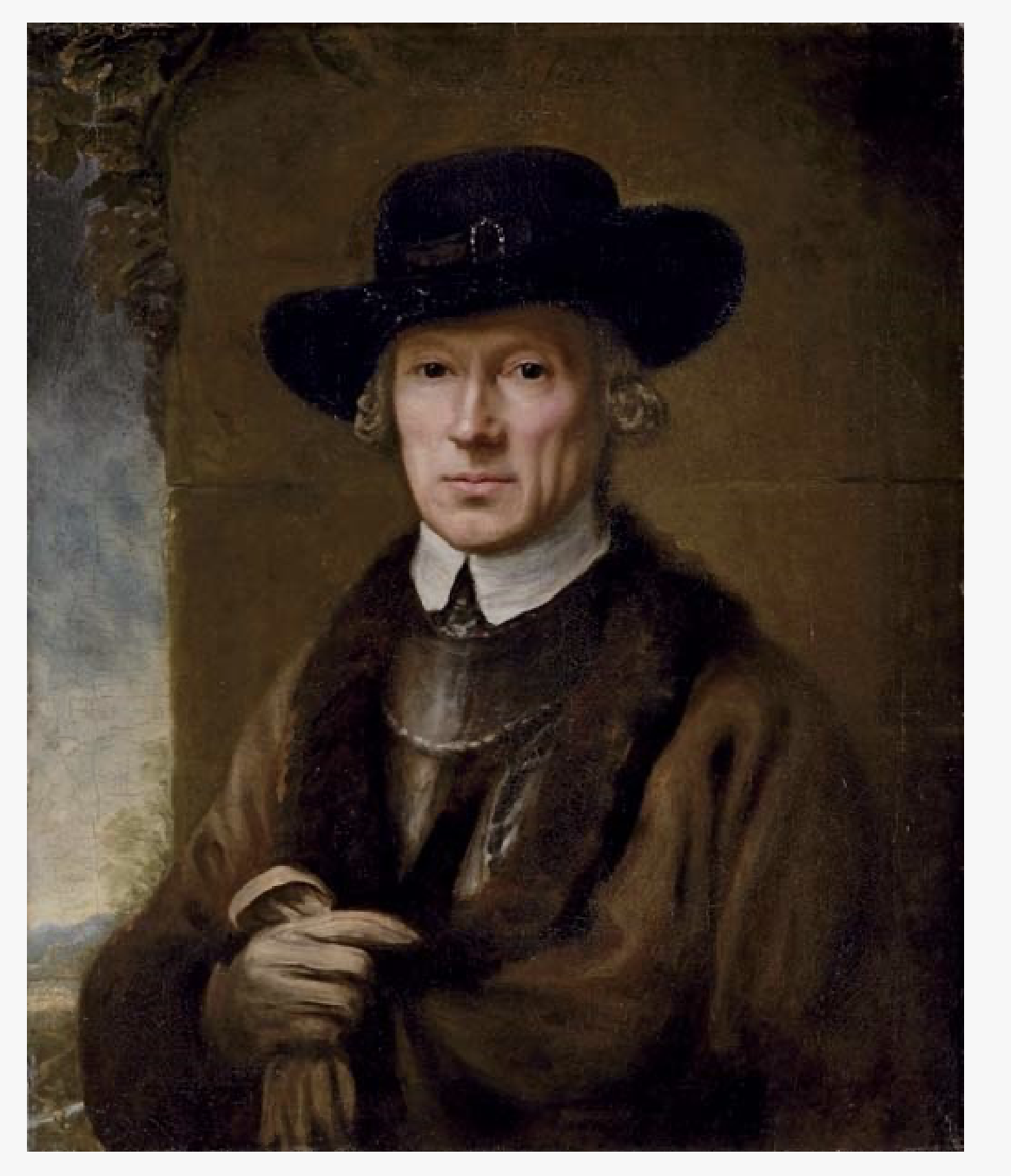
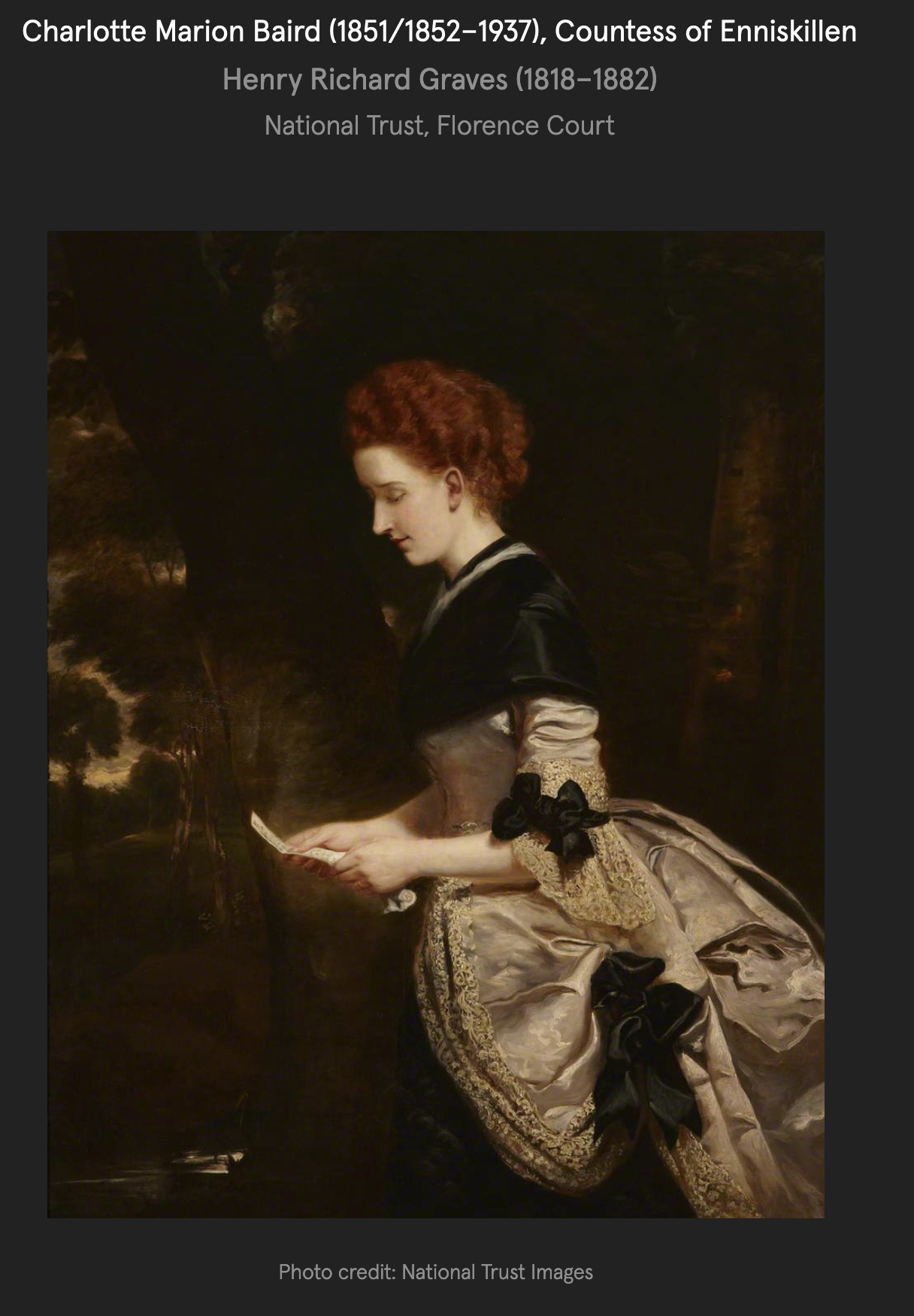
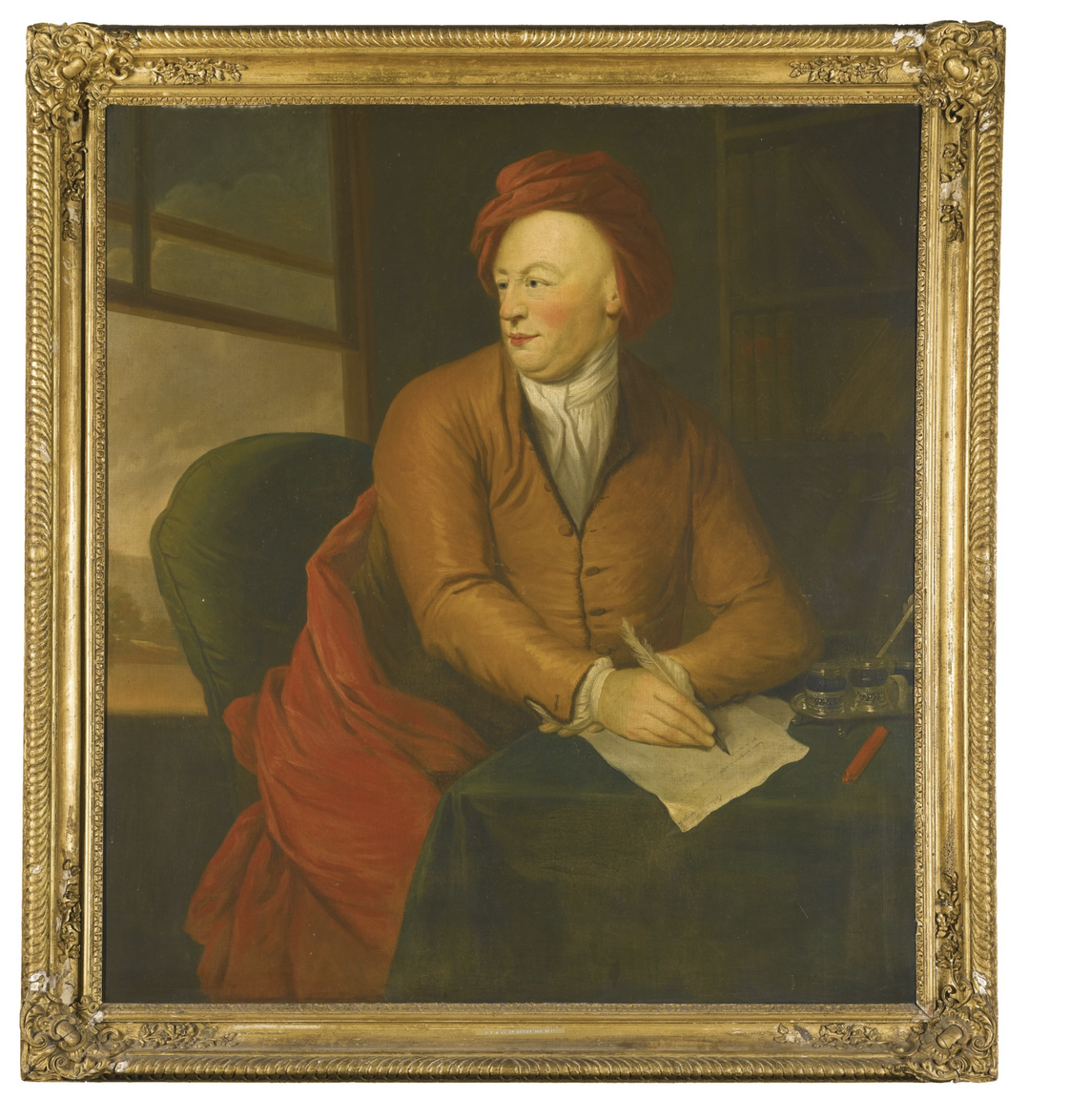

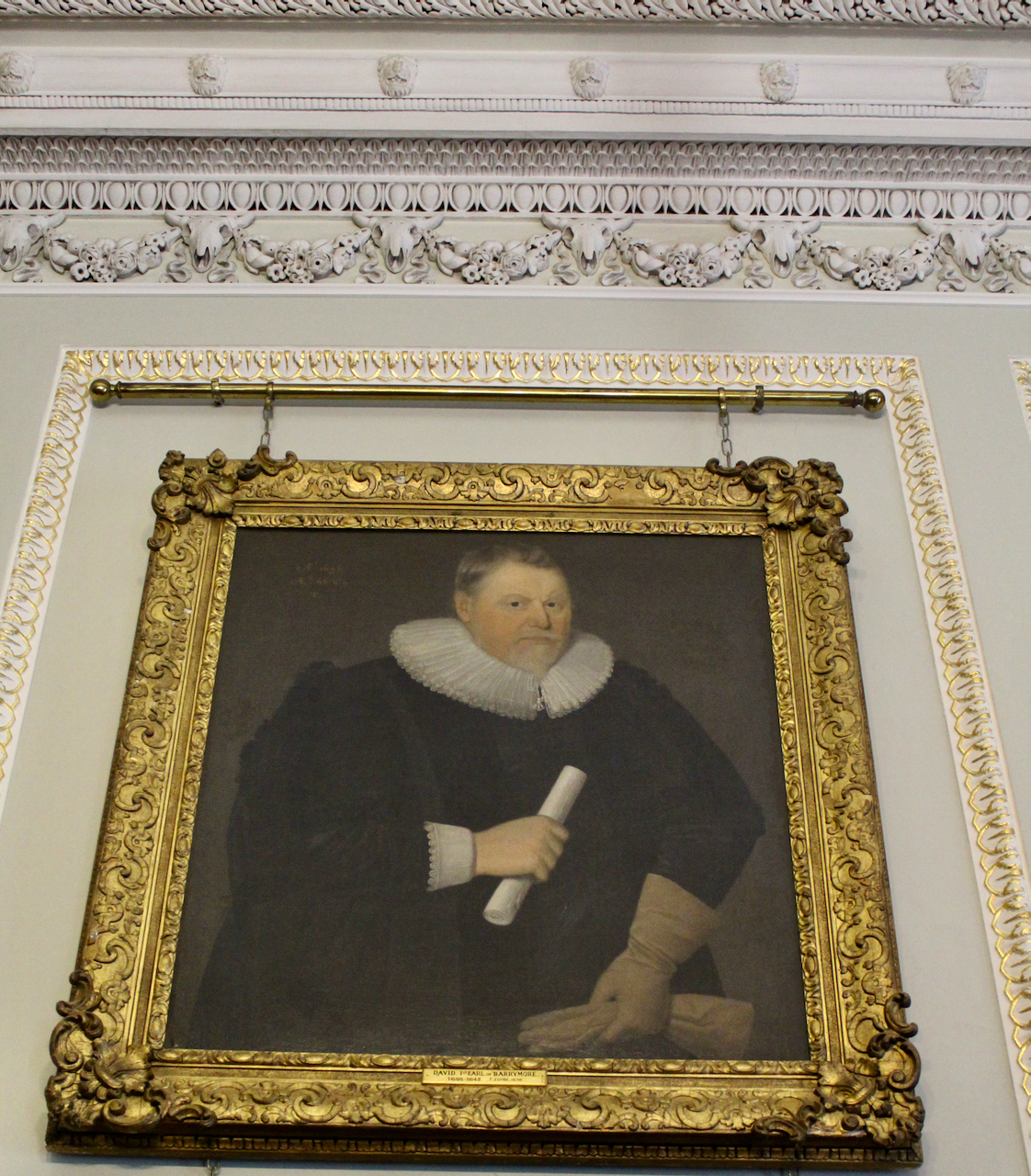
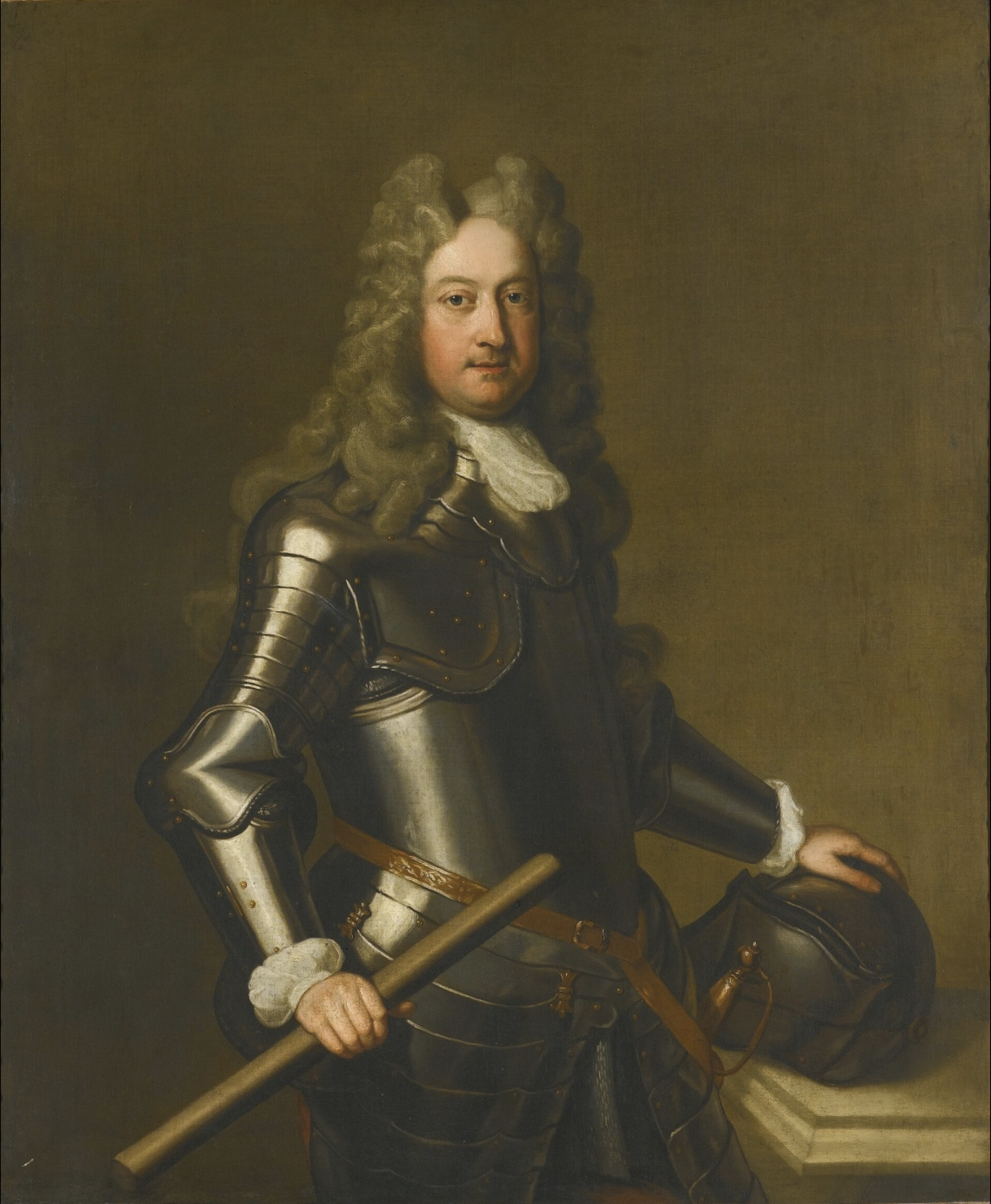
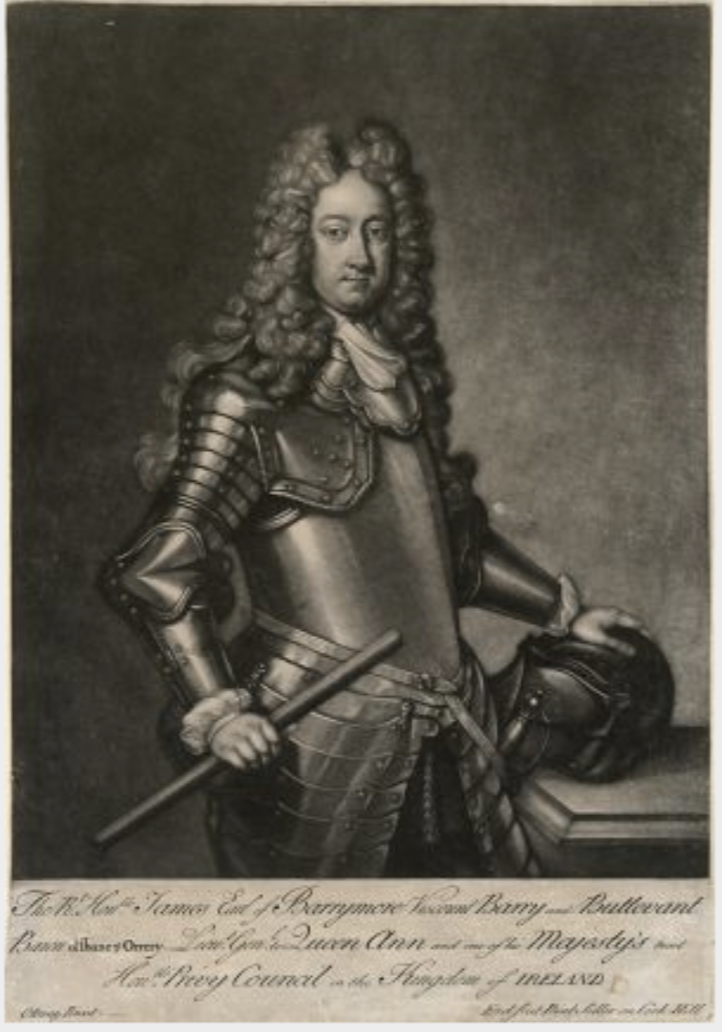
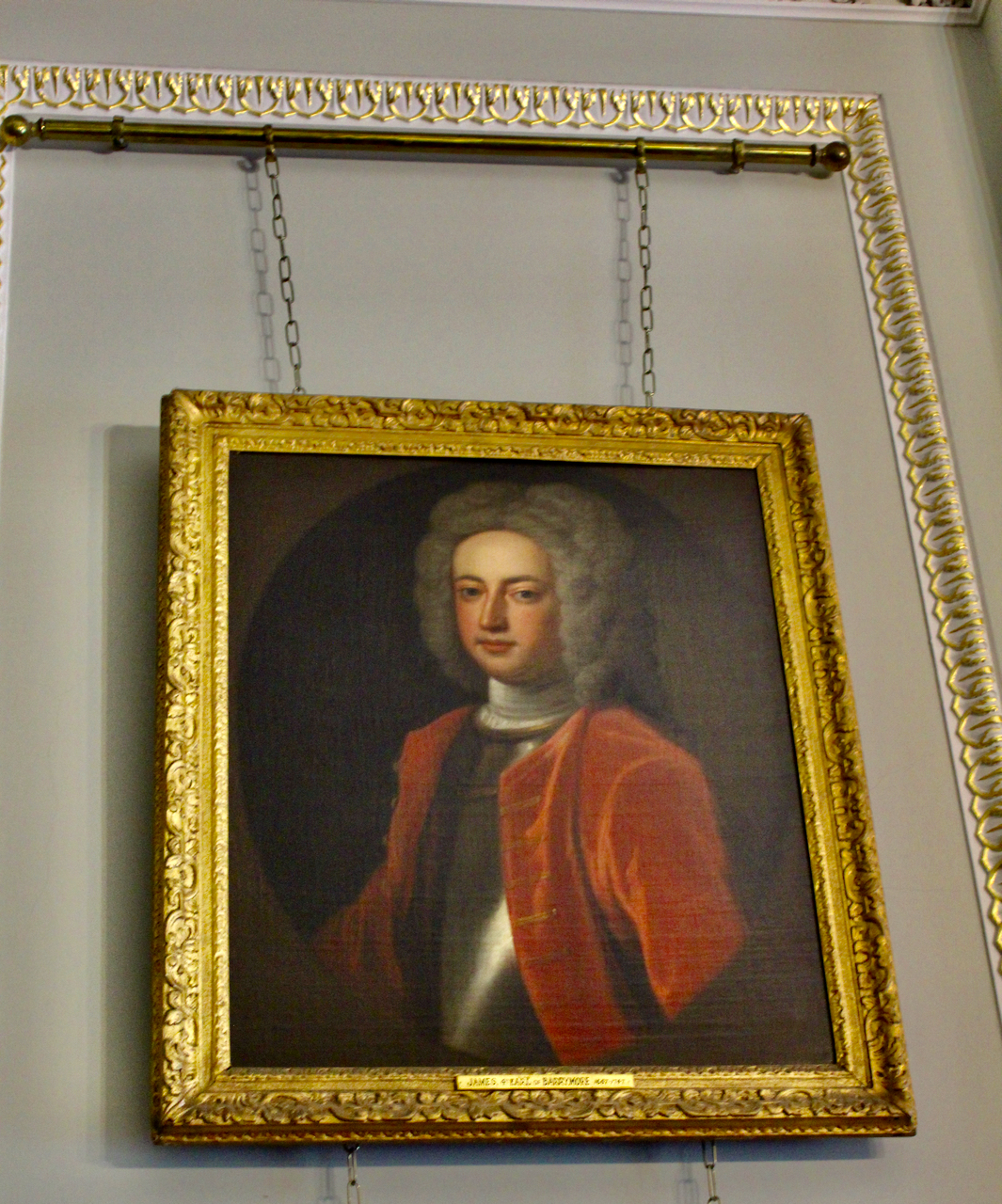

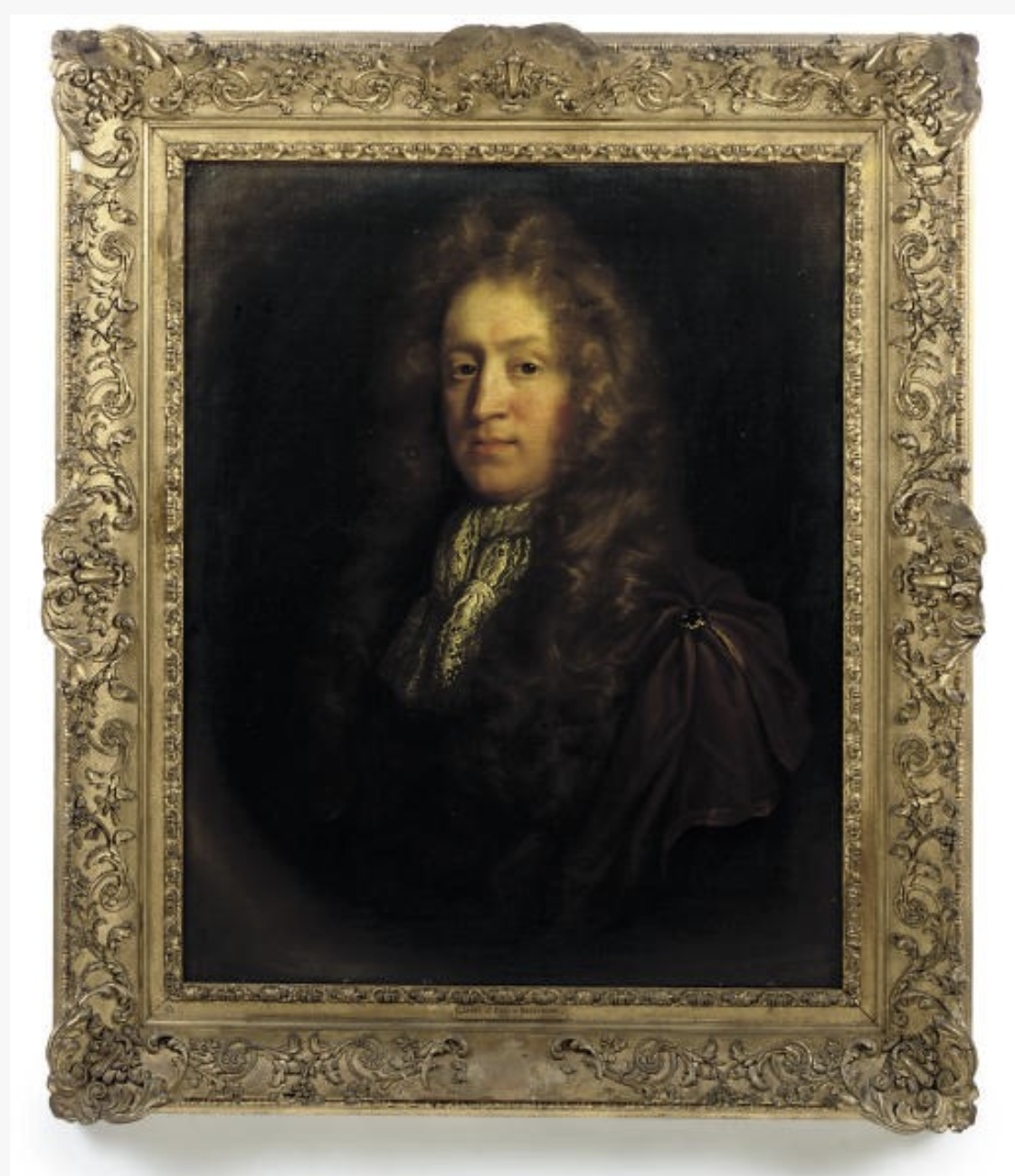
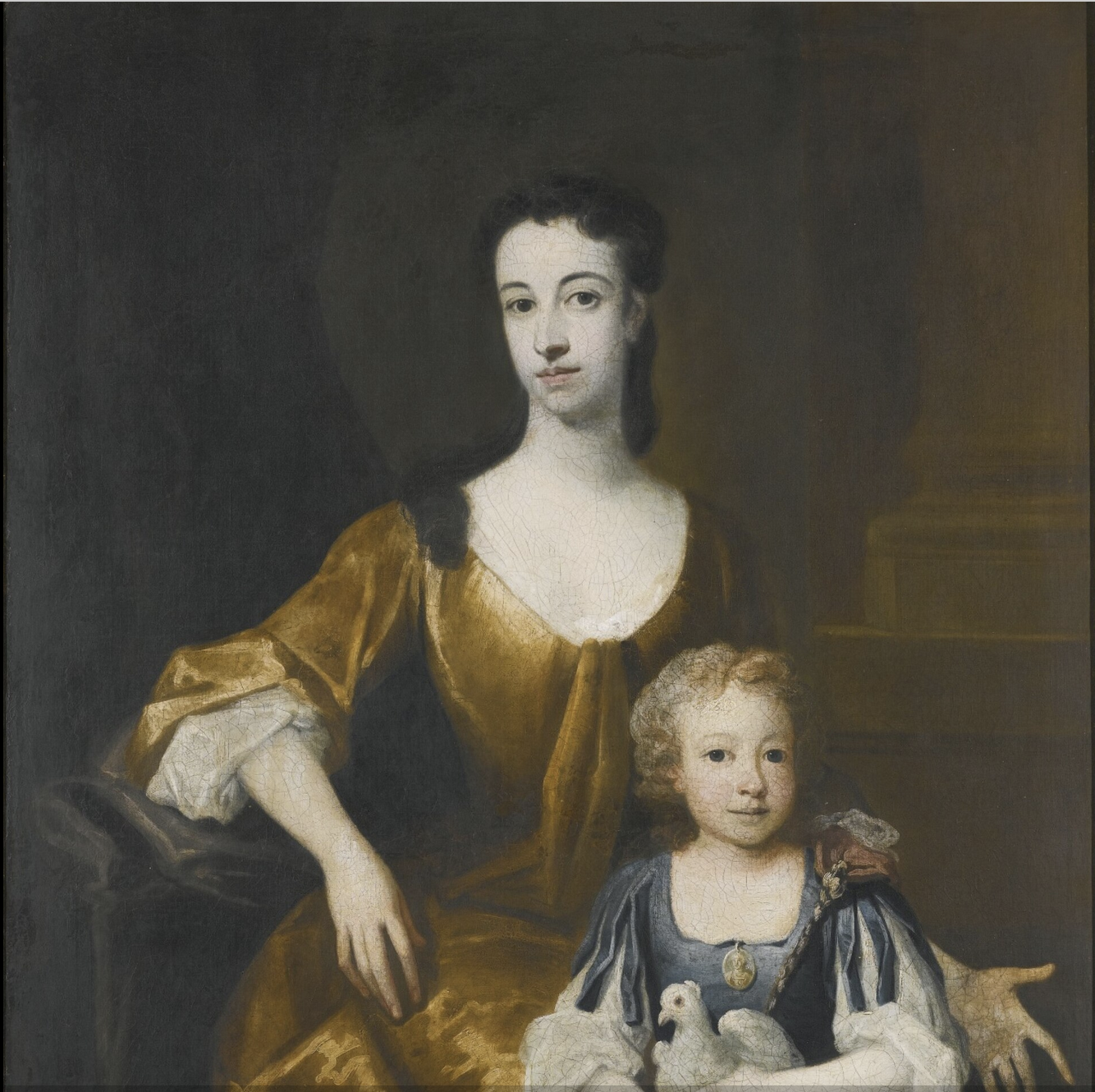

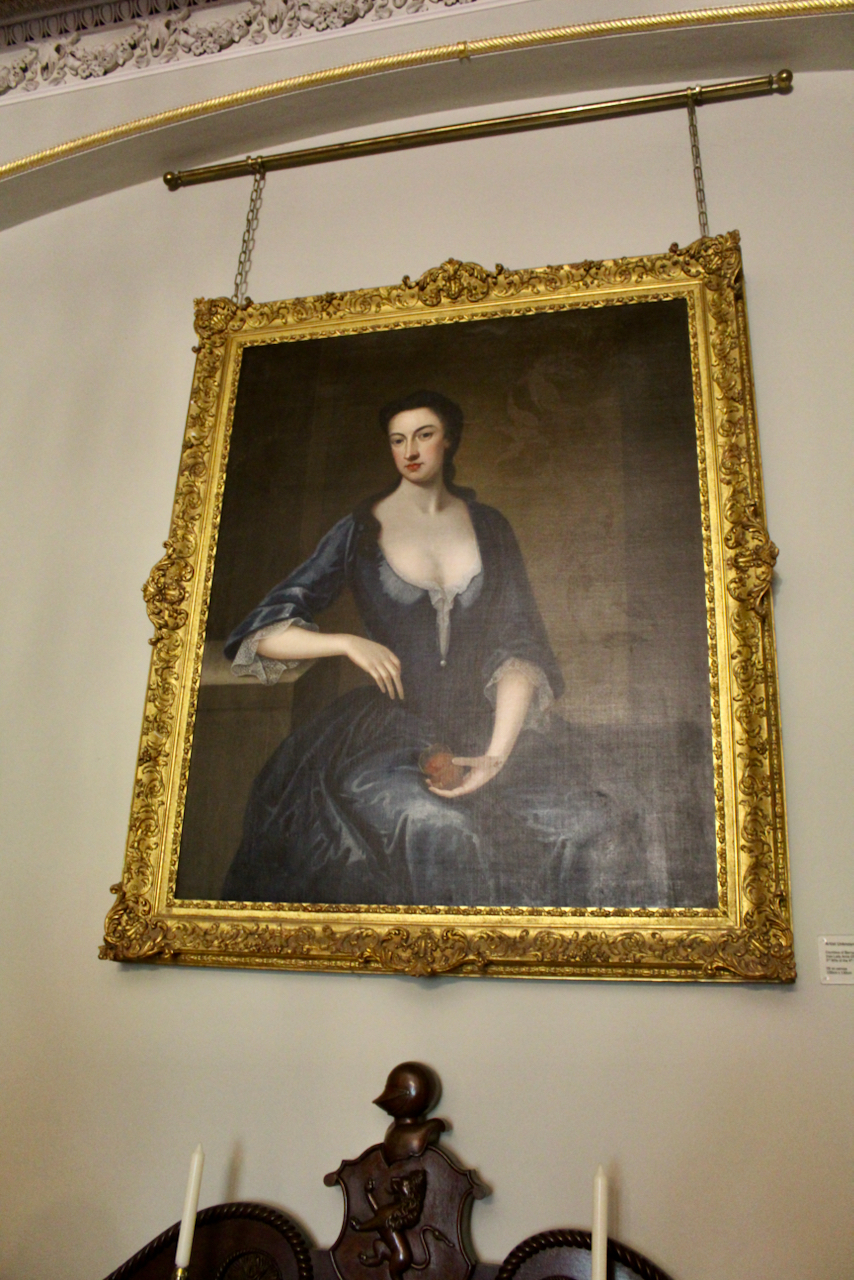
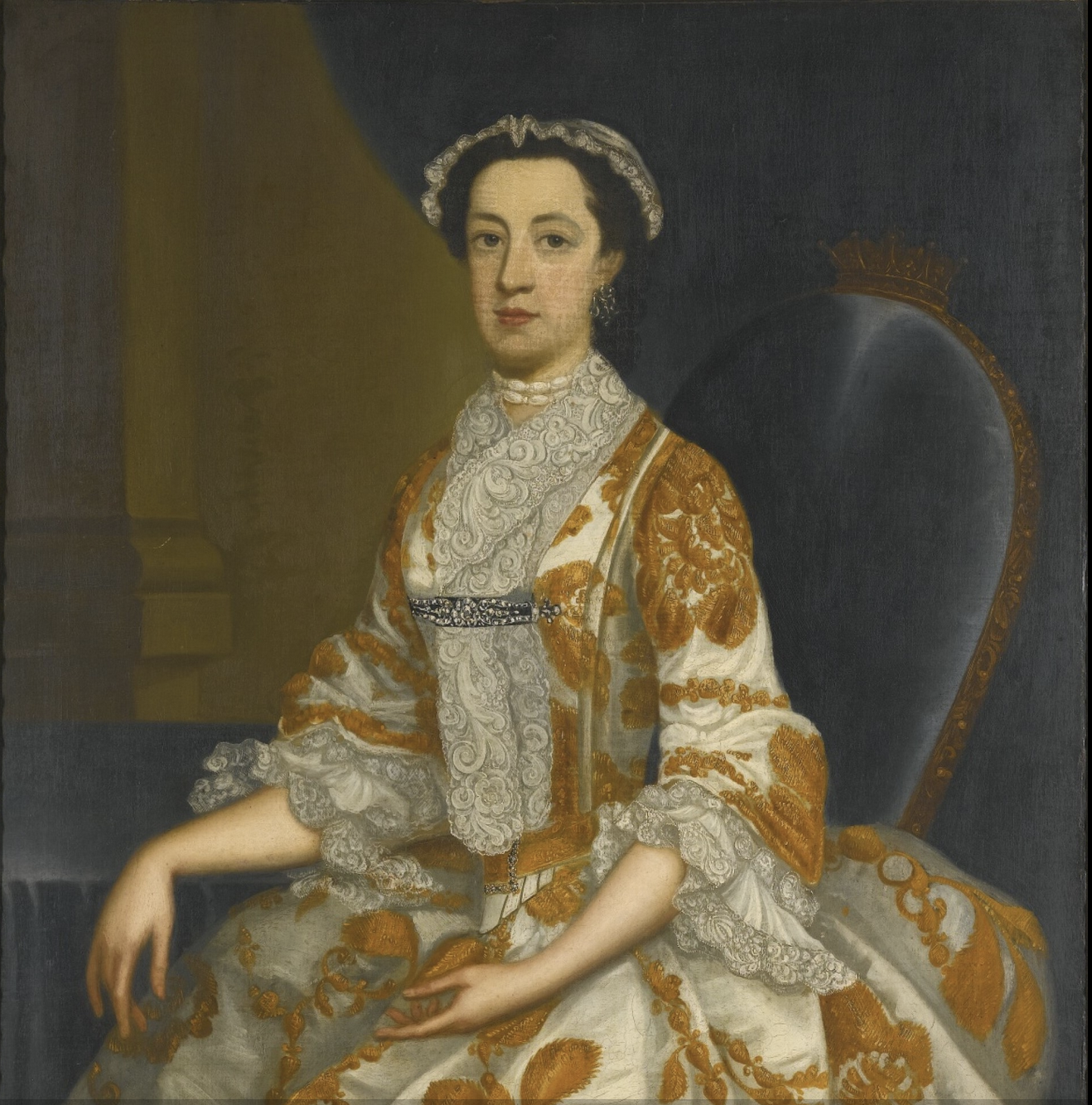
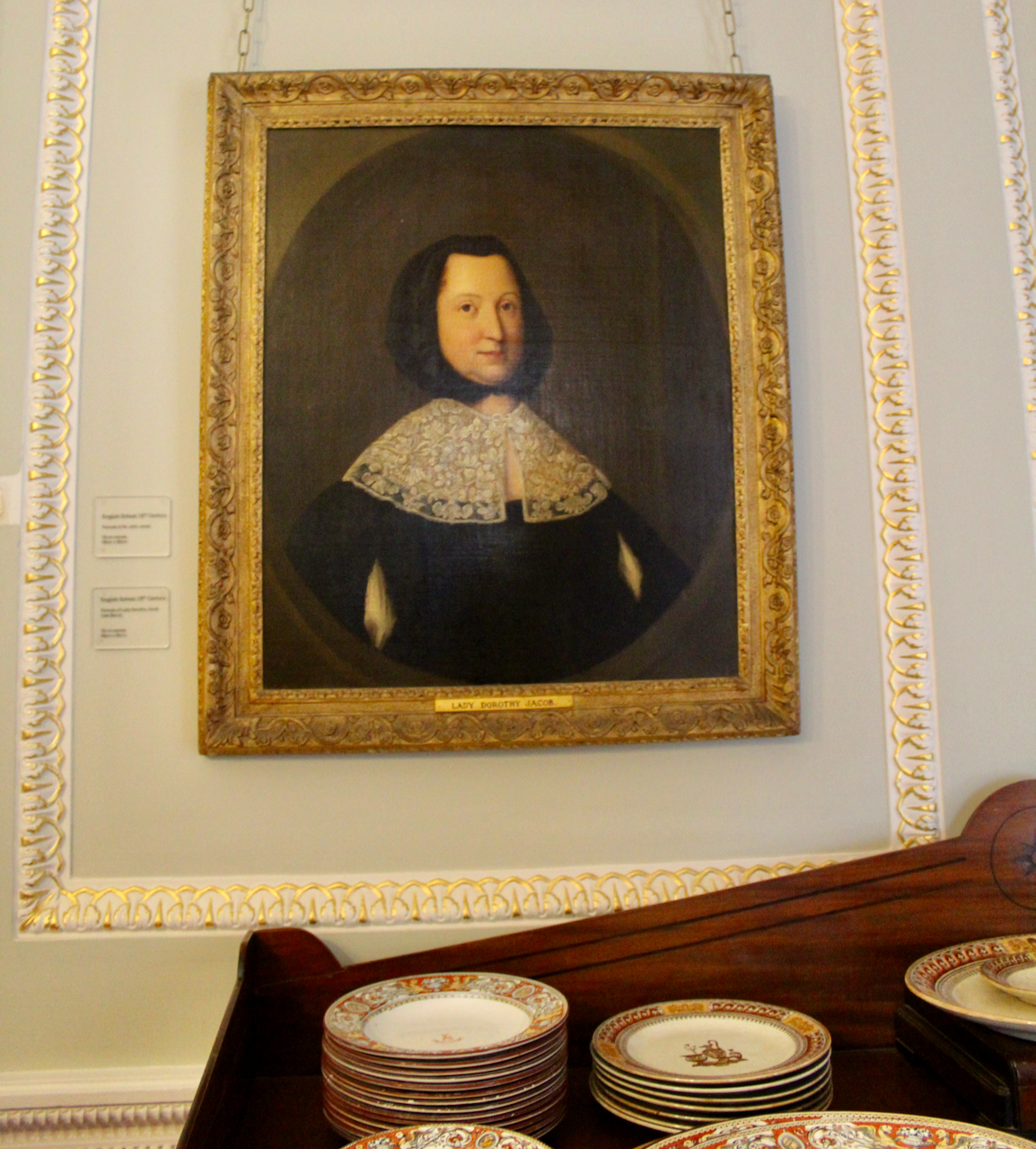

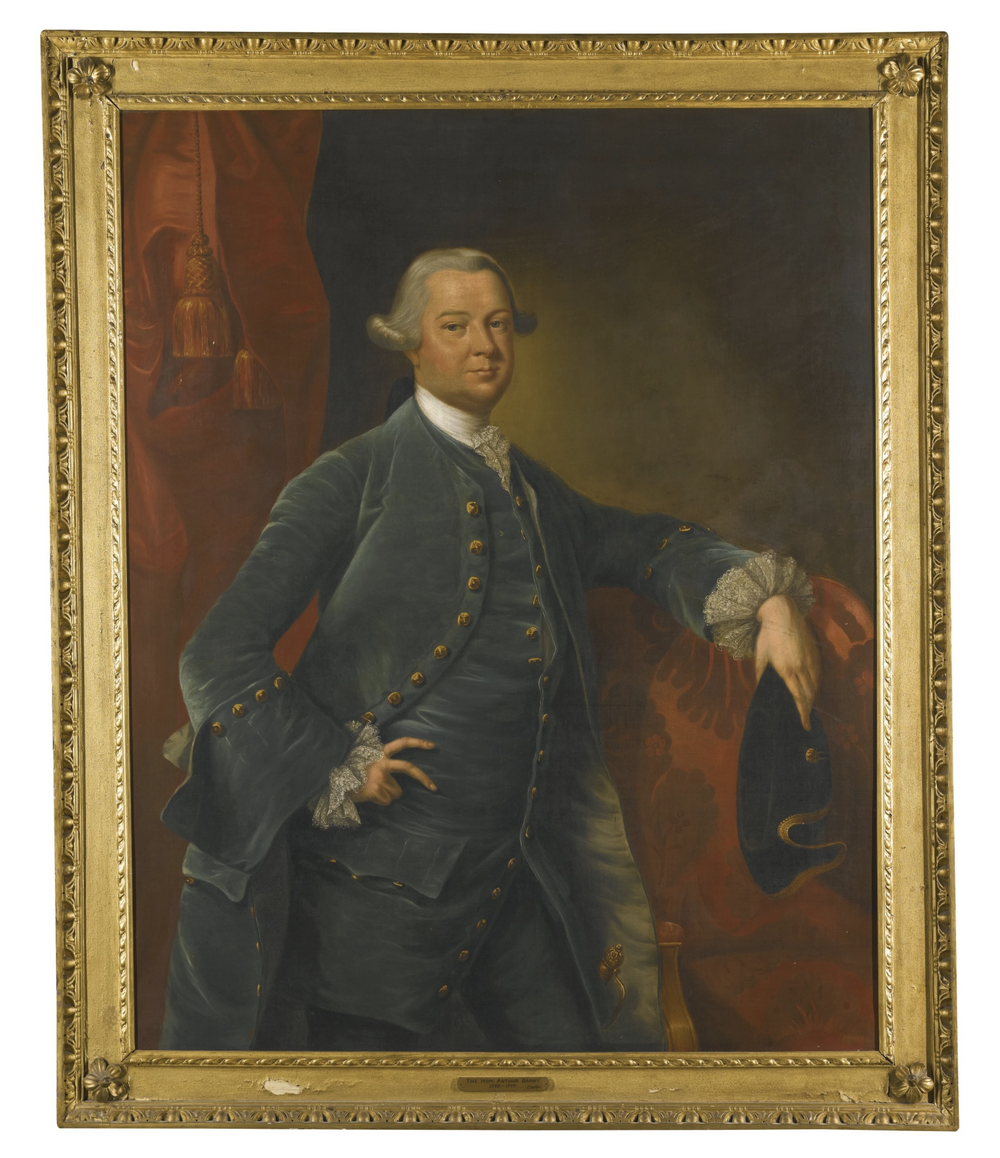
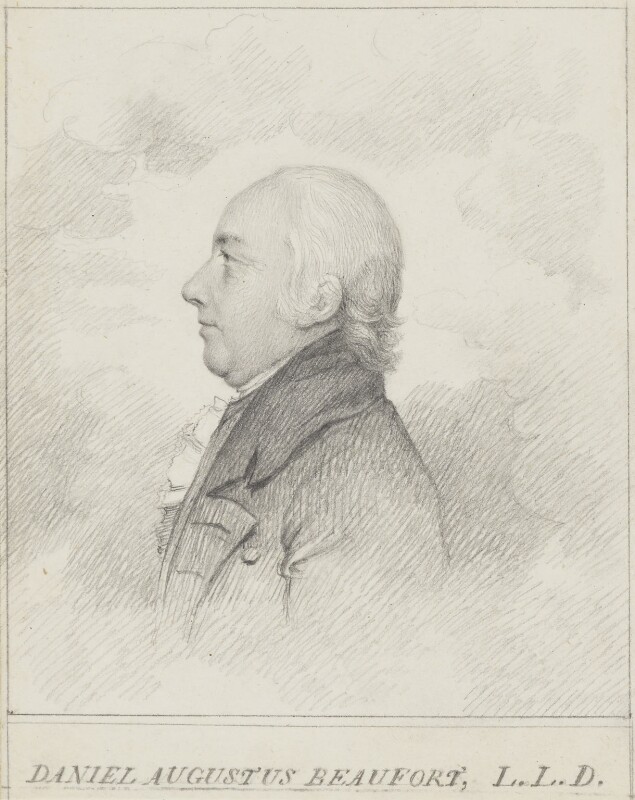

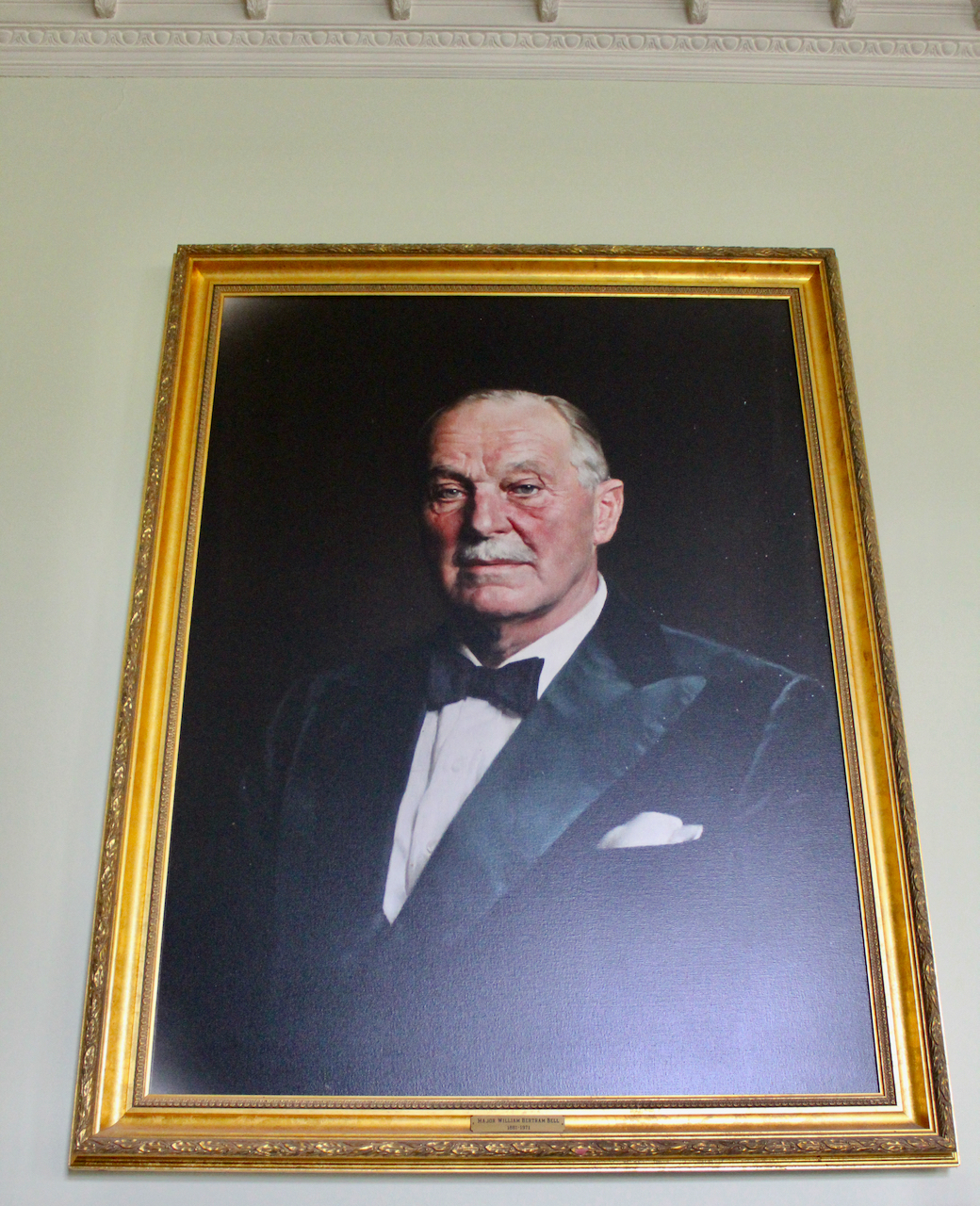


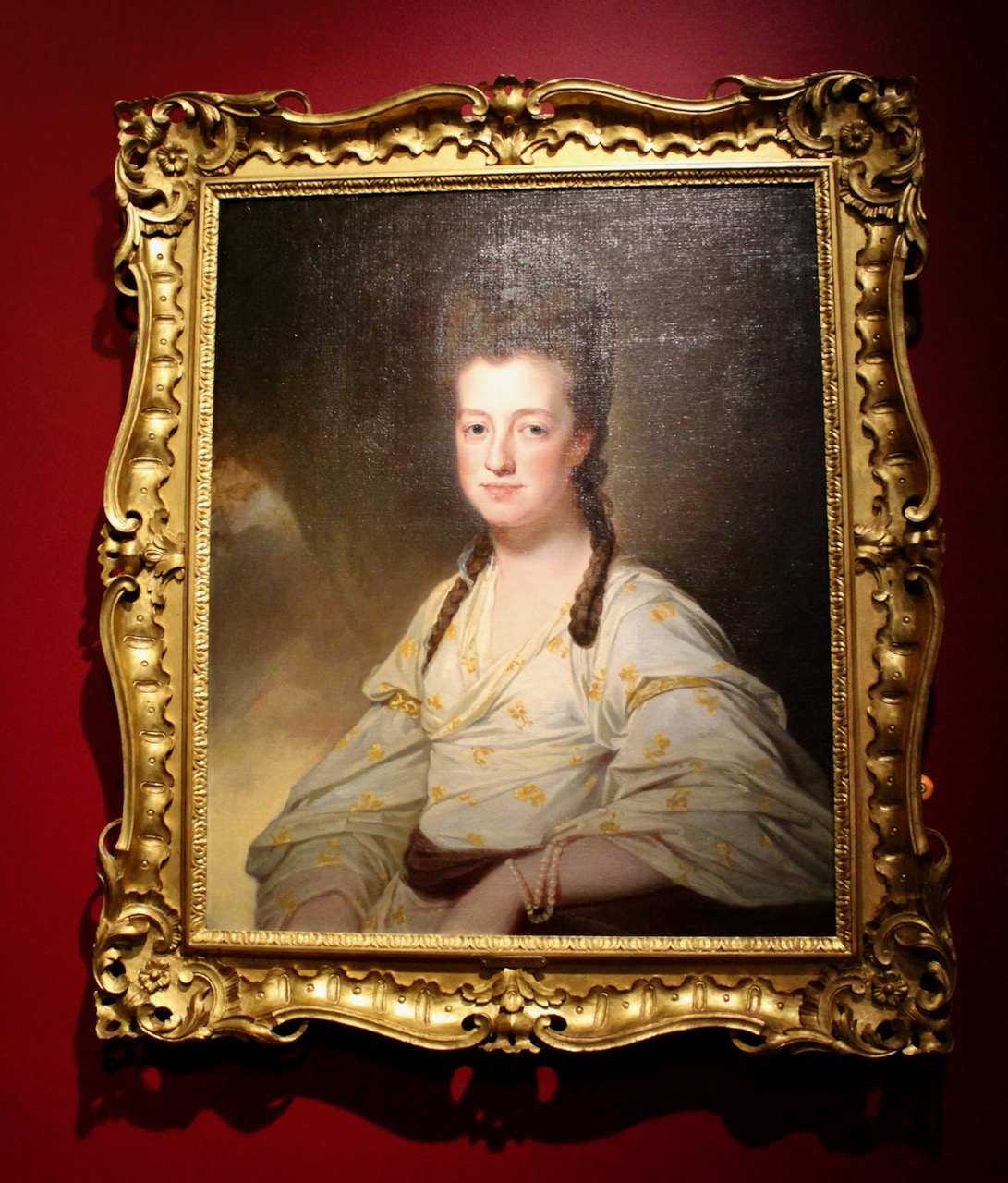
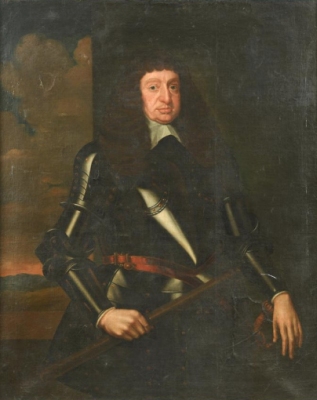


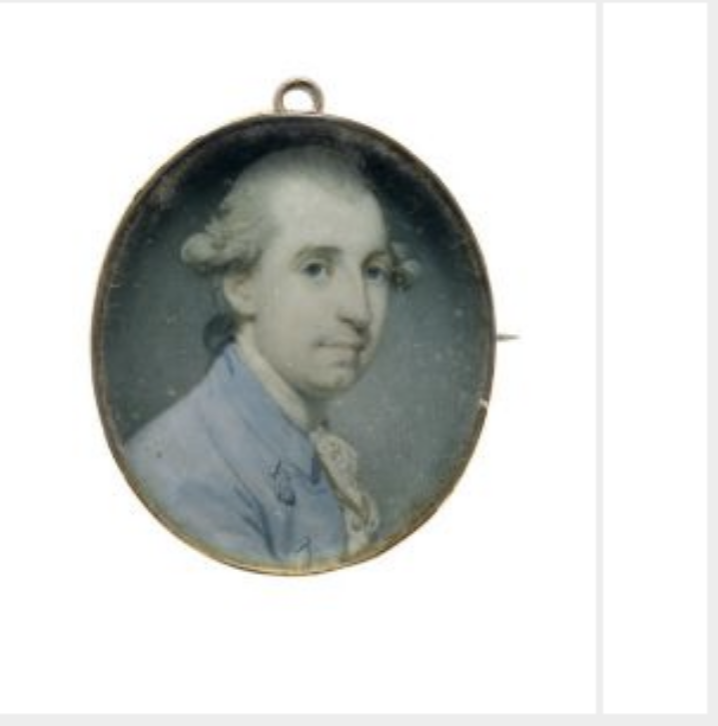
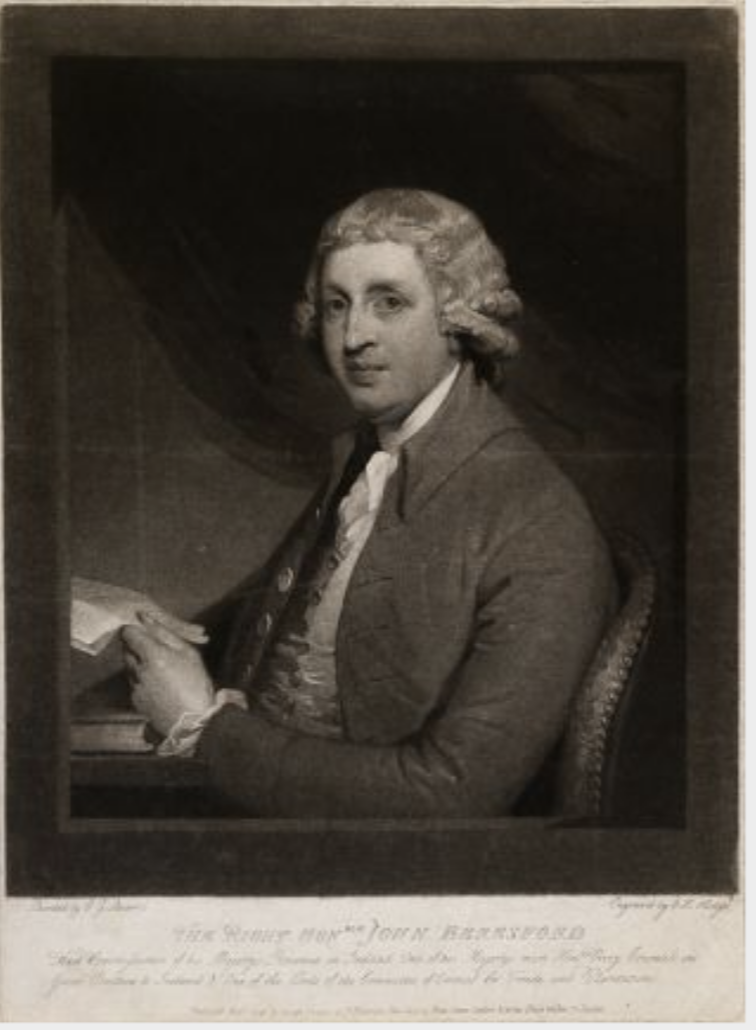

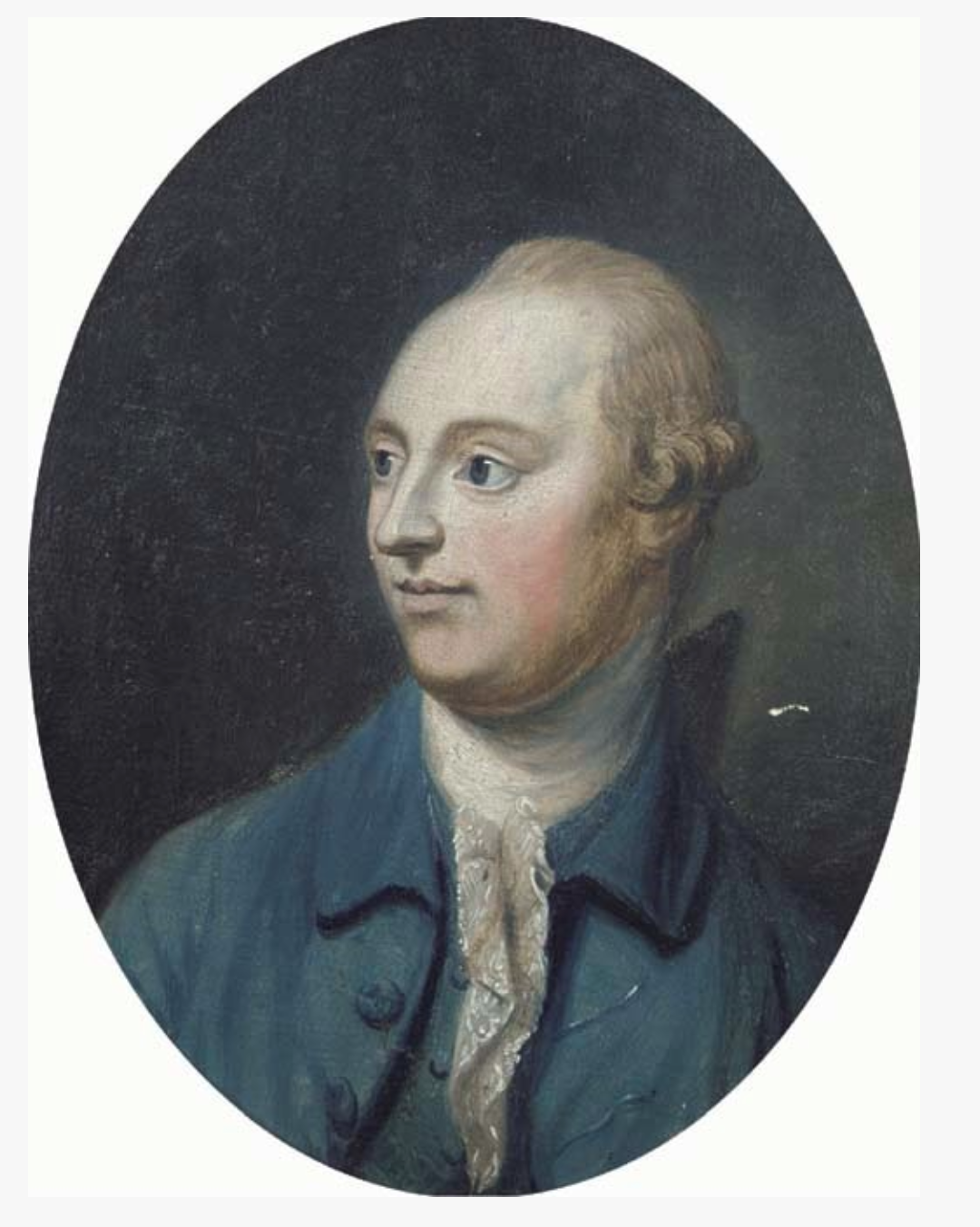


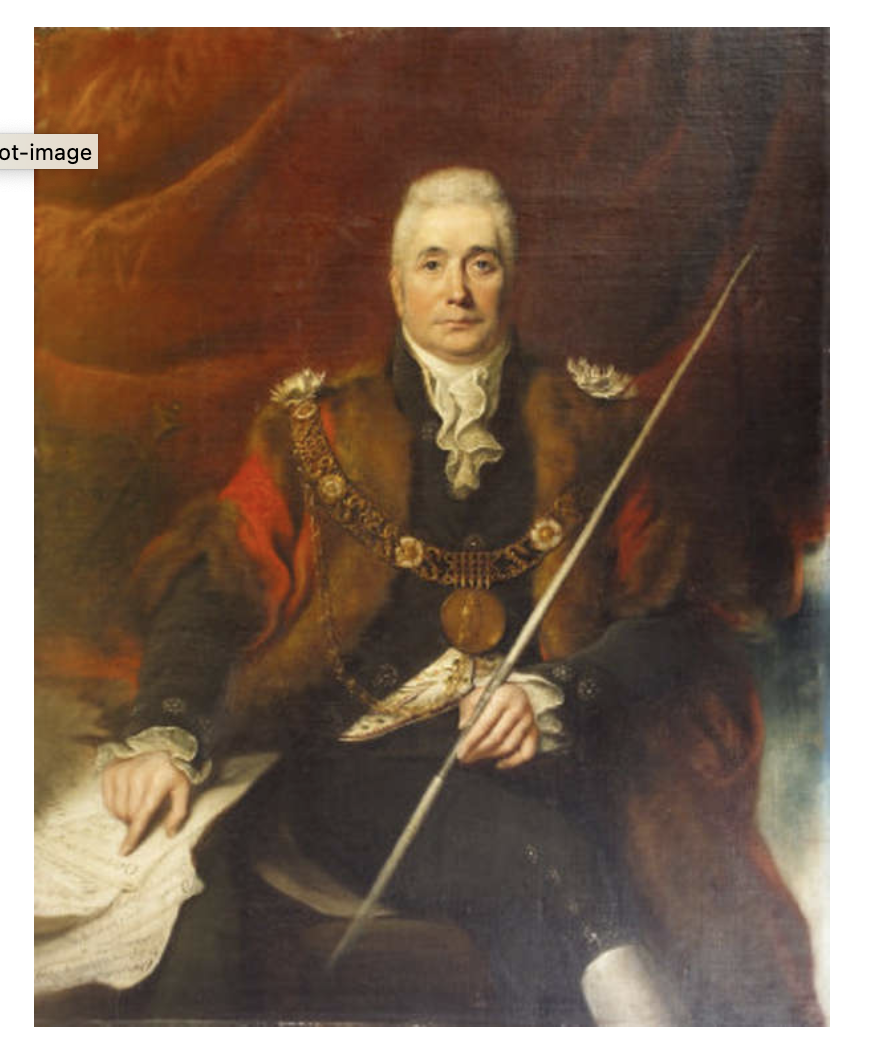

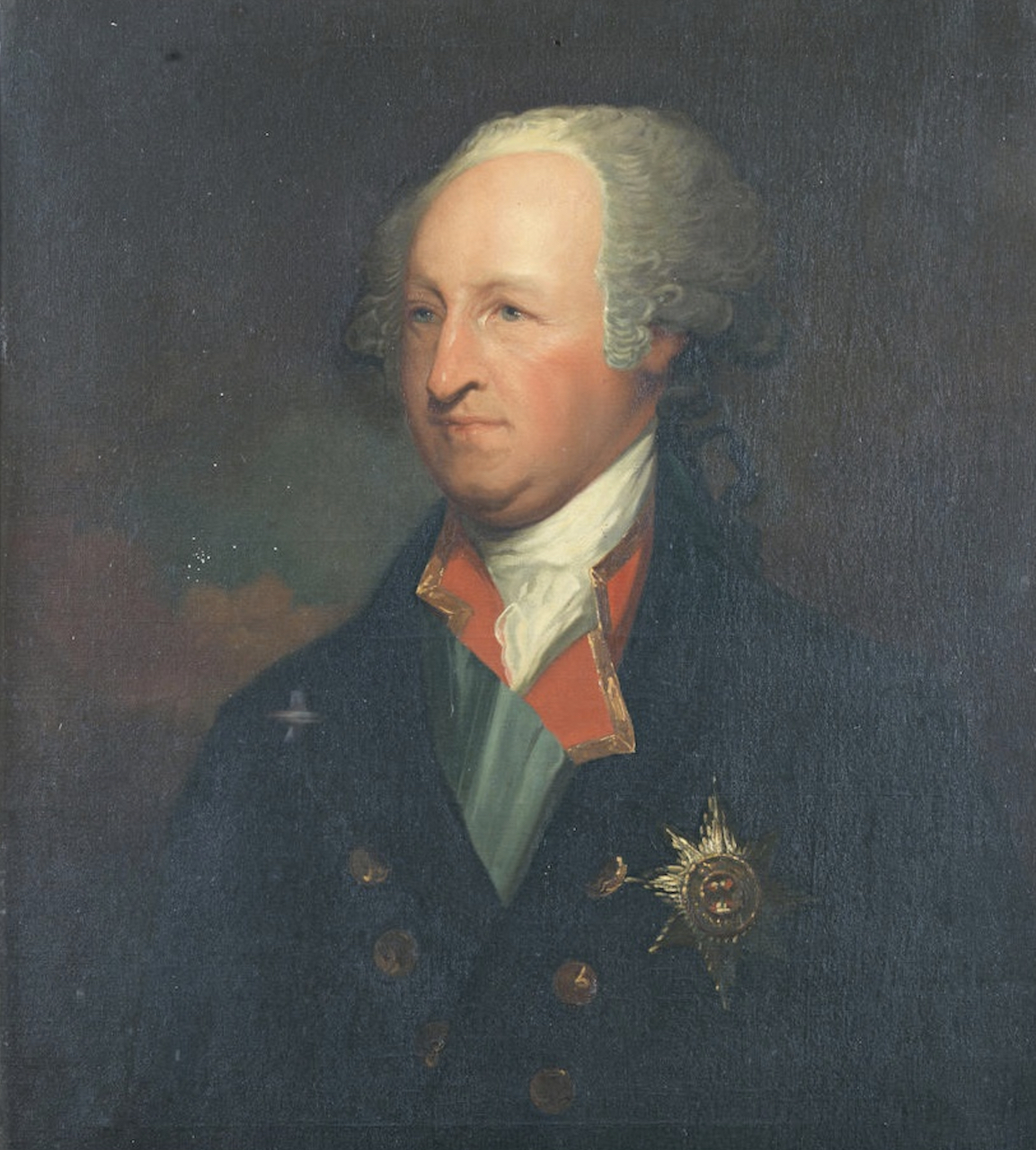
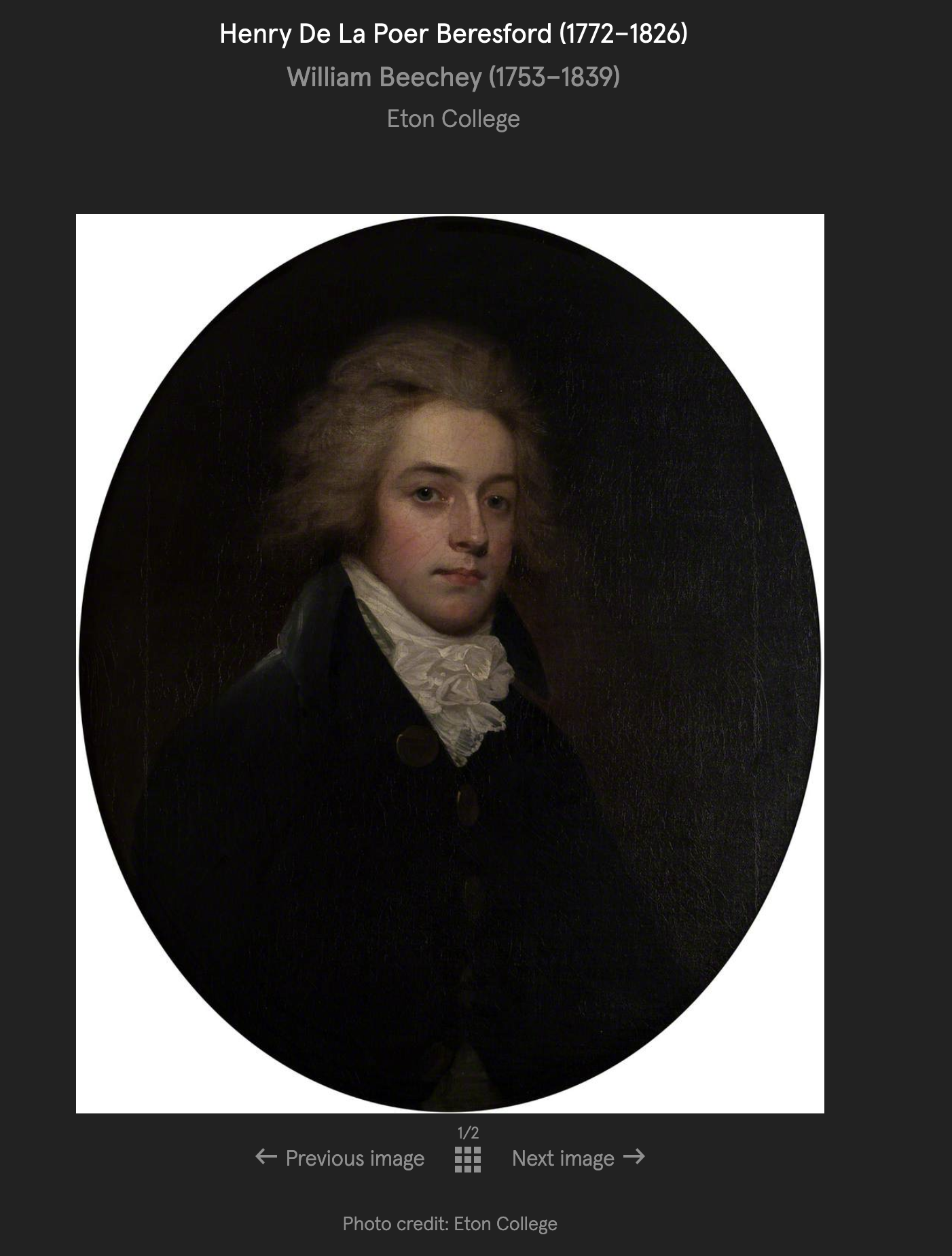


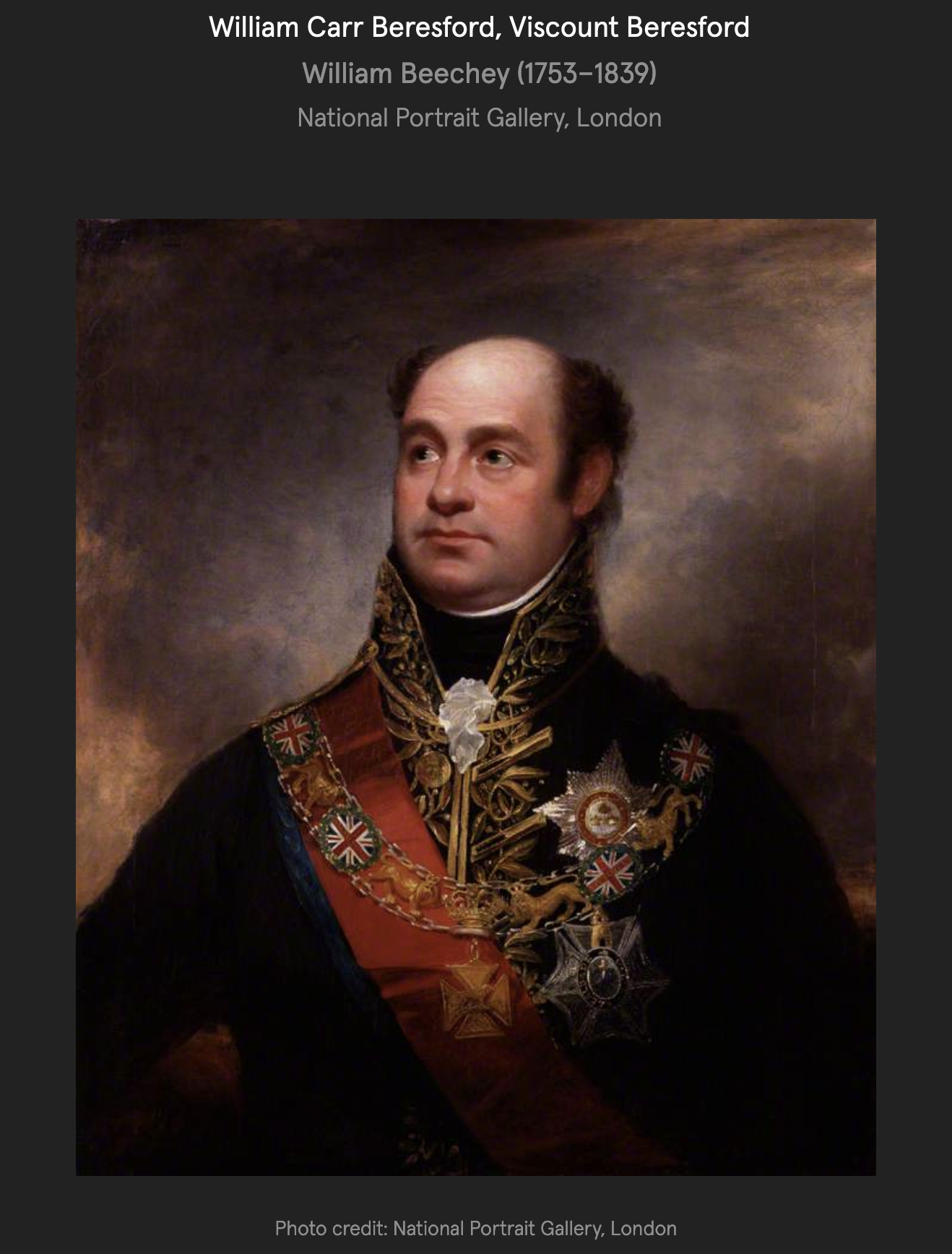


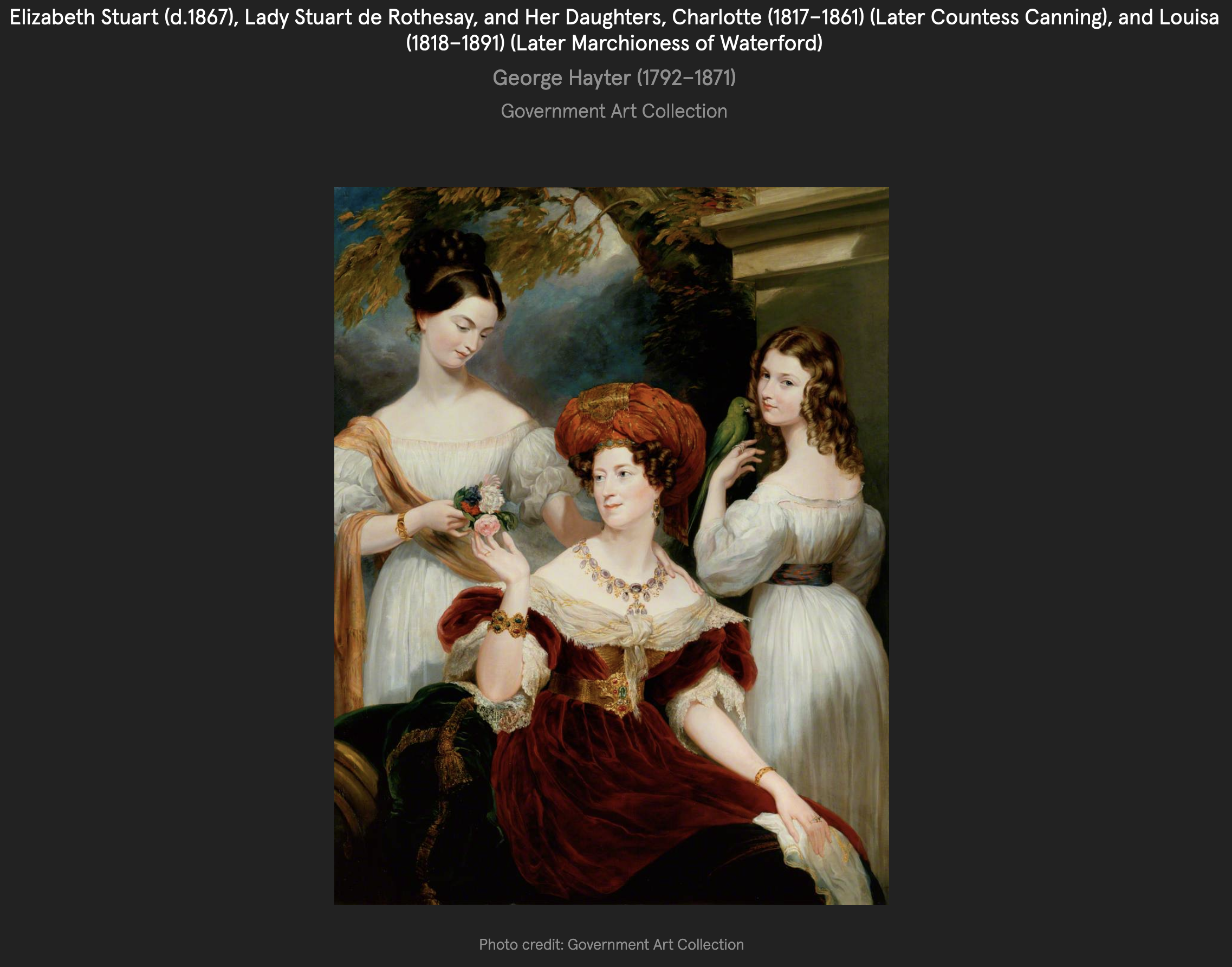

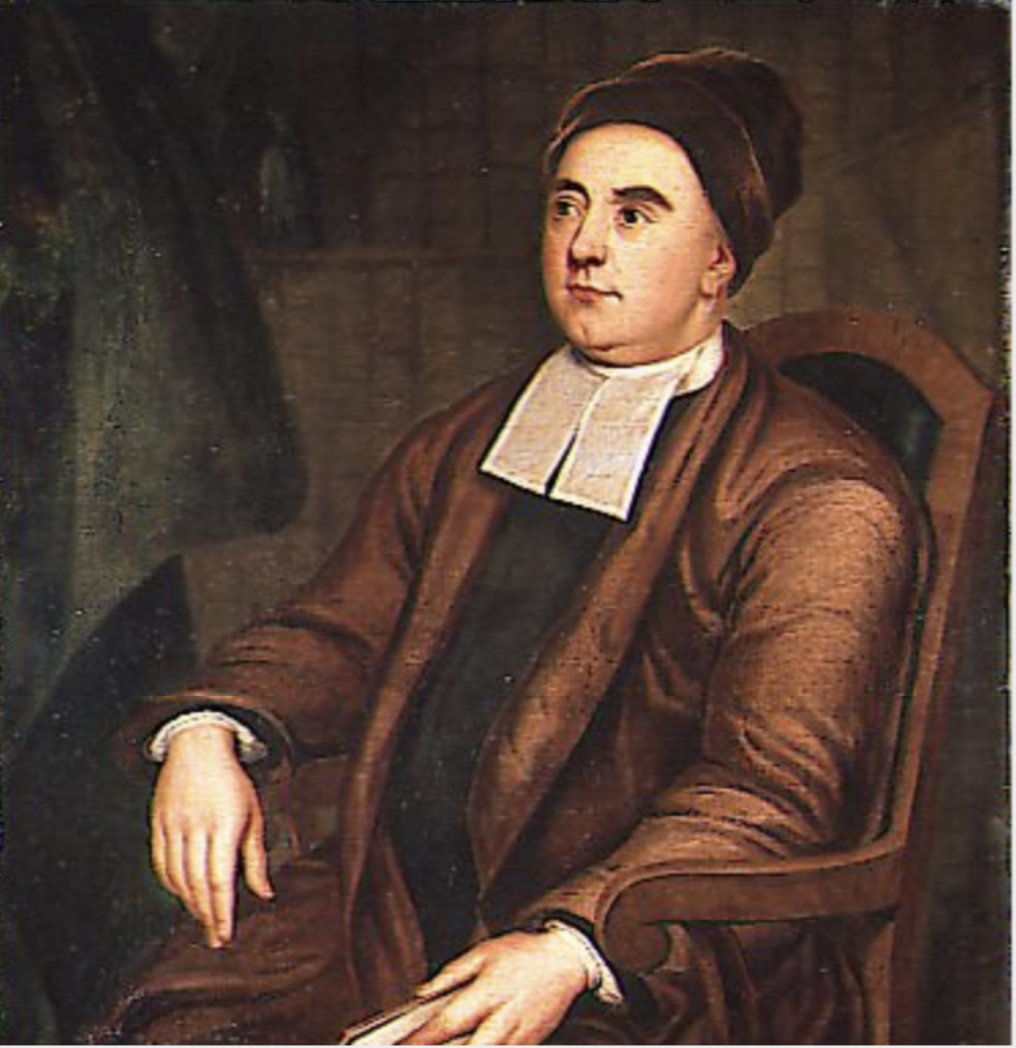
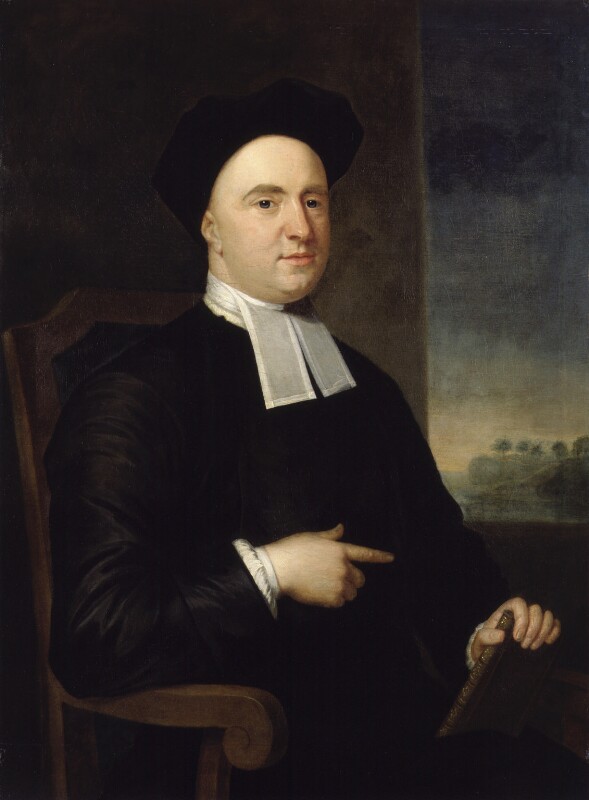
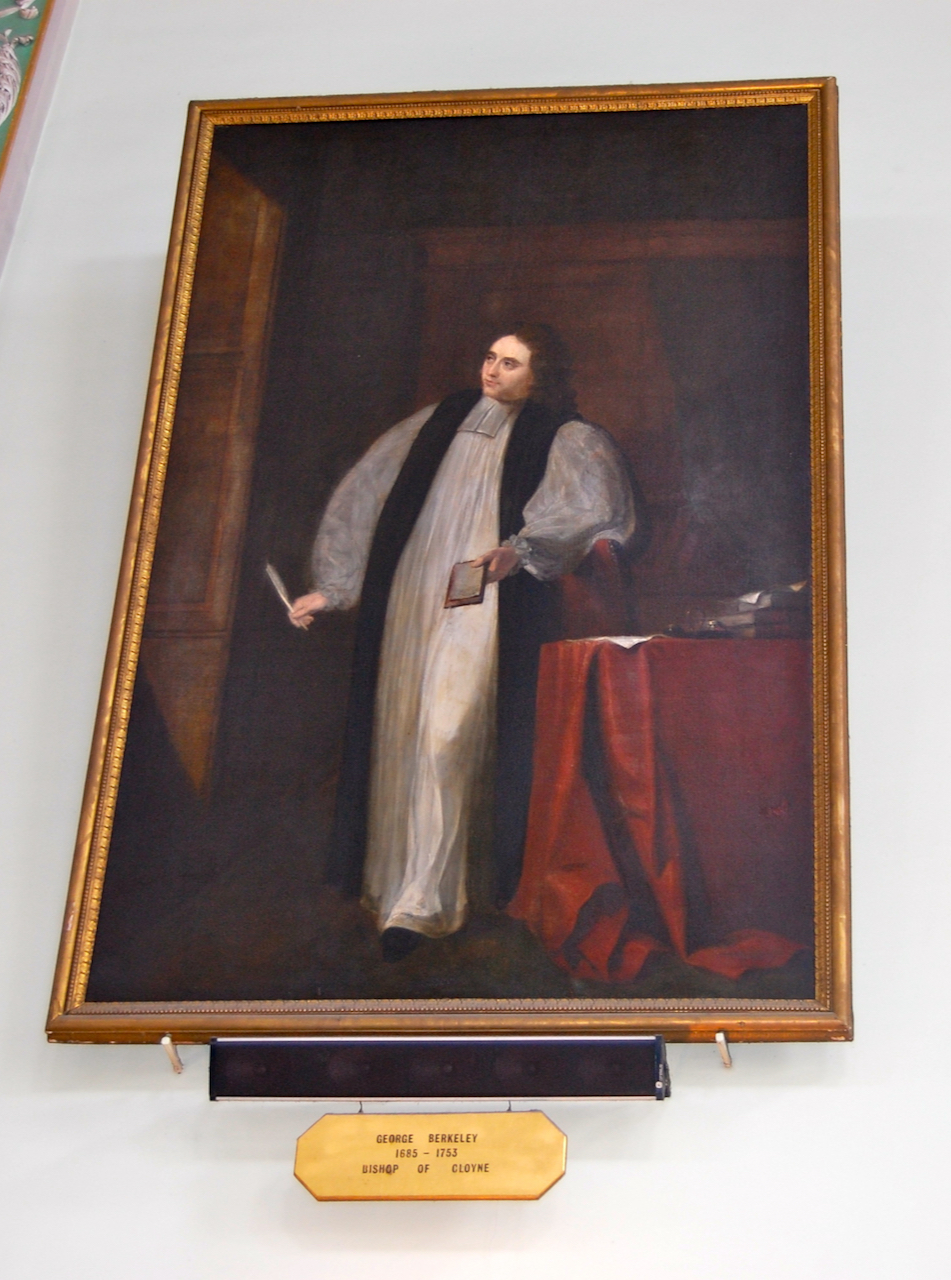


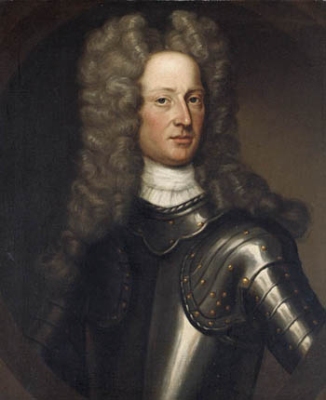
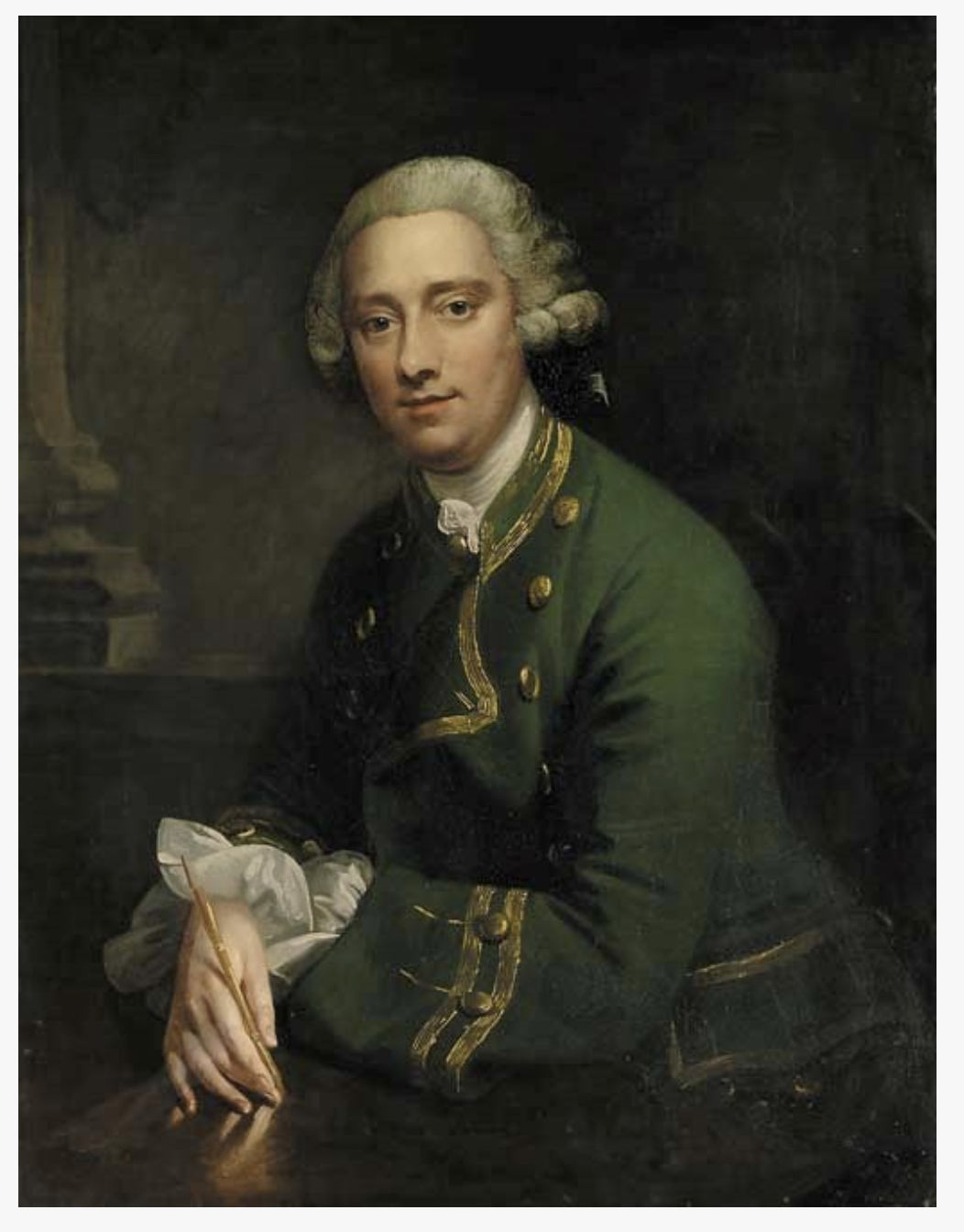
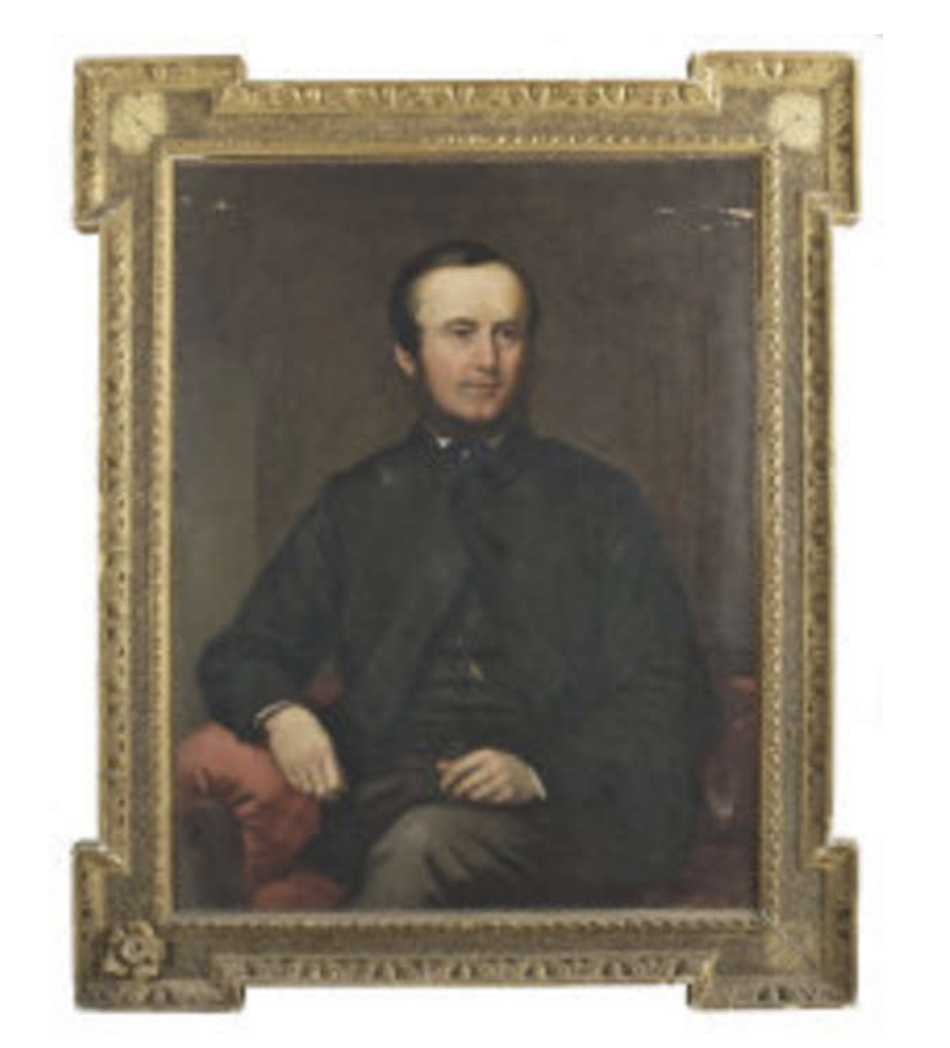
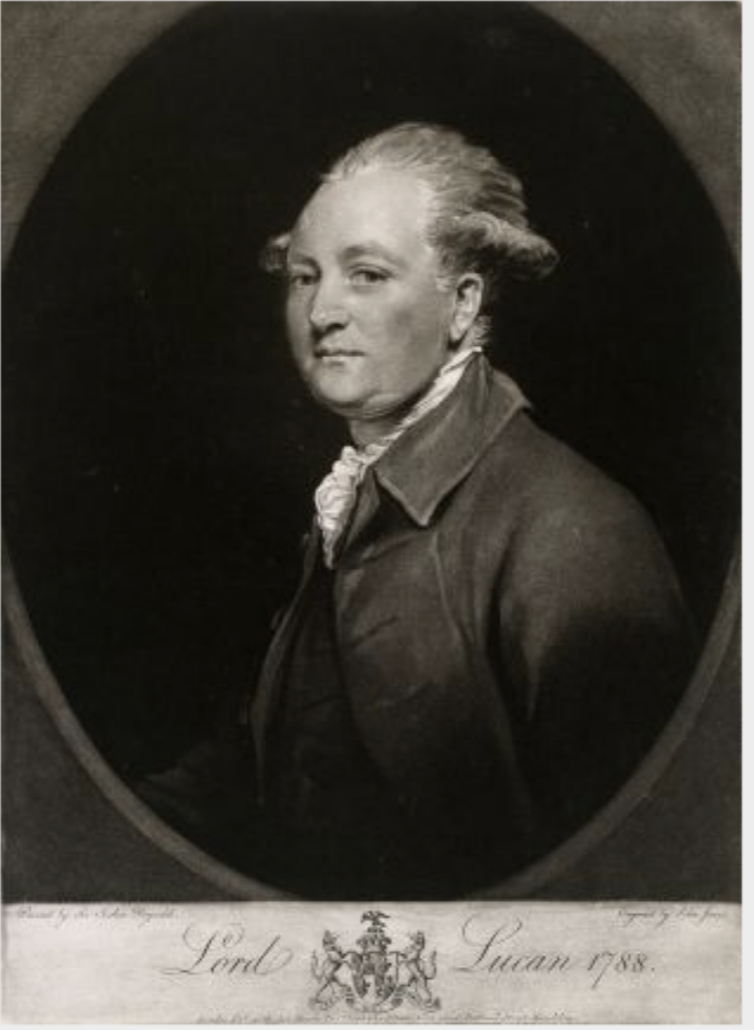
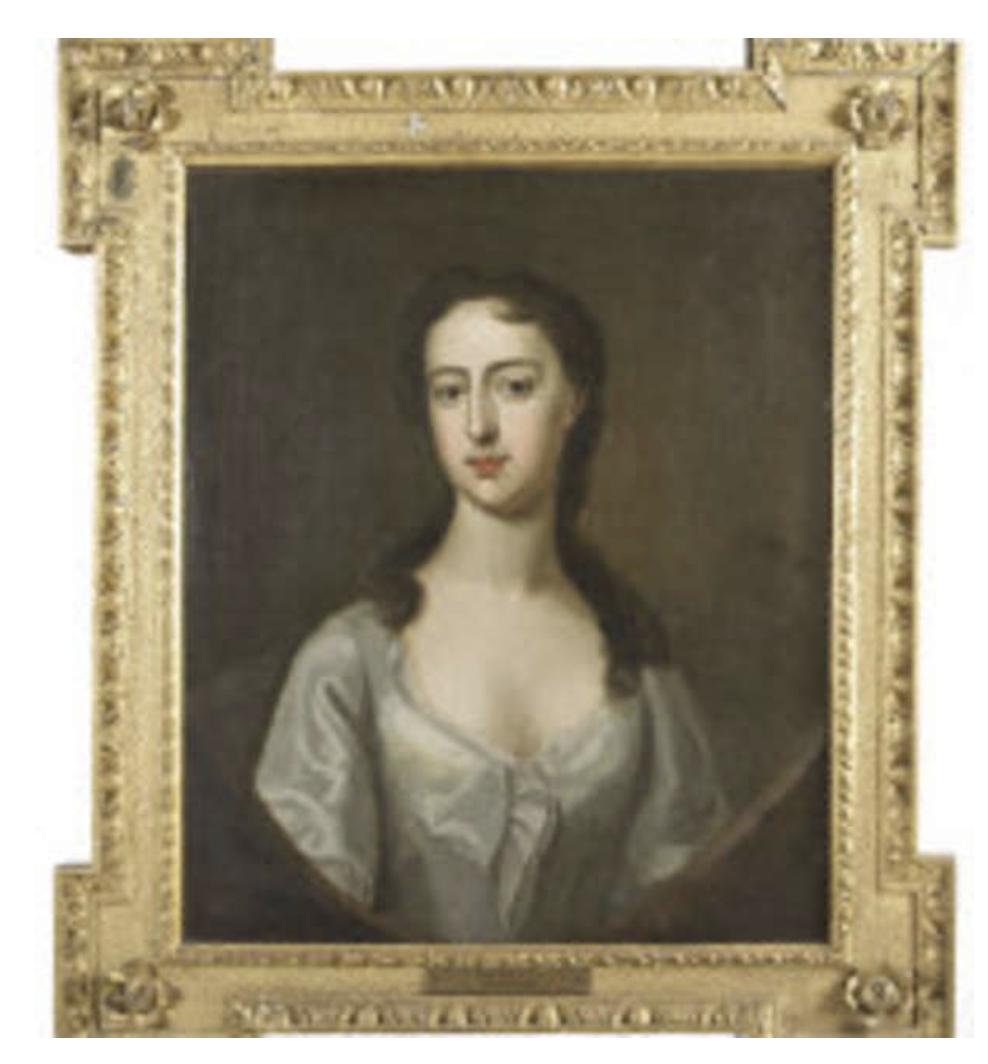
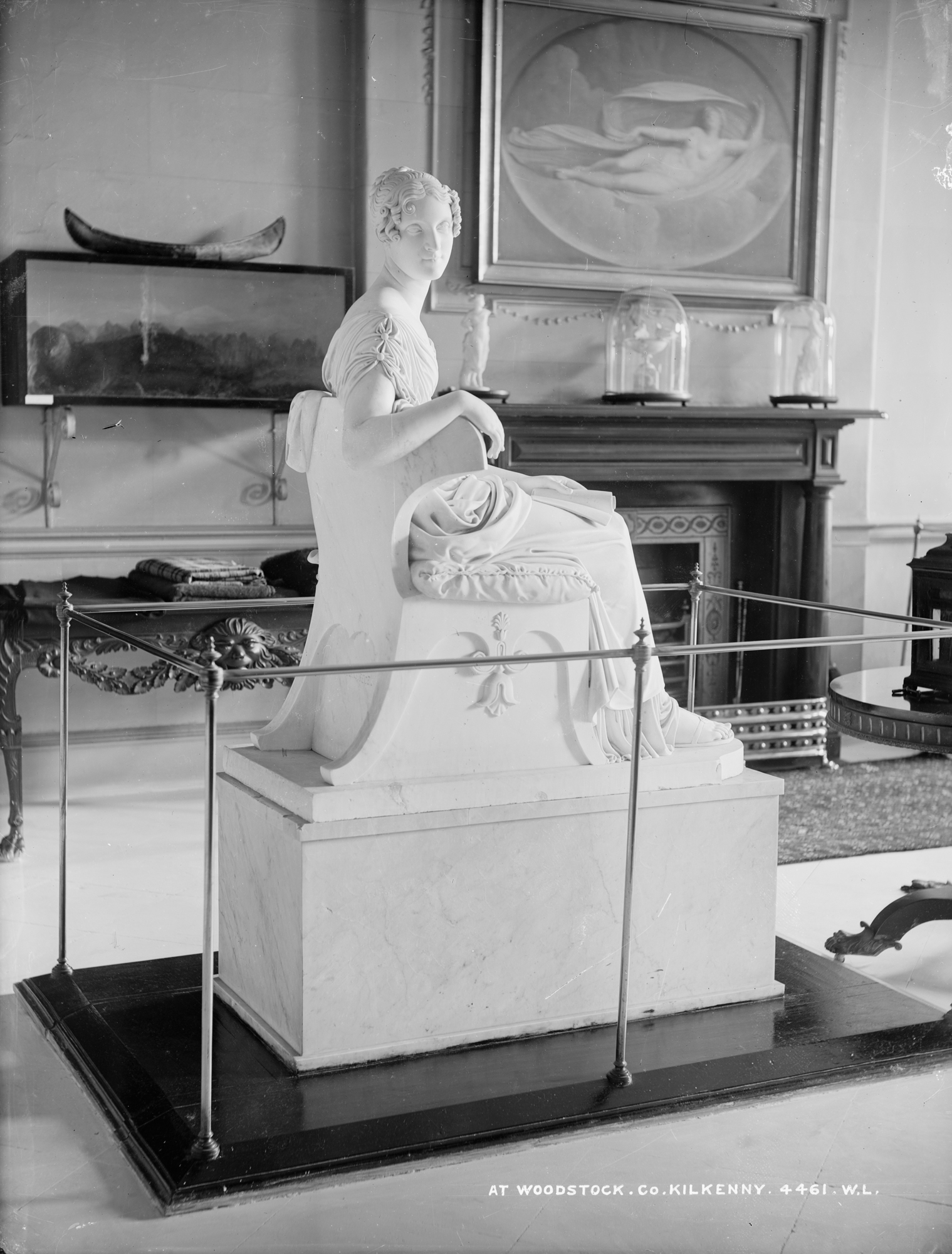
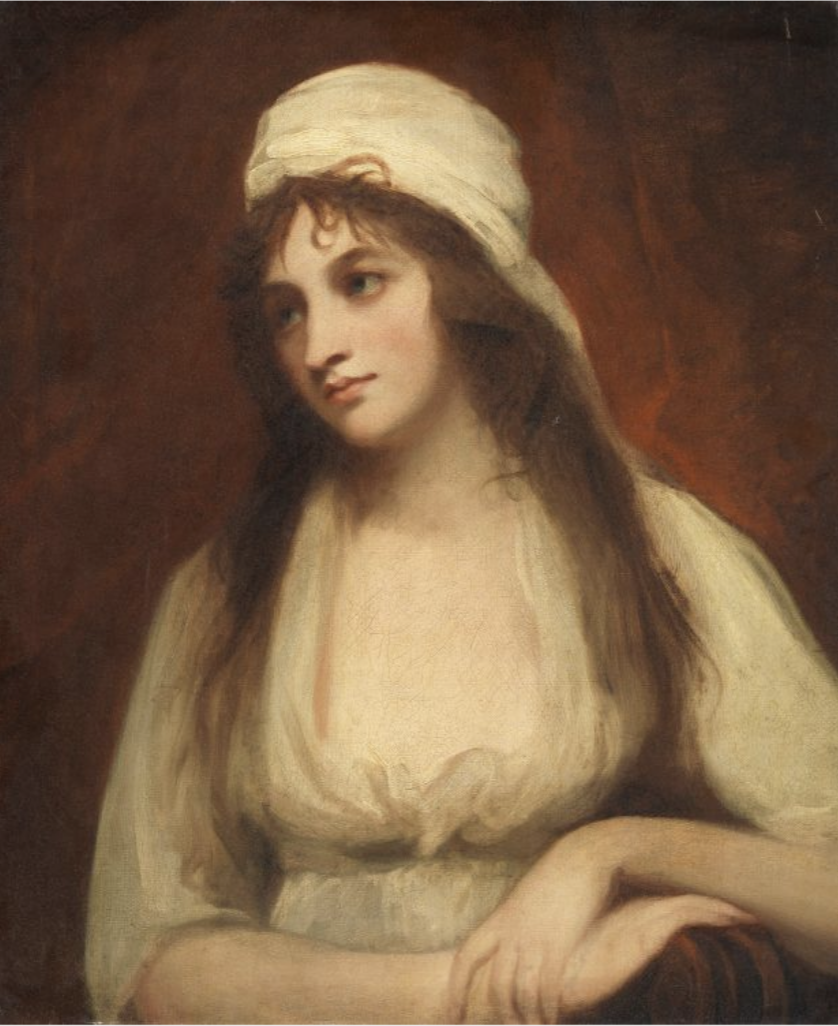
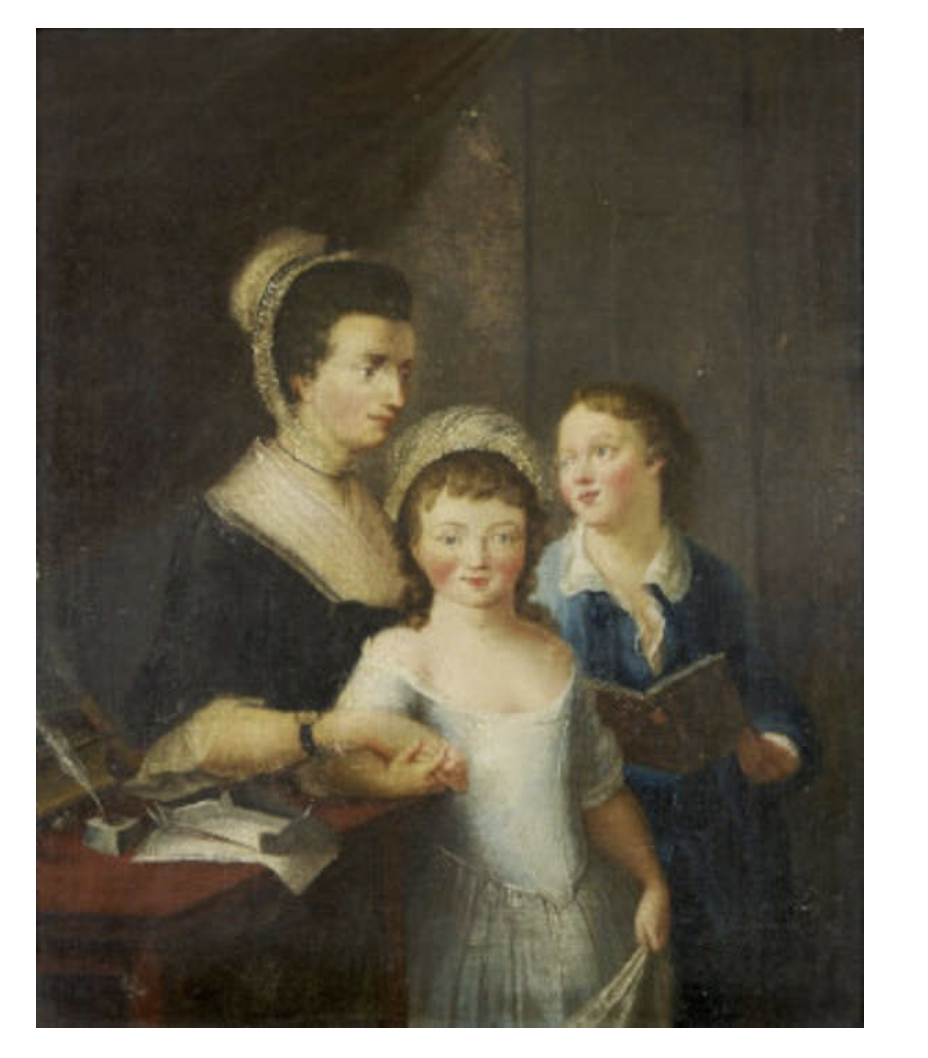

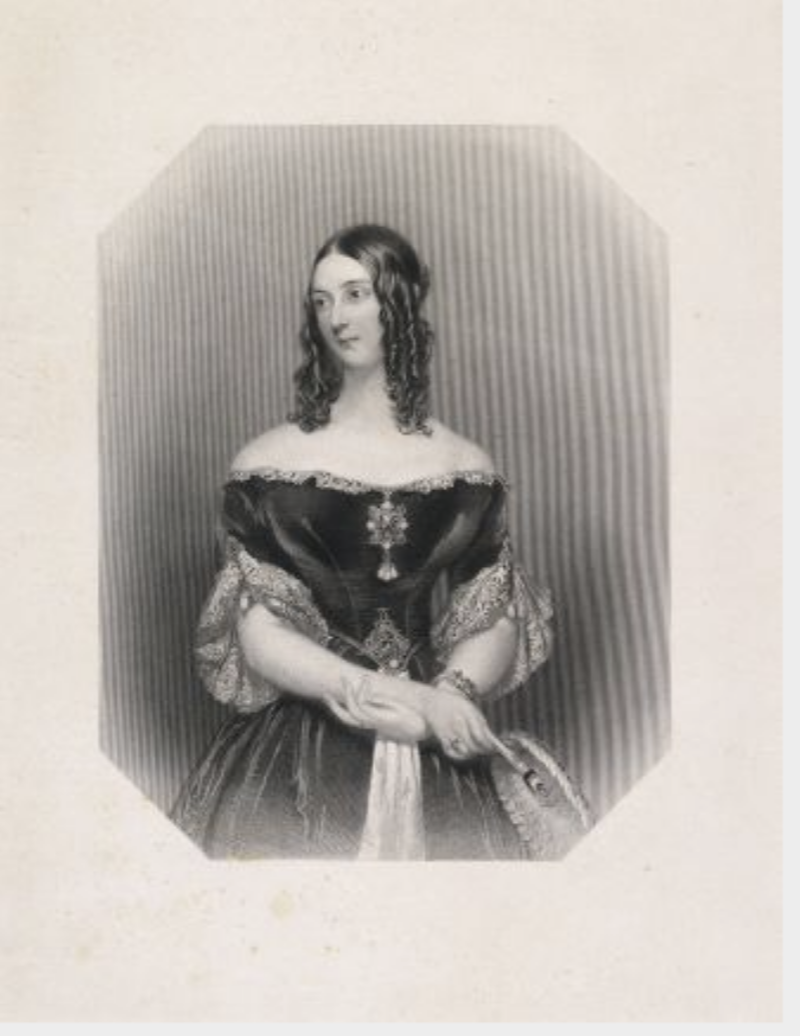

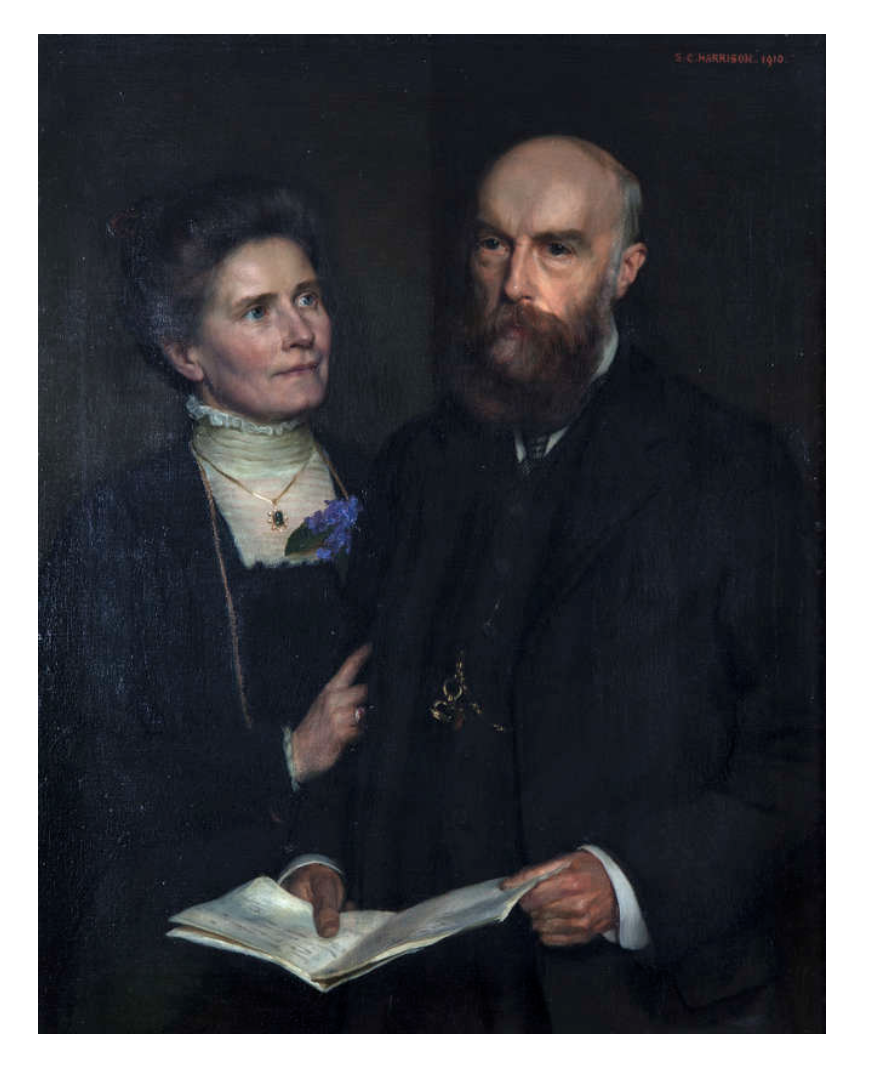
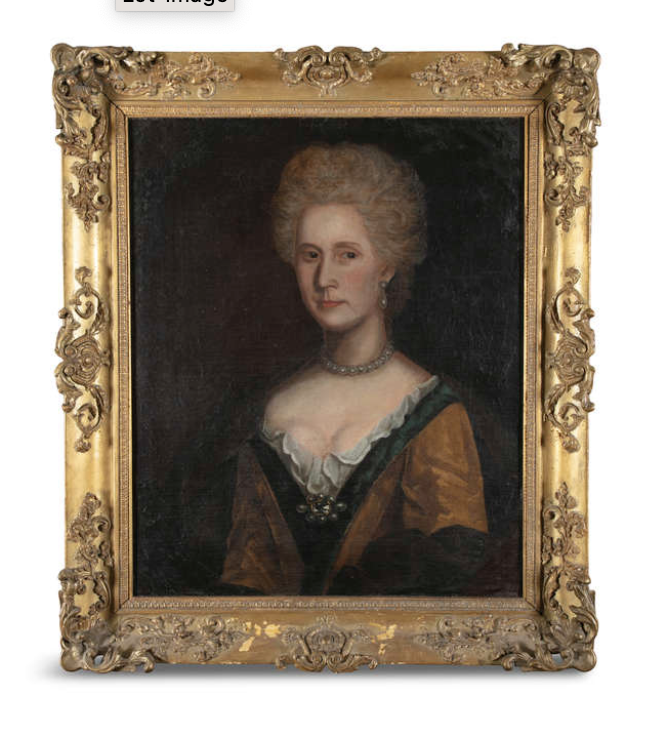
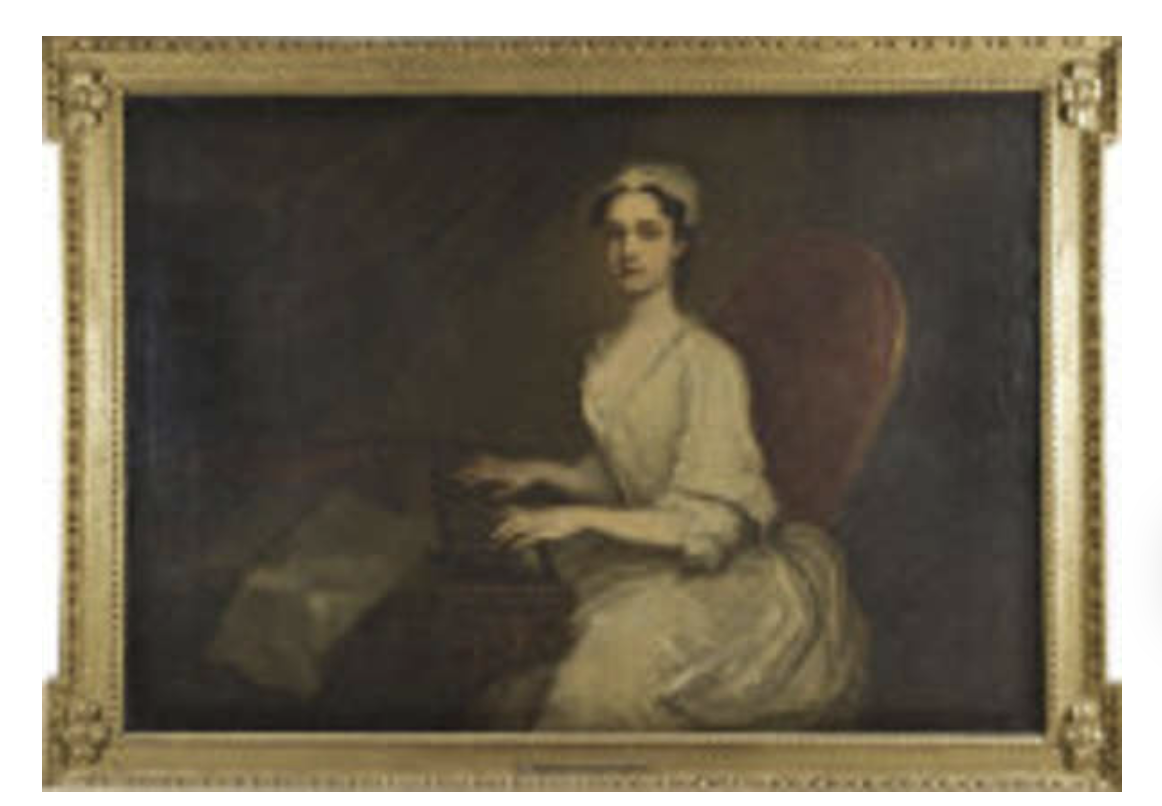
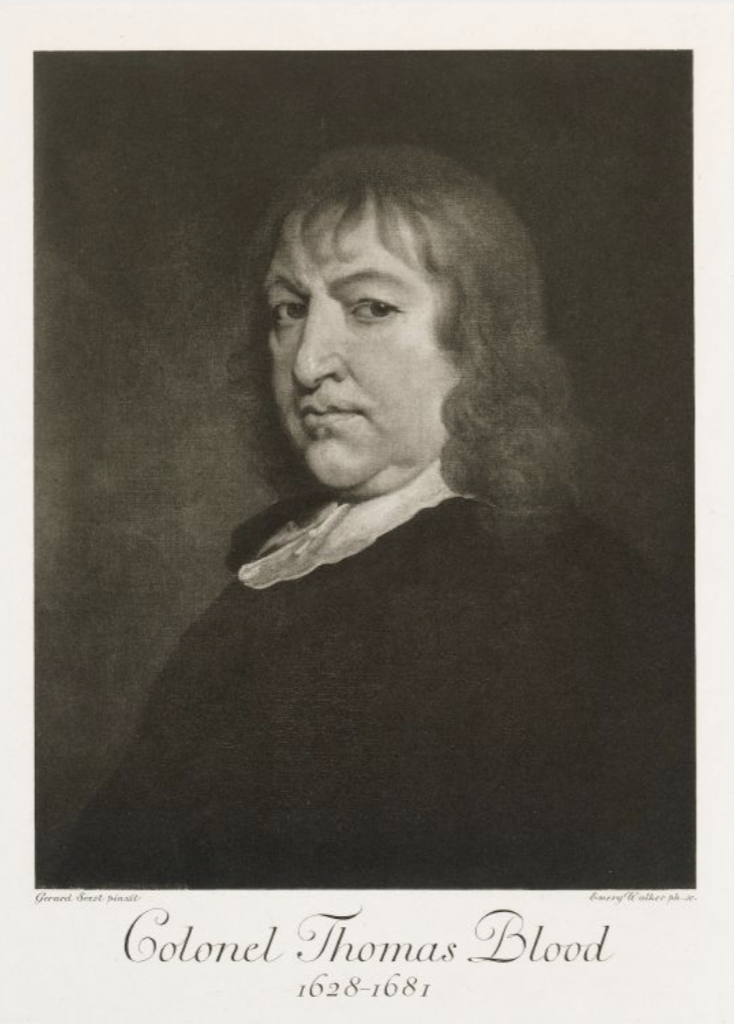
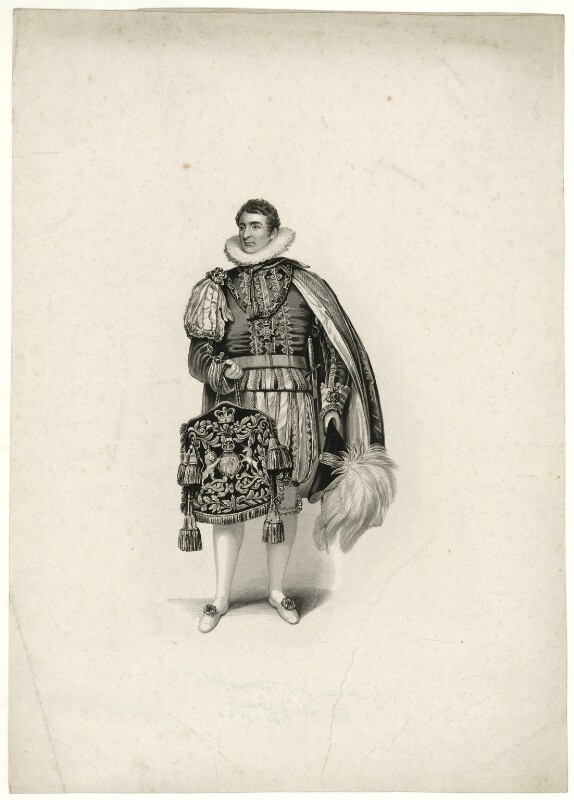
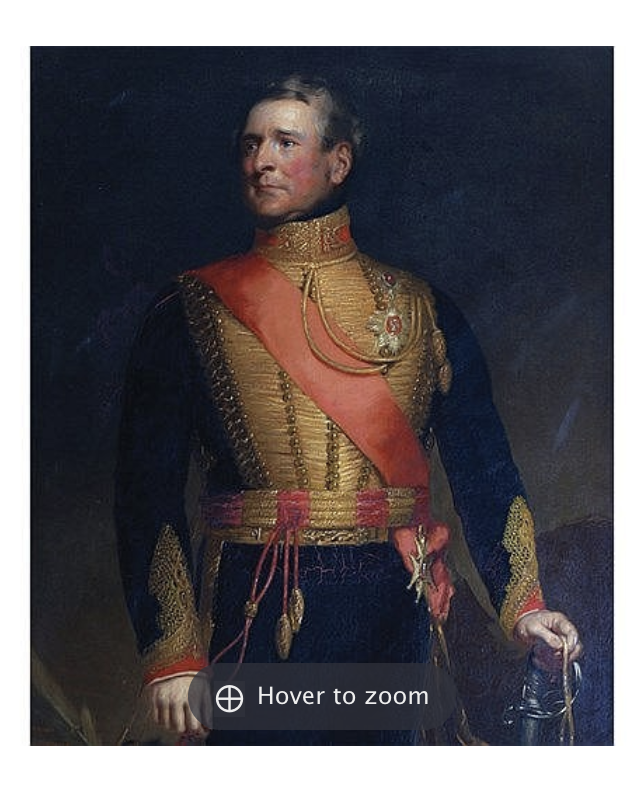
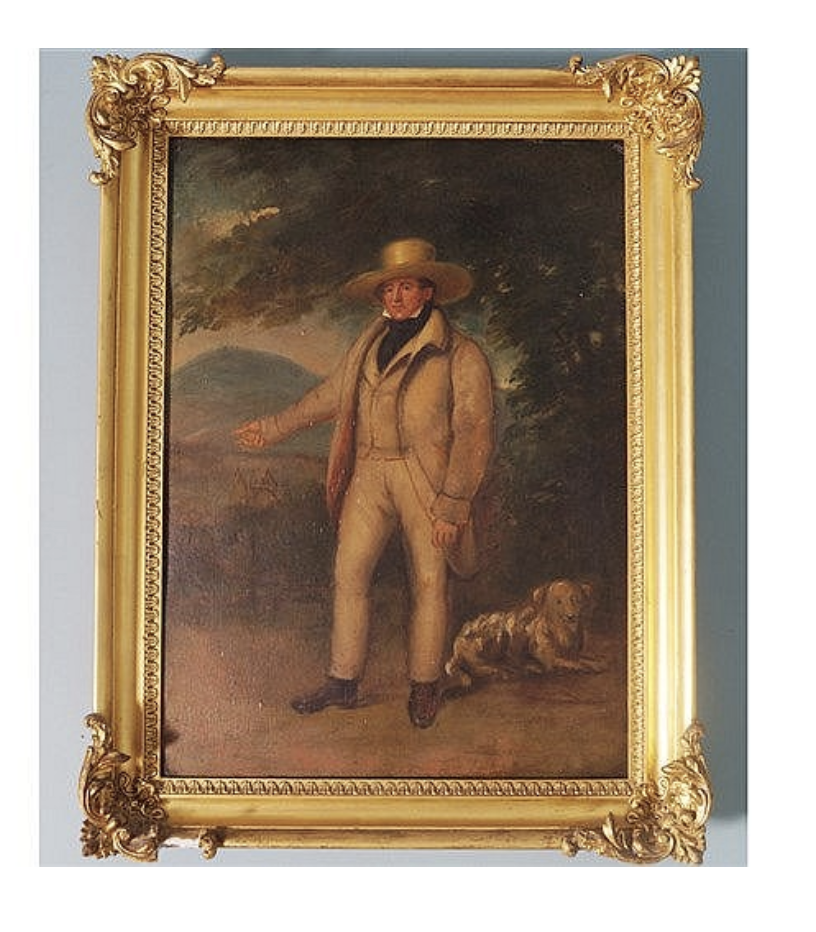
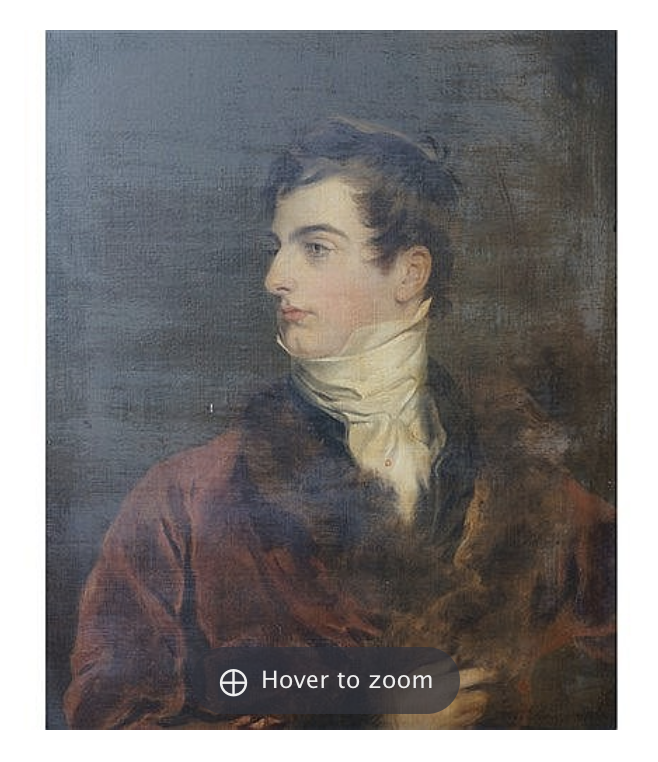
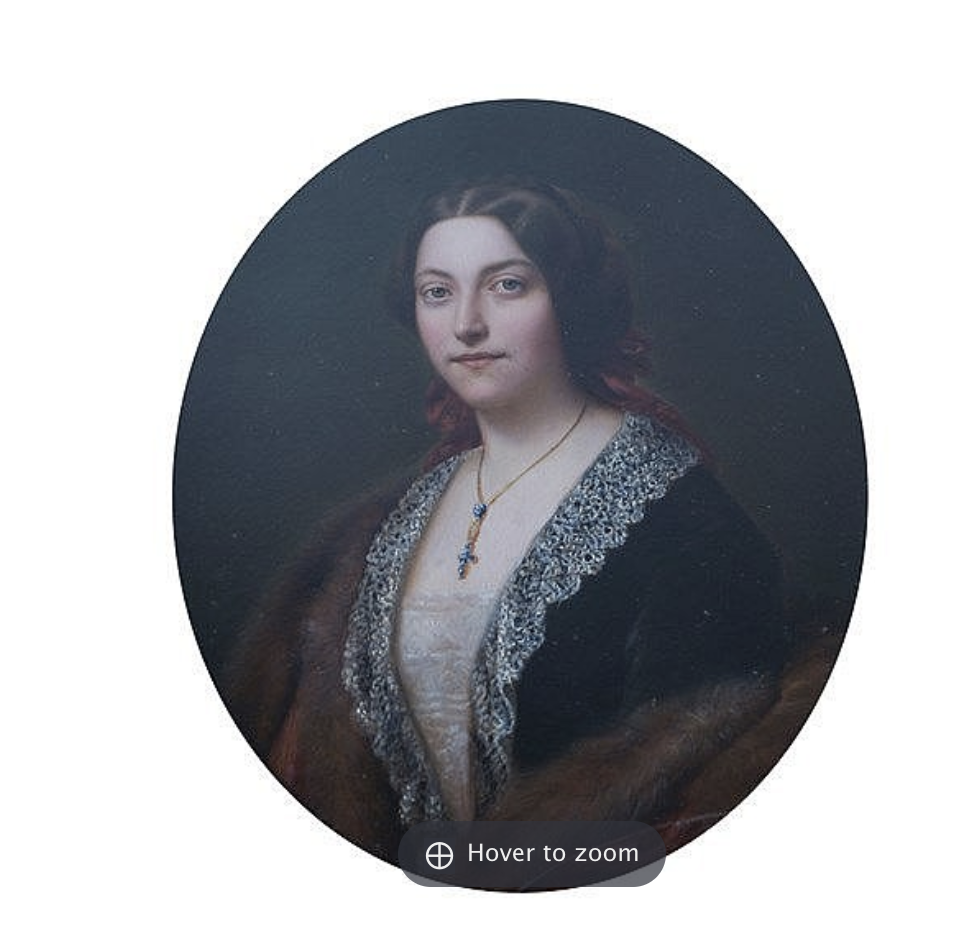
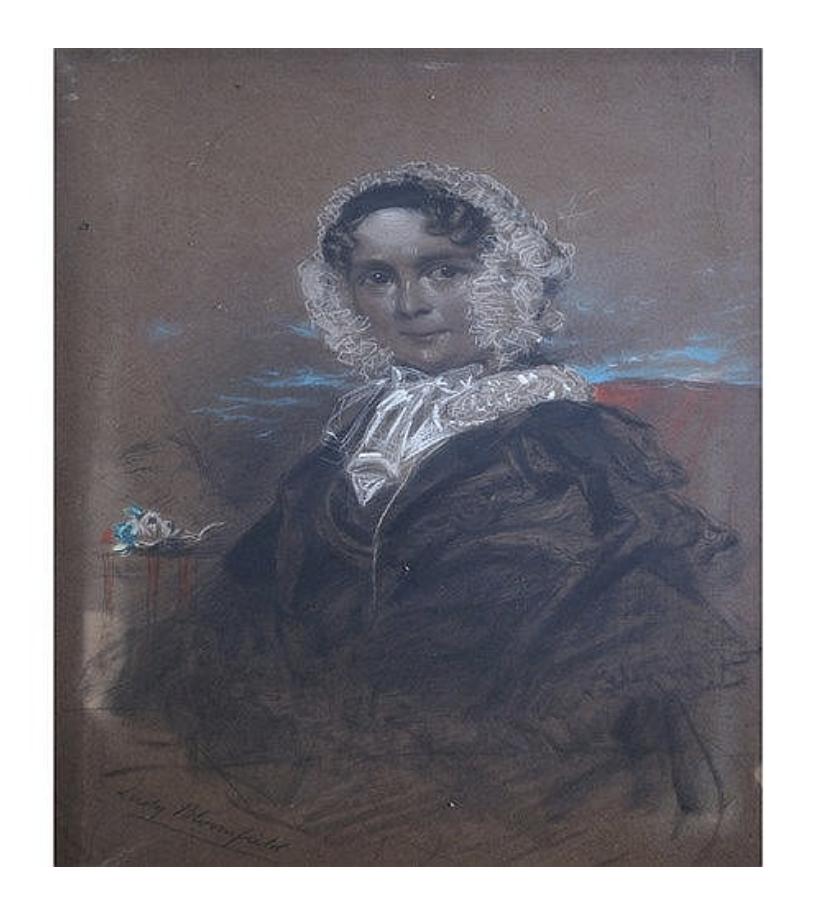
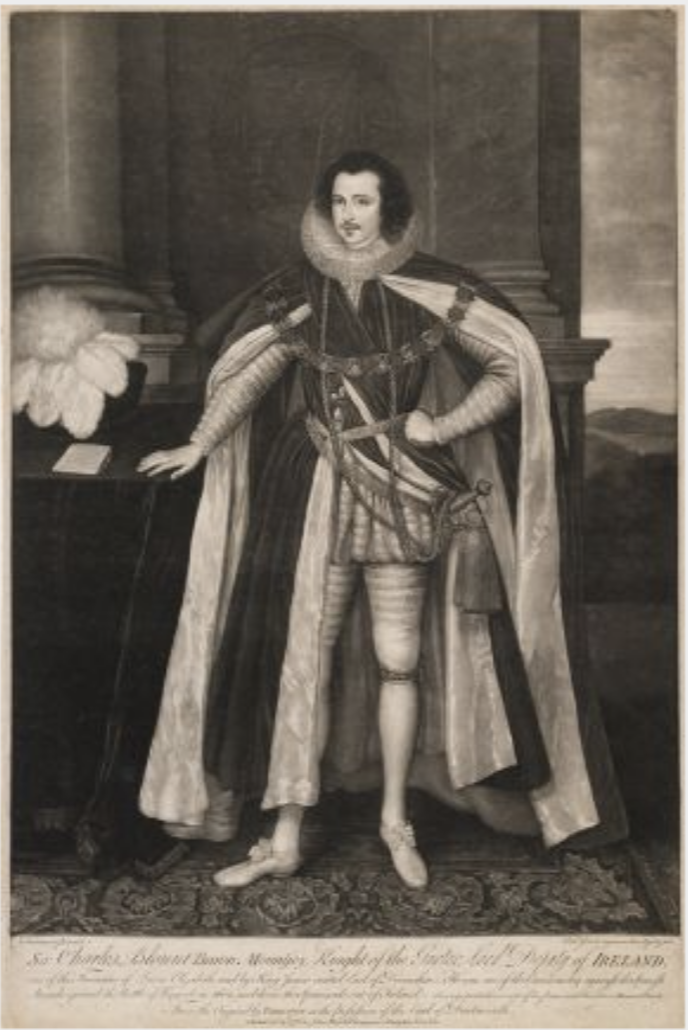
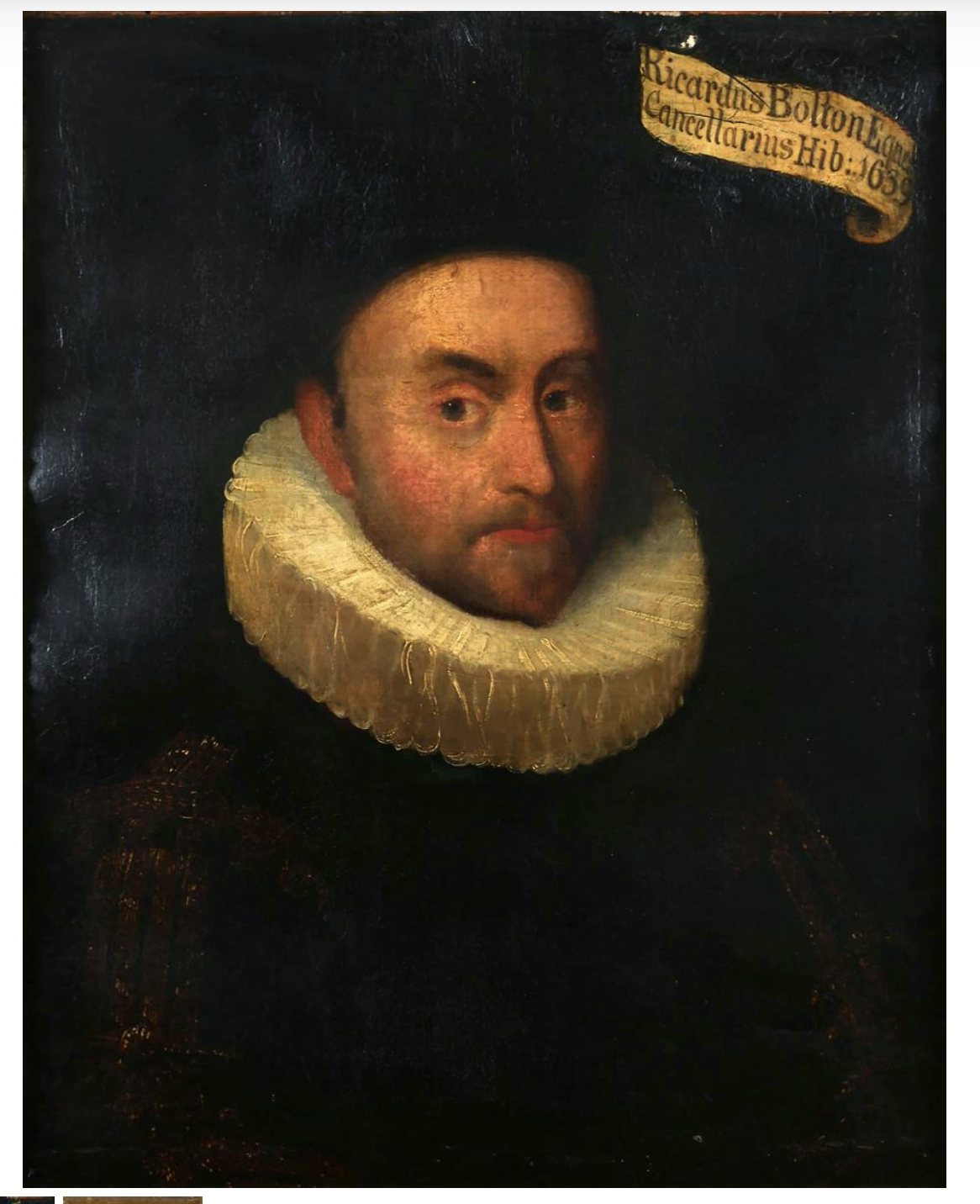
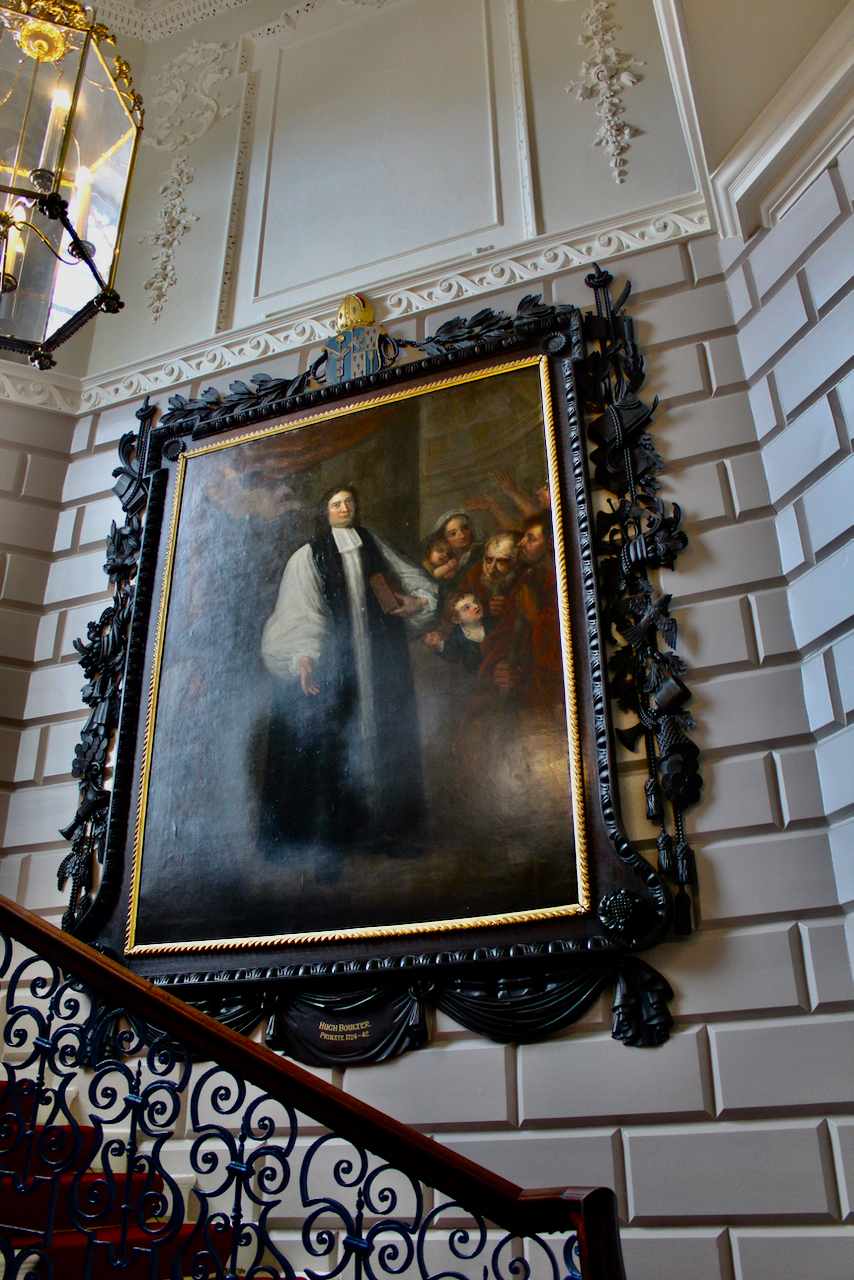
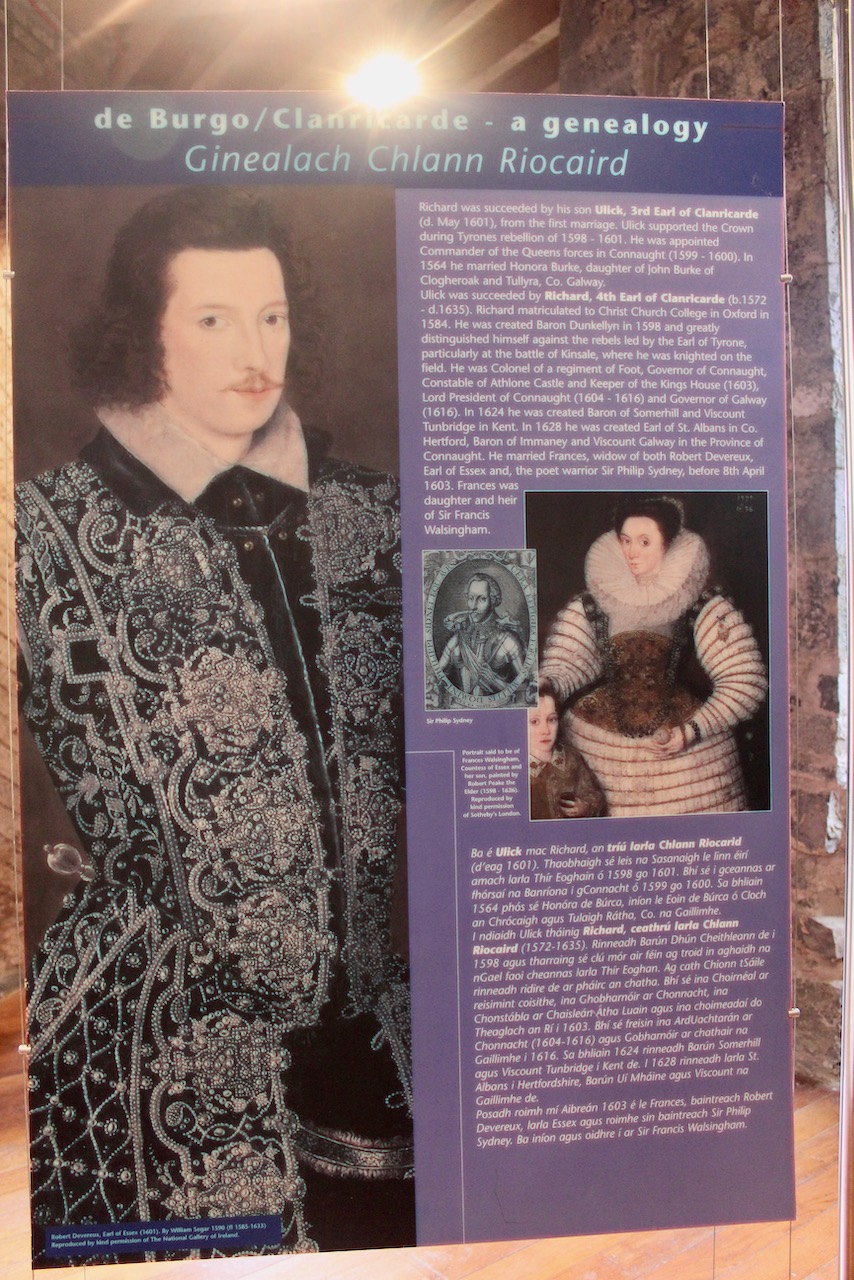
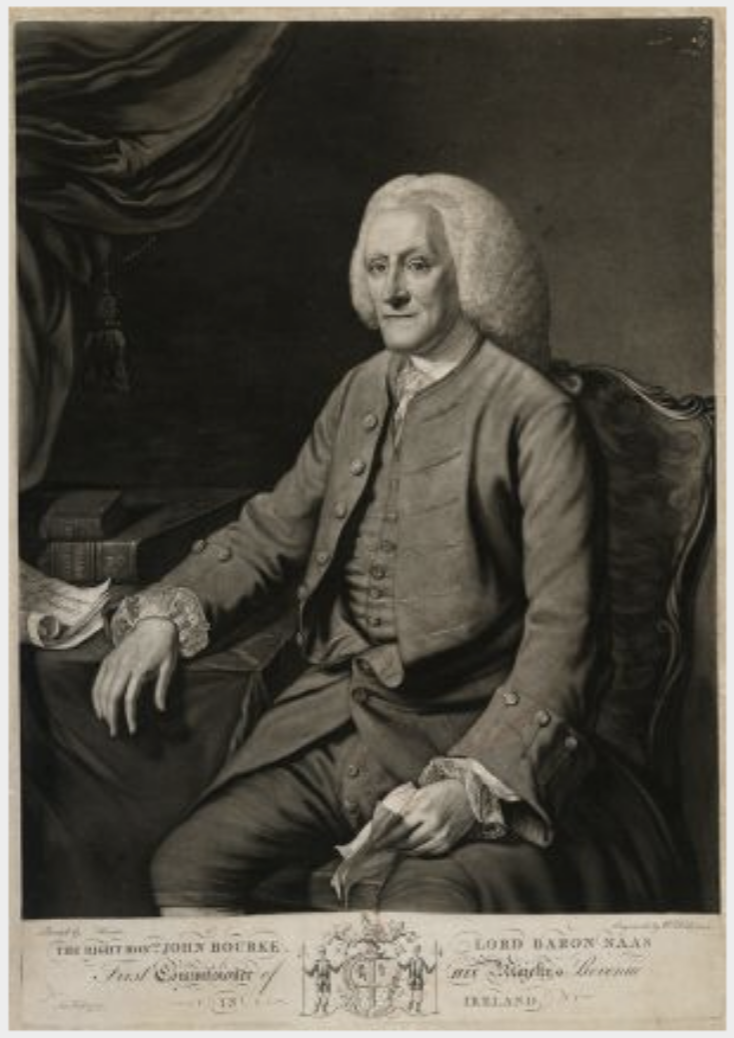
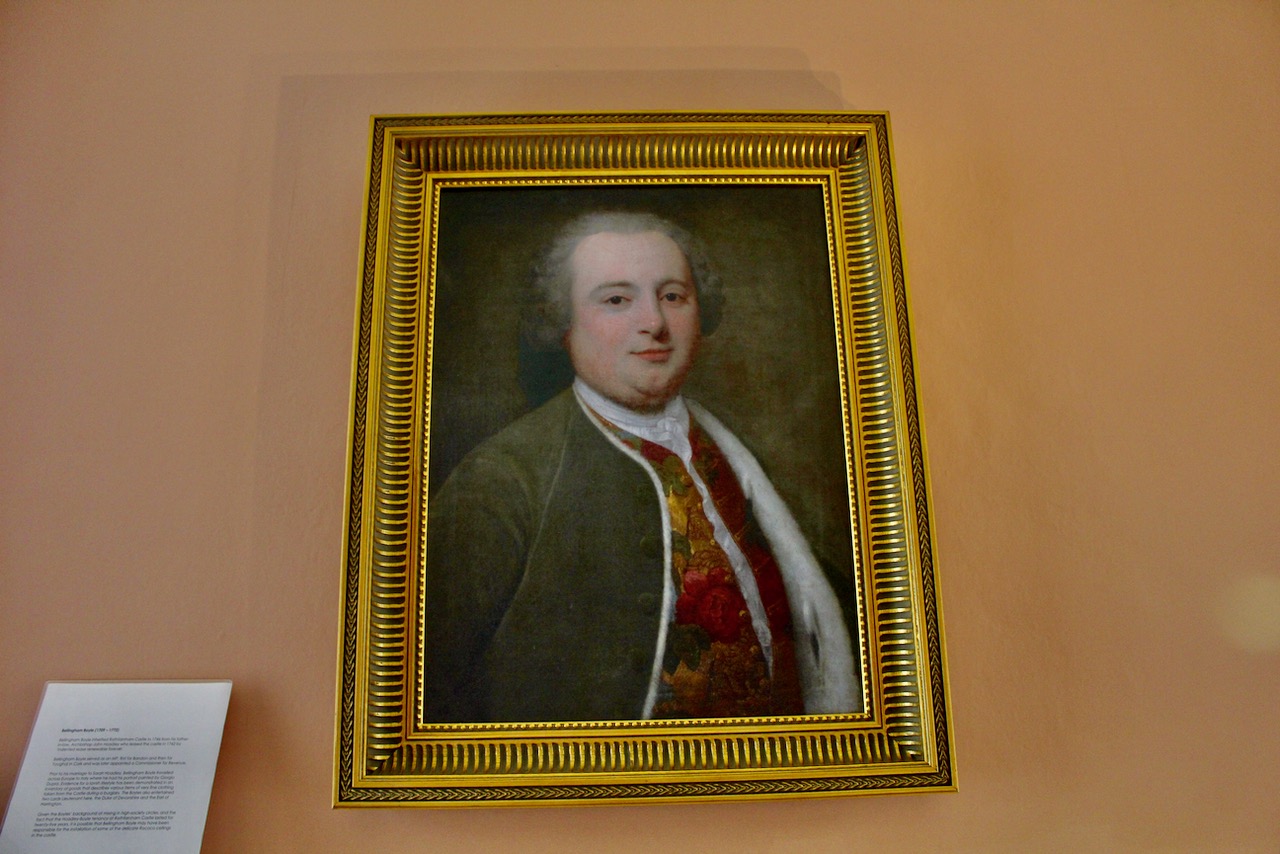


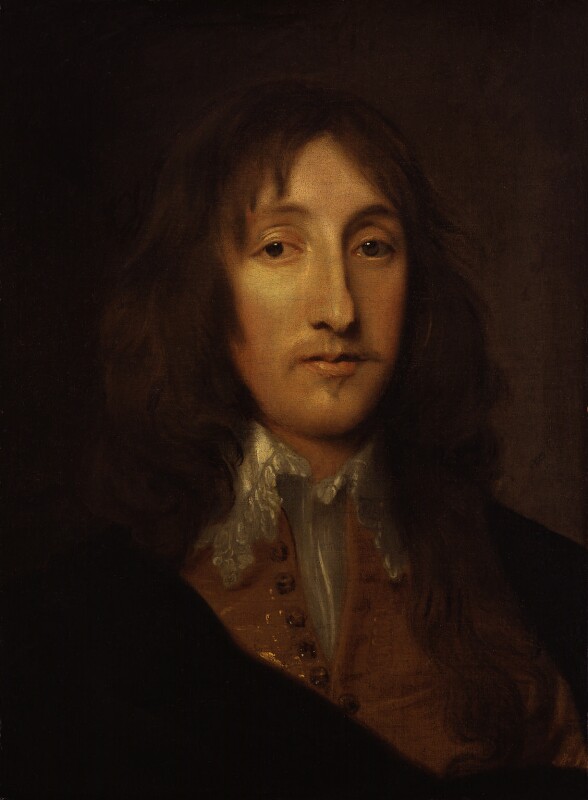
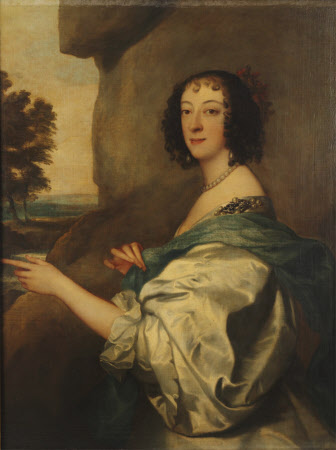

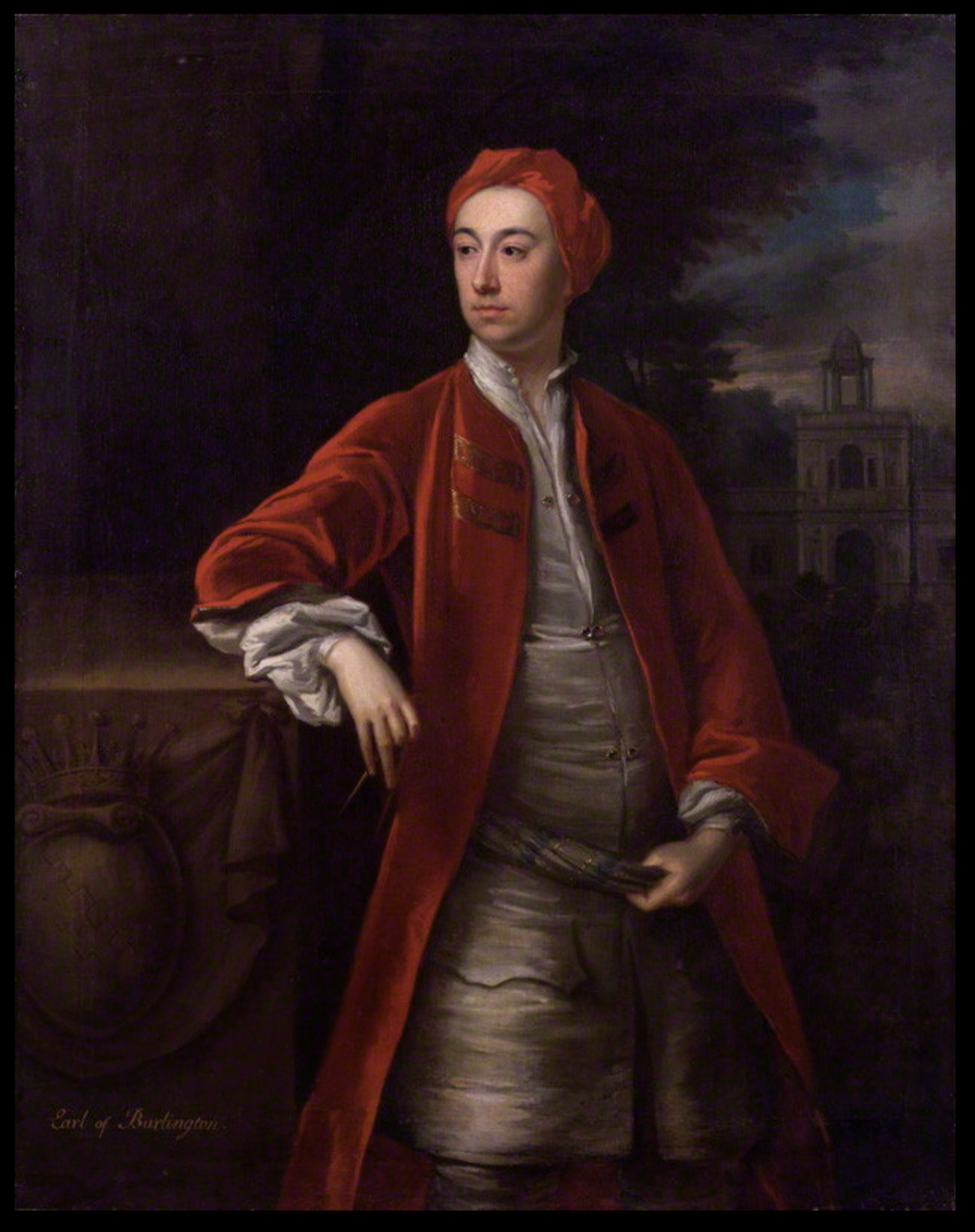

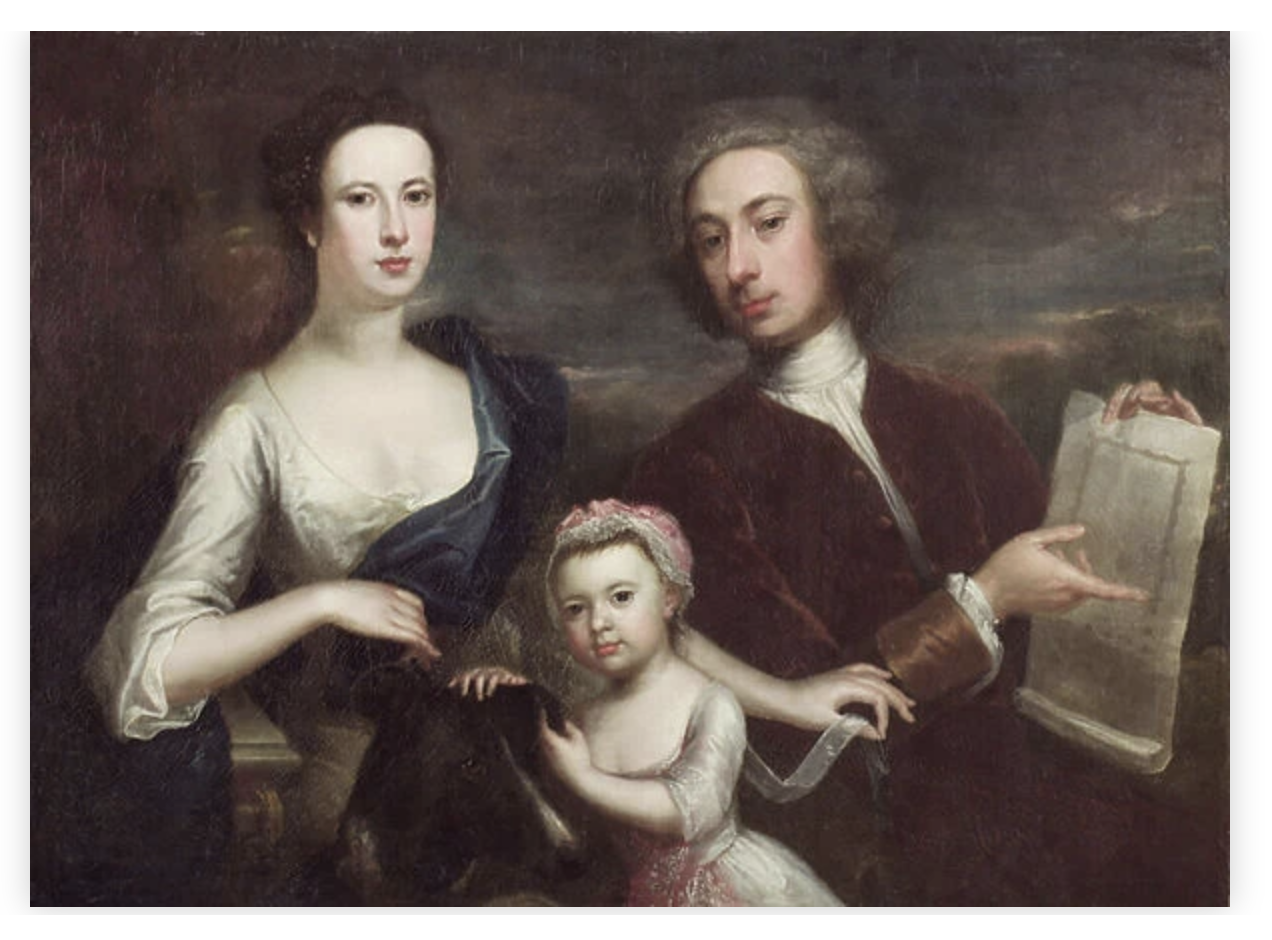
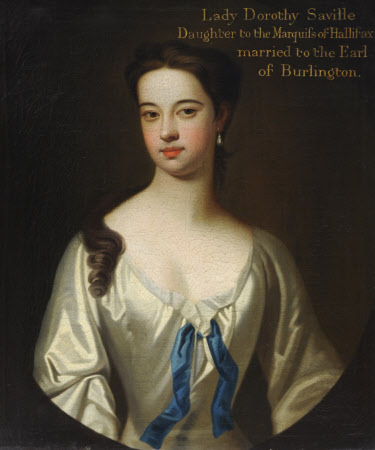
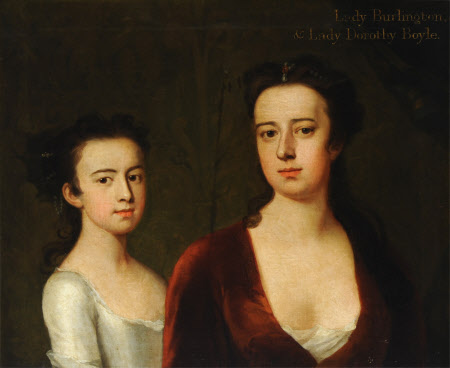
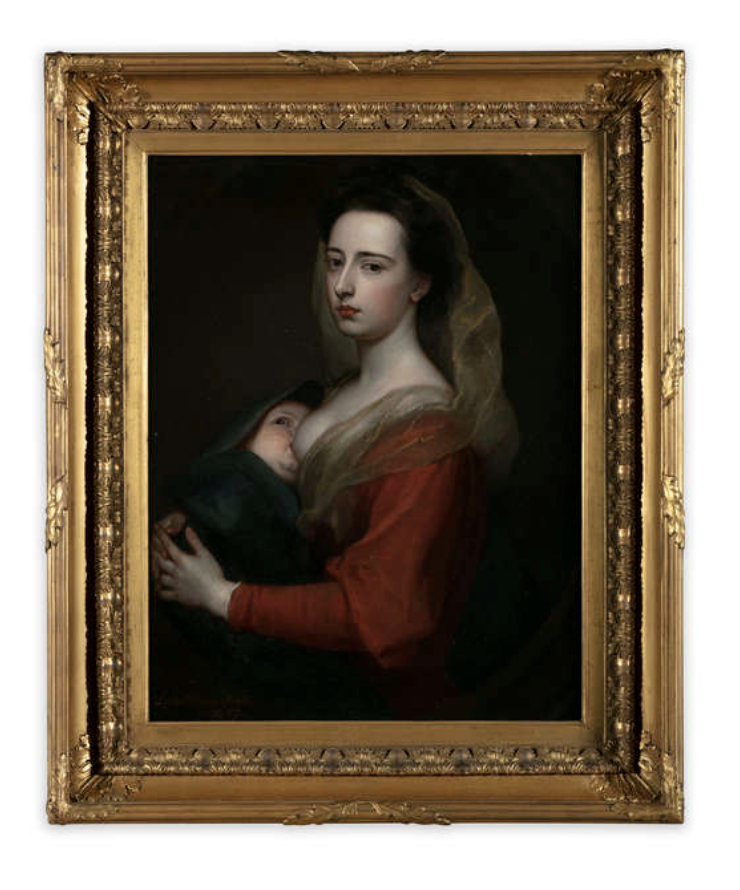

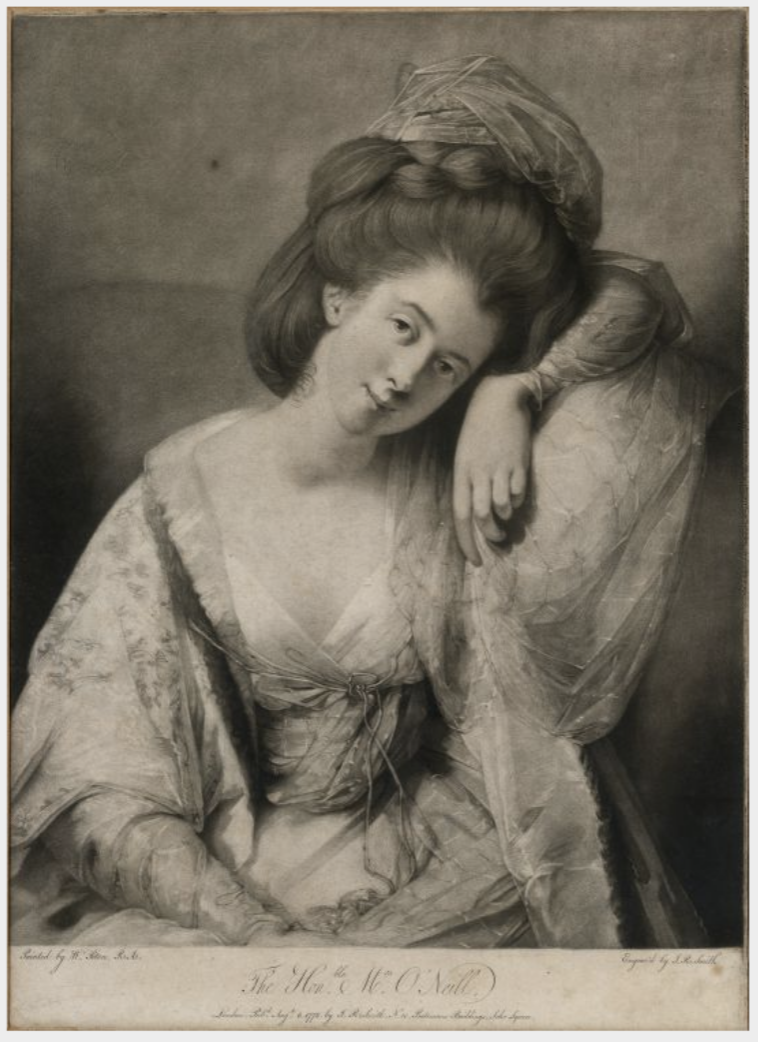
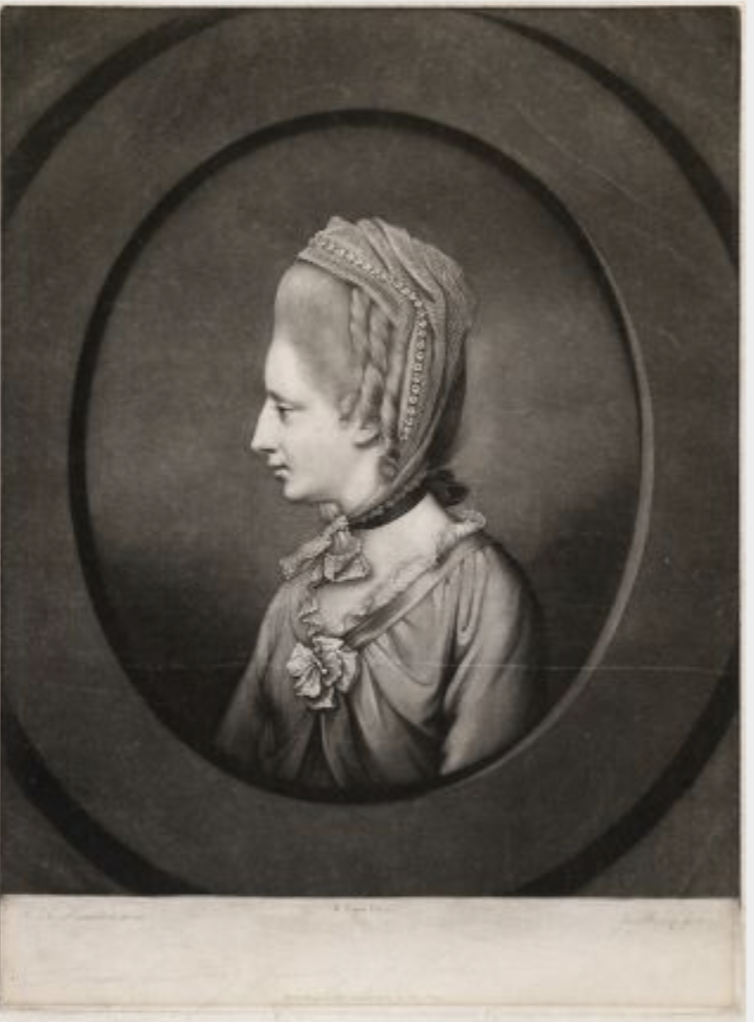
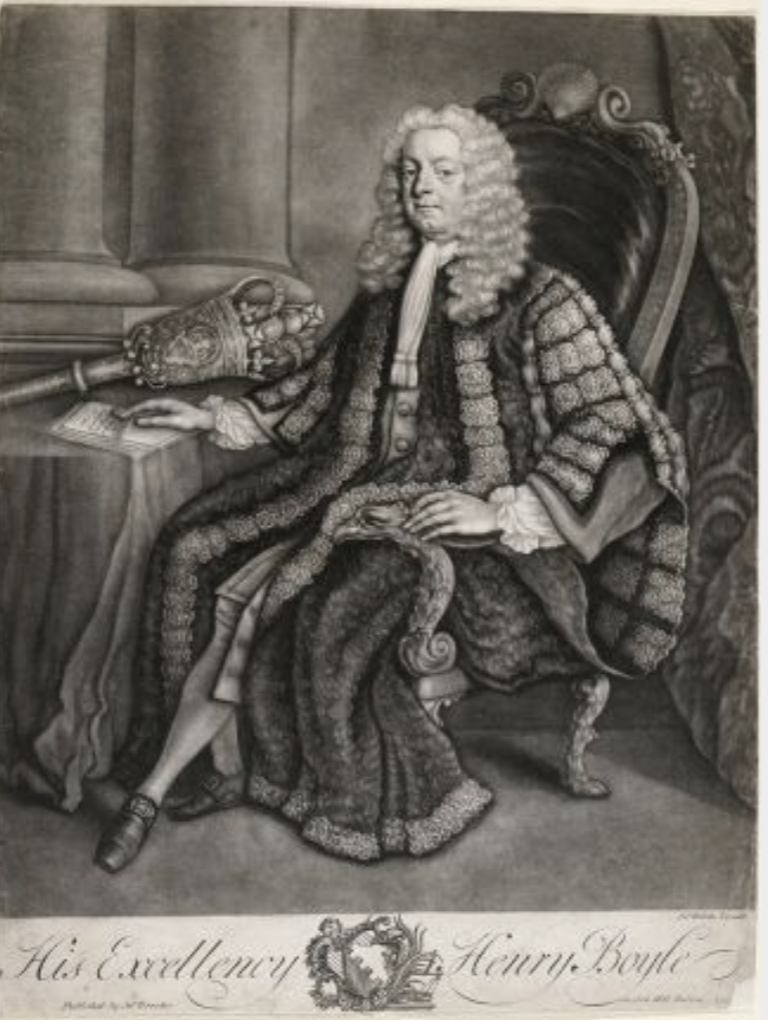
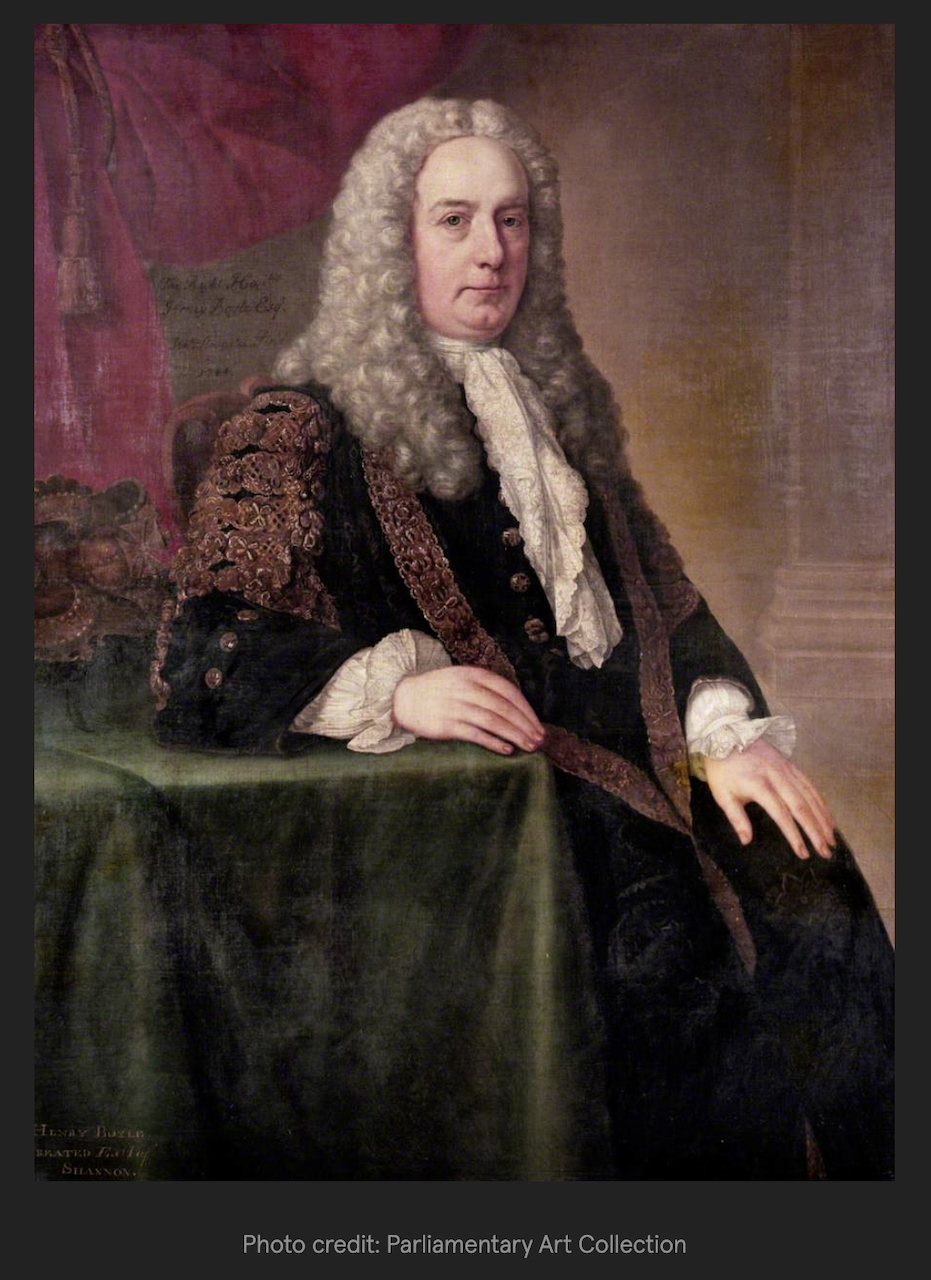
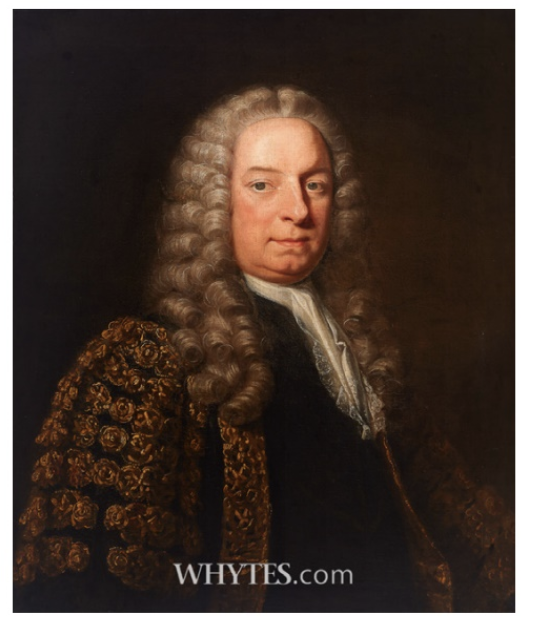
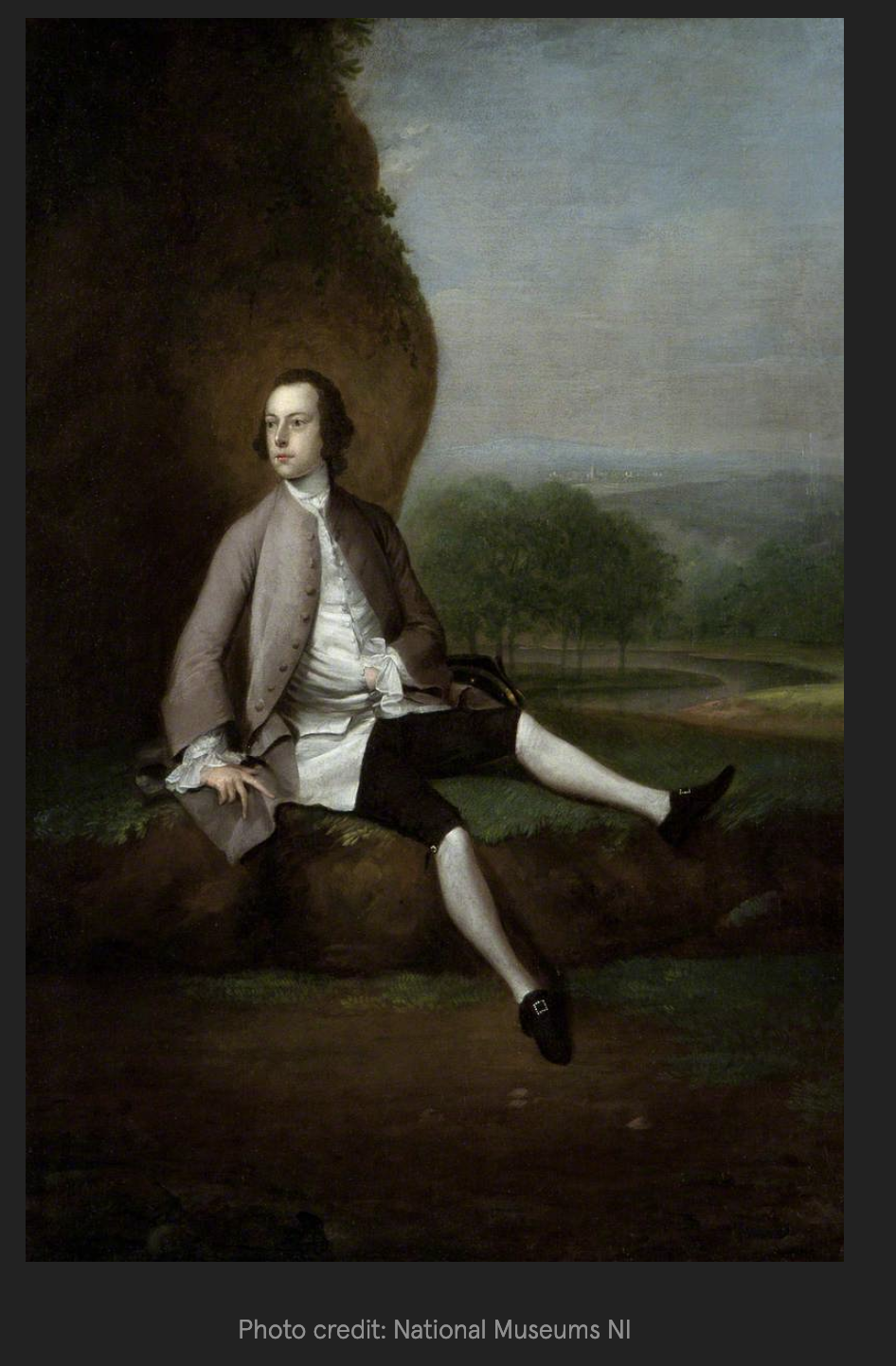


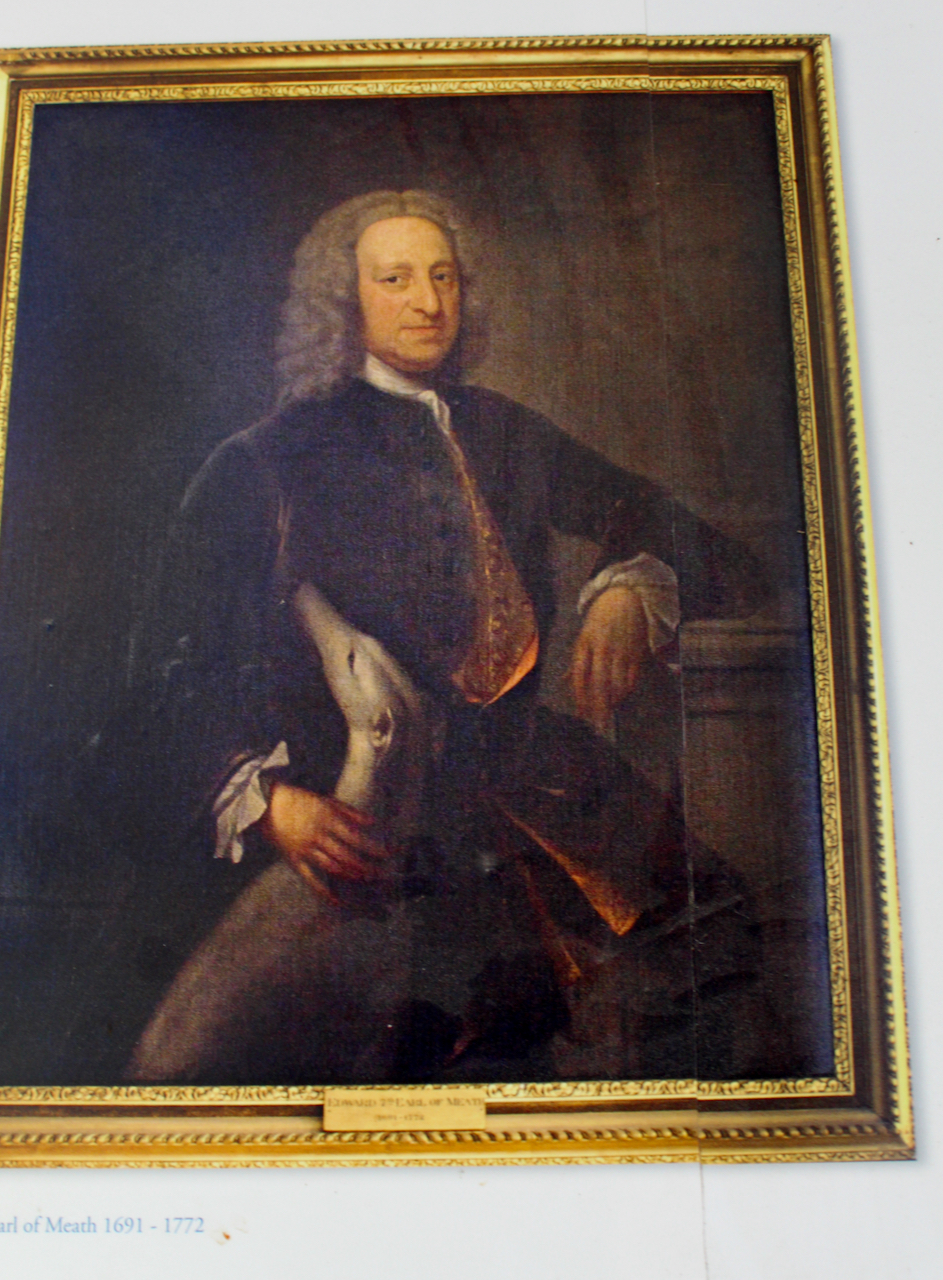
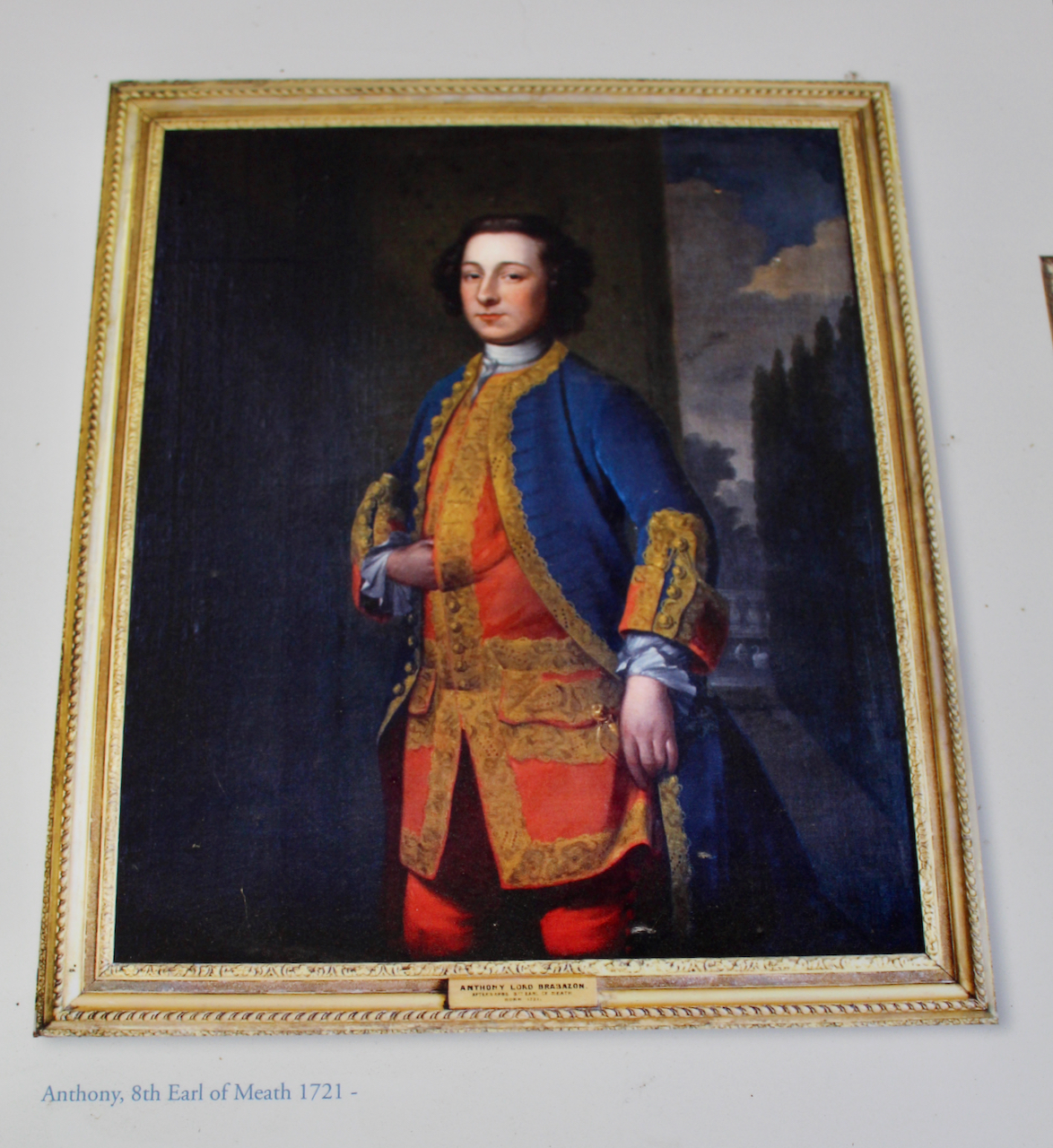
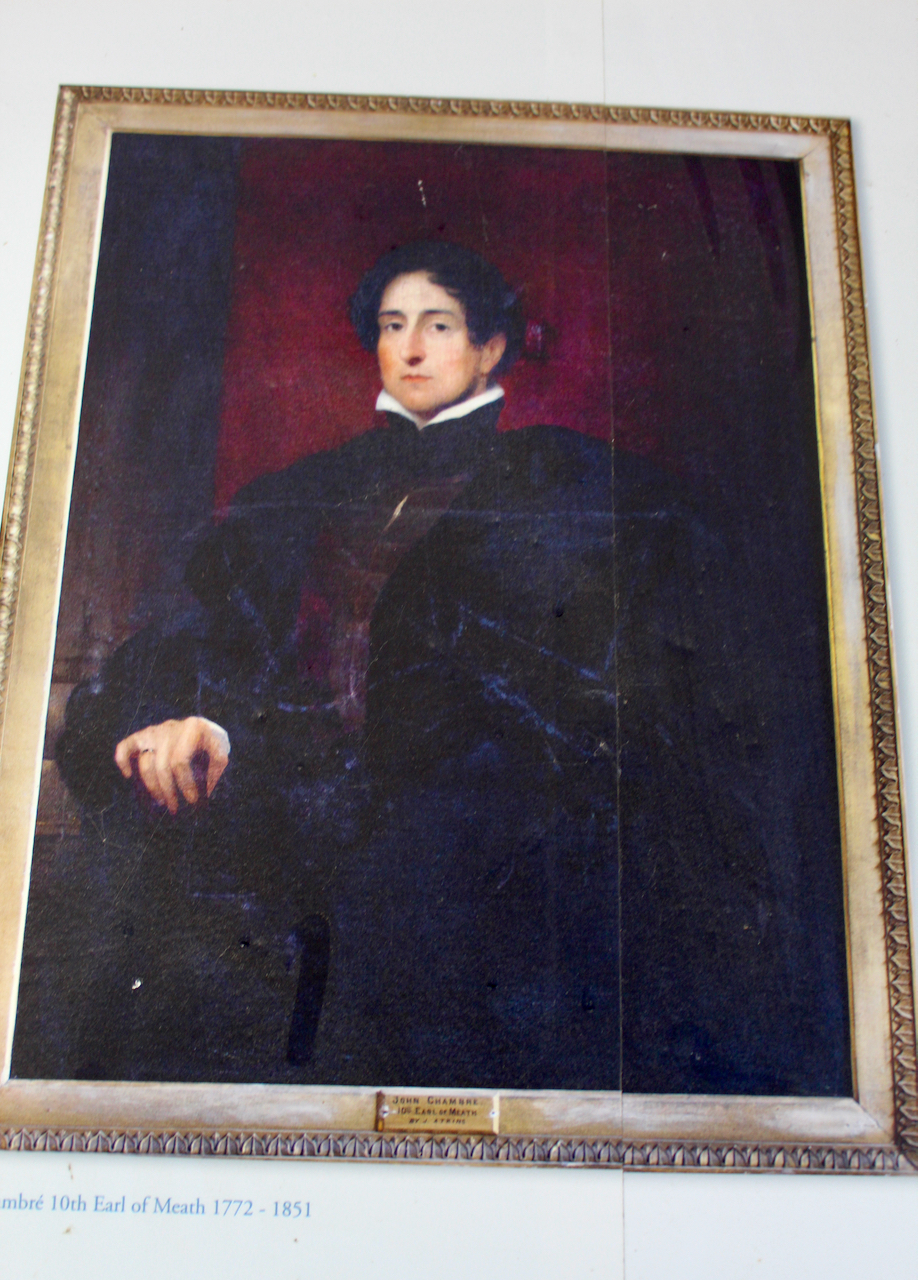
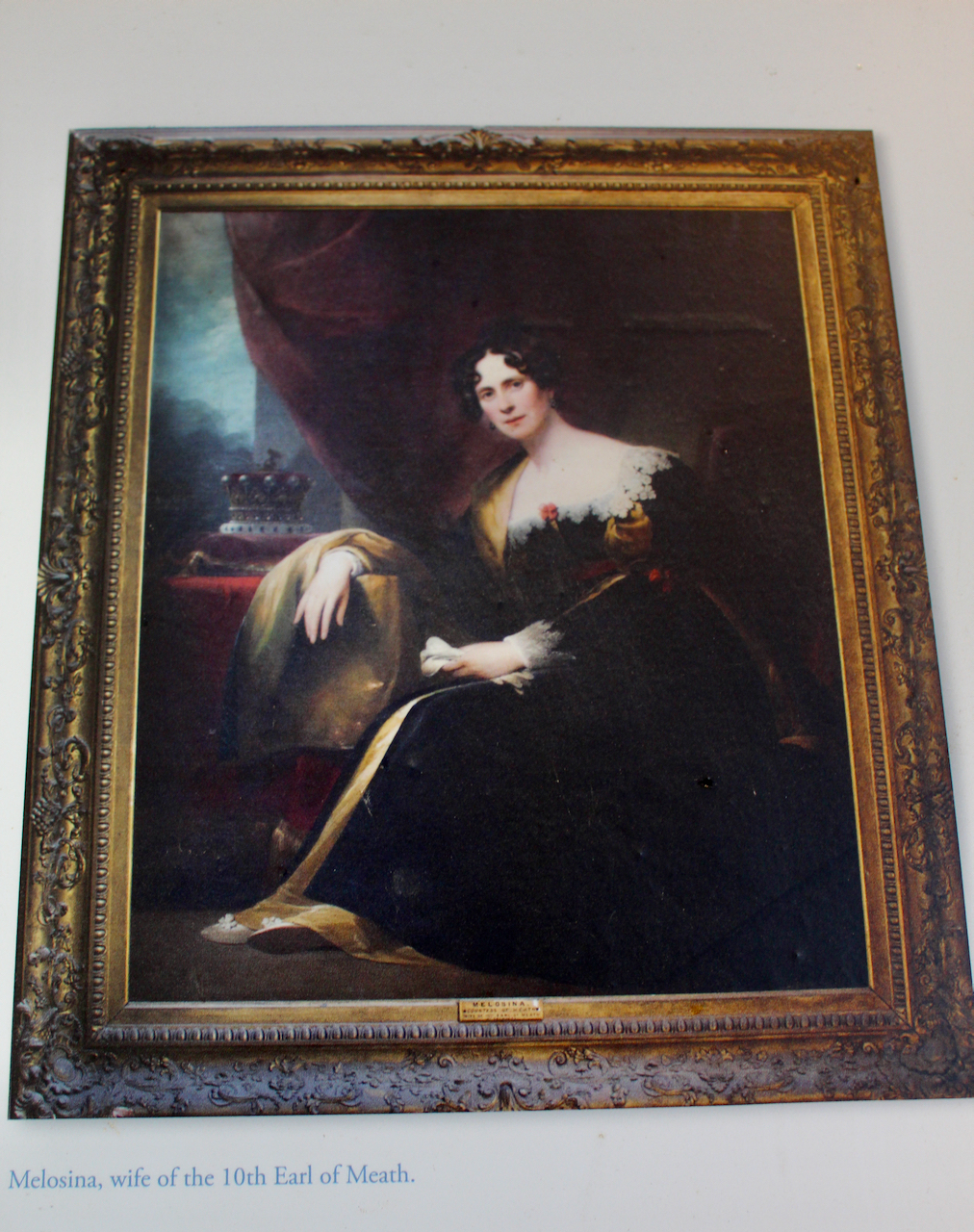
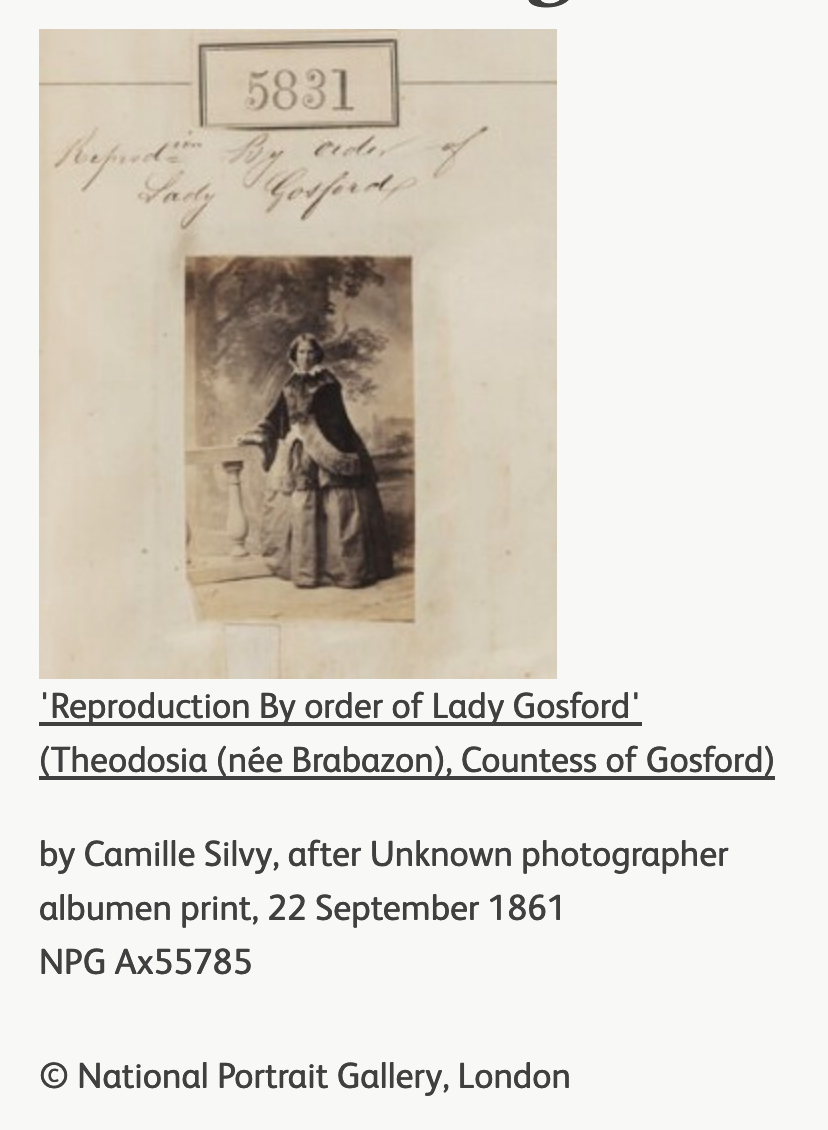
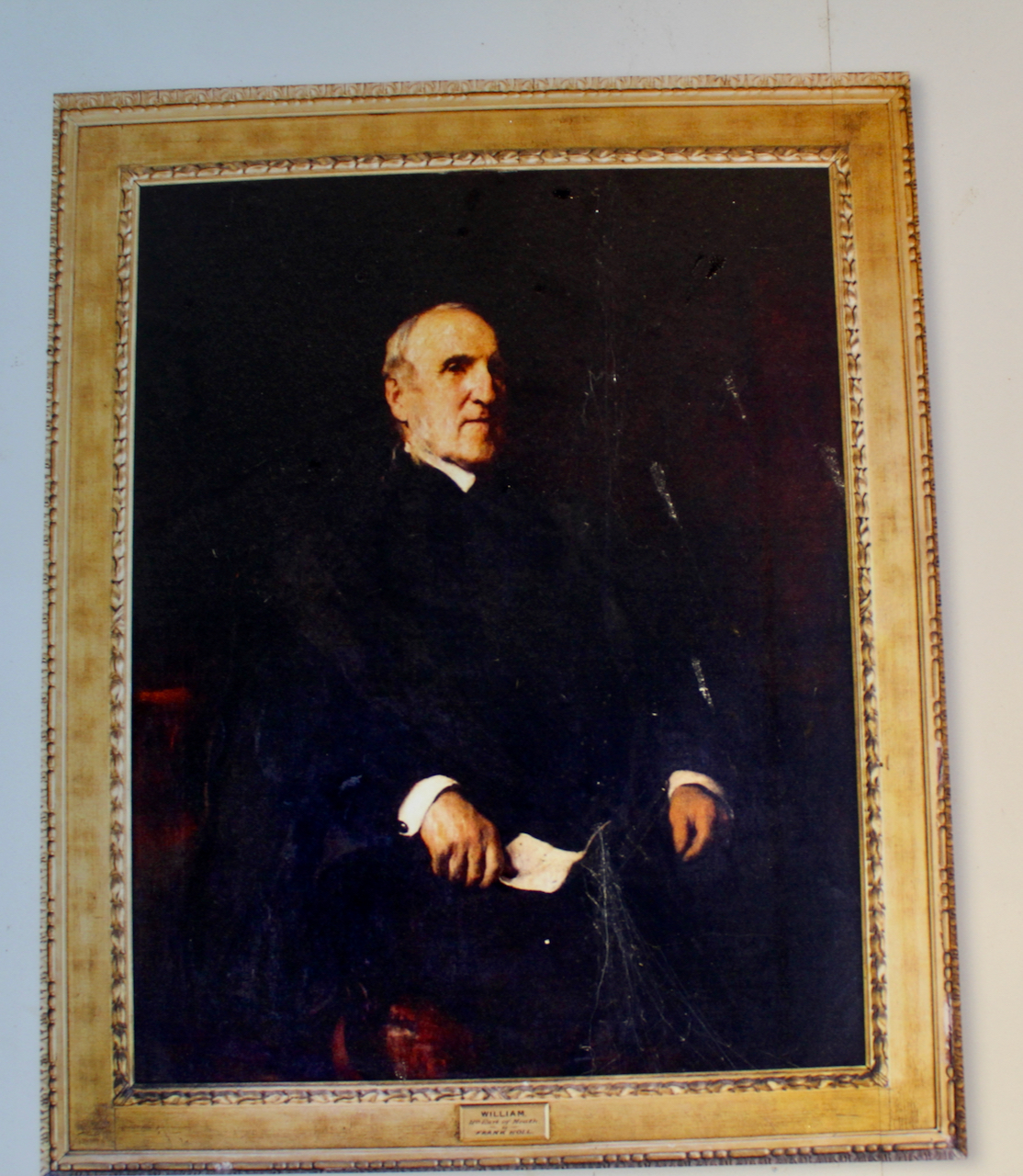
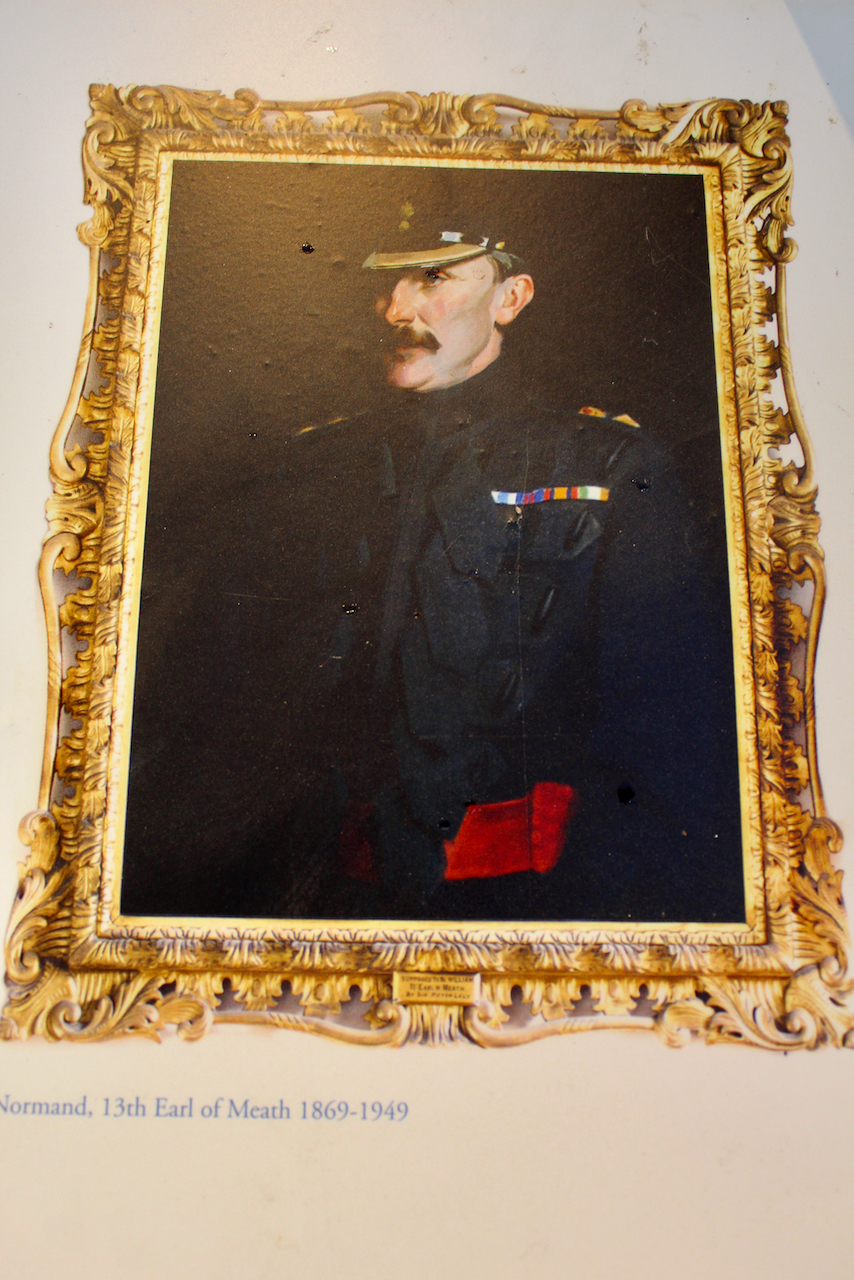

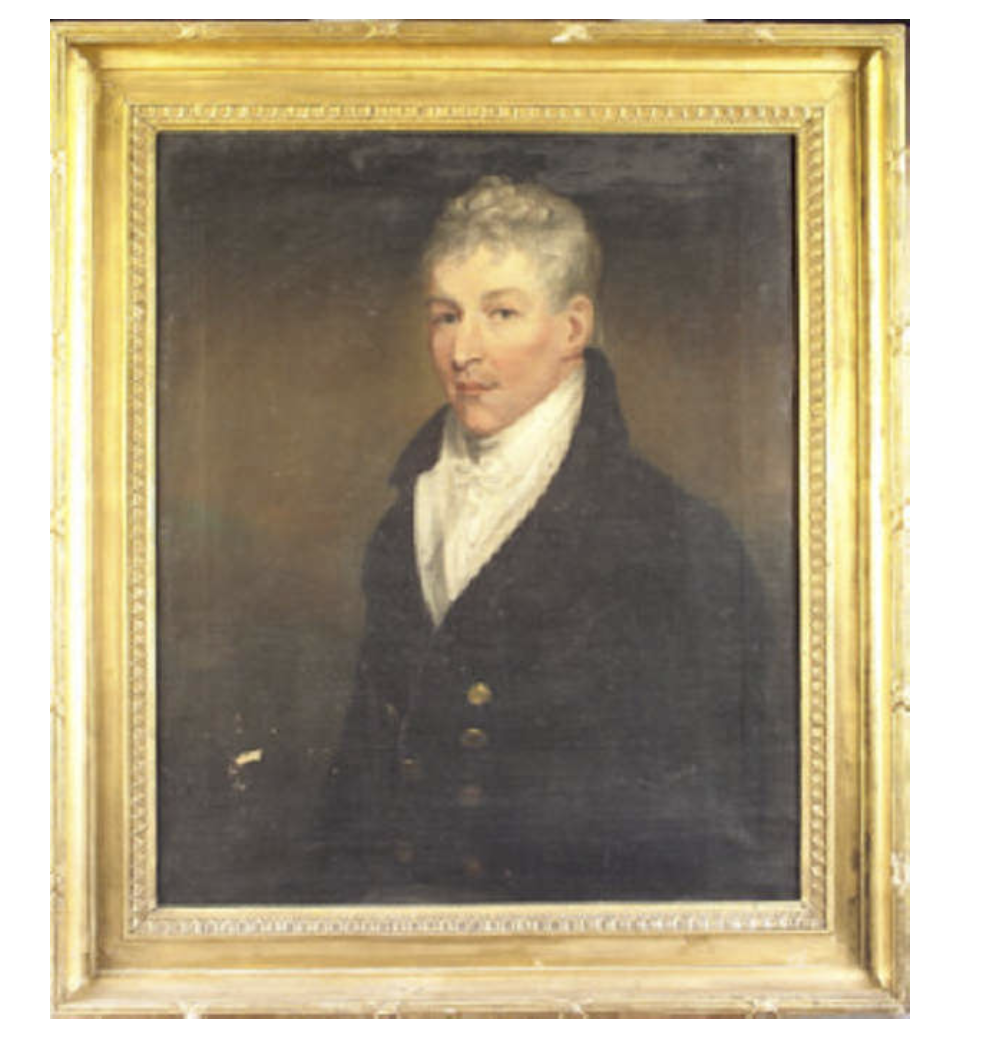
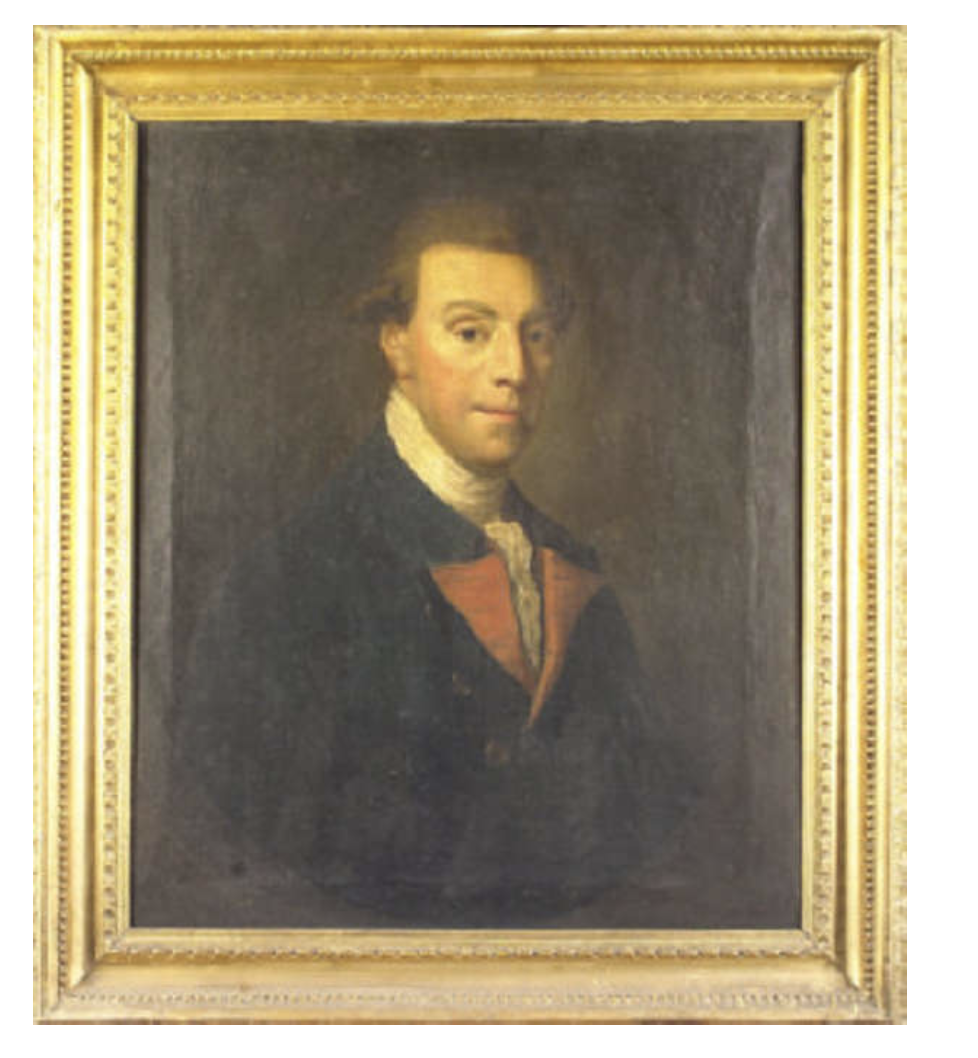
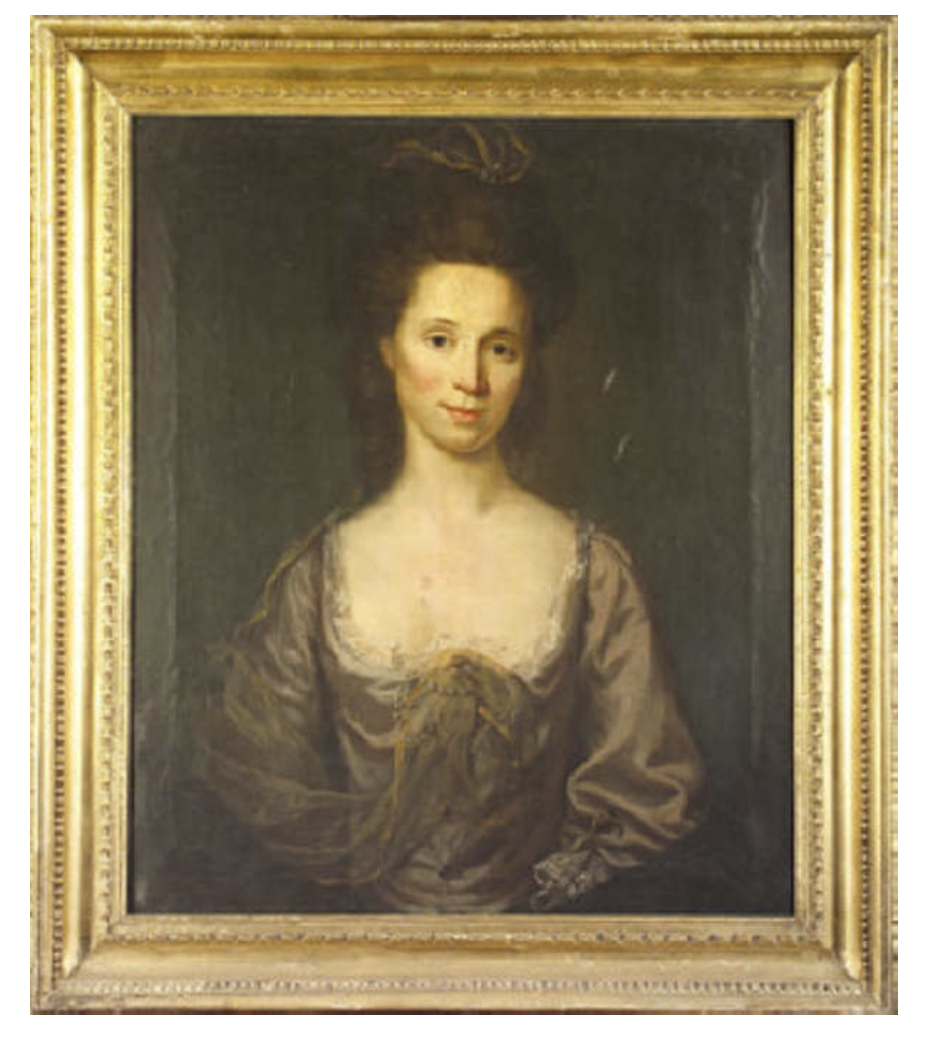

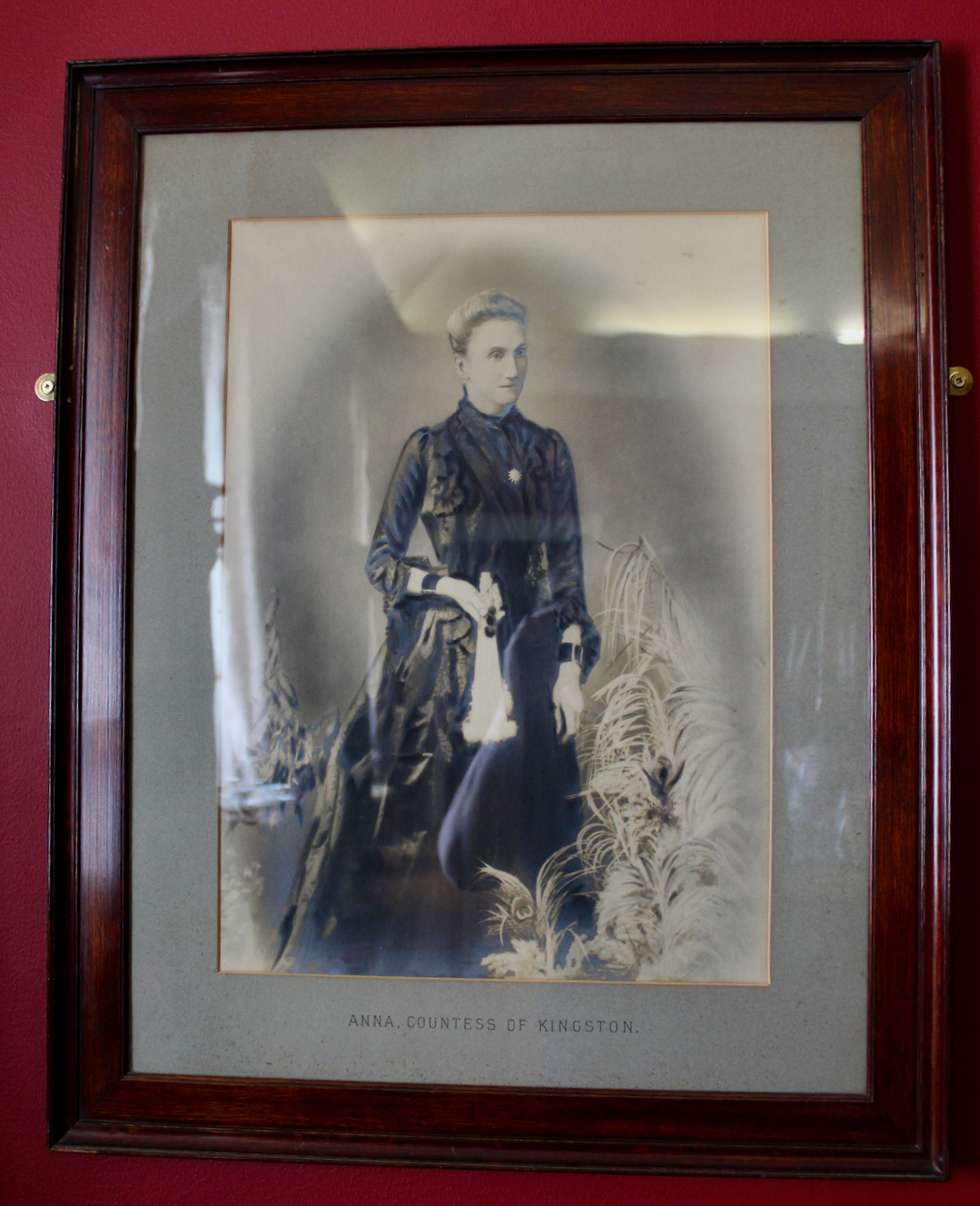
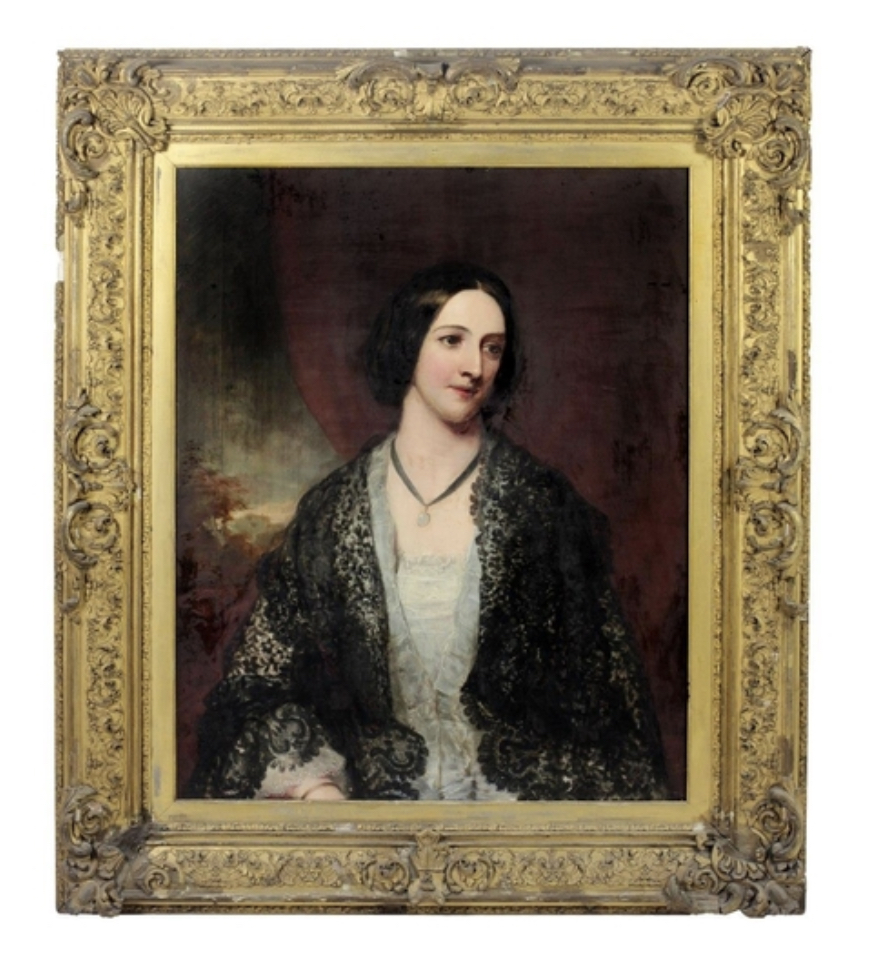
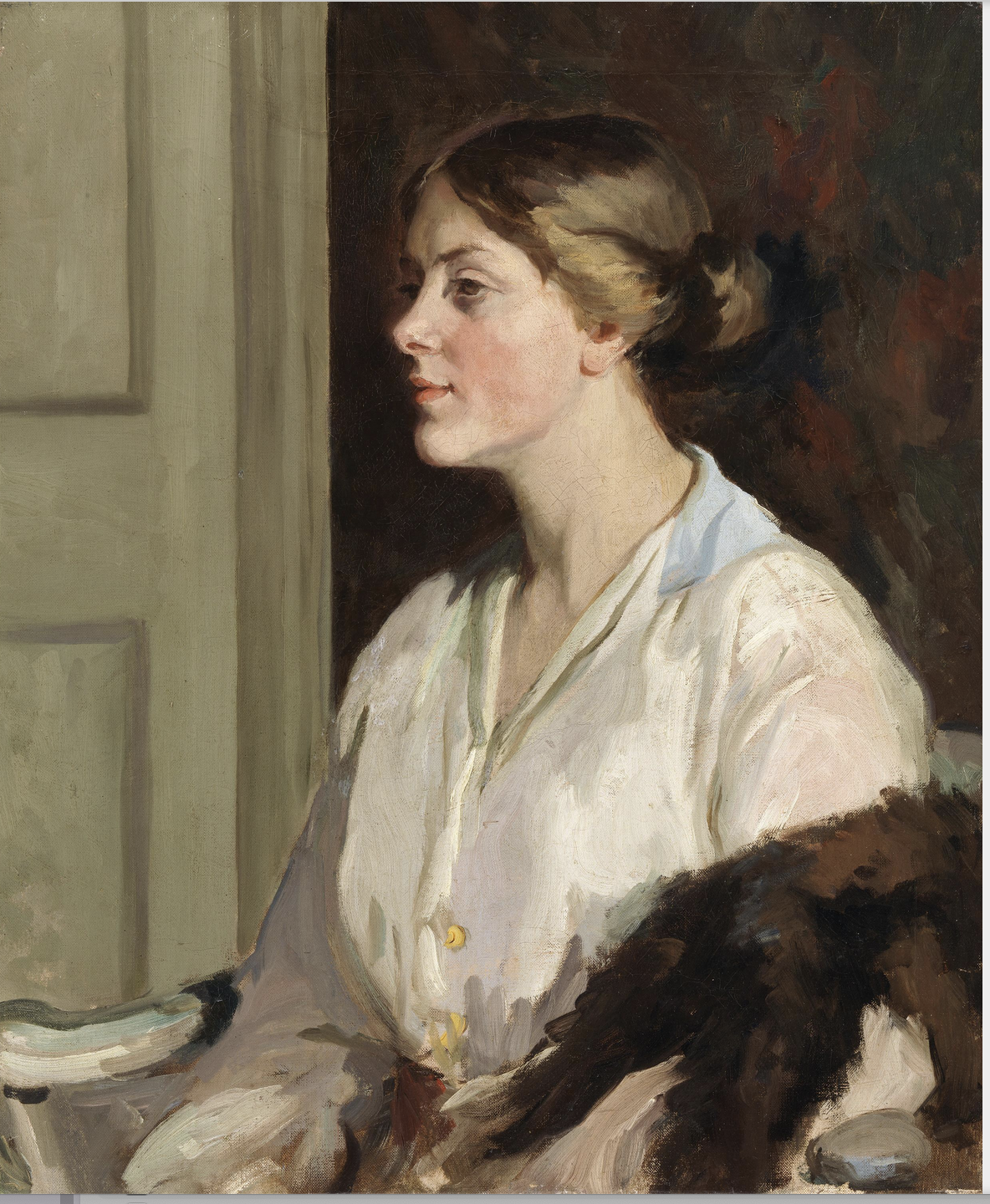
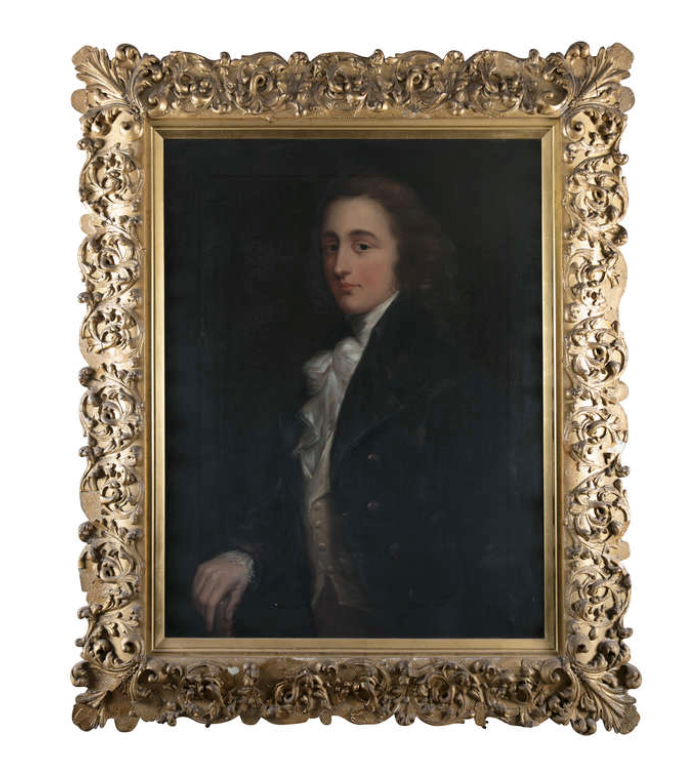


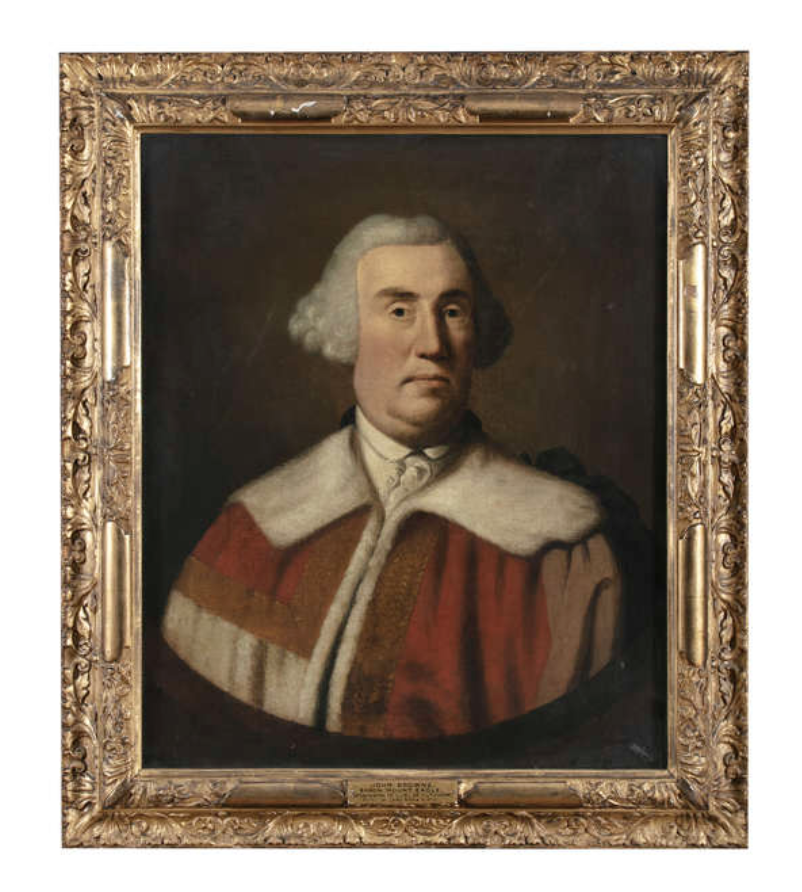
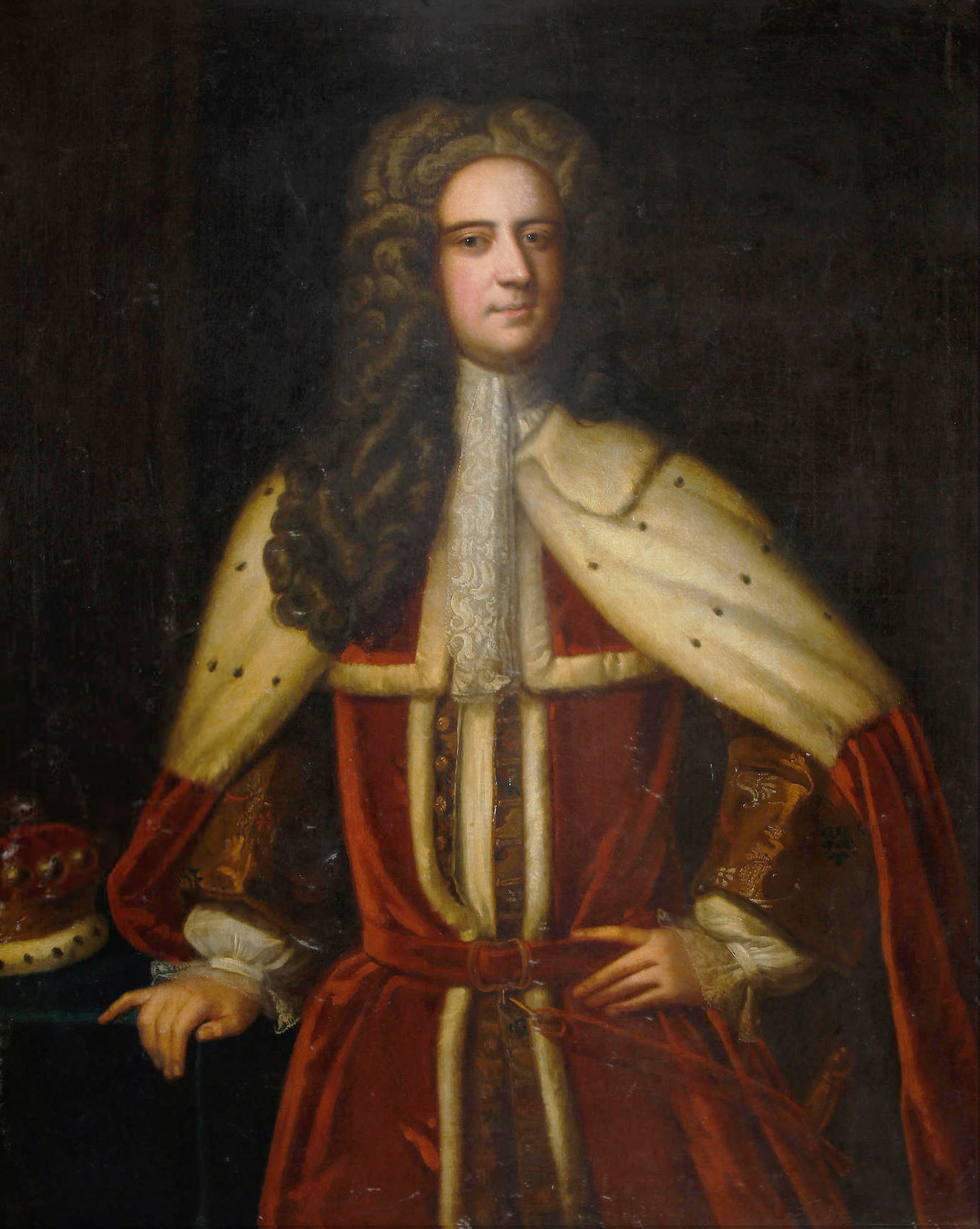
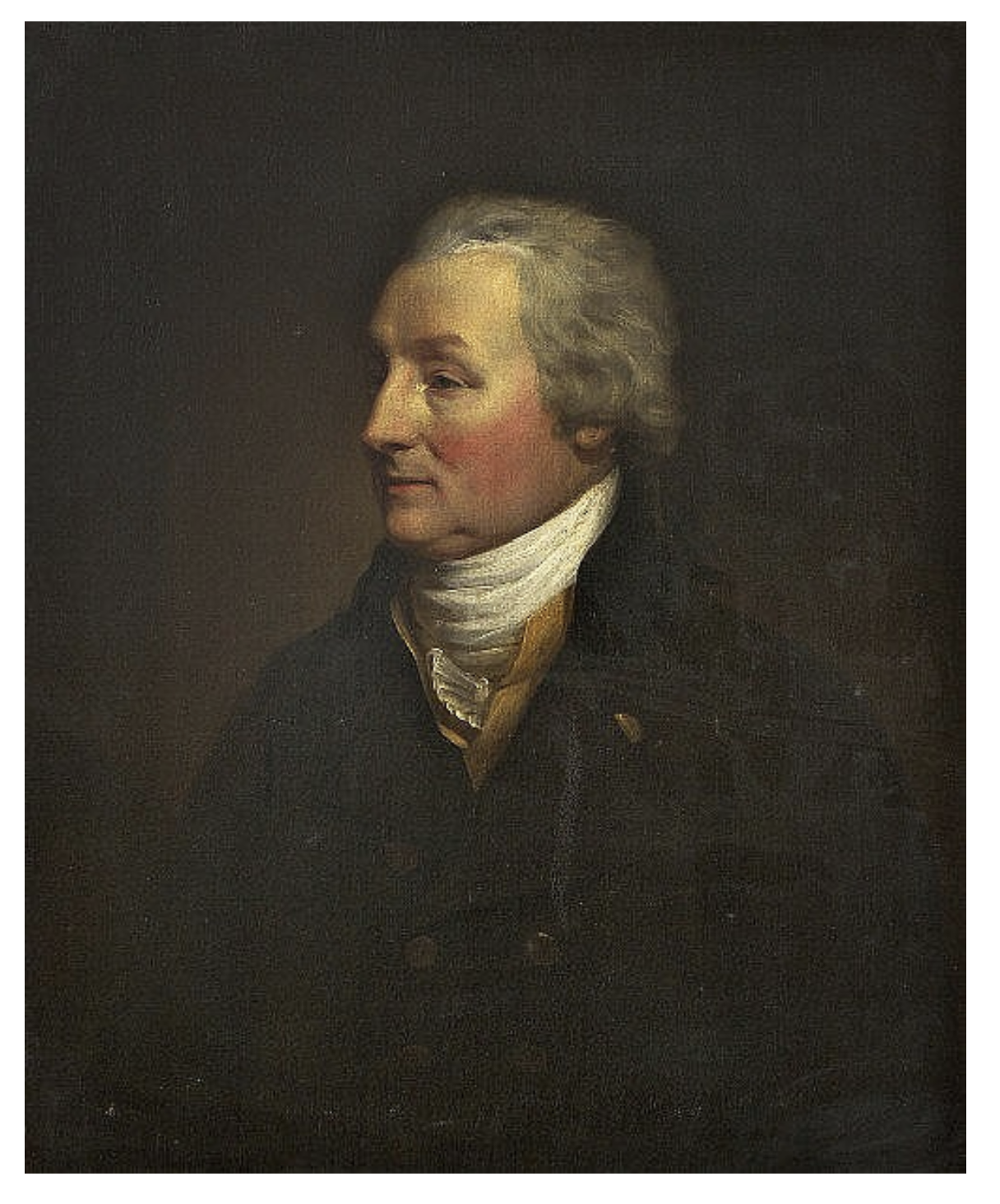
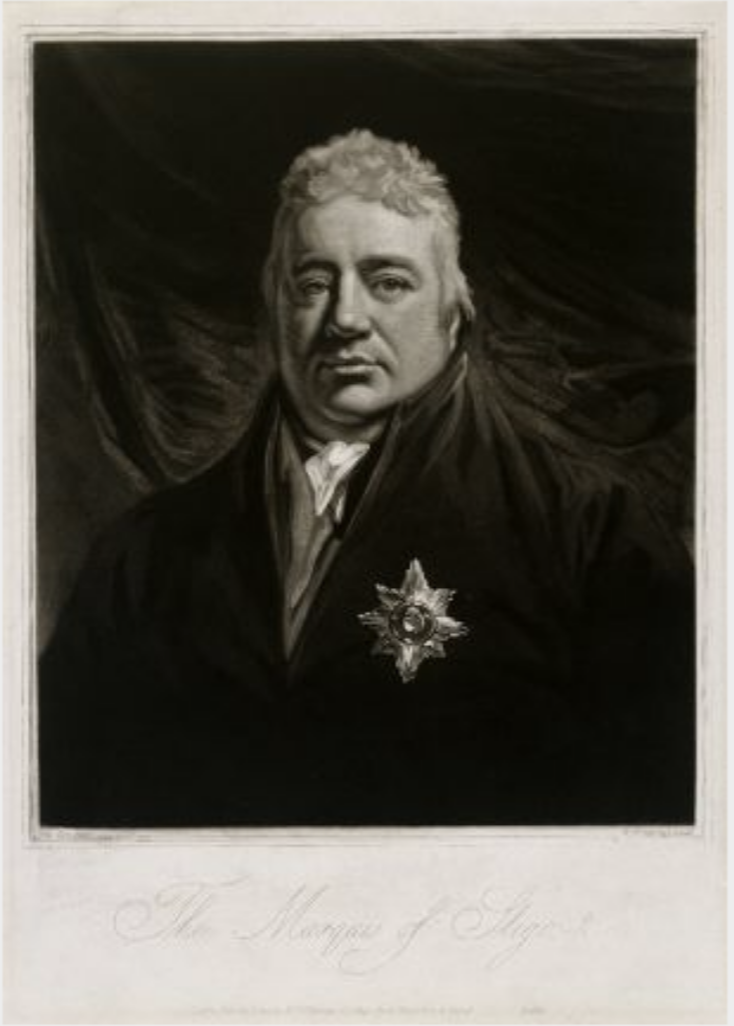
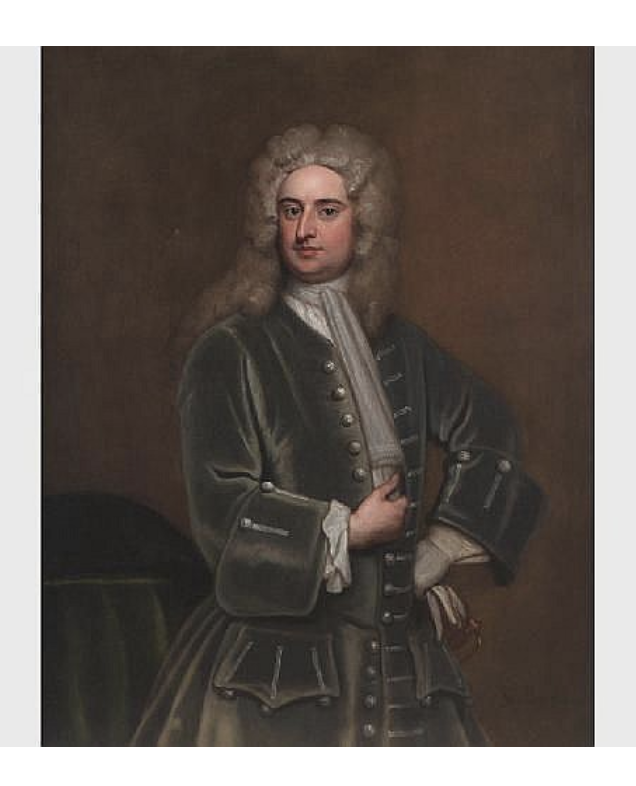


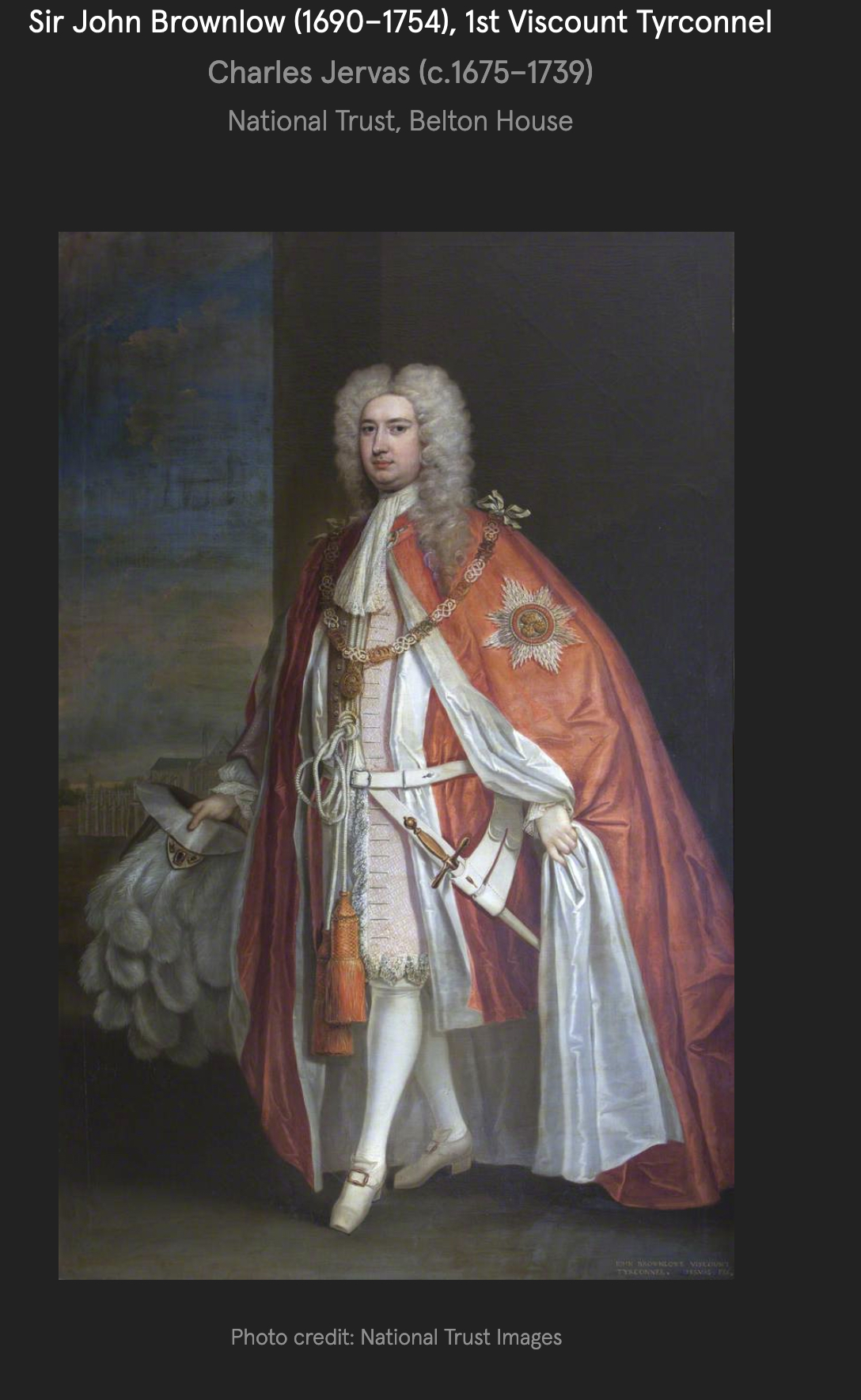
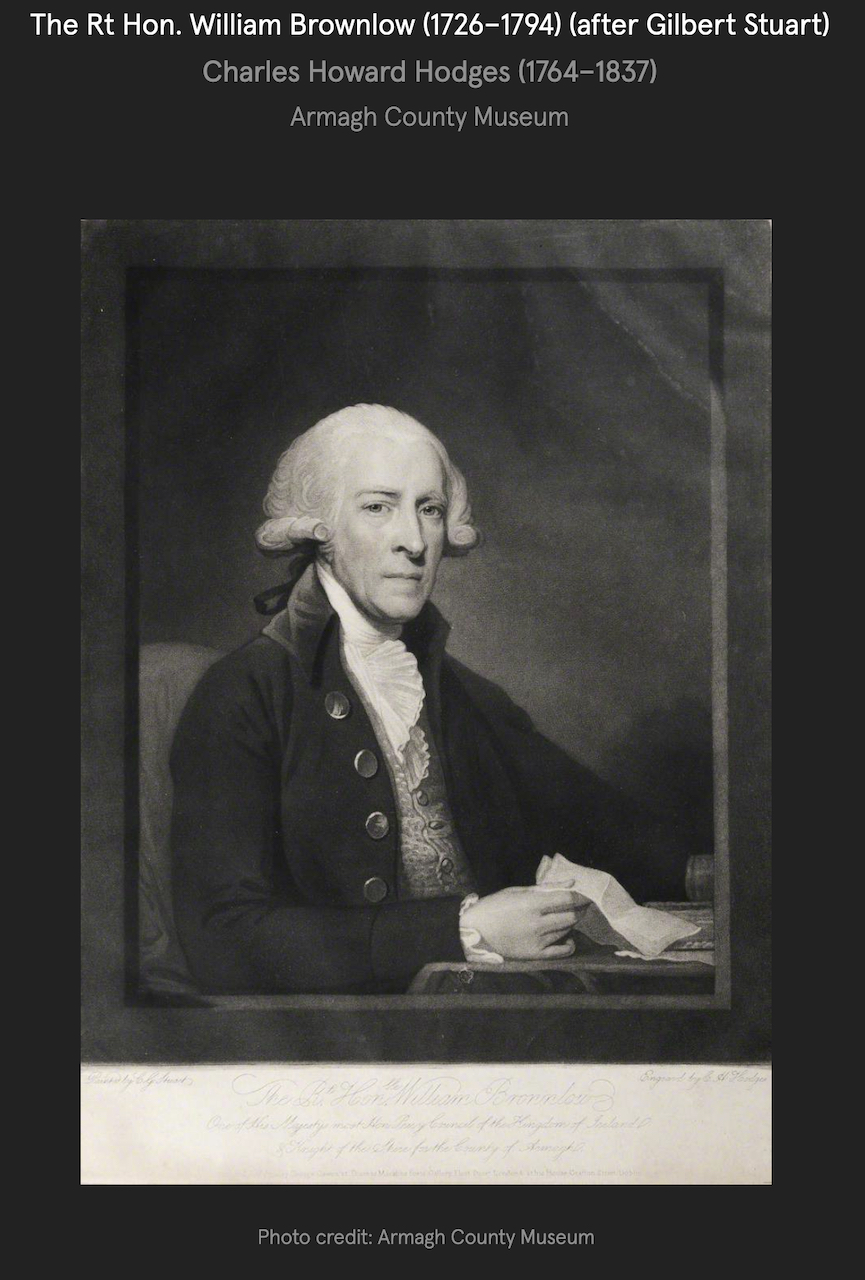
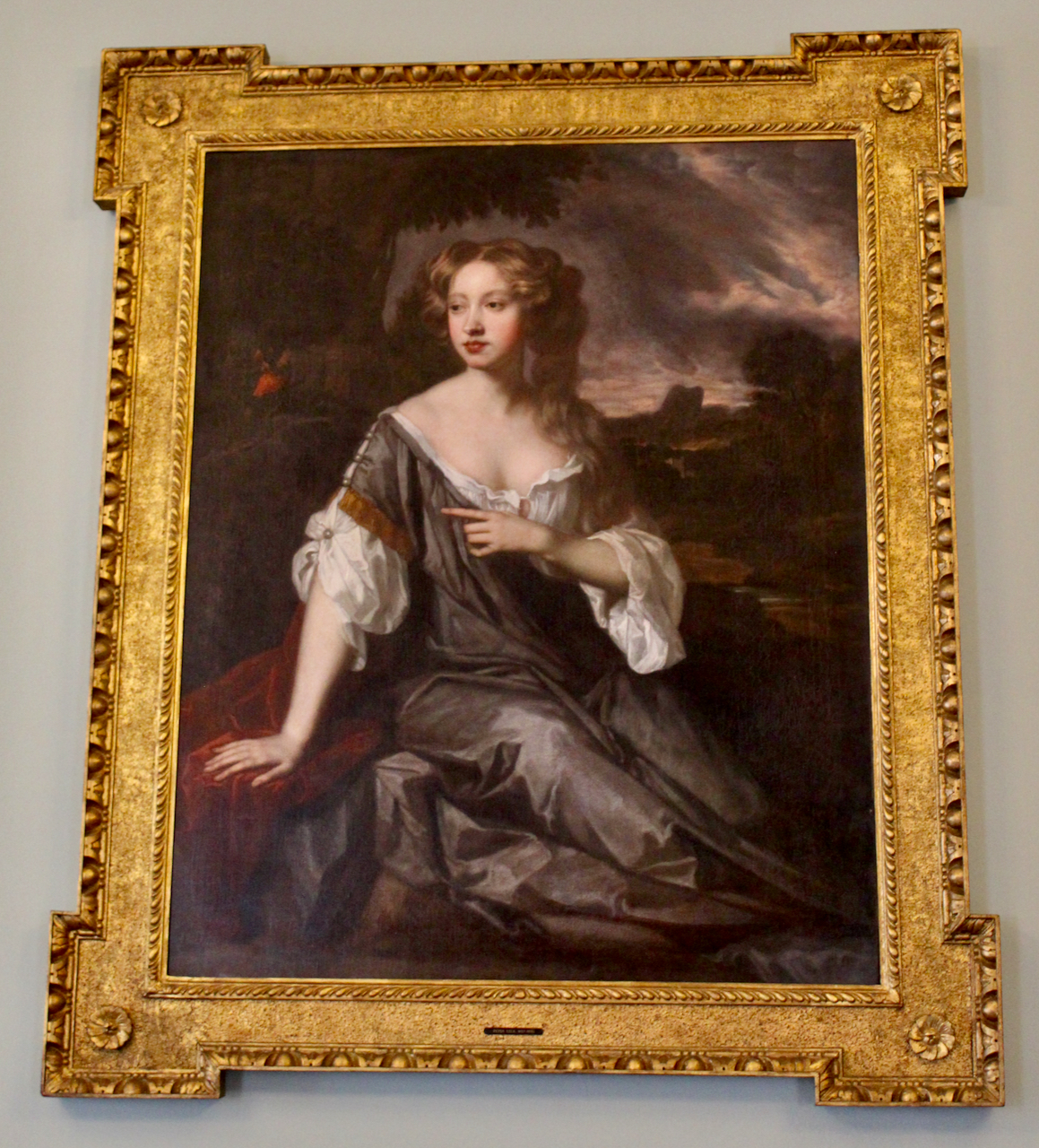
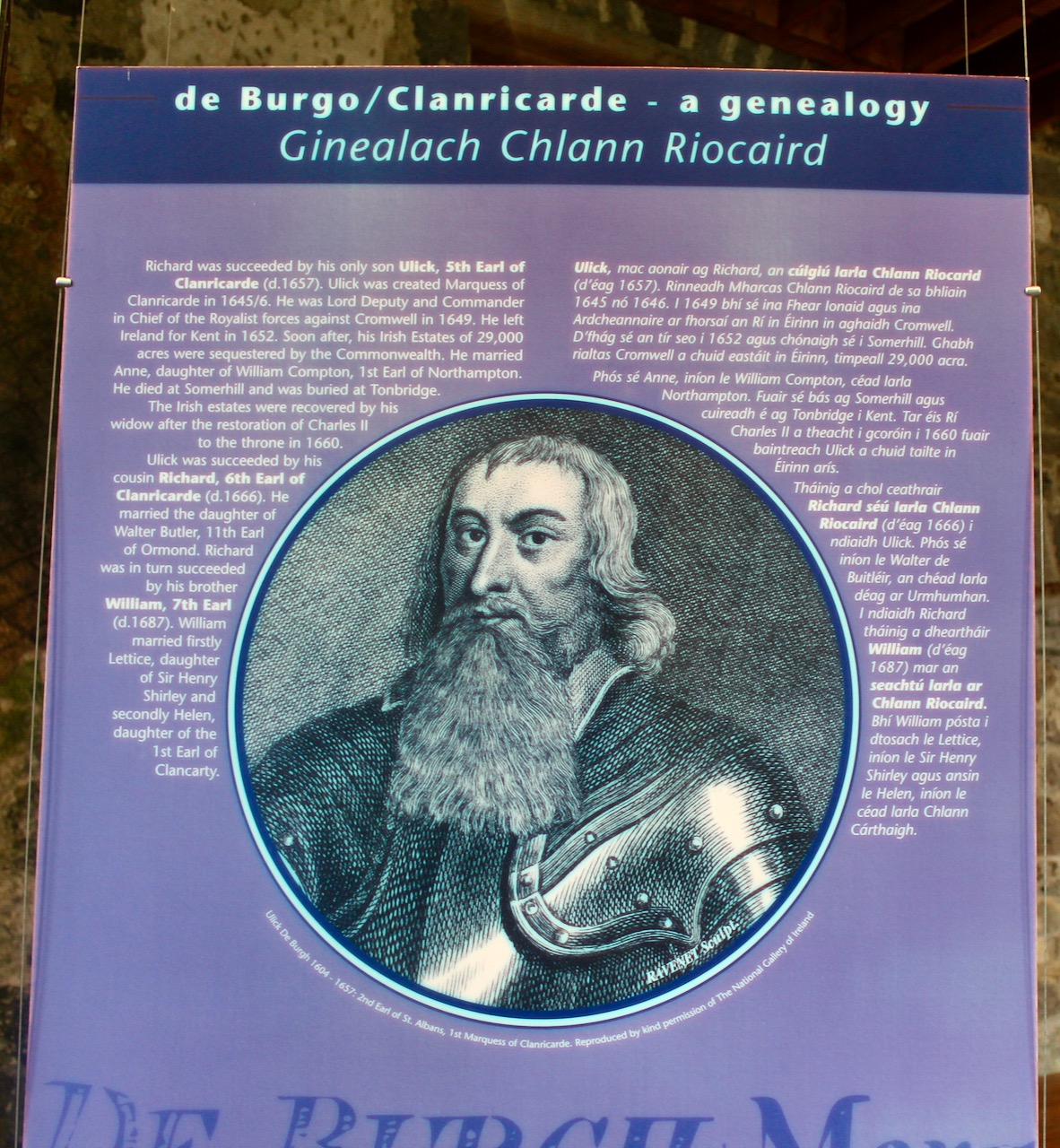
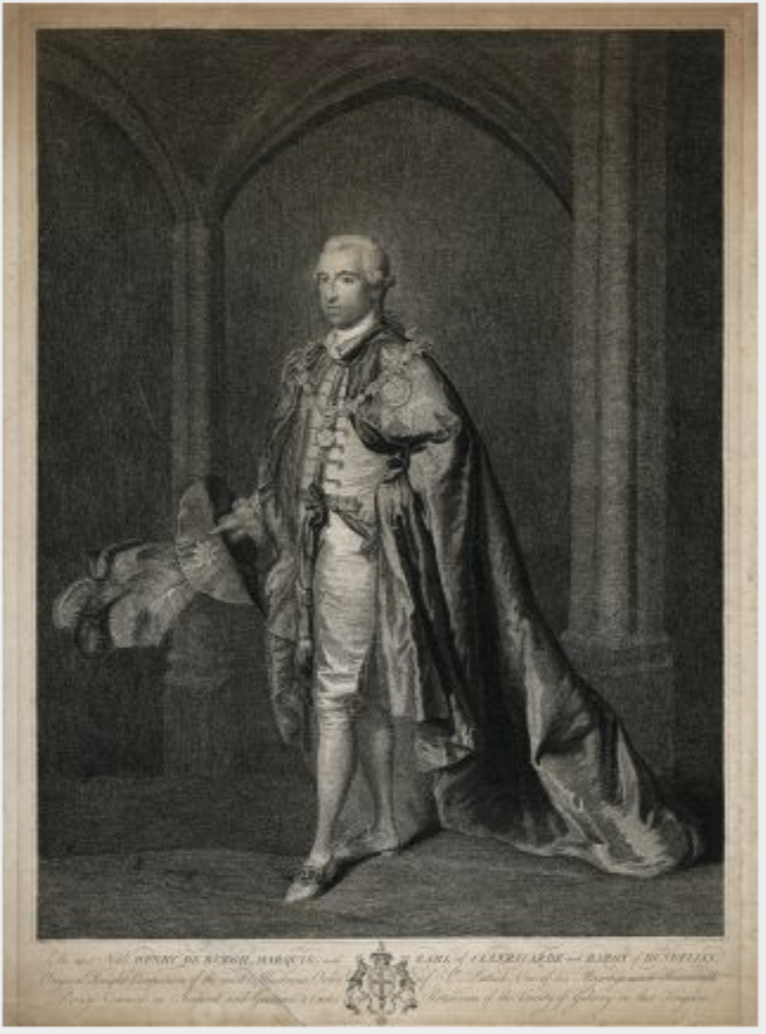
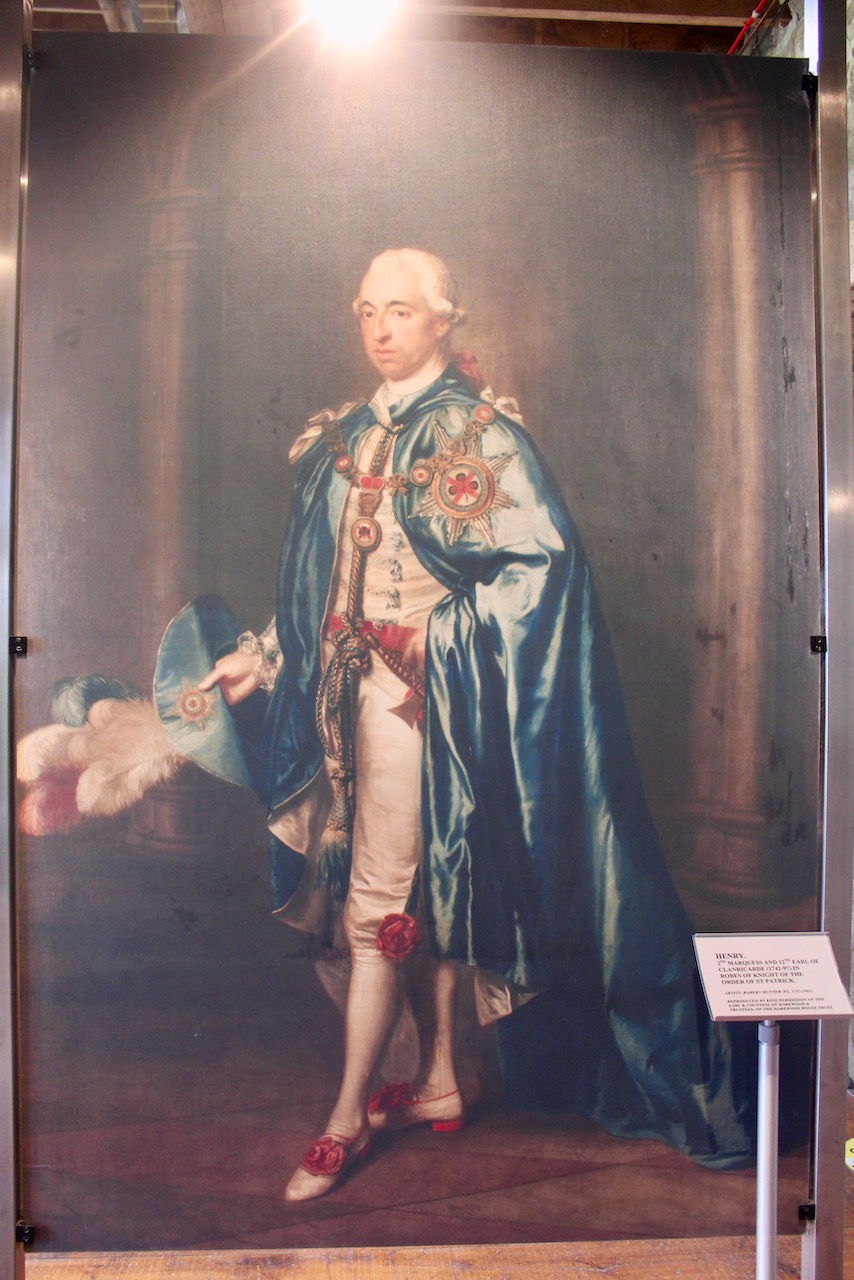
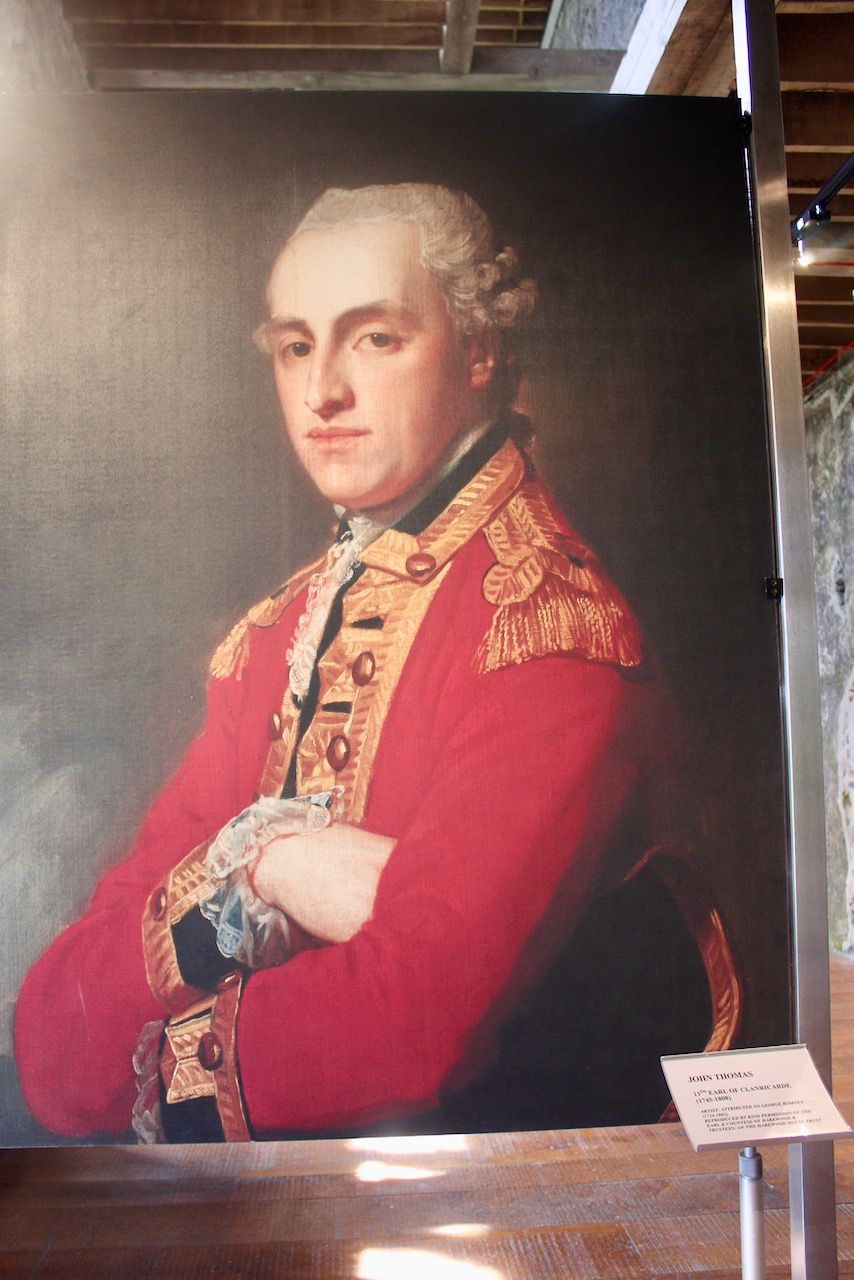
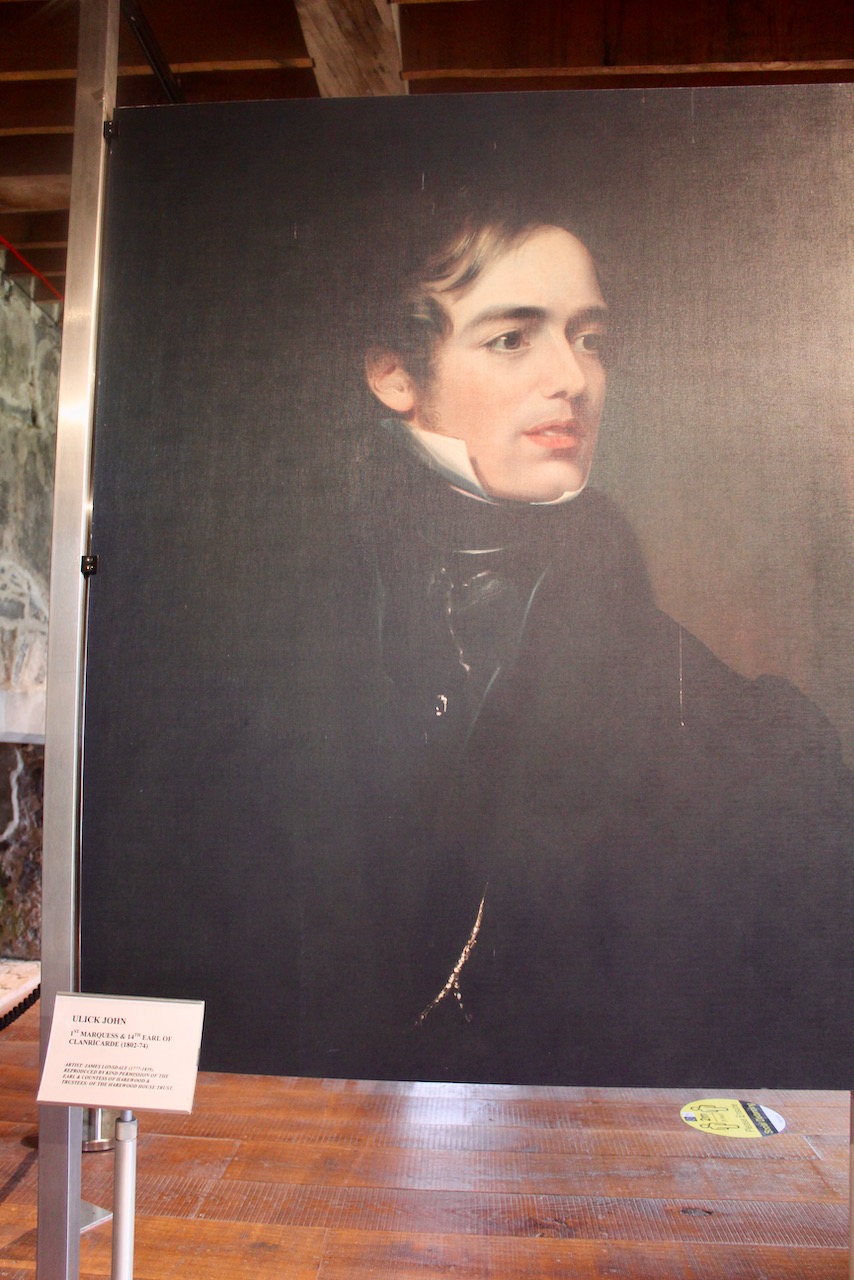

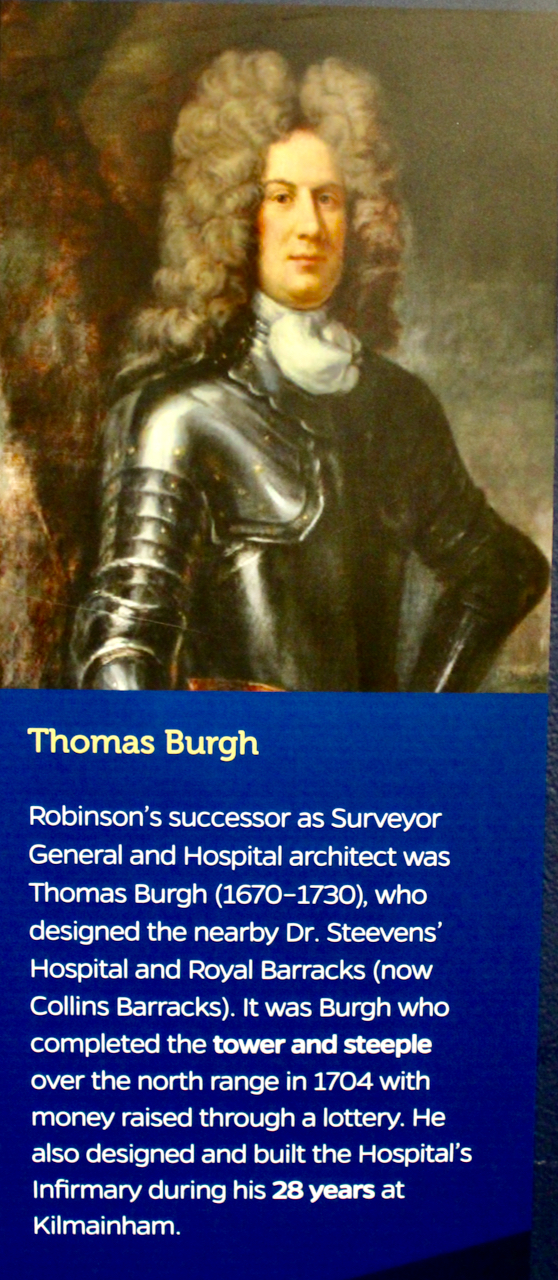


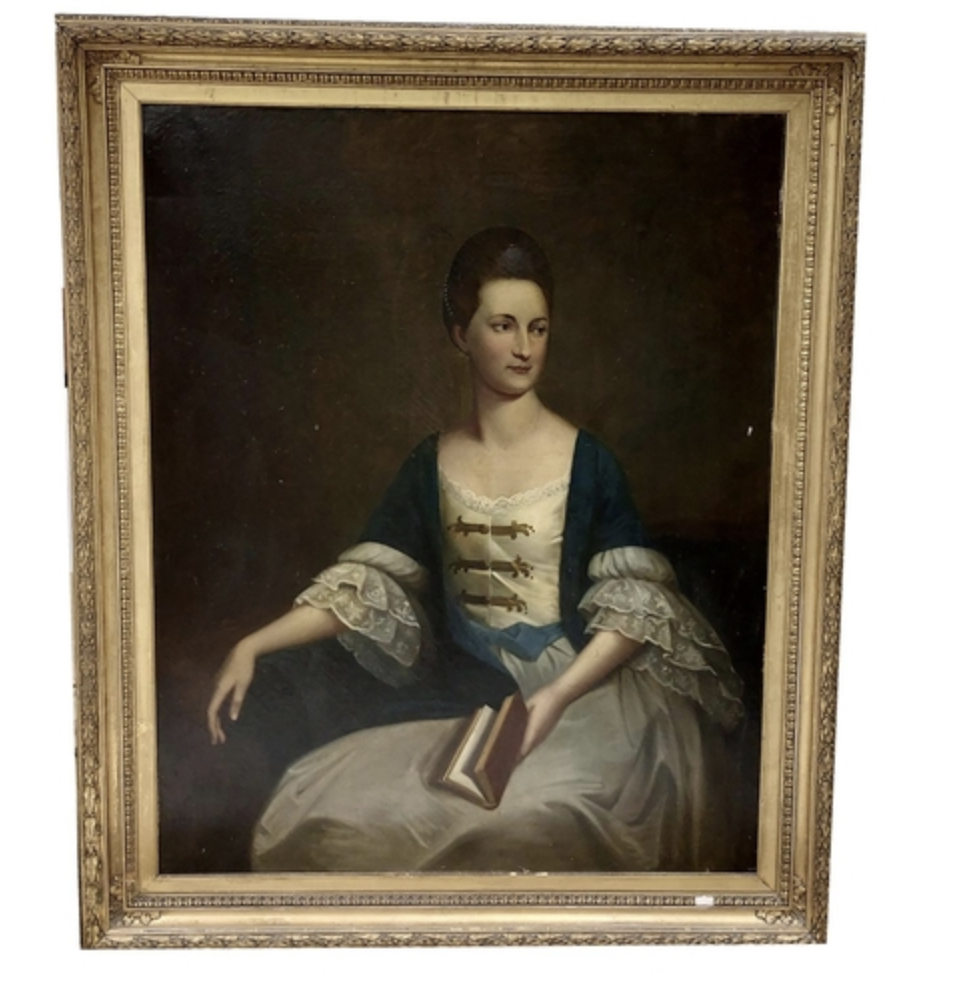
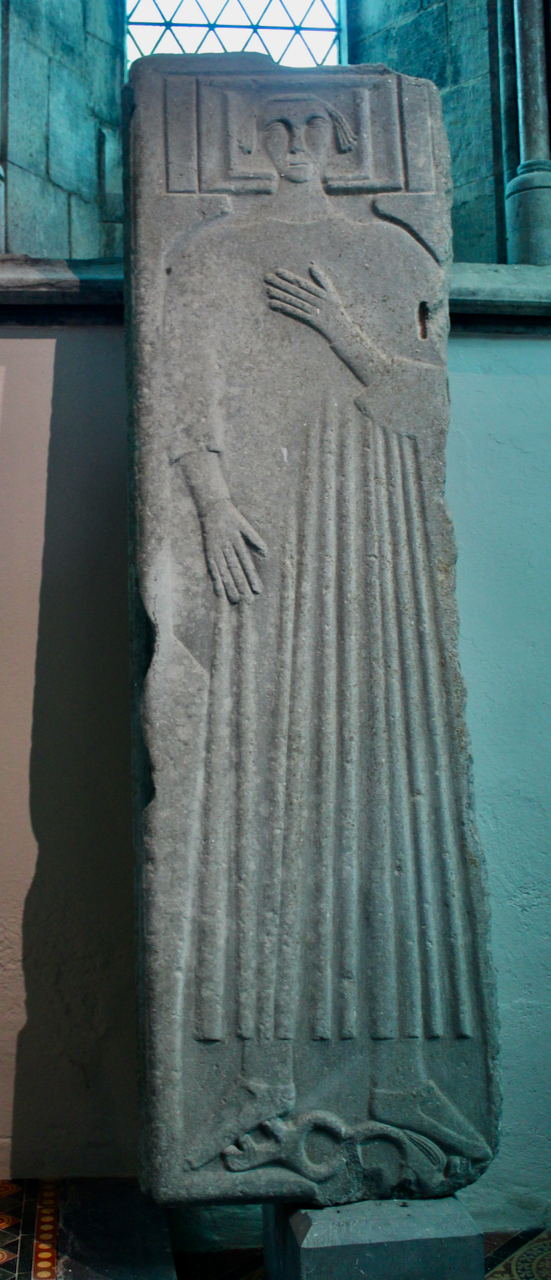

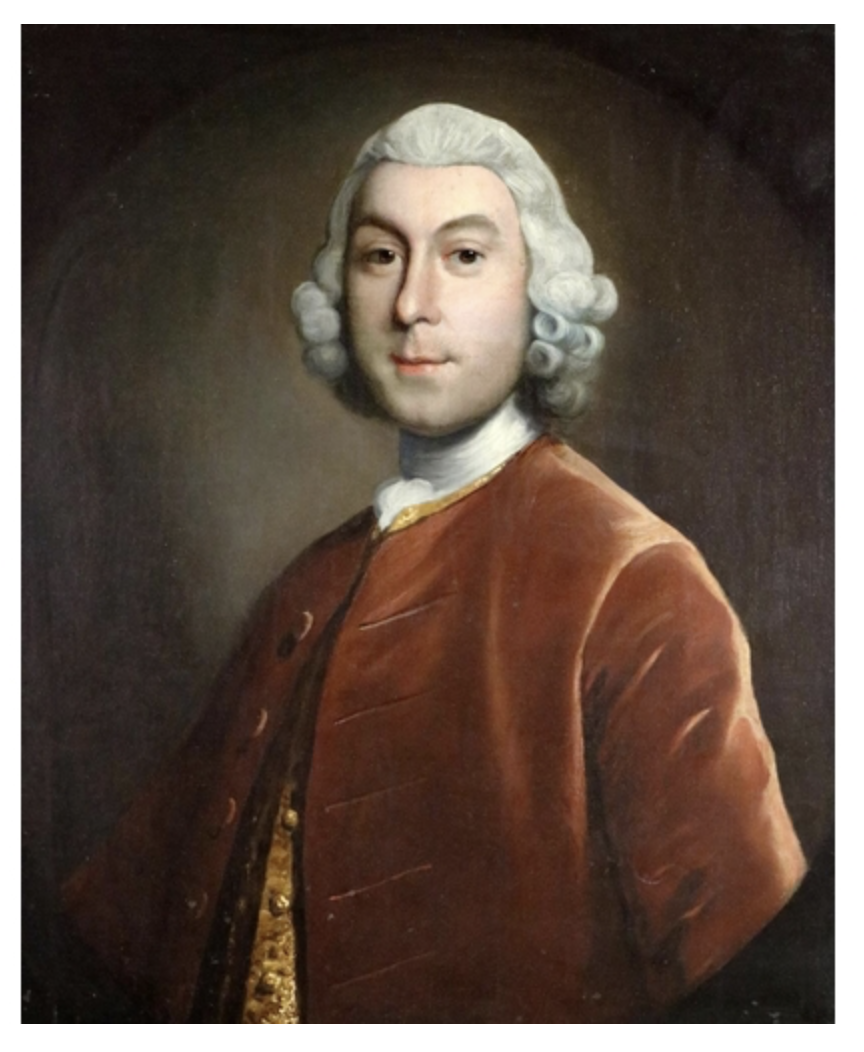

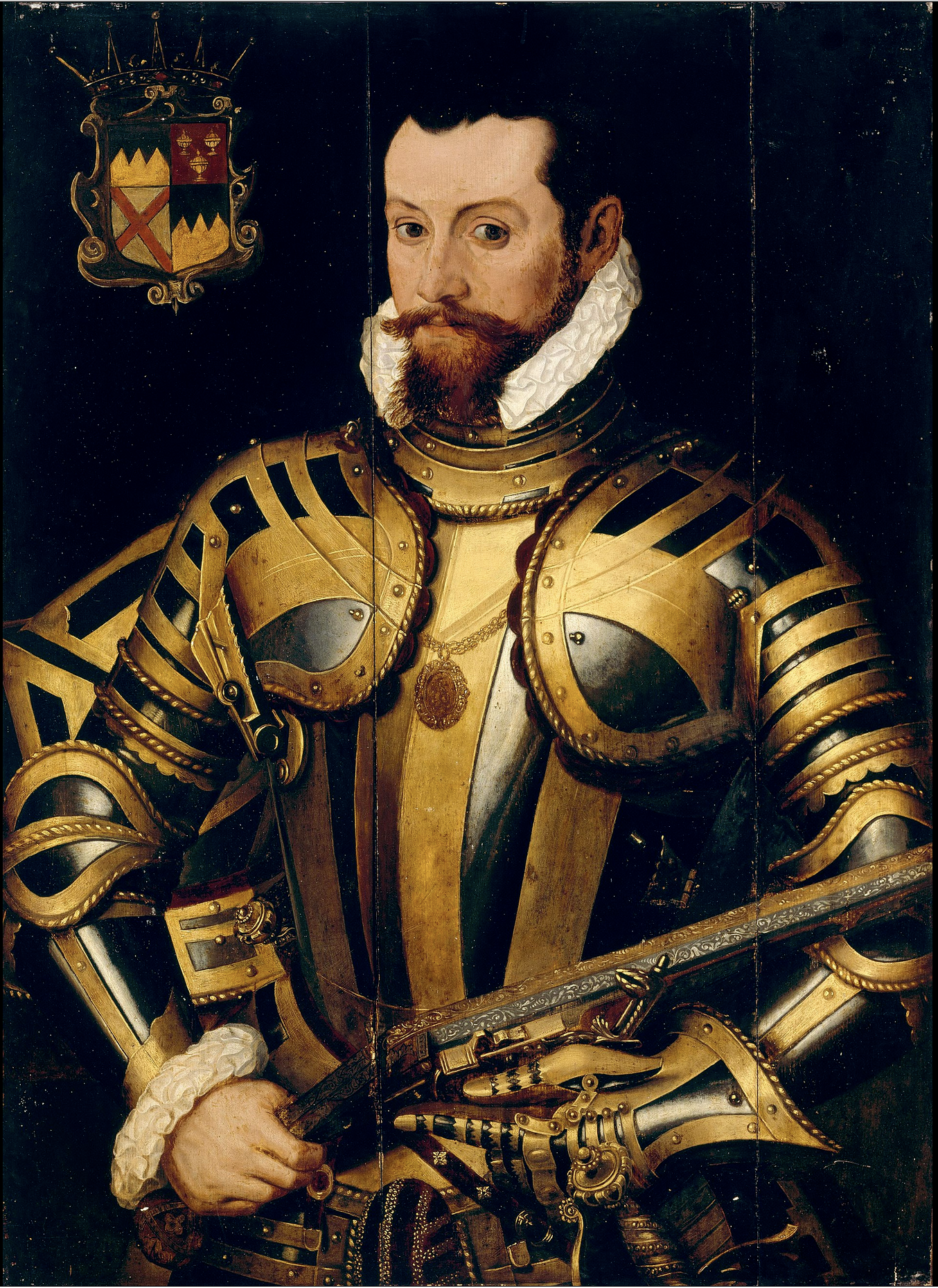

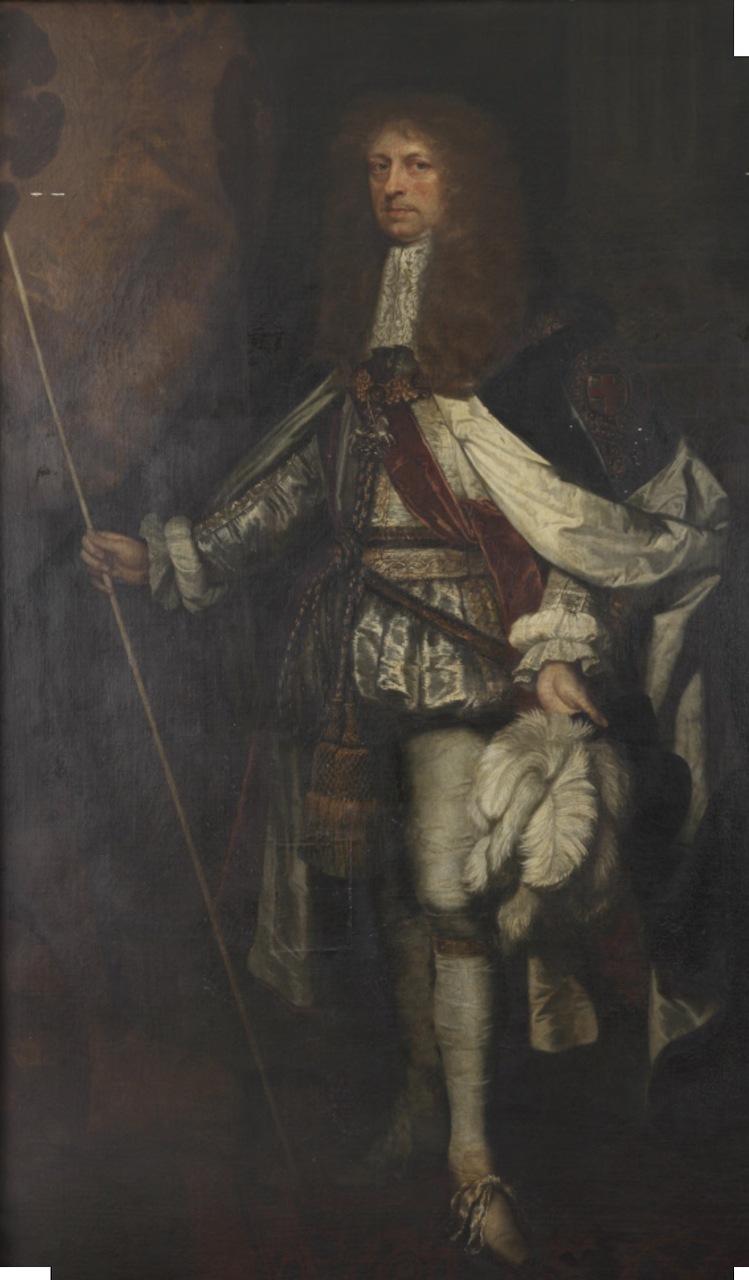
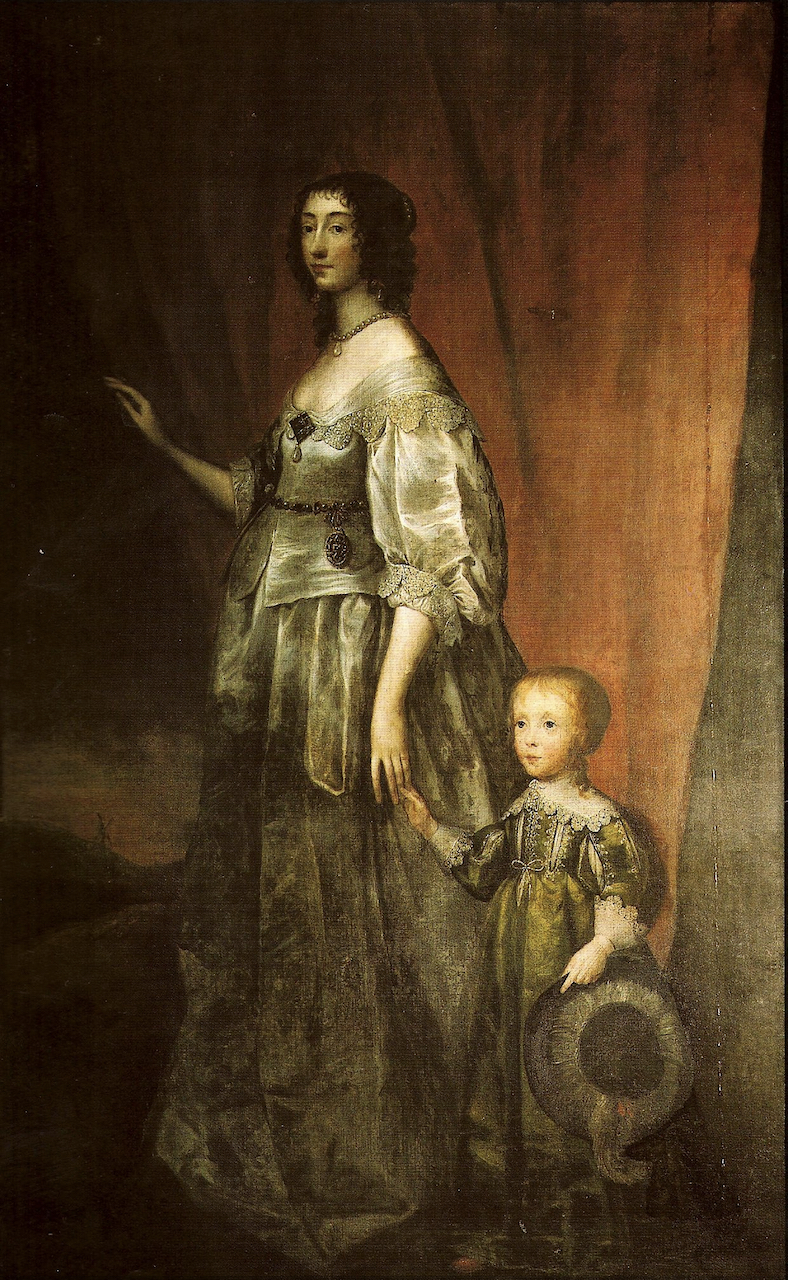

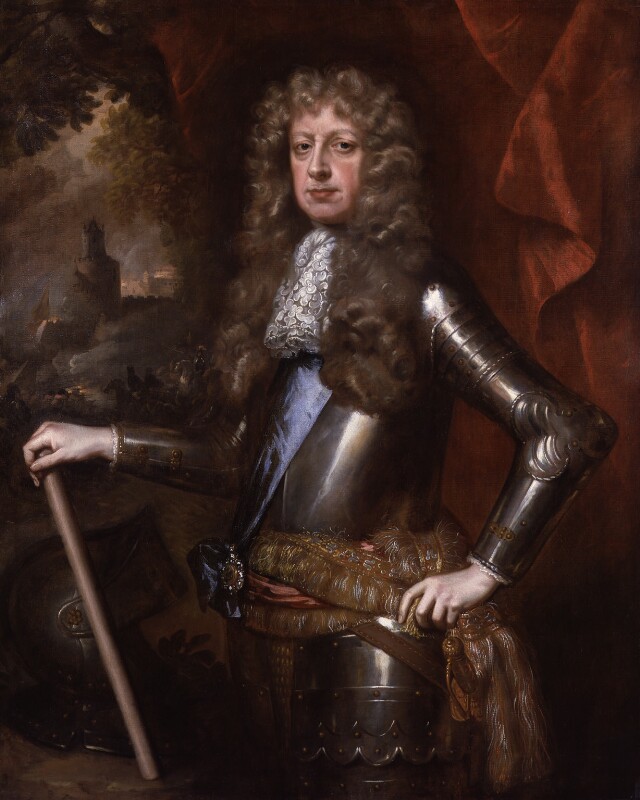
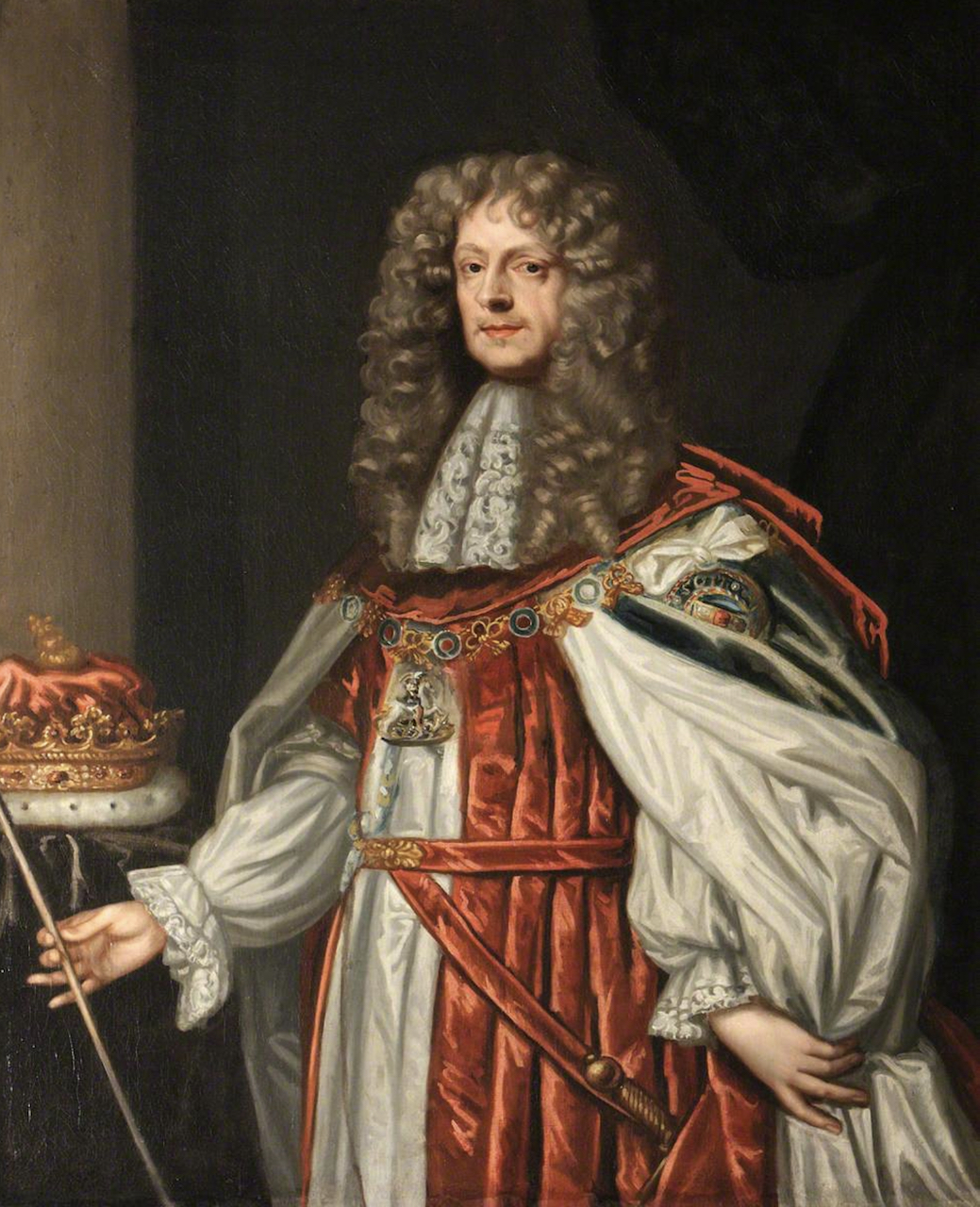
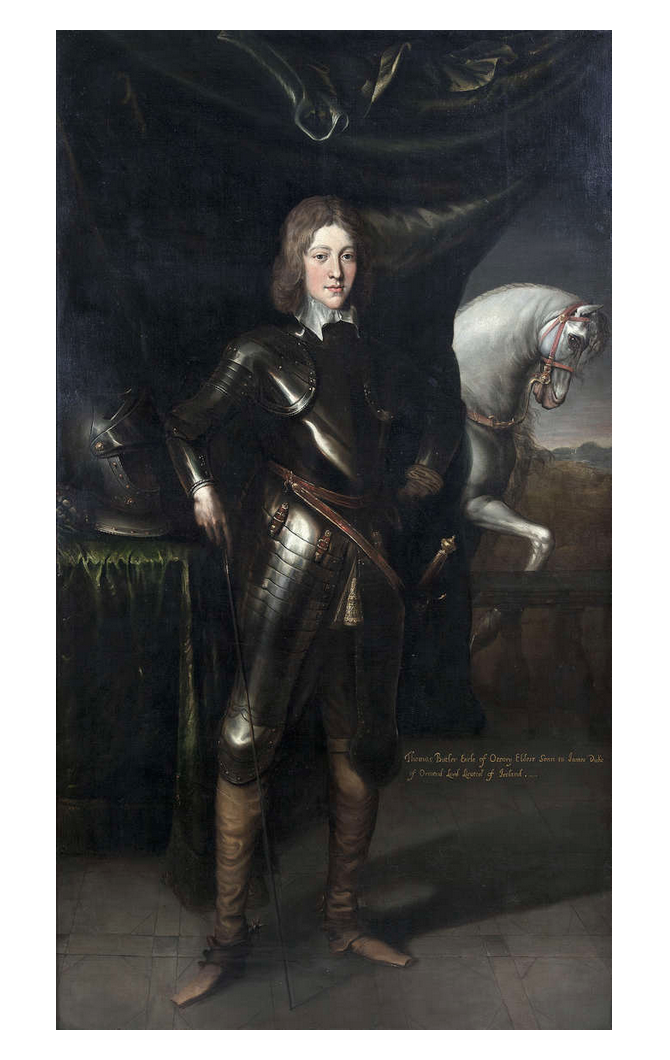
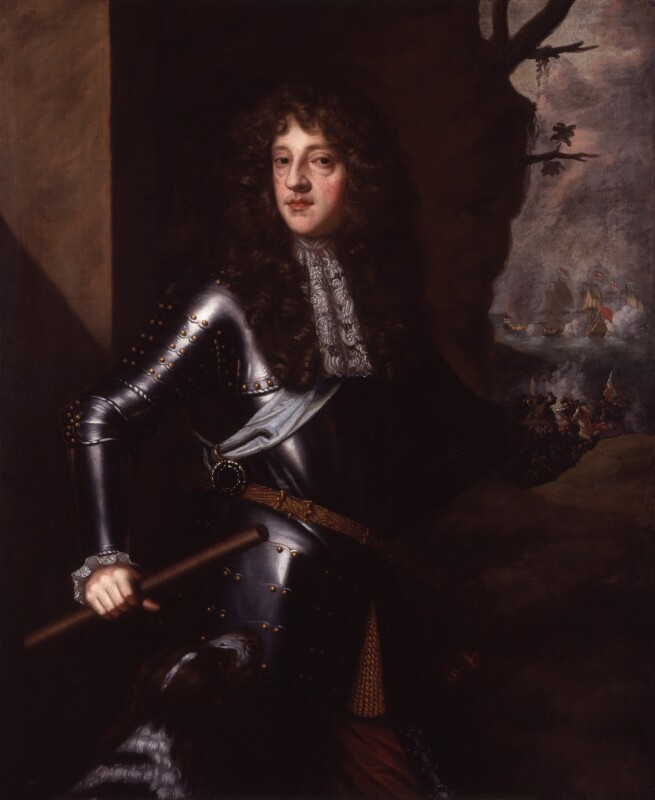
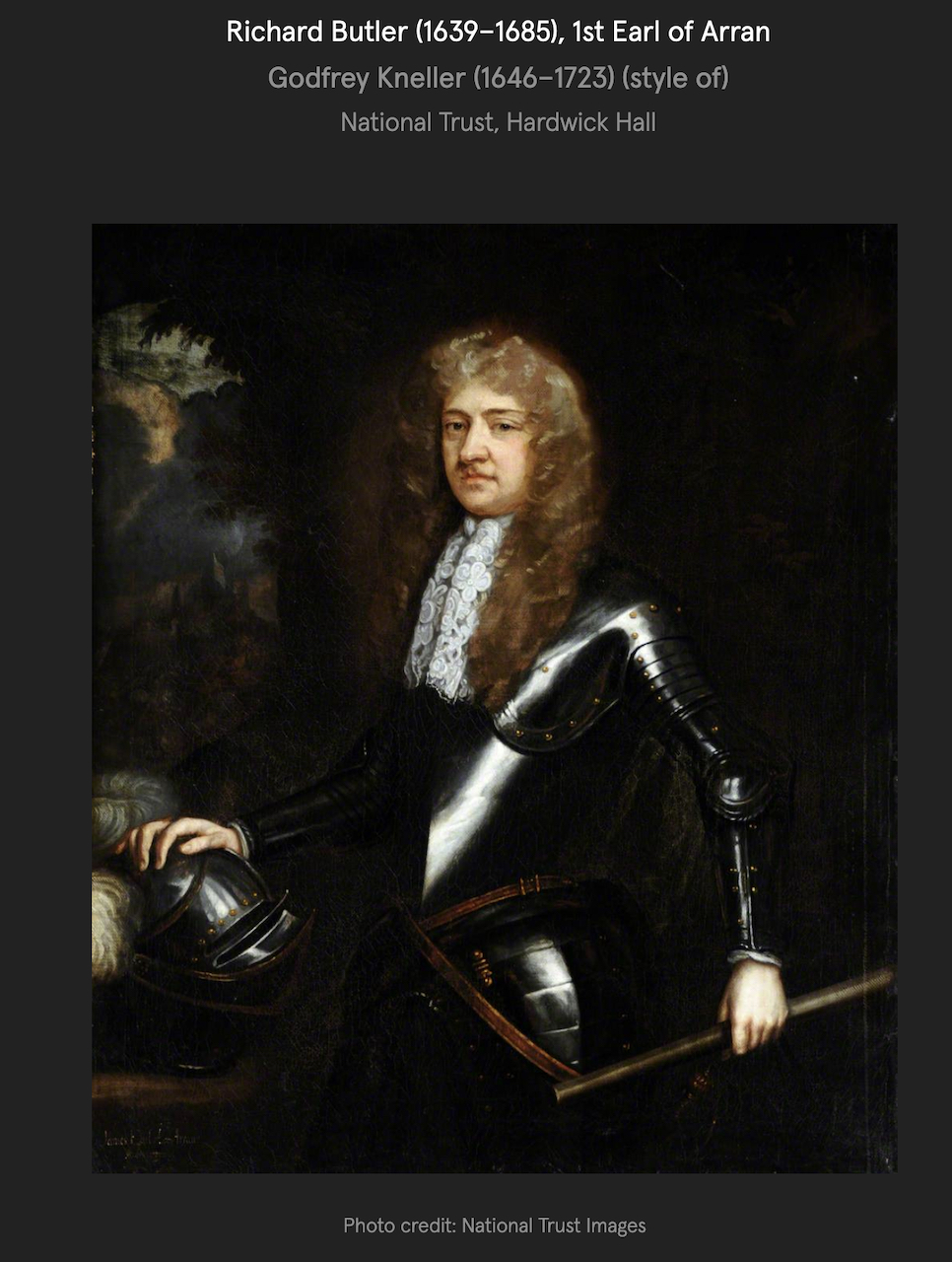
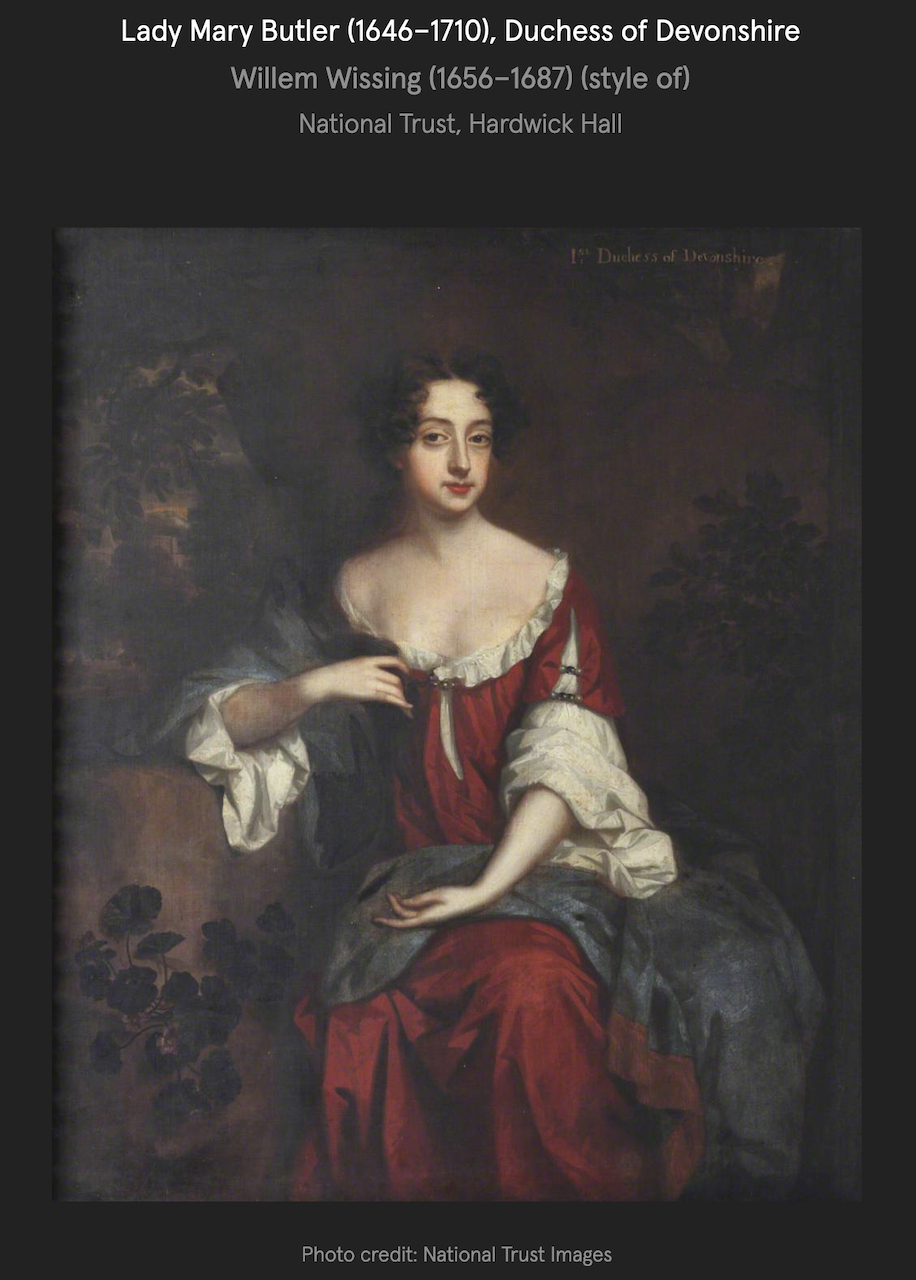
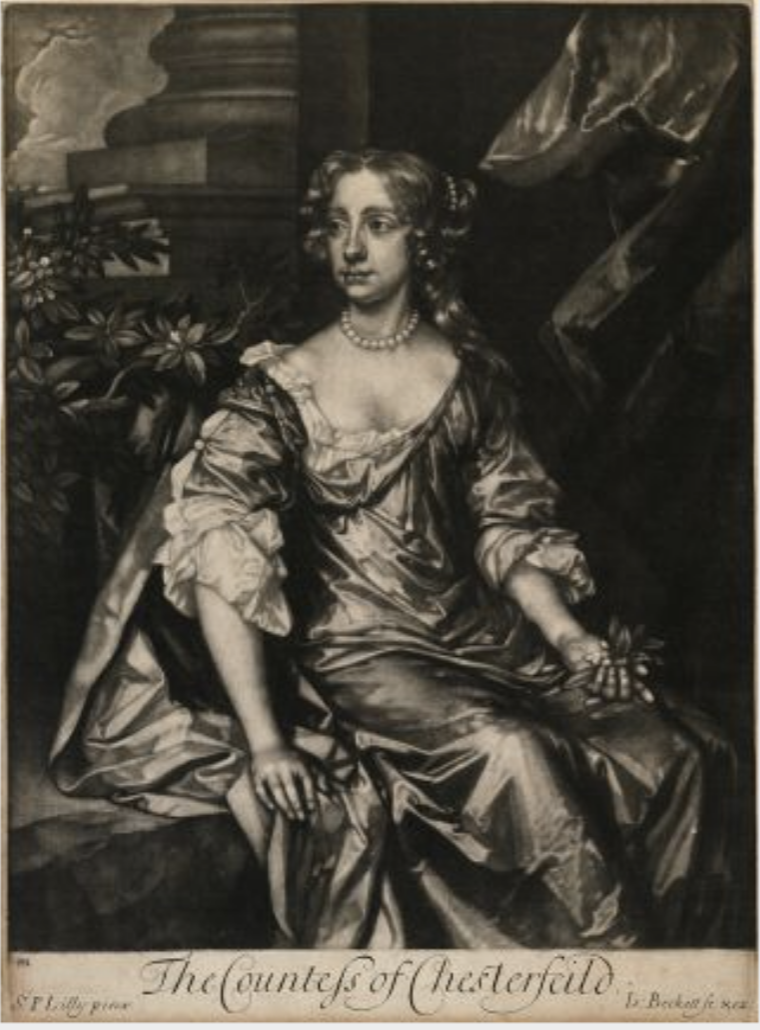
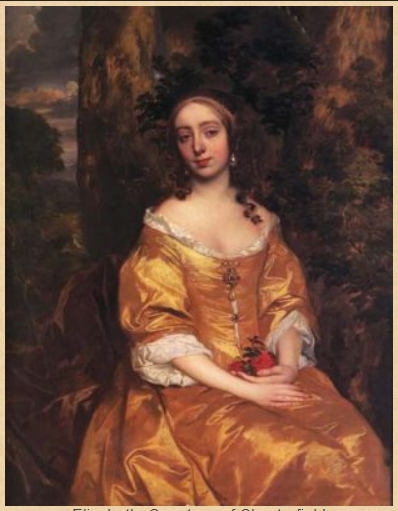


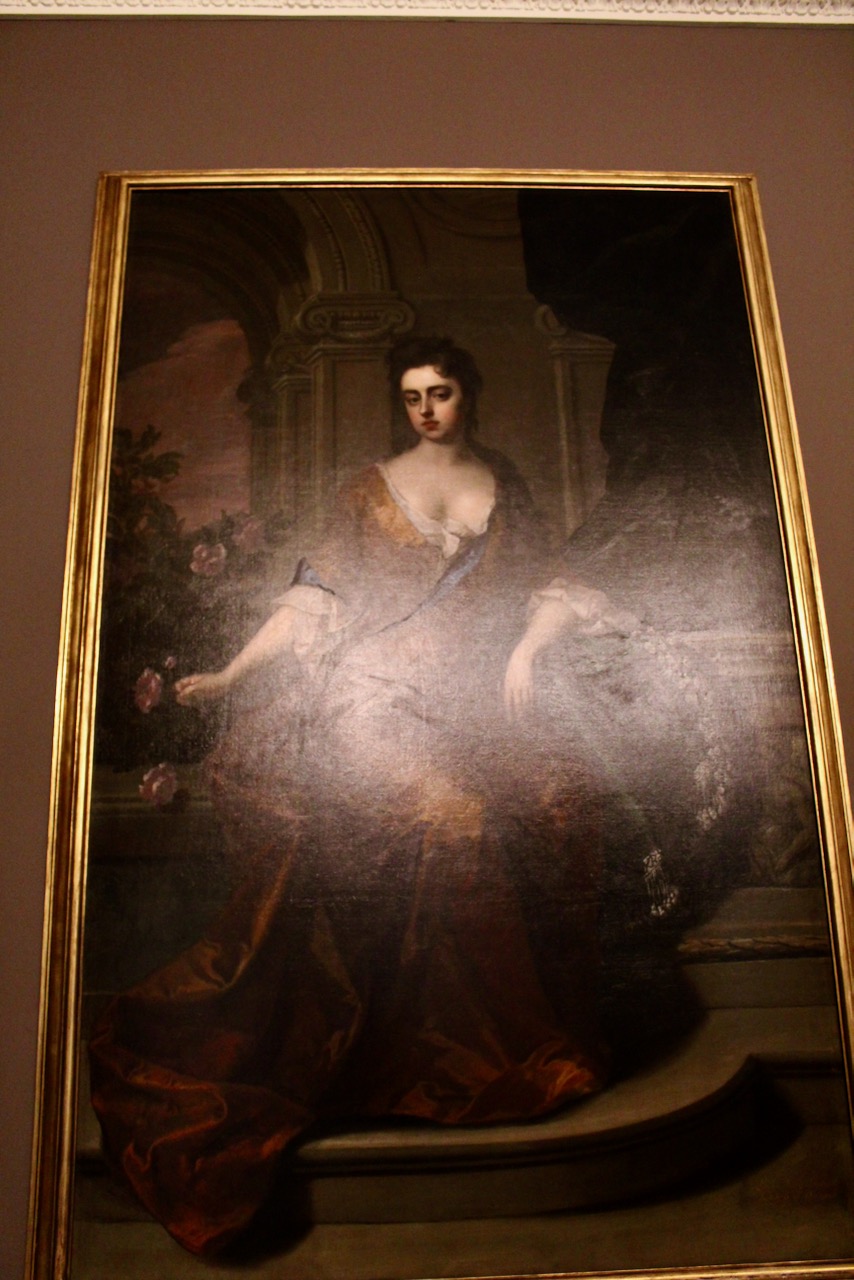
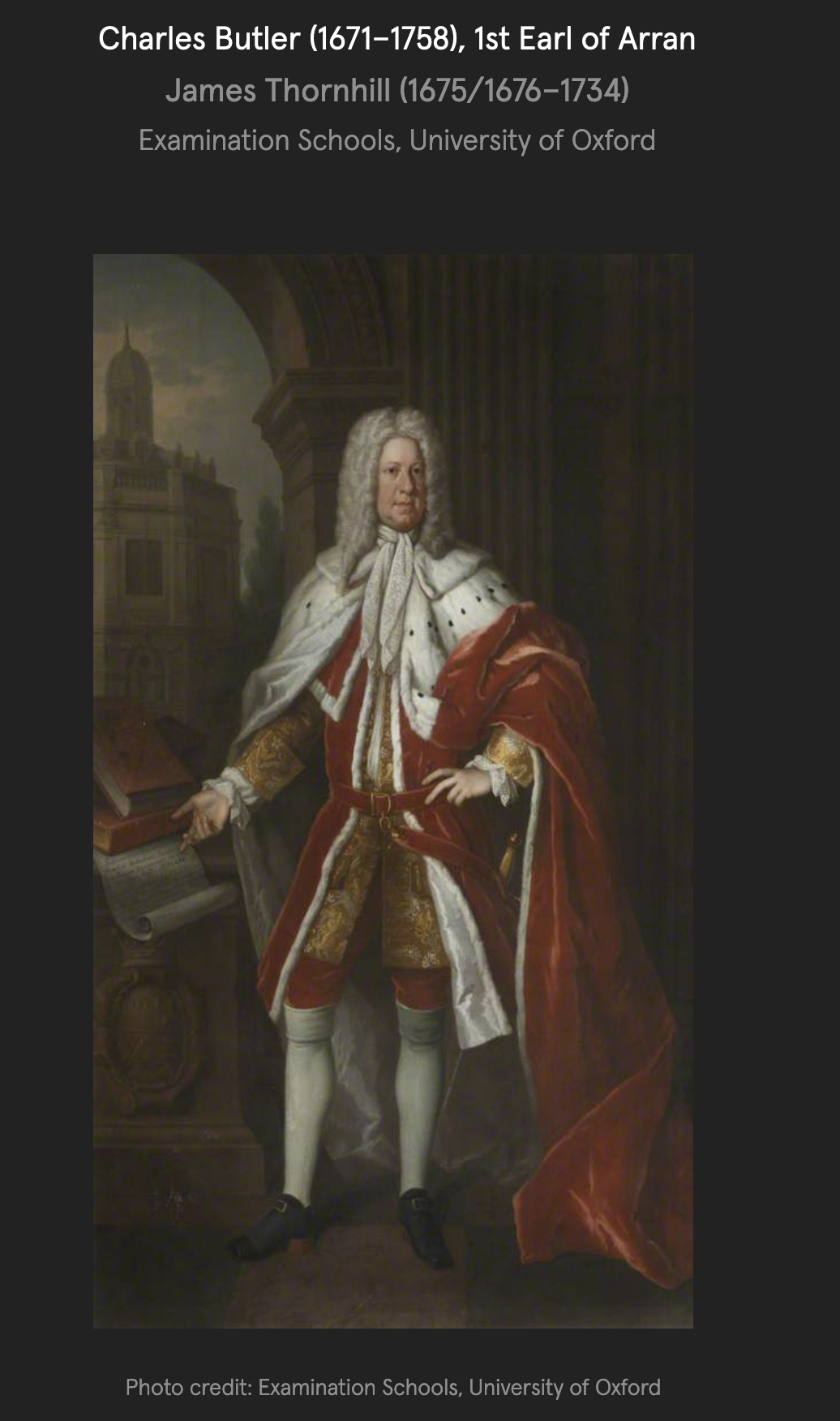

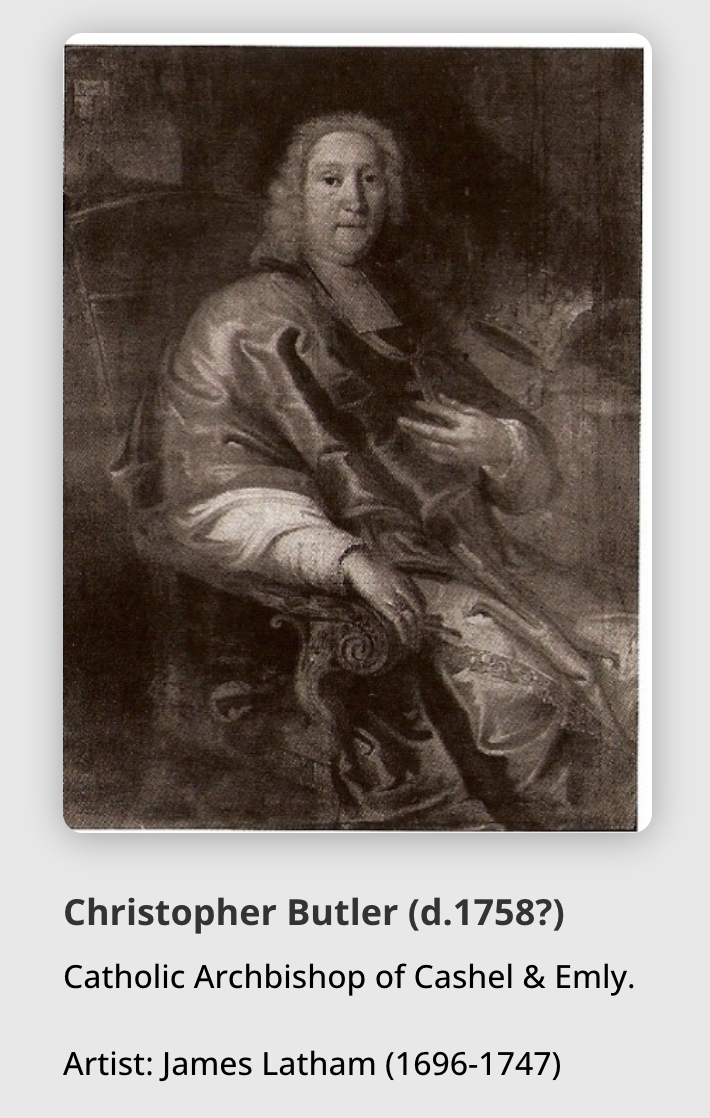


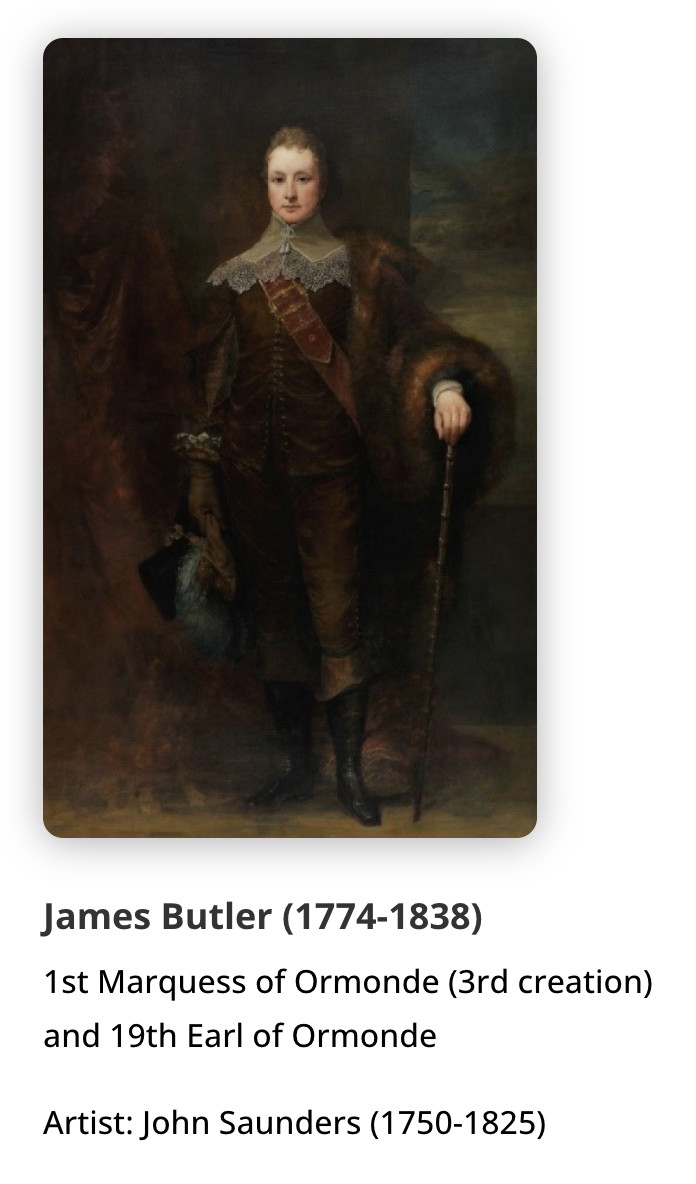
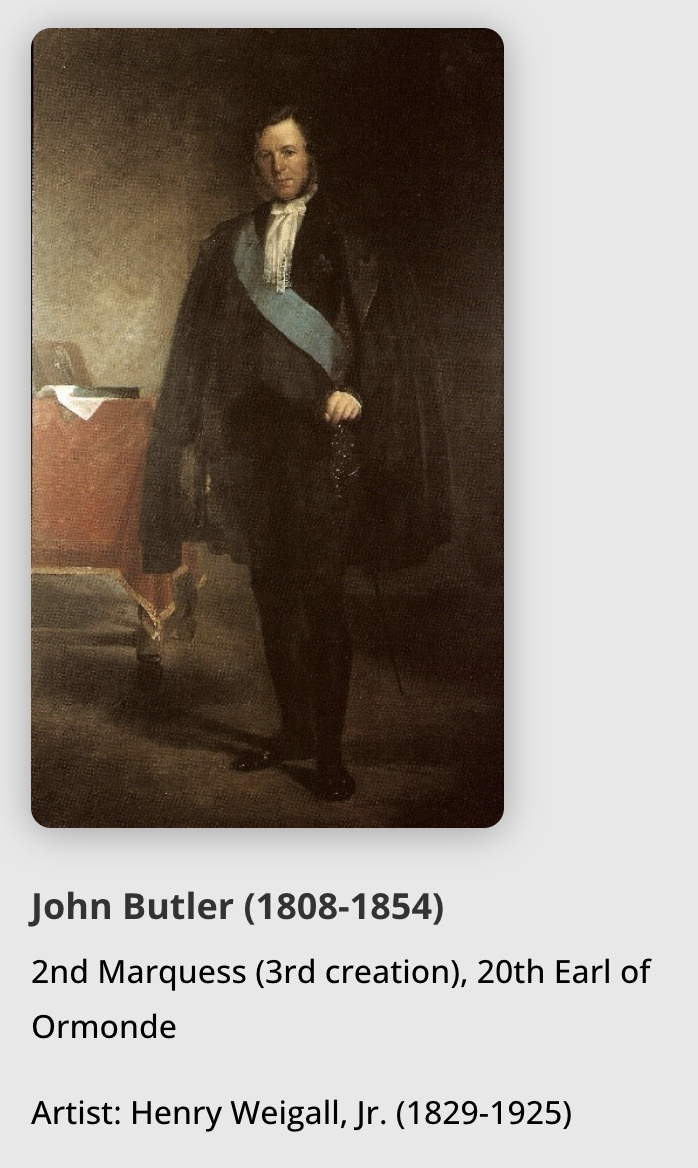

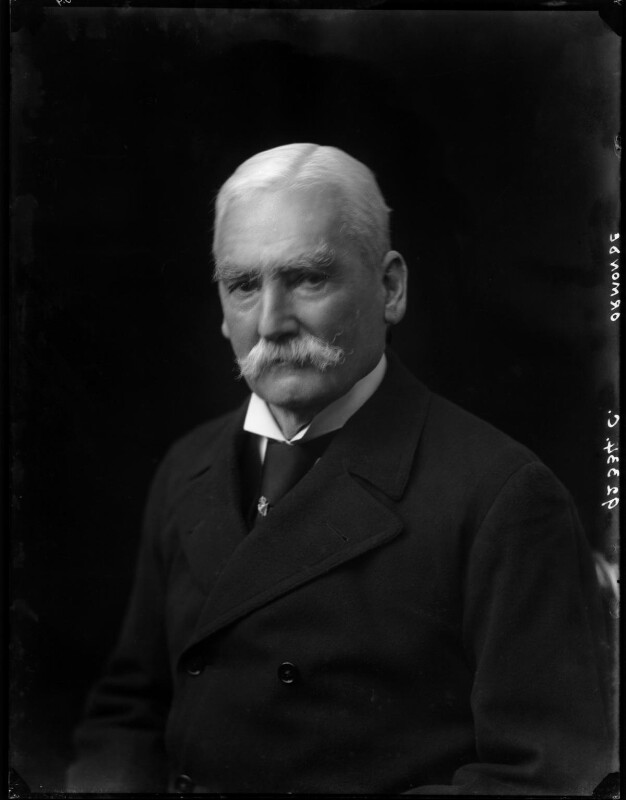
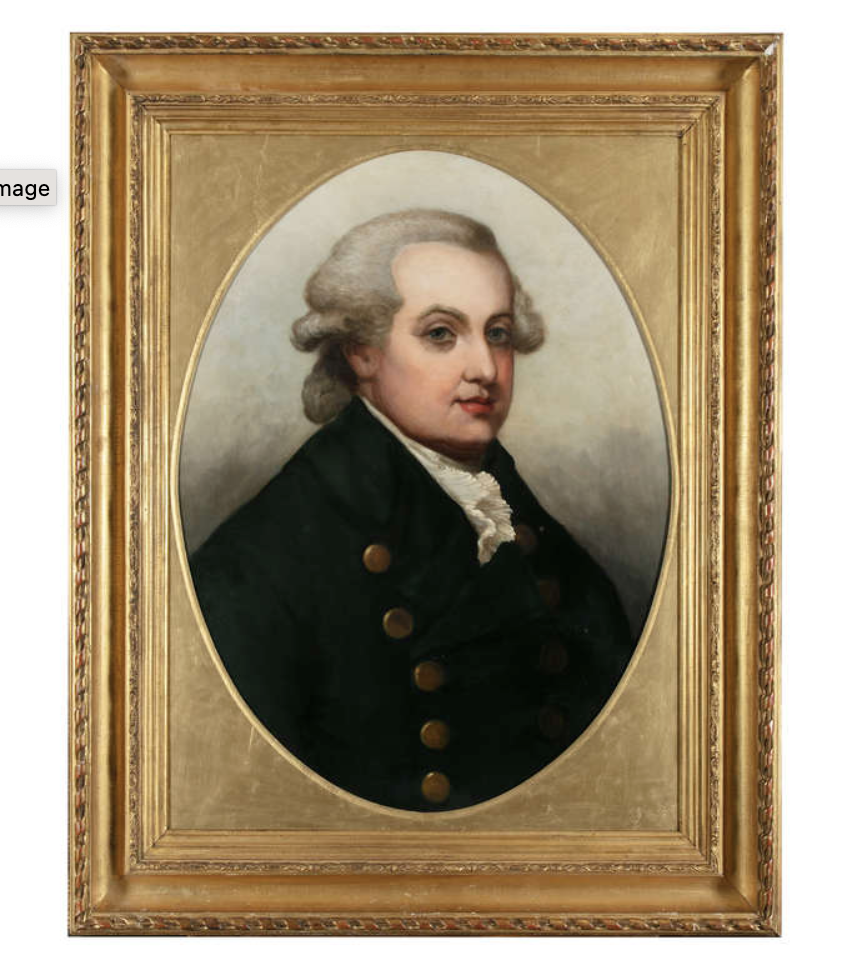
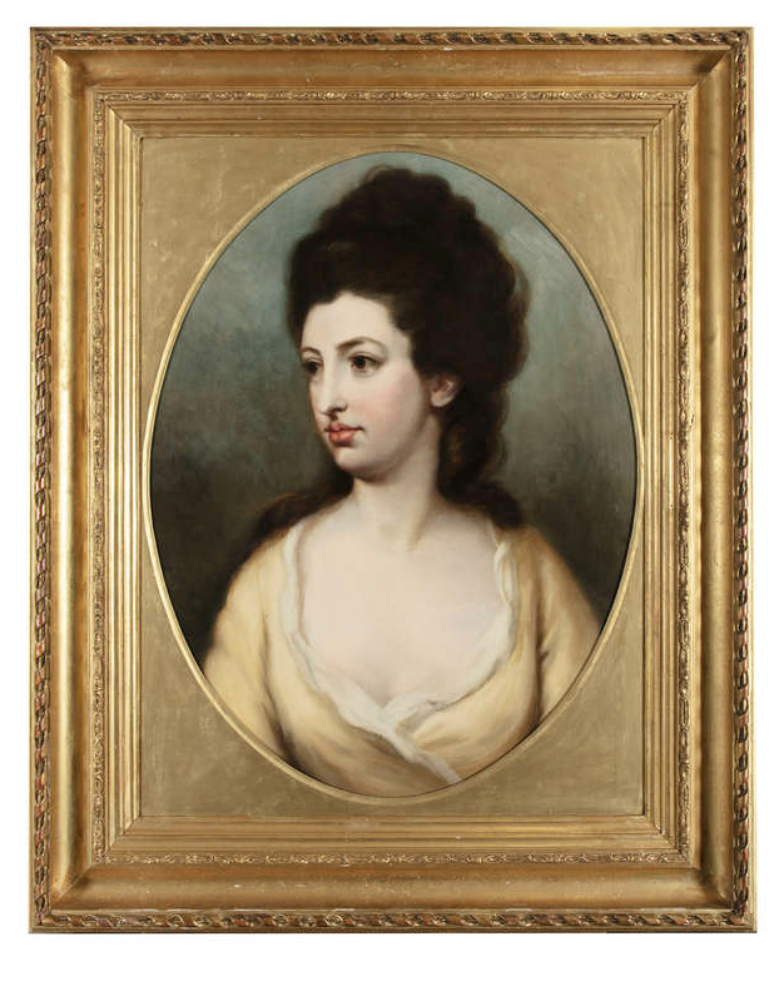
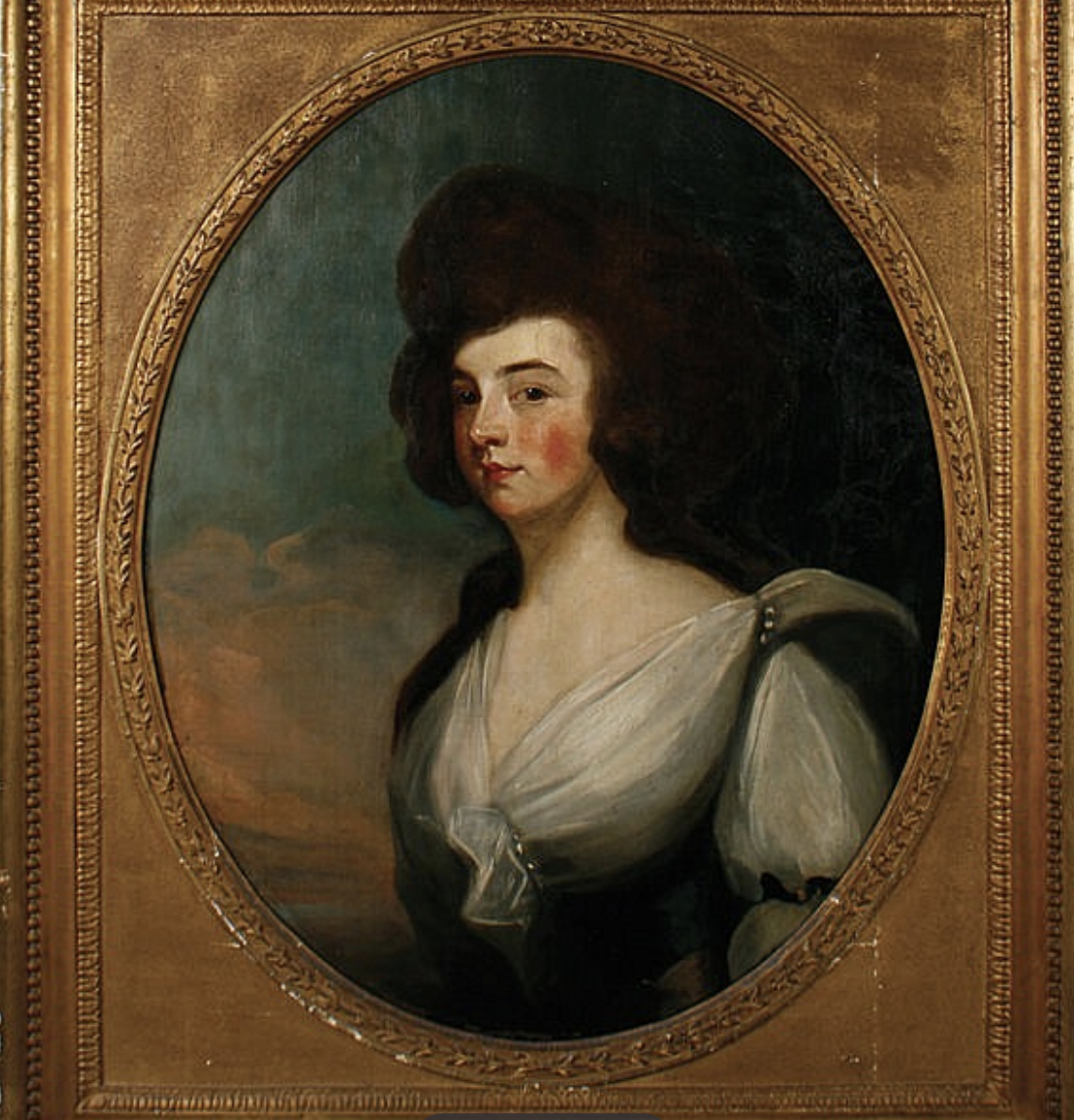
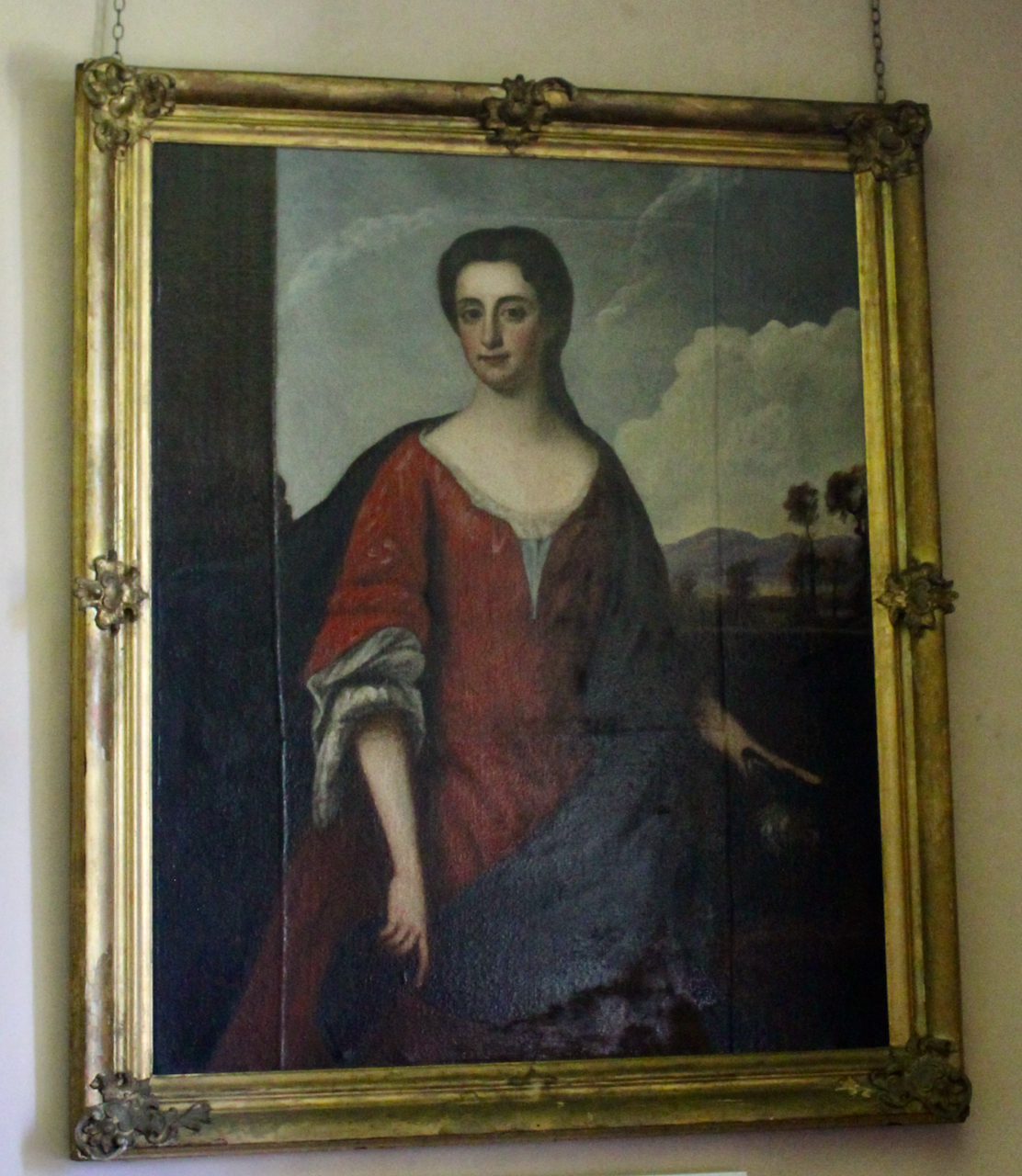
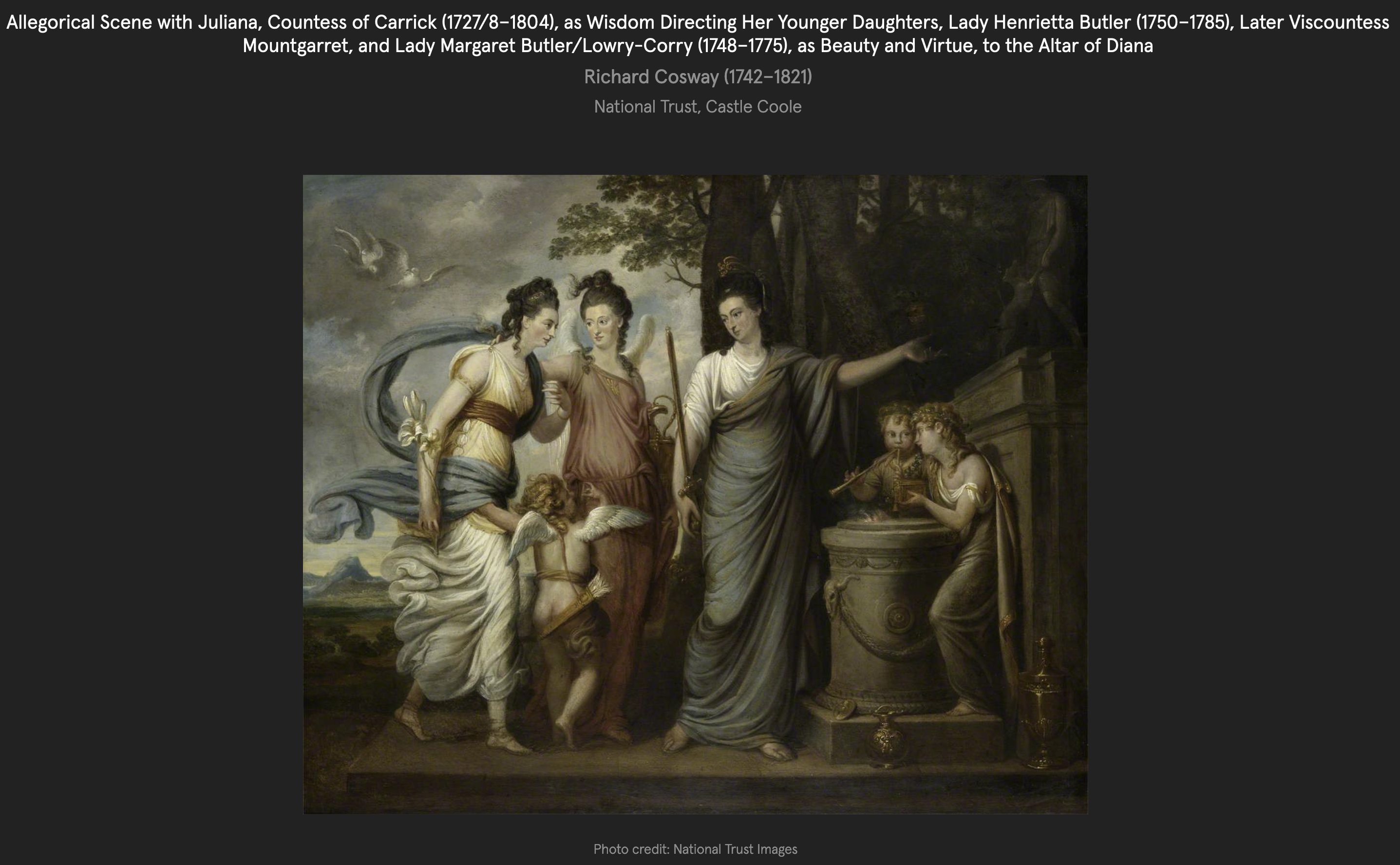
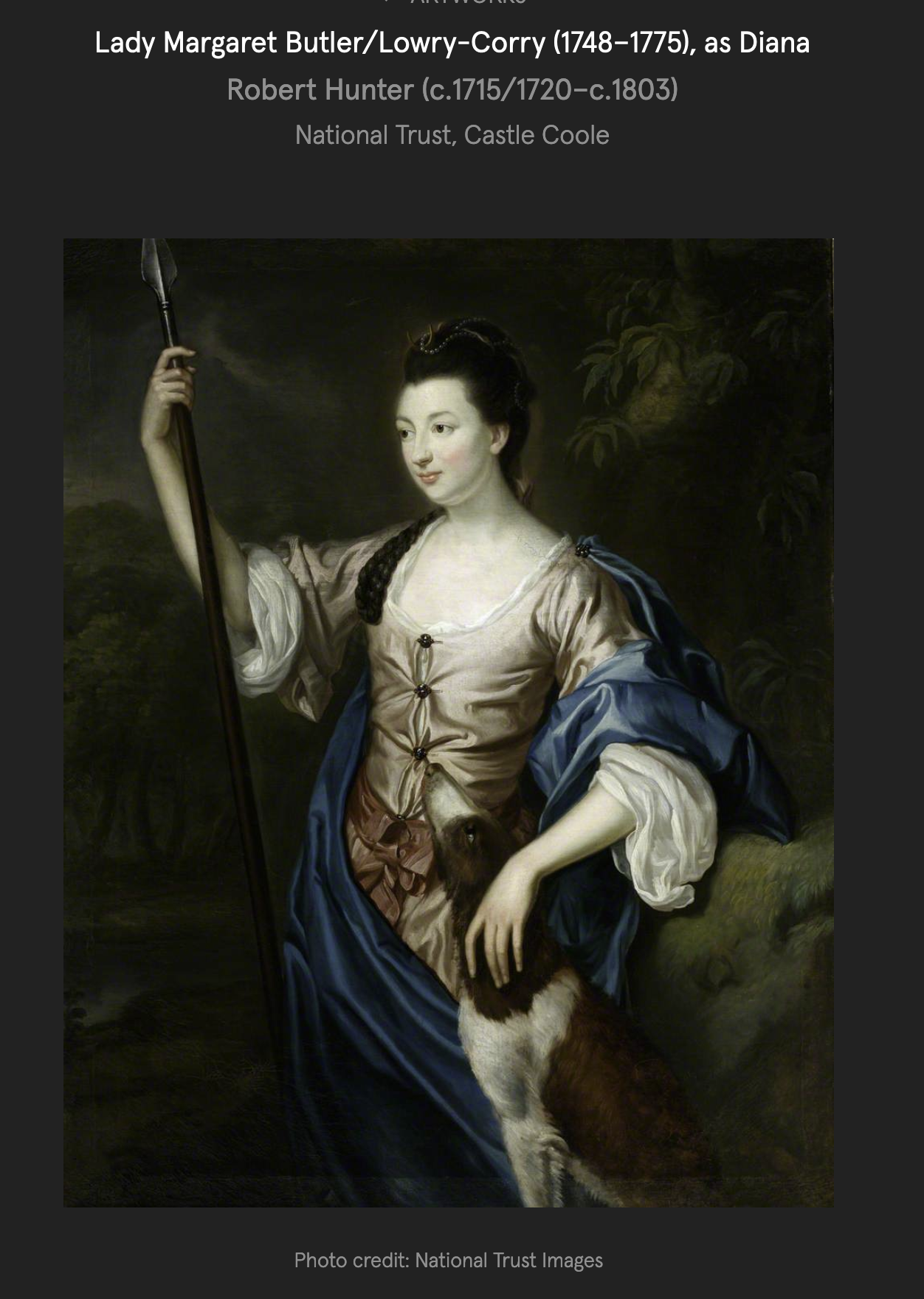
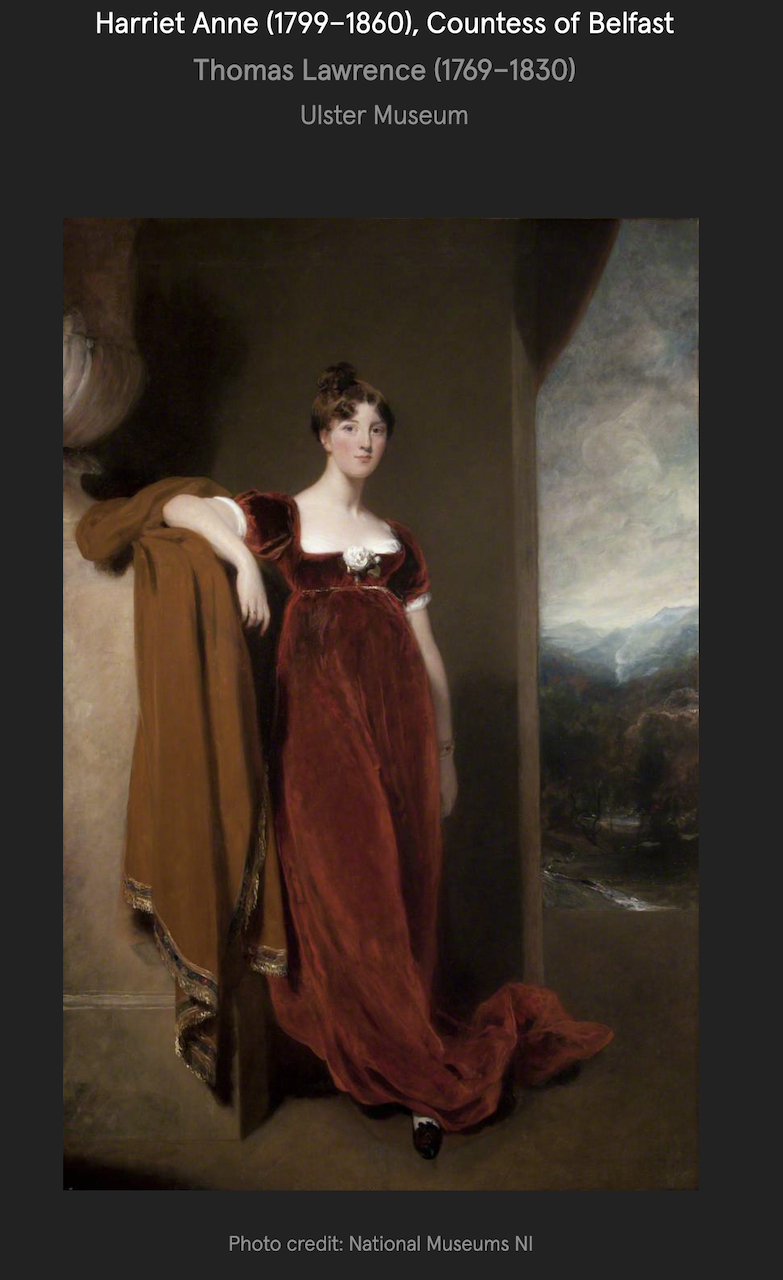

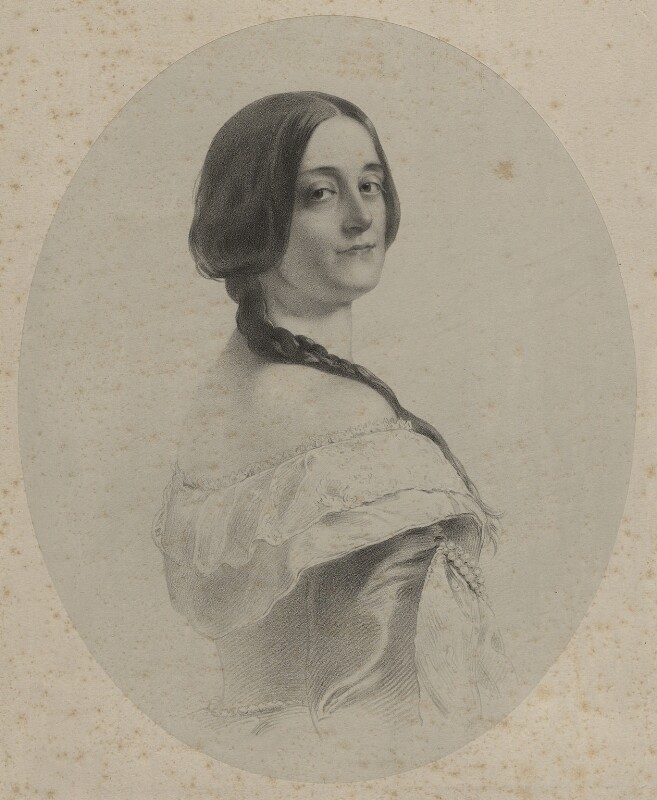


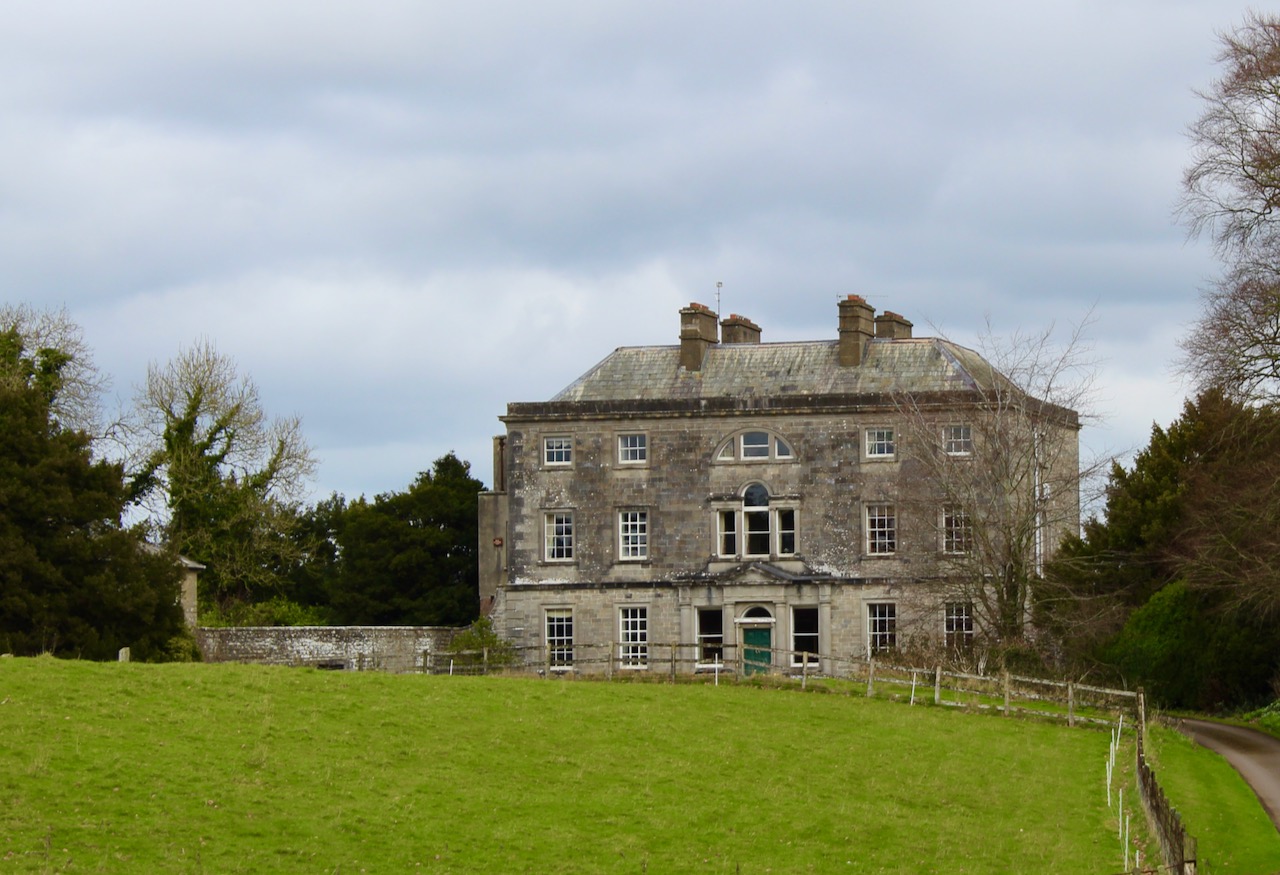
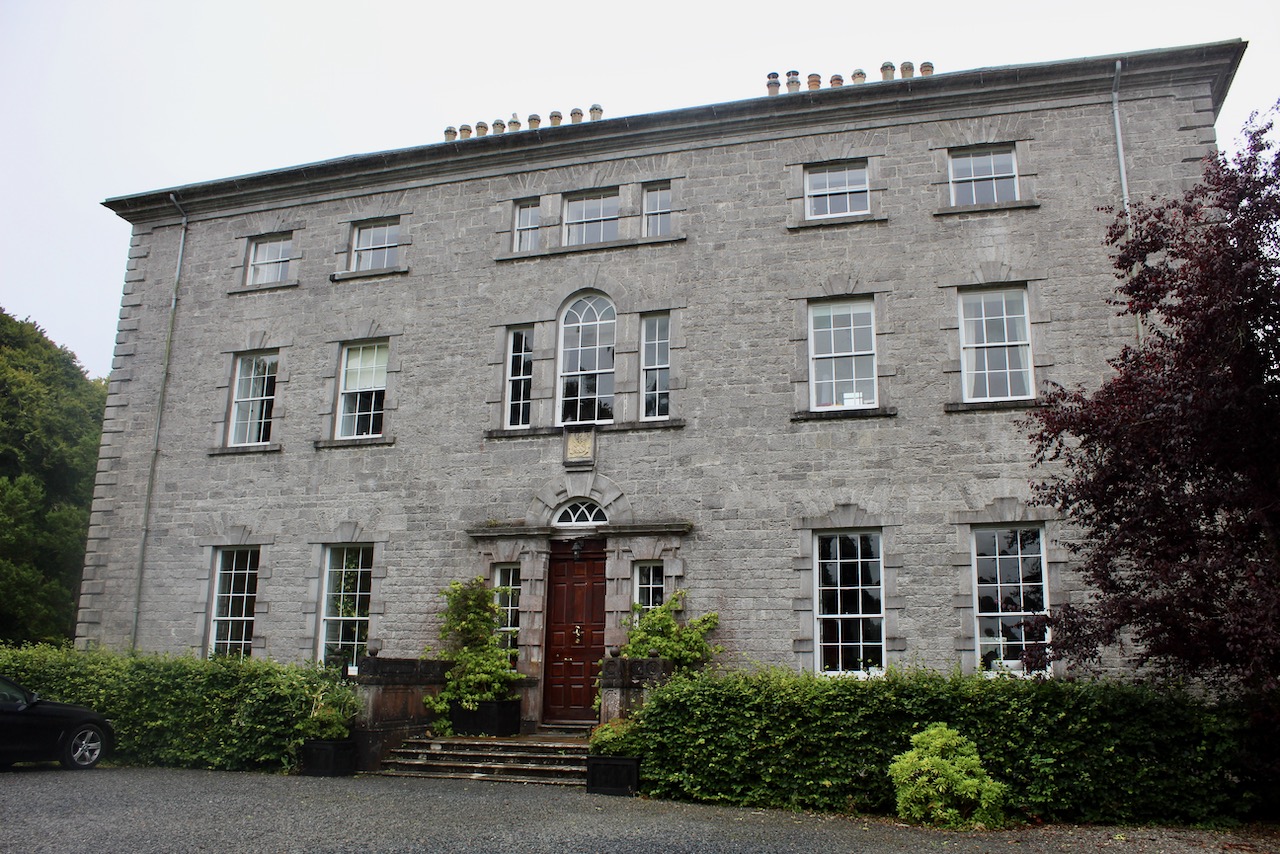
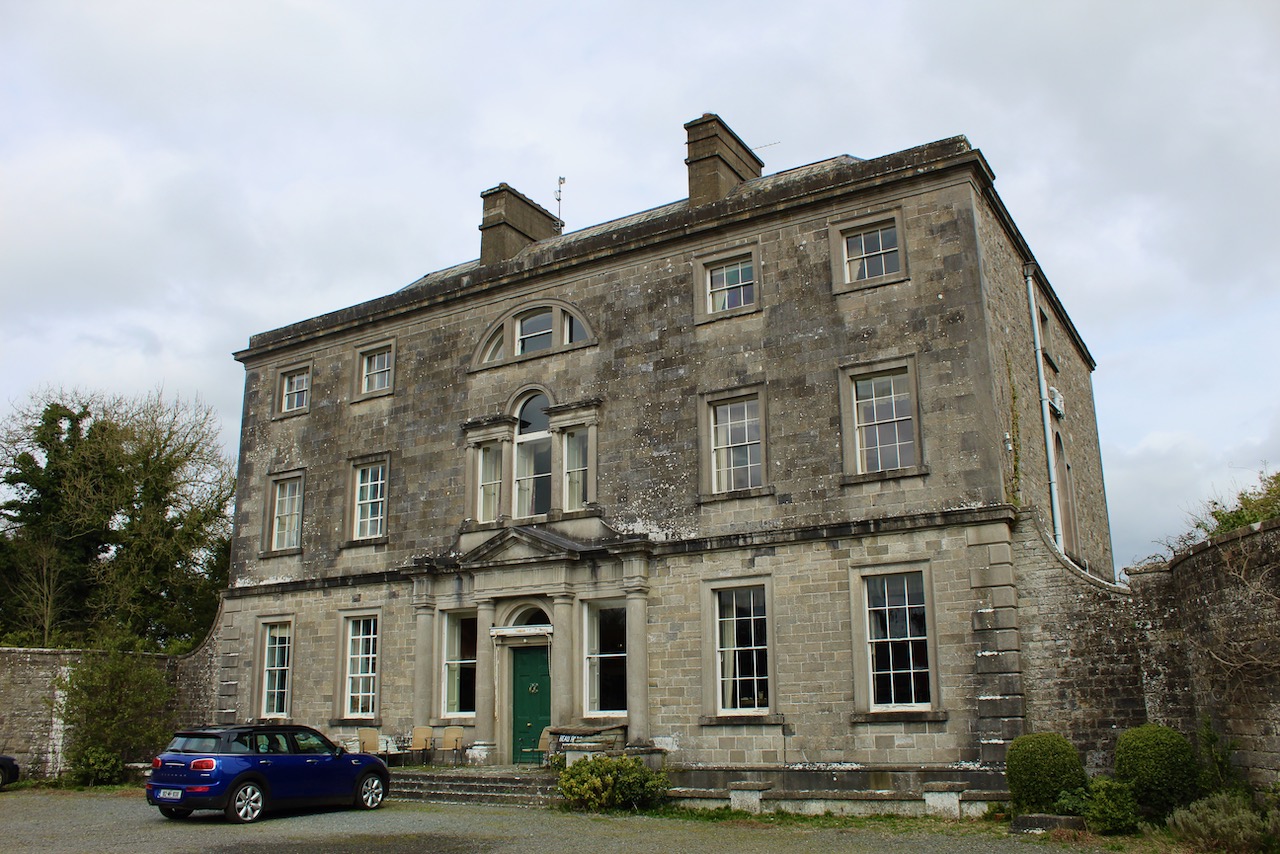

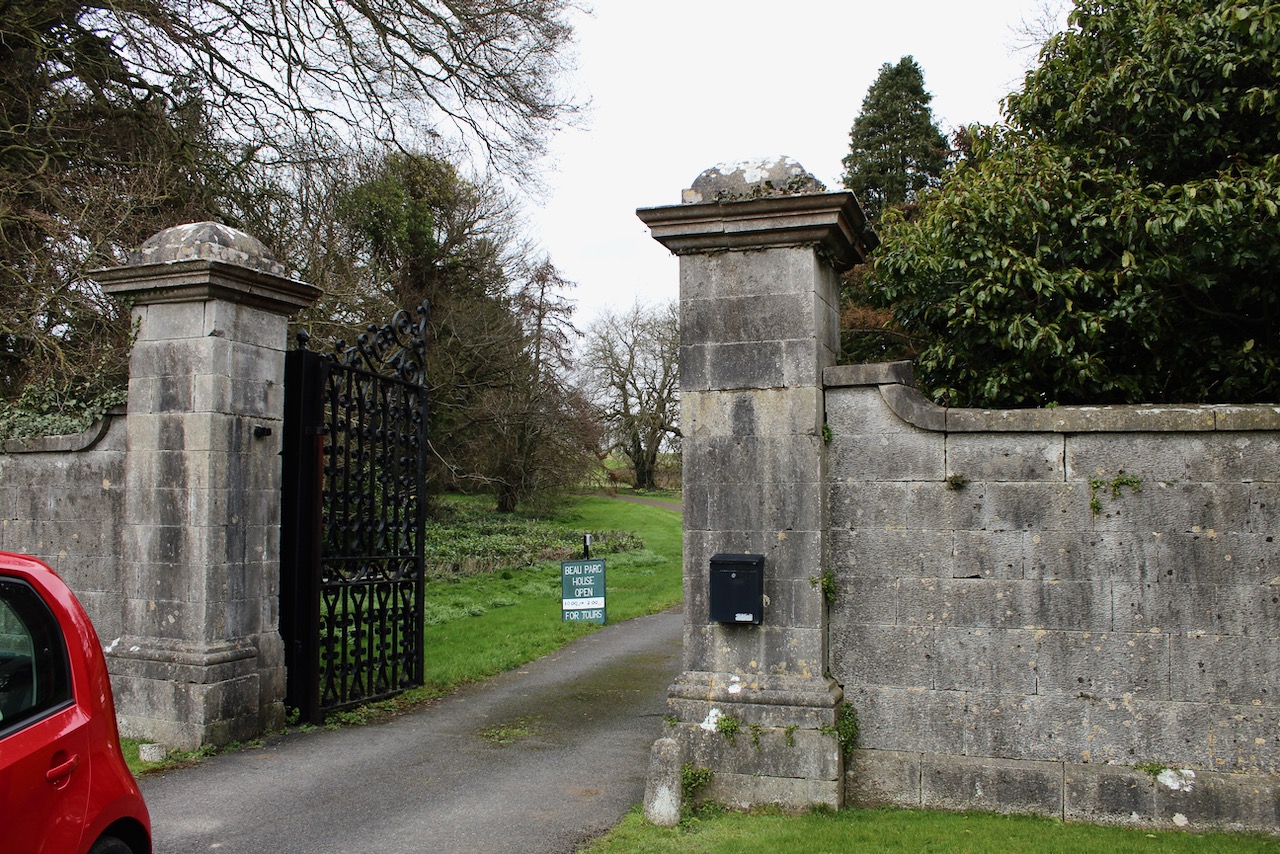
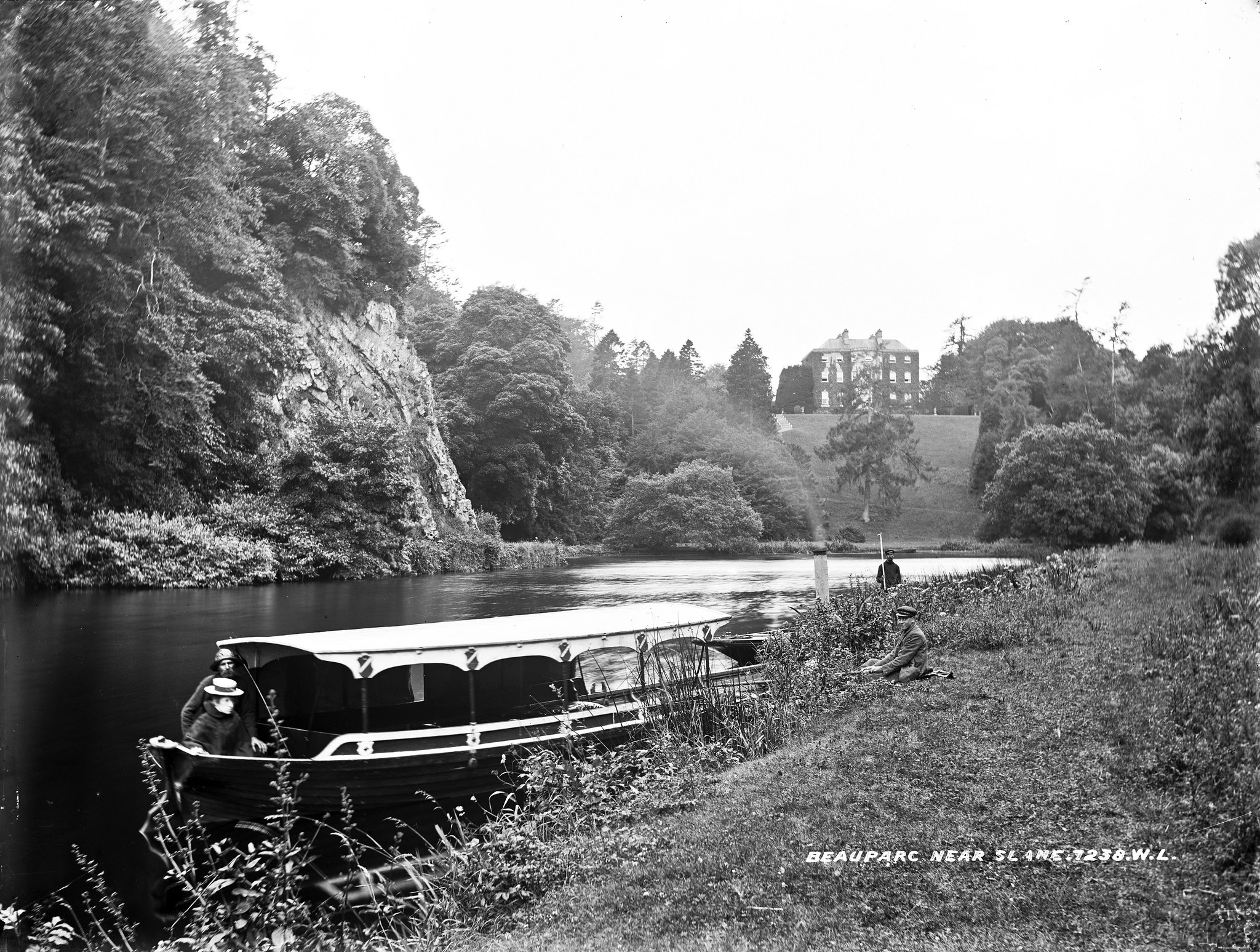
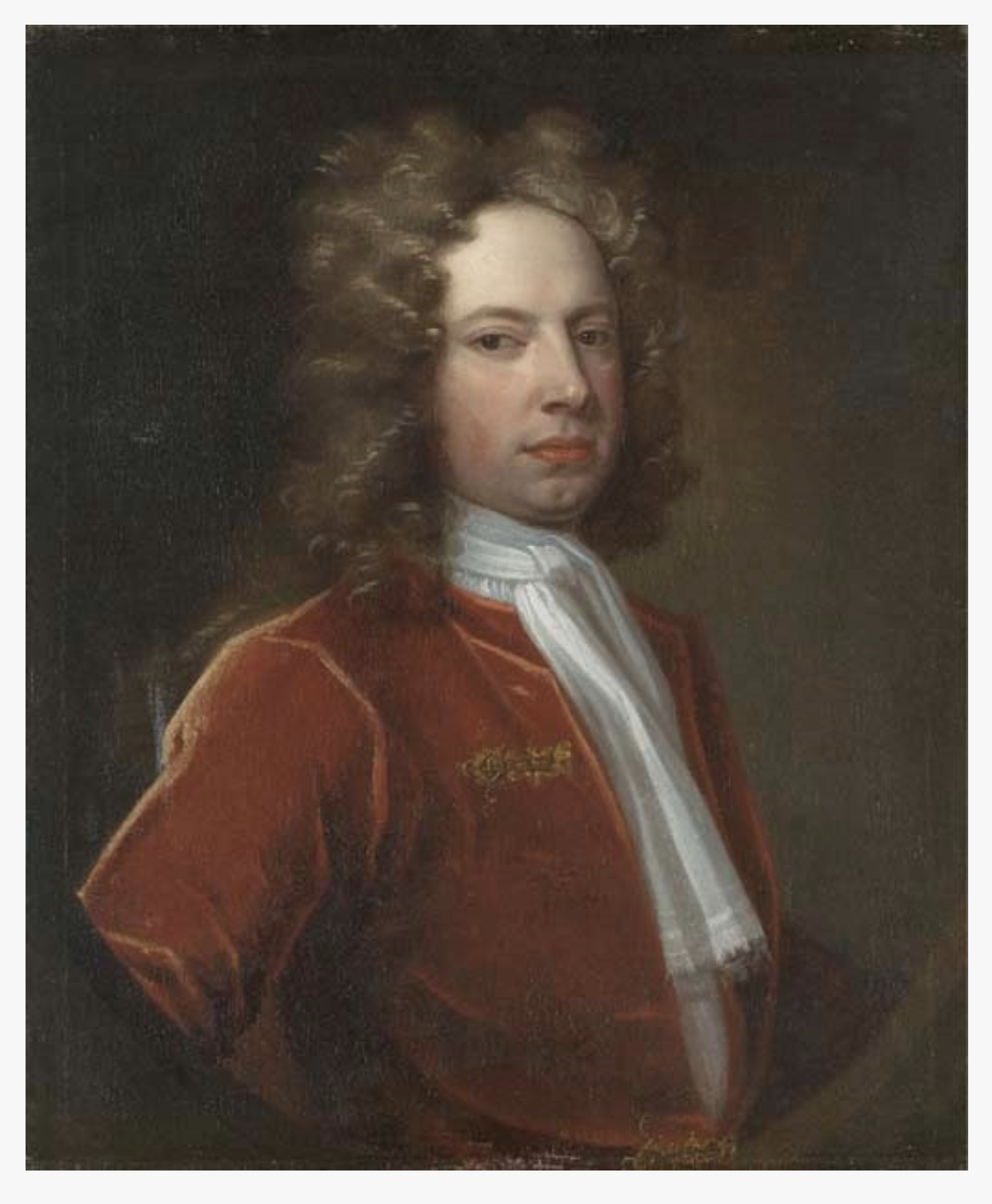

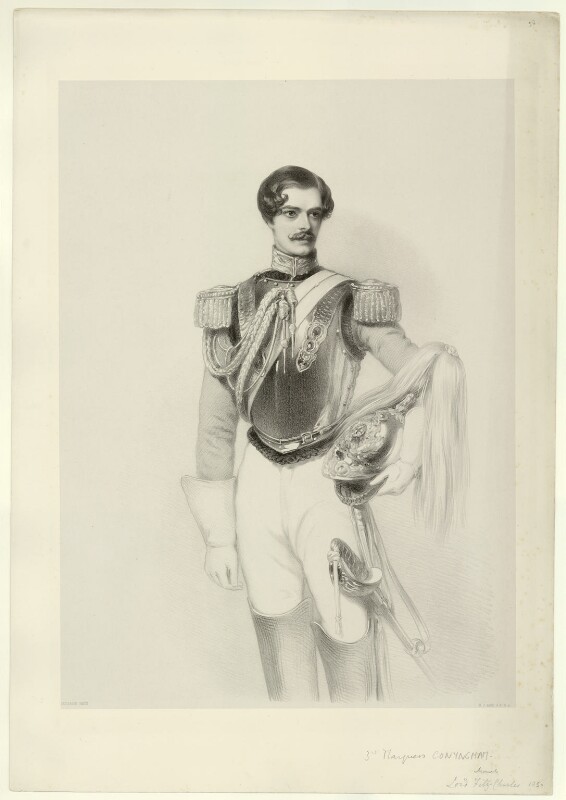
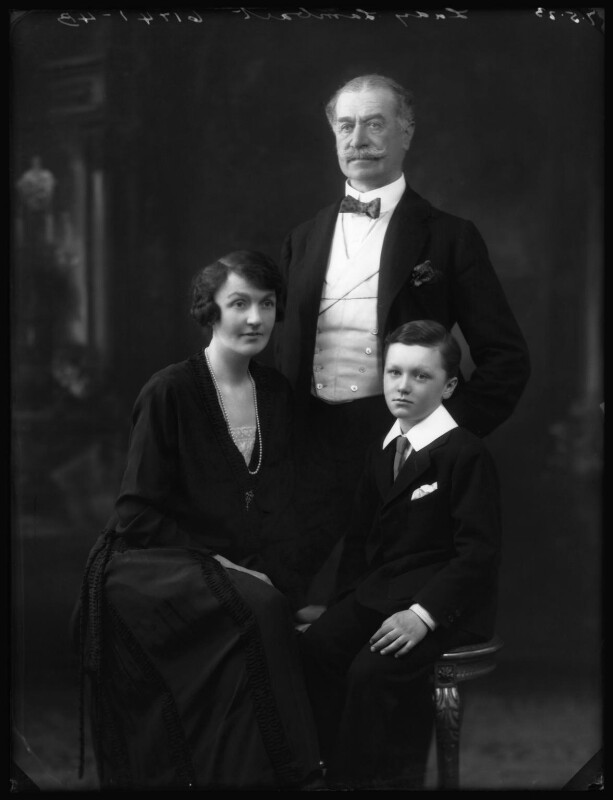
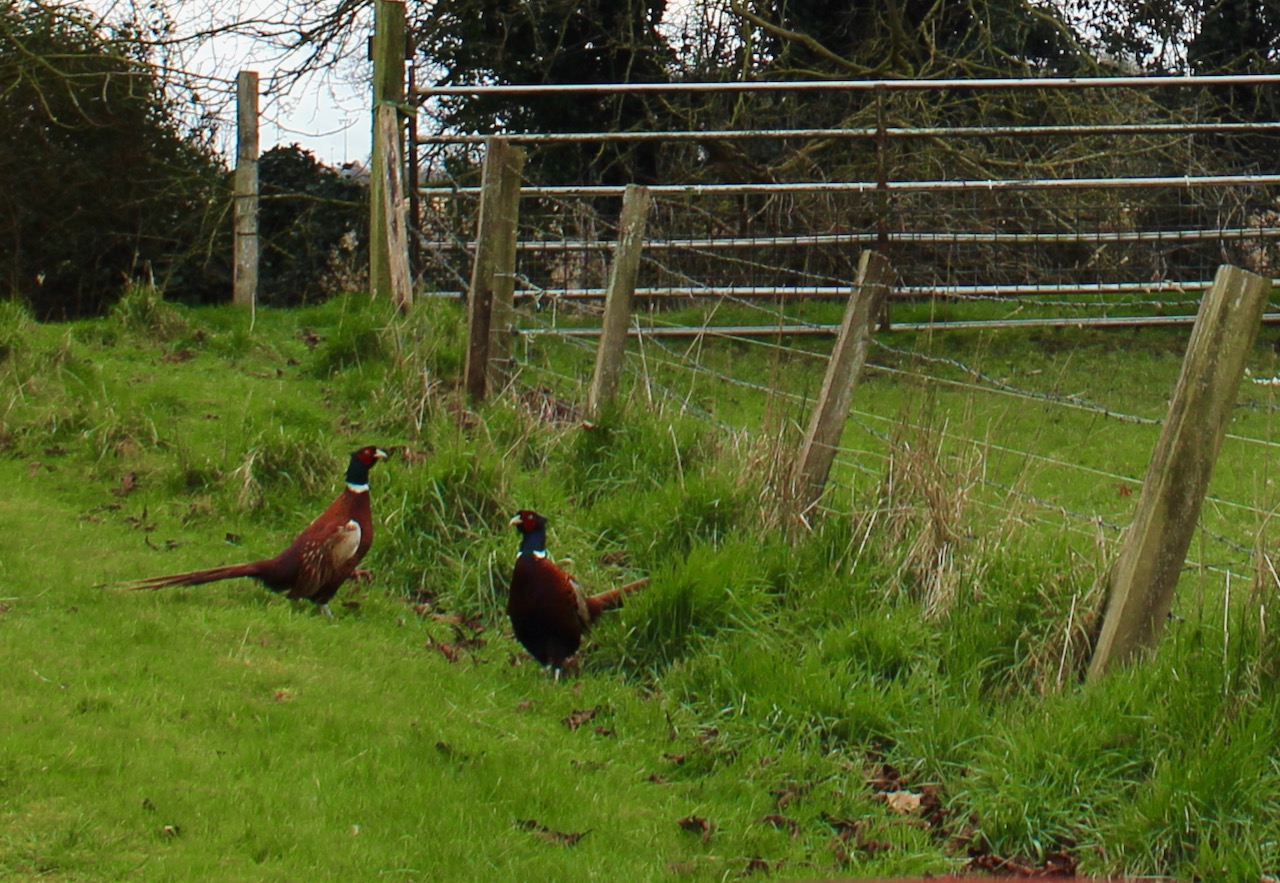
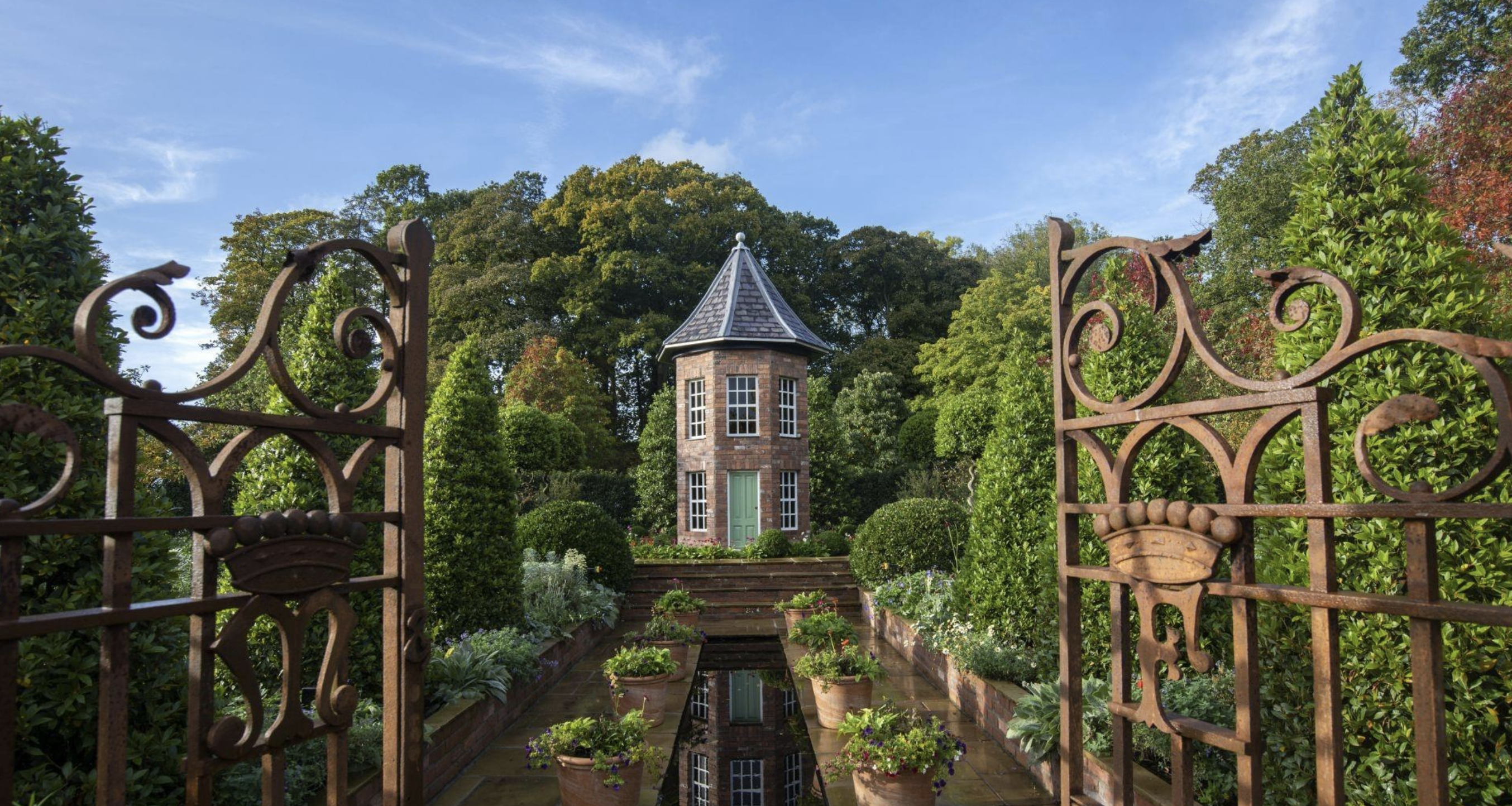
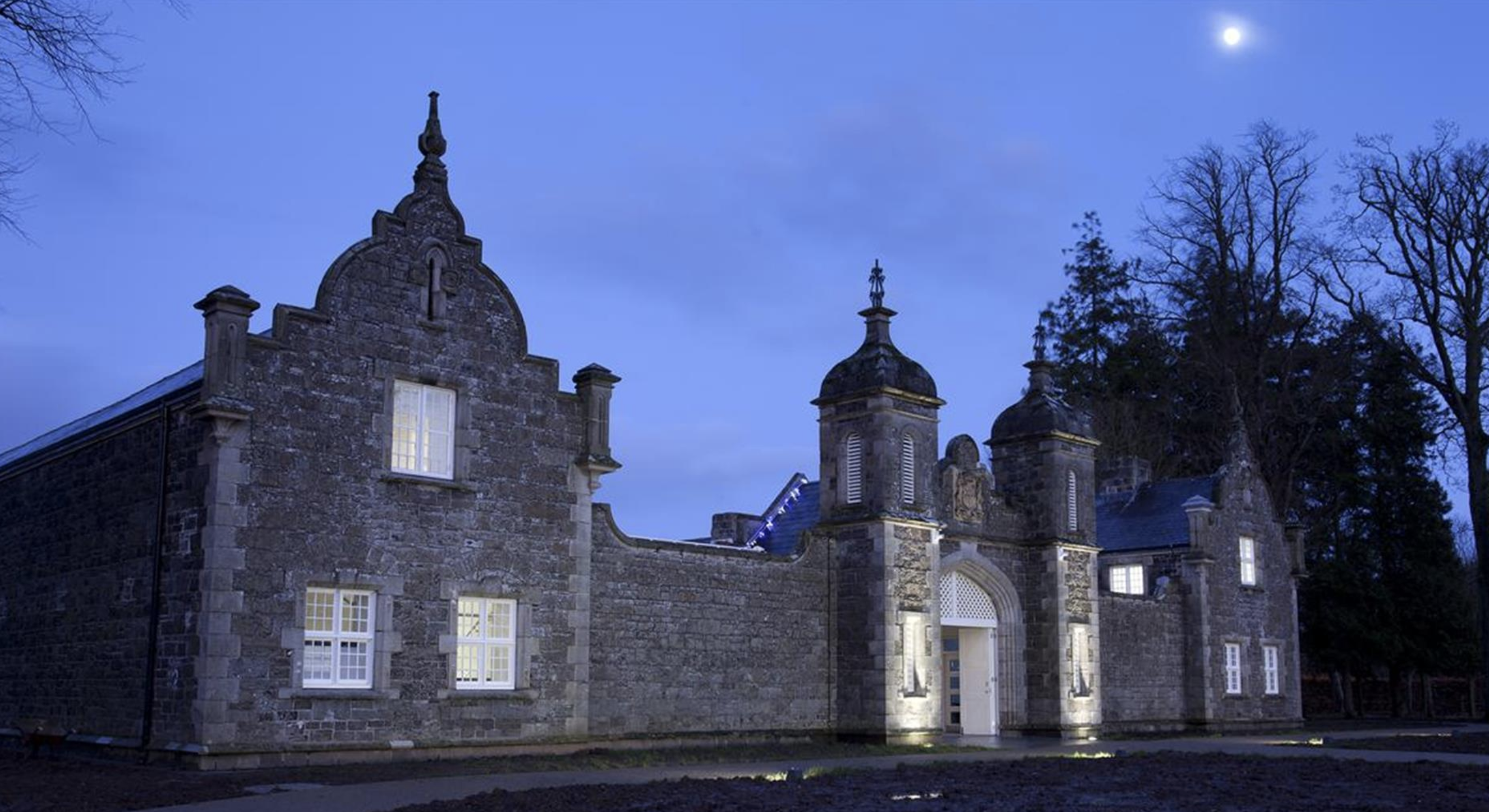
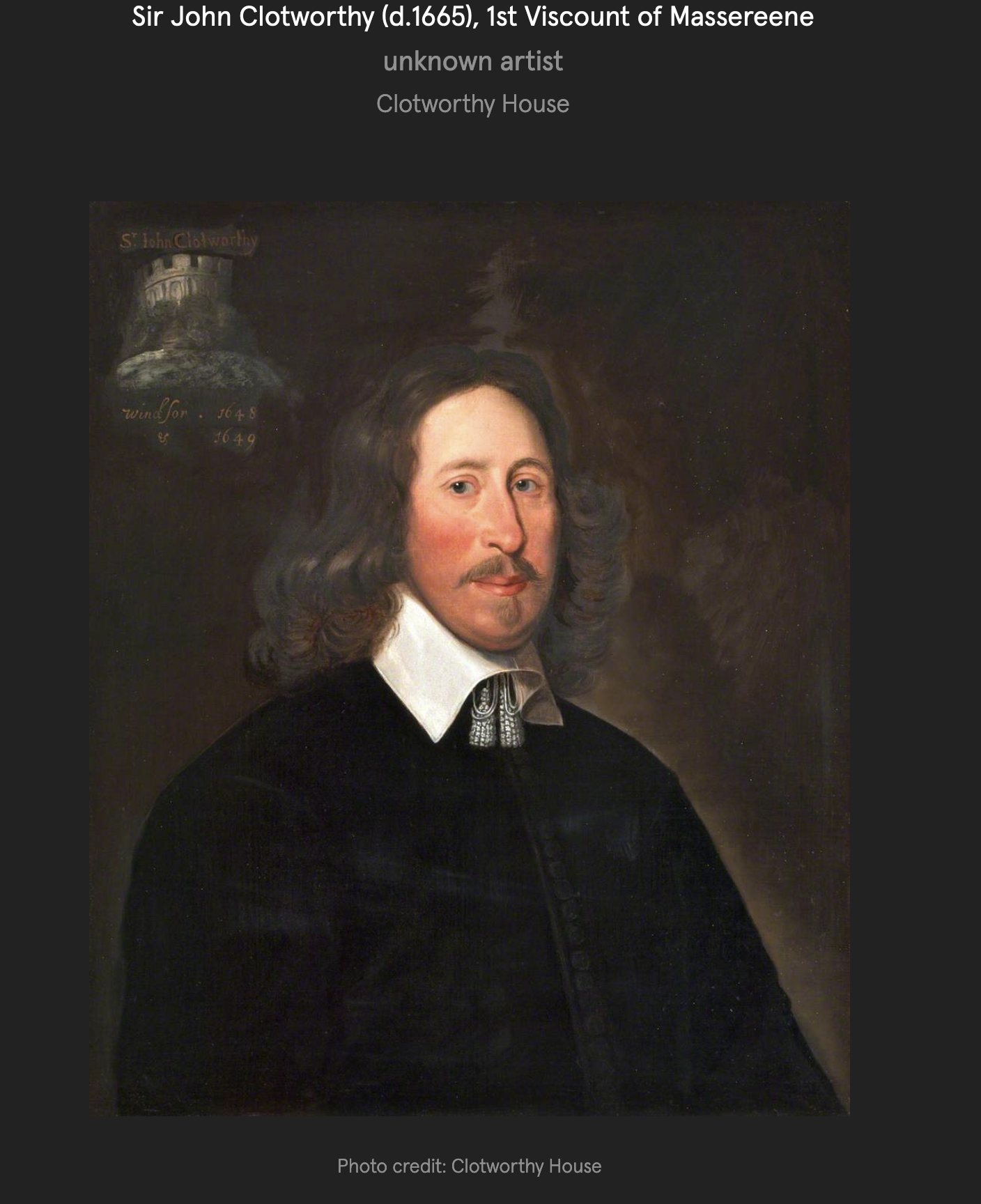
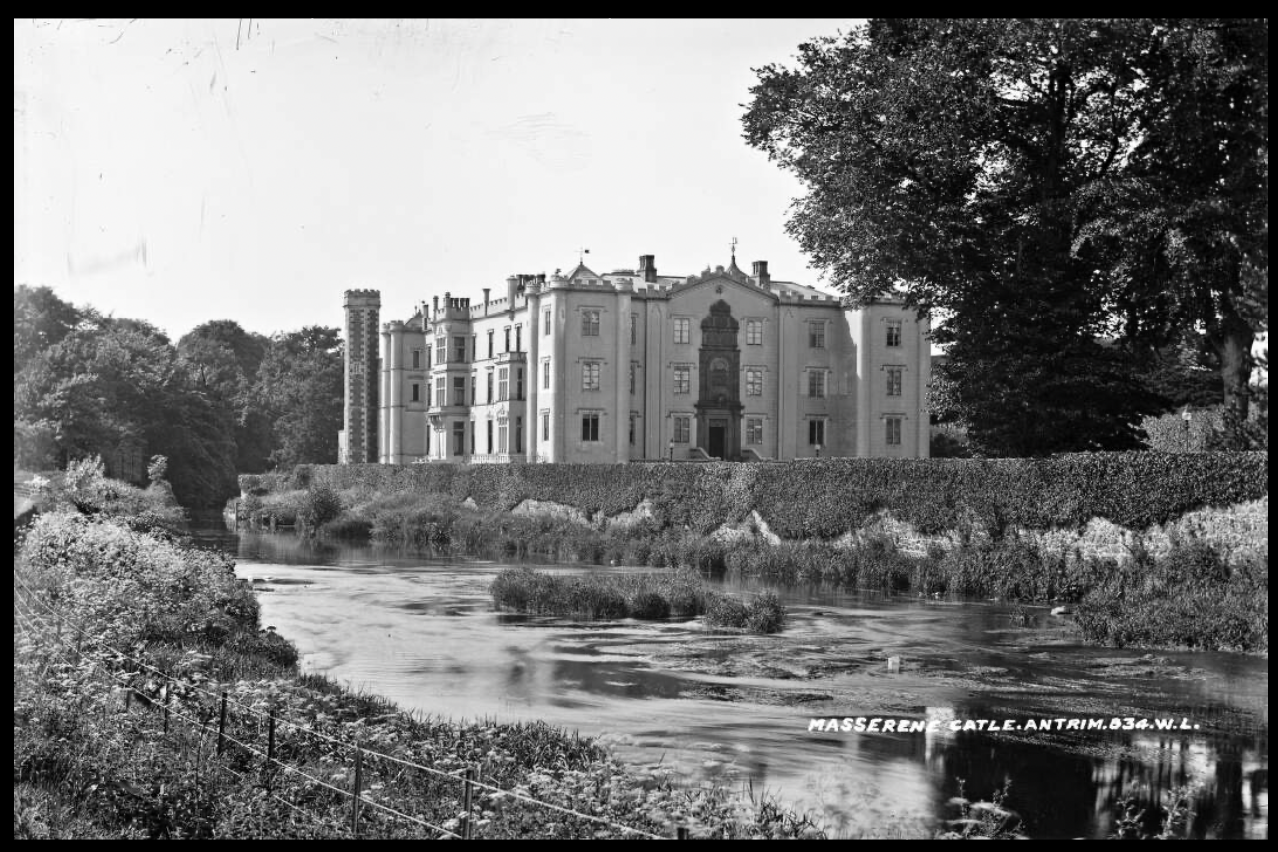
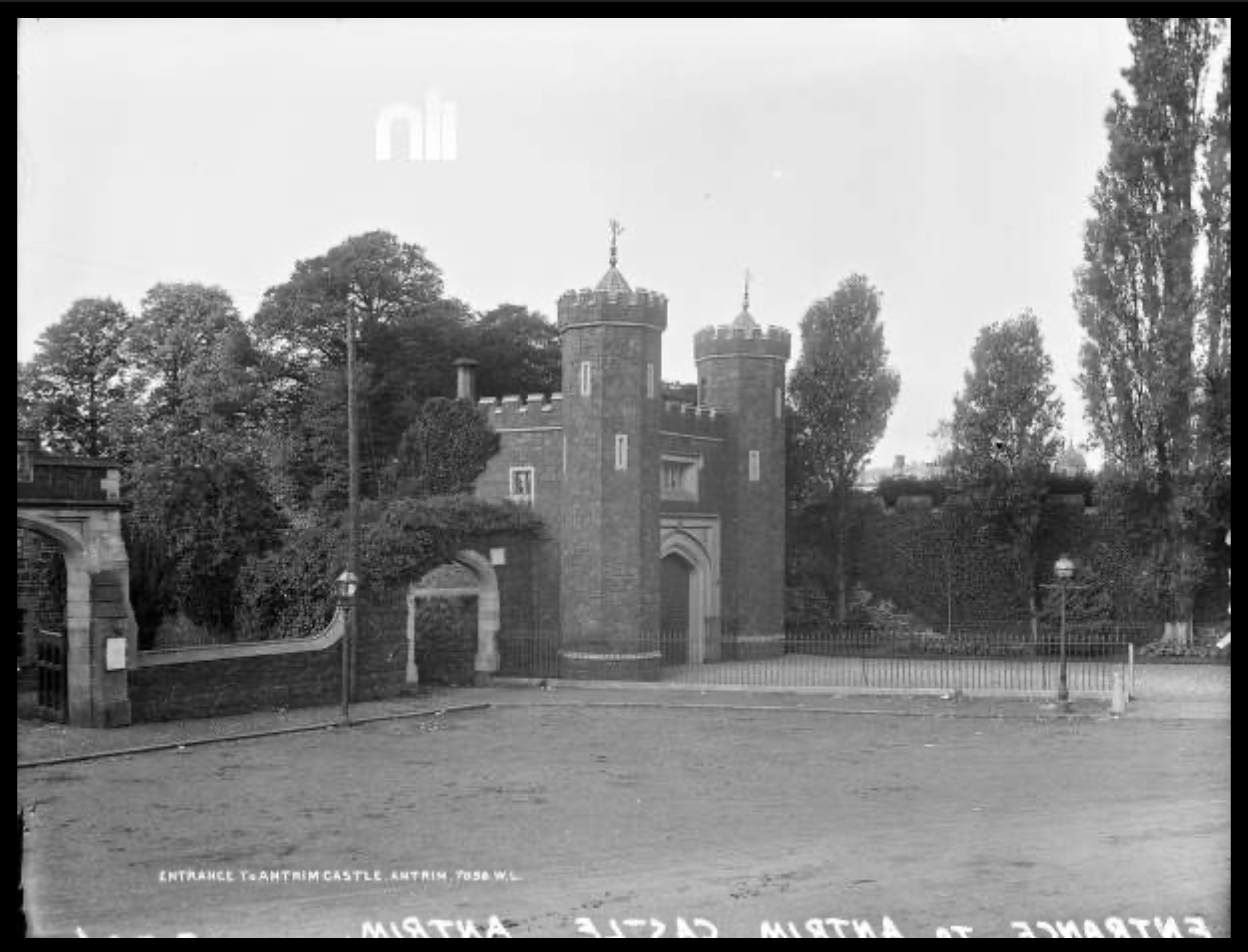
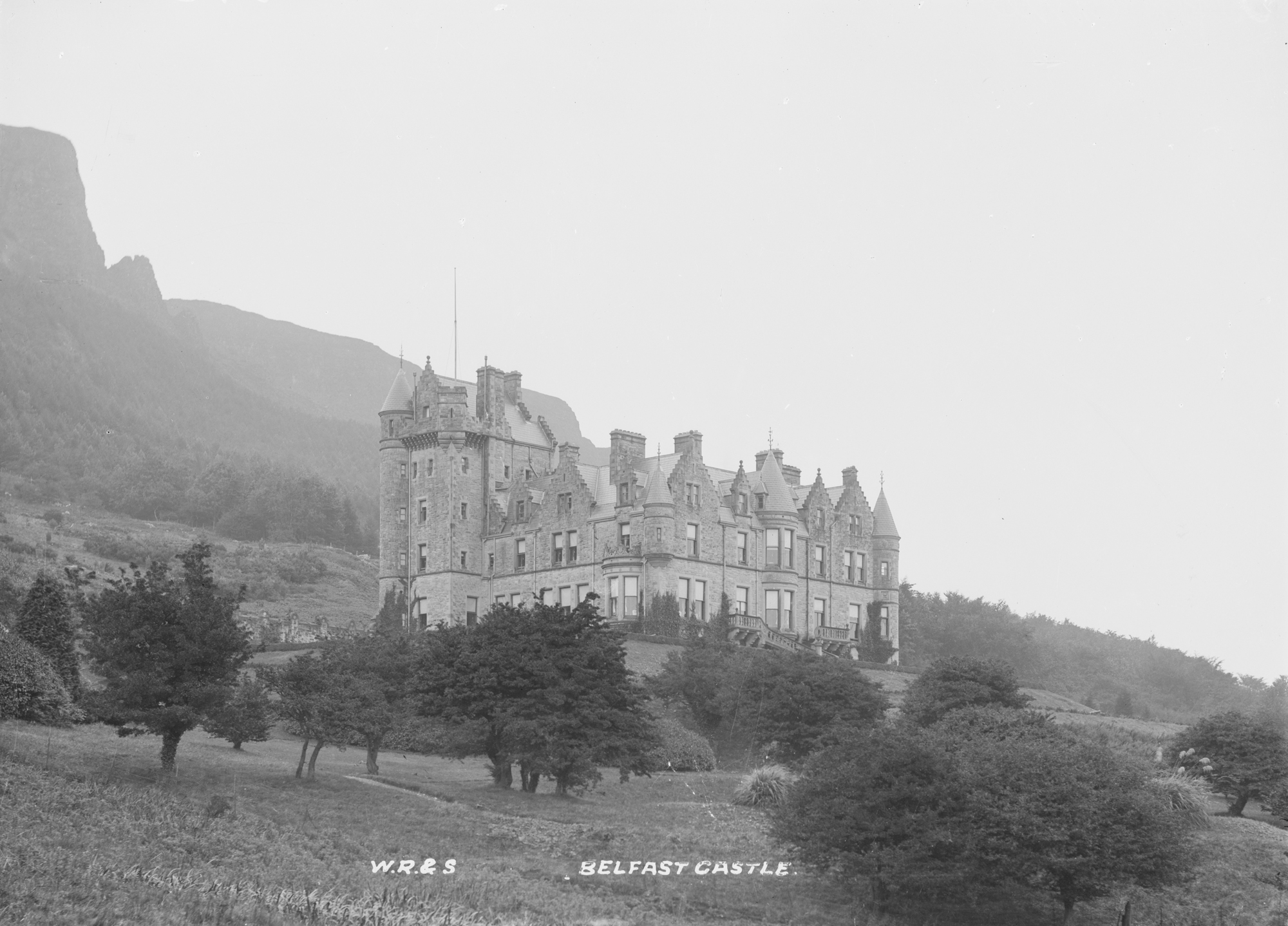

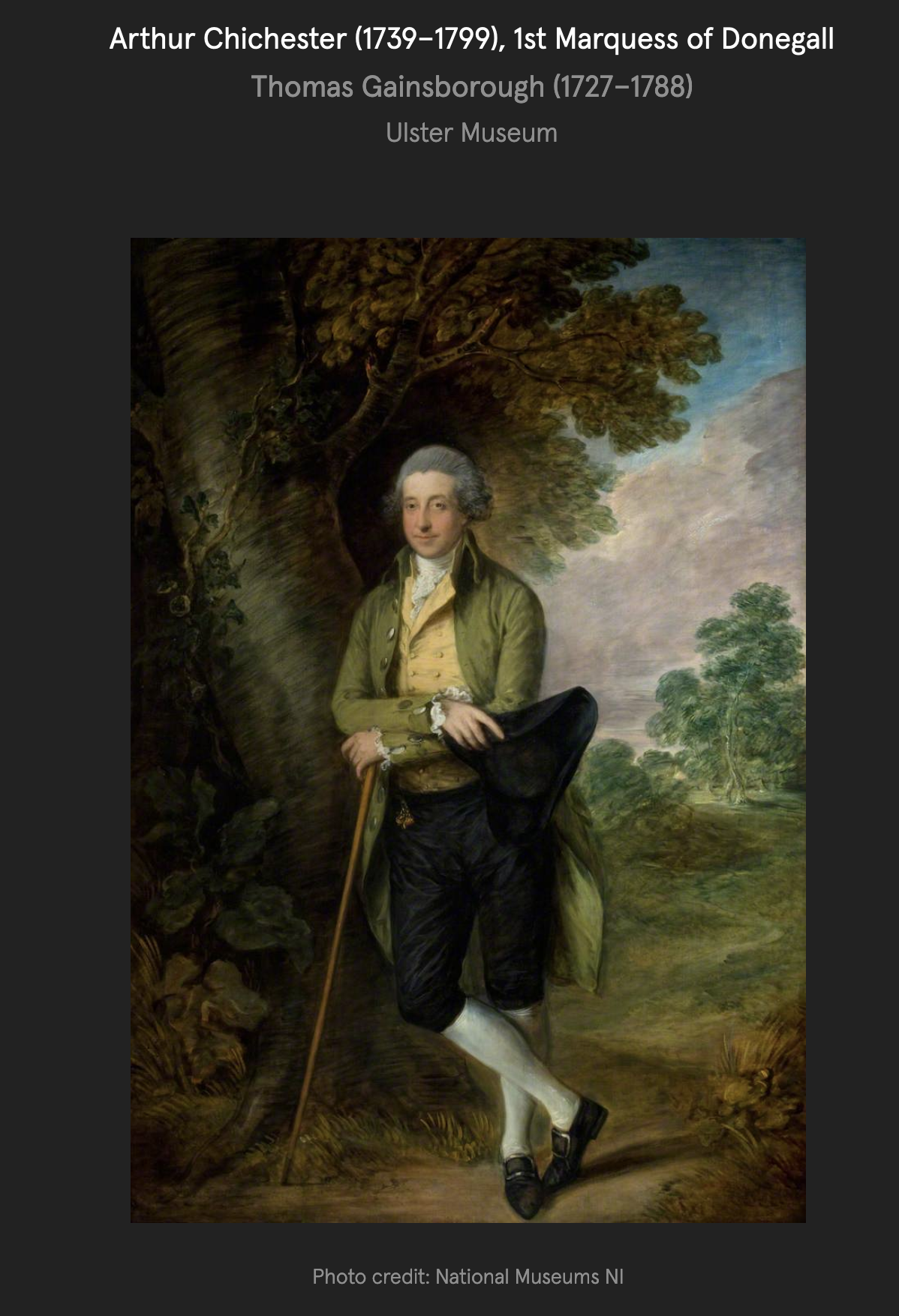
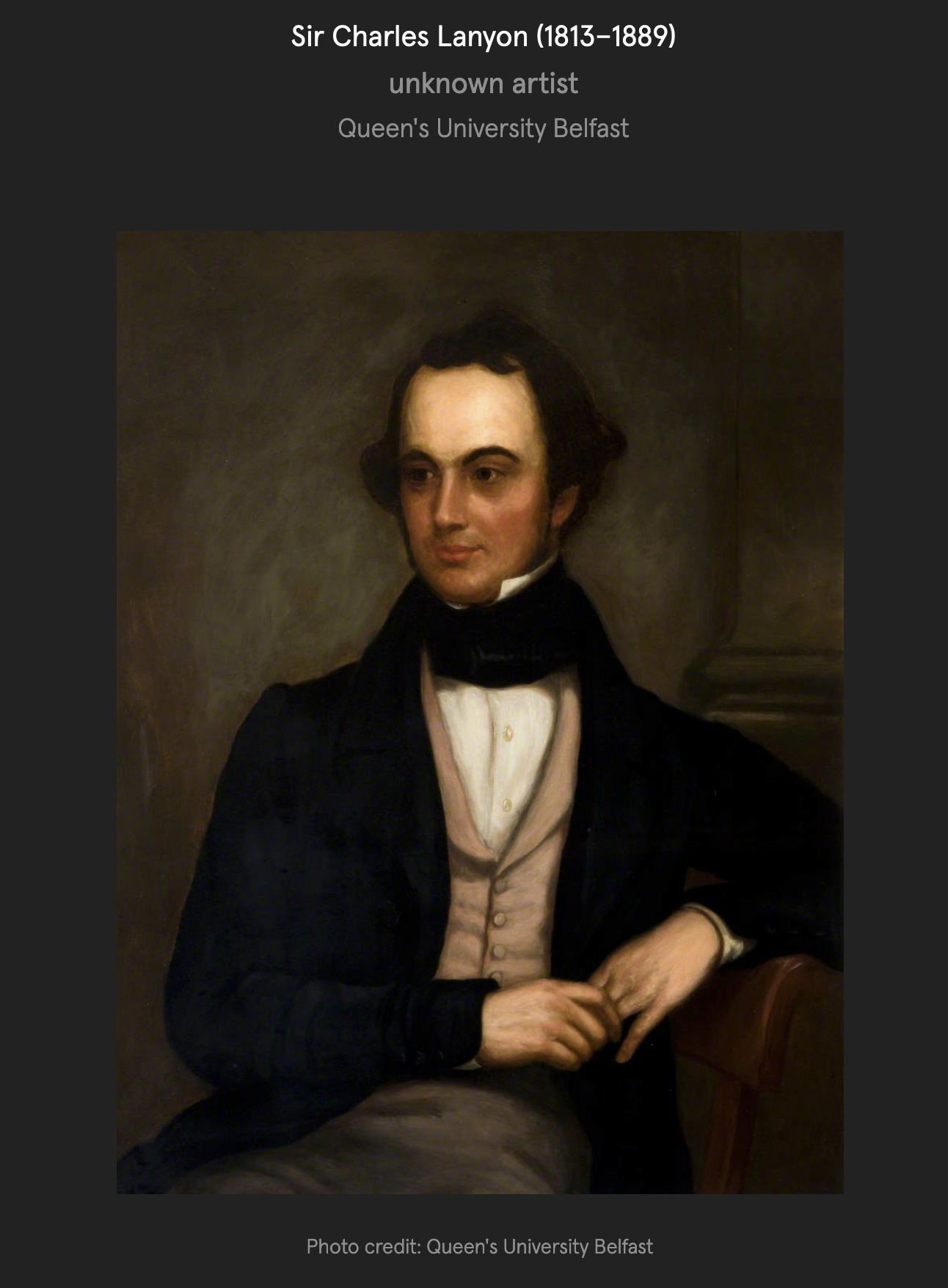
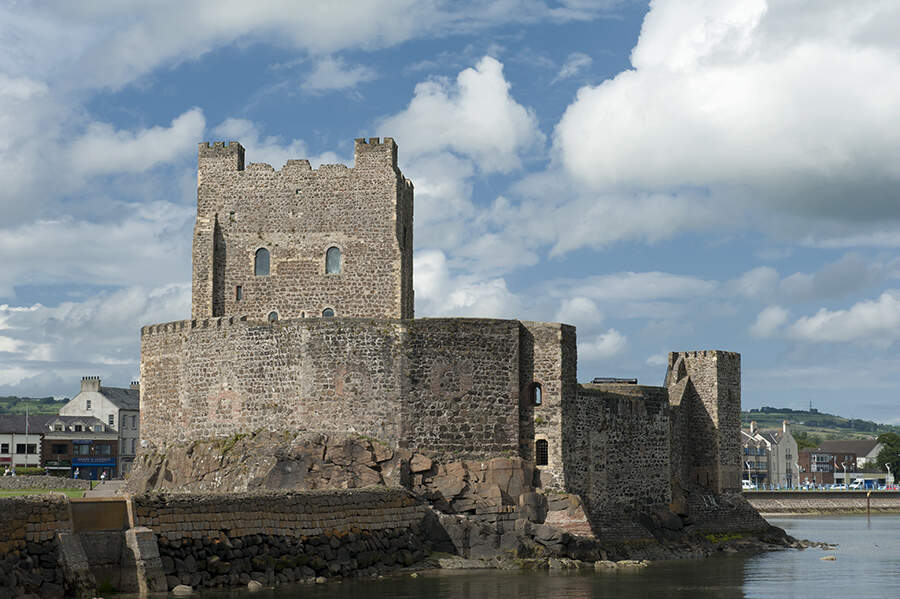

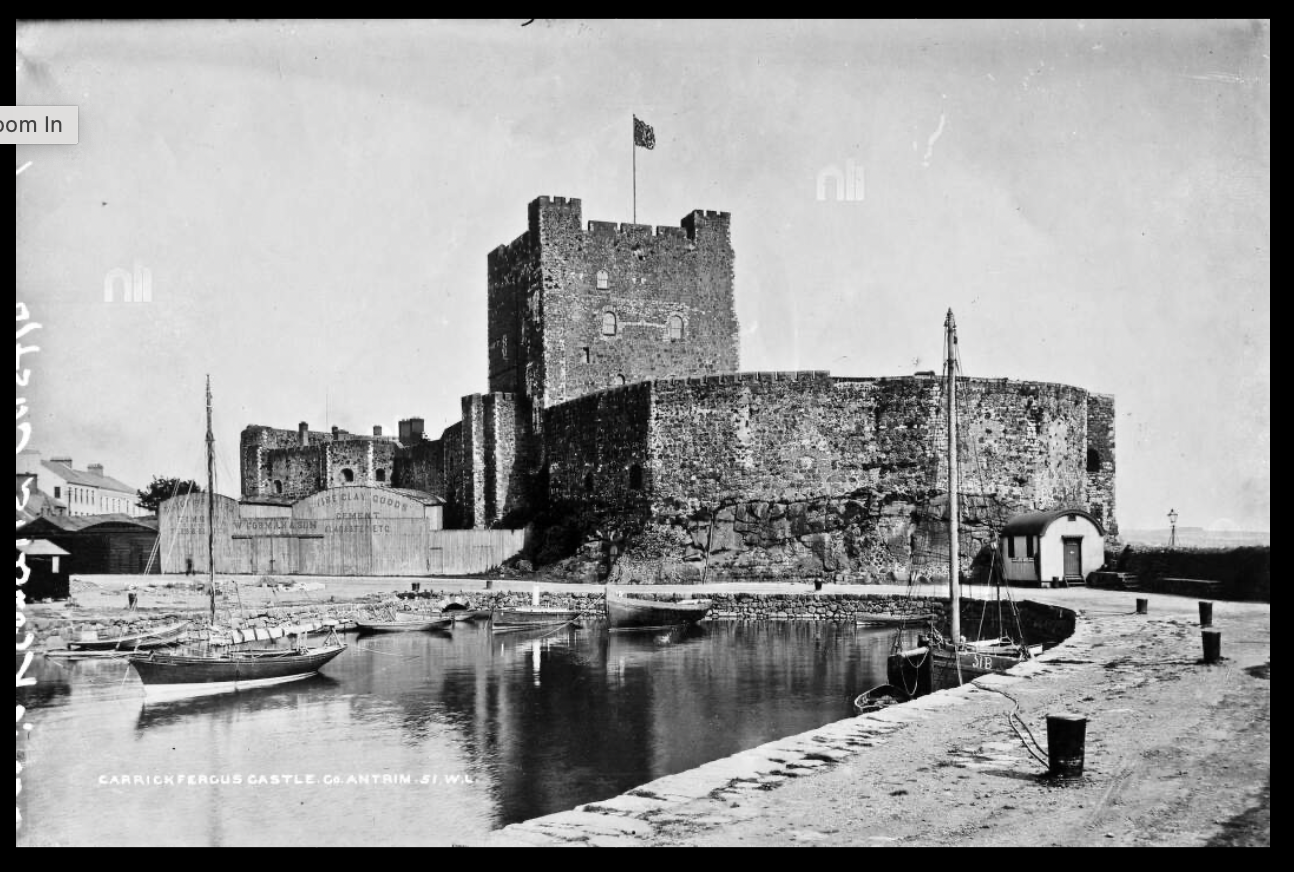
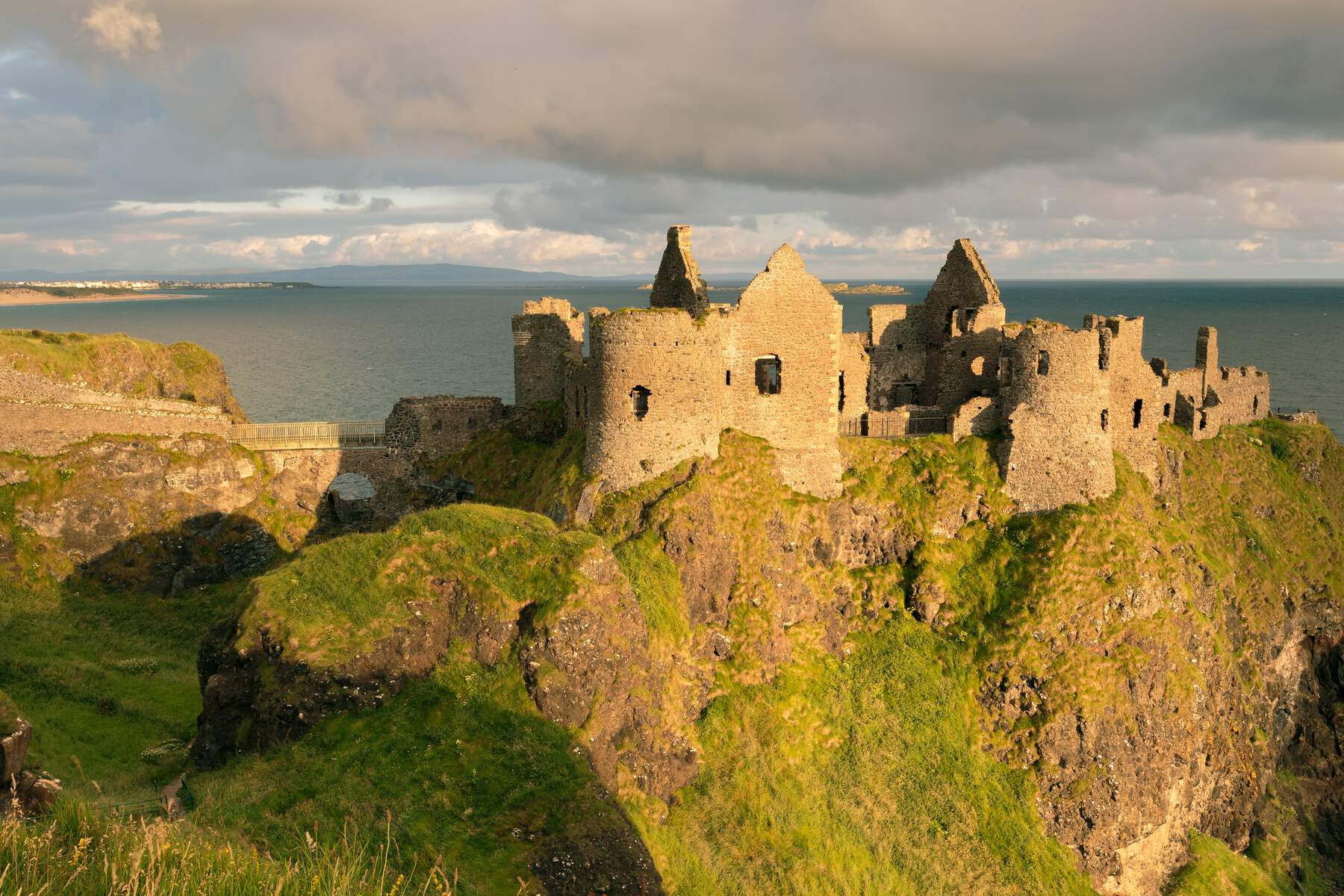
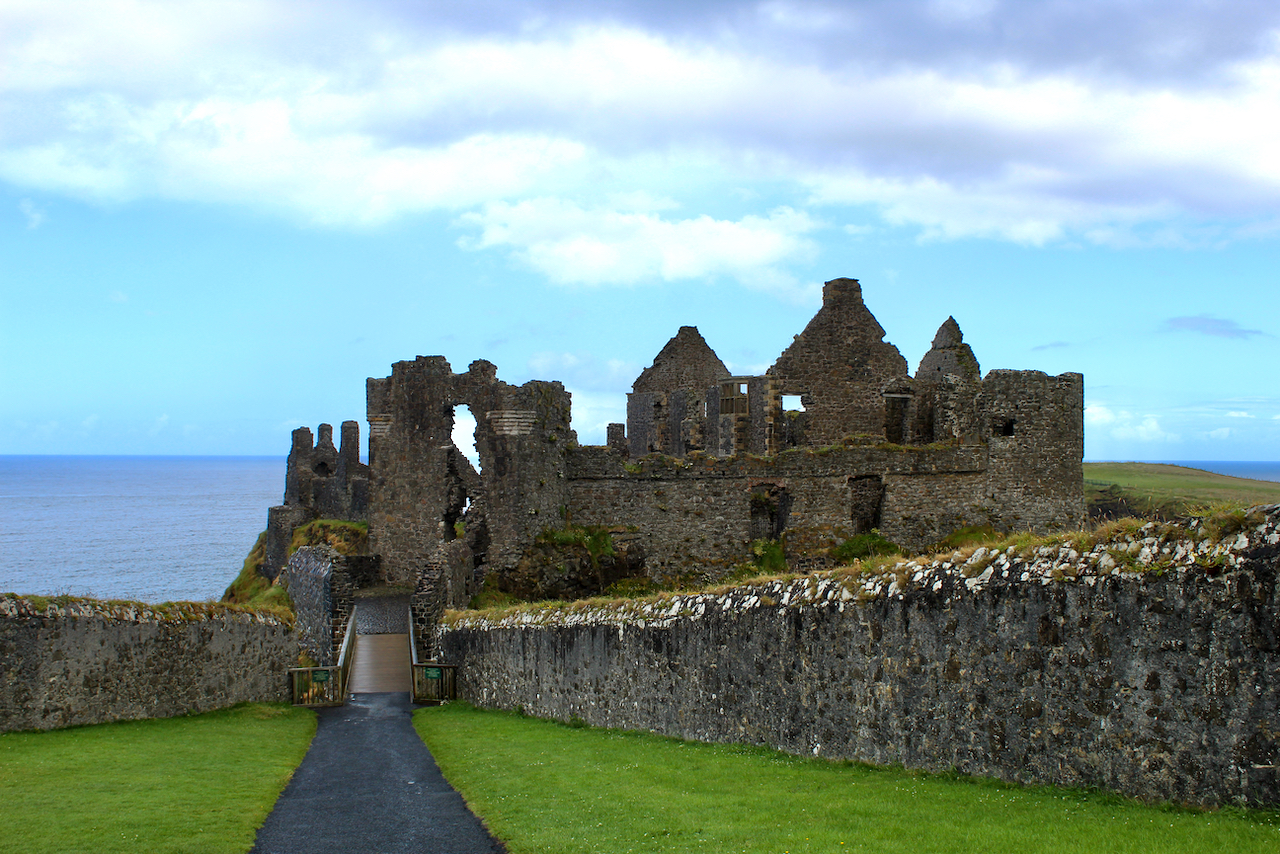
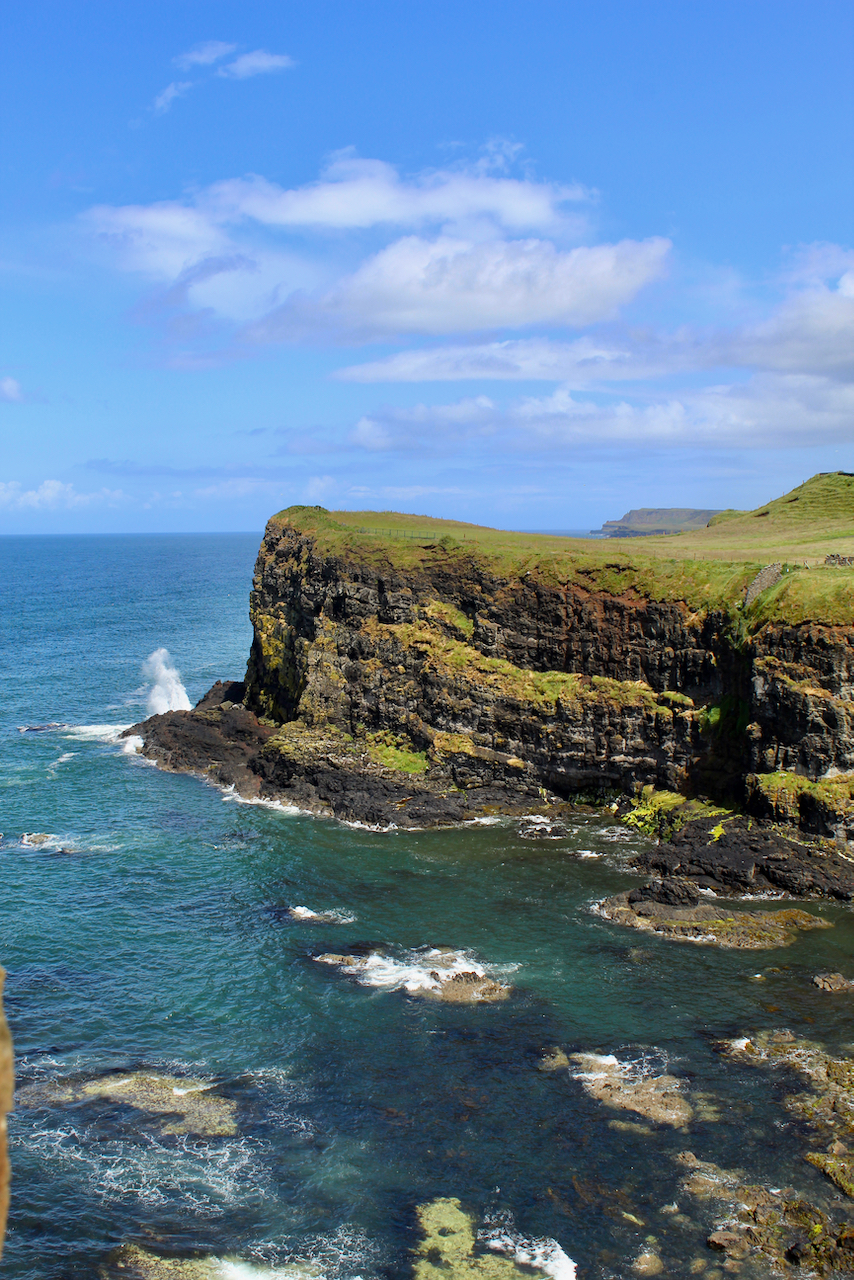
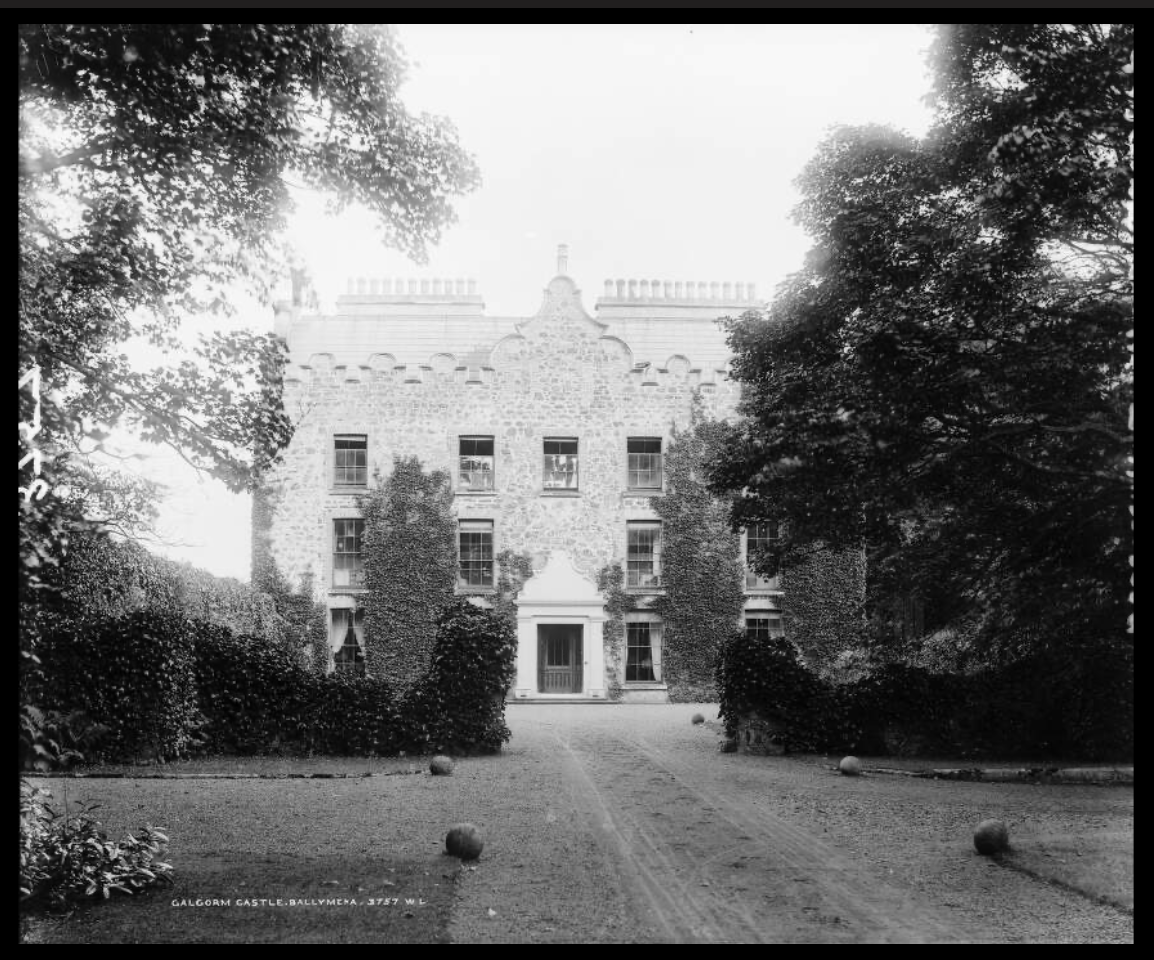
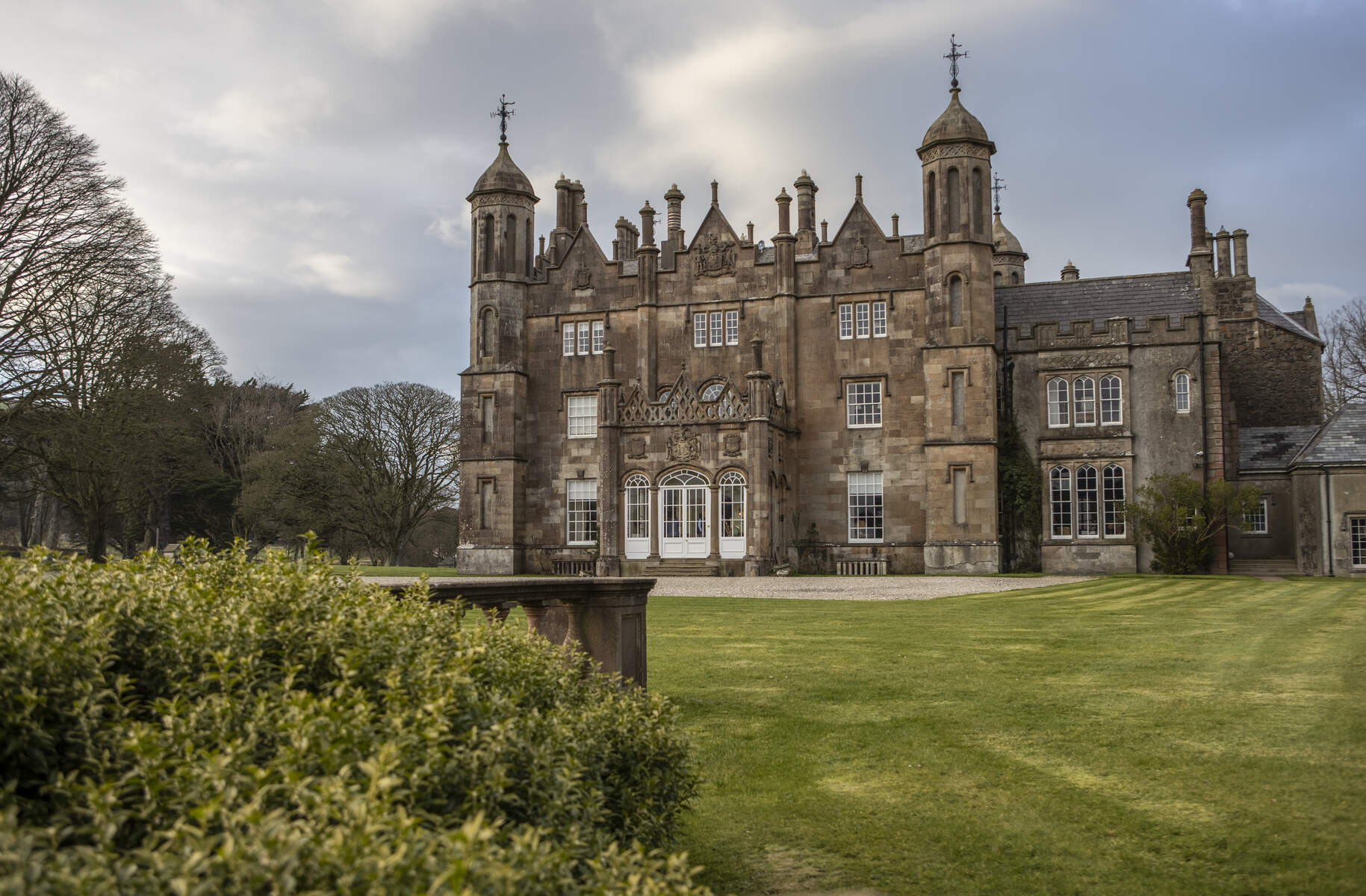


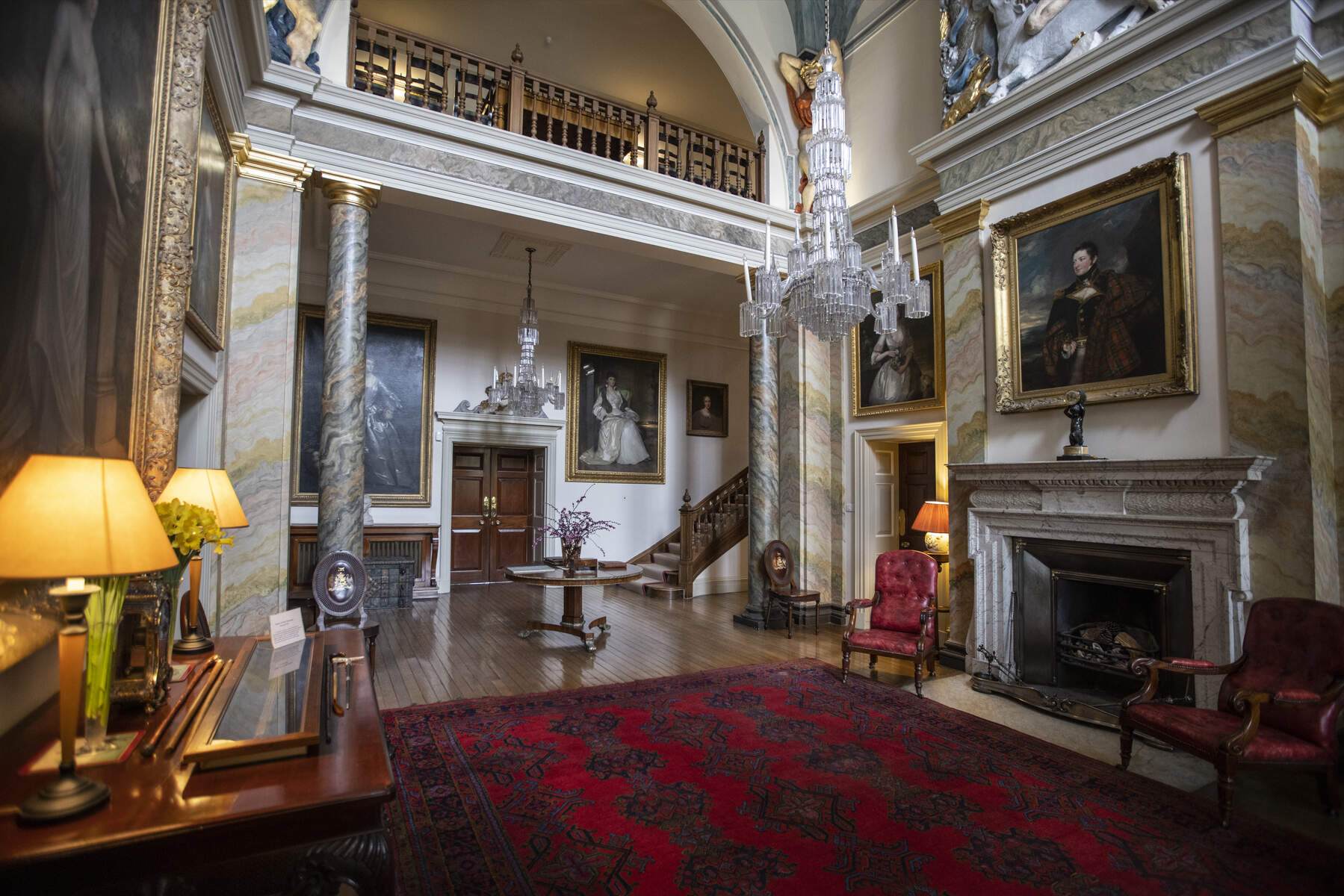
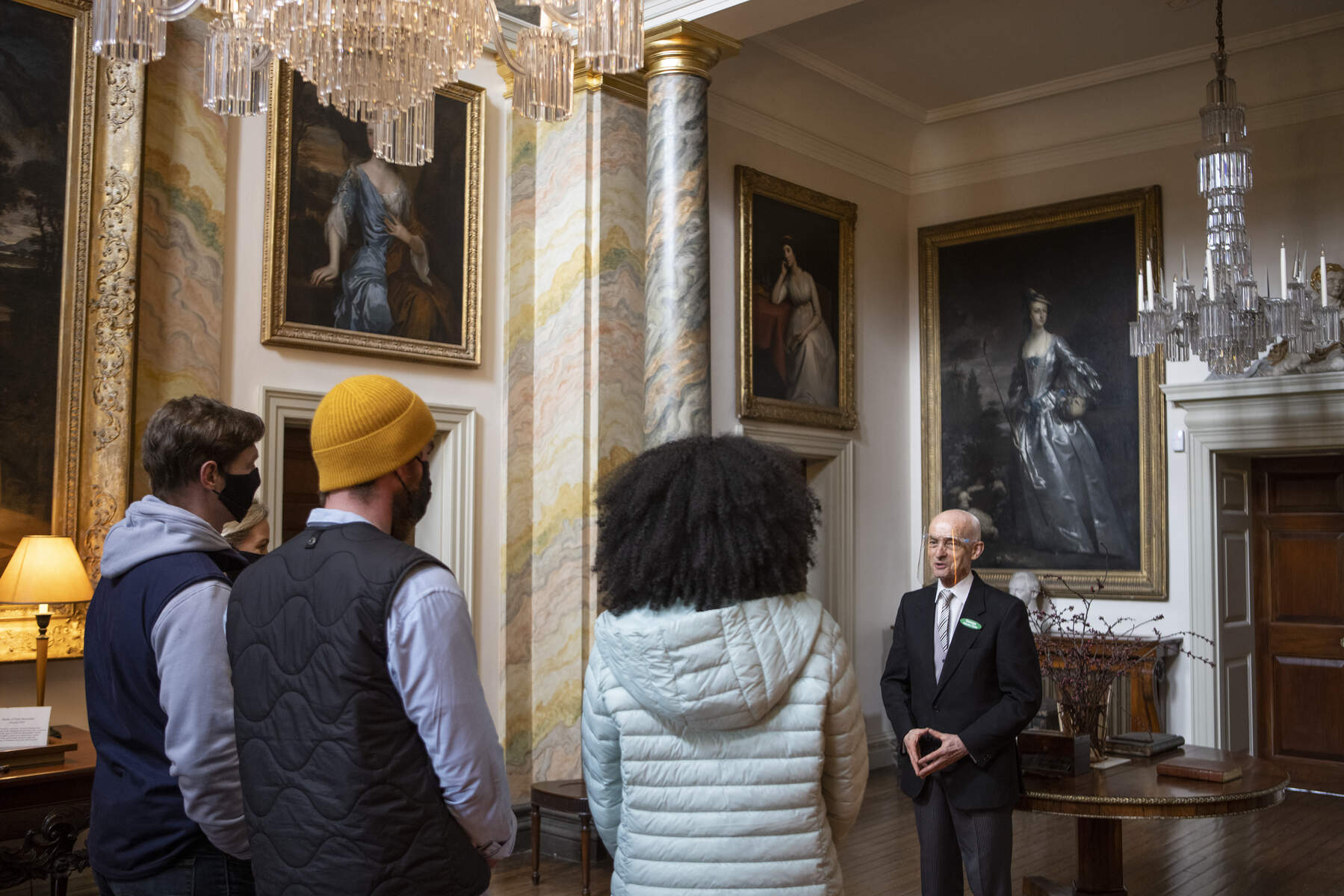

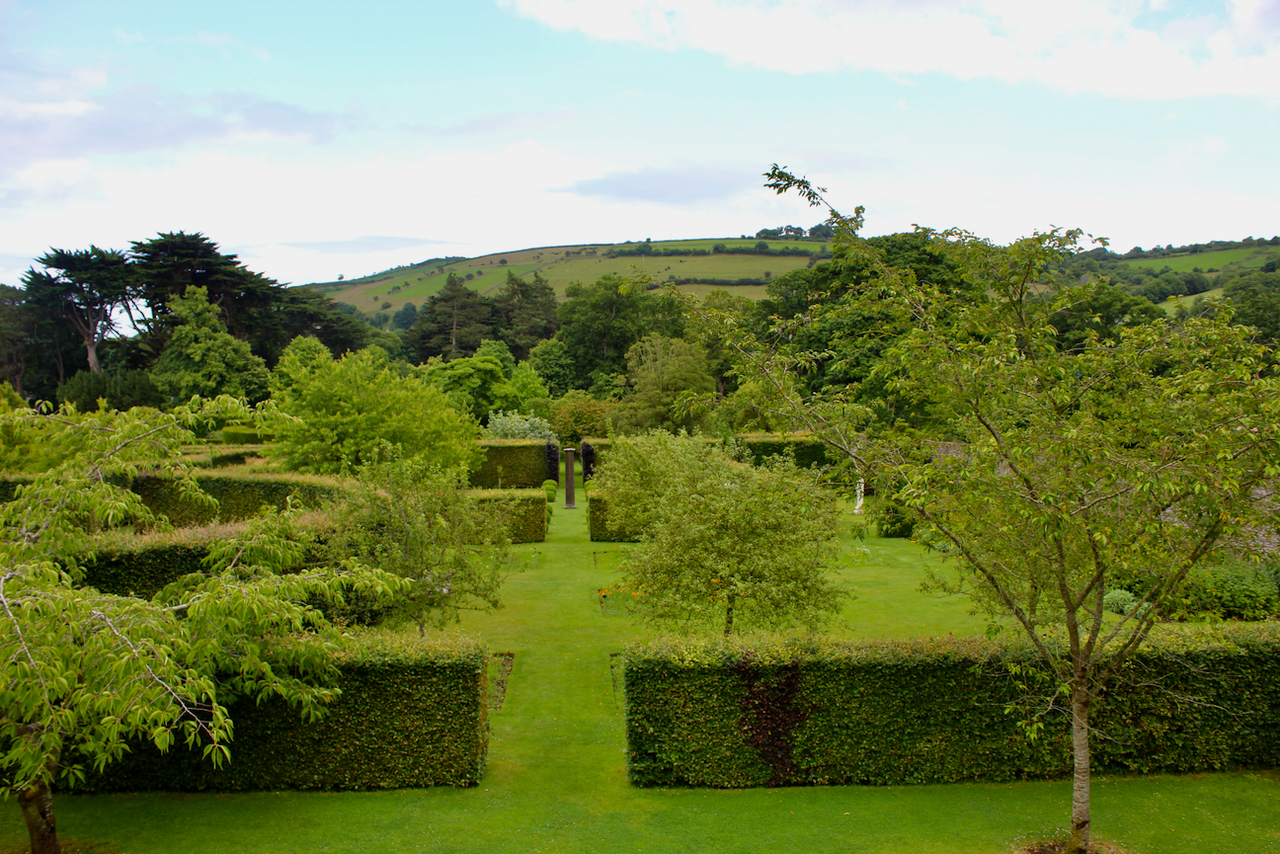
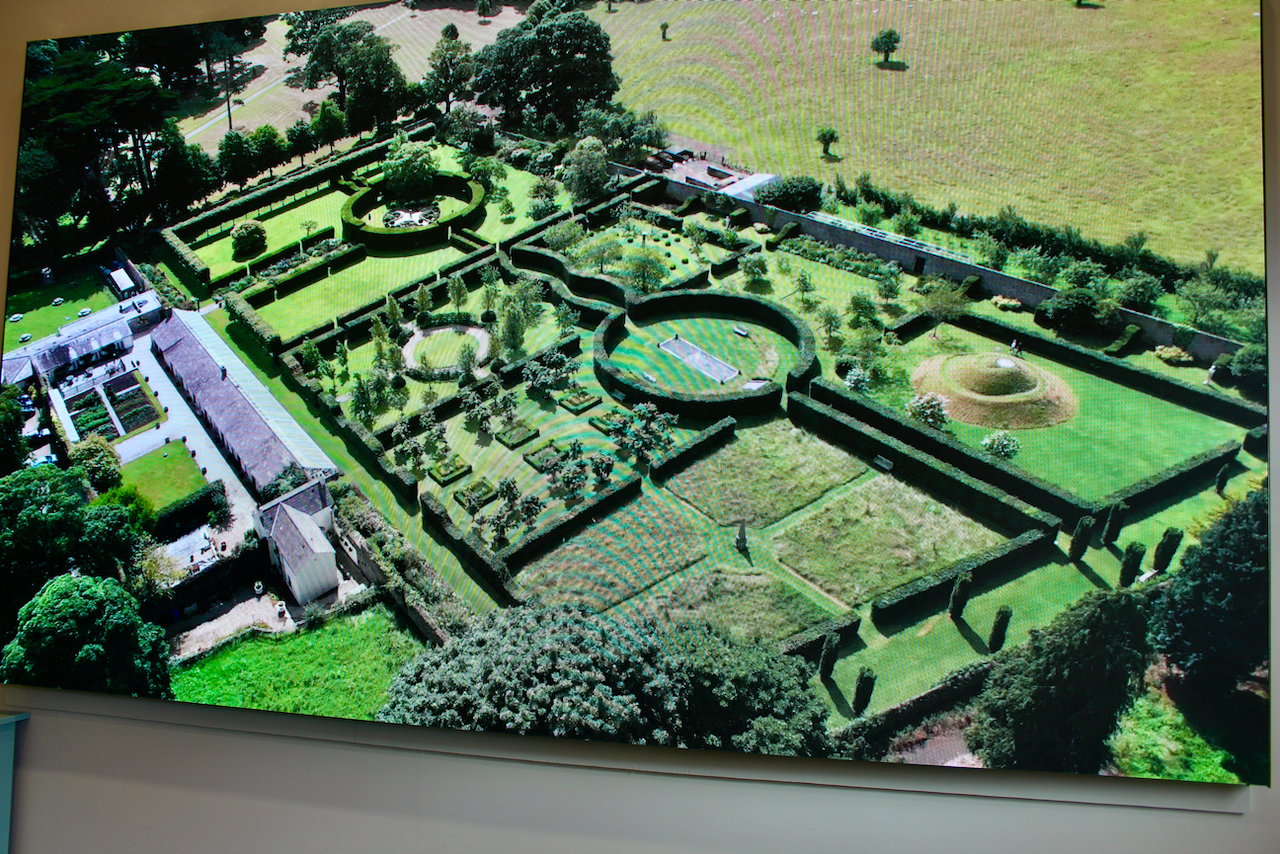
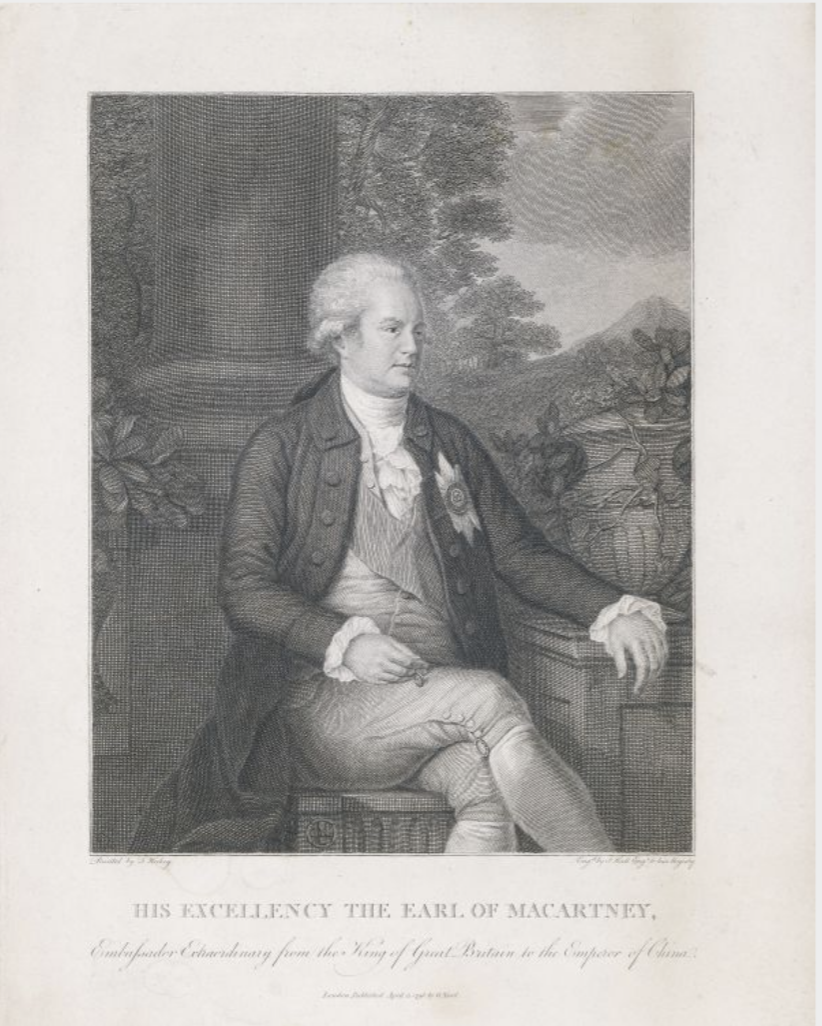
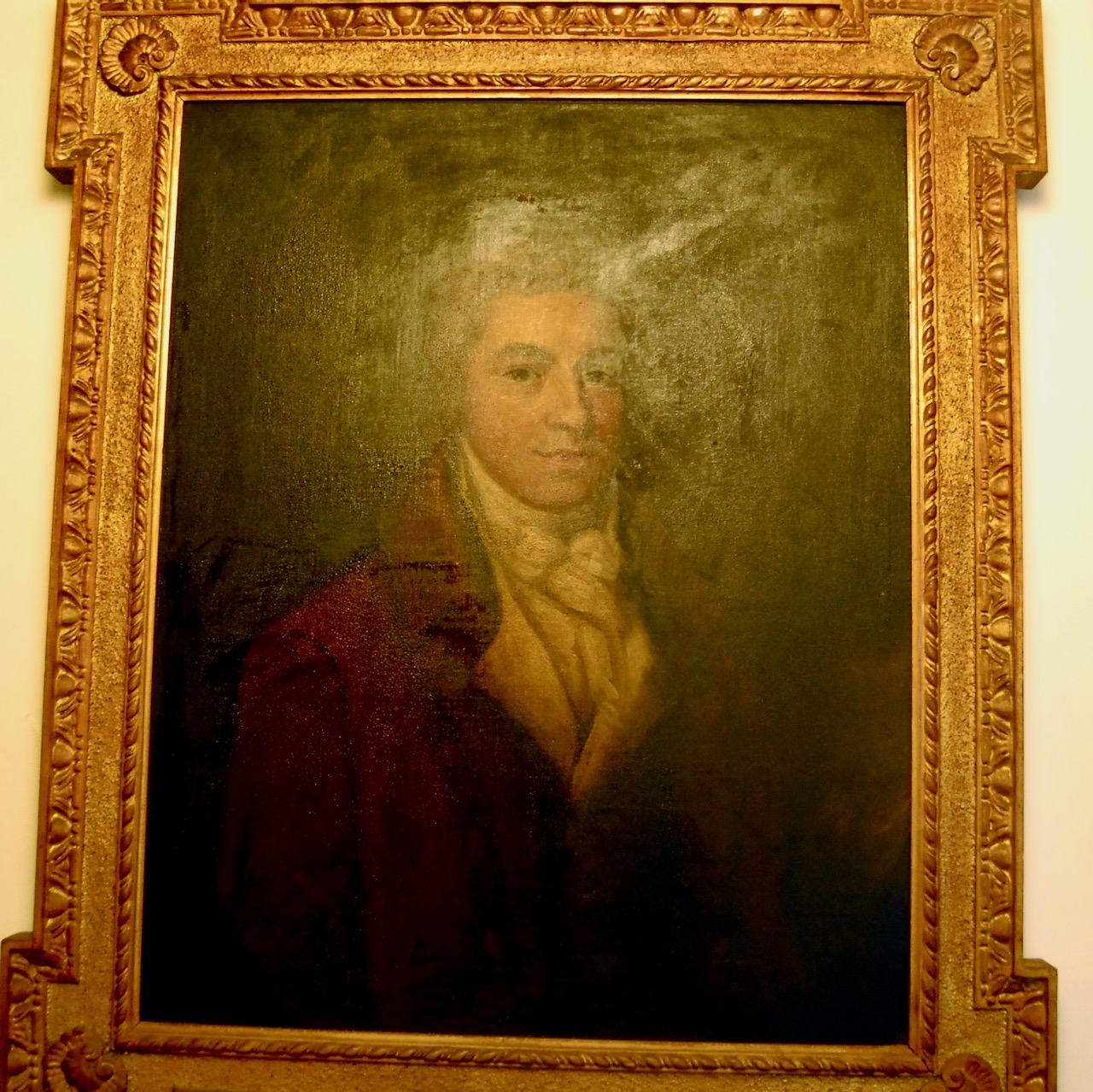

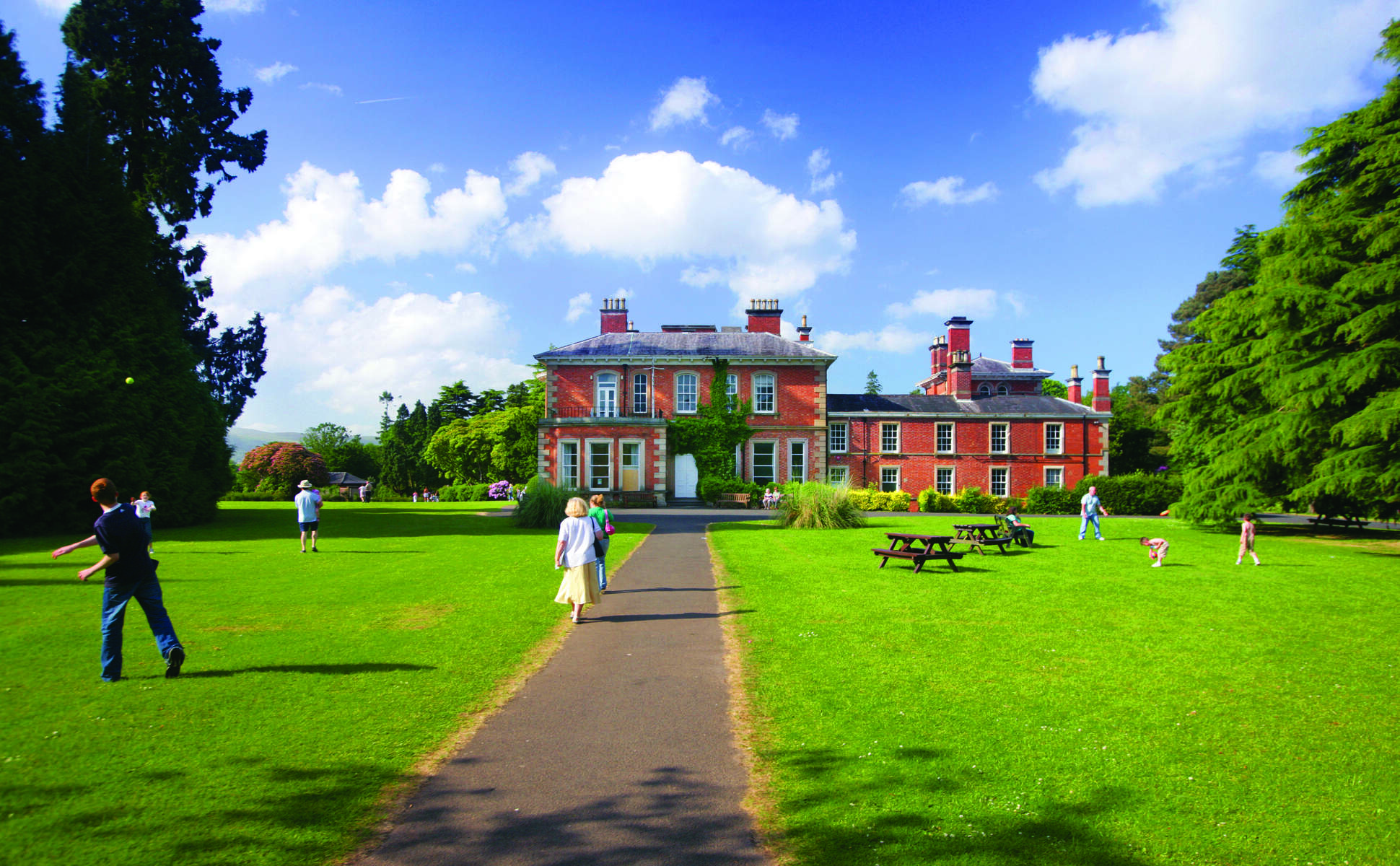
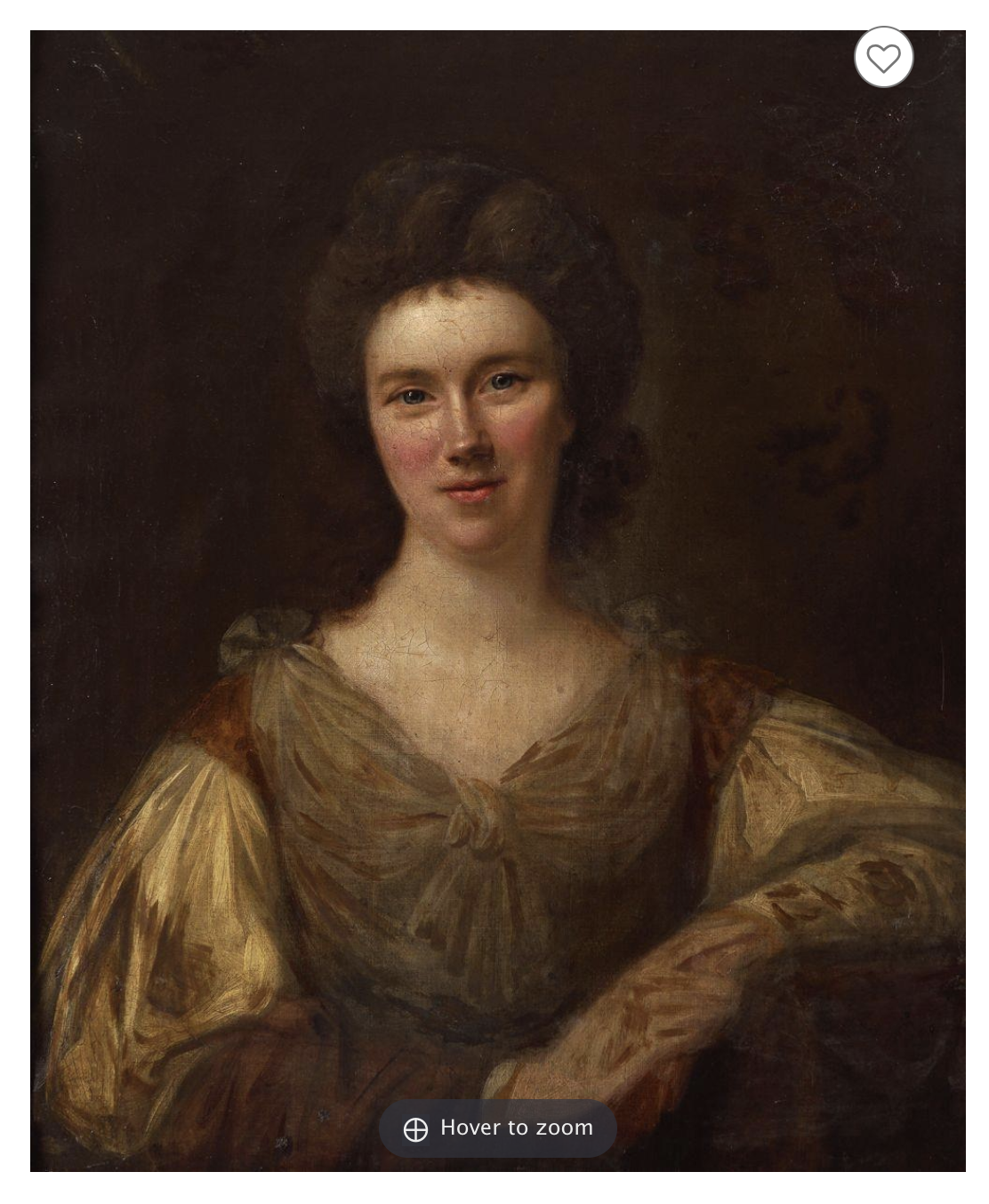
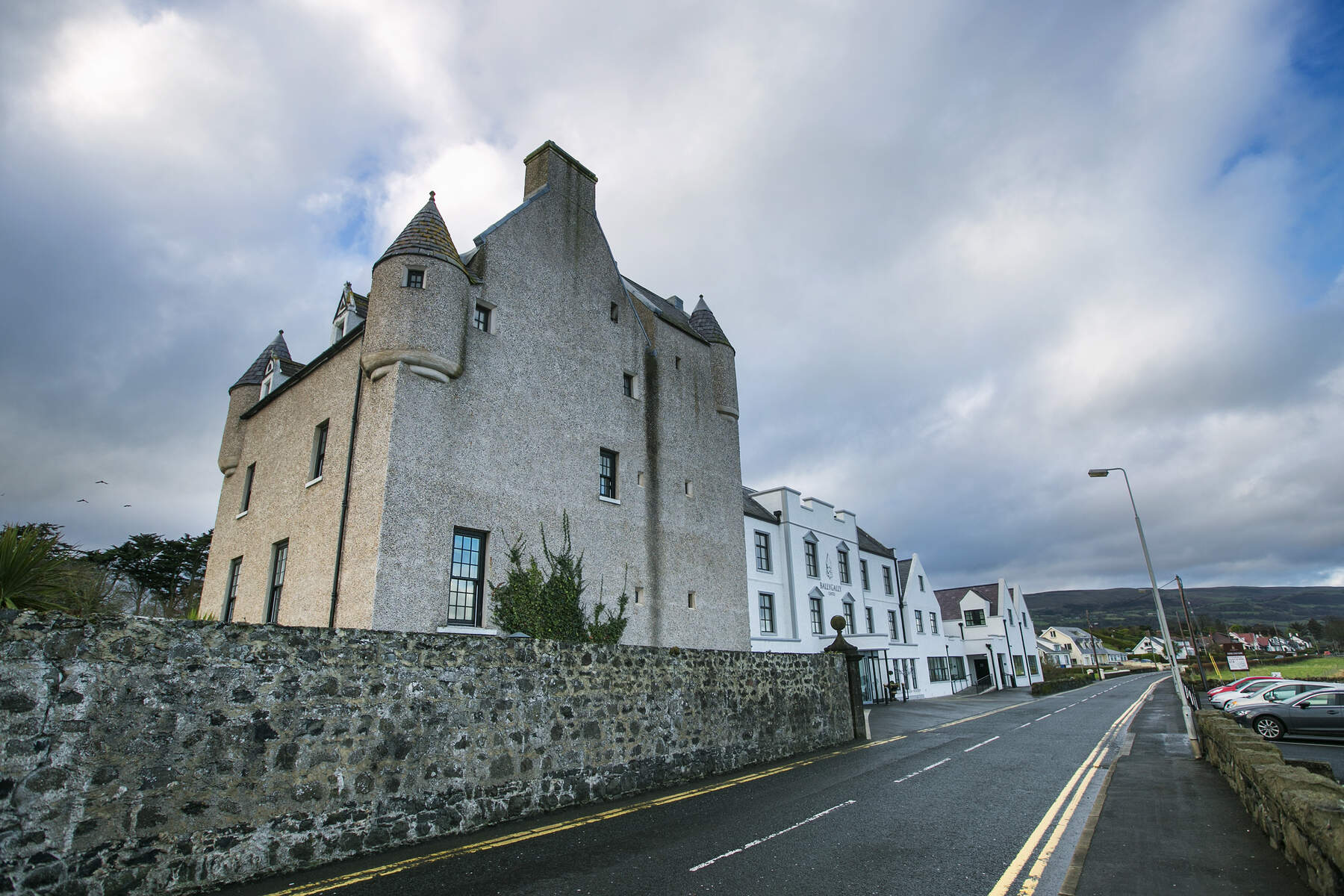
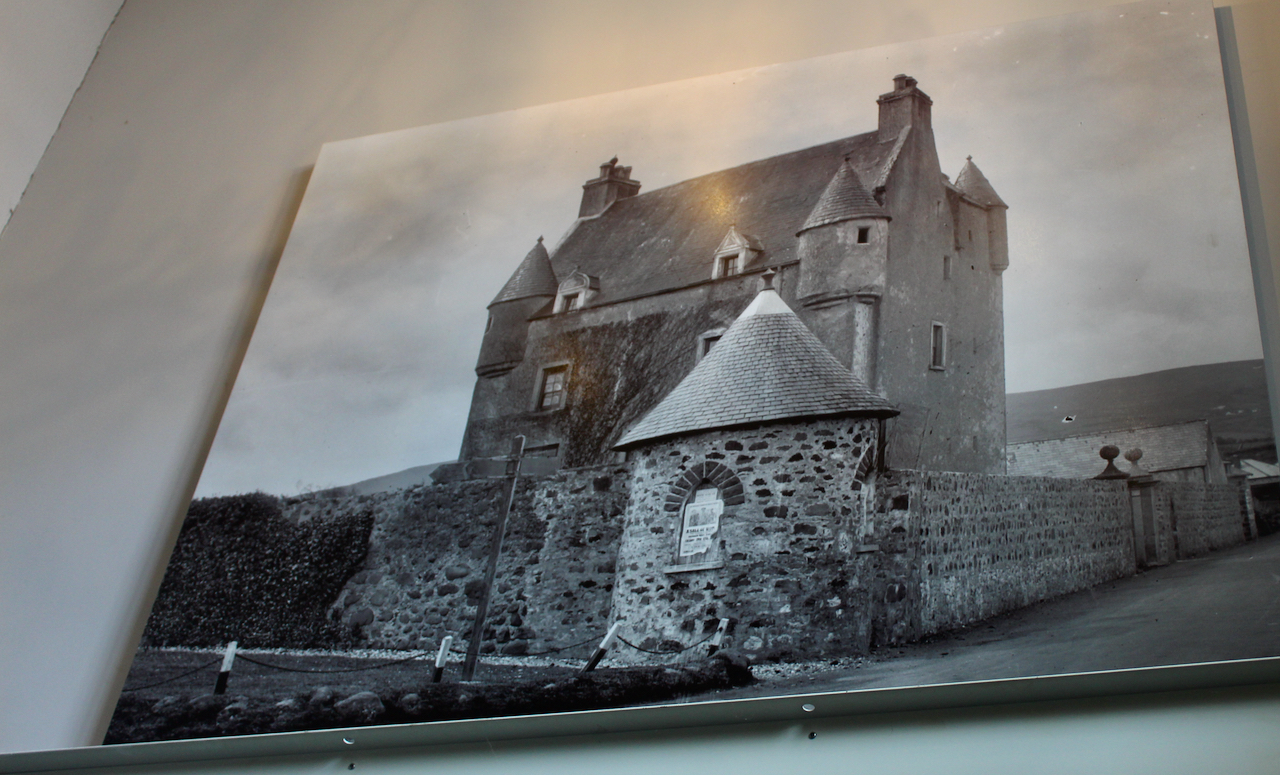

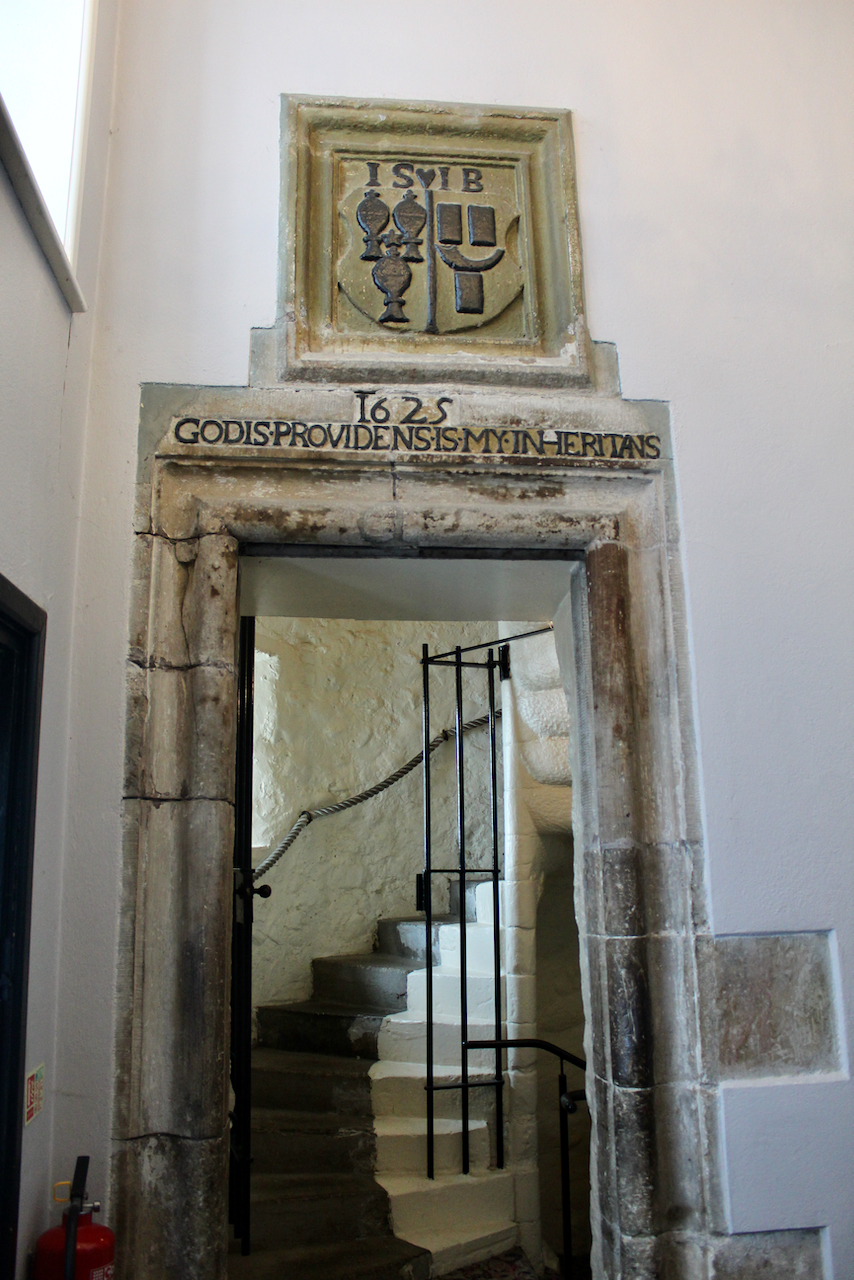
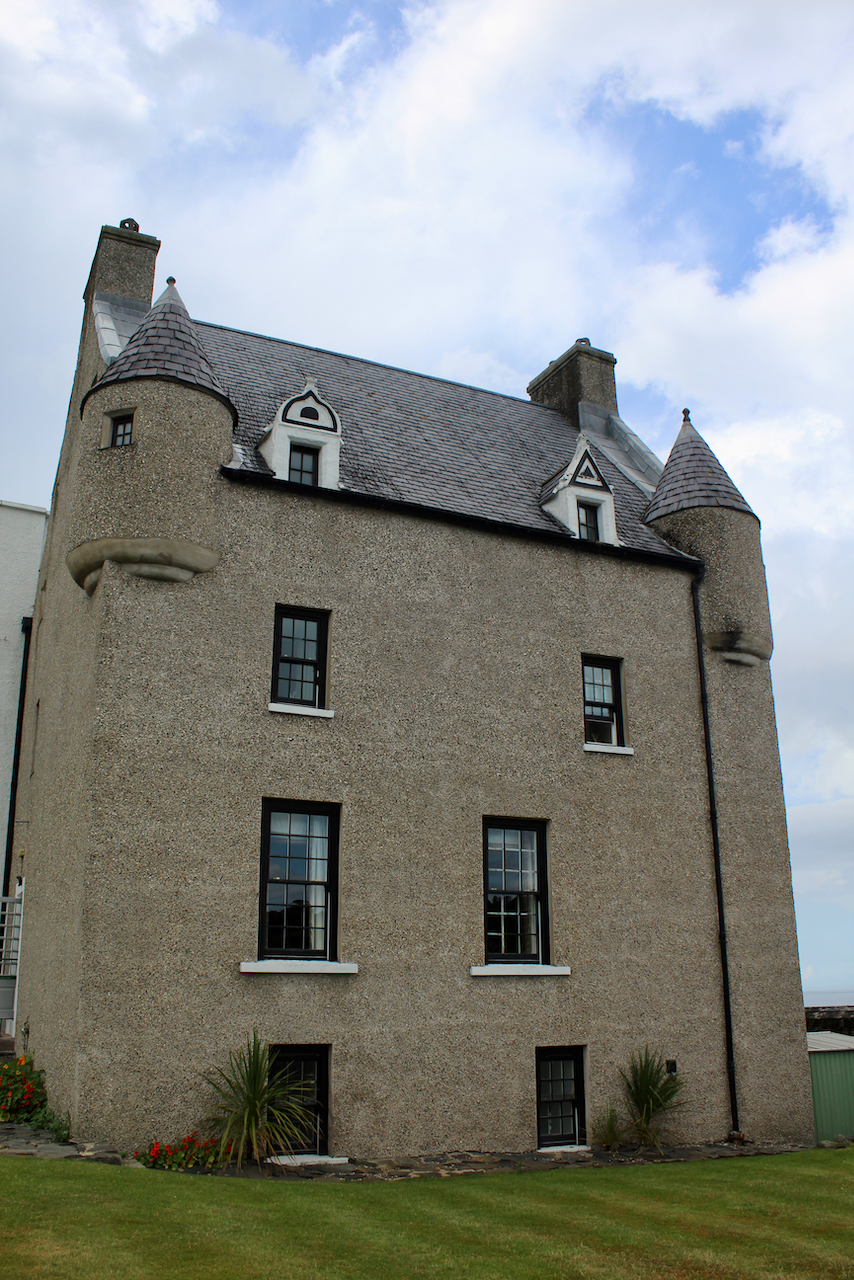
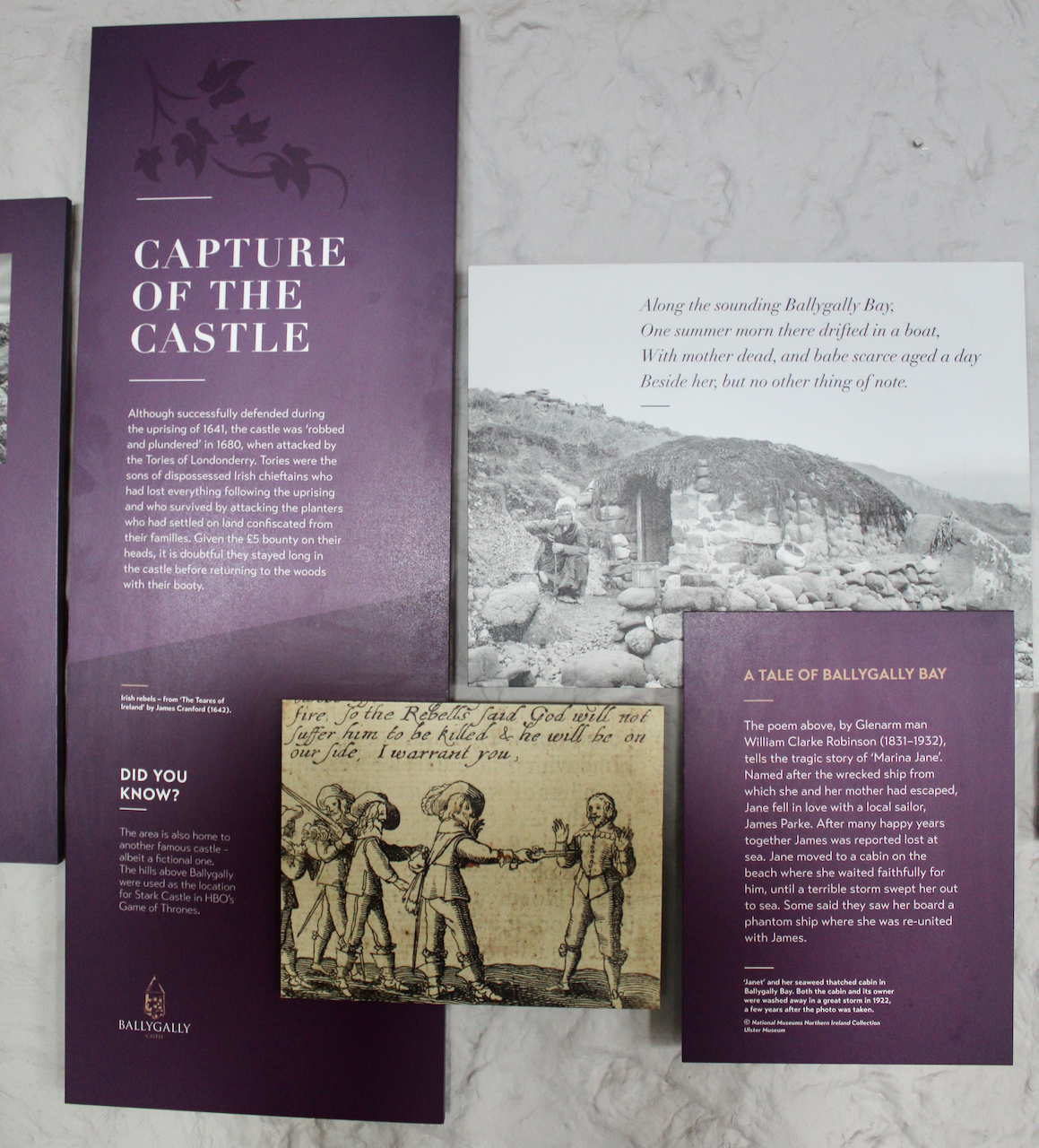

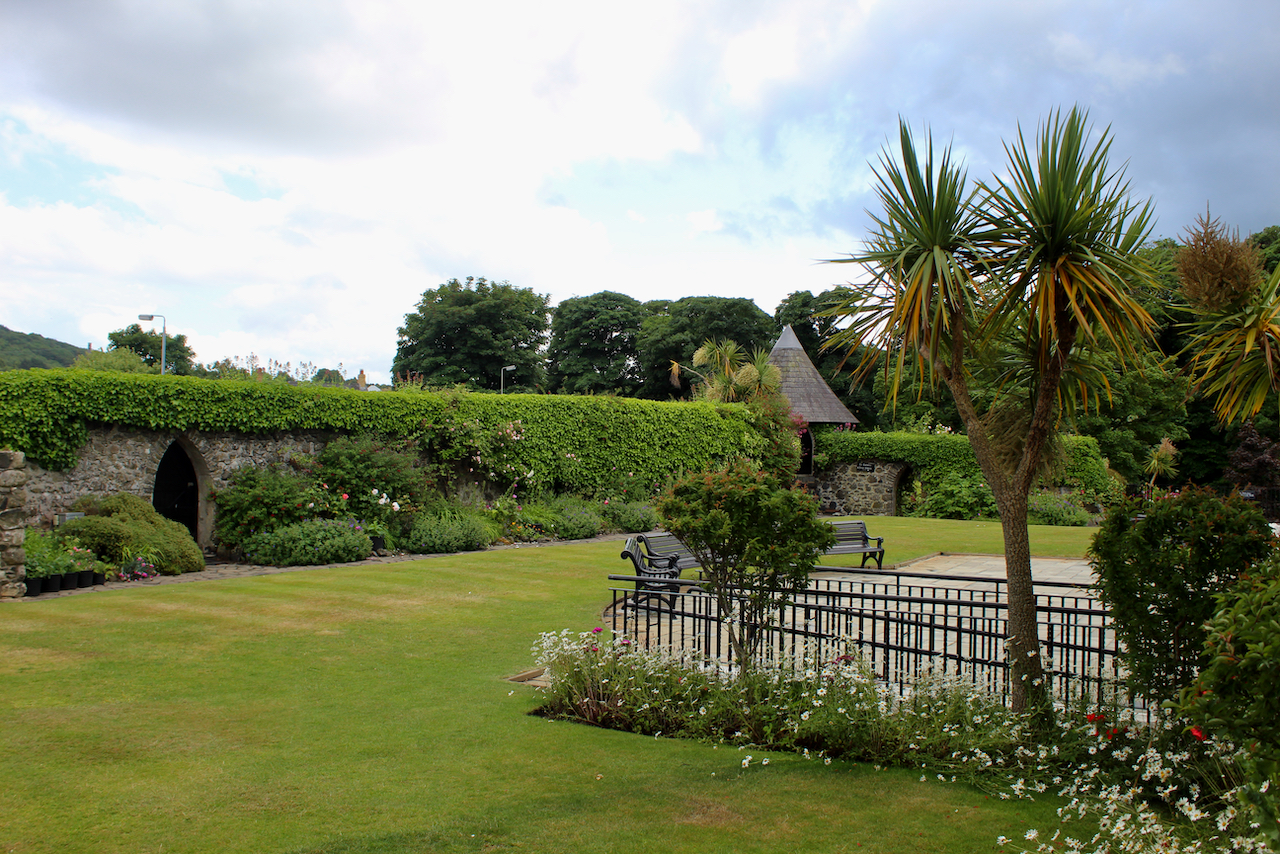

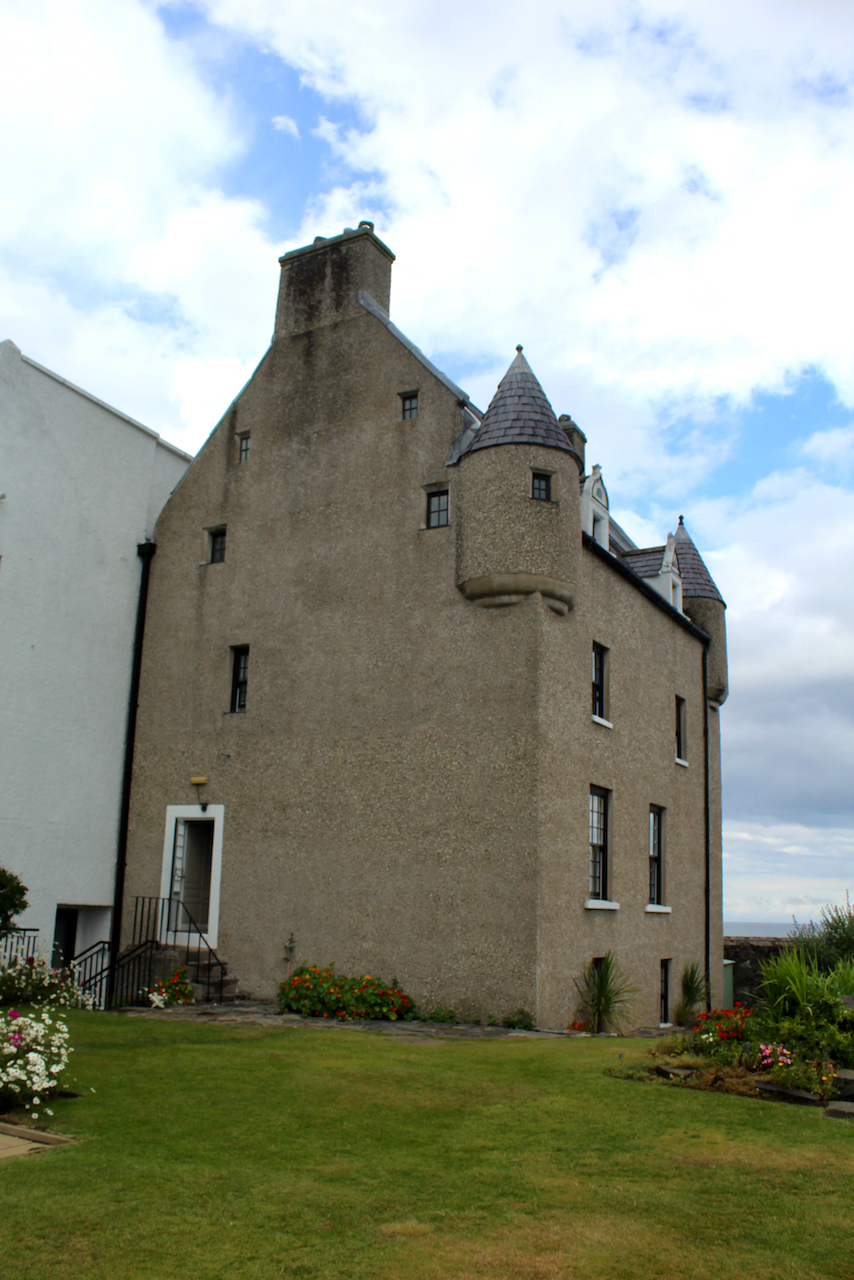

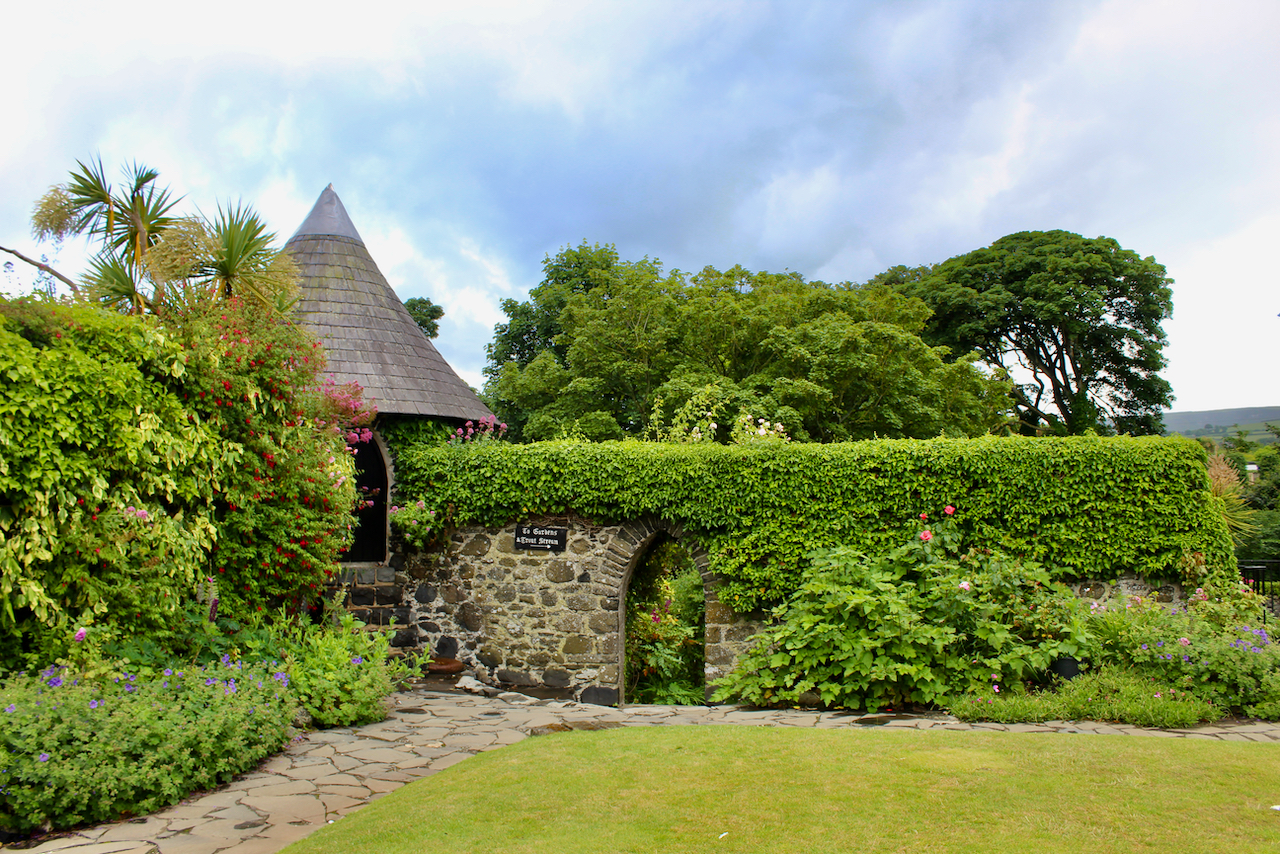


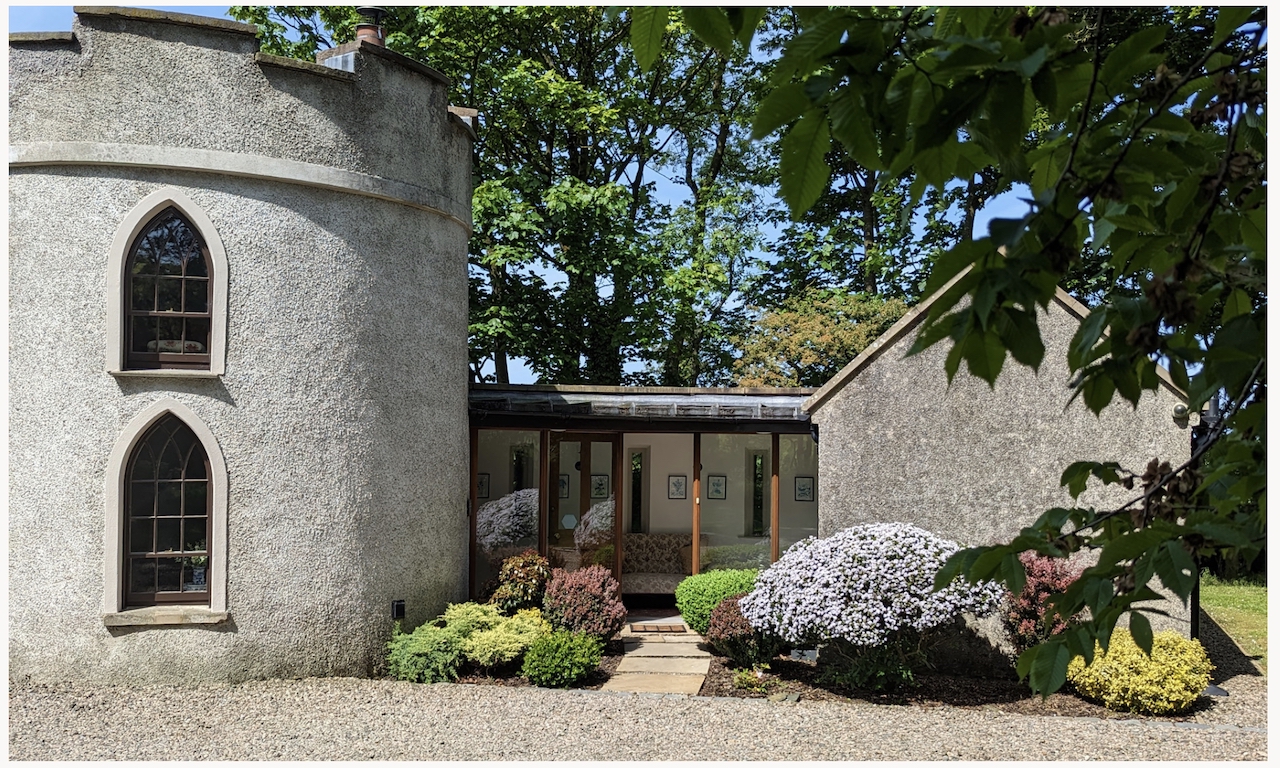
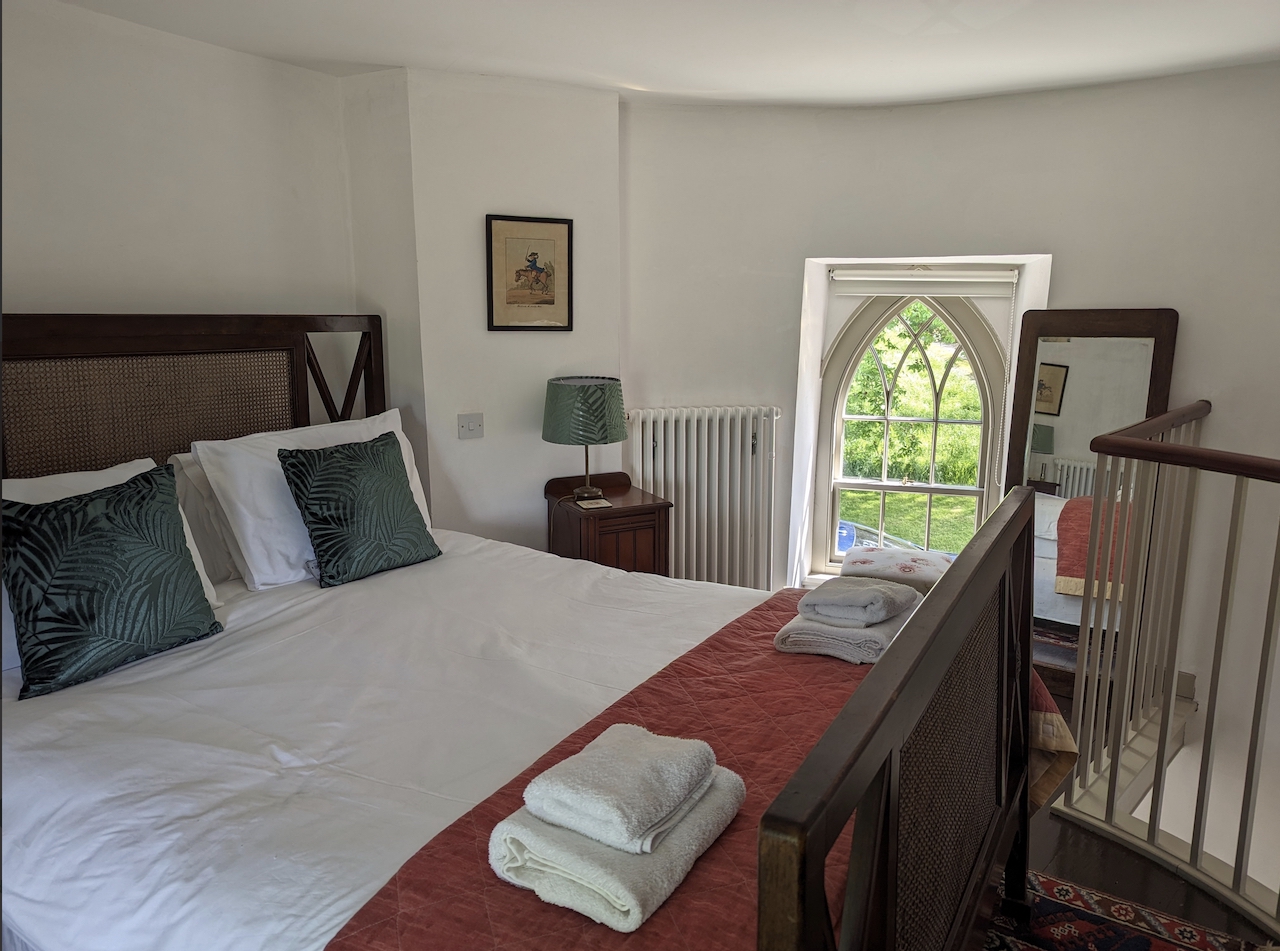
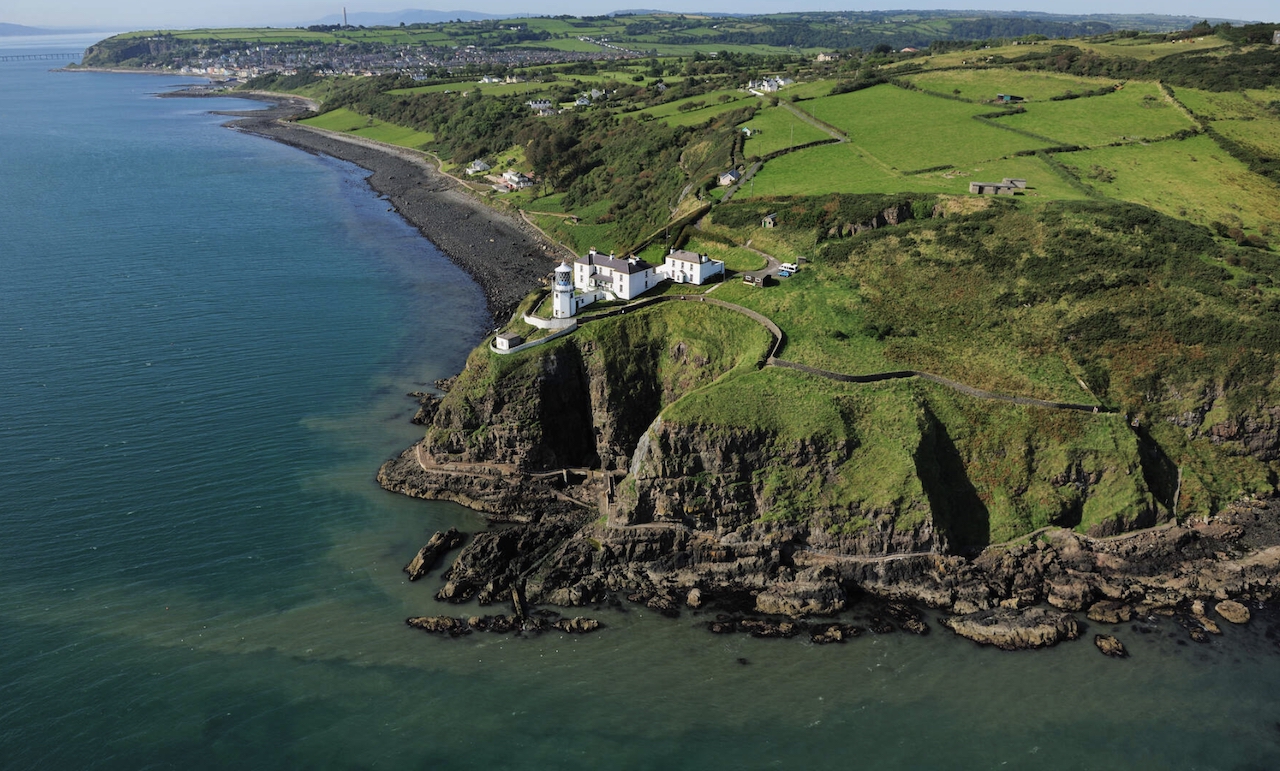
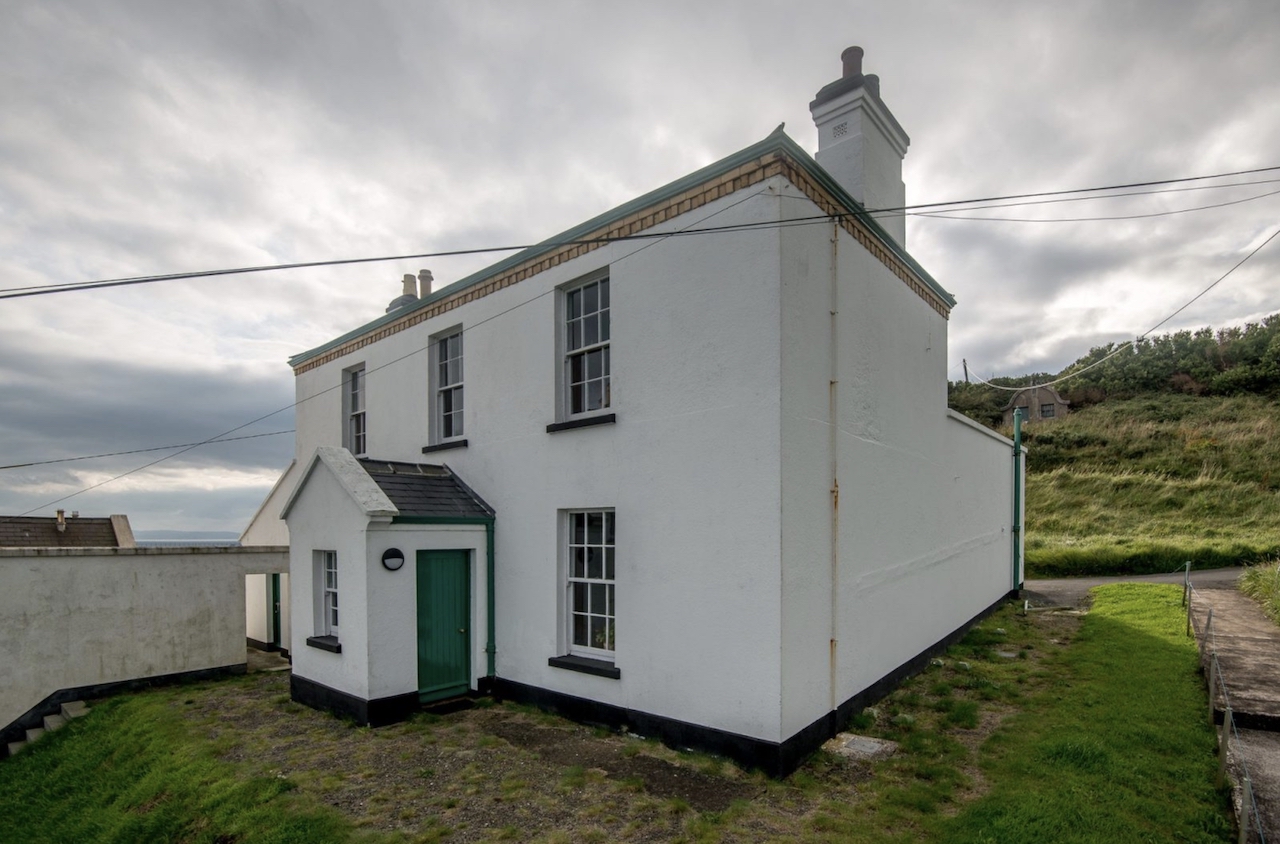
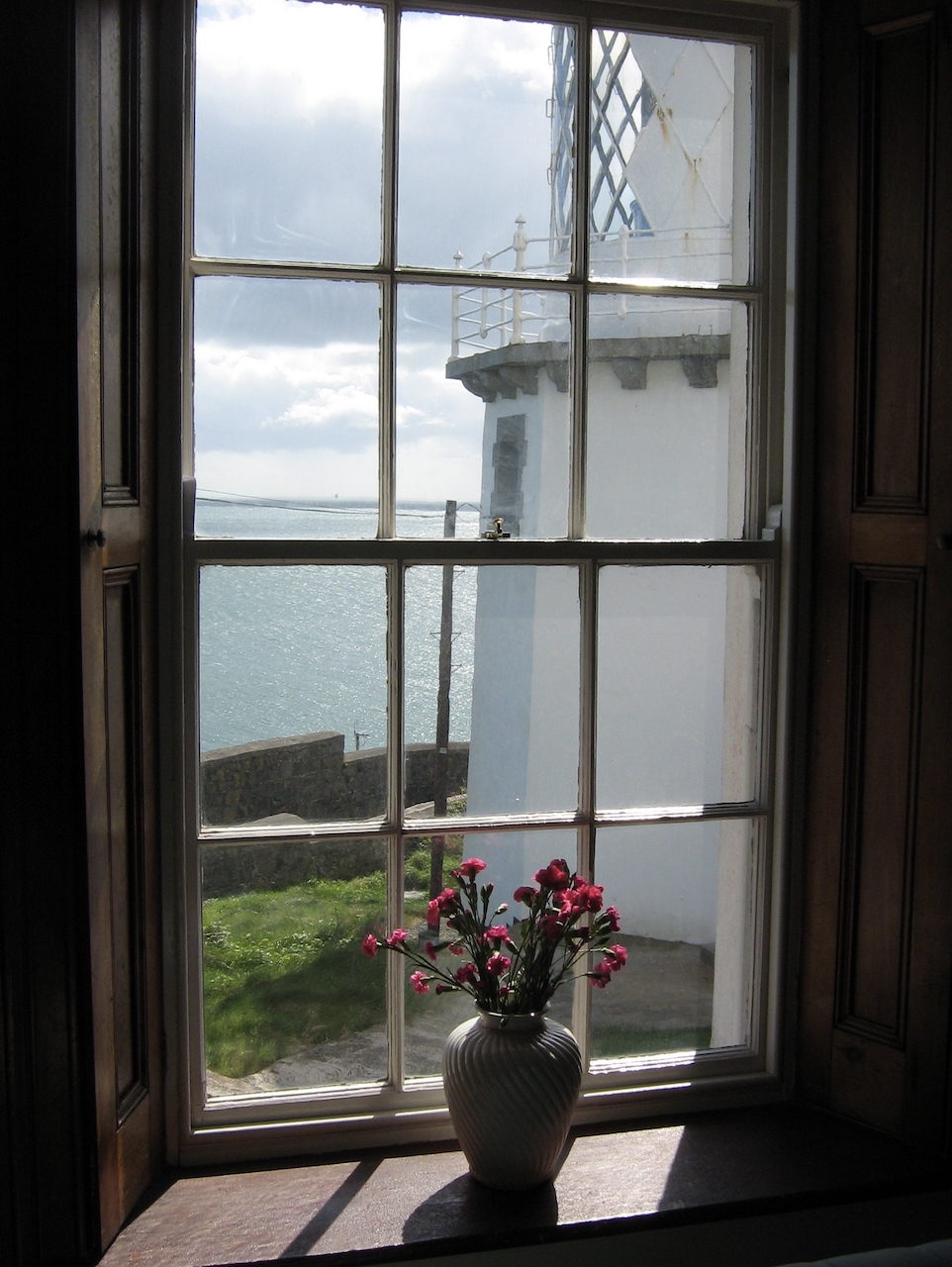
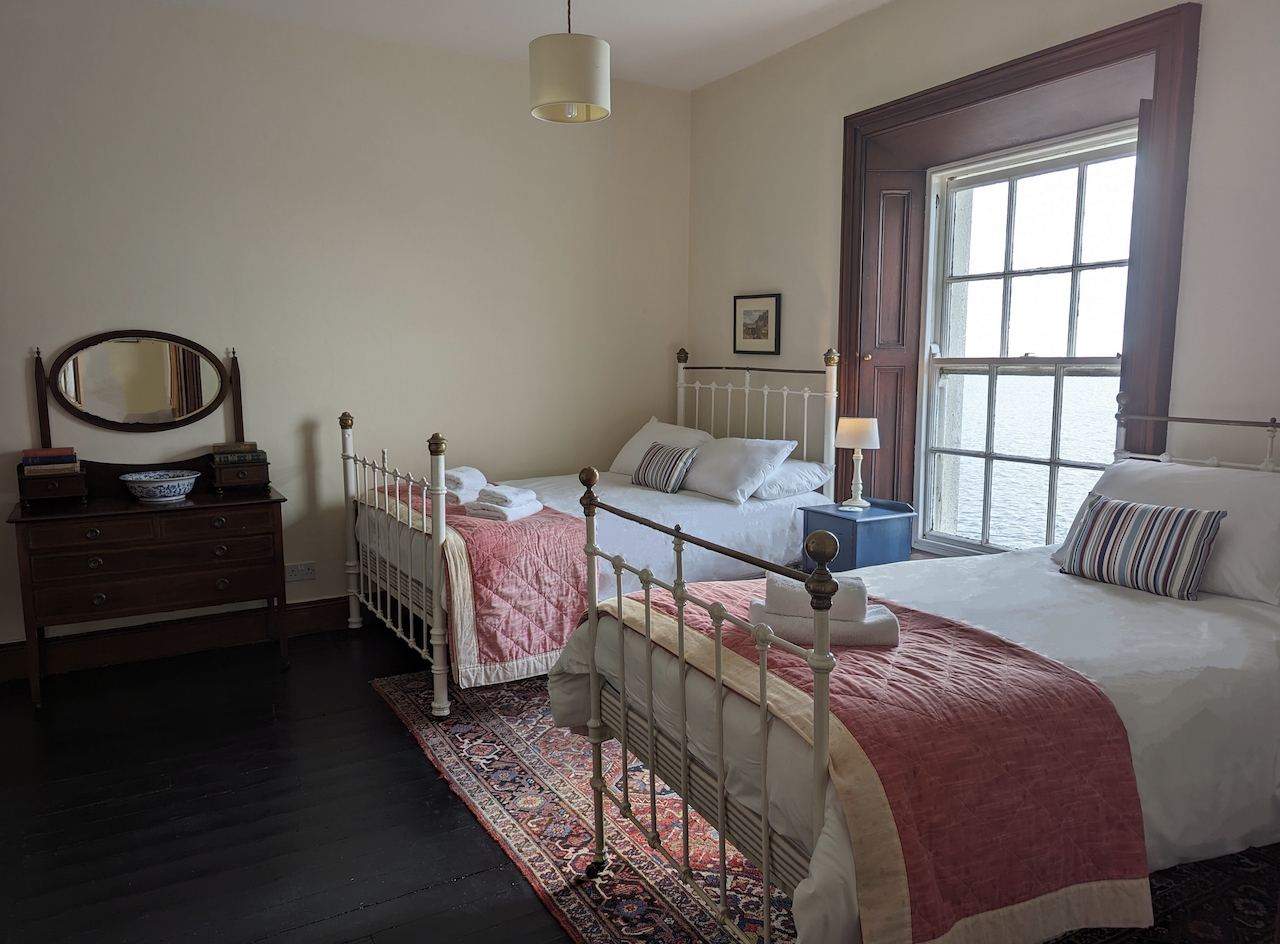
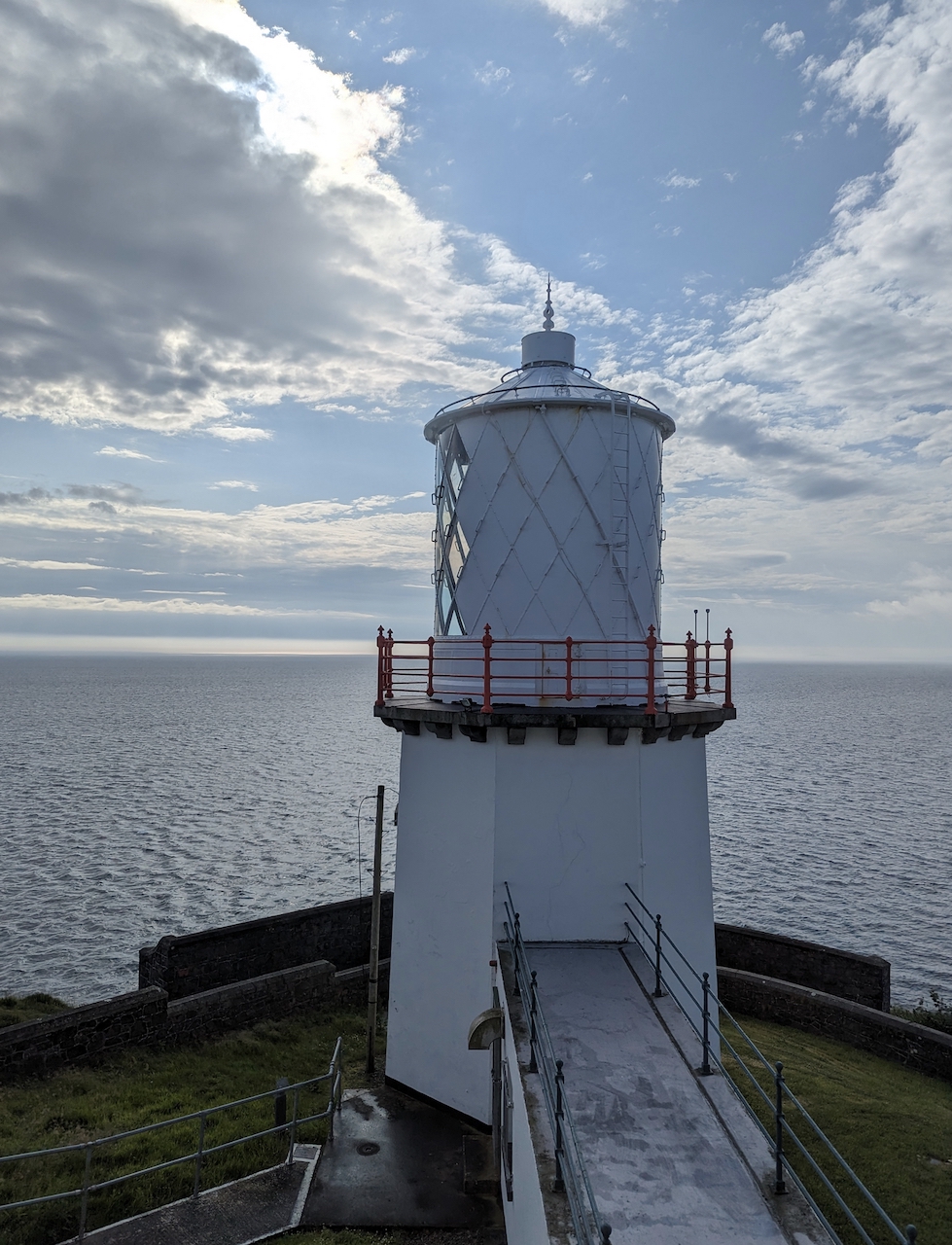
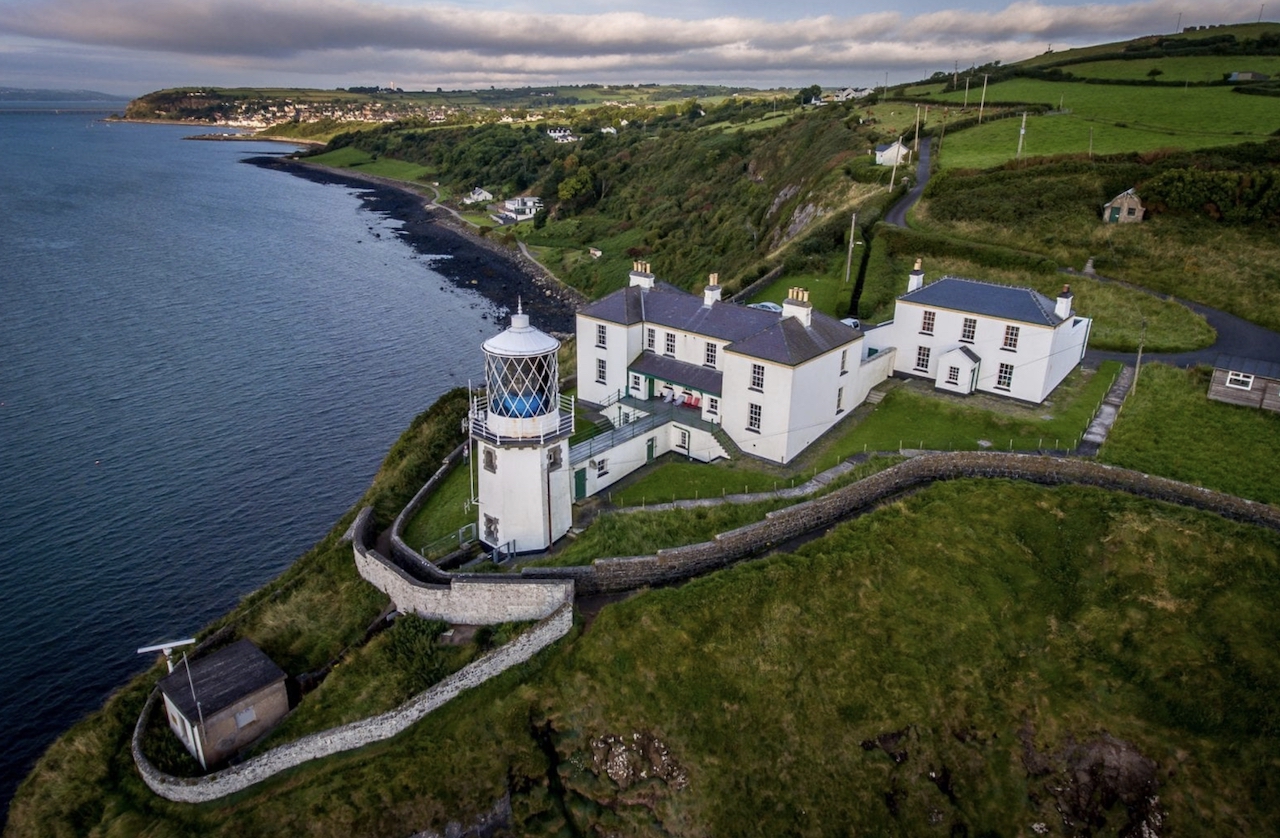
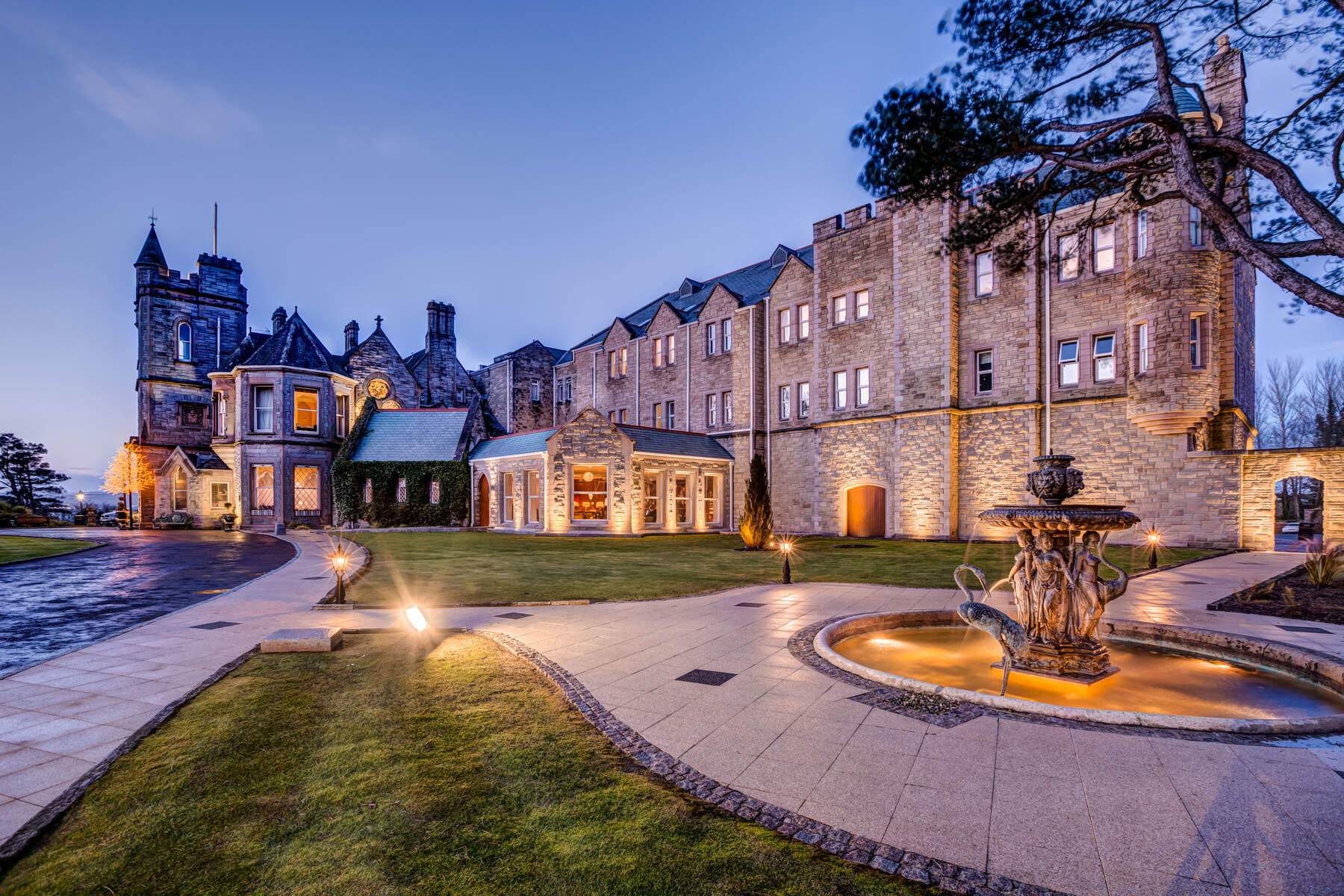
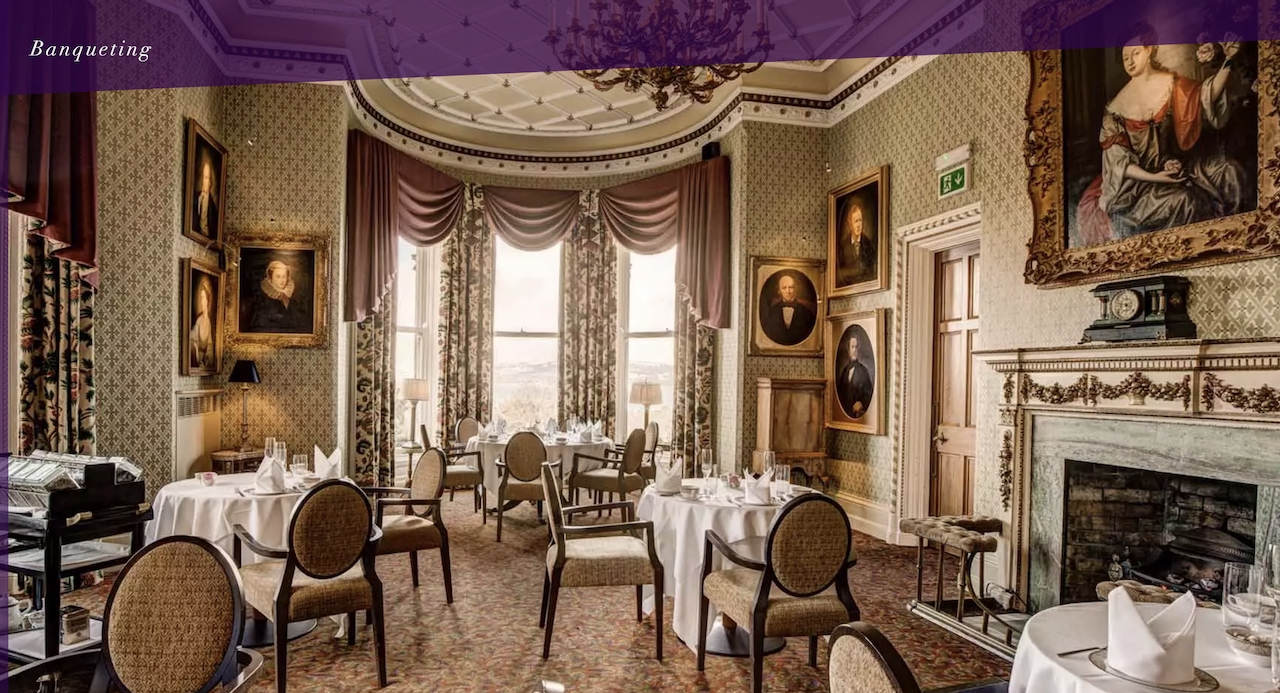
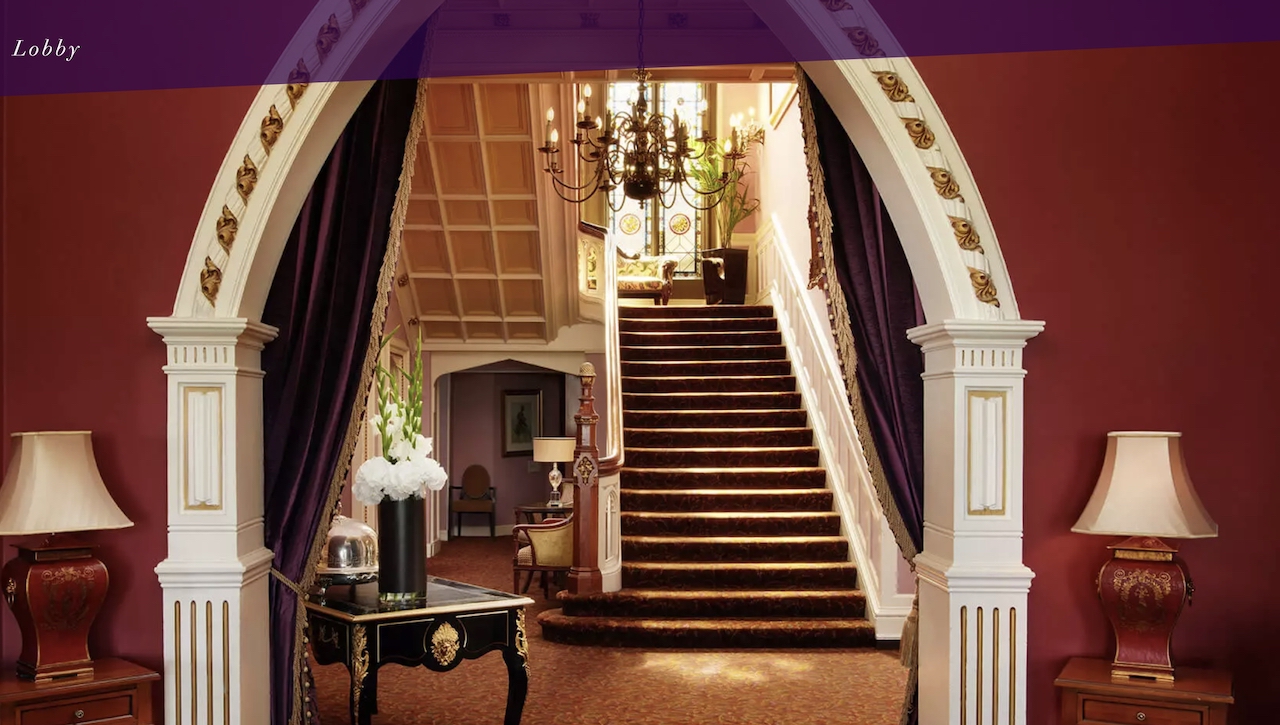
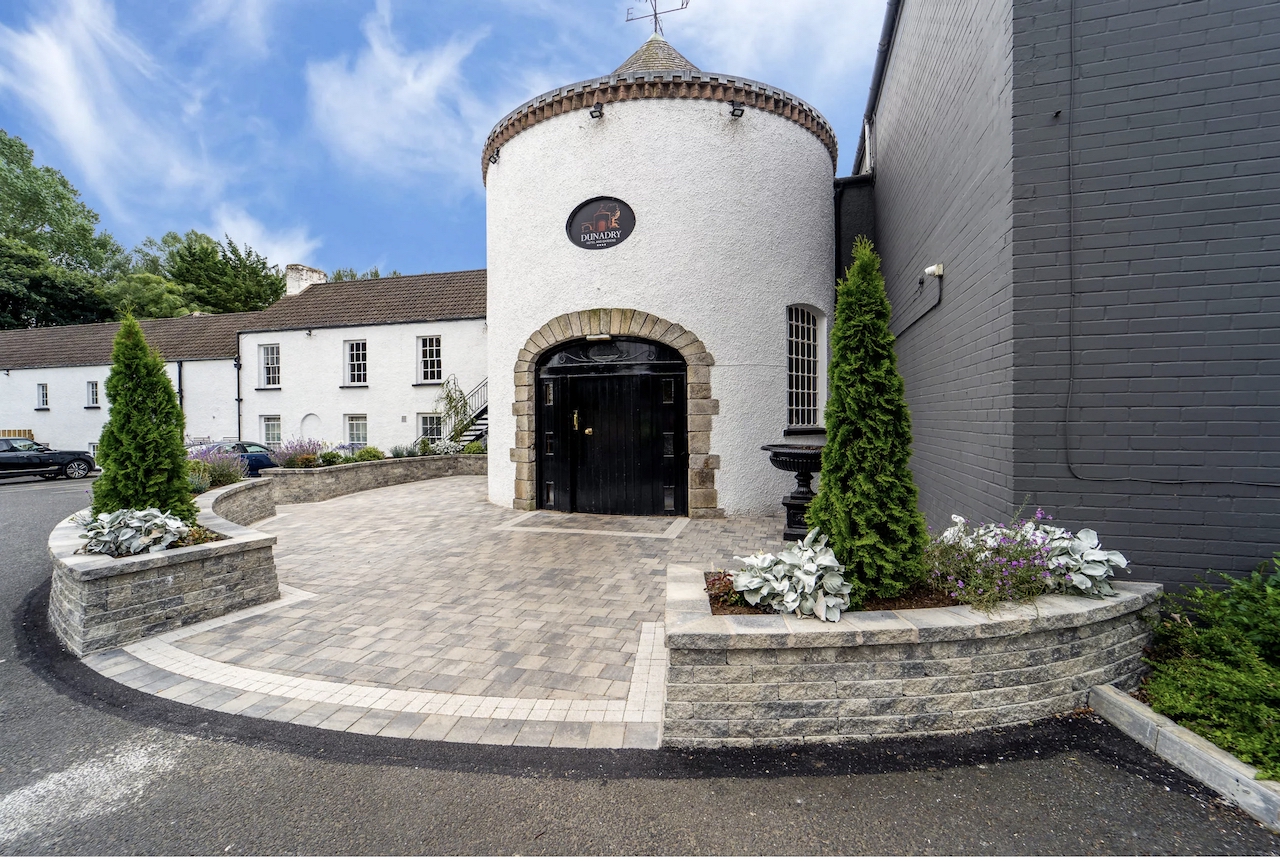
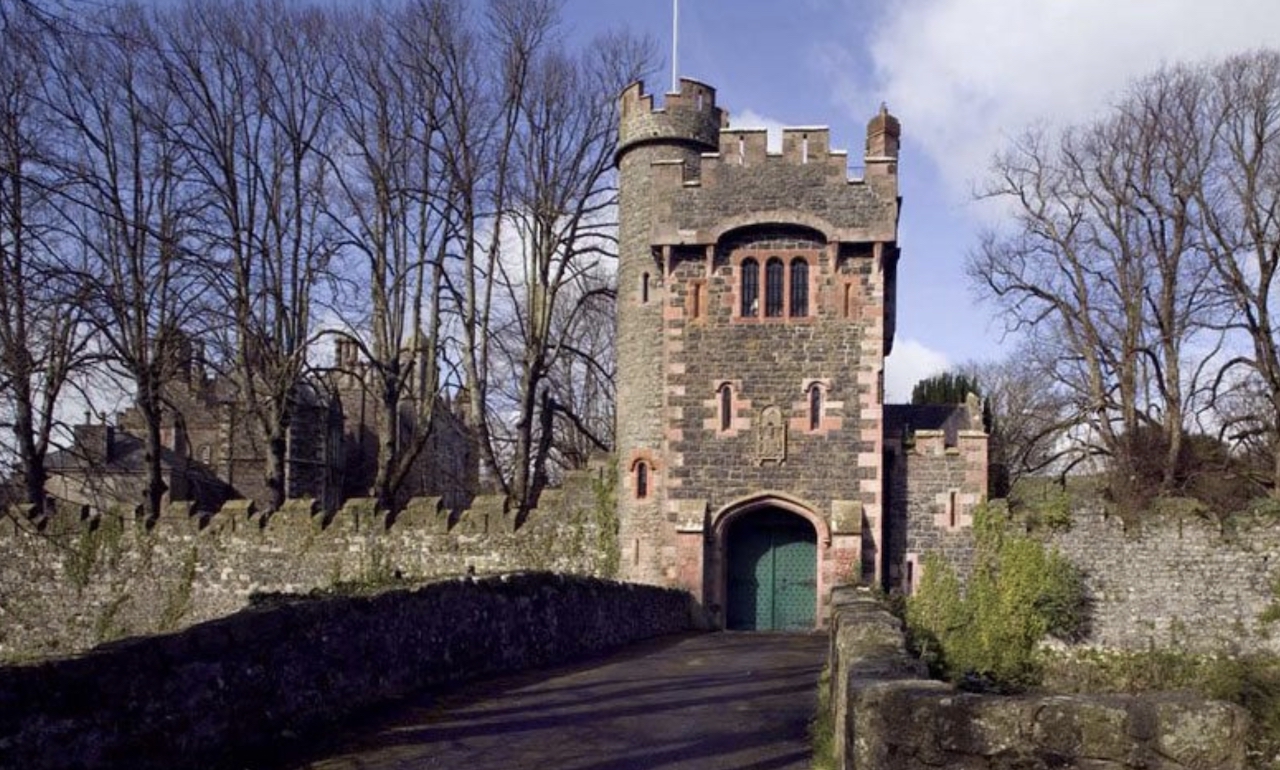
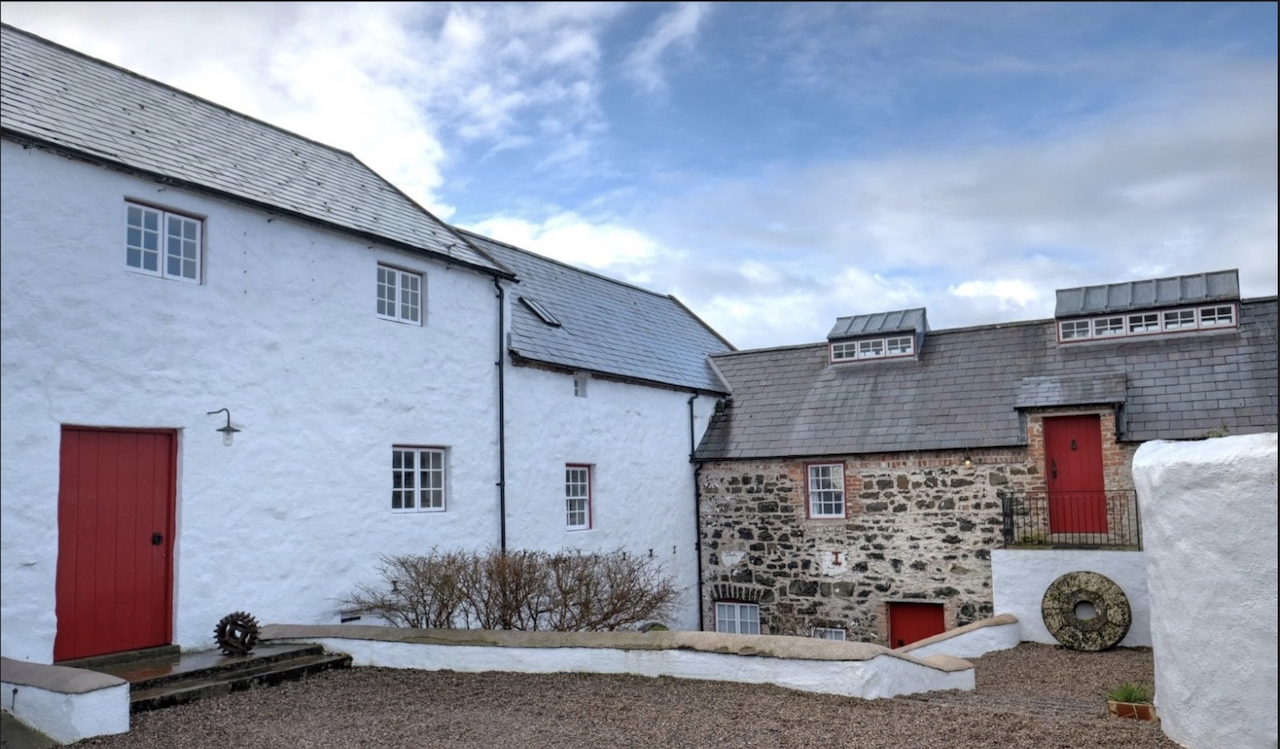
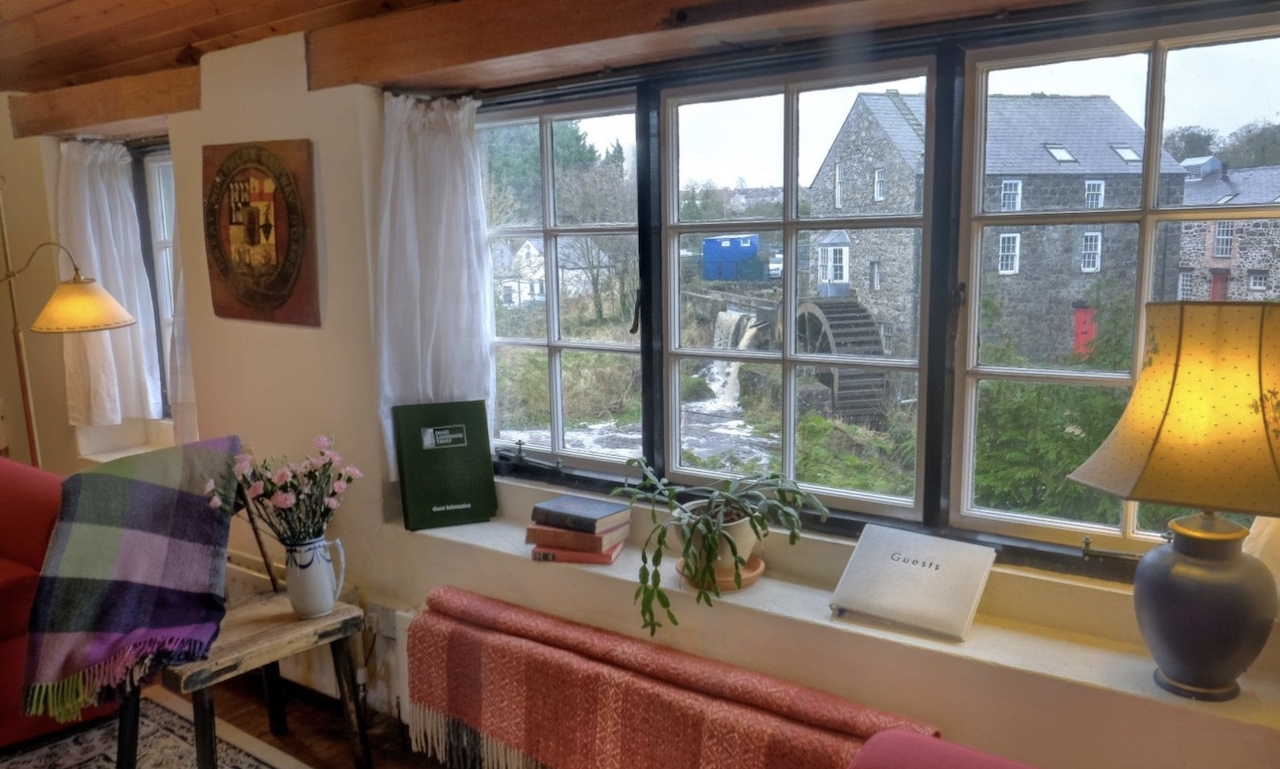
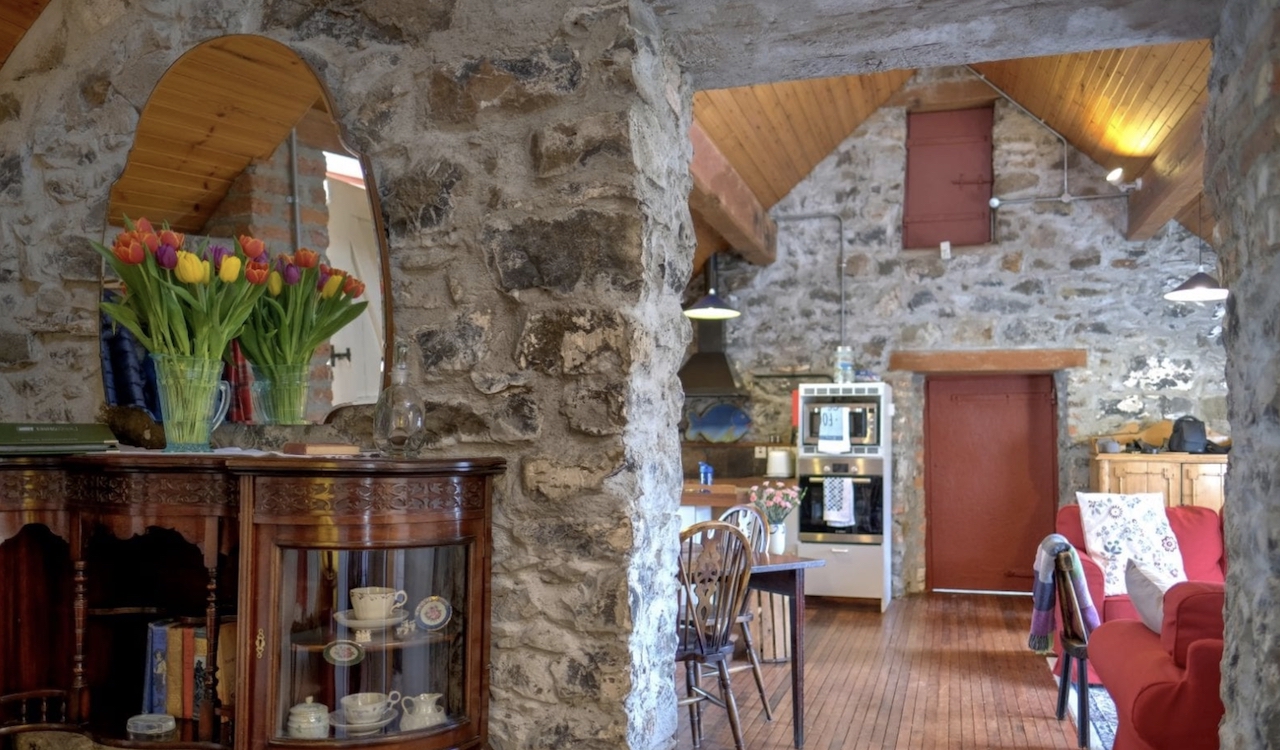
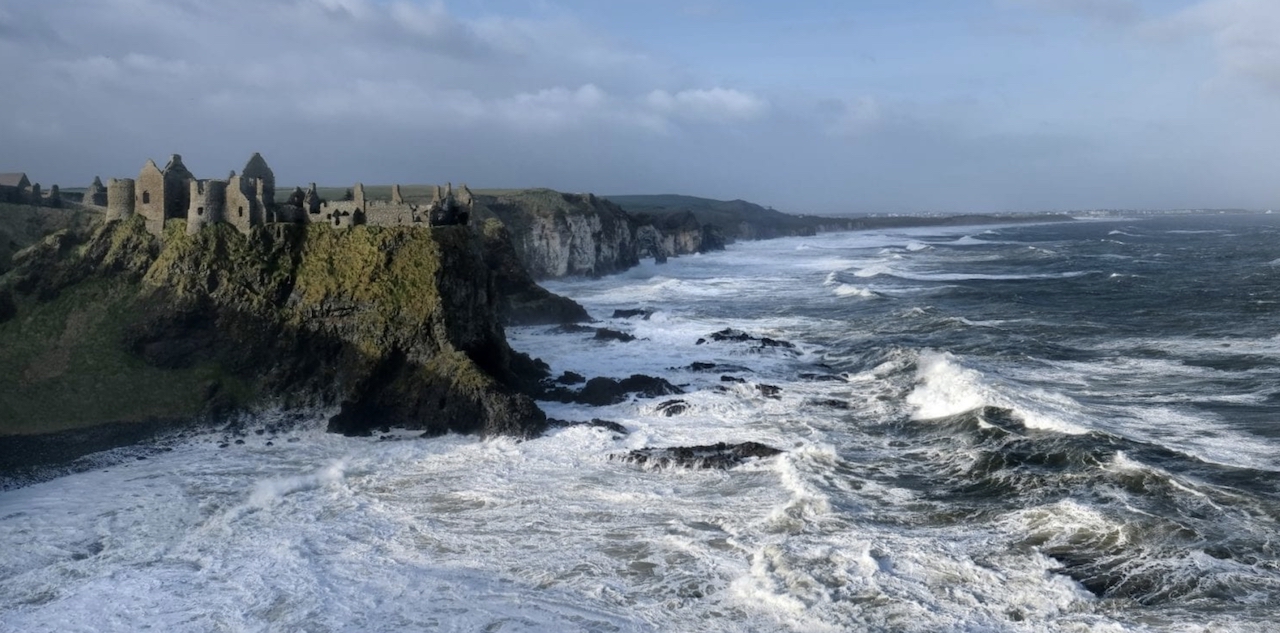

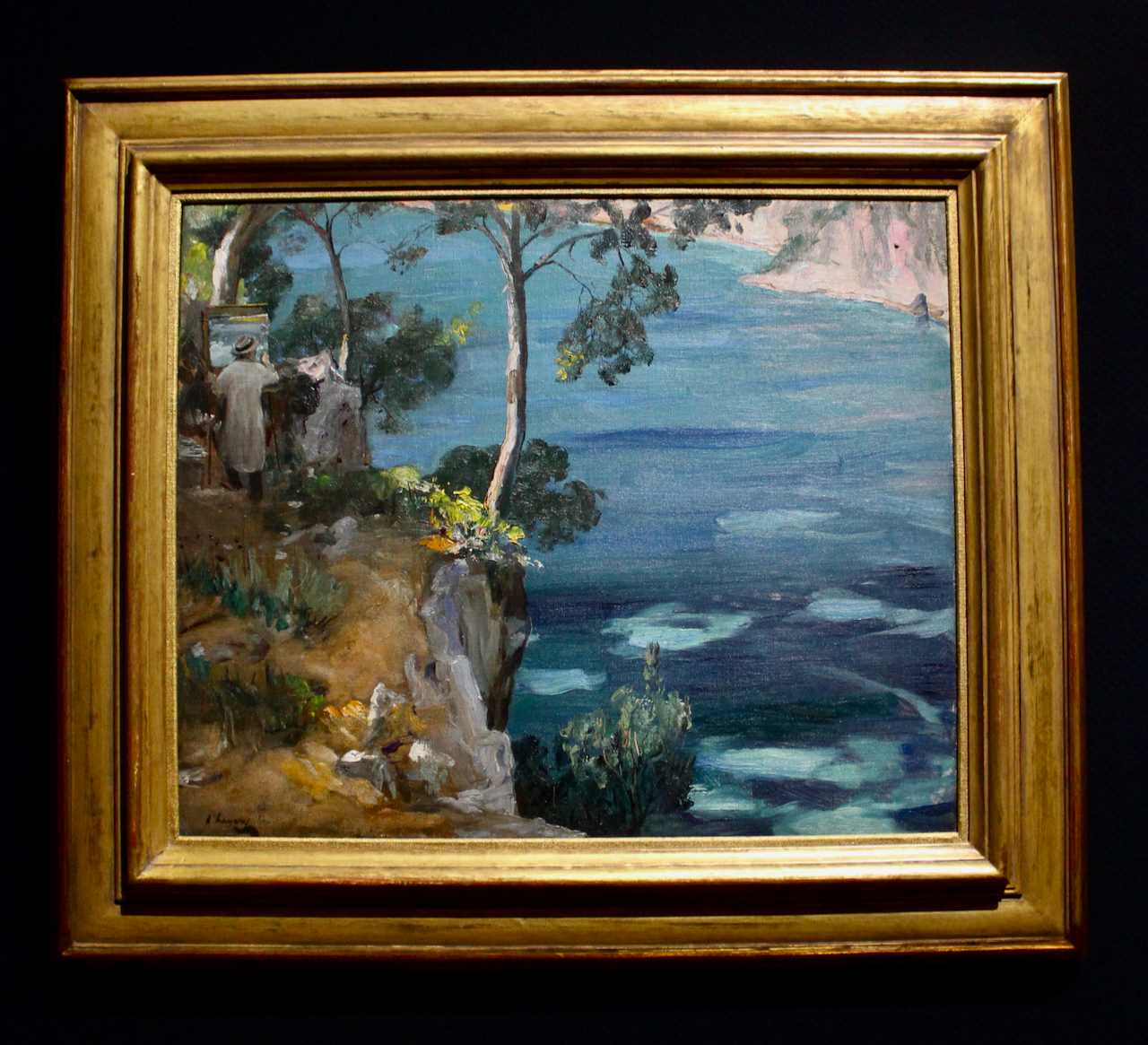
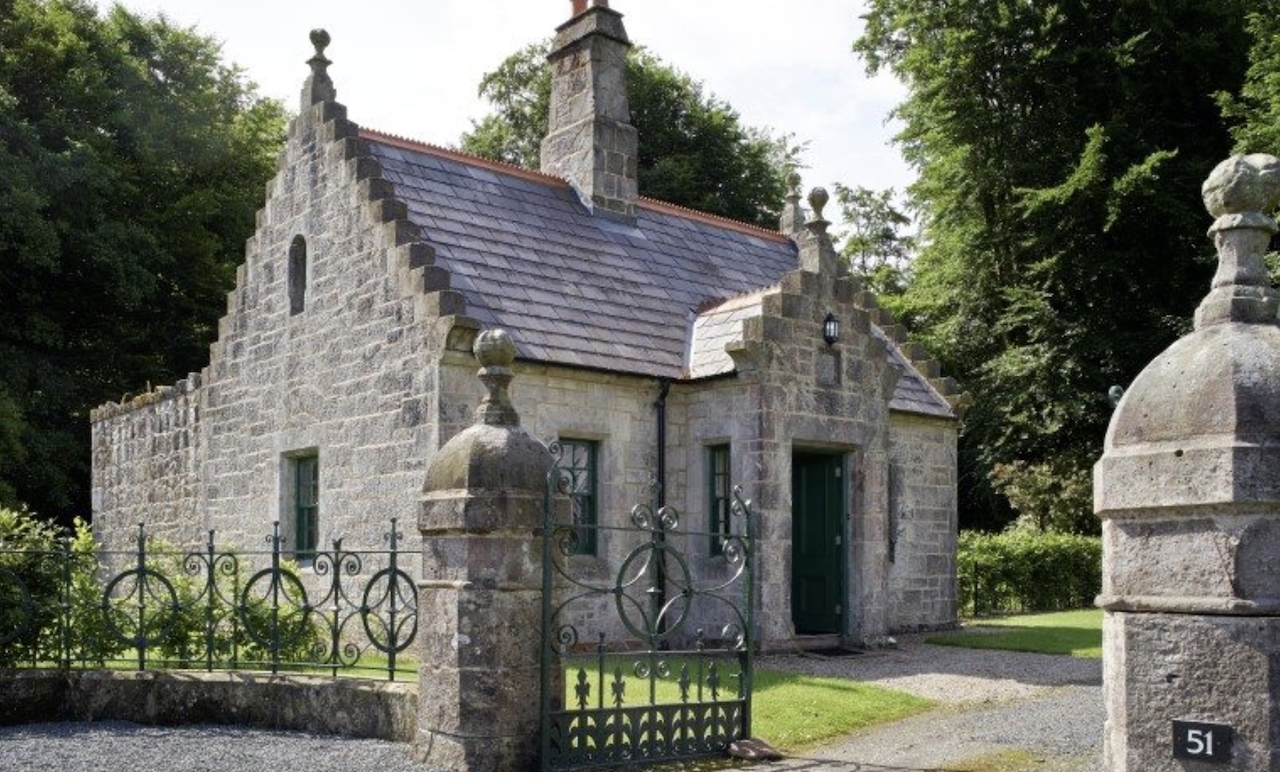
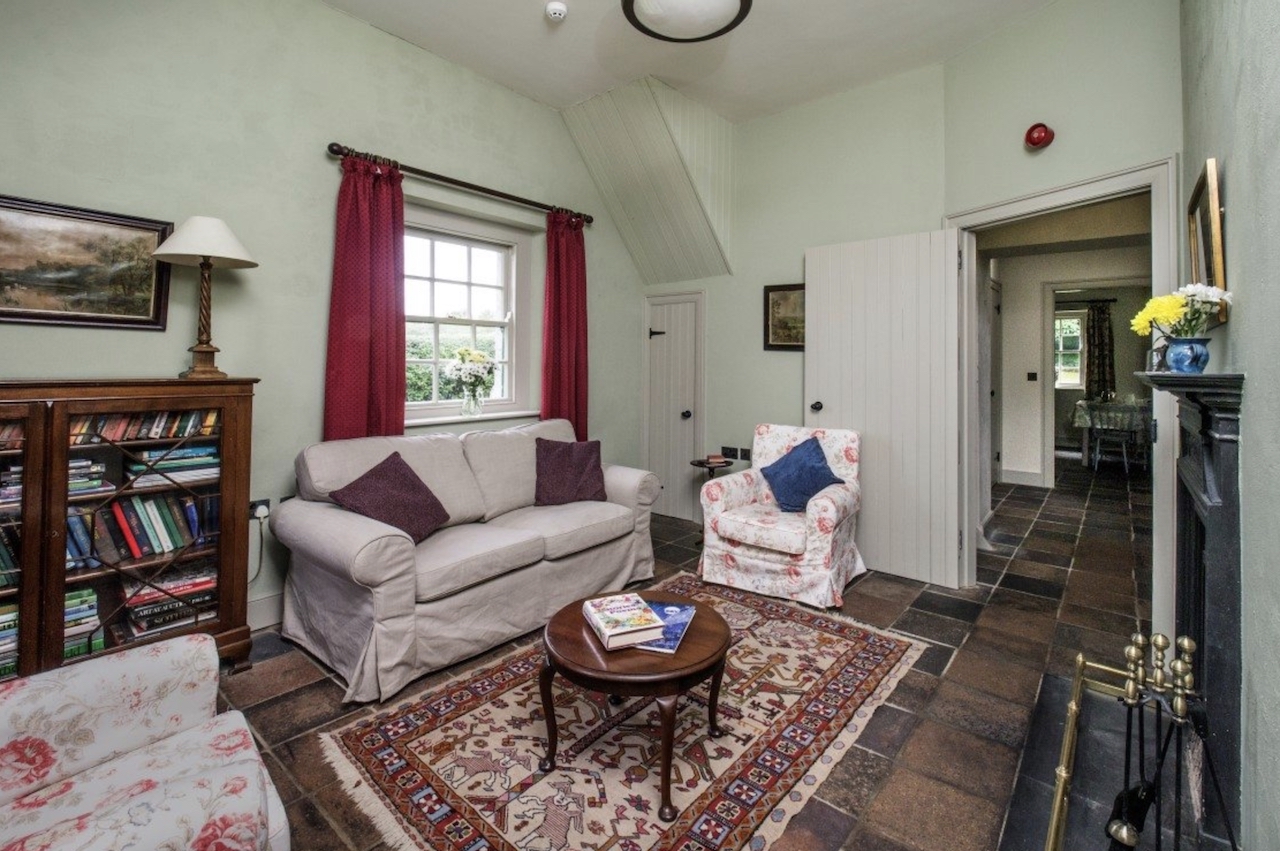
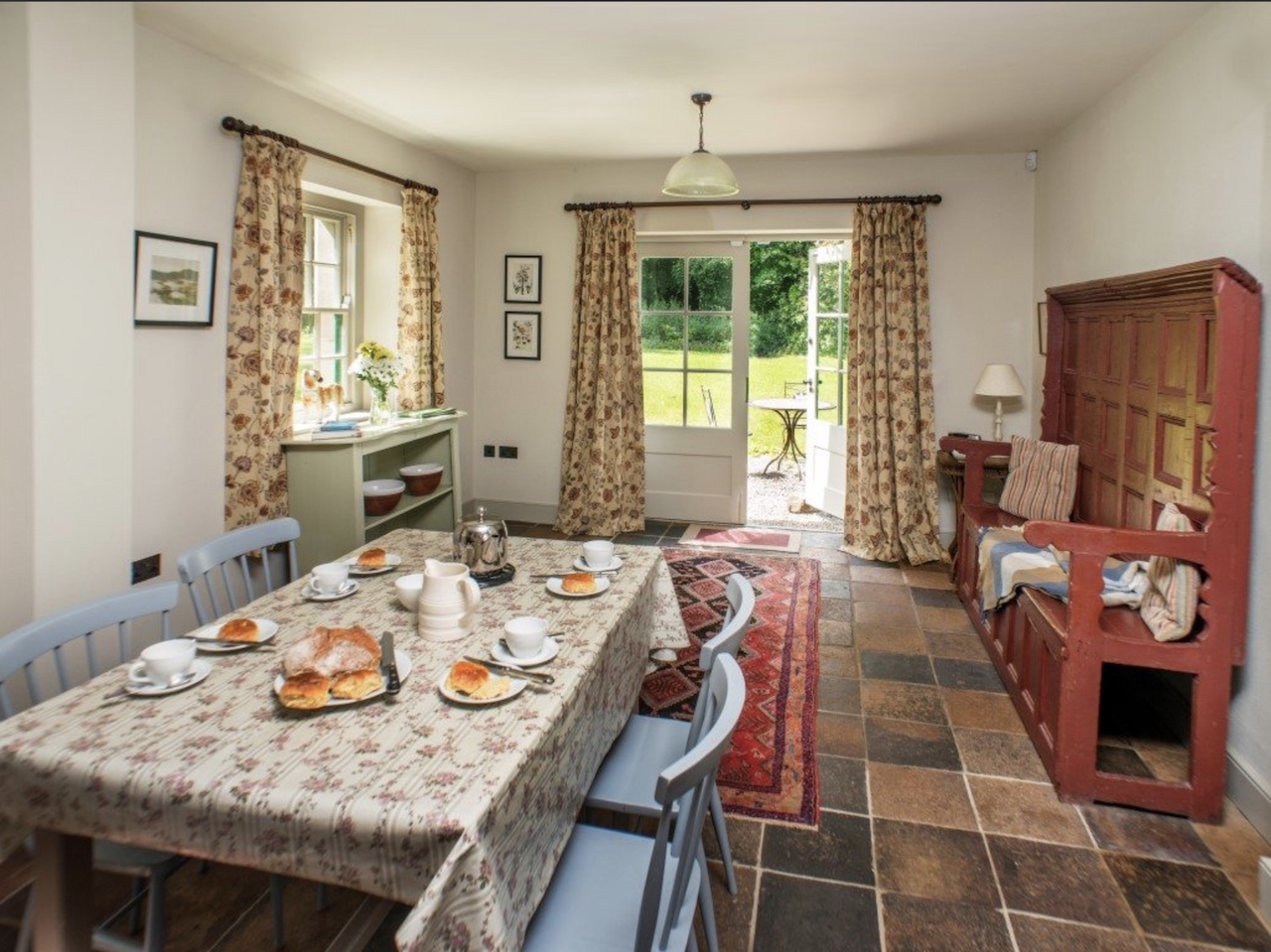
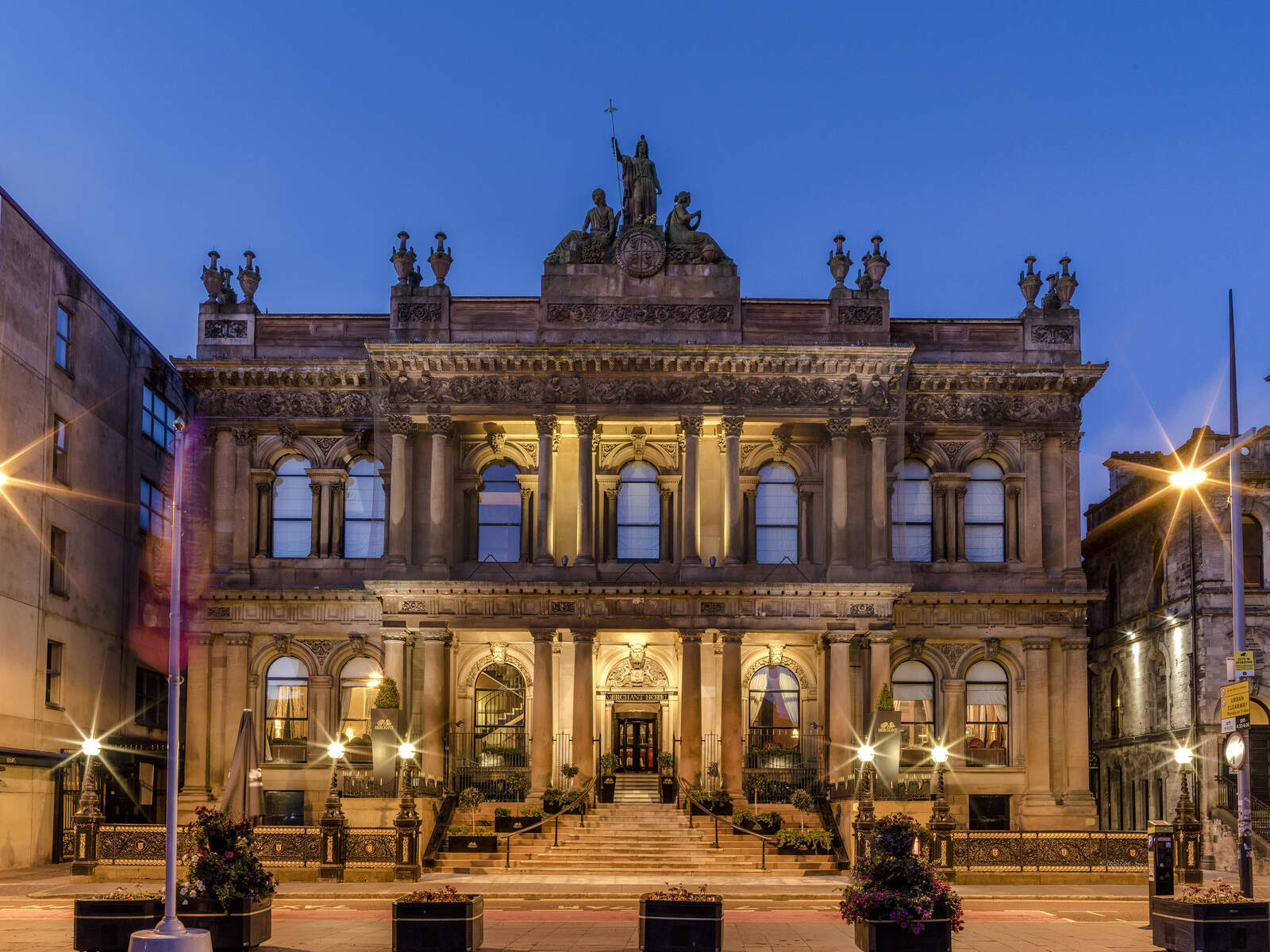


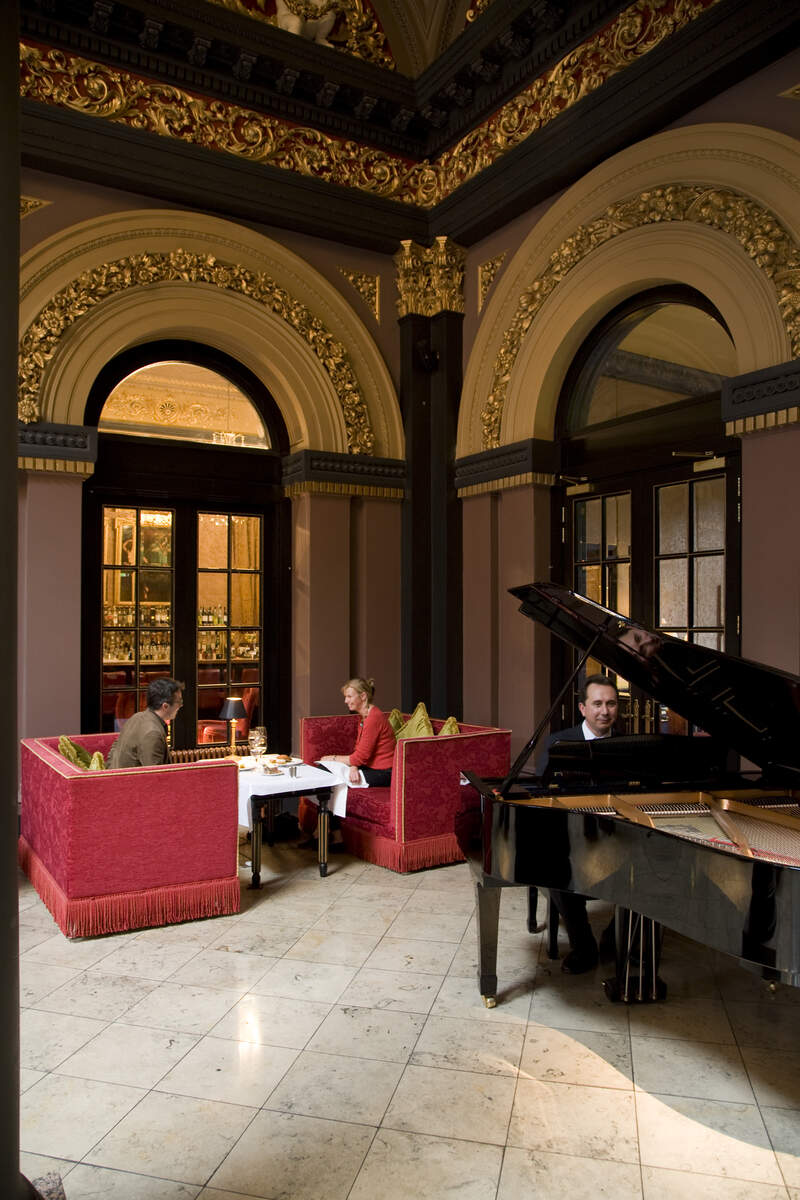


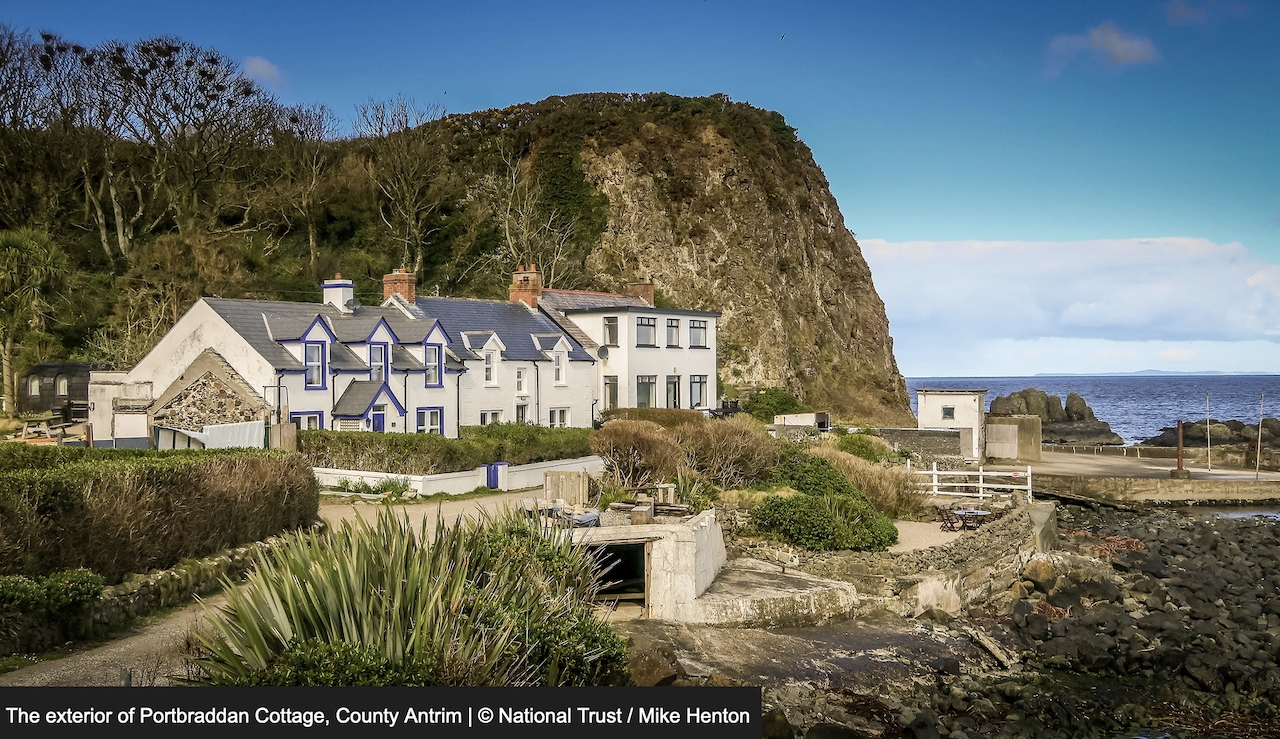
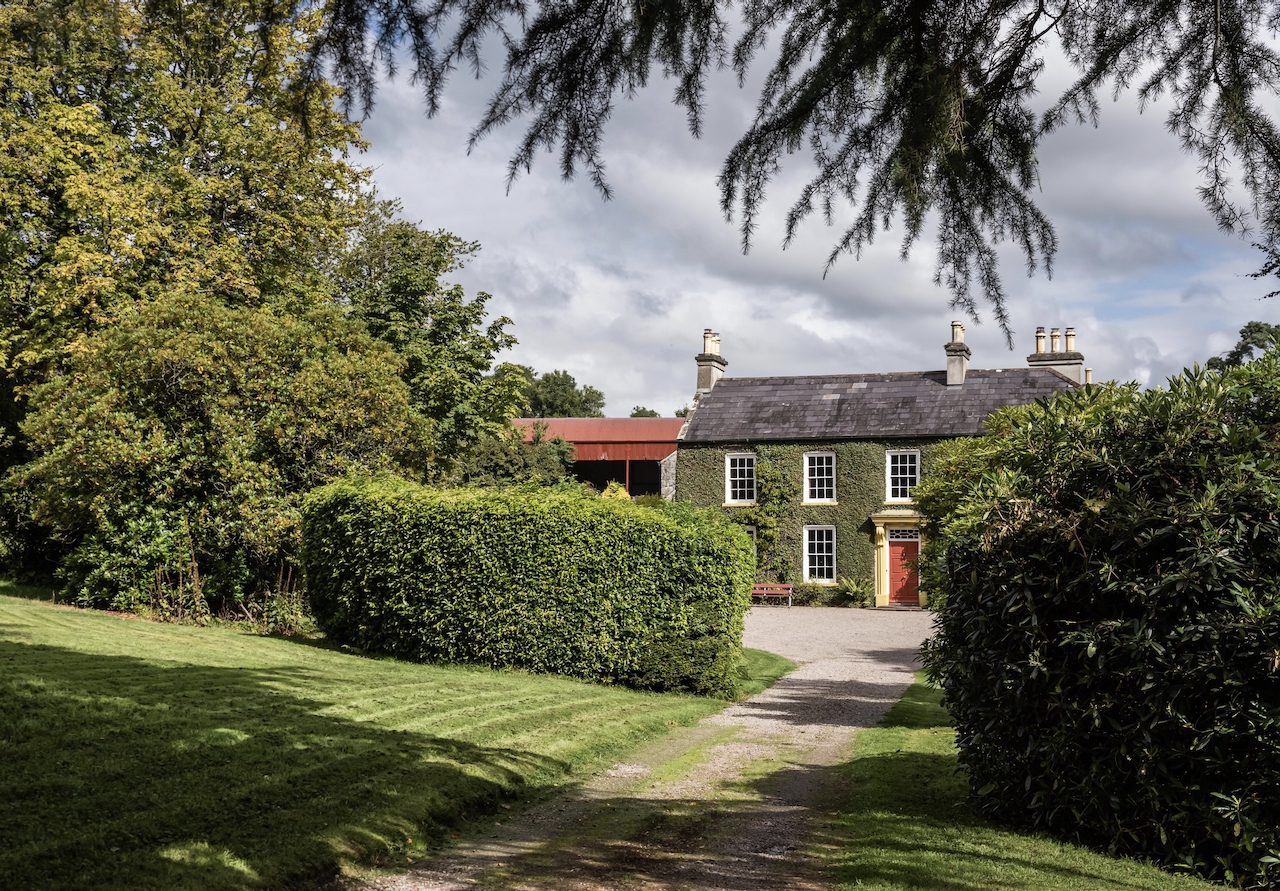
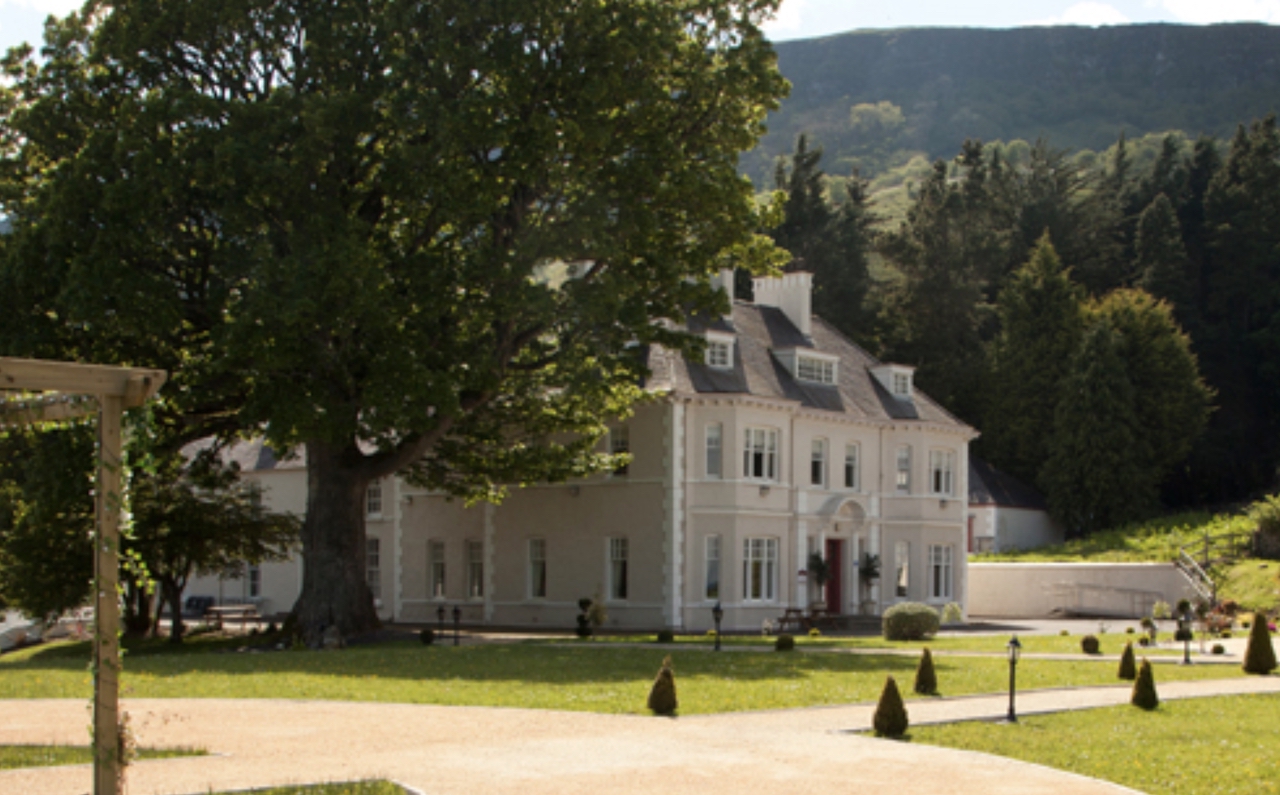
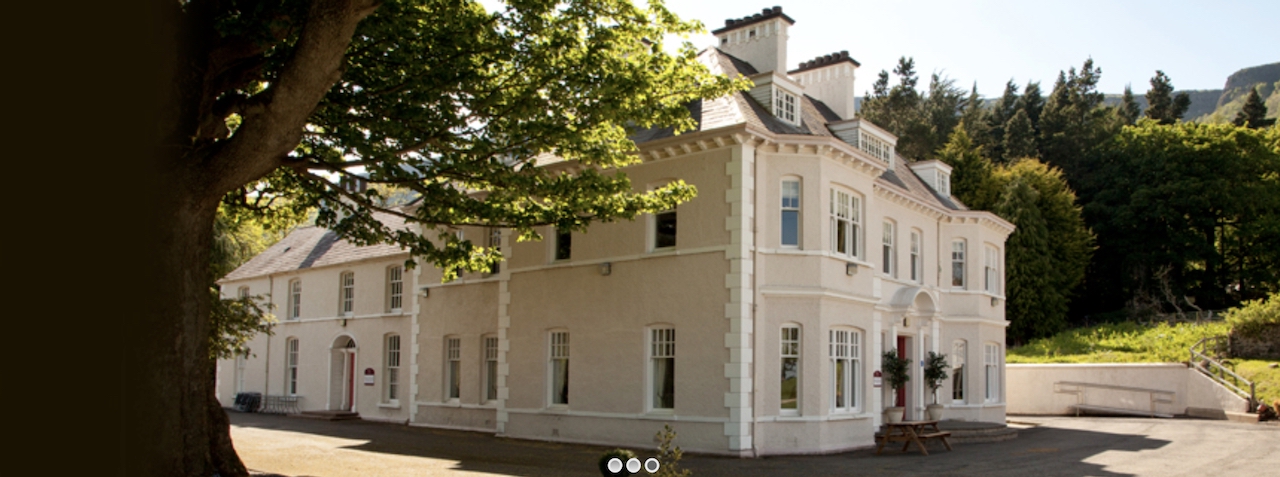
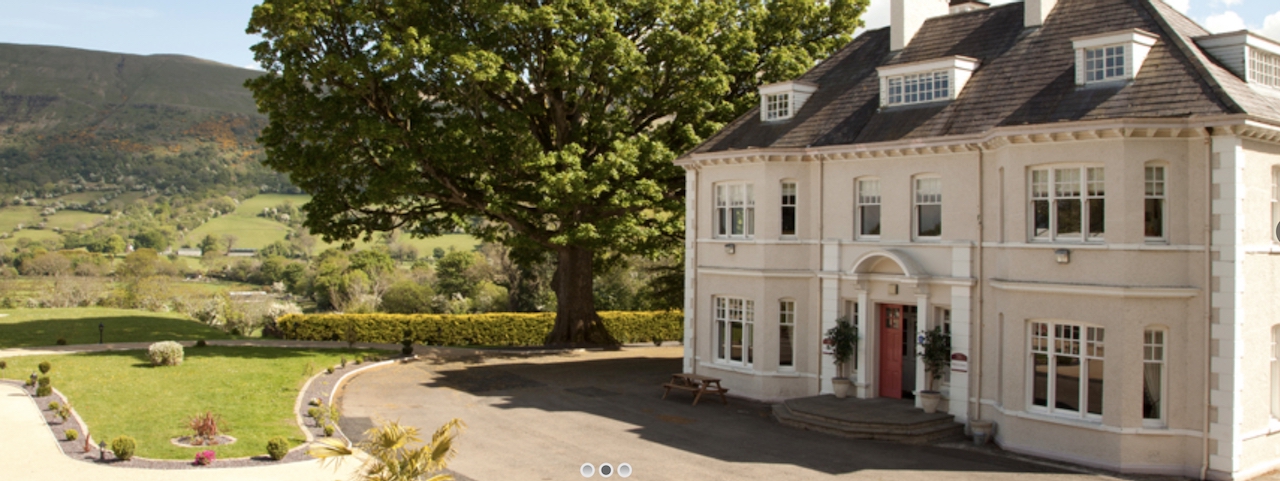
 Irish Historic Houses