Help me to fund my creation and update of this website. It is my “full time job” and created purely out of love for the subject and I receive no payment so any donation is appreciated! My costs include travelling to our destinations from Dublin, accommodation if we need to stay somewhere nearby, and entrance fees. Your donation could also help with the cost of the occasional book I buy for research (though I mostly use the library – thank you Kevin Street library!). Your donation could also help with my Irish Georgian Society membership or attendance for talks and lectures, or the Historic Houses of Ireland annual conference in Maynooth.
Heywood House in County Laois burned in an accidental fire in 1950, but the demesne is maintained and open to the public. My father, who grew up in nearby Abbeyleix, was at a musical concert with his mother the night of the fire and saw the house burning! At the time, the house was owned by the Salesian order of priests.
The house was designed by its owner Michael Frederick Trench (1746-1836) in 1770s, with the help of his friend James Gandon who designed, among other buildings, Dublin Custom House. Trench was an amateur architect, and designed the parish church of Swords, as well as an addition to the Rotunda in Dublin. [1]
Michael Frederick Trench (1746-1836) by Hugh Douglas Hamilton, picture courtesy of National Gallery of Ireland, NGI.7773James Gandon (1743-1823), courtesy of National Gallery of Ireland.
Robert O’Byrne tells us in his blog The Irish Aesthete that: “In the early 18th century, a younger son William Trench settled in Laois and acquired land there which was initially developed by his heir, the Rev. Frederick. The English antiquary Owen Brereton wrote of the property in 1763, describing it as ‘a sweet Habitation’ with ’24 Acres Walld round 10 feet high. The ground naturally in fine Slopes and Rising, large trees properly disperst, a River of very clear Water running through it. Pouring Cascades, upon which I counted near 100 Couple of rabbits & 100 of Brace of Hares which are in this Grounds…very extensive Views.’ Both the habitation and the grounds were enlarged by the Rev. Trench’s son Michael Frederick Trench…” [2]
The house was named after Trench’s mother-in-law, Mary Heywood (daughter of a Drogheda merchant). Michael Frederick Trench married Anna Helena Stewart who was the only daughter of Patrick Stewart and Mary Heywood of Killymoon in Co. Tyrone.
Mark Bence-Jones describes the house in his Irish Country Houses (1988):
“A house consisting of three storey four bay late C18 centre, with mansard roofed Victorian wings of the same height but in a totally different style. The C18 centre built 1773 by M.F. Trench, who is said to have been the only man who ever called a house after his mother-in-law…The dining room was one of the most accomplished interiors of the Adam period in Ireland, with delicate plasterwork on the ceiling and in panels on the walls.“
Information board at Heywood, County Laois.Heywood, County Laois, photograph by A.E. Henson, from Country Life, volume XLV, 1919.The dining room at Heywood House,ceiling probably by Michael Stapleton, photograph by A.E. Henson, from Country Life, volume XLV, 1919.Heywood, County Laois, photograph by A.E. Henson, from Country Life, volume XLV, 1919.Heywood, County Laois, photograph by A.E. Henson, from Country Life, volume XLV, 1919.Heywood, County Laois, photograph by A.E. Henson, from Country Life, volume XLV, 1919.Heywood, County Laois, photograph by A.E. Henson, from Country Life, volume XLV, 1919.Heywood, County Laois, photograph by A.E. Henson, from Country Life, volume XLV, 1919.Heywood, County Laois, photograph by A.E. Henson, from Country Life, volume XLV, 1919.
After Michael Frederick Trench built the house, he landscaped the area between his house and the village of Ballinakill, apparently moving hills, digging lakes (he made three artificial lakes), planting trees and placing follies. He created a picturesque garden. The idea of the picturesque first emerges as an idea in late Renaissance in Italy where the term pittoresco began to be used in writing about art. It means that the subject, in this case, the landscape, is “like a traditional picture”. In Holland in the early 17th century a new genre of landscape painting was often referred to as “painter-like” (schilder-achtig). [3] At roughly the same time, French artists Claude Lorraine and Nicholas Poussin painted Arcadian landscapes with classical elements such as ruined temples and mythological figures. These paintings inspired William Kent (c. 1685 – 12 April 1748), an architect, landscape architect and painter. Kent began a style of “natural” gardening that revolutionised the laying out of gardens and estates.
There’s a seat in the gardens called “Claud’s Seat” that may be a tribute to Claude Lorraine.
The landscape gardens designed by Lancelot ‘Capability’ Brown (c. 1716-1783) and his followers were considered to be quintessentially picturesque.
“Capability” Launcelot Brown (1716-1783), Landscape gardener, painting by Nathaniel Dance (later Sir Nathaniel Holland, Bt), c. 1773, courtesy of National Portrait Gallery NPG 6049
The demesne includes parkland, woodland, a lake, some architectural features and a formal garden by Edwin Lutyens with a beautiful vista, which takes in seven counties!
The garden, set within a 250 acre demesne, is, Andrew Tierney claims, the best of its kind in Ireland: a blend of the Arcadian and the Picturesque, above which Edwin Lutyens later erected his walled terraces and enclosures. [4] One of the follies built by the Trenches may contain windows from nearby Aghaboe Abbey. My grandfather purchased property (house and farm) at Aghaboe but the family lost the property when the land was bought by compulsory purchase by the Land Commission in 1977, after my grandfather John Baggot died. I always thought we actually owned the Abbey but that may have been wishful thinking on my Dad’s part.
Michael Frederick’s daughter Helena married Compton Pocklington Domvile, 1st Baronet Domvile, of Templeogue and Santry, Dublin. They had several children, but the house was passed down via their daughter Mary Adelaide, who married Lt-Col William Hutcheson Poë (1848-1934) 1st Baronet.
A son of Michael Frederick Trench, this is Frederick Trench (1775-1859). Inscribed on a label on the back: General Sir Frederick Trench/late of Heywood/A prominent promoter of/The Thames Embankment/& other improvements in London. By Unknown artist circa 1827, courtesy National Portrait Gallery 5505. The panorama of the Thames Quay cascading from Trench’s desk appears to stop at St Paul’s and is therefore intended to represent his A Collection of Papers relating to the Thames Quay, with Hints for some further Improvements, illustrated with lithographs by C. M. Baynes and published in 1825, re-issued in 1827. This followed an unsuccessful Bill in Parliament introduced to obtain Treasury support for the project, but in spite of influential backing the plans were dropped and the Embankment was not begun until five years after Trench’s death, with his elegant colonnades omitted. The furnishing of his room includes on a bracket the marble bust by Matthew Wyatt (1826) of Trench’s patron, the Duchess of Rutland, now at Castle Howard. Manuscripts and a William Kent table point to his various antiquarian interests.
Heywood House was enlarged by Lt-Col William Hutchison-Poë in 1875. Around 1906, William Hutchison-Poë hired Edwin Lutyens to create a garden for Heywood.
Information board aboutHeywood, County Laois.
The website tell us that “The architect Sir Edwin Lutyens designed the formal gardens, which are the centrepiece of the property. It is likely that renowned designer Gertrude Jekyll landscaped them.
“The gardens are composed of elements linked by a terrace that originally ran along the front of the house. (Sadly, the house is no more.) One of the site’s most unusual features is a sunken garden containing an elongated pool, at whose centre stands a grand fountain.“
Heywood was bought by the Salesian Fathers in 1923, and it was during their time that the fire occurred. It was transferred to State ownership from the Salesian Fathers in November 1993 .
The OPW website tells us “The Heywood experience starts beside the Gate Lodge. Information panels and signage will guide you around the magical Lutyens gardens and the surrounding romantic landscape.“
Tierney describes the garden: “The gardens stretch from the principal gates for almost a kilometer and a half, incorporating a sequence of three adjoining lakes and a fourth, further east, and areas of rolling parkland skirted by woodlands. Trench named each part of his garden after Alpine scenery. Trench’s Gothic follies include the Abbeyleix gate, an arrangement of octagonal towers joined by a Tudor-arched gateway. The Trench coat of arms is visible to the right of the gateway arch. From this gate the winding drive opens to Trench’s valley. Nearby, marking a split in the road, is the Spire, a shaft raised in memory of Trench’s friend Andrew Caldwell. Further along is a sham castle. High up behind that is a bridge, and a ruin, on the other side, with the Aghaboe windows. Up the pathway is the Gothic Greenhouse, a brick construction with five lancets with hood mouldings. On the east side of the lake is a grotto or bath house. On the east side of the demesne is the Trench mausoleum.”. [see 4]
Heading toward the Lutyens sunken garden from the Orangerie displays the stunning view, over a lawn of perfect grass. Below the lawn, toward the river, is a trellised walkway, by Lutyens. The house was above. To the east of the house was an alley of “pleached” limes: pleaching means bending and weaving the branches of a row of trees to form a living wall.
Sean O’Reilly describes the Lutyens garden addition:
“Lutyens worked on the gardens from about 1906. He complemented the strong architectural framework with an informal planting style, following the same combination of structure and nature developed at Lambay and made popular with his associate – and Country Life author – Gertrude Jekyll. Laying out the garden in a series of terraces and stepped passageways exploding east and west from the falling southern terraces of the house itself, the architect shaped these spaces with a bewildering variety of retaining walls – vertical and battered, stepped and sheer – screen walls – straight and curved, large and dwarf – columns, steps and architectural artifacts.” [5]
The Tuatha website tells us that, sadly, in 1920, Poe’s car was set alight by Republicans when he was returning from a dinner party in Ballyroan. Poe left Heywood a month later, never to return. [6] Perhaps the website is incorrect and it was slightly later, which would make sense, as Poe served as a Senator in the Irish Free State from 1922 to 1925. Many senators had their houses burned by anti-Treaty forces, so burning his car may have occurred for that reason.
In 1941, the house and gardens at Heywood were broken up, and the Salesian Brothers purchased the property. The Salesians are a religious institute founded in the late-19th century by Italian priest, Saint Don Bosco, in order to help children suffering from poverty during the industrial revolution. The Salesians set up a novitiate at Heywood to a train aspirants to the priesthood. They utilised the glasshouses created by Poe to grow fruit and vegetables, with tomatoes, nectarines, peach trees and grape vines.
On the east side of the pond Luytens created a Pavilion with Portland stone dressings, terracotta tiled roof and saucer-domed interior, containing two Corinthian capitals rescued by Trench from the Parliament House in Dublin, which he was involved in remodelling. The north wall had busts of philosphers in oval niches, now replaced by urns.
Heywood, County Laois, photograph by A.E. Henson, from Country Life, volume XLV, 1919.
Behind and above the Sunken Garden are a series of “rooms” created by tall hedges and floral planting, stone structures and a suntrap of a seating area.
[1] p. 96. Sadleir, Thomas U. and Page L. Dickinson. Georgian Mansions in Ireland with some account of the evolution af Georgian Architecture and Decoration. Dublin University Press, 1915.
Help me to pay the entrance fee to one of the houses on this website. This site is created purely out of love for the subject and I receive no payment so any donation is appreciated!
€15.00
Kinnitty Castle (formerly Castle Bernard), Kinnity, County Offaly
Kinnitty Castle Hotel, 2014, photographer unknown, for Tourism Ireland, Ireland’s Content Pool. [1]
We treated ourselves to a stay in Kinnitty Castle in February 2023. Formerly a home, it is now a hotel.
The website used to include a history, which told us that the present building was originally built by William O’Carroll on the site of an old Abbey in 1630. The building we see today, however, received a major reconstruction by architect brothers James (1779-1877) and George Richard Pain (1793-1838) in 1833. You can see traces of the Abbey in the courtyard.
In 1641 the castle was confiscated from William O’Carroll, as he must have played a part in the 1641 rebellion. The land was granted in 1663 by King Charles II to Colonel Thomas Winter for his military service.
The Stable yard is in use as a banqueting hall, called the Great Hall of the O’Carrolls, and kitchens.
The website continues, telling us that the Winter family sold the building in 1764 to the Bernards of County Carlow.
Andrew Tierney tells us in his The Buildings of Ireland Central Leinster that Franks Bernard (named after the surname “Franks”), a son of Charles Bernard of Bernard’s Grove, County Laois (now called Blandsfort), leased a small estate here in the early eighteenth century. Either he or his nephew Thomas (d. 1788) probably built the modest T-plan house that forms the core of the castle.
There is another Castle Bernard in County Cork – this seems to have belonged to a different Bernard family.
The castle website tells us that it was Catherine Hely Hutchinson (d. 1844, daughter of Francis Hely Hutchinson, MP for Naas, County Kildare), wife of Colonel Thomas Bernard (d. 1834), who hired the Pain brothers, James and George Pain, to renovate the building, in 1833 (according to Mark Bence-Jones).
James and George Pain were architects of the impressive Mitchellstown Castle, unfortunately no longer existing.
Mitchelstown Castle, County Cork, designed by the Pain brothers, courtesy of the National Library of Ireland, Lawrence PHotographic Collection, photographer Robert French ca. 1865-1914 ref. NLI L_ROY_01072.
James and George were sons of James Pain, an English builder and surveyor. Their Grandfather William Pain was the author of a series of builder’s pattern books, so they had architecture in the blood. According to the Dictionary of Irish Architects, James and his younger brother George Richard were both pupils of John Nash, one of the foremost British architects of his day, responsible for the design of many important areas of London including Marble Arch, Regent Street and Buckingham Palace. He was architect to the prolific lover of architecture the Prince Regent, later King George IV. When Nash designed Lough Cutra Castle in County Galway for Charles Vereker in 1811, he recommended that the two brothers should be placed in charge of the work, so it was at this time that they came to Ireland. Lough Cutra is an amazing looking castle privately owned which is available for self-catering rental (very expensive, I am sure! But for those of you with oodles of money to spend, or for an event that requires nine bedrooms…). [2]
Lough Cutra castle, County Galway, also designed by the Pain brothers, photograph from Lough Cutra website.
James Pain settled in Limerick and George in Cork, but they worked together on a large number of buildings – churches (both Catholic and Protestant), country houses, court houses, gaols and bridges – almost all of them in the south and west of Ireland. [3] In 1823 James Pain was appointed architect to the Board of First Fruits for Munster, responsible for all the churches and glebe houses in the province.
The Pains Gothicized and castellated Dromoland Castle in County Clare at some time from 1819-1838, now a luxury hotel. [4]
Dromoland Castle, County Clare, which was renvoated by the Pain brothers, photo care of Dromoland Castle, for Tourism Ireland 2019, Ireland’s Content Pool.
The Pains took their Gothicizing skills then to Mitchelstown Castle in 1823-25. In 1825 they also worked on Convamore (Ballyhooly) Castle but that is now a ruin. They also probably worked on Quinville in County Clare and also Curragh Chase in County Limerick (now derelict after a fire in 1941), Blackrock Castle in County Cork (now a science centre, museum and observatory which you can visit [7]), they did some work for Adare Manor in County Limerick (also now a luxury hotel), Clarina Park in Limerick (also, unfortunately, demolished, but you can get a taste of what it must have been like from its gate lodge), Fort William in County Waterford, and they probably designed the Gothicization and castellation of Ash Hill Towers in County Limerick (a section 482 property and with lovely tourist accommodation, see my entry https://irishhistorichouses.com/2023/04/06/ash-hill-kilmallock-co-limerick/), alterations and castellation of Knappogue Castle, County Clare (you can also visit and stay, or attend a medieval style banquet), Aughrane Castle mansion in County Galway (demolished – Bagots used to own it, I don’t know if we are related!), a castellated tower on Glenwilliam Castle, County Limerick and more.
Curragh Chase, County Limerick garden front 1938, also designed by the Pain brothers, like Loughton it is classical rather than Tudor Gothic, photograph from Vanishing Country Houses of Ireland by The Knight of Glin, David J. Griffin and Nicholas K. Robinson, published by The Irish Architectural Archive and The Irish Georgian Society, 1988.Fortwilliam, Glencairn, Lismore, Co Waterford courtesy Michael H. Daniels and Co., also designed by the Painsin Tudor Gothic style.Knappogue, or Knoppogue, Castle, County Clare, also designed by the Pains.Kinnity Castle (Castle Bernard) County Offaly, photograph by Robert French, Lawrence c. 1865-1914 Photographic Collection National Library of Ireland ref L_Cab_09230.
In his 1988 book A Guide to Irish Country Houses, Mark Bence-Jones writes about Kinnitty Castle, formerly named Castle Bernard, that it is a Tudor-Revival castle of 1833, with impressive entrance front with gables, oriels and tracery windows and an octagonal corner tower with battlements and crockets; all in smooth ashlar.[5]
Kinnitty Castle Hotel, 2014, photographer unknown, for Tourism Ireland, Ireland’s Content Pool. (see [1])
The National Inventory describes it:
“Ashlar limestone walls with castellated parapet, carved limestone plinth course and continuous string course to parapet. Battered walls to basement level. Square-headed window openings with tooled limestone and sandstone label mouldings, chamfered surrounds and punched limestone sills. Castellated box bay to second bay from north-east rising from basement level to first floor with chamfered stone mullions. Oriel window above entrance added at later date.”
Battered walls at basement are walls that slant outwards. This was a traditional building feature of castles, so that stones could be dropped from above and they would not fall straight down but hit the battered walls and bounce outwards to hit intruders.
Mark Bence-Jones defines an oriel window as a large projecting window in Gothic, Tudor, Gothic-Revival and Tudor-Revival architecture; sometimes rising through two or more storeys, sometimes in an upper storey only and carried on corbelling. This particular window is not carried on corbels.
The National Inventory continues: “Single-storey castellated entrance porch with diagonal buttresses surmounted by pinnacles with crockets and finials. Tudor arched opening to porch with label moulding accessed rendered porch with ribbed ceiling, niches to side walls and tooled limestone bell surround and post box flanking door. Square-headed door opening with chamfered limestone surround and label moulding, sandstone threshold and timber double doors.“
Before he married Catherine, Thomas Bernard, MP for County Offaly, married Elizabeth, daughter of Henry Prittie, 1st Baron Dunalley of Kilboy, County Tipperary. She died in 1802 and he married for a second time in 1814. He began building work on his house in 1833 but died the following year.
Thomas and Catherine had several children. Their heir was Thomas Bernard (1816-1882). Other sons were Francis, Richard Wellesley, and John Henry Scrope, and daughter Margaret.
Thomas Bernard (1816-1882), son of Catherine née Hely Hutchinson and Thomas Bernard (d. 1834).
Nearby the Bernard family have an unusual pyramid-shaped mausoleum. Richard Wellesley Bernard (c. 1822-1877) completed his military training in Egypt. He was an architect and engineer and it is said that he built the pyramid between 1830-34 but he would have been only eight years old, so perhaps it was constructed by an earlier Bernard. It is an exact replica of the Egyptian pyramid of Cheop.
The website continues: “The building was burned in 1922 by Republican forces and rebuilt by means of a Government grant of £32,000 in 1927.
The Buildings of Ireland Central Leinster book by Andrew Tierney tells us that the castle was rebuilt by Joseph John Bruntz. He was born in Dublin. The Dictionary of Irish Architects tells us that he was a pupil in his father’s office for four years and remained as an assistant for a further three years. After starting to practise independently as an architect circa 1915, he moved in 1917 or 1918 to Edenderry, Co. Offaly, where he set up an office. From 1922 he held the position of architect and civil engineer to the Co. Offaly Board of Health.
The website continues: “The building became the property of Lord Decies in 1946. He in turn sold it and the estate to the Government of Ireland on 12th December 1951. The State used the castle as a Forestry Training centre from 1955 until it was purchased in 1994 and turned into a 37 bedroom luxurious hotel for all guests both locally and internationally to enjoy.“
Arthur George Marcus Douglas De La Poer Beresford (1915-1992), 6th Lord Decies, bought the property in 1946. He sold it in 1951.
It is a wonderful and affordable hotel, full of character.
[5] p. 62 (under Castle Bernard), Bence-Jones, Mark. A Guide to Irish Country Houses (originally published as Burke’s Guide to Country Houses volume 1 Ireland by Burke’s Peerage Ltd. 1978); Revised edition 1988, Constable and Company Ltd, London.
General information: 051 562650, tinternabbey@opw.ie
donation
Help me to pay the entrance fee to one of the houses on this website. This site is created purely out of love for the subject and I receive no payment so any donation is appreciated!
€15.00
We visited Tintern Abbey when we were in Wexford in May 2023. We visited again recently as it had rained on our previous visit and we didn’t get to to go to Colclough walled garden, so we made a beeline for the walled garden on our second visit.
The Abbey was converted into a residence after the Dissolution of the Monasteries in King Henry VIII’s time. When the Abbey was gifted to the state, the Irish Board of Works immediately demolished the residence, so that the building was left a ruin. It was only two decades later that the Board of Works began to conserve the property.
The OPW website https://heritageireland.ie/visit/places-to-visit/tintern-abbey/ tells us that the Abbey was founded as a Cistercian monastery around the year 1200 by William Marshall, 1st Earl of Pembroke, who became Lord of Leinster as he married Isabella de Clare, the daughter of “Strongbow,” Richard de Clare, 2nd Earl of Pembroke. Marshall vowed to create an abbey wherever he could safely land in Ireland during a storm, and he landed in Bannow Bay. Tintern Abbey is located at the head of a small inlet of the sea, next to a stream that provided fresh water. The Abbey was founded as a “daughter house” of Tintern Abbey in Wales, made famous by poet William Wordsworth. To distinguish it from the Welsh abbey, Wexford’s Abbey was also called “Tintern de Voto” meaning “of the vow.”
After the dissolution of the monasteries by Thomas Cromwell and King Henry VIII, Tintern Abbey was granted to a soldier, Anthony Colclough (d. 1584).
Information boards tell us about the history of the Abbey and the Cistercian Order, which was based on a strict interpretation of Benedictine rule. The monks would have lived according to a spartan routine of prayer and manual labour. Most of the difficult tasks were carried out by lay brothers. The practice of having lay brothers began because initially the monks wanted to cut themselves off from the outside world and did not allow lay people on their land. However, they needed labourers, so the lay ministry was formed. Some of these lay brothers may have lived nearby in Rathumney Hall, or Castle, now a ruin. Lay brothers often lived in out-farms or “granges,” which would have their own hall, dormitory, kitchen and chapel, and the brothers would then join the monks at the Abbey at weekends.
Tintern Abbey, County Wexford, May 2023.Tintern Abbey, County Wexford, situated at the top of an inlet.Tintern Abbey, photograph by Celtic Routes, 2019 for Tourism Ireland, Ireland’s Content Pool. [see 1]
Information boards tell us of the various phases of the Abbey. It would have been built first by lay monks, and later by the mid 1200s, by professional masons.
Tintern Abbey, County Wexford, May 2023.Reconstruction drawings by Daniel Tietzsch-Tyler.Tintern Abbey, County Wexford, May 2023.Makers Marks, from as early as the 1200s, Tintern Abbey, County Wexford, May 2023.
Cistercian simplicity was reflected in their buildings, of strong form and good building techniques. In 1140, Malachy, Bishop of Down, visited Bernard of Clairvaux. Bernard sent helped to establish the Cistercian monastery in Mellifont, County Louth, and by 1169 Ireland had fourteen Cistercian settlements. The Anglo Normans established a further ten in the fifty years after 1169, including Dunbrody Abbey, another Cistercian monastery near Tintern Abbey.
The Cistercians built according to well-established convention. The churches consisted of an aisled nave and presbytery with north and south transepts. A tower was not a usual feature. The cloister was south of the church and was surrounded by buildings such as the infirmary, dormitory, kitchen, guest house and scriptorium.
Sculpture was not encouraged in Cistercian buildings but Tintern has a few fine surviving examples. A carved corbel table remains, which contains twenty four carved heads, some human, some monstrous.
In the 16th century the old abbey was granted to the Colclough family (pronounced Coakley) and soon after the church was partly converted into living quarters and further adapted over the centuries. The Colcloughs occupied the abbey from the sixteenth century until the mid-twentieth.
The nave contained the main residence of the Colclough family.Renovations and excavation at Tintern Abbey.Tintern Abbey, County Wexford, May 2023.
A chapter by Sean Clooney about Tintern Abbey in Tintern Abbey County Wexford, Cistercians and Colcloughs, Eight Centuries of Occupation, 1st Edition edited by Kevin Whelan, 2nd Edition edited by Anne Finn, tells us that Anthony Colclough, much like King Henry VIII, divorced his first wife! He divorced Thomasine Sutton in 1547 and married Clare Agard. He converted the tower of the abbey into a fortified tower house. A fire in 1562 had destroyed many of the other buildings. He also built the unique fortified bridge nearby.
He is buried in the small ruined church a few hundred metres south east of the abbey. The plaque in this church reads:
“Here lieth the body Syr Anthony Colclought Knight, eldest sune of Richard Colcloughtof Wolstanton in Stafordshire Esquier who came first into this land in the 34 yere of Henry the 8 and then was Captayn of the Pensioners in which place and others of greater charge he continued a most faythful serviter during the life of Edward the VI and Queen Mary and until the XXVI yer of our most noble Queen Elisabeth and then died the IX of December 1584. He left his wife, Clare Agare, daughter of Thomas Agare Esquier7 sonns, Frances, Ratlife, Anthony, Syr Thomas Colclough, Knight, John, Matew, Lenard and 5 doghters, Jaqnet who married to Nicholas Walsh Esquier of the Priveie Counsayle and one of the Justice of the Kings Bench in Ireland; Fraunc married to William Smethwike of Smethwik in Cheshier; Clare married to William Snead of Brodwal in Stafordshire Esquier; Elinor died iunge.”
Anthony’s son Thomas continued to develop Tintern, and is said to have established oyster beds in Bannow Bay. He married, first, Martha Loftus, daughter of Adam Loftus, Protestant Archbishop of Dublin. Their son Adam was raised to the baronetcy as 1st Baronet of Tintern Abbey. Thomas’s second wife, Eleanor Bagenal, was Catholic. After her husband’s death, she married Lucas Plunkett, 1st Earl of Fingall. Thomas’s son by his second marriage inherited lands at Duffry, where Duffry Hall was built by his grandson Patrick Colclough (d. 1691).
Tintern Abbey, County Wexford, May 2023.Tintern Abbey, County Wexford, May 2023.Reconstruction drawings by Daniel Tietzsch-Tyler.Colclough family tree, in Tintern Abbey County Wexford, Cistercians and Colcloughs, Eight Centuries of Occupation, 1st Edition edited by Kevin Whelan, 2nd Edition.
During the 1641 rebellion 200 local Protestant people took refuge in Tintern which was garrisoned by forty soldiers from Duncannon Fort situated nearby. At that time Tintern would have been inhabited by the 2nd Baronet, Caesar Colclough (d. 1684). Shortly afterwards the Catholic branch of the family laid siege to the Protestant branch who were in residence in Tintern Abbey. [2]
The Catholic branch who took control of the abbey following a two-week siege included Dudley Colclough (1613-1663), who had married Katherine Esmonde of Johnstown Castle, and his two brothers John and Anthony (who married Mary Esmonde from Johnstown Castle). Following Oliver Cromwell’s arrival in 1649 Dudley was banished to Connaught and he ultimately died in exile in France.
The 3rd Baronet of Tintern Abbey, Caesar (1650-1687) had no heir so the title expired and the lands passed to his sister Margaret. She married firstly, in 1673, Robert Leigh, of Rosegarland, who thereupon assumed the surname of Colclough; and secondly, in 1696, John Pigott, of Kilfinney, County Limerick, who also assumed the surname of Colclough.
Caesar Colclough (d. 1766), known as “Great Caesar,” great-grandson of Catholic Dudley who had rebelled in 1641, united the properties. His grandfather, Patrick Colclough of Duffry Hall, married Katherine Bagenal of Dunleckney, County Carlow. Patrick Colclough was Catholic and very active in the Jacobite cause and was attainted of High Treason and outlawed by King William III but he died in 1691, before the attainder passed into law, so his eldest son was able to inherit his estates. His son Dudley (d. 1712) was brought up in the Protestant faith. [3] He married Mary Barnewall, granddaughter of Nicholas Barnewall, 1st Viscount Barnewall of Kingsland. The Great Caesar was their son.
The “Great Caesar” was a great sportsman and generous landlord. He brought a team of men to play hurling in front of King George. The team wore a yellow sash to distinguish them from the opposition, and the king or queen called out, “Come on the yellow bellies!” and from then on, Wexford men are called “yellow bellies.”
Caesar’s second wife, Henrietta Vesey, was the great-granddaughter of King Charles II, granddaughter of Mary Walters de Crofts, illegitimate daughter of Charles II.
Upon the Great Caesar’s death in 1766, the Tintern estates passed to his grandson Vesey, and the Duffry estates passed to his younger son Adam. Vesey Colclough (1745-1794) married Catherine Grogan of Johnstown Castle in County Wexford. It was not a happy marriage and they separated, but Vesey remained in Tintern and transformed the chancel of the abbey into a residence. He was extravagant in his lifestyle, however, and his son John had to extricate himself from debt accrued.
John did more renovations of the abbey, constructing a second storey over the south transept aisle, which was known as the Lady Chapel. The lower storey held a kitchen and above, a library, wiht a massive Gothic window facing the sea.
However, when John was standing for election he was shot dead in a duel in 1807 by William Alcock of Wilton Castle in County Wexford, an opponent in the election. Alcock was acquitted by a jury of his peers, but his mental health deteriorated.
Four Colcloughs died in duels. Thomas of Duffrey Hall was killed in a duel in 1690. Agmondisham, son of “Great Caesar,” was killed in a duel in 1758, and John Colclough of St. Kieran’s was killed in 1801 by Henry Loftus Tottenham of Loftus Hall, far down on the Hook Peninsula (a property that is again advertised for sale).
Tintern passed to John’s brother, another Caesar Colclough (1766-1843). He and his wife Jane Kirwan had no children, and some suspected his wife of killing him. She went on to marry Thomas Boyce. Her right to the property was challenged by the Colclough family. So many court cases were instigated that it has been said that it was one of the inspirations for Dickens’ “Jarndice vs Jarndice” in Bleak House.
Adam, the son of “Great Caesar” who inherited Duffry, had a son, Caesar, who died in 1822. He was Chief Justice of Prince Edward Island in Canada. It was his daughter, Mary, who married John Thomas Rossborough, who eventually gained ownership. Her husband took the name Colclough.
The Colclough family lived there until 1958, when it was presented to the state by Lucy Biddulph-Colclough.
The Board of Works that took on care of Tintern Abbey dismantled the residential part of the building: floors, doors and windows were taken out, the roof was taken off, and materials were sold by auction. It was only twenty years later that the Board of Work returned to preserve the abbey.
Tintern Abbey noticeboard.Reconstruction drawings by Daniel Tietzsch-Tyler.Tintern before restoration work.Tintern before restoration work.
When it was being restored, the roof of the tower was rebuilt. The coach house with the medieval gateway was restored to provide visitor facilities.
When the Abbey was converted into a residence, new flooring was added and the tower house was divided into rooms with wattle and daub timber frame screen walls and oak panelling fixed to the masonry walls. What remains of the oak panelling has been conserved and is now located on the first floor of the Crossing Tower. Dendrochronology dates the timbers to 1600-1620. It was known as “wainscotting.” It added warmth to the room.
The website continues: “Conservation works have included special measures to protect the local bat colonies. The abbey is set in a special area of conservation and is surrounded by woodland within which are walking trails. Not to be missed is the restored Colclough Walled Garden situated within the old estate.“
Following the donation of Tintern Abbey to the Irish State in 1959 the walled garden was abandoned to nature and became overgrown. The gradual restoration of the walled garden by a team of volunteers began in 2010 and the 1830s layout shown on the Ordnance Survey was reinstated. The restored garden, which opened to the public in 2012, is divided into two sections: the Ornamental Garden and the Kitchen Garden.
See the sale of Loftus Hall, courtesy of Colliers.
Loftus Hall, County Wexford, for sale April 2025 courtesy Colliers.
Loftus Hall is a large, partly re-furbished country house which was built on the site of the original Redmond Hall. The property boasts one of the most scenic locations in the southeast with views over Hook Peninsula and the world famous Hook Lighthouse, providing the most stunning landscape which is steeped in history and reputed by locals to have been haunted the property. The property was purchased by the Quigley family in 2011 and run as a tourist attraction with guided tours of the property and seasonal events. In 2021 the property was bought by its current owners who had a masterplan to refurbish the original building over two phases. The estate has already undergone extensive renovations, with Phase 1 nearing completion, set to transform the property into an exclusive 22-bedroom luxury hotel with high-end amenities, extensive food and beverage facilities, and beautifully landscaped gardens. The vision for Phase 2, included an additional 56 bedroom hotel block, a gym and spa, dedicated wedding facilities, 33 standalone garden cottages and 10 eco pods strategically placed along the perimeter of the property.
Loftus Hall, County Wexford, for sale April 2025 courtesy Colliers.
Location Loftus Hall is located on the southern tip of Hook Peninsula, close to the famous Hook Lighthouse, one of the oldest operational lighthouses in the world. Loftus Hall offers an unparalleled location for exploring the beauty and history of County Wexford. Just 4km from the iconic Hook Lighthouse, 33km from the vibrant town of New Ross, 45km from Wexford and 51km from Waterford. The property is also in close proximity to several popular tourist destinations, including Passage East (17km) and Dunmore East (30km) and the charming nearby villages such as Hookless Village, Slade, and Fethard-On-Sea, all within easy access. The location is quite picturesque, making it a popular spot for visitors interested in history, architecture, and the paranormal. Main House Built originally between 1870 and 1871 on the site of Redmond Hall, which traces its history to 1350, Loftus Hall comprises a detached nine-bay, three storey house. The estate is situated on approximately 27.68 hectares (68 acres) with the house extending to a total gross internal area (GIA) of 2,460 sq.m (26,480 sq. ft). Loftus Hall is a protected structure under RPS Ref WCC0692 and under the NIAH Ref 15705401. The estate has already undergone extensive renovations, with Phase 1 nearing completion. The ground floor of the original building has been transformed to contain a large dining room, a cigar room and a number of guest lounge areas. When completed the restaurant will seat over 100 covers which will feature visibility of the chefs working with an open pass, an outside BBQ area and fire pit adjacent to the new restaurant area with the existing bar fully refurbished. The hotel bedrooms are finished to second fix over the first and second floors and are appointed with large ensuite bathrooms and with commanding and sweeping views out to sea. The vision for Phase 2 consists of the development of a permanent marquee erected on the grounds which will cater for up to 300 seated wedding guests, a gym & spa, a new hotel bedroom block which will contain up to 56 additional bedrooms, 33 standalone garden cottages, 10 eco pods wrapped around the perimeter of the property, a children’s playground, a herb and vegetable garden, over two hundred car park spaces in total between the front and rear of the development and a walkway that will allow guests to access the beach directly from the development. The Grounds The grounds are a feature of Loftus Hall and have been maintained to the highest standards throughout the refurbishment. The gardens at Loftus Hall, particularly the walled garden, were designed to thrive in the unique climate of the Hook Peninsula. The garden’s high walls provided a sheltered environment, allowing a variety of plants to flourish. Fruit trees were a significant feature, with mulberry trees being particularly successful. The sheltered environment also supported other fruit trees like apple and pear. Additionally, the garden likely included a variety of herbs and vegetables, which were essential for the estate’s kitchen. The garden’s design and plant selection reflect the practical needs and aesthetic preferences of the time, creating a space that was both beautiful and functional.
Woodhouse, County Waterford – private house, tourist accommodation in gate lodge and cottages
donation
Help me to pay the entrance fee to one of the houses on this website. This site is created purely out of love for the subject and I receive no payment so any donation is appreciated!
€15.00
We visited Woodhouse on a day trip with the Cork Chapter of the Irish Georgian Society on a gloriously sunny day on May 24th, 2023. The home owners Jim and Sally Thompson welcomed us into their home, and historian Marianna Lorenc delivered a wonderful talk about the history of the house and the family who lived there.
“The original house was built in the early part of the 17th century by the Fitzgerald family (a branch of the MacThomas Geraldines of the Decies).
An old estate map of Woodhouse.An information board in the museum.
“While in the ownership of the Uniacke family it was passed by inheritance to the Beresford family and subsequently sold by Lord William Beresford in ca 1970. The House has since been extended over the years to become an impressive six bay window residence with bright and spacious rooms overlooking this private estate with the River Tay flowing through.”
The website gives us a detailed description of the history of the house so I will quote it here:
“The house of Woodhouse as we see it at present was built in at least three stages.
“The first one dates back to early 1600’s and the Munster Plantation, when the Messenger for Court of Wards and Liveries, an English Protestant and Undertaker (in other words Planter), James Wallis Esq., rented the lands of Woodhouse, Carrigcrokie, Stradballymore, Ballykerogue and others from the fellow Elizabethan settler and land distributor Richard Beacon. The latter gentleman was awarded the lands of the Catholic FitzGerald family in Co. Limerick and Co. Waterford (Woodhouse) by the Queen in appreciation for having performed his duties as her majesty’s attorney for the province of Munster. After leasing the land James Wallis had built a fine stone house, a mill, a walled garden accompanied by a numerous outbuildings and weirs (river dams) in the river Tay. The original house was built in an Elizabethan style on a rectangular plan.“
James Wallis (ca. 1570-1661).
“During the 1641 Rebellion in Ireland, James Wallis Esq. was forced out of Woodhouse by rebels and despite his detailed Deposition made in 1642 describing the damage to his house and the loss of his goods, as well as the favourable court ruling in his favour in 1653, he never returned to the property.“
At Woodhouse, County Waterford.
“The 1654 Civil Survey states that the owner of Woodhouse was then Thomas FitzGerald. Two generations later his grandson Major Richard MacThomas FitzGerald (then of Prospect House in Kinsalebeg, Co. Waterford) was facing large debts and had no way of paying them back so he had to sell the house and lands in 1724. Richard MacThomas Fitzgerald received over £8000 for this property but could only retain £840 while the rest was required to cover his debts.
“The new owner of Woodhouse was Richard MacThomas Fitzgerald’s distant relative and close neighbour Thomas Uniacke Esq. of Ballyvergin, Barnageehy and Youghal. It was then that the second phase of development for Woodhouse started. Thomas’ sons, Borr and Maurice Uniacke, invested heavily into renovating the dilapidated house and completely changed its character by developing it into a Georgian structure. There is no evidence to confirm who the architect of the changes was so it’s quite possible that the wealthy Uniacke family used the “Pattern Books” and hired traveling stonemasons to introduce the changes. The house was substantially enlarged and its functionality vastly changed. At this time the Woodhouse estate was is thought to have consisted of about 2500 acres in total.
“What the house looked like, may be seen at one of Borr Uniacke’s granddaughter’s amateur painting which was likely done in the first half of 1800s.“
Colonel Robert Uniacke (1756-1802).
“Woodhouse remained with the Uniacke family for about 130 years but in 1853 the Estate changed hands again. It did not entirely leave the Uniacke family inasmuch as the last heiress of this branch of the family, Frances Constantia Uniacke, having inherited Woodhouse from her older brother, Robert Borr Uniacke in 1844, married George John Beresford the grandnephew of the 1st Marquess of Waterford. Frances and George John took on the responsibility for the house and had the house and the outbuildings further extended. Owing to his sufferings caused by severe gout, at the back of the main house he had built a Turkish bath. We also know that construction of the boat house in nearby Stradbally Cove (which in contemporary nautical charts was called the Blind Cove) was done at this time.“
George John Beresford (1807-1864).
“For almost a century after that Woodhouse did not see any major changes and once again it became in need of extensive work to save it. Most of the eight Beresford children of George John and Frances Beresford married but none of them had children of their own. In 1933, the last surviving daughter of the couple, Lady Emily Frances Louisa (Beresford) Hodson bequeathed Woodhouse (the main house, 550 acres of land and the village of Stradbally) to her distant cousin Lt. Lord Hugh Tristram de la Poer Beresford Royal Navy, the sixth child of the 6th Marquess of Waterford. At the time of Lady Hodson’s death Lord Hugh was Aide De Camp to the Governor General of South Africa, yet he still managed to order renovation works including the installation of electricity and running water to the house. There is an extensive written evidence of his endeavours, which describes the works undertaken.“
Emily Frances Louisa (née Beresford) Hodson(1861-1934).At Woodhouse, County Waterford.
“In 1936 Lord Hugh Beresford made his last will and testament and bequeathed Woodhouse to his older brother Major Lord William Mostyn de la Poer Beresford. When in 1941 Lt. Cmdr. Lord Hugh Beresford was killed in action during the Battle of Crete, the will and testament were probated and when in 1944 Major Lord William Beresford returned from the war he took on Woodhouse, its lands and the village of Stradbally. Hence the third stage of structural development for Woodhouse began. Until his return however, the Estate was looked after by Arthur Hunt Esq. who had been the agent for the Beresford family since the late 1800s.
“Upon his return from the war, Lord William Beresford moved into Woodhouse. He found the Estate to be quite run down and badly in need of repairs.
“Lord William introduced considerable changes not only to the structure of the main house, but he also developed the land and garden in such a way that they yielded large crops. Every week he transported the rich surplus of vegetables, fruits and dairy products to Waterford where they were sold in the first Co-Op in town.“
“Lord William and his wife Rachel are remembered as a good and kind people who successfully ran Woodhouse as a working farm and they put all their energy into making it a self-sufficient establishment.”Lord William and his wife Rachel are remembered as a good and kind people who successfully ran Woodhouse as a working farm and they put all their energy into making it a self-sufficient establishment.
“The year 1971 was the year when everything had changed for Woodhouse. It was the first time in 250 years that it was sold outside of the Fitzgerald/Uniacke/Beresford Anglo-Irish family. In that year Lord William sold the Estate to Mr. John McCoubrey who farmed and bred his cattle here and, thanks to the auspicious nature, he succeeded in that enterprise. However only one year later Mr. McCoubrey decided to move on and he, too, sold Woodhouse.
“In 1972 Mr. John Rohan bought the house and all the lands. The new owner began extensive renovations to the main house and, being the Master of the Waterford Hunt, built stables for his horses and kennels for his dogs in the walled garden. He also purchased and installed the beautiful black gate at the main entrance to the Estate.“
“Ten years later, in 1983 Woodhouse changed hands again and was purchased as an investment by a company owned by Mr. Mahmoud Fustok and his associates from the Middle East. Mr. Fustok never occupied Woodhouse but chose to make it available to Dr John O’Connell, an Irish parliamentarian, and his friends. The house was adjusted to their style, but no major renovations took place between 1983 and 2006.
“After 23 years under Mr. Fustok’s ownership Woodhouse was purchased by two Irish business partners – Mr. Aidan Farrell and Mr. Charles O’Reilly-Hyland. After their purchase these two owners sold some land parcels of Woodhouse to interested parties and made some improvements to the Estate but did not make it their residence. Eventually in 2012 they decided to sell the entire estate.“
“The new purchasers, Jim Thompson and his wife Sally, took on the task of renovating and modernizing the vastly run-down house, cottages, outbuildings and lands. Their initiative involved an enormous amount of effort and patience but ultimately was successful. The works extended into every part of the large Estate (500 acres) and was achieved over a period of six years with the support and encouragement of the people of Stradbally.“
“After many years of being forgotten and with no sufficient means to sustain itself, Woodhouse was brought back to life by various experts – architectural, building, landscape, and farm – who guided the Thompsons through the long renovation process. This commitment to bring Woodhouse back to its former glory proved very successful and as of 2019 – 400 years after the house was originally built – Woodhouse is a vibrant estate once more.“
We gathered at the ancilliary buildings for coffee and a chat before Marianna’s introduction to the house’s history. She has published a book that was for sale, along with Julian Walton.
After our talk, we visited the house and then the walled garden. The website tell us:
“When Woodhouse changed hands in 2012 a project was undertaken to bring the walled garden back to its former glory. Today the Walled Garden and Orchard have a wide variety of fruits, vegetables, herbs and many types of flowers and, thanks to Paddy Kiely and his excellent team of skilled workmen, has developed in a place of beauty in tune with nature as it was planned when originally built.An oasis of calm and tranquility situated right in the centre of the Estate, the beautifully restored Walled Garden is a perfect venue for small intimate weddings and gatherings. Completely enclosed and surrounded by high stone walls the walled garden has flowers beds, beautiful green lawns, a raised pergola overlooking the entire garden and a soothing water feature. As well as providing a beautiful backdrop for weddings the Walled Garden is also an ideal venue for a variety of special events. Whether you are looking to toast a birthday or anniversary or hold a charity event the Walled Garden adds a special atmosphere to any occasion. For more information please get in touch1woodhouseestate@gmail.com “
Woodbrook House, photograph courtesy of Historic Houses of Ireland website.
Today I am going to write about Woodbrook as it is provides holiday accommodation. In 2026, it is no longer on the Revenue Section 482 list.
donation
Help me to pay the entrance fee to one of the houses on this website. This site is created purely out of love for the subject and I receive no payment so any donation is appreciated!
€15.00
Then, below my entry, I have listed Section 482 properties that are open for a visit in March 2025!
Woodbrook looks like a lovely place to stay and the hosts Giles and Alexandra Fitzherbert, who have lived there since 1998, serve dinner also if requested. Giles is a former Ambassador in South America and his wife Alexandra is of Anglo-Italian-Irish-Chilean extraction, the Hidden Ireland website tells us.
Woodbrook, County Wexford, courtesy Hidden Ireland. [1]
Woodbrook house was built in the 1770s. It was built by Reverend Arthur Jacob (1717-1786), Archdeacon of Armagh, for his daughter Susan and her husband Captain William Blacker, a younger son of the family at Carrigblacker near Portadown. Arthur Jacob was Rector of Killanne in County Wexford while he was also Archdeacon of Armagh. [2]
The Historic Houses of Ireland website tells us:
“Nestling beneath the Backstairs Mountains near Enniscorthy in County Wexford, Woodbrook, which was first built in the 1770s, was occupied by a group of local rebels during the 1798 rebellion. Allegedly the leader was John Kelly, the ‘giant with the gold curling hair’ in the well known song ‘The Boy from Killanne’. It is said that Kelly made a will leaving Woodbrook to his sons but he was hanged on Wexford bridge, along with many others after the rebels defeat at Vinegar Hill. He was later given an imposing monument in nearby Killanne cemetery.” [3]
Another rebel who occupied the house in 1798 was John Henry Colclough (c.1769-98) who was also executed for his participation in the 1798 Insurrection.
The Historic Houses of Ireland site continues:
“… The house was badly knocked about by the rebels and substantially rebuilt in about 1820 as a regular three storey Regency pile with overhanging eaves, a correct Ionic porch surmounted by a balcony and three bays of unusually large Wyatt windows on each floor of the facade.” [3]
Woodbrook House, photograph courtesy of Woodbrook website.Woodbrook House, photograph courtesy of Woodbrook website.
The house has tripartite entrance doorcase with large cobweb fanlight under the portico. Mark Bence-Jones writes that the hall has a “rather Soanian vaulted ceiling.” I’m not sure what he means by this – if you can enlighten me, please do let me know! He also comments on the “very spectacular spiral flying staircase of wood, with wrought iron balustrades; a remarkable and brilliant piece of design and construction.” [4] It is called “flying” because it does not touch the walls. The steps look like stone but are timber, and each was carefully made to fit perfectly together. Robert O’Byrne tells us that the stairs bounce slightly as one walks up or down, which sounds disconcerting!
Woodbrook House, photograph courtesy of Woodbrook website.Woodbrook, County Wexford, courtesy Hidden Ireland. [1]
Woodbrook passed to the son, William Blacker (1790-1831). He married Elizabeth Anne Carew, from Castleboro House in County Wexford, now a splendid ruin.
Castleboro, County Wexford, photograph: Robert French, Lawrence Collection, NLI, Vanishing Country Houses of Ireland by The Knight of Glin, David J. Griffin and Nicholas K. Robinson, published by The Irish Architectural Archive and The Irish Georgian Society, 1988.William Blacker married Elizabeth Anne Carew, from Castleboro House in County Wexford, now a splendid ruin. The ruins of Castleboro House, County Wexford (geograph_3716684) By Mike Searle, https://commons.wikimedia.org
William and Elizabeth Anne’s son Robert Shapland Carew Blacker (1826-1913) inherited the impressive Carrickblacker house in County Armagh from his relatives, as well as inheriting Woodbrook, from an elder brother, William Jacob, who predeceased him and had no children. William Jacob Blacker served as High Sheriff of County Wexford.
Robert Shapland married, in 1858, Theodosia Charlotte Sophia, daughter of George Meara, of May Park, County Waterford. Carrickblacker house remained in the family until the estate was purchased in 1937 by Portadown Golf Club, which demolished Carrickblacker House in 1958 to make way for a new clubhouse. [5]
Woodbrook House, photograph courtesy of Woodbrook website.Woodbrook House, photograph courtesy of Woodbrook website.
The eldest son, William Robert George Blacker, died at just twenty years old. The next eldest, Edward Carew Blacker, died unmarried in 1932. He also served as High Sheriff of County Wexford. After his death, Woodbrook lay empty for some years, inherited by Edward’s brother Stewart Ward William Blacker, who also owned Carrickblacker. The Irish Historic Houses website tells us that the house was occupied by the Irish army during the Second World War.
The house has a large drawing room with a chimneypiece that is from the original house.
Woodbrook, County Wexford, courtesy Hidden Ireland. [1]Woodbrook House, photograph courtesy of Woodbrook website.
Stewart’s son Robert Stewart Blacker moved to the house in the 1950s after Carrickblacker was sold, and Woodbrook was then extensively modernised.
Woodbrook House, photograph courtesy of Woodbrook website.Woodbrook House, photograph courtesy of Woodbrook website.Woodbrook House, photograph courtesy of Woodbrook website.Woodbrook, County Wexford, courtesy Hidden Ireland. [1]Woodbrook House, photograph courtesy of Woodbrook website.There are three large guest bedrooms, all en suite.Woodbrook, County Wexford, courtesy Hidden Ireland. [1]Woodbrook House, photograph courtesy of Woodbrook website.
Also featured in The Wexford Gentry by Art Kavanagh and Rory Murphy. Published by Irish Family Names, Bunclody, Co Wexford, Ireland, 1994.
and The Irish Aesthete: Buildings of Ireland, Lost and Found. Robert O’Byrne. The Lilliput Press, Dublin, 2024.
Donation towards accommodation
I receive no funding nor aid to create and maintain this website, it is a labour of love. I travel all over Ireland to visit Section 482 properties and sometimes this entails an overnight stay. A donation would help to fund my accommodation.
[4] Mark Bence-Jones. A Guide to Irish Country Houses (originally published as Burke’s Guide to Country Houses volume 1 Ireland by Burke’s Peerage Ltd. 1978); Revised edition 1988 Constable and Company Ltd, London.
These Section 482 listings are open on certain dates in March 2025, so you might still have time for a visit! I have separated below the places that are listed as Accommodation.
Huntington Castle, Clonegal, Co. Carlow, Y21 K237
Postal address: Huntington Castle, Enniscorthy, Co. Wexford
Open: Feb 1-2, 8-9, 15-16, 22-23, Mar 1-2, 8-9, 15-16, 22-23, 29-30, Apr 5-6, 12-30, May 1-31, June 1-30, July 1-31, Aug 1-31, Sept 1-30, Oct 4-5, 11-12, 18-19, 25-31, Nov 1-2, 8-9, 15-16, 22-23, 29-30, Dec 6-7, 13-14, 20-21, 11am-5pm
Fee: house/garden, adult €13.95, garden €6.95, OAP/student, house/garden €12.50, garden €6, child, house/garden €6.50, garden €3.50, group and family discounts available
Open: Jan 3-4, 10-11, 17-18, 24-25, 31, Feb 7-8, 14-15, 21-22, 28, Mar 1, 7-8, 14, May 8-11, 15-18, 22-25, June 12-15, 19-22, 26-29, Aug 8-10, 15-24, 29-31, 2pm-6pm
Open: Feb 1-3, 7-10, 14-17, 21-24, 28, Mar 1-3, 7-10, 14-17, Apr 18-21, May 16-19, June 1-2, 6-9, 13-16, 20-23, 27-30, Aug 1-4, 8-11, 15-25, Feb-May, 12 noon-4pm, June and August, 11am-5pm, last entry 4.30pm
Fee: adult €10, OAP €9, student, €6, child €4 must be accompanied by adult, family €25 (2 adults and 2 children)
Open: Castle, May 1-3, 8-10, 15-17, 22-24, 29-31, June 5-7, 12-14, 19-21, 26-28, July 3-5, 10-12, 17-19, Aug 1-2, 7-9, 14-24, 28-30, Sept 4-6, 11-13, 18-20, 11am-3pm
Garden, Mar 27-Sept 28, Thurs-Sundays, and Bank Holidays, National Heritage Week, Aug 16-24,11am-5pm
Fee: castle adult €16.50, child entry allowed for over 8 years €8.50, garden, adult €8.50, child €4, family ticket (2 adults + 2 children) €23, adult season ticket €56, family season ticket €70, special needs visitor with support carer €4, child 5 years or under is free
Kilcarbry Mill Engine House, Sweetfarm, Enniscorthy, Co Wexford
Open: Jan 1-4, 29-31, Feb 3-5, Mar 5-7, 10-11, Apr 3-4, 11-13, May 10-12, 19-23, July 5-7, Aug 2-31, Dec 19-23, 27-30, 12 noon-4pm
Open: Jan 1-Dec 24, 27-31, house and garden, 9.30am-5.30pm, ballroom and garden rooms, 9.30am-1.30pm
Fee: Jan-Oct, adult €14, OAP, €12, student €10.50, child €5.50, family €20, Nov- Dec, adult €10.50, OAP €9.50, student €9, child €5.50, Jan- Oct, concessions-family ticket 2 adults and 3 children under 18 years €33, concession-Nov-Dec family 2 adults and 3 children under 18 €25
Russborough, The Albert Beit Foundation, Blessington, Co. Wicklow, W91 W284
Lisdonagh House, County Galway, photograph from Lisdonagh website.
The 2025 Revenue list still hasn’t been published so today I am writing about Lisdonagh in County Galway. It is another tourist accommodation property that is only available as a whole house rental, so I don’t think I will be able to visit. There are also cottages available for accommodation – perhaps Stephen and I can stay there sometime!
The website tells us:
“When looking for an authentic Irish country house to hire, the beautiful 18th century early Georgian Heritage home is the perfect choice. Lisdonagh House is large enough to accommodate families, friends and groups for private gatherings. This private manor house is available for exclusive hire when planning your next vacation or special event. Enchantingly elegant, Lisdonagh Manor House in Galway has been lovingly restored and boasts original features as well as an extensive antiques collection. Peacefully set in secluded woodland surrounded by green fields and magnificent private lake, this luxury rental in Galway is full of traditional character and charm. The tasteful decor pays homage to the history of Lisdonagh Manor with rich and warm colours in each room. The private estate in Galway is perfect for family holidays, celebrations and Board of Director strategy meetings. Lisdonagh is an excellent base for touring Galway, Mayo and the Wild Atlantic Way.“
Lisdonagh Estate is set in its own mature woodland with private lake and guests may avail of complimentary horse riding, fishing in our lake and rambling walks through our 200 acres of Irish countryside.
Lisdonagh House, County Galway, photograph from Lisdonagh website.
I would love to be able to stay sometime!
The National Inventory of Architectural Heritage tells us it was built around 1760; Mark Bence-Jones estimated it to be from 1790s. [1] [2] A third date is suggested on the Visit Galway website which tells us that Lisdonagh House is an early Georgian country manor built around the 1720s by the Reddingtons for the St. George family who were prominent landlords in Galway. [3]
The Landed Estates website tells us:
“For fifty years in the middle of the 19th century a branch of the O’Flaherty family leased an estate at Lisdonagh, parish of Donaghpatrick, barony of Clare, county Galway, from the St. George family of Headford. Bernard O’Flaherty of Lisdonagh was agent to Peter Lynch of Ballycurran in the 1830s…In the 1870s Martin O’Flaherty of Lisdonagh owned 2,128 acres in county Galway. He married Mary O’Gorman and their daughter Eva, a founder member of Scoil Acla on Achill Island, was born in 1874. He sold his estate to Peter O’Mahony in the late 19th century and Lisdonagh passed to Henry Palmer of Galway, who married O’Mahony’s daughter. Their daughter Valda Palmer lived at Lisdonagh until the 1990s. In 1885 Martin Francis O’Flaherty was acting as a trustee for the estate of Edward Michael Davies, a bankrupt. Part of this estate at Moneyteigue, barony of Dunkellin, was offered for sale in the Landed Estates court in April 1885.” [4]
The Women’s Museum of Ireland tells us that Eva O’Flaherty studied millinery in Paris at the end of the 19th century, where she knew Countess Markievicz, and had a millinery emporium on Sloane Street, London, in 1913. Prior to World War I Eva was a well known beauty in the Café Royal, mixing with an eclectic intellectual artistic milieu, many of whom visited her in later years in Achill. Eva corresponded with Kathleen Clarke and other notable Republican women such as Dr Kathleen Lynn and Máire Comerford all her life. She moved to Achill in 1910, opening St Colman’s Knitting Industries in Dooagh which would proved much needed employment for local women for almost fifty years and co-founding Scoil Acla with poet, journalist and, later, politician, Darrell Figgis, Colm O’Loughlainn and Anita McMahon. [5]
“After her hectic experiences in Dublin, Eva settled back into life in Achill, where artist Paul Henry became a close friend and where writer Graham Green played cards regularly in her home. Such was Eva O’Flaherty’s contribution to the fledgling Irish state that President Eamon De Valera sent Senator Mark Killilea as his government representative to give the oration at her funeral in Donaghpatrick graveyard in April 1963. Her coffin was draped with a tricolour and she received military honours.” [5]
Lisdonagh House, County Galway, photograph from Lisdonagh website.
The house is two storeys over basement. It has five bays, with a central curved bow. The entrance doorway is in the bow, and has an arched fanlight over the door. The doorcase has limestone block-and-start surround, with a keystone in the form of a massive scroll bracket, and a further cornice above and limestone bracket above that in the form of a heraldic bird’s head, with the beak forming a ring for hanging a lantern. [see 1] The door is approached by flight of five limestone steps with wrought-iron railings.
Mark Bence-Jones tells us thaton one side of the house is a detached pyramidally-roofed Palladian pavilion with a Venetian window on one face and a niche on the other. Bence-Jones adds that Dr. Craig is doubtful whether a balancing pavilion was ever built.
The house has commanding views over Lough Hackett, a private Lake which forms part of the Estate, and of Knochma hill.
Lisdonagh House, County Galway, photograph from website.Lisdonagh House, County Galway, photograph from Lisdonagh website.
The rear elevation is of three bays and three storeys, with a centre flat-roofed canted bay. This rear bay contains a round headed window with cobweb fanlight which lights the stairs.
Mark Bence-Jones writes in his A Guide to Irish Country Houses that the impressive front hall has walls painted with an Ionic order and figures in grisaille by J. Ryan. [2] The Lisdonagh website tells us that the murals depict the four virtues of valour, chastity, beauty and justice.
Lisdonagh House, photograph from website.
Thestaircase is behind this hall, partly in three sided projection.
The main rooms are beautifully furnished and look invitingly comfortable. The ground floor has a spacious drawing room with open fire, separate Georgian dining room, small study or reading room and fully equipped kitchen. Dining can be self catered or provided by your hosts on request. A sweeping original oak staircase leads to the first floor and 5 en-suite bedrooms with lake or garden views. There are an additional 4 en-suite bedrooms on the lower ground floor as well as Rafferty’s Room which is a stone clad snug with mini bar style facilities.
Drawing room,Lisdonagh House, County Galway, photograph from Lisdonagh website.Drawing room,Lisdonagh House, County Galway, photograph from Lisdonagh website.Lisdonagh House library, photograph from Lisdonagh website.Dining room,Lisdonagh House, County Galway, photograph from Lisdonagh website.Dining room,Lisdonagh House, County Galway, photograph from Lisdonagh website.The Bar,Lisdonagh House, County Galway, photograph from Lisdonagh website.The Kitchen, Lisdonagh House, County Galway, photograph from Lisdonagh website.
The bedrooms look equally enticing.
The Gregory Room: Located in what was originally the kitchens of the Manor, this spacious room features two single beds, marble bathroom and antique period furniture treasures. The two front facing windows are deep set with planted rockery outside.Lisdonagh House, County Galway, photograph from Lisdonagh website.The Merriman room with four poster bed, and a bathroom with one of the first ever bathtubs in Ireland! Lisdonagh House, County Galway, photograph from Lisdonagh website.The Sommerville Room: Also on the lower ground floor (opposite the Merriman Room) with double bed and beautiful black and white tiled bathroom. Jacuzzi bath with hand held shower, the Sommerville room has courtyard garden view.Lisdonagh House, County Galway, photograph from Lisdonagh website.The Synge Room,Lisdonagh House, County Galway, photograph from Lisdonagh website.The Maud Gonne room,with two windows with garden and courtyard views, Lisdonagh House, County Galway, photograph from Lisdonagh website.Located centrally over the main entrance, The Carolan Room, Lisdonagh House, photograph from website.The Yeats Room,Lisdonagh House, County Galway, photograph from Lisdonagh website.With views of Lough Hackett, The JoyceBedroom,Lisdonagh House, County Galway, photograph from Lisdonagh website.The Flaherty Room, located on the lower ground floor, with whitewashed walls and antique brass double bed with mother of pearl headboard. The shuttered window gives a rear view of the courtyard garden area, photograph from Lisdonagh website.
The National Inventory tells us that there is a detached eight-bay two-storey stable block, built c.1760, in yard ancillary to Lisdonagh House. At either end are plain gate piers with wrought-iron gates. The yard has a carriage arch and fountain.
Coach House atLisdonagh House, photograph from website.Previously the estate’s stables, the two storey, 3 bedroom Coach House is beautifully renovated and has both period features and modern comforts. It comprises a large contemporary kitchen and breakfast room, under floor heating, a spacious sitting room complete with stove and TV including both Irish and UK channels as well as a smaller study or games room. Upstairs there are three en-suite double bedrooms.
It has two cottages for accommodation also.
Lughnasa Villa at Lisdonagh House, photograph from website: Two storeys with under floor heating on the ground floor as well as a compact galley style kitchen and beautiful antique furnishings. Ideal for friends and families, Lughnasa has two double bedrooms (king size & queen size beds) and two bathrooms.
As well as Lughasa Villa there is Inisfree Villa. On the ground floor there is a large sitting room with plush period furnishings and wood burning stove. A small but fully fitted galley kitchen is adjacent to the sitting room. Upstairs there are two bedrooms, one very spacious double bedroom and a twin bedroom – both en-suite.
There is a two-bay single-storey gate lodge of c.1830 on the opposite side of the road to the entrance gates, with lime-rendered walls and wide windows. The entrance is through the porch in the south return wall.
Gate Lodge atLisdonagh House, photograph from website.This self-catering cottage is located at the entrance to Lisdonagh Manor Estate. Set entirely over the ground floor, this holiday rental in Galway can sleep four people in two bedrooms with shared bathroom. The Gate Lodge also has a kitchen with dining area and a sitting room. Oil fired central heating with multi-fuel stove.
[2] Bence-Jones, Mark. A Guide to Irish Country Houses (originally published as Burke’s Guide to Country Houses volume 1 Ireland by Burke’s Peerage Ltd. 1978); Revised edition 1988 Constable and Company Ltd, London.
Lismacue House, photograph courtesy of Lismacue website.
donation
Help me to pay the entrance fee to one of the houses on this website. This site is created purely out of love for the subject and I receive no payment so any donation is appreciated!
Lismacue in County Tipperary was listed in the 2024 Revenue Section 482 list as tourist accommodation. The 2025 Revenue Section 482 list has not yet been published. Under the Revenue rules, a historic property can have an income tax reduction for a percentage of repair and renovation costs if they offer tourist accommodation six months of the year, at least four of those months being between 1st May and 30th September.
There are loopholes in the section 482 scheme, in that it does not specify what sort of accommodation must be provided, nor how much the accommodation costs. Lismacue, for example, can only be rented as an entire house with five bedrooms.
However, you can take a tour of Lismacue with the company Historic Family Home Tours, which brings visitors to three historic houses: twelfth century Castlegarde in County Limerick with its 1820s extension by the Pain brothers, Lismacue and Grenane House (see my entry https://irishhistorichouses.com/2024/04/04/grenane-house-tipperary-co-tipperary-e34-ep22/ )
The tours are quite expensive, however, and require a group, so I don’t think I will be able to visit Lismacue house, so I am going to write about the history of the house today.
Lismacue, photograph courtesy of National Inventory of Architectural Heritage.
Mark Bence-Jones tells us in his A Guide to Irish Country Houses that Lismacue is:
“[Baker/IFR] A late-Georgian house with battlements and other mild Gothic touches. Two storeys; entrance front of three bays with Gothic porch, prolonged by lower wing ending in a gable with tracery window. Side of five bays has a battlemented pediment with pinnacles. Another pediment on the rear facade.” [1]
The Archiseek website tells us that the house was designed by architect William Robertson (1770-1850) and building completed in 1813. [2] William Robertson was born in Kilkenny, where he later ran a busy architectural practice. After some years in London, he returned to Kilkenny, where he designed the Gaol, St. Canice’s Church and the Psychiatric Hospital (“Lunatic Asylum”). Among other private residences, he designed Jenkinstown House in County Kilkenny.
Five bay side of Lismacue House, photograph courtesy of website.Jenkinstown House, County Kilkenny, courtesy Lisney Sotheby’s 2024.Also designed by William Robertson, it also has hood mouldings, crenellations, and a large Gothic traceried window.
The National Inventory claims that Lismacue was built around 1760. [3] The work by William Robertson was added to the earlier house.
Lismacue has elements of Tudor-Revival with its hood mouldings over the windows and wonderful pinnacles either side of the central breakfront. The house is two storeys over basement. The sides of the house are of five bays, and there is a lower wing to the north with an ecclesiastical-looking Gothic window.
William Baker (d. 1733) purchased Lismacue from Charles Blount in 1705, and the estate remains in the ownership of the same family. The present owners are Kate née Baker and her husband Jim Nicholson. Kate inherited Lismacue from her father, William Baker. The Bakers’ ancestor Thomas Baker (1577-1642) probably came to Ireland in the retinue of Robert Devereux, 2nd Earl of Essex. [4]
William Baker served as High Sheriff for County Tipperary. His father lived at Lattinmore, County Tipperary. In 1700 William married Margaret, daughter of Captain Hugh Massy of Duntrileague, County Limerick.
William and Margaret had several children. The house passed to their oldest son, Hugh (d. 1772). In 1730 Hugh married Catherine, daughter of Robert Ryves, of Ryves Castle, Ballyskiddane, County Limerick. It may be been Hugh who built the first iteration of the house, in time for his new bride.
Reflecting the exterior, the interior features Gothic details. The front hall is divided by a pointed arch with two fluted columns and further fluted pilasters, and quatrefoil circular decorations on the wall over the arch. A large window lights the staircase with its wooden banisters and carved veloute. The staircase leads from the entrance hall to the guest bedrooms.
Lismacue House, photograph courtesy of website.
The Lismacue website tells us that the accommodation includes a classically proportioned drawing room, dining room, breakfast room and library. The house is centrally heated throughout, and the owners provide warm and welcoming log fires in the reception rooms. All windows have the original pine shutters.
Lismacue House, photograph courtesy of website.
Many of the large rooms have decorative plasterwork, and the ground floor rooms have mahogany doors. Several rooms retain wallpaper dating from the 1830s. The dining room features decorative pelmets and a sideboard niche.
The Library, Lismacue House, photograph courtesy of website.Lismacue House, photograph courtesy of website.
Hugh and Catherine’s son William (1719-1808) served as a Colonel for the Irish Volunteers, the local militia formed in 1778 to protect against invasion, such as the French threat in Bantry Bay.
William married Elizabeth, second daughter of the Very Reverend Charles Massy, Dean of Limerick, and sister of Hugh Dillon Massy 1st Baronet of Doonass, County Limerick. Their son William Baker (1767-1815) inherited, and married Elizabeth daughter of Thomas Roberts, 1st Baronet of Britfieldstown, County Cork.
William hired William Robertson and built the current version of the house in 1813, but he was murdered a few years later in 1815. [5] He was a Justice of the Peace and was murdered on the way home from a meeting in Cashel of the Quarter Sessions held under the Insurrection Act. [see 4] Two men were eventually arrested and one of them was executed, on the testimony of the other. William Blake’s grave in Bansha features quatrefoils similar to those on his house. [6]
After his death William’s wife Elizabeth moved to Cheltenham, taking all the family furniture with her, so none of the original furniture remains in Lismacue. William was succeeded by a son of his brother Hugh, who had died in 1801, also named Hugh (1798-1868). He married Marion, only child of Charles Conyers, of Castletown Conyers, County Limerick.
A bedroom ofLismacue House, photograph courtesy of website.
The Landed Families website tells us:
“Hugh Baker seems to have been a considerate and generous landlord, but that did not stop him receiving unwelcome attention from violent elements in the local population in the 1830s on account of the fact that he employed a Protestant steward. At one point he was obliged to leave the estate for the greater safety of Dublin, although he soon returned and was resident throughout the famine years of the 1840s. He had a large family of four sons and five daughters.“
Hugh’s son Hugh (1845-1887) inherited but he died young, leaving a widow and two small children. The Landed Families website explains:
“The estate passed to his young son, but it was heavily indebted and in an era of falling agricultural prices one of the creditors called in his loan, leading to the estate being vested in trustees for sale. Hugh Baker’s widow, Frances, had meanwhile married again, to Maj. Ralph Hall Bunbury (d. 1898), who bought the house (but not the estate) so that the family could continue to live there. However when he died, rather than leaving the house as might have been expected to his step-son, Hugh Baker (1880-1952), it passed to his unmarried sisters. Hugh, who became a naval officer and a leading figure in the world of fly-fishing, later moved to County Antrim, and died there without issue. The Misses Bunbury sold their unexpected legacy at a generously low valuation to Charles Conyers Massy Baker (1847-1905), the second son of Hugh Baker (1798-1868), who was perhaps looking to retire from his practice as a barrister.”
A wonderfully spacious bedroom ofLismacue House, photograph courtesy of website.
Charles Conyers Massy’s son Allen inherited the house and was the grandfather of the current owner Kate. Interestingly, Allen Baker (1881-1959) was the first person to qualify (in 1900) as a veterinary surgeon at the Royal Veterinary College of Ireland! It’s a pity my father is not still alive as he too graduated from the veterinary college and would have found that interesting.
Allan Baker made his home at Lismacue, where he established a stud farm and acted as the local vet. His son and heir William Baker (1913-77) followed in his father’s footsteps and maintained both the stud and the veterinary practice. Unfortunately William died suddenly and there were large death duties to pay. From around 2000, Kate and her husband found the funds to embark on a systematic restoration of the house. They continue to operate the family stud farm, now with the assistance of a manager
A bedroom ofLismacue House, photograph courtesy of website.A bedroom ofLismacue House, photograph courtesy of website.
Outside is fine open parkland with views of the Galtee Mountains and the Glen of Aherlow, and a long avenue of lime trees said to date from 1760.
[1] Mark Bence-Jones. A Guide to Irish Country Houses (originally published as Burke’s Guide to Country Houses volume 1 Ireland by Burke’s Peerage Ltd. 1978) Revised edition 1988 Constable and Company Ltd, London.
I am republishing this as a separate entry. Sorry not to have a Section 482 property to write about this week – still one to write up, and we haven’t been visiting as we’ve been looking for our own house to buy in the countryside – it won’t be a Georgian house, unfortunately! I hope to get back to visiting Section 482 properties eventually….
Dunluce Castle Co Antrim by Robert French, Lawrence Collection National Library of Ireland, flickr constant commons.Dunluce Castle by Matthew Woodhouse 2015 for Tourism Ireland [1]
The website tells us:
“With evidence of settlement from the first millennium, the present castle ruins date mainly from the 16th and 17th centuries. It was inhabited by both the feuding MacQuillan and MacDonnell clans. Historical and archaeological exhibits are on display for public viewing.
Opening Hours: Please check before visiting as public access may be restricted.“
The storyboards tell us that Colla MacDonnell was head of the clan and overthrew the MacQuillans, and that when he died in 1558, Dunluce passed to his brother, Sorley Boy MacDonnell. The MacDonnells had more castles up along the coast. Sorley Boy had to spend much time in battle defending his territory. In 1565 he was captured by Shane O’Neill and held hostage for two years.
Sorley Boy married Mary O’Neill, daughter of Conn Baccach O’Neill (1484-1559), 1st Earl of Tyrone. Families intermarried to form alliances.
In 1563, an expedition of the Walter Devereux, 1st Earl of Essex, massacred Sorley Boy’s troops on Rathlin Island, across the bay from his castle, when they had fled there for safety.
Dunluce Castle was captured in 1584 by John Perrot, Lord Deputy of Ireland. Sorley Boy’s troops scaled the cliffs to attack and recapture the castle. Sorley Boy surrendered to Queen Elizabeth in order to be rewarded his lands again, under “Surrender and Regrant.” Sorley Boy died in 1589.
Sir John Perrot, (1527-1592) said to be a son of King Henry VIII, Soldier and Lord Deputy of Ireland, Date 1776 Engraver: Valentine Green (English, 1739 – 1813); Copyist: George Powle, (English, fl.1764-1771), courtesy of National Gallery of Ireland.Portrait of Elizabeth I, Queen of England (1503-1603) Date c.1560, courtesy of National Gallery of Ireland.
The sign boards tell us that after Sorley Boy’s death in 1589 he was succeeded by his third son, James. James died in 1601 and was succeeded by his brother, Randall Arranach MacDonnell (1556-1635). He fought against the English in the Battle of Kinsale in 1601, but later sought to regain favour with the crown and again surrendered and was regranted the lands of “the Route” and the Glens of Antrim, owning 330,000 acres. He was made Viscount Dunluce in 1618 and Earl of Antrim in 1620.
The story of Randal Arranach MacDonnell, d. 1636, 1st Earl of Antrim.His name “Arranach” refers to the fact that he was brought up by a foster family in the Scottish Isle of Arran. It was common for one family to foster the children of another, to solidify social and political bonds.
Mark Bence-Jones writes in his A Guide to Irish Country Houses:
“(McDonnell, Antrim, E/PB) The ancestral stronghold of the McDonnells, Earls of Antrim, dramatically situated at the end of a rocky promontory jutting out into the sea off the north Antrim coat. The castle, which was built at various periods from C14 to C17, eventually consisted of several round towers and a gatehouse with rather Scottish bartizans, joined by a curtain wall, with domestic buildings inside this enclosure. The latter included a mid-C16 loggia with sandstone columns, and a two storey Elizabethan or Jacobean house, with three large oriels. These two buildings were first of two courtyards into which the castle enclosure was divided; the other and lower yard containing offices and servants’ quarters. There were also buildings on the mainland, erected early C17. In 1639, part of the curtain wall of the castle collapsed into the sea, together with some of the servants’ quarters and a number of servants. After the Civil Wars, the castle was abandoned by the family in favour of Glenarm Castle, it is now a romantic ruin.” [2]
The structure consisted of the gatehouse and a curtain wall, with domestic buildings inside the enclosure. Signage tells us that Sorley Boy MacDonnell built the Scottish style gate house. About forty years later, Randal MacDonnell built a manor house, by 1620, inside the enclosure, of which we can see remnants. It was of two or three storeys and had three large oriel windows.
As Mark Bence-Jones writes: “The castle, which was built at various periods from C14 to C17, eventually consisted of several round towers and a gatehouse with rather Scottish bartizans, joined by a curtain wall, with domestic buildings inside this enclosure. The latter included a mid-C16 loggia with sandstone columns, and a two storey Elizabethan or Jacobean house, with three large oriels. These two buildings were first of two courtyards into which the castle enclosure was divided; the other and lower yard containing offices and servants’ quarters.“
Signage tells us that it was not just a castle that was located on the cliff but a whole town, established by Randal MacDonnell (1556-1635), 1st Earl of Antrim, in 1608.
Archaeologists have recently unearthed remains of merchants’ houses and a forge, cobbled streets 11 metres wide, and an array of personal artefacts.
In 1642 Dunluce was burned to the ground. At that time, the next generation, Randal Macdonnell (1610-1682) 1st Marquess of Antrim and 2nd Earl of Antrim inhabited the castle, with his wife Katherine Manners, who was the widow of George Villiers, 1st Duke of Buckingham.
The town as well as the castle was devastated in the 1641 Rebellion.Randal Macdonnell, 2nd Earl of Antrim.Randal MacDonnell (1610-1682) 2nd Earl and 1st Marquess of Antrim.Katherine was painted by Rubens.Katherine Manners (d. 1649) Duchess of Buckingham by Anthony Van Dyke, courtesy National Trust Images.
Before walking across to the Castle, you pass remains of ancilliary buildings.
[2] p. 116. Bence-Jones, Mark. A Guide to Irish Country Houses (originally published as Burke’s Guide to Country Houses volume 1 Ireland by Burke’s Peerage Ltd. 1978); Revised edition 1988 Constable and Company Ltd, London.
Malahide Castle by Brian Morrison, 2015, for Tourism Ireland [1]
The castle is described in the National Inventory of Architectural Heritage as a five bay three storey over basement medieval mansion from 1450, renovated and extended around 1650, and again partly rebuilt and extended in 1770 with single-bay three-storey Georgian Gothic style circular towers added at each end of the front elevation. It was further extensively renovated in 1990. It is open to the public.
In 1185, Richard Talbot, who had accompanied King Henry II of England to Ireland in 1174, was granted the land and harbour of Malahide. [2] Talbots remained living at the site of Malahide Castle for the next nearly 800 years, from 1185 until 1976, with the exception of a few years during Oliver Cromwell’s time as Lord Protectorate.
I visited again recently so though I have published about the castle before, I am adding to it today. Unfortunately I seem to have lost the first two pages of the notes I took, so apologies to our very informative tour guide!
“The original stronghold built on the lands was a wooden fortress but this was eventually superseded by a stone structure on the site of the current Malahide Castle. Over the centuries, rooms and fortifications were added, modified and strengthened until the castle took on its current form.” [3]
The first stone castle was probably built around the end of the fifteenth century. It was a simple rectangular building of two storeys. The ground floor contained the kitchen and servants quarters and the first floor the family quarters and a great hall.
Mark Bence-Jones describes it in his Guide to Irish Country Houses:
p. 198. “(Talbot de Malahide, b/PB) The most distinguished of all Irish castles, probably in continuous occupation by the same family for longer than any other house in Ireland. It also contains the only surviving medieval great hall in Ireland to keep its original form and remain in domestic use – at any case, until recently.” [4]
Another castle that has been in nearly continuous occupation by the same family since the time of the Norman invasion and of King Henry II of England is Dunsany in County Meath – which was also occupied by a Cromwellian during the time of the Protectorate. Dunsany is a Revenue Section 482 property and it can be visited on certain dates during the year, and it is still occupied by the Plunkett family. (I haven’t published an entry about it as the family asked me not to.) Another, whose entry I will be adding to soon after my Heritage Week visit, is Howth Castle in Dublin, built by the St. Lawrence’s, or an earlier version of it, after the Battle of Clontarf in 1014, and which was only sold by the family a few years ago.
The Dunsany Plunkett and the Talbot families intermarried. Matilda Plunket (d. 1482), daughter of Christopher Plunket of both Dunsany and Killeen, sister of Christopher Plunket 1st Baron of Dunsany (d. 1467), married Richard Talbot of Malahide (b. 1418).
Matilda Plunket’s first husband, Walter Hussey, Baron of Galtrim, was killed in a battle on their wedding day! The couple were married on Whit Monday 1429, but within a few hours the bridegroom was murdered in a skirmish at Balbriggan, County Dublin. In the Meath History Hub, Noel French tells us that Lord Galtrim supposely wanders through Malahide Castle at night pointing to the spear wound in his side and uttering dreadful groans. It is said he haunts the Castle to show his resentment towards his young bride, who married his rival immediately after he had given up his life in defence of her honour and happiness.
Matilda married Richard Talbot in 1430. When Richard died she married a third time, to John Cornwallis, who held the office of Chief Baron of the Exchequer of Ireland. She moved back to Malahide Castle when widowed, running the household and overseeing major extensions to the castle. The Archiseek website tells us thatthe castle was notably enlarged in the reign of Edward IV (28 April 1442 – 9 April 1483). Matilda is buried in the old abbey next to Malahide Castle.
Richard and Matilda’s son Thomas Talbot (d. 1487) held an office created for him by King Edward IV in 1475, called Hereditary Lord High Admiral of Malahide and the Adjacent Seas. With this title he was awarded dues from customs, which would have been lucrative.
The Gothic windows over the entrance door are the windows of the oldest remaining part of the castle, the Oak Room. The windows themselves were only added in the 1820s, when the Oak Room was enlarged to the south by Colonel Richard Wogan Talbot, 2nd Baron, when he added on the Entrance Porch and the two small squared towers. Originally, there was no entrance on the south side, but a shell-lined grotto.
The Oak Room would have been the main room in the early stone castle.
The Oak Room, Malahide Castle 1976, Dublin City Library and Archives. [5]
The oak room is lined with oak panelling, elaborately carved. The carvings would have originally been part of older furniture. The panelling would have made the room warmer than having bare stone walls or limewash. The panels were painted white to make the room brighter as the windows would have been small to keep out the cold and to protect against invaders.
The Talbot crest features a lion and a dog, symbolising strength and loyalty. In the entrance courtyard to the castle, Talbot dogs sit on the pillars.
John Talbot (c. 1384-1453), 1st Earl of Shrewsbury, Detail of illuminated miniature from the Talbot Shrewsbury. He is in a habit as a knight of the Garter. Behind him a Talbot hound, his heraldic badge. presenting the book to Margaret of Anjou, Queen of England, 1445. His robe displays several encircled Garters. See Poems and Romances (Shrewsbury book), illuminated by the MASTER OF JOHN TALBOT – http://www.bl.uk/catalogues/illuminatedmanuscripts/ILLUMIN.ASP?Size=mid&IllID=47542
The website of the Malahide Historical Society tells us that in 1641 John Talbot (d. 1671) succeeded his father Richard to the lordship of the Talbot estates in Malahide, Garristown and Castlering (Co. Louth).
During the uprising of 1641, Talbot tried to remain neutral, although as Catholics, many of his relatives rebelled. The Malahide Heritage website tells us:
“The Duke of Ormonde, on behalf of the Lords Chief Justices, garrisoned Malahide Castle but desisted from laying waste the farmland and village. The 500 acres about the castle were very productive and Talbot was supplying the garrison and Dublin with grain and vegetables at a time when the authorities were concerned with a very severe food shortage. Nevertheless, John was indicted for treason in February 1642, outlawed and his estates at Malahide, Garristown and Castlering declared forfeited. However, he managed to rent back his own castle and estate for a further decade.“
James Butler, 1st Duke of Ormond, who was also a supporter of the Stuart monarchy, in a portrait in Malahide Castle.
In 1653 Myles Corbett, Commissioner of Affairs in for Oliver Cromwell in Ireland, fleeing from an outbreak of plague in Dublin, ousted the family and obtained a seven-year lease on the castle.
When Charles II was restored to the throne, Myles Corbett was executed for his role in signing the death warrant of King Charles I.
The castle was restored to the Talbots after Corbet’s death.
John Talbot married Catherine Plunkett, daughter of Lucas 1st Earl of Fingall, of Killeen Castle, and Susannah Brabazon daughter of Edward Brabazon, 1st Lord Brabazon and Baron of Ardee (the Brabazons still live in Killruddery in County Wicklow).
According to tradition, Mark Bence-Jones tells us, the carving of the Coronation of the Virgin above the fireplace of the Oak Room miraculously disappeared when the castle was occupied Myles Corbett and reappeared when the Talbots returned after the Restoration. This would have been a Catholic tale, as Protestants do not believe in the virgin birth and would not venerate Mary the mother of Jesus in the way that Catholics do. The carving is seventeenth century Flemish.
Behind the carved panels on the wall to the right hand side of the fireplace is a door that acted as an escape route for Catholic priests when Catholic mass was held in this room.
When he returned to Ireland after Corbet left Malahide, Talbot acted as agent for Irish Catholics attempting to recover confiscated estates. He regained title to Malahide but he lost the customs of the port of Malahide, all his land in Castlering and most of the Garristown land, amounting to 2,716 acres in all or two-thirds of what he inherited in 1640.
The other ancient room in the castle is the Great Hall, which dates to 1475. The room has carved wooden corbel heads of King Edward IV (28 April 1442 – 9 April 1483), which are original. Here, Talbots would have presided over a medieval court, a place of banquets, feasting and music, with its minstrals gallery. The minstrels would have been kept away from the family for health reasons, as they might have carried disease and infection.
The Great Hall has an important collection of Jacobite portraits. Jacobites were supporters of King James II, as opposed to William of Orange. The portraits belonged to the Talbots and were acquired by the National Gallery and are now on loan to the castle.
You can see the carved heads of King Edward IV (1442 – 1483) in this photograph of Malahide Castle 1976, Dublin City Library and Archives.Richard Talbot (1630-1690) Duke of Tyrconnell sits to the left of the chimneypiece. (see [5])The Great Hall, a photograph that is displayed in the entrance hall of the castle.
Richard Wogan Talbot (1766-1849) 2nd Baron Talbot extensively remodelled the Great Hall in 1825 in a neo-gothic revival style. Also, as you can see in my photographs, the ceiling has more wooden beams than in the 1976 photographs: the room was conserved in 2022 to honour its history.
Work on the Great Hall was carried out under the direction of conservation architects Blackwood Associates Architects. Over €500,000 was invested by Fingal County Council. Work was done to the external fabric of the building, including upgrading the roof and rainwater goods. Internally, the rafters of the great hall were restored as well as the minstrels’ gallery.
Conservation of the 19th century windows and fireplaces also took place. Studying the photographs, the windows appear to have been moved from the right hand side when facing the minstrals gallery, to the left hand wall! In fact a room seems to have disappeared from the Dublin City Library and Archives 1976 photograph above.
I was greatly interested in the portraits and would love to return to learn more about them and their sitters.
I have not yet identified the man who currently takes pride of place over the chimneypiece between the two windows.
I haven’t identified this man in his fine suit of armour and frilly lace collar and cuffs, who currently sits over the chimneypiece between the windows. I’d love help with identifications!He is rather like Thomas Butler, Earl of Ossory, Eldest son of James, Duke of Ormond.Thomas Butler, 6th Earl of Ossory, (1634-1680), Eldest son of James, Duke of Ormond, in armour standing near his charge, attributed to Van Dyck, courtesy of Adam’s auction 11 Oct 2016. Provenance: Formerly in the collection of the Earl of Fitzwilliam, 1948. Thomas Butler (1634-1680) 6th Earl of Ossory, studio of Sir Peter Lely, circa 1678, courtesy of National Portrait Gallery NPG 371. Second son of the Duke and Duchess of Ormond and father of 2nd Duke of Ormonde. Malahide Castle 1976, Dublin City Library and Archives. (see [5])
An exerpt from J. Stirling Coyne and N.P. Willis’s The Scenery and Antiquities of Ireland, 1841, describes the portrait collection at Malahide Castle, writing that there were portraits of Charles I and his wife by Van Dyke and of James II and his queen by Peter Lely.
John Talbot (d. 1671) and Catherine Plunkett’s son Richard (1638-1703) married Frances Talbot (d. 1718) daughter of Robert Talbot (d. 1670) 2nd Baronet Talbot, of Carton, Co. Kildare. Frances’s father played a leading role in the Catholic Confederacy of the 1640s.
Richard Talbot of Malahide (1638-1703), Attributed to Peter Lely, Dutch, 1618-1680. Photograph courtesy of National Gallery of Ireland.Frances Talbot (c.1670-1718) by Garret Morphy courtesy National Gallery of Ireland NGI 4150. She was the daughter of Robert Talbot, 2nd Baronet of Carton, County Kildare, and wife of Richard Talbot (1638-1703) of Malahide.Malahide Castle 1976, Dublin City Library and Archives. (see [5]). Portrait of Frances Talbot (c.1670-1718) by Garret Morphy.
The Talbot family played a leading role at the Battle of the Boyne in 1690: it is said 14 members of the Talbot family had breakfast together in the great hall on the morning of the battle, but only one of the 14 cousins returned to Malahide when the battle was over. They fought on the side of James II.
Displayed in the castle, this family tree includes the Talbots of Carton.
Richard’s wife Frances was a niece of Richard Talbot, 1st Duke of Tyrconnell (1630-1691). The Duke of Tyrconnell was a close companion of James, Duke of York, who later became King James II. The Dictionary of Irish Biography tell us:
“At the battle of the Boyne on 1 July the greater part of the Jacobite army was diverted upstream as a result of a Williamite ruse, leaving Tyrconnell in command of 8,000 men at Oldbridge, where the battle was fought and lost, despite fierce resistance, especially from Tyrconnell’s cavalry. Immediately after the battle both Lauzun and Tyrconnell advised James to leave for France.“
Richard Talbot (1630-1691), Duke of Tyrconnell, courtesy of National Gallery of Ireland.Richard Talbot (1630-1690) Duke of Tyrconnell.
Richard Talbot (1630-1691), Duke of Tyrconnell’s portrait takes centre stage on the back wall of the Great Hall.
Centre, Richard Talbot, Earl of Tyrconnell. Portrait by Francois de Troy, court painter for King James II in his exile.Above him in the centre is John Talbot 1st Earl of Shrewsbury c. 1670.In the top right corner is Catherine Nugent (d.1756) by James Latham c. 1725.Richard, 5th Viscount Molyneux of Maryborough (1679-1738) and Mary, 5th Viscountess Molyneux (1680-1766) by Garret Morphy, c. 1705, above Morris Hayes (2025).
I’m not sure what role Richard of Malahide played in battles in Ireland, but he was Auditor-General of Ireland in 1688, when the Duke of Tyrconnell was Lord Deputy of Ireland.
Richard of Malahide and his sons survived the change in monarchy and although the Earl of Tyrconnell and his brother, Frances Talbot’s father the 2nd Baronet of Carton, were attainted, Richard managed to keep his estate of Malahide.
The library wing dates to the seventeenth century and is hung with eighteenth century leather wall hangings.
Malahide Castle 1976, Dublin City Library and Archives. (see [5])The library, Malahide Castle, Dublin, photograph byPocket Squares . The wallpaper is of calfskin with gold and silver leaf and is three hundred years old. The room was used as a dining room in the 1970s by the Talbots.
Richard’s son John (1668-1739) married Frances Wogan, daughter of Colonel Nicholas Wogan of Rathcoffey, County Kildare. The Wogans had also been a Jacobite family.
The family continued to intermarry with prominent Irish Catholic families: John and Frances née Wogan’s son Richard (d. 1788) married Margaret O’Reilly, daughter of James O’Reilly of Ballinlough Castle and of Barbara Nugent, another Catholic family. Archiseek tells us that the family remained Roman Catholic until 1774. At this time Richard officially converted to Protestantism, but our tour guide pondered rhetorically “but did he really?” His wife Margaret did not convert.
Richard raised a company of military volunteers. The Malahide heritage site tells us:
“Early in November 1779, the anniversary of the birth of William III and of his landing in England, one hundred and fifty of Captain Talbot’s men joined up with other north side Volunteers and all nine hundred marched through the city to College Green led by the Duke of Leinster. There, in company with south side Volunteers, they called for Free Trade between Ireland and England, firing off their muskets and discharging small cannon. The scene was recorded by the English painter Francis Wheatley in his well known canvas. Talbot’s Volunteers later formed the nucleus of an officially recognised regiment of Fencibles, renamed the 106th Regiment of Foot with Richard as their colonel. They proved unruly and mutinous and were disbanded in 1783 but not before they had cost Talbot a great deal of expense.“
Painting by Francis Wheatley depicting the Dublin Volunteers on College Green, 1779.
A fire in the castle in 1760 destroyed a great hall that dated from the early 16th or 17th century. The room had been divided into four smaller rooms by hanging tapestries from the ceiling to form walls. Richard and Margaret had a new Georgian Gothic wing built, which added two slender round towers. Part of the castle was reconfigured with the new wing, to create two magnificent drawing rooms with rococo plasterwork which may be by or is certainly in the style of Robert West.
The Castle from the Pleasure Garden, photograph by George Munday, 2014, Tourism Ireland. The towers were added in 1765.(see [1])Malahide Castle, engraving of picture by Francis Wheatley, photograph courtesy of National Gallery of Ireland.
Mark Bence-Jones suggest that the work at Malahide Castle was probably done by amateur architect Thomas Wogan Browne, who may also have carried out work for Hugh O’Reilly (1741-1821) of Ballinlough Castle in County Westmeath, Margaret’s brother.
Ballinlough Castle, County Westmeath, photograph courtesy of Ballinlough Castle’s website.
Thomas Wogan Browne (d. 1812) of Castle Brown in County Kildare, which is now the home of the school Clongowes Woods College, was a cousin of Richard. Richard Talbot’s mother was Frances Wogan, daughter of Nicholas Wogan of Castle Browne and his wife Rose O’Neill, and her sister Catherine married Michael Browne, and was the mother of Thomas Wogan Browne. [6]
Clongowes Wood College, County Kildare, home of amateur architect Thomas Wogan Browne who may have designed the new wing at Malahide Castle.Rose O’Neill, later Mrs Nicholas Wogan, by Garret Morphy c. 1695. She was Richard Talbot’s grandmother. Thomas Wogan Browne the amateur architect was her nephew. Portrait courtesy of National Gallery of Ireland NGI 4149.
The Dictionary of Irish Biograph tells us that, like Richard Talbot, Wogan Browne was brought up a Catholic but at about the time of his marriage conformed to the Protestant church (October 1785), which enabled him to play a part in local life and politics closed to him as a Catholic.
The pair of “Malahide Orange” painted drawing rooms which contain rococo plasterwork in the manner of Robert West and the Dublin school also have decorative doorcases and marble fireplaces and are now filled with portraits and paintings.
West, Robert (d. 1790), stuccodore and Dublin property developer, was probably born in Dublin c. 1720-1730. The Dictionary of Irish Biography tells us that he was established in his trade by c.1750. His brother John was also a plasterer and builder. The Dictionary of Irish Biography entry states:
“West is often confused with Robert West (d. 1770), artist and draughtsman, who lived in Dublin at the same time and was a teacher of applied arts such as stucco design as well as life drawing. Though there is no evidence that the two men were blood relatives, they would almost certainly have known of each other’s work. Continental prints, showing ceiling designs by artists such as Bérain, Pineau, and Boucher, were commonly circulated among craftsmen and students in Dublin during the 1750s and 60s. Robert West the artist may have provided inspiration for some of the motifs (such as birds, swags, and musical instruments) used by West the stuccodore. The design and fixing of plasterwork was a complex collaborative venture involving many hands, and it is rarely possible to attribute plasterwork designs to a single artist. It is known that Robert worked alongside his brother John West and he would have required a team of assistants.“
“Robert was a property developer as well as a stuccodore, which provided a ready-made market for his team of plaster workers. In 1757 he leased two adjacent plots on what is now Lower Dominick St. The surviving plaster work in number 20, which is attributed to West and his circle, is among the most daring rococo plasterwork to be found anywhere in Ireland. Menacing birds perch on pedestals, and naturalistic busts of girls, sea-pieces, and bowls of flowers are sculpted with great sensitivity. West is associated with the plasterwork in about ten town houses in Dublin such as 4 and 5 Rutland (latterly Parnell) Square and 86 St Stephen’s Green. All of these interiors date from c.1756 to 1765. West is not connected to any plasterwork between 1765 and his death in 1790.“
Robert West plasterwork in 20 Lower Dominic Street, photograph courtesy of Dublin City Library Archive.Dominick Street Lower, No. 20 ceiling of stairhall, Robert West’s house 1758.
“The West circle of stuccodores was instrumental in encouraging imaginative rococo plasterwork in Ireland during the 1750s and 1760s. West was a magpie in terms of style and deployed elements of the chinoiserie (winged dragons and ho-ho birds) alongside the more conventional swirling acanthus leaves commonly found on contemporary continental prints. Indeed, this eclectic mix can be seen in many Dublin town houses and in country houses as far afield as Florence Court, Co. Fermanagh.“
Mark Bence-Jones continues: “The doorway between the two rooms has on one side a doorcase with a broken pediment on Ionic columns. The walls of the two drawing rooms are painted a subtle shade of orange, which makes a perfect background to the pictures in their gilt frames.
“Opening off each of the two drawing rooms is a charming little turret room. A third round tower was subsequently added at the corner of the hall range, balancing one of C18 towers at the opposite side of the entrance front; and in early C19, an addition was built in the centre of this front, with two wide mullioned windows windows above an entrance door; forming an extension to the Oak Room and providing an entrance hall below it.”
Malahide Castle drawing room 1976, Dublin City Library and Archives. (see [5])Malahide Castle 1980, Dublin City Library and Archives. (see [5])Malahide Castle 1976, Dublin City Library and Archives. (see [5])Malahide Castle 1976, Dublin City Library and Archives. (see [5])Malahide Castle 1984, Dublin City Library and Archives. (see [5])
The Malahide history website tells us that to generate employment for his tenants, beginning in 1782 Richard Talbot built a five-storey cotton mill, generating energy from a large water wheel. He wanted to construct a canal from Malahide into county Meath, from which he could obtain a toll, and obtained parliamentary approval, but died just as work commenced in 1788, so it wasn’t built. [6]
Richard’s widow Margaret was created Baroness Talbot in 1931 at the age of 86. This could be due to her husband’s work, and also her family connections. She was related by marriage to the influential George Temple Grenville, later to become the Marquess of Buckingham, who was twice Lord Lieutenant of Ireland. He married Mary Nugent, daughter of Robert Craggs-Nugent (né Nugent), 1st Earl Nugent. His patronage would be of considerable benefit to Margaret and her offspring. Due to this creation, her sons then became Barons.
Her son Richard Wogan Talbot (1766-1849) became 2nd Baron Talbot of Malahide in 1834 when his mother died. He held the office of Member of Parliament (Whig) for County Dublin between 1807 and 1830. The Malahide Heritage Site tells us that he carried out extensive repairs and improvements to Malahide Castle and let it for the summer of 1825 to the Lord Lieutenant, the Marquesss of Wellesley (the Duke of Wellington’s eldest brother Richard).
Colonel Richard Wogan Talbot, 2nd Baron Talbot of Malahide (c.1766-1849) Date 1840, by Giovanni Battista Canevari, Italian, 1789-1876. Photograph courtesy of National Gallery of Ireland.
When there was a dire shortage of coinage in 1803, Richard Wogan Talbot set up a bank in Malahide with authority to issue small denomination notes. He became an early director of the Provincial Bank of Ireland which many years later amalgamated with the Munster & Leinster Bank and the Royal Bank of Ireland to form the now existing Allied Irish Bank.
Richard Wogan Talbot was elected to Westminster in 1806 and continued there until he retired in 1830. He was a supporter of Catholic Emancipation.
He was created Baron Furnival of Malahide in 1839 in the Peerage of the United Kingdom. He married firstly Catherine Malpas (d. c.1800) of Chapelizod and Rochestown, Co. Dublin, by whom he had two children. In 1806 he married Margaret Sayers, daughter of Andrew Sayers of Drogheda. He lived beyond his limited means throughout most of his life and was supported by his mother, Margaret. [7]
His son predeceased him, so the baronetcy passed to his brother, James Talbot (1767-1850).
Here is the portrait of Colonel Richard Wogan Talbot, 2nd Baron Talbot of Malahide (c.1766-1849) in situ, below Frances Talbot (c.1670-1718) by Garret Morphy.
The Dictionary of Irish Biography has an extensive entry for James Talbot (1767-1850) 3rd Baron of Malahide, who was a diplomat and spy! From 1796 until he retired in 1803 he engaged in highly sensitive and covert activities mainly in France and Switzerland. In 1804 he married Anne Sarah Rodbard of Somerset with whom he had seven sons and five daughters. The family lived in France and Italy for about thirteen years before returning to his wife’s family home in Somerset. On the death of his brother Richard in October 1849 he became 3rd Baron Talbot. However, he was too infirm to travel to Malahide and he died in December 1850, aged 83. [see 7]
The Baronetcy then passed to his son James Talbot (1805-1883) 4th Baron of Malahide. He was an antiquarian and archaeologist.
James Talbot, 4th Baron Talbot de Malahide (1805-1883) by John Collier courtesy National Gallery of Ireland NGI 4654.
The Malahide History Site describes the 4th Baron’s achievements:
“In 1838 he set off with his aunt Eliza from Ballinclea House in Killiney on an extended tour of Europe and the near east. They spent over two years abroad during which he conducted much research while in Egypt and developed a keen interest in Roman antiquities. He succeeded his father as fourth Baron Talbot of Malahide in 1850 having already been in residence in Malahide and in 1856 he was created a peer of the United Kingdom as Baron Talbot de Malahide, in the County of Dublin. This gave him a seat in the House of Lords where he contributed regularly and from 1863 to 1866 he served as a Lord-in-Waiting (government whip) in the Liberal administrations of Lord Palmerston and Lord Russell. He was also a magistrate for Co. Dublin. James Talbot was also a noted amateur archaeologist and an active member of the Royal Archaeological Institute, serving as president for 30 years. Moreover, he was a Fellow of the Royal Society and of the Society of Antiquaries of London and served as president of the Royal Irish Academy. He was president also of the Geological and Zoological Societies of Ireland and vice-president of the Royal Dublin Society where he was a regular exhibitor of cattle at its shows. In that society’s autumn show he won a prize for seventeen varieties of farm produce from Lambay. He was instrumental in the revival of the Fingal Farming Society. Lord Talbot of Malahide married a well-to-do Scottish heiress, Maria Margaretta, daughter of Patrick Murray, of Simprim, Forfarshire, in 1842 but was left a widower in August, 1873. She was the last to be buried in the crypt in Malahide Abbey under the altar tomb associated with Maud Plunkett. He had a family of seven children. He died in Madeira in April 1883, aged 77, and was succeeded in his titles and estates by his eldest son.“
Maria Margaretta Murray, Lady Talbot, married to James 4th Baron Talbot of Malahide, by Thomas Lawrence.
The Malahide History Site tells us that a gas-making plant was purchased from Messrs Edmundson of Capel Street in Dublin in 1856 and erected on The Green in the village. Apart from providing street lighting, the gas appears to have been piped to the castle thus making it one of the earlier houses to have gas lighting installed.
James’s son Richard Wogan Talbot (1846-1921) was next in line as 5th Baron. He also sounds like a fascinating character. He joined an exploration party making researches into the interior of Africa, and later published an account of his adventures. He found the estate in poor condition when he inherited, so he saved all that he could to put the castle and estate in order. [see 7]
Richard married Emily Harriette Boswell, and after his death their son James Boswell Talbot became the 6th Baron. Emily Harriette was the granddaughter of James Boswell the biographer of Samuel Johnson, author of the Dictionary of the English Language in 1775. When Emily died in 1898, Richard Talbot inherited the Boswell estate in Auchinleck, Scotland. This included an ebony cabinet full of the writer’s papers! In 1986 the remains of the buildings at Auchinleck were turned over to the Scottish Historic Buildings Trust by James Boswell, a descendant of the 18th-century Boswells. Now restored, Auchinleck House is used for holiday lets through the Landmark Trust, and is occasionally open to the public.
Richard the 5th Baron and his son spent much time travelling and the castle was left empty for long periods. He married for a second time in 1901 and he and his wife returned to live in Malahide. Several of his wife Isabelle’s paintings hang in the castle. She filled the house with children from her first marriage to John Gurney of Ham House and Sprowston Hall in England. She became head of the Dublin branch of the Red Cross during World War I and was awarded an O.B.E. in 1920.
James Boswell Talbot the 6th Baron’s main interests were horse racing, Irish wolfhounds and fishing. He married at aged 50 Joyce Gunning Kerr, the eighteen year old daughter of an actor and London theatre manager. He fished at Mountshannon where he and his wife maintained a lodge and boat. Having inherited about 3,000 acres he had, by 1946, sold all but the 300 acres around the castle. He was of a retiring disposition but popular locally. His new wife assumed much of the day-to-day management of the castle. Lady Joyce took a keen interest in the Boswell Papers and was closely involved in their sale but not before she attempted to censor some of Boswell’s more explicit descriptions of his sexual encounters. They had no children so when he died in 1948 the title went to a grandson of the 4th Baron, Milo, who became 7th Baron, and who inherited Malahide Castle and estate.
James Boswell Talbot (1874-1948) 6th Baron Talbot and his wife.
Milo would not have grown up expecting the title, as his father had an elder brother who predeceased him by just one year, but this brother did not have children.
Colonel The Hon. Milo George Milo Talbot (1854-1931) by William Carter. He was the father of Milo the 7th Baron.
Milo the 7th Baron was a diplomat in Laos when he inherited Malahide Castle and was later Ambassador to Laos. He never married. He returned to live in the castle and died in 1973.
Milo Talbot, one of the last owners of Malahide, at Queen Elizabeth II’s coronationin 1952.
He is yet another fascinating character and is described on the Malahide Historical Society website:
“Much of Milo’s career during the 1940s and early 50s is shrouded in mystery and rumour. At Cambridge, Guy Burgess had been his history tutor and Anthony Blount had also tutored him. Kim Philby and Donald Maclean were also at Cambridge around this time. Milo is thought to have worked in the Secret Service for some years during World War II and to have encountered some of these men in the Foreign Office and in diplomatic postings abroad especially at Ankara in Turkey. In the course of Milo’s time at the Foreign Office during the Cold War Burgess and Maclean defected to the Russians after Philby alerted them to the fact that they were under suspicion. Milo retired in 1956 aged 45. Philby subsequently defected to be followed by Blount who was exposed as a double agent and who had been a regular guest of Milo at Malahide Castle. When Milo died suddenly in Greece when apparently in good health rumours and innuendos again circulated. No post mortem was carried out. Milo’s sister Rose burned his papers immediately on his death and many of the Foreign Office papers relating to him have disappeared.” [see 7]
When Milo the 7th Baron died the barony expired, and Malahide Castle and demesne was inherited by his sister Rose. Two years later, in 1975, she sold the castle to the Irish state, partly due to inheritance taxes. She moved to family property in Tasmania.
[4] Mark Bence-Jones A Guide to Irish Country Houses (originally published as Burke’s Guide to Country Houses volume 1 Ireland by Burke’s Peerage Ltd. 1978); Revised edition 1988 Constable and Company Ltd, London.
The garden front of Kilkenny Castle, photograph by macmillan media 2016 for Tourism Ireland, Ireland’s Content Pool. It sits on the banks of the River Nore. [1]
From the OPW website:
“Built in the twelfth century, Kilkenny Castle was the principal seat of the Butlers, earls, marquesses and dukes of Ormond for almost 600 years. Under the powerful Butler family, Kilkenny grew into a thriving and vibrant city. Its lively atmosphere can still be felt today.
“The castle, set in extensive parkland, was remodelled in Victorian times. It was formally taken over by the Irish State in 1969 and since then has undergone ambitious restoration works. It now welcomes thousands of visitors a year.“
Kilkenny Castle, photograph by unknown 2014 for Failte Ireland, Ireland’s Content Pool. [see 1]
Kilkenny Castle has been standing for over eight hundred years, dominating Kilkenny City and the South East of Ireland. Originally built in the 13th century by William Marshall, 4th Earl of Pembroke as a symbol of Norman control, Kilkenny Castle reflected the fortunes of the powerful Butlers of Ormonde for over six hundred years. [2]
The Butlers fought for the king in Ireland, France and Scotland, and held positions of power including Lord Lieutenant of Ireland, the monarch’s representative in Ireland. Mark Bence-Jones tells us that several monarchs have stayed in Kilkenny Castle during the course of its history, including Richard II, James II, Willam III, Edvard VII and George V. [3]
In 1935 the Ormondes ceased to live in the castle, which for the next thirty years stood empty and deteriorating. In 1967 James Arthur Norman Butler (1893-1971), 6th Marquess and 24th Earl of Ormonde sold the Castle to the Kilkenny Castle Restoration Committee for £50. Two years later it went into state ownership.
William Marshall (about 1146-1219) married Isabel the daughter of “Strongbow” Richard de Clare, 2nd Earl of Pembroke. With the marriage, he gained land and eventually the title Earl of Pembroke. Isabel inherited the title of 4th Countess of Pembroke “suo jure” i.e. herself (her brother, who died a minor, was the 3rd Earl). Hence William Marshall became the 4th Earl through his wife, but then then was created the 1st Earl of Pembroke himself ten years after their marriage. They settled in Ireland, beginning with setting up the town of New Ross and then restoring Kilkenny town and castle – a castle had pre-dated them, according to the Kilkenny Castle website.
The present-day castle is based on the stone fortress that Marshall designed, comprising an irregular rectangular fortress with a drum-shaped tower at each corner. Three of these towers survive to this day.
Kilkenny Castle, County Kilkenny, overhead shot courtesy Air Experience AFTA website.Kilkenny Castle, photograph by Mark Wesley 2016 for Failte Ireland, Ireland’s Content Pool. [see 1]
There is an introductory film for visitors in the one of the old round towers. Inside, you can see the thickness of the walls.
By 1200, Kilkenny was the capital of Norman Leinster and New Ross was its principal port. The Marshalls also founded the Cistercian abbeys at Tintern in County Wexford and Duiske in Graiguenamanagh, County Kilkenny, as well as the castles at Ferns and Enniscorthy. Marshall died and was buried in England. [4]
In 1317, the de Clare family sold the Kilkenny castle to Hugh Despenser. The Despensers were absentee landlords. In 1391 the Despensers sold the castle to James Butler, 3rd Earl of Ormond, 9th Chief Butler of Ireland (1360–1405).
The first Butler to come to Ireland was Theobald Walter Le Botiller or Butler (1165–1206), 1st Baron Butler, 1st Chief Butler of Ireland.
In 1185, Prince John landed at Waterford and around this time he granted the hereditary office of Chief Butler of Ireland to Theobald. Before this, there was a Chief Bulter of England, a position Theobald held, but the office of Chief Butler of Ireland was freshly created. The hereditary office was a position of “serjeanty.” Under feudalism in France and England during the Middle Ages, tenure by serjeanty was a form of tenure in return for a specified duty other than standard knight-service. The duty of this serjeanty was to to attend the Kings of England at their coronation and to pour their first cup of wine. [5]
It is said that he was called “Le Botiller” because he received the monopoly of the taxes on wines being imported into Ireland. Timothy William Ferres tells us that it was Theobald, 4th Butler (1242-85) who received the prisage, from King Edward I. As the Chief Butler had to provide the wine, he was given this “prisage” to help perform his role. This privilege only ceased in 1811 when the right was purchased back by the Crown from the Marquess of Ormonde for £216,000. [6]
Theobald the 1st Chief Butler was the first of the family to use the surname Butler. He was involved in the Irish campaigns of King Henry II and King John of England. He built Arklow Castle in County Wicklow. His descendant, the 4th Chief Butler, constructed a stone fortress on the site in the 1280s which became the family’s regional stronghold.
Conjectural reconstruction drawing of Arklow Castle, County Wicklow by Sara Nylund courtesy County Wicklow Heritage.
Over the following centuries, as the Butlers grew into Earls and eventually Dukes of Ormonde centered in Kilkenny, they retained Arklow Castle and the surrounding lands by appointing constables. The 1st Duke of Ormond sold Arklow Castle in 1714 to John Allen of Stillorgan. Today only fragments remain. [see https://surnamearts.com/history/butler/butler-castles-in-ireland/ ]
Theobald died in 1206 and was buried at Wotheney Abbey in Limerick.
He is also said to have built Nenagh Castle.
The OPW website tells us that Nenagh Castle is a fine example of a Norman structure, dating between 1200 – 1220. There are 101 steps in total to reach the top of the tower, and it is five storeys high. The second floor is believed to have once been the main public hall, while the third floor was the lord’s private residence. What stands today is the last remaining tower of three, which were surrounded by a curtain wall. There would have also been a two-towered gatehouse, and it was likely defended by a moat.The castle changed hands multiple times throughout its history, initially acting as the main residence for Theobald Walter, and was the seat of his ancestors, the Butler family, until the mid-14th century. The Mac Ibrien family owned the building in the 15th century, and was returned to the Butler’s in 1533. Photograph by Gramscis Cousin, CC BY-SA 3.0
His son, Theobald le Botiller (1200–1230) 2nd Baron Butler was summoned in 1229 cum equis et armis (Latin: “with horses and arms”) to attend the King in Brittany. He died on 19 July 1230 in Poitou, France, and was buried in the Abbey of Arklow, County Wicklow.
Timothy William Ferres gives us an excellent summary of the Butler genealogy and there are great notes on the Kilkenny Castle website. [6]
The 2nd Baron Butler’s widow was his second wife, Roesia/Rohese de Verdun (c. 1204–1247). She became one of the most powerful women in 13th century Ireland. In 1236 she built Castleroche in County Louth to defend her lands against Irish raiders. The castle was practically impregnable thanks to its position and design.
Castleroche, County Louth, built by Rohese de Verdun, wife of Theobald le Botiller (1200–1230) 2nd Baron Butler. Photograph courtesy of Tourism Ireland.
Theobald Butler 3rd Baron acquired considerable property by marrying Margery, eldest daughter of Richard de Burgh (ancestor of the Earls of Clanricarde). He served as Chief Justiciar of Ireland. His son Theobald (1242-85) succeeded as 4th Baron Butler sat in the Parliament of Ireland. He assisted King Edward I in his wars in Scotland. By his marriage, the 4th Baron acquired considerable land in England.
The 5th and 6th Barons were both sons of the 4th Baron. Theobald’s son Edmond (c.1270-1321) succeeded his brother as 6th Baron and 6th Chief Butler of Ireland in 1299. He was appointed Lord Deputy of Ireland in 1312. He married Joan, the daughter of the 1st Earl of Kildare. In 1315 Edward II granted him the manors of Carrick-on-Suir and Roscrea in Tipperary, with the title of Earl of Carrick. His descendants from his second son, John, later became Earls of Carrick and also Viscounts Ikerrin.
The Earl of Carrick’s son James Butler (c. 1305-38) who succeeded as 7th Baron married Eleanor, whose mother was a daughter of King Edward I. In consequence of this alliance, in 1328 King Edward III named James Earl of Ormond.
His son James Butler (1331–1382) 2nd Earl of Ormond was called the Noble Earl due to his links with King Edward I. He served as Lord Justice of Ireland.
James Butler (1360–1405) who succeeded as 3rd Earl of Ormond on his father’s death made Gowran Castle his usual residence so was called Earl of Gowran. The original Gowran Castle was built in the late 14th century by the Earls of Ormonde. Badly damaged in the Cromwellian wars, it was all but a ruin when Charles Agar acquired a lease of it about 1660 and repaired it. After a fire in 1713, his son James Agar rebuilt it. The house was rebuilt for the 2nd Viscount Clifden in 1817-19 to the designs of William Robertson.
In 1391 James Butler 3rd Earl of Ormond purchased Kilkenny Castle. In 1399 King Richard II stayed in Kilkenny Castle, where he was entertained for fourteen days.
James 3rd Earl was succeeded by his eldest son, James, 4th Earl (1392-1452), who was called The White Earl, and was esteemed for his learning. James was one of the most important figures in Irish politics in the early 15th century. He was Lord Justice of Ireland in 1407, and again in 1440. He died in 1452.
He was succeeded by his eldest son James (1420-61) 5th Earl. He married Avice Stafford in 1438, by whom he inherited substantial lands in the west country of England. After the death of his first wife, he married Eleanor Beaufort, sister of the Duke of Somerset. In 1451, was was made Lord Deputy of Ireland and the next year, Lord Lieutenant of Ireland. He served as Lord High Treasurer in 1455 and was installed a Knight of the Garter.
The Butler Family become embroiled in the War of the Roses in the 15th Century. When the Wars of the Roses gripped England from the 1450s through to 1487, the opposing houses of Lancaster (the red rose) and York (the white rose) were supported by the earls of Ormond and Kildare, respectively. The 5th Earl of Ormond was loyal to the Lancastrians and Henry VI, who made him Earl of Wiltshire in England. The title of Earl of Wiltshire expired when the throne passed into the hands of the Yorkists in 1461, and the 5th Earl was captured and executed at Newcastle in 1461. In England, Richard Plantagenet 3rd Duke of York’s son came to the throne as King Edward IV.
After the execution of his brother the 5th Earl in 1461, John (1422–1477), who succeeded as the 6th Earl, fled to Scotland with the Lancastrians. He attempted a new Lancastrian uprising in Ireland but the revolt ended with the defeat of his kinsmen by the 8th Earl of Desmond at the Battle of Piltown in the summer of 1462. John was not present at the battle. He went into exile in Portugal and France from 1464. He returned to England 1470-71 on the restoration of Henry VI.
Edward IV, of the House of York, was returned to the throne, however, in 1471. Richard III became king in 1473, until he died in 1475, when Henry VII became king. Henry VII of the Lancaster dynasty married Edward IV’s daughter Elizabeth of York, thus uniting the families.
The 6th Earl of Ormond’s brother Thomas (1426-1515), who succeeded as 7th Earl, was attainted as a Lancastrian, but restored by King Henry VII. He was known as ‘Earl of the Wool.’ Under Henry VII he managed to recover the family position in England and his lands were restored. He was appointed Chamberlain to the Queen in 1486 and Ambassador to Brittany in 1491 and Burgundy in 1497.
From the 1490s he faced troubles in Ireland, as he lacked a male heir. His two daughters became co-heiresses who inherited the Butler estates in England. His daughter Margaret Butler (1465–1537) married Sir William Boleyn and they were the grandparents of Anne Boleyn, Queen of England, second wife of Henry VIII.
When the 7th Earl of Ormond died in 1515, the next male in the family line was Piers Butler (1467-1539). Both the 7th Earl and Piers descended from the 3rd Earl of Ormond. Piers Butler was the son James Butler and Sabh Kavanagh. He was the great grandnephew of James, the 3rd Earl. Before the 7th Earl’s death, Piers’s father laid claims to the Ormond land and title, as the 7th Earl lived mostly abroad.
Someone else could claim to be heir of the 7th Earl of Ormond. James Butler 6th Earl had illegitimate children, though he never married. His son James was called James Ormond, or James Dubh Butler. He was the 7th Earl’s agent in Ireland while the 7th Earl lived in England. Piers Butler murdered him, but was pardoneed for the murder.
In 1485 Piers Butler married Margaret Fitzgerald, daughter of the 8th Earl of Kildare – a political marriage to merge the two dynasties.
In 1498, he and Margaret had seized Kilkenny Castle and made it their chief residence. Through her considerable efforts, the standard of living inside the castle was greatly improved.
Margaret was sometimes styled the “Great Countess of Ormond.” She signed herself “Margaret Fitzgerald of the Geraldines,” and occupied herself in legal matters regarding her family and the Ormond estates. She worked with Piers to develop the estate, expanding and rebuilding manor houses. She also established Kilkenny Grammar School. She urged Piers to bring over skilled weavers and artificers from Flanders and helped establish industries for the production of carpets, tapestries and diapers (a type of cloth). Margaret and her husband commissioned significant additions to the castles of Granagh, and rebuilt Gowran Castle, which had been originally constructed in 1385 by James Butler, 3rd Earl of Ormond. She is also said to have built Ballyragget Castle in County Kilkenny.
Ballyragget castle, County Kilkenny, by Gabriel Berenger, courtesy Royal Irish Academy MS 3 C 30/54.
As Anne Boleyn grew in King Henry VIII’s favour, so did her father Thomas. In 1529, the King persuaded Piers Butler to relinquish the title Earl of Ormond, and the king gave this title to Thomas Boleyn, Viscount Rochford. Piers was created, instead, Earl of Ossory. The king hoped Piers would improve the Crown’s grip over southern Ireland. Piers gained much from Crown.
Thomas Boleyn, Earl of Ormond, died without issue in 1539 and the King restored Piers Butler Earl of Ossory to his original title of Ormond. Piers succeeded as the 8th Earl of Ormond.
Piers is buried in St Canice’s Cathedral, Kilkenny with his wife.
Piers and Margaret’s daughters married well, continuing to build ties with other powerful families. They had daughters Ellen (d. 1597) who married Donough O’Brien (d. 1553) 1st Earl of Thomond; Margaret married Barnaby FitzPatrick, 1st Baron of Upper Ossory; Joan married James Butler, 10th Baron Dunboyne; Eleanor married Thomas Butler 1st Baron Caher; Katherine married Richard Power, 1st Baron le Power and Coroghmore first and secondly, James FitzJohn FitzGerald, 13th Earl of Desmond; Ellice married Gerald FitzJohn FitzGerald (d. 1553, father of 1st Viscount Decies).
Piers’s eldest son James (1496–1546) succeeded him in 1539 as 9th Earl of Ormond, 15th Chief Butler, and 2nd Earl of Ossory. Piers’s second son, Richard (d.1571), was created 1st Viscount Mountgarret in 1550. Another son, John Butler (d. 1570) who lived in Kilcash, County Tipperary, was father of Walter (1569-1632) 11th Earl of Ormond.
James Butler (1504-1564), Soldier, 9th Earl of Ormond and Ossory by Francesco Bartolozzi, published by John Chamberlaine, after Hans Holbein the Younger publ. 1797, courtesy of National Portrait Gallery NPG D39383.
In 1520 there was a plan to marry the eldest son James to a daughter of Thomas Boleyn in an effort to end the controversy over the earldom – but nothing came of it. James married Joan Fitzgerald, daughter of James Fitzgerald, 11th Earl of Desmond.
James was nicknamed ‘The Lame’ because of a limp he acquired in the 1513 invasion of France as part of Henry VII’s army. He had been reared at the Court of Henry VIII and he was created Viscount of Thurles during the lifetime of his father. Henry VIII appointed him Lord Treasurer of Ireland (1532) and he was given seven religious houses on the dissolution of the Monasteries. He was held in high regard by Henry, with the decline of the Geraldines. He died 1546, aged 42, of food poisoning, eleven days after attending a supper at Ely House, Holborn. He and the seventeen of his household who died with him may have been deliberately poisoned. His host, John Dudley, 1st Duke of Northumberland had no motive as he had no quarrel with Ormond. Historian James Murray suggests that Anthony St Leger, Lord Deputy of Ireland, may have been invovled. [8]
As well as his heir, Thomas, the 9th Earl also had a son Edmond (d. 1602) who lived in Cloughgrenan, County Carlow, who gave rise to the Baronets of Cloughgrenan.
As a young boy, Thomas Butler (c.1531-1614), later 10th Earl of Ormond, was fostered with Rory O’More, son of the lord of Laois before being sent to London to be educated with the future Edward VI. He was the first member of the Butler family to be brought up in the protestant faith. In 1546, he inherited the Ormond earldom following the sudden death of his father.
Thomas Butler 10th Earl of Ormond by Steven Van der Meulen. He is holding a wheelcock pistol with his coat of arms in the upper left corner.
Thomas Butler was highly regarded by Queen Elizabeth, to whom he was related through her mother Anne Boleyn. Anne Boleyn was the granddaughter of the 7th Earl of Ormond making Elizabeth and Thomas cousins. Due to his dark hair, he was called “Black Tom,” and the Queen called him “her dark husband” and it is even rumoured that she had a son with him.
Queen Elizabeth promoted him to Lord Treasurer of Ireland in 1559.
The OPW website tells us that after the death of his mother, Joan Fitzgerald, the old feud between the Butlers and the Fitzgeralds broke out again and Black Tom defeated the Earl of Desmond at Affane (1565), the last pitched battle in Britain or Ireland.
He was made Knight of the Garter in 1588 and Earl Marshal of England in 1591.
Carrick-On-Suir, Co Tipperary Courtesy Tipperary Tourism photo by Kerry Kissane All Around Ireland 2021
The Desmond Rebellions in Munster in 1569–1573 and 1579–1583 were motivated primarily by the desire to maintain the independence of feudal lords from the English monarch but also had an element of religious antagonism between Catholic Geraldines (Fitzgeralds, Earls of Desmond) and the Protestant English state. Some of Thomas the 10th Earl’s brothers supported the Fitzgeralds in their rebellion: Edmund Butler (1534-1602) of Cloghgrennan, County Carlow, Edward and Piers (1541-1601). Edmund, Edward and Piers were attainted in April 1570. That meant that Edmund ceased to be Ormond’s heir presumptive and the next brother, John Butler of Kilcash, took his place. However, John predeceased Thomas, in 1570, and John’s eldest son Walter Butler (1559–1633) became heir presumptive.
Kilcash Castle, County Tipperary, photograph by Mike Searle.
Thomas married three times but left no direct male heir. He died in 1614 and was buried in St Canice’s cathedral, Kilkenny. He had a daughter, Elizabeth. She married her cousin, Theobald Butler (1565-1614), 1st Viscount Tulleophelim, who was the son of Black Tom’s brother Edmund (1534-1602) of Cloghgrennan, County Carlow. He died, however, the same year as Black Tom.
King James then orchestrated the marriage of Elizabeth Butler to his Scottish favourite Richard Preston (1589-1628) 1st Baron Dingwall. James I made sure that Black Tom’s daughter Elizabeth (1590-1628) inherited most of the Ormond estate.
Although he did not inherit the majority of the land, Walter Butler (1559–1633) inherited the title and became the 11th Earl of Ormond. Unlike his uncle, who had been raised at Court and reared a Protestant, Walter was Catholic. Because of his devotion to his faith, he was called Walter of the Beads.
Walter Butler’s claim to the family estates was blocked by King James I. Walter he spent much time and money in litigation opposing the King’s decision and was imprisoned for eight years in the Fleet, London, as a result. He was released 1625. The King gave Richard Preston the title Earl of Desmond, as the Fitzgeralds had lost the title of Earl of Desmond due to their rebellion.
The Butler genealogy.
Walter’s son Thomas, Viscount Thurles, predeceased him, so when he died his nine-year-old grandson James (1610-1688) became the heir to the titles. The estates, including Kilkenny Castle, had passed to Elizabeth and her husband Richard Preston Baron Dingwall. Before he died, Walter arranged a marriage between his heir James and Elizabeth and Richard Preston’s daughter in order to unite the estates with the Earl of Ormond title. In 1629 James married his cousin Elizabeth Preston and reunited the Ormond estates.
James Butler (1610-88) 12th Earl of Ormond (later 1st Duke of Ormond) was the eldest son of Thomas Butler, Viscount Thurles, and his wife Elizabeth Poyntz. Following his father’s death in 1619, 9-year-old James was made a royal ward, and was educated at Lambeth Palace under the tutelage of George Abbot, Archbishop of Canterbury.
The marriage took place on Christmas 1629. In 1630, James and his wife Elizabeth lived in the castle in Carrick-on-Suir.
James succeeded to the Ormond titles in 1633 on the death of his grandfather, Walter Butler, 11th Earl of Ormond. James and Elizabeth Butler’s estates in Ireland consisted of close to 300,000 acres, spread over seven counties, mostly in Counties Kilkenny and Tipperary. However, both he and his wife inherited debts. Debt was to plague James all his life.
James 12th Earl of Ormond and Elizabeth had eight sons and two daughters but only three of those sons survived infancy: Thomas, later Earl of Ossory, born in 1634, John, later Earl of Gowran, also born in 1634, and Richard, later 1st Earl of Arran in 1639. Their daughters were Mary, born in 1640, later Duchess of Devonshire and Elizabeth, born in 1646, later Countess of Chesterfield.
James 12th Earl of Ormond remained loyal to the monarchy and to King Charles I at the time of the 1641 Rebellion and the Civil War. He was appointed commander-in-chief of the army in Ireland in 1641. The family was living at Carrick when the 1641 rebellion broke out. The earl went to Dublin to command the army and Elizabeth and her children moved to Kilkenny Castle.
The Catholic Confederacy, an alliance of Catholics and Anglo-Irish, made Kilkenny their base. James the 12th Earl negotiated on behalf of the king with the Catholic Confederacy. However, Cromwell came to Ireland in 1649 and captured Kilkenny. He ransacked the Cathedral, and attacked Kilkenny Castle.
The castle now forms a “u” shape, because in the time of Oliver Cromwell’s invasion, the fourth wall fell. [7]
James Butler served as Lord Lieutenant of Ireland from 1648-1650, the first of three periods as Lord Lieutenant. Following the defeat of the monarchy, he went into exile, moving around Europe with the exiled court of Charles II.
Lady Ormond was highly regarded at Court and was godmother to Princess Mary, daughter of King James II, later Queen Mary. The Kilkenny Castle website tells us that Elizabeth is author of the largest body of extant correspondence of any woman from 17th century Ireland.
Lady Ormond spent a short period in exile with her husband and family in France during the early 1650s. By August 1652, poverty forced her to travel to England to plead with Cromwell for permission to live with her children on a portion of her Irish estates. She argued that it was she who inherited the estates and not her husband. Permission was granted in February 1653 on condition that she ceased all communication with her husband. They reunited later. She returned to her house at Dunmore, Co. Kilkenny.
After the restoration of the monarchy, James Butler was given an Irish Dukedom as Duke of Ormond, in 1661. He was raised to a dukedom in the English peerage in 1682.
The Kilkenny castle website continues: “After the restoration of the monarchy in England, Ormond was rewarded with a dukedom and several high offices by a grateful king. Though he enjoyed the king’s favour, Ormond had enemies at court and as a result of the machinations of the Cabal, which included powerful figures such as the Earl of Shaftesbury, he was dismissed from his post as Lord Lieutenant in 1669.“
Note that the “Cabal” was the term used to refer to the clique around the king. The term comes from an acronym of their names, Sir Thomas Clifford 1st Baron Clifford, Henry Benet 1st Earl of Arlington, George Villiers 2nd Duke of Buckingham, Anthony Ashley Cooper, Lord Ashley 1st Earl of Shaftesbury and John Maitland, 1st Duke and 2nd Earl of Lauderdale.
Ormond served his last term as Lord Lieutenant from 1677-1685. During this time he founded the Royal Hospital in Kilmainham in Dublin for old soldiers. William Robinson served as Surveyor General and architect of the Royal Hospital. He also worked on Kilkenny Castle. As Lord Lieutenant, the Duke lived in Dublin Castle’s State Apartments, and he had work carried out there also.
William Robinson, Royal Hospital Kilmainham.
Mark Bence-Jones describes the Duke’s renovations of Kilkenny Castle:
“The Great Duke transformed the castle from a medieval fortress into a pleasant country house, rather like the chateau or schloss of contemporary European princeling; with high-pitched roofs and cupolas surmounted by vanes and gilded ducal coronets on the old round towers. Outworks gave place to gardens with terraces, a “waterhouse” a fountain probably carved by William de Keyser, and statues copied from those in Charles II’s Privy Gardens. The Duchess seems to have been the prime mover in the work, in which William (afterwards Sir William) Robinson, Surveyor-General and architect of the Royal Hospital, Kilmainham, was probably involved, supervising the construction of the Presence Chamber 1679.” [see 3]
A rather amusing article in the Dublin Penny Journal in September 1832 criticises the Duke of Ormond’s renovation “in the bad style of architecture then prevailing on the Continent, a taste for which had probably been imbibed by the Duke in his repeated visits to France. It retained, however, three of the ancient towers, but changed in character and disfigured by fantastic decorations to make them harmonize in style with the newer portions of the building.” The article tells us that the building has been put to right again by the present owner, the Marquess of Ormond, by architect Robertson of Kilkenny.
There has been an entrance hall here at least since the 17th century rebuilding of the castle. The black and white stone floor is laid with Kilkenny Black Marble and local sandstone, laid in the 19th century. The north doorway through the massive curtain wall was remodelled on two occasions in the 19th century. This room has been redecorated using organic naturally pigmented copper green paint. This colour is based on two Edwardian Irish Country house schemes; the Entrance Hall at Beaulieu, Co. Louth and the Saloon at Headford, Co. Meath.
When Ormond retired to England in 1682, the duchess accompanied him and they settled at Kingston House (Kingston Lacy) in Dorset. She died two years later at their town house, Ormonde House, in St. James’s Square, London. Sir Peter Lely painted the duchess but no portrait of her by the artist has been traced. A portrait of her by Henri Gascars is recorded in seventeenth-century Ormonde inventories.
Kingston Lacy, which belonged to James Butler Duke of Ormond, photograph by Vauxhall, licensed under the Creative Commons Attribution-Share Alike 4.0 International license.
The last decade of the Duke’s life was marked by tragedy: all three of his sons as well as his wife died. His daughter Elizabeth, who had married Philip Stanhope, 2nd Earl of Chesterfield, had already died at the young age of 25 in 1665. She was Stanhope’s second wife. Stanhope was one of the lovers of the notorious Barbara Villiers, mistress of King Charles II. Her portrait is in the stair hall of Kilkenny Castle.
John, 1st and last Earl of Gowran, died in 1677. Thomas 6th Earl of Ossory died in 1680. His wife Elizabeth died in 1684, and Richard, 1st and last Earl of Arran, in 1686. He himself died in 1688 at Kingston Lacy and was buried in Westminster Abbey.
Thomas Butler (1634-1680) 6th Earl of Ossory, studio of Sir Peter Lely, circa 1678, courtesy of National Portrait Gallery NPG 371.He was the second son of the Duke and Duchess of Ormond and father of 2nd Duke of Ormonde.Richard Butler (1639-1685) 1st Earl of Arran, son of the Duke of Ormonde, by Godfrey Kneller, courtesy of National Trust Hardwick Hall.Daughter of the 1st Earl of Ormond, Elizabeth Stanhope née Butler Countess of Chesterfield By Peter Lely –http://www.thepeerage.com/p951.htm#i9503, Public Domain, https://commons.wikimedia.org
His daughter Mary (1646-1710) married William Cavendish, 1st Duke of Devonshire.
Daughter of the 1st Earl of Ormond, Mary Butler (1646-1710) Duchess of Devonshire in the style of Willem Wissing courtesy of National Trust Hardwick Hall. She married William Cavendish, 1st Duke of Devonshire.
Thomas Butler (1634-1682) 6th Earl of Ossory was the father of the 2nd Duke of Ormond. Thomas was a soldier and Naval Commander, known as ‘Gallant Ossory.’ Born at Kilkenny Castle in 1634, his childhood was spent at Kilkenny until he went with his father and brother Richard to England in 1647. They then went to France, where he was educated at Caen and Paris at Monsieur de Camps’ Academy. In Holland he married Amelia of Nassau, daughter of Lodewyk van Nassau, Heer van Beverweerd, a natural son of Prince Maurice of Nassau.
Thomas enjoyed the favour and support of both King Charles II and his queen. Because of his wife’s Dutch connections he was frequently sent on royal missions to Holland. In 1661 Thomas Butler became a member of both the English and Irish houses of Commons, representing Bristol in the former and Dublin University in the latter House. In 1665 he was appointed lieutenant-general of the army in Ireland and in 1666 was created an English peer as Lord Butler.
Having proven himself as an expert military strategist, and whilst visiting France in 1672, he rejected the liberal offers made by Louis XIV to induce him to enter the service of France, and returning to England he added to his high reputation by his conduct during the Battle of Texel in August 1673. From 1677 until 1679, he served alongside his father as a Lord of the Admiralty.
In 1670 he conducted William of Orange to England. In 1677 he joined the allied army in the Netherlands, commanding the British section and winning great fame at the siege of Mons in 1678. He acted as deputy for his father, who was lord-lieutenant of Ireland, and in parliament he defended Ormonde’s Irish administration with great vigour. In 1680 he was appointed governor of English Tangier, but his death prevented him from taking up his new duties.
John Evelyn, the diarist, was a close friend and referred to him as ‘a good natured, generous and perfectly obliging friend’. He died suddenly in 1680, possibly from food poisoning, at Arlington House in London. He was buried in Westminster Abbey
Ossory had eleven children, including James Butler (1665-1745), the eldest surviving son of Thomas the 6th Earl of Ossory, who became the 2nd Duke of Ormonde.
Following his father’s death in 1680, James became the heir to his grandfather, James Butler, 1st Duke of Ormond, whom he succeeded in 1688. James Butler 2nd Duke of Ormonde (the ‘e’ was added to the name around this time) inherited all of the Ormonde properties and titles, from both his grandfather and grandmother including her Dingwall title.
James Butler (1665-1745) 2nd Duke of Ormonde courtesy of National Maritime Museum, Greenwich, London.Oil painting on canvas, James Butler, 2nd Duke of Ormonde (1665-1745) by Sir Godfrey Kneller (Lubeck 1646/9 – London 1723). A three-quarter length portrait, turned slightly to the right, facing, gazing at spectator, wearing armour, blue sash and white jabot, a baton in his right hand, his left on his hip, his helmet placed at the left; cavalry in the distance, right.
James the 2nd Duke married twice: first to Anne Hyde, daughter of Laurence, 1st Earl of Rochester, and a niece Anne Hyde the wife of the duke of York, the future James II. After she died, he married Mary Somerset, a daughter of Henry Somerset, 1st Duke of Beaufort. She married James, then Lord Ossory in 1685 as his second wife. They had one son and five daughters. Only two daughters survived infancy: Lady Elizabeth, unmarried (d.1750) and Lady Mary (d.1713) who married John, Lord Ashburnham in 1710.
The duchess Mary was delighted with the reception she received on her first visit to Ireland. During this visit, she wrote to John Ellis telling him, ‘I have been received with as much respect as the greatest woman in the world could have been both by civil, military and clerical…’
Queen Anne appointed her Lady of the Bedchamber (1702-14). John Dryden dedicated his work Palamon and Arcite to her. The duchess did not join her husband in exile in France but that did not spare her from the humiliation of having her pew in St. James’s Church taken from her at Christmas in 1715. On this occasion she wrote to Ellis complaining that ‘this treatment appears to me very extraordinary, that before anybody has made out their title to the House in the parish I should be turned out of the church after living 30 years myself in the Parish…’ From 1720 until her death in 1733, she lived at Paradise Row in Chelsea, London. She was buried in Westminster Abbey, London.
James 2nd Earl was appointed a Lord of the Bedchamber in 1685; and serving in the army, participated in the victory over the Duke of Monmouth, at Sedgemore. [see 6]
James Butler (1665-1745) 2nd Duke of Ormond, studio of Michael Dahl, oil on canvas, circa 1713 courtesy of National Portrait Gallery NPG 78.
The 2nd Duke carried out more work on Kilkenny Castle. Bence-Jones continues: “[William] Robinson is also believed to have designed the magnificent entrance gateway of Portland and Caen stone with a pediment, Corinthian pilasters and swags which the second Duke erected on the street front of the castle ca 1709. Not much else was done to the castle in C18, for the Ormondes suffered a period of eclipse following the attainder and exile of the 2nd Duke, who became a Jacobite after the accession of George I.” [3]
Although he was later a Jacobite, favouring the return of James III to the throne rather than George I, James 2nd Duke favoured William III over James II. He took up arms under William Prince of Orange. He was present at the Boyne, and during William’s stay in Ireland entertained the king in extravagant style at Kilkenny castle.
Lots of stone carved heads decorate the exterior of the castle. I’m not sure when they were added, but if they were there at the time of King William’s visit the military headgear of some was bound to impress.
There are also stone heads inside the front corridor. I think the corridor’s inner wall was originally an external wall of the castle. The heads inside are regal, not militant.
Once William and Mary were established on the throne of England, he began to reap the rewards of his allegiance. He attended the coronation of the new king and queen as lord high constable of England, and was named as a gentleman of the king’s bedchamber. Later he became a privy councillor in both Ireland and England. The dictionary of national biography tells us that if Ormond had prospered in William’s reign, he was to reach new heights of favour under Queen Anne. In February 1703 Ormond was appointed lord lieutenant of Ireland.
However, his fortunes went downhill, and instead of supporting the accession of George I, he became a Jacobite. He was a supporter of James II’s son James Francis Stuart (1688-1766) and his son Charles Edward Stuart, “Bonnie Prince Charlie.”
Following his involvement in a Jacobite rising, a Bill of Attainder was passed against him. He was impeached for high treason. His English and Scottish honours, including the order of the Garter, and his English estates were seized. Timothy William Ferres tells us that Parliament passed an act which annulled the regalities and liberties of the County Palatine of Tipperary, vested his lands in the Crown, and proclaimed a reward of £10,000 for his apprehension, should he attempt to land in Ireland. [see 6] He fled to France in 1715.
The crown administered his estates until 1721, when parliament passed an act to enable the Duke’s brother, Charles to repurchase the estates.
The 2nd Earl lived out his life in exile, and died at Avignon in France. Despite this, he was buried in 1746 in Westminster Abbey.
The attainder on the 2nd Duke’s estate did not cause the forfeiture of the Irish titles or estates. At the time of forfeiture, it was supposed that the Duke’s honours were all forfeited under the act of attainder passed by Parliament, but it was subsequently decided that no proceeding of the English legislature could affect Irish dignities. James the 2nd Duke had no son, so his brother Charles Butler (1671-1758) succeeded him as 14th Earl of Ormonde and de jure 3rd Duke of Ormonde in the peerage of Ireland. However, Timothy William Ferres tells us that in 1683, Charles had been created Baron Butler, and in 1693, Baron Cloughgrenan, Viscount Tullogh, and Earl of Arran, but he never assumed or was aware of possessing the English and Irish Dukedom or Marquessate.
Charles Butler, 1st Earl of Arran (1671-1758), 14th Earl of Ormond, by James Thornhill. He was the brother of the 2nd Duke of Ormond – http://www.odl.ox.ac.uk/oxfordportraits
The Kilkenny Castle website tells us that Charles attended the University of Oxford and took the Grand tour of Europe. Charles reaped rewards and titles in his support for William III, becoming Baron Butler of Weston in the English Peerage (1694) and Earl of Arran in the Irish Peerage (1694). He rose through the ranks in the British Army. He succeeded his brother as High Steward of Westminster and Chancellor of Oxford University, two posts he held until his death. He was fifty years old when he was able to repurchase the Ormonde estates. He lived in St. James’s Place and Grosvenor St. in London, and a country house in Bagshot Park, Surrey. Upon his death in 1758, the Dukedom and Marquisate became extinct.
He had no children, however, so the title passed to a cousin.
Since there is the portrait of James Wandesforde Butler (1774-1838), 1st Marquess of Ormonde (3rd creation), 19th Earl of Ormonde in the front hall, let’s continue with the genealogy of the Ormondes before we continue further into the castle.
After the childless 14th Earl of Ormonde, the successor was a cousin, John Butler (d. 1766) of Kilcash and Garryricken. His father was Thomas Butler of Kilcash (d. 1738), a grandson of Richard Butler (d. 1701) of Kilcash, a brother of the 1st Duke of Ormond.
Family tree of the Butlers, showing the genealogy of the 15th Earl of Ormonde.Colonel Thomas Butler (d. 1738)of Kilcash and Garryricken by James Latham. Thomas was the father of the 15th Earl of Ormonde, John Butler (d. 1766) of Kilcash and Garryricken.
Colonel Thomas Butler (d. 1738) of Kilcash and Garryricken, father of the 15th Earl of Ormonde, had a brother who became a Catholic Archbishop of Cashel and Emly. Their portraits, by James Latham, hang in the picture gallery of Kilkenny Castle.
Thomas (d. 1738) inherited Kilcash from his grandfather Richard Butler (d. 1701) of Kilcash. A Colonel of a Regiment of Foot in the army of King James II, Thomas married Margaret Bourke, widow of 5th Viscount Iveagh and daughter of William, 7th Earl of Clanricarde. They had three sons: Richard (d.1711), Walter who died in Paris and John Butler of Kilcash, who succeeded to the Ormonde titles as de jure 15th Earl in 1758 on the death of his cousin Amelia, sister of James Butler, 2nd Duke of Ormonde. The couple also had five daughters: one, Honora married Valentine Brown, Lord Kenmare.
The 15th Earl had no children so the title then passed to a cousin, Walter Butler (1703-1783), another of the Garryricken branch, who also became the 9th Earl of Ossory. He was the only son and heir of John Butler of Garricken and Frances, daughter of George Butler of Ballyragget. Walter inherited the Ormonde titles in 1766 which he did not assume, so is called the “de jure” 16th Earl. “De jure” describes practices that are officially recognised by laws or other formal norms, regardless of whether the practice exists in reality.
Walter succeeded to the family estates on 1766 on the death of the 15th Earl and thus moved from Garryricken House to Kilkenny Castle. Walter de jure 16th Earl was a Catholic so was unable to exercise a political role. He undertook the restoration of the Castle, decorating some of the rooms with simple late eighteenth century plasterwork, and also built the stable block across the road from the Castle, today the Design Centre and National Craft Centre. He also built the Dower House, now a hotel called Butler House.
After Walter’s death in 1783, Eleanor moved into the Dower House. His youngest daughter, Eleanor, is known as one of the ‘Ladies of Llangollen,’ who moved with her female partner to a home in Wales.
In 1768 the thirteen-year-old Sarah Ponsonby arrived in Kilkenny to attend a local school. Following her visit to the Butler family at Kilkenny castle, and despite the difference in age, the two formed an immediate friendship and corresponded secretly. In their first attempt to flee in March 1778, they left for Waterford disguised as men and wielding pistols, but their families managed to catch up with them.
The Ladies of Llangollen, Sarah Ponsonby and Charlotte Eleanor Butler, by Richard James Lane, printed by Jérémie Graf, after Lady Mary Leighton (née Parker) courtesy of National Portrait Gallery NPG D32504.
Eleanor was then sent to the home of her brother-in-law Thomas ‘Monarch’ Kavanagh of Borris, Co. Carlow, but made a second, successful attempt and ran away to find Sarah in Woodstock, County Kilkenny. Her persistence won out when both families finally capitulated and accepted their plans to live together.
Walter and Eleanor’s son John (1740-1795) became known as “Jack of the Castle” and was the 17th Earl. Jack’s sister Susannah married Thomas Kavanagh of Borris House in County Carlow (see my entry about Borris House https://irishhistorichouses.com/2020/10/04/borris-house-county-carlow/).
Jack married Anne Wandesford, becoming a Protestant in order to marry her. This allowed him to stand as a member of Parliament. Their sons Her sons Walter and James became 18th and 19th Earls of Ormonde while a younger son Charles inherited the Wandesforde estates and took the name Wandesforde. The Kilkenny Castle website tells us that Anne placed a strong emphasis on health. In Castlecomer she had organised a fever hospital, dispensary and infirmary during the difficult period of the nineteenth century.
Jack and Anne’s son Walter (1770-1820) was given the title Viscount Thurles in 1791. When his father died in 1795 he became the 18th Earl and 1st Marquess of Ormonde. He was made Knight of the Order of St. Patrick in1798 and in 1801 he was created Baron Butler of Lanthony, Co. Monmouth.
After voting for the Act of Union in 1800, Walter took his seat in the House of Lords. He was said to haven a profligate spender, moving in the circle of the Regent, Prince George (later George IV).
In 1805, he married a wealthy heiress, Anna Maria Catherine Price-Clarke (1789-1817).
His Irish estates were worth £22,000 per annum in 1799. In 1811, probably needing money, he negotiated the sale of the presage of wines granted to his ancestor in 1327, and Parliament granted him £216,000 as compensation. He was created Marquess of Ormonde in 1816.
Walter Butler (1770-1820) 1st Marquess of Ormonde (2nd creation), 18th Earl of Ormonde, in the manner of William Beechy.
The walls of the Chinese Withdrawing Room have remnants of hand painted Chinese wallpaper original to the room, with the monochrome grey and white infill carried out by the studio of David Skinner. This delicate paper was probably ordered as part of the redecorations done to the castle by Walter Butler (1770-1820) 1st Marquess of Ormonde (2nd creation), 18th Earl of Ormonde. Walter had three rooms decorated with Chinese Paper in 1801 of which only fragments of one survive. Walter belonged to the circle of the Prince Regent and the paper in Kilkenny is similar to that chosen by the future king for the saloon at the Royal Pavilion, Brighton, and to another set which the regent presented to the owners of Temple Newsam, Leeds.
During the 19th century ladies withdrew here from the dining room leaving the men to enjoy their port and cigars after dinner, as was the social convention.
When Walter the 18th Earl died, the Marquessate of Ormonde and the Barony of Butler of Lanthony became extinct. He was described by Barrington in his Personal Sketches ‘as engaging a person, as many manly qualities, and to the full as much intellectual promise, as any young man of his country,’ but these were ‘either blunted by dissipation or absorbed in the licentious influence of fashionable connection’.
The 18th Earl had no sons so his brother James Wandesford Butler (1774-1838) succeeded him. Upon his death, it was found that Walter’s estate was massively bankrupt. It was left to his successor James, the next Earl of Ormond and his younger brother Charles to bring order to the families’ financial affairs.
James Butler (1774-1838), 1st Marquess of Ormonde, 19th Earl of Ormonde, unknown artist. This portrait hangs in the library of Kilkenny Castle. James Butler was born at Kilkenny Castle the 15th July 1774, third son of John Butler, 17th Earl of Ormonde and Lady Frances Susannah Anne Wandesforde. He was educated at Eton and succeeded his brother Walter as Earl of Ormonde in 1820 becoming one of the largest landowners of Ireland. He and his younger brother Charles Harward were friends of the Prince of Wales. He married Grace Louisa Staples in 1807.
James Butler (1774-1838) was born at Kilkenny Castle the 15th July 1774, third son of John Butler, 17th Earl of Ormonde and Lady Frances Susannah Anne Wandesforde. He was educated at Eton.
After the Act of Union in 1800, James Wandesford Butler (1774-1838) took his seat in London as MP for Kilkenny (1801-20). In 1807 he married Grace Louisa Staples. They had ten children.
Grace Louisa Staples (1779-1860) Marchioness of Ormonde by John Saunders (1750-1825) hanging in the picture gallery of Kilkenny Castle. Daughter of the Rt Hon John Stapes of Lissan, near Dungannon and Henrietta, fourth daughter of Richard, 3rd Viscount Molesworth, she married James Butler, 19th Earl and 1st Marquess of Ormonde (3rd creation) in 1807.
James succeeded his brother in 1820 and because the English honours had become extinct at Walter’s death, it was not until 1821 that he was created Baron Ormonde of Lanthony, Knight of St. Patrick, in the same year. Four years later he was created 1st Marquess of Ormonde (of the 3rd creation).
He officiated as Chief Butler of Ireland at the Coronation of George IV.
He was Vice Admiral of Leinster, Lord Lieutenant of Co. Kilkenny (1831-38) and Militia ADC to King William IV and to Queen Victoria from 1837 until his death.
James Wandesforde Butler (1774-1838), 1st Marquess of Ormonde (3rd creation), 19th Earl of Ormonde, by Richard Rothwell (1800-1868), the portrait hangs in the Hall of Kilkenny Castle. He succeeded his brother Walter as Earl of Ormonde in 1820, becoming one of the largest landowners in Ireland with an estate worth more than £20,000 a year. He was created Marquess of Ormonde in 1825 and officiated as Chief Butler of Ireland at the Coronation of George IV. He married Grace Louisa Staples in 1807, they had ten children. He died in Dublin in 1838 and was succeeded by his eldest son John. In this portrait, the marquess is depicted wearing a dark coat with the blue ribbon of the Order of St Patrick. Rothwell, an Irish artist who had worked as Sir Thomas Lawrence’s chief assistant, was a highly regarded portrait painter.Marquess James Butler, Ormonde (1774 – 1838), 1830, After John Comerford (around 1762 Kilkenny – 1832 Dublin).
It was during James Wandesford Butler the 19th Earl and 1st Marquess’ time that major reconstruction work was carried out at Kilkenny Castle, around 1816 by William Robertson.
After some refurbishment had been carried out at Butler House, the family moved to live there for some years during the reconstruction work of the late 1830s and the 1840s. Robertson, an architect from Kilkenny, practically rebuilt the castle, except the three old towers and the outer walls. The front entrance by the 2nd Duke remains. Robertson swept away the 1st Duke’s embellishments.
The picture gallery of Kilkenny Castle has a wonderful drawing by William Robertson around 1816 of the castle.
Robertson replaced one of two missing sides of the courtyard with a new wing containing an immense picture gallery. The original gallery, on the top floor of the principal range, had been divided into bedrooms.
“Ca. 1826, the Kilkenny architect, William Robertson, when walking in the castle courtyard with the Lady Ormonde of the day, noticed that a main wall was out of true and consequently unsafe. One suspects it may have been wishful thinking on his part, for it landed him the commission to rebuild the castle, which he did so thoroughly that virtually nothing remains from before his time except for the three old towers, the outer walls and – fortunately – the 2nd Duke’s gateway. Apart from the latter, the exterior of the castle became uncompromisingly C19 feudal; all the 1st Duke’s charming features being swept away. Robertson also replaced one of two missing sides of the courtyard with a new wing containing an immense picture gallery; the original gallery, on the top floor of the principal range, having been divided into bedrooms. Robertson left the interior of the castle extremely dull, with plain or monotonously ribbed ceilings and unvarying Louis Quinze style chimneypieces.” [see 3]
On the ground floor of the castle, along with the Entrance Hall are the Chinese Withdrawing Room and the State Dining Room. In a corridor there is a plan of the different floors – I don’t know when it was made, but maybe around 1826 at the time of Willliam Robertsons’s renovation.
Kilkenny Castle: this shows the ground floor with the hall, dining room and withdrawing room, and the Tapestry room in a round tower.Kilkenny Castle.
The ground floor also contains the State Dining Room. The website tells us that this was the formal dining room in the 1860’s. Historic evidence shows that this room was hung in the late 19th century with a red flock paper when it was a billiard room. The strong blue on the walls echoes the colour in the original 19th century-stained glass windows and provides a backdrop for the Langrishe family portraits, which originated in Knocktopher Abbey, Kilkenny, and are now in the care of the State.
Knocktopher Abbey in County Kilkenny, a house incorporating the remains of the first Carmelite friary in Ireland, rebuilt for Lieutenant-Colonel Sir James Langrishe JP DL (1832-1910) after a fire. It was rebuilt around 1866 in High Victorian Gothic to the design of John McCurdy. The paintings on display are part of a generous bequest to Kilkenny Castle from Lady Grania Langrishe in July of 2012. See my footnotes for a description of the portraits of the Langrishe family which are on display. [9]
John Langrishe (1660-1735), son of Hercules Langrishe (the first member of the family who settled in Ireland), became proprietor of the borough of Knocktopher, County Kilkenny.
Knocktopher Abbey, Knocktopher, Co. Kilkenny, photograph courtesy DNG Country Homes & Estates, November 2024.
Most large estate houses would have had both a formal and informal Dining Room. The collection of silverware contains some pieces from the original 18th century collection, purchased by Walter Butler, the 18th Earl, after his marriage to the wealthy heiress Anna Maria Price Clarke.
The 19th century mahogany staircase was designed and made by the local firm of Furniss & Son, Kilkenny and leads to the Tapestry Room and first floor. The use of mahogany in domestic furniture, which is so synonymous with the Grand House, is virtually unknown before the 18th century. Most of the wood imported came from the Jamaican Plantations which were cleared in order to plant sugar cane and cotton. During the 19th century this staircase was hung with several beautiful tapestries from the Decius Mus suite, some of which are now housed in the Tapestry Room.
On the first floor we can visit the Tapestry Room, and then a suite of rooms, the Anteroom, Library and Drawing Room.
The first floor of Kilkenny Castle, with the Tapestry Room then the suite of rooms containing the anteroom, library and drawing room.
The Tapestry Room in the North Tower shows how the medieval castle was transformed in the 17th century to become a magnificent baroque ducal palace. This room was called the Great Chamber in the 17th century and the walls were decorated with embossed and gilded leather hangings on the walls; a fragment of a late 17th/ early 18th century leather has been hung beside the door to give an impression of how rich the room must have been. In the 18th century, they were replaced by a set of tapestries. There are two tapestries from the “Decius” suite in the Tapestry room. The tapestries are attributed to the workshop of Jan Raes, after designs by Sir Peter Paul Rubens.
The ‘Decius’ suite had been in the ownership of the Ormonde family for over 300 years and was displayed in several of their residences before being acquired by OPW for display in Kilkenny Castle. Tapestries were an important feature of the interior decoration of large houses in Europe during the 16th and 17th centuries and helped provide interior interest, warmth, and colour. There area more of this series of tapestries in the picture gallery of the castle.
The Gothic block wallpaper that goes halfway up the walls is a reproduction of an eighteenth century Irish wallpaper, reproduced by David Skinner.
The ceiling outlines the keyhole shape of this room, created by the addition of a square tower to the circular medieval tower during the 15th century.
From the website: “Today the first floor space is occupied by three rooms: Anteroom, Library and Drawing Room, as it was in the 19th century. The processional lay out of the rooms, each opening into the next is characteristic of the Baroque style of the 17th century and was know as an ‘enfilade’ suite of rooms. Baroque protocol dictated that visitors of lower rank than their host would be escorted by servants down the enfilade to the nearest room that their status allowed.
“In the 16th and 17th century the State Rooms were situated on this floor. 17th century history records that it was in these state apartments that James Butler 1st Duke of Ormonde received the Papal Nuncio Giovanni Battista Rinuccini during the Irish Confederate Wars of that century.“
James Butler, 1st Duke of Ormonde (1610–1688) after John Michael Wright courtesy of National Trust images.
The Kilkenny castle website continues: “An Anteroom was a small room used as a waiting room, that leads into a larger and more important room. The Anteroom and the room below, today the Serving Room, were constructed in the area where an earlier stone staircase was situated.” The anteroom features a reproduction poplin wallpaper and bronze figurines in niches.
The anteroom leads to the library. “The interior decoration is a faithful recreation of the furnishing style of the mid to late 19th century. Thanks to a salvaged fabric remnant found behind a skirting board, it was possible to commission the French silk poplin on the walls in its original pattern and colour from the firm of Prelle in Lyons in France. The claret silk damask curtains are also based on the originals were made in Ireland.“
For identification of the portraits in this room, see my footnotes. [10] Not all of the sitters seem to be immediately connected to the Ormonde family.
The Library. Briefly, the portraits on the wall over the door are, from the left, an unknown lady; possibly Rachel Russell the wife of William, 2nd Duke of Devonshire. Rachel was related by marriage to the Ormonde family, her husband was the son of Mary Butler, 1st Duchess of Devonshire; James Butler (1774-1838), 1st Marquess of Ormonde, 19th Earl of Ormonde; Elizabeth Jones (1665-1758), after William Wissing. Wife of John Fitzgerald, 18th Earl of Kildare; and an unknown lady. Photograph courtesy of Kilkenny Castle website.
“One of the nine massive curtain pelmets is original and an Irish firm of Master Gilders faithfully reproduced matching gilt reproductions. The bookcases were also reproduced based on one original bookcase acquired by the OPW in the 1980s, this original with its 19th century glass stands in the right end corner of the library. The matching pair of pier mirrors over the mantelpieces was conserved and re gilded.”
Berber style rugs were designed and woven for this room by the firm of Woodward Grosvenor in the 1990s. The restoration team were fortunate in finding the original receipt for the carpet in the family papers, and were able to trace the original company who had retained the design records. The design is based on patterns adapted from Izmir motifs. The Woodward Grosvenor company was based in Kidderminster, England. The town has been a centre of weaving for many centuries, and in the mid – late 18th century began to specialize in new forms of carpet weaving, earning the title of Carpet Capital of Britain. The company was founded in 1790 by Henry Woodward. in 1855 with his partner Benjamin Grosvenor, he build the Stour valley Mill, the first steam-powered carpet mill in Britain.
The Drawing Room is typically the room in a house where guests and visitors are entertained. Drawing rooms were previously known as ‘withdrawing rooms’ or ‘withdrawing chambers’ which originated in sixteenth century.
The fabrics in this room are vintage glazed and block printed English and French chintzes and have been chosen to recreate the style of the rooms as they appeared in the 19th century family photographs. The Drawing Room picture hang reflects the Edward Ledwich description in his 1789 “Antiquities of Ireland!” when this room was the Presence Chamber or Alcove.
The watercolours on display were painted by Anne Wynne née Butler, daughter of John Wandesford Butler, 1st Marquess, and his wife Grace Louisa Staples. Grace herself painted and exhibited her paintings, and she made sure that all of her children learned to paint. Anne married J.A. Wynne of Hazelwood House in County Sligo in 1838.
The photograph shows how much work the OPW had to do to make the bedroom fit for visitors.
The Blue Bedroom, Kilkenny Castle.
James 1st Marquess of 3rd creation died in Dublin in 1838 and was succeeded by his eldest son John Butler (1808-1854), who became 2nd Marquess, 20th Earl of Ormonde, Earl of Ossory and Viscount Thurles, Baron Ormonde of Lanthony, and Chief Butler of Ireland. John Butler travelled extensively. His Journals, now in the National Library of Ireland, record his many journeys across Europe to Italy and Sicily. He published an account of his travels, Autumn in Sicily, and he also wrote an account of the life of St. Canice, based on a Latin manuscript in the Burgundian library in Brussels.
He married Frances Jane Paget in 1843. He continued the work of rebuilding Kilkenny castle that was started by his father. The castle website tells us that his journals show him to have a deep interest in art, and there are careful descriptions of several of the great galleries in Italy to be found in his writing.
Although he continued to write in his journals during the years 1847 to 1850, no mention of the Irish famine is made.
He died while bathing in the sea near Loftus hall on Hook Head, Co. Wexford. A marble tomb was erected in his memory in St. Canice’s Cathedral, Kilkenny.
The Blue Bedroom, Kilkenny Castle. Top: Wedding of John Butler 2nd Marquess of Ormonde & Frances Jane Paget, 1843 Artist Edmund Fitzpatrick (fl. 1848-1883) The wedding procession in front of Kilkenny Castle, with groups of local people in the streets as the couple are recieved at the Gates. Below: Funeral of John Butler 2nd Marquess of Ormonde, 1854, Artist Edmund Fitzpatrick. The funeral procession in front of Kilkenny Castle, groups of local people in the streets.
The children were still young when their father died in 1854. Frances Jane looked after the Ormonde estates and continued the rebuilding of Kilkenny castle. During the early years of her marriage (1844-1849), she was the Lady of the bedchamber to the Queen Dowager, Adelaide.
Another bedroom is the Chinese Bedroom, connected to the blue bedroom by double doors. This bedroom is decorated with a modern reproduction of a hand painted Chinese wallpaper, part of the Chinoiserie theme of the room. The wallpaper was based on a design from Lissan House in County Tyrone, owned by the Staples family, Grace Louisa Staples became Marchioness of Ormonde when she married James Butler, 19th Earl, 1st Marquess of Ormonde in 1807.
Educated at Harrow, the 3rd Marquess served as Captain for ten years with the First Life Gaurds and was appointed Lord Lieutenant of Co. Kilkenny in 1878, a post he held until his death. During the marquess’s time, a number of royal visitors came to Kilkenny Castle; these included the Duke and Duchess of York in 1899, followed in 1904 by King Edward VII and Queen Alexandria.
From the Poole photographic collection, National Library of Ireland.Royal visitors to the Picture Gallery of Kilkenny Castle: the Duke and Duchess of York (later King George V and Queen Mary with James Butler the 3rd Marquess of Ormond and his wife Elizabeth Grosvenor, also Two other Ormondes (likely the Marquess’ daughter & brother), Marshal & Lady Roberts (Frederick Roberts & Nora Bews), 4th Viscount & Viscountess De Vesci (John Vesey & Evelyn Charteris), Lady Eva Dugdale (later Lady of the Bedchamber), Earl of Ava (Hamilton-Temple-Blackwood d.1900), Sir Charles Leopold Cust (baronet), Sir Francis De Winton, Mr J. T Seigne JP (officer of Ormonde’s estate – we came across him when we visited Kilfane, as he lived in the house there), and “Mr Moncrieffe” James Edward William Theobald Butler (1844-1919) 3rd Marquess of Ormonde by Walter Stoneman 1917, courtesy of National Portrait Gallery NPG x43817.James Edward William Theobald Butler (1844-1919) 3rd Marquess of Ormonde, probably with his wife.
James 3rd Marquess was an Officer of the Life Guards and a Knight of the Order of St. Patrick.
It was during the 3rd Marquess’s time that changes were made to the rather plain picture gallery block created by William Robertson. It was built on earlier foundations, primarily to house the Butler Family’s collection of paintings. Initially the gallery was built with a flat roof that had begun to cause problems shortly after its completion.
The architectural firm of Deane and Woodward was called in during the 1860s to make changes to the overall design of the picture gallery block and corrections to Robertson’s work. These changes included the insertions of four oriels in the west wall and the blocking up of the eight windows, while another oriel added to the east wall.
Woodward and Deane also built the fantastical Moorish staircase to give better access to the picture gallery. Charles Harrison (1835-1903), the stone carver, is credited with the carved naturalistic foliage and small animals which adorn the stairs.
The magnificent Picture Gallery is situated in the east wing of Kilkenny Castle. Deane and Woodward changed the flat roof to a toplit one with impressive wooden beams.
The hammer beam roof structure by Deane and Woodward is supported on carved stone corbels, carved by the O’Shea brothers from Kilkenny. The ceiling was hand painted by John Hungerford Pollen (1820-1902), Professor of Fine Arts at Newman College in Dublin. The decoration is from the quasi-medieval and pre-Raphaelite, and reminds me of Seán Leslie’s painting on beams in Castle Leslie. The cross beams of the gallery feature gilded animal and bird heads. It has taken me several visits to Kilkenny Castle to take it all in!
The large marble fireplace is also designed by John Hungerford Pollen.It was supplied by the firm of Ballyntyne of Dorset Street, Dublin. Foliage carving attributed to Charles Harrison covers the chimneypiece and a frieze beneath is decorated with seven panels, showing the family coat of arms and significant episodes from the family’s long history.
James was the last marquess to live at Kilkenny Castle. He died there and is buried in the private family cemetery. The 3rd Marquess’s brother James Arthur Wellington Foley Butler (1849-1943) became 4th Marquess (and 22nd Earl) of Ormonde in 1919. James’ principal home was at Gennings, Kent where he died in 1943. It seems such a pity his father had improved the picture gallery and he didn’t live there!
He was educated at Harrow and joined the army becoming a lieutenant in the 1st Life Guards. He was state steward to the Earl of Carnarvon when Lord Lieutenant of Ireland. In 1887 he married Ellen Stager, daughter of American General Anson Stager.
Lord and Lady Arthur Butler purchased Gennings Park in Kent in 1901. The purchase of country estate after fourteen years of marriage was reportedly made following the death of Lord Arthur’s cousin George O’Callaghan, 2nd Viscount Lismore in 1899; Lord Lismore had reportedly informed his family that, following the deaths of his two sons, Lord Arthur Butler would be the heir to his estates (a 47,000-acre estate in Ireland centred on Shanbally Castle worth £18,435 annually). [11] Following Lord Lismore’s death in 1898, his Will revealed that he had instead named Lord Arthur’s nieces Lady Beatrice and Lady Constance Butler as the beneficiaries of his estate. [12]
Shanbally Castle, County Tipperary, photograph by Robert French, (between ca. 1865-1914), Lawrence Photograph Collection, National Library of Ireland.
Gennings Park remained the home of Ellen, Lady Arthur Butler (later Marchioness of Ormonde) until her death in 1951. Her son was James George Anson Butler, 23rd Earl, 5th Marquess, 24th Chief Butler (1890–1959). George was educated at Harrow and Sandhurst. In 1915 he married Sybil Fellowes, daughter of 2nd Lord de Ramsey and Winston Churchill’s first cousin. They had two children, Moira and Anthony. George and Sybil were in residence at Kilkenny Castle in 1922 when the building was occupied by Republicans and besieged by troops of the Free State.
He oversaw the 1935 auction of contents at Kilkenny Castle. His younger brother succeeded him, James Arthur Norman Butler, 24th Earl, 6th Marquess, 30th Chief Butler (1893–1971). Arthur was educated at Harrow and Sandhurst. He pursued a military career and served in both world wars. From 1945 onwards, Arthur lived at Gennings Park in Kent with his widowed mother Ellen. In 1955, after her death, he moved with his wife to Cantley Farm, Wokingham, Berkshire. In 1967 he sold the Castle to the Kilkenny Castle Restoration Committee for £50. Two years later it went into state ownership.
As I mentioned earlier, it was James Arthur Norman Butler (1893-1971), 6th Marquess and 24th Earl of Ormonde, youngest son of James Arthur, 4th Marquess of Ormonde, who in 1967 sold the Castle.
The next Earl was a cousin, James Hubert Theobald Charles Butler, 25th Earl, 7th Marquess, 31st Chief Butler (1899–1997). He was a grandson of James Butler, 21st Earl of Ormonde and a cousin of the 23rd and 24th Earls of Ormonde. Upon his death, the Marquessate of Ormonde became extinct and the Earldoms of Ormonde and Ossory and the Viscountcy of Thurles became dormant.
It is now a wonderful place to visit, and has fifty acres of rolling parkland, a terraced rose garden, playground, tearoom and man-made lake, for visitors to enjoy. We enjoyed a delicious moist slice of fruitcake in the vaulted café, which must have been the kitchen, before heading out for a walk around the park.
[3] p. 167. Bence-Jones, Mark. A Guide to Irish Country Houses (originally published as Burke’s Guide to Country Houses volume 1 Ireland by Burke’s Peerage Ltd. 1978); Revised edition 1988 Constable and Company Ltd, London.
[8] p. 192. Murray, James (2009). Enforcing the English Reformation in Ireland. Cambridge: Cambridge University Press, “Whether Ormond’s death was directly attributable to the viceroy’s actions, or simply a remarkable coincidence, is now impossible to determine.”
[9] Knocktopher Abbey in County Kilkenny, a house incorporating the remains of the first Carmelite friary in Ireland, rebuilt for Lieutenant-Colonel Sir James Langrishe JP DL (1832-1910) after a fire. It was rebuilt around 1866 in High Victorian Gothic to the design of John McCurdy. The paintings on display are part of a generous bequest to Kilkenny Castle from Lady Grania Langrishe in July of 2012.
John Langrishe (1660-1735), son of Hercules Langrishe (the first member of the family who settled in Ireland), became proprietor of the borough of Knocktopher, County Kilkenny.
Mr Langrishe, High Sheriff of County Kilkenny, 1696, married firstly, Alicia, second daughter of Harry, 2nd Baron Blayney, and widow of Thomas Sandford, of Sandford Court; and secondly, Miss Sandford, daughter of Colonel Sandford; but had issue by neither of those ladies.
He wedded thirdly, Mary, daughter of Robert Grace, feudal baron of Courtstown, and had an only son, his successor, Robert Langrishe (c.1696-1769).
Robert served as High Sheriff of County Kilkenny in 1740 amd Gentleman Usher of the Black Rod in Ireland 1745-9. His son and heir Hercules Langrishe (1731-1811) served as MP for Knocktopher 1761-1800. Hercules was created a baronet in 1777, denominated of Knocktopher Abbey, County Kilkenny.
Sir Hercules, who was a member of the Privy Council, represented the borough of Knocktopher in the Irish parliament for forty years, during which period he ranked amongst the most distinguished of its members, and was the first who advocated and obtained a partial relaxation of the most atrocious code of laws which oppressed the Roman Catholics of Ireland, a code that consigned 80% of the population to unmitigated and grinding slavery, and reduced the whole of the state to semi-barbarism. He was Commissioner of Excise and Revenue.
In 1755 he married Hannah, daughter and co-heir of Robert Myhill, of Killarney, County Kilkenny, and sister of Jane, wife of Charles, 1st Marquess of Ely. His successor was his son Robert Langrishe, 2nd Baronet (1756-1835).

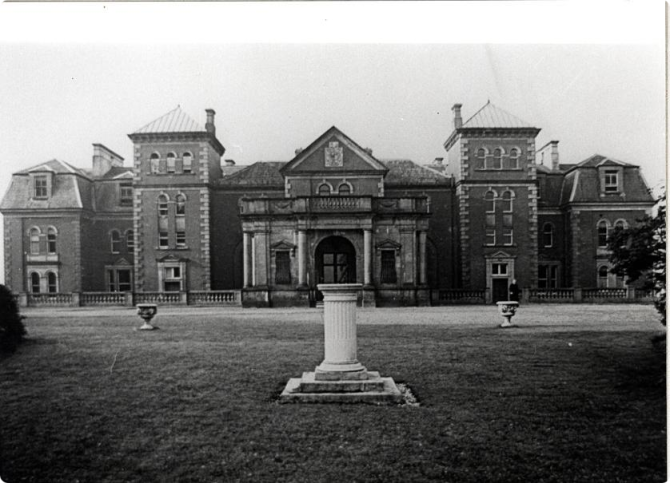


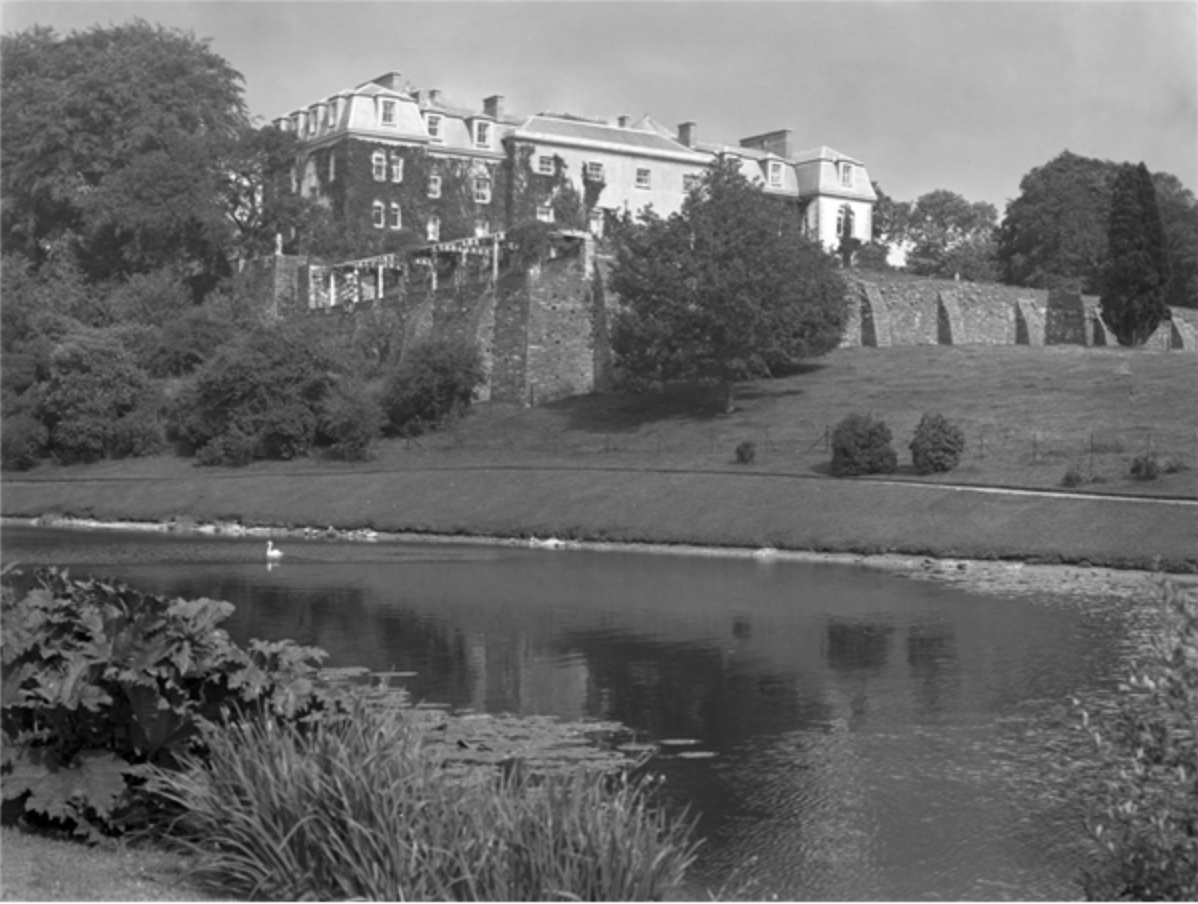

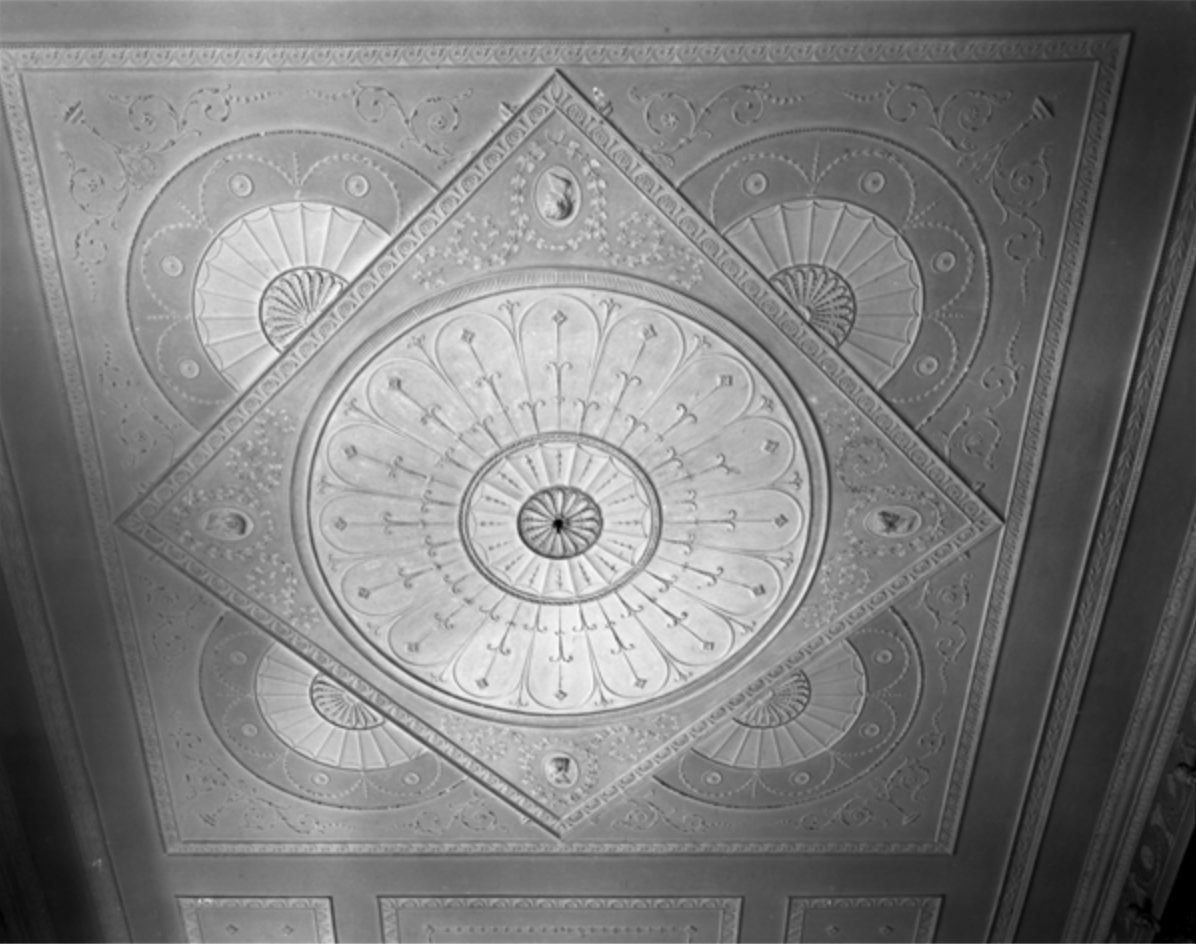
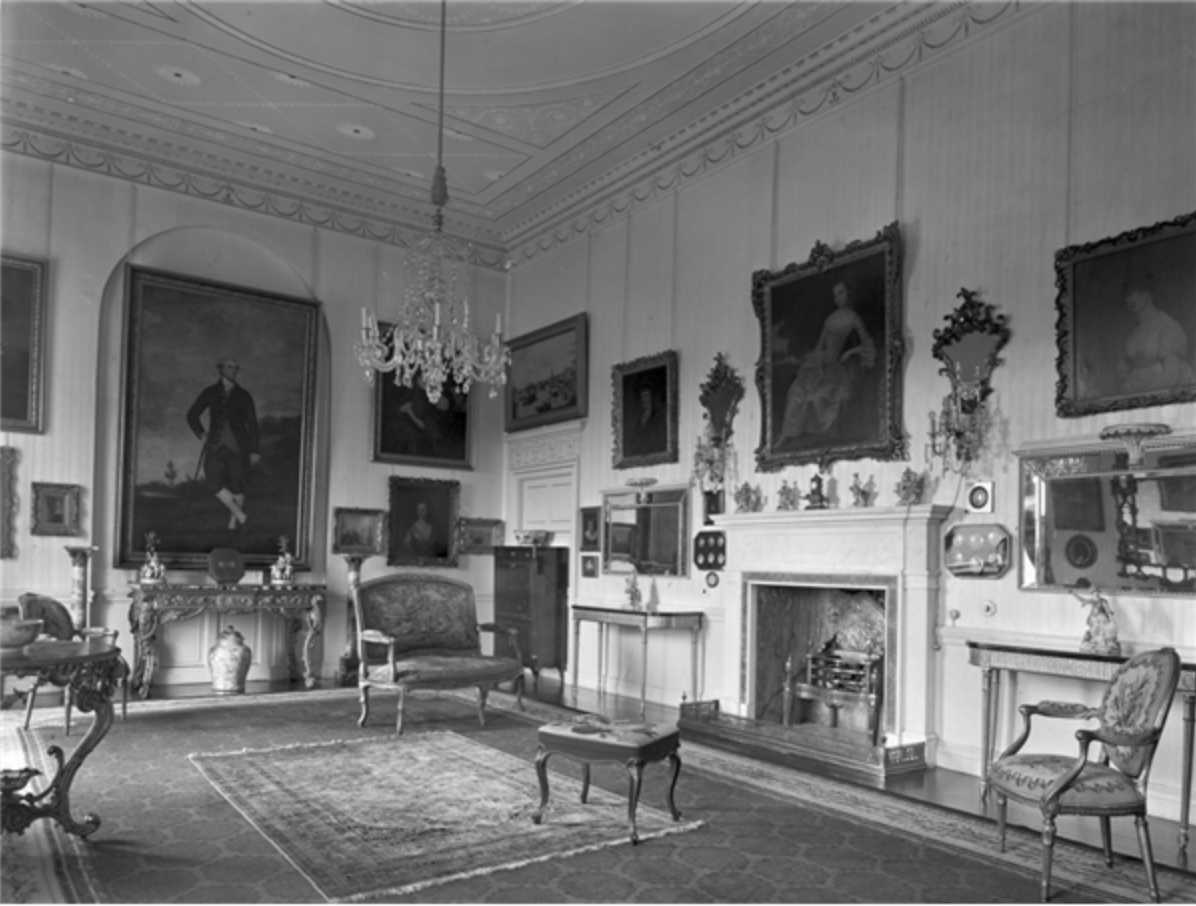
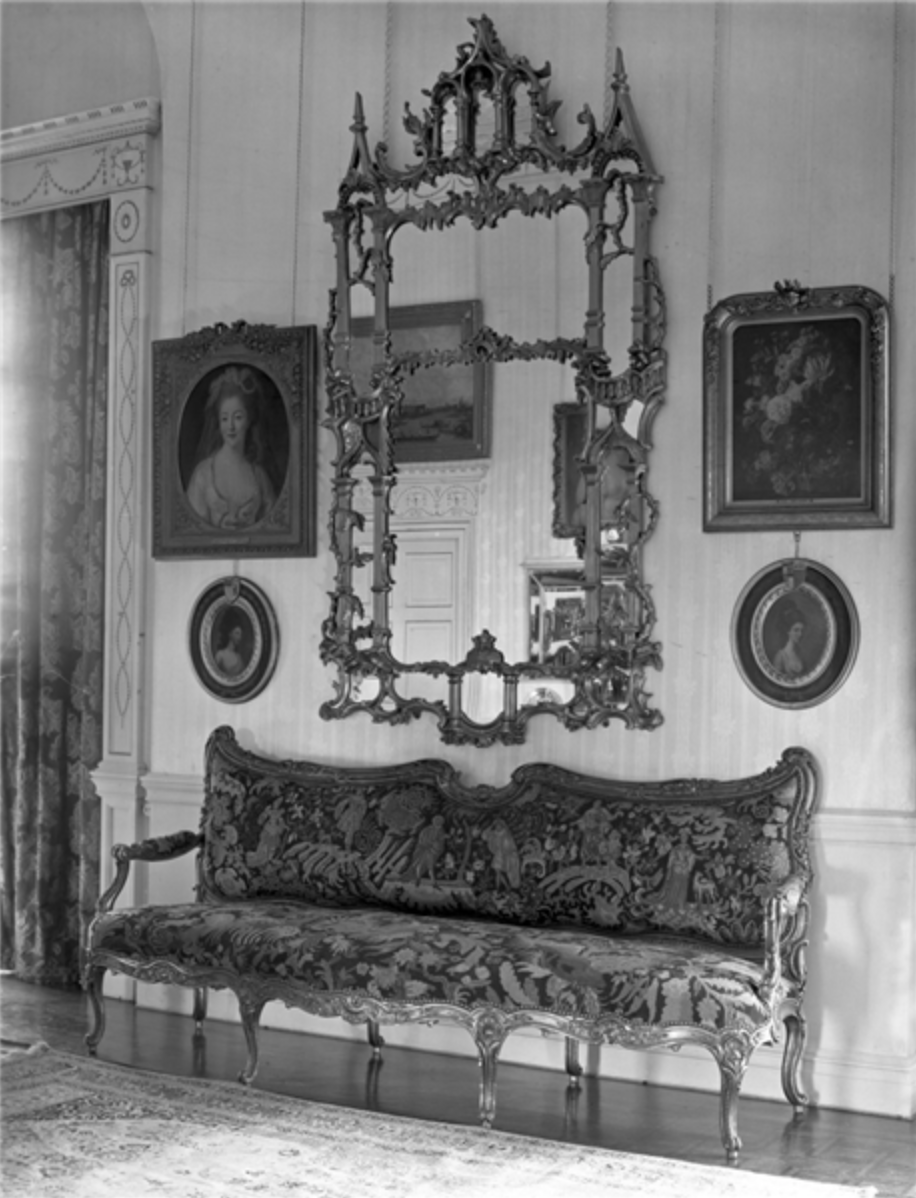
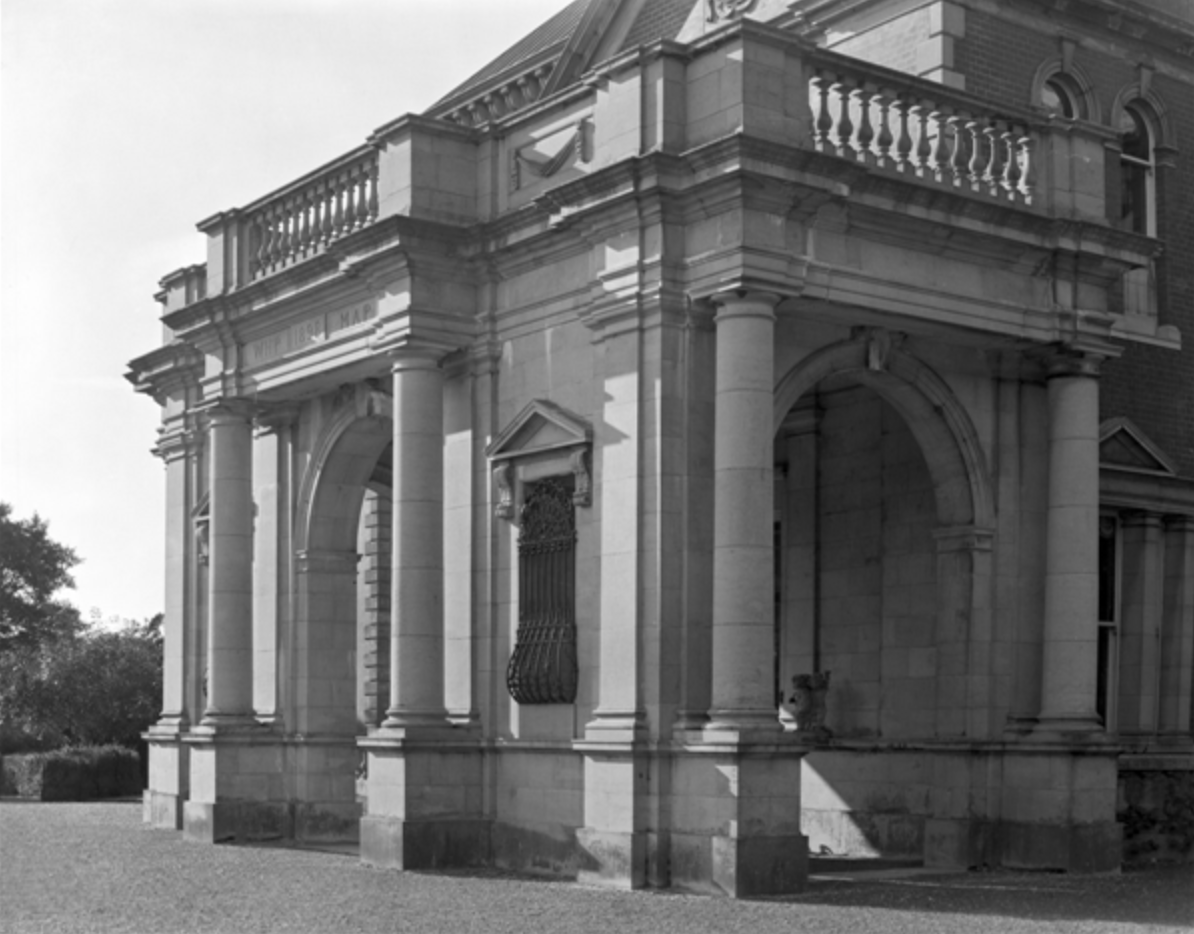
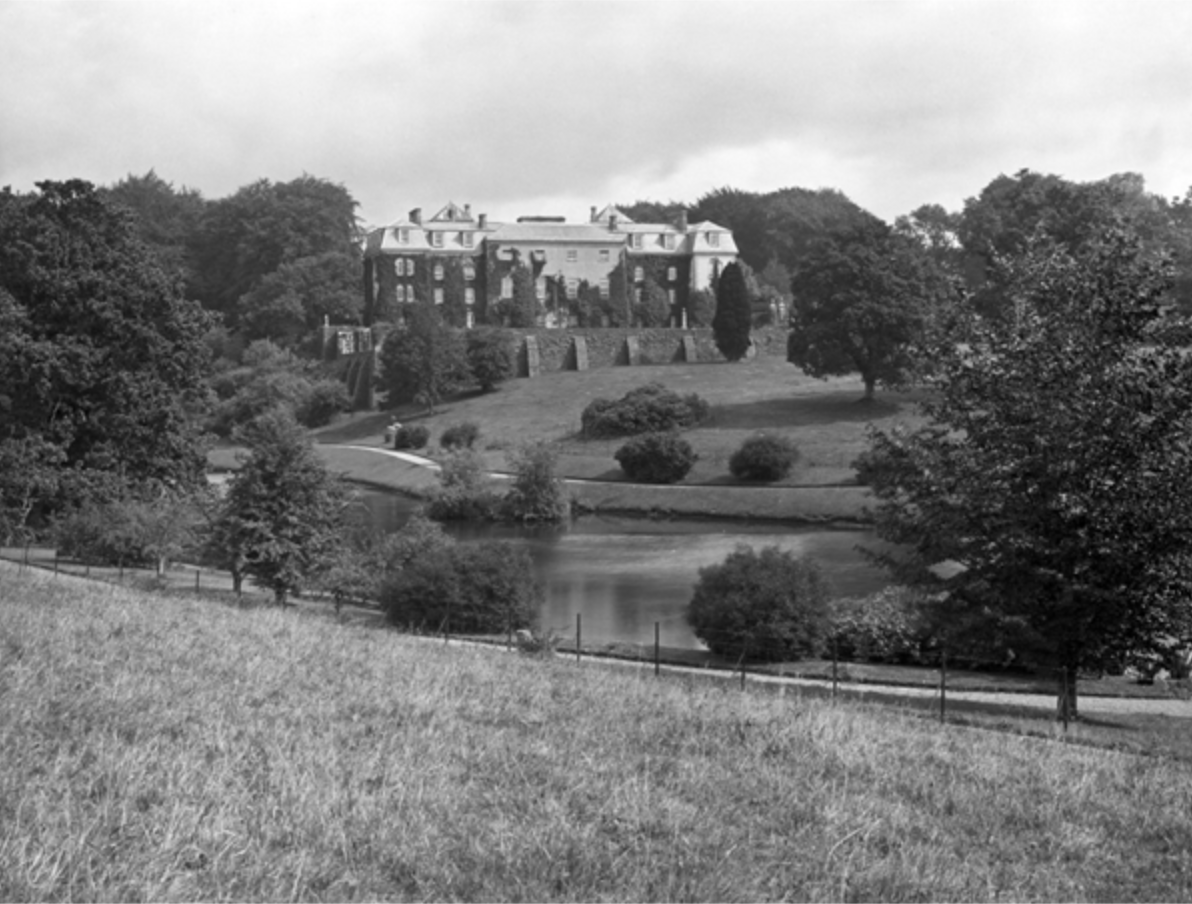
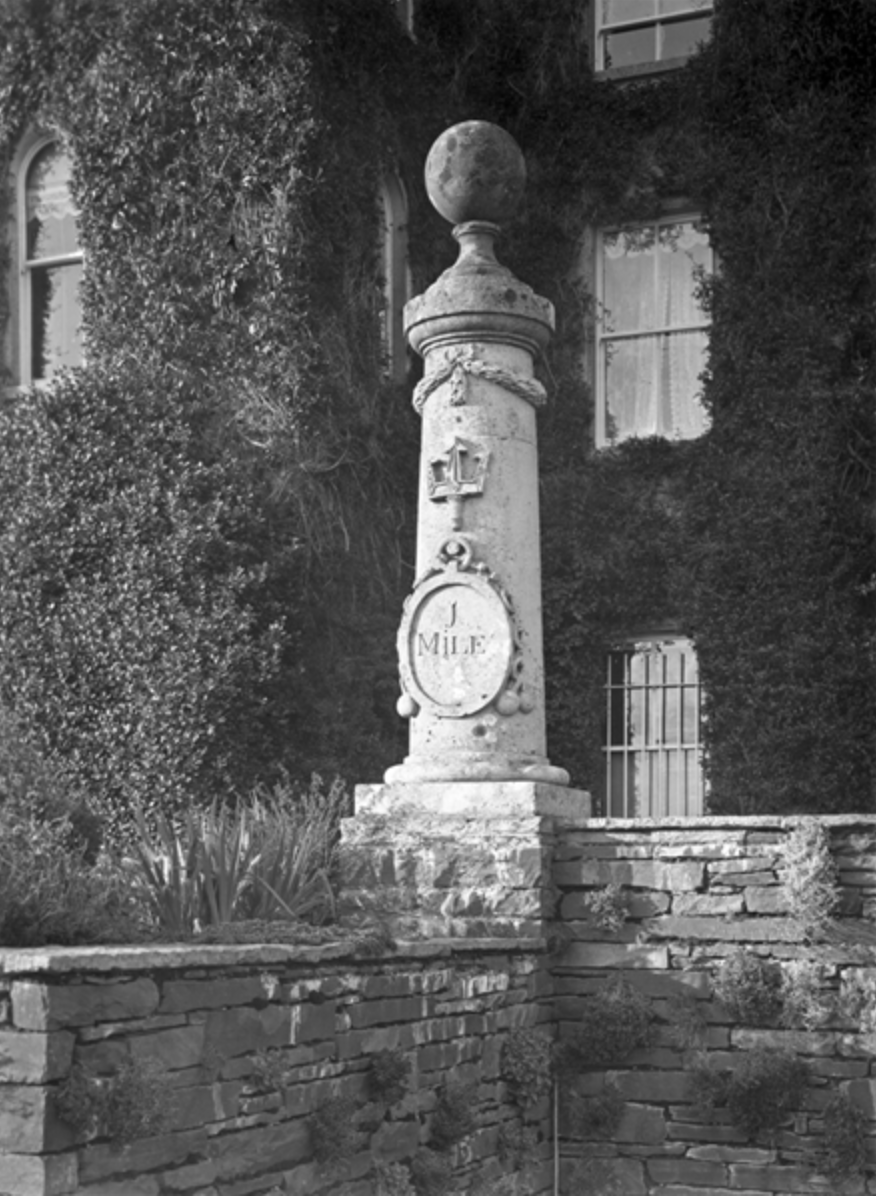


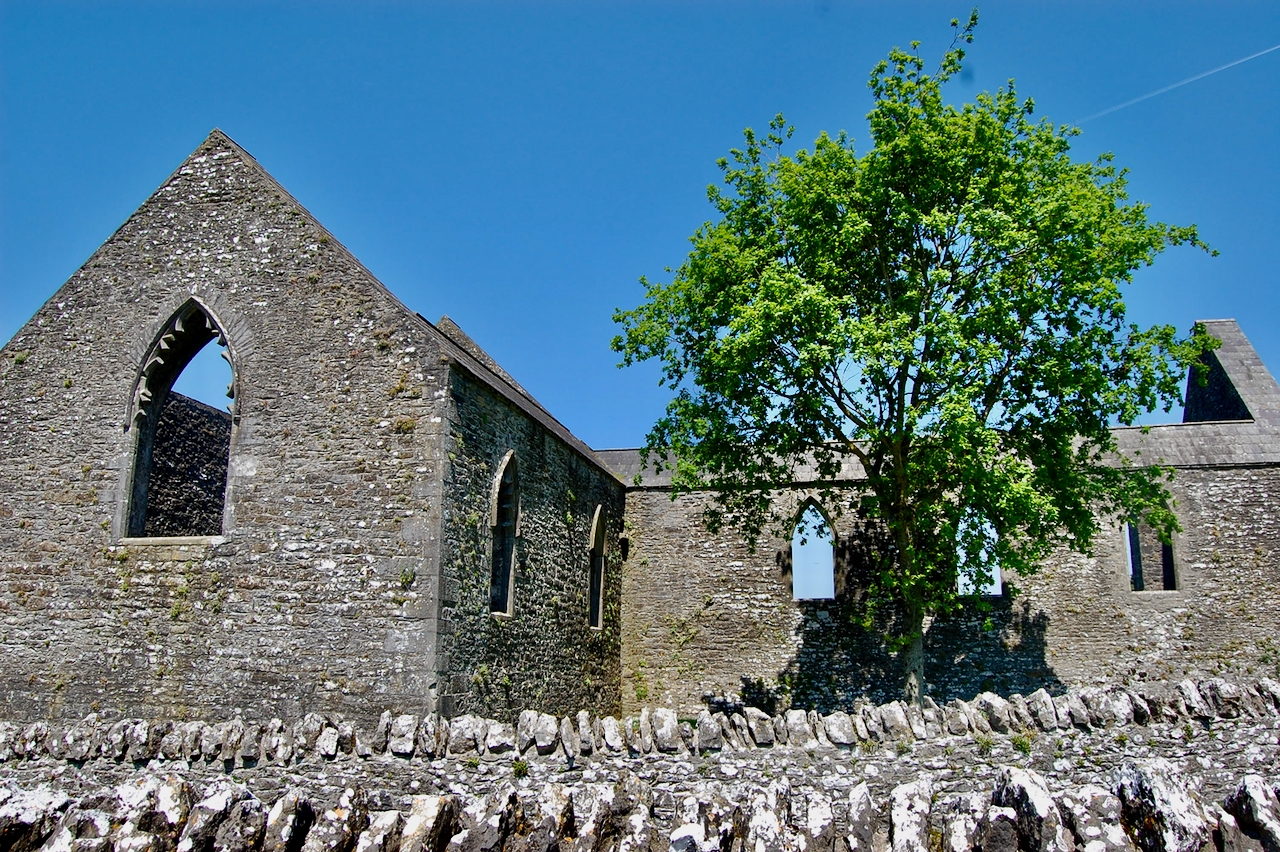
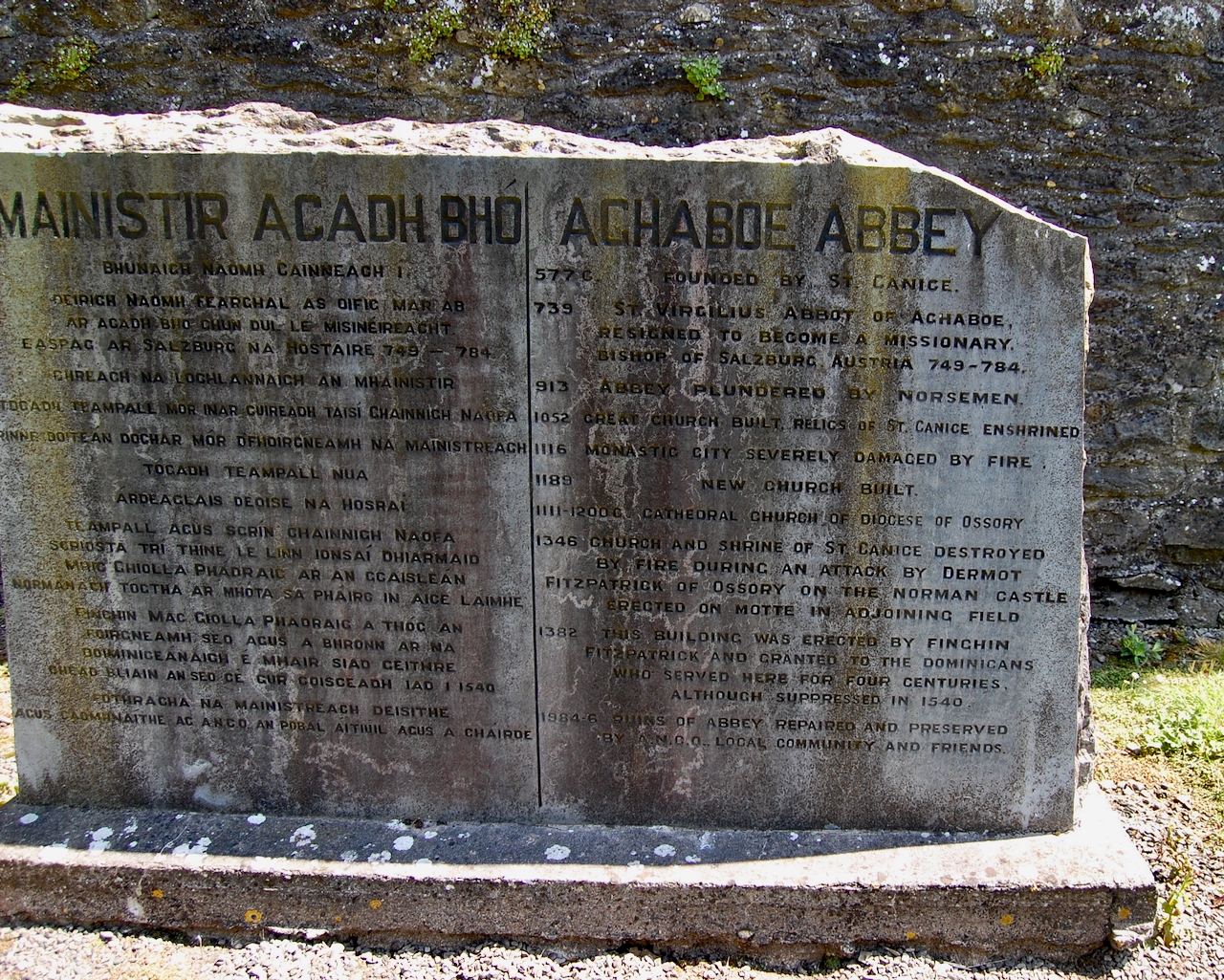
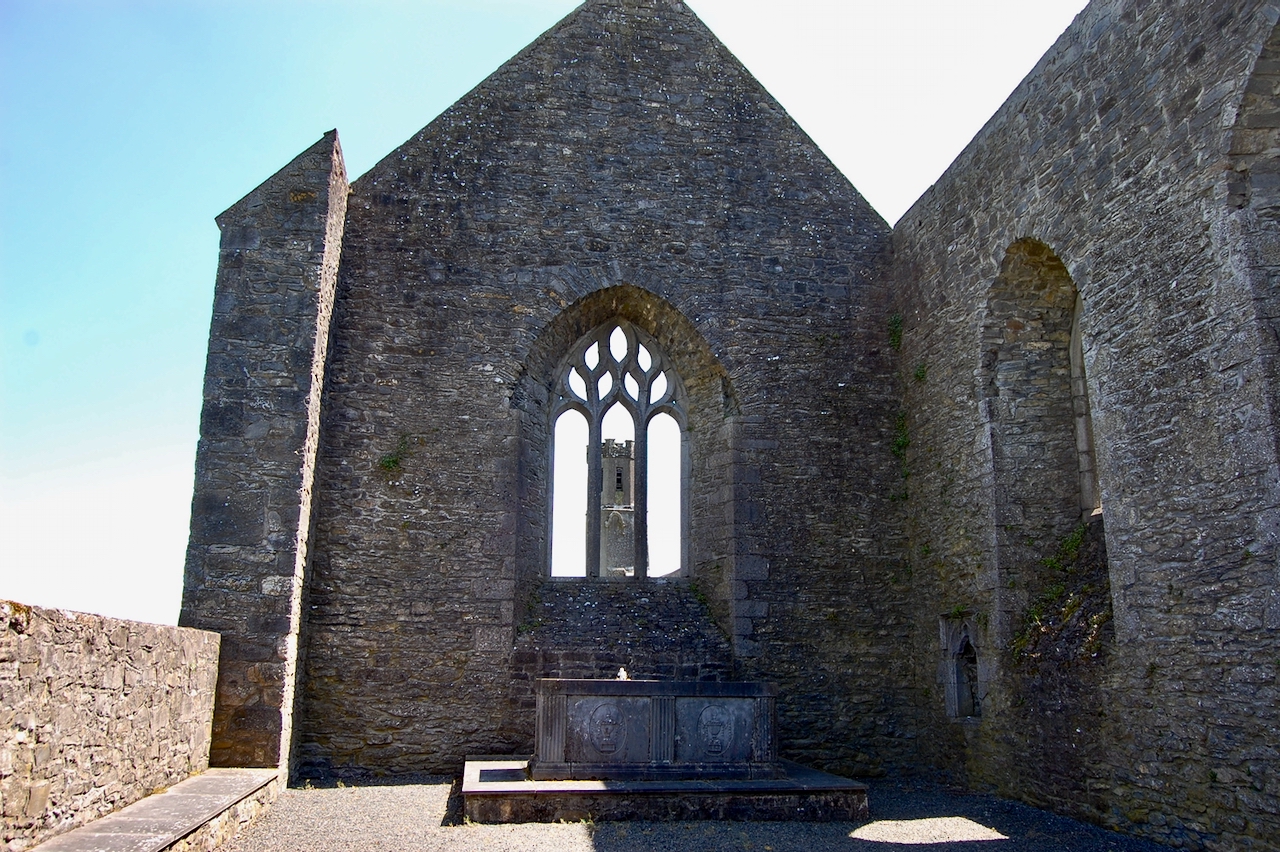
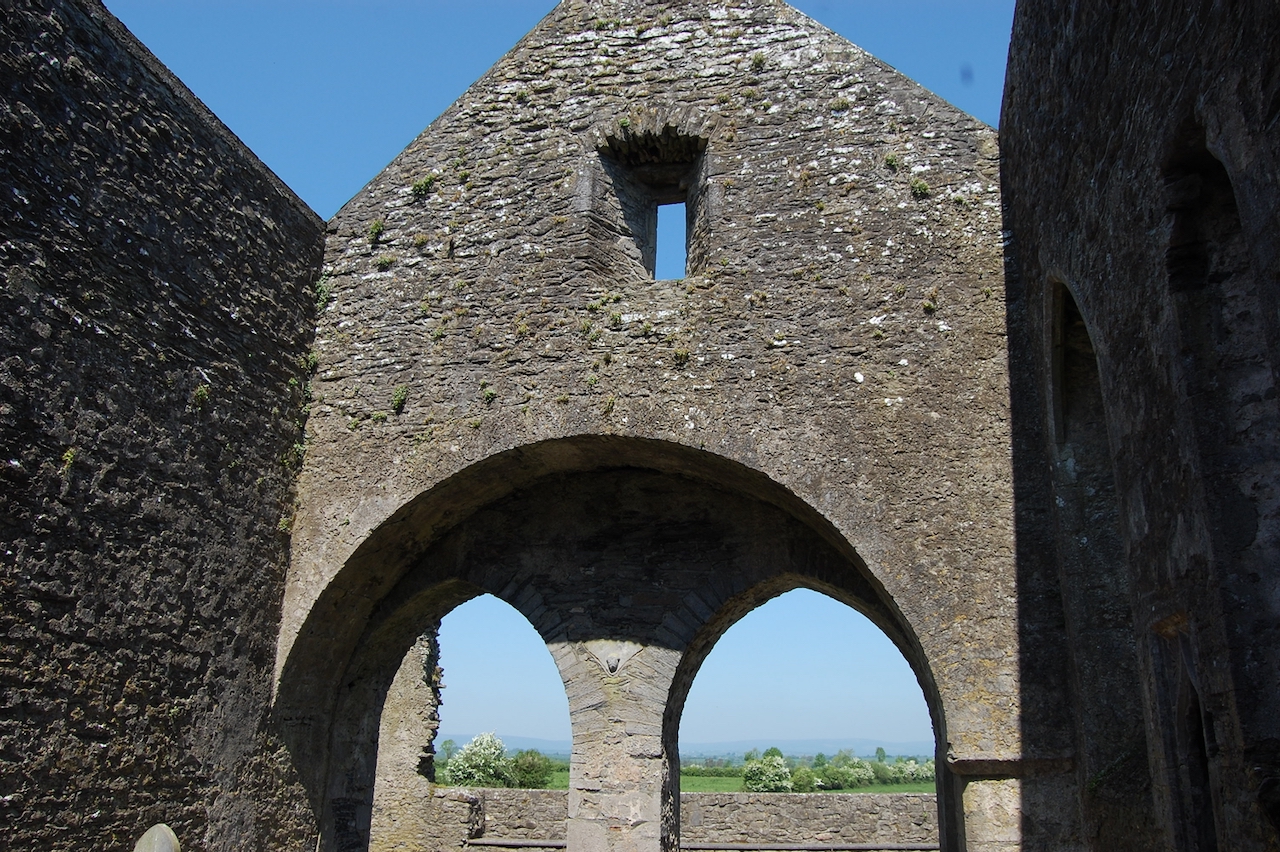
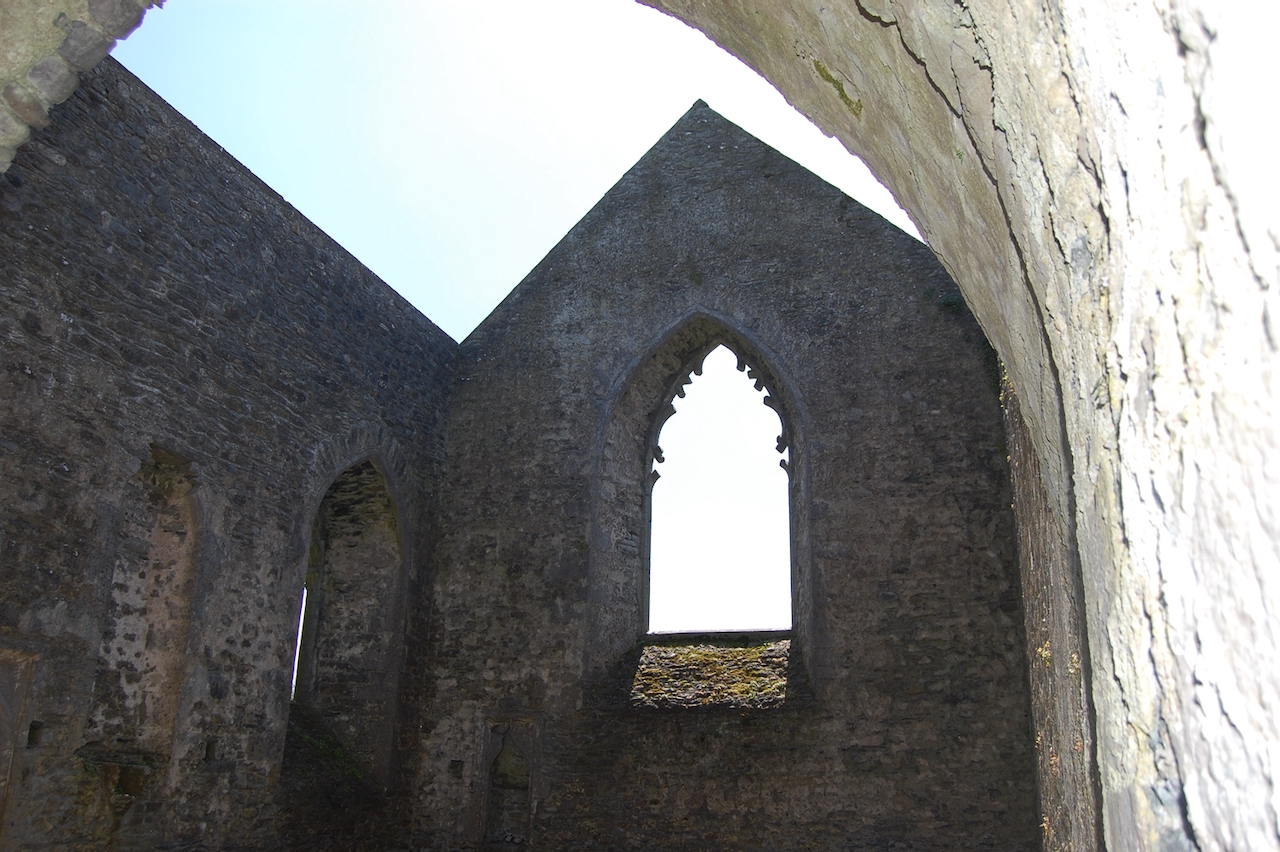
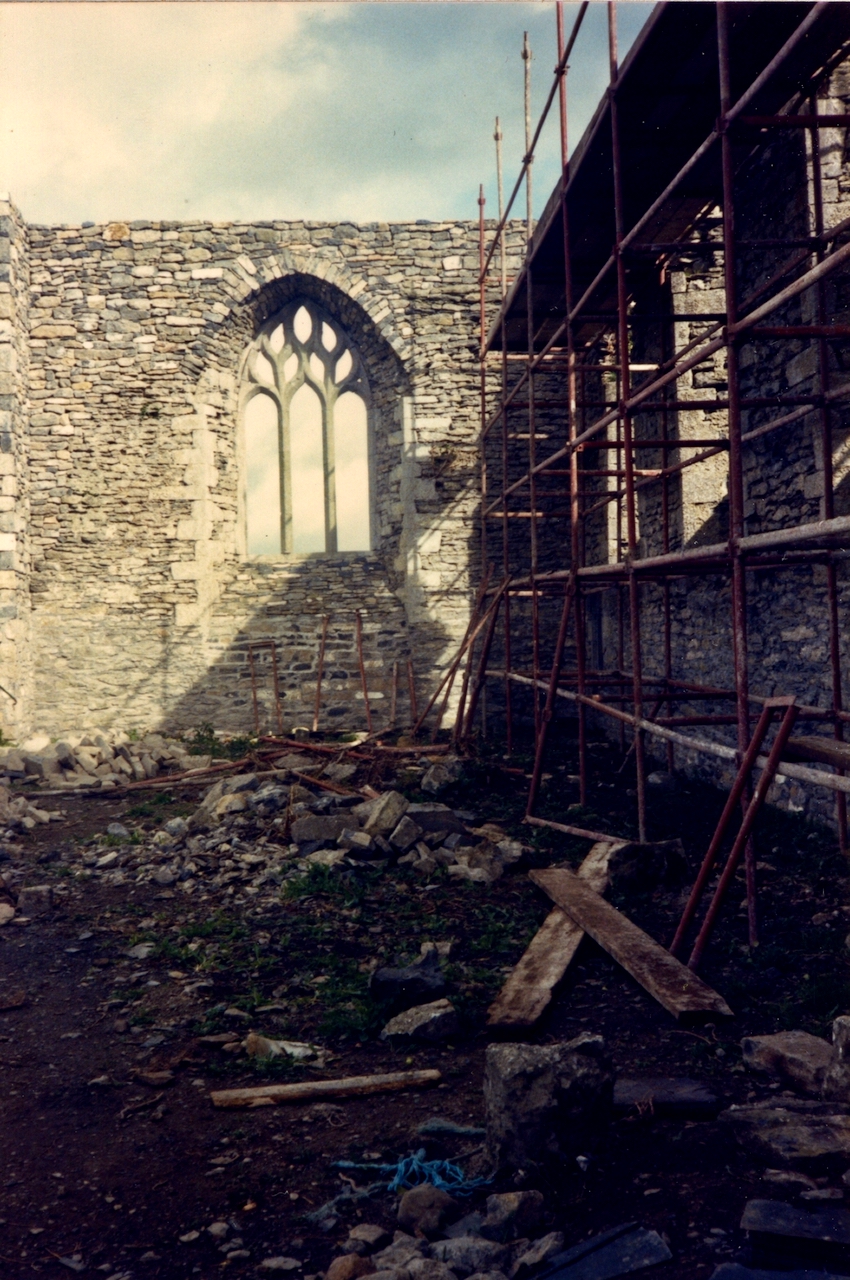
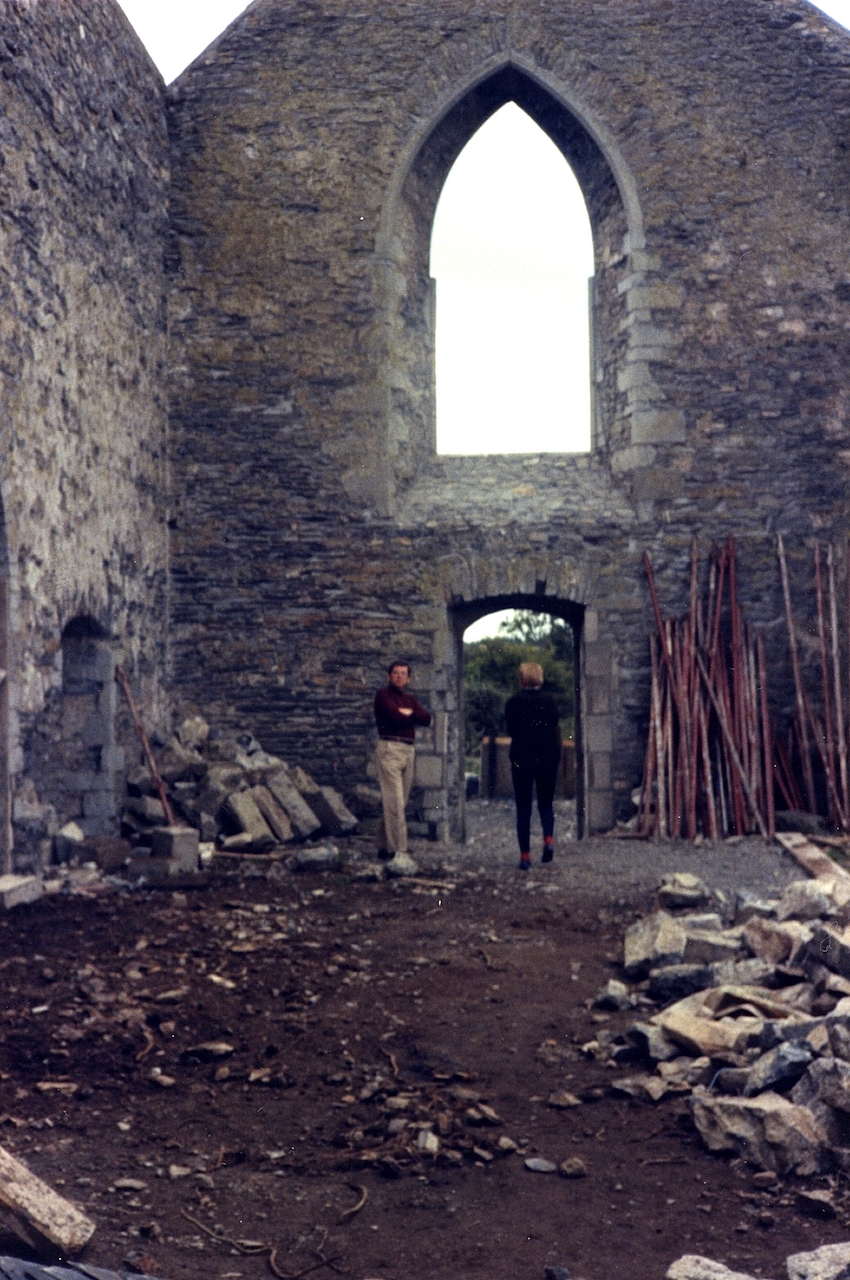
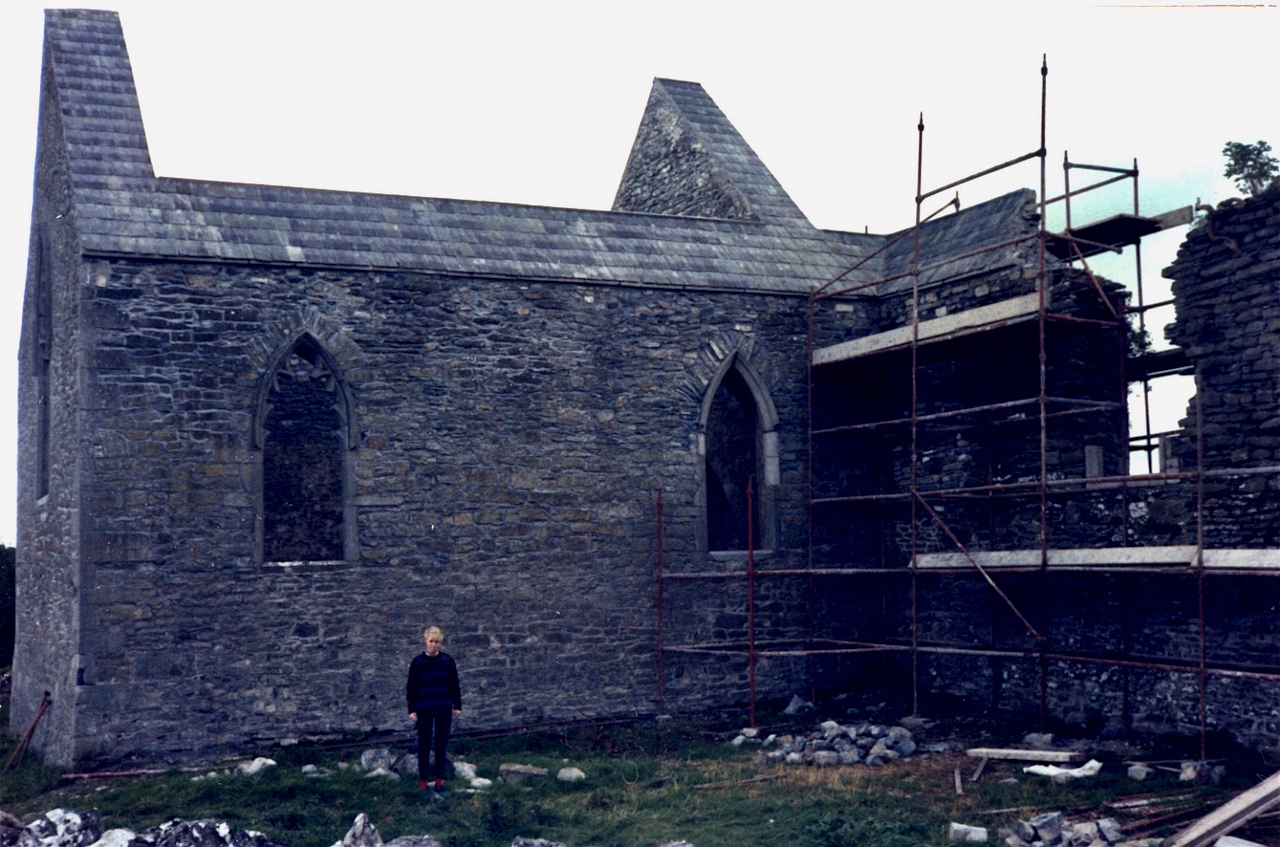


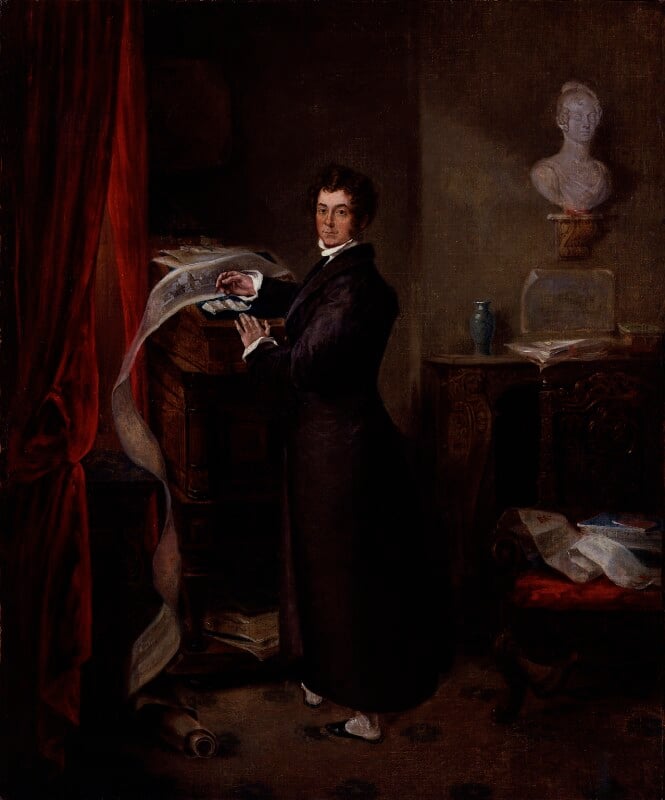


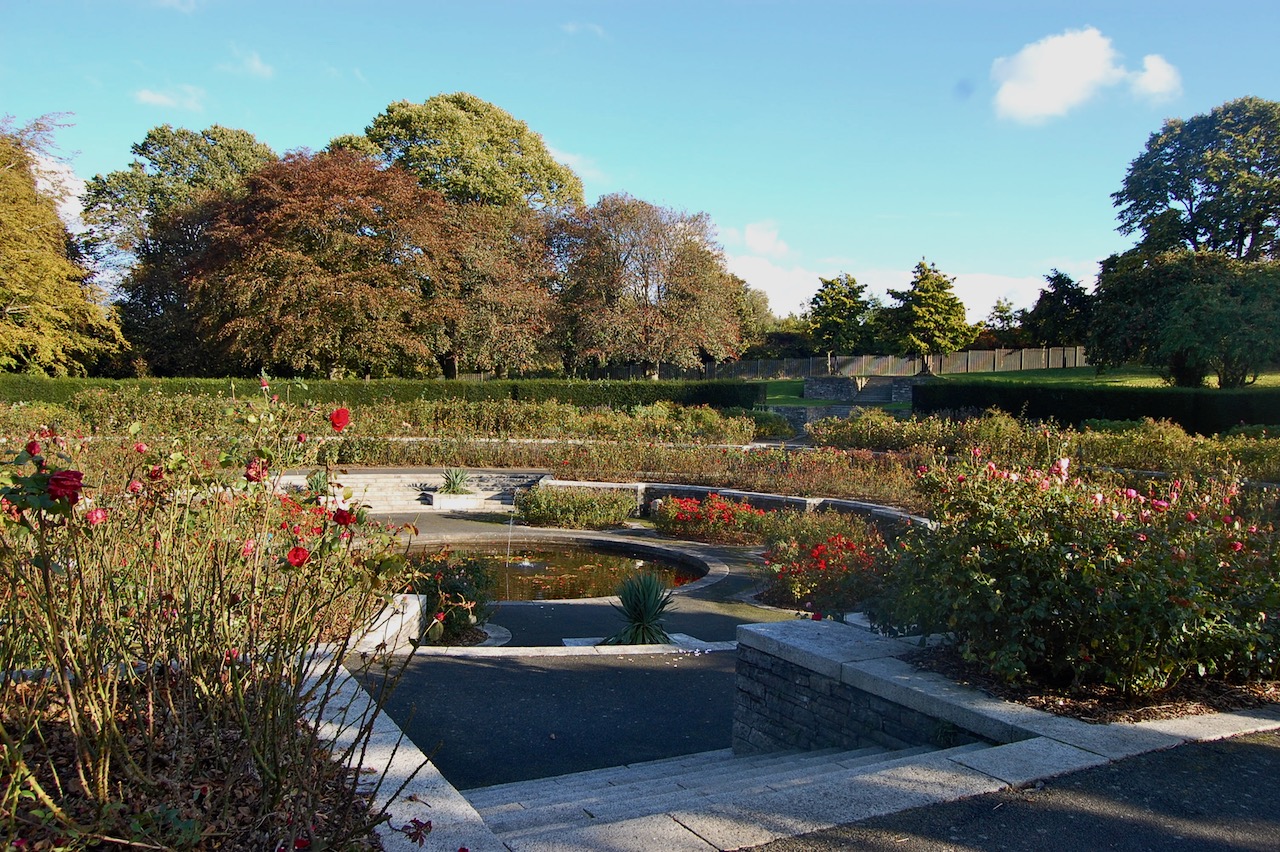
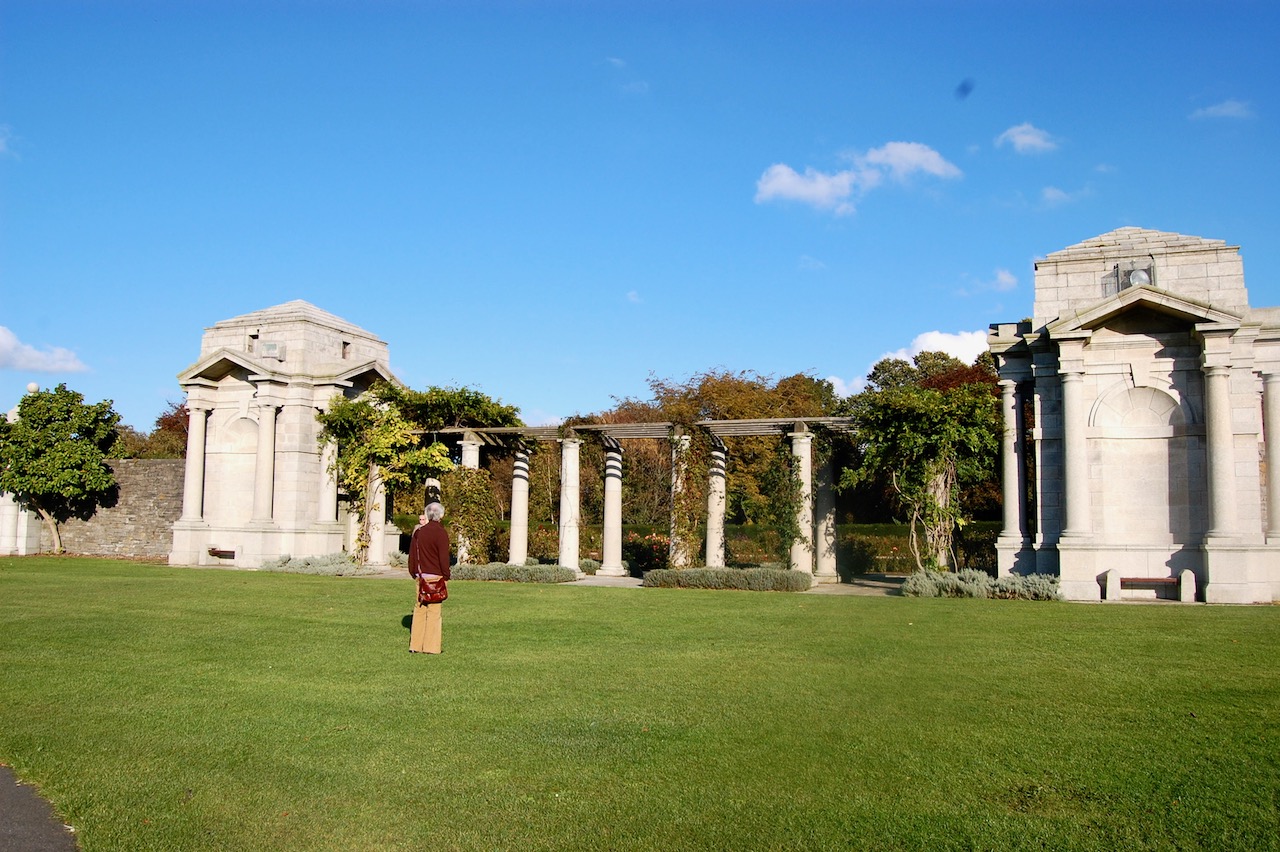


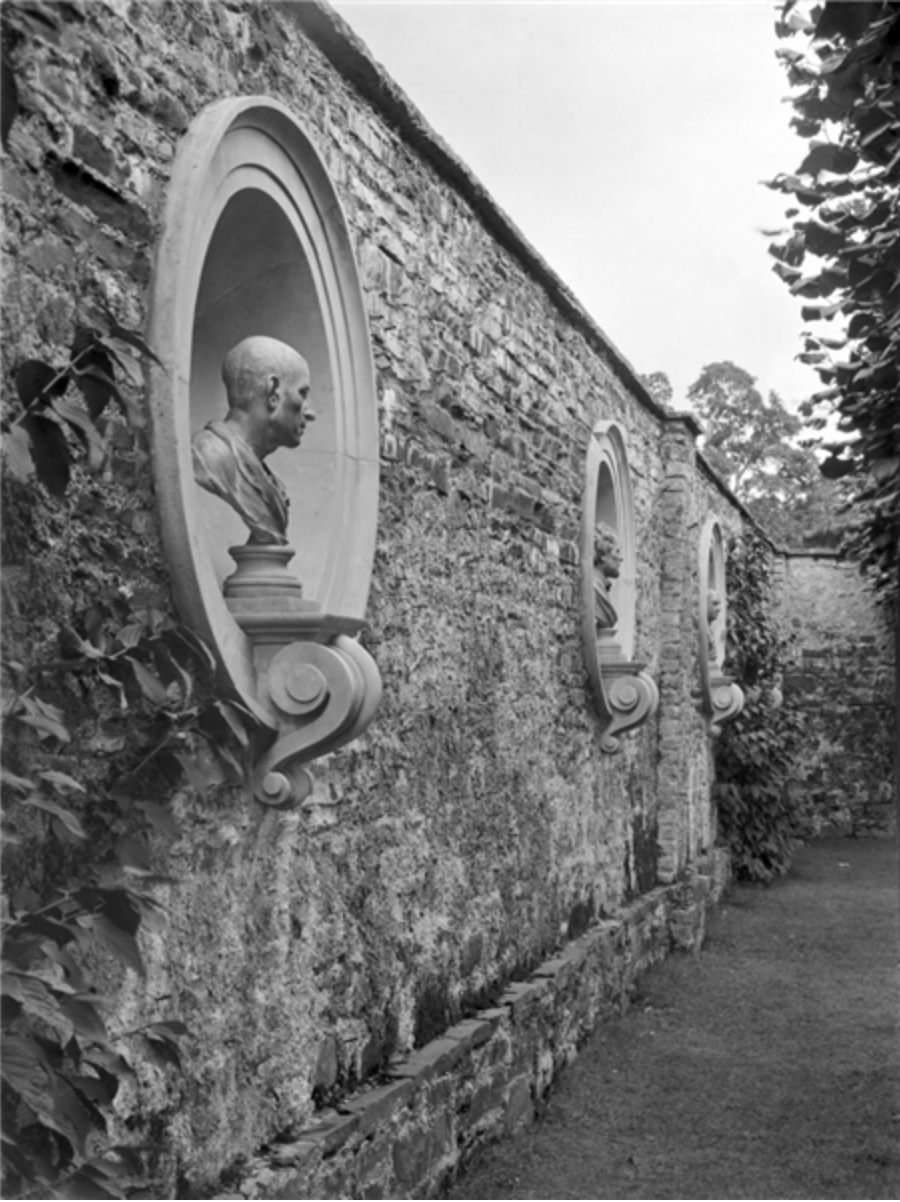


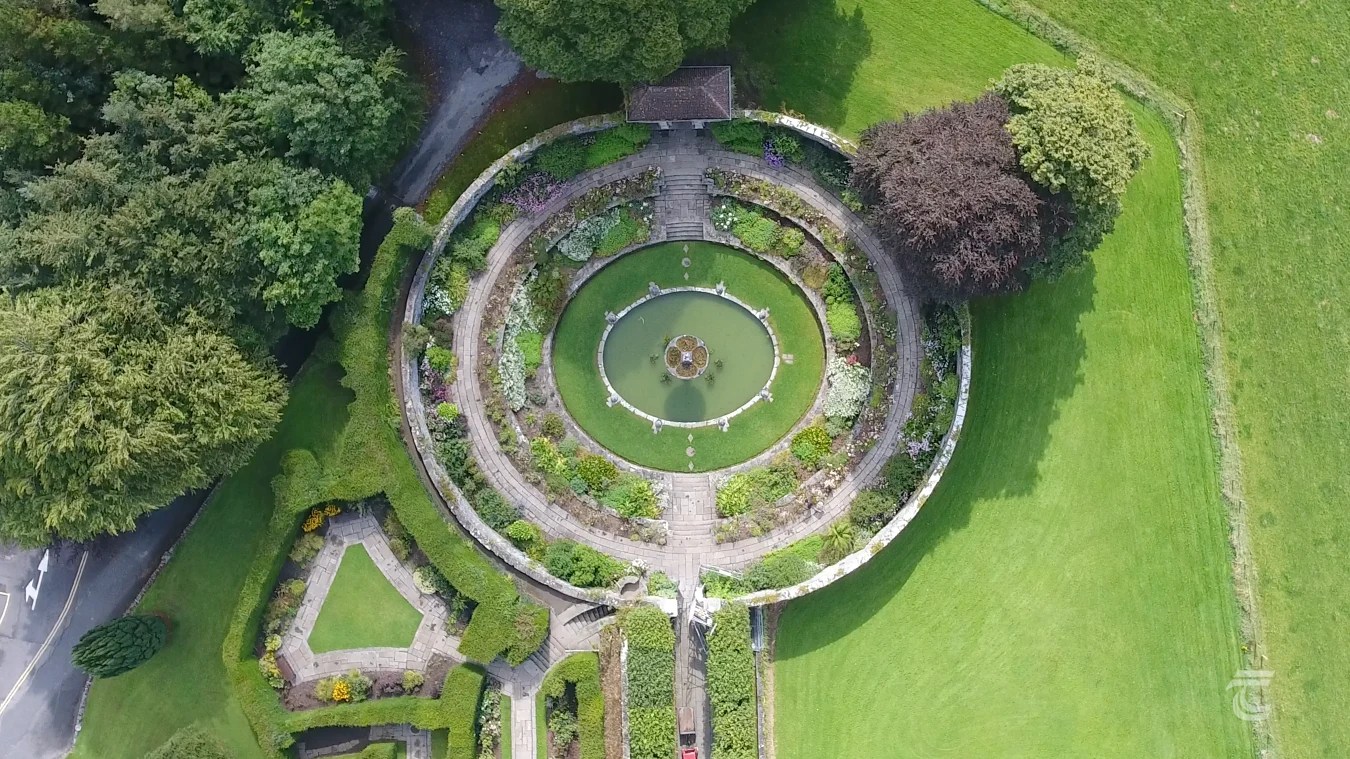

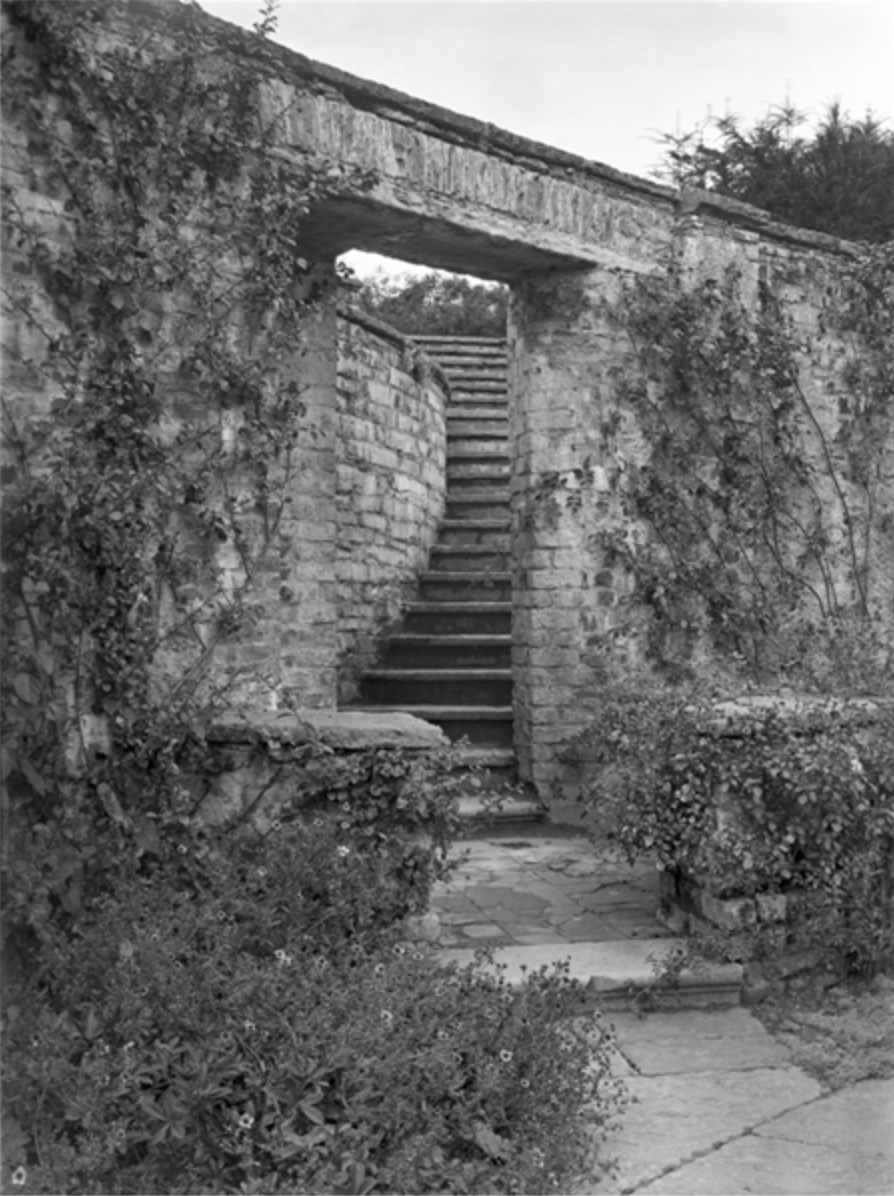


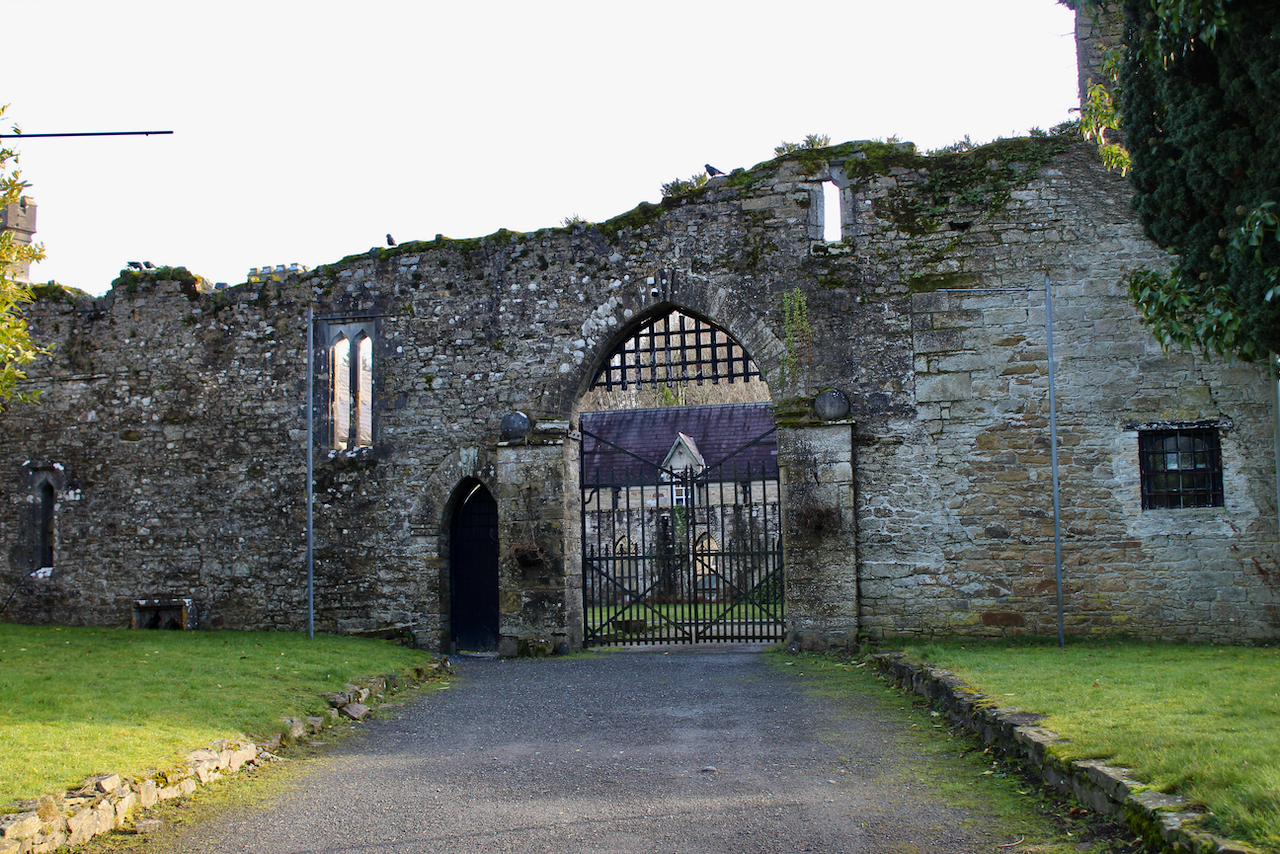
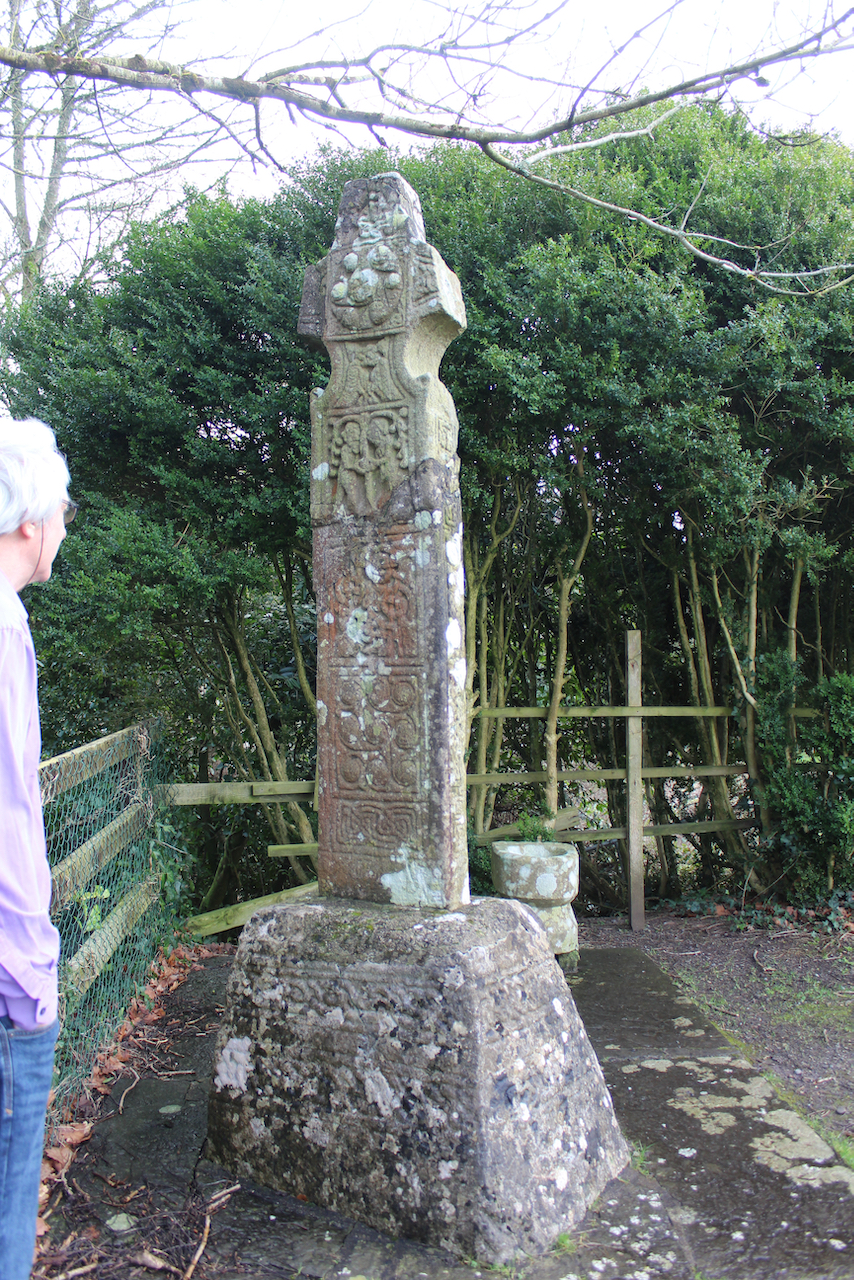
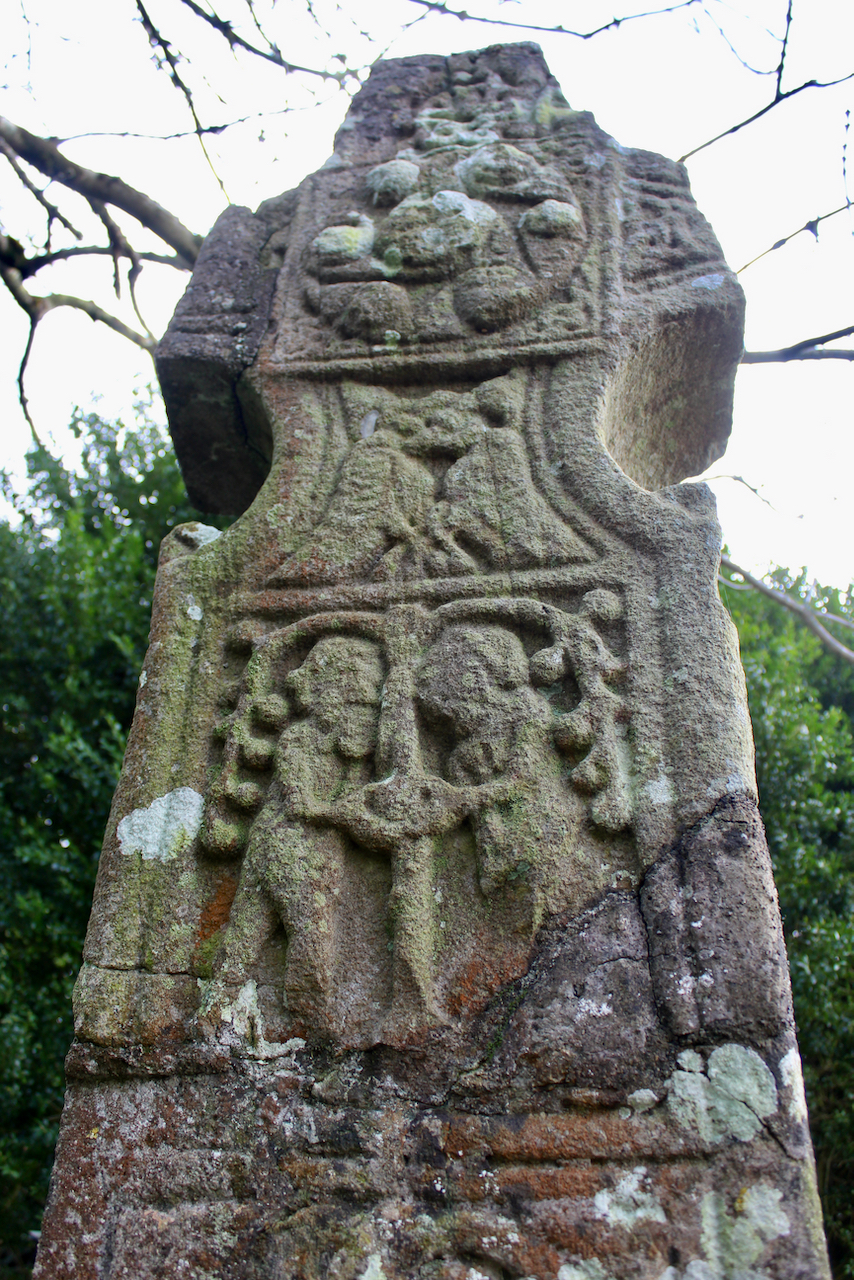


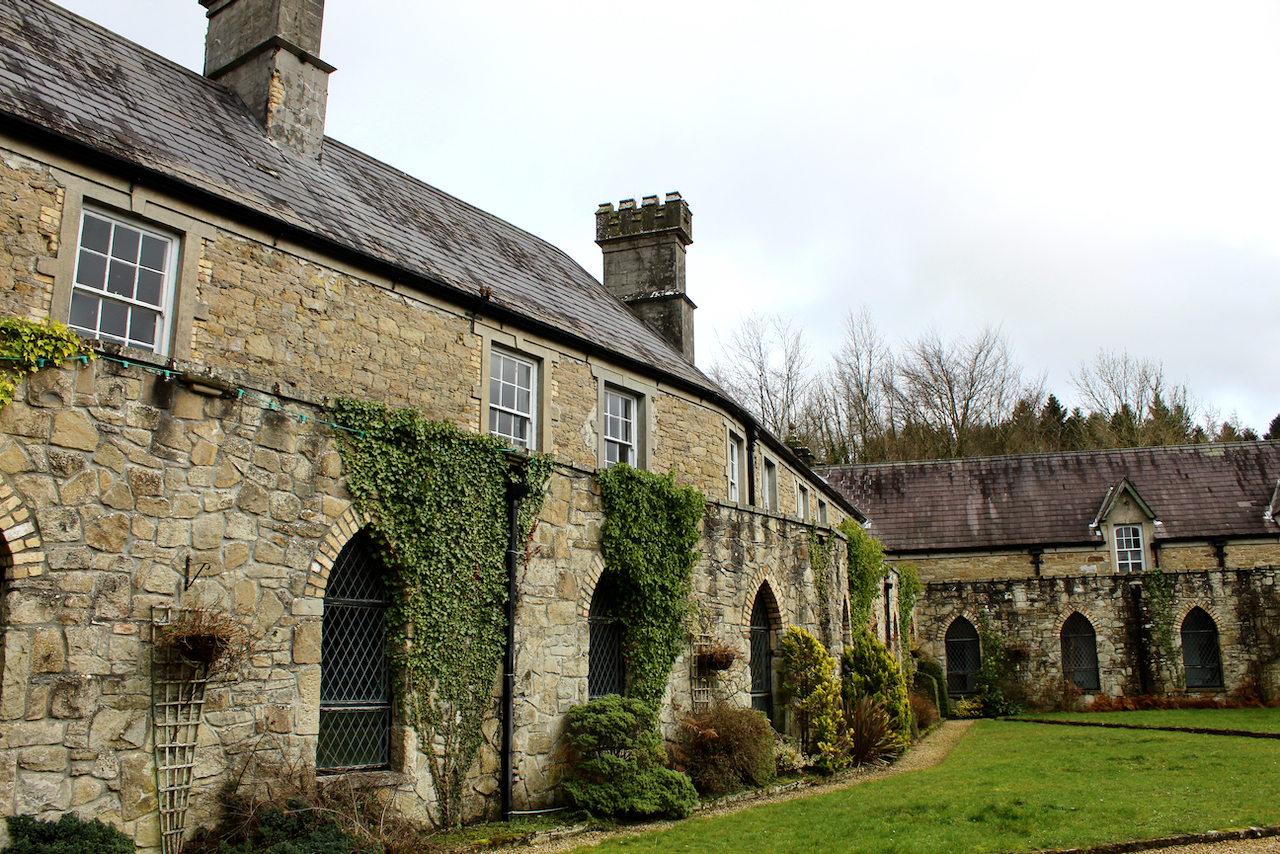
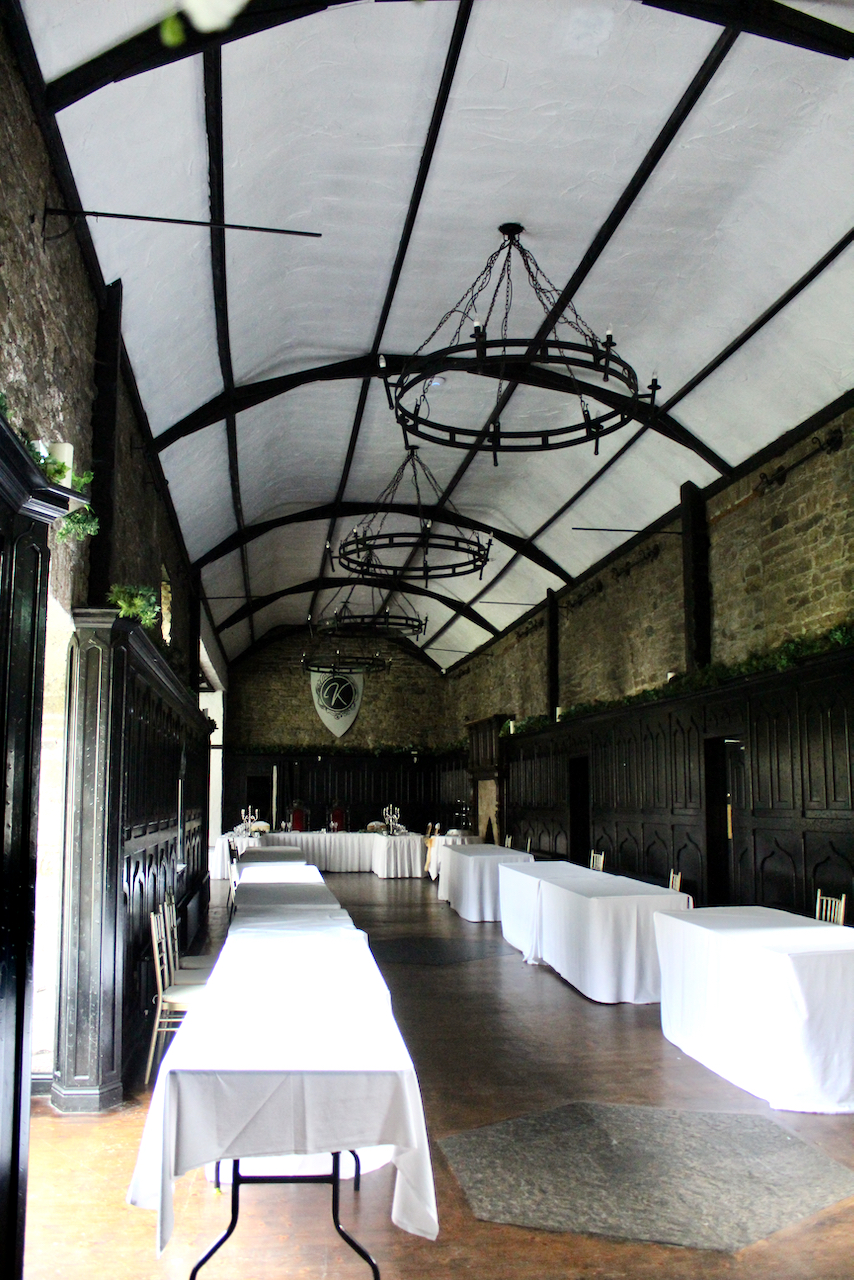
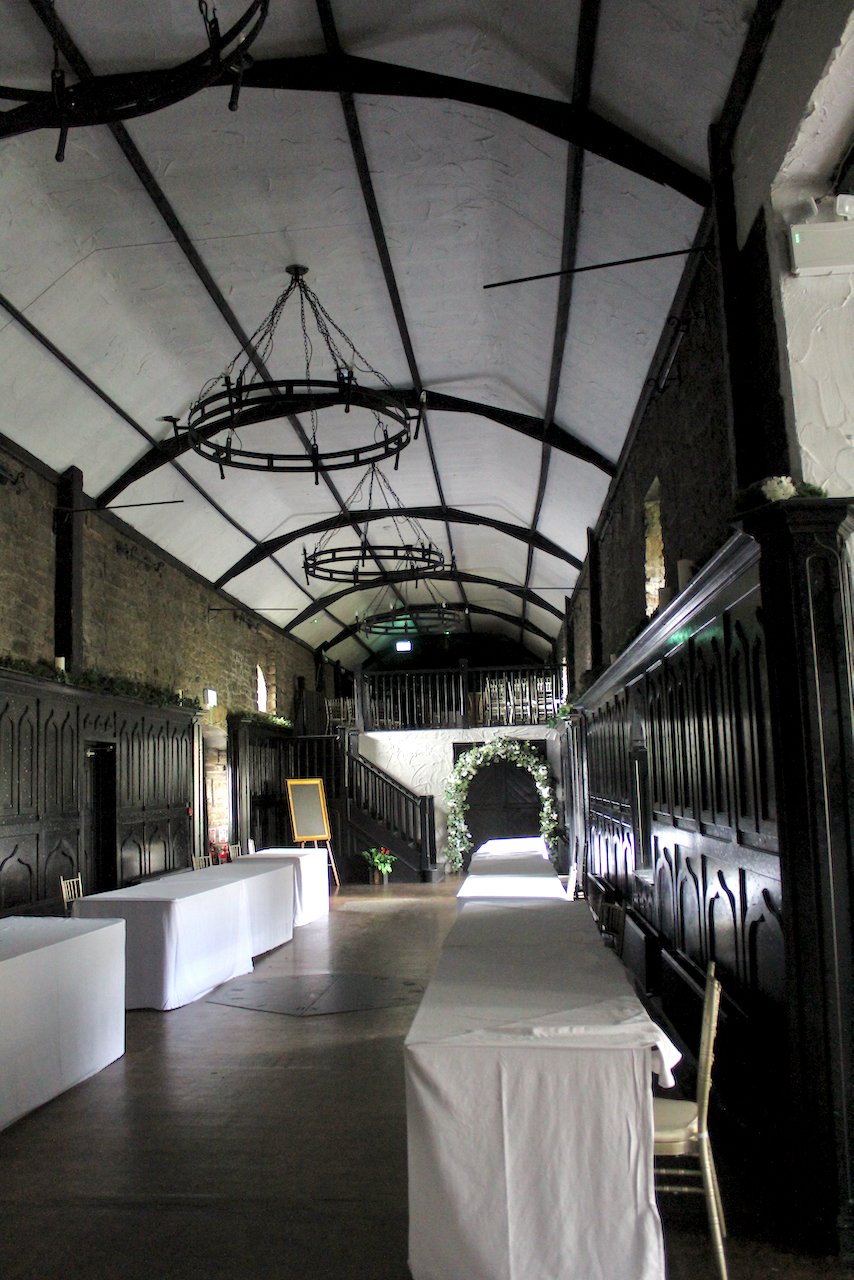


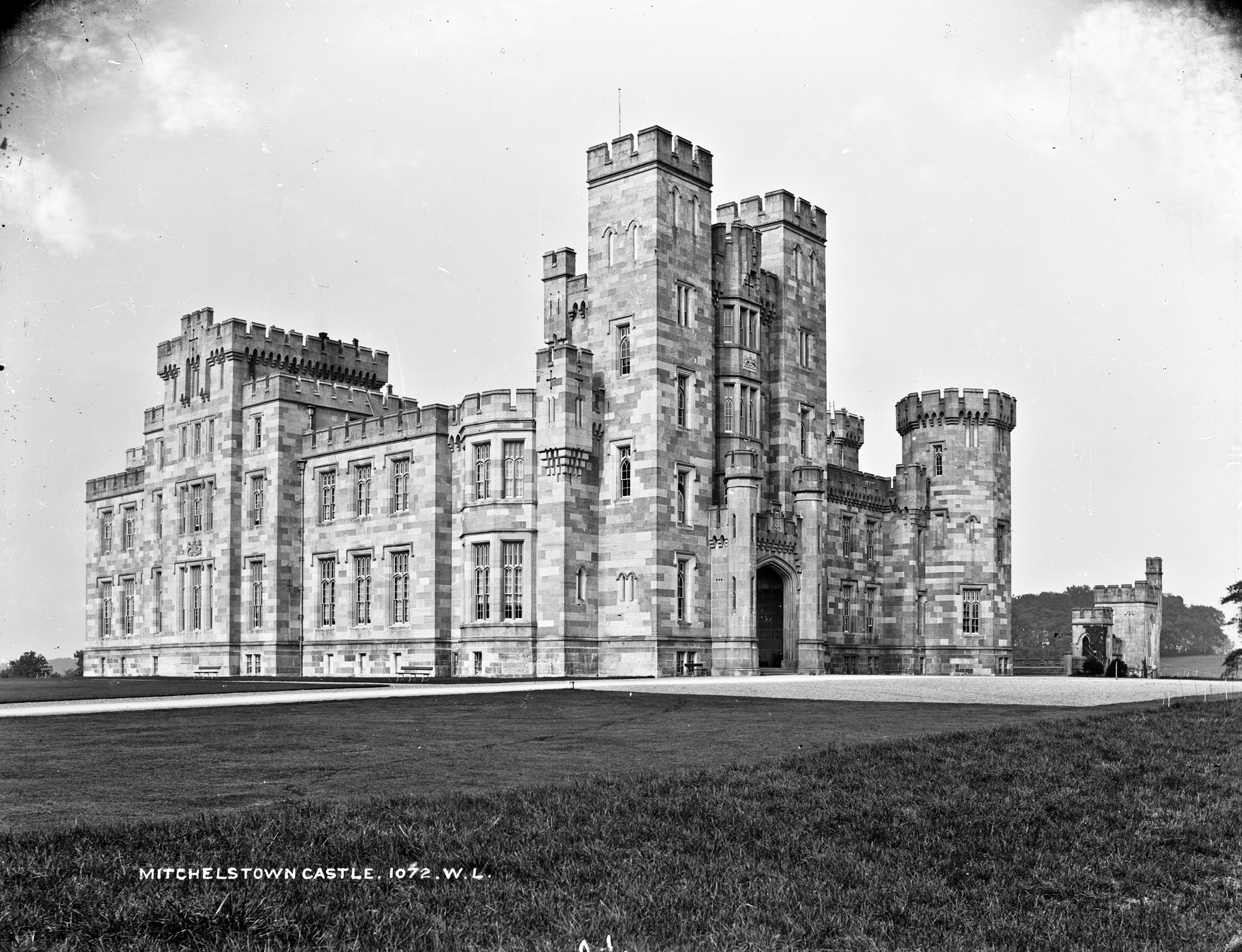
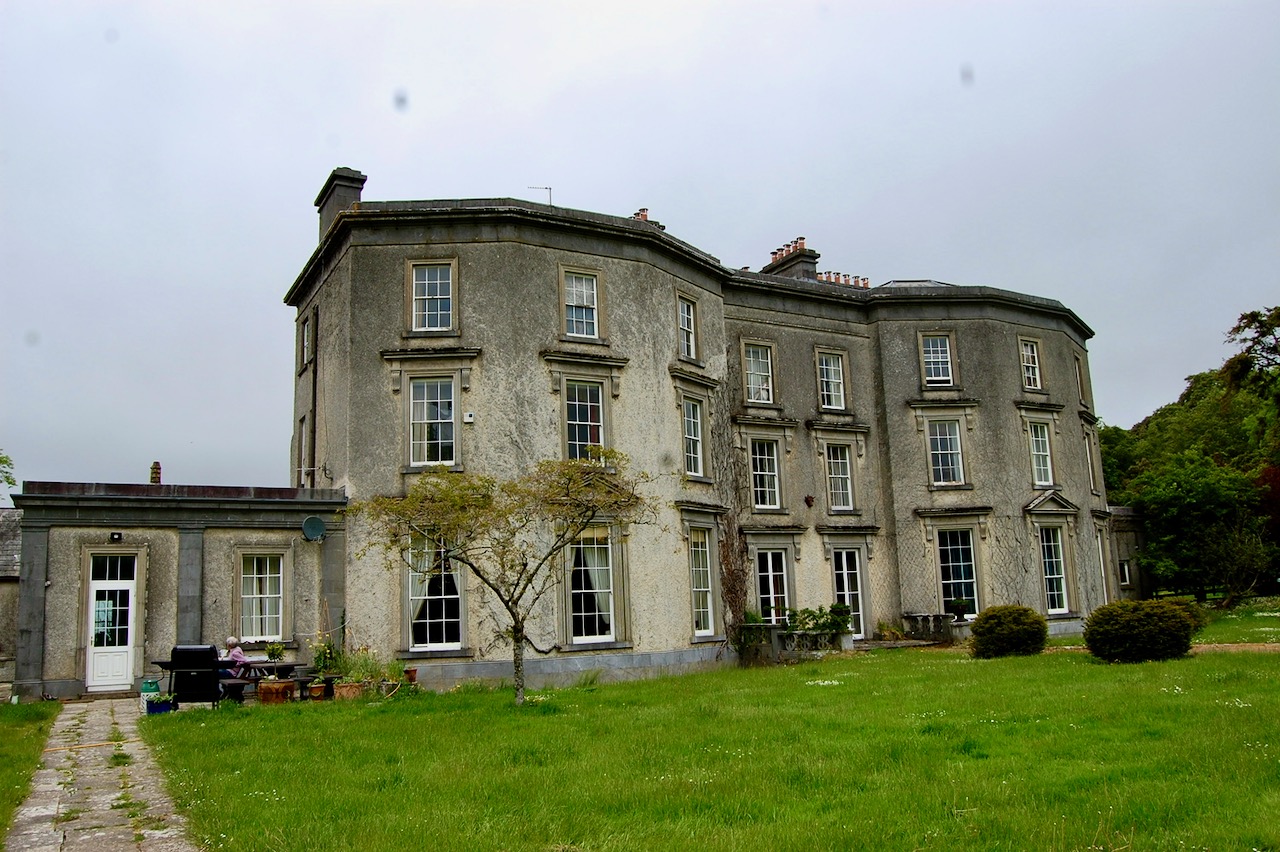


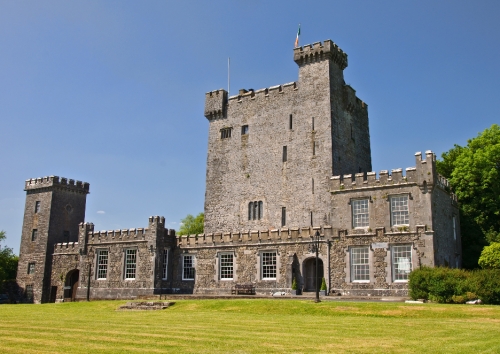
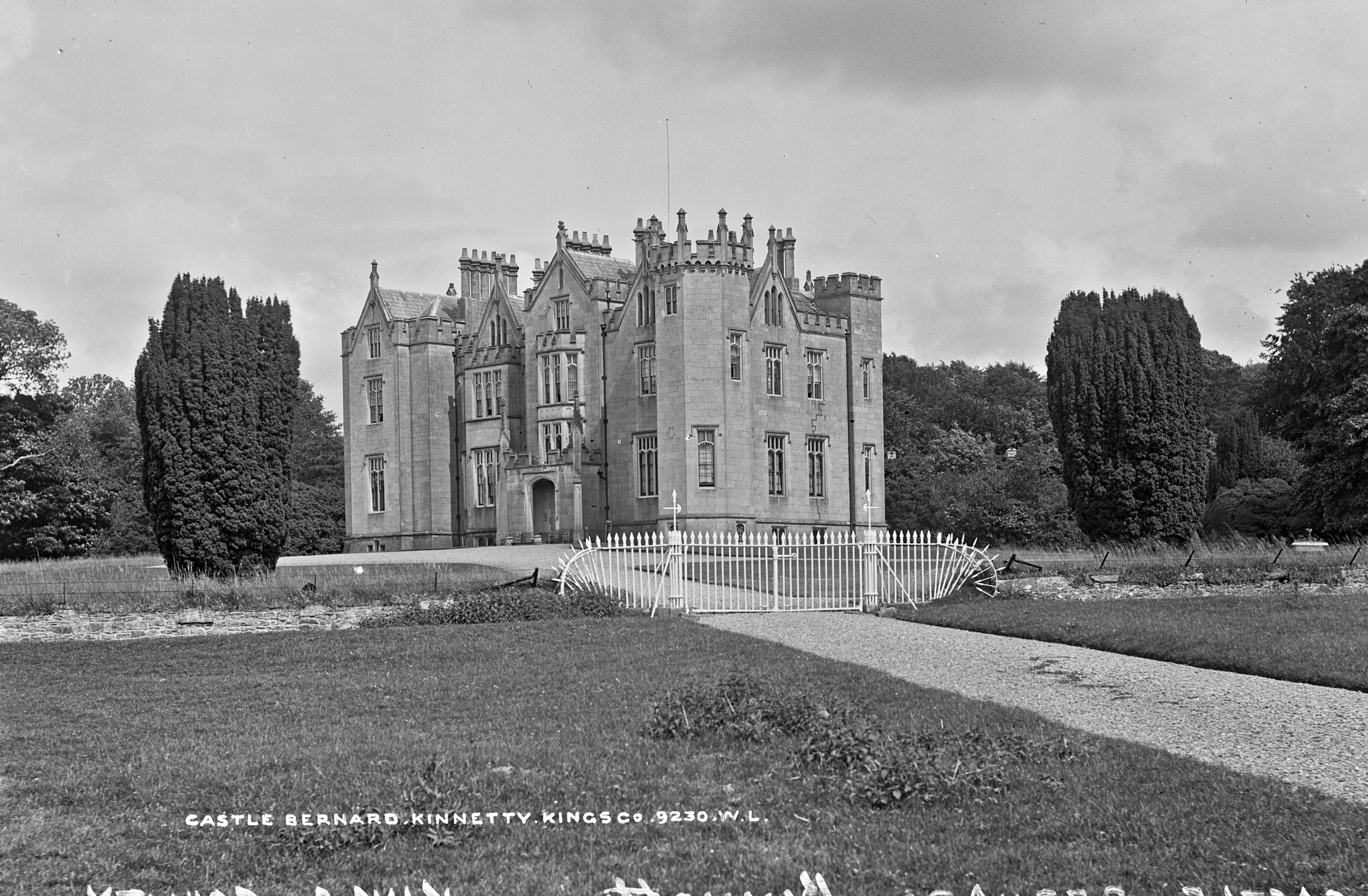

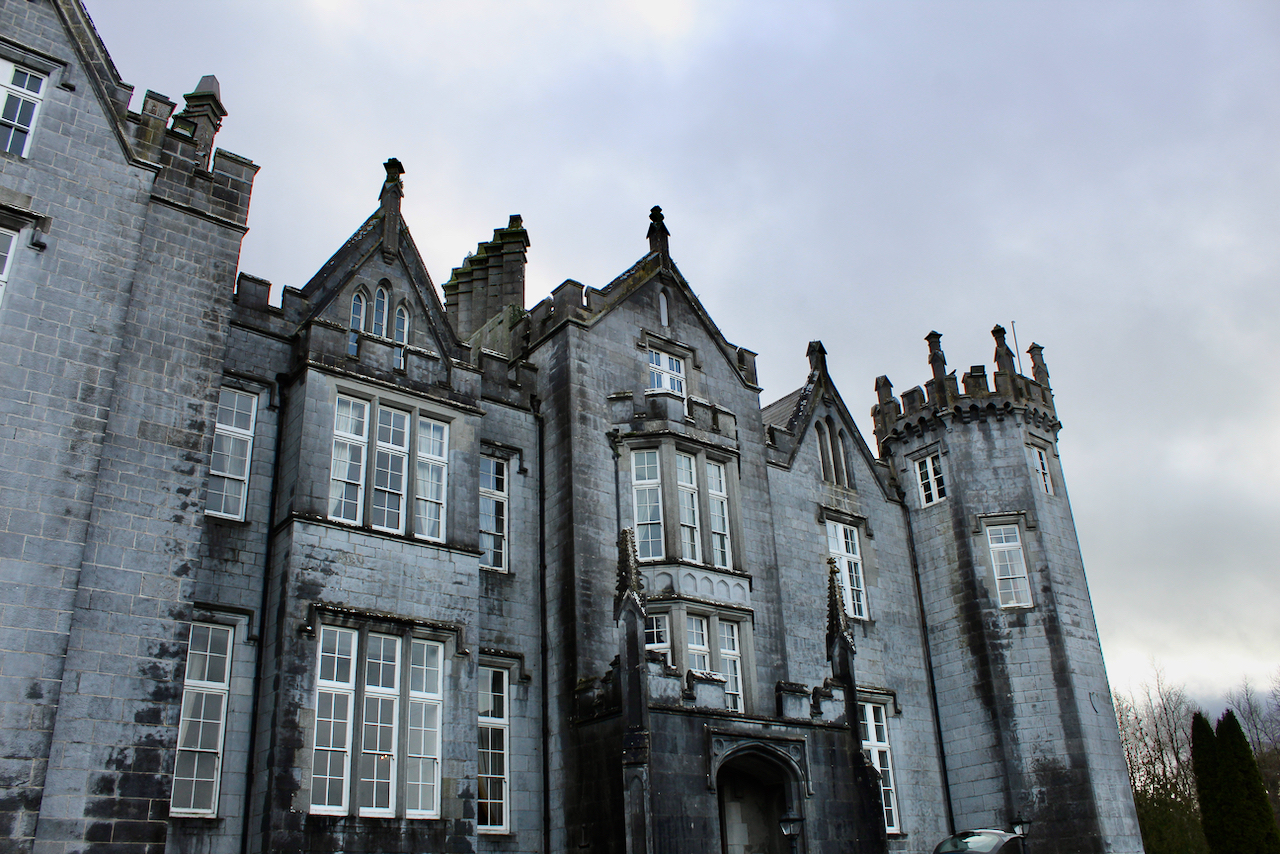

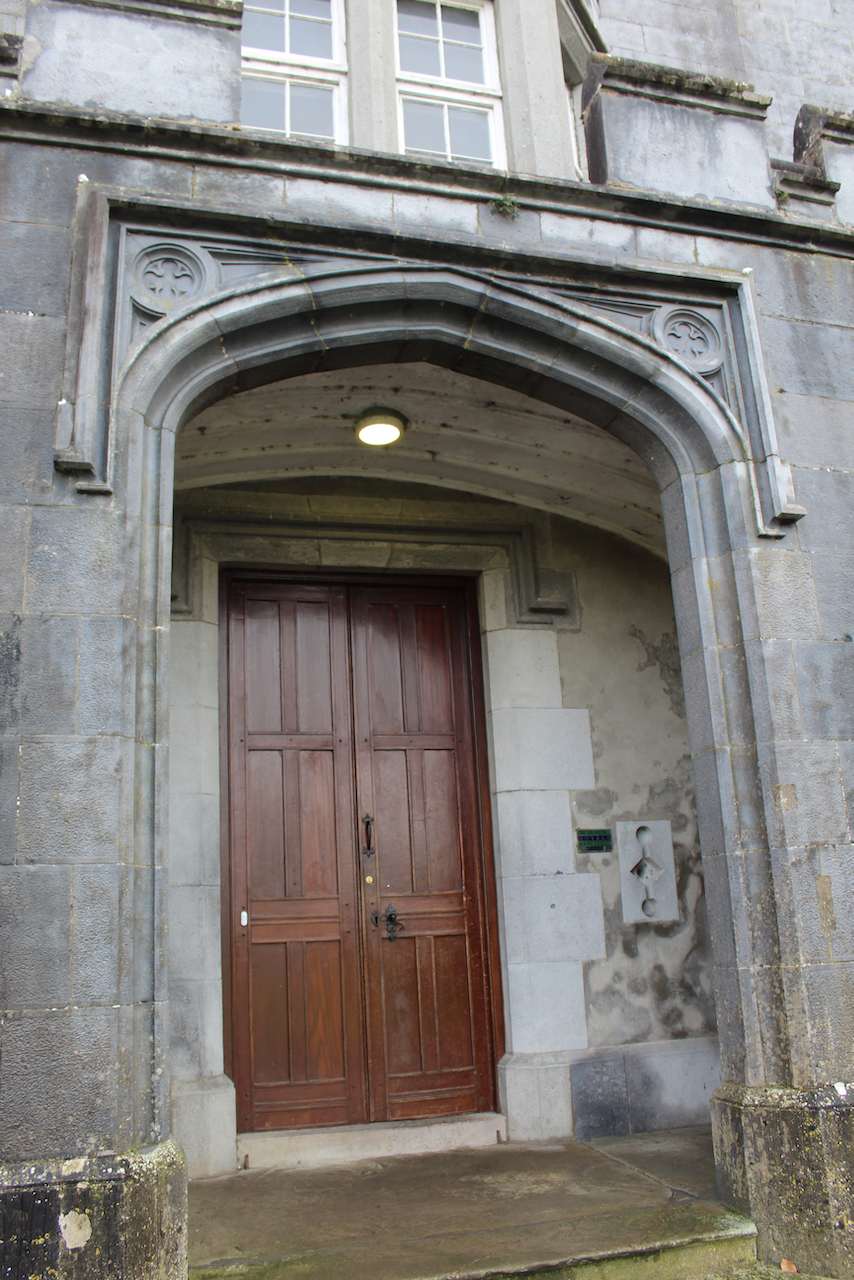
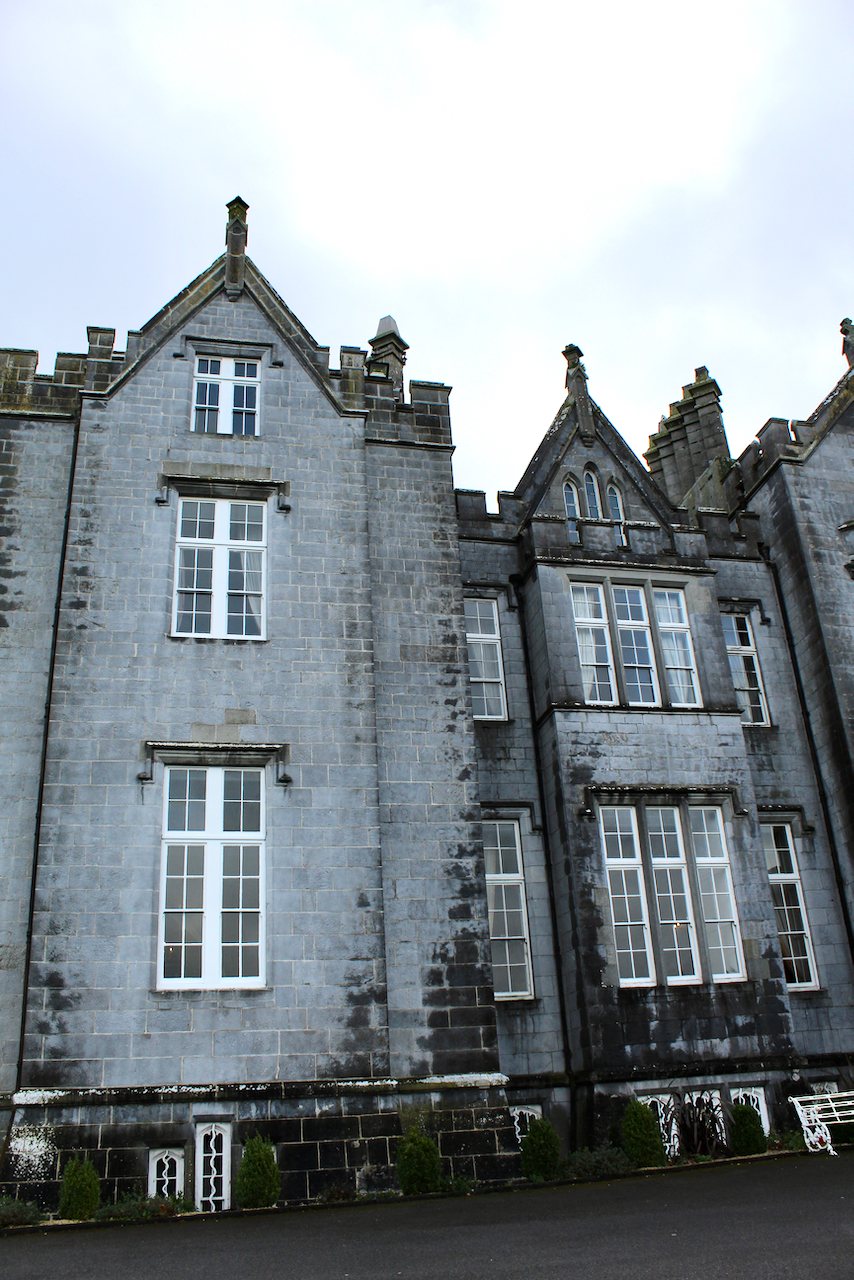
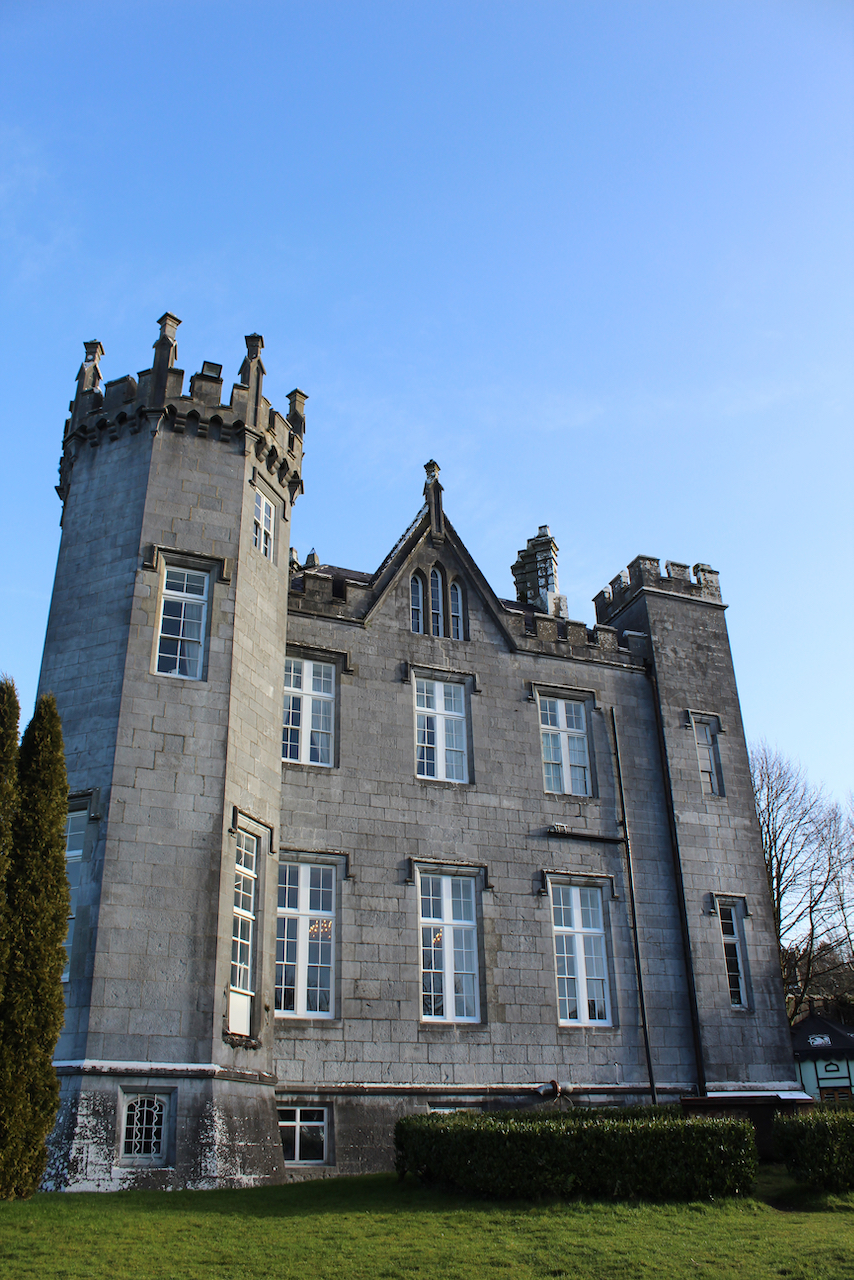

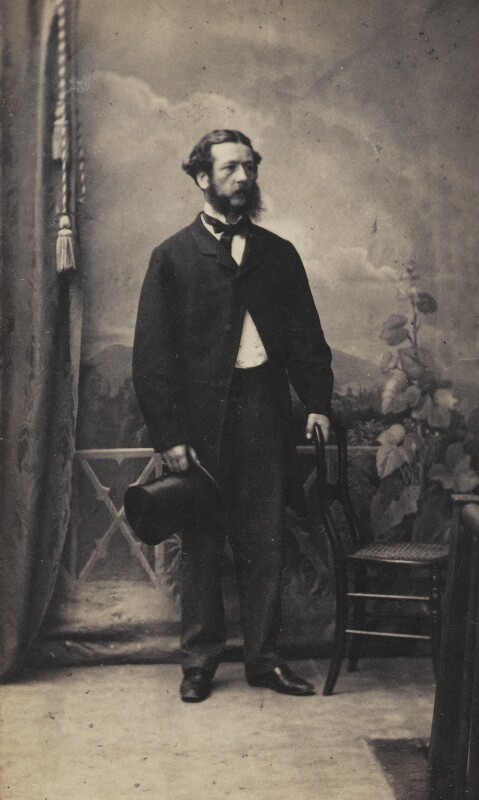
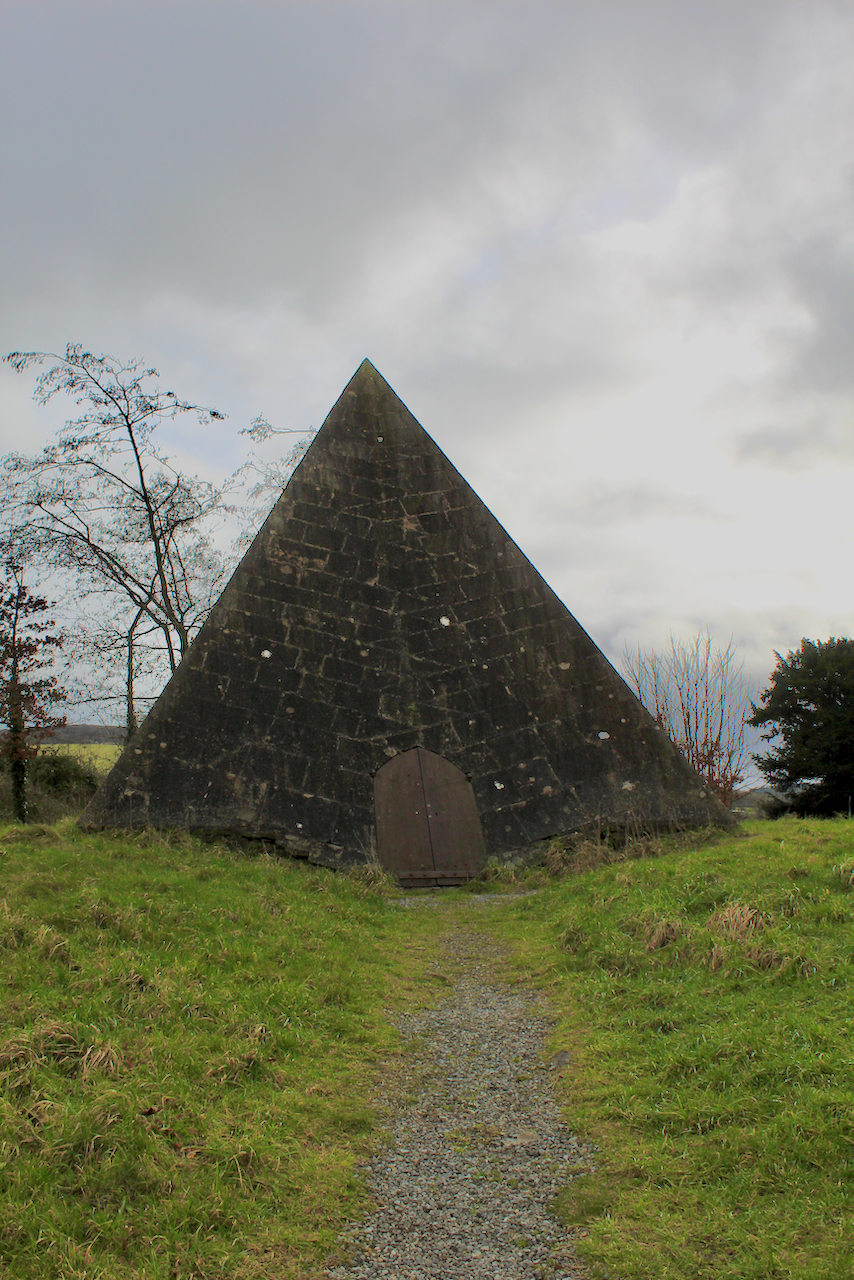

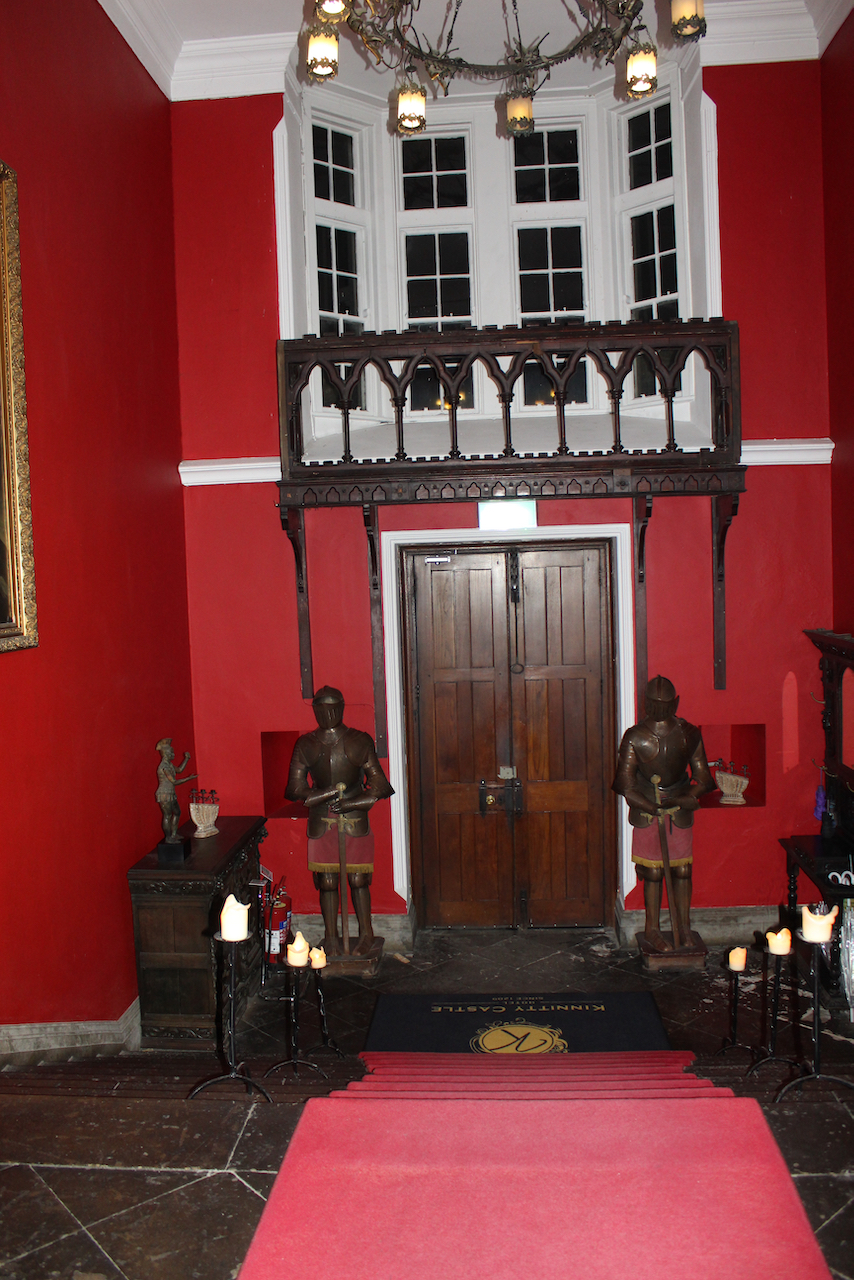
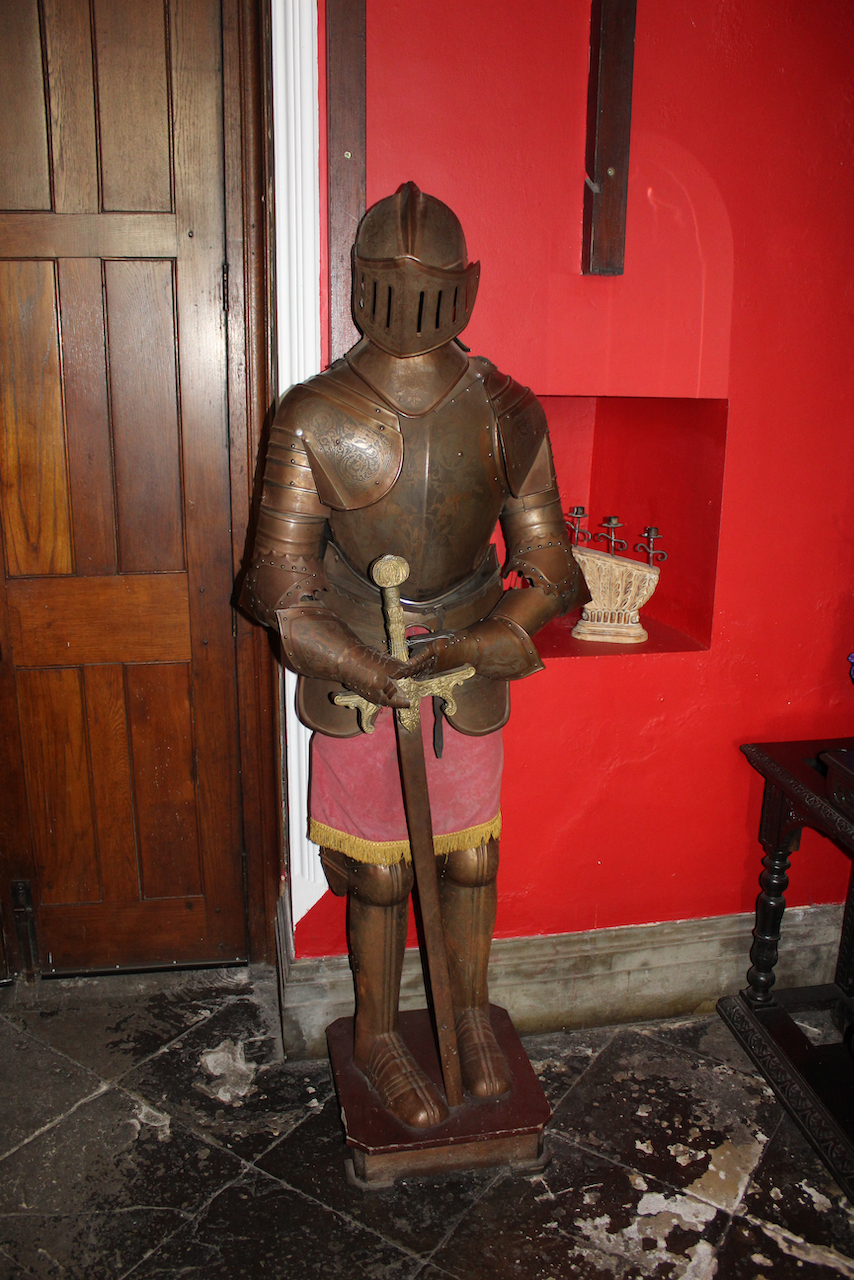
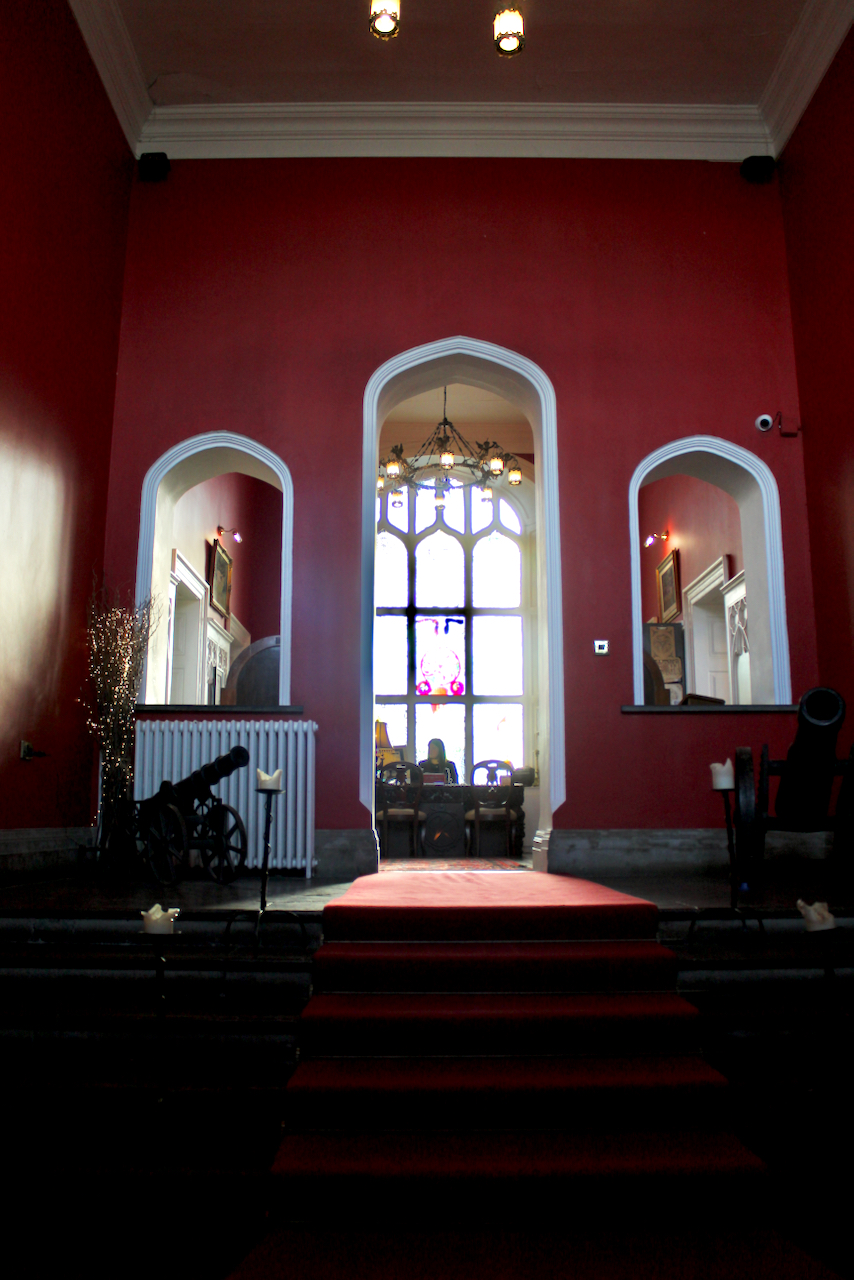

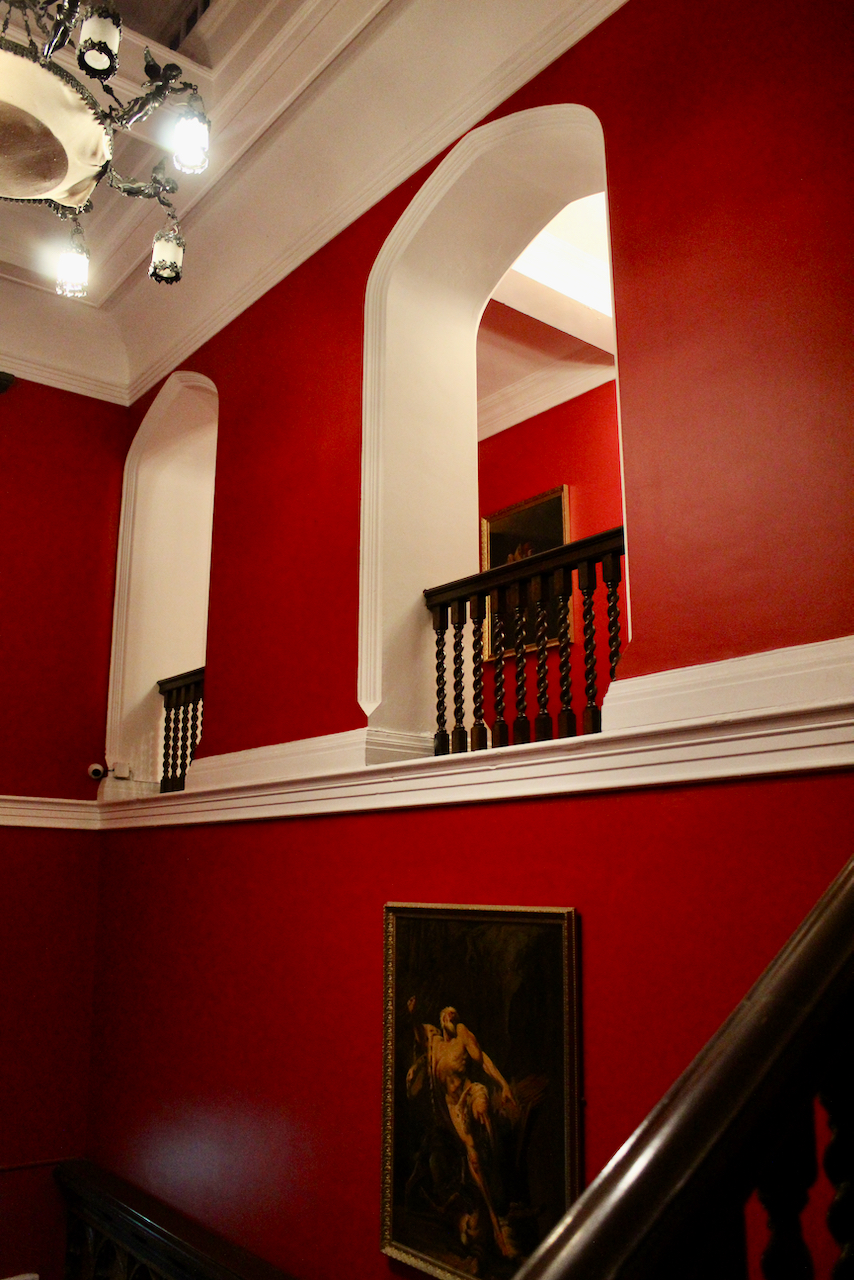

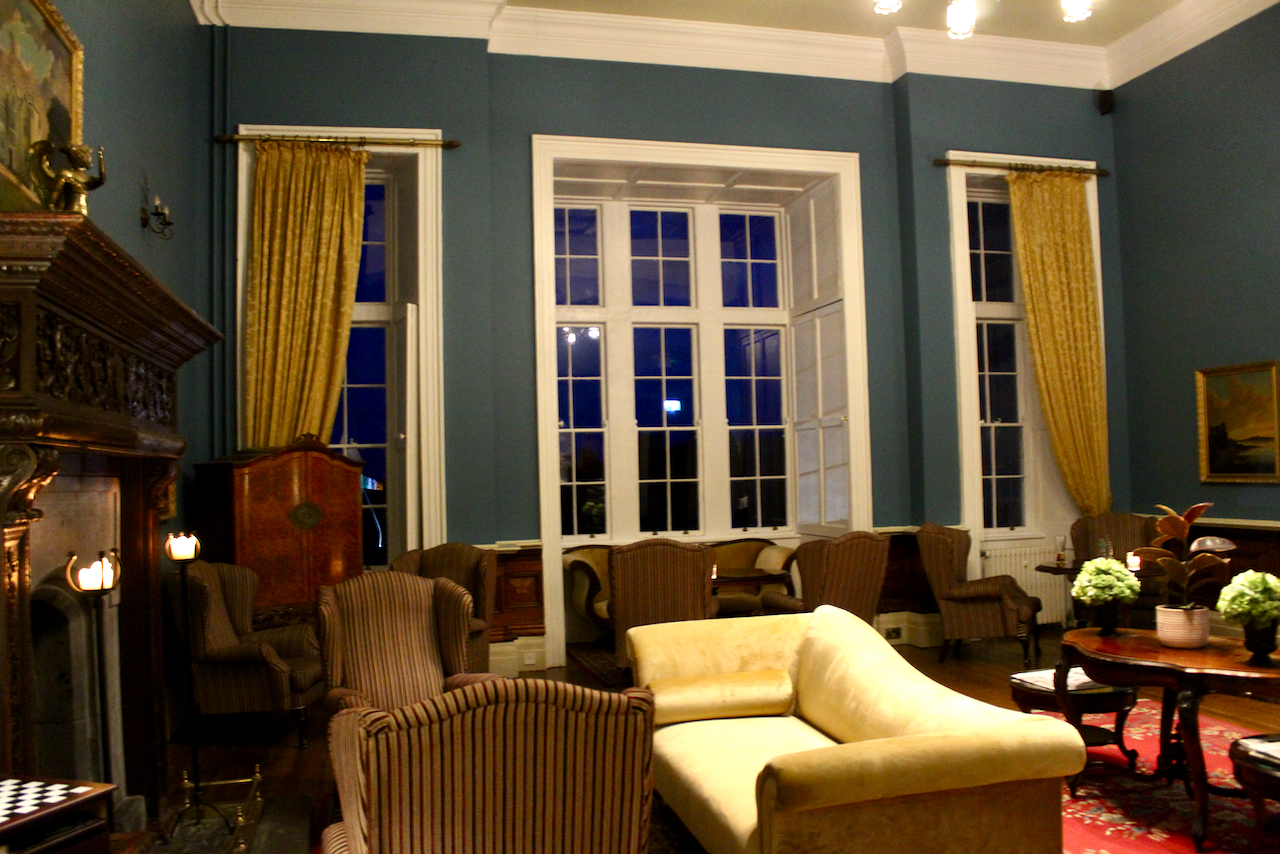

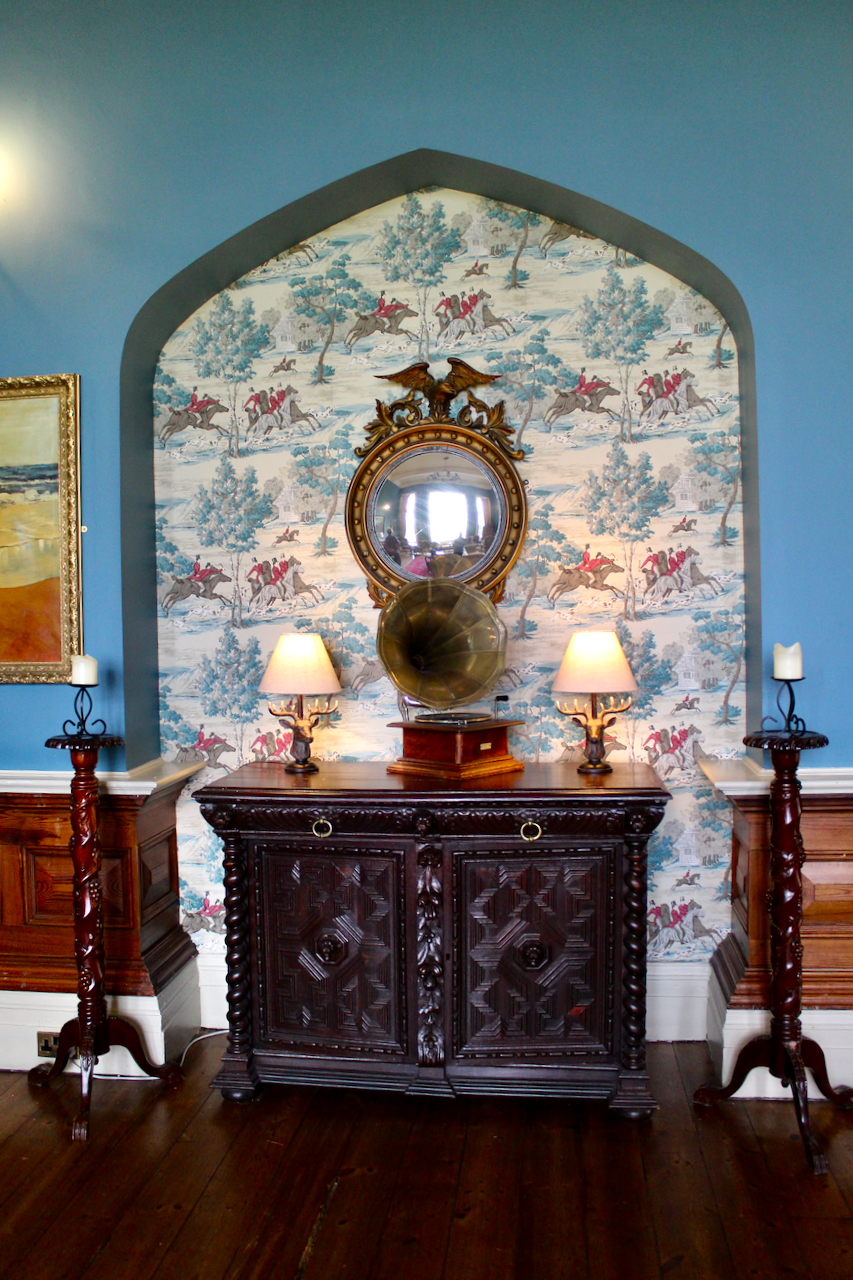
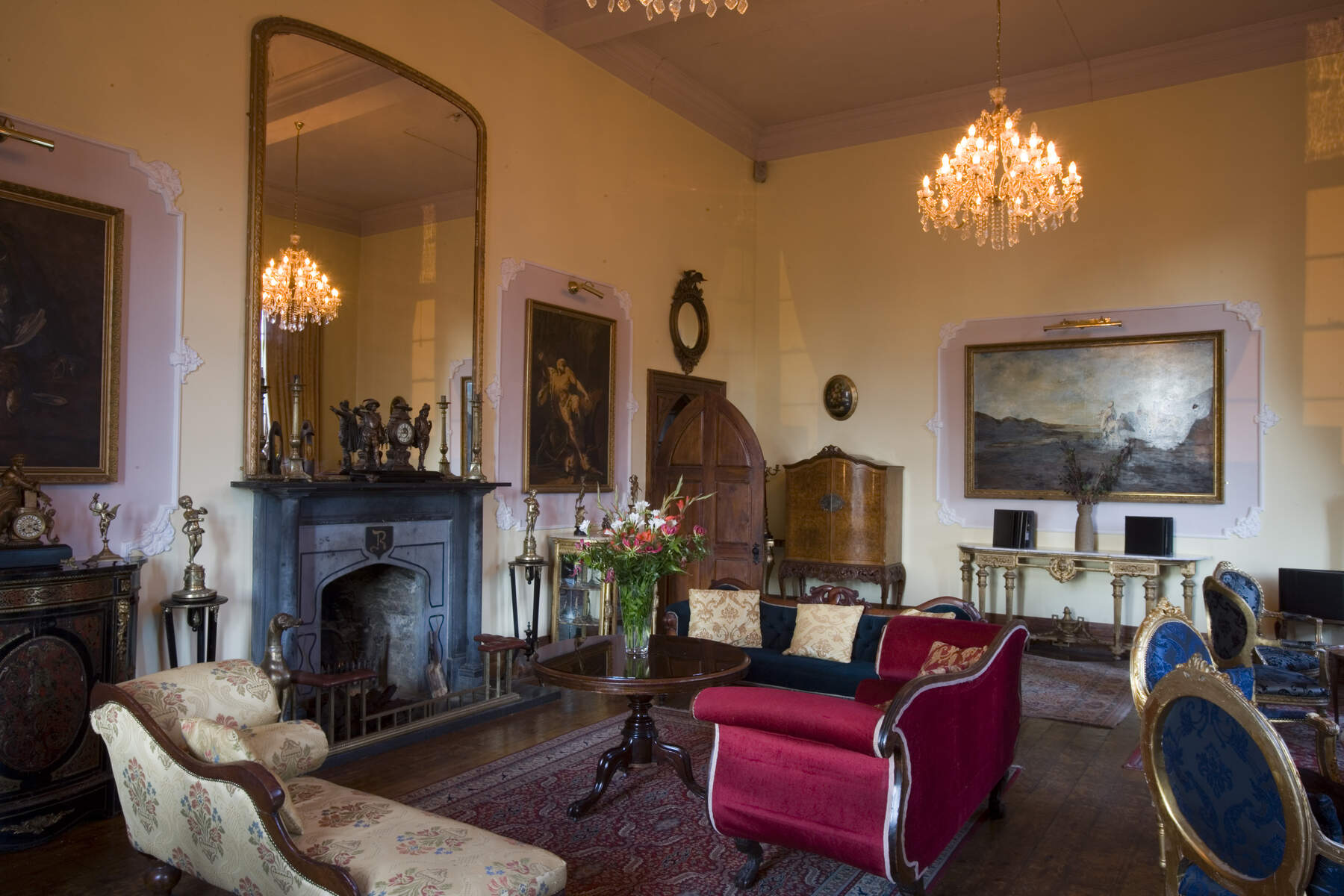
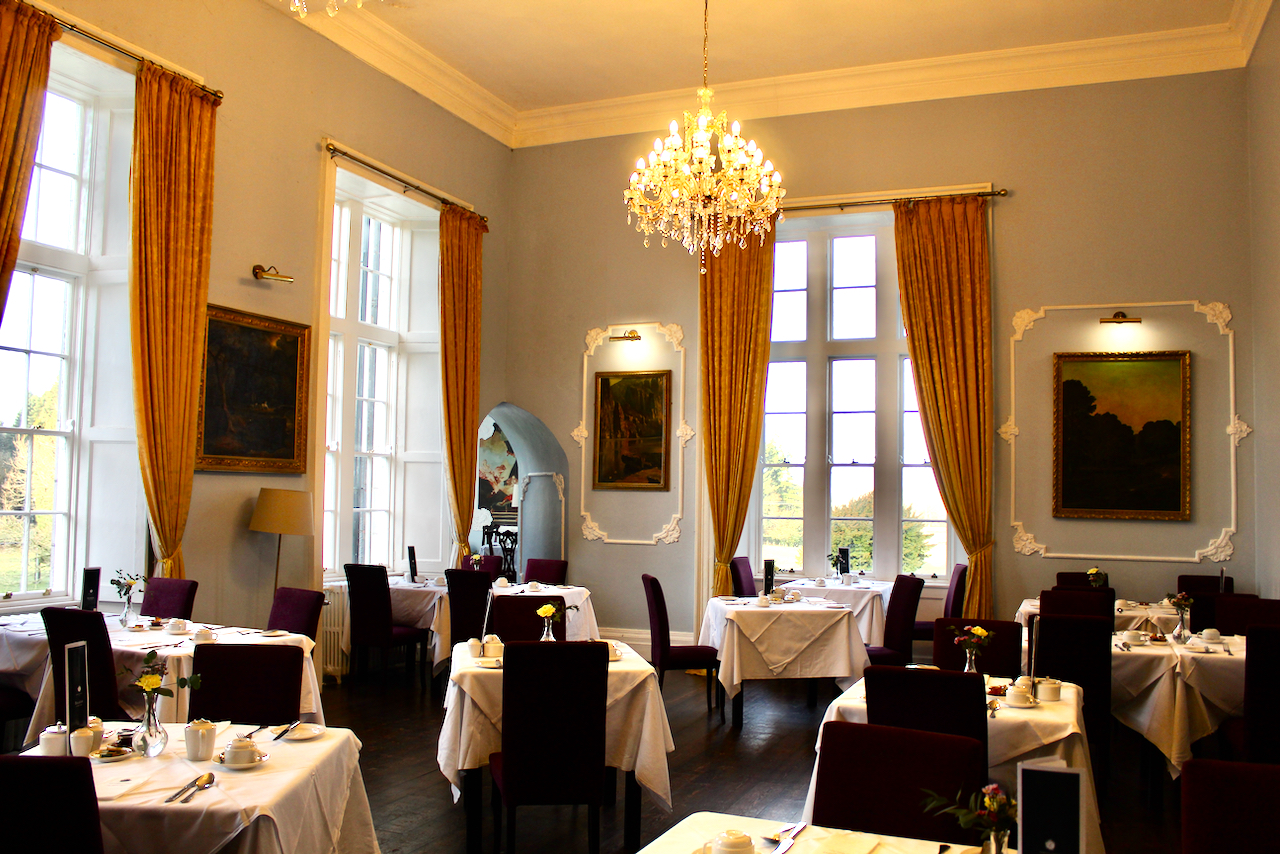
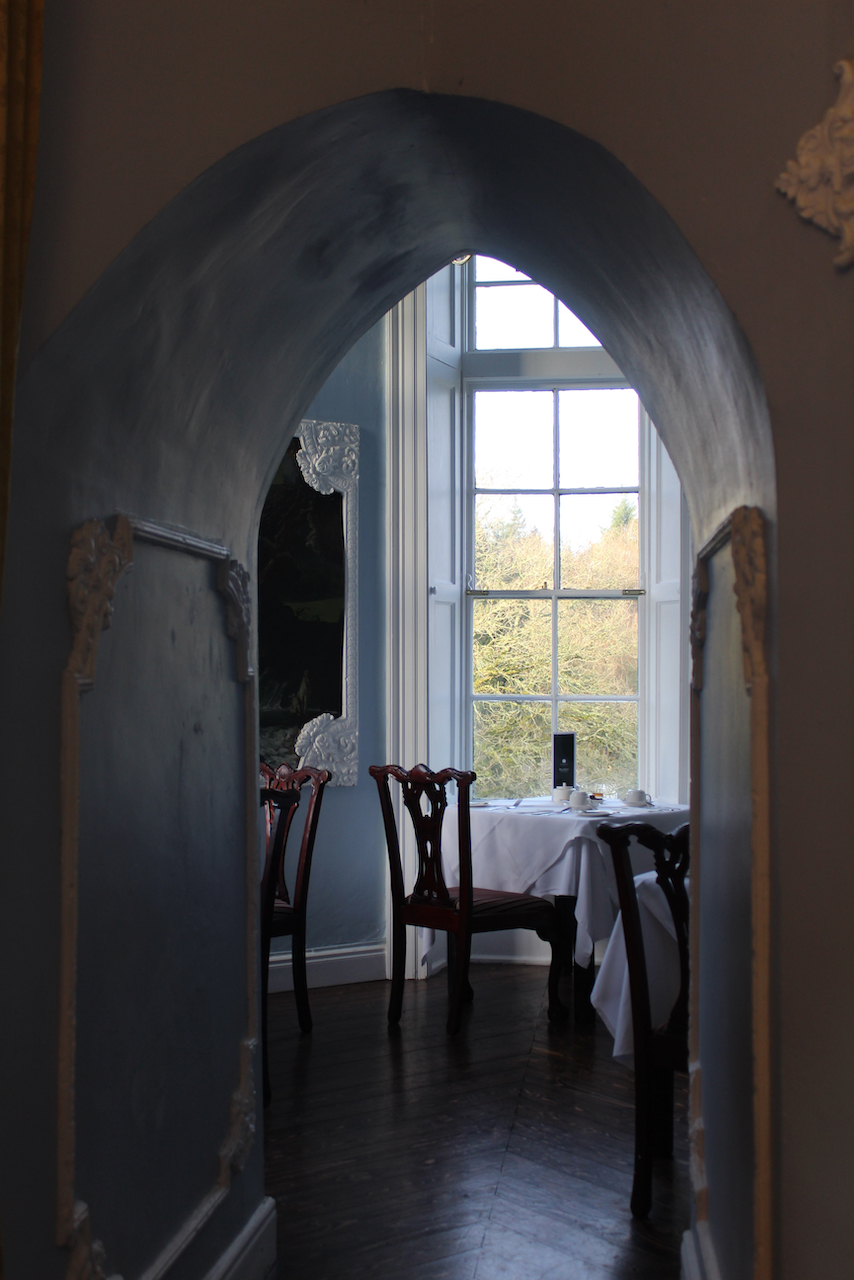

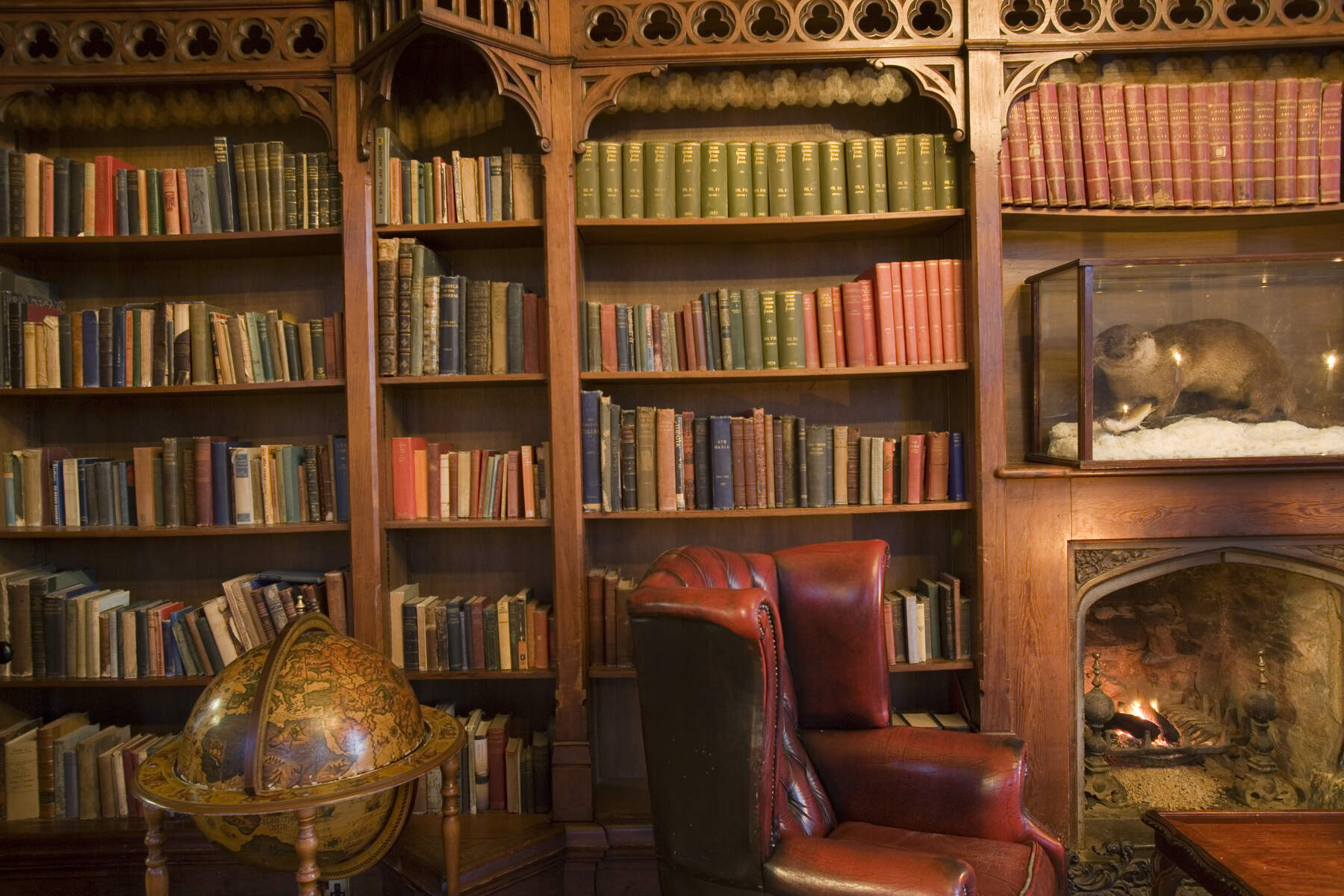
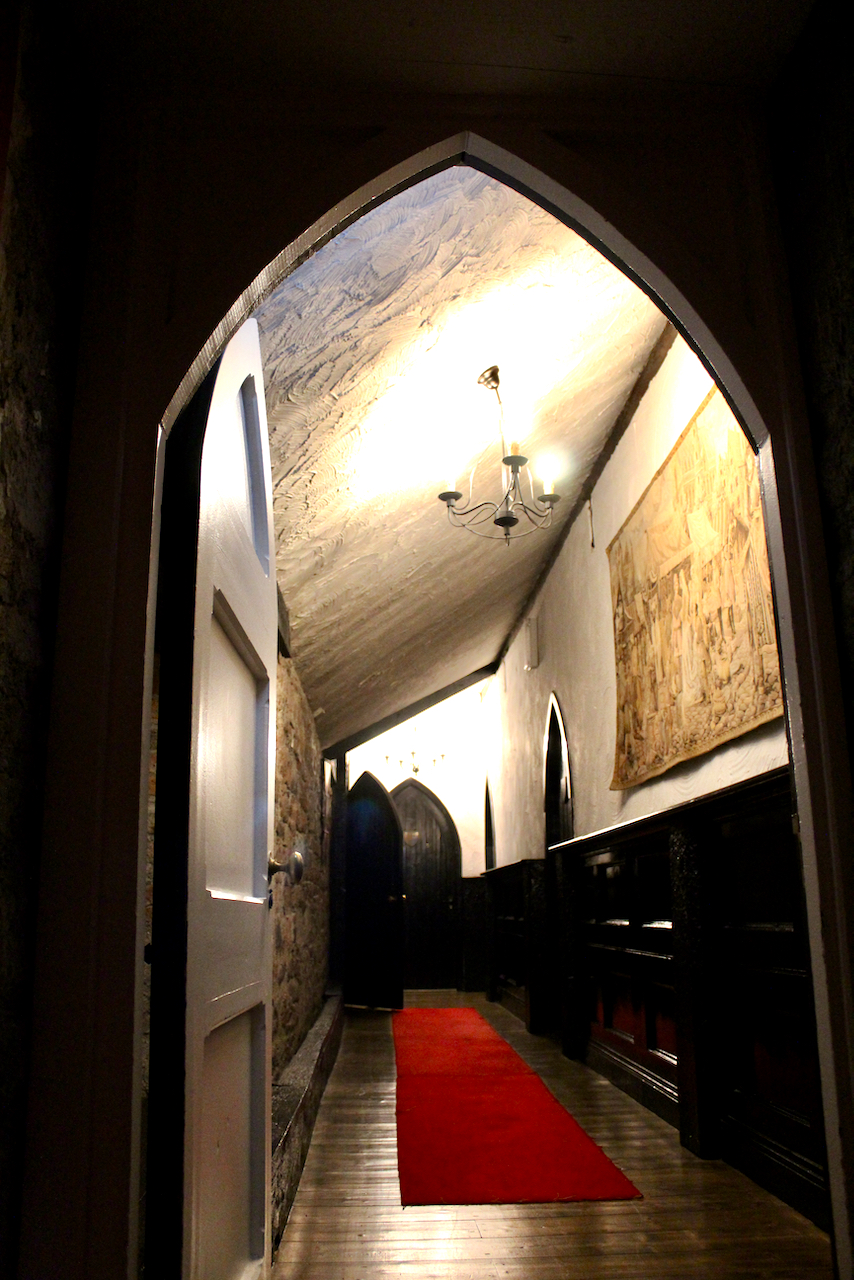

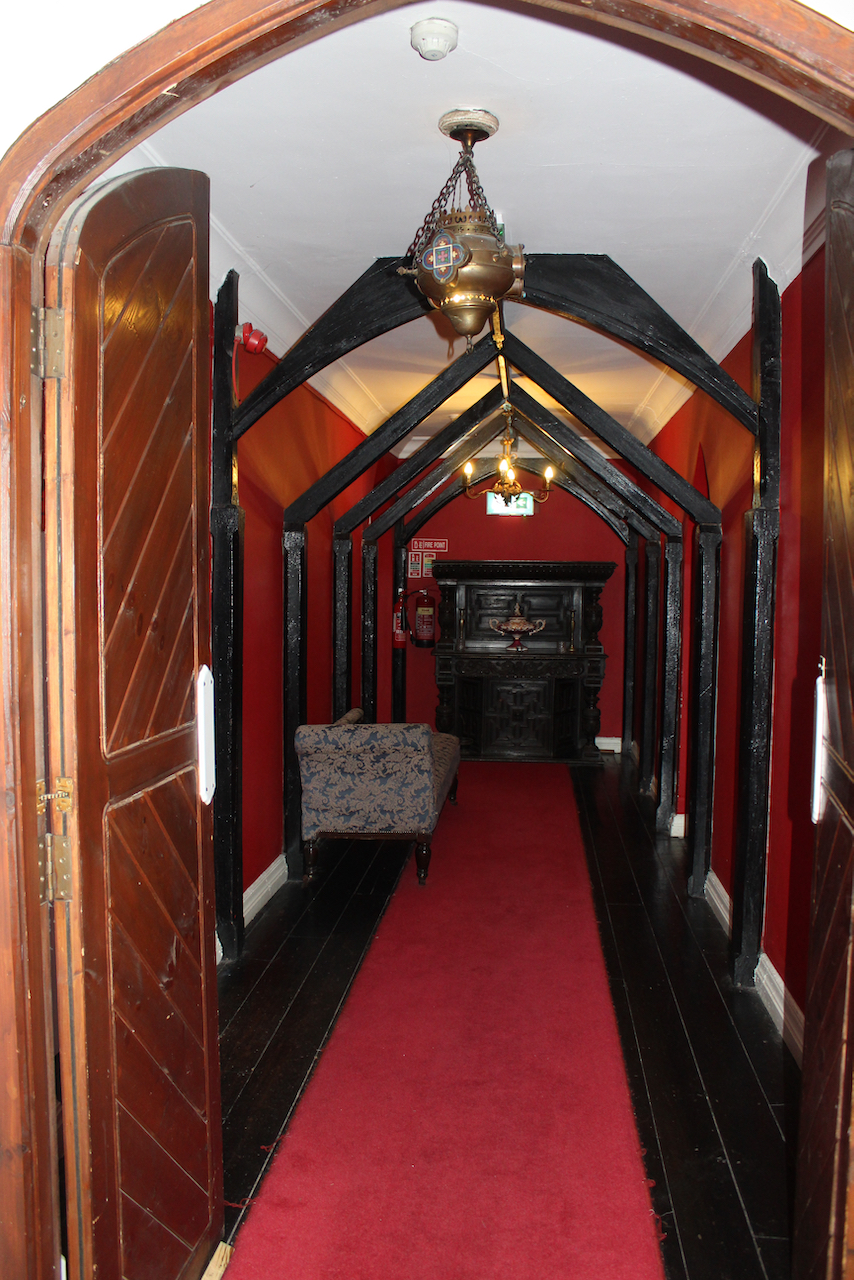
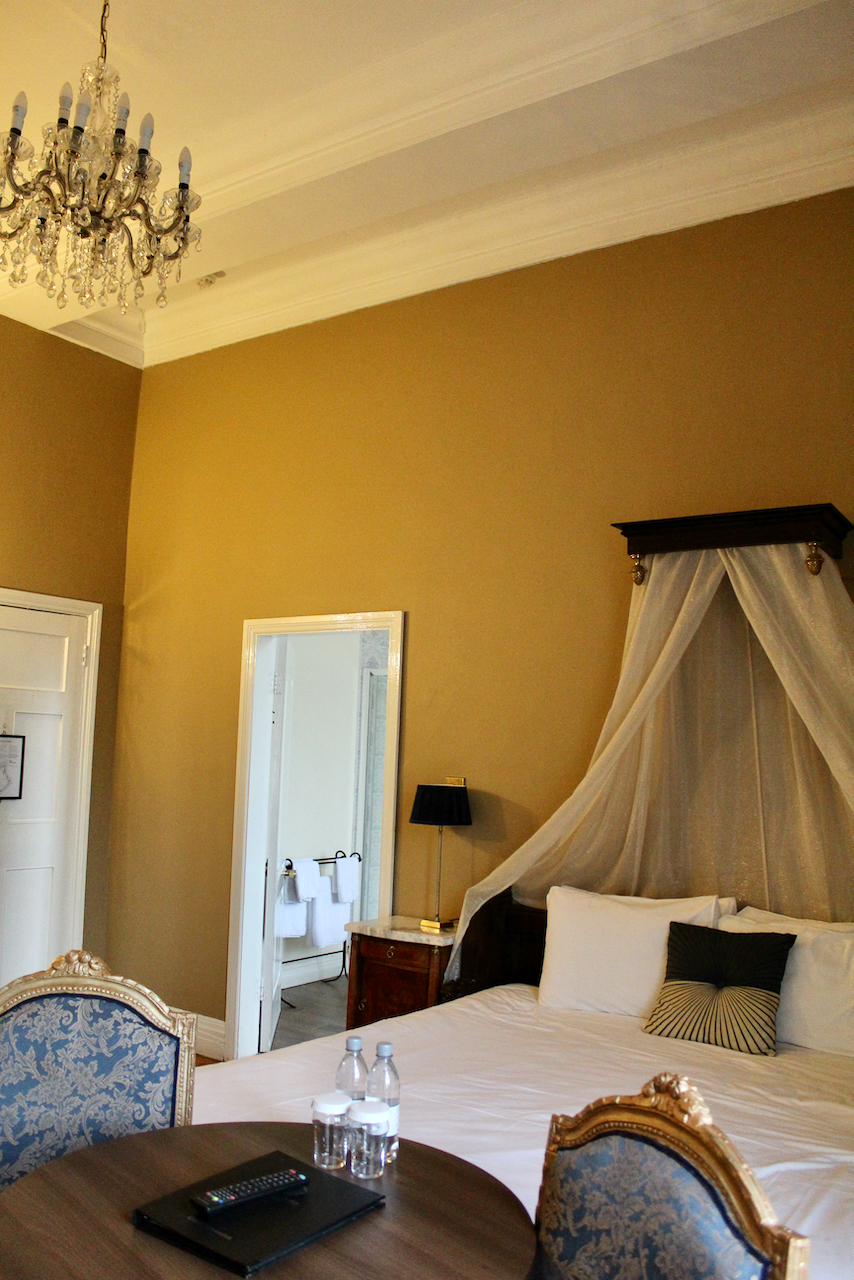
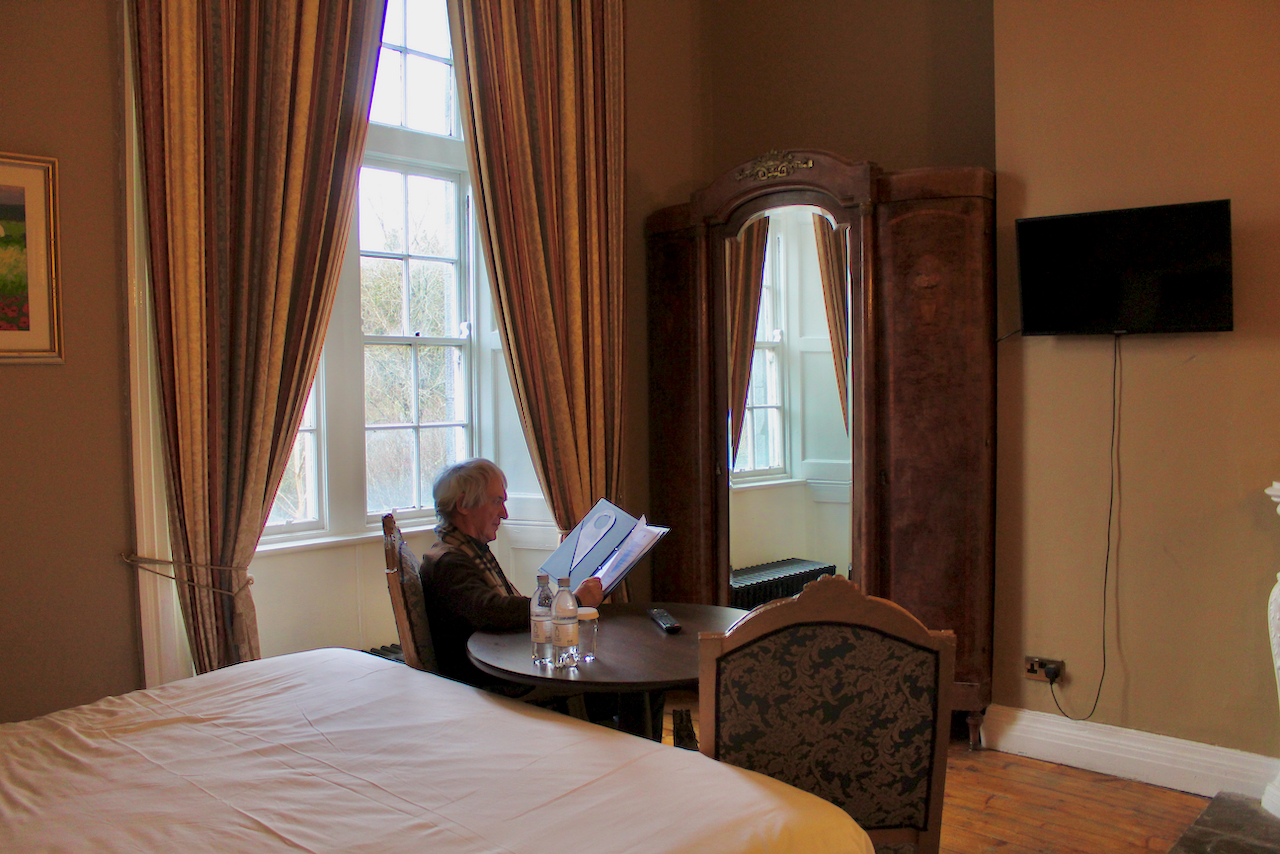
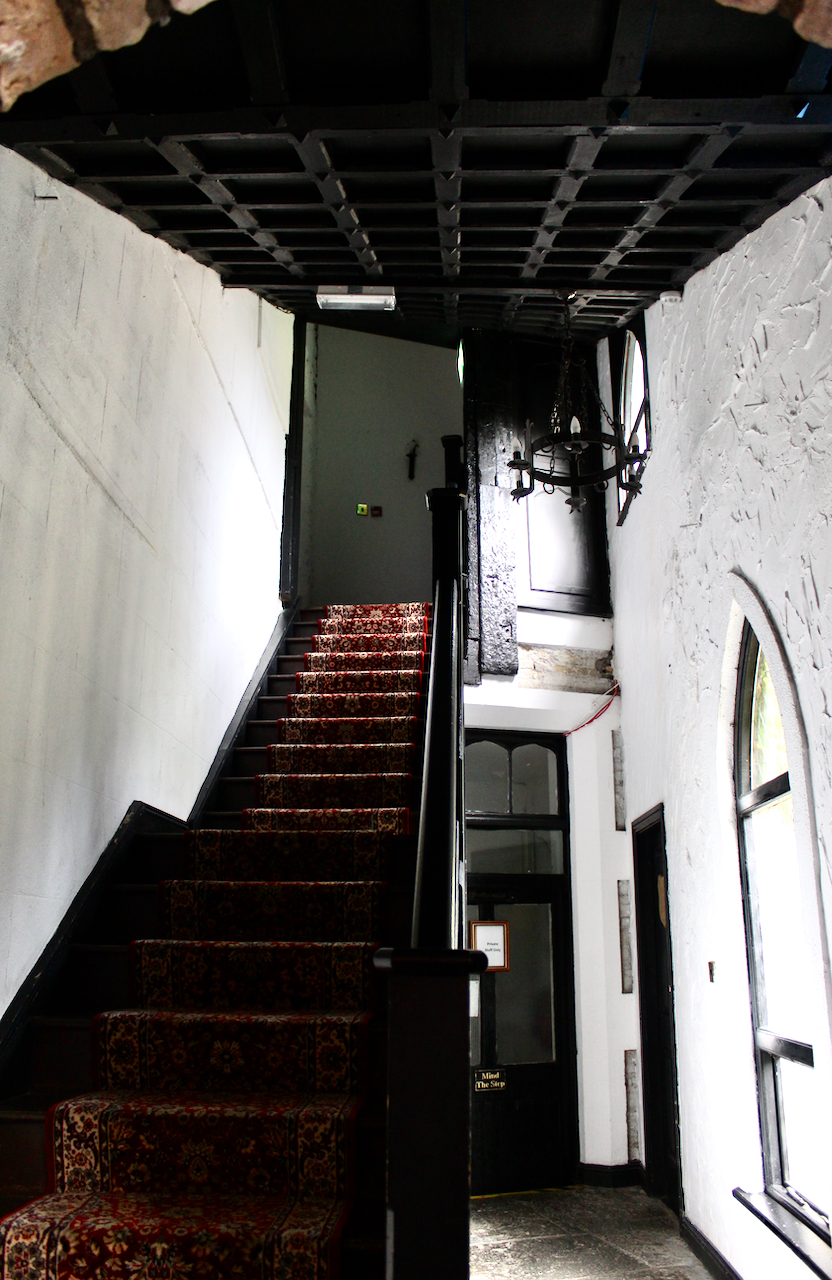
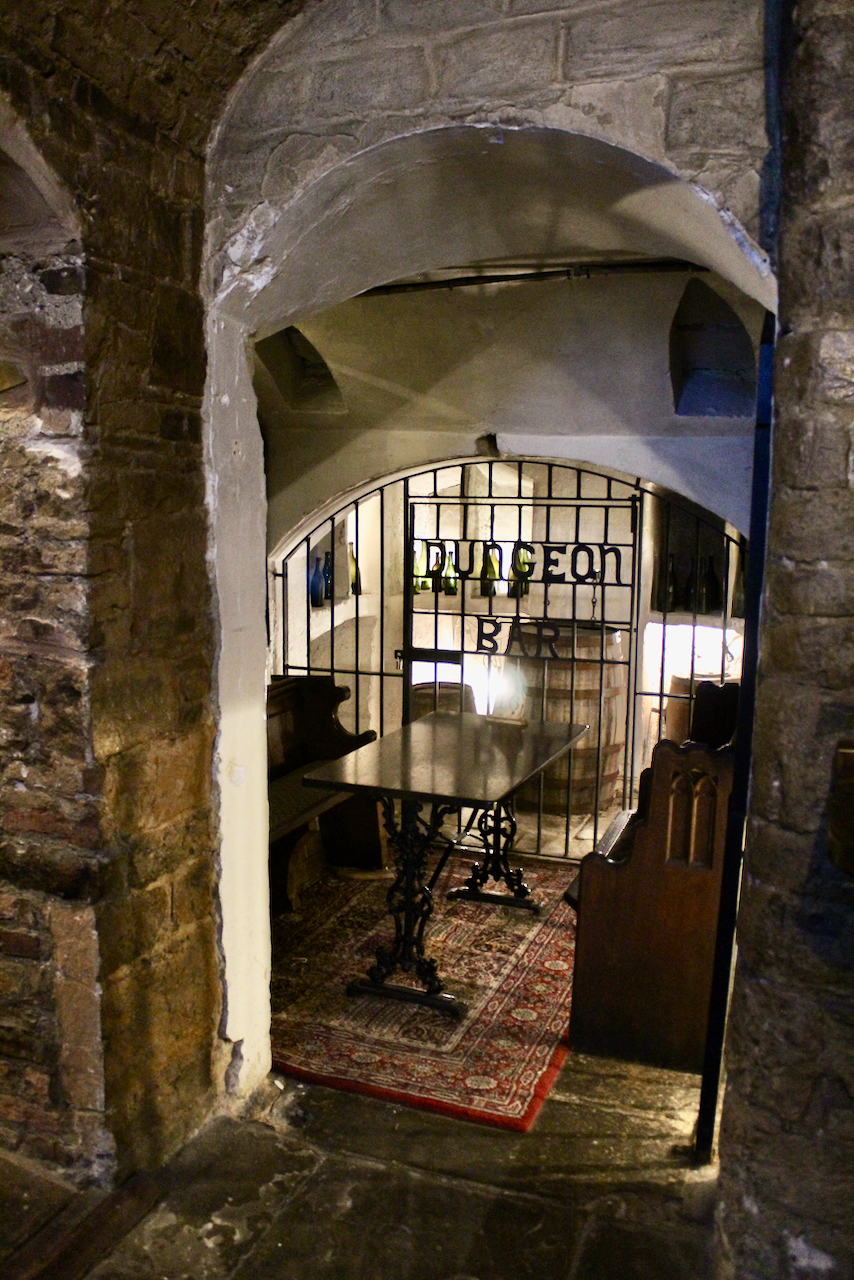
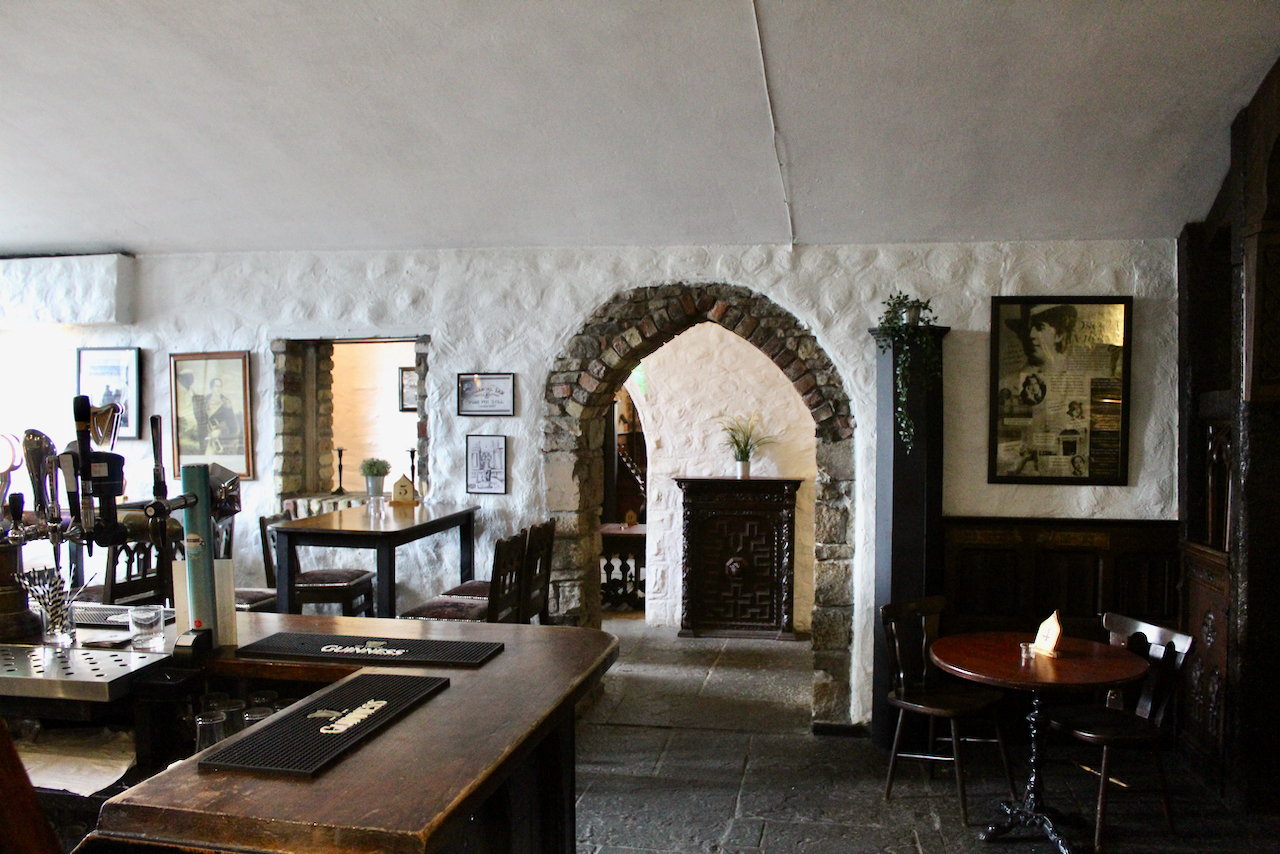


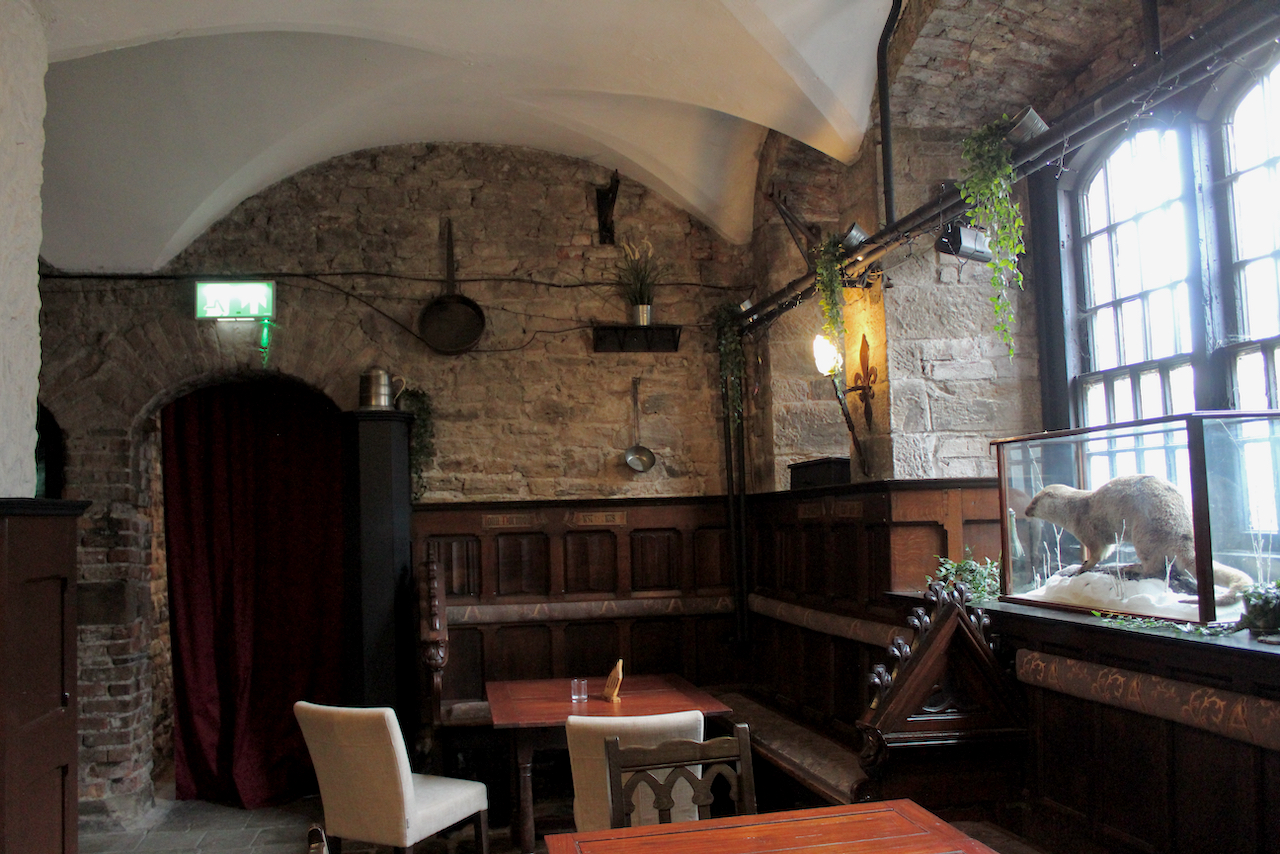


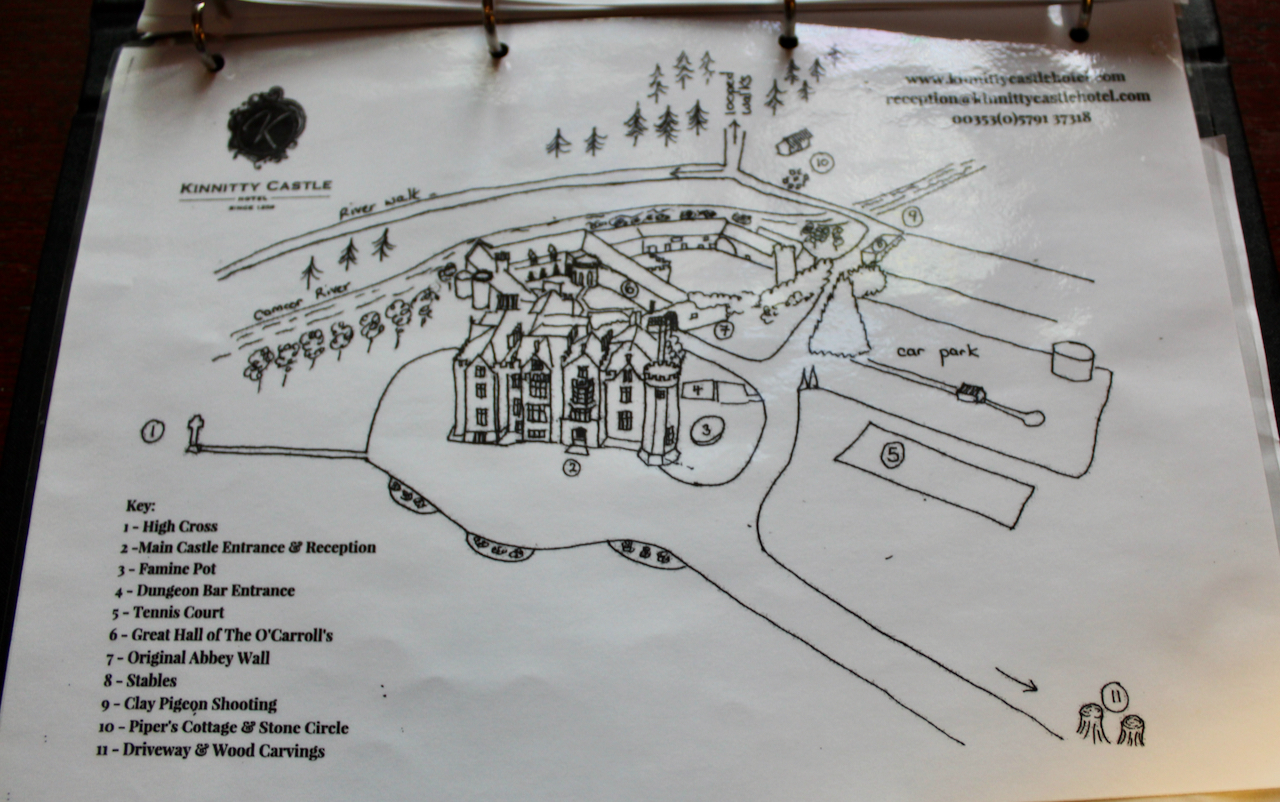
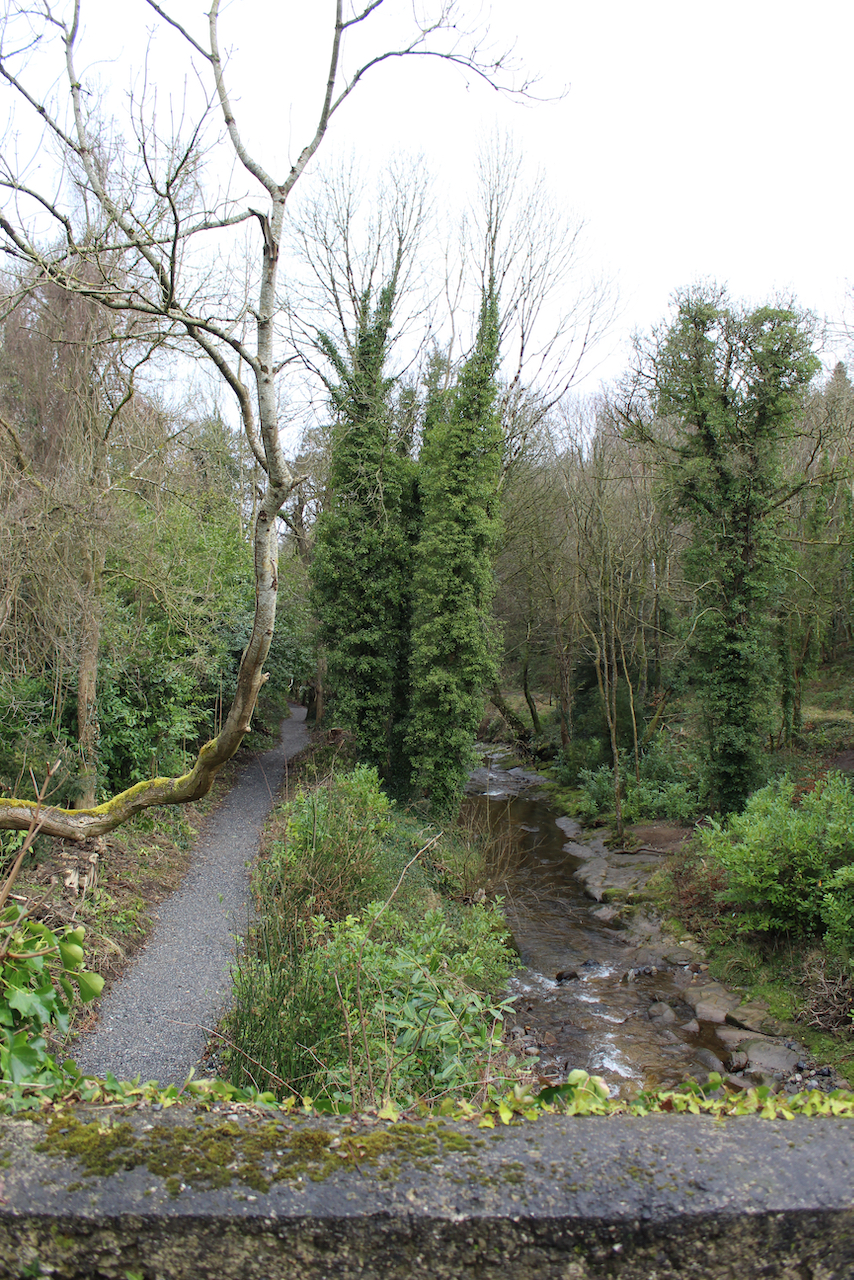
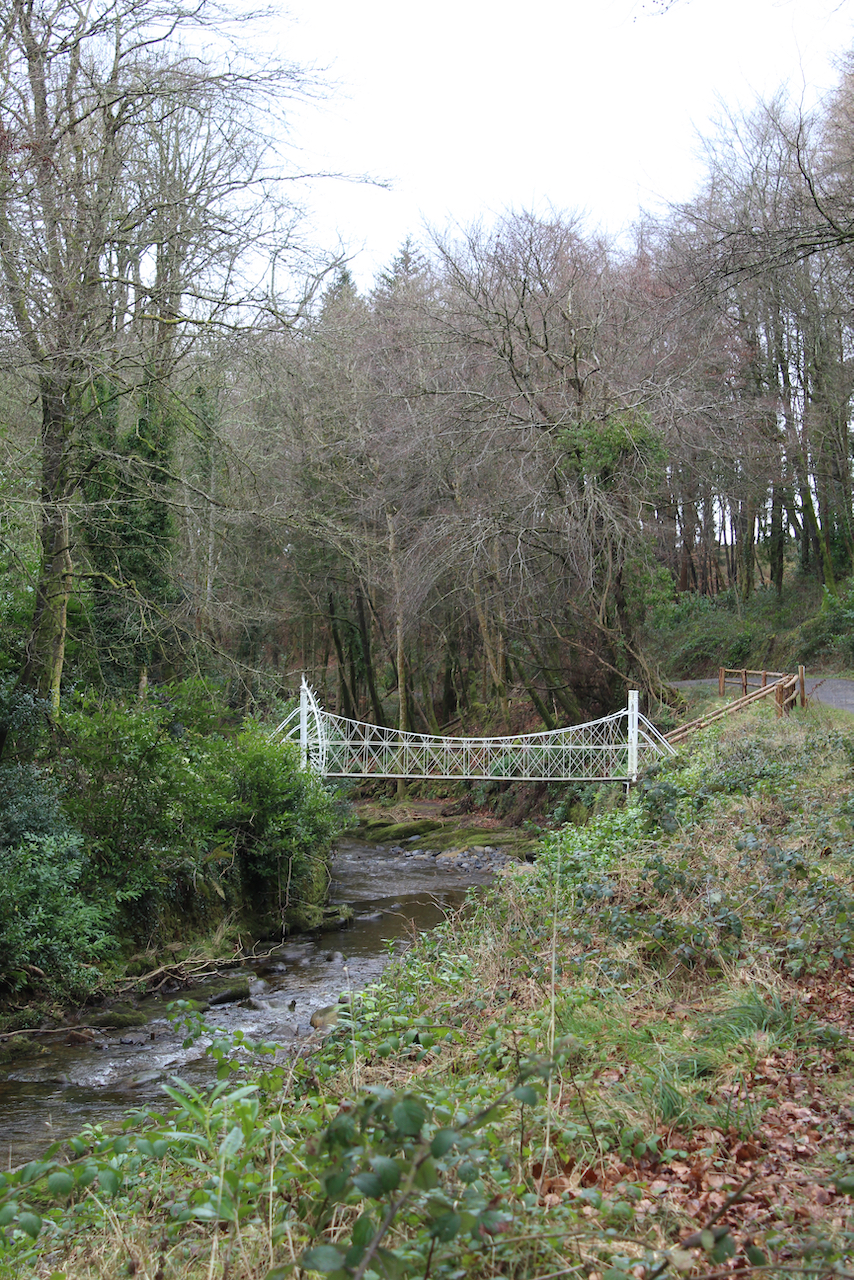
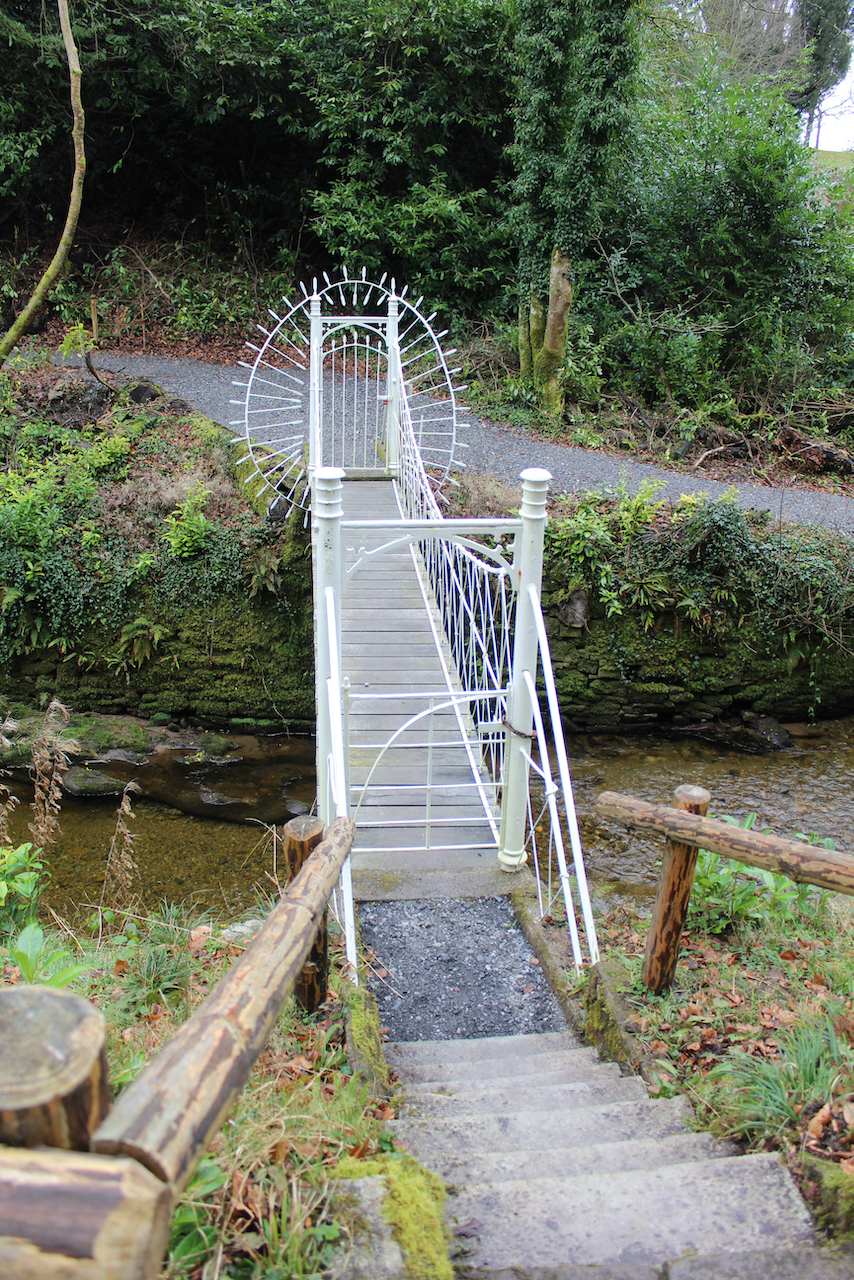
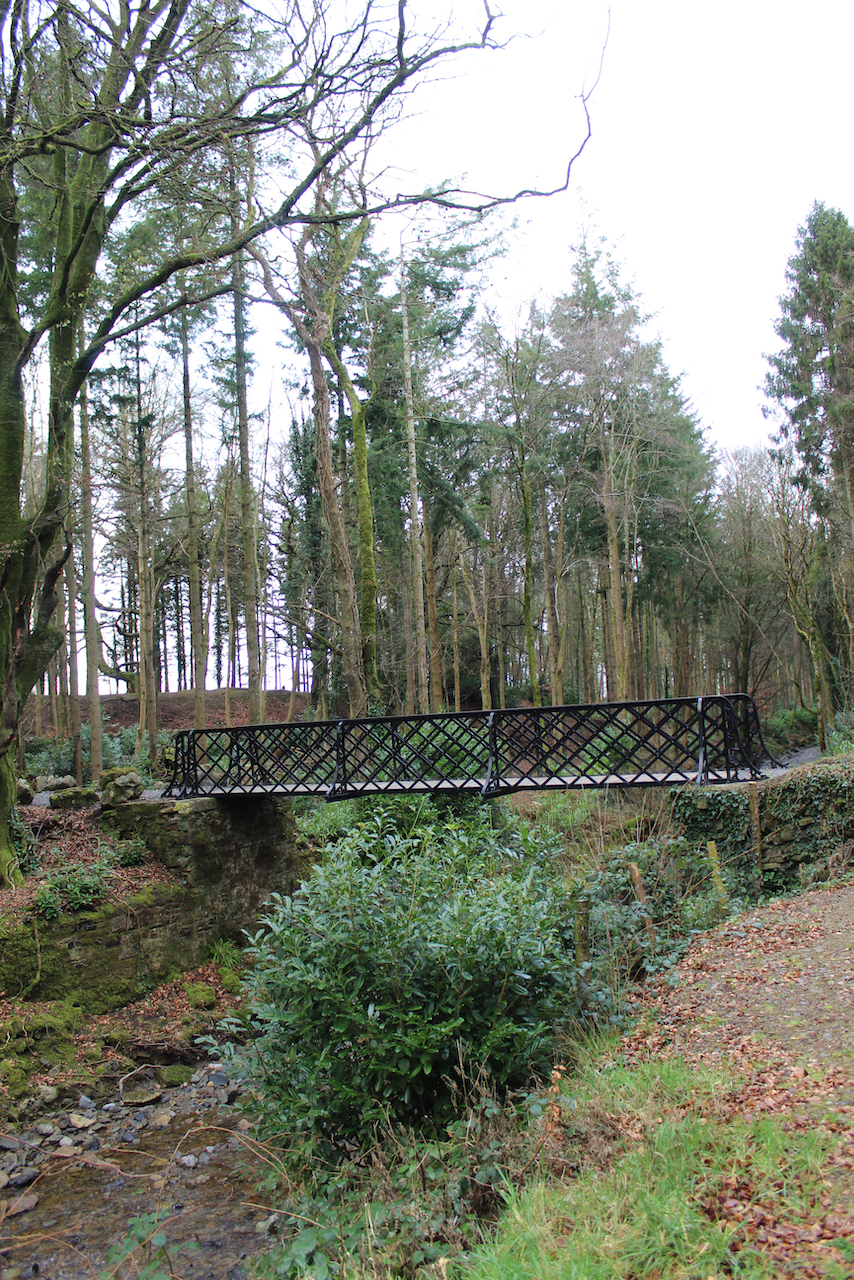
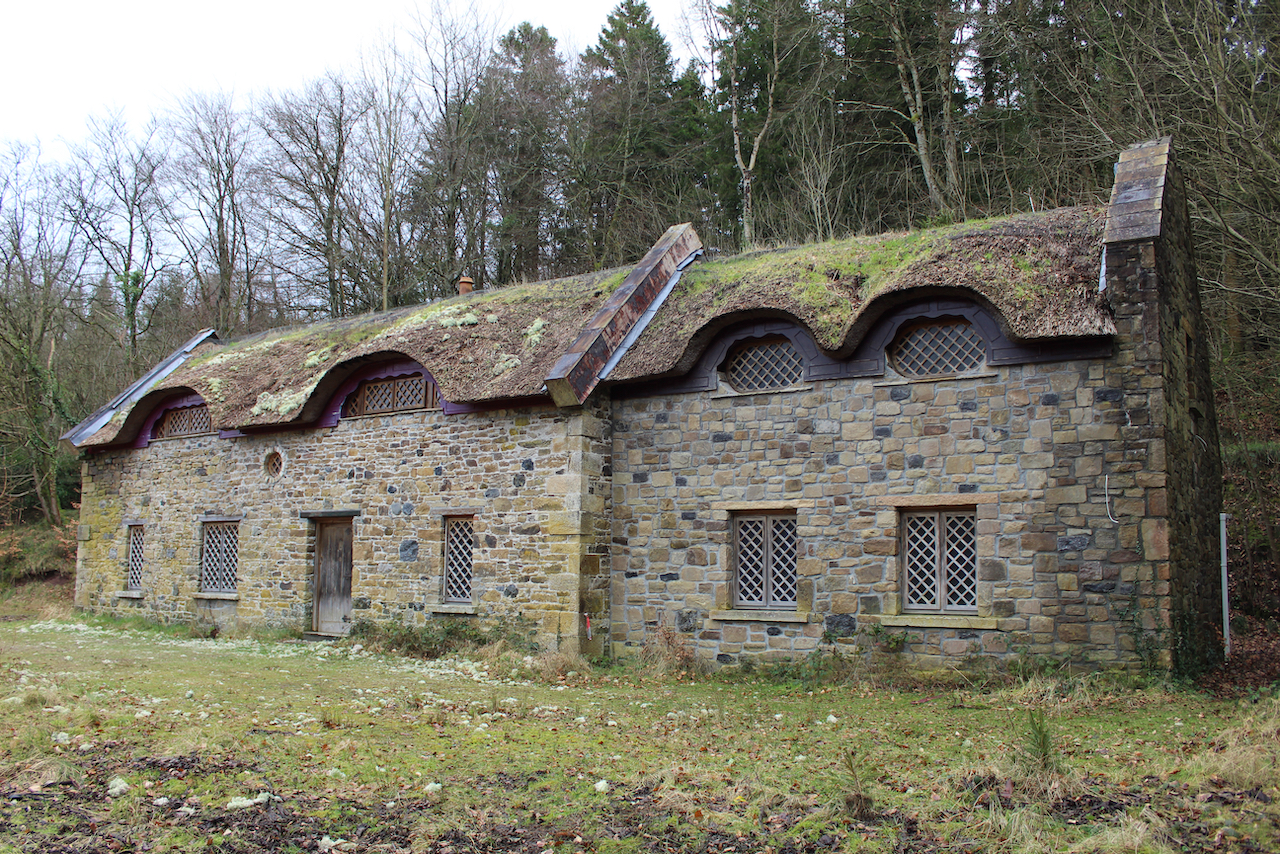
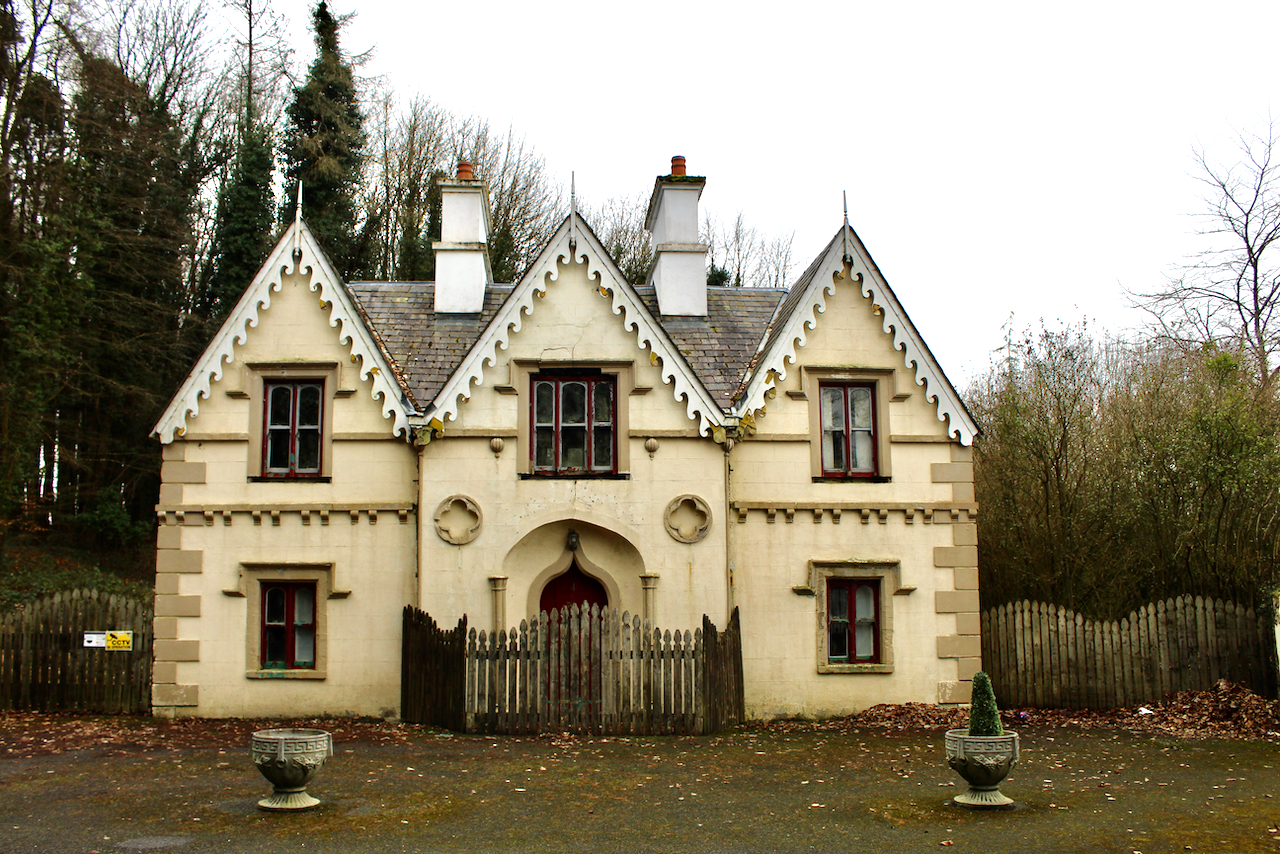
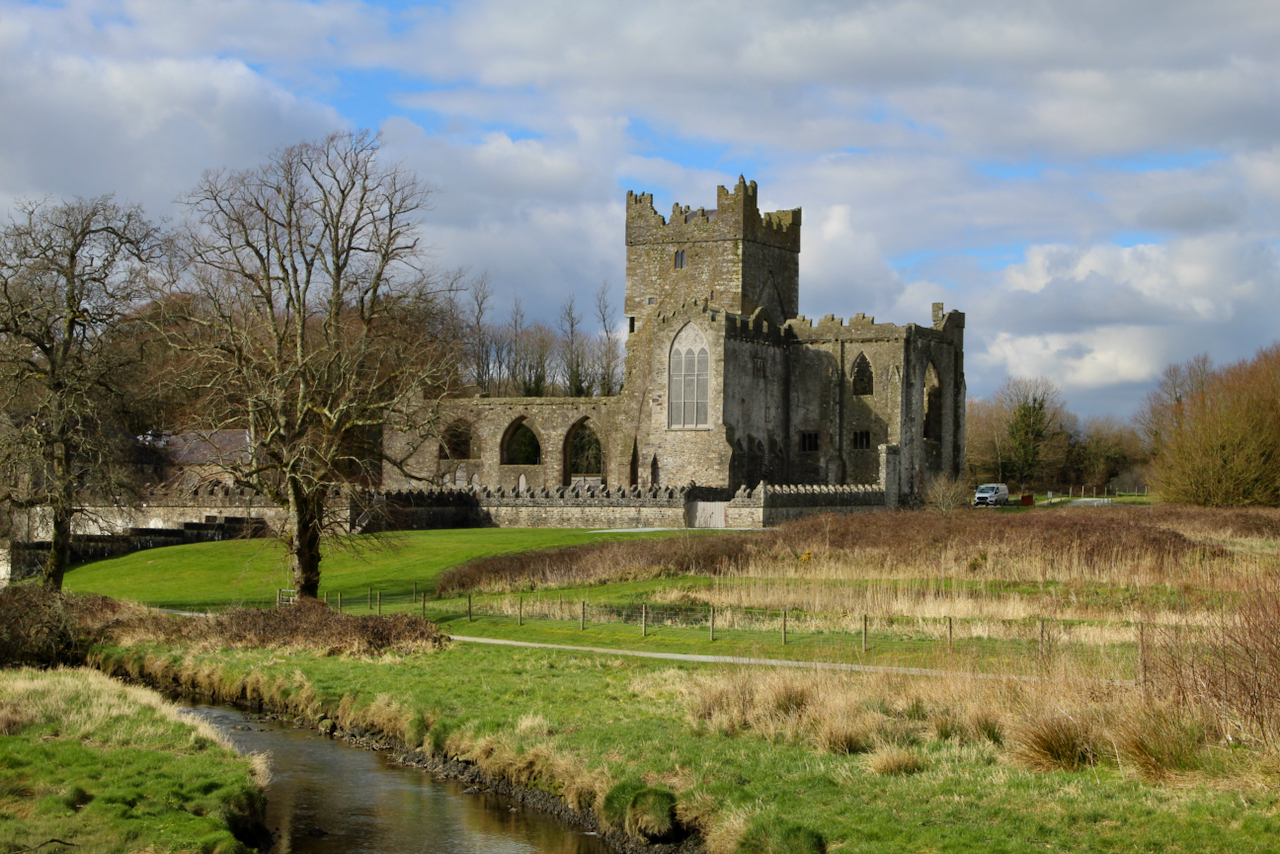

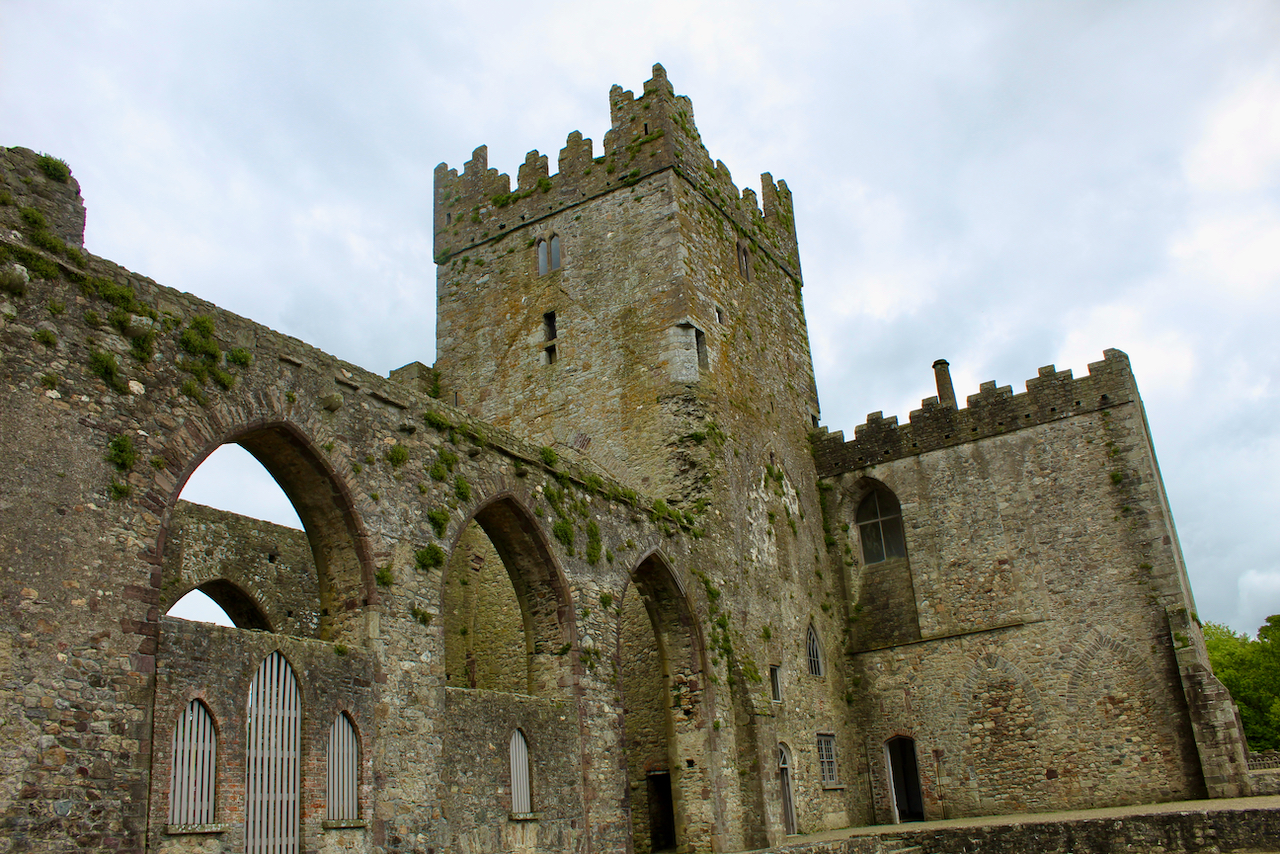
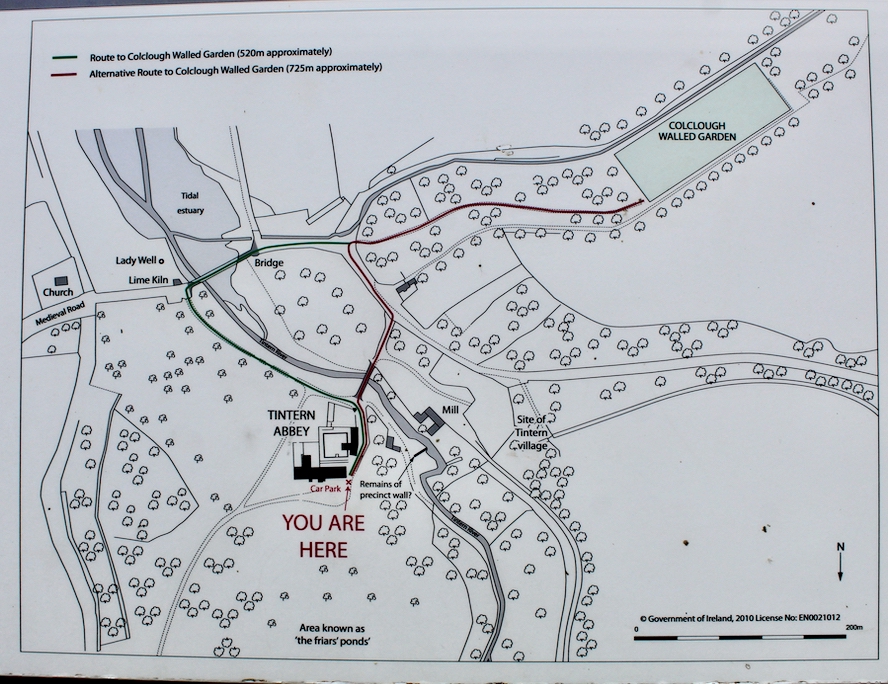

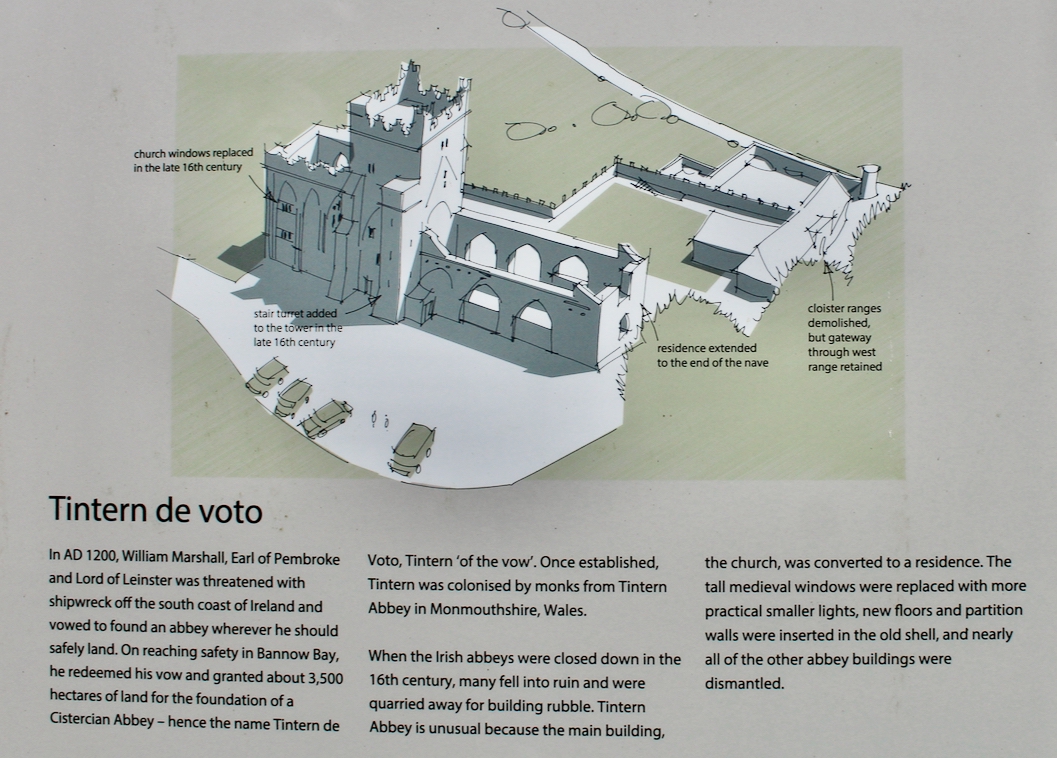
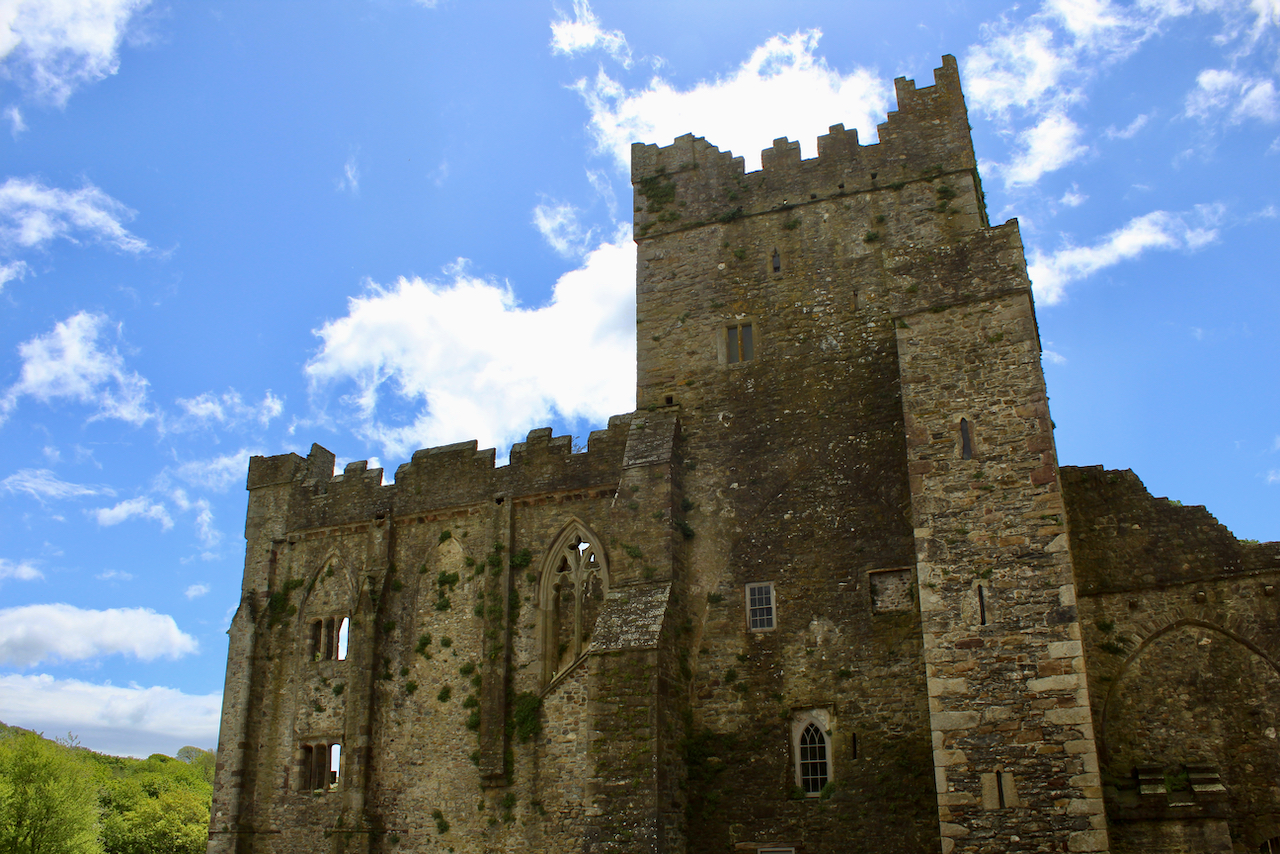
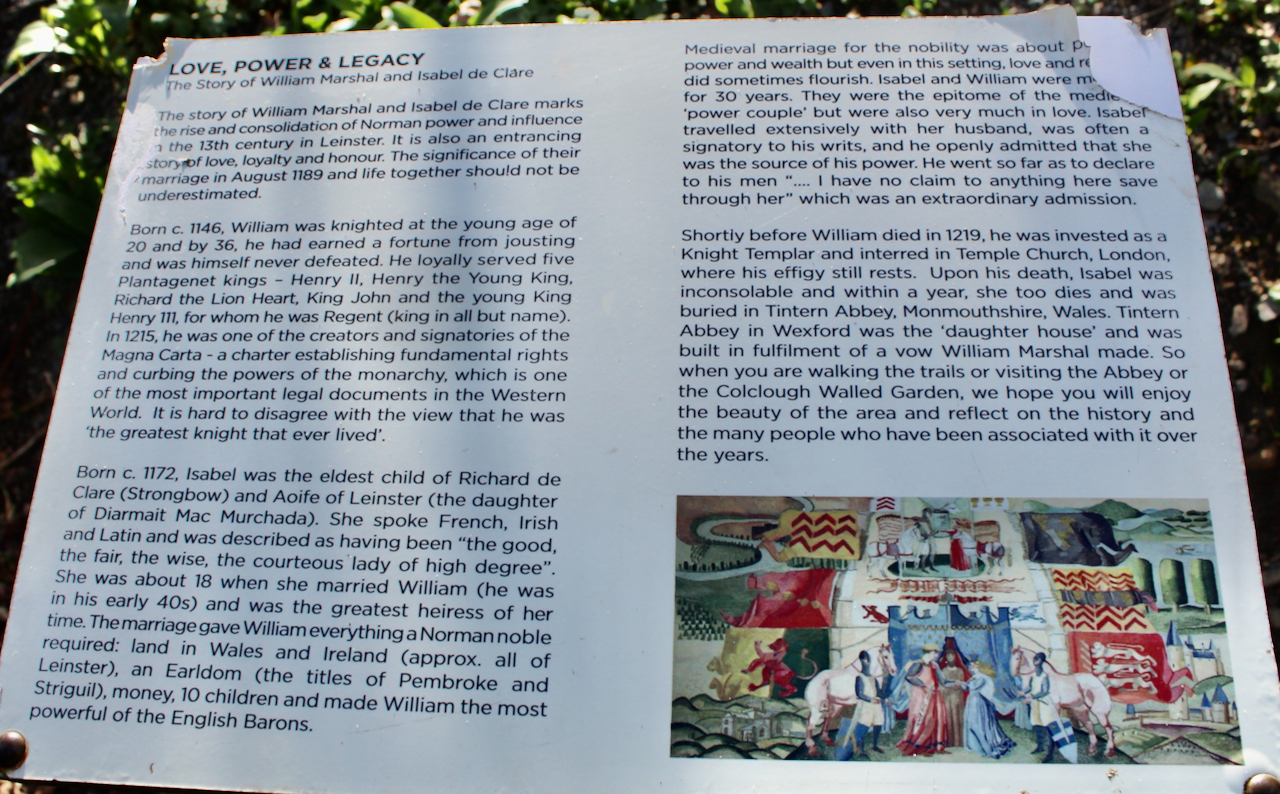

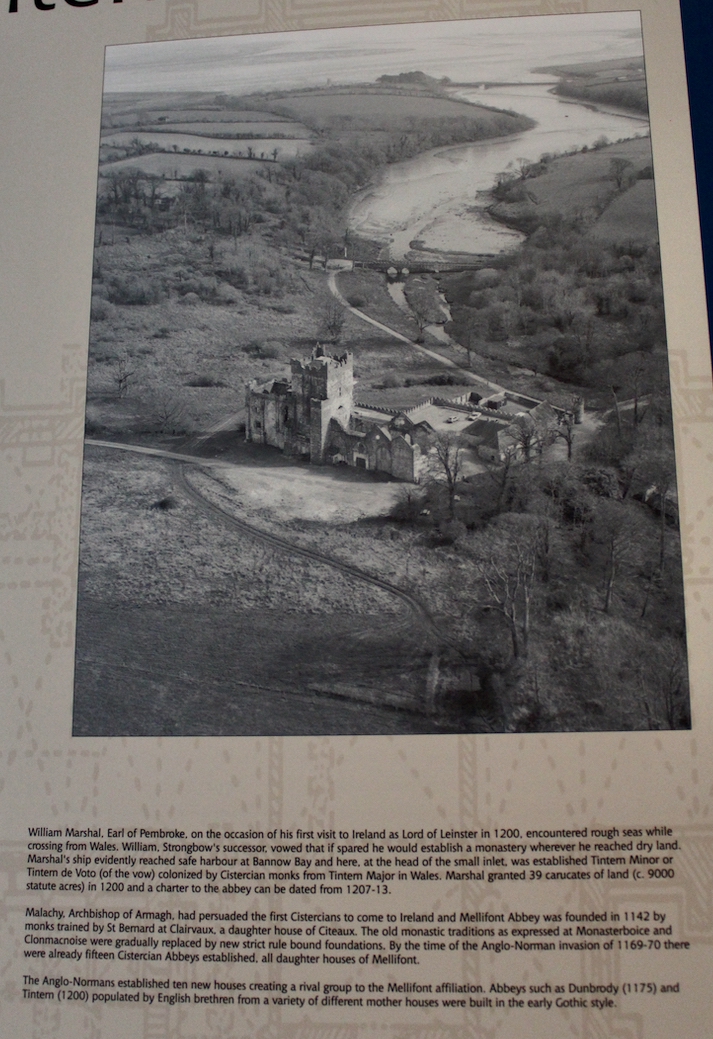

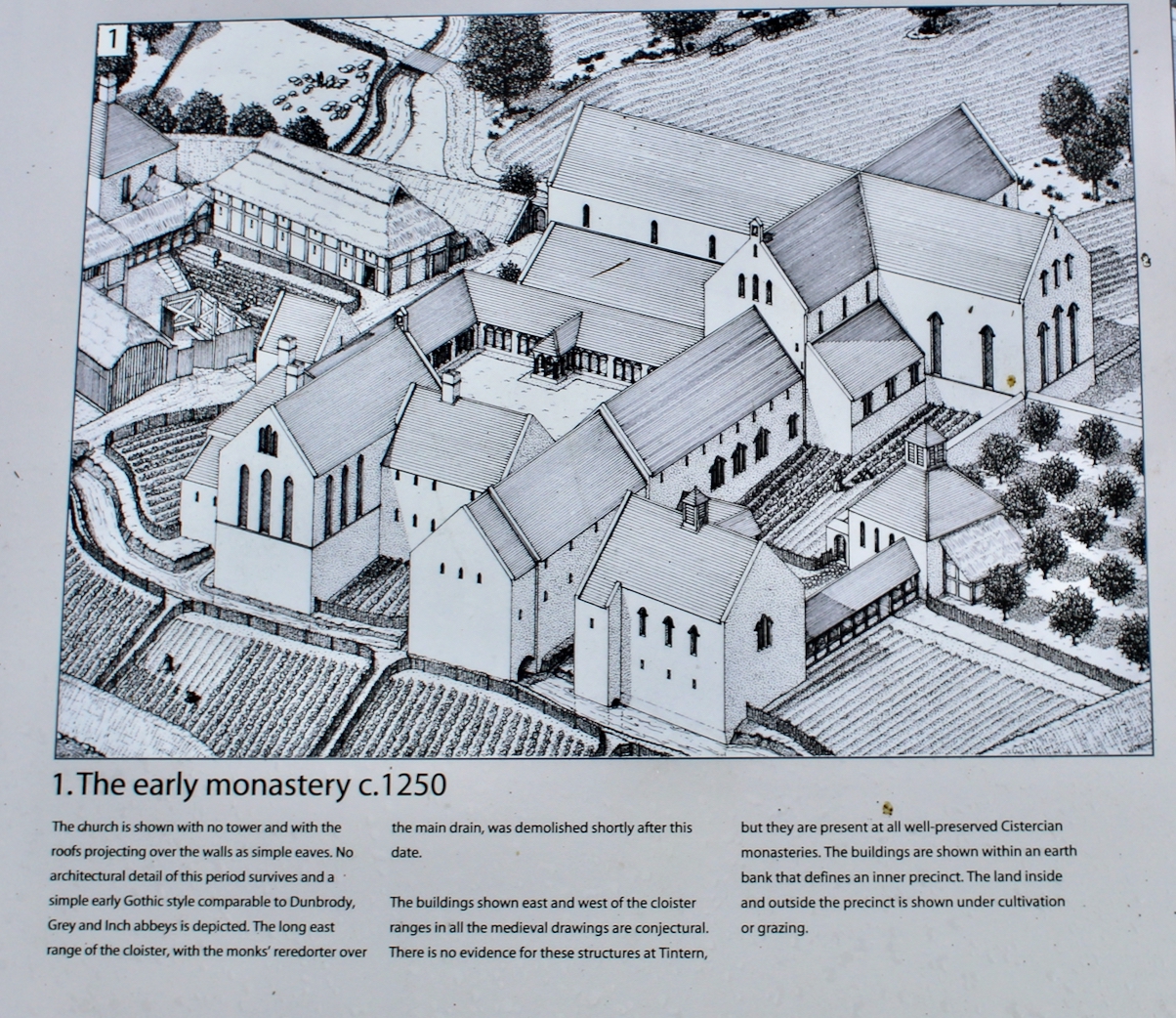
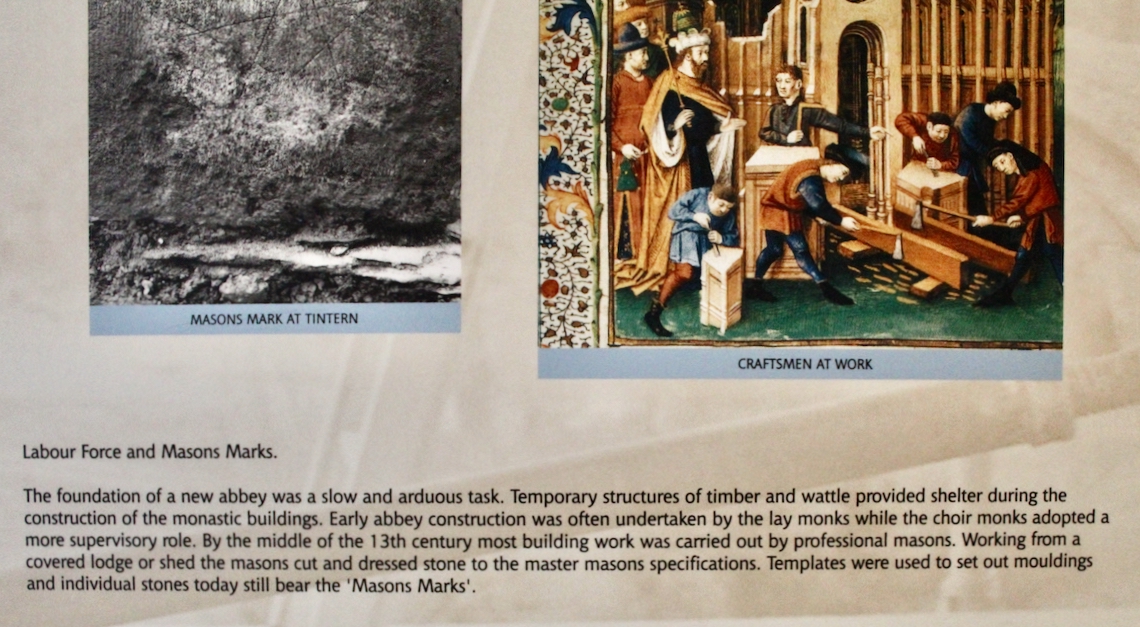
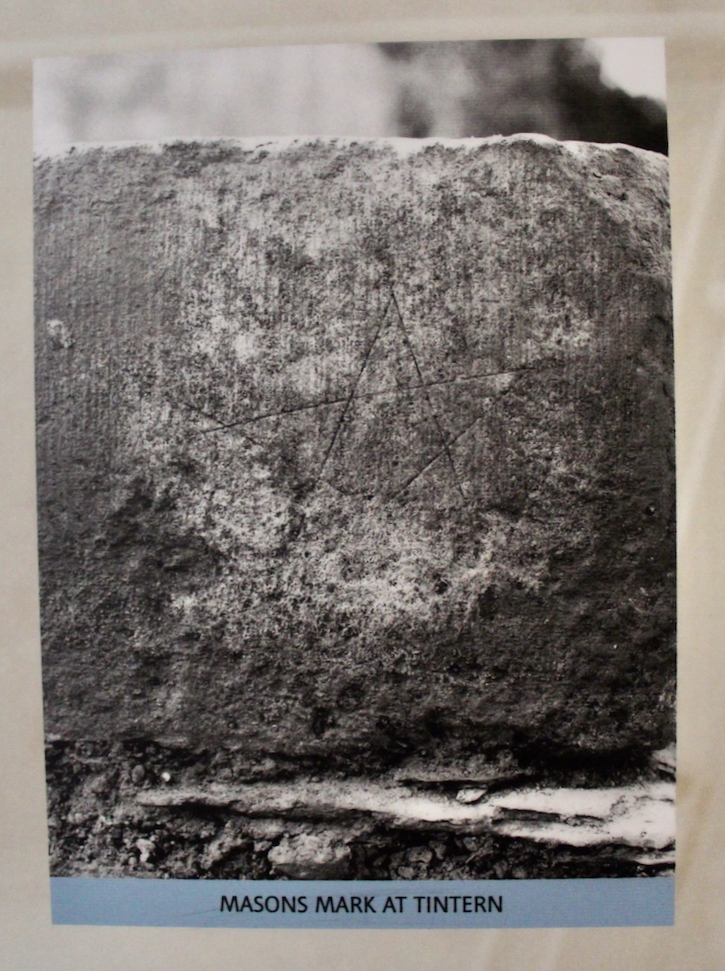
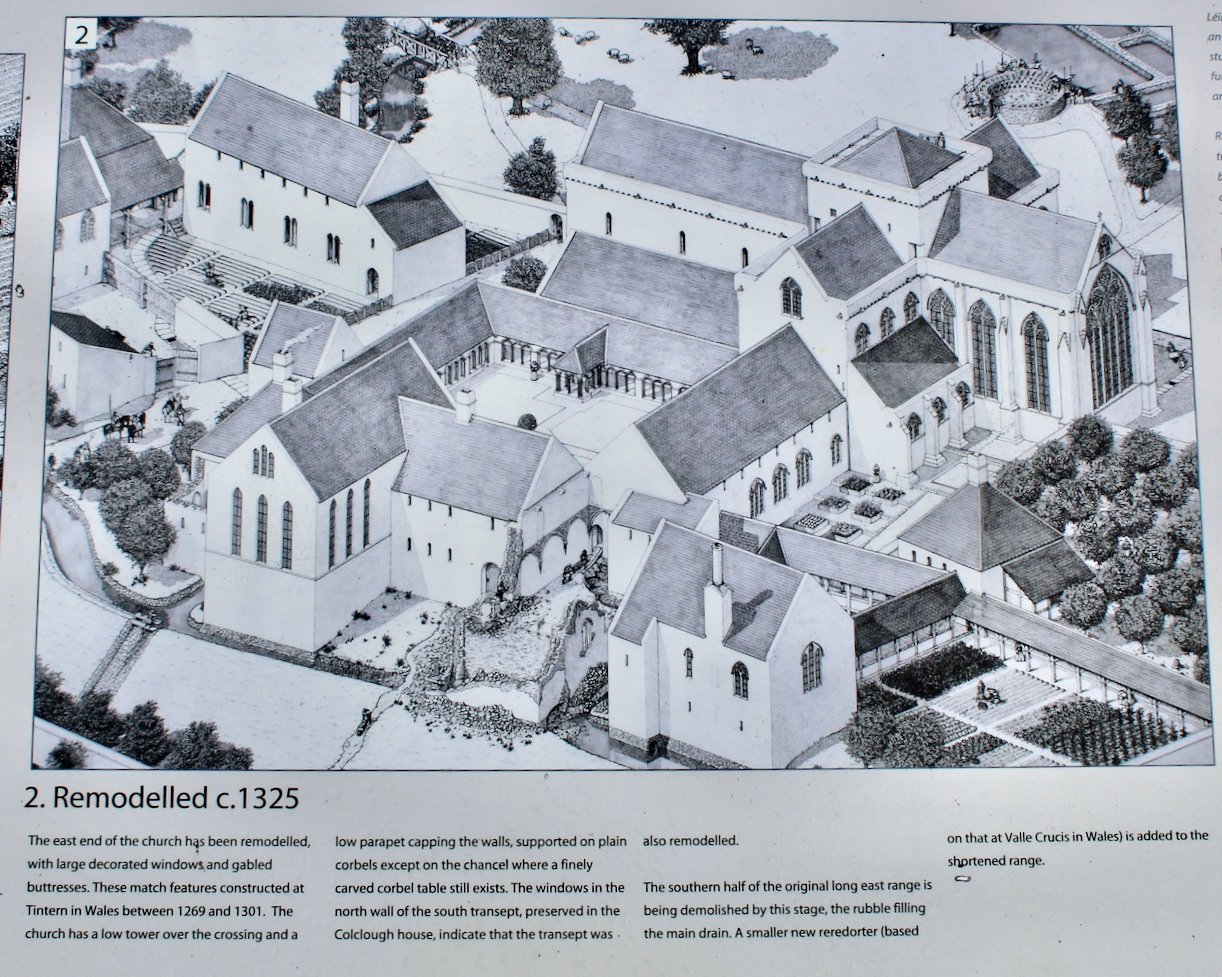
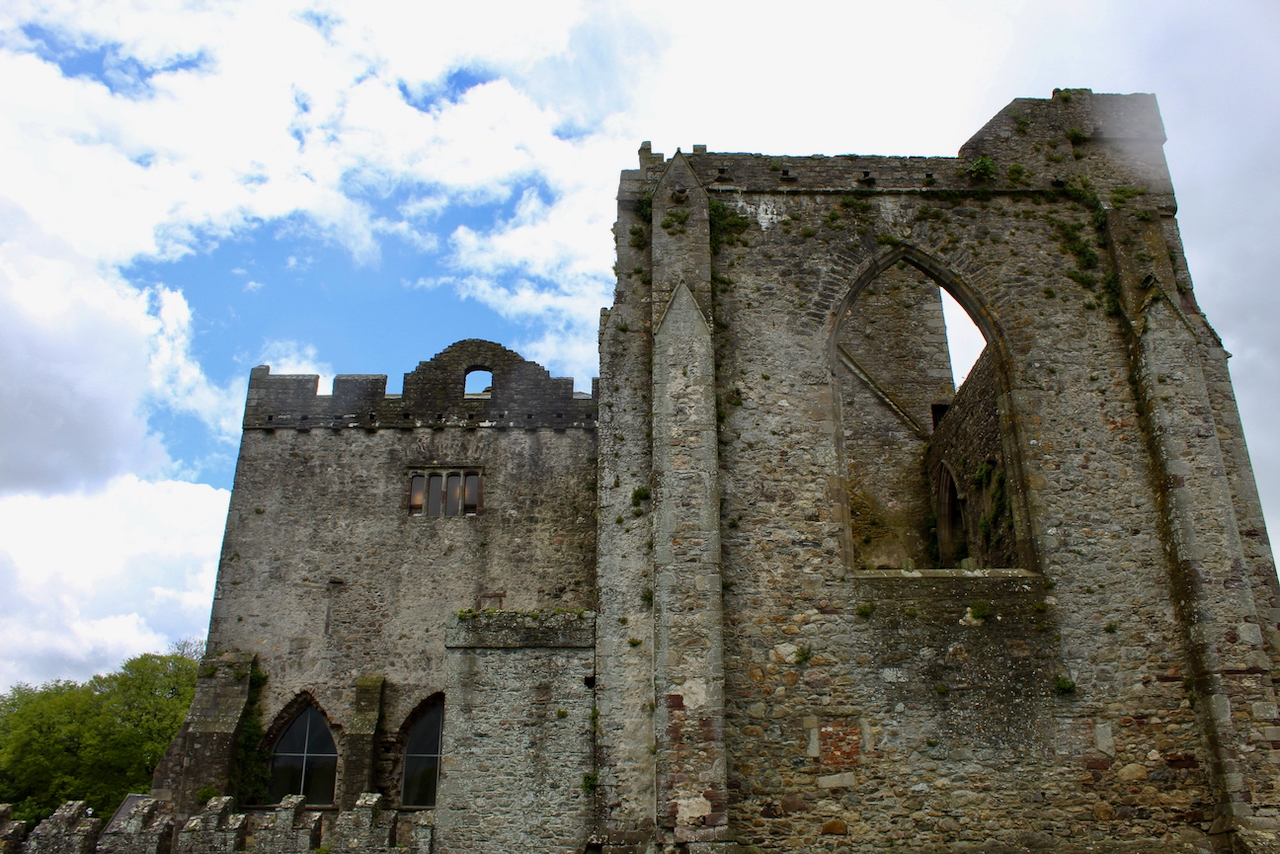
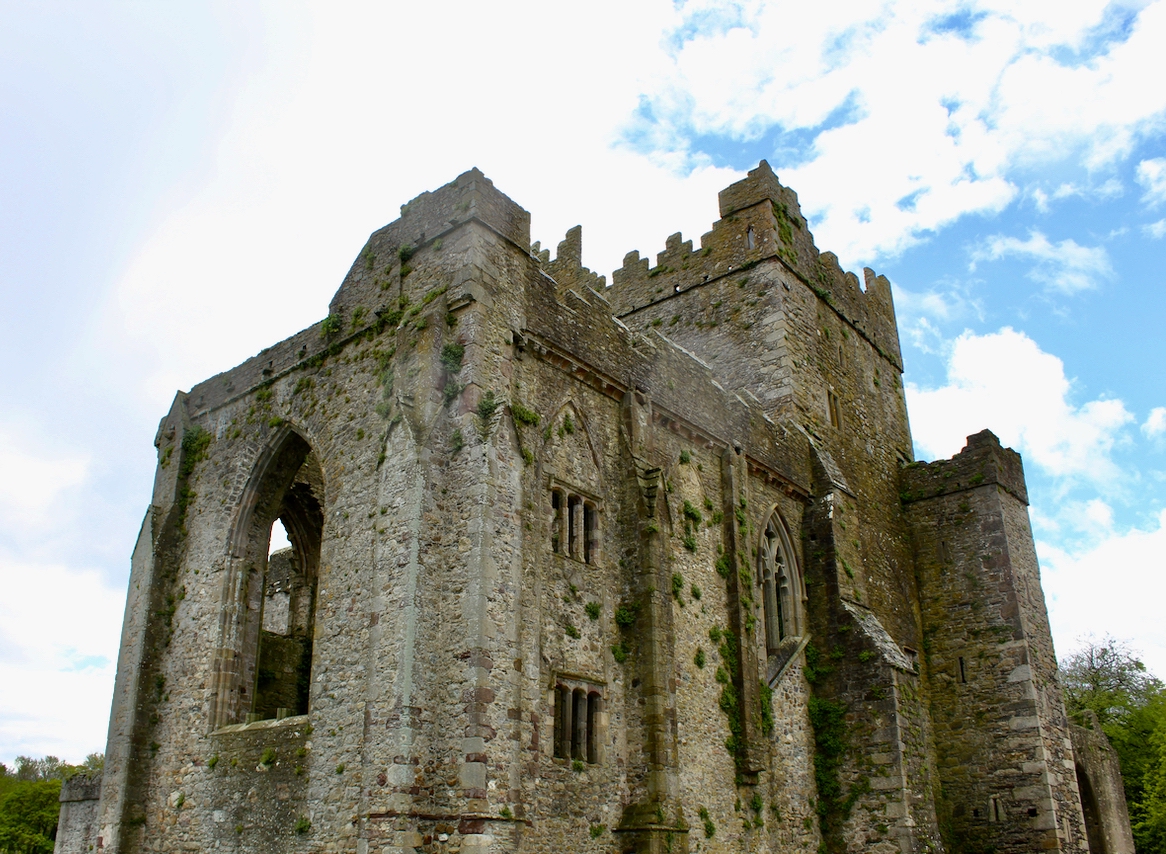
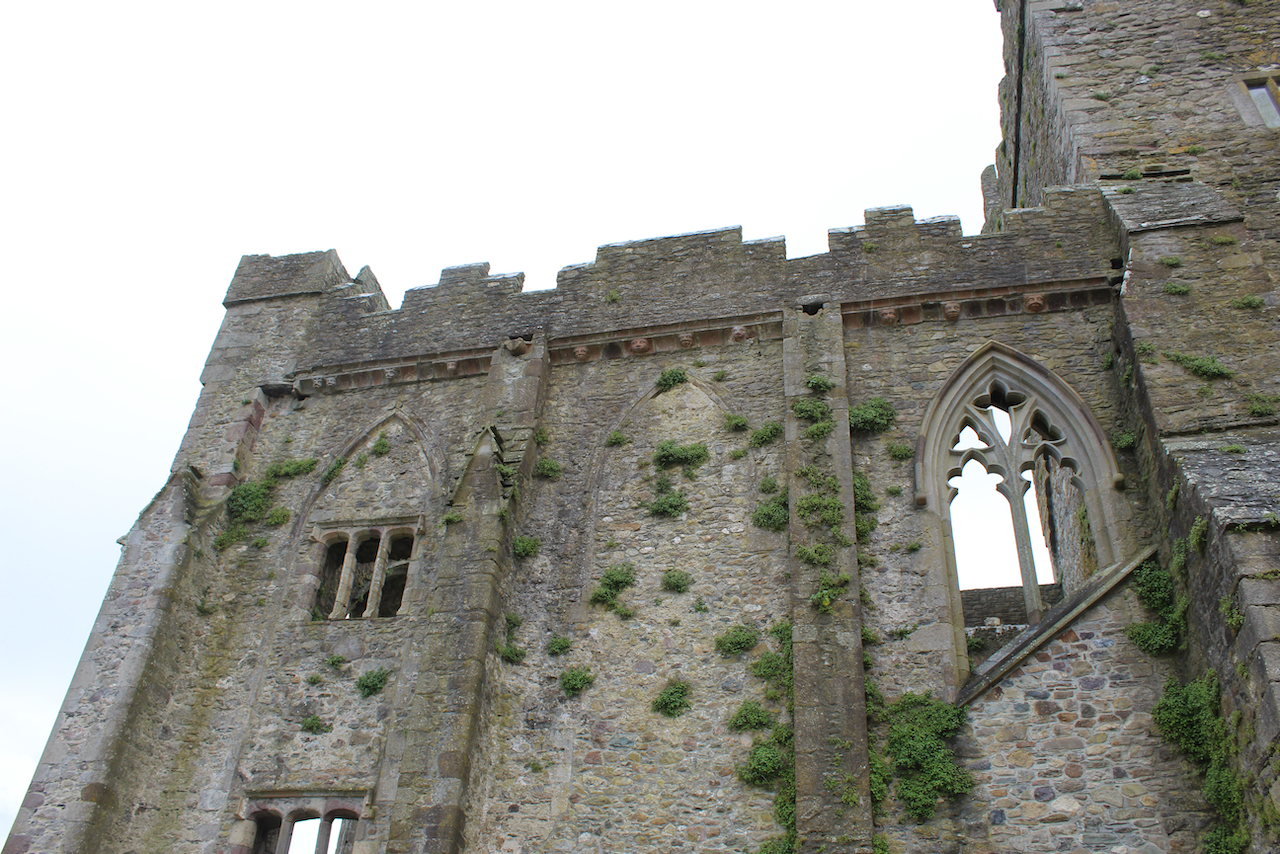
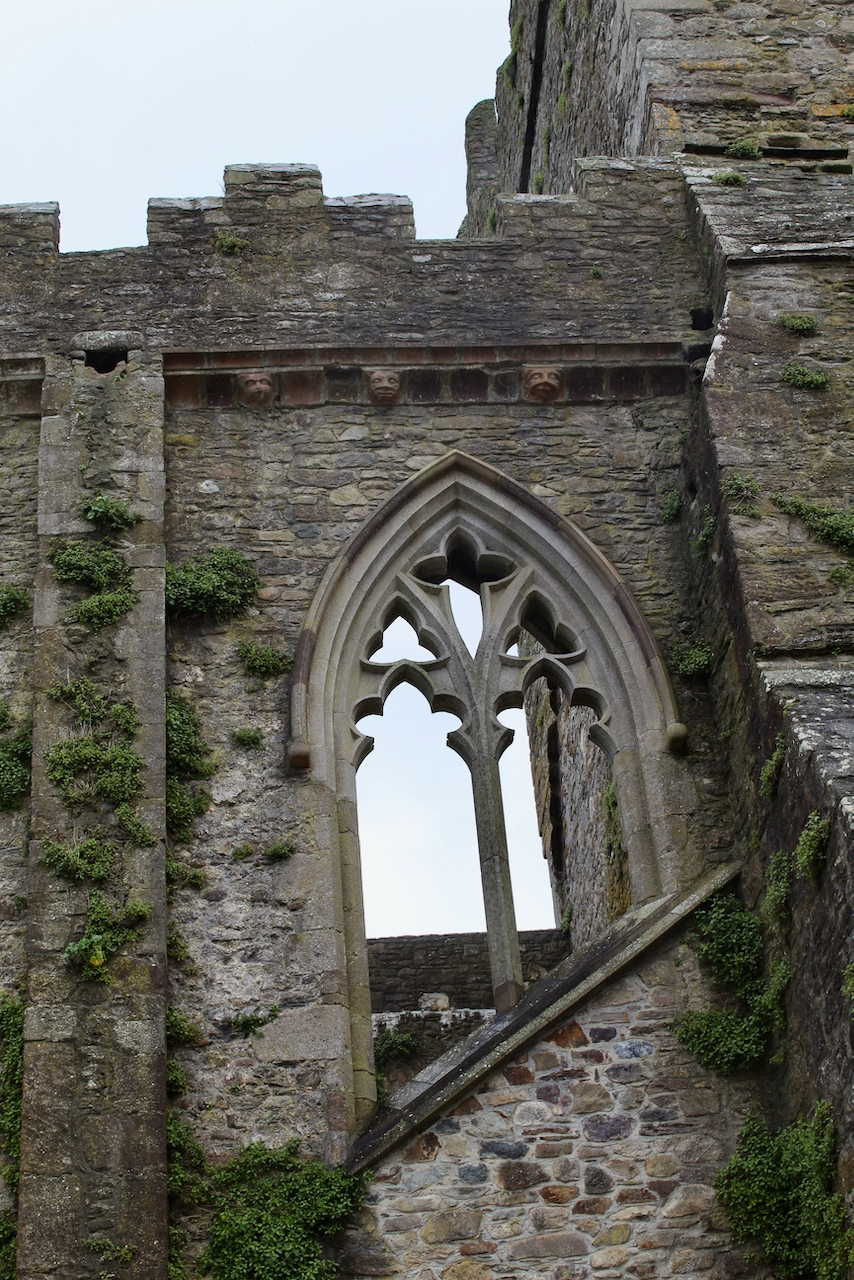
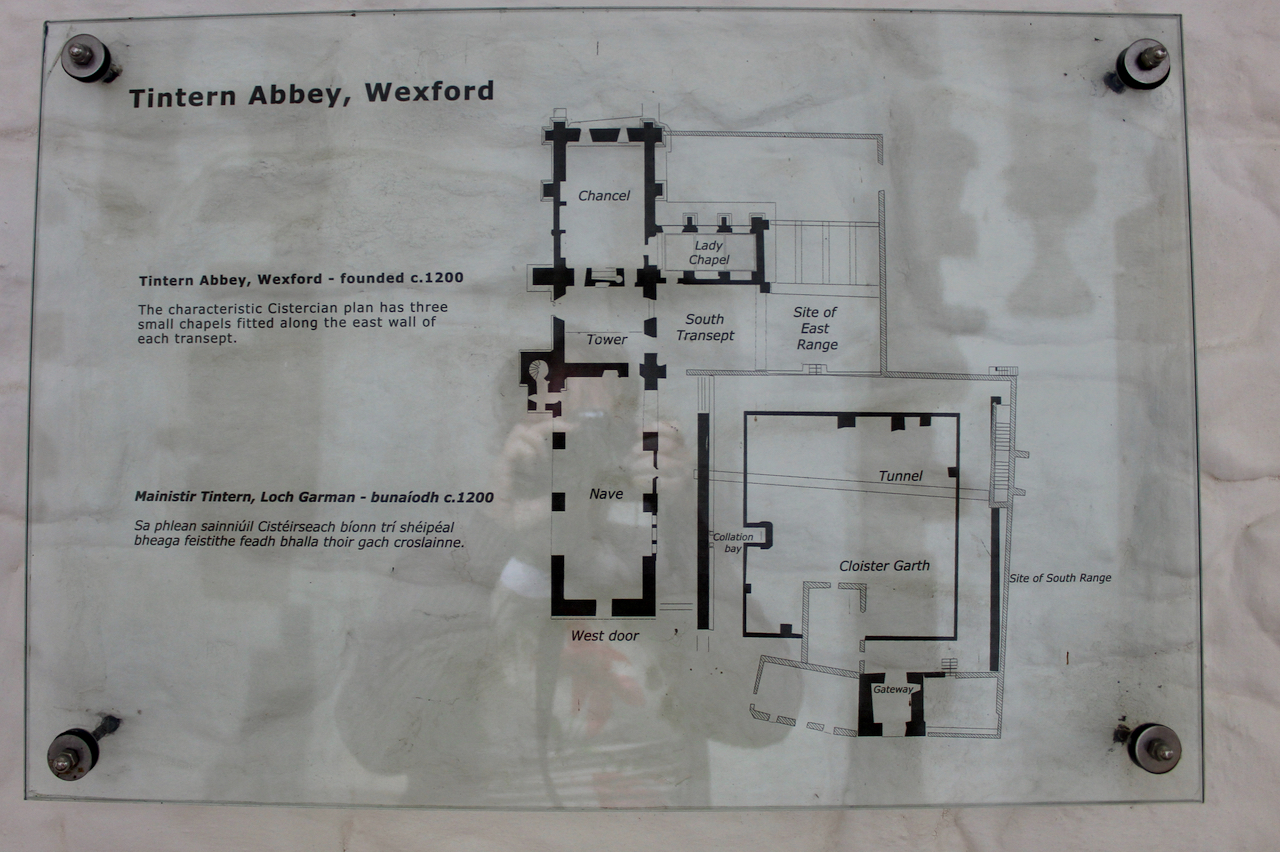
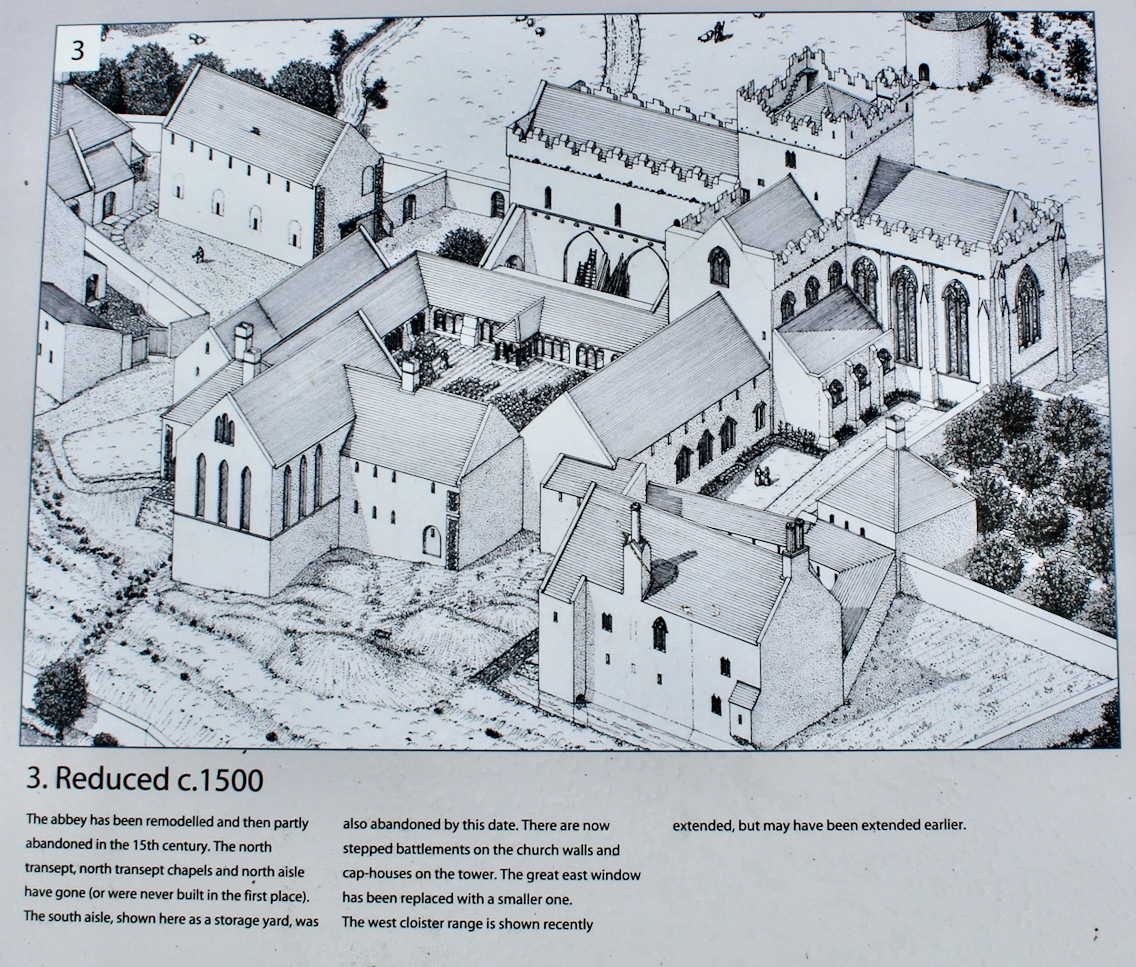
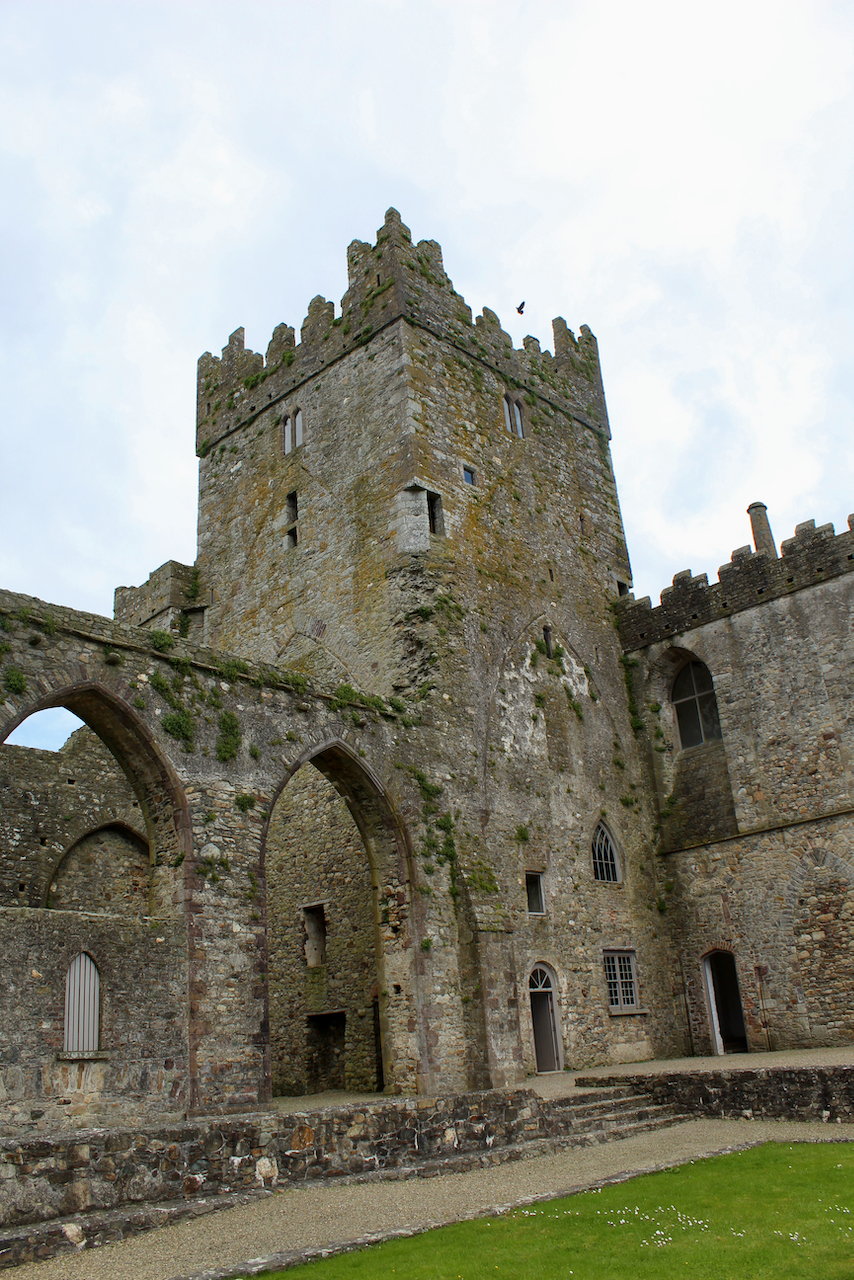
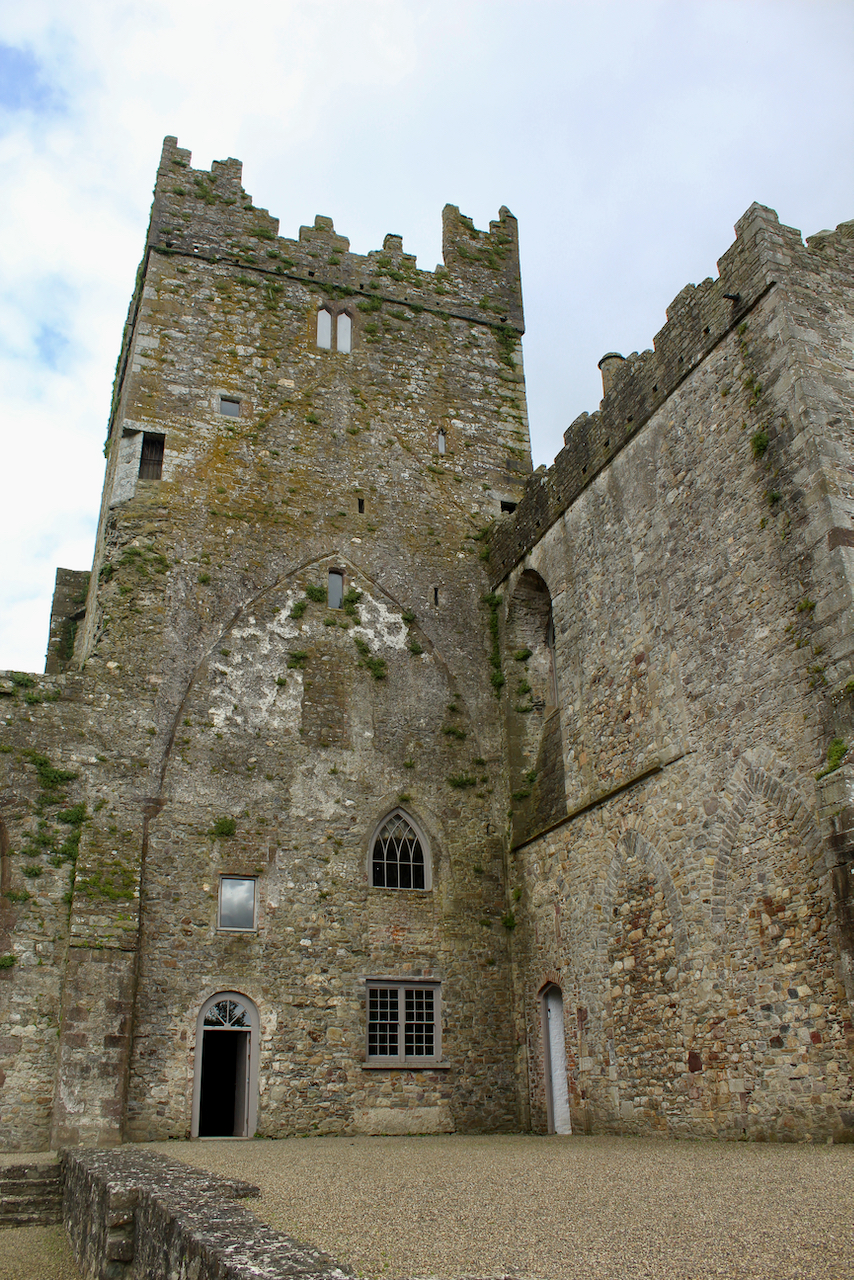
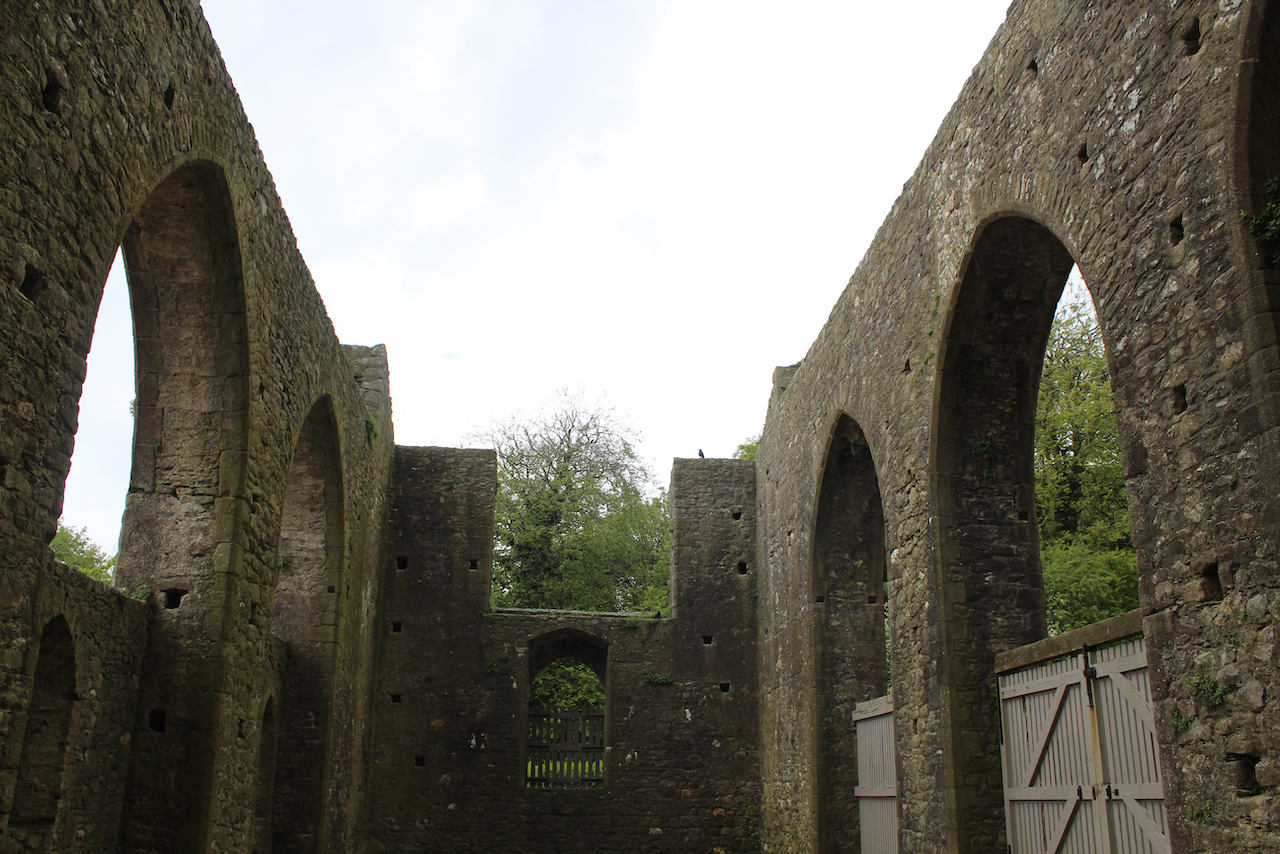
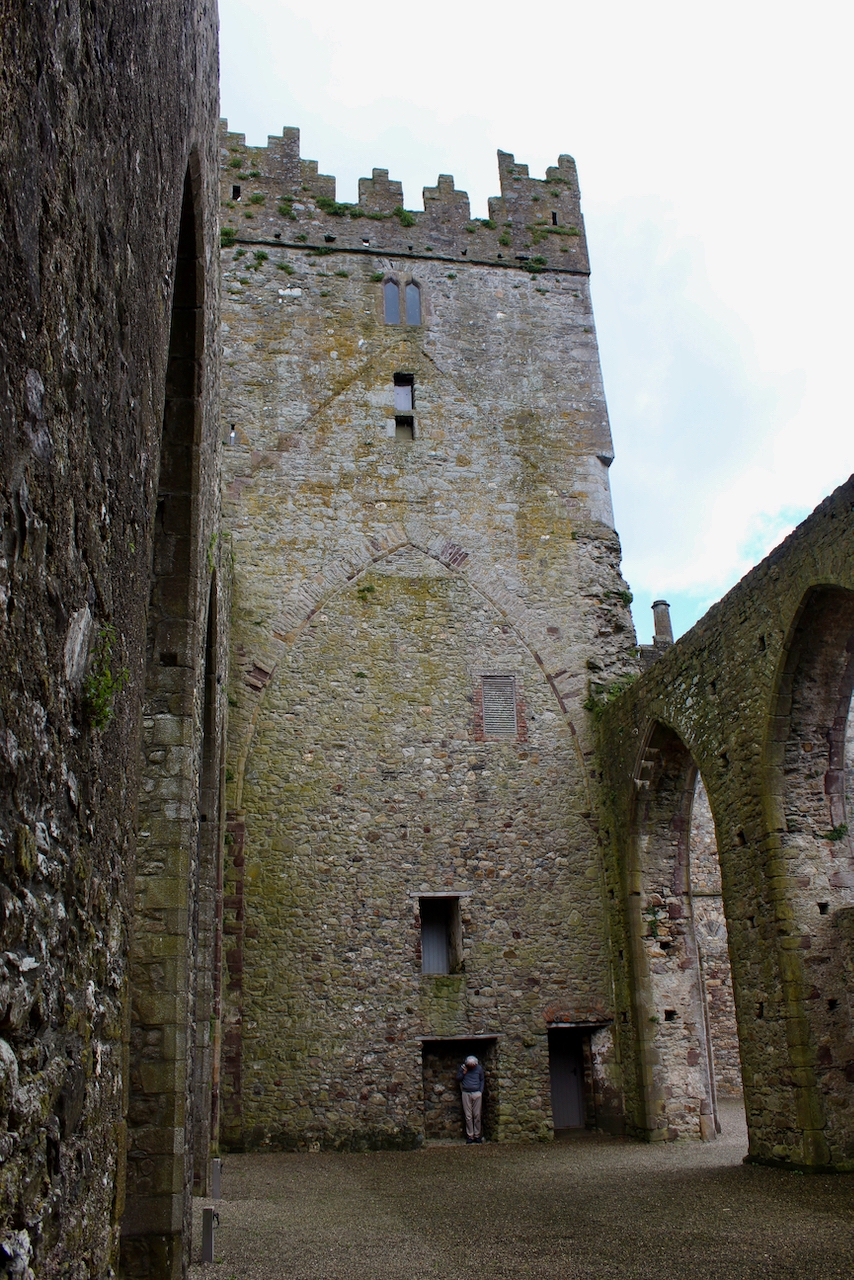
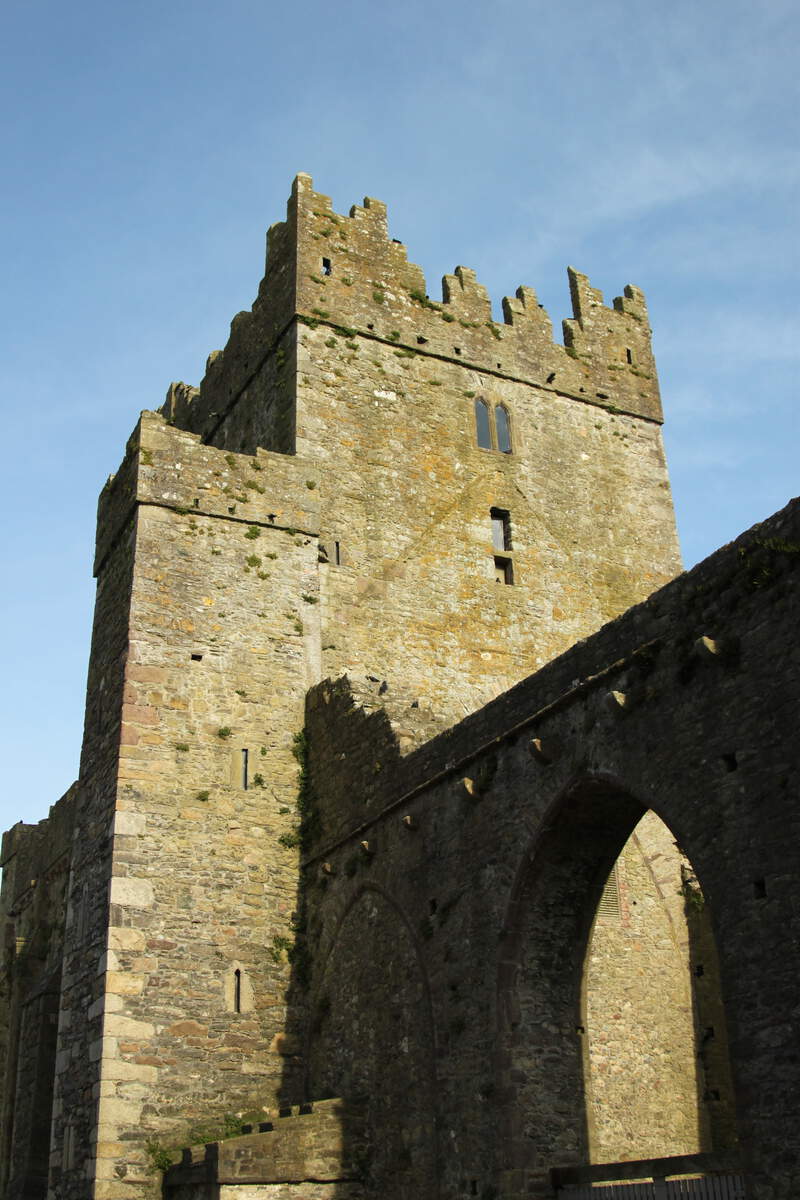
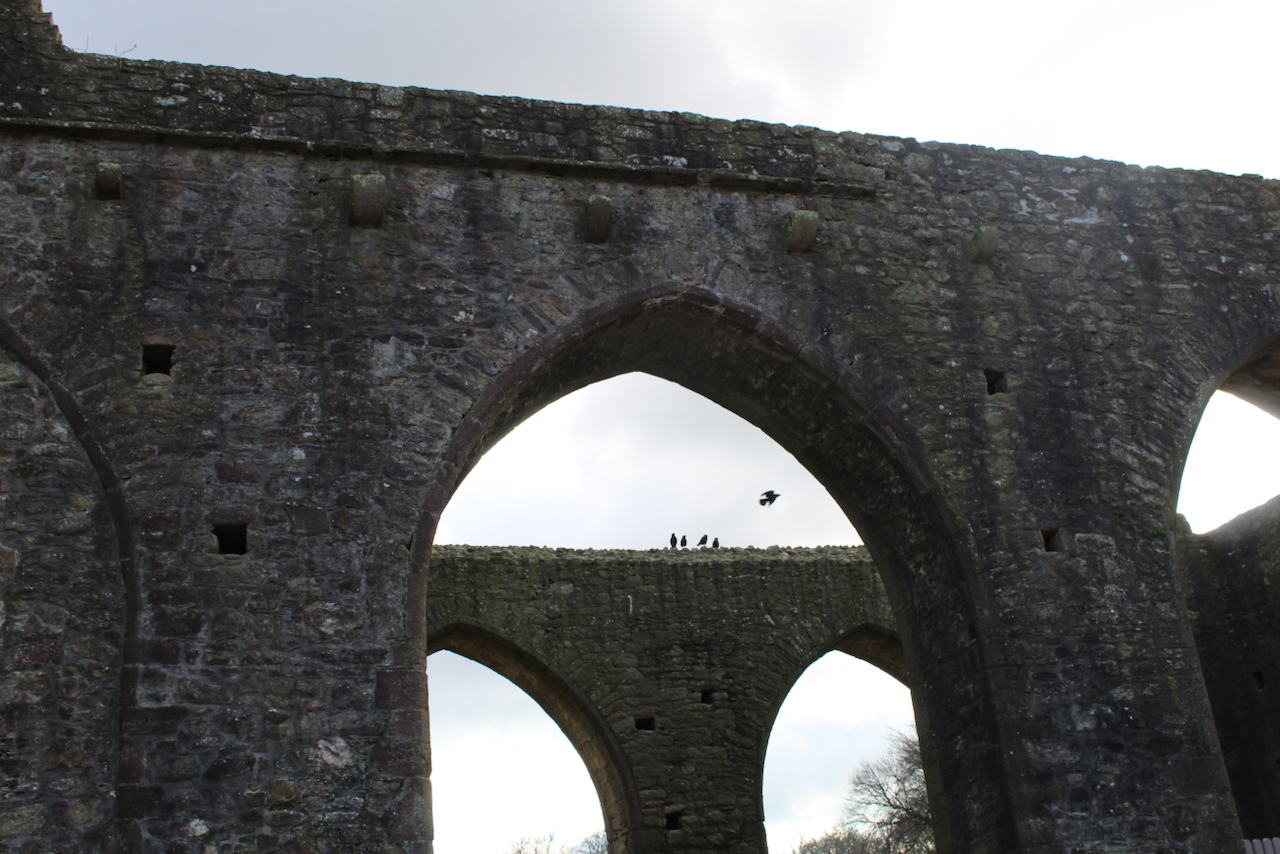
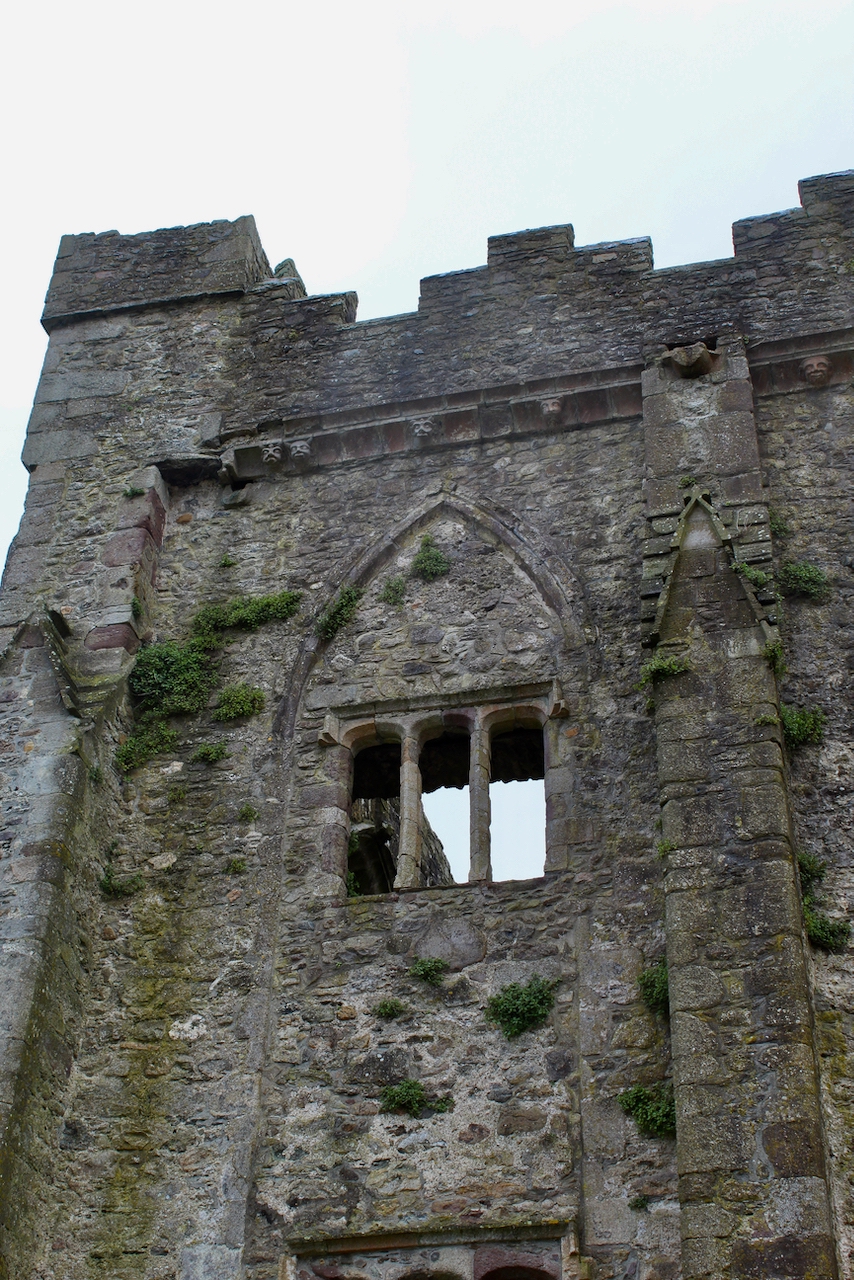
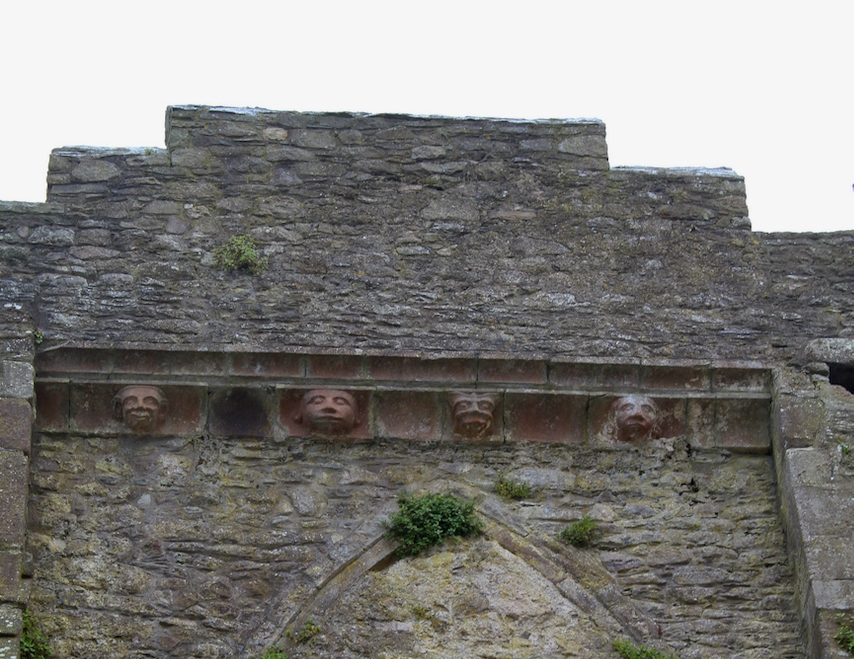
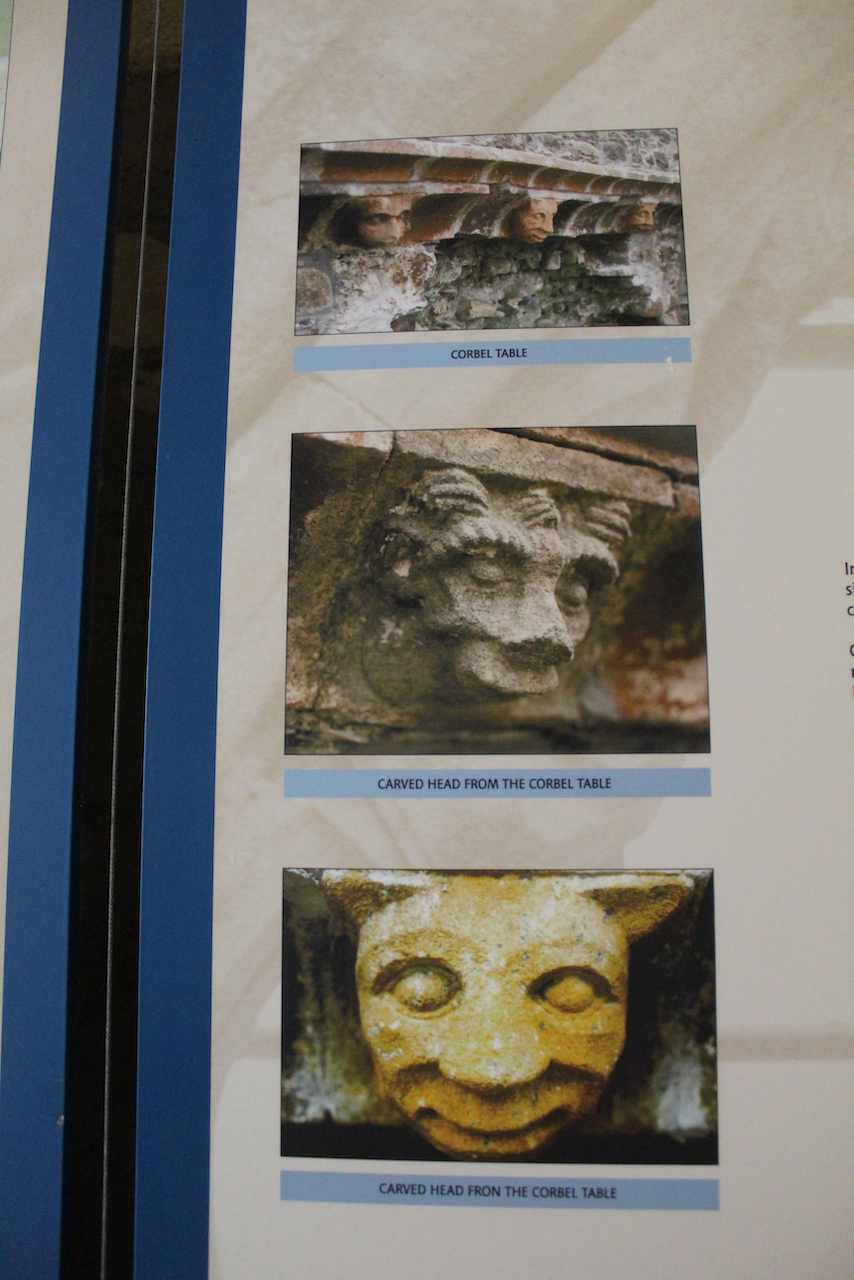
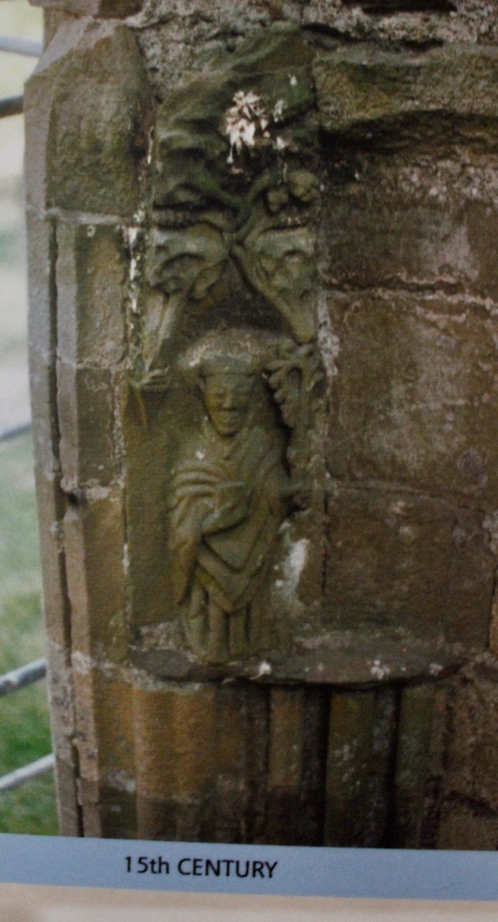
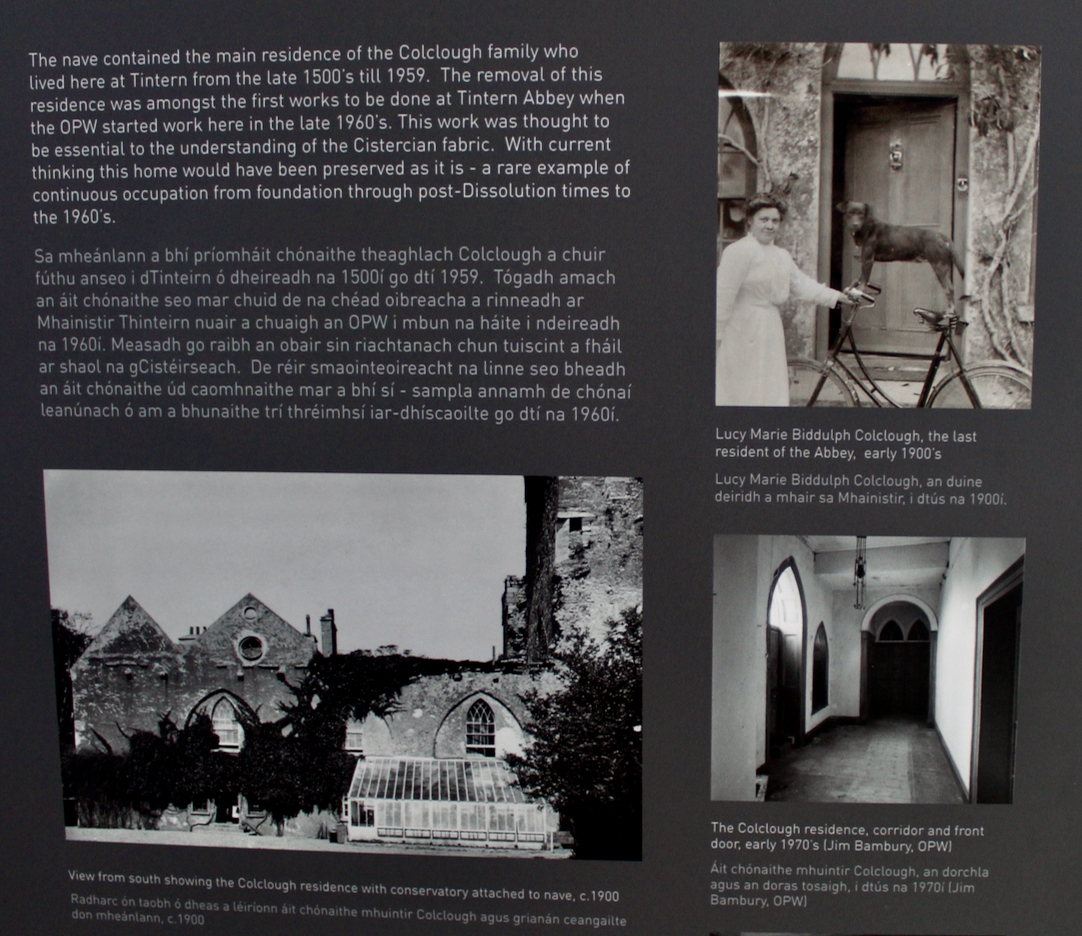
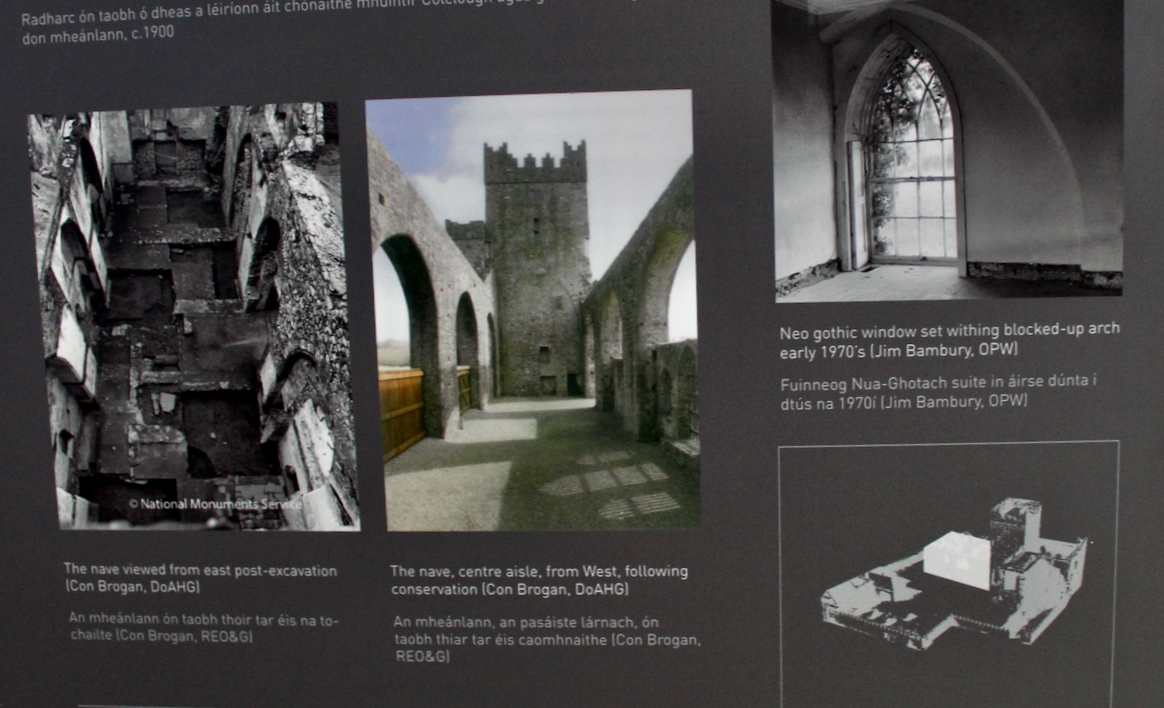
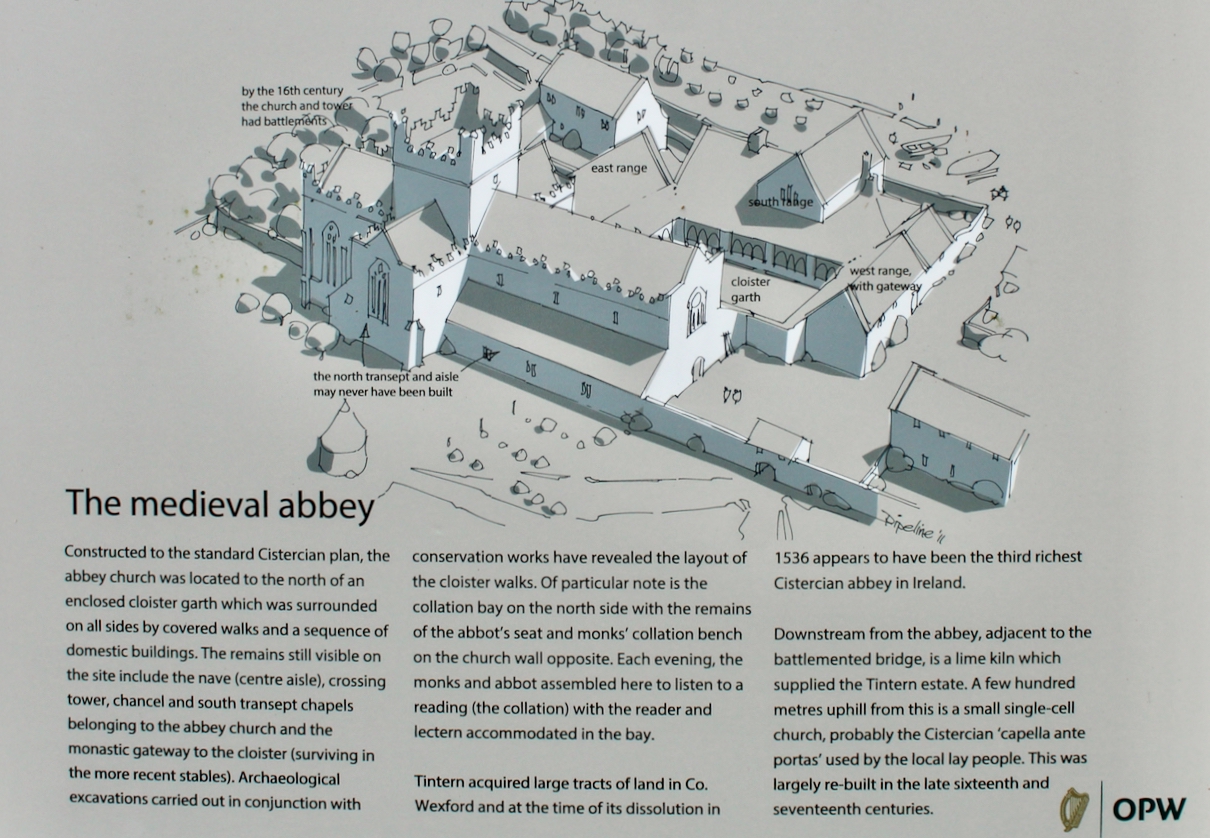
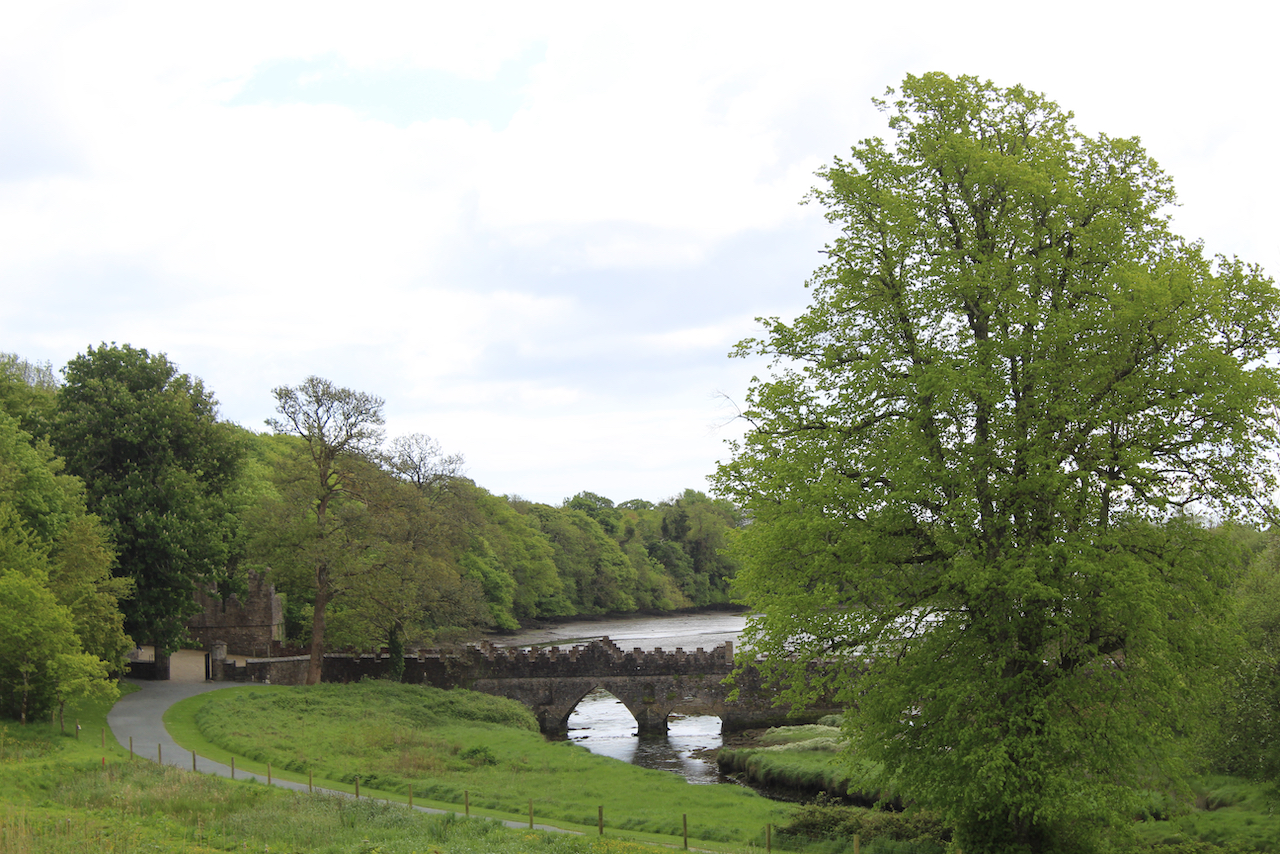
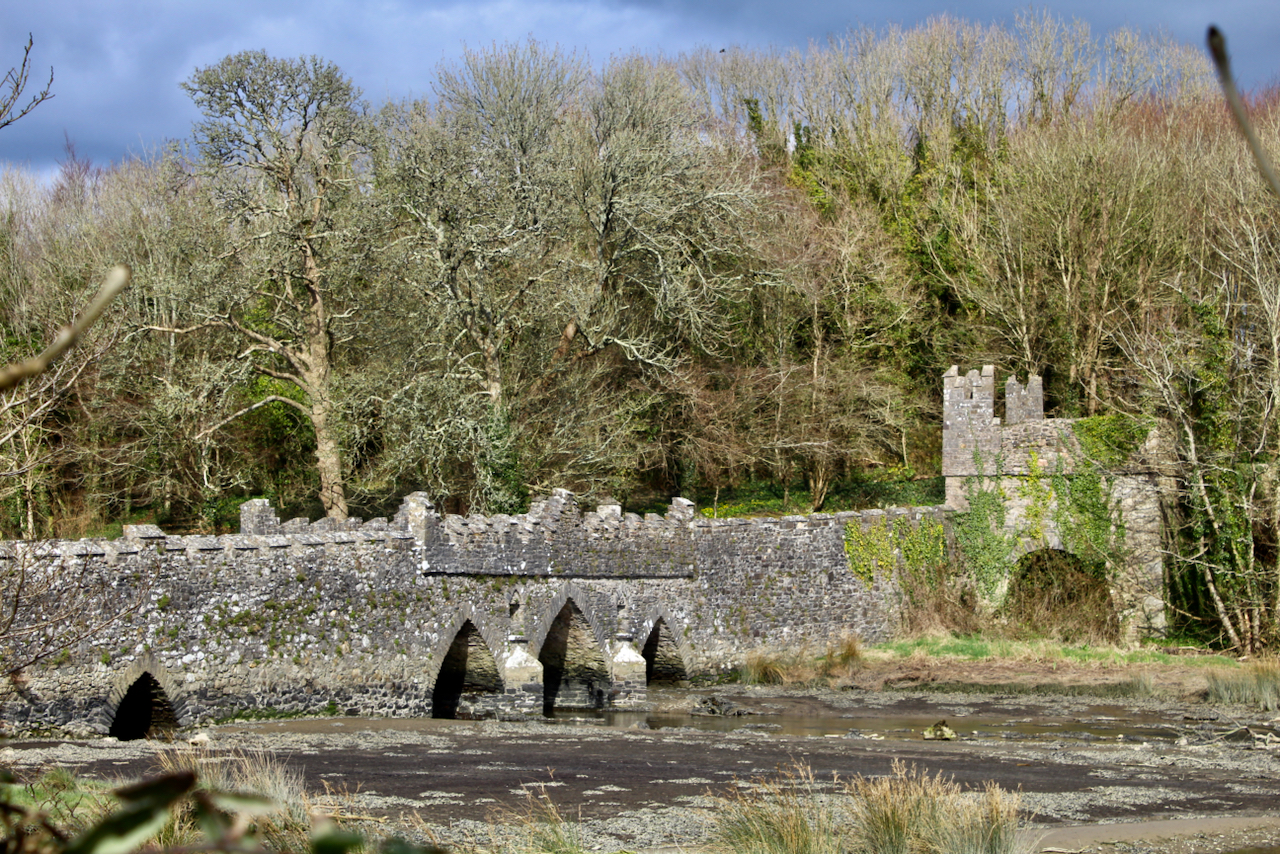
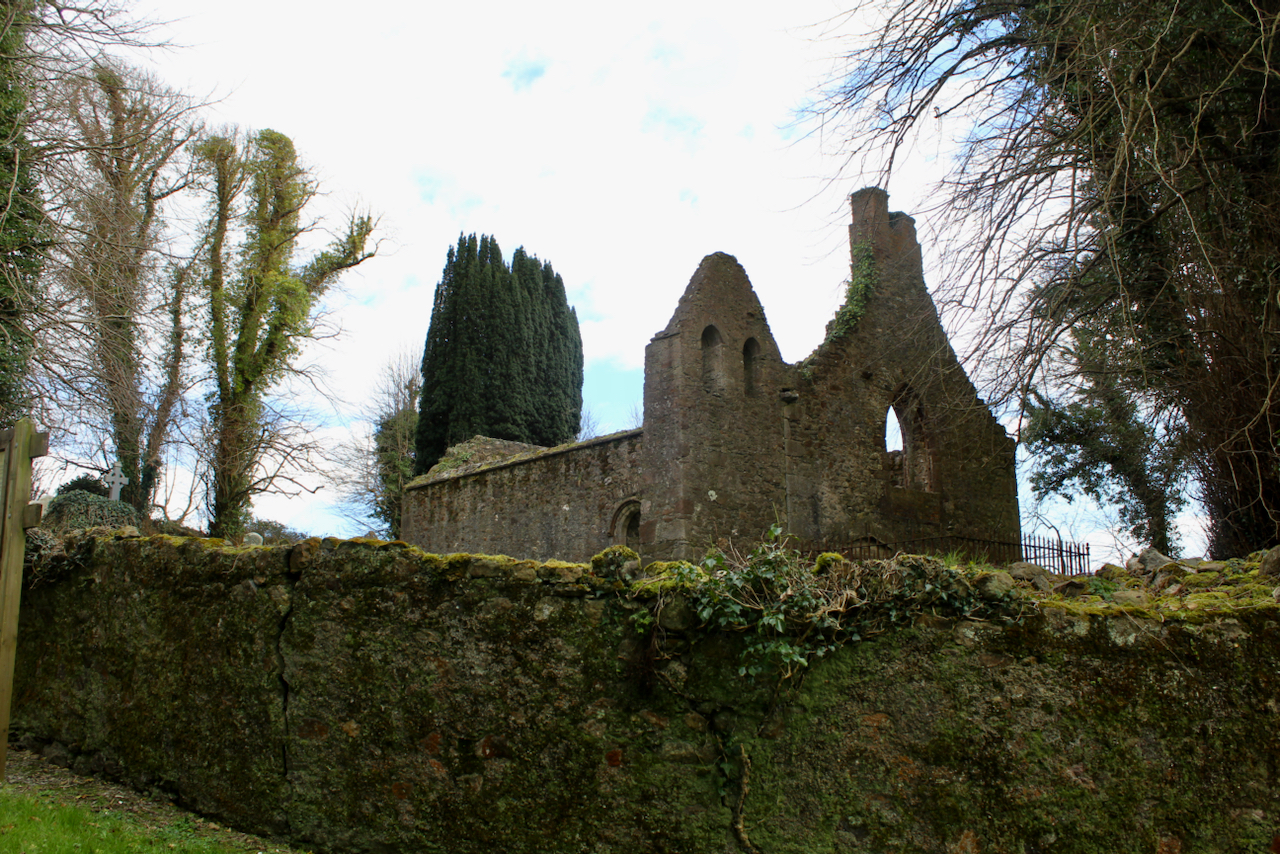
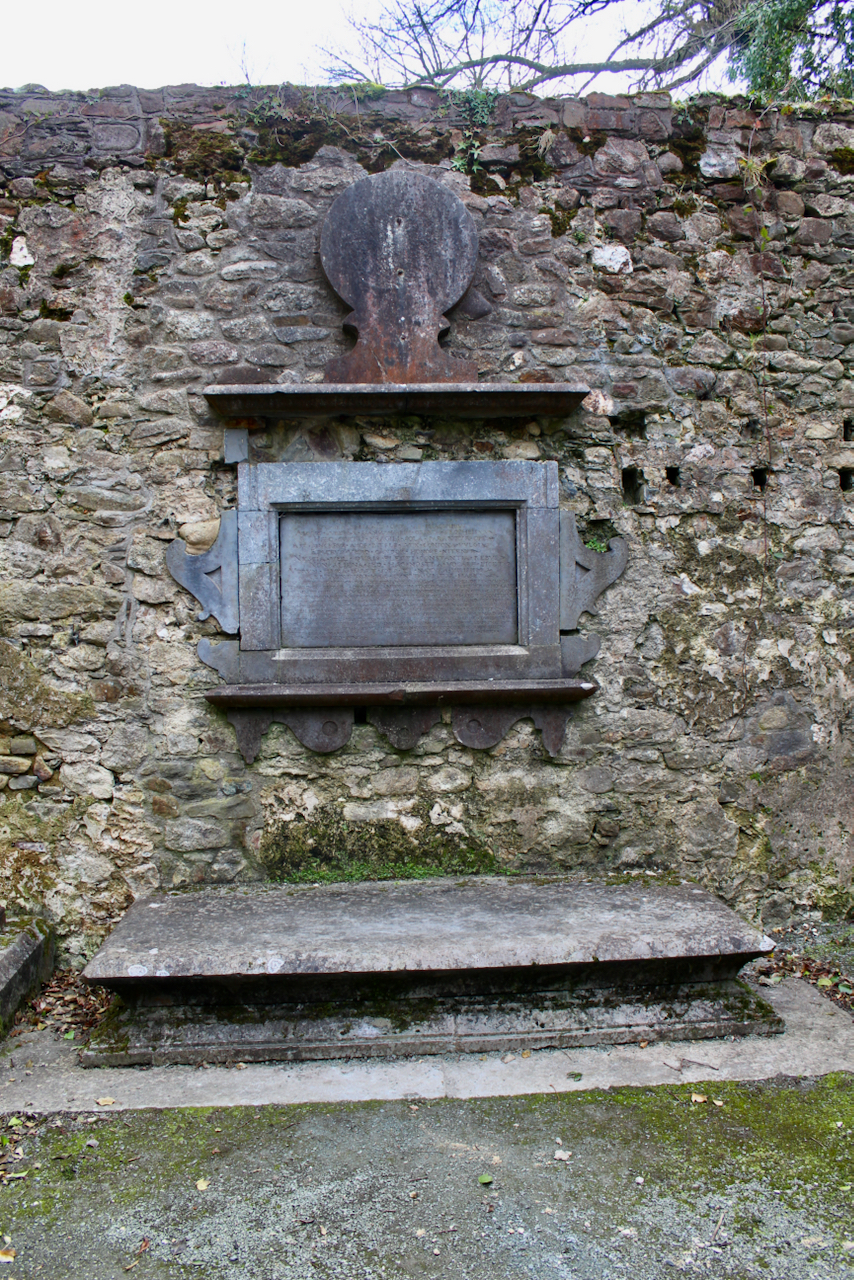
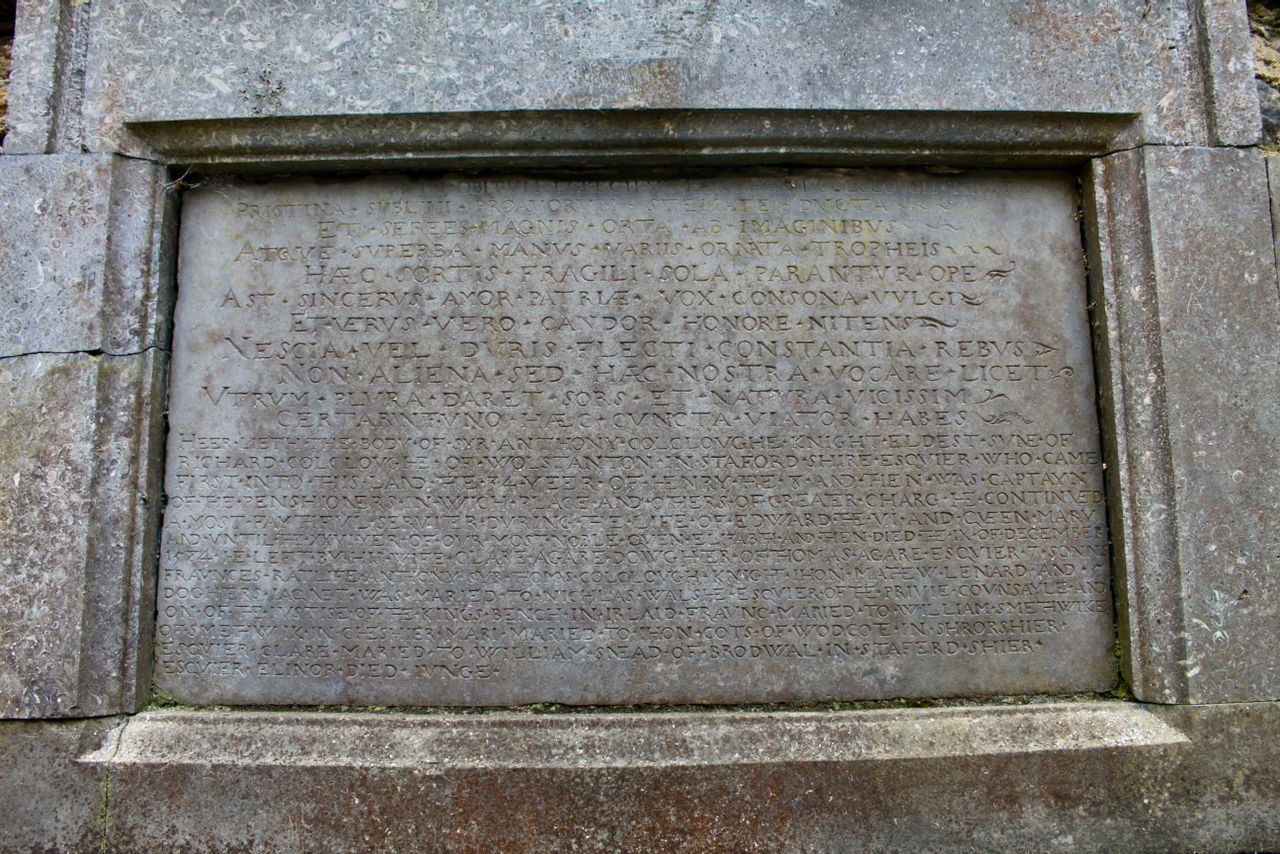
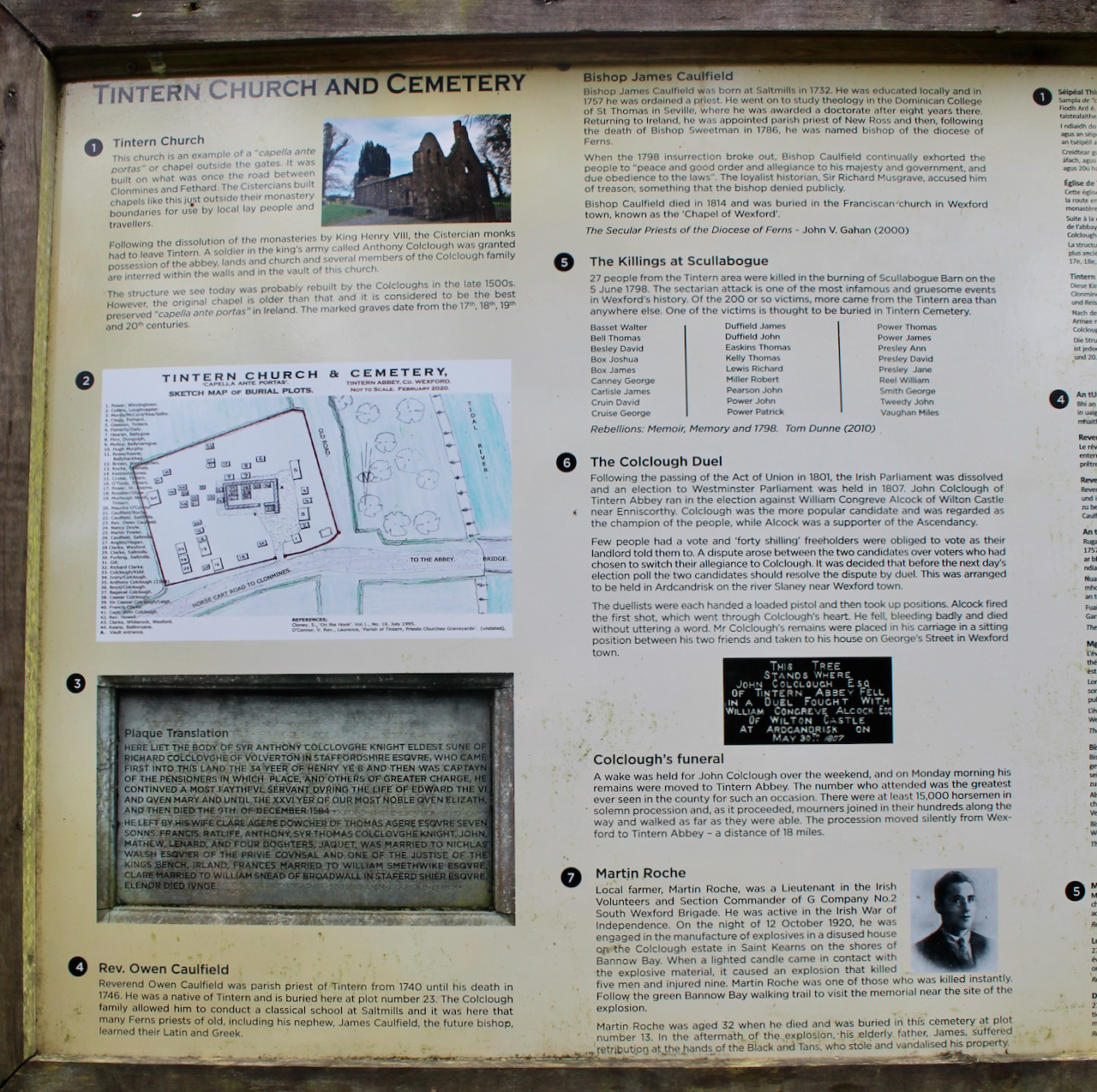
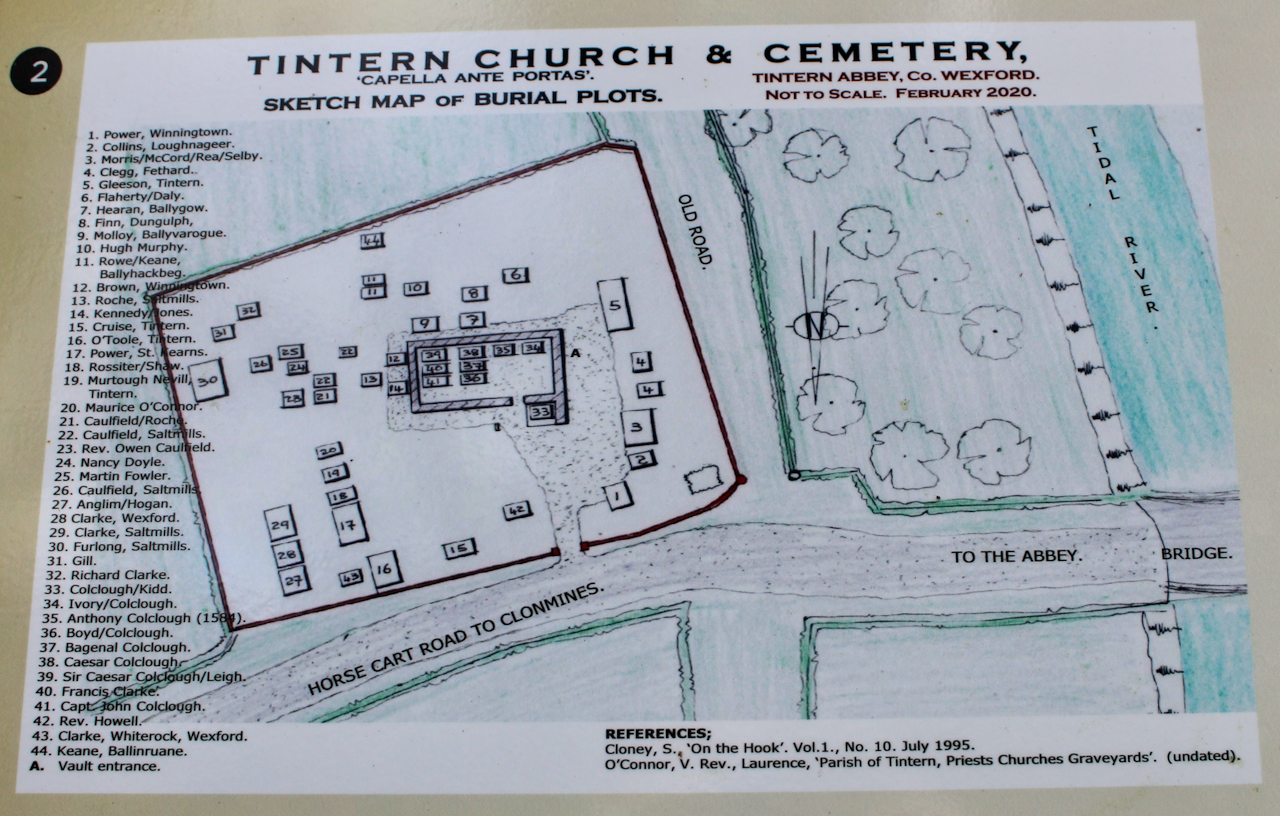
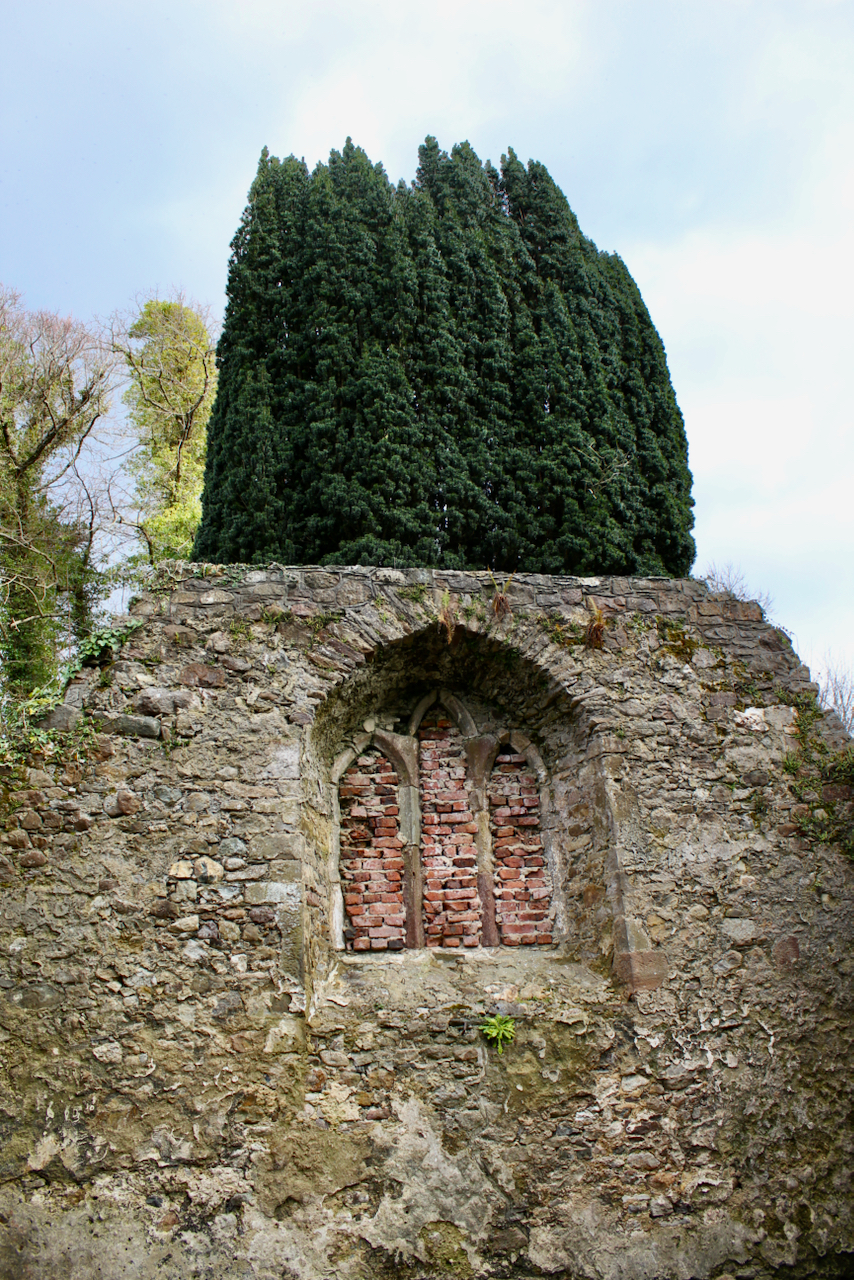
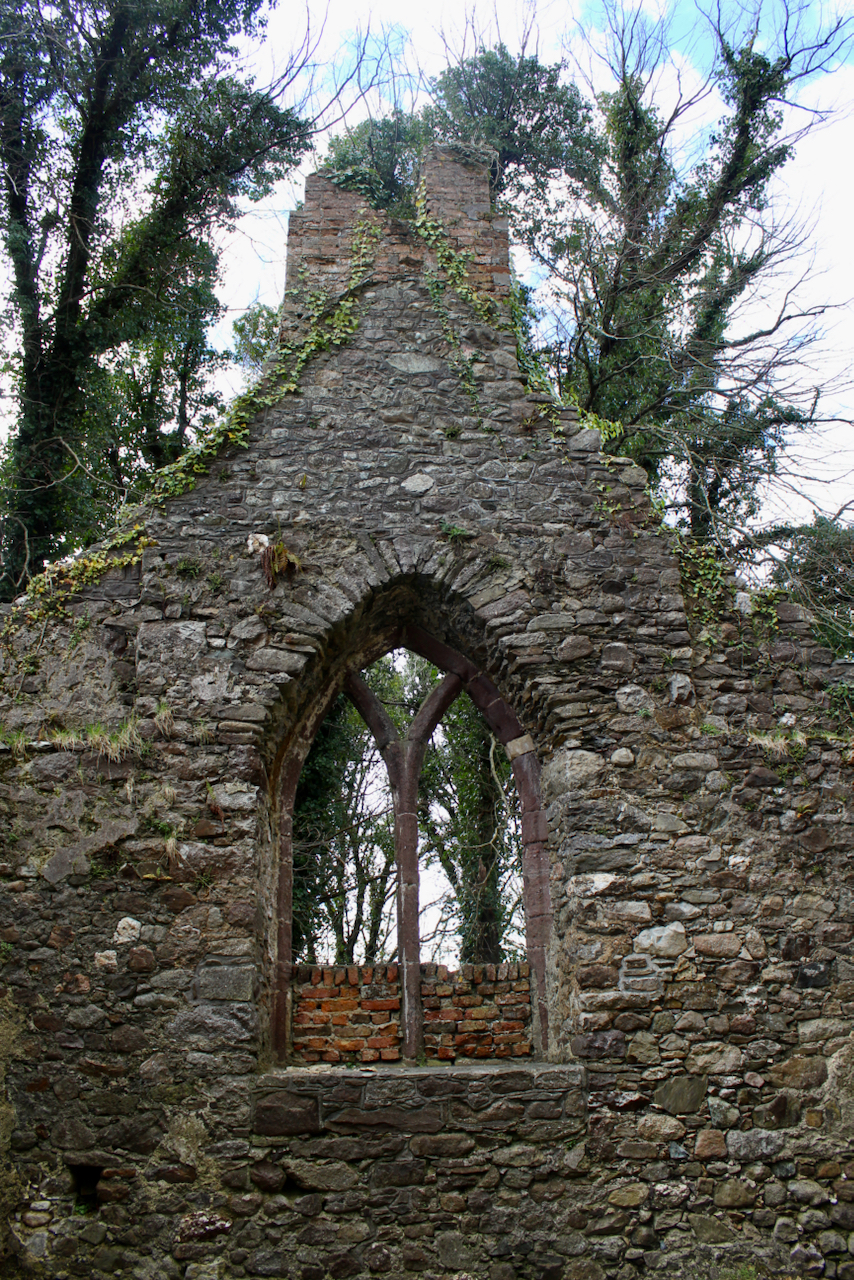
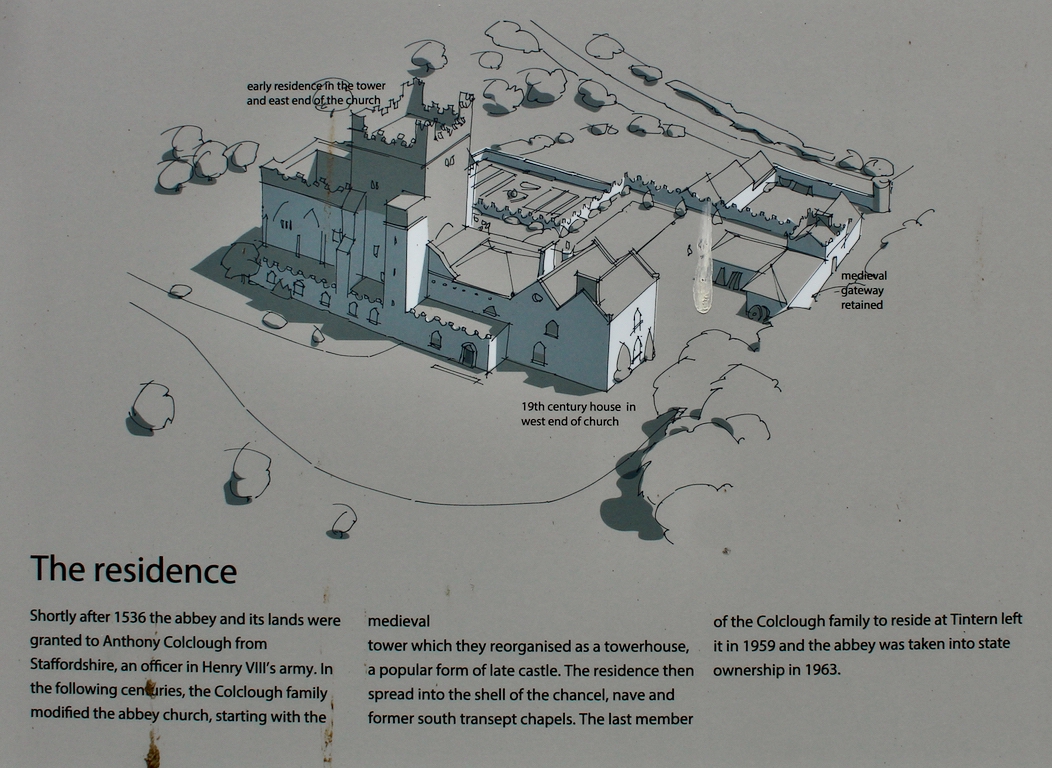
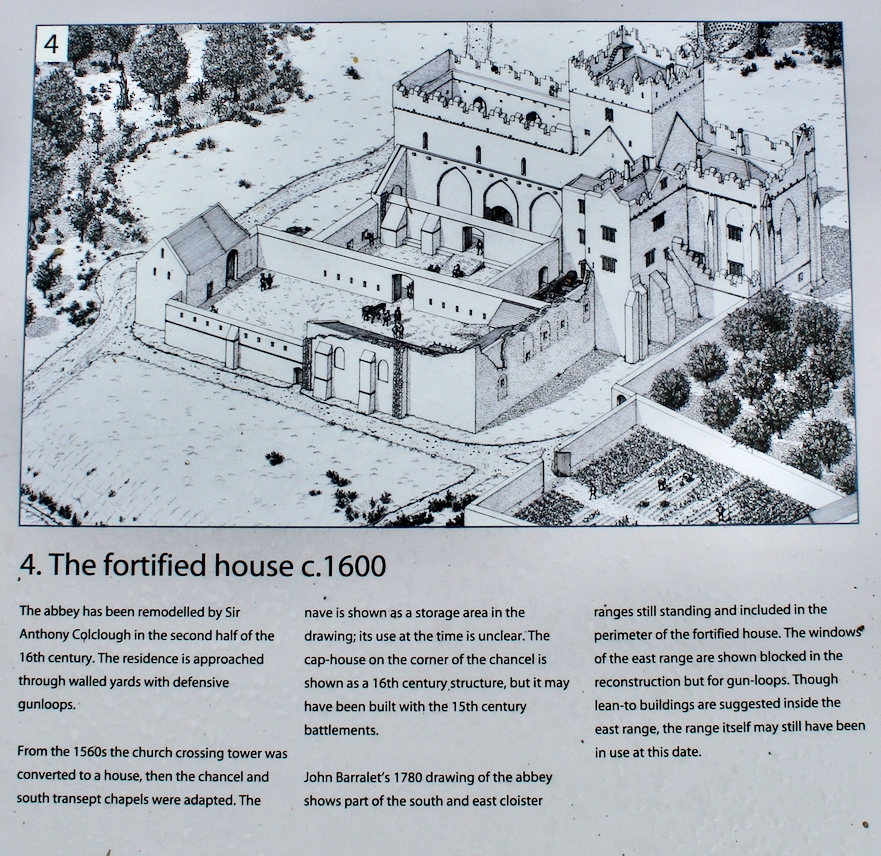
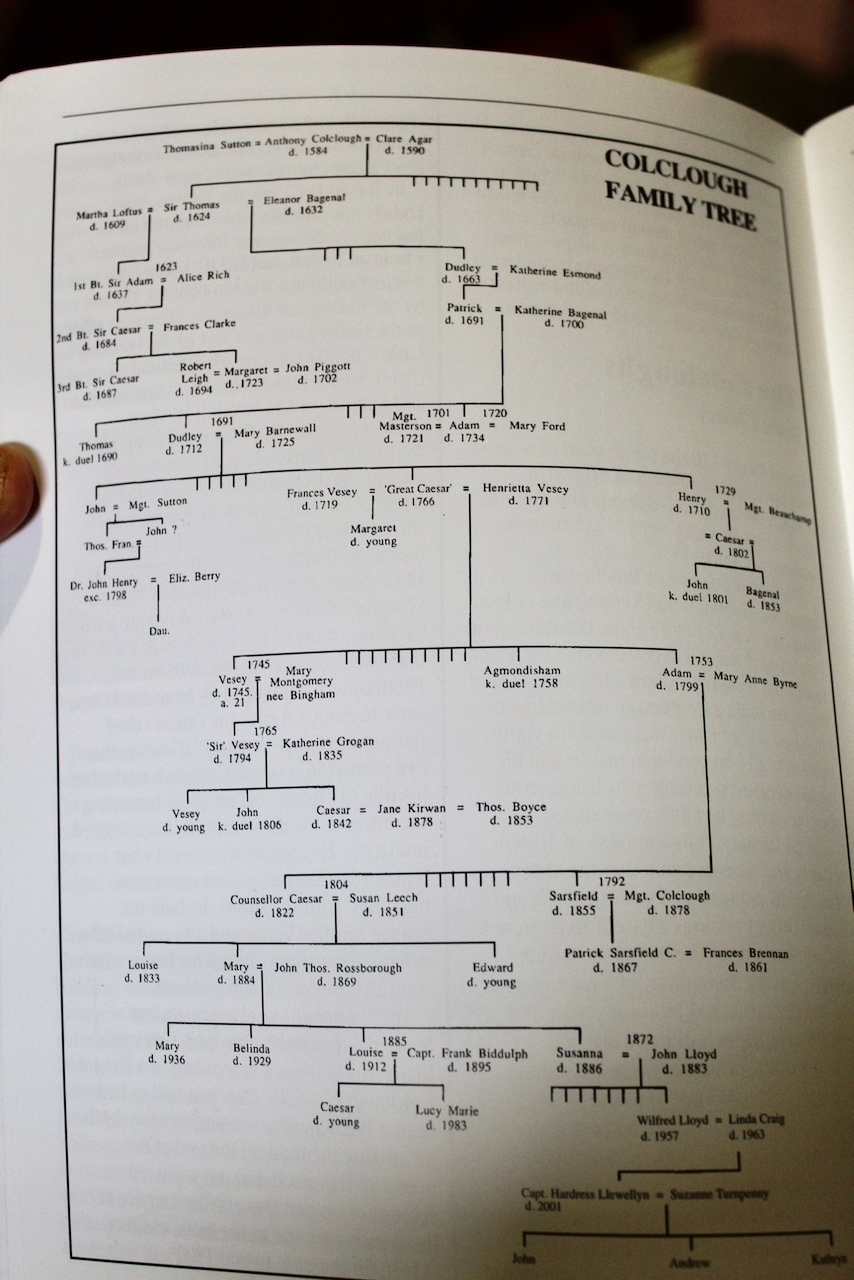
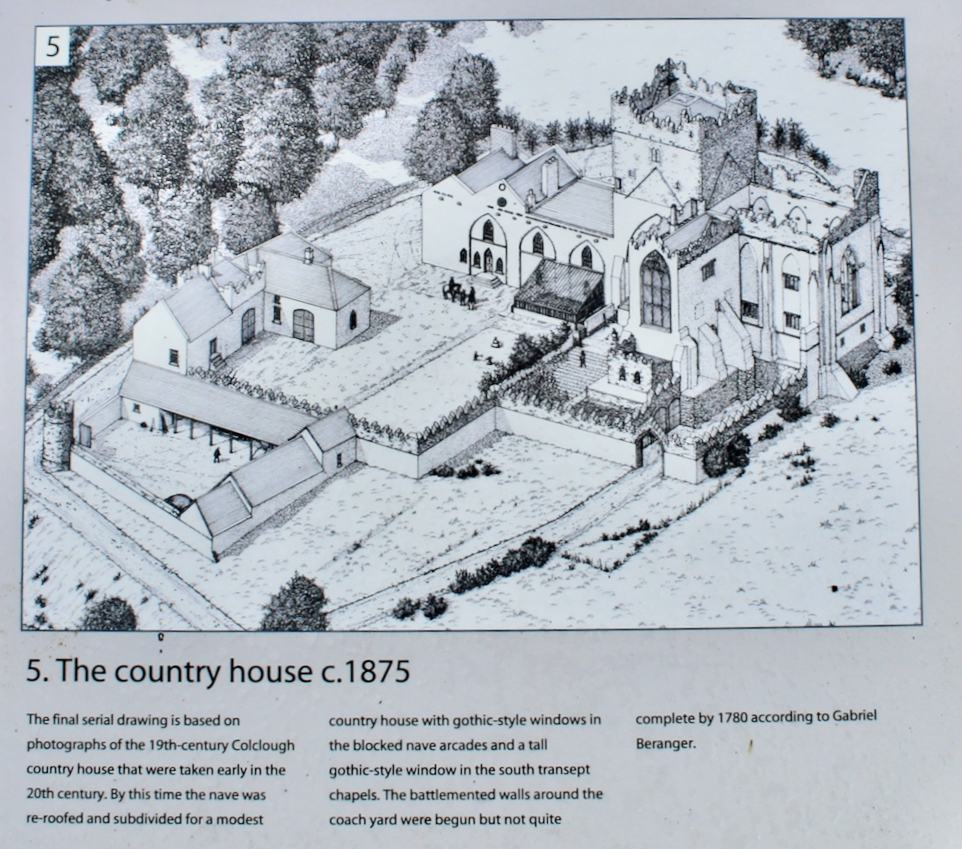
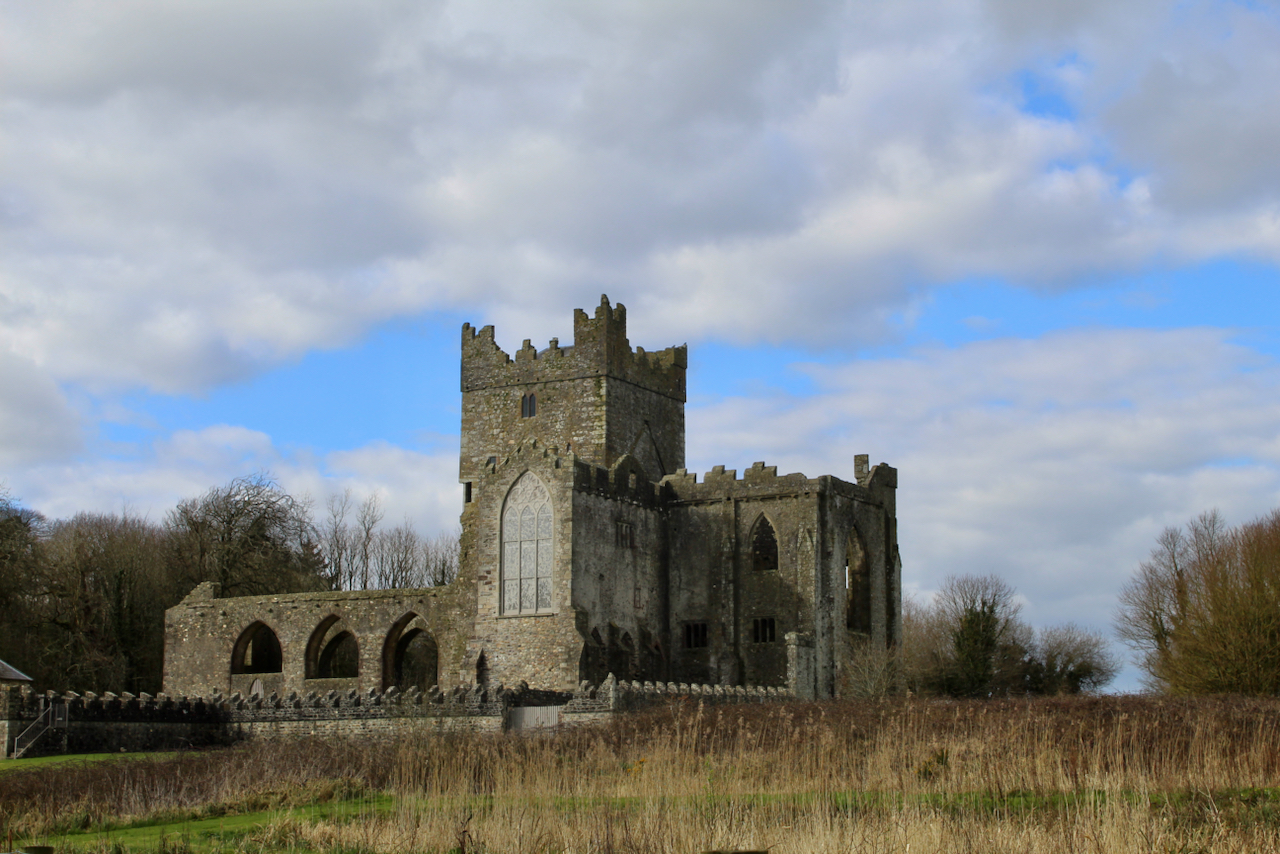
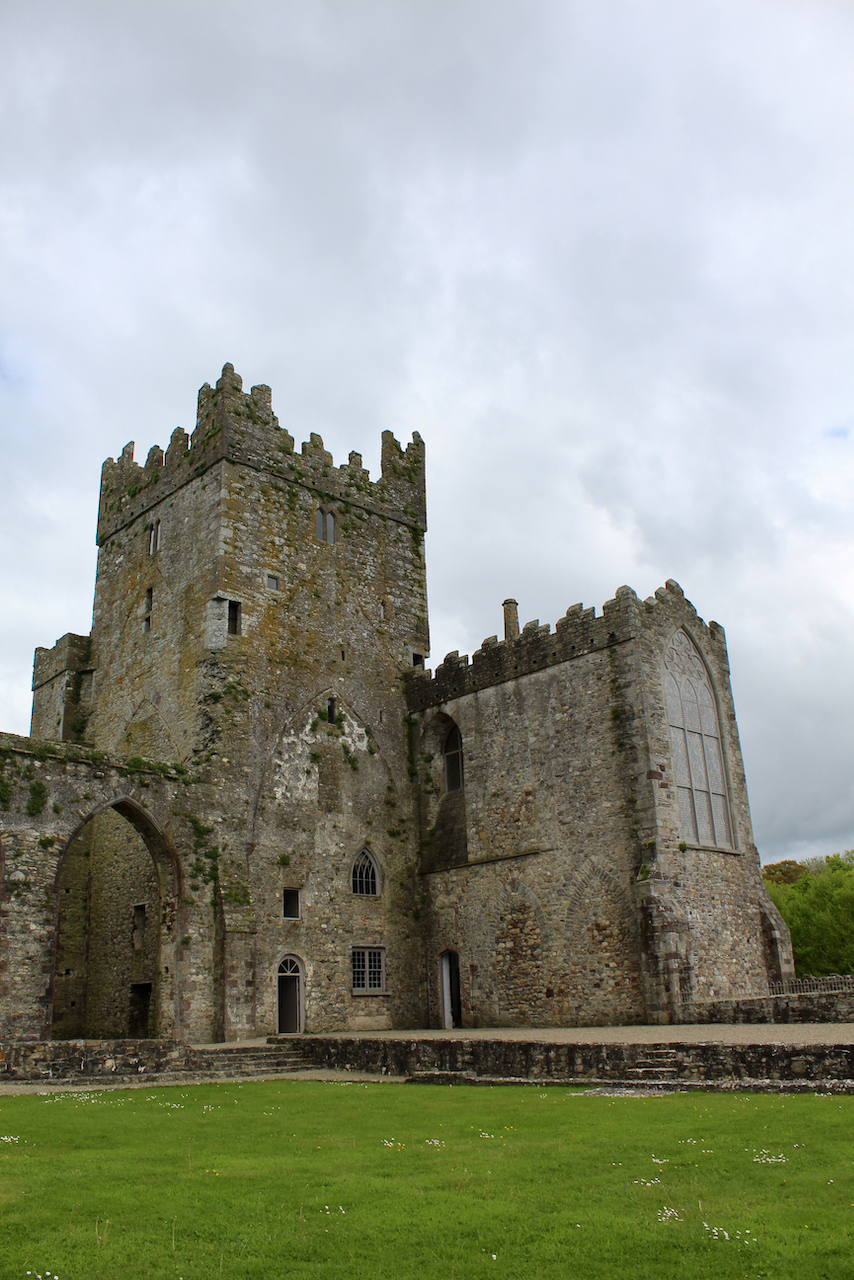

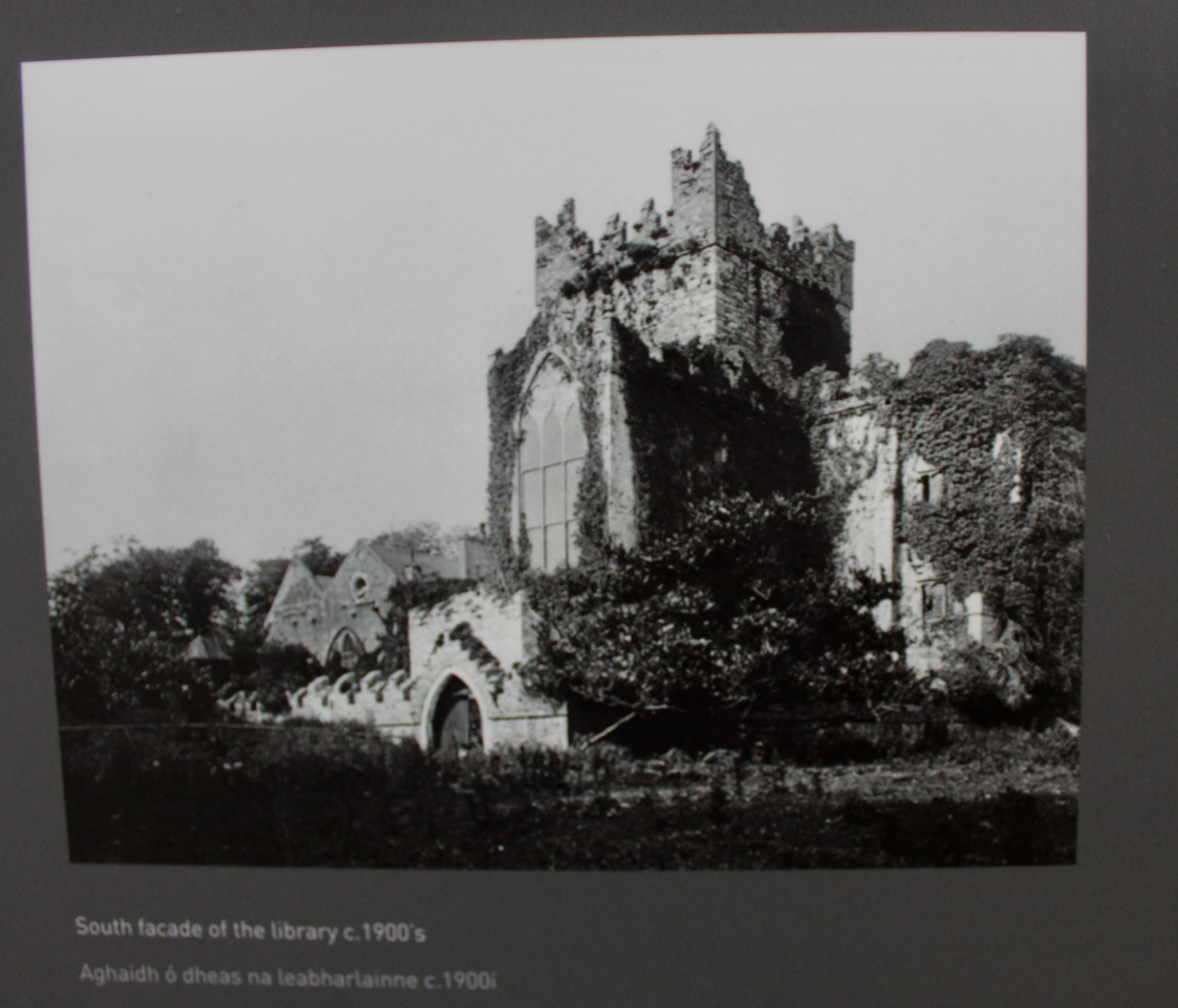
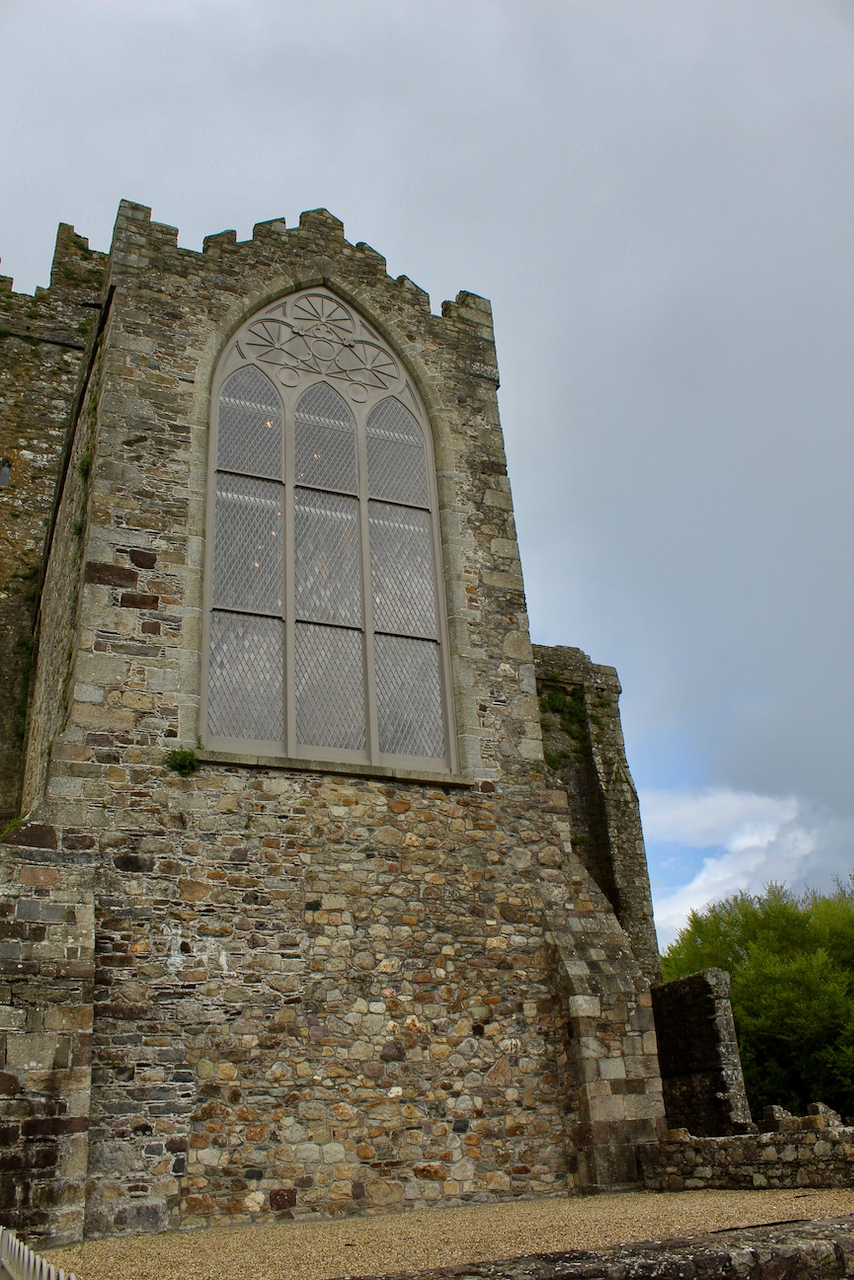
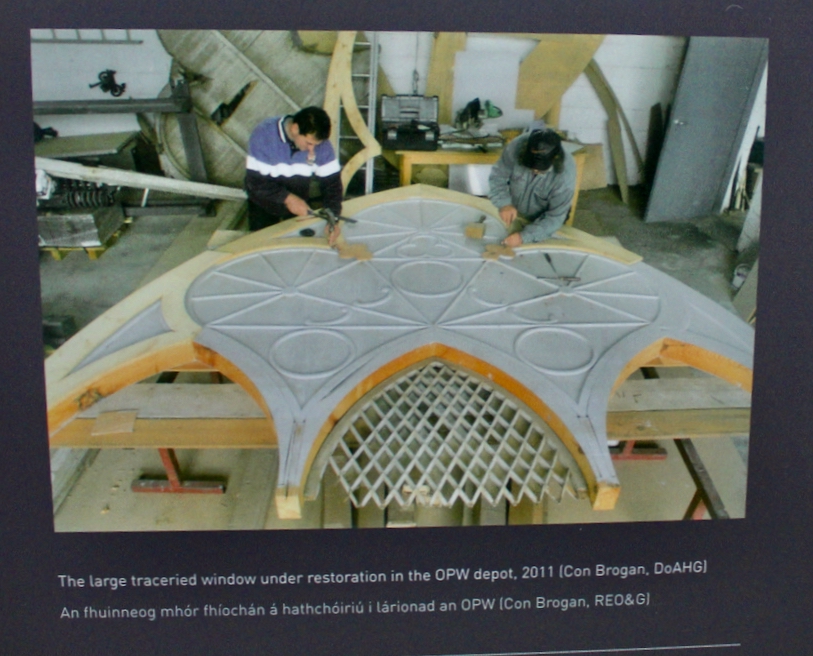
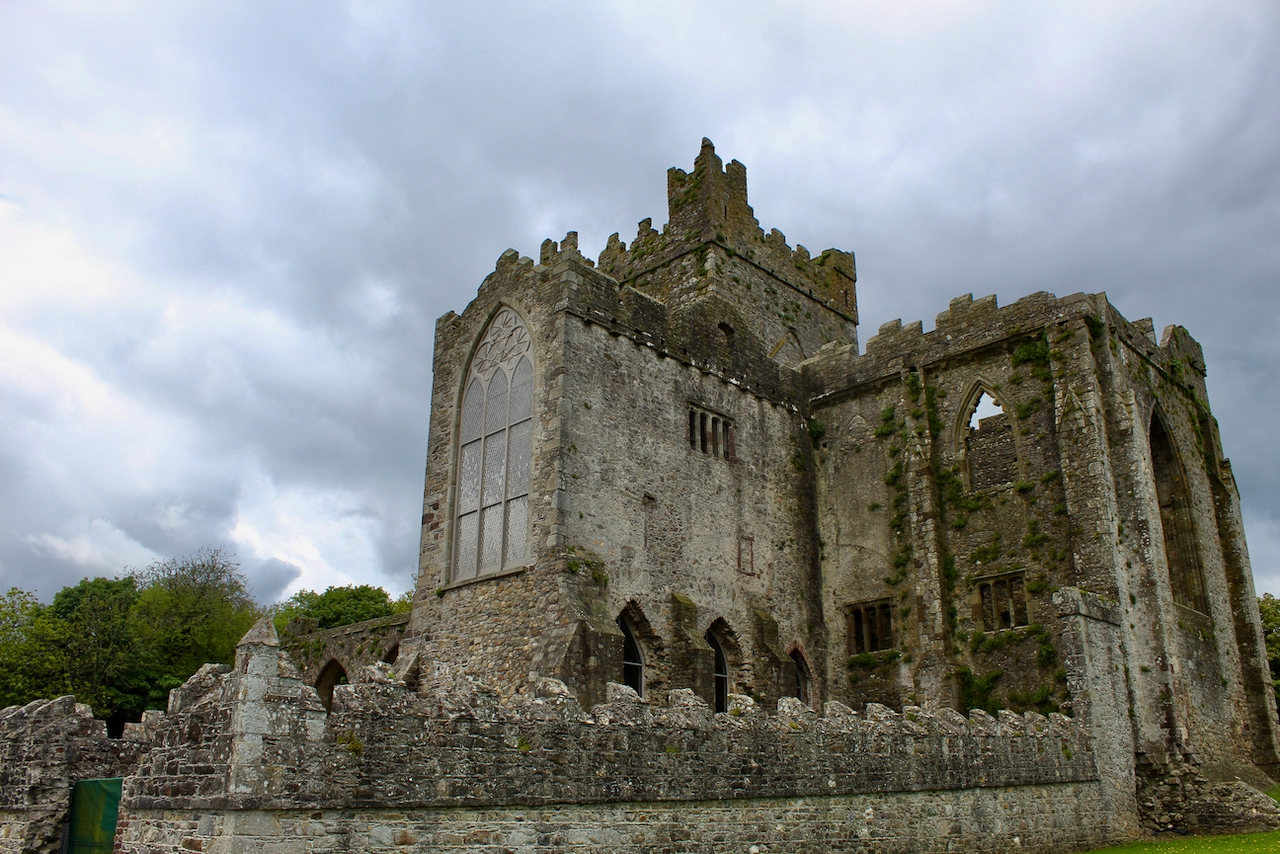
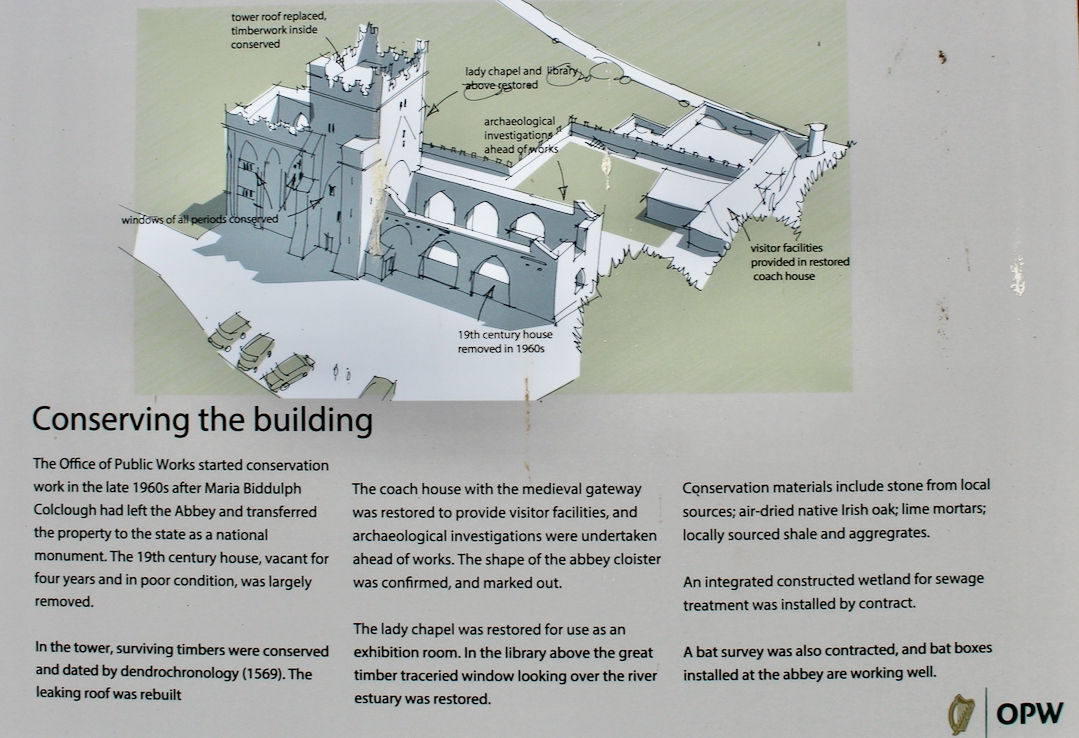
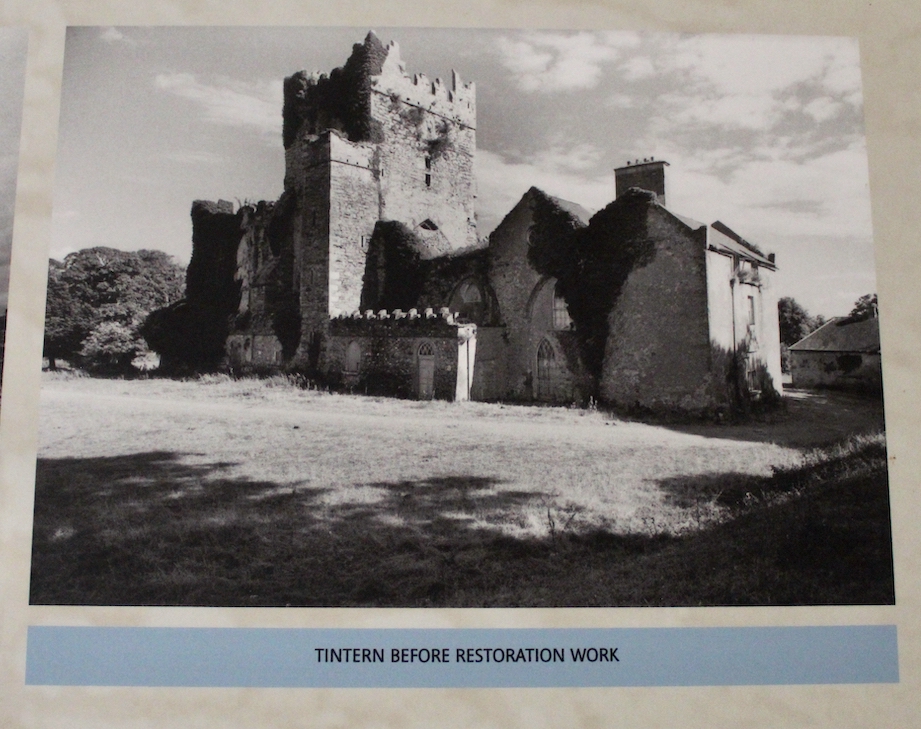
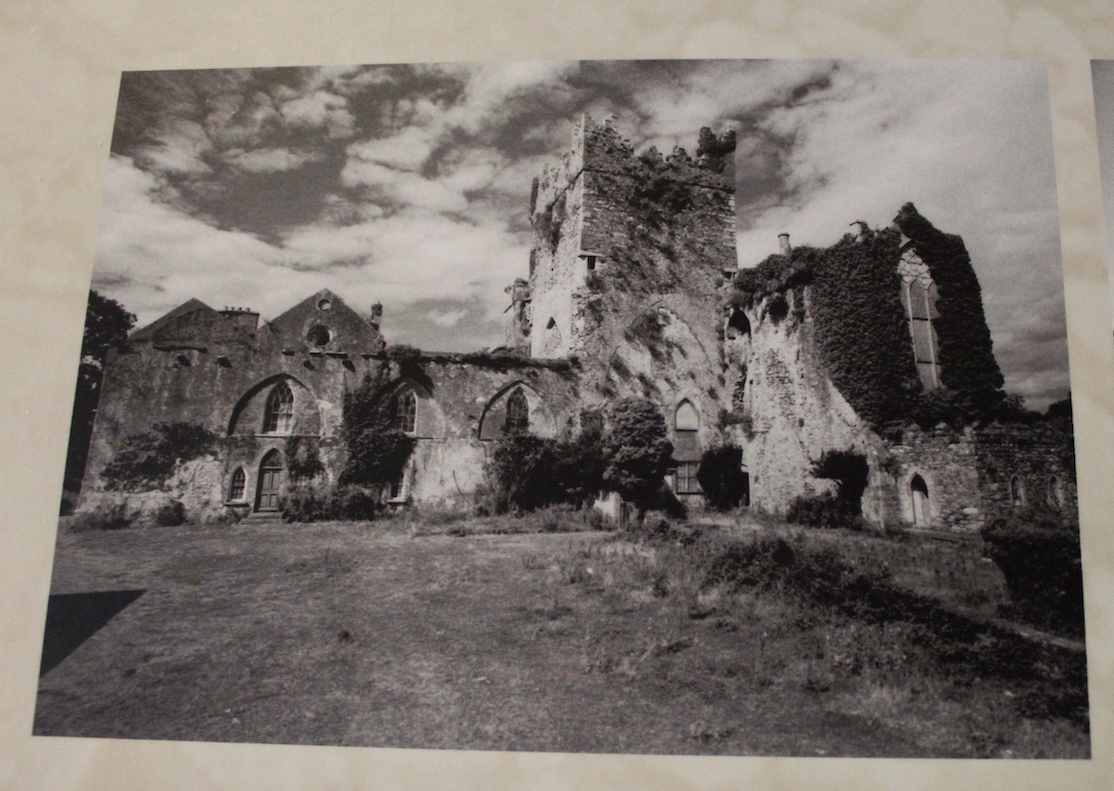
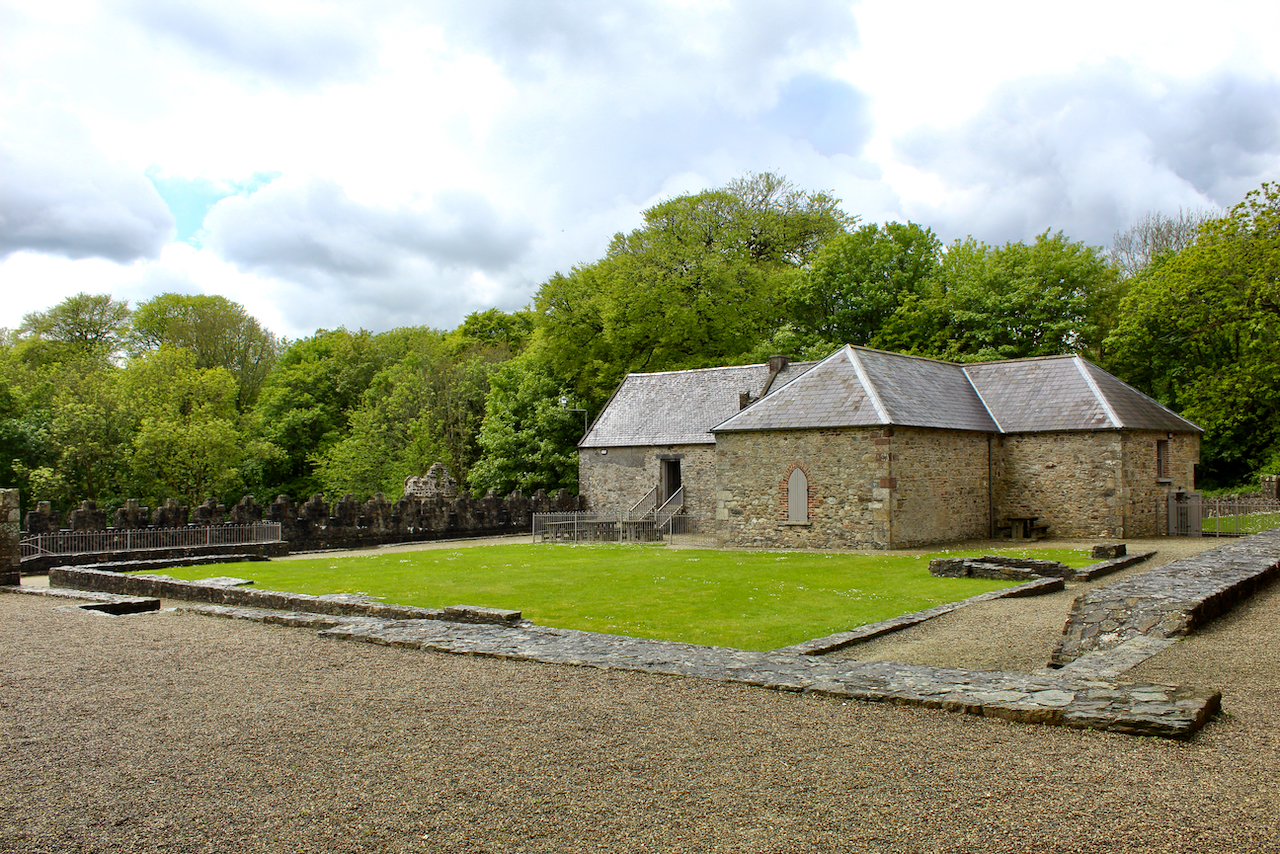

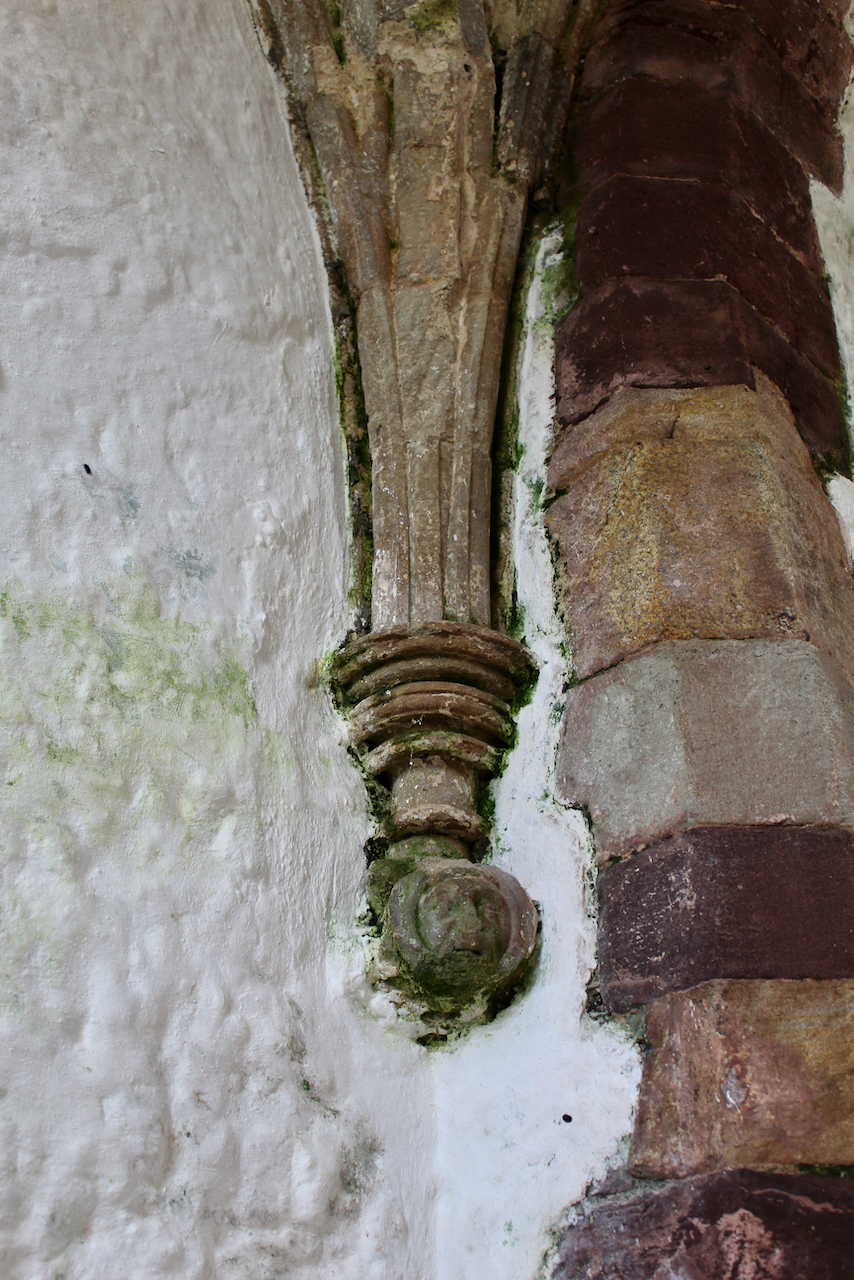

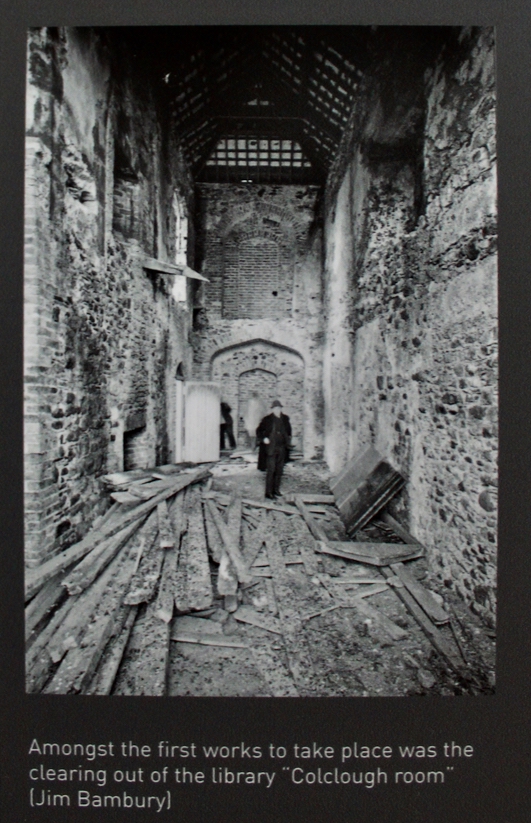
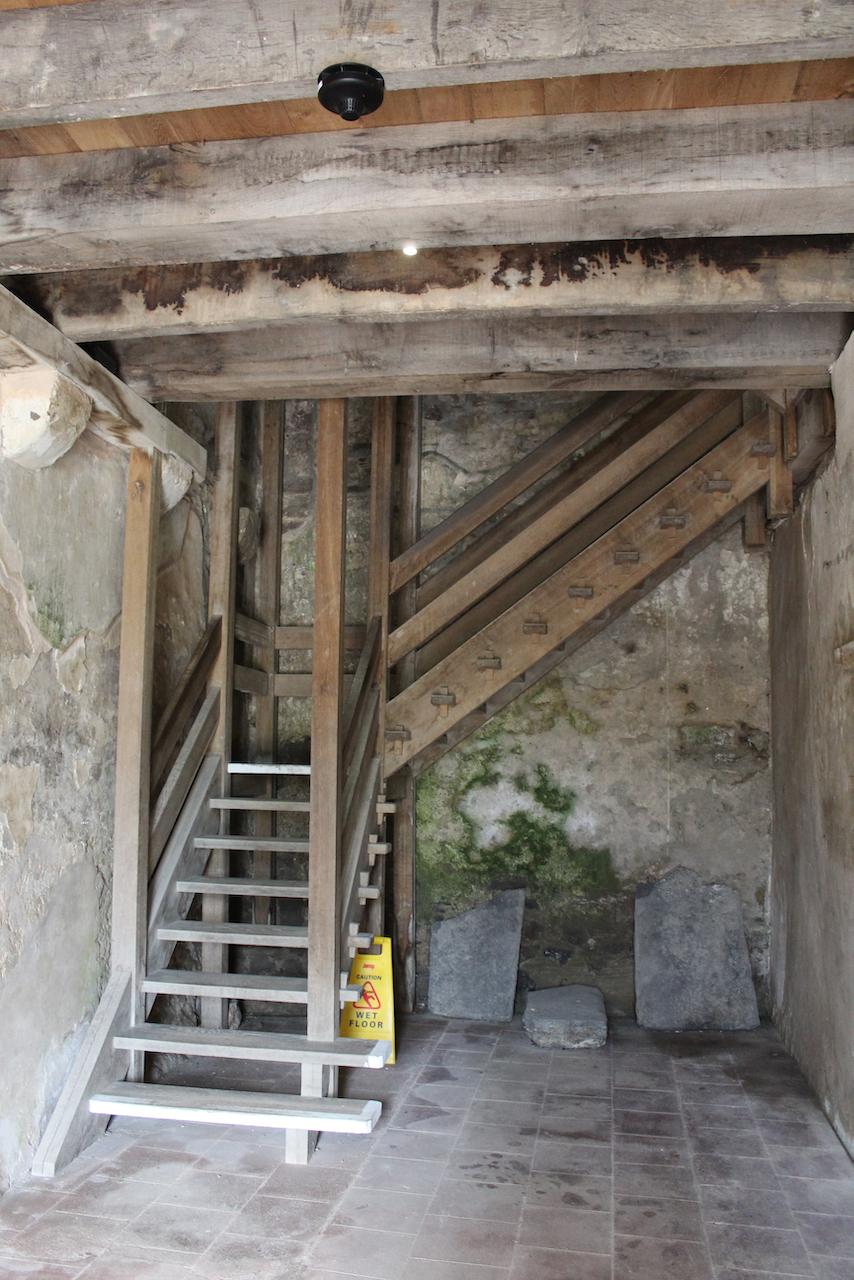
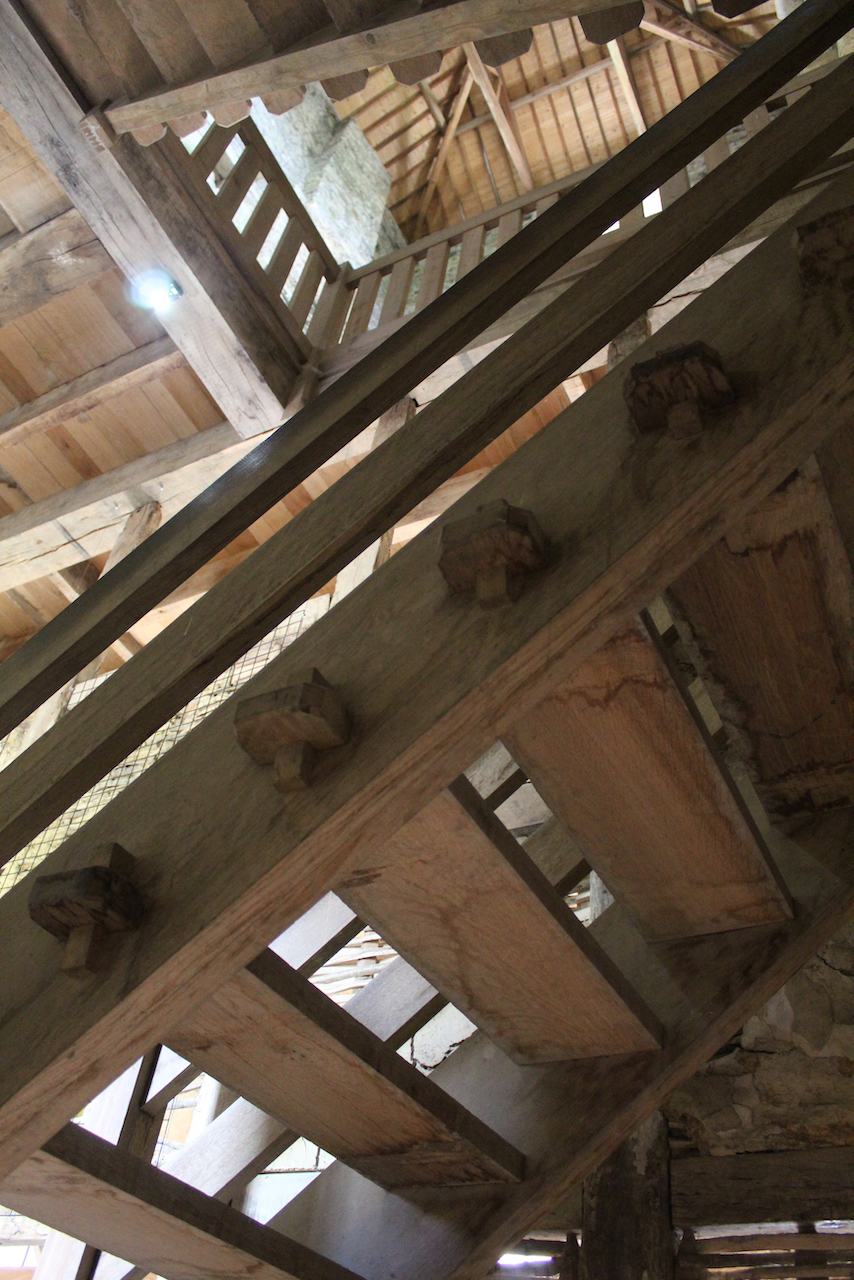
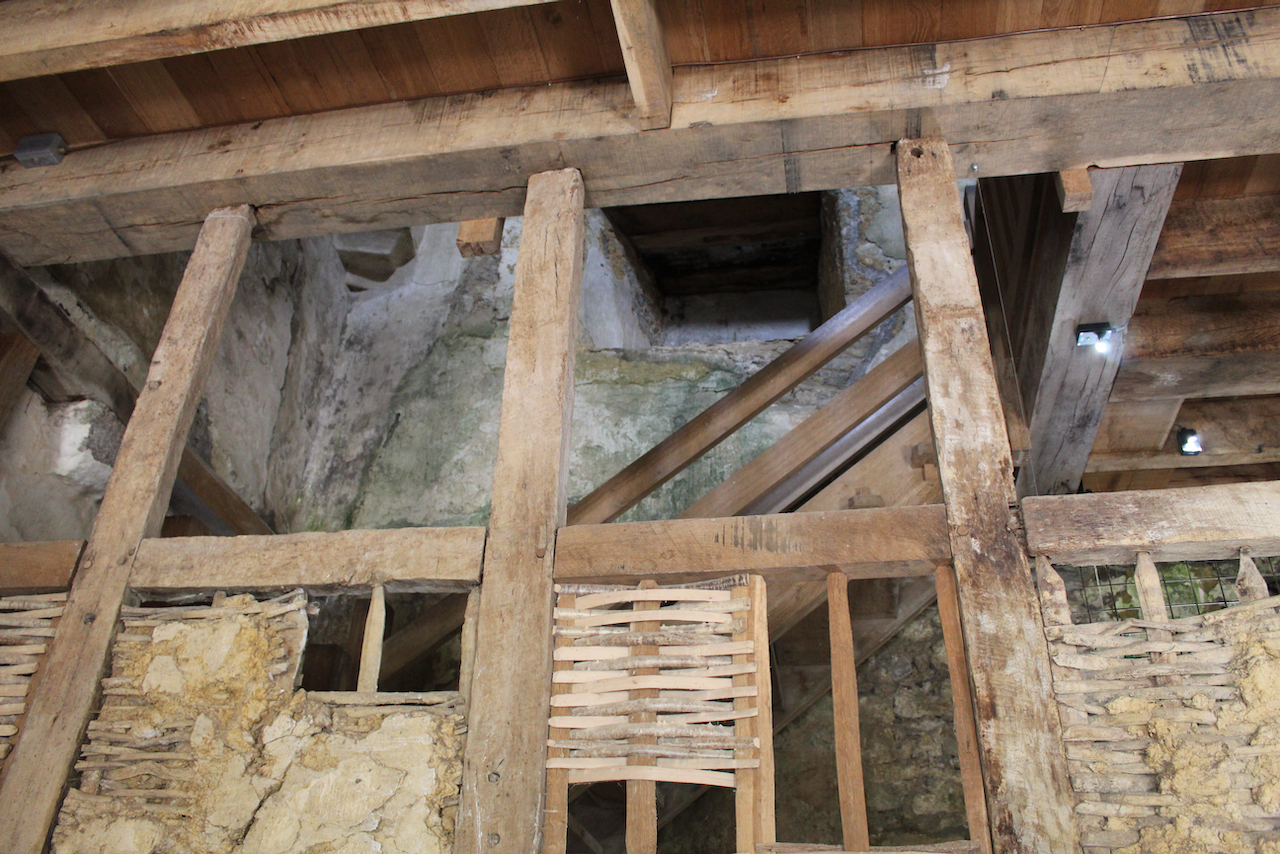
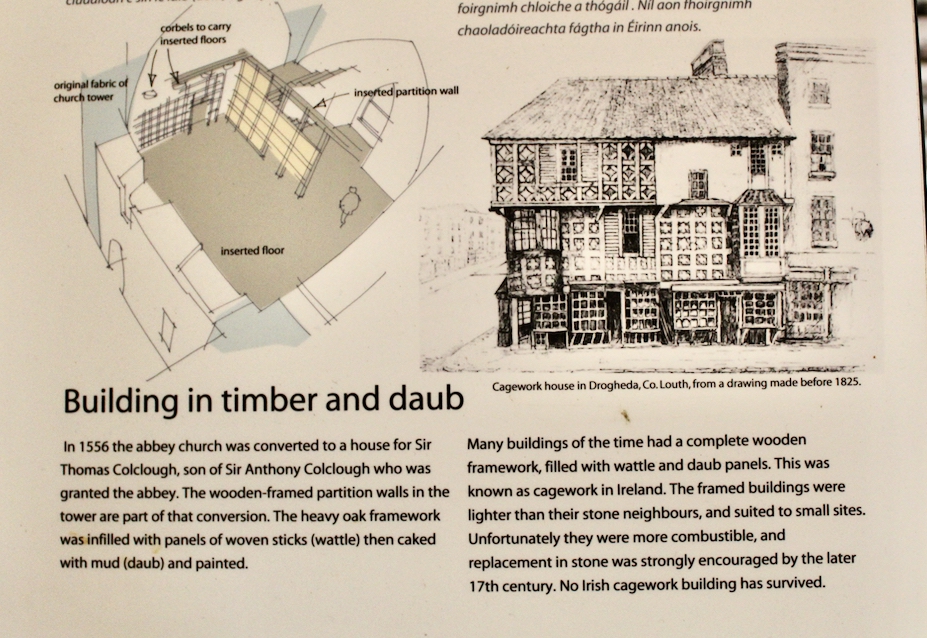
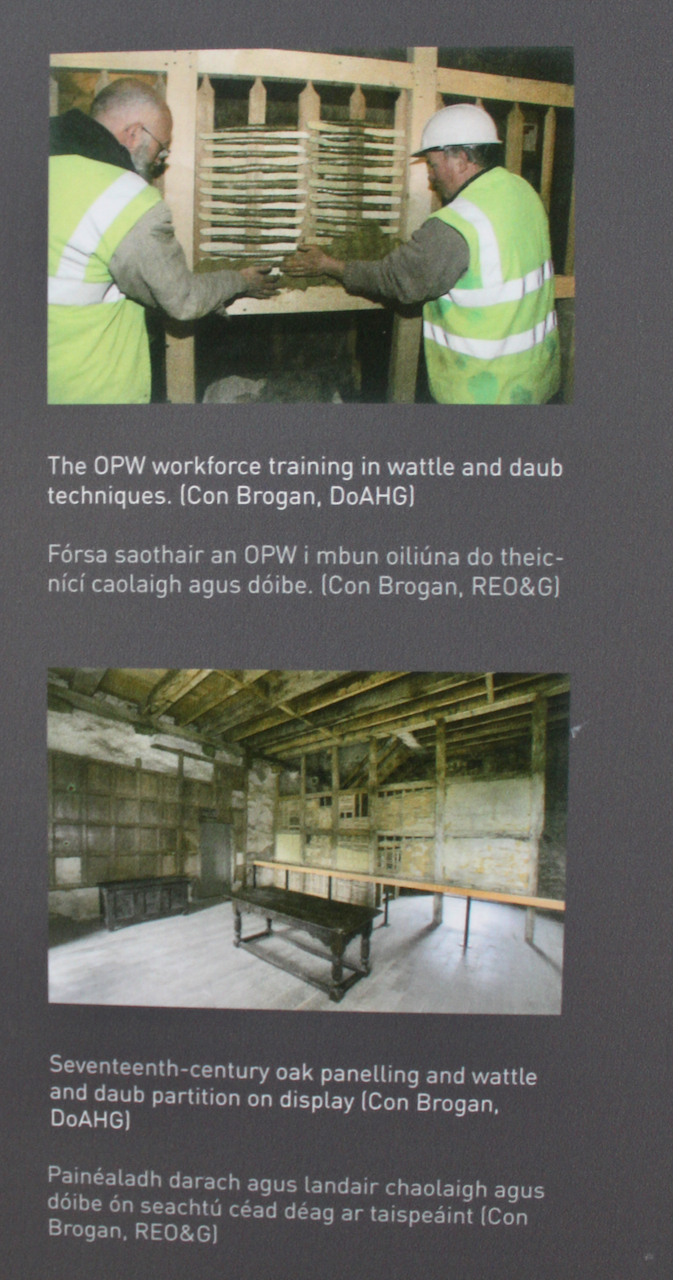
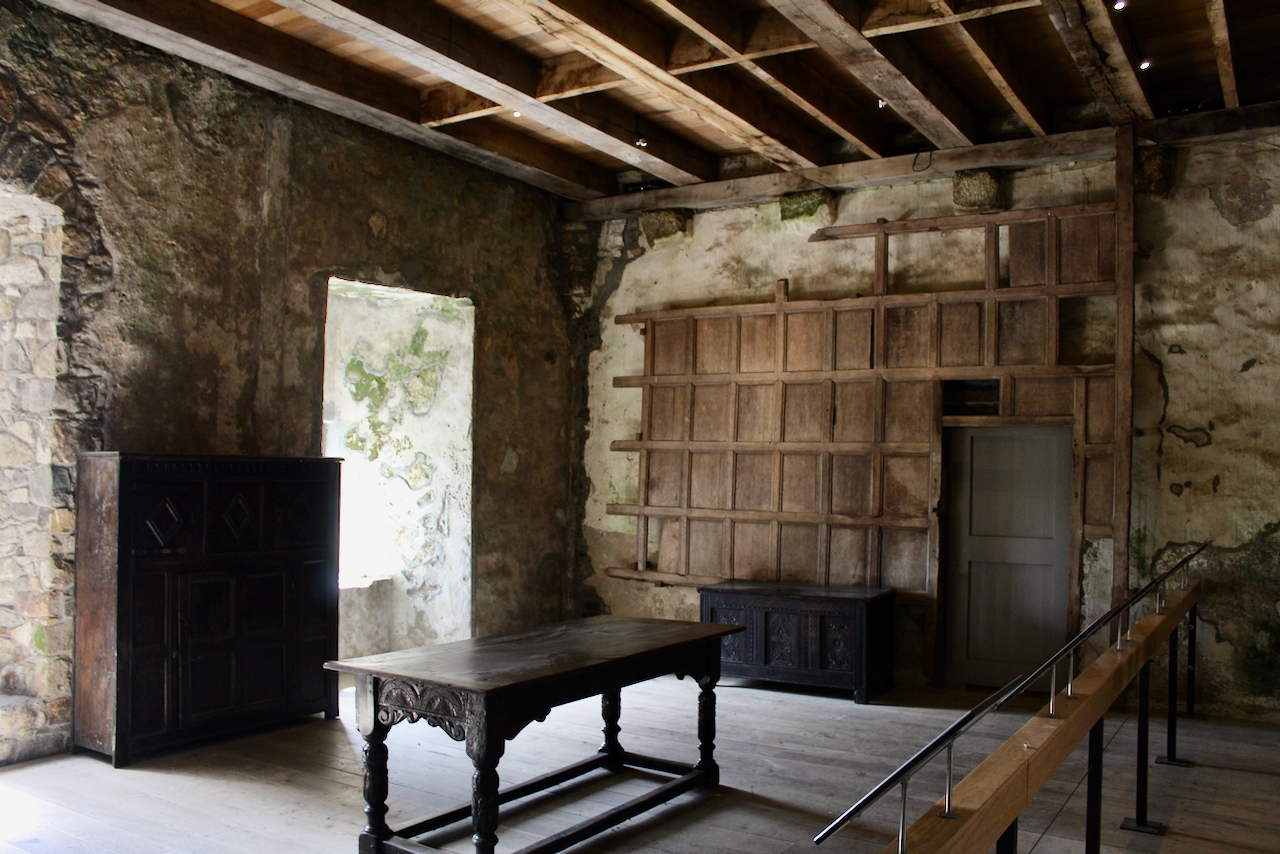
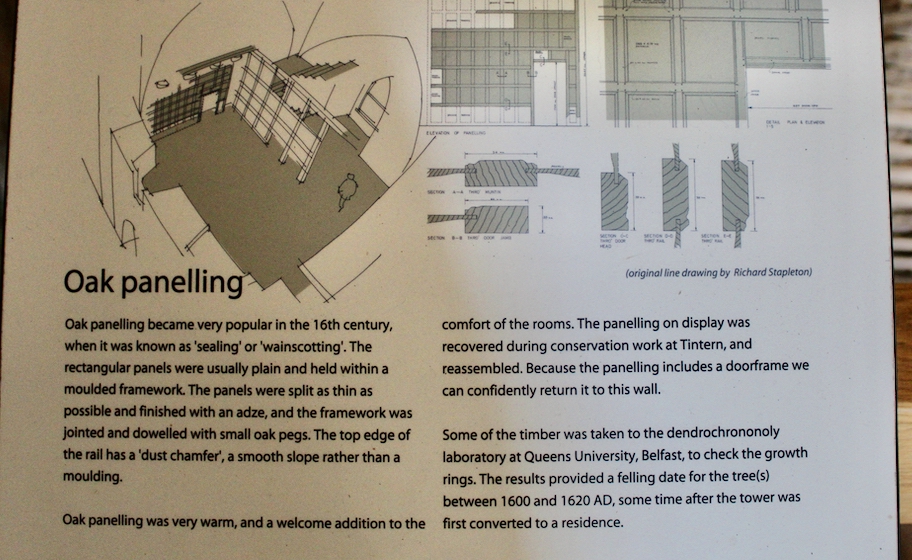
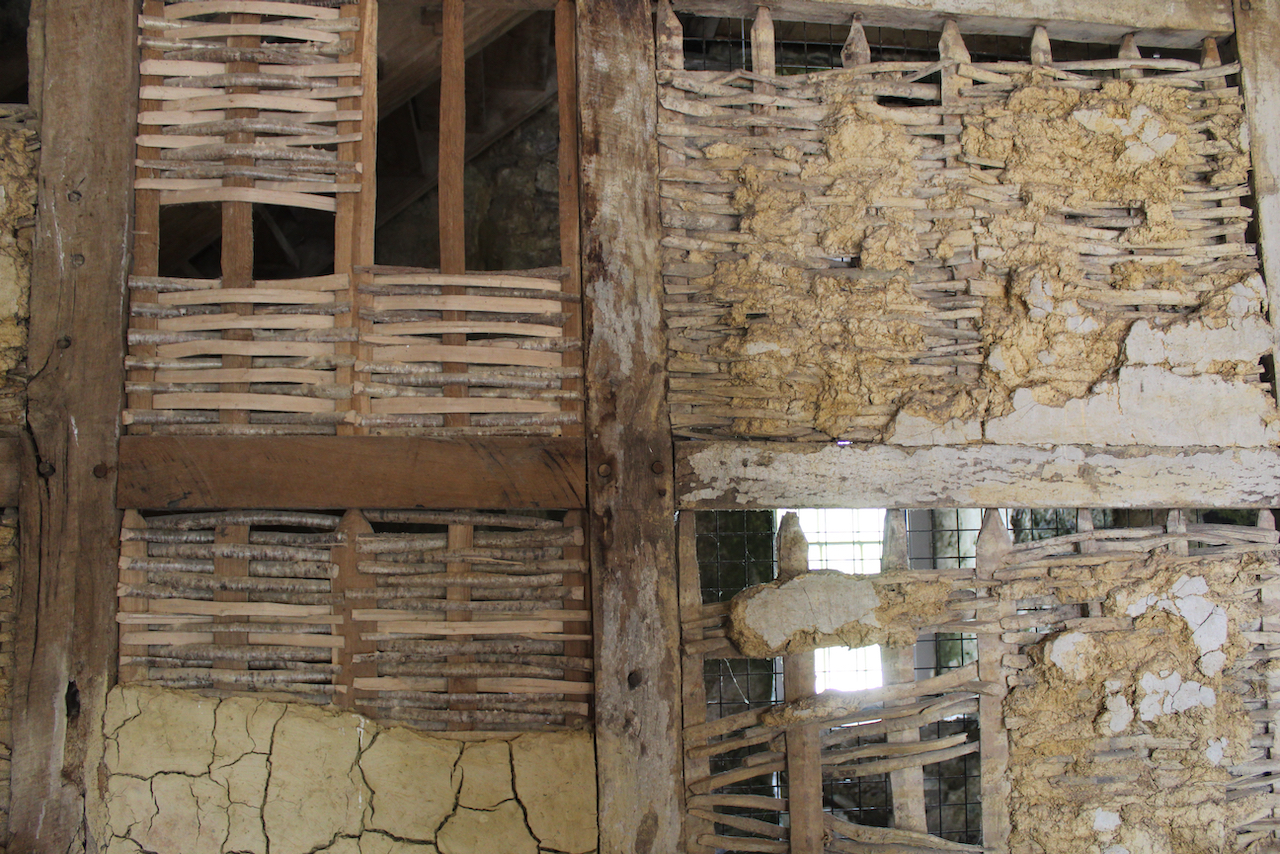
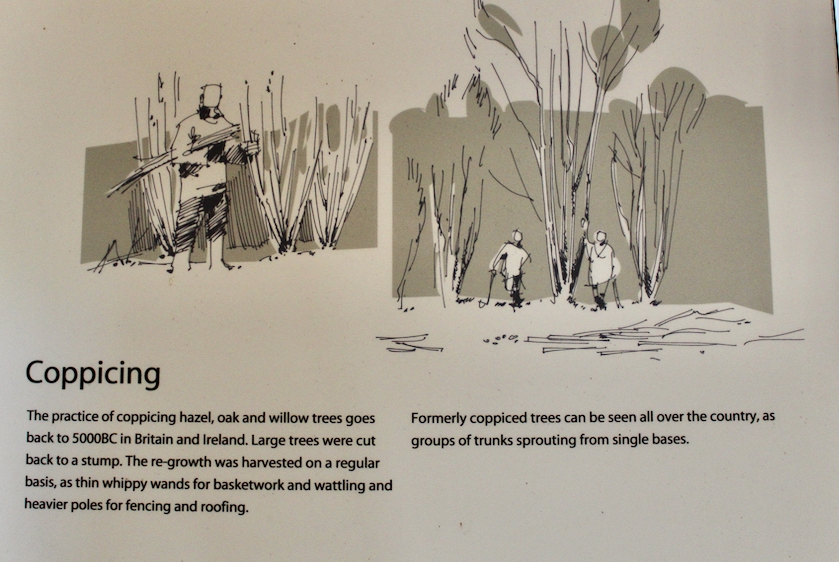
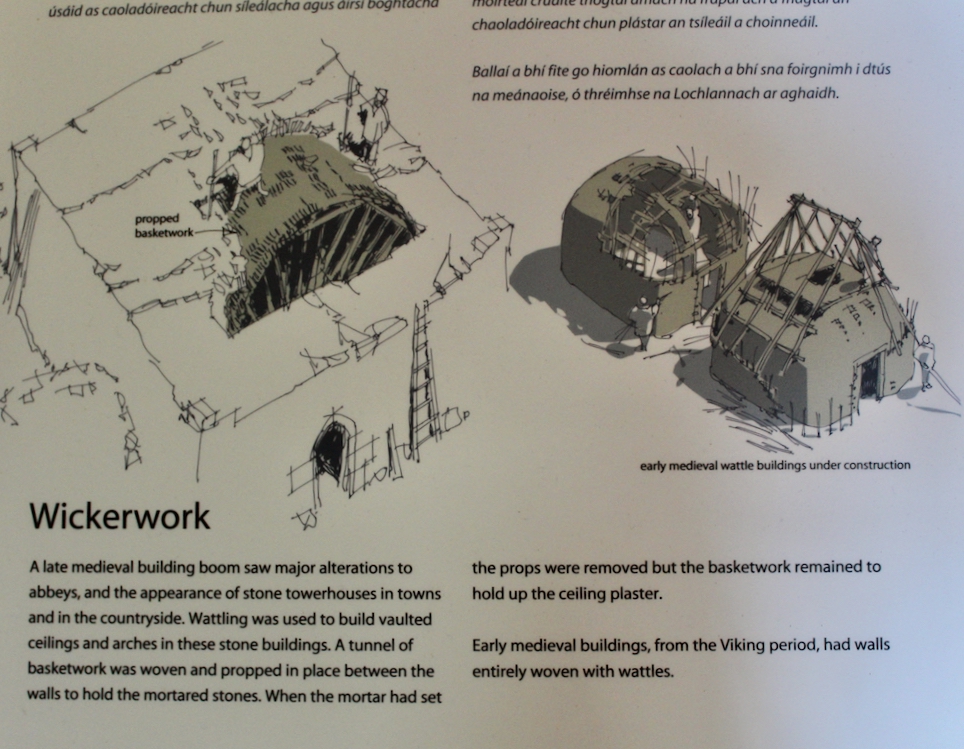
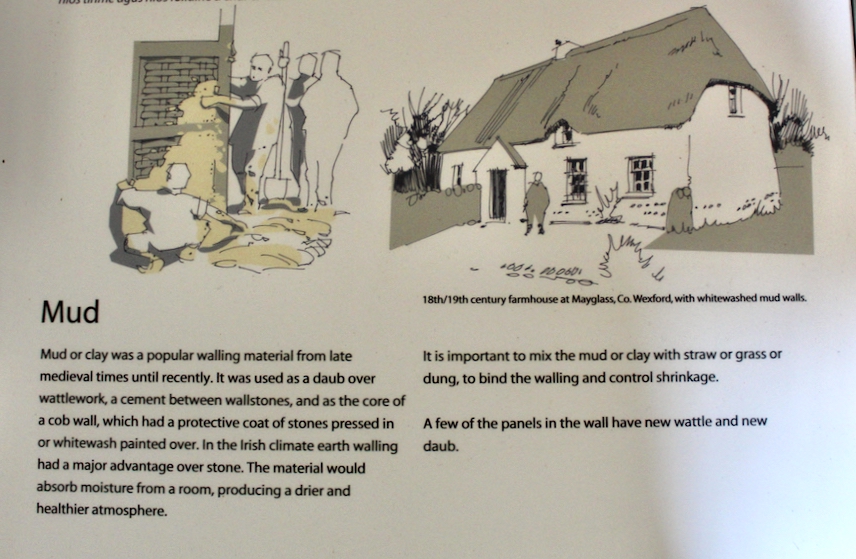

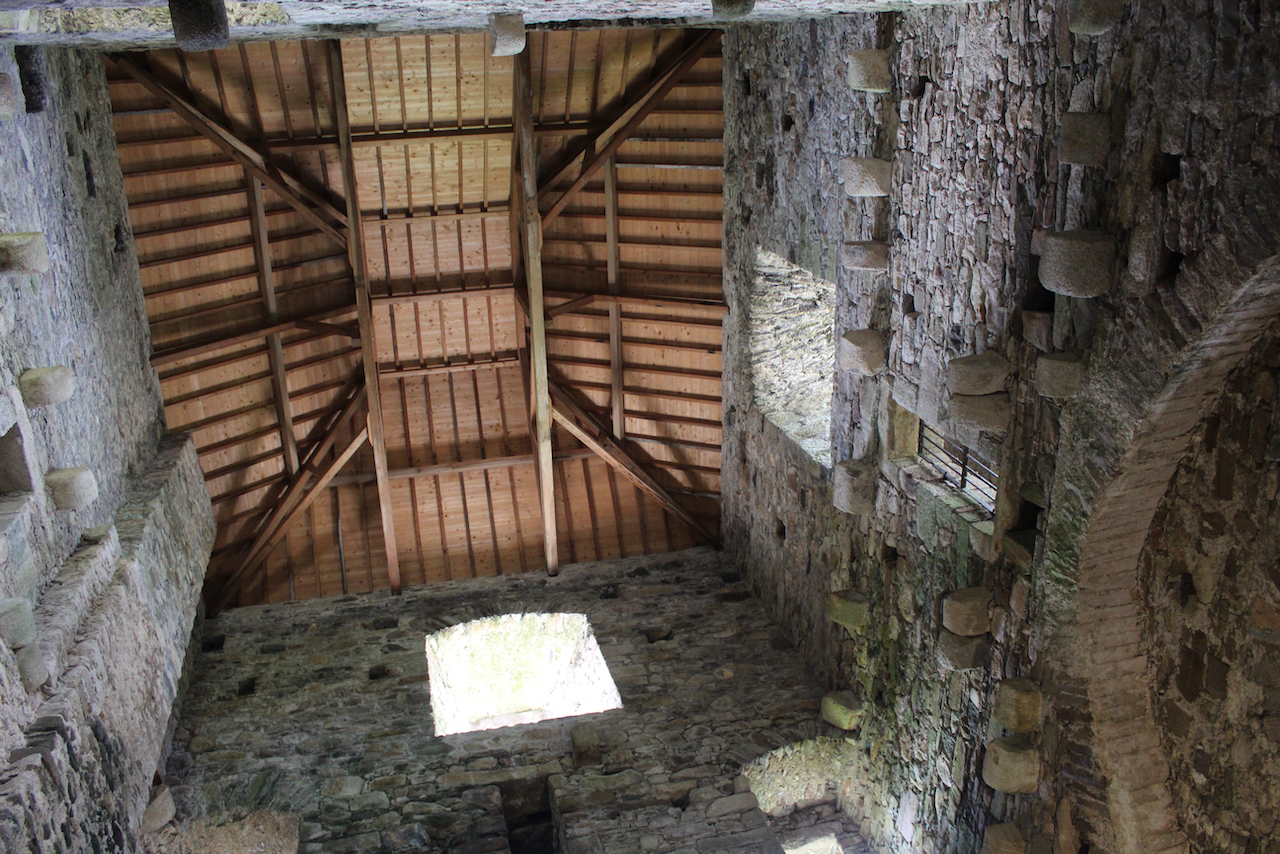

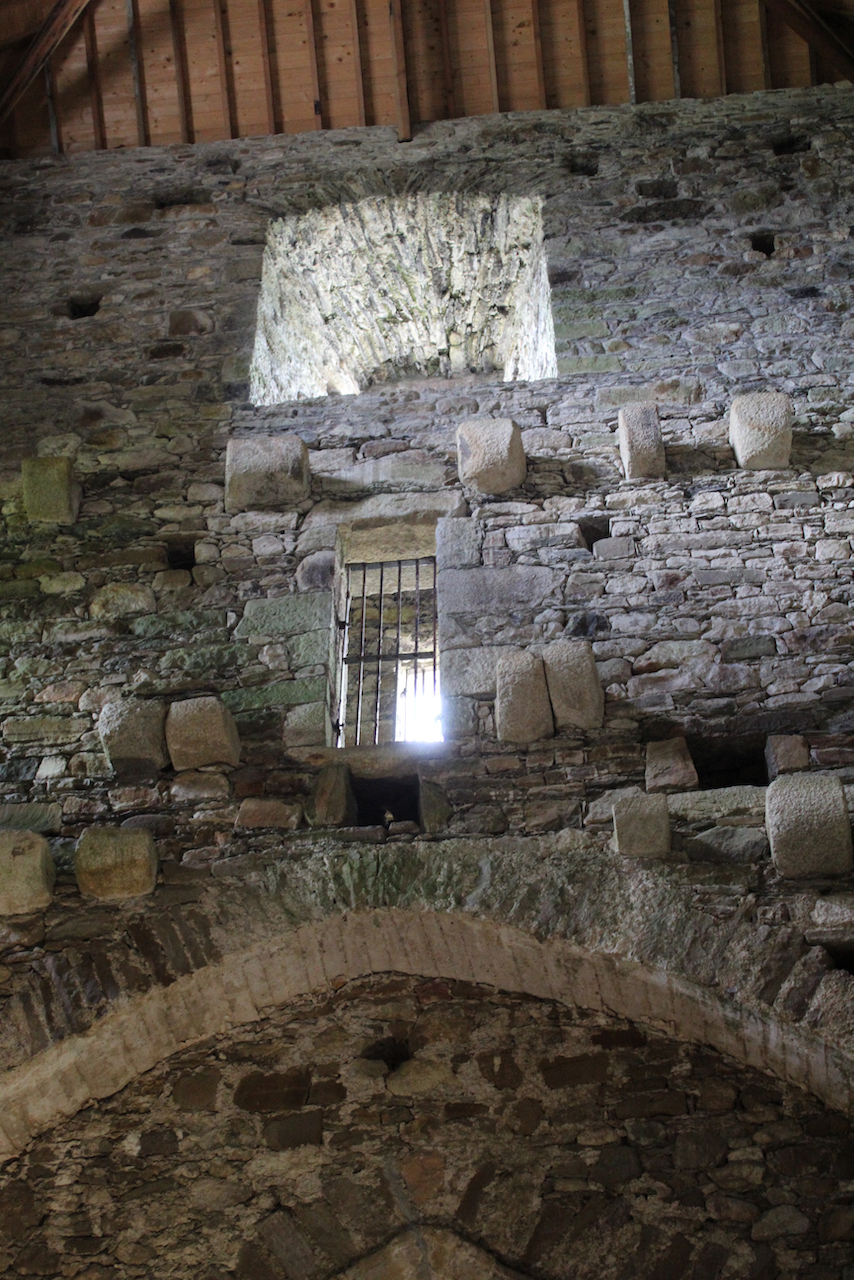
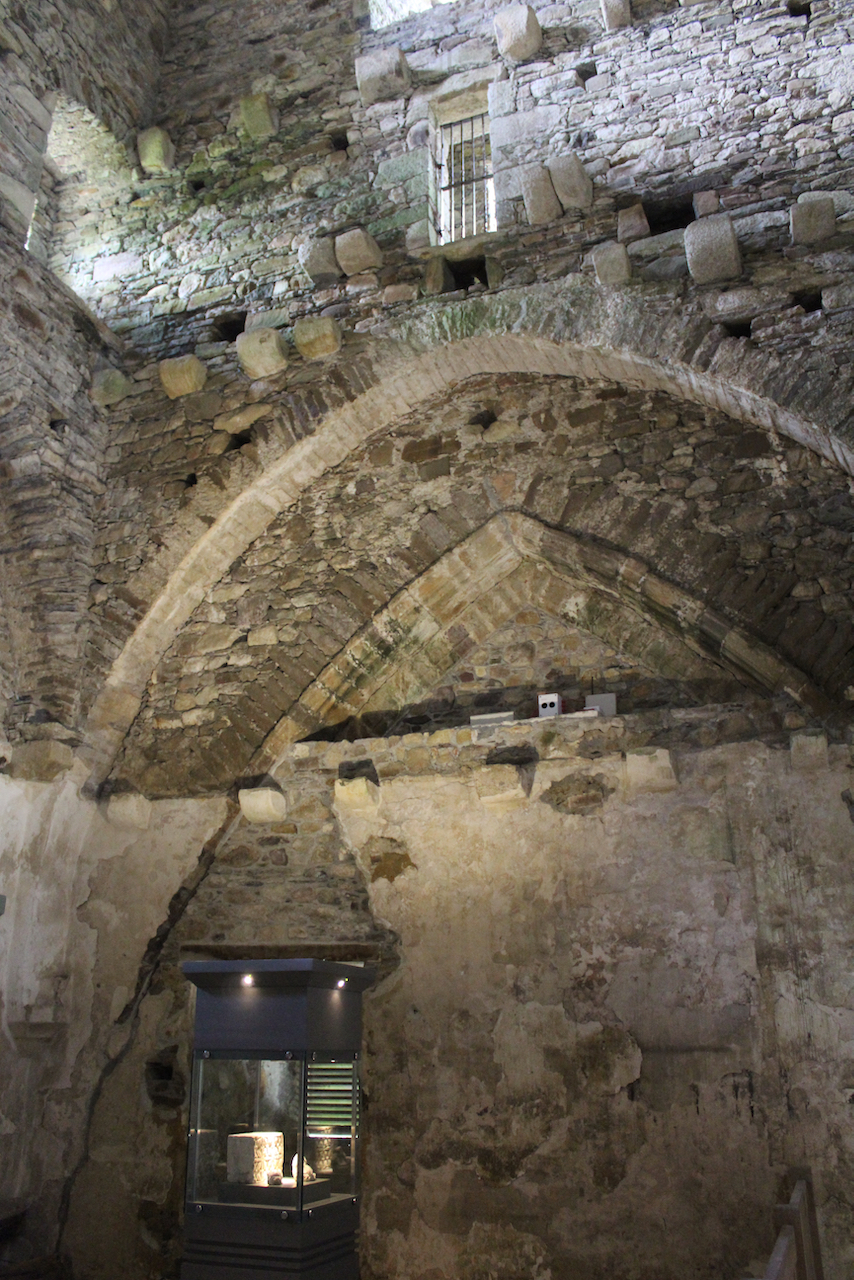
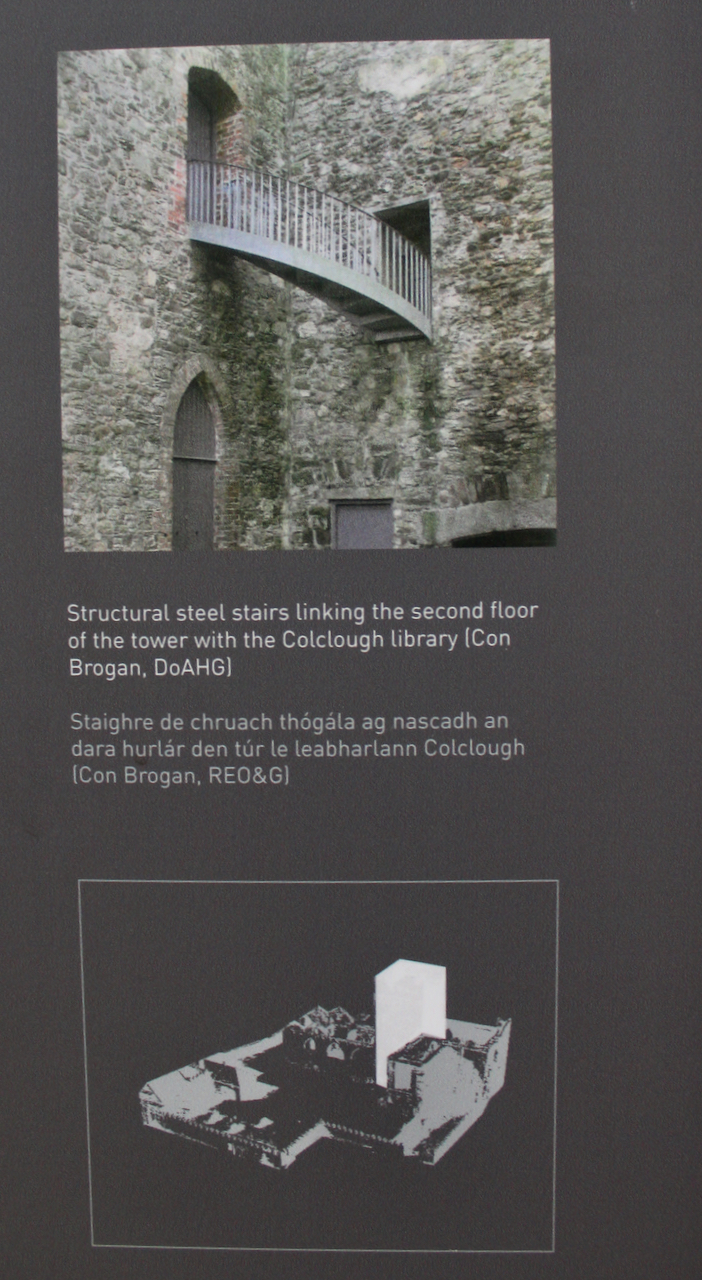


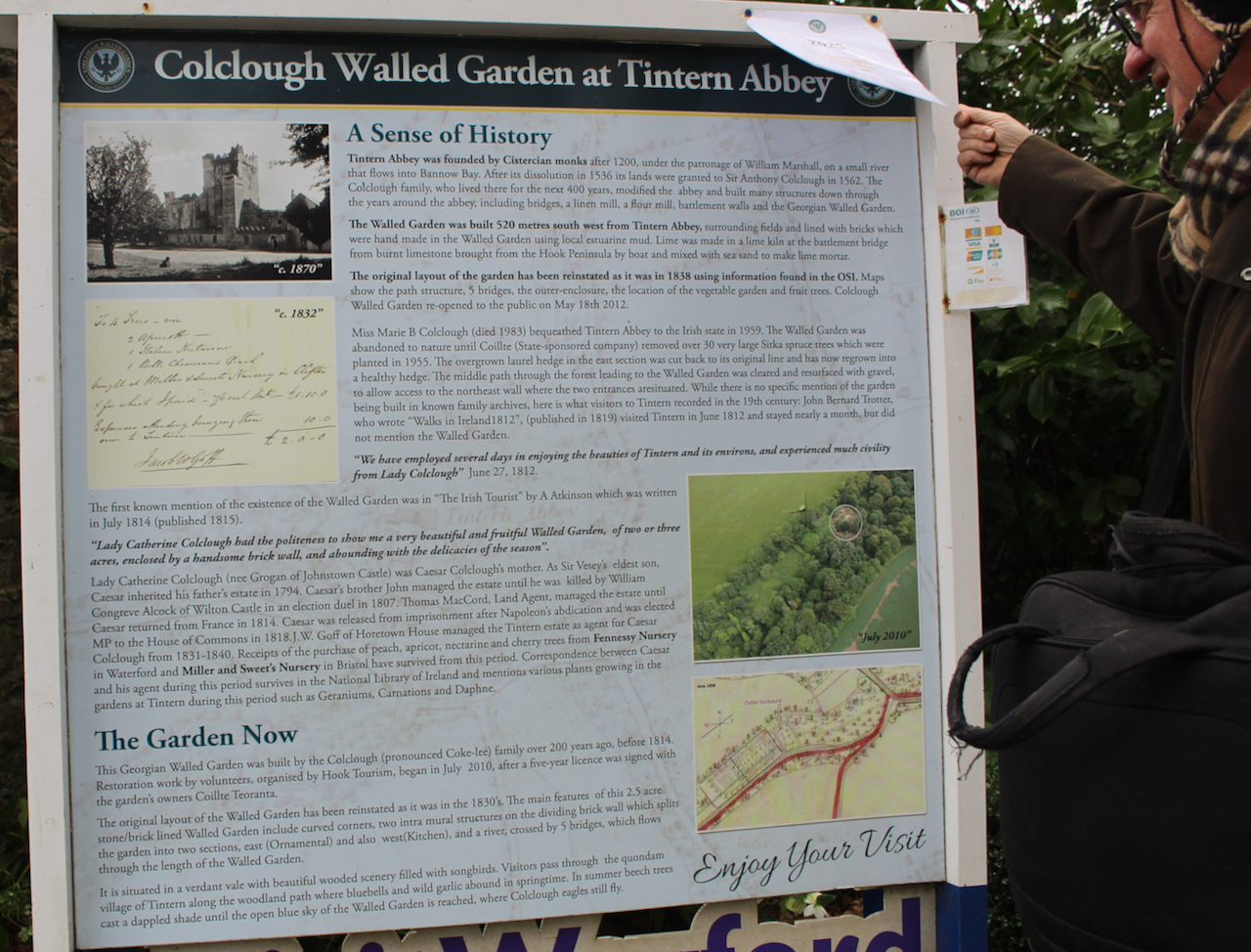
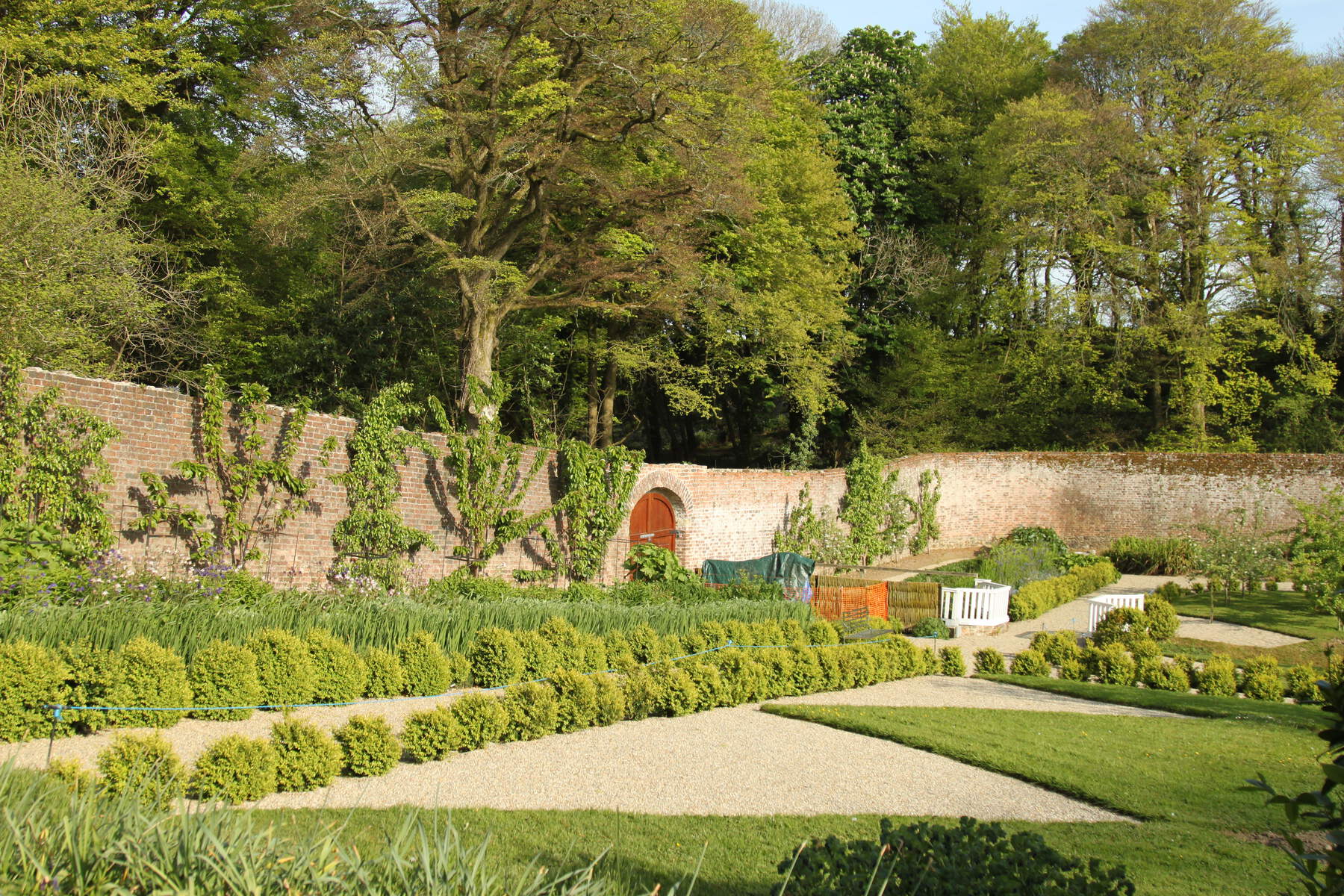

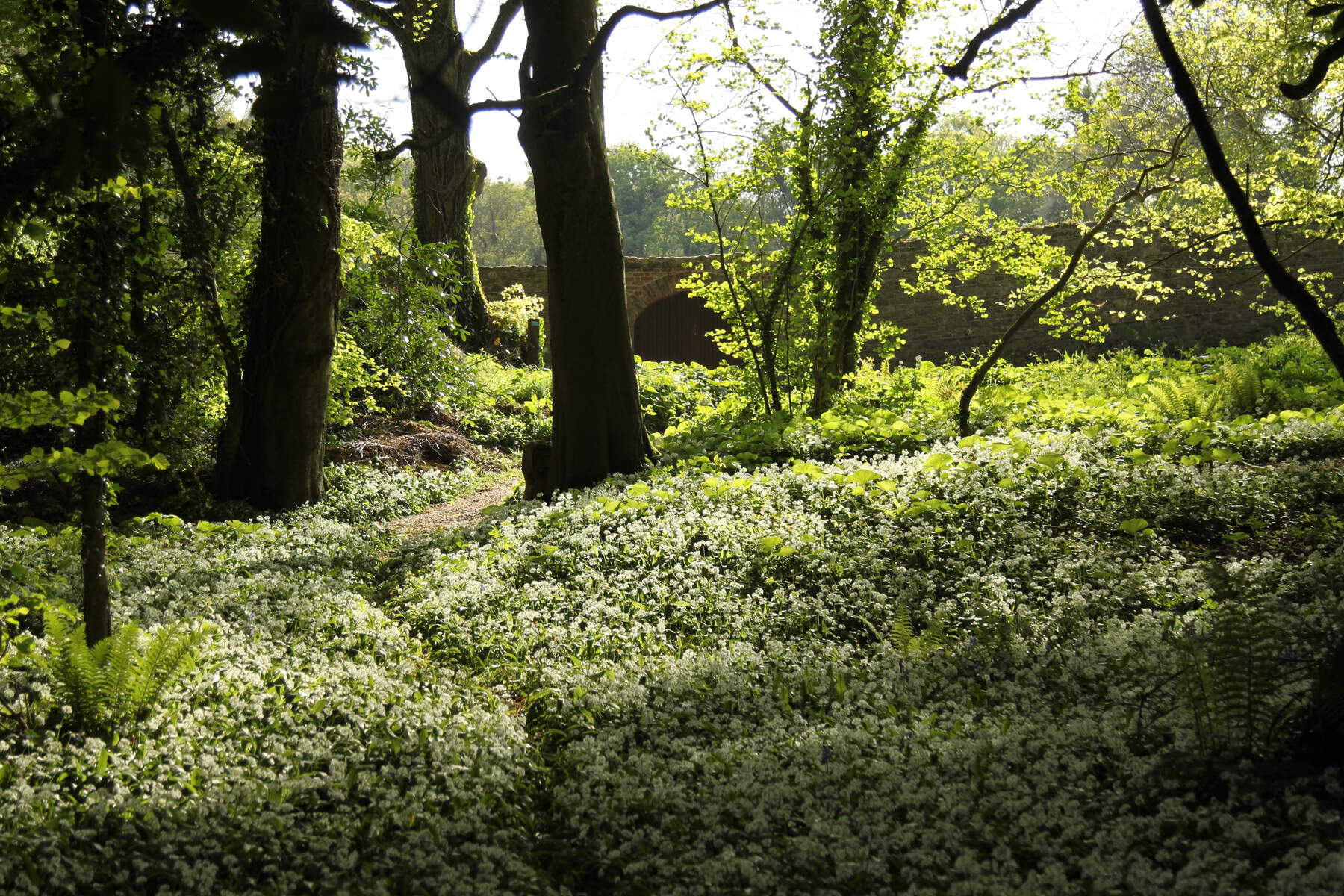
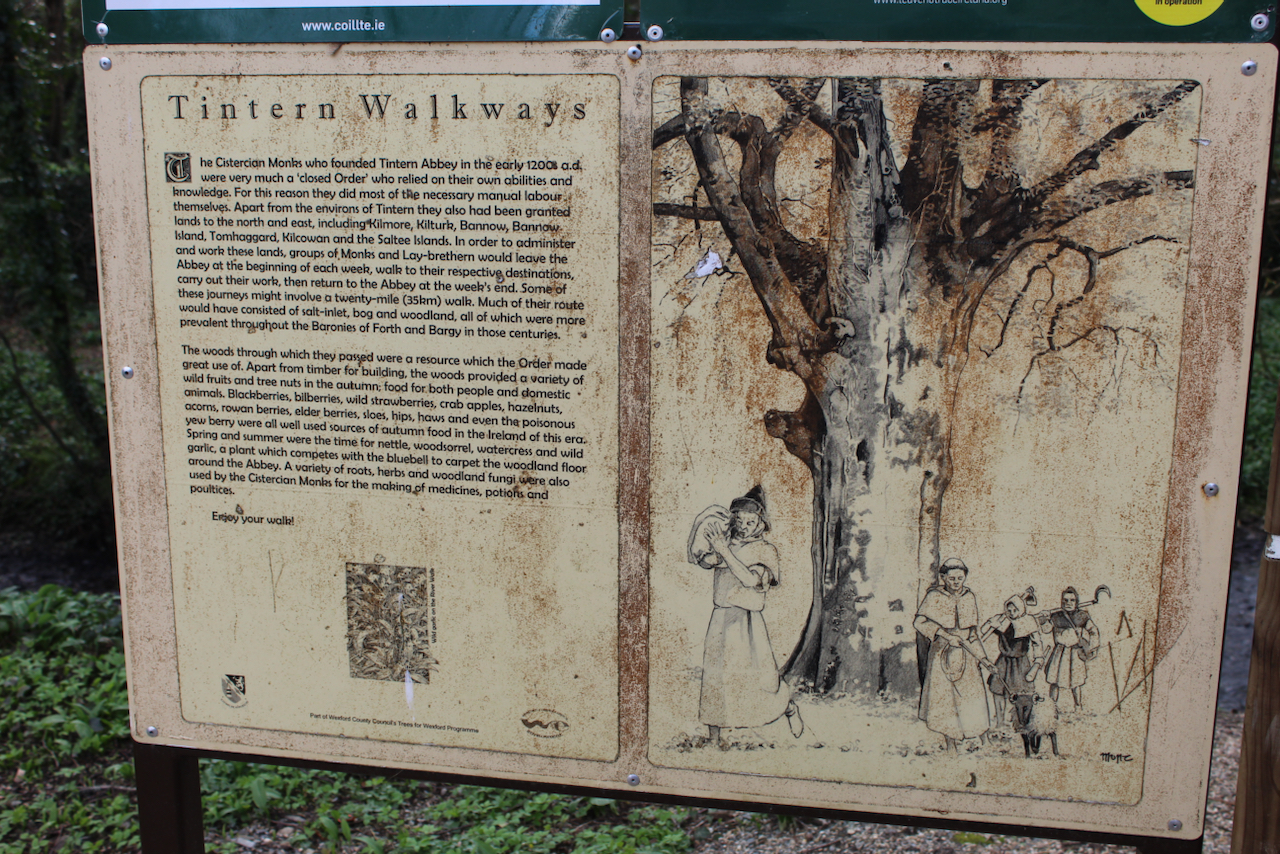
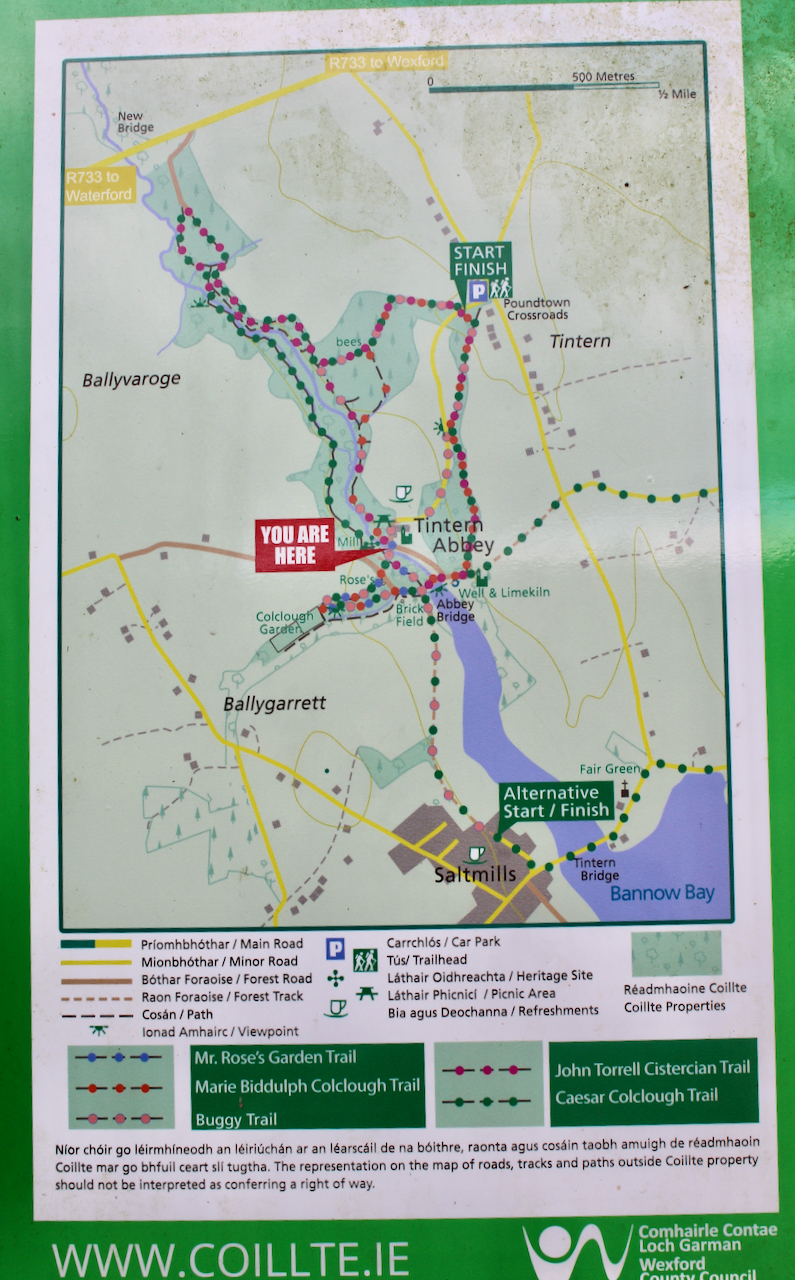
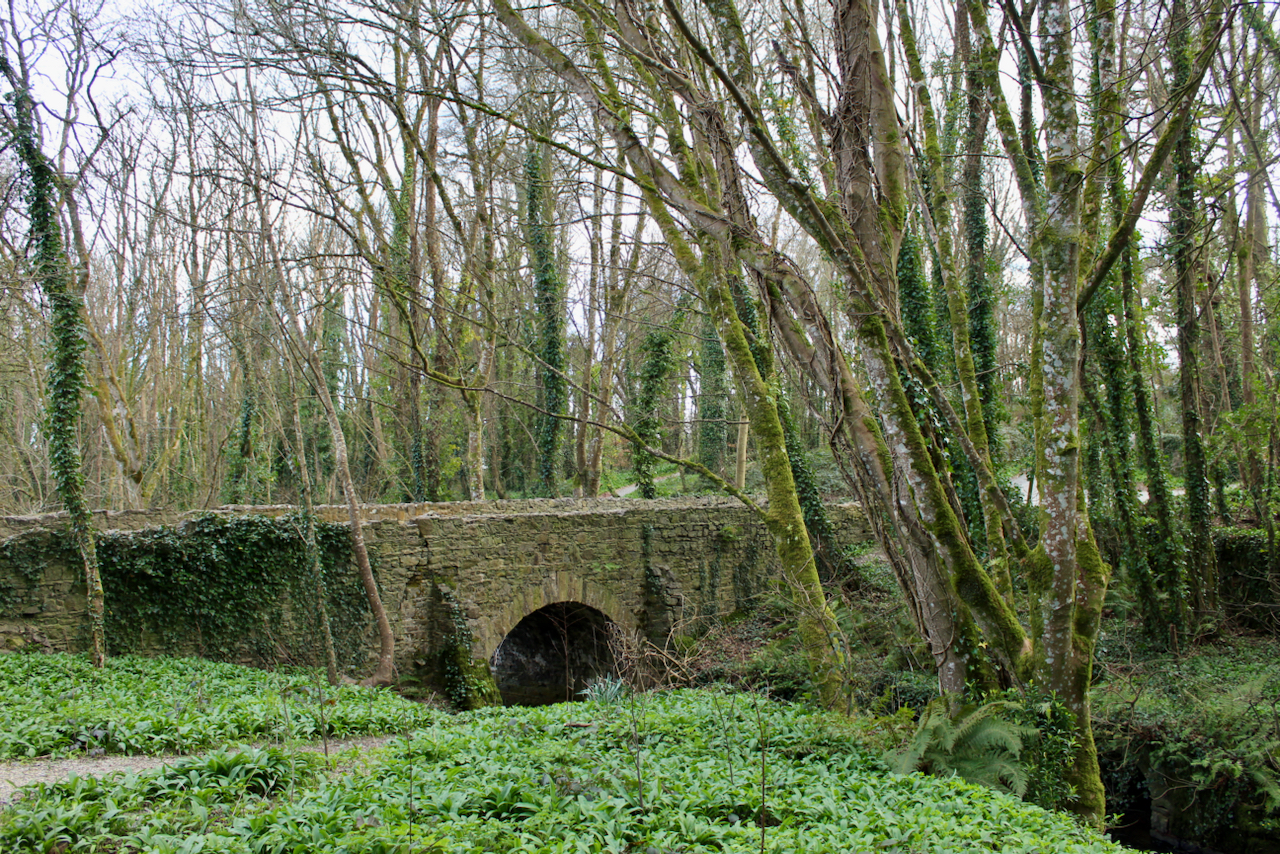
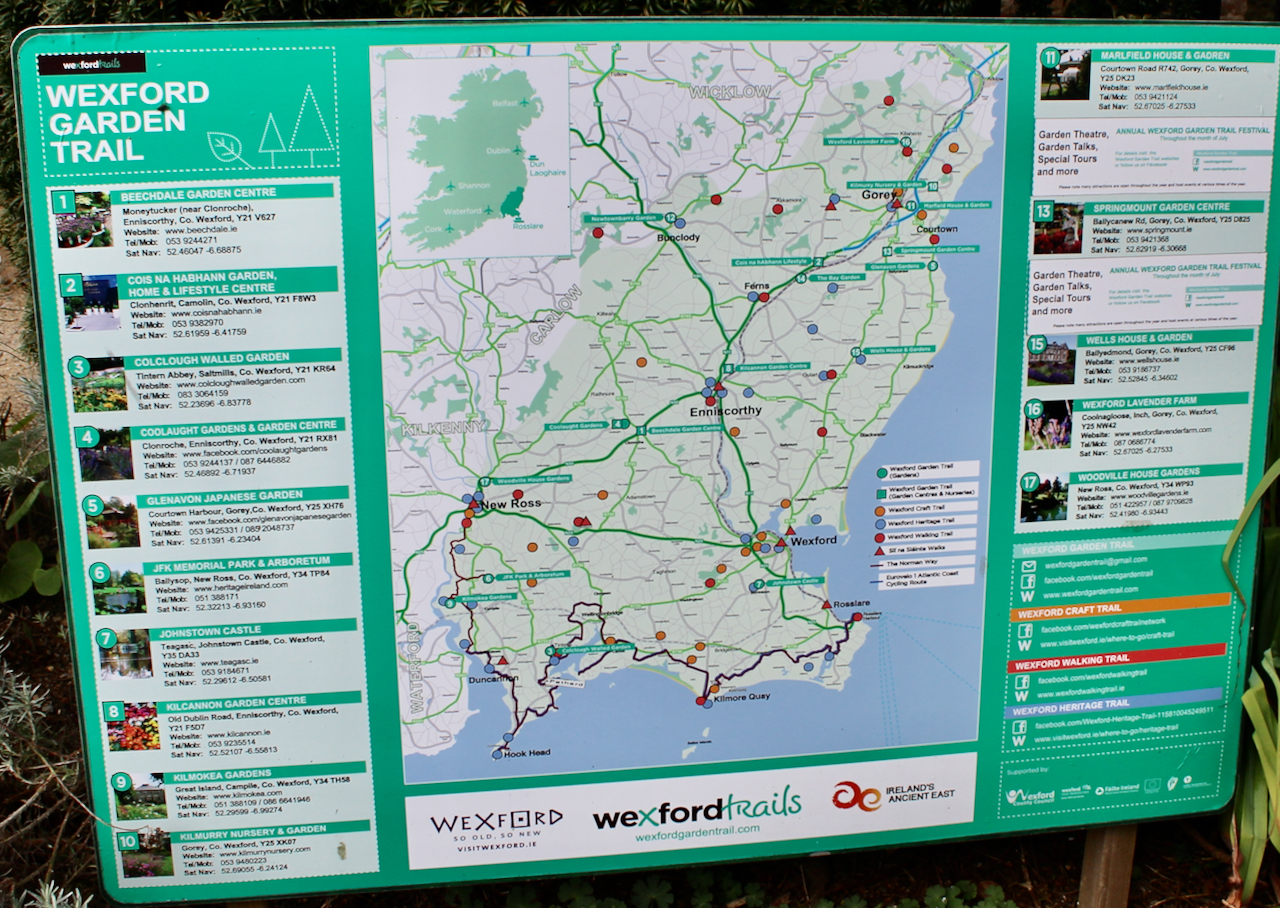
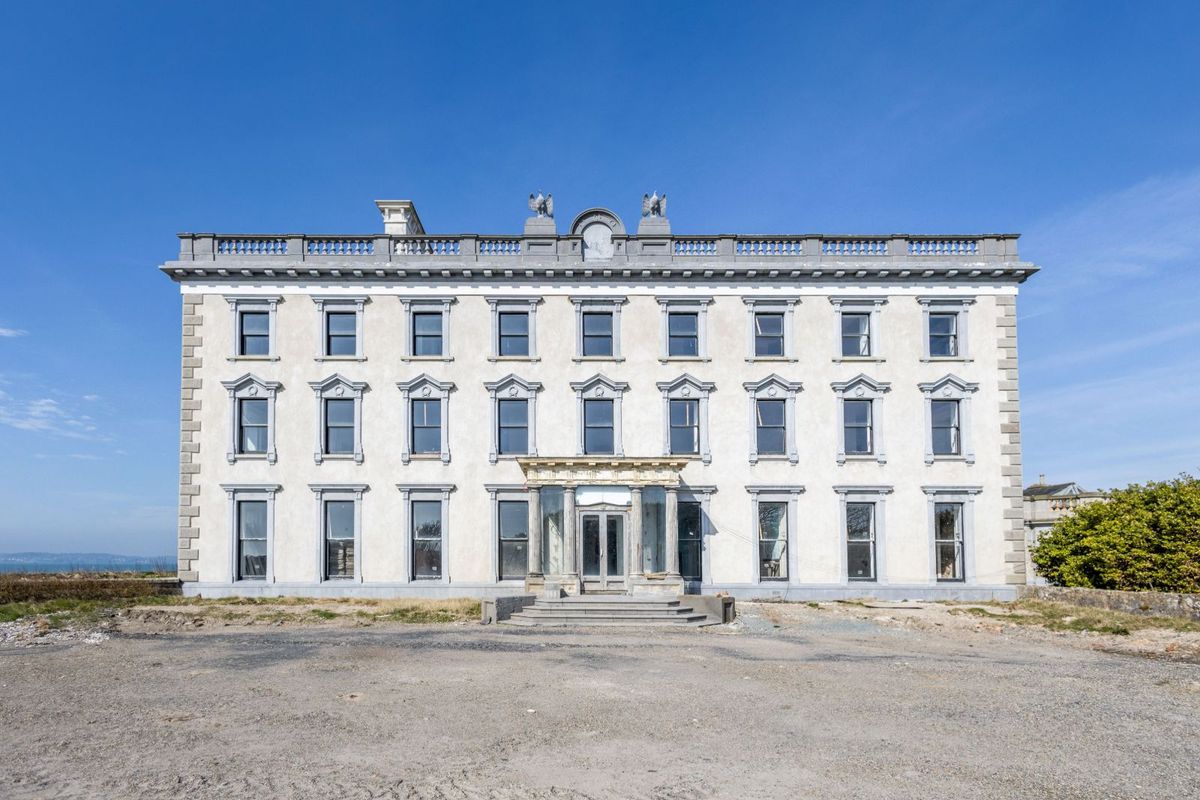
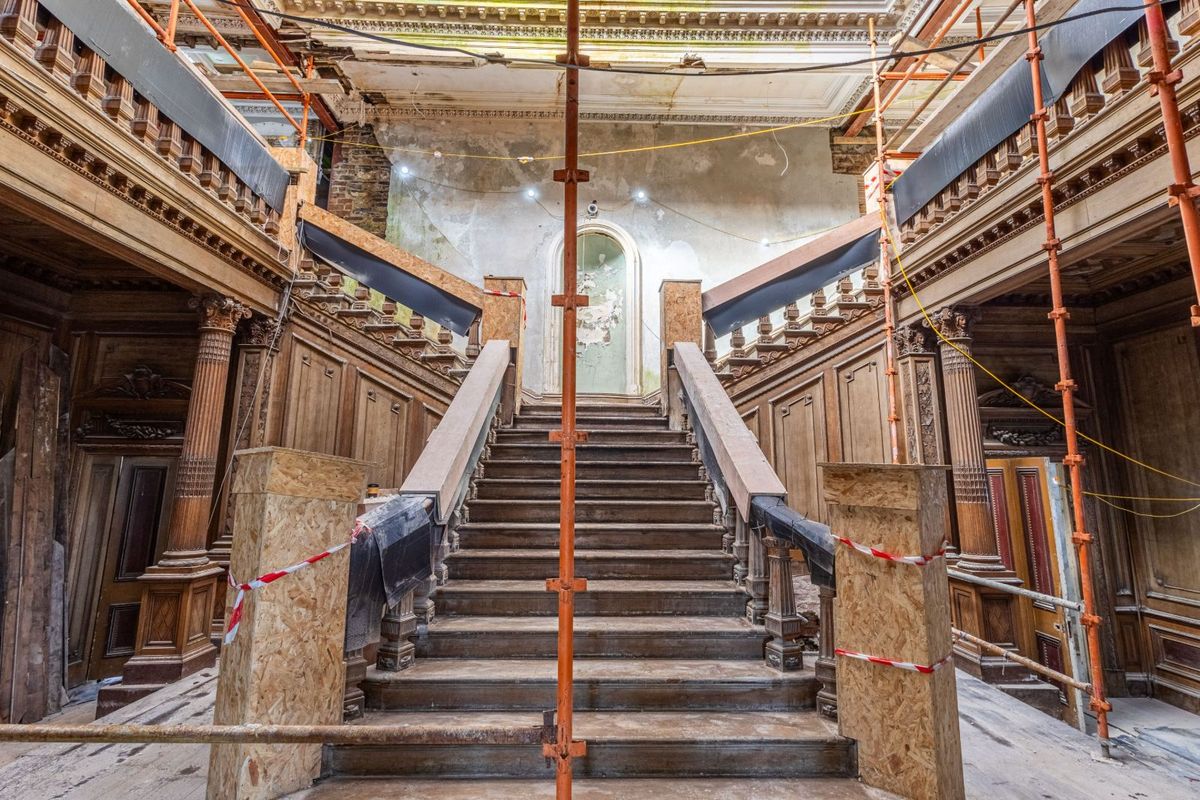

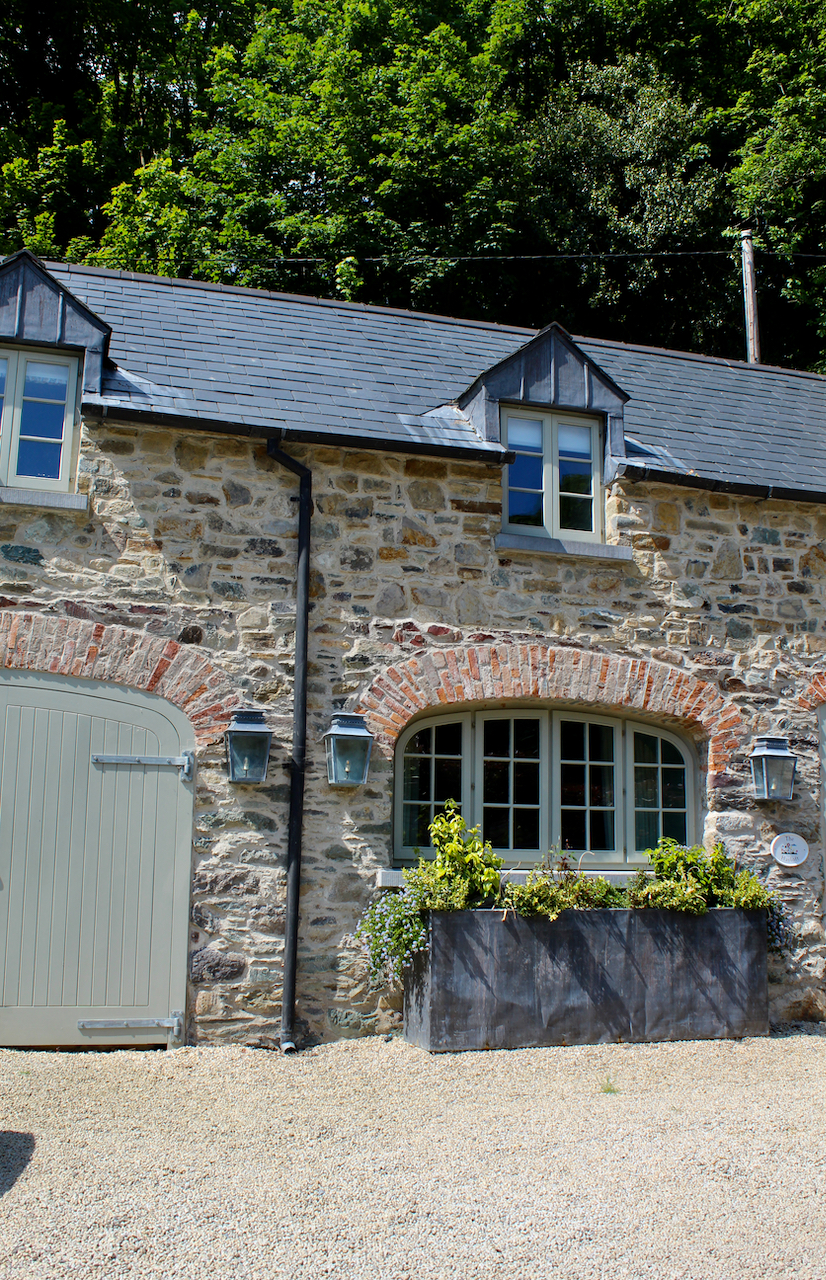
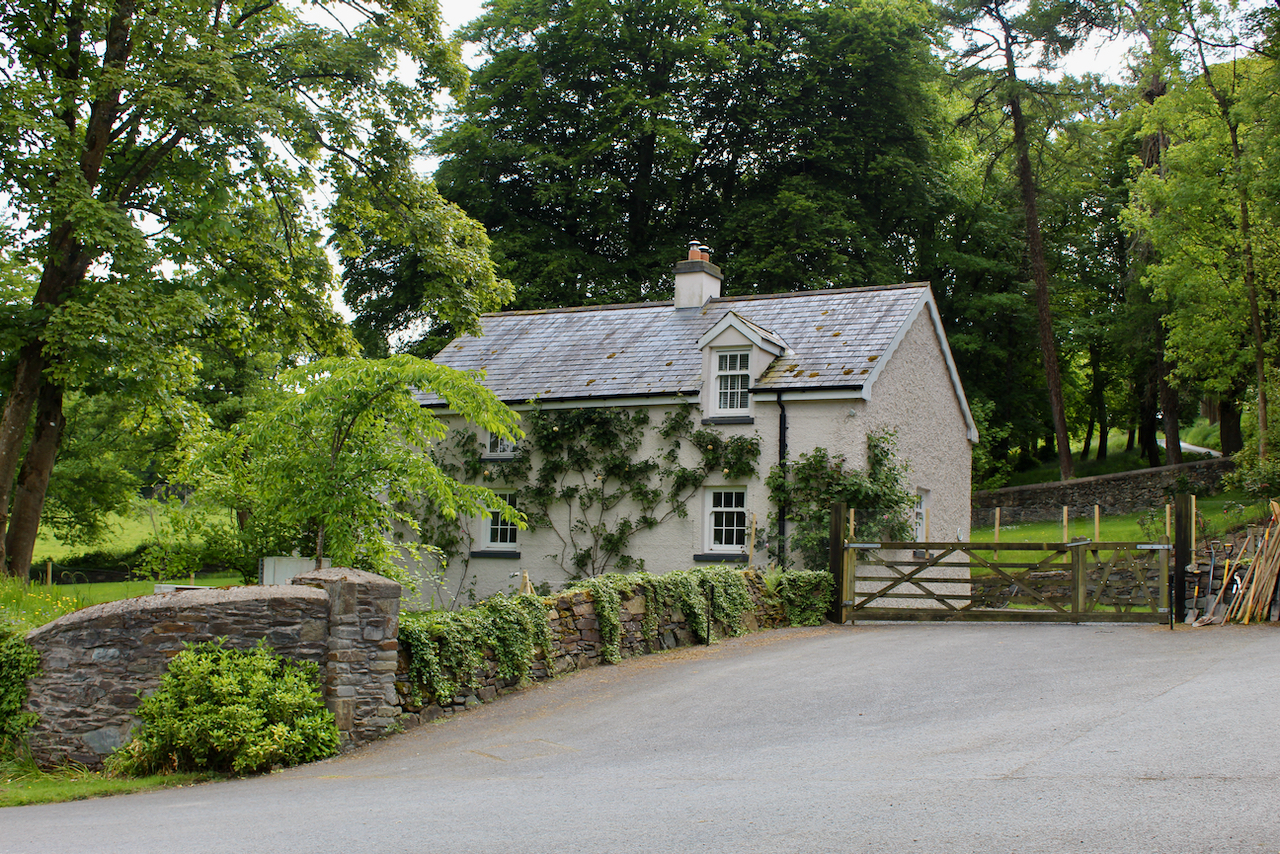
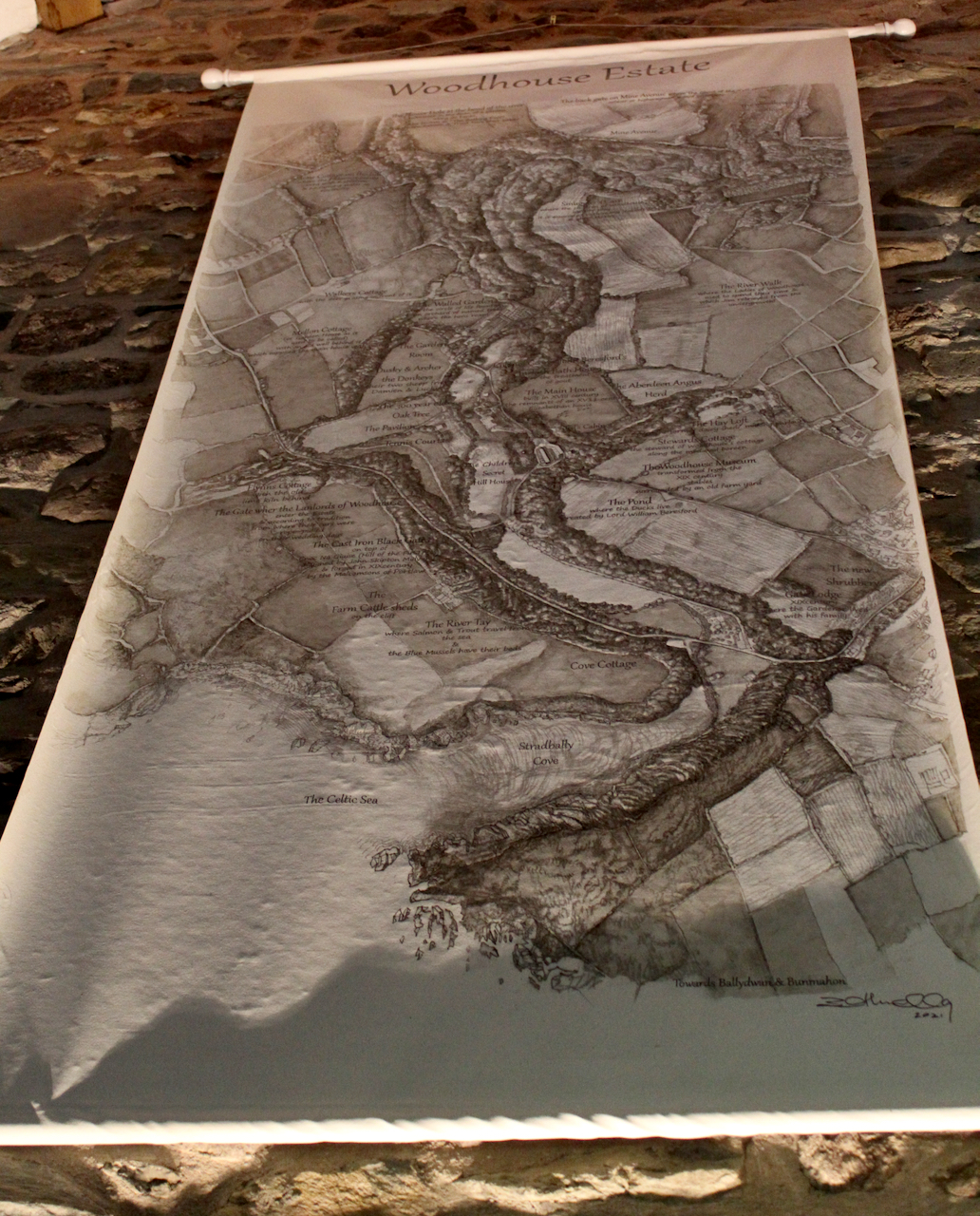
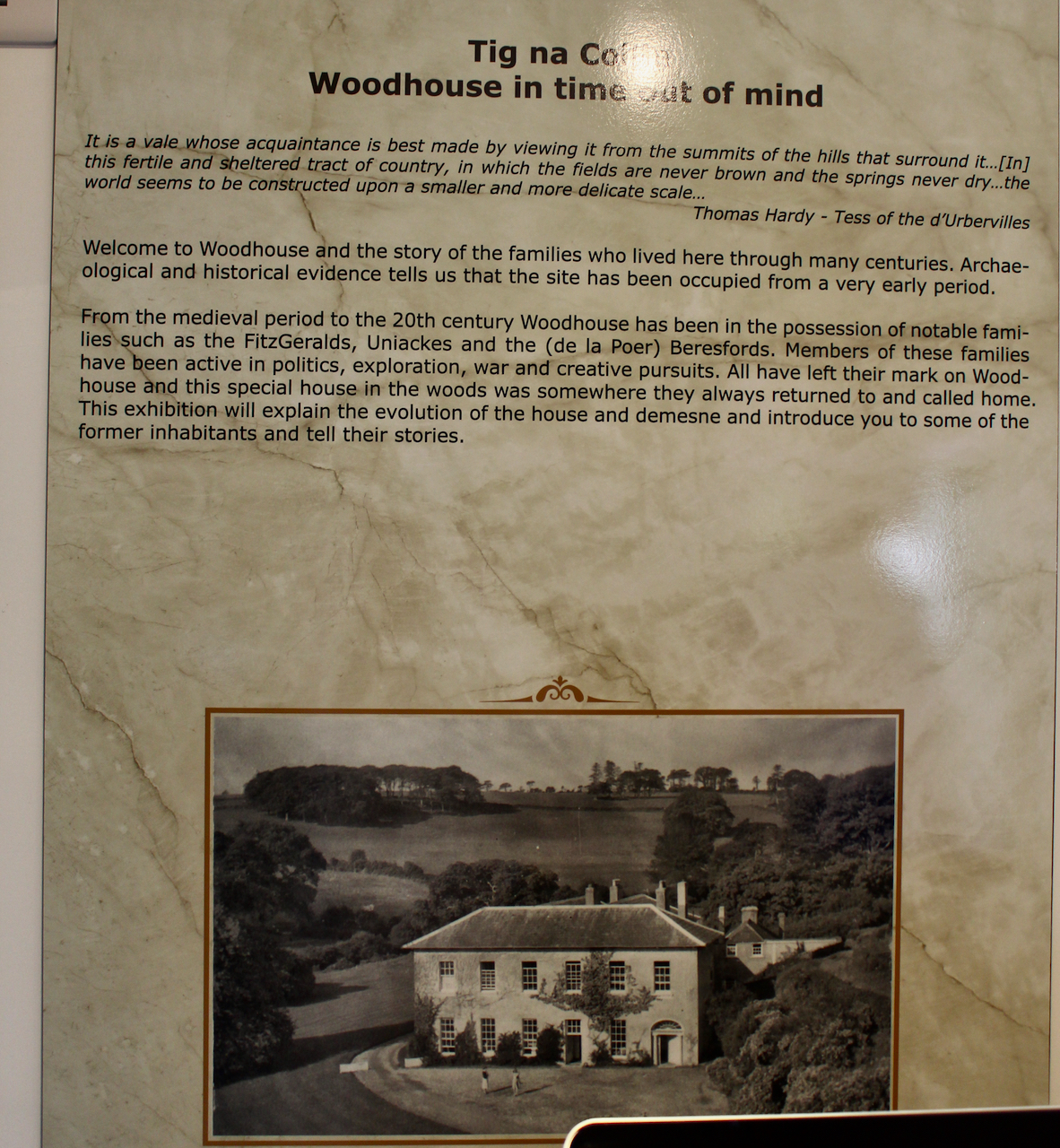

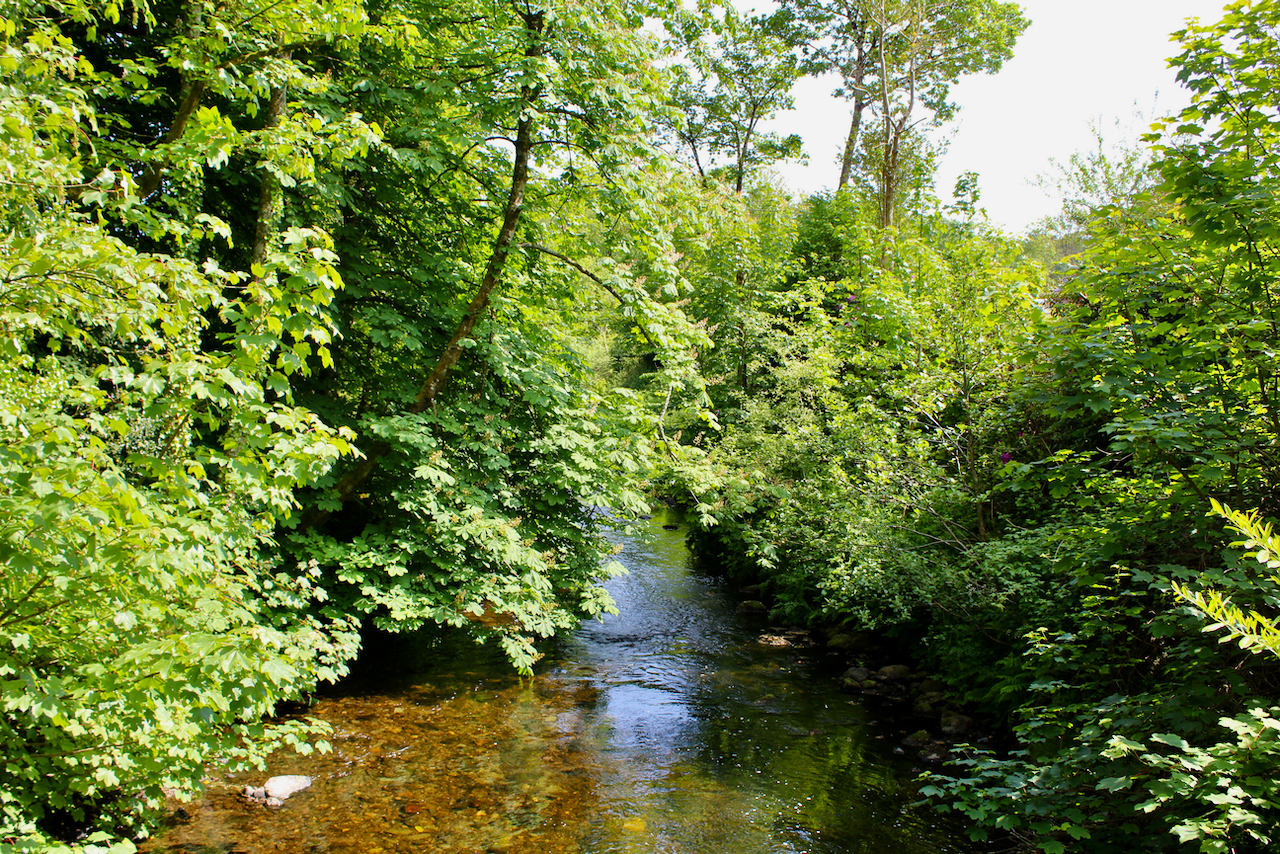
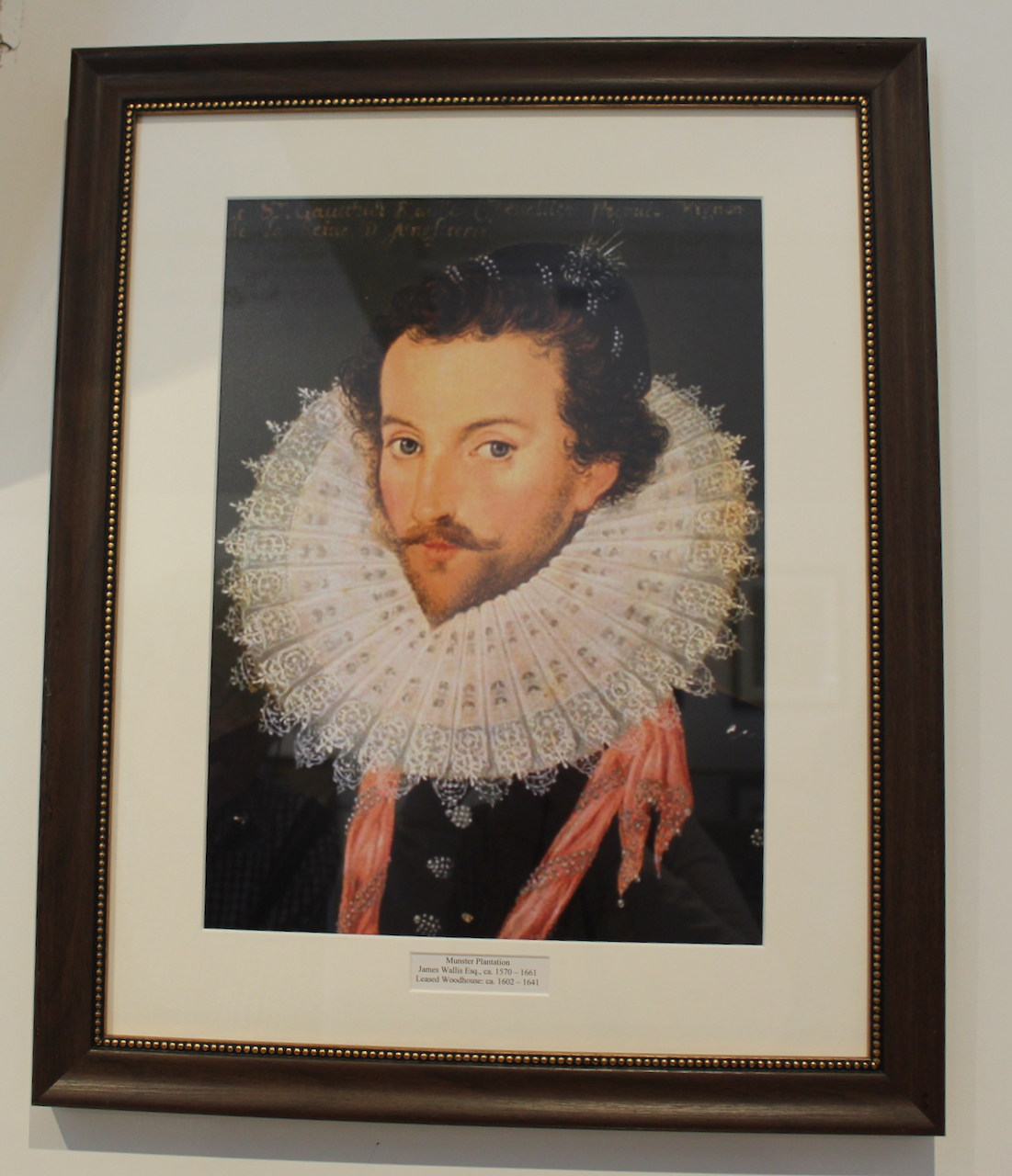
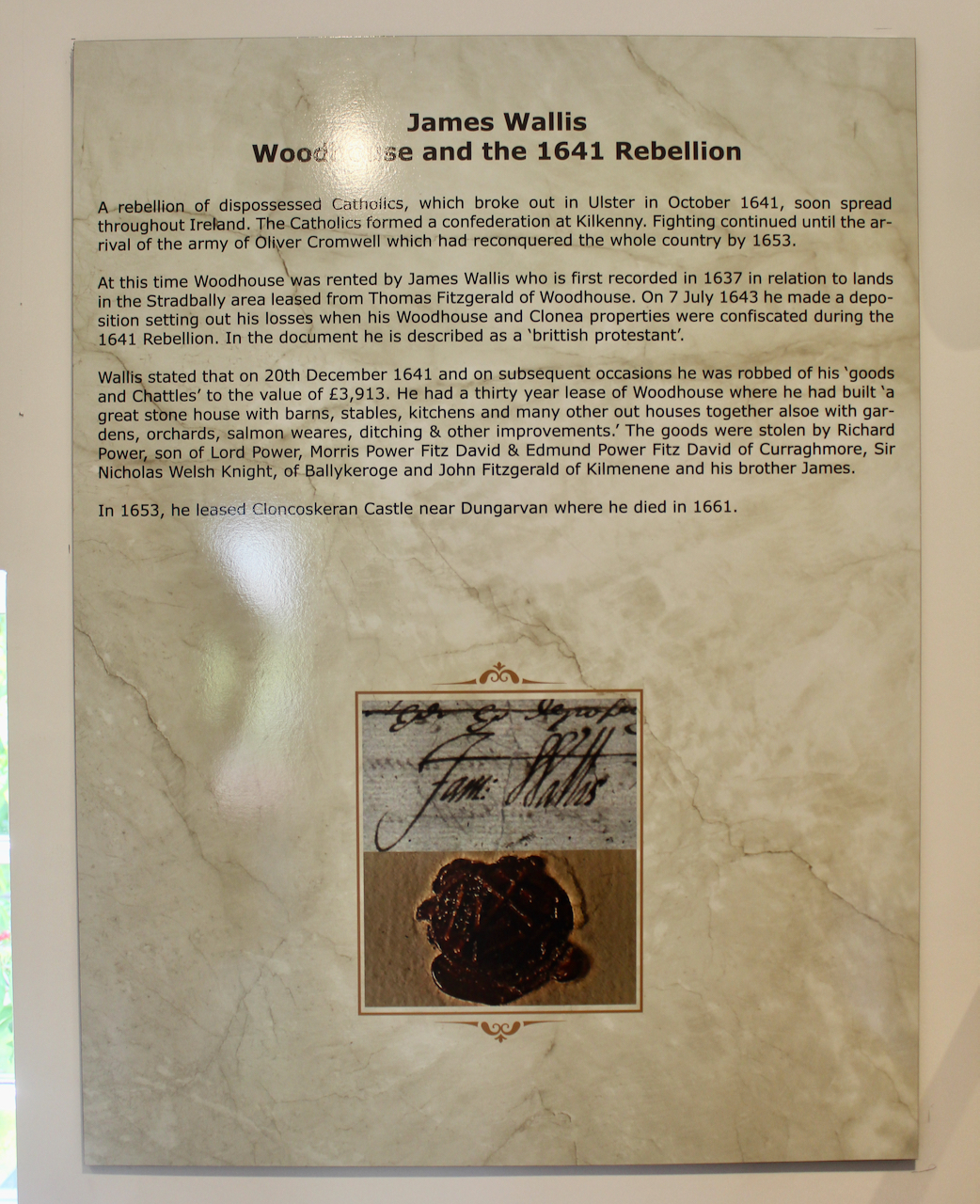
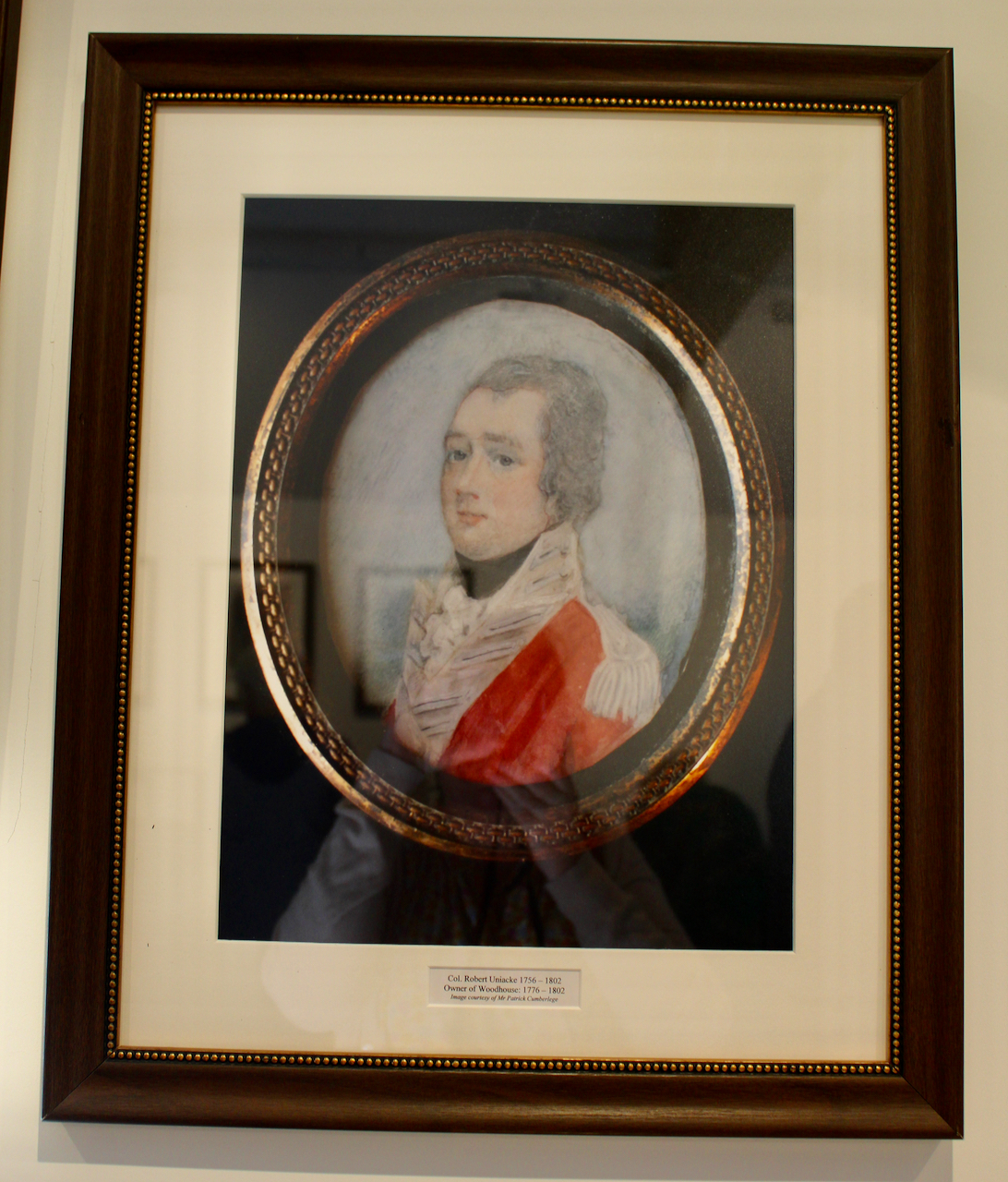


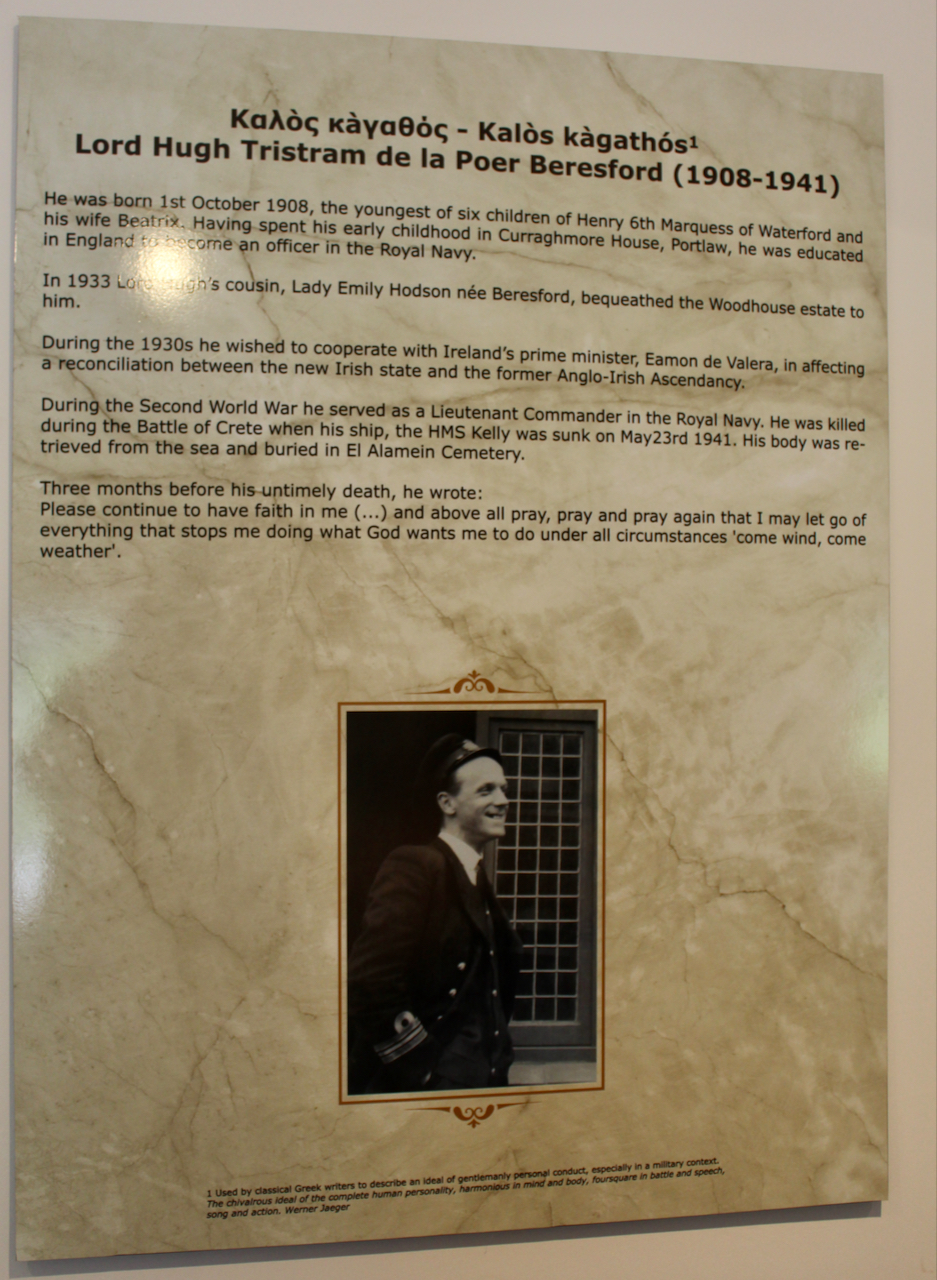
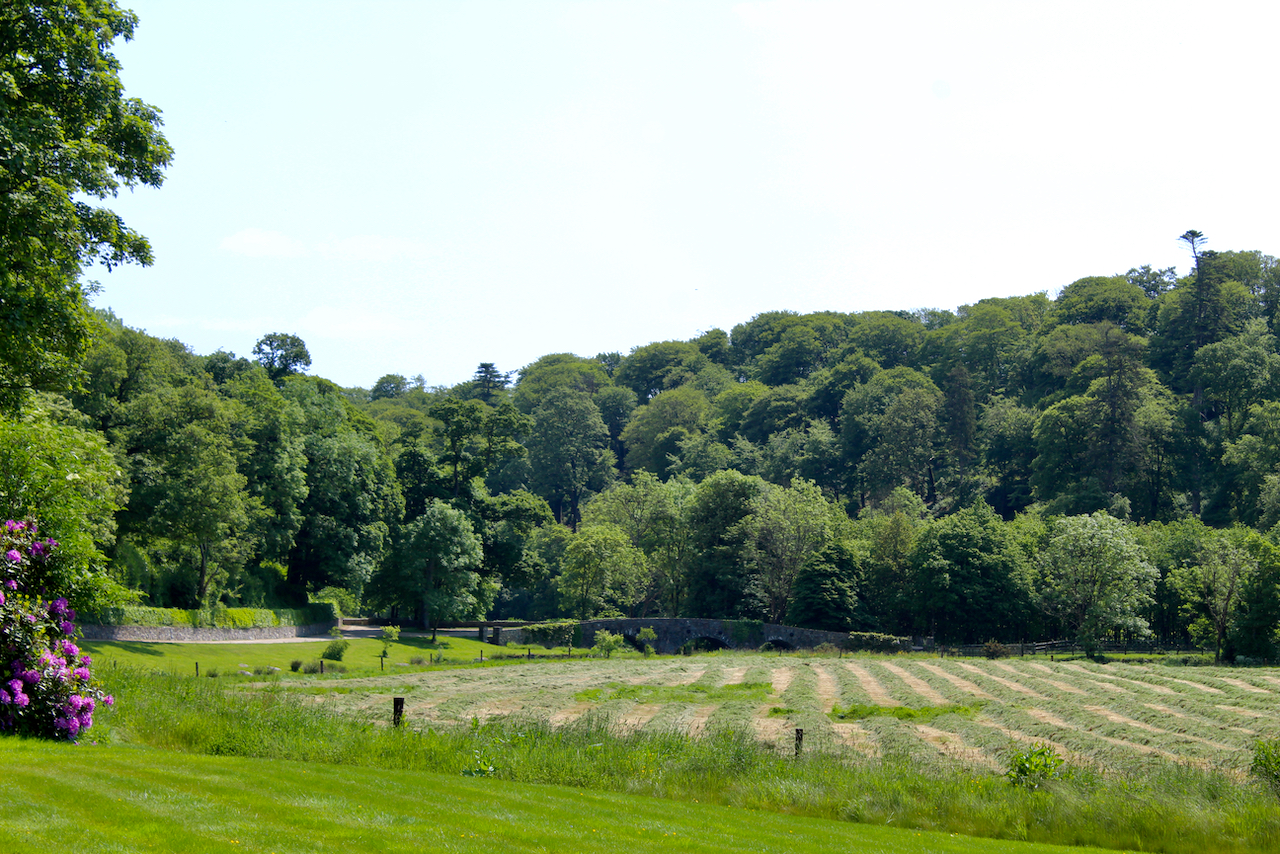
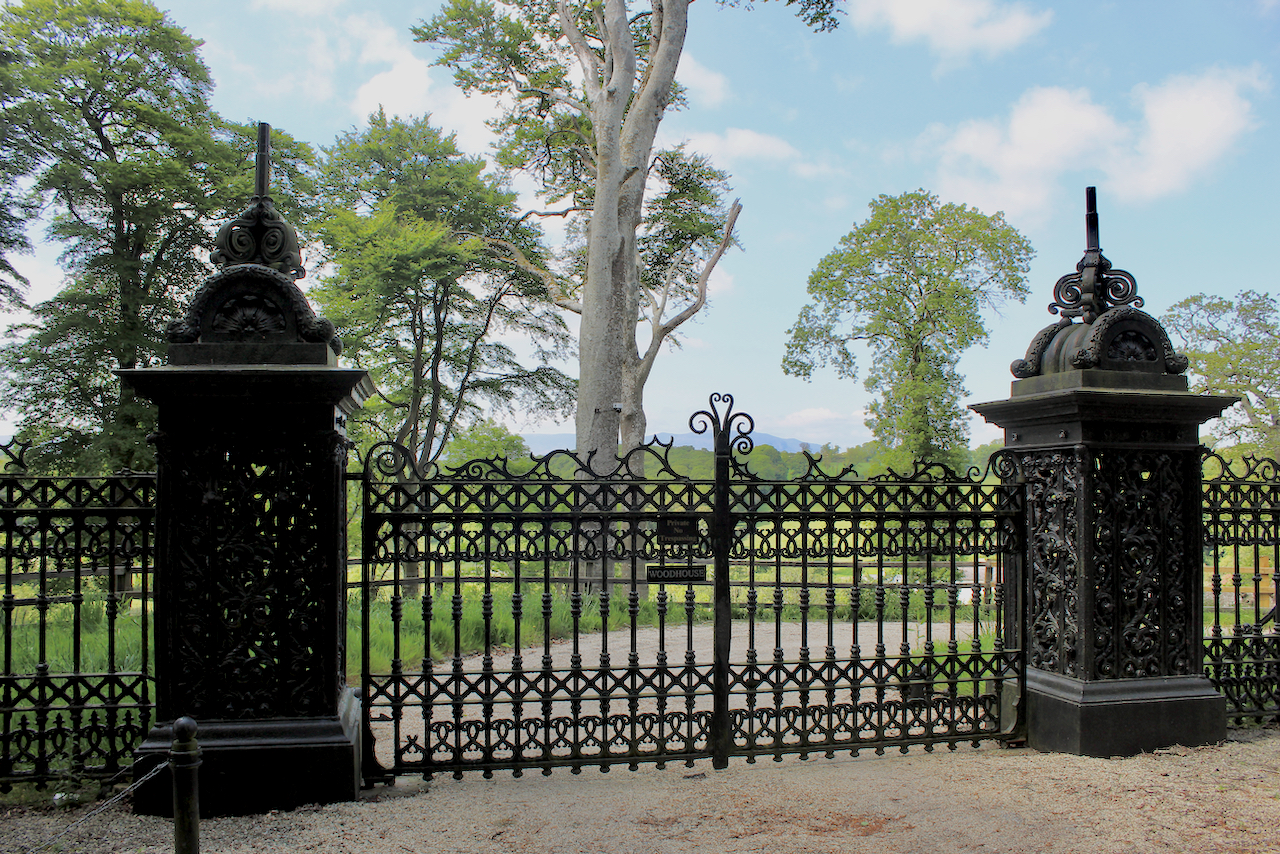
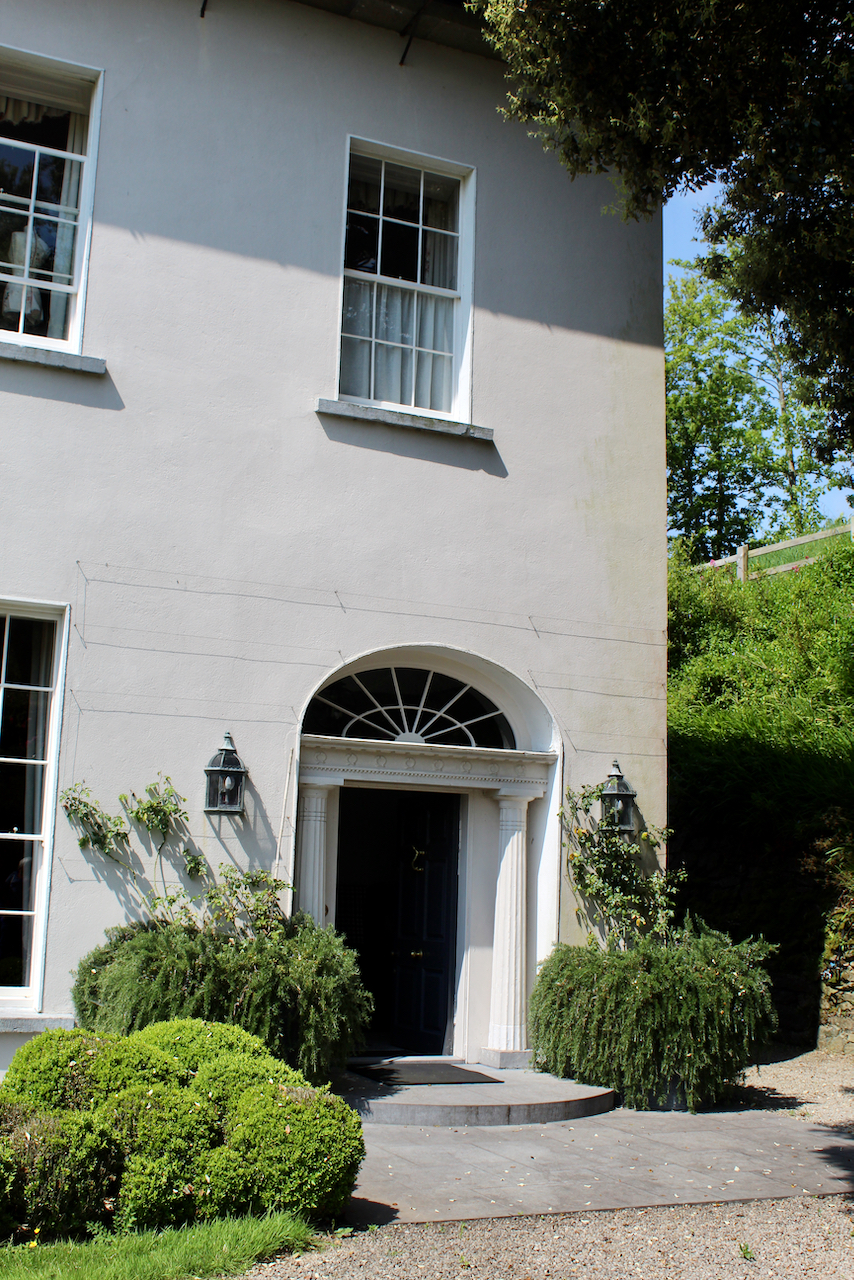
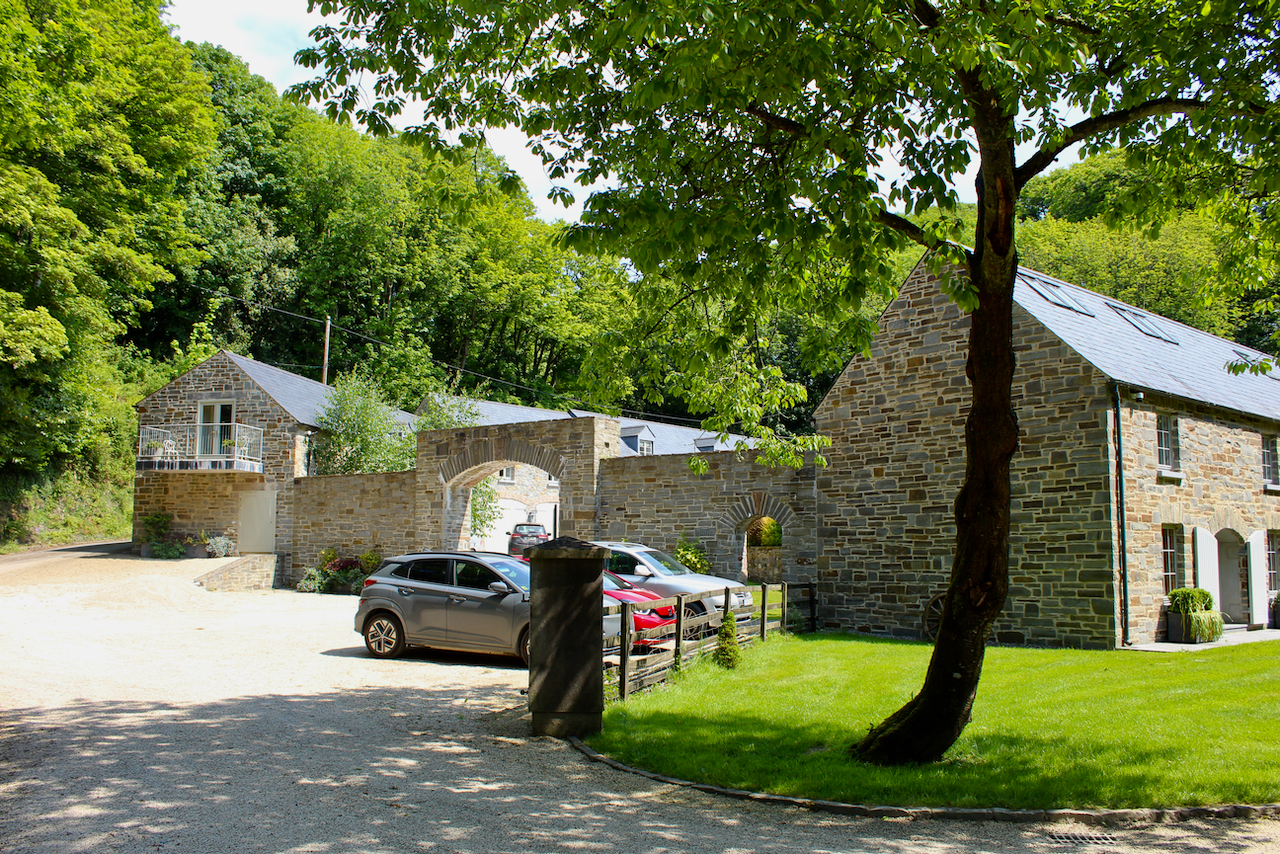
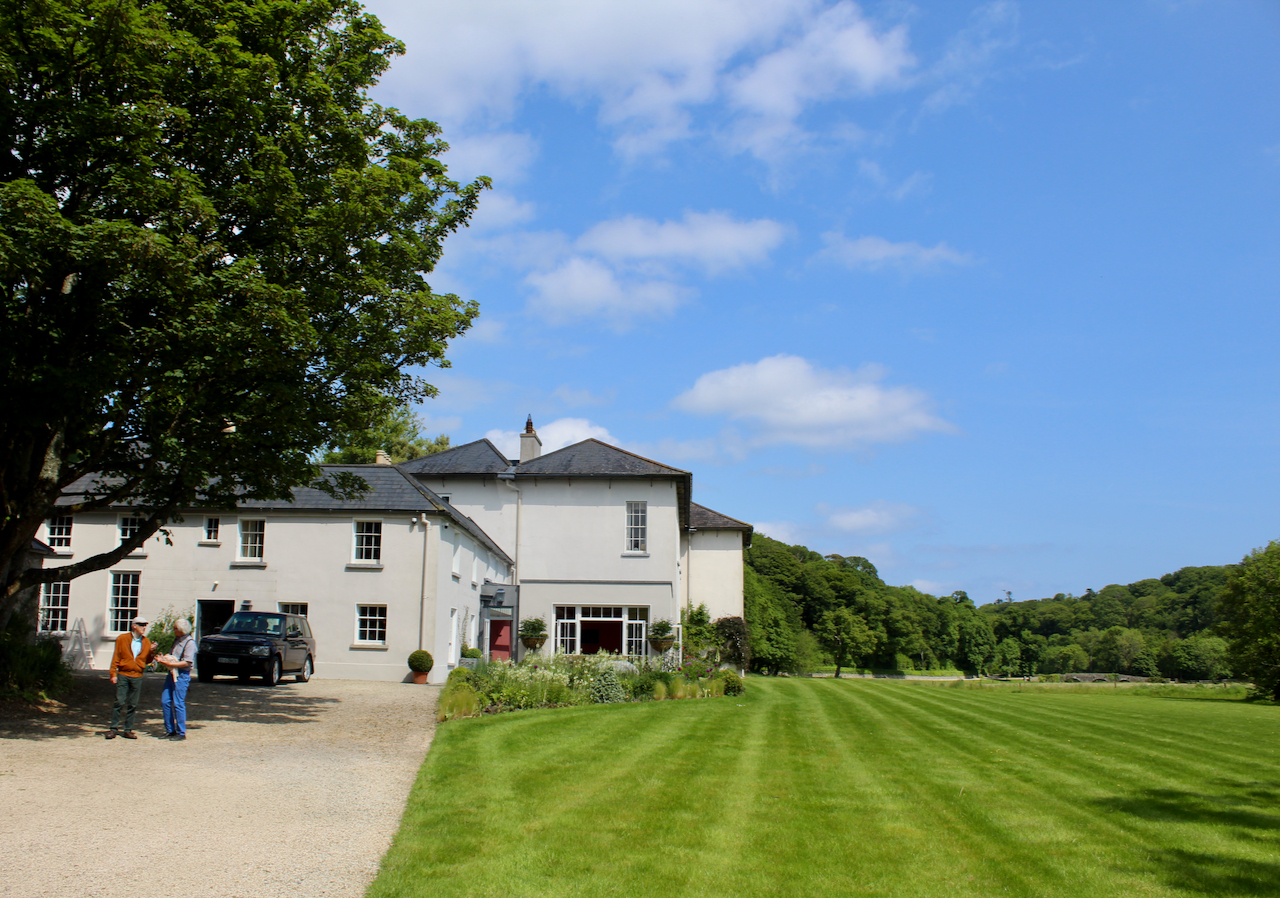
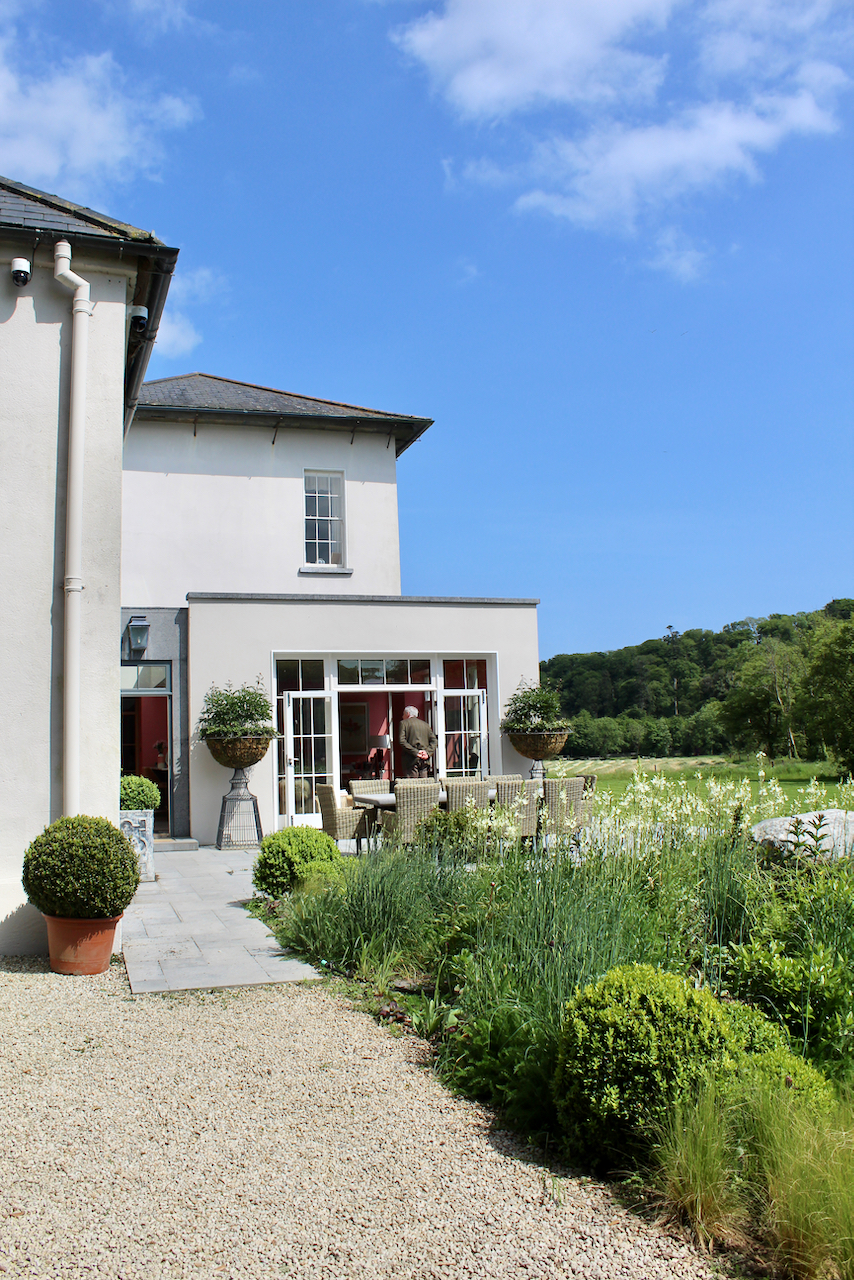

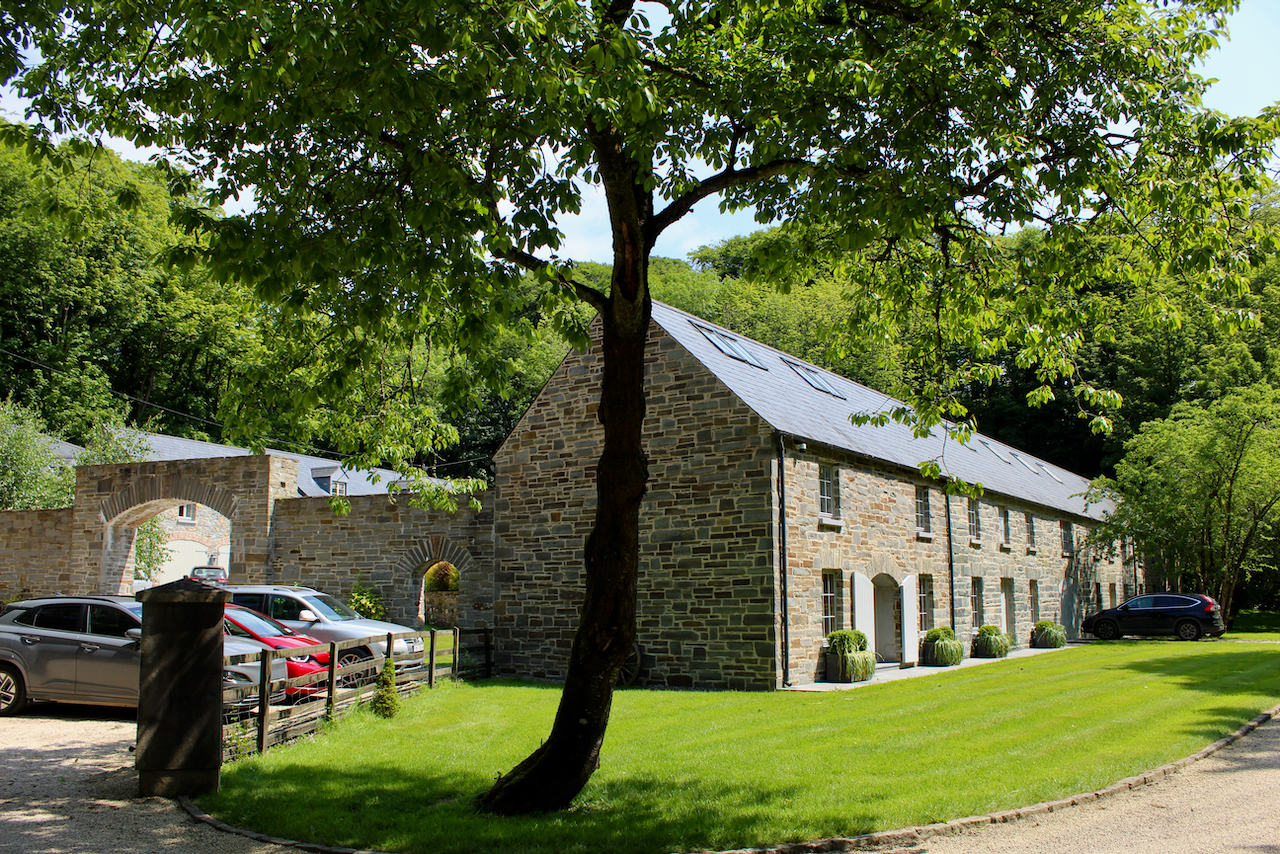


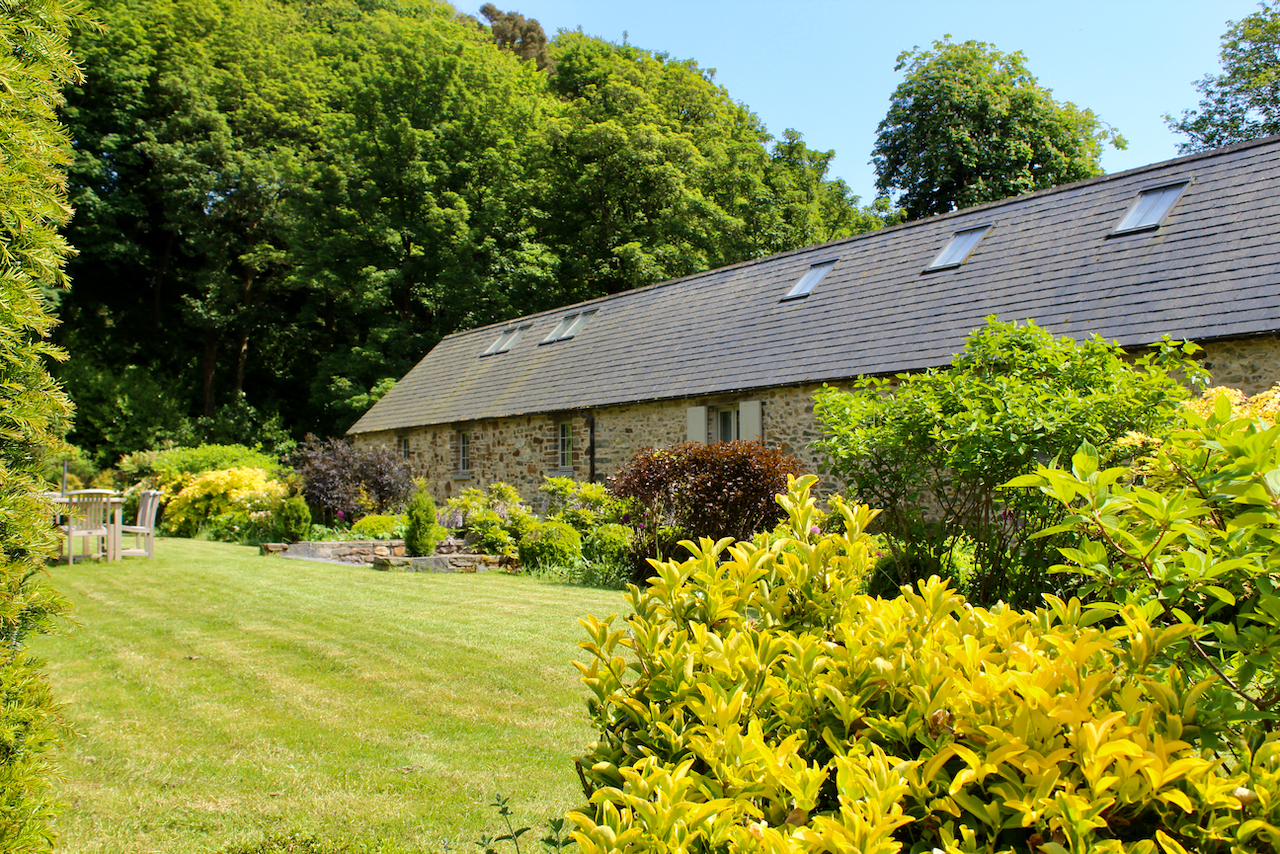

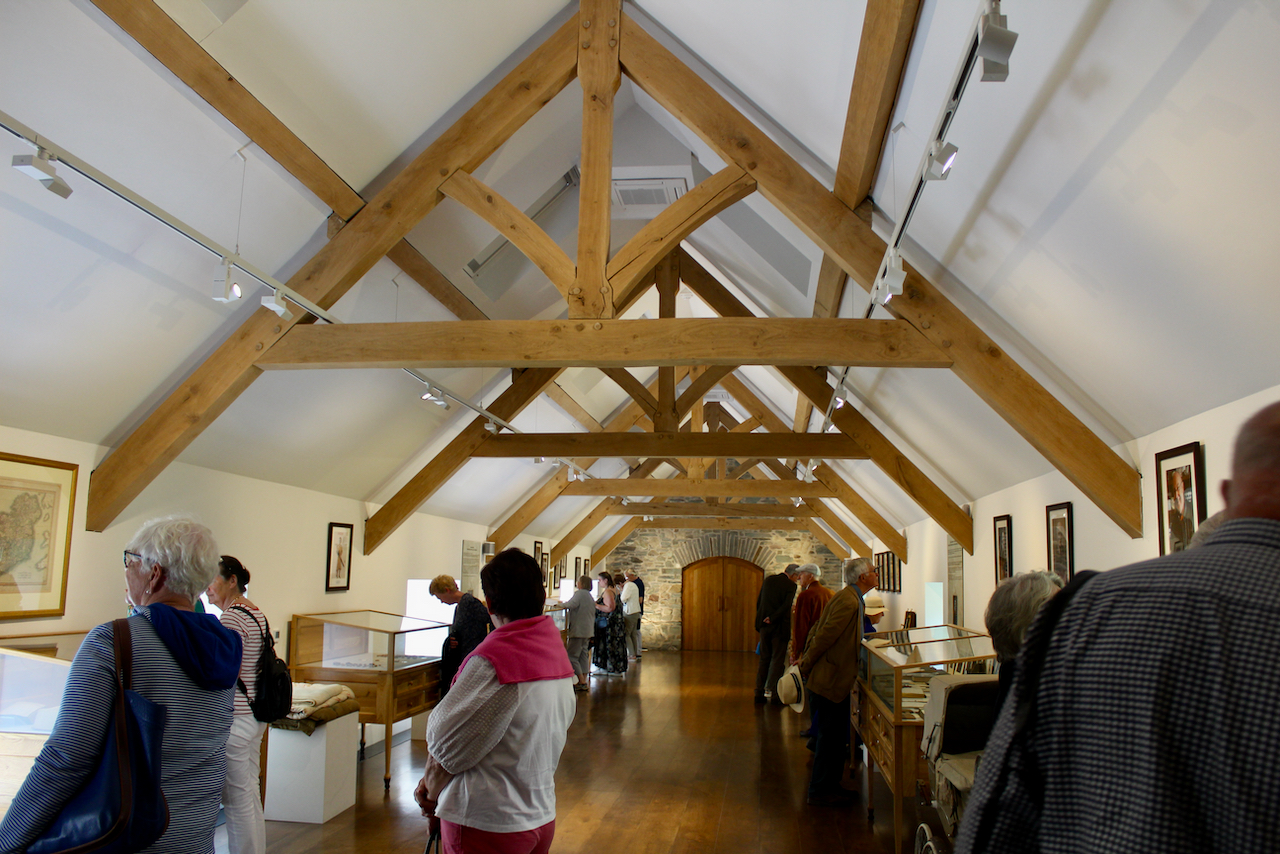
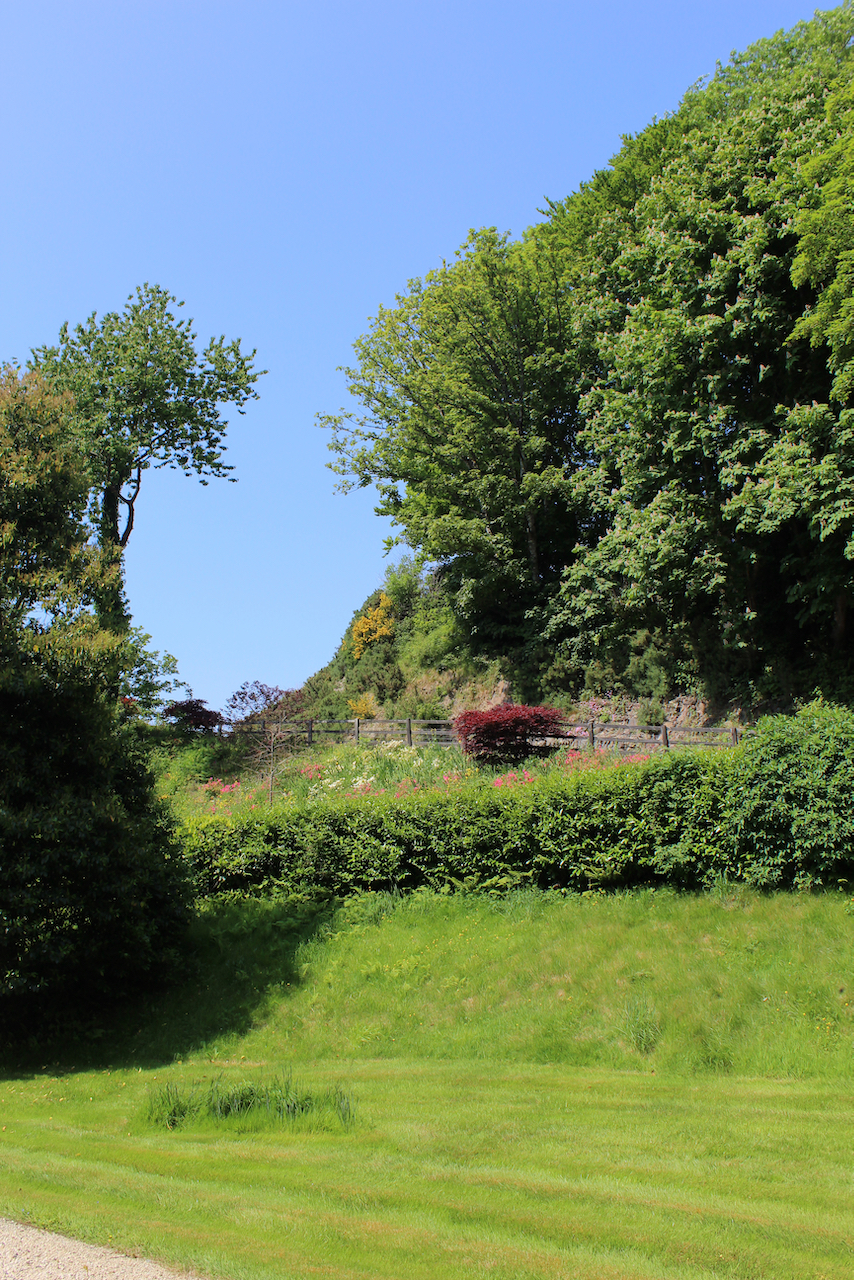
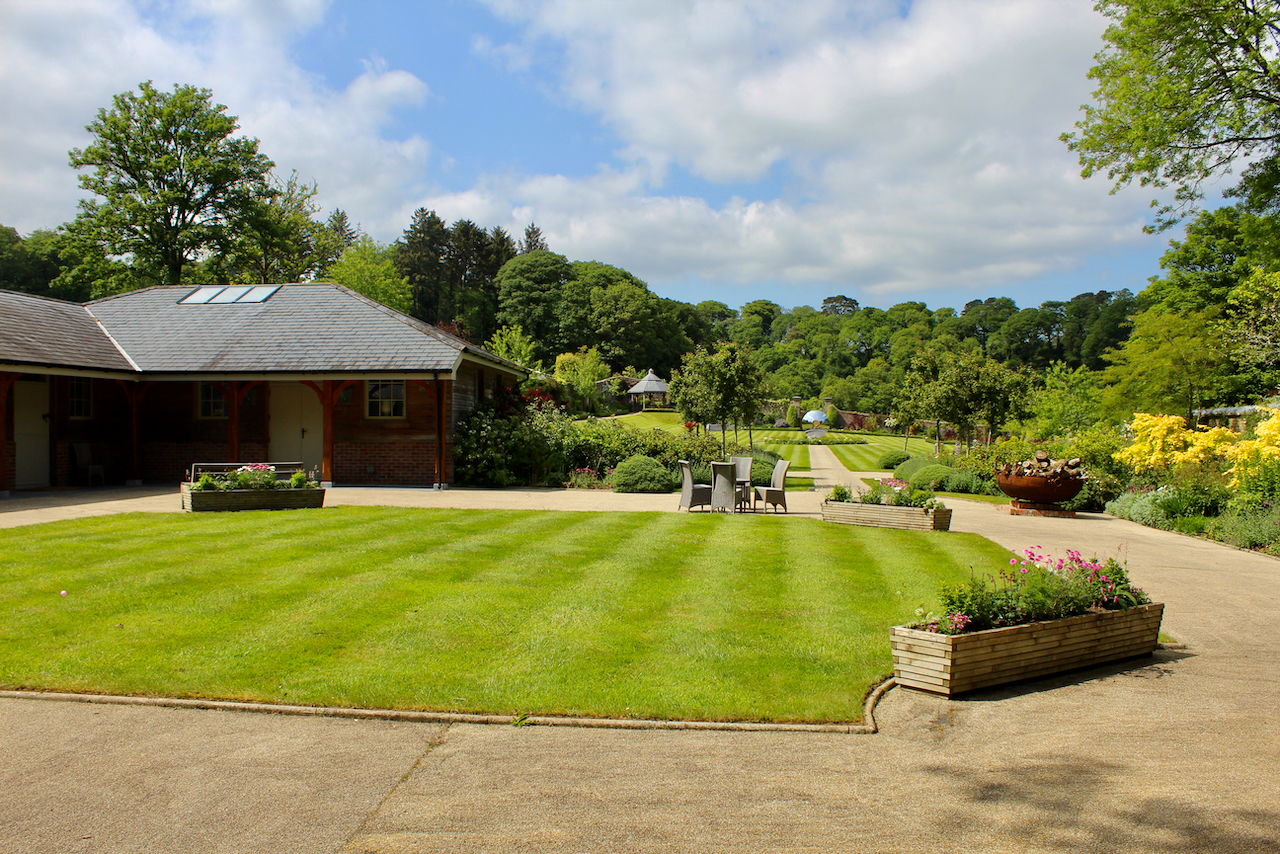

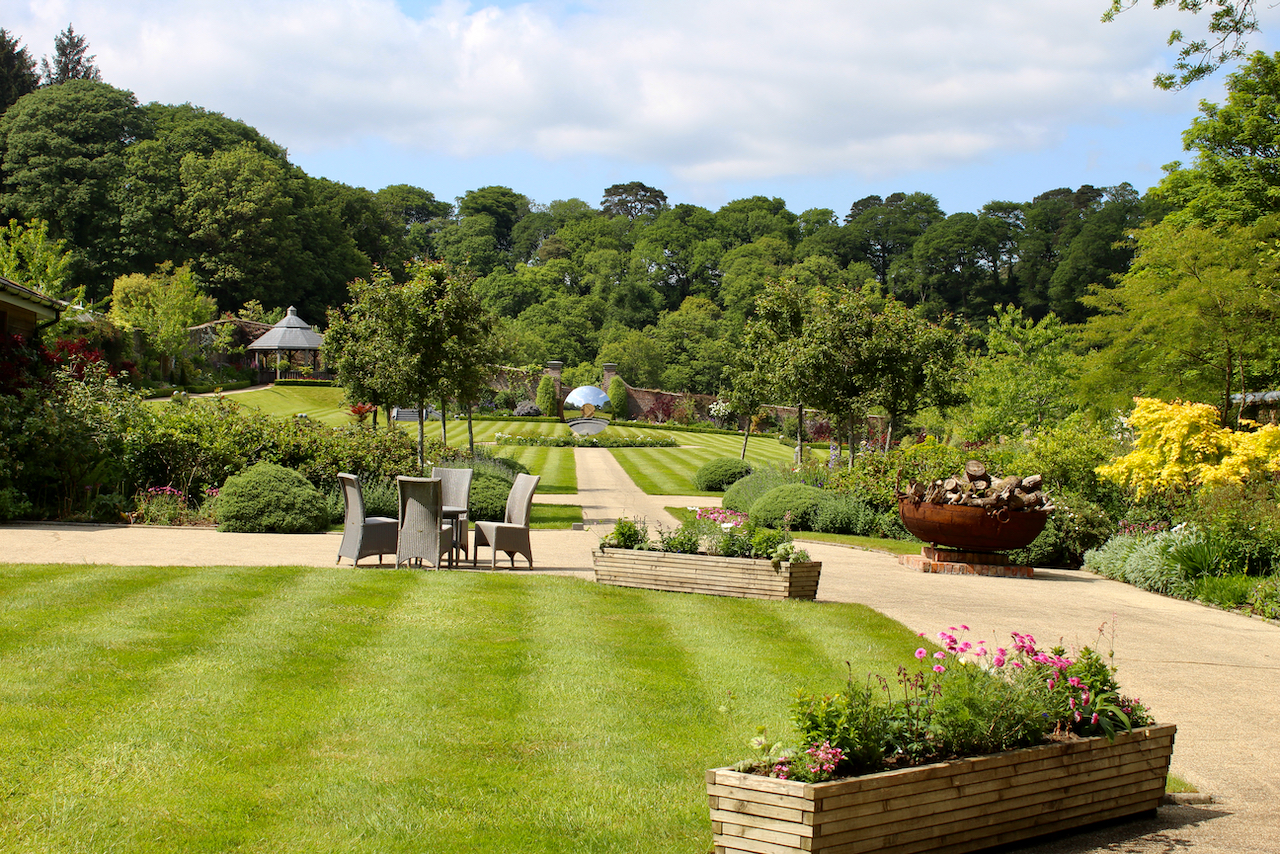
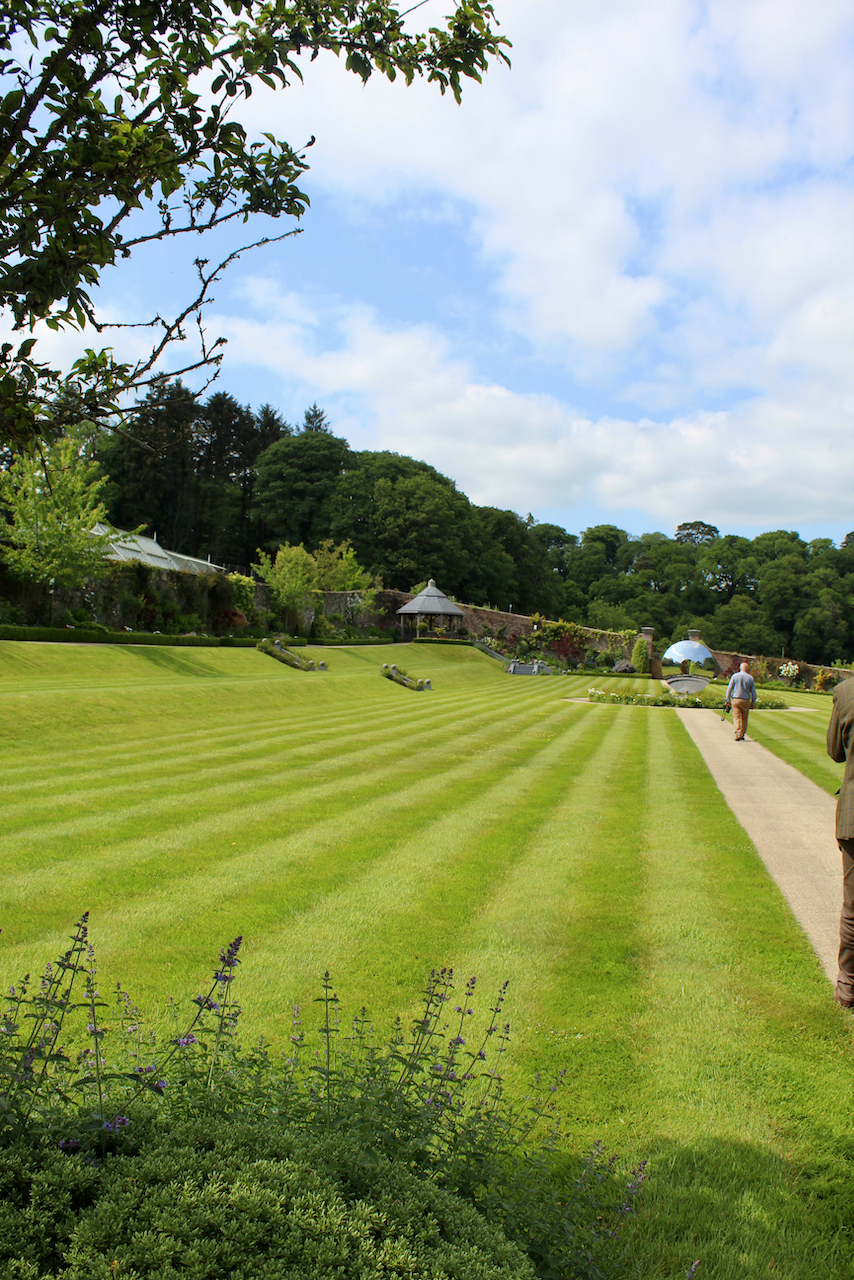


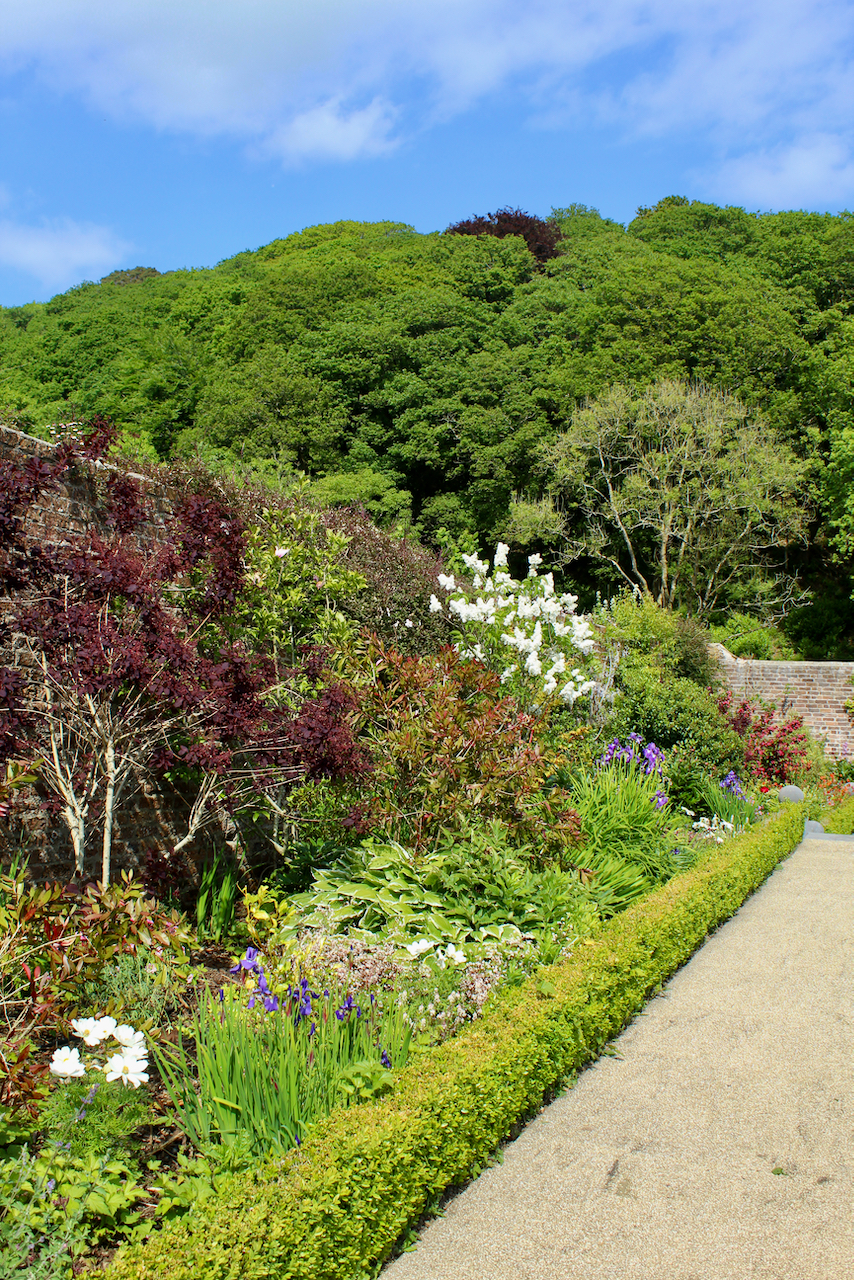

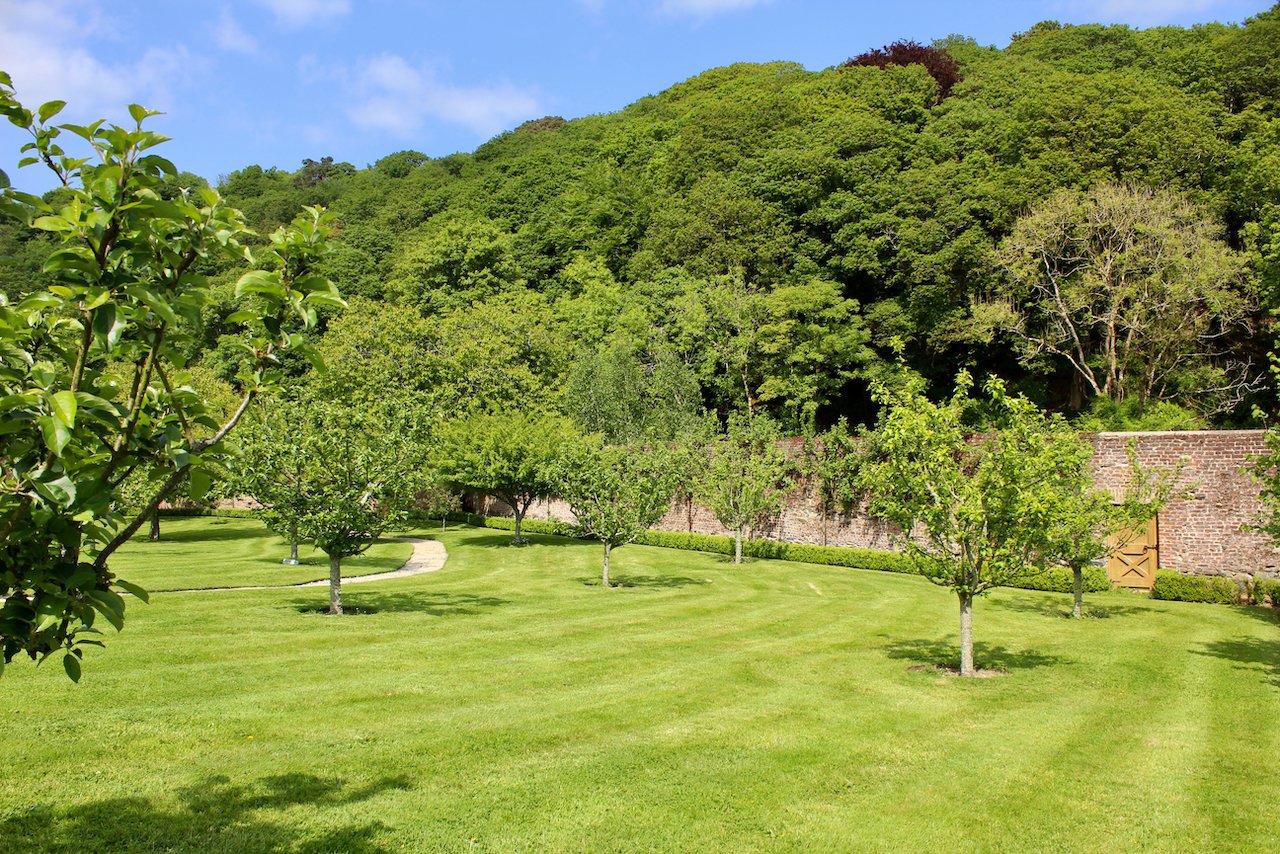
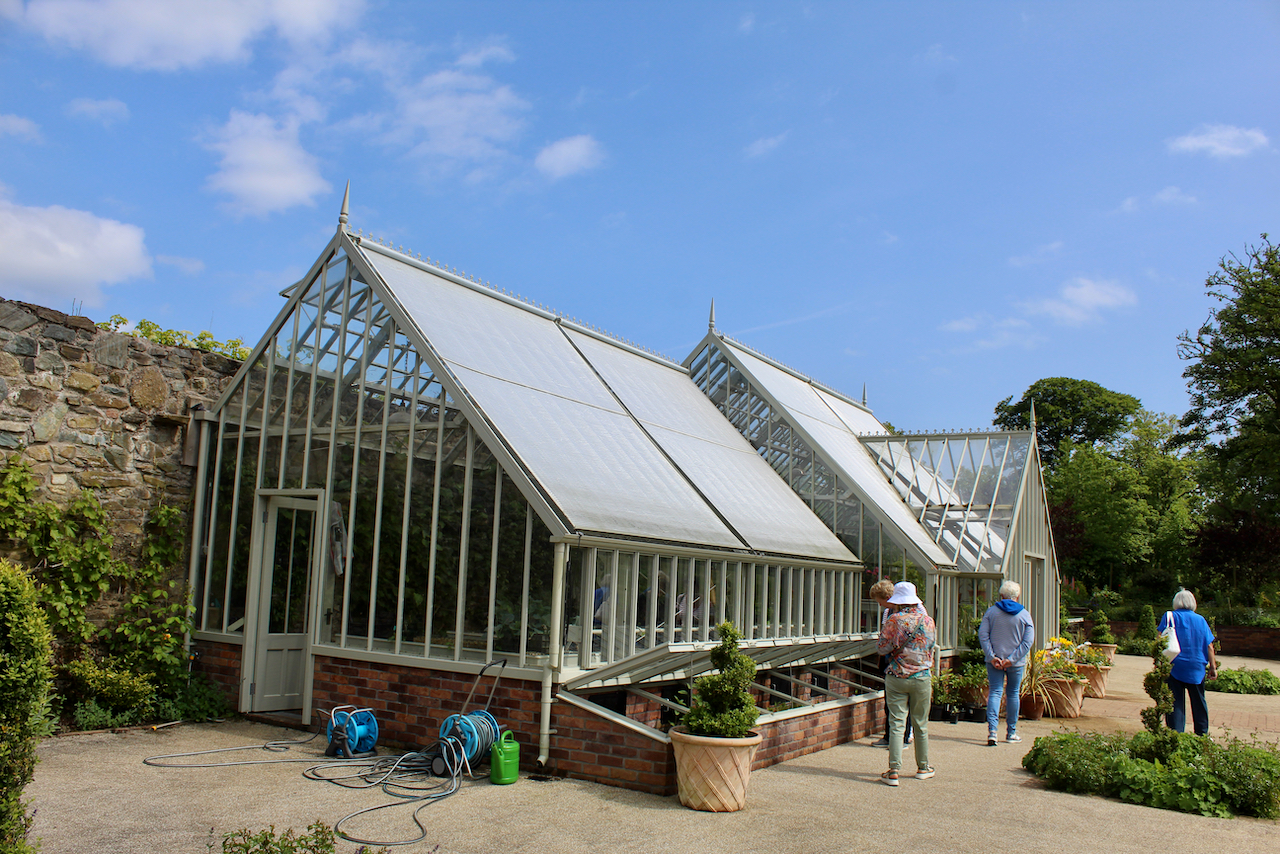
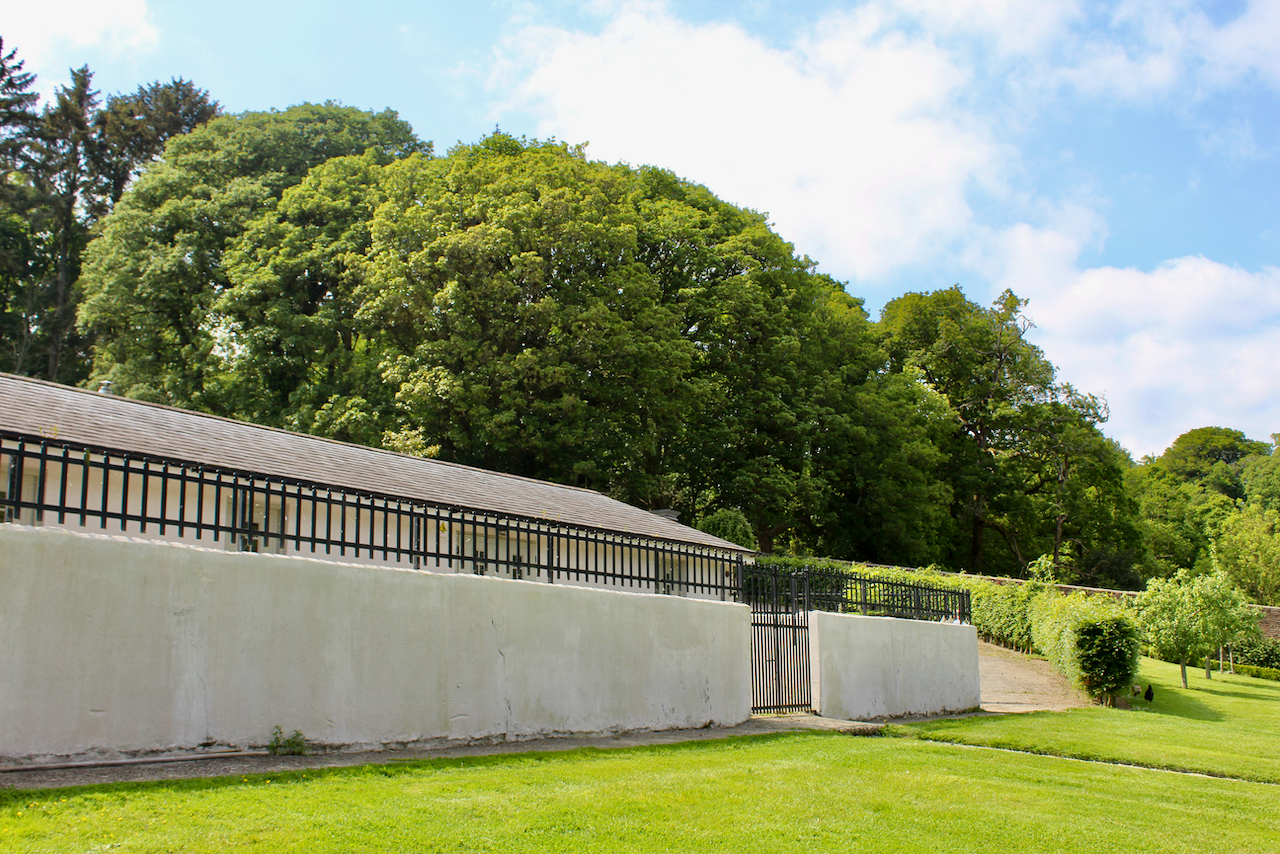

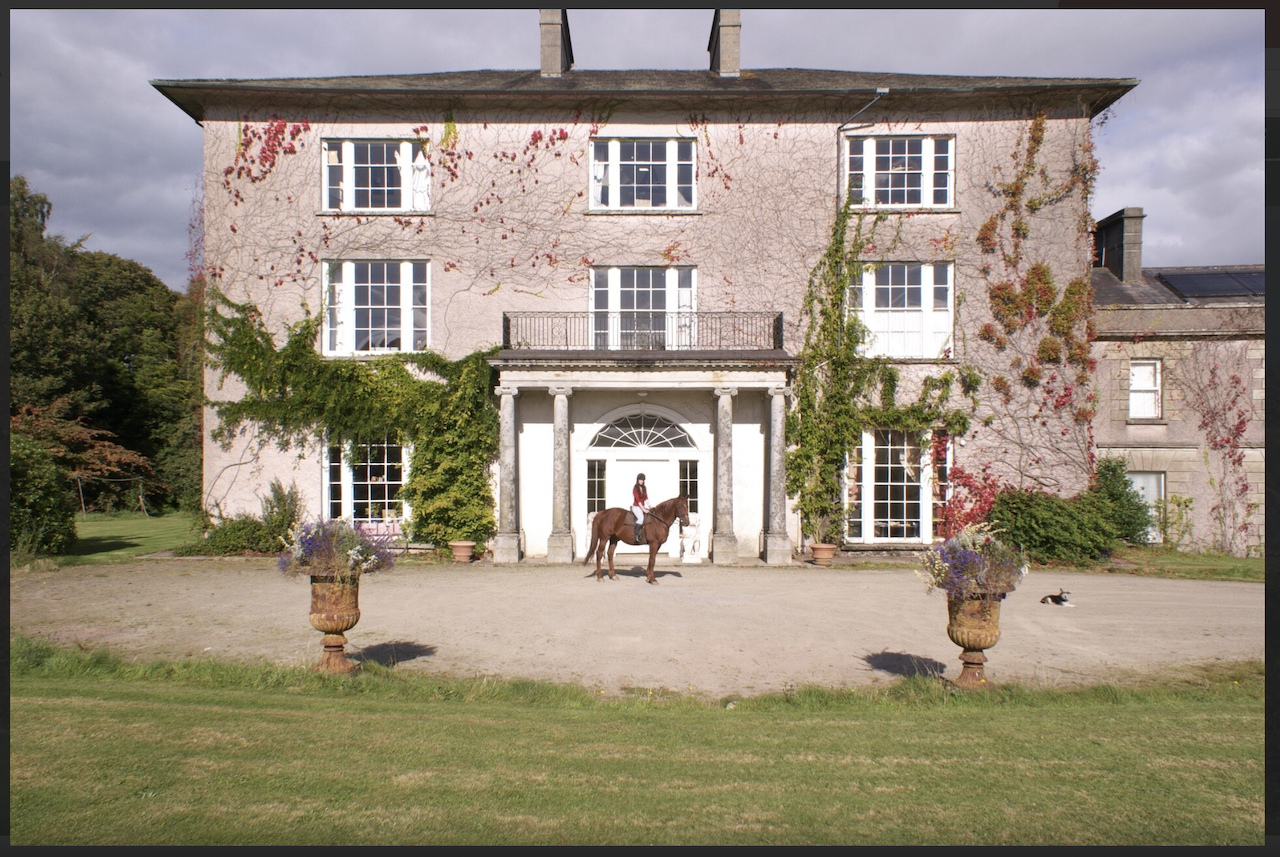

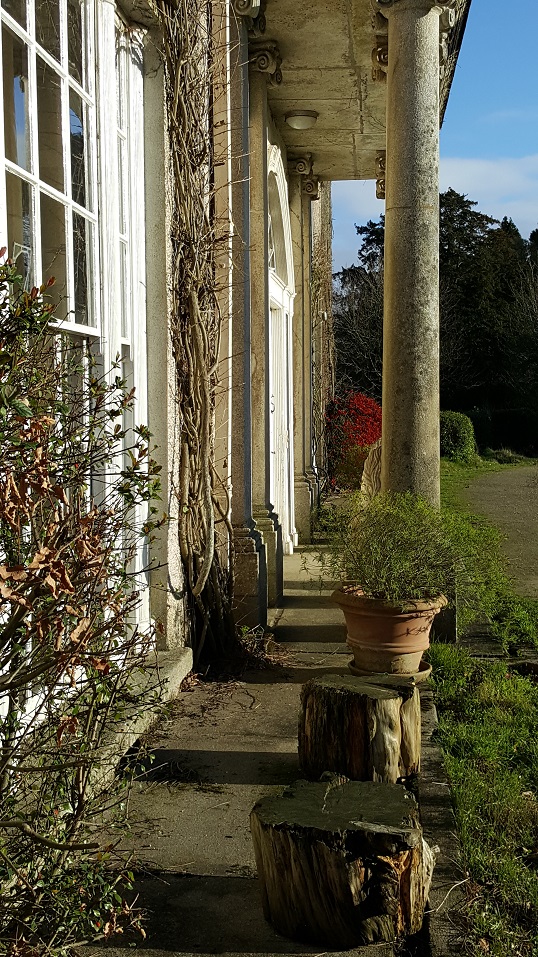

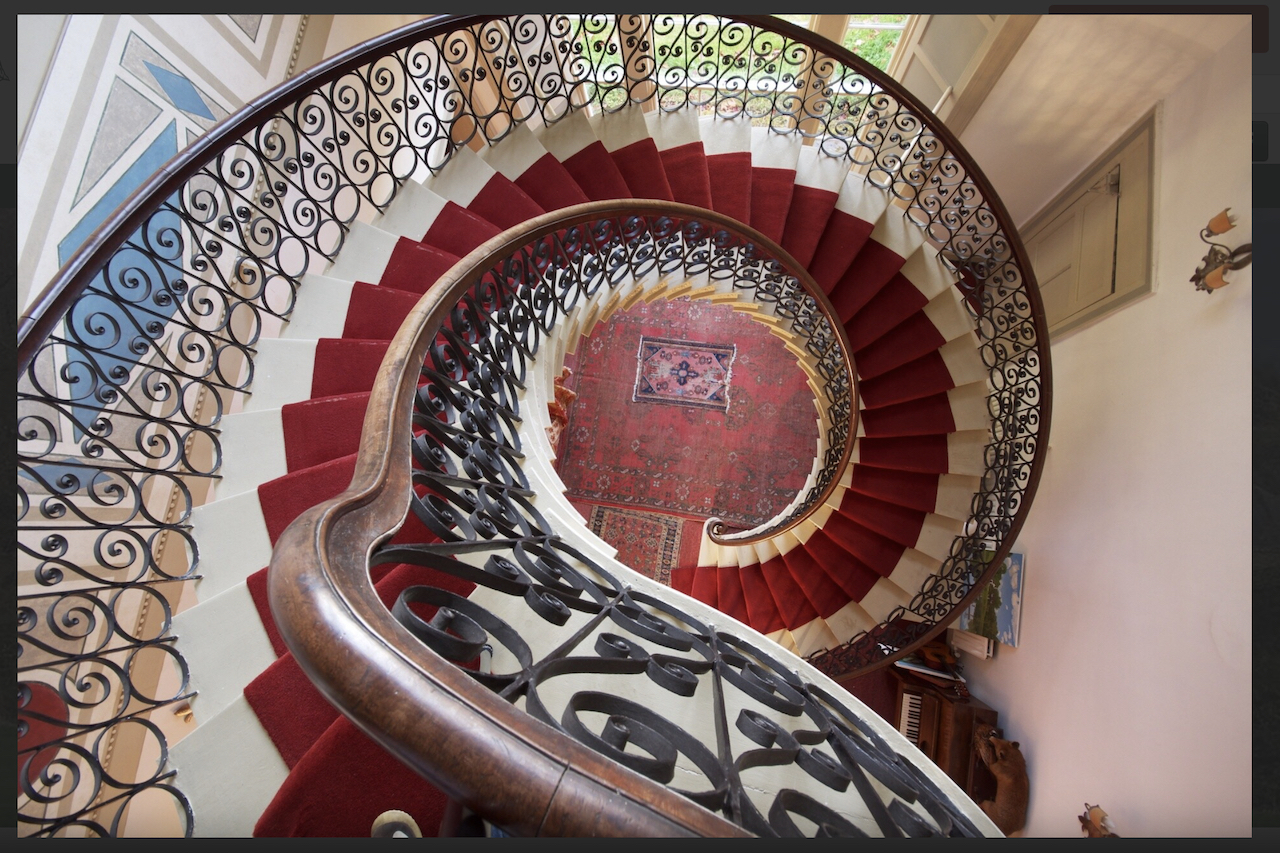


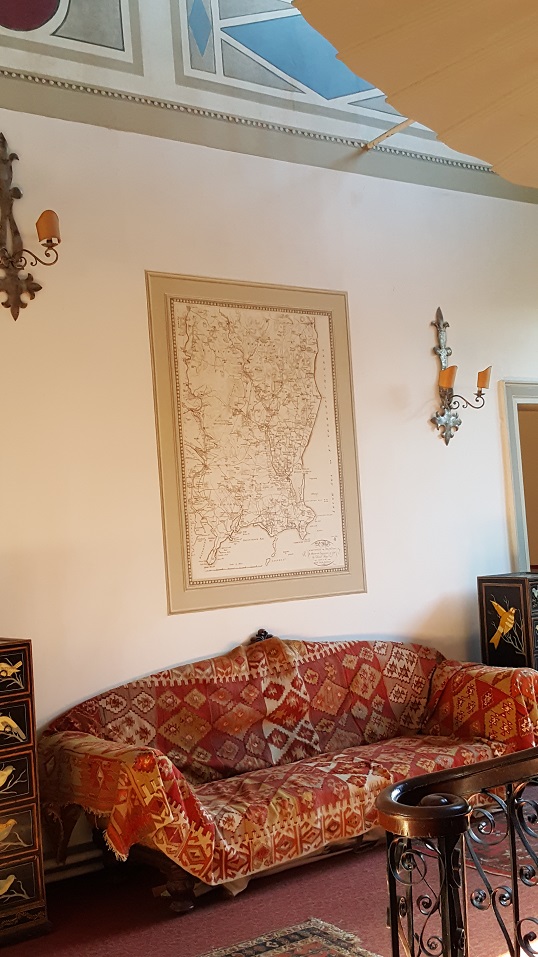
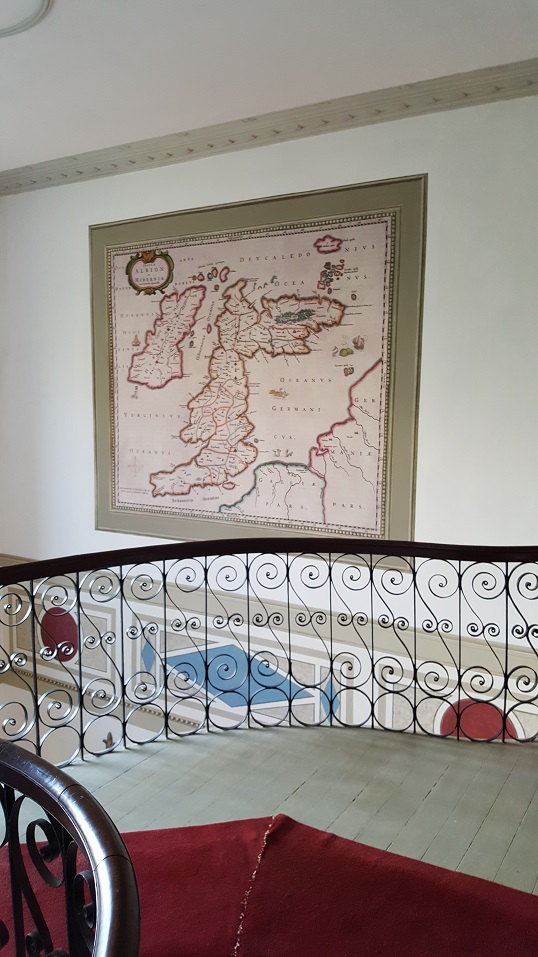
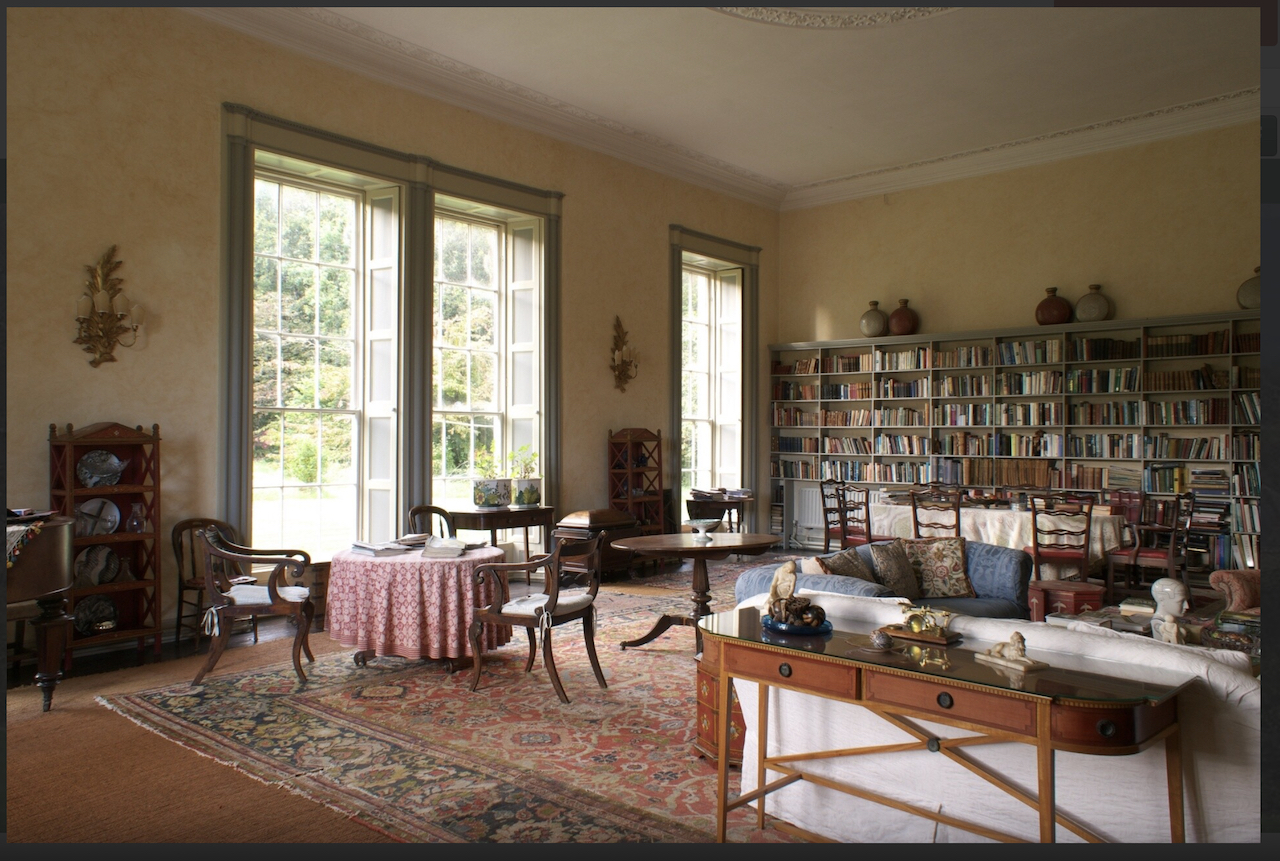
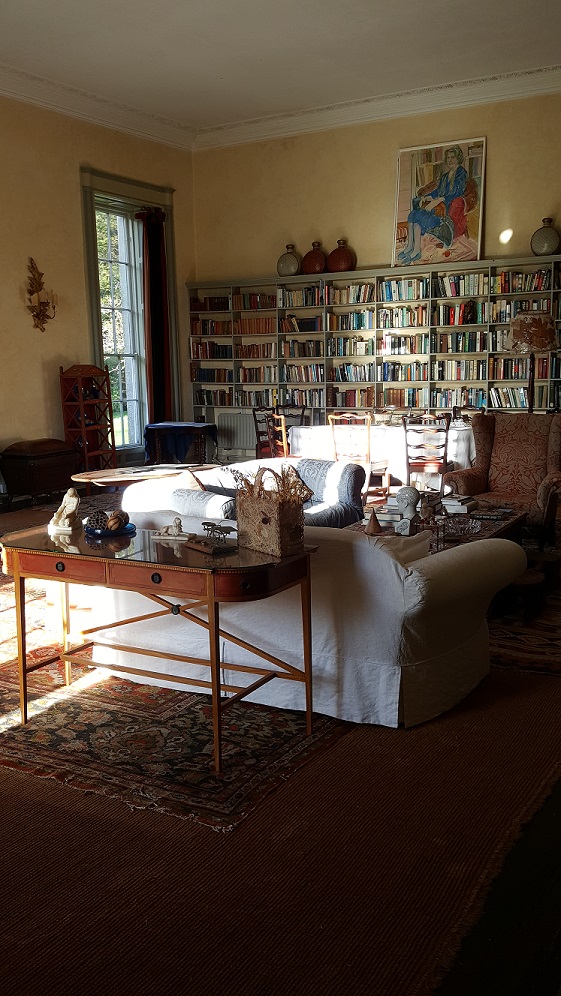
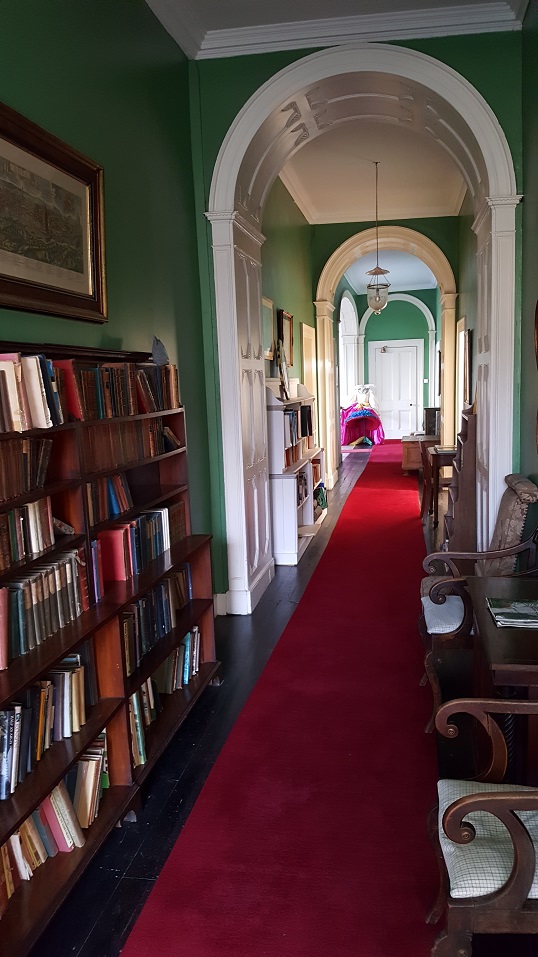
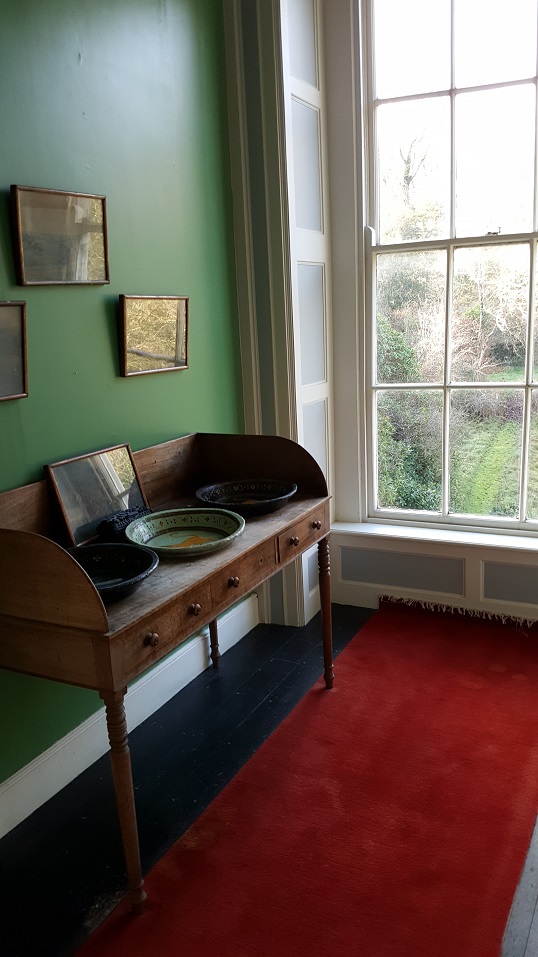
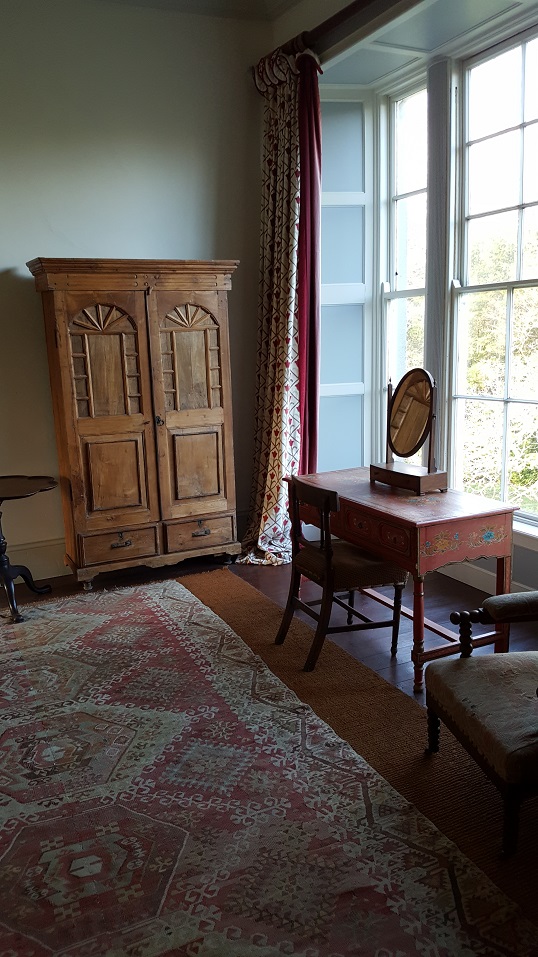
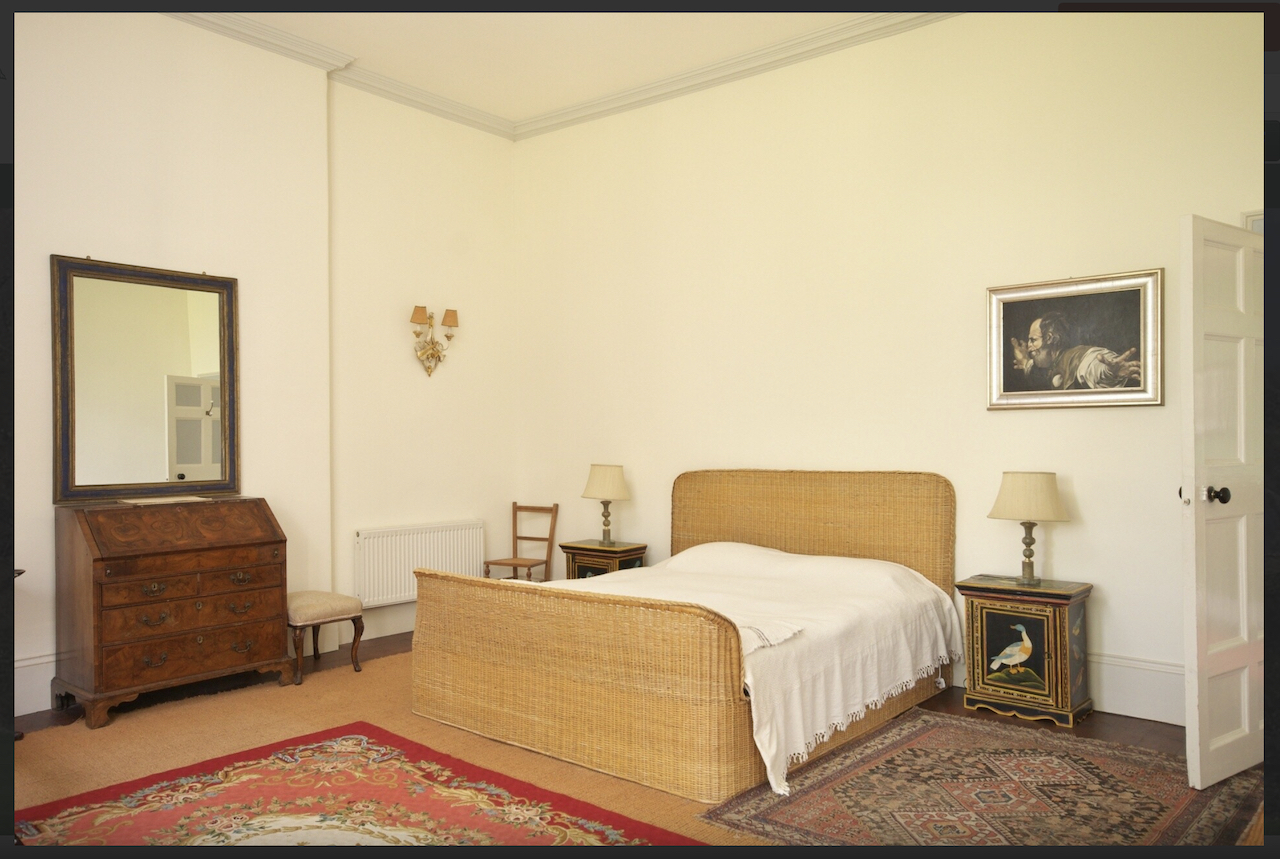
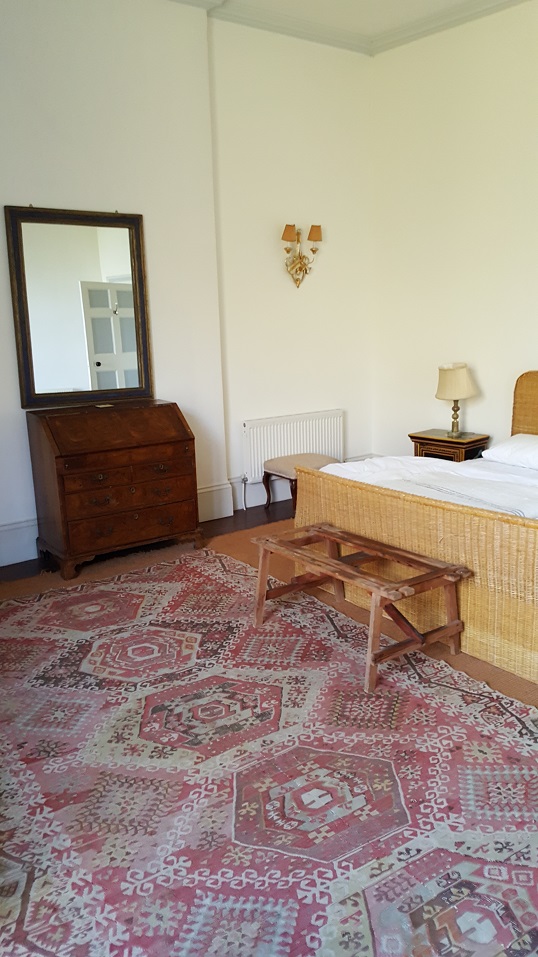
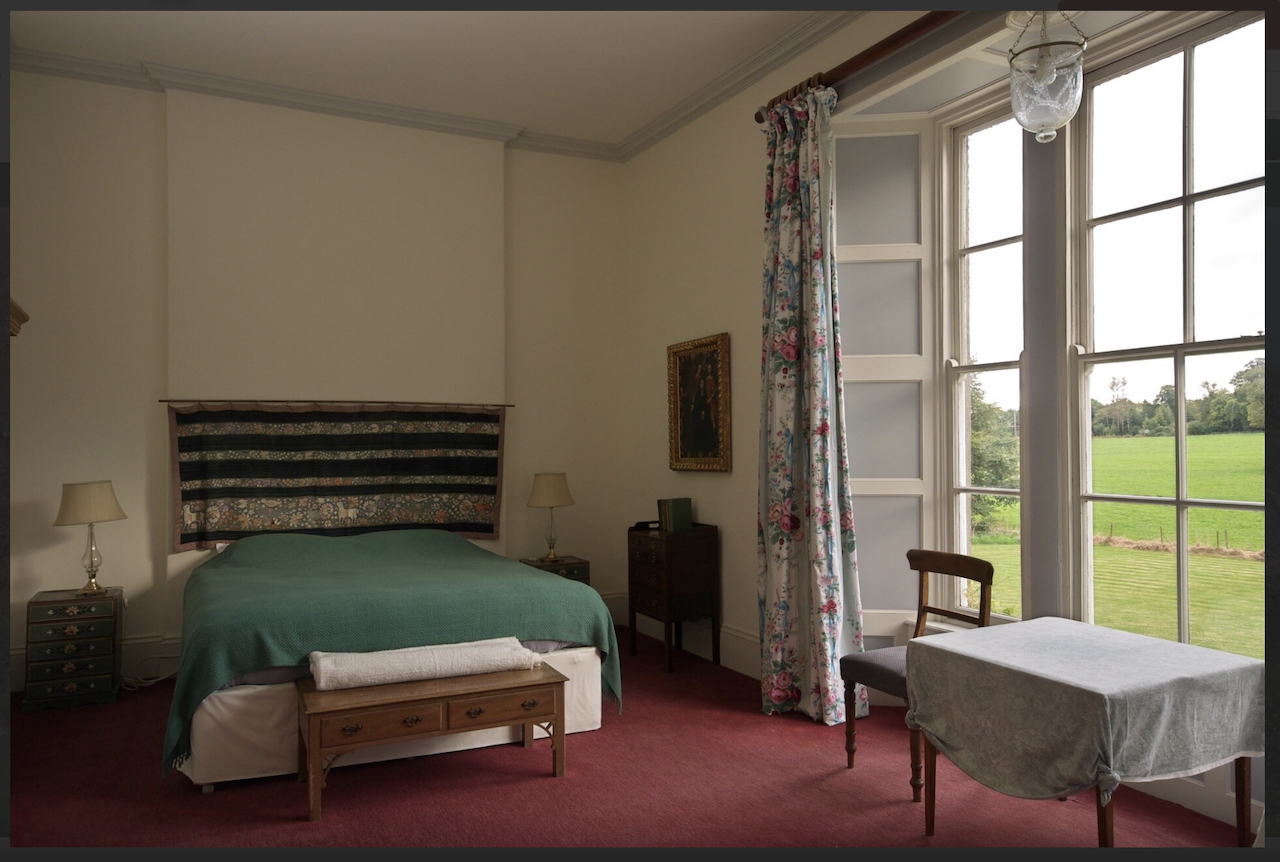
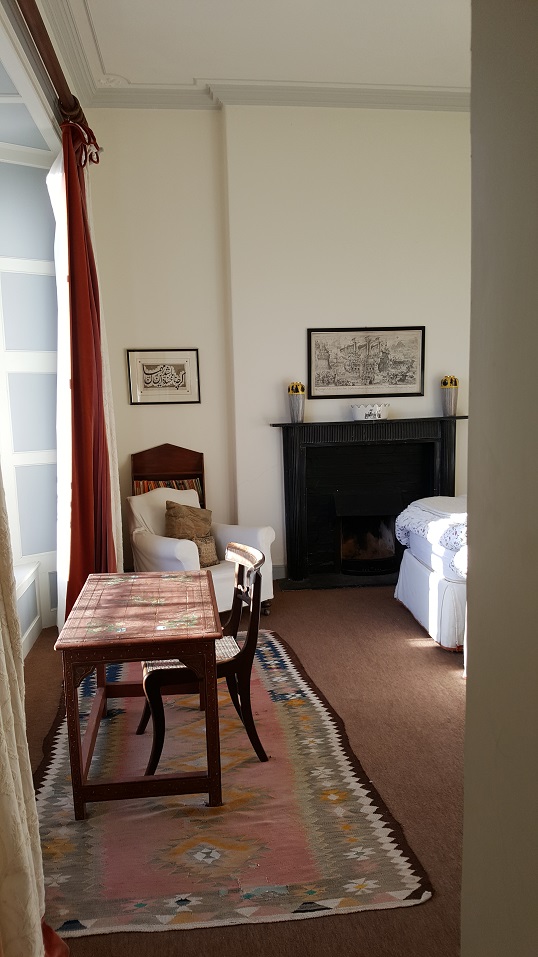
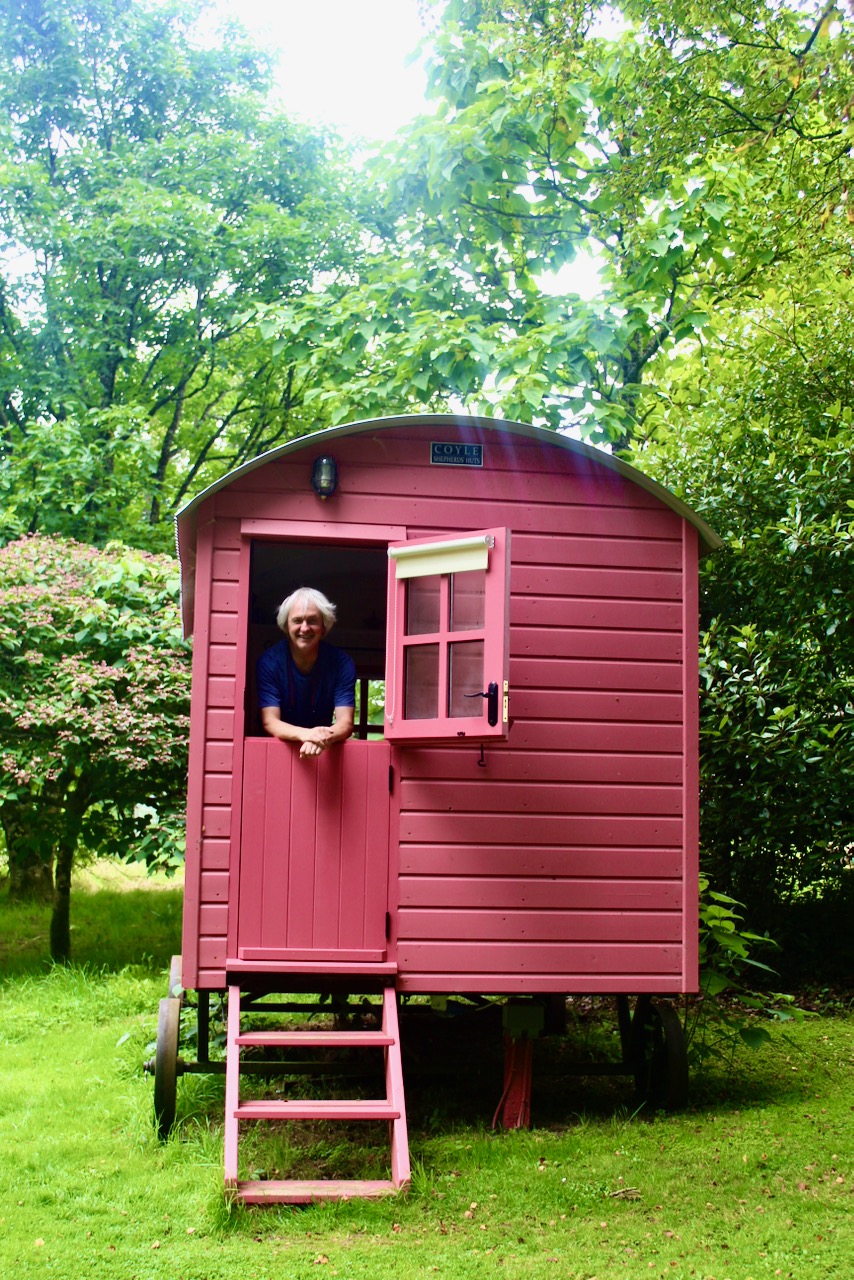


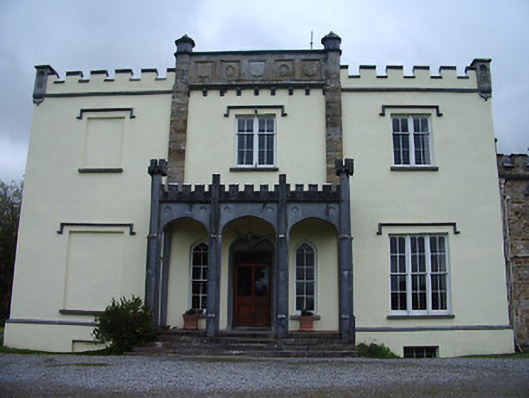
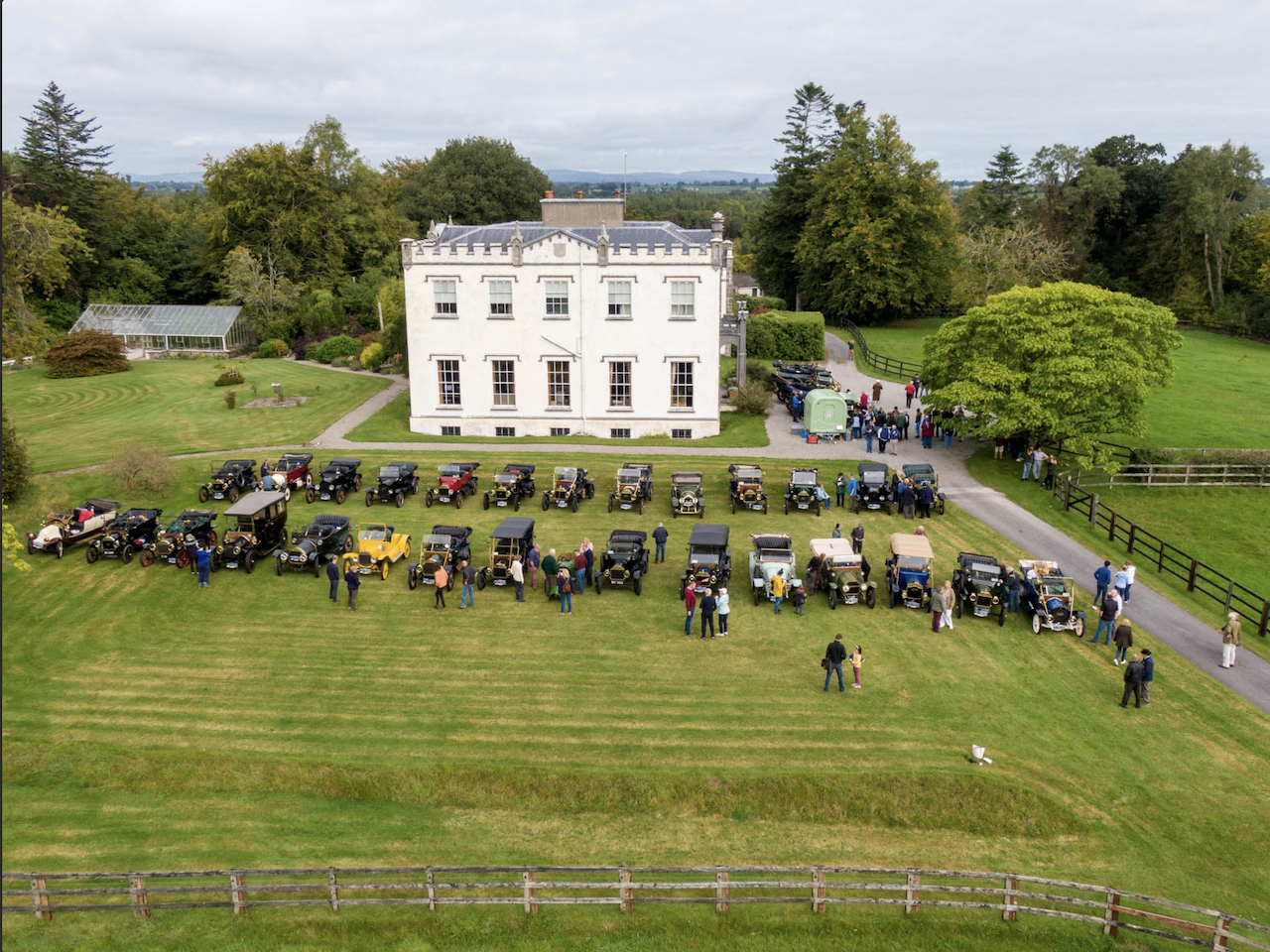
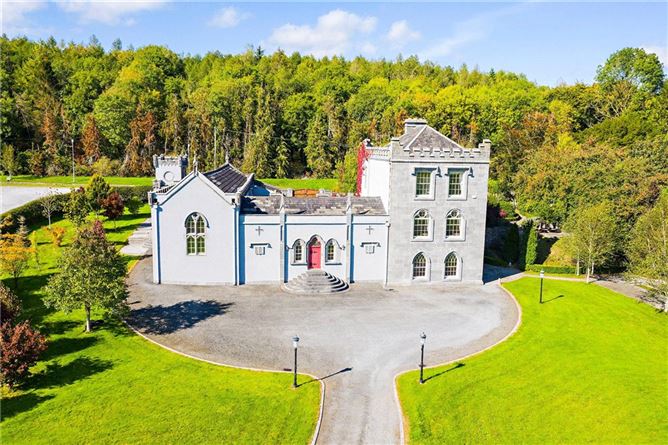


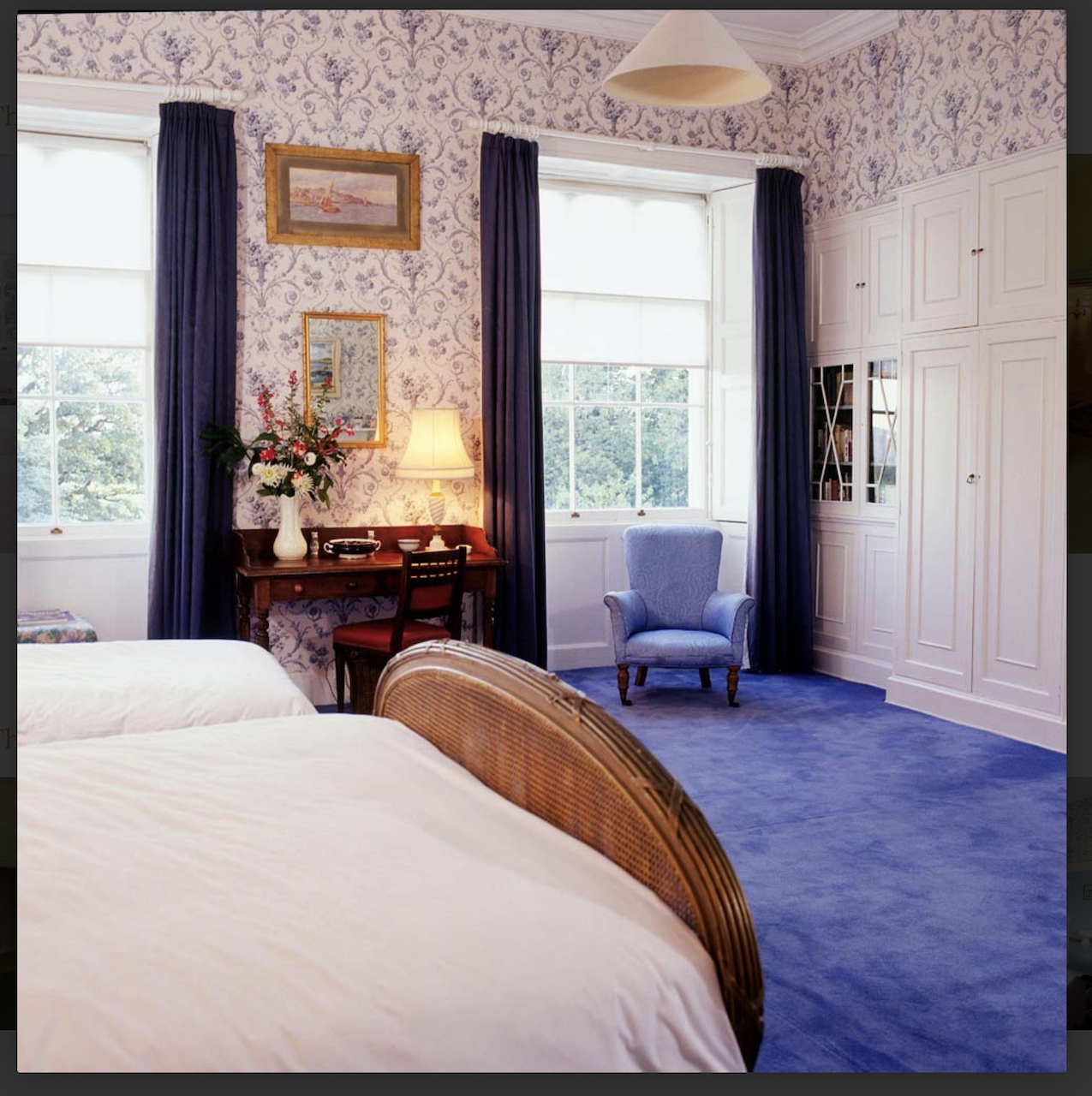
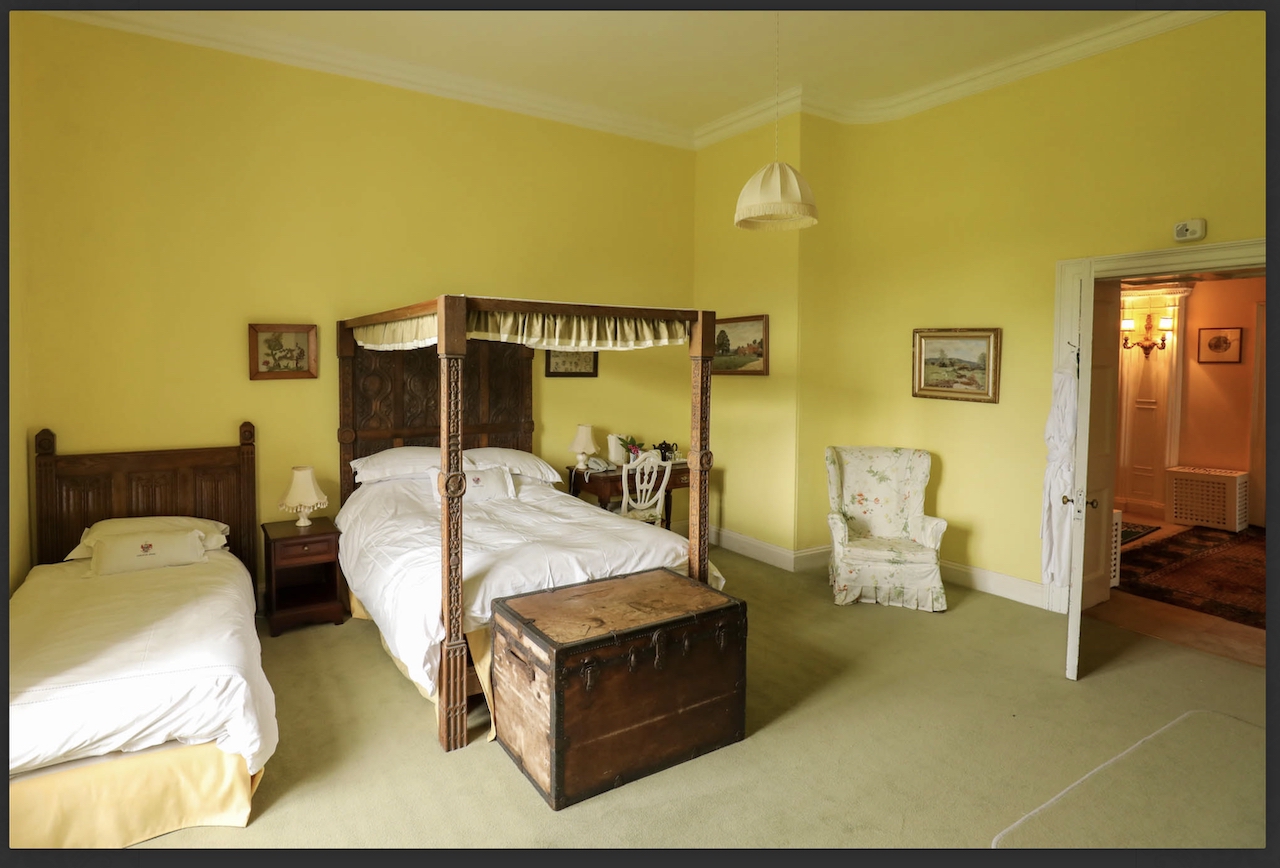
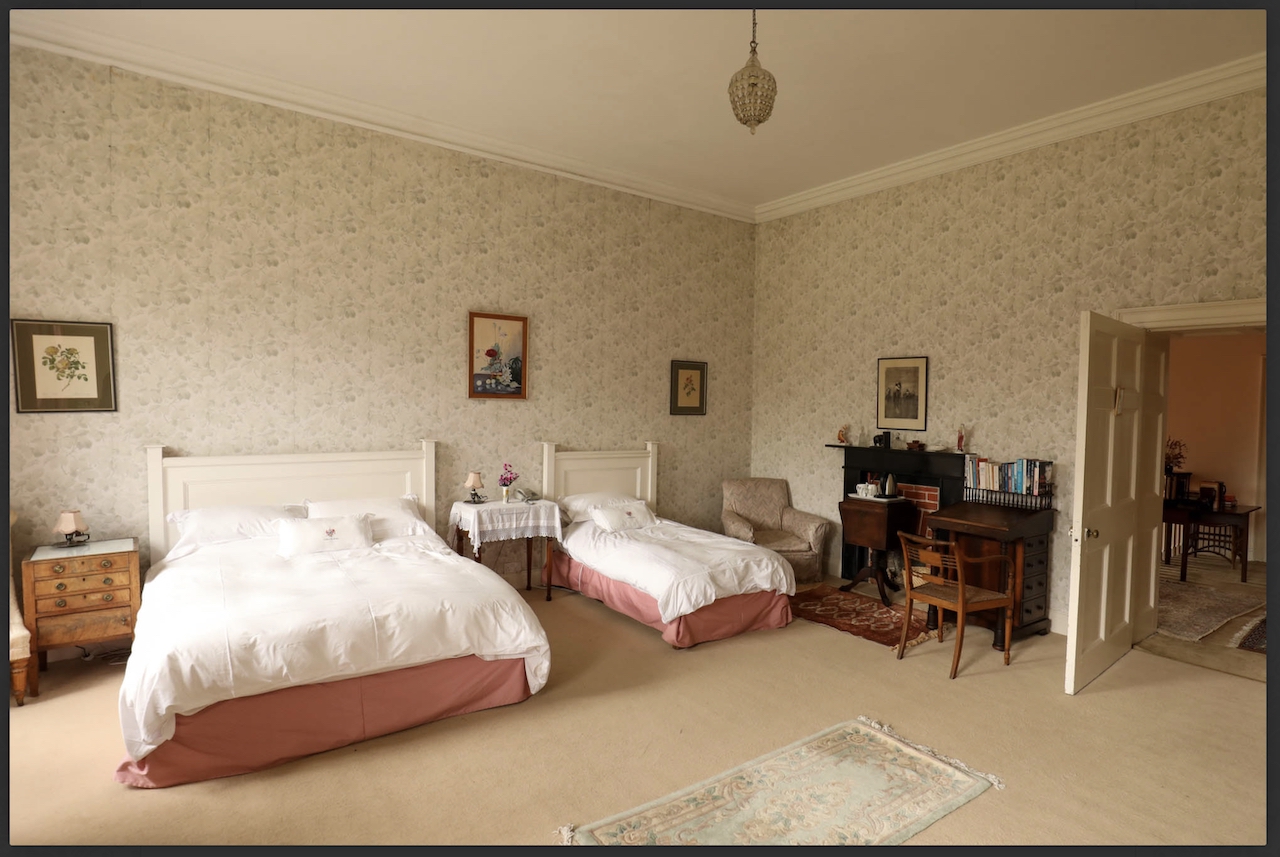
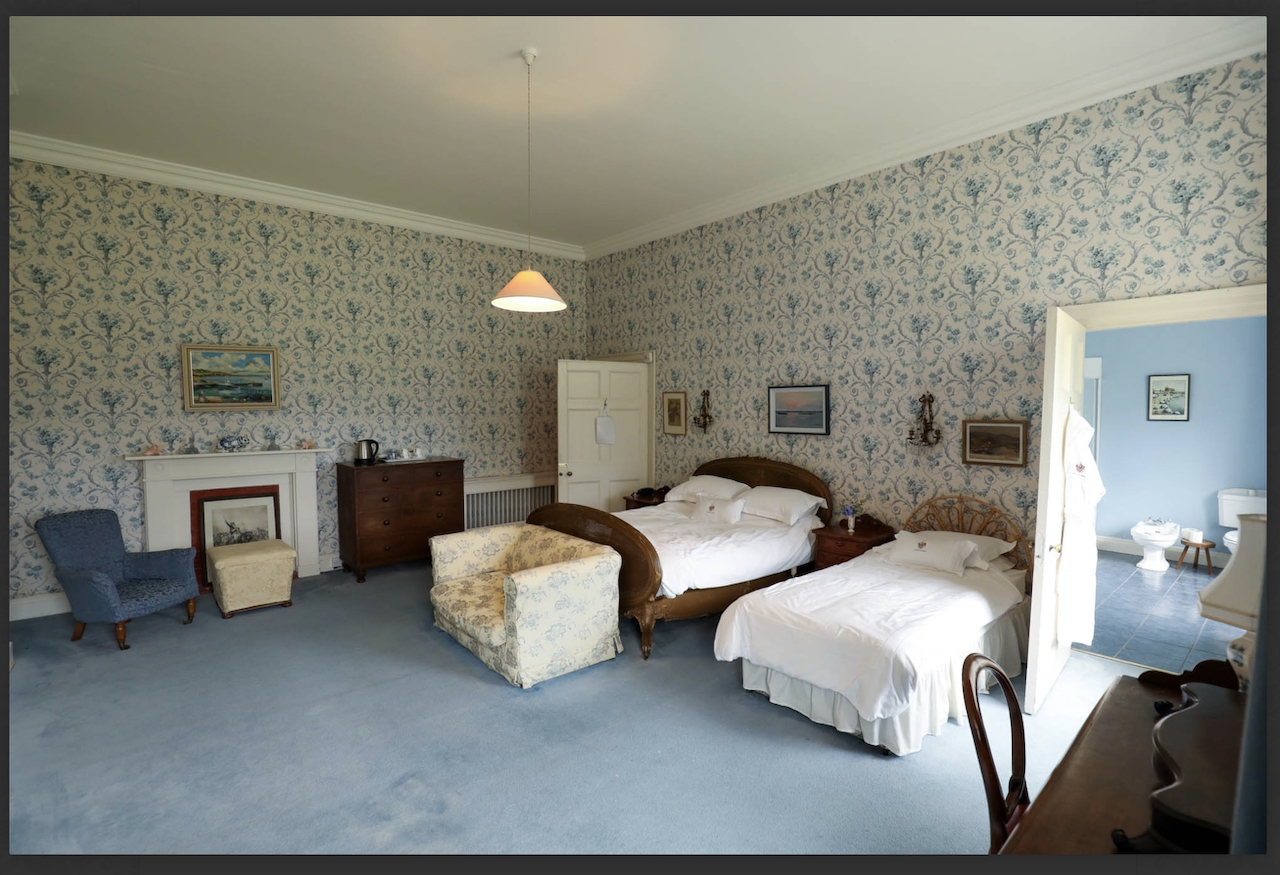
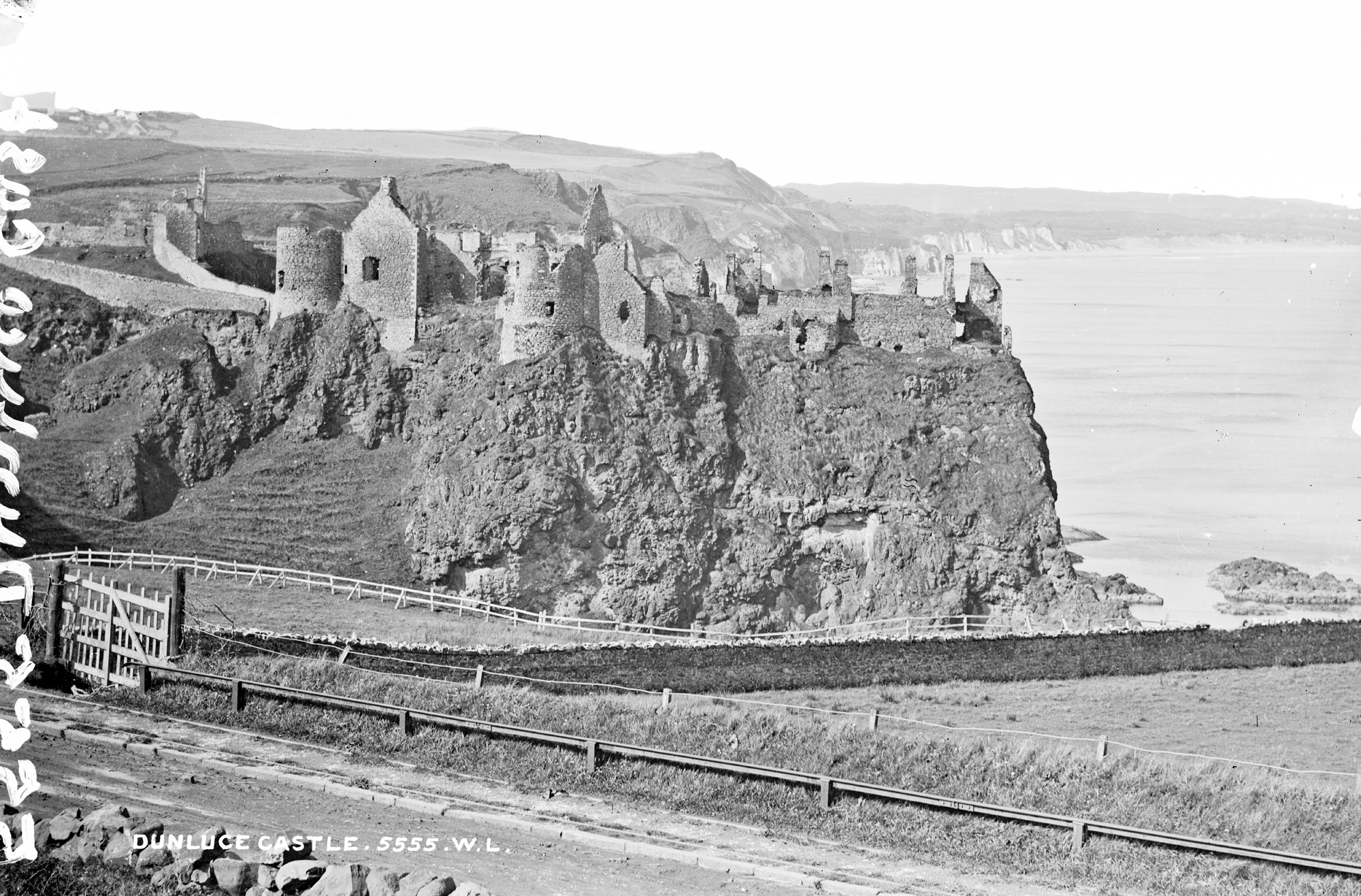
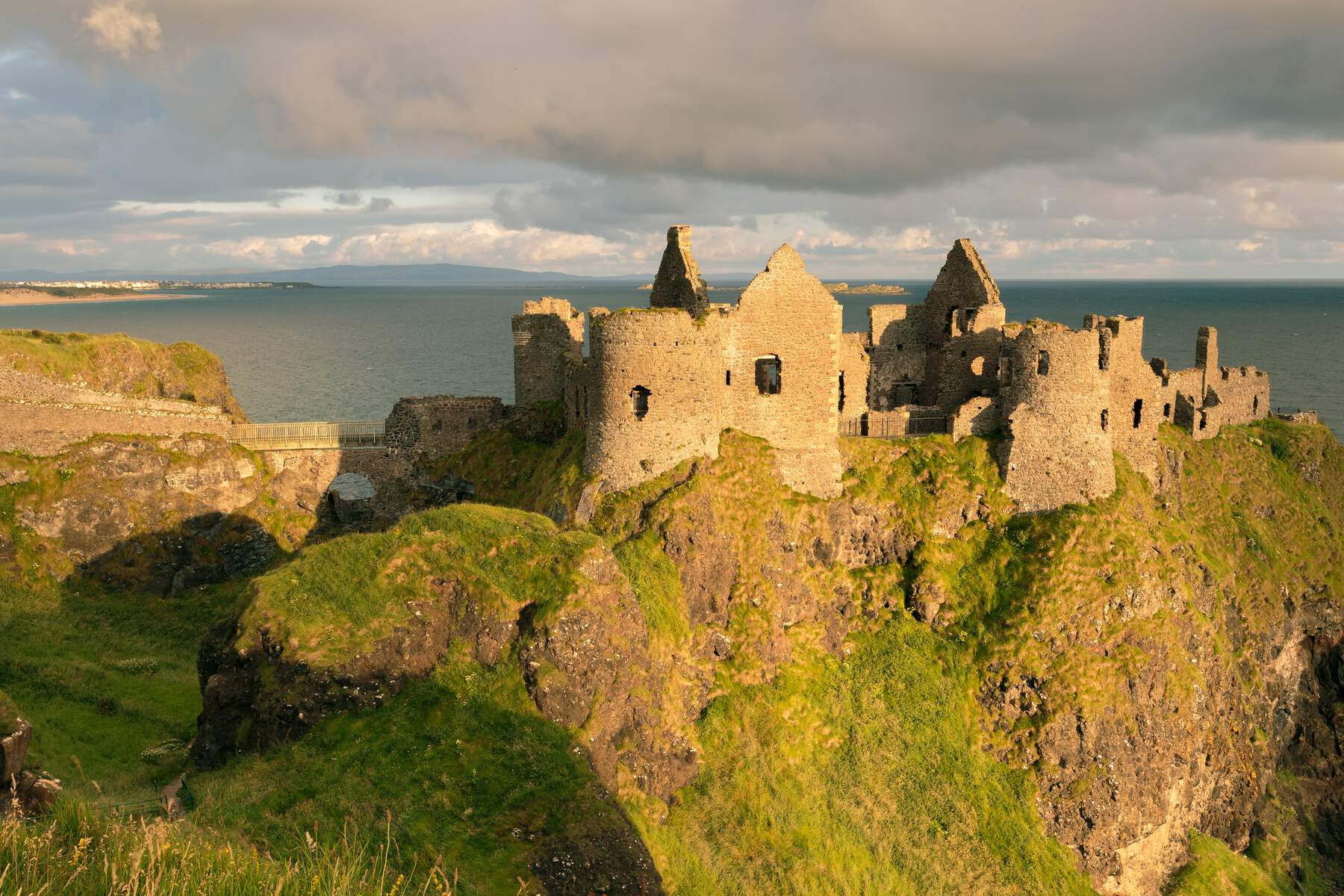


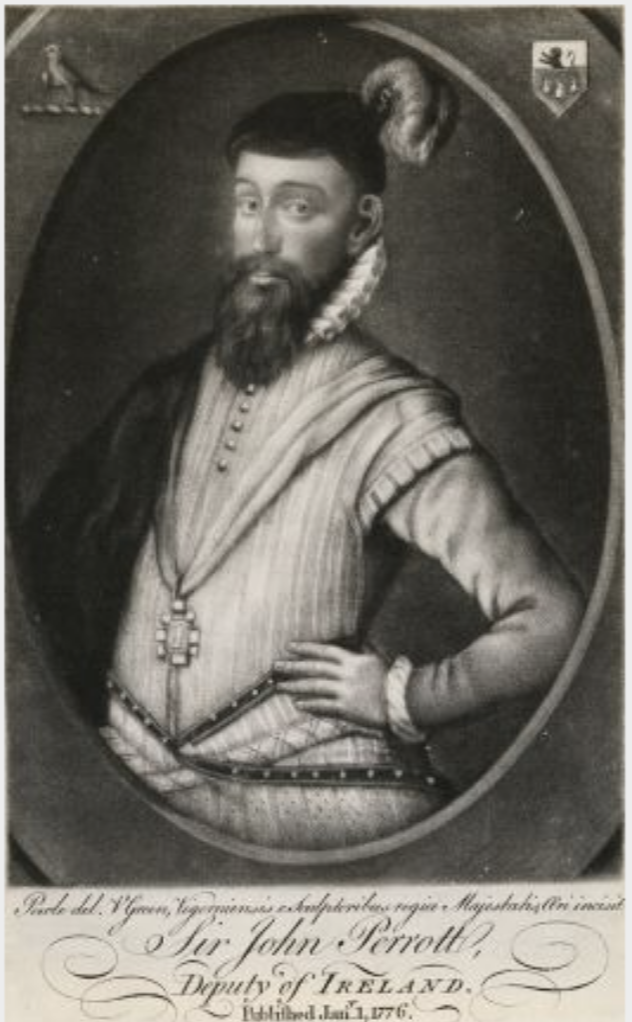


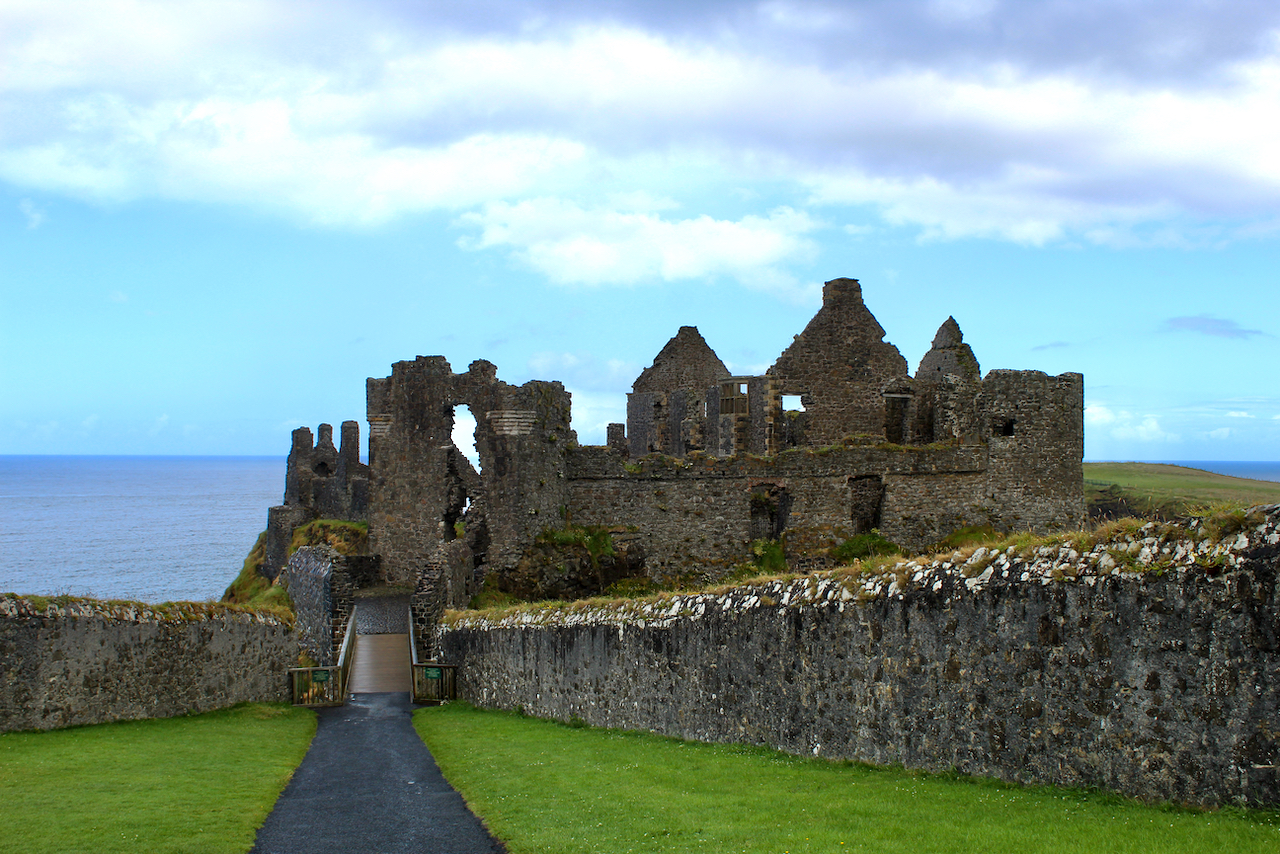





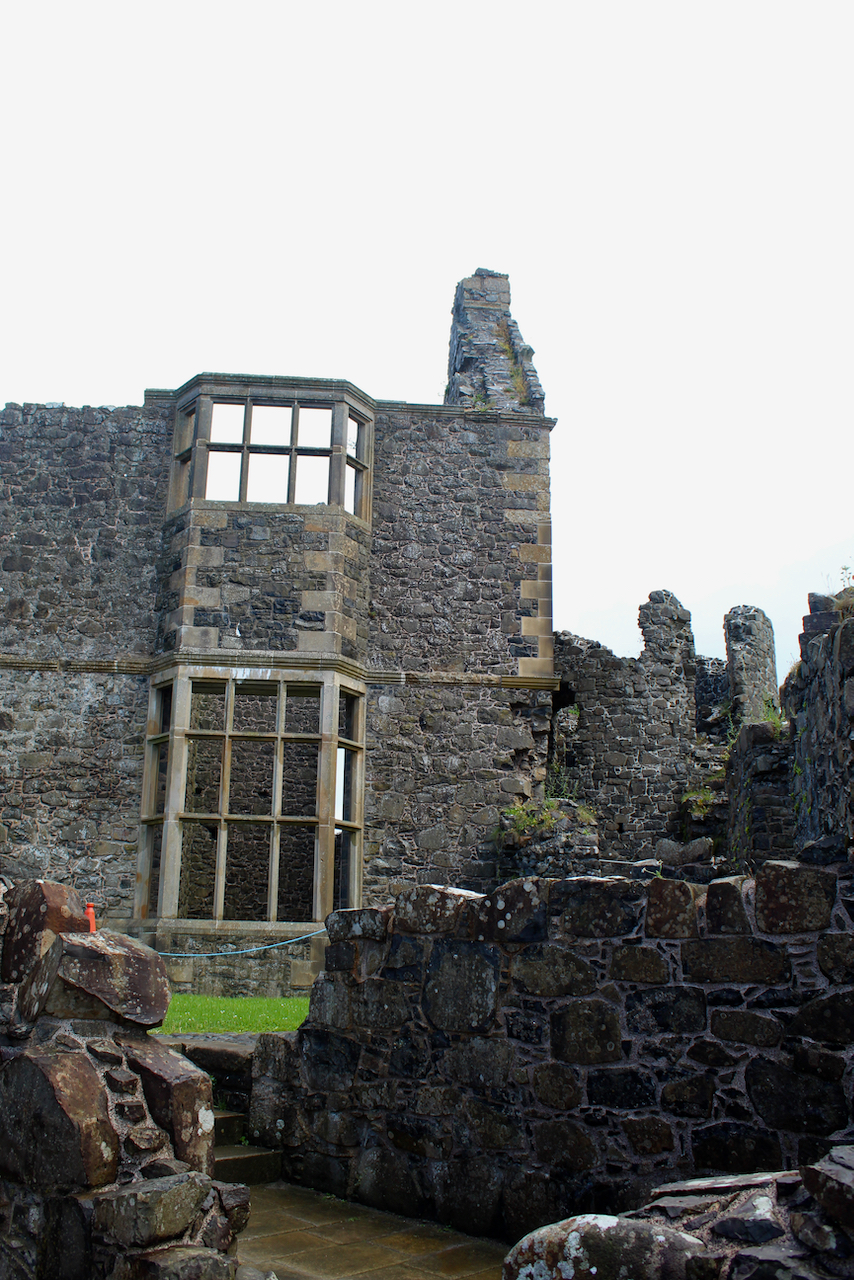


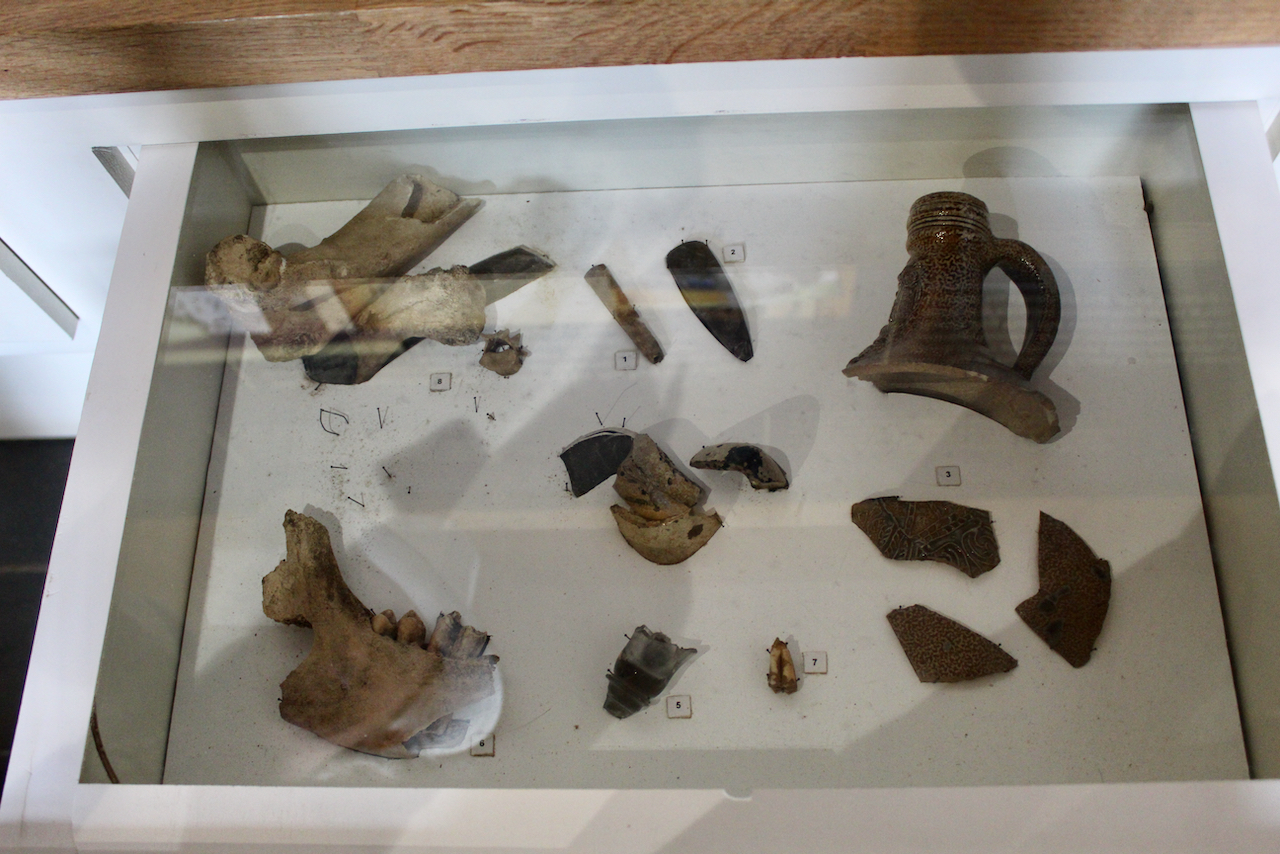


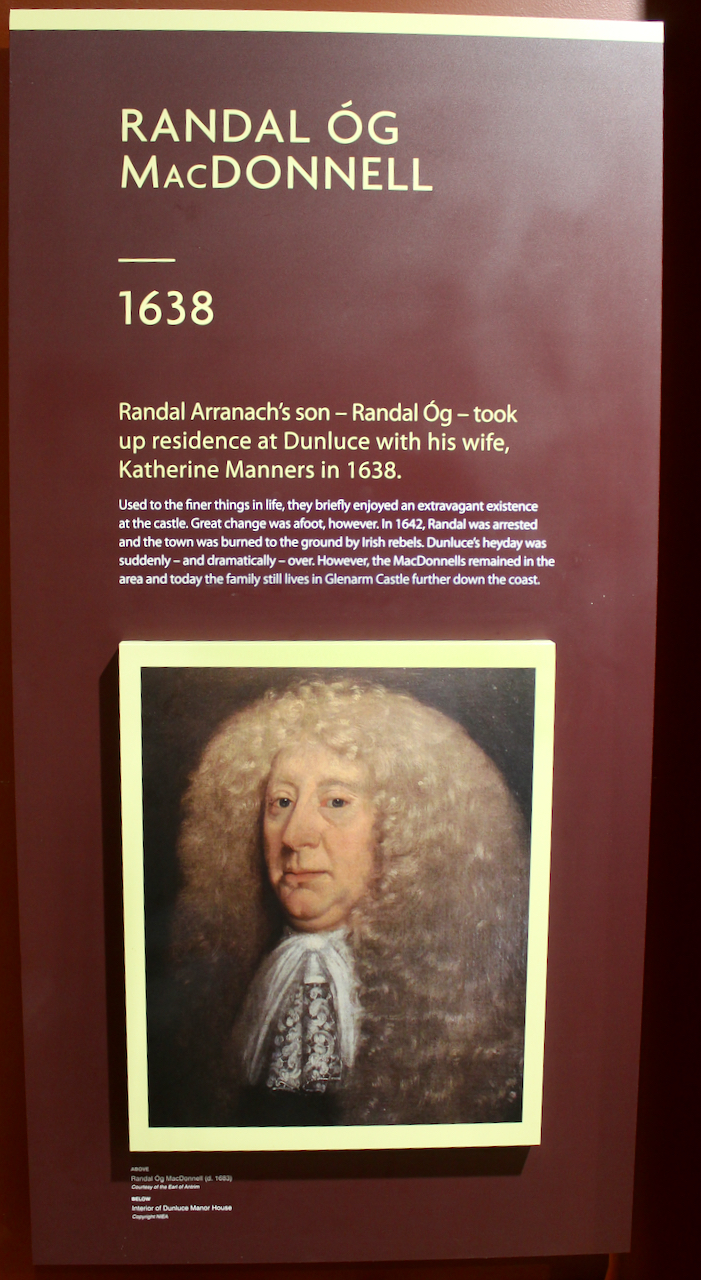
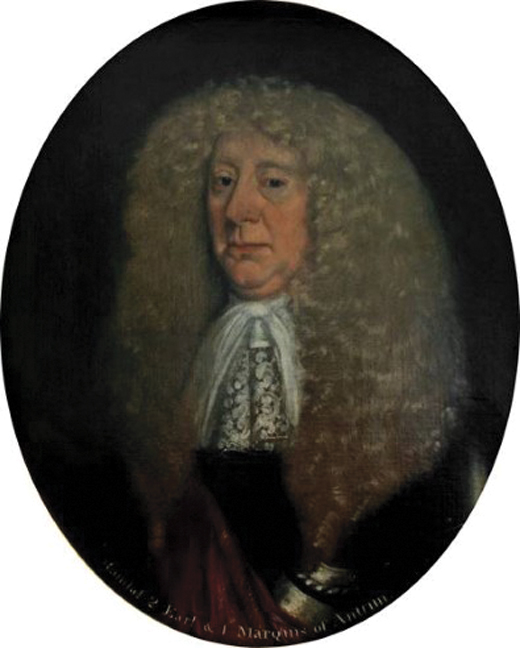
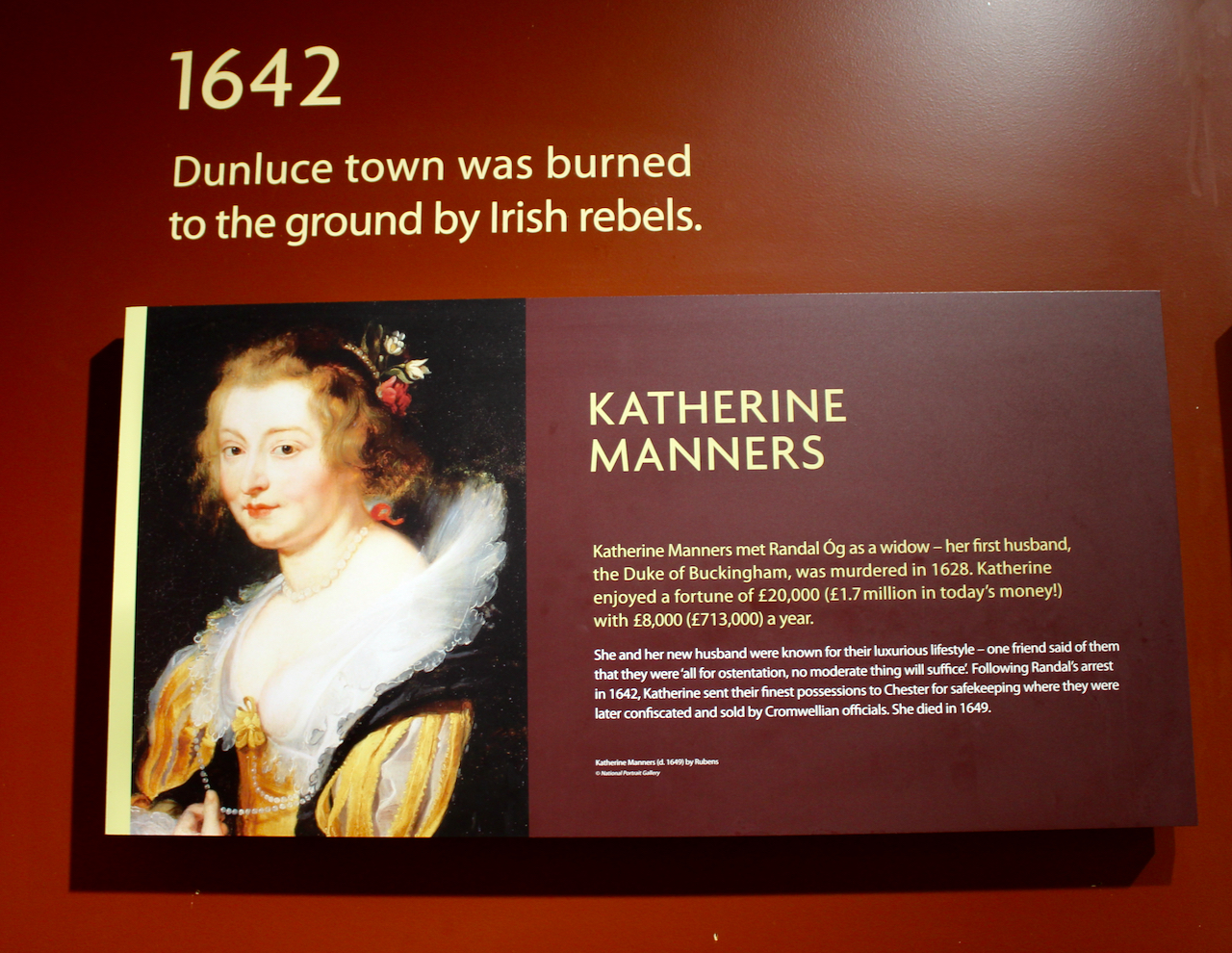
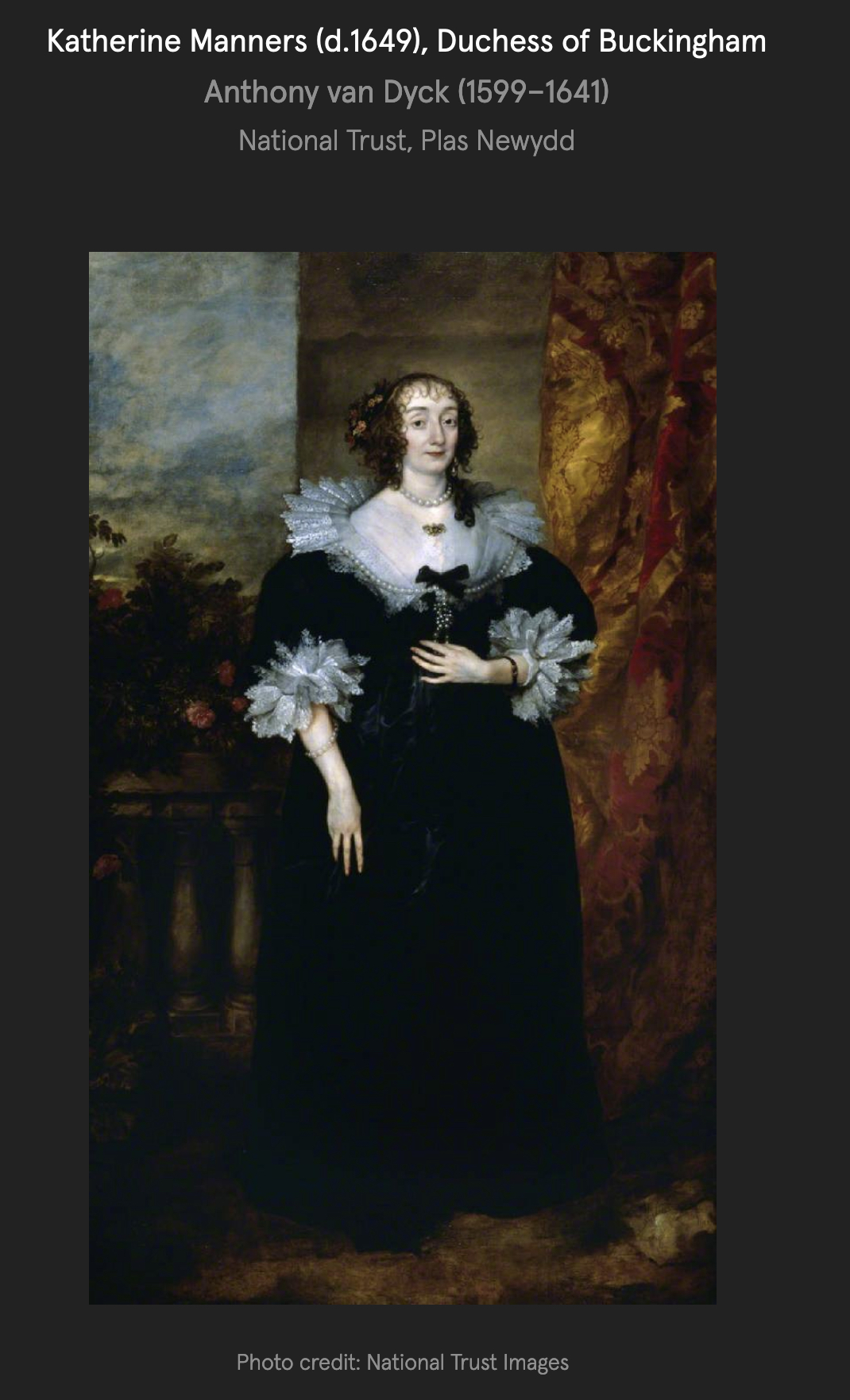


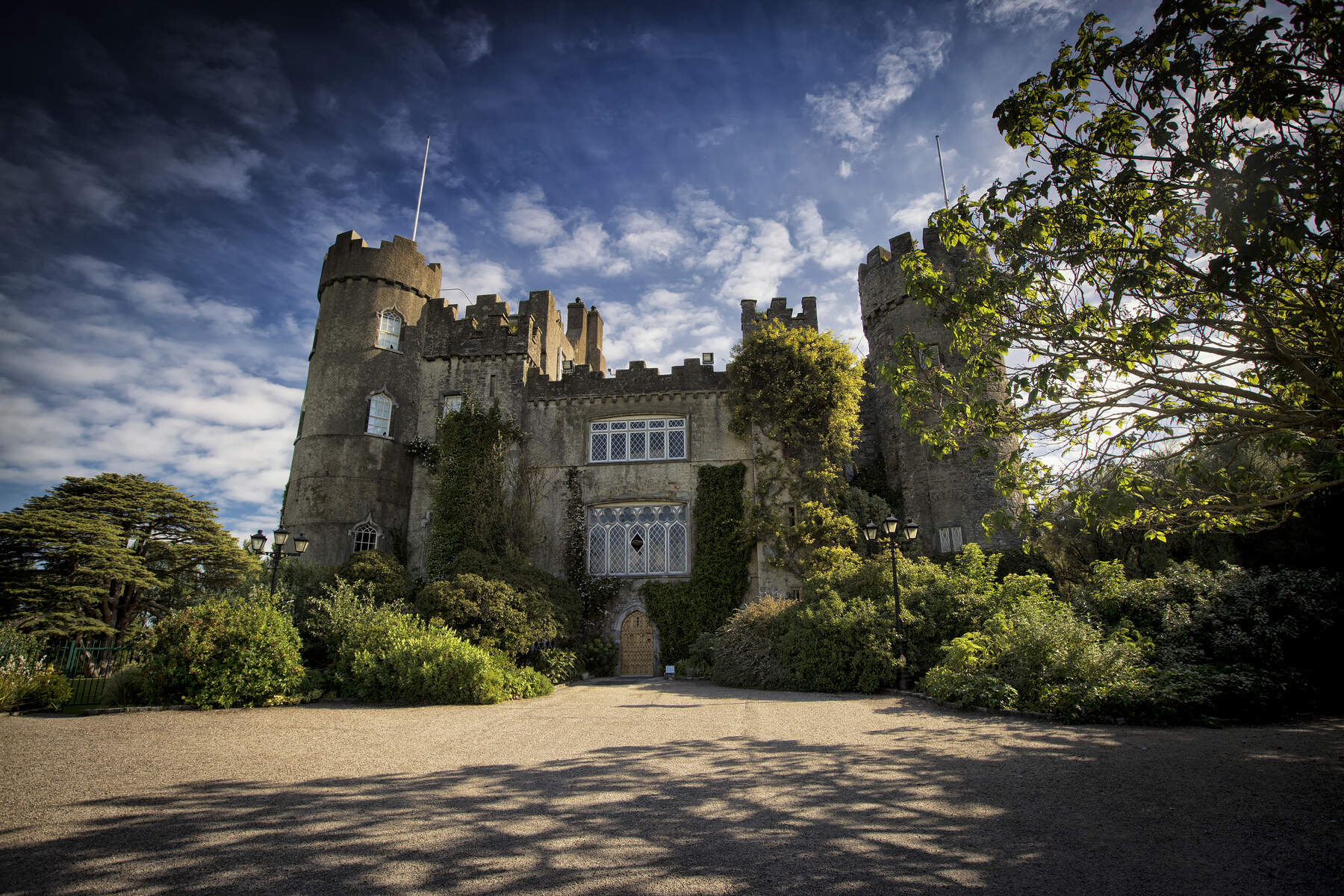
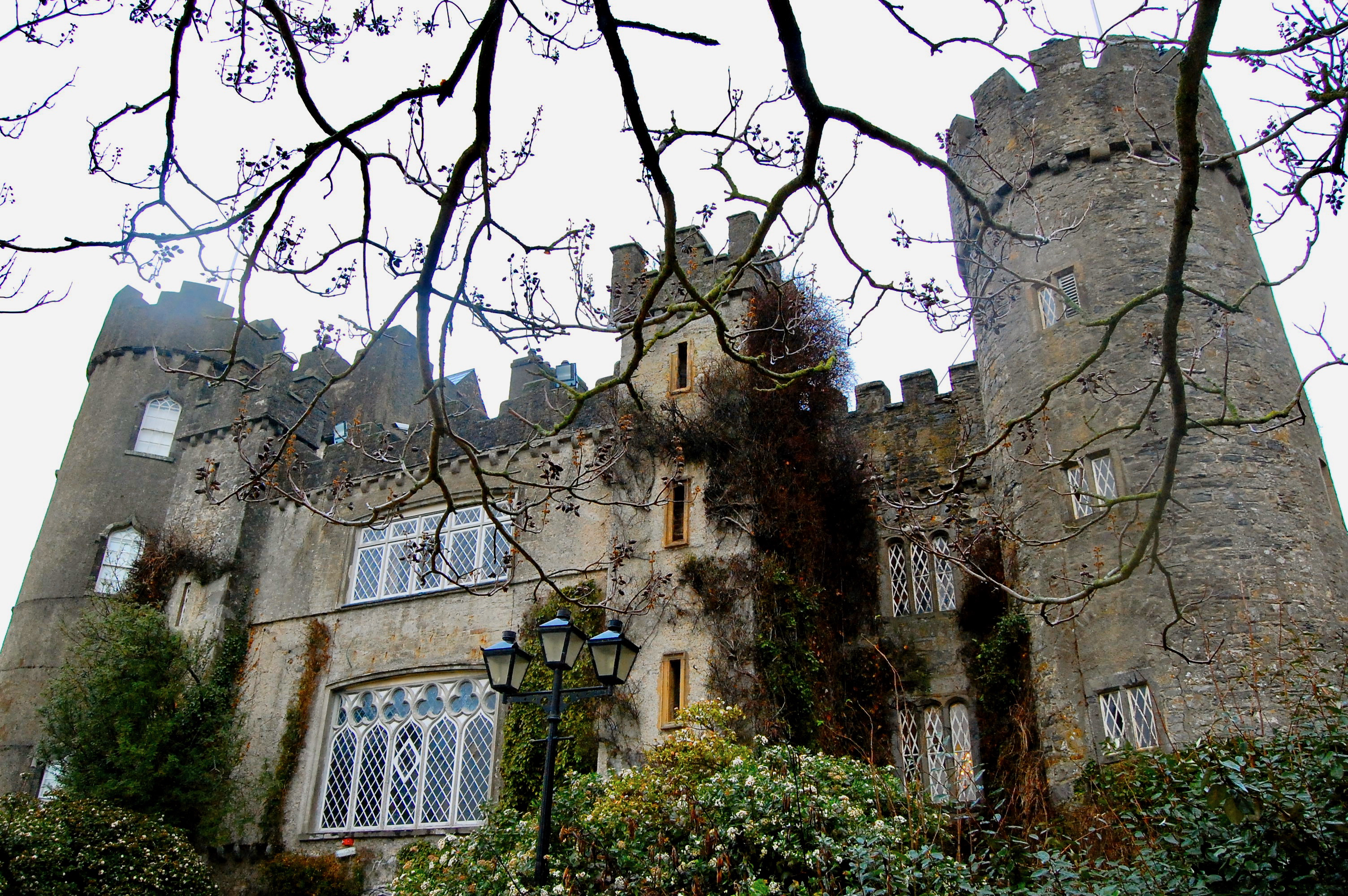
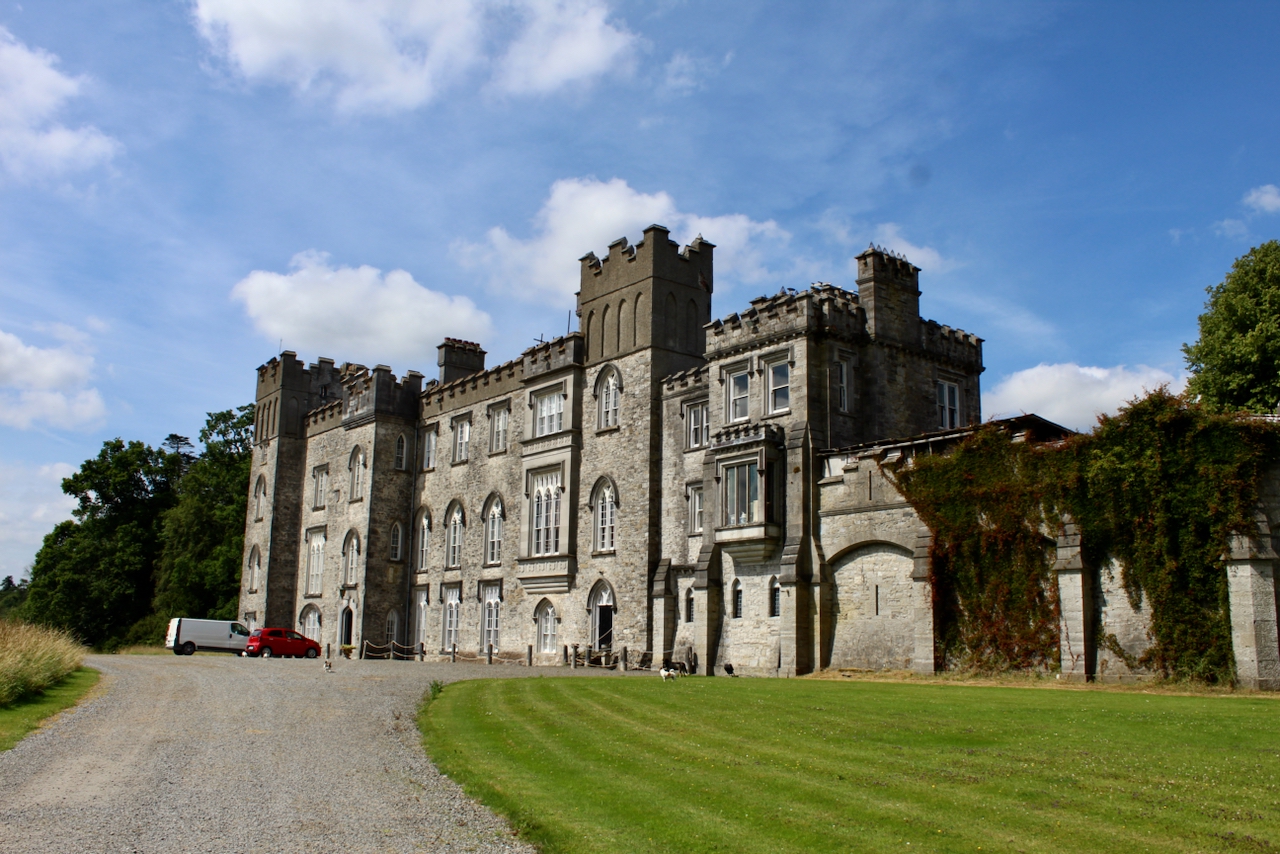
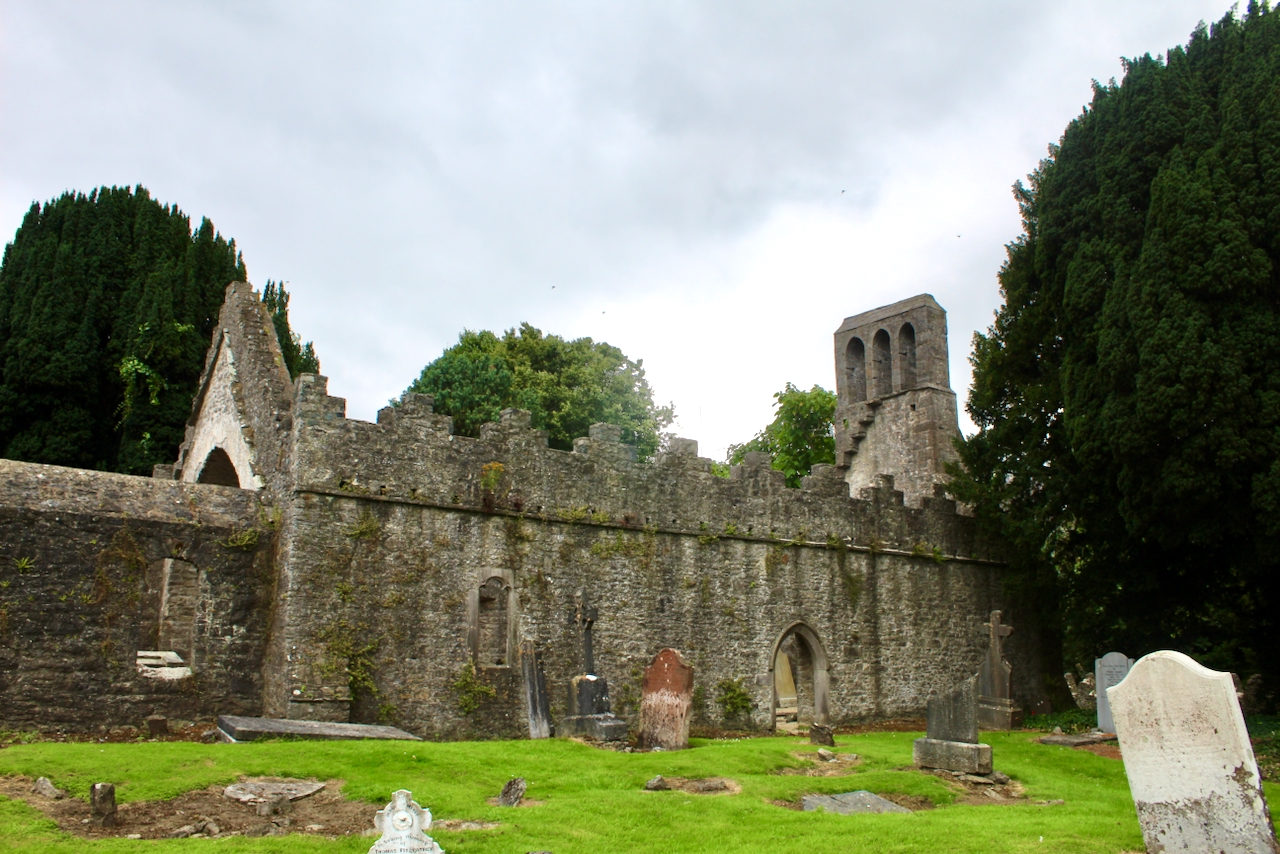
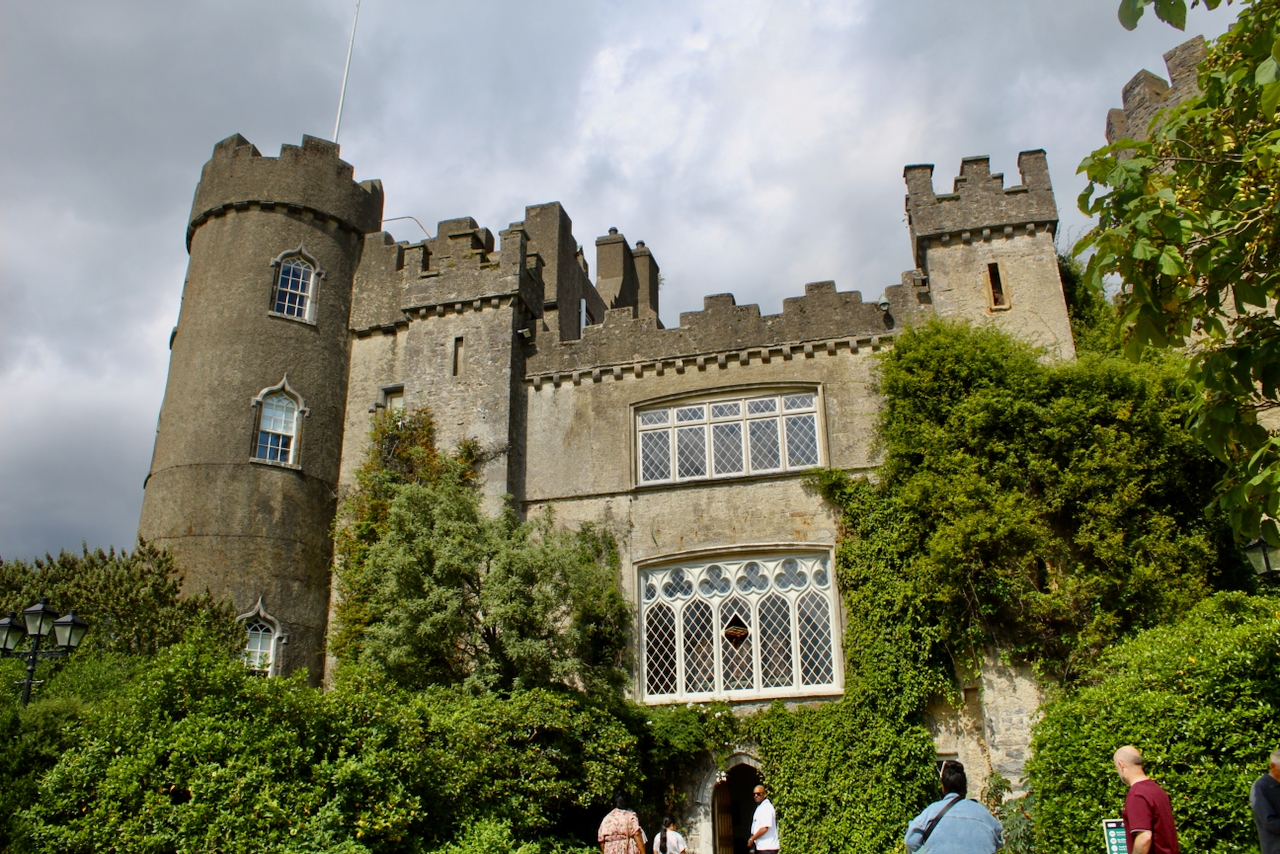
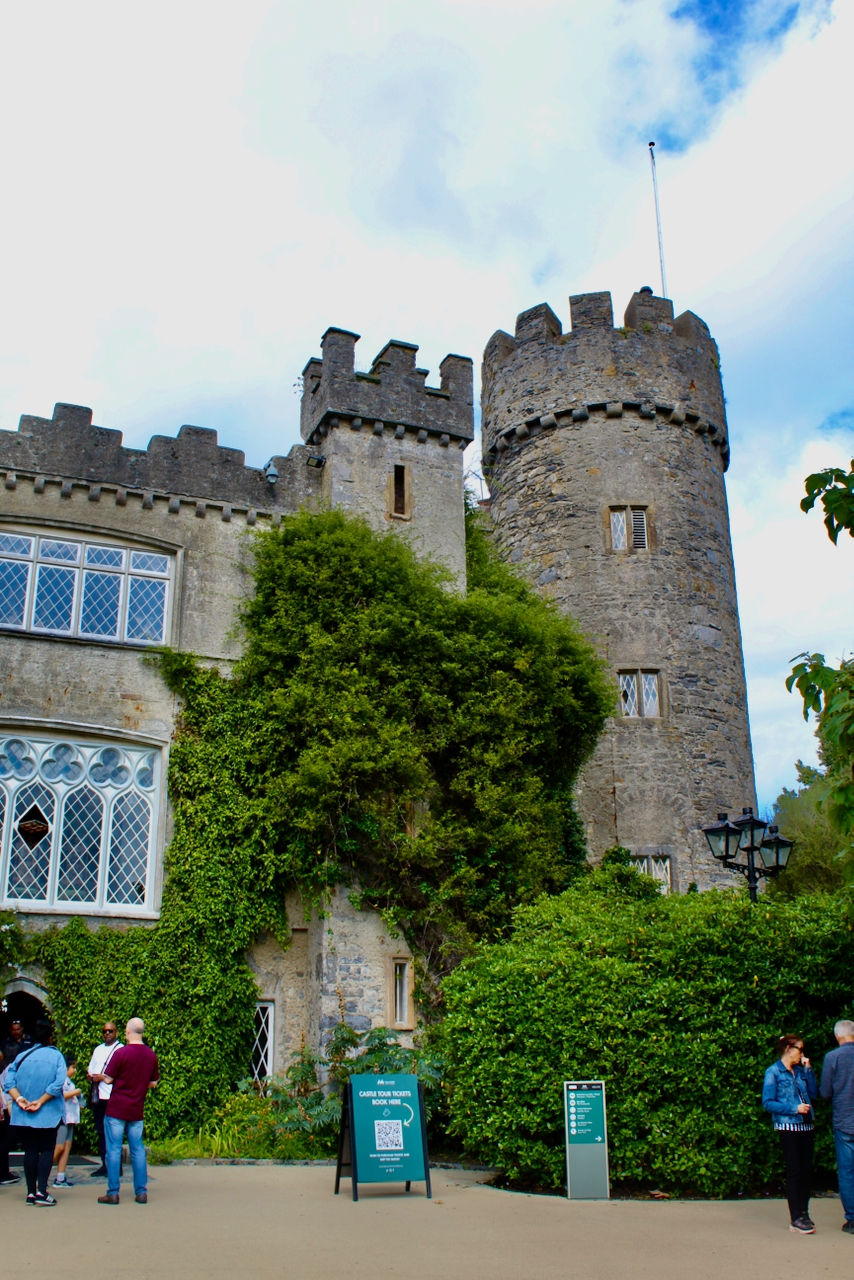

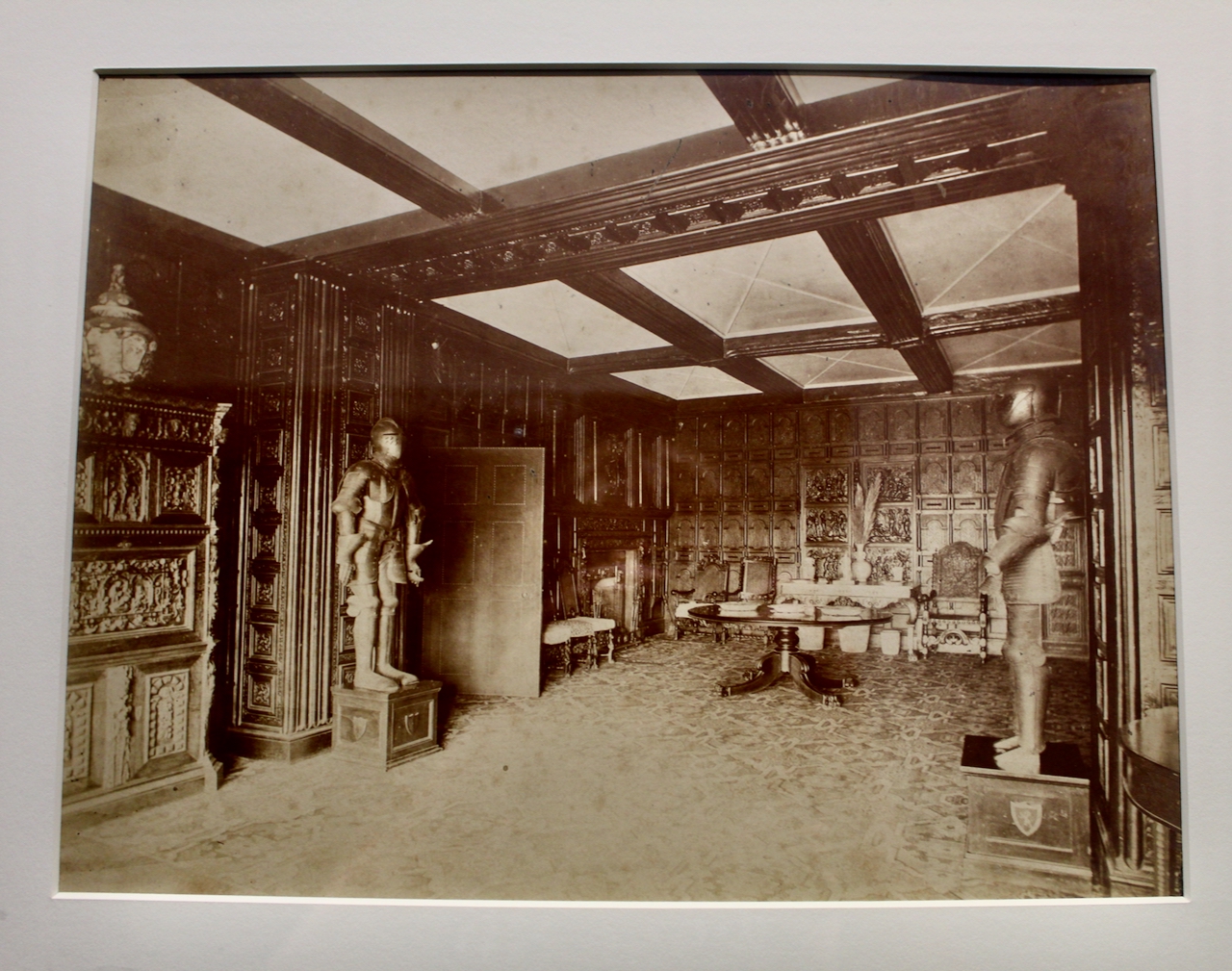
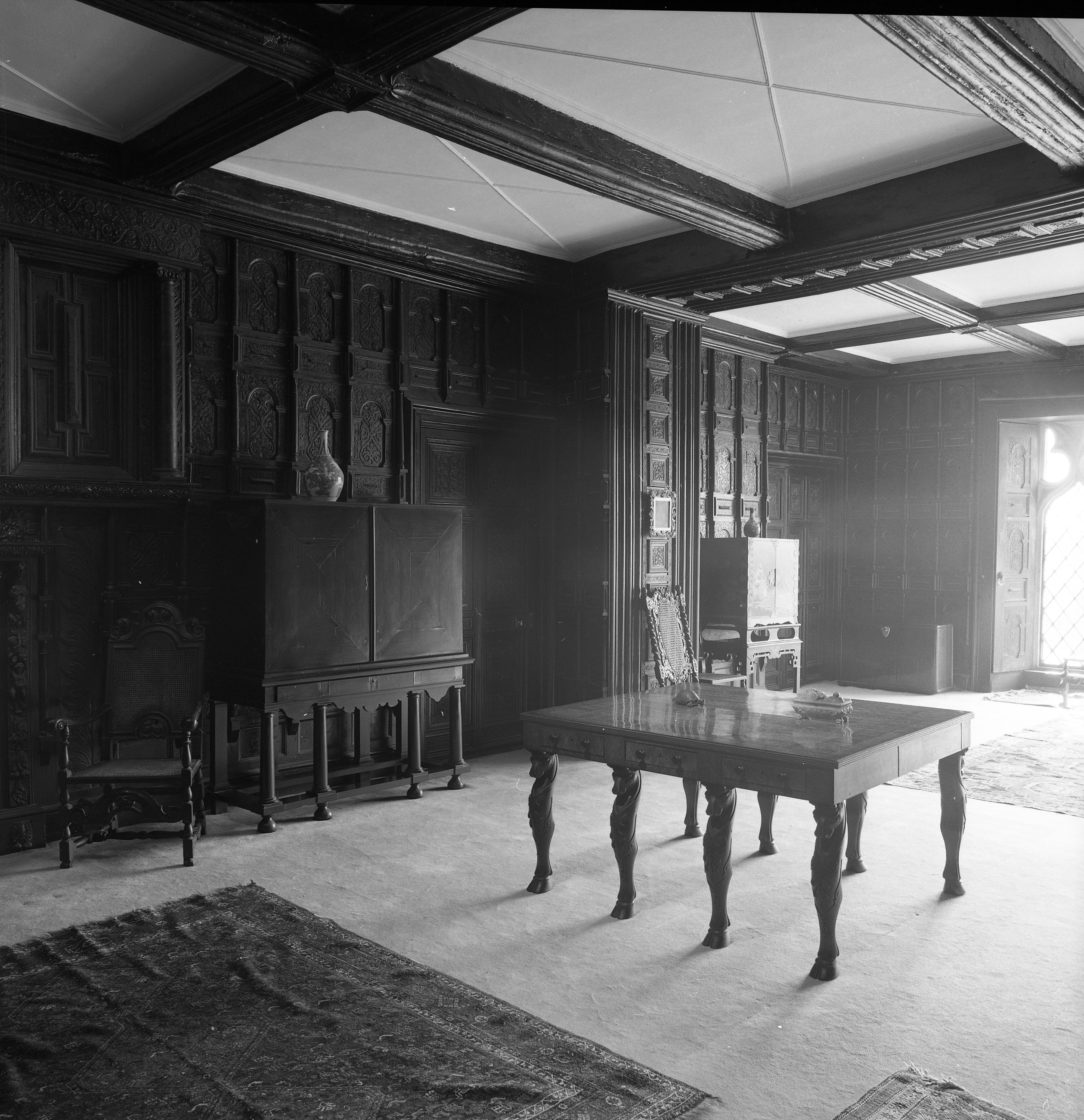
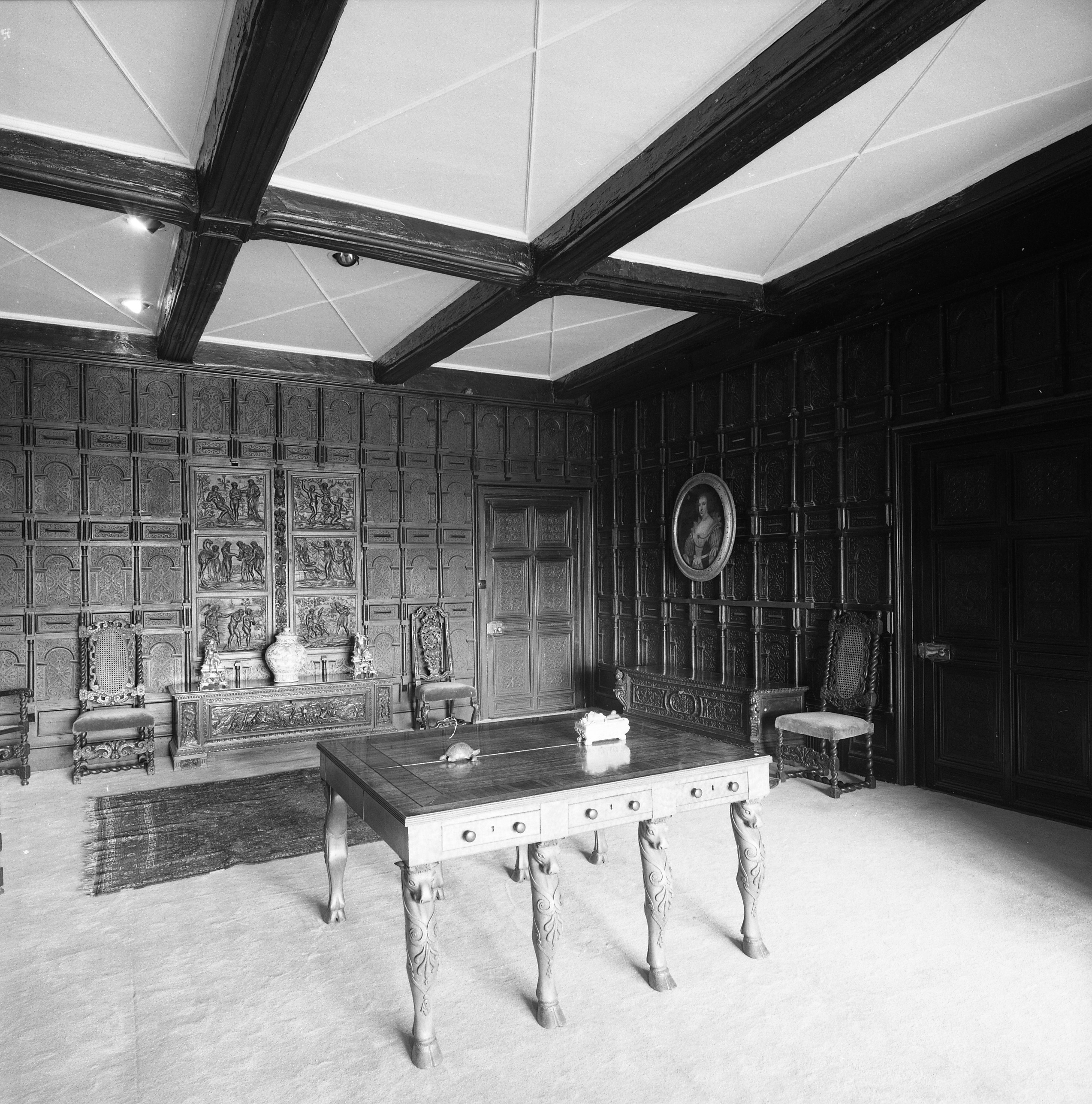

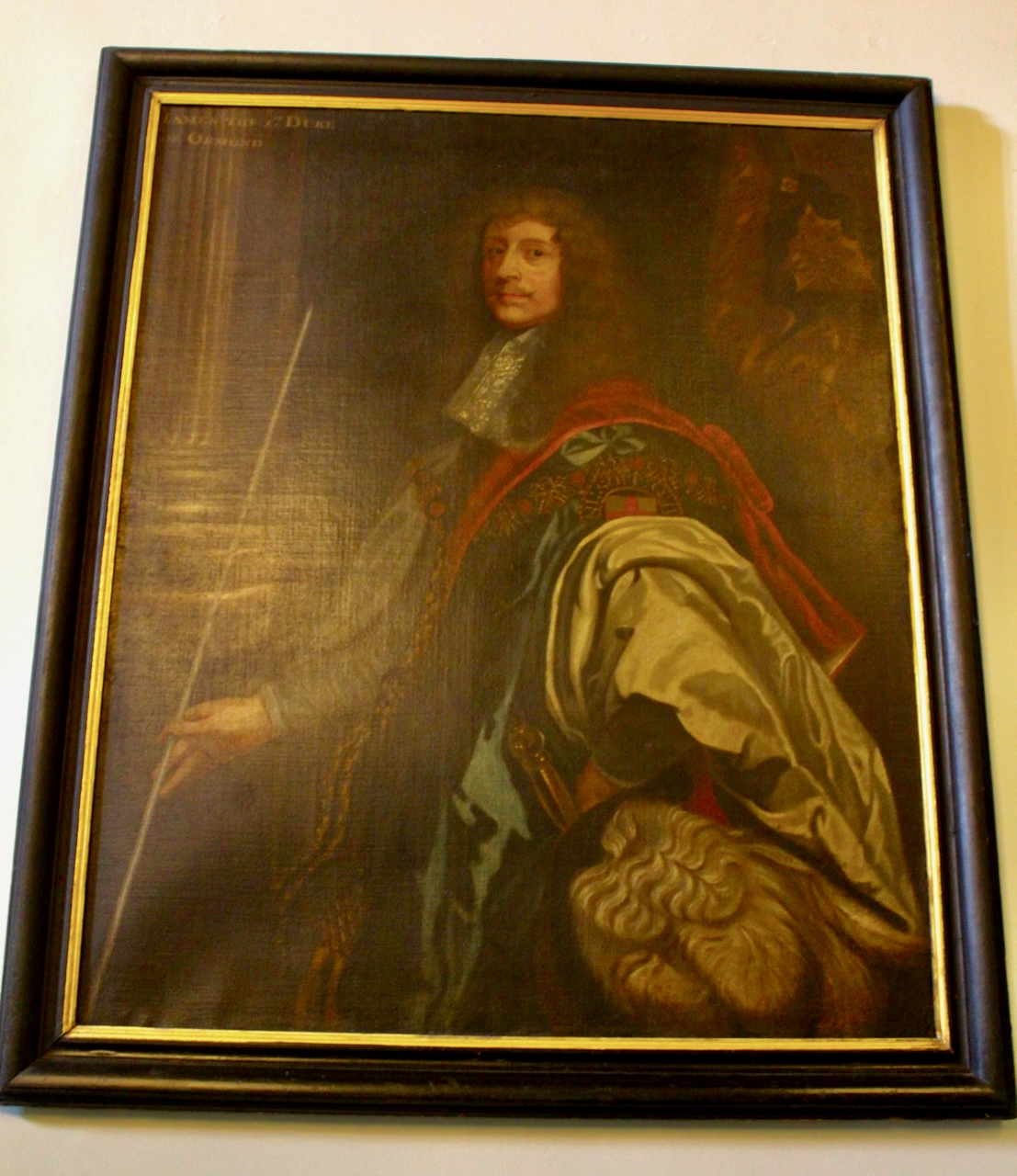
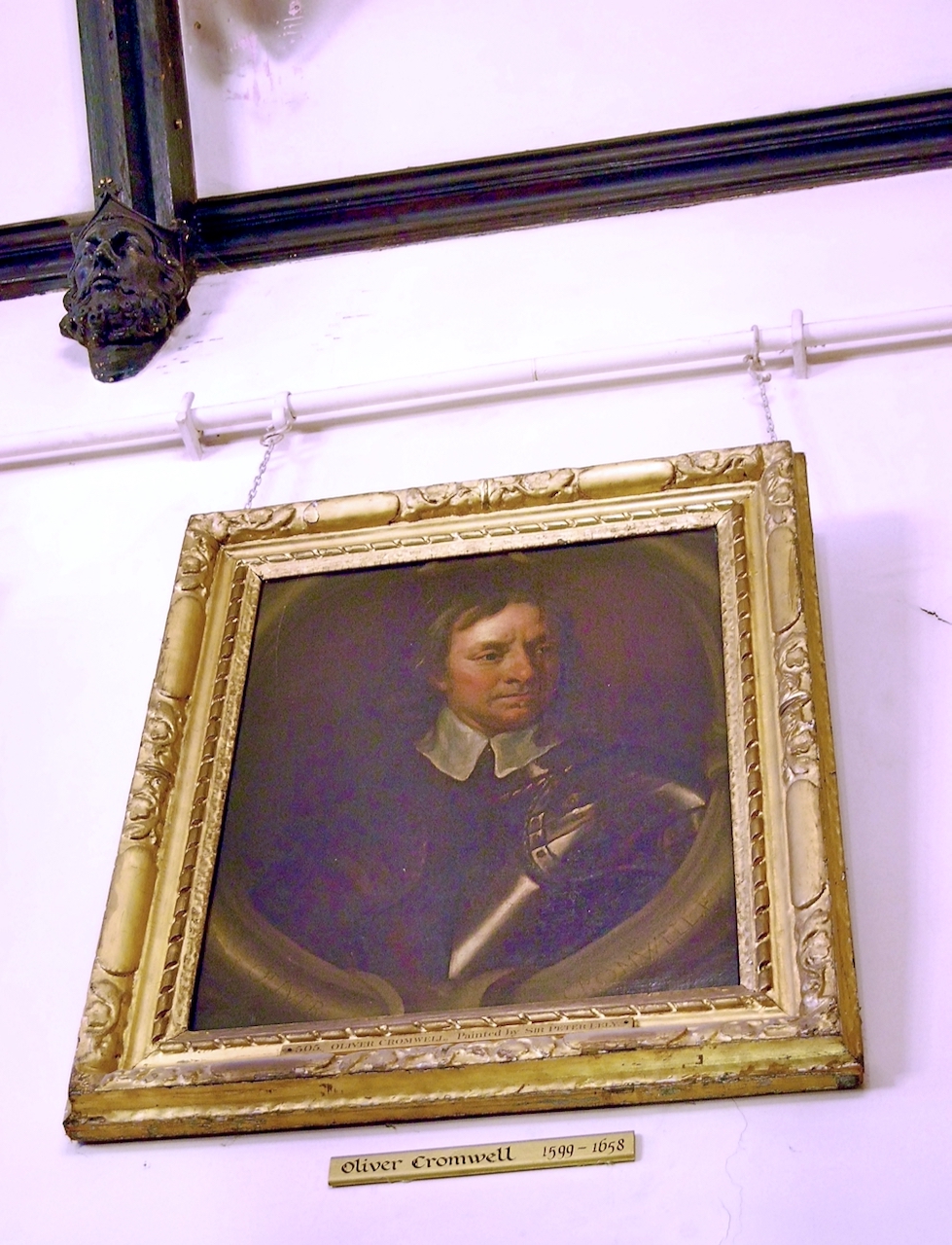
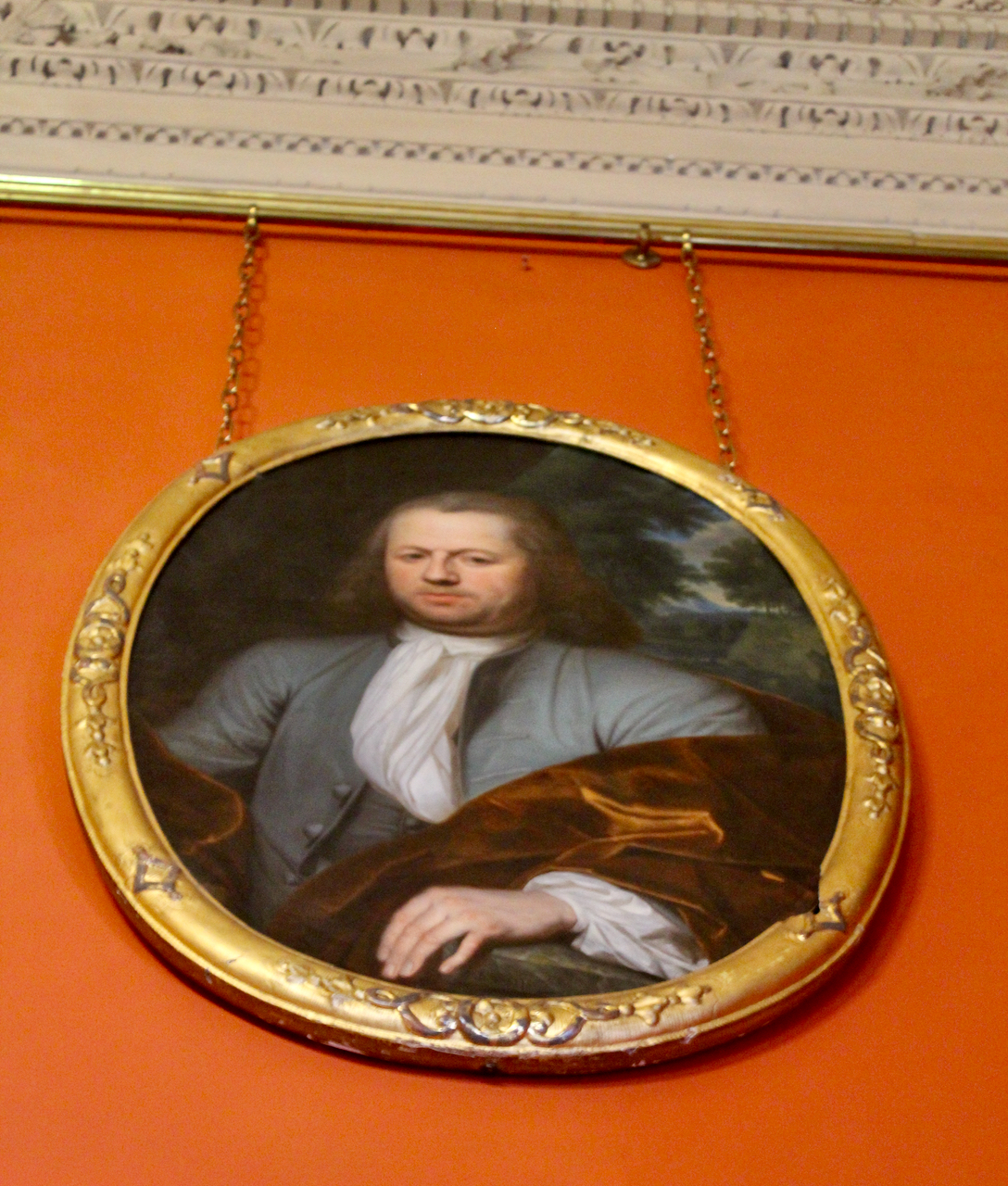
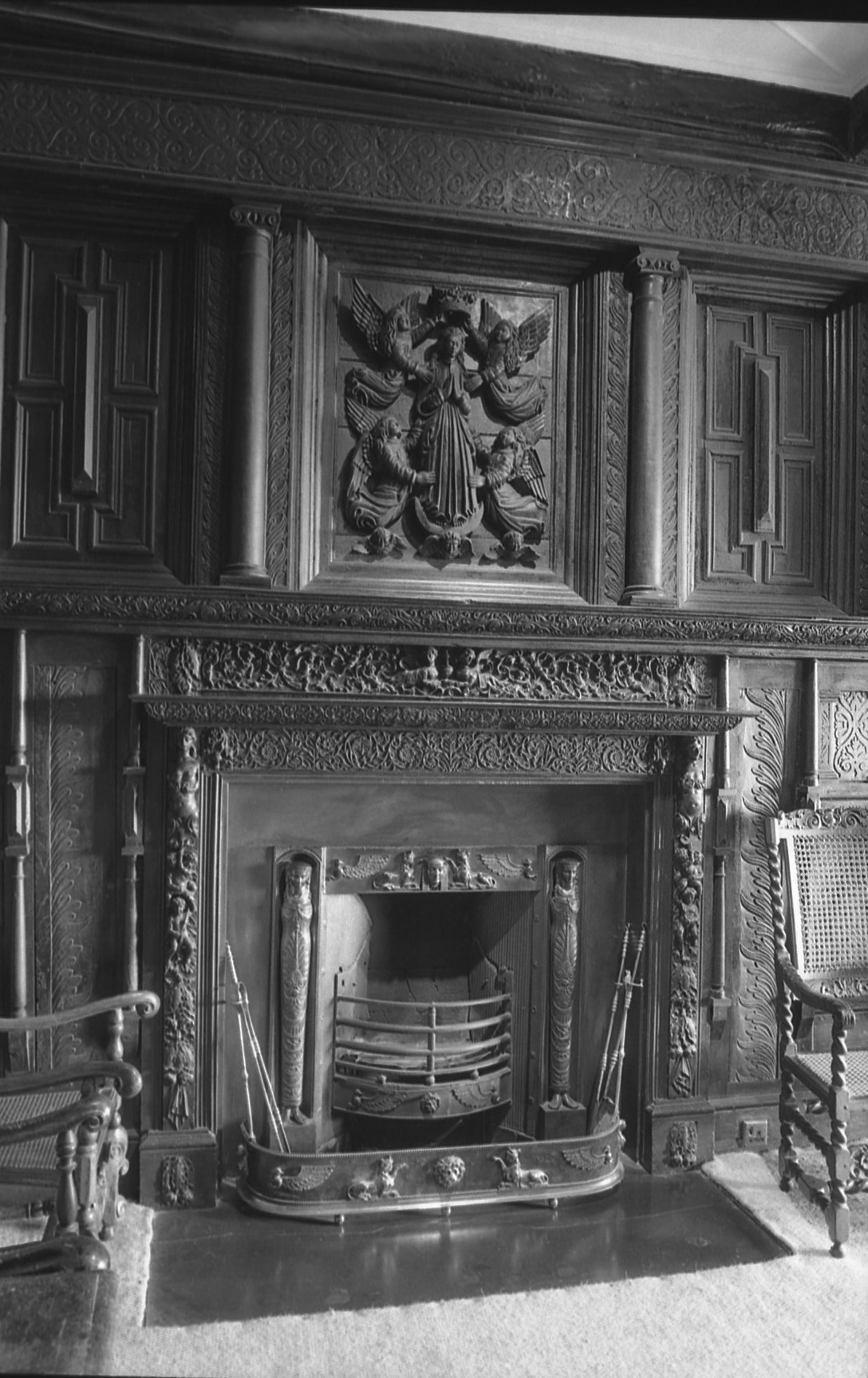
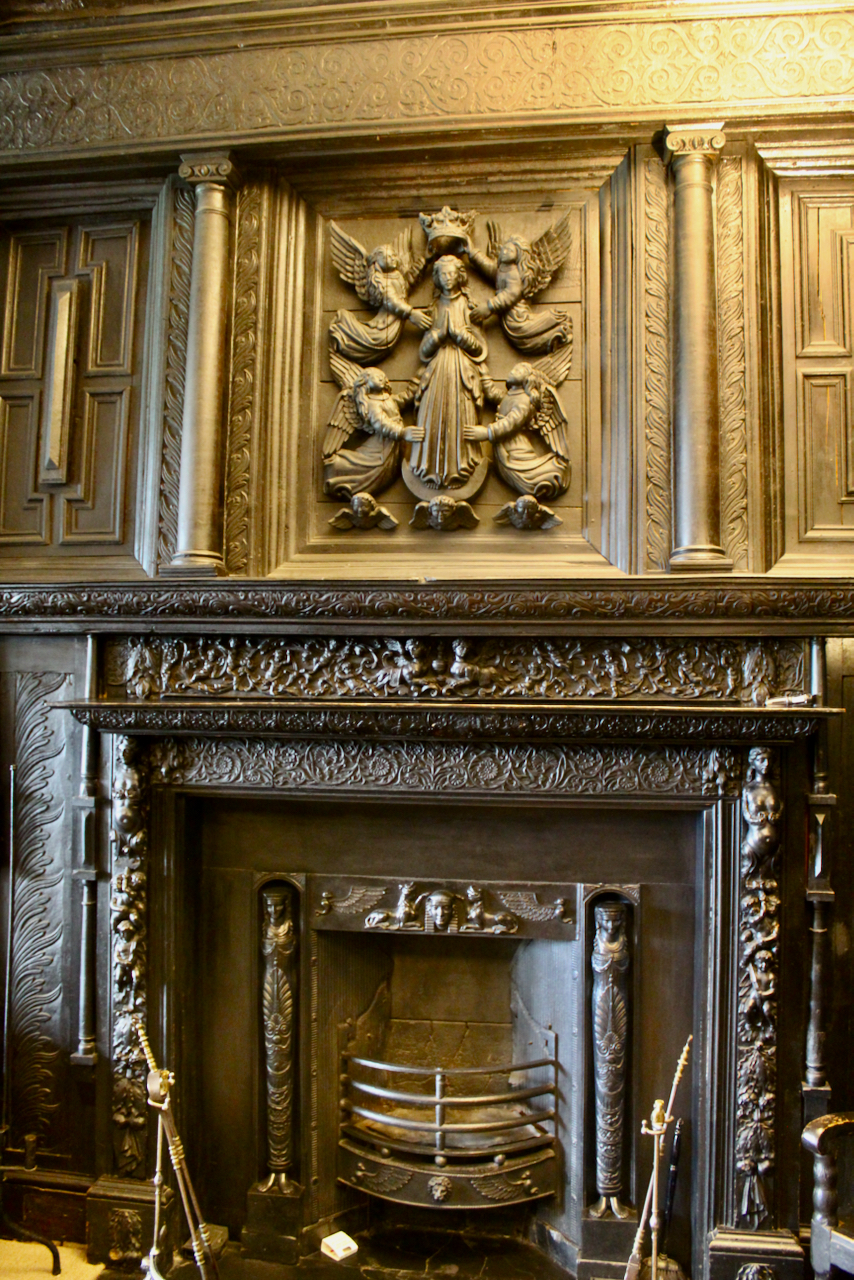
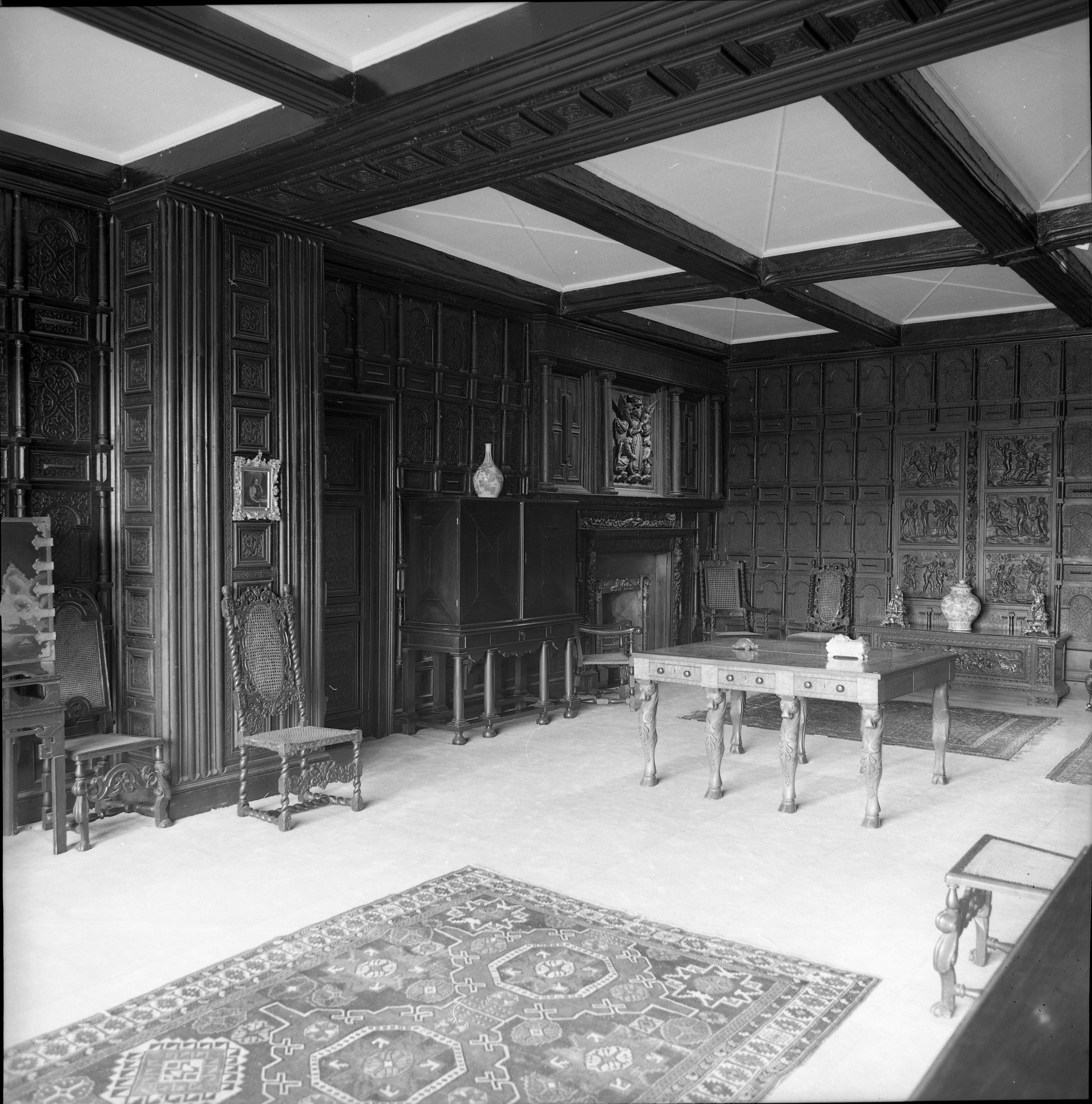
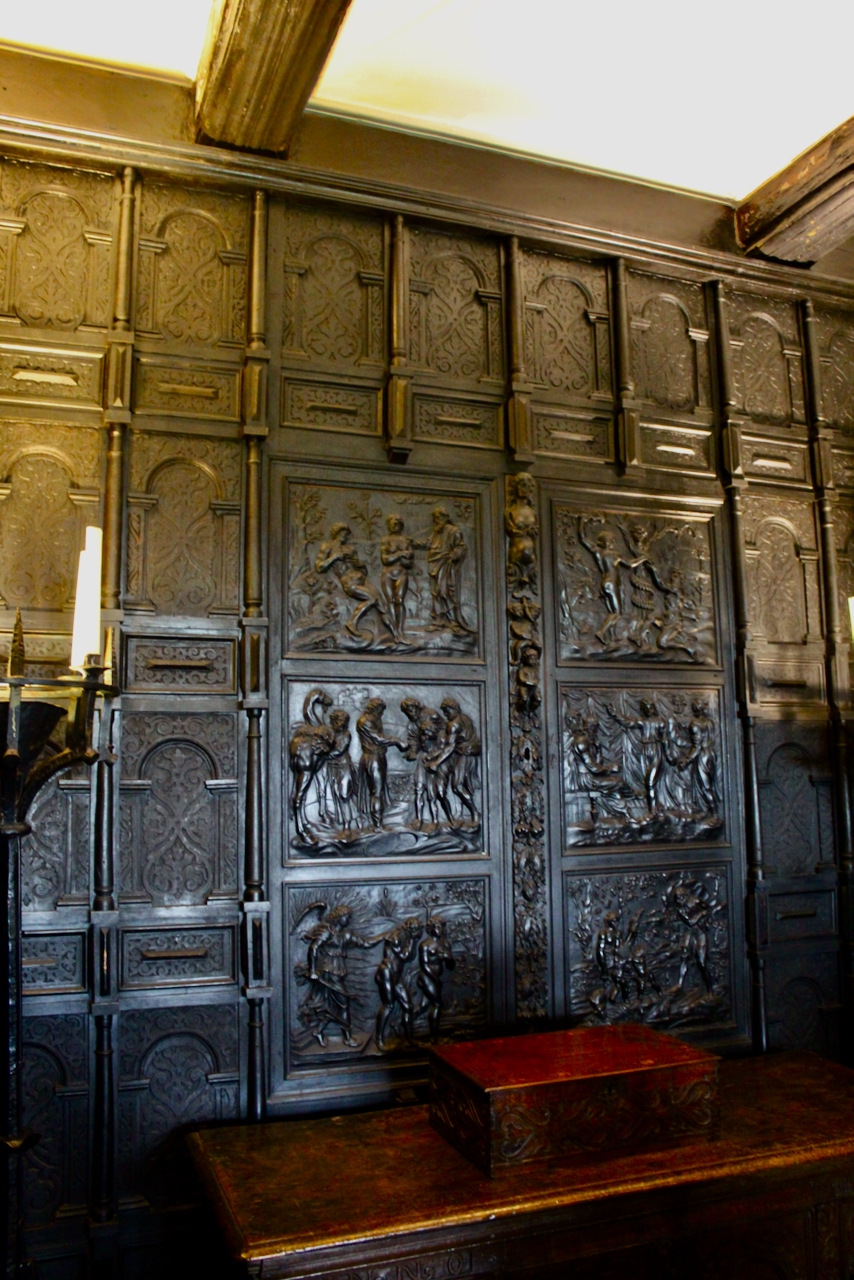
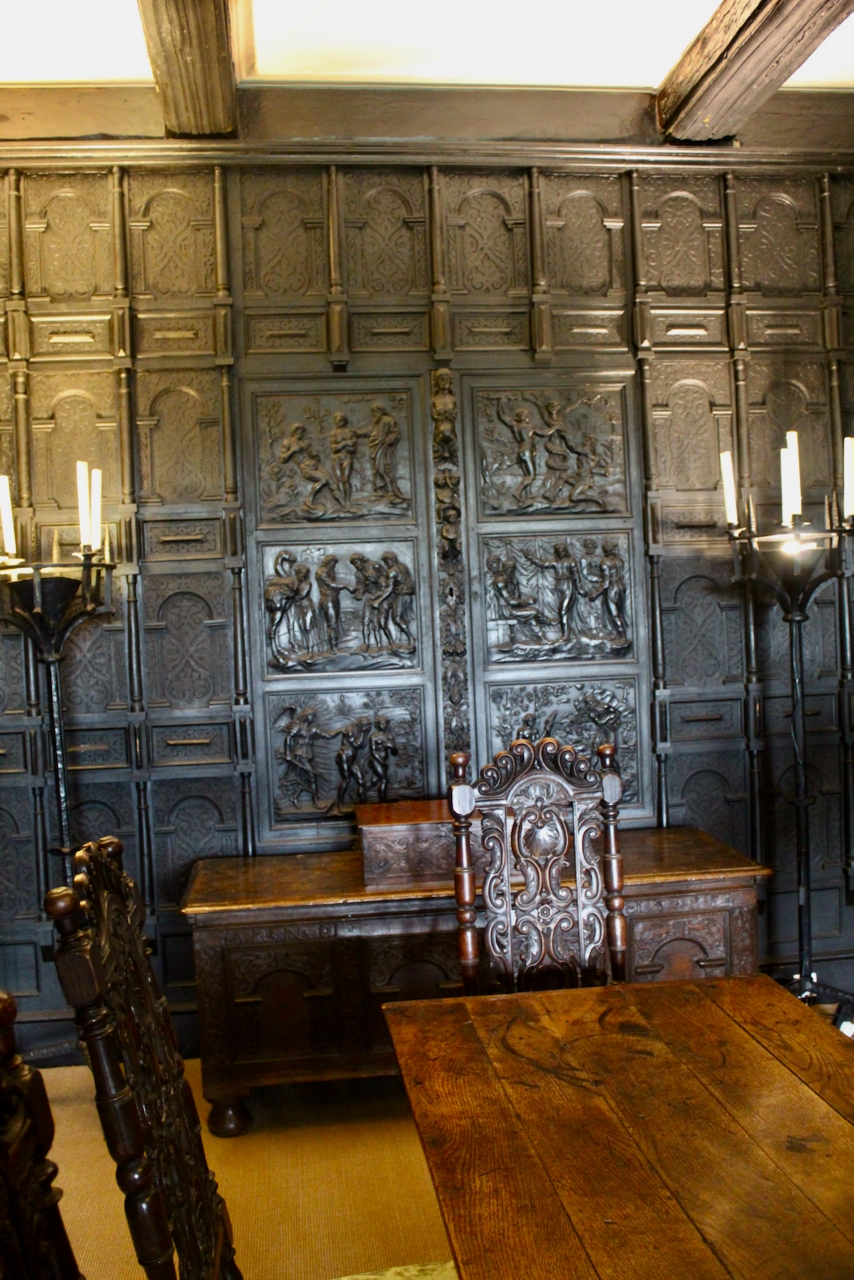

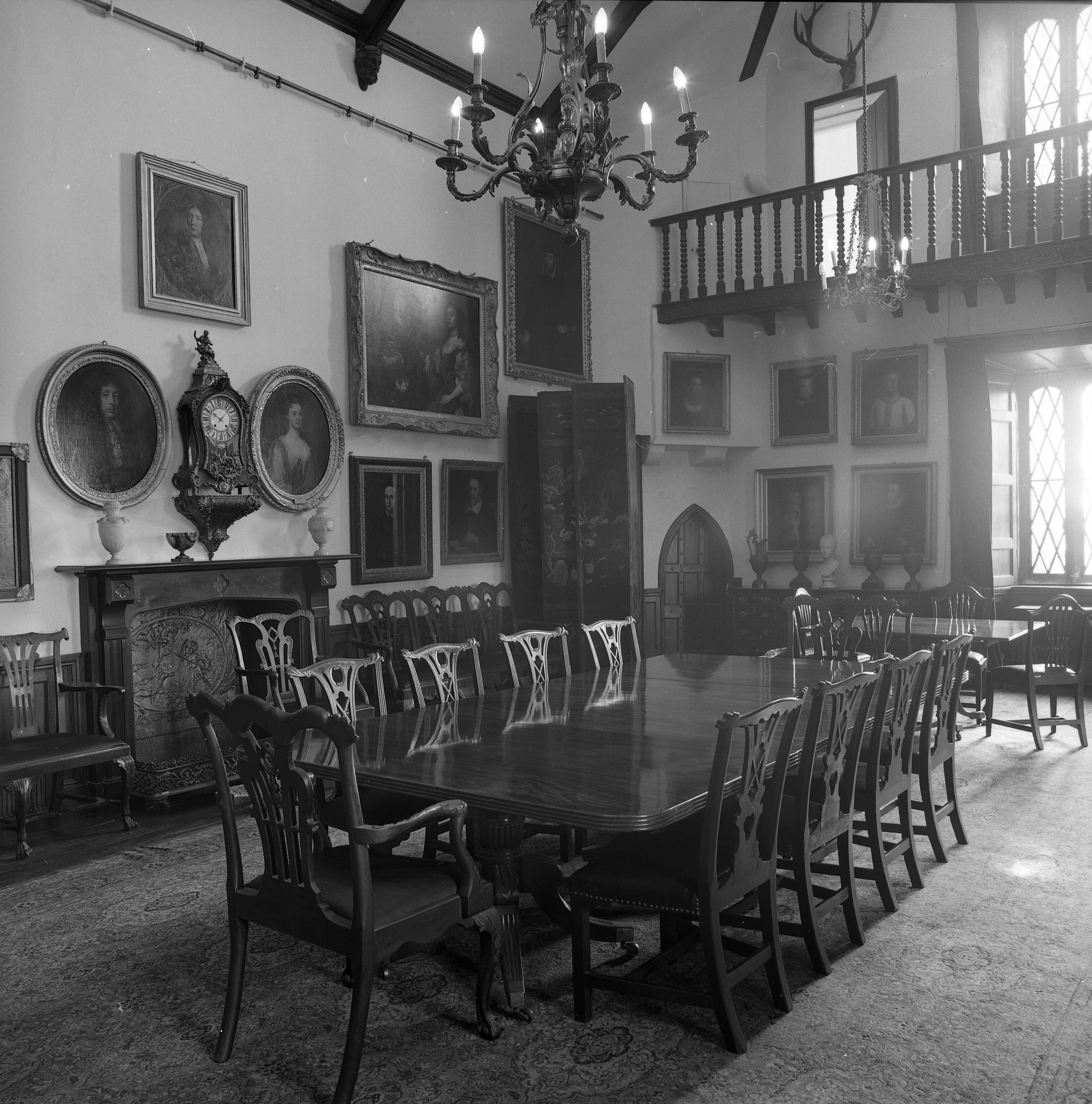
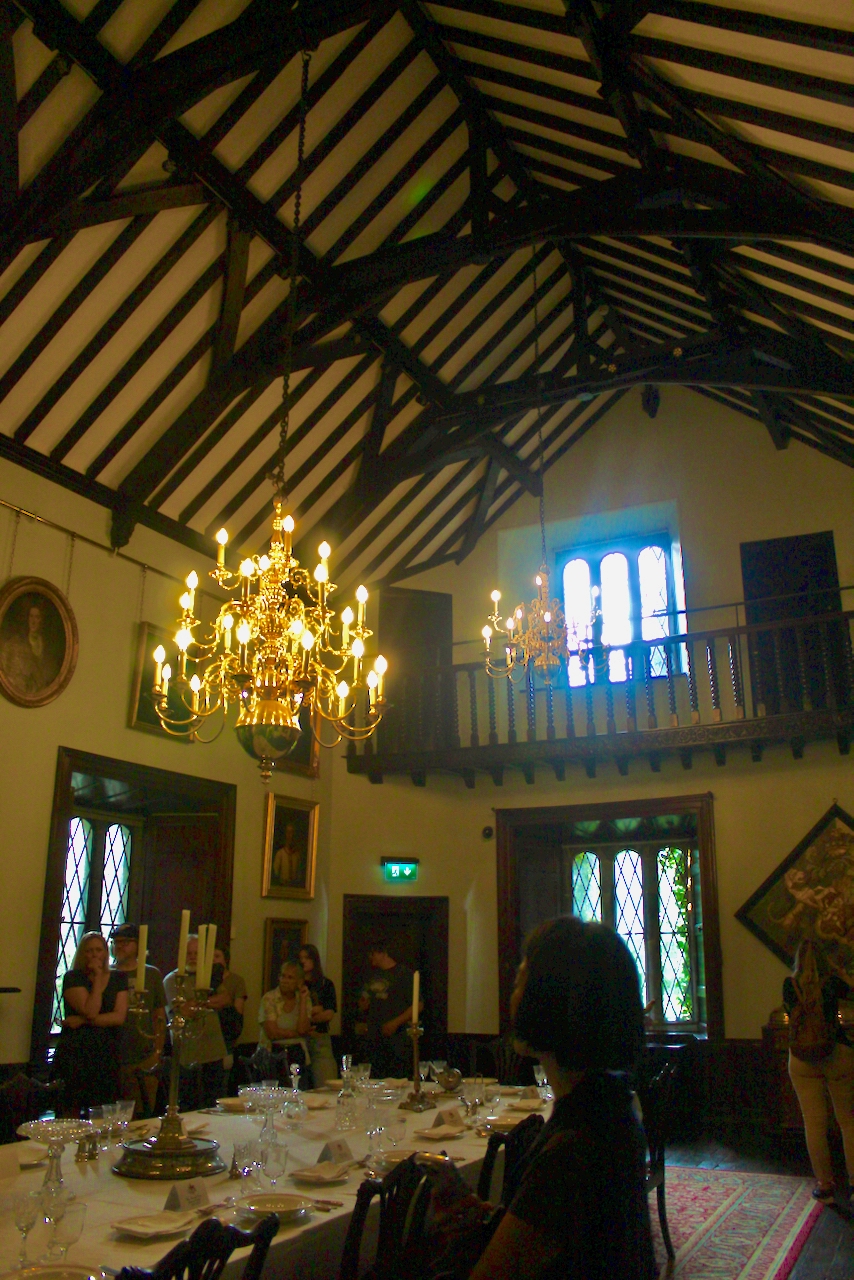
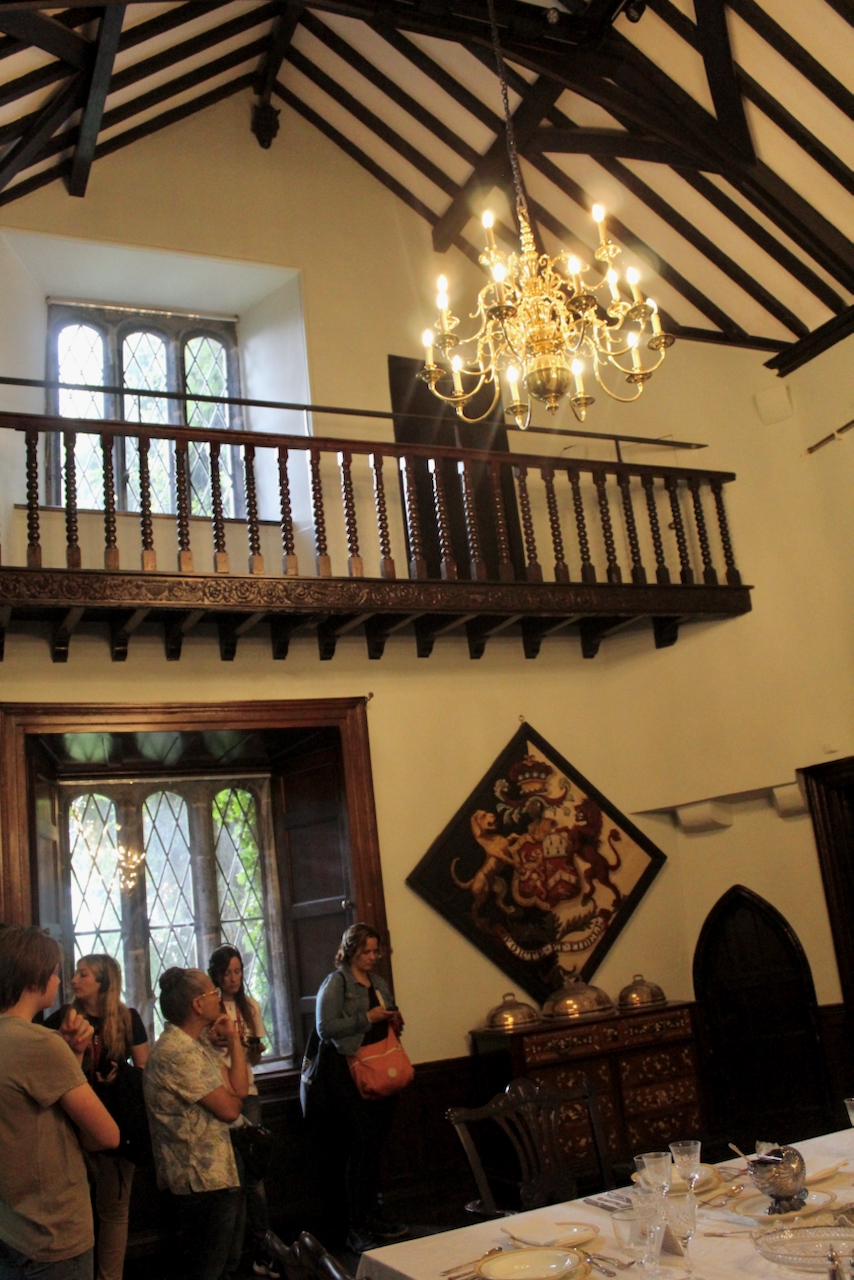
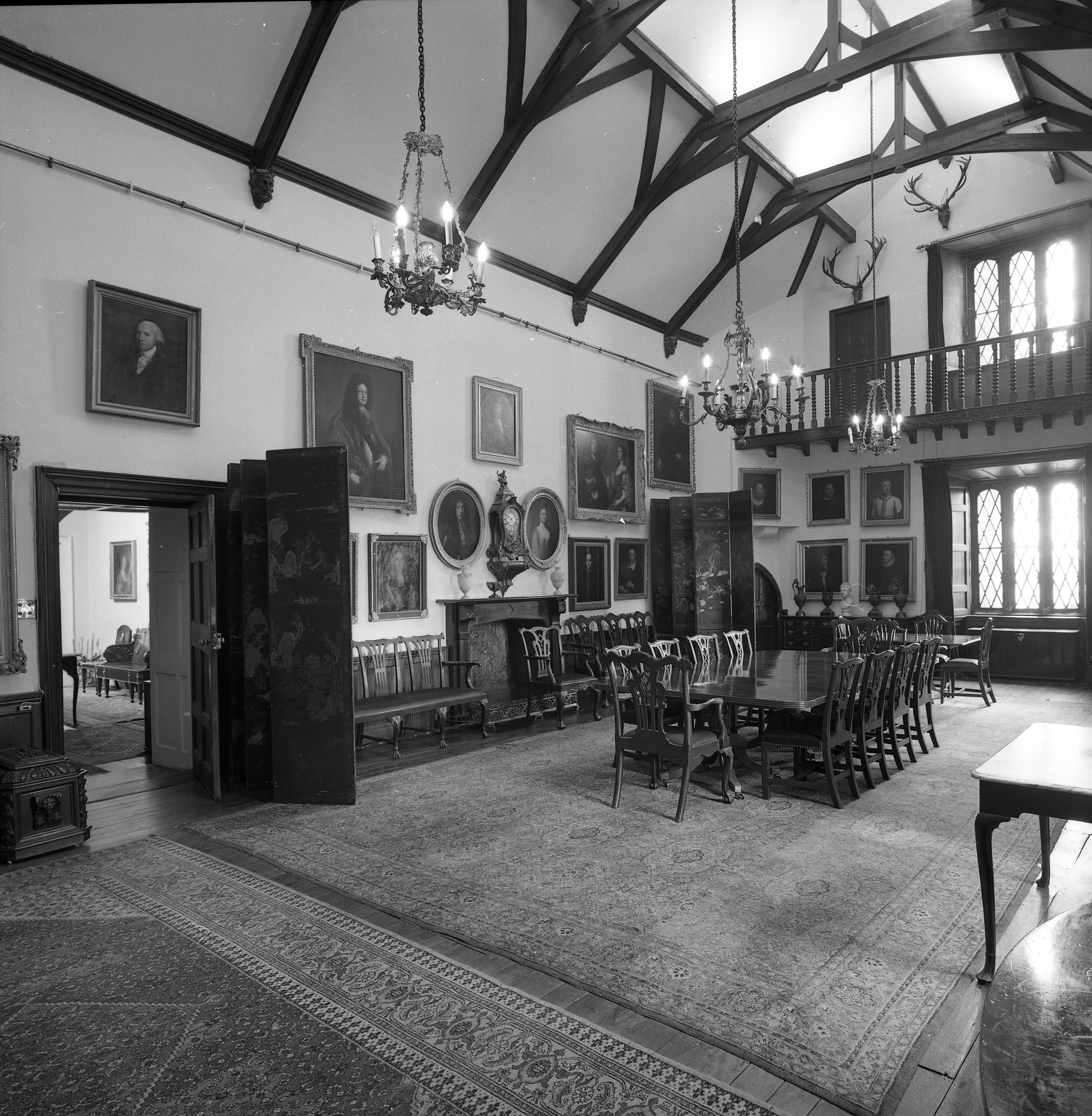
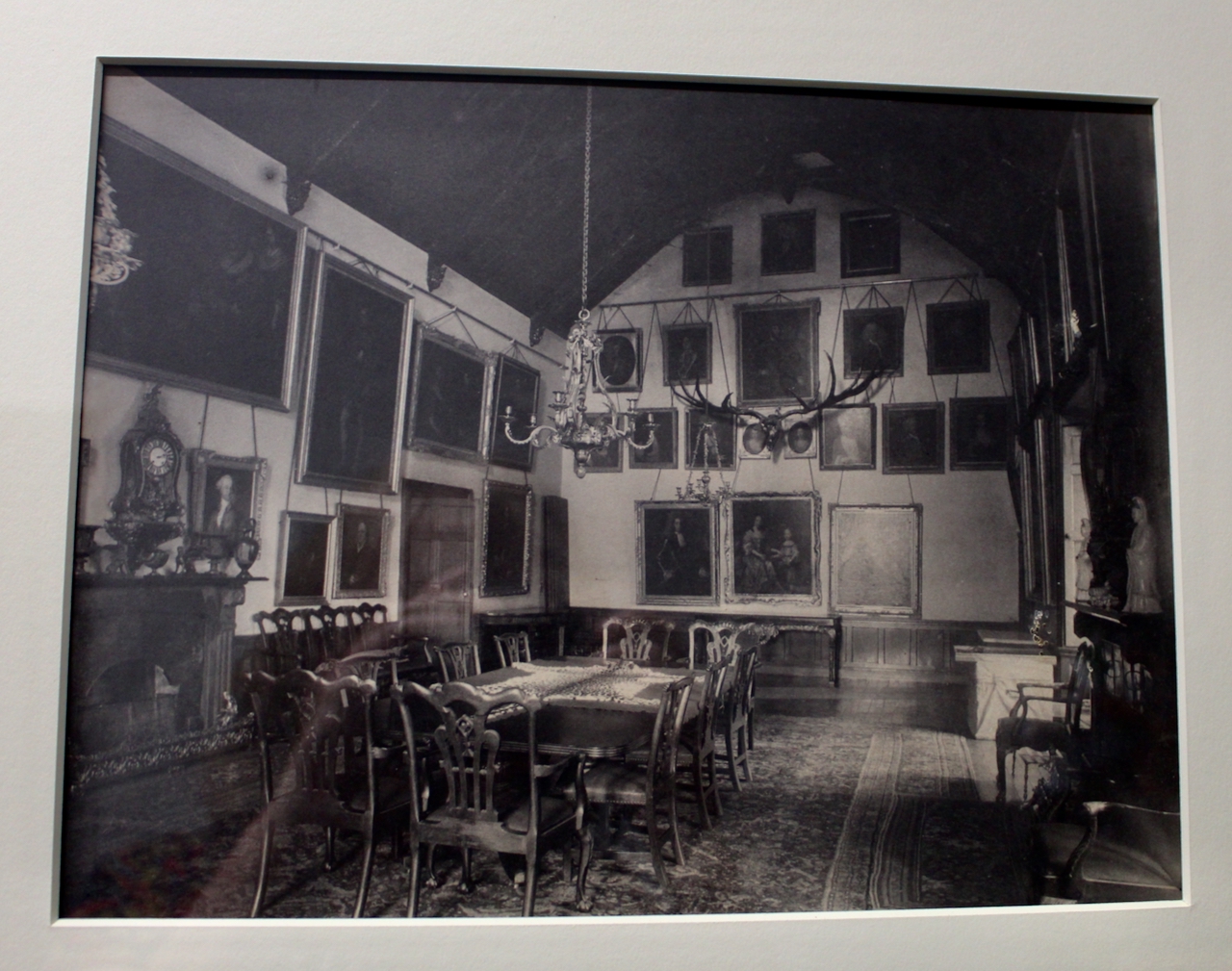
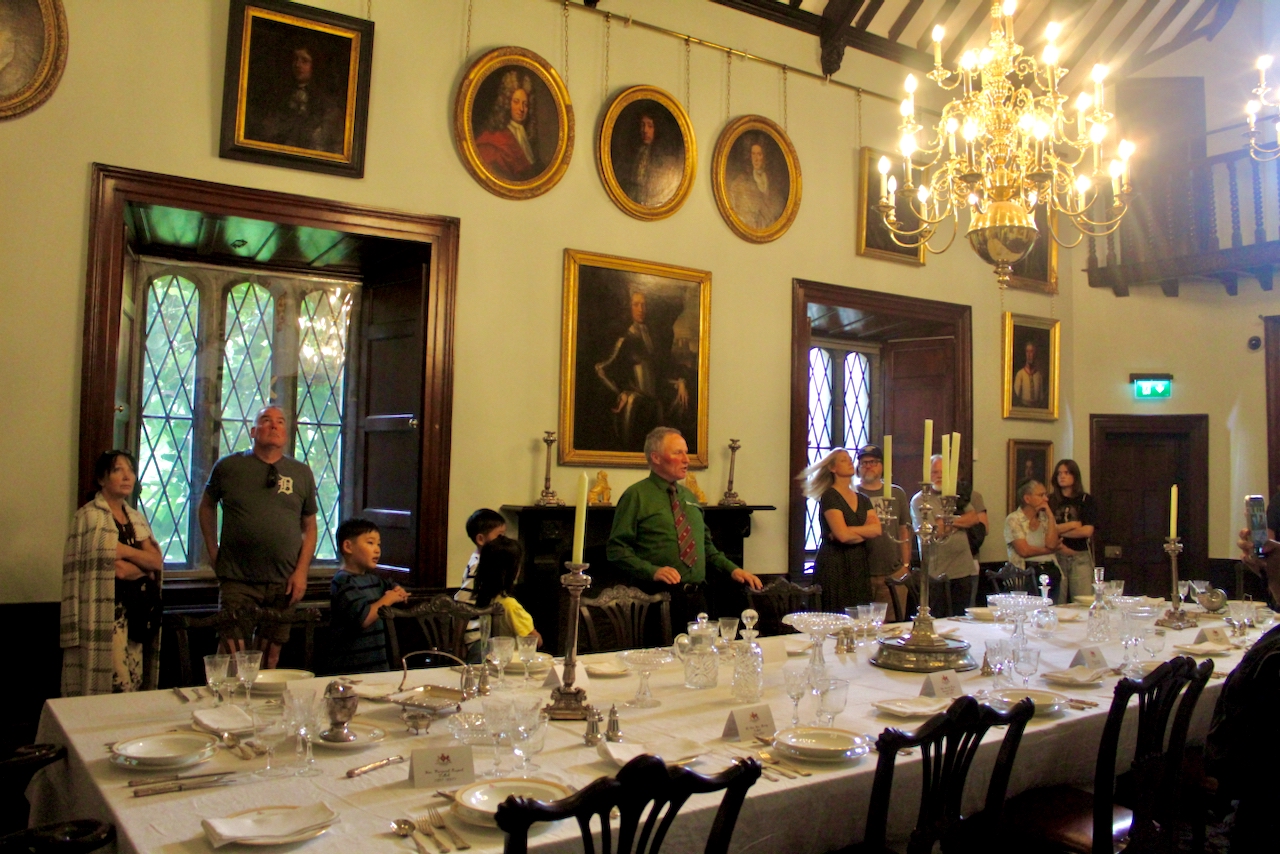
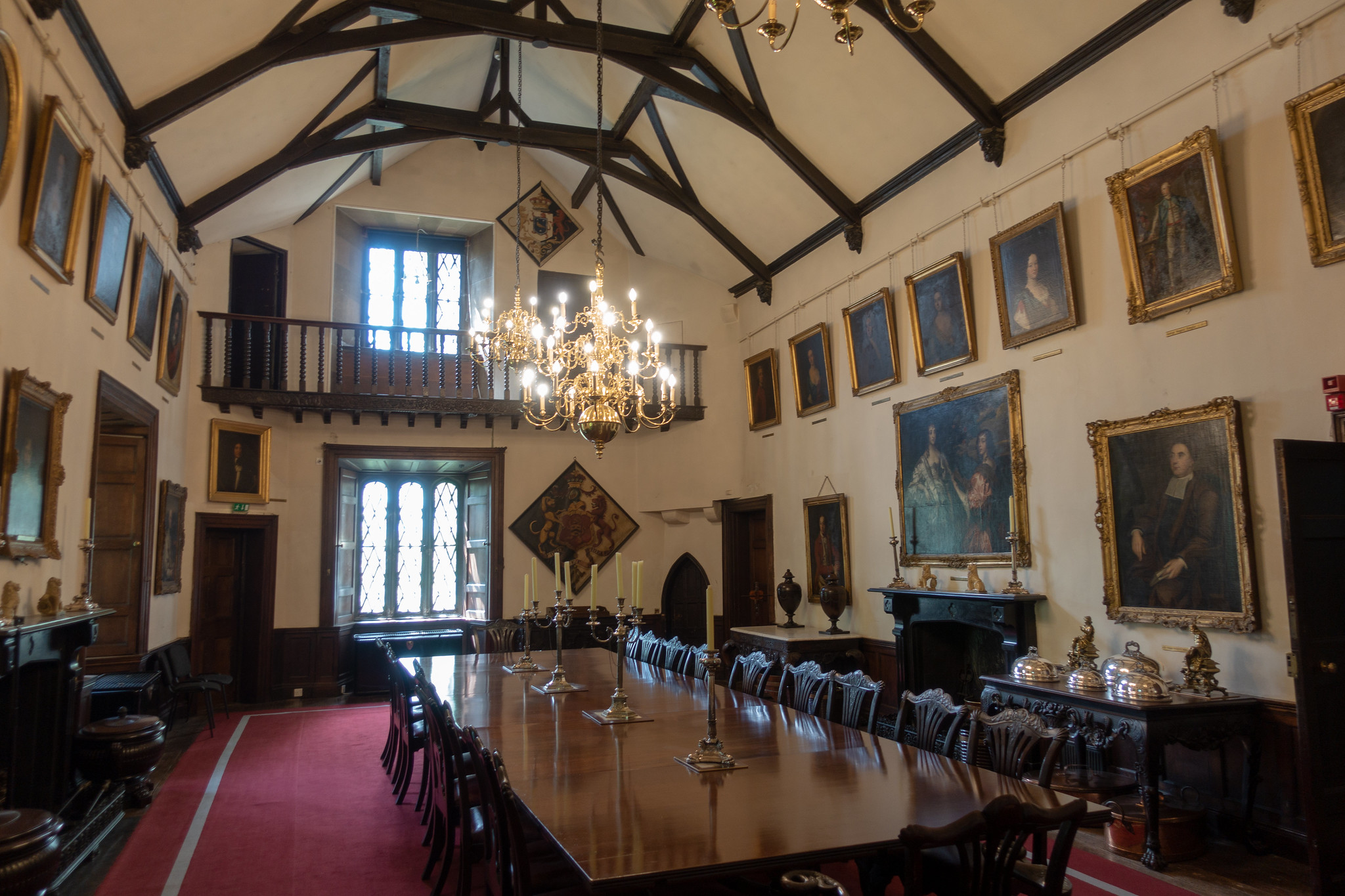

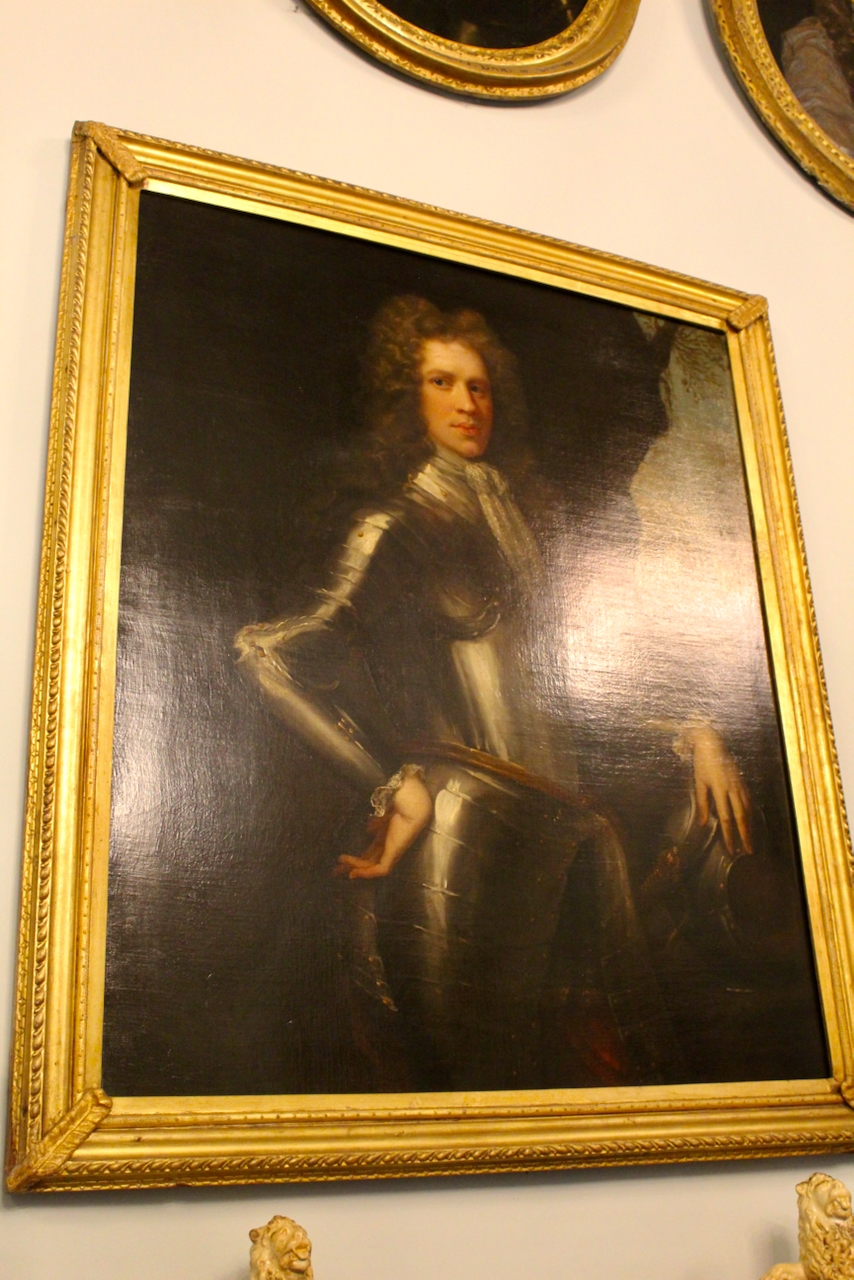
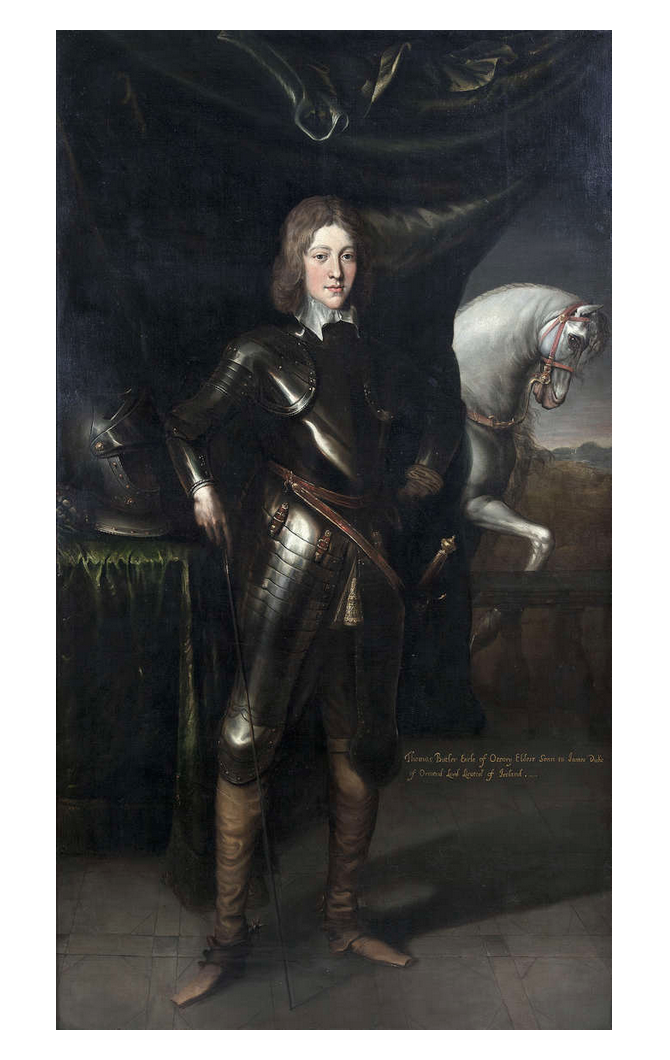
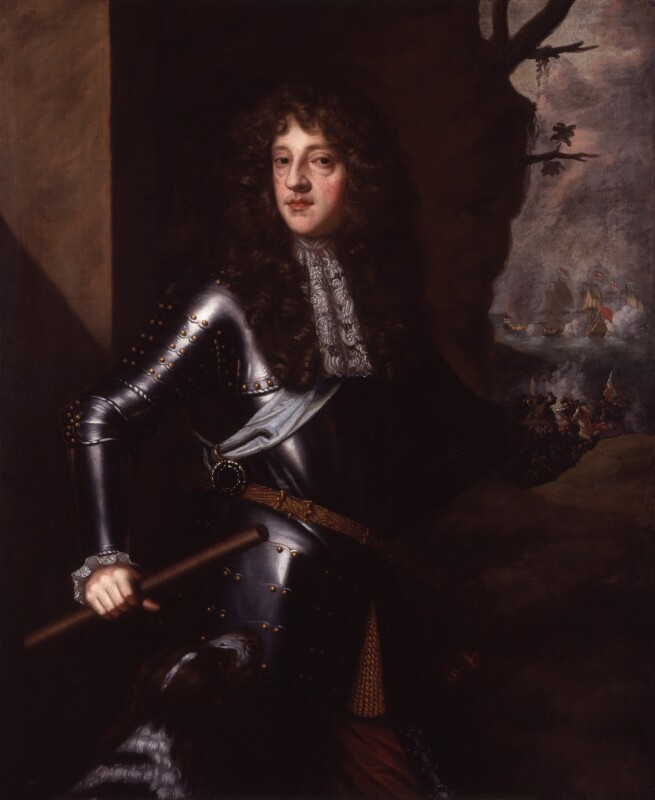
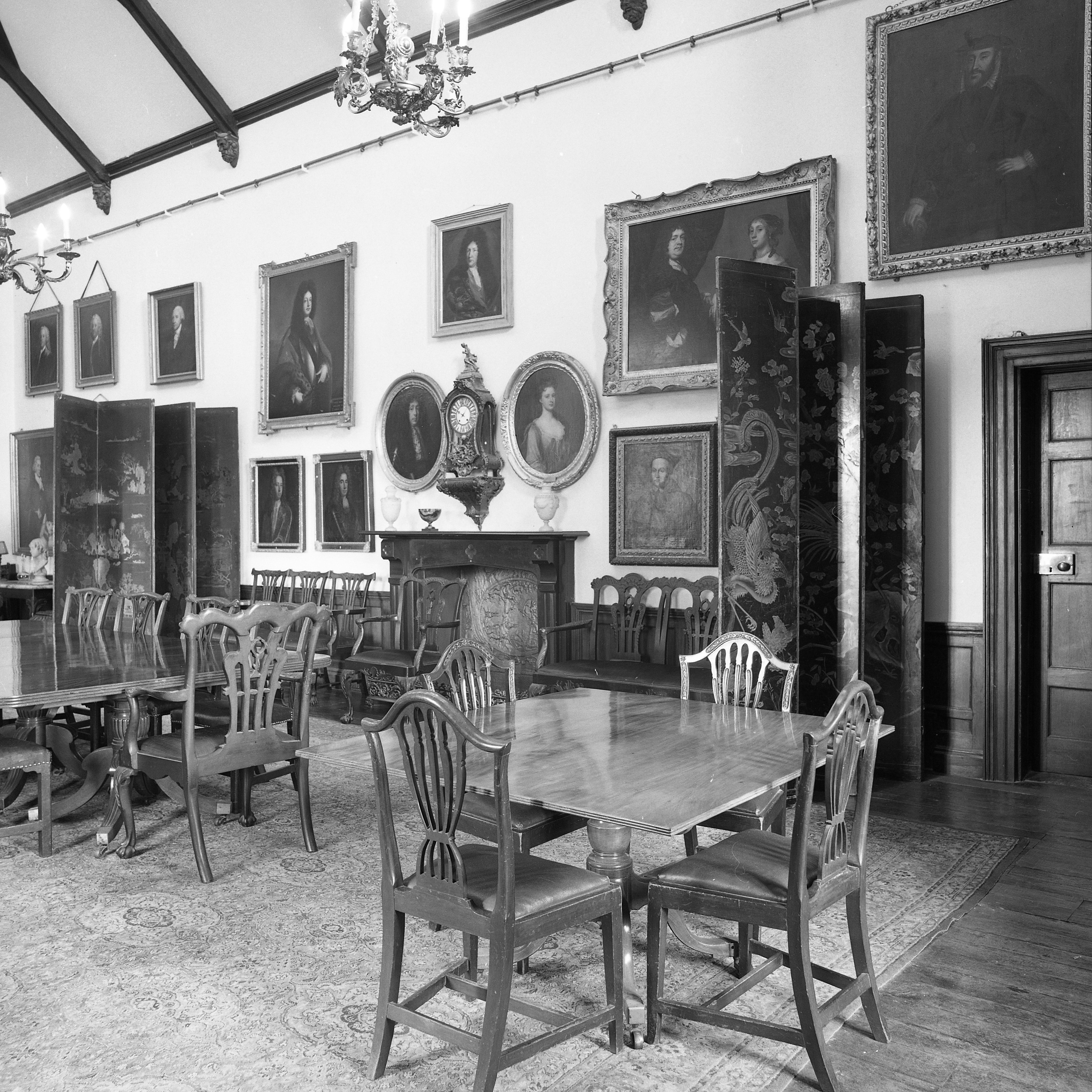

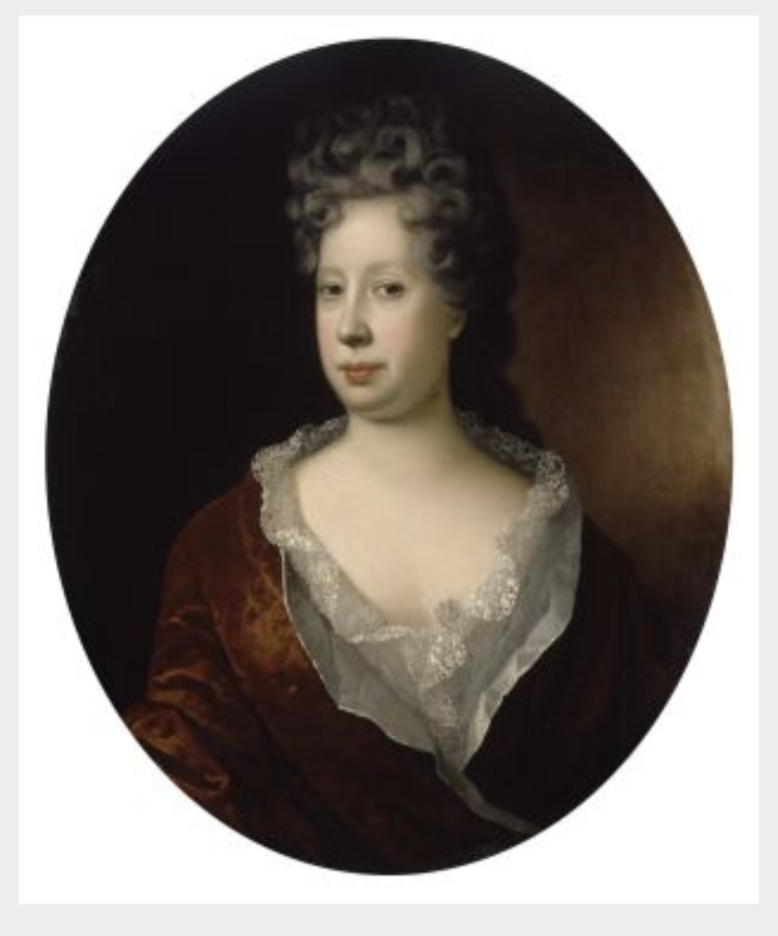
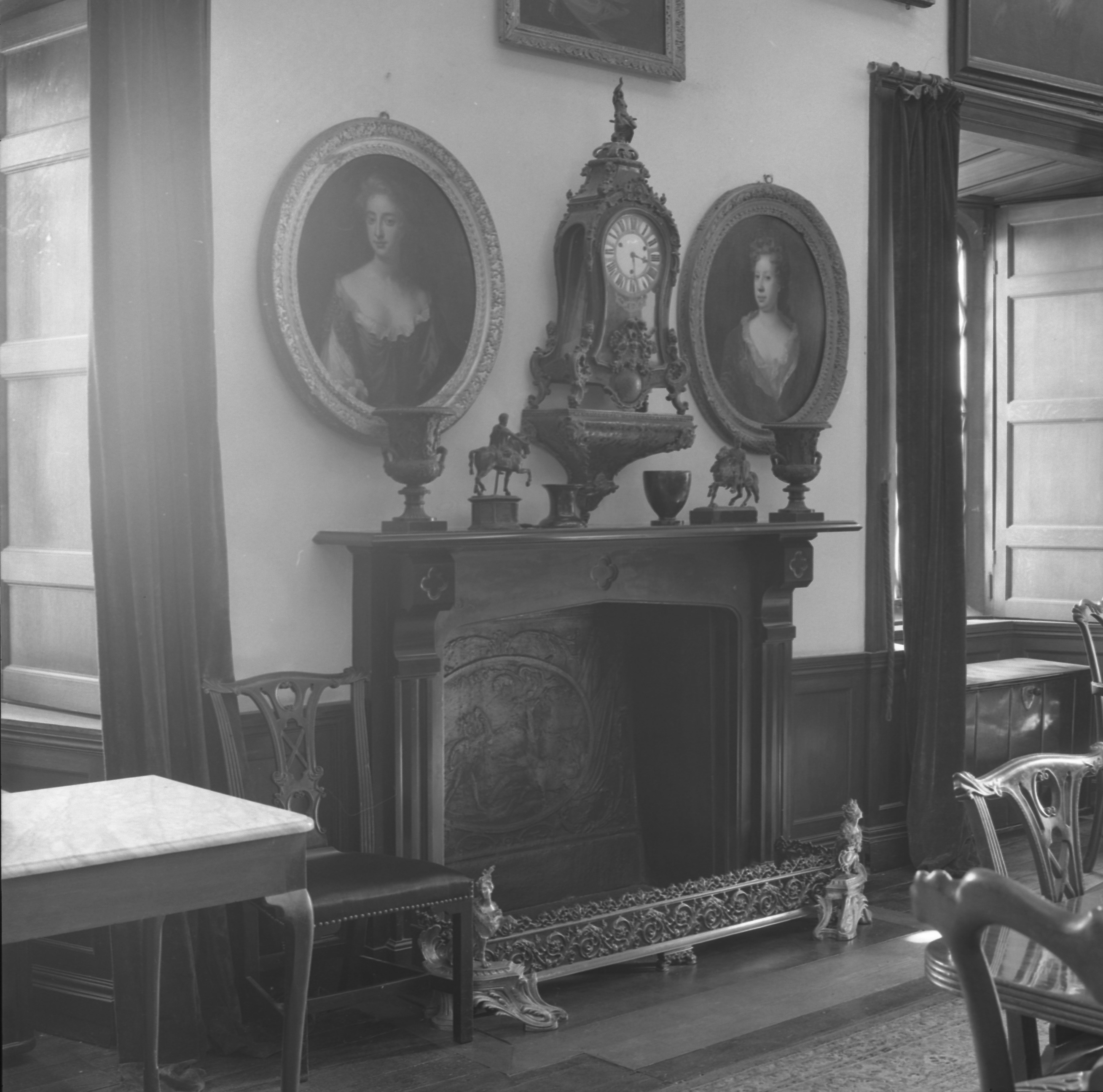
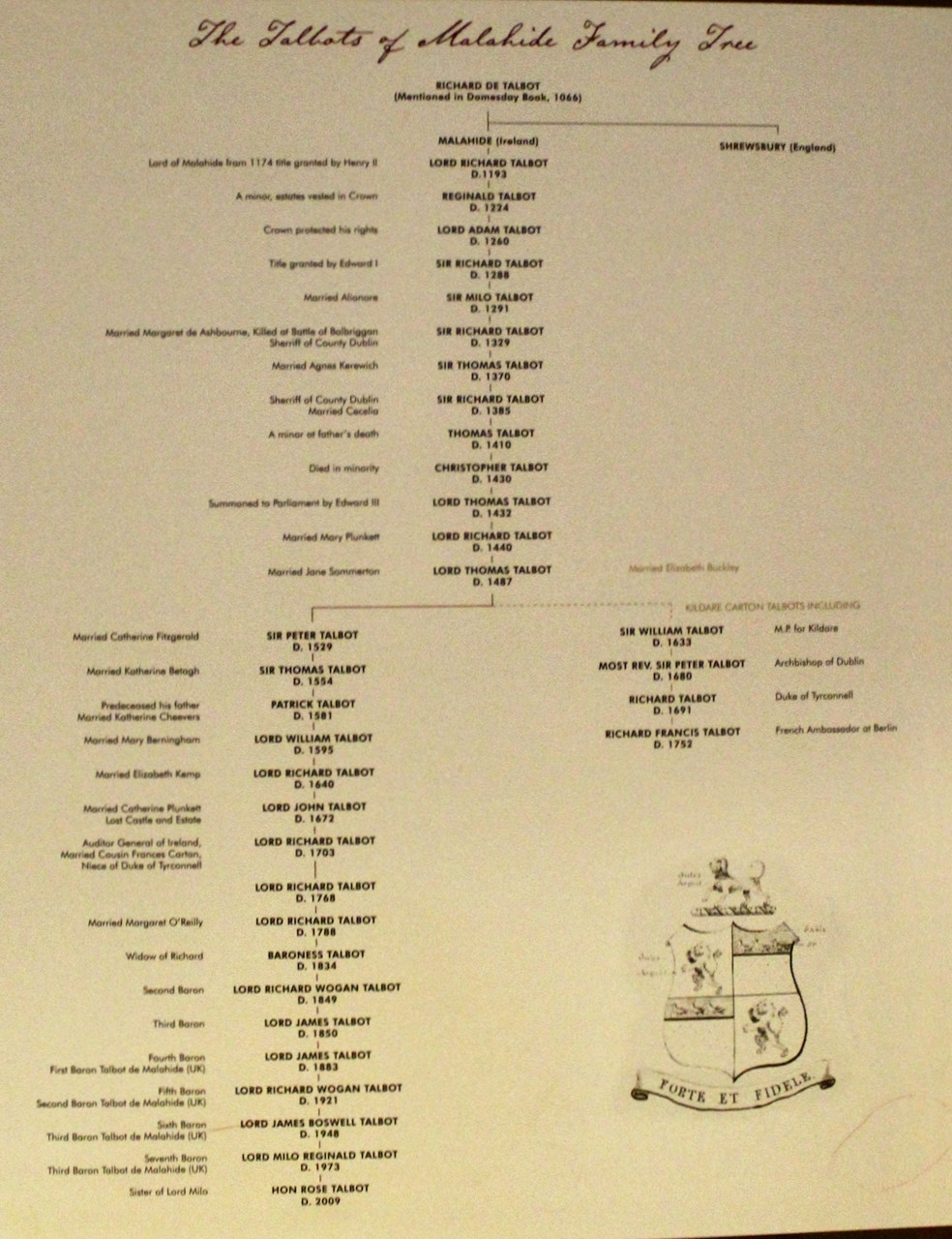
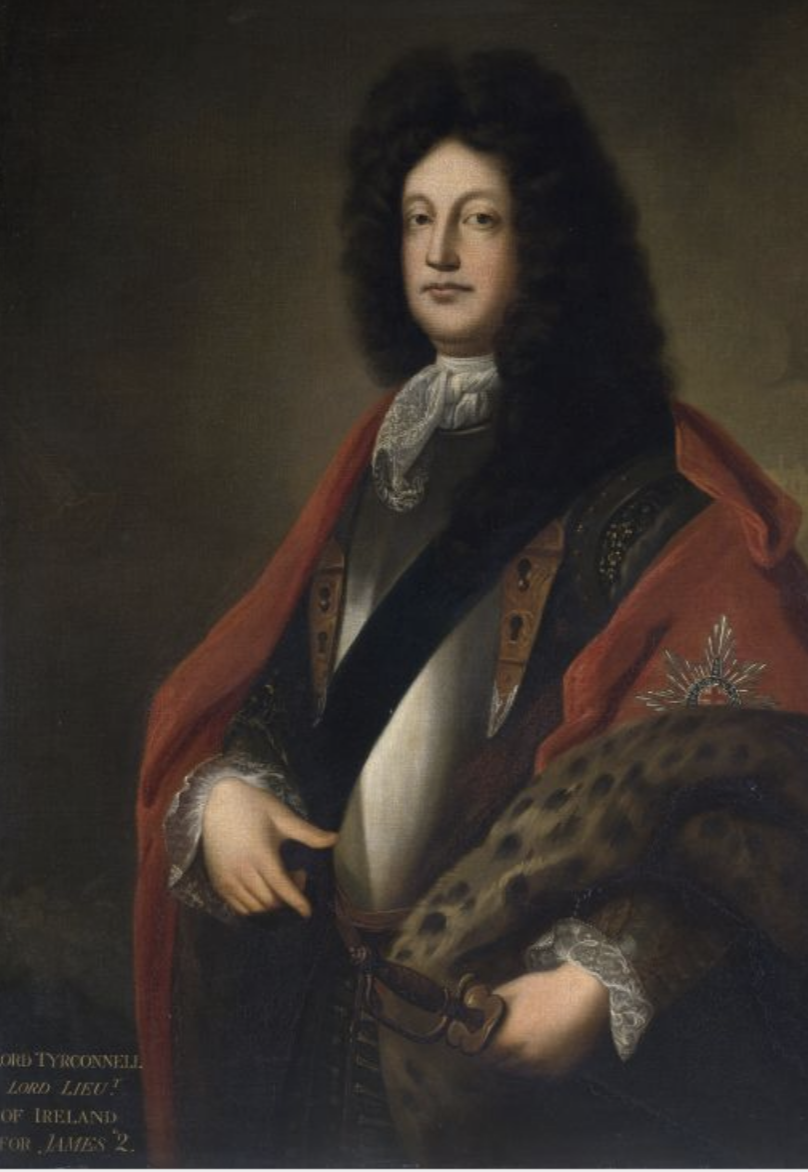
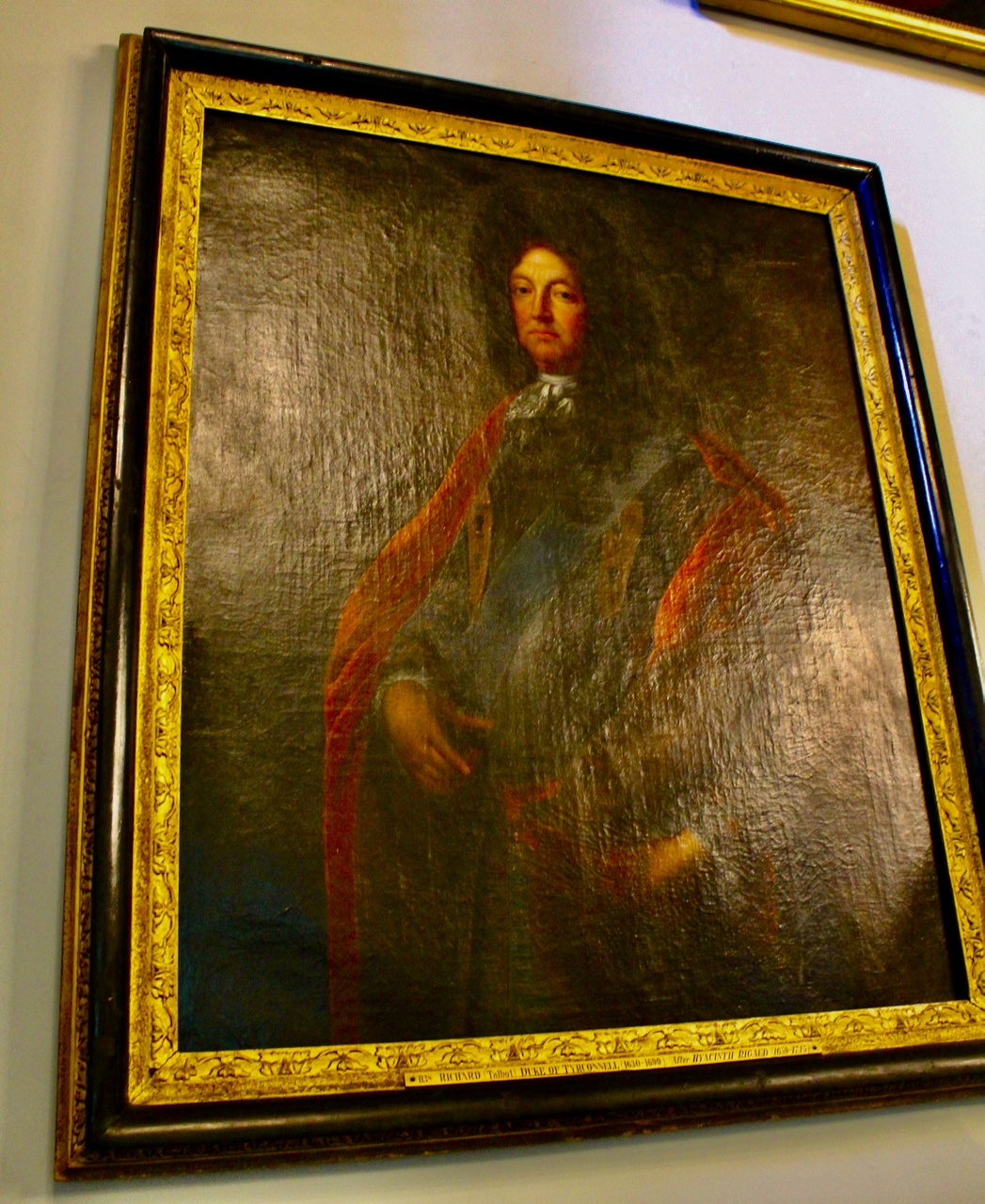
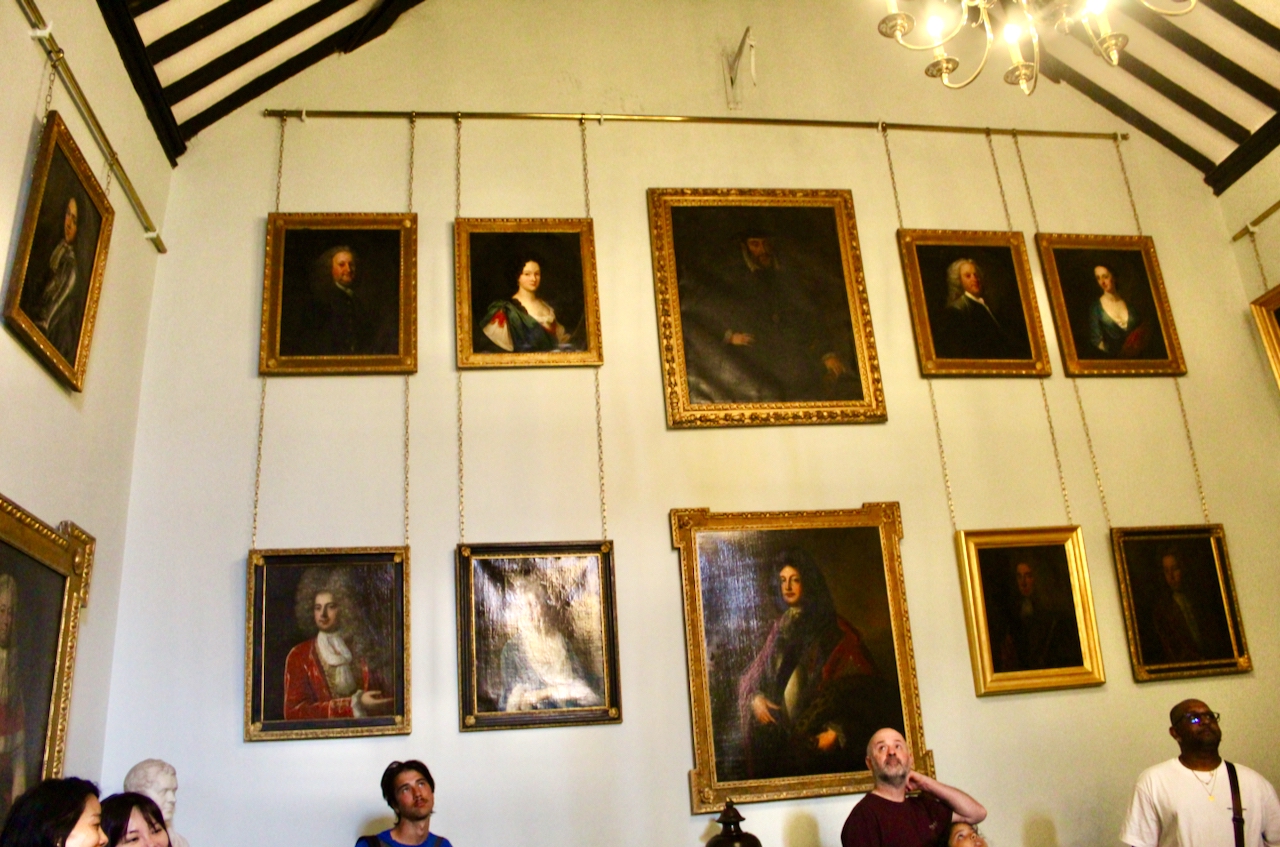
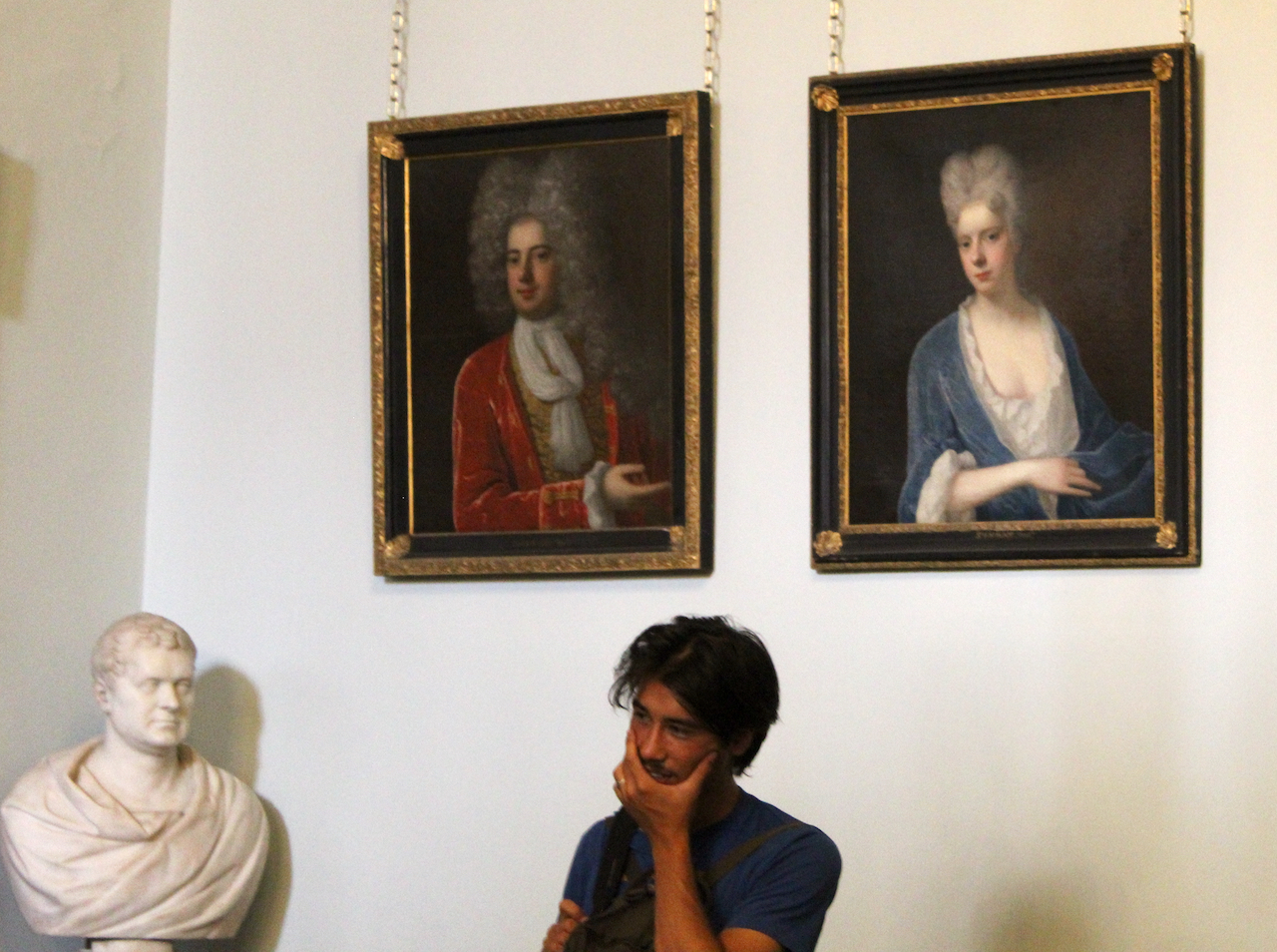
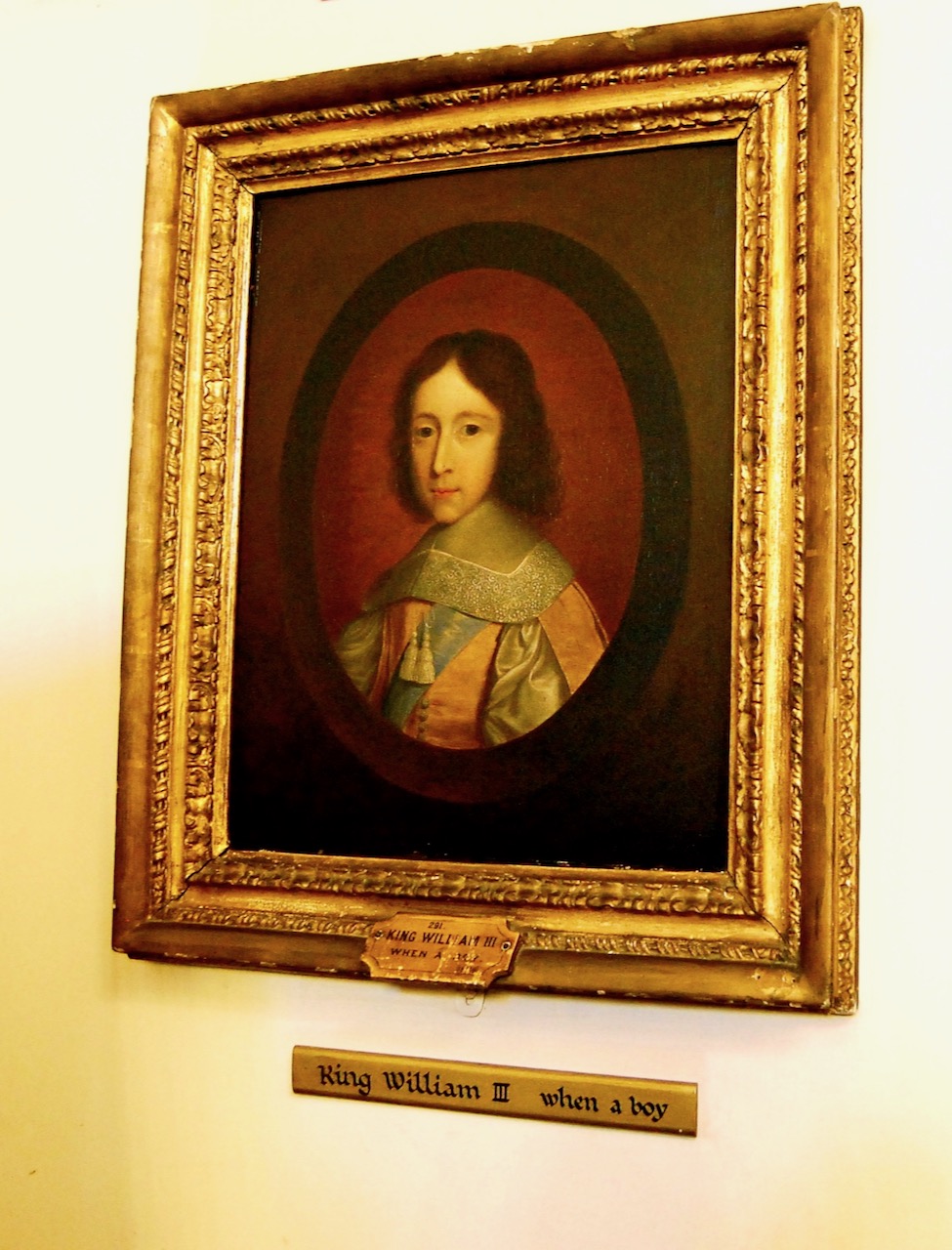
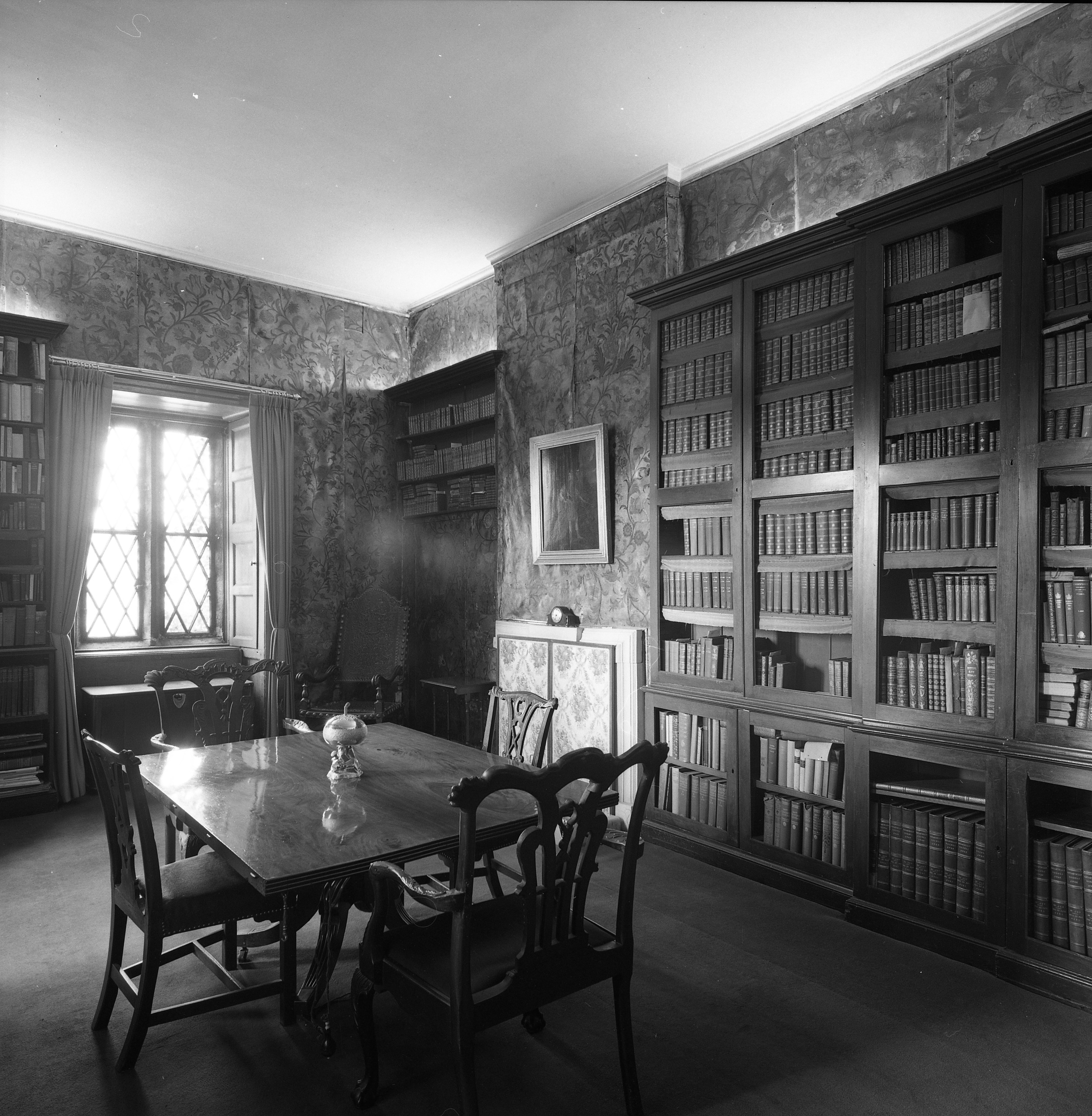
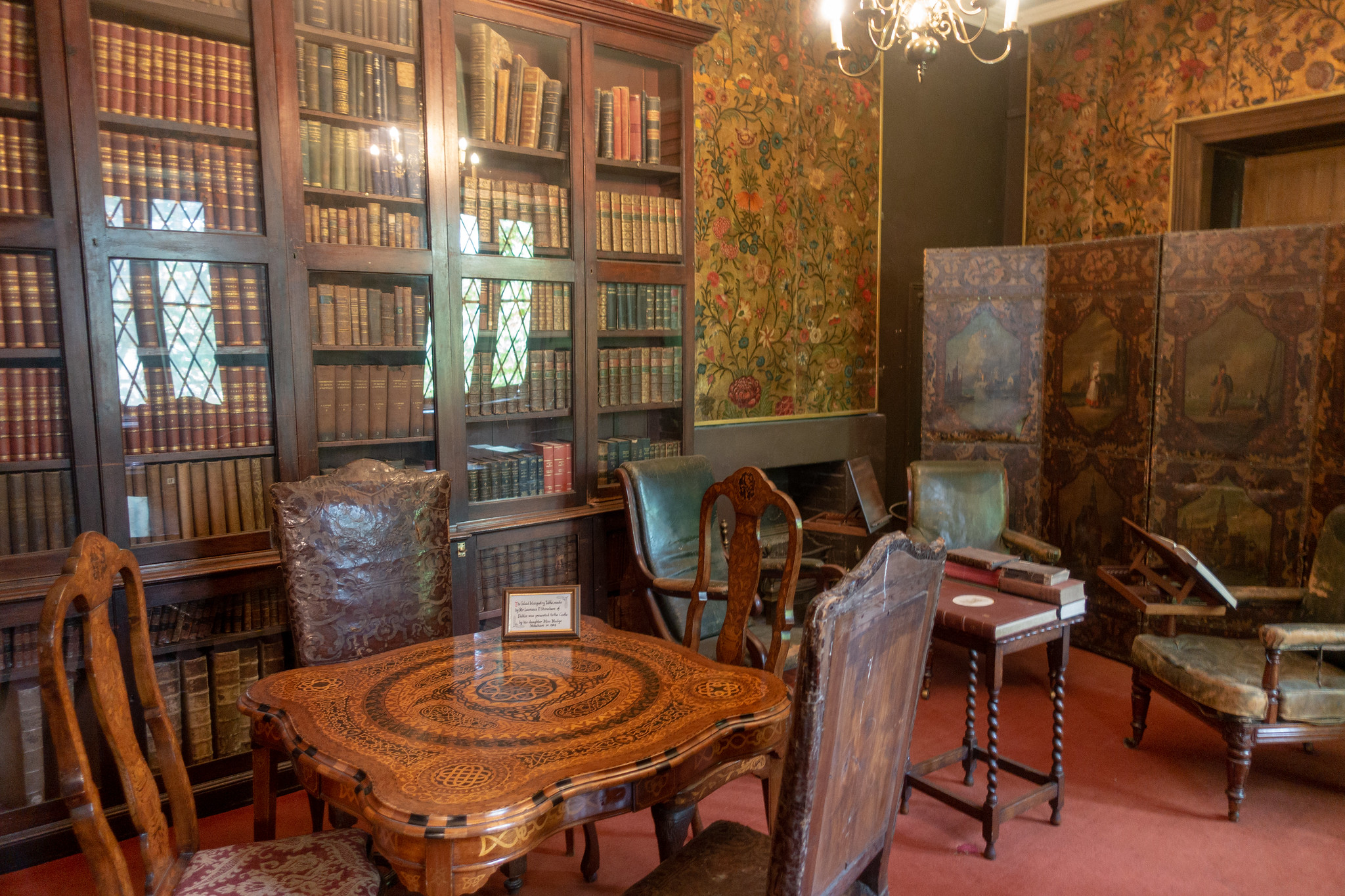
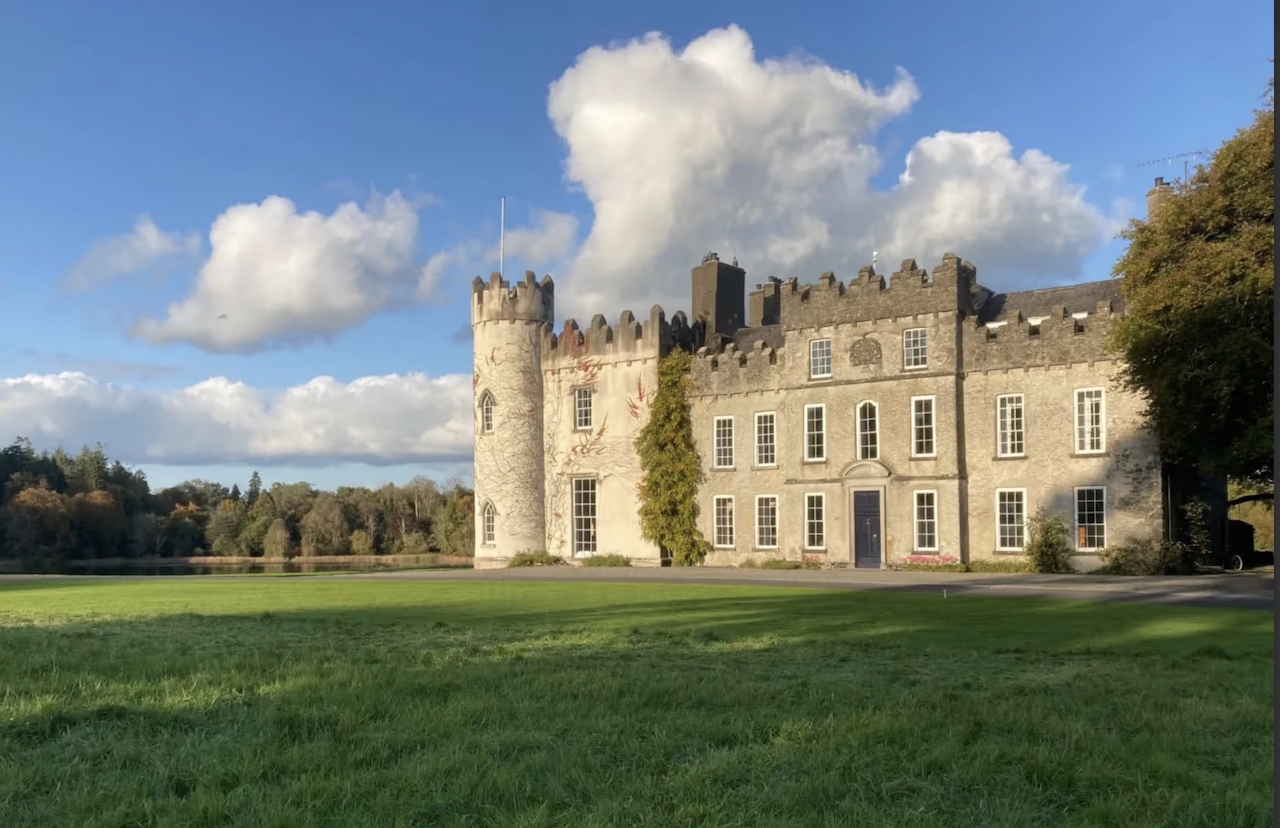
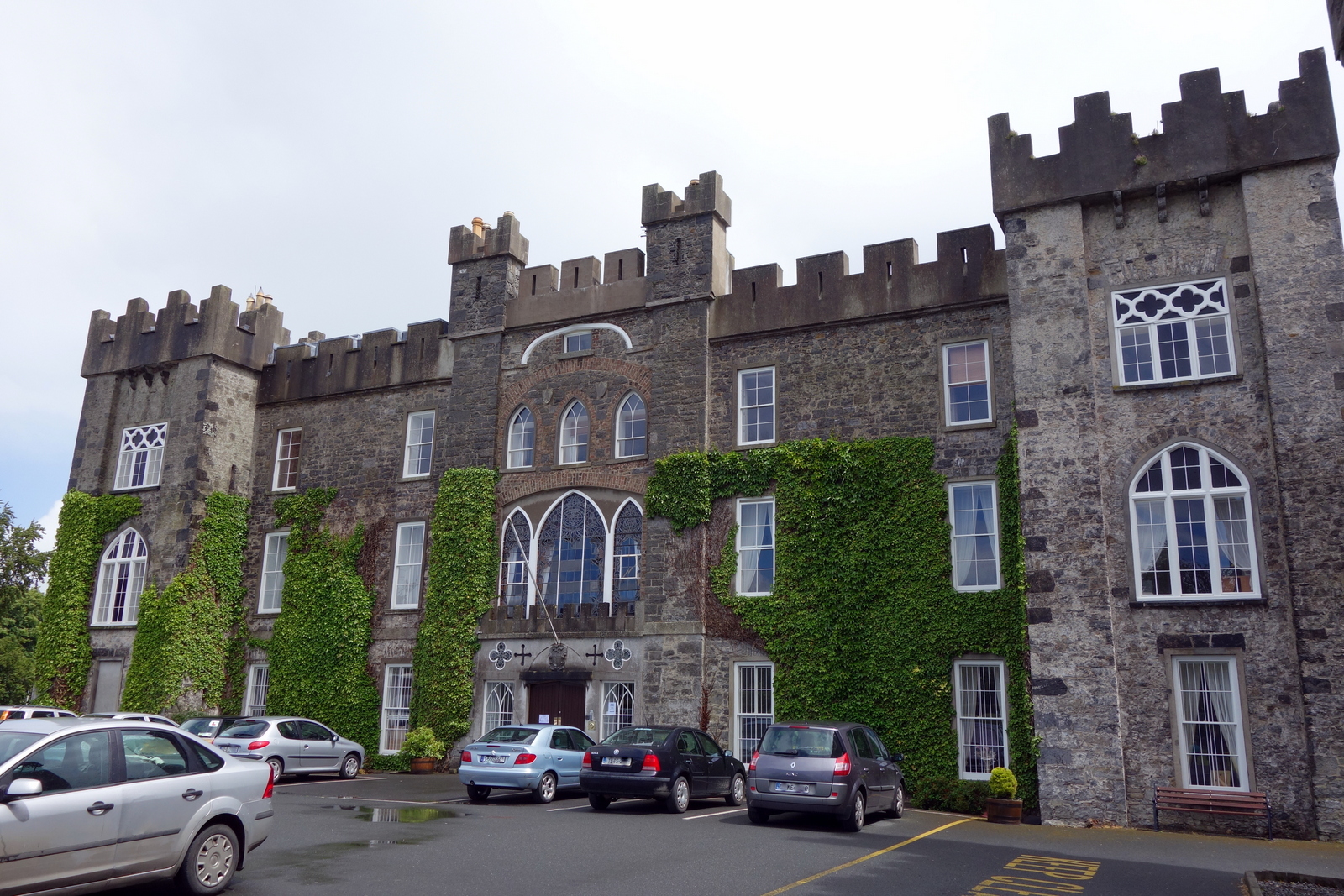
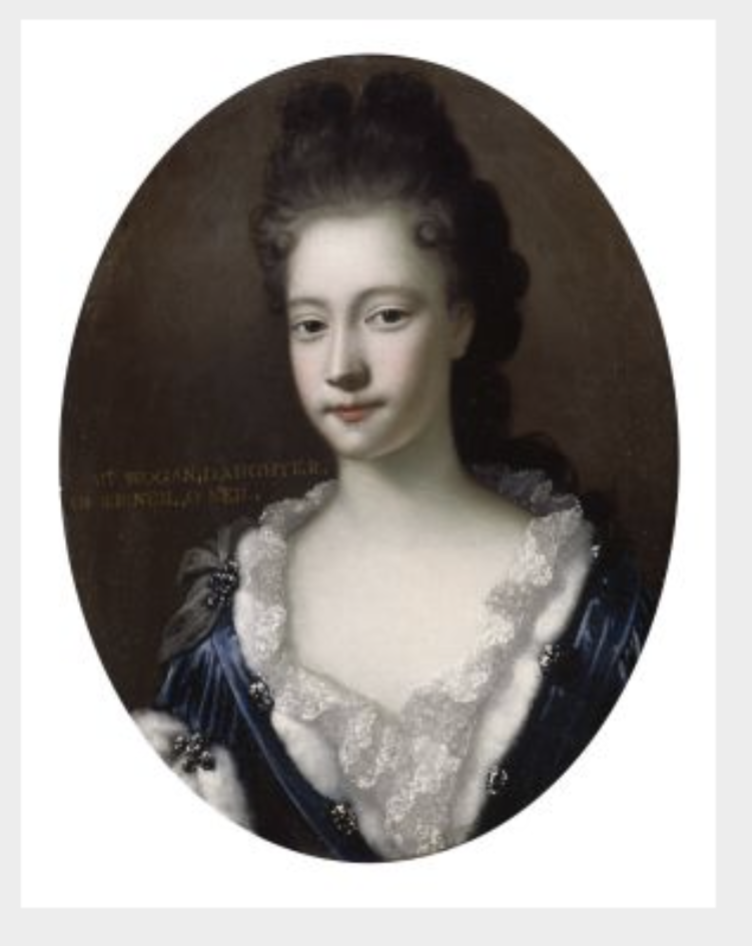
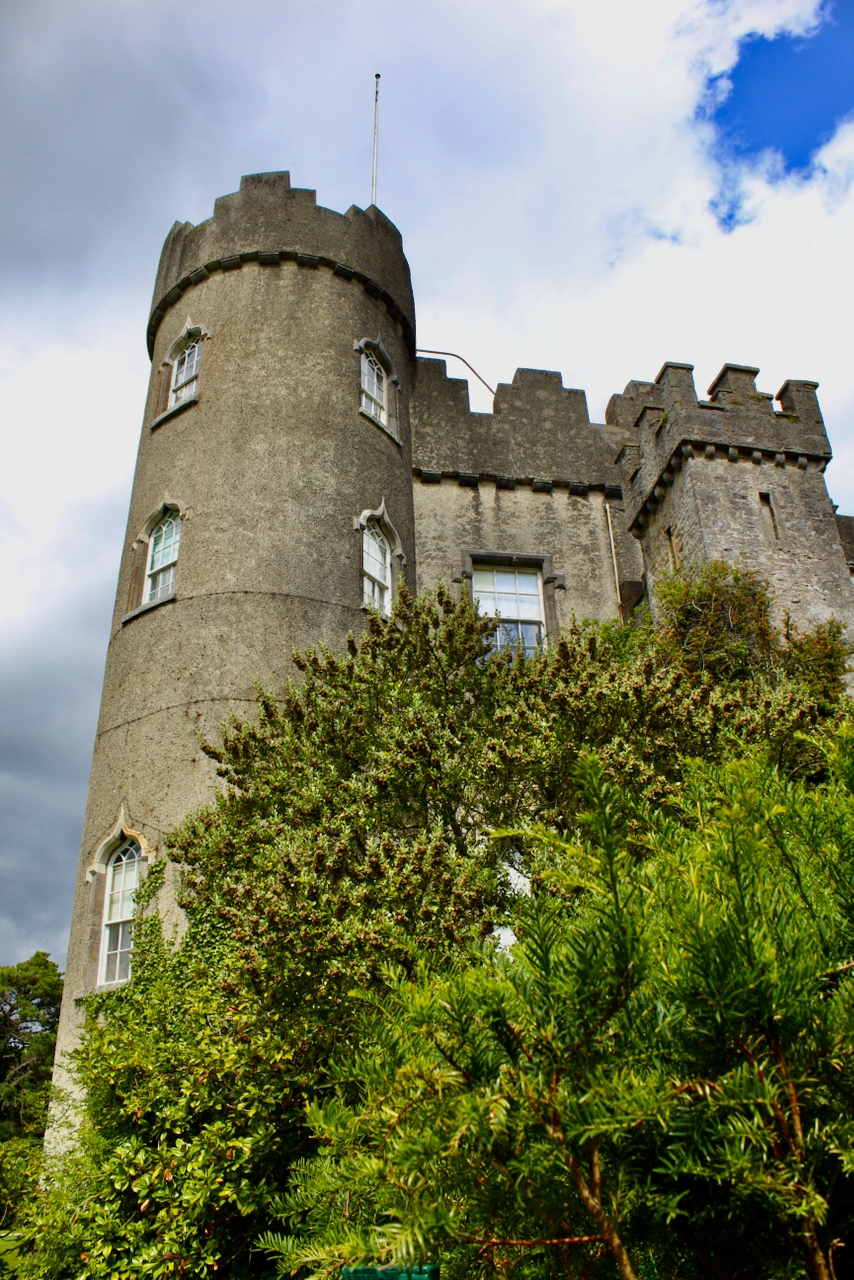
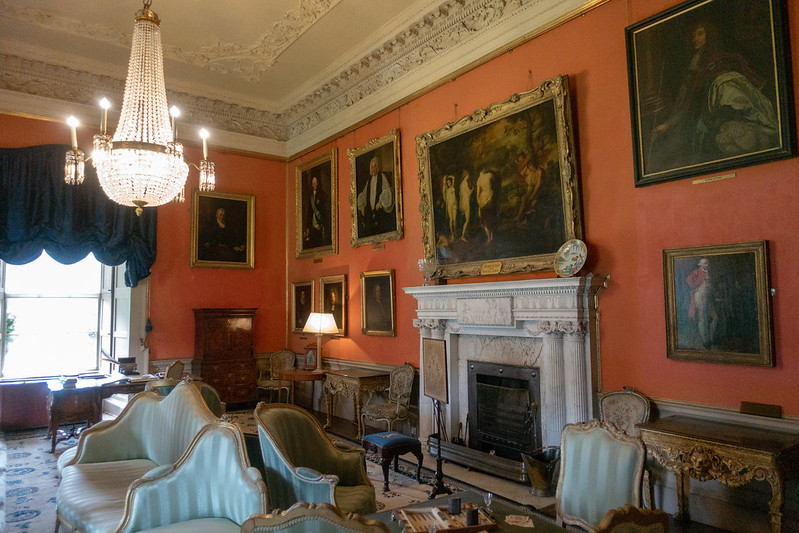
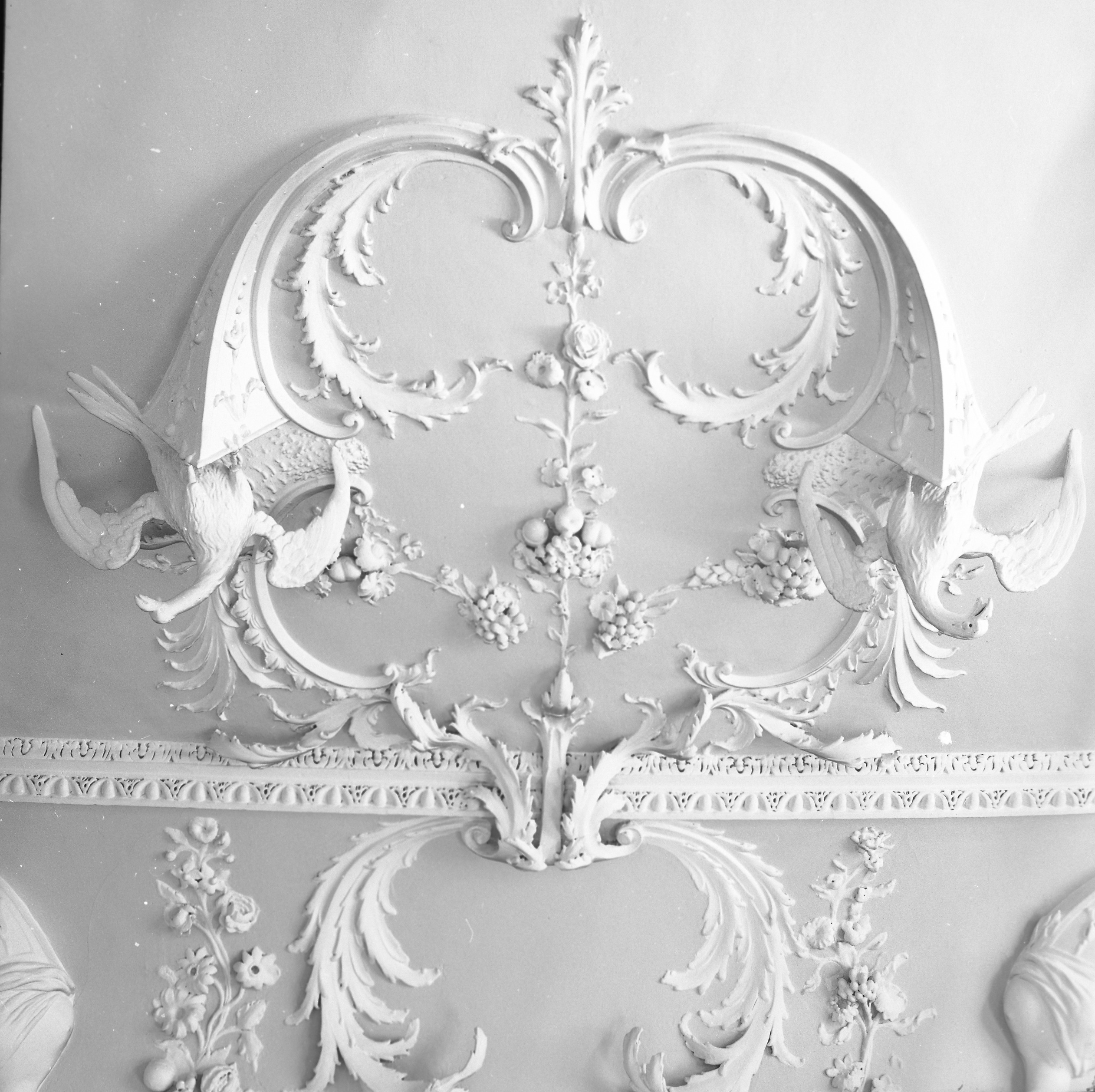
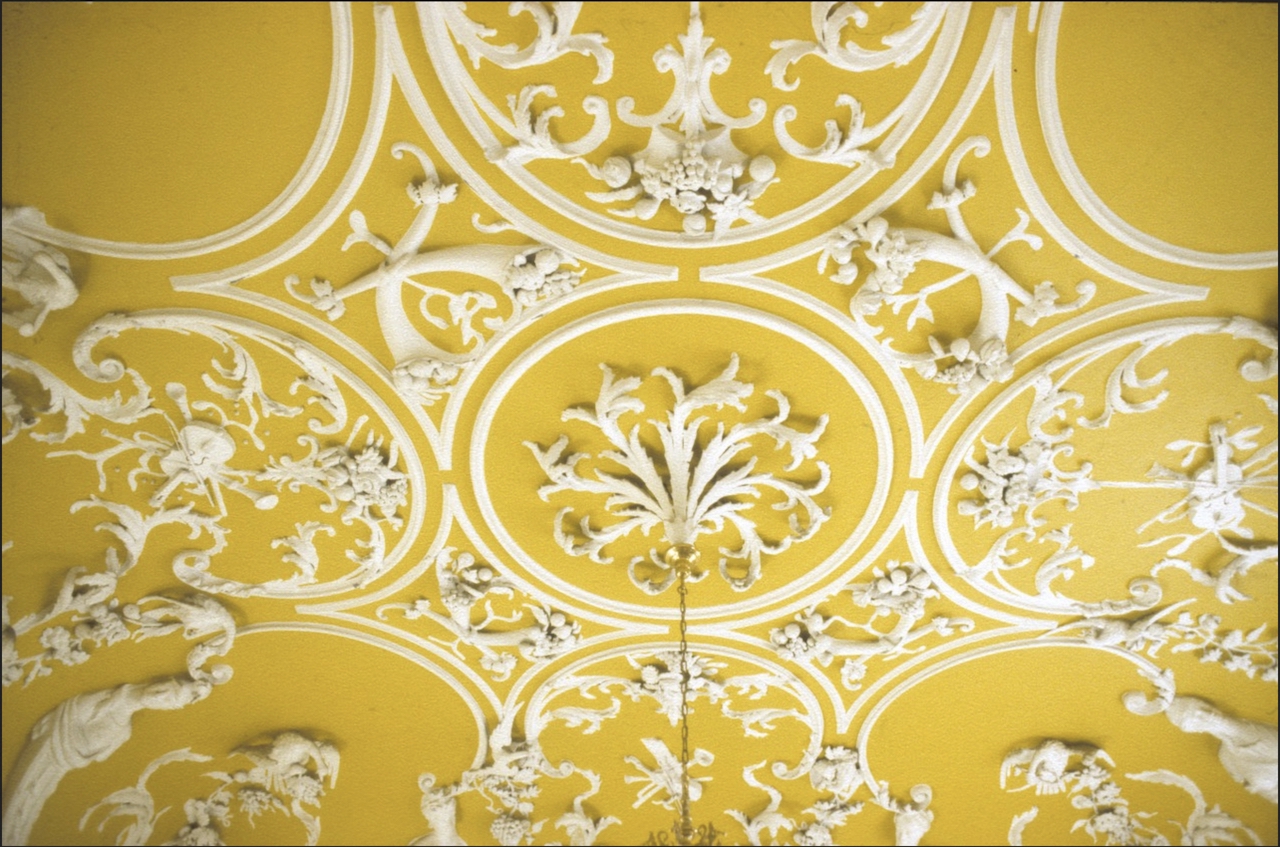
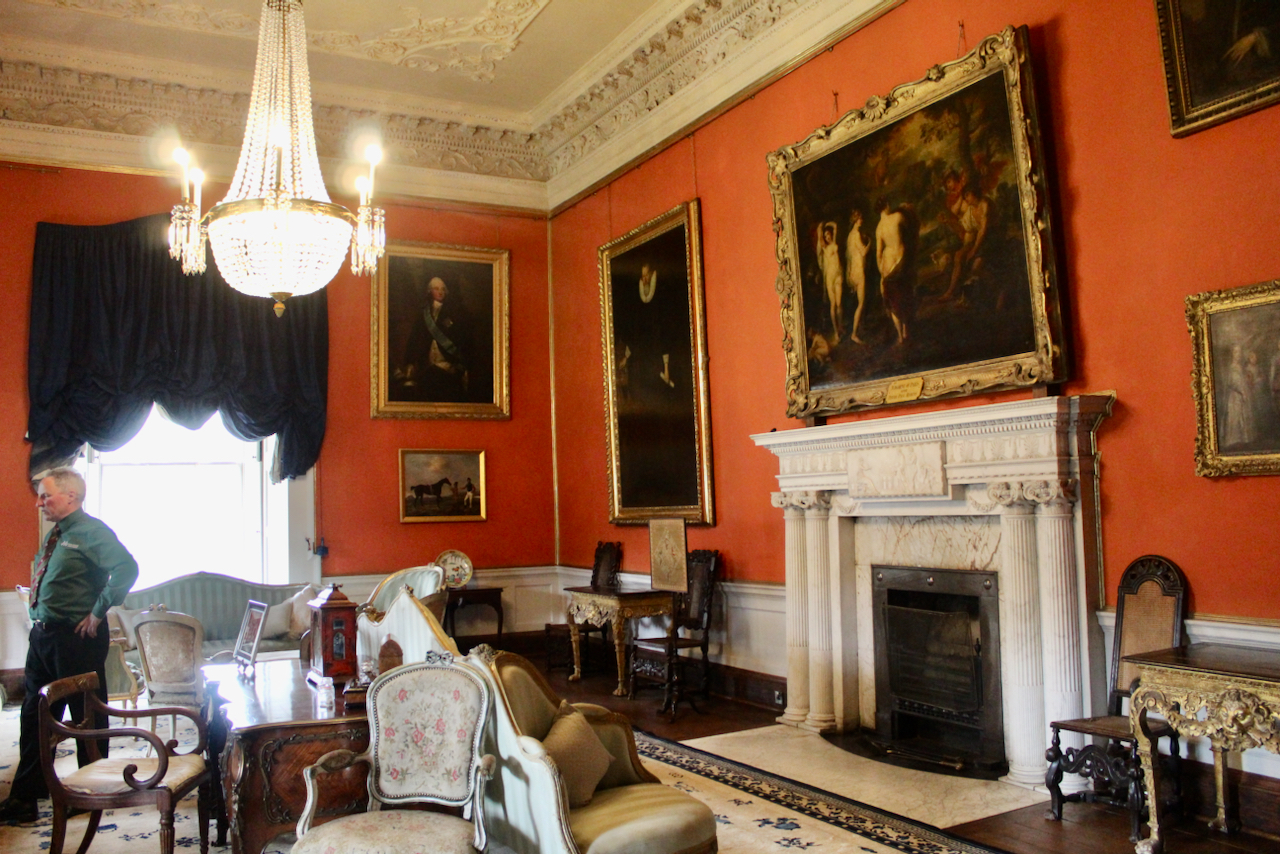
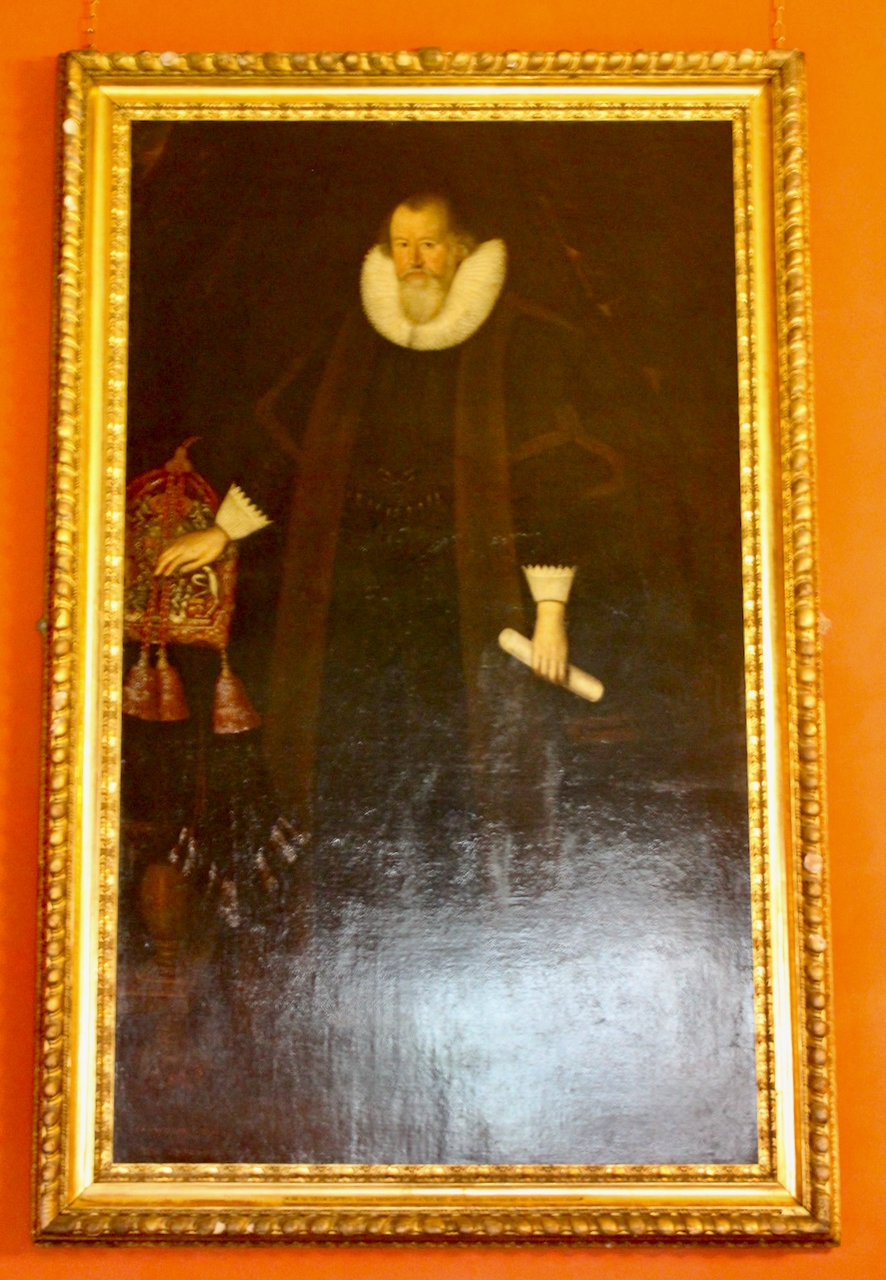
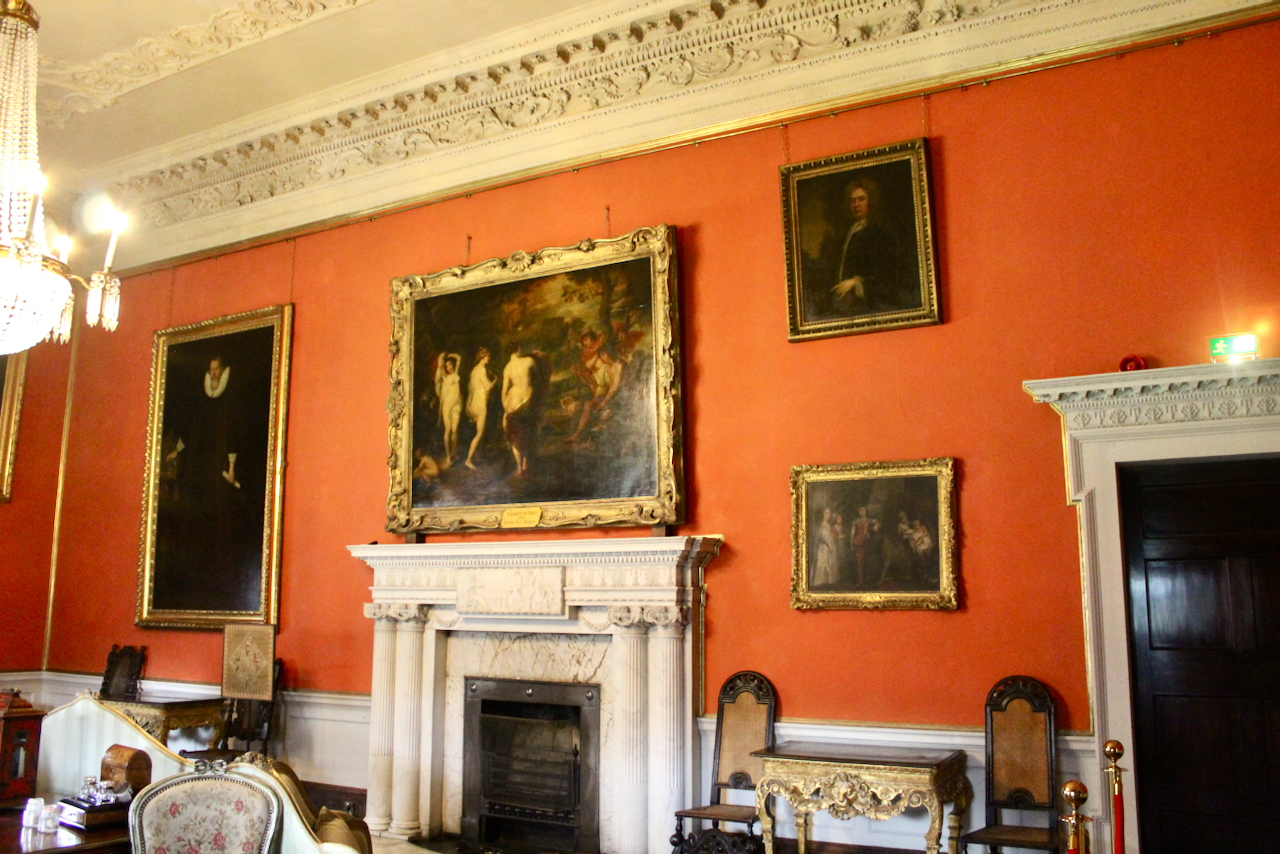
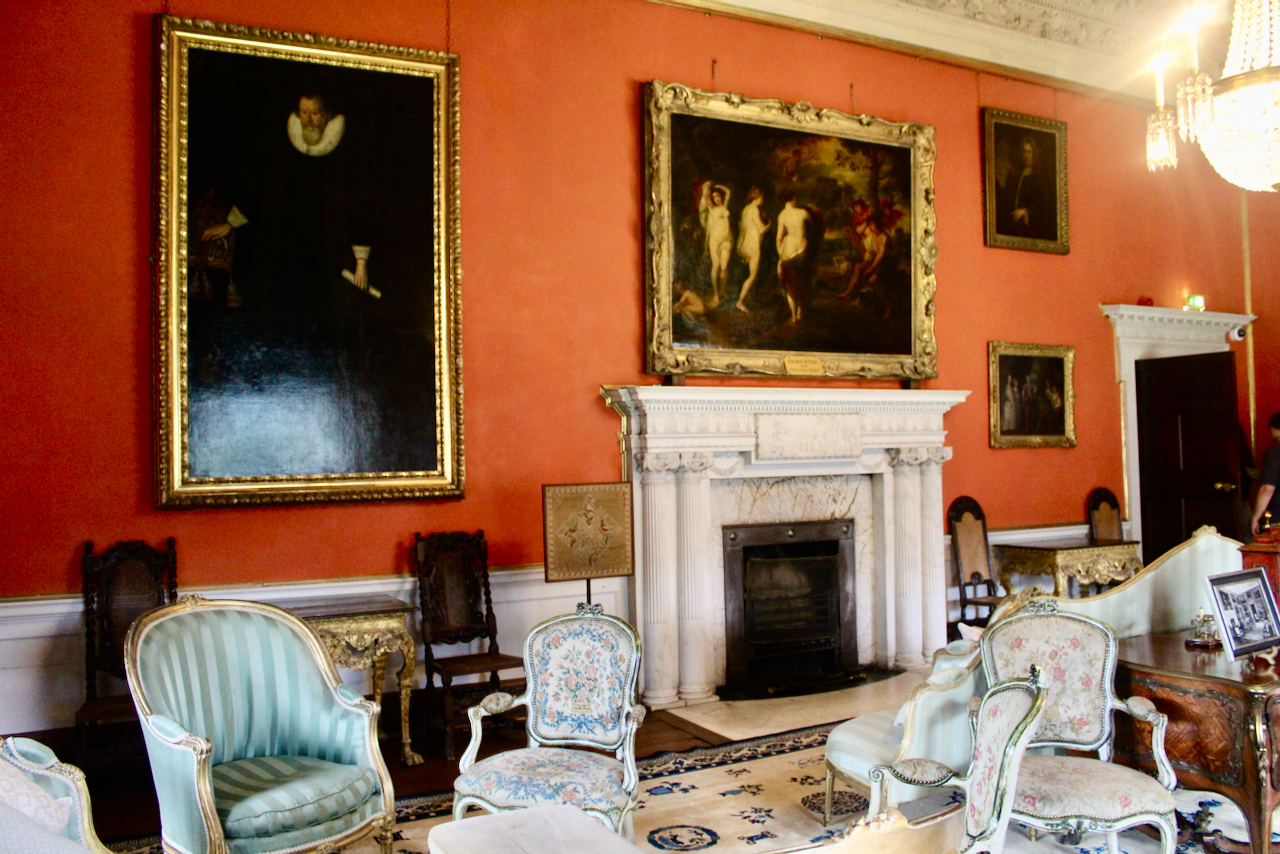
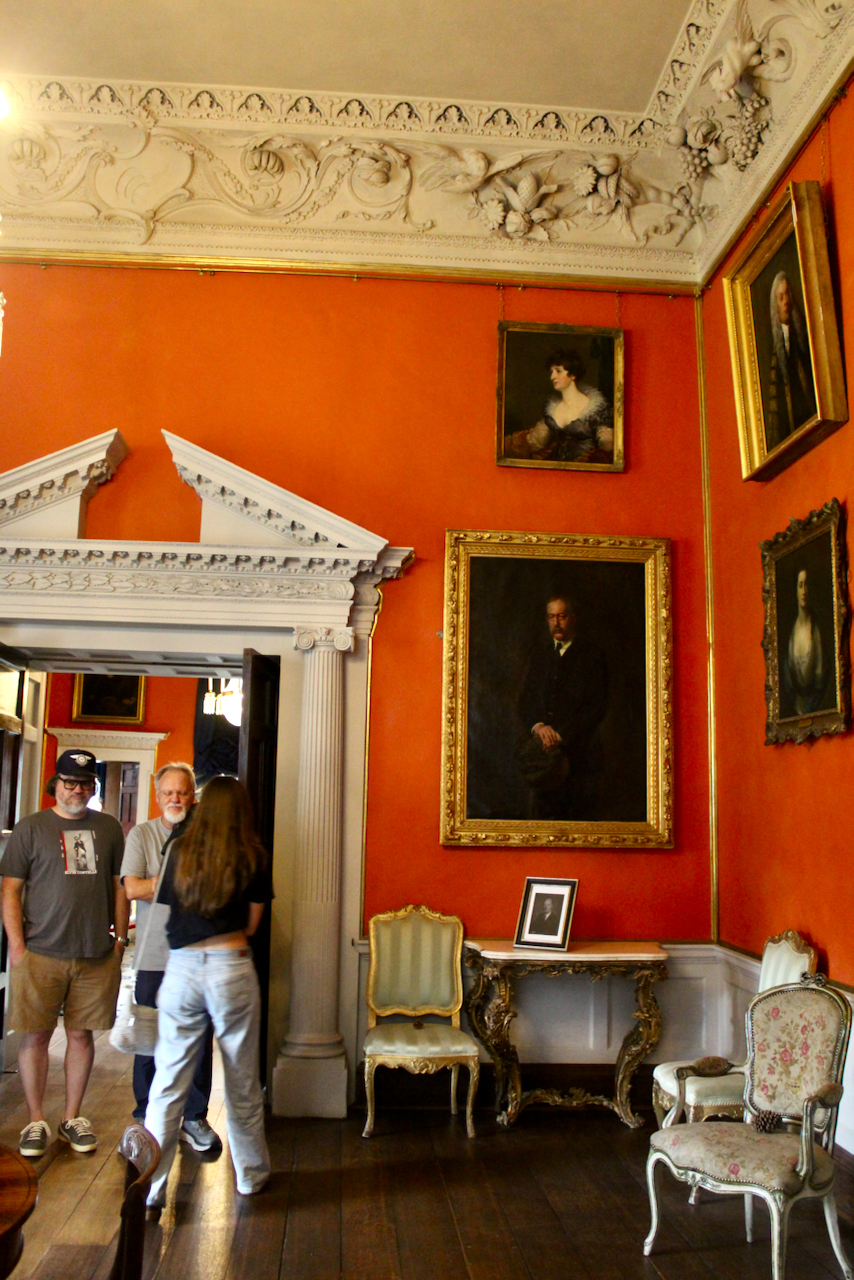

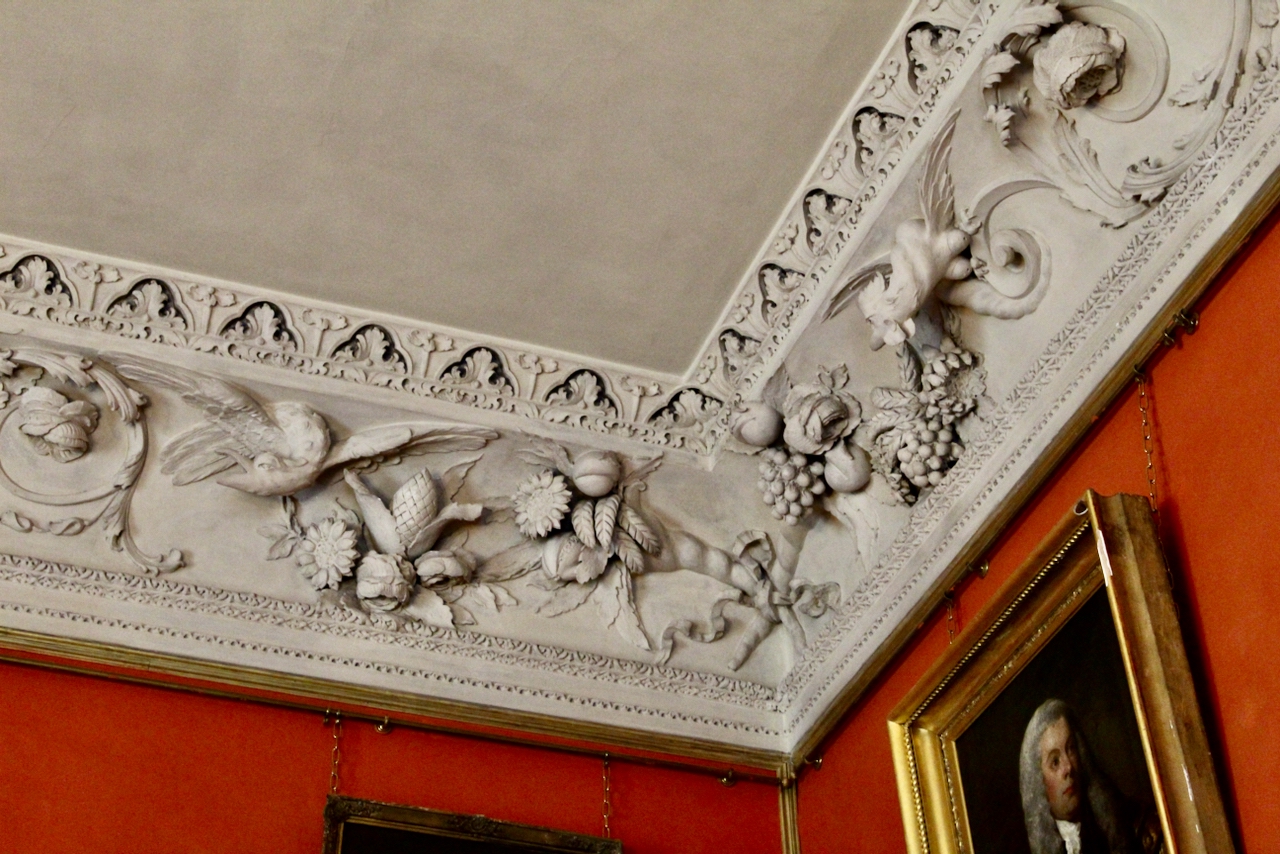
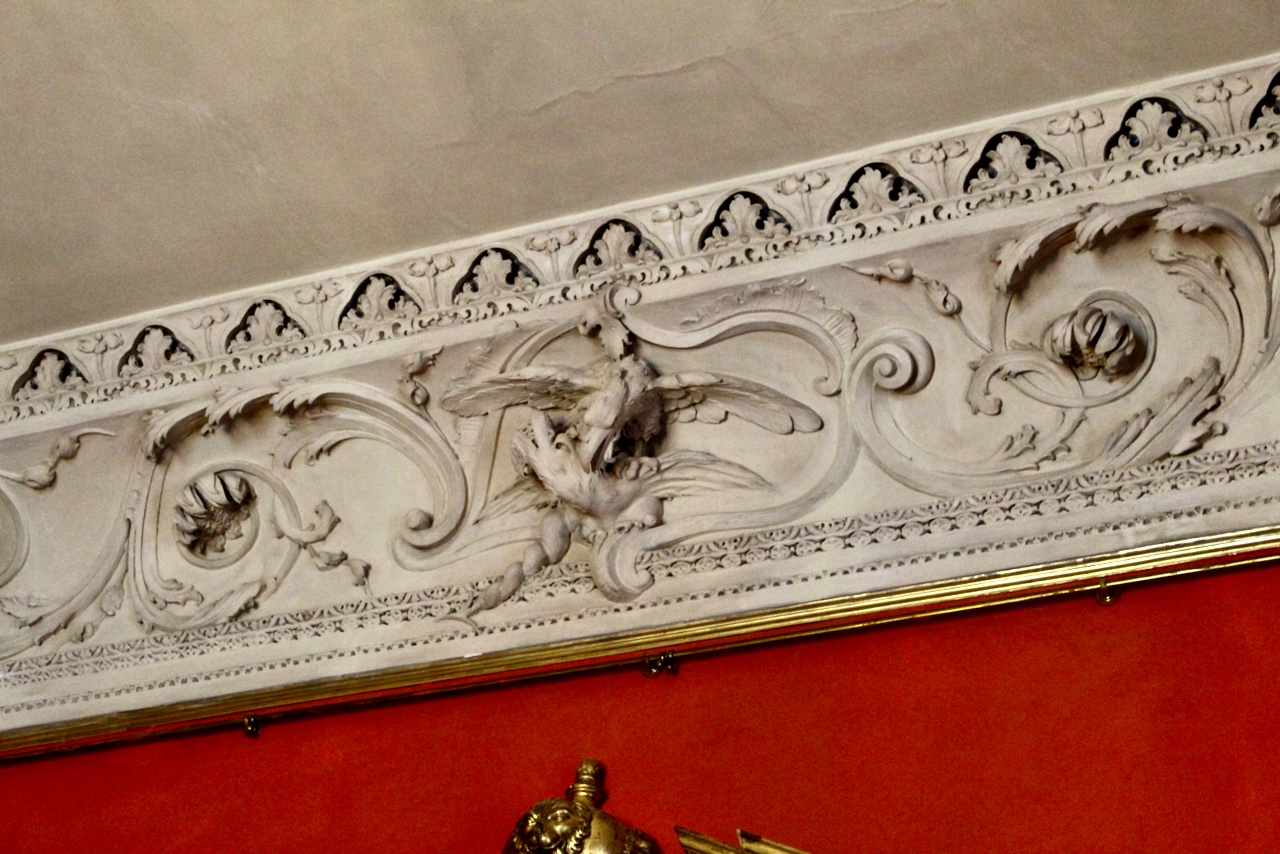
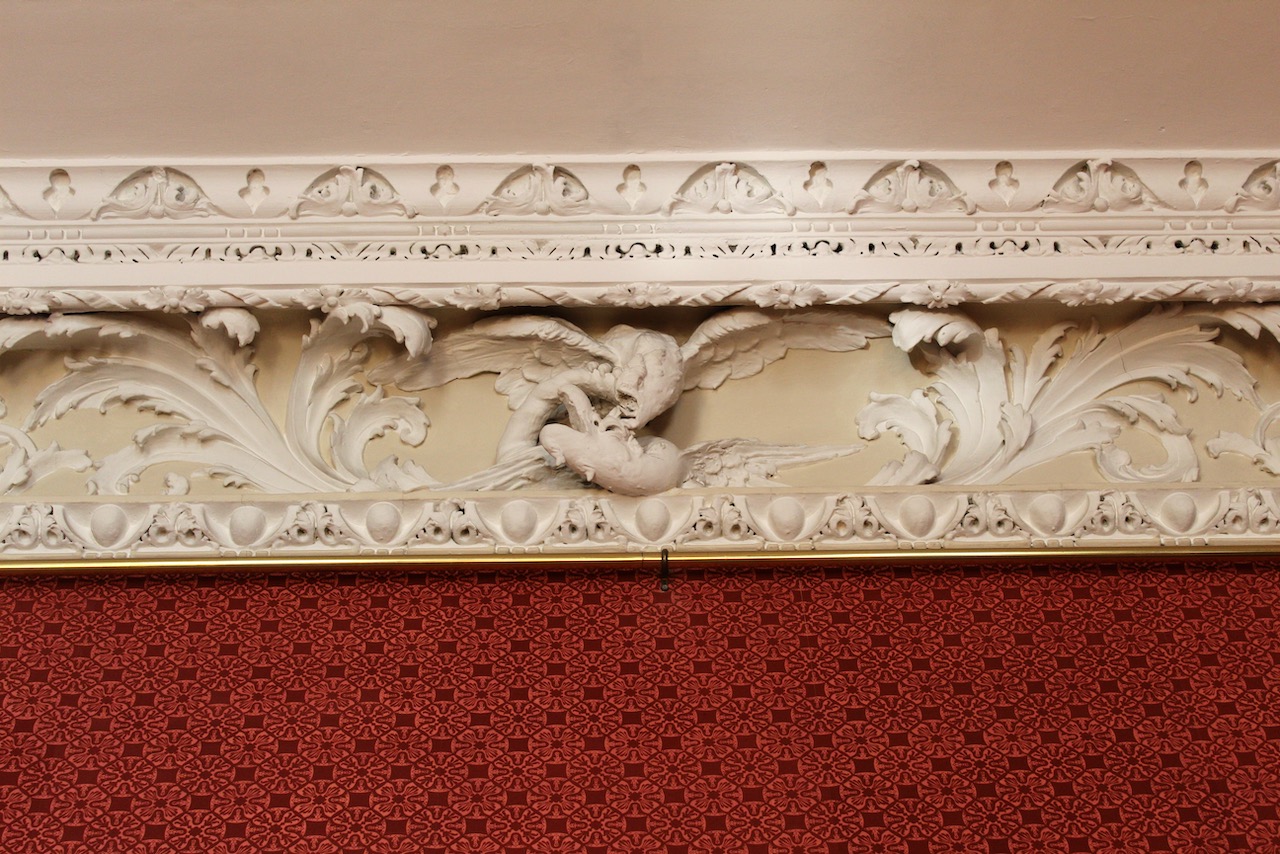
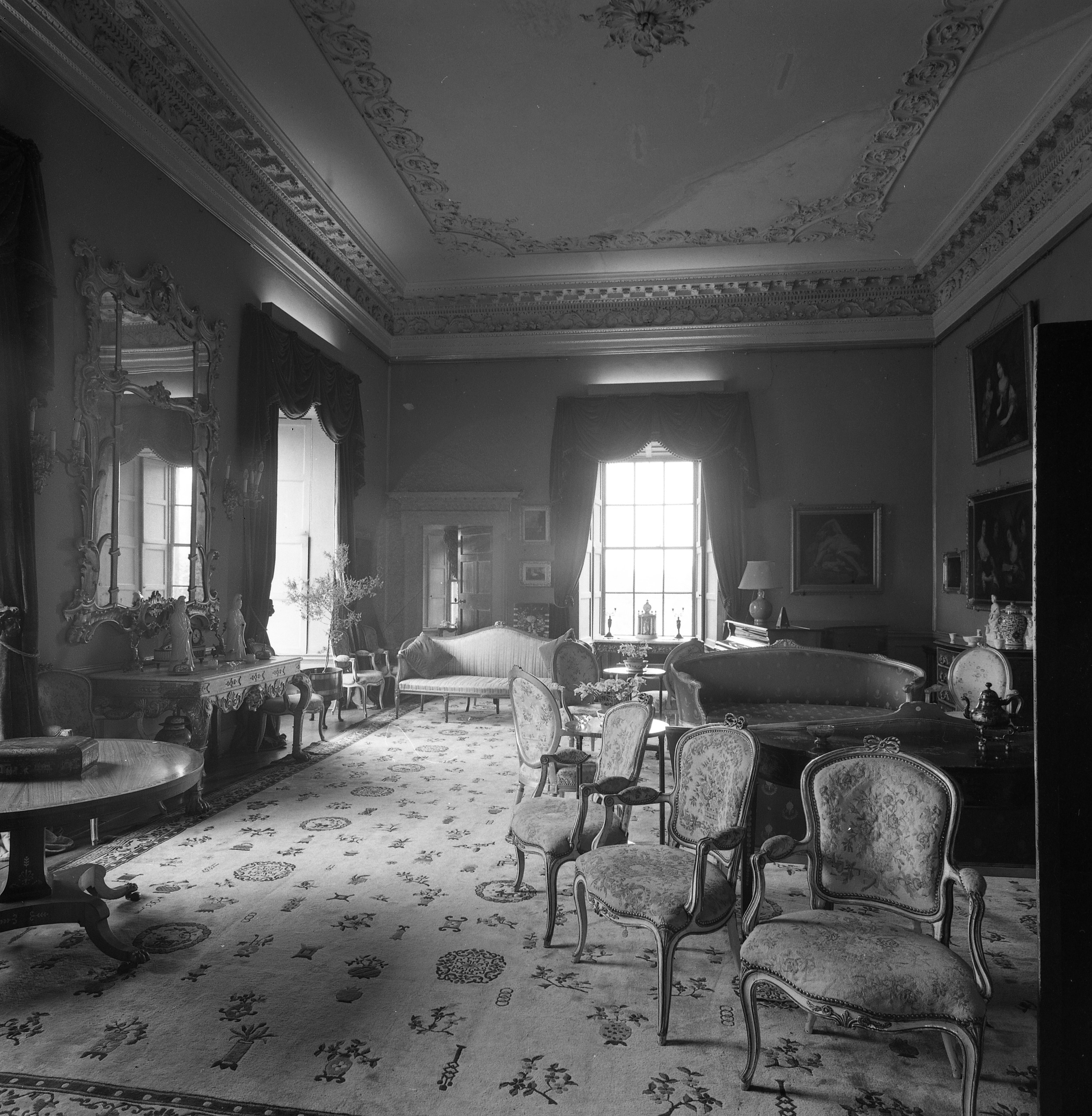
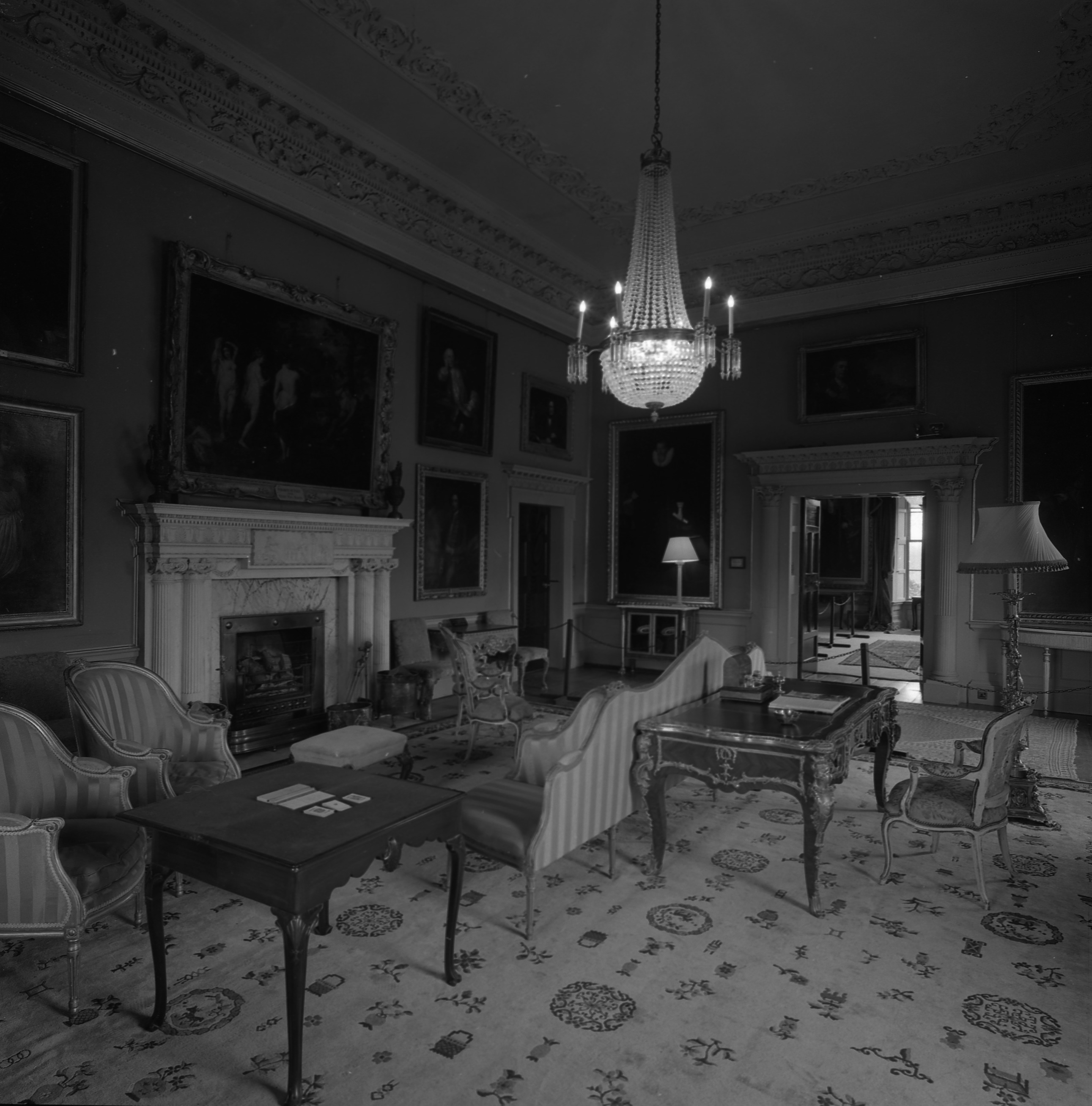

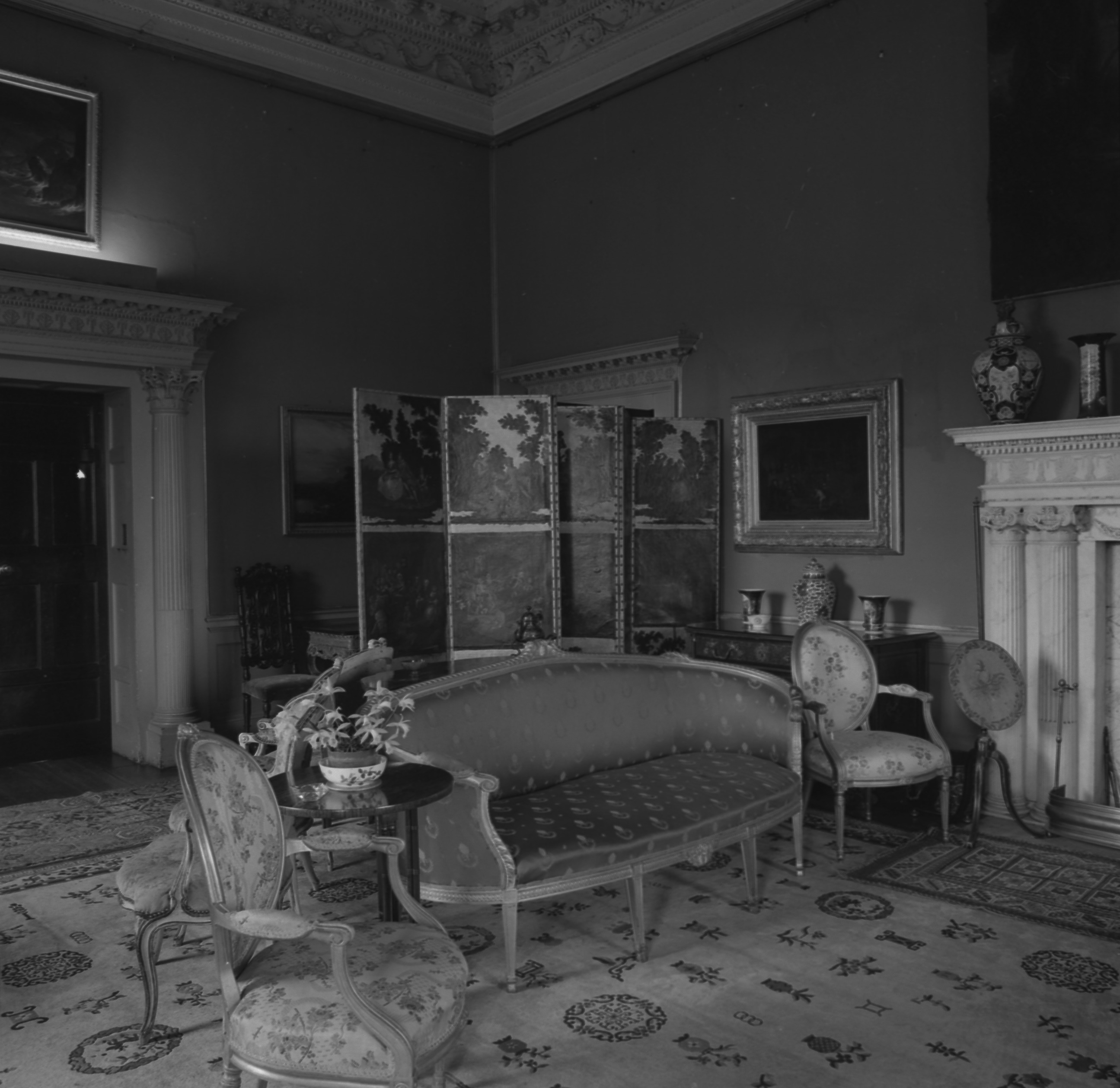

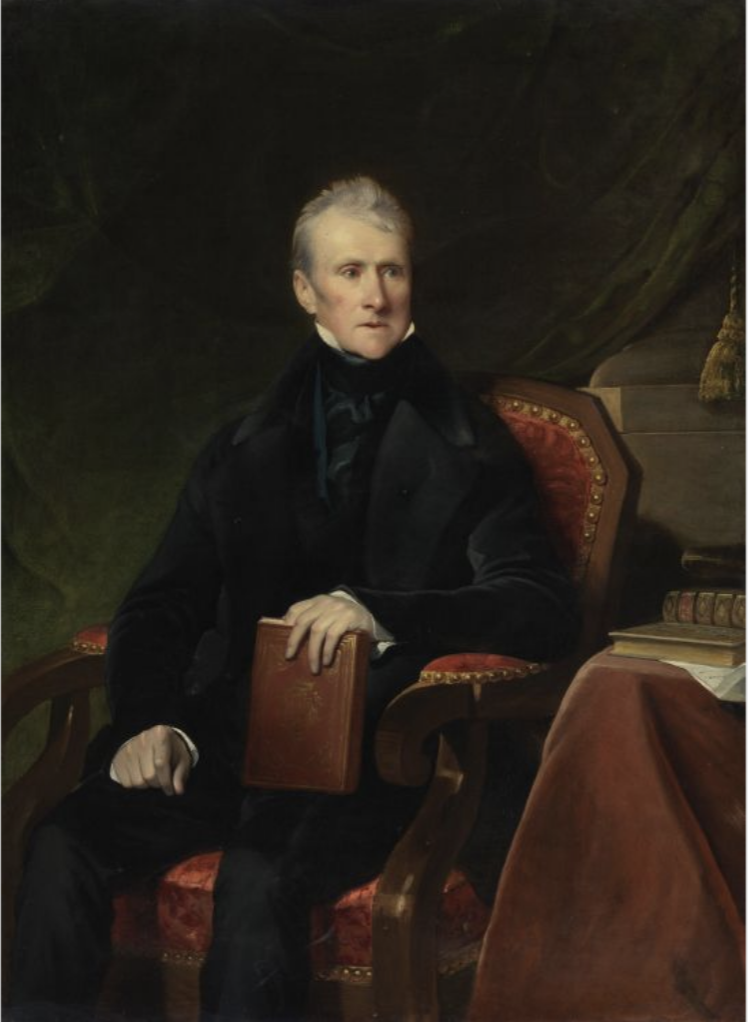
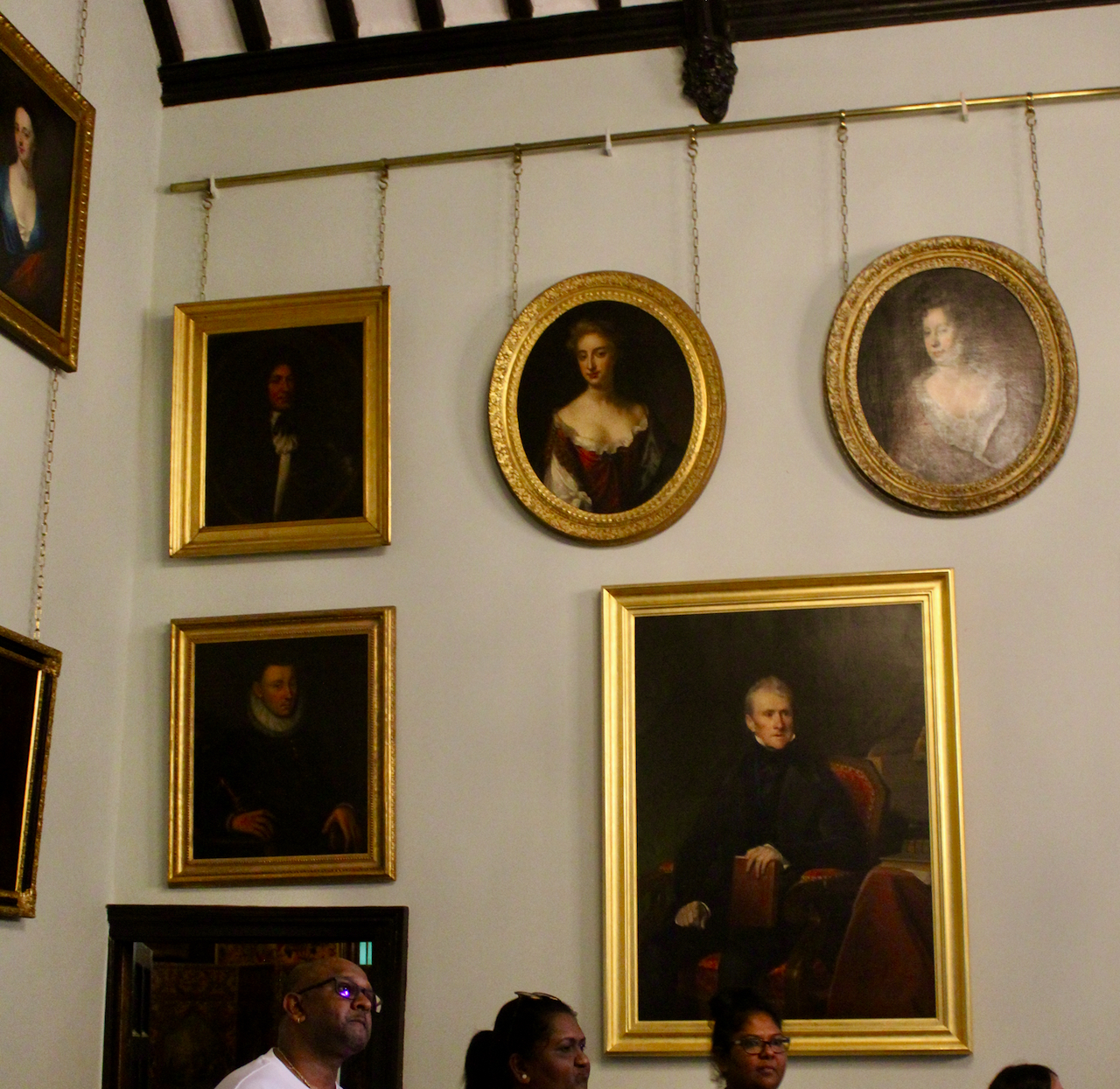
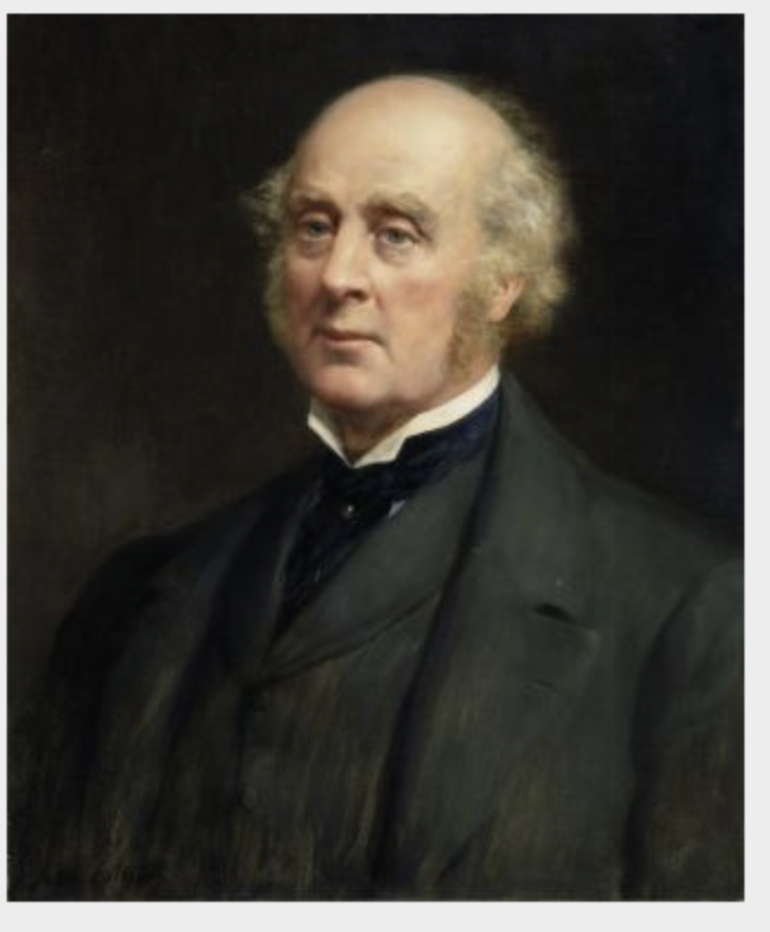
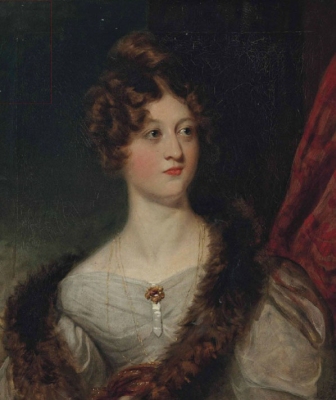
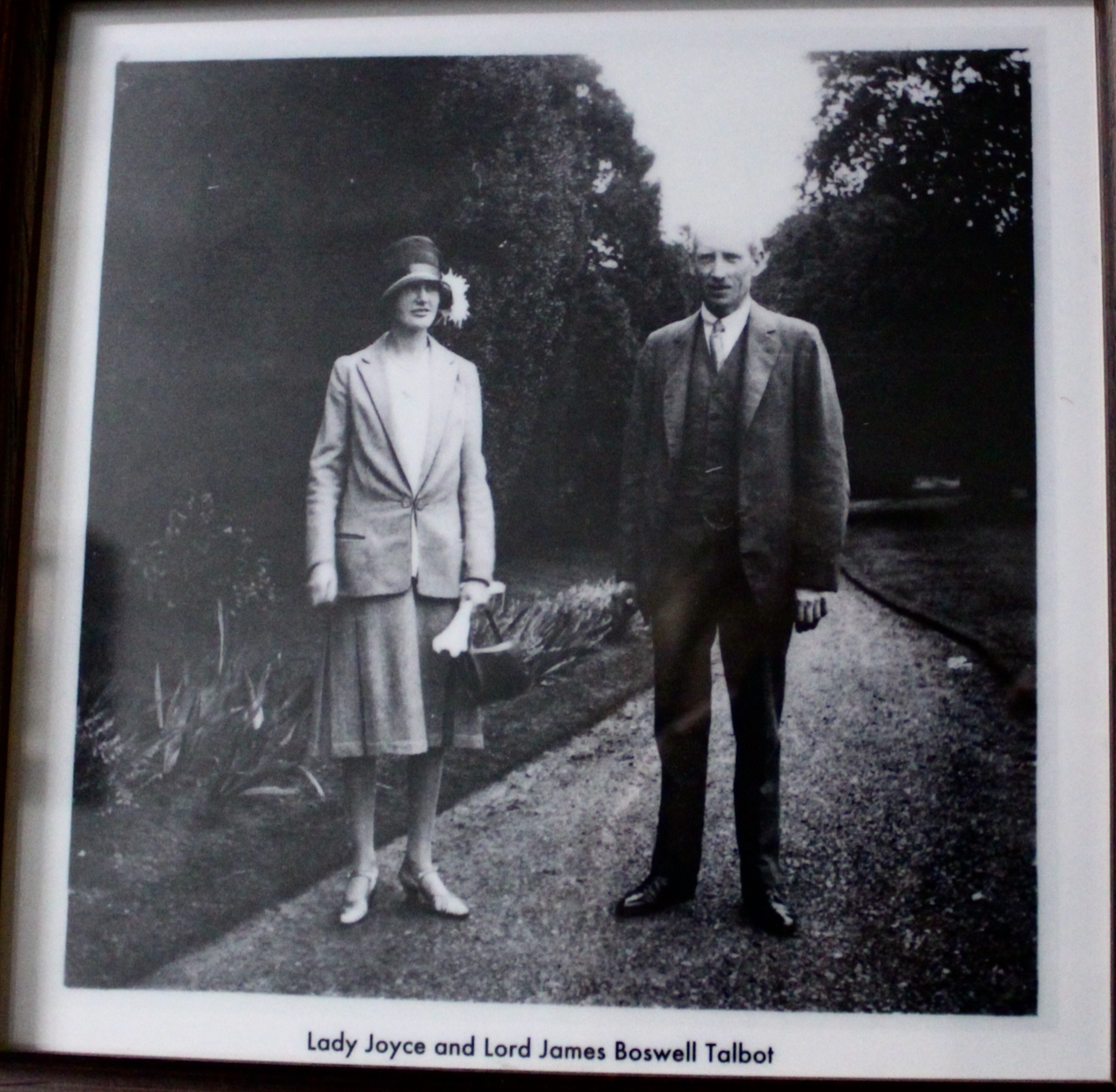
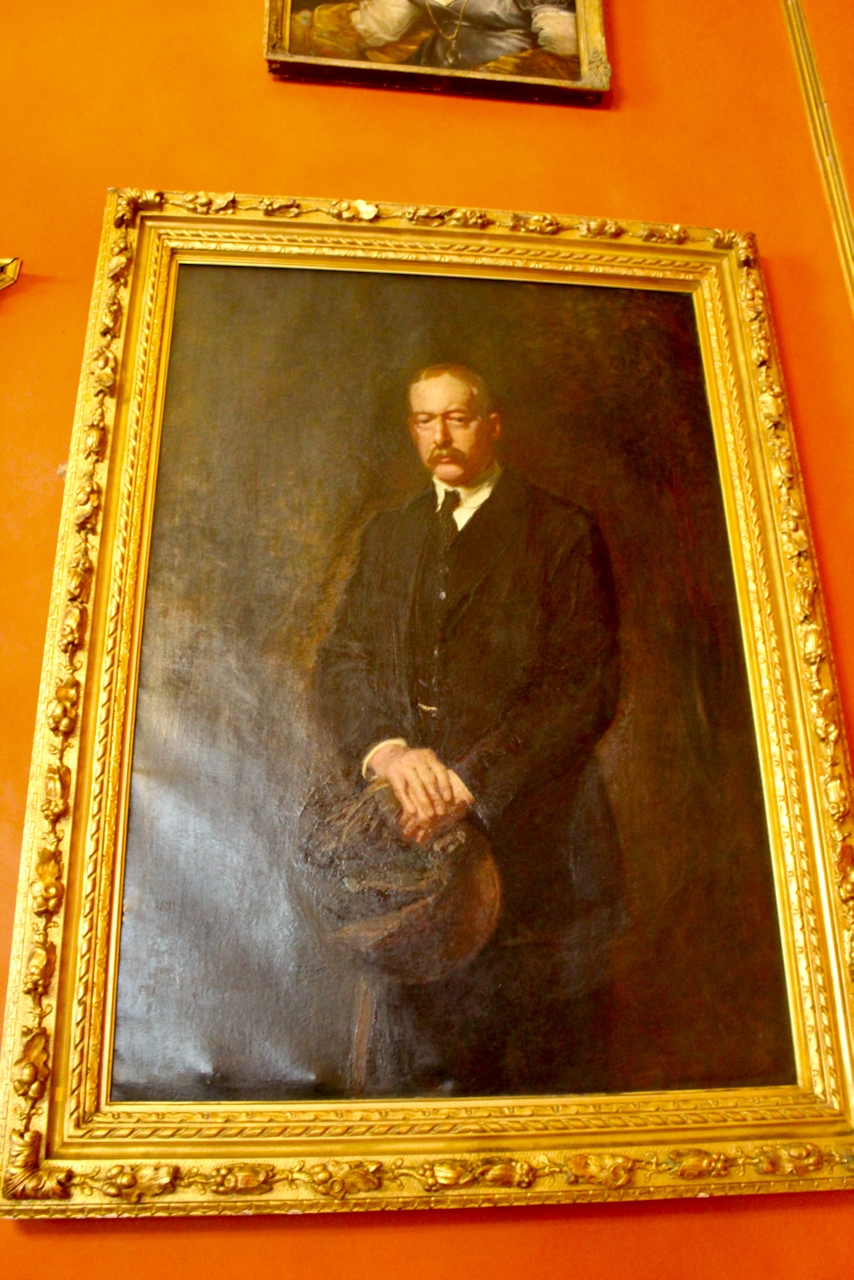
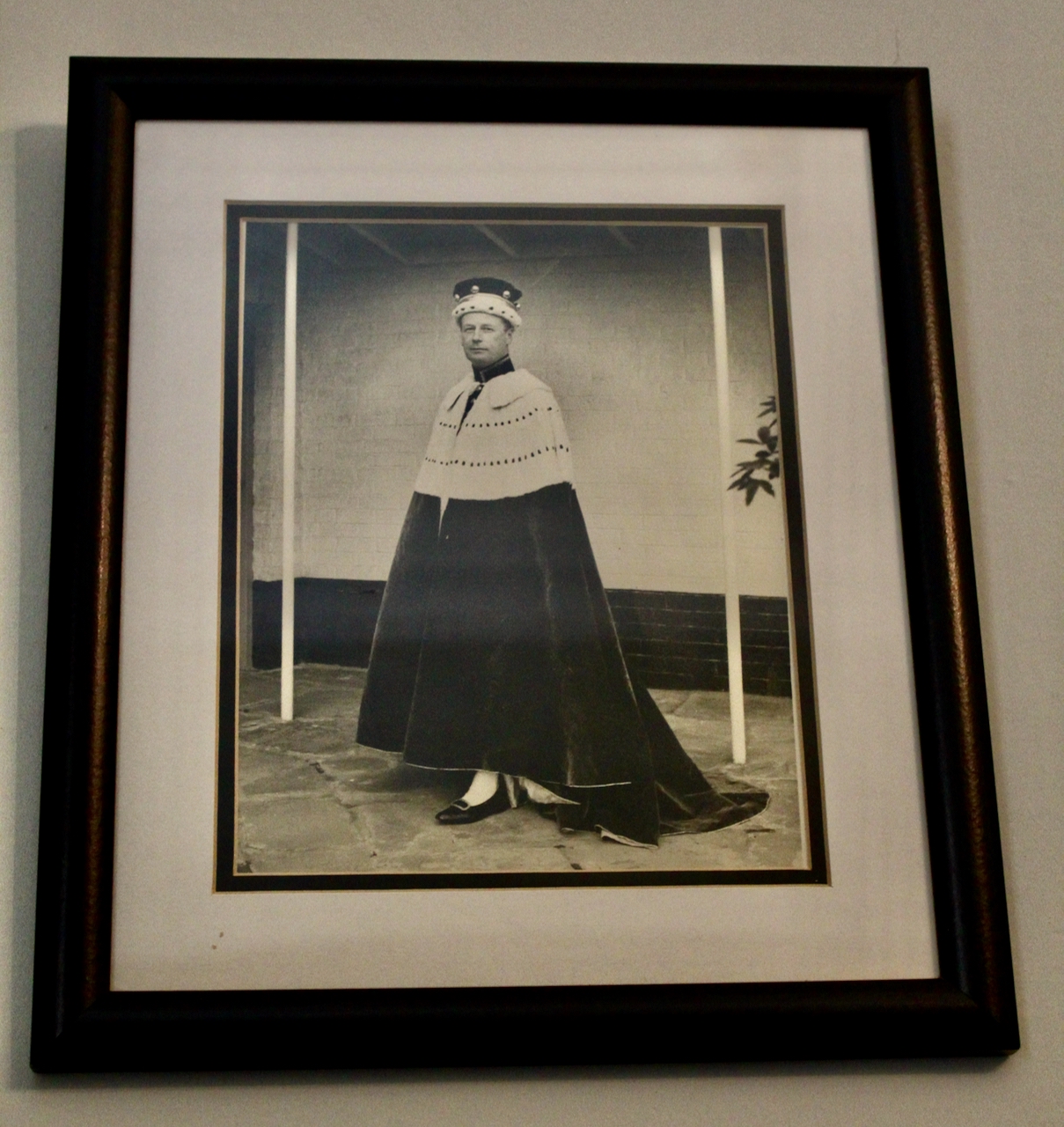
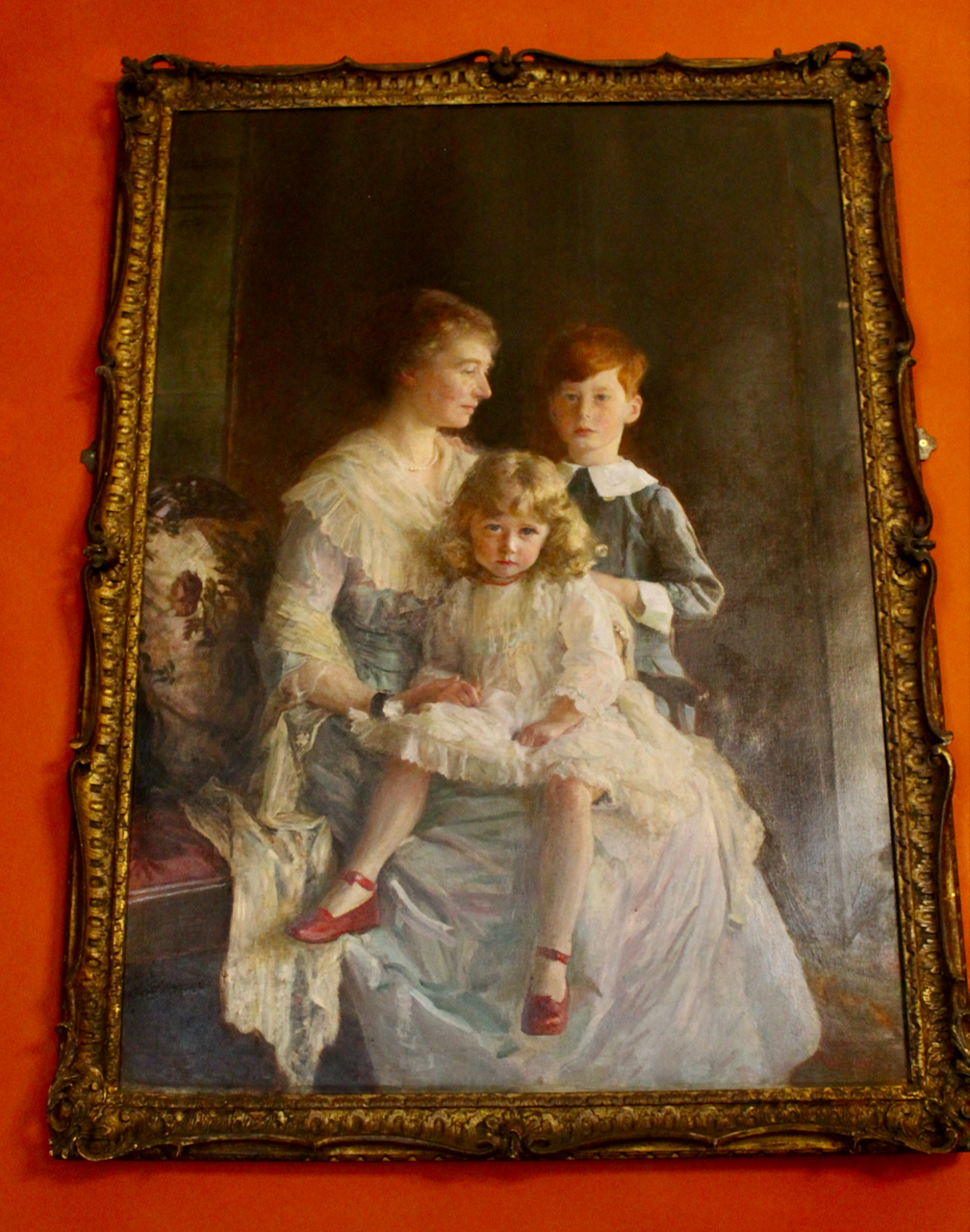
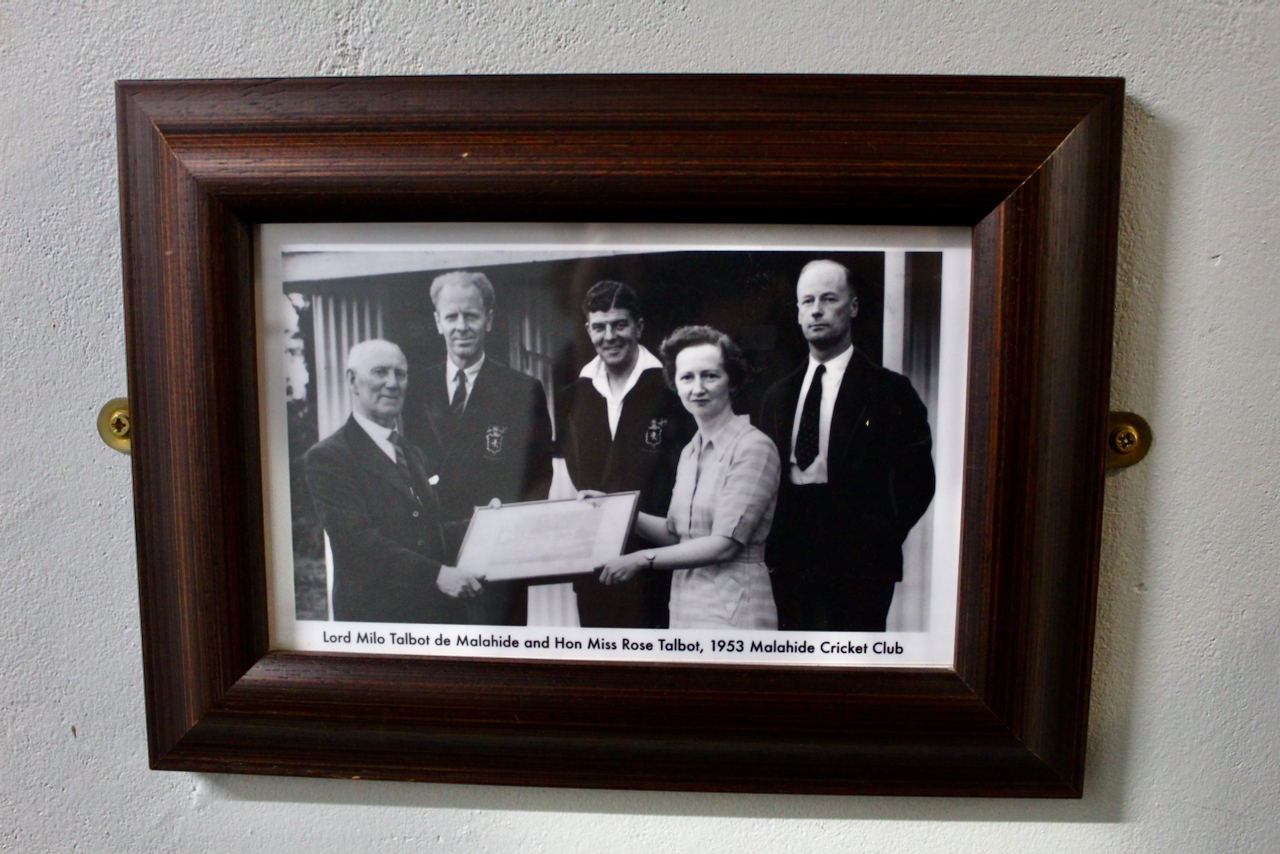

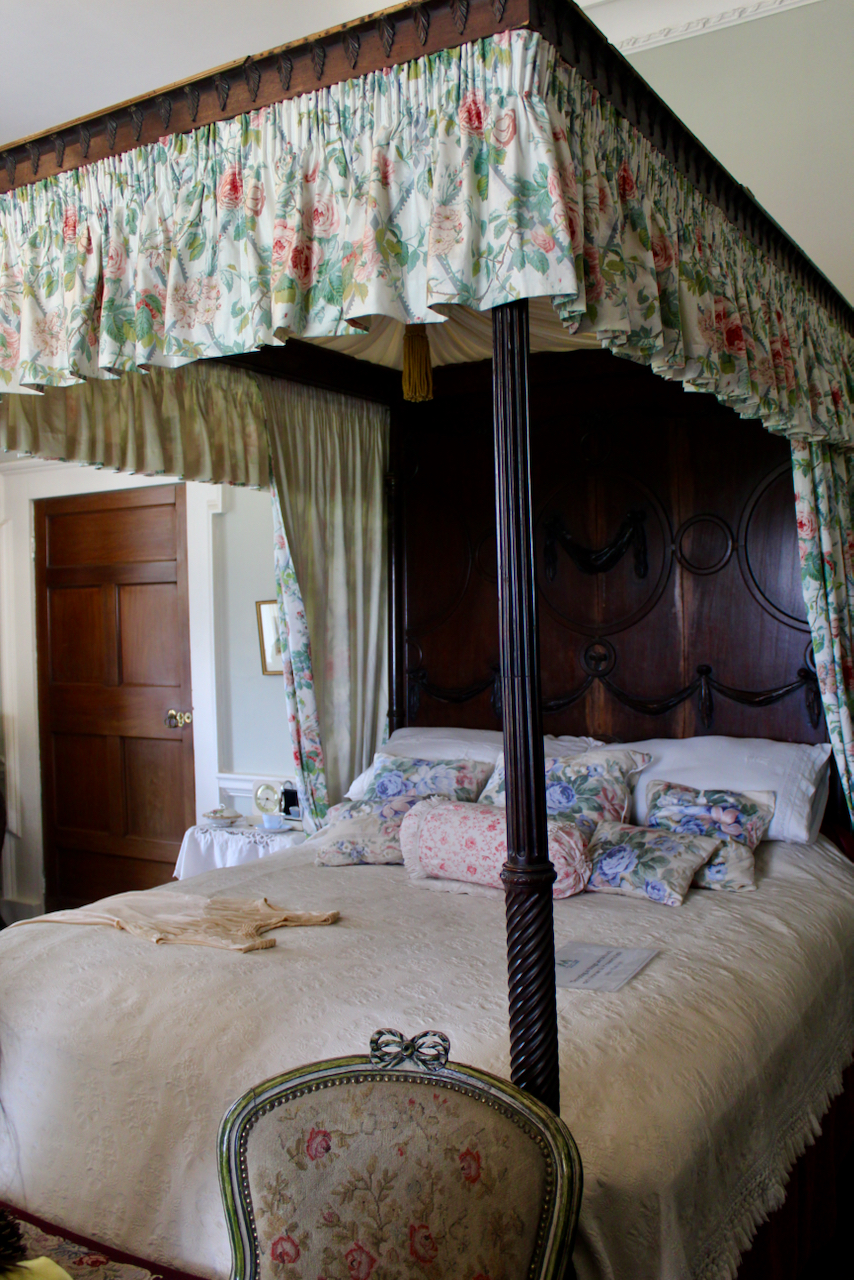
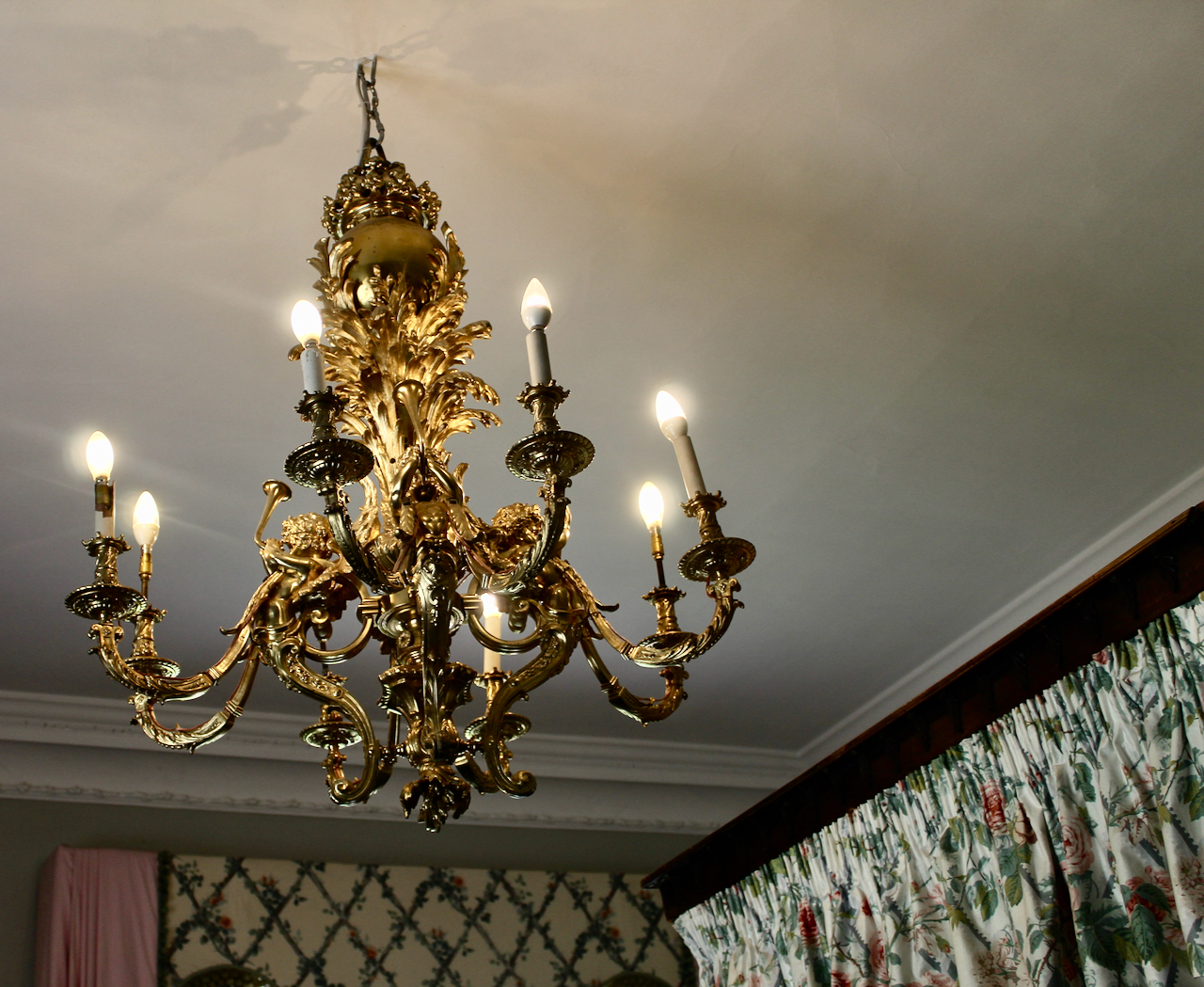
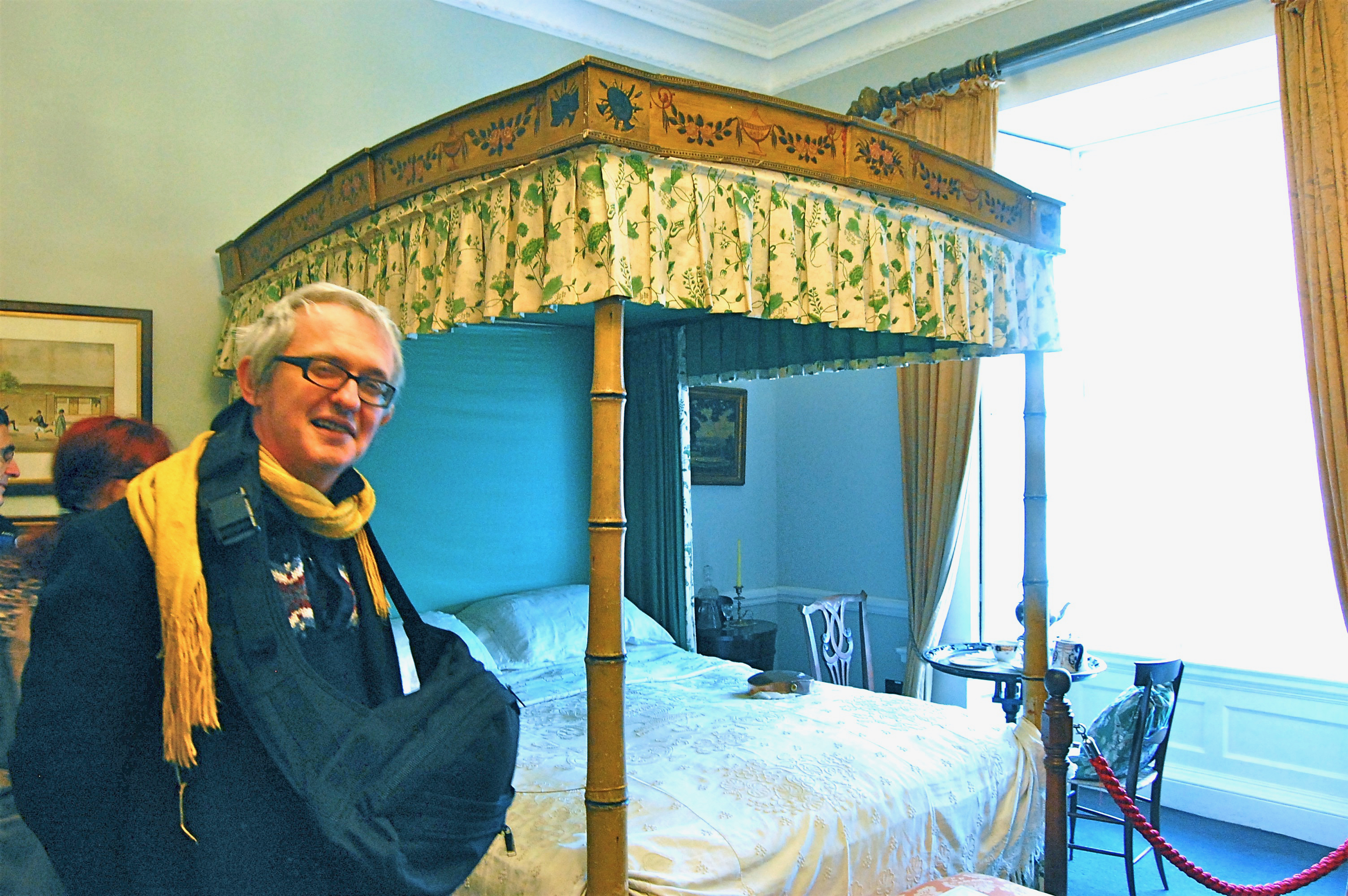
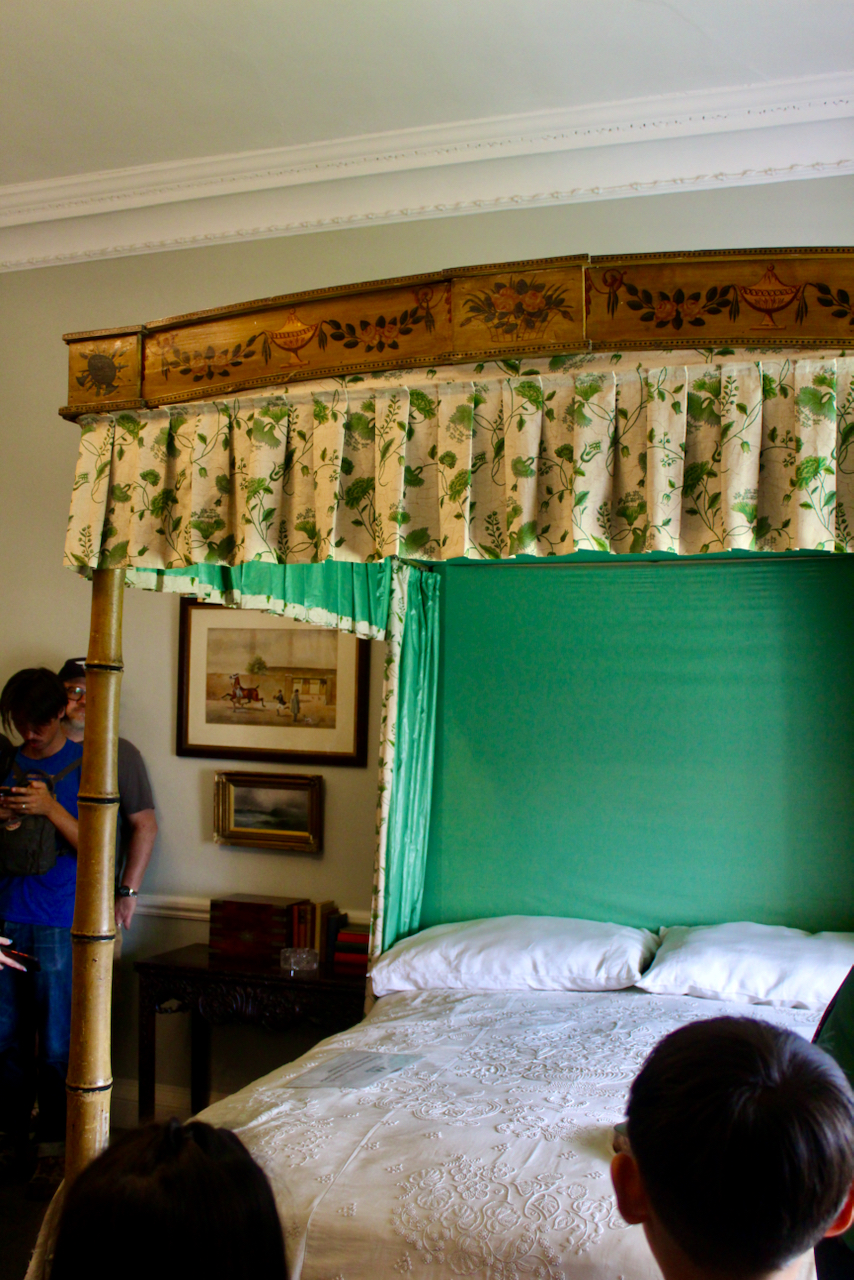
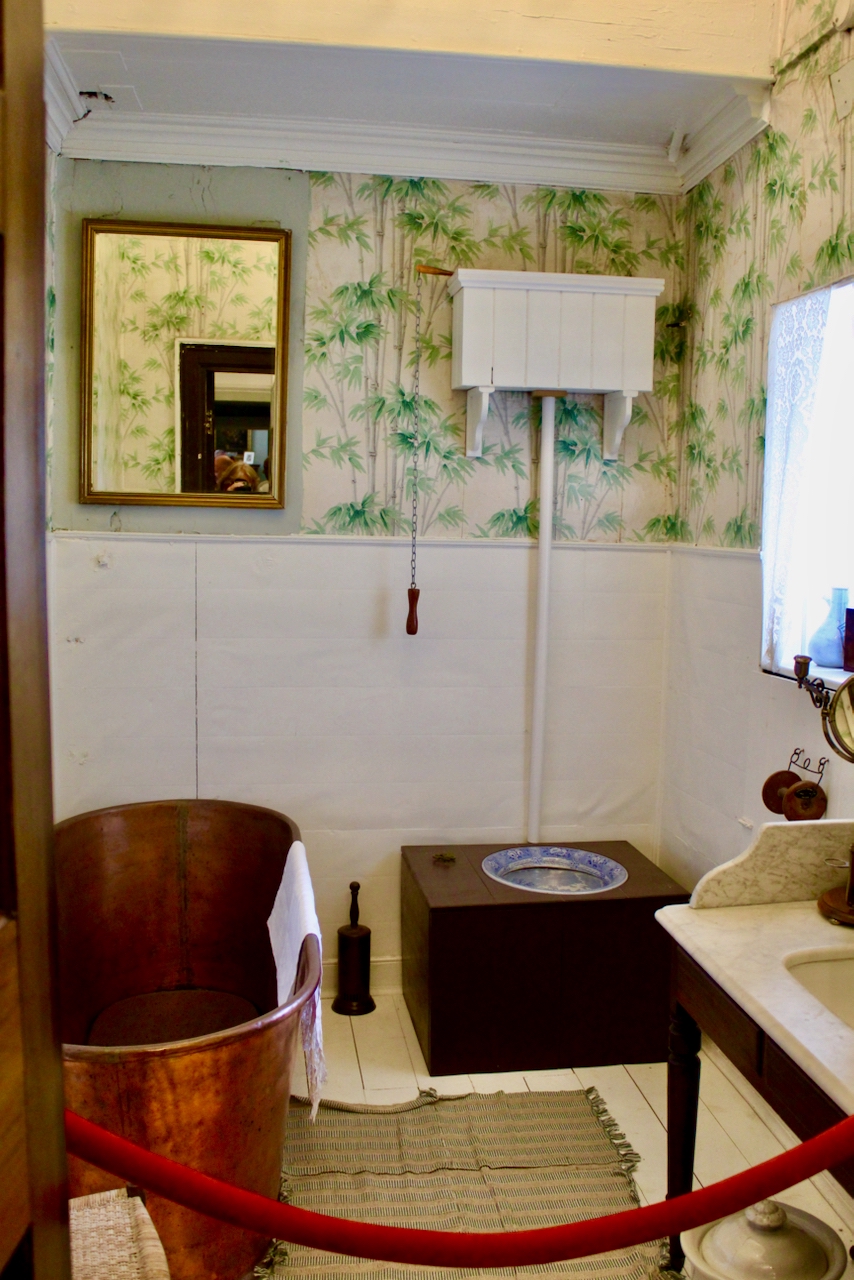
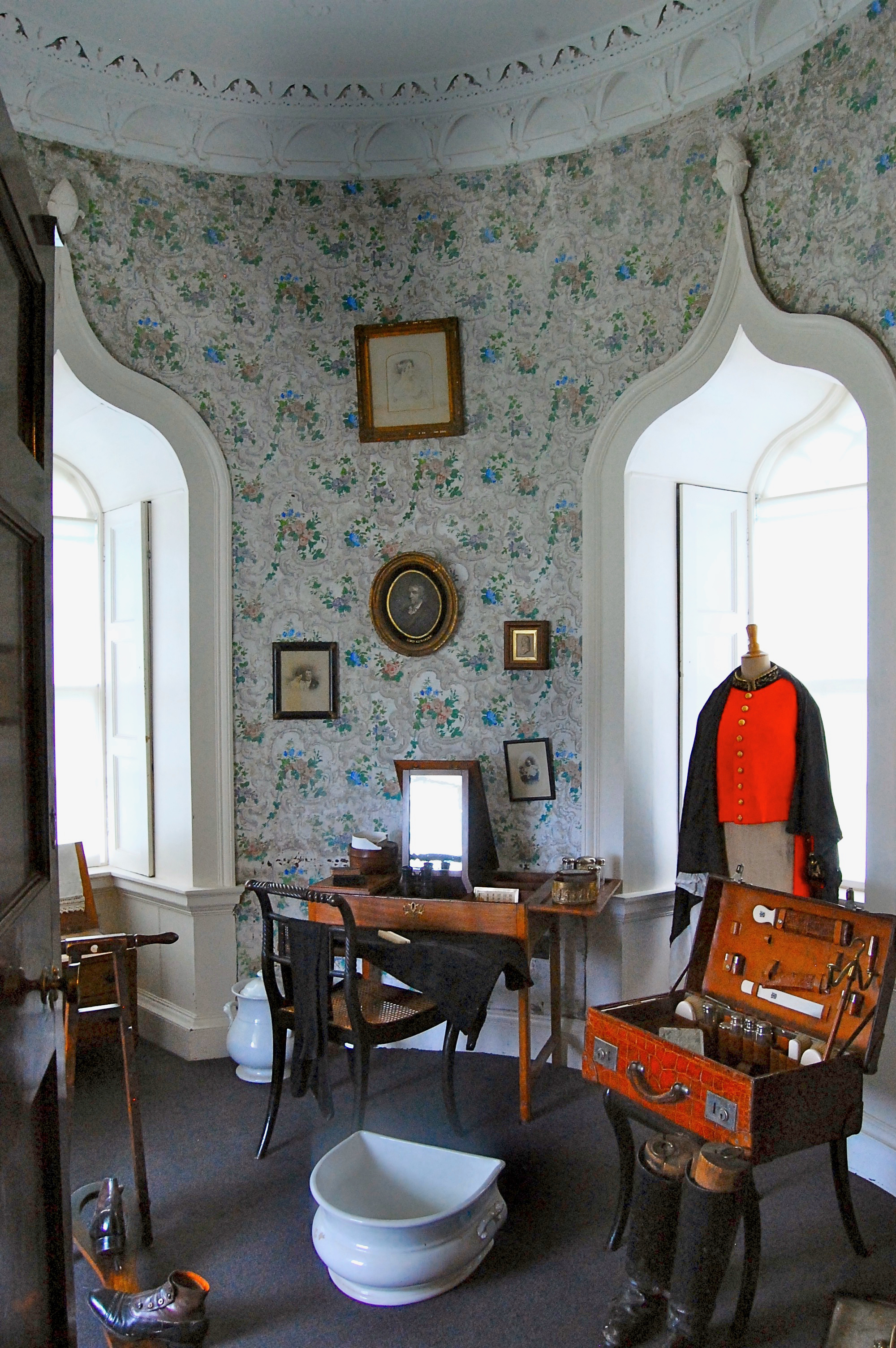
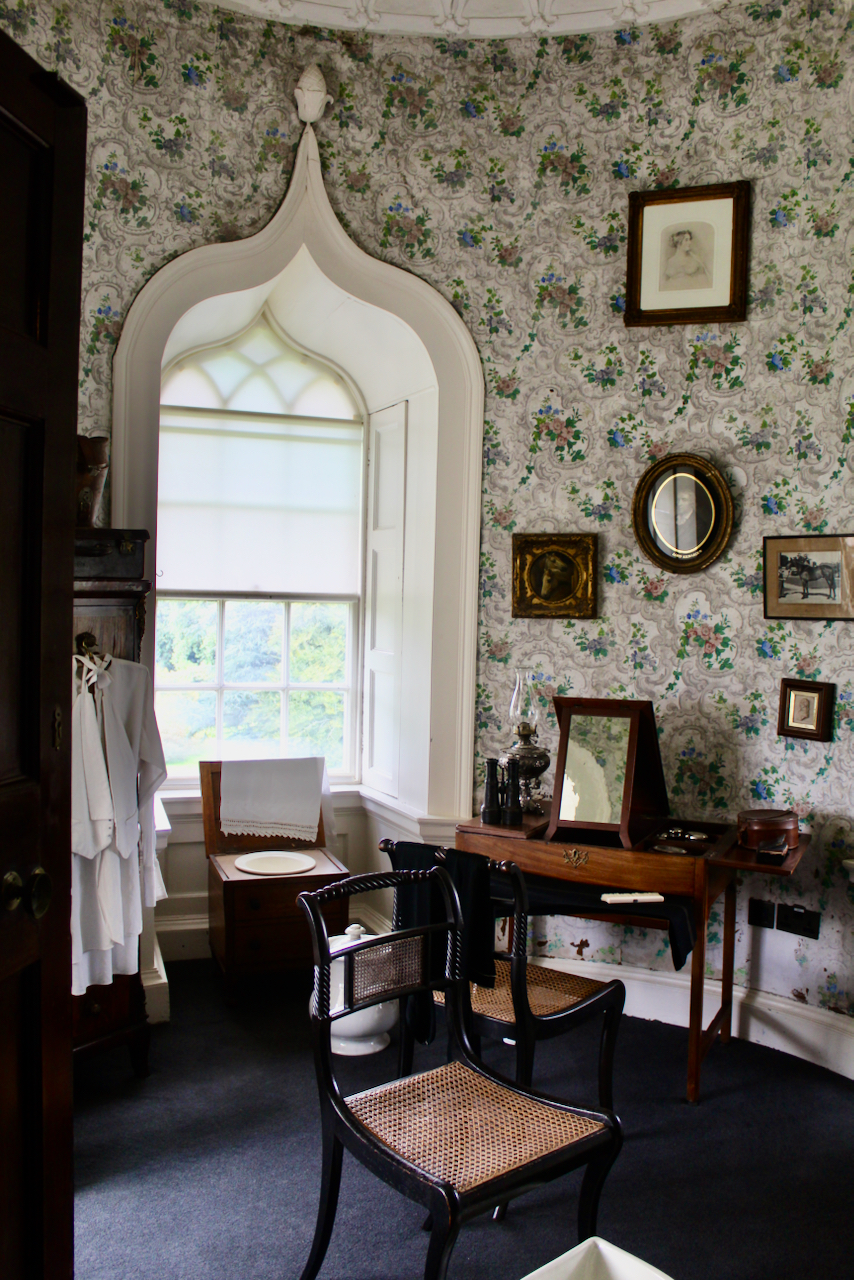
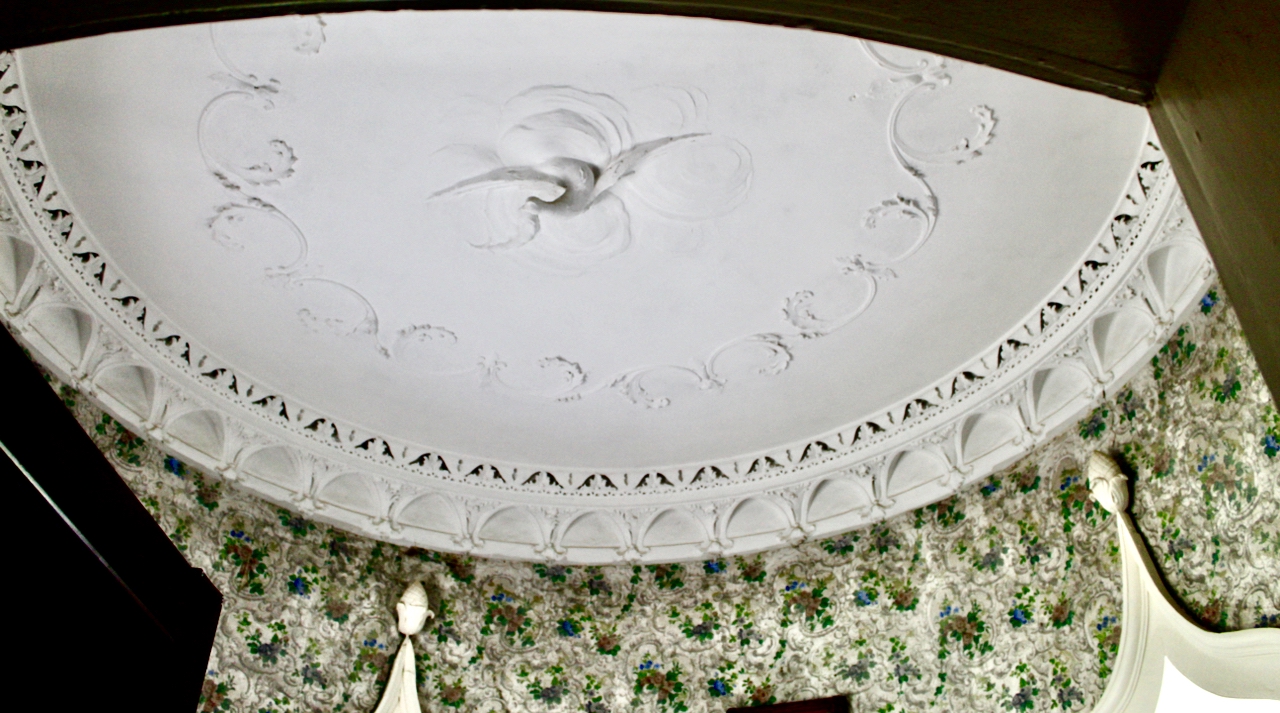
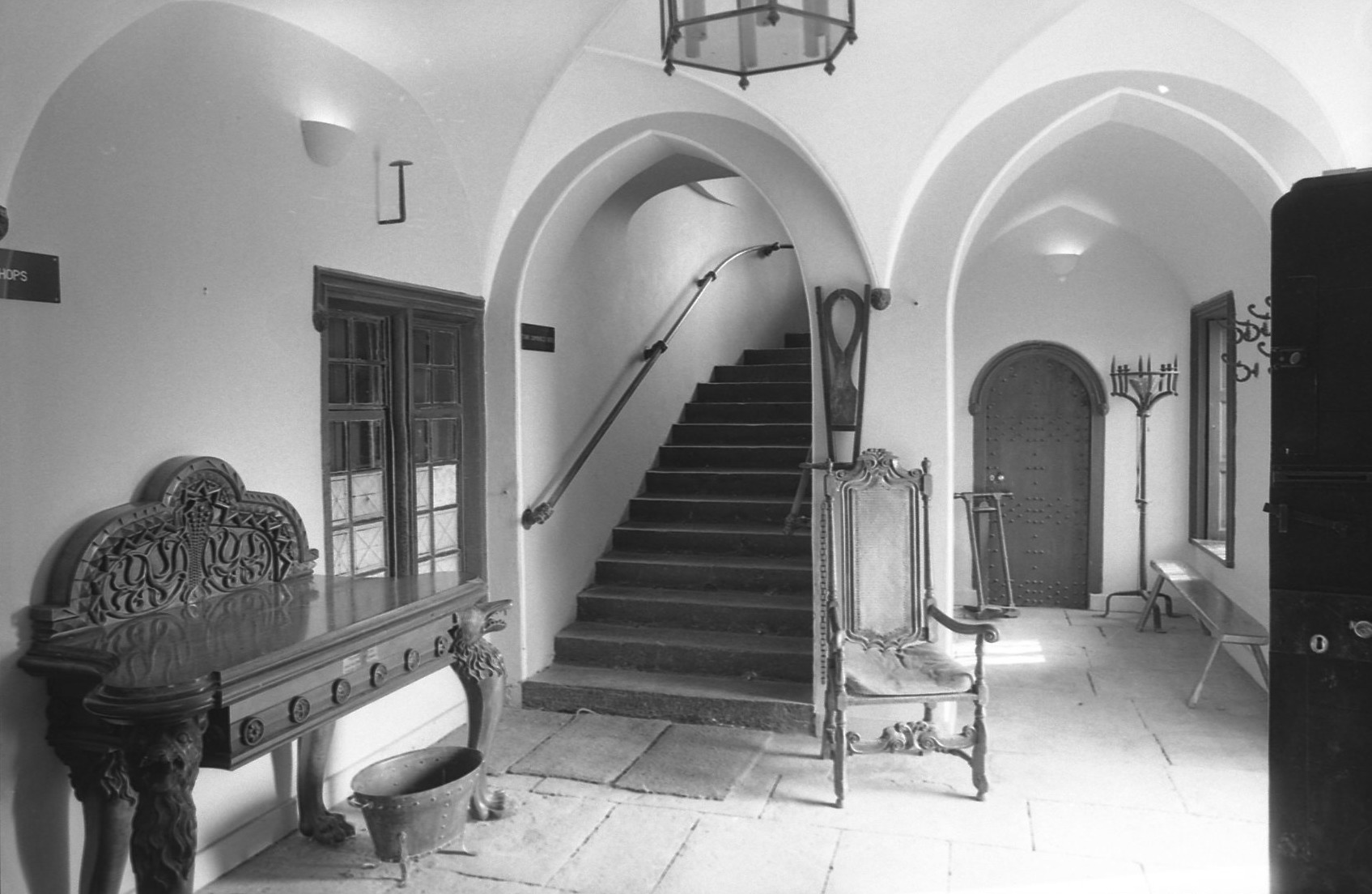

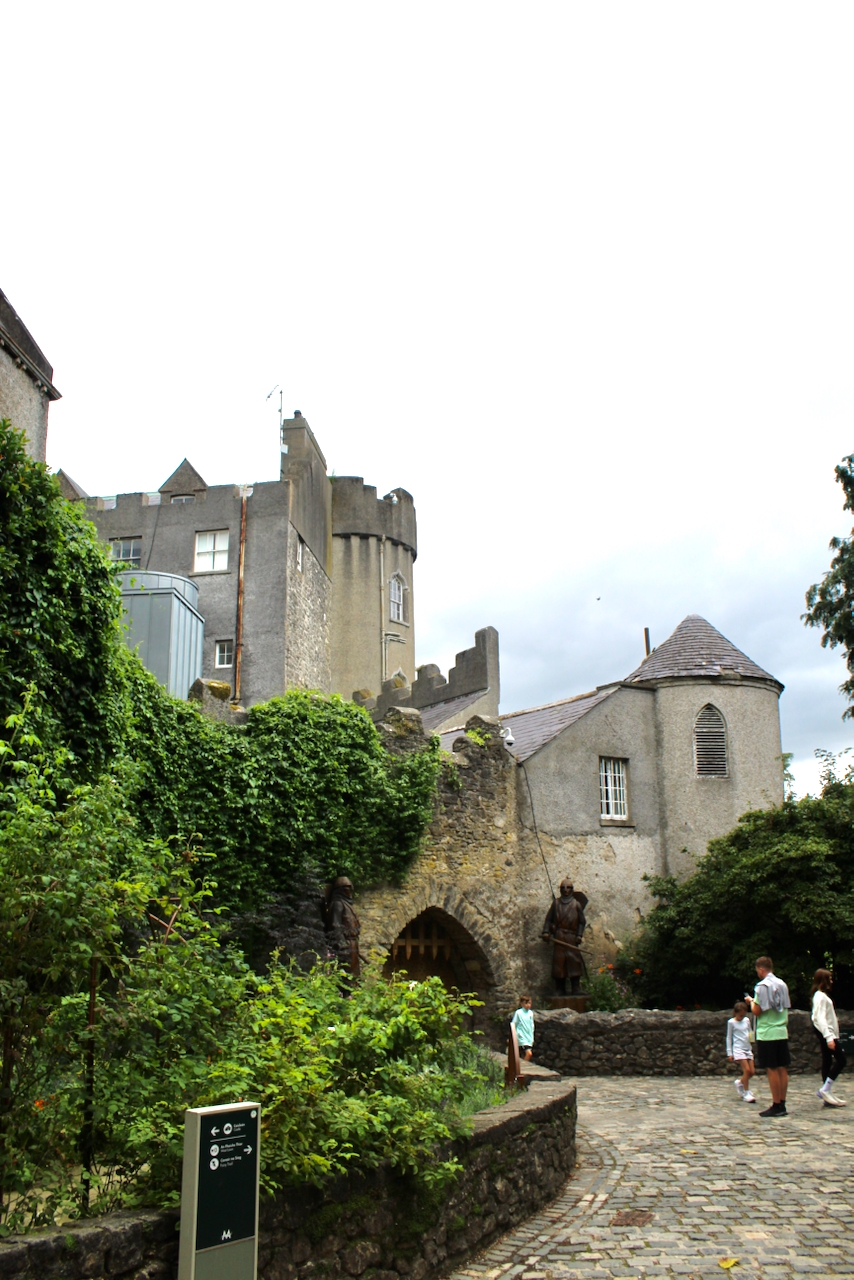
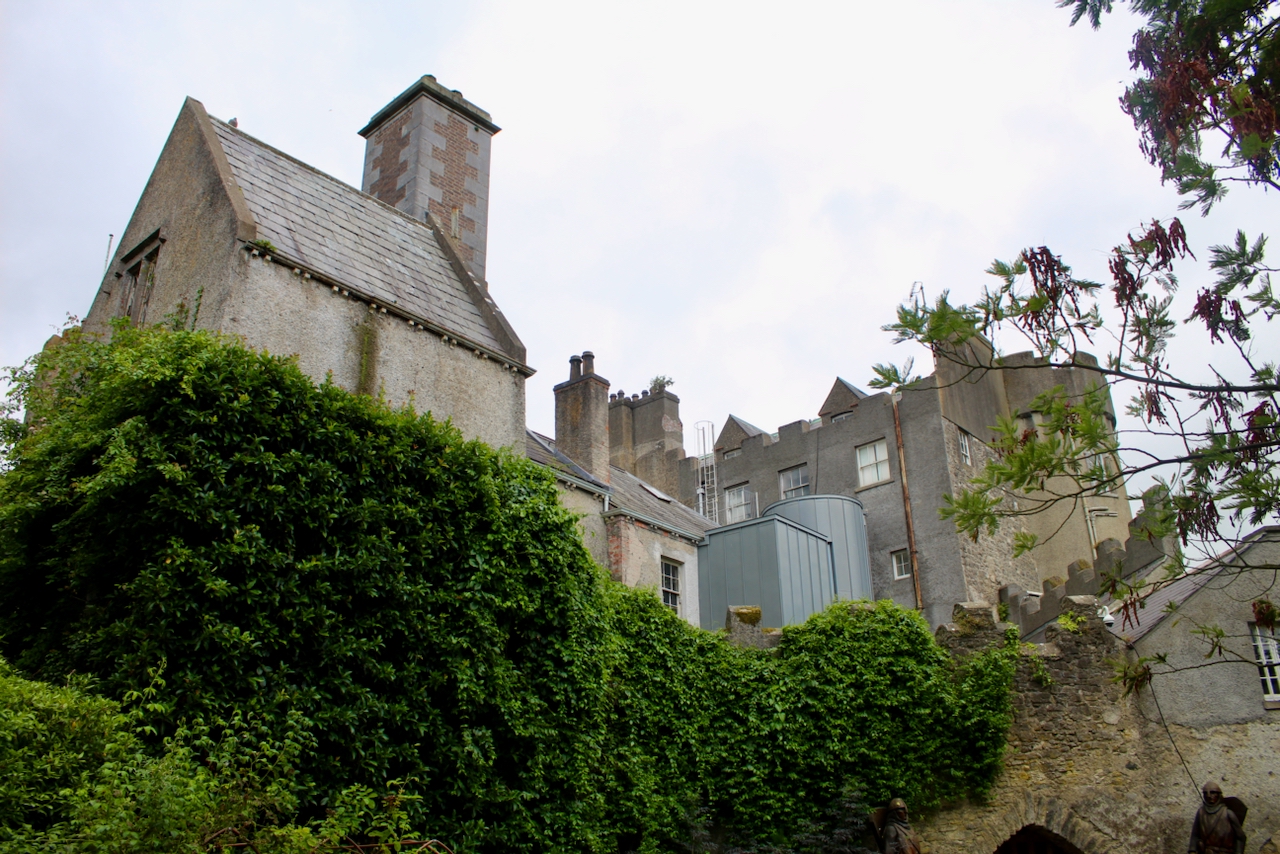
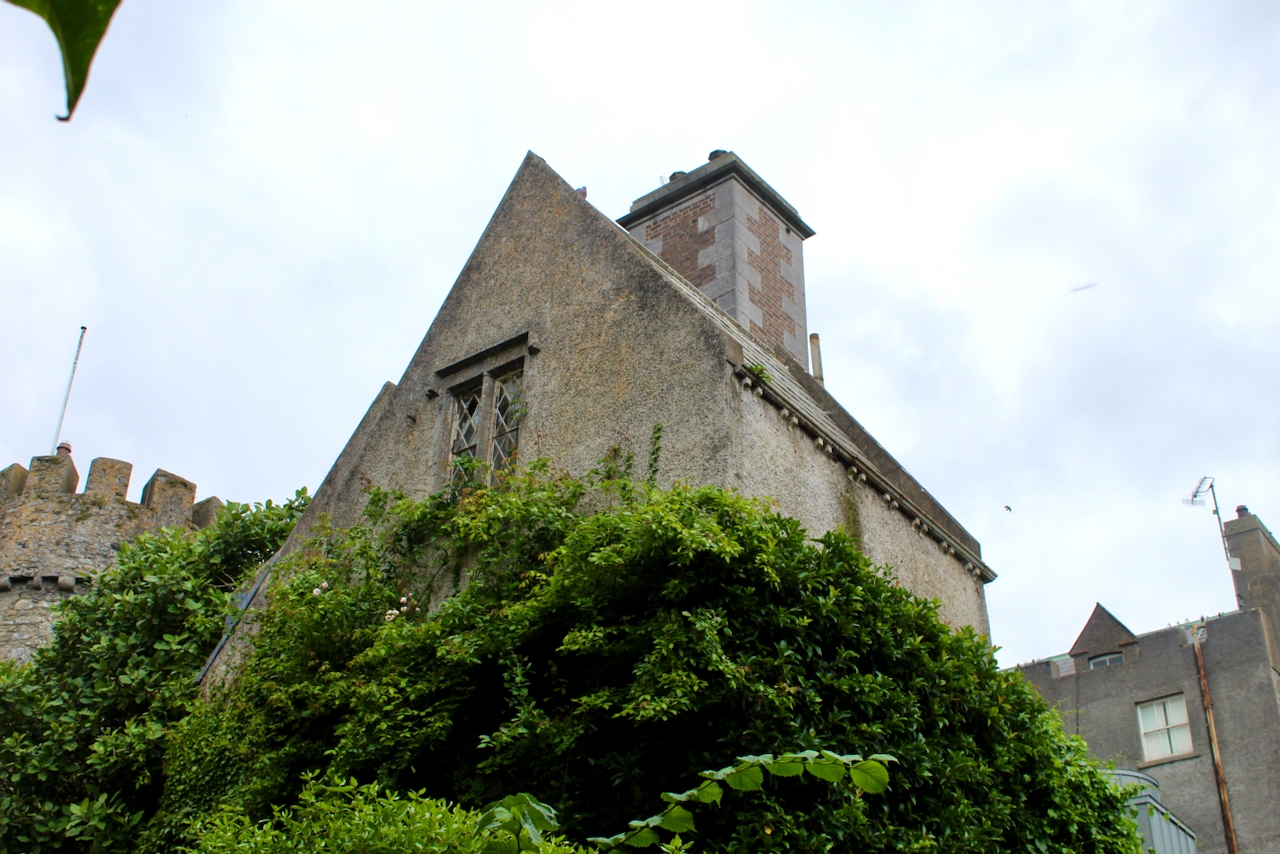
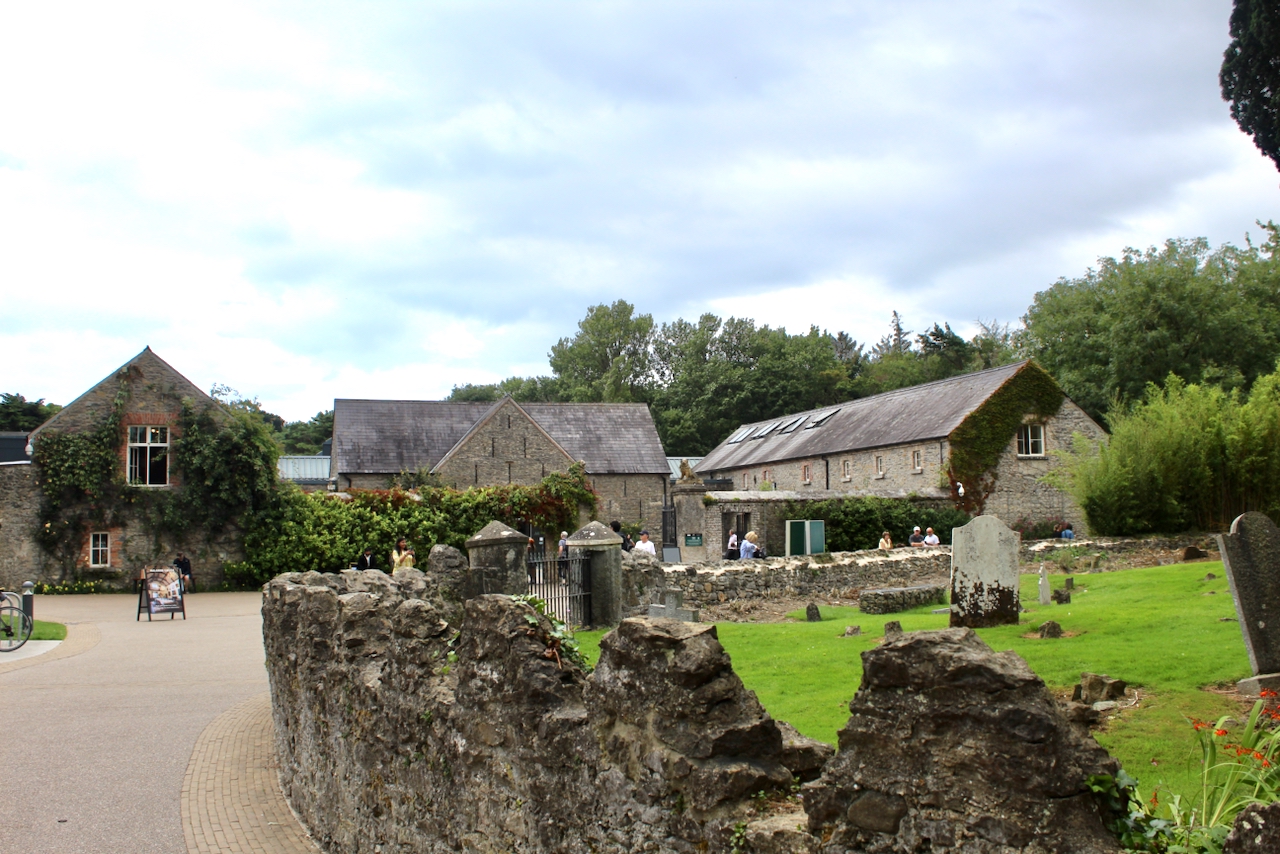
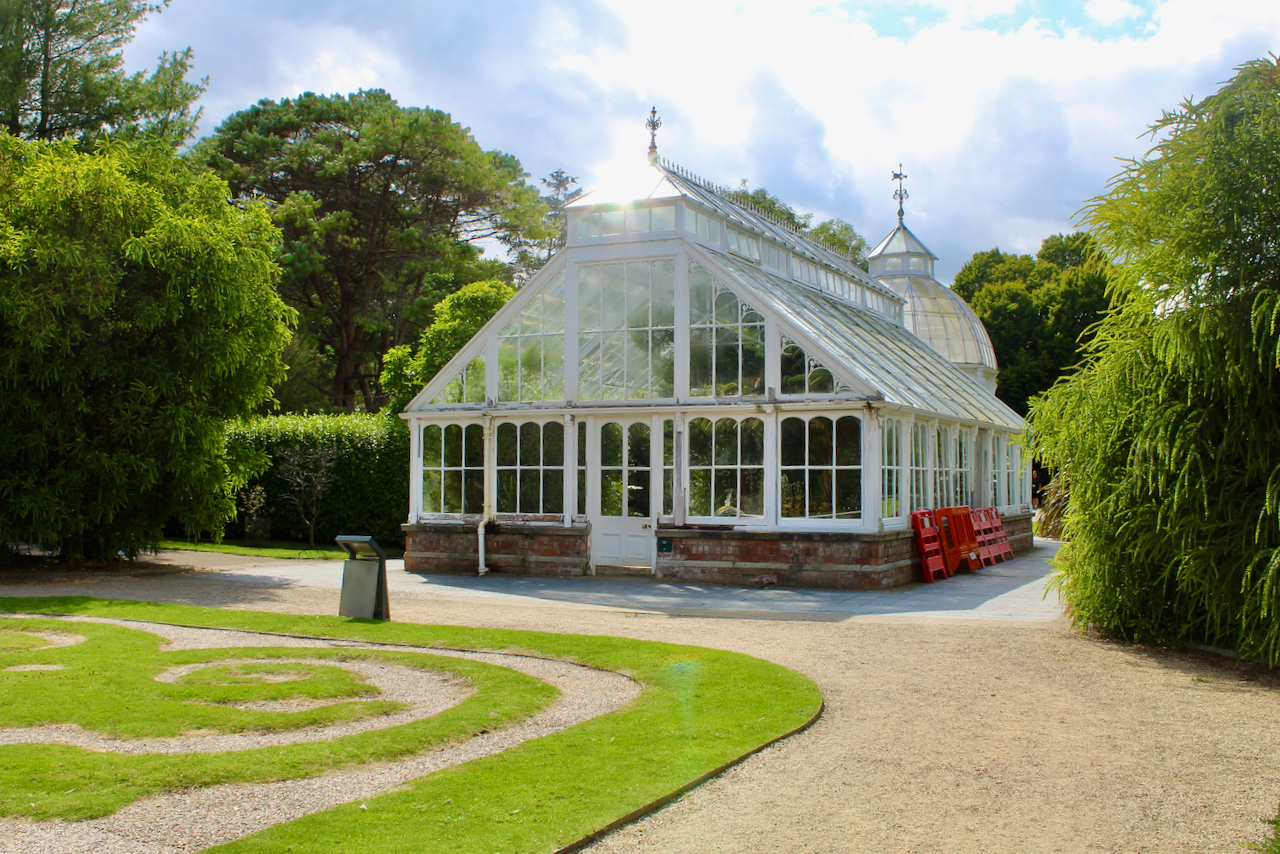
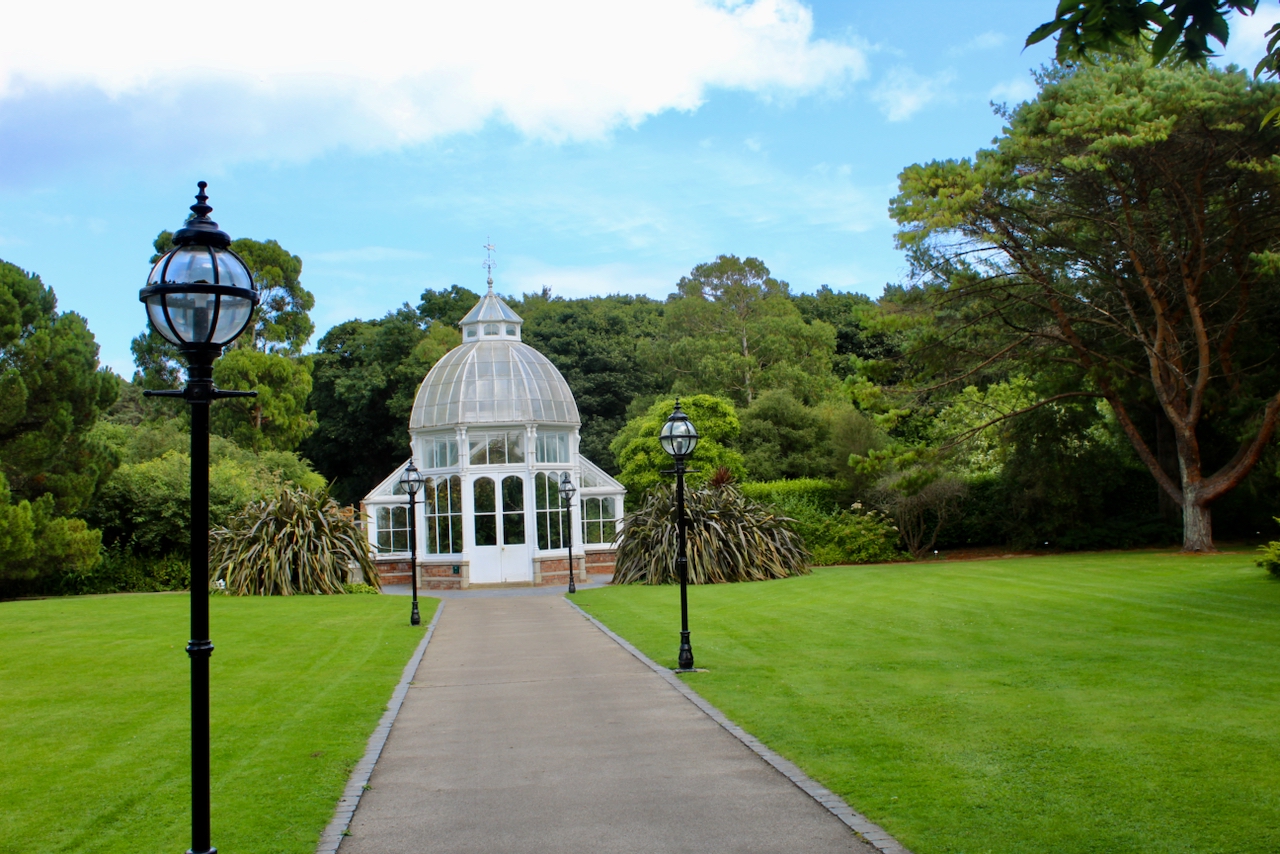
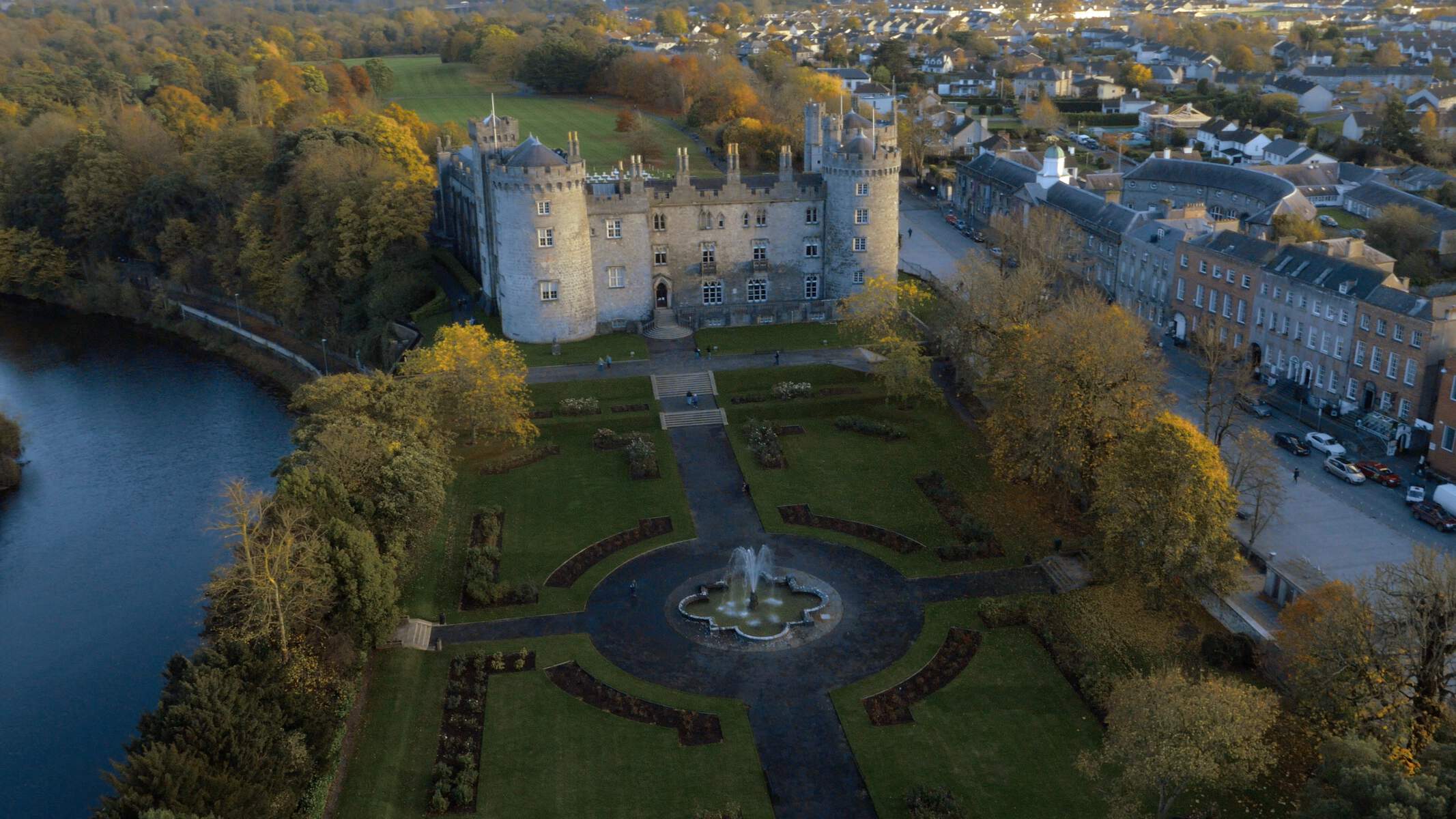
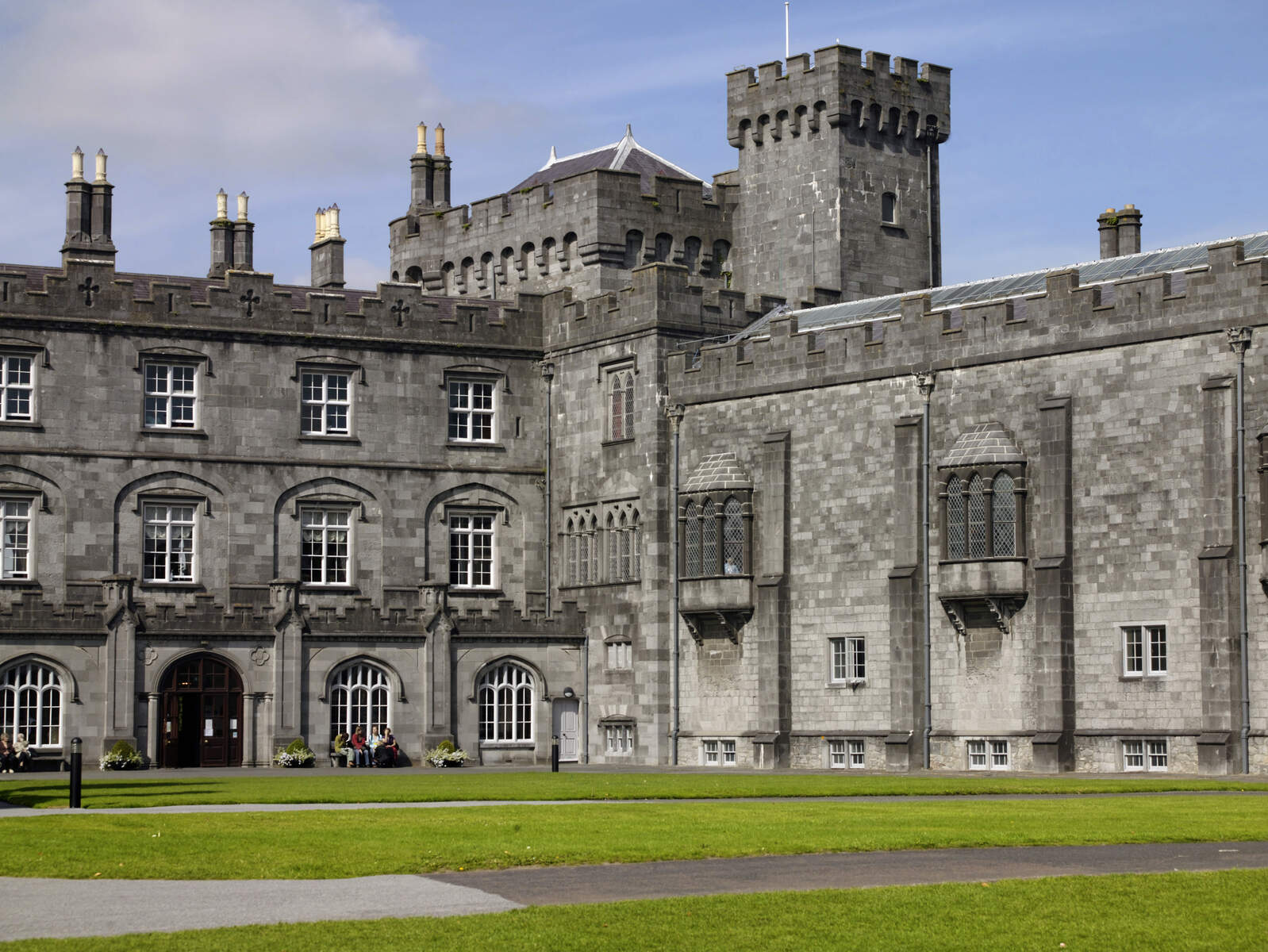
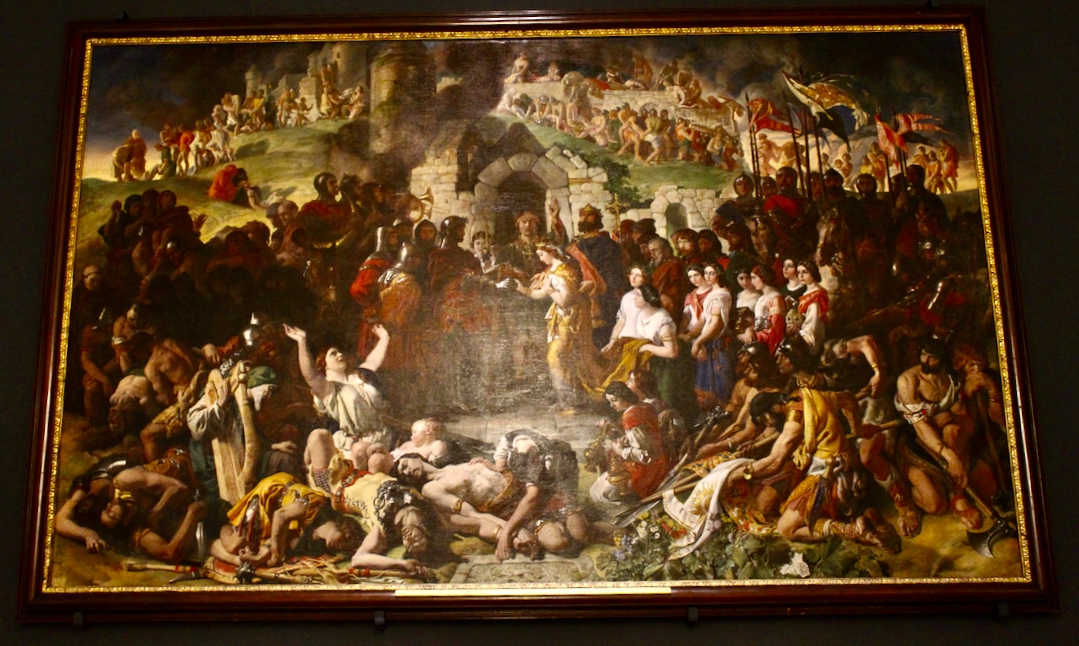
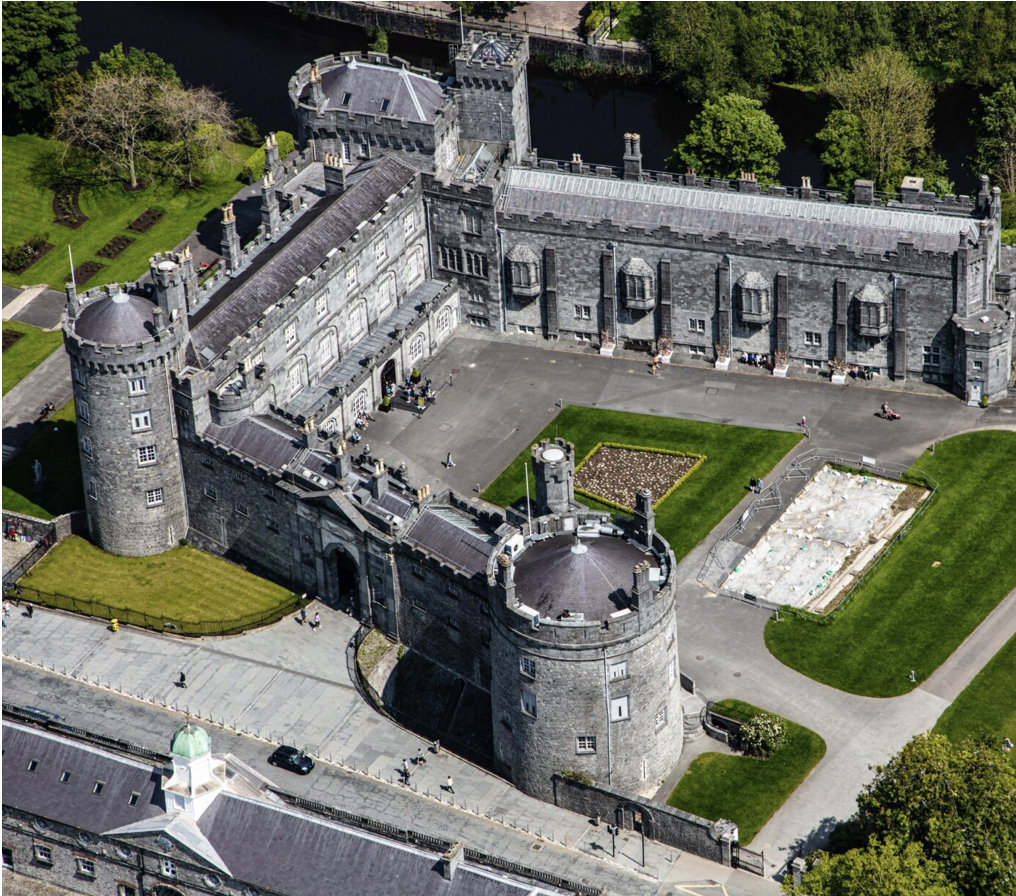
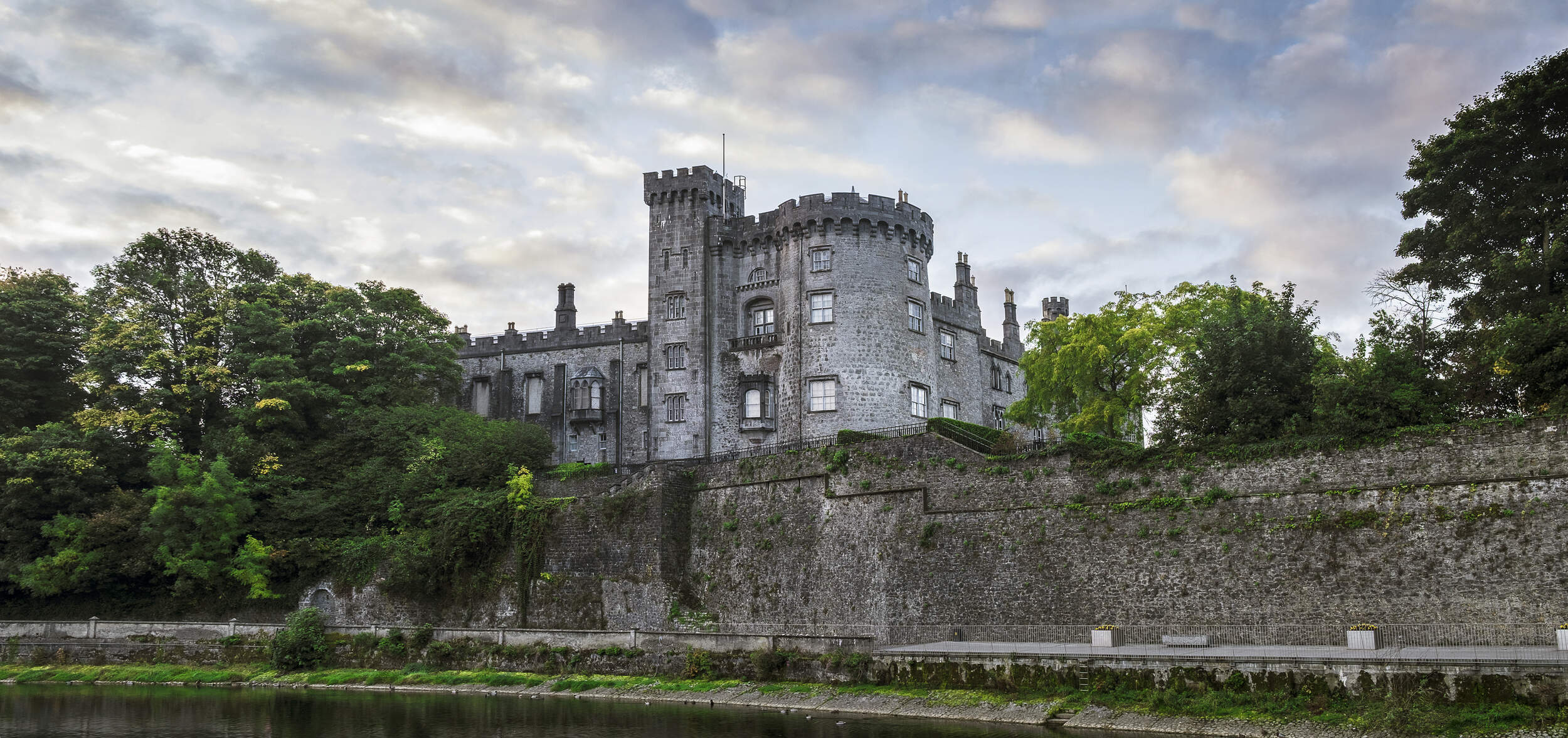
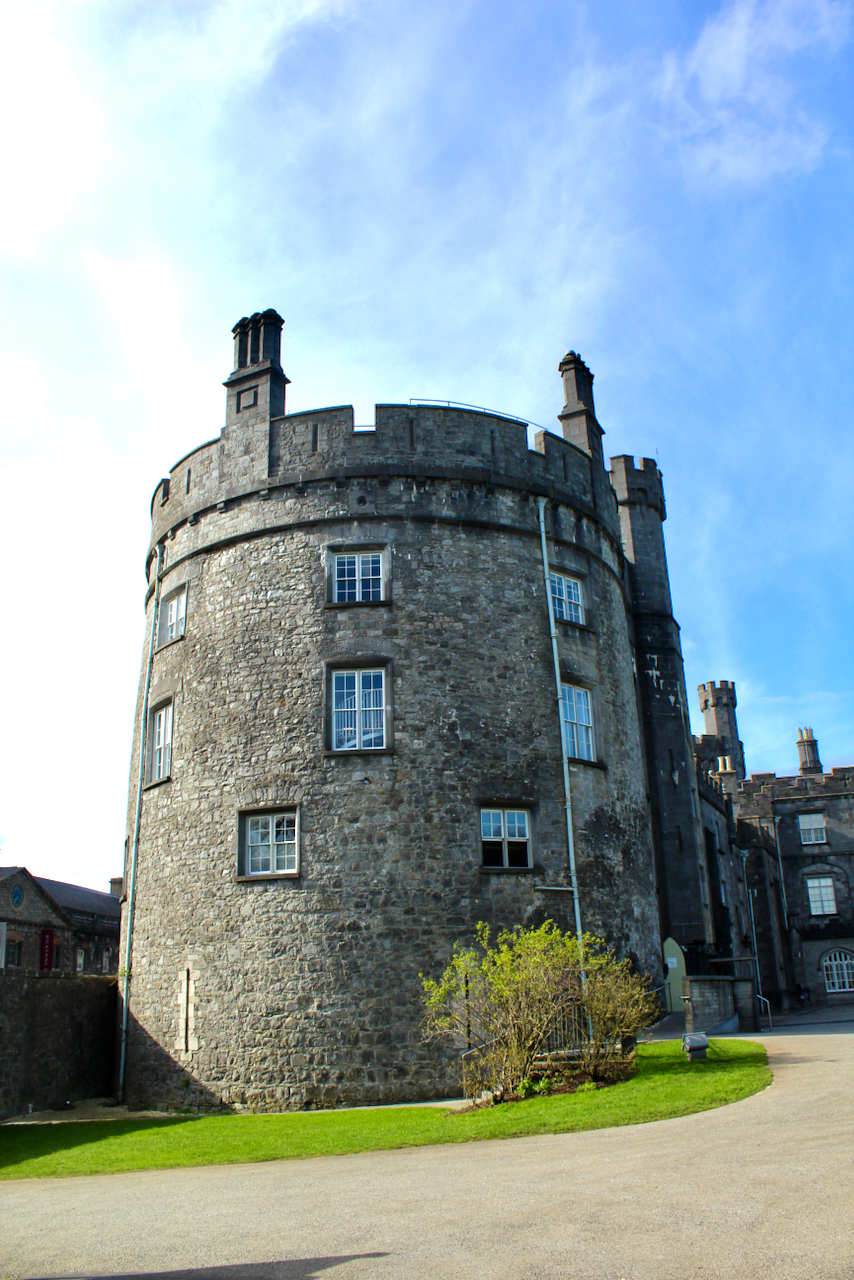
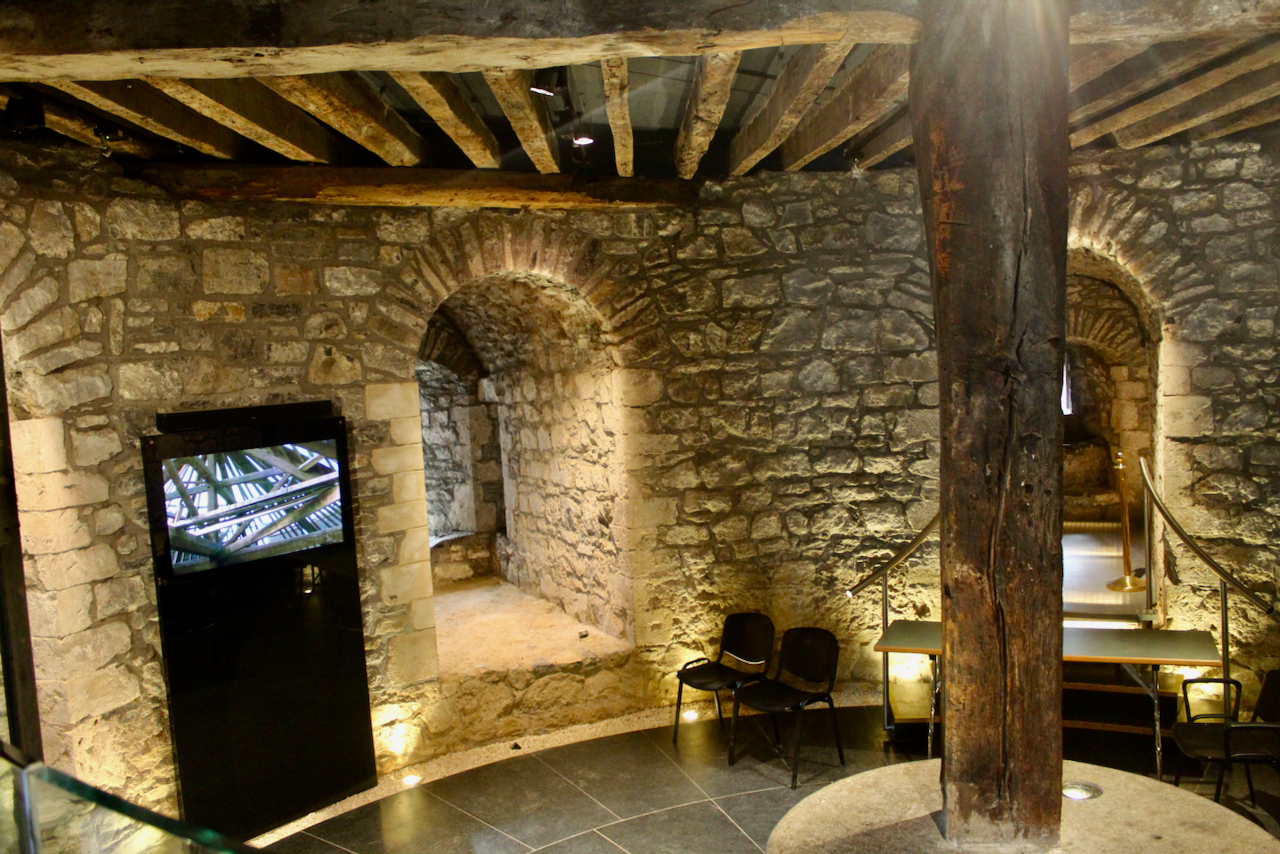
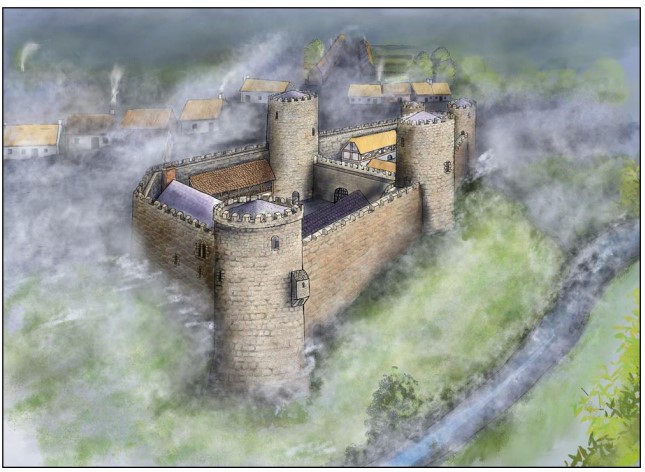
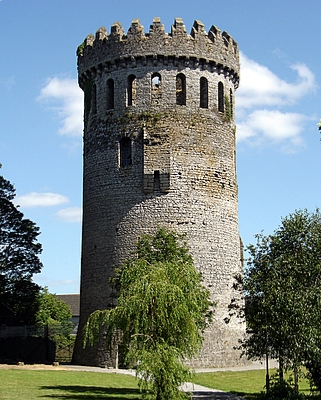
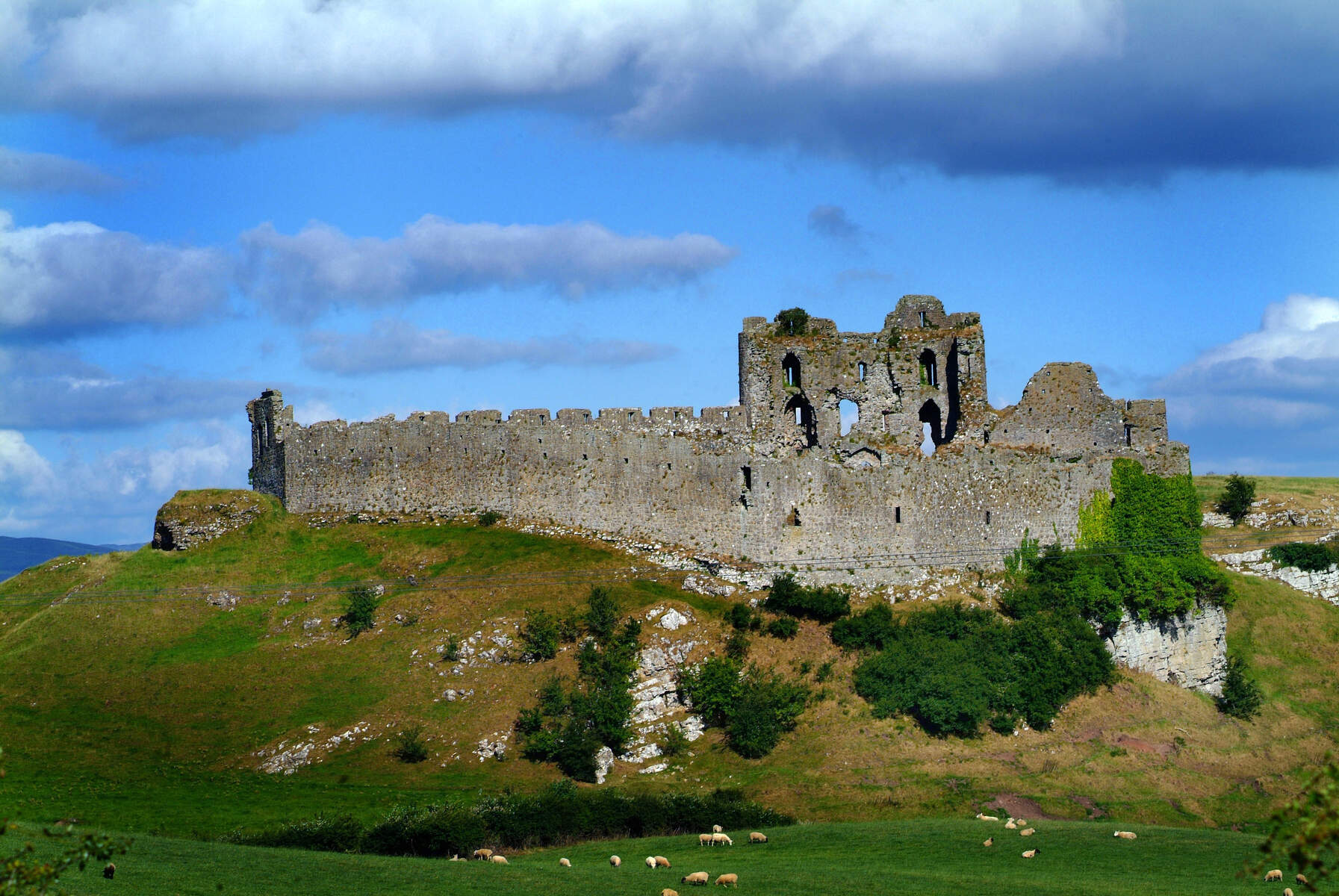
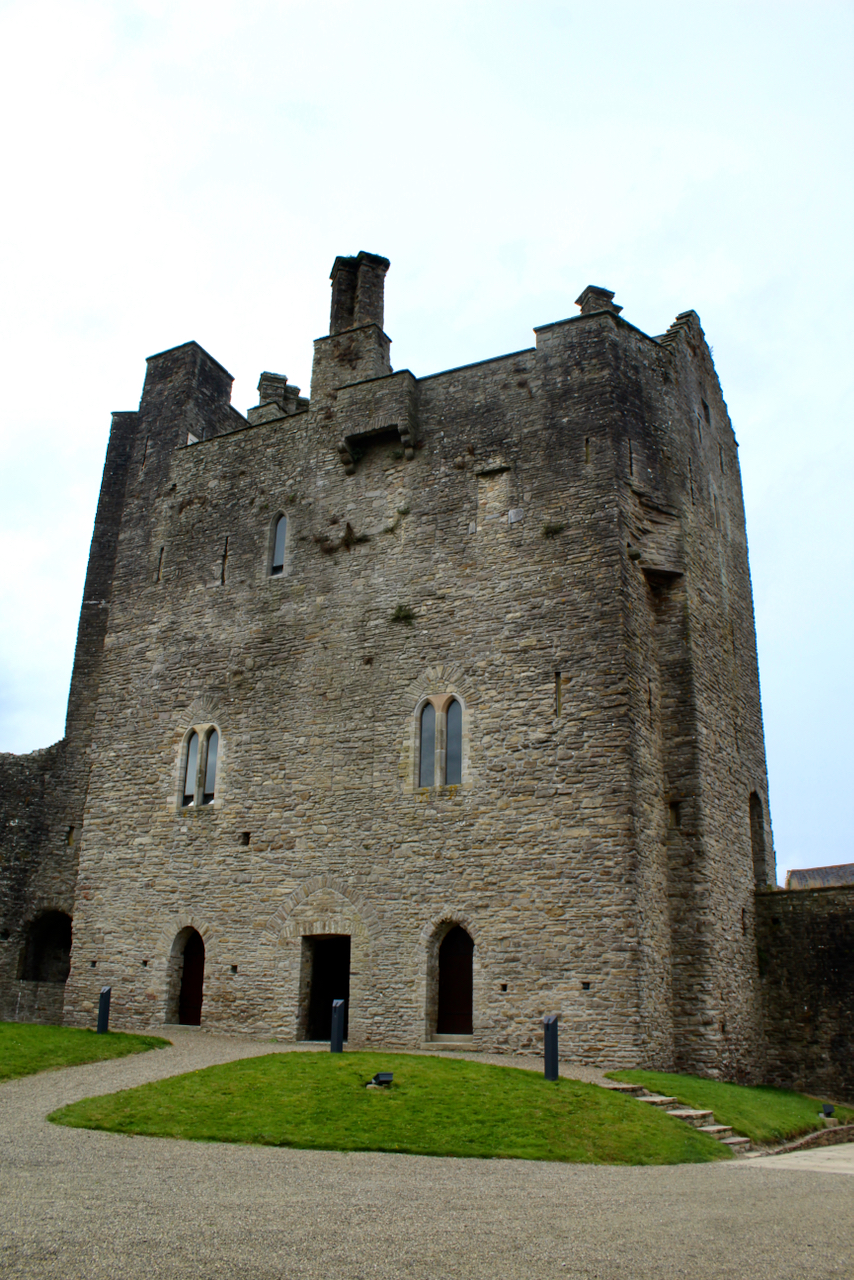
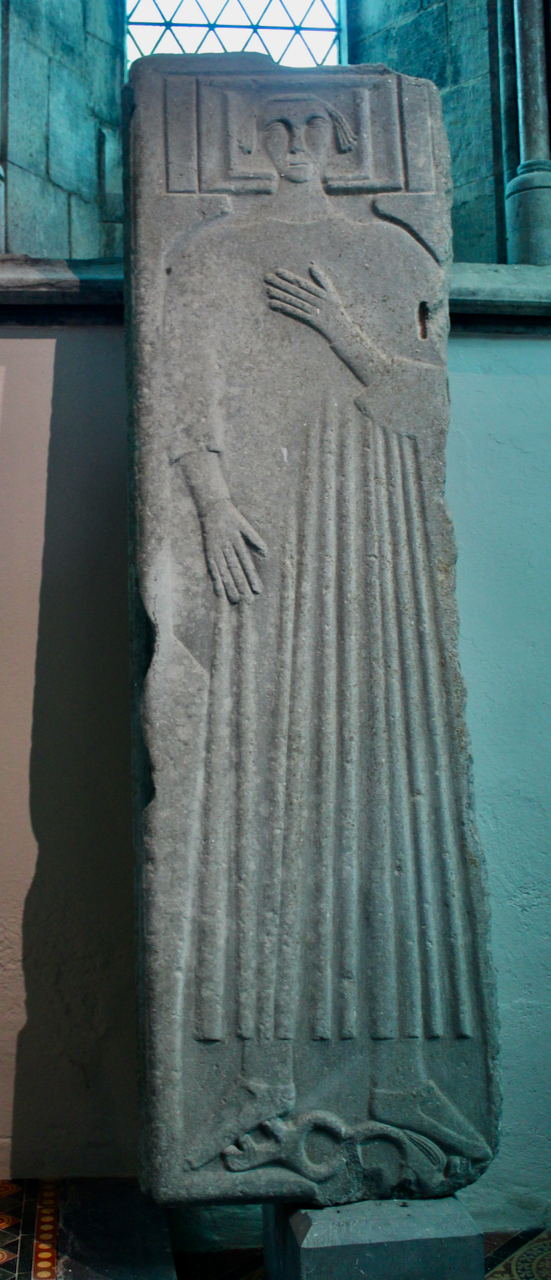
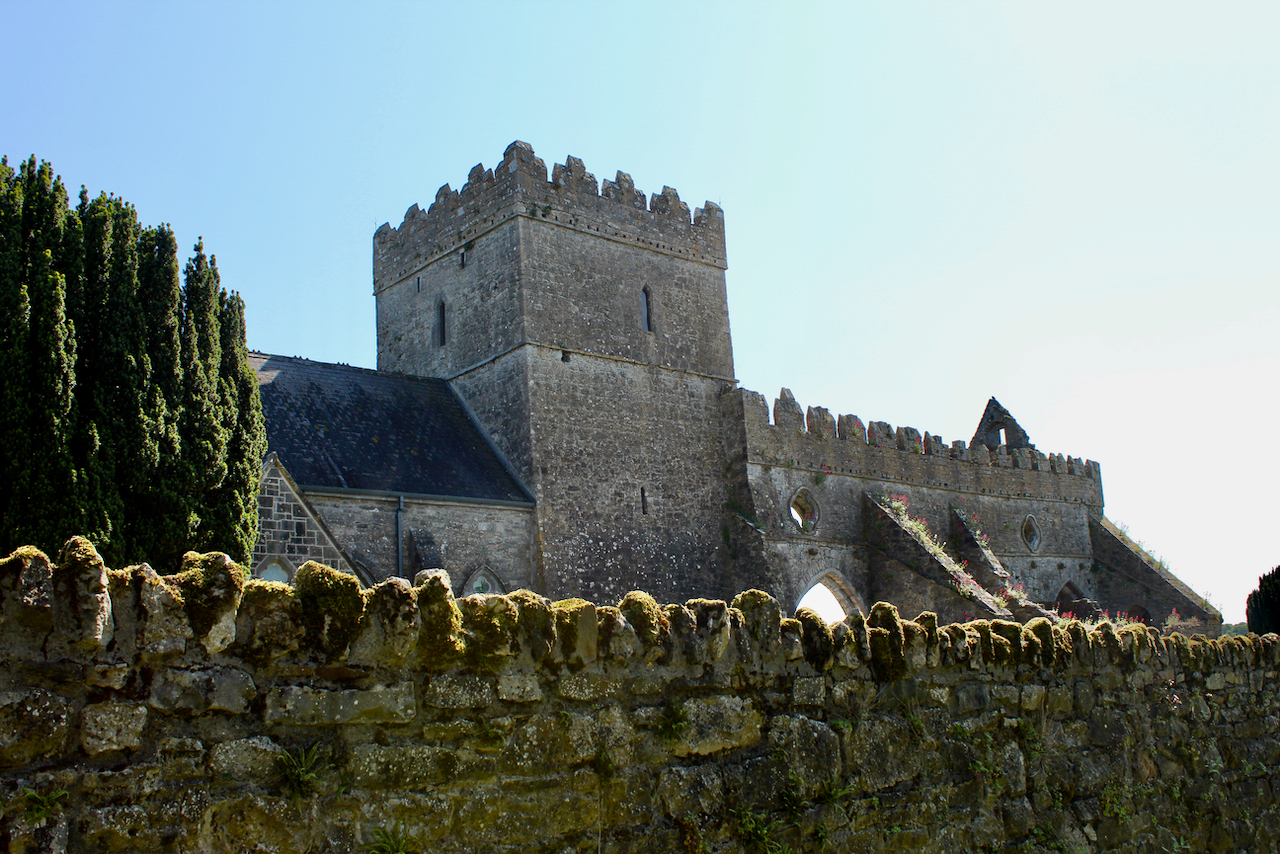
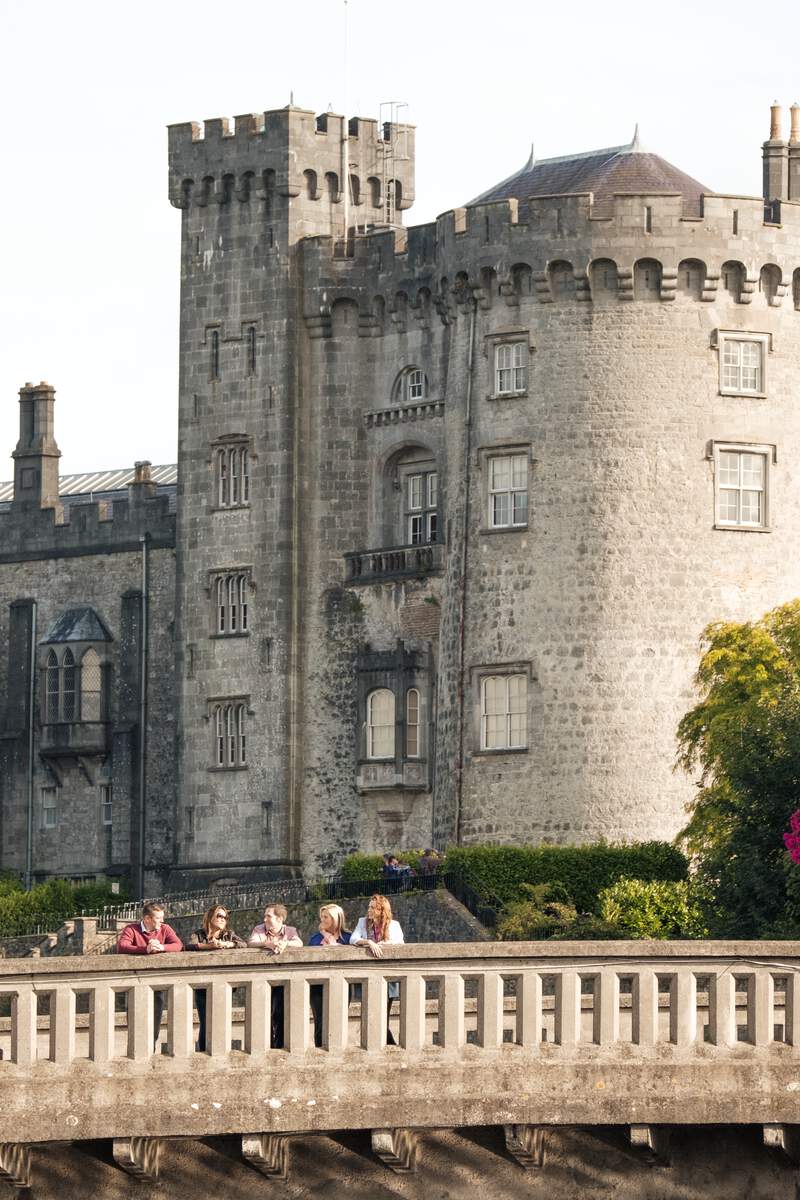
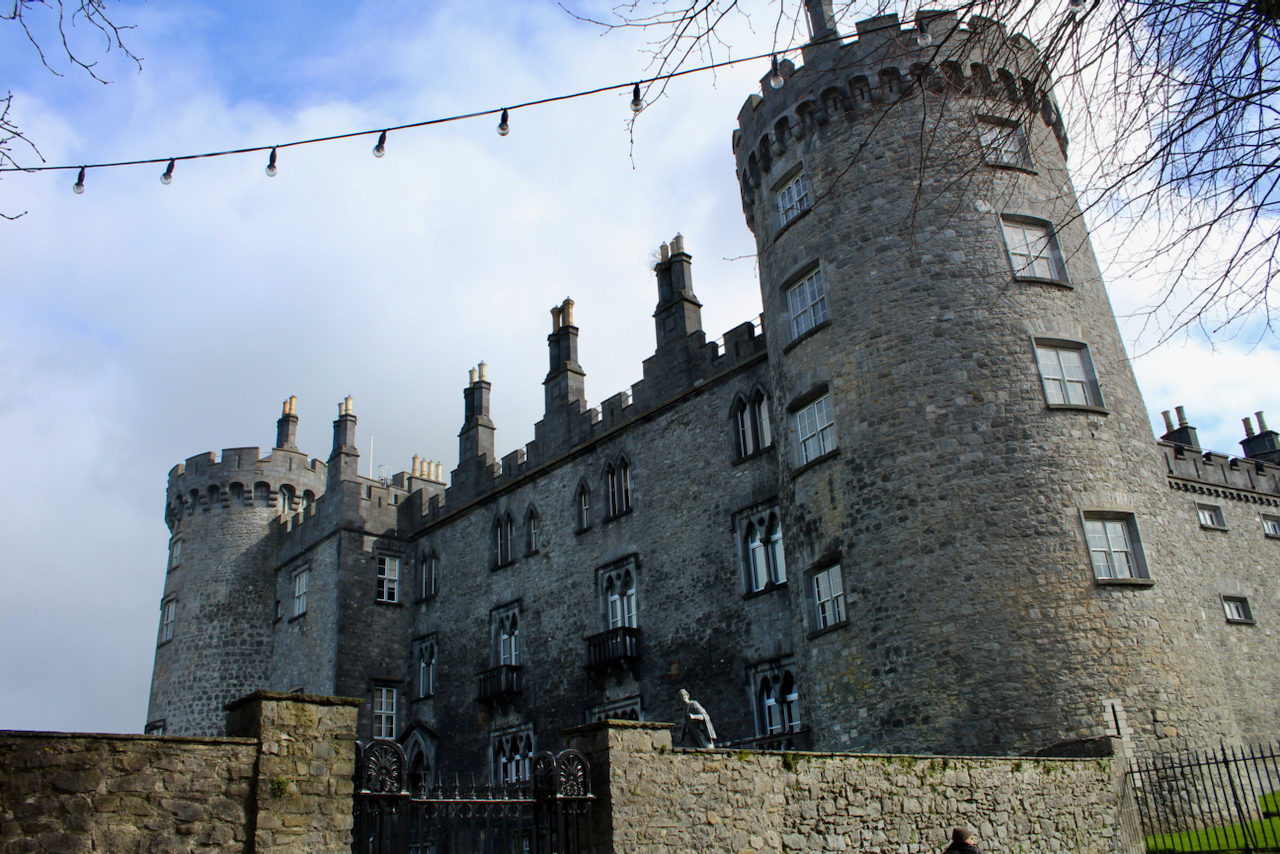
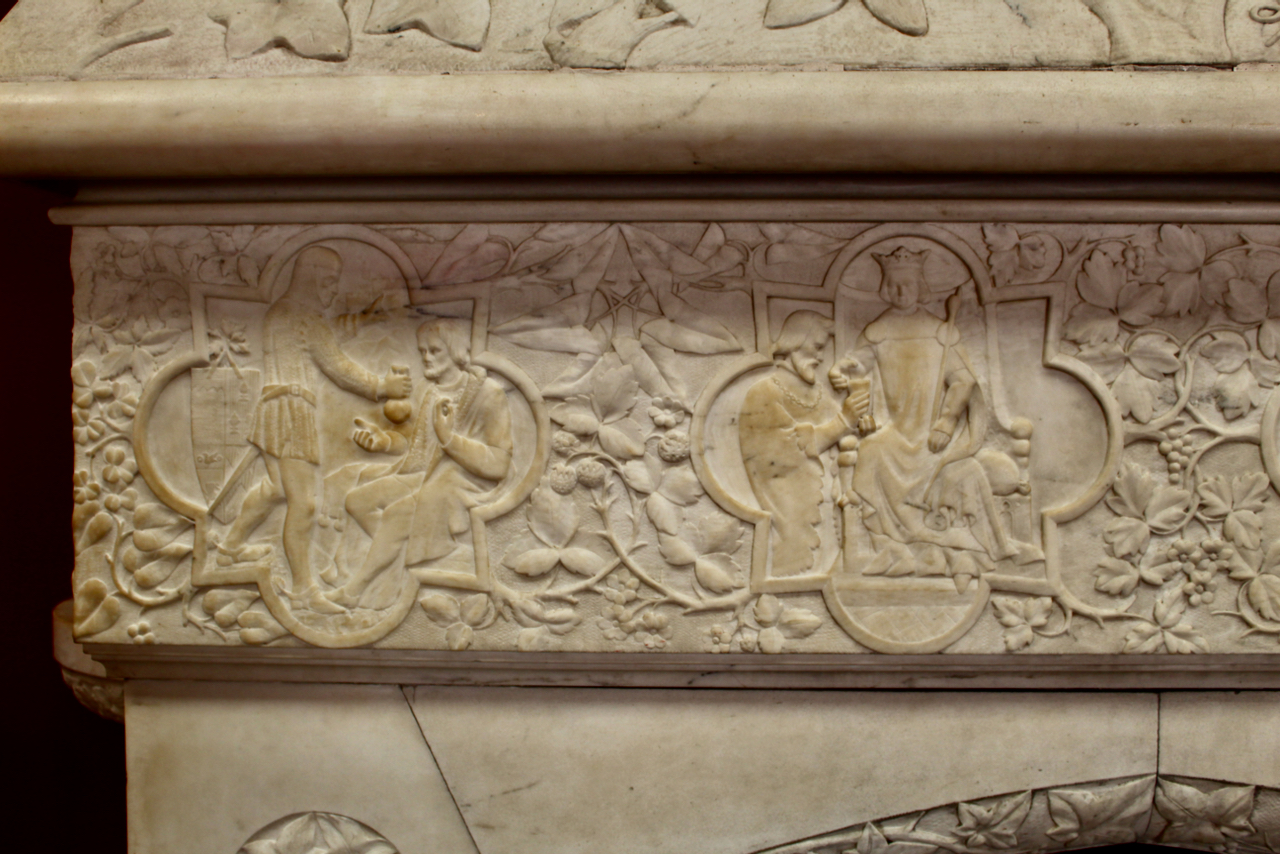
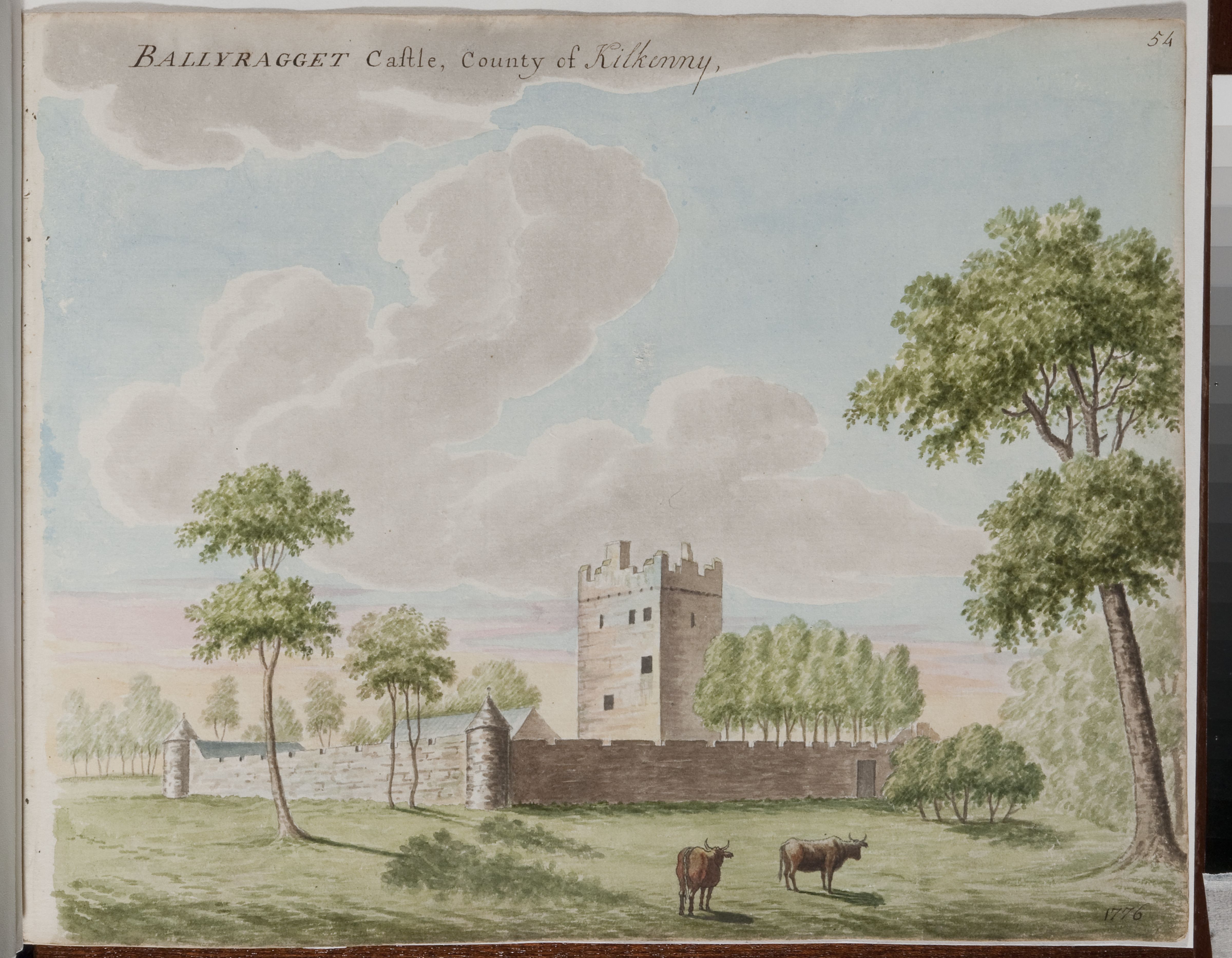
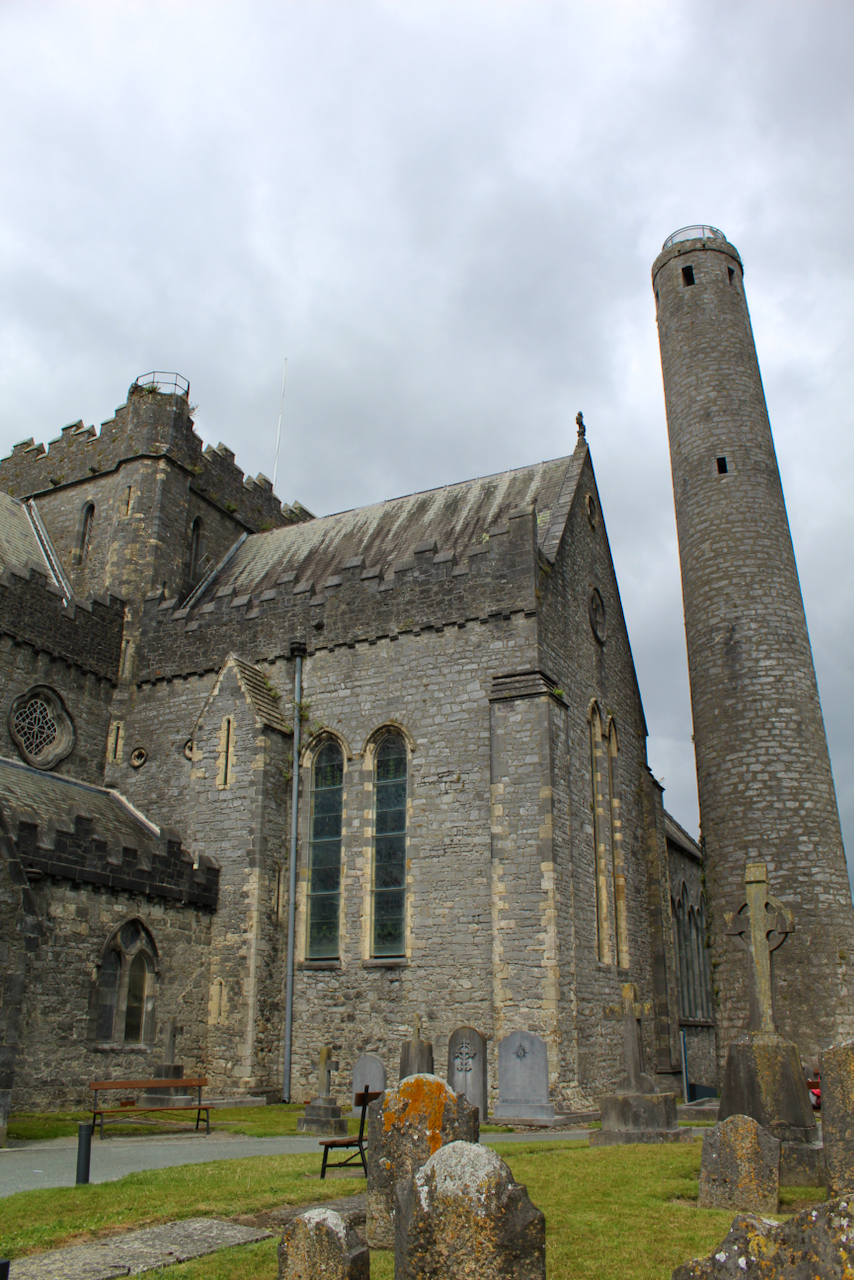
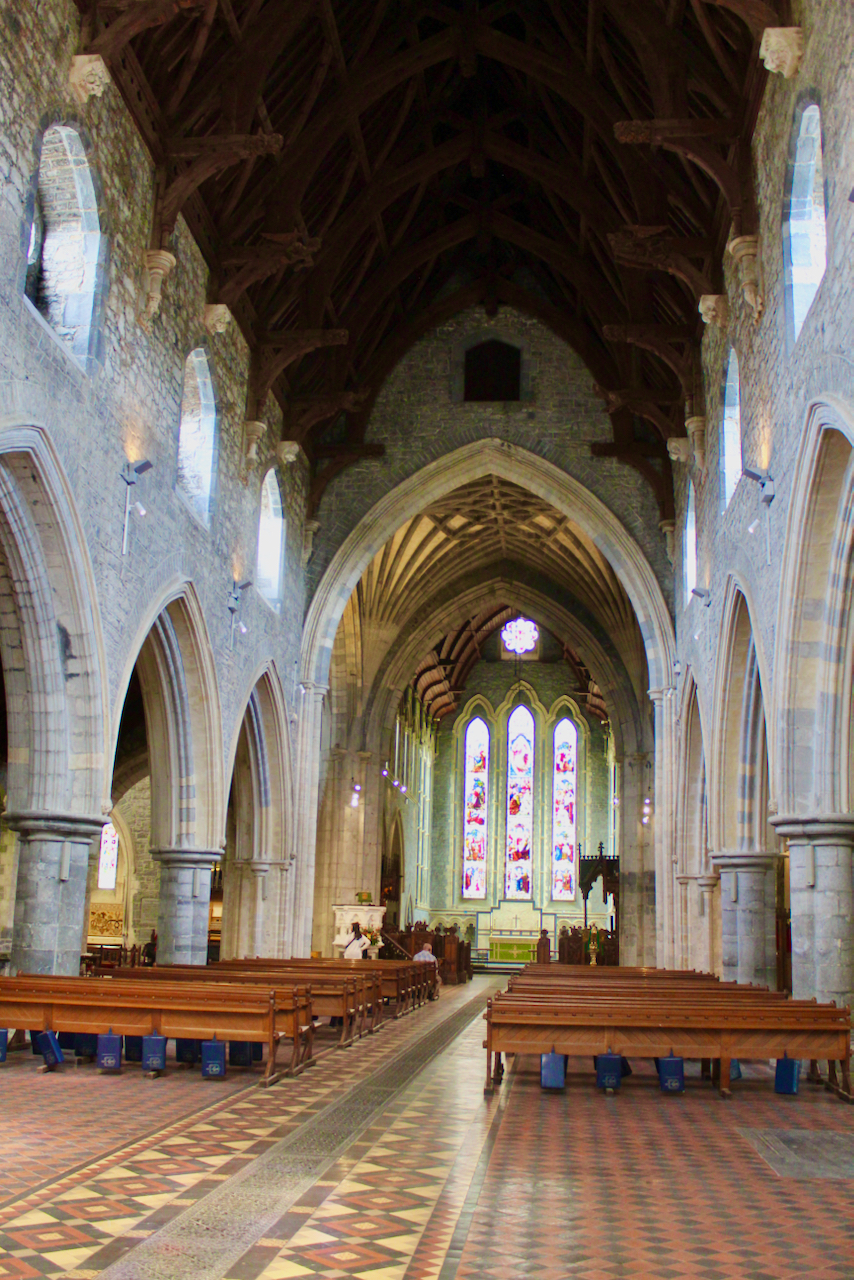
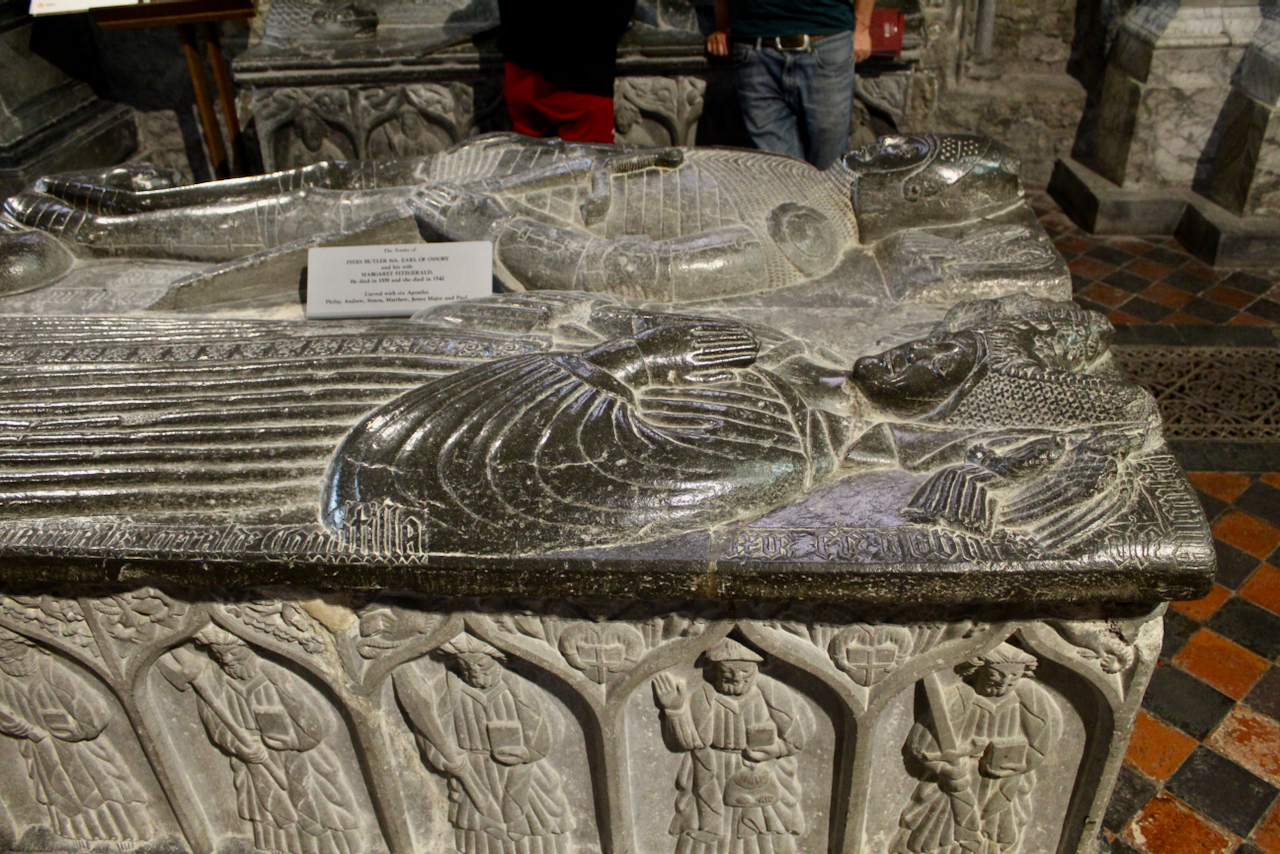
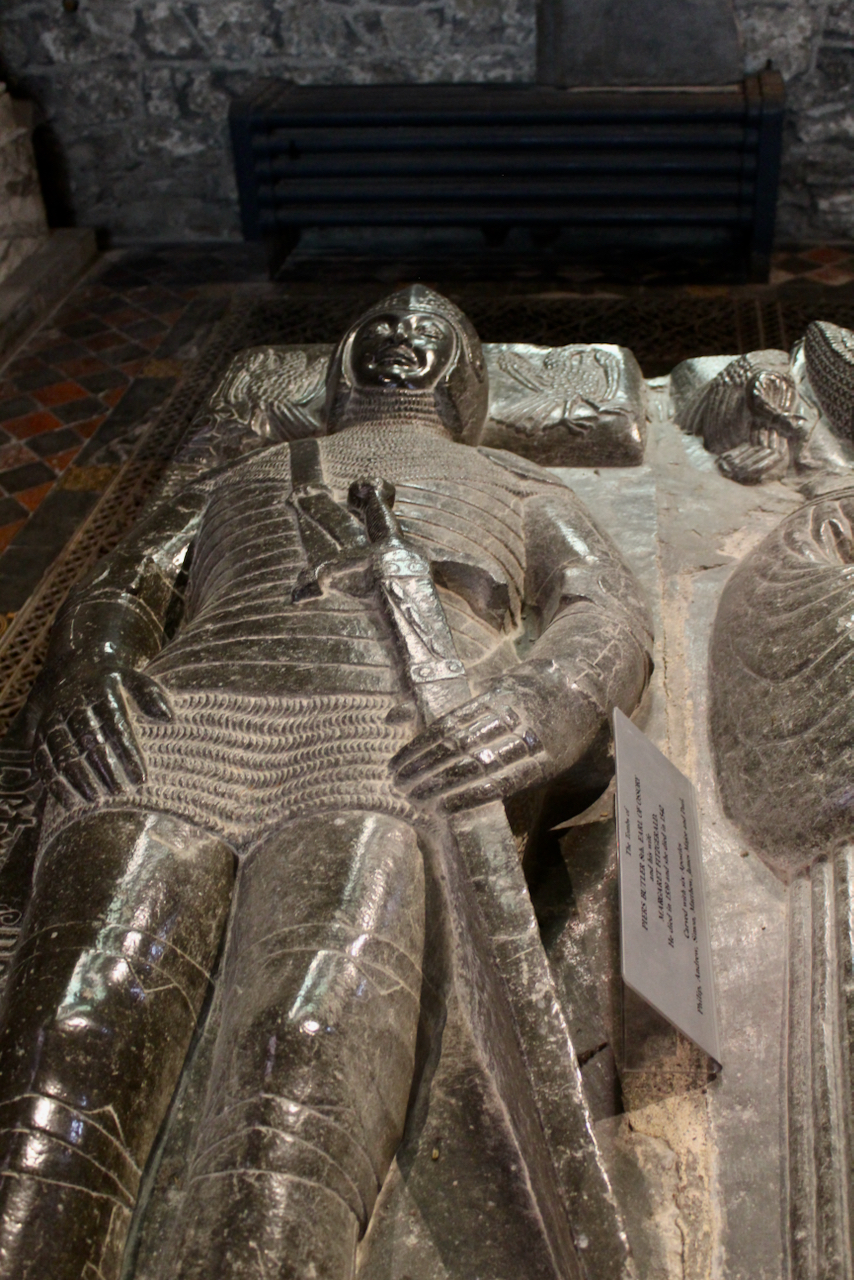
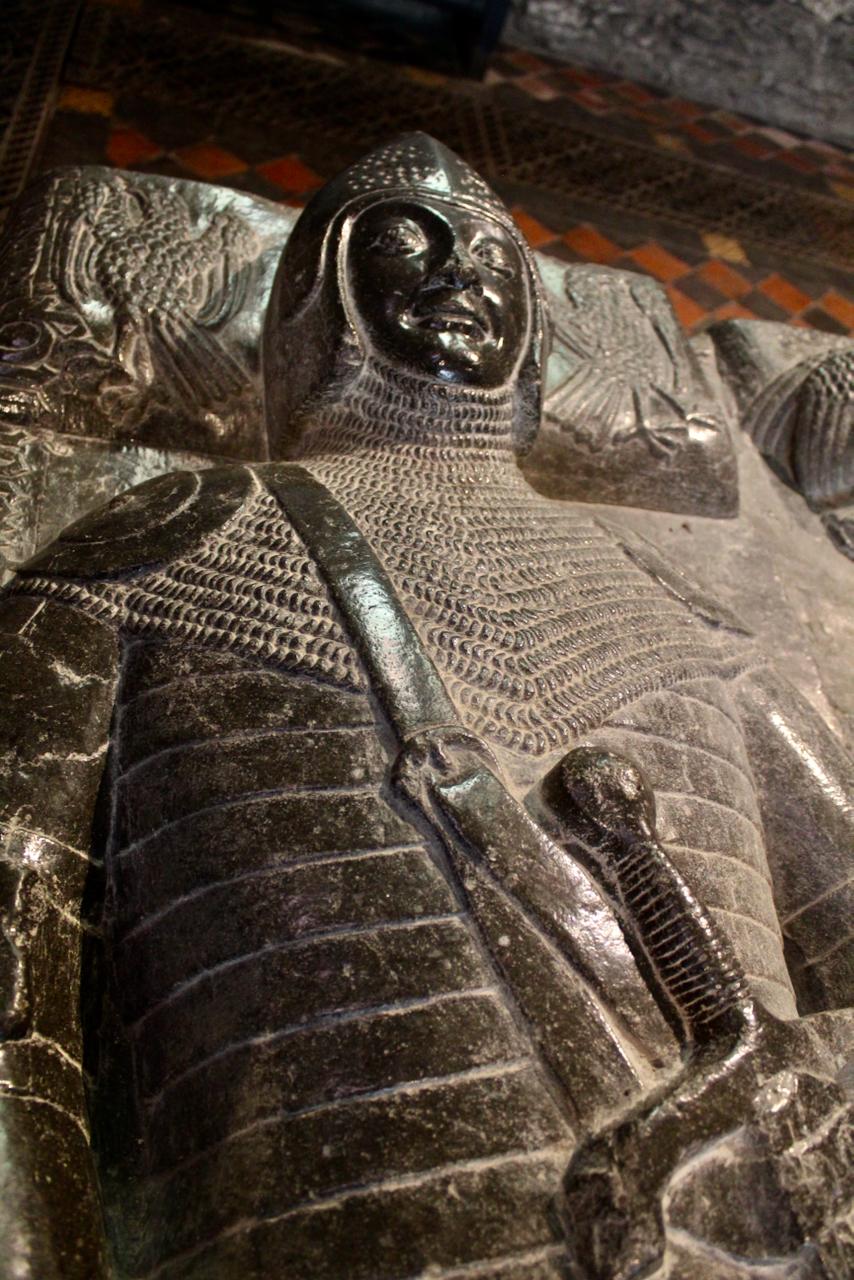
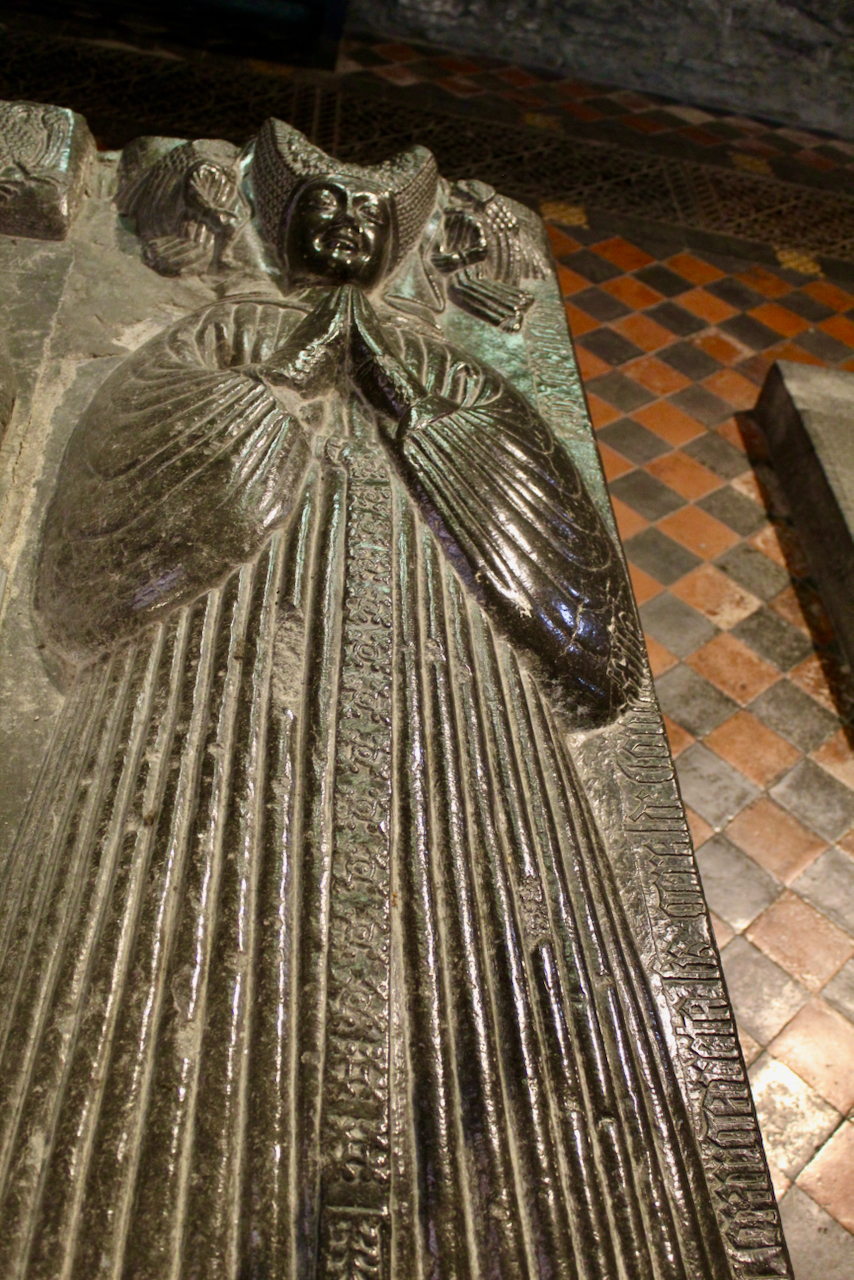

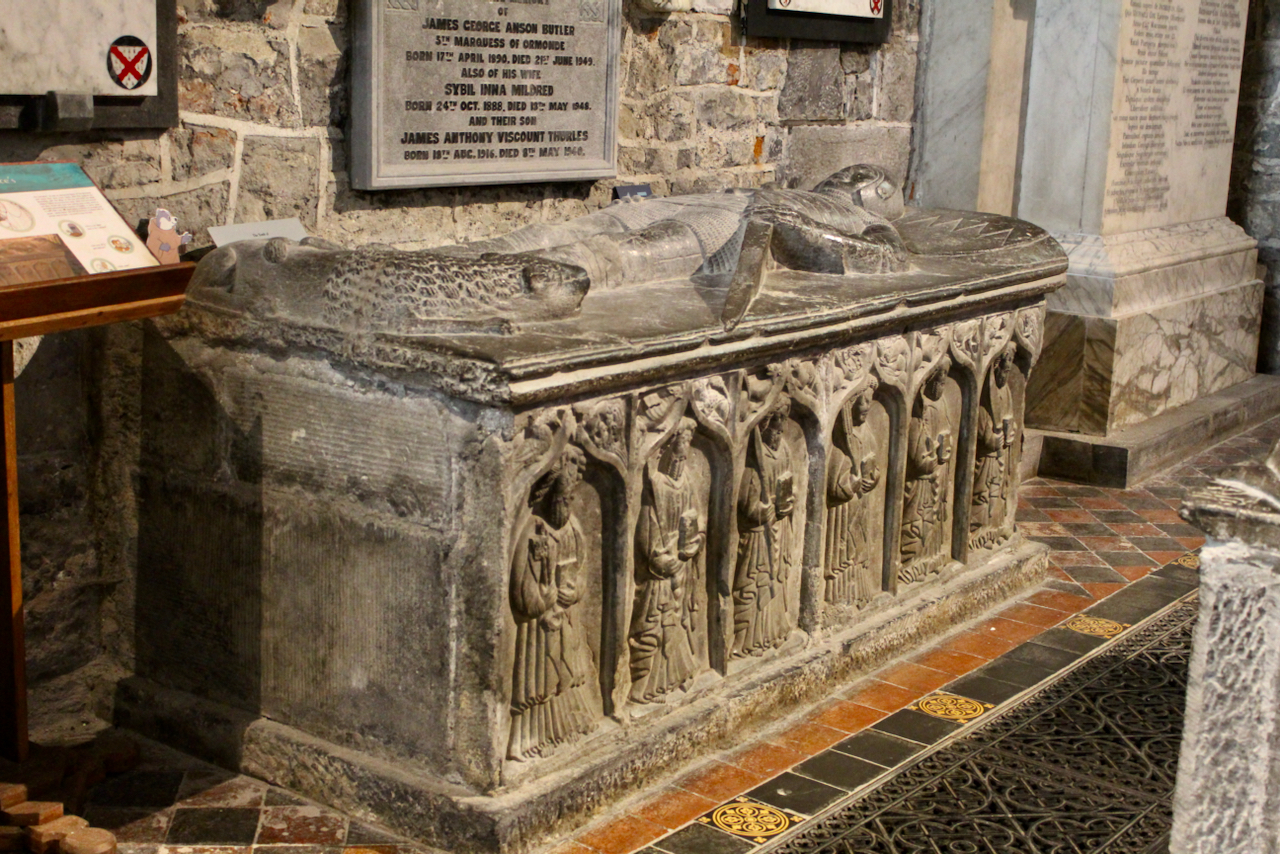
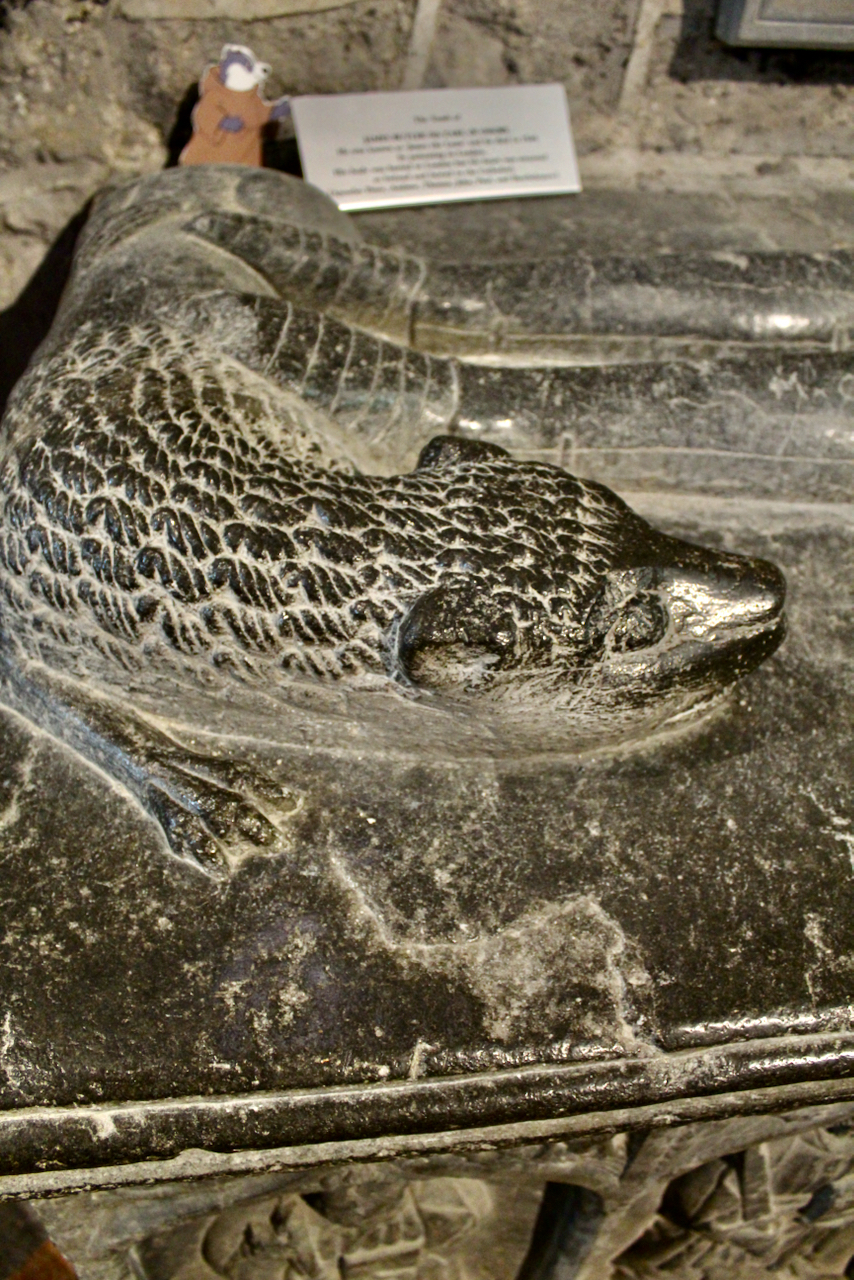
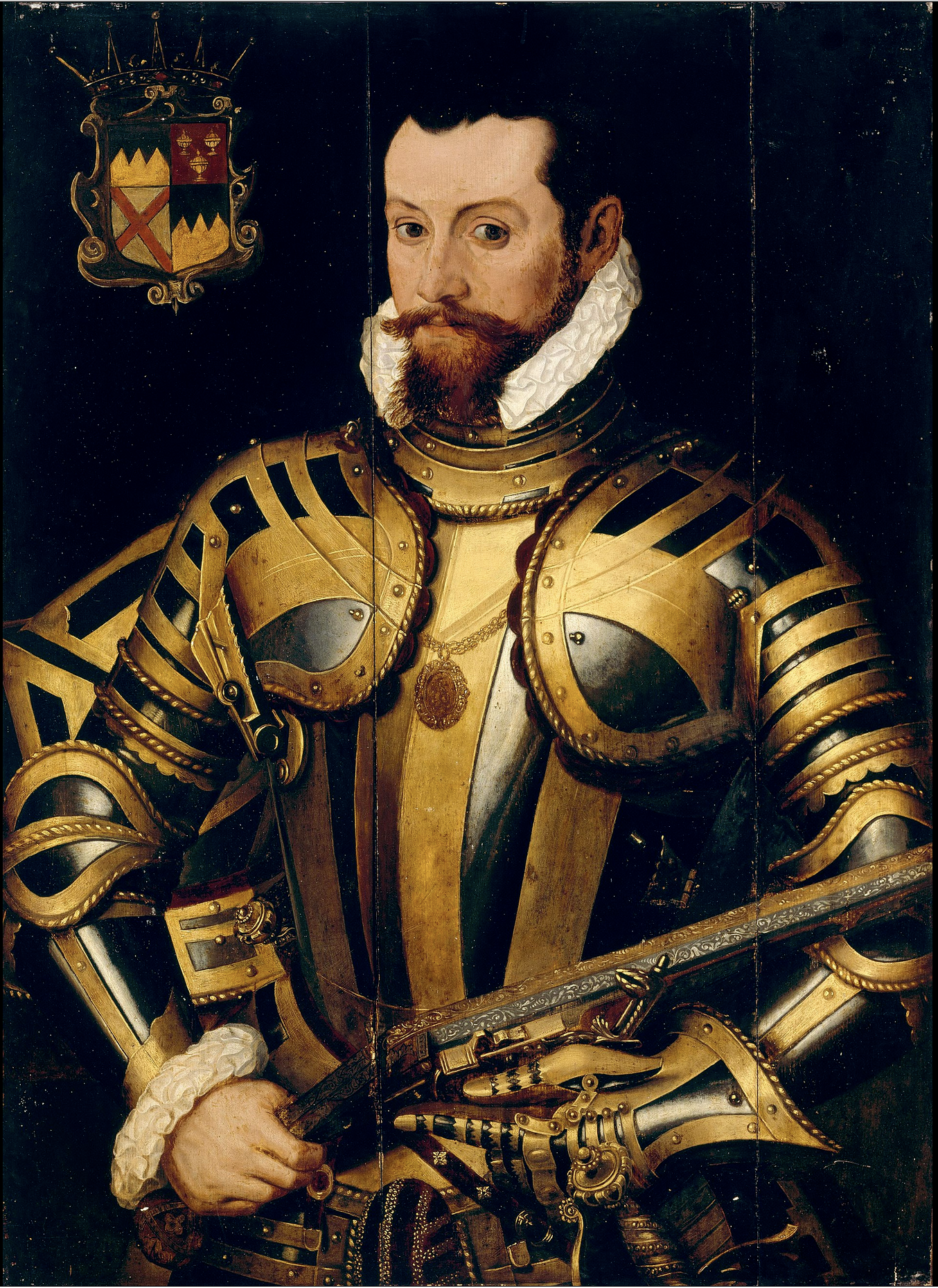
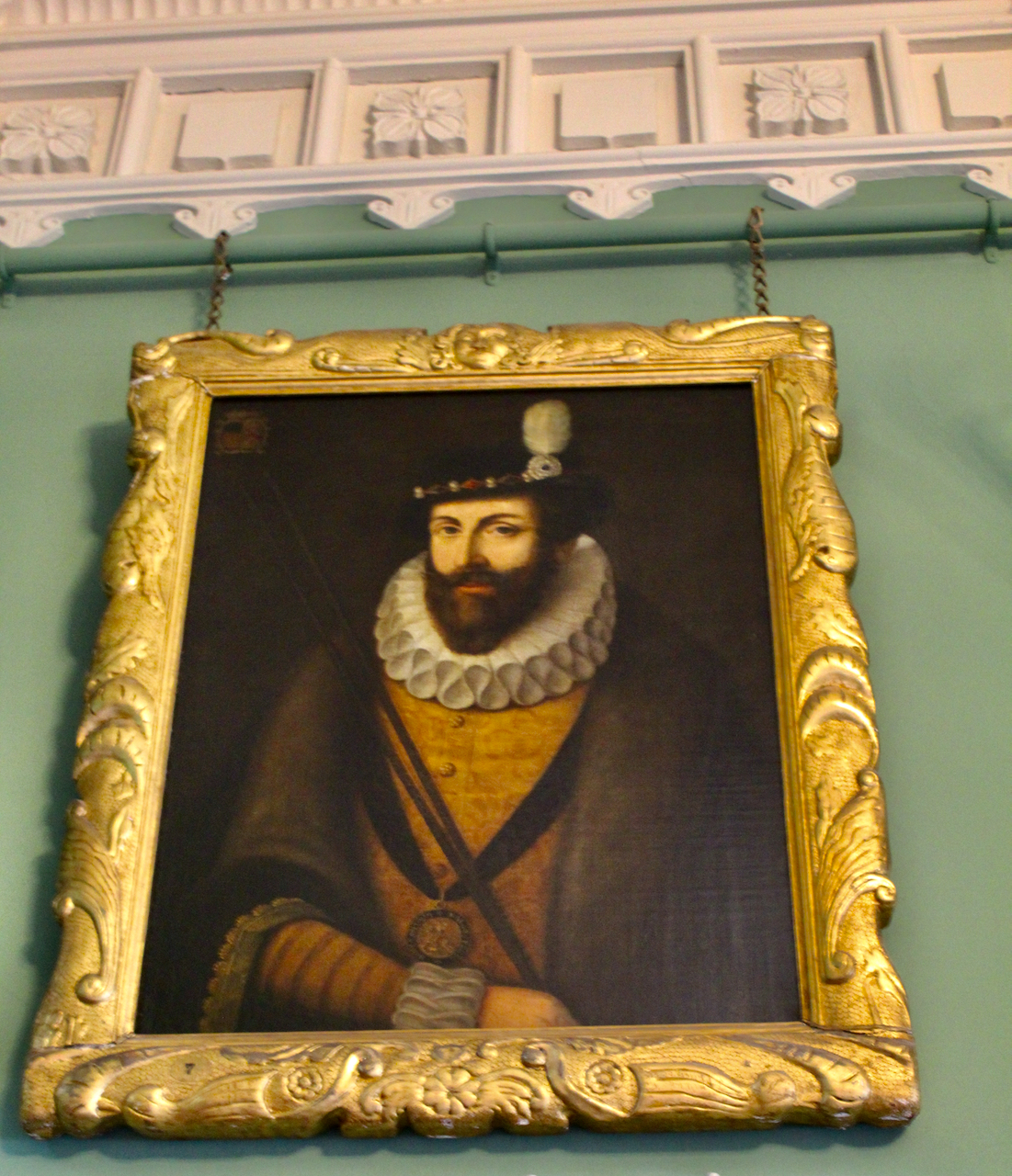
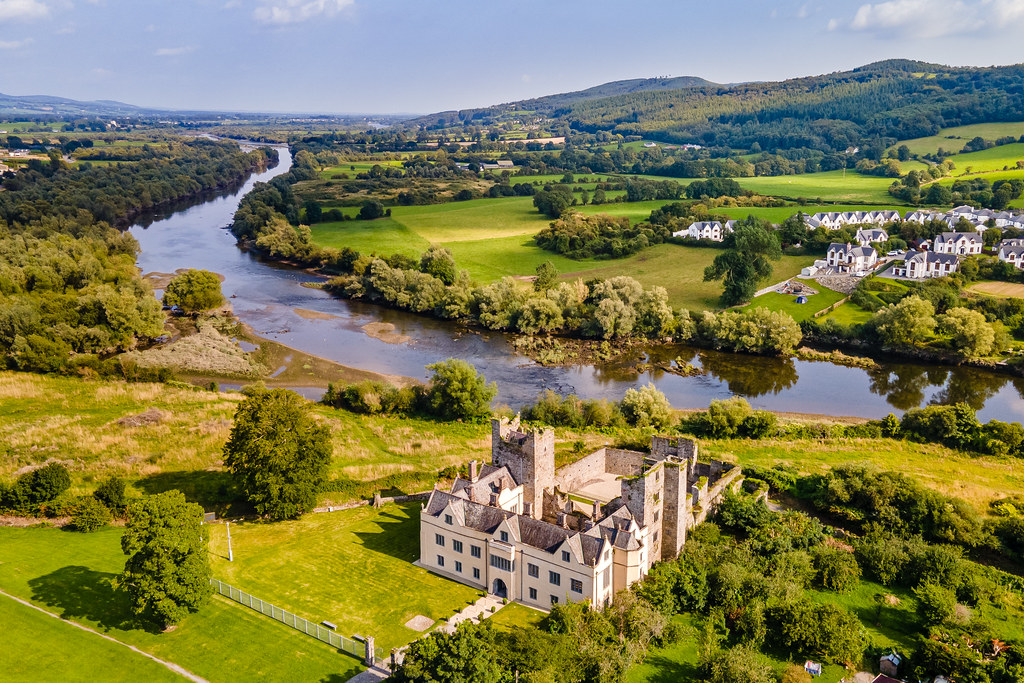
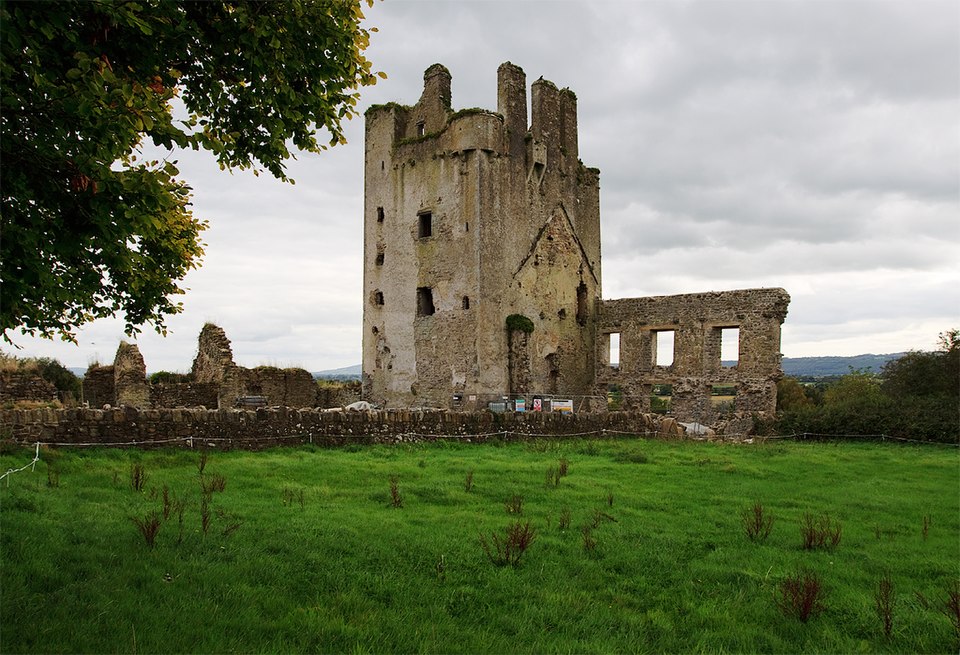
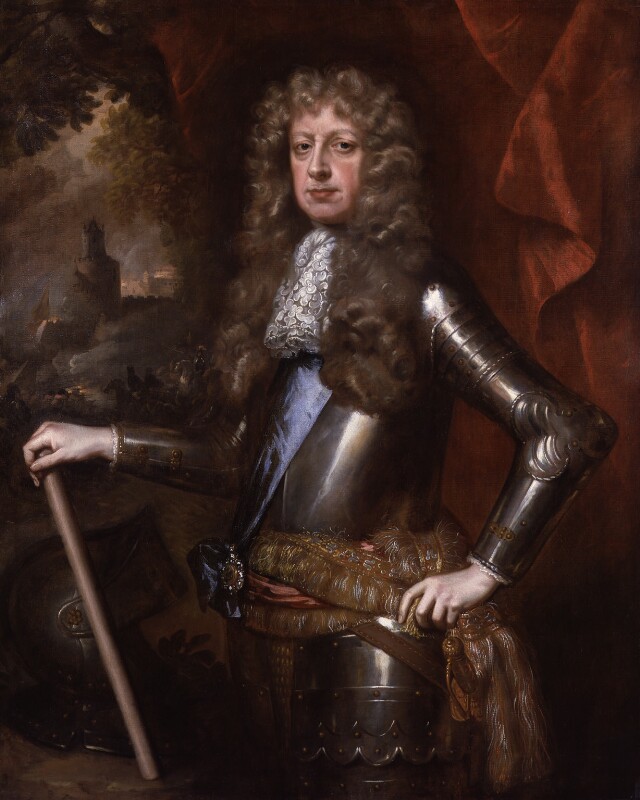
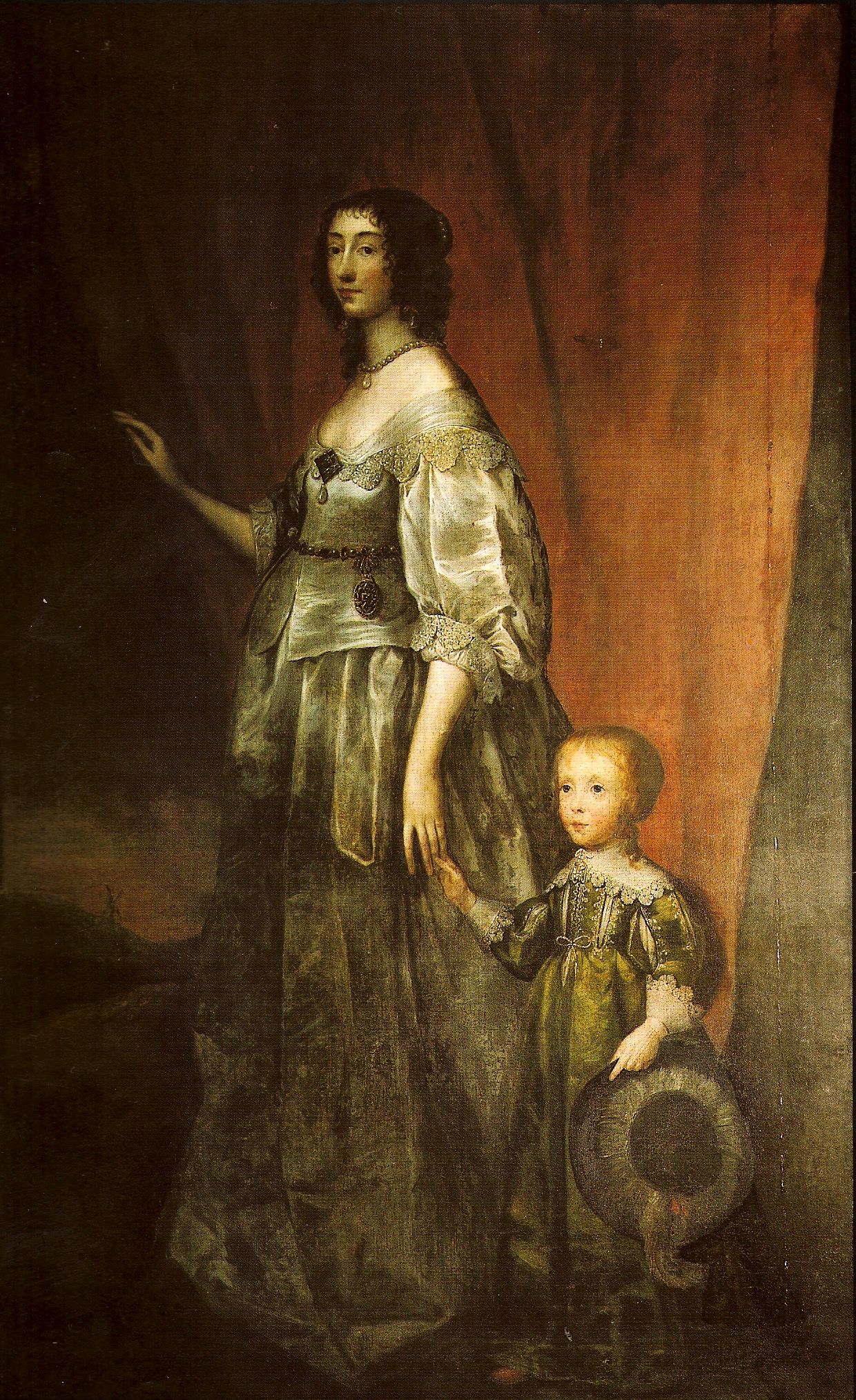

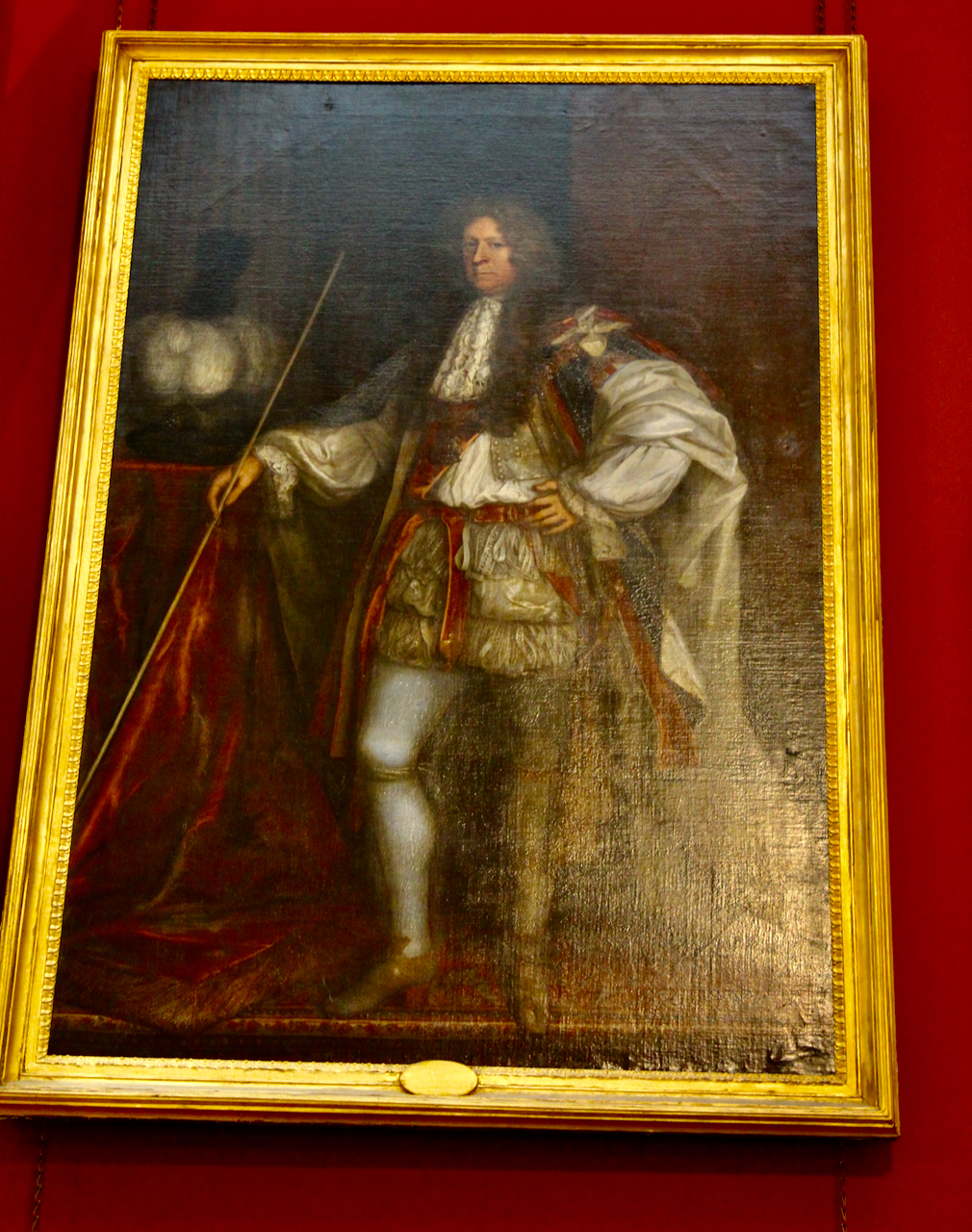
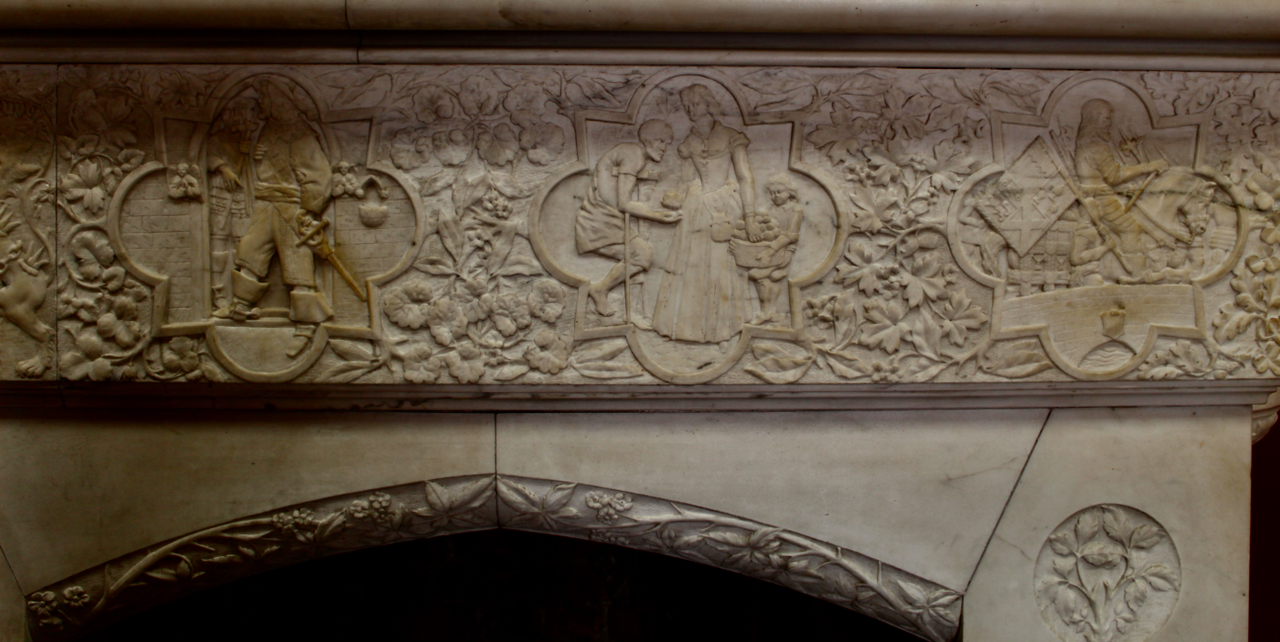
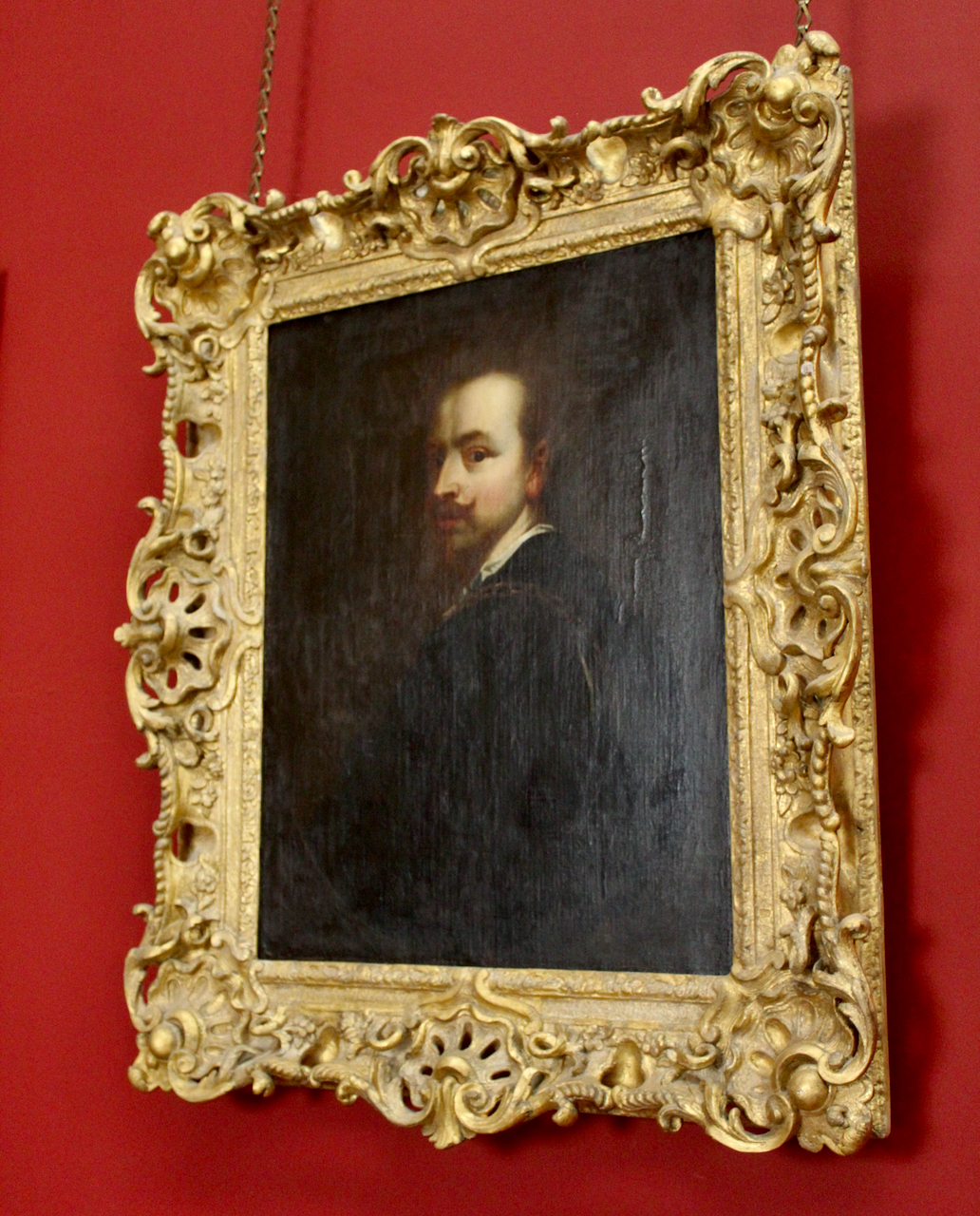
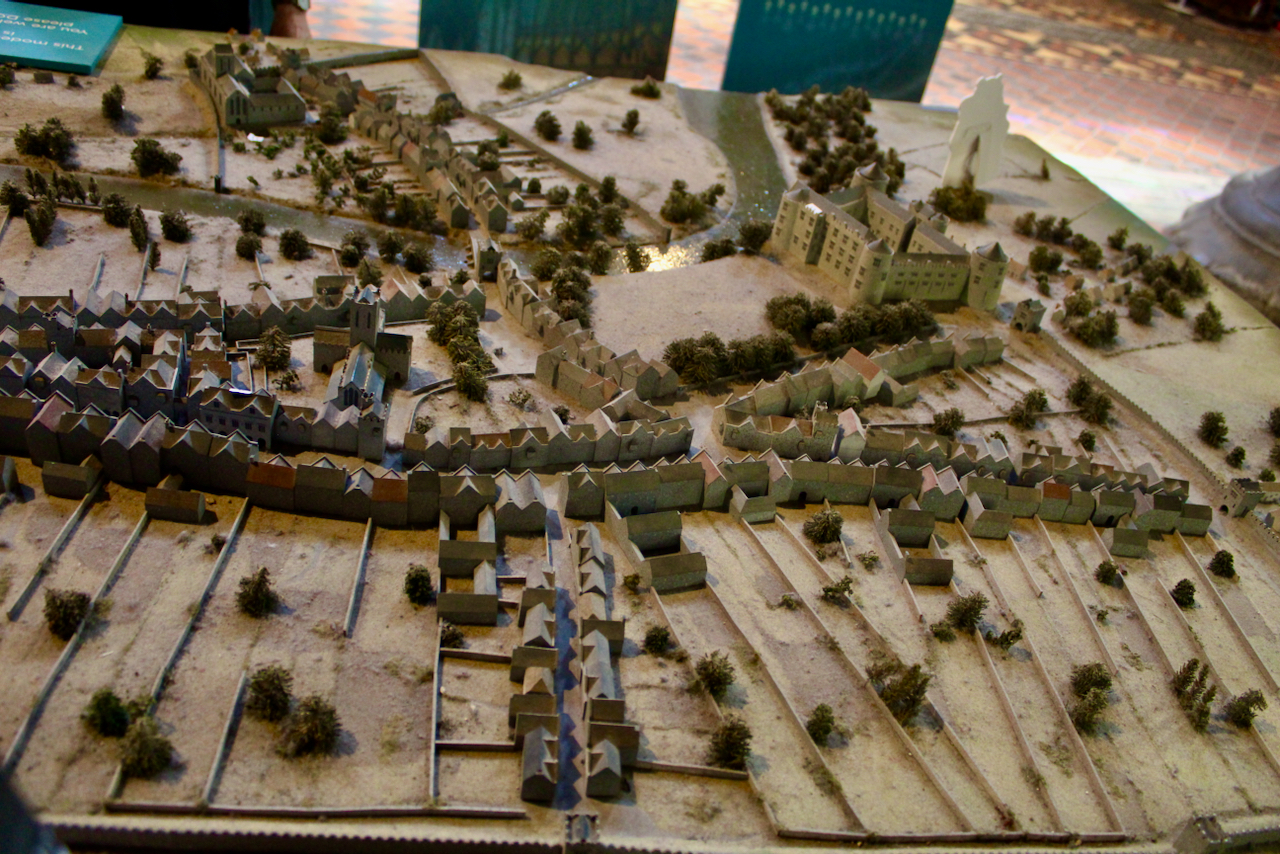
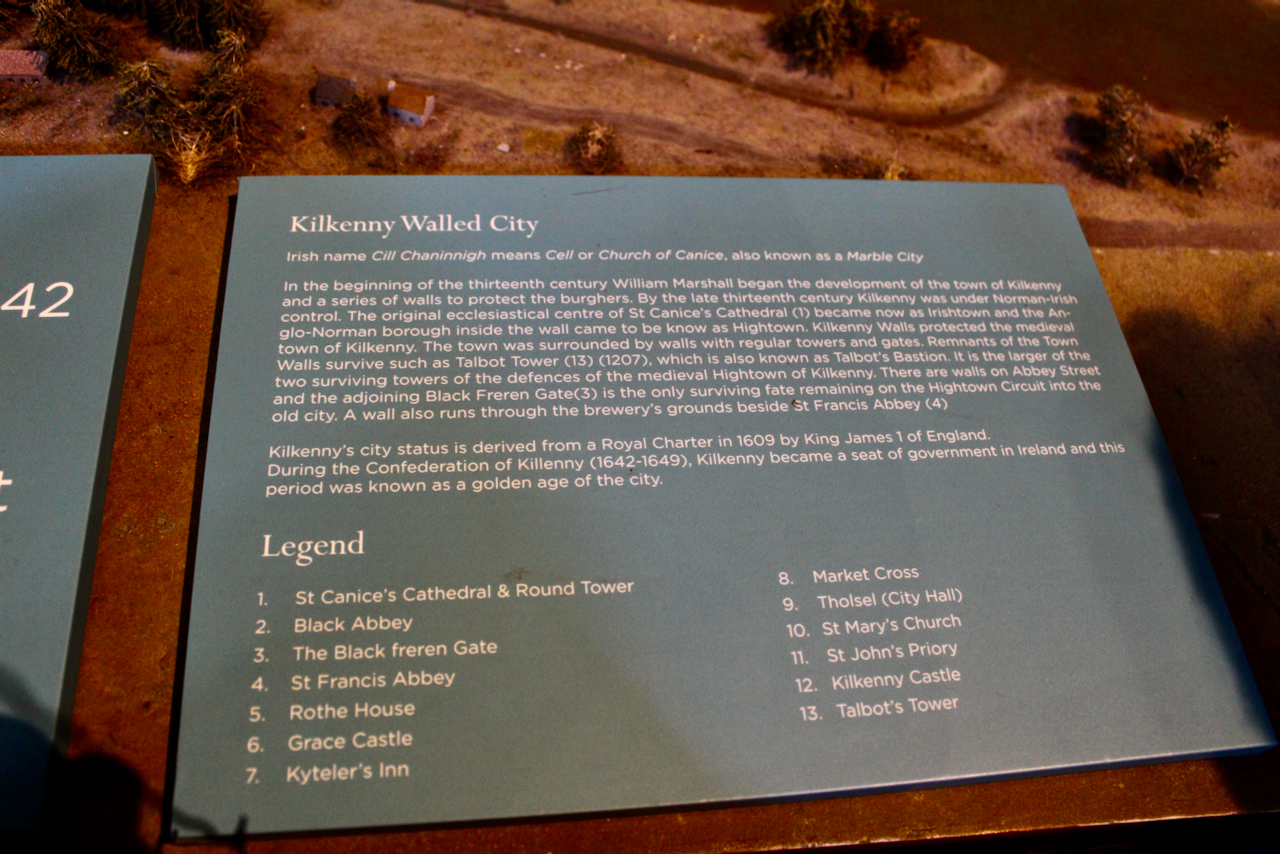

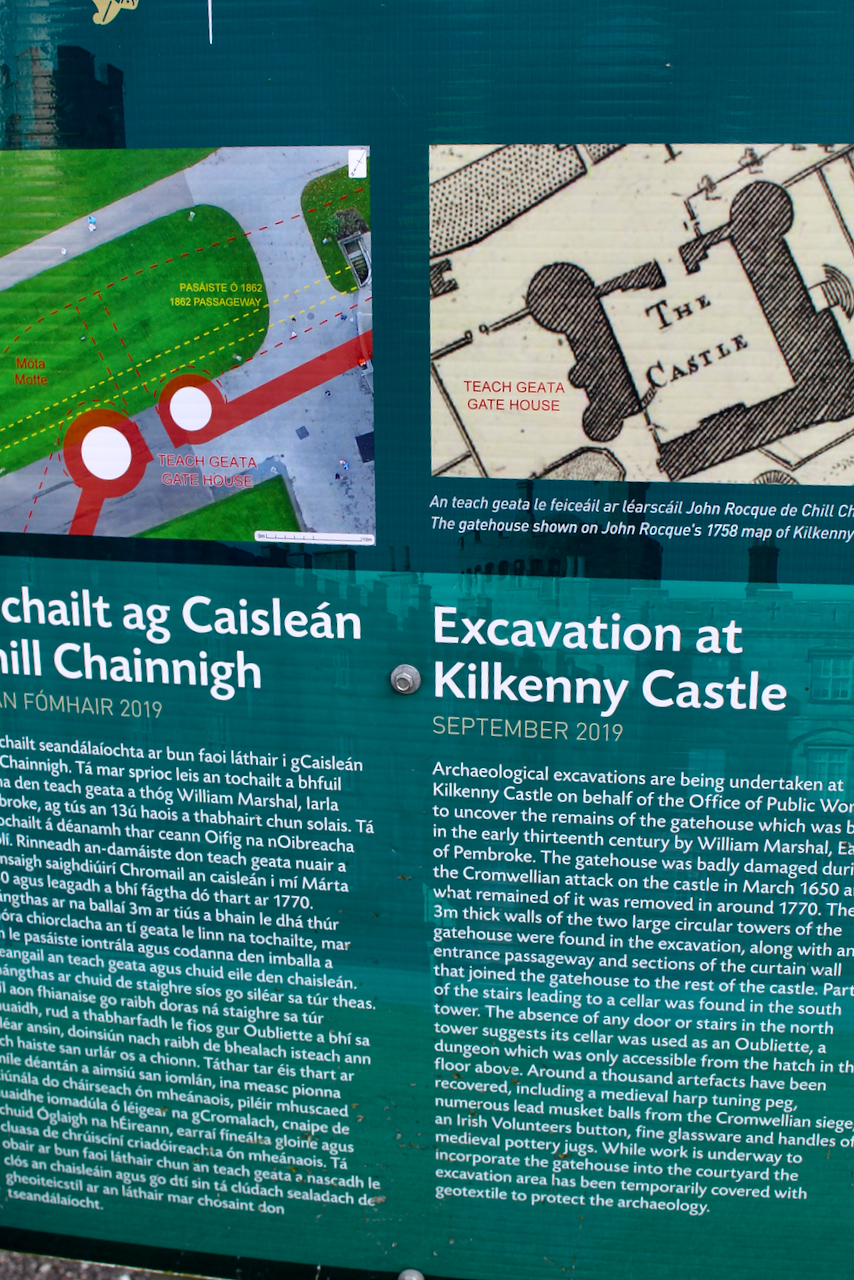
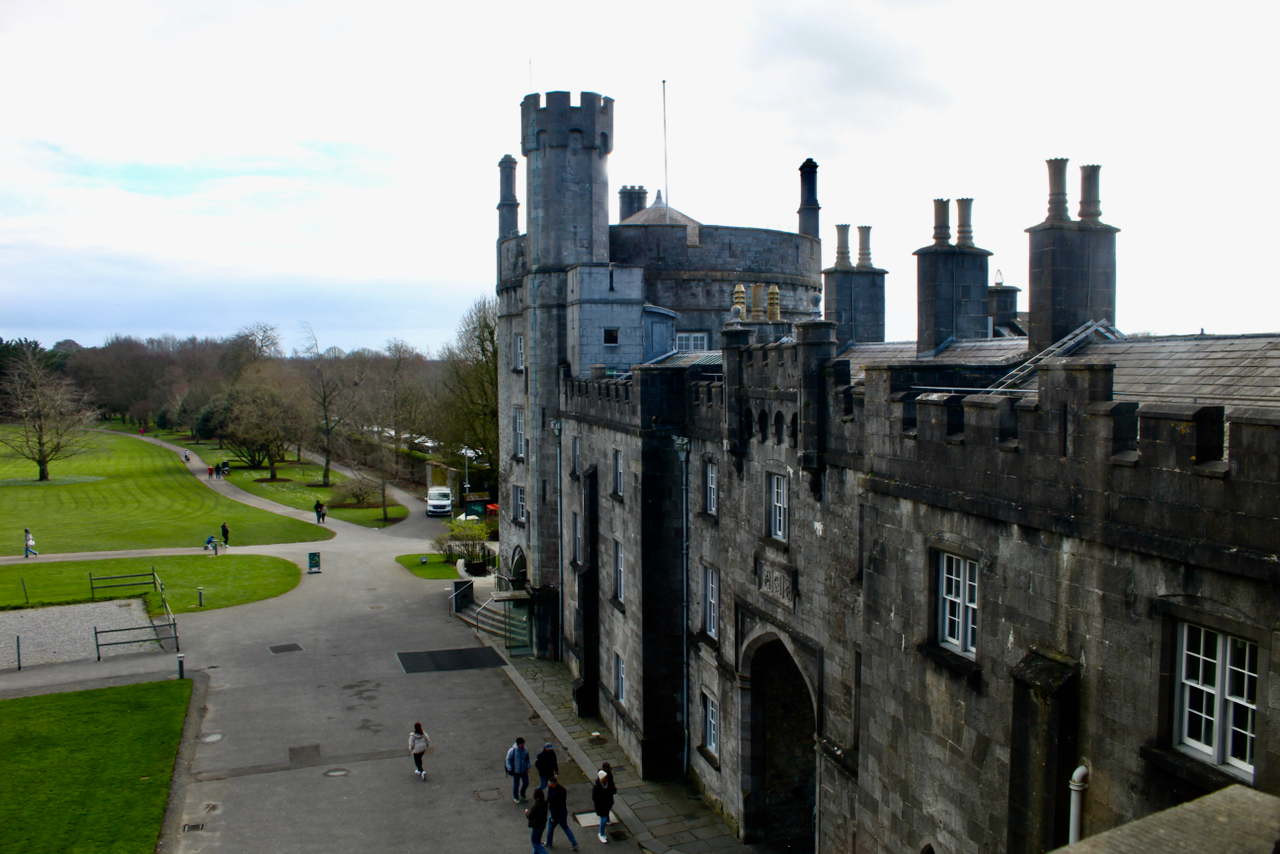
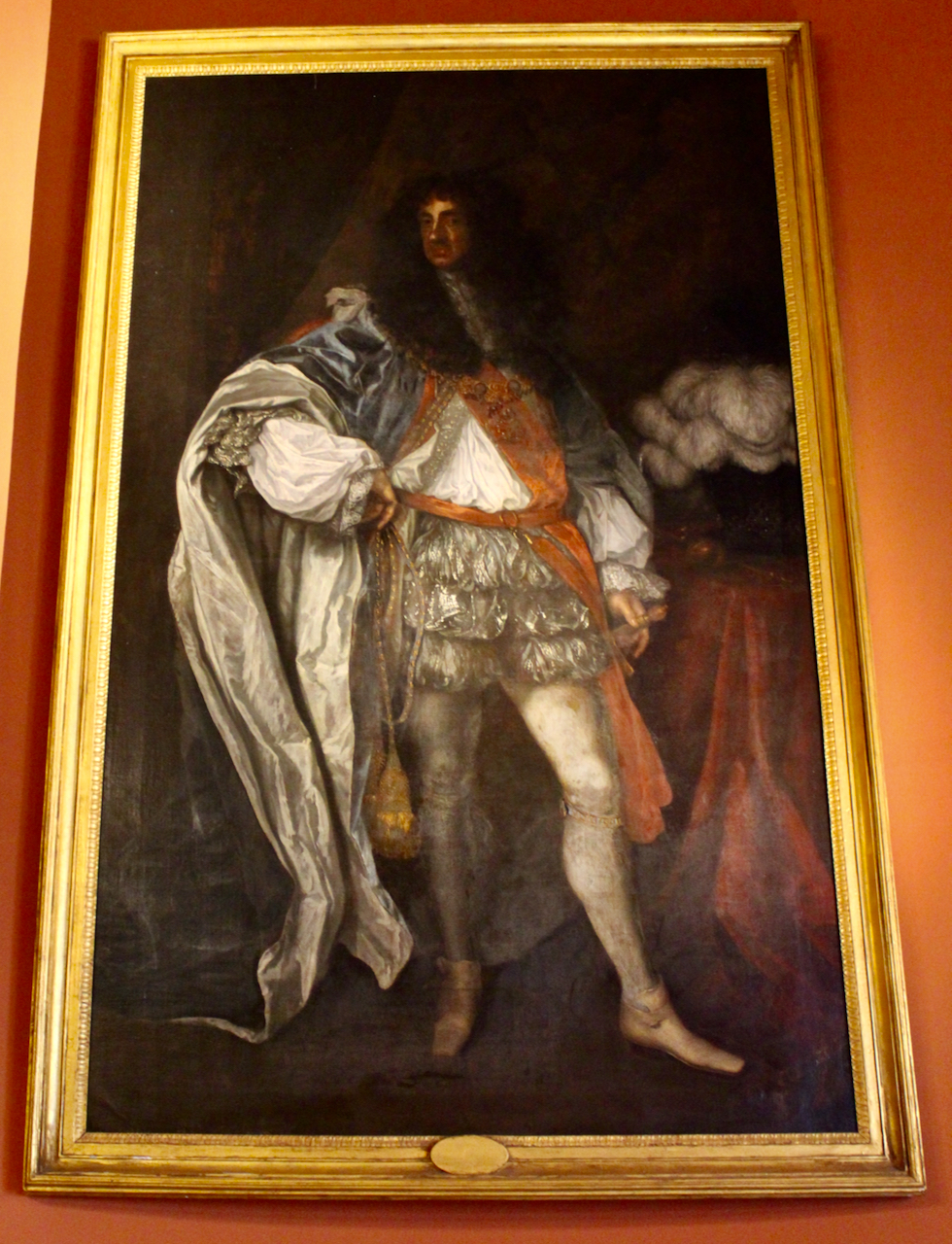
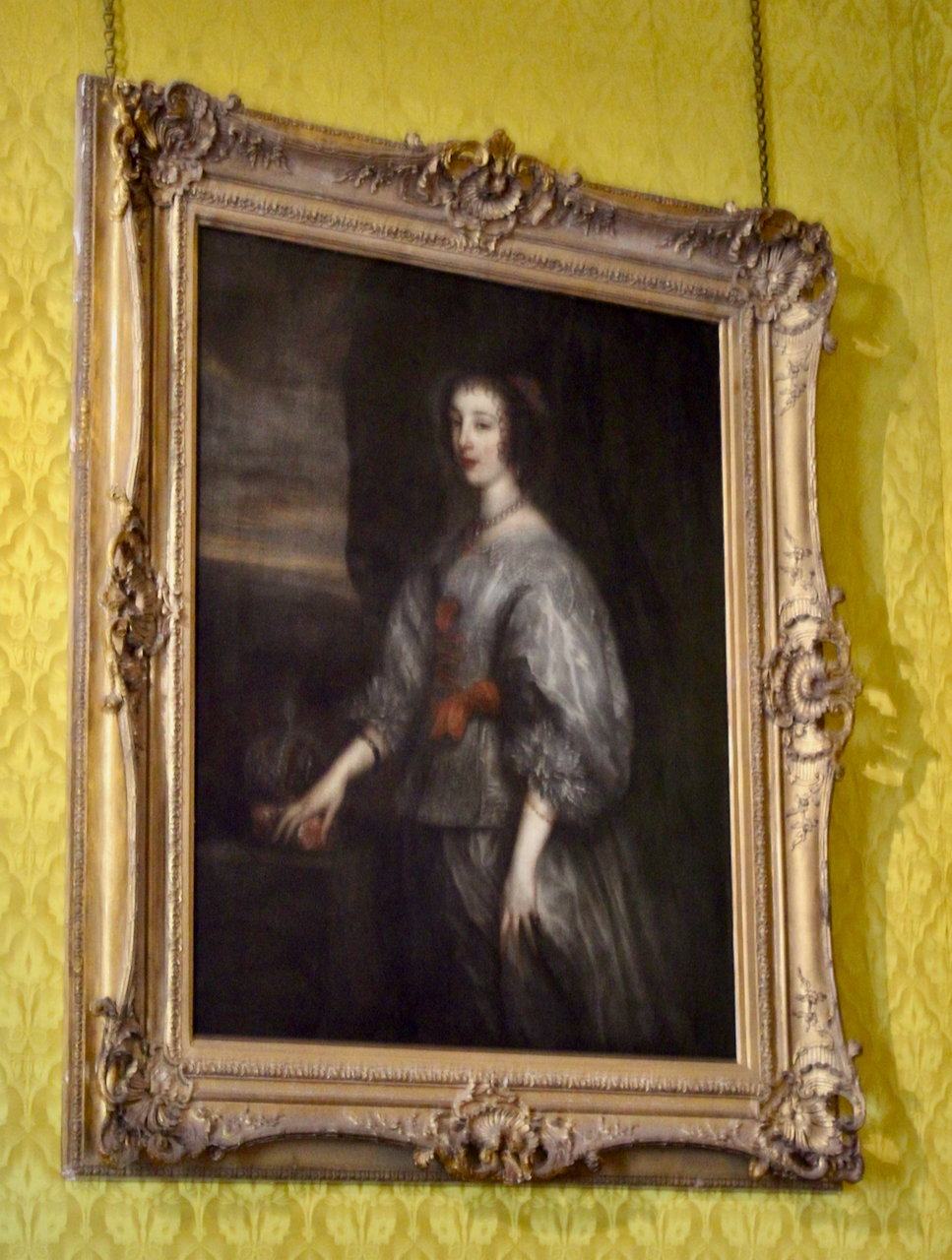
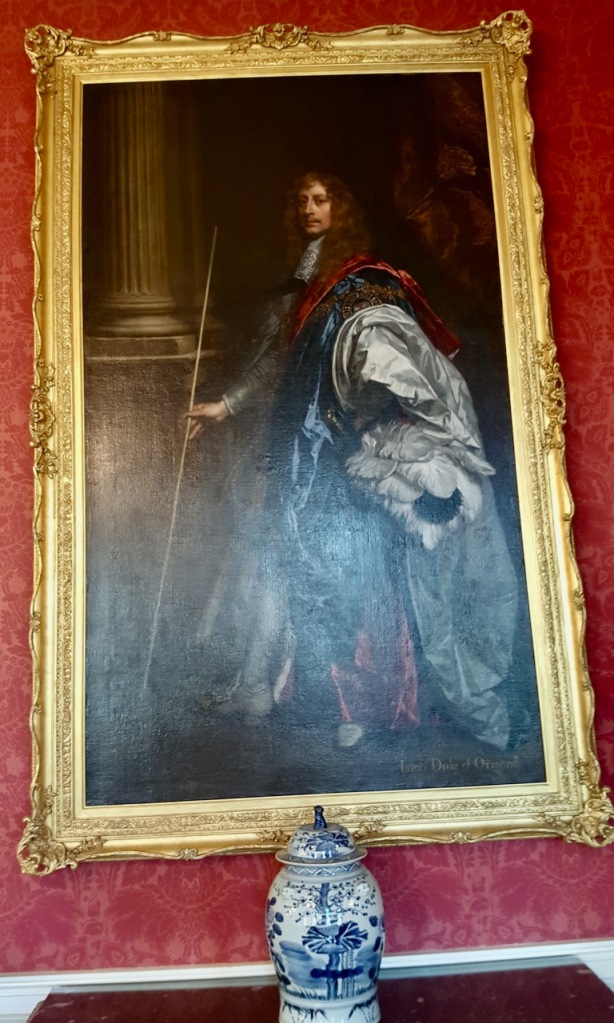
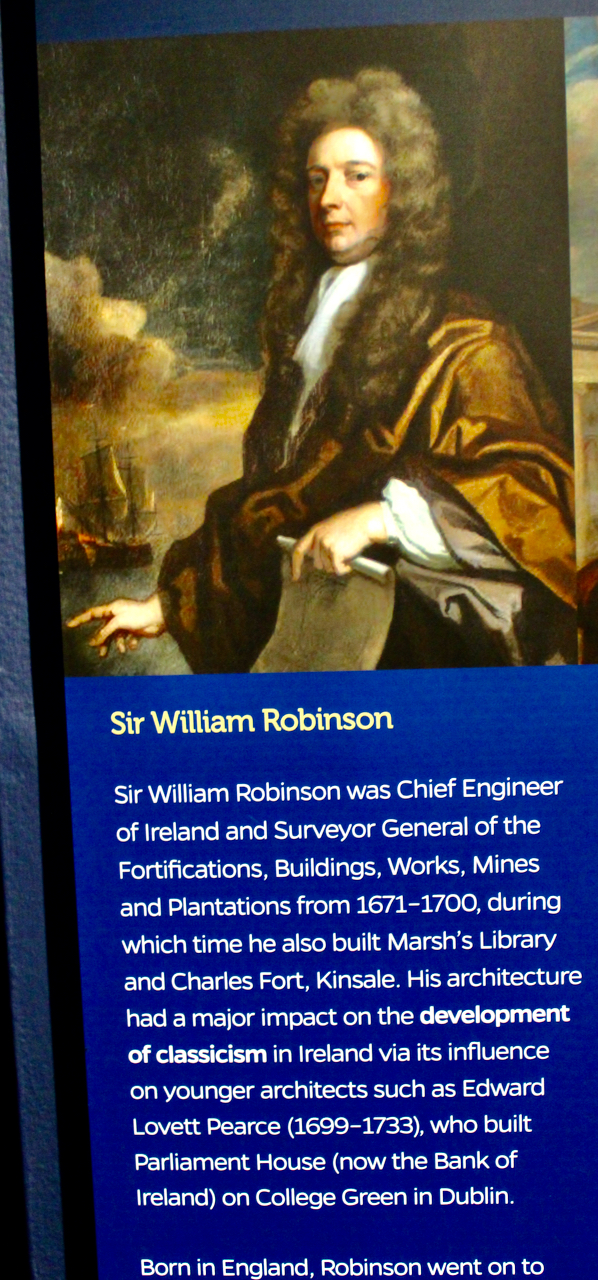
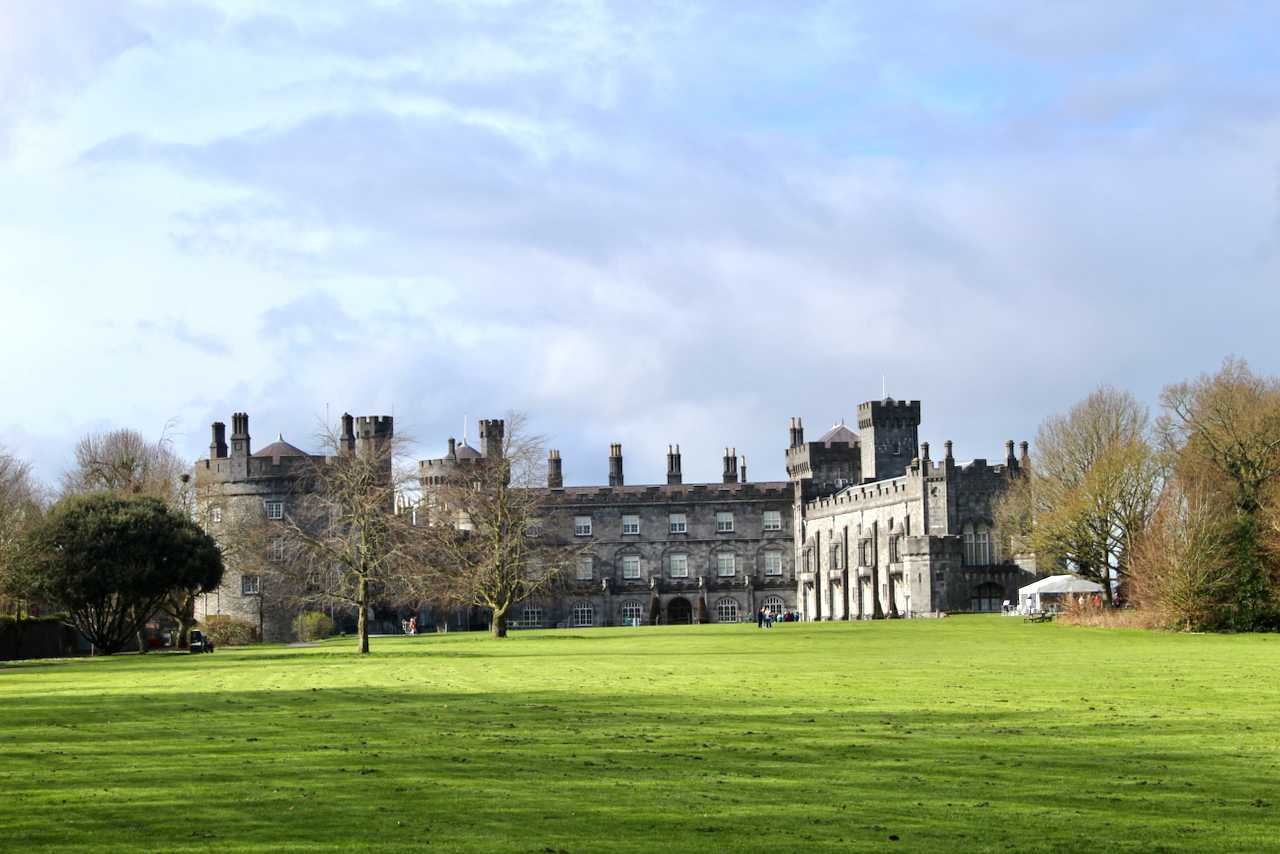
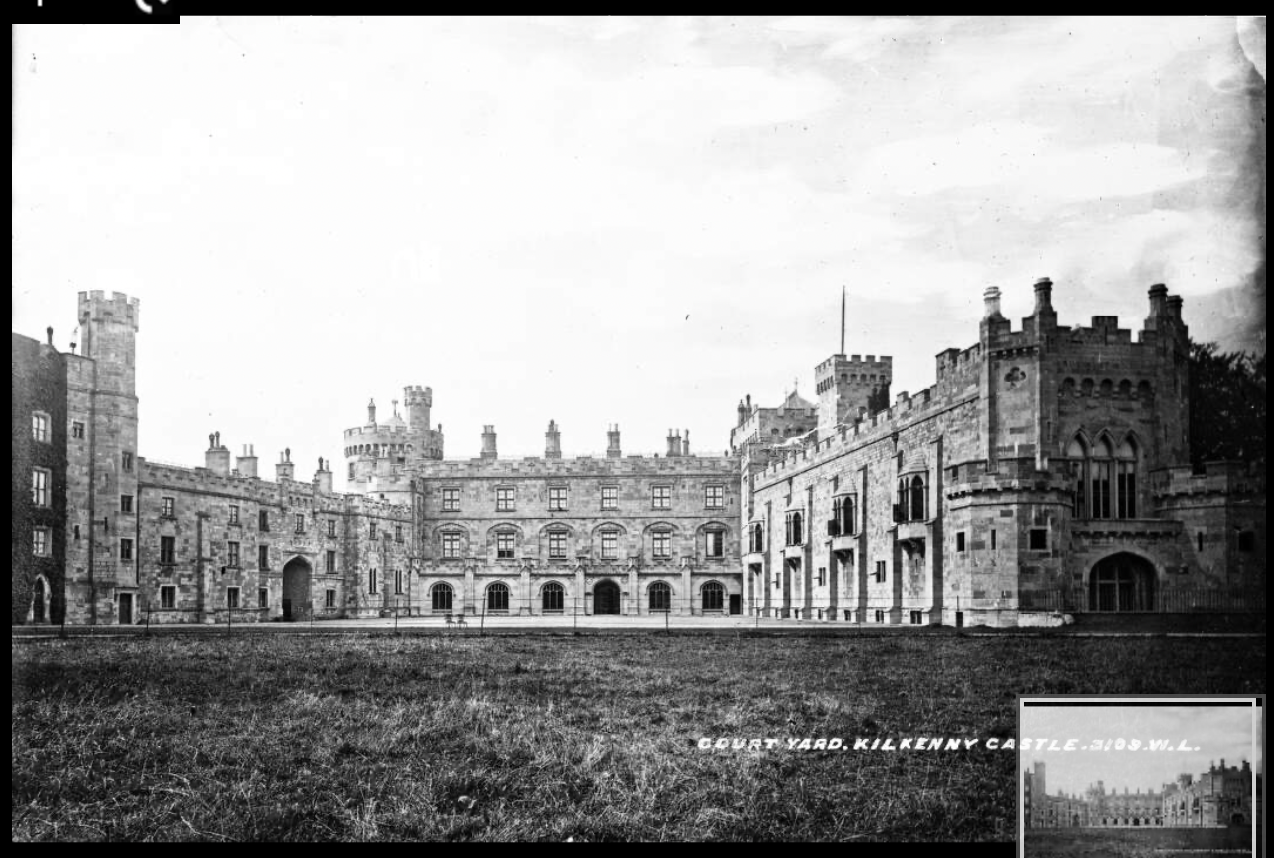
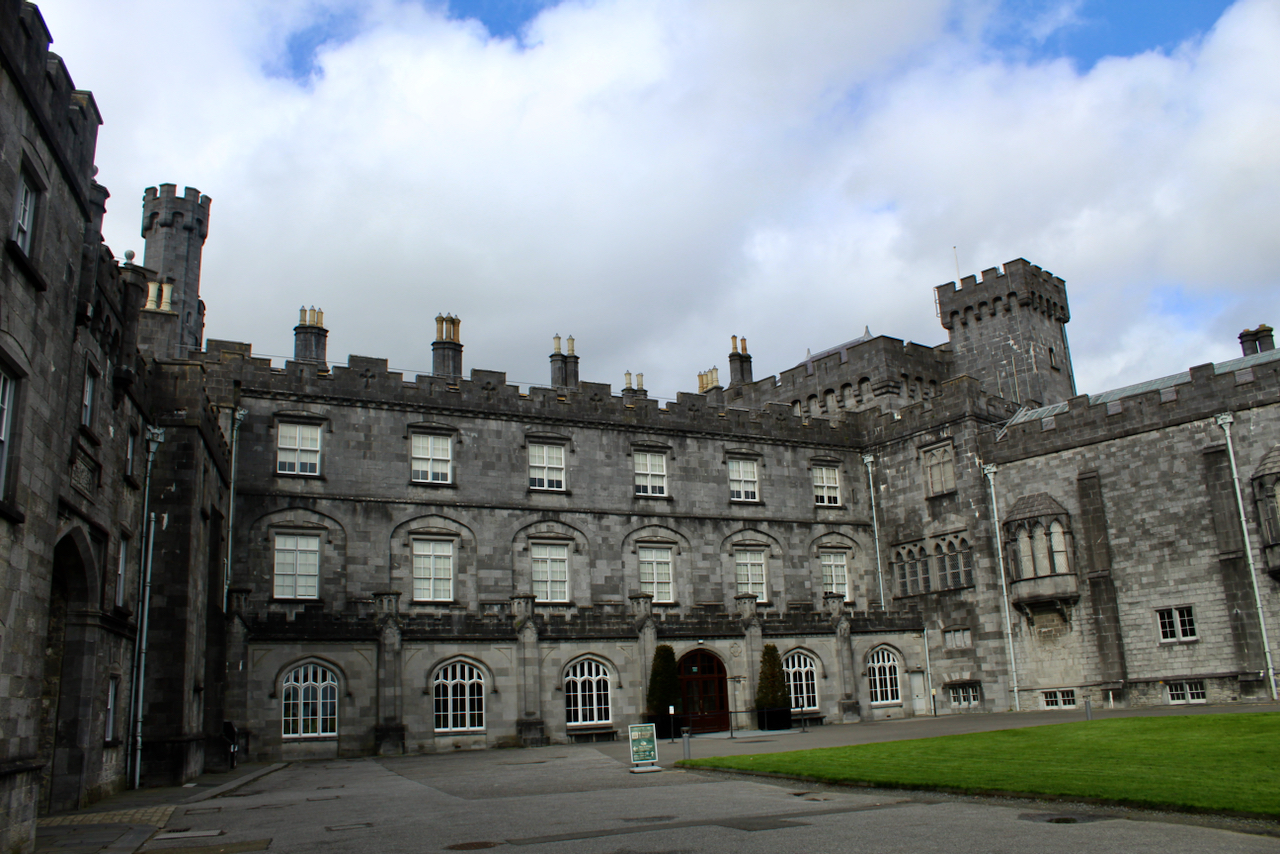
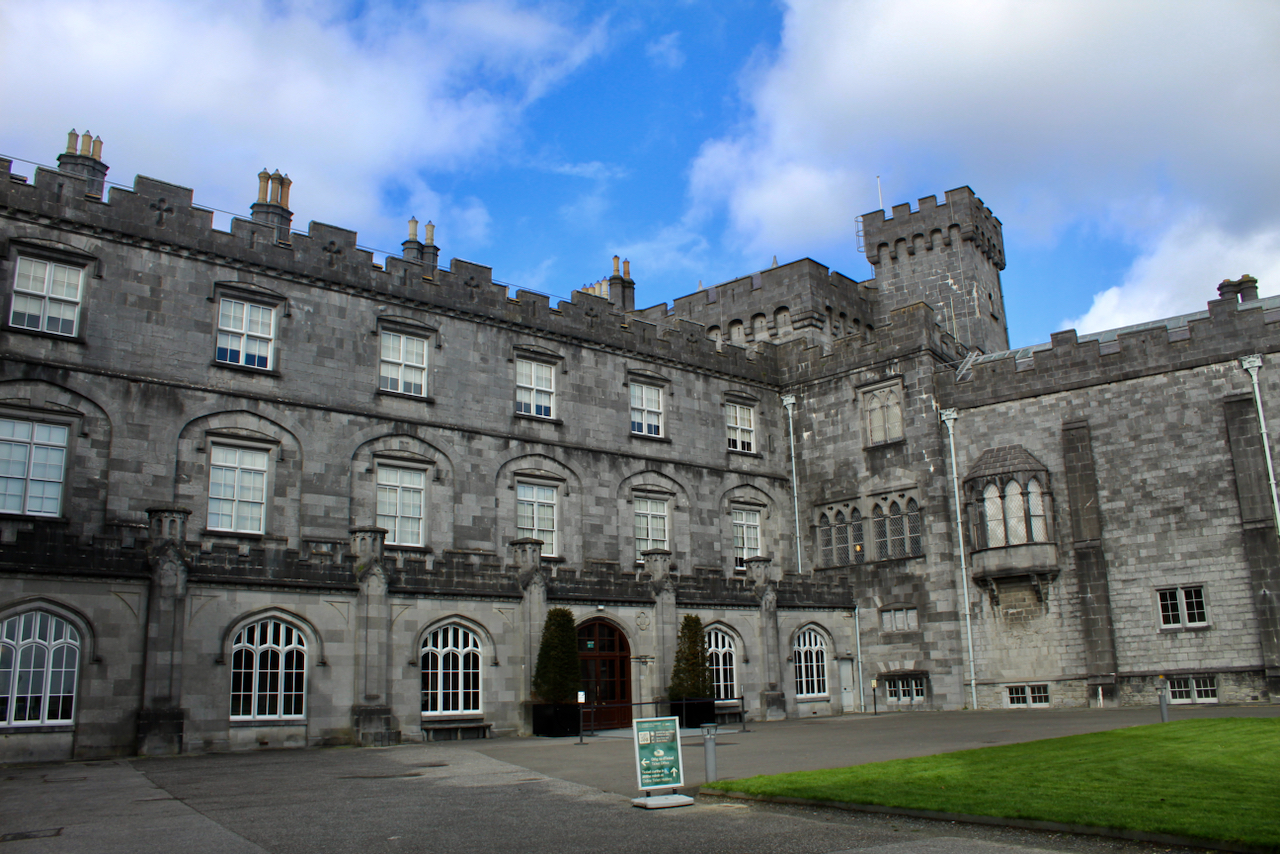
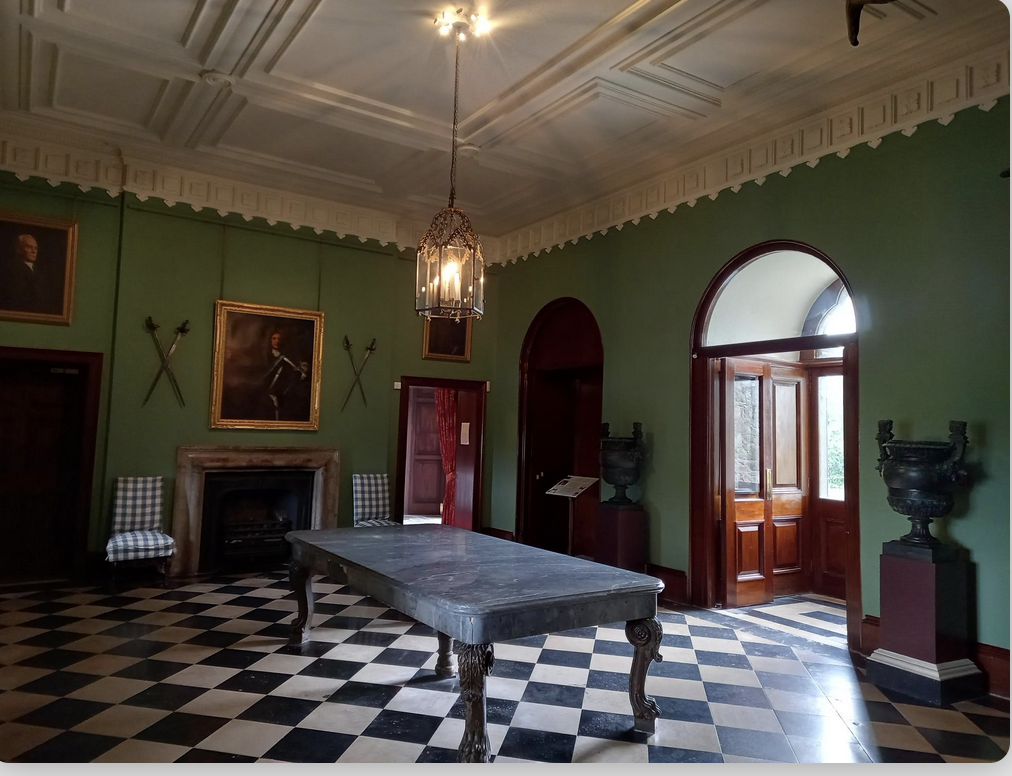
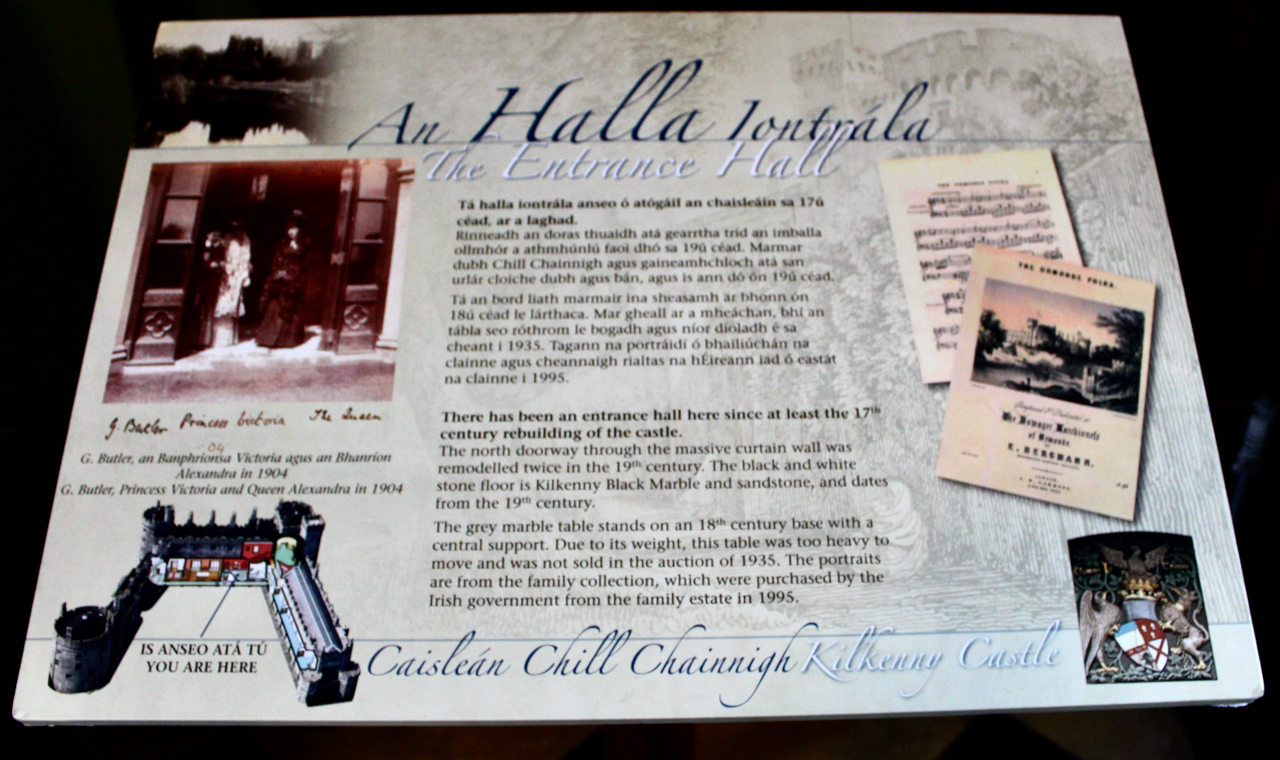
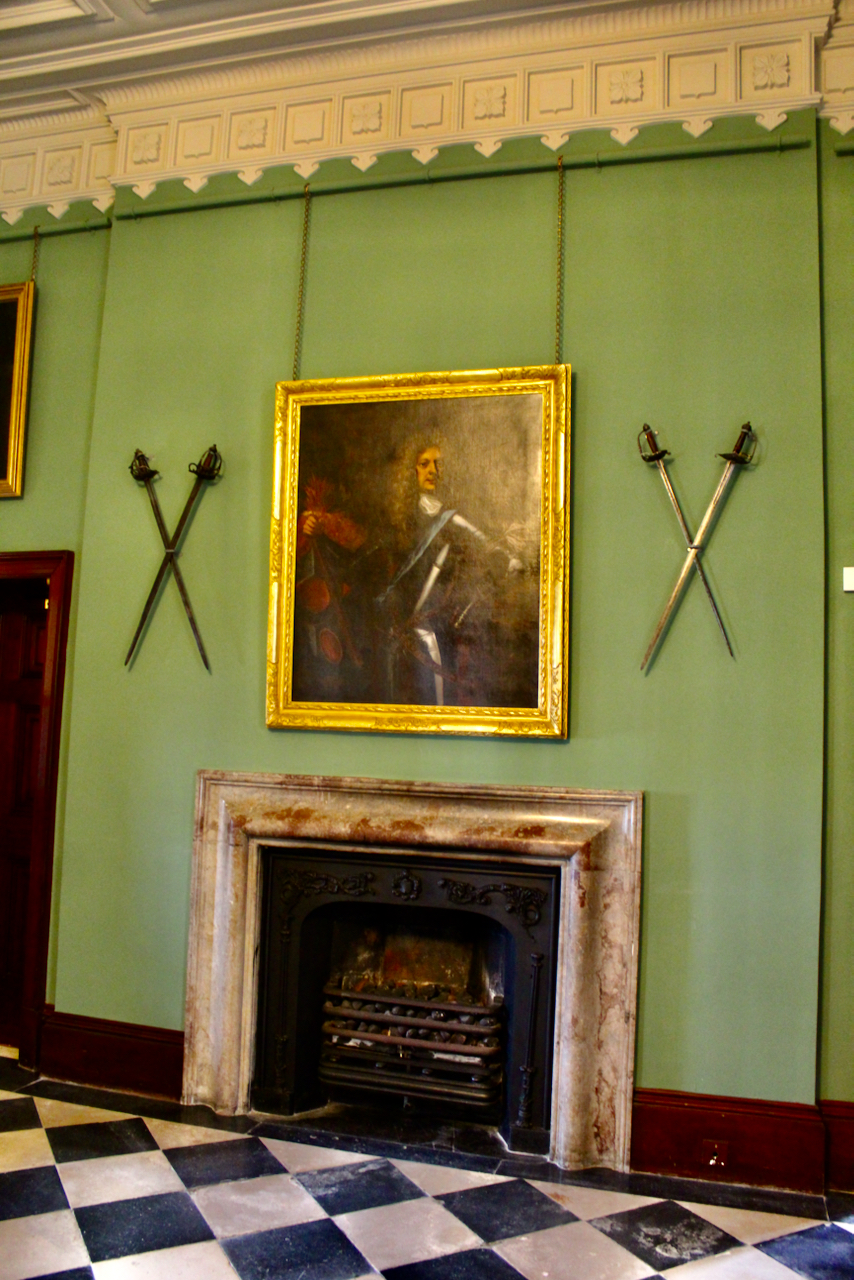
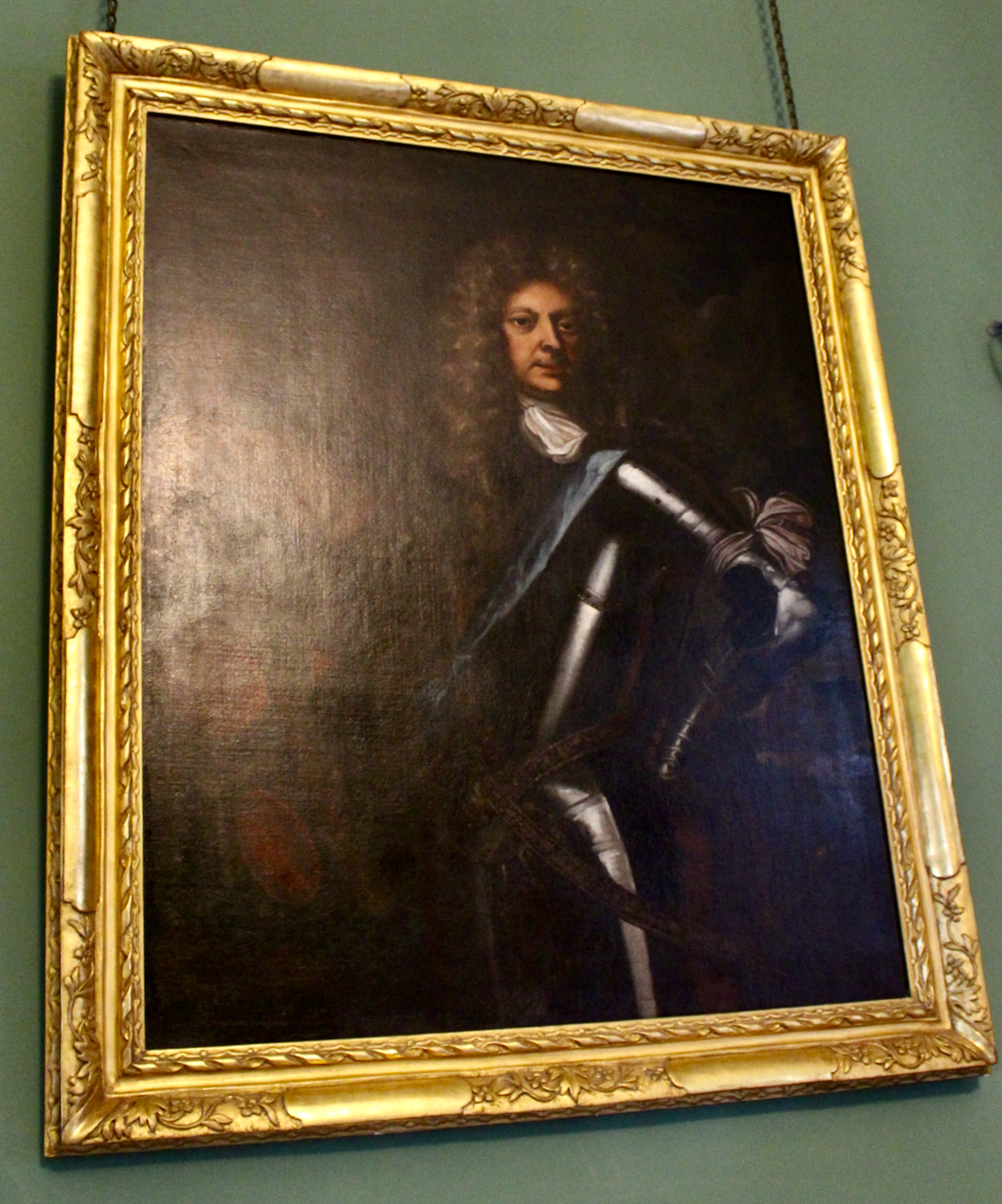
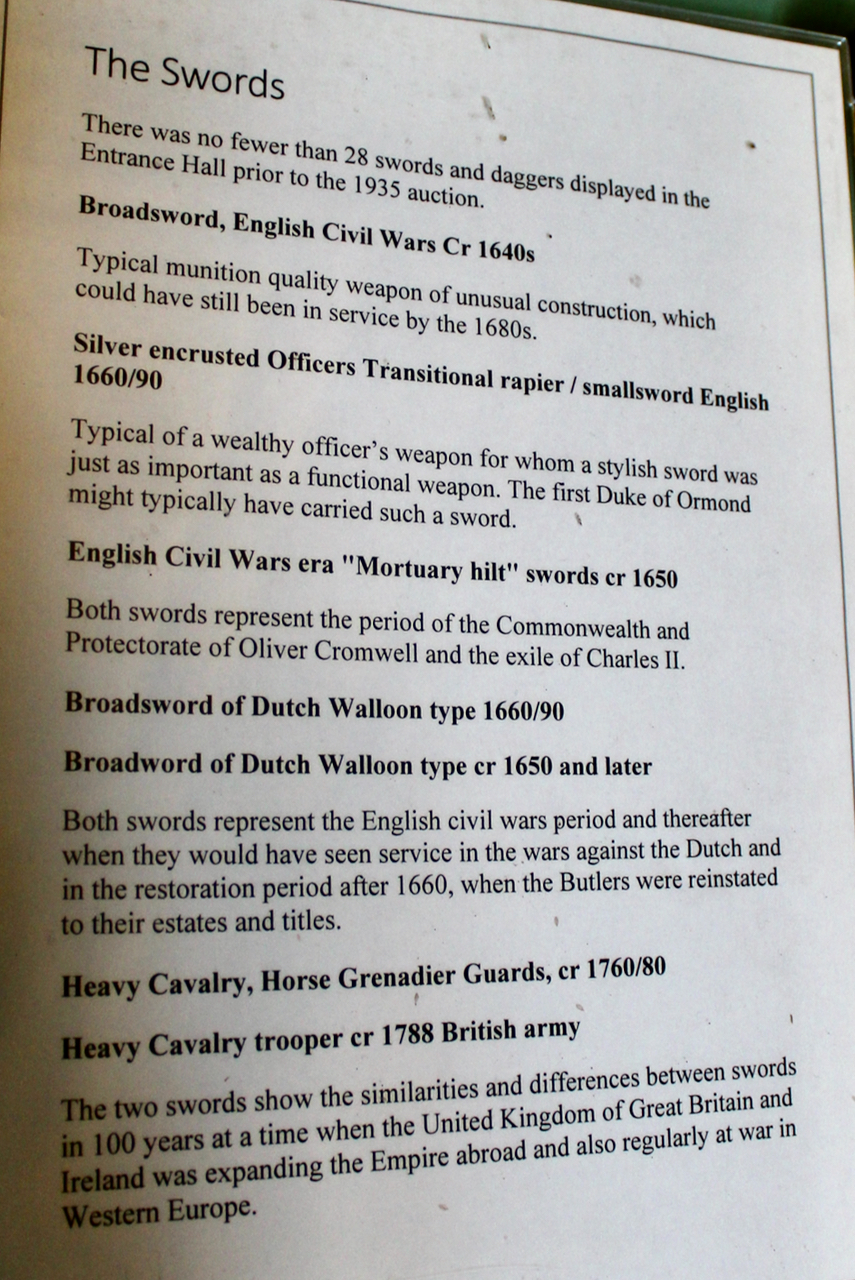
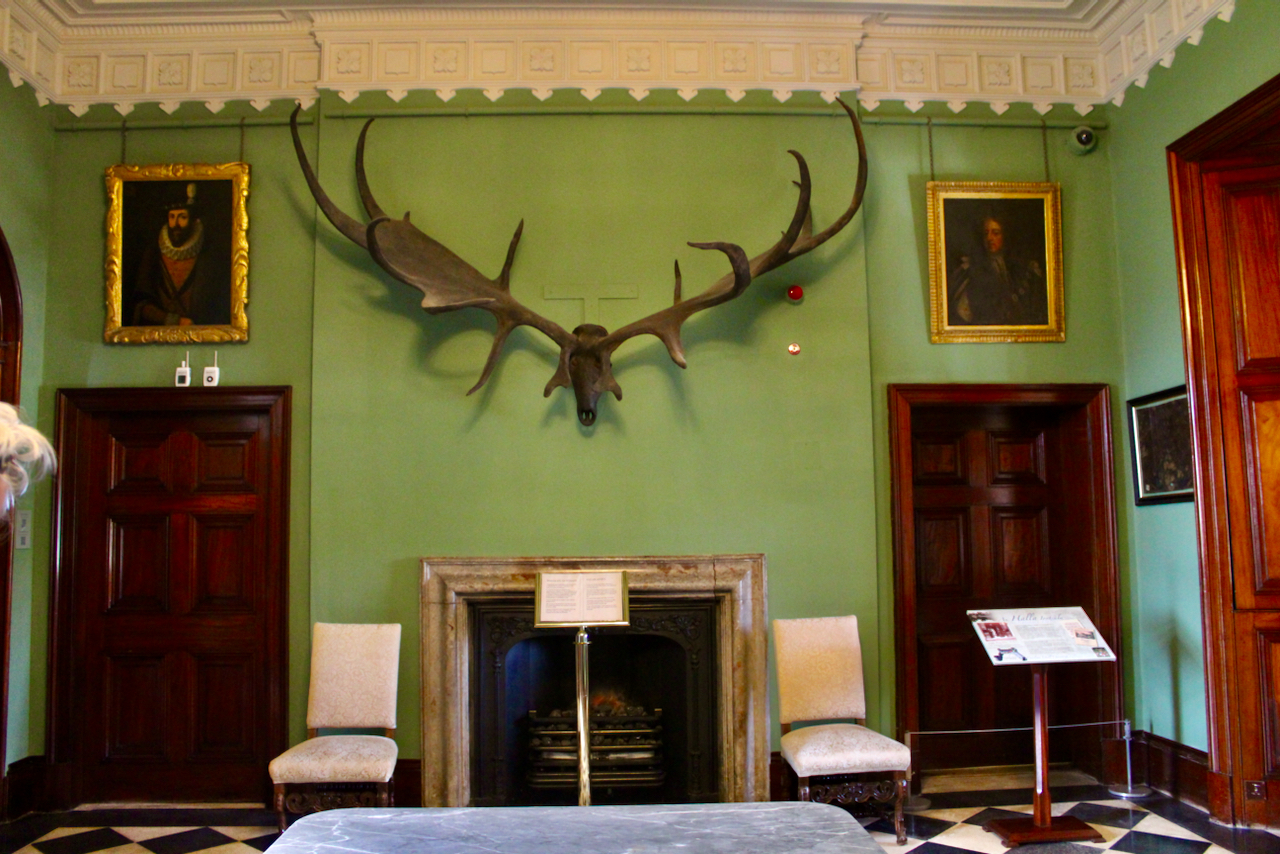
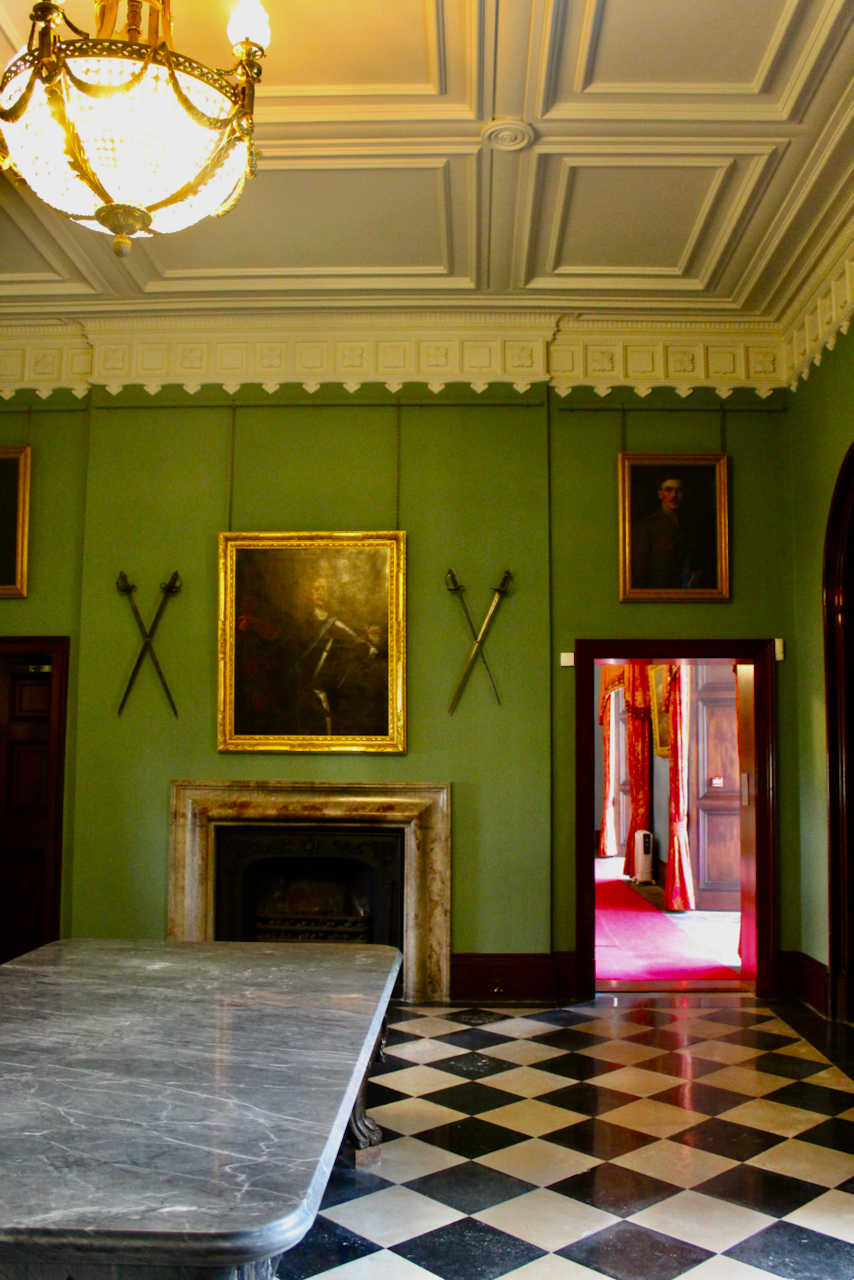
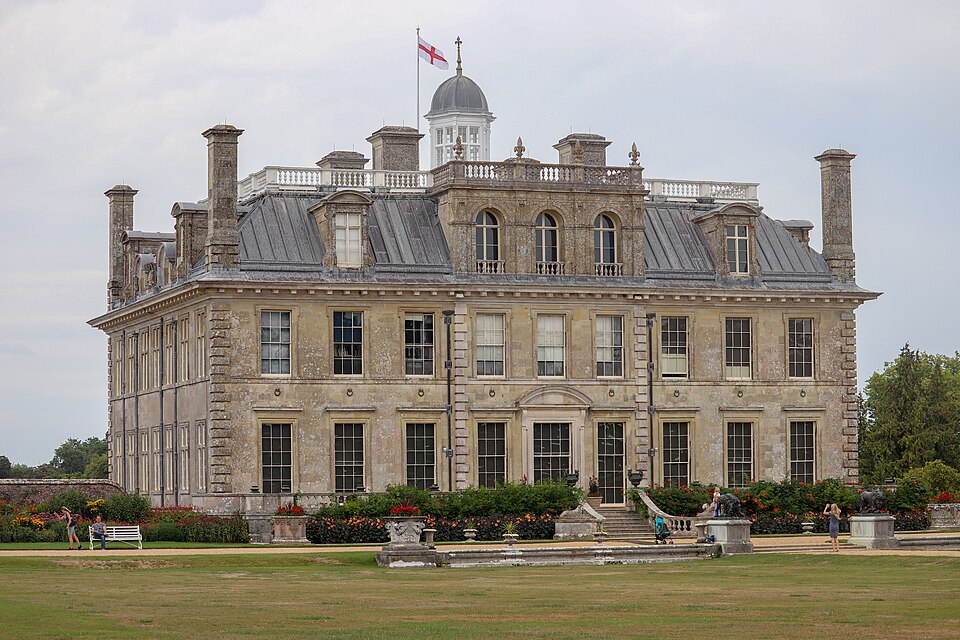
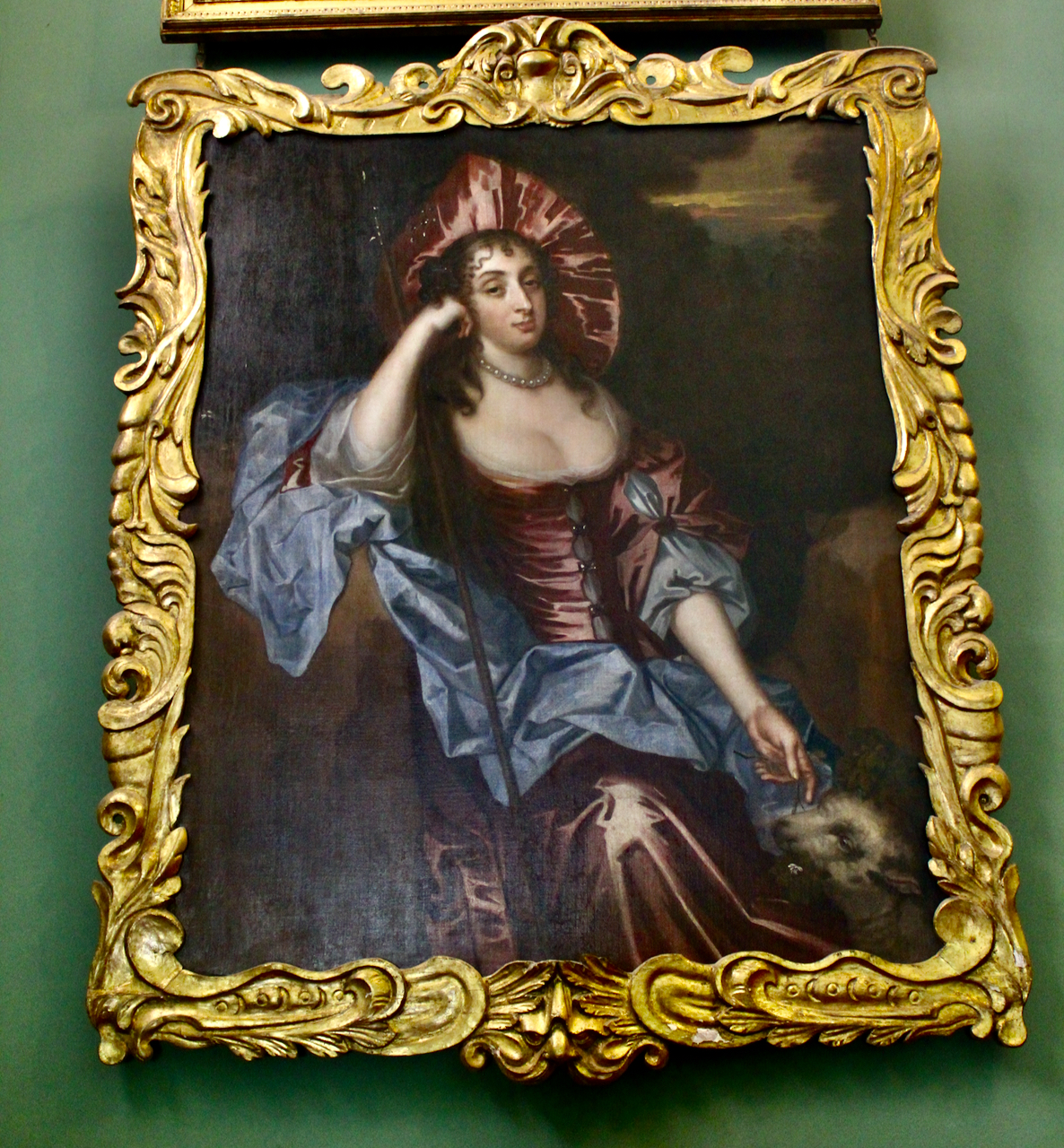
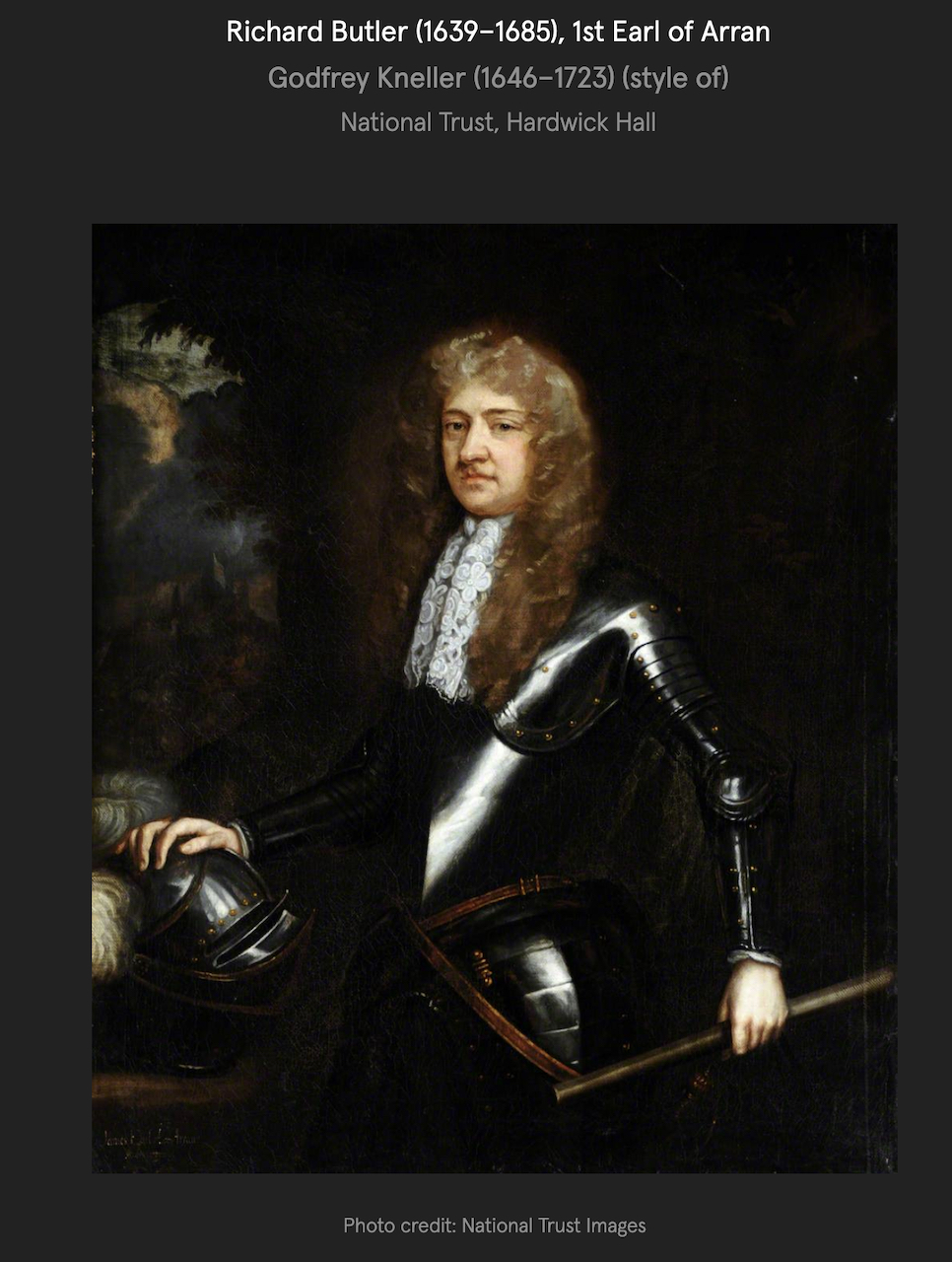
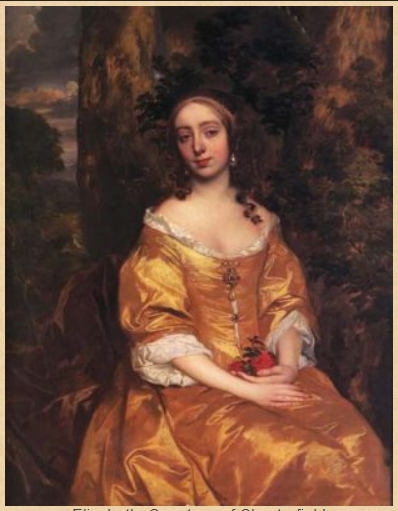
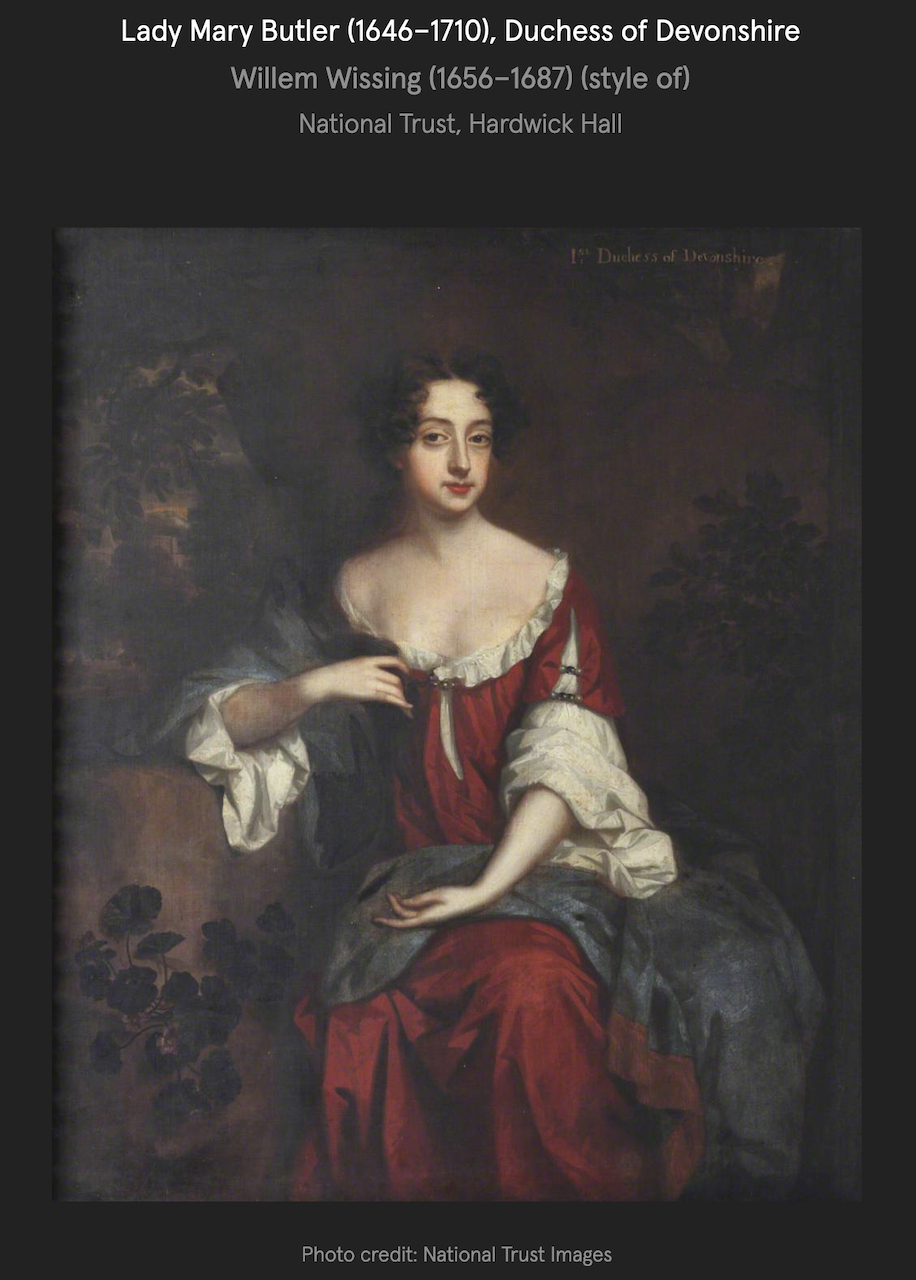
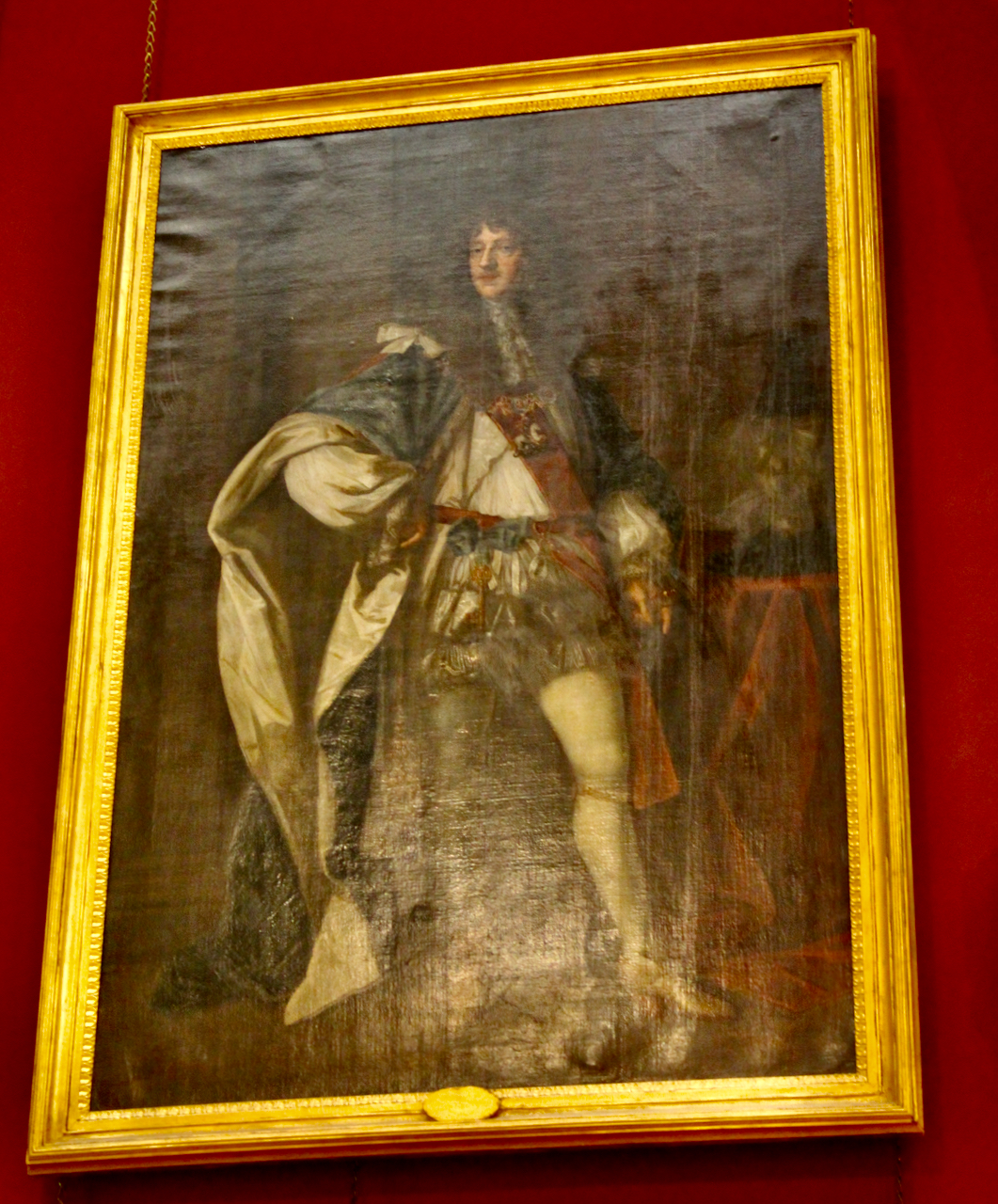
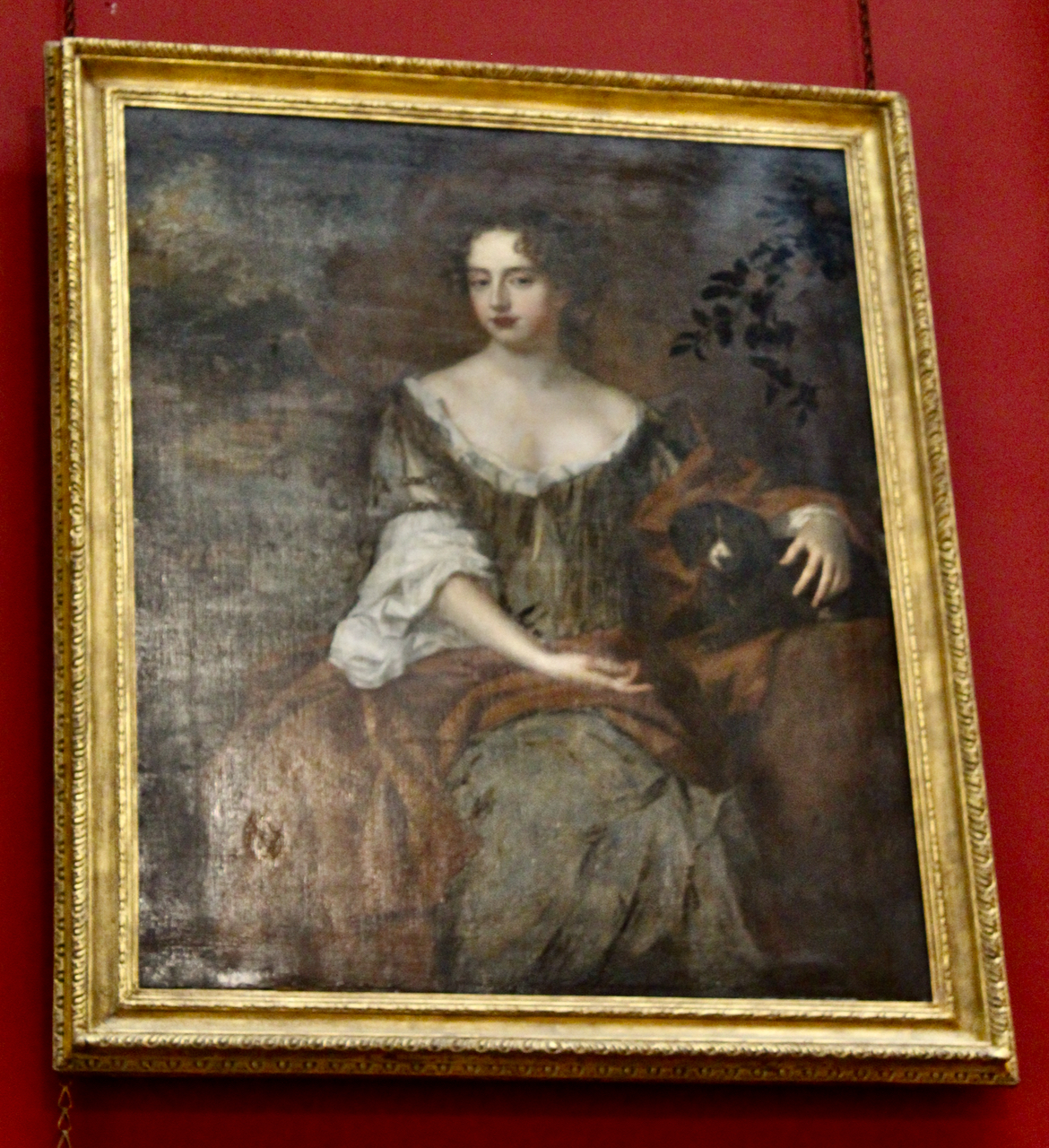
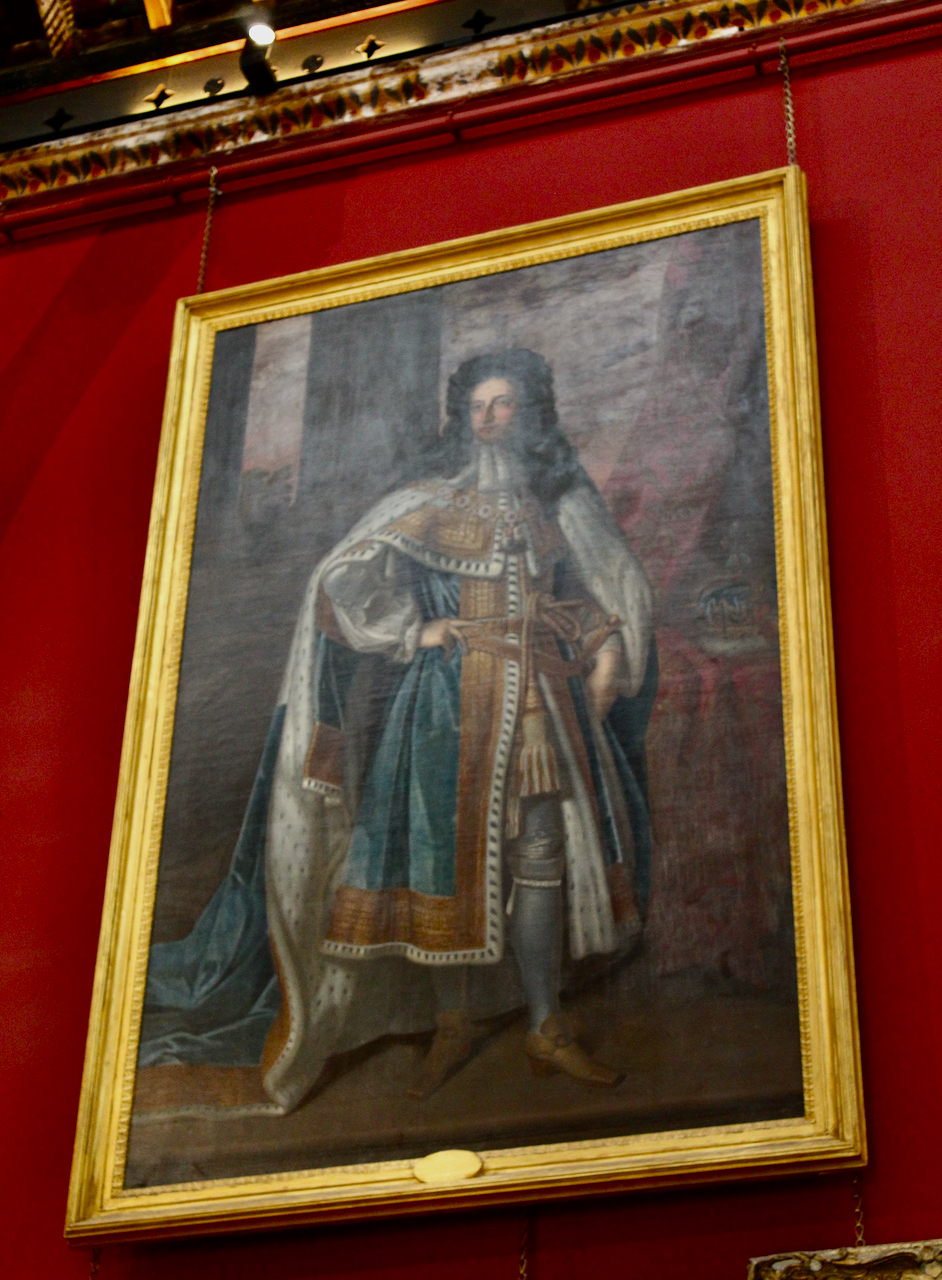
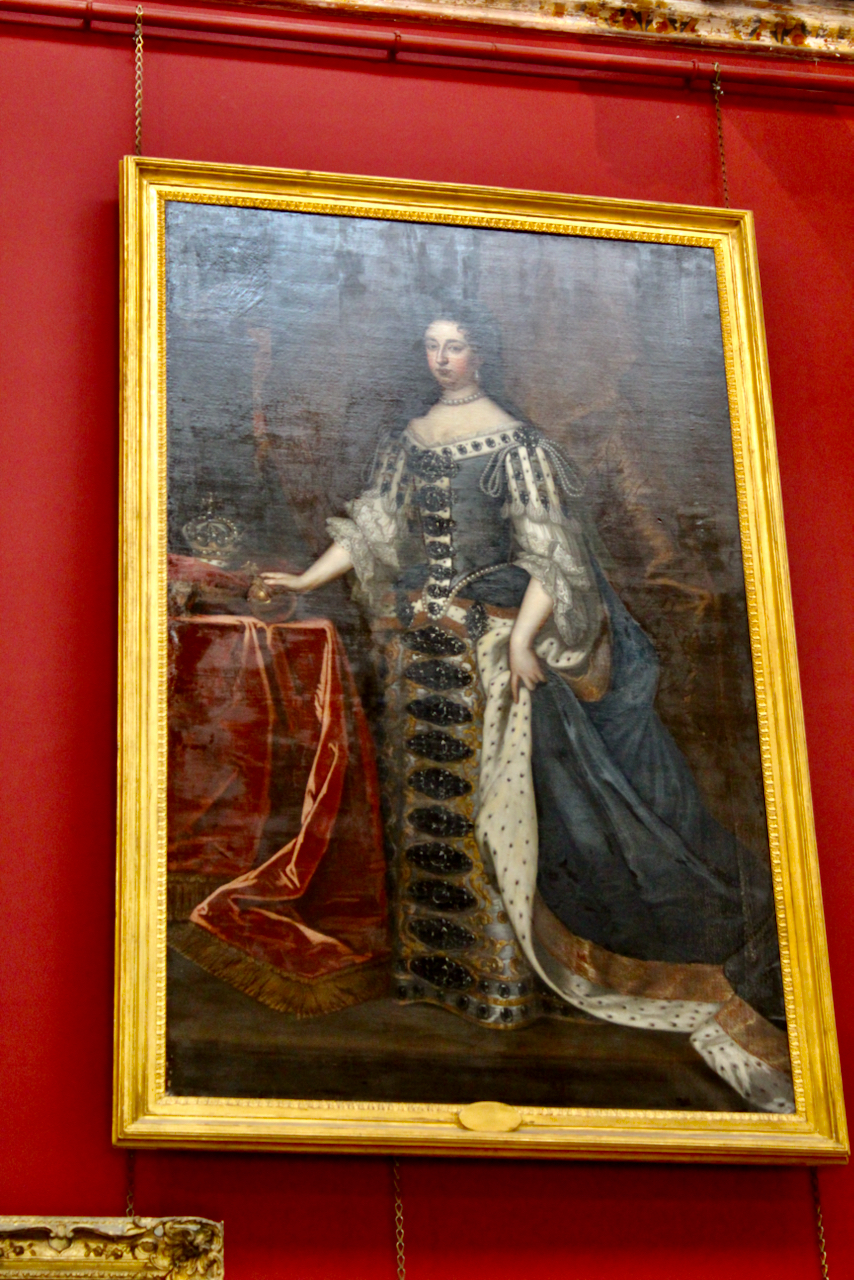


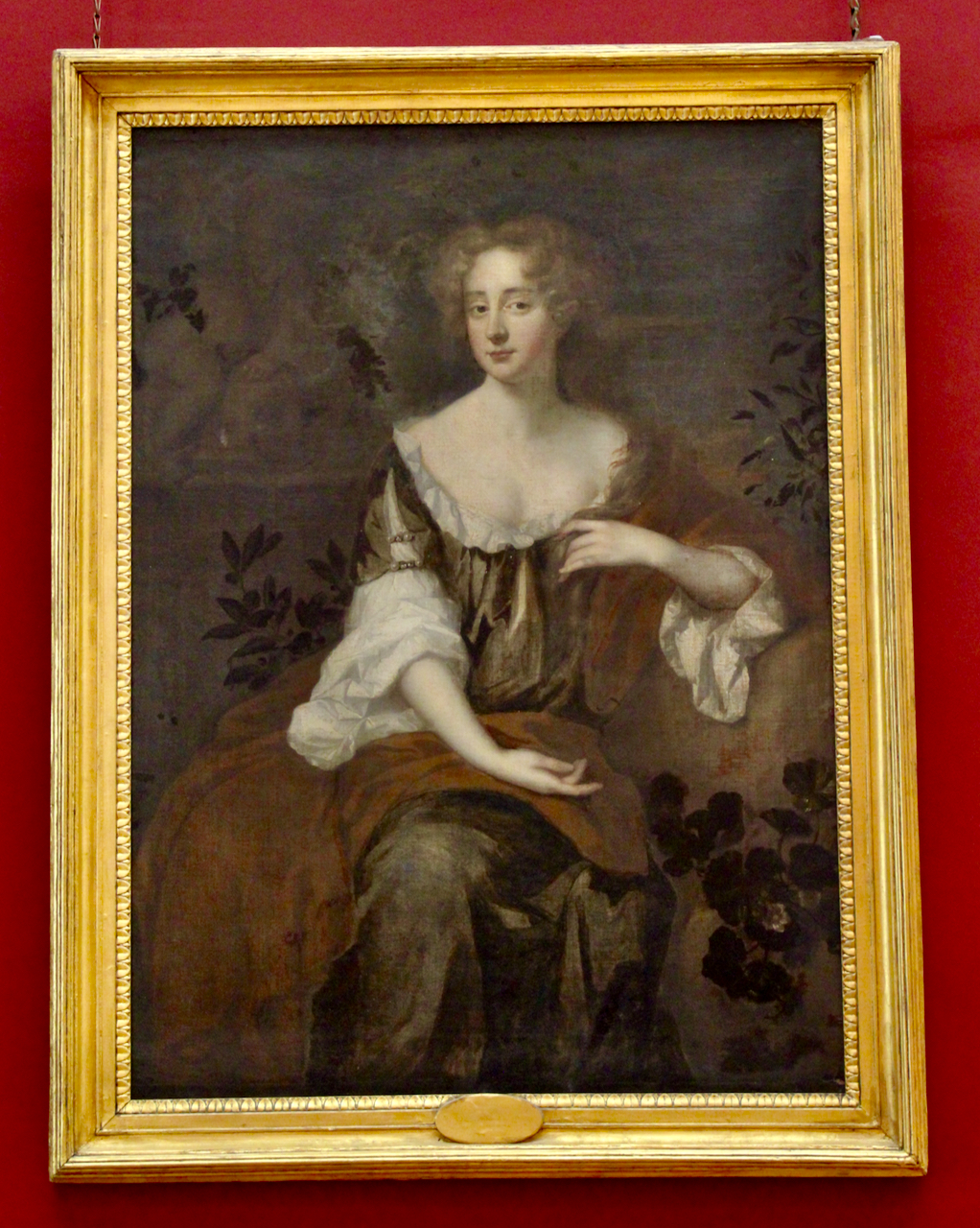
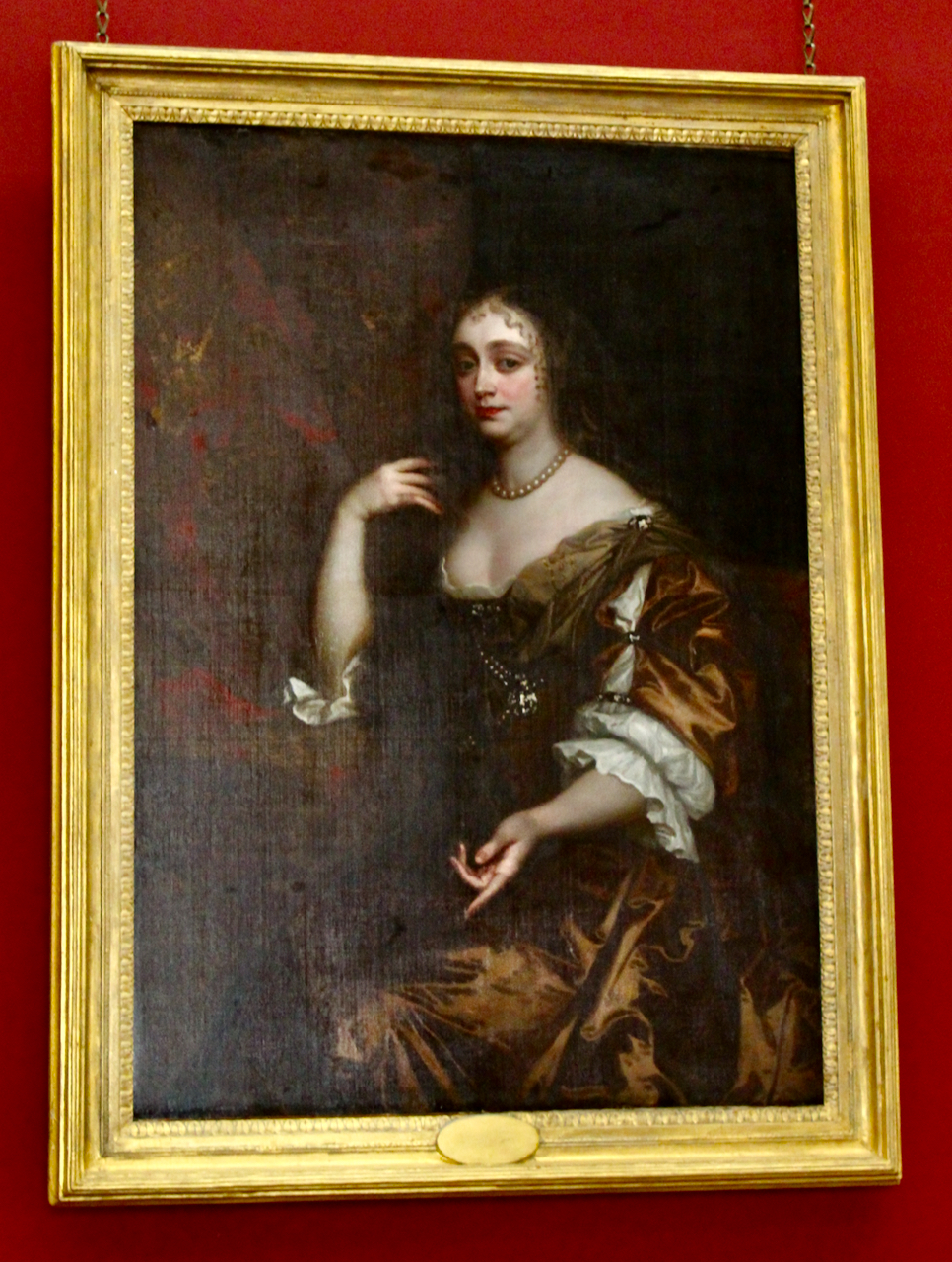
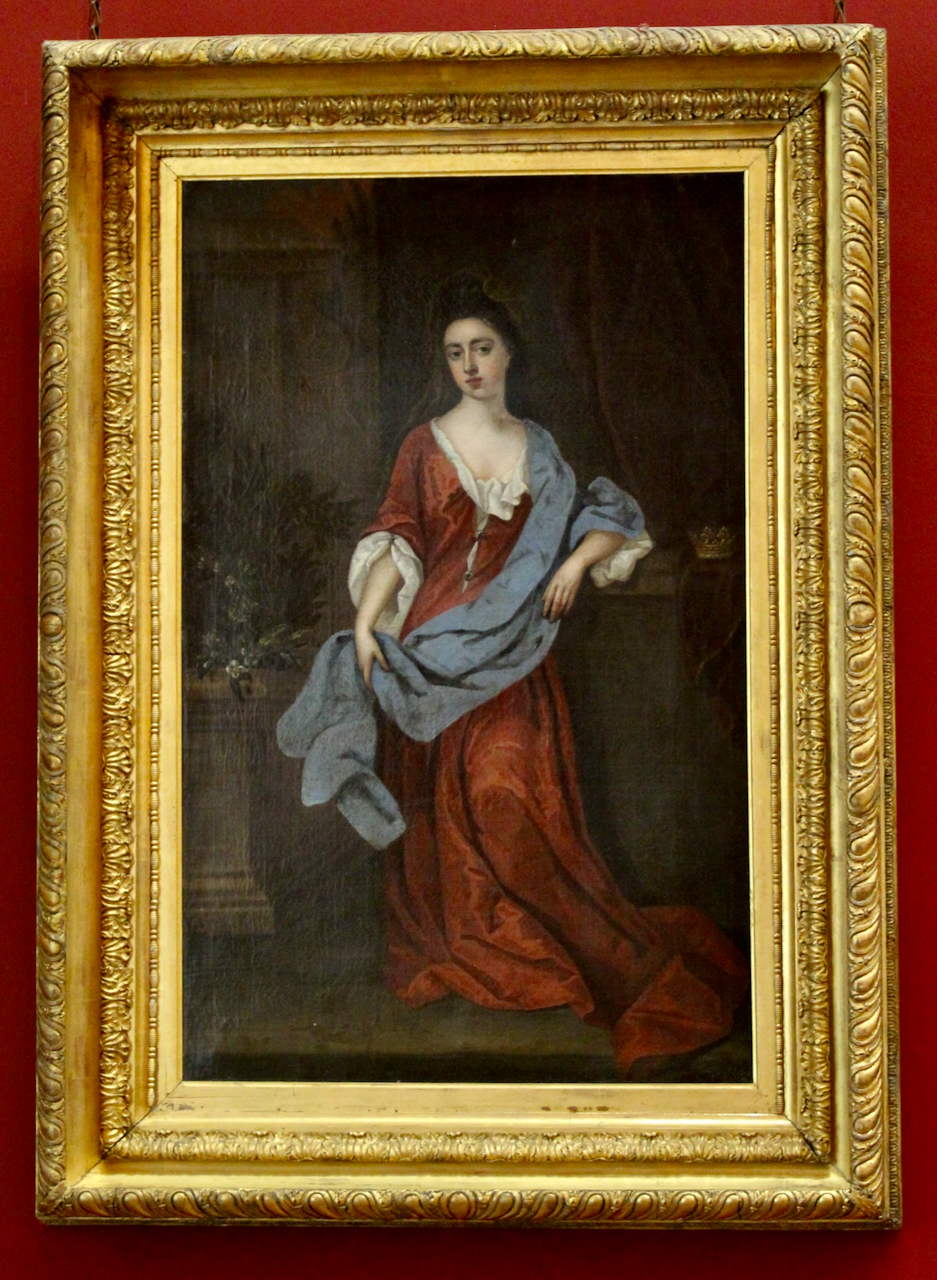
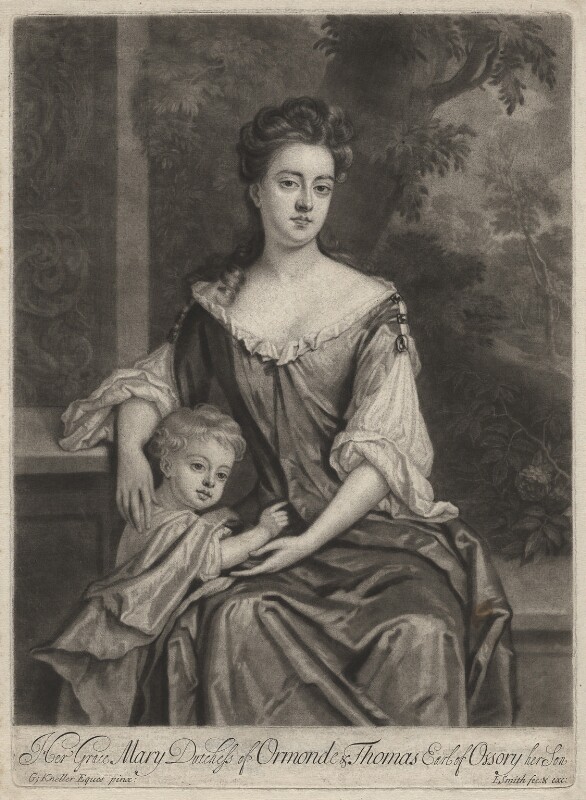
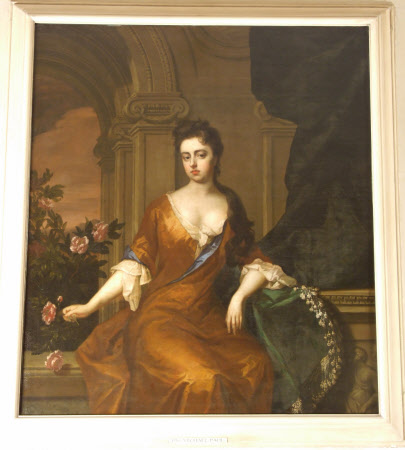

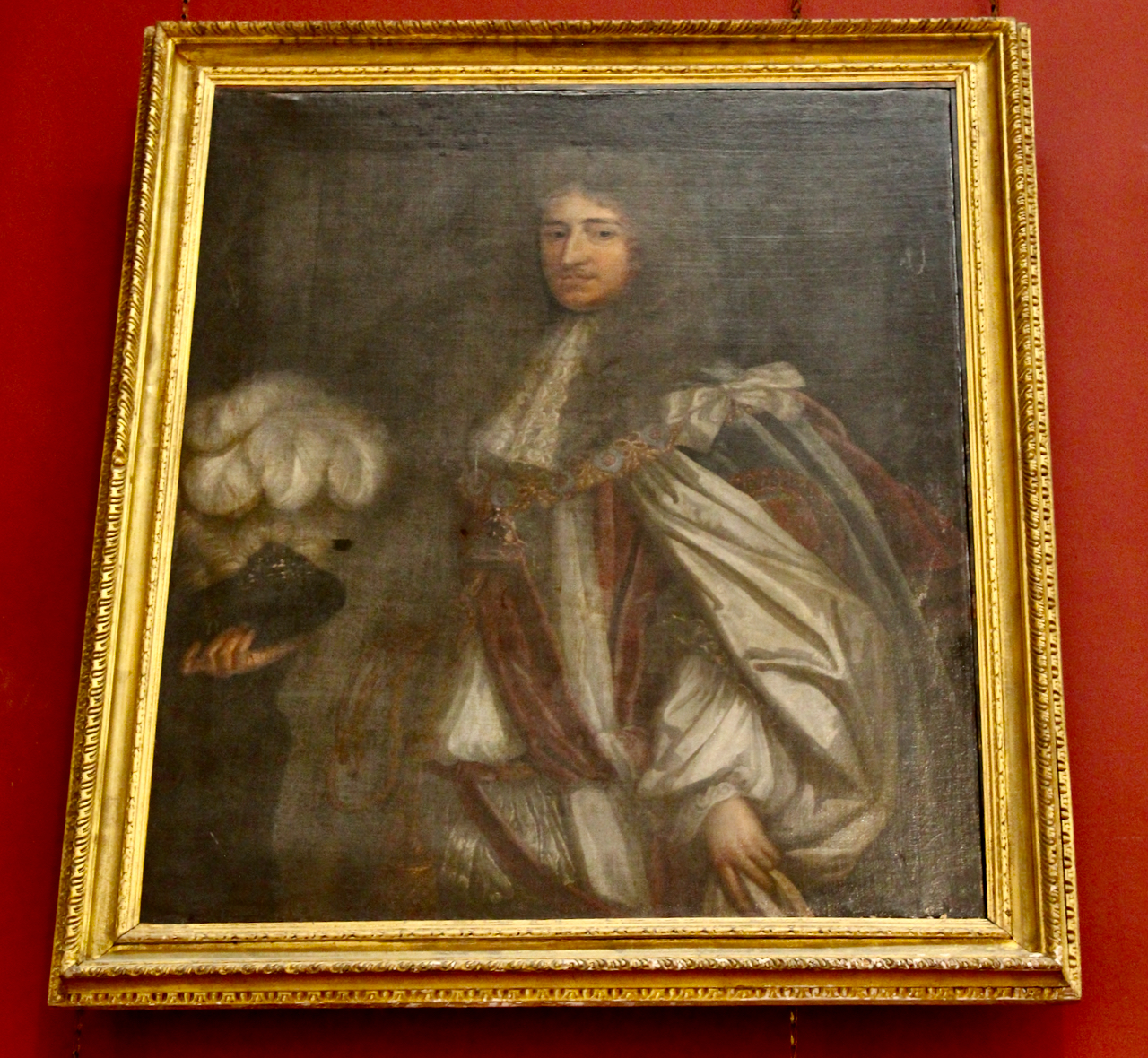
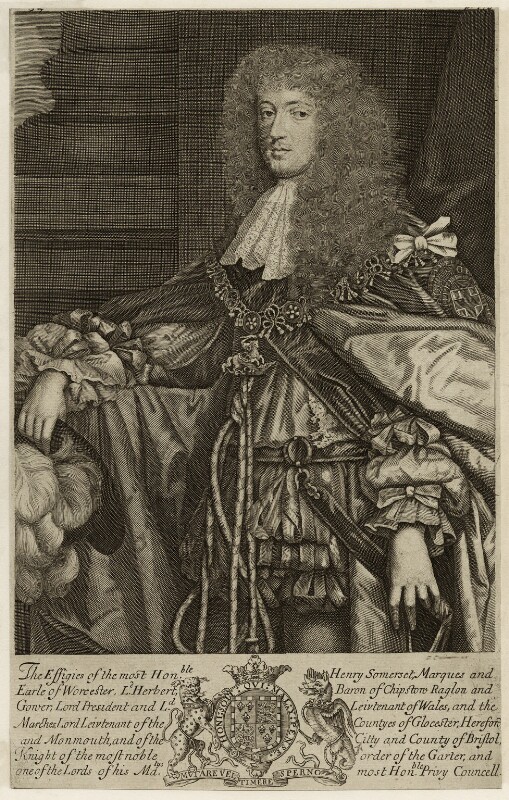


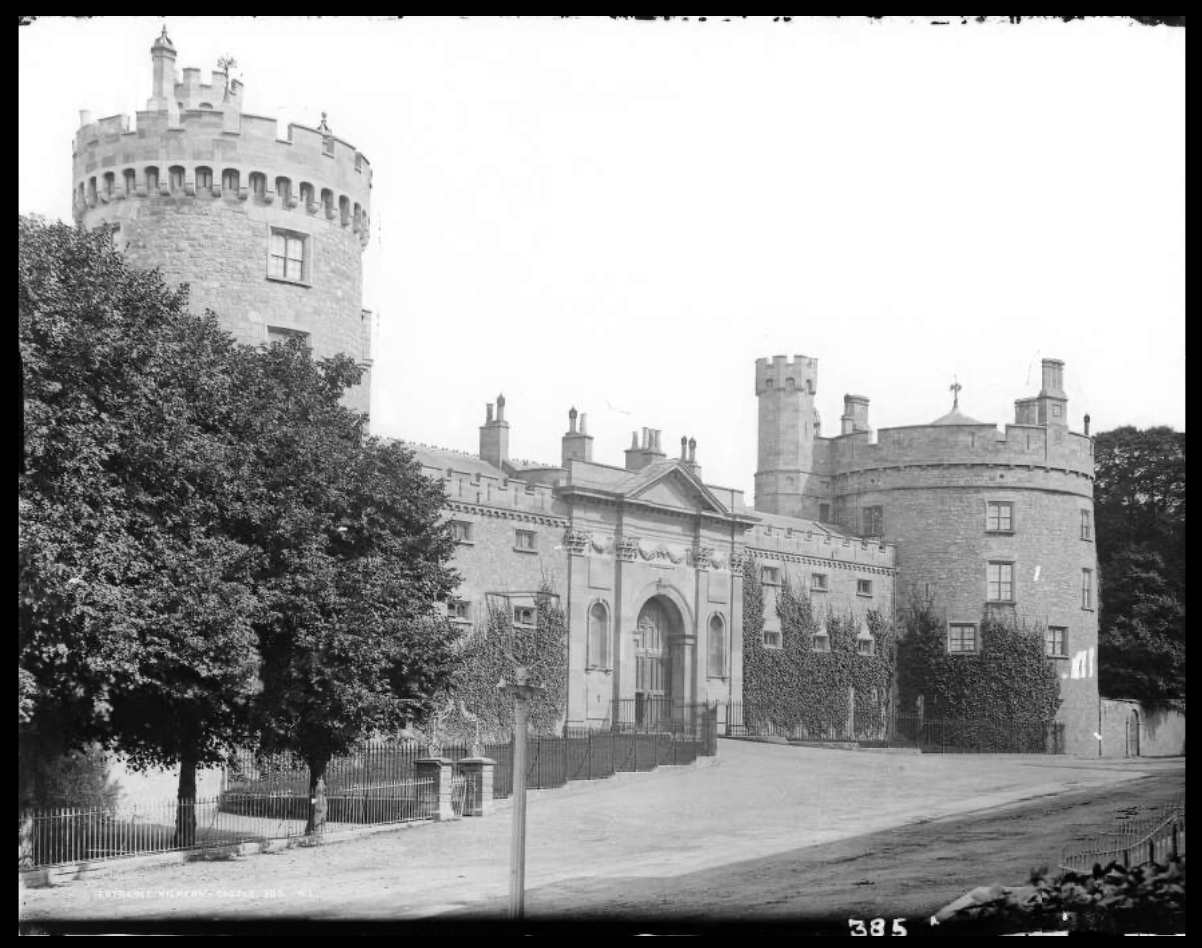
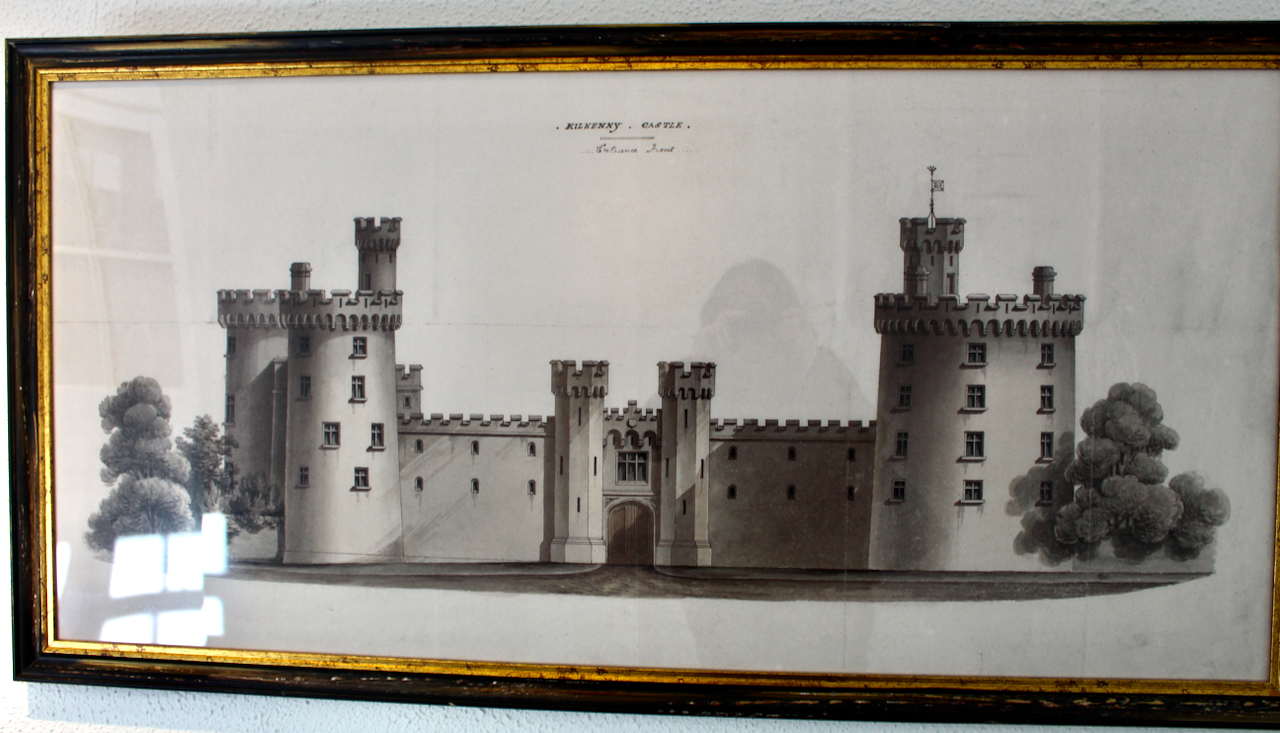
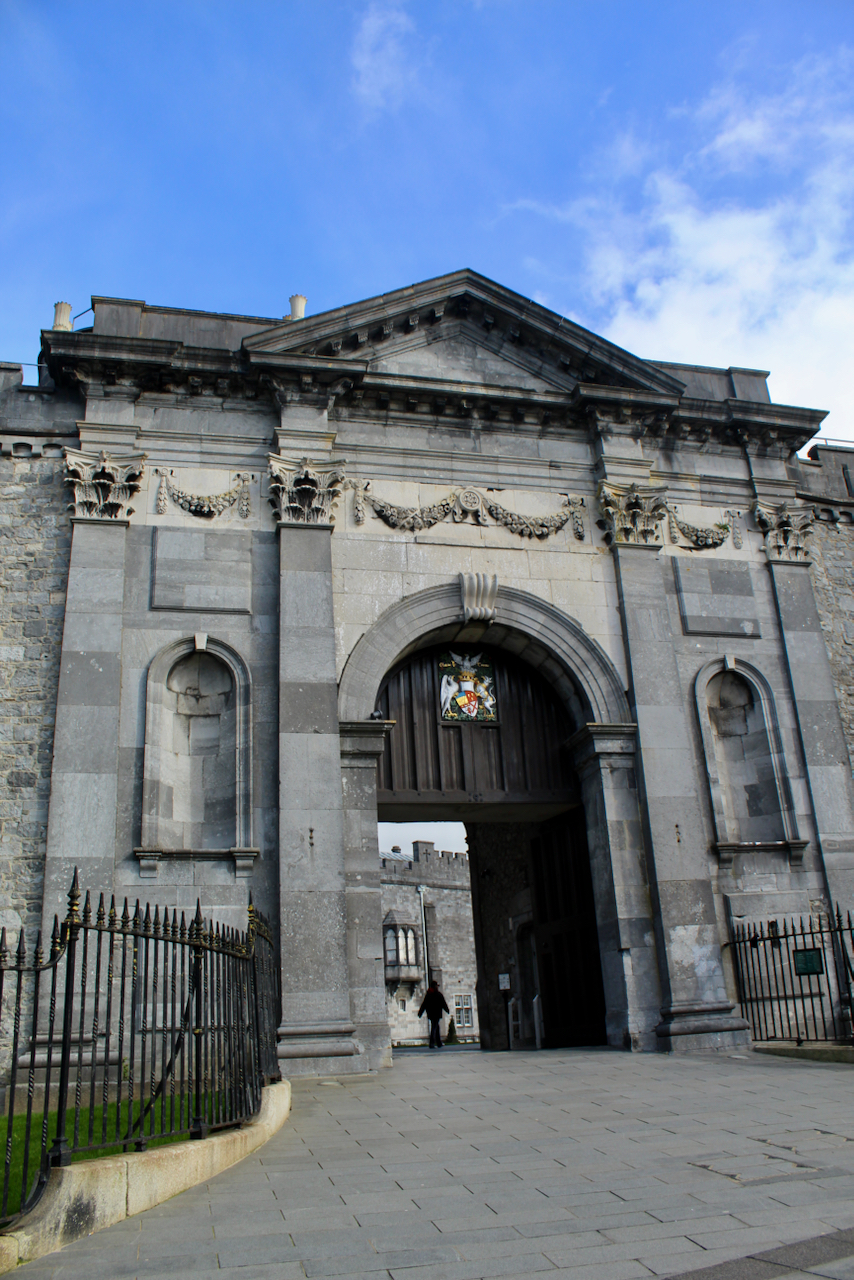
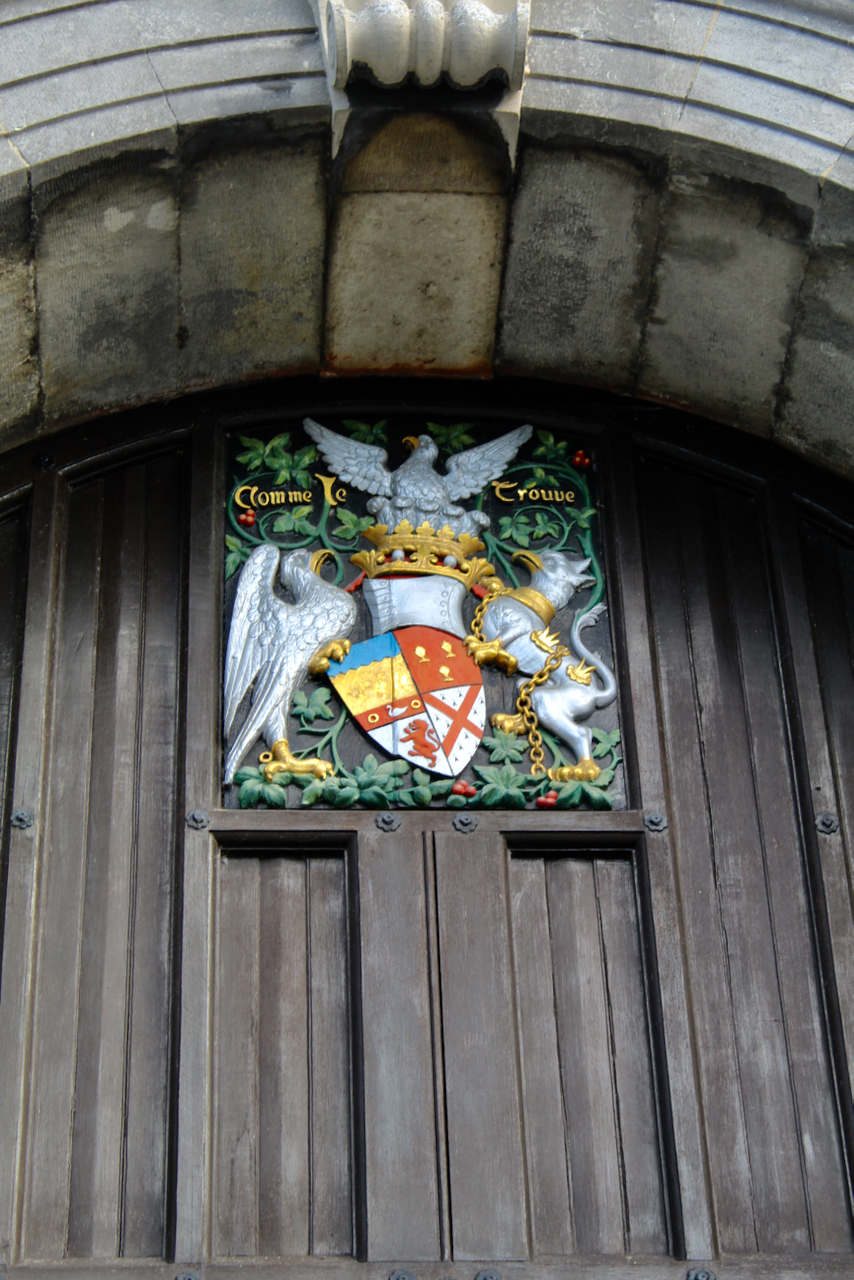
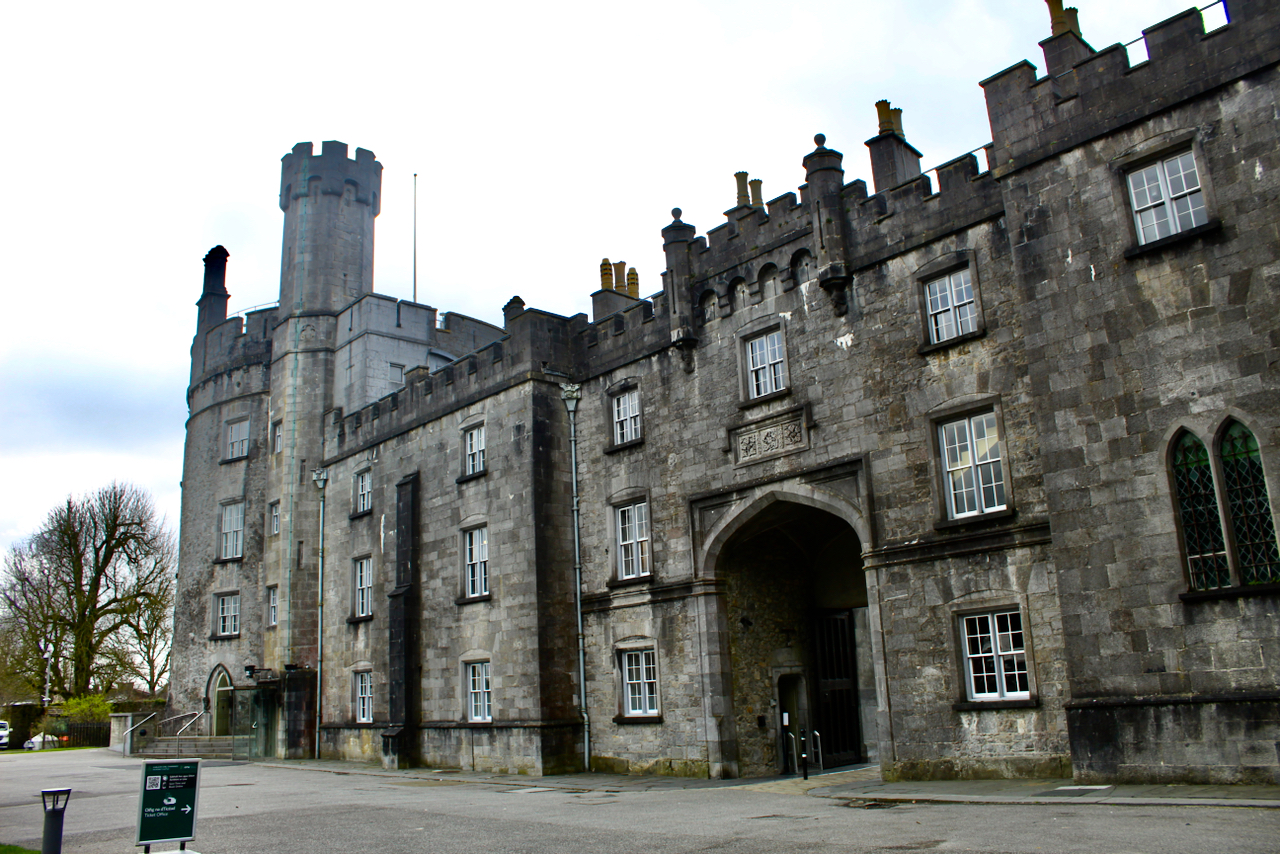
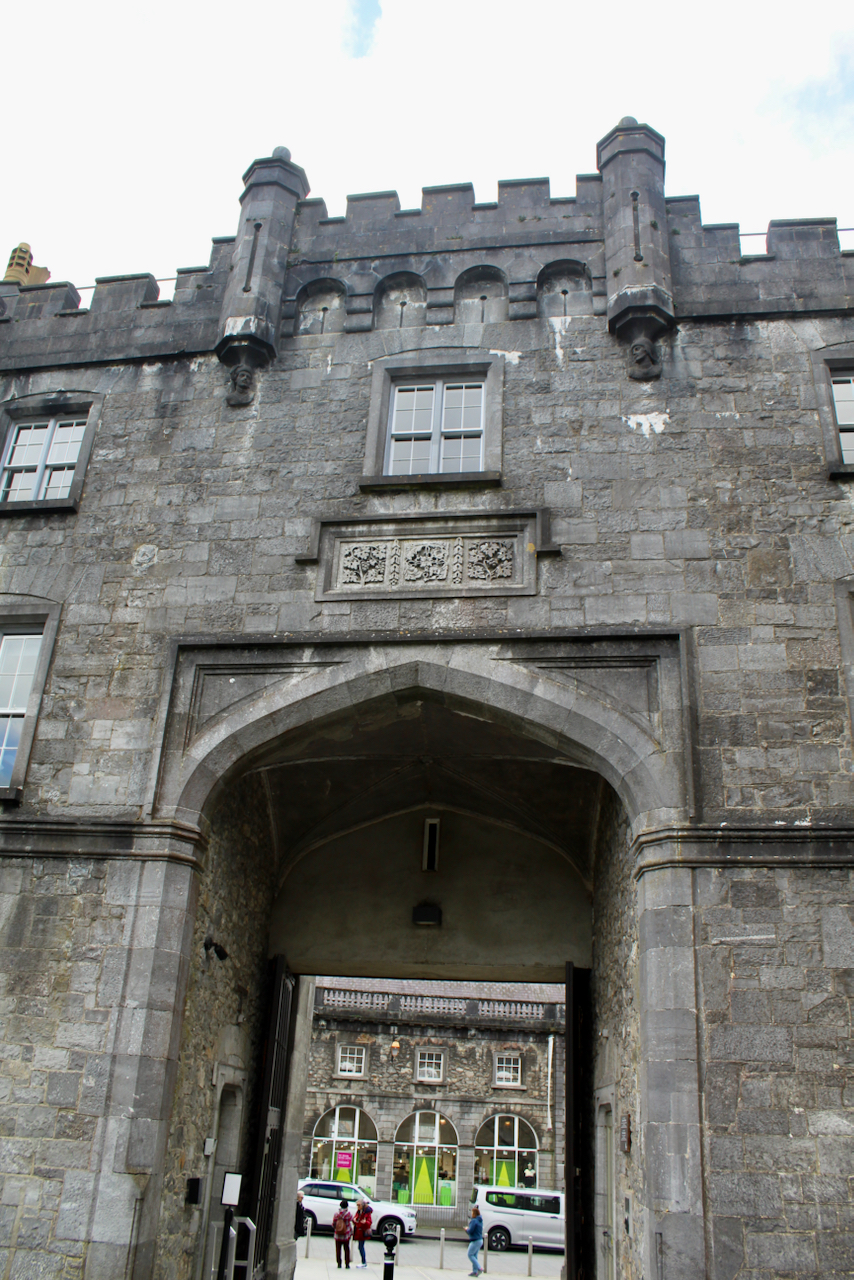
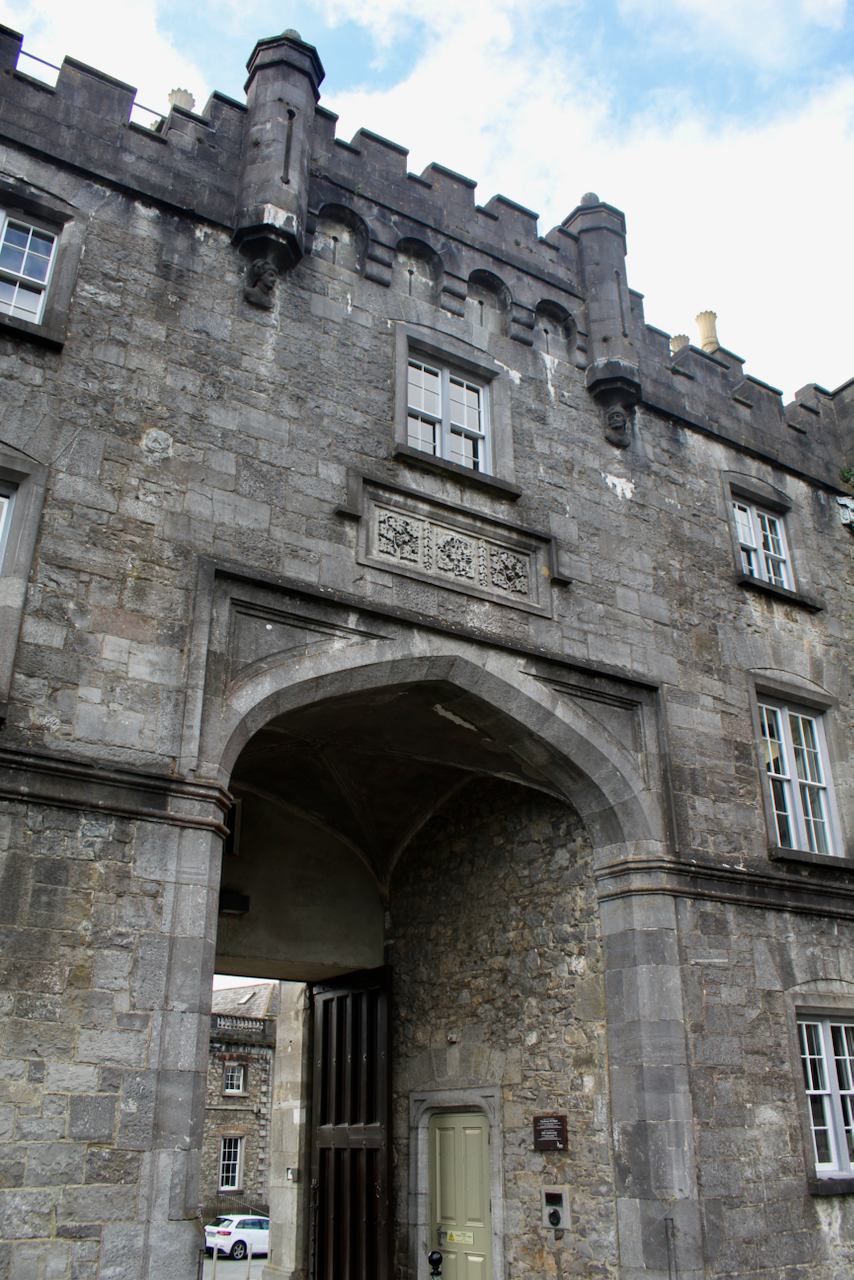
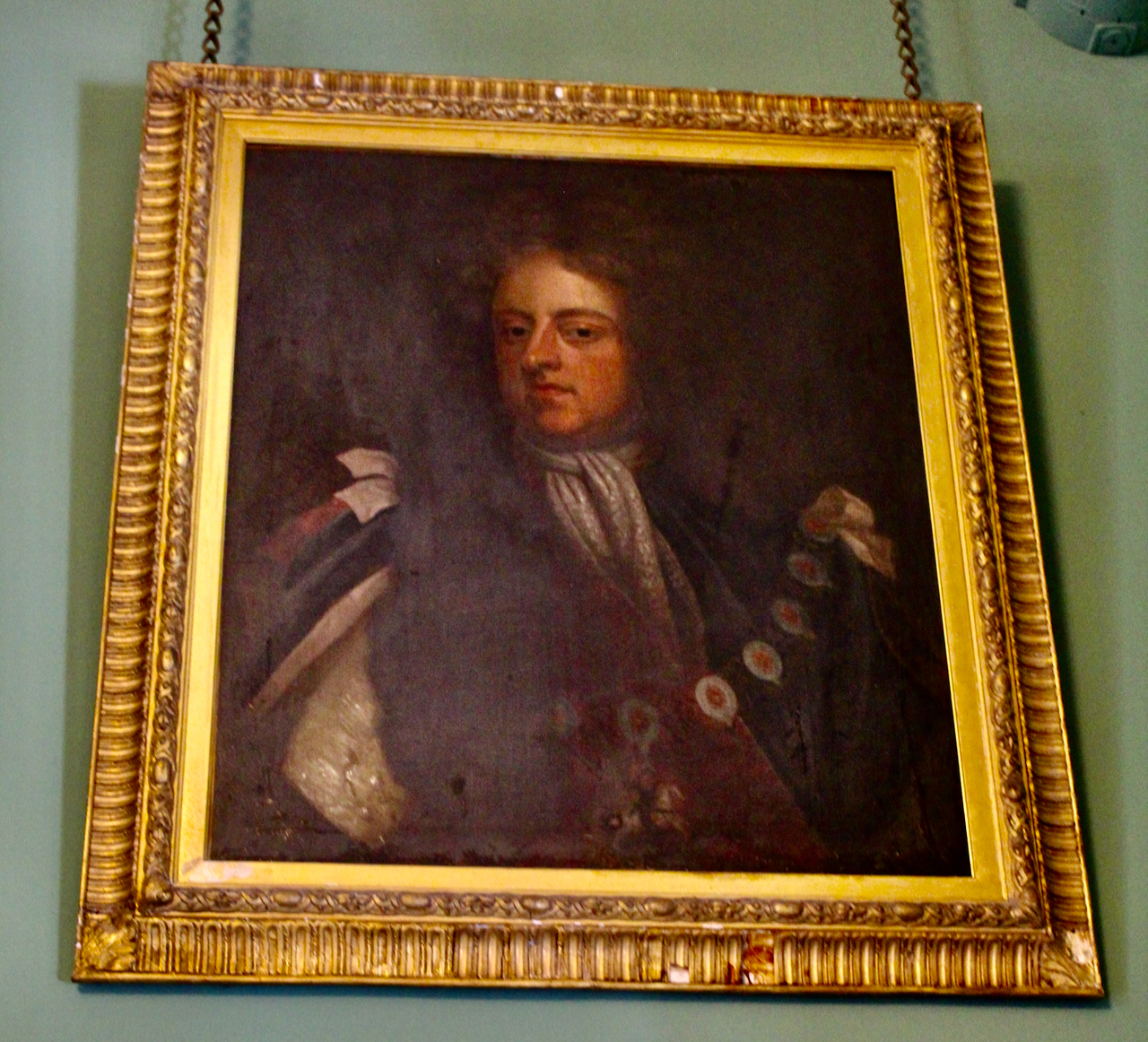
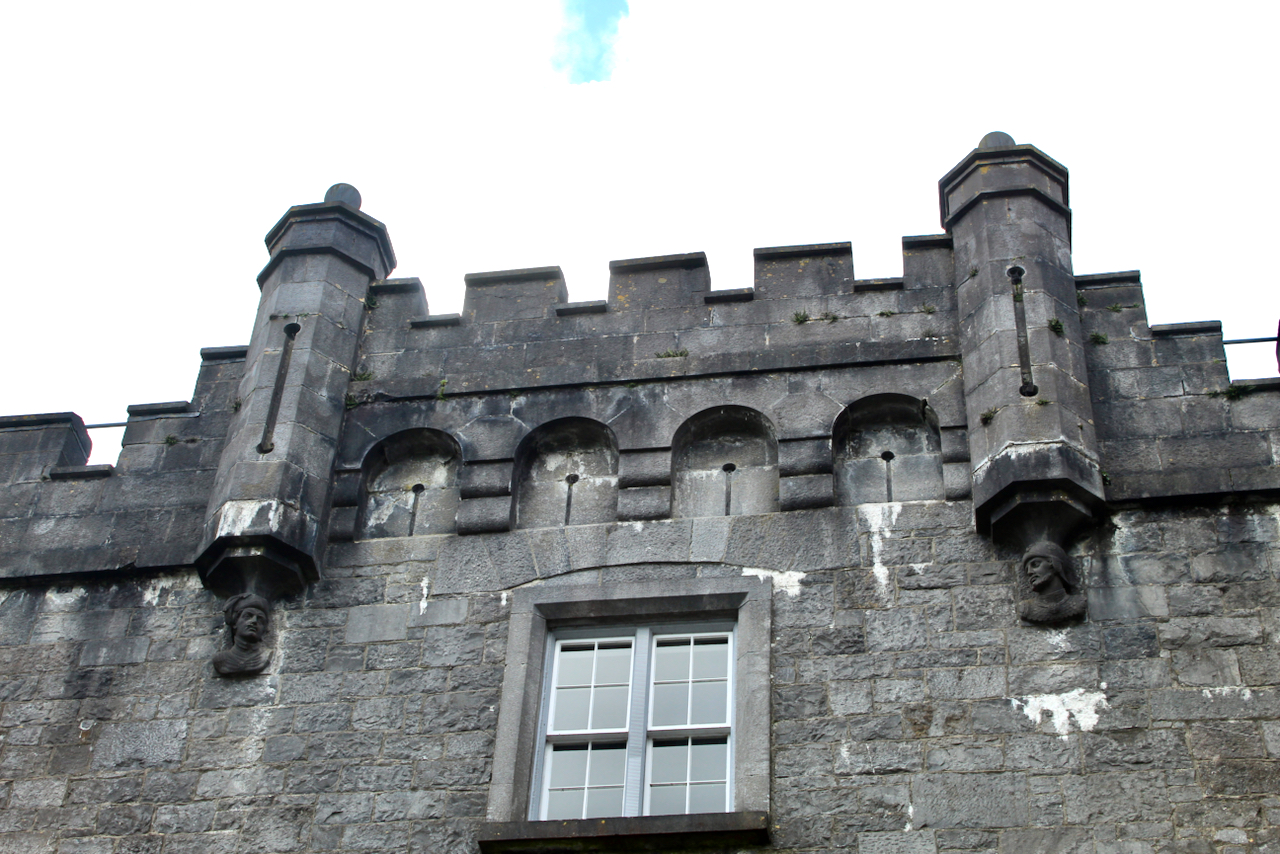
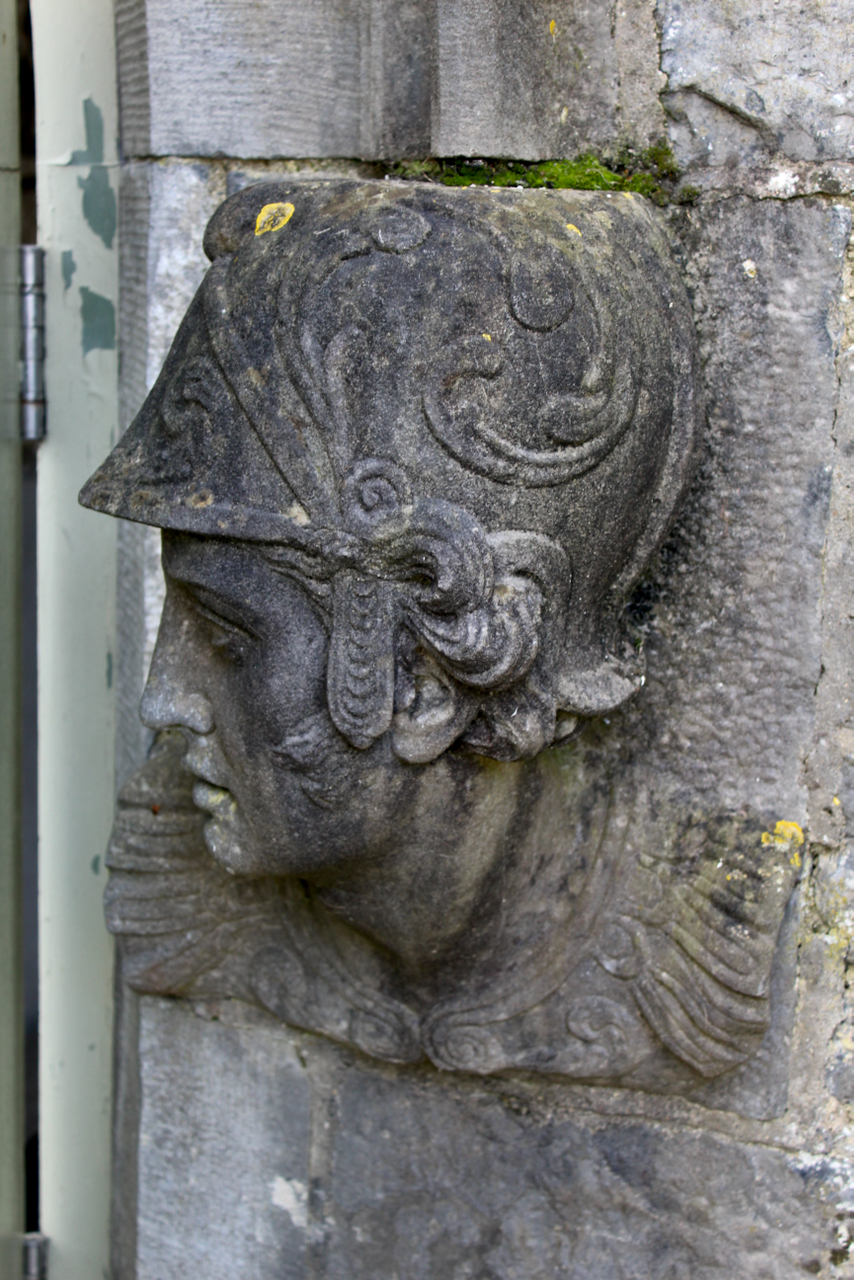
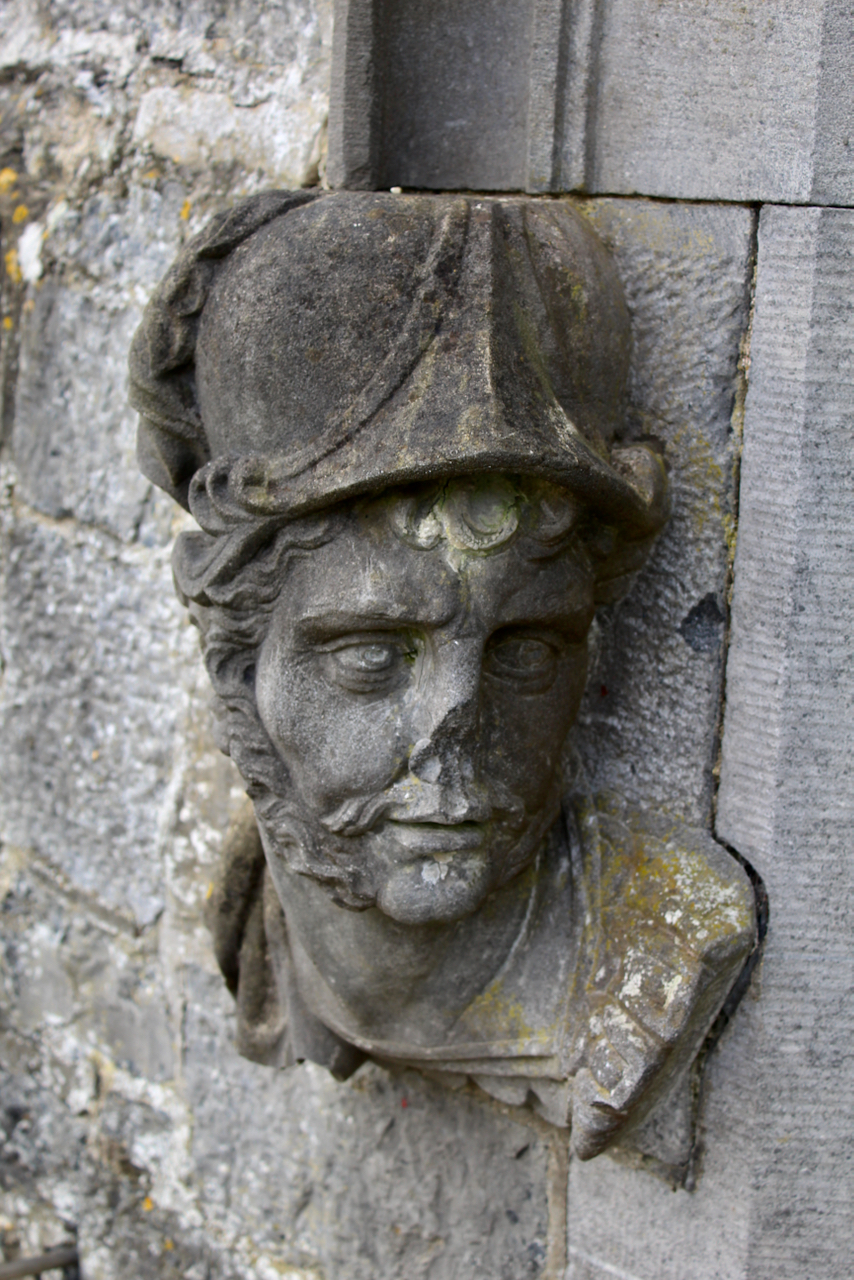
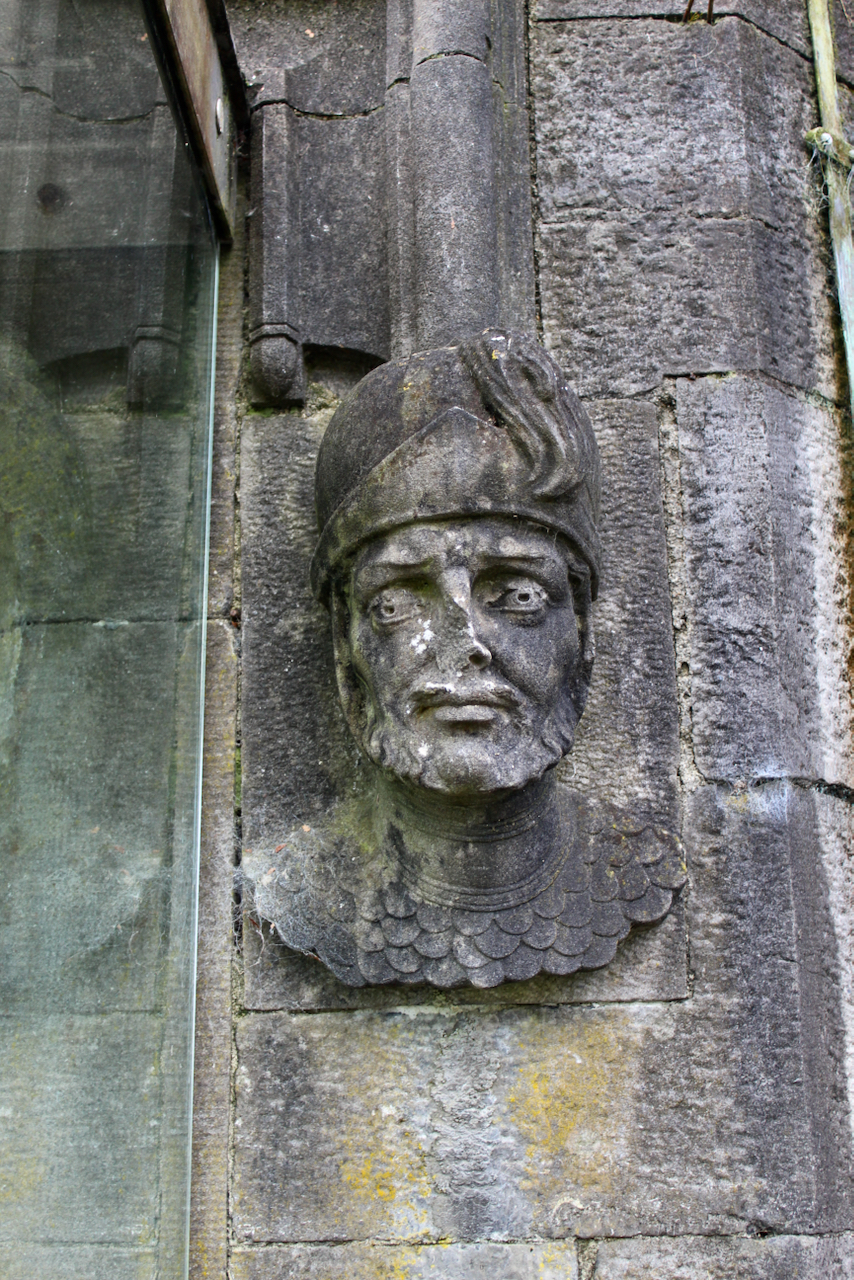
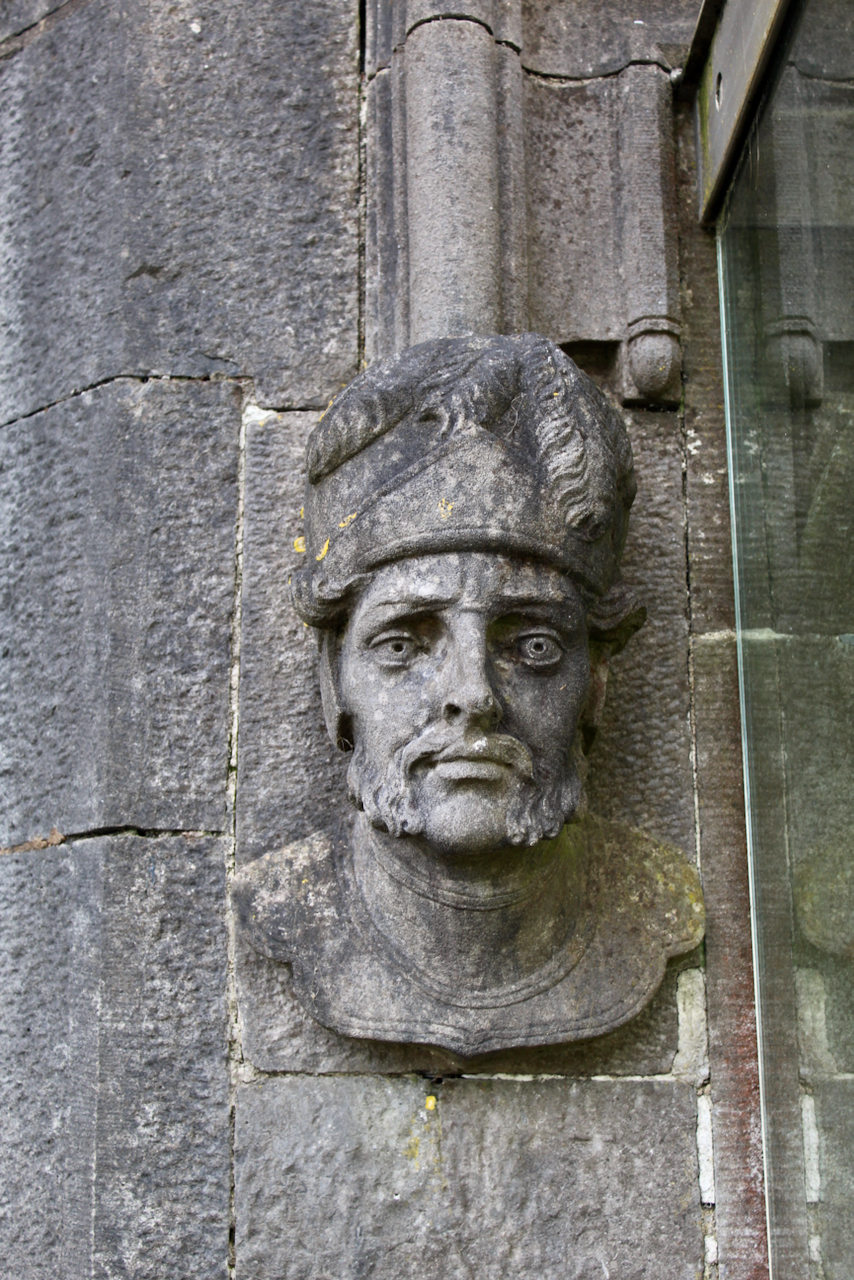
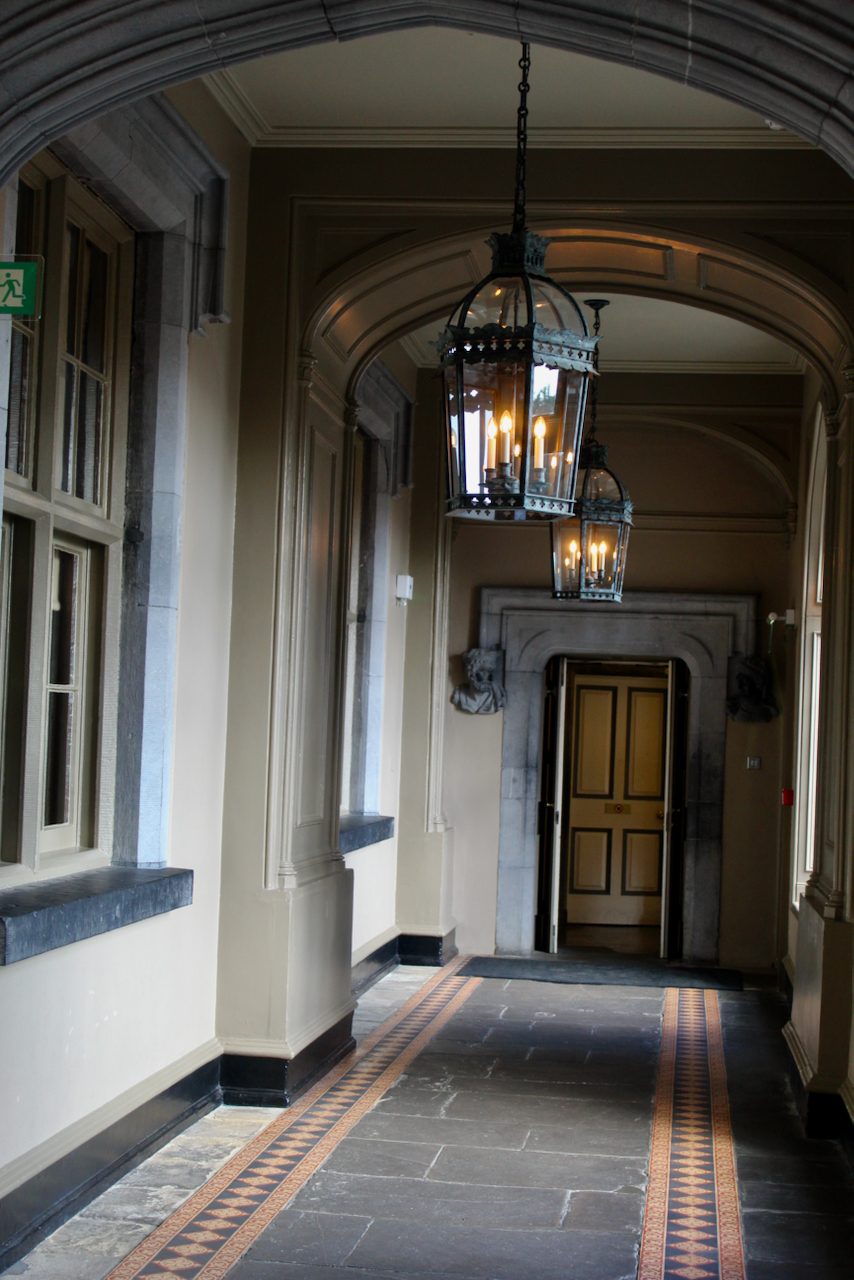
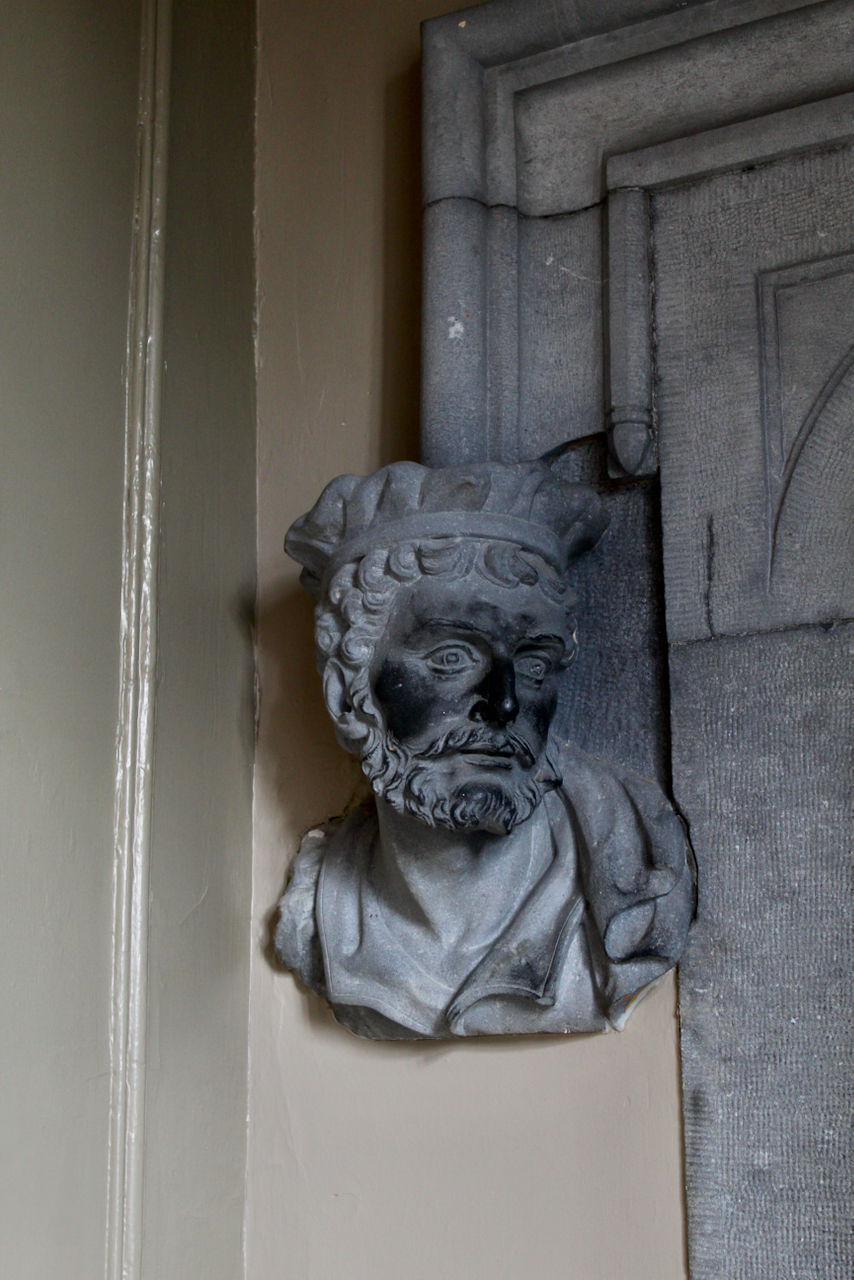
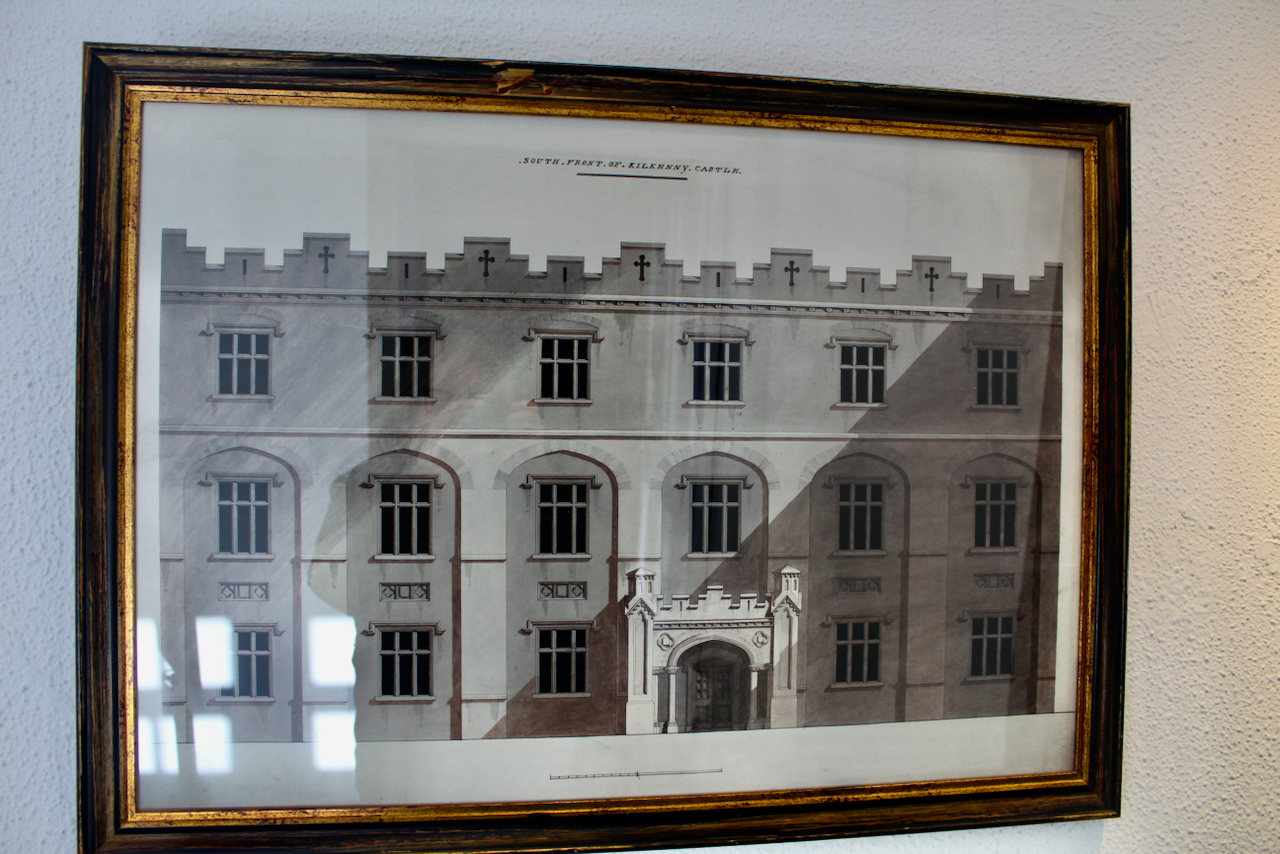
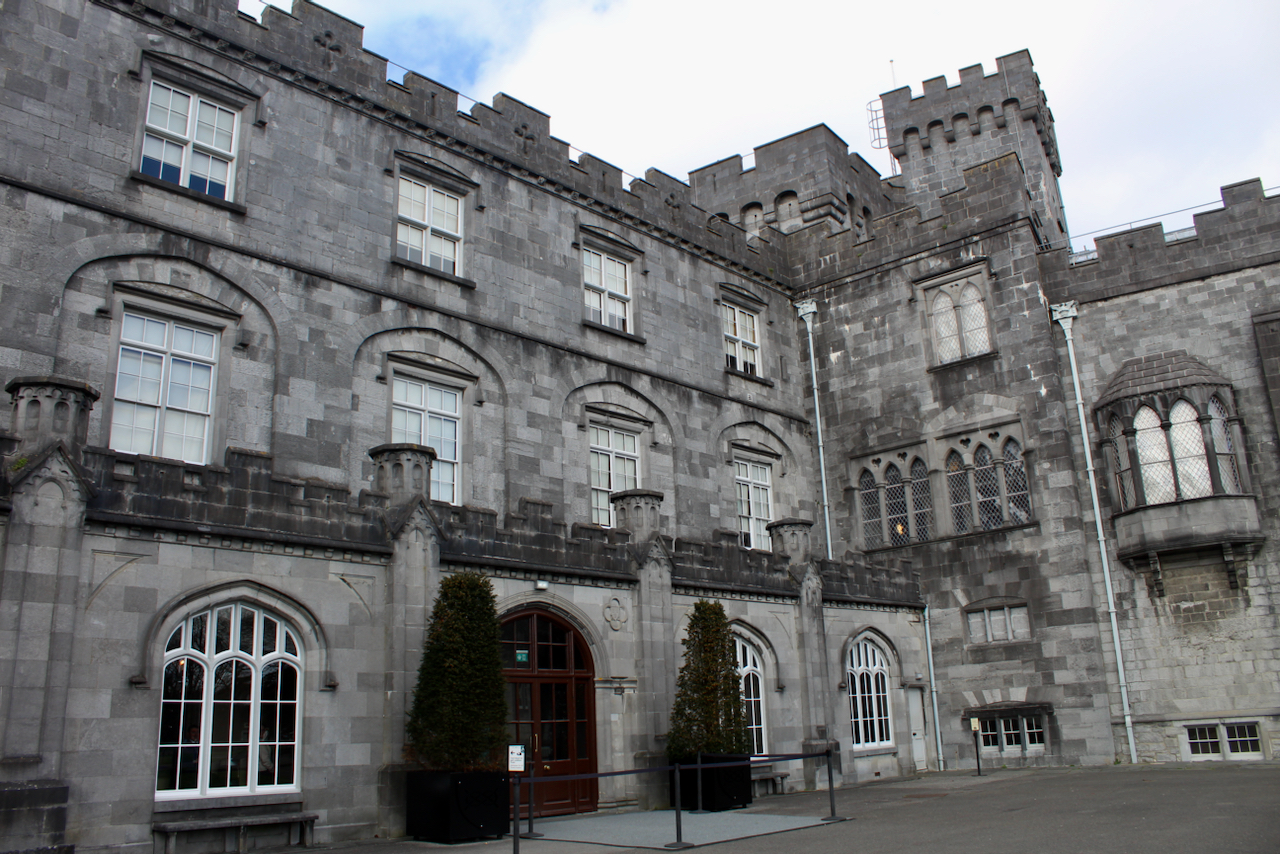
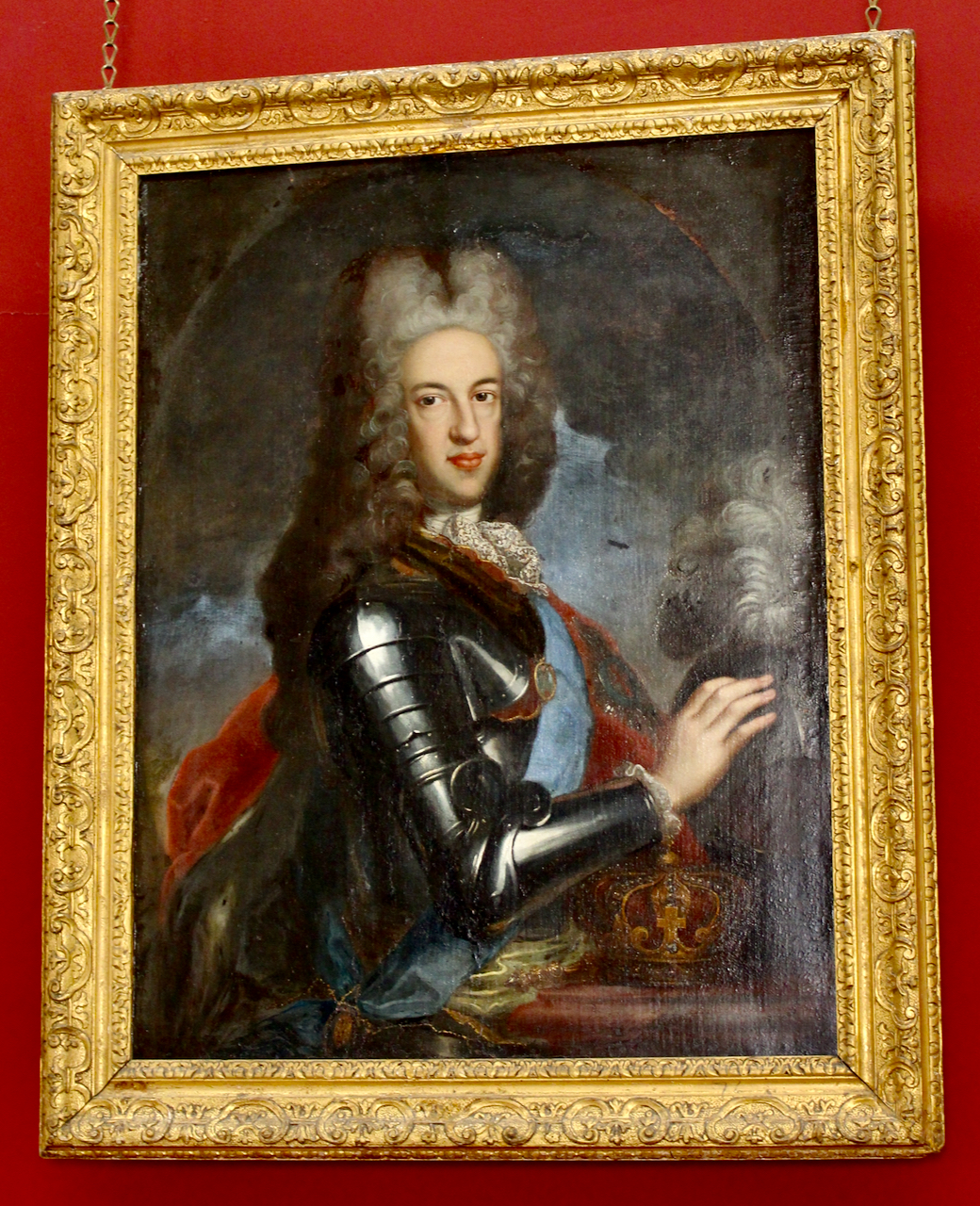
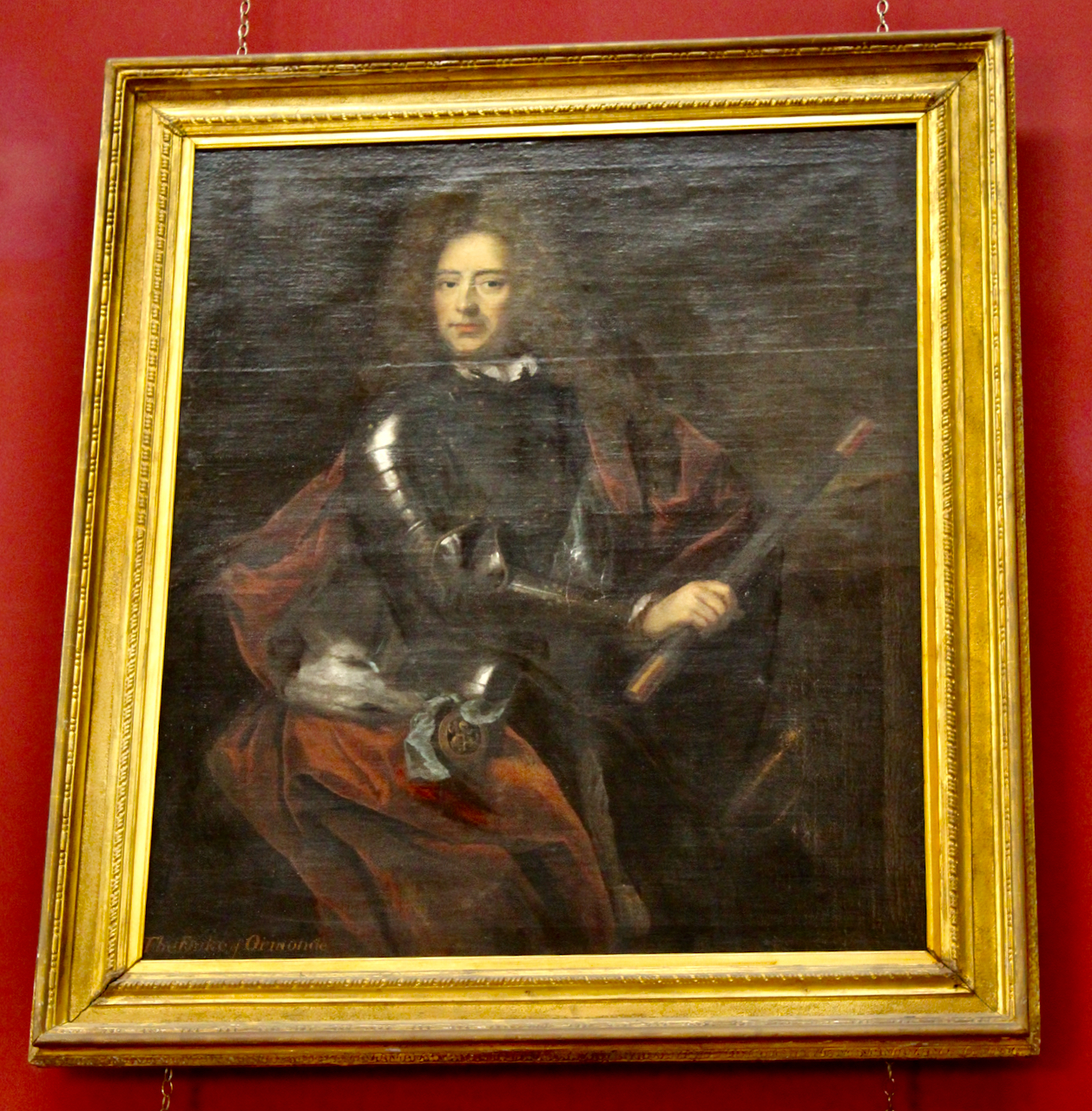
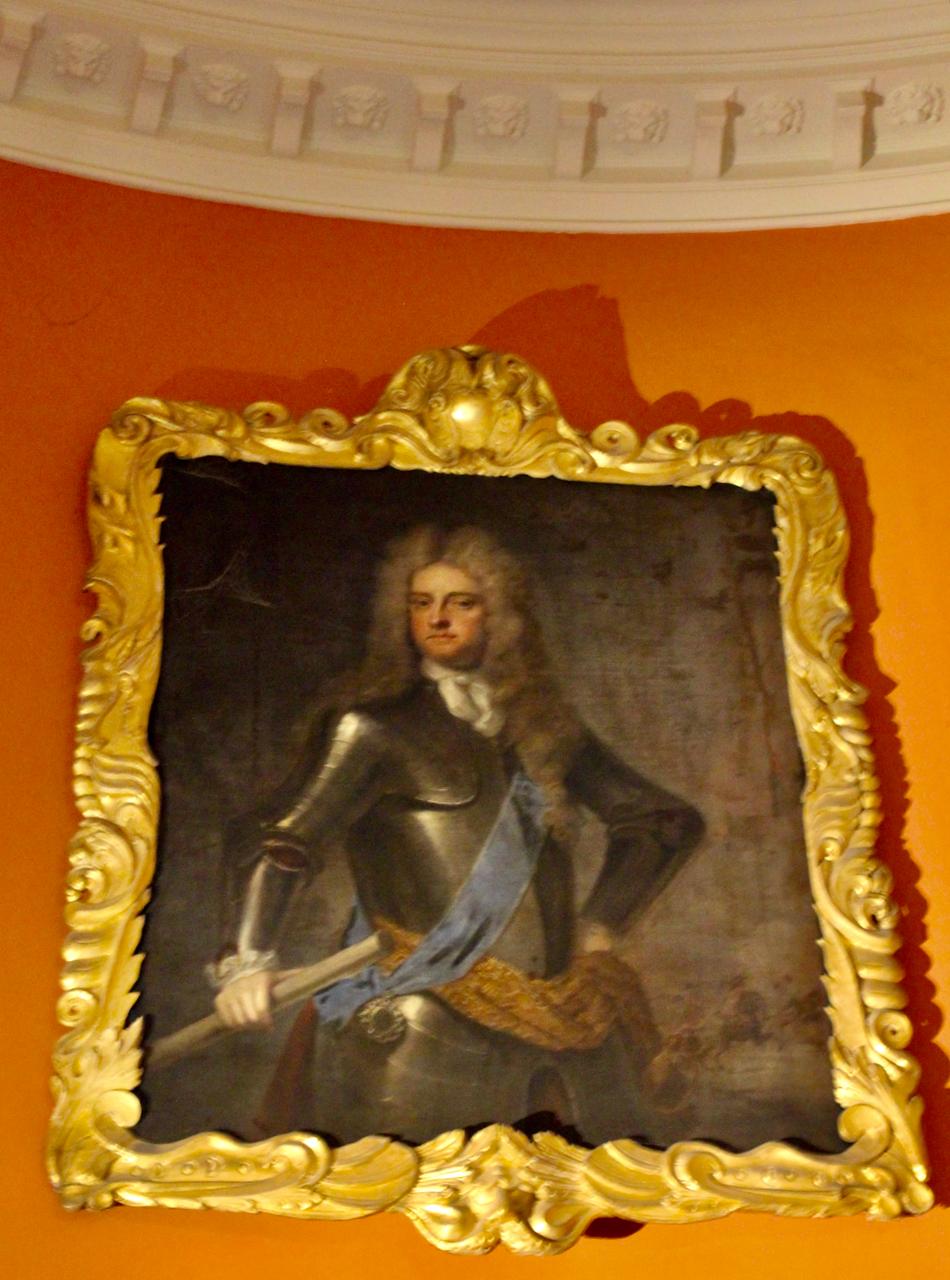
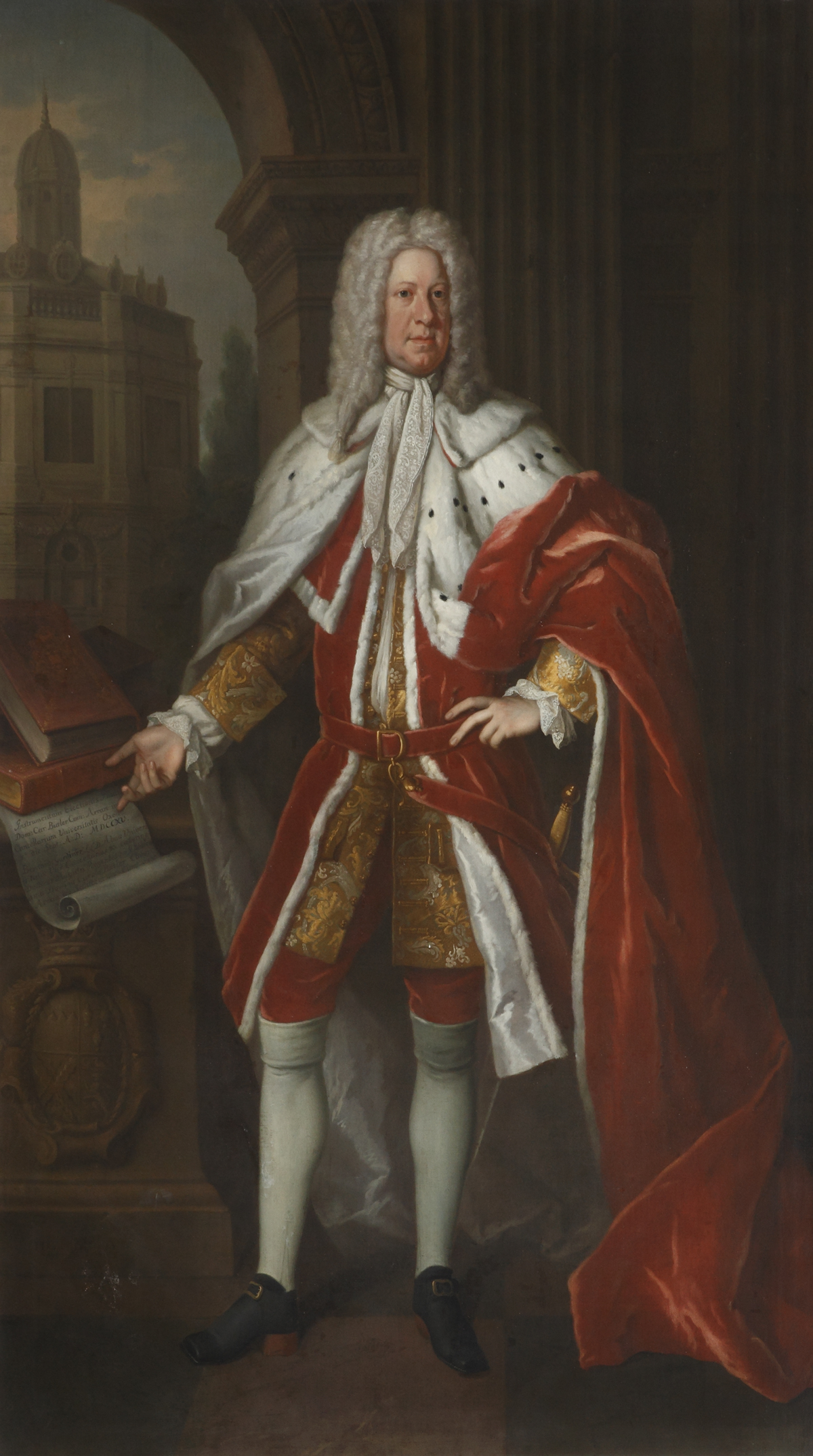

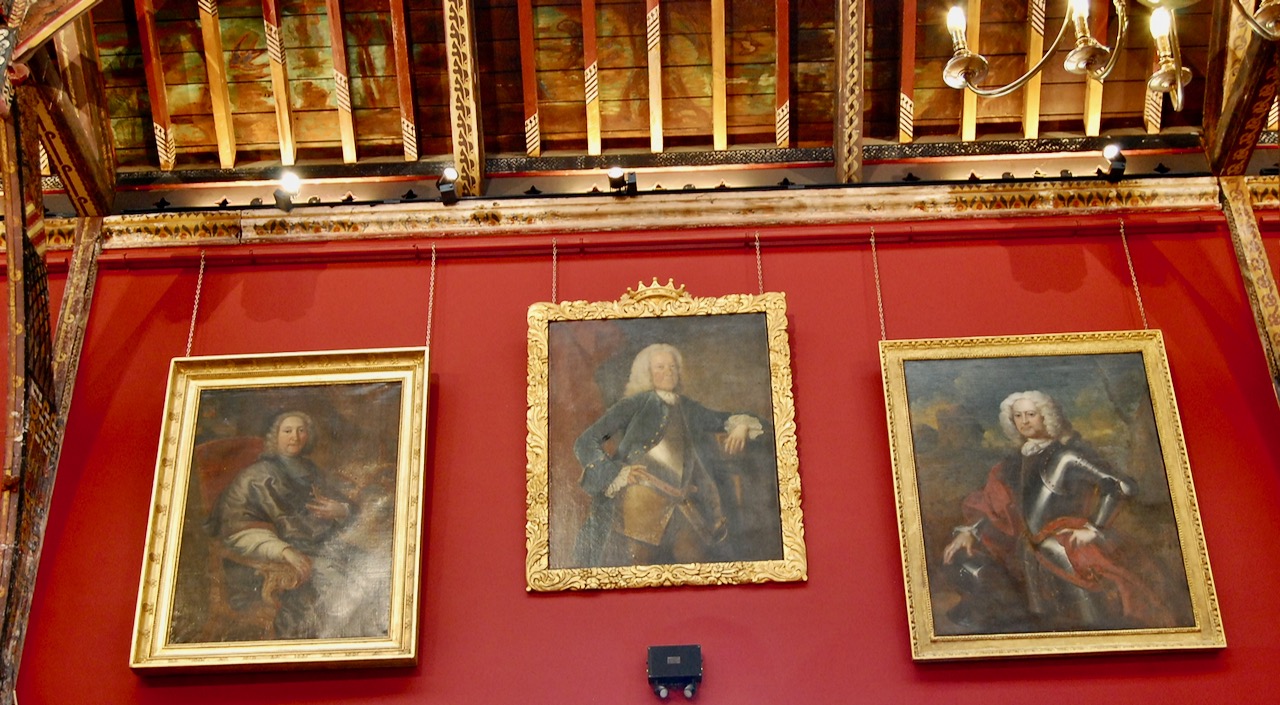
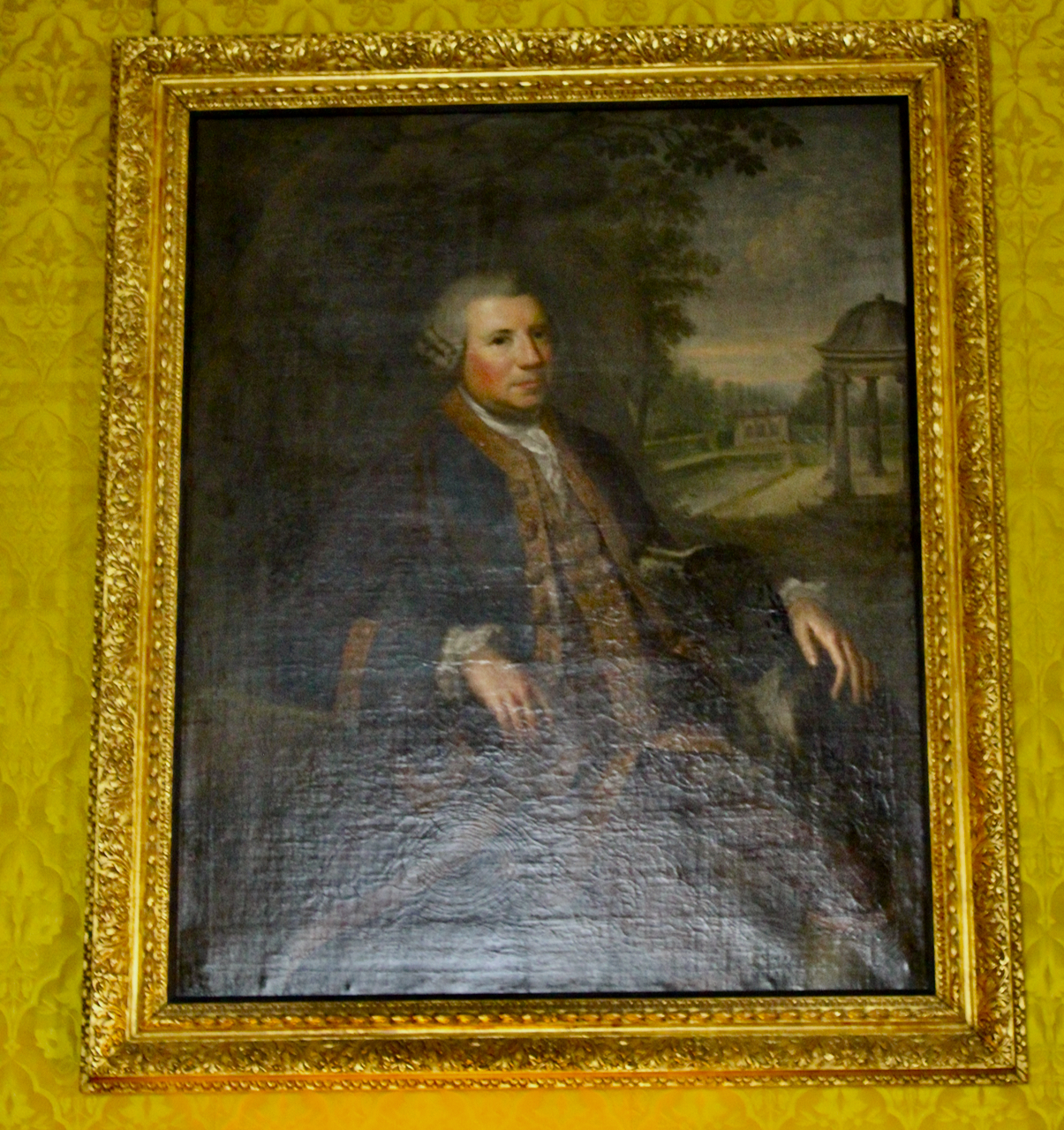
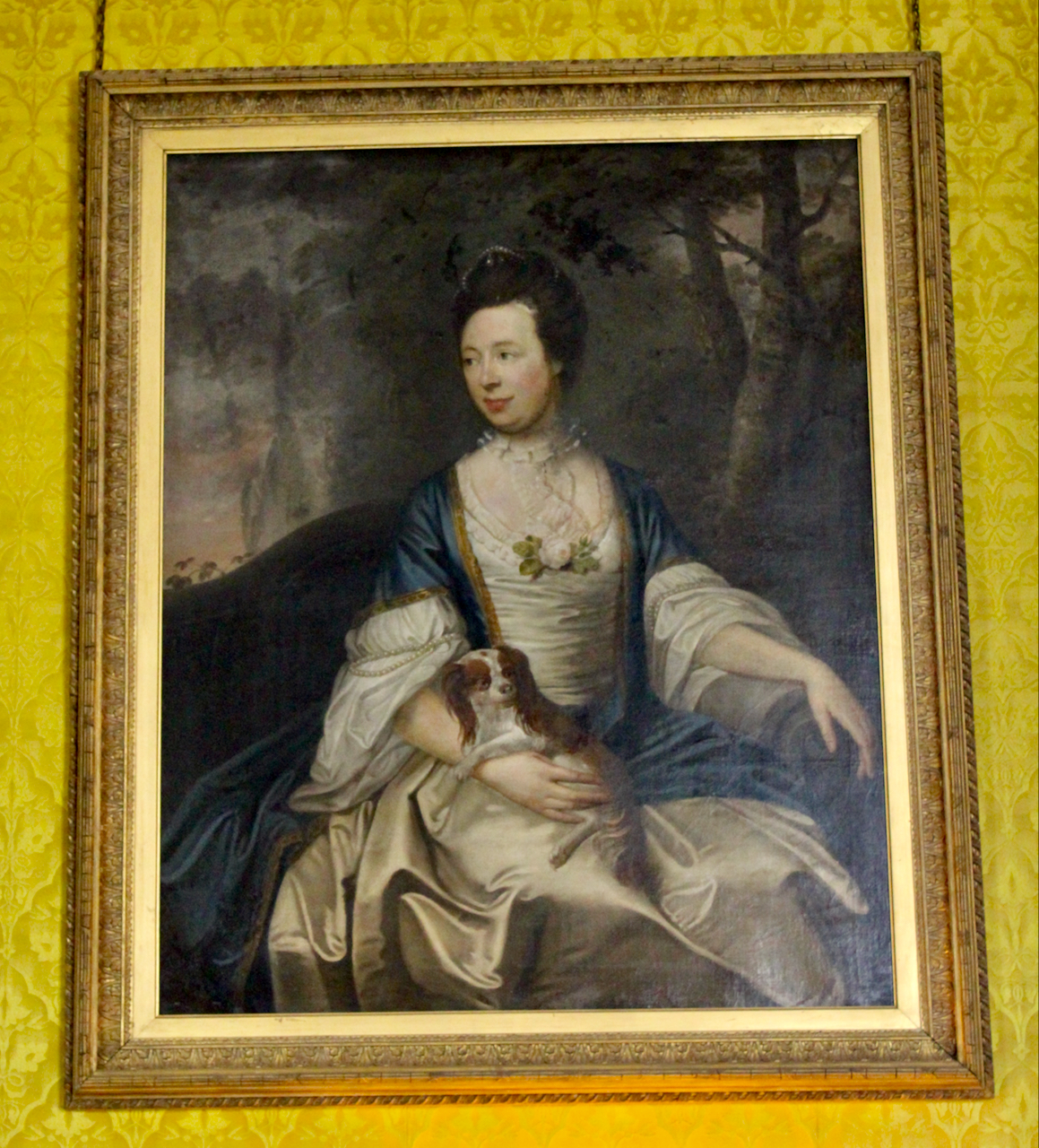
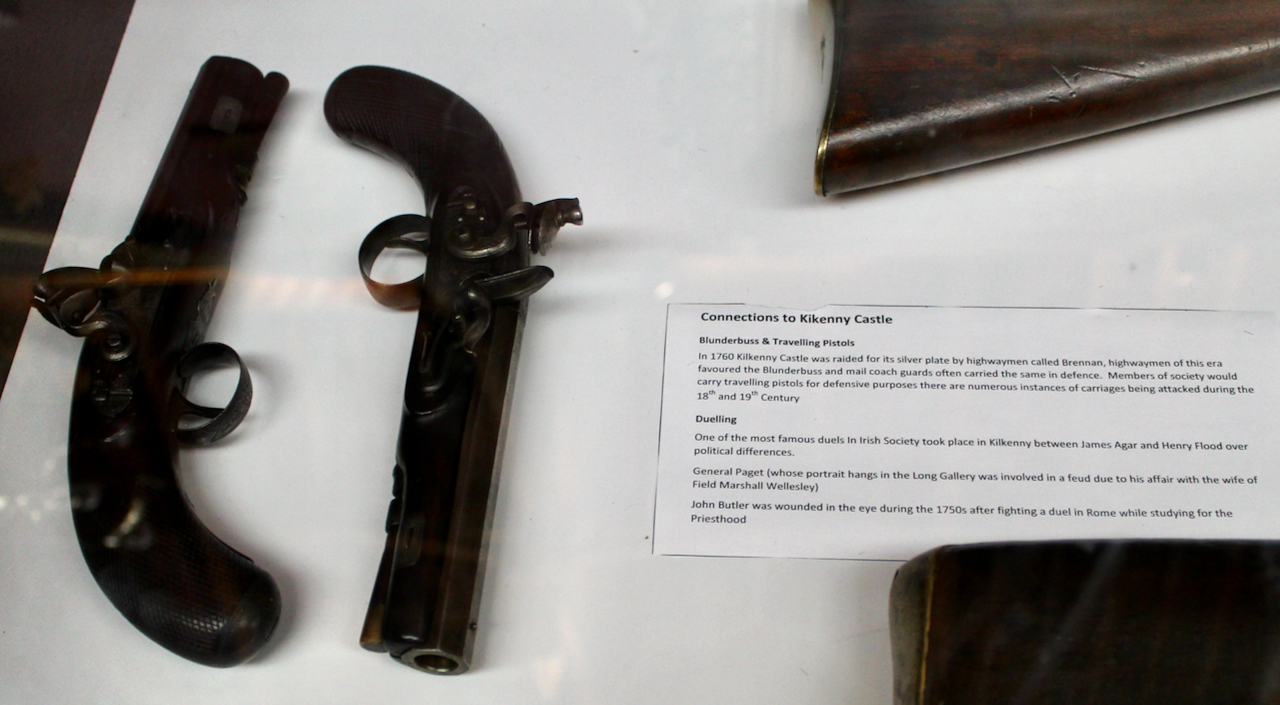

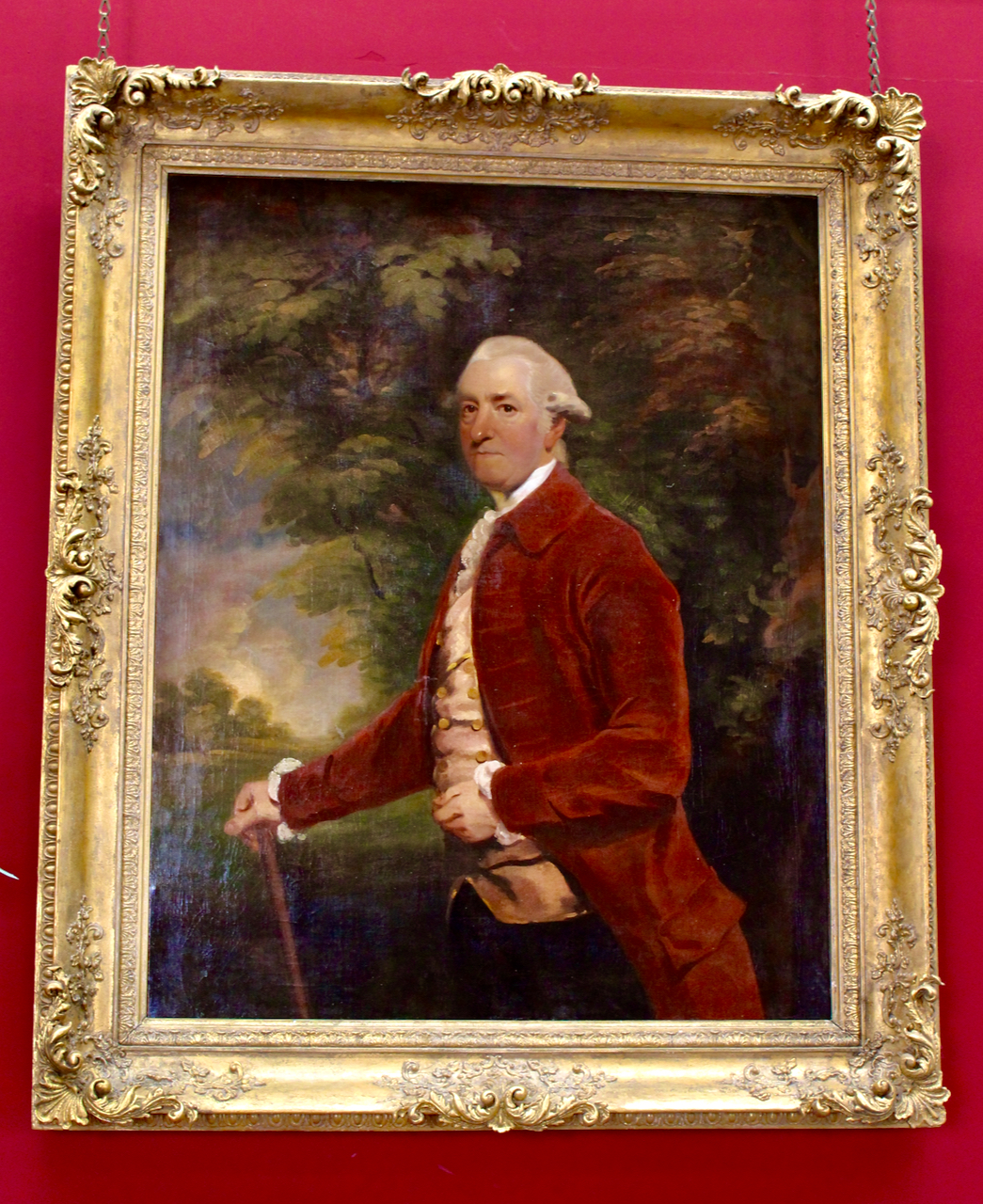
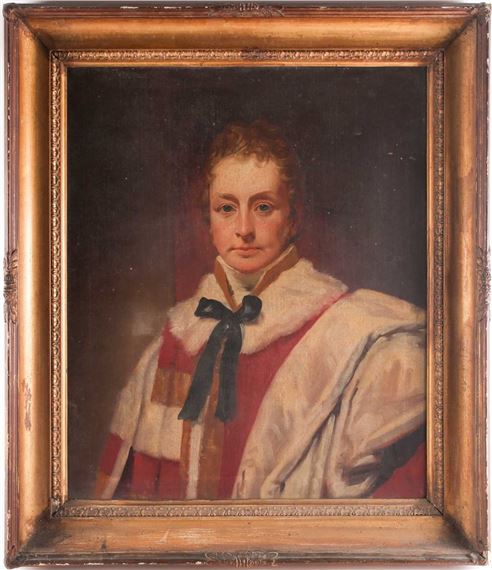
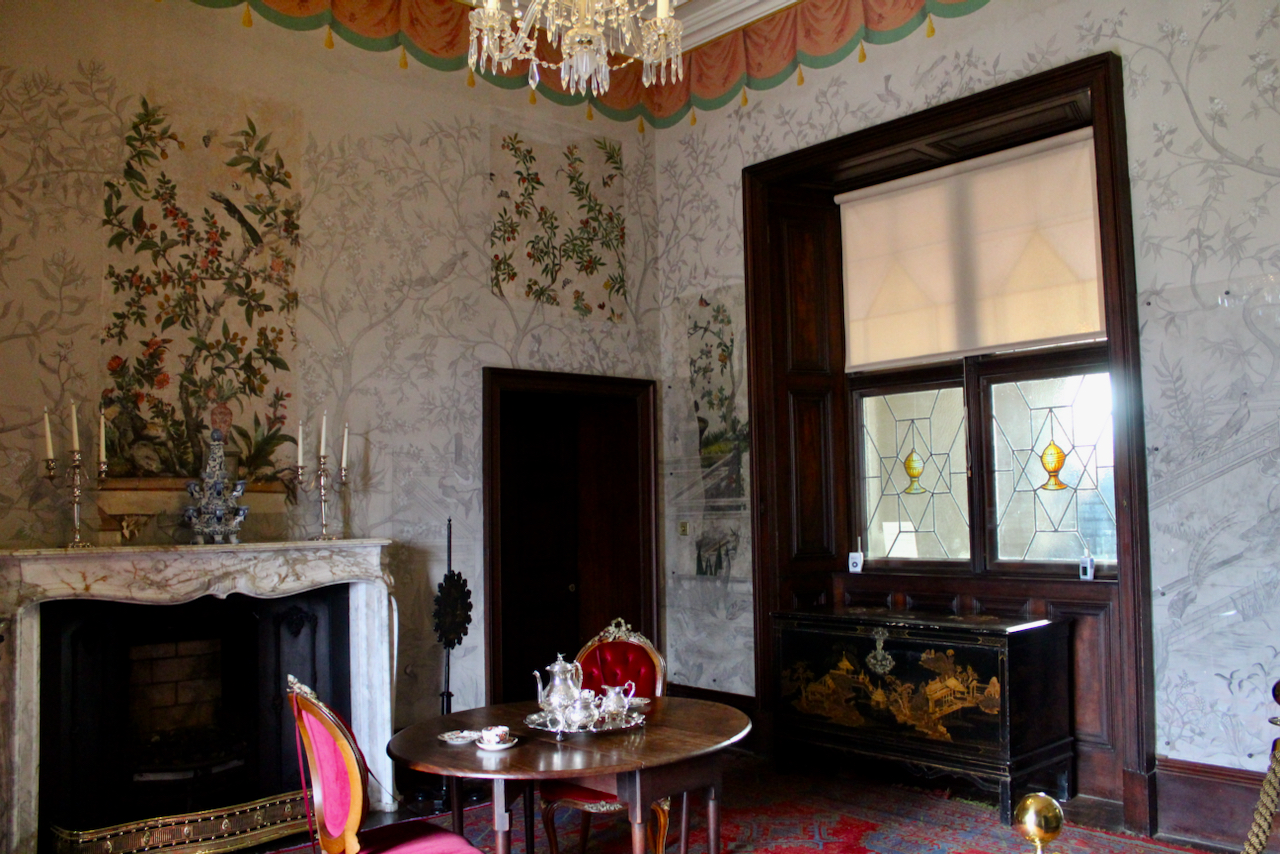
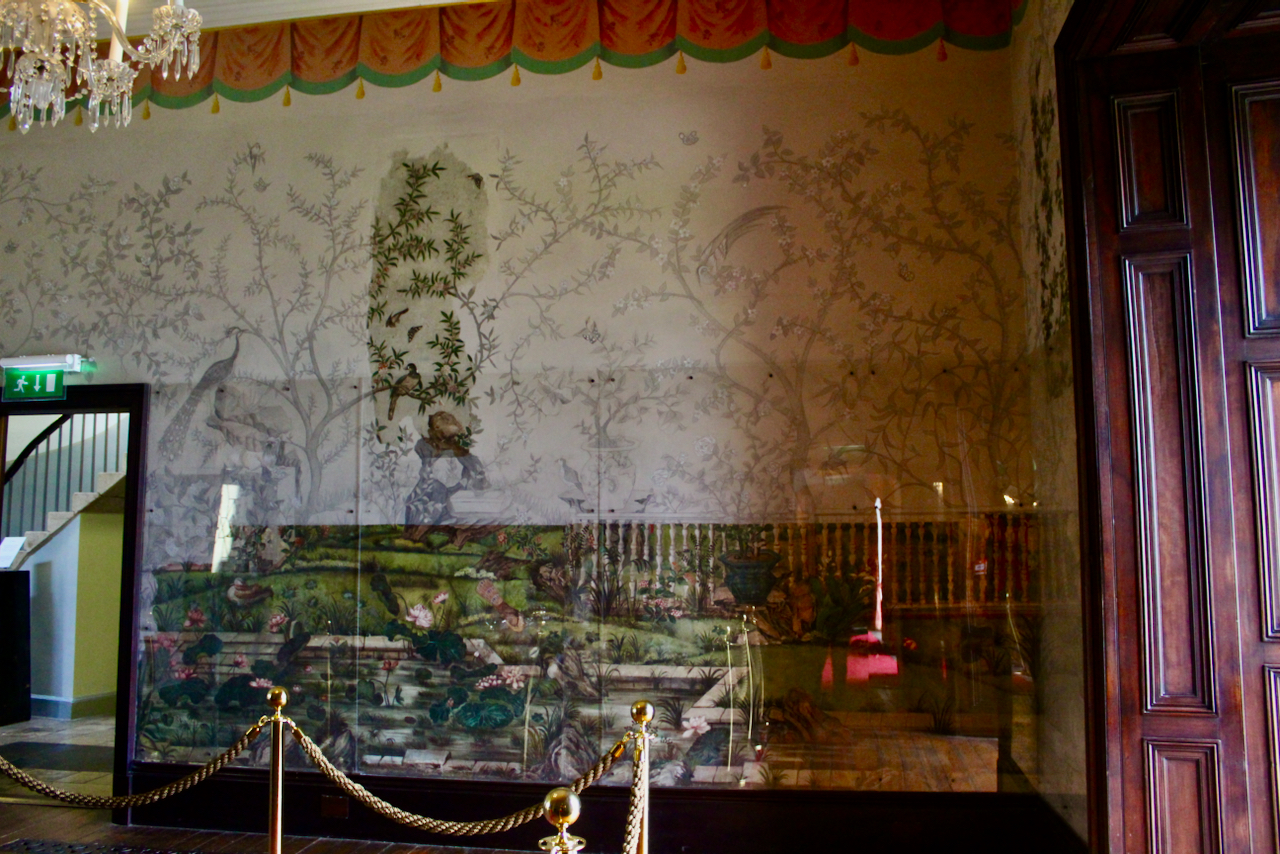
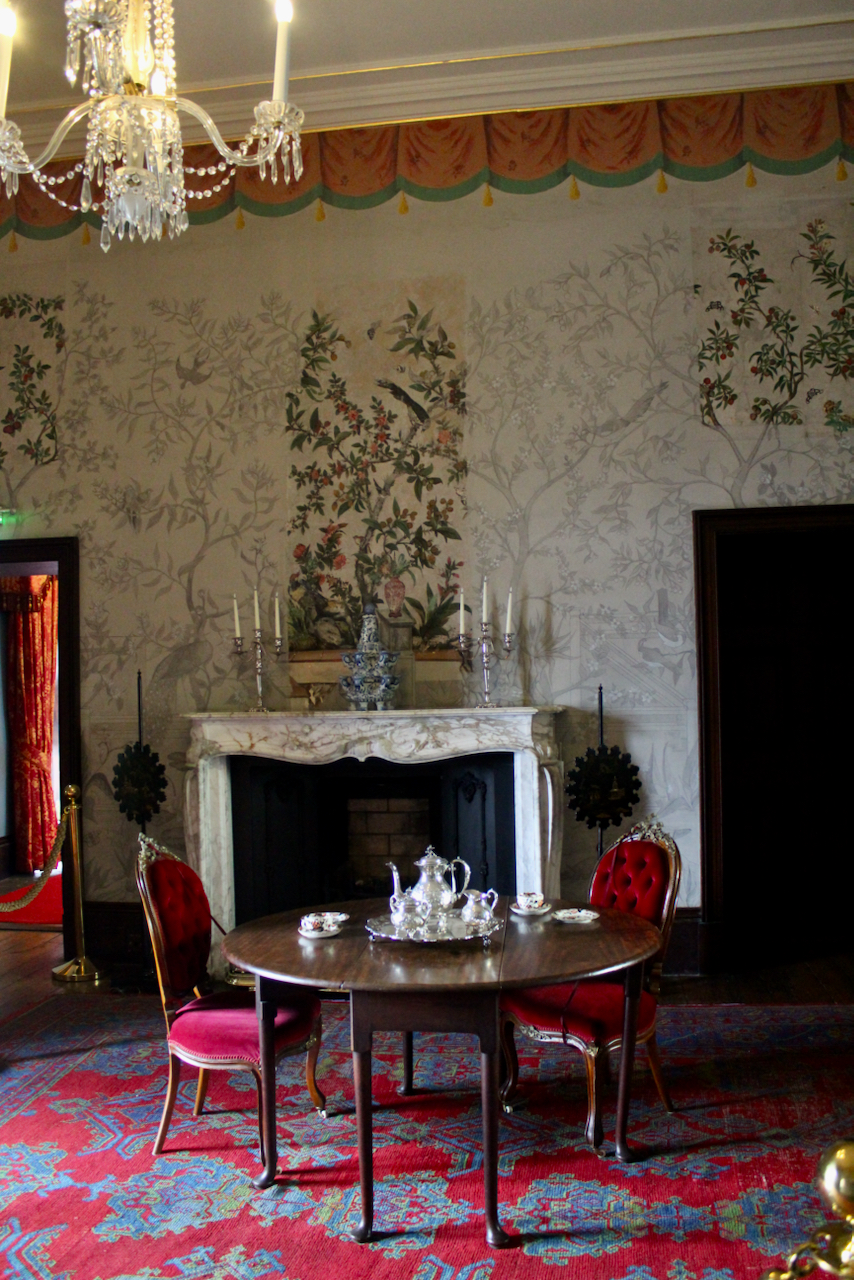
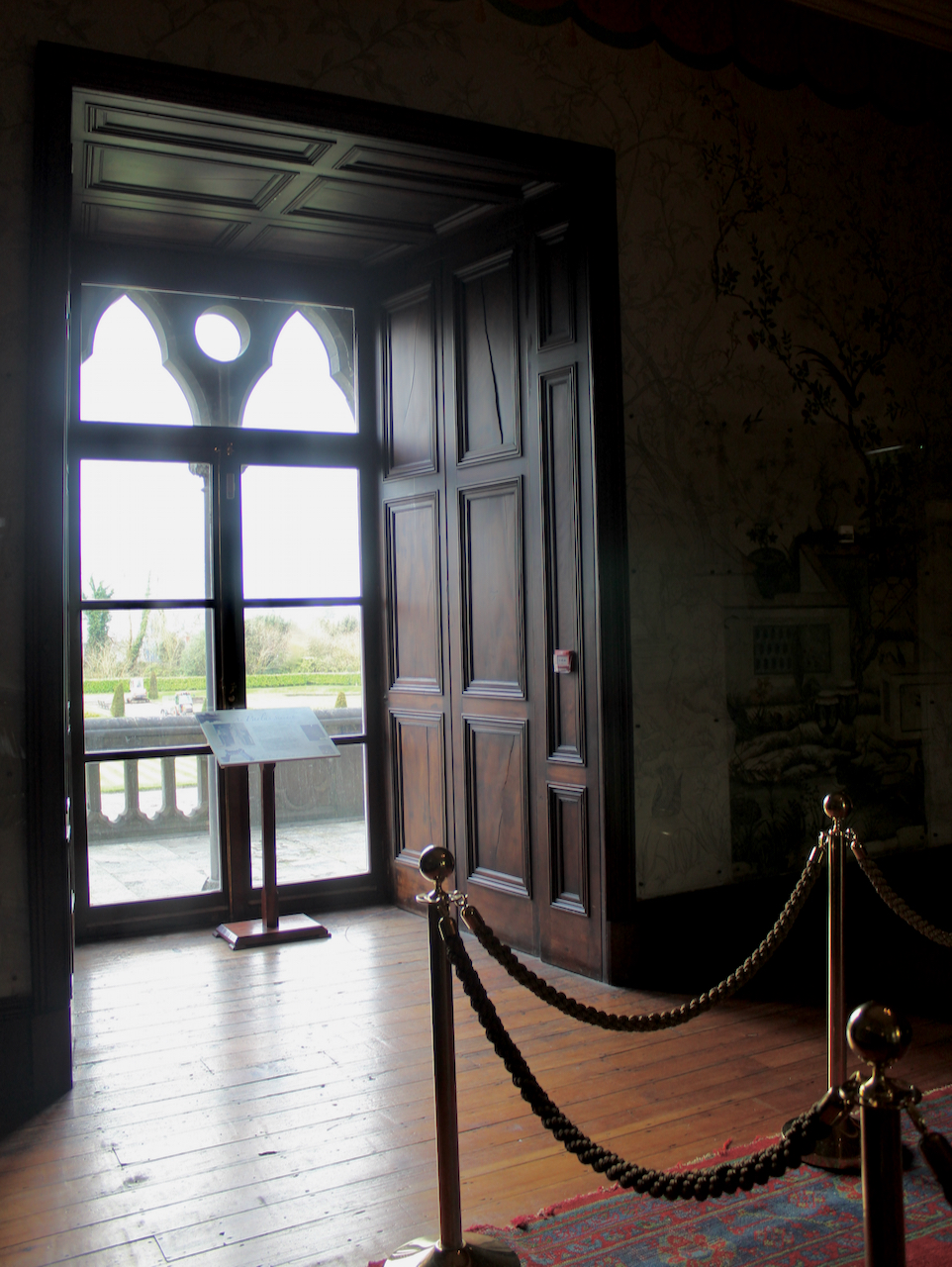
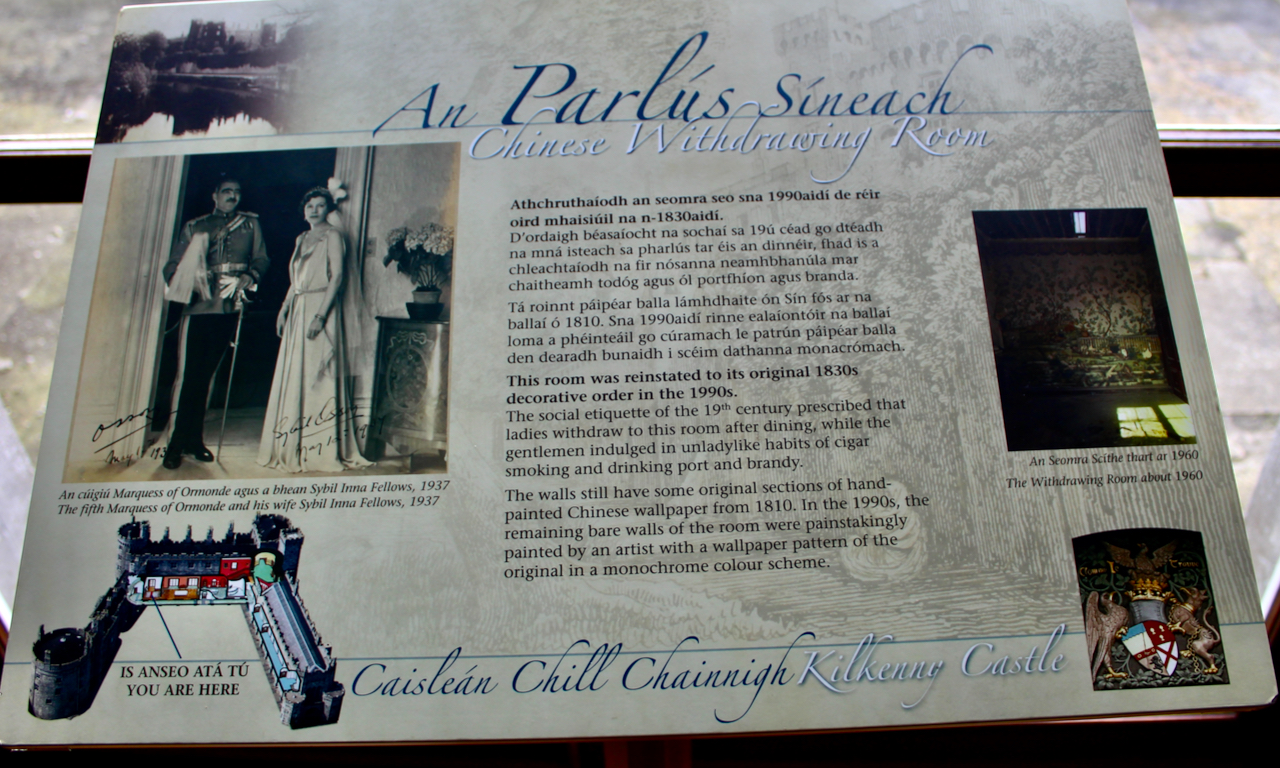
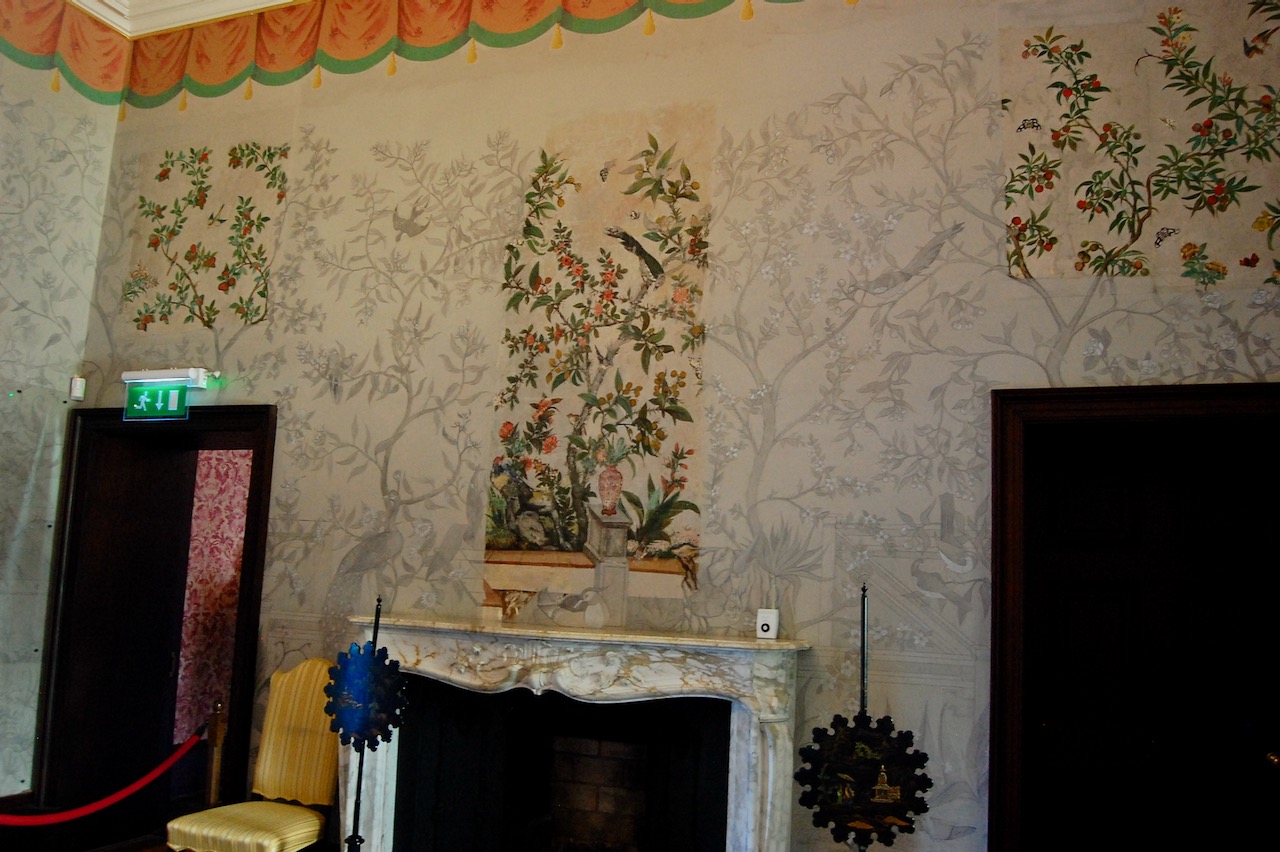
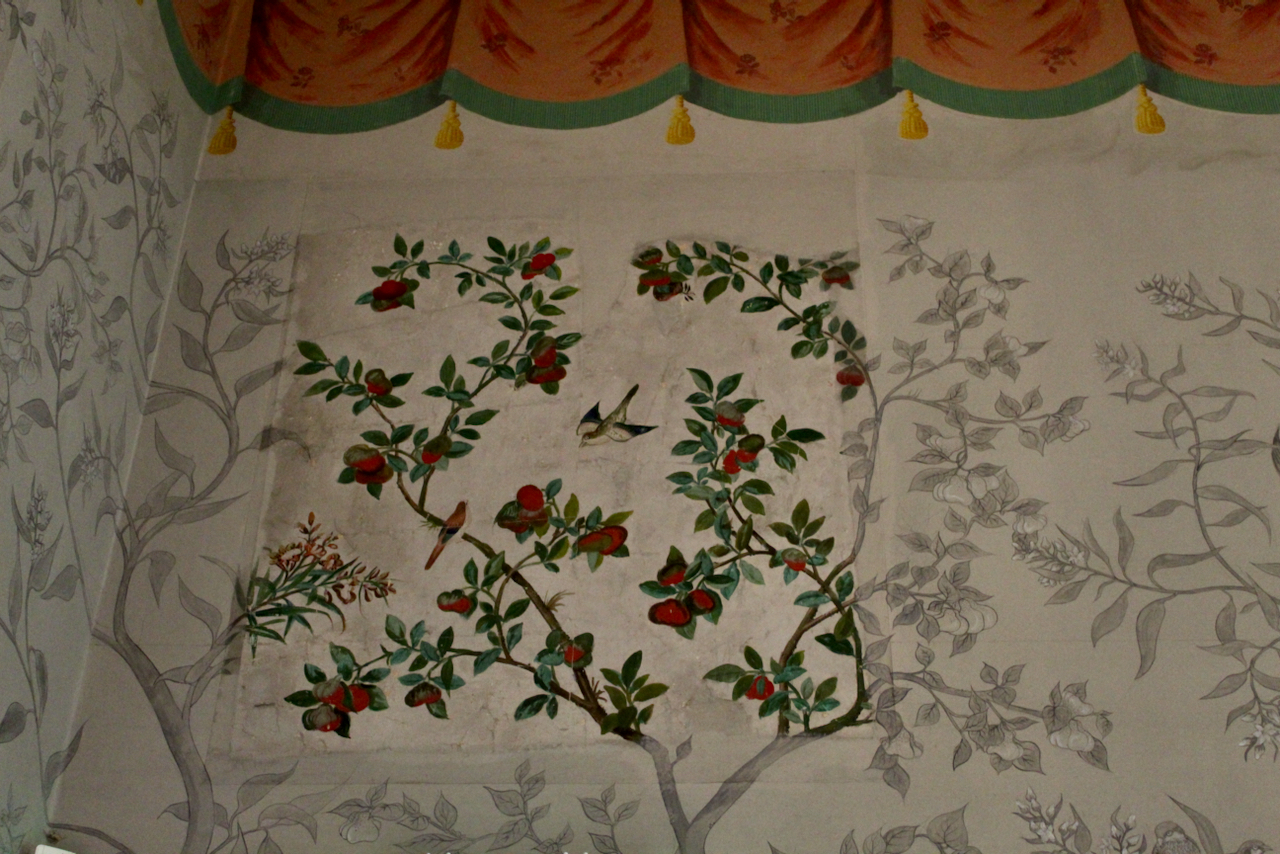
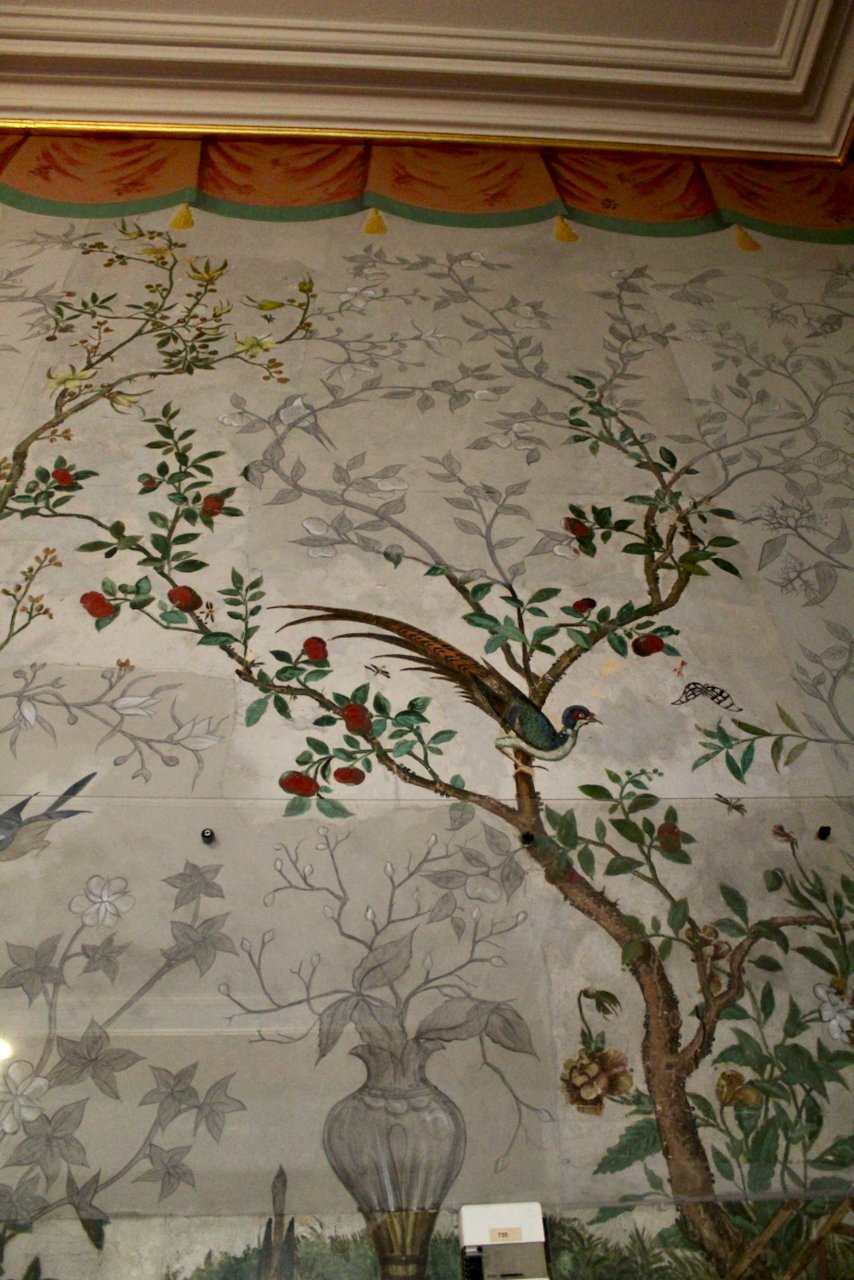
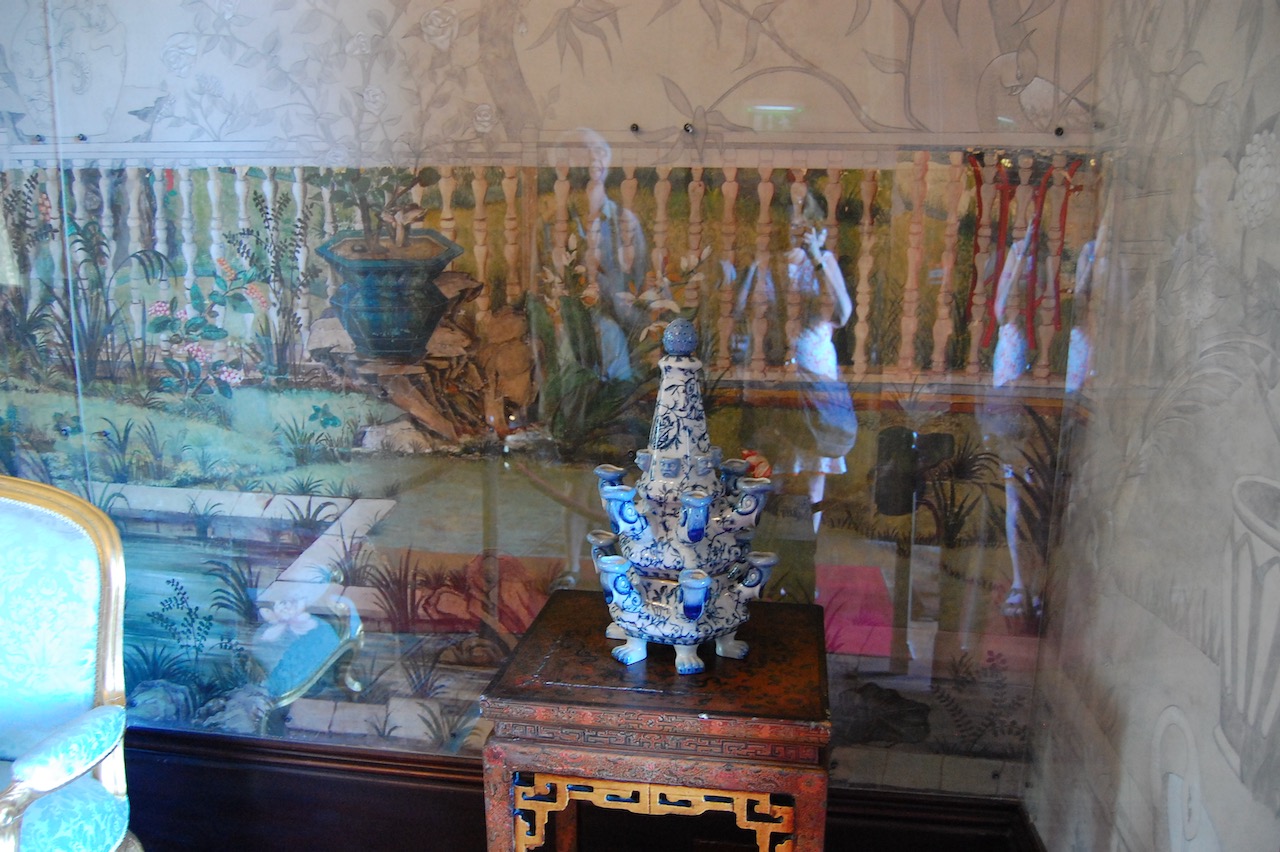
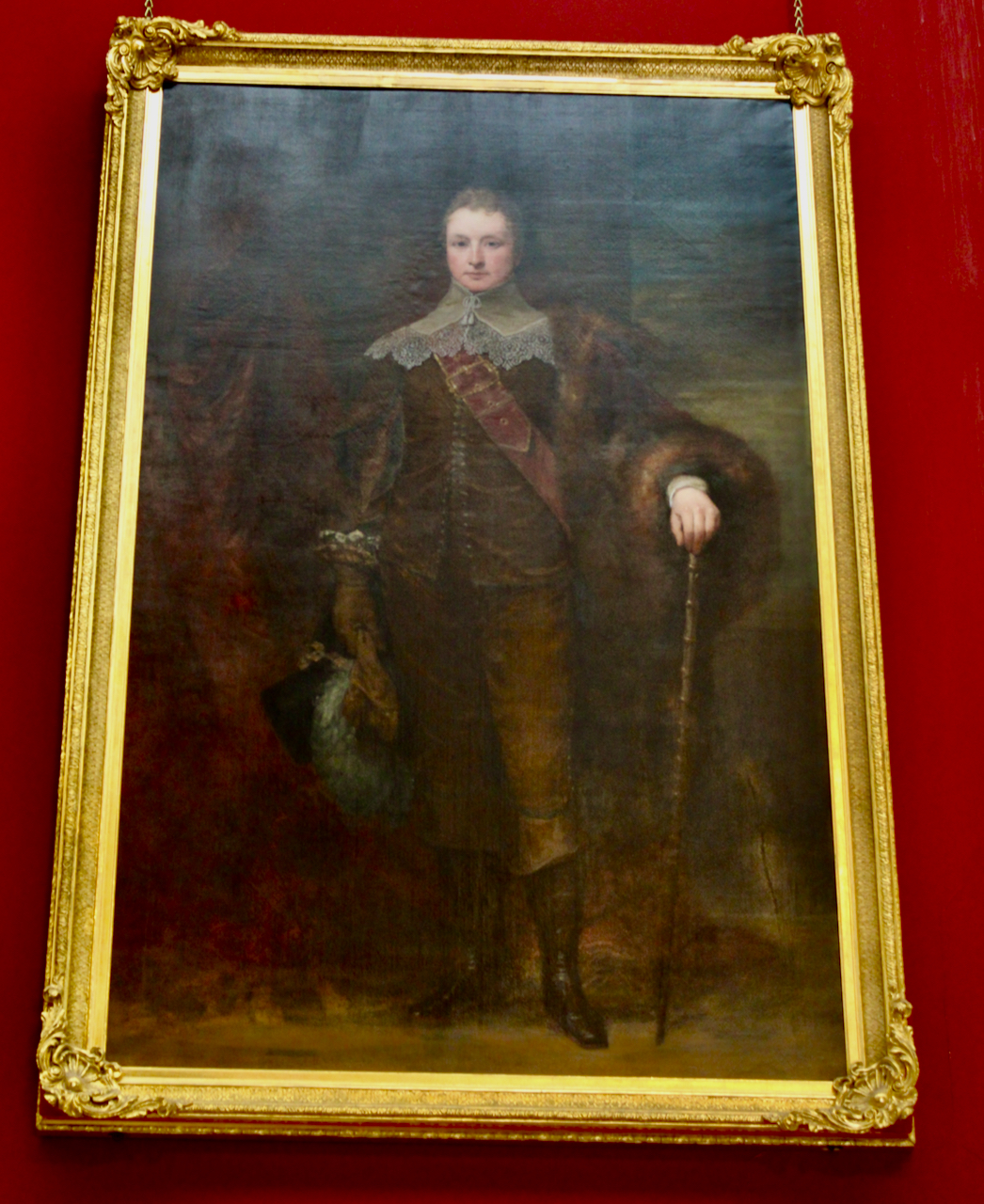
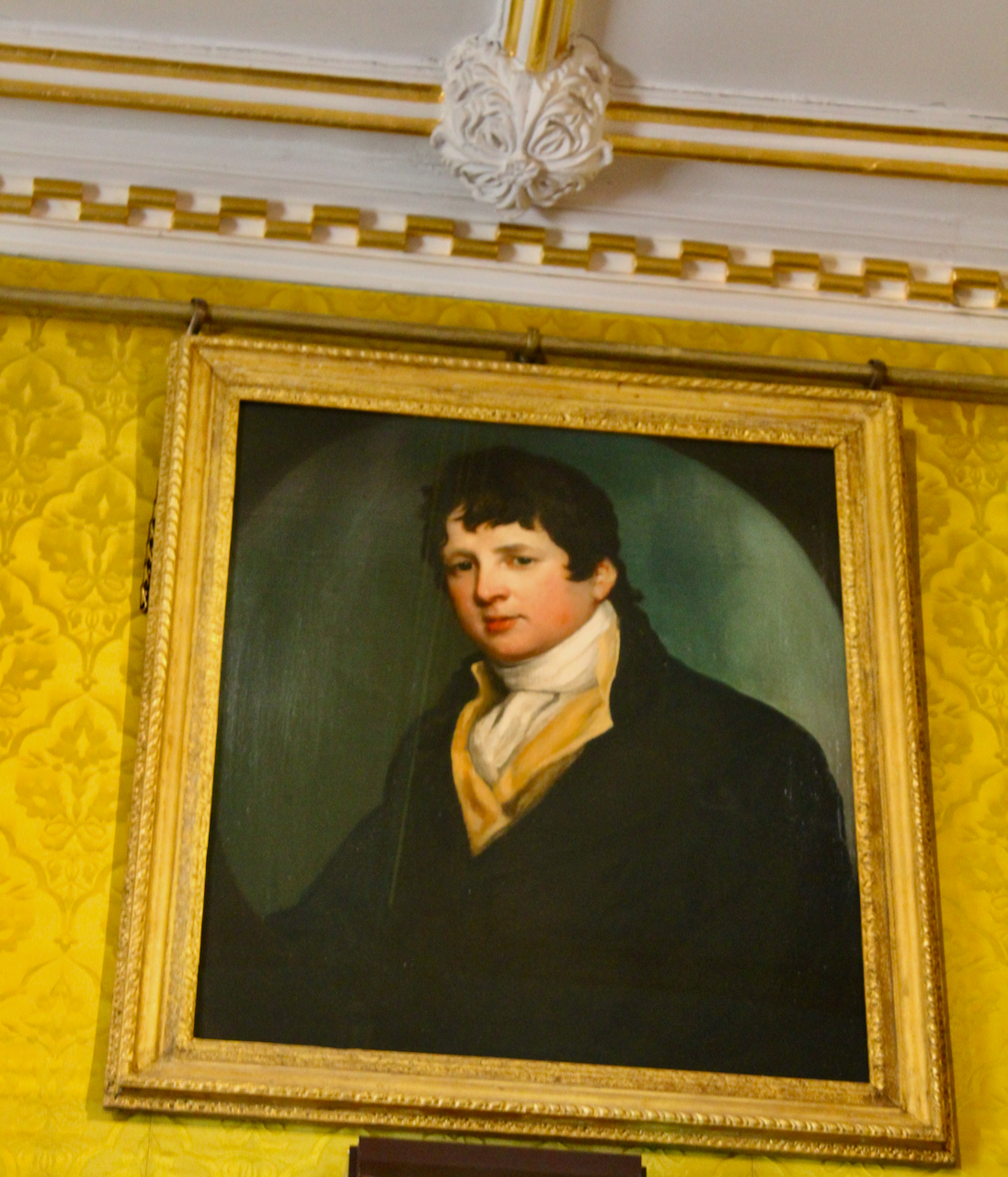
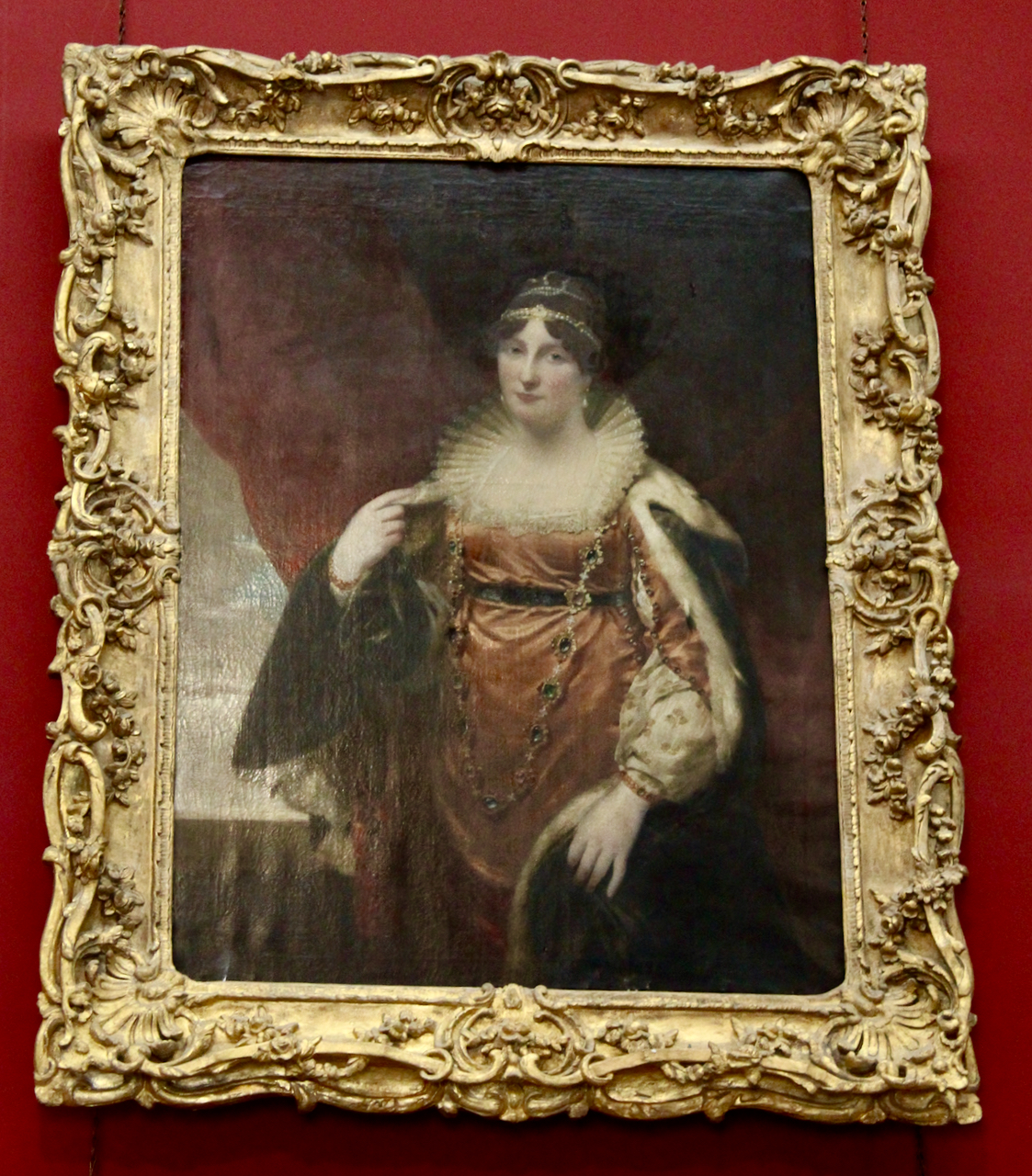
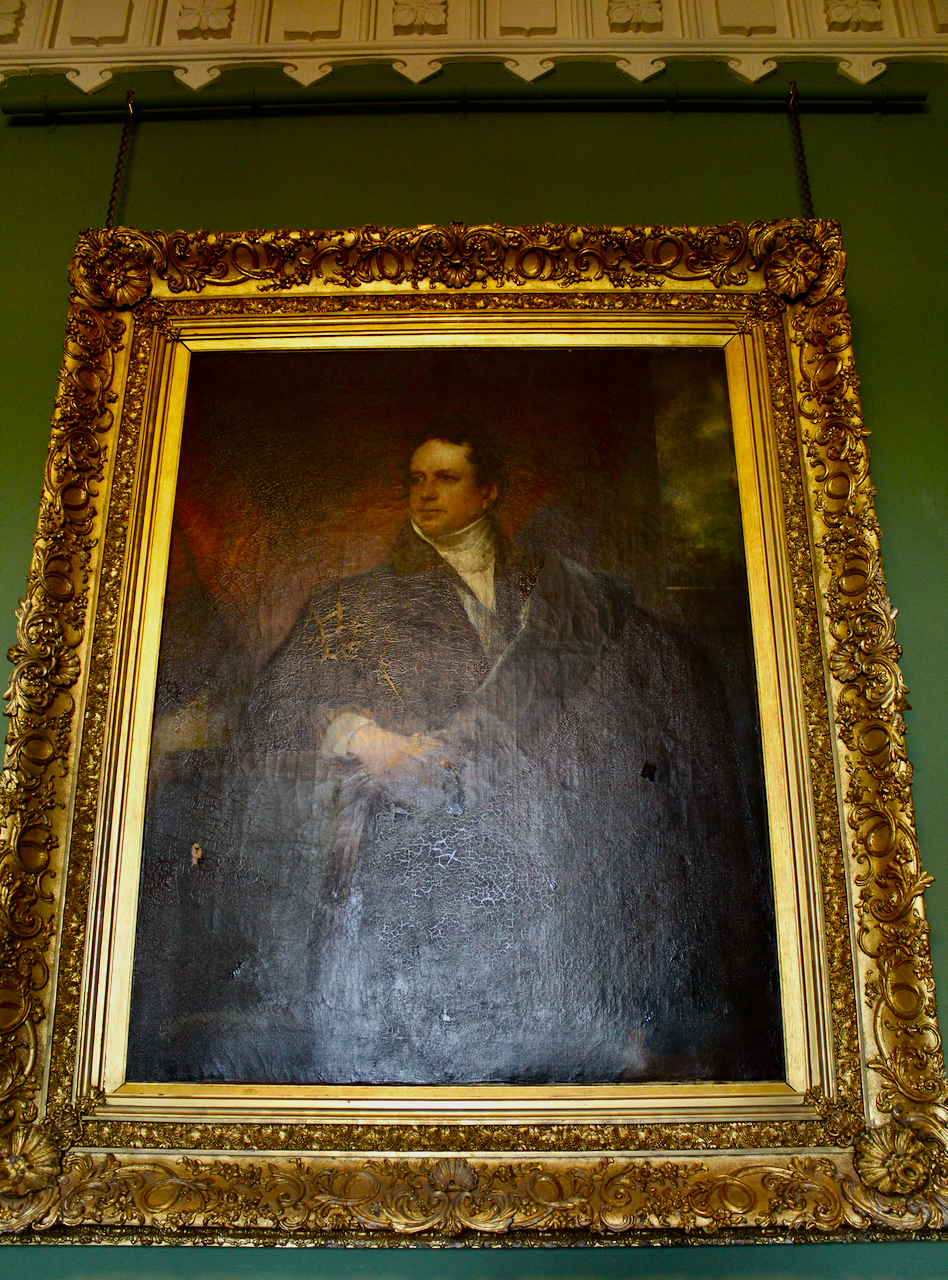
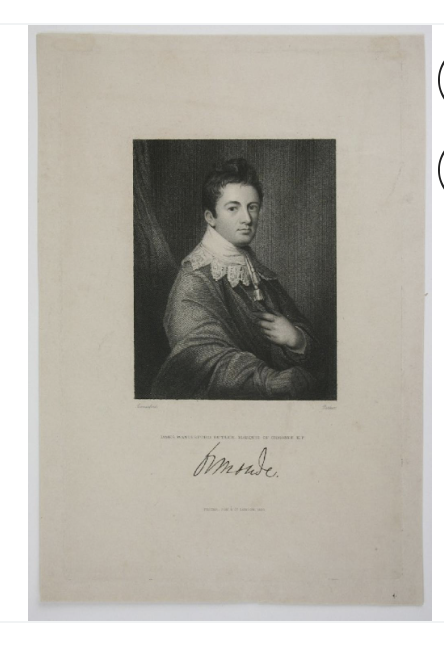
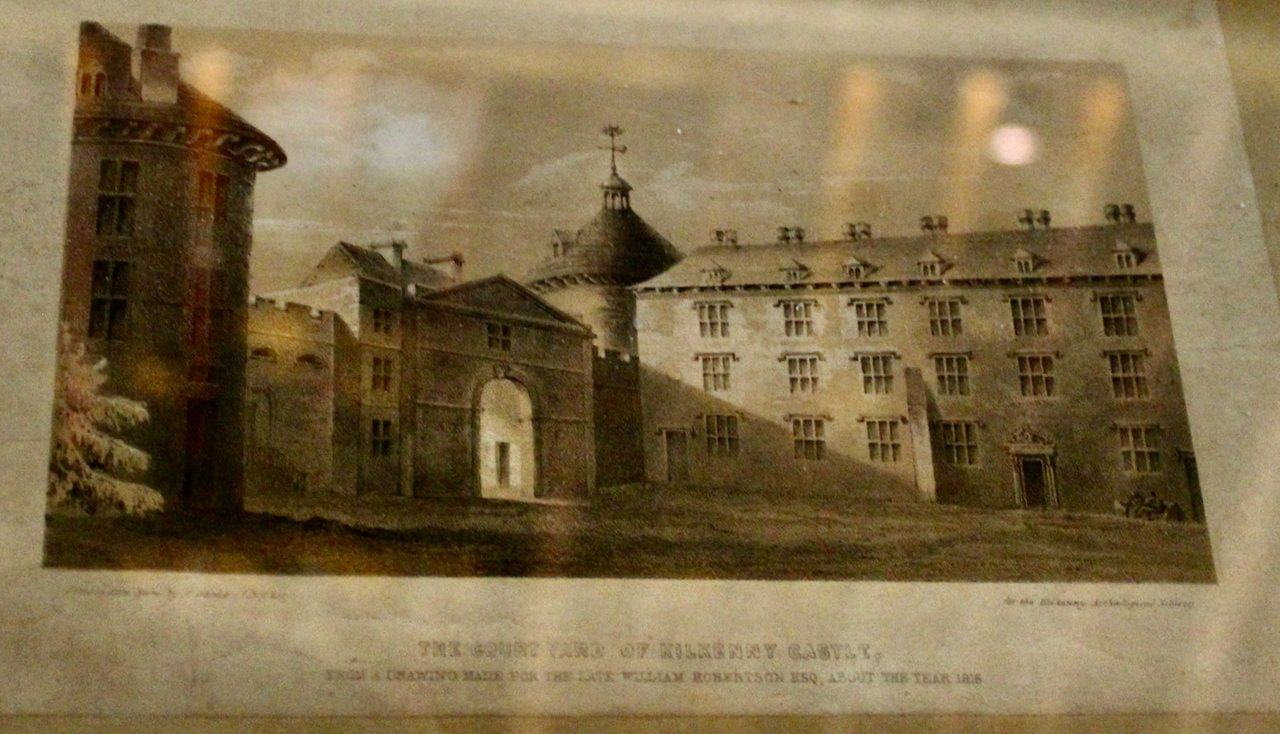
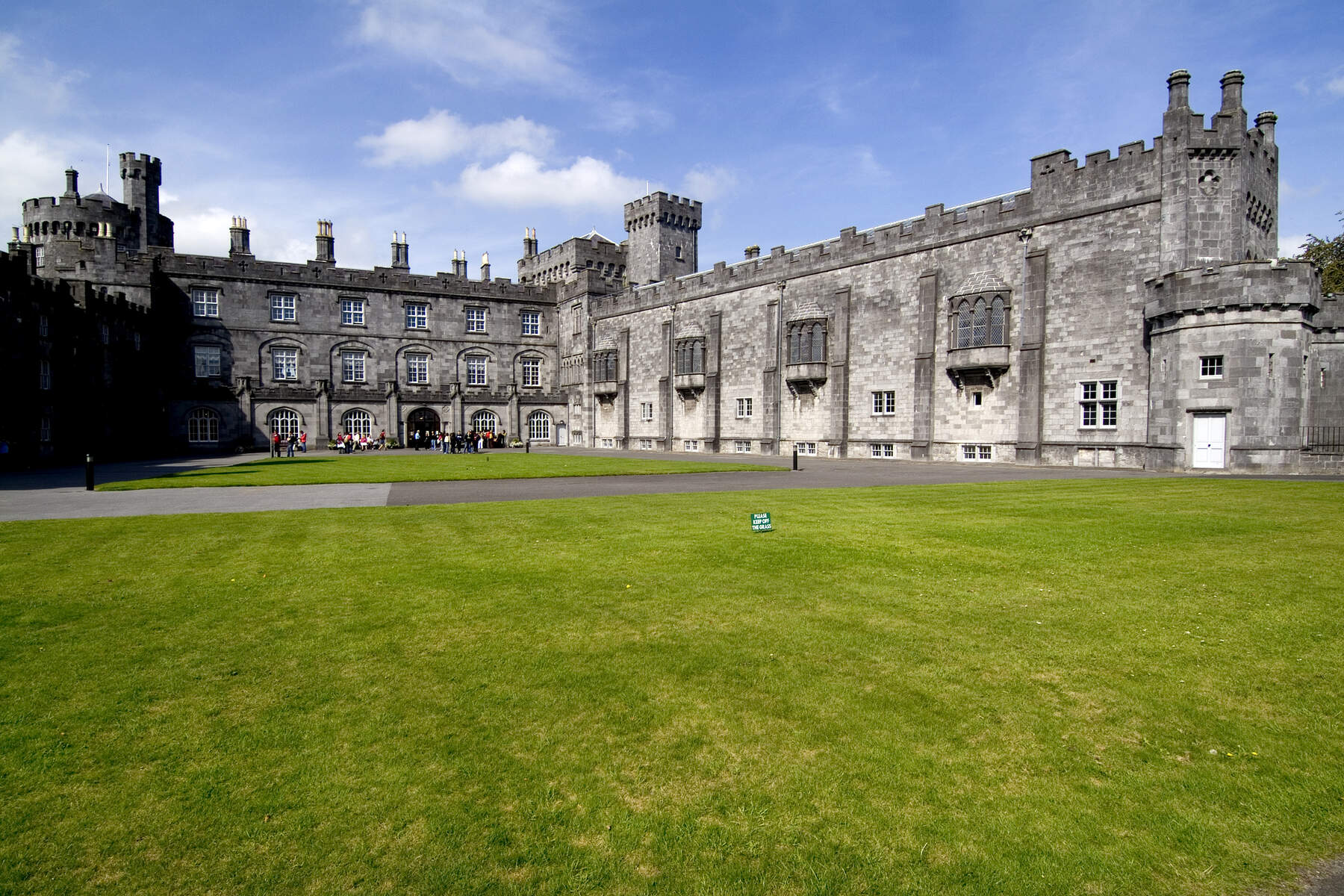
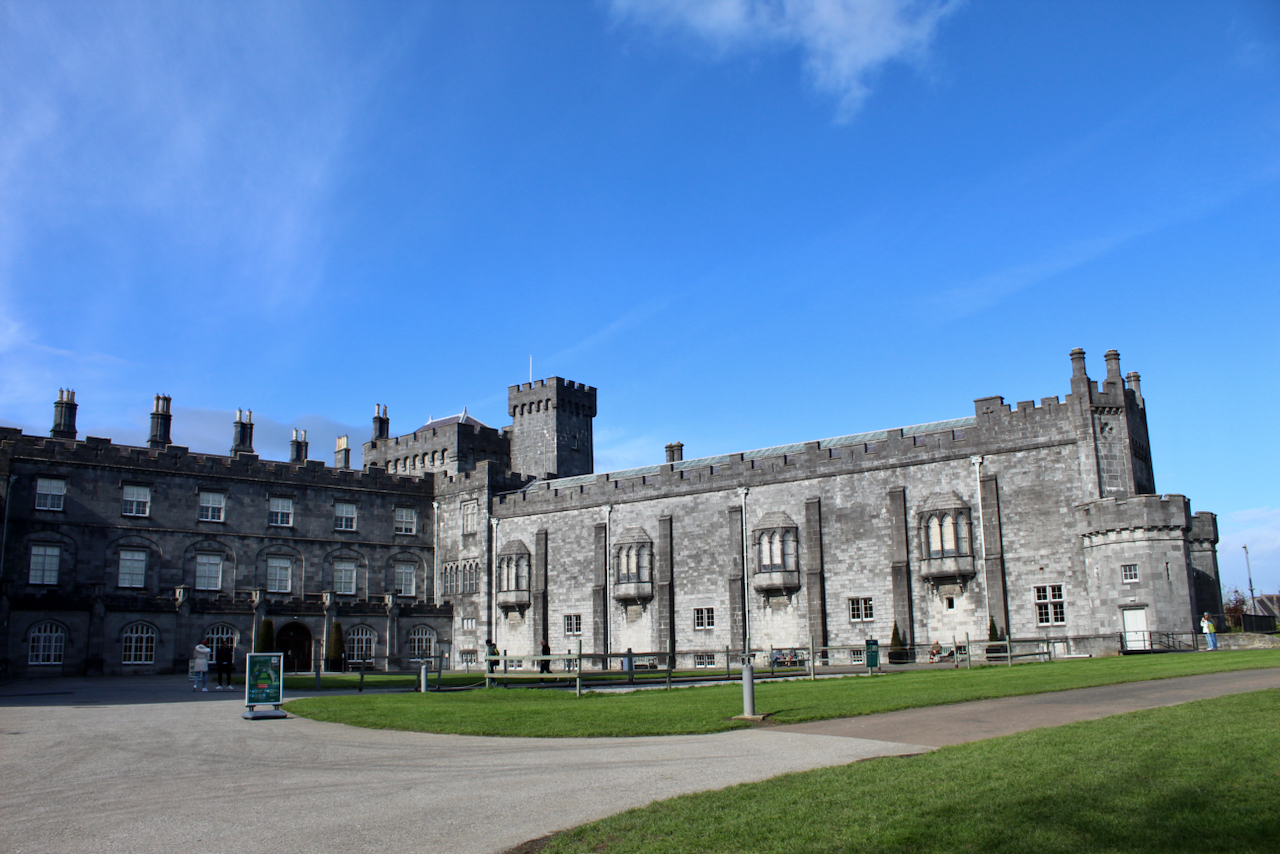
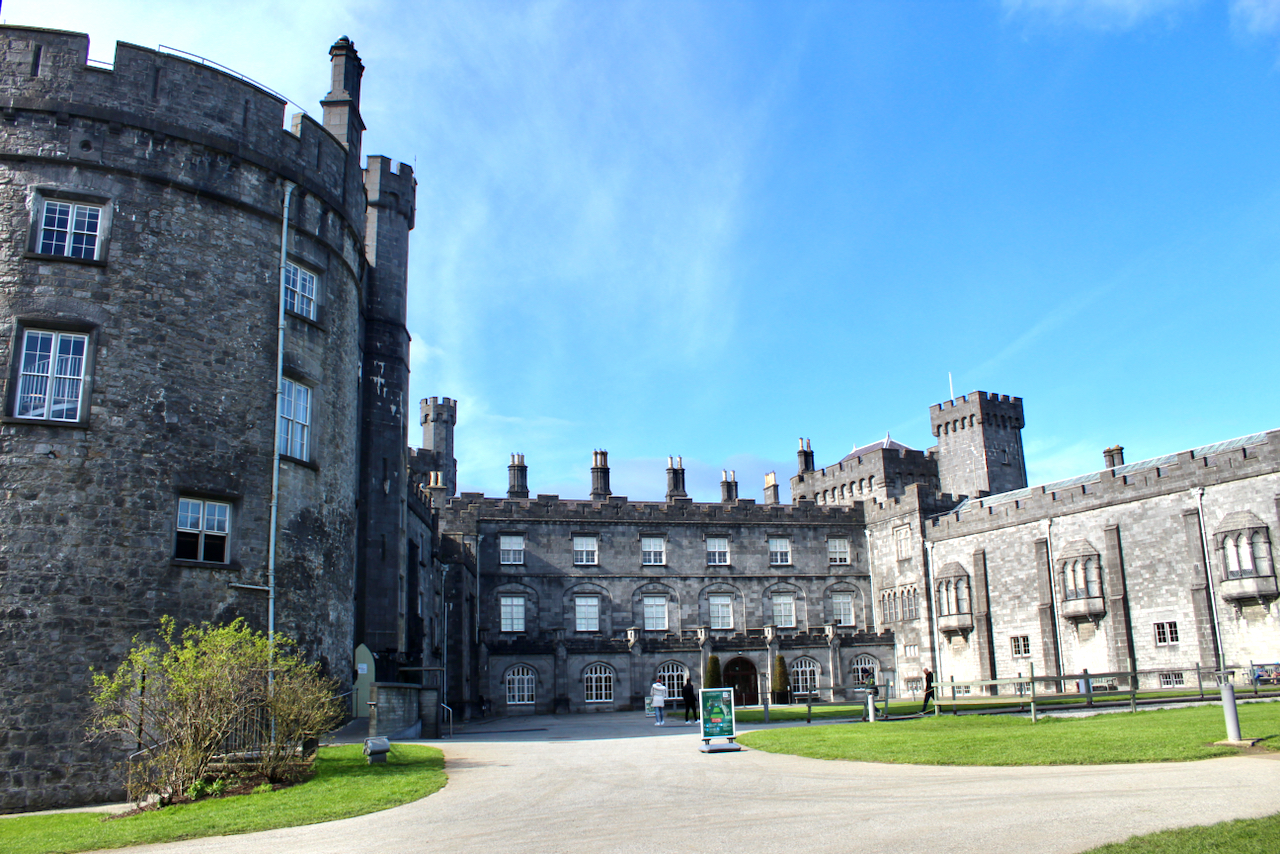
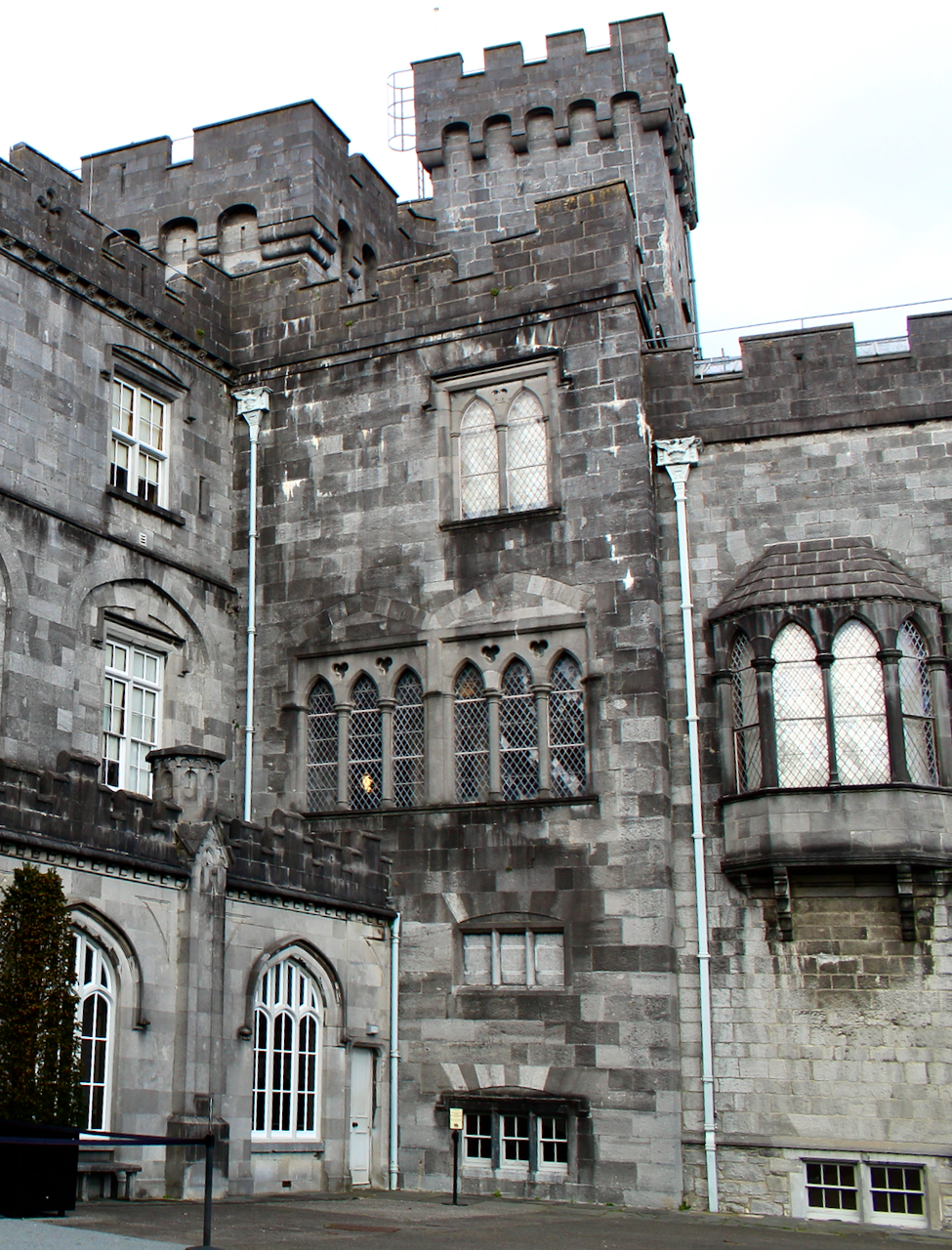
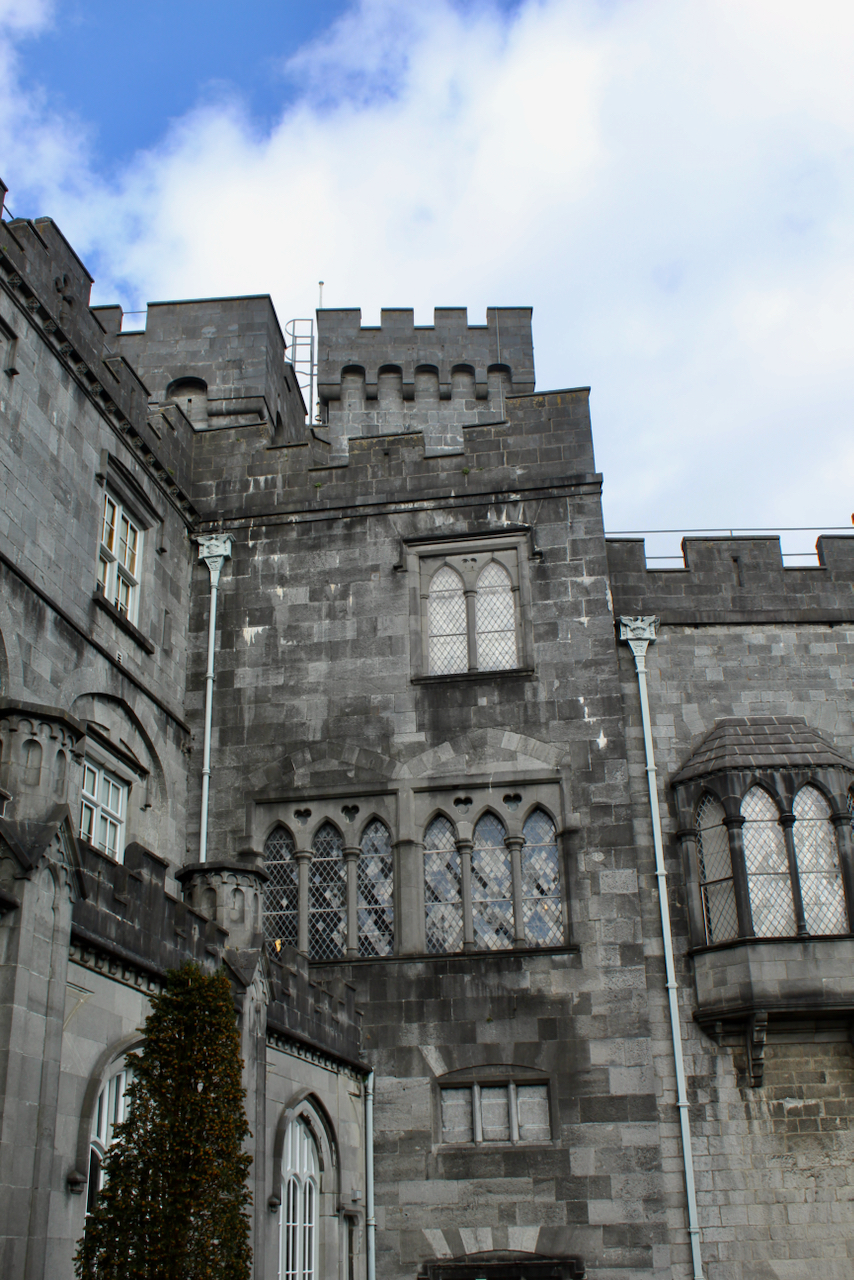
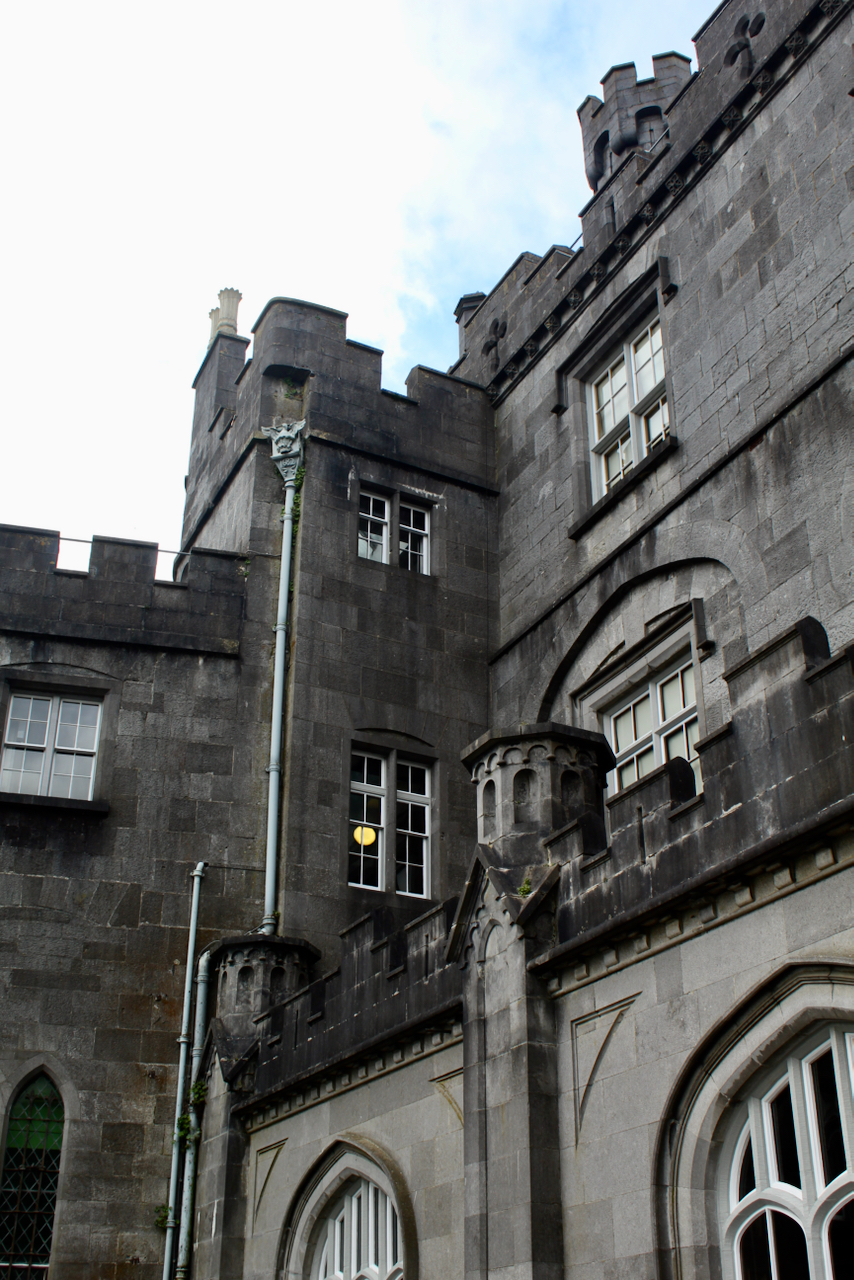
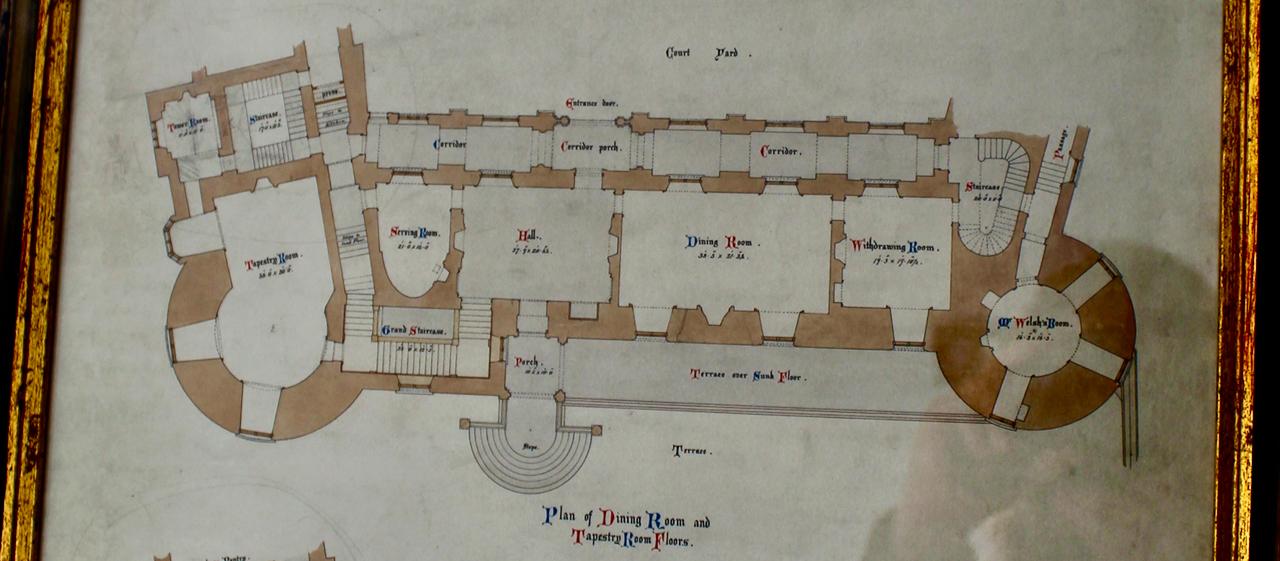
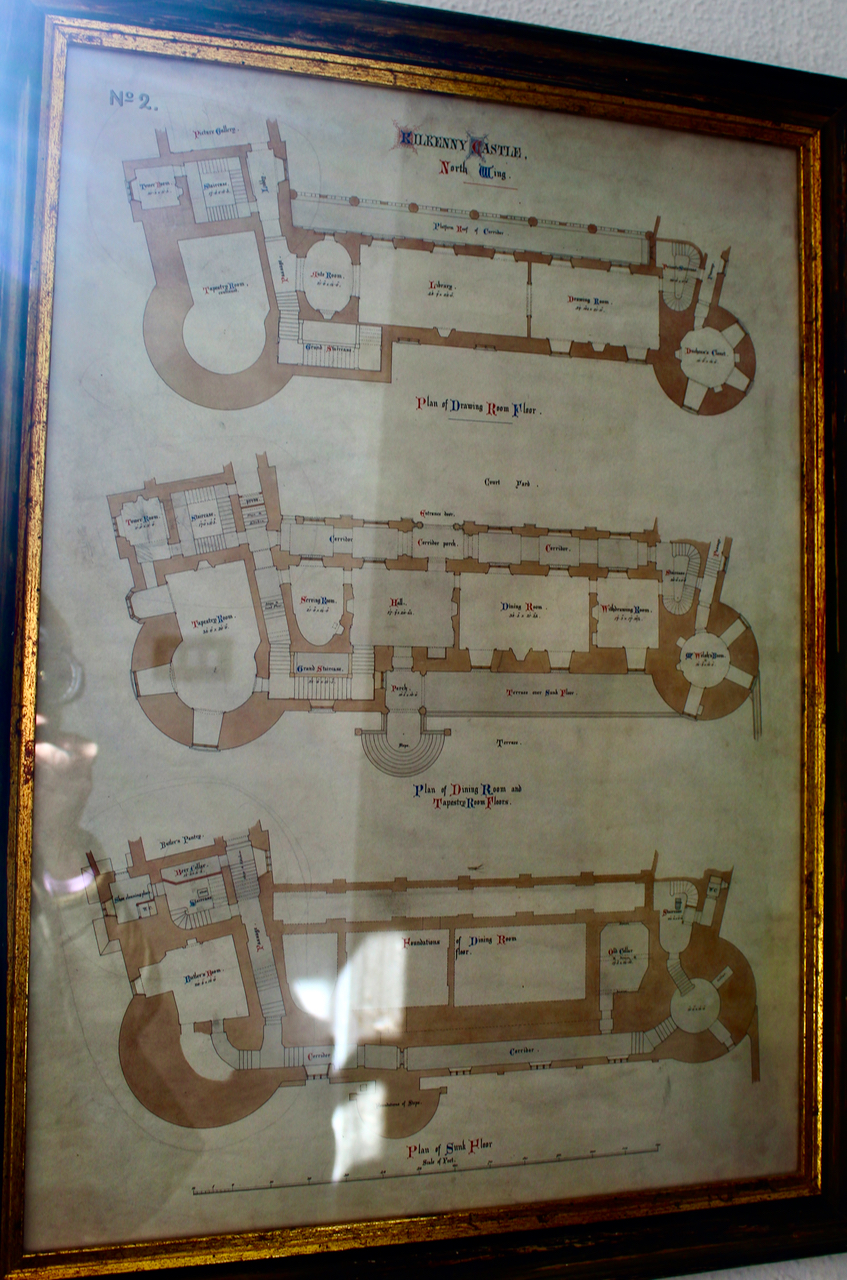
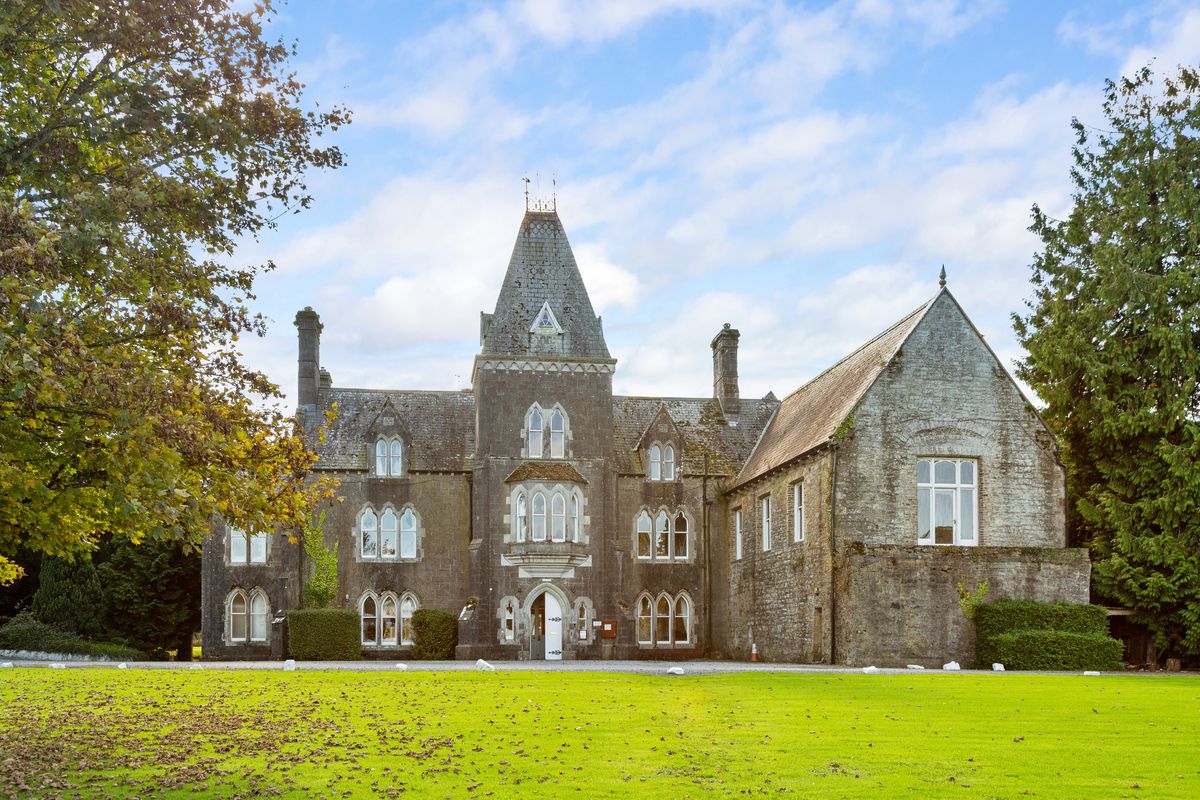
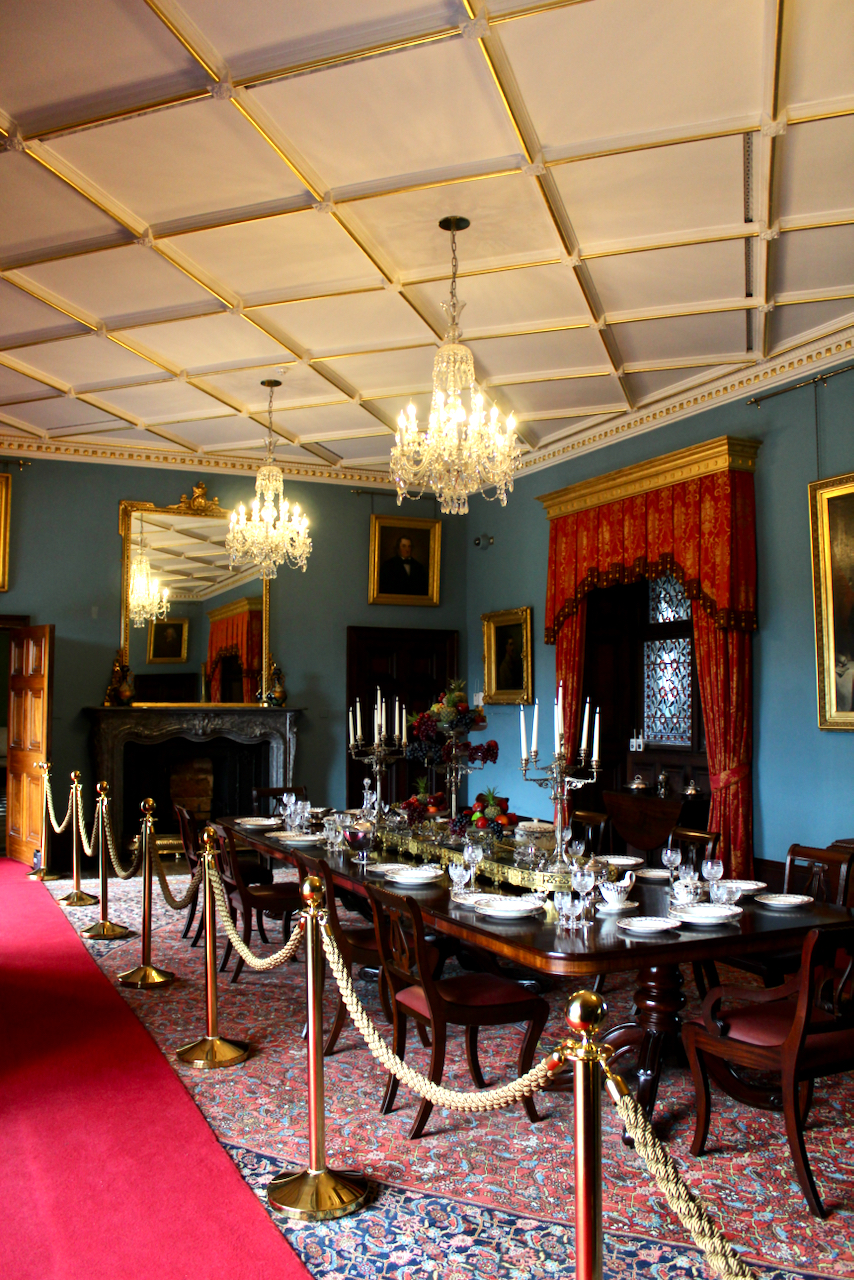
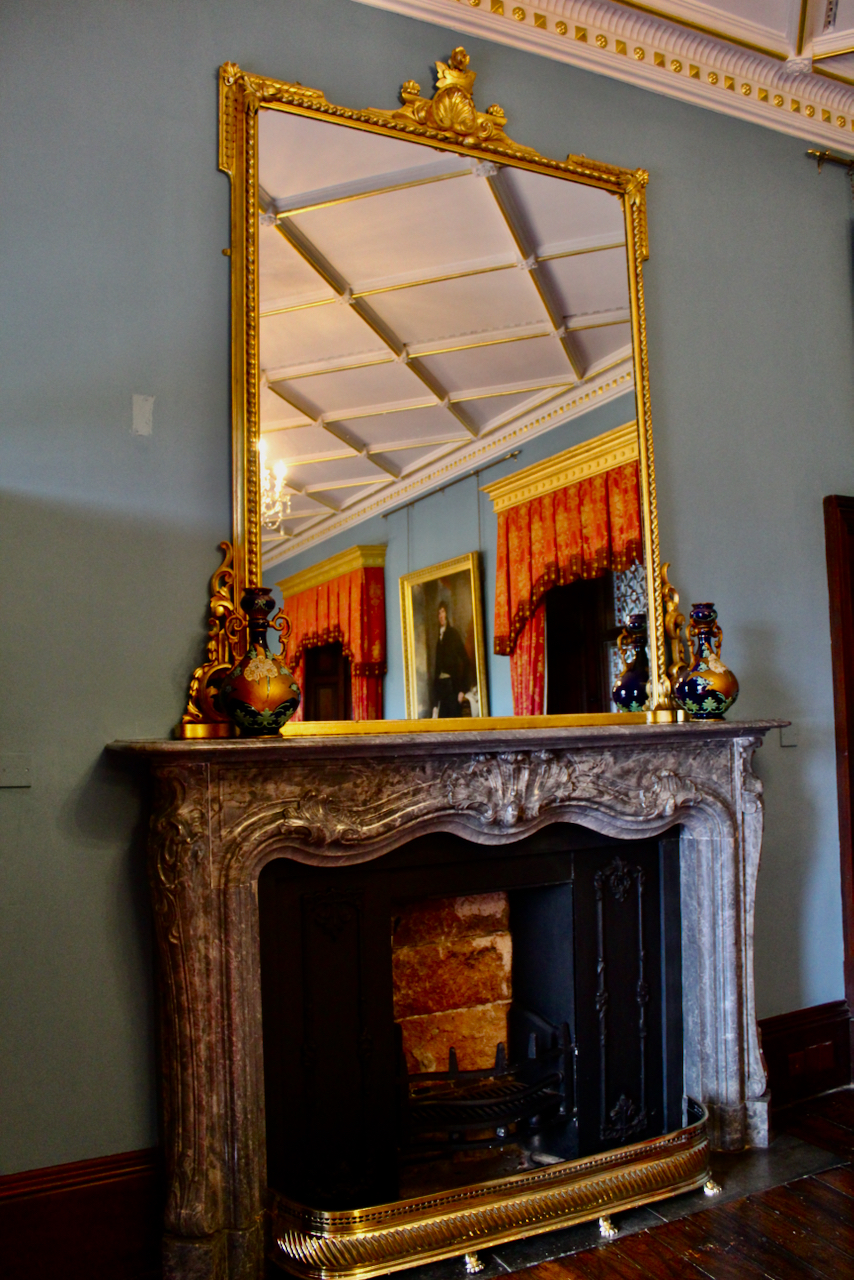
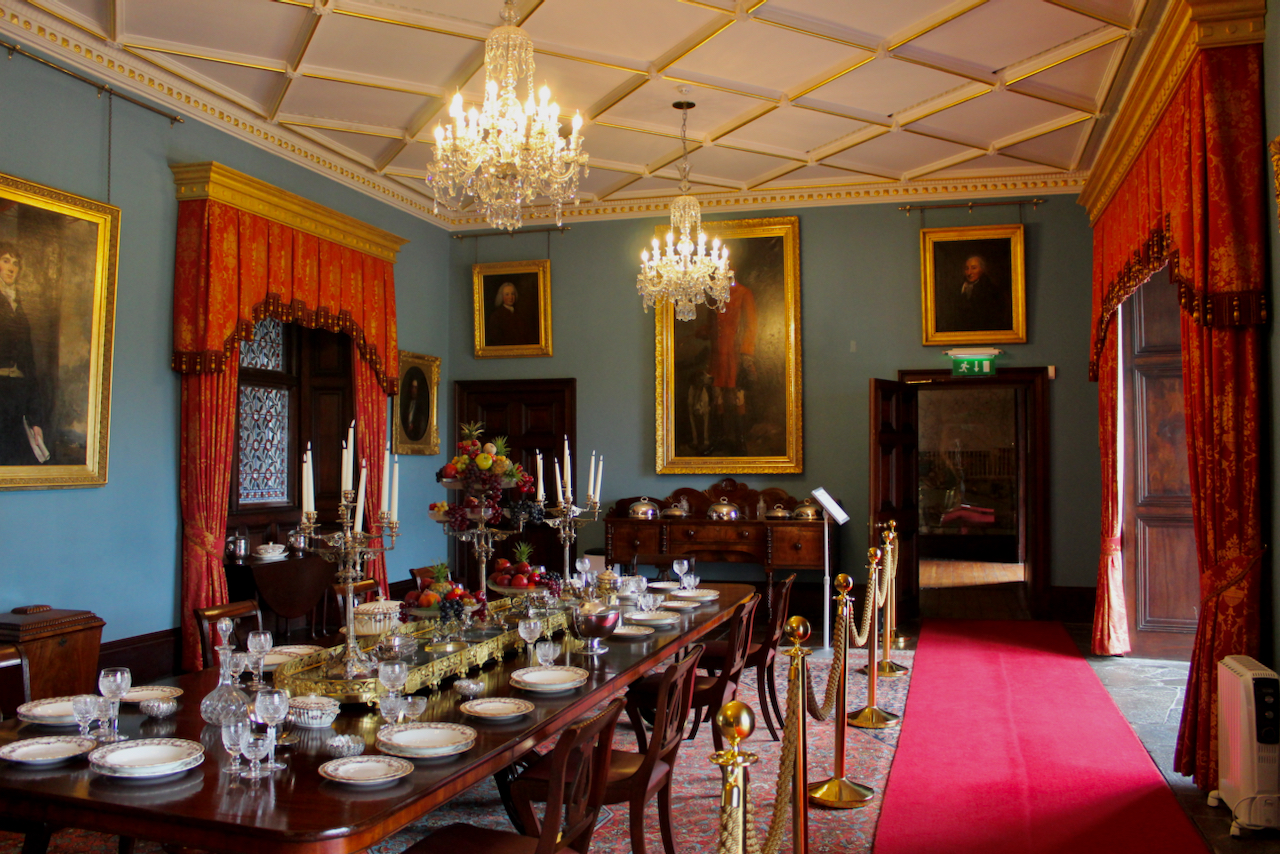
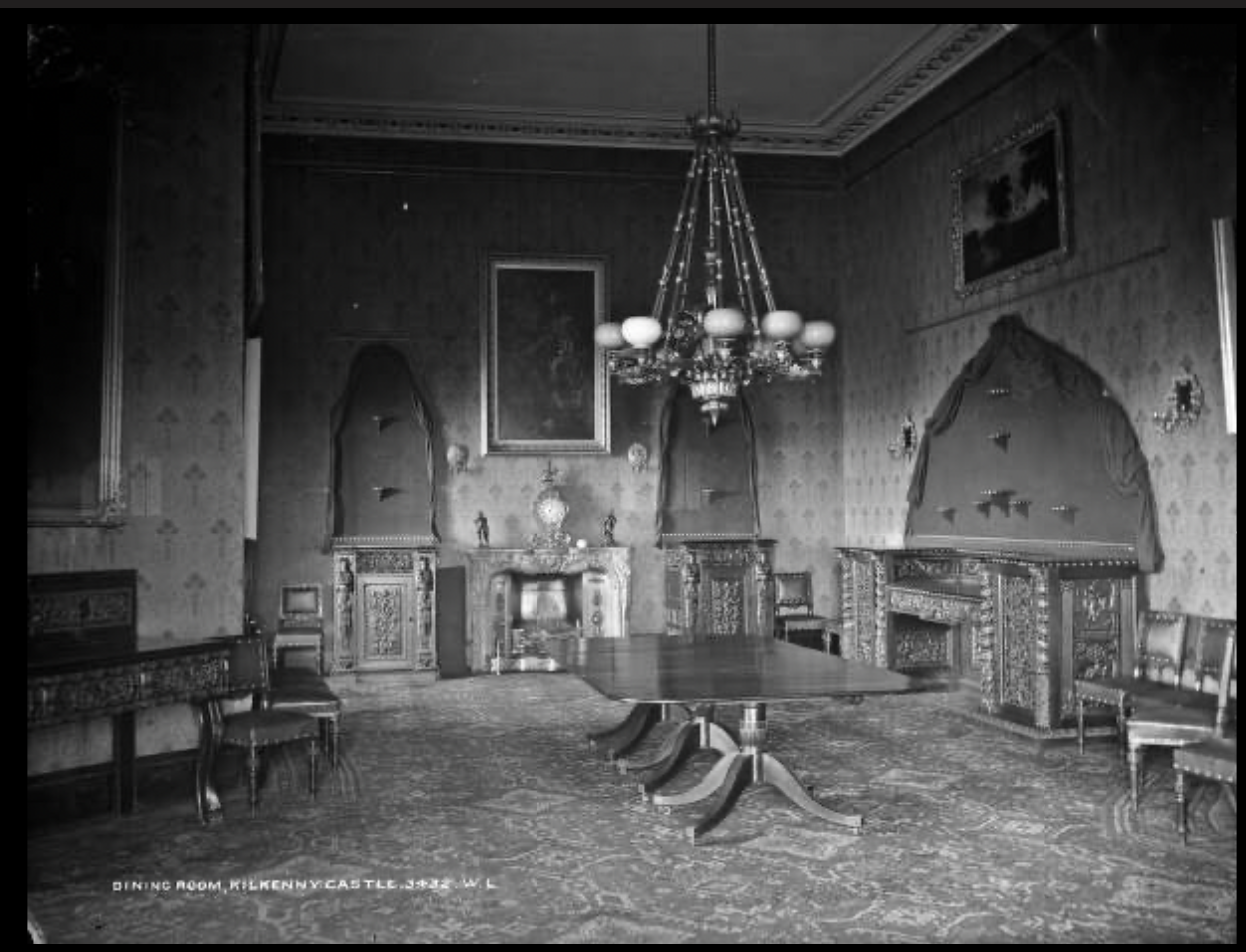
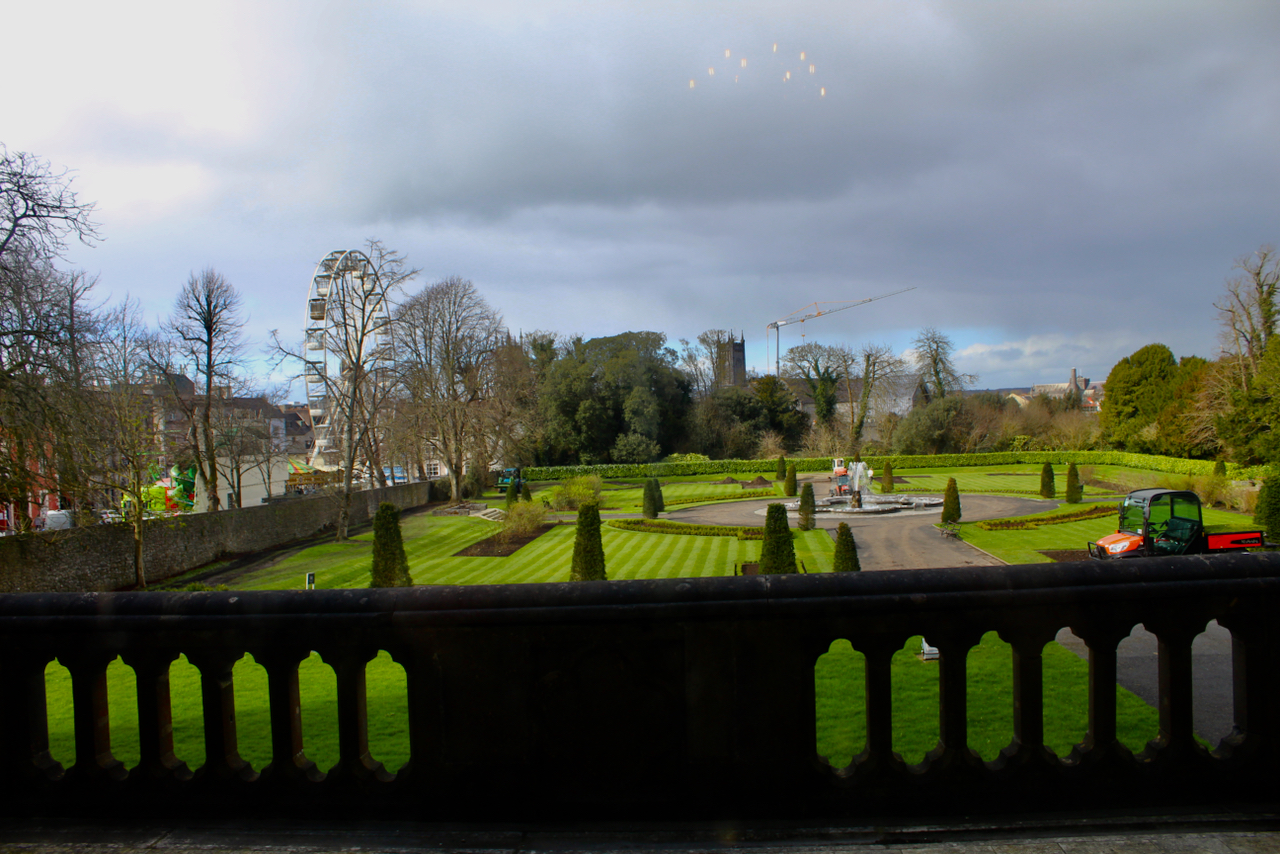

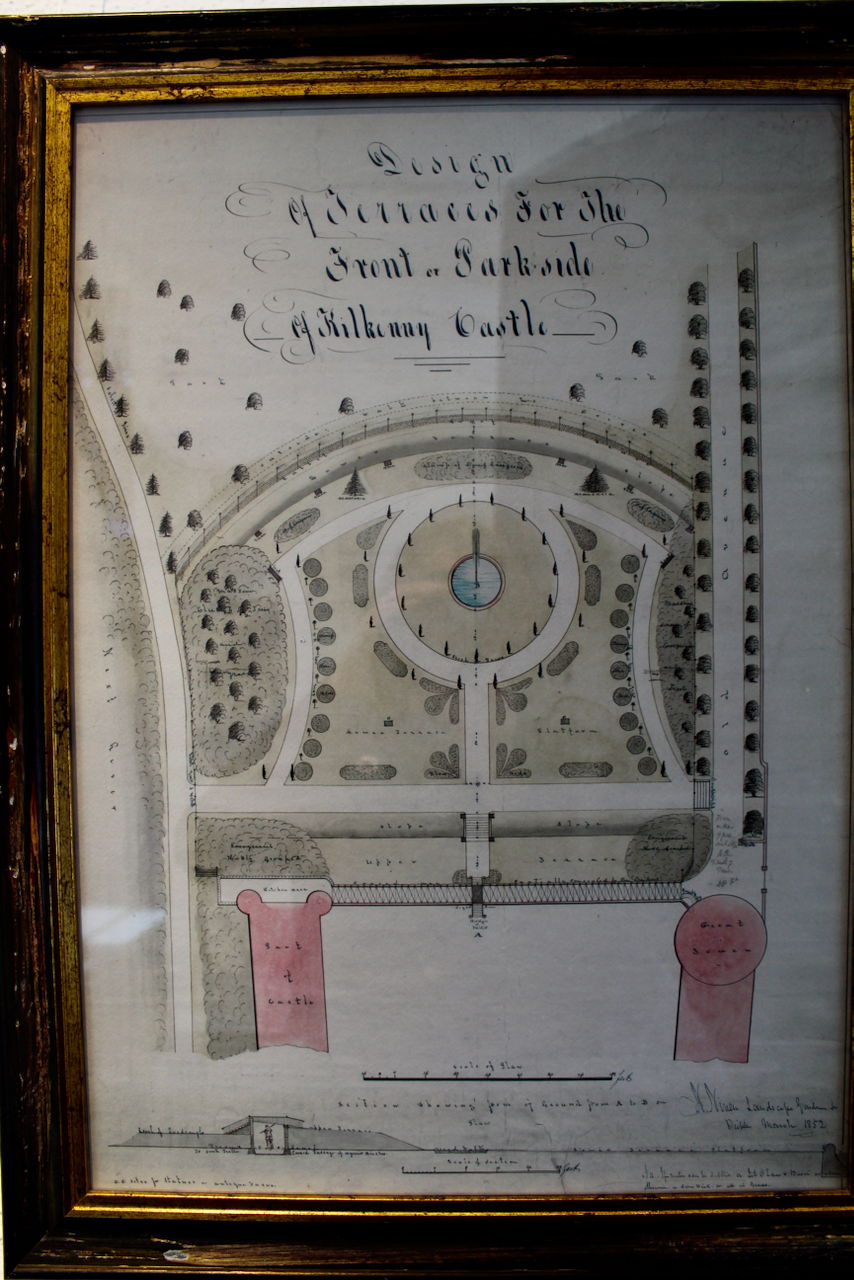
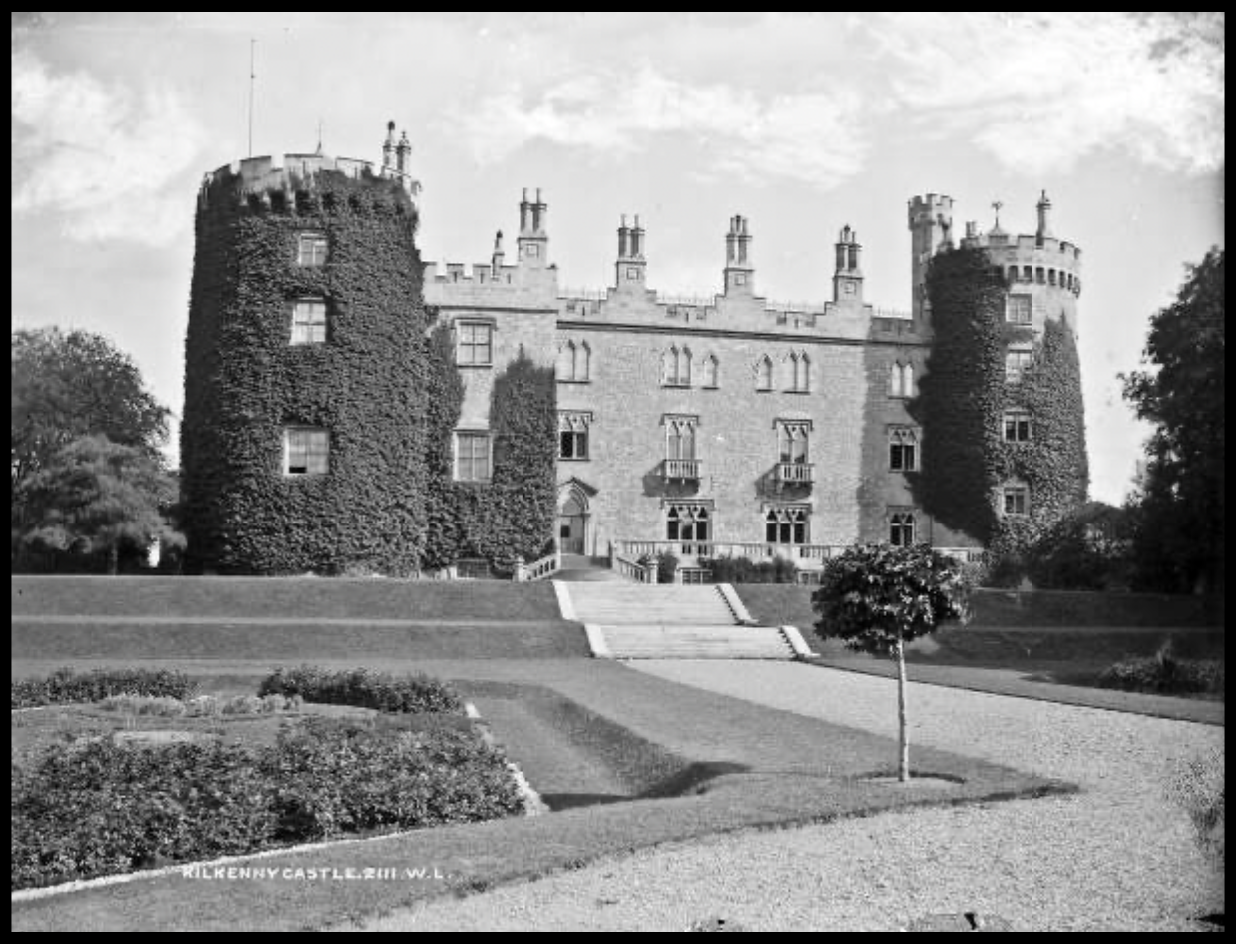
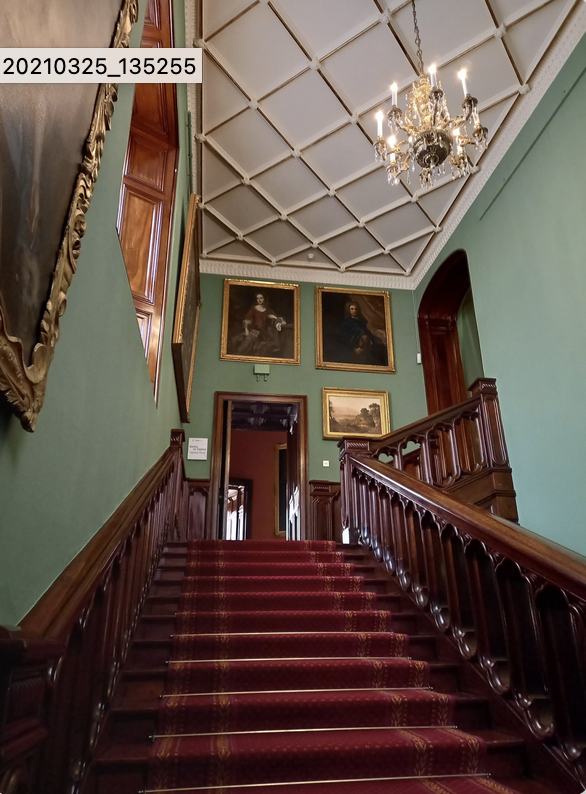
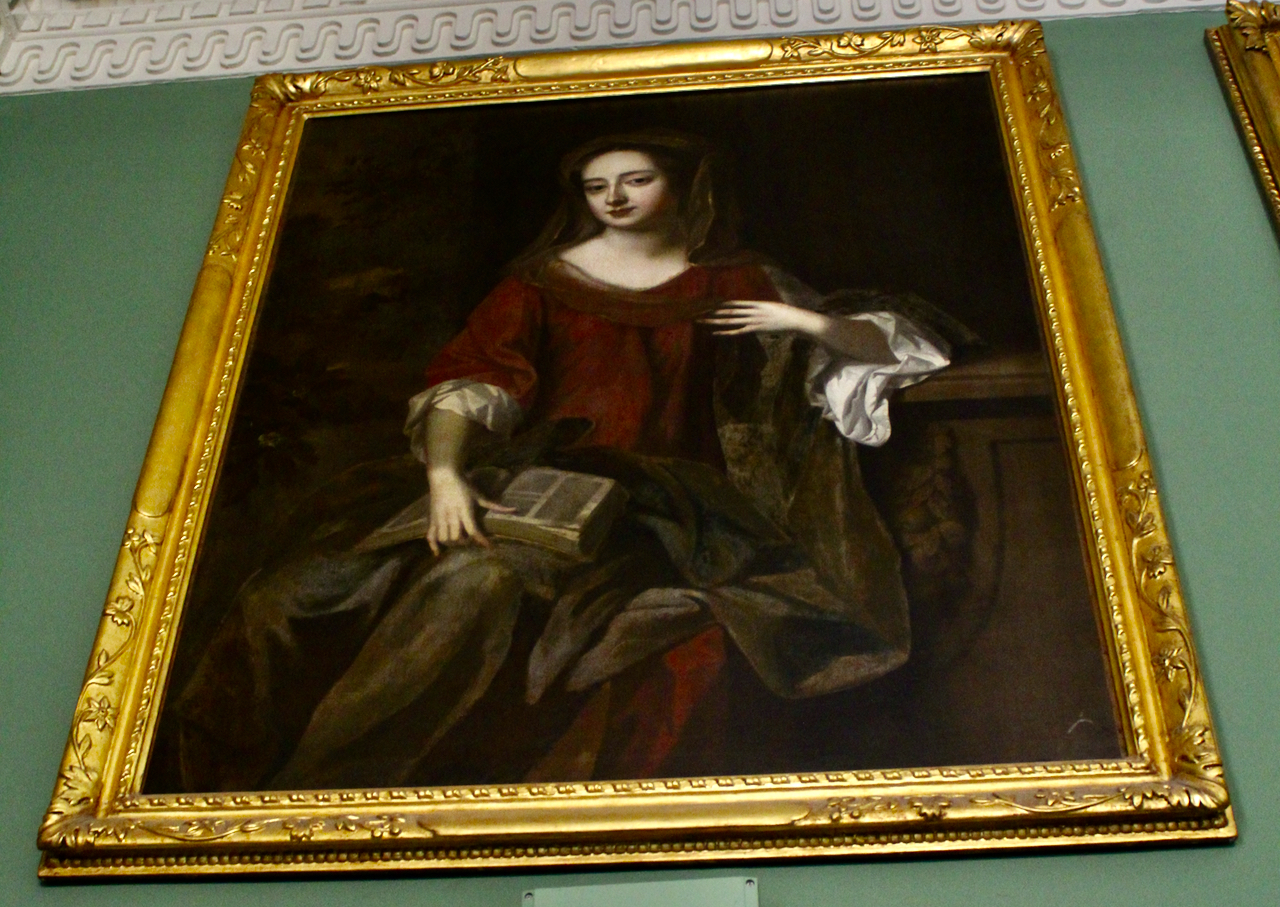
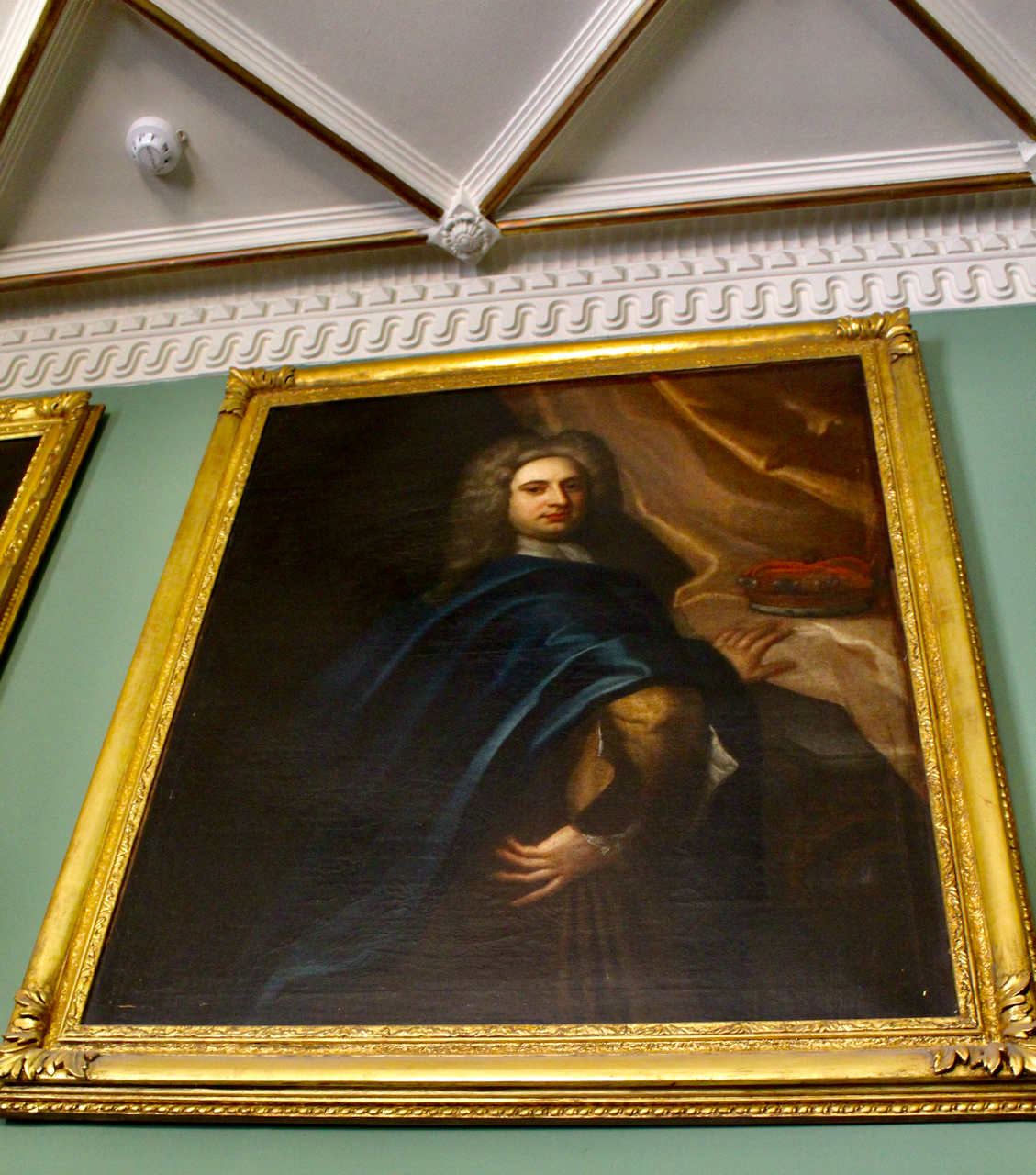
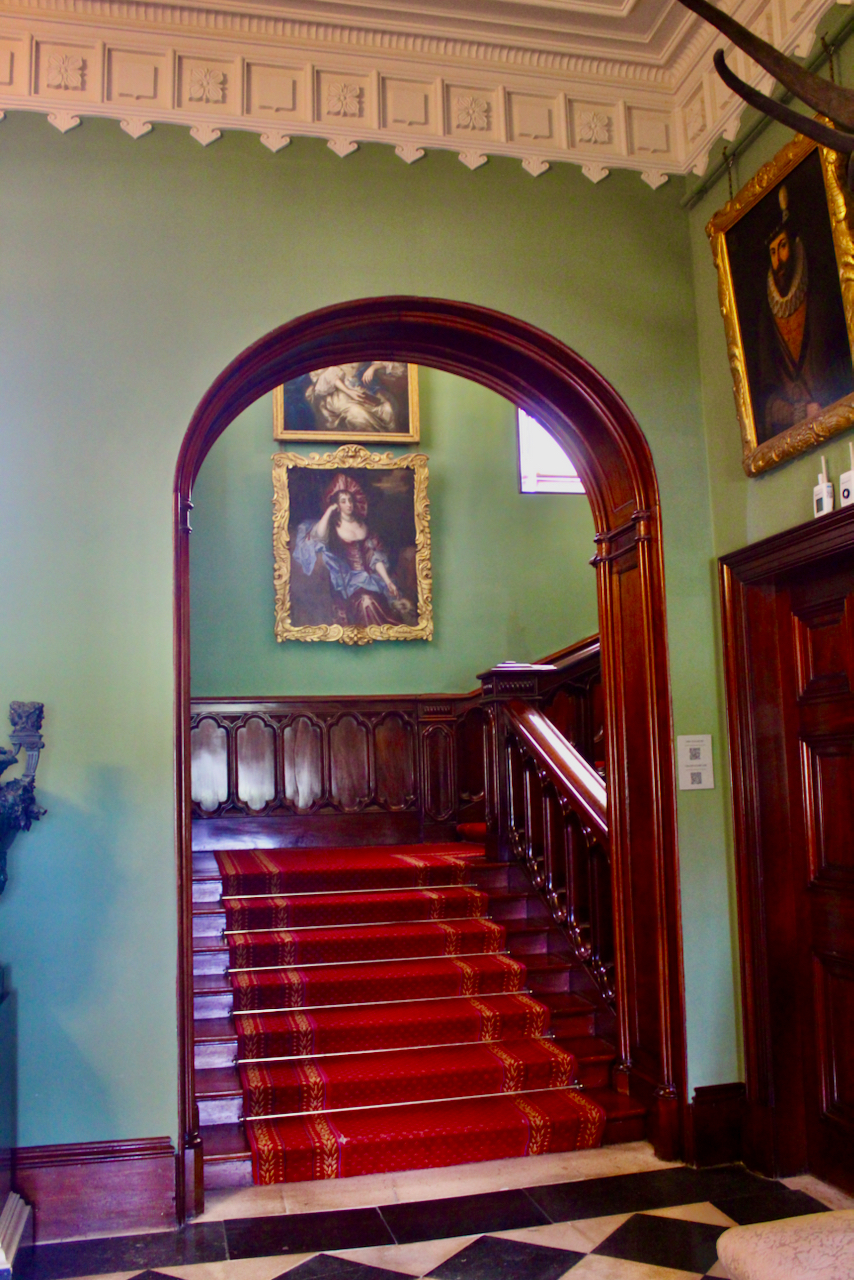
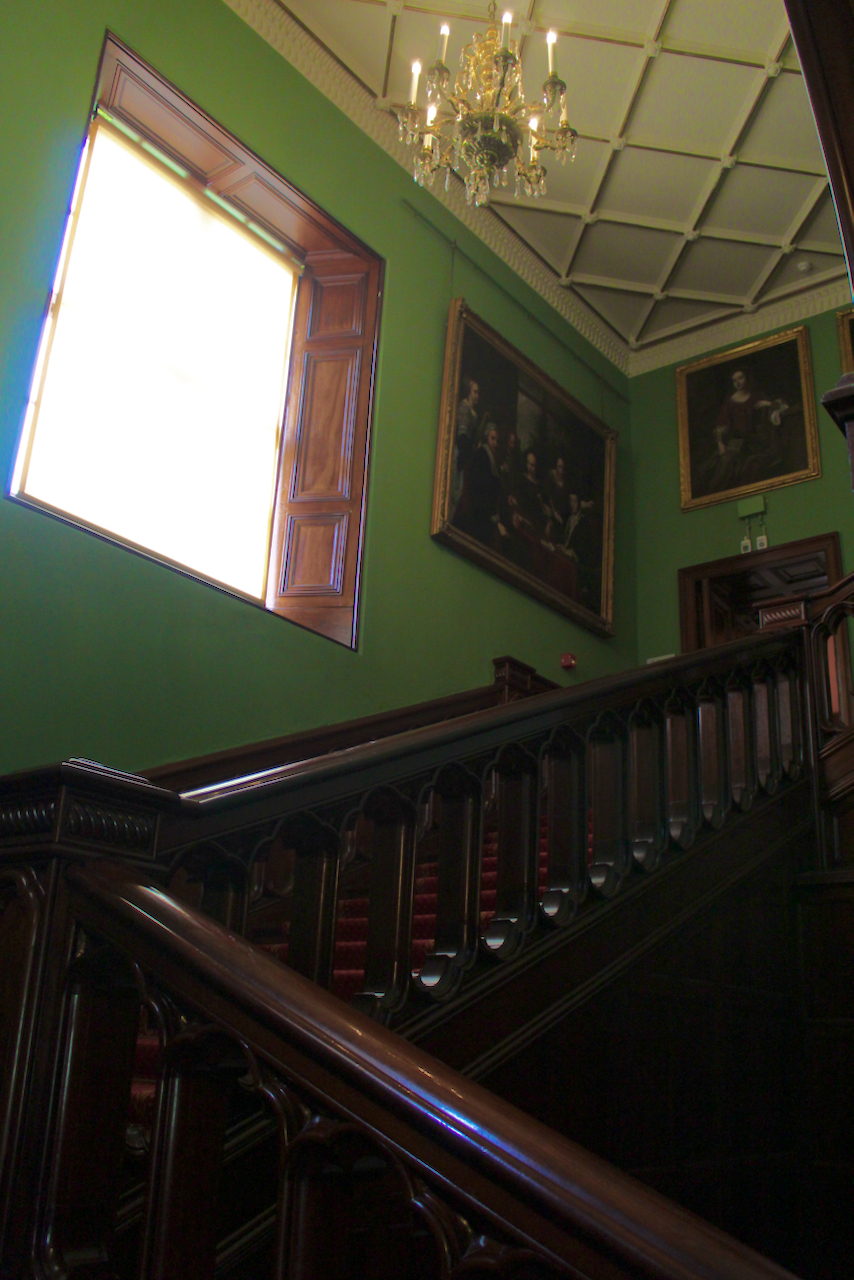
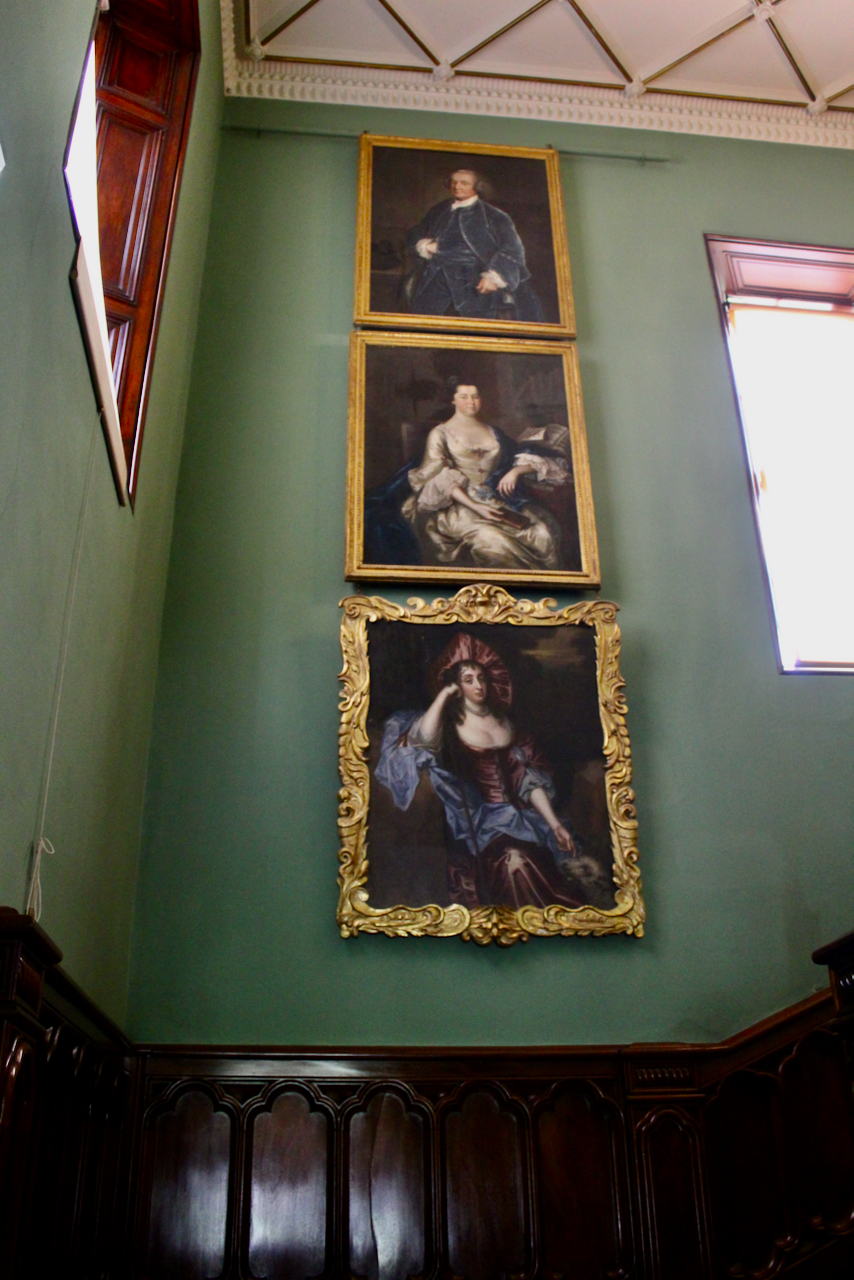
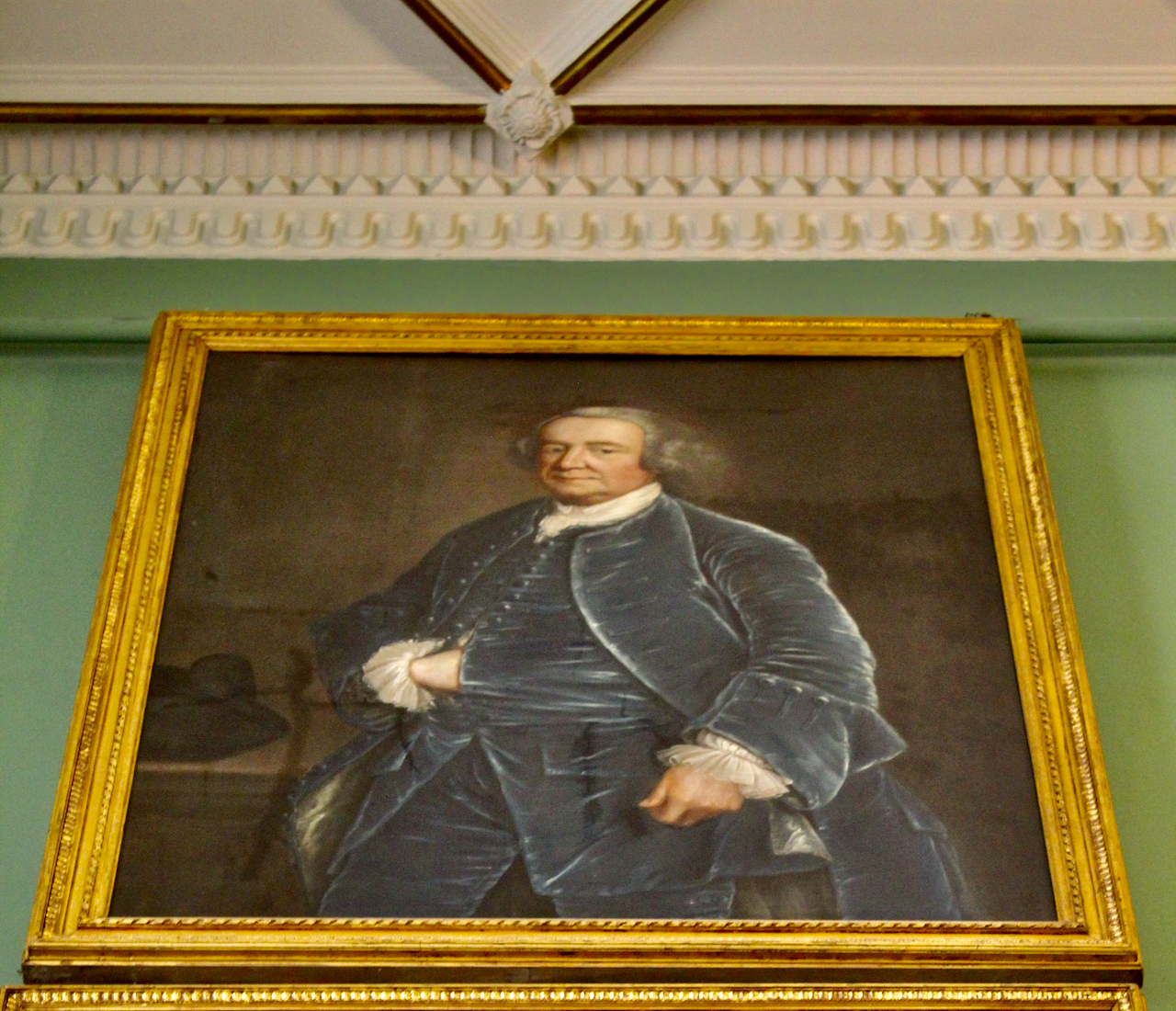
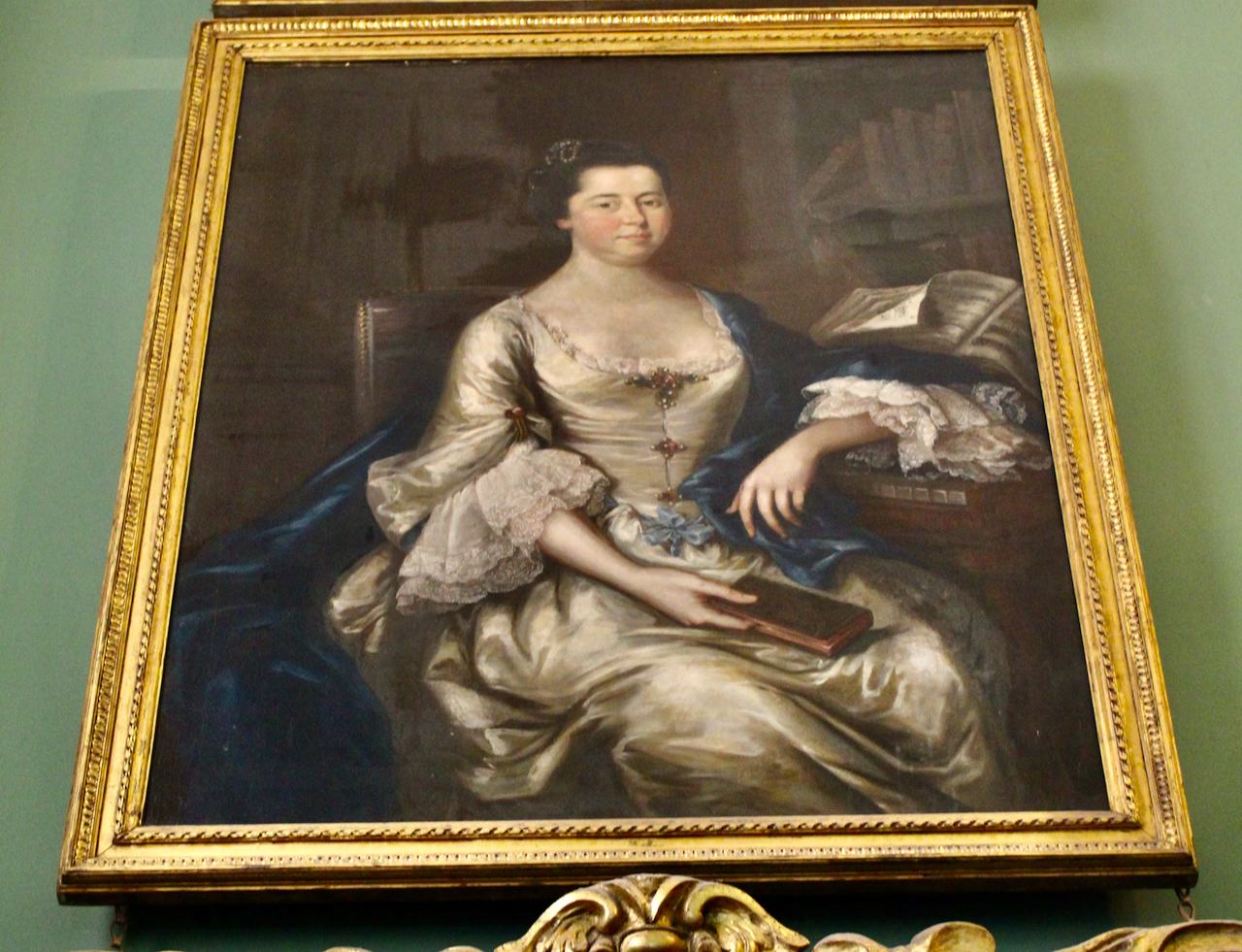
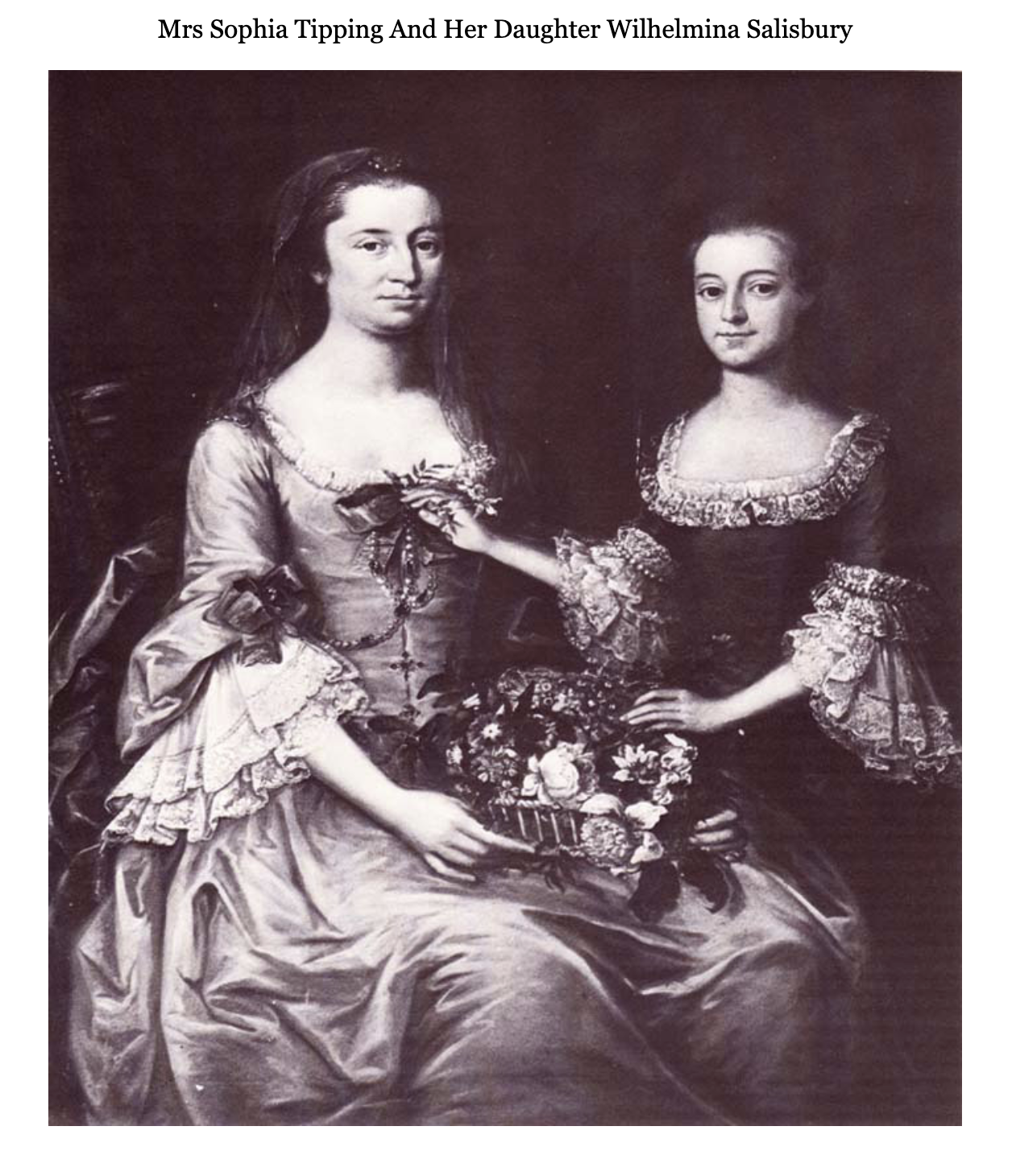
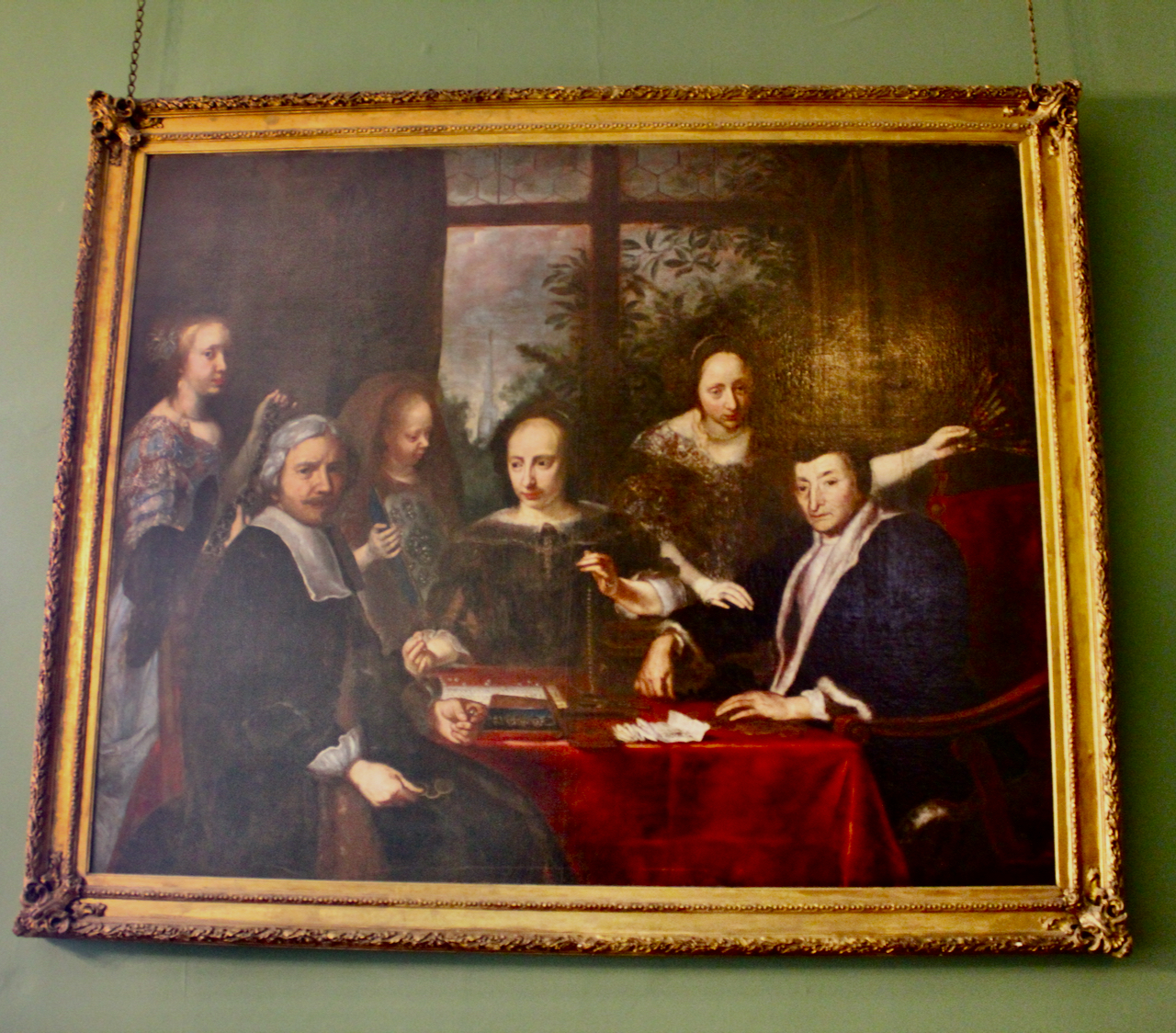
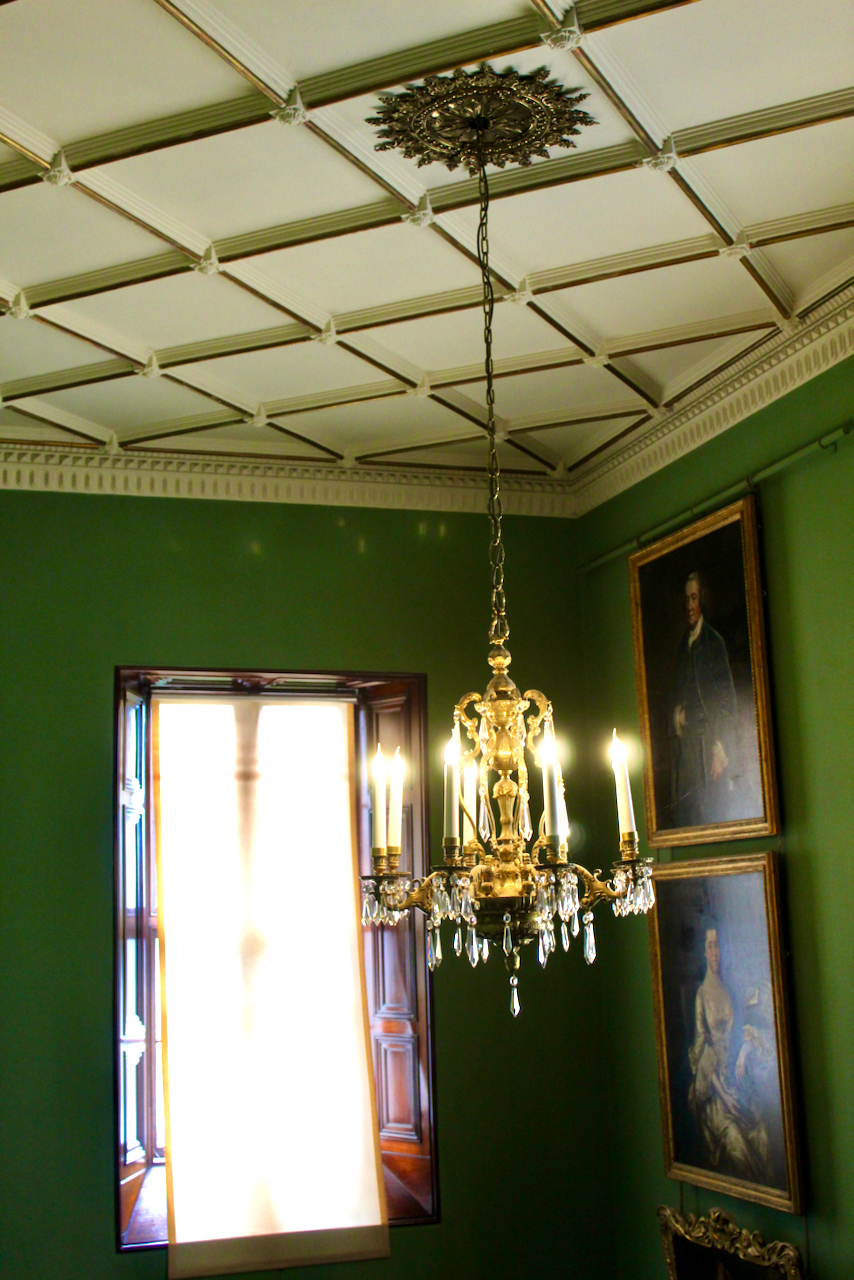
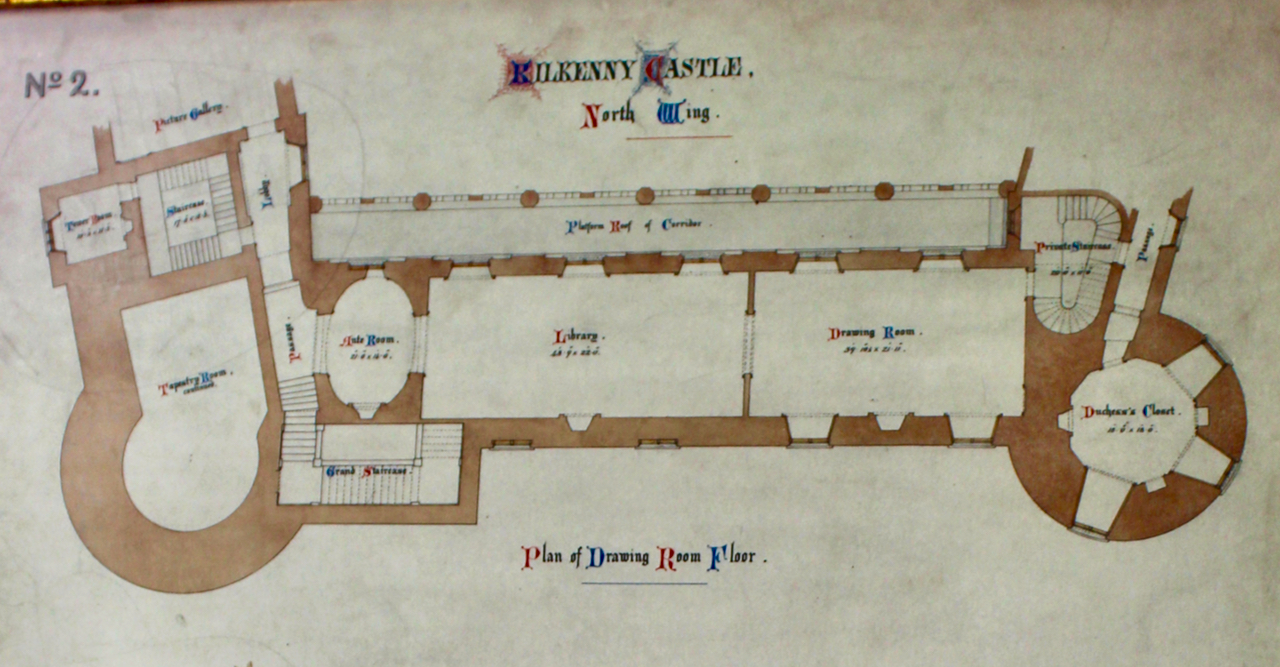
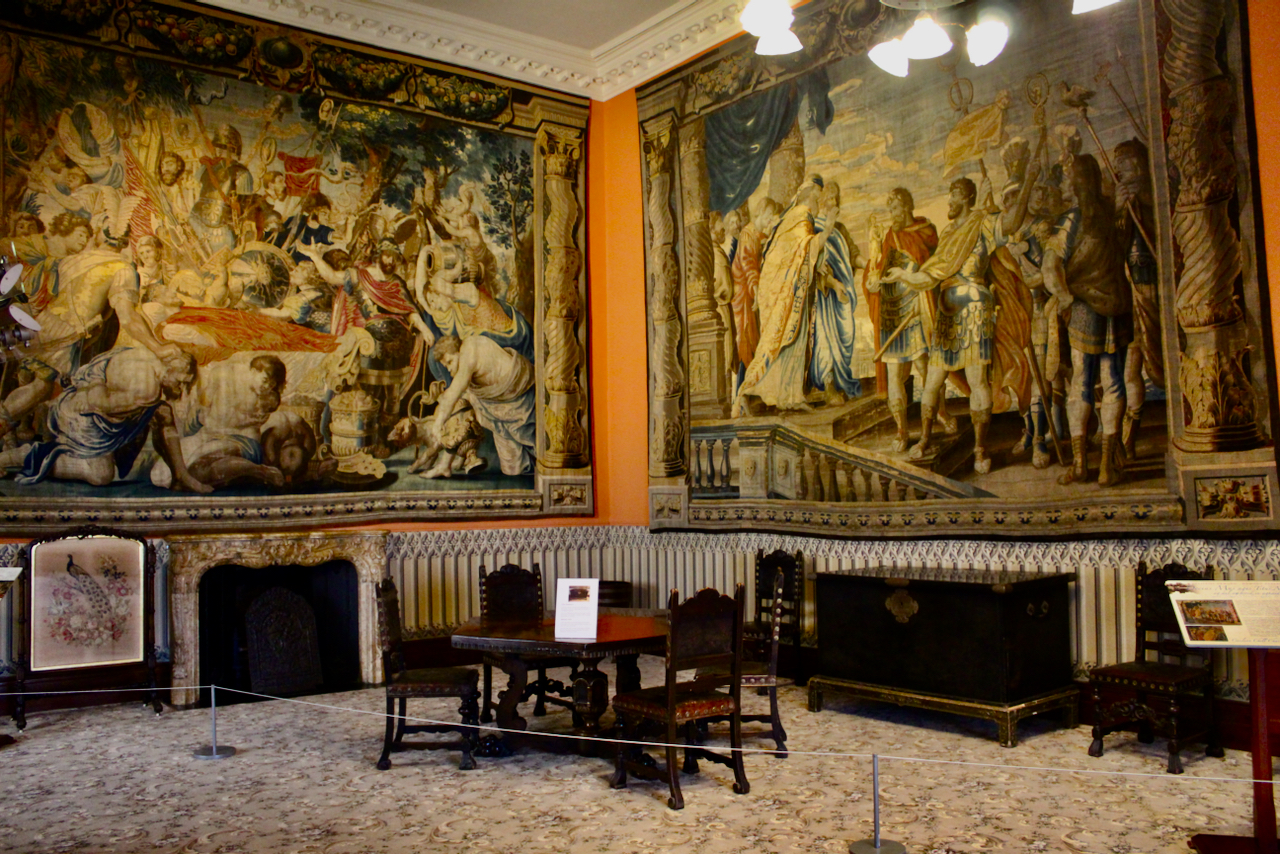
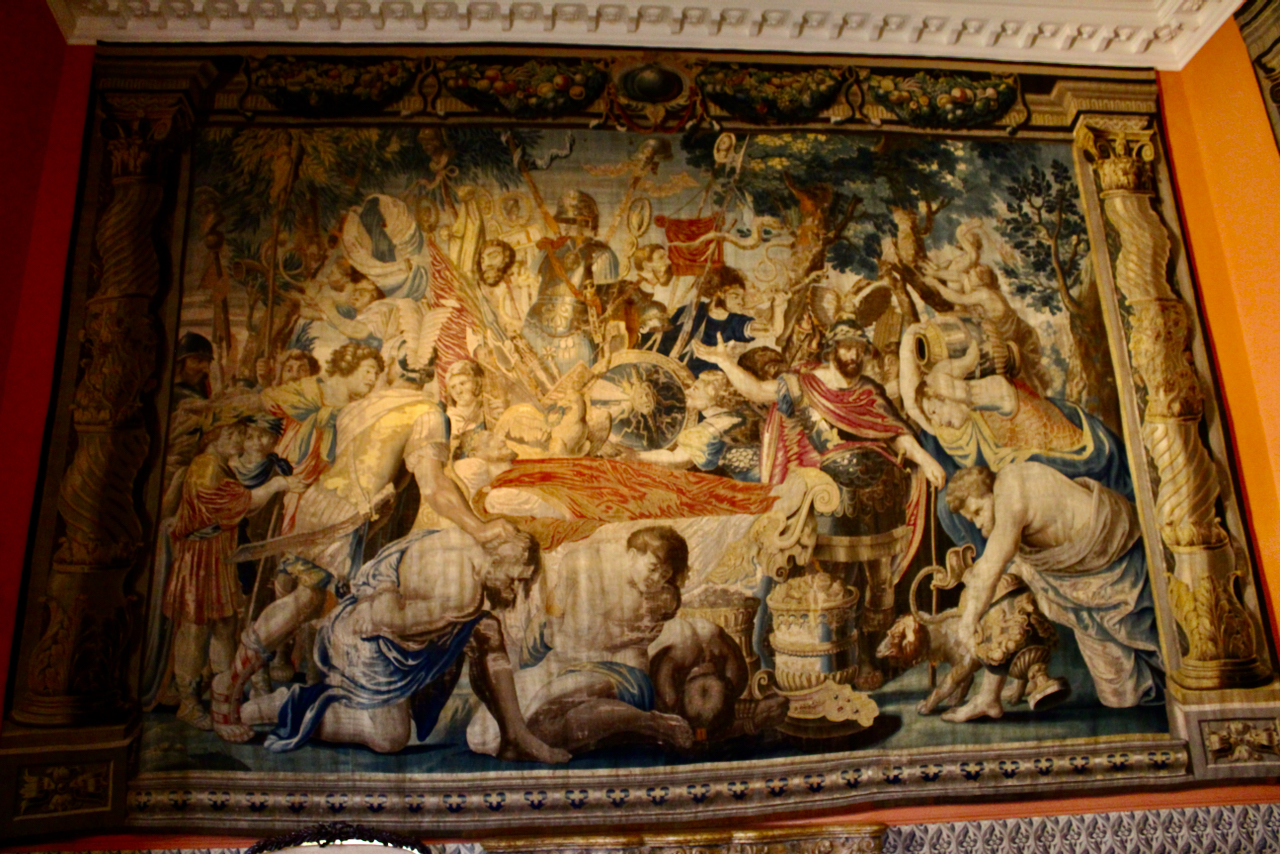
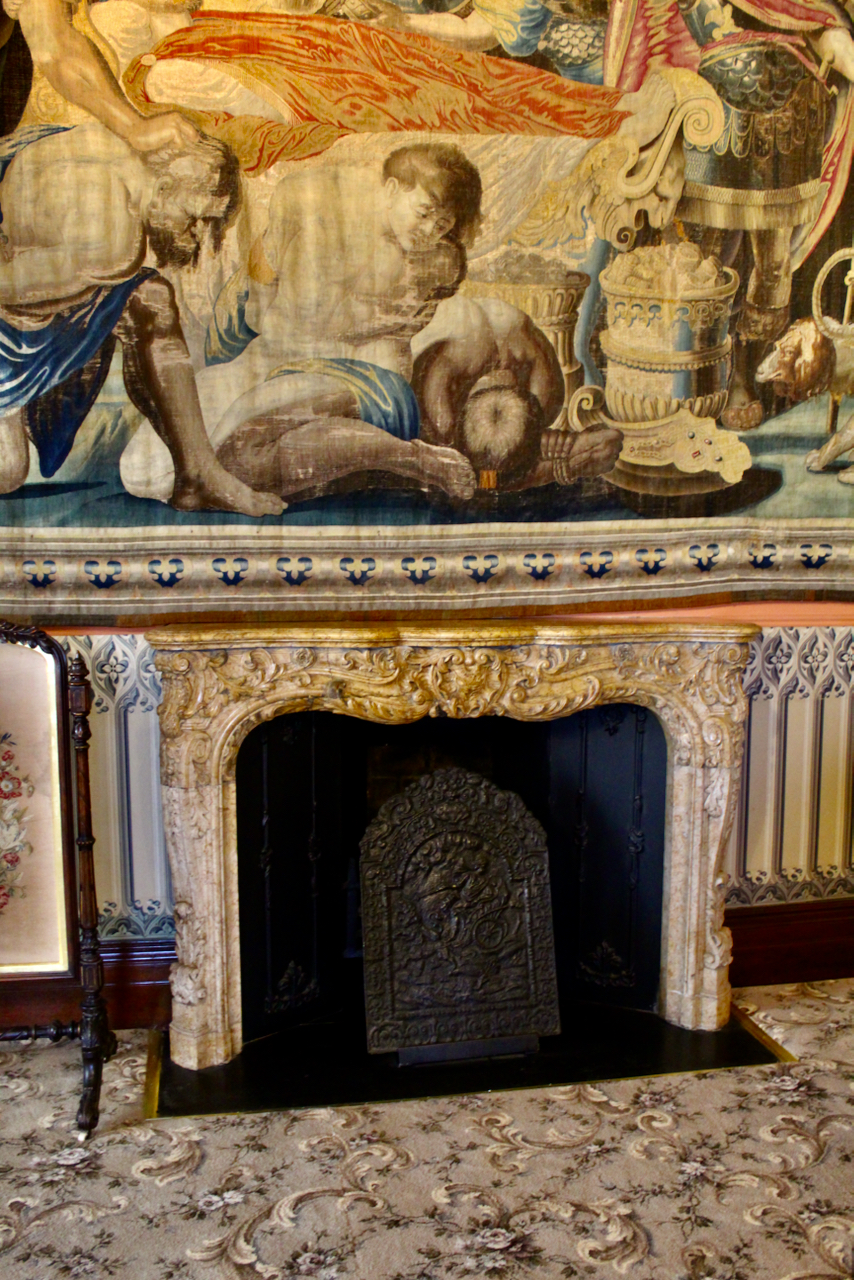
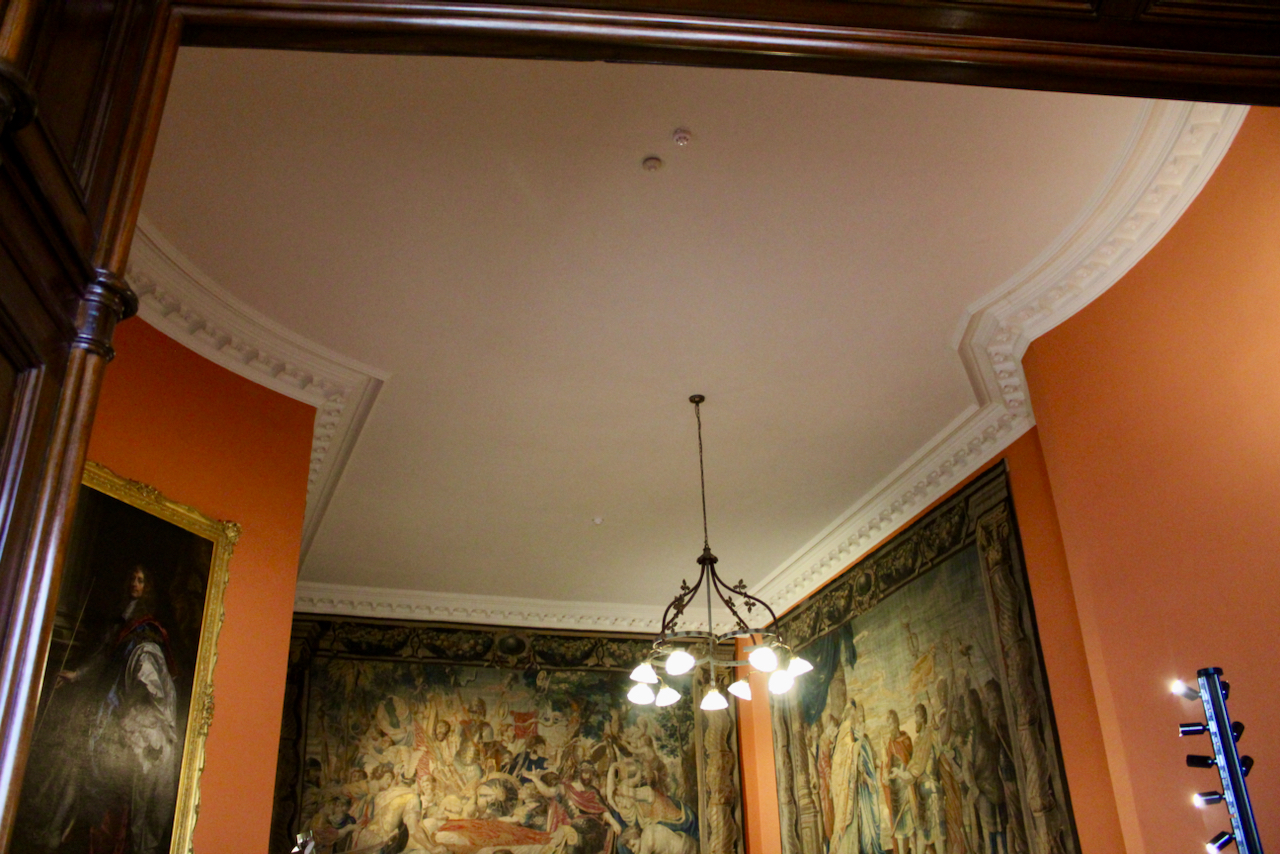
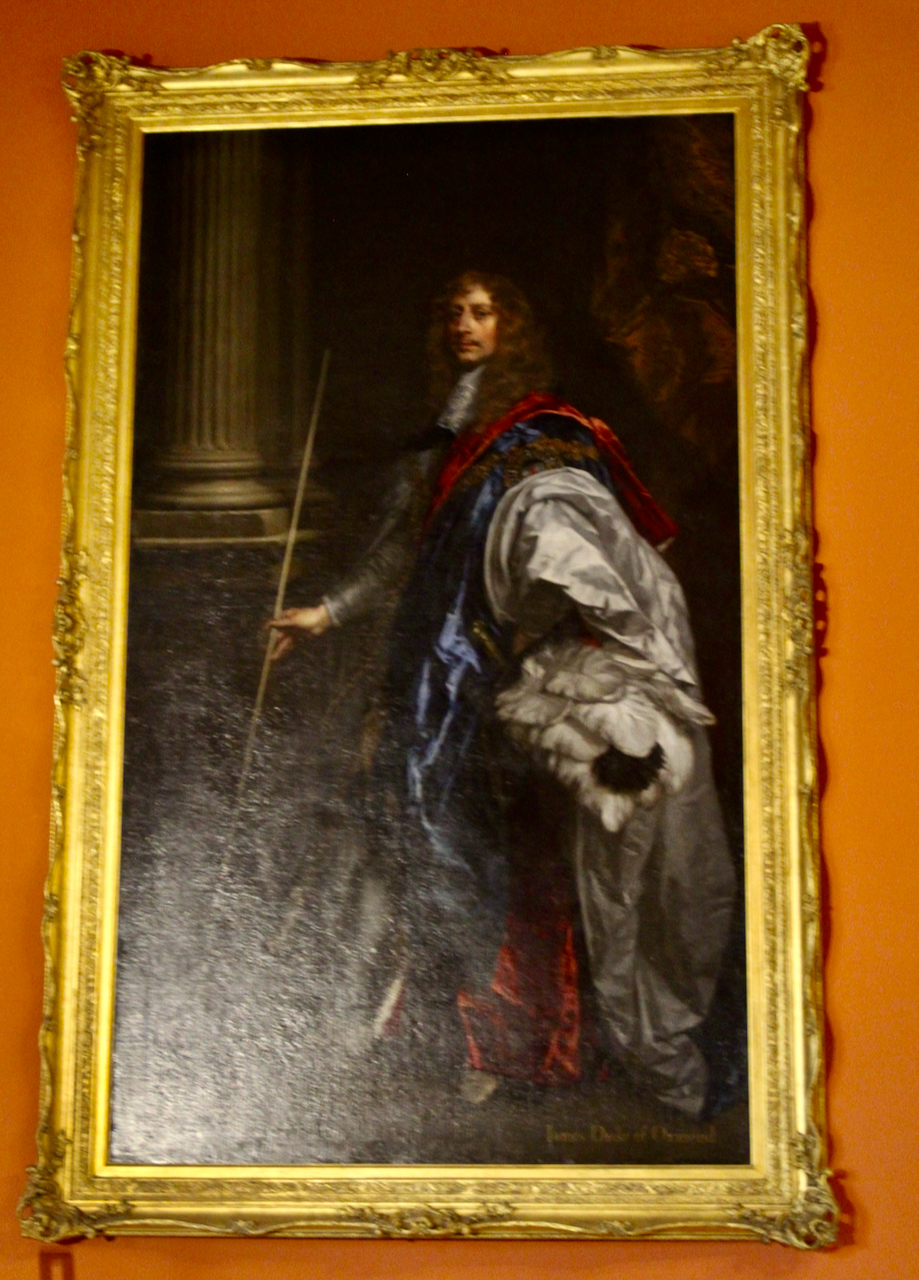
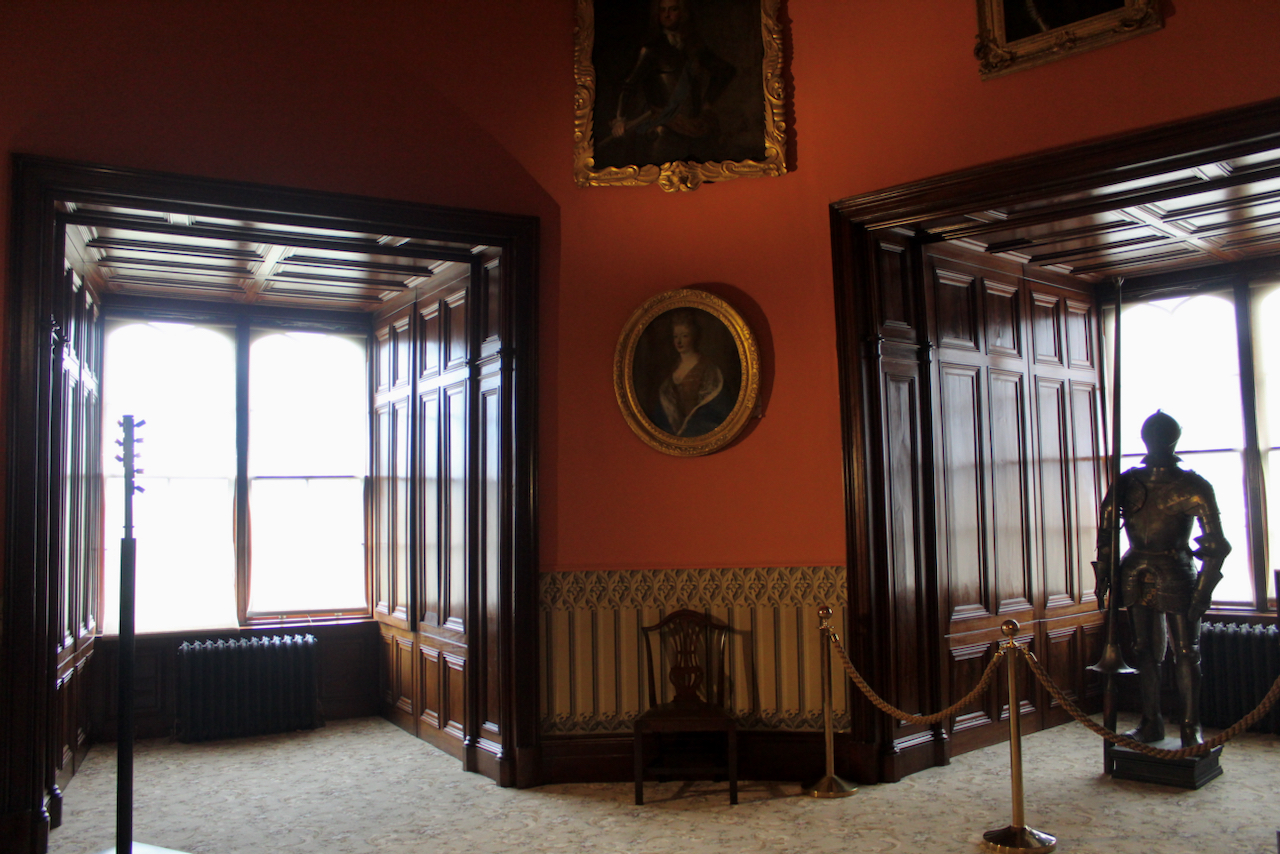
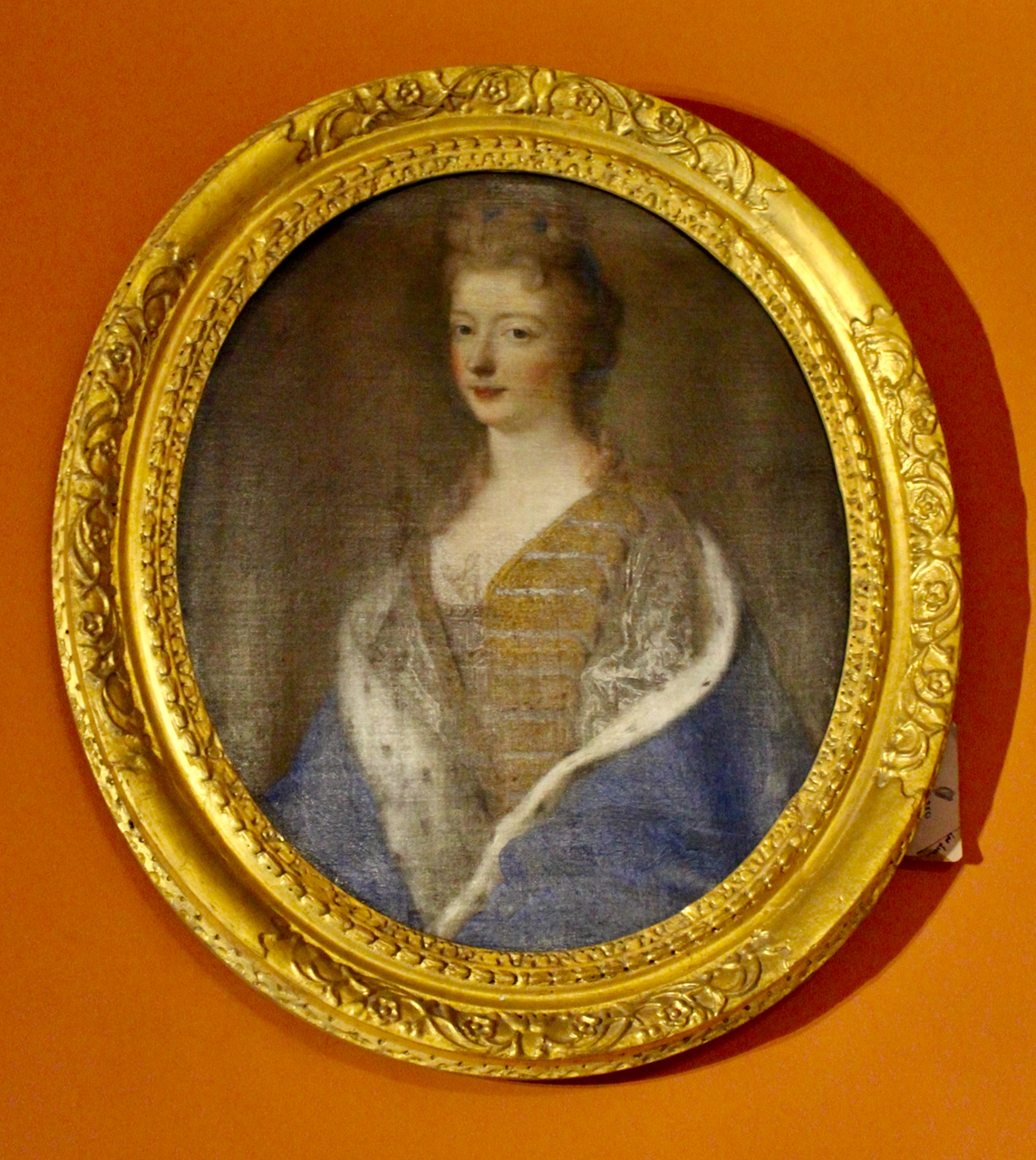
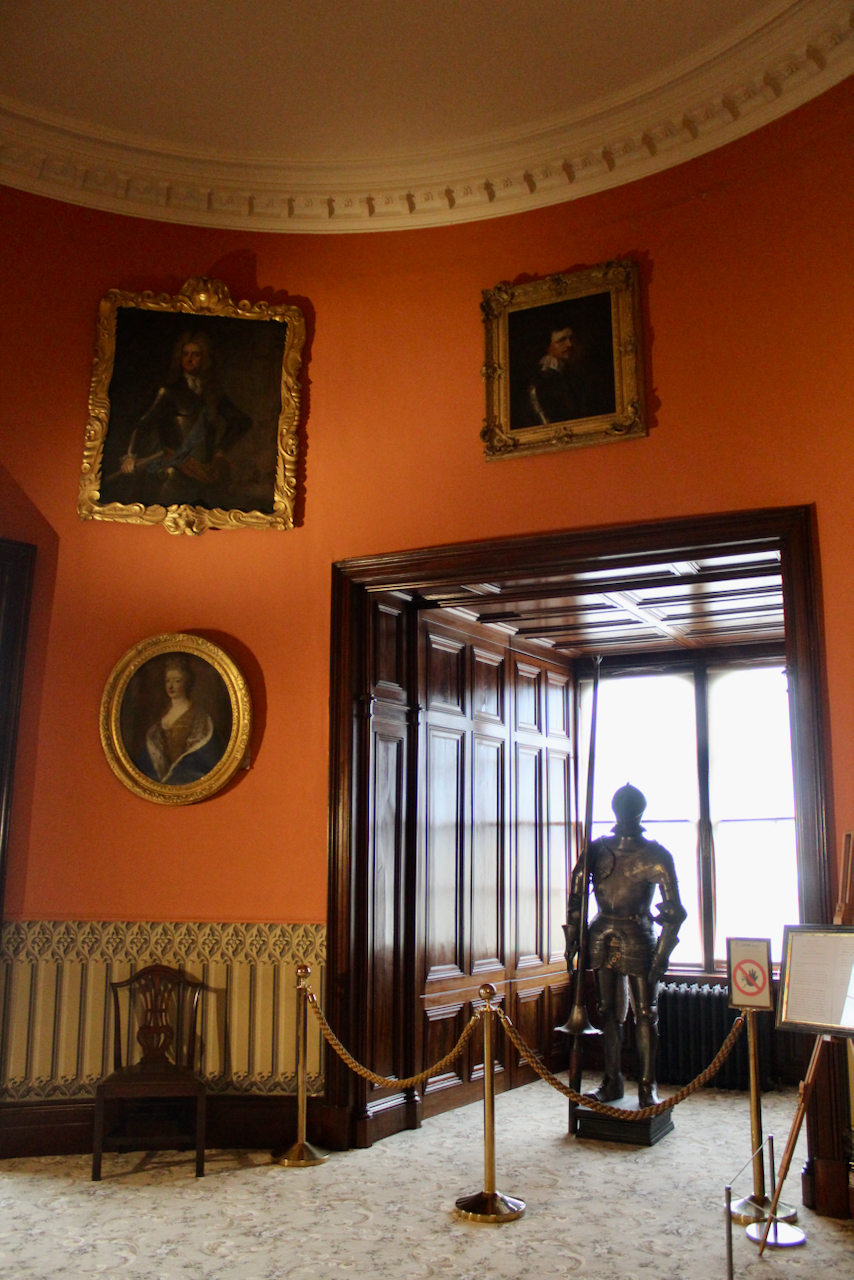
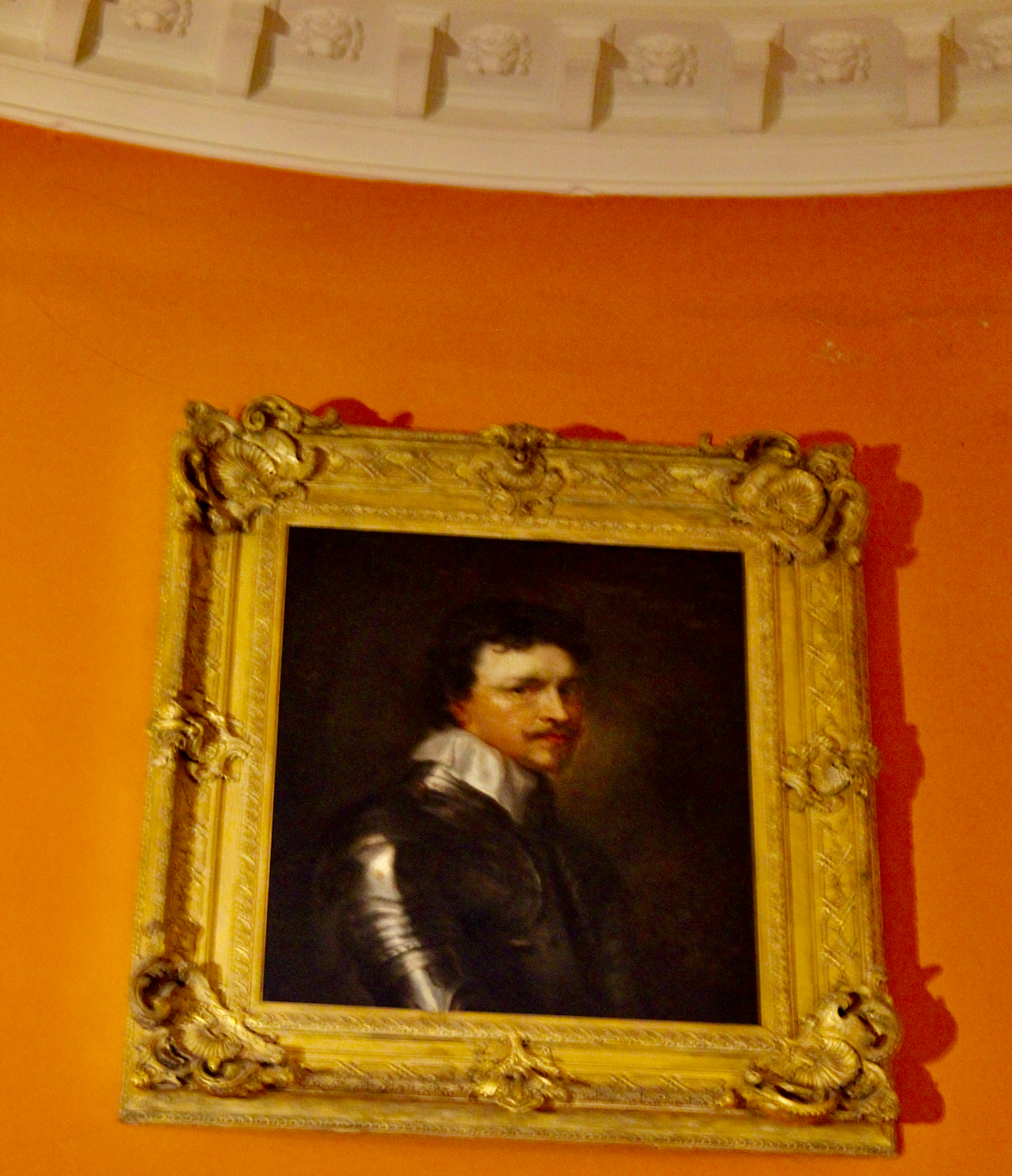
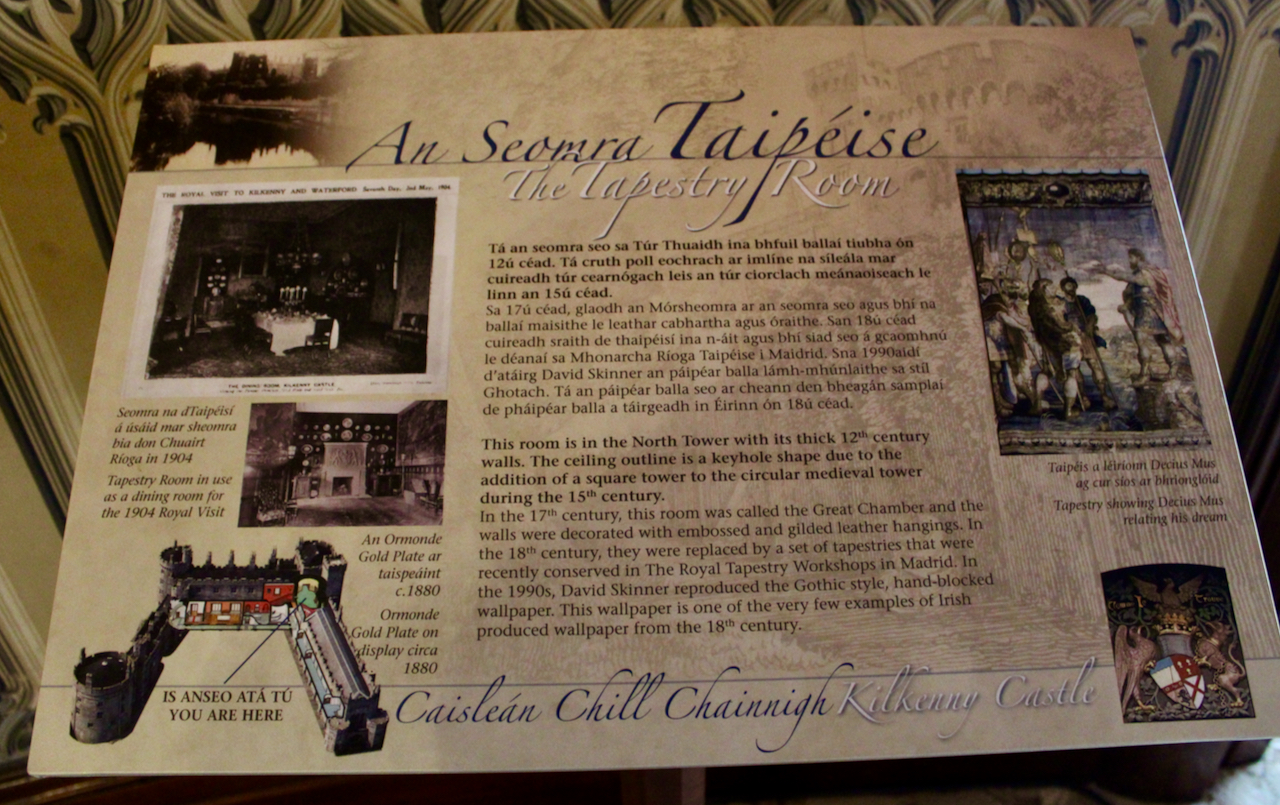

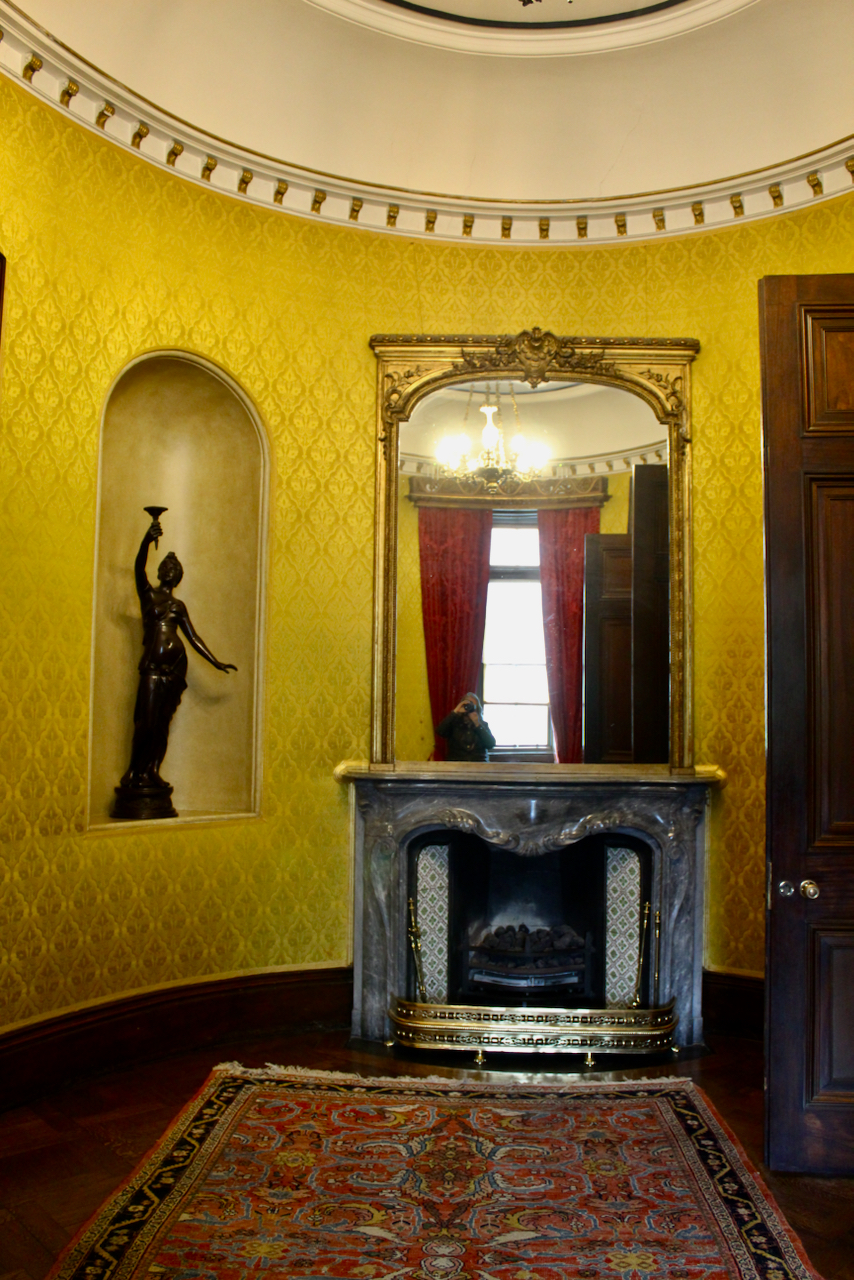

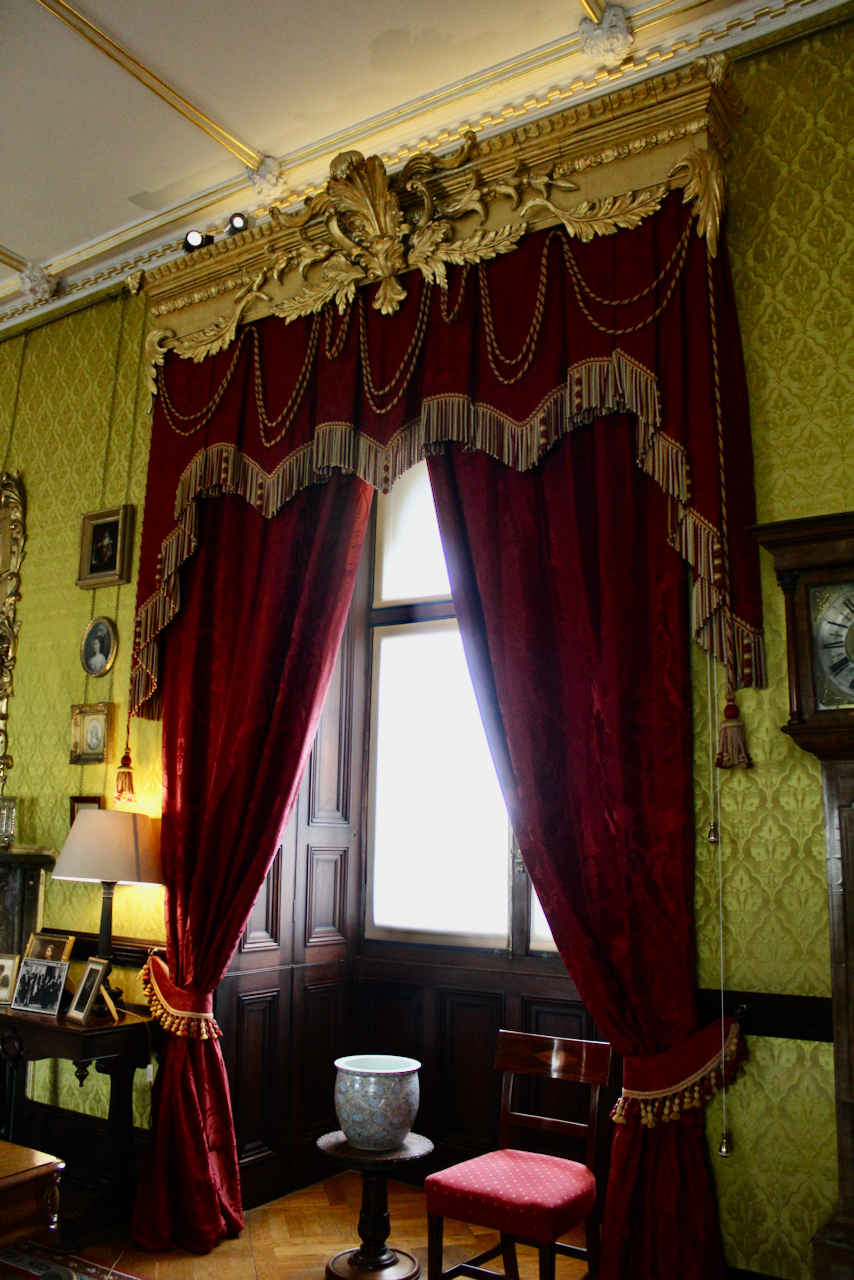
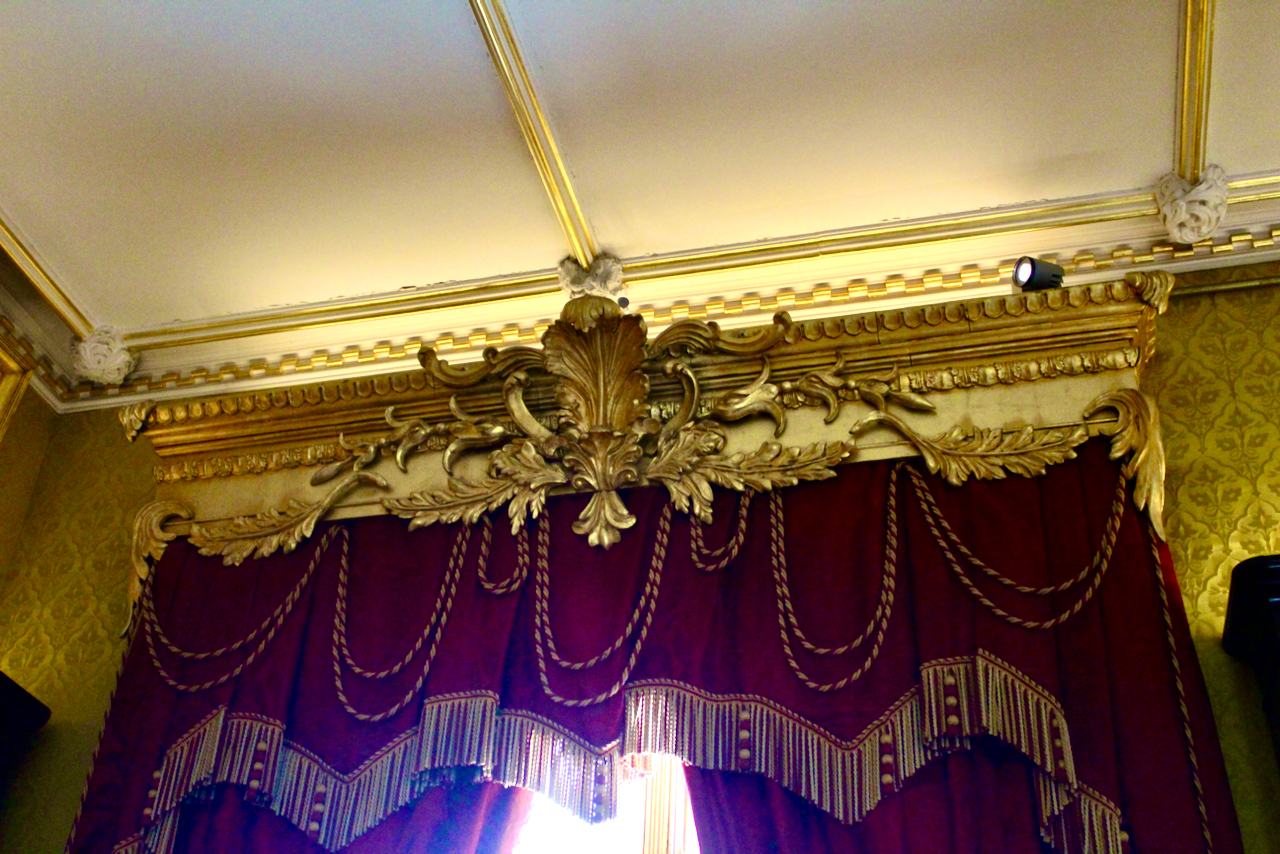
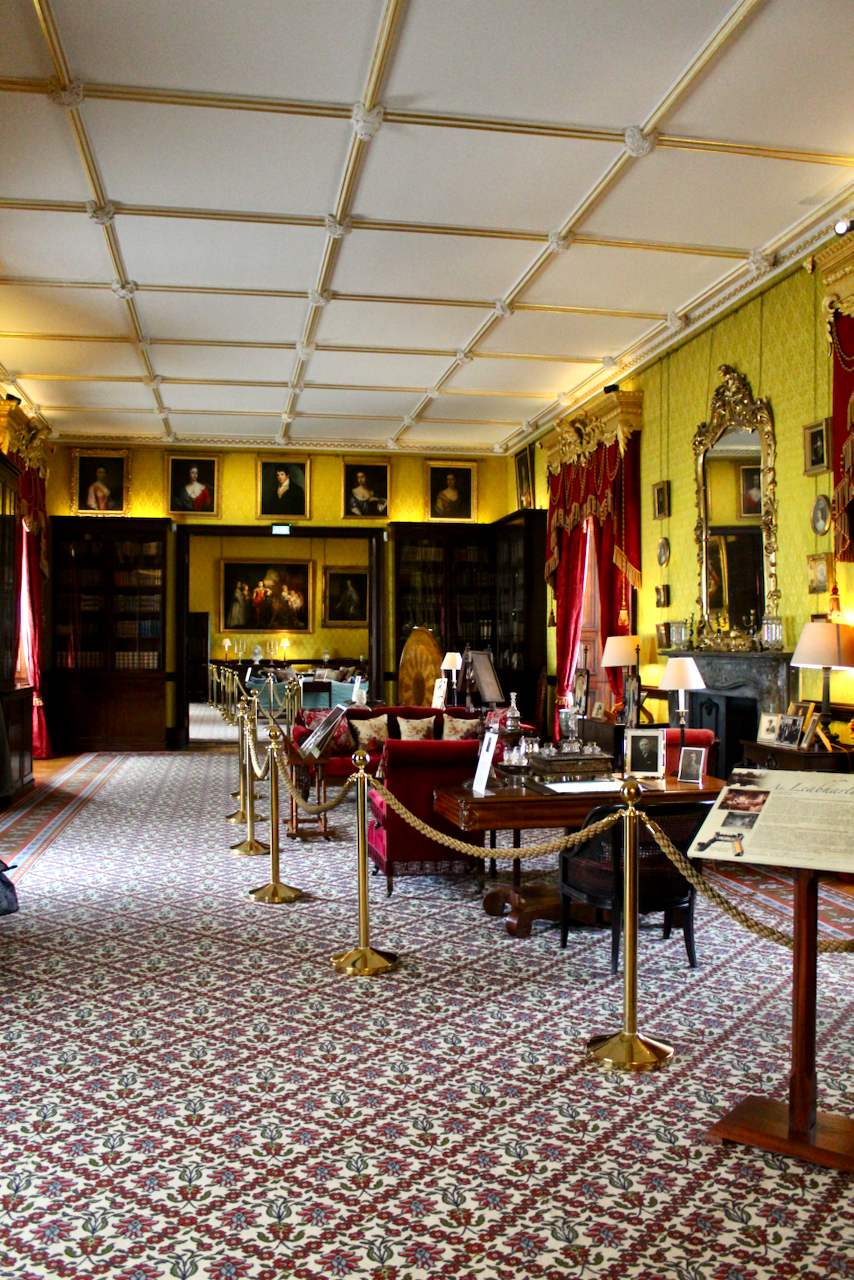
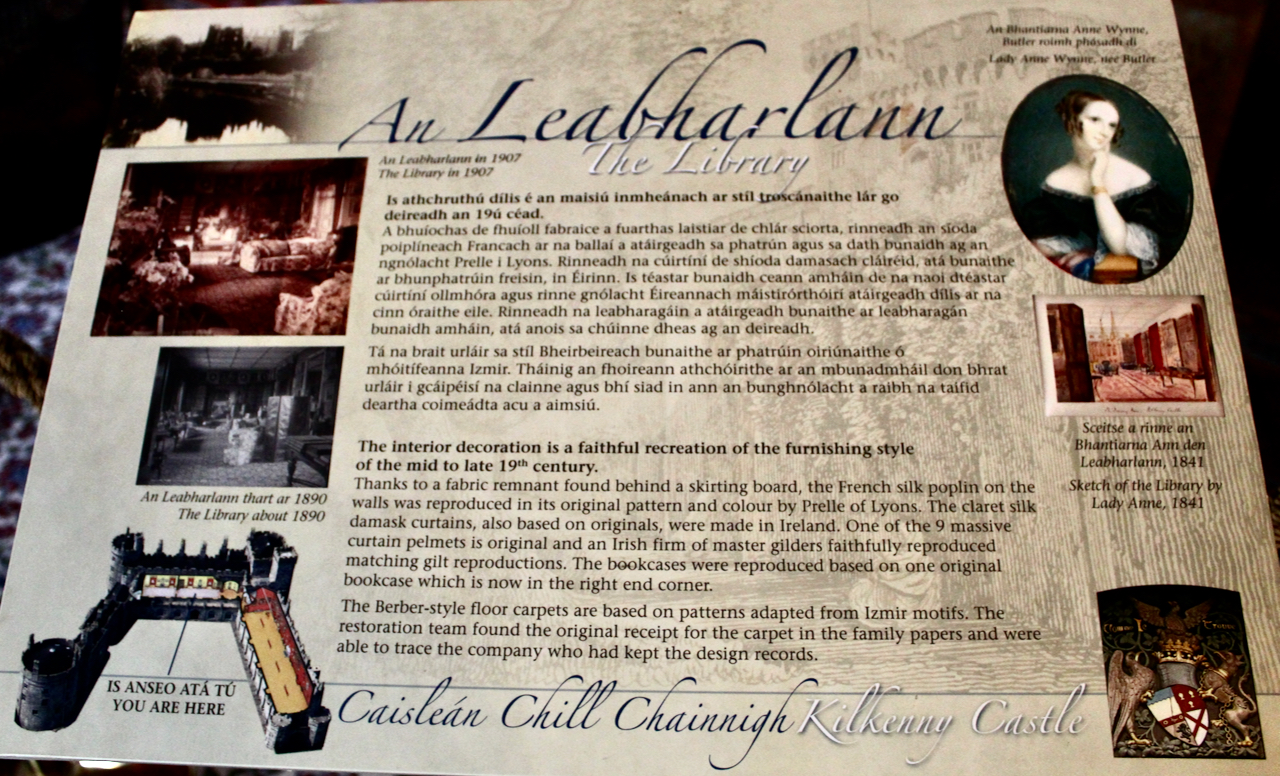
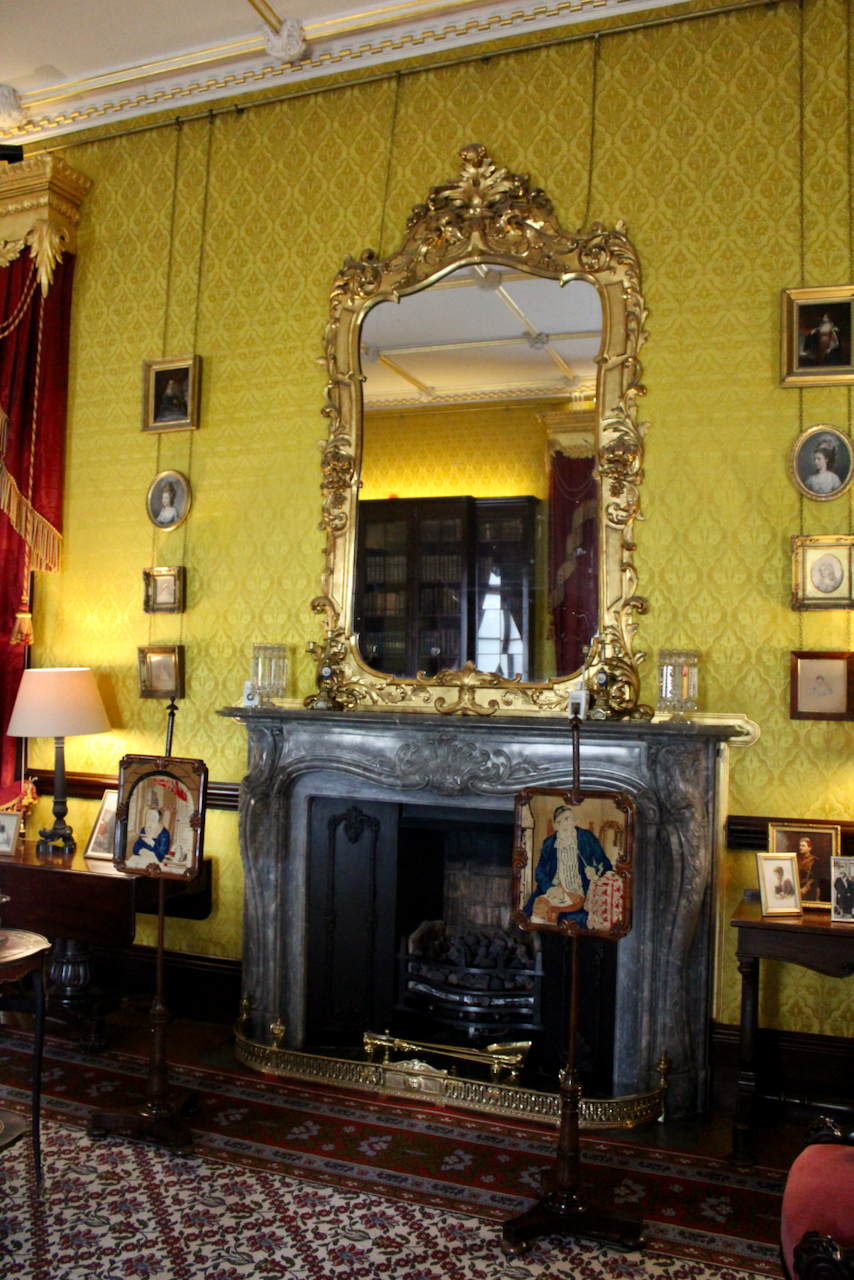
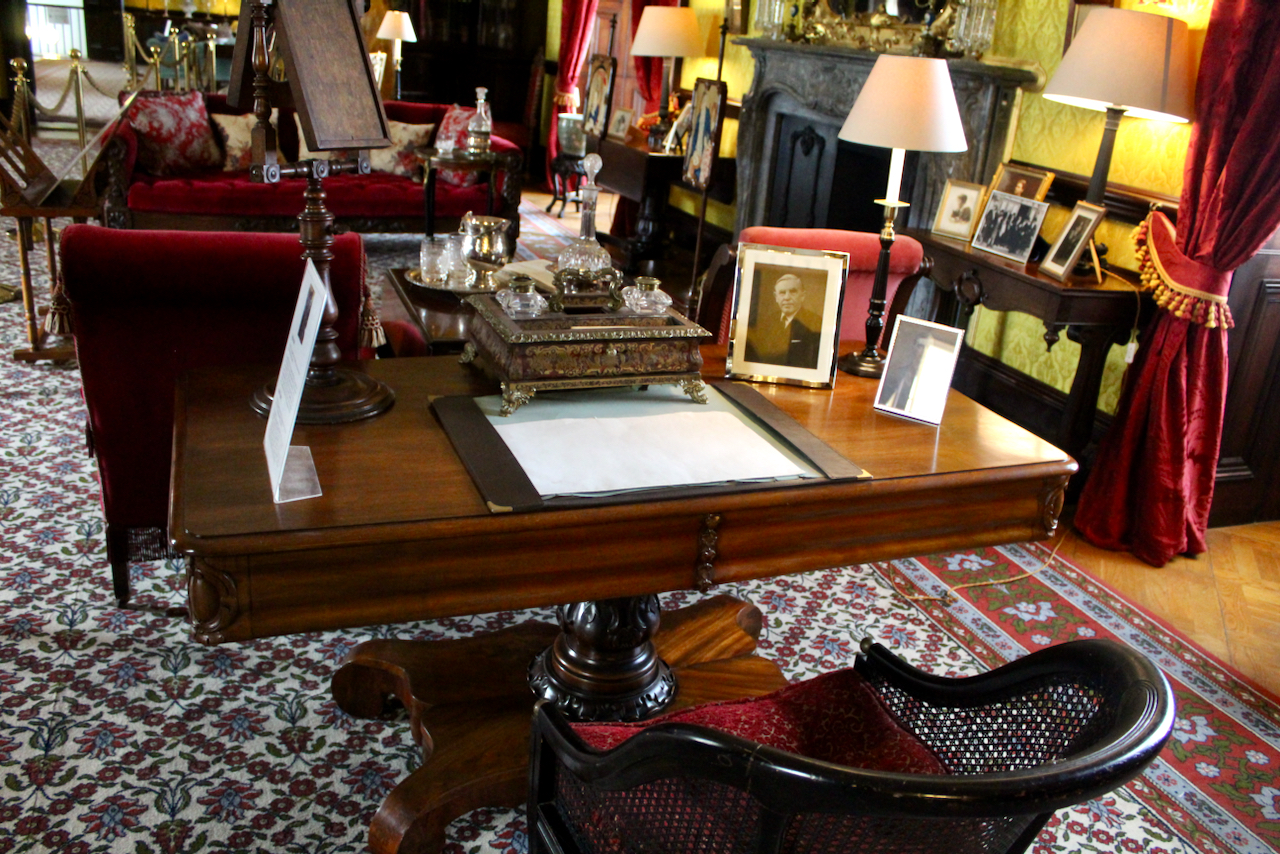
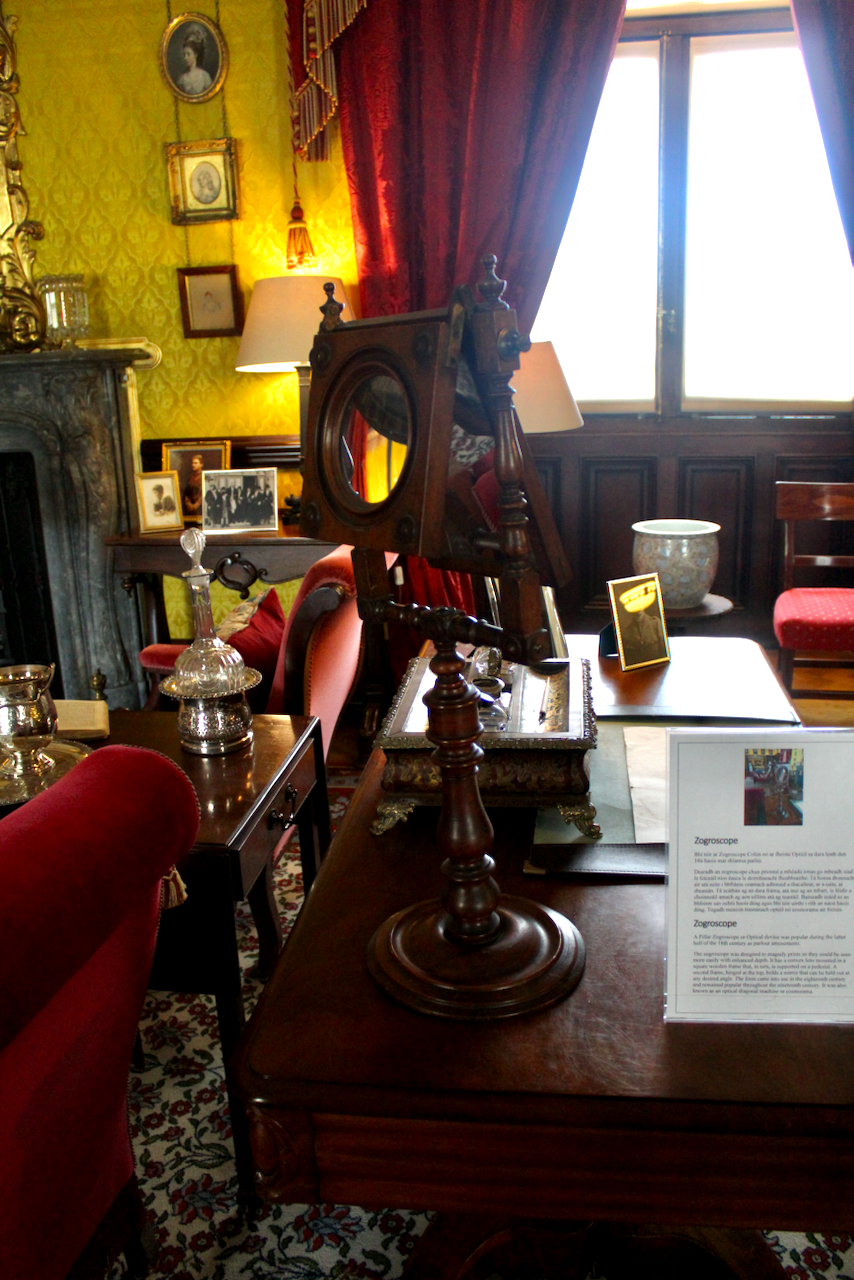
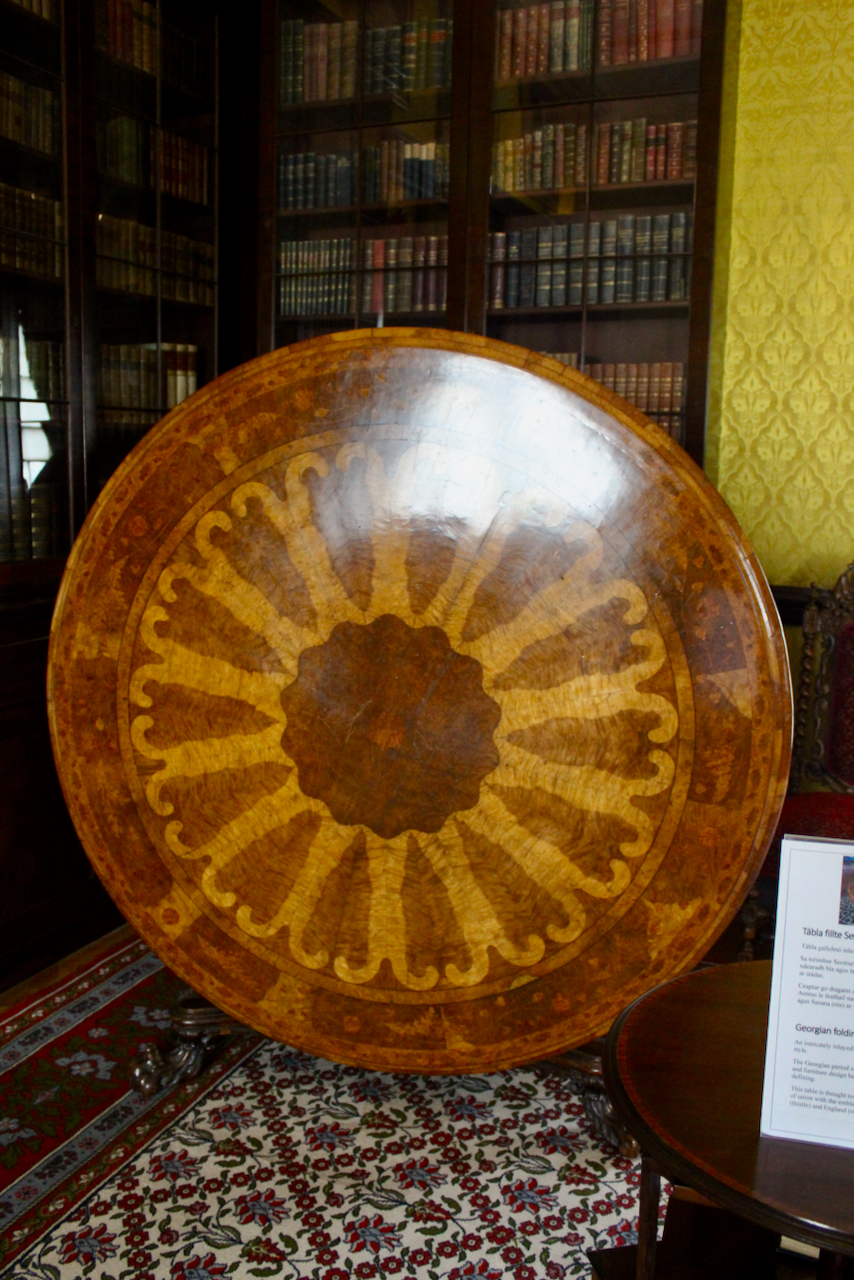
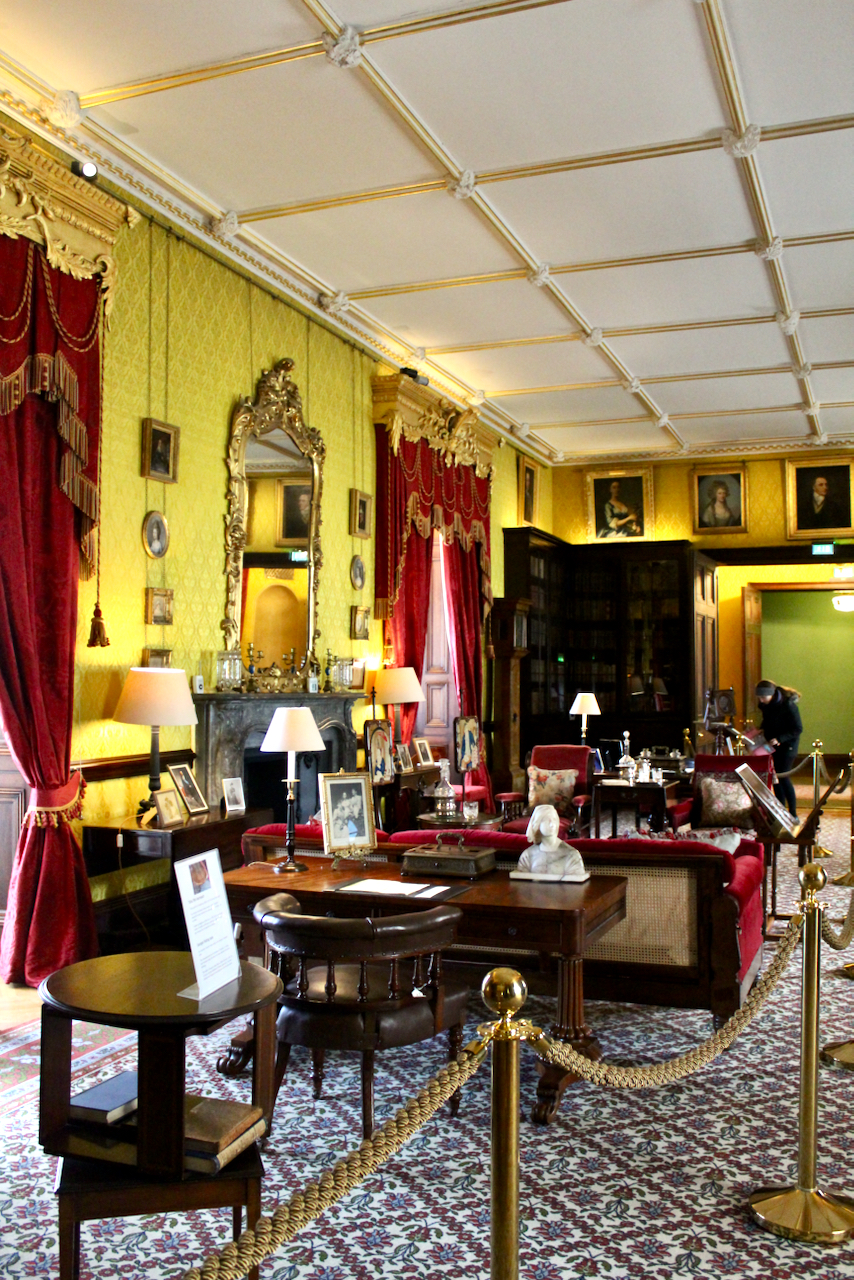

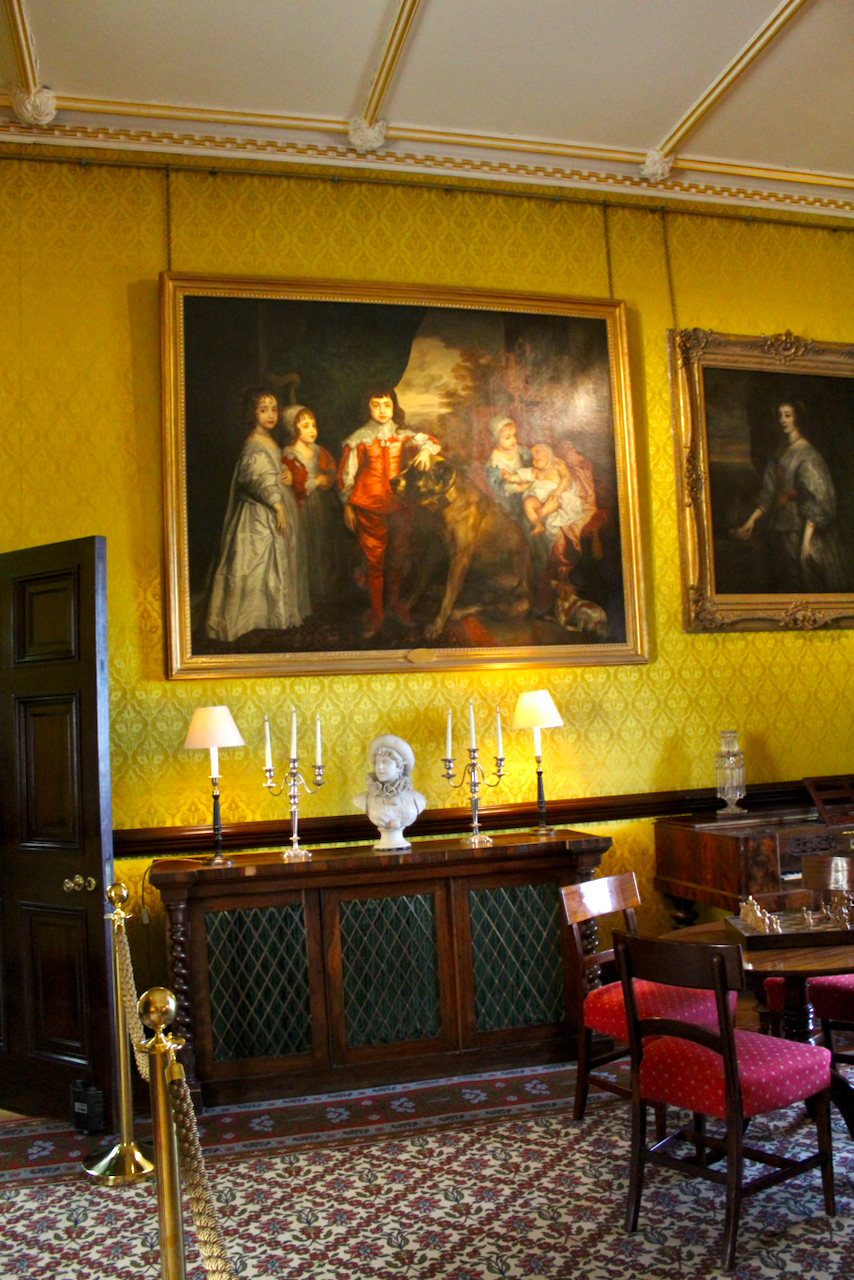
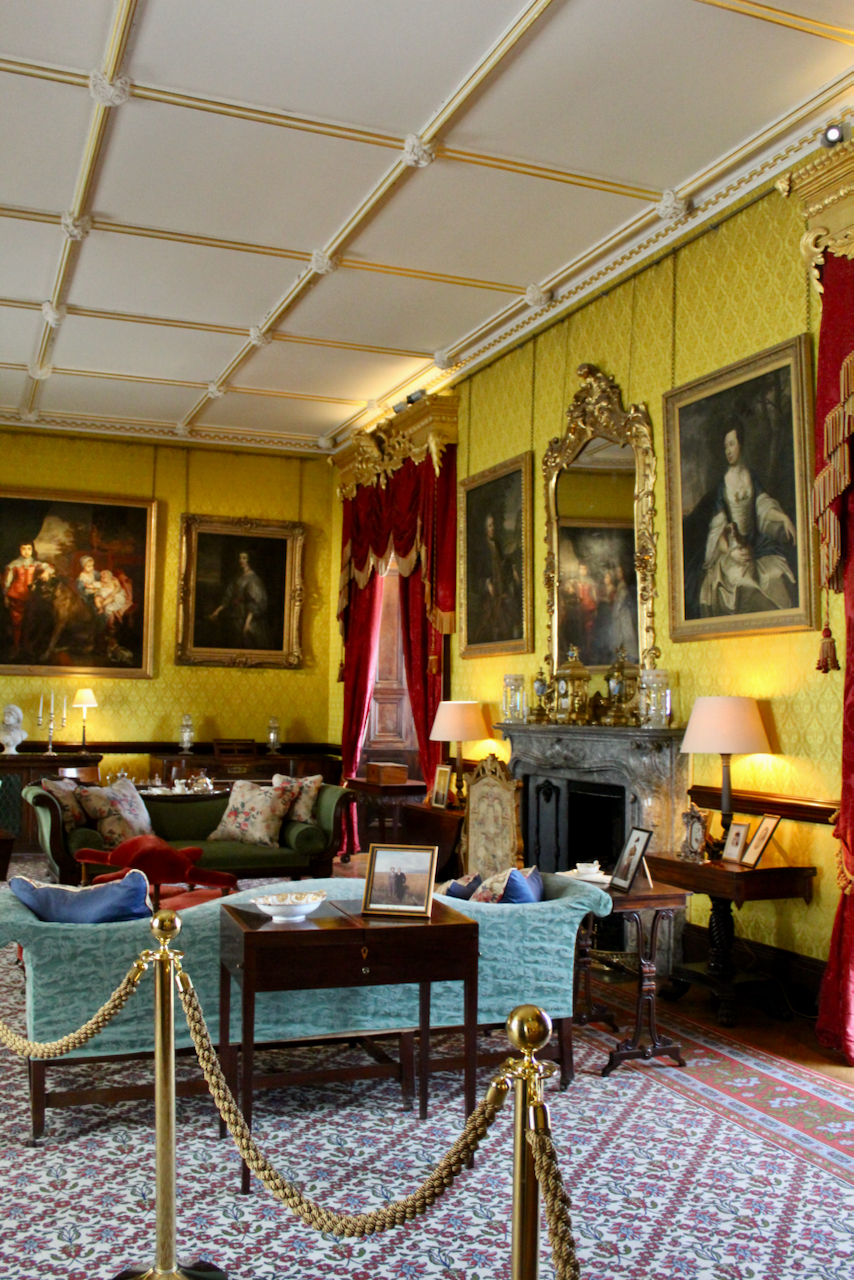
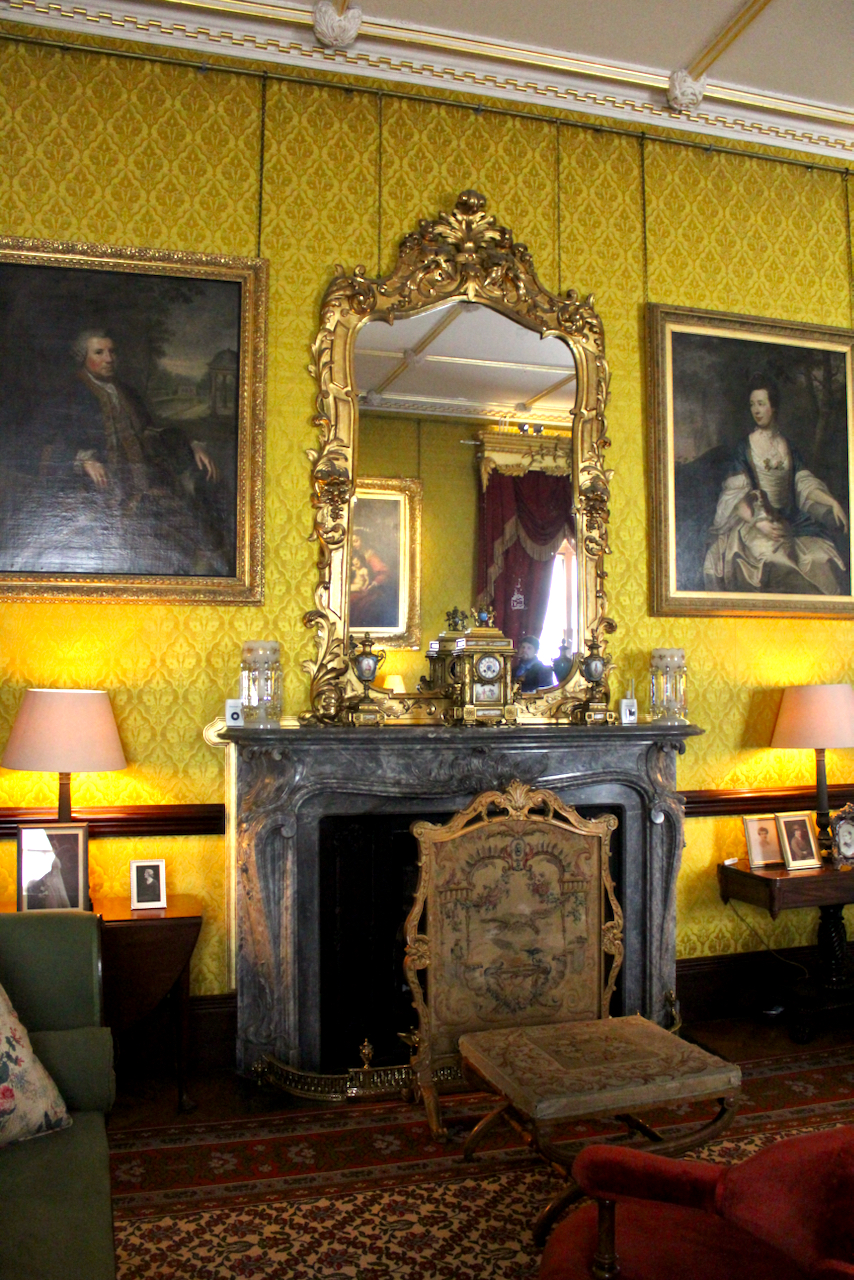
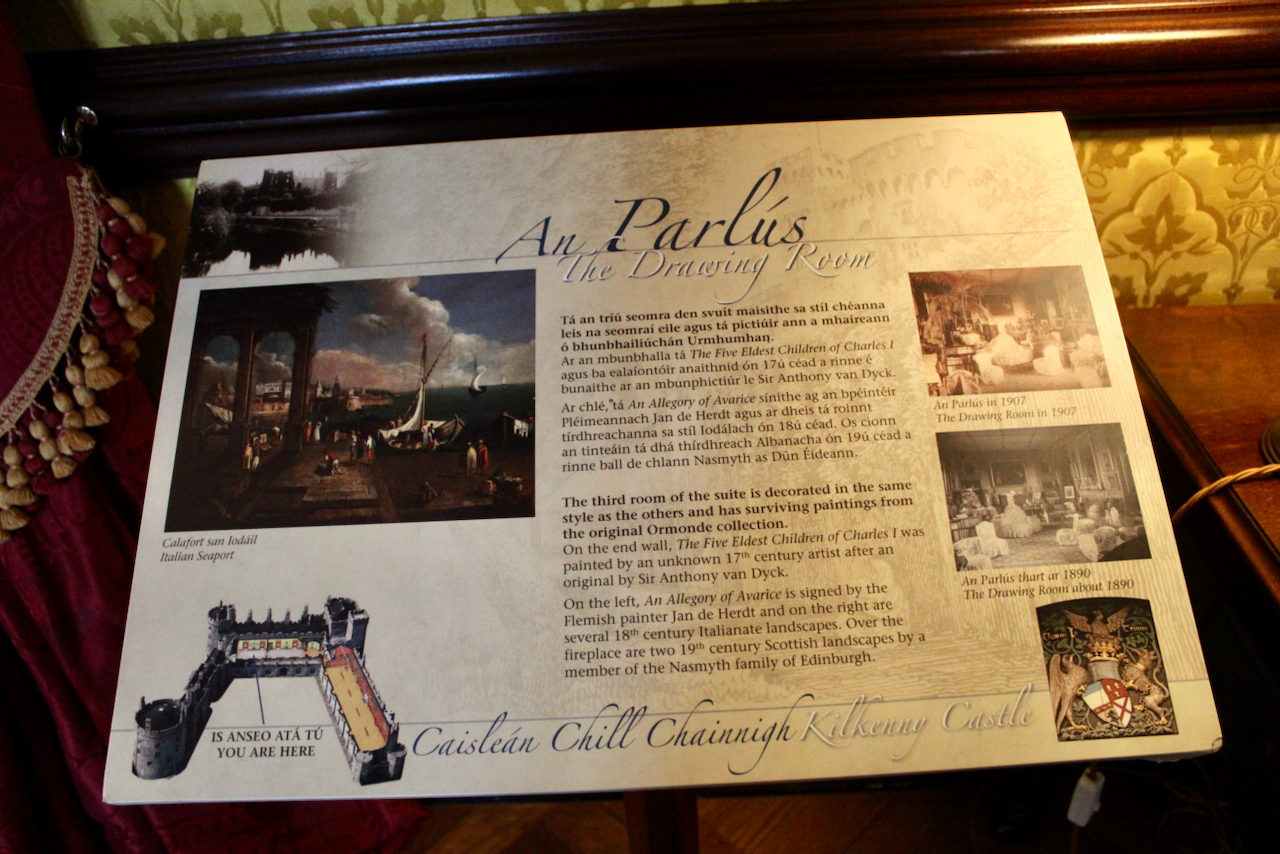
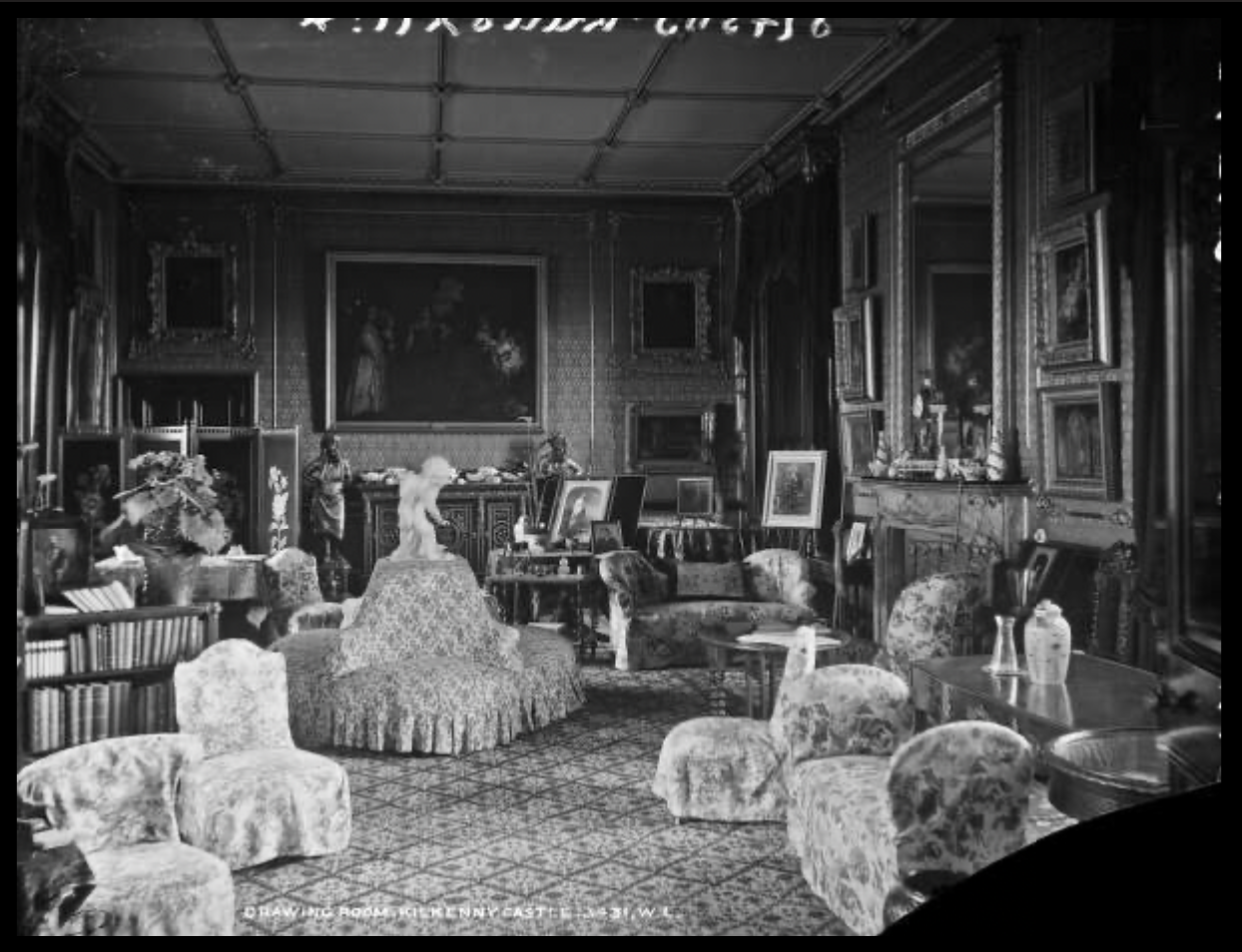
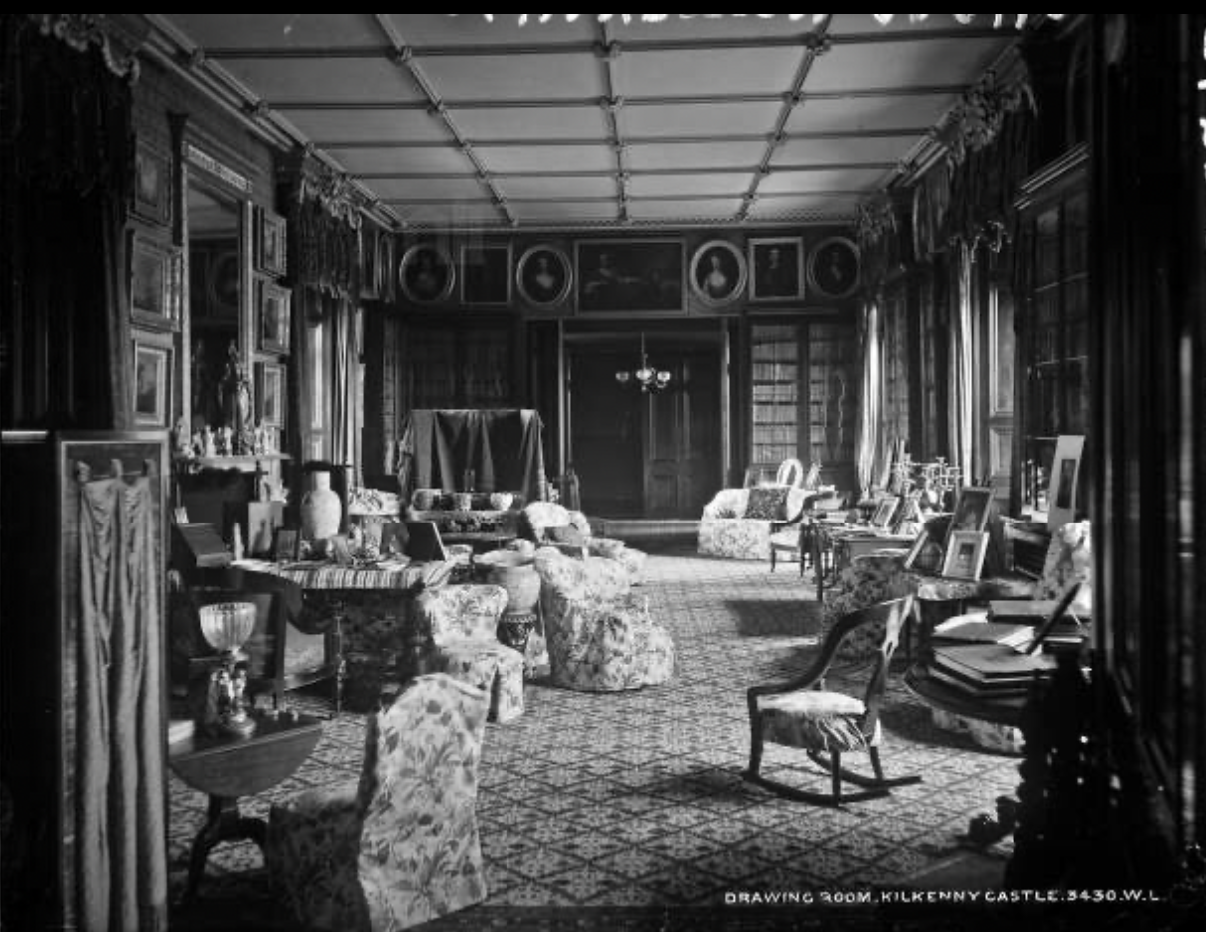
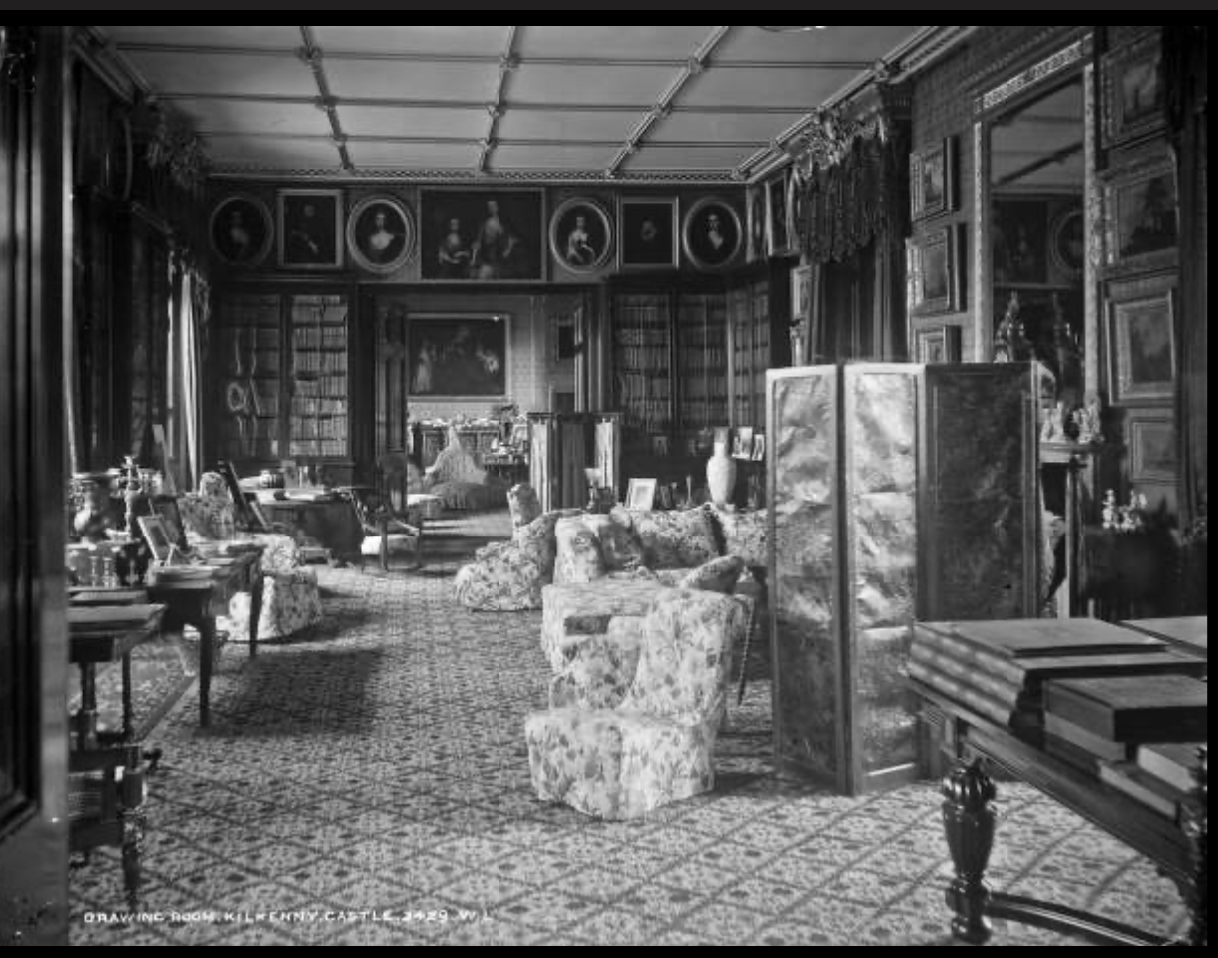
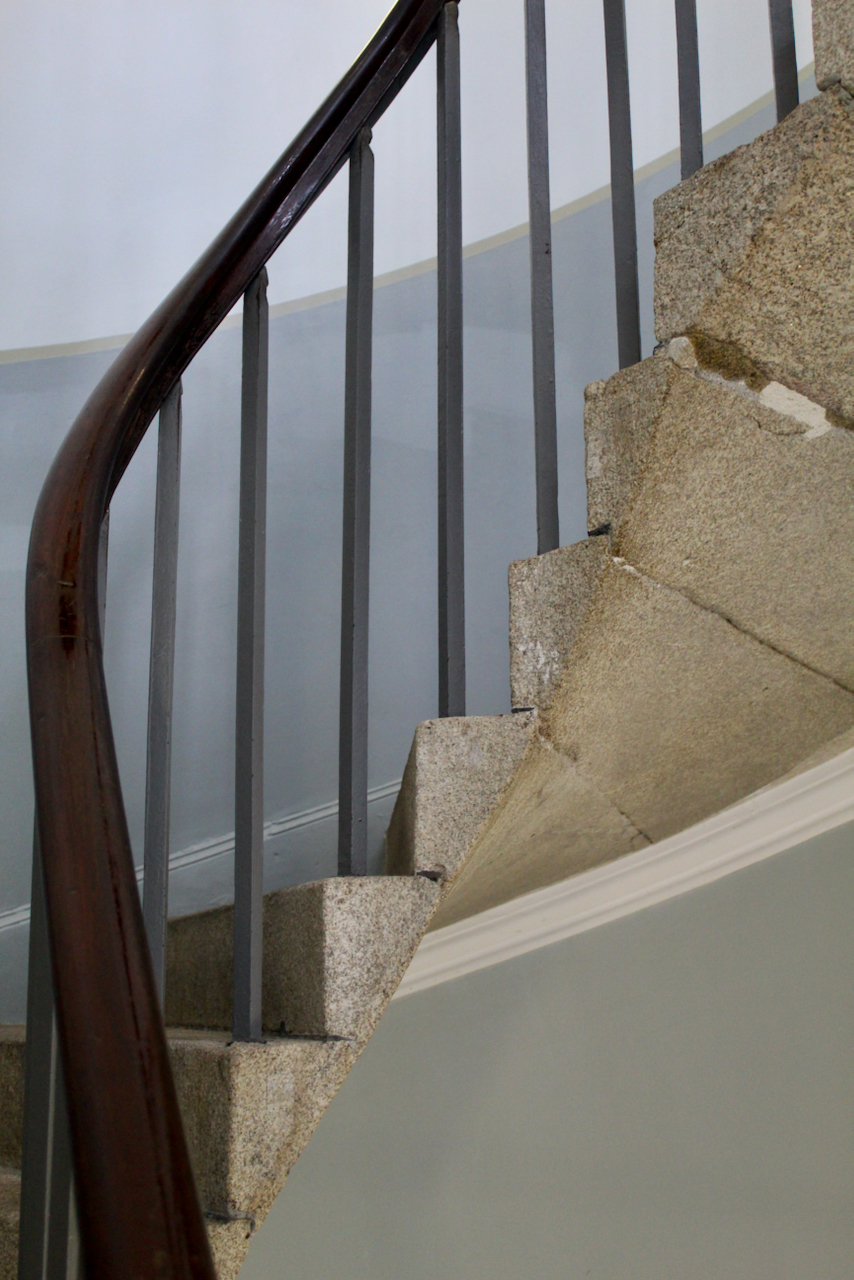
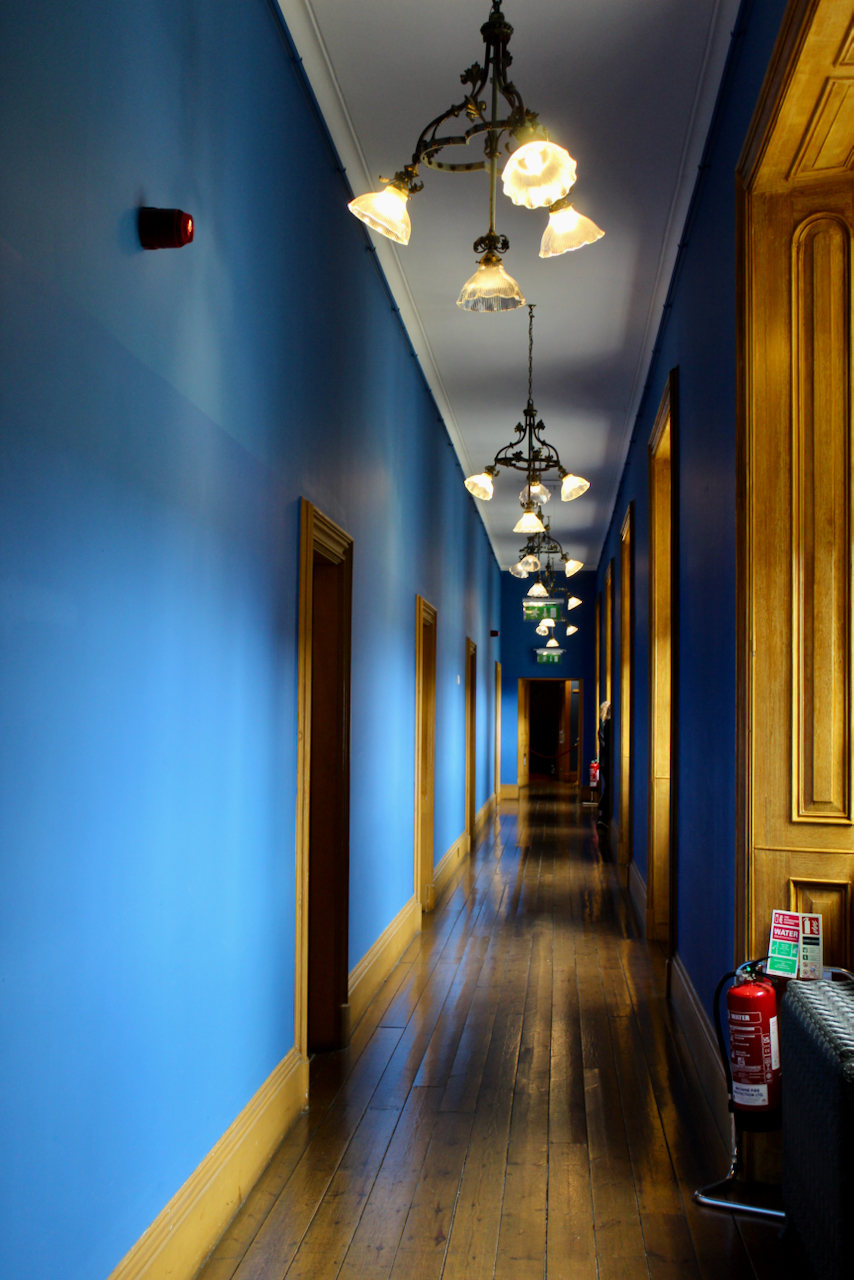
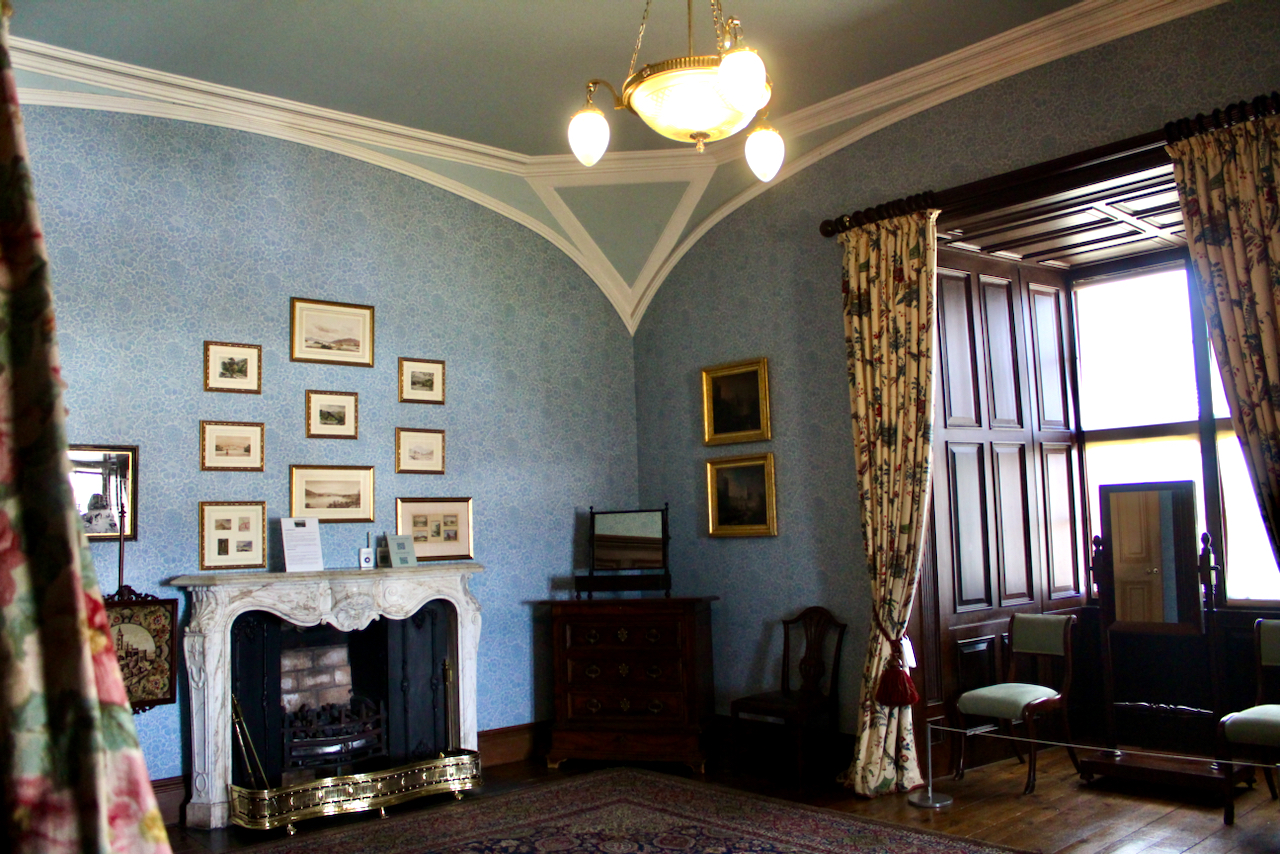
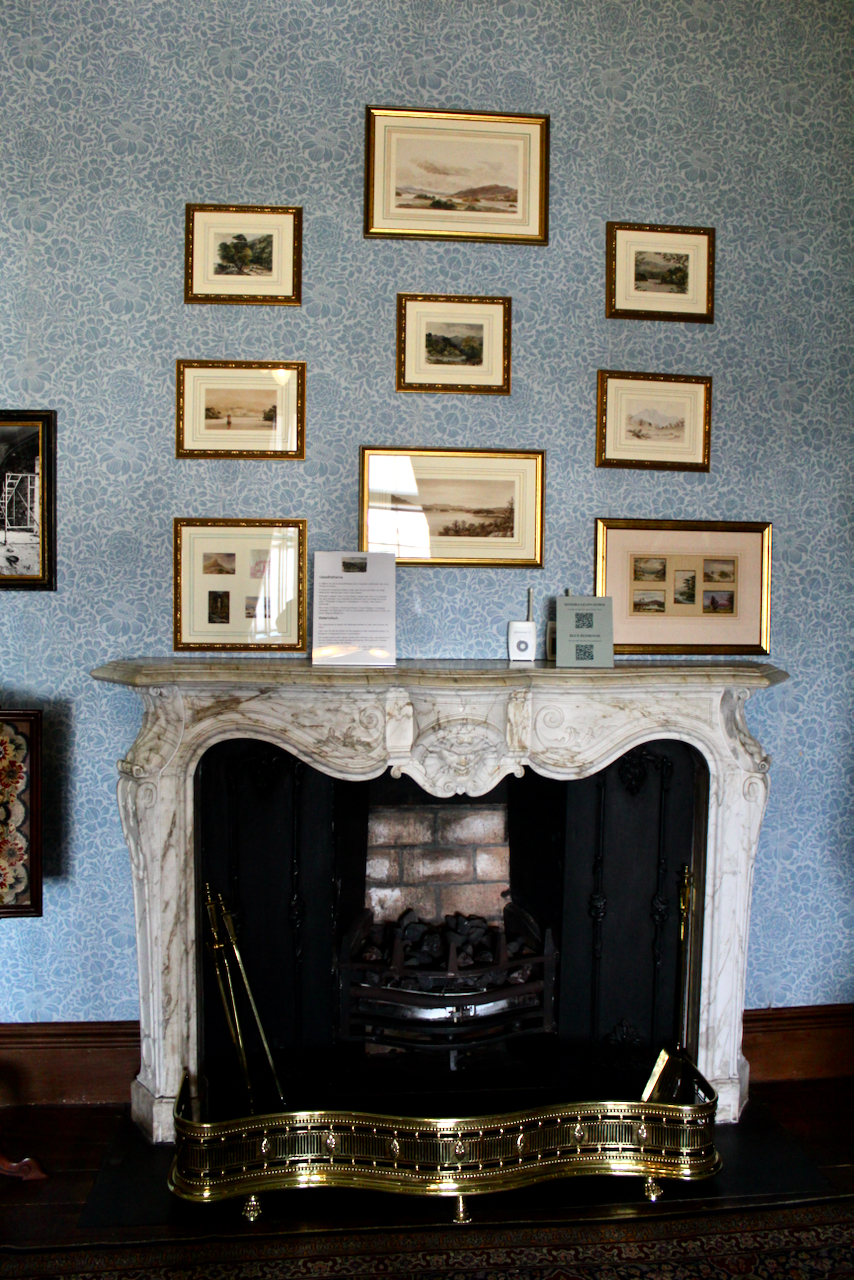
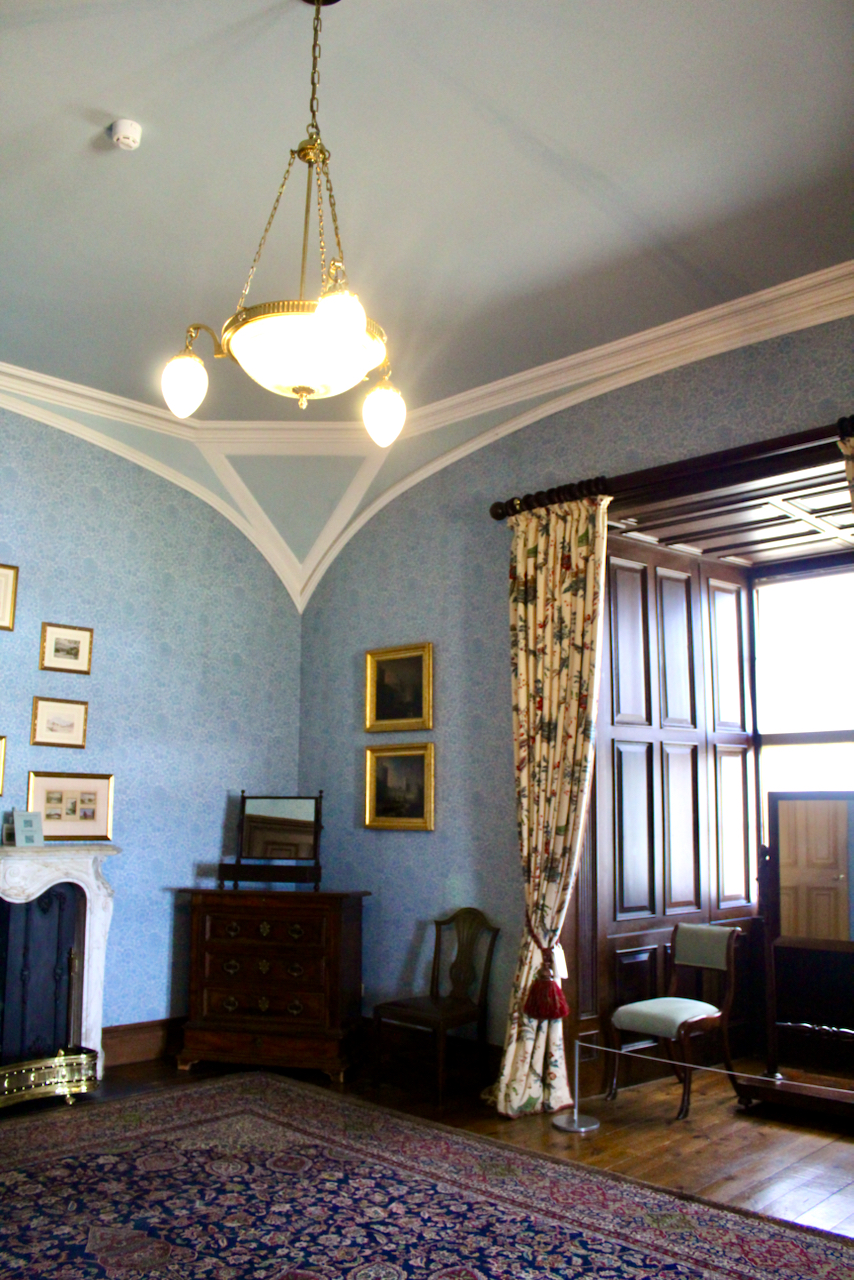
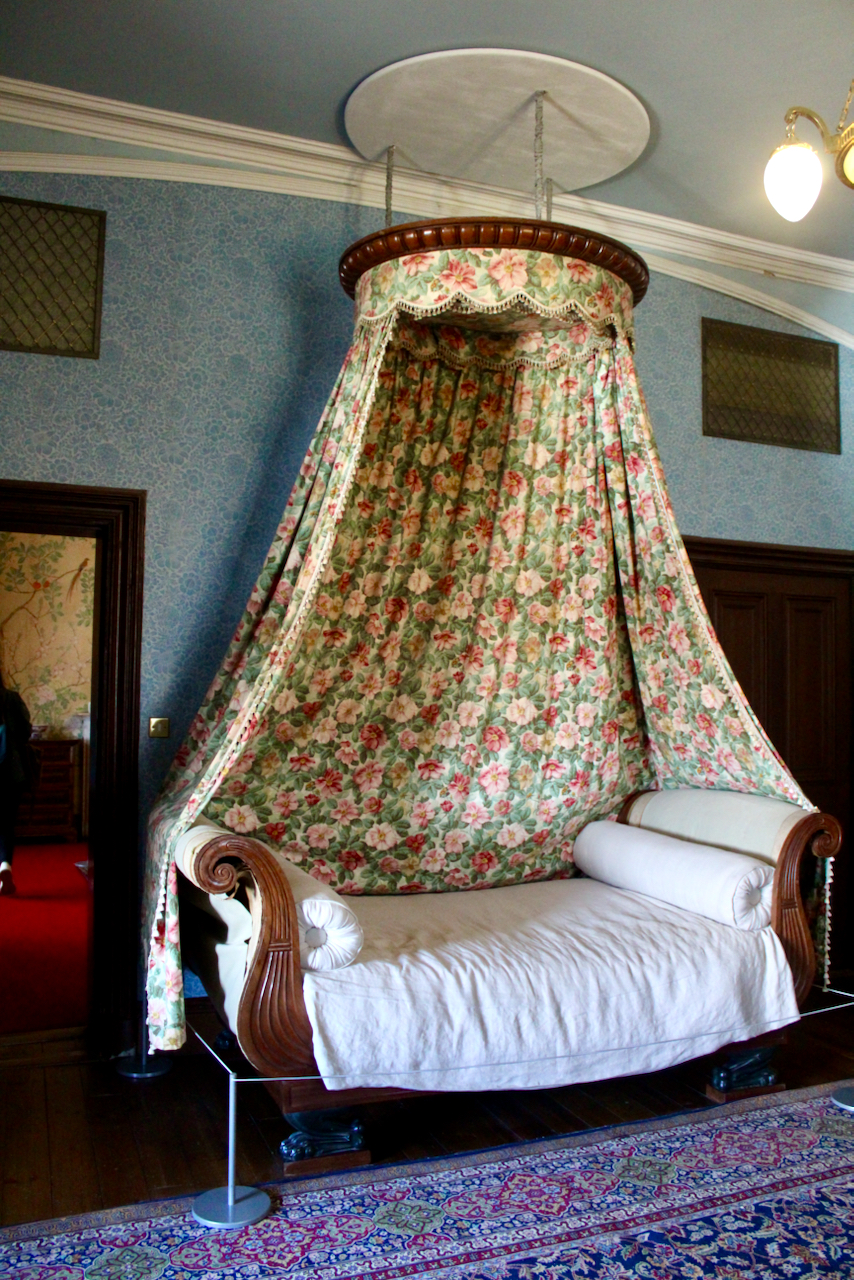
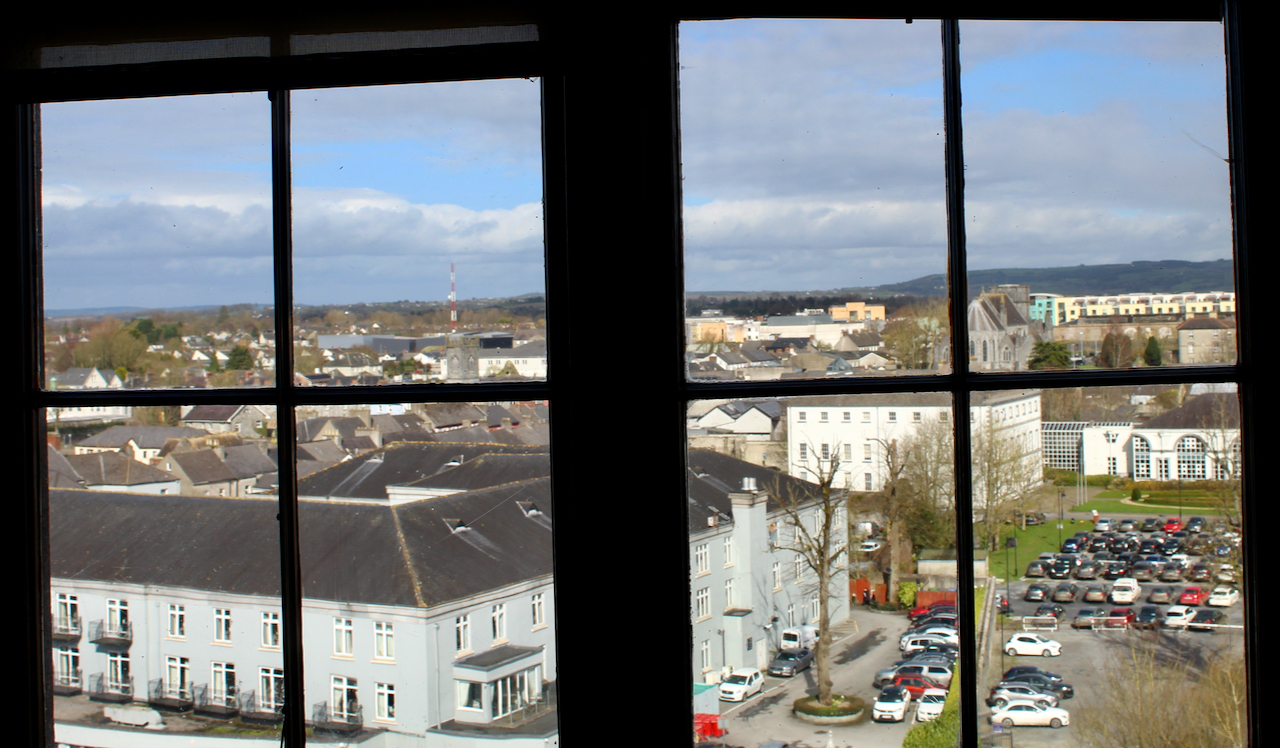
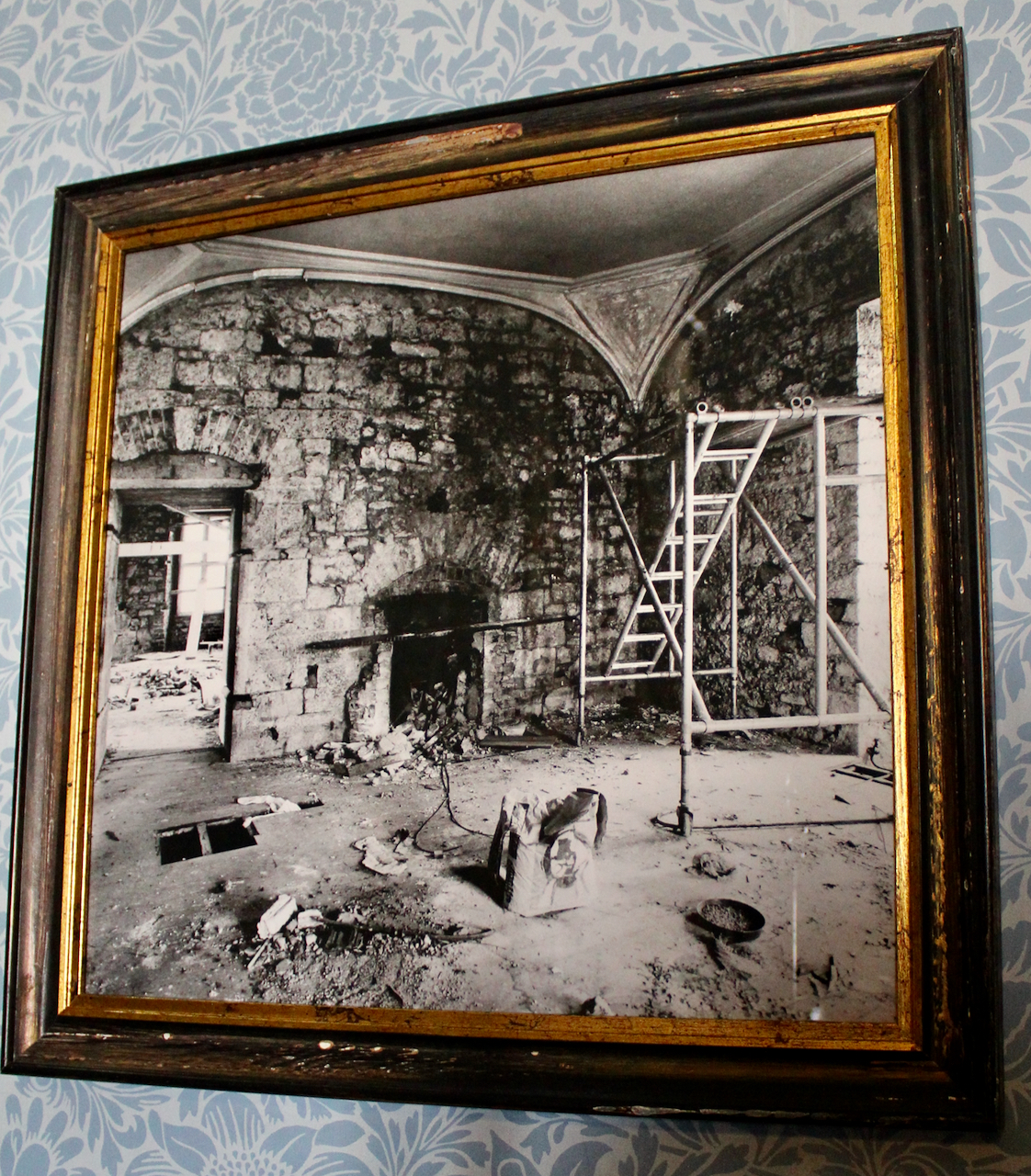
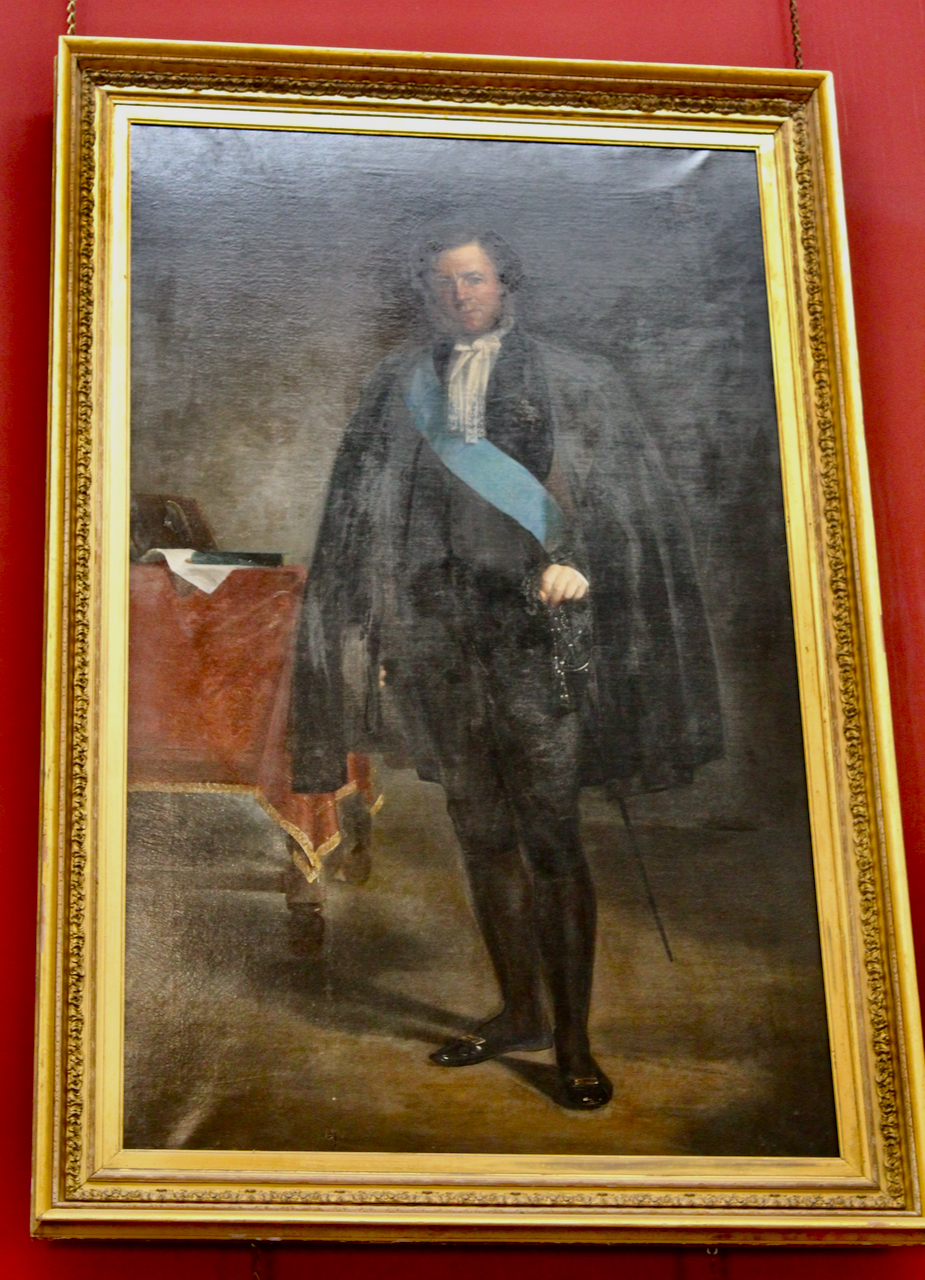
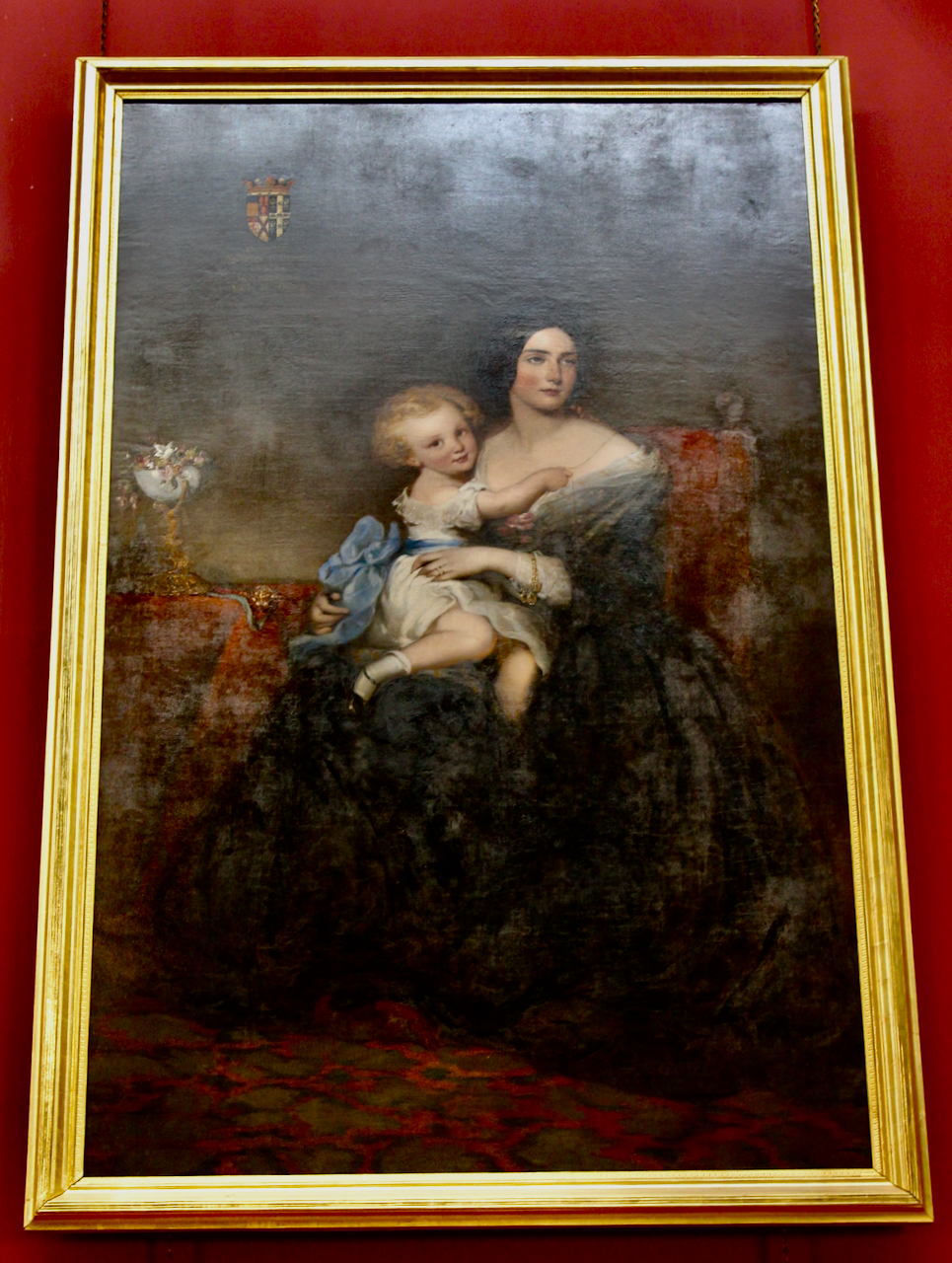
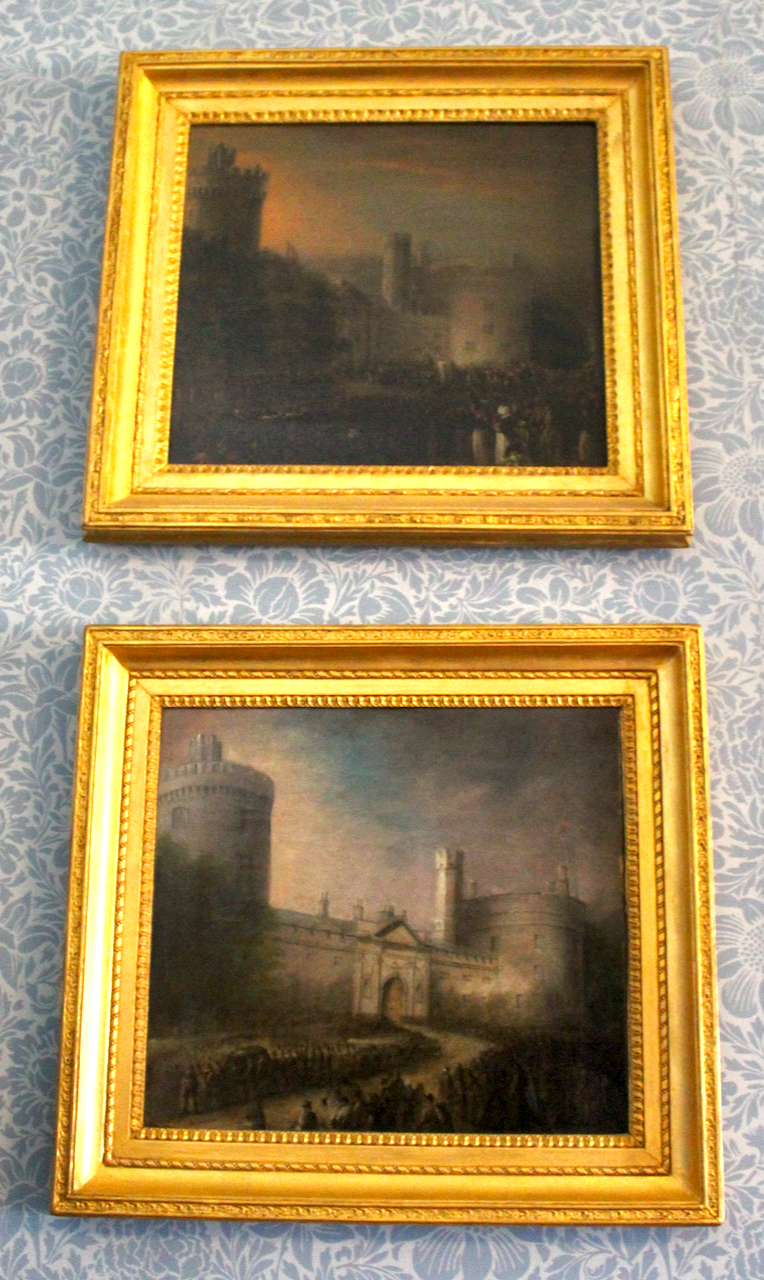
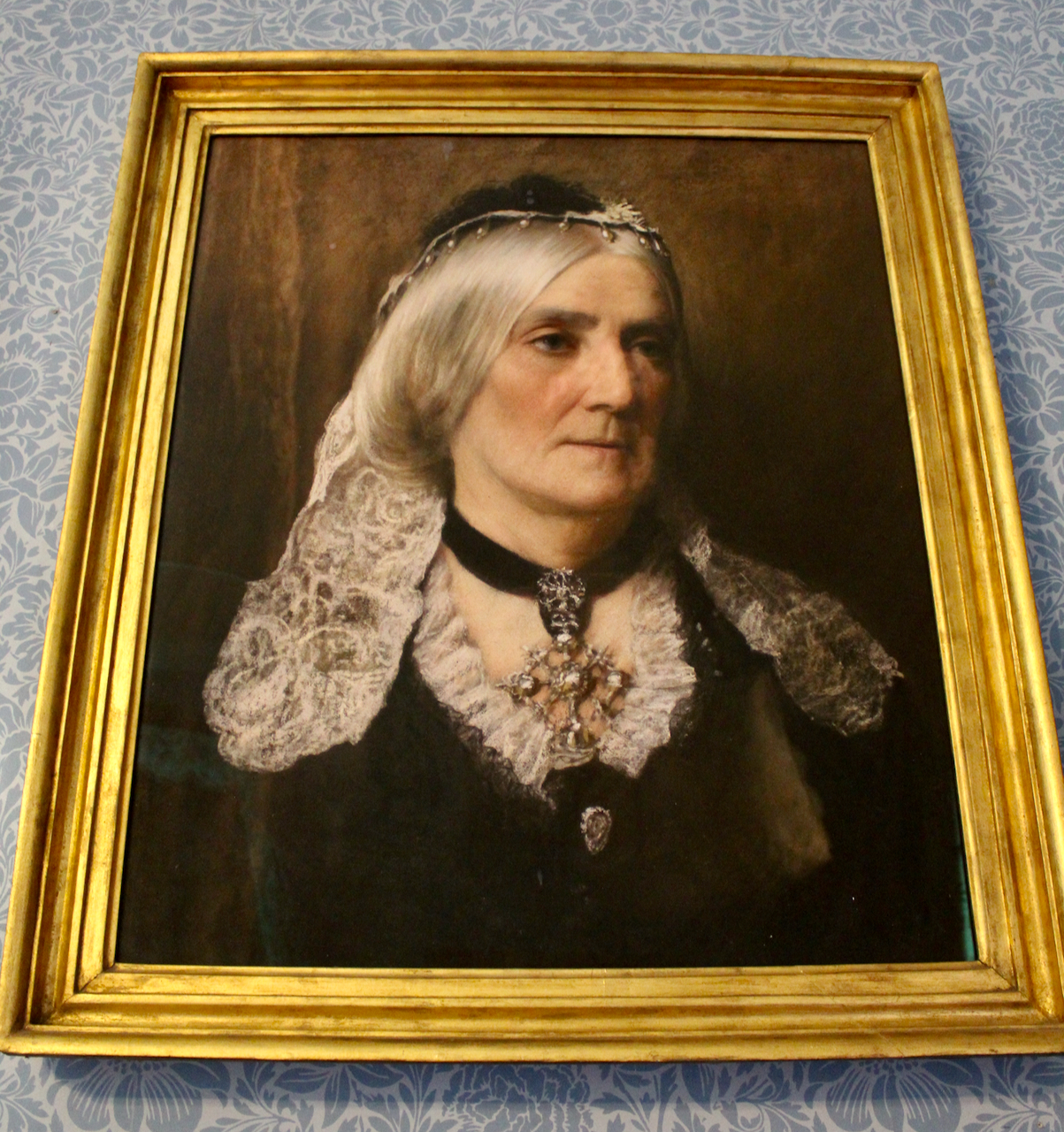
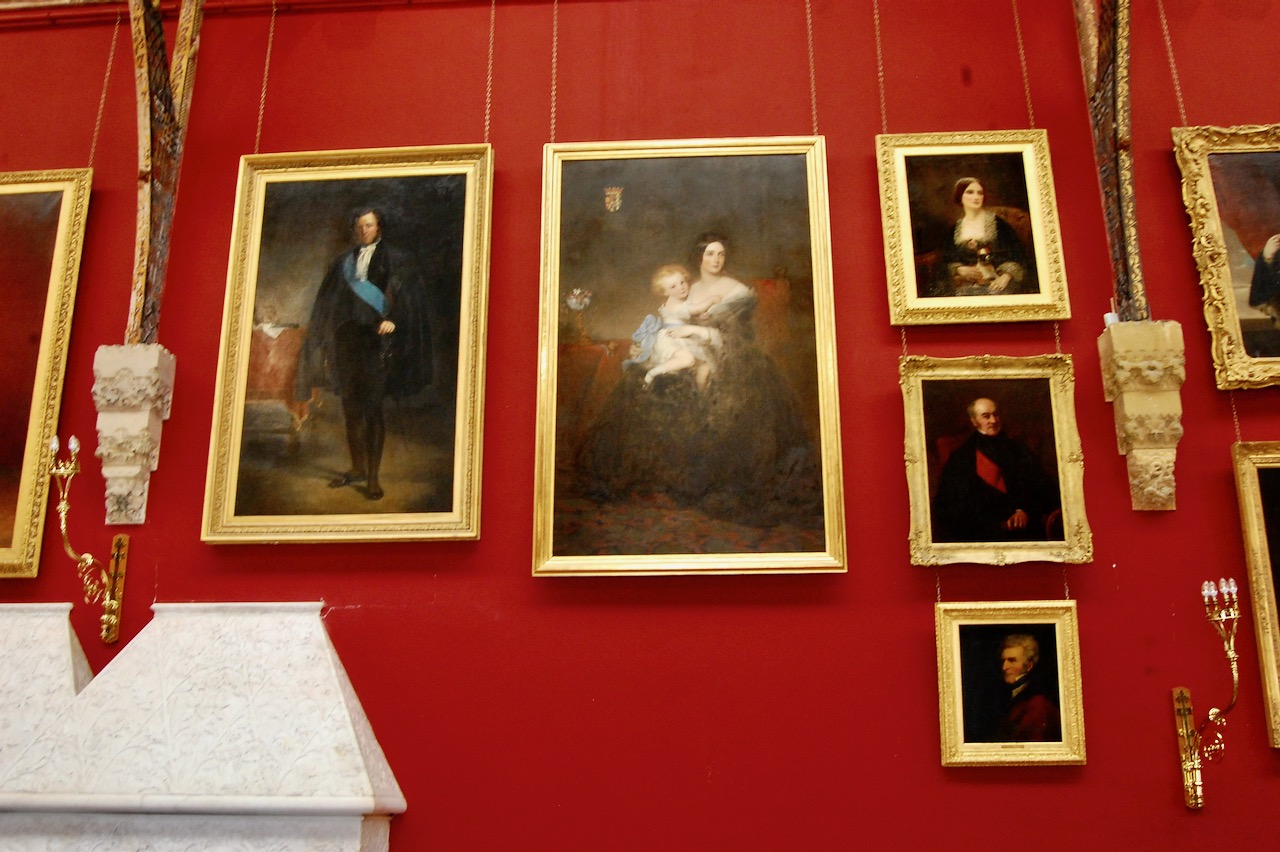
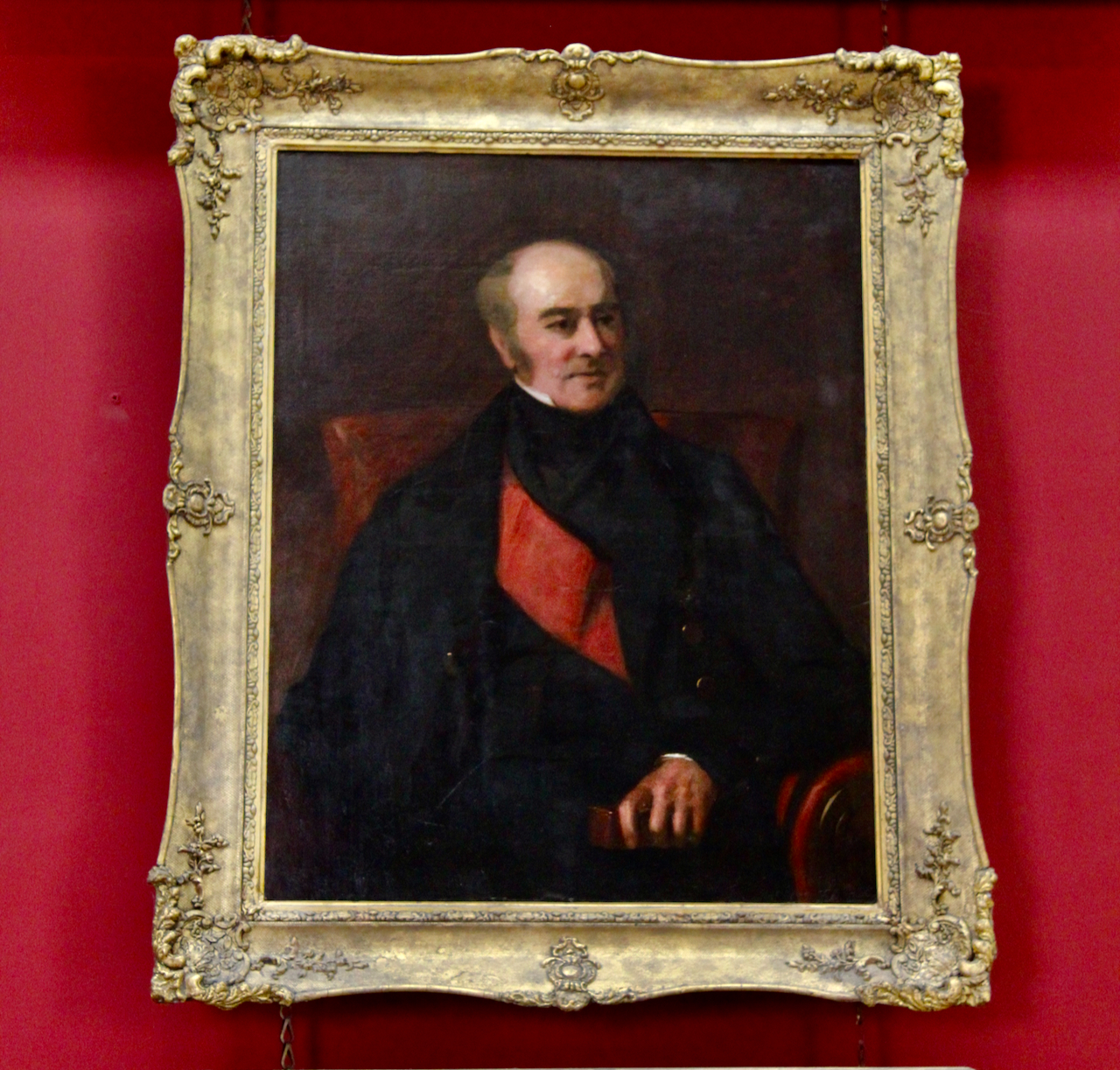
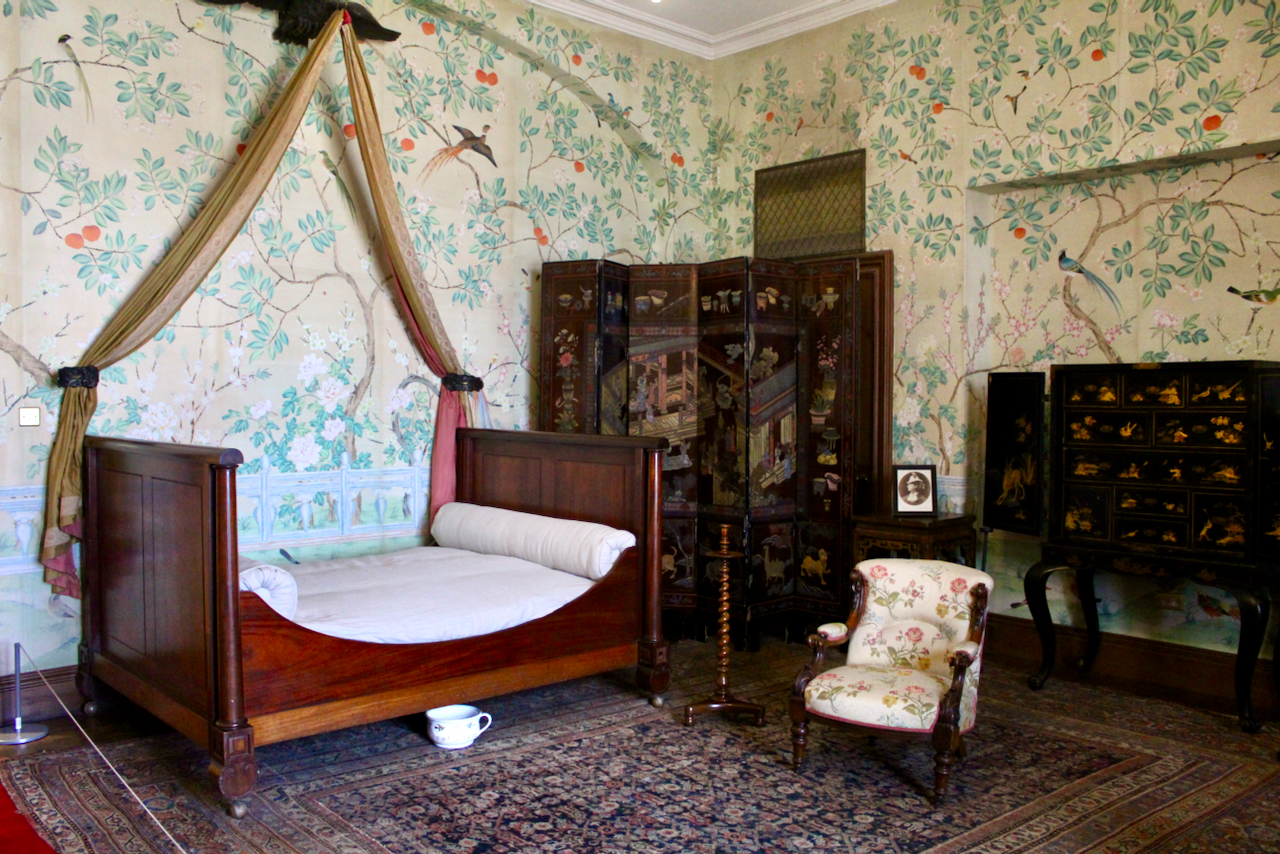
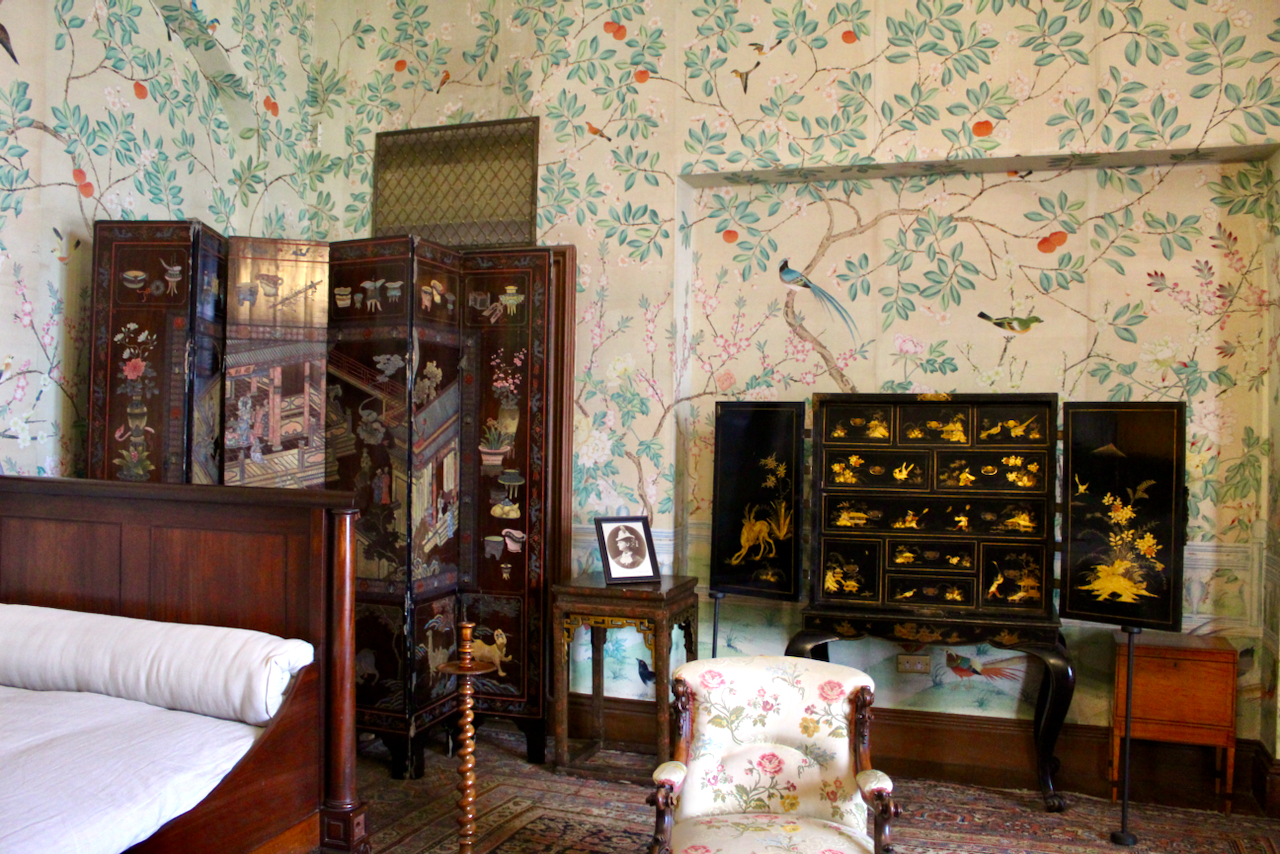
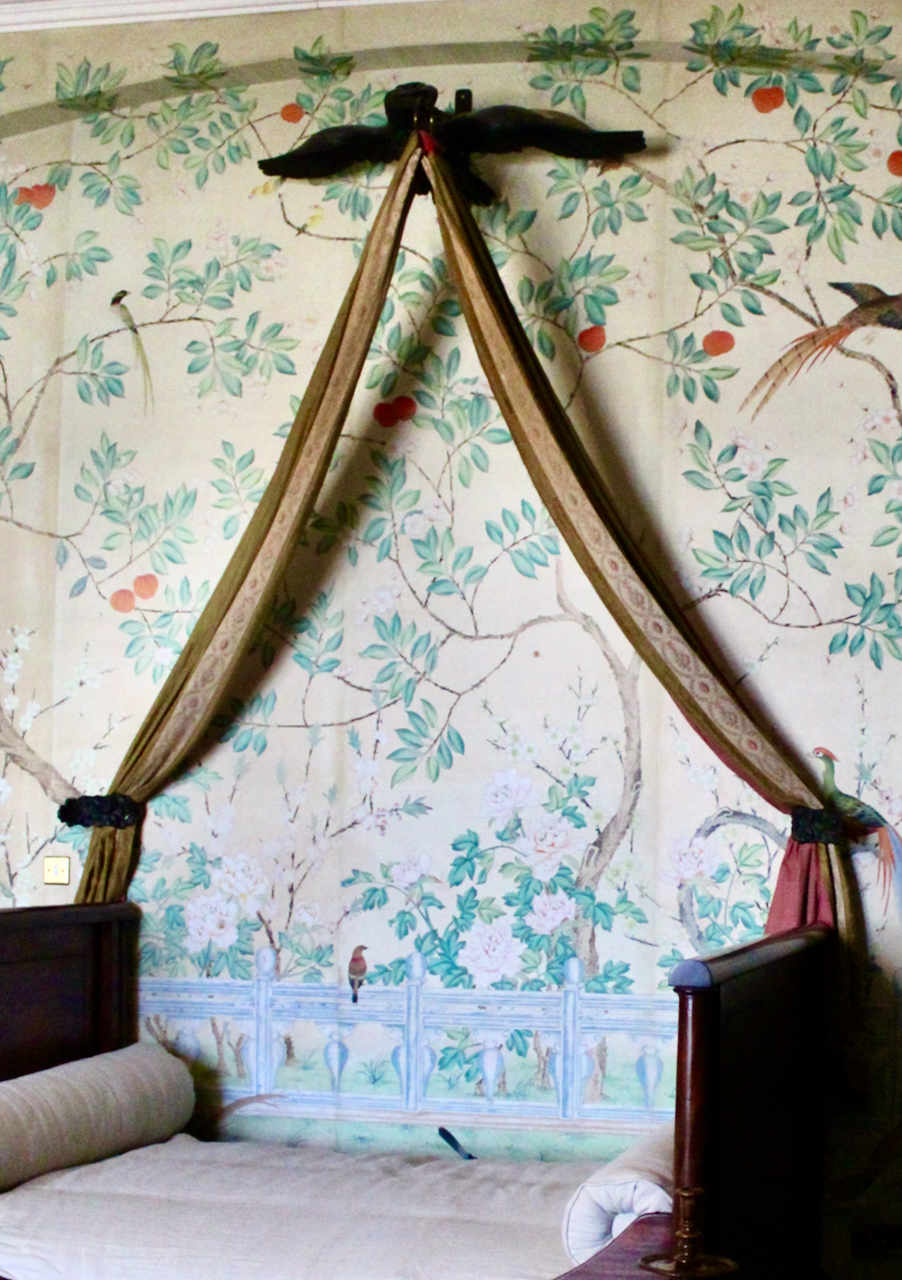

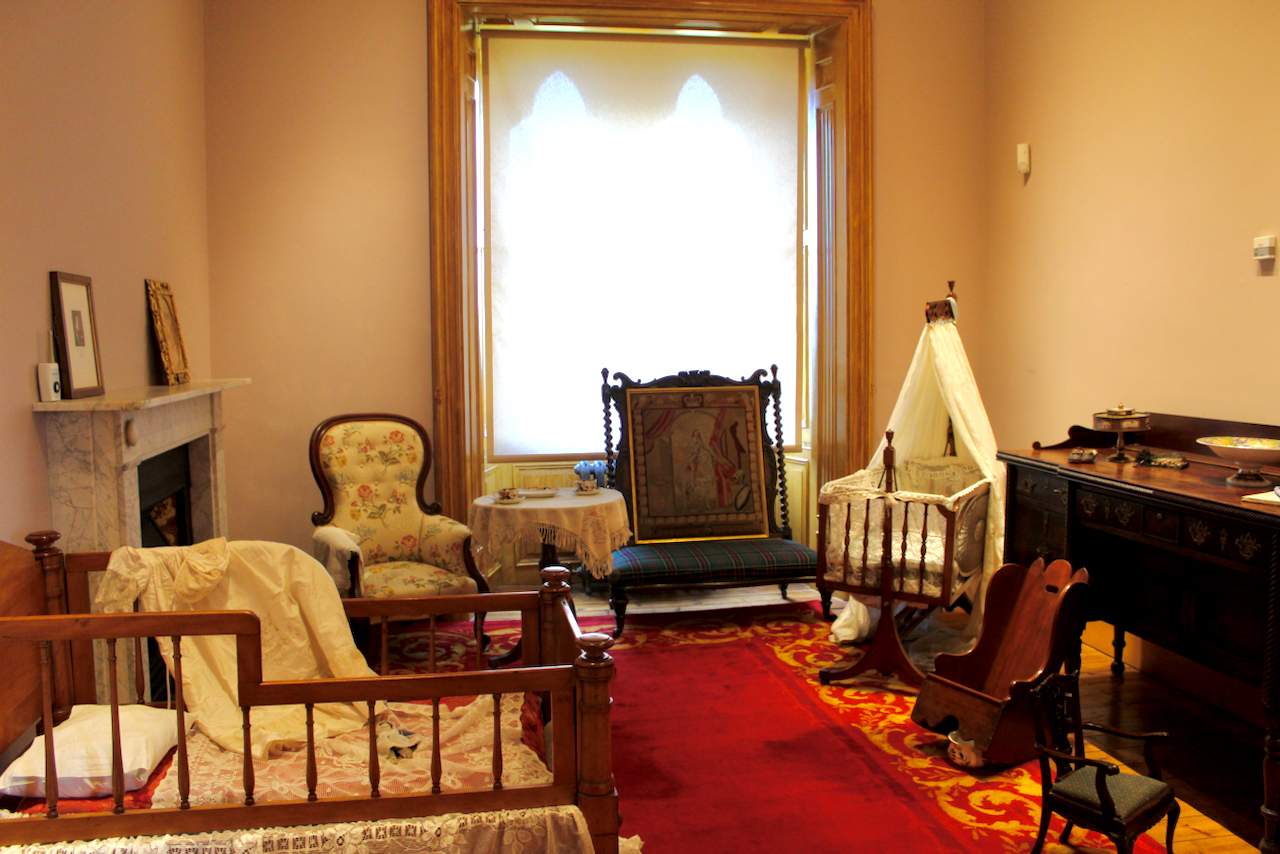
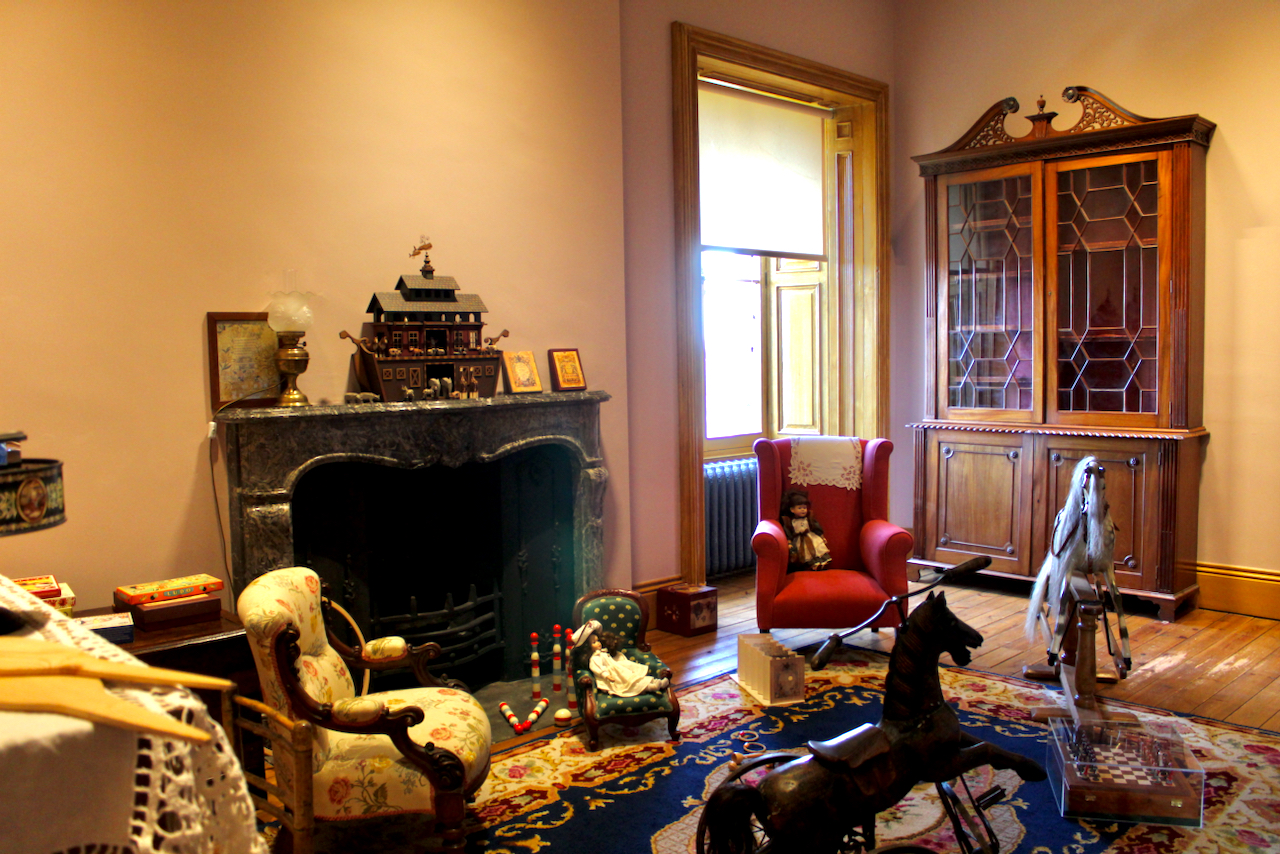
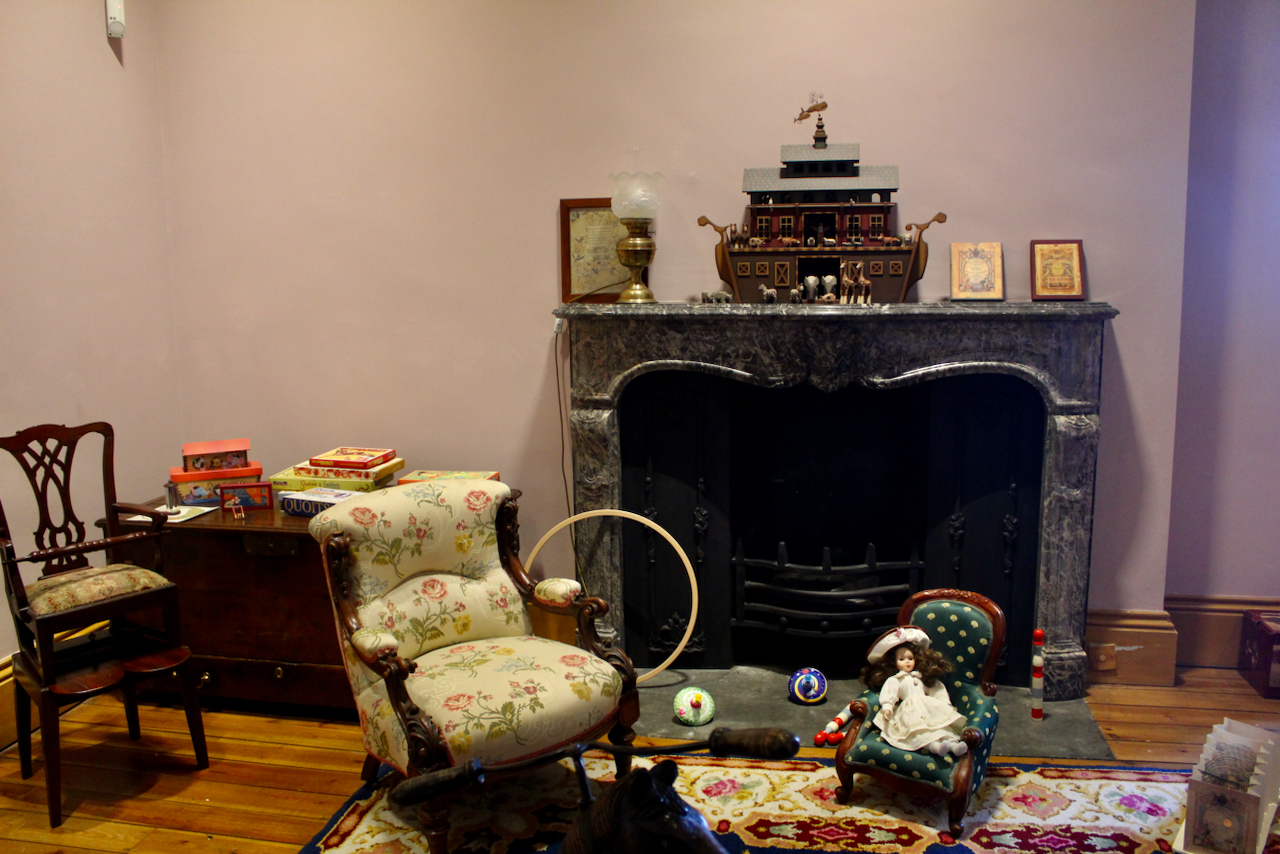
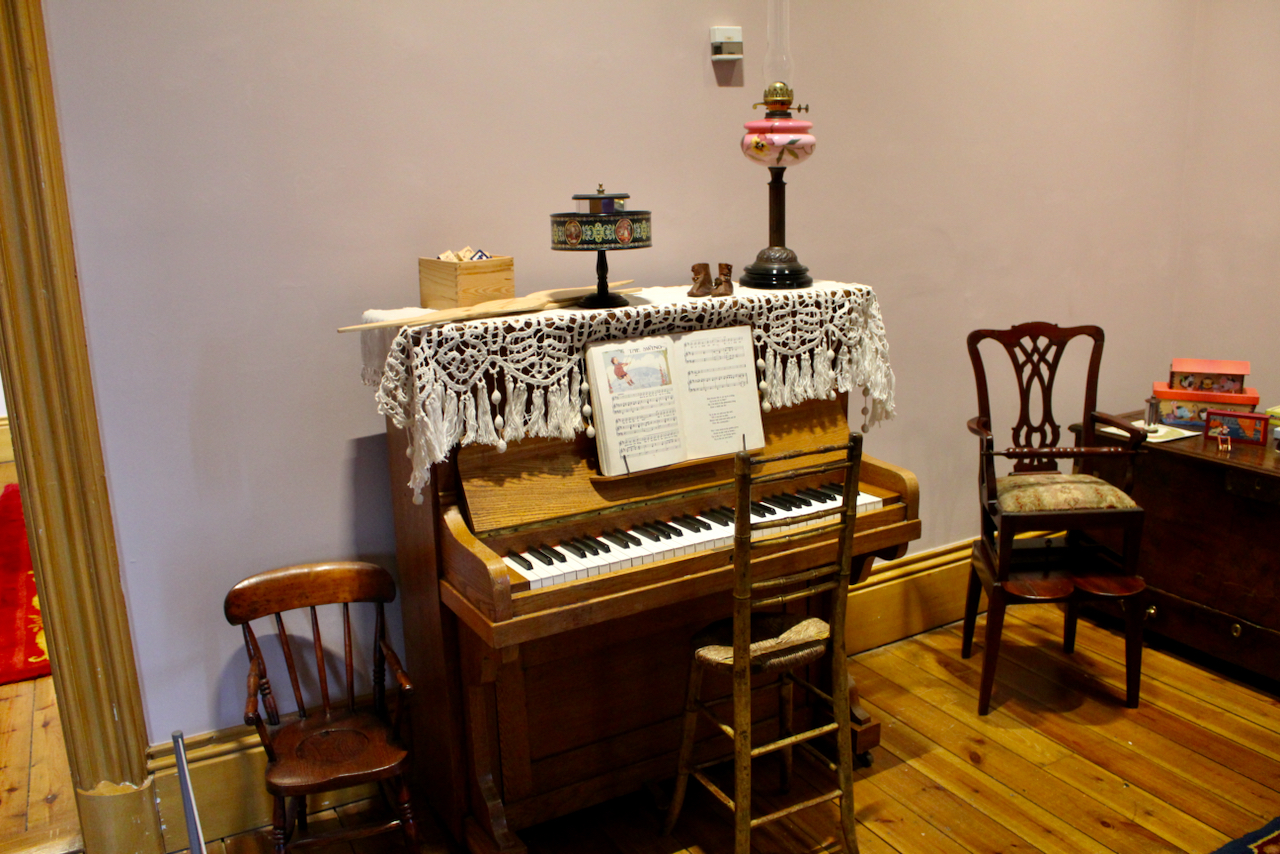
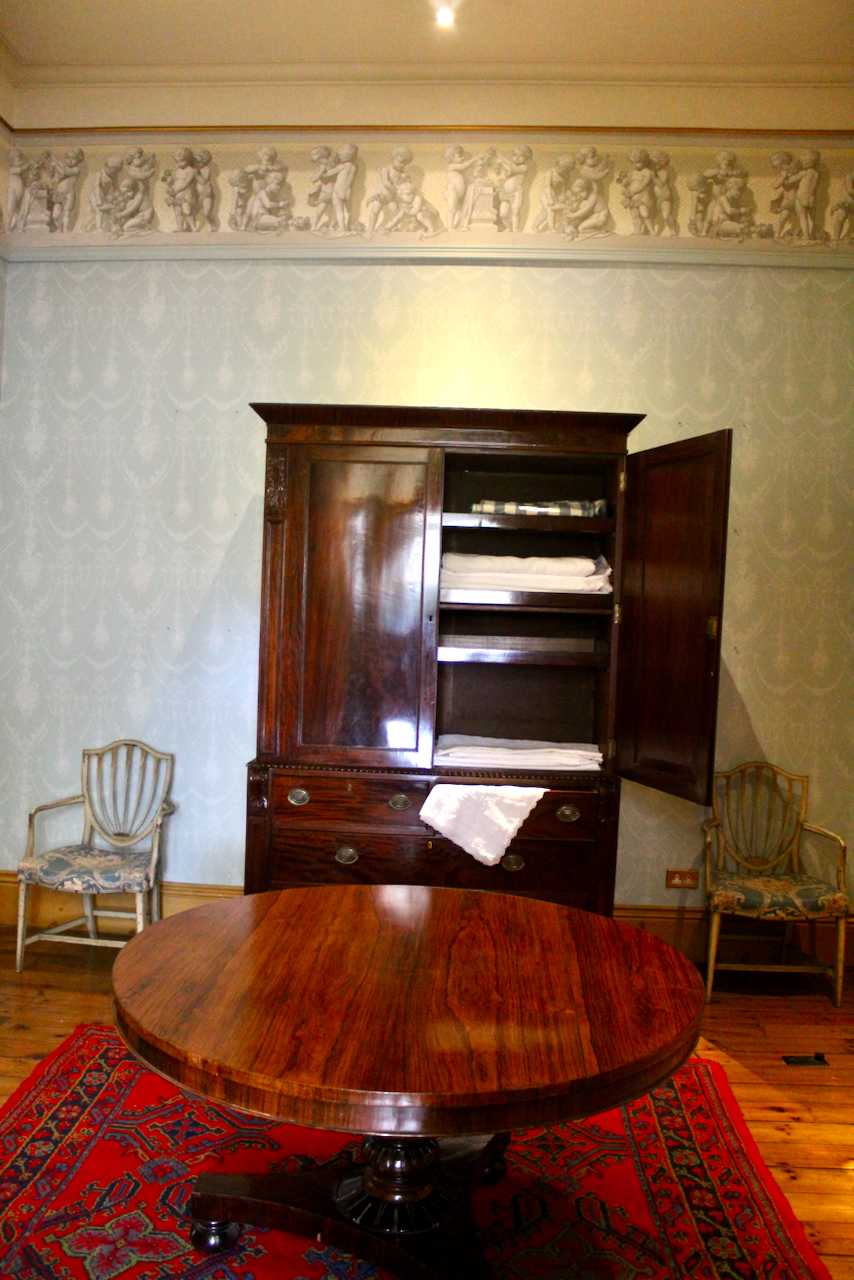
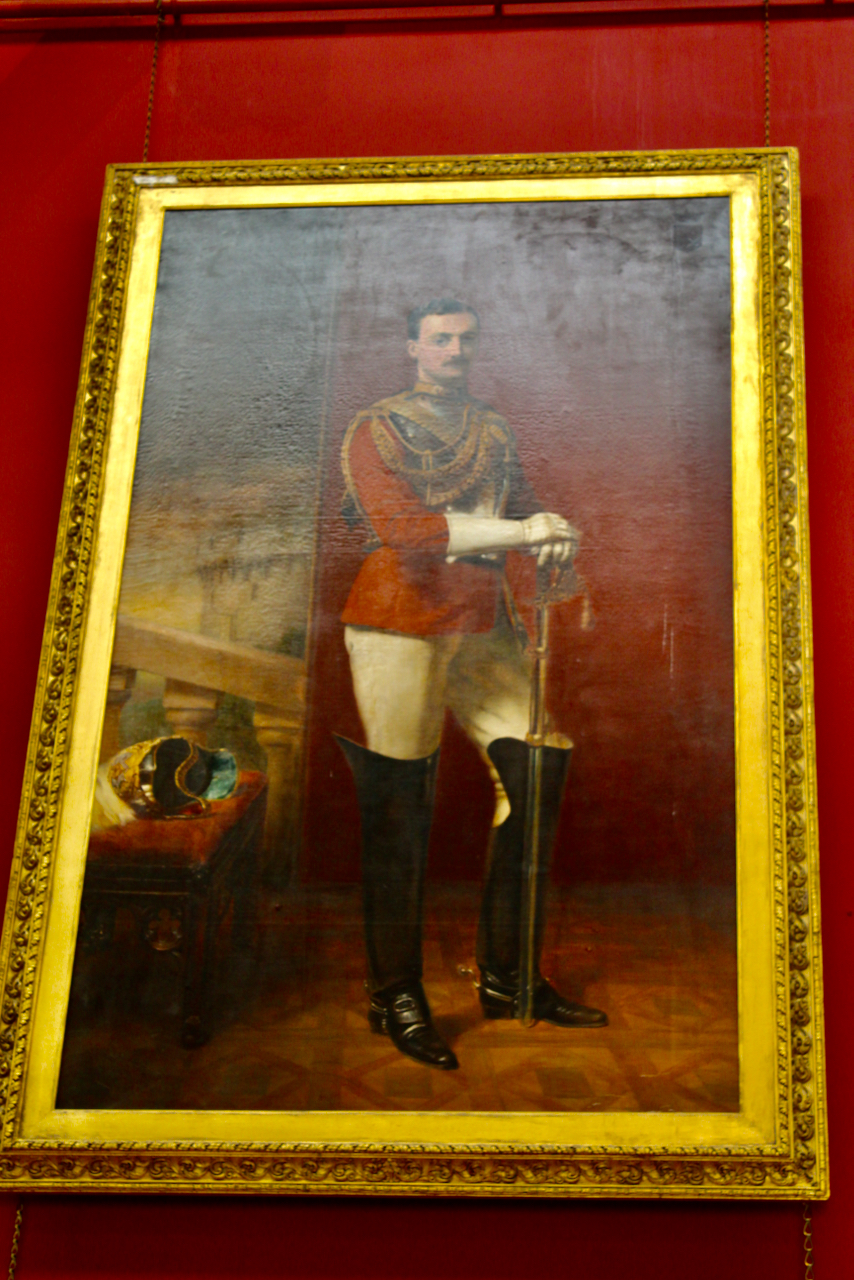
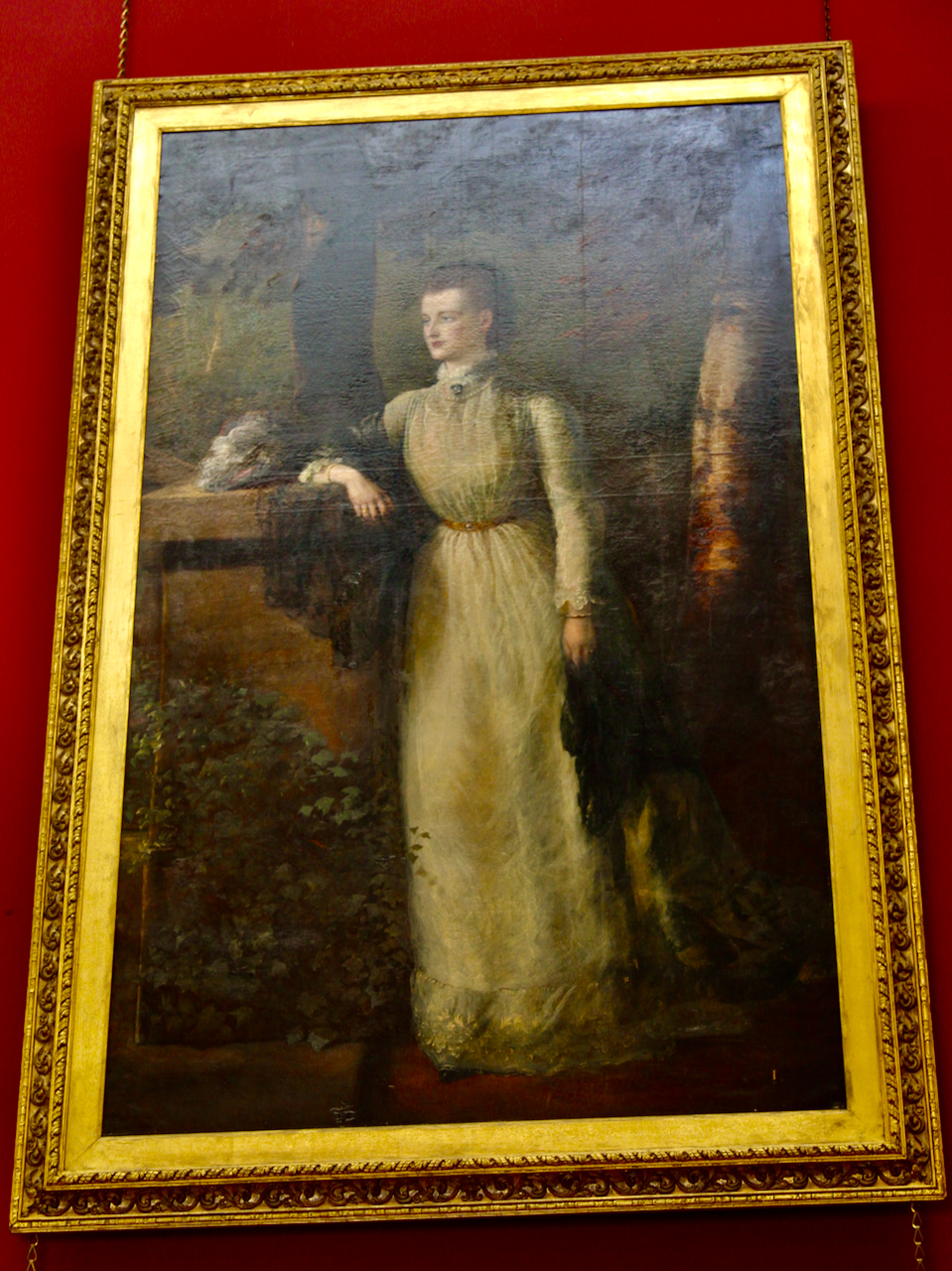
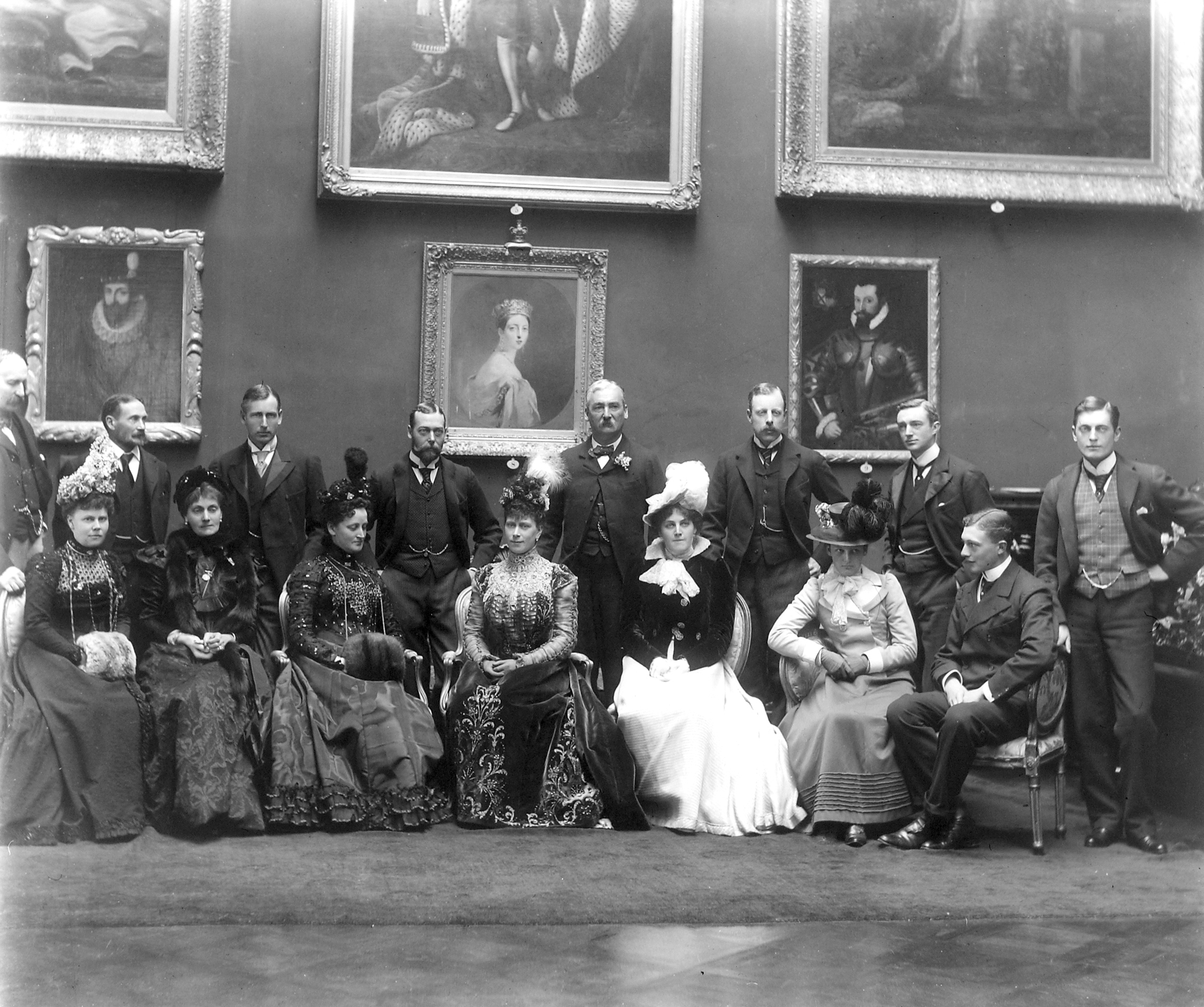
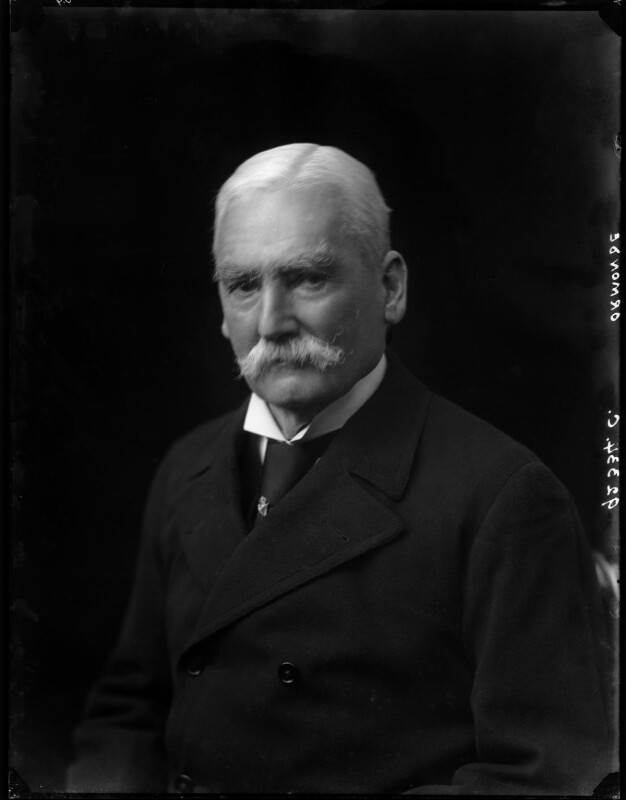
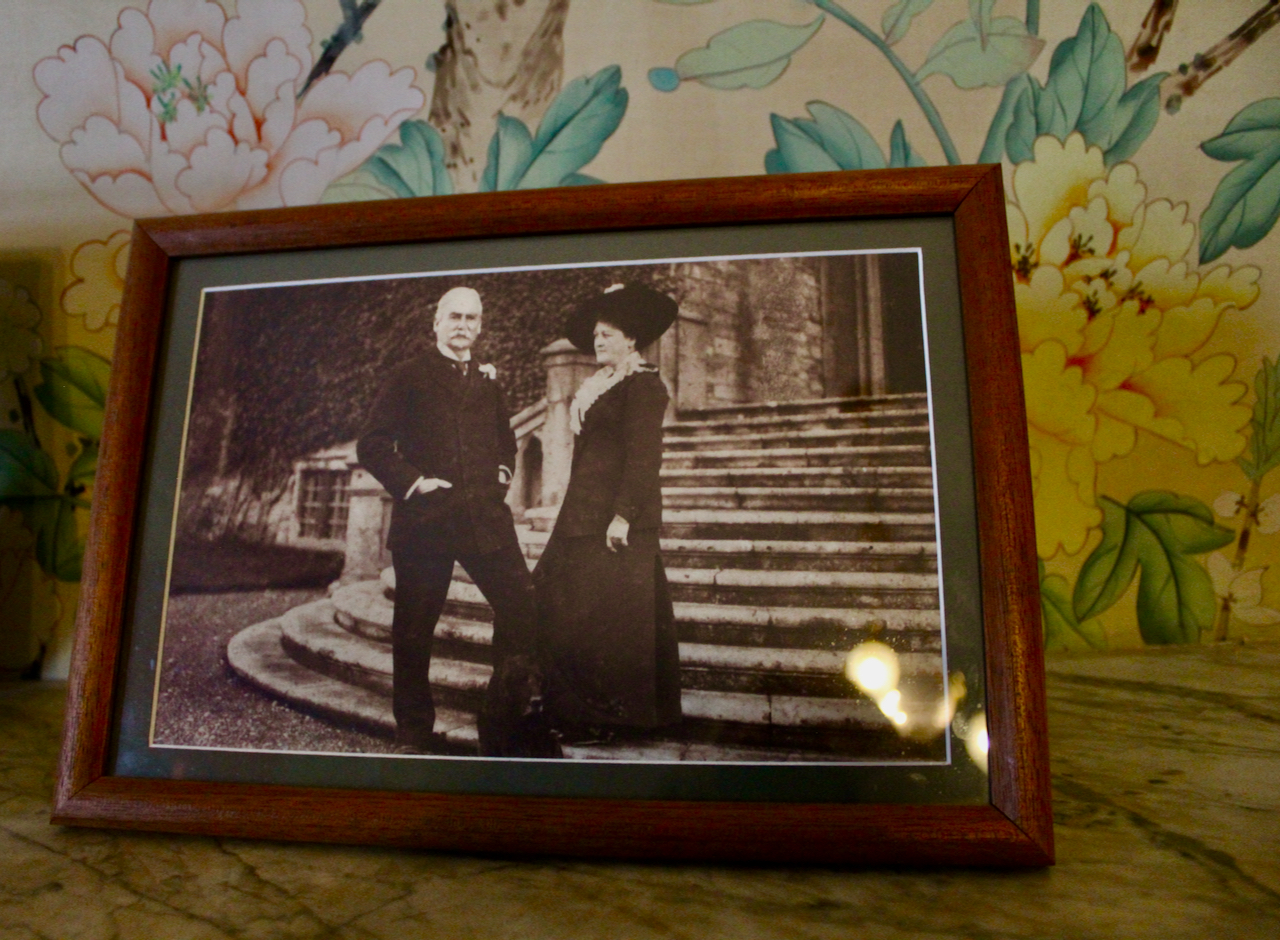
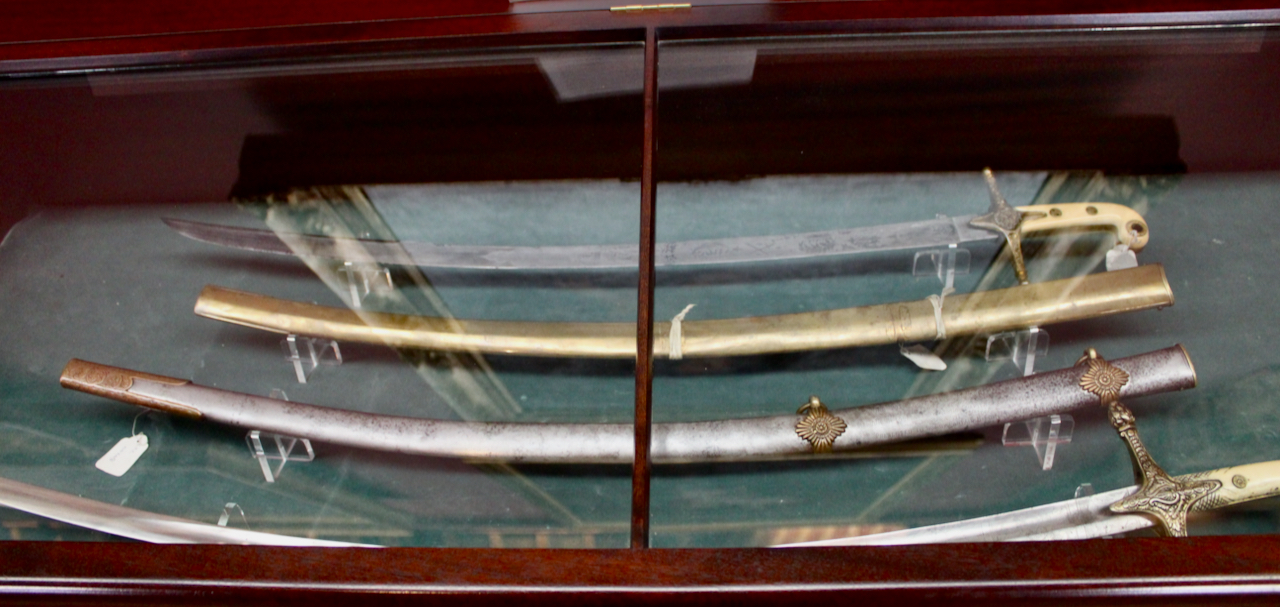
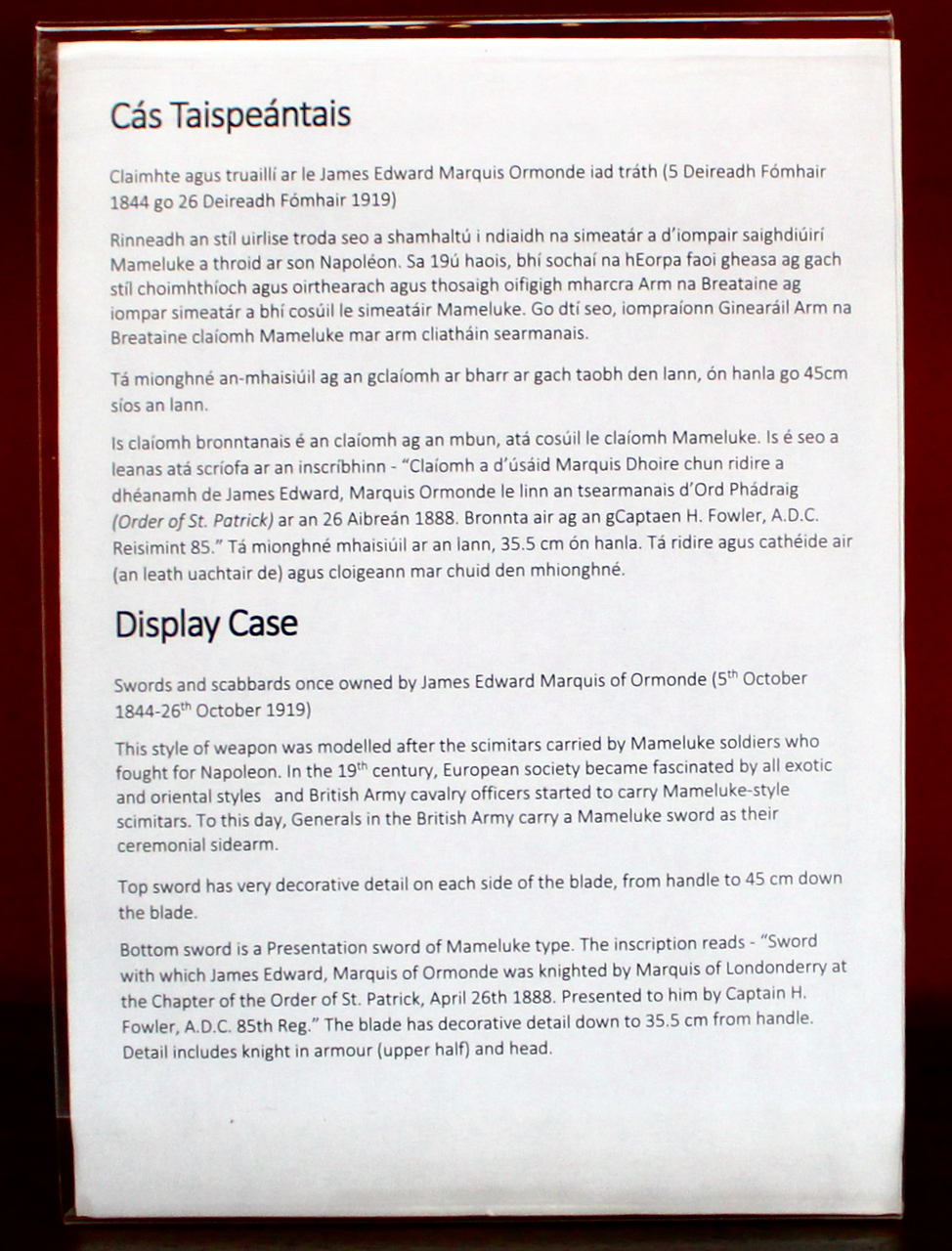
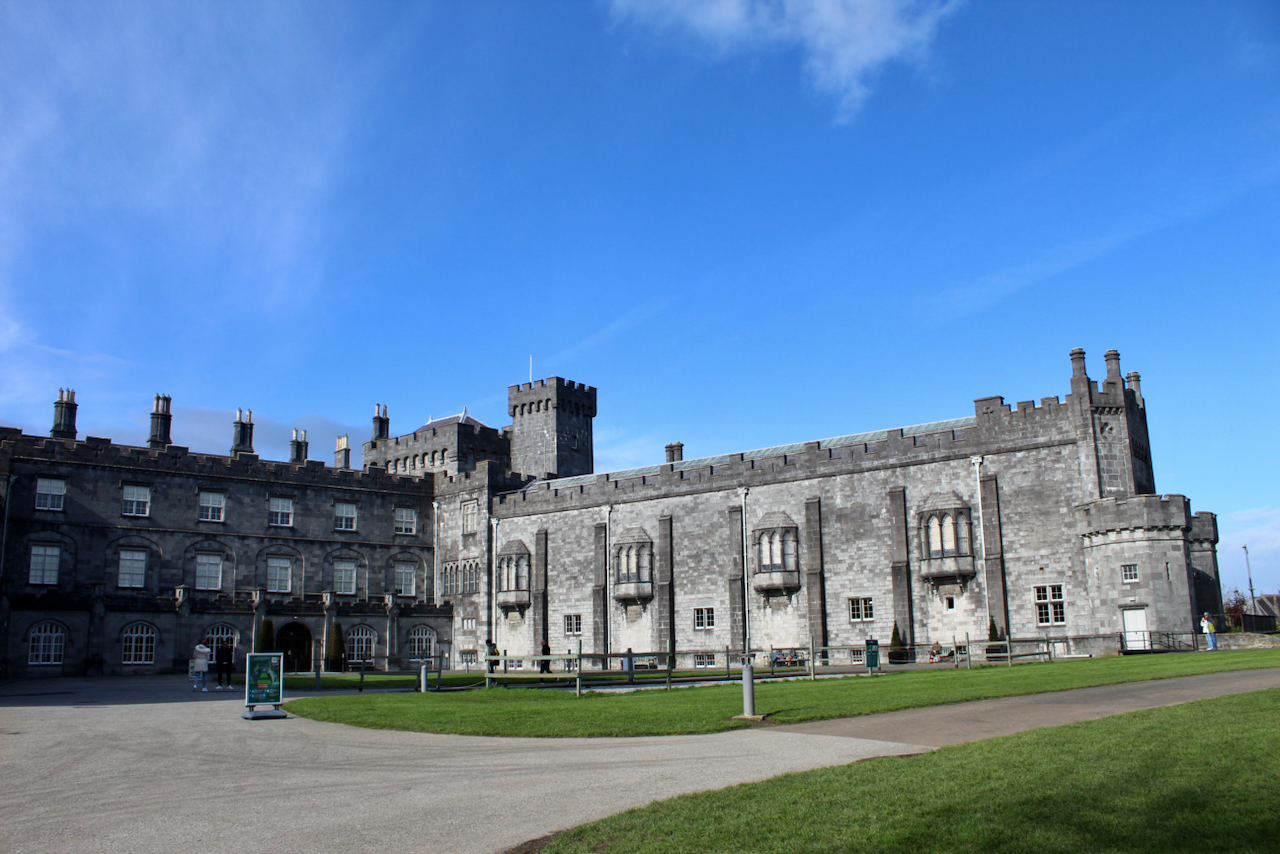
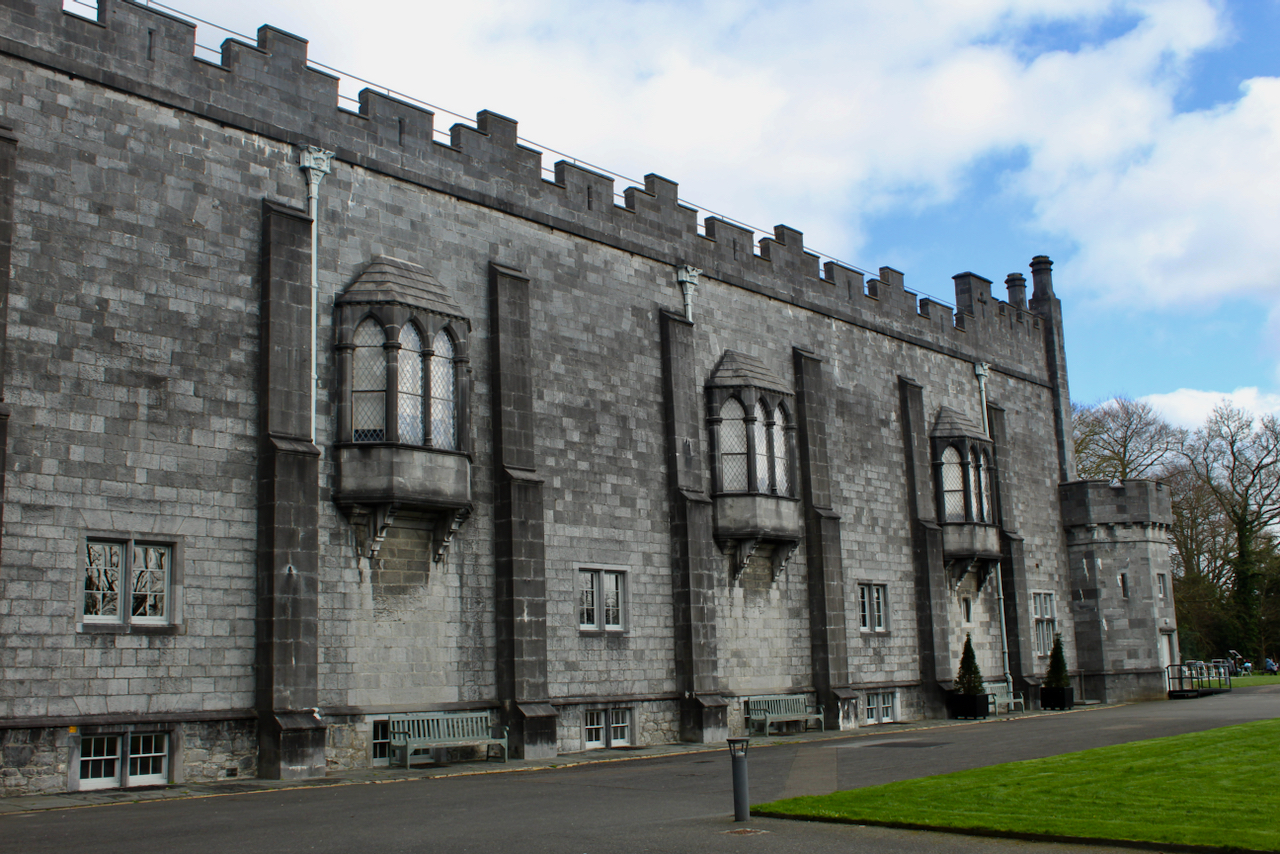
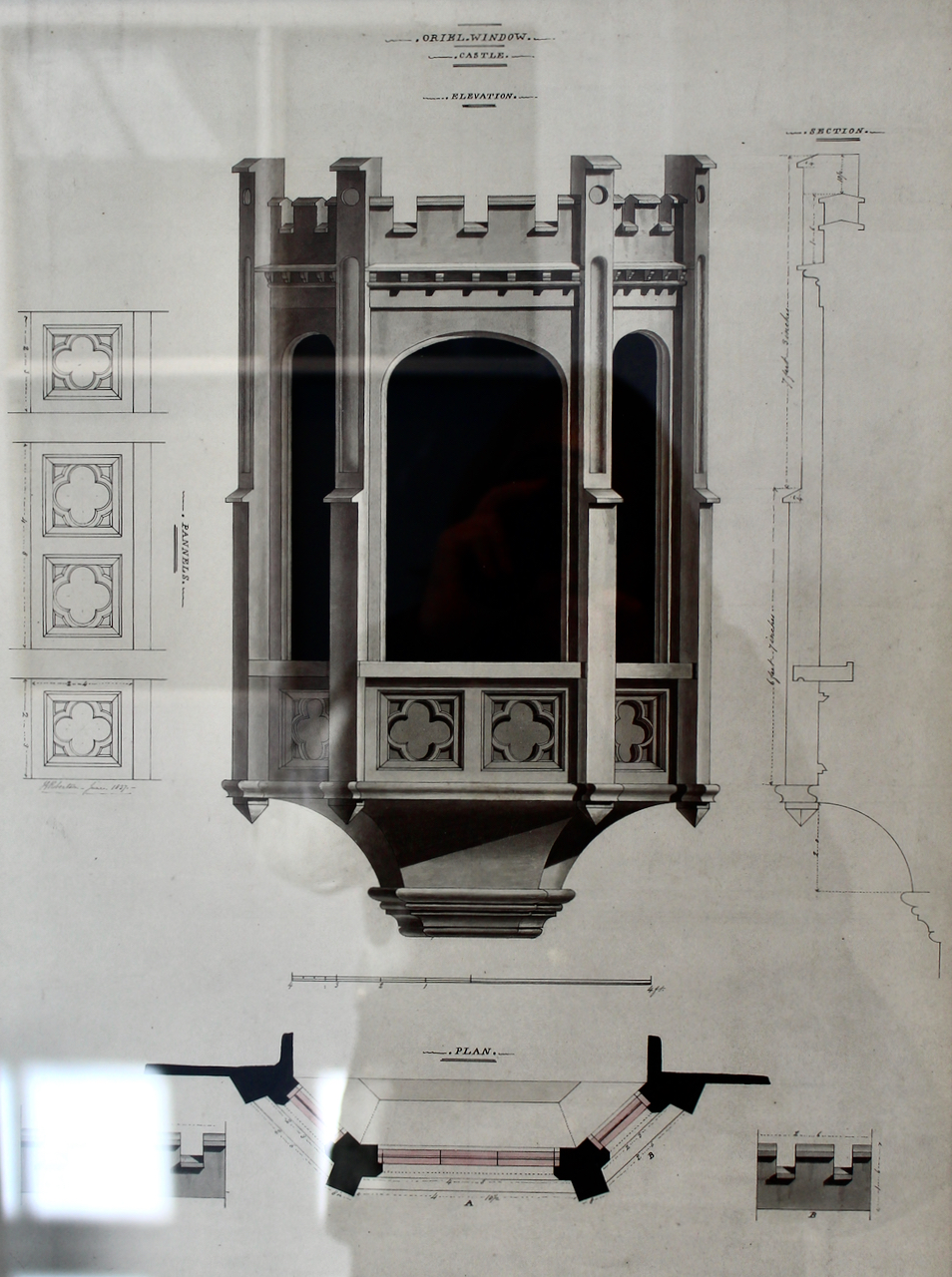
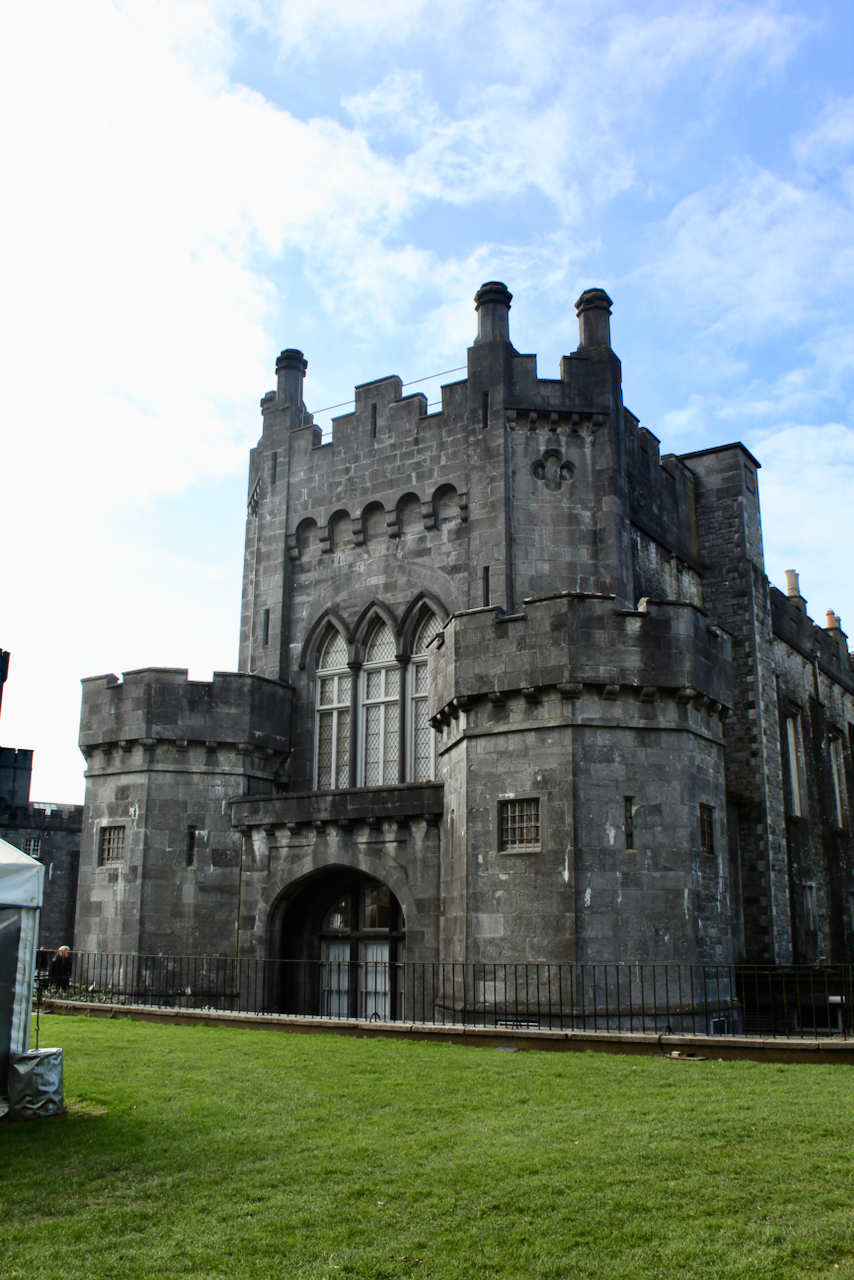
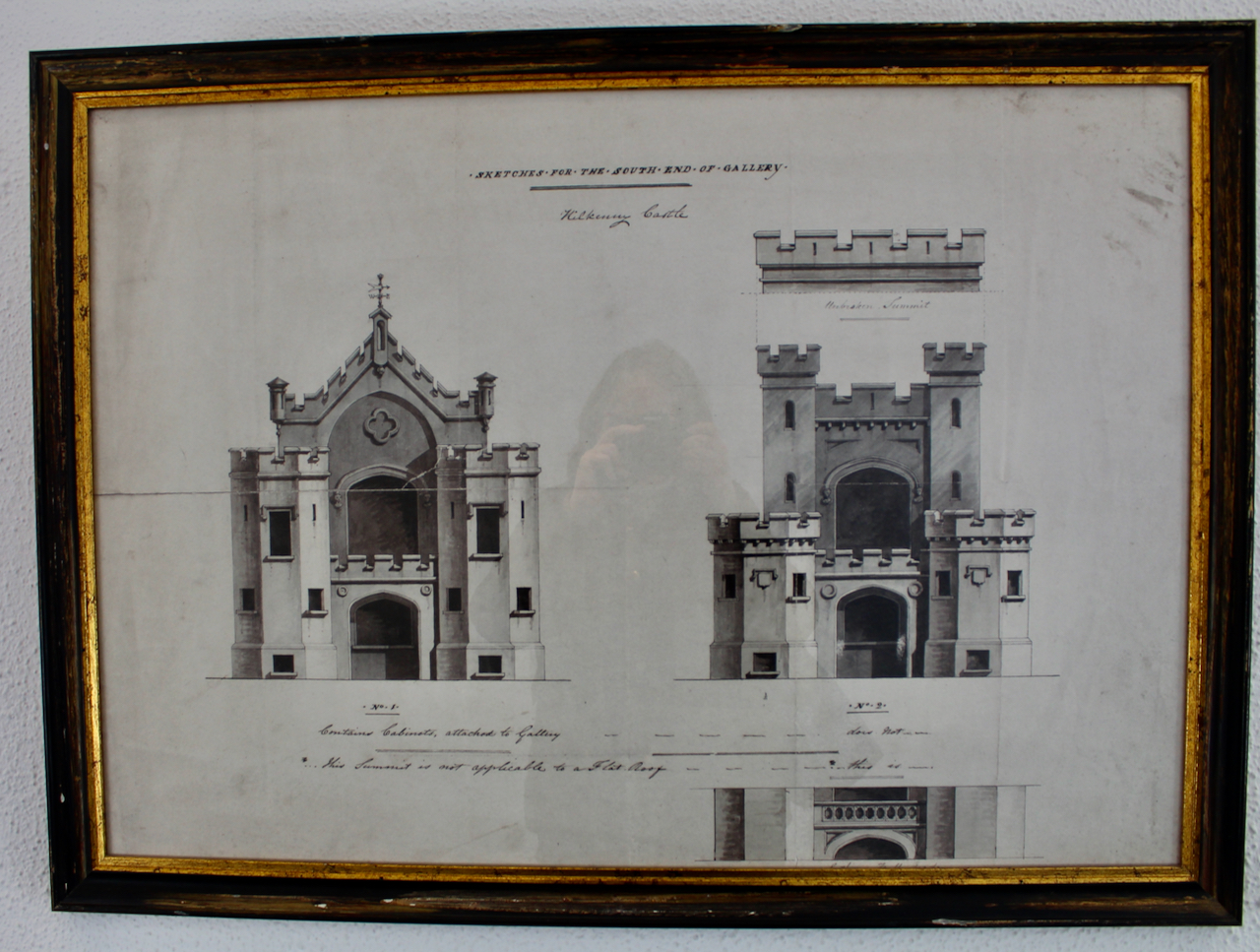
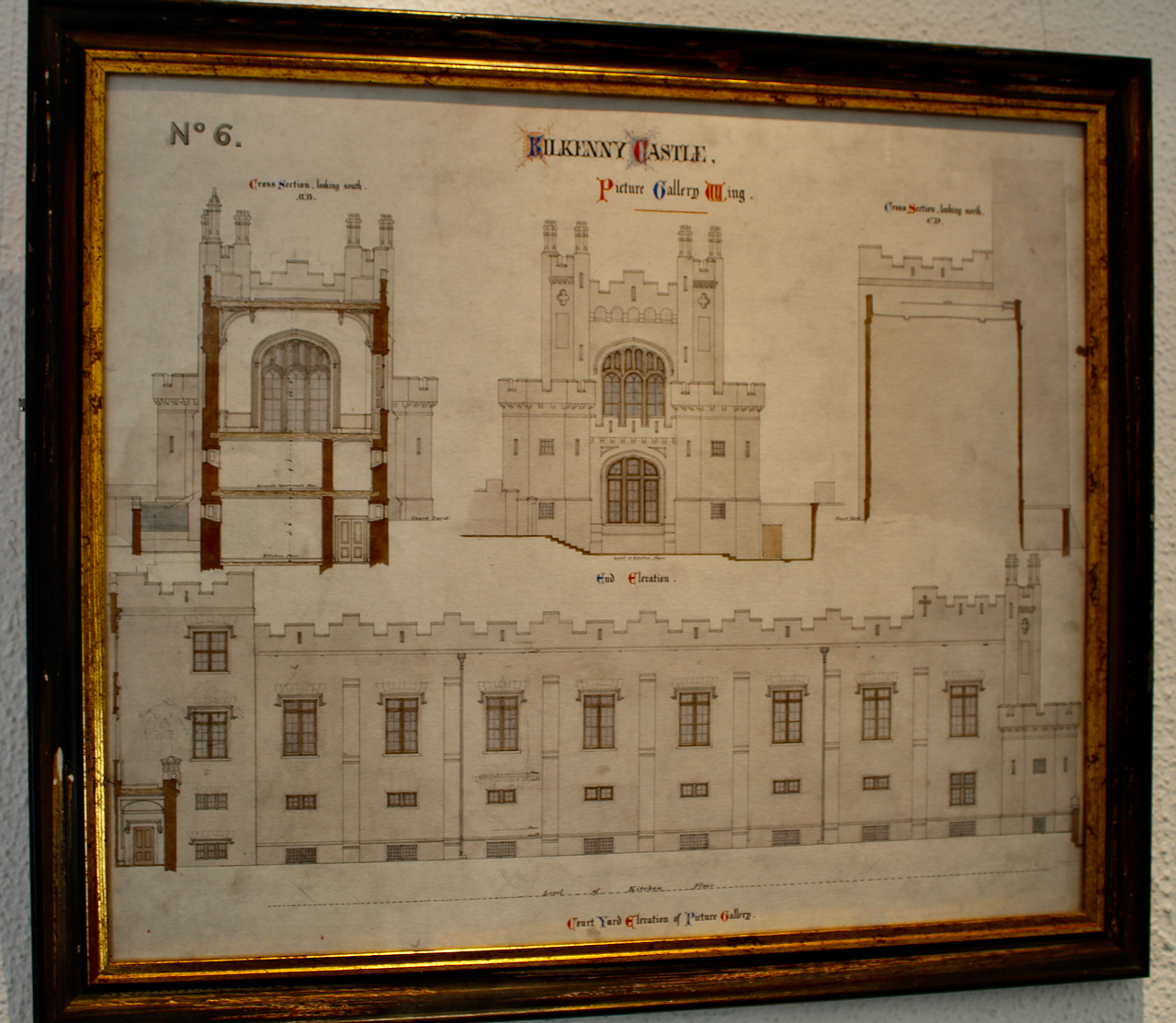
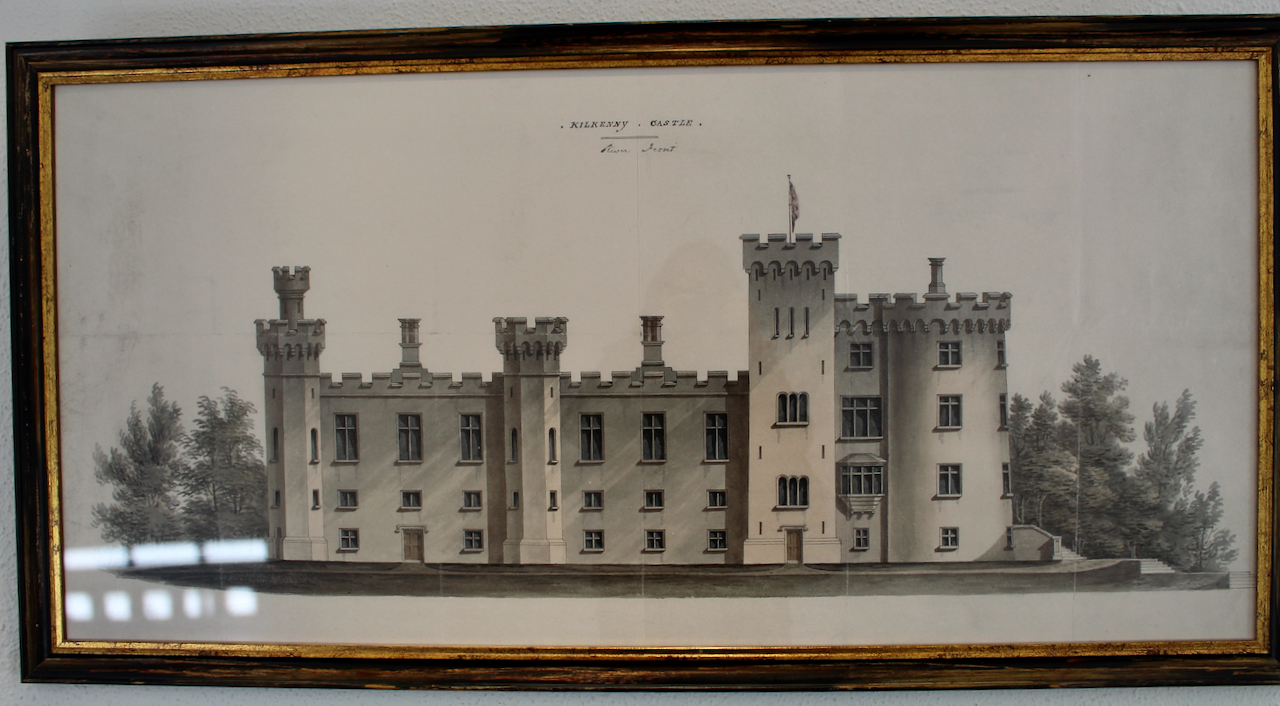
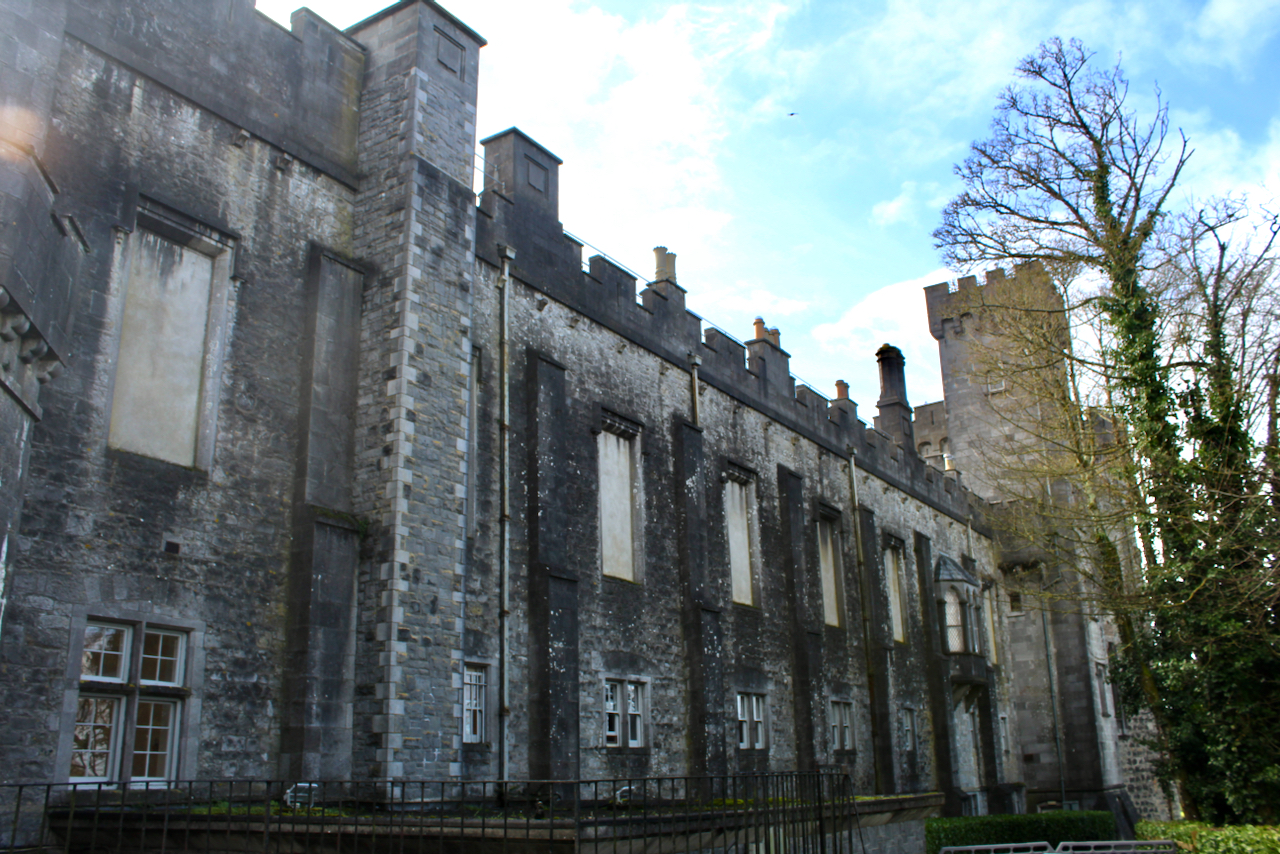
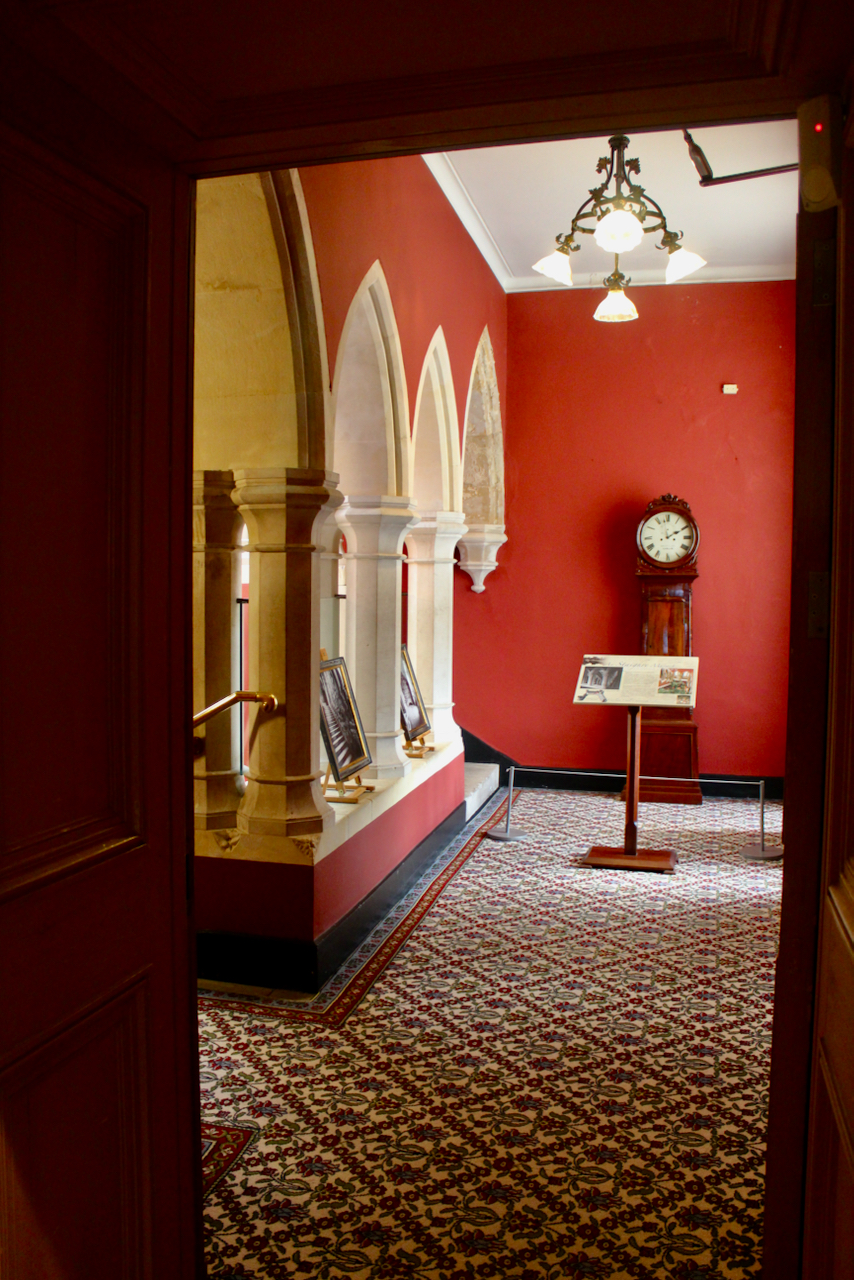
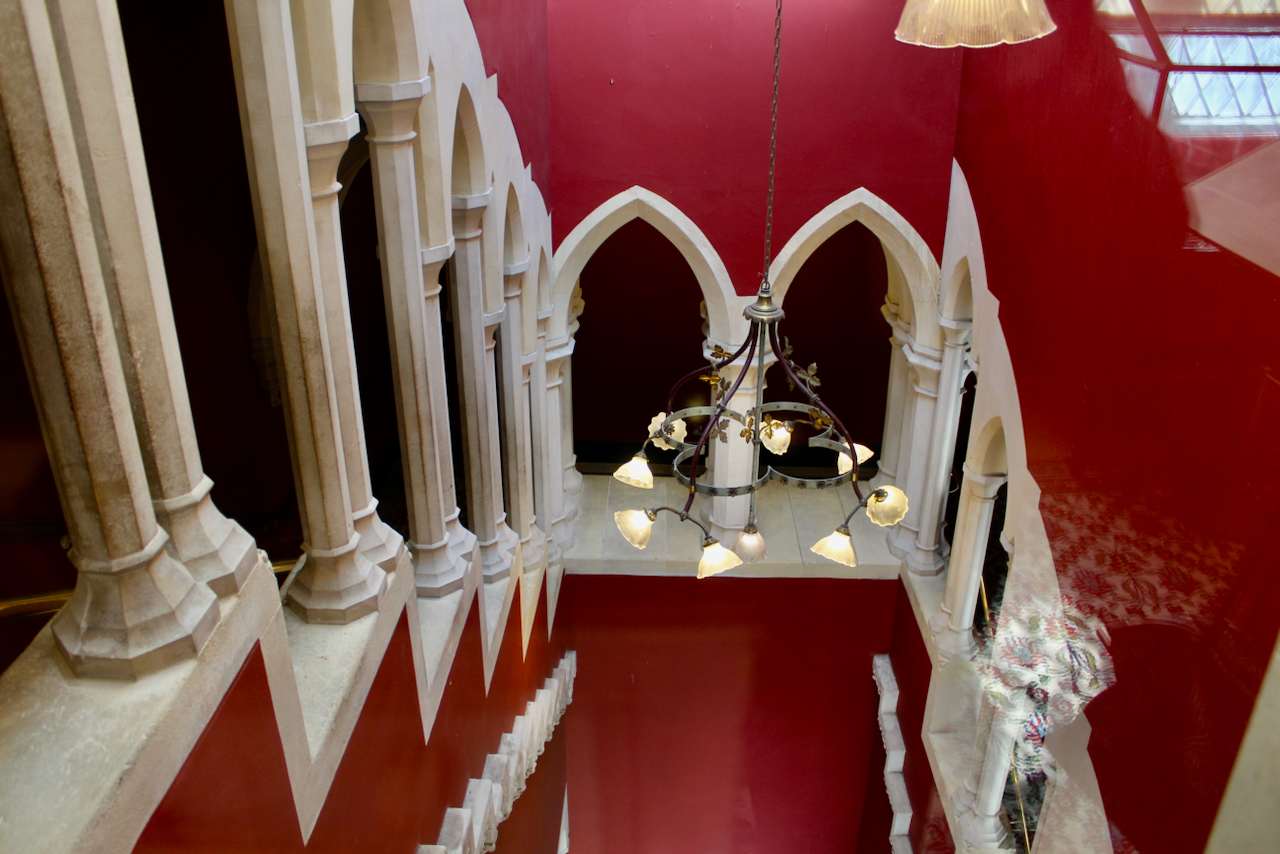
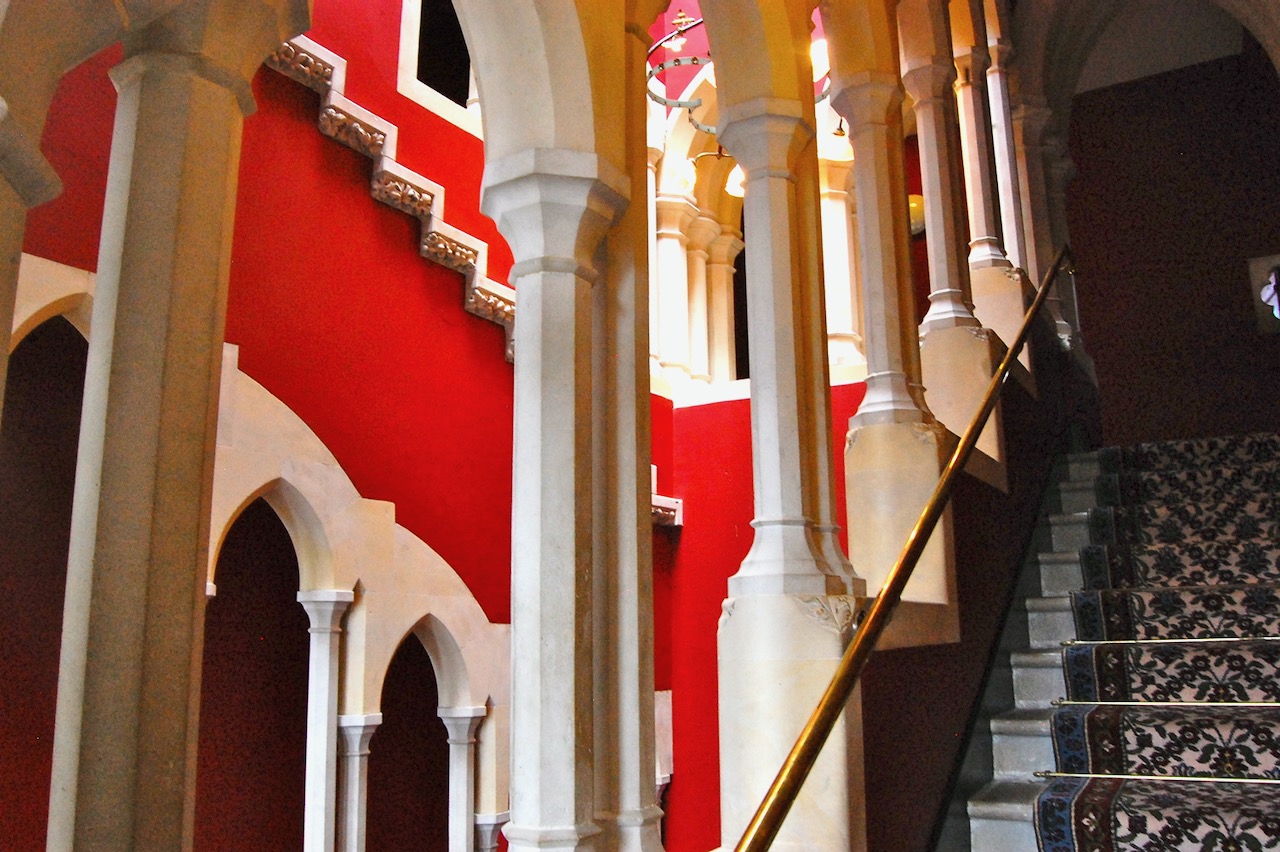

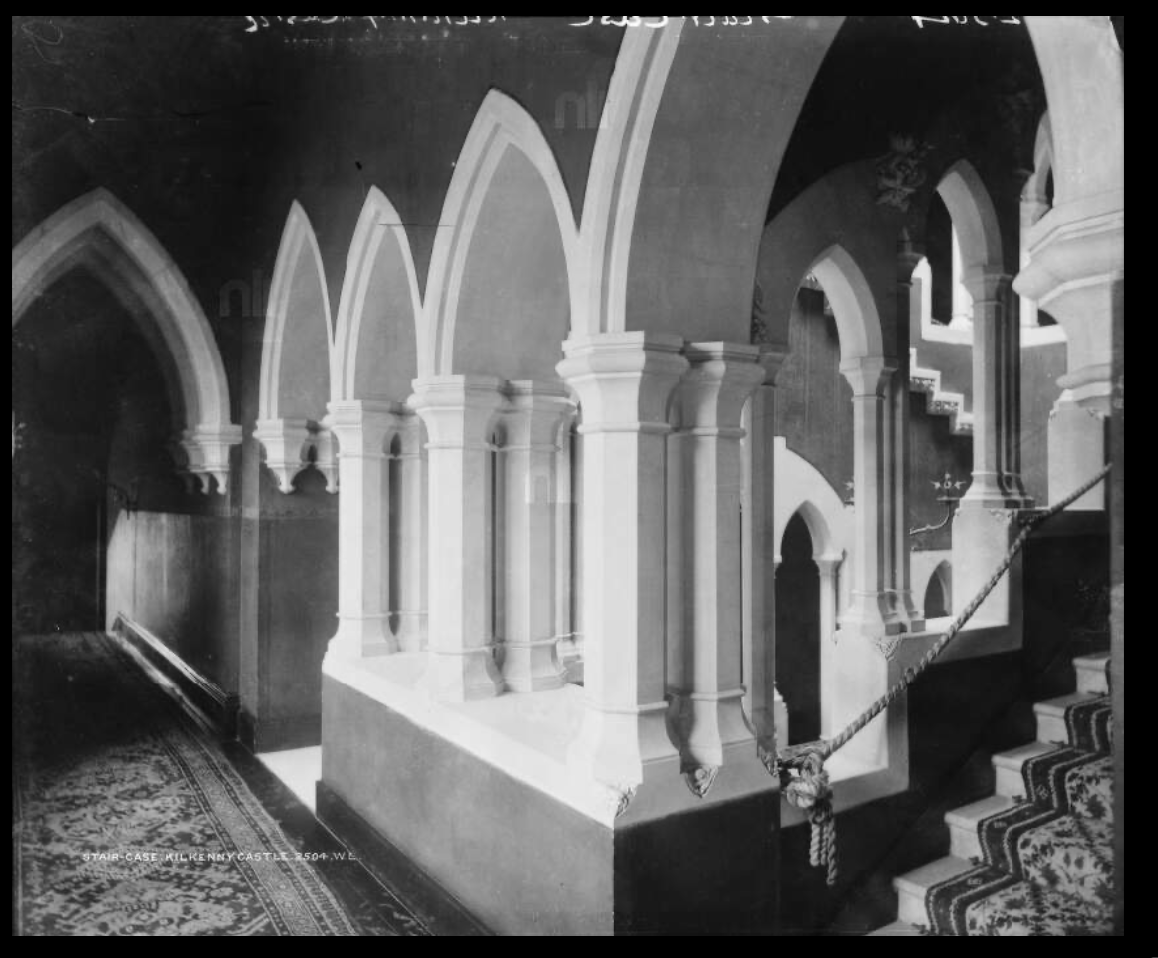
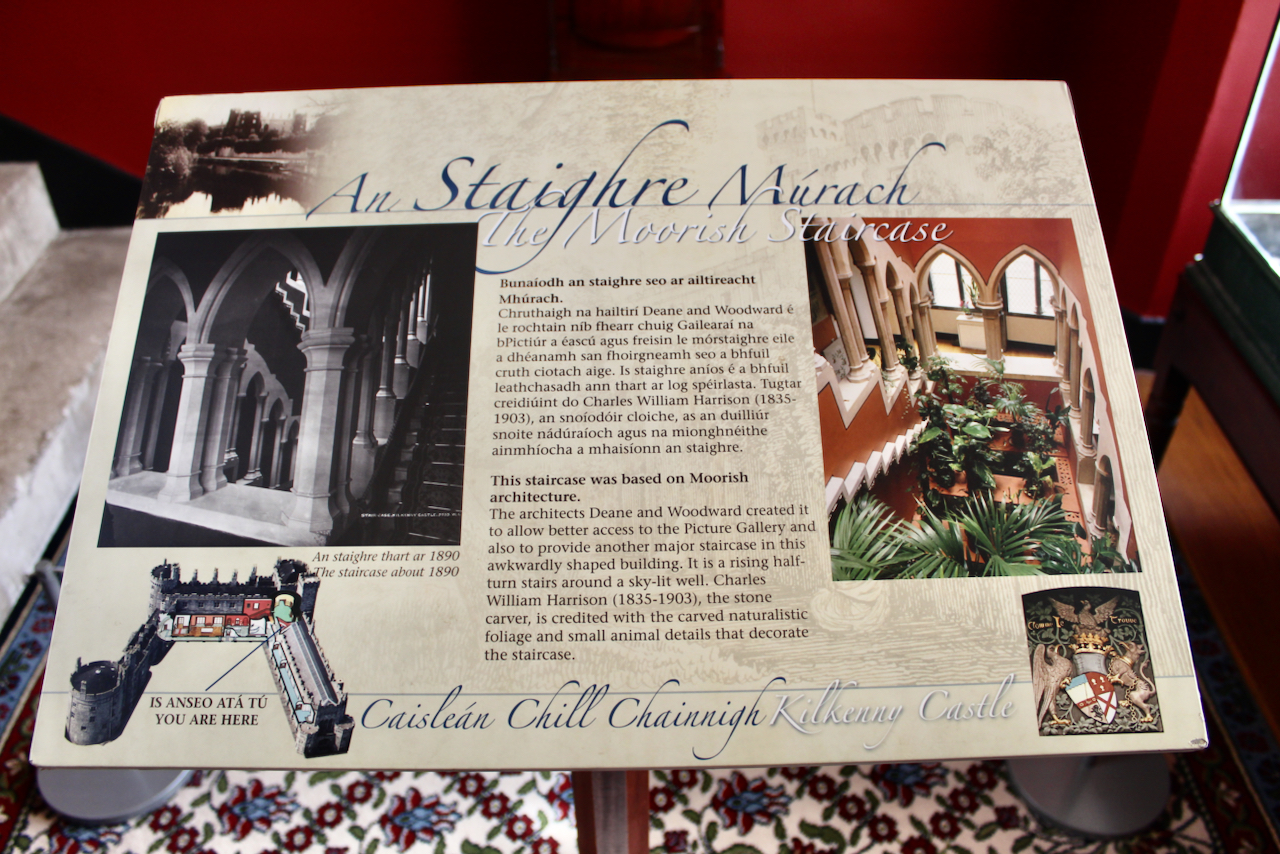
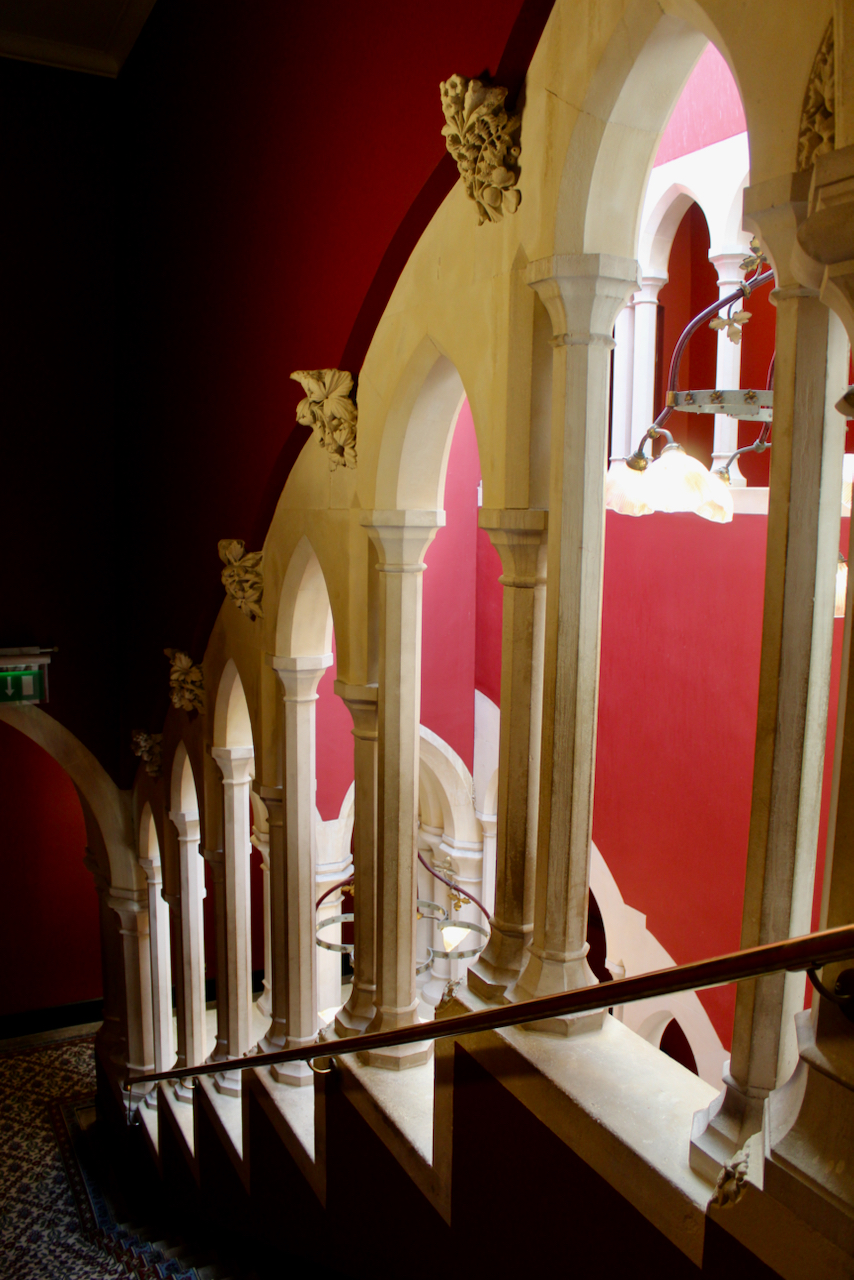
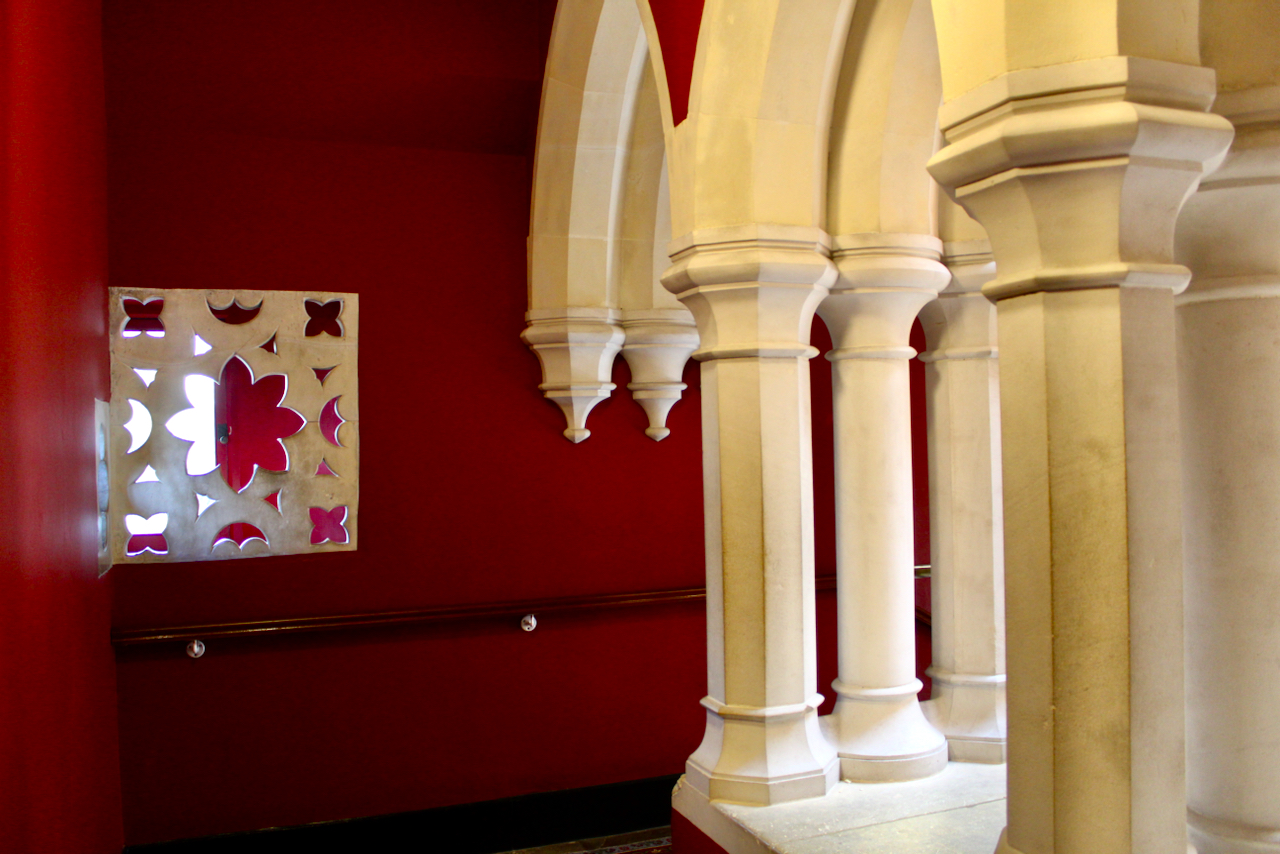
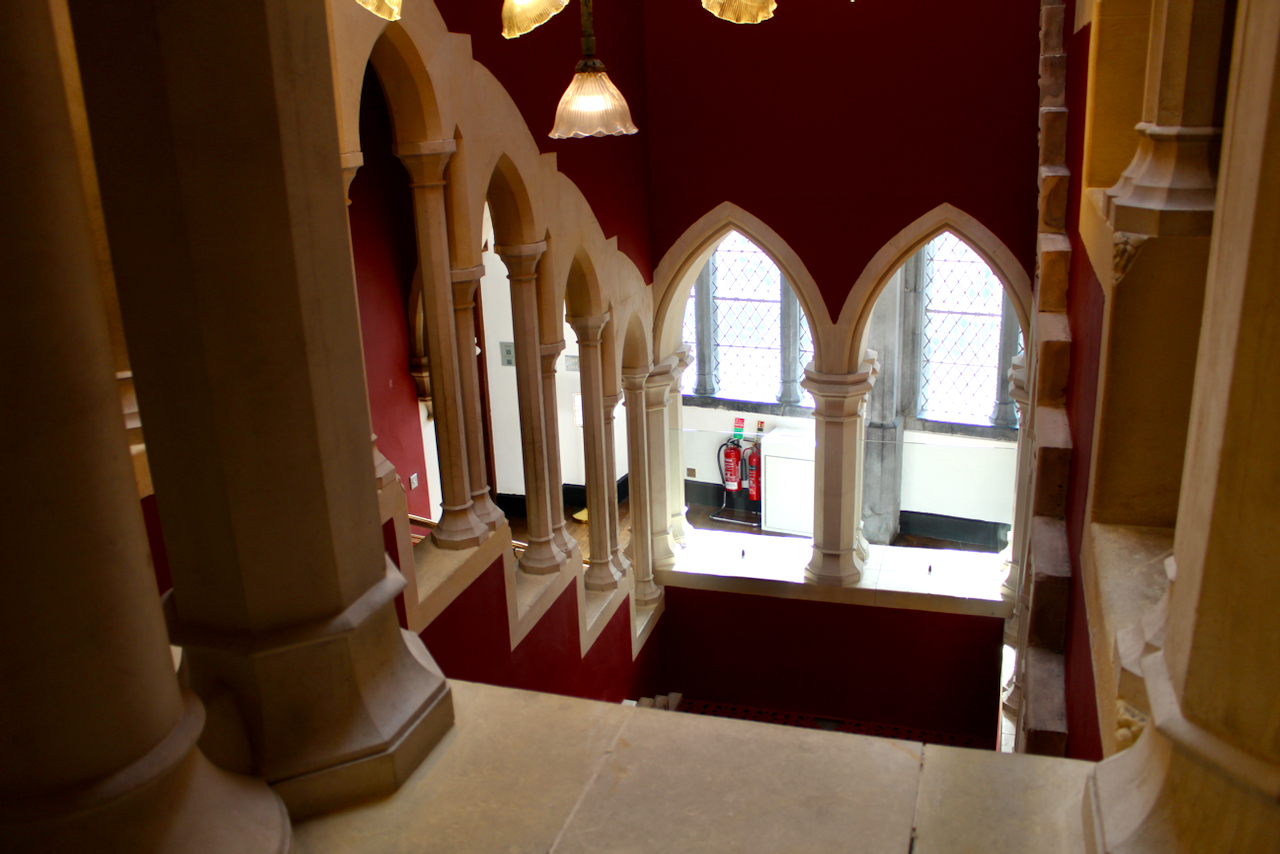
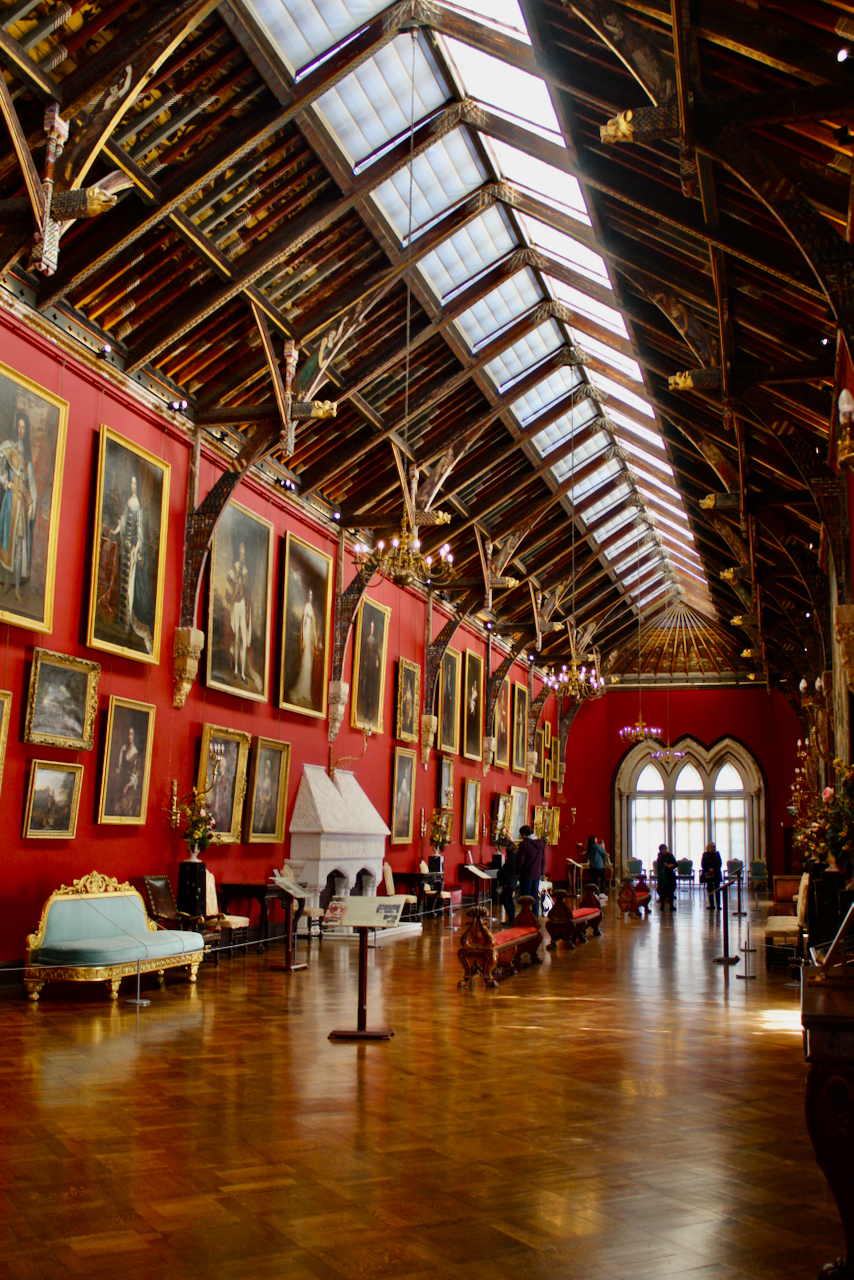
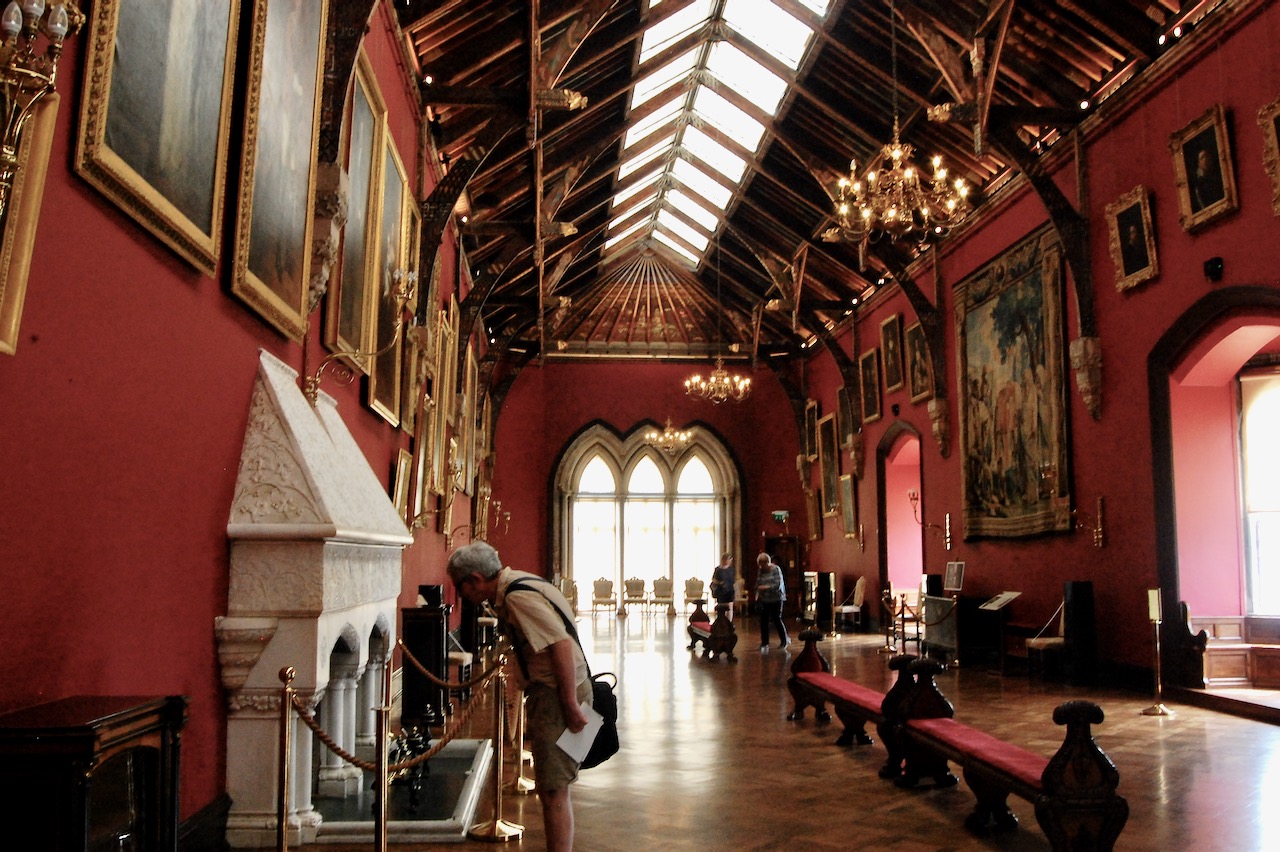
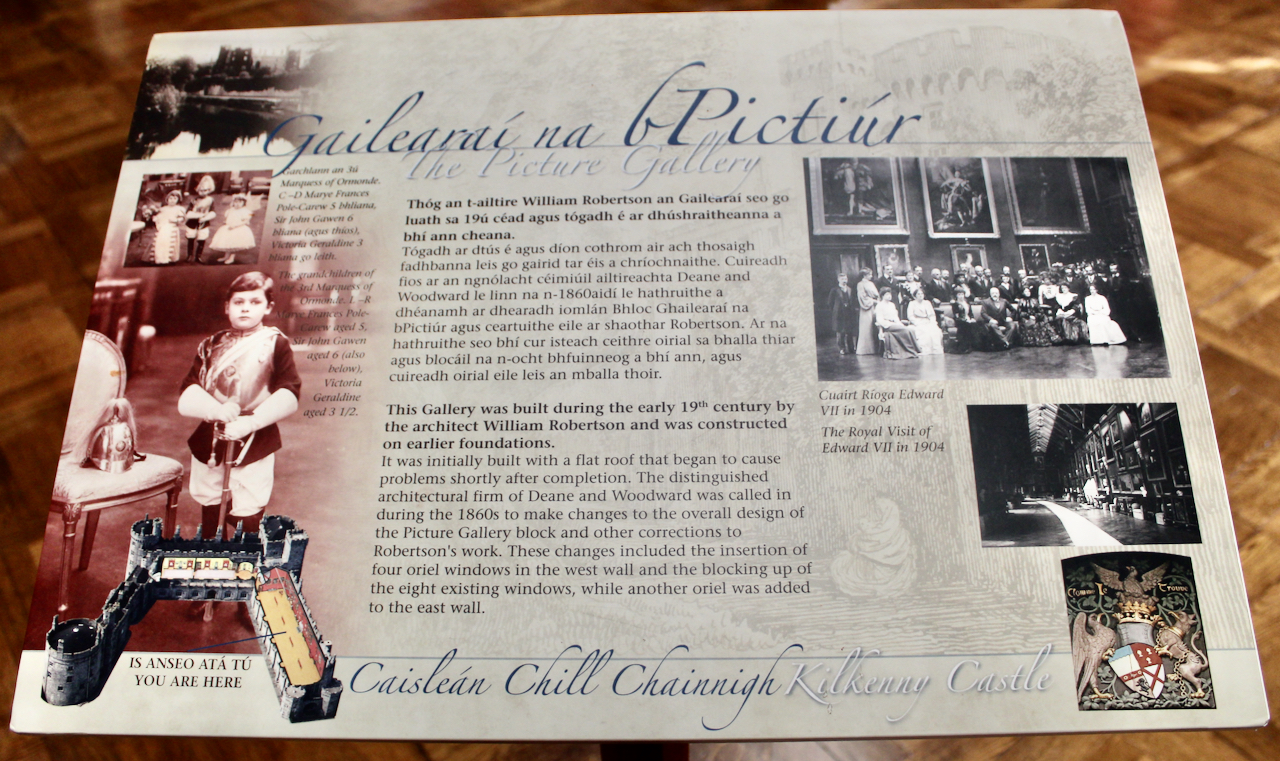
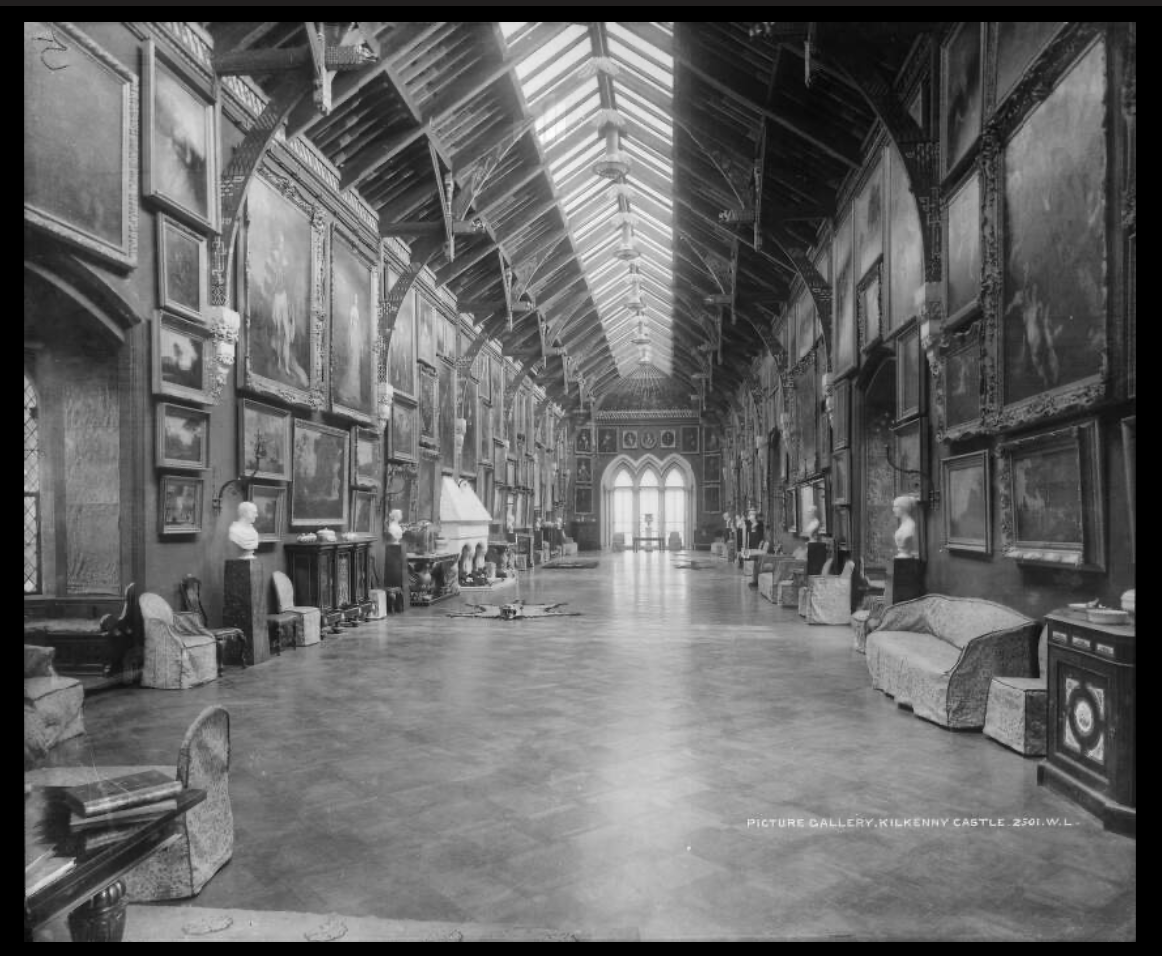
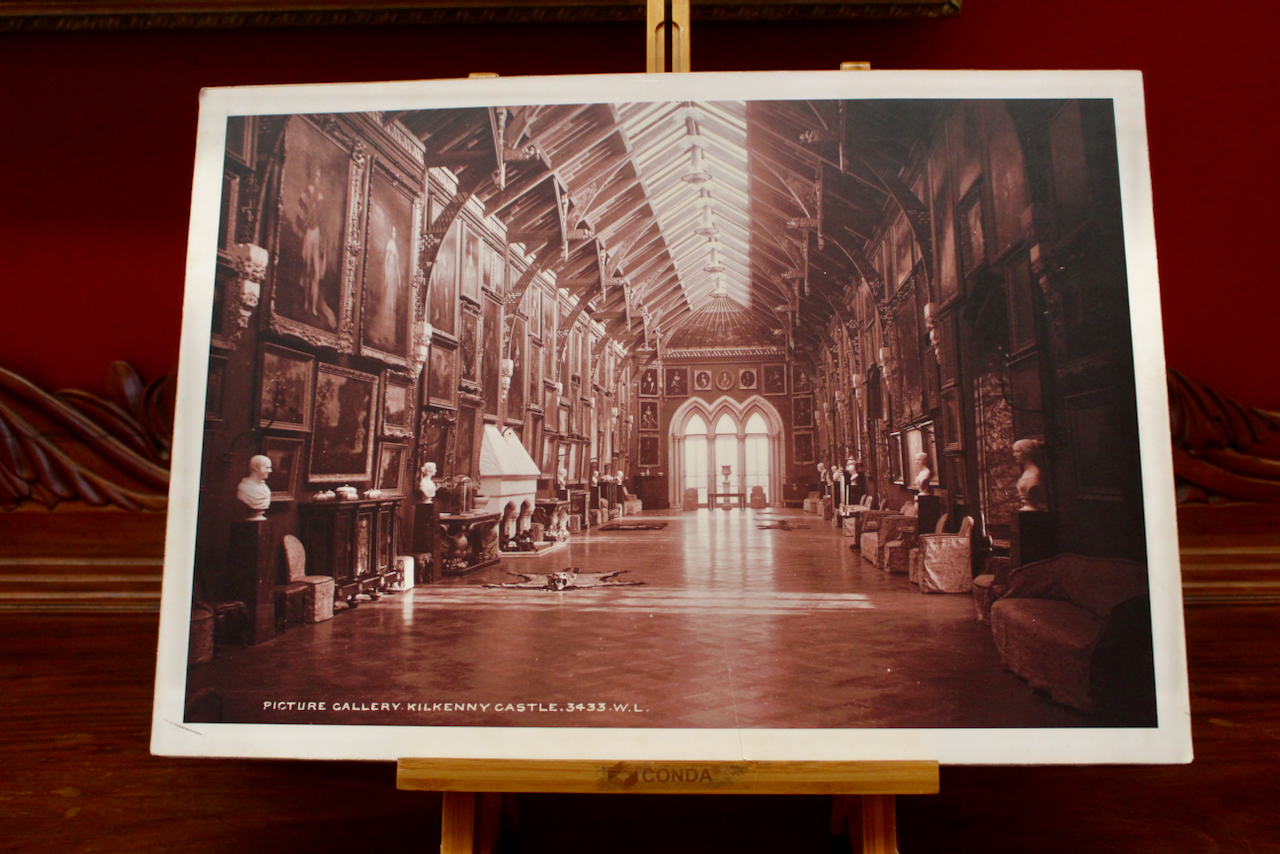
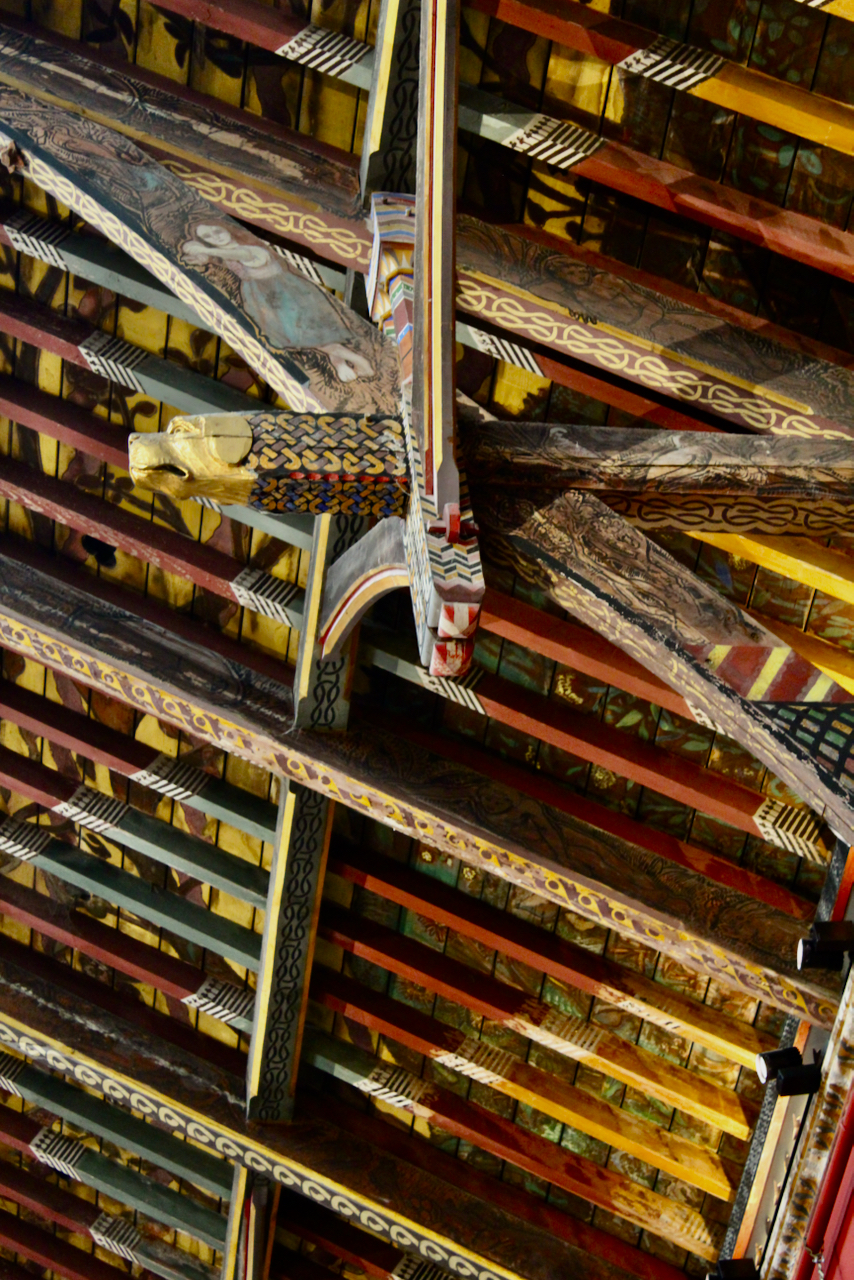
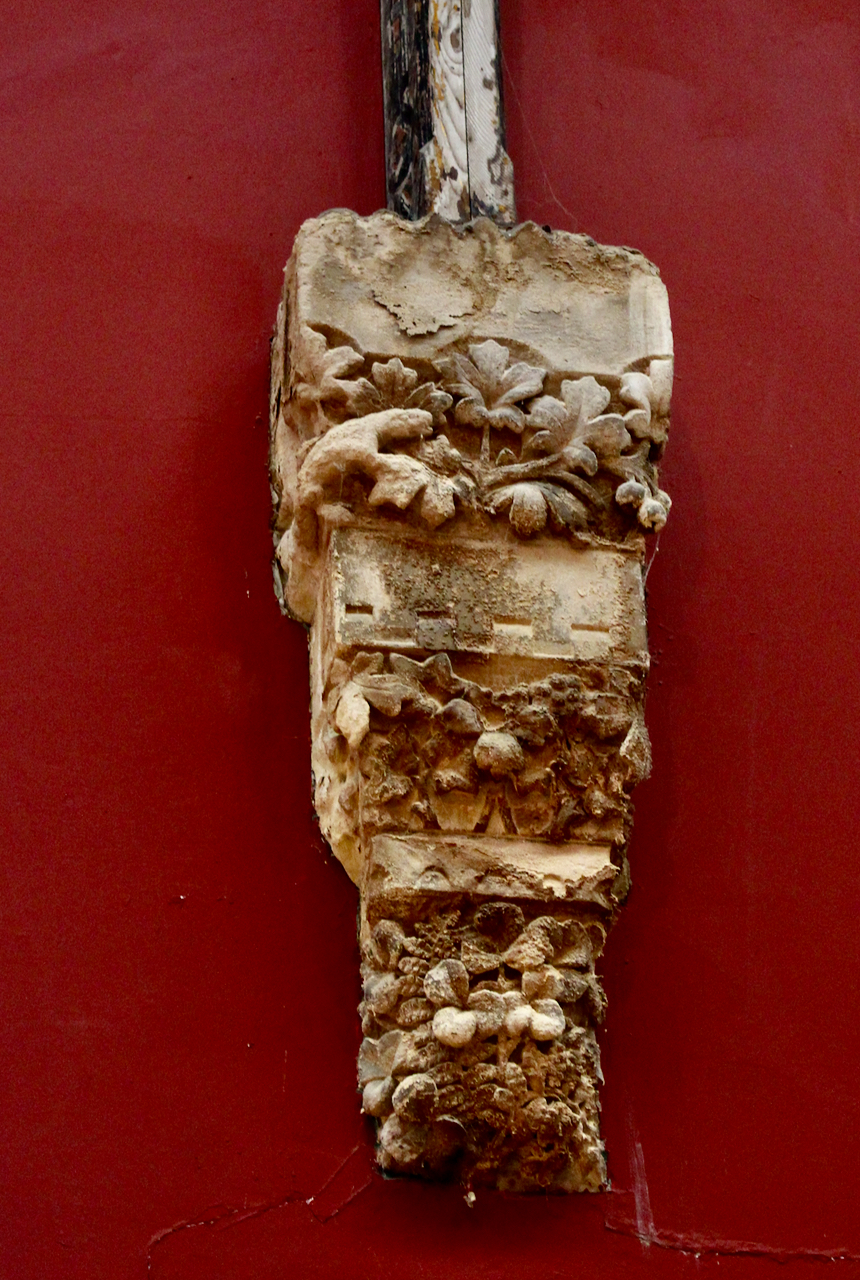
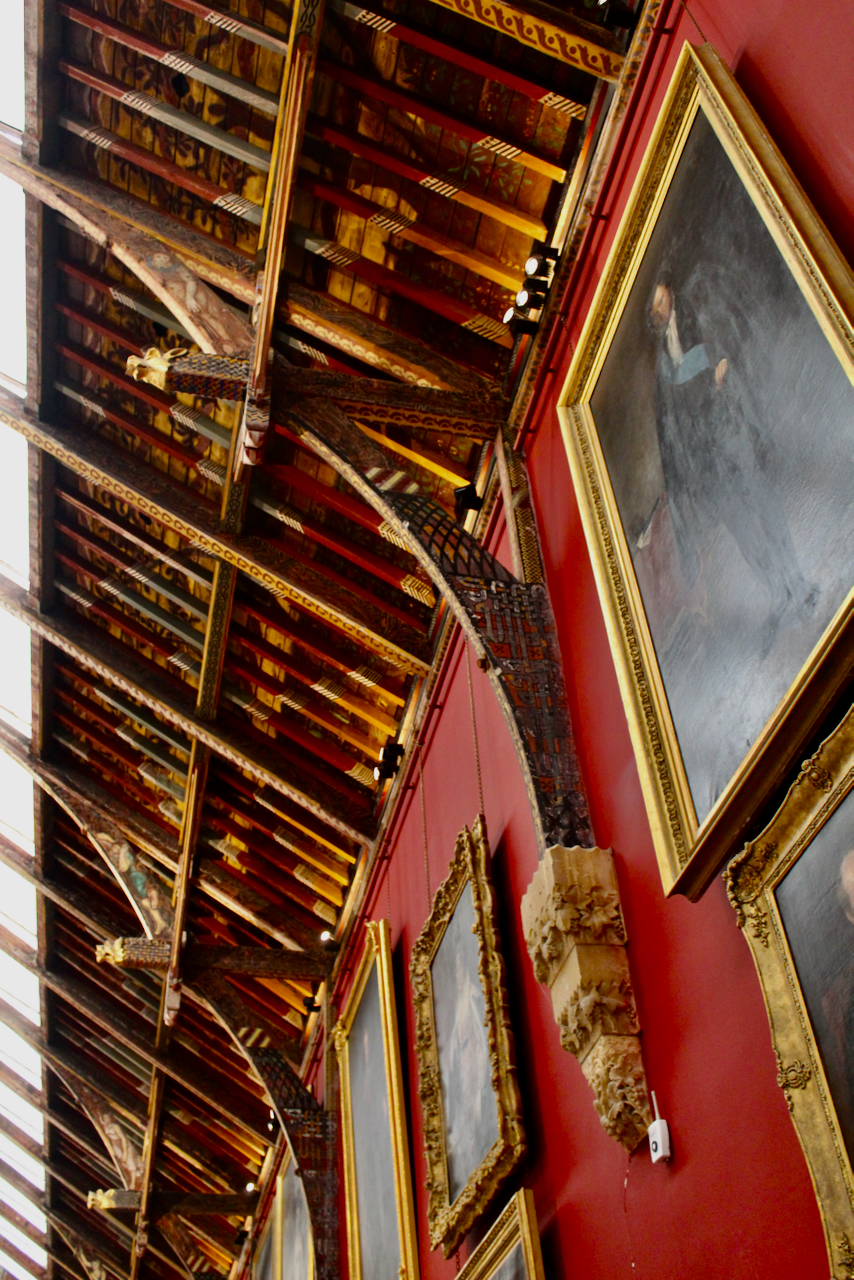
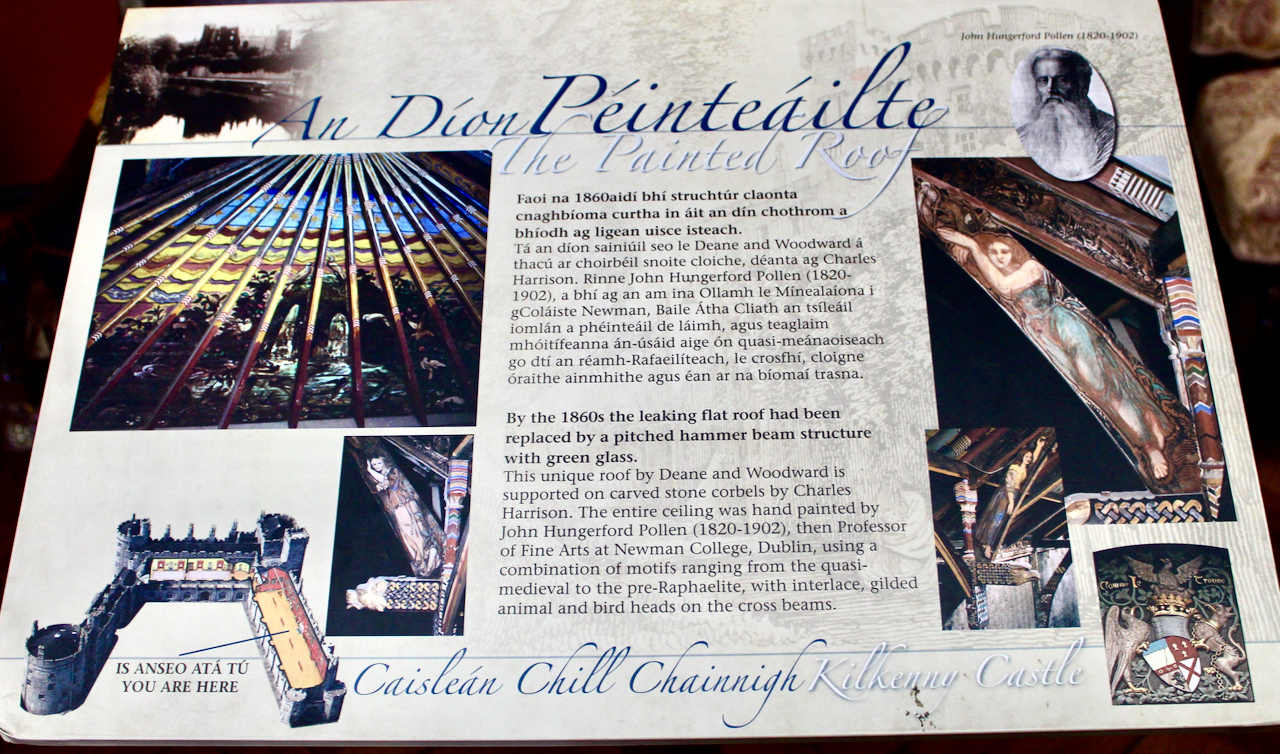
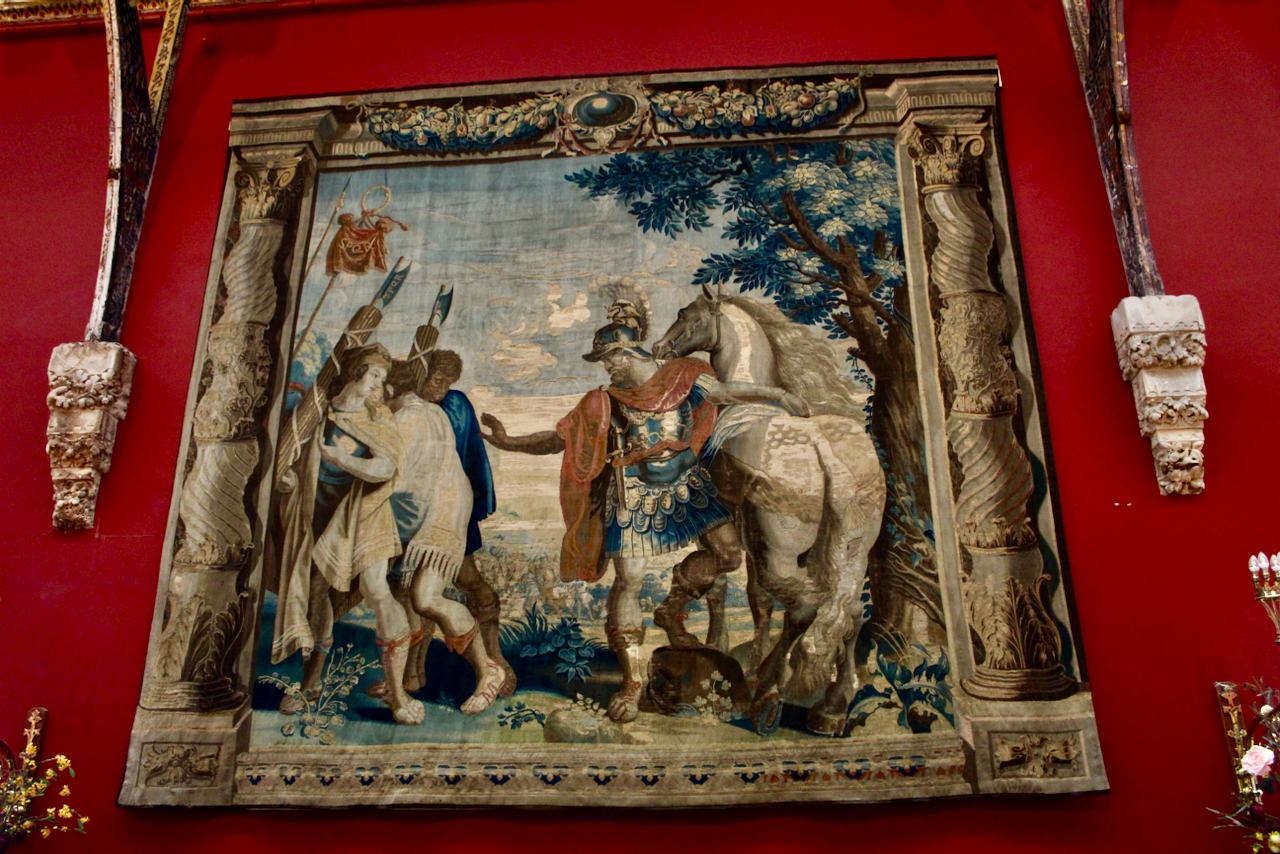
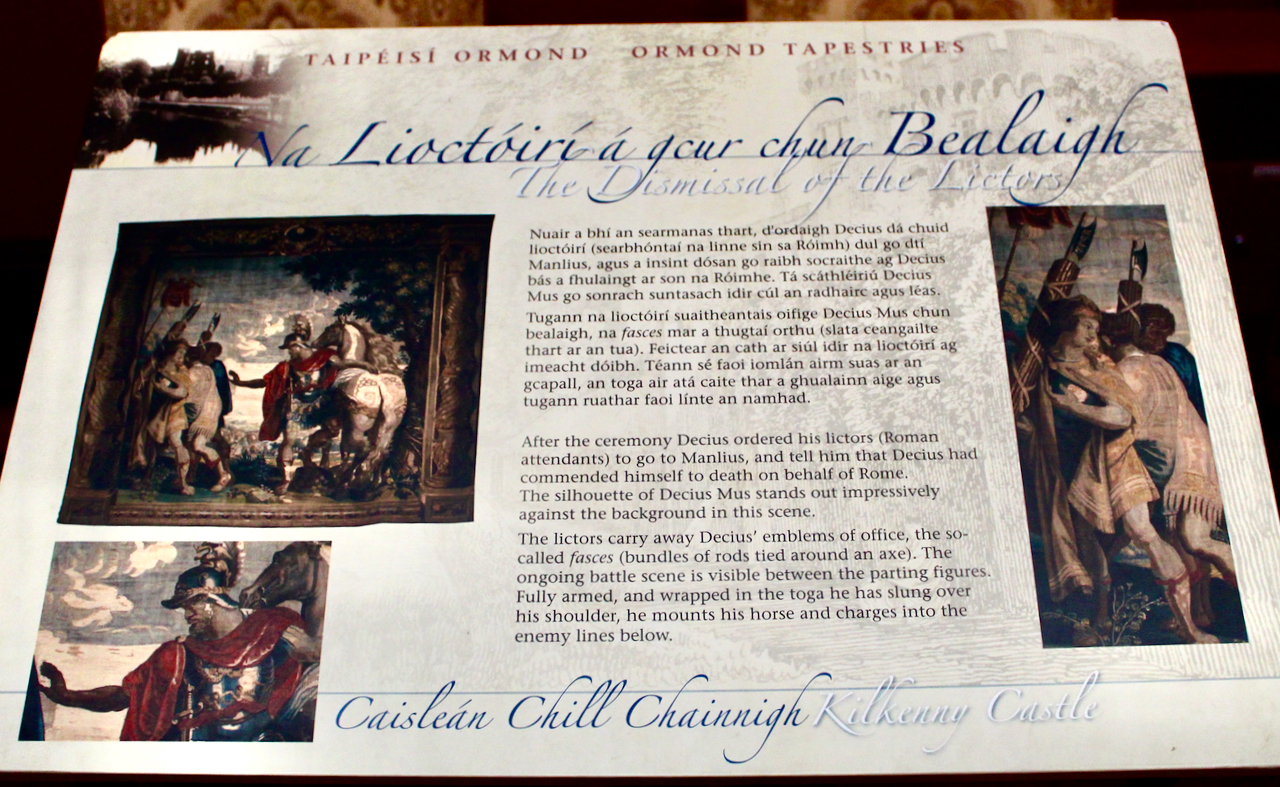
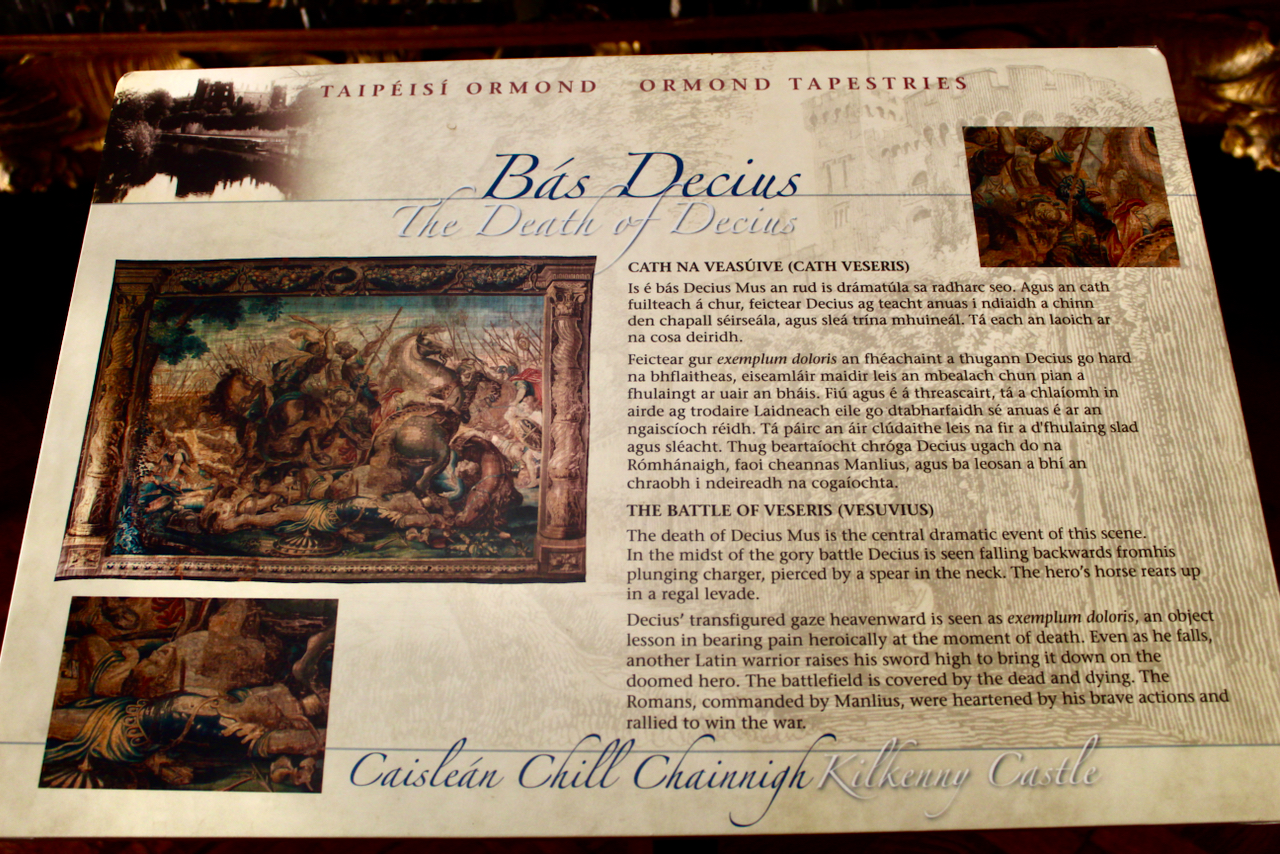
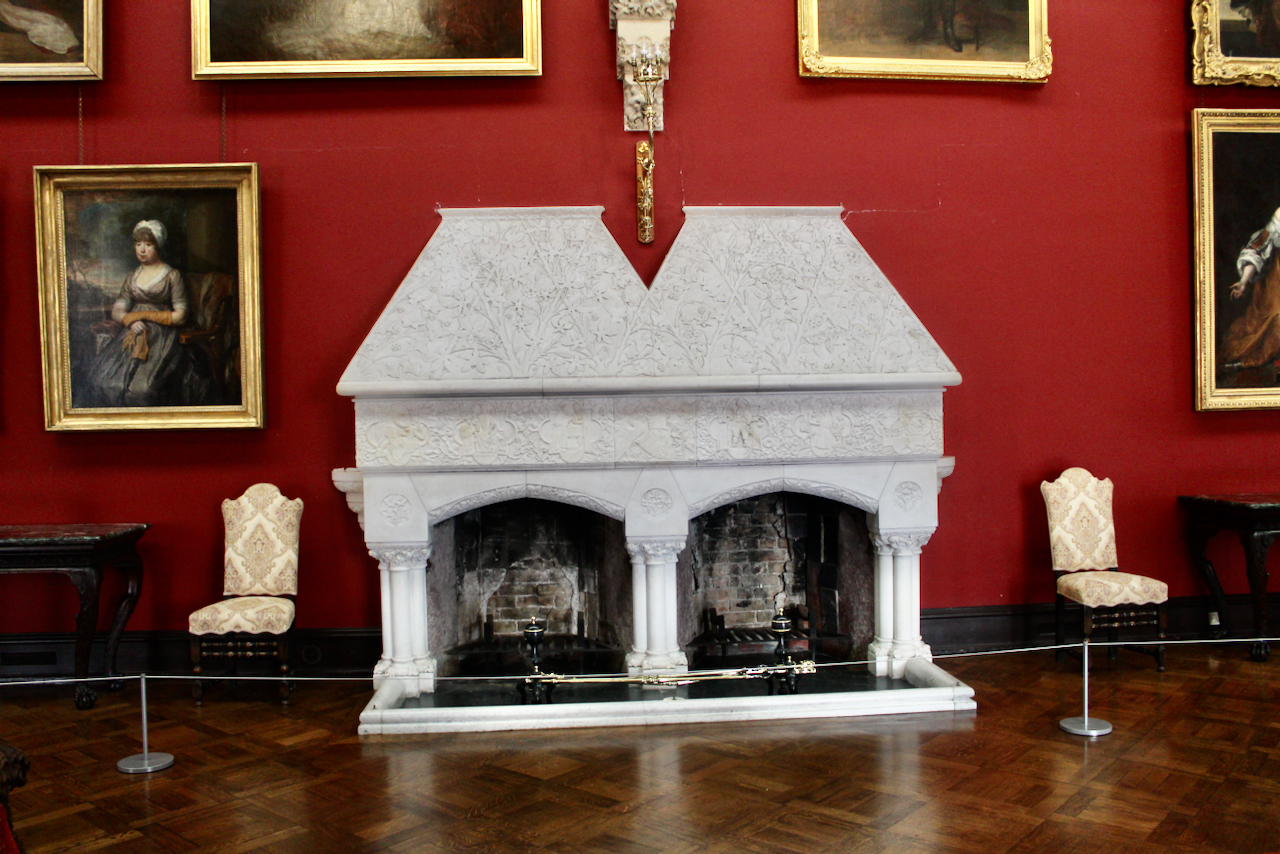
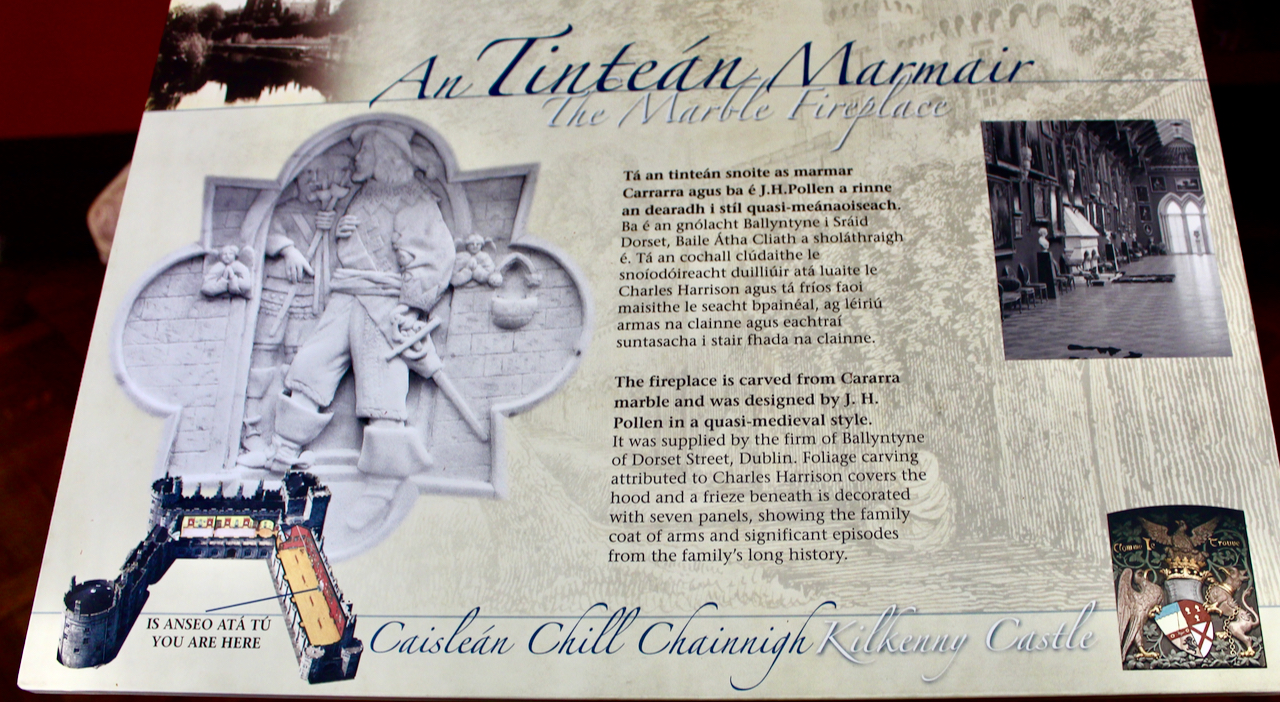
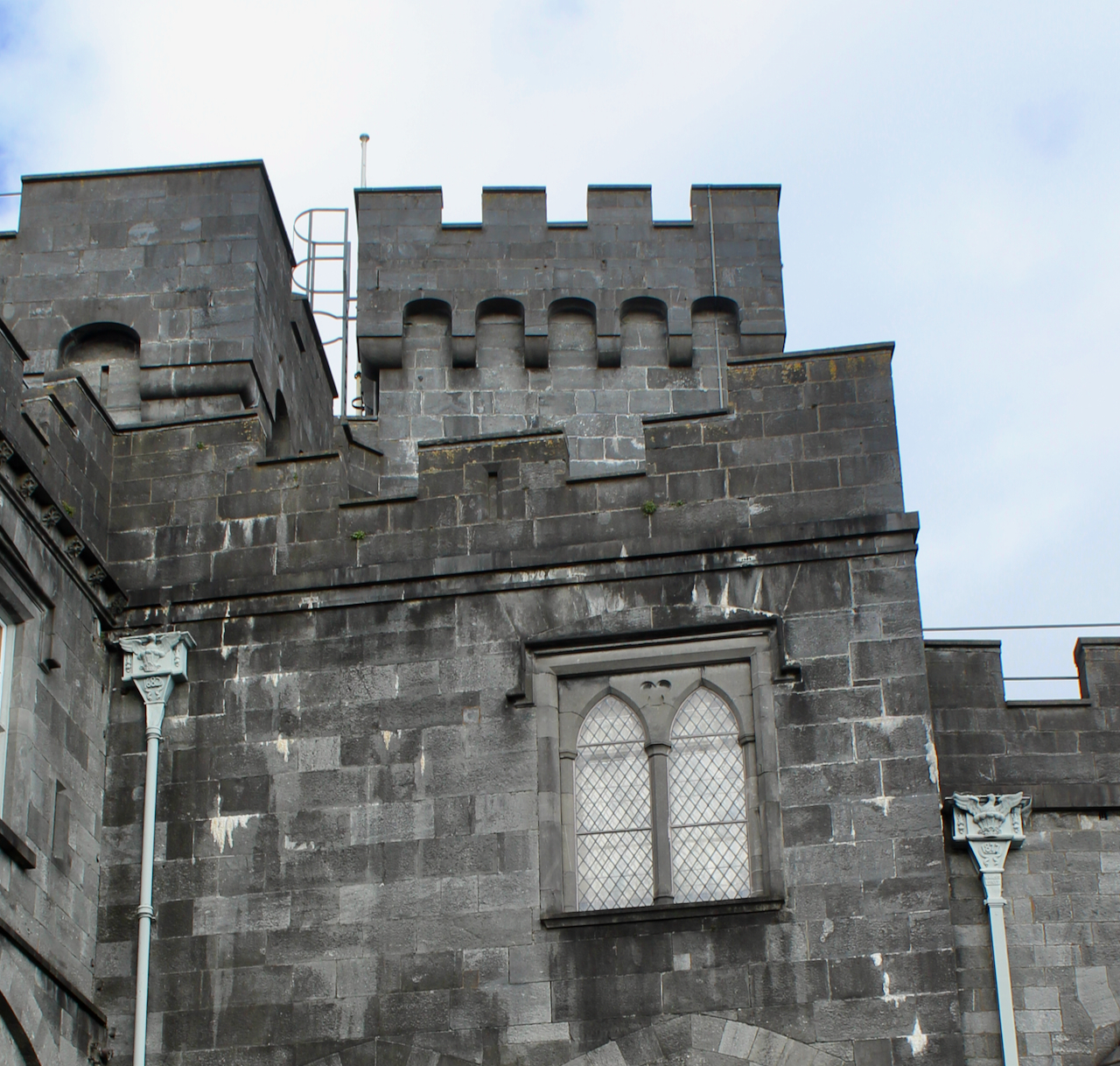
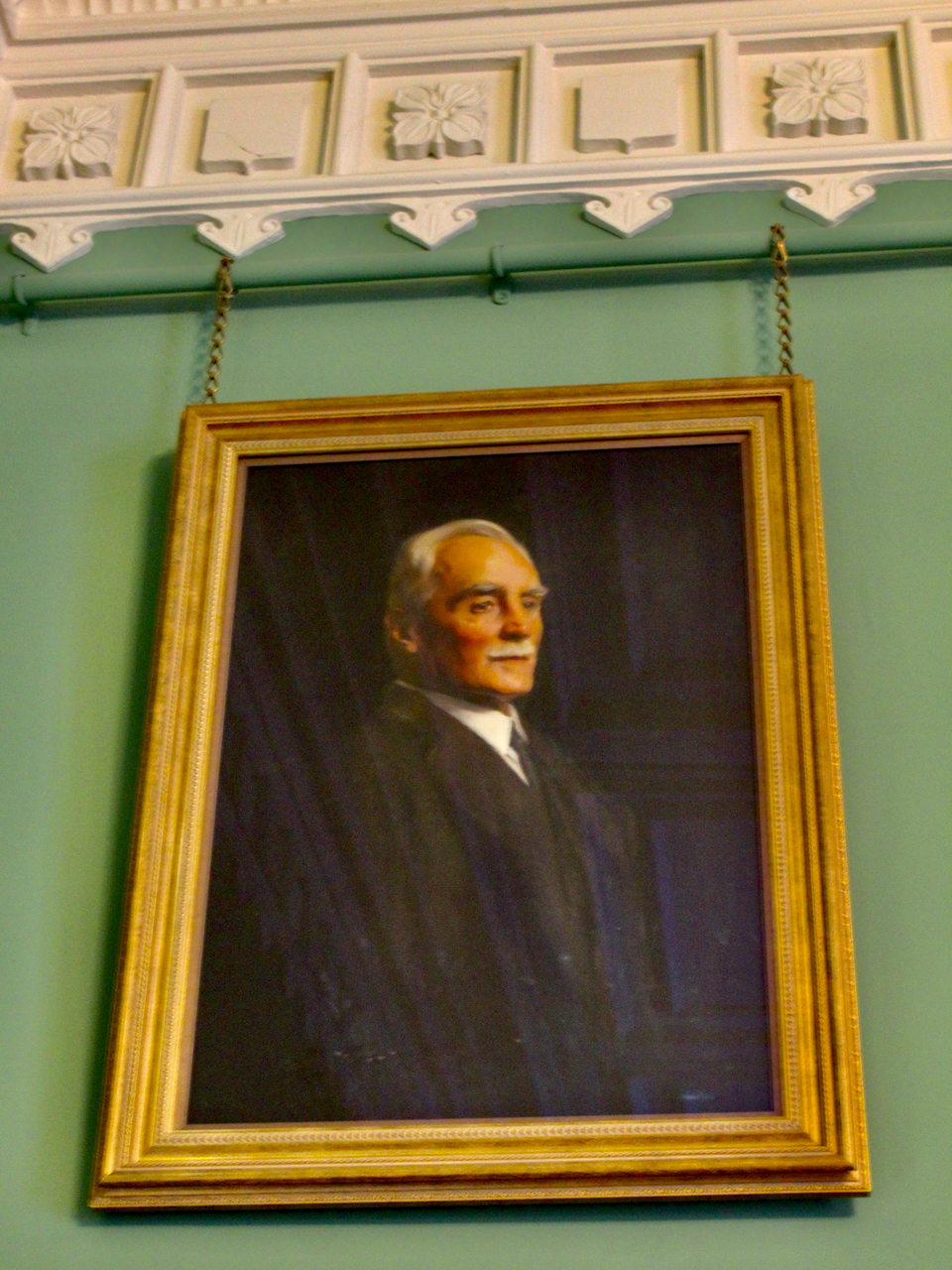
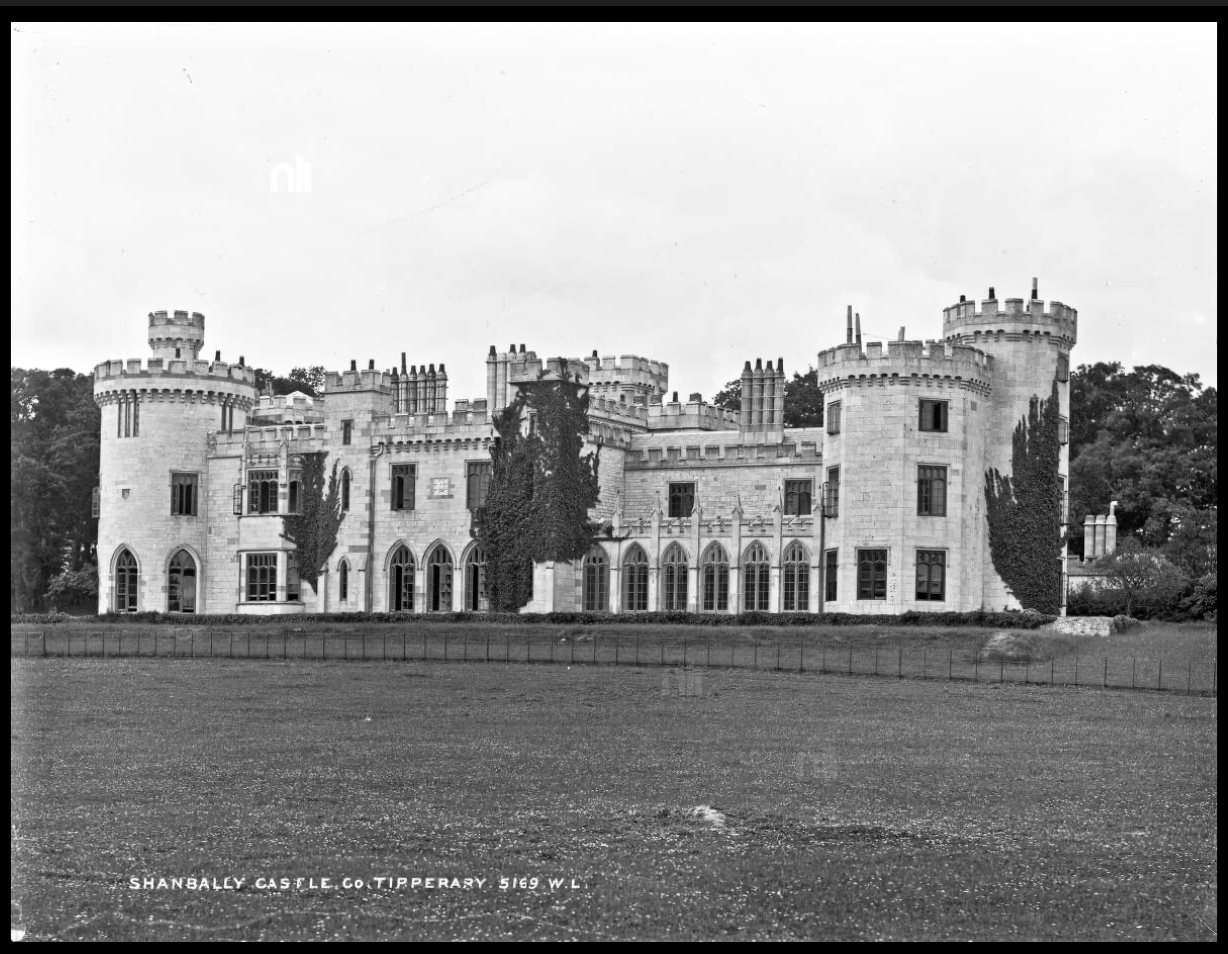
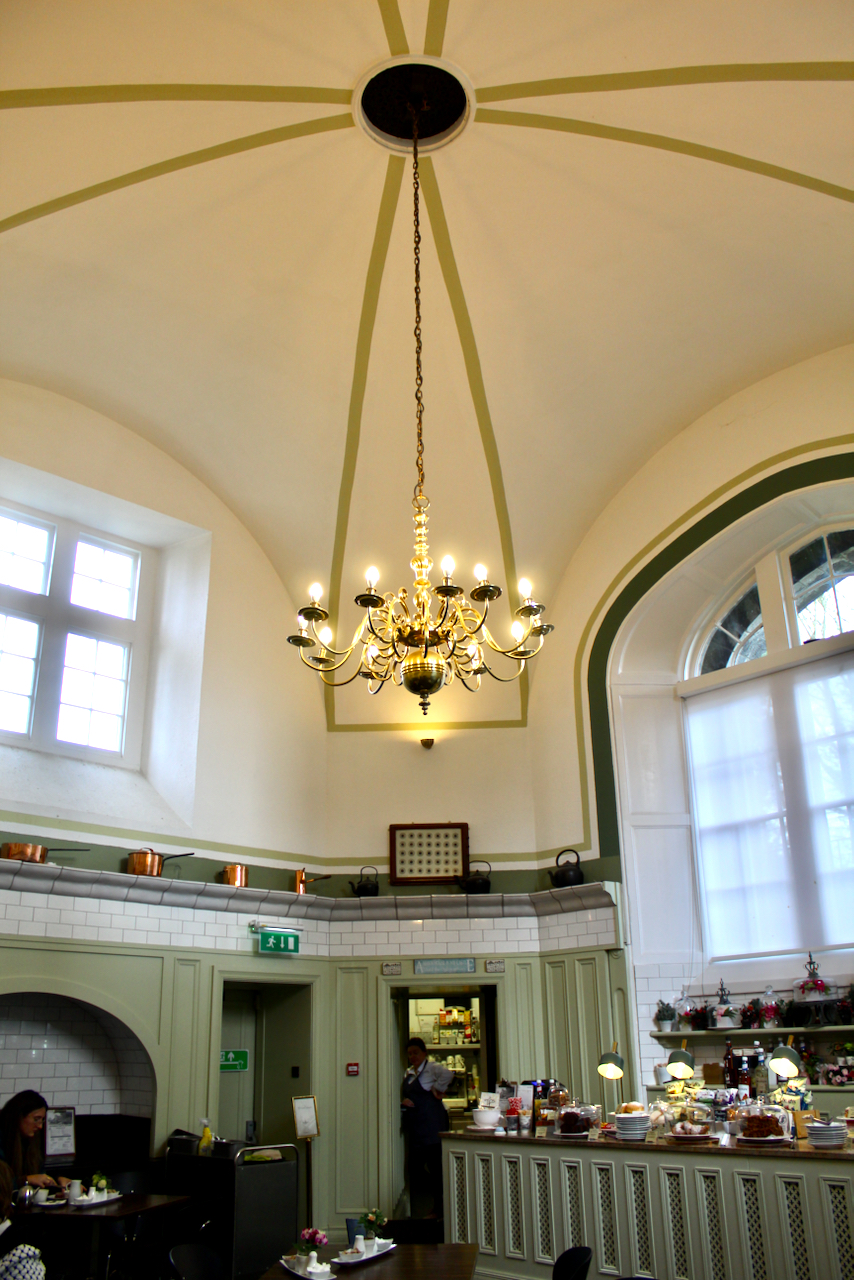
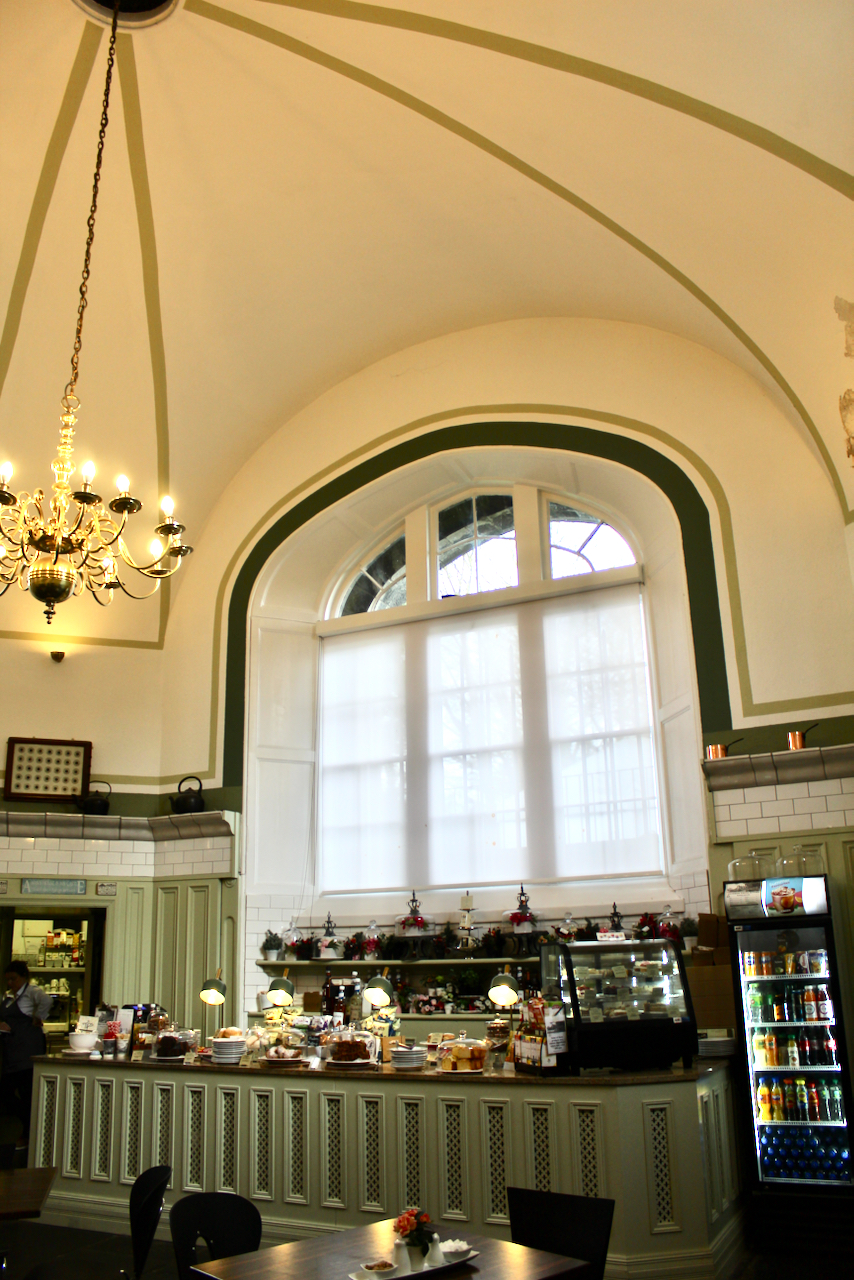
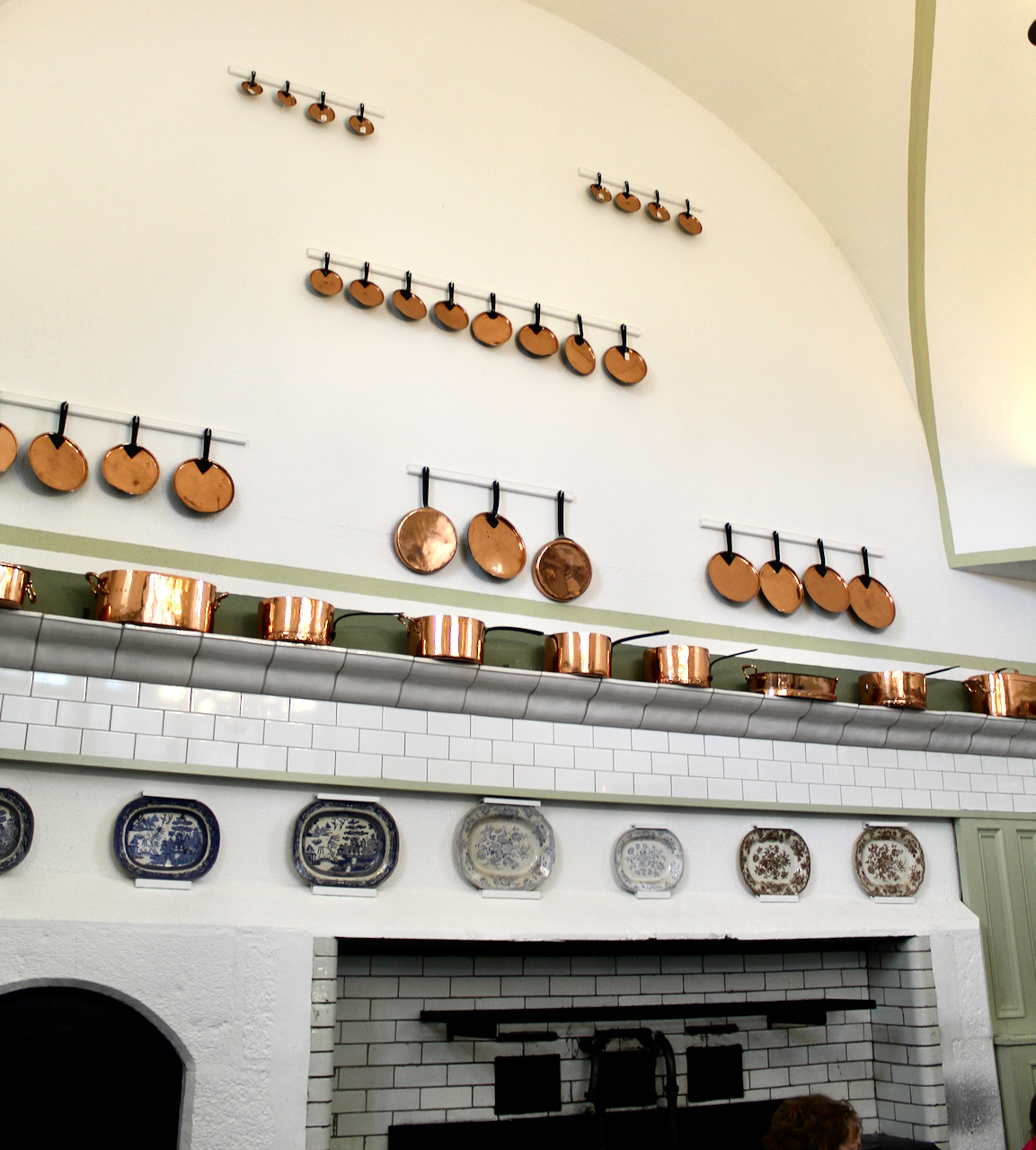
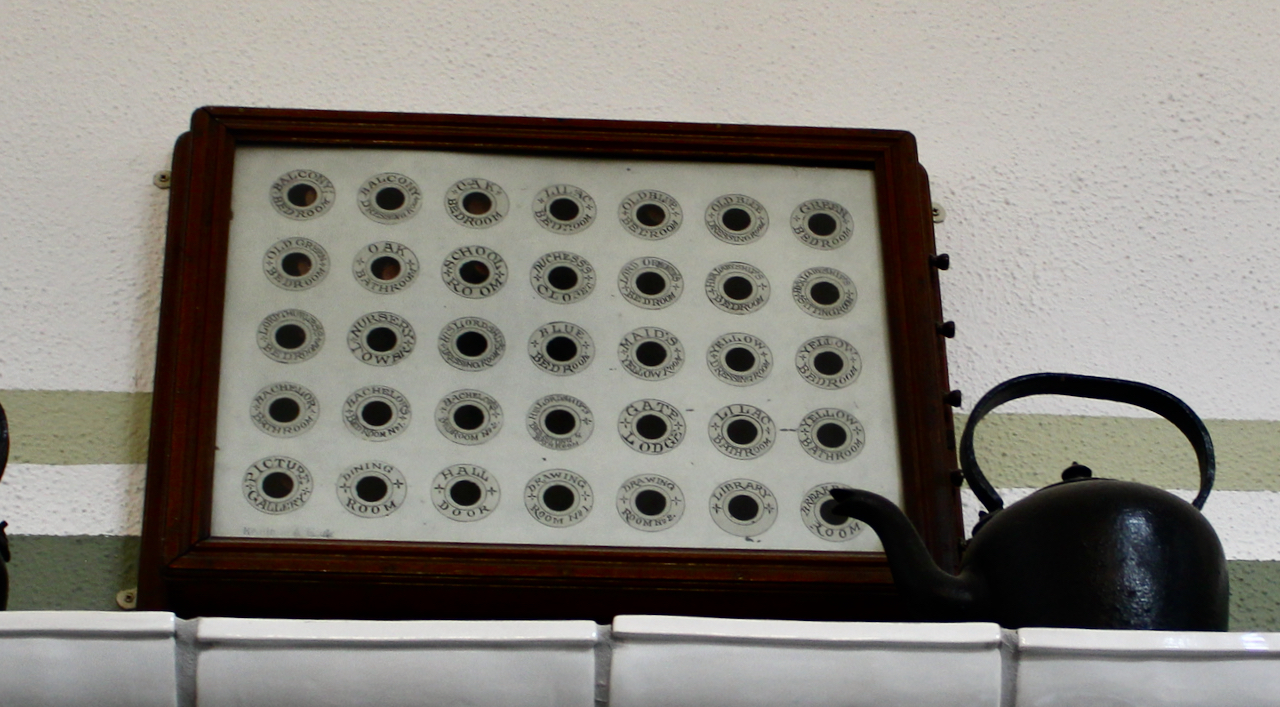
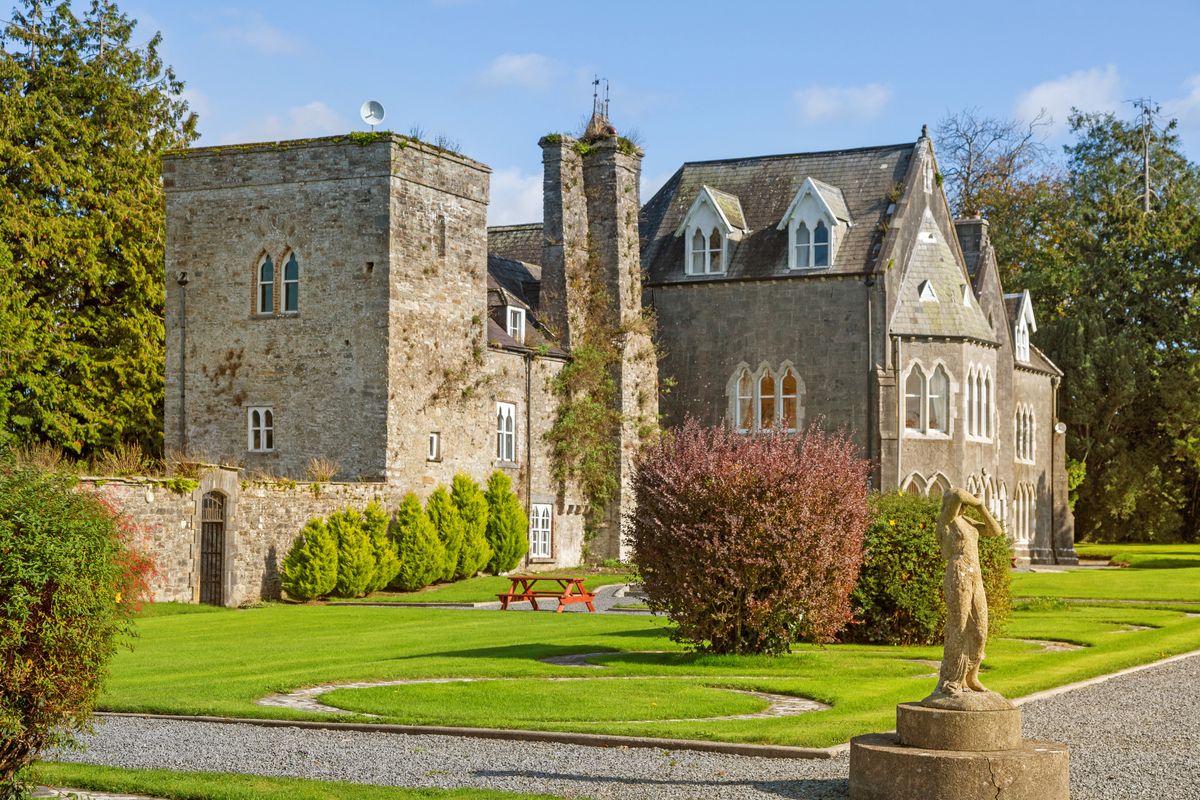
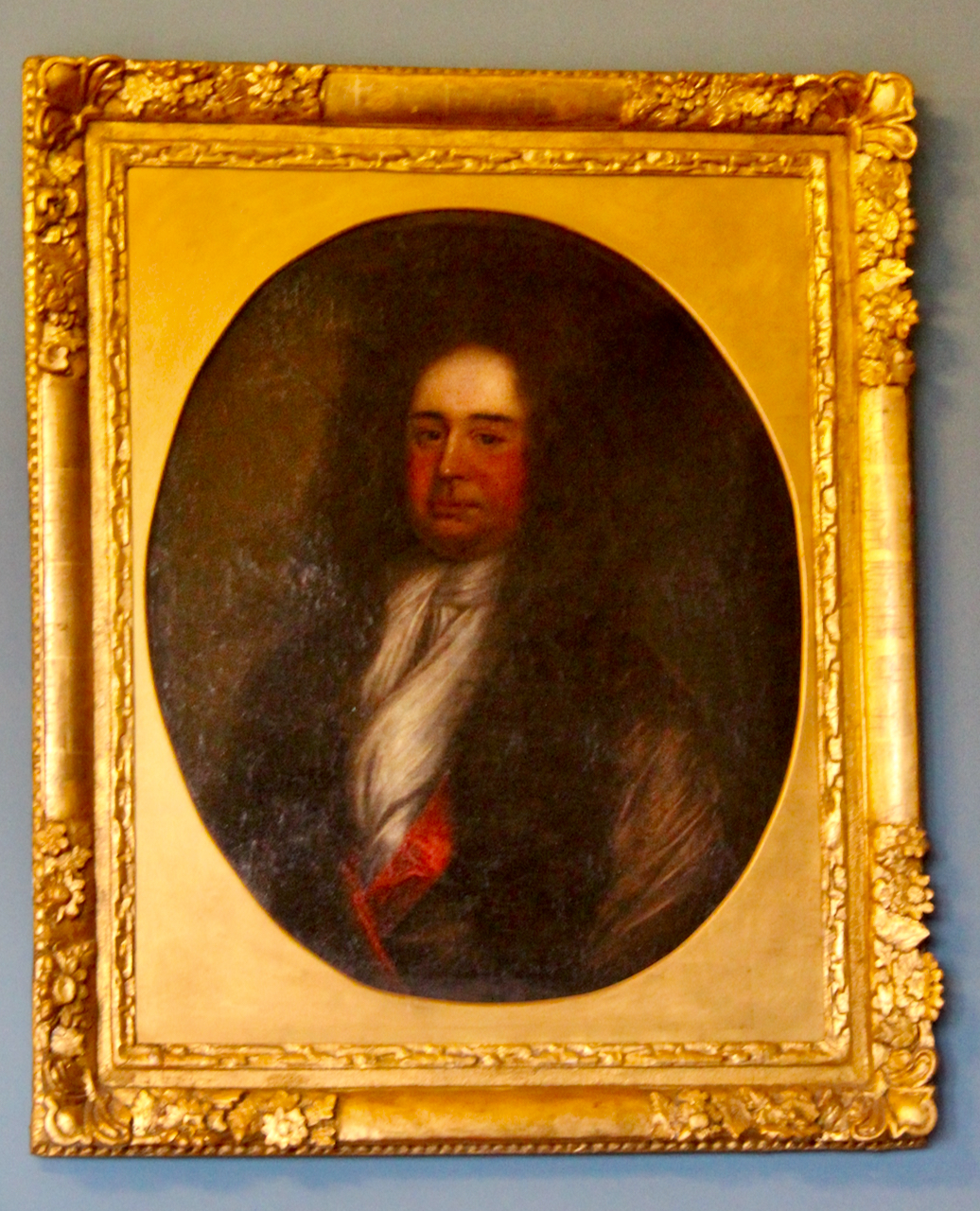
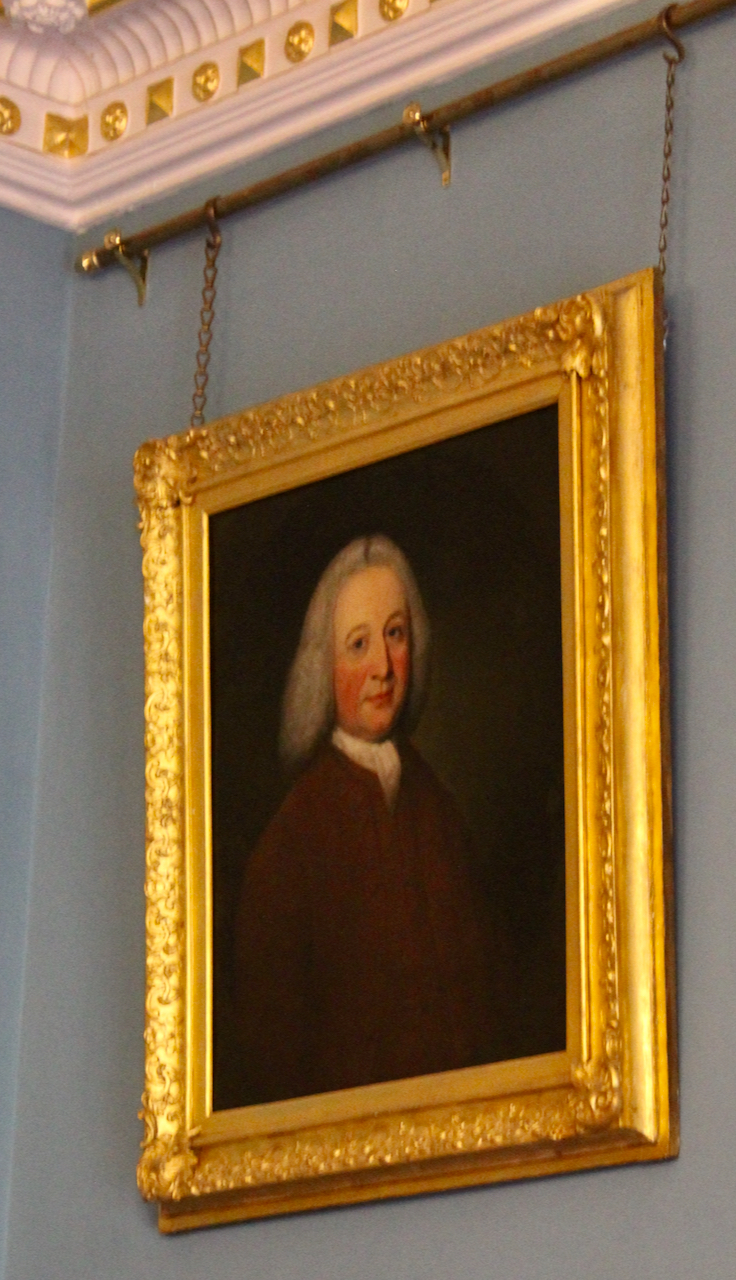
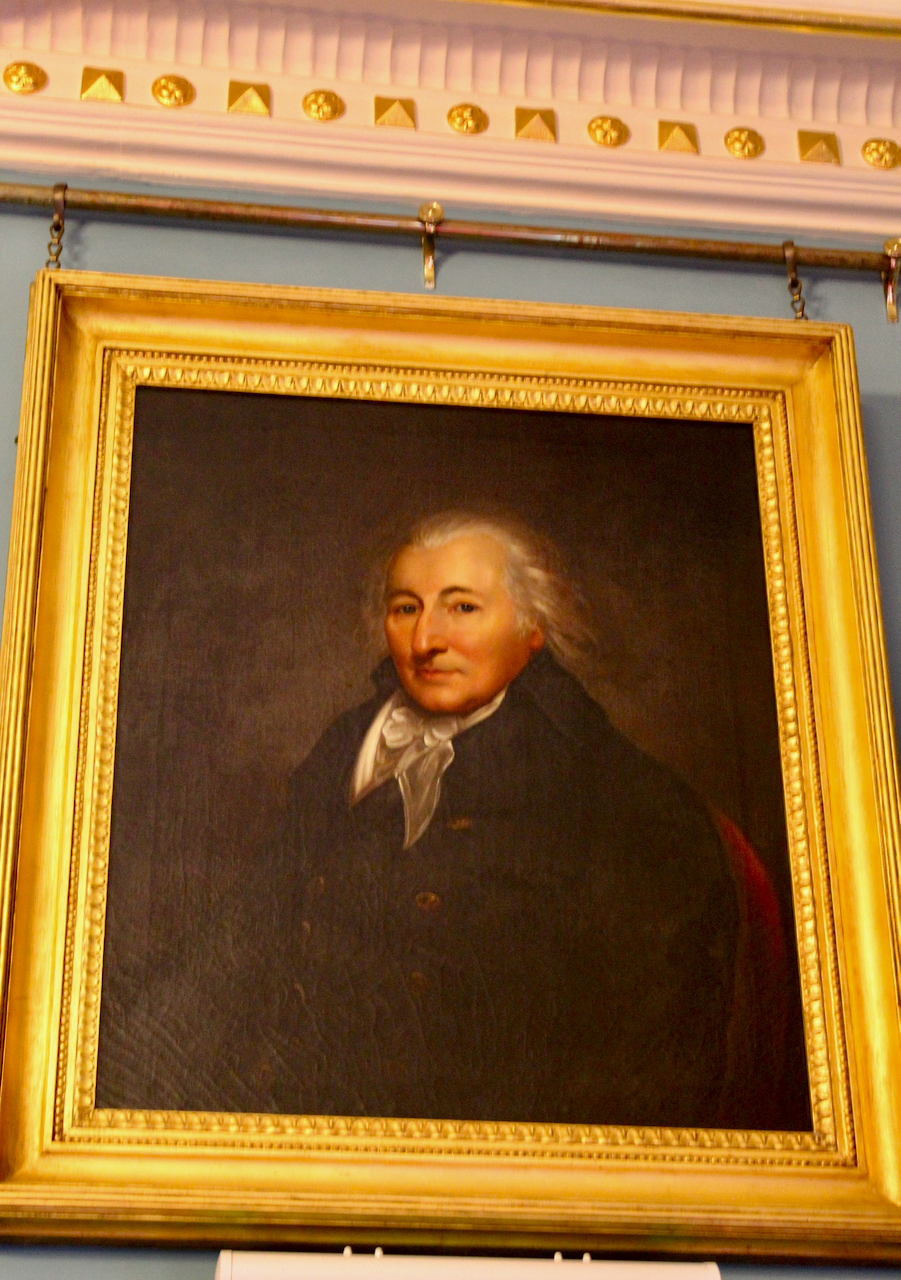
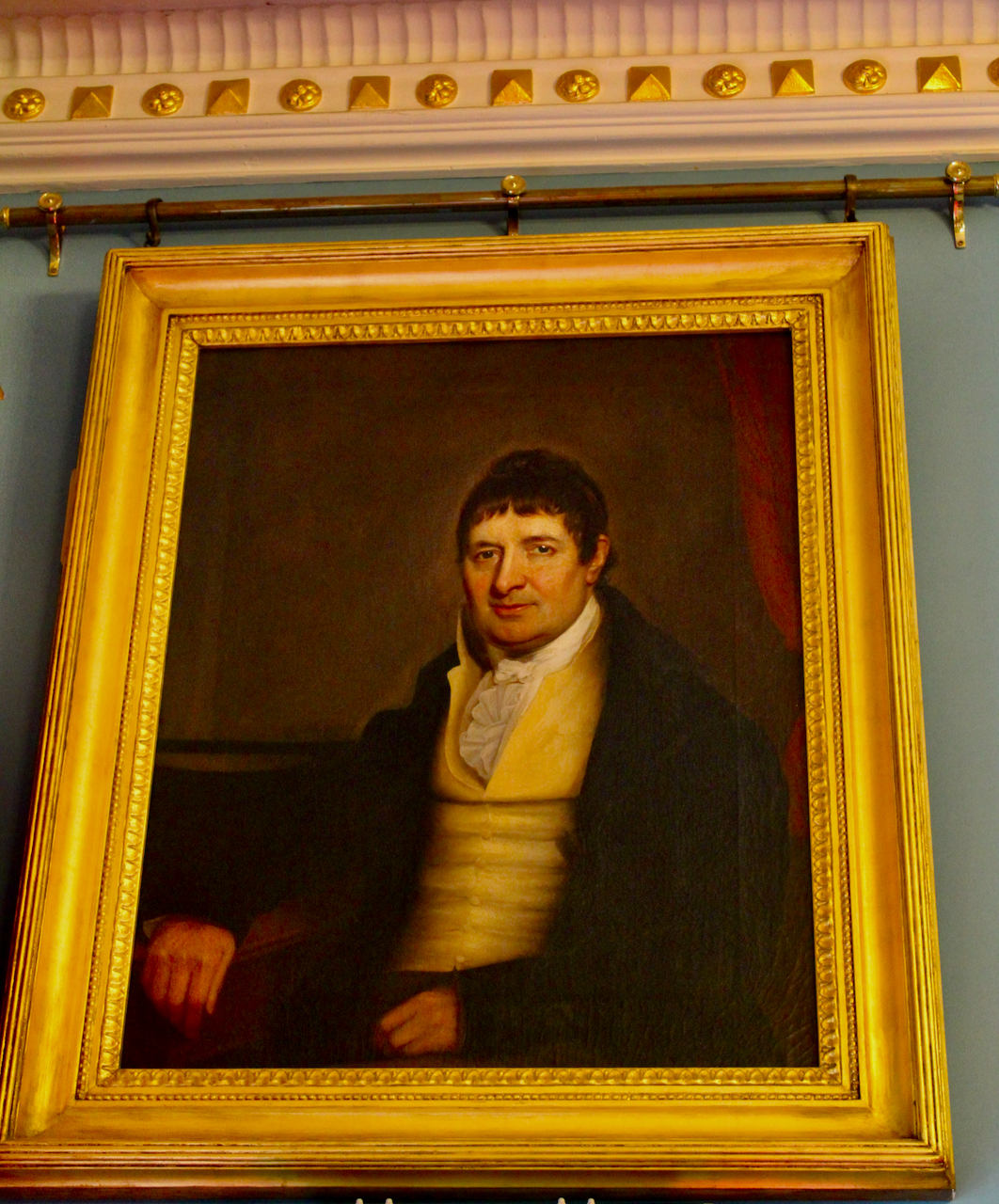
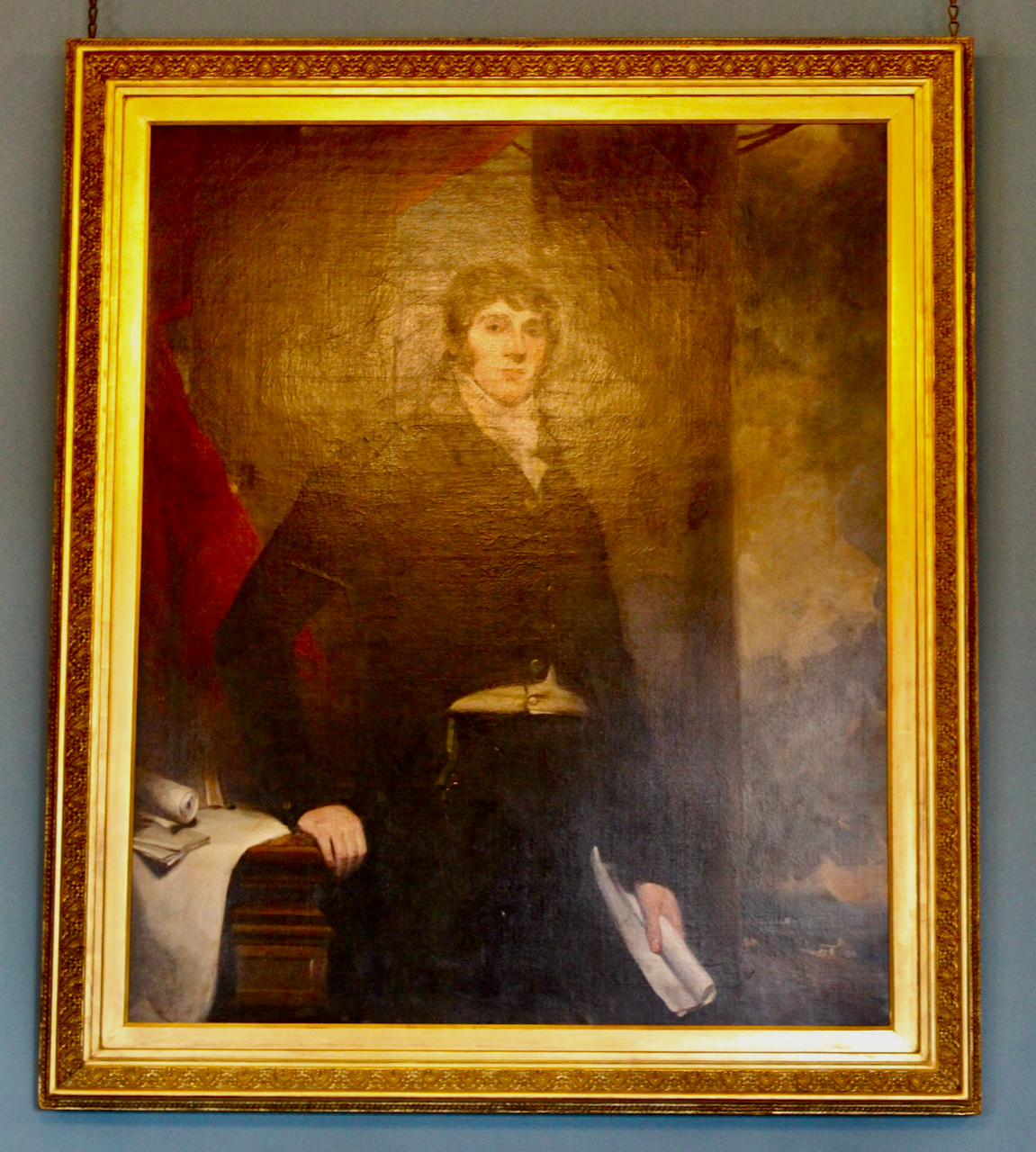
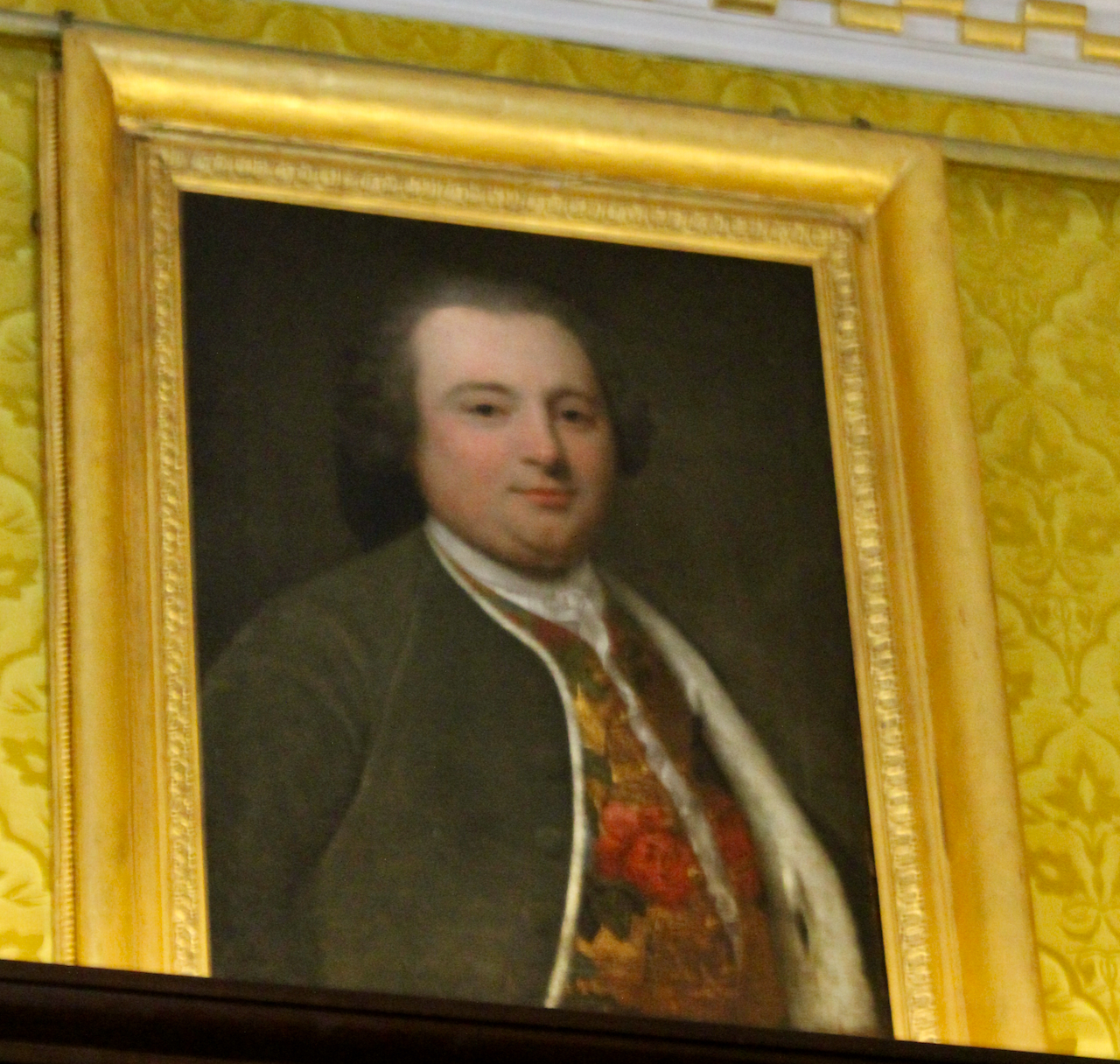
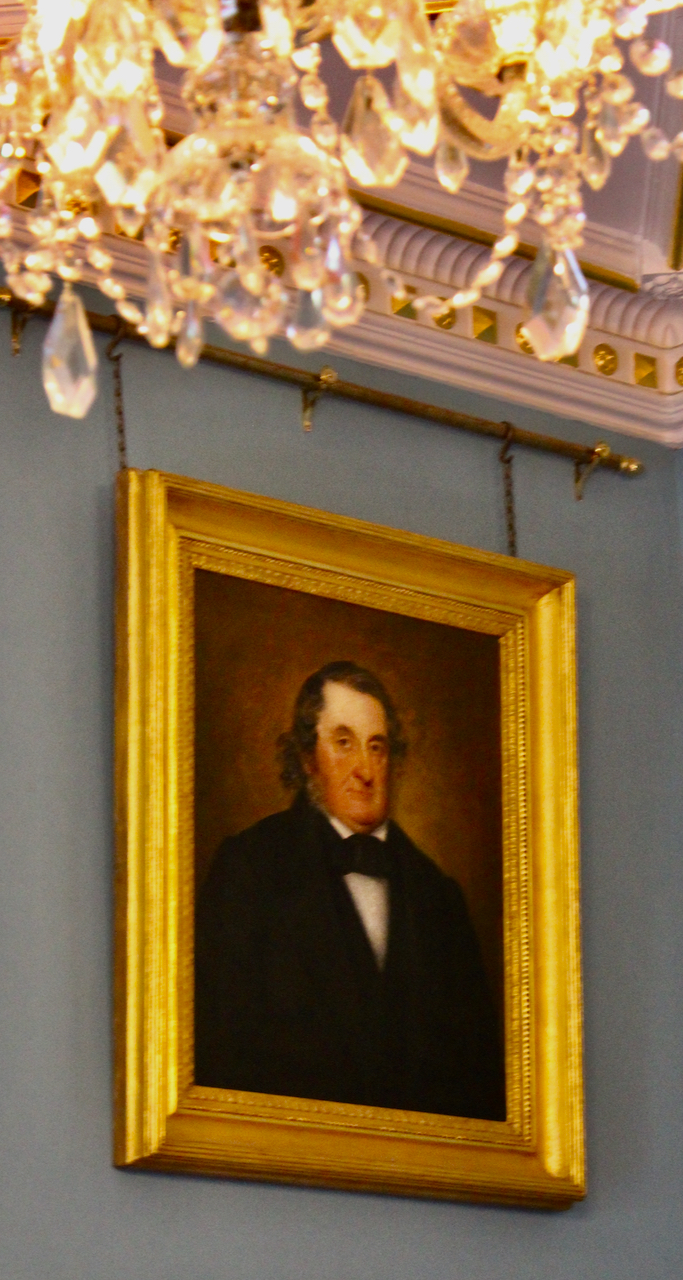
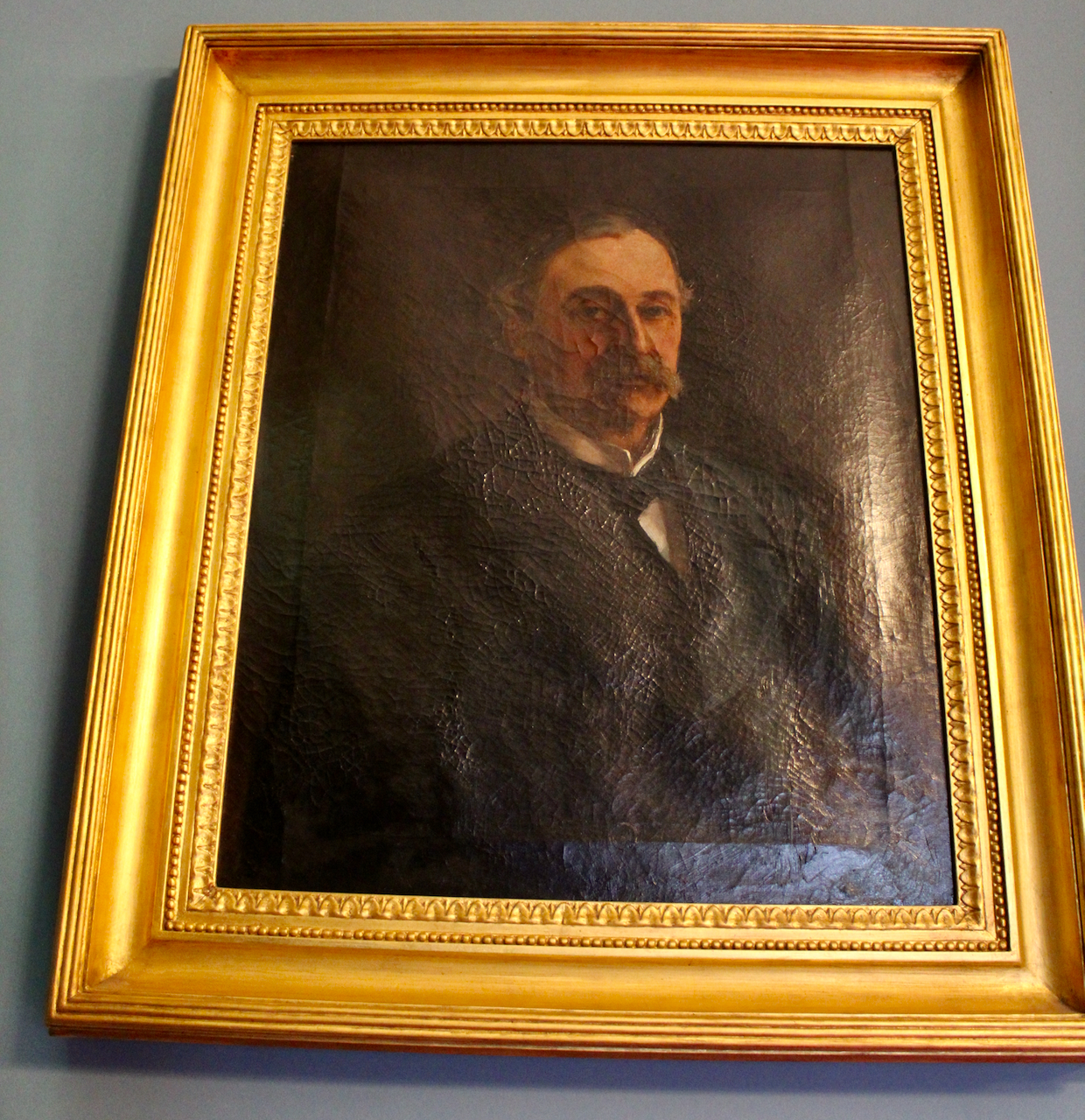
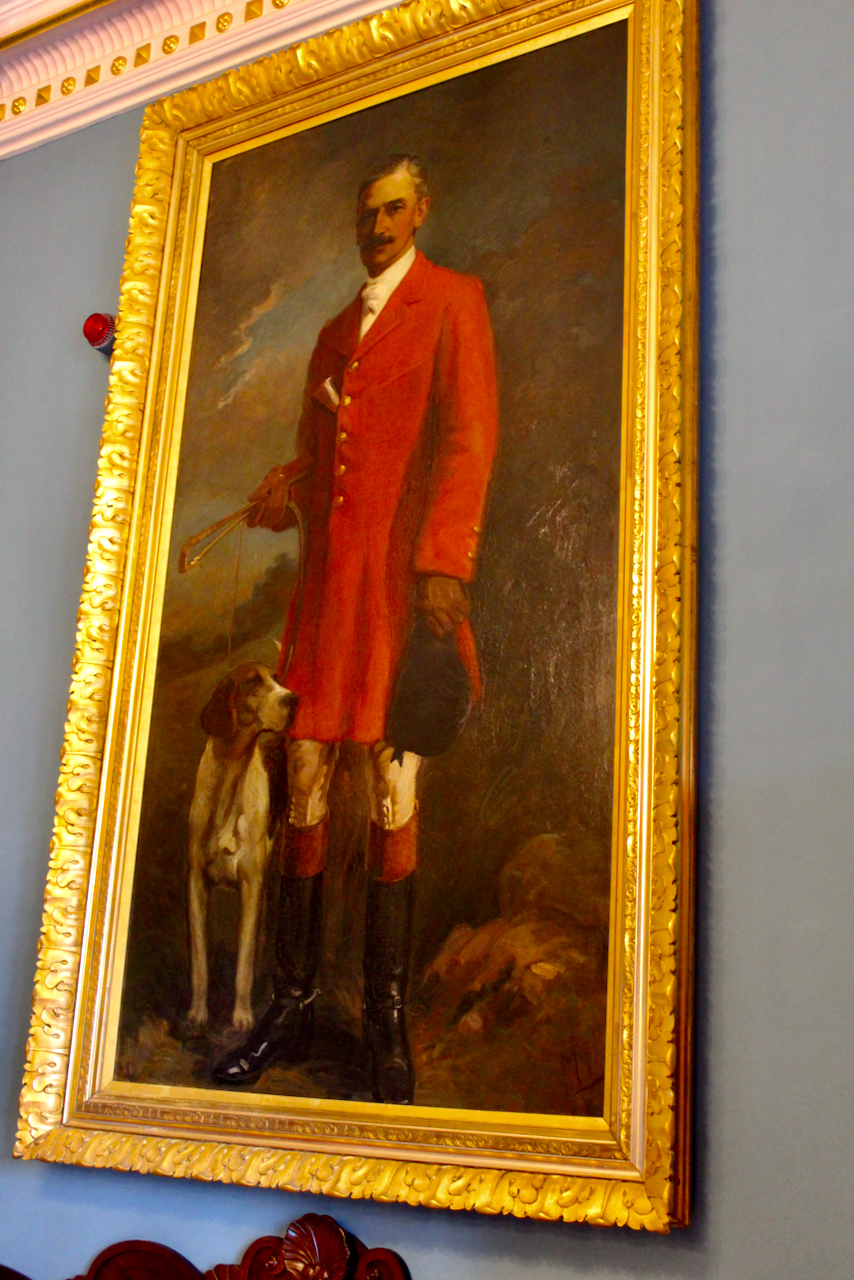
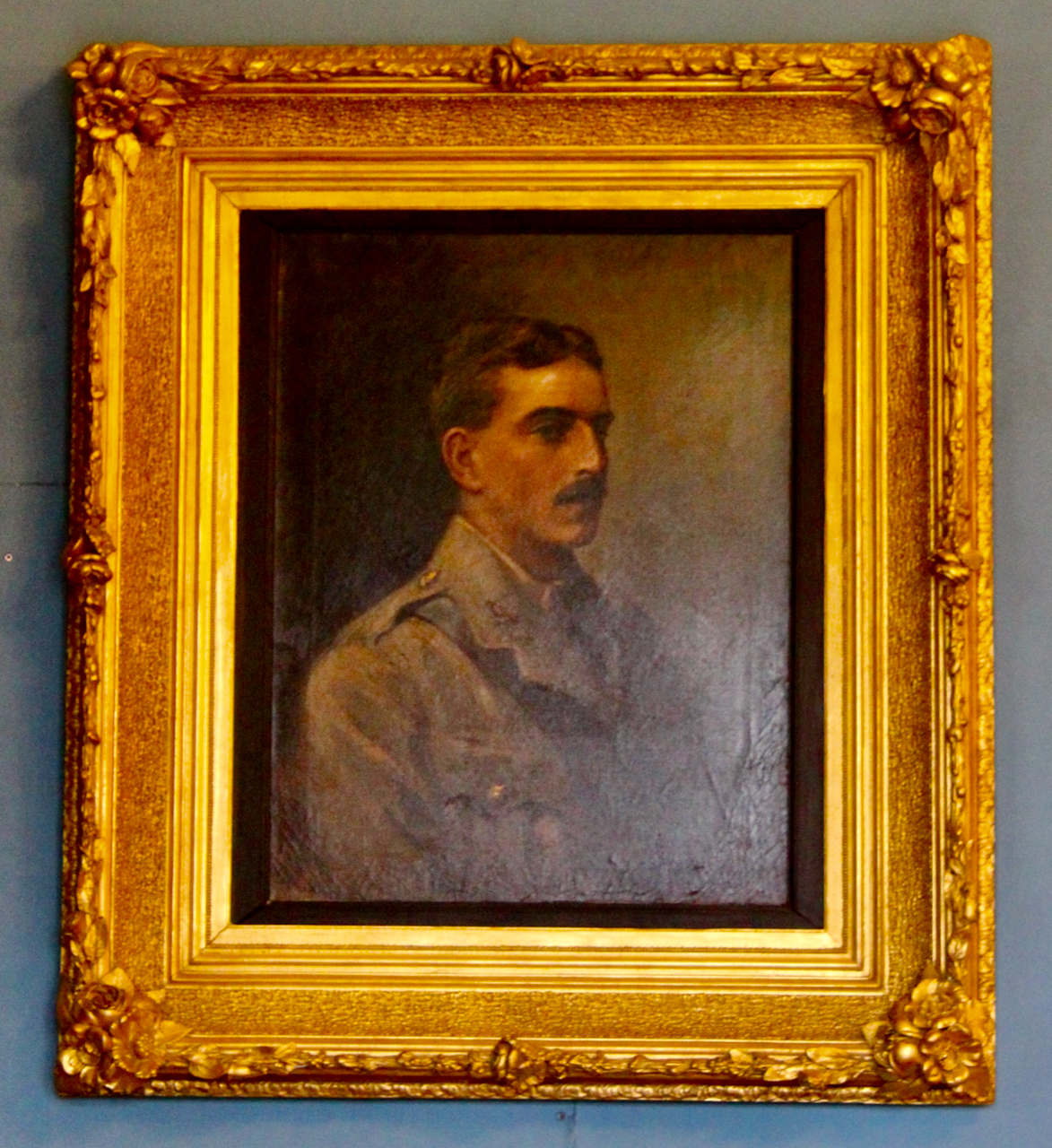
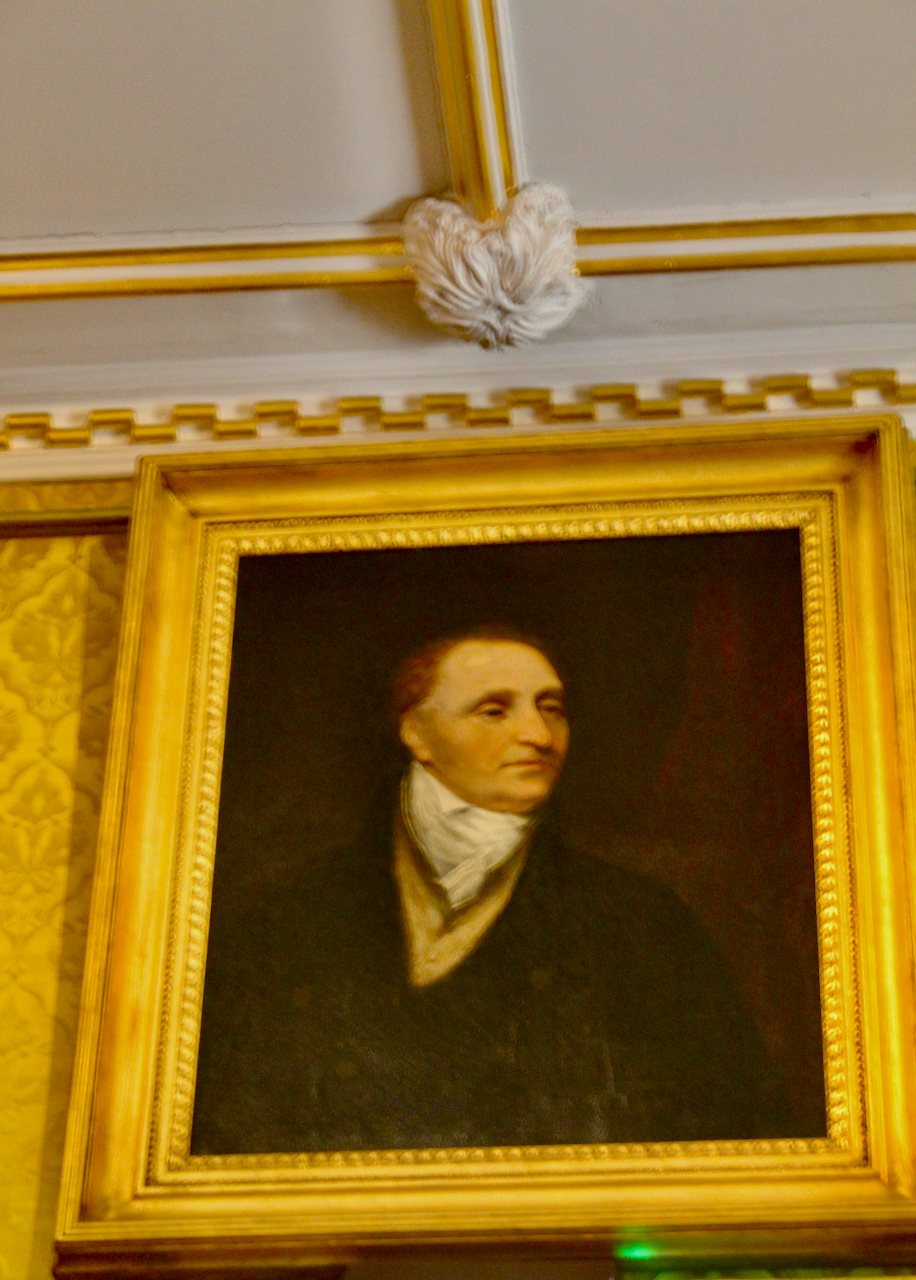
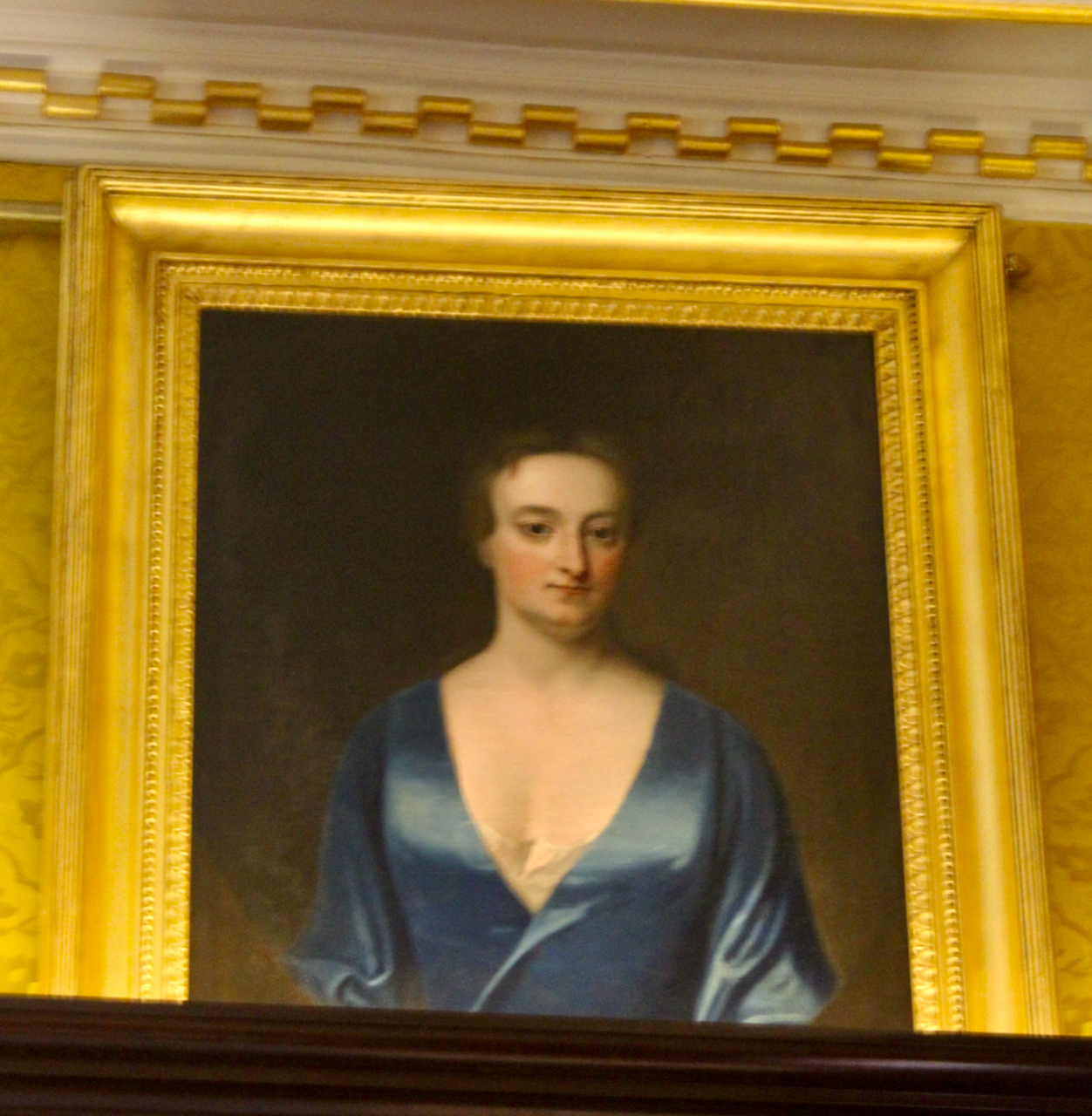
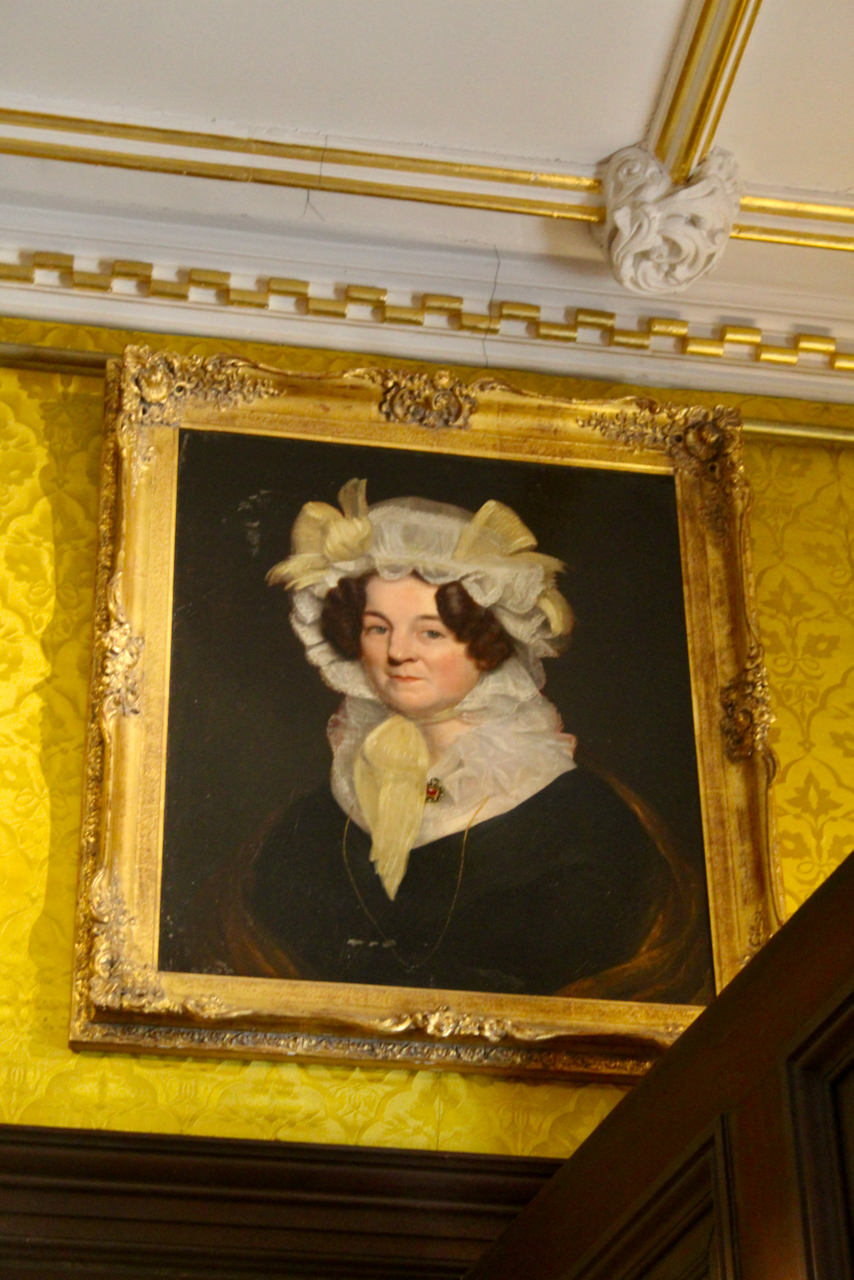
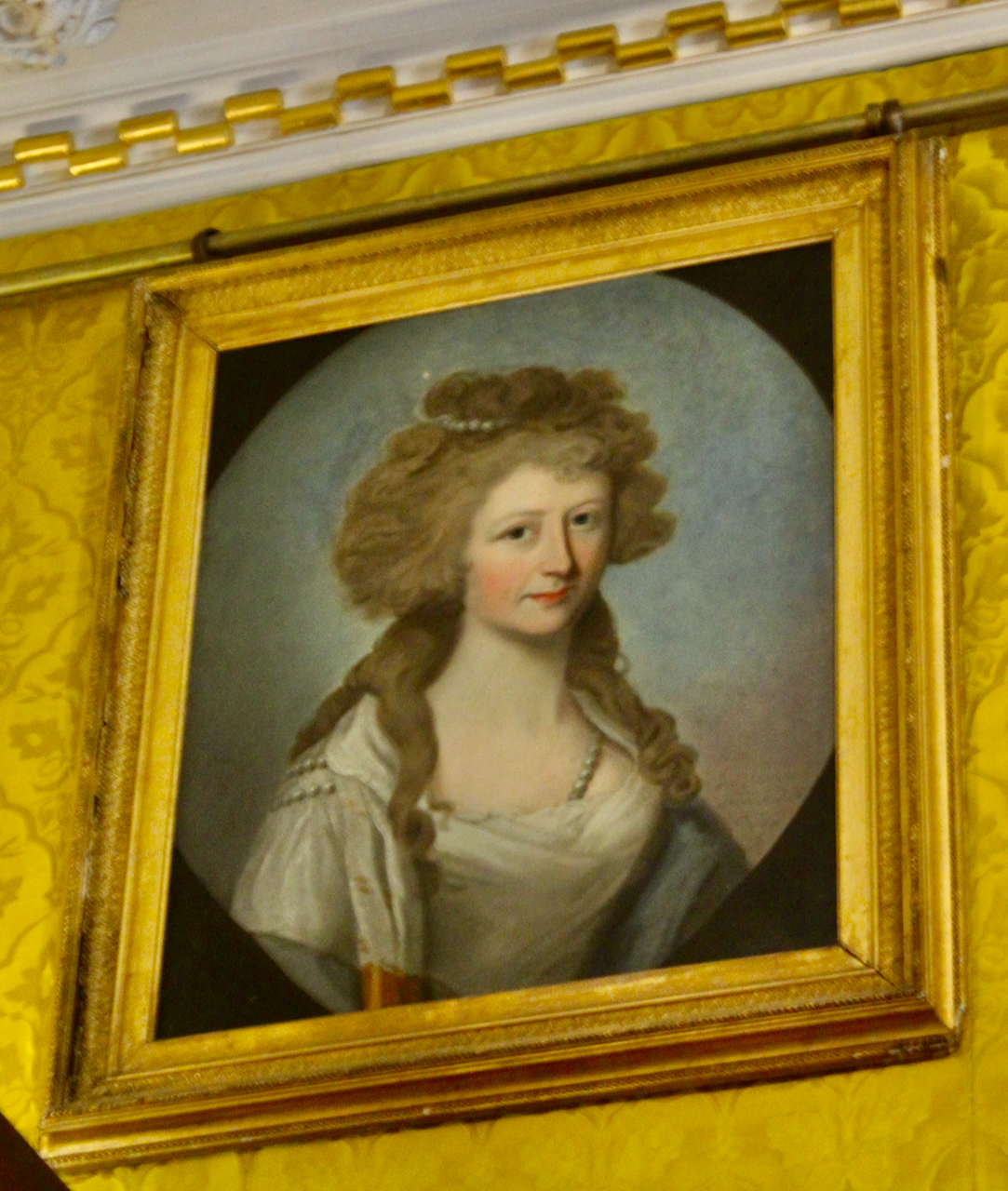
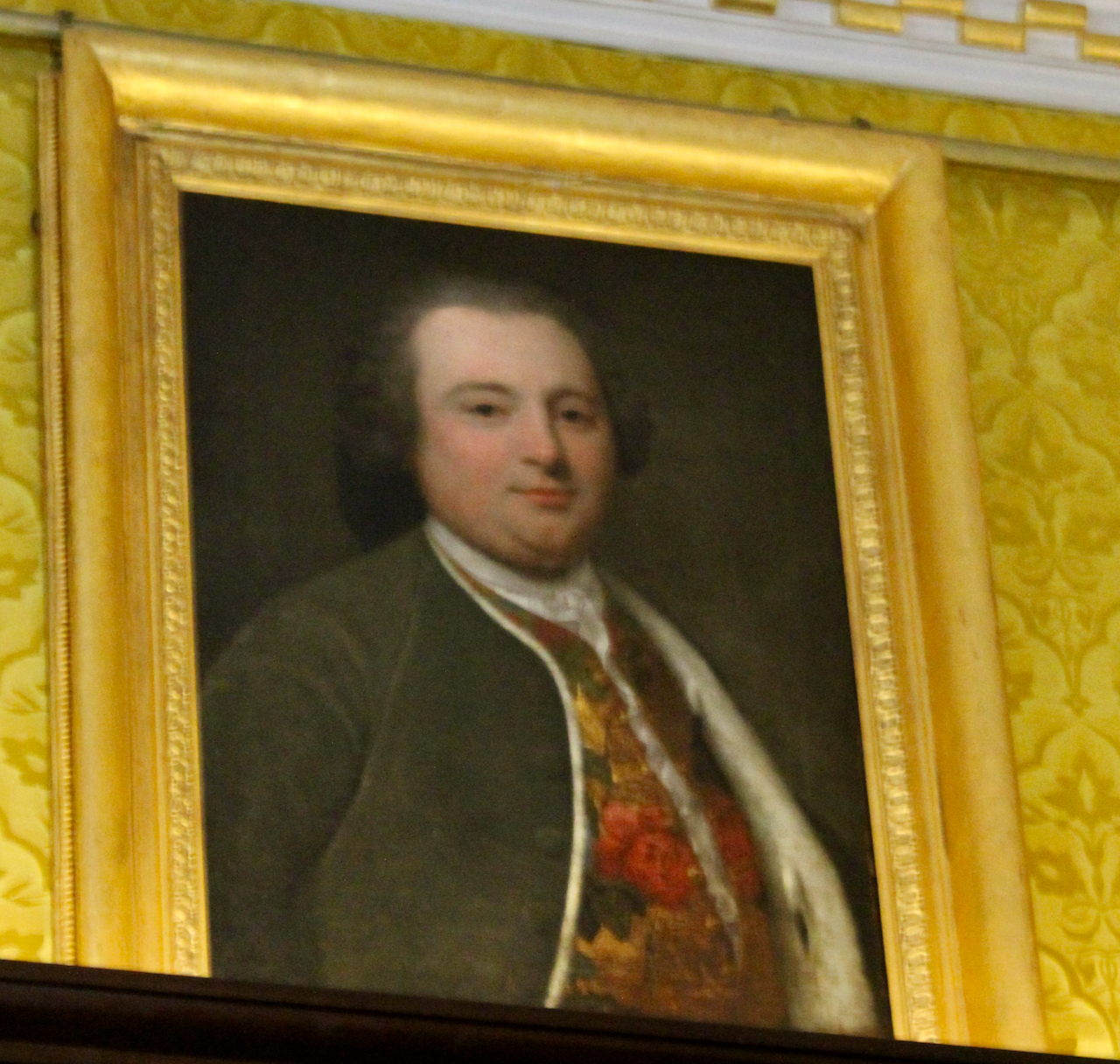
 Irish Historic Houses