Newbridge House is a Georgian Villa built to the design of James Gibbs in 1737 for Charles Cobbe (1686-1765), Archbishop of Dublin. For many years, it was attributed to Richard Castle, but in 2000 a plan for Newbridge was discovered which suggests it was the work of James Gibbs, an English architect. [1] As Alec Cobbe and Terry Friedman highlight in their 2005 study, James Gibbs in Ireland: His villa for Charles Cobbe Archbishop of Dublin: “Newbridge, in its simplicity and beautiful proportions, stands as a handsome achievement of Palladian restraint, one of the very few of Gibbs’ country houses to survive largely unaltered.”
In Great Irish Houses, with forewards by Desmond FitzGerald and Desmond Guinness, we are told:
“The Cobbe family association with Newbridge stretches back to the late mid 18C when Charles Cobbe was named Archbishop of Dublin, a prestigious and lucrative title with a salary of up to £10,000 per annum. The Archbishop immediately began to think of living quarters in line with his station and turned to Newbridge where a medium-sized Stuart house already existed. In engaging Gibbs for the rebuilt, Cobbe and Friedman note the Archbishop took “a step distinctly independent of what was happening on the architectural scene in Dublin.” A grand architectural design for Newbridge was abandoned when the Archbishop failed to secure the See of Armagh and Gibbs set about rescaling the design to one more closely resembling the property that stands today.” [1]
Charles Cobbe advanced rapidly through the ecclesiastical ranks; he was appointed Dean of Ardagh in 1718, Bishop of Killala in 1720, Bishop of Dromore in 1727, Bishop of Kildare in 1732, and finally Archbishop of Dublin in 1746. He married Dorothea, daughter of the Richard Levinge 1st Baronet, Speaker of the House of Commons, and Chief Justice of Common Pleas in Ireland, of Knockdrin Castle, County Westmeath. She was the widow of John Rawdon 3rd Baronet, of Moira House, County Down.
Mark Bence-Jones describes Newbridge House in his A Guide to Irish Country Houses (1988):
“Of two storeys over high basement, ashlar faced entrance of six bays, with a pedimented tripartite doorcase. Broad flight of stairs with ironwork railings up to hall door; shouldered window architraves; solid roof parapet with urns and eagles at corners.“
The website for Newbridge House tells us: “In 1985 the family gave the house and sold the demesne to Dublin County Council (now Fingal County Council) entering into an agreement under which the historic family-owned pictures, furniture and documents, are kept in situ while the Cobbe family remains in residence. As a result of this agreement, the interiors of Newbridge House are remarkably complete and amongst the best preserved in Ireland.“
Dublin county Council began an extensive programme of restoration, renovation and reconstruction when it took over ownership of the house. The house was opened to the public in 1986 along with 360 acres of landscape which had been developed in the style of the English landscape movement, probably to the designs of Charles Frizell from Wexford [2]. Additions include the cobbled courtyard designed by Robert Mack and built about 1790. This too has been extensively restored and now houses a museum on late 18th century rural life.
Hugh Montgomery-Massingberd and Christopher Simon Sykes describe the acquisition of Newbridge House in their Great Houses of Ireland: “the enterprising pair of Michael Lynch, of Dublin County Council’s Parks Dept, and Matt McNulty, of Bord Failte (the Irish Tourist Board), who had already rescued the historic Malahide Castle nearby to be a tourist attraction, stepped in with an ingenious solution [in 1985]. The Cobbes could continue to reside in the house in return for leaving most of the contents – the original Irish furniture, pictures and works of art on display – in situ on loan.” [3]
In 1749 three years after Charles Cobbe was made Archbishop of Dublin, he hired his friend, architect George Semple, to add the 100 foot spire to St Patrick’s Cathedral in Dublin. Before this, Jonathan Swift, a former Dean of St. Patrick’s had objected to a steeple.
The website tells us about the history of the Cobbe family:
“In 1717, Charles Cobbe (1686-1765) came to Ireland as private secretary and chaplain to his kinsman Charles Paulet, 2nd Duke of Bolton and Lord Lieutenant of Ireland. He was appointed Bishop of Killala in 1720 and his career progressed with successive bishoprics until he was enthroned as Archbishop of Dublin in 1743.
“Cobbe began purchasing lands on the Donabate peninsula in 1736, and commissioned the celebrated architect James Gibbs in 1744 to design a plan for the rebuilding of Newbridge House, where a house had stood previously. Work began in 1747 and Newbridge is Gibbs’s only executed work in Ireland.
“The Archbishop gave the near-finished building to his only surviving son, Thomas (1733-1814) in 1755, on the latter’s marriage to Lady Elizabeth (Betty) Beresford, youngest daughter of the 1st Earl of Tyrone [of Curraghmore, County Waterford]. By extending the house, decorating it with ornamental stucco, collecting pictures, porcelain and commissioning furniture from Irish cabinetmakers, Thomas and Lady Betty left a significant mark on Newbridge which is still evident today.”
The entrance hall, which is one of the three halls, has a grand a pedimented chimneypiece flanked by doors that have shouldered architraves. The coat of arms of the Cobbe family features two swans with the legend Moriens Cano (dying, I sing), along with the Archbishop’s coat of arms. The plaster cornice features an oak leaf and ribbon frieze, and the chair rails and skirting all have the mark of Gibbs as seen in other houses of the period. The flooring is of Portland stone and Welsh slate. Throughout the house, the plasterwork is attributed to the Dublin stuccodore Richard Williams, who is documented as receiving payments at Newbridge during the early 1760s. [4]
Off the entrance hall is a study, where locals remember doing business across the large desk in the centre of the room, selling hay or buying cattle. Family portraits hang on the walls and there is a writing desk that was used by a daughter of the house, Frances Power Cobbe, the great social campaigner. Her two autobiographies provide a telling insight into the 19th century operation of the house. [see 4]
To the right, facing south, is the dining room, which features a black Kilkenny marble broken-pedimented chimneypiece. It is likely that this followed a Gibbs design, as drawings for similar pieces exist for the drawing room, library and saloon at Kelmarsh Hall, Gibbs’ Palladian-style mansion in Northampton [see 1]. Both the walls and ceiling are decorated with ornate stuccowork, with the Greek key motif of the panel frets replicated in the side tables made for the room. A hand-operated dumb-waiter sits in one corner. The room has a portrait of the Duke of Bolton as Knight of the Garter and a portrait of the Archbishop. [see 4, p. 243]
Hugh Montgomery-Massingberd and Christopher Simon Sykes tell us that this room was last decorated several years ago when Alec Cobbe had curtains and wallpaper made. In one corner stands an unusual piece of furniture that may have been an oyster table. The estuary at Malahide was well known for oysters up until the mid 19th century and this table allows diners to deposit shells through a narrow channel.
Thomas Cobbe and his wife Elizabeth née Beresford had a son, Charles (1756-1798). He married Anne Power Trench of Garbally, County Galway in 1778 but also ran up considerable debts. As a result, his father Thomas had to sell some estates in Louth and their large townhouse in Palace Row. Charles served as MP for Swords in the Irish Parliament, and predeceased his father.
The website tells us that in 1810, Thomas gifted Newbridge to his eldest grandson, Charles Cobbe (1781-1857), who, as well as raising his own five children here, provided a centre of home life for the numerous children of his brothers.
Montgomery-Massingberd and Sykes tell us that two interesting portraits hang in the library: Charles Cobbe and Fanny Kemble. Charles, great grandson of the Archbishop, went to India with his brother to join the Duke of Wellington’s forces. When he moved back, his grandparents Tommy and Lady Betty Cobbe had gone to live in Bath and the house had been closed up. Following marriage to Frances Conway he began restoring Newbridge to its former glory from 1810 onwards. Much of the furnishings date from this golden period in the house’s history. The actress Fanny Kemble was a friend of Fanny Cobbe and a frequent visitor to the house. [5]
One room is dedicated as a “cabinet of curiosities.” Desmond Guinness and Desmond FitzGerald tell us in their entry about Newbridge House in Great Irish Houses that the collection may have started life as a shell collection in the 1790s by Elizabeth Beresford (1736-1860) who married the archbishop’s son Colonel Thomas Cobbe. She came from Curraghmore in County Waterford (see my entry on Curraghmore) and would have been familiar with her mother’s Shell Cottage. Much of what we see in the collection today comes from the Indian subcontinent, including a Taj Mahal in alabaster, ostrich eggs, corals, statues of house gods, a snake charmer’s box and tusks with carving noting the abolition of slavery [see 5]. The oriental theme is even carried through to the elephant design curtains. The panels on the wall are reproduction of the originals.
Mark Bence-Jones continues: “Soon after the Archbishop’s death, 1765, his son, Col Thomas Cobbe, MP, who had a fashionable wife, a sister of 1st Marquess of Waterford, added a wing at the back of the house containing a very large drawing room, with a ceiling of rococo plasterwork by Robert West [we now know it is actually by a pupil of Robert West, Richard Williams], who also decorated the family pew in the Protestant church at Donabate. This great room, which is now hung with a scarlet wallpaper, is entered by way of a corridor and though a monumental doorway with a pediment and fluted engaged Corinthian column.”
The grand drawing room is entered via a sculpture gallery.
The Corinthian door, which was executed between 1763 and 1764, is a marvellous entrance to the room. Montgomery-Massingberd and Sykes tell us it was George Semple who oversaw the new building work. [see 3]. They write:
“Above all, Thomas, who followed his maternal grandfather, Speaker Sir Richard Levinge, 1st Baronet, into the Irish House of Commons, and Lady Betty, a celebrated hostess, were determined to make Newbridge a fashionable place for entertaining. They promptly extended the house by adding the Red Drawing Room, a highly impressive chamber, 45 feet long, entered through a monumental doorway with a pediment and fluted engaged Corinthian columns. The glorious ceiling of rococo plasterwork, and also the one which enlivened the Archbishop’s Dining Room, is by the Dublin stuccodore Richard Williams, a pupil of Robert West of Florence Court fame.“
The ornate ceiling in this room includes baskets of flowers and exotic bird dragons. An article in the 2017 Irish Georgian Society Review tells us that Williams worked so much in the house that he married the children’s nurse!
The room was last redecorated in 1828, when the wallpaper, curtains and the unusual curtain rails were commissioned. The Dublin upholsterers Mack, Williams and Gibton supplied the carpet and curtains. The fireplace is Italian.
Archbishop Charles Cobbe and his son Thomas were assisted in the purchase of art by Matthew Pilkington, husband of the writer Letitia Pilkington, a friend of Jonathan Swift.
Hugh Montgomery-Massingberd and Christopher Simon Sykes tell us:
“Besides serving as Thomas and Lady Betty’s salon, the Red Drawing Room was also in effect a picture gallery to show off the magnificent collection of Old Master paintings which they formed with the expert advice of the local clergyman the Reverend Matthew Pilkington. For as well as being Vicar of Donabate (where the Cobbe family piew was also decorated by ‘Williams the Stoccoer,’ as he is described in the Newbridge accounts), Pilkington was, by a happy chance, the author of The Gentleman’s and Connoisseur’s Dictionary of Painters (1770), the first such work of reference to be published in English.” [see 2, p. 130]
Robert O’Byrne tells us more about the Reverend Matthew Pilkington:
“In 1725 he married the well-connected Laetitia van Lewen, as diminutive – but also as witty – as her husband, and the couple became friends with the likes of Jonathan Swift and Patrick Delany. Through the former Pilkington secured the position of Chaplain to the London Mayor of London and so moved to the other side of the Irish Sea. However in London he antagonized potential supporters and was imprisoned two years later. On returning to Dublin, he then became estranged from his wife and the couple was eventually and scandalously divorced in 1737: just over a decade later Laetitia Pilkington published her entertaining memoirs, from which her former husband emerges in a poor light. Ultimately he recovered his social position thanks to the patronage of Charles Cobbe, Archbishop of Dublin who offered Pilkington the living of Donabate and Portraine next to Cobbe’s newly completed seat at Newbridge.” [6]
Mrs Letitia Pilkington (née Van Lewen), (1712-1750), Adventuress and Author Date: c.1760 Engraver: Richard Purcell, Irish, c.1736-c.1766 After Nathaniel Hone the Elder, Irish, 1718-1784.
The website tells us of Charles Cobbe (1781-1857) and his family. Cobbe was concerned with the welfare and the living conditions of his tenants, and in the 1830s he sold two of the best pictures of this room to raze the ‘wretched mud cabins’ of his tenants and replace them with proper cottages.
Charles’s daughter, Frances Power Cobbe, would become a noted philanthropist, feminist and writer, and advocated university education for women. She was the author of a number of books and essays, including The Intuitive Theory of Morals (1855), On the Pursuits of Women (1863), Cities of the Past (1864), Criminals, Idiots, Women and Minors (1869), Darwinism in Morals (1871) and Scientific Spirit of the Age (1888). She was the partner of Mary Lloyd, the sculptor, whom she met in Rome. In letters and published writing, Cobbe referred to Lloyd alternately as “husband,” “wife,” and “dear friend.”
Frances Power Cobbe By https://wellcomecollection.org Image from frontispiece of autobiography “Life of Life of Frances Power Cobbe, by Herself, Volume 1.” Bentley, London, 1894.
Charles occupied Newbridge for 47 years and on his death it passed to his son, also named Charles (1811-1886). The house passed from Charles (1811-1886) to his brother Thomas’s son, Leuric Charles Cobbe (1859-97), and then to his son, Thomas Maberley Cobbe (1884-1914). The website continues:
“…Thomas Maberley Cobbe married Eleanor Colville Frankland, the elegant daughter of an Anglo-American heiress and descendant of one of the Founding Fathers of the United States, John Jay. The couple, setting up at Newbridge at the beginning of the 20th century, entertained guests, raised their family and managed the estate for the trustees. In 1933, Newbridge was inherited by their son Tommy, who was born and lived there his whole life. When he died in 1984 it passed to his two nephews and his niece who had grown up in the house.“
The nephews and niece were children of Tommy’s brother Francis (1913-1949): Hugh, Alec and Mary – their mother was also a Cobbe (descended from the fourth son of Charles Cobbe and Anne Power Trench).
The house tour includes the basement and servants’ quarters.
Hugh Montgomery-Massingberd and Christopher Simon Sykes write:
p. 131. “Nostalgically stocked kitchens, laundries and outbuildings help present a rounded picture of life in an Irish country house. The coaches on display in the stables include a splendid State Coach built in 1790 (about the same time as the square cobbled courtyard was laid out) for ‘Black Jack’ FitzGibbon, Lord Chancellor of Ireland.“
They tell us that ‘Black Jack’ was notorious for his remark that he would ‘tame the Irish like cats.’ Hardly surprisingly, they add, that his coffin had dead cats thrown at it.
Just to finish up my entries about Office of Public Works properties: Carlow, Dublin, Kildare, Kilkenny, Laois, Longford, Louth, Meath, Offaly, Westmeath, Wexford and Wicklow are the counties that make up the Leinster region.
Carlow:
1. Altamont Gardens
Kildare:
2. Castletown House, County Kildare
3. Maynooth Castle, County Kildare
Carlow:
1. Altamont House and Gardens, Bunclody Road, Altamont, Ballon, County Carlow:
Altamont House and Gardens, photograph by Sonder Visuals, 2015, for Tourism Ireland, from Ireland’s Content Pool. [1]
“A large and beautiful estate covering 16 hectares in total, Altamont Gardens is laid out in the style of William Robinson, which strives for ‘honest simplicity’. The design situates an excellent plant collection perfectly within the natural landscape.
“For example, there are lawns and sculpted yews that slope down to a lake ringed by rare trees and rhododendrons. A fascinating walk through the Arboretum, Bog Garden and Ice Age Glen, sheltered by ancient oaks and flanked by huge stone outcrops, leads to the banks of the River Slaney. Visit in summer to experience the glorious perfume of roses and herbaceous plants in the air.
“With their sensitive balance of formal and informal, nature and artistry, Altamont Gardens have a unique – and wholly enchanting – character.” [2]
From “In Harmony with Nature, The Irish Country House Garden 1600-1900” in the Irish Georgian Society, July 2022, curated by Robert O’Byrne.Altamont, photograph by Sonder Visuals 2017 for Tourism Ireland, Ireland’s Content Pool. [see 1]
From Living Legacies: Ireland’s National Historic Properties in the care of the OPW, Government Publications, Dublin, 2018:
“Altamont House was constructed in the 1720s, incorporating parts of an earlier structure said to have been a medieval nunnery. In the 1850s, a lake was excavated in the grounds of the house, but it was when the Lecky-Watsons, a local Quaker family, acquired Altamont in 1924 that the gardens truly came into their own.
“Feilding Lecky-Watson had worked as a tea planter in Ceylon (Sri Lanka) where he nurtured his love of exotic plants, and of rhododendrons in particular. Back in Ireland, he became an expert in the species, cultivating plants for the botanical gardnes at Glasnevin, Kew and Edinburgh. So passionate was he about these plants that when his wife, Isobel, gave birth to a daughter in 1922, she was named Corona, after his favourite variety of rhododendron.” [3]
Altamont House and Gardens lake, photograph by Sonder Visuals, 2015, for Tourism Ireland, from Ireland’s Content Pool. [see 1]
Around the lake are mature conifers that were planted in the 1800s, including a giant Wellingtonia which commemorates the Battle of Waterloo. [3] Corona continued in her father’s footsteps, planing rhododendrons, magnolia and Japanese maples. Another feature is the “100 steps” hand-cut in granite, leading down to the River Slaney. There are red squirrels, otters in the lake and river, and peacocks. Before her death, Corona handed Altamont over to the Irish state to ensure its preservation.
The Temple,Altamont House and Gardens, photograph by Sonder Visuals, 2015, for Tourism Ireland, from Ireland’s Content Pool. [see 1]
Kildare:
2.Castletown House and Parklands, Celbridge, County Kildare.
Castletown House, County Kildare, Photo by Mark Wesley 2016, Tourism Ireland, from Ireland’s Content Pool. [see 1]
The Obelisk, or Conolly Folly, was reputedly built to give employment during an episode of famine. It was restored by the Irish Georgian Society in 1960.
“This majestic stone castle was founded in the early thirteenth century. It became the seat of power for the FitzGeralds, the earls of Kildare, as they emerged as one of the most powerful families in Ireland. Garret Mór, known as the Great Earl of Kildare, governed Ireland in the name of the king from 1487 to 1513.
Maynooth Castle was one of the largest and richest Geraldine dwellings. The original keep, begun around 1200, was one of the largest of its kind in Ireland. Inside, the great hall was a nerve centre of political power and culture.
Only 30 kilometres from Dublin, Maynooth Castle occupies a deceptively secluded spot in the centre of the town, with well-kept grounds and plenty of greenery. There is a captivating exhibition in the keep on the history of the castle and the family.“
Gerald Fitzgerald (1487-1534) 9th Earl of Kildare, courtesy Bodleian Library.
[3] p. 8, Living Legacies: Ireland’s National Historic Properties in the Care of the OPW. Government Publications, Dublin 2, 2018.
[4] p. xiii, Jennings, Marie-Louise and Gabrielle M. Ashford (eds.), The Letters of Katherine Conolly, 1707-1747. Irish Manuscripts Commission 2018. The editors reference TCD, MS 3974/121-125; Capel Street and environs, draft architectural conservation area (Dublin City Council) and Olwyn James, Capel Street, a study of the past, a vision of the future (Dublin, 2001), pp. 9, 13, 15-17.
[7] p. 75. Bence-Jones, Mark. A Guide to Irish Country Houses (originally published as Burke’s Guide to Country Houses volume 1 Ireland by Burke’s Peerage Ltd. 1978); Revised edition 1988 Constable and Company Ltd, London.
[8] p. 129. Great Irish Houses. Forewards by Desmond FitzGerald, Desmond Guinness. IMAGE Publications, 2008.
www.corravahan.com Open dates in 2026: Jan 8-9, 15-16, 22-23, 29-30, Feb 5-6, 12-13, 19-20, 26-27, Mar 5-6, 12-13, May 7-10, 14-17, 21-24, Aug 6-9, 13-23, 27-30, Sept 3-6, 10-13, 17 2pm-4pm
Fee: adult €10, OAP/student/child €5
Tours on the hour, or by appointment. Last admission 1 hour before closing time. CCTV in operation
donation
Help me to pay the entrance fee to one of the houses on this website. This site is created purely out of love for the subject and I receive no payment so any donation is appreciated!
€15.00
Corravahan, courtesy of Ian Elliot.
This house is a delight! The owners, the Elliotts, who purchased the house in 2003, appreciate the intricacies of the house and its history, and convey this with enthusiasm. Corravahan House has an excellent website which describes the history of the house and its occupants, along with photographs from former days.
Ian Elliott obliged us by opening on a day not normally scheduled. Visits are further curtailed by Covid-19 restrictions and distancing and safety requirements. I appreciate when anyone is willing to accommodate a visit this year.
We drove to the house on our way to Donegal to visit Stephen’s mother. We stopped a night in Monaghan, so had plenty of time for our visit. Unfortunately it was raining so we didn’t get to see the gardens – we will have to visit another time!
The National Inventory of Historic Architecture tells us that Corravahan House is an Italianate style three-bay three-storey over basement former rectory, built 1841. It has a one-storey projecting entrance porch to the front, containing a four-panelled timber door. The Inventory website also mentions “glazed tripartite loggia” and the bow on the rear elevation.
The Inventory notes the slate roof “with oversailing eaves” and the cornice on the chimneystacks. The garden facing walls are of “random rubble” with large corner stones at the rear elevation, and other walls have been rendered.
On the garden elevation, there is a Wyatt window with plain stone mullions and projecting cornice under red-brick relieving arch, and brick dressings to window openings on upper floors, garden front.
The Inventory mentions the “ruled-and-lined rendered walls.” Ian pointed this out to us inside the timber lean-to. One can see the original wall, and the lines hand-drawn. The lines are to make the rendered wall appear to be made of stone blocks! We can see a clearer, more recent example of this on a new structure built in the yard, but again, more on this later.
The windows in the bow have curved sashes and timber, although the glass in the windows is flat. These windows would be particularly difficult to craft, to fit the curve of the bowed wall.
Ian greeted us, along with a friendly dog. We stepped into the porch, which has four-over-four timber sash windows to the sides. A further door leads into the entrance hall.
The house was built for a clergyman, Marcus Gervais Beresford (1801-1885). Before he had this house built, he rented nearby as he was the Vicar for Drung, appointed by his father in 1828. The previous parsonage had been condemned as unfit for use. Reverend Marcus Beresford was the great-grandson of Marcus Beresford, the 1st Earl of Tyrone (1694-1763), whom we came across when we visited Curraghmore in County Waterford (the husband of Catherine, who built the Shell House). The 1st Earl’s son John, an MP for County Waterford, was Marcus Gervais’s grandfather, and John’s son, George (1765-1841), Marcus Gervais’s father, became Bishop for Kilmore, County Cavan. Bishop George Beresford married Frances, a daughter of Gervase Parker Bushe and Mary Grattan (a sister of Henry Grattan (1746-1820), the politician and lawyer who supported Catholic emancipation) [2]. Marcus Gervais followed in his father’s footsteps, and as the third son, joined the Church.
Marcus Gervais Beresford, P. Archbishop of Armagh, (1801-1885), as Prelate of the Order of St Patrick by Engraver John Richardson Jackson, After Stephen Catterson Smith. Photograph courtesy of National Gallery of Ireland. The house was built for him.John Beresford (1738-1805), MP by Gilbert Stuart c. 1790, courtesy of National Gallery of Ireland NGI 1133. He was the grandfather of Marcus Gervais Beresford of Corravahan, and son of Marcus 1st Earl of Tyrone.He had the Custom House built in Dublin, designed by Gandon.
The website for Corravahan tells us that the Beresfords engaged the services of the architect William Farrell, who had recently completed the new See House at Kilmore for Bishop George, to construct Corravahan as the new rectory for the parish. According to Wikipedia, William Farrell was a Dublin-based Irish architect who was the “Board of First Fruits” architect for the Church of Ireland ecclesiastical province of Armagh from 1823-1843. In this time he designed several Church of Ireland churches, as well as houses for the clergy. He built several houses in County Cavan, including Rathkenny [ca. 1820] and Tullyvin [built ca 1812], Shaen House in Laois (now a hospital), Clonearl House in County Offaly, and Clogrennan House in County Carlow.
Due to the family’s connections and status, the house was designed to impress. It is the details that indicate its quality, and visitors who were meant to be impressed would have recognised the signs. The National Inventory of Architectural Heritage lists some of the details – for example: “Entrance hall has decorative timber panelled walls set in round headed arch recesses with panelled pilasters having squared Doric entablature. Flooring of decorative black and white tiles mimicking Italian marble.”
The vestibule is Grecian Classical in style. The arches are of plaster. Ian reckons the floor tiles are Portland stone – a stone of particularly good quality – and a darker limestone, perhaps Kilkenny marble. You can see in the photograph the quality craftsmanship of the wood panelling on the walls. And this is just the front hall! A door to the right leads into what would have been the Vicar’s office where he would meet his parishioners. Guests to be entertained would enter straight ahead into the main part of the house.
We entered a room that is now the library. It is the second library of the house. The first room, the Bishop’s office, was the first library. A later resident of the house, Charles Robert Leslie, became wheelchair bound and an elevator was installed into the house where the first library had been, so a second room was converted into a library, which had previously been the morning room. A window was covered over with bookcases, which is still visible from the outside of the house.
Marcus Beresford followed in his father’s footsteps and was appointed Bishop of Kilmore, Elphin and Ardagh in 1854. He moved out of Corravahan, and the next Vicar of Drung moved in, the Reverend Charles Leslie (1810-1870).
This Charles Leslie’s father, John (1772-1854), was the son of Charles Powell Leslie I, whom we came across when we visited Castle Leslie in County Monaghan. John was Charles Powell Leslie’s second son, and since he was not to inherit Castle Leslie, he joined the Church.
Reverend John Leslie (1772-1854) rose quickly due to his connections, and became Bishop of Dromore in 1812 and Bishop of Kilmore, Elphin and Ardagh in 1841. He married the daughter of the Bishop of Ross, Isabella St. Lawrence, from the Howth Castle family of St. Lawrences (her grandfather was the 1st Earl of Howth. The castle was still in private hands, until sold by the Gaisford-St. Lawrence family in 2019. I would love to see it!). He preceded Marcus Beresford as Bishop of Kilmore, Elphin and Ardagh. His eldest son, Charles became vicar of Drung in 1855. He moved into Corravahan with his wife and children (or as they liked to call it, “Coravahn.” [3] Their only daughter, Mary, died shortly afterwards, aged just 15.
Charles Leslie married, first, Frances King, daughter of General Robert Edward King, 1st Viscount Lorton of Boyle, County Roscommon, and his wife Frances Parsons (daughter of the 1st Earl of Rosse, the family who own Birr Castle, County Offaly, another section 482 property), in 1834. After she died, childless, he married Louisa Mary King, daughter of Lt-Col Henry King, 1st cousin of his first wife. The Corravahan website tells us that in 1836, Charles went on a tour of Europe with the Viscount and some members of his family, including his late wife’s cousin, Louisa, who he would marry the following year.
Charles Leslie continued to serve as the Vicar of Drung until 1870. He was then appointed, following in the footsteps of his father and of the former resident of Corravahan Reverend Marcus Beresford, Bishop of Kilmore. He died, however, three months after his appointment and so never moved from Corravahan. Following his death, his widow and five sons retained the house as a private residence, while providing a new, more modest rectory for the parish on nearby land. This house is also listed in the National Inventory of Historic Architecture, as Drung Rectory. The entry incorrectly states that it no longer serves as a rectory. It does in fact still serve the parishes of the Drung Group. It was built around 1870, to the east of the walled garden of Corravahan.
Charles Leslie’s second son, Charles Robert Leslie (1841-1904), lived on the estate, running it for his father after retiring from the British army (the oldest son, John Henry Leslie, married and subsequently lived in England). It was he who became disabled and for whom the elevator was installed. Stephen and I were fascinated to learn that he kept diaries, and that the diaries are on the shelves in the library at Corravahan!
They would be fascinating to read, as he was engaged in Canada as Captain of the 25th King’s Own Borderers, who repelled a Fenian invasion from New York state! The Fenians, an Irish Republican organisation based in the United States, conducted raids on British army forts, custom posts and other targets in Canada in an attempt to pressure the British to withdraw Ireland [4].
Charles never married and when he died, in September 1904, ownership of Corravahan passed to his younger brother, Cecil, third son of Reverend Charles Leslie and Louisa.
The Corravahan website tells us that Cecil Edward St. Lawrence Leslie (1843-1930) was educated at Oxford, returning to live permanently at Corravahan, and served periodically on the judiciary in Cavan, otherwise living off his investments and rental income on lands he owned. The website continues:
“In 1876, he married Emily Louisa Massy-Beresford (1854-1890), a first-cousin-twice-removed of Rt. Rev. Marcus Gervais Beresford, the builder of Corravahan. She was the daughter of Very Rev. John Maunsell Massy, Dean of Kilmore, who had wisely added the name Beresford (by royal licence) subsequent to his equally wise marriage to Emily Sarah Beresford, daughter of Rev. John Isaac Beresford of Macbie Hill, Peebles-shire, who was the grand-niece of George, Bishop of Kilmore and great-great-granddaughter of the Earl of Tyrone. Cecil and “Loo” had two sons, Charles and Cecil George, the last children raised at Corravahan before the present.”
The elder son, Charles, died at the age of 13. The younger, Cecil George, nicknamed “Choppy,” joined the military. He died of tuberculosis in 1919, predeceasing his father.
A fourth son of Reverend Charles and Louisa, Henry King Leslie (1844-1926) married Ruth Hungerford-Eagar. The website tells us that he served as a land agent to numerous estates, and it was while he was living at Kilnahard, Mountnugent, possibly working for the Nugent family of Bobsgrove, or Farren Connell, that Ruth gave birth to their son, Frank King Leslie, in 1885. He died in Gallipoli in 1915. Henry and Ruth also had two daughters, Madge and Joan, to whom we will return presently.
The youngest of Reverend Charles’s five sons, Arthur Trevor Leslie (1847-1886), also joined the military, and died in 1886 at Corravahan, probably due to illness contracted in his service.
By 1930, then, all of Rev. Charles Leslie’s five sons had died, the only survivors of the subsequent generation were Henry’s daughters, Margaret Ruth Leslie (1886-1972) and Nancy Joan Leslie (1888-1972). Thus upon Cecil’s death in 1930 he left Corravahan to his nieces, along with the accumulated wealth of the previous generations. The sisters remained unmarried.
Frank King Leslie’s fiancee, May Haire-Forster, remained close to the family and joined Madge and Joan to live in Corravahan after 1930. The three women lived together in the house for forty years. They modernised the house, having inherited quite a bit of money from their brothers, so they were able to install electricity and central heating. They were careful to preserve many elements of the house that they may have remembered fondly as children, however, in a way that someone who did not grow up in the house may not have retained. They were popular in the neighbourhood and continued to give employment to people of the area.
The sisters installed electric lights before rural electrification of Ireland, which occurred in 1957. The sisters innovatively used a wind turbine system to create their electricity.
The house passed in 1972 to Madge’s god-daughter, Elizabeth Lucas-Clements, daughter of the Lucas-Clements family of nearby Rathkenny House. Rathkenny, also designed by William Farrell, was built for Theophilus Lucas-Clements in the 1820s [5]. Having sold Corravahan and its contents in 1974, largely to meet various bills for death-duties, Elizabeth Lucas-Clements retained much material that was personal to the Leslie family, and, among other items, gave the diaries of Charles Robert Leslie to the current owner.
The house then stood empty for five years and was occupied only occasionally for a further twenty-five years, until it was purchased by its current owners, the Elliotts. The surrounding farmland and outbuildings, walled garden and orchard no longer belong to the house. The National Inventory tells us: “The walled garden is located to the south-east of the lawns, and once formed part of an extensive landscape of gardens, woods, paths, and ponds more in the style of a country house demesne reflecting the particularly wealthy status of the clergy incumbents of Beresford and following him Rev. Charles Leslie.” The Elliotts are restoring the eight acres they have remaining around the house.
We moved from the former morning room to the drawing room.
The room has an egg and dart pattern ceiling cornice and a large bay window. This is the “glazed tripartite loggia having steps to the garden” mentioned in the National Inventory [see 1. And we saw a loggia before in the Old Rectory in Killedmond, County Carlow]. It does not look like a door, but the middle panel of the windows slides up into the frame in an ingenious manner to make a door. Ian is not sure if this bay window is original to the house. On the one hand, it is not well-constructed as it does not have a relieving arch over it, which would lend solidity, and as a result, the ceiling has cracked over time. This seems particularly odd as there is a relieving arch over another window. But William Farrell has built similar designs in other places. Ian has seem something similar to the door/window in Castle Ward, County Down, and apparently there is something like it in Abbeville in Dublin, another Beresford residence.
On a purely personal note, the ironwork on the windows reminded me of the protecting grille on our windows and doors in Grenada, though the Grenada one is simpler.
It was not. There were doors here between the drawing room and the former morning room, closed up when the second library was created. You can see Stephen wearing his mask in the photograph, as we were all protecting ourselves from Covid-19!
We entered the dining room next. Ian pointed out that as we followed the typical daily progress of a house resident from room to room: morning room to drawing room to dining room, we followed the path of the sun shining in to the house! It was well designed!
The bow makes the room look grander and larger than it would with straight walls. It necessitates having slightly curved wooden window frame joinery, however, requiring skill and extra expense. The glass in the windows, fortunately, is not curved, as that would be even more expensive and difficult. The room has more beautiful curtain pelmets and decorative plaster coving.
Interestingly, it appears that the Beresfords had a smaller sideboard than the Leslies. The Leslies had to have the recess widened! They did not leave their sideboard but the Elliotts were lucky enough to find one that fit perfectly!
The room has the Classical feature of symmetrical details, which includes the doors. There are four doors in the room. Two of them, however, exist merely for balance. One leads to a drinks cabinet and the other appears to have been used as a cupboard for the silverware, as it has a strong lock. The other doors lead from the main house, and to the servants’ area, for serving the food.
I was also delighted to see the old fashioned railing around the top of the walls – a tapestry rail. It is perfect for hanging pictures. In the room there was a picture of Marcus Gervais Beresford, who later became the Archbishop of Armagh, and one of Bishop John Leslie, the father of Charles who moved into the house when Marcus Beresford left.
The tapestry rail runs all around the room along the ceiling. On the right, above, is Marcus Gervais Beresford. Note that on the top of the portrait frame is the mitre of an Archbishop. The portrait of Bishop John Leslie is on the left hand side, and in the photograph below:
Next, we went out to the servants’ hall. It has large built-in cupboard along the wall:
This was specially built to hold extra leaves of the dining room table! I wondered what was the purpose of the little shelf under the cupboard. Ian explained – the board on the wall across from the ledge comes down to form a shelf, on which the dishes coming from the kitchen were placed. There is another shelf that can be lowered behind where I was standing to take the photograph, that is on the other side of the door coming from the dining room, which would have been for the dirty dishes!
Before the cupboard was built for the leaves of the table, the wall had what looked like wooden panelling. Guests would have seen this if they glimpsed out into the hall from the dining table, and they would have been impressed to see that even the serving hall was panelled.
What looks like carved wood panelling, is actually wallpaper! I couldn’t believe it – the wood looks so real! I had to run my finger over it, and still found it hard to believe! Unfortunately the rest of the wallpaper has been painted over, below the leaf cupboard. The wood appearance wallpaper would have come halfway up the wall to look like wood panelling.
From the hall we entered a kitchen which is inside the timber lean-to. This was added on since the original kitchen was in the basement. A dumbwaiter was built into this lean-to for the sisters Madge and Joan, for the ease of their housemaid.
Inside the shaft where the dumb waiter goes up and down, Ian pointed out the original wall of the house. It was here that we could see the way the wall had been drawn on, “ruled and lined rendered walls,” to make it look like it was made of stone.
The servants would have lived in the basement and in the outbuildings to the side of the house in the coachyard and stable block. The top of the house was the nursery. I took a photo of the outbuildings from the top floor of the house, the attic storey.
You can just about see the solar panels which have been carefully installed, in such a way as not to damage the roof slates, which have been repaired and replaced by the current owners. The building on the left is new, but has been so well-made that it looks like the older buildings! Here again Ian pointed out how the render has been decorated so that around the new arches, it looks like stonework but is really cement plaster, carefully etched to mimic the original cut stone of the adjacent coach-house doorways.
There are two staircases in the house – the back stairs for the servants, and the main staircase.
The rooms upstairs are airy and bright and surprisingly large. Looking out a window, we had a bird’s eye view of the giant old Lebanon Cedar tree, which must be about 300 years old.
We then used the main staircase to return downstairs. It has a mahogany handrail and carved timber balusters, and is overlooked by a grand arched window.
This Wyatt window topped with arches is a style favoured by the architect William Farrell. There are similar windows in other houses he built, Rathkenny House and the See House in Kilmore. There is also a window like this in the courthouse in Virginia, County Cavan, but this is not an original – the window was originally an arch and was copied from Farrell’s windows.
The stairs are ornamented with Vitruvian scrolls, which is a motif from Greek temples. The fact that these were carved in stone in temples lends to the idea that the stairs are made of stone, although they are of wood. The bannisters are painted black and can be mistaken at a glance for wrought iron.
We ended our tour at the bottom of the stairs in another lovely hall space complete with fireplace. We signed the guest book, and look forward to returning to see the garden and to explore more outside!
“At this stage the house passed to Elizabeth Lucas-Clements ( Margaret’s god daughter) of the aforementioned neighbouring Rathkenny. Catherine Beresford, daughter of the Rt. Hon John de la Poer Beresford had, years before, married Henry Theophilus Clements of also nearby Ashfield Lodge, a cousin of the Rathkenny Lucas-Clements.”
The blog gives a great image of the way the gentry families intermarried and connected:
“These houses and families can often be like circles looping into each other, not unlike Olympic rings, connecting at a point, distant again perhaps for a period, but uniting again before this “pattern “ frequently continues unabated.”
Open dates in 2026: May 1-4, 8-10, 15-17, 22-24, 29-31, June 1, 5-7, 12-14, 19-21, 26-28, July 3-5, 10-12, 17-19, 24-26, 31, Aug 1-3, 7-9, 14-23, 28-30, 10am-4pm
Fee: adult/OAP/student, full tour €22, garden tour €8, child under12 years free
“Curraghmore House in Waterford is the historic home of the 9th Marquis of Waterford. His ancestors (the de la Poers) came to Ireland from Normandy after a 100-year stopover in Wales around 1170, or about 320 years before Columbus ‘discovered’ the New World.
“Some 2,500 acres of formal gardens, woodland and grazing fields make this the largest private demesne in Ireland and one of the finest places to visit in Ireland….
“This tour takes in some of the finest neo-classical rooms in Ireland which feature the magnificent plaster work of James Wyatt and grisaille panels by Peter de Gree.”
The website continues: “Curraghmore, meaning great bog, is the last of four castles built by the de la Poer family after their arrival in Ireland in 1167. The Castle walls are about 12 feet thick and within one, a tight spiral stairway connects the lower ground floor with the roof above. Of the many curious and interesting features of Curraghmore, the most striking is the courtyard front of the house, where the original Castle is encased in a spectacular Victorian mansion with flanking Georgian ranges.“
We came across a link to the De La Poer family, also called Le Poer or Power, in Salterbridge, and will meet them again in Powerscourt in Wicklow and Dublin.
The core of the house is the medieval tower, visible from the courtyard facing side of the house, built by the original owners, the La Poers, and the house is still owned by the same family today. The tower may stretch back all the way to the original La Poer occupants from 1167. When we went inside, we stood in what was the original tower, and we could see the 12 foot thick walls.
It was difficult to find Curraghmore House. We drove two kilometres up a stony track; without the reassuring directions, we would not have believed we were on the right road. The road winds along by the River Clodagh. As our guide told us later, the distance from anything else in all directions is one reason the house remains intact. There are three entrances, and all have drives of about 1.5km to the house.
Mark Bence-Jones describes Curraghmore in A Guide to Irish Country Houses as a medieval tower with a large three storey house behind it.He writes that the “original Castle is encased in a spectacular Victorian mansion” with flanking Georgian ranges housing servants, stables, etc. [1] The house is seven bays wide (see garden front) and seven bays deep.
The guide told us that when James Wyatt added to the house, he specifically created windows and no door in the room that faces the garden, to avail of the view. However, the windows are deceptive and are actually “doors,” as they fully open to let in visitors.
“The tower survives from the old castle of the Le Poers or Powers; the house was in existence in 1654, but was rebuilt 1700 and subsequently enlarged and remodelled; it extends round three sides of a small inner court, which is closed on fourth side by the tower. The 1700 rebuilding was carried out by James Power, 3rd and last Earl of Tyrone of first creation, whose daughter and heiress, Lady Catherine Power, married Sir Marcus Beresford…The 1st Beresford Earl of Tyrone remodelled the interior of the old tower and probably had work done on the house as well.“
Mark Bence-Jones continues his description of the house: “The tower and the house were both refaced mid-C19. The house has a pediment in the garden front; and, like the tower, a balustraded roof parapet. The tower has three tiers of pilasters framing the main entrance doorway and triple windows in the two storeys above it, and is surmounted by St. Hubert’s Stag, the family crest of the Le Poers.” (see [1])
We explored the buildings flanking the courtyard while waiting for the guided tour, and found the entrance to the gardens, through an arch, with an honesty box, in which we duly deposited our fee. We had missed the earlier house tour so had a couple of hours to wait for the next tour. We wandered out into the gardens. The gardens are amazing, in their formal arrangement.
I’ll write more about the gardens later, as we learned more about them on the tour.
We gathered with others for a tour. The tour guide was excellent. She told us that the gardens only opened to the public a few years ago, when the more private father of the current (ninth) Marquess died.
As usual, we were not permitted to take photographs inside, unfortunately. You can see some on the website. There is also a new book out, July 2019, it looks terrific! [2] More on the interior later – first I will tell you of the history of the house.
POWER AND MONEY AND MARRIAGE: Don’t be put off by the complications of Titles!
The estate was owned by the la Poer (or de la Poer or Le Poer – I have seen it written several ways) family for over 500 years, during which time the family gained the titles Baron la Poer (1535), Viscount Decies and Earl of Tyrone (1673, “second creation”, which means the line of the first Earls of Tyrone died out or the title was taken from them – in this case the previous Earl of Tyrone, Hugh O’Neill, rose up against the British throne during the Nine Years War and fled from Ireland when arrest was imminent, so lost his title).
The La Poer family was Norman originally, and the name has been sometimes Anglicised to “Power.”
Piers Power (or Le Poer) of Curraghmore, who held the office of Sheriff of County Waterford in 1482, cemented the family’s influence with a strategic marriage to the House of Fitzgerald. His wife, Katherine, was a daughter of Sir Gerald Fitzgerald, Lord of the Decies.
Piers’s son and heir, Richard, further strengthened the power of the family by marrying a daughter of the 8th Earl of Ormond (Piers Butler, d. 1539), Katherine. The rival families of Butler and Fitzgerald, into both of which the Le Poers had married, effectively ran the country at this time when English influence in Ireland had been in decline for several decades. [4]
Richard was created 1st Baron le Power and Coroghmore, Co. Waterford on 13 September 1535. [5]
Richard 1st Baron le Power and Coroghmore died on 10 November 1538, killed by Conor O’Callaghan while intervening (on the Crown’s behalf) in the issue of the succession of the Earldom of Desmond.
After Richard died, his wife married James John Fitzgerald, 13th Earl of Desmond, in 1549/50, who held the office of Lord High Treasurer of Ireland.
I shall intervene here to give a summary of the rank of titles, as I’m learning them through my research on houses. They rank as follows, from lowest to highest:
Baron – female version: Baroness
Viscount – Viscountess
Earl – Countess
Marquess – Marchioness
Duke – Duchess
In 1538 Richard was succeeded by his eldest son, Piers (1526-1545). Piers was a soldier and fought in Boulogne in France for King Henry VIII. After Piers’s premature death in 1545, he was succeeded by his younger brother, John “Mor” Power (d. 1592), 3rd Baron. In 1576, Henry Sidney, the Lord Deputy of Ireland and father of the poet Philip Sidney, stayed with John Mor at Curraghmore. He wrote:
“The day I departed from Waterford I lodged that night at Curraghmore, the house that the Lord Power is baron of. The Poerne country is one of the best ordered countries in the English Pale, through the suppression of coyne and livery. The people are both willing and able to bear any reasonable subsidy towards the finding and entertaining of soldiers and civil ministers of the laws; and the lord of the country, though possessing far less territory than his neighbour (ie: Sir James Fitzgerald of the Decies, John Mor’s cousin) lives in show far more honourably and plentifully than he or any other in that province.” [6]
Sir Henry Sidney (1529-1586), Lord Deputy of Ireland, after painter Arnold Van Brounkhorst, courtesy of National Gallery of Ireland.
“Coign and livery” was the practice of getting a ruler’s subjects to host the ruler. I think Sidney must have meant that Lord Power’s subjects were willing to participate in entertainment because they were well treated by Lord Power.
Turtle Bunbury writes of the Le Poer family history in his blog (see [4]). I wonder if I can turn my blog into a way of learning Irish history, through Irish houses? I will continue to quote Mr. Bunbury’s blog here, so I can try to see connections between various house owners as I continue my travels around the country.
It was a common practice at the time for the aristocracy to send their sons to the English Court. It was a way to for the artistocracy to secure favour and contacts, and for the King to secure the loyalty of the aristocracy and their Protestant faith.
John Mor the 3rd Baron married Eleanor, daughter of James FitzGerald the 13th Earl of Desmond, who bore his heir. After she died, he married Ellen MacCartie, widow of the 3rd Viscount Barry. He died in 1592 and was succeeded by his son Richard (d. 1607), 4th Baron Le Poer. The 4th Baron married his step-sister, Katherine Barry, daughter of his step-mother Ellen MacCartie and her first husband the 3rd Viscount Barry.
The oldest son of the 4th Baron, John “Og”, died young, in 1600, predeceasing his father, but not before he married Helen Barry, daughter of the 5th Viscount Barry, Viscount Buttevant, and produced an heir. John “Og” was killed by Edmond FitzGibbon (The White Knight).
The 4th Baron’s other children married well. His daughter Elizabeth married David Barry and gave birth to David, 1st Earl of Barrymore.
His daughter Gille married Thomas Fitzmaurice, 16th Baron of Kerry and Lixnaw. His son Piers married Katherine, daughter of Walter Butler the 11th Earl of Ormond.
After the 4th Baron died, his widow Helen remarried, espousing Thomas Butler the 10th Earl of Ormond, “Black Tom” (you can read more about him in my entry about the Ormond Castle in Carrick-on-Suir, an OPW property www.irishhistorichouses.com/2022/06/26/opw-sites-in-munster-clare-limerick-and-tipperary/). She married a third time, after he died, in 1631, to 1st (and last) Viscount Thomas Somerset, of Cashell, County Tipperary.
The family were very powerful and influential, and Catholic. Despite dying young, John “Og” and Helen had daughters, Ellen, who married Maurice Roche, 8th Viscount Roche of Fermoy (the Peerage website tells us that “She died in 1652, hanged by the Commonwealth regime on a trumped up charges of murder“) and Elinor who married Thomas Butler, 3rd Baron Caher.
King James I ordered Richard the 4th Baron to send his grandson and heir, John, the 5th Baron (born circa 1584), to England for his education, in order to convert John to Protestantism. John lived with a Protestant Archbishop in Lambeth. However, John didn’t maintain his Protestant faith. Furthermore, he later suffered from mental illness.
Julian Walton, in a talk I attended in Dromana House in Waterford (another section 482 house), told us about a powerful woman, Kinbrough Pyphoe (nee Valentine). [7] She is named after a Saxon saint, Kinbrough. Her unfortunate daughter Ruth was married to John Power of the “disordered wits” (the 5th Baron). In 1642, Kinbrough Pyphoe wrote for to the Lord Justices of Ireland for protection, explaining that Lord Le Poer had “these past twelve years been visited with impediments” which had “disabled him from intermeddling with his own estate.” As a result, when Oliver Cromwell arrived in Ireland, he issued a writ on 20th September 1649 decreeing that Lord Power and his family be “taken into his special protection.” In this way, Kinbrough Pyphoe saved the family and estates from being confiscated by the Cromwellian parliament or overtaken by Cromwellian soldiers.
Despite his mental illness, John and Ruth had a son Richard (1630-1690) (along with many other children), who succeeded as the 6th Baron. One of their daughters, Catherine (1641-1660), married John Fitzgerald (1642-1664), Lord of the Decies, of Dromana, County Waterford. We will come back to her later.
Richard (1630-1690) married Dorothy Annesley, daughter of Arthur, 1st Earl of Anglesey in 1654. Richard was Governor of Waterford City and County Waterford in 1661, and MP for County Waterford from 1661-1666.
Richard (1630-1690) married Dorothy Annesley, daughter of Arthur, 1st Earl of Anglesey: portrait of Arthur Annesley (1614-1686) 1st Earl of Anglesey, after John Michael Wright based on a work of 1676, NPG 3805.
In 1672 King Charles II made Richard the 1st Earl of Tyrone, and elevated Richard’s son John to the peerage as Viscount Decies.
Turtle Bunbury writes that Richard the 1st Earl of Tyrone sat on Charles II’s Privy Council from 1667-1679. However, Richard was forced to resign when somebody implicated him in the “Popish Plot.” The “Popish Plot” was caused by fear and panic. There never was a plot, but many people assumed to be sympathetic to Catholicism were accused of treason. In 1681, Richard Power was brought before the House of Commons and charged with high treason. He was imprisoned. He was released in 1684.
WHO TO SUPPORT? CATHOLIC OR PROTESTANT? JAMES II OR WILLIAM III?
James II came to the throne after the death of his brother Charles II, and he installed Richard in the Irish Privy Council in 1686.
When William of Orange and Mary came to the throne, taking it from Mary’s father James II, Richard was again charged with high treason, this time for supporting James II, and he was imprisoned in the Tower of London and died there, in 1690. He was succeeded by his son 25-year-old son John, who became 2nd Earl of Tyrone.
John married his first cousin, the orphaned heiress Catherine Fitzgerald, daughter of above-mentioned Catherine (1641-1660) who married John Fitzgerald (1642-1664), Lord of the Decies, of Dromana, County Waterford. They were married as children in 1673, in order for John to marry Catherine’s wealth. However, Catherine managed to have the marriage declared null and void, so that she could marry in March 1676 her true love, Edward Villiers, son and heir of George, 4th Viscount Grandison [I write more on this in my entry on Dromana www.irishhistorichouses.com/2021/02/06/dromana-house-cappoquin-co-waterford/].
John died aged just 28 in 1693 and was succeeded by his brother James. Before he died, it is said that John made a prediction:
“One night in 1693 when Nichola, Lady Beresford [nee Hamilton, wife of 3rd Baronet Beresford of Coleraine, daughter of Hugh Hamilton, 1st Viscount of Glenawly, Co Fermanagh], was staying in Gill Hall, her schoolday friend, John Power, [2nd] Earl of Tyrone, with whom she had made a pact that whoever died first should appear to the other to prove that there was an afterlife, appeared by her bedside and told her that he was dead, and that there was indeed an after-life. To convince her that he was a genuine apparition and not just a figment of her dreams, he made various prophecies, all of which came true: noteably that she would have a son who would marry his niece, the heiress of Curraghmore and that she would die on her 47th birthday. He also touched her wrist, which made the flesh and sinews shrink, so that for the rest of her life she wore a black ribbon to hide the place.” [8]
At the time of his death, his neice was not yet born! It makes a good story. She was born eight years later in 1701 to John’s brother James.
James, the 3rd Earl of Tyrone, marriedAnne Rickard, eldest daughter and co-heir of Andrew Rickard of Dangan Spidoge, County Kilkenny. He had fought with the Jacobites (supporters of James II), but when William III came to the throne, the 3rd Earl of Tyrone claimed that he had only supported James II because his father had forced him to (this is the father who died in the Tower of London for supporting James II). In 1697 James Le Poer received a Pardon under the Great Seal and he served as Governor of Waterford from 1697 until his death in 1704.
DEVELOPING THE CASTLE In 1700 the 3rd Earl, James, commissioned the construction of the present house at Curraghmore on the site of the original castle. Mark Bence-Jones writes: “the house was in existence in 1654, but was rebuilt 1700 and subsequently enlarged and remodelled; it extends round three sides of a small inner court, which is closed on fourth side by the tower.“(see [1])
Photograph from flickr commons, National Library of Ireland, by Robert French, The Lawrence Photographic Collection, between ca. 1865-1914, ref. L_CAB_04065.
In 1704 the male line of the la Poers became extinct as James had no sons.
The predictions of John the 2nd Baron of Curraghmore came true. Lady Nichola did indeed die on her 47th birthday, and her son Marcus married John’s niece, Catherine Power, or de la Poer.
Catherine de la Poer (1701-1769), the sole child of her parents, could not officially inherit the property at the time. Her Catholic mother made a deal with a Bishop that Catherine would marry a Protestant of his choosing, in order to keep her land. Fortunately, the property was kept for her and she was married to Marcus Beresford (1694-1763), in 1717. This ensured that the house stayed in her family, as Marcus joined her to live in Curraghmore.
Sir Marcus Beresford of Coleraine (born 1694) was already a Baronet by descent in his family. After he married Catherine, he became Viscount Tyrone and 1st Baron Beresford, of Beresford, County Cavan. In 1746 he was created 1st Earl of Tyrone. Proud of her De La Poer background, when her husband died in 1763, Catherine, now titled the Dowager Countess of Tyrone, requested the title of Baroness La Poer.
The Guide told us a wonderful story of the stag on top of the house. It has a cross on its head, and is called a St. Hubert’s Stag. This was the crest of the family of Catherine de la Poer. To marry Marcus Beresford, she had to convert to Protestantism, but she kept the cross of her crest. The Beresford crest is in a sculpture on the front entrance, or back, of the house: a dragon with an arrow through the neck. The broken off part of the spear is in the dragon’s mouth.
The IRA came to set fire to the house at one point. They came through the courtyard at night. The moon was full, and the stag and cross cast a shadow. Seeing the cross, the rebels believed the occupants were Catholic and decided not to set fire to the house. The story illustrates that the rebels must not have been from the local area, as locals would have known that the family had converted to Protestantism centuries ago. It is lucky the invaders did not approach from the other side of the house!
When I was researching Blackhall Castle in County Kildare, I came across more information about St. Hubert’s Stag. The stag with the crucifix between its antlers that tops Curraghmore is in fact related to Saint Eustachius, a Roman centurion of the first century who converted to Christianity when he saw a miraculous stag with a crucifix between its antlers. This saint, Eustace, was probably the Patron Saint of the Le Poers since their family crest is the St. Eustace (otherwise called St. Hubert’s) stag. I did not realise that St. Eustace is also the patron saint of Newbridge College in Kildare, where my father attended school and where for some time in the 1980s and 90s my family attended mass!
I read in Irish Houses and Gardens, from the archives of Country Life by Sean O’Reilly, [Aurum Press, London: 1998, paperback edition 2008] that the St. Hubert Stag at Curraghmore was executed by Queen Victoria’s favourite sculptor, Sir Joseph Edgar Boehm. He was also responsible for the beautiful representation in the family chapel at Clonegam of the first wife of the 5th Marquess, who died in childbirth. [9]
THE INTERIOR OF THE HOUSE
The entrance hall, which is in the old tower, has a barrel vaulted ceiling covered with plasterwork rosettes in circular compartments which dates from 1750; it was one of the rooms redecorated by Marcus Beresford and his wife Catherine (see [1]). Sadleir and Dickinson tell us of the house and the Hall:
p. 49. “Careful remodelling has given to the back of the structure the lines of a complete architectural whole, but there can be no doubt from internal evidence that at least three important additions are in fact embodied; it is also probable that a portion of the centre, which differs in character from the surroundings, was rebuilt in consequence of a fire.“
The entrance hall is part of the original tower house, and you can see the thickness of the walls. The hall now has a Georgian ceiling of bold, regular design. On the wall in the front hall is a huge portrait of Catherine, Marcus Beresford, and their children. Three stuffed lions stand guard, which were brought back from India by a descendant of Catherine and Marcus (more on the lions later).
Sadleir and Dickinson continue: “A flight of stone steps leads up to a corridor giving access to the spacious staircase hall, a late eighteenth century addition, with Adam ornament on the ceiling and walls. The grand staircase, which has a plain metal balustrade, is gracefully carried up along the wall to a gallery, giving access to the billiard room and bedrooms.” (see [6])
Photograph courtesy of Curraghmore website: the corridor from the front hall to the staircase hall.
The staircase hall wasn’t added until the next generation. Above the front hall in the tower house, Marcus Beresford had a magnificent room created, now the Billiard room. Unfortunately we didn’t see it on the tour, but there are photographs on the website.
It has a tremendously impressive coved ceiling probably by Paul and Philip Francini, according to Mark Bence-Jones. The ceiling is decorated with rococo foliage, flowers, busts and ribbons in rectangular and curvilinear compartments. The chimneypiece, which has a white decorative overmantel with a “broken” pediment (i.e. split into two with the top of the triangular pediment lopped off to make room for a decoration in between) and putti cherubs, is probably by John Houghton, German architect Richard Castle’s carver. Bence-Jones describes that the inner end of the room is a recess in the thickness of the old castle wall with a screen of fluted Corinthian columns. There is a similar recess in the hall below, in which a straight flight of stairs leads up to the level of the principal rooms of the house.
The Great Room in the old tower was transformed into a billiard room and has an exquisite 18th century plasterwork ceiling, Photograph courtesy of Curraghmore website.Photograph of Curraghmore mantel in billiard room from Georgian Mansions In Ireland by Thomas U. Sadleir and Page L. Dickinson, printed for the authors at the Dublin University Press, by Ponsonby & Gibbs, 1915. (see [6])Photograph from Georgian Mansions In Ireland by Thomas U. Sadleir and Page L. Dickinson, printed for the authors at the Dublin University Press, by Ponsonby & Gibbs, 1915.Mark Bence-Jones writes that the ceiling in the billiards room was probably decorated by the Francini brothers. (see [6])
The entry via the servants’ quarters, which I thought odd, has indeed always been the approach to the house. Catherine had the houses in the forecourt built for her servants in 1740s or 50s. She cared for the well-being of her tenants and workers, and by having their houses built flanking the entrance courtyard, perhaps hoped to influence other landlords and employers.
Someone asked about the sculptures in the niches in the courtyard. Why are there only some in niches – are the others destroyed or stolen? That in itself was quite a story! A visitor said they could have the sculptures cleaned up, by sending them to England for restoration. The Marquess at the time agreed, but said only take every second one, to leave some in place, and when those are back, we’ll send the remaining ones. Just as well he did this, since the helper scuppered and statues were never returned.
Bence-Jones writes of the forecourt approach to the house:
“[The house] stands at the head of a vast forecourt, a feature which seems to belong more to France, or elsewhere on the Continent… having no counterpart in Ireland, and only one or two in Britain… It is by the Waterford architect John Roberts, and is a magnificent piece of architecture; the long stable ranges on either side being dominated by tremendous pedimented archways with blocked columns and pilasters. There are rusticated arches and window surrounds, pedimented niches with statues, doorways with entablatures; all in beautifully crisp stonework. The ends of the two ranges facing the front are pedimented and joined by a long railing with a gate in the centre.“
Since bad weather threatened on our visit in 2019 (and in 2023!), the tour guide took us out to the Shell House in the garden first. This was created by Catherine. A friend of Jonathan Swift, Mrs. Mary Delany, started a trend for shell grottoes, which progressed to shell houses.
Mary Delany (née Granville) (1700-1788) Paper collage artist; memoir and letter writer, by John Opie, 1792, courtesy of National Portrait Gallery NPG 1030.
Catherine had the house specially built, and she went to the docks nearby to ask the sailors to collect shells for her from all over the world, who obliged since their wages were paid by the Marquess. She then spent two hundred and sixty one days (it says this in a scroll that the marble sculpture holds in her hand) lining the structure with the shells (and some coral). The statue in the house is of Catherine herself, made of marble, by the younger John van Nost (he did many other sculptures and statues in Dublin, following in his father’s footsteps). Robert O’Byrne has a lovely video about shell grottoes and tells us more about this shell house on his website. [10]
Catherine also adorned the interior of Curraghmore with frescoes by the Dutch painter van der Hagen, and laid out the garden with canals, cascades, terraces and statues, which were swept away in the next century in the reaction against formality in the garden. In the nineteenth century, the formal layout was reinstated. [11]
Marcus and Catherine has many children. John de la Poer Beresford (1738-1805) served as first Commissioner of the Revenue.
John Beresford (1738-1805), first commissioner of the Revenue in Ireland, engraver Charles Howard Hodges, after Gilbe, courtesy of National Gallery of Ireland.John Beresford (1738-1805), MP by Gilbert Stuart c. 1790, courtesy of National Gallery of Ireland NGI 1133Barbara Montgomery (?1757-1788), second wife of John Beresford (1738-1805) by Hugh Douglas Hamilton, courtesy of National Gallery of Ireland P5547. His first wife was Anne Constantia Ligondes.John Claudius Beresford, Lord Mayor of Dublin courtesy Adam’s 8 March 2006 in style of William Cuming PRHA. He was the son of John Beresford (1738-1805).Elizabeth Cobbe née de la Poer Beresford (1736-1806), wife of Thomas Cobbe (1733-1814) of Newbridge House, Dublin, in a costume evocative of Mary Queen of Scots, miniature, Cobbe Collection. She is the daughter of Marcus Beresford 1st Earl of Tyrone.
Marcus Beresford was succeeded by his fourth but eldest surviving son, the second Earl, George Beresford (1734-1800), who also inherited the title Baron La Poer from his mother in 1769.
The Honourable George de la Poer Beresford (1735–1800), 2nd Earl of Tyrone, Later 1st Marquess of Waterford by Johann Zoffany, courtesy of National Trust Images.
In 1786 he was created Baron Tyrone. Three years later he was made Marquess of Waterford in the Peerage of Ireland. He was therefore the 1st Marquess of Waterford. The titles descended in the direct line until the death of his grandson, the third Marquess, in 1859.
George de la Poer Beresford (1735-1800) First Marquess of Waterford by Gilbert Stuart, courtesy of Bonhams and commons.
Note on spelling of Marquis/Marquess: on the Curraghmore website “Marquis” is used, but in other references, I find “Marquess.” According to google:
Amarquess is “a member of the British peerage ranking below a duke and above an earl. … A marquis is the French name for a nobleman whose rank was equivalent to a German margrave. They both referred to a ruler of border or frontier territories; in fact, the oldest sense of the English word mark is ‘a boundary land’.”
I shall therefore use the spelling “marquess.” If quoting – I’ll use the spelling used by the source. I prefer “marquis”, as “marquess” sounds female to me, although it refers to a male!
George the 1st Marquess had the principal rooms of the house redecorated to the design of James Wyatt in the 1780s. Perhaps this was when the van der Hagen paintings were lost! We can see more of Van der Hagen’s work in a house sometimes open to the public, Beaulieu in County Louth. At the same time, George the 1st Marquess probably built the present staircase hall, which had been an open inner court, and carried out other structural alterations.
The Staircase Hall with its impressive sweeping staircase was created by James Wyatt in the 1780s, Curraghmore, County Waterford, Copyright Christopher Simon Sykes/The Interior Archive Ltd, PhotoShelter ID/ I0000CSsOaT_f.Fk, CS_GI14_39.Photograph from Georgian Mansions In Ireland by Thomas U. Sadleir and Page L. Dickinson, printed for the authors at the Dublin University Press, by Ponsonby & Gibbs, 1915.
As Bence-Jones describes it, the principal rooms of the house lie on three sides of the great staircase hall, which has Wyatt decoration and a stair with a light and simple balustrade rising in a sweeping curve. Our tour paused here for the guide to point out the various portraits of the generations of Marquesses, and to tell stories about each.
Photograph courtesy of Curraghmore website.The large portraits of the women at the bottom of the stairs are the Stuart sisters. Louisa Stuart was wife of Henry, 3rd Marquess of Waterford. She was the daughter of Charles Stuart 1st and last Baron Stuart de Rothesay. Her sister Charlotte married Charles John Canning, 1st Viceroy to India.On the right had side of the photograph is Christiana née Leslie, wife of the 4th Marquess, who previously lived in Castle Leslie in County Monaghan.Elizabeth Stuart née Yorke (1789-1867). Lady Stuart de Rothesay, with her daughters Charlotte (1817-1861) and Louisa (1818-1891) by George Hayter, photograph courtesy of UK Government Art Collection.Photograph courtesy of Curraghmore website.
Bence-Jones writes that the finest of the Wyatt interiors are the dining room and the Blue drawing room, two of the most beautiful late eighteenth rooms in Ireland, he claims.
The dining room is decorated with grisaille panels by Peter de Gree and an ornamented ceiling. Photograph courtesy of Curraghmore website.
The walls have grissaille panels by Peter de Gree, which are imitations of bas-reliefs, so are painted to look as if they are sculpture. De Gree was born in Antwerp, Holland [12]. In Antwerp he met David de la Touche of Marlay, Rathfarnham, Dublin, who was on a grand tour. The first works of de Gree in Ireland were for David de la Touche for his house in St. Stephen’s Green in Dublin. [13]
Photograph courtesy of Curraghmore website.Photograph courtesy of Curraghmore website.
The dining room has delicate plasterwork on the ceiling, incorporating rondels attributed to Antonio Zucchi (1726-1795, an Italian painter and printmaker of the Neoclassic period) or his wife Angelica Kauffman (a Swiss Neoclassical painter who had a successful career in London and Rome).
Angelica Kauffmann (1741-1807) by Angelica Kauffmann, oil on canvas, circa 1770-1775, courtesy of National Portrait Gallery NPG 430.Photograph from Georgian Mansions In Ireland by Thomas U. Sadleir and Page L. Dickinson, printed for the authors at the Dublin University Press, by Ponsonby & Gibbs, 1915.
The Blue Drawing Room has a ceiling incorporating roundels by de Gree and semi-circular panels attributed to Zucchi.
Sadlier and Dickinson tell us: “The principal drawing room is a large apartment, somewhat low, with three windows, four doors, and Adam overdoors; there is a pretty Adam ceiling in pale green and white, the work in relief being slightly gilt.“
Photograph courtesy of Curraghmore website.Photograph courtesy of Curraghmore website.Photograph from Georgian Mansions In Ireland by Thomas U. Sadleir and Page L. Dickinson, printed for the authors at the Dublin University Press, by Ponsonby & Gibbs, 1915.The circular plaques are decorated in monochrome by De Gree, while four semi-circular compartments are believed to have been painted by Zucci, the husband of Angelica Kauffman.
Sadleir and Dickinson continue: “The circular plaques are decorated in monochrome by De Gree, while four semi-circular compartments are believed to have been painted by Zucci, the husband of Angelica Kauffman. The heavy white marble mantel, of classic design, is possibly contemporary with the decoration…A door communicates with the yellow drawing room, smaller but better proportioned, which has an uncoloured Adam ceiling, and a pretty linen-fold mantel in white marble [plate XXXI]. It is lighted by three windows … “
Photograph courtesy of Curraghmore website.“A pretty linen-fold mantel in white marble” [plate XXXI] Photograph from Georgian Mansions In Ireland by Thomas U. Sadleir and Page L. Dickinson, printed for the authors at the Dublin University Press, by Ponsonby & Gibbs, 1915.
Sadleir and Dickinson continue the tour: “A door to the right gives access from the Hall to the library, which has an Adam ceiling with circular medallion heads, and an Adam mantel with added overshelf, the design of the frieze being repeated in the mantel and bookcases. Most of the books belonged to Lord John George Beresford, Archbishop of Armagh, whose portrait hangs over the fireplace.“
John George Beresford was a son of George, the 1st Marquess.
John George Beresford was a son of George, the 1st Marquess.Photograph courtesy of Curraghmore website.The library, Photograph courtesy of Curraghmore website.Photograph from Georgian Mansions In Ireland by Thomas U. Sadleir and Page L. Dickinson, printed for the authors at the Dublin University Press, by Ponsonby & Gibbs, 1915.
MARQUESSES OF WATERFORD
I am aided here by the wonderfully informative website of Timothy Ferres. [14]
George, 1st Marquess of Waterford had several children including some illegitimate. His illegitimate son Admiral Sir John de la Poer Beresford was raised to the British peerage as 1st Baronet Beresford, of Bagnall, Co. Waterford. His other illegitimate son was Lt.-Gen. William Carr Beresford, created 1st and last Viscount Beresford of Beresford. His first legitimate son died in a riding accident.
Harriet Elizabeth Peirse (1790-1825) Lady Beresford, wife of Admiral Sir John de la Poer Beresford (1766-1844) 1st Bt Beresford, of Bagnall, Co. Waterford, by Thomas Lawrence, courtesy of National Trust Hatchlands.Her husband was a son of the 1st Marquess.The first legitimate son of the 1st Marquess, Marcus Gervais de la Poer Beresford (1771-1783), killed in a riding accident.Photograph from Georgian Mansions In Ireland by Thomas U. Sadleir and Page L. Dickinson, printed for the authors at the Dublin University Press, by Ponsonby & Gibbs, 1915.Photograph courtesy of National Portrait Gallery, London, https://artuk.org/discover/artworks/search/keyword:de-la-poer–referrer:global-search
He was succeeded by his second legitimate son, Henry, 2nd Marquess (1772-1826), who wedded, in 1805, Susanna, only daughter and heiress of George Carpenter, 2nd Earl of Tyrconnell. Henry, who was a Knight of St Patrick, a Privy Counsellor in Ireland, Governor of County Waterford, and Colonel of the Waterford Militia, was succeeded by his eldest son, Henry, 3rd Marquess.
Henry de la Poer Beresford (1772-1826) 2nd Marquess of Waterford by William Beechy courtesy of Eton College.Thought to be Elizabeth Louisa Reynell (1783-1856) née De La Poer and formerly wife of Sir Denis Pack, courtesy of Whyte’s Nov 2011. She was the daughter of the 1st Marquess of Waterford, and she married Denis Pack of County Kilkenny and later, Thomas Reynell, 6th Baronet.James Beresford (1816-1841), 4th son of Henry De la Poer Beresford 2nd Marquess, by Joseph Clover, courtesy of Ingestrue Hall Residential Arts Centre.
In an interview with Patrick Freyne, the current Marquess, whom the townspeople call “Tyrone,” explained that it was the third Marquess, Henry who originated the phrase “painting the town red” while on a wild night in Miltown Mowbray in 1837: he literally painted the town red! [15]
I wonder was this the Marquess who, as a boy in Eton, was expelled, and took with him the “whipping bench,” which looks like a pew, from the school. It remains in the house, in the staircase hall! We can only hope that it meant than no more boys in Eton were whipped.
In 1842, Henry the third Marquess of Waterford married Louisa Stuart, daughter of the 1st Baron Stuart de Rothesay, and settled in Curraghmore House. Sadly, when she came to Curraghmore with her husband she had an accident which prevented her from having children.
Louisa Anne Beresford née Stuart (1818-1891) by Sir Francis Grant 1859-1860, NPG 3176.The National Portrait Gallery tells us: “Louisa Stuart was brought up mostly in Paris, where her father was British Ambassador to the French court. She was taught to draw from an early age and art, along with religion and philanthropy, was one of her main interests throughout her life. A gifted amateur watercolourist, she did not exhibit at professional galleries until the 1870s. With a strong interest in the welfare of the tenants on her Northumberland estate, she rebuilt the village of Ford. She provided a school and started a temperance society in the village. Her greatest artistic achievement was the decoration of the new school with life sized scenes from the Old and New testaments that used children and adults from the village as models.”
Louisa laid out the garden. She had been raised in France and modelled the gardens on those at Versailles.
According to the website:
“After Wyatt’s Georgian developments, work at Curraghmore in the nineteenth century concentrated on the gardens and the Victorian refacing to the front of the house.
Formal parterre, tiered lawns, lake, arboretum and kitchen gardens were all developed during this time and survive to today. At this time some of Ireland’s most remarkable surviving trees were planted in the estate’s arboretum. Today these trees frame miles of beautiful river walks (A Sitka Spruce overlooking King John’s Bridge is one of the tallest trees in Ireland).“
Tragically, The 3rd Marquess broke his neck in a fall while hunting, in 1859, and died.
He was succeed by his younger brother, John (1814-1866), who became the 4th Marquess. It was this Marquess who bought the scarey statues in the garden. The tour guide told us that perhaps the choice of statue reflected the Marquis’s personality.
The 4th Marquess had studied to join the clergy. He did not want to be the heir to the estate, with all of the responsibilites that came with it. He became more religious and more forboding as he aged.
John entered the ministry and served as Prebendary of St Patrick’s Cathedral, under his uncle, Lord John (John George de la Poer Beresford, Lord Archbishop of Armagh, the brother of his father the second Marquess).
Our guide told us that John forbade his wife from horseriding, which she adored. When he died in 1866, the sons were notified. Before they went to visit the body, when they arrived home they went straight to the stables. They took their father’s best horse and brought it inside the house, and up the grand staircase, right into their mother’s bedroom, where she was still in bed. It was her favourite horse! They “gave her her freedom.” She got onto the horse and rode it back down the staircase – one can still see a crack in the granite steps where the horse kicked one on the way down – and out the door and off into the countryside!
The oldest of these sons, John Henry de La Poer Beresford (1844-1895), became 5th Marquess, and also a Member of Parliament and Lord Lieutenant of Waterford. Wikipedia tells us that W. S. Gilbert of Gilbert and Sullivan fame refers to John Henry in his opera “Patience” as “reckless and rollicky” in Colonel Calverley’s song “If You Want A Receipt For That Popular Mystery”!
The second son, Admiral Charles William de la Poer Beresford, was created the 1st and last Baron Beresford of Metemmeh and Curraghmore, County Waterford in the British peerage. His daughter Kathleen Mary married Maj.-Gen. Edmund Raoul Blacque and in 1926 she purchased Castletown Cox, a Georgian classical mansion in County Kilkenny.
Kathleen Mary married Maj.-Gen. Edmund Raoul Blacque and in 1926 she purchased Castletown Cox, County Kilkenny, photograph courtesy of Knight Frank.It was designed by Davis Duckart, built 17567-71 for Michael Cox, Archbishop of Cashel, whose father, Sir Richard Cox, Lord Chancellor of Ireland, had obtained a lease of the estate from the Duke of Ormonde.Castletown Cox, photograph courtesy of Knight Frank.Castletown Cox, photograph courtesy of Knight Frank. It has fancy Castletown Cox, photograph courtesy of Knight Frank.
The 5th Marquess eloped with Florence Grosvenor Rowley, wife of John Vivian, an English Liberal politician, and married her on 9 August 1872. She died in 1873, and he married secondly, Lady Blanche Somerset, daughter of Henry Somerset, 8th Duke of Beaufort, on 21 July 1874. The second Lady Waterford suffered from a severe illness which left her an invalid. She had a special carriage designed to carry her around the estate at Curraghmore.
Lady Blanche Waterford, daughter of the 8th Duke of Beaufort, wife of the 5th Marquess, John Henry, in her specially designed invalid carriage 1896, photograph courtesy of National Library of Ireland, from Flickr constant commons.
Sadly, John Henry killed himself when he was 51, leaving his son Henry to be 6th Marquess (1875-1911).
Henry the 6th Marquess served in the military. He married Beatrix Frances Petty-Fitzmaurice. He died tragically in a drowning accident on the estate aged only 36. His daughter Blanche Maud de la Poer Beresford married Major Richard Desiré Girouard and had a son Mark Girouard, architectural historian, who worked for Country Life magazine.
January 10, 1902, Group shot of guests at a Fancy Dress Ball held at Curraghmore House, Portlaw, Co. Waterford, courtesy of National Library of Ireland.
His son John Charles became the 7th Marquess (1901-34). He too died young. He served as a Second Lieutenant in the Royal Regiment of Horse Guards but died at age 33 in a shooting accident in the gun room at Curraghmore. He married Juliet Mary Lindsay. Their son John Hubert (1933-2015) thus became 8th Marquess at the age of just one year old.
A story is told that a woman’s son was hung, and she cursed the magistrate, the Marquess, by walking nine times around the courtyard of Curraghmore and cursing the family, wishing that the Marquess would have a painful death. It seems that her curse had some effect, as tragedy haunted the family. It was the fourth son who inherited the property and titles of Marcus Beresford, all other sons having died.
Provenance Originally housed at Castletown Cox, Co. Tipperary. Reputedly the sitter was the lady who put the curse on the Beresford Family of Curraghmore. Courtesy Fonsie Mealy Oct 2018.
The obituary of the 8th Marquis of Waterford gives more details on the curse, which was described to us by our guide, with the help of the portraits:
“The 8th Marquis of Waterford, who has died aged 81, was an Irish peer and a noted player in the Duke of Edinburgh’s polo team.
That Lord Waterford reached the age he did might have surprised the superstitious, for some believed his family to be the object of a particularly malevolent curse. He himself inherited the title at only a year old, when his father, the 7th Marquis, died aged 33 in a shooting accident in the gun room at the family seat, Curraghmore, in Co Waterford.
The 3rd Marquis broke his neck in a fall in the hunting field in 1859; the 5th shot himself in 1895, worn down by years of suffering from injuries caused by a hunting accident which had left him crippled; and the 6th Marquis, having narrowly escaped being killed by a lion while big game hunting in Africa, drowned in a river on his estate in 1911 when he was 36.” [16]
The lion, along with some pals, stand in the front hallway in a museum style diorama!
The Hunt, January 11, 1902, courtesy of National Library of Ireland.According to the National Library, this is an Otter Hunt! At Curraghmore, May 14, 1901.
It is not all fun and games at the house, as in the pictures above! The guide told us a bit about the lives of the servants. In the 1901 census, she told us, not one servant was Irish. This would be because the maidservants were brought by their mistresses, who mostly came from England. The house still doesn’t have central heating, and tradition has it that the fireplace in the front hall can only be lit by the Marquis, and until it is lit, no other fires can be lit. The maids had to work in the cold if he decided to have a lie-in!
Household staff of Curraghmore, around 1905, courtesy of National Library of Ireland.
John Hubert served as a lieutenant in the Royal Horse Guards’ Supplementary Reserve and was a skilled horseman. From 1960 to 1985, he was captain of the All-Ireland Polo Club, and he was a member of the Duke of Edinburgh’s Windsor Park team. After retiring from the Army, John Hubert, Lord Waterford, returned to Curraghmore and became director of a number of enterprises to provide local employment, among them the Munster Chipboard company, Waterford Properties (a hotel group) and, later, Kenmare Resources, an Irish oil and gas exploration company. He was a founder patron of the Waterford International Festival of Light Opera.
In 1957 he married Lady Caroline Olein Geraldine Wyndham-Quin, daughter of the 6th Earl of Dunraven and Mount-Earl, of Adare Manor in County Limerick. The 8th Marquess and his wife Caroline carried out restoration of the Library and Yellow Drawing Room. Lord Waterford devoted much of his time to maintaining and improving the Curraghmore estate, with its 2,500 acres of farmland and 1,000 acres of woodland.
He was succeeded by his son, Henry de La Pore Beresford (b. 1958), the current Marquess. He and his wife now live in the House and have opened it up for visitors. His son is also a polo professional, and is known as Richard Le Poer.
The website tells us, as did the Guide, of the current family:
“The present day de la Poer Beresfords are country people by tradition. Farming, hunting, breeding horses and an active social calendar continues as it did centuries ago. Weekly game-shooting parties are held every season (Nov. through Feb.) and in spring, calves, foals and lambs can be seen in abundance on Curraghmore’s verdant fields. Polo is still played on the estate in summer. Throughout Ireland’s turbulent history, this family have never been ‘absentee landlords’ and they still provide diverse employment for a number of local people. Change comes slowly to Curraghmore – table linen, cutlery and dishes from the early nineteenth century are still in use.“
Behind the houses and stables on one side were more buildings, probably more accommodation for the workers, as well as more stables, riding areas and workplaces such as a forge. I guessed that one building had been a school but we later learned that the school for the workers’ children was in a different location, behind a the gate lodge by the entrance gate (nearly 2 km away, I think).
Last but not least, Curraghmore is now the venue for the latest music festival, Alltogethernow. There’s a stag’s head made by a pair of Native American artists, of wooden boughs that were gathered on the estate. It was constructed for the festival last year but still stands, ready for this year (2019)! Some of my friends will be at the festival. The house will be railed off for the event.
Help me to fund my creation and update of this website. It is created purely out of love for the subject and I receive no payment so any donation is appreciated!
€10.00
[1] Mark Bence-Jones, A Guide to Irish Country Houses. (originally published as Burke’s Guide to Country Houses volume 1 Ireland by Burke’s Peerage Ltd. 1978); Revised edition 1988 Constable and Company Ltd, London.
[3] Thomas U. Sadleir and Page L. Dickinson. Georgian Mansions in Ireland with some account of the evolution of Georgian Architecture and Decoration. Printed for the Authors at the Dublin University Press, by Ponsonby & Gibbs, 1915.
Turtle Bunbury on his website writes of the history of the family:
“On his death on 2nd August 1521, Sir Piers was succeeded as head of the family by his eldest son, Sir Richard Power, later 1st Baron le Poer and Coroghmore…. In 1526, five years after his father’s death, Sir Richard married Lady Katherine Butler, a daughter of Piers, 8th Earl of Ormonde, and aunt of ‘Black Tom’ Butler, Queen Elizabeth’s childhood sweetheart. The marriage occurred at a fortuitous time for Power family fortunes. English influence in Ireland had been in decline for several decades and the rival Houses of Butler and Fitzgerald effectively ran the country. The Powers of Curraghmore were intimately connected, by marriage, with both.”
As a description of the times, and the issue of the succession of the Earls of Desmond, I shall include here some history panels I came across in the Desmond Banqueting Hall in Newcastle West in Limerick (see my entry on Office of Public Works properties in County Limerick):
Information panel on the Earls of Desmond, the Desmond Banqueting Hall in Newcastle West in Limerick.Information panel on the Earls of Desmond, the Desmond Banqueting Hall in Newcastle West in Limerick.
[6] Quoted p. 51, Thomas U. Sadleir and Page L. Dickinson. Georgian Mansions in Ireland with some account of the evolution af Georgian Architecture and Decoration. Printed for the Authors at the Dublin University Press, by Ponsonby & Gibbs, 1915.
[8] Mark Bence-Jones describes it in his book, A Guide to Irish Country Houses (originally published as Burke’s Guide to Country Houses volume 1 Ireland by Burke’s Peerage Ltd. 1978); Revised edition 1988 Constable and Company Ltd, London.
I have a bigger project than this section 482 houses blog. It helps, when writing about big houses, to know what is out there. So I have studied Mark Bence-Jones’s 1988 publication in great detail,A Guide to Irish Country Houses, and have conducted research with the help of the internet.
For my own interest, and I am sure many of my readers will appreciate, I am compiling a list of all of the “big house” accommodation across Ireland – finding out places to stay for when Stephen and I go on holidays, especially when we go to see the section 482 houses!
I am also discovering what other houses are open to the public. There are plenty to see which are not privately owned or part of the section 482 scheme. In fact many of the larger houses are either owned by the state, or have been converted into hotels.
This Monday, 8th June 2020, Ireland moves to the next phase of the government’s Covid-19 prevention plan, and we are allowed to travel 20km from our home, or to places within our county. Big houses won’t be open for visits, but some will be opening their gardens – already my friend Gary has been to the gardens of Ardgillan Castle for a walk. Stephen and I went there before lockdown, meeting Stephen’s cousin Nessa for a walk. The castle was closed, but we were blown away by the amazing view from the garden, and walked down to the sea.
Here is my list of houses/castles to visit in Dublin. Some are on section 482 so are private houses with very limited visting times; others are state-owned and are open most days – though not during Covid-19 restriction lockdown – they might be open from June 29th but check websites. Some have gardens which are open to the public now for a wander.
The website says “Original home to the Overend family, today Airfield House is an interactive tour and exhibition which brings visitors closer to this admired Dublin family. Here you’ll view family photographs, letters, original clothing and display cases with information on their prize-winning Jersey herd, vintage cars and their much loved Victorian toys and books.
We focus not just on the way of life the family lived at Airfield, but also on their fantastic charitable work for organisations such as St John Ambulance and The Children’s Sunshine Home (now The Laura Lynn Foundation) to name but a few.“
The name was changed from Bess Mount to Airfield circa 1836. It is a working farm, in the middle of suburban Dundrum! The house was built around 1830. [1] It was built for Thomas Mackey Scully, eldest son of James Scully of Maudlins, Co Kildare. Thomas Mackey Scully was a barrister at Law Grays Inn 1833 and called to the bar in 1847. He was a supporter of O’Connell and a member of the Loyal National Repeal Association. In 1852 the house went into the Encumbered Estates, and was purchased by Thomas Cranfield.
The Stillorgan History and Genealogy website tells us that Thomas Cranfield married Anne Keys in 1839. Thomas was a stationer and printer of 23 Westmorland Street. In 1847 he became the first mezzotint printer in Ireland producing copies of a works by Irish artists such as William Brocas. He received an award from the RDS for his print from a portrait of the Earl of Clarendon. He moved to 115 Grafton Street and received a Royal Warrant in 1850. The family moved to Airfield in 1854. Thomas was also an agent for the London Stereoscopic company and moved into photography. He disposed of his business in 1878 to his son and his assistant George Nutter. I recently heard Brian May member of the former rock band Queen discussing his interest in stereoscopic photography, which was fascinating. I wonder has he been to Airfield? It’s a pity there is nothing about it in the house. Thomas moved to England in 1882 after the death of his son Charles.
Thomas’s father was interesting also: the website tells us: “In 1753, Dr Richard Russell published The Use of Sea Water which recommended the use of seawater for healing various diseases. Circa 1790 Richard Cranfield opened sea baths between Sandymount and Irishtown and by 1806 was also offering tepid baths. Originally called the Cranfield baths it was trading as the Tritonville baths by 1806. Richard Cranfield born circa 1731 died in 1809 at Tritonville Lodge outliving his wife by four years to whom he had been married for over 60 years. He was a sculptor and a carver of wood and had a share in the exhibition Hall in William Street which was put up for sale after his death. He was also the treasurer for the Society of Artists in Ireland. He worked at Carton House and Trinity College. His son Richard took over the baths.“
The Stillorgan History and Genealogy website continues. When the Cranfields left Airfield, it was taken over by the Jury family of the Shelbourne hotel in Dublin. William Jury born circa 1805 was a hotel proprietor. He and his second wife went to live at Tolka Park, Cabra and William became proprietor of the Imperial Hotel in Cork and in Belfast and also had an interest ‘Jurys’ in Derry. In 1865 William, together with Charles Cotton, (brother of his wife Margaret) and Christian Goodman, (manager of the Railway Hotel in Killarney) purchased The Shelbourne from the estate of Martin Burke. They closed The Shelbourne in February 1866, purchased additional ground from the Kildare Society, and proceeded with a rebuild and reopened on 21.02.1867. John McCurdy was the architect and Samuel Henry Bolton the builder. The four bronze figures of Assyrian muses/mutes installed at the entrance of the Shelbourne Hotel were designed by the Bronze-founders of Gustave Barbezat & CIE of France.
William’s wife Margaret took over the running of the hotel after the death of her husband. She travelled from Airfield each morning bringing fresh vegetables for use in the hotel. She left Airfield circa 1891.
Four of their sons followed into the hotel business. Their fourth son, Charles, took over the running of The Shelbourne and died in 1946 in Cheshire aged 91 years.
The Overends seem to have taken over Airfield from 1884. Trevor Thomas Letham Overend (1847-1919) was born in Portadown, 3rd son of John Overend of 57 Rutland Square. He married Elizabeth Anne (Lily) Butler 2nd daughter of William Paul Butler and Letitia Gray of Broomville, County Carlow. Their daughters Letitia and Naomi were left well provided for with no necessity to work and instead devoted themselves to volunteer work and never married.
The website continues: “We focus not just on the way of life the family lived at Airfield, but also on their fantastic charitable work for organisations such as St John Ambulance and The Children’s Sunshine Home (now The Laura Lynn Foundation) to name but a few.“
“Airfield Ornamental Gardens Airfield gardens came to prominence under the leadership of Jimi Blake in the early 2000’s. Like all progressive gardens the garden in Airfield is an ever-evolving landscape. The gardens were redesigned in 2014 by internationally renowned garden designer Lady Arabella Lenox Boyd and landscape architect Dermot Foley. The colour and life you see in our gardens today are the result of the hard work and imagination of our Head Gardener Colm O’Driscoll and his team who have since put their stamp on the gardens as they continue to evolve. The gardens are managed organically and regeneratively with a focus on arts and craft style of gardening.
Airfield Food Gardens Certified organic by the Irish Organic Association this productive 2-acre garden supplies the onsite café and farmers market with fresh seasonal produce. Food production is only one element of this dynamic food garden. Education is at the core of this space. Annual crop trails, experimental crops and forward-thinking growing methods are implemented throughout the garden. Soil is at the heart of the approach to growing and and on top of being certified organic the garden is managed under “no dig” principals. These regenerative approaches result in a thriving food garden that is a hive of activity throughout the growing season.”
“The Walled Garden was originally a Victorian-styled kitchen garden that used to supply the fruit, vegetables and cut flower requirements to the house. It is 1 hectare (2.27 acres) in size, and is subdivided by free standing walls into five separate compartments. The walled garden was replanted in 1992 and through the 1990’s, with each section given a different theme.“
“The Victorian Conservatory was originally built in 1880 at Seamount, Malahide, the home of the Jameson family, who became famous for their whiskey all over the world. It was built by a Scottish glasshouse builder McKenzie & Moncur Engineering, and is reputed to be a replica of a glasshouse built at Balmoral in Scotland, the Scottish home of the British Royal Family. The conservatory was donated to Fingal County Council by the present owner of Seamount, the Treacy family and was re-located to the Ardgillan Rose Garden in the mid-1990s by park staff.
“The Department of Arts, Heritage and the Gaeltacht (DAHG) approached Fingal County Council in early 2014 to participate in a pilot project to develop and enhance skill sets in built heritage conservation, under the Traditional Building Skills Training Scheme 2014. The glass house/ conservatory at Ardgillan was selected as part of this project. The glass house has been completely dismantled because it had decayed to such an extent that it was structurally unstable. All parts removed as part of this process are in safe storage. This work is the first stage of a major restoration project being undertaken by the Councils own Direct Labour Crew in the Operations Department supervised by David Curley along with Fingal County Council Architects so that the glasshouse can be re-erected in the garden and can again act as a wonderful backdrop to the rose garden. This is a complex and difficult piece of work which is currently on going and we are hopeful to have the glasshouse back to its former glory as a centrepiece of the visitor offering in Ardgillan Demesne in the near future.“
The Bewleys business began in 1840 as a leading tea and coffee company, started by Samuel Bewley and his son Charles, when they imported tea directly from China. Charles’s brother Joshua established the China Tea Company, the precursor to Bewleys.
The Buildings of Ireland publication on Dublin South City tells us: “Rebuilt in 1926 to designs by Miller and Symes, the playful mosaics framing the ground and mezzanine floors are indebted to the Egyptian style then in vogue following the discovery of Tutankhamun’s tomb. The interior, originally modelled on the grand cafés of Europe and Oriental tearooms, was restructured in 1995 but retains a suite of six stained glass windows designed (1927) by the celebrated Harry Clarke (1889-1931). Four windows lighting the back wall of the tearoom are particularly fine and represent the four orders of architecture.“
Recently Paddy Bewley died, the last of the family directly involved with the running of the cafe and coffee business of Bewleys. Paddy was responsible for starting the coffee supplying end of the Bewley business.
Paddy, like those in his family before him, was a Quaker, and he lived by their ethos. The Bewley family migrated from Cumberland in England to County Offaly in 1700. Their association with coffee and tea dates back to the mid nineteenth centry, when they began to import tea from China.
Mark Bence-Jones writes in his A Guide to Irish Country Houses (1988):
p. 52. [Nugent, Byrne 1863, Ormsby-Hamilton sub Ormsby] A C18 house built round three sides of a square; with well-proportioned rooms and good decoration. Built by that genial Irishman on the C18 English political scene, Robert [1702-1788] 1st and last Earl Nugent, on an estate which belonged to his brother-in-law, George Byrne [or O’Byrne (1717-1763), husband of Clare Née Nugent], and afterwards to his nephew and political protege, Michael Byrne MP. The house was originally known as Clare Hill, Lord Nugent’s 2nd title being Viscount Clare; but it became known as Cabinteely House after being bequeathed by Lord Nugent to the Byrnes, who made it their seat in preference to the original Cabinteely House, which, having been let for a period to John Dwyer – who, confusingly, was secretary to Lord Chancellor Fitzgibbon, 1st Earl of Clare [John Fitzgibbon (1748-1802)] – was demolished at end of C18 and a new house, known as Marlfield and afterwards a seat of the Jessop family (1912), built on the site. The new Cabinteely House (formerly Clare Hill), afterwards passed to the Ormsby-Hamilton family. In recent years, it was the home of Mr. Joseph McGrath, founder of the Irish Sweep and a well-known figure on the Turf.”
Cabinteely House, photograph from Dun Laoghaire Rathdown County Council website.
The National Inventory attributes it to architect Thomas Cooley. It is described as: Detached nine-bay (three-bay deep) two-storey country house, built 1769, on a quadrangular plan originally nine-bay two-storey on a U-shaped plan; six-bay two-storey parallel block (west). Sold, 1883. “Improved” producing present composition” when sold to George Pim (1801-87) of neighbouring Brenanstown House. The Inventory also lists other owners: estate having historic connections with Robert Byrne (d. 1798, a brother to above-mentioned Michael Byrne MP) and his spinster daughters Mary Clare (d. 1810), Clarinda Mary (d. 1850) and Georgina Mary (d. 1864); William Richard O’Byrne (1823-96), one-time High Sheriff of County Wicklow (fl. 1872) [he inherited the house after his cousin Georgiana Mary died]; a succession of tenants of the Pims including Alfred Hamilton Ormsby Hamilton (1852-1935), ‘Barrister – Not Practicing’ (NA 1901); John Hollowey (1858-1928); and Joseph McGrath (1887-1966), one-time Deputy Minister for Labour (fl. 1919-2) and co-founder of the Irish Hospitals’ Sweepstake (1930). [4]
Charlemount House. Photograph from flickr constant commons, National Library of Ireland.
The architect of Charlemount House was William Chambers, and it was built in 1763. The Archiseek website tells us:
“Lord Charlemont [James Caulfeild, 1st Earl, 4th Viscount of Charlemont] had met and befriended Sir William Chambers in Italy while Chambers was studying roman antiquities and Charlemont was on a collecting trip. Years later Charlemont had hired Chambers to design his Casino on his family estate at Marino outside Dublin. When the need arose for a residence in the city Charlemont turned again to Chambers who produced the designs for Charlemont House finished in 1763. The house now the Municipal Gallery of Modern Art consists of a single block of five bays with curved screen walls to either side. The house breaks up the regularity of this side of Parnell Square as it is set back from the other houses…Charlemont house was sold to the government in 1870 becoming the General Register and Census Offices for Ireland and later the Municipal Gallery for Modern Art – a development that Charlemont would undoubtedly would have approved.” [5]
Robert O’Byrne tells us that inside is work by Simon Vierpyl also.
James Caulfeild, 1st Earl of Charlemont (1728-1799) by Richard Livesay, British, 1753-1826.
Open dates in 2026: Apr 17-20, May 1-4, 15-18, 29-31, June 1, 5-8, 15, 19-22, July 17-20, 24-25, Aug 14-24, 28-29, Oct 23-26, Nov 6-9, 20-23, 27-30 Sat -Thurs 9am-1pm, Fridays 3pm -7pm
Open dates in 2026: June 2-30, Tues-Fri, July 1-31, Tue-Sat, Aug 4-23, 10am-2pm
Fee: adult €10, entrance fee is a voluntary donation in honesty box at door
“The house was built in the 1820’s to designs by William Farrell as an Italianate seaside villa. A Mediterranean grove was planted with a Cork tree as its centrepiece. In the remains of this romantic wilderness, the present owner, architect Alfred Cochrane, designed a garden punctuated by a collection of architectural follies salvaged from the demolition of Glendalough House, an 1830’s Tudor revival mansion, built for the Barton family by Daniel Robertson who designed Powerscourt Gardens.”
“There is more fun at Corke Lodge” writes Jane Powers, The Irish Times, where ” the ‘ancient garden’ of box parterres is punctuated by melancholy gothic follies, and emerges eerily from the dense boskage of evergreen oaks, myrtles, and a writhing cork oak tree with deeply corrugated bark. Avenues of cordyline palms and tree ferns, dense planting of sword-leaved New Zealand flax, and clumps of whispering bamboos lend a magical atmosphere to this rampantly imaginative creation.”
Believe it or not, I did my Leaving Certificate examinations in this building! I was extremely lucky and I loved it and the great atmosphere helped me to get the points/grades I wanted!
Dalkey Castle in Dalkey in the suburbs of south Dublin, photograph by Brian Morrison, 2014, from Tourism Ireland. (see [2])
The website tells us: “Dalkey Castle is one of the seven fortified town houses/castles of Dalkey. The castles were built to store the goods which were off-loaded in Dalkey during the Middle Ages, when Dalkey acted as the port for Dublin. The castles all had defensive features to protect the goods from being plundered. These are all still visible on the site: Machicolation, Murder Hole, Battlements and arrow-loop windows. In Dalkey Castle, you will see a fine example of barrel-vaulted ceiling and traces of the wicker work that supported it. Niches have been exposed on the walls where precious goods may have been stored. The Castle is an integral entrance to both the Heritage Centre and Dalkey Town Hall.
Dalkey Castle was called the Castle of Dalkey in the Middle Ages. Later, in the mid to late 1600s it was called Goat Castle when the Cheevers family of Monkstown Castle were the owners.
In 1860s the former living quarters, upstairs, became a meeting room for the Dalkey Town Commissioners. It continued as a meeting room until 1998 when it was incorporated into Dalkey Castle & Heritage Centre. Today, part of the Living History tour takes place there. There is a re-creation of the stocks that were across the street where the entrance to the church is today.“
The website describes the Castle: “Drimnagh Castle is the only castle in Ireland to retain a fully flooded moat. Its rectangular shape enclosing the castle, its gardens and courtyard, created a safe haven for people and animals in times of war and disturbance. The moat is fed by a small stream, called the Bluebell. The present bridge, by which you enter the castle, was erected in 1780 and replaced a drawbridge structure.“
Open dates in 2026: Jan 9-12, 16-19, 23-26, 30-31, Mon-Fri, 9.30pm-1.30pm, Sat-Sun, 1pm-5pm, May 11, 15-18, 29-31, June 5-8, 12-15, 19-22, Aug 14-23, Sept 11-12, 18-21, 25-28, Oct 16-19, 23-24, Mon- Fri 9.30am-1.30pm, Sat-Sun 2pm-6pm
The website tells us: “Fernhill is a former substantial family residence on 34 hectares of land at Stepaside. Fernhill Park and Gardens is Dublin’s newest Public Park, and forms an important component of the historic landscape on the fringe of Dublin City and an impressive example of a small estate dating back to around 1823. The former estate is a unique collection of heritage buildings, gardens, parkland, woodland and agricultural land. The elevated nature of the site, overlooking Dublin Bay on the threshold between the city and the Dublin mountains, lends a particular magic to the place. Fernhill is also home to a unique plant collection, made up of acid-loving plants such as Rhododendrons, Camelias and Magnolias, among others.“
The Stillorgan Genealogy and History website tells us:
“The original house was a single-storey (possibly a hunting lodge) built circa 1723. By 1812 it was substantial family residence with additional out buildings surrounded by gardens, woodlands, parkland and farming land on an elevated location overlooking Dublin Bay. The house itself is a series of rambling interconnecting blocks of one and two stories transcended by a three storey tower which has developed and evolved over the years.
The gardens were planted with exotics such as magnolia and Chilean firetrees but it is also home to an extensive daffodil collection. Originally on 110 acres it now now on about 82 acres. The land was owned by Sir William Verner and part was leased to Joseph Stock. Alderman Frederick Darley purchased the lease from Verner in 1812 and his son William purchased the property outright in 1841.” Another son was the architect Frederick Darley (1798-1872).
20. Georgian House Museum, 29 Lower Fitzwilliam Street, Merrion Square, Dublin 2 – virtual visit only
Mark Bence-Jones. A Guide to Irish Country Houses.[originally published as Burke’s Guide to Country Houses volume 1 Ireland by Burke’s Peerage Ltd. 1978; Revised edition 1988 Constable and Company Ltd, London.]
p. 155. “Gaisford-St. Lawrence/IF) A rambling and romantic castle on the Hill of Howth, which forms the northern side of Dublin bay; the home of the St. Lawrences for 800 years. Basically a massive medieval keep, with corner towers crenellated in the Irish crow-step fashion, to which additions have been made through the centuries. The keep is joined by a hall range to a tower with similar turrets which probably dates from early C16; in front of this tower stands a C15 gatehouse tower, joined to it by a battlemented wall which forms one side of the entrance court, the other side being an early C19 castellated range added by 3rd Earl of Howth. The hall range, in the centre, now has Georgian sash windows and in front of it runs a handsome balustraded terrace with a broad flight of steps leading up to the entrance door, which has a pedimented and rusticated Doric doorcase. These Classical features date from 1738, when the castle was enlarged and modernized by William St. Lawrence, 14th Lord Howth, who frequently entertained his friend Dean Swift here; the Dean described Lady Howth as a “blue eyed nymph.” On the other side of the hall range, a long two storey wing containing the drawing room extends at right angles to it, ending in another tower similar to the keep, with Irish battlemented corner turrets. This last tower was added 1910 for Cmdr Julian Gaisford-St. Lawrence, who inherited Howth from his maternal uncle, 4th and last Earl of Howth, and assumed the additional surname of St Lawrence; it was designed by Sir Edward Lutyens, who also added a corridor with corbelled oriels at the back of the drawing room wing and a loggia at the junction of the wing with the hall range; as well as carrying out some alterations to the interior. The hall has C18 doorcases with shouldered architraves, an early C19 Gothic frieze and a medieval stone fireplace with a surround by Lutyens. The dining room, which Lutyens restored to its original size after it had been partitioned off into several smaller rooms, has a modillion cornice and panelling of C18 style with fluted Corinthian pilasters. The drawing room has a heavily moulded mid-C18 ceiling, probably copied from William Kent’s Works of Inigo Jones; the walls are divided into panels with arched mouldings, a treatment which is repeated in one of the bedrooms. The library, by Lutyens, in his tower, has bookcases and panelling of oak and a ceiling of elm boarding. Lutyens also made a simple and dignified Catholic chapel in early C19 range on one side of the entrance court; it has a barrel-vaulted ceiling and an apse behind the altar. Howth Castle is celebrated for the custom, continuing down to the present day, of laying an extra place at meals for the descendent of the chieftan who, several centuries ago, kidnapped the infant heir of the Lord Howth at the time in retaliation for being refused admittance to the castle because the family was at dinner, only returning him after the family had promised that the gates of the castle should always be kept open at mealtimes and an extra place always set at the table in case the kidnapper’s descendants should wish to avail themselves of it. Famous gardens; formal garden laid out ca 1720, with gigantic beech hedges; early C18 canal; magnificent plantings of rhododendrons.”
“It is with great sadness that we report the death of Pat Herbert, the founder and curator of The Hurdy Gurdy Museum of Vintage Radio, sadly he passed away on the 18th of June, 2020.
The museum has been a very special place since it first opened its doors in 2003. Pat had begun collecting radios and all things connected with communications, when he was working in the construction industry in London in the 1950’s. His collection grew over the years and found its rightful home in the Martello Tower which has a long history with the story of radio in Ireland. Pat had an encyclopedic knowledge on the history of radio and was also a great storyteller. He generously allowed the setting up of the amateur station EI0MAR in the Martello Tower and was always fascinated with the contacts made throughout the world over the airwaves.”
25. Knocknagin House, Coney Hill, Ballbriggan, Co Dublin, K32 YECO – section 482
Open dates in 2026: June 2 – 27, July 1 – 31, Aug 1-14, Tues – Sat, National Heritage Week, Aug 15-23, 9.30am-1.30pm
Lambay Island, photograph courtesy ofwww.visitdublin.comLambay Island, photograph courtesy ofwww.visitdublin.comLambay Castle, Lambay Island. Photograph from Country Life.The east court of Lambay Castle. (see [8])
26. Lissen Hall, Lissenhall Demesne, Swords, Dublin – open by appointment
The Historic Houses of Ireland tells us about Lissen Hall:
“Looking over the Meadow Water near the expanding village of Swords, Lissen Hall presents a tranquil mid-Georgian façade that is typical of rural Leinster. In fact country houses have become a rarity in the suburb of Fingal, formerly North County Dublin, which reuses an ancient place name for one of Ireland’s newest administrative regions. A pair of end bows disguise the fact that Lissen Hall is part of a far earlier building, possibly dating from the very end of the 17th century. The newer five-bay front is a typical mid-Georgian concept, with a tripartite door-case surmounted by a Serlian window.
“The arrangement is repeated on the upper storey, where the central window is flanked by a pair of blind sidelights, and the façade continues upwards to form a high parapet, now adorned with a pair of stone eagles. The building’s other main decorative features, a pair of attached two-storey bows with half conical roofs, have many similarities with Mantua, a now-demolished house that faced Lissen Hall across the Meadow Water in former times. At Mantua, which was probably slightly earlier, the silhouettes of the bow roofs prolonged the hip of the main roof in an uninterrupted upward line. It is difficult to imagine how this arrangement could have been achieved at Lissen Hall without compromising the outer windows on the top floor.
“The principal rooms are not over large but the interior of the mid-Georgian range is largely intact and original, with good joinery and chimneypieces. Architectural drawings from 1765 can be seen in the house, which at that time was owned by John Hatch, MP for Swords in the Irish Parliament in Dublin.
“Lissen Hall has only been sold once in 250 years. It passed from John Hatch to the politically influential Hely-Hutchinson family, one of whose seats was Seafield House in nearby Donabate. In 1950 Terence Chadwick purchased the house and park from the Hely-Hutchinsons and the house was subsequently inherited by his daughter Sheelagh, the wife of Sir Robert Goff.”
The Great Hall has an important collection of Jacobite portraits, on loan from the National Gallery of Ireland. It has corbel heads of King Edward IV (28 April 1442 – 9 April 1483), which are original.
Malahide Castle 1976, Dublin City Library and Archives. (see [6])Malahide Castle 1976, Dublin City Library and Archives. (see [6])
The library wing dates to the seventeenth century and is hung with eighteenth century leather wall hangings.
The pair of drawing rooms were rebuilt c.1770 after a fire in 1760. They contain rococo plasterwork and decorative doorcases. The castle also has turret rooms.
Open dates in 2026: Jan 12-16, 19-23, 26-30, Feb 3-6, 9, May 1-2, 5-9, 25-30, June 2-6, 8-13, 15-20, 22, Aug 15-23, 9am-1pm
Fee: adult €5, OAP/child/student €2
Meander, photograph from National Inventory of Architectural Heritage.
The National Inventory of Architectural Heritage describes it:
“Detached four-bay two-storey mono-pitched house, built 1939, on an asymmetrical plan with single-bay single-storey flat-roofed projecting porch to ground floor abutting single-bay two-storey mono-pitched higher projection; five-bay two-storey rear (south) elevation with single-bay two-storey projection on a shallow segmental bowed plan….A house erected to a design by Alan Hodgson Hope (1909-65) representing an important component of the twentieth-century domestic built heritage of south County Dublin with the architectural value of the composition, one ‘exploring Scandinavian modernism rather than Mediterranean modernism‘ (Becker 1997, 117), confirmed by such attributes as the asymmetrical plan form; the cedar boarded surface finish; the slight diminishing in scale of the openings on each floor producing a graduated visual impression with some of those openings showing horizontal glazing bars; and the oversailing roofline: meanwhile, a cantilevered projection illustrates the later “improvement” of the house expressly to give the architect’s children a room to wallpaper (pers. comm. 12th April 2016). Having been well maintained, the elementary form and massing survive intact together with substantial quantities of the original fabric, both to the exterior and to the plywood-sheeted interior, thus upholding the character or integrity of a house ‘which has grown and matured together with its garden to make an ensemble appealing more to the senses than to the mind’.”
“No. 45 Merrion Square, the home of the Irish Architectural Archive, is one of the great Georgian houses of Dublin. Built for the speculative developer Gustavus Hume in the mid-1790s and situated directly across Merrion Square from Leinster House, this is the largest terraced house on the Square and is the centrepiece of its East Side.
Light-filled, spectacularly-proportioned, interconnected rooms on the piano nobile of this Georgian palazzo offer a range of venues and facilities: meeting rooms for up to 20 people; multimedia lecture facilities for up to 55, dining space for up to 80, and receptions for up to 250. Whether the event is a meeting, a conference with breakout sessions, or a private or corporate reception, the Irish Architectural Archive’s beautifully graceful spaces provide Georgian elegance in the heart of Dublin.”
“Standing four stories over basement, and five bays wide, No. 45 is the largest of the terraced houses on Merrion Square. The house was built circa 1794 for the property developer Gustavus Hume. The architect may have been Samuel Sproule who, in the early 1780s, was responsible for the laying out of much of Holles Street, of both Mount Streets and of the east side of Merrion Square. The first person to live in the house seems to have been Robert la Touche who leased the building in 1795. In 1829 the house was sold to Sir Thomas Staples. It had been built in an ambitious and optimistic age, but in the Dublin of the late 1820s its huge size was somewhat anachronistic and certainly uneconomical, so Sir Thomas had the building carefully divided into two separate houses. Sir Thomas died aged 90 in 1865, the last survivor of the Irish House of Commons.
On his death, both parts of the house passed to Sir John Banks, Regius Professor of Medicine in Trinity College, who, like his predecessor, leased the smaller portion of the divided building, by now numbered Nos. 10 and 11 Merrion Square East. Banks himself lived in No. 11, the larger part, which he maintained in high decorative order. Banks died in 1910, and both parts of the building fell vacant and remained so until 1915 when the whole property was used to accommodate the clerical offices of the National Health Insurance Company. With single occupancy restored, the division of the building, renumbered 44 – 45 Merrion Square, began to be reversed, a process carried on in fits and starts as successive Government departments and agencies moved in and out over the decades. The last to go was the Irish Patents Office, relocated to Kilkenny in 1996.
The house was assigned to Irish Architectural Archive by Ruairí Quinn TD, Minister for Finance, in his budget of 1996. The Office of Public Works carried out an extensive programme of works to the house from 2002 to 2004, including the refurbishment of the historic fabric and the construction of new state-of-the-art archival stores to the rear.“
32. MOLI, Museum of Literature Ireland, Newman House, 85-86 St Stephen’s Green, Dublin
“No. 85 St. Stephen’s Green was built in 1738 by Richard Cassels, architect of Powerscourt House and Russborough House, and is notable for its exquisite baroque plasterwork by the Lafranchini brothers. The adjoining townhouse at No. 86 was constructed in 1765 and features superb examples of rococo stuccowork by the distinguished Dublin School of Plaster Workers.
The building takes its name from the theologian and educationalist Dr. John Henry Newman, who was rector when the Catholic University was founded in 1854.”
One entire room is dedicated as a “cabinet of curiosities.” Desmond Guinness and Desmond FitzGerald tells us in their entry about Newbridge House in Great Irish Houses that the collection may have started life as a shell collection in the 1790s by Elizabeth Beresford (1736-1860), who married the archbishop’s son Colonel Thomas Cobbe (1733-1814). She came from Curraghmore in County Waterford (see my entry on Curraghmore) and would have been familiar with her mother’s Shell Cottage. Much of what we see in the collection today comes from the Indian subcontinent, including a Taj Mahal in alabaster, ostrich eggs, corals, statues of house gods, snake charmer’s box and tusks with carving noting the abolition of slavery [see 12]. The oriental theme is even carried through to the elephant design curtains. The panels on the wall are reproduction of the originals.
An Arts and Crafts Gothic Revival mansion built in the late 1870s by its architect owner George Coppinger Ashlin for himself and his wife, Mary in tribute to her father, the hugely influential Gothic Revival architect, Augustus Pugin, who most famously designed the British Houses of Parliament and a number of Irish churches and Cathedrals. [17]
The website tells us: “Located in the centre of the ancient town Swords Castle contains over 800 years of history and, as a recent surprising discovery of burials beneath the gatehouse shows, it has yet to give up all of its secrets. The castle was built by the Archbishop of Dublin, John Comyn, around 1200, as a residence and administrative centre. The extensive complex of buildings is in the form of a rough pentagon of 0.5 hectares and is enclosed by a perimeter wall of 260 meters. It is a National Monument, and it is the best surviving example of an Archbishop’s Palace in Ireland. The curtain walls enclose over an acre of land that slopes down to the Ward River. This complex of buildings is made up of many phases of reuse and redesign reflecting its long history and changing fortunes.”
Swords Castle, 1971, Dublin City Library and Archives photograph. (see [6])Swords Castle, 1971, Dublin City Library and Archives photograph. (see [6])
47. The Church, Junction of Mary’s Street/Jervis Street, Dublin 1– section 482
The National Inventory tells us it is: “Freestanding former Church of Ireland church, built 1700-4… Now in use as bar and restaurant, with recent glazed stair tower built to northeast, linked with recent elevated glazed walkway to restaurant at upper level within church… Saint Mary’s (former) Church of Ireland was begun c.1700 to the design of Sir William Robinson and was completed by his successor, Thomas Burgh.” [18]
Mark Bence-Jones writes in his A Guide to Irish Country Houses (1988):
“[Guinness/IFR] A Victorian house of two storeys over a basement with plate glass windows, built ca 1860 for Thomas Hosea Guinness and his wife Mary, nee Davis, who was heiress of the estate. Rich plasterwork and Corinthian columns with scagliola shafts in hall.”
The National Inventory adds the following assessment:
“A country house erected for Thomas Hosea Guinness JP (1831-88) to a design by Joseph Maguire (1820-1904) of Great Brunswick Street [Pearse Street], Dublin (Dublin Builder 1st December 1861, 692), representing an integral component of the mid nineteenth-century domestic built heritage of south County Dublin with the architectural value of the composition, one superseding an adjacent farmhouse annotated as “Tibradden House” on the first edition of the Ordnance Survey (surveyed 1837; published 1843), confirmed by such attributes as the deliberate alignment maximising on scenic vistas overlooking rolling grounds and the minor Glin River; the compact near-square plan form centred on a Classically-detailed doorcase demonstrating good quality workmanship; the diminishing in scale of the openings on each floor producing a graduated visual impression; and the open bed pediment embellishing a slightly oversailing roofline. Having been well maintained, the elementary form and massing survive intact together with substantial quantities of the original fabric, both to the exterior and to the interior where contemporary joinery; Classical-style chimneypieces; and decorative plasterwork enrichments, all highlight the artistic potential of the composition. Furthermore, adjacent outbuildings (extant 1909); a walled garden (extant 1837); and a nearby gate lodge (see 60250002), all continue to contribute positively to the group and setting values of a self-contained ensemble having historic connections with the Guinness family including Colonel Charles Davis Guinness (1860-1939), one-time High Sheriff of County Louth (fl. 1918); Major Owen Charles Guinness OBE (1894-1970); and Second Lieutenant Charles Spencer Guinness (1932-2004).“
Current owner Selina Guinness’s memoir The Crocodile by the Door tells us about the house and how she acquired it from her uncle, and the work she has undertaken to run it as a family home, with her adventure of taking up sheep farming to maintain the property and its land.
“Tyrrelstown House & Garden is set in 10 hectare of parkland in Fingal, North County Dublin, just minutes from the M50, off the N3 (Navan Road). There are 2 walled gardens, and an arboretum with woodland walks including 2 hectares of wild flower & pictorial meadows. Lots of spring bulbs and cyclamen adorn this lovely sylvan setting.
The walled gardens are over 600 years old and include a wide range of alkaline and acid loving plants and shrubs and include an organic vegetable garden.
The Wilkinson family arrived here in 1895 & have been farming the land ever since.“
[3] Mark Bence-Jones A Guide to Irish Country Houses (originally published as Burke’s Guide to Country Houses volume 1 Ireland by Burke’s Peerage Ltd. 1978); Revised edition 1988 Constable and Company Ltd, London.
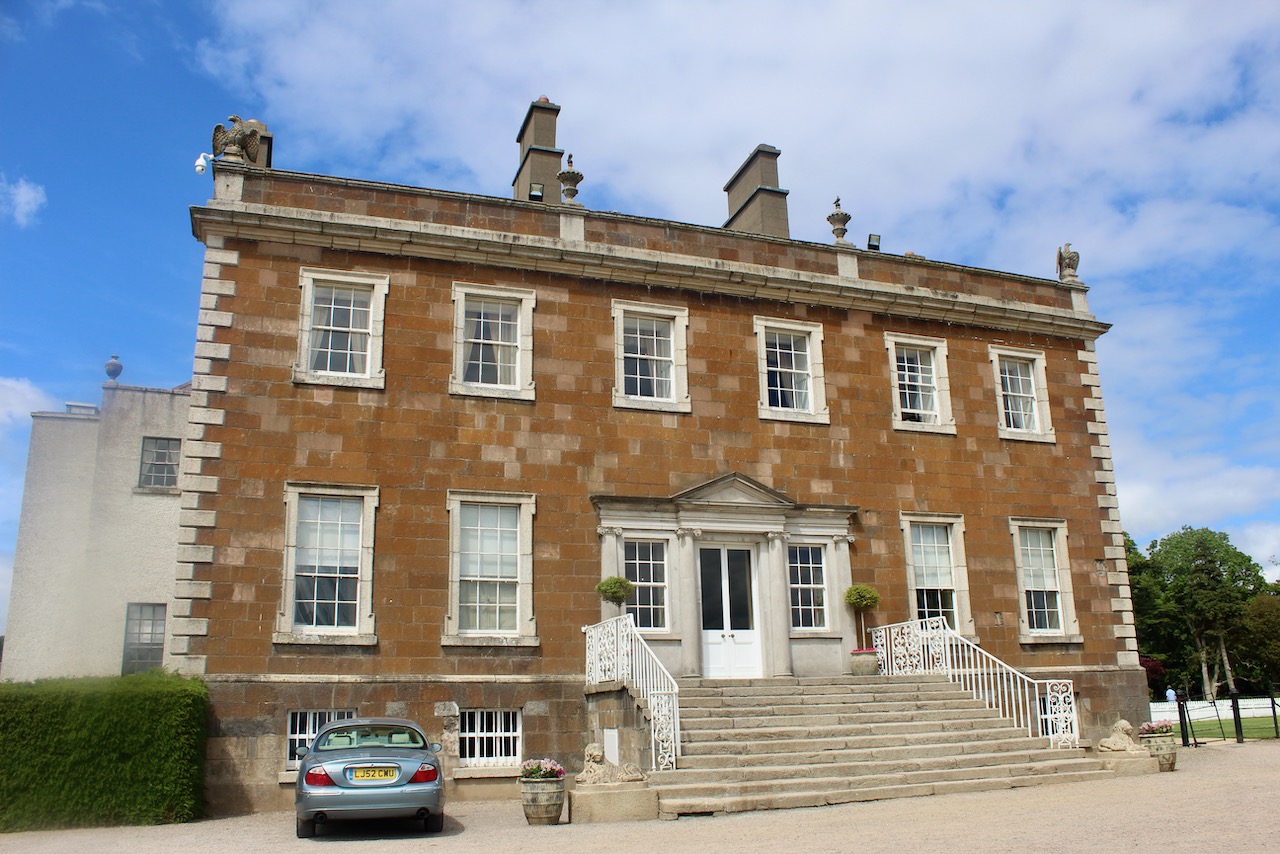
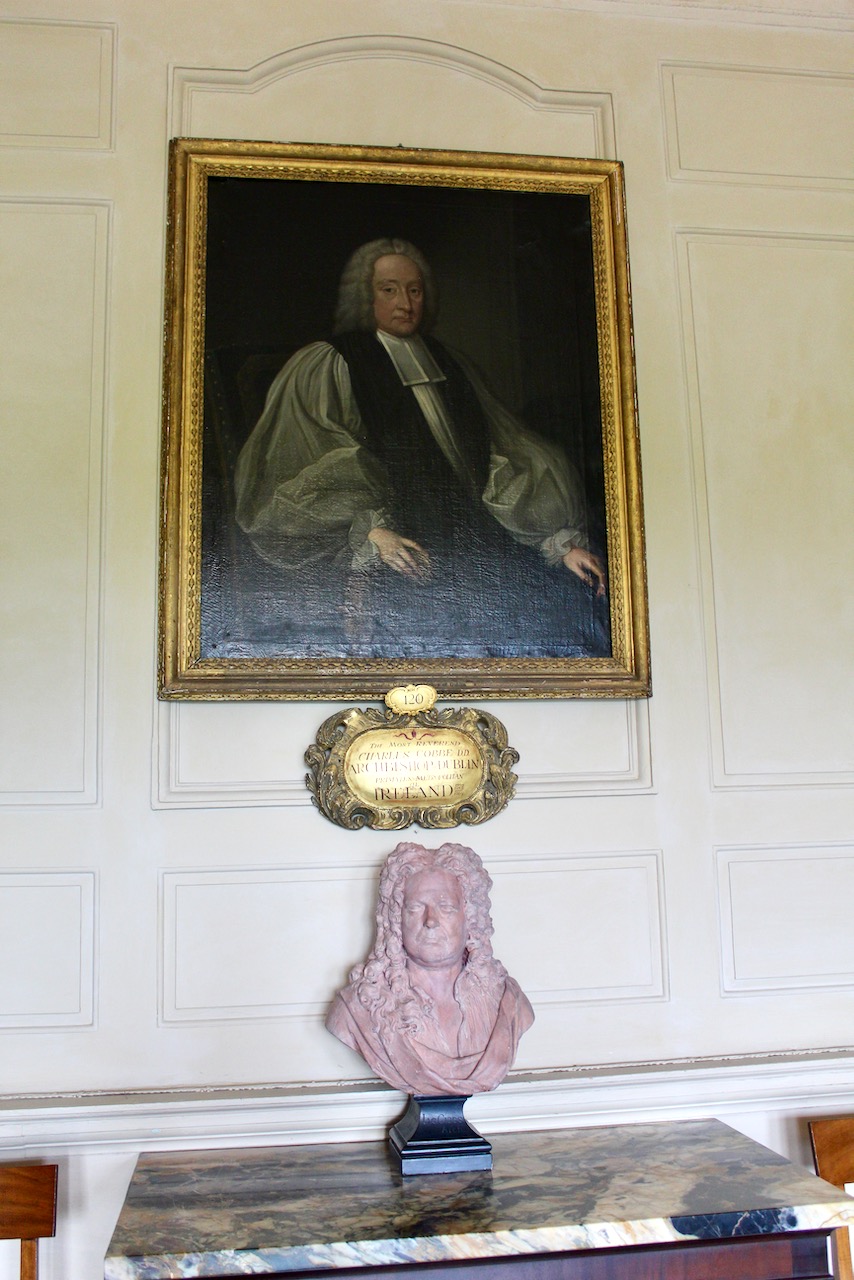
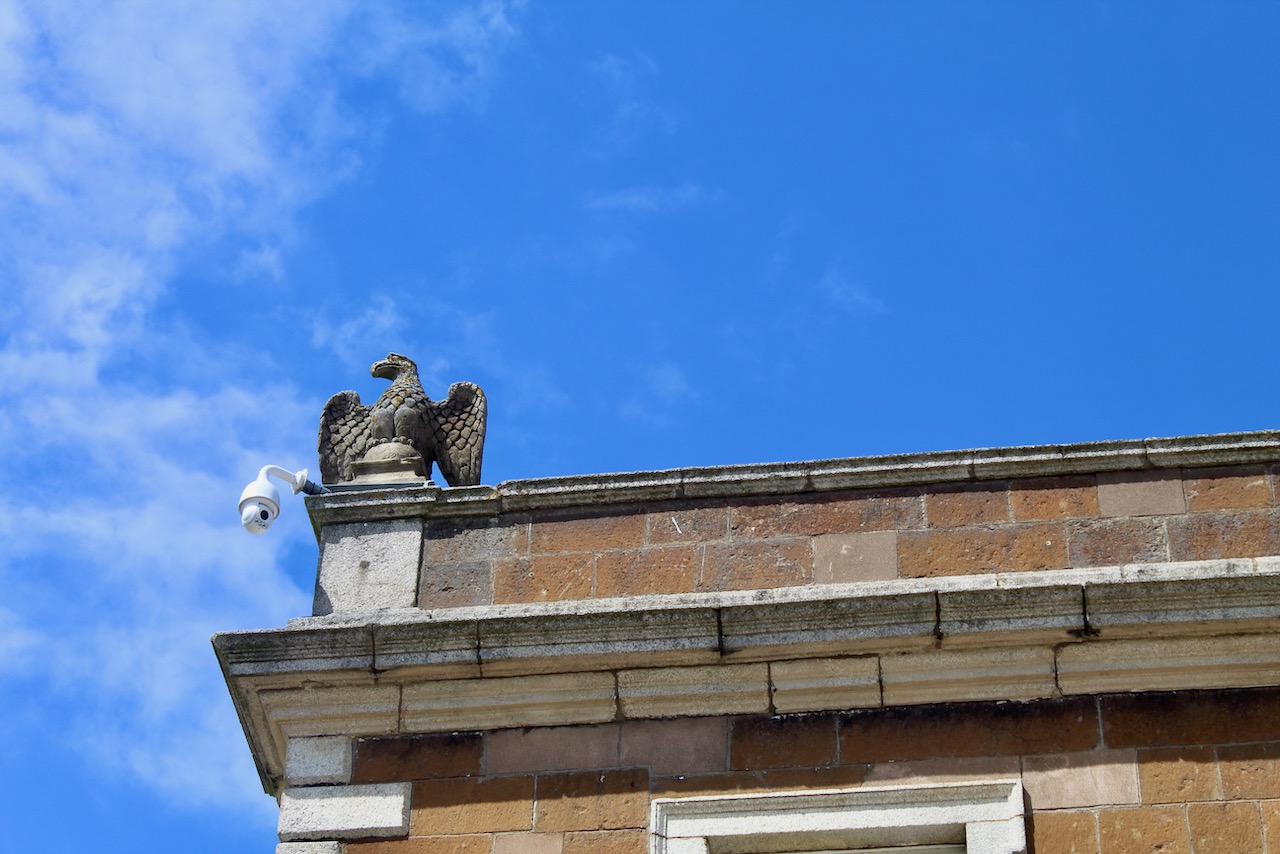


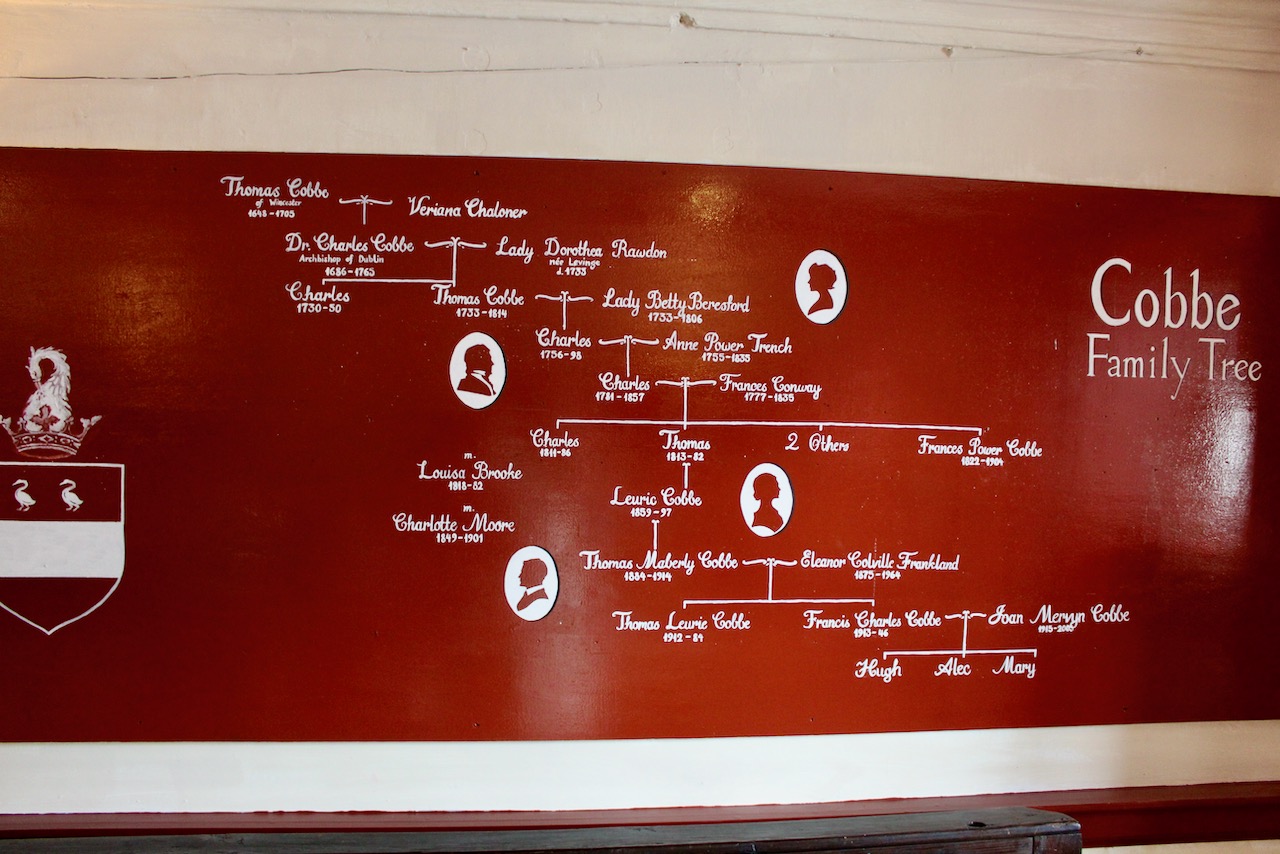
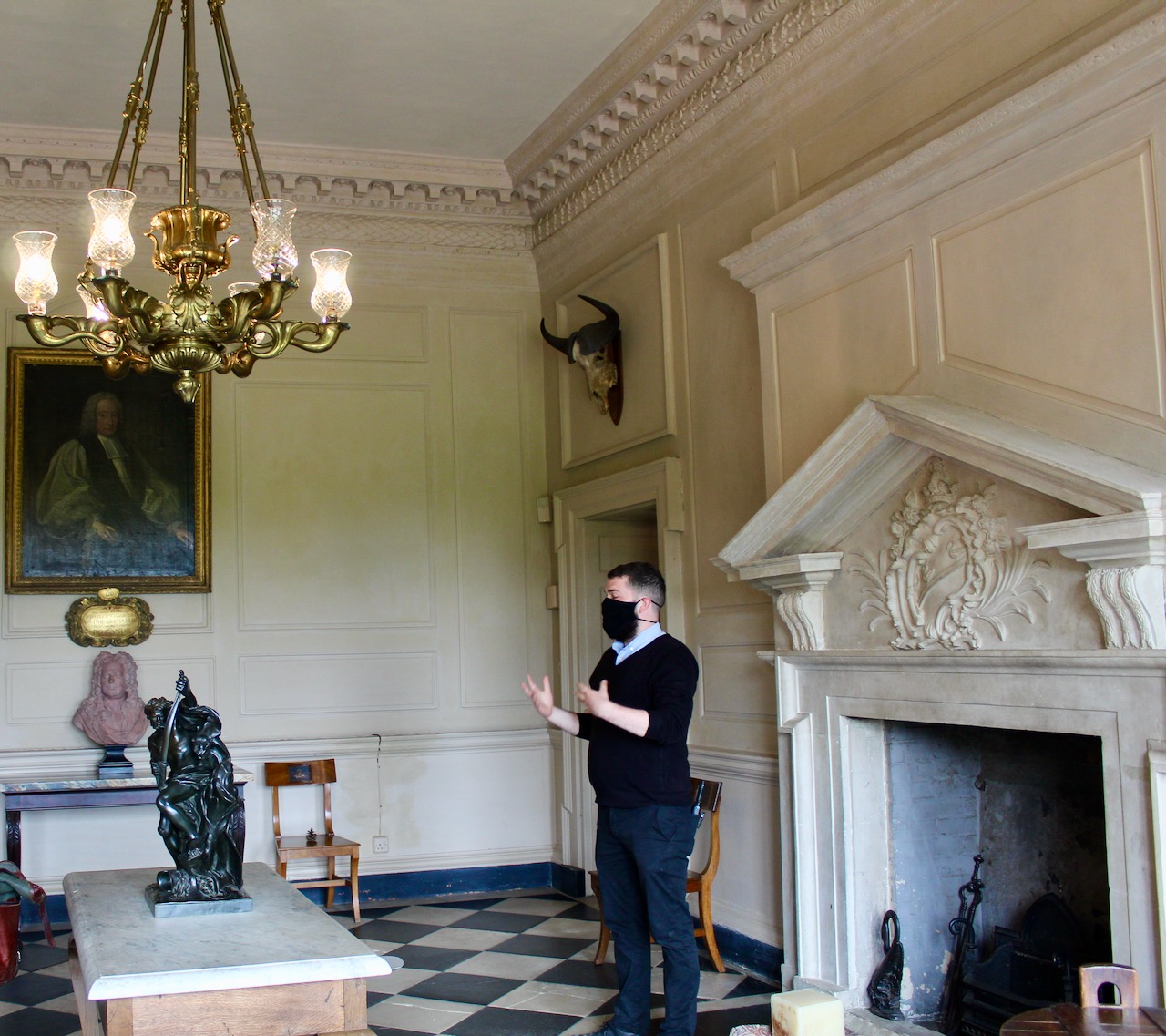
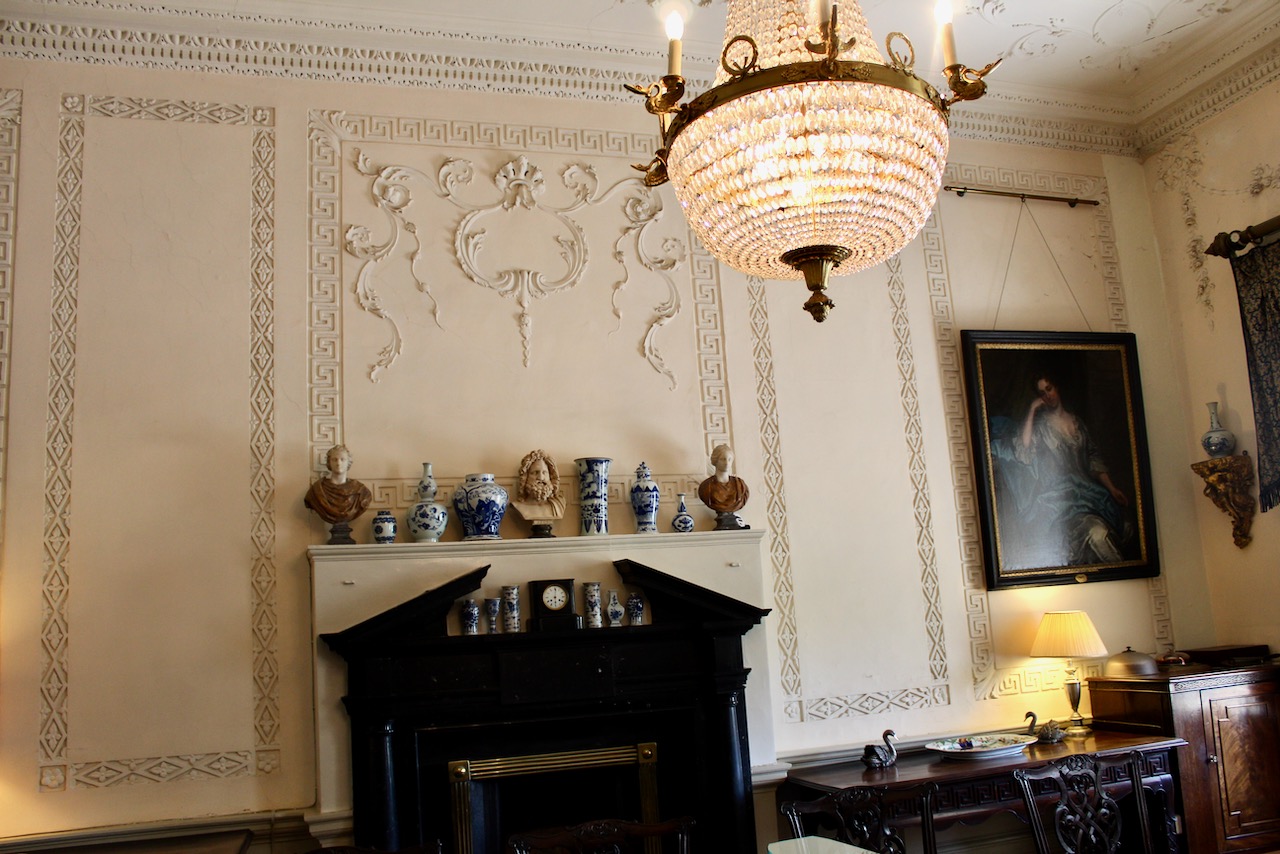
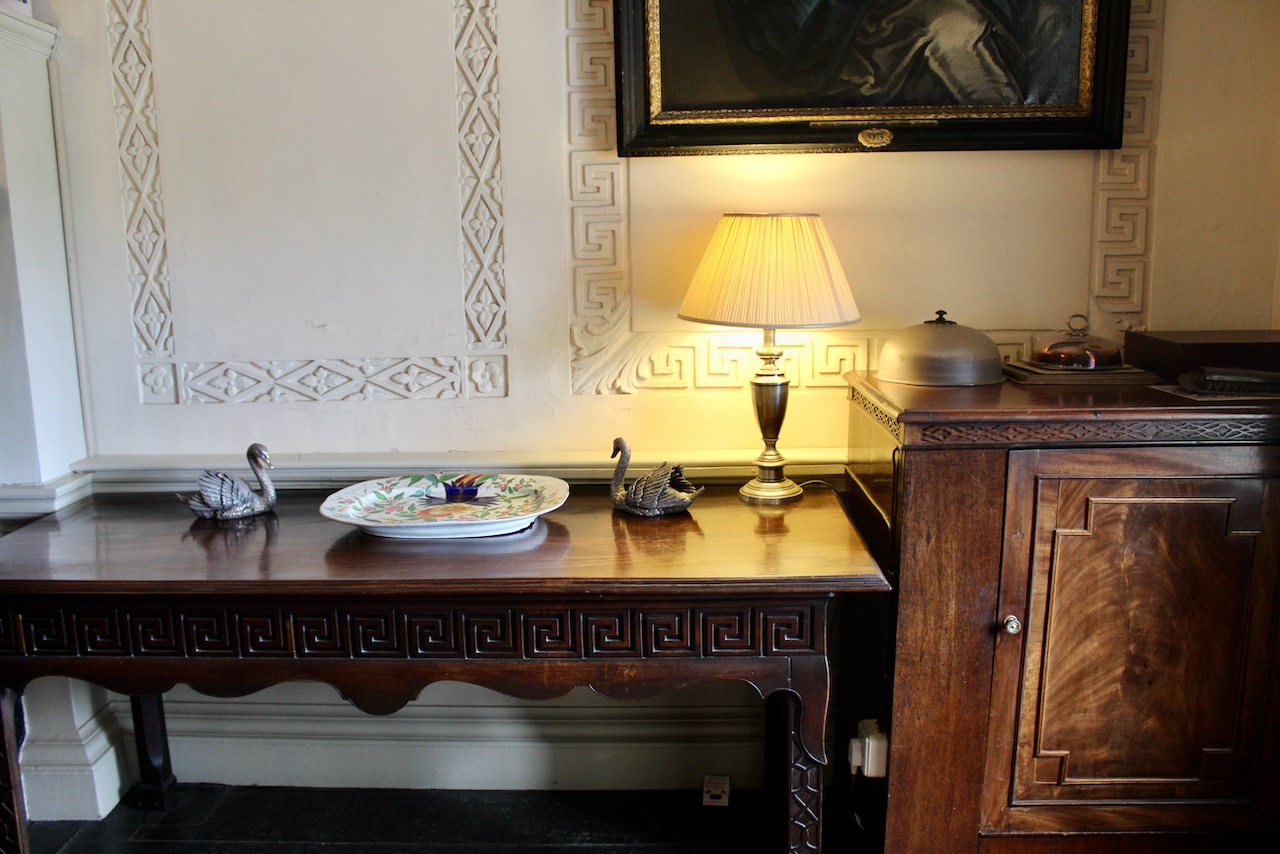
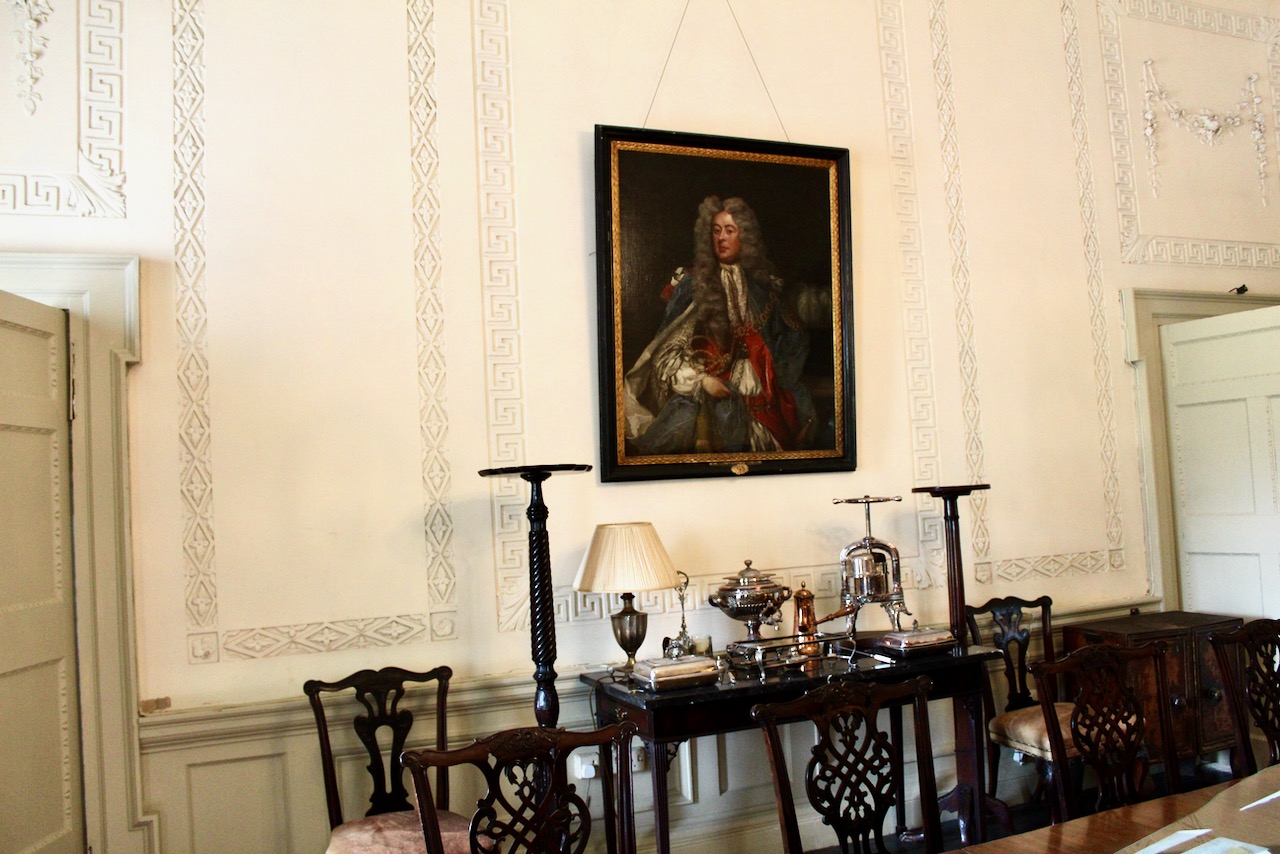
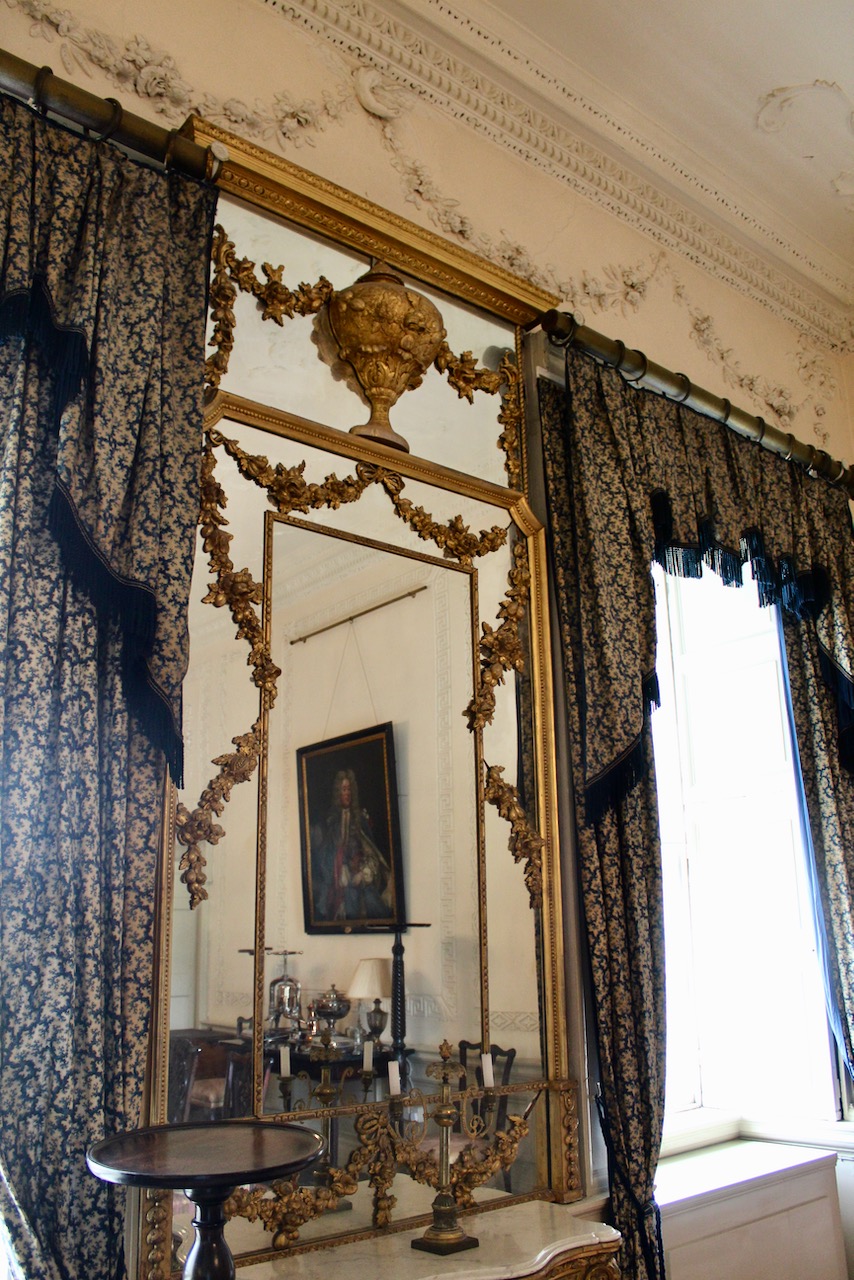
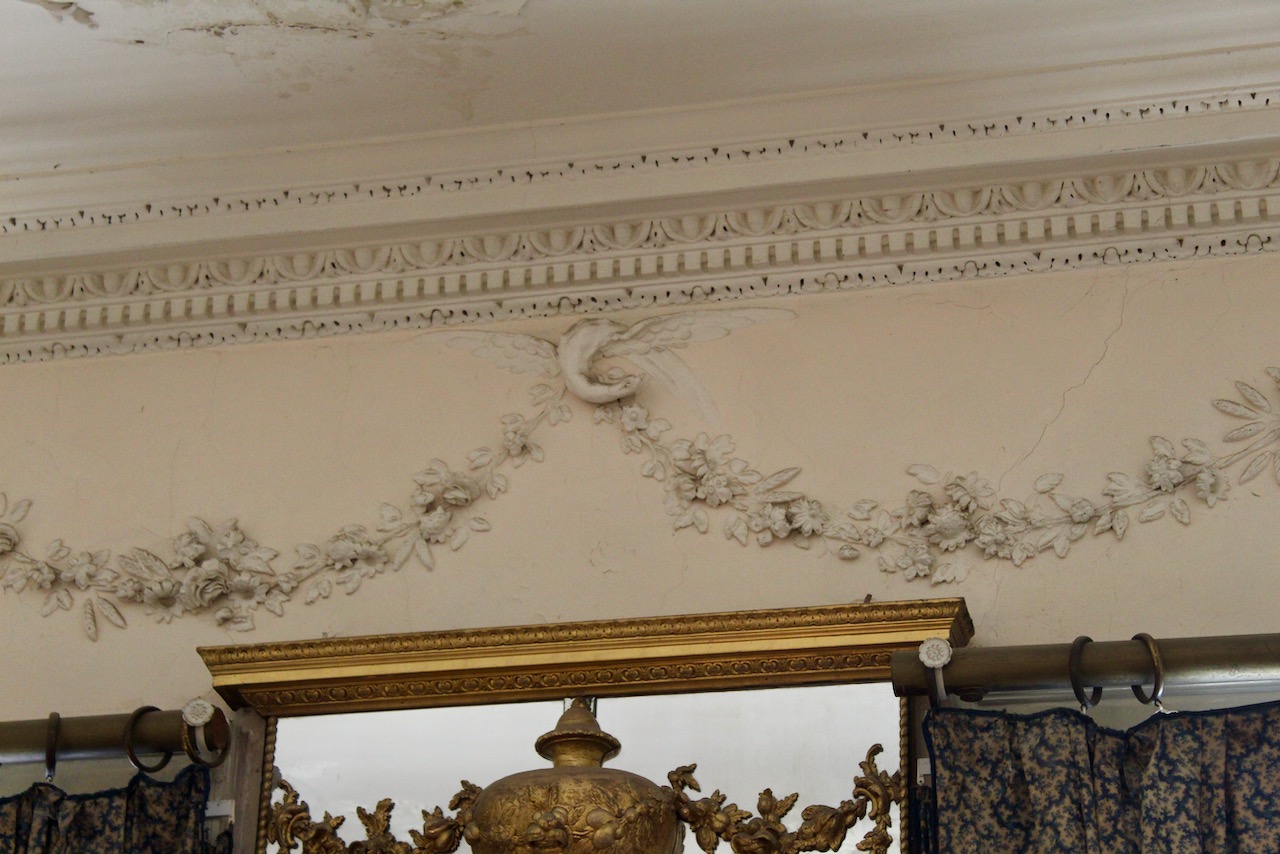
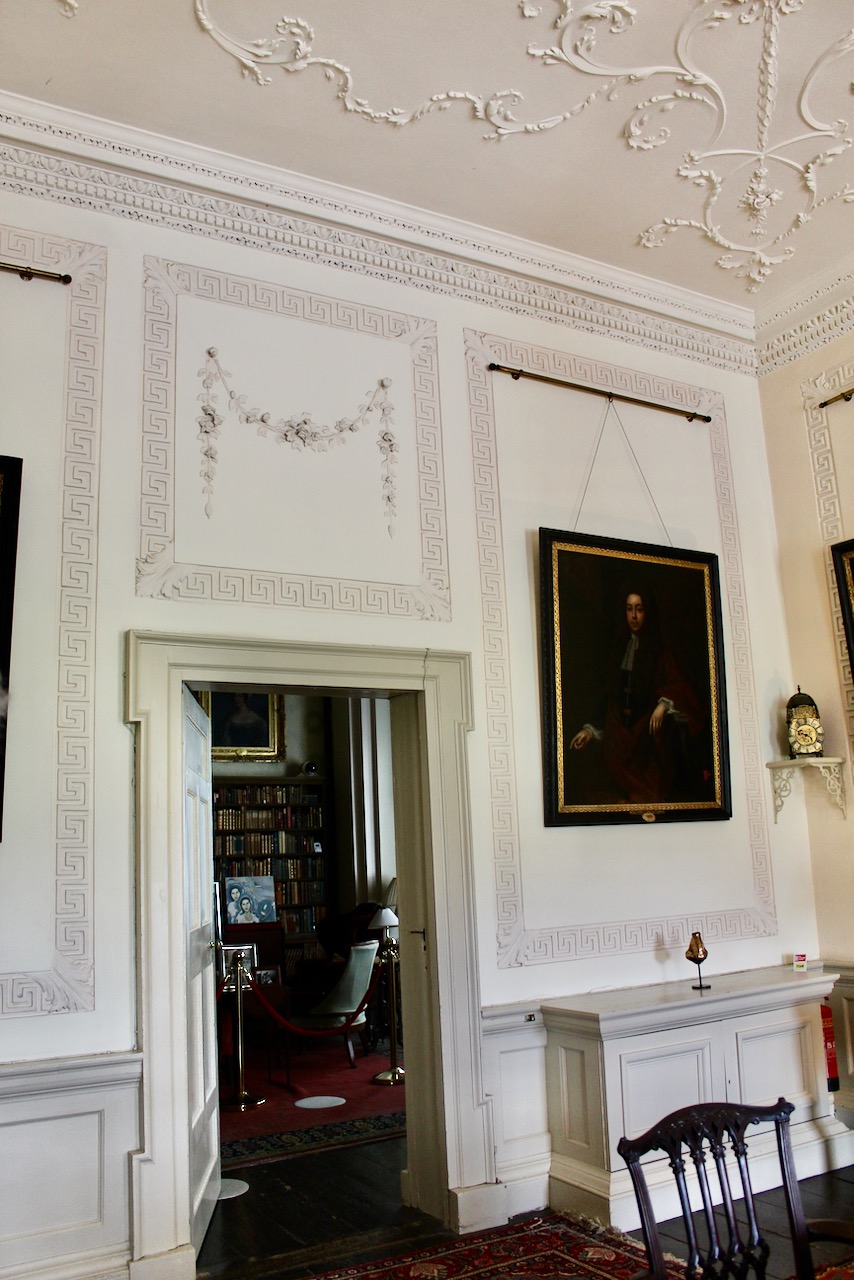
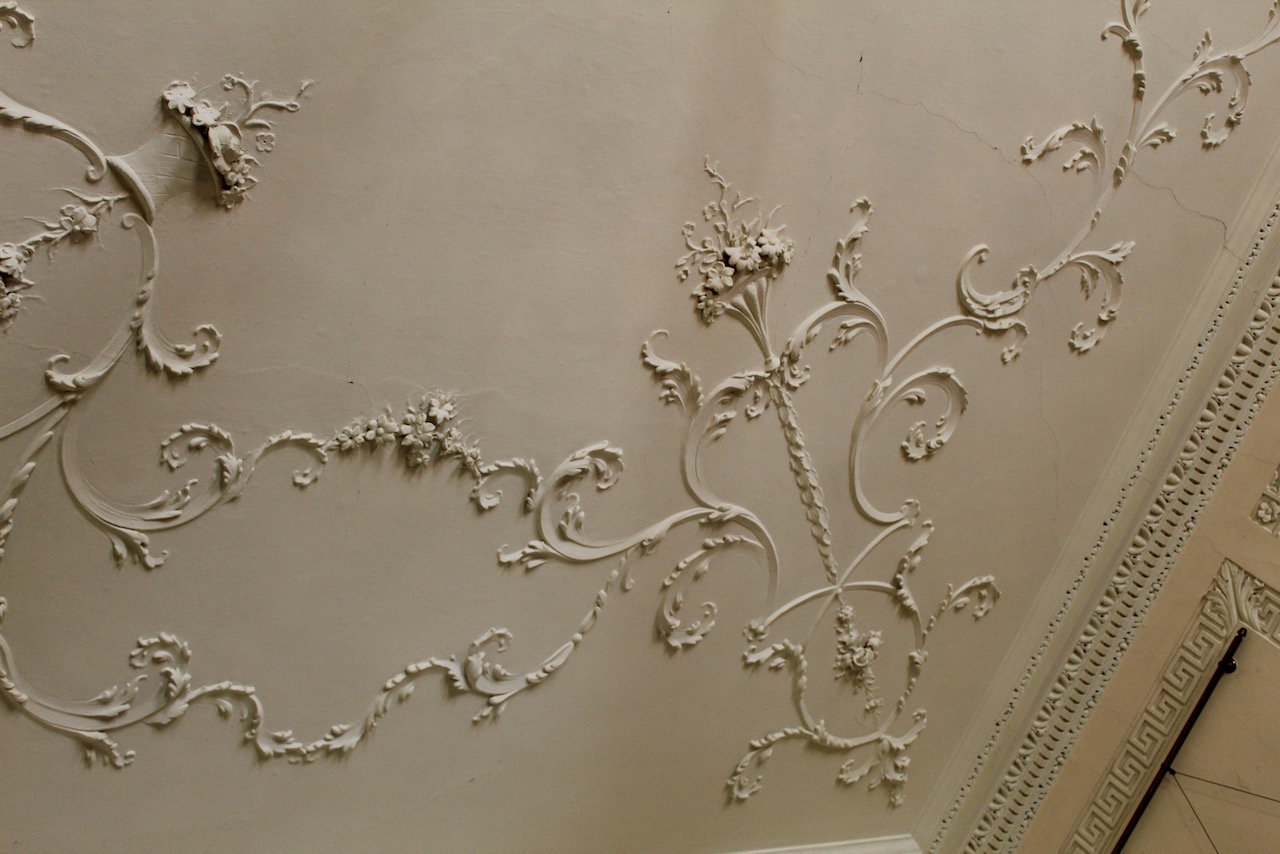
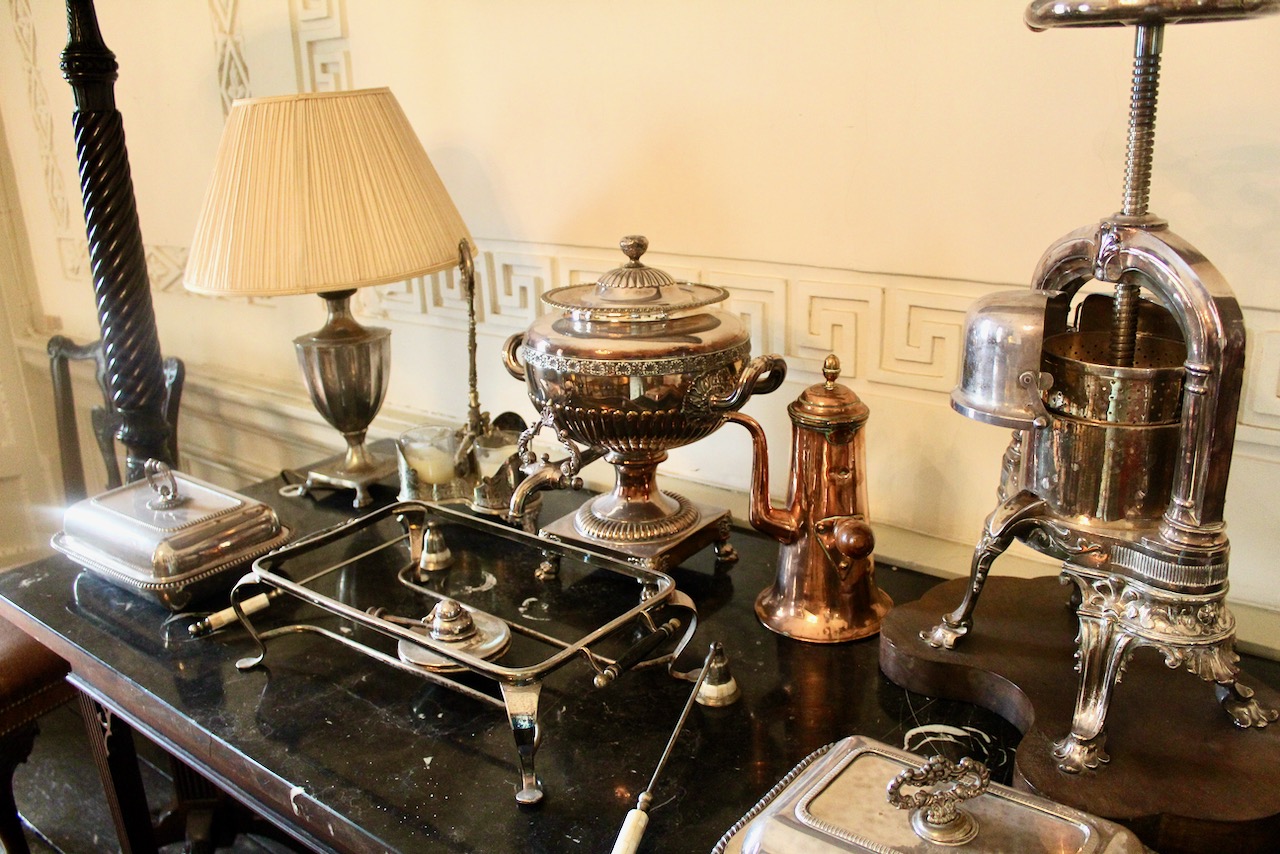
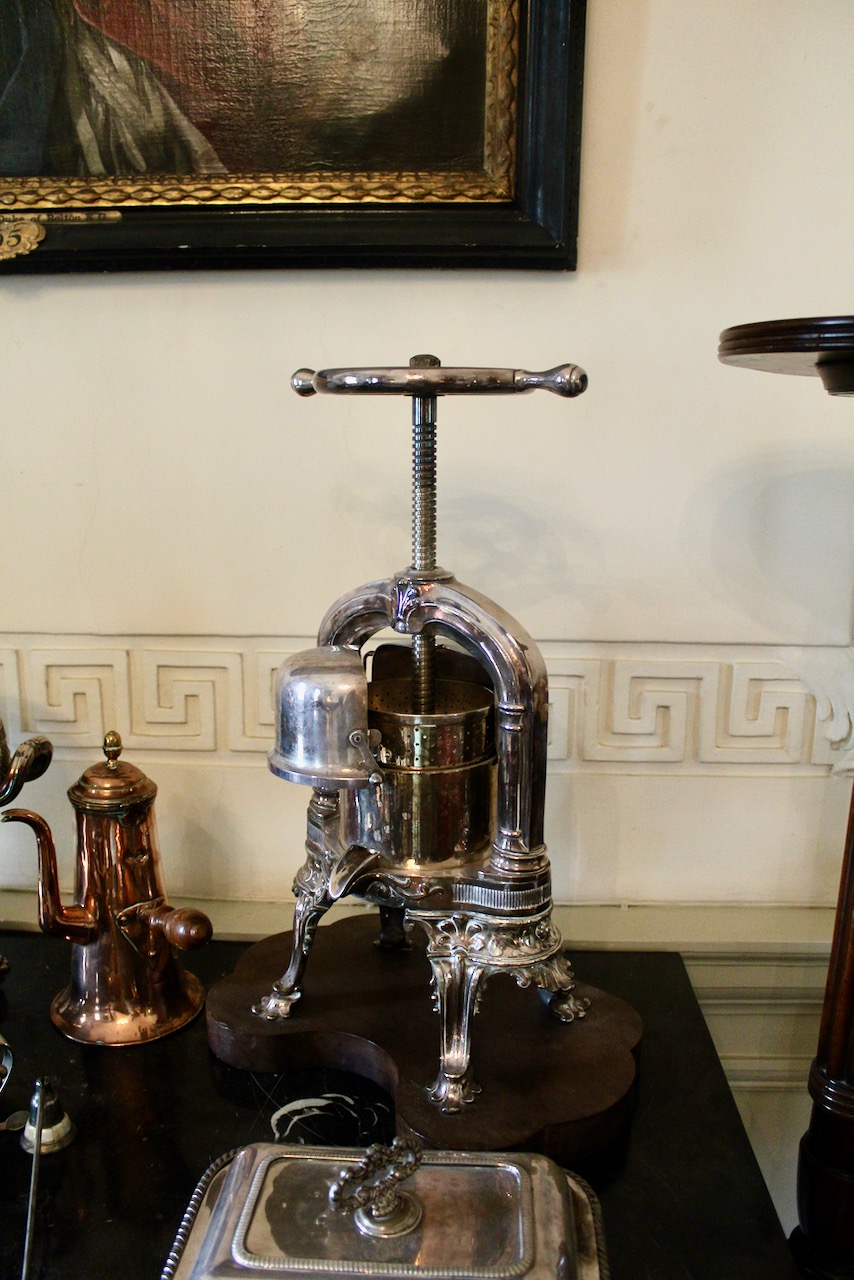
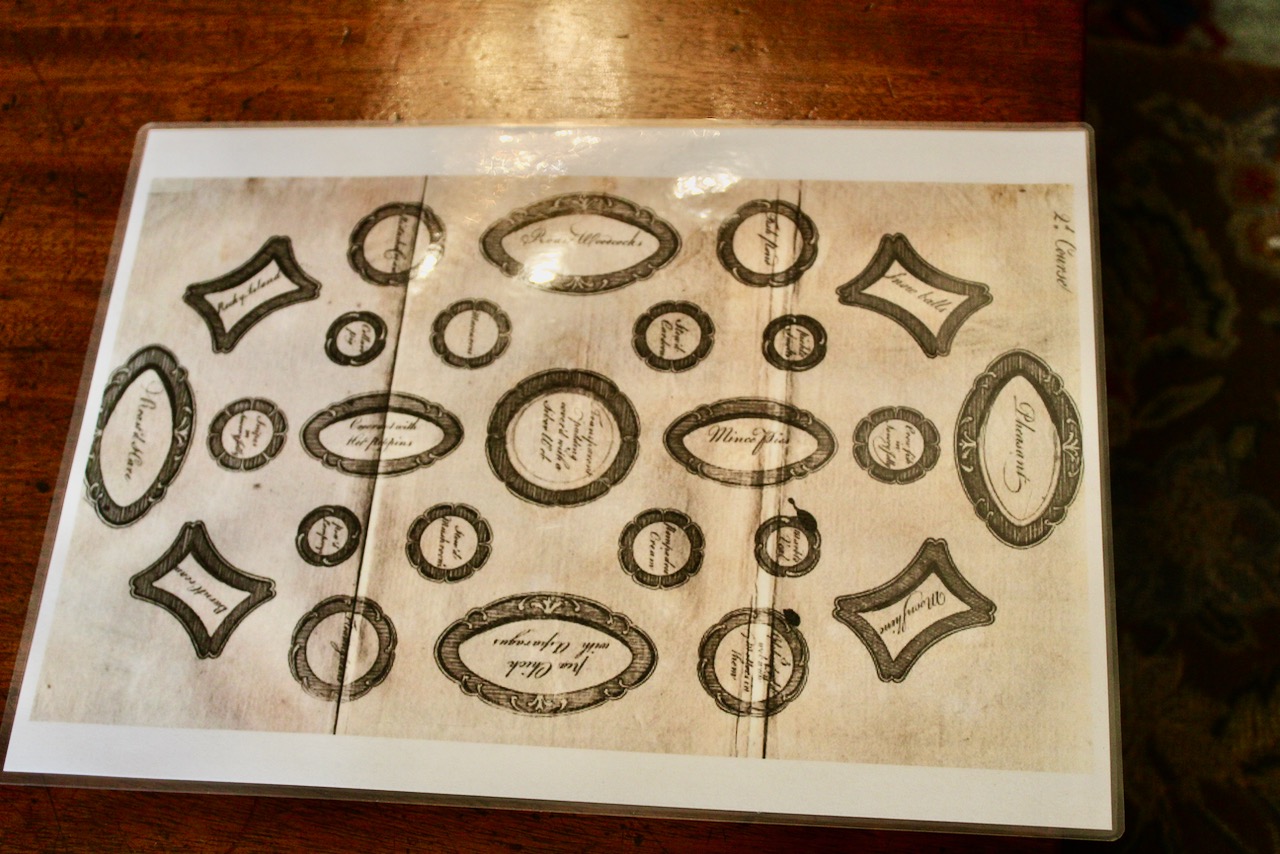

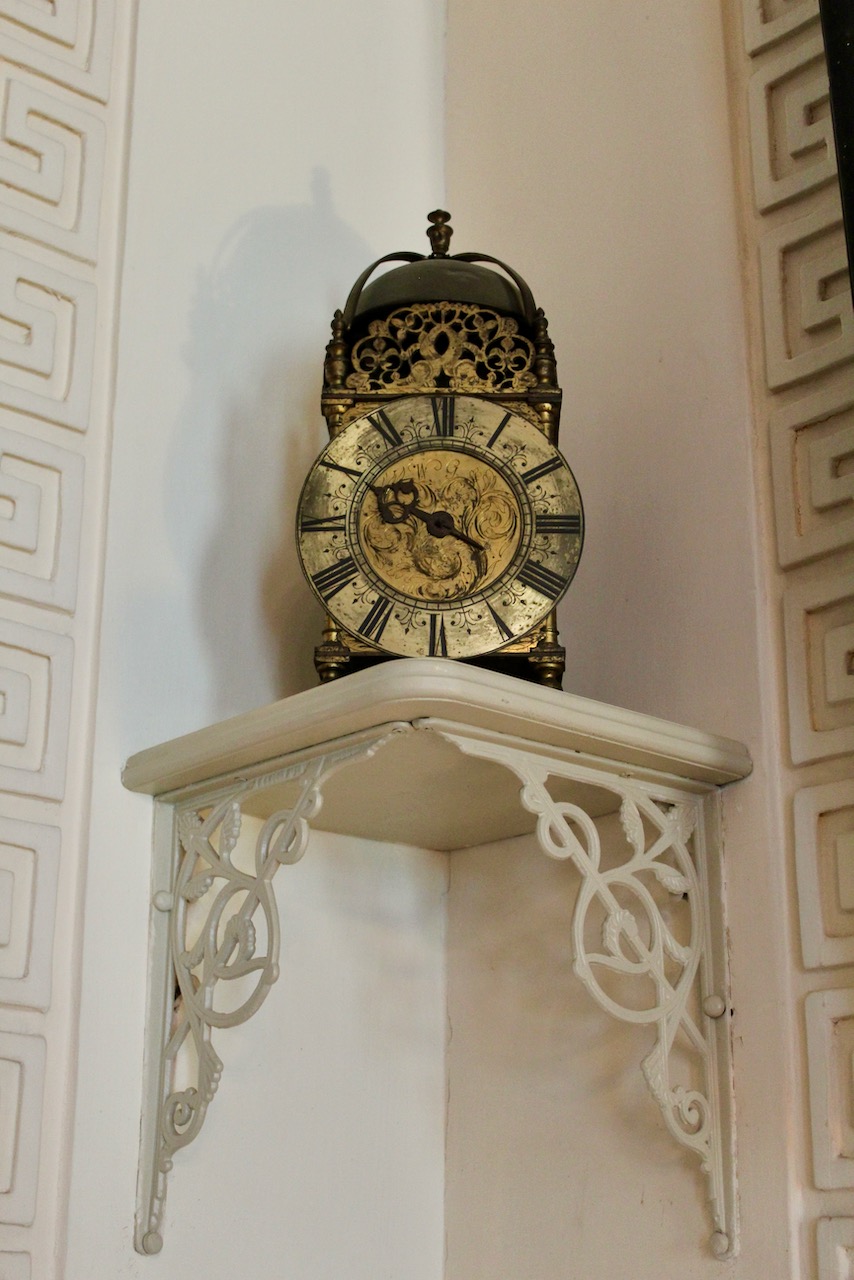
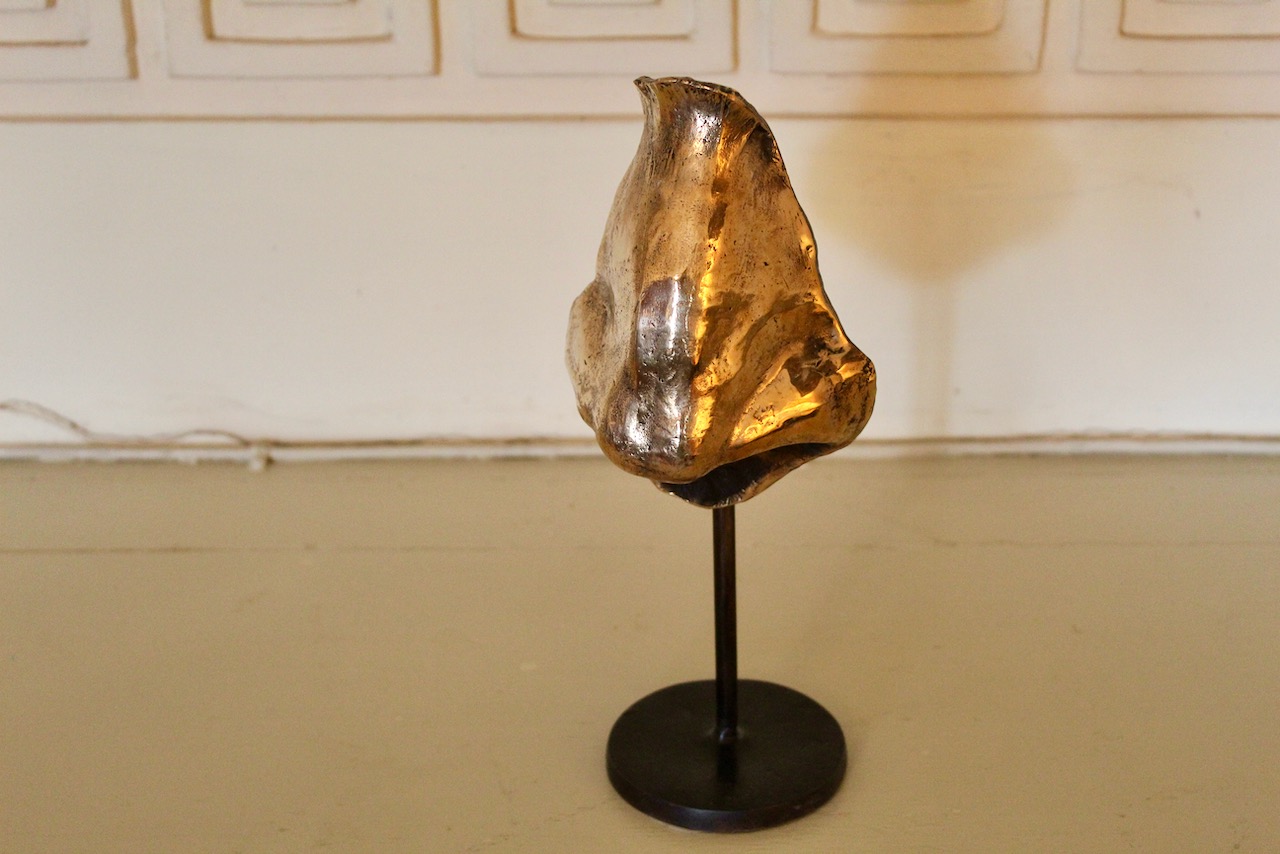
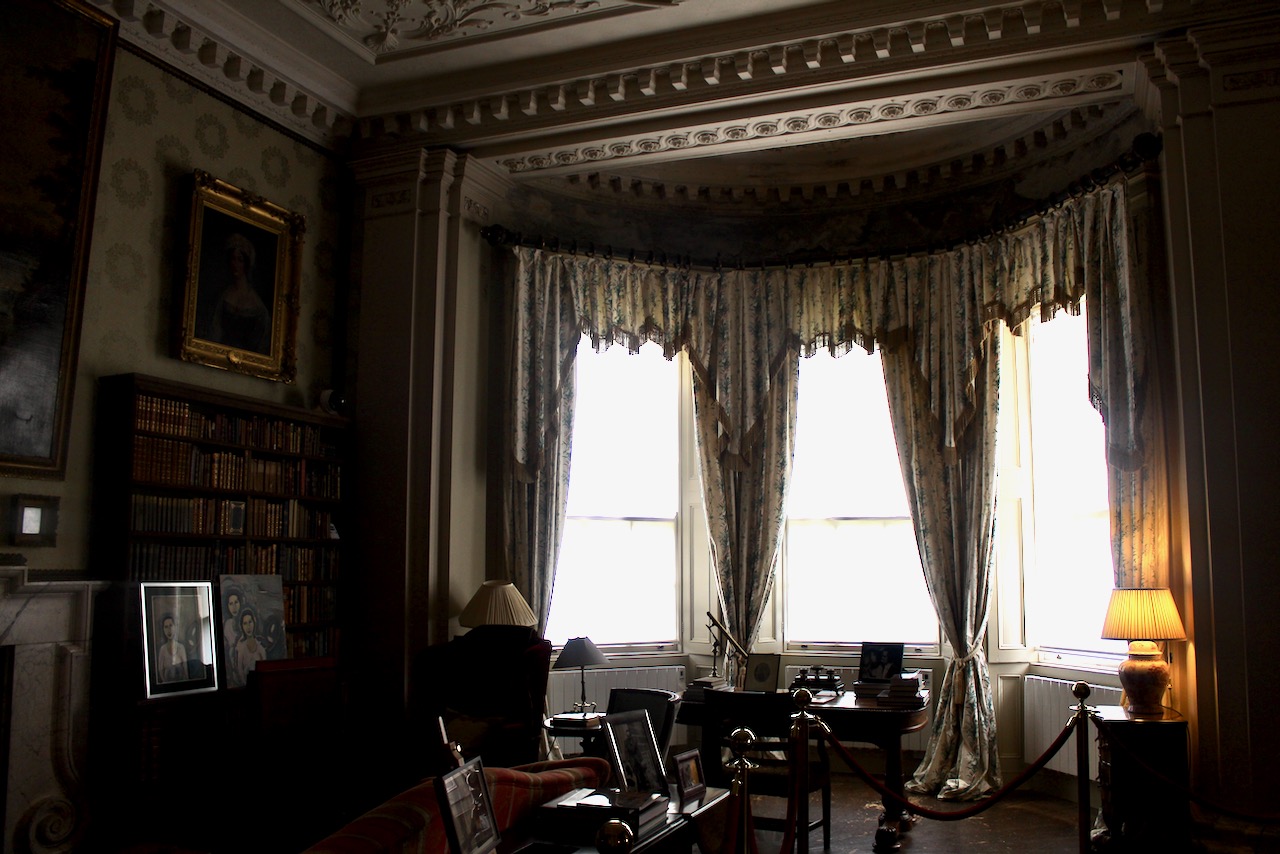
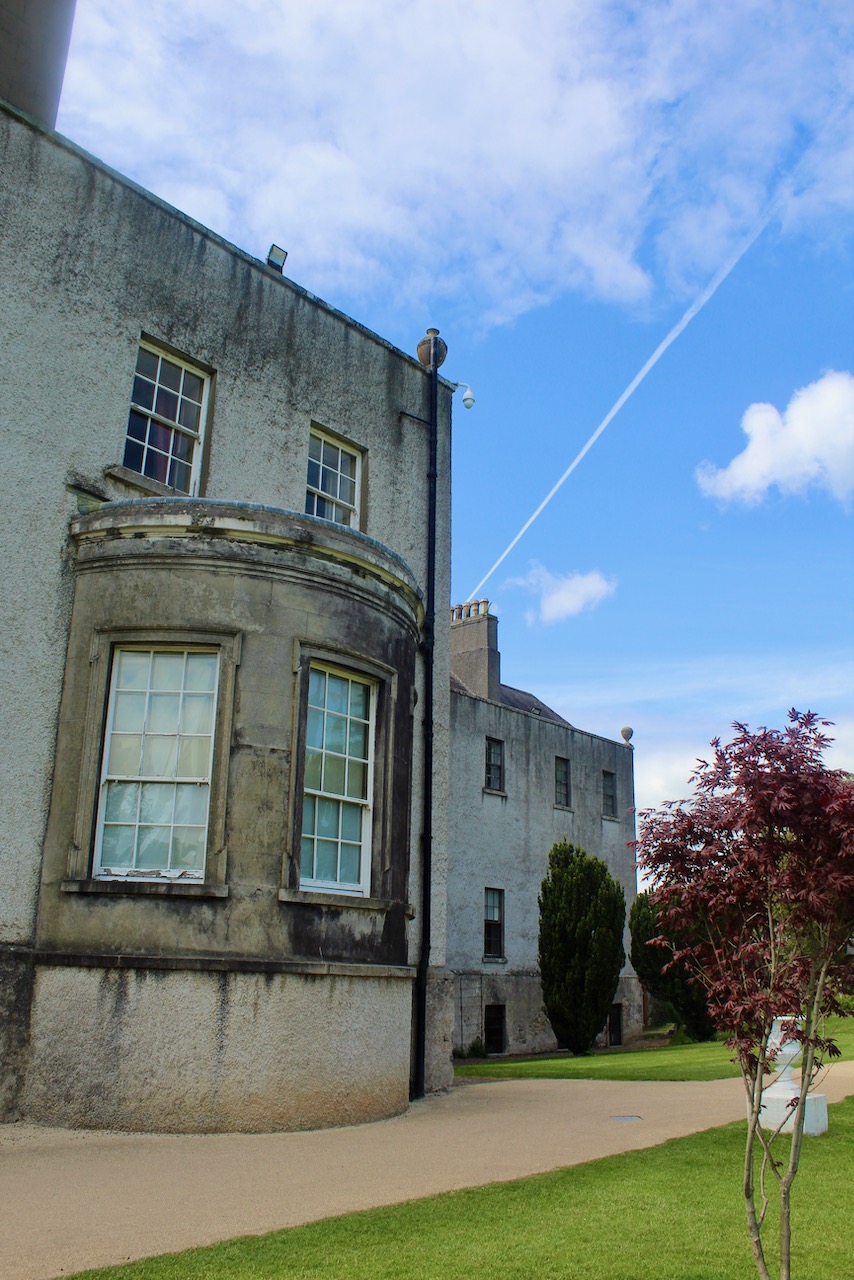
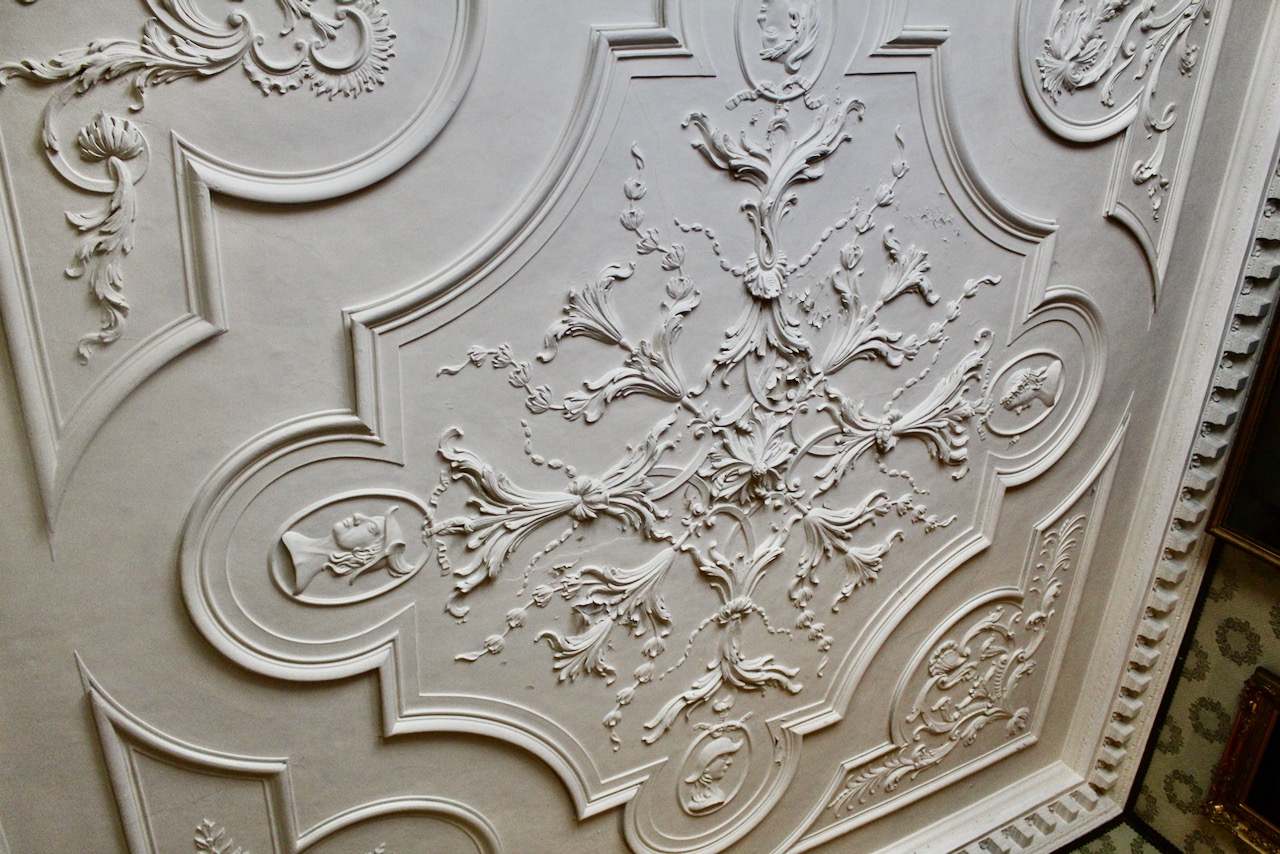
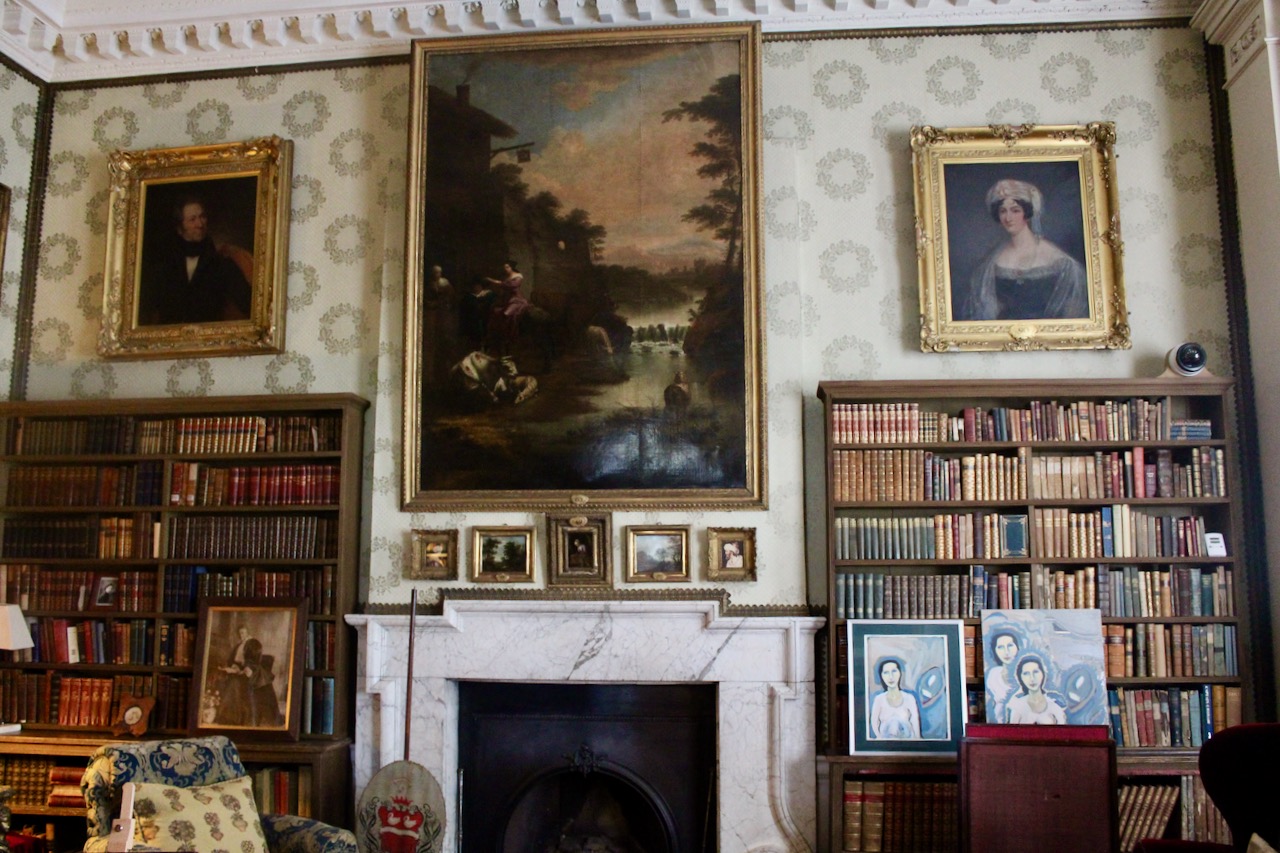
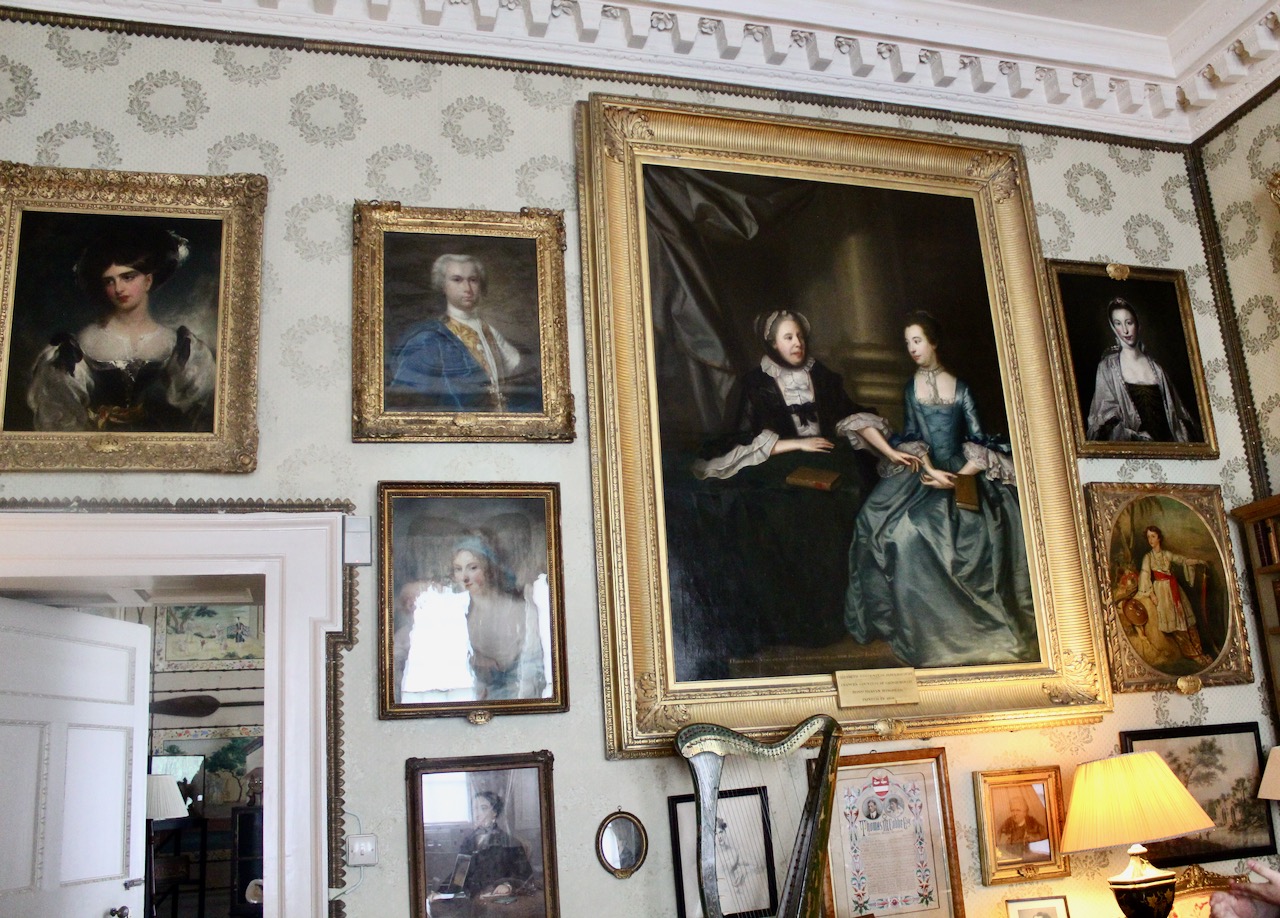
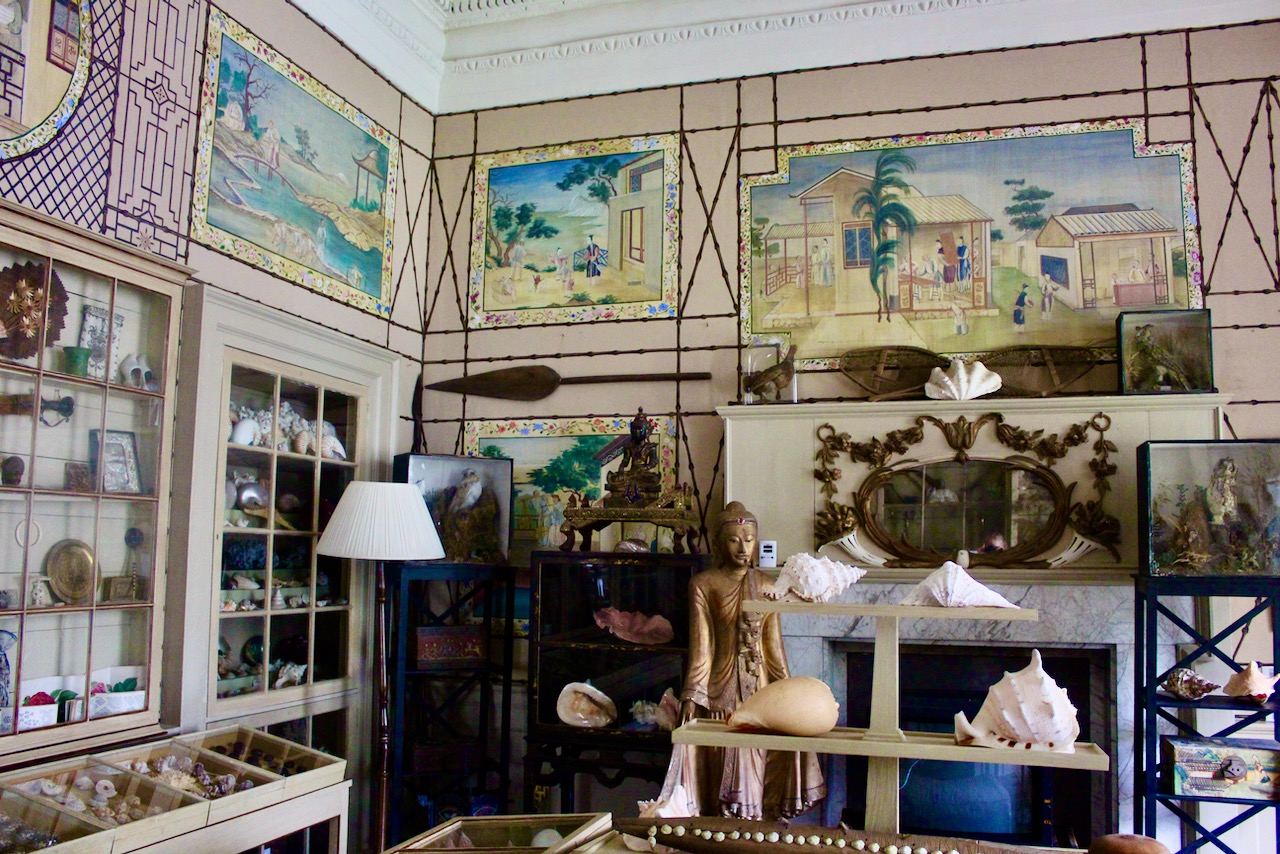
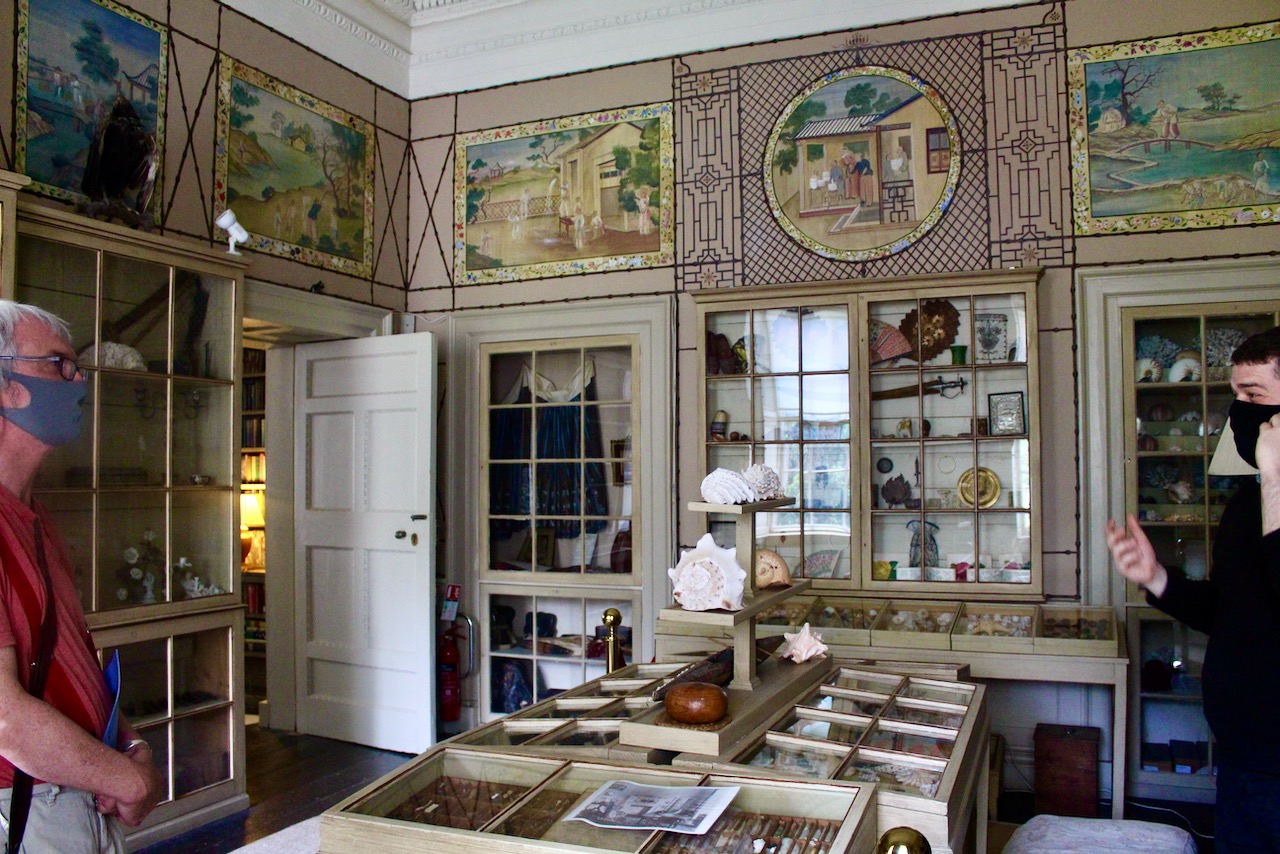
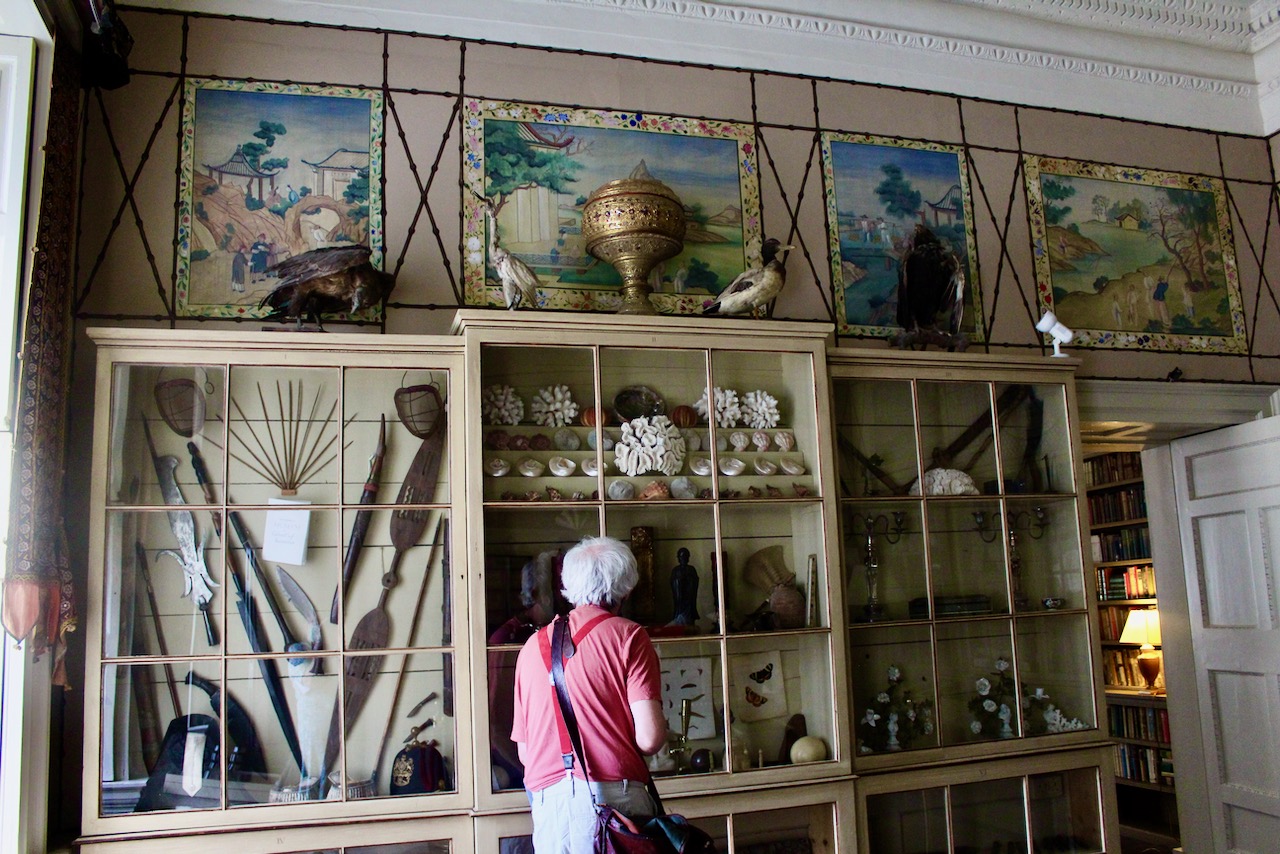

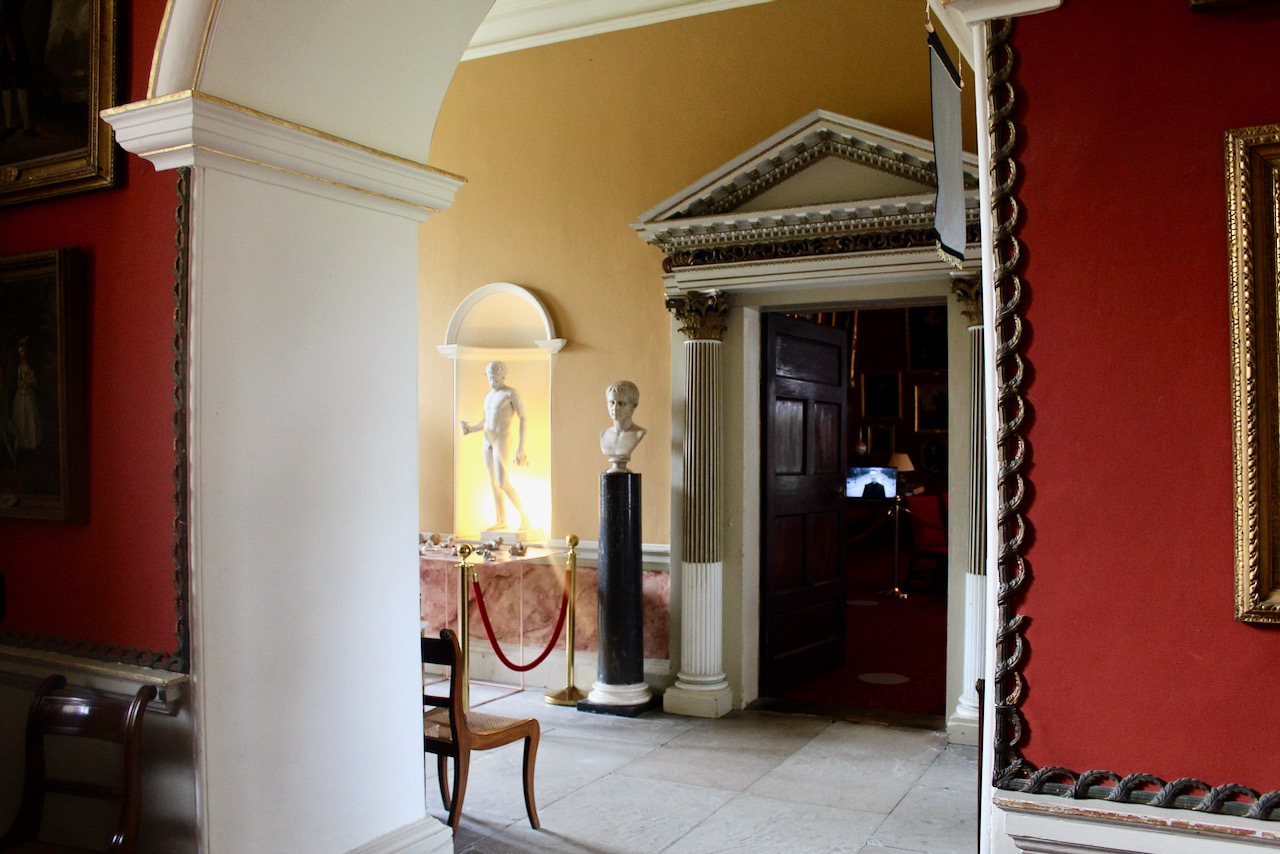
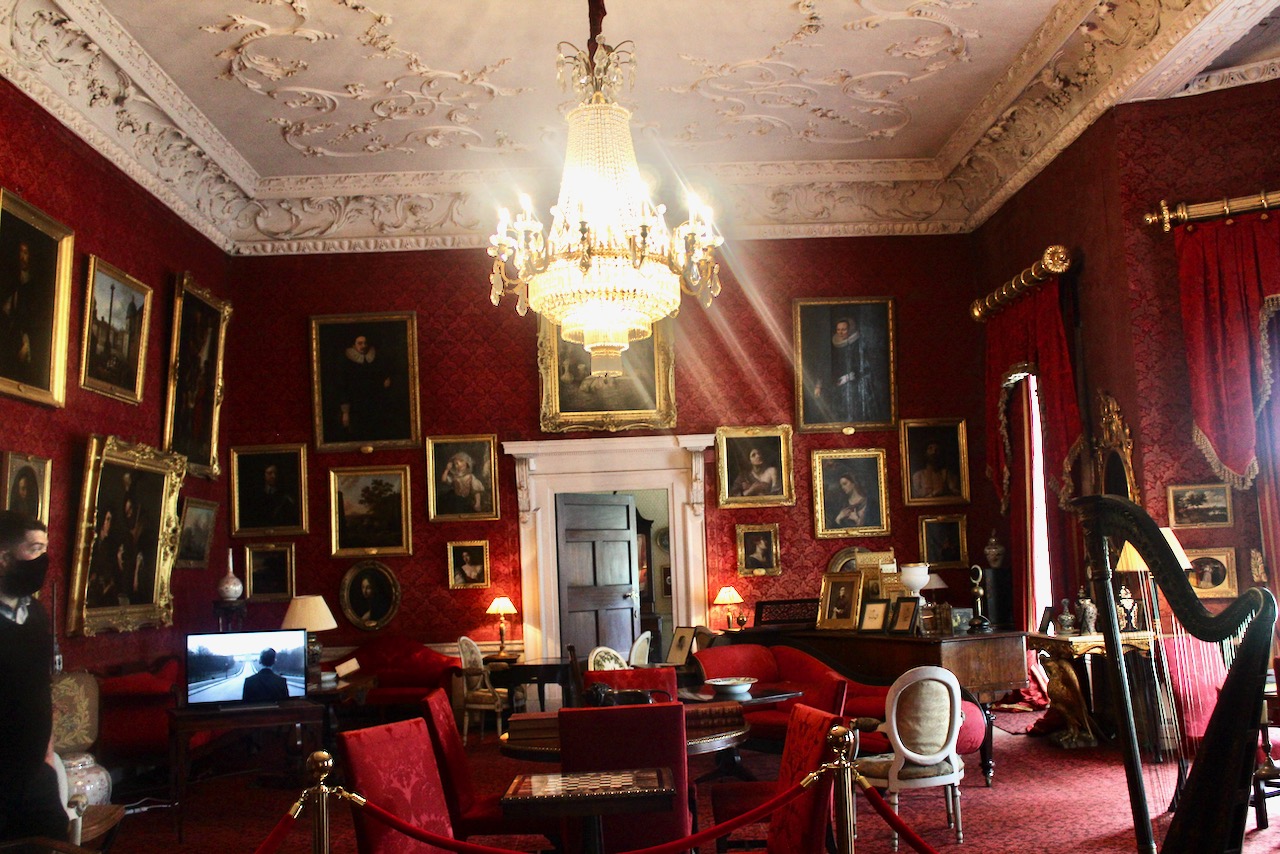
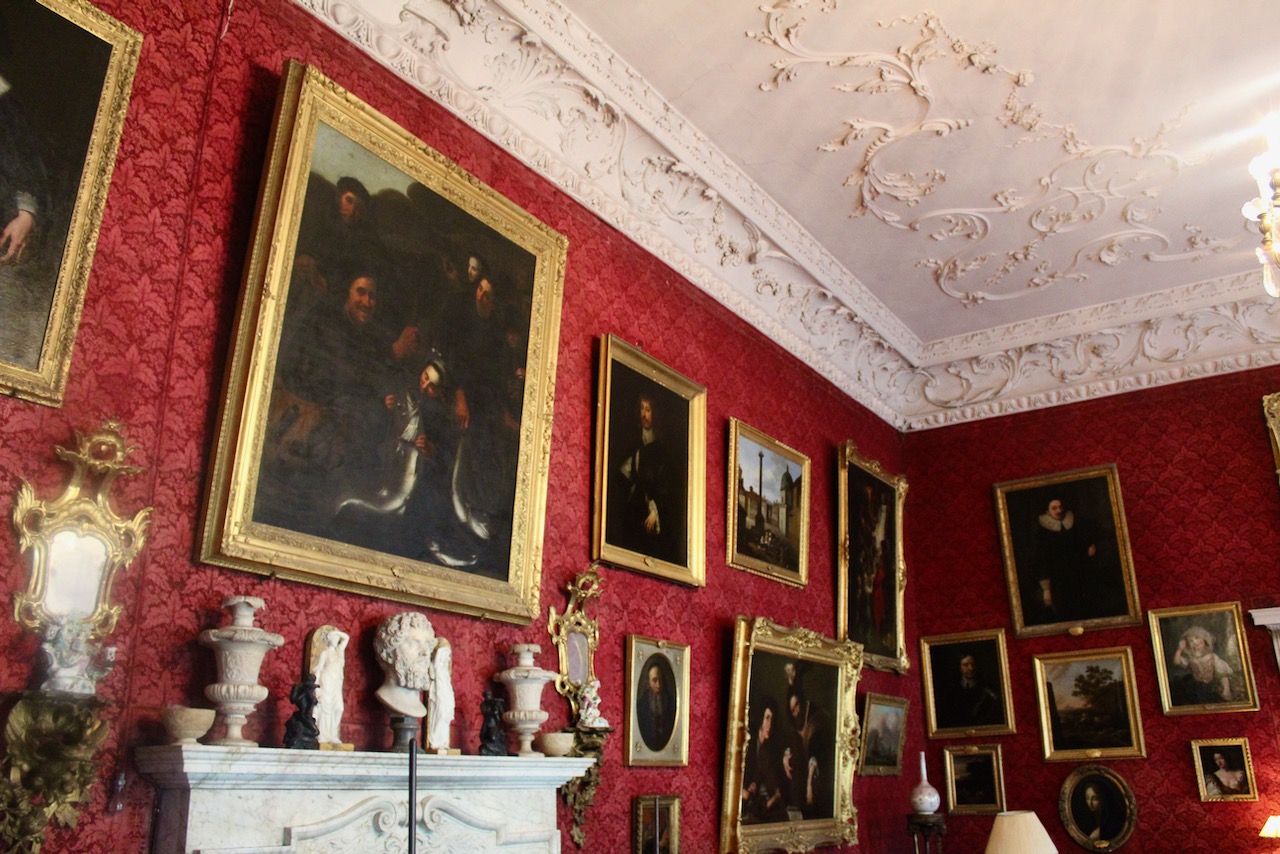
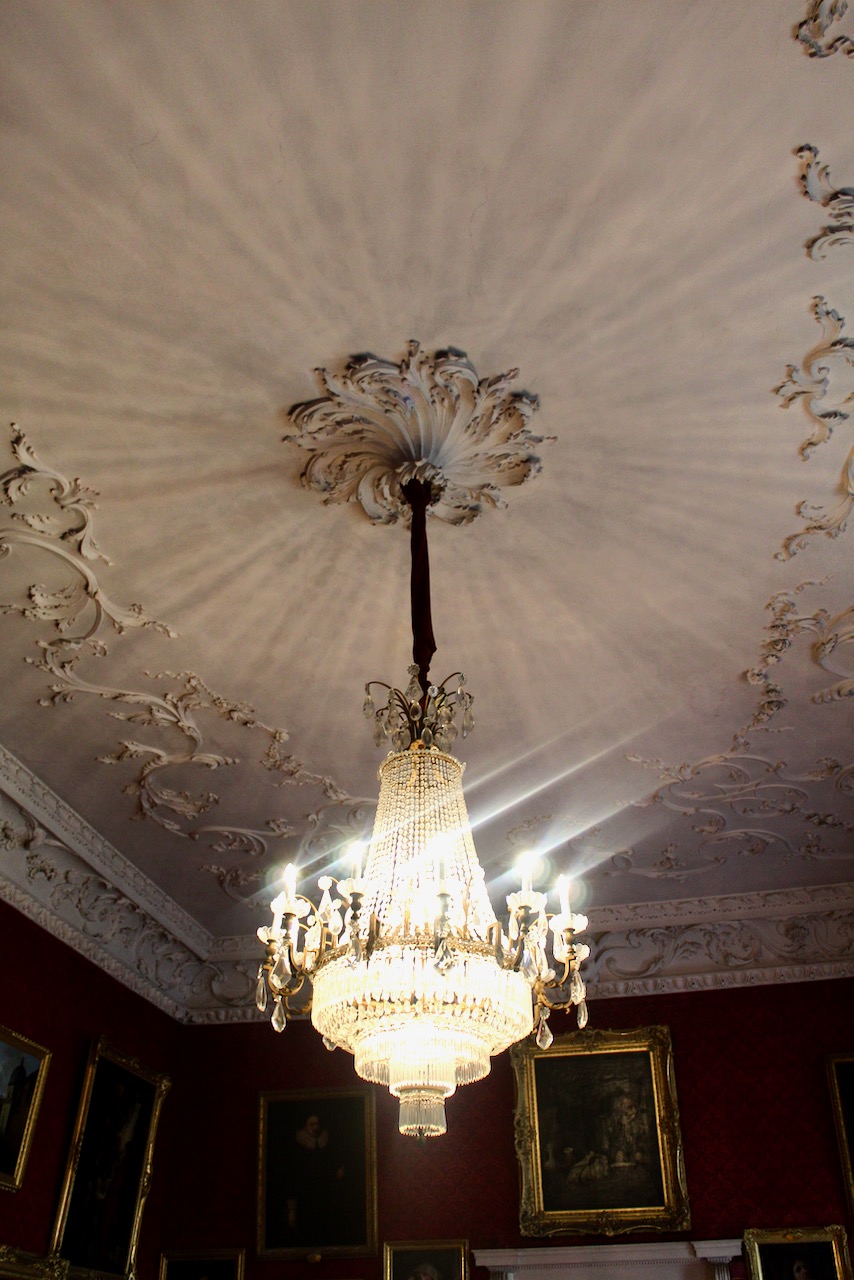
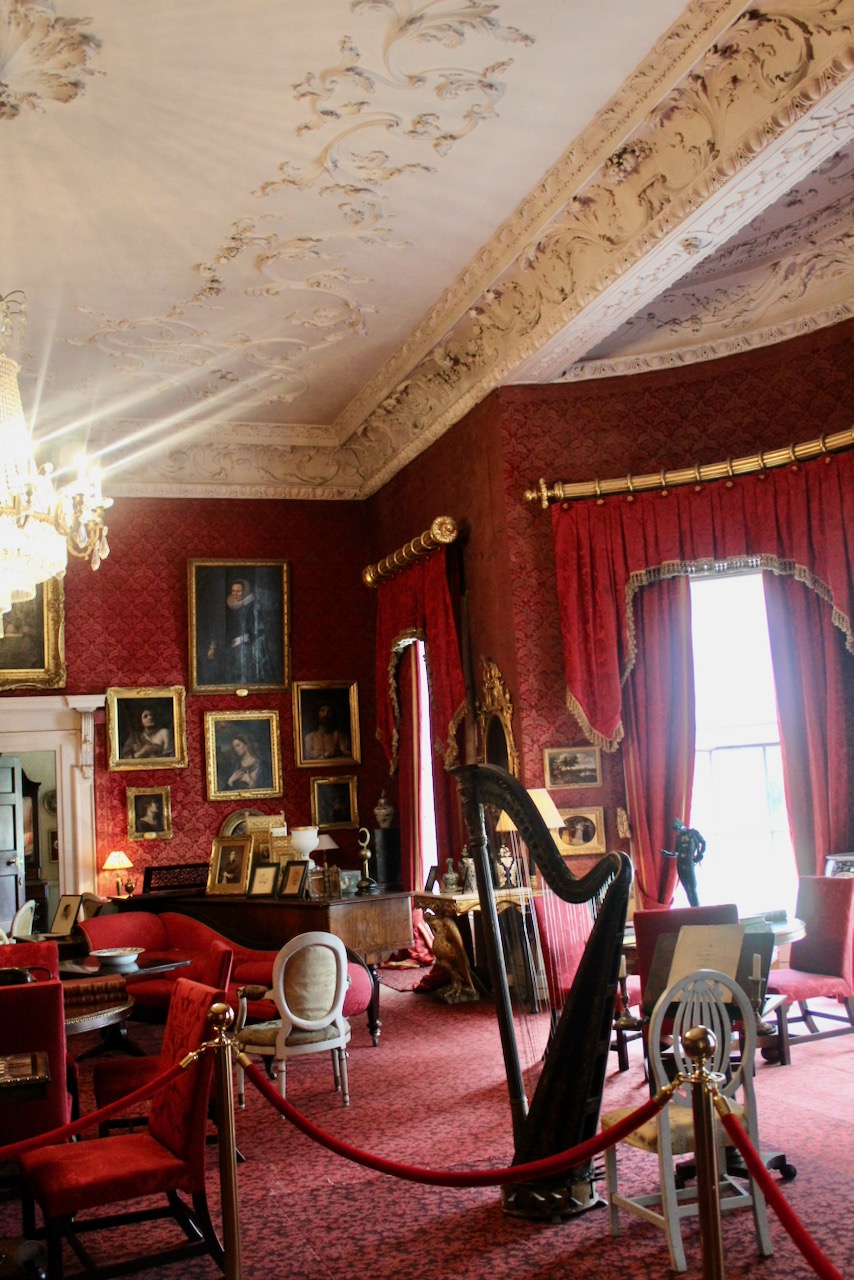
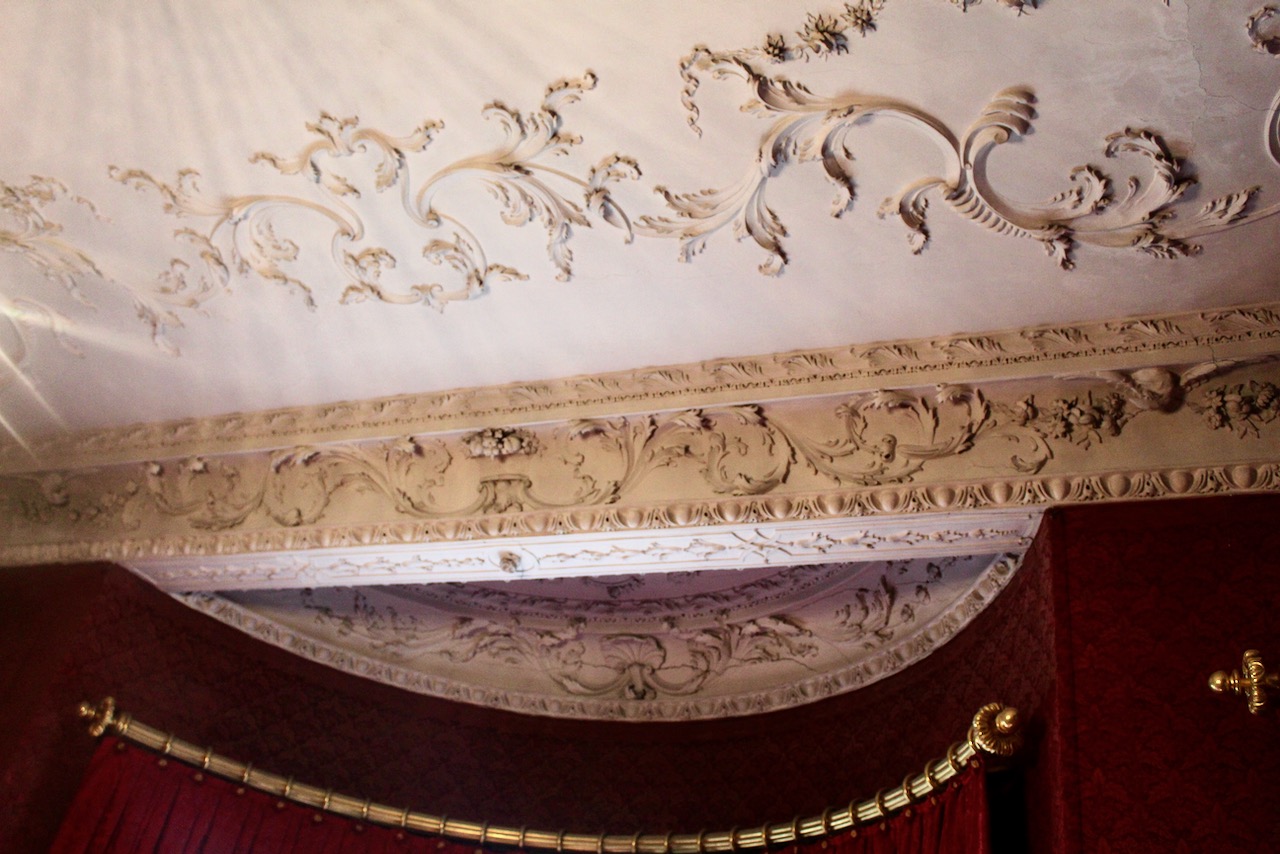

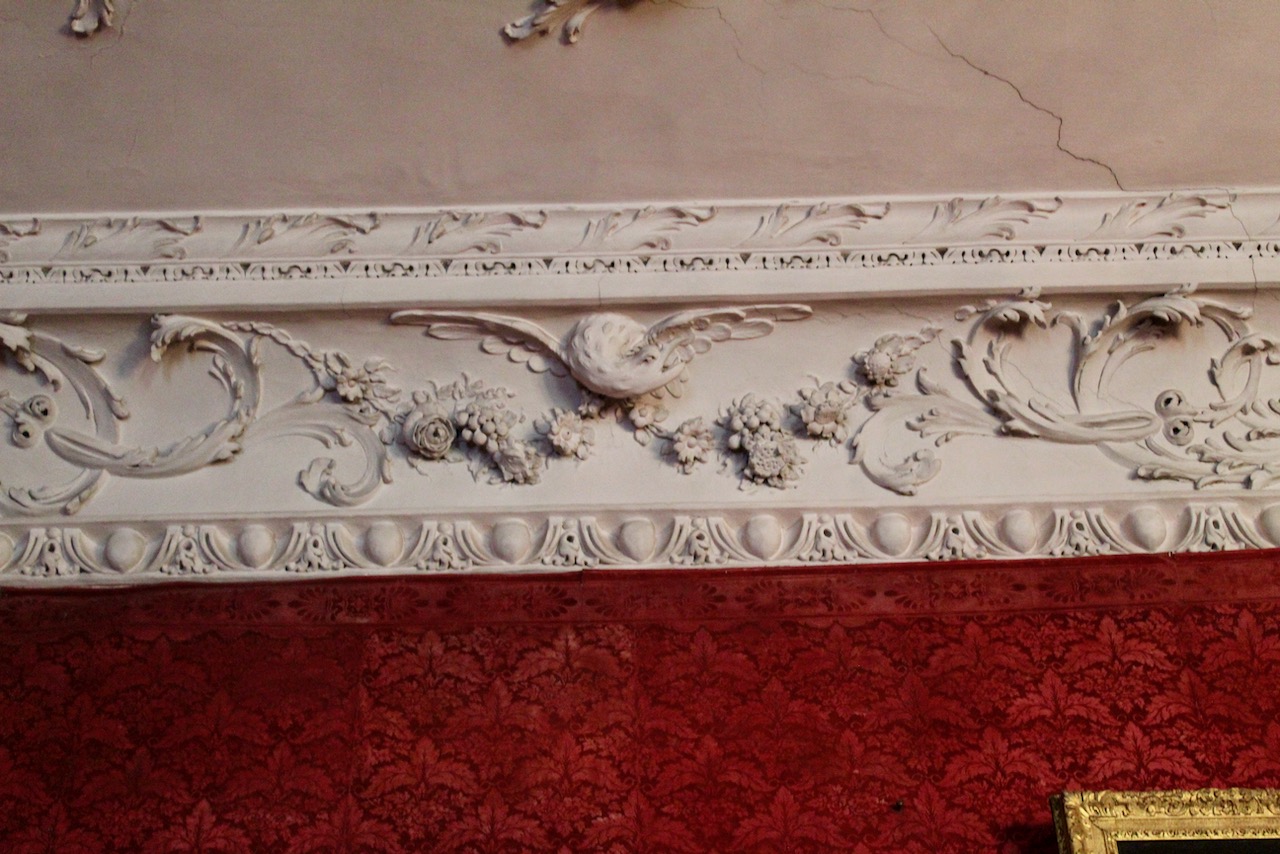

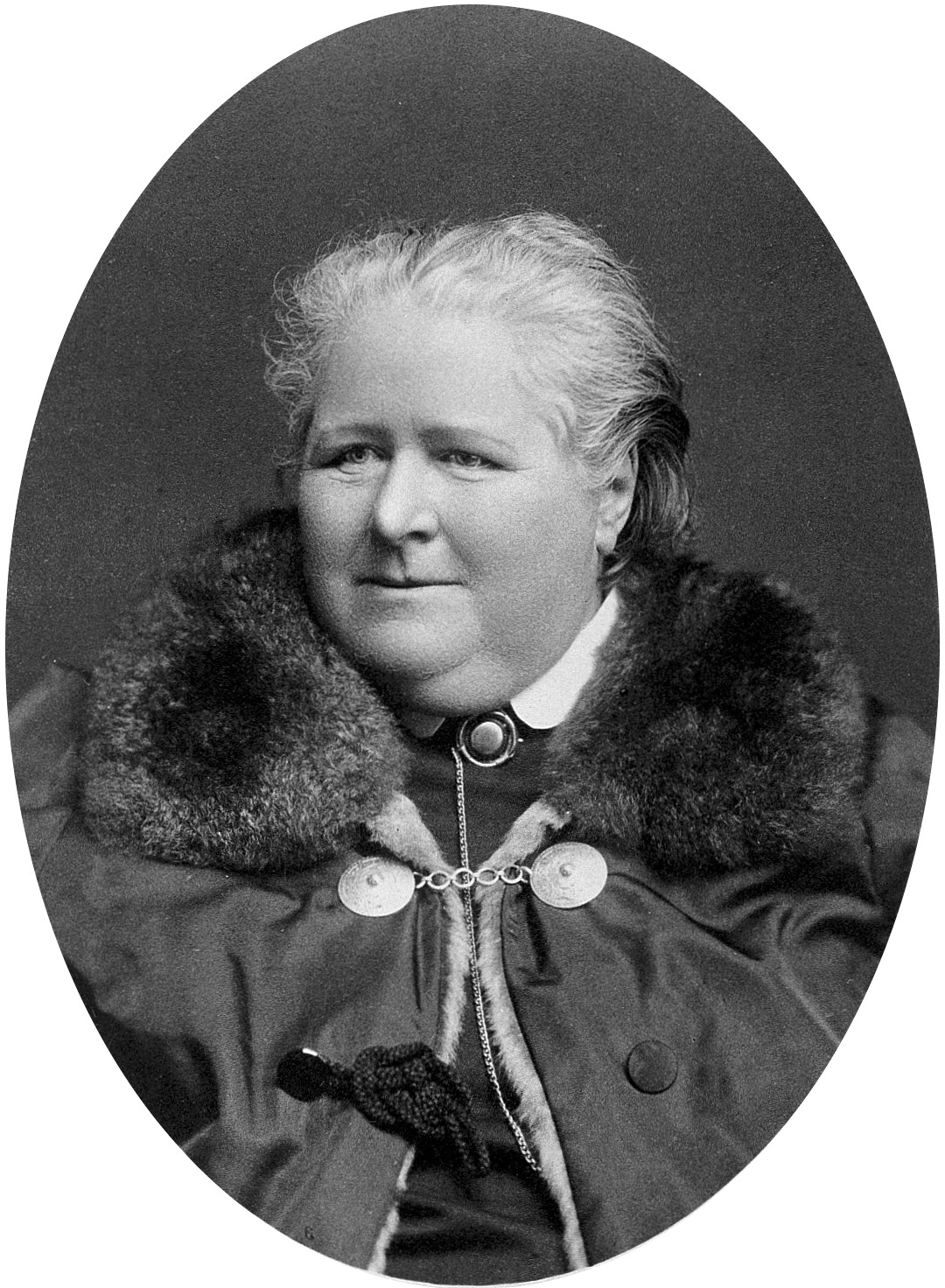
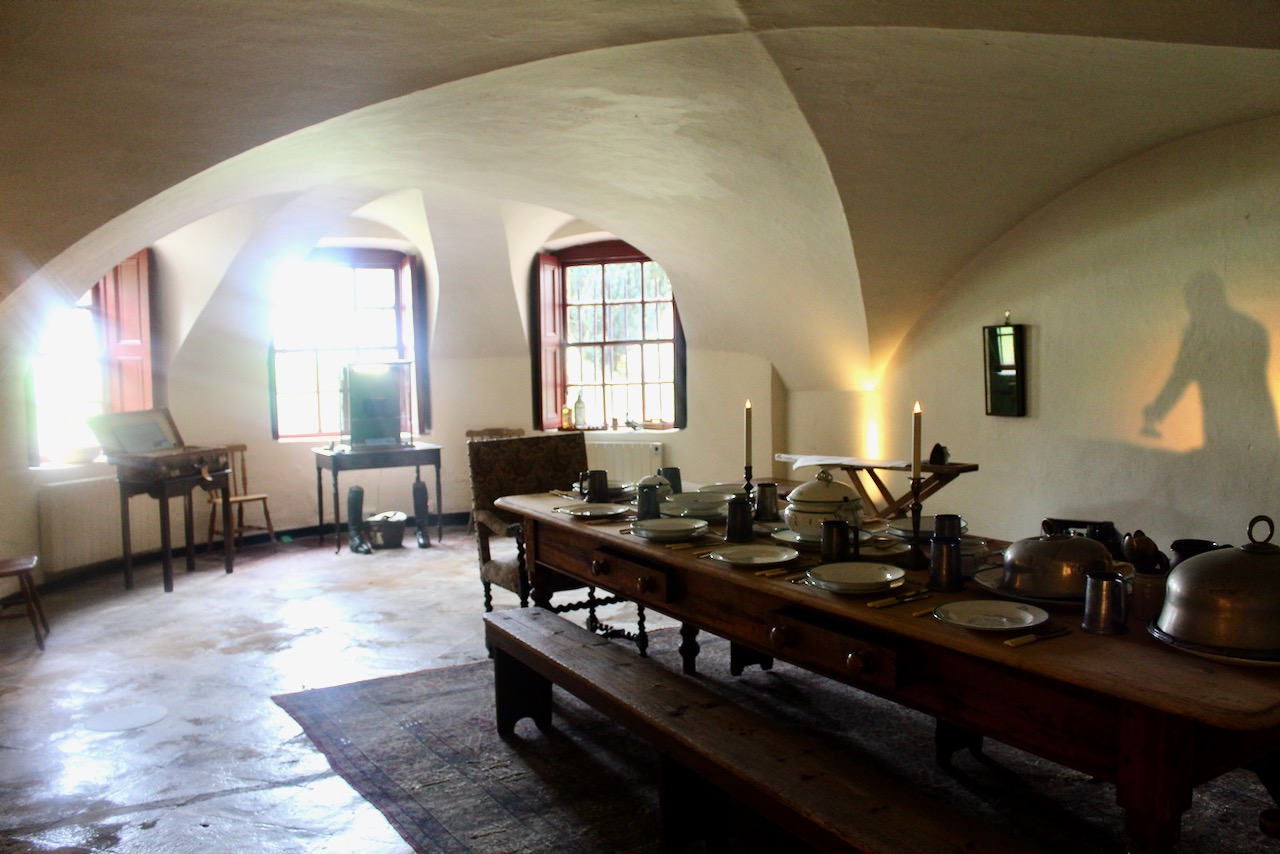
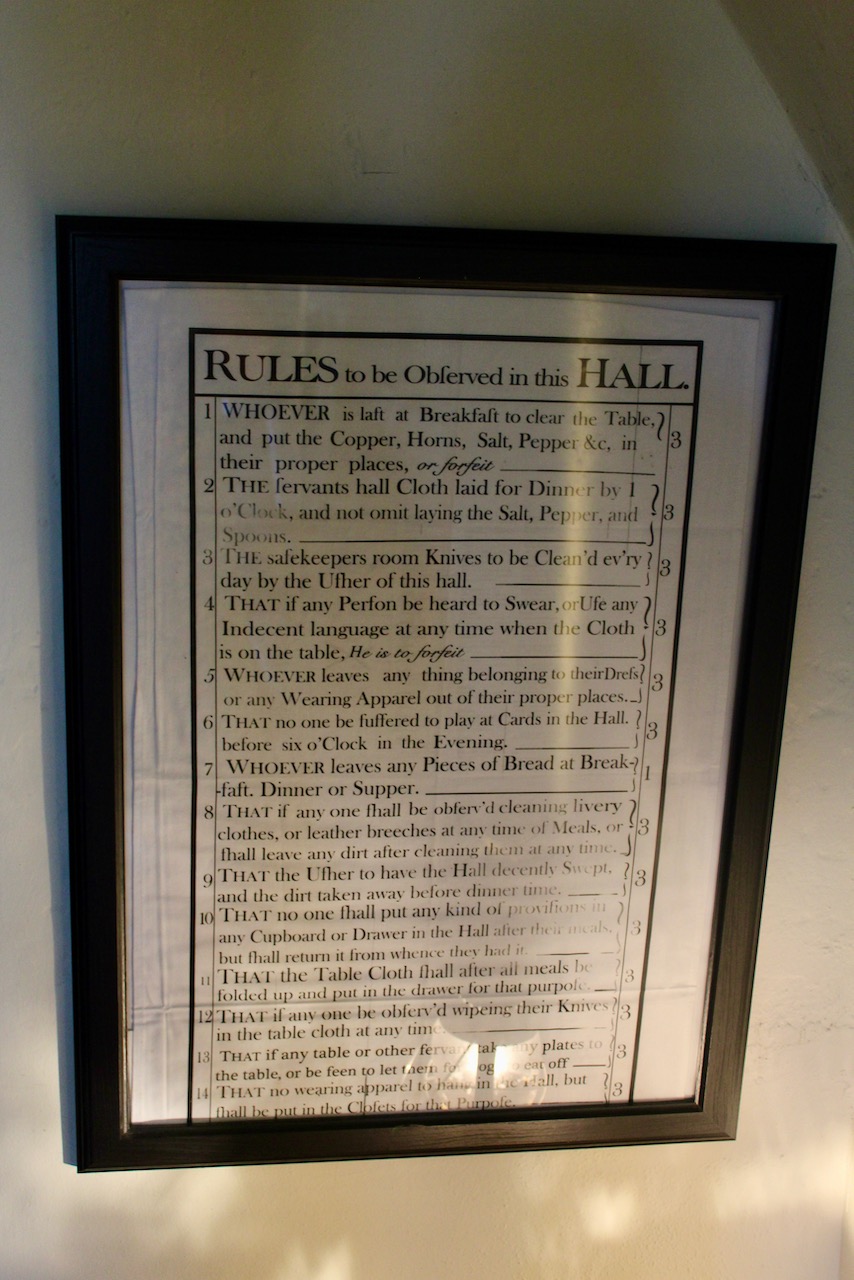
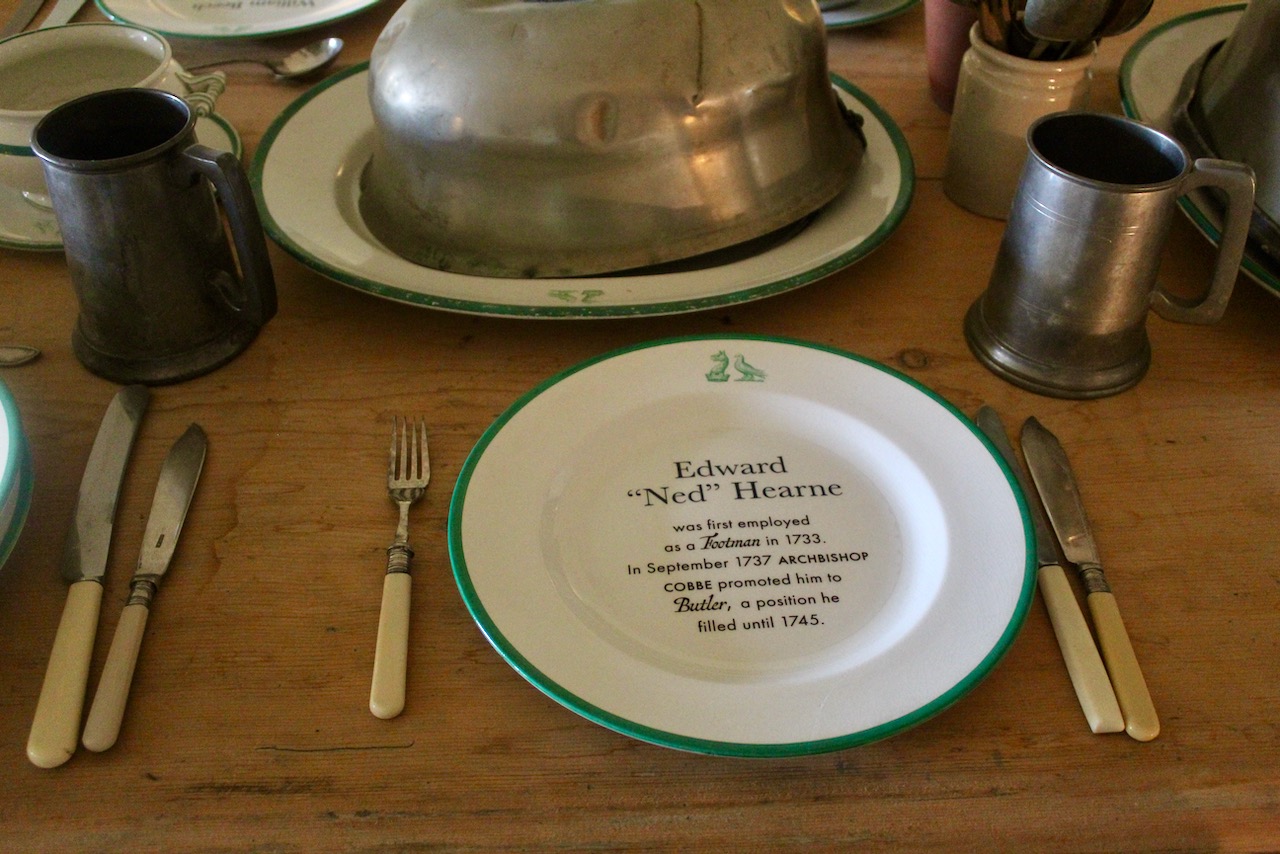
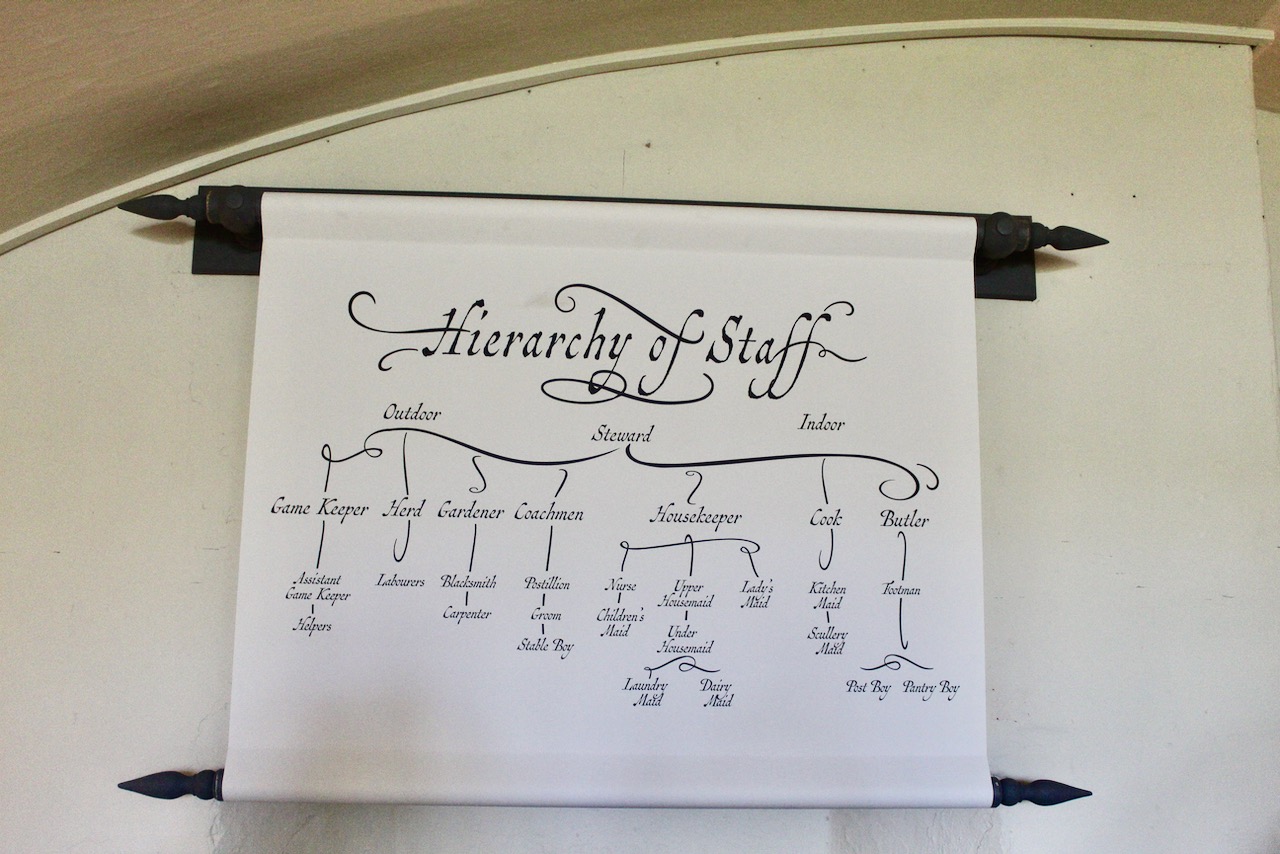
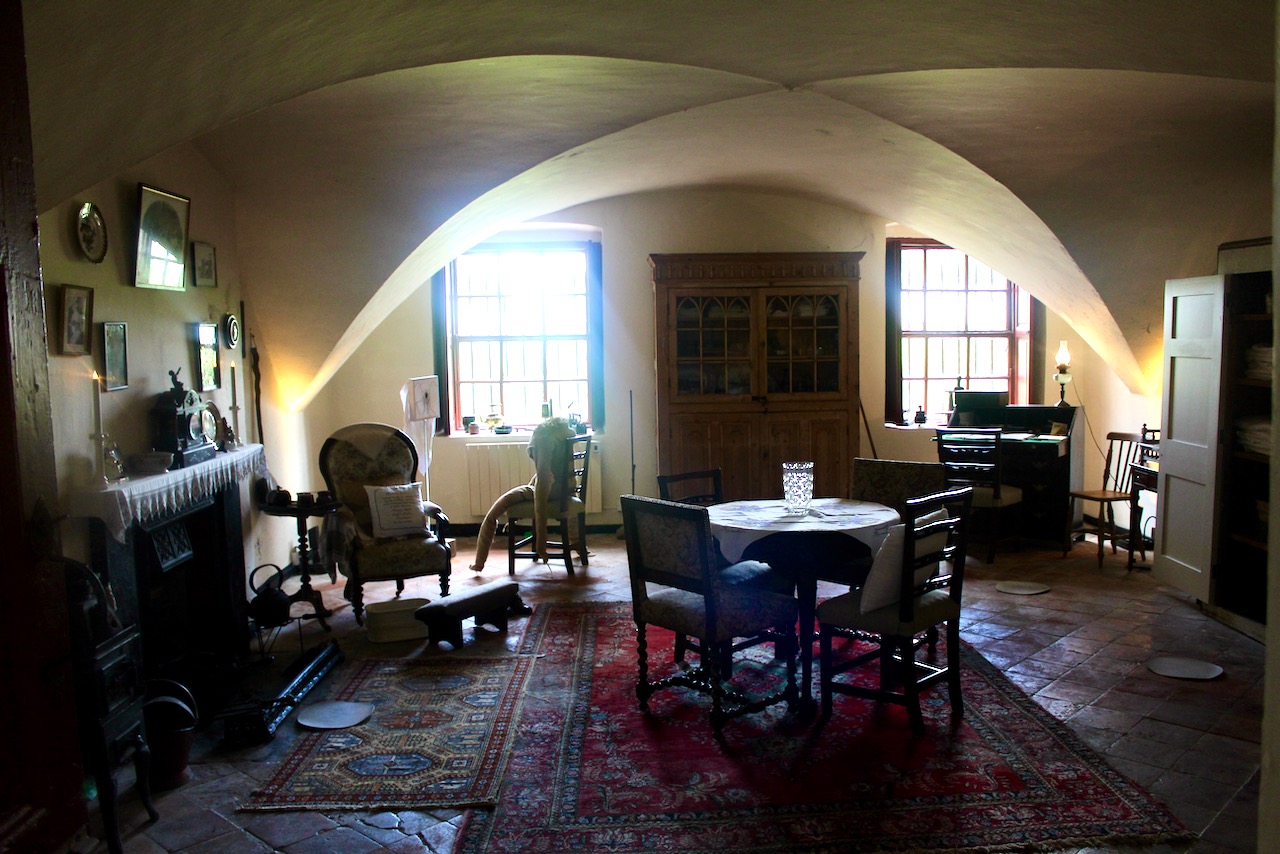
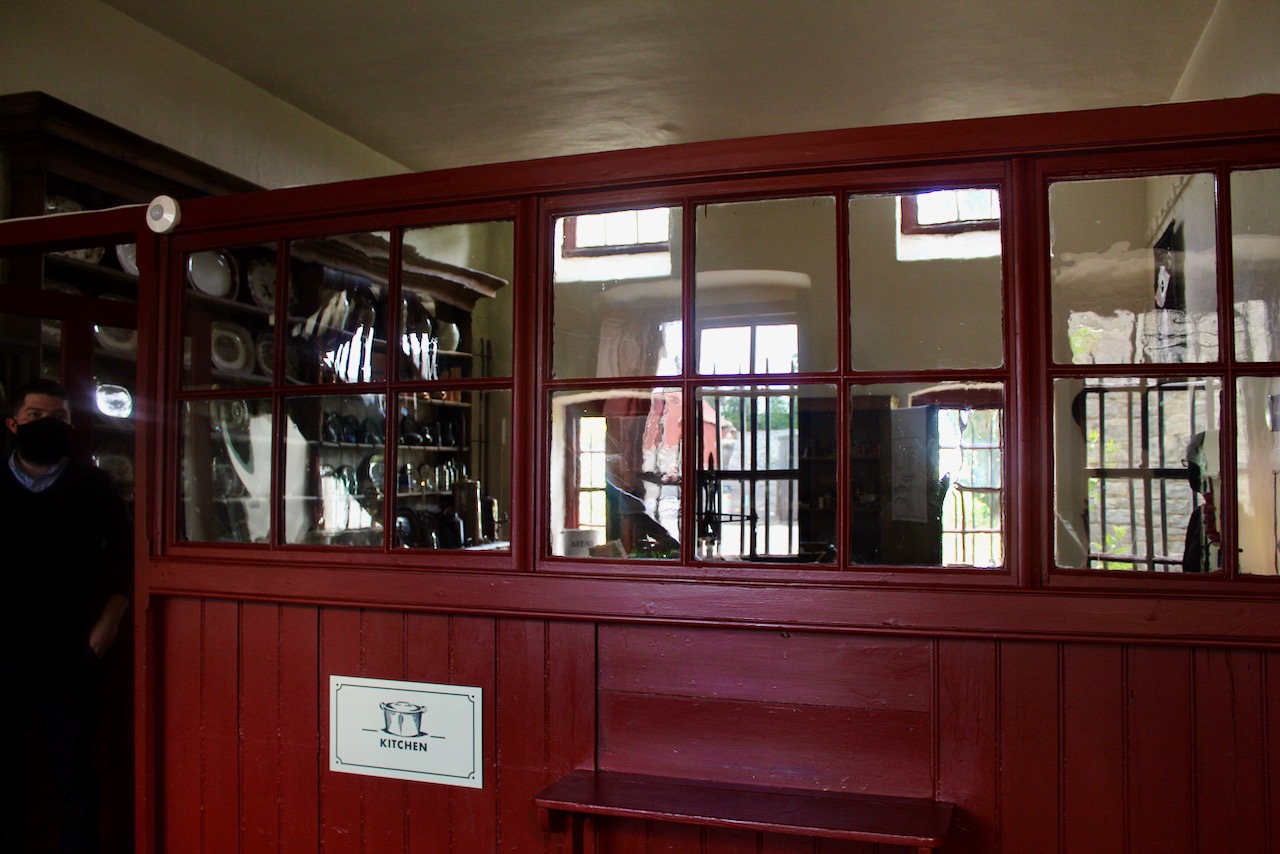
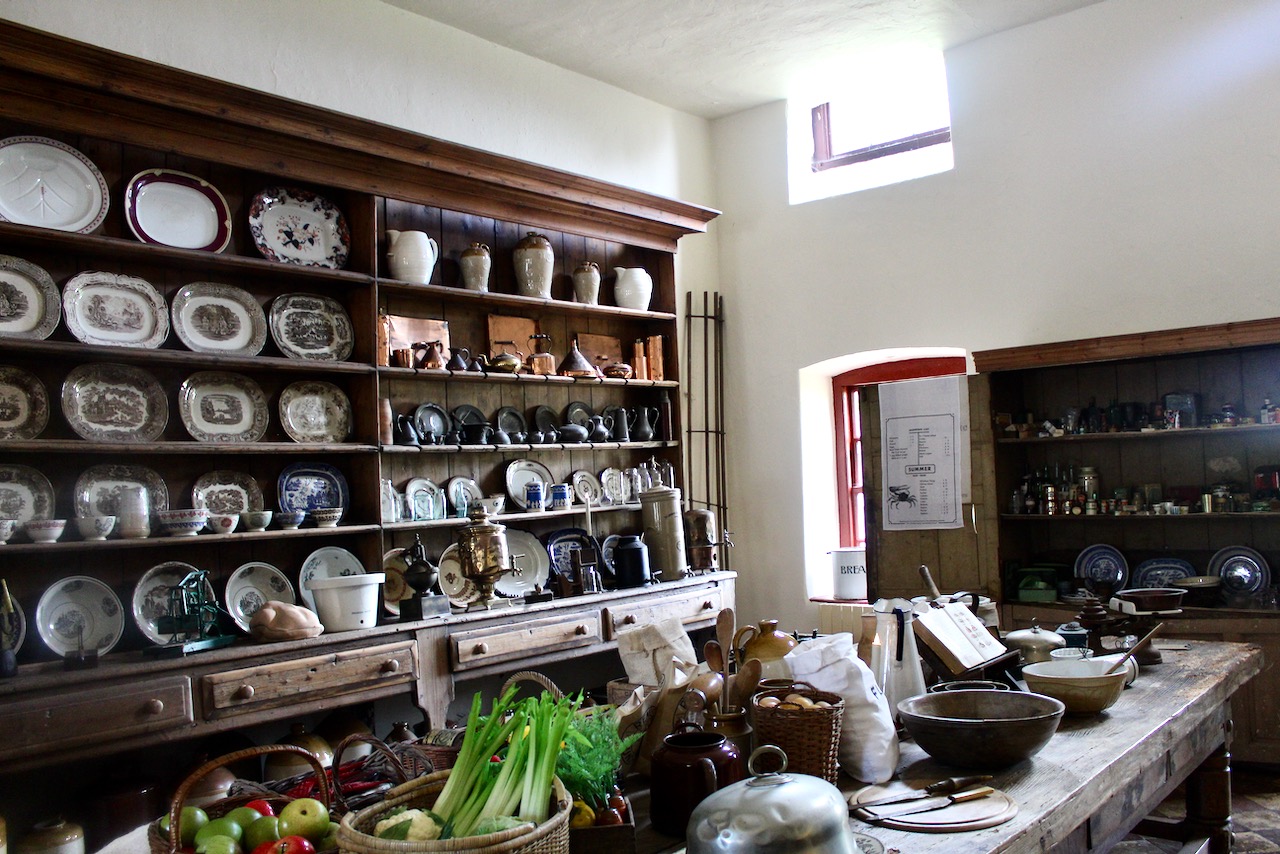
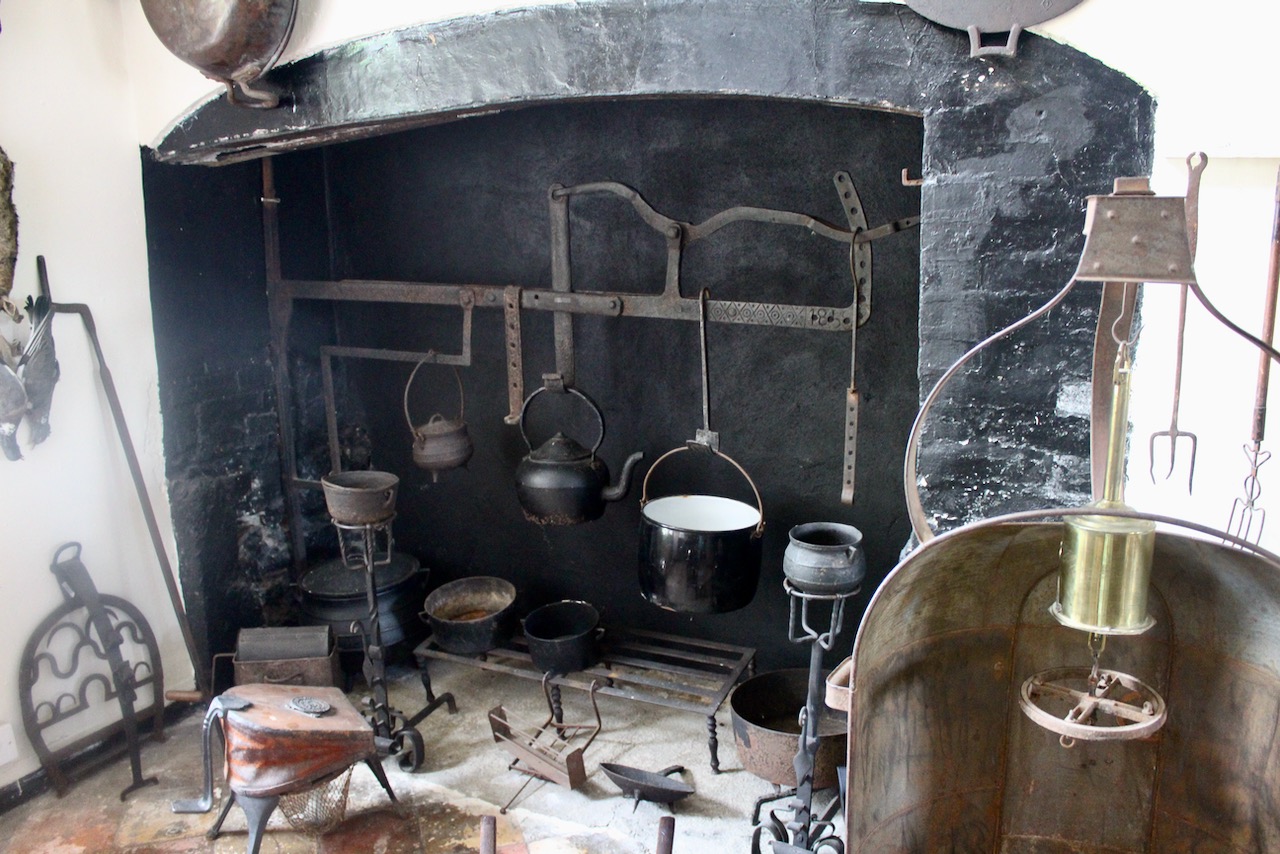


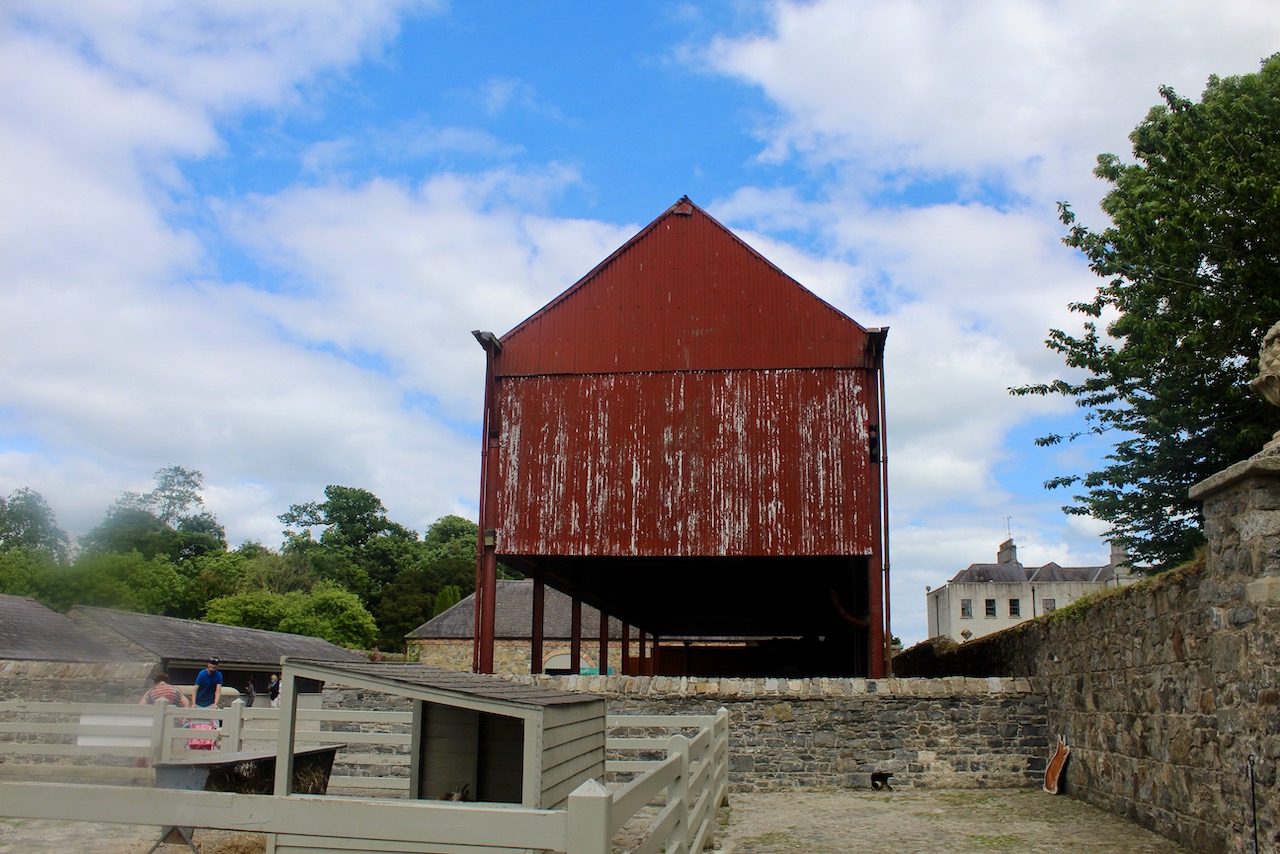
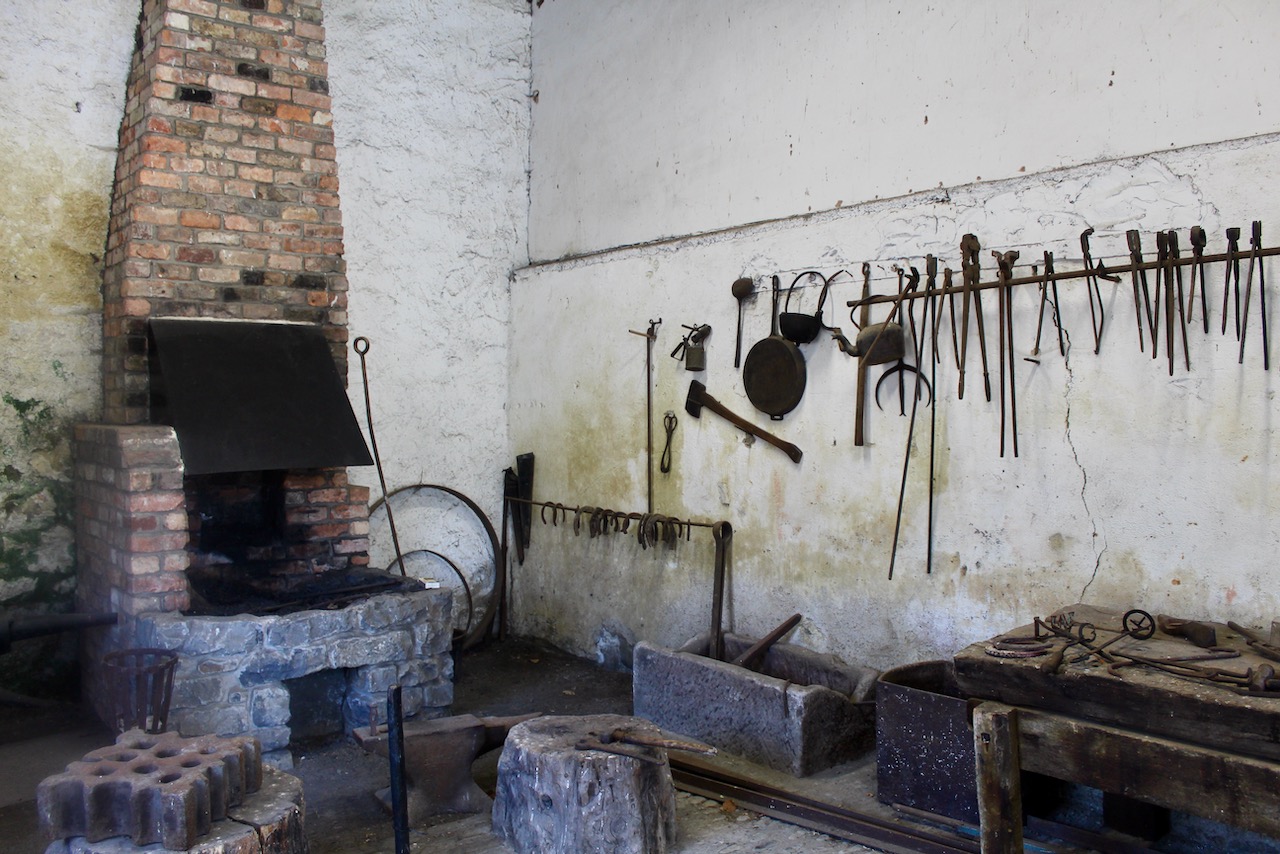
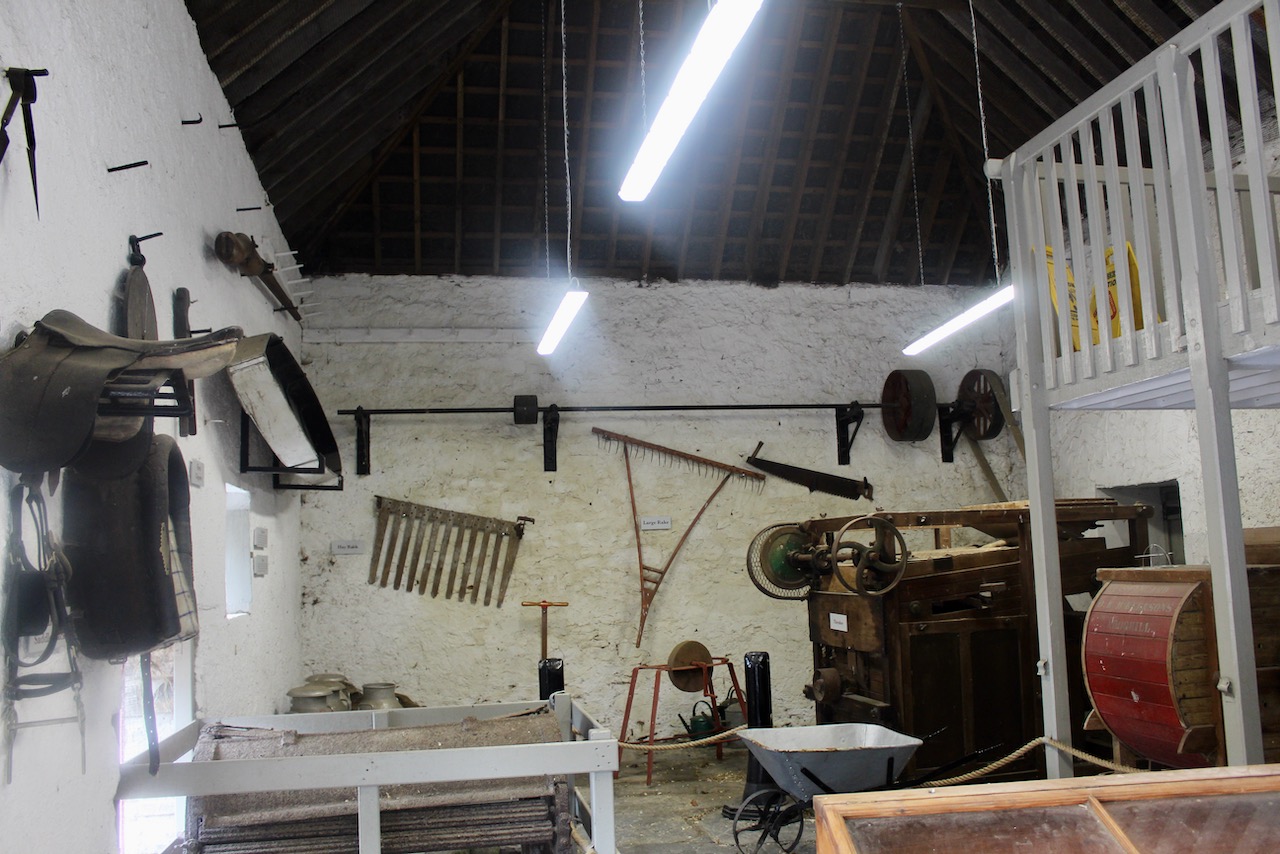
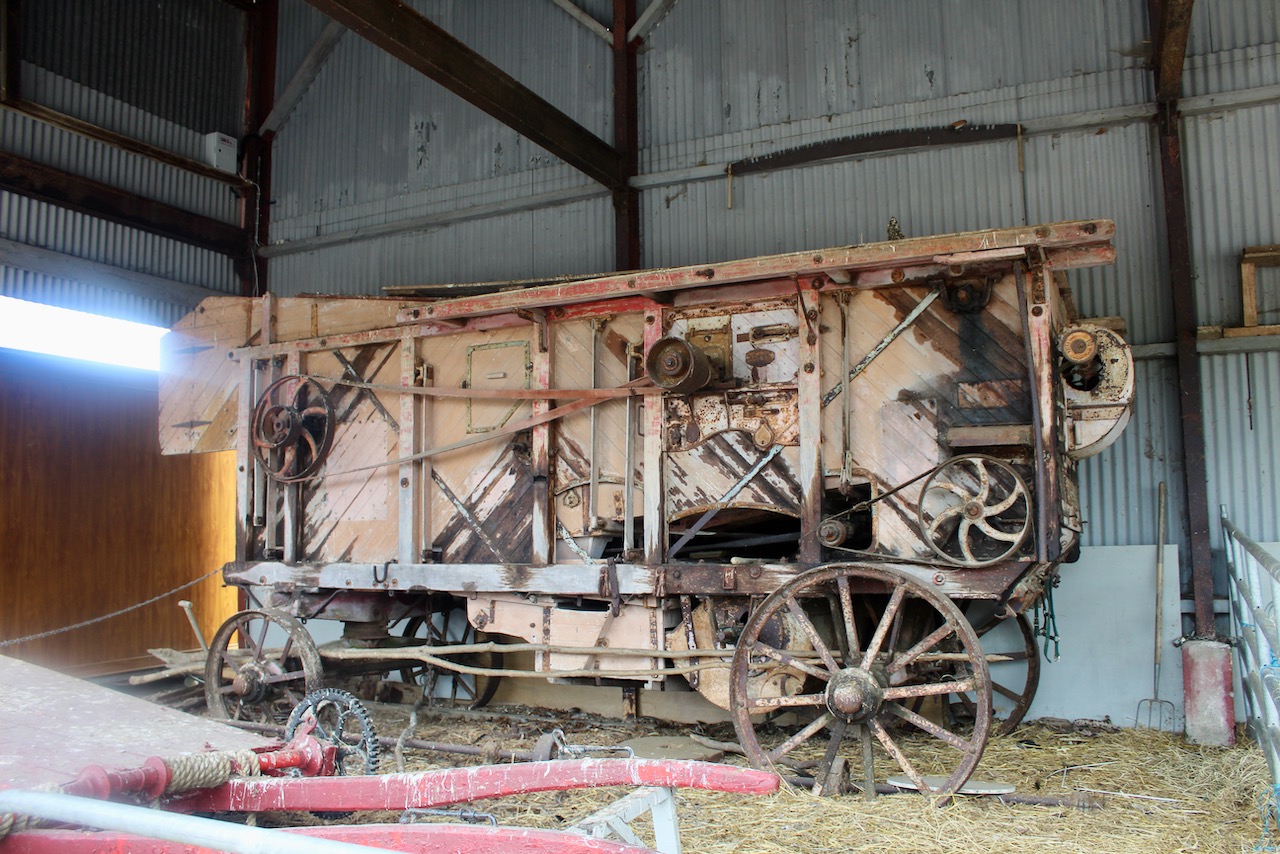
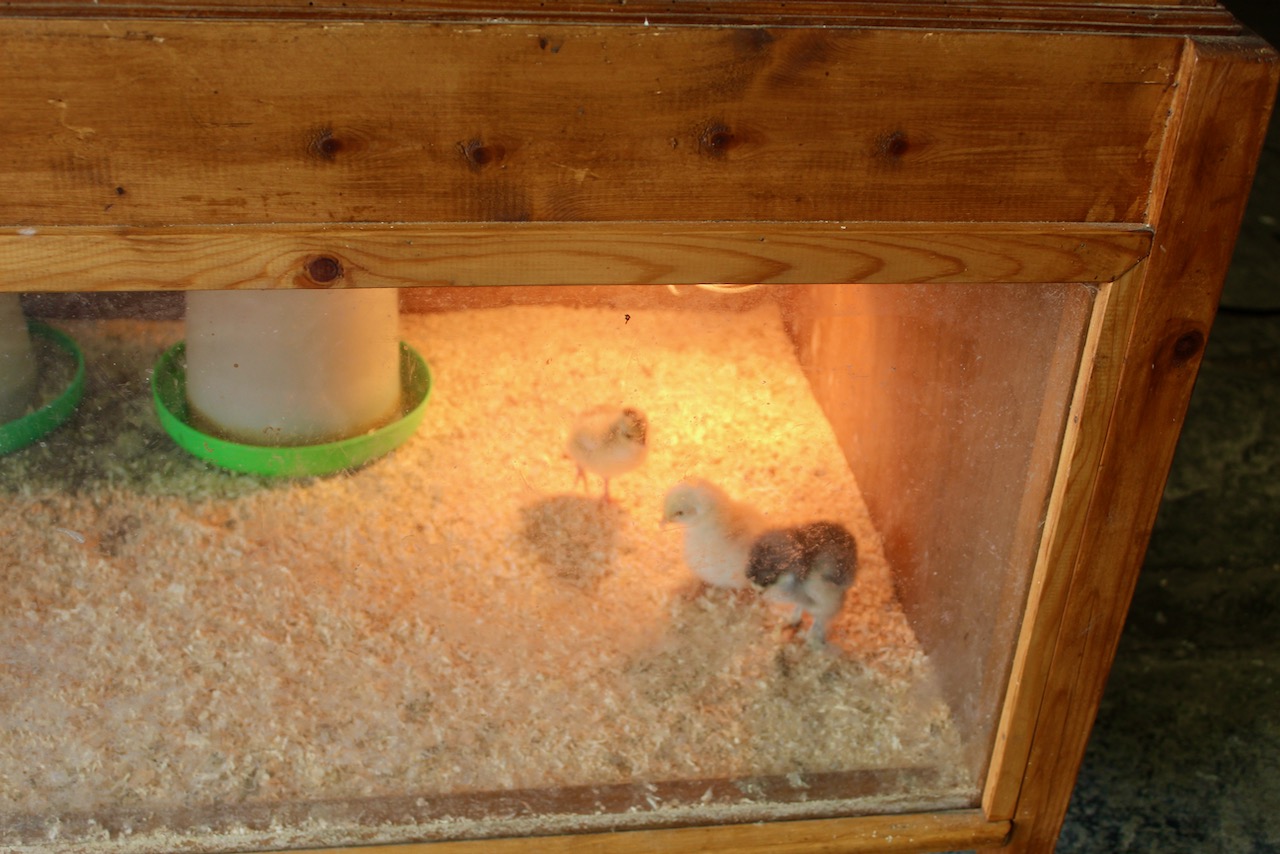
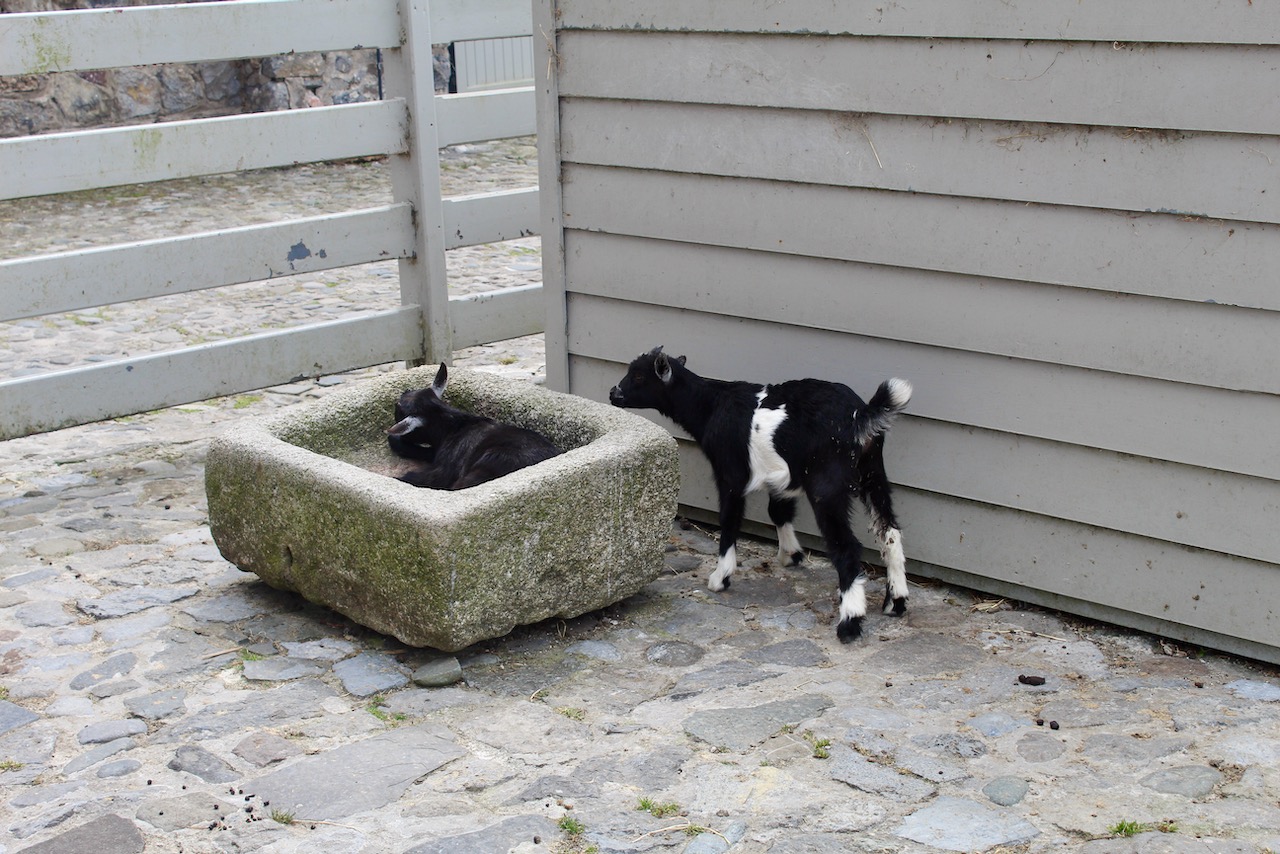
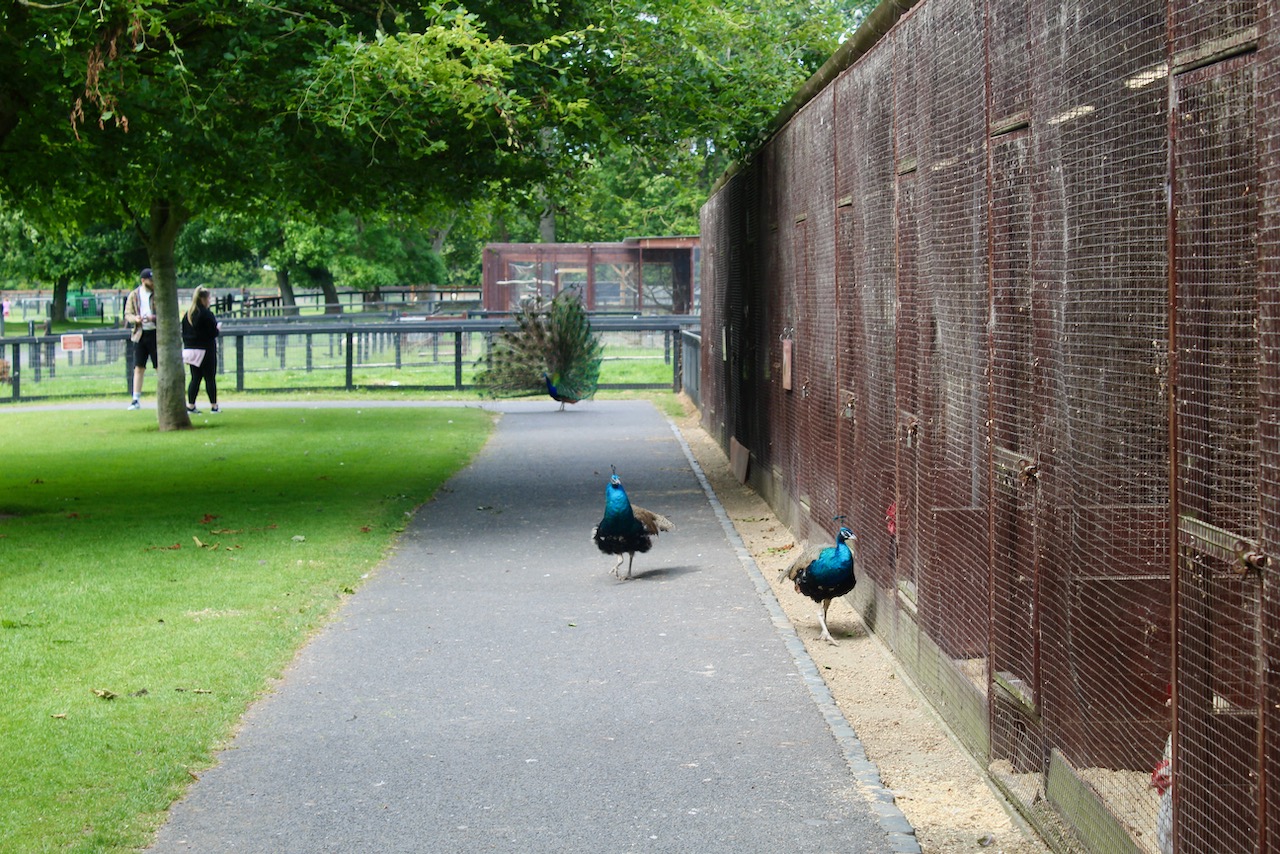
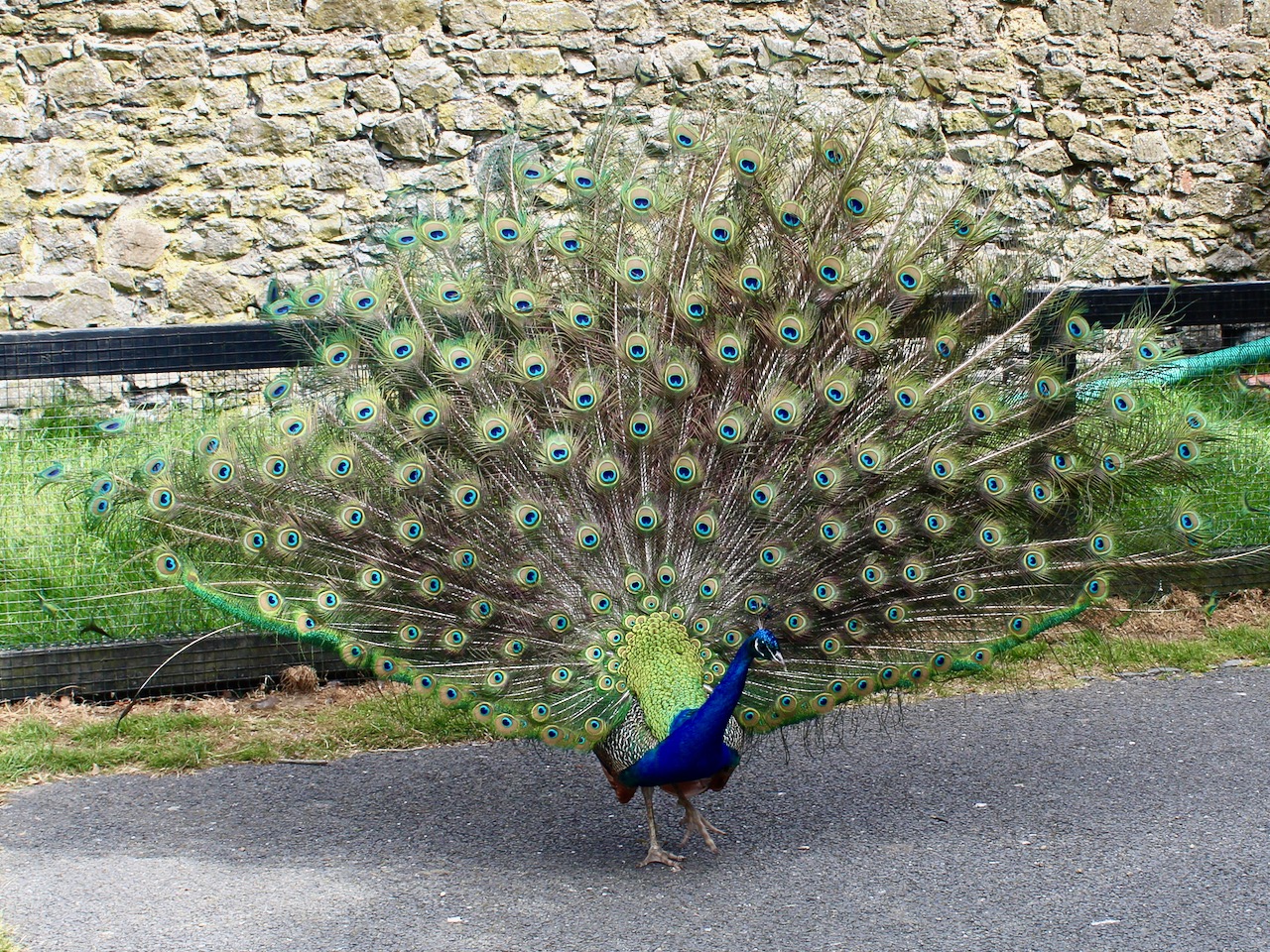
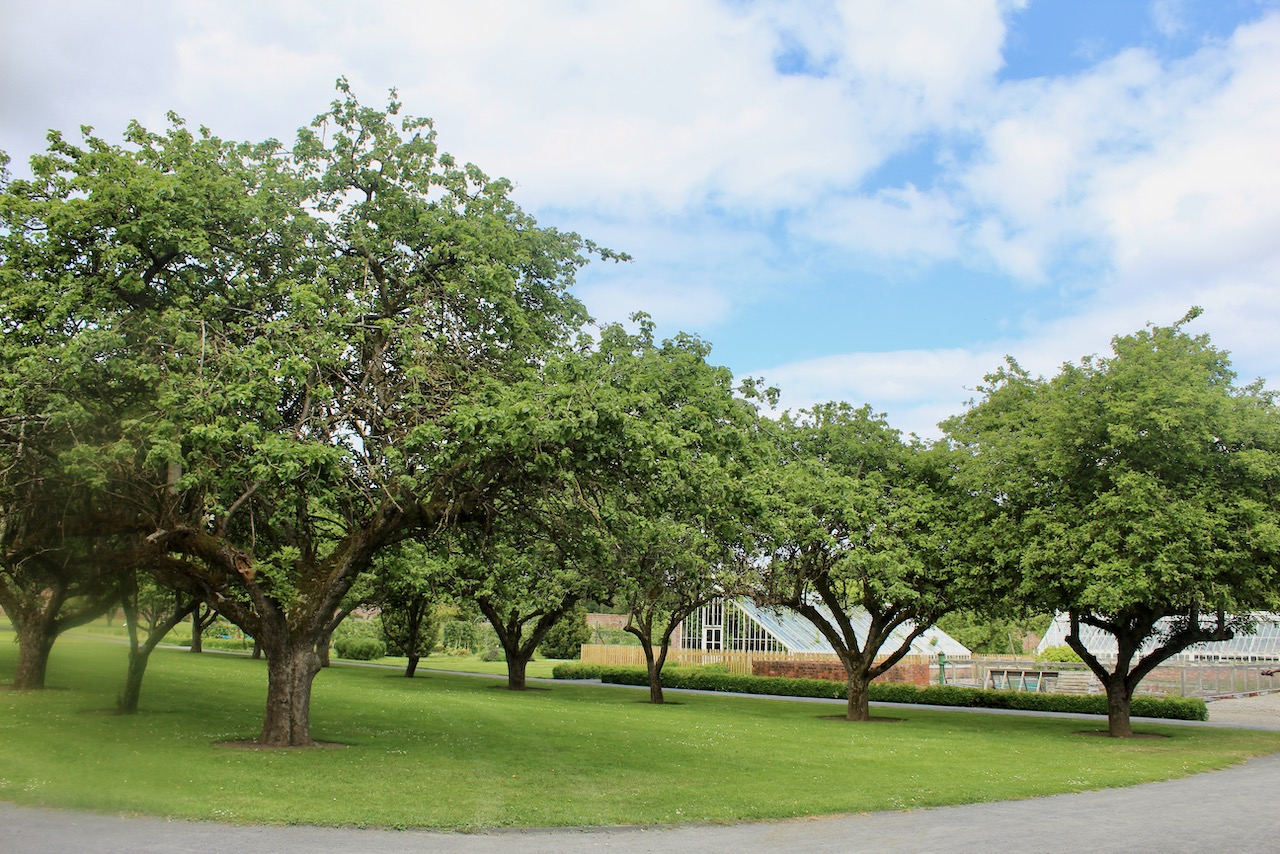


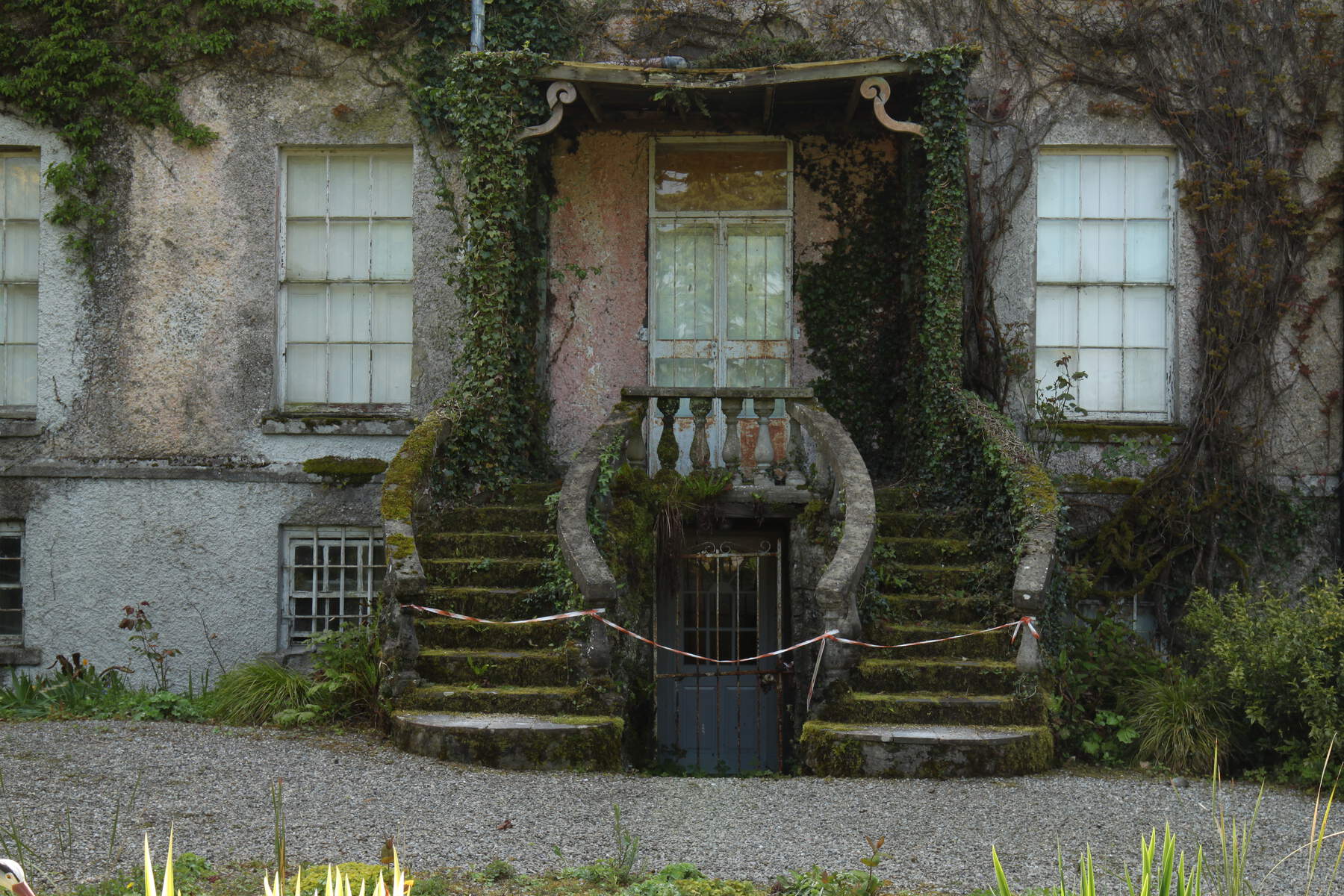
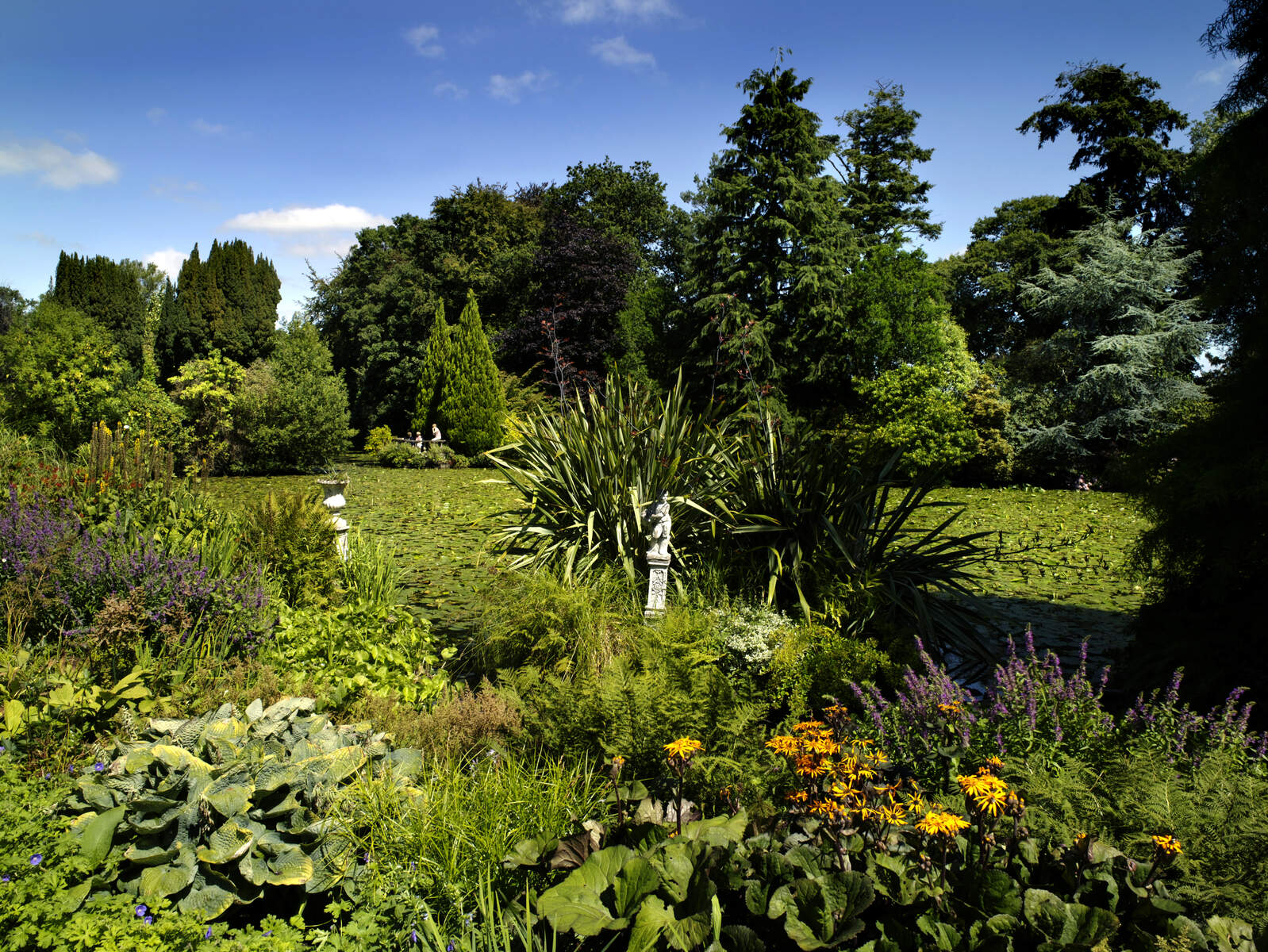

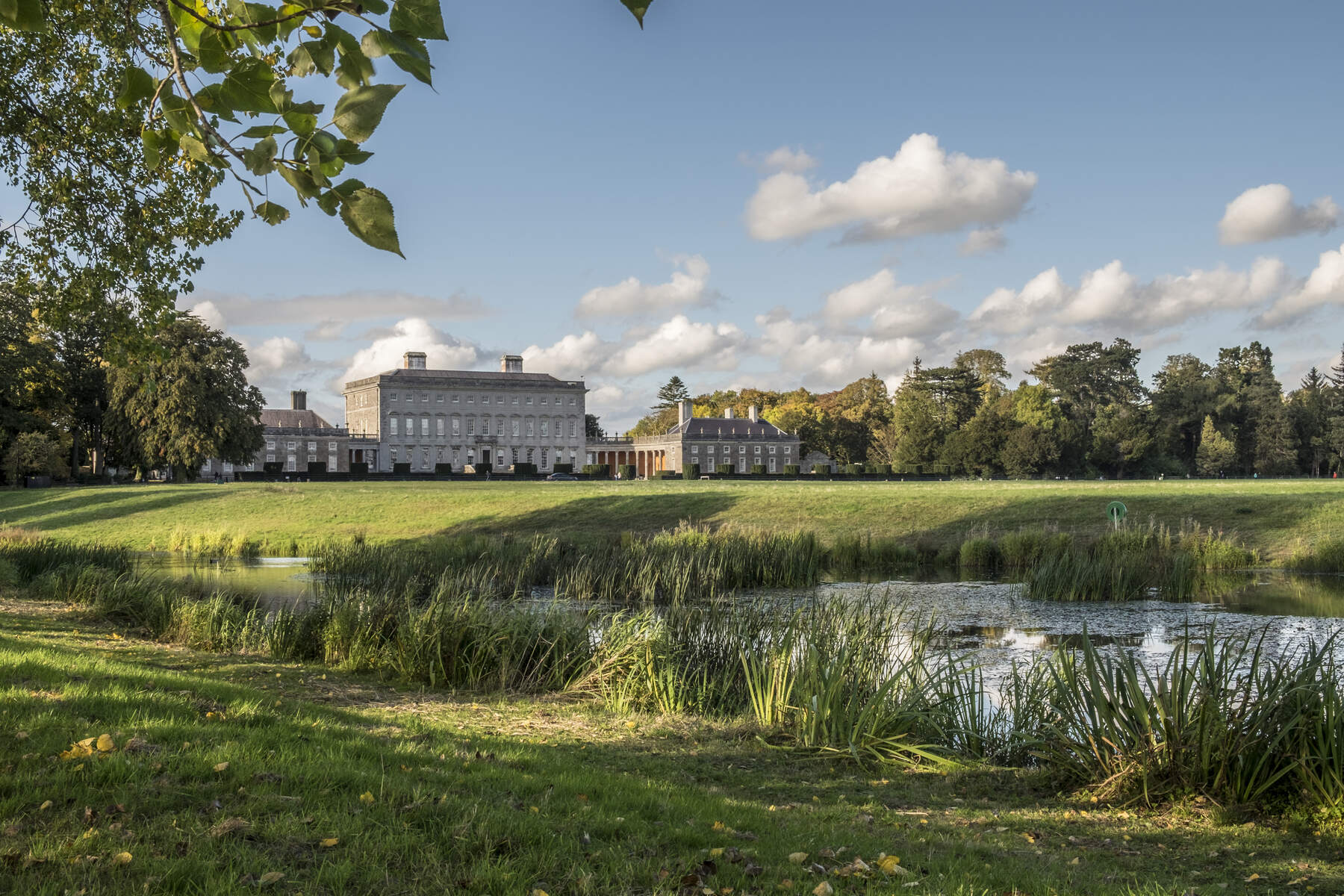
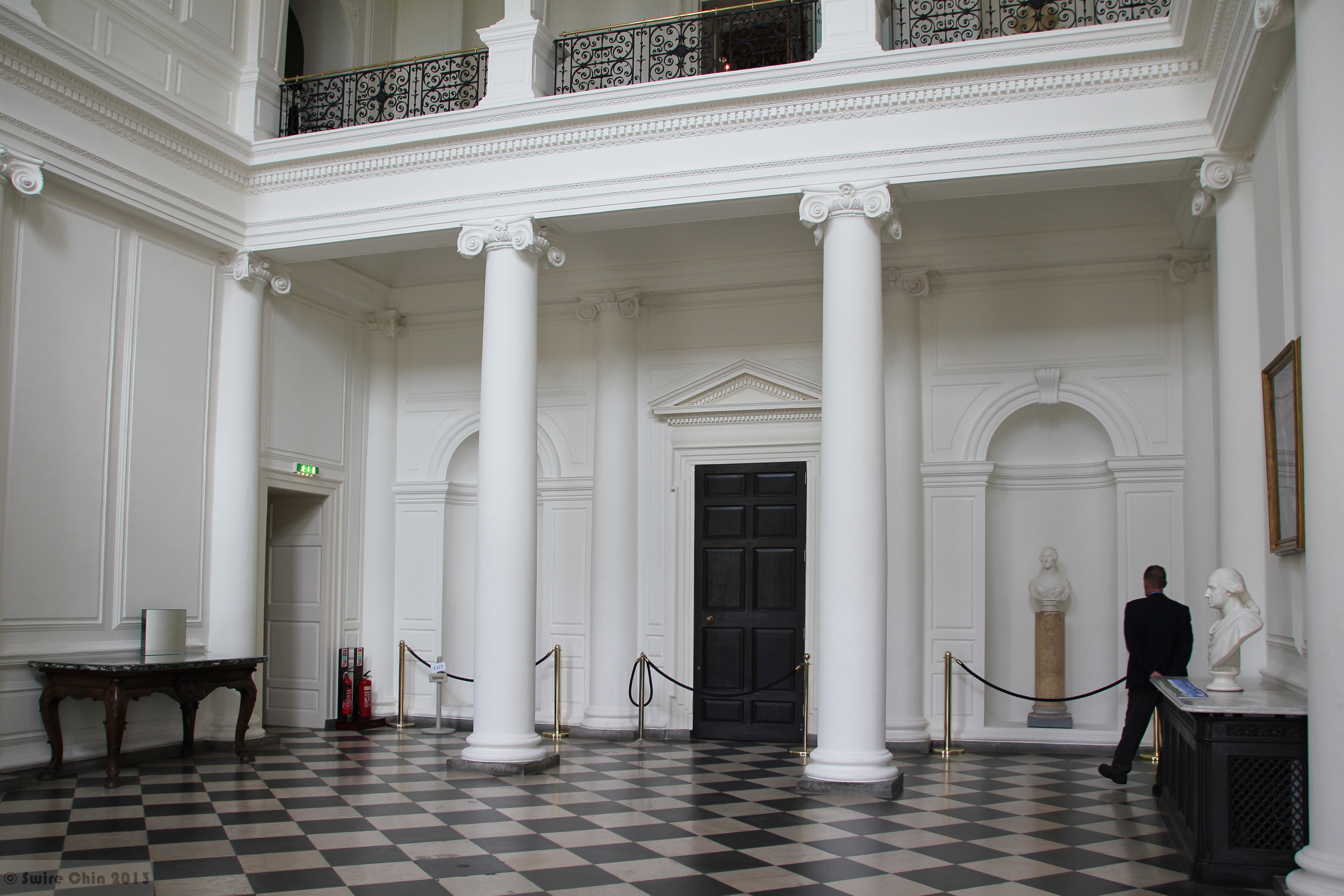
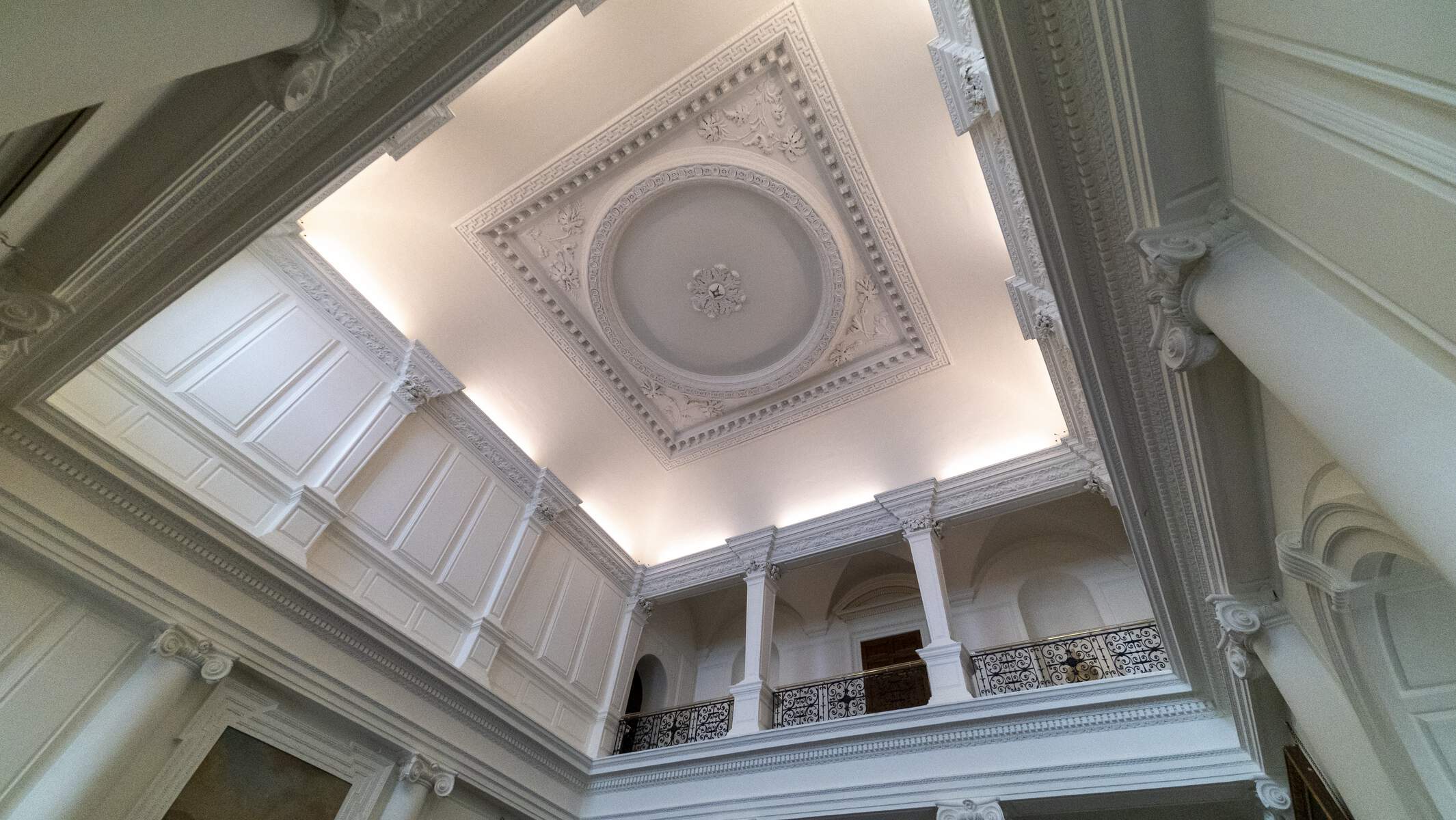
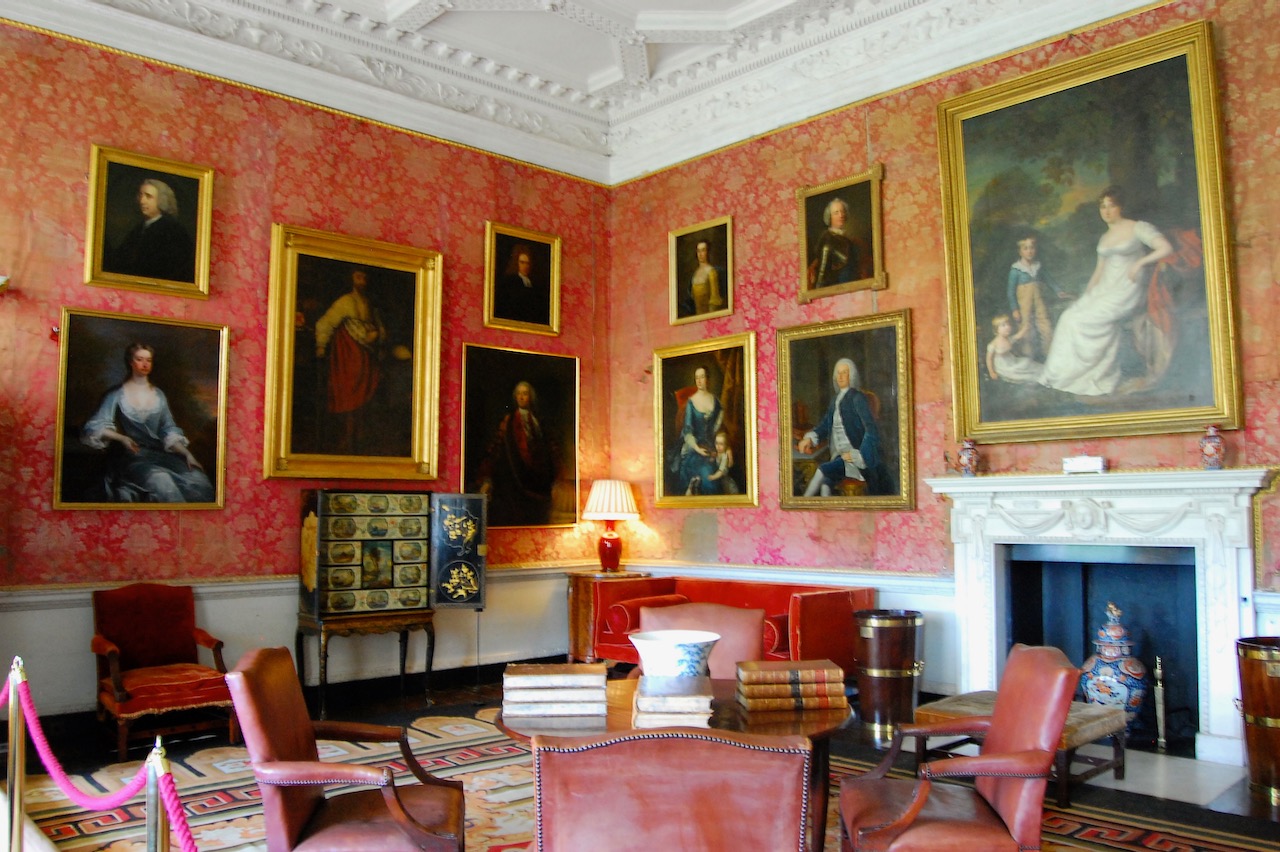
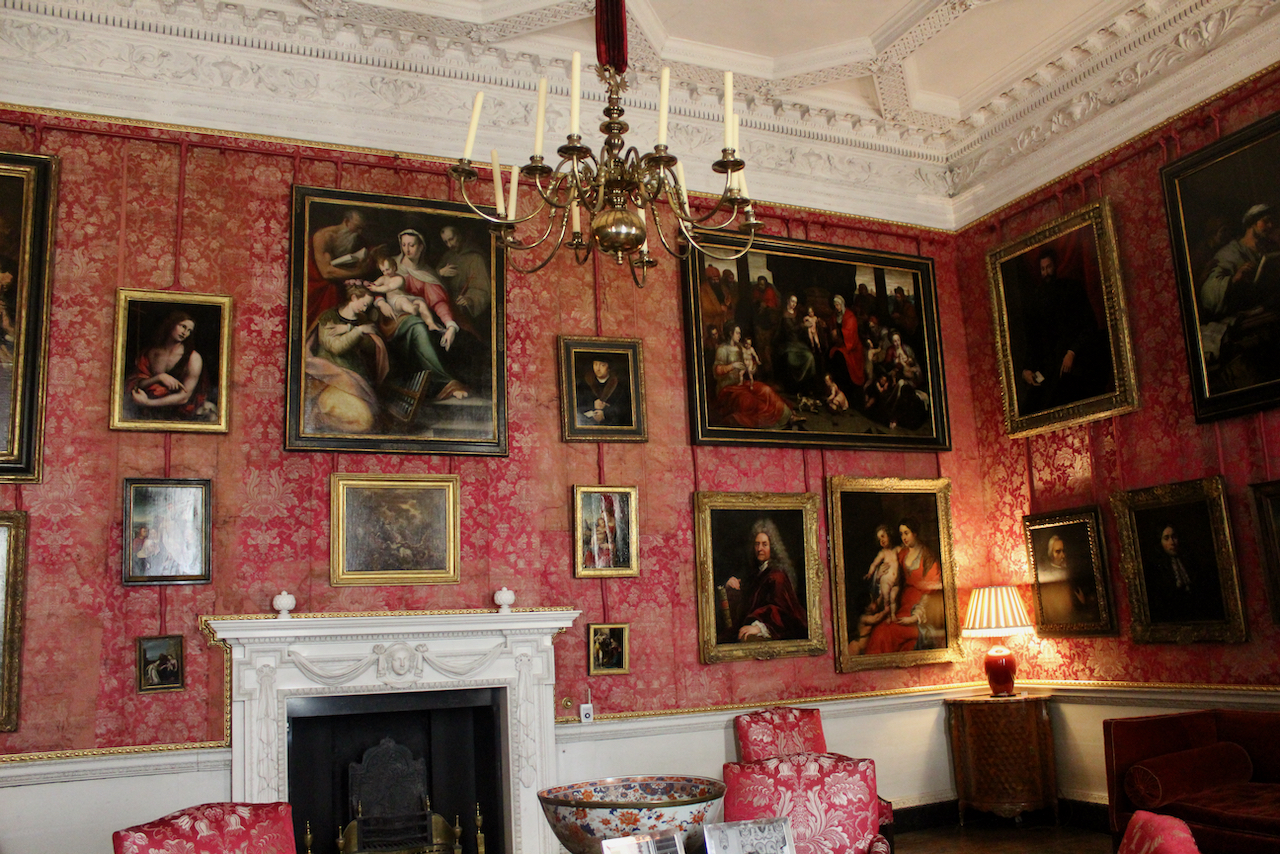
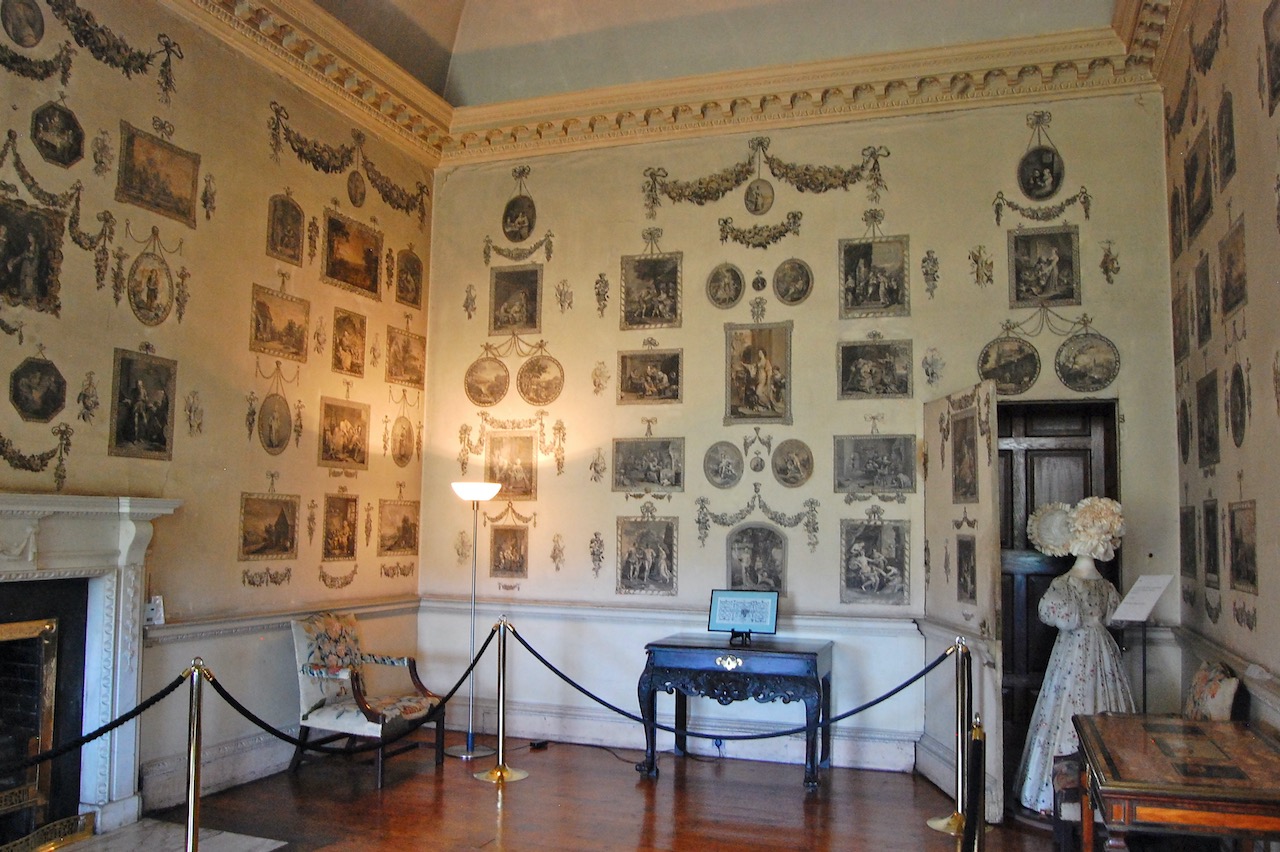

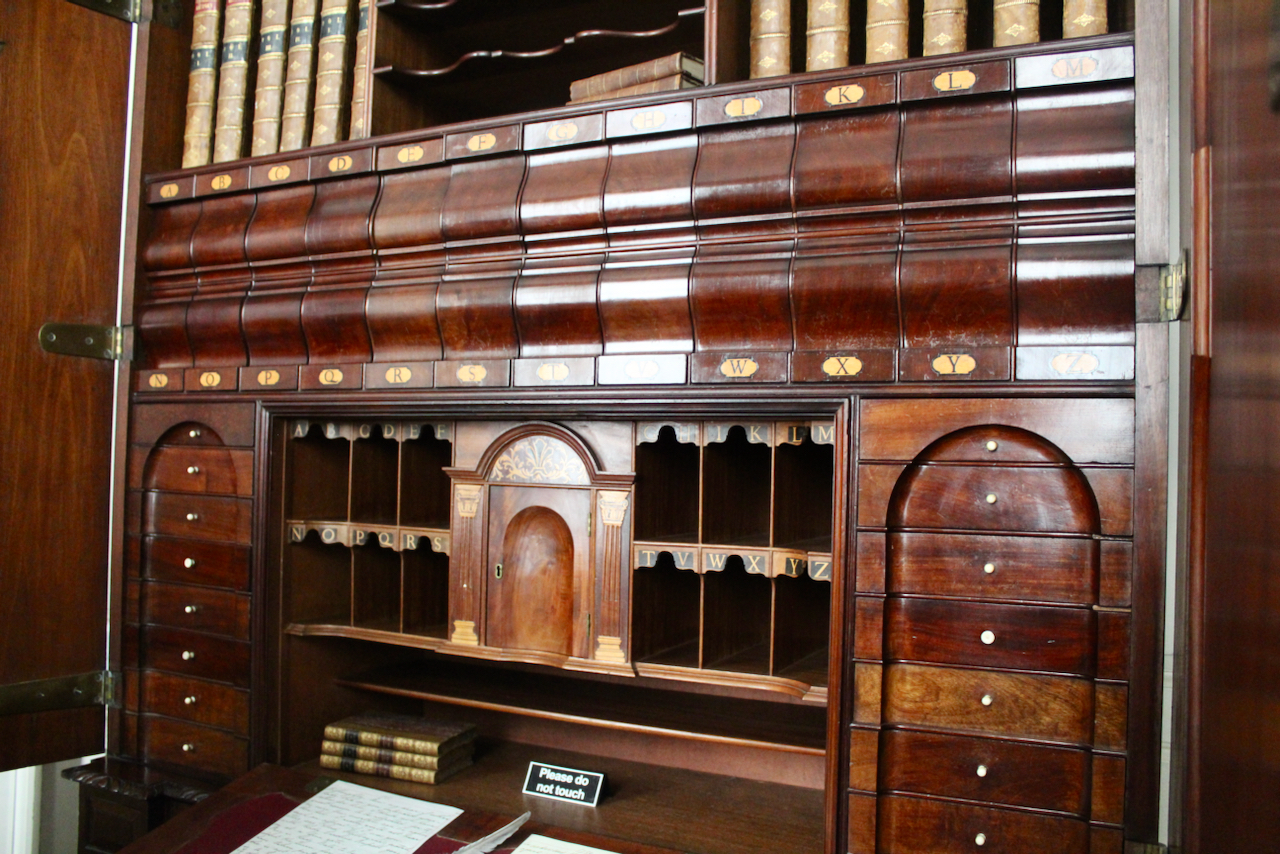
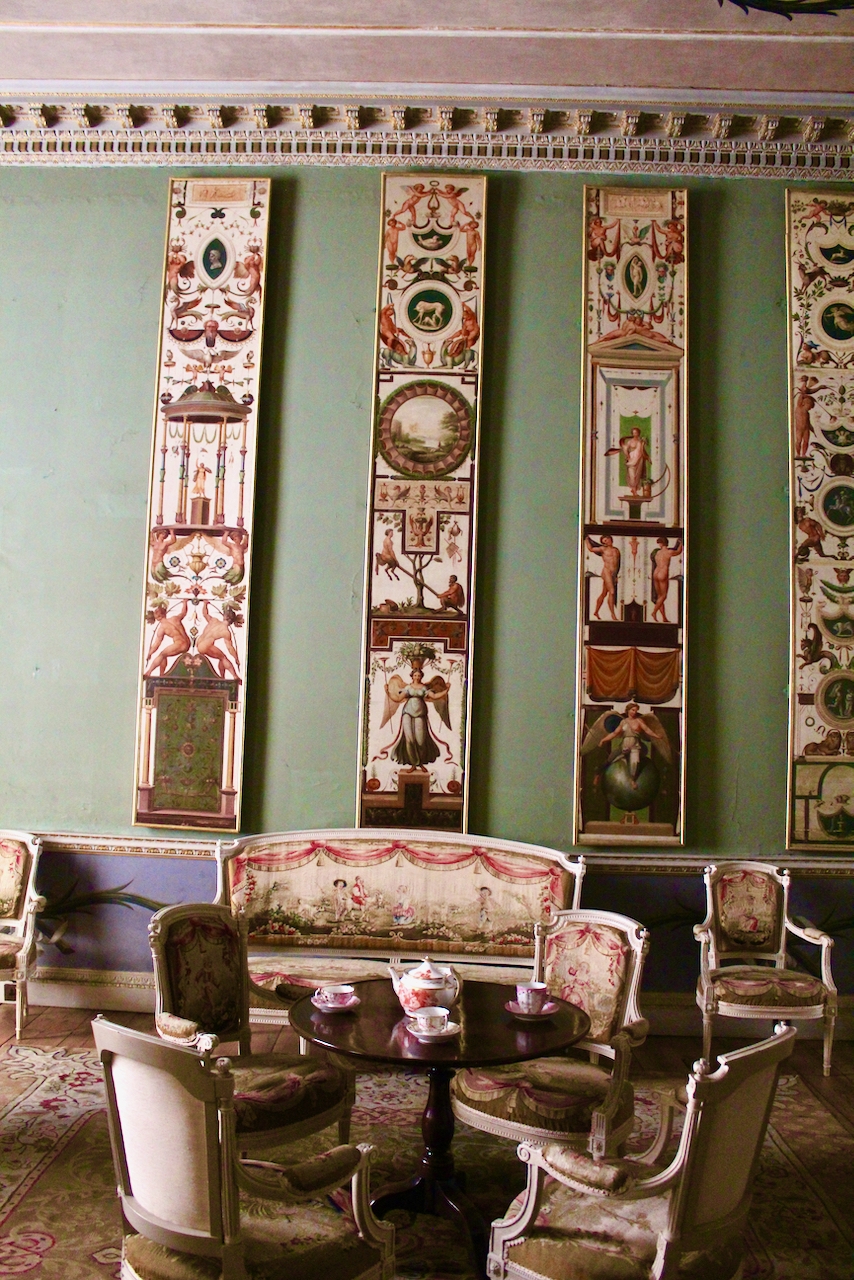


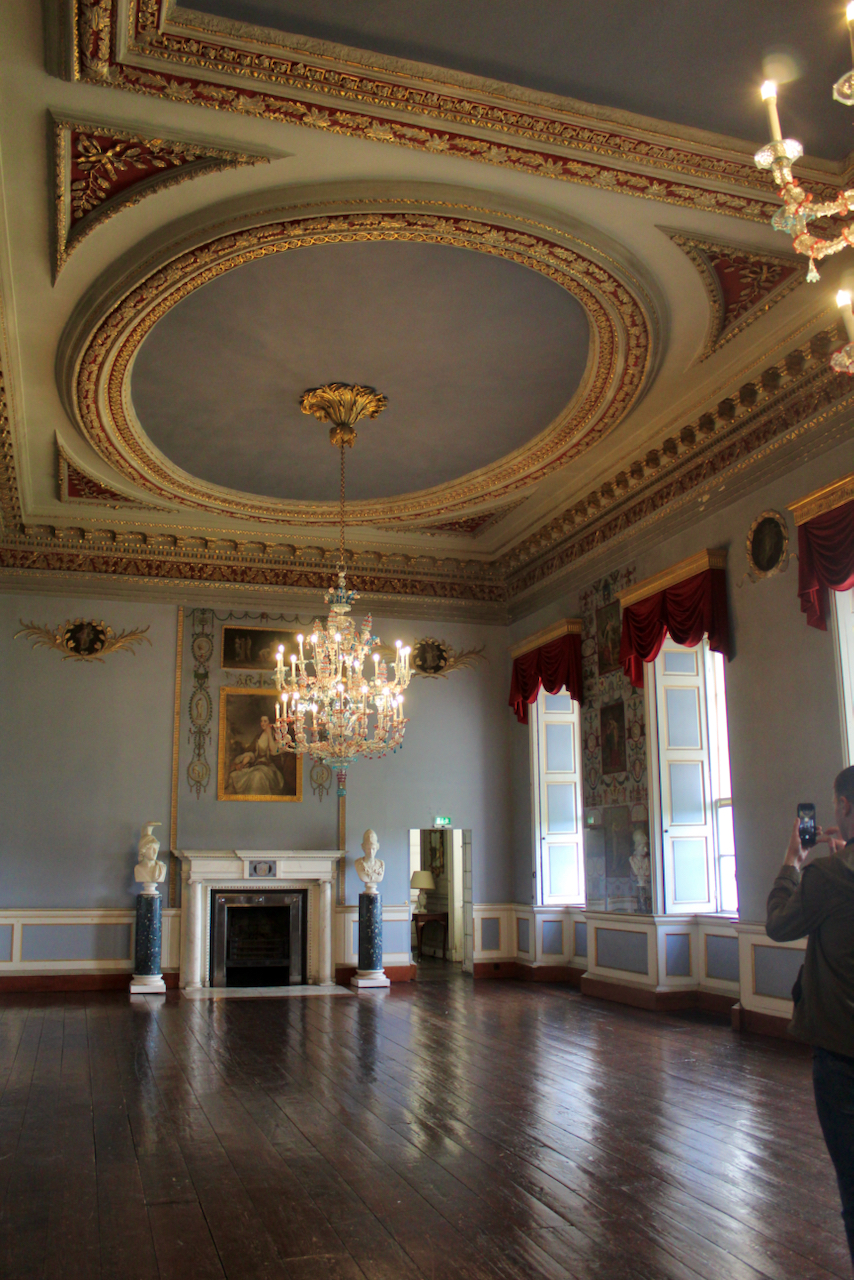
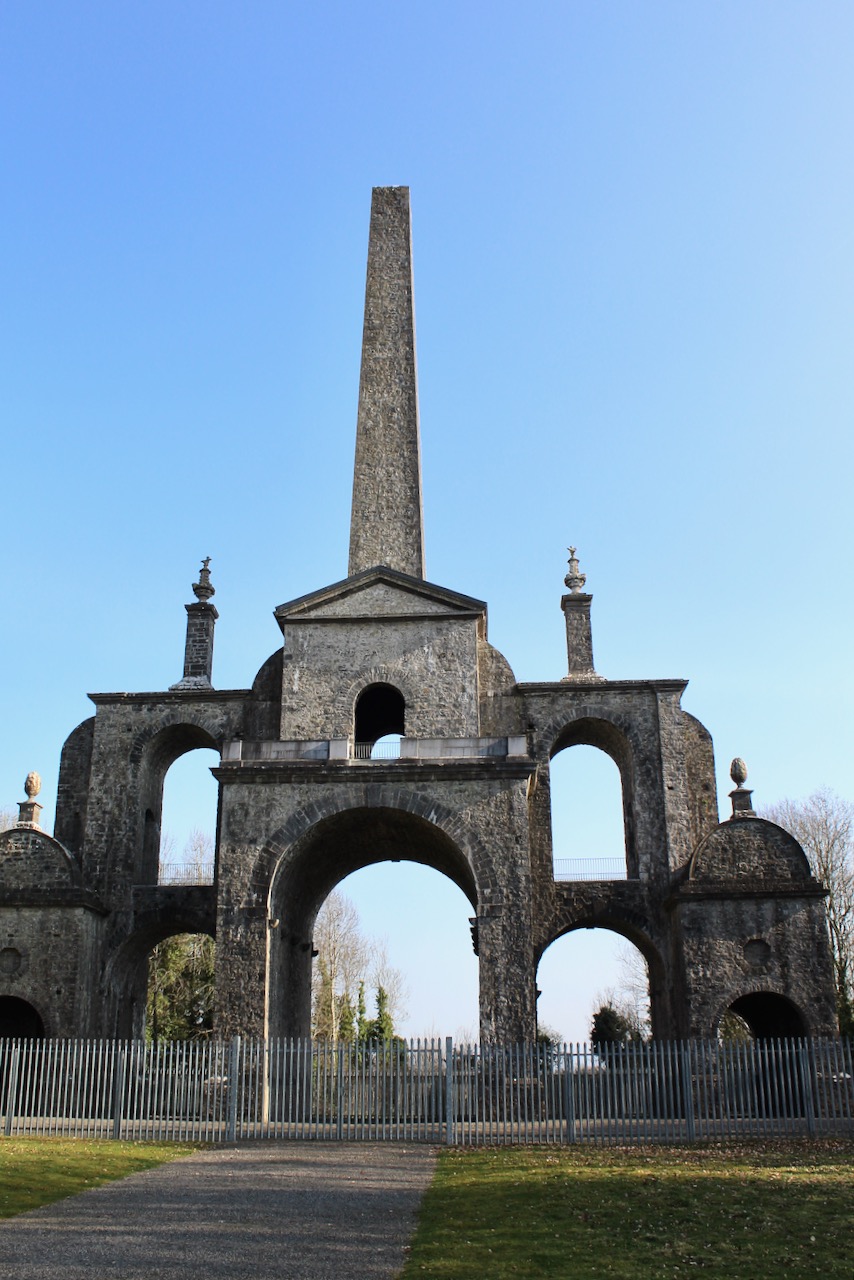

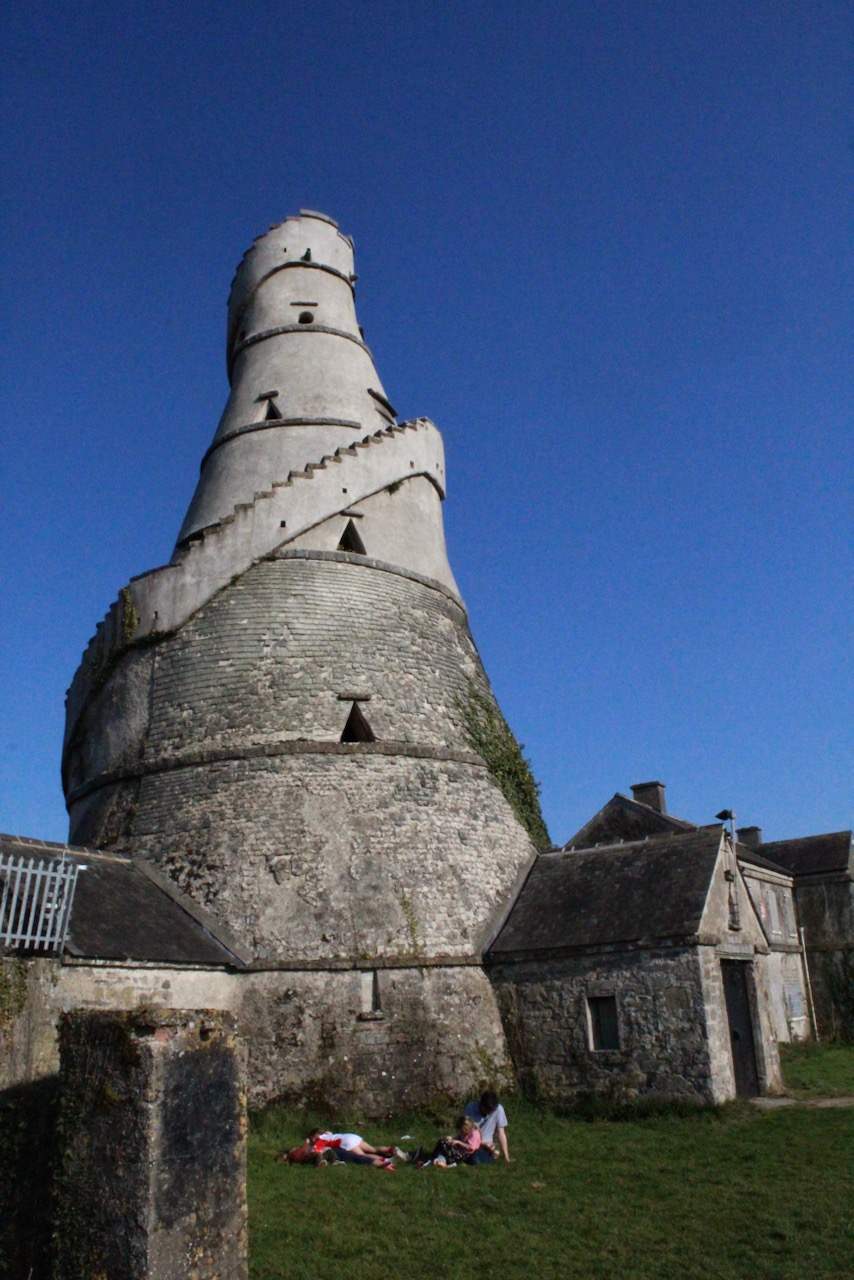
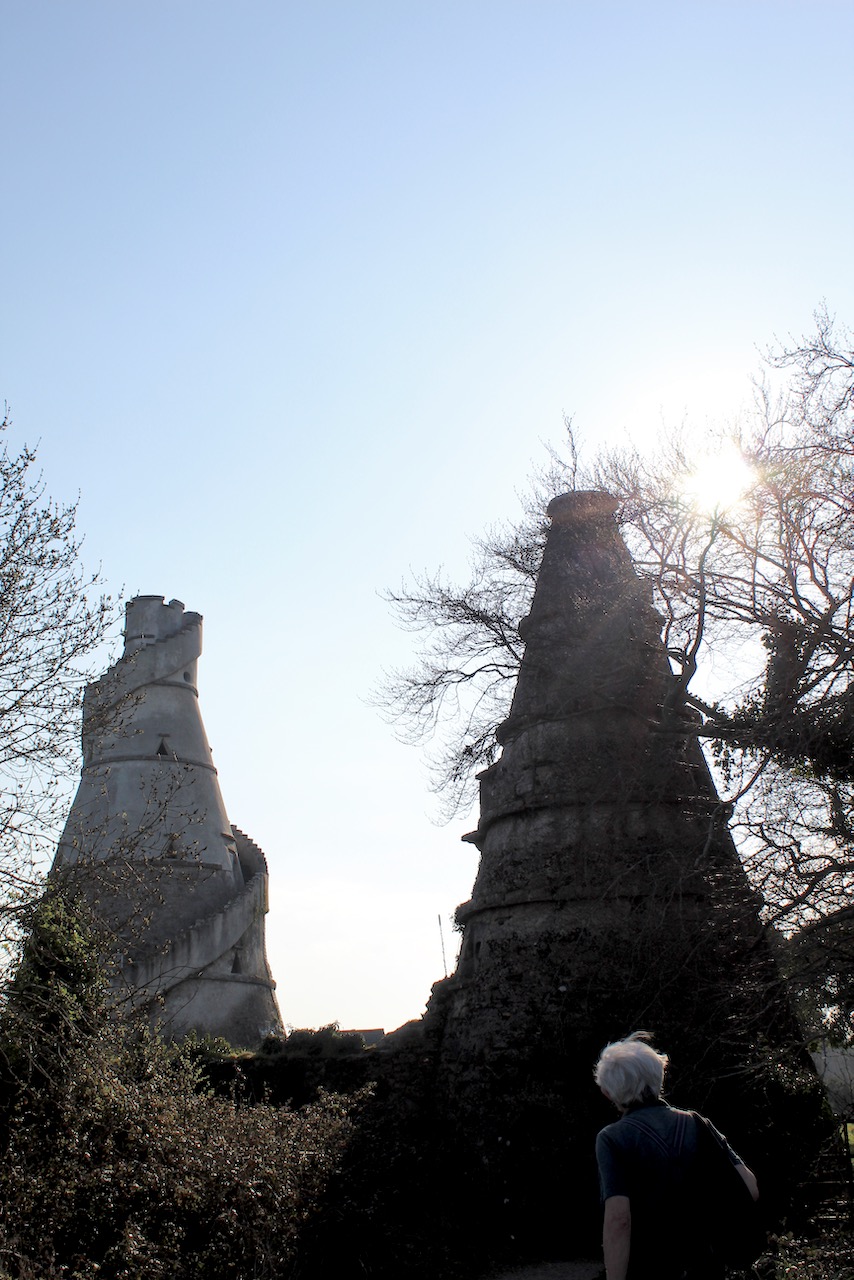
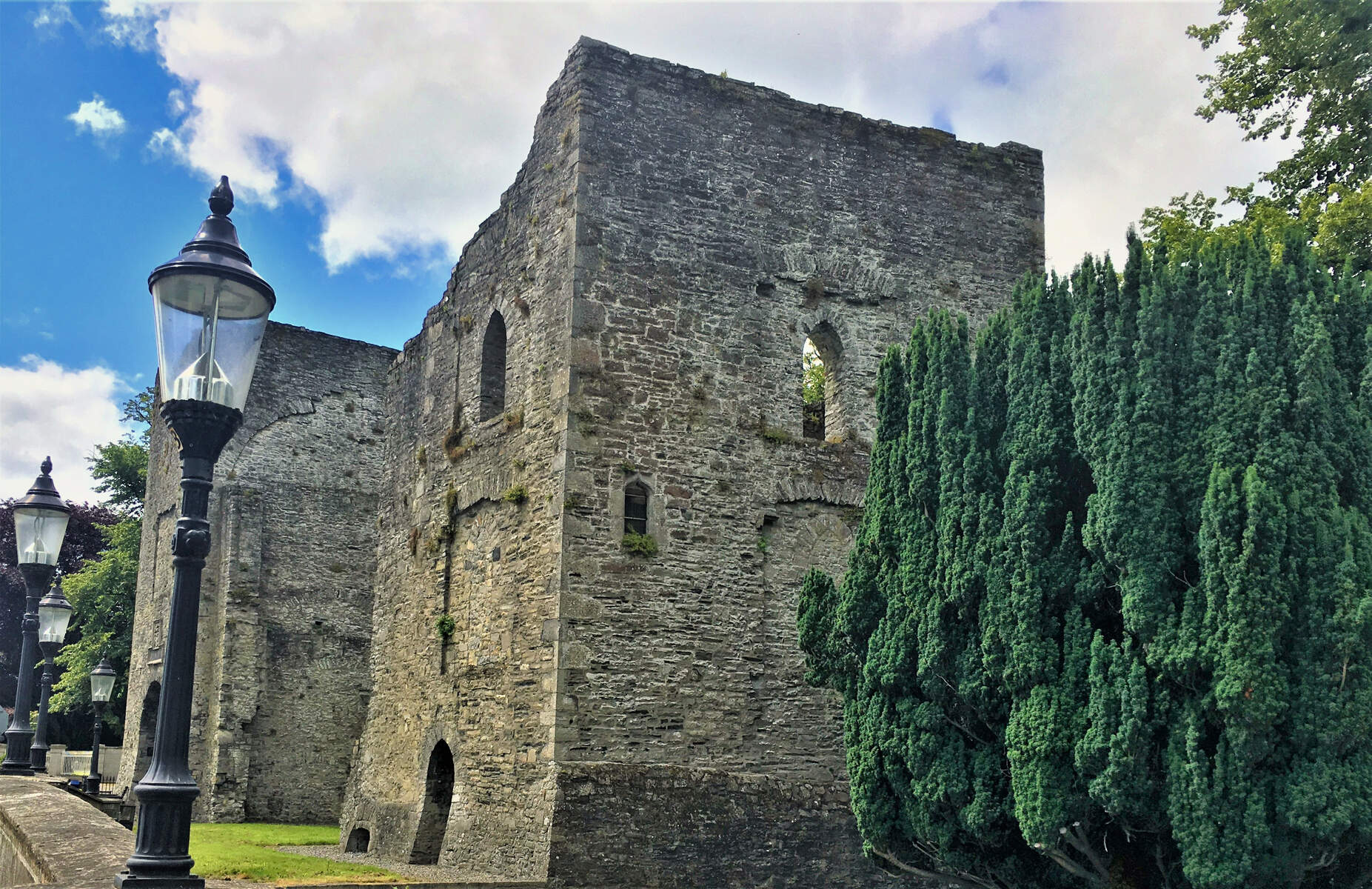


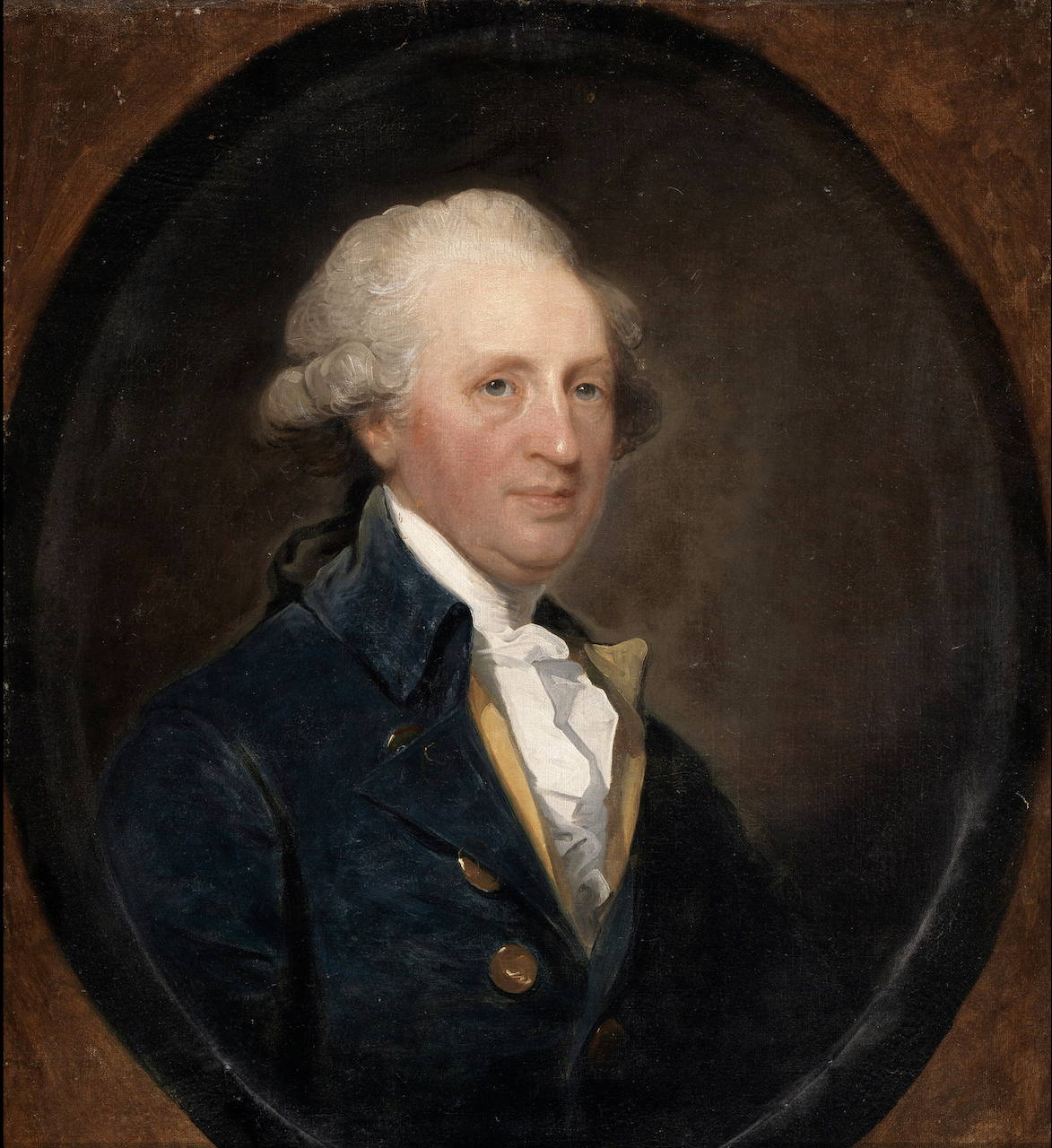
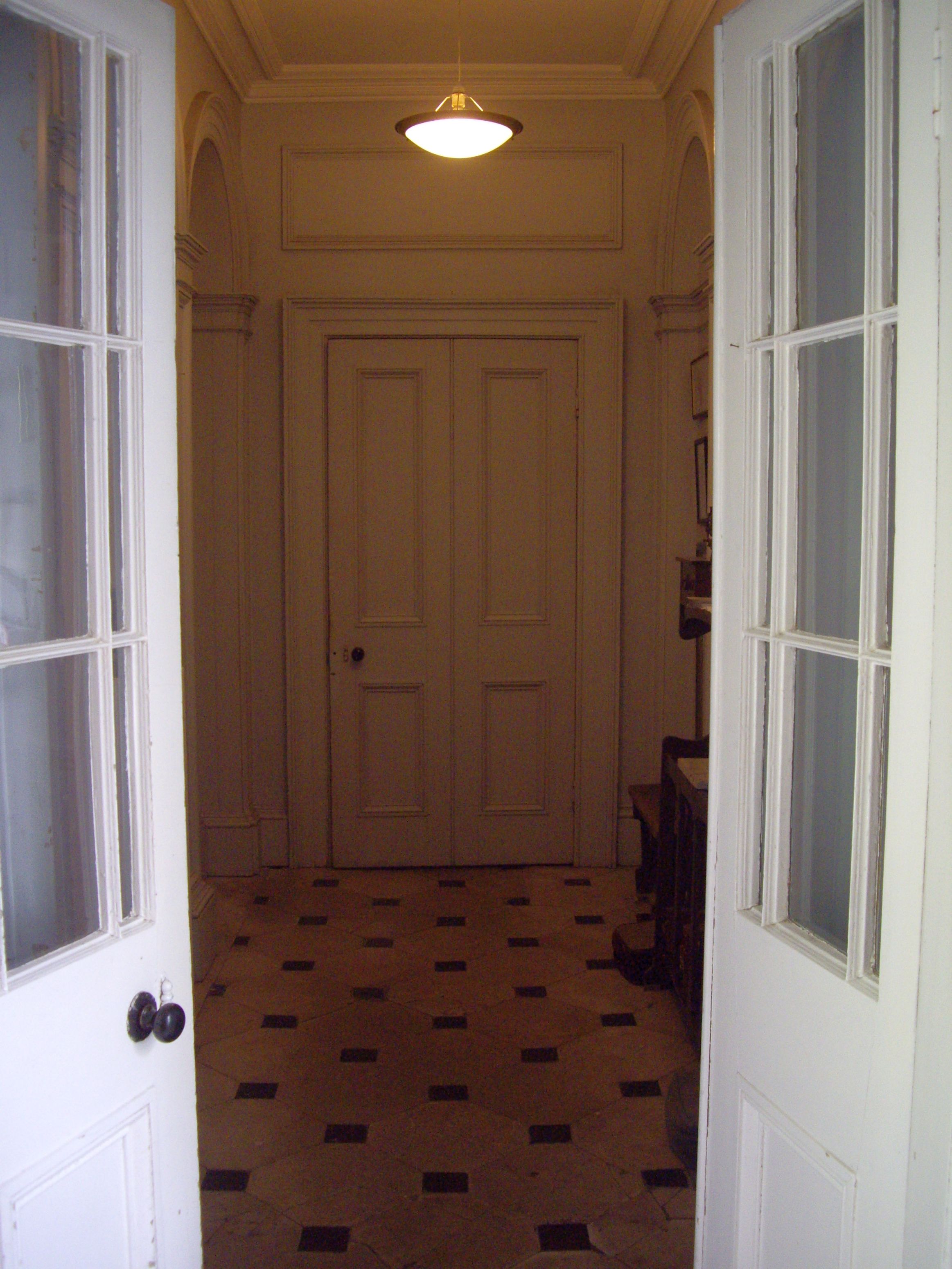

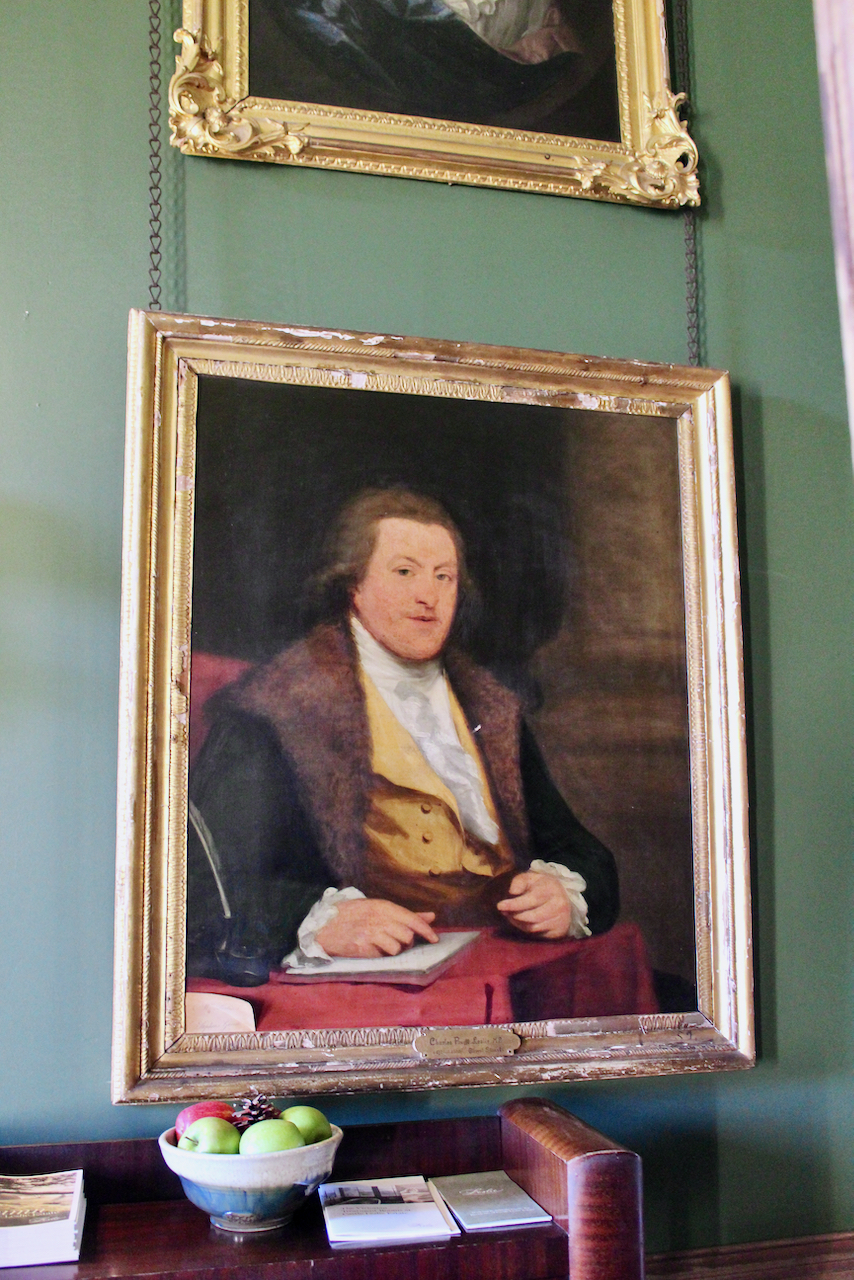


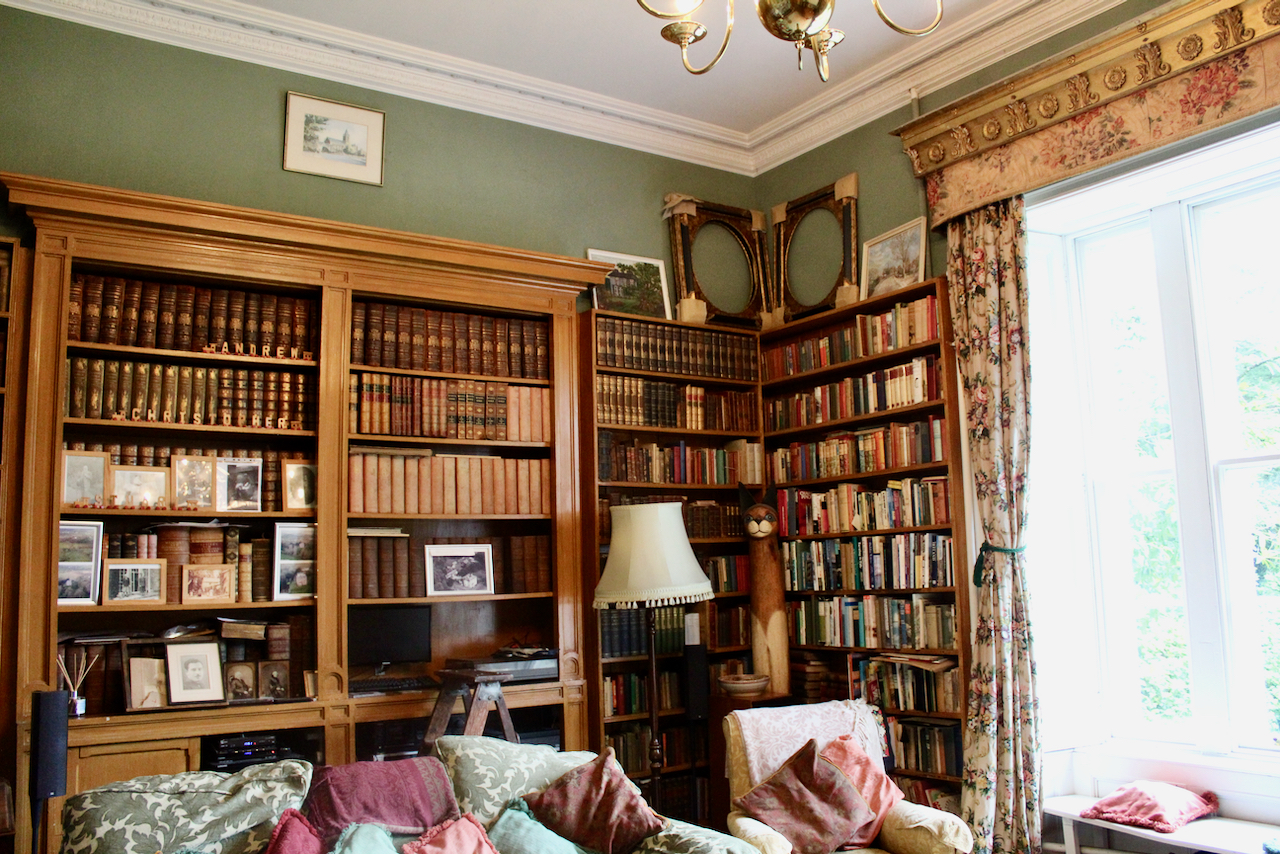
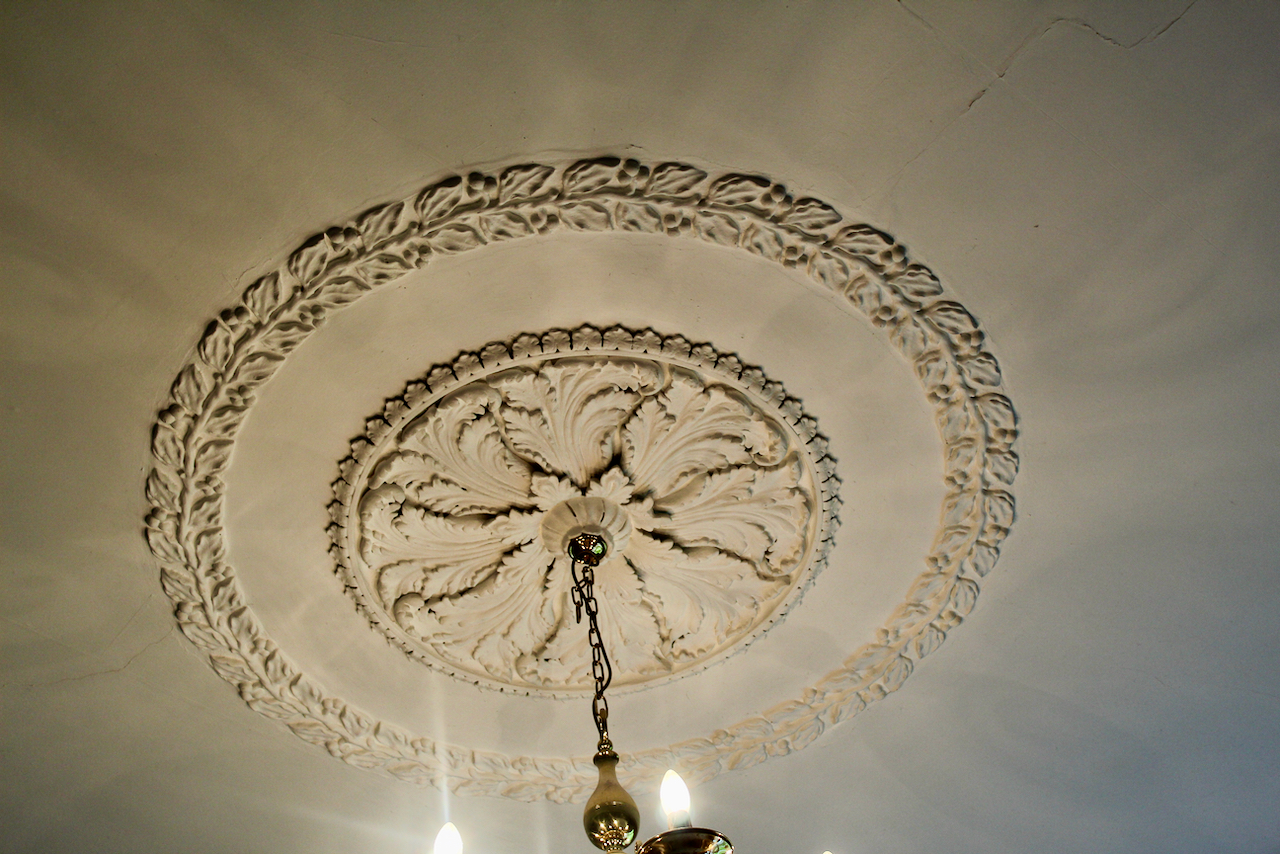

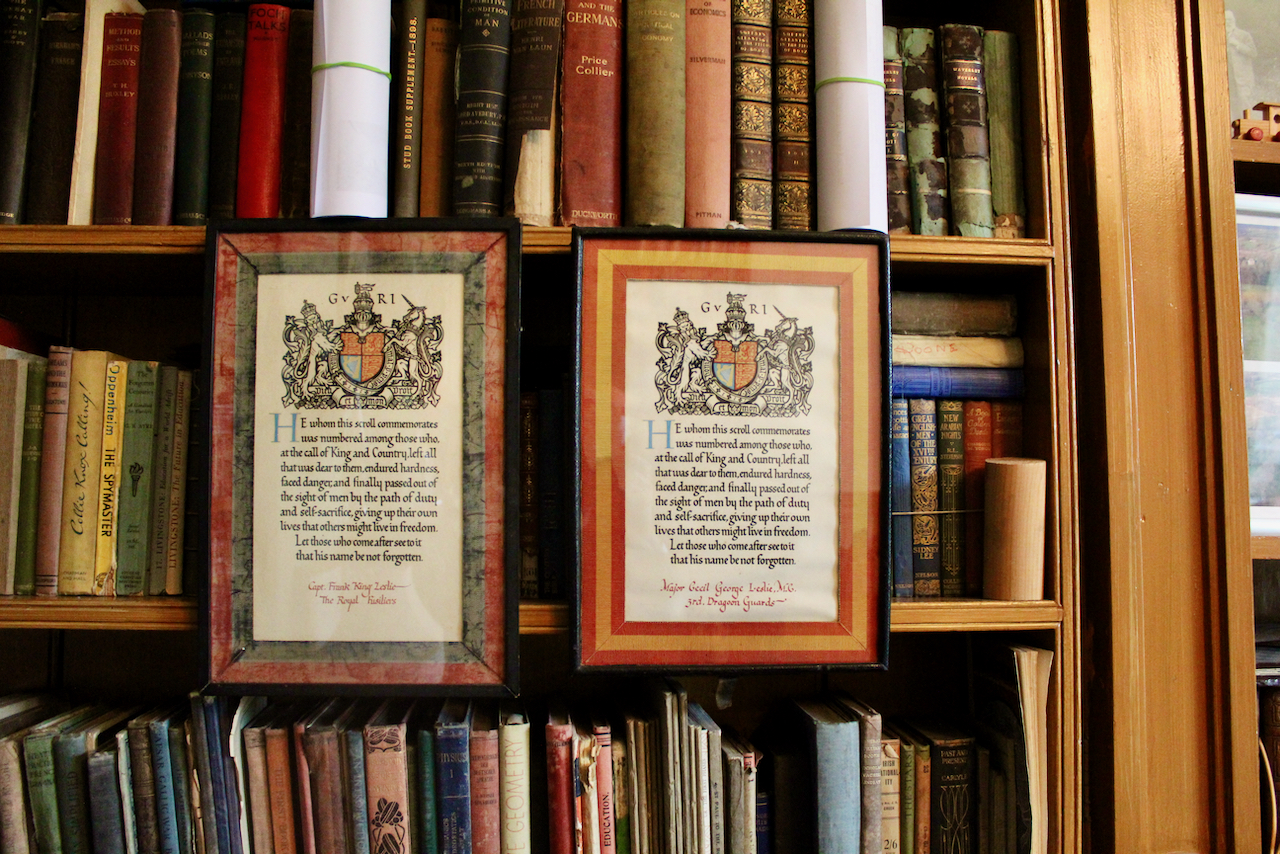
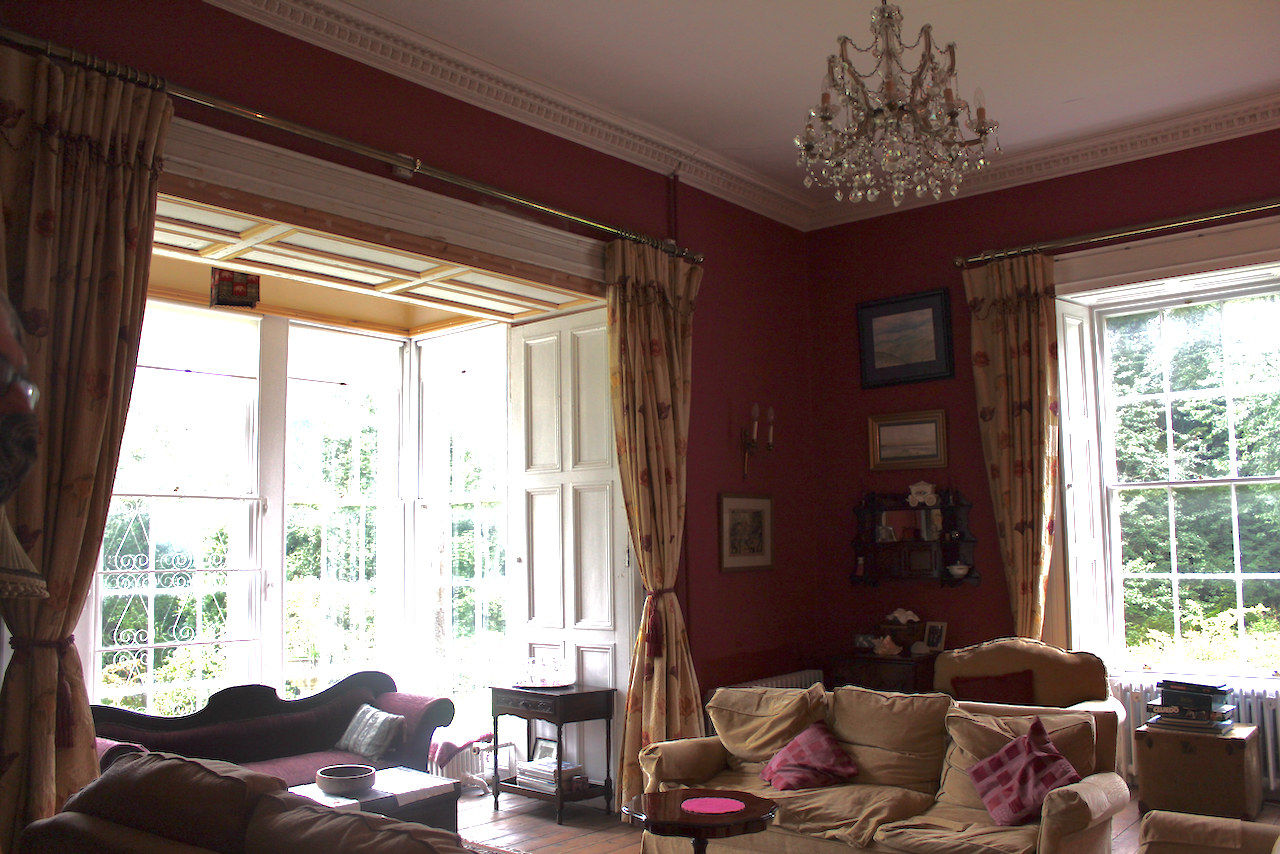
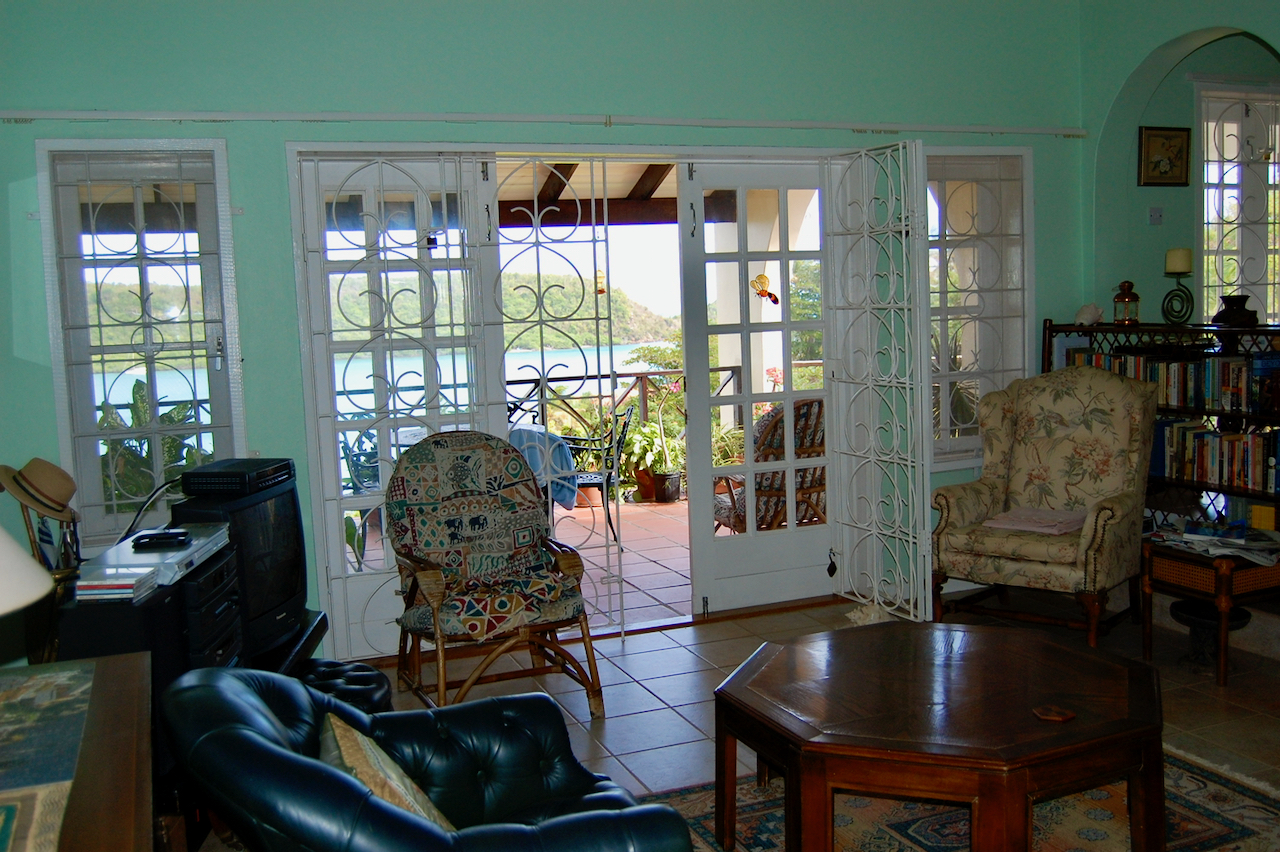


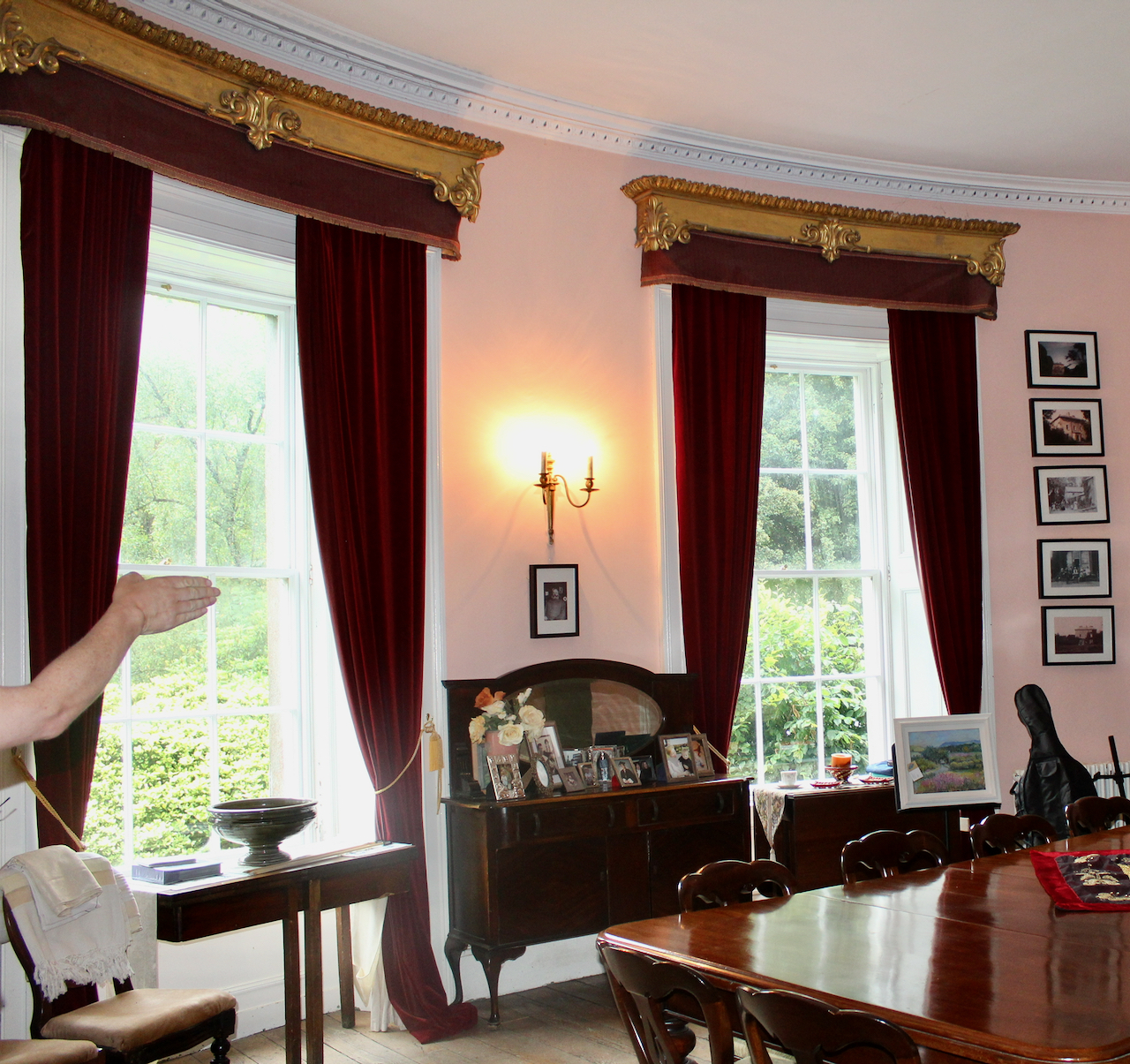
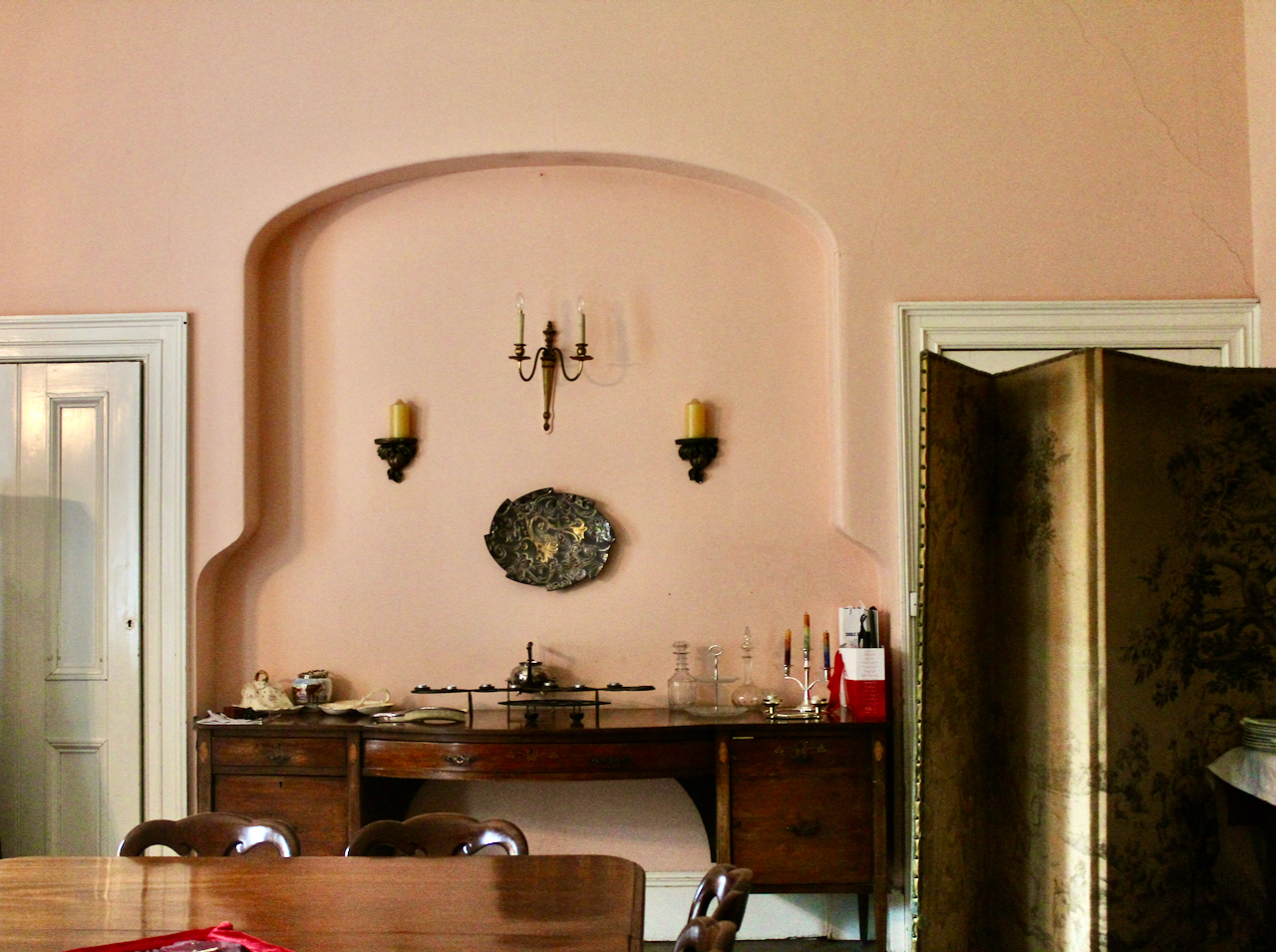
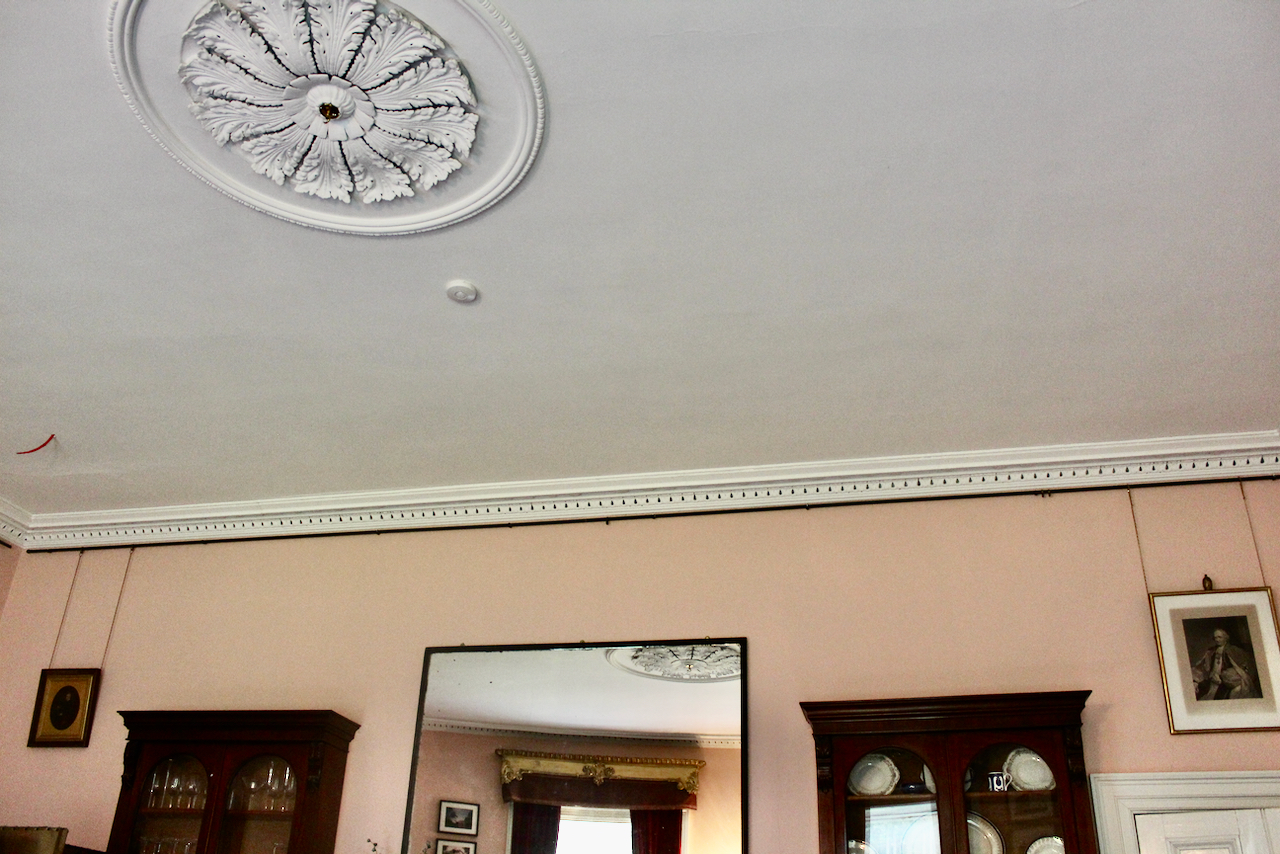
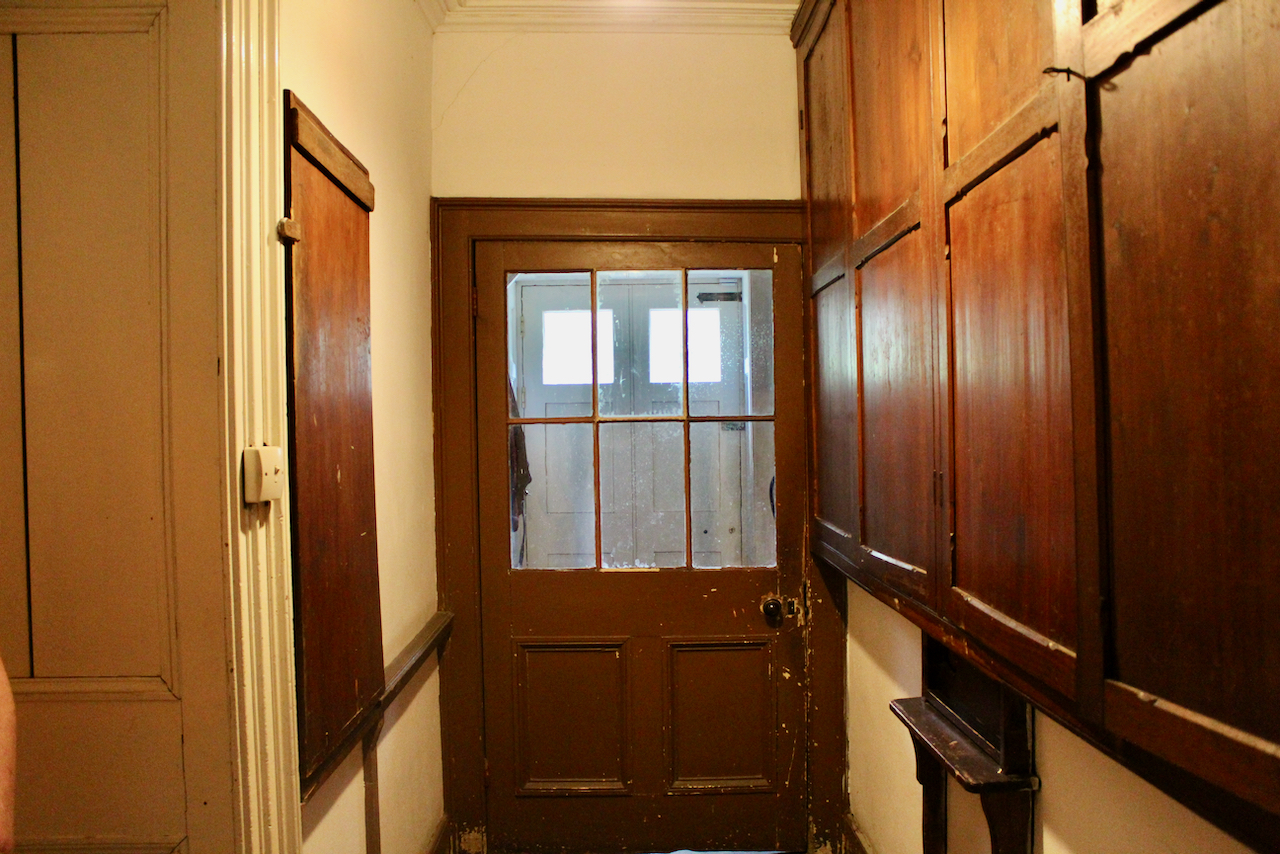
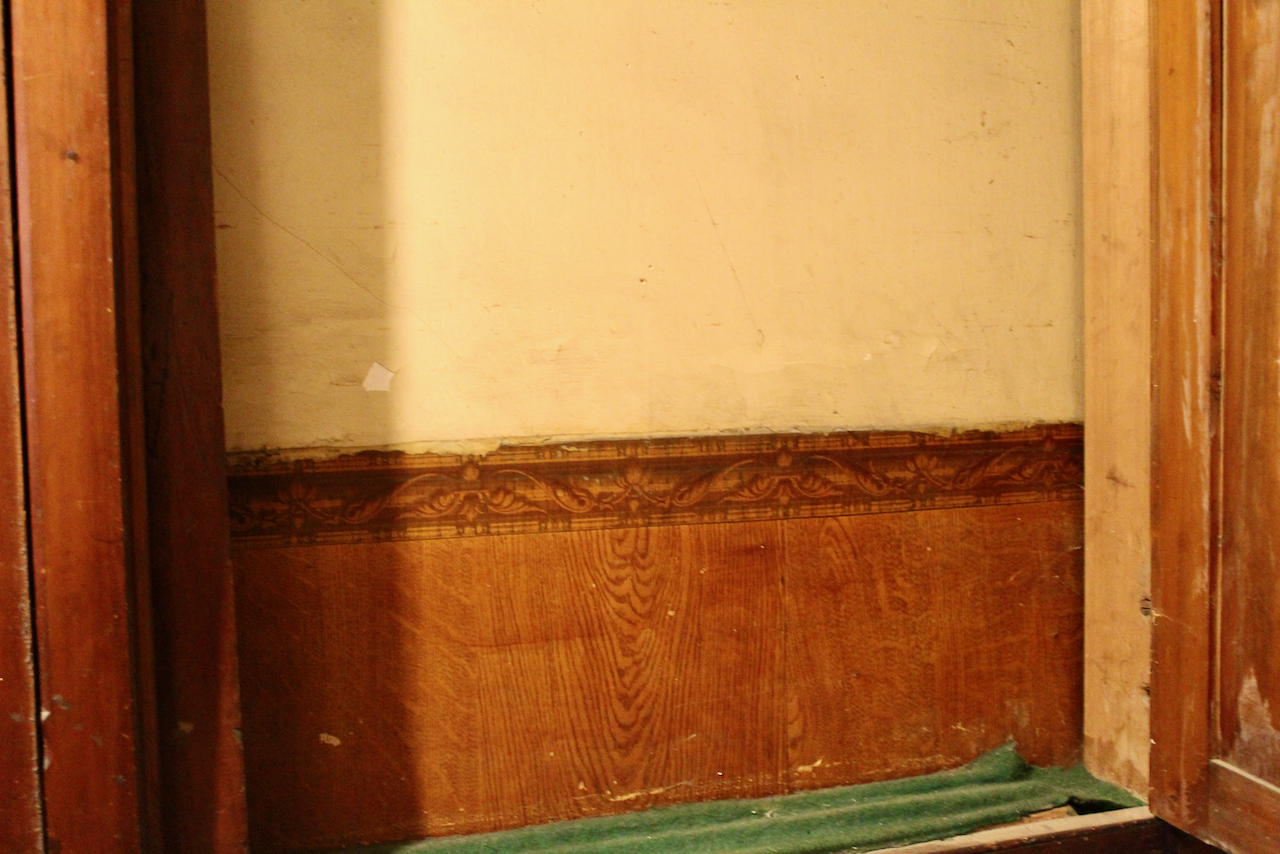
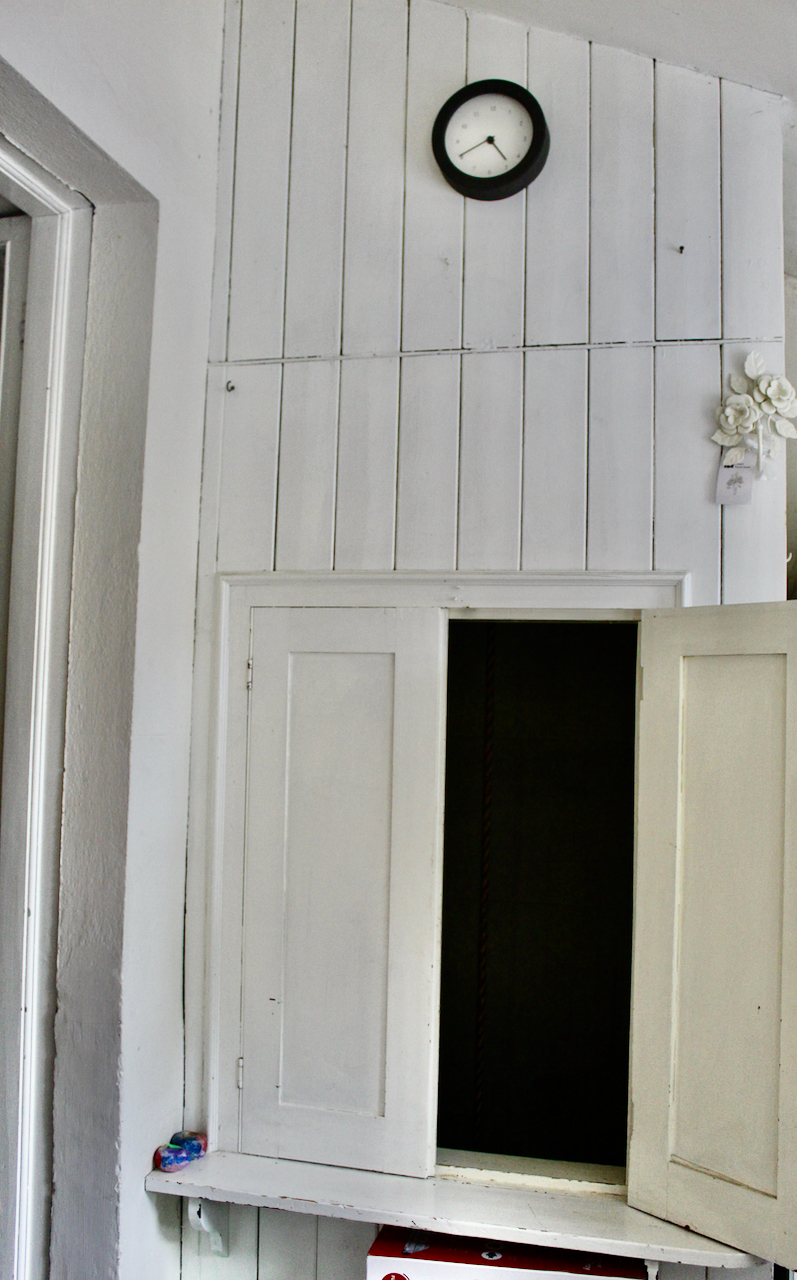

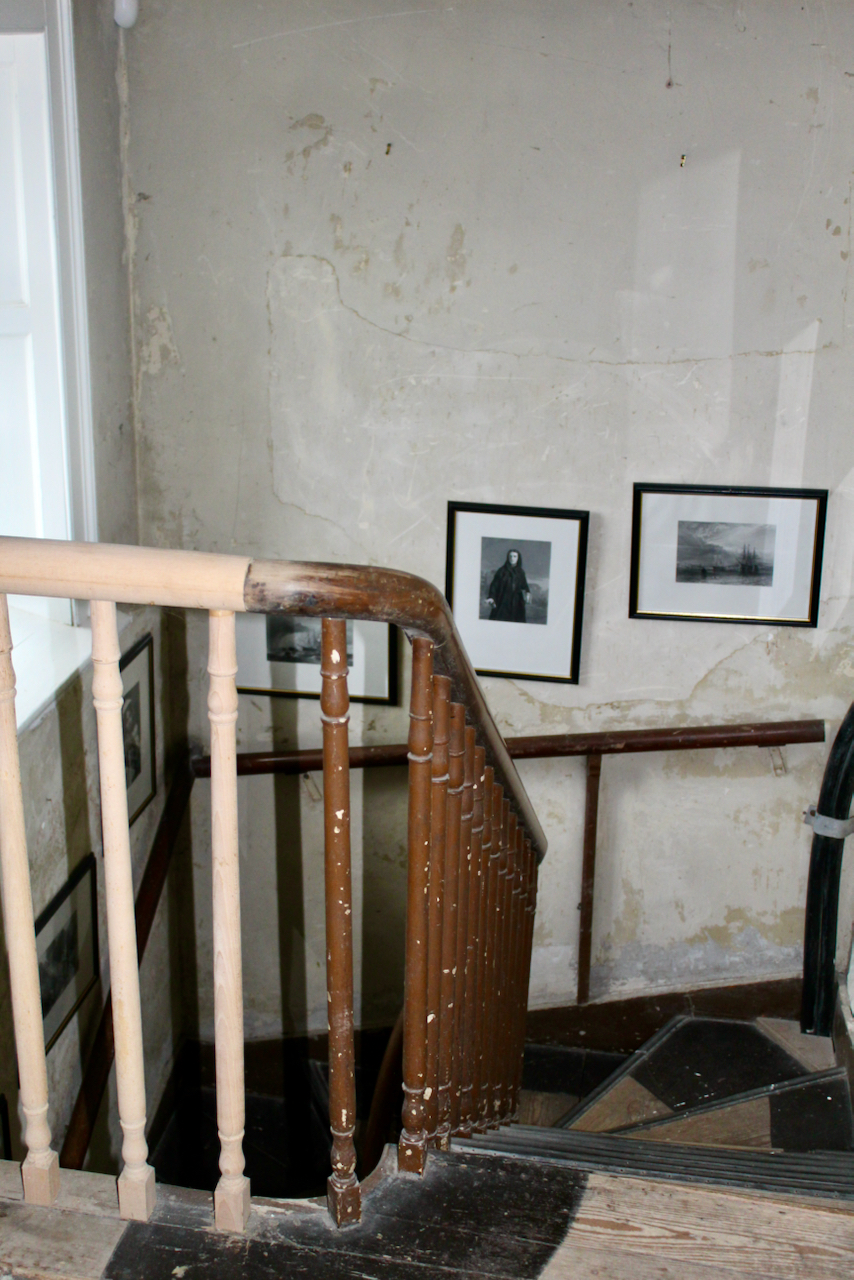

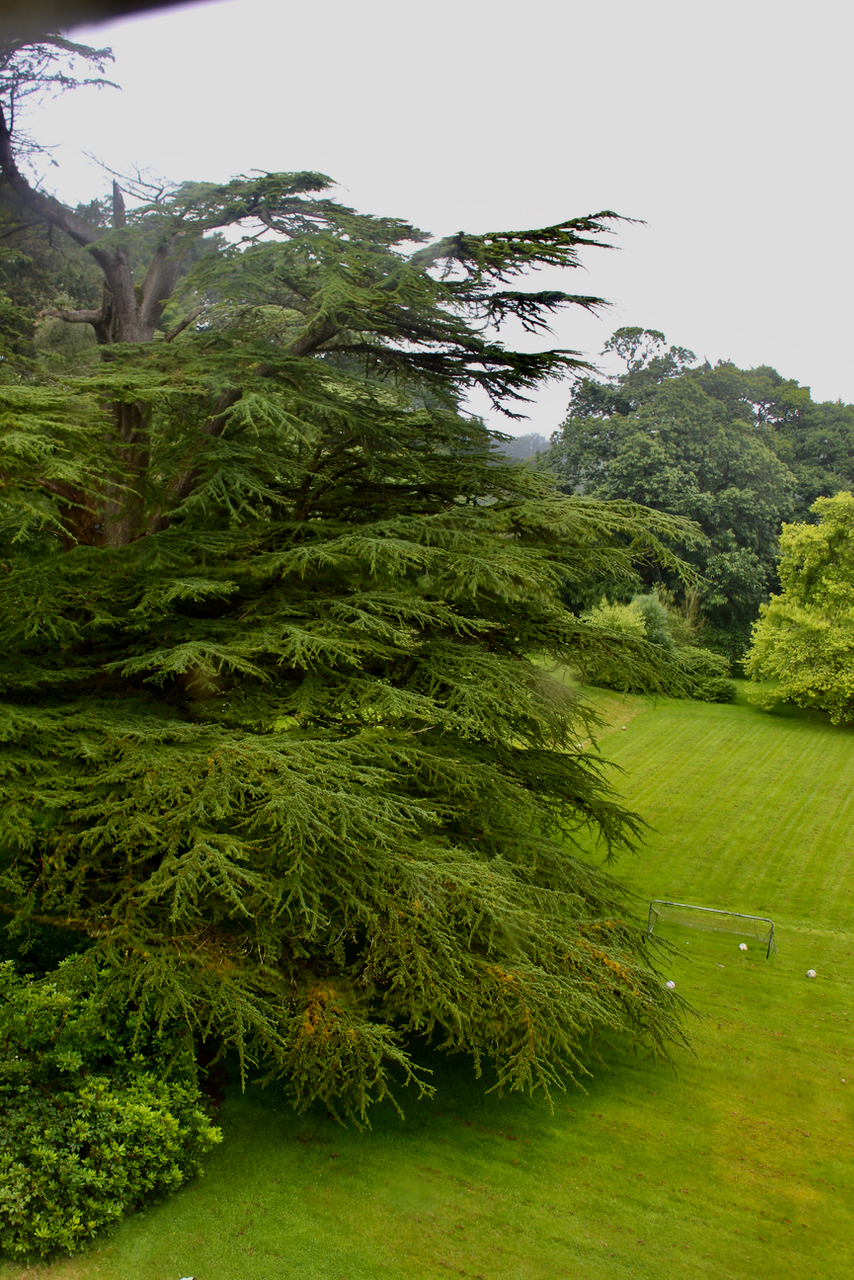

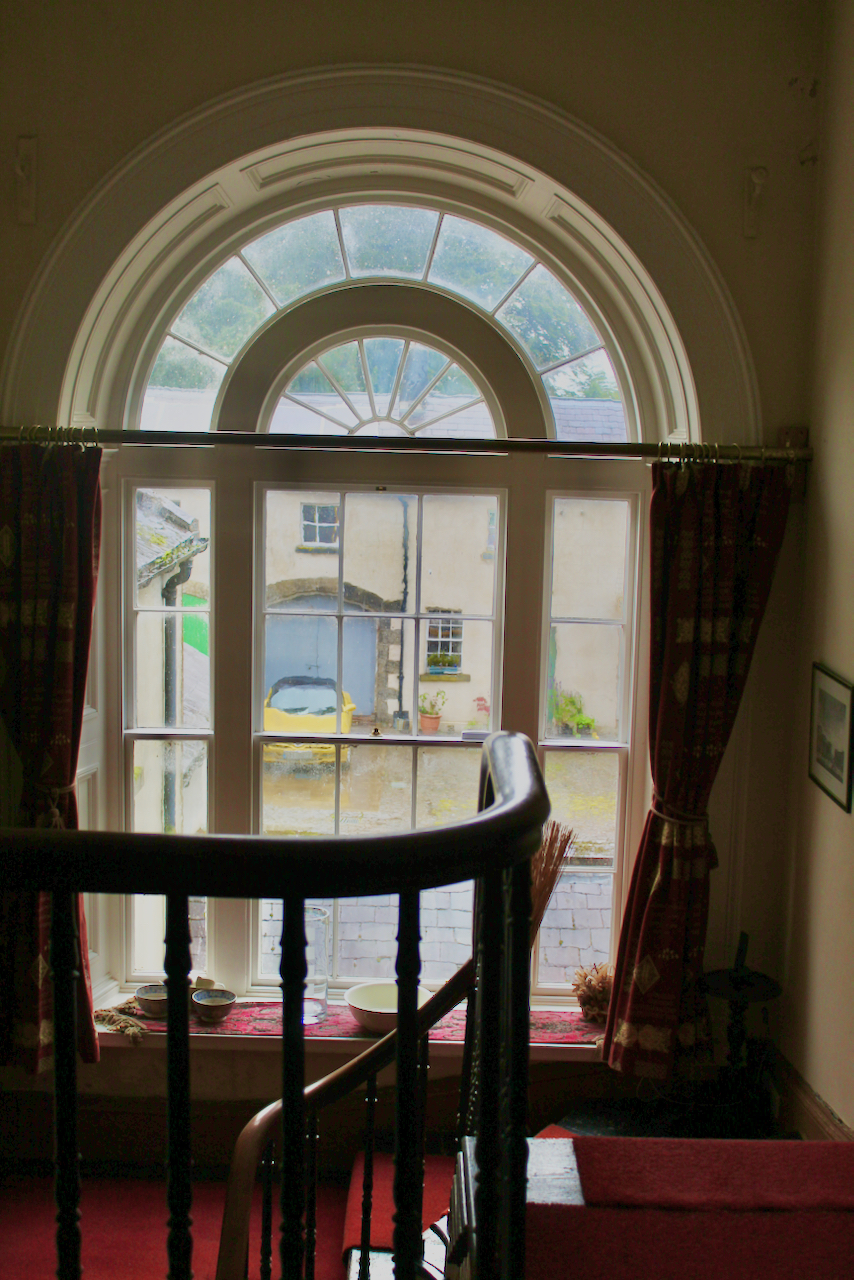
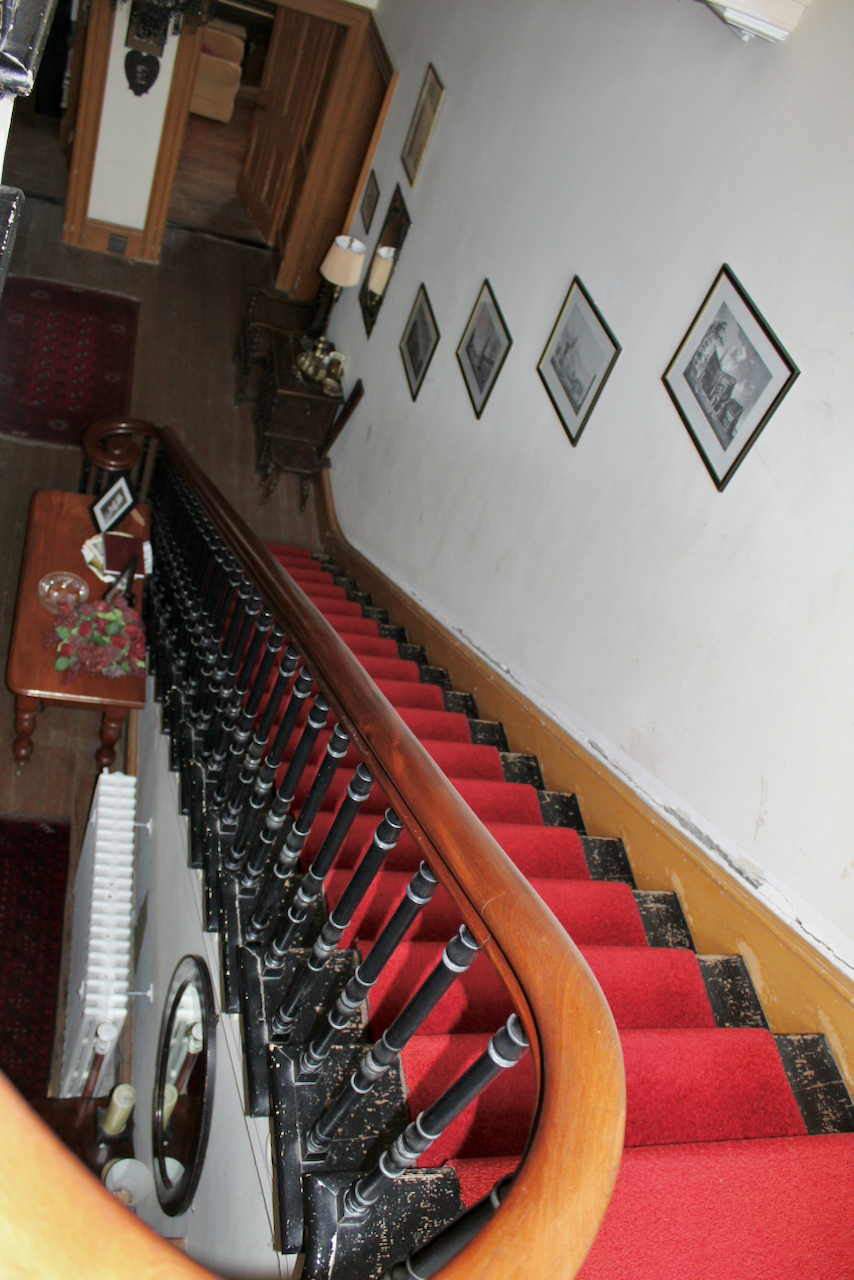

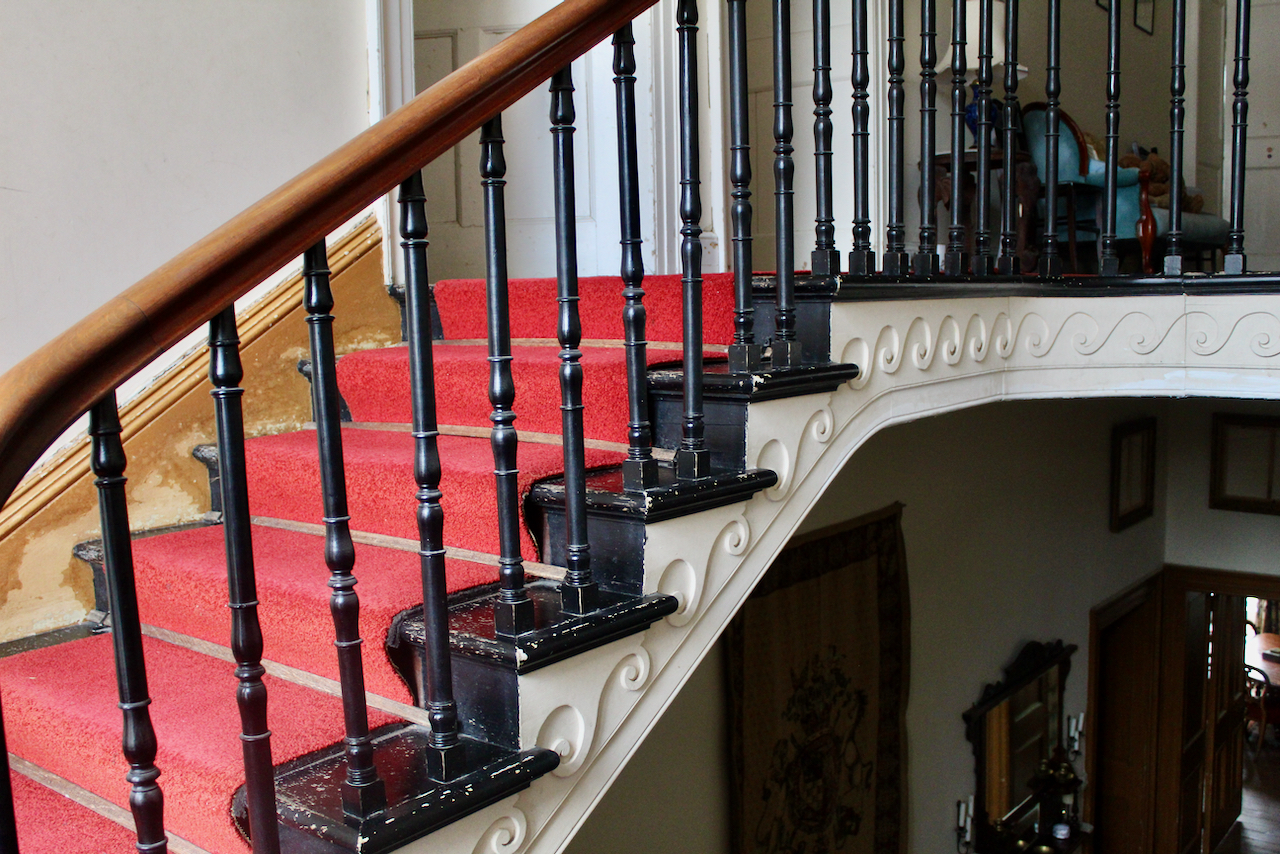

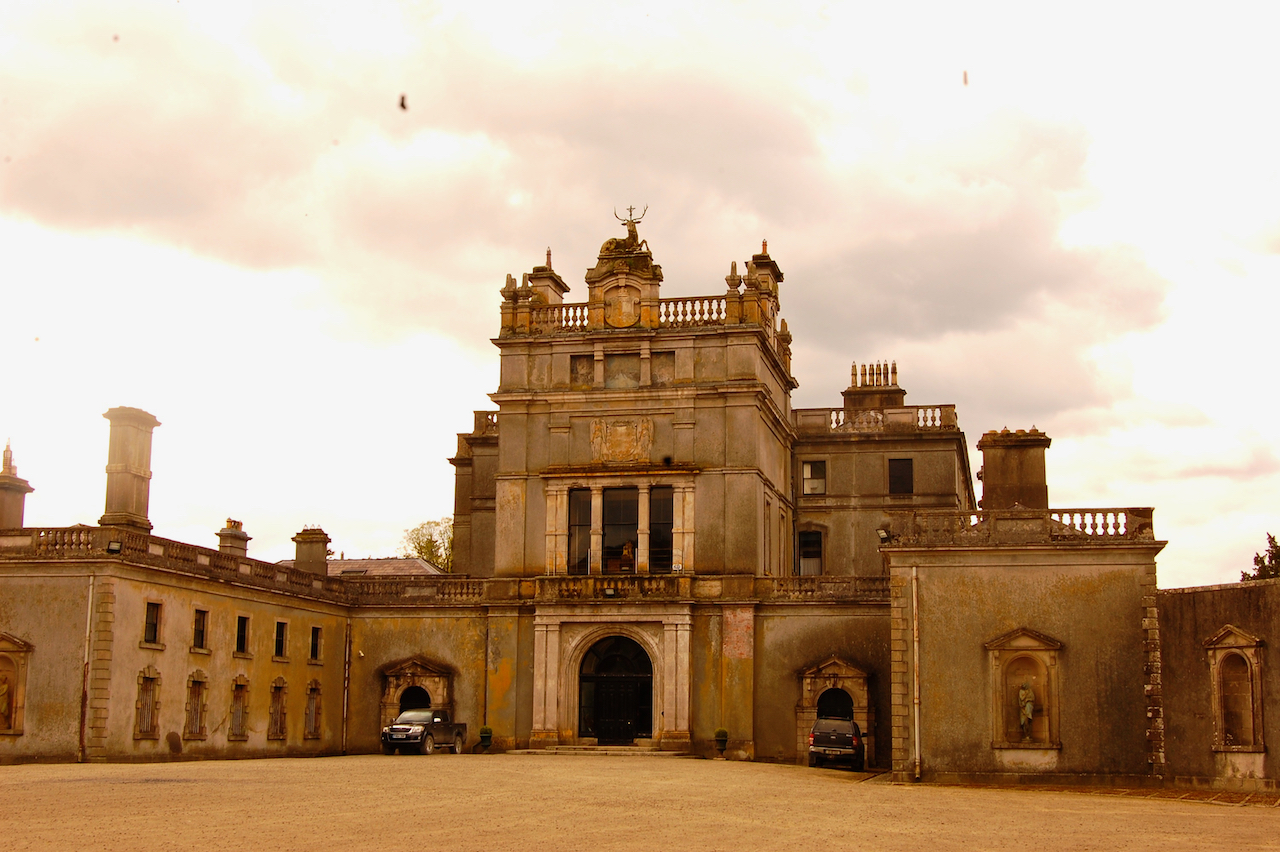
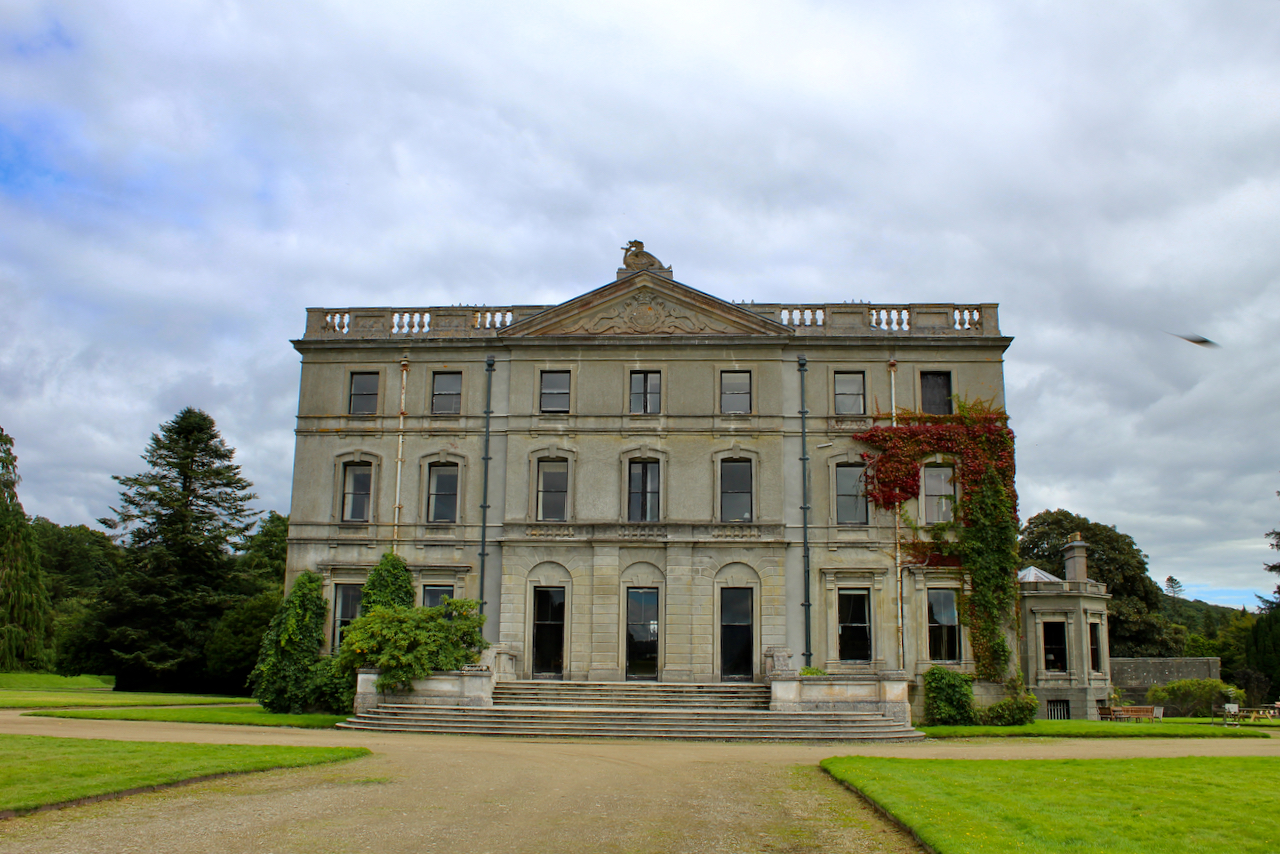

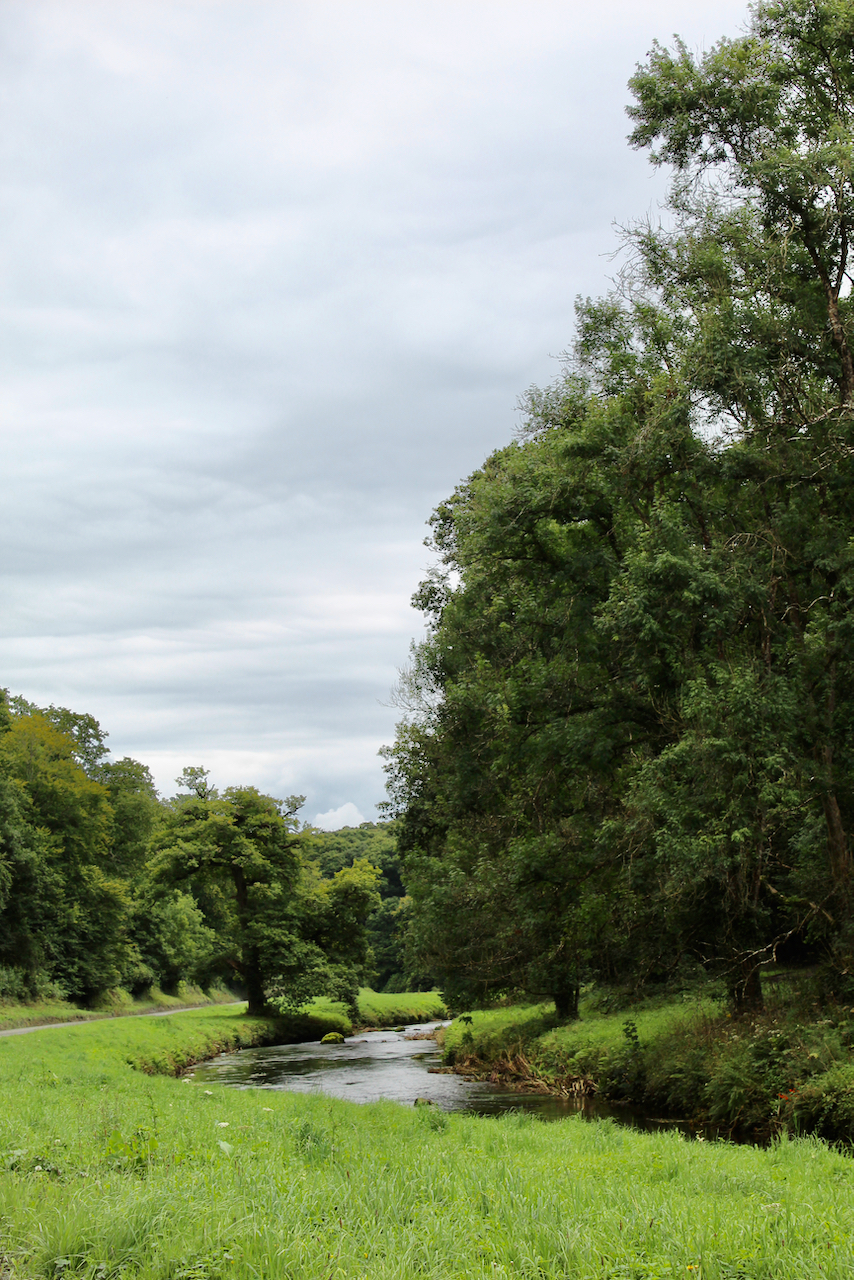

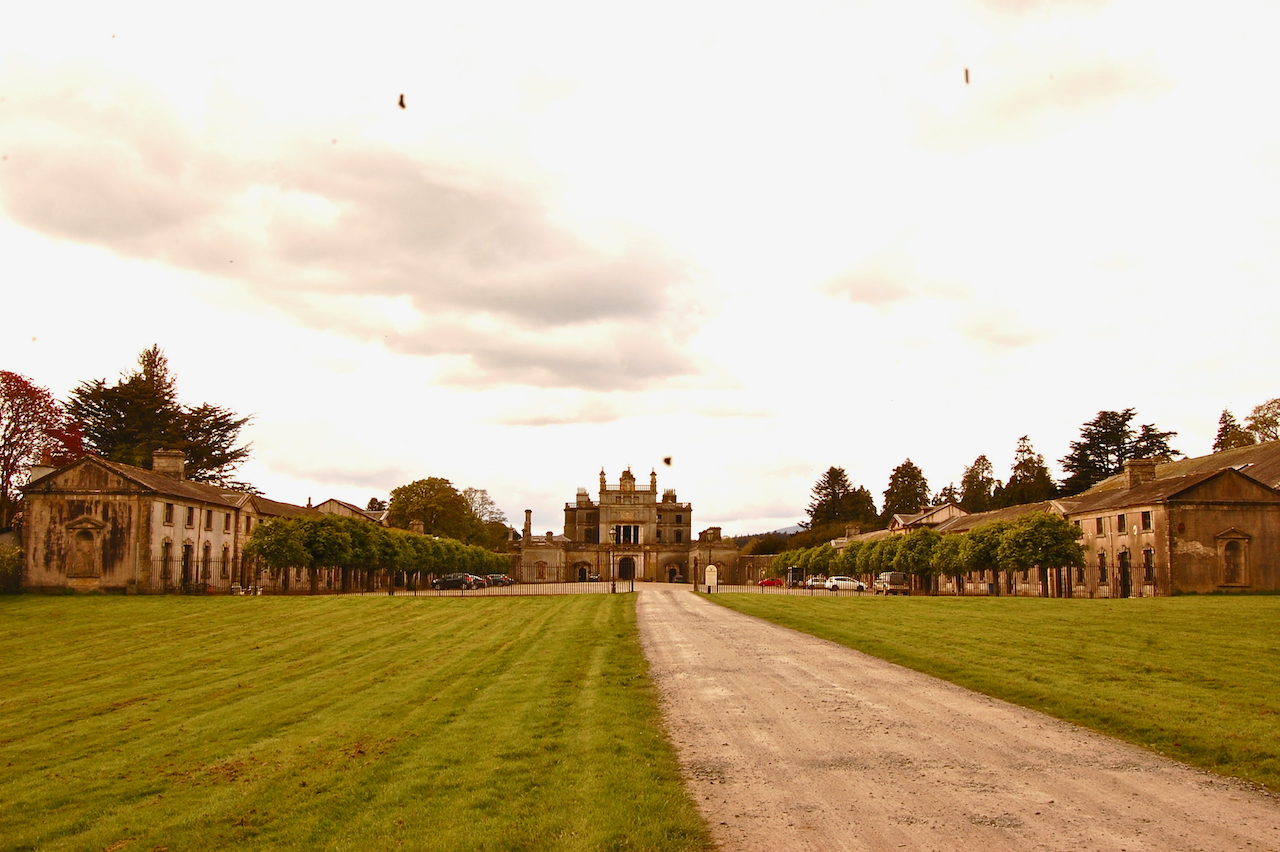
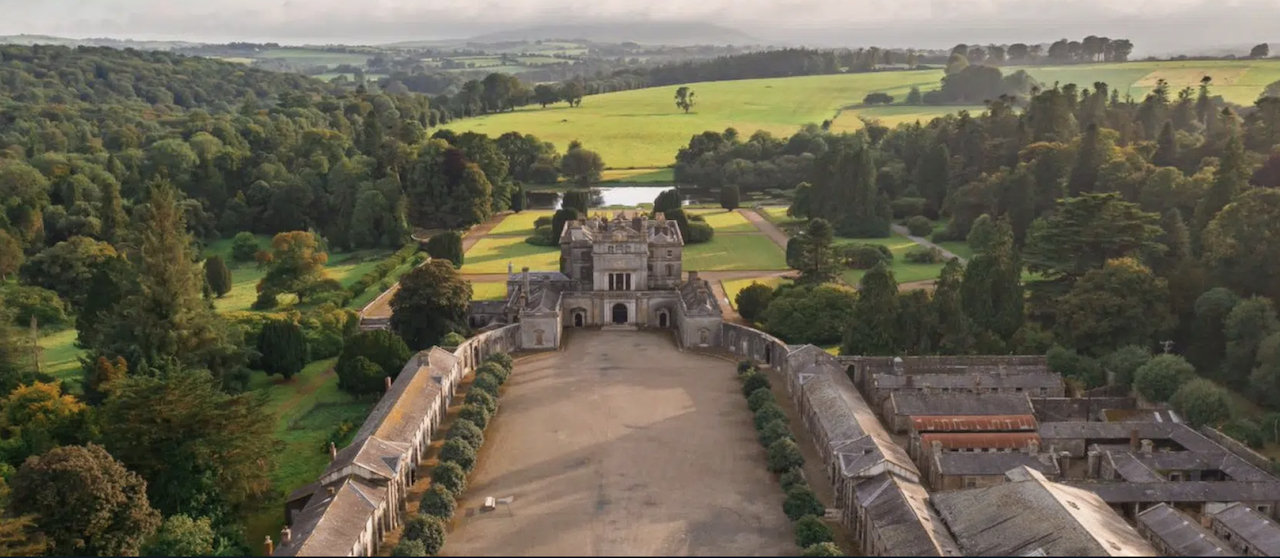

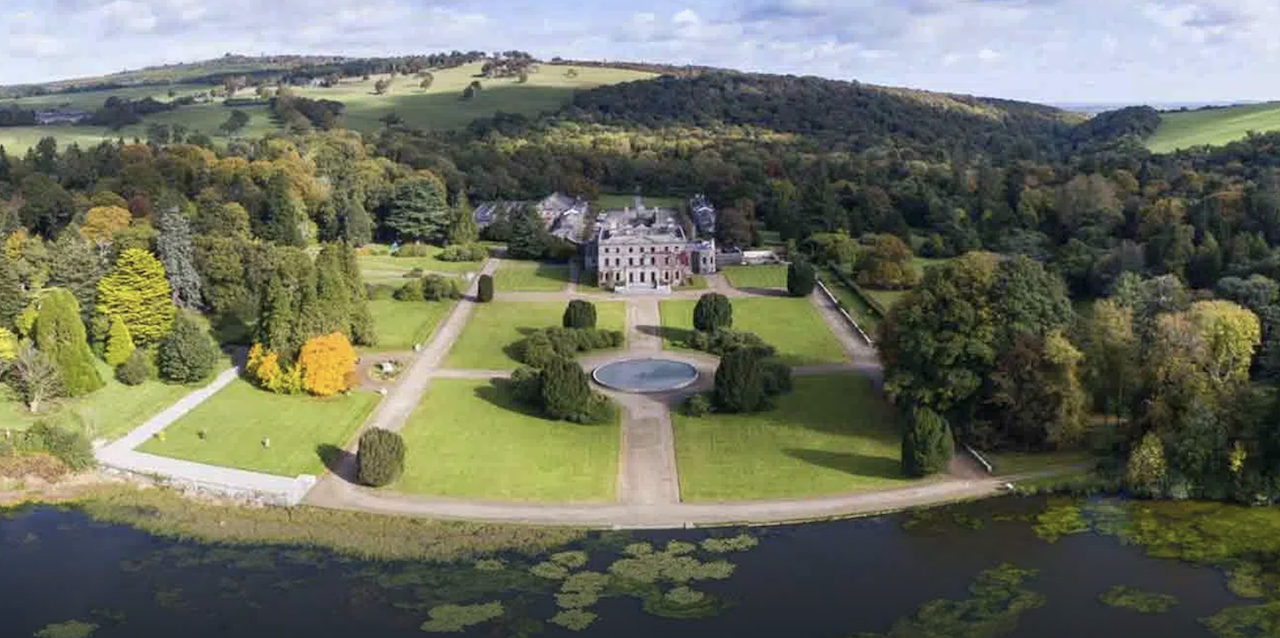
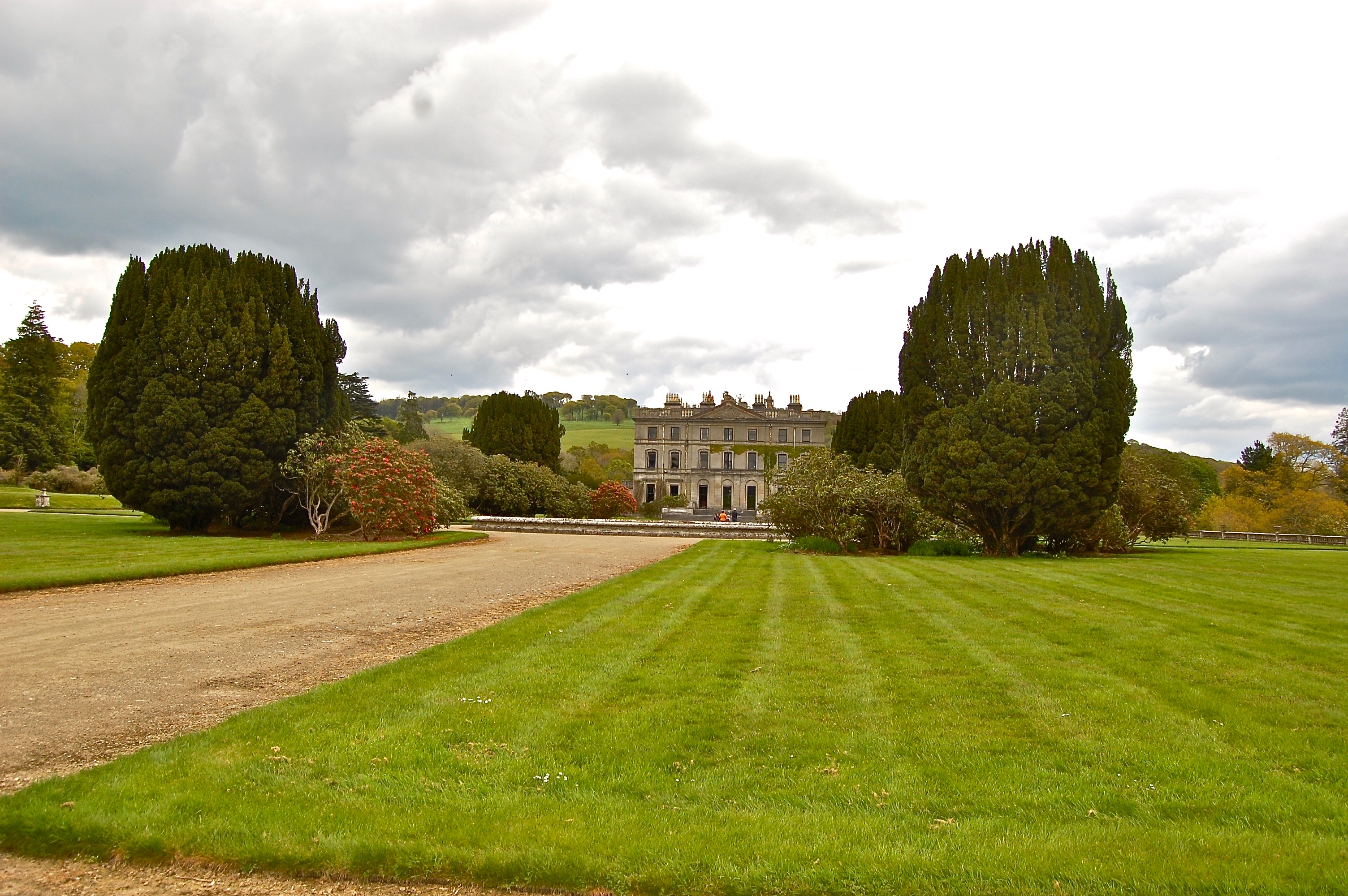

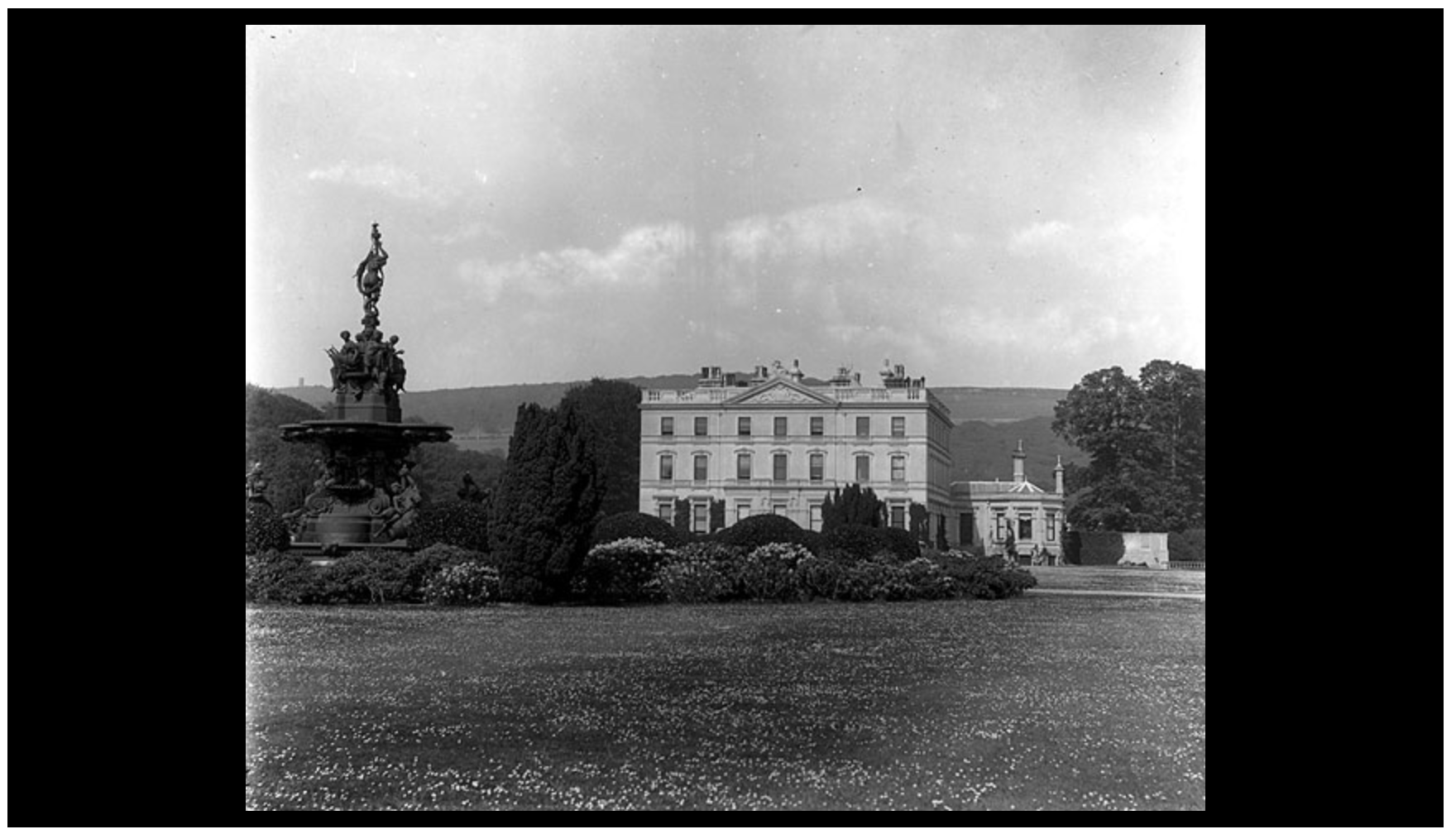
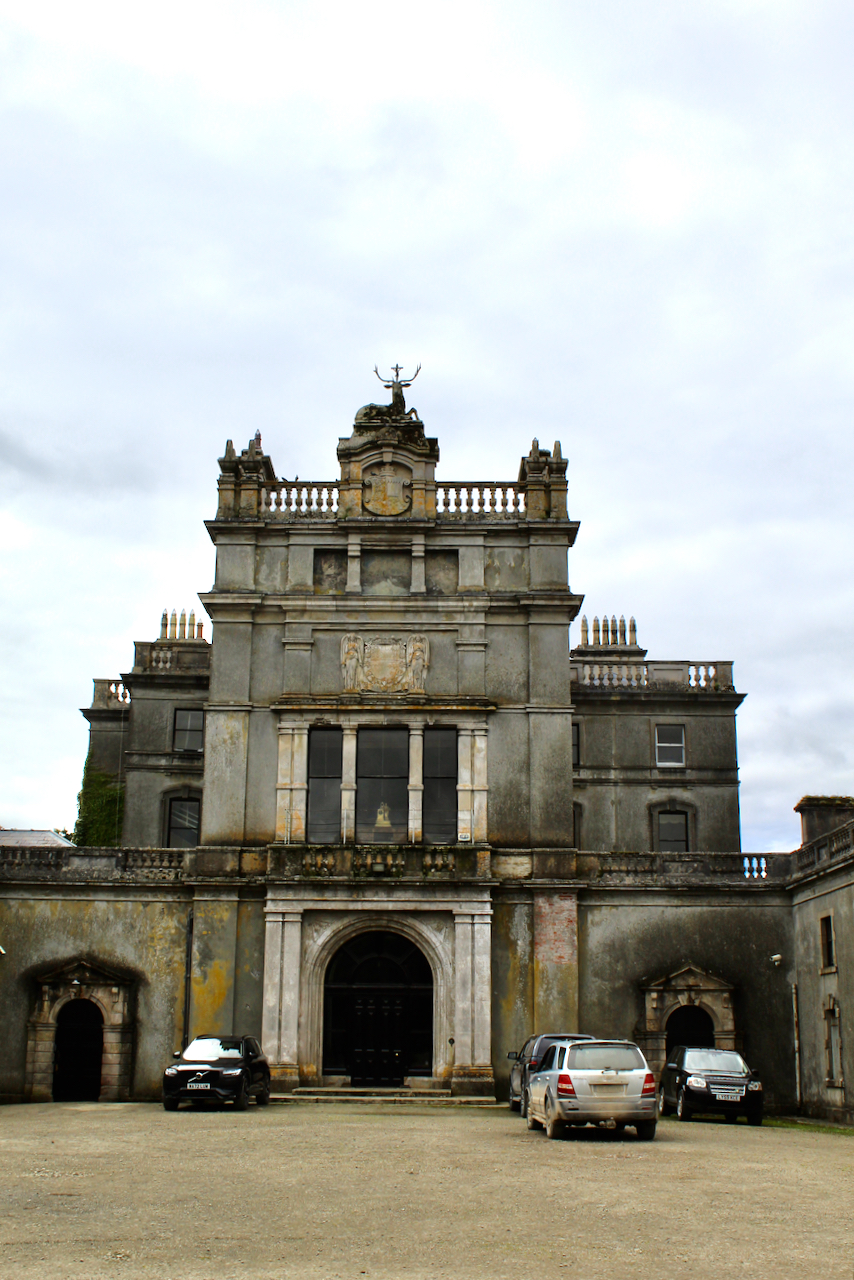
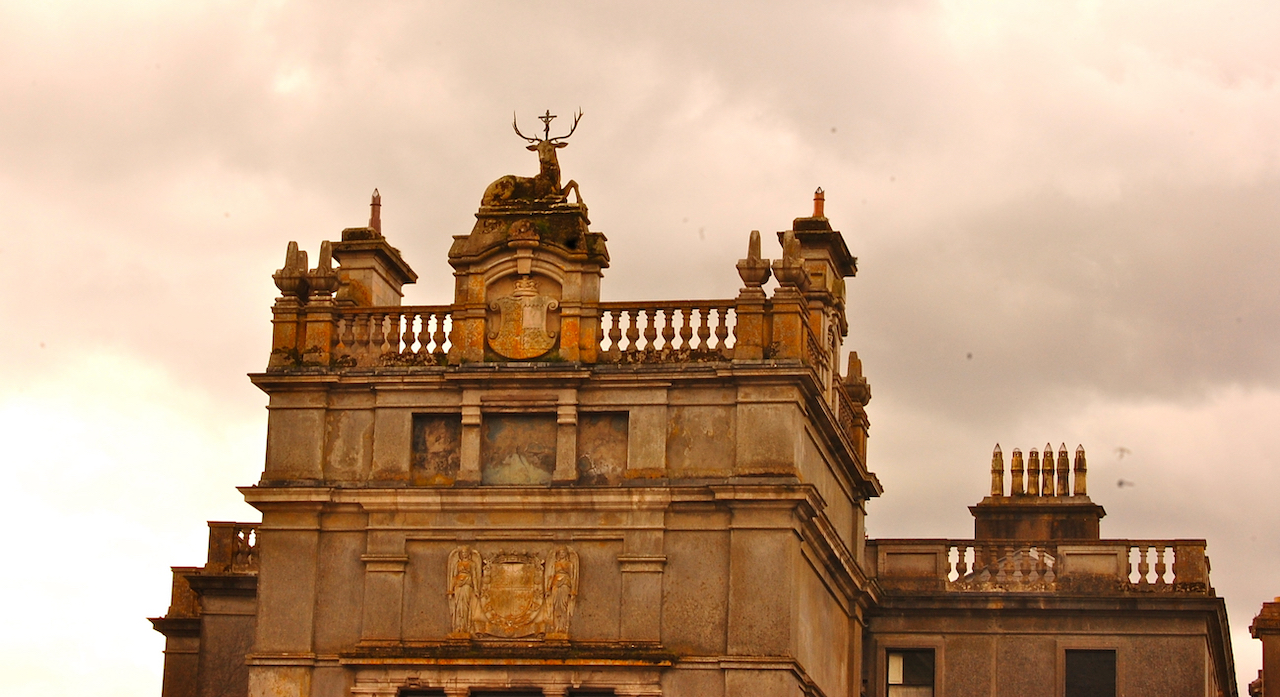

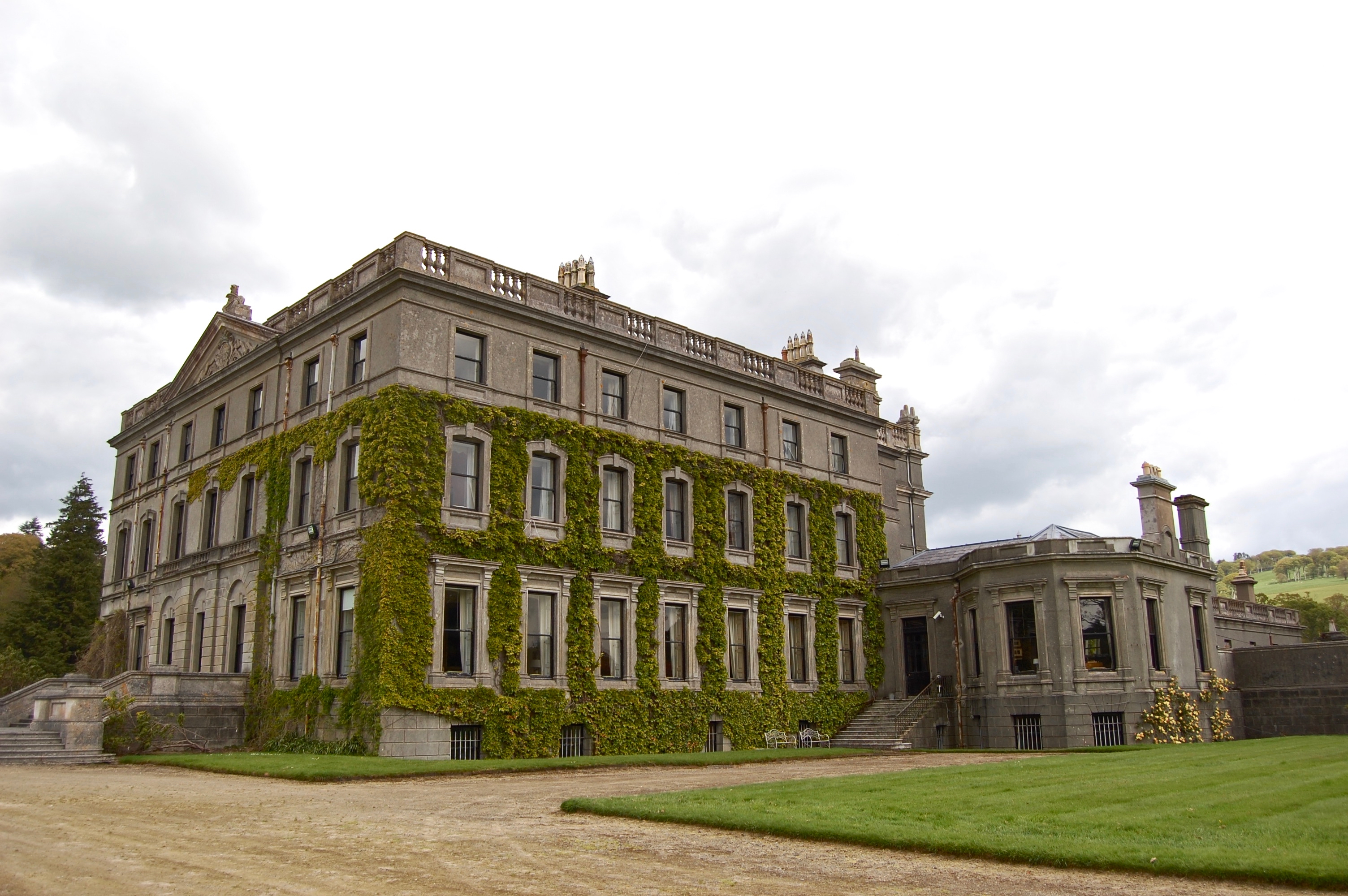

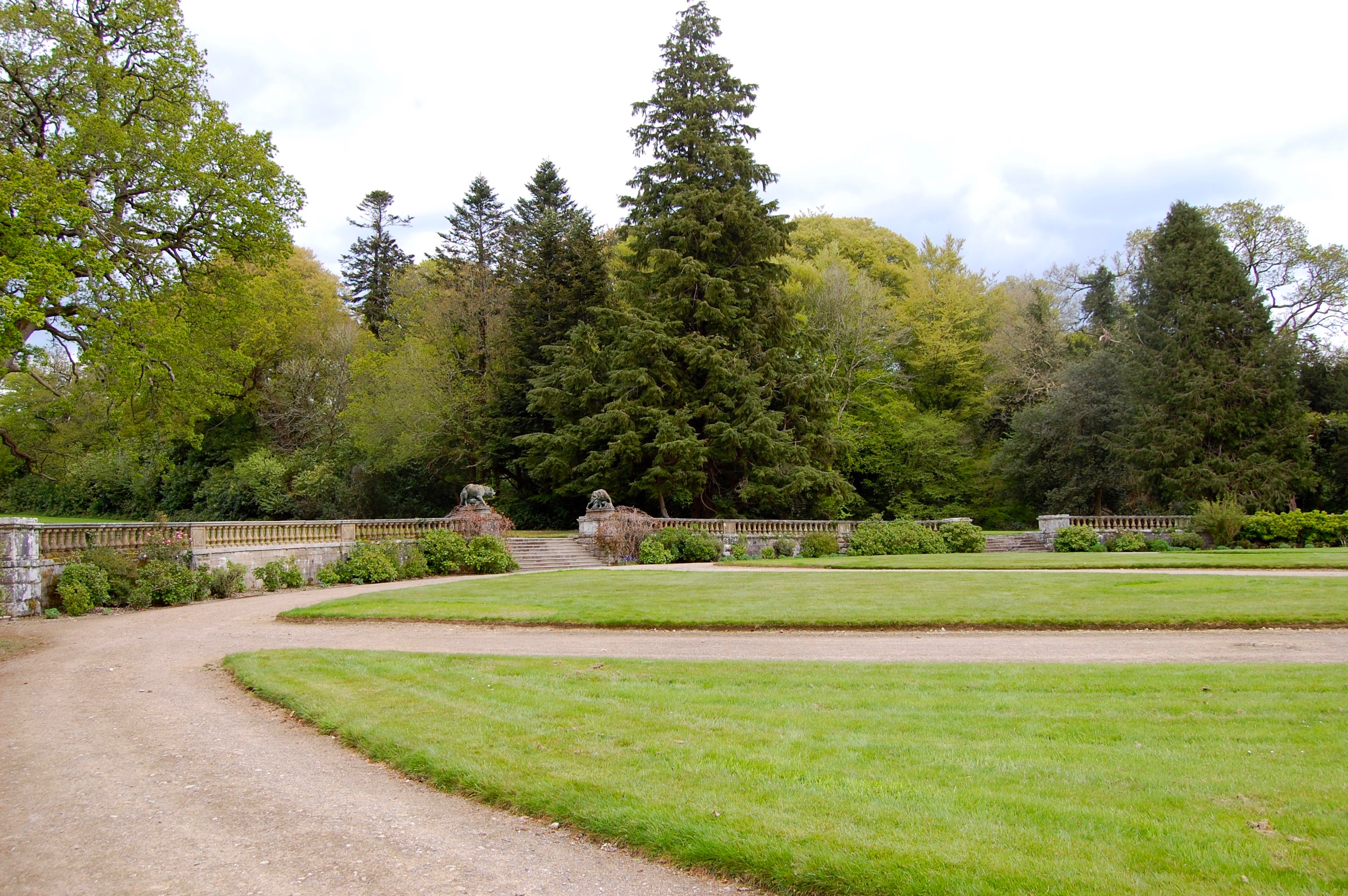
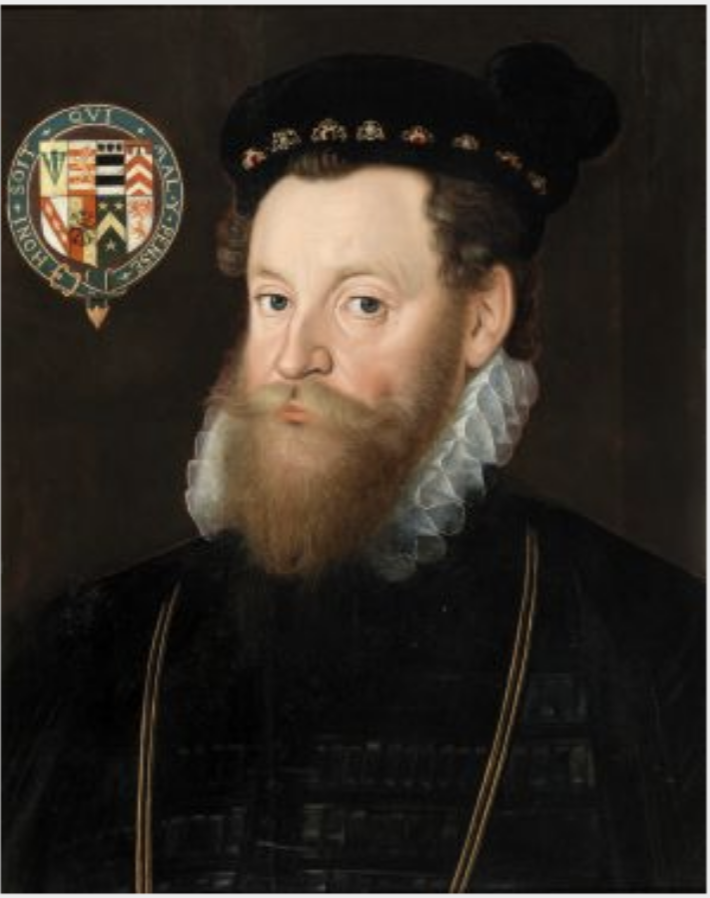
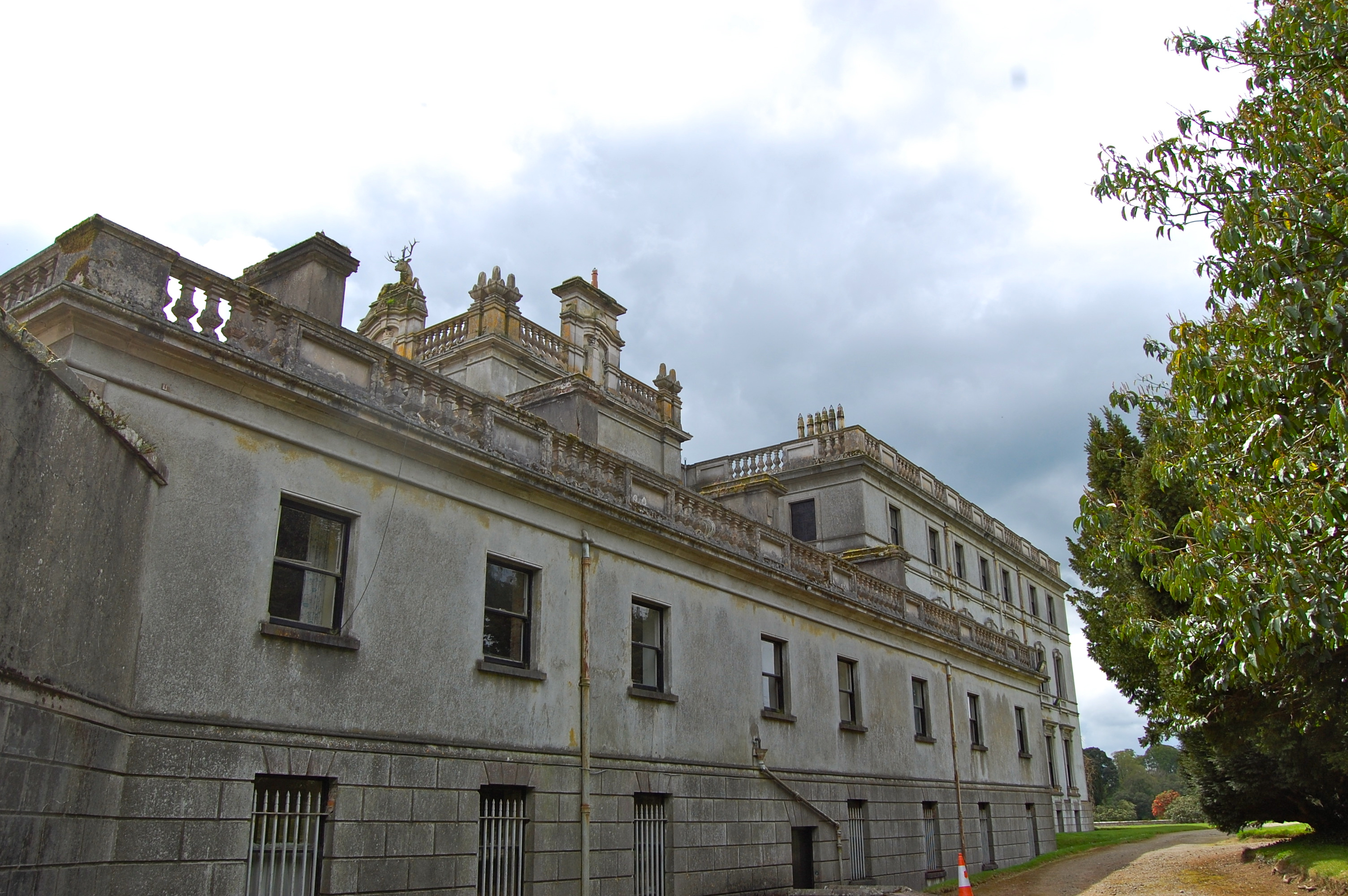
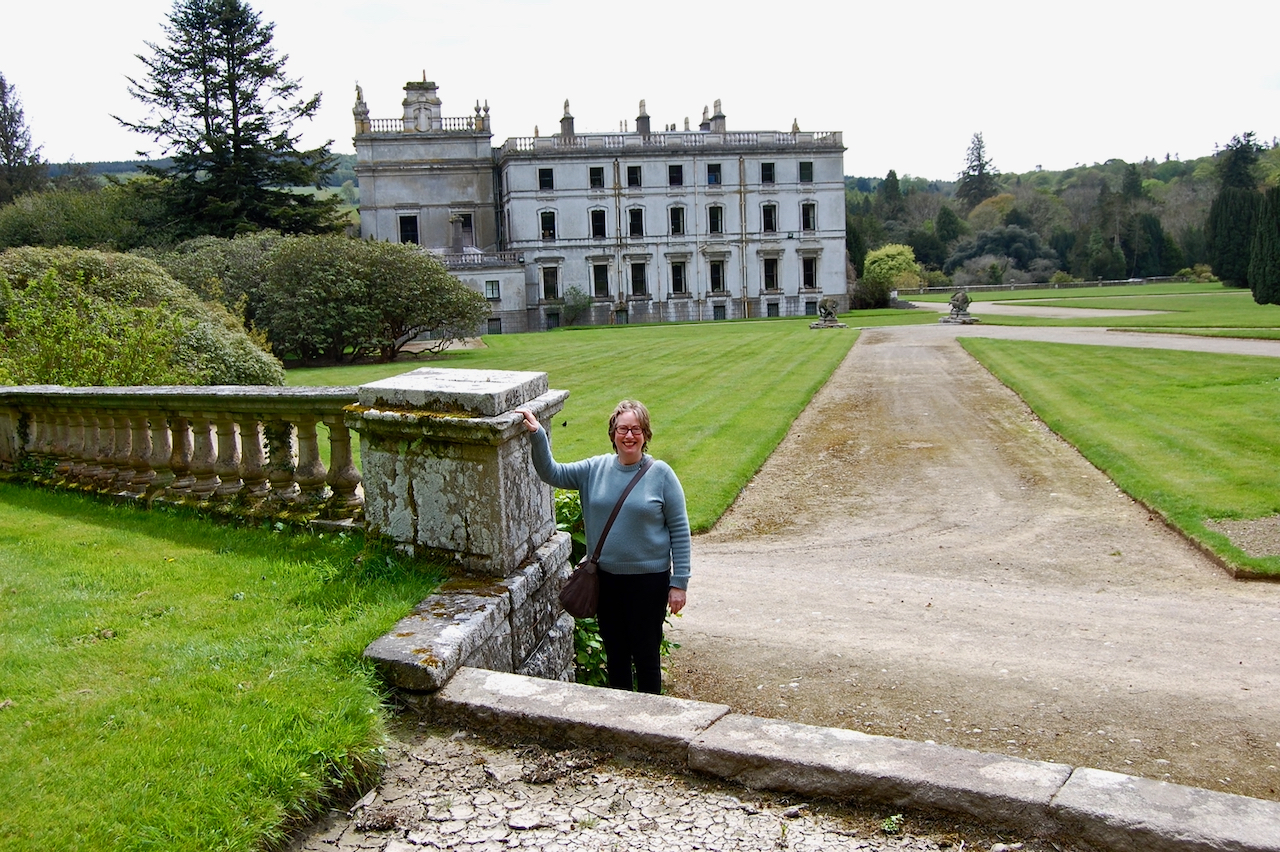
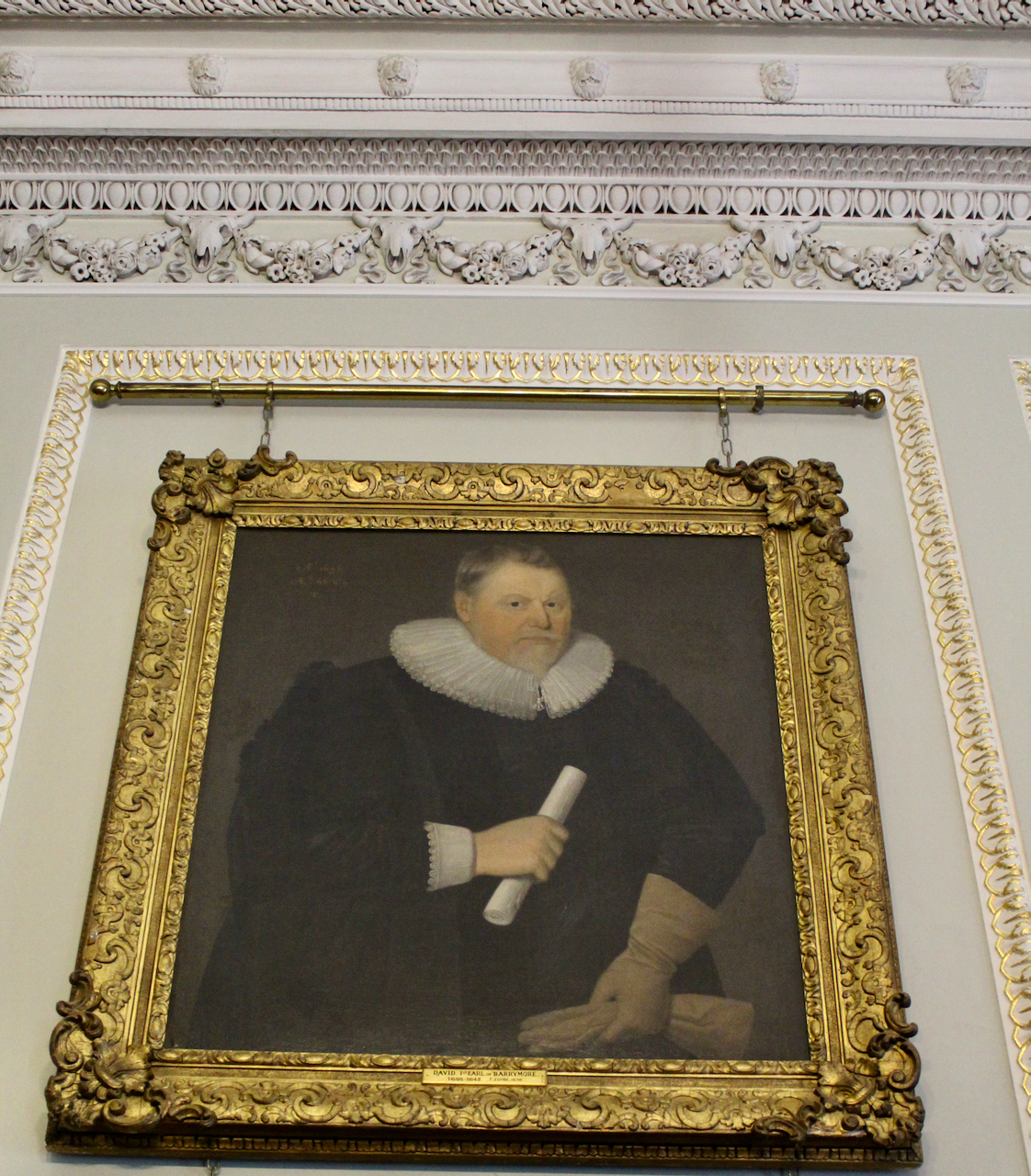


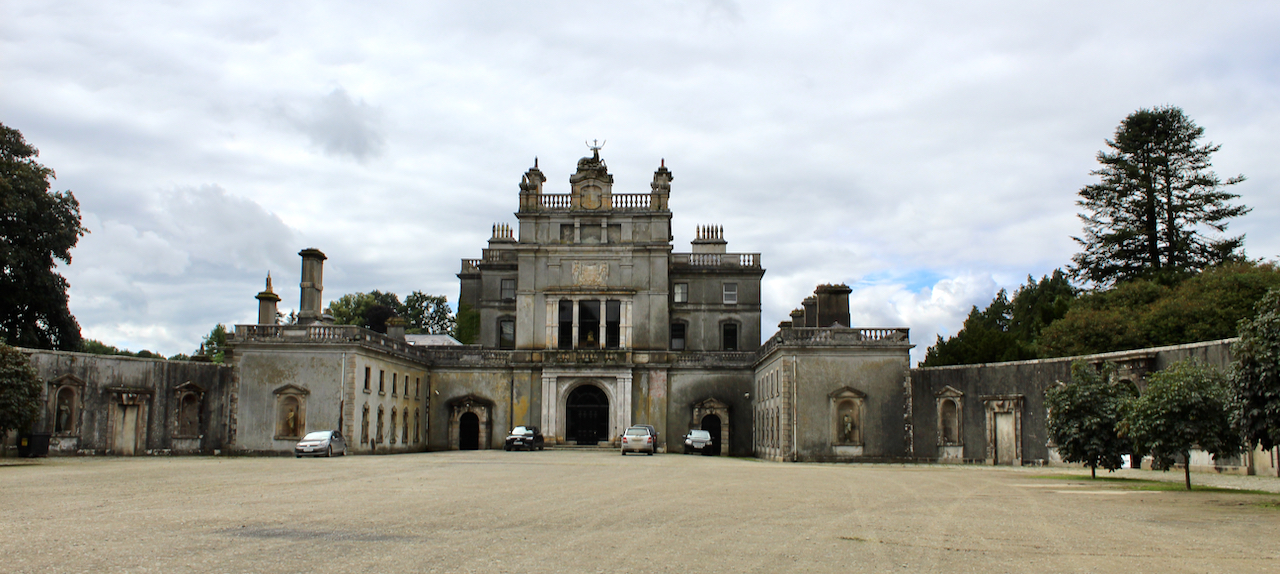


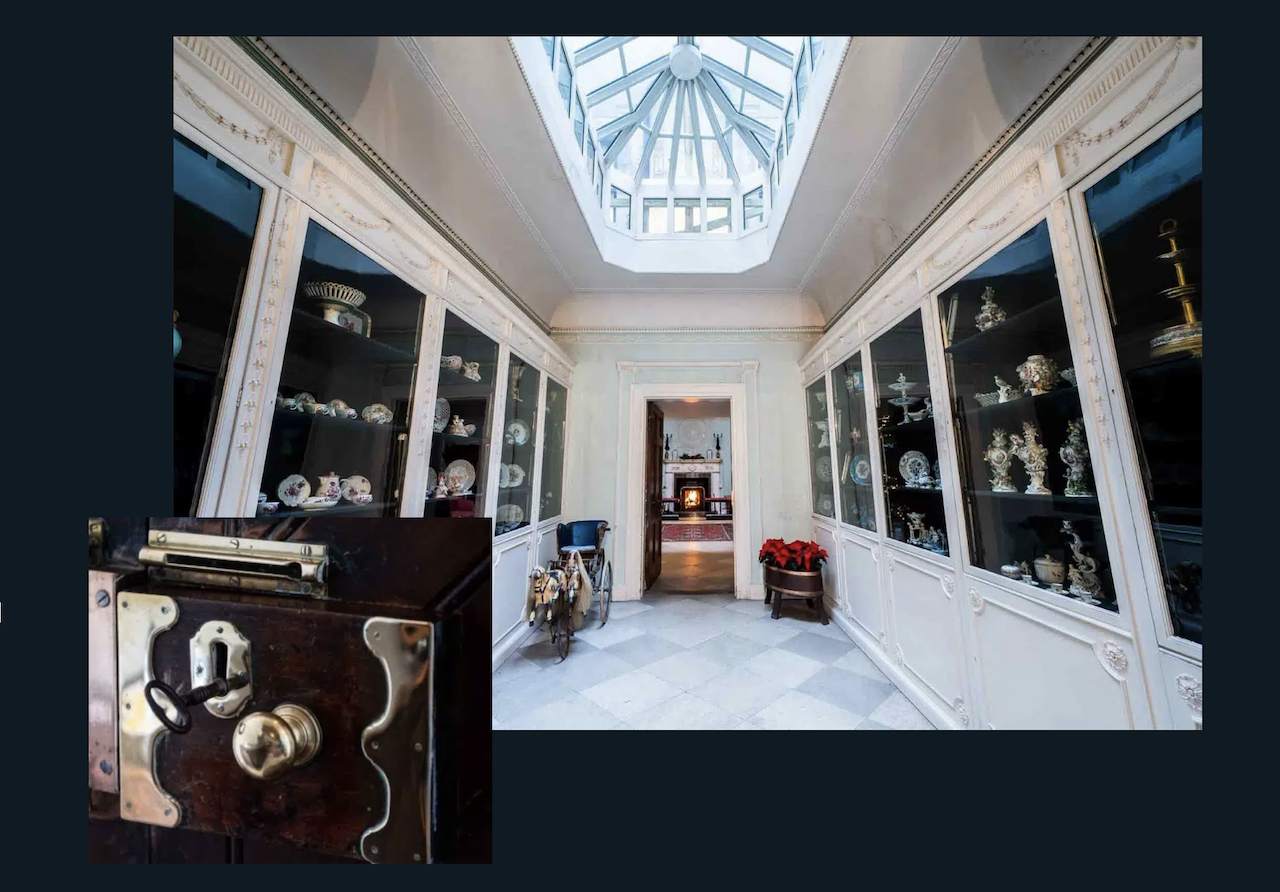

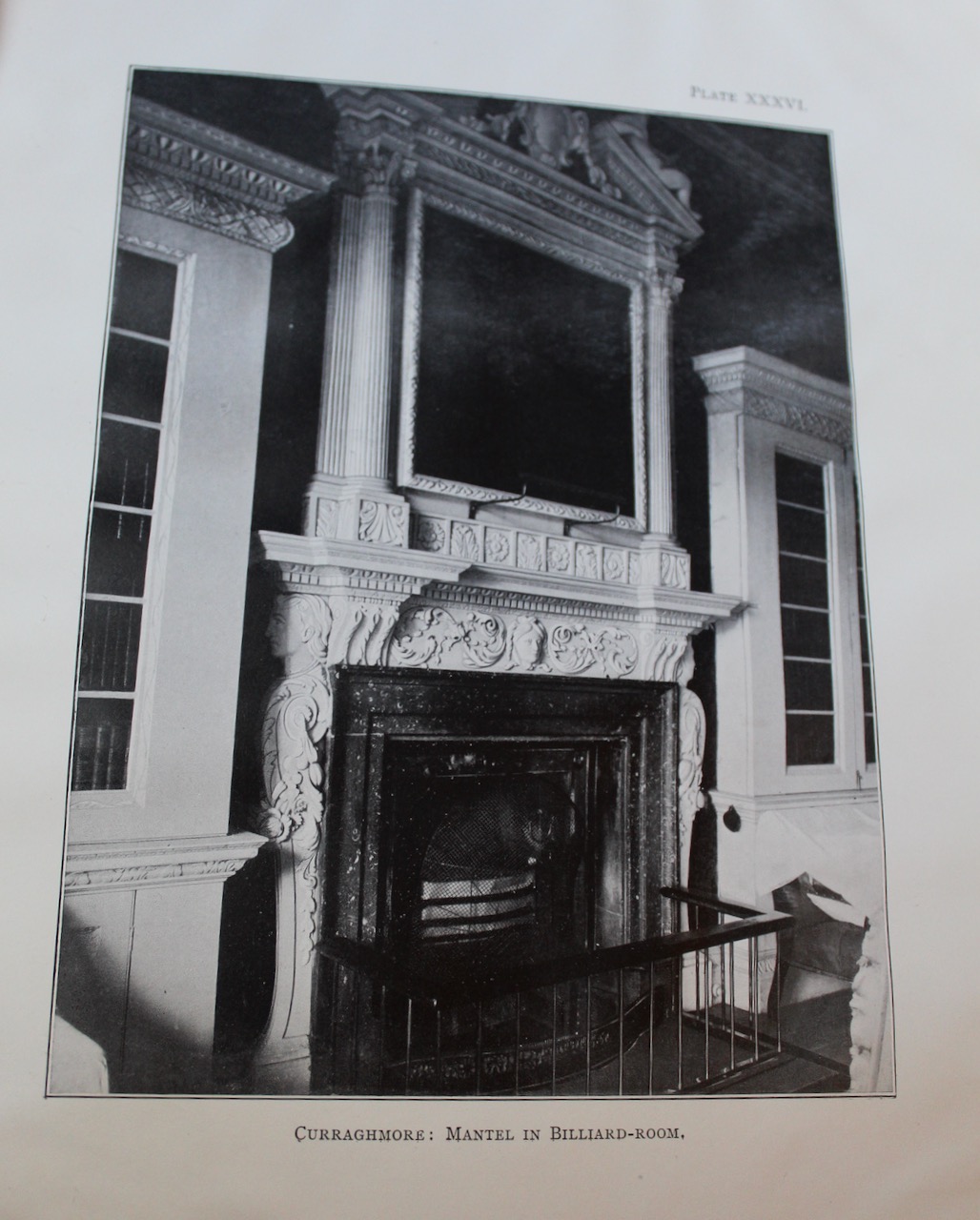


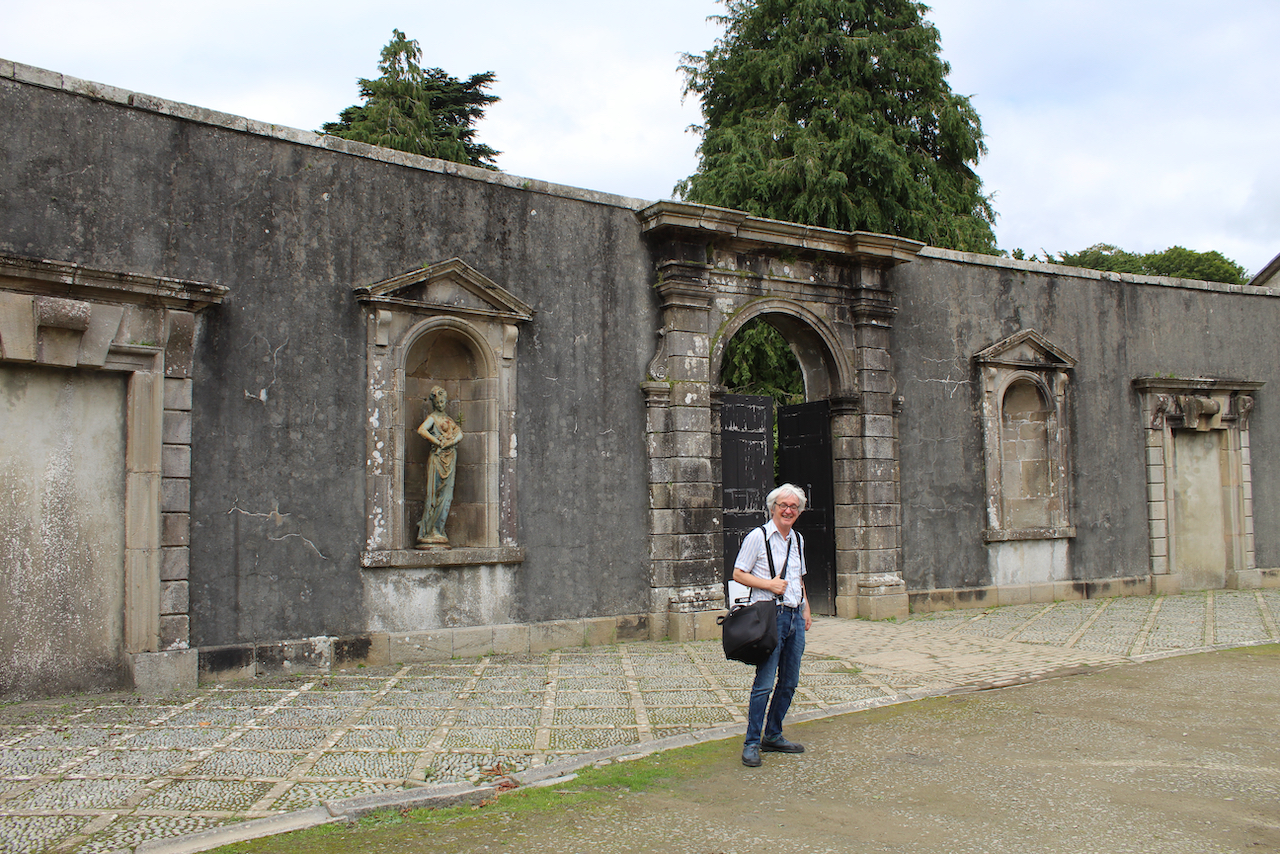

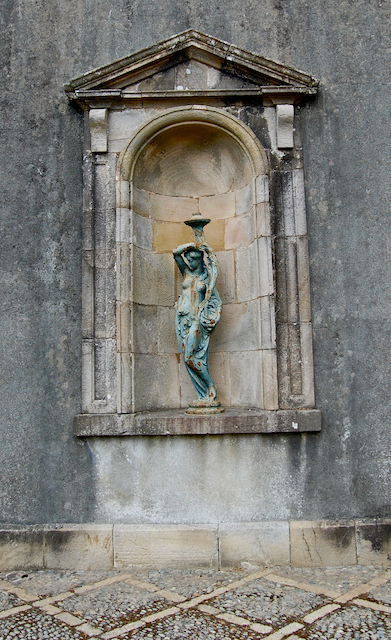
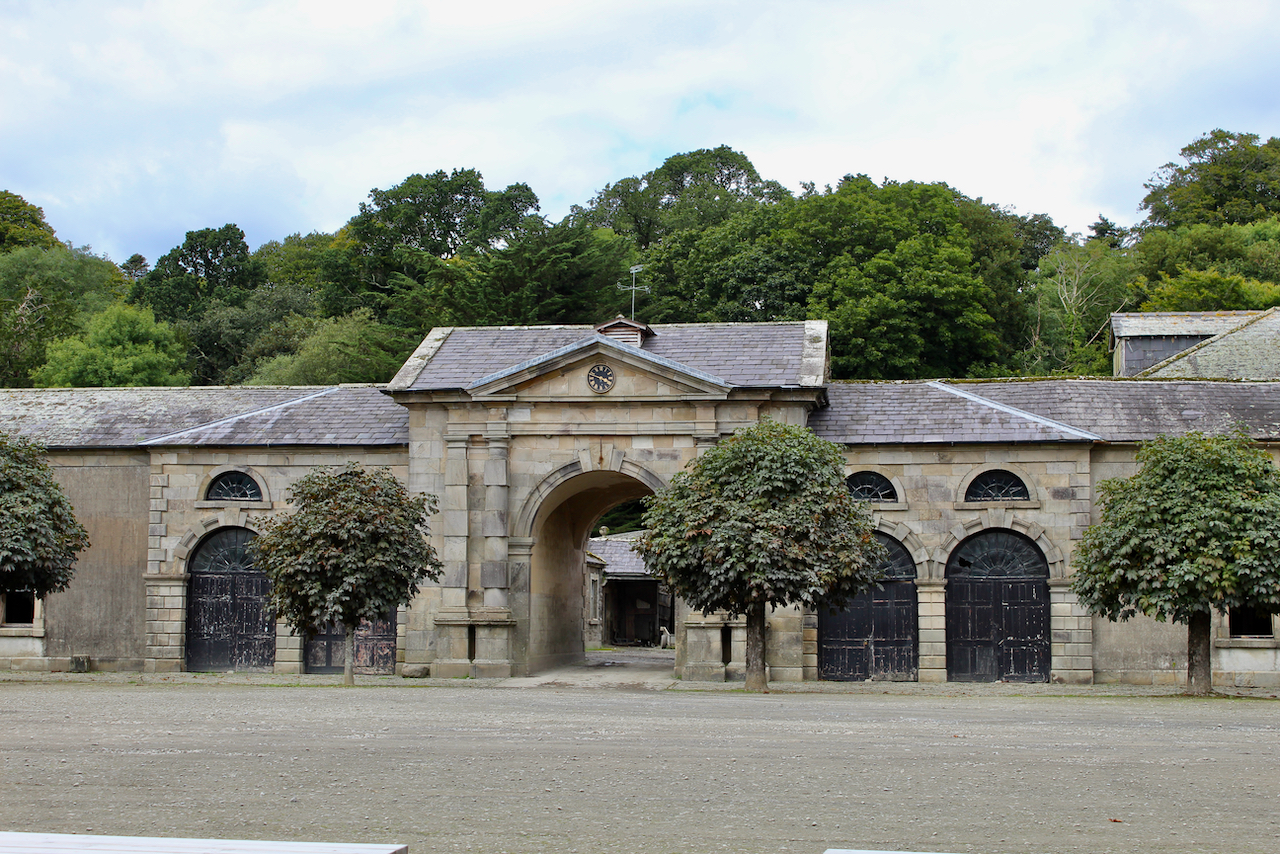
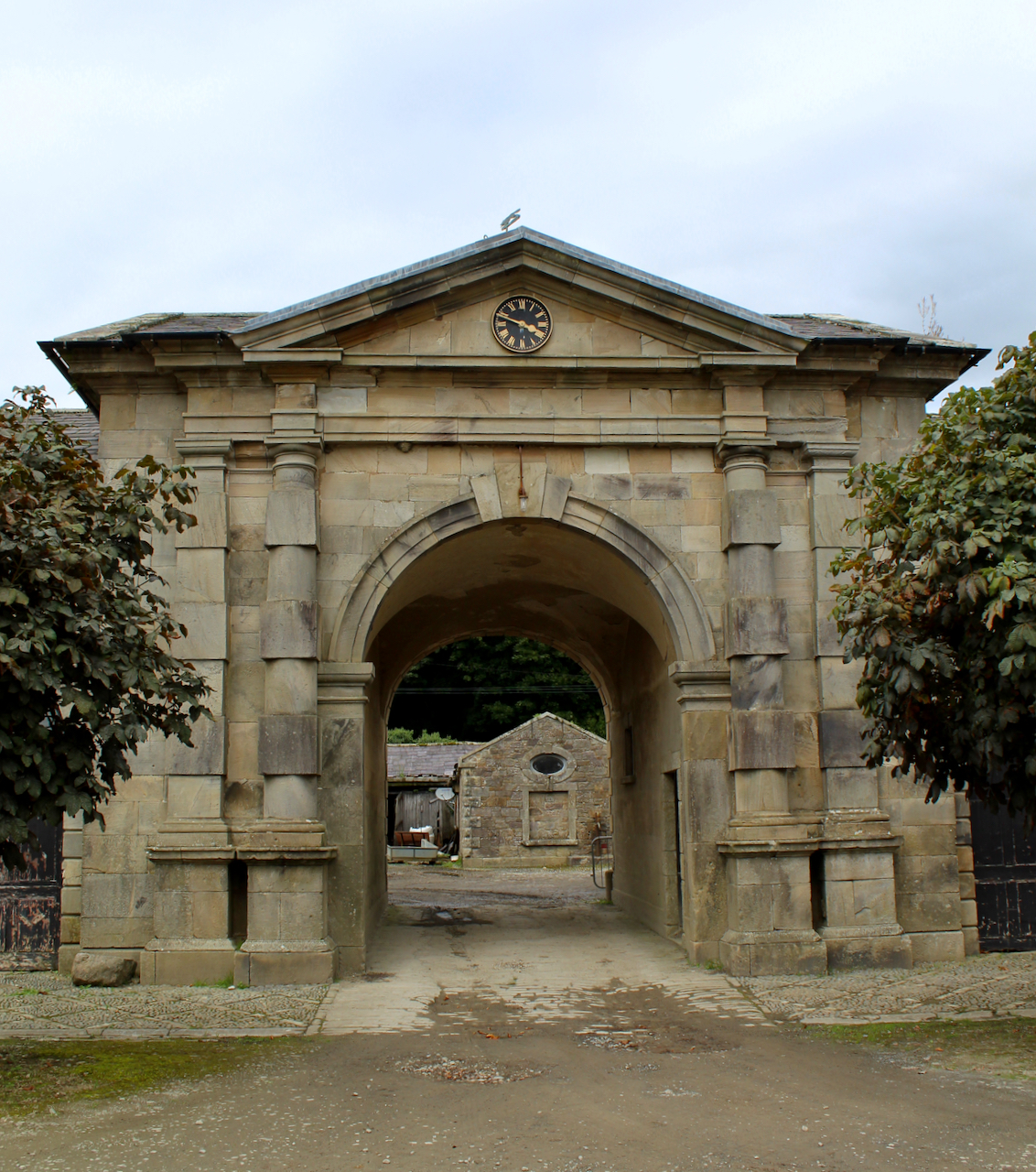
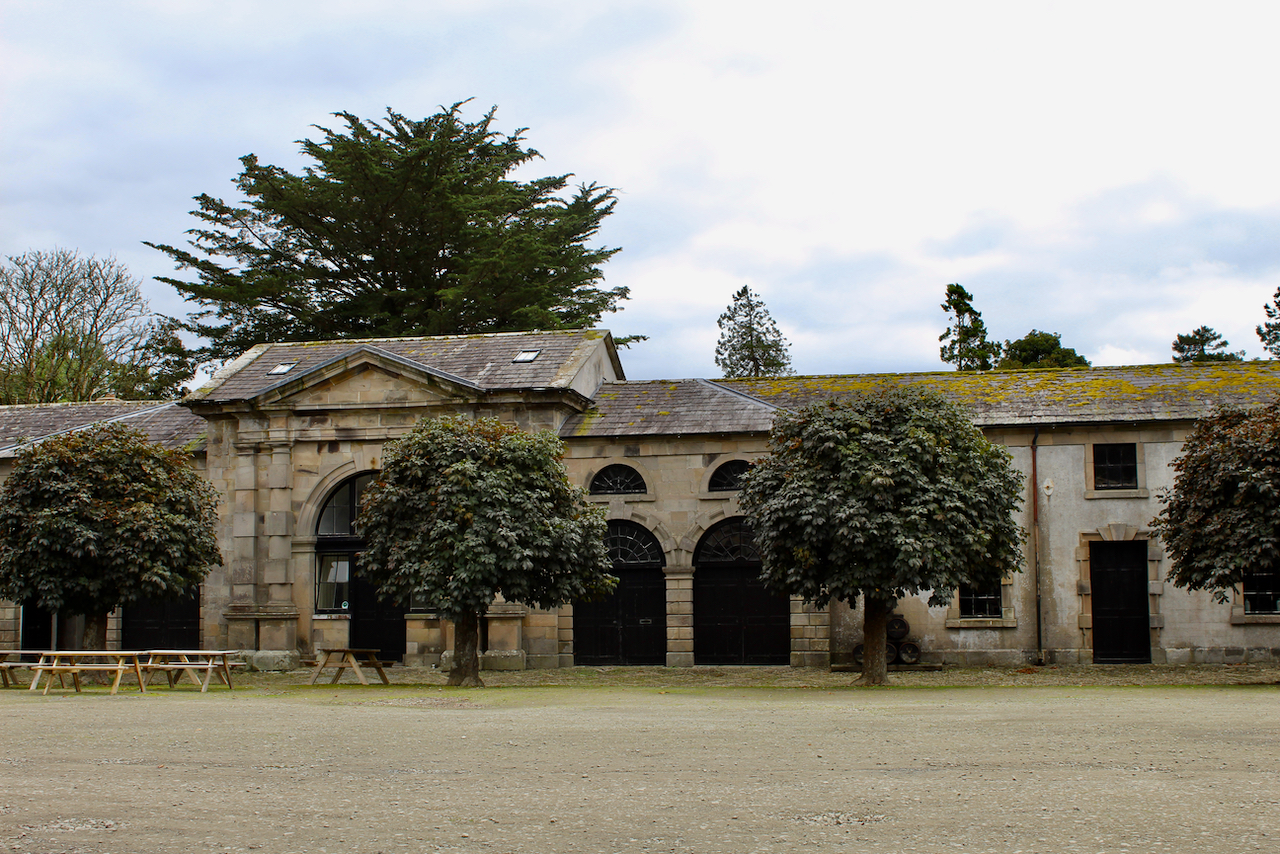

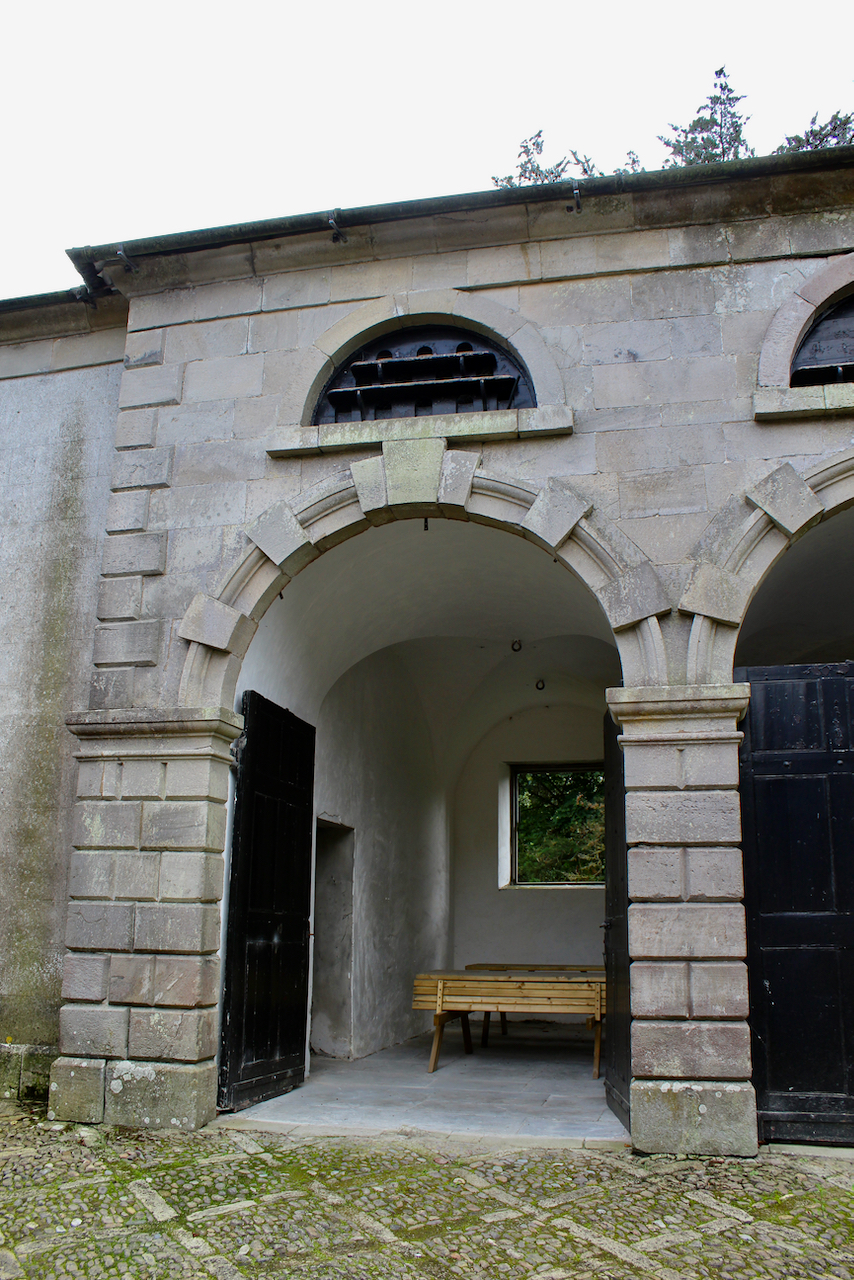

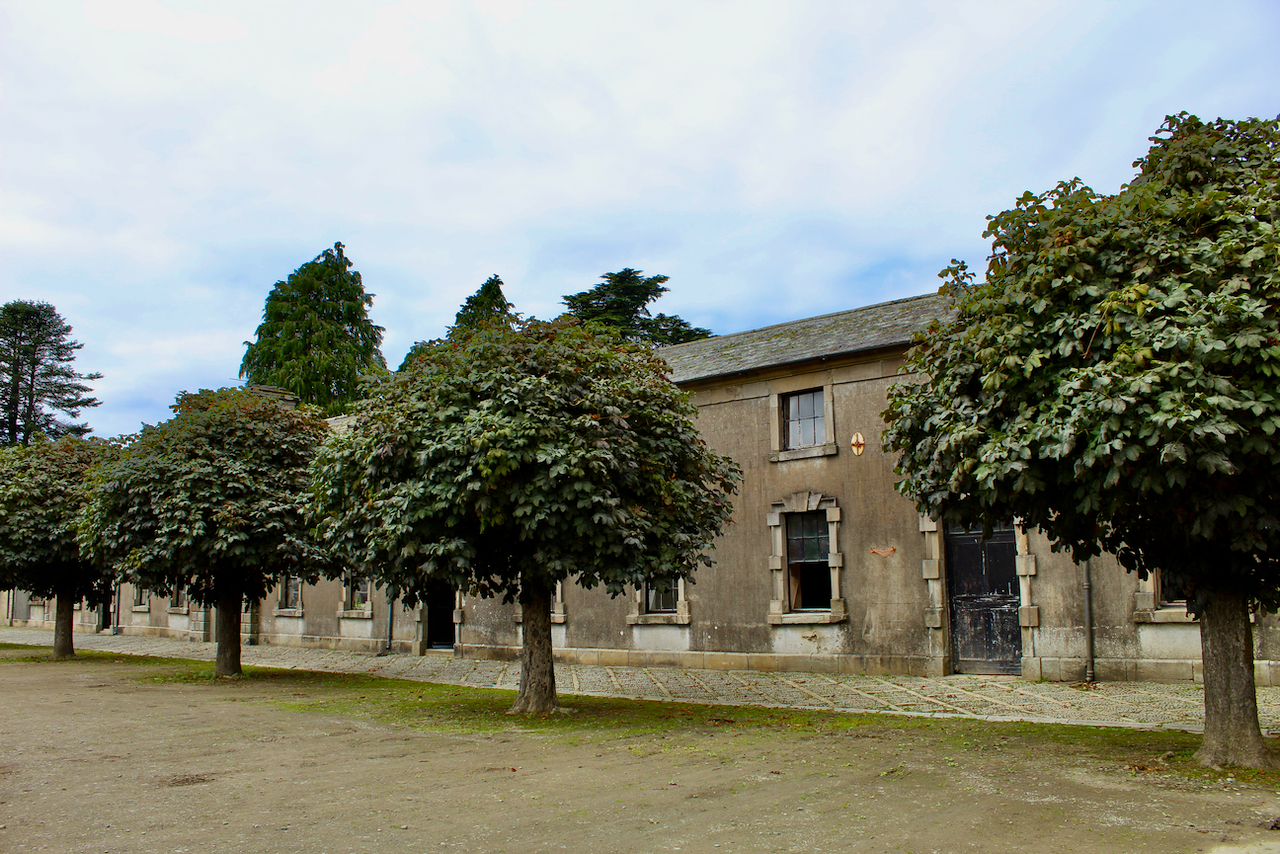
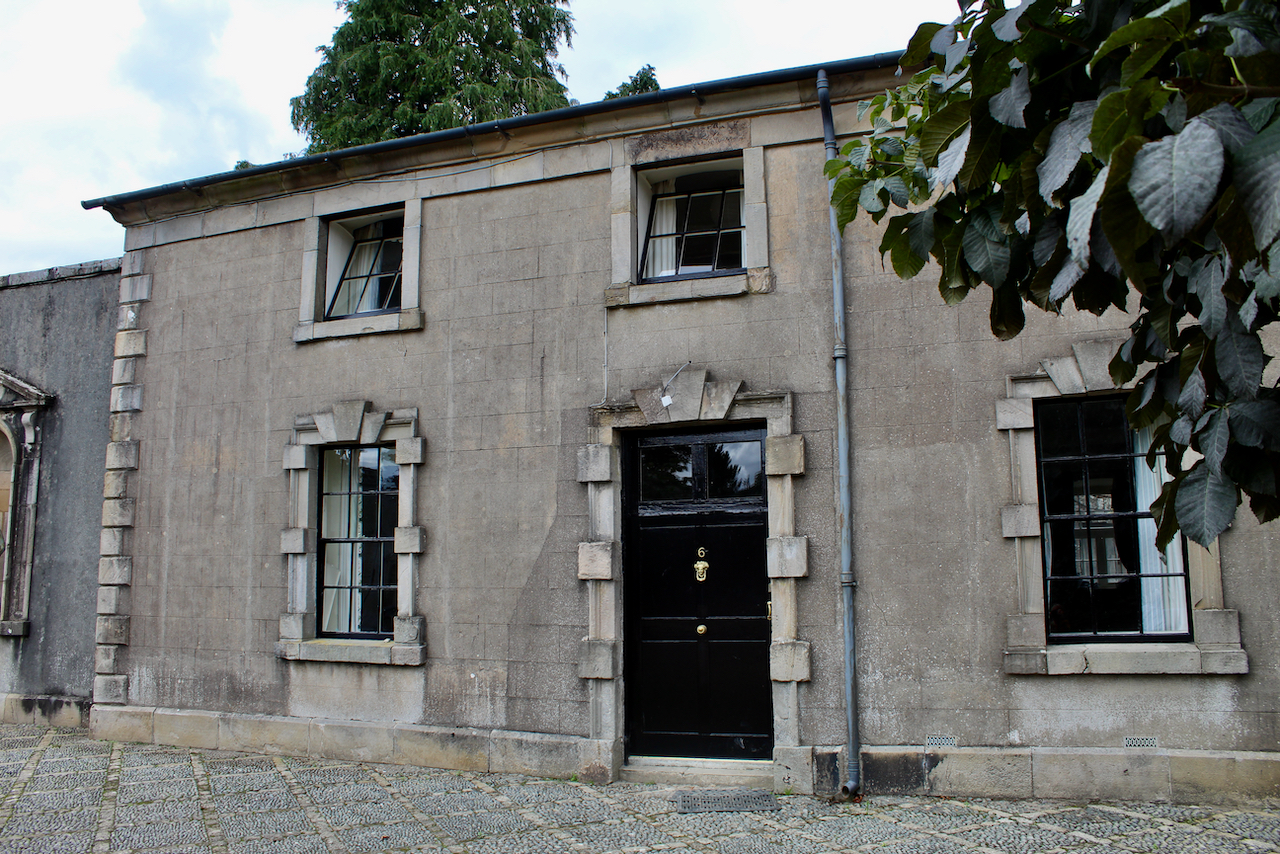


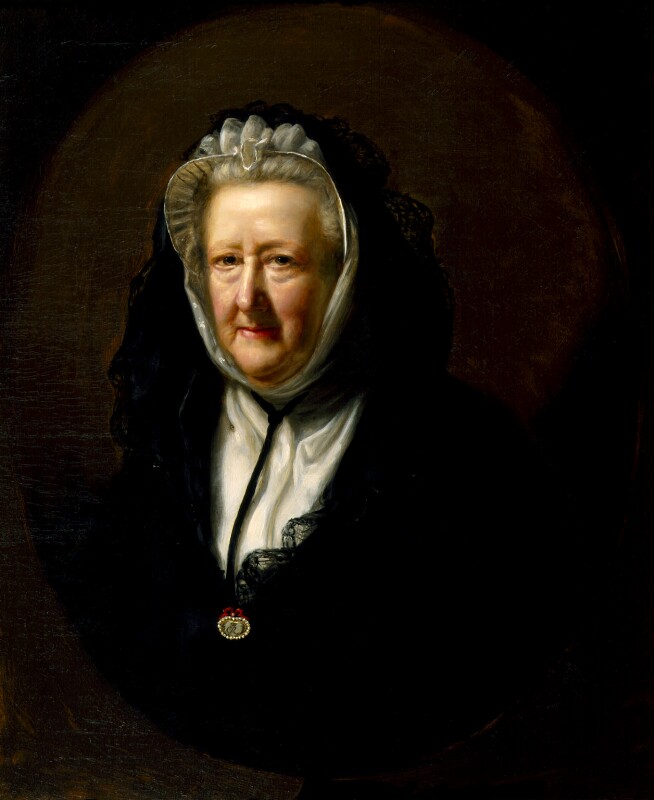
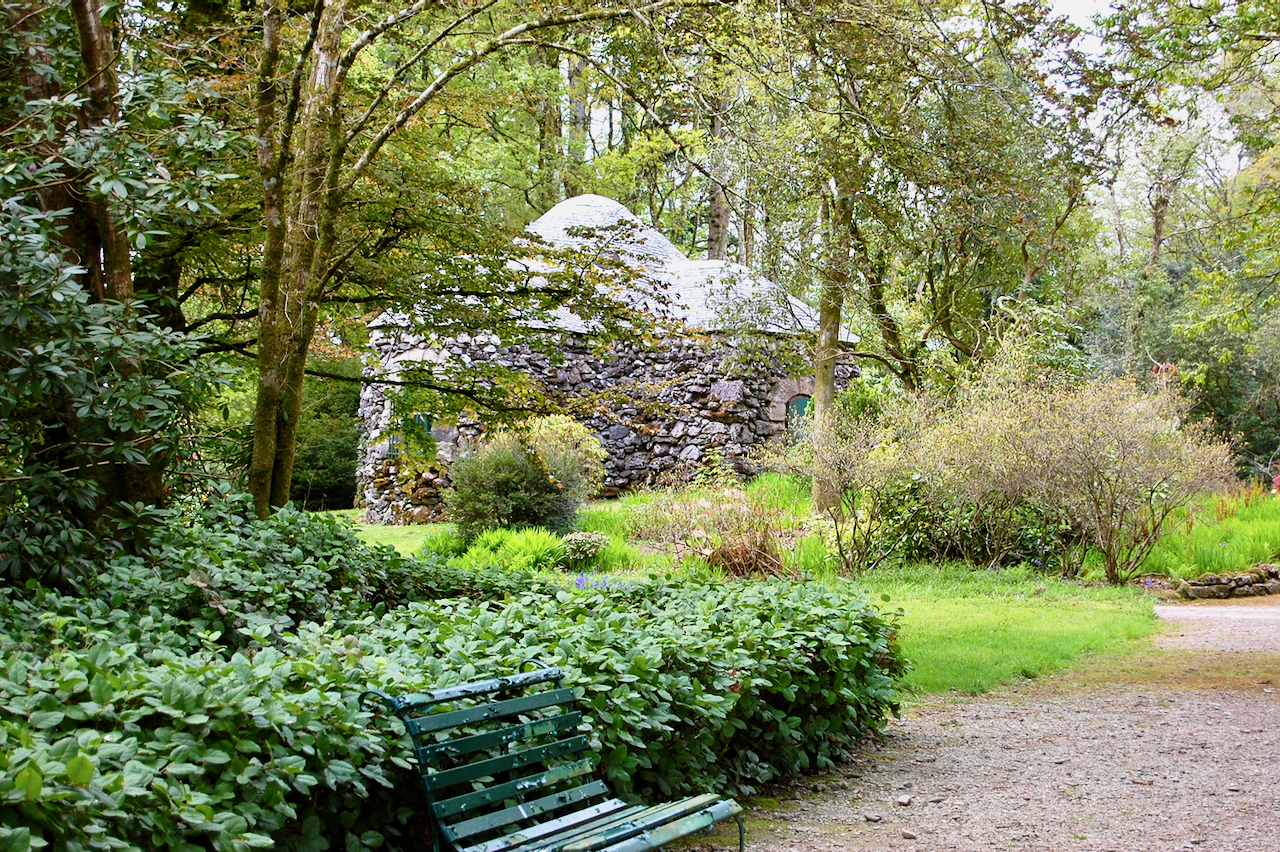

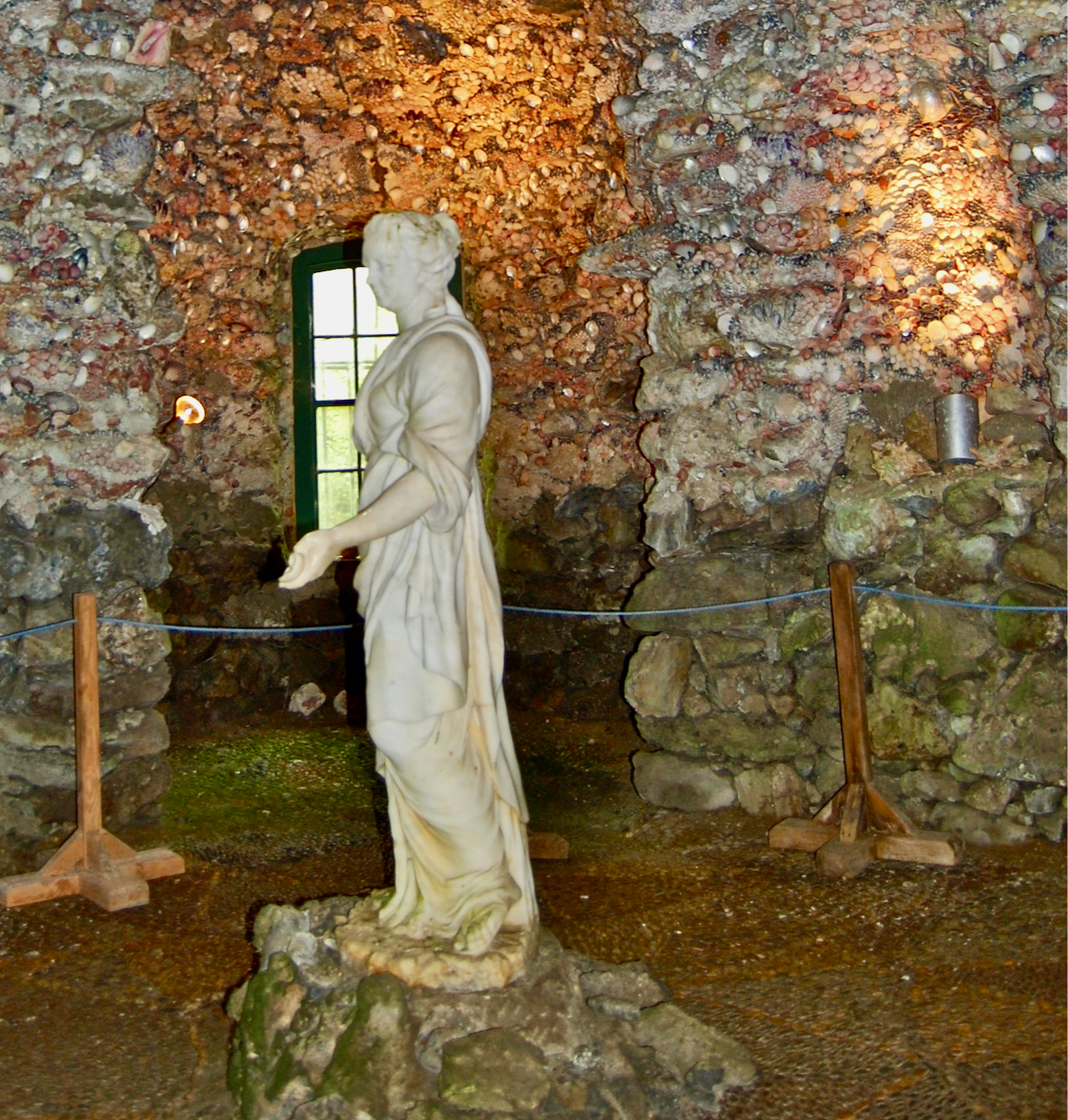


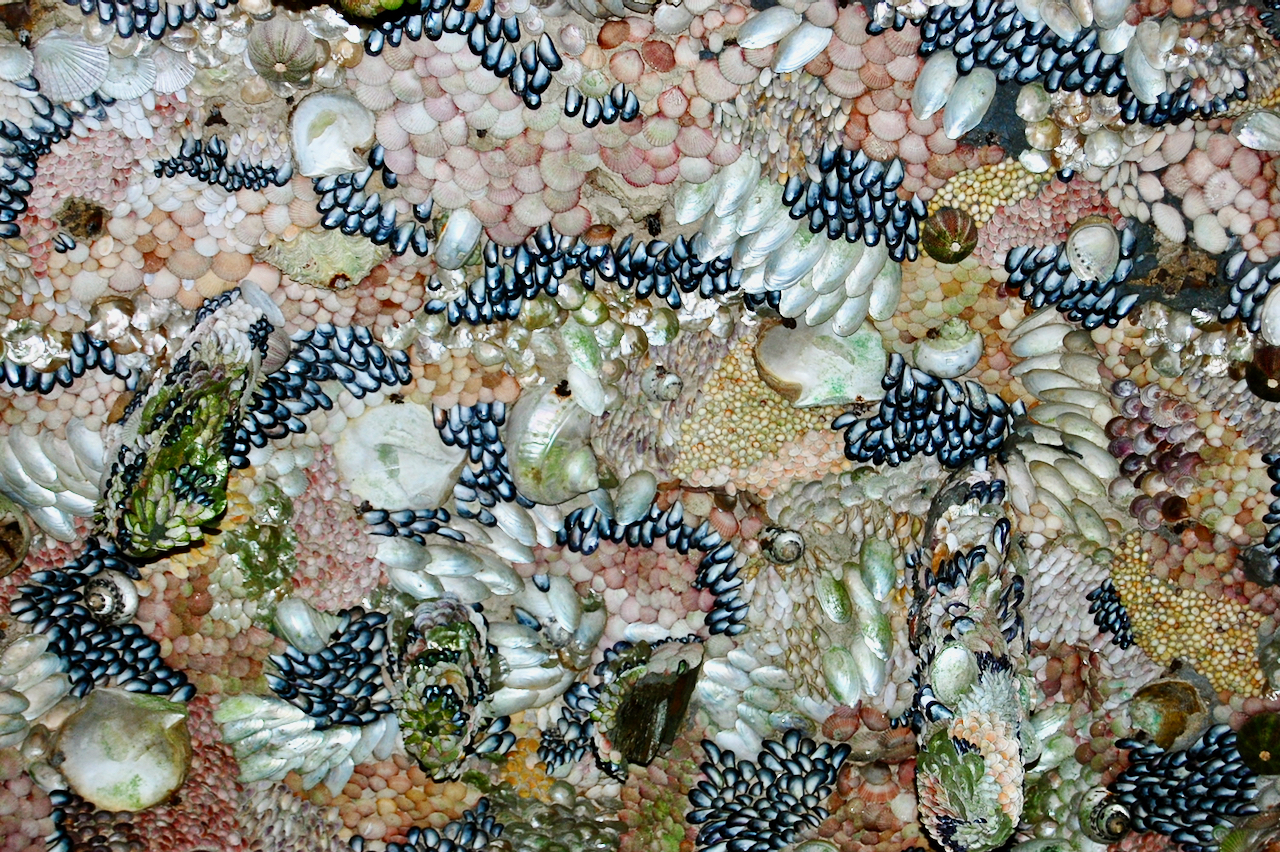
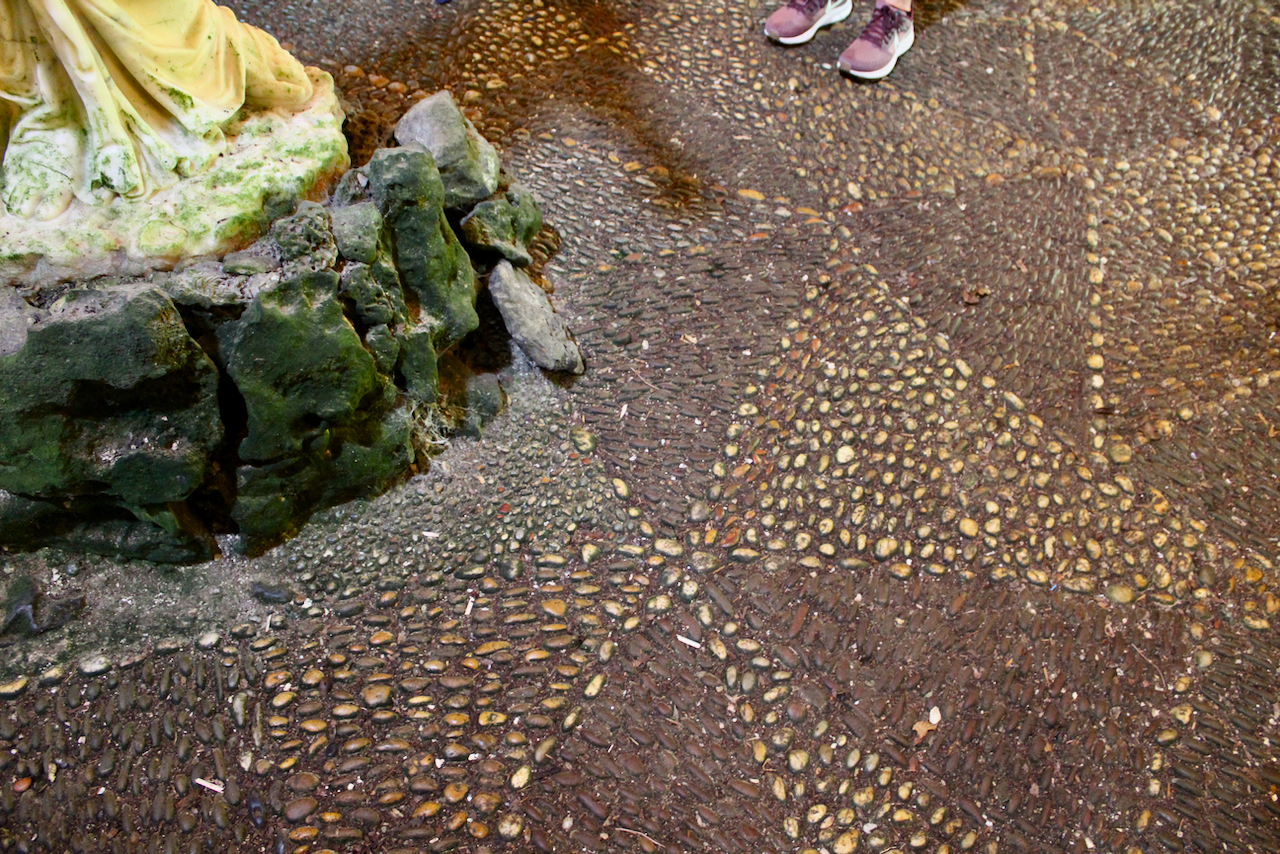
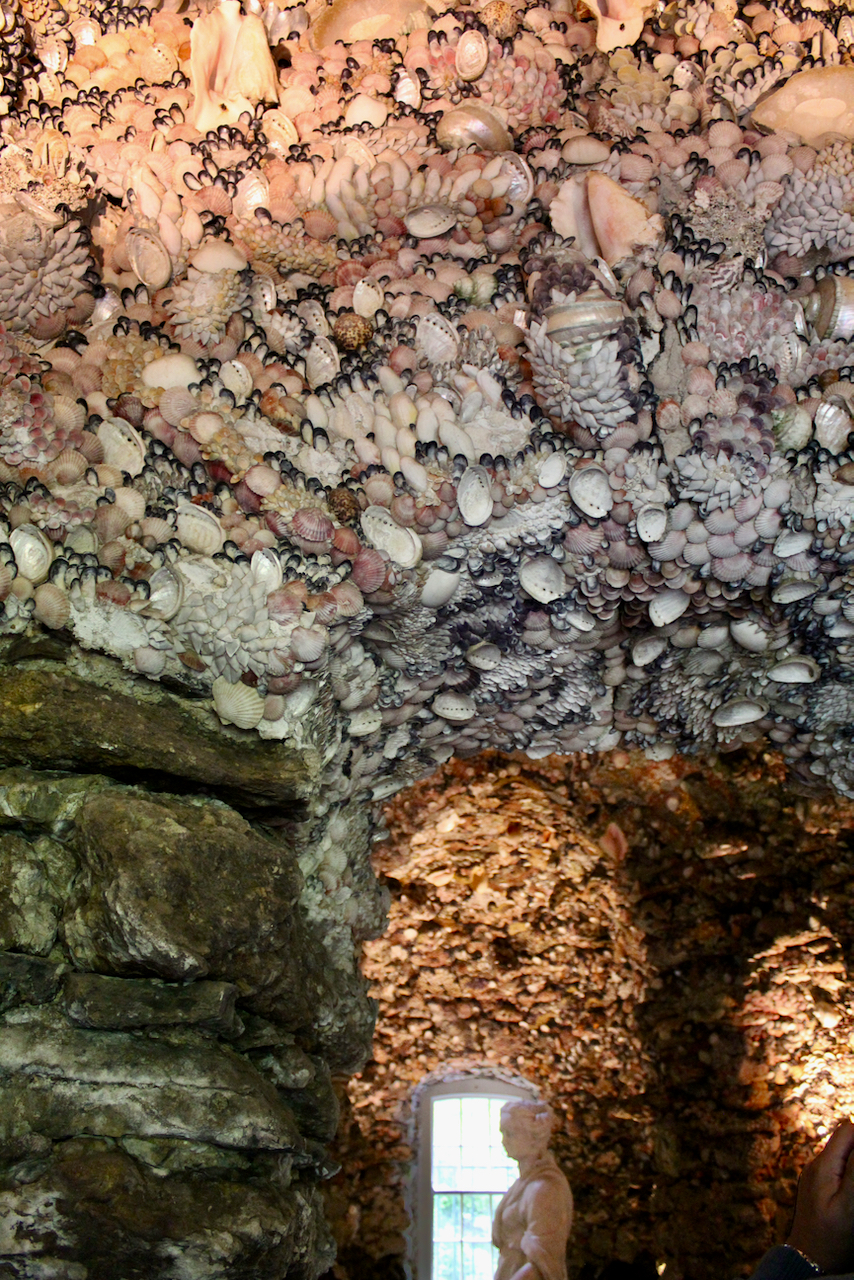
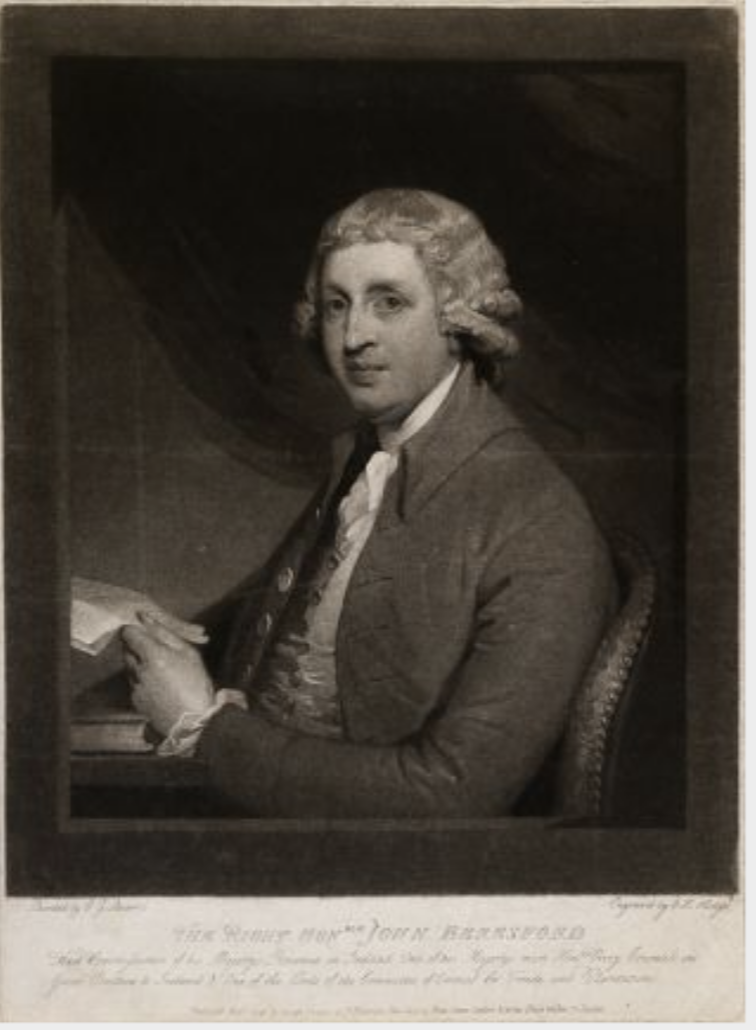


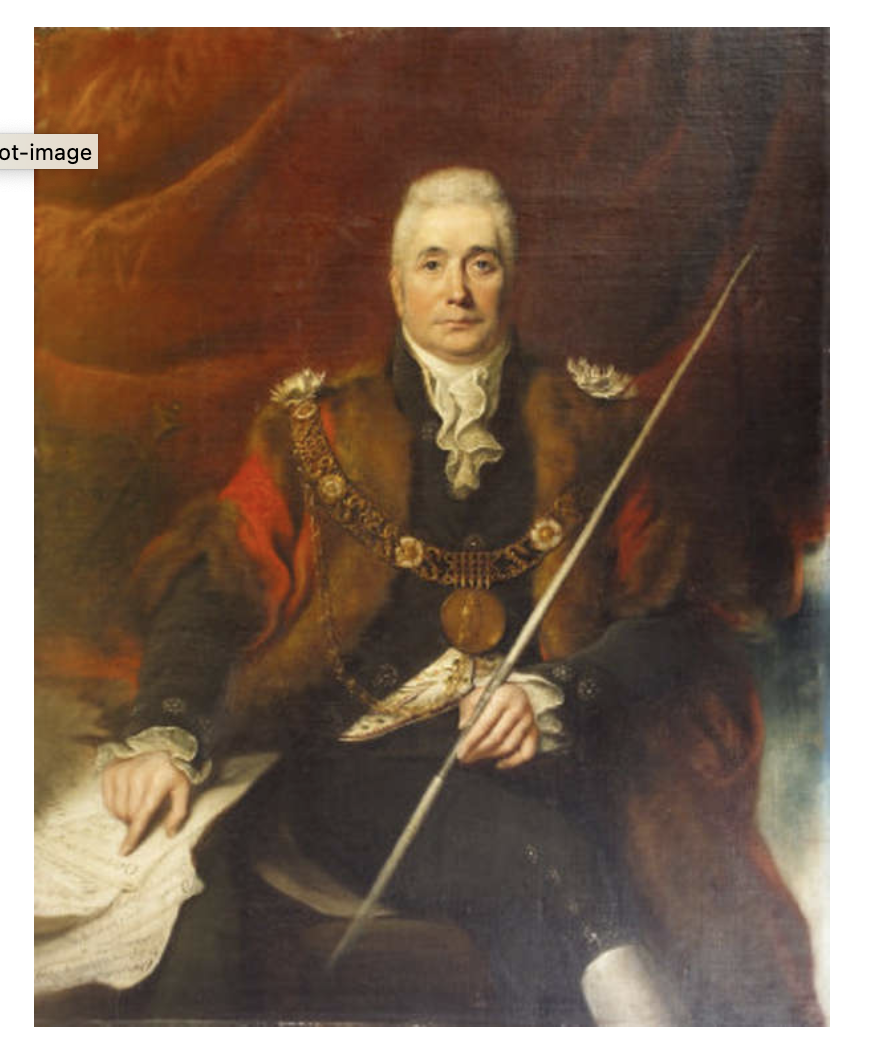


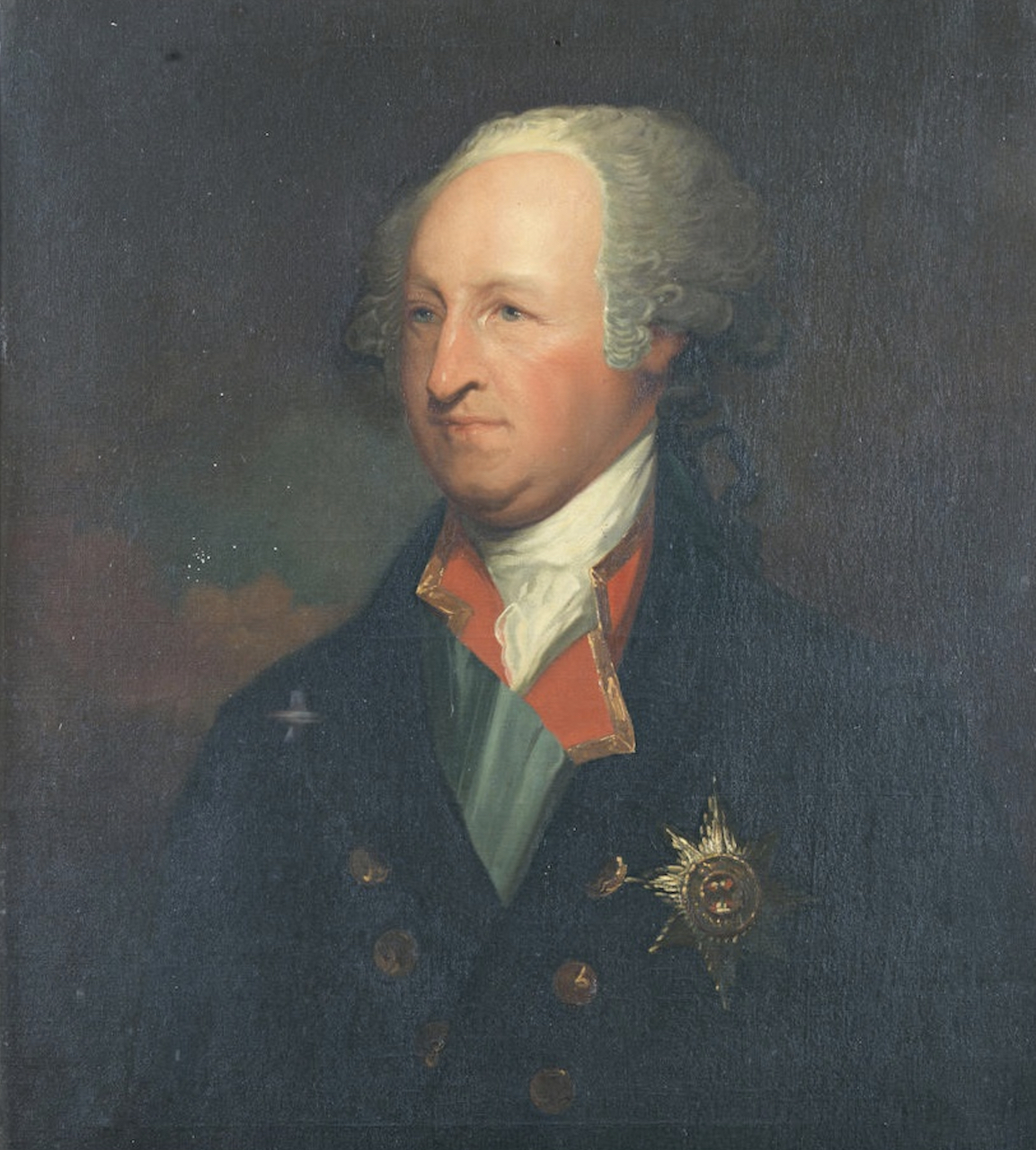

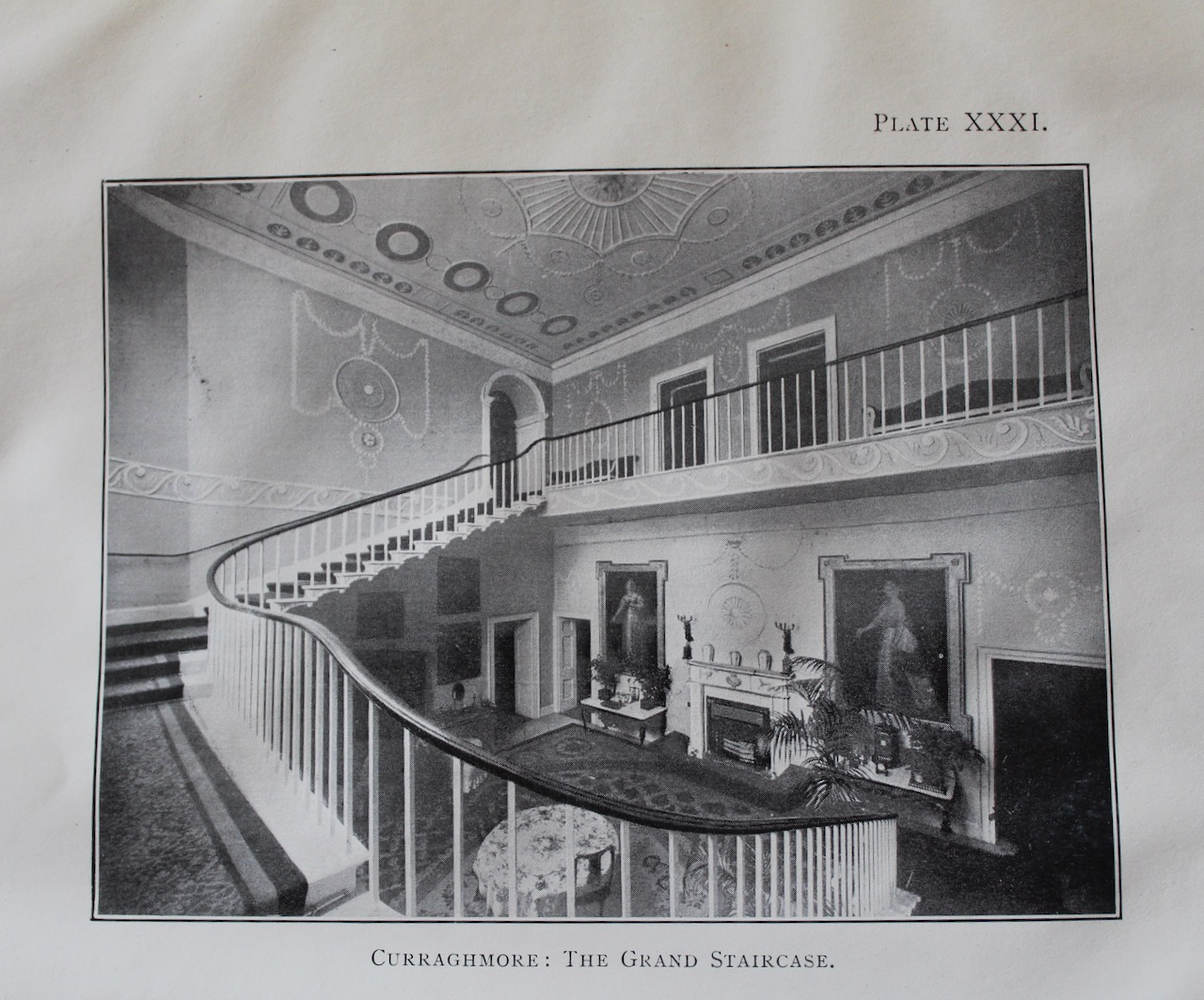
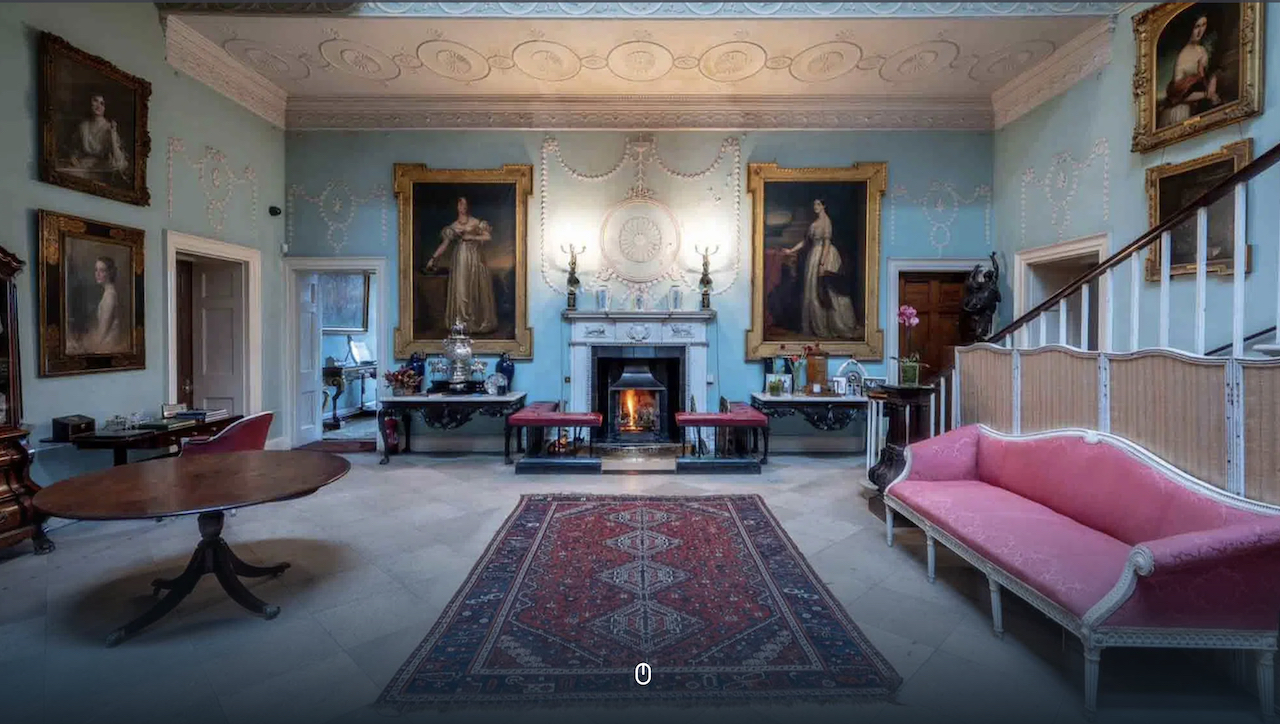
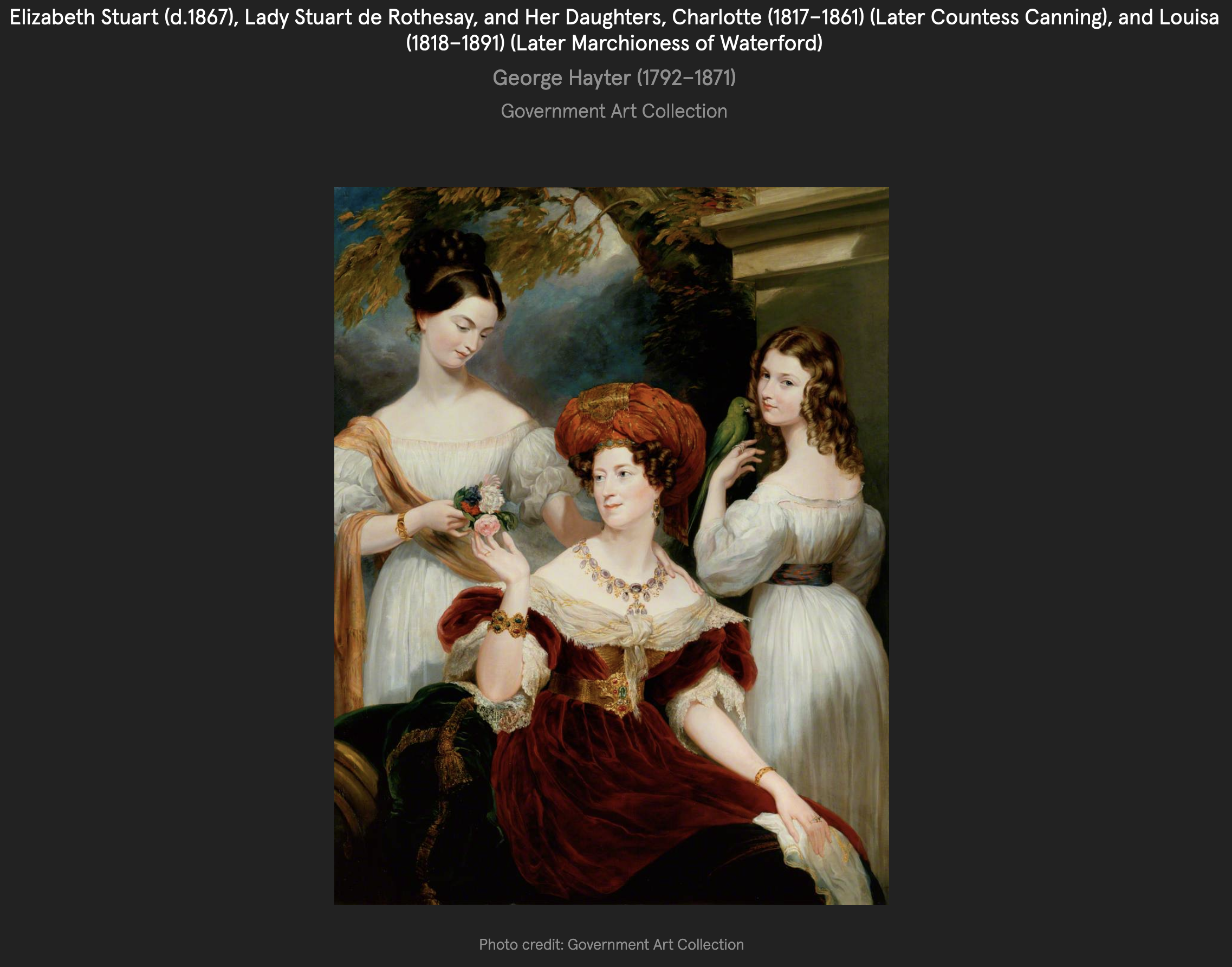

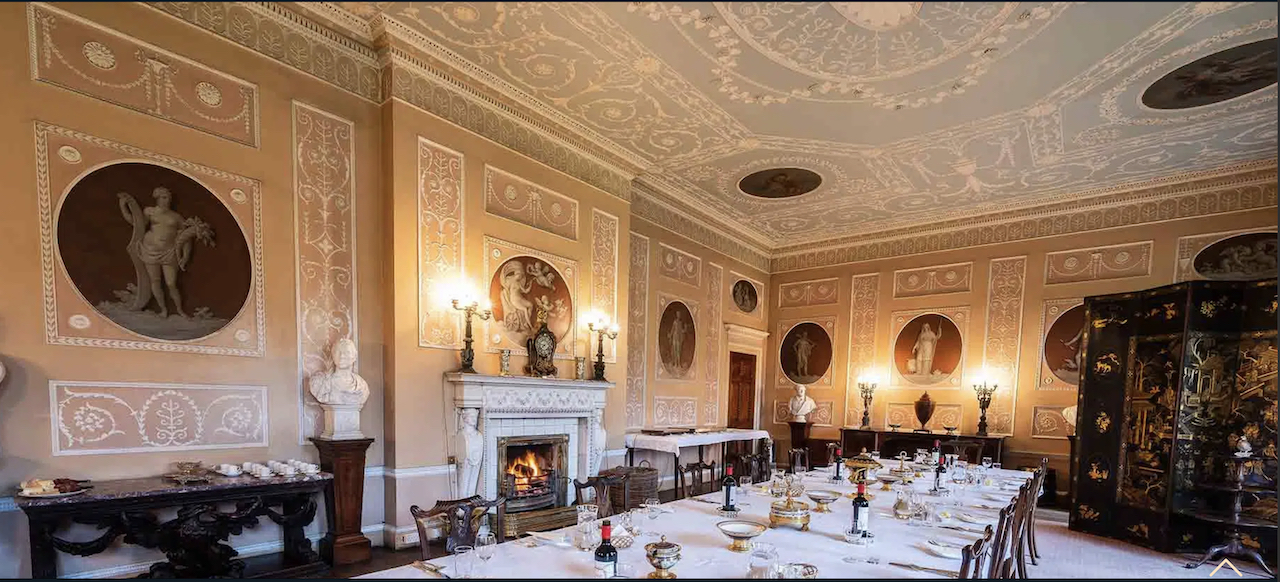
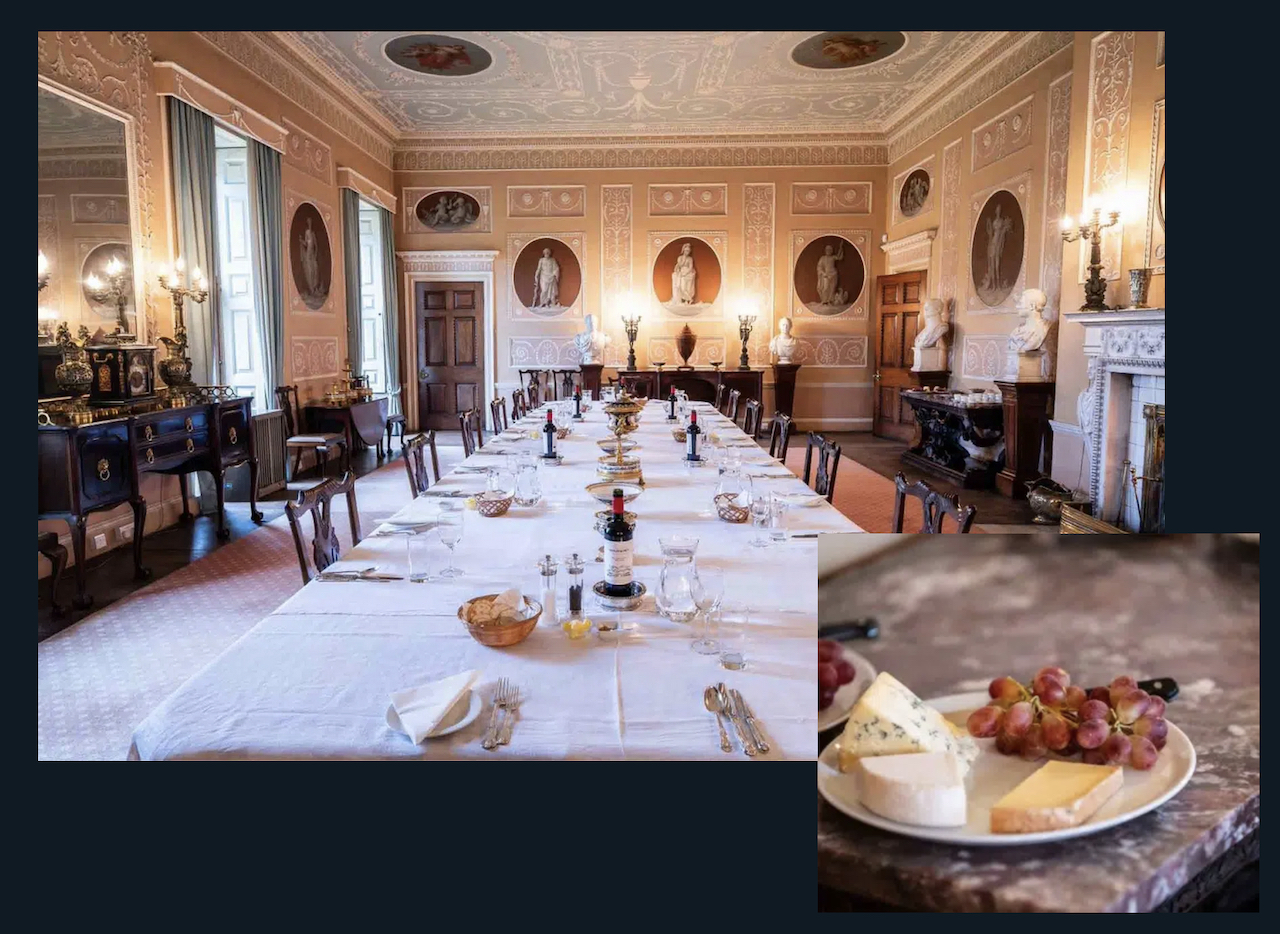
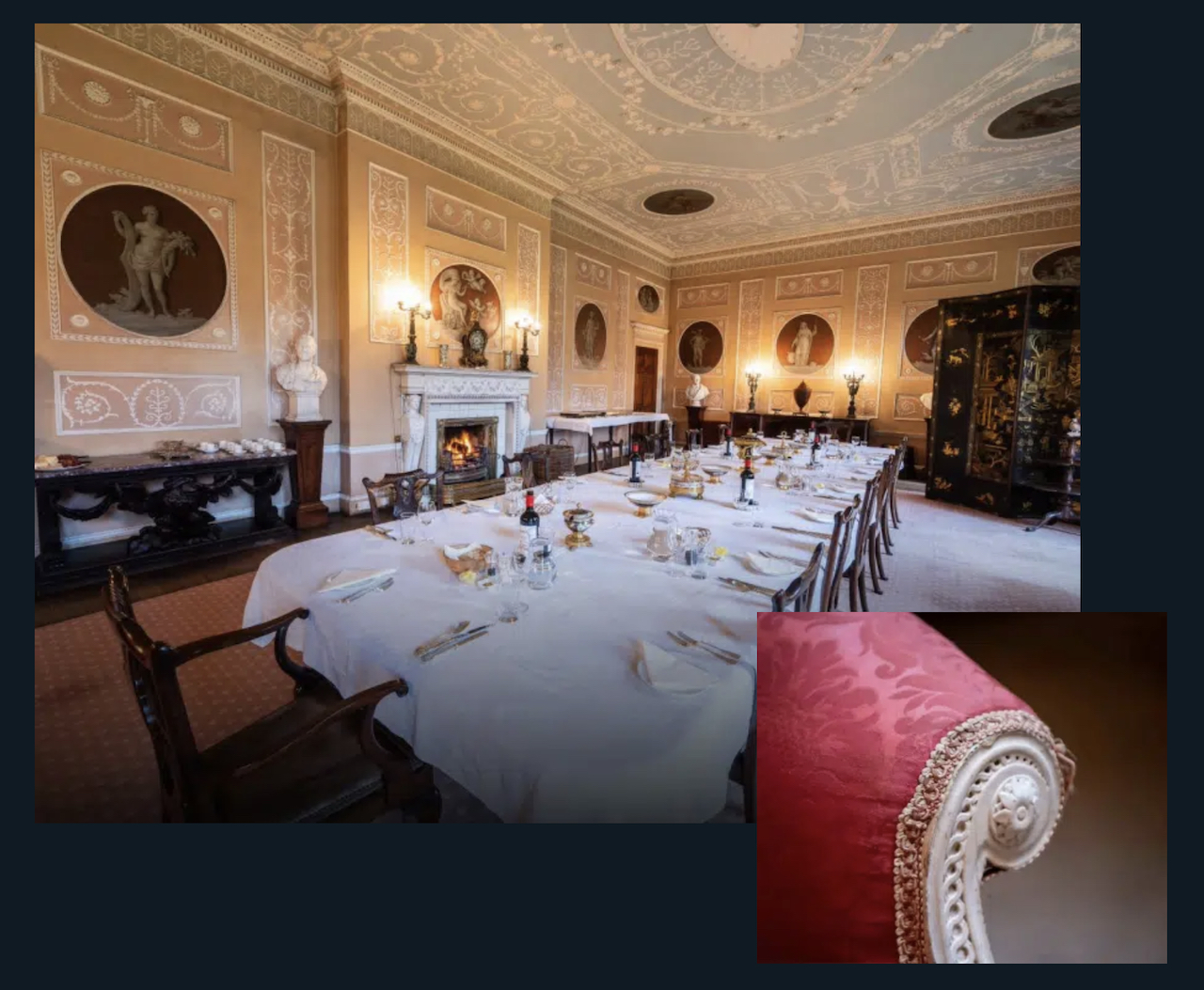

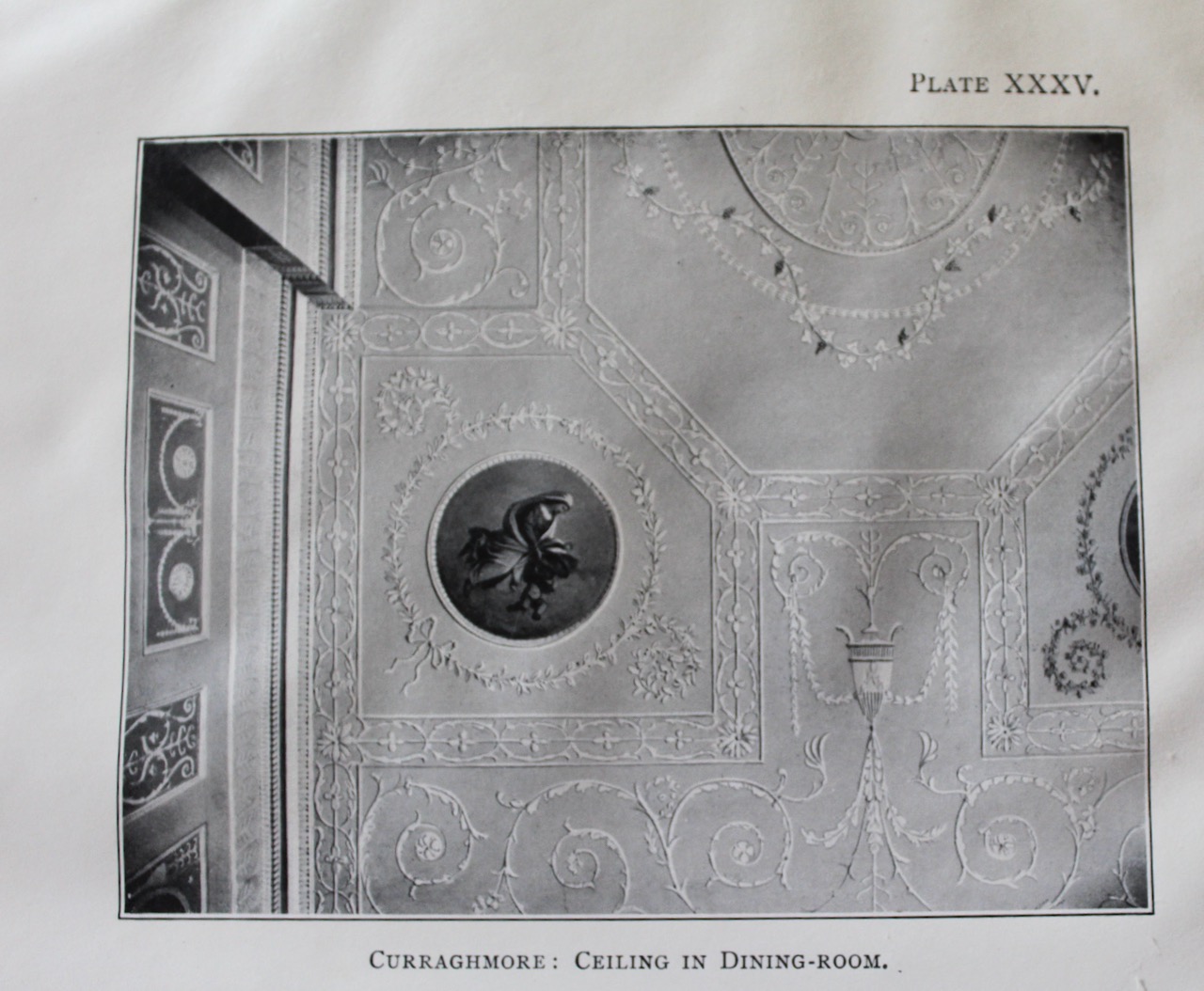
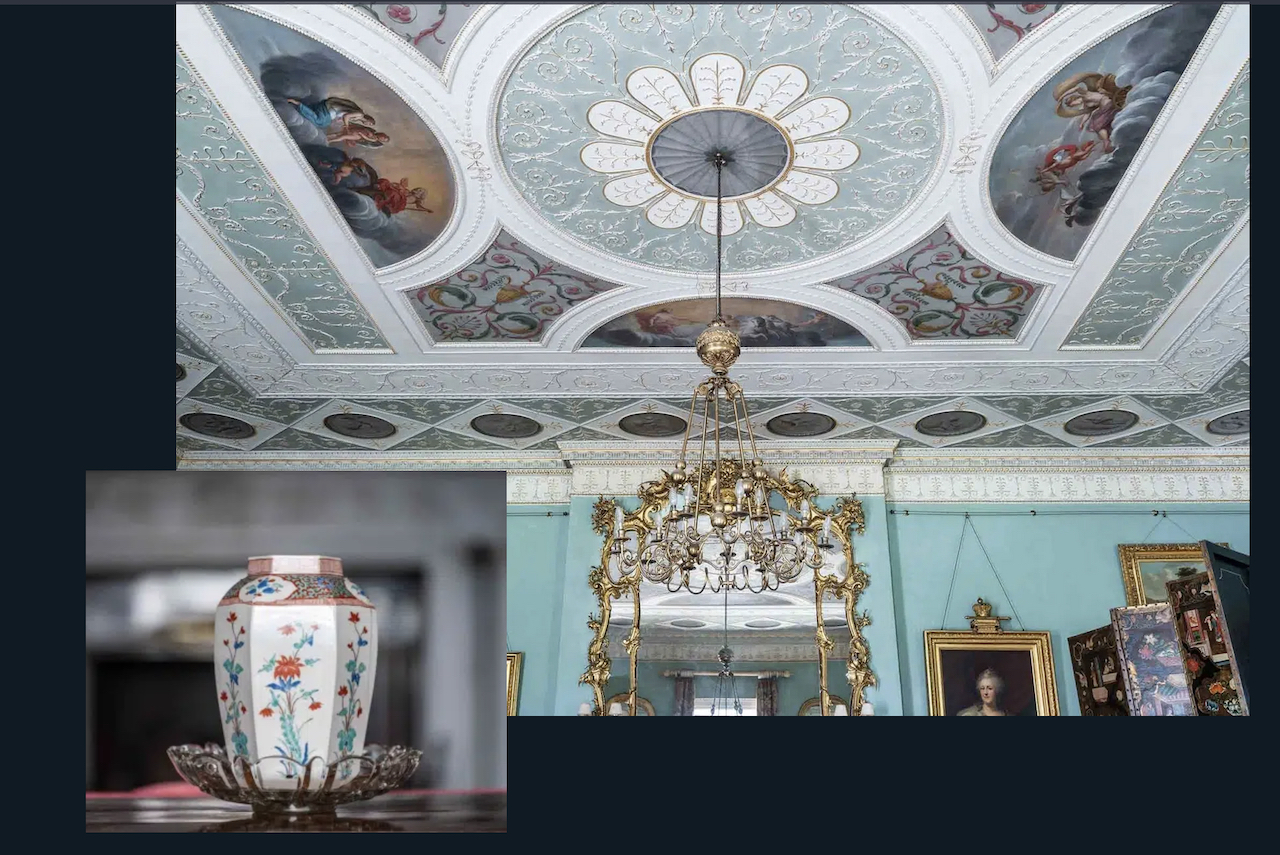

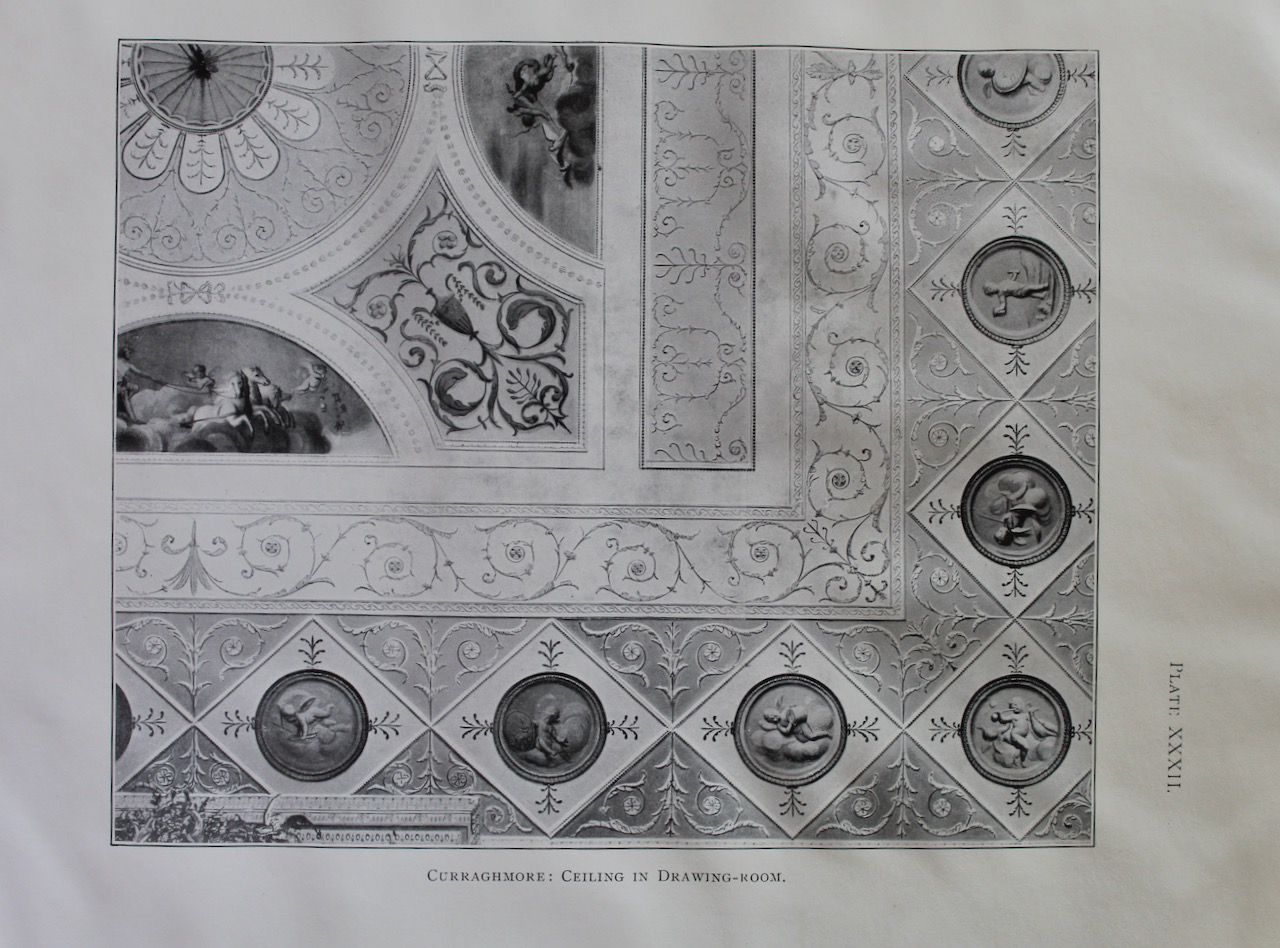
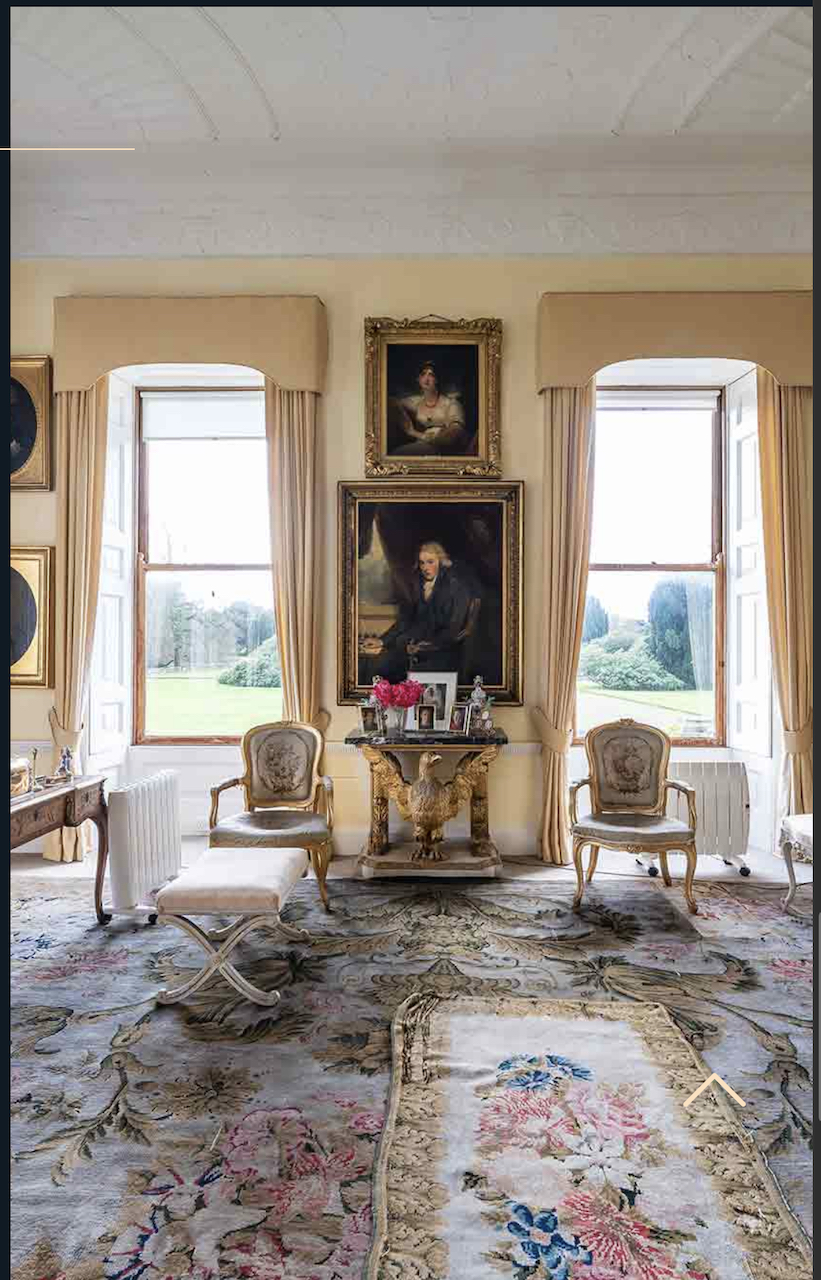
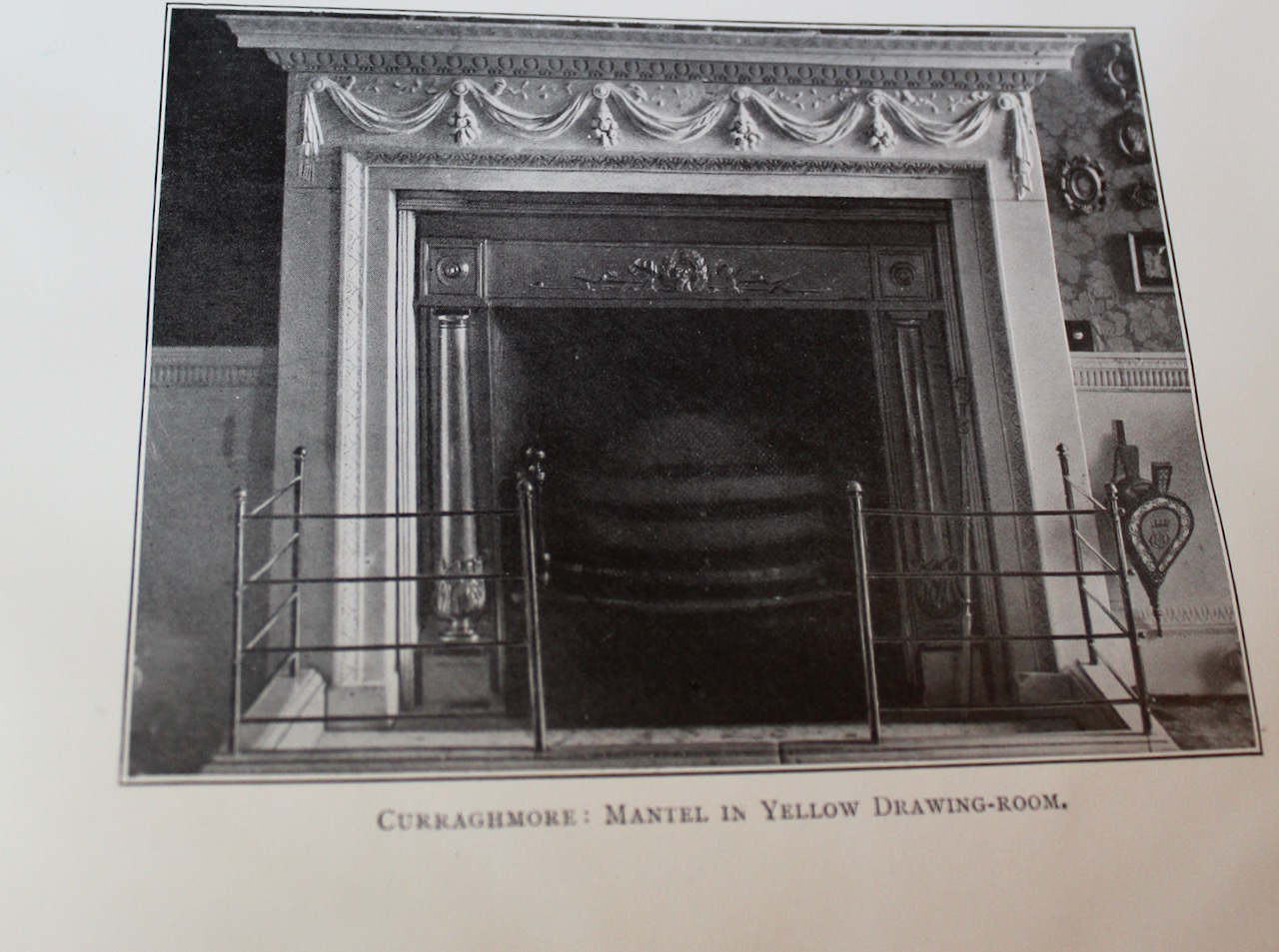

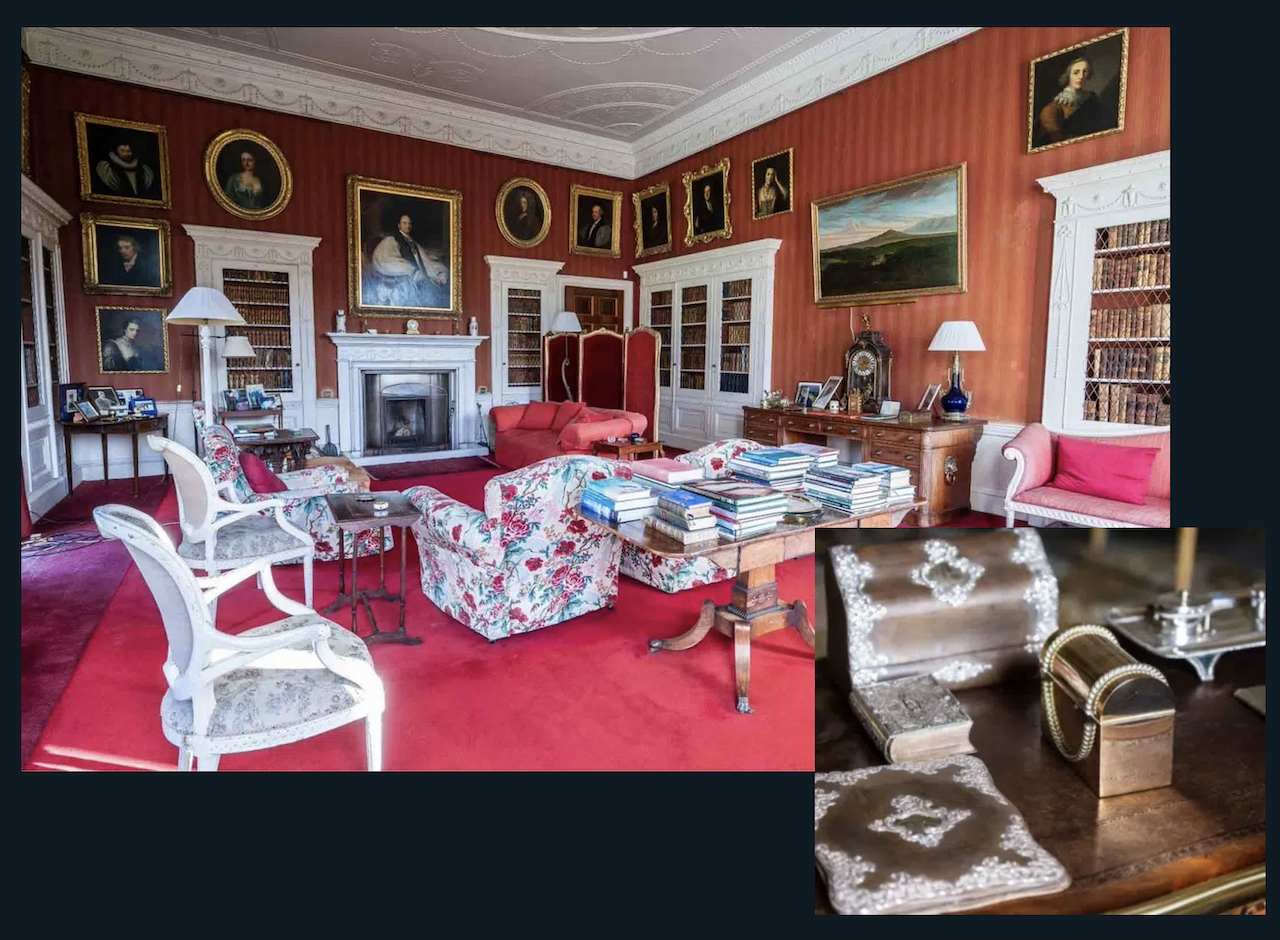

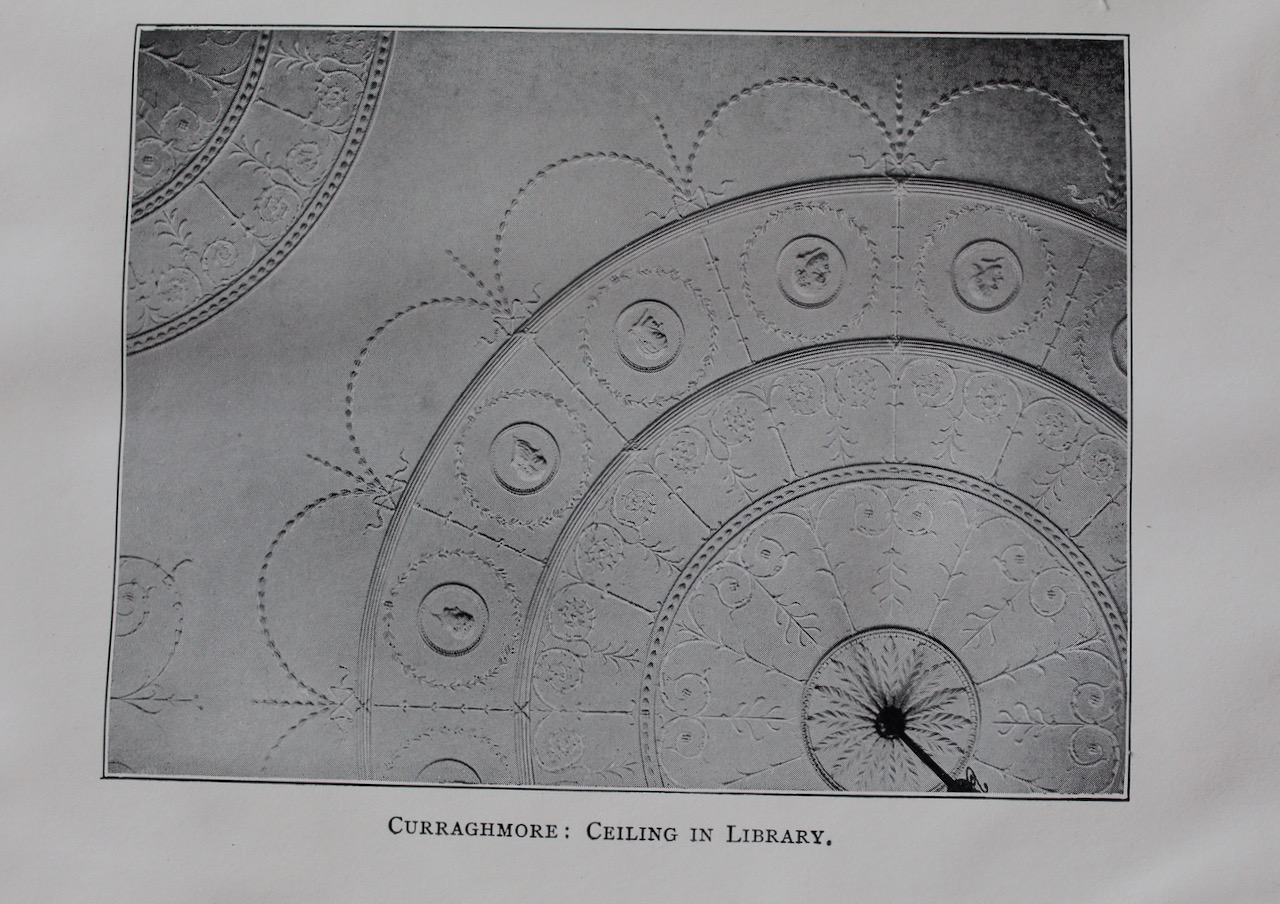

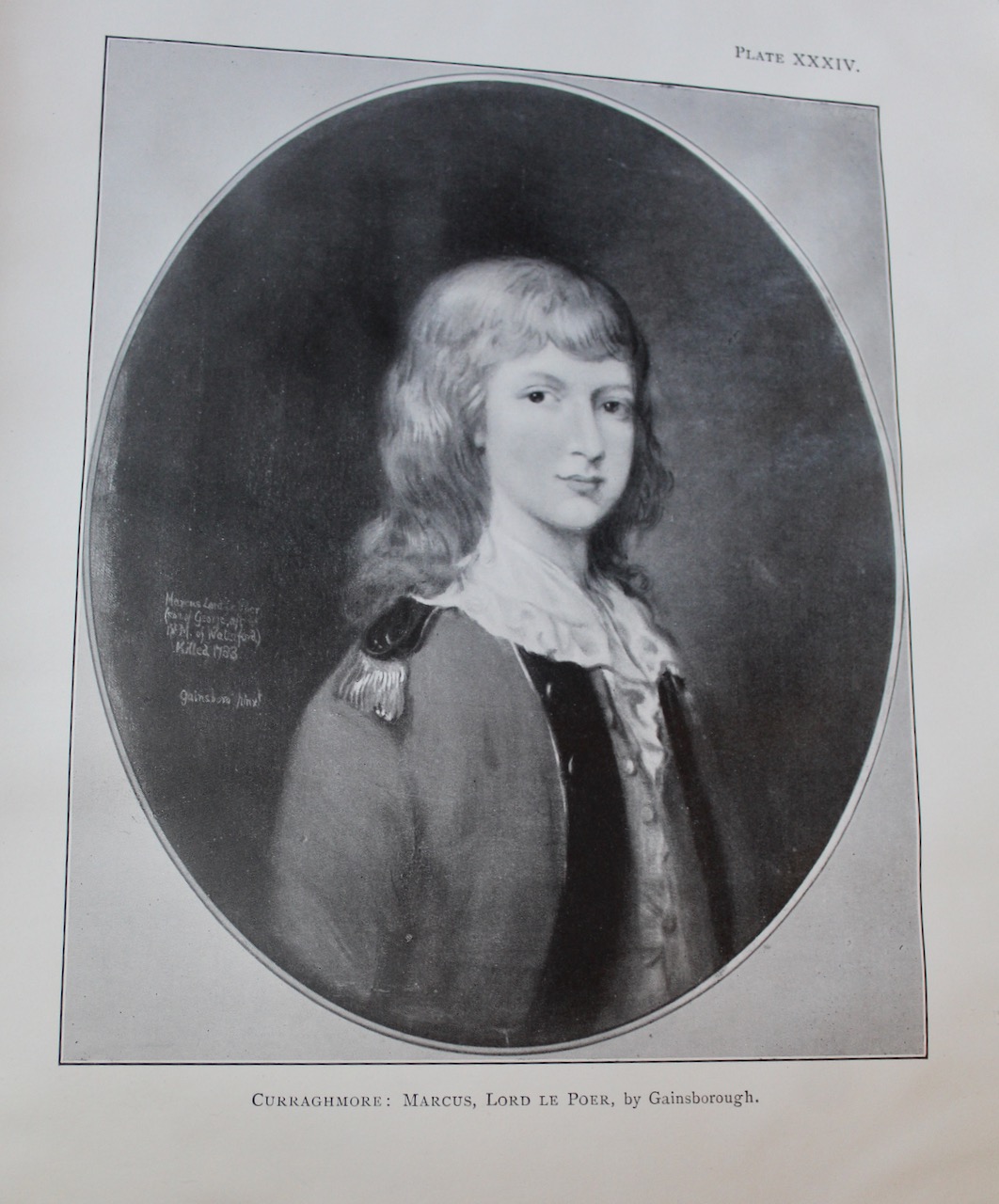
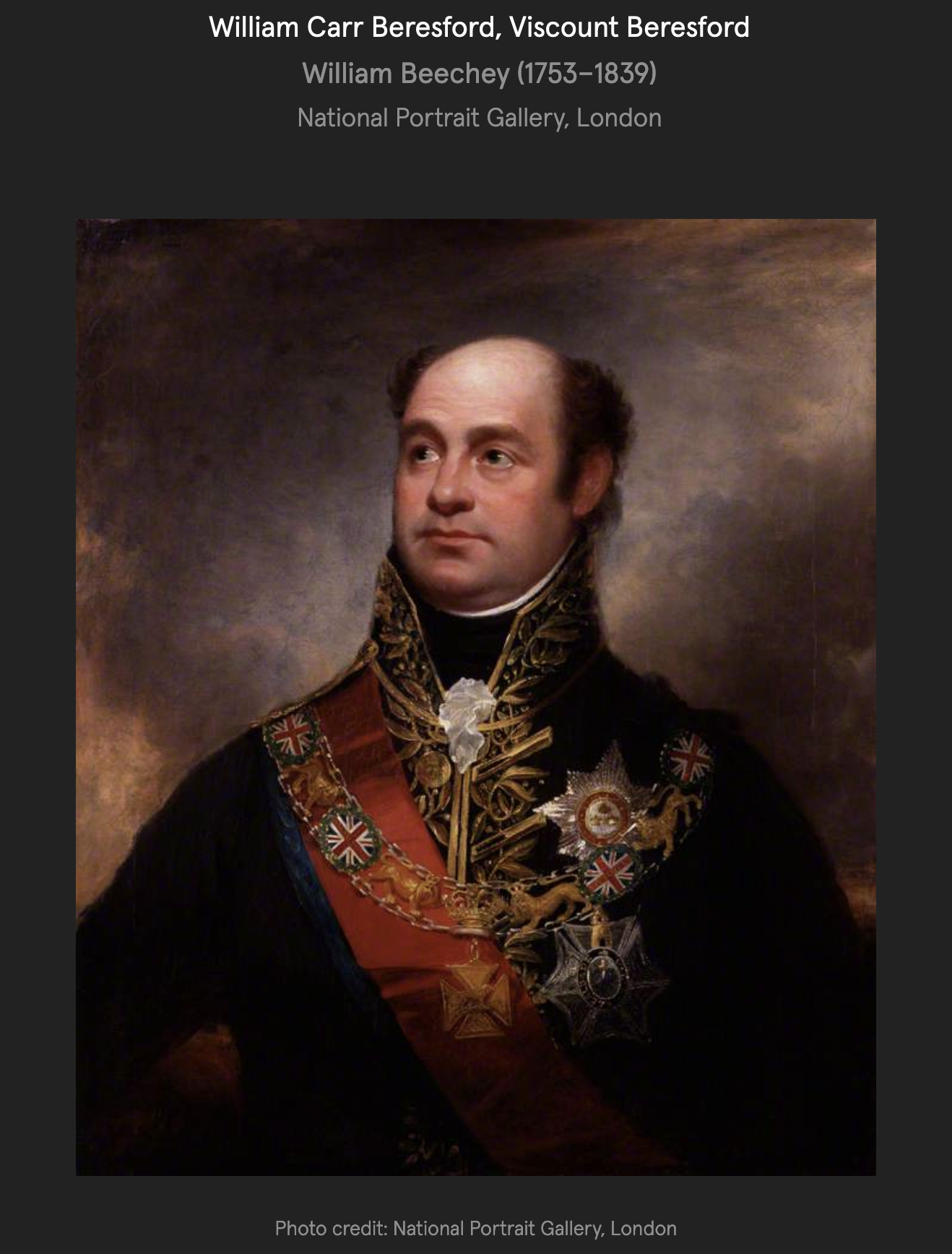
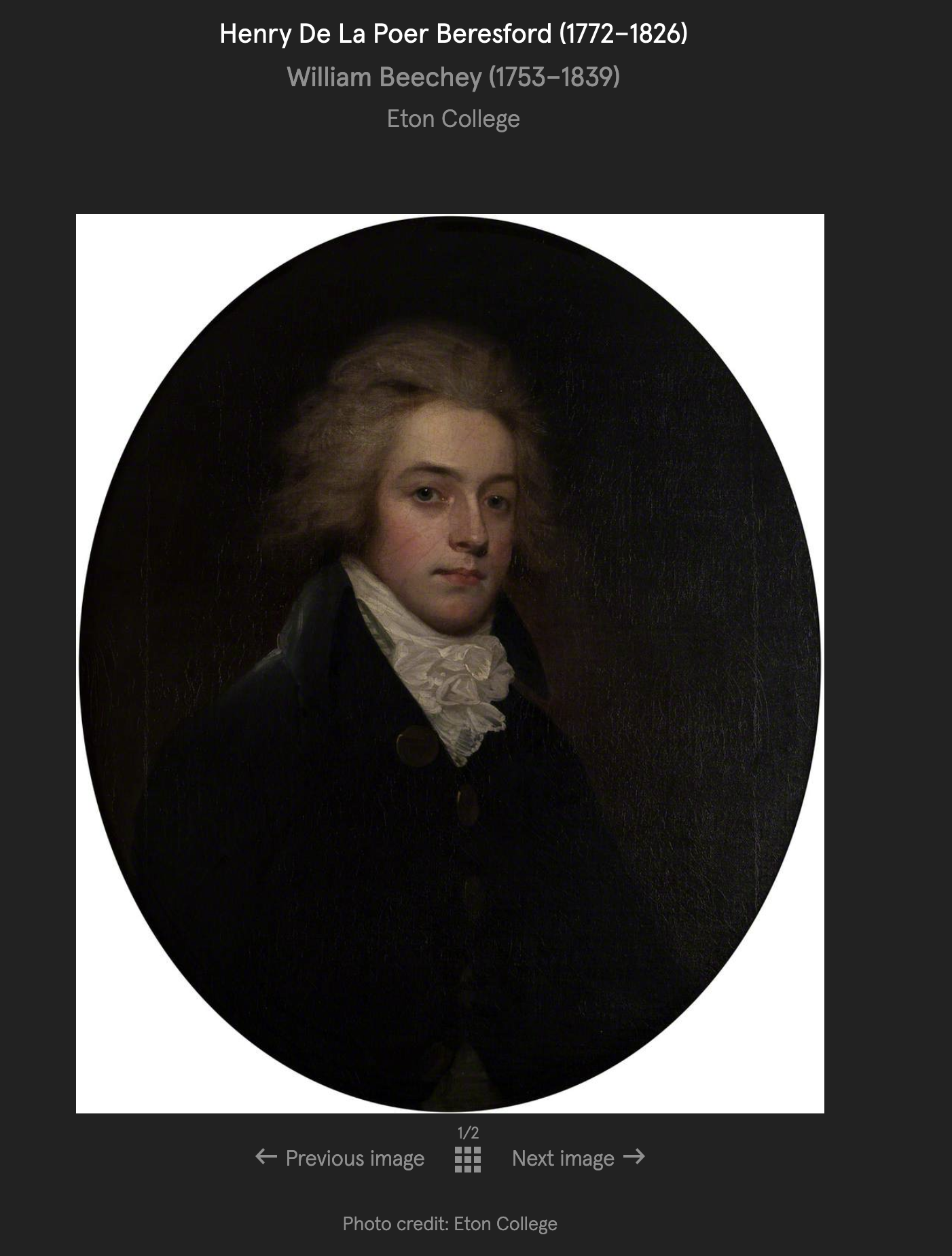


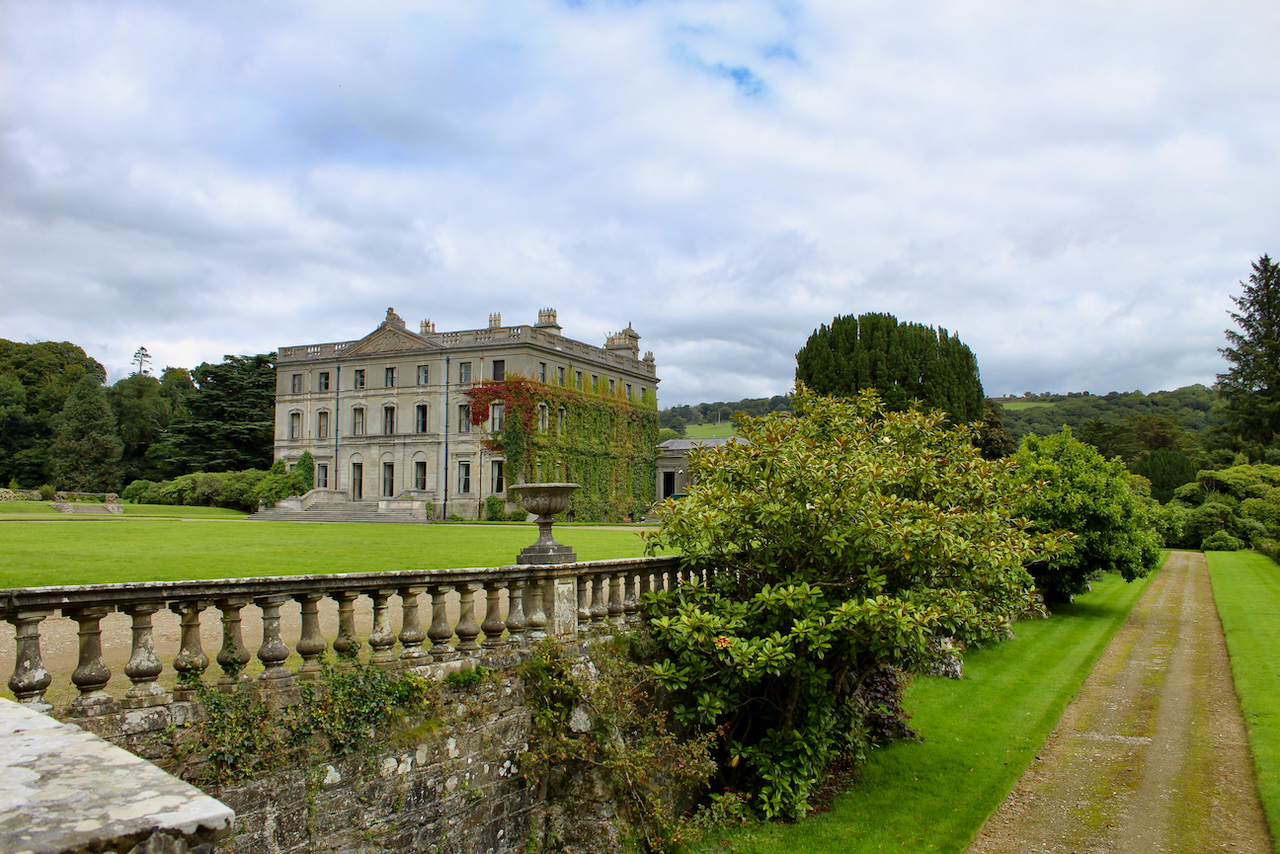
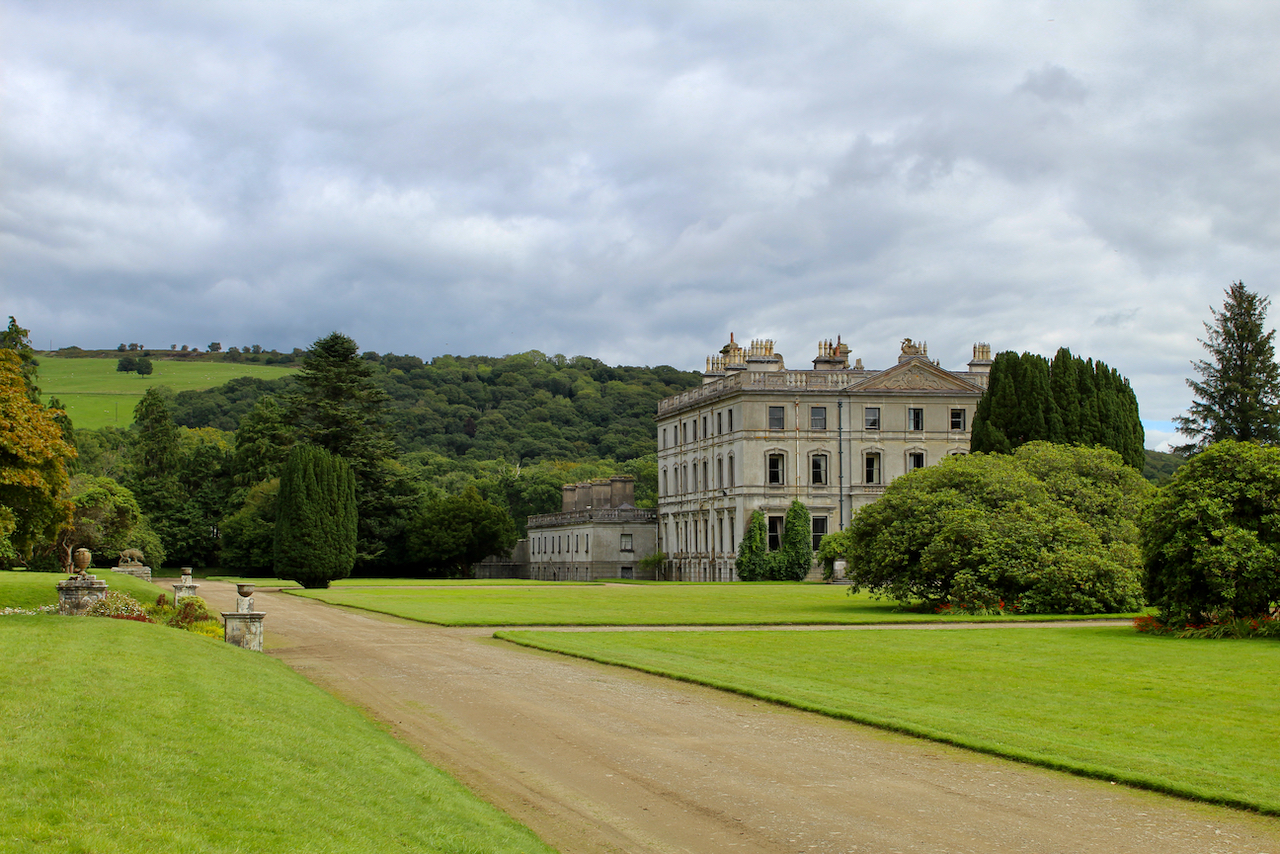

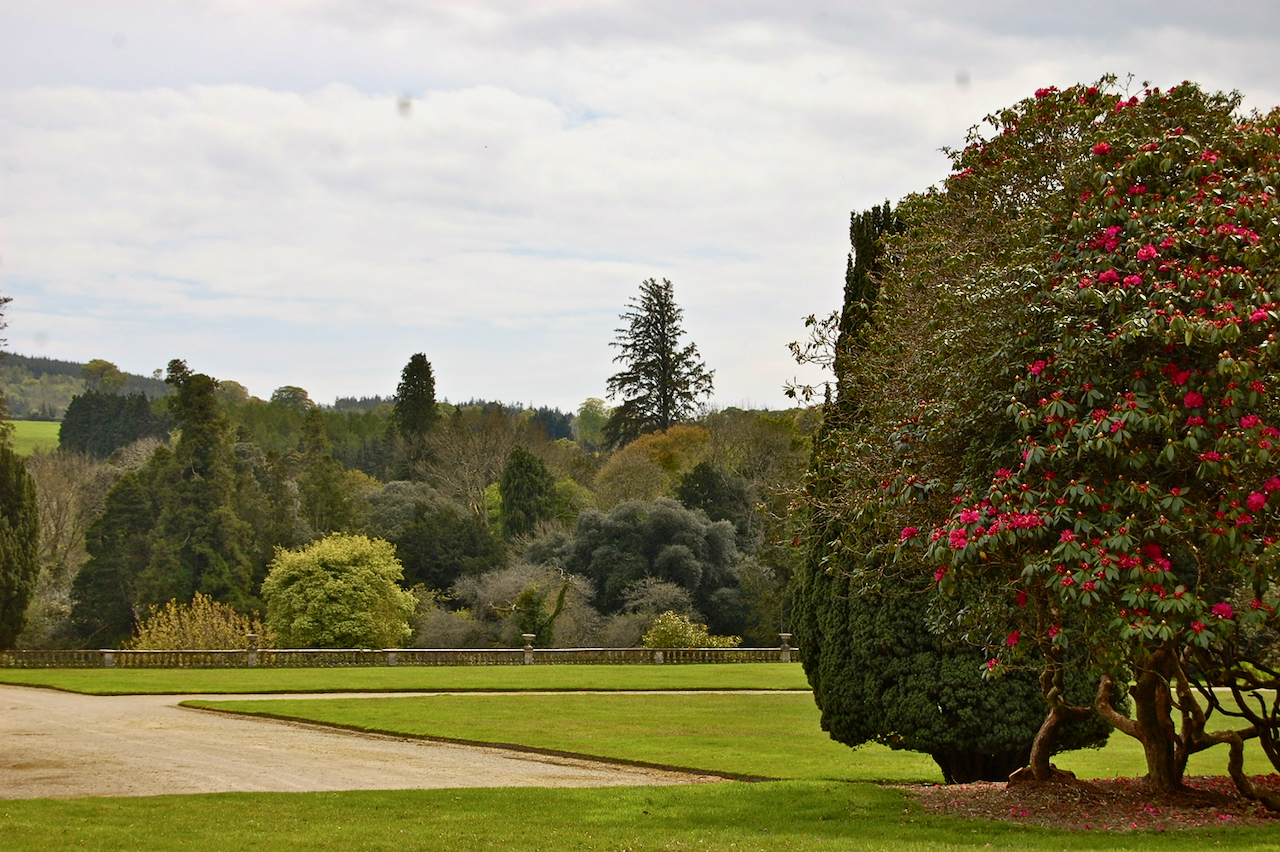

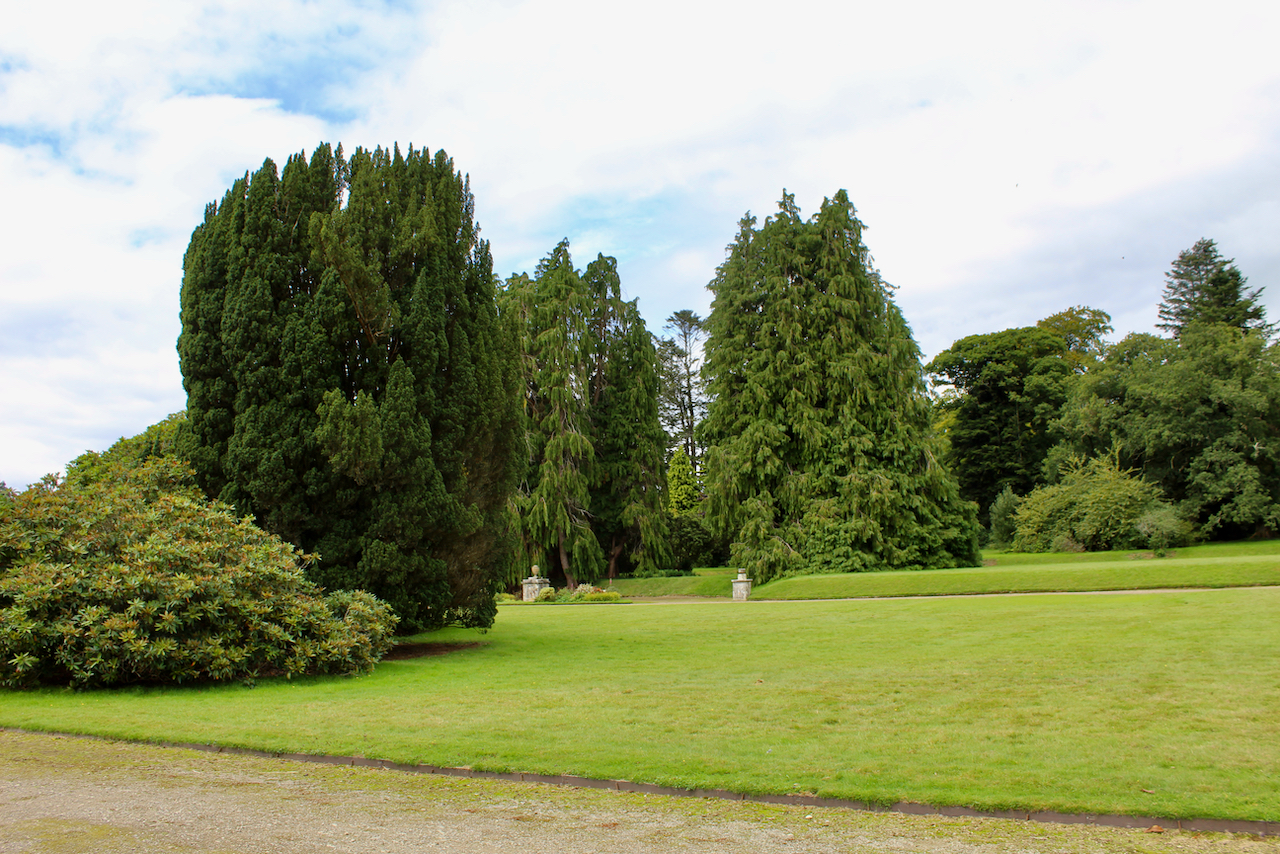
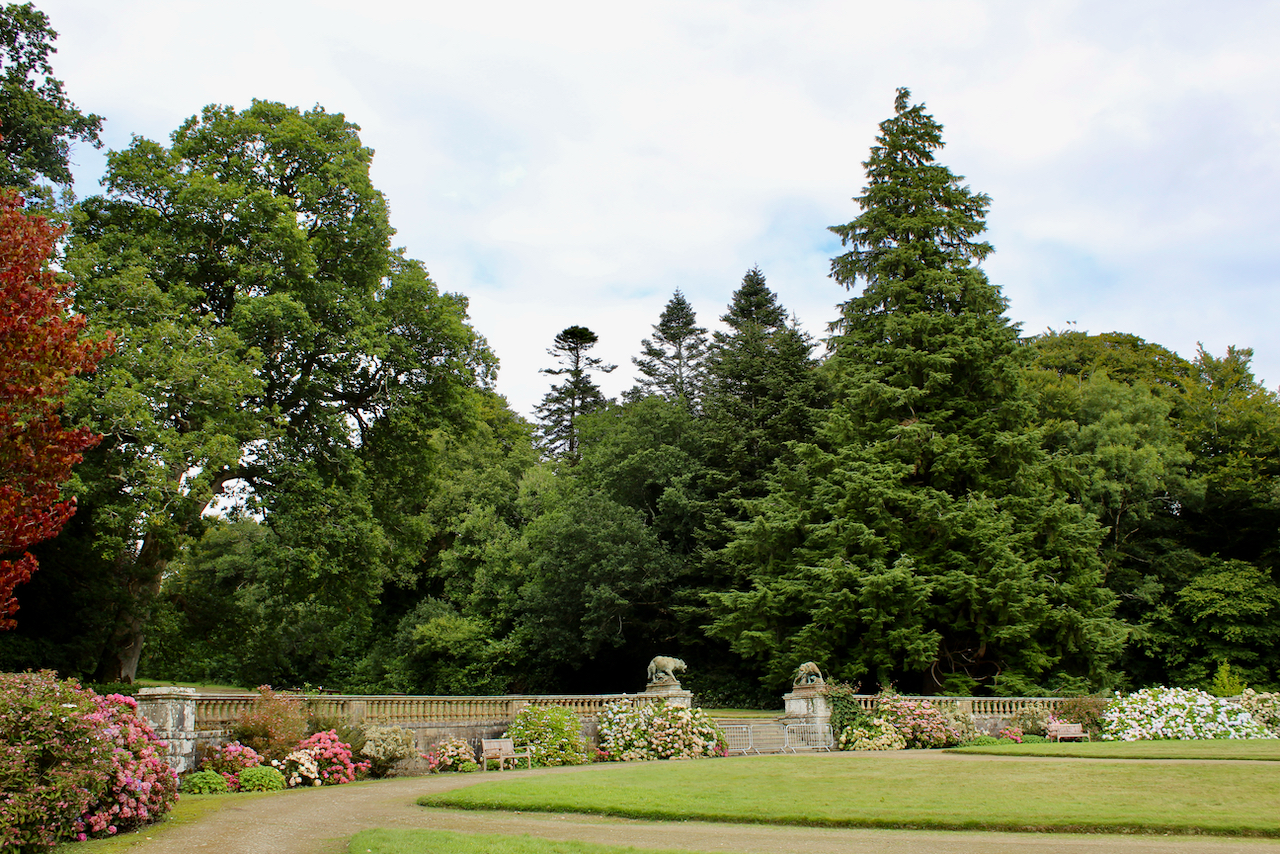
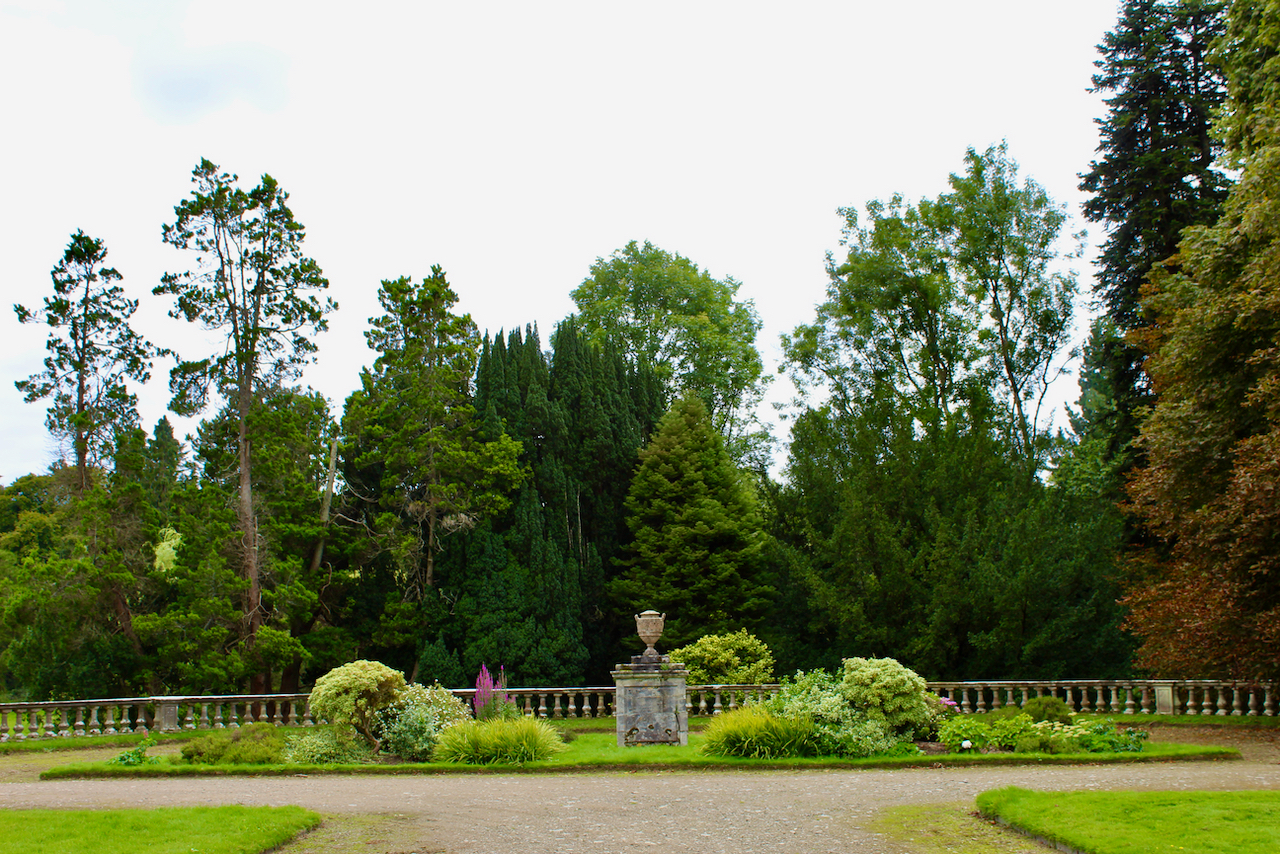


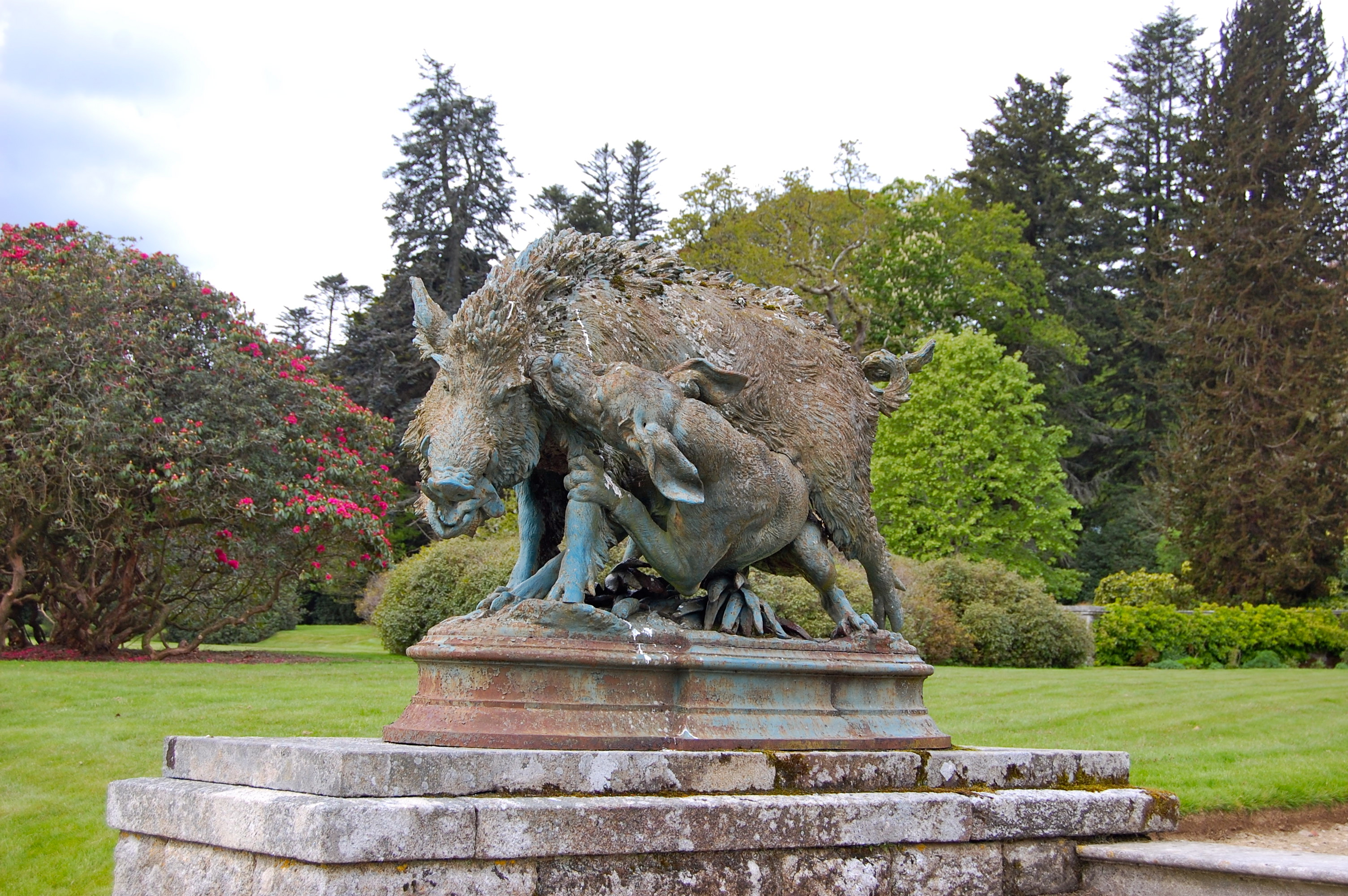
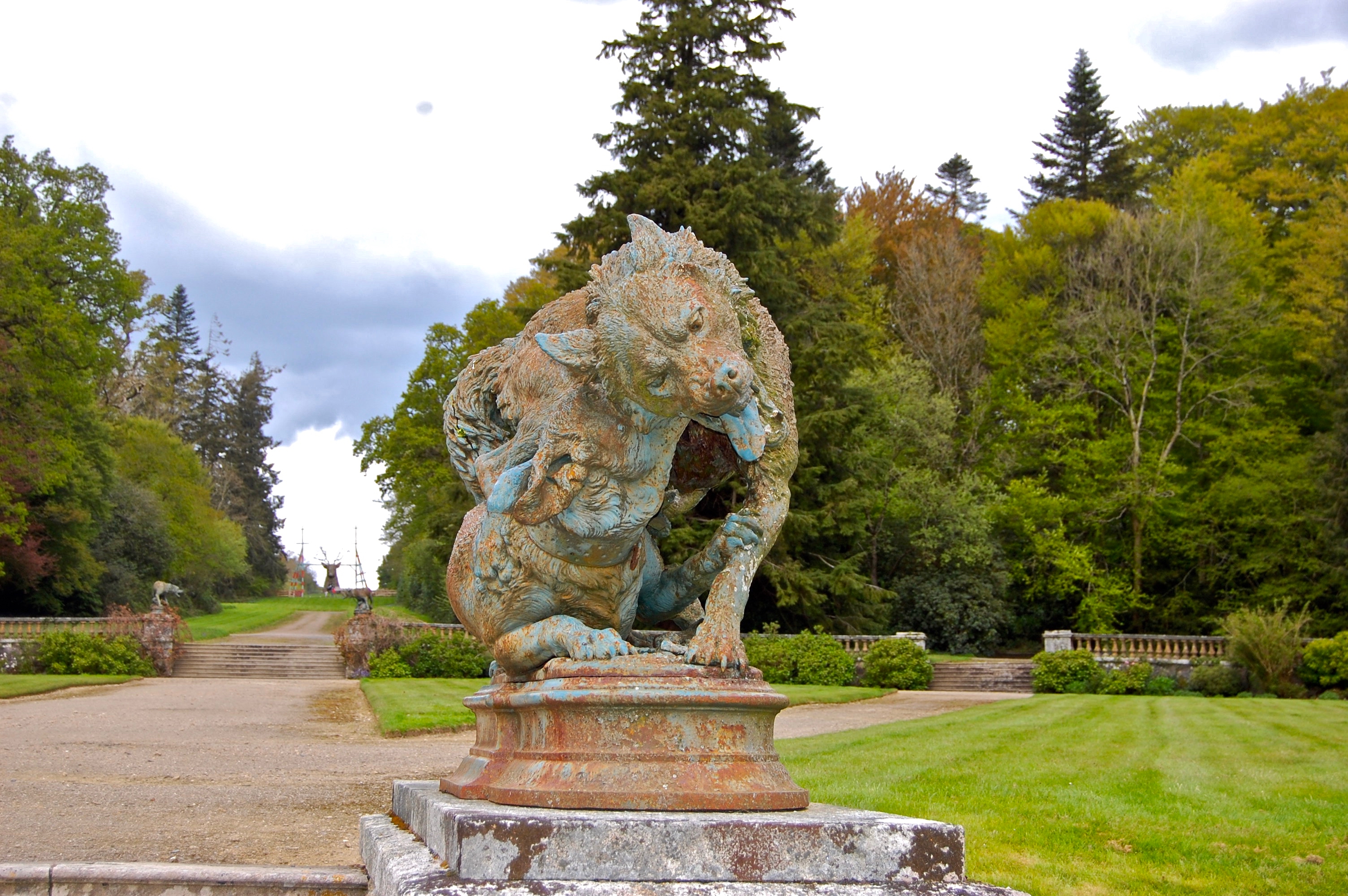
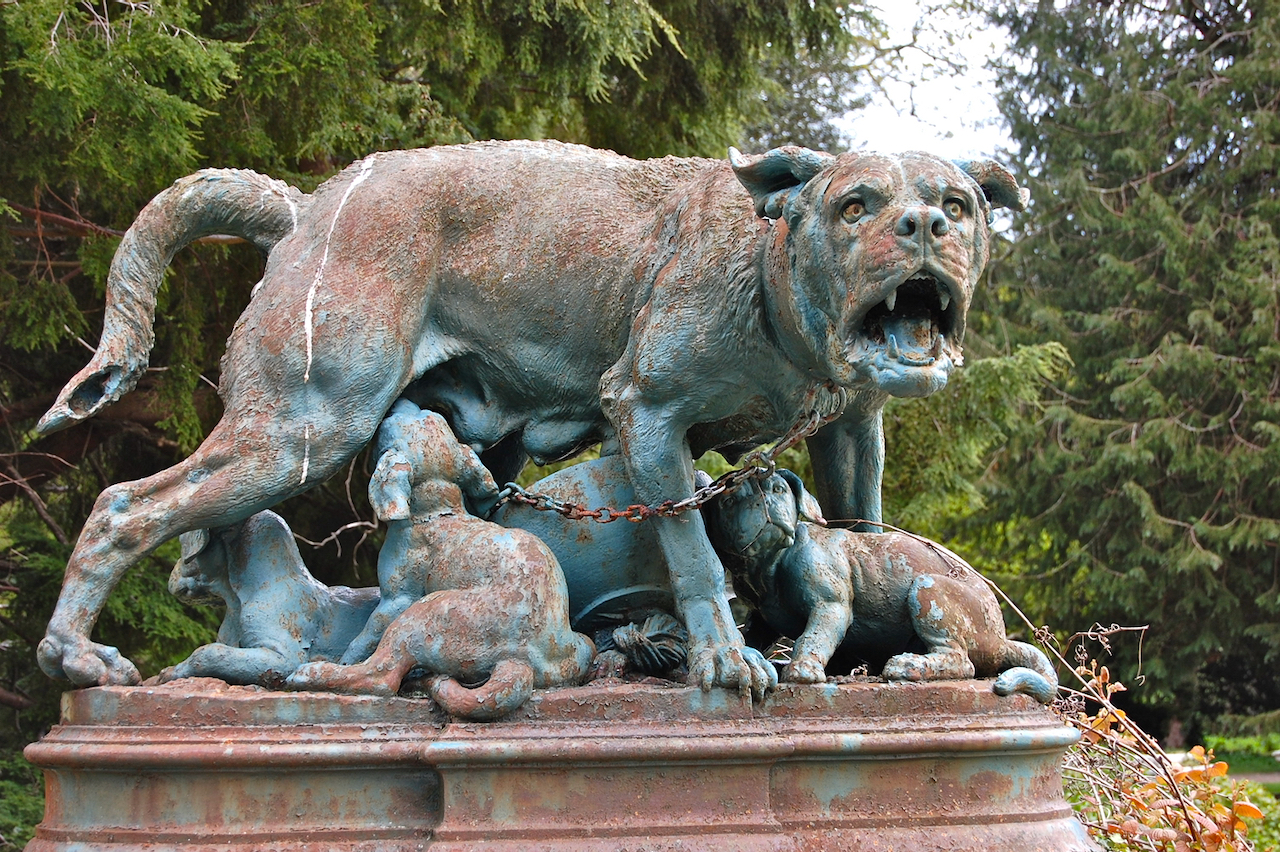
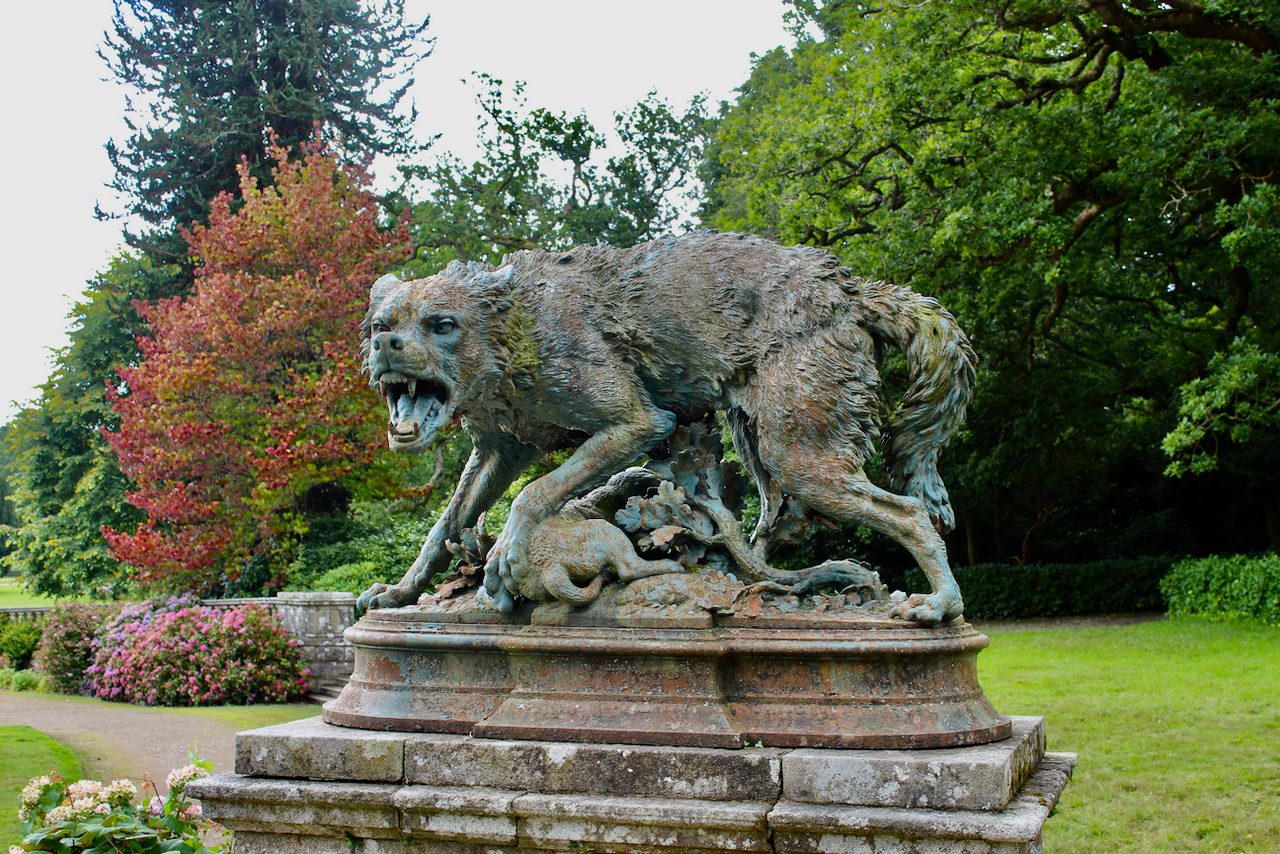
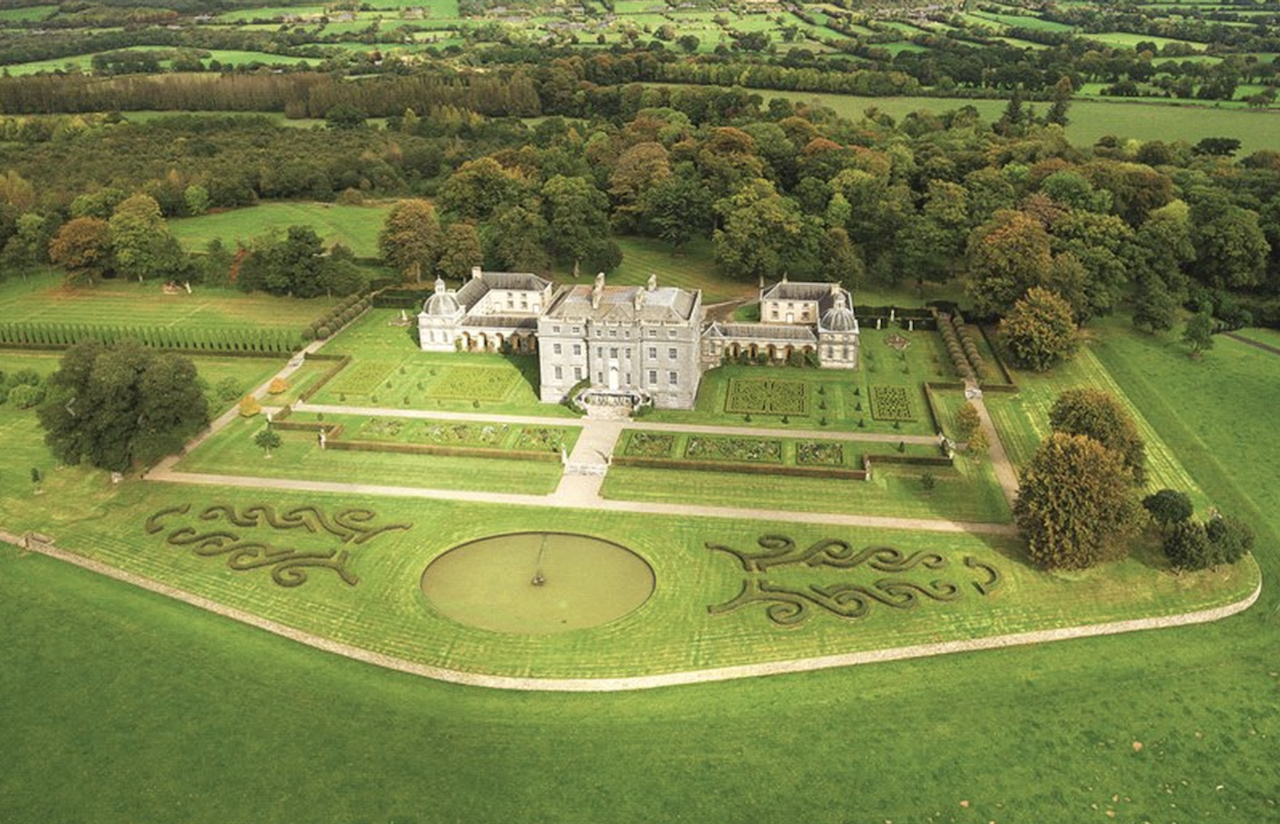
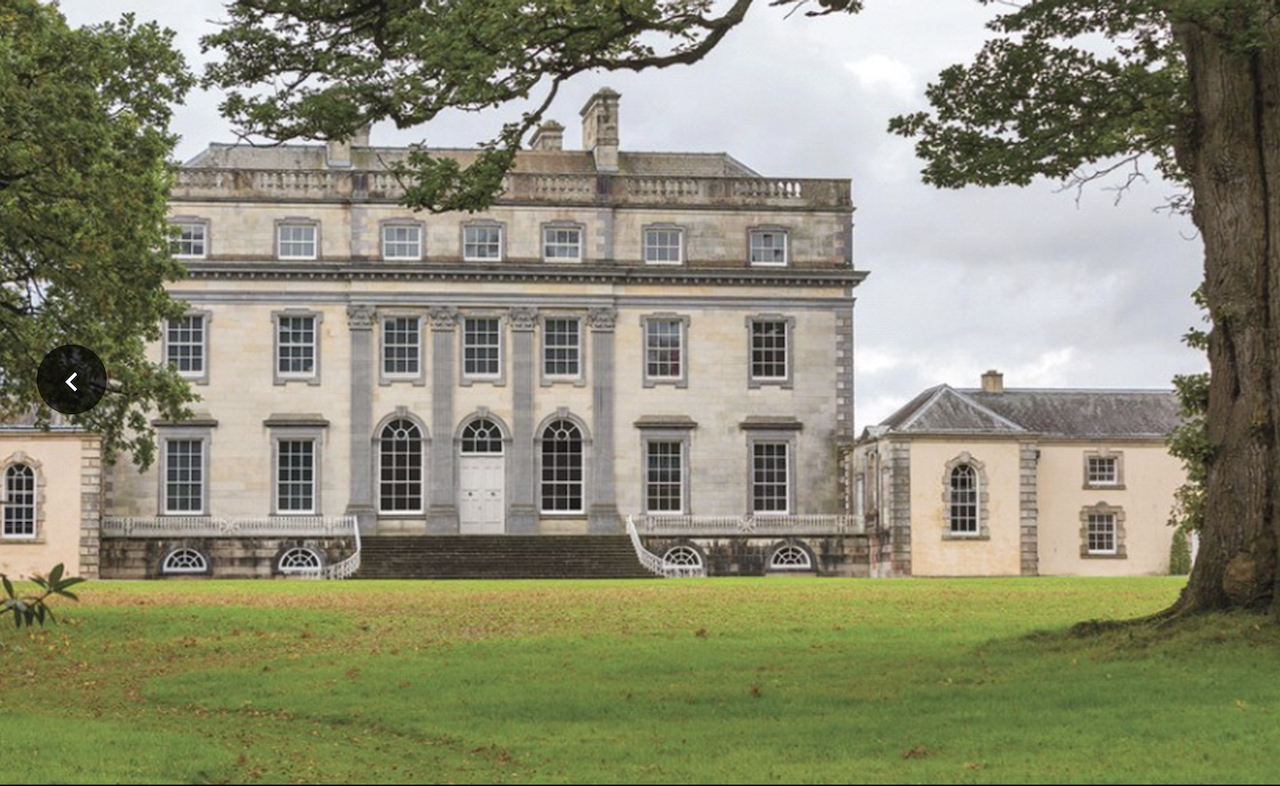
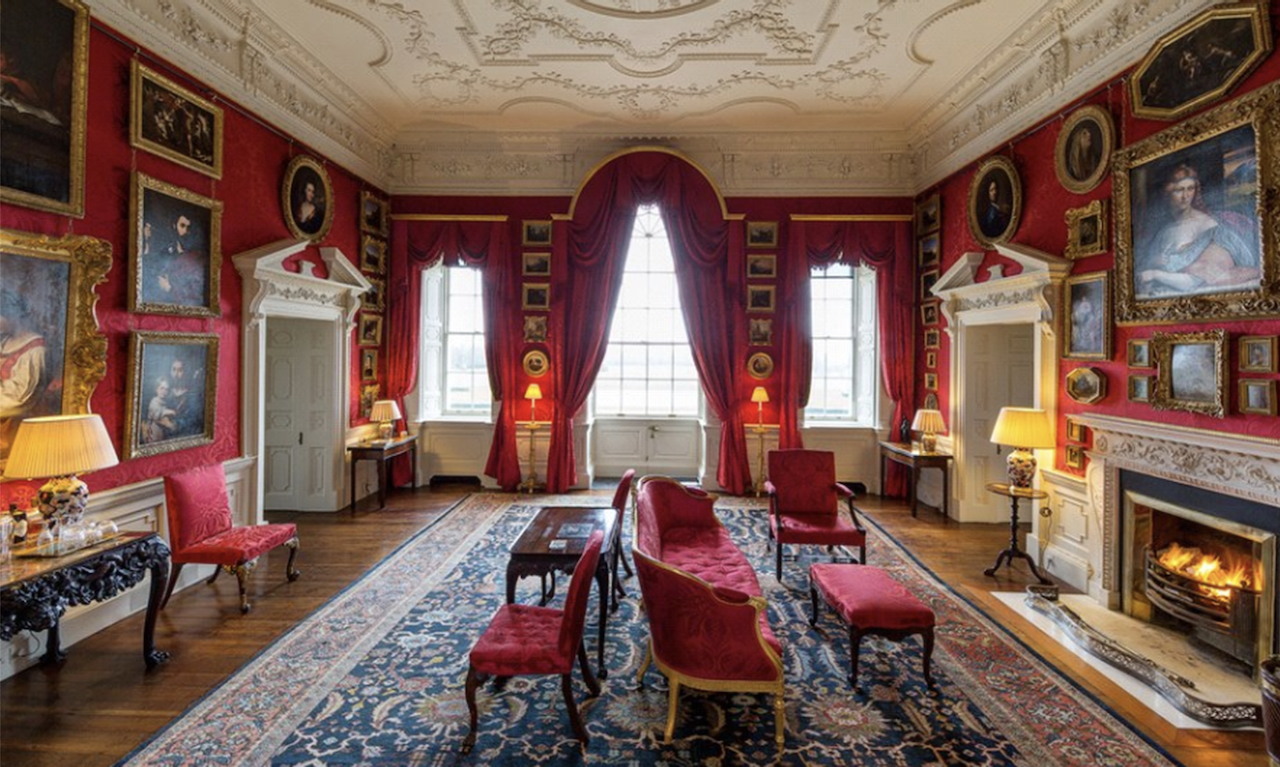

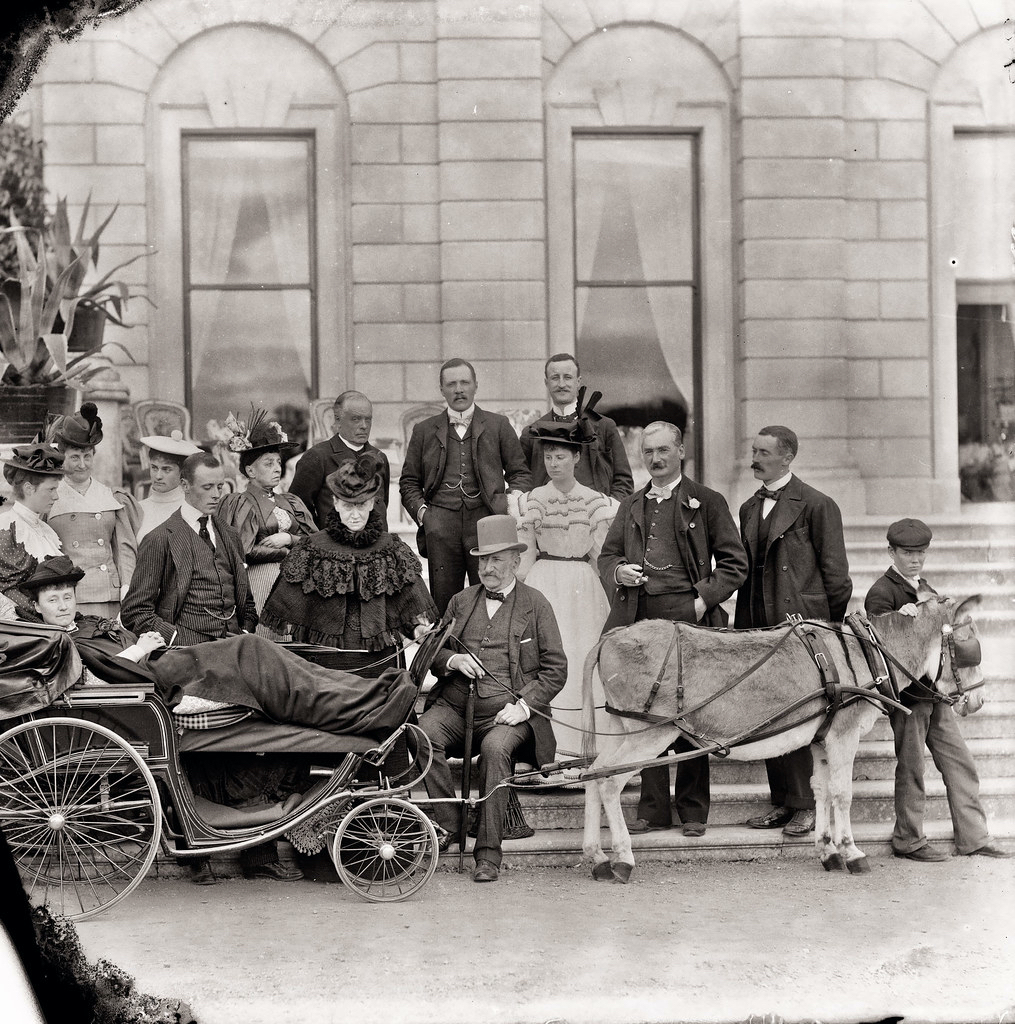

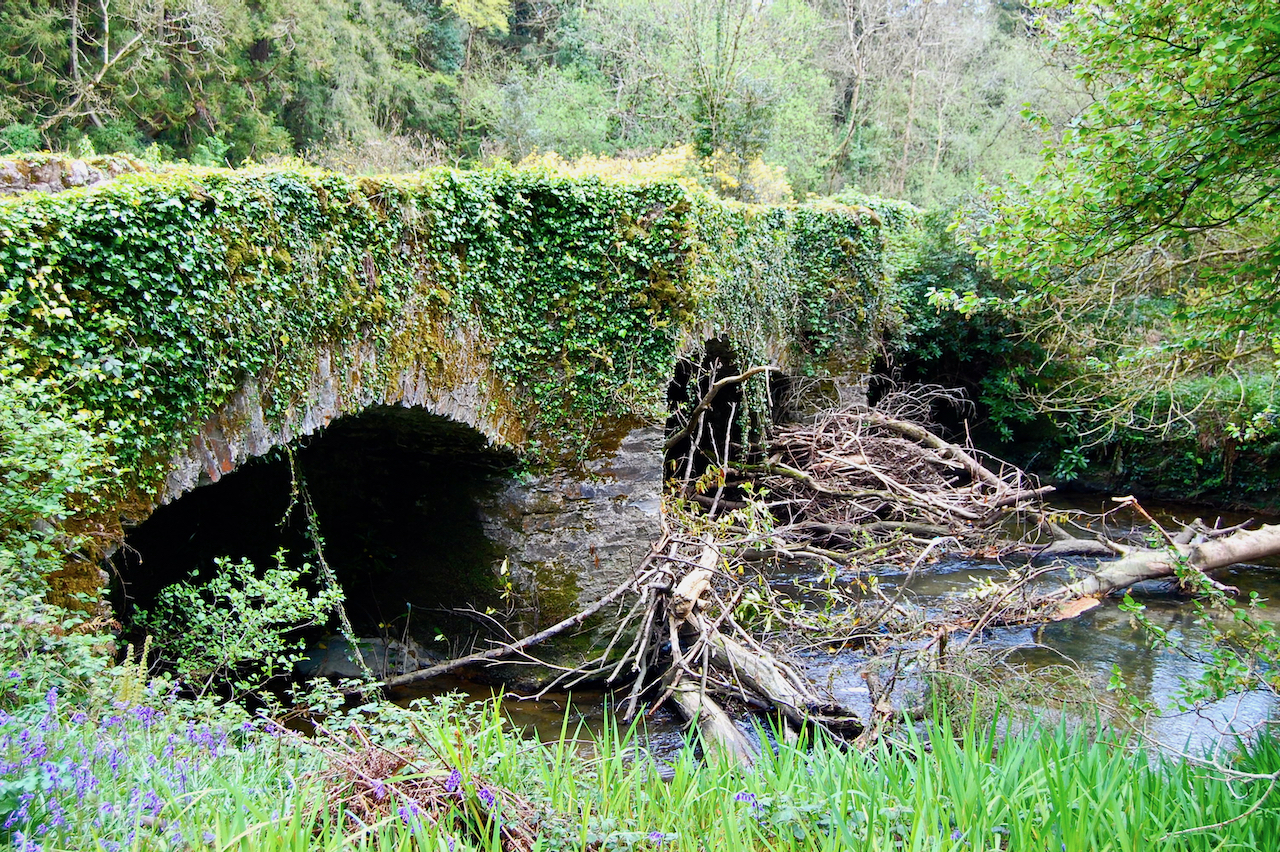

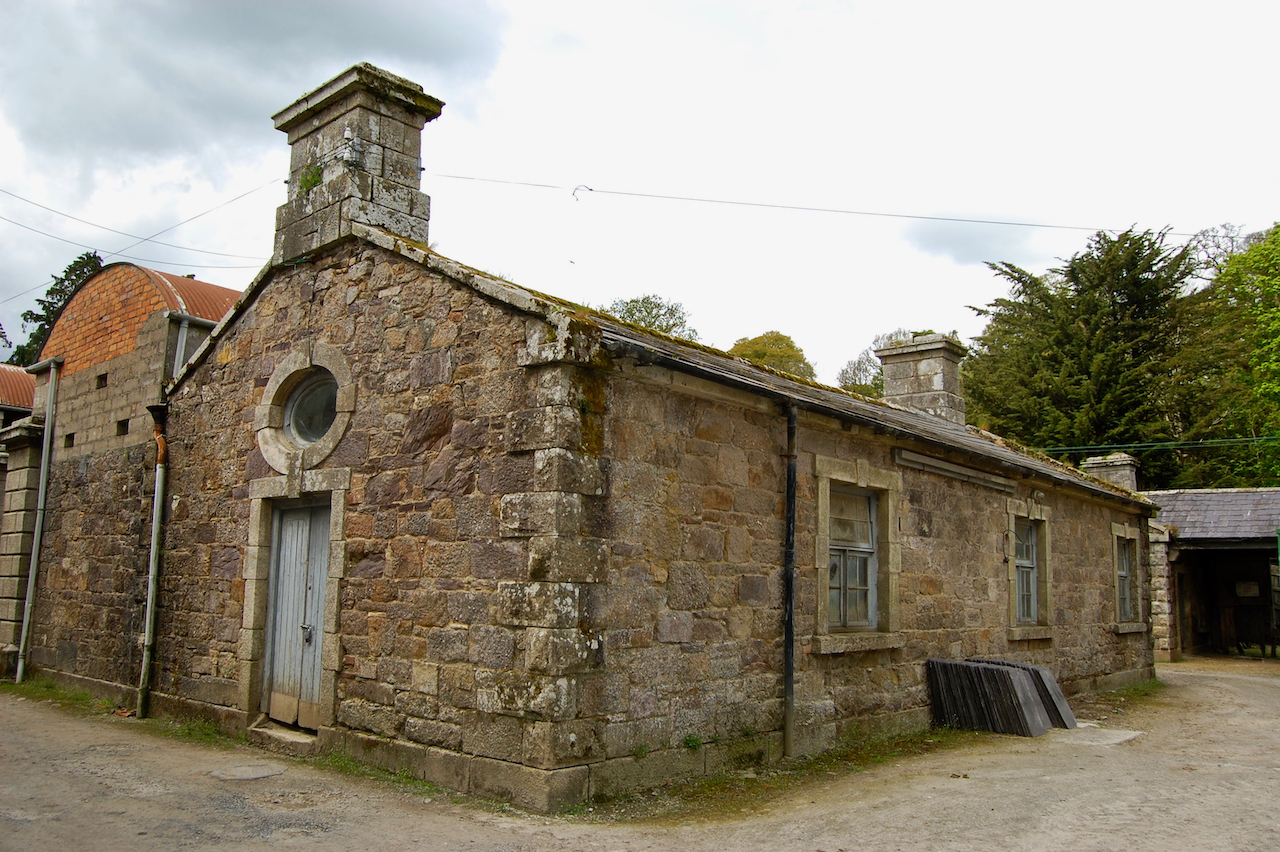
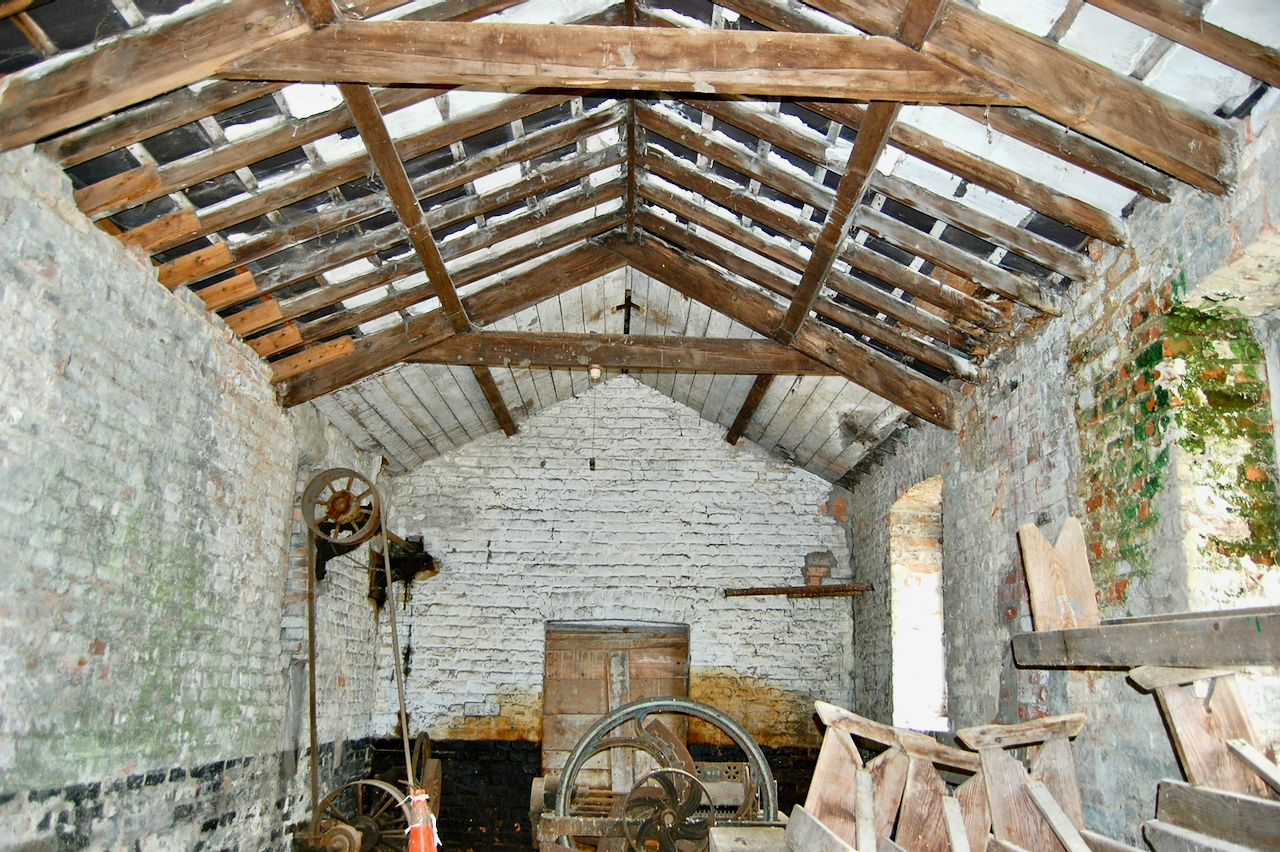

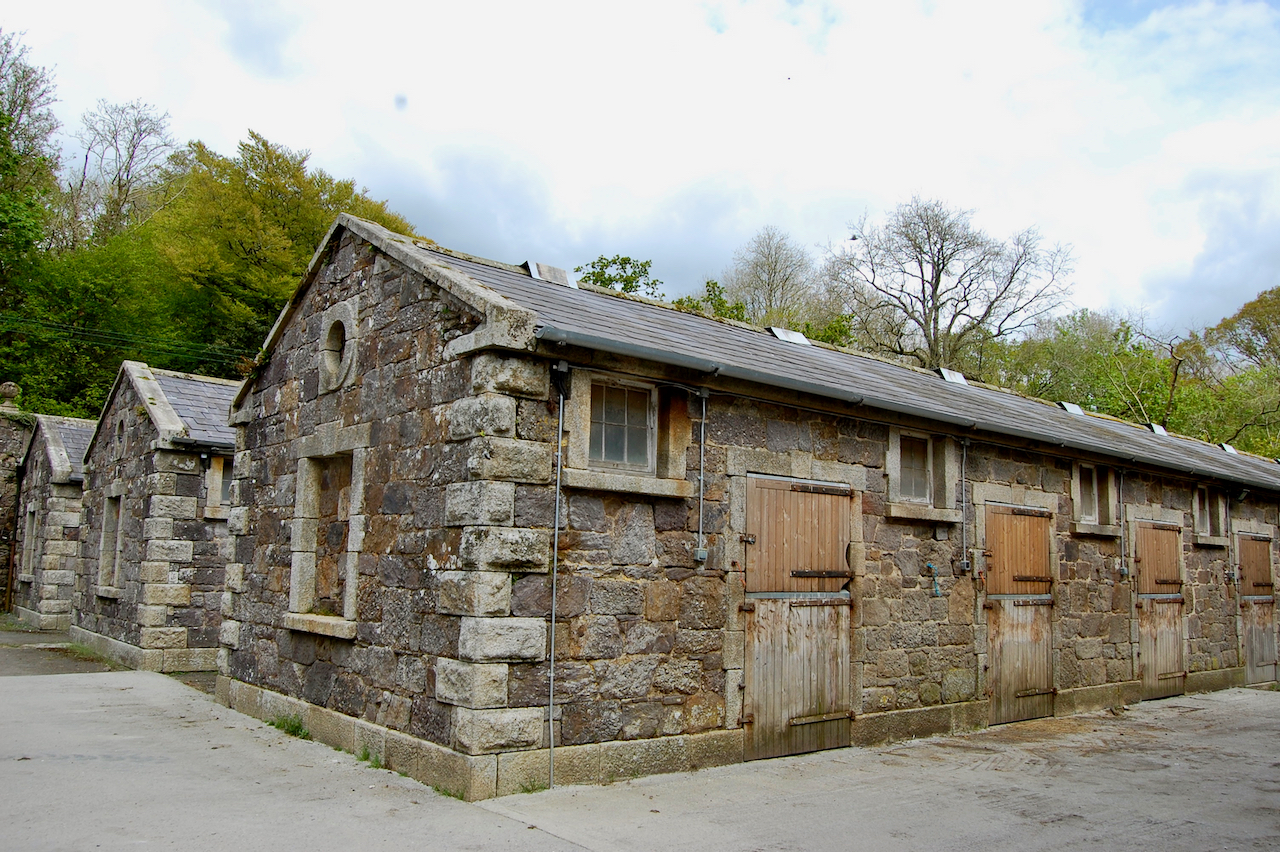
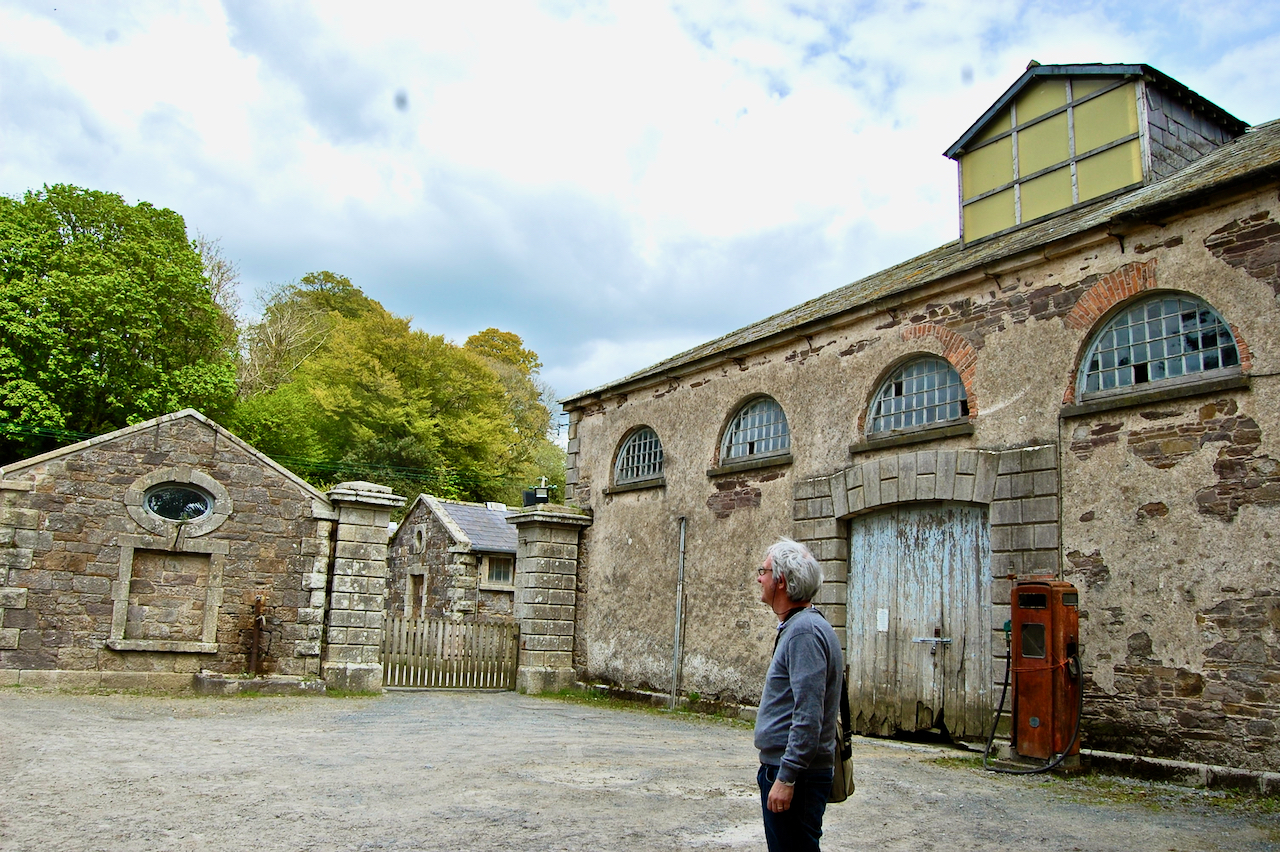
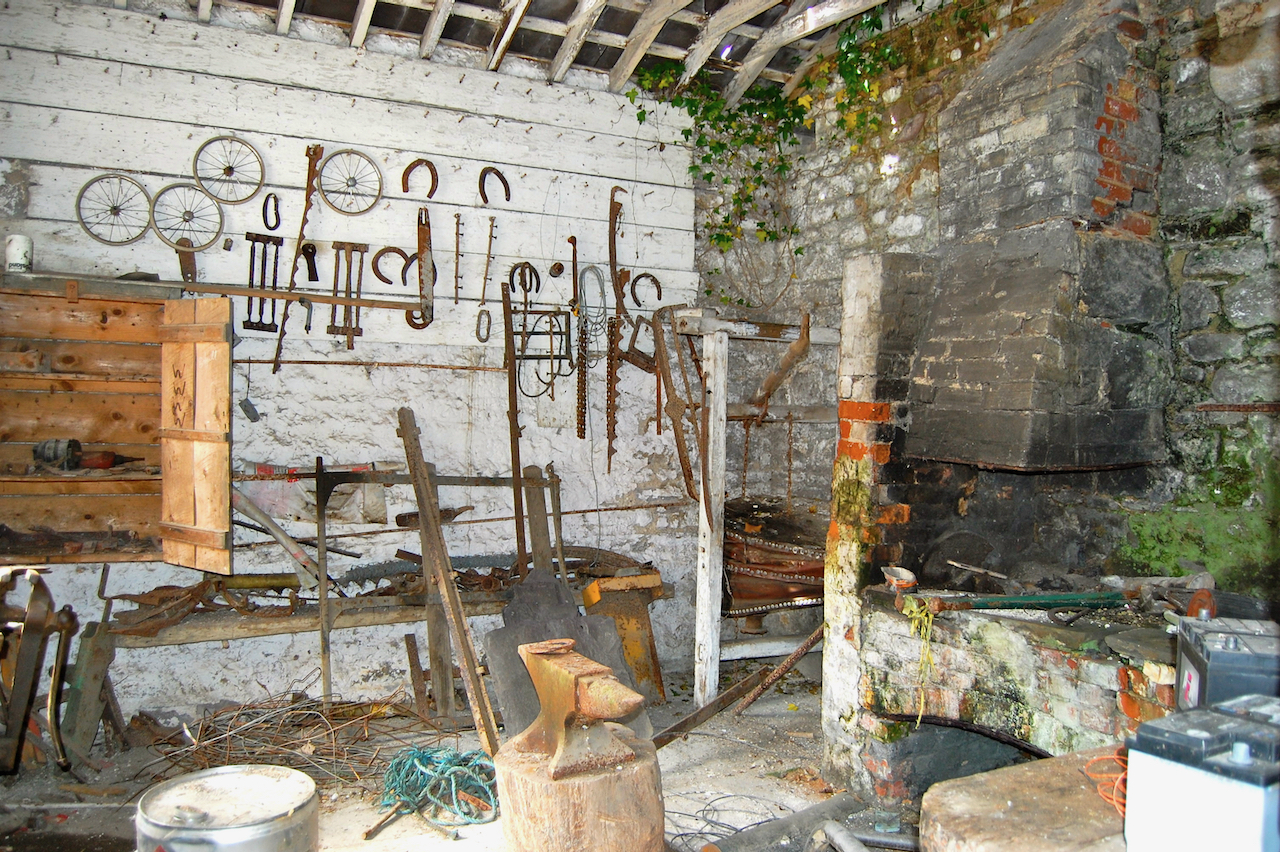
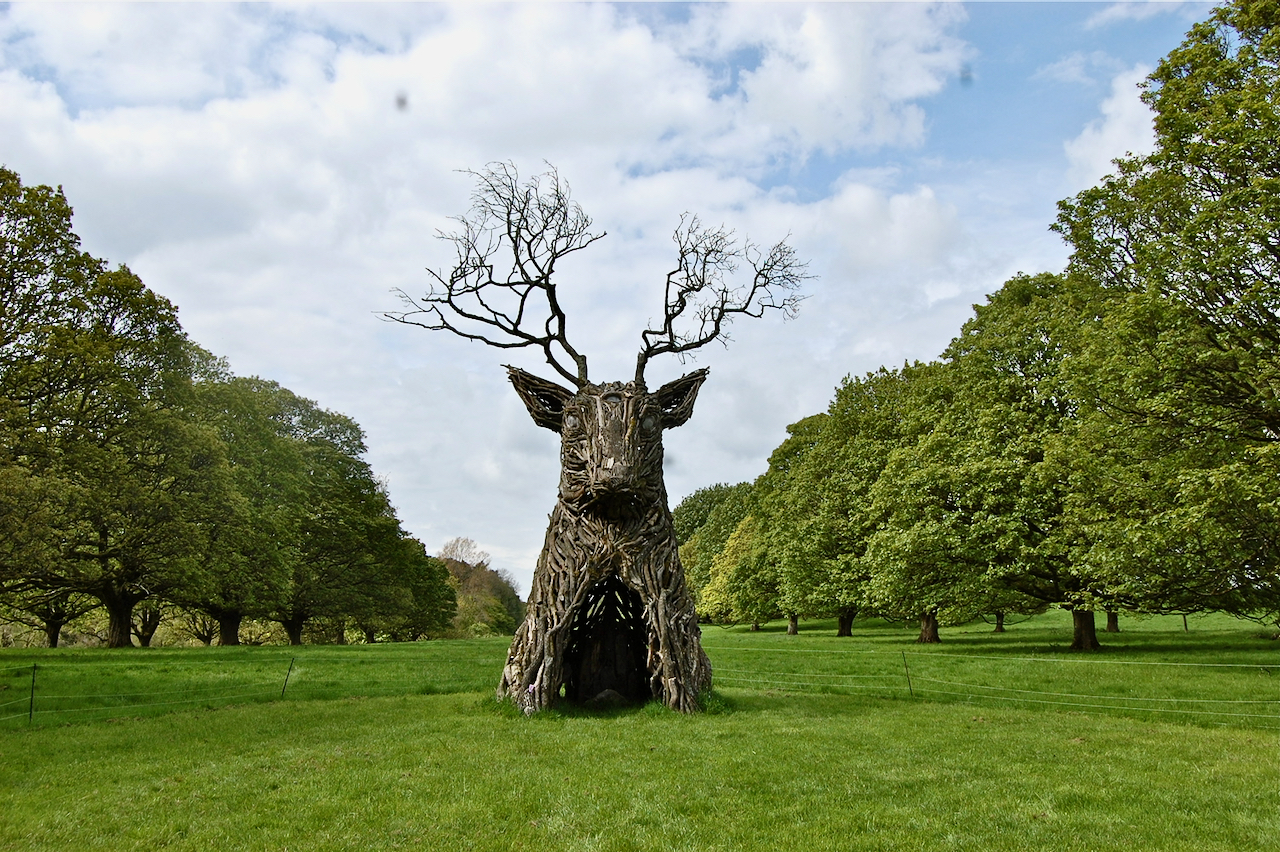
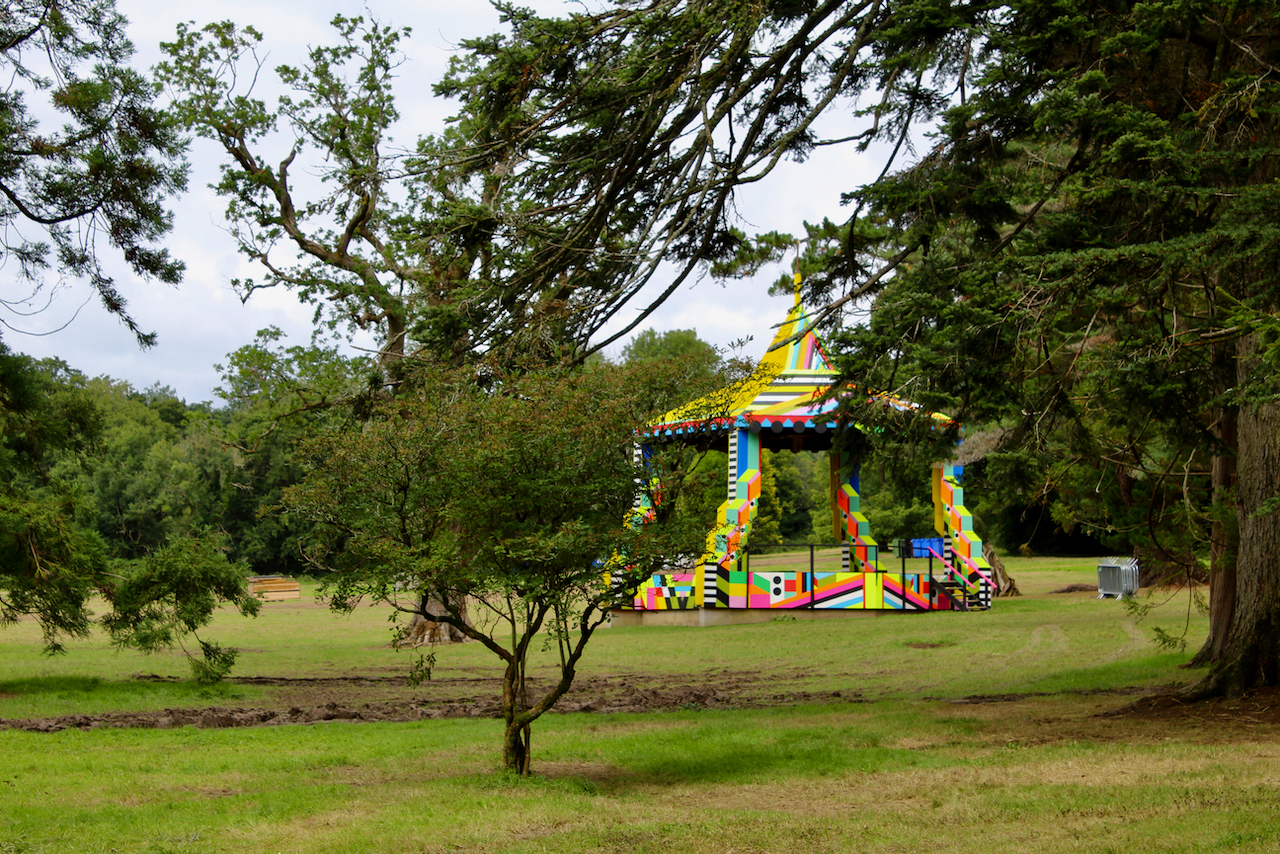
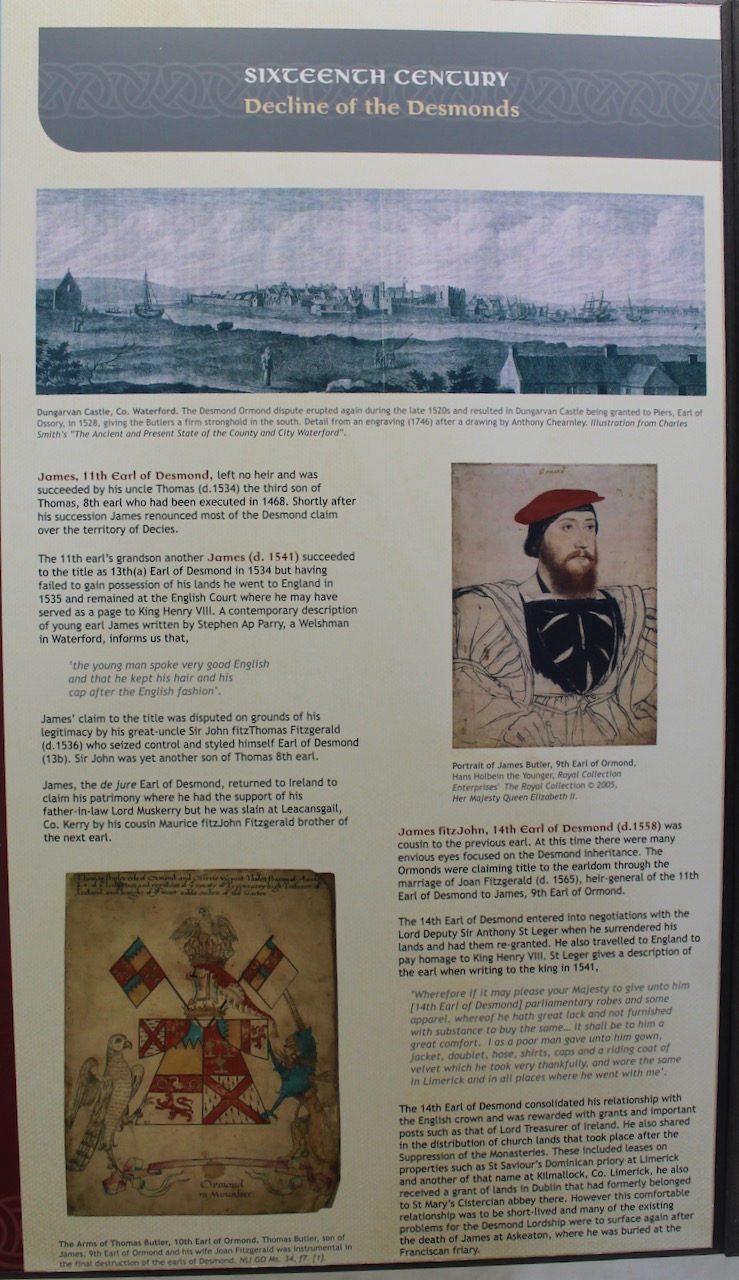
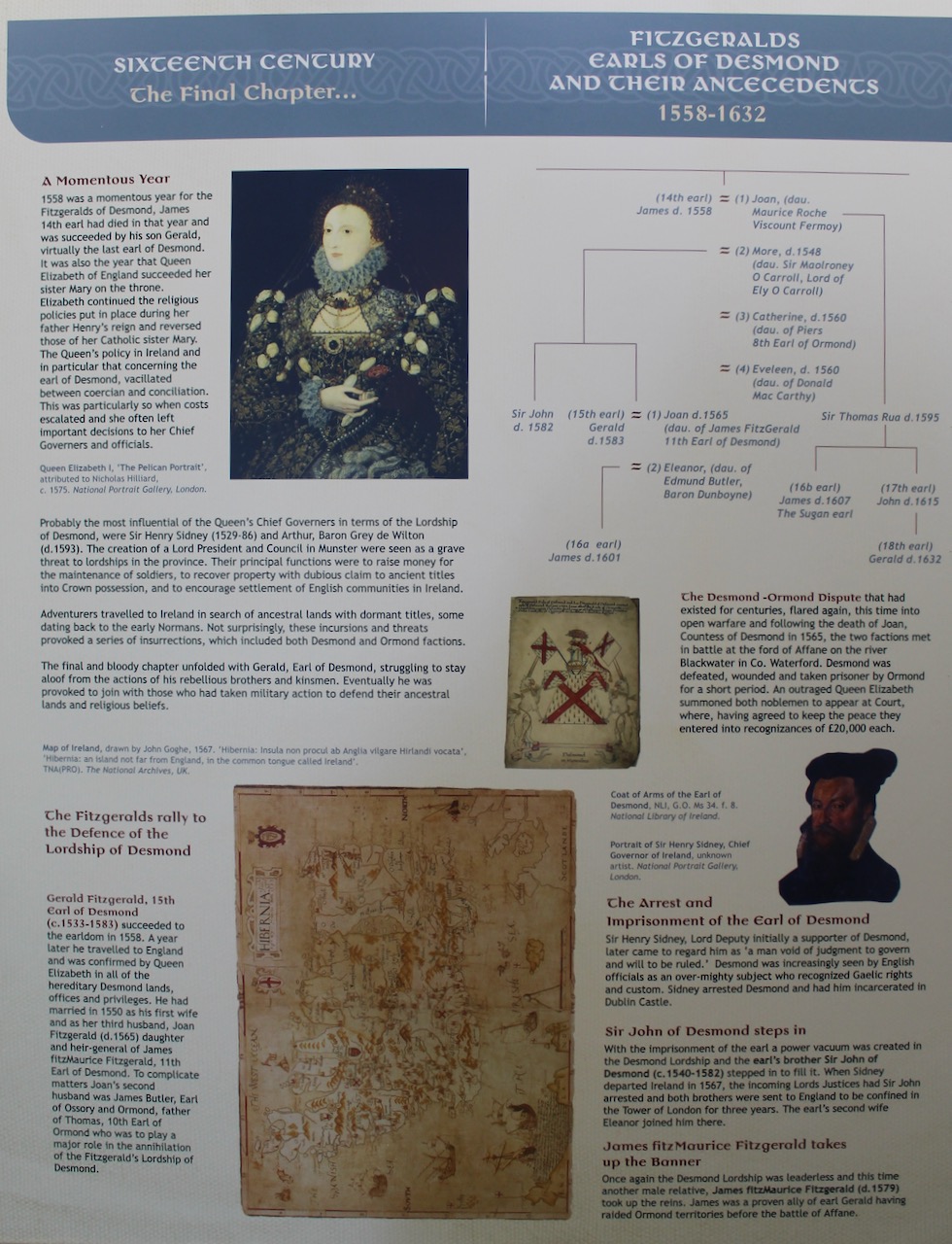

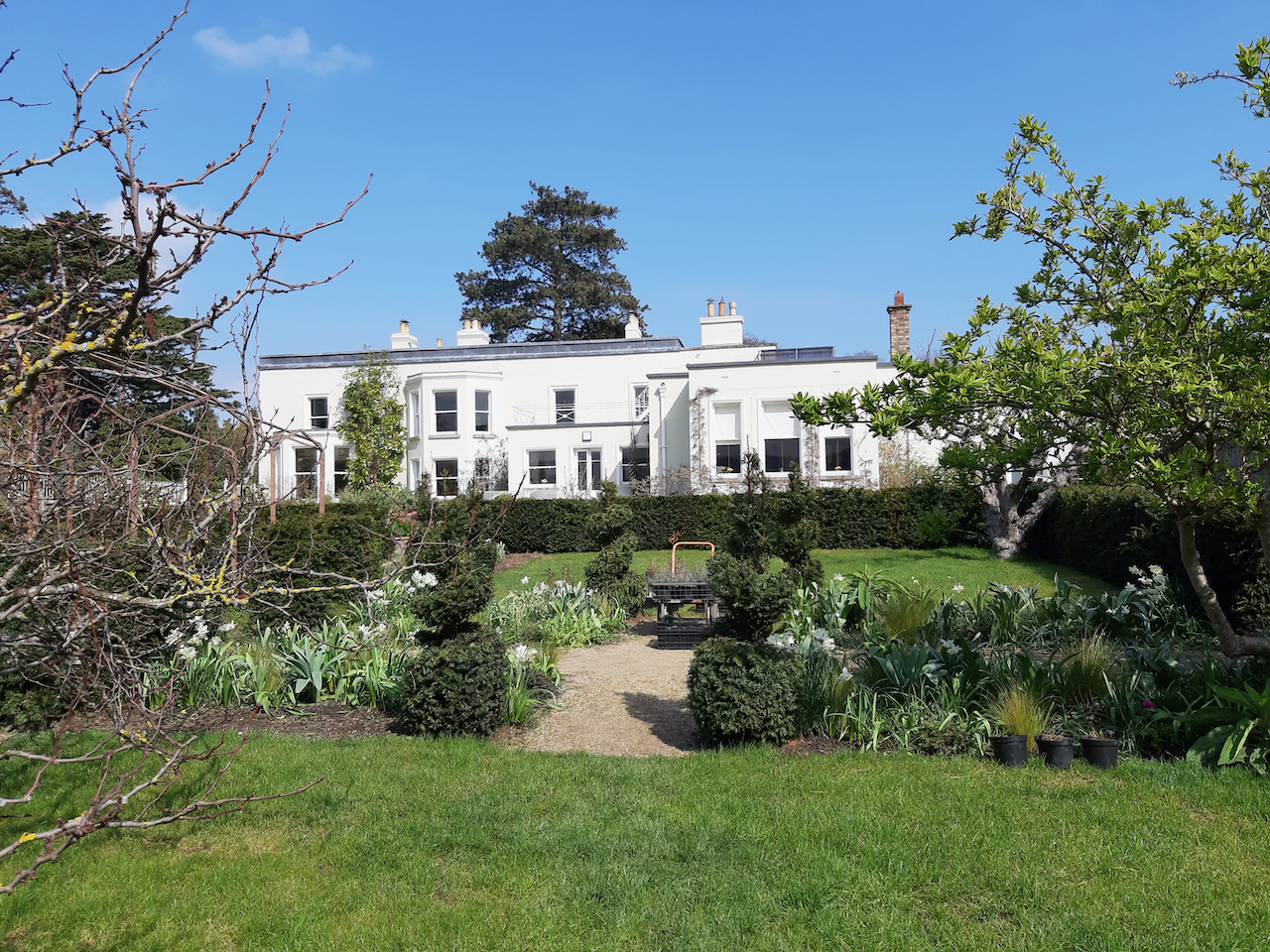


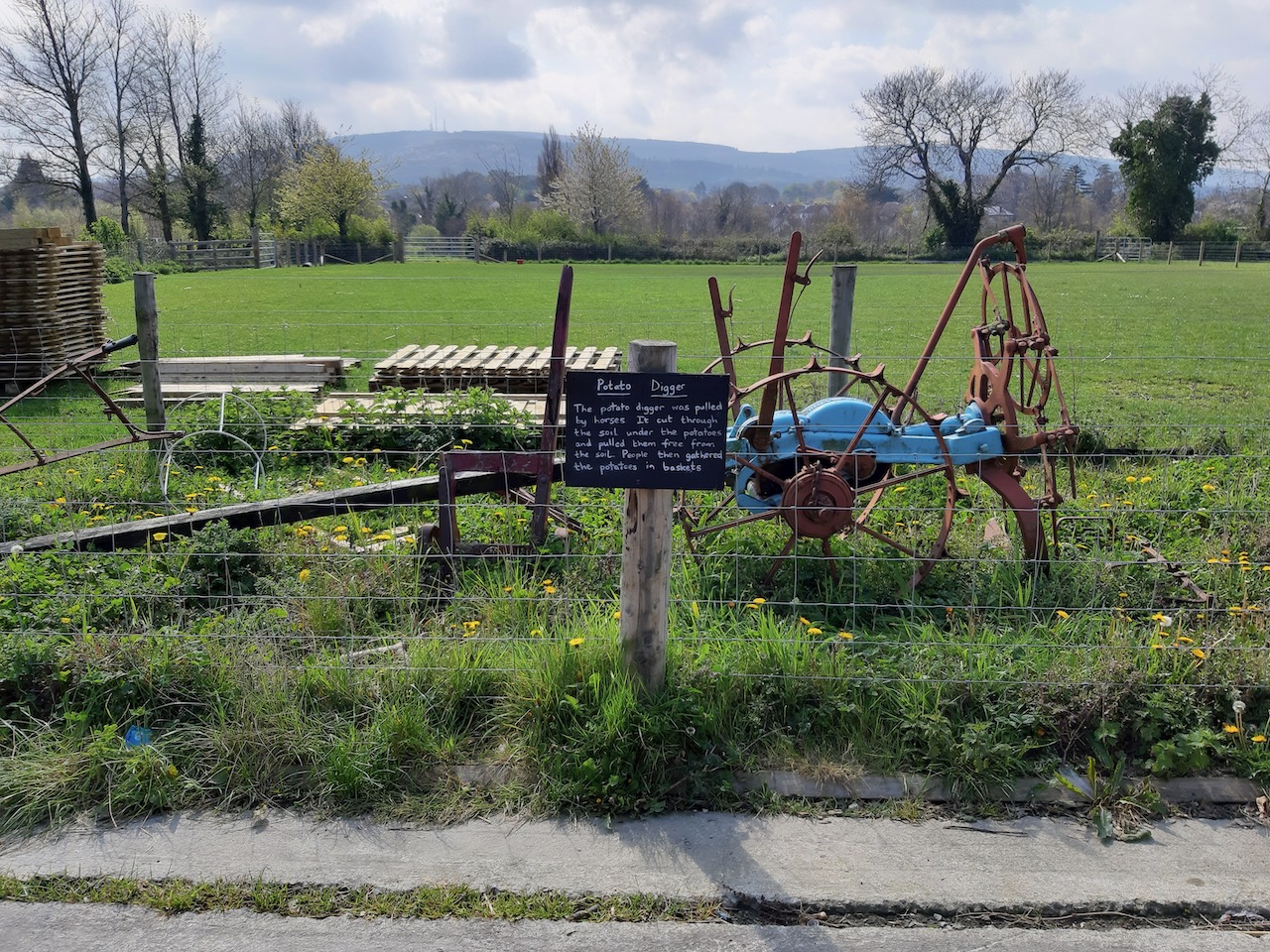



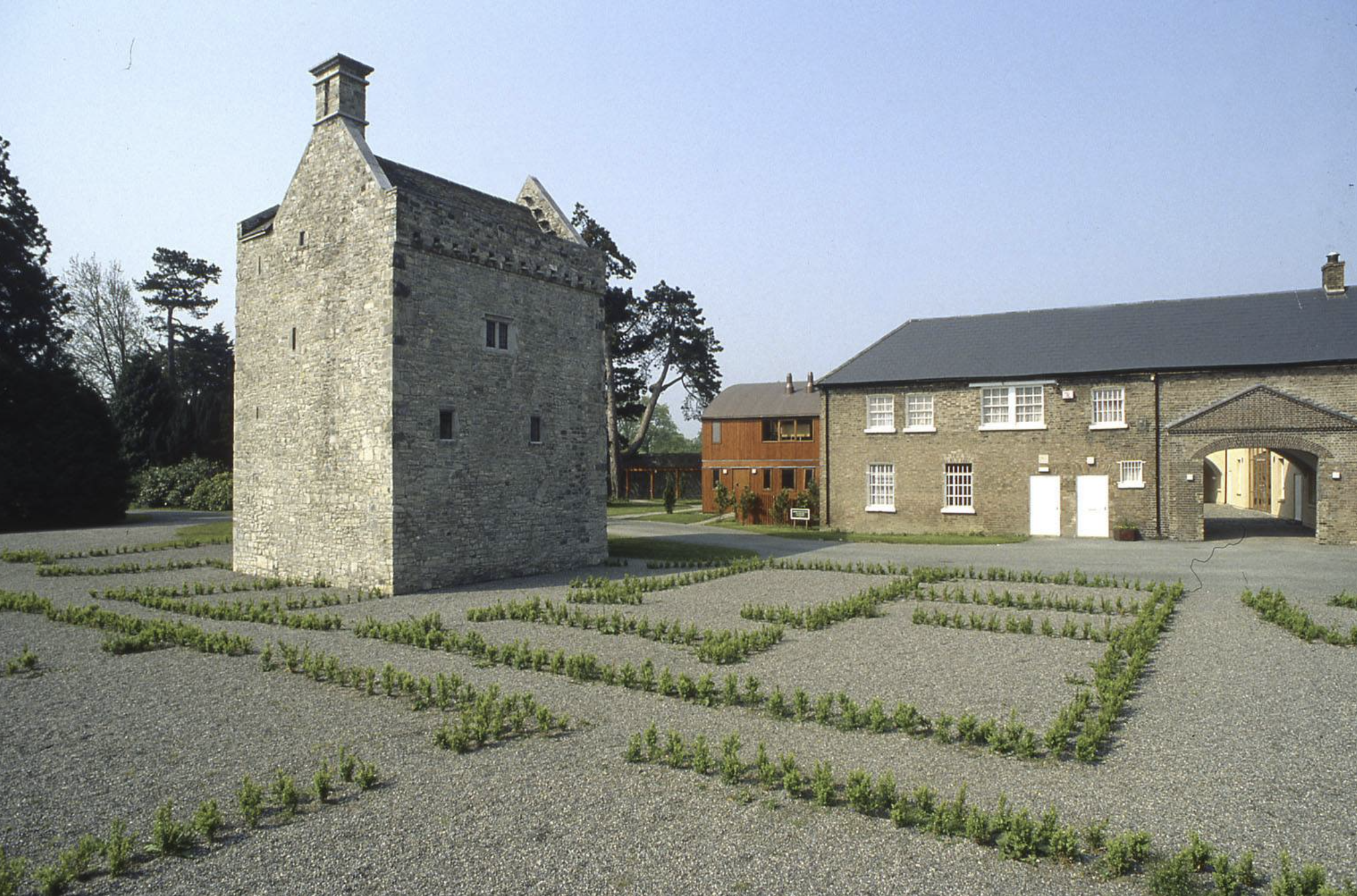

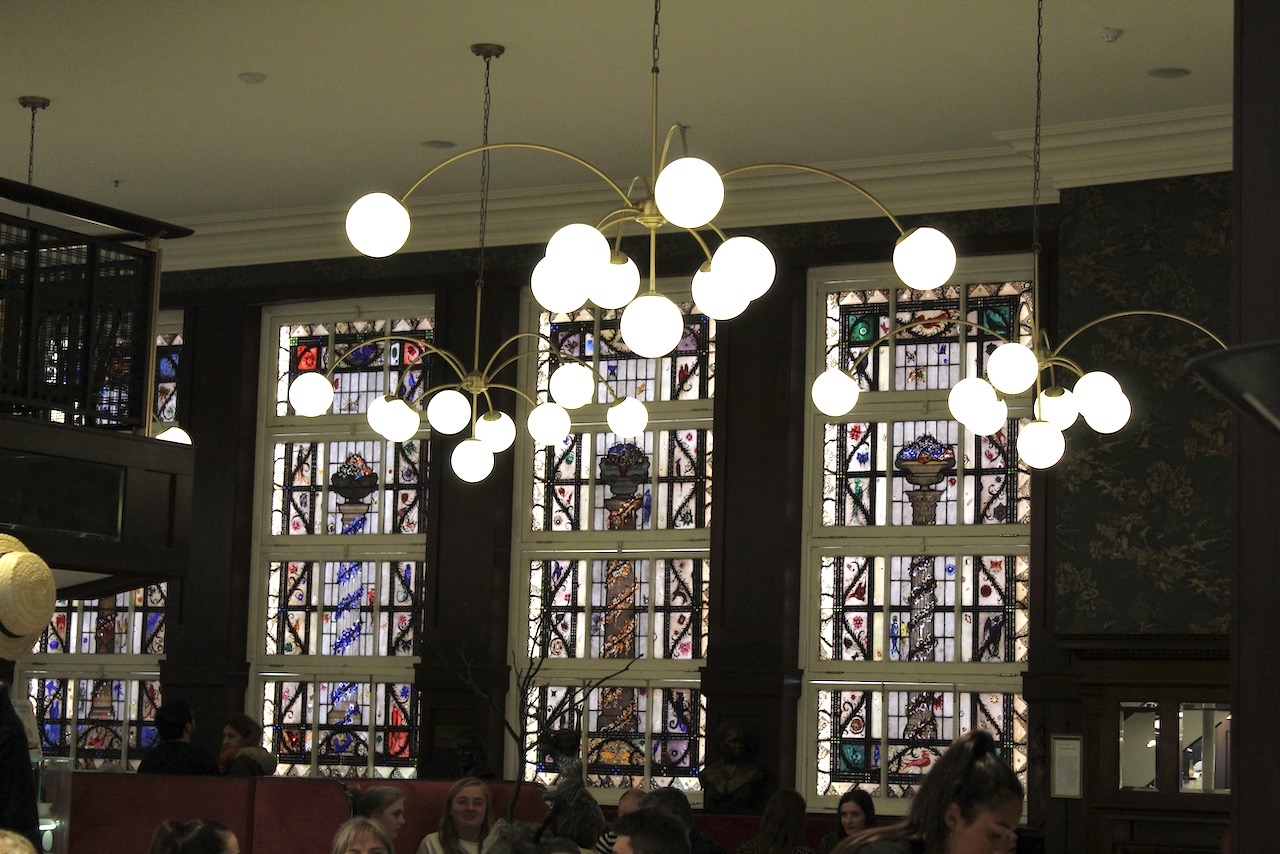
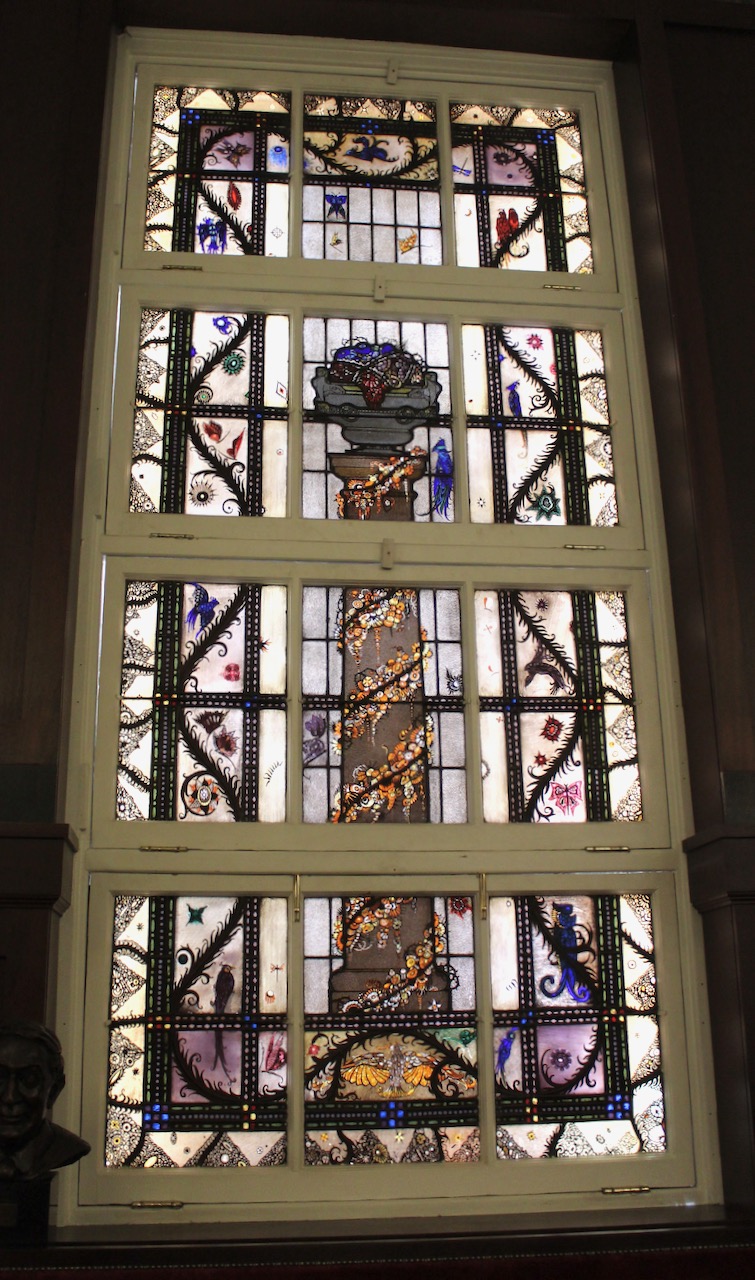


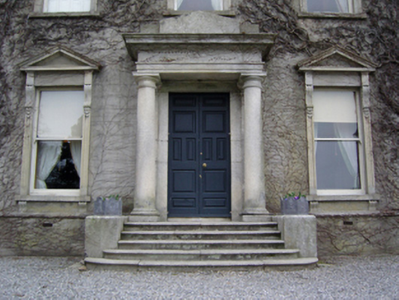


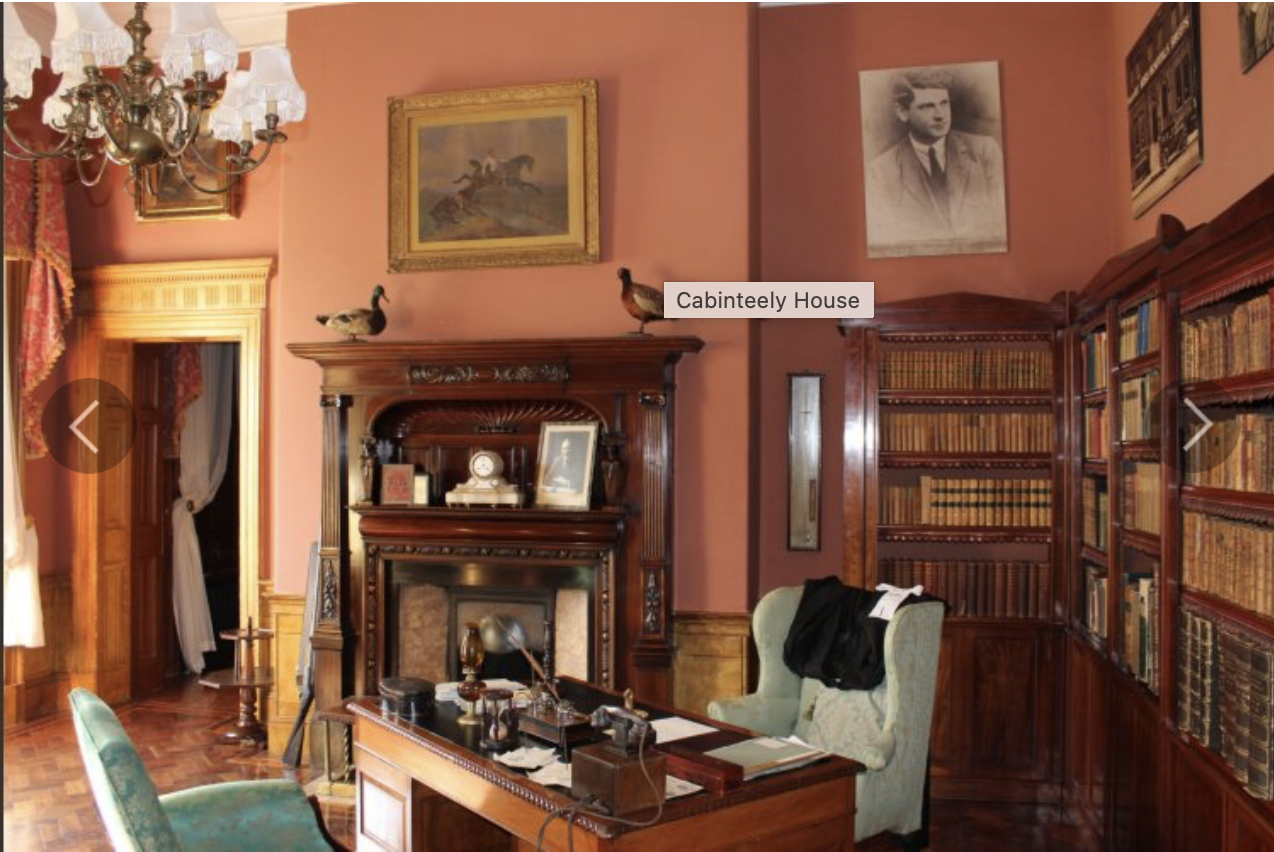
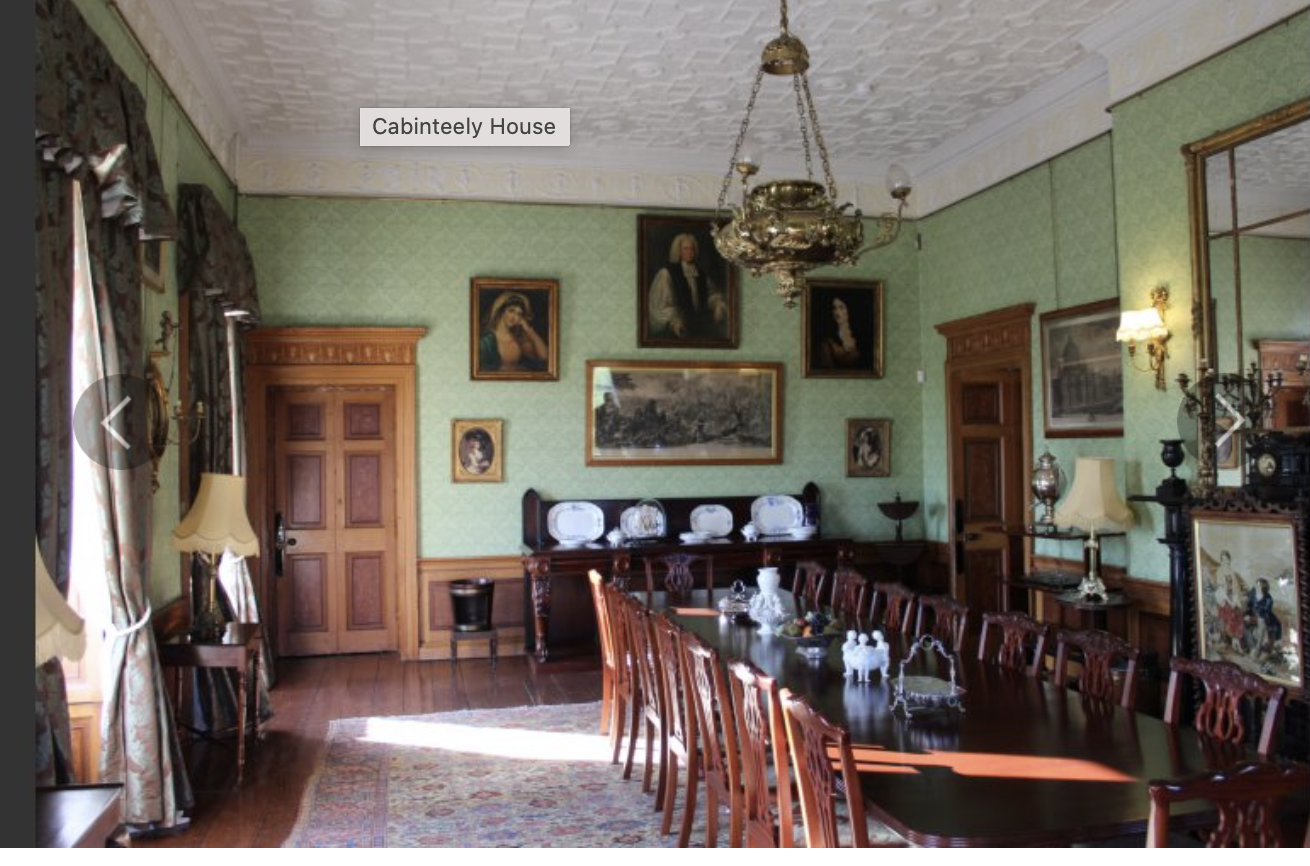
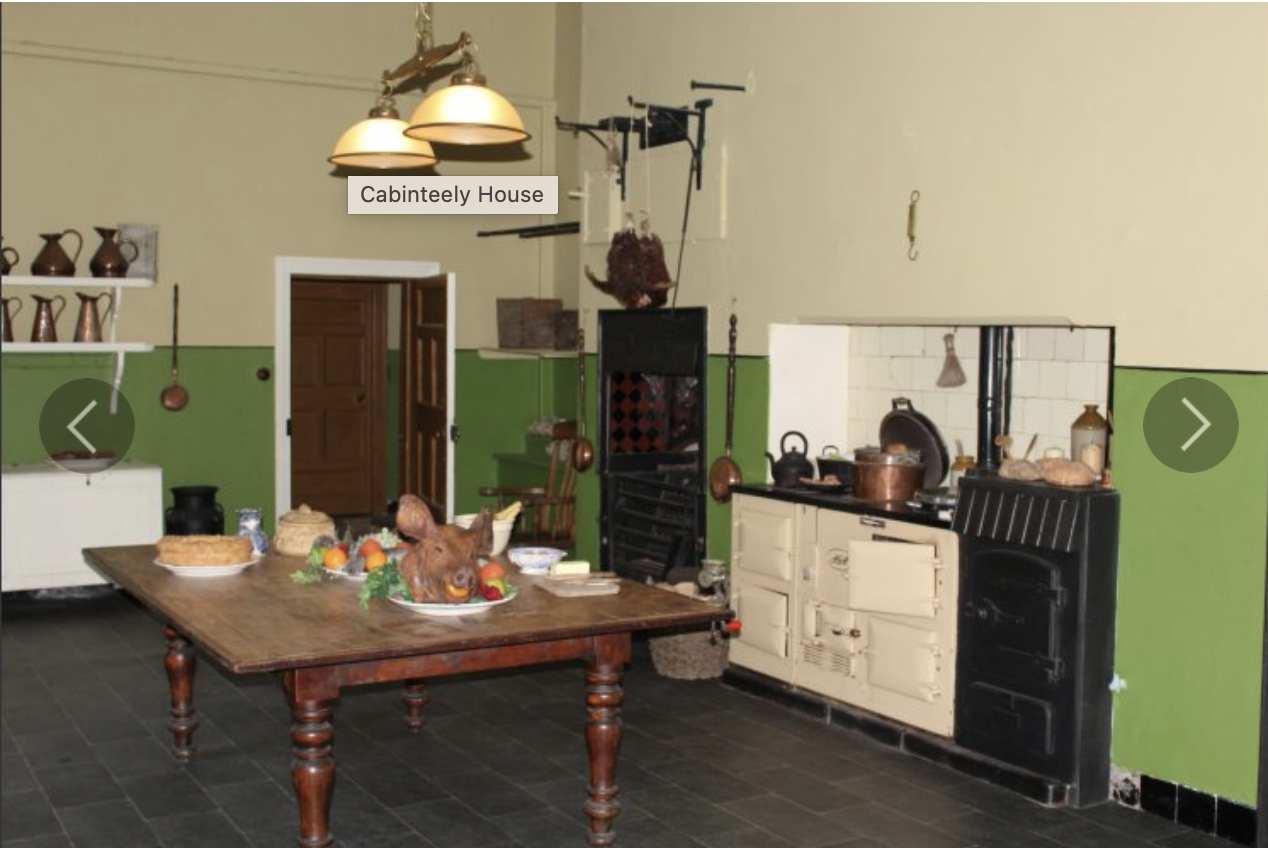

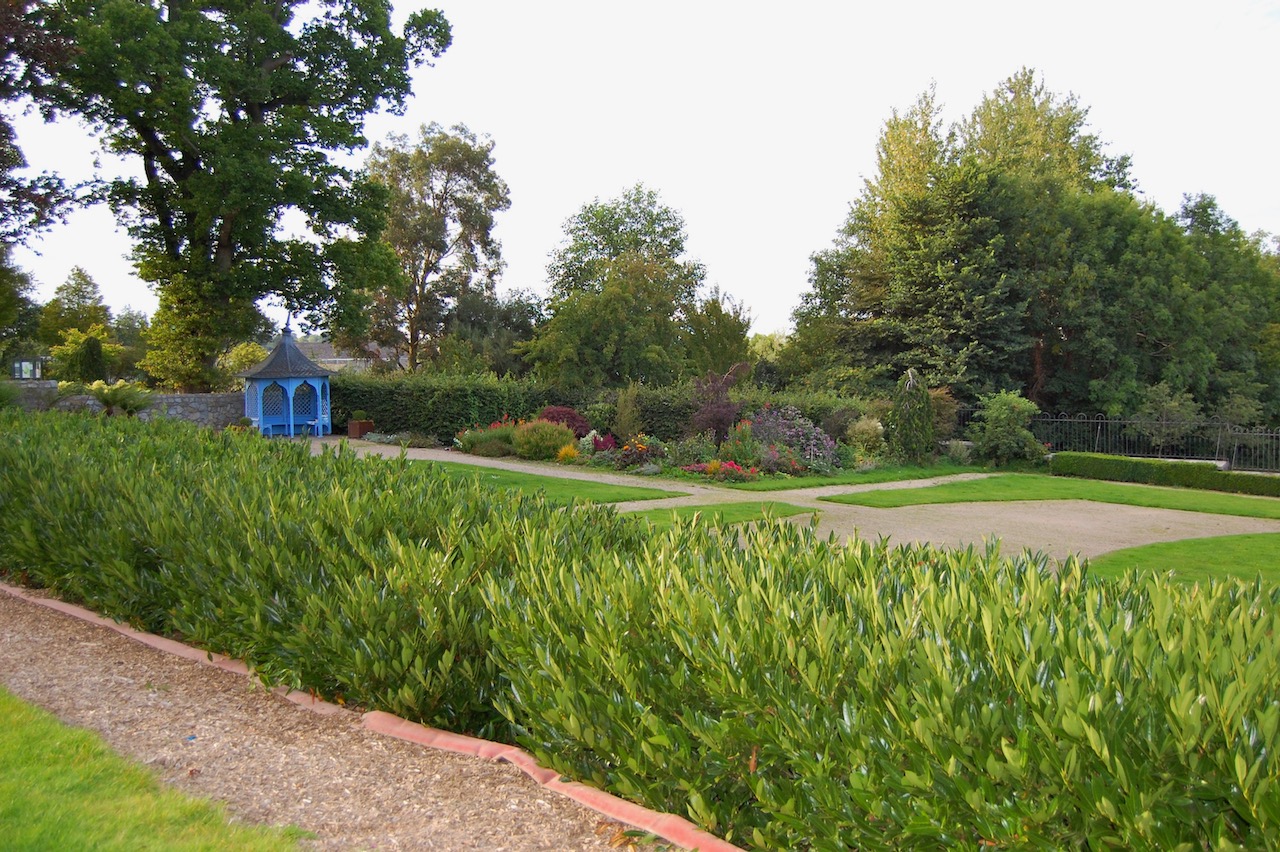
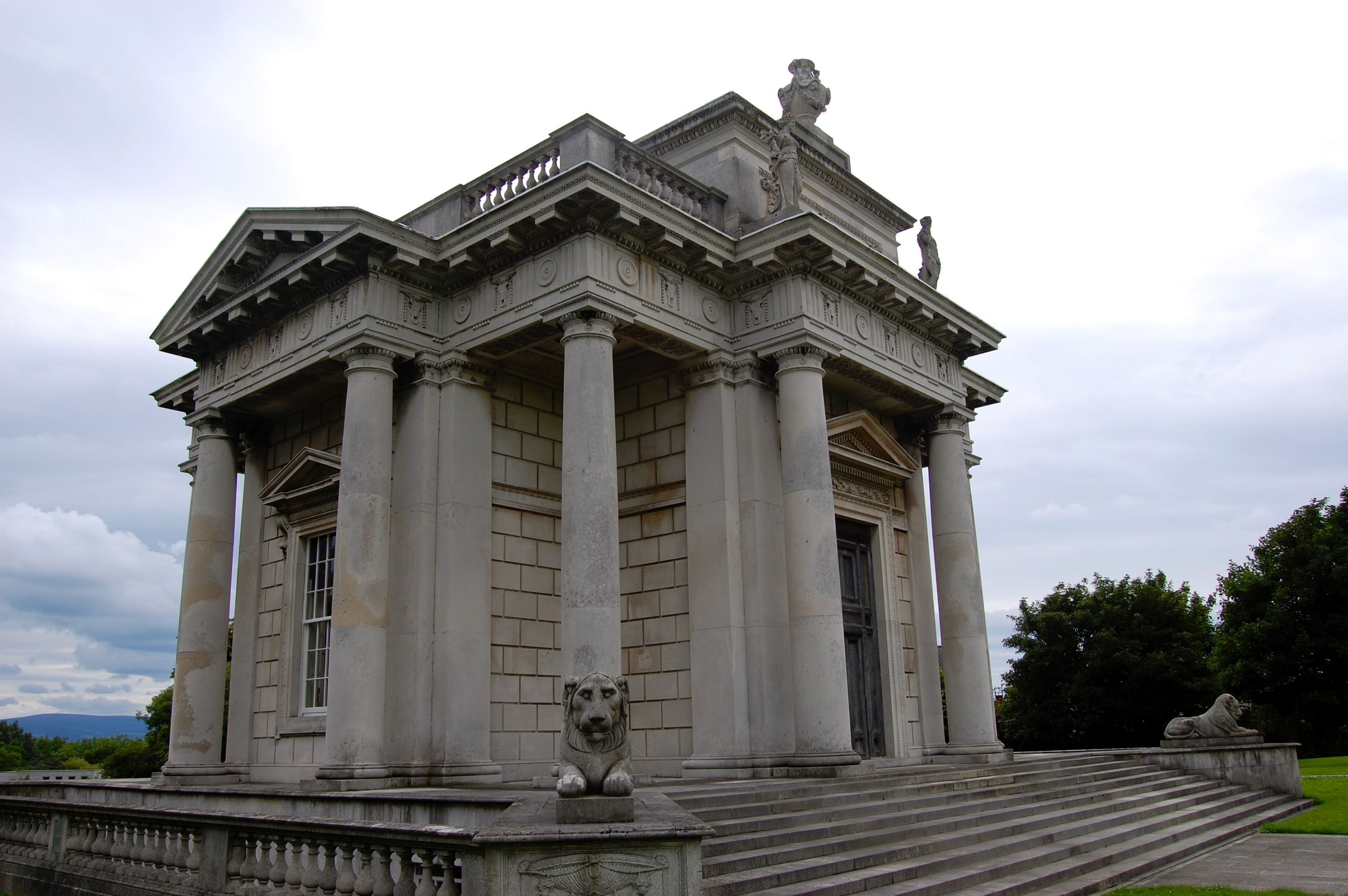


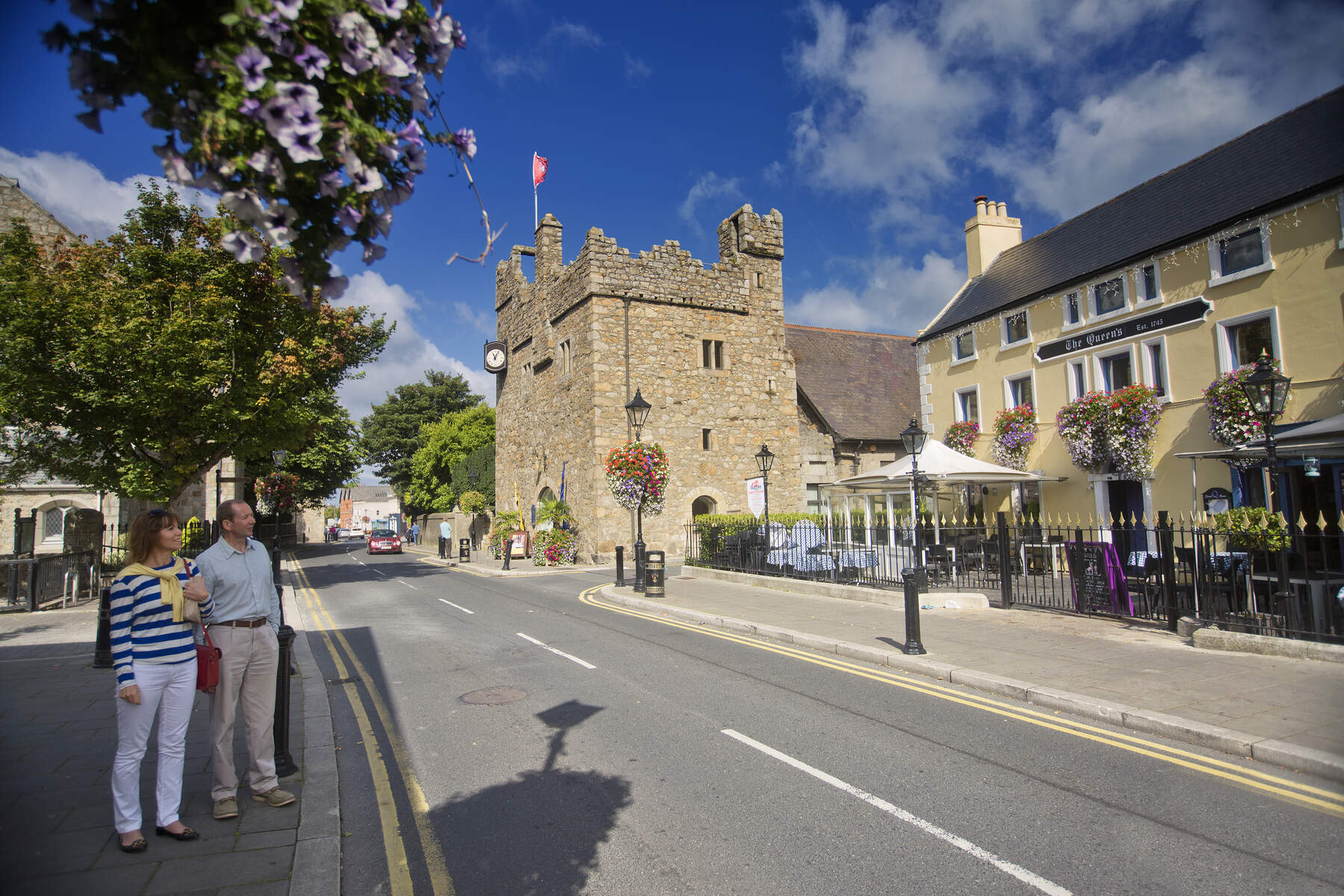
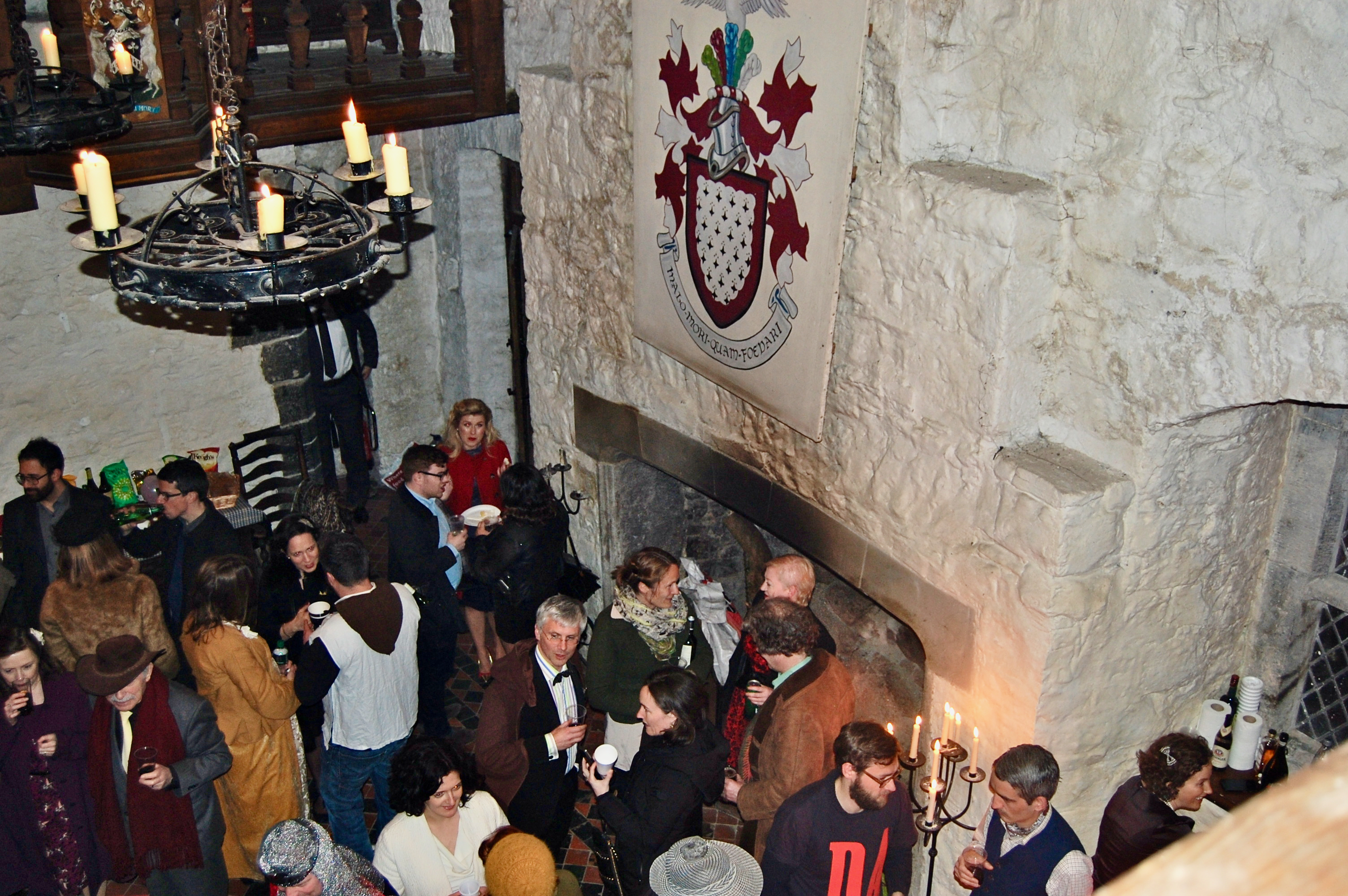
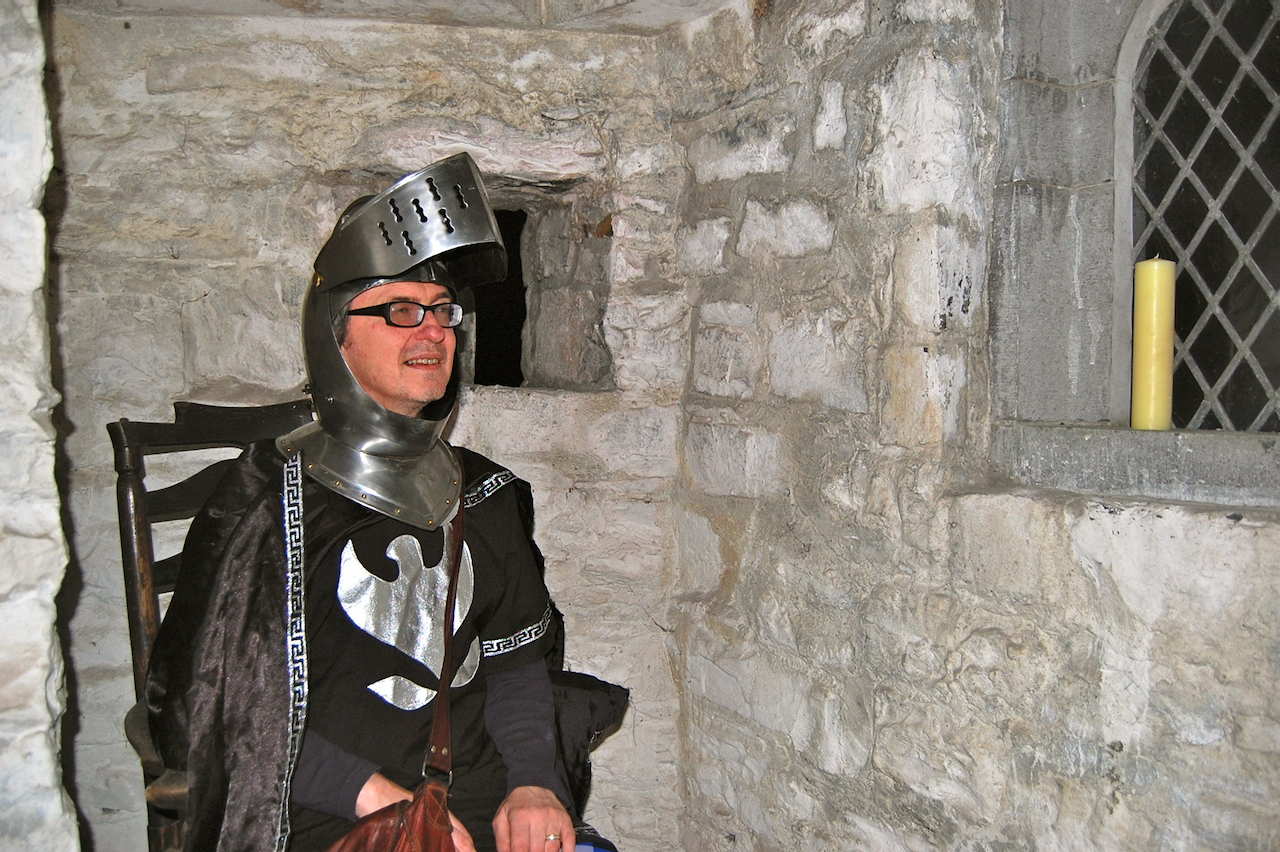
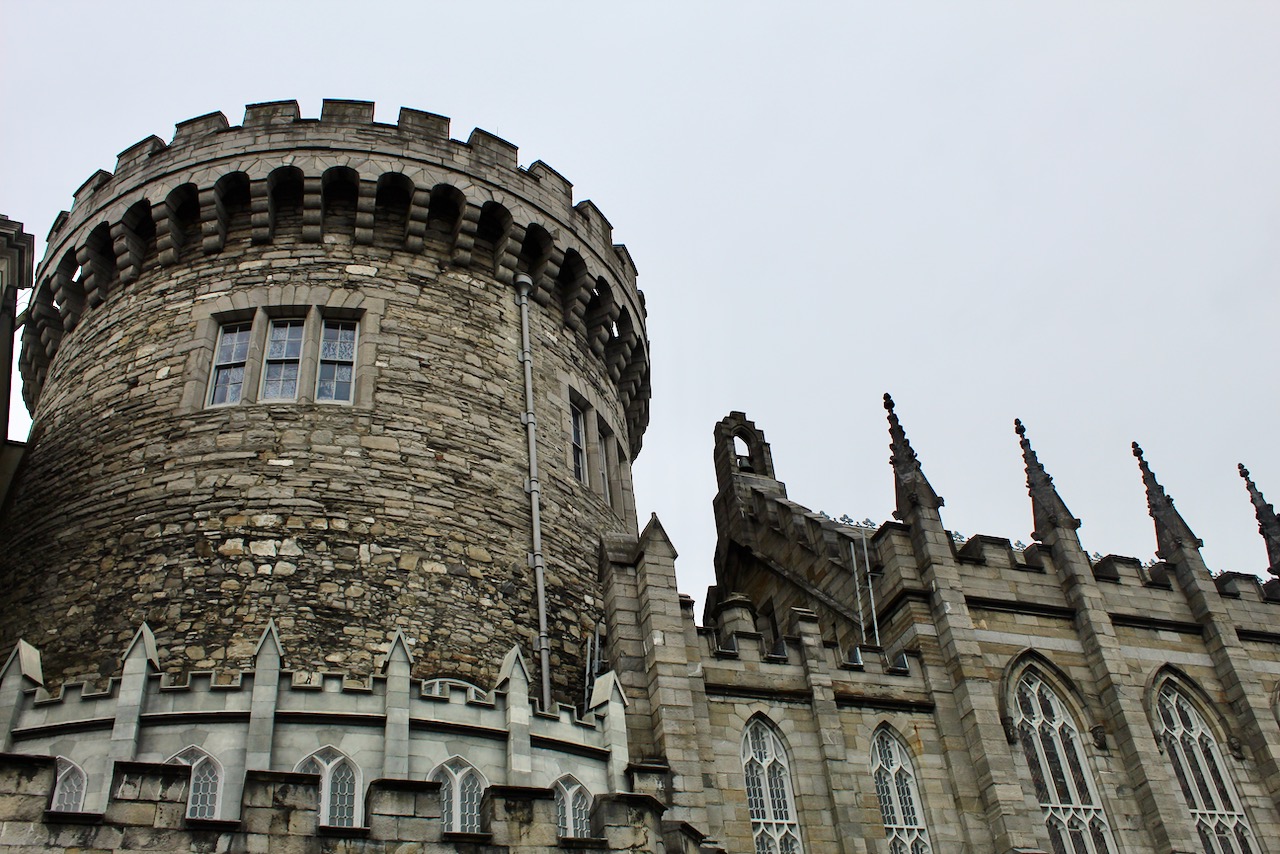
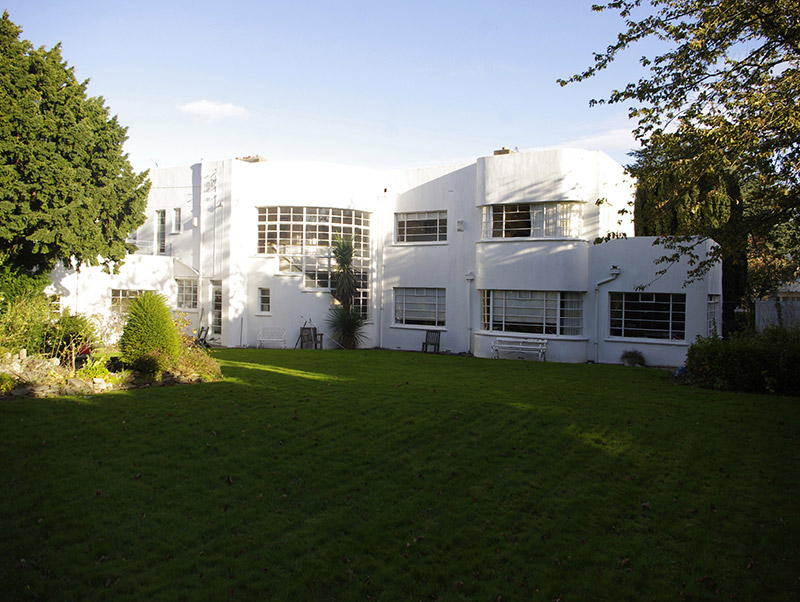

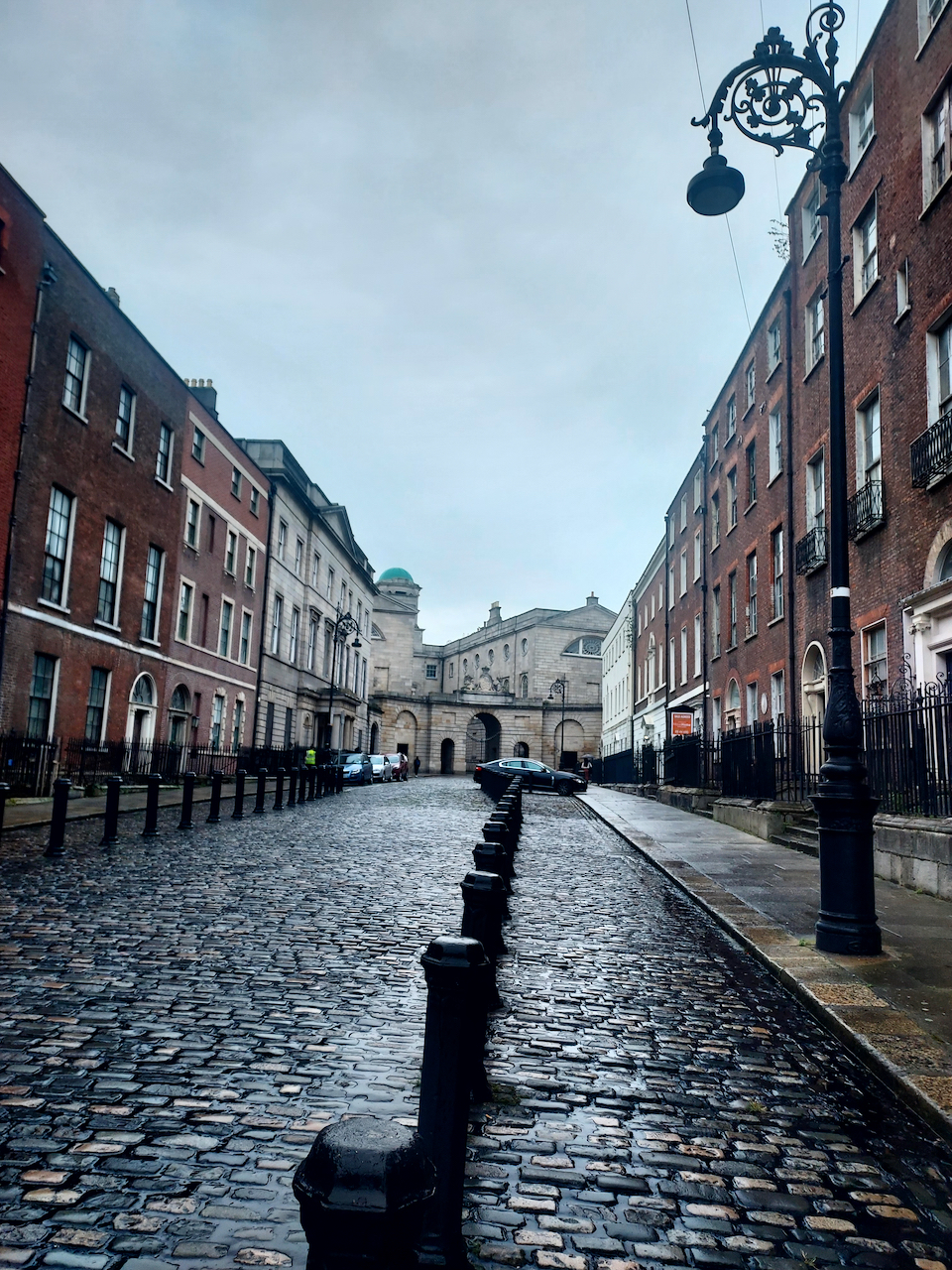
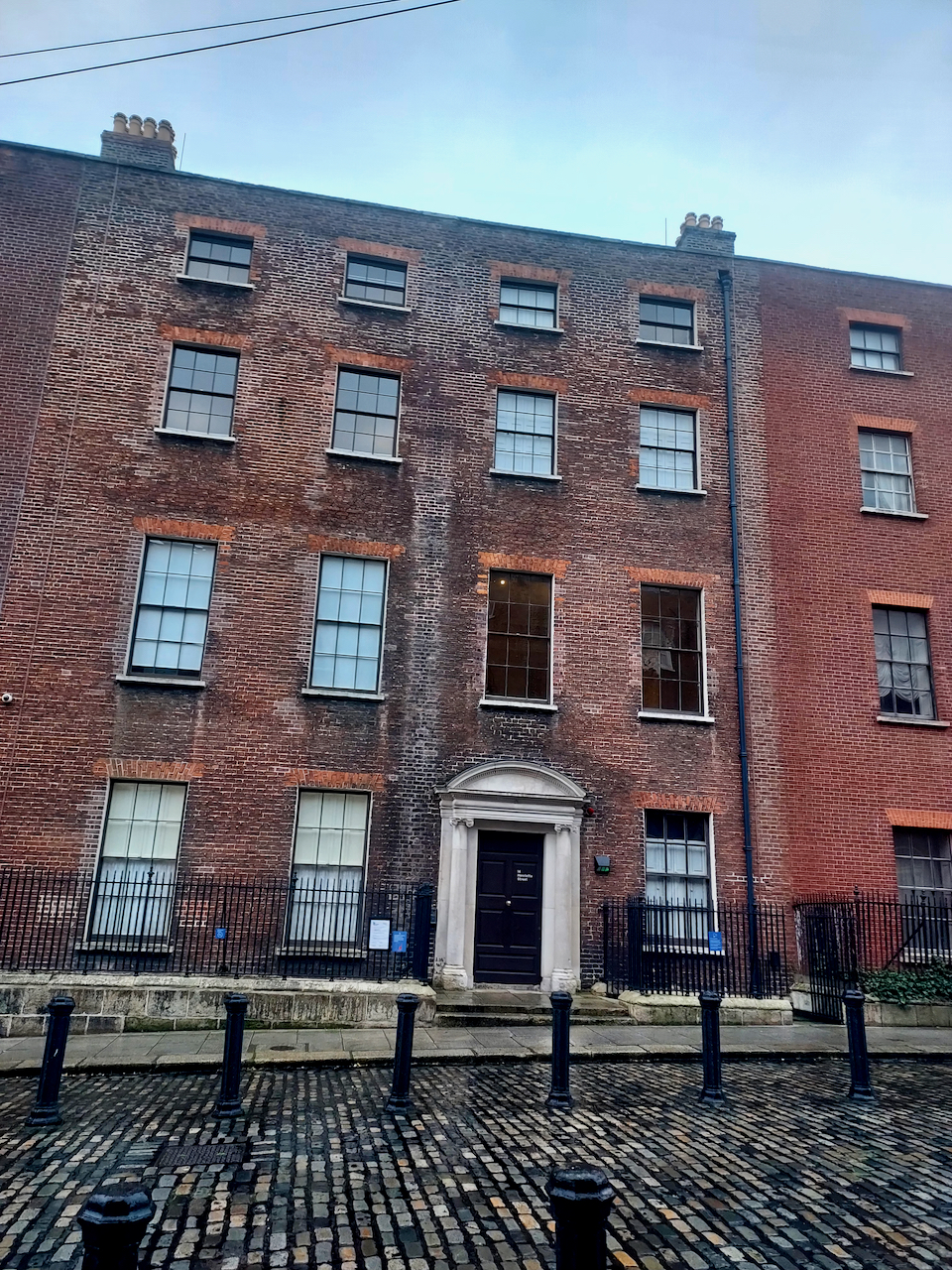


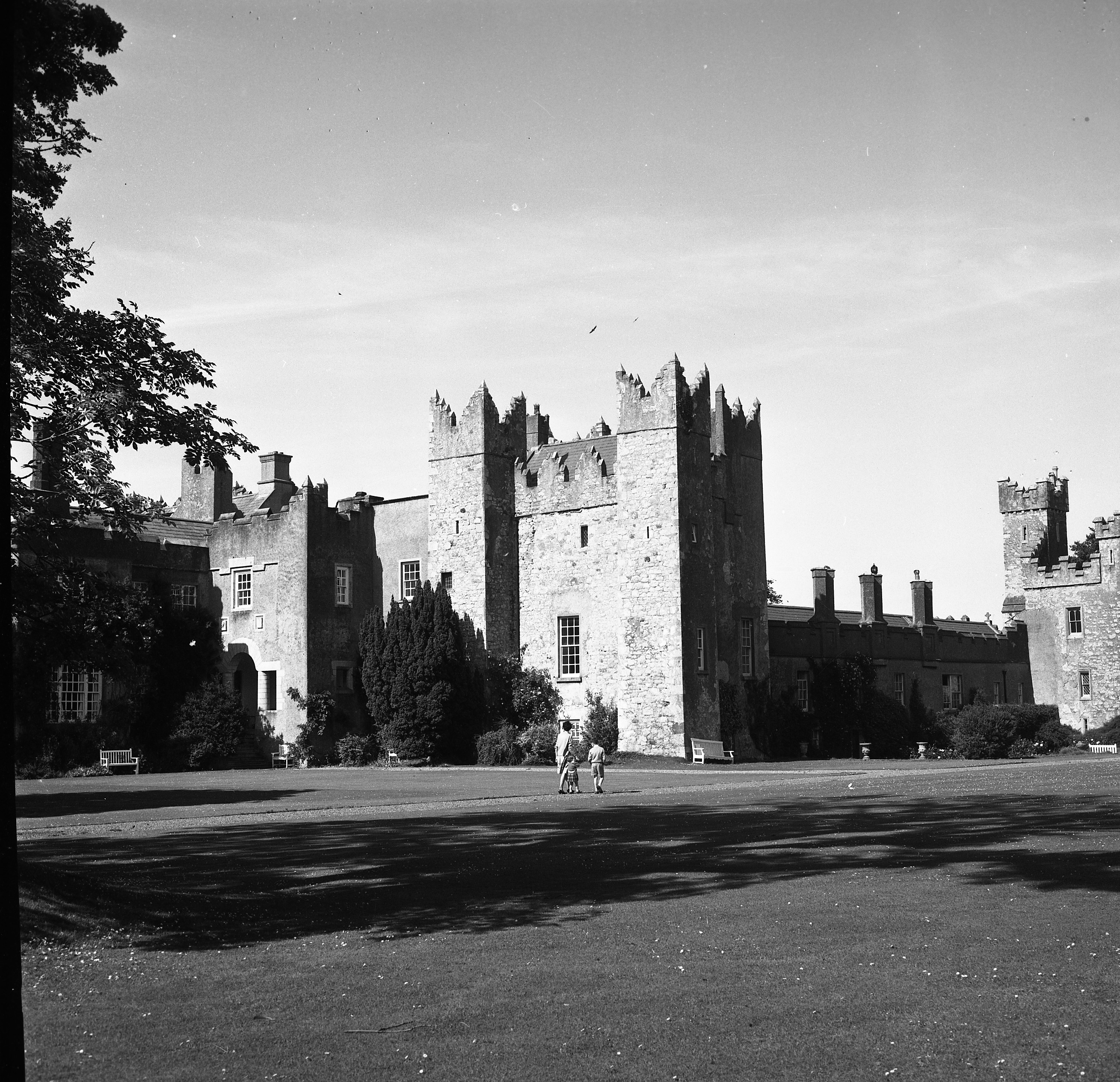
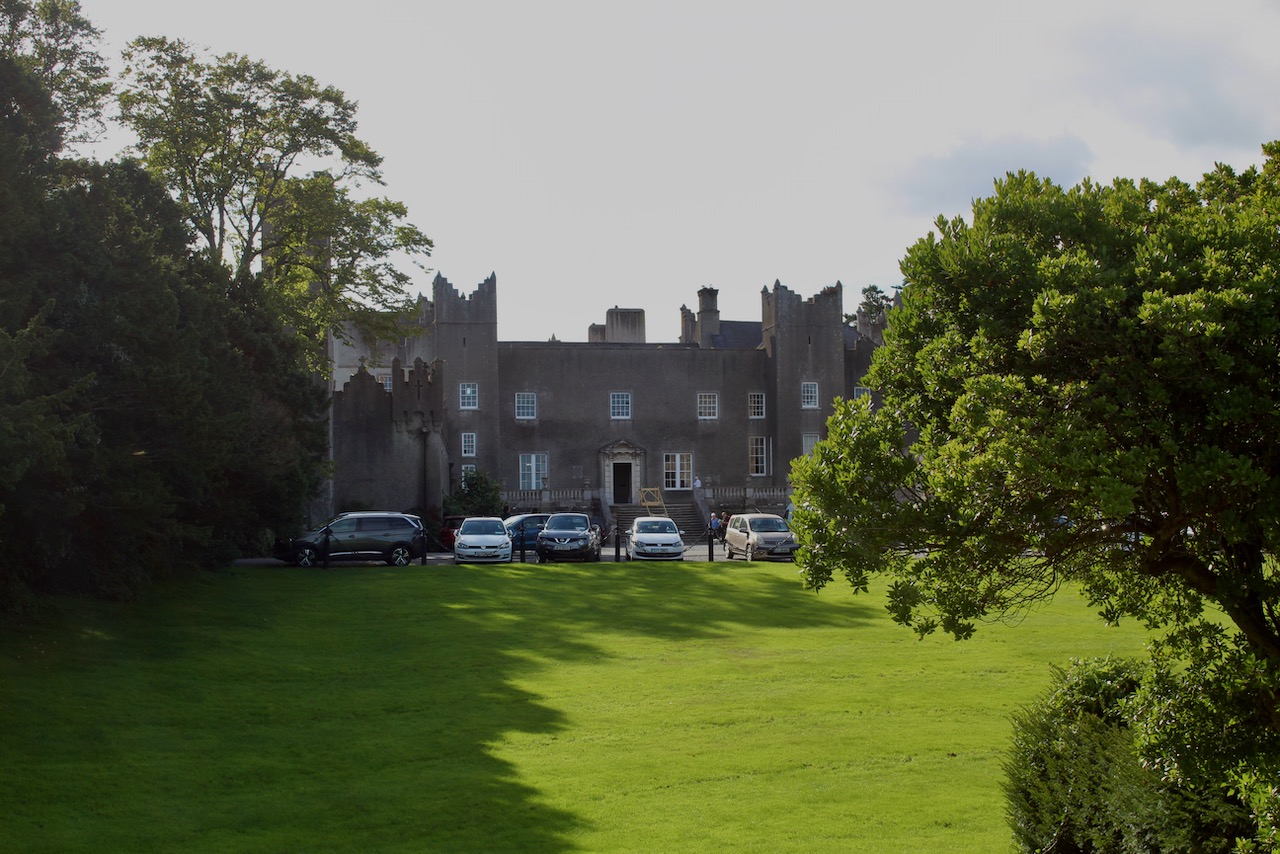
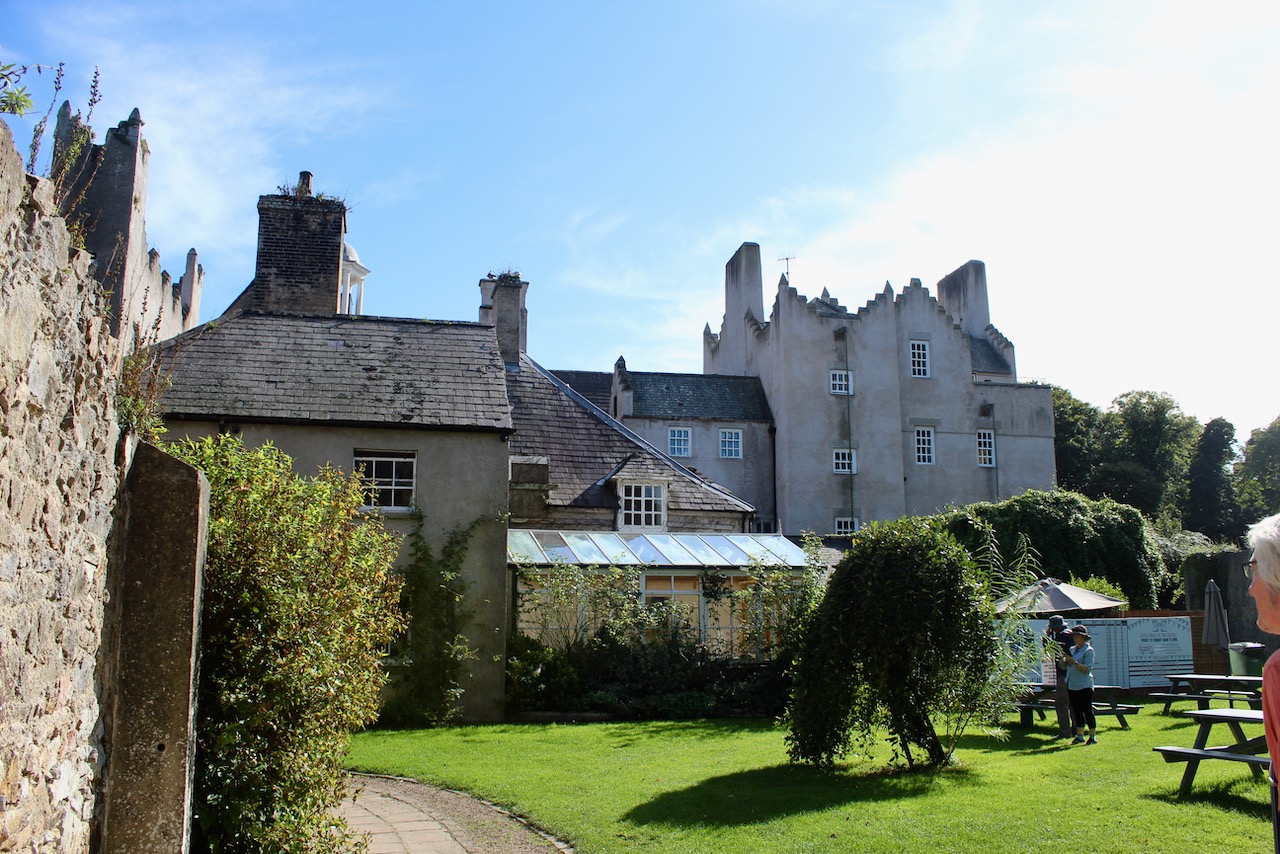
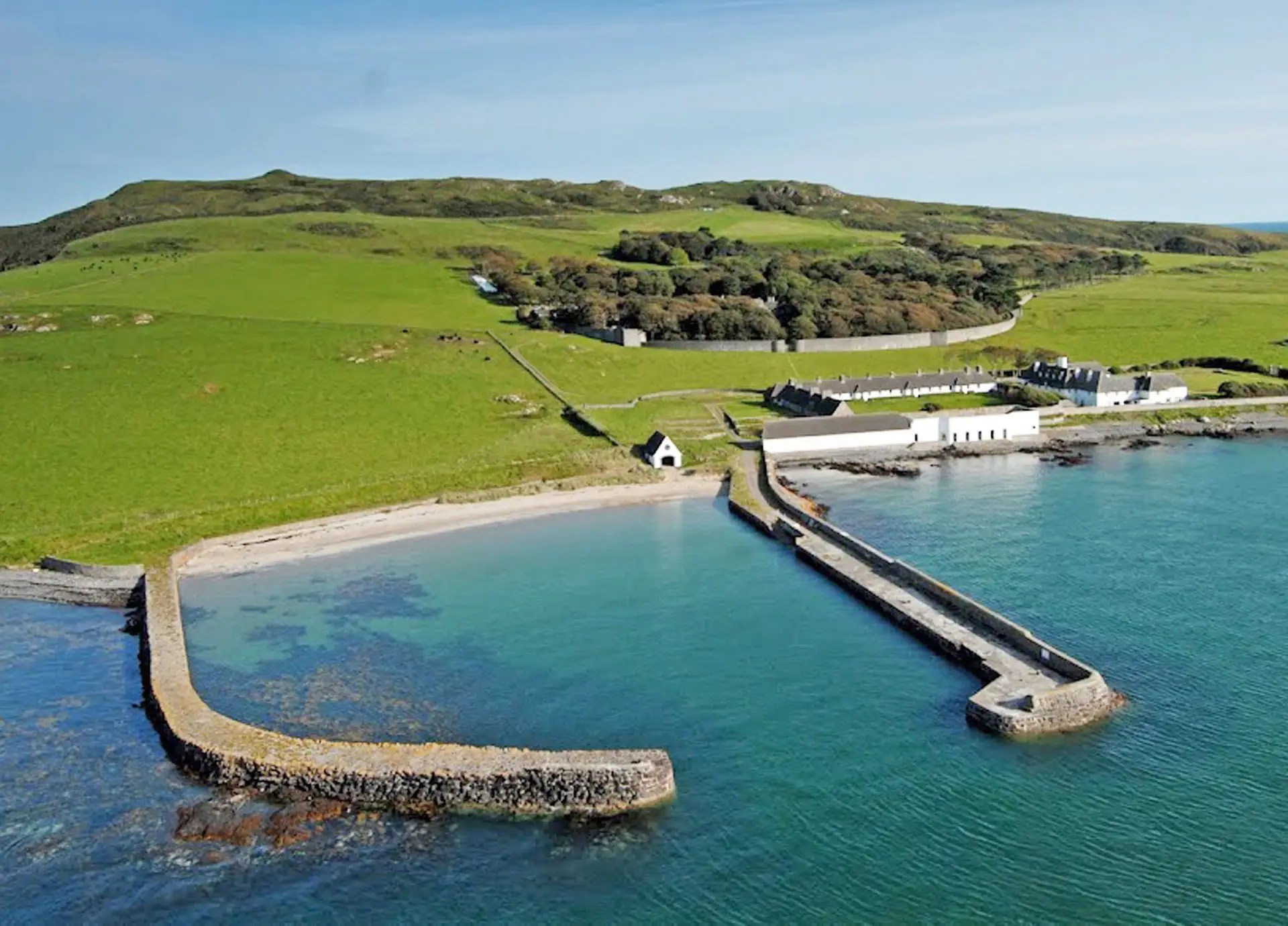
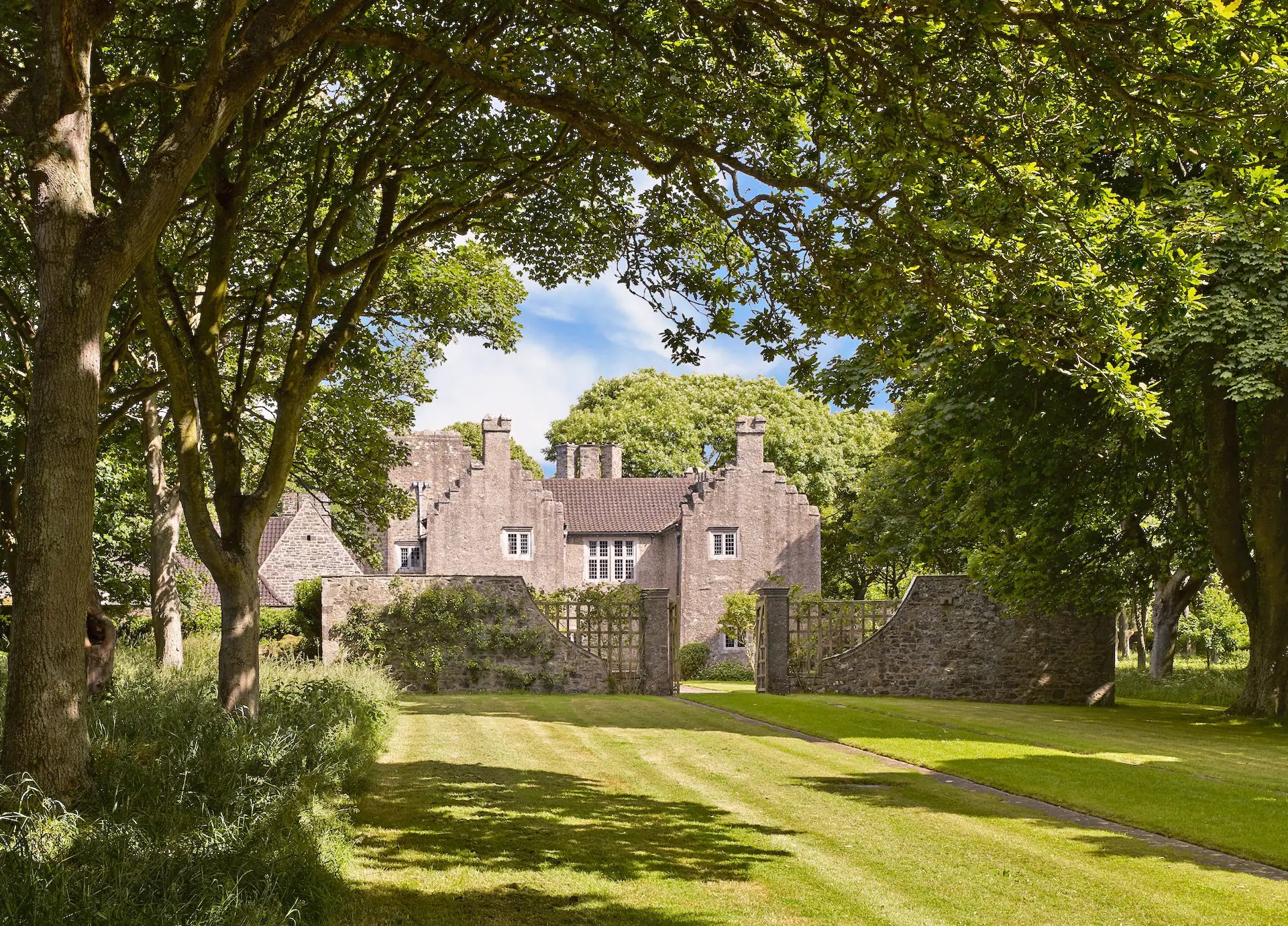
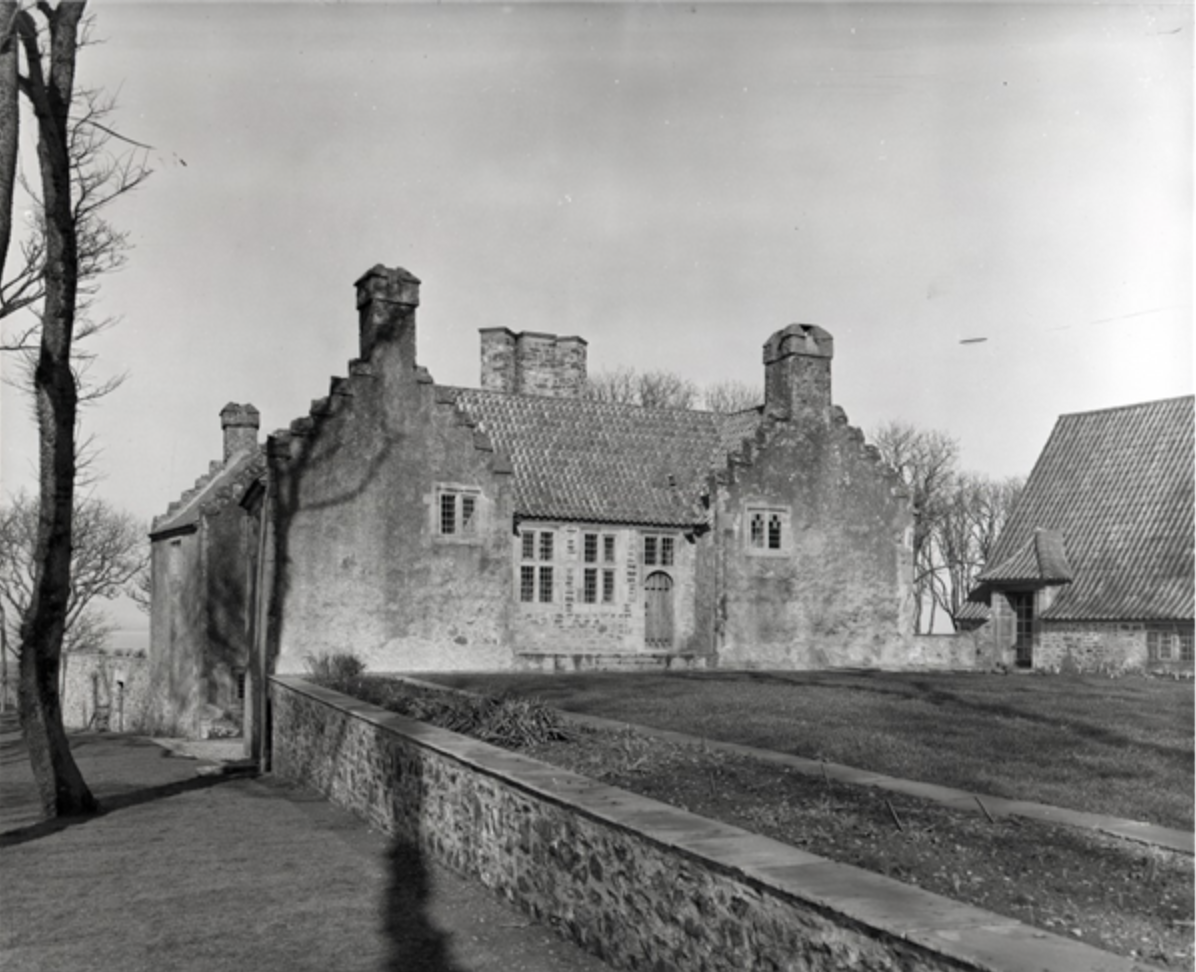
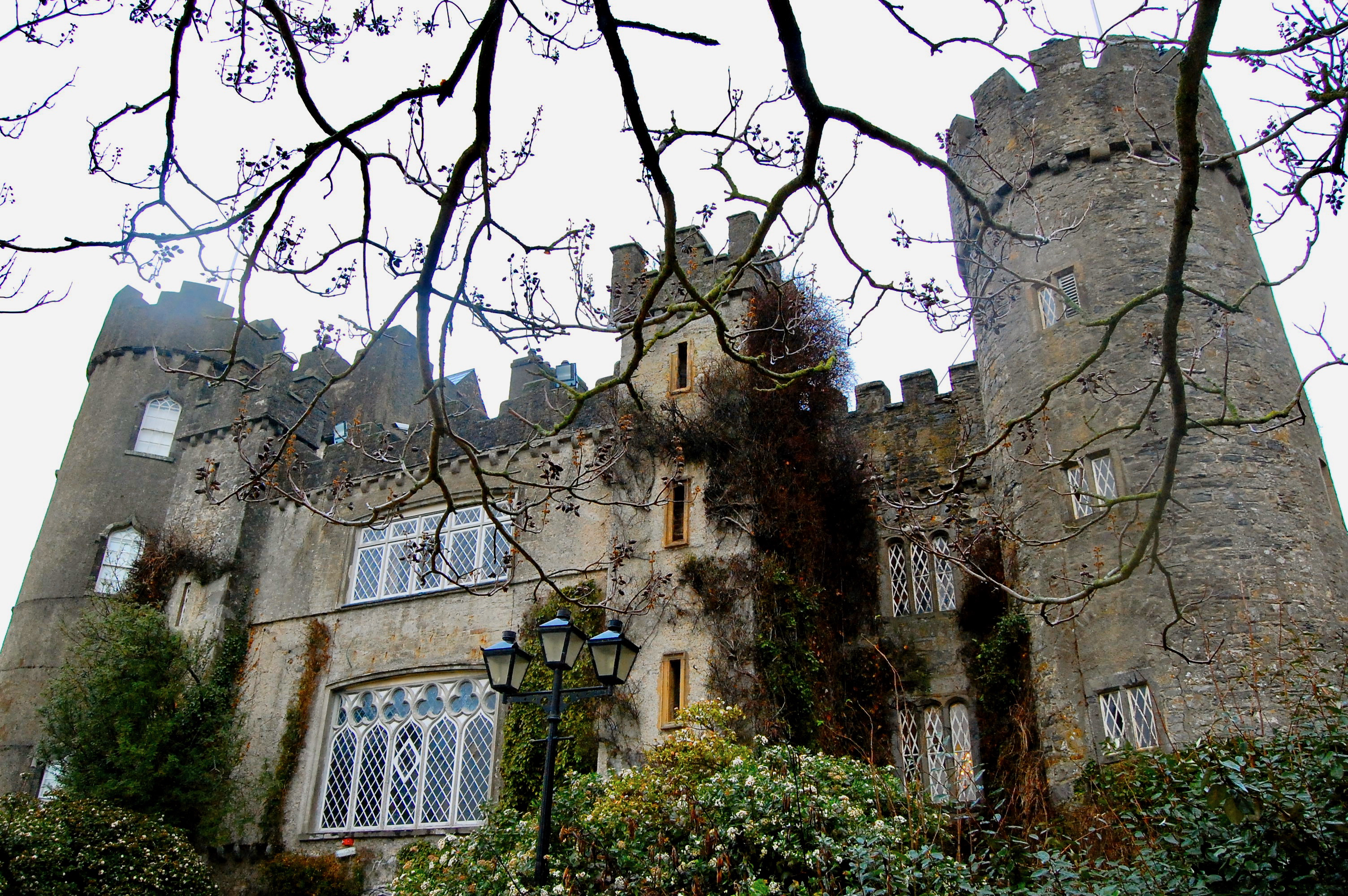
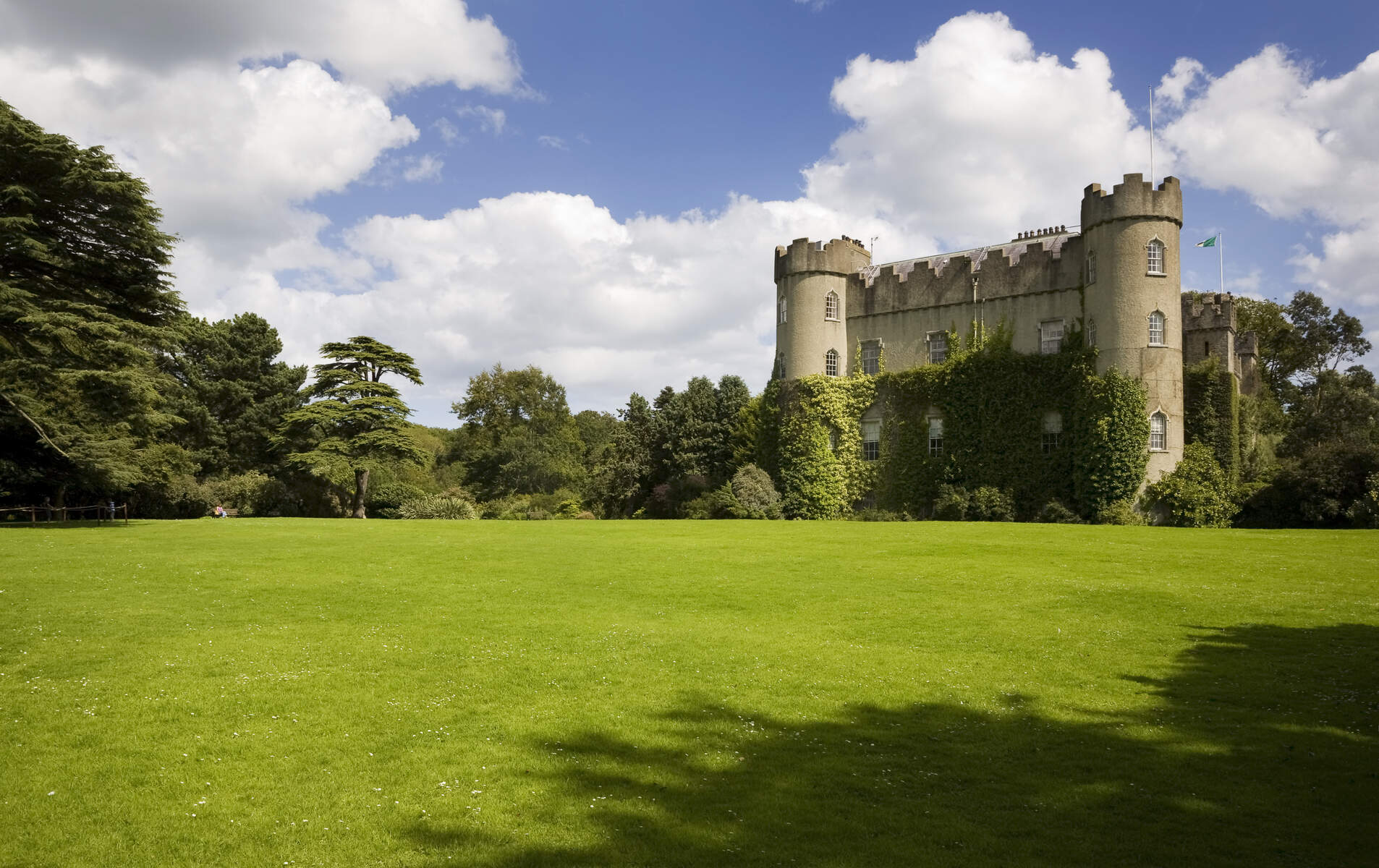
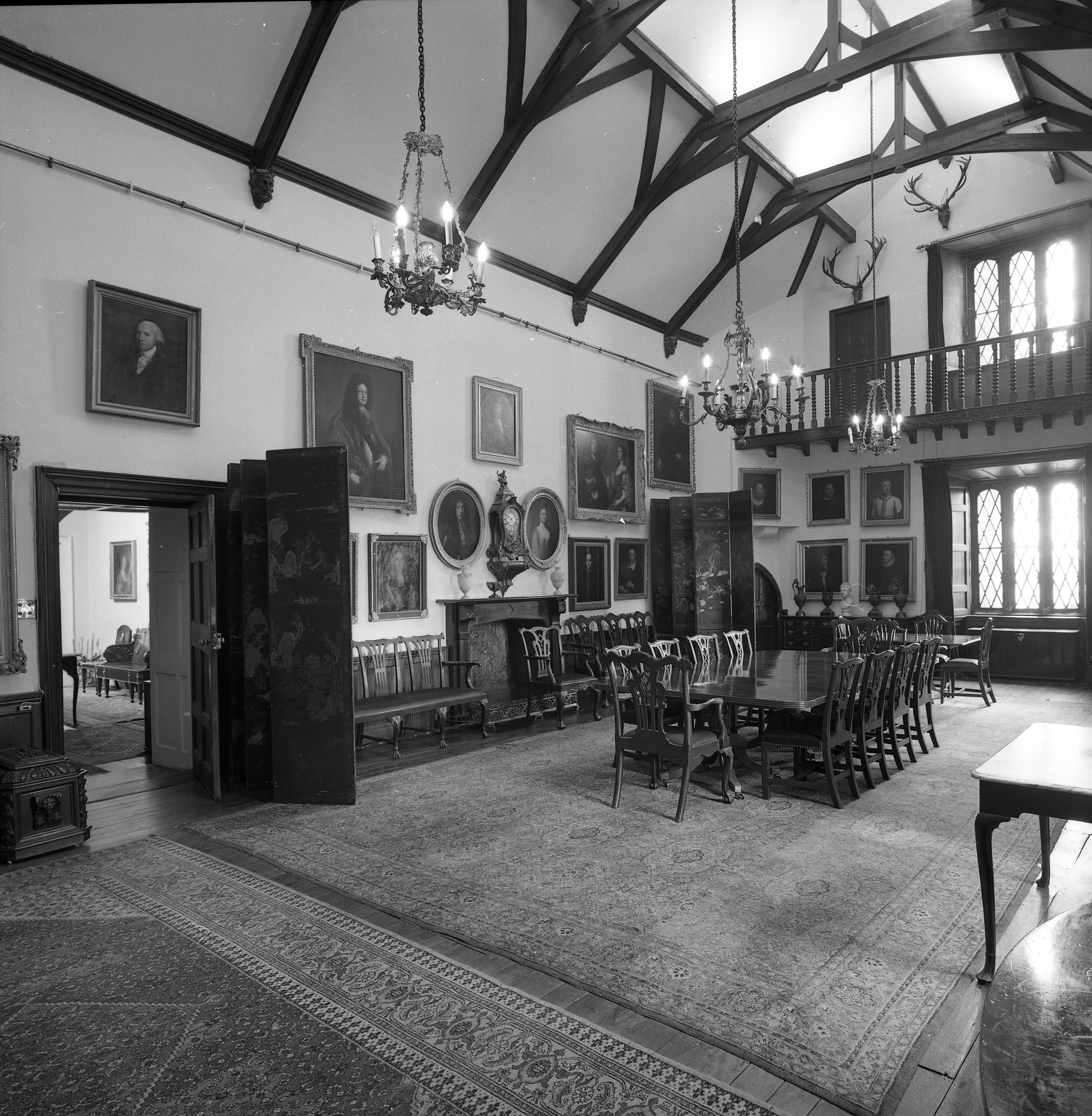
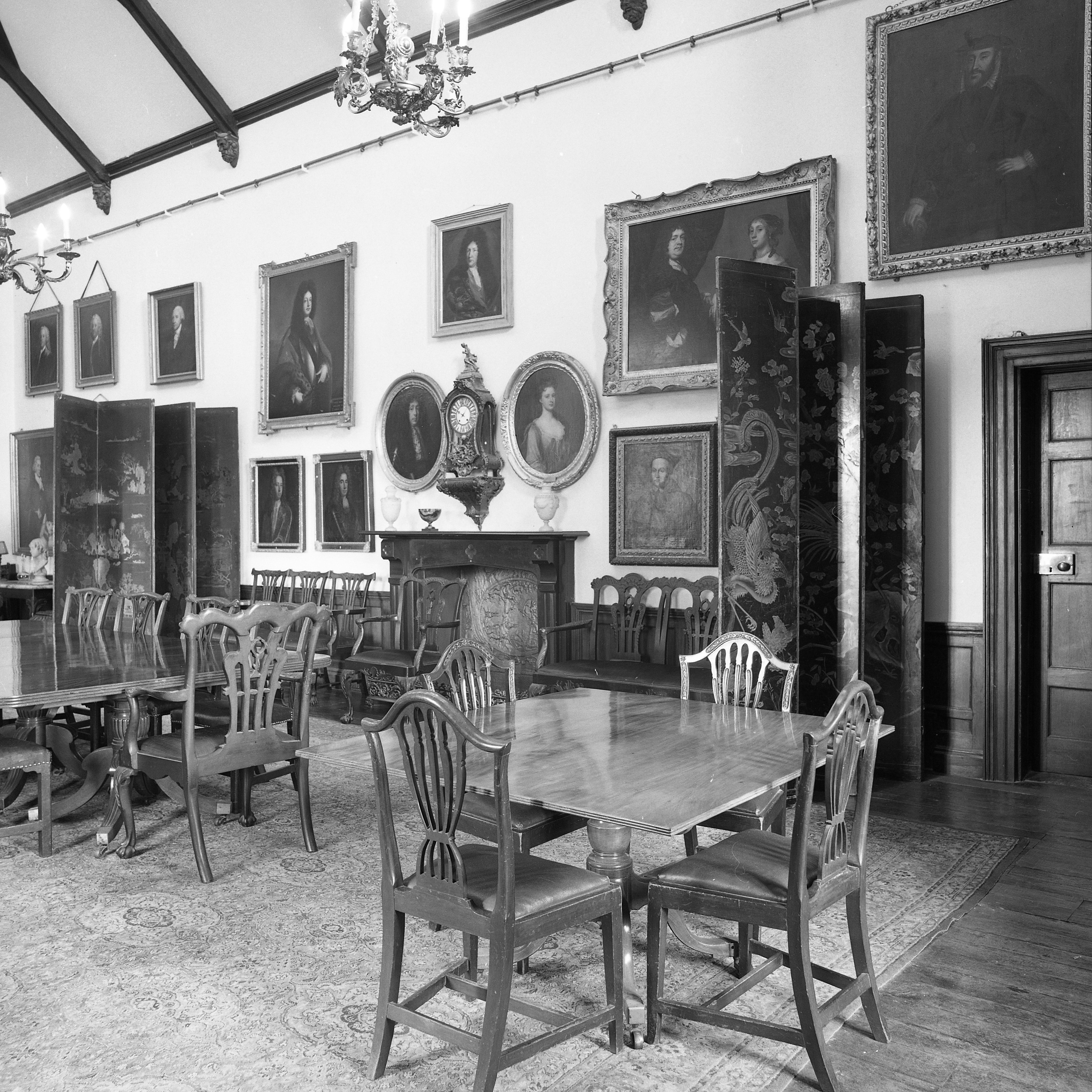
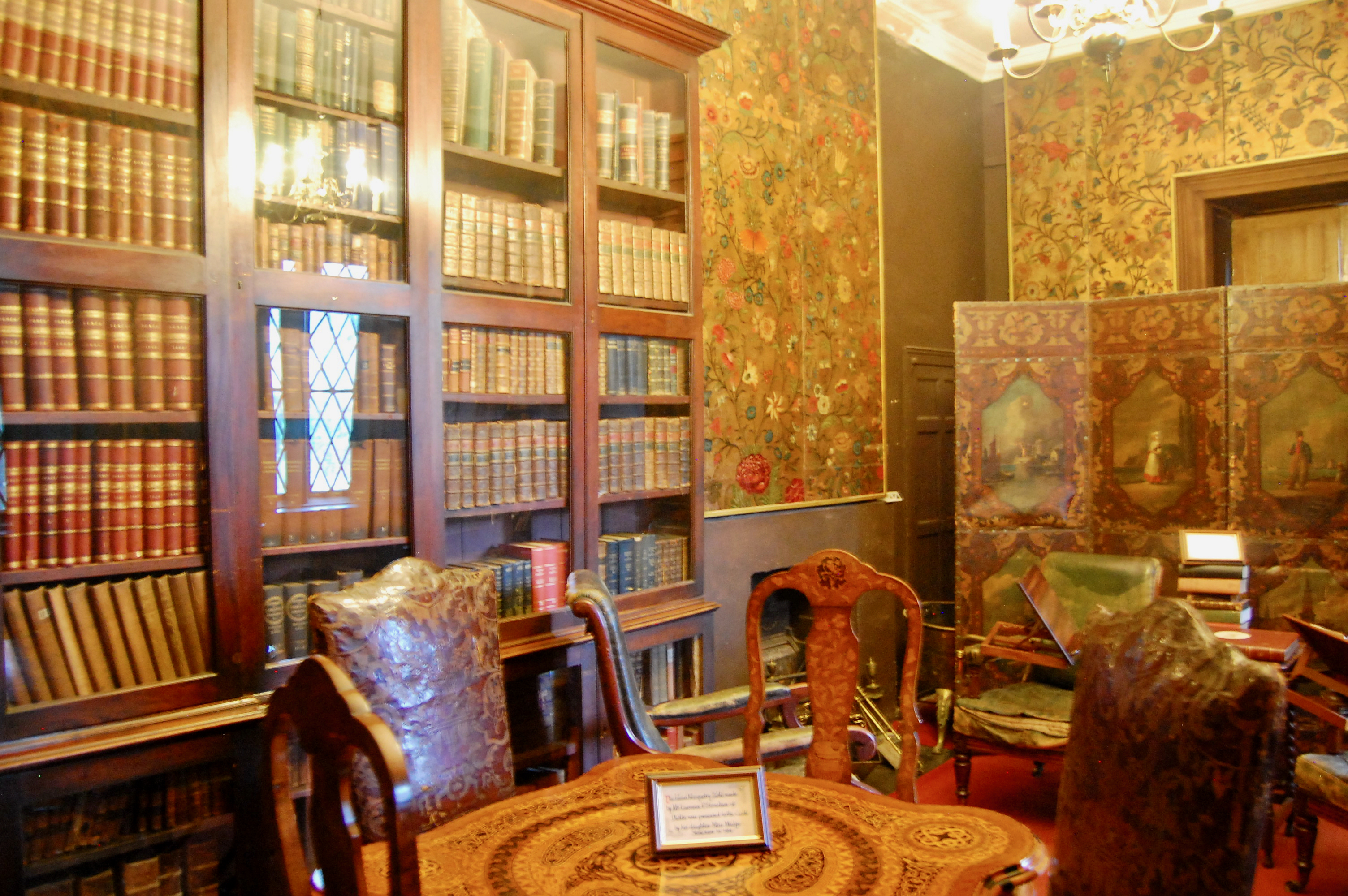
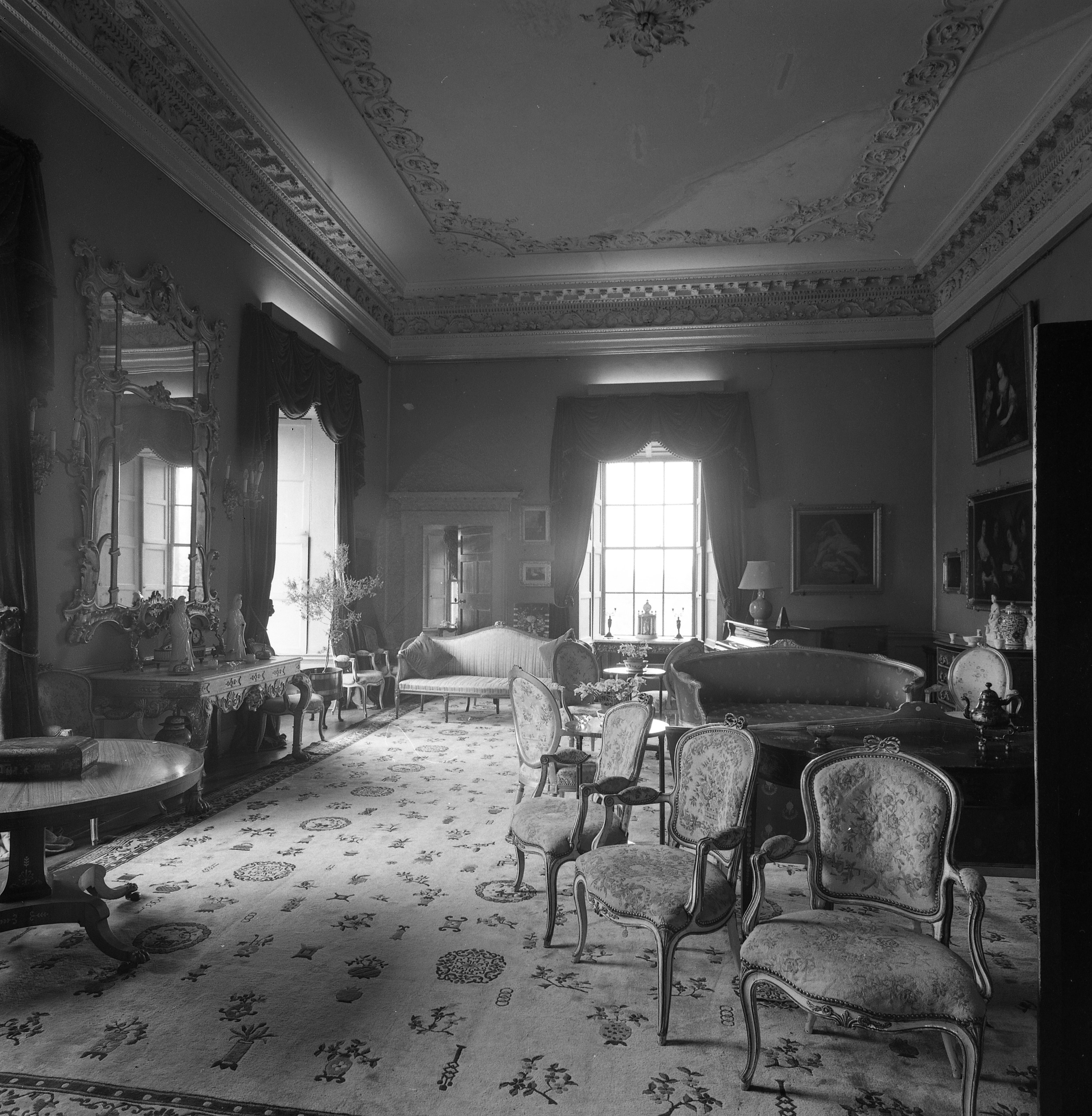

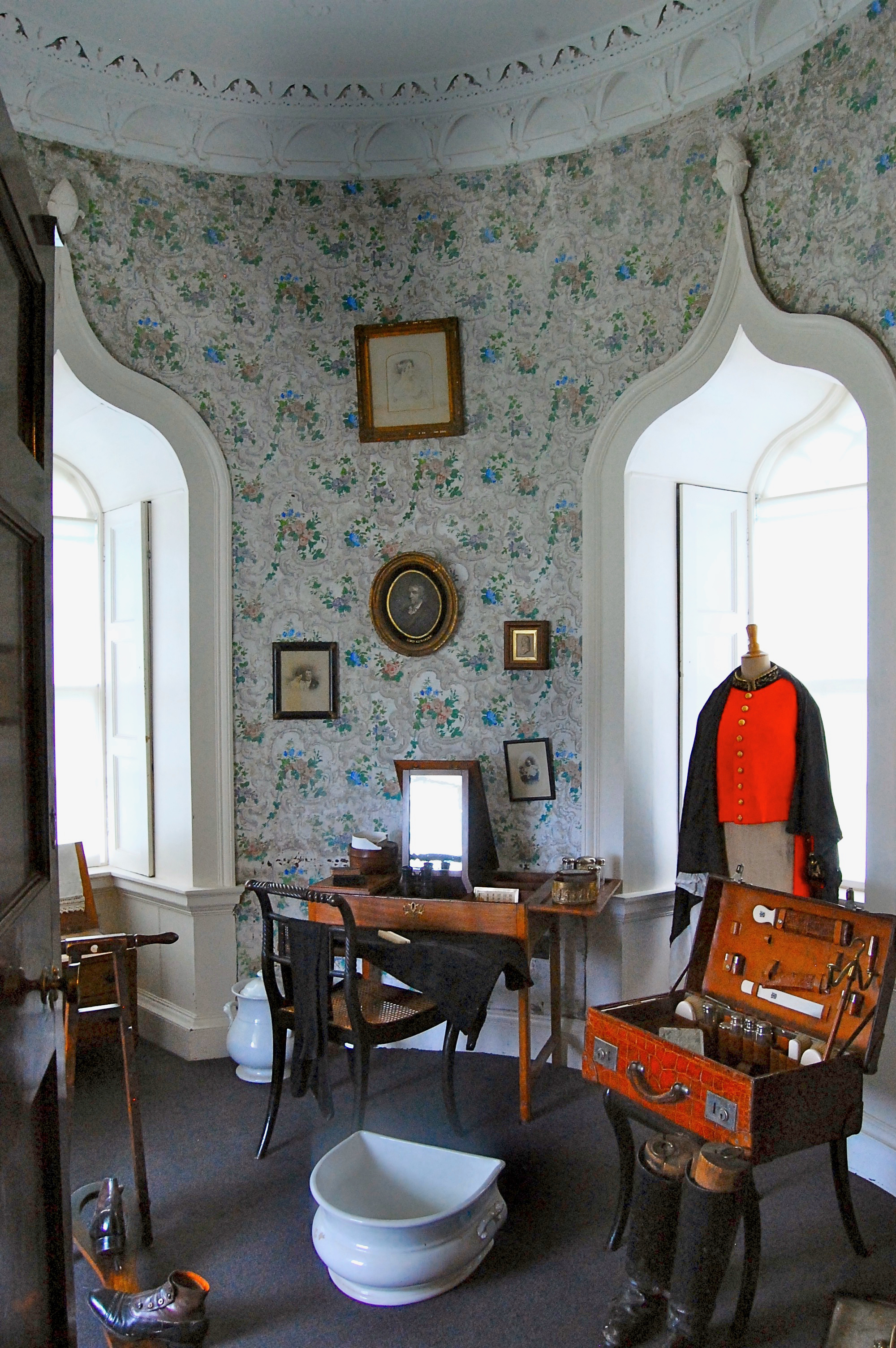
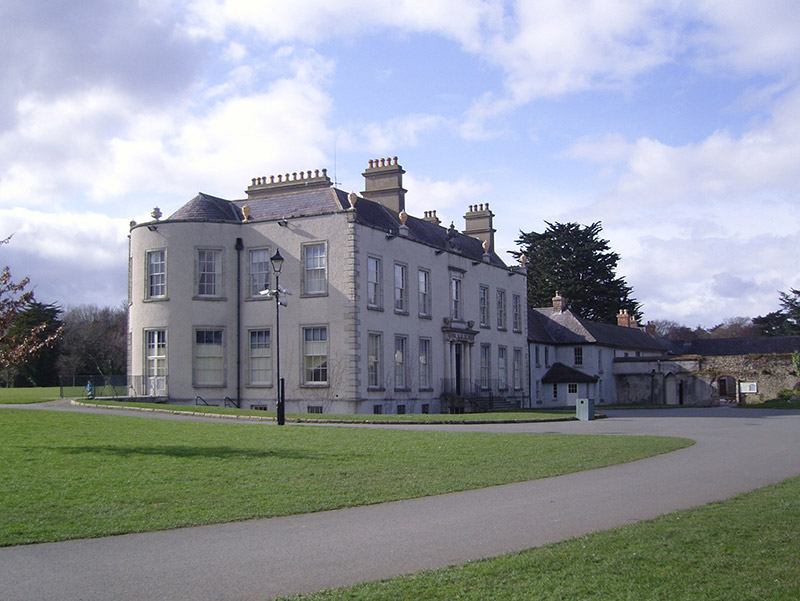
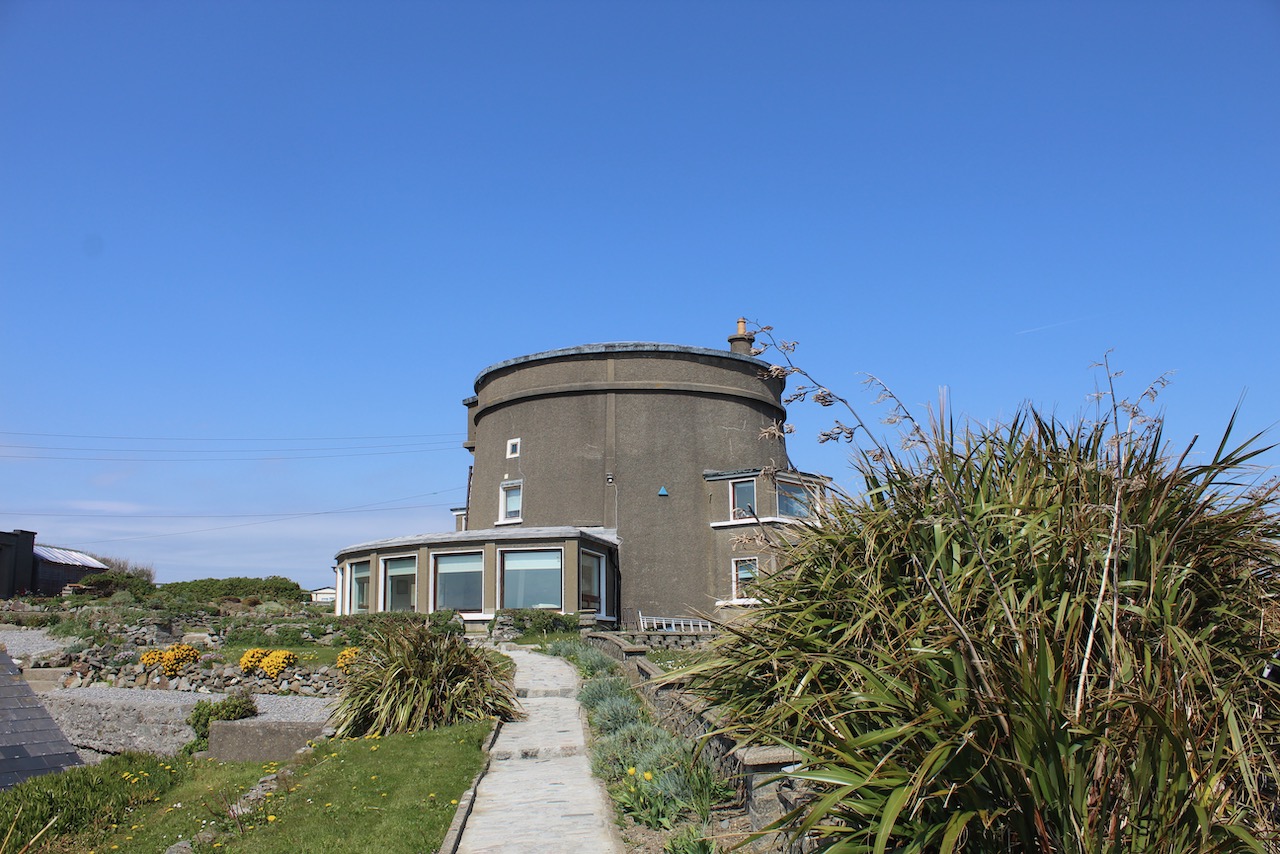
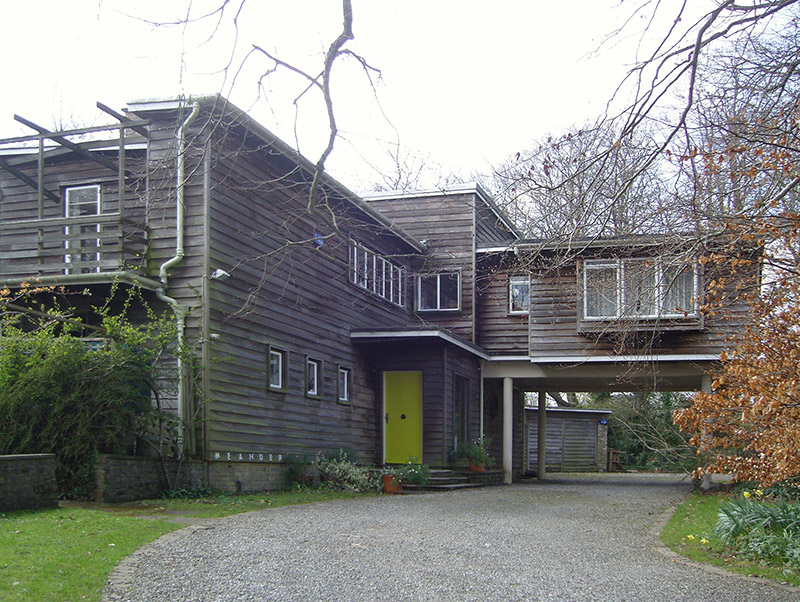

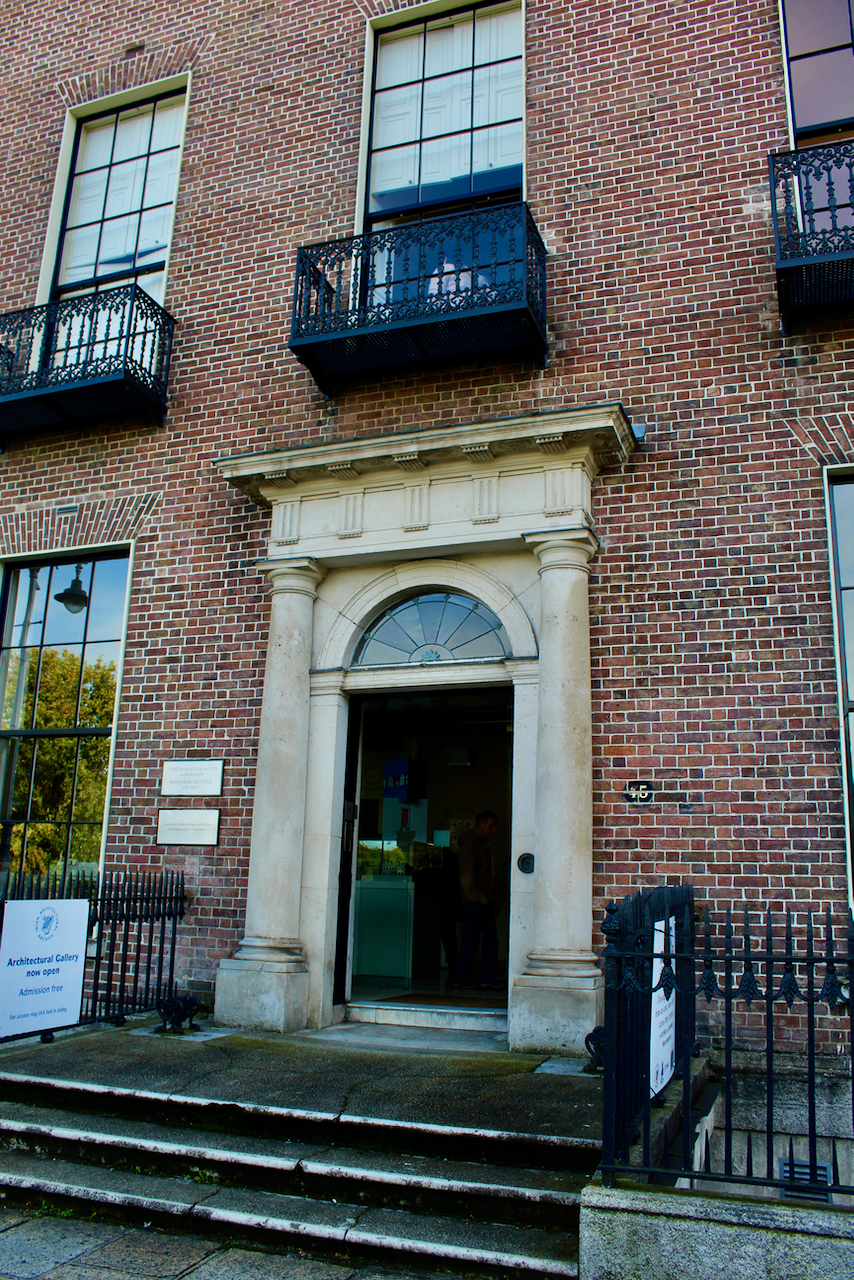

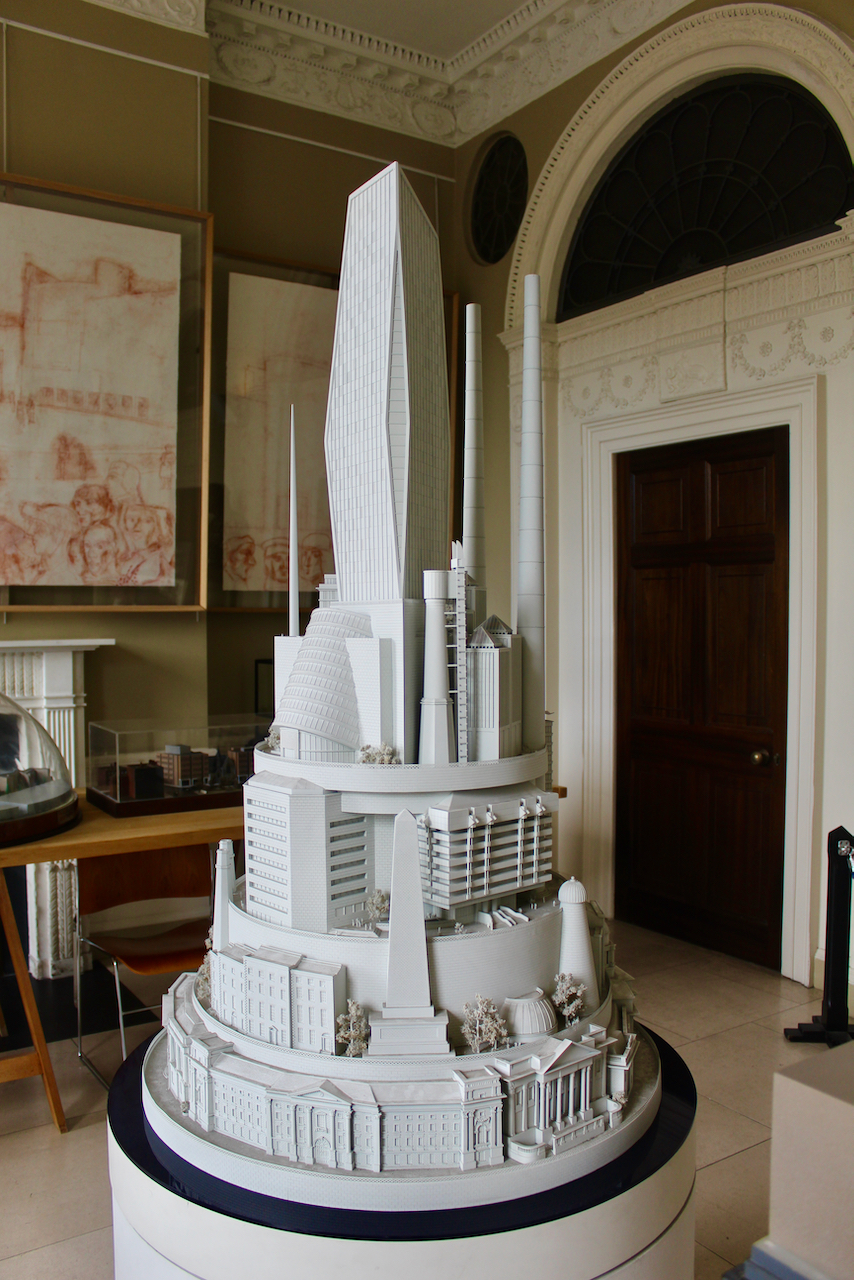
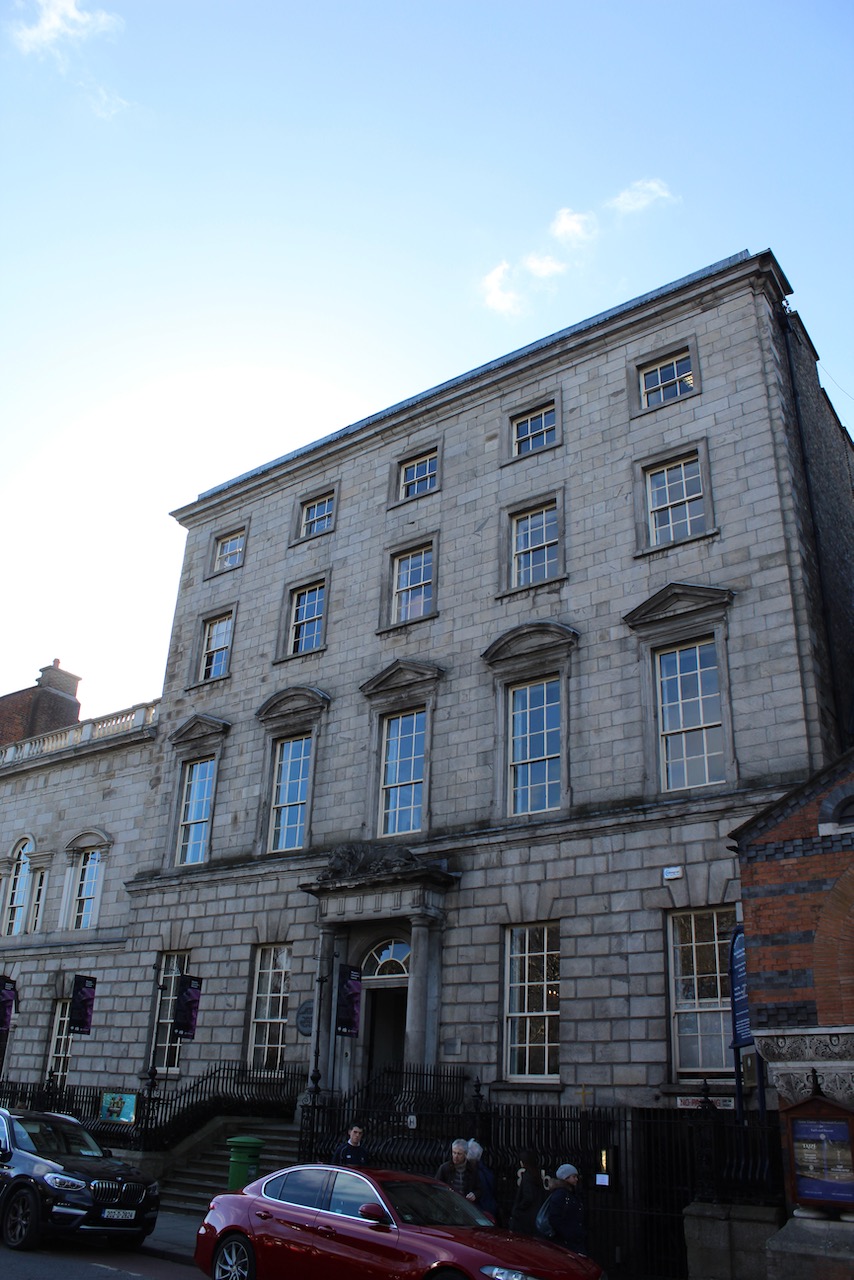
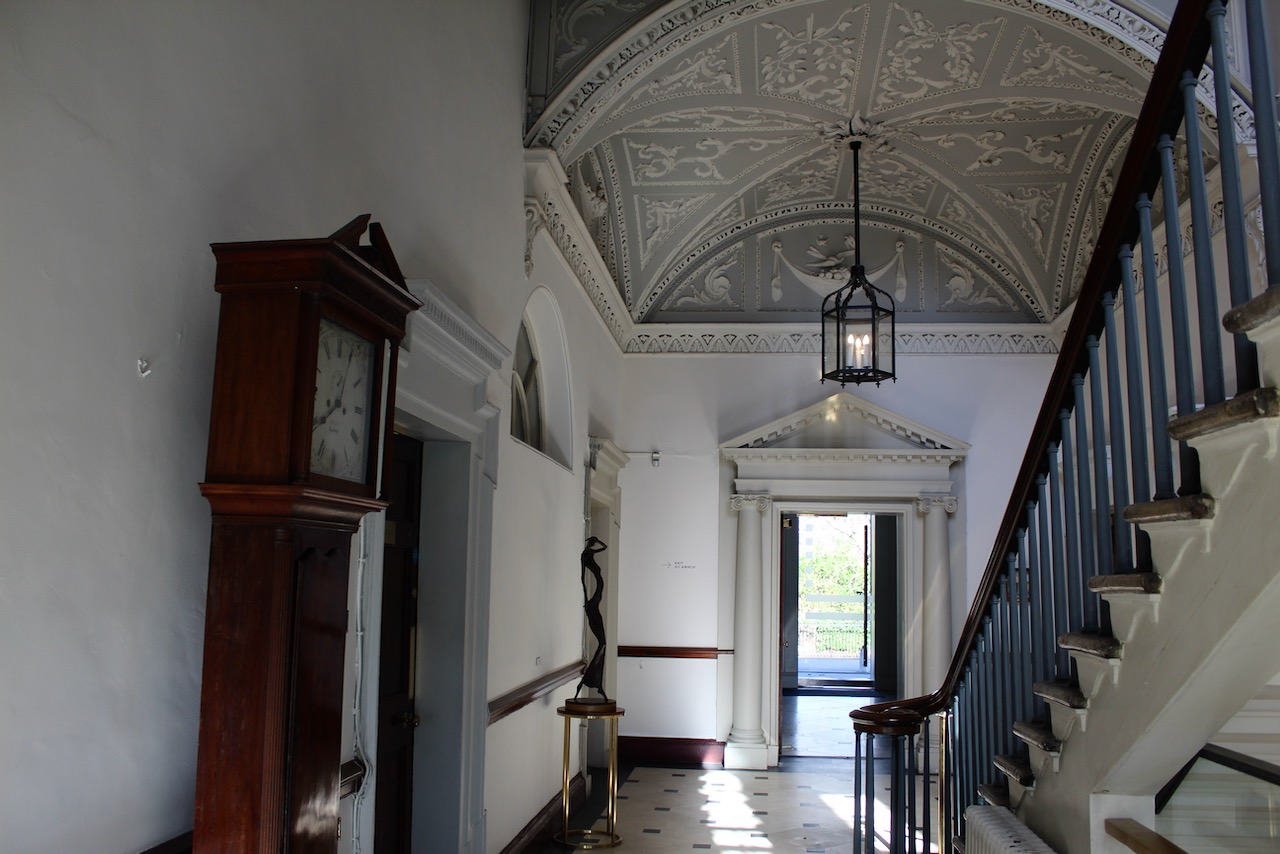
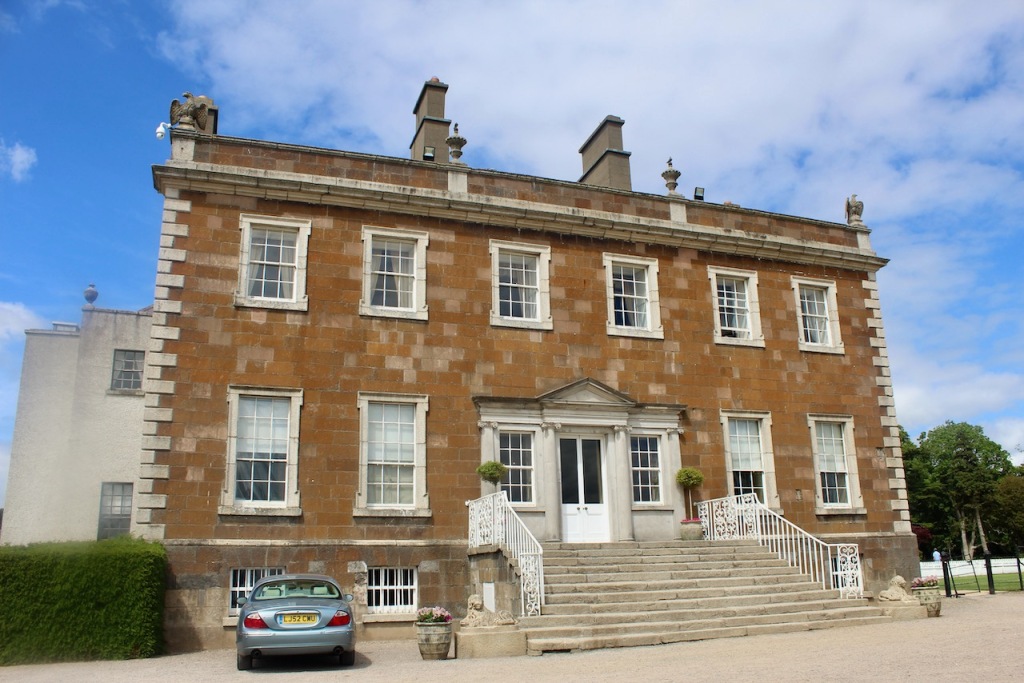

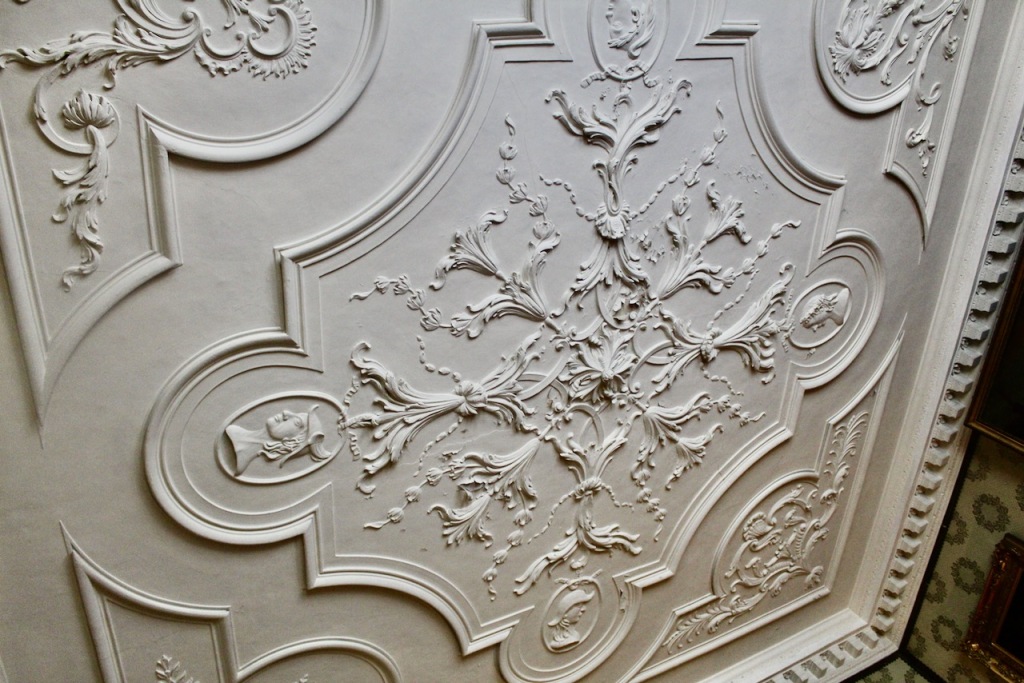
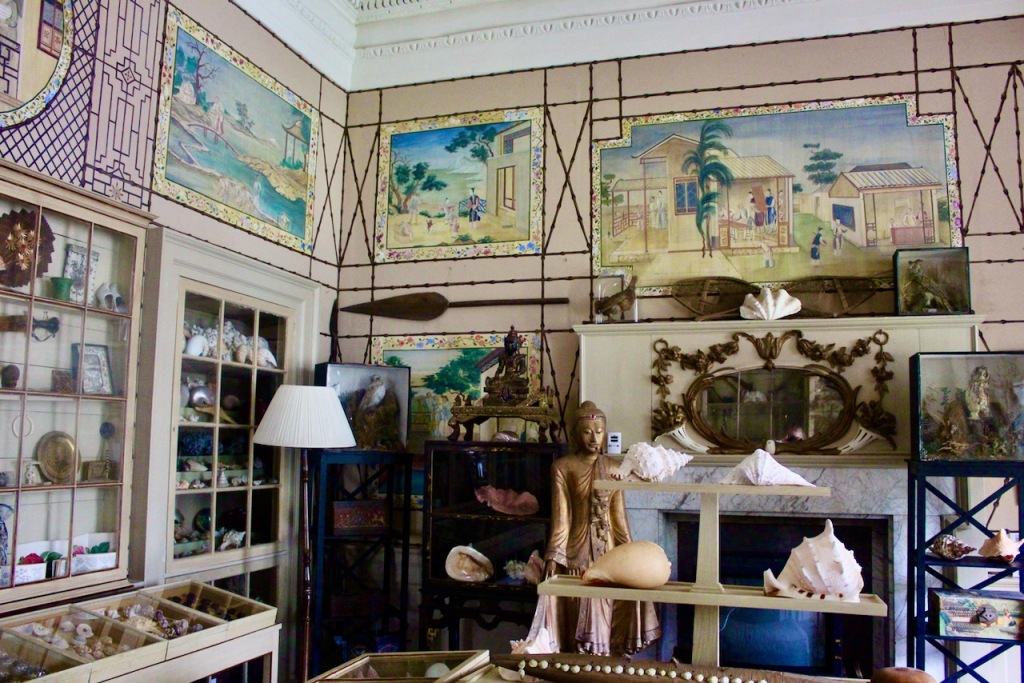

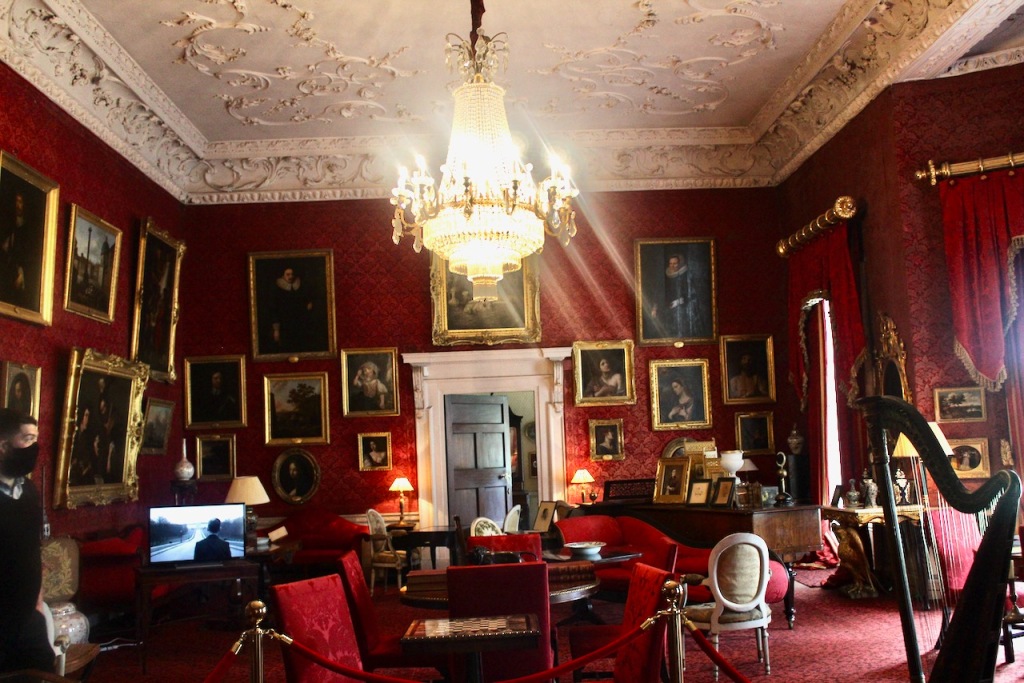


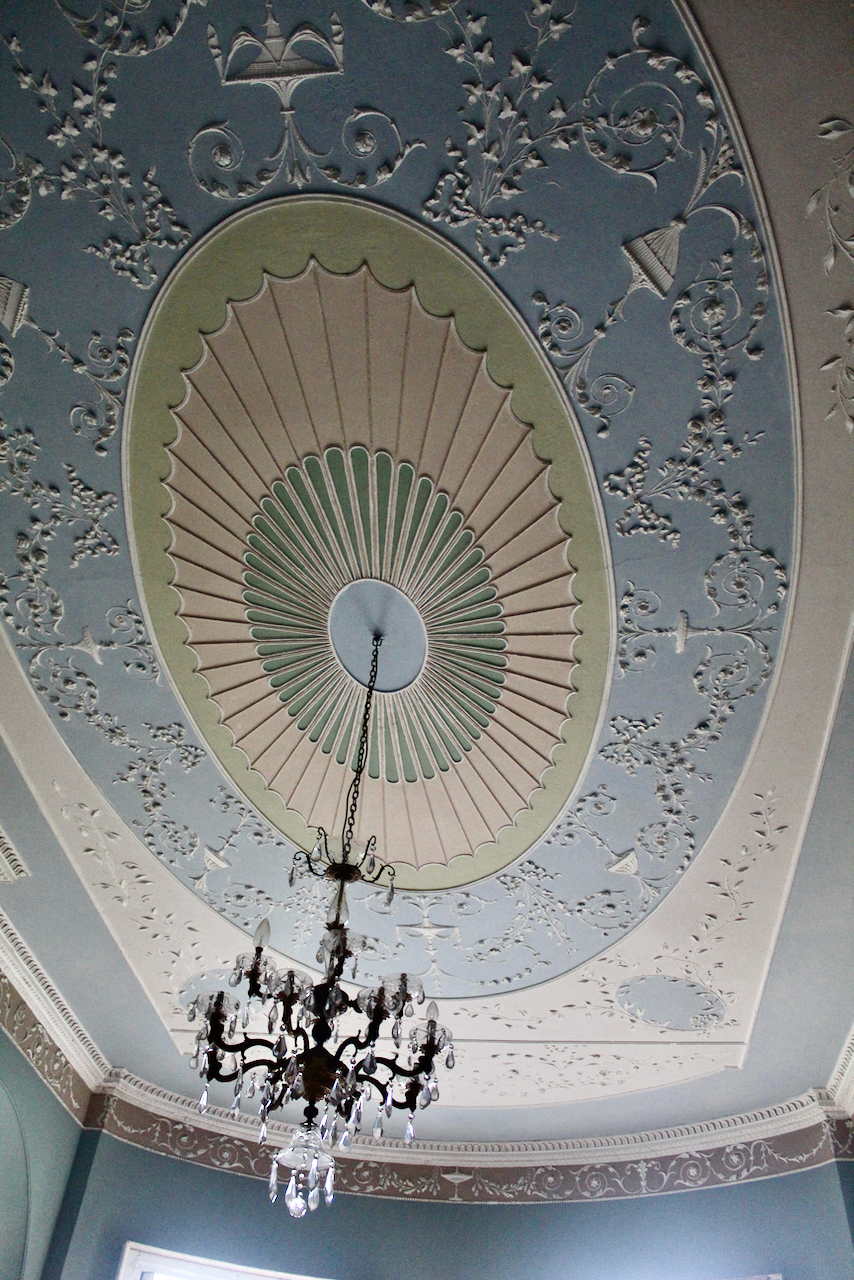


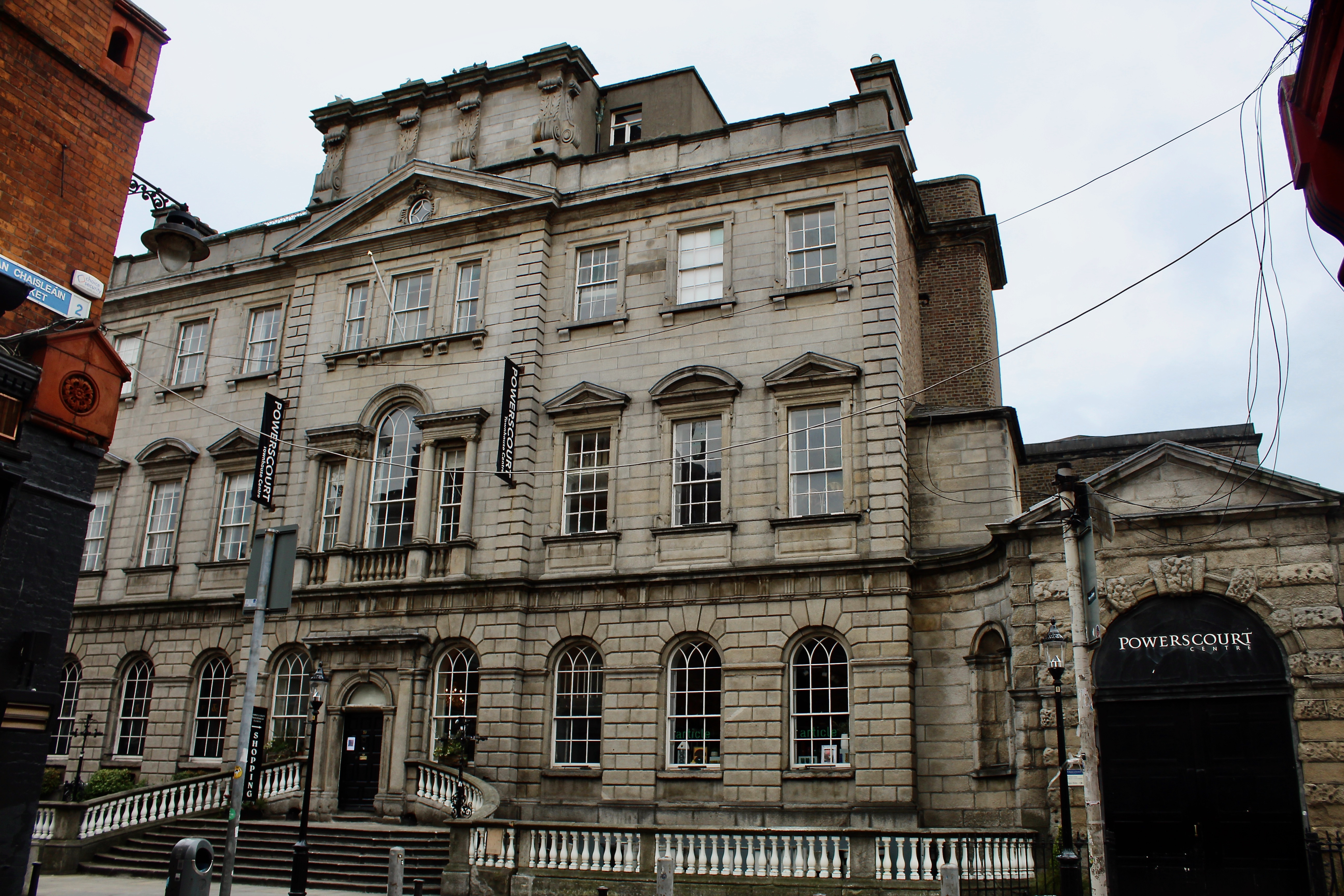
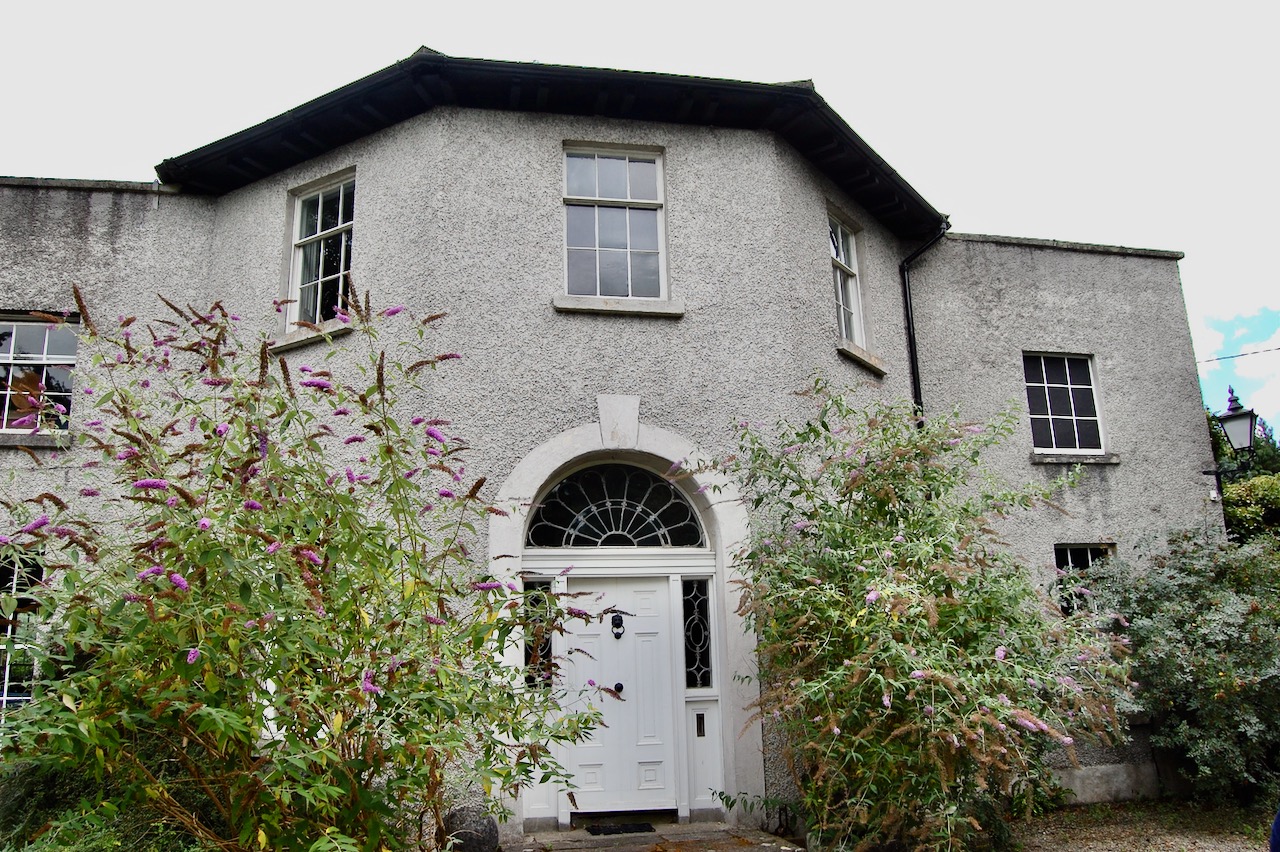
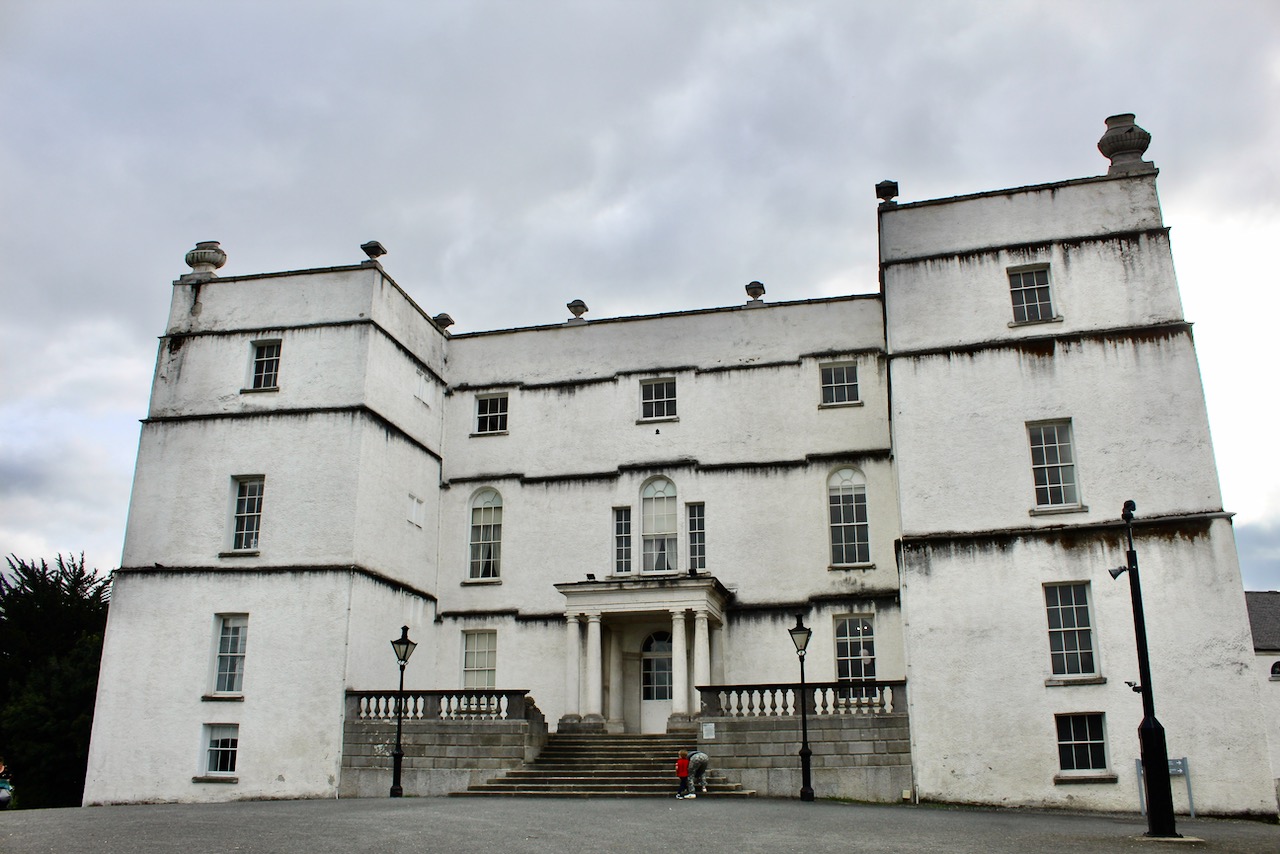

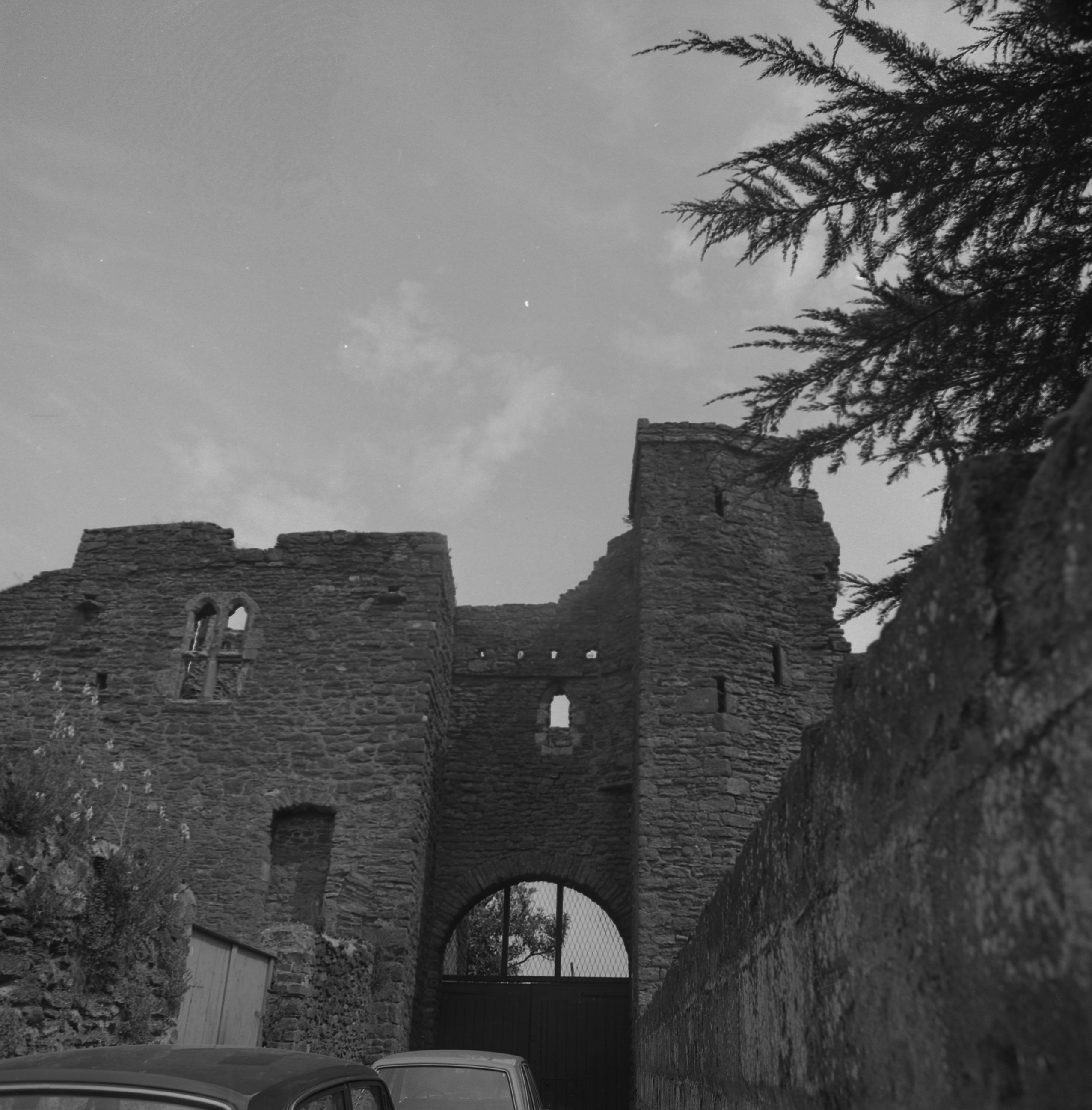


 Irish Historic Houses