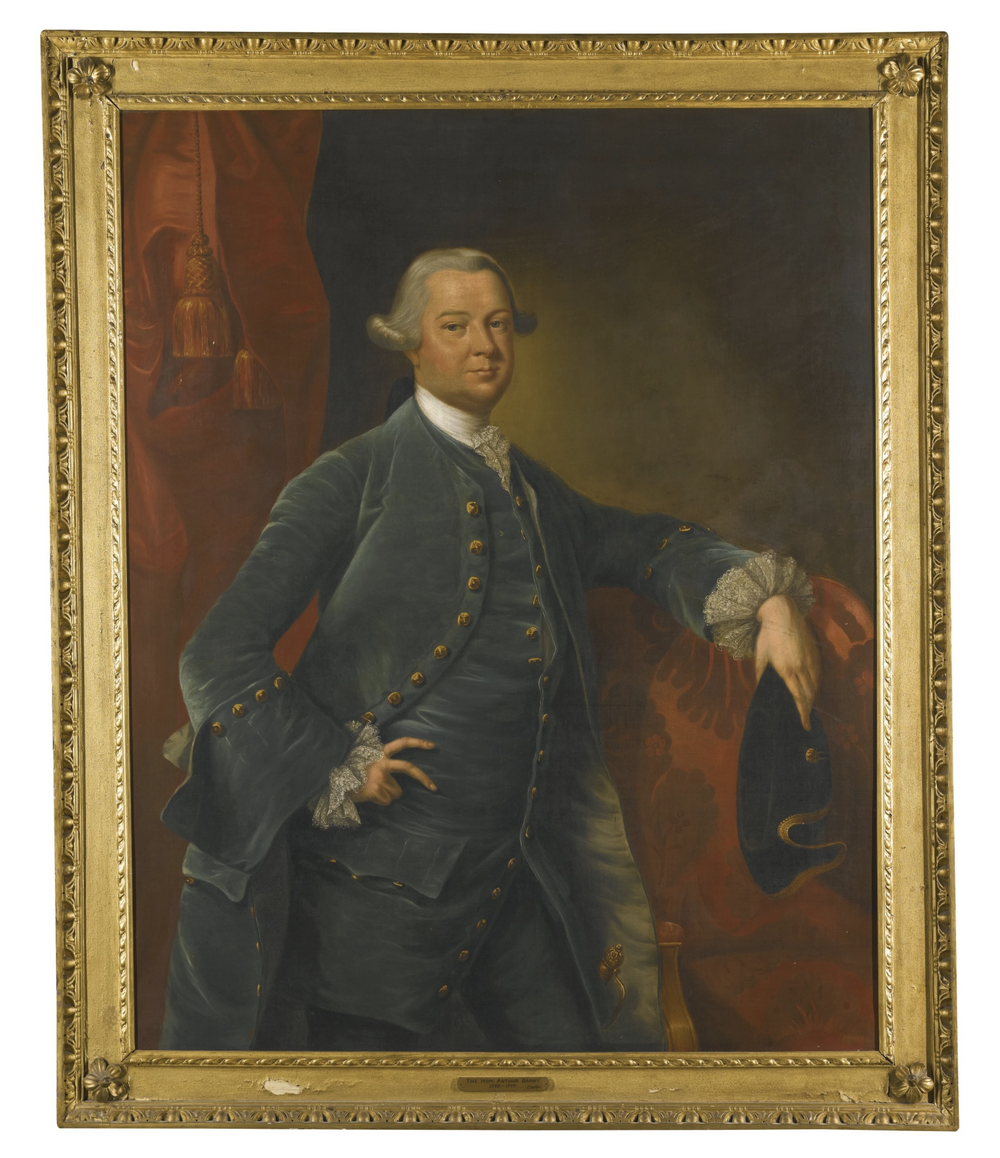
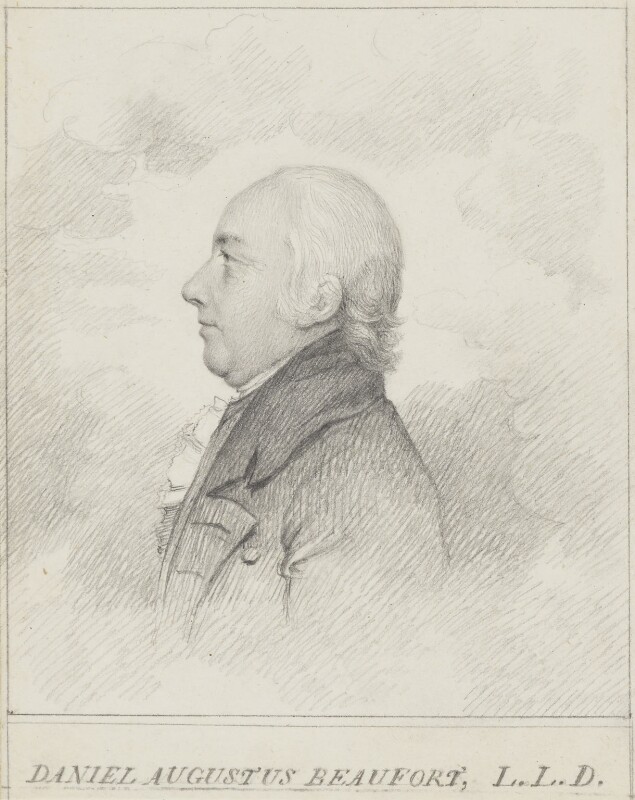
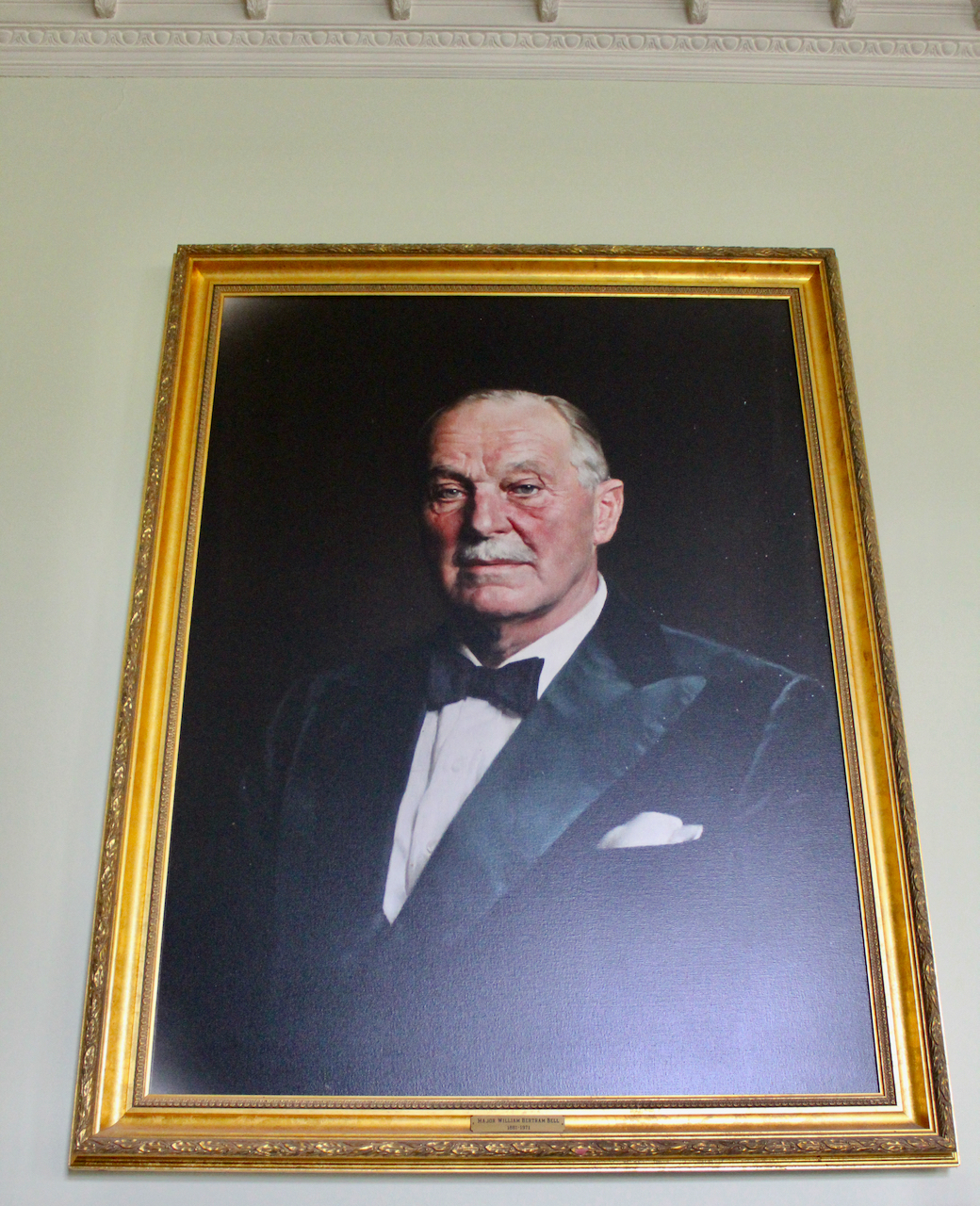
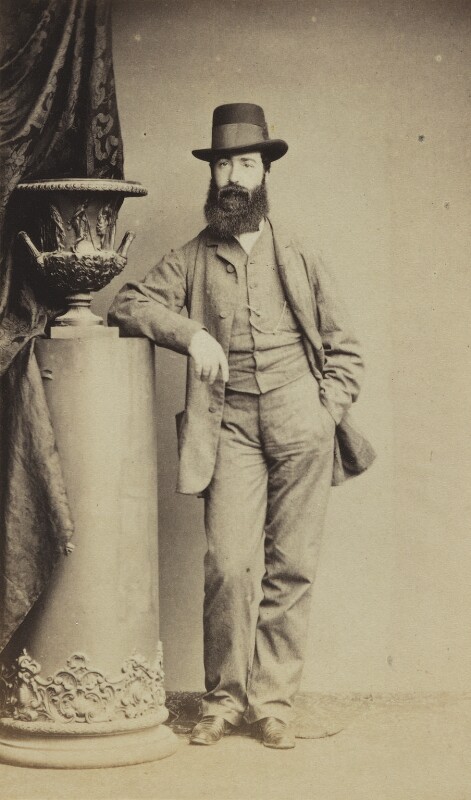
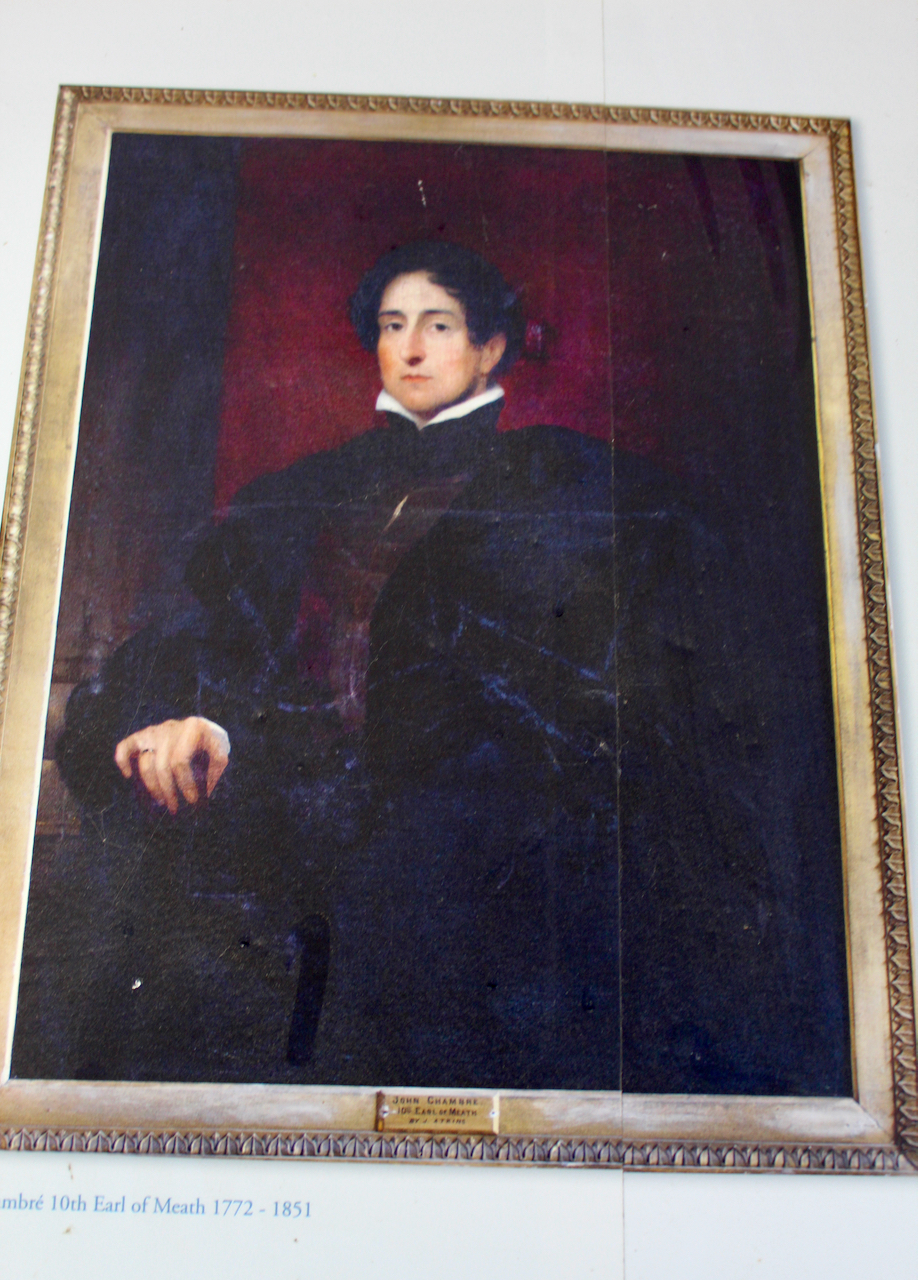
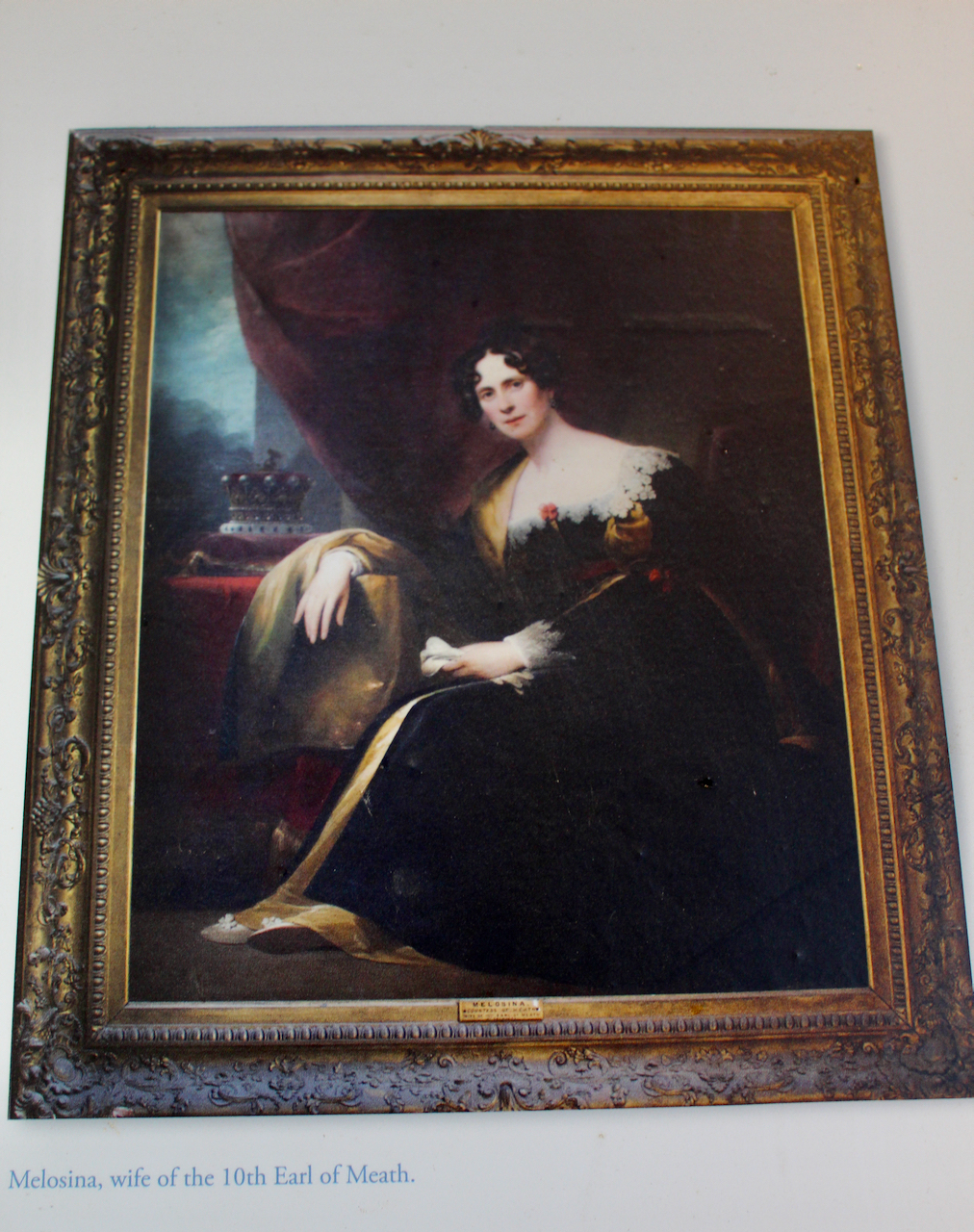
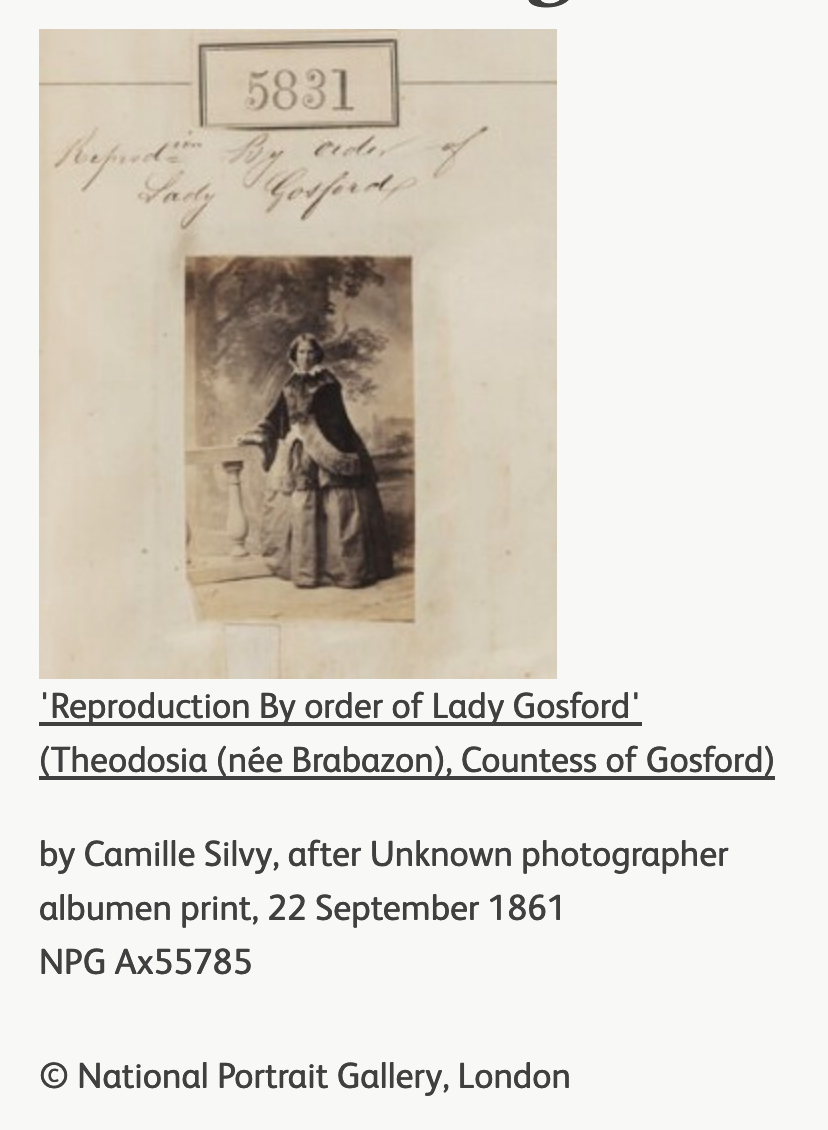
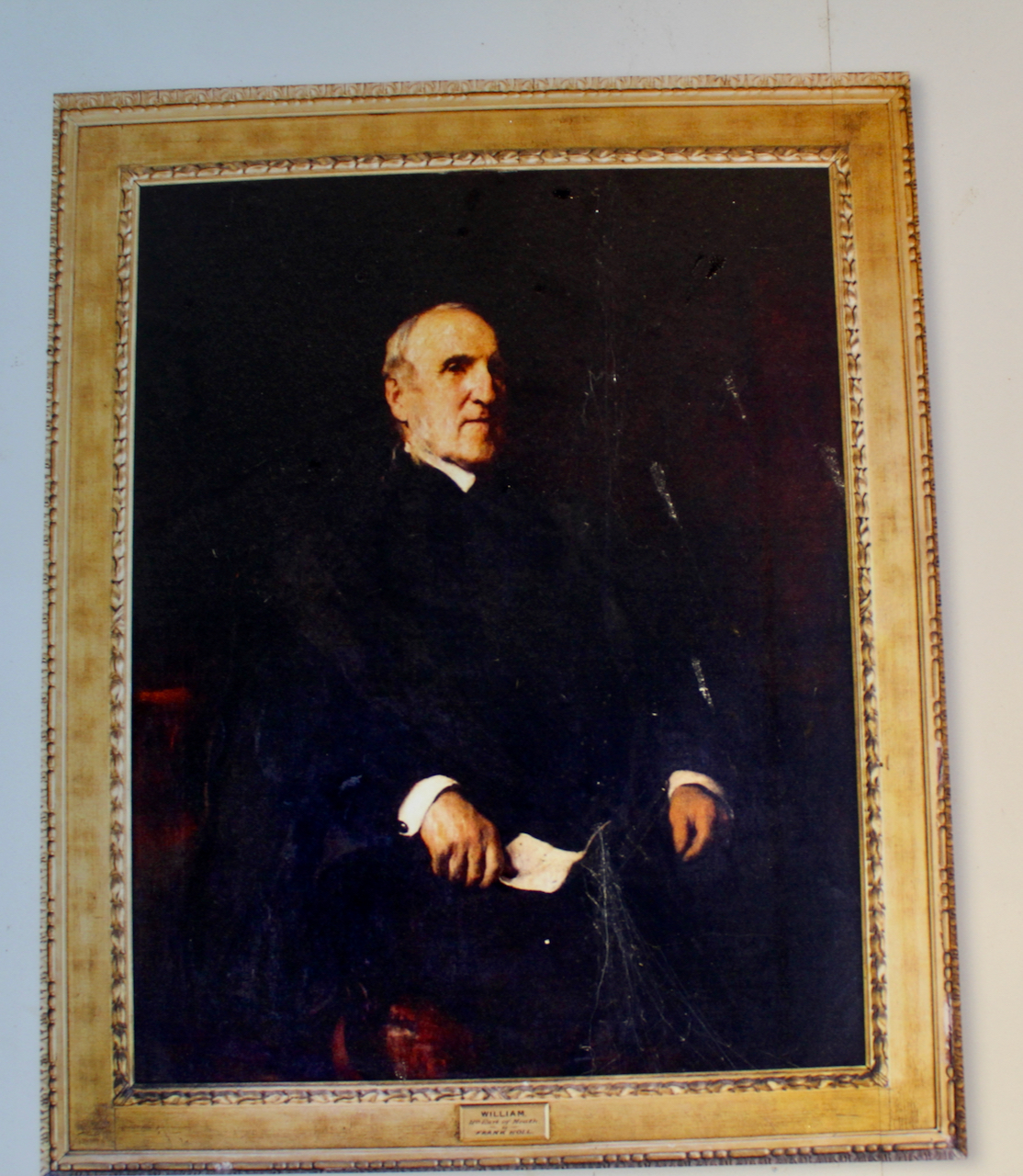
I am going to start collating a portrait gallery, as I love to put a name to the faces. I will add to these pages as I go.
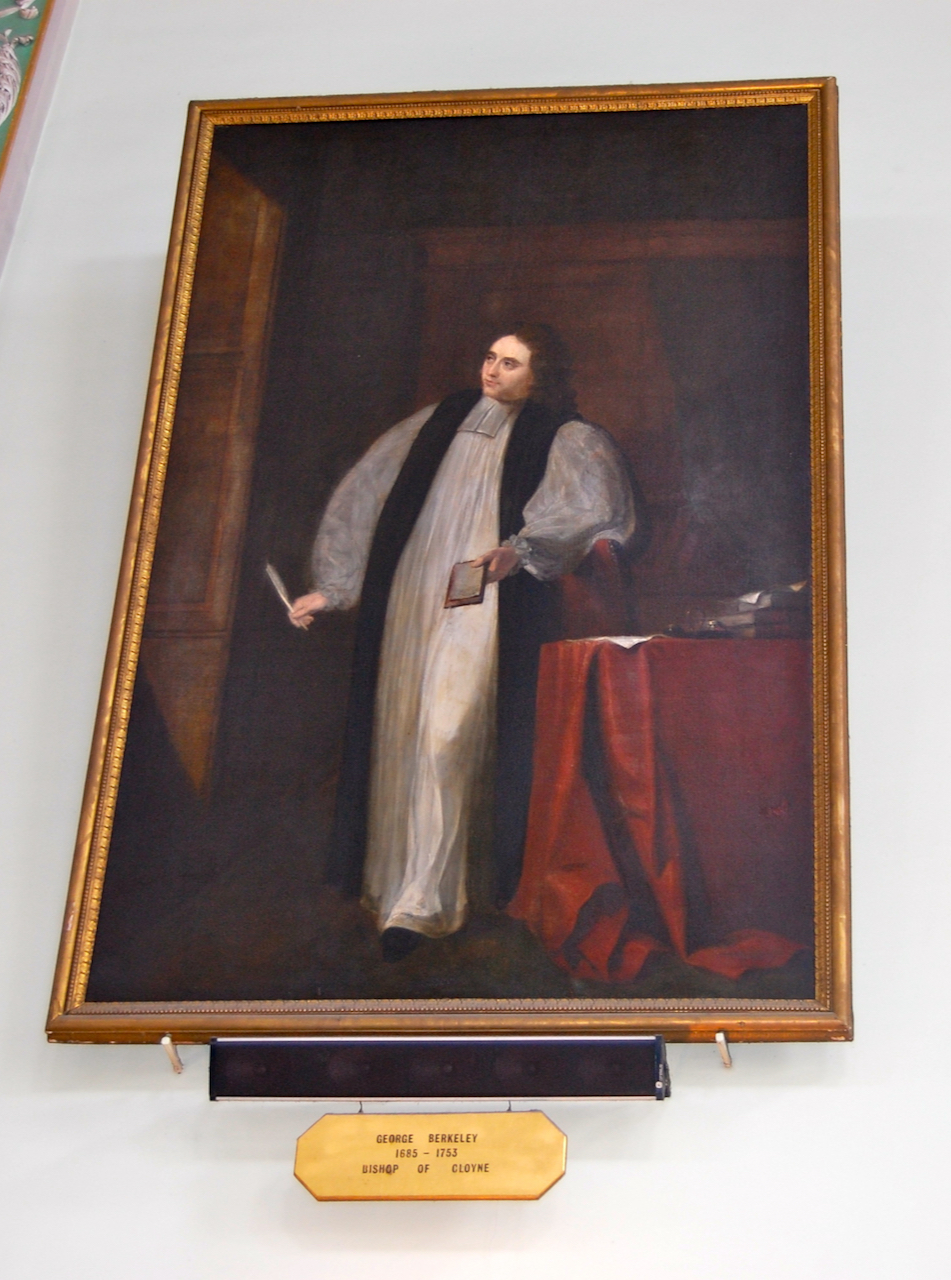
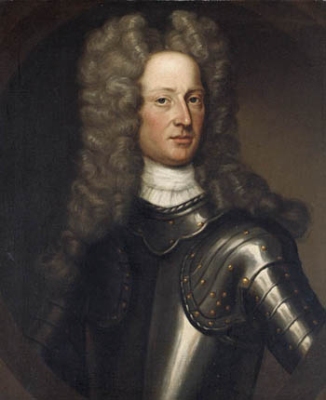
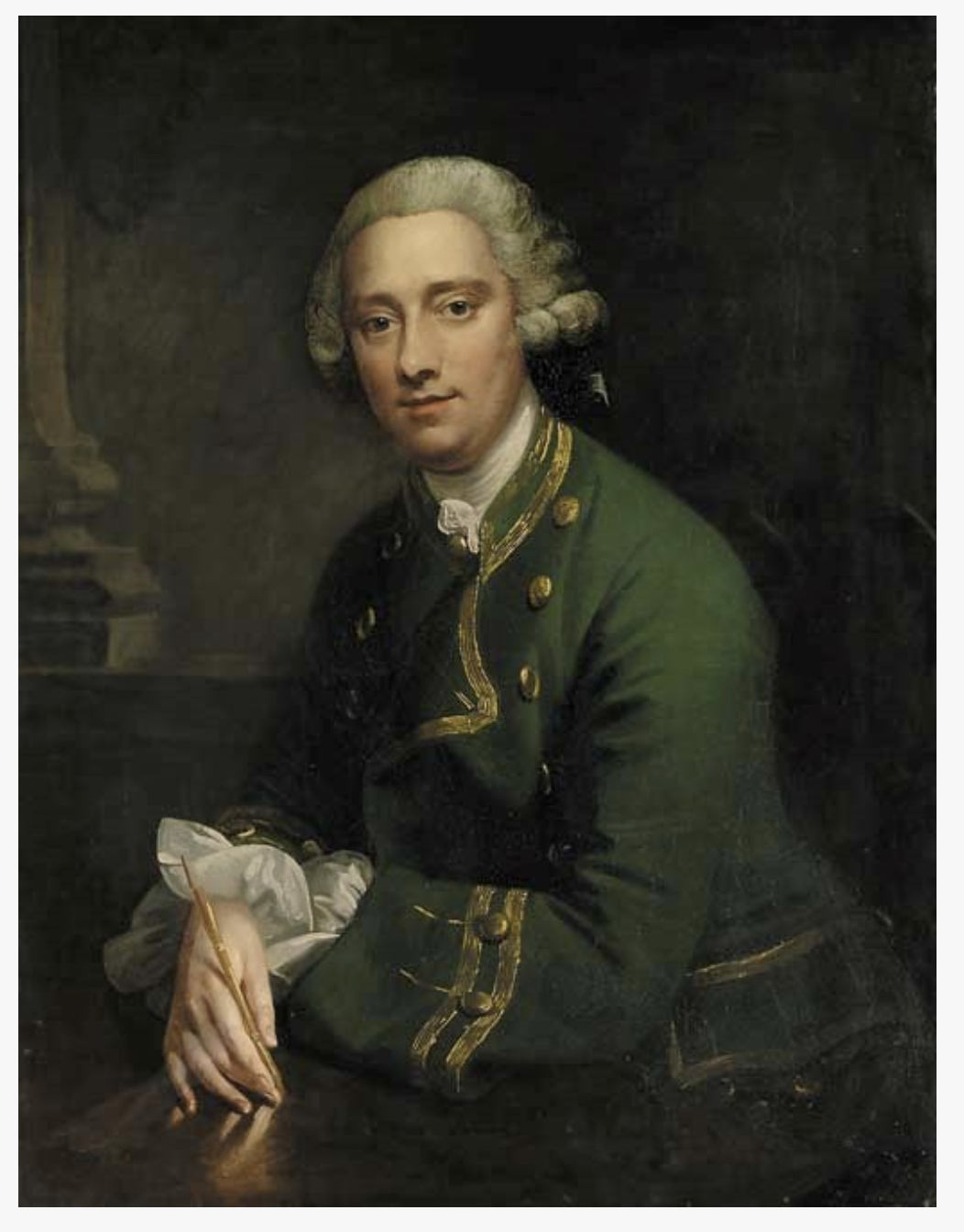
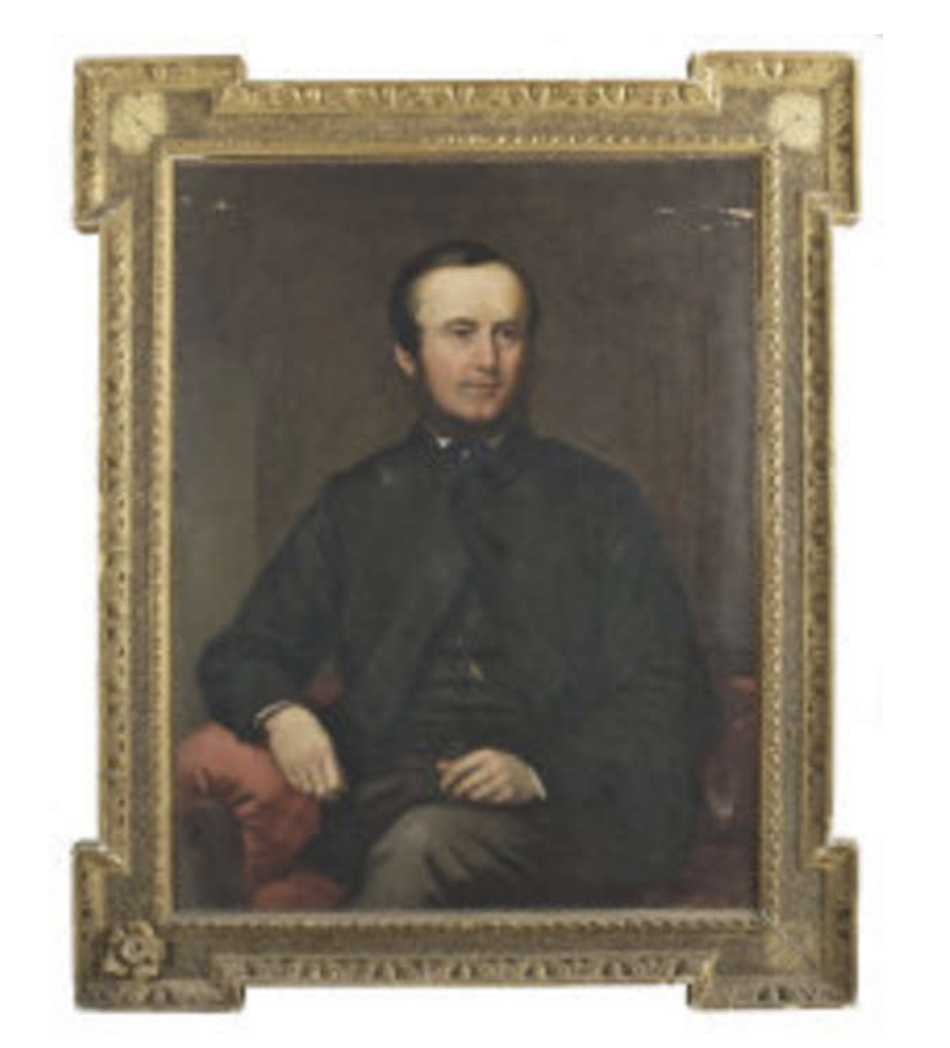
I’ll be collecting them from my house entries and put them in alphabetical order by surname. I’ve also been going through the National Gallery collection and will also look at the National Portrait Gallery in London’s collection! It will be an ongoing project and a resource. I do think Ireland should have a National Portrait gallery! It would be a place where home owners could loan portraits for safekeeping also.
I have an editorial decision to make regarding women. Do I put them under their married name or under their maiden name? I think for now I’ll put them under both, as it’s nice to see them in relation to their fathers as well as in relation to their husband!
David de Barry, 1st Baron Barry (died 1278). In 1267, King Henry III of England appointed Lord David de Barry as Chief Justice of Ireland.
John Barry, 2nd Baron Barry (died 1285)
David FitzDavid Barry, 3rd Baron Barry (died 1290)
John Barry, 4th Baron Barry (died 1330)
David Barry, 5th Baron Barry (died 1347)
David Barry, 6th Baron Barry (died 1392)
John Barry, 7th Baron Barry (died 1420)
William Barry, 8th Baron Barry (died 1480)
John Barry, 9th Baron Barry (died 1486)
Thomas de Barry, 10th Baron Barry (died 1488)
William Barry, 11th Baron Barry (died 1500)
John Barry, 12th Baron Barry (died 1530)
John Barry, 13th Baron Barry (died 1534)
John FitzJohn Barry, 14th Baron Barry (1517–1553) (created Viscount Buttevant in 1541)
Viscounts Buttevant (1541)
John FitzJohn Barry, 1st Viscount Buttevant (1517–1553)
Edmund FitzJohn Barry, 2nd Viscount Buttevant (died 1556)
James FitzJohn Barry, 3rd Viscount Buttevant (died 1557)
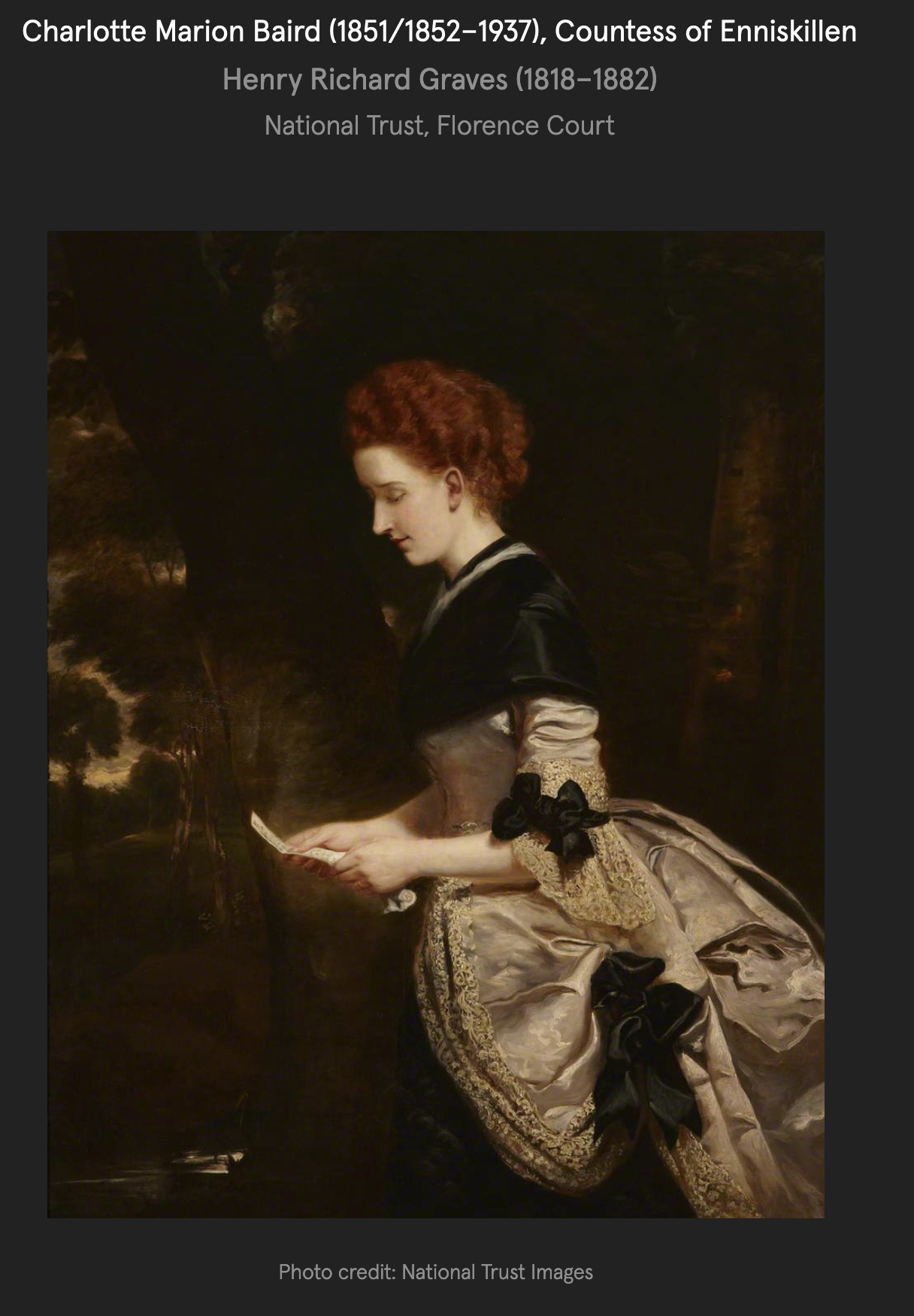
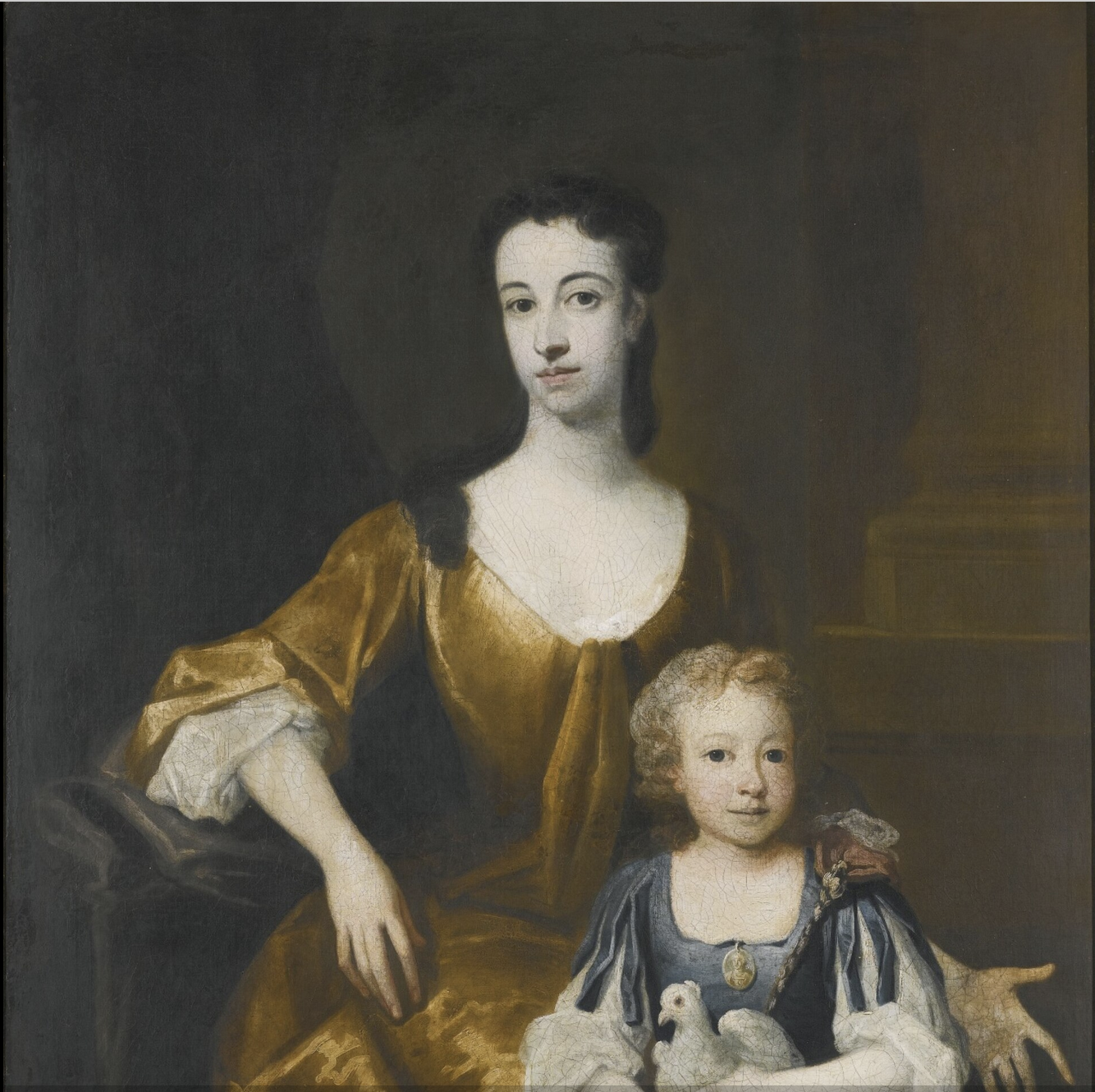
James de Barry, 4th Viscount Buttevant (c. 1520–1581) 1st wife: Elizabeth Boyle, daughter of Charles Boyle, 3rd Viscount Dungarvan; 2nd wife: Elizabeth née Savage (d. 1714), daughter and heir of Richard Savage 4th Earl Rivers; 3rd wife: Anne Chichester, daughter of Major-General Arthur Chichester, 3rd Earl of Donegall (1666-1706), she was the mother of James Smith-Barry of Fota, County Cork.
David de Barry, 5th Viscount Buttevant (died 1617)
David Barry, 6th Viscount Buttevant (1604–1642) (created Earl of Barrymore in 1627/28)
Earls of Barrymore (1627/28)
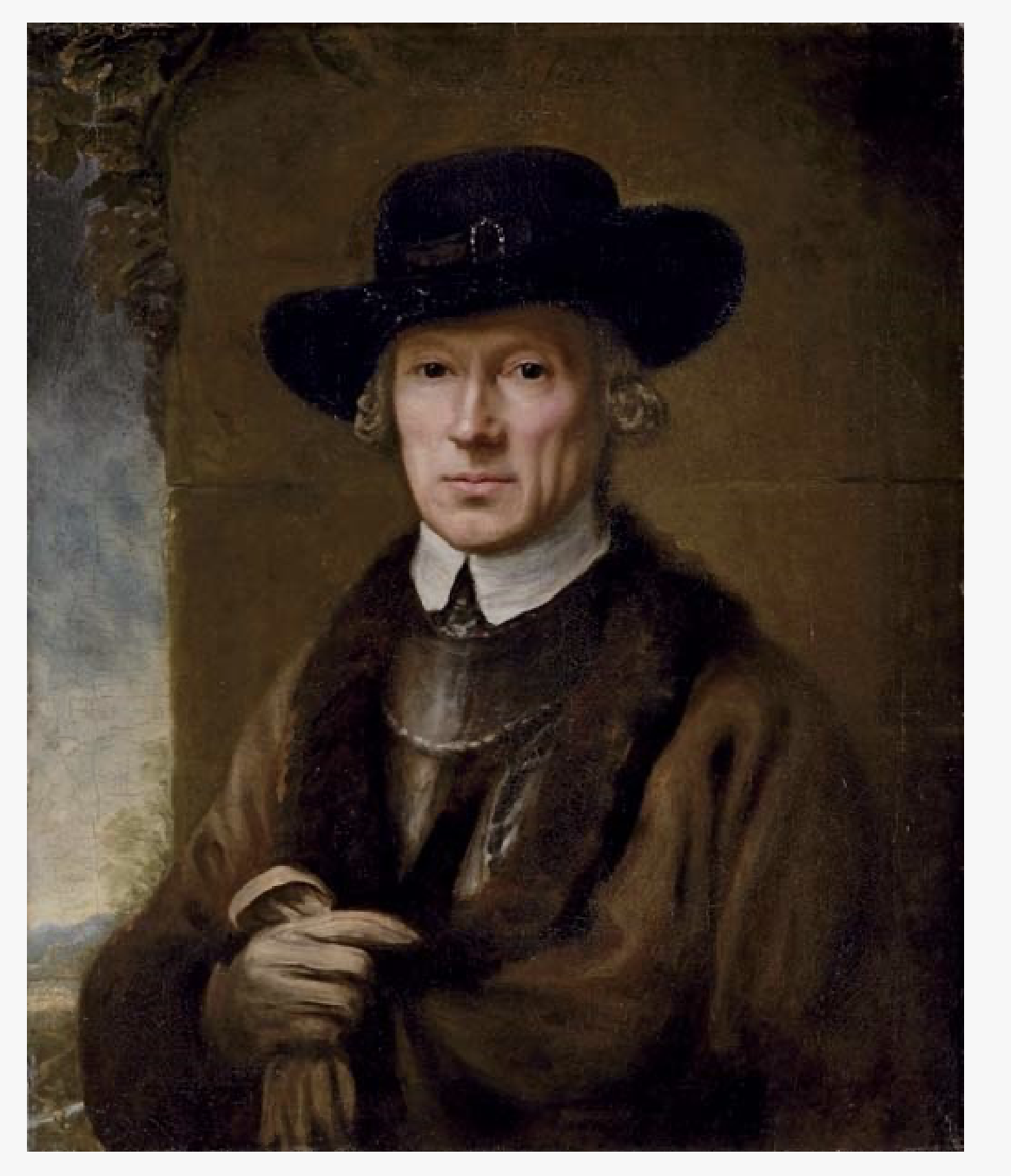
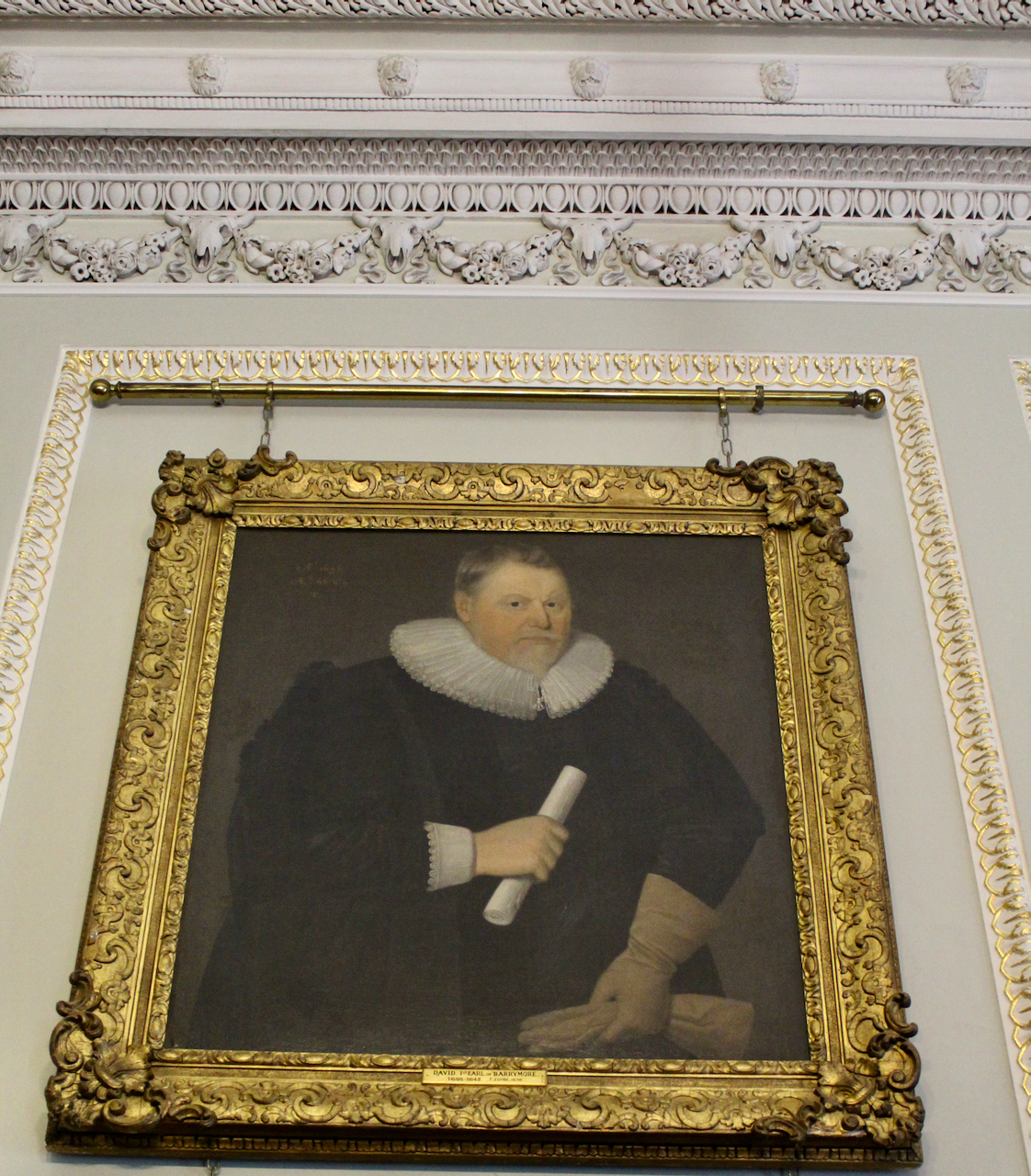
David Barry, 1st Earl of Barrymore (1604–1642)
Richard Barry, 2nd Earl of Barrymore (1630–1694)
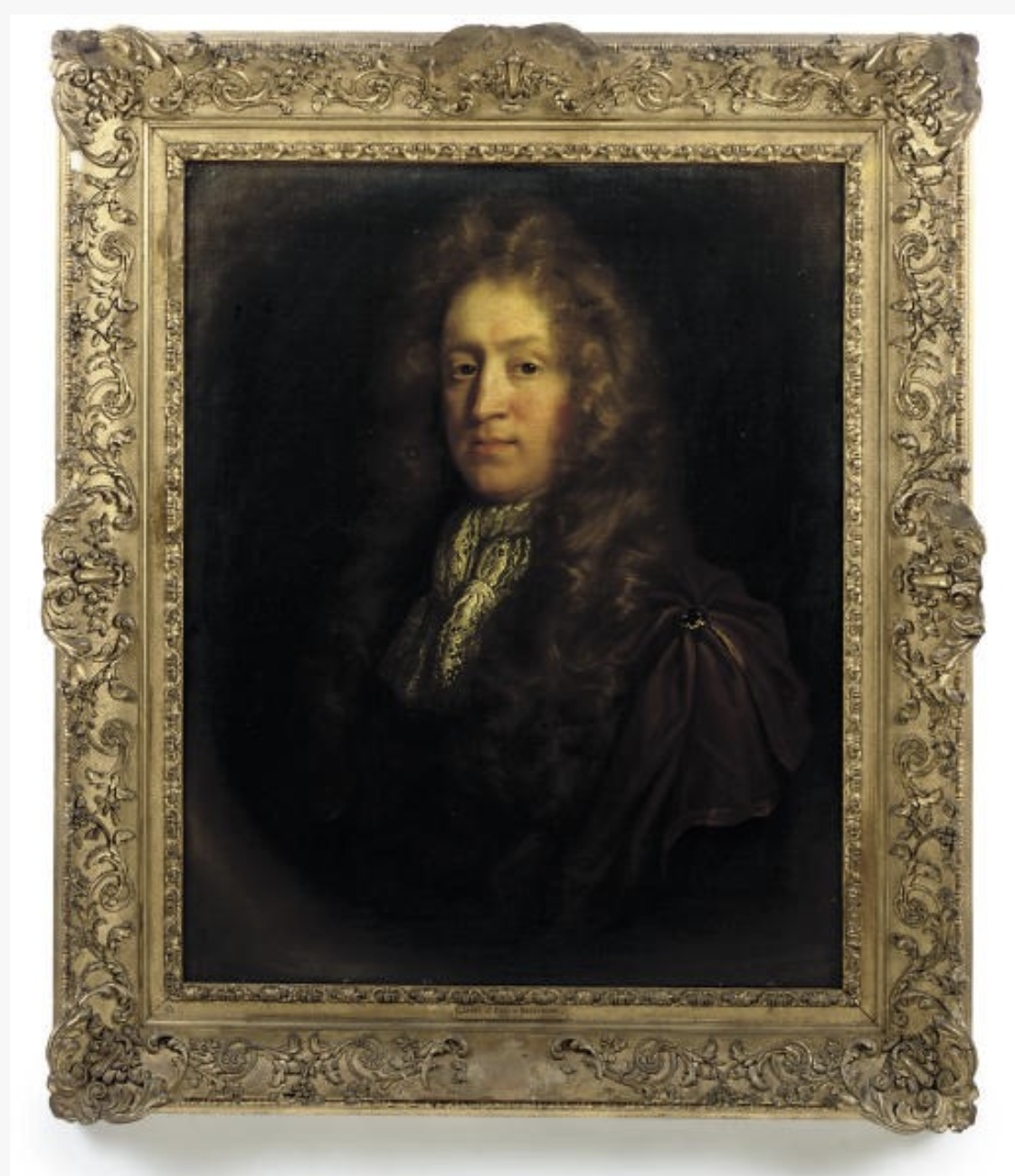
Laurence Barry, 3rd Earl of Barrymore (1664–1699)
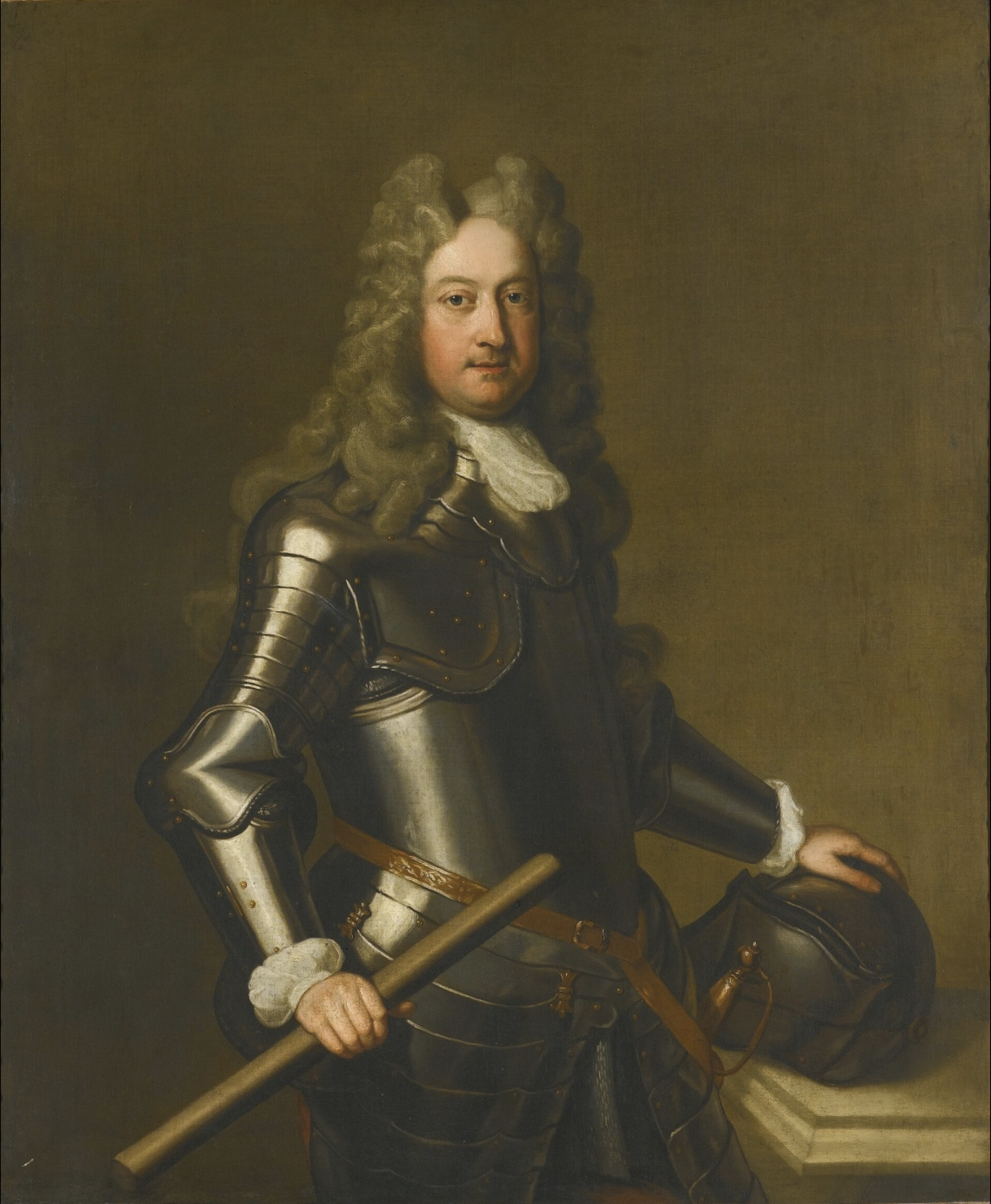
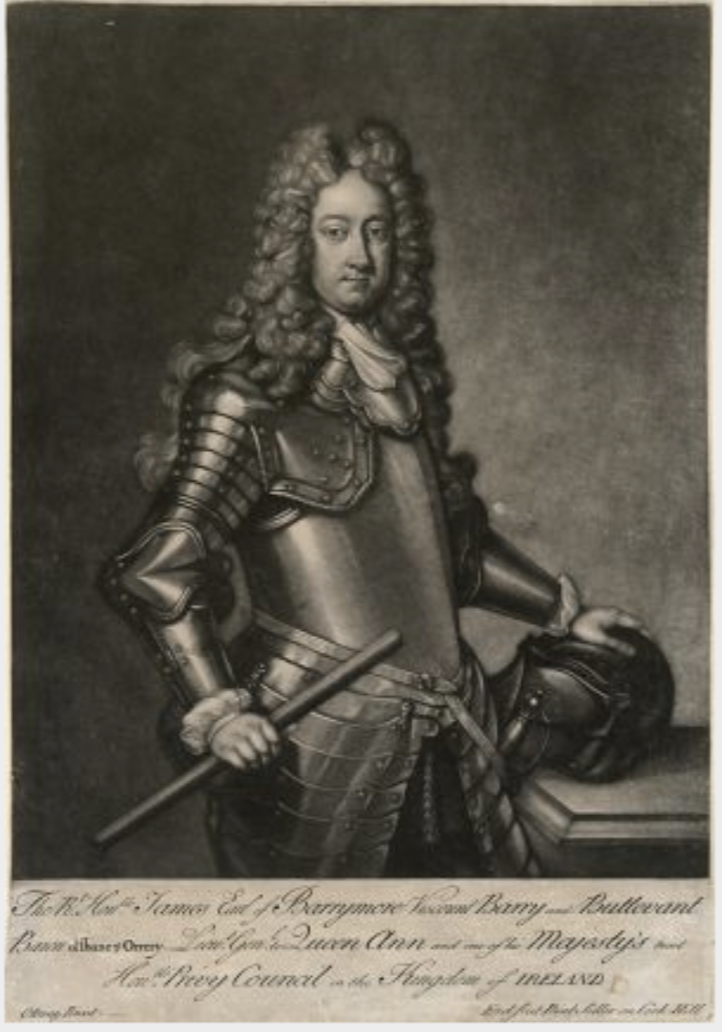
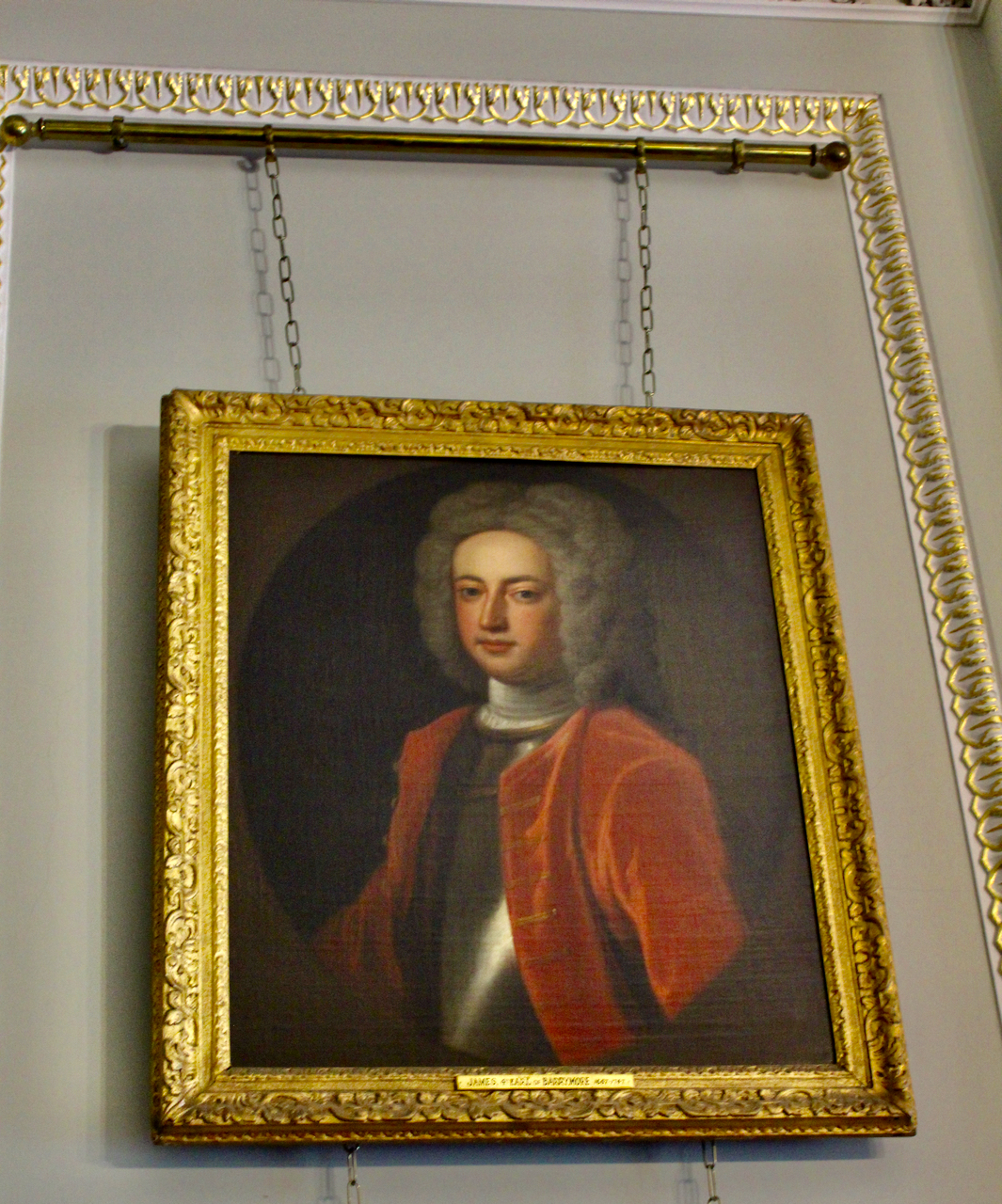
James Barry, 4th Earl of Barrymore (1667–1747)
James Barry, 5th Earl of Barrymore (1717–1751)
Richard Barry, 6th Earl of Barrymore (1745–1773)
Richard Barry, 7th Earl of Barrymore (1769–1793)
Henry Barry, 8th Earl of Barrymore (1770–1823) [1]
SIR TRISTRAM BERESFORD (1595-1673), who was created a baronet in 1665, designated of Coleraine, County Londonderry. He married firstly, Anne, eldest daughter of John Rowley, of Castleroe, County Londonderry, by whom he had one son, RANDAL, his heir, and two daughters; and secondly, Sarah Sackville, and had three sons and three daughters: Tristram; Michael; Sackville; Susanna; Sarah; Anne.
Tristram Beresford (d. 1673), 1st Bt of Coleraine
Sir Tristram was succeeded by his eldest son, SIR RANDAL BERESFORD, 2nd Baronet (c. 1636-81), MP for Coleraine, 1661-68, who married Catherine Annesley, younger daughter of Francis, 1st Viscount Valentia, and dying in 1681, left issue, TRISTRAM, his heir; Jane; Catherine.
Sir Randal was succeeded by his eldest surviving son, SIR TRISTRAM BERESFORD, 3rd Baronet (1669-1701), MP for Londonderry County, 1692-99, who commanded a foot regiment against JAMES II, and was attainted by the parliament of that monarch. Sir Tristram wedded, in 1687, Nichola Sophia, youngest daughter and co-heiress of Hugh Hamilton, 1st Viscount Glenawly.
He was succeeded by his son, SIR MARCUS BERESFORD, 4th Baronet (1694-1763), MP for Coleraine, 1715-20, who espoused, in 1717, Catherine, BARONESS LE POER, daughter and heiress of James, 3rd Earl of Tyrone, and in consequence of that alliance, was elevated to the peerage, in 1720, in the dignity of Baron Beresford and Viscount Tyrone. His lordship was further advanced to an earldom, in 1746, as EARL OF TYRONE.
Rt. Hon. Marcus Beresford (1694-1763)4th Baronet and 1st Earl of Tyrone, photograph courtesy of the Beresford family and creative commons and wikipedia.
Marcus Beresford (1694-1763) 1st Earl of Tyrone had surviving issue: GEORGE DE LA POER (1735-1800) his successor who became 2nd Earl of Tyrone; John (1737/38-1805); William (1743-1819) (Most Rev), created BARON DECIES; Anne; Jane; Catherine; Aramintha; Frances Maria; Elizabeth.
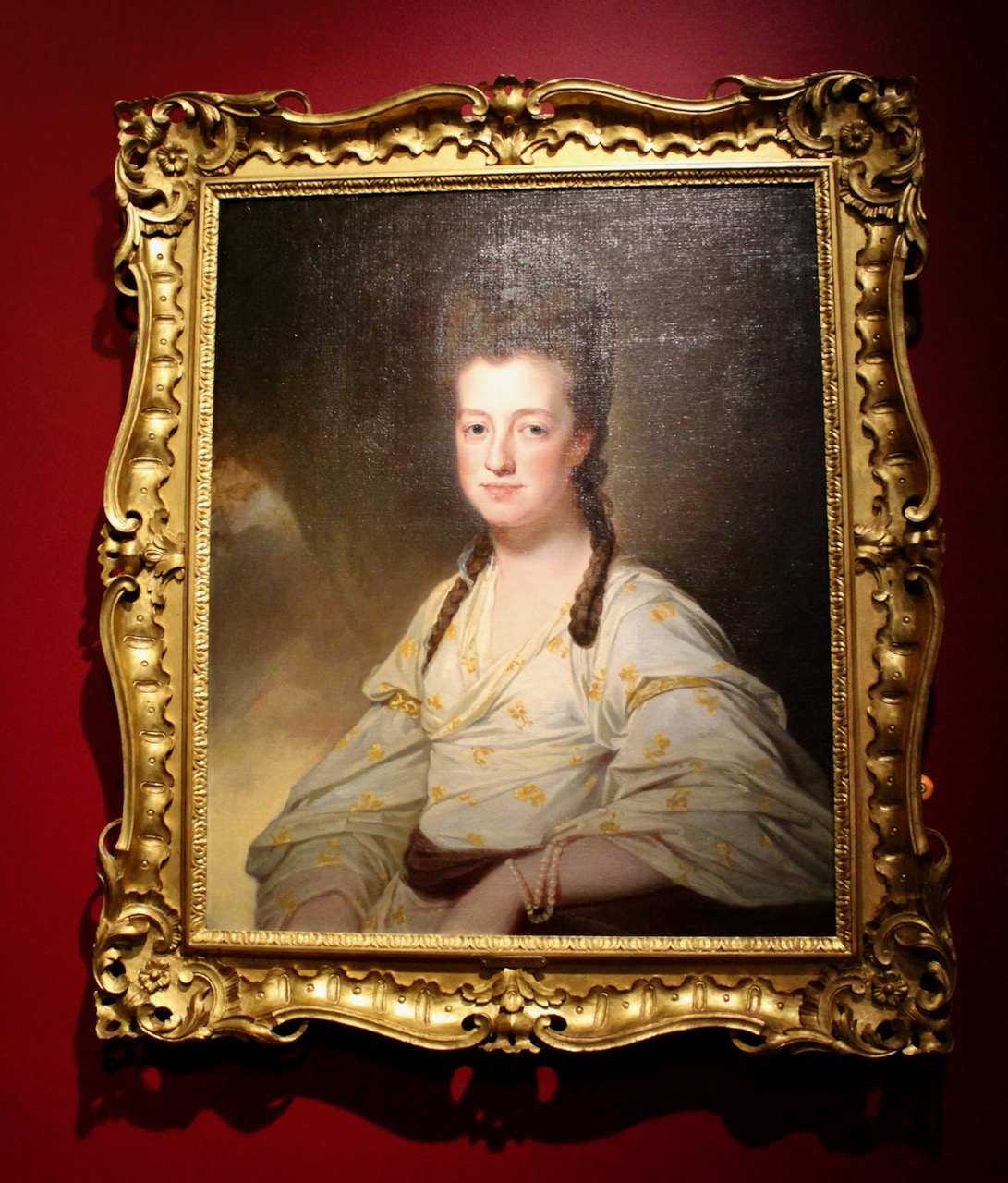
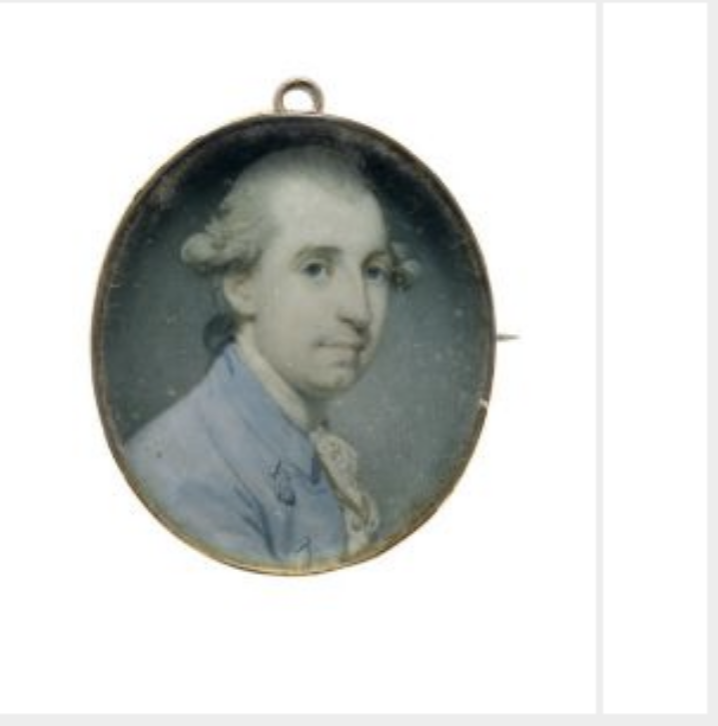
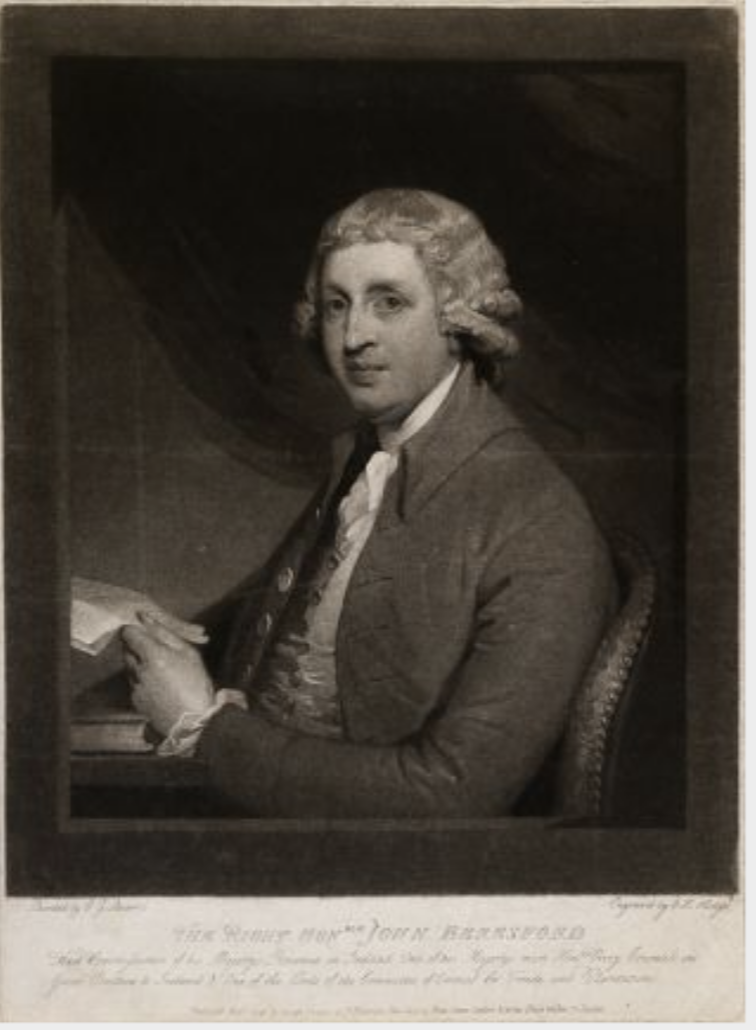
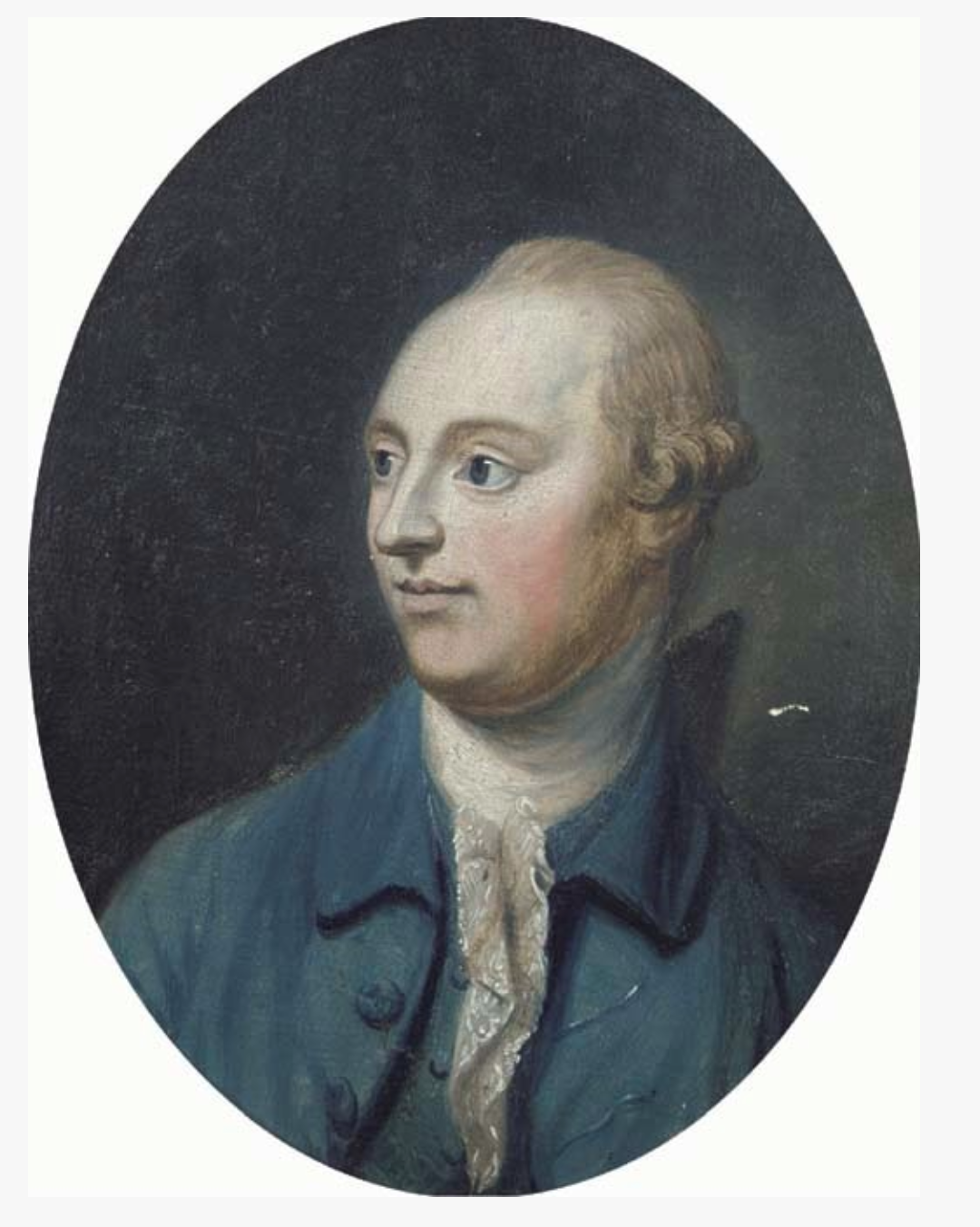
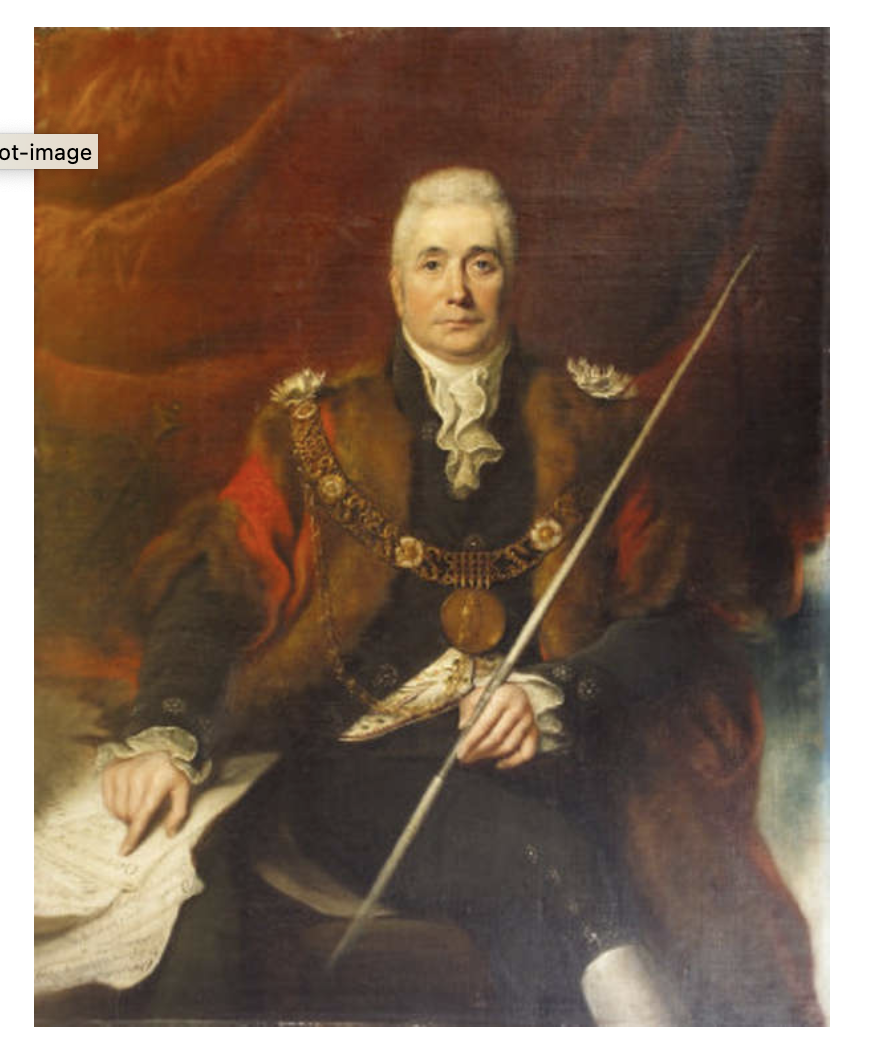
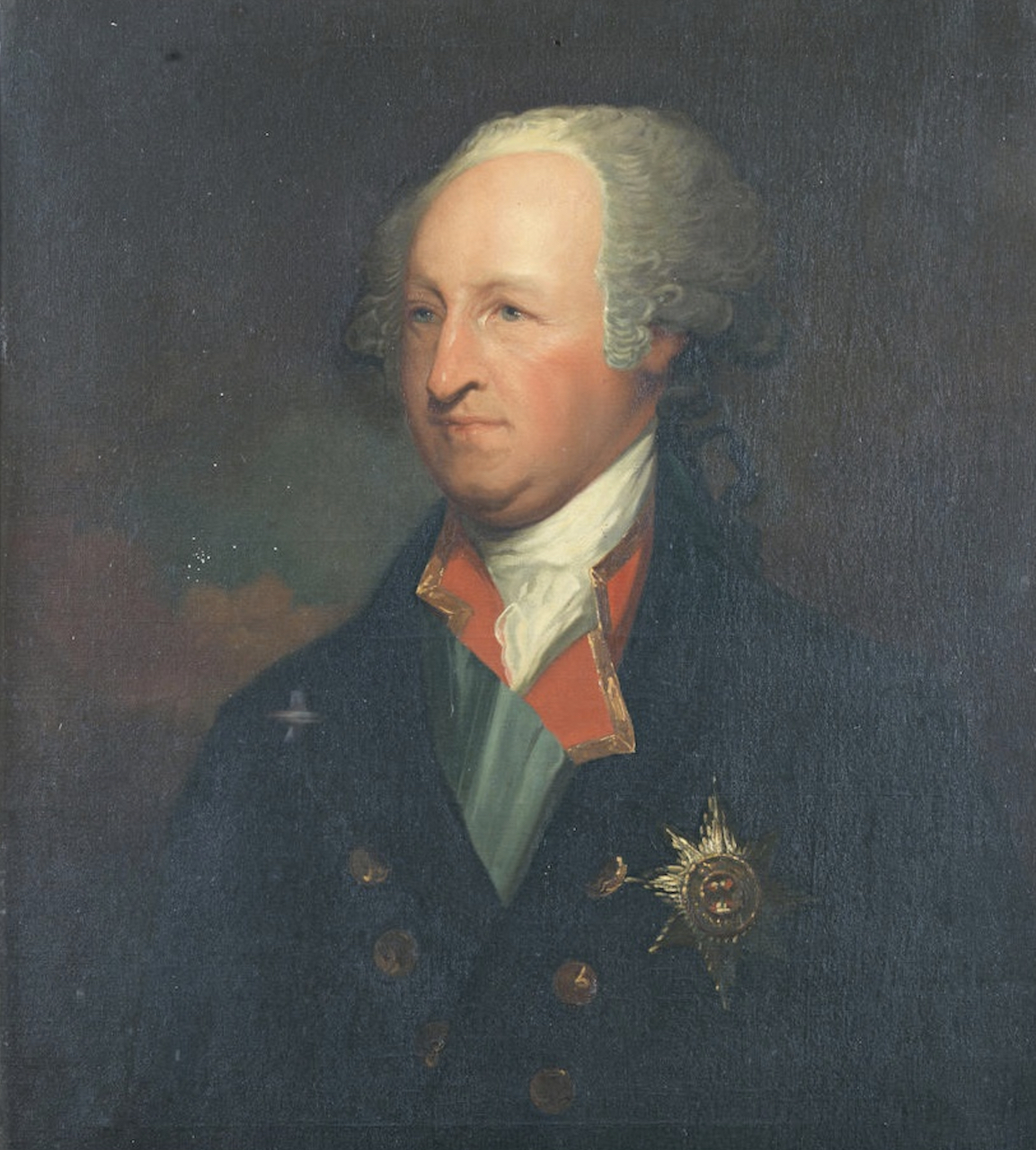
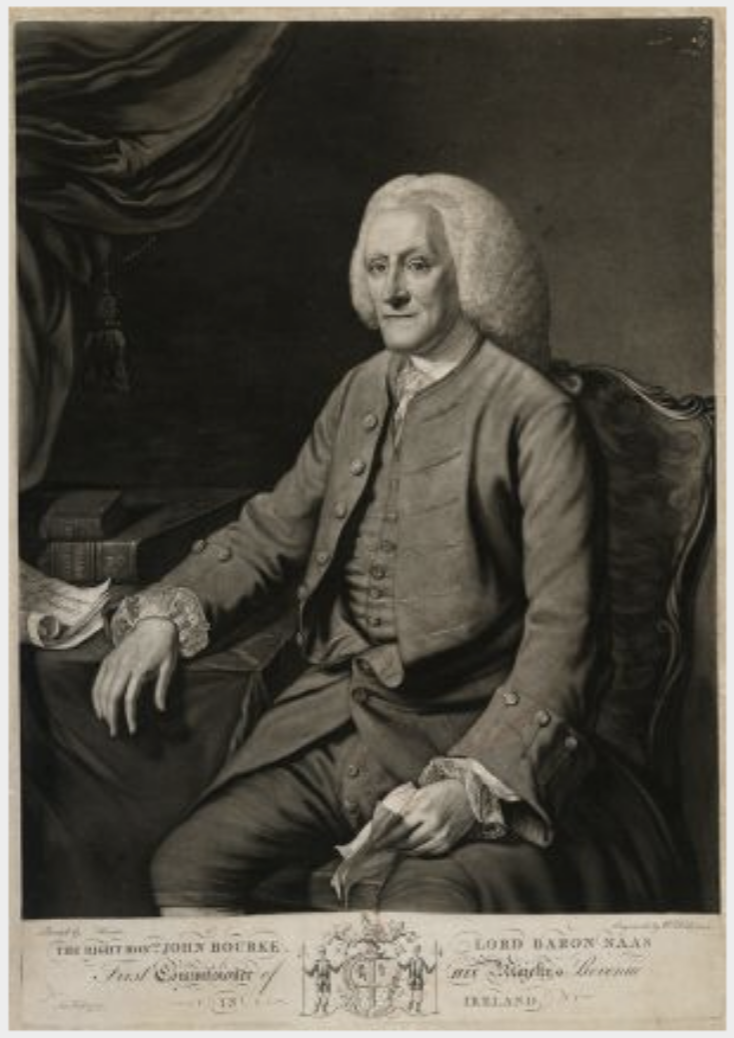
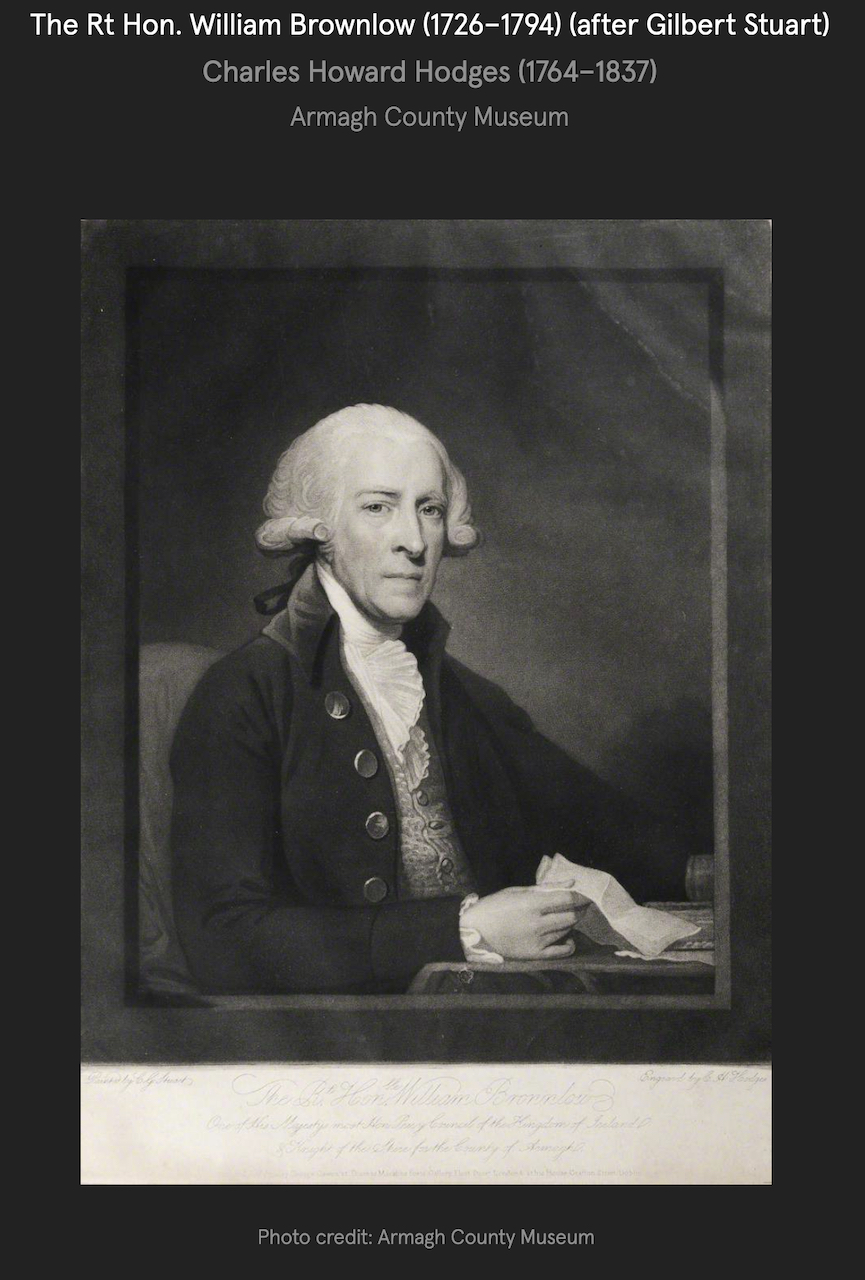
George de la Poer Beresford (1735-1800) 2nd Earl of Tyrone, later 1st Marquess of Waterford, by Johann Zoffany, courtesy of National Trust Hatchlands.John Beresford, M.P. (1738-1805), son of of Marcus Beresford 1st Earl of Tyrone, miniature by Richard Crosse, British, 1742-1810.John Beresford (1738-1805), first commissioner of the Revenue in Ireland, engraver Charles Howard Hodges, after Gilbert Smith, courtesy of National Gallery of Ireland.John Beresford (1738-1805), MP by Gilbert Stuart c. 1790, courtesy of National Gallery of Ireland NGI 1133.Right Honourable John Beresford by Thomas Hickey (fl.1756-1816) courtesy Chrisites 2005. I’m not sure if this is John Beresford (1738-1805).Barbara Montgomery (?1757-1788), second wife of John Beresford (1738-1805) by Hugh Douglas Hamilton, courtesy of National Gallery of Ireland P5547. His first wife was Anne Constantia Ligondes.Marcus Gervais Beresford (1801-1885), Archbishop of Armagh, painting as Prelate of Order of St. Patrick, by engraver John Richardson Jackson, after painting by Stephen Catterson Smith, courtesy of National Gallery of Ireland.He was grandson of John Beresford (1738-1805). His father was Rt. Rev. George de la Poer Beresford (1765-1841).George John Beresford (1807-1864)of Woodhouse, County Waterford.He was also a grandson of John Beresford (1738-1805). His father wasReverend Charles Cobbe Beresford (b. 1770).John Claudius Beresford, Lord Mayor of Dublin courtesy Adam’s 8 March 2006 in style of William Cuming PRHA. He was the son of John Beresford (1738-1805).Elizabeth de la Poer Beresford (1736-1806), daughter of Marcus Beresford 1st Earl of Tyrone, wife of Thomas Cobbe of Newbridge House, in a costume evocative of Mary Queen of Scots, miniature, Cobbe Collection.
George de la Poer Beresford, 2nd Earl of Tyrone (1735-1800) inherited the ancient Barony of de la Poer at the decease of his mother in 1769. His lordship was enrolled amongst the peers of Great Britain, in 1786, as Baron Tyrone; and created, in 1789, MARQUESS OF WATERFORD.
George de la Poer Beresford (1735-1800) First Marquess of Waterford by Gilbert Stuart, courtesy of Bonhams and commons.
He married, in 1769, Elizabeth, only daughter and heiress of Henry Monck, of Charleville. They had issue:
Marcus, died at 8 years old; Henry de la Poer Beresford (1772-1826) his successor who became 2nd Marquess of Waterford; John George (1773-1862) (Most Rev), Lord Archbishop of Armagh; George Thomas (1781-1839) (Rt Hon), Lt-Gen, GCH; Isabella Anne; Catherine; Anne; Elizabeth Louisa (1783-1856).
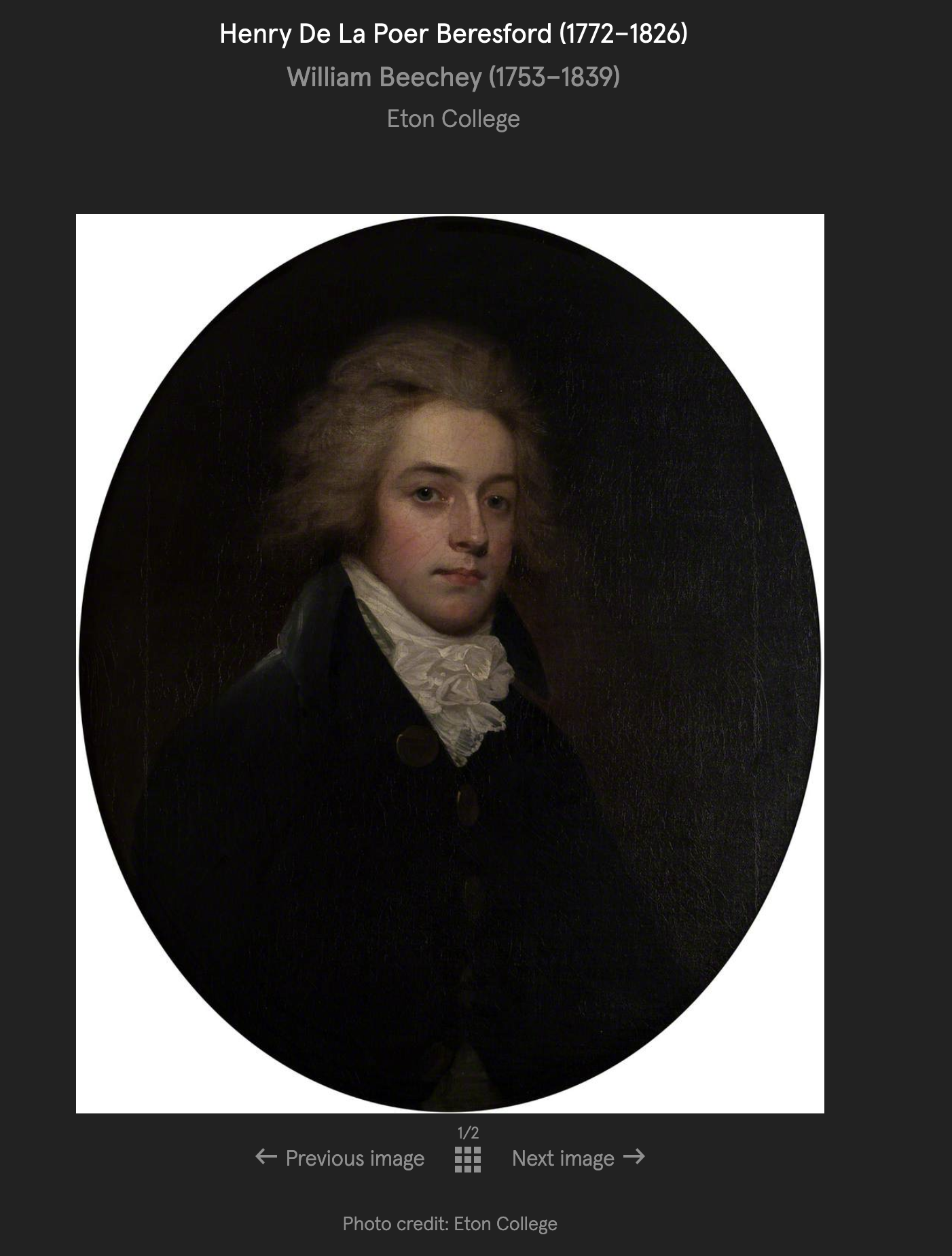
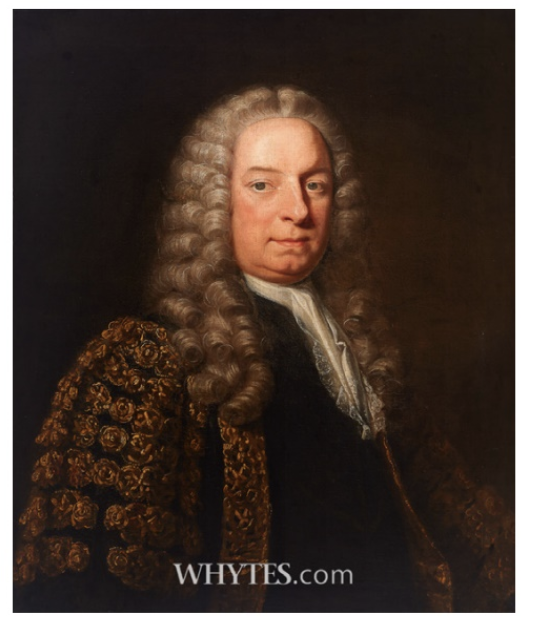
Henry de la Poer Beresford (1772-1826) 2nd Marquess of Waterford by William Beechy courtesy of Eton College.John George Beresford (1773-1862), Archbishop of Armagh, after Thomas Lawrence, by Charles Turner, courtesy of Armagh County Museum.He was son of George de la Poer Beresford, 2nd Earl of Tyrone. Thought to be Elizabeth Louisa Reynell (1783-1856) née De La Poer and formerly wife of Sir Denis Pack, courtesy of Whyte’s Nov 2011. She was the daughter of the 1st Marquess of Waterford, and she married Denis Pack of County Kilkenny and later, Thomas Reynell, 6th Baronet.
He had an illegitimate son Admiral Sir John de la Poer Beresford (1766-1844) 1st Bt Beresford, of Bagnall, Co. Waterford, and also Lt.-Gen. William Carr Beresford (1768-1854) 1st and last Viscount Beresford of Beresford.
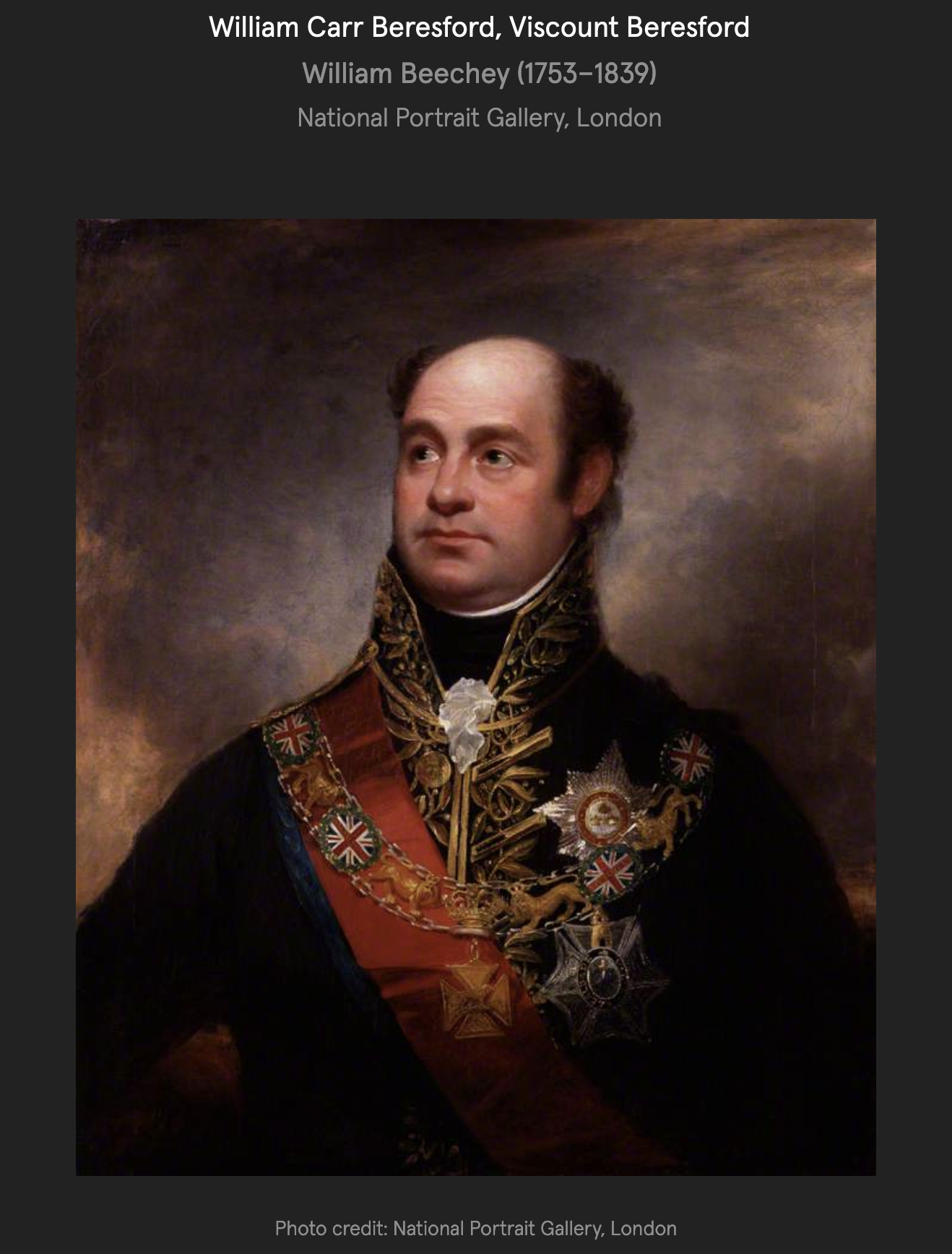
William Carr Beresford (1768-1854) Viscount Beresford, by William Beechey, Photograph courtesy of National Portrait Gallery, London.Harriet Elizabeth Peirse (1790-1825) Lady Beresford, wife of Admiral Sir John de la Poer Beresford (1766-1844) 1st Bt Beresford, of Bagnall, Co. Waterford, by Thomas Lawrence, courtesy of National Trust Hatchlands.
Henry de la Poer Beresford 2nd Marquess (1772-1826) wedded, in 1805, Susanna Carpenter, only daughter and heiress of George Carpenter 2nd Earl of Tyrconnell, and had issue,
HENRY de la Poer Beresford (1811-1859) his successor who became 3rd Marquess of Waterford; William; John (1814-1866) who became 4th Marquess of Waterford; James; Sarah Elizabeth (1807-1854) who married Henry John Chetwynd-Talbot, 18th Earl of Shrewsbury.
James Beresford (1816-1841) by Joseph Clover, courtesy of Ingestre Hall Residential Arts Centre.
Henry de la Poer Beresford 3rd Marquess married Louisa Anne Stuart (1818-1891), daughter of Charles Stuart, 1st and last Baron Stuart de Rothesay. They did not have children.
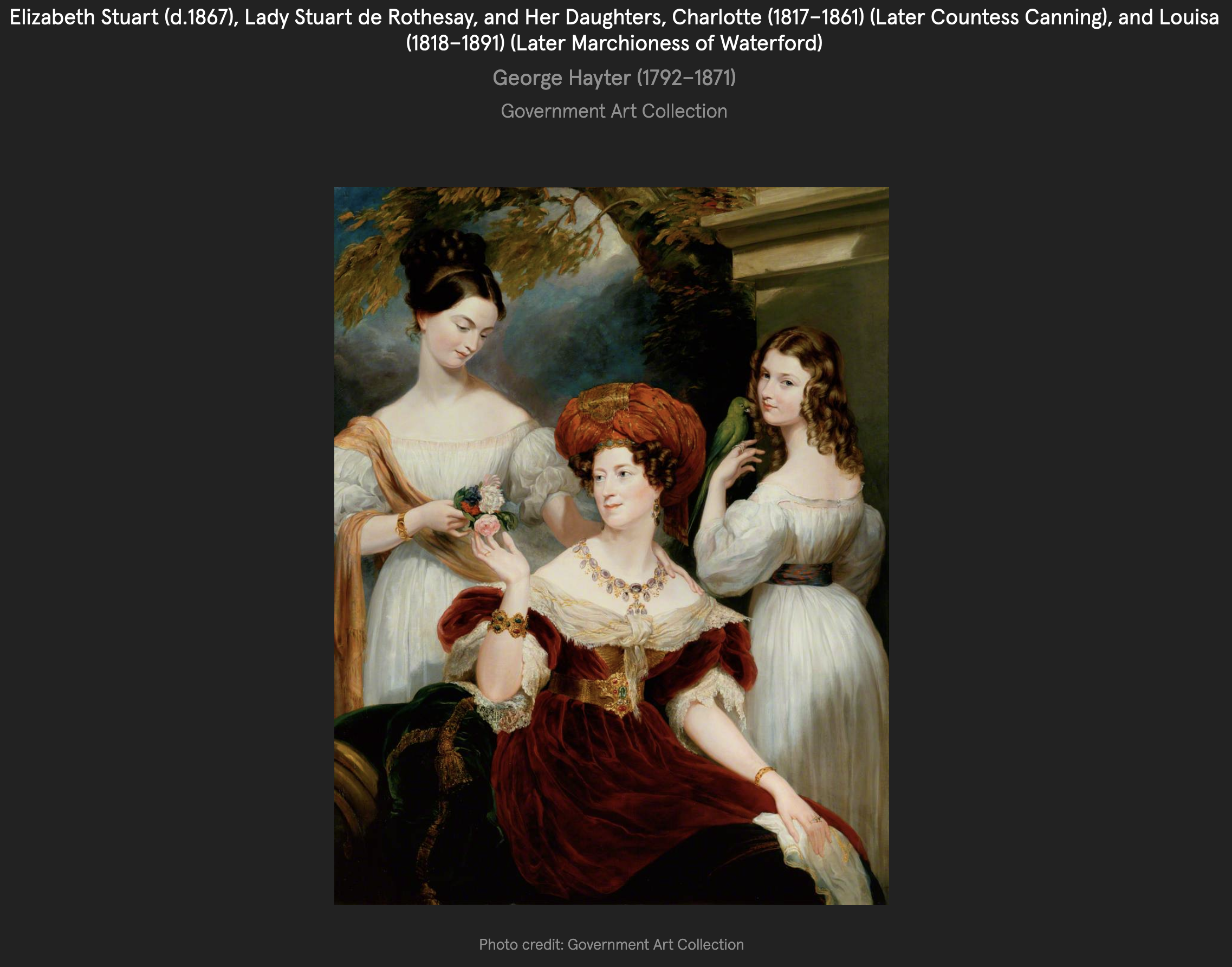
Elizabeth Stuart née Yorke (1789-1867). Lady Stuart de Rothesay, with her daughters Charlotte (1817-1861) and Louisa (1818-1891) by George Hayter, photograph courtesy of UK Government Art Collection. Elizabeth was the daughter of Philip Yorke 3rd Earl of Hardwicke; Louisa married Henry de la Poer Beresford 3rd Marquis of Waterford; Charlotte married Charles John Canning 1st Viceroy of India, 2nd Viscount Canning, 1st Earl Canning. Louisa Anne Beresford née Stuart (1818-1891), wife of Henry de la Poer Beresford, 3rd Marquess of Waterford, daughter of Charles Stuart, 1st and last Baron Stuart de Rothesay, by Sir Francis Grant 1859-1860, NPG 3176. The National Portrait Gallery tells us: “Louisa Stuart was brought up mostly in Paris, where her father was British Ambassador to the French court. She was taught to draw from an early age and art, along with religion and philanthropy, was one of her main interests throughout her life. A gifted amateur watercolourist, she did not exhibit at professional galleries until the 1870s. With a strong interest in the welfare of the tenants on her Northumberland estate, she rebuilt the village of Ford. She provided a school and started a temperance society in the village. Her greatest artistic achievement was the decoration of the new school with life sized scenes from the Old and New testaments that used children and adults from the village as models.”
When the 3rd Marquess died, his brother John became the 4th Marquess. The 4th Marquess married Christiana, daughter of Charles Powell Leslie of Castle Leslie in County Monaghan.
Timothy William Ferres tells us of the family of the Boyles, Earls of Cork:
Richard Boyle (1566-1643) 1st Earl of Cork married firstly, in 1595, Joan, daughter and co-heiress of William Apsley, of Limerick, without surviving issue; and secondly, Catherine, daughter of Sir Geoffrey Fenton, Knight, principal secretary of state for Ireland, and had issue (with eight daughters):
Roger (1606-15);
RICHARD (1612-98) his successor; Geoffrey d. 1 year old; Lewis (1619-1642) created Viscount Boyle of Kinalmeaky;
ROGER (1621-1679) created 1st Earl of Orrery; ancestor of John, 5th Earl of Cork;
The 1st Earl of Cork’s daughter Alice (1607-1666) married David Barry 1st Earl of Barrymore. His other daughters were Sarah (1609-1633) who married first Thomas Moore son of Garret Moore 1st Viscount of Drogheda, and then second, Rober Digby 1st Baron Digby; Lettice who married Lord Goring; Joan who married George Fitzgerald 16th Earl of Kildare; Catherine (1615-1691) who married Arthur Jones 2nd Viscount Ranelagh; Dorothy (1617-1668) who married Arthur Loftus and second, Gilbert Talbot son of William Talbot 1st Baronet; Mary (1625-1678) who married Charles Rich 4th Earl of Warwick;
The 1st Earl of Cork was succeeded by his eldest son, RICHARD, 2nd Earl (1612-98); who, having wedded, in 1635, the Lady Elizabeth Clifford, daughter and heiress of Henry, 5th Earl of Cumberland, was created a Peer of England, 1644, in the dignity of Baron Clifford of Londesborough, Yorkshire; and, in 1664, EARL OF BURLINGTON.
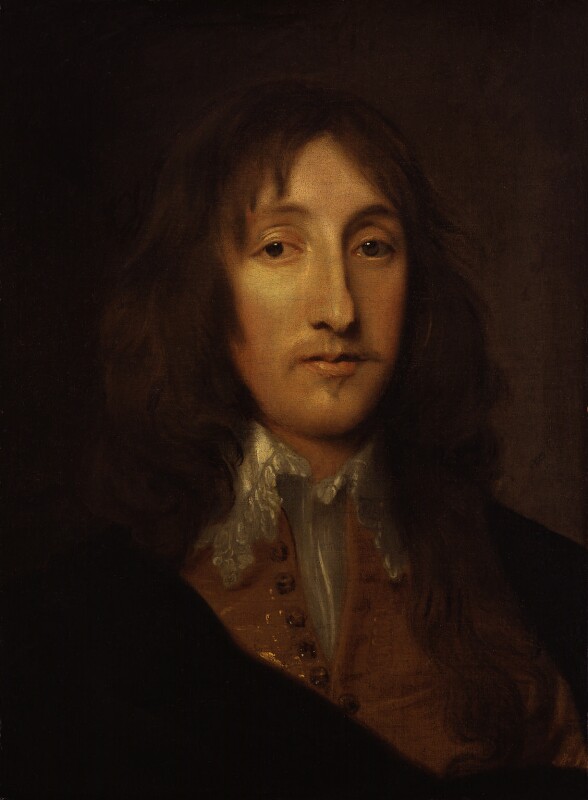
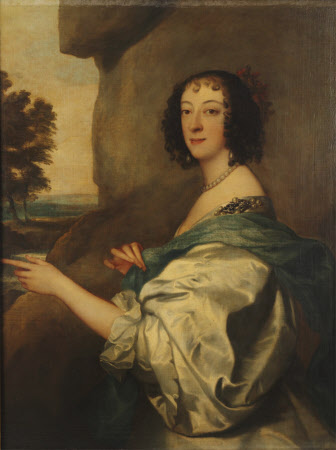
Richard Boyle (1612-1698) 1st Earl of Burlington and 2nd Earl of Cork, possibly after Sir Anthony van Dyck c.1640, NPG 893.Oil painting on canvas, Lady Elizabeth Clifford, Countess of Burlington (1621 – 1698) by Sir Anthony Van Dyck (Antwerp 1599 – London 1641). Three-quarter length portrait, profile to left, head facing, wearing wbite satin dress and blue scarf, pointing with her left hand in a landscape.She married Richard Boyle, 2nd Earl of Cork and 1st Earl of Burlington.
The 2nd Earl of Cork had issue:
Charles, 3rd Viscount Dungarvan (1639-94); father of the 3rd Earl of Cork; Richard, who died in 1665 at the battle of Lowestoft; and daughters Frances who married Colonel Francis Courtenay, 3rd Bt. then second, Wentworth Dillon, 4th Earl of Roscommon; Anne who married Edward Montagu, 2nd Earl of Sandwich; Elizabeth who married Nicholas Tufton, 3rd Earl of Thanet; Mary; Henrietta who married Laurence Hyde, 1st Earl of Rochester.
His lordship’s eldest son Charles, 3rd Viscount Dungarvan (1639-94) having predeceased him, was succeeded by his grandson, CHARLES (c. 1662-1704), 3rd Earl of Cork and 2nd Earl of Burlington.
Charles Boyle (c. 1662-1704) 3rd Earl of Cork and 2nd Earl of Burlington, by Godfrey Kneller, courtesy of National Trust Hardwick Hall.
Charles, 3rd Viscount Dungarvan (1639-94) had a daughter Elizabeth (1662-1703) who married Lt.-Gen. James Barry, 4th Earl of Barrymore.
The 3rd Earl of Cork, 2nd Earl of Burlington espoused Juliana, daughter and heiress of the Hon Henry Noel, of Luffenham, Rutland, by whom he had surviving issue, RICHARD (1694-1753) his successor, 3rd Earl of Burlington.
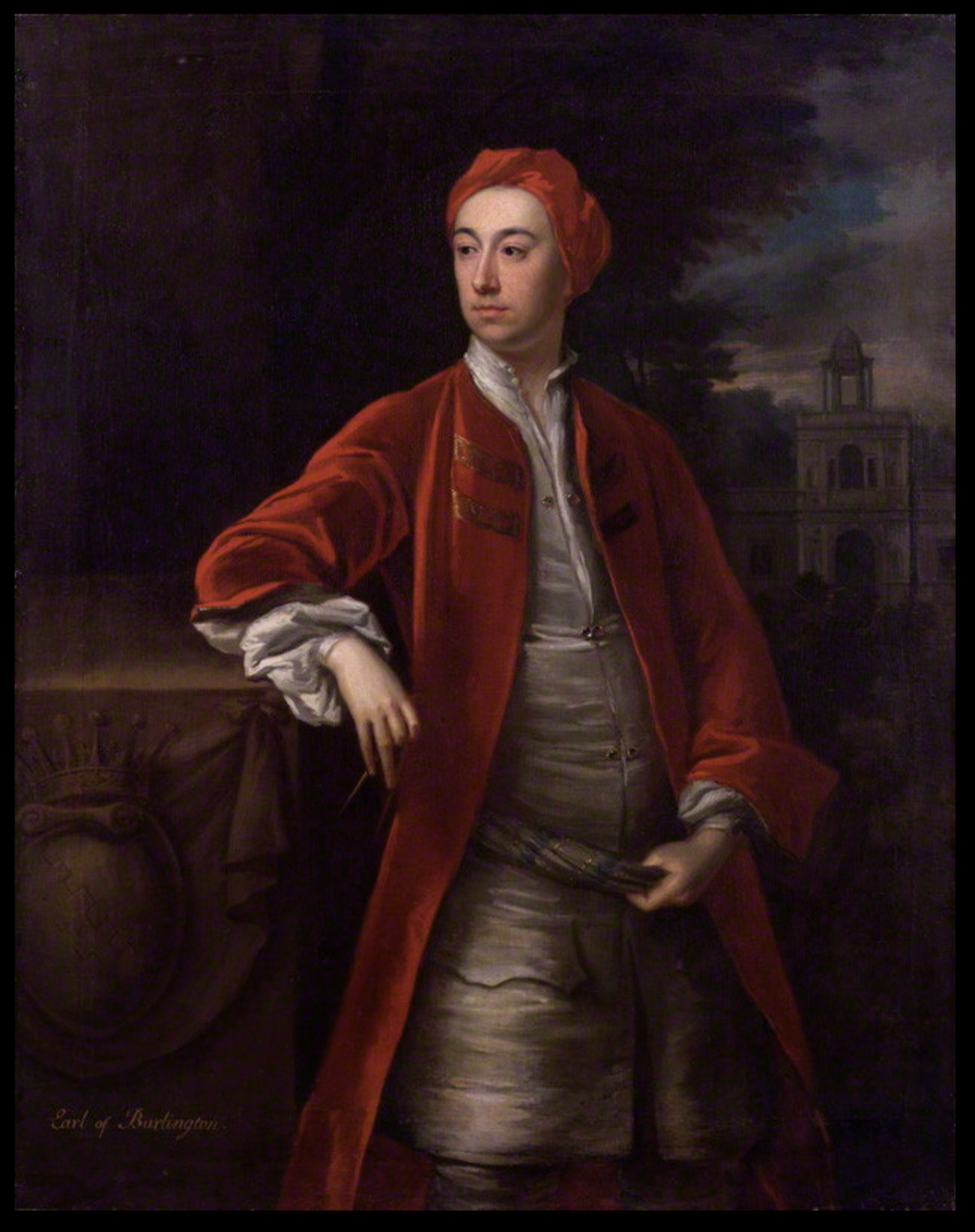
Richard Boyle, 3rd Earl of Burlington (1694-1753) by Jonathan Richardson, courtesy of London’s National Portrait Gallery NPG 4818.
The 3rd Earl of Cork, 2nd Earl of Burlington had daughters Elizabeth; Juliana; Jane; Henrietta (1700-1746) who married Henry Boyle, 1st Earl of Shannon.
The 3rd Earl of Cork, 2nd Earl of Burlington was succeeded by his only son, RICHARD (1694-1753), 4th Earl of Cork and 3rd Earl of Burlington, KG, who married, in 1720, the Lady Dorothy Savile, elder daughter and co-heiress of William, 2nd Marquess of Halifax, by which lady he had three daughters, Dorothy; Juliana; Charlotte Elizabeth, m William Cavendish, Marquess of Hartington.
His lordship claimed, in 1727, the barony of Clifford, as great-grandson of the Lady Elizabeth Clifford, daughter and heiress of Henry, Lord Clifford, and the house of peers acknowledged and confirmed his lordship’s right thereto.
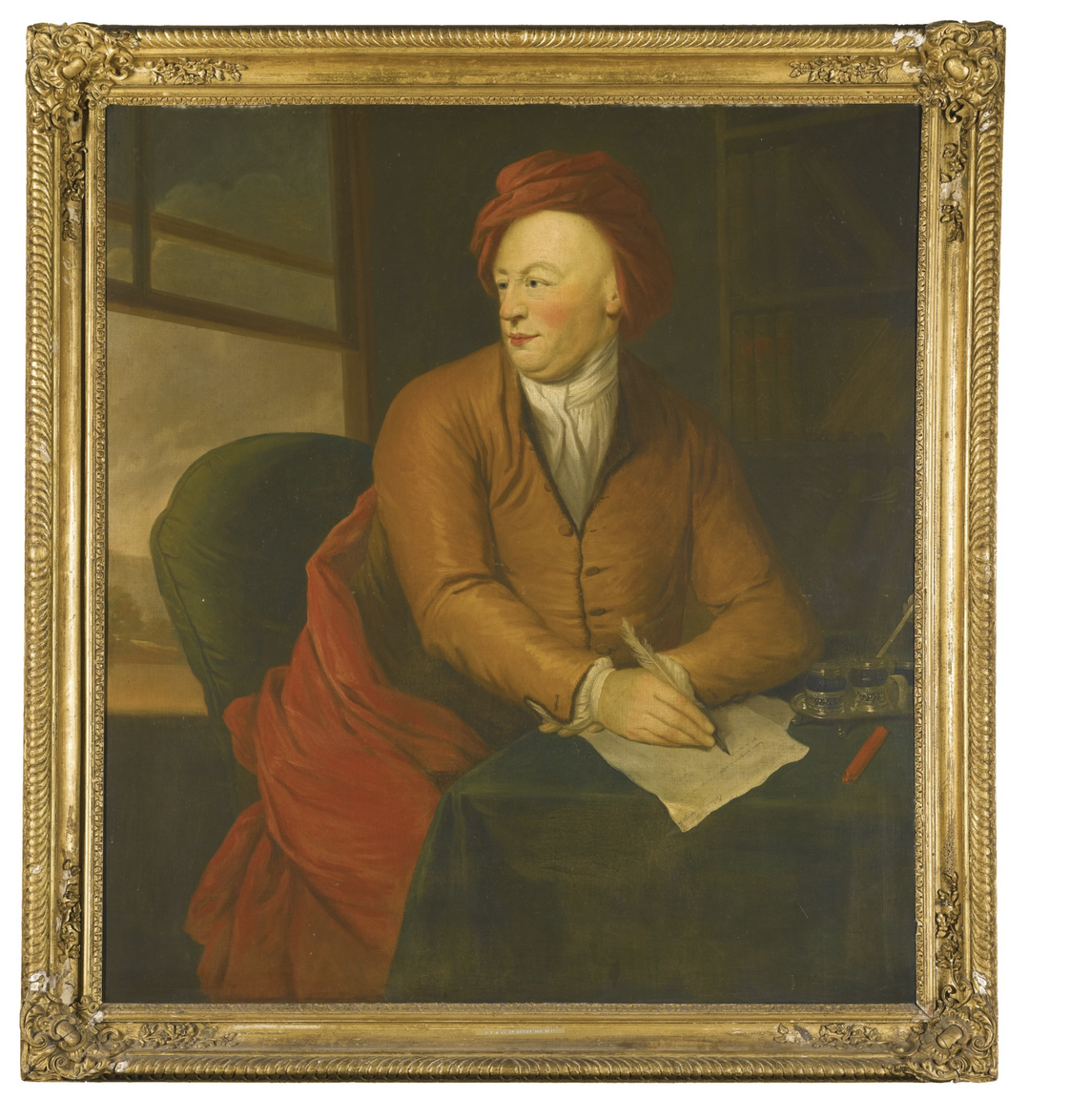
This nobleman was eminent as a munificent encourager of literature and the fine arts, and as a friend of Alexander Pope he will always be remembered.
His lordship died in 1753, and leaving an only surviving daughter, Lady Charlotte, who had wedded William, 4th Duke of Devonshire, and inherited the barony of Clifford; all his lordship’s other English honours ceased, while those of Ireland devolved upon his kinsman, JOHN BOYLE (1707-62), 5th Earl of Orrery, in Ireland; Baron Boyle of Marston, in Great Britain; succeeded as 5th EARL OF CORK (refer to Roger, third son of the first Earl of Cork).
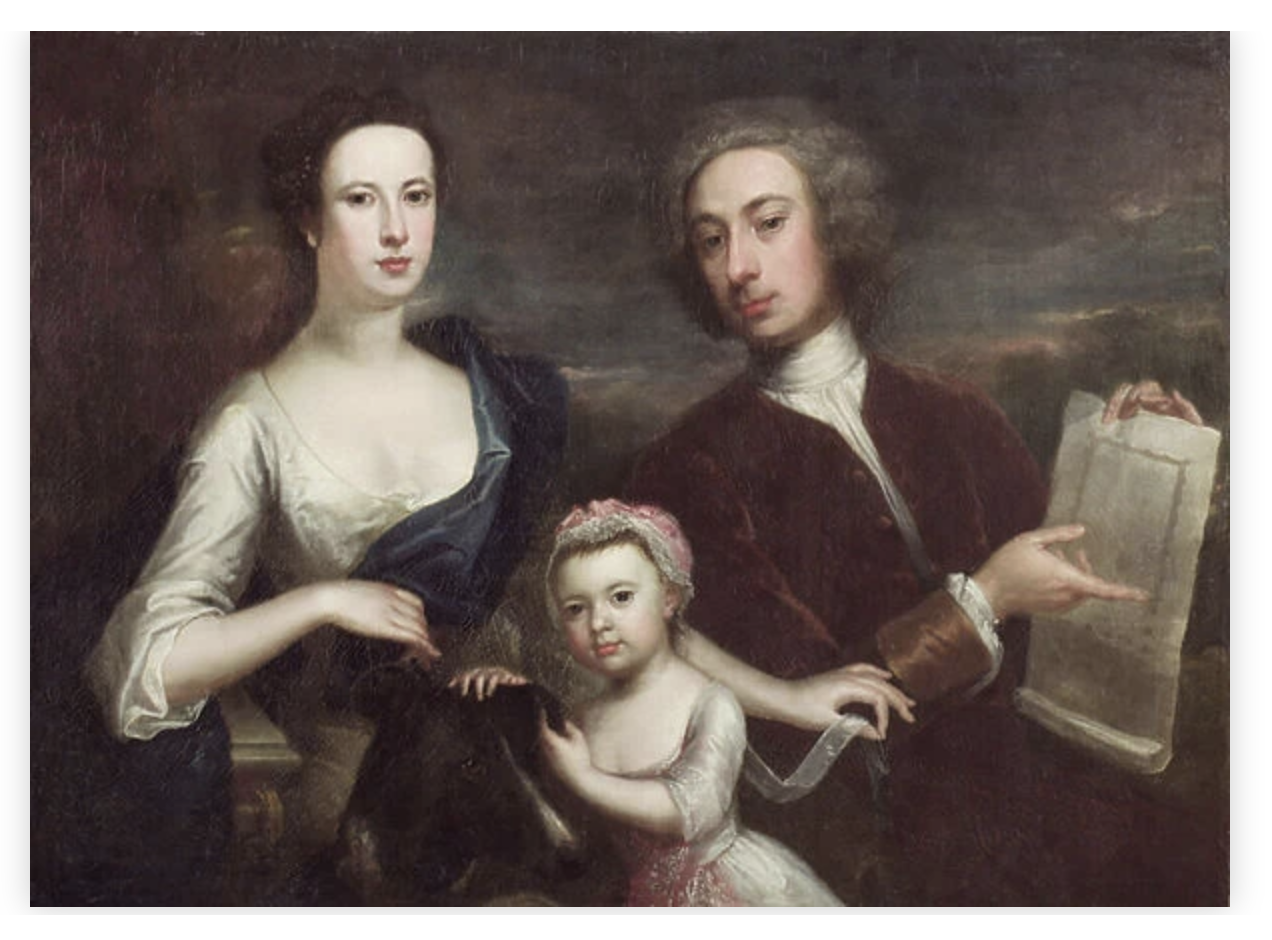
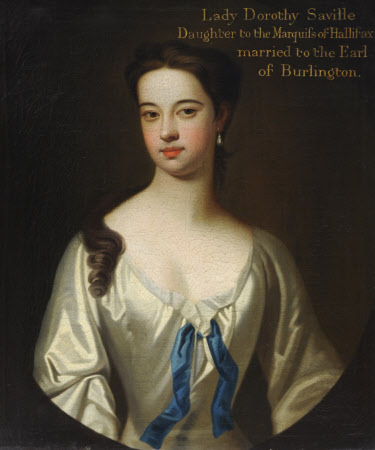
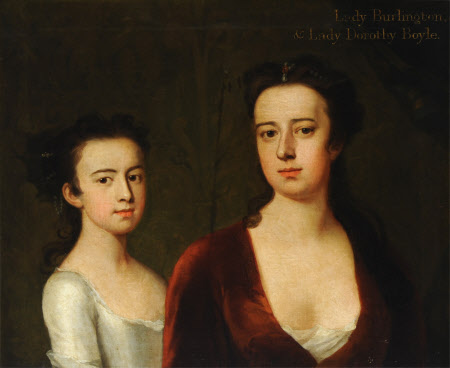
Charlotte Boyle (1731-1754) daughter of Richard Boyle (1694-1753) 3rd Earl of Burlington 4th Earl of Cork. She married William Cavendish (1720-1764) 4th Duke of Devonshire and brought Lismore Castle, County Waterford, into the Cavendish family. Painting after style of George Knapton, courtesy of Chiswick House collection.Richard Boyle 4th Earl of Cork and 3rd Earl of Burlington and Dorothy Savile attributed to Aikman, William Aikman (1682-1731).Oil painting on canvas, Possibly Lady Dorothy Savile, Countess of Burlington and Countess of Cork (1699-1758) by Michael Dahl, circa 1720. Inscribed top right in gold: Lady Dorothy Saville / Daughter to the Marquis of Halifax / married to the Earl of Burlington. A half-length portrait of a young woman, facing, wearing white decollete dress with blue ribbon. Courtesy of National Trust Hardwick HallLady Dorothy Savile, Countess of Burlington (1699-1758) with her Daughter Lady Dorothy Boyle, later Countess of Euston (1724-1742) by Michael Dahl courtesy of National Trust Hardwick Hall. She married Richard Boyle 4th Earl of Cork and 3rd Earl of Burlington.
The 1st Earl of Cork’s son ROGER (1621-1679) was created 1st Earl of Orrery.
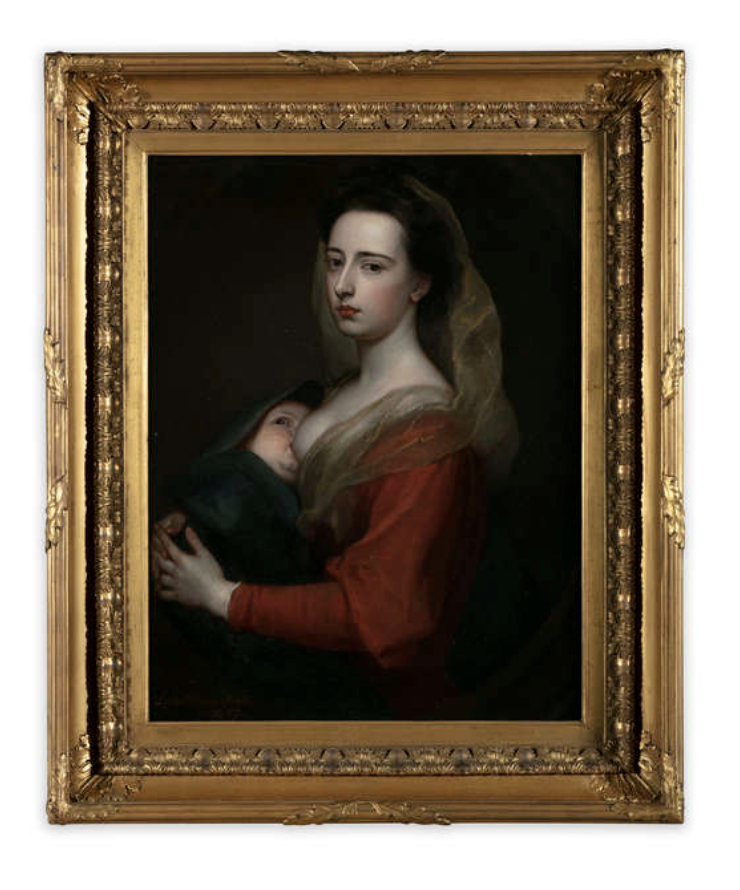
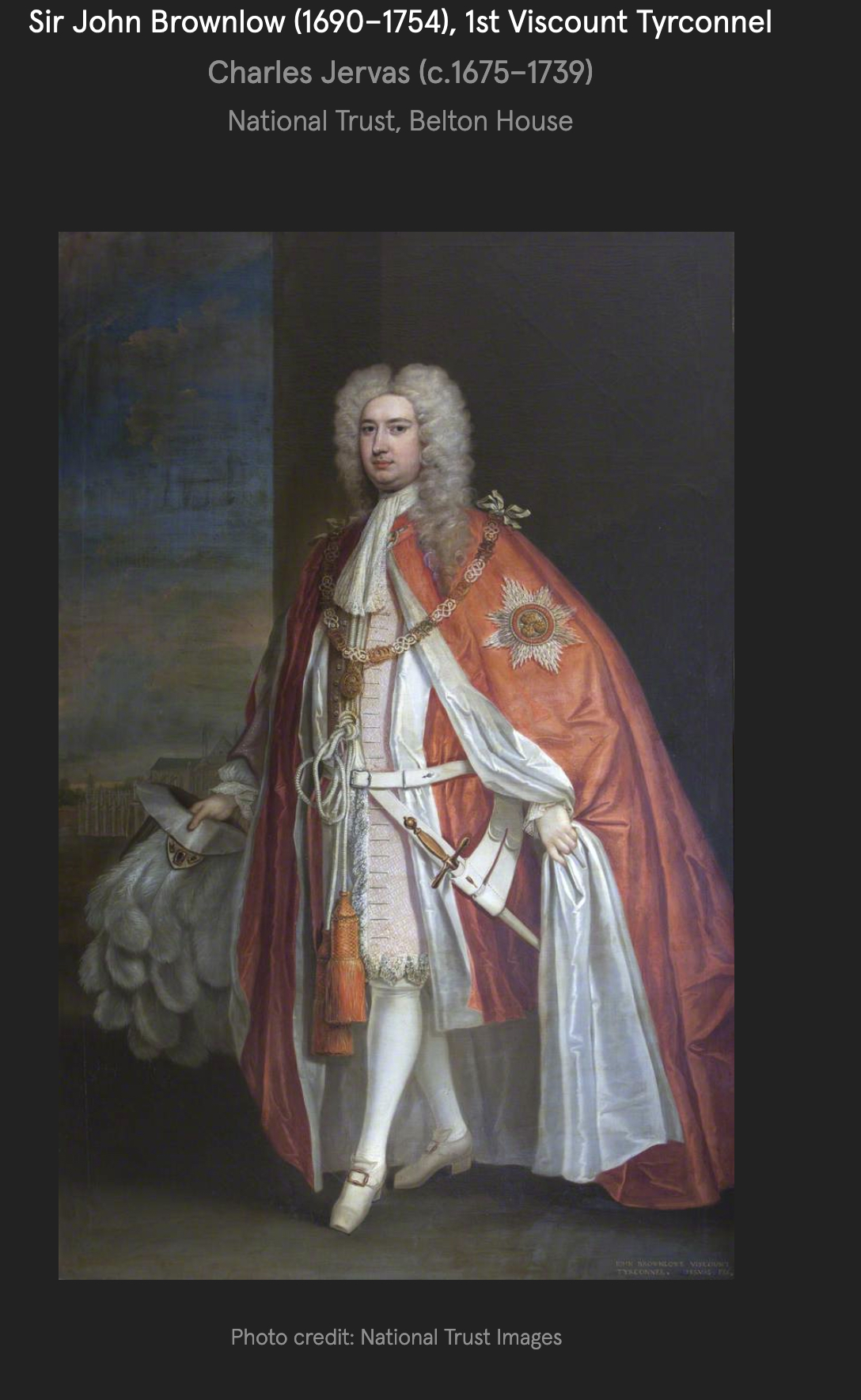
Lady Mary Boyle nursing her son Charles, by Godfrey Kneller (1646-1723) Adams auction 18 Oct 2022. I think this could be Mary née Sackville (1637-1679) who married Roger Boyle 2nd Earl of Orrery. Her son Charles Boyle (1674-1731) became the 4th Earl of Orrery.Charles Boyle 4th Earl of Orrery, possibly a copy, based on painting by Charles Jervas.
JOHN BOYLE (1707-62), 5th Earl of Orrery, in Ireland; Baron Boyle of Marston, in Great Britain; succeeded as 5th EARL OF CORK (refer to Roger, third son of the first Earl of Cork).
His lordship wedded firstly, in 1728, the Lady Henrietta Hamilton, youngest daughter of George, 1st Earl of Orkney KT, and had issue: Charles, Viscount Dungarvan (1729-1759); HAMILTON, his successor; Elizabeth.
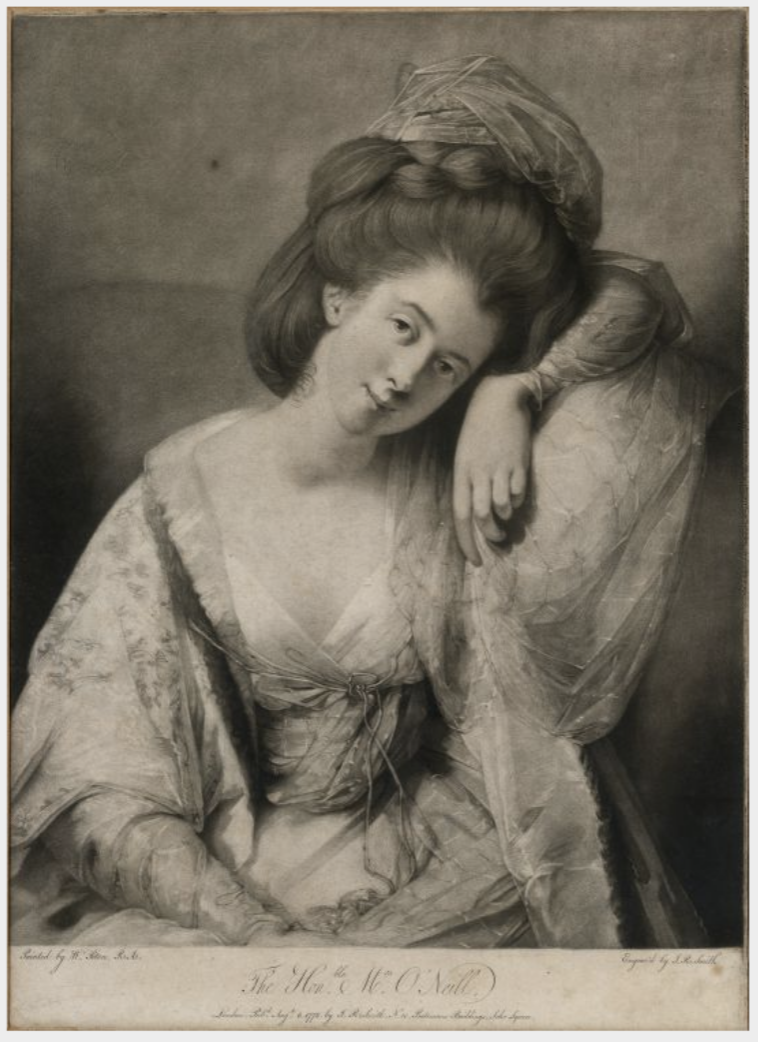
Mrs John O’Neill (née Henrietta Boyle) (1756-1793), Poet and Patron of Mrs Siddons, Engraver John Raphael Smith, English, 1752-1812 After Matthew William Peters, English, 1742-1814, courtesy of National Gallery of Ireland.She was the wife of John O’Neill (1740-1798), 1st Viscount, of Shane’s Castle, County Antrim, and the daughter of Charles Boyle, Viscount Dungarvan, who was the son of John Boyle 5th Earl of Orrery and 5th Earl of Cork.
He espoused secondly, Margaret, daughter and sole heiress of John Hamilton, by whom he had further issue: EDMUND, 7th Earl of Cork; Catherine Agnes; Lucy. He was a writer.
He was succeeded by his eldest surviving son, HAMILTON (1729-64), 6th Earl of Cork and Orrery, who died unmarried, in little more than a year after his father, when the honours devolved upon his brother, EDMUND (1742-98), 7th Earl of Cork and Orrery, who married firstly, in 1764, Anne, daughter of Kelland Courtenay, and had issue: John Richard, Viscount Dungarvan (1765-8); EDMUND, of whom hereafter; Courtenay (the Hon Sir), Vice-Admiral in the Royal Navy; Lucy Isabella.
Anne Boyle née Courteney, Countess of Cork and Orrery (1742-1785) Engraver James Watson, Irish, c.1740-1790 After Hugh Douglas Hamilton, Irish, 1740-1808, courtesy of National Gallery of Ireland. She married Edmund Boyle 7th Earl of Cork and Orrery.
His lordship espoused secondly, in 1786, Mary, youngest daughter of John, 1st Viscount Galway, without further issue.
He was succeeded by his eldest surviving son, EDMUND (1767-1856), 8th Earl of Cork and Orrery, KP, a General in the Army, who married, in 1795, Isabella Henrietta, third daughter of William Poyntz, of Midgam house, Berkshire, and had issue: Edmund William, Viscount Dungarvan (1798-1826); George Richard (1799-1810); CHARLES, of whom presently; John, ancestor of the 12th and 13th Earls; Robert Edward; Richard Cavendish; Isabella Elizabeth; Lucy Georgina; Louisa.
His lordship’s eldest surviving son CHARLES (1800-34), styled Viscount Dungarvan, wedded, in 1828, the Lady Catherine St Lawrence, daughter of William, 2nd Earl of Howth, and had issue:
RICHARD EDMUND ST LAWRENCE, his successor;
William George;
Edmund John;
Louisa Caroline Elizabeth; Mary Emily.
His lordship predeceased his father, and the family honours devolved upon his eldest son,
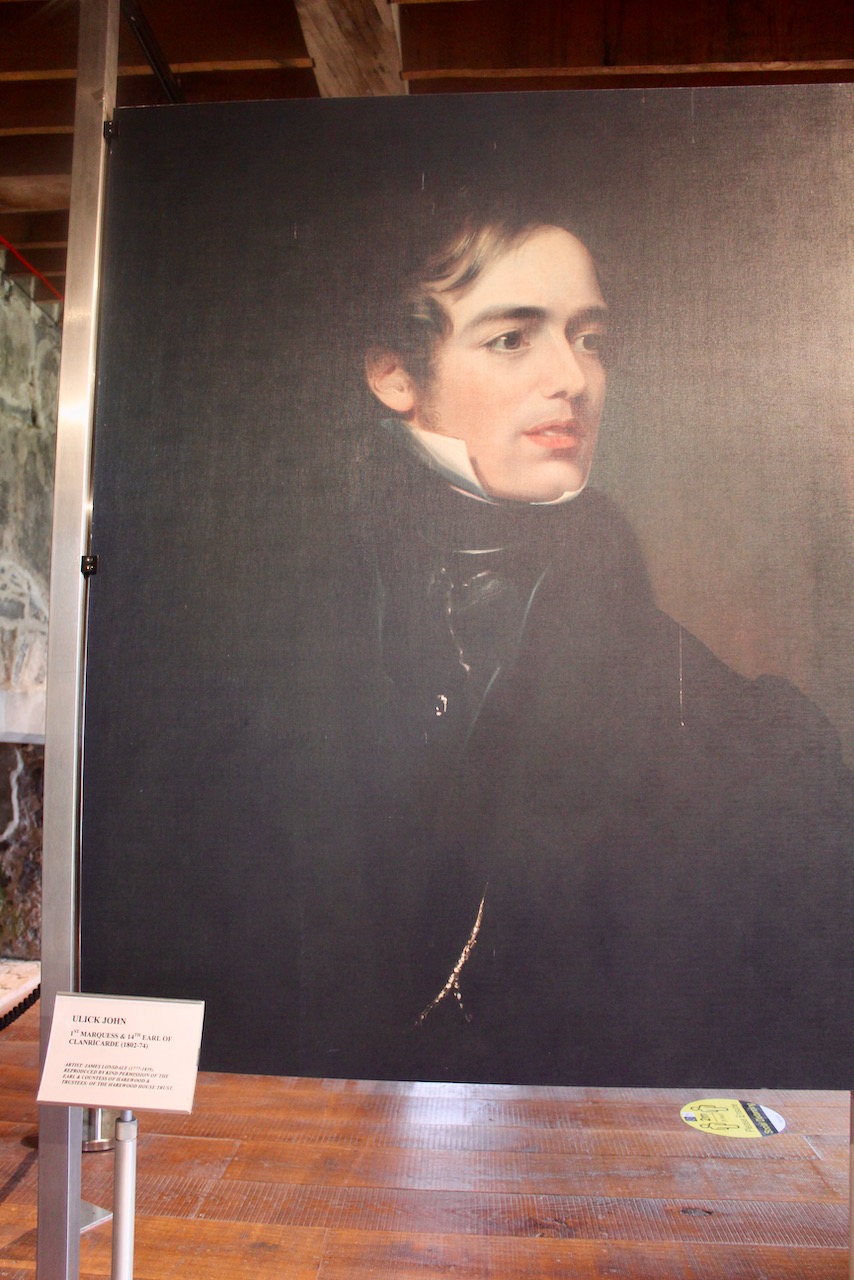
RICHARD EDMUND ST LAWRENCE (1829-1904), as 9th Earl of Cork and Orrery, KP, who married, in 1853, the Lady Elizabeth Charlotte de Burgh, daughter of Ulick John, 1st Marquess of Clanricarde, and had issue: CHARLES SPENCER CANNING, his successor; ROBERT JOHN LASCELLES, 11th Earl; Emily Harriet Catherine; Grace Elizabeth; Isabel Lettice Theodosia; Honora Janet; Dorothy Blanche.
Anne Boyle née Courteney, Countess of Cork and Orrery (1742-1785) Engraver James Watson, Irish, c.1740-1790 After Hugh Douglas Hamilton, Irish, 1740-1808, courtesy of National Gallery of Ireland.She married Edmund Boyle 7th Earl of Cork, 7th Earl of Orrery.
The 1st Earl of Cork’s son Francis (1623-1699) was created 1st Viscount Shannon.
“THE RT HON SIR VALENTINE BROWNE (d 1589) in 1583, received instruction, jointly with Sir Henry Wallop, for the survey of several escheated lands in Ireland. He was subsequently sworn of the Privy Council, and represented County Sligo in parliament in 1585. In the same year, Sir Valentine purchased from Donald, Earl of Clancare, all the lands, manors, etc in counties Kerry and Cork, which had been in the possession of Teige Dermot MacCormac and Rorie Donoghoemore.
“Sir Valentine married firstly, Alice or Elizabeth, daughter of Robert Alexander, of London, and had issue, a son. He wedded secondly, Thomasine, sister of the Lord Keeper of the Great Seal, Sir Nicholas Bacon, and had further issue (with a daughter), two sons.
“Sir Valentine’s eldest surviving son, SIR NICHOLAS BROWNE, Knight, of Ross, County Kerry, who wedded Sicheley Sheela, daughter of O’Sullivan Beare, and had issue: VALENTINE, his heir; Anne.
“Sir Nicholas died in 1616, and was succeeded by his son, VALENTINE BROWNE, High Sheriff of County Kerry, 1623, who was created a baronet in 1622, designated of Molahiffe, County Kerry.
“Sir Valentine, after his father’s decease, presented a petition to JAMES I, praying an abatement of the yearly rent reserved on the estate which he held from the Crown, as an undertaker, at the annual sum of £113 6s 8d, in regard of the small profit he made of it, being set out in the most barren and remote part of County Kerry; which request was complied with, and he received a confirmation, by patent, of all his lands at a reduced rent.
“He married Elizabeth, fifth daughter of Gerald, Earl of Kildare [I’m not sure if this – JWB], and was succeeded by his grandson, THE RT HON SIR VALENTINE BROWNE, 3rd Baronet (1638-94); who was sworn of the Privy Council of JAMES II, and created by that monarch, subsequently to his abdication, in 1689, Baron Castlerosse and Viscount Kenmare.
“His lordship, who was Colonel of Infantry in the army of JAMES II, forfeited his estates by his inviolable fidelity to that unfortunate monarch. He wedded Jane, only daughter and heir of Sir Nicholas Plunket [of Balrath], and niece of Lucas, Earl of Fingall, and had five sons and four daughters.
“The 1st Viscount was succeeded by his eldest son, SIR NICHOLAS BROWNE, 4th Baronet (called 2nd Viscount); an officer of rank in the service of JAMES II, and attainted in consequence, who espoused, in 1664, Helen, eldest daughter and co-heir of Thomas Brown, by whom he obtained a very considerable fortune, but which, with his own estates, became forfeited for his life.The crown, however, allowed his lady a rent-charge of £400 per year for the maintenance of herself and her children. Sir Nicholas died in 1720, leaving four daughters and his son and successor,
“SIR VALENTINE BROWNE, 5th Baronet (called 3rd Viscount) (1695-1736), who continued outlawed by the attainder of his father and grandfather. [The 4th Baronet’s daughter Frances married Edward Herbert (1693-1770 of Muckross, County Kerry]
“He married, in 1720, Honora, second daughter of Colonel Thomas Butler [of Kilcash (1671-1738)], and great-grandniece of James, Duke of Ormonde, by whom he had issue, Thomas, his successor, and two daughters.
“Sir Valentine espoused secondly, in 1735, Mary, Dowager Countess of Fingall, by whom he left a posthumous daughter, Mary Frances. [Mary née Fitzgerald (1716-1741/2) was the daughter of Maurice Fitzgerald, 5th Baronet of Castle Ishen, County Cork; Mary was first married to Justin Plunkett, 5th Earl of Fingall. She married thirdly John Bellew, 4th Baron Bellew of Duleek]
“He was succeeded by his only son, SIR THOMAS BROWNE, 6th Baronet (called 4th Viscount) (1726-95), who wedded, in 1750, Anne, only daughter of Thomas Cooke, of Painstown, County Carlow, by whom he had a son and a daughter, Catherine, married to Count de Durfort-Civrac.
“He was succeeded by his son, SIR VALENTINE BROWNE, 7th Baronet (called 5th Viscount) (1754-1812), who was created (the viscountcy of JAMES II never having been acknowledged in law), in 1798, Baron Castlerosse and Viscount Kenmare.
“His lordship was further advanced to the dignity of an earldom, in 1800, as EARL OF KENMARE.”
Valentine Browne (1754-1812), 1st Earl of Kenmare by Hugh Douglas Hamilton courtesy of Country House Collections at Slane Castle by Adam’s 2012.
“He married firstly, in 1777, Charlotte, daughter of Henry, 11th Viscount Dillon [of Costello-Gallin], and had an only daughter, Charlotte. [She married George Goold, 2nd Bt of Old Court, Co. Cork.]
“His lordship wedded secondly, in 1785, Mary, eldest daughter of Michael Aylmer, of Lyons, County Kildare, and had issue,
VALENTINE (1788-1853)his successor as 2nd Earl; Thomas (1789-1871) who became 3rd Earl; William; Michael; Marianne; Frances.
“His lordship was succeeded by his eldest son, VALENTINE, 2nd Earl (1788-1853), PC, who espoused, in 1816, Augusta, daughter of Sir Robert Wilmot, 2nd Baronet, though the marriage was without issue, when the family honours devolved upon his brother,
“THOMAS, 3rd Earl (1789-1871), who married, in 1822, Catherine, daughter of Edmond O’Callaghan [d. 1791. Another daughter of Edmond O’Callaghan, Ellen, married James John Bagot of Castle Bagot, Rathcoole. His daughter Elizabeth married Gerald Dease of Turbotstown, a Section 482 property].
Piers Butler (d. 1539) 8th Earl of Ormonde married Margaret Fitzgerald, daughter of Gerald Fitzgerald 8th Earl of Kildare.
They had daughters Ellen (d. 1597) who married Donough O’Brien (d. 1553) 1st Earl of Thomond; Margaret married Barnaby FitzPatrick, 1st Baron of Upper Ossory; Joan married James Butler, 10th Baron Dunboyne; Eleanor married Thomas Butler 1st Baron Caher; Katherine married Richard Power, 1st Baron le Power and Coroghmore first and secondly, James FitzJohn FitzGerald, 13th Earl of Desmond; Ellice married Gerald FitzJohn FitzGerald (d. 1553, father of 1st Viscount Decies).
They had sons John Butler (d. 1570) who lived in Kilcash, County Tipperary and was father of Walter (1569-1632) 11th Earl of Ormond; Richard Butler (d. 1571) 1st Viscount Mountgarret; Thomas who died in 1532; and James Butler (d. 1546) 9th Earl of Ormonde.
James Butler (1504-1546), Soldier, 9th Earl of Ormond and Ossory by Francesco Bartolozzi, published by John Chamberlaine, after Hans Holbein the Younger publ. 1797, courtesy of National Portrait Gallery NPG D39383.
James Butler (d. 1546) 9th Earl of Ormonde married Joan Fitzgerald, daughter of James FitzMaurice FitzGerald, 10th Earl of Desmond. She gave birth to Thomas Butler (1531-1614) who became 10th Earl of Ormond.
The 9th Earl also had a son Edmond (d. 1602) who lived in Cloughgrenan, County Carlow, who gave rise to the Baronets of Cloughgrenan.
The 10th Earl of Ormond, “Black Tom,” had no direct heir so the Earldom passed to his nephew, Walter, a son of Sir John Butler (d. 1570) of Kilcash. Unlike his uncle, who had been raised at Court and thus reared a Protestant, Walter the 11th Earl of Ormond was a Catholic. See my entry about the Ormond Castle at Carrick-on-Suir for more on “Black Tom.” https://irishhistorichouses.com/2022/06/26/opw-sites-in-munster-clare-limerick-and-tipperary/
Walter Butler’s claim to the family estates was blocked by James I. The latter orchestrated the marriage of Black Tom’s daughter and heiress Elizabeth to a Scottish favourite Richard Preston, Baron Dingwall. The King gave Preston the title Earl of Desmond (after the Fitzgeralds lost the title, due to their Desmond Rebellion), and awarded his wife most of the Ormond estate, thus depriving Walter of his inheritance. Walter refused to submit and was imprisoned for eight years in the Fleet, London. He was released 1625. Walter’s nine-year-old grandson, James, became the heir to the titles but not the estates.
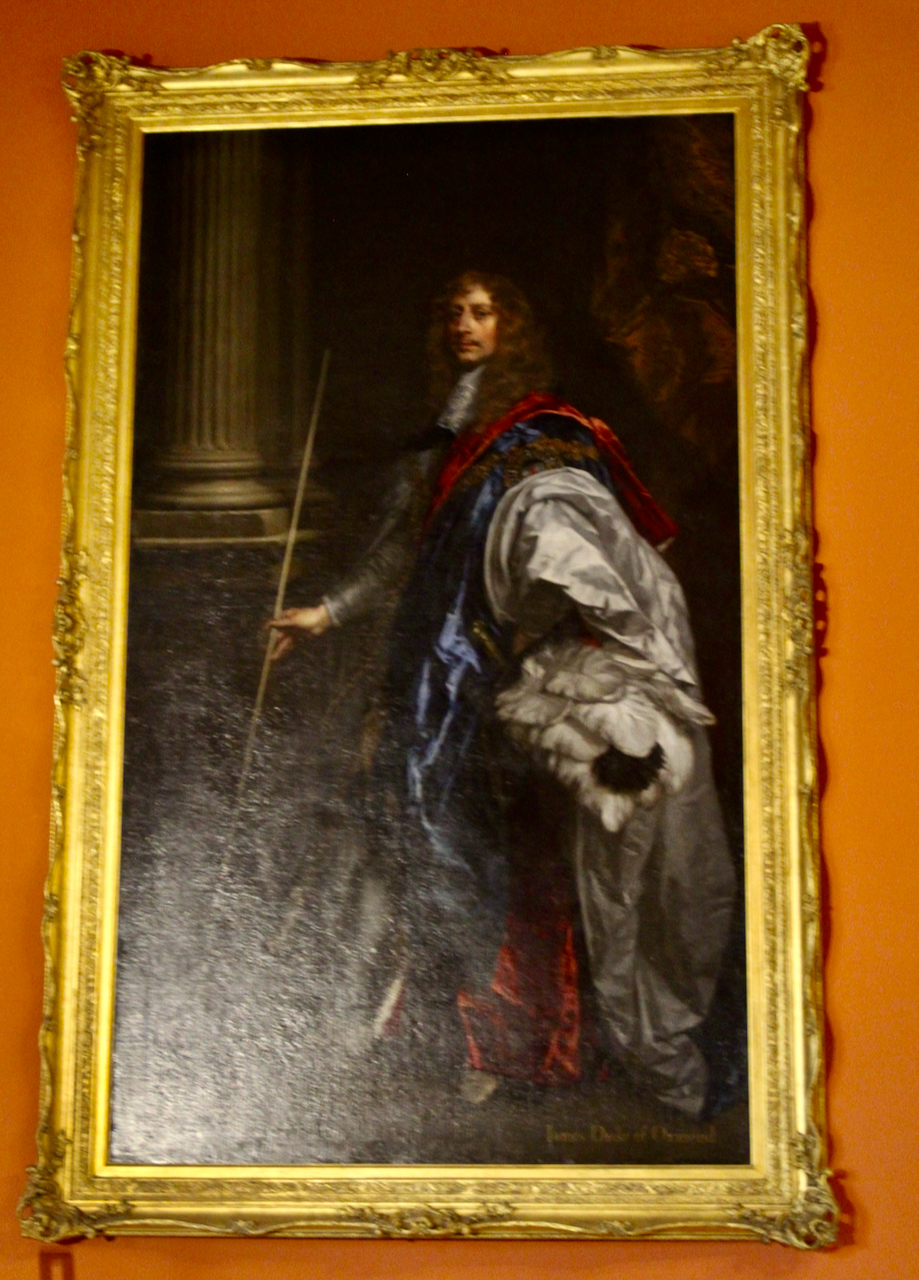
James (1610-1688) 12th Earl of Ormond (later 1st Duke of Ormond) was the son of Thomas Butler (d. 1619) Viscount Thurles, and Elizabeth Poyntz. Following his father’s death in 1619, 9-year-old James became direct heir to the Ormond titles. He was made a royal ward and was educated at Lambeth Palace under the tutelage of George Abbot, Archbishop of Canterbury.
Another son of Thomas Butler (d. 1619) Viscount Thurles, and Elizabeth Poyntz was Richard Butler (d. 1701) of Kilcash, County Tipperary.
In order to reunite the Ormond title with the estates, plans were made for a marriage between James and the daughter of the Prestons, Elizabeth, to resolve the inheritance issue. In 1629 James married his cousin Elizabeth Preston and reunited the Ormond estates.
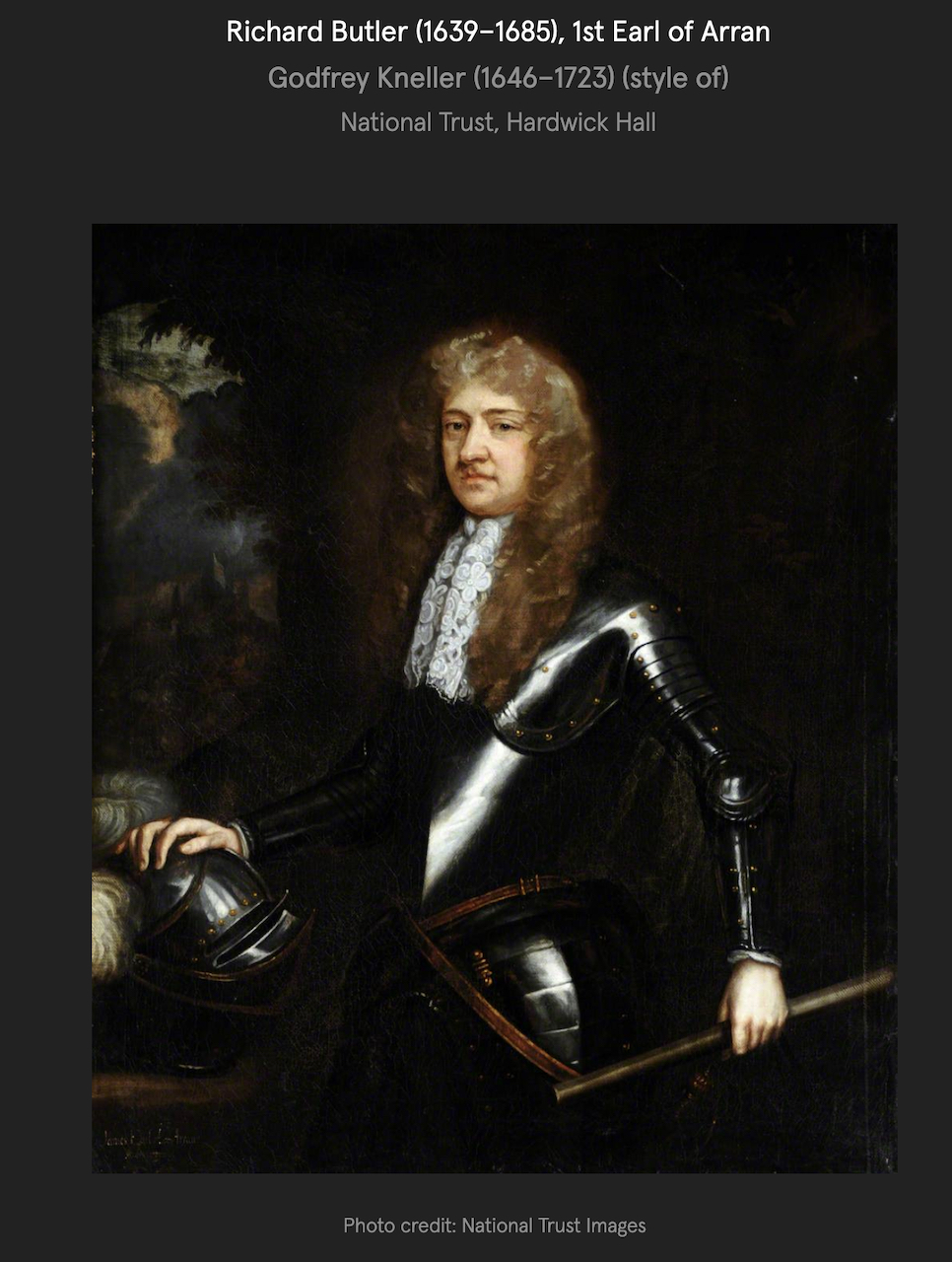
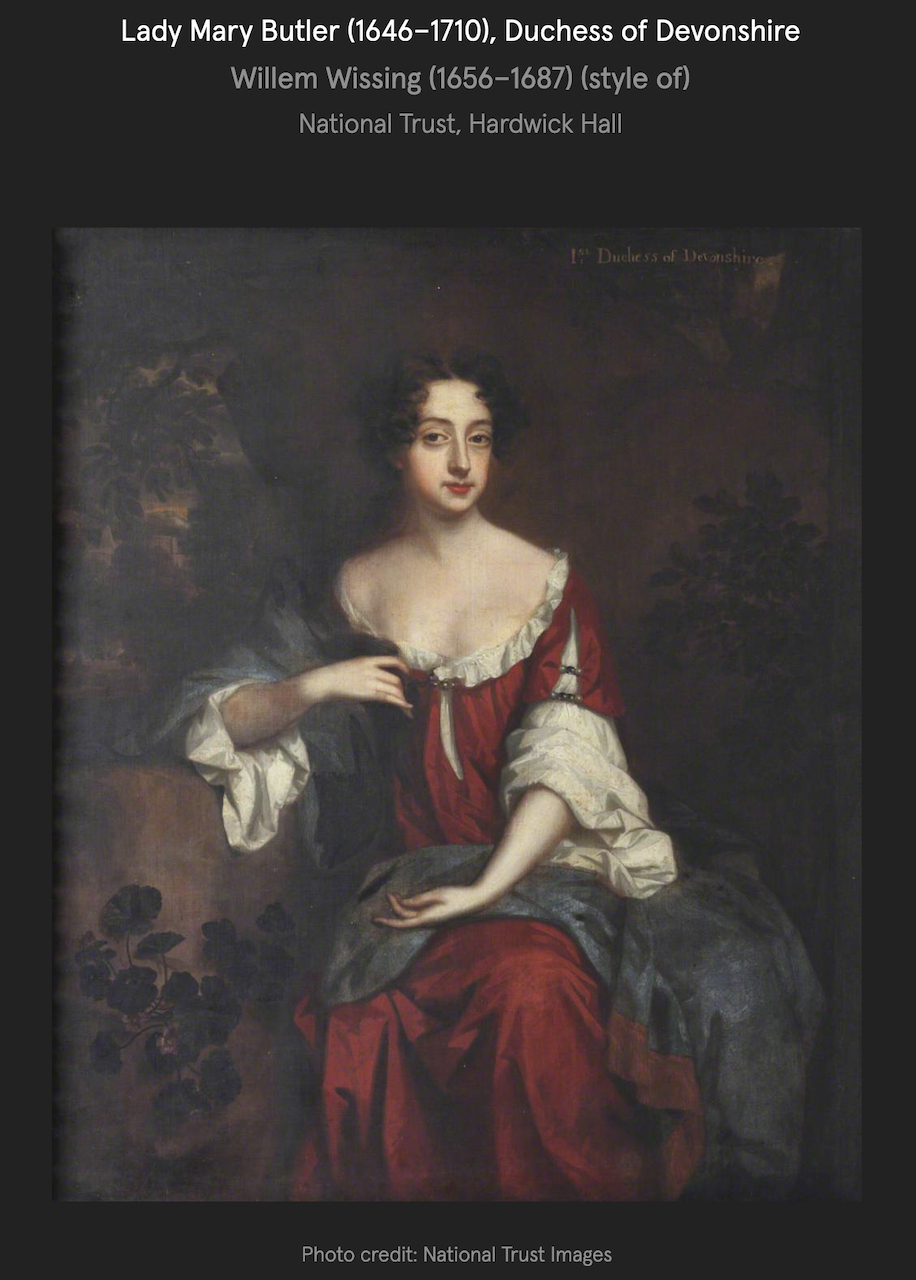
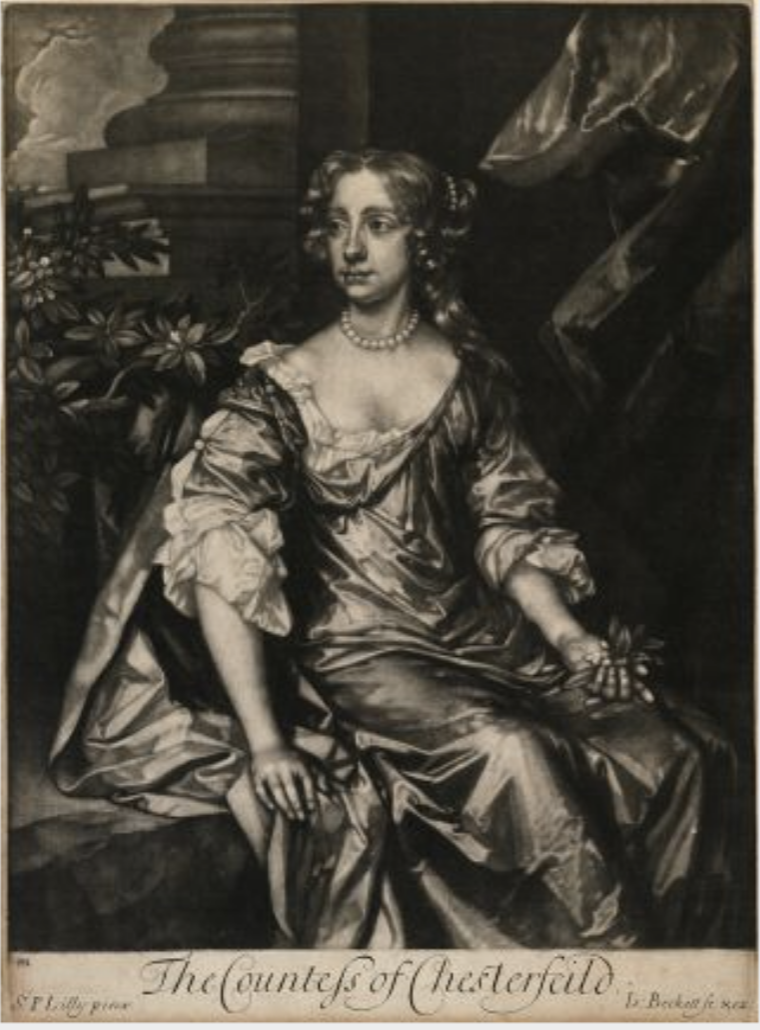
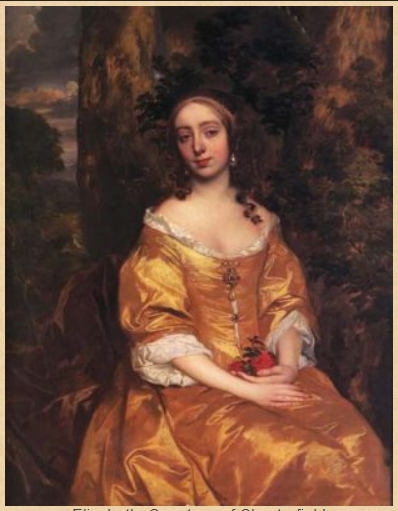
The 1st Duke of Ormond had three sons: Thomas (1634-1680), 6th Earl of Ossory; Richard (1639-1686), 1st and last Earl of Arran; and John (1634-1677), 1st and last Earl of Gowran. He had two daughters, Elizabeth (1640-1665) and Mary (1646-1710). Mary married William Cavendish, 1st Duke of Devonshire and Elizabeth, the 2nd Earl of Chesterfield.
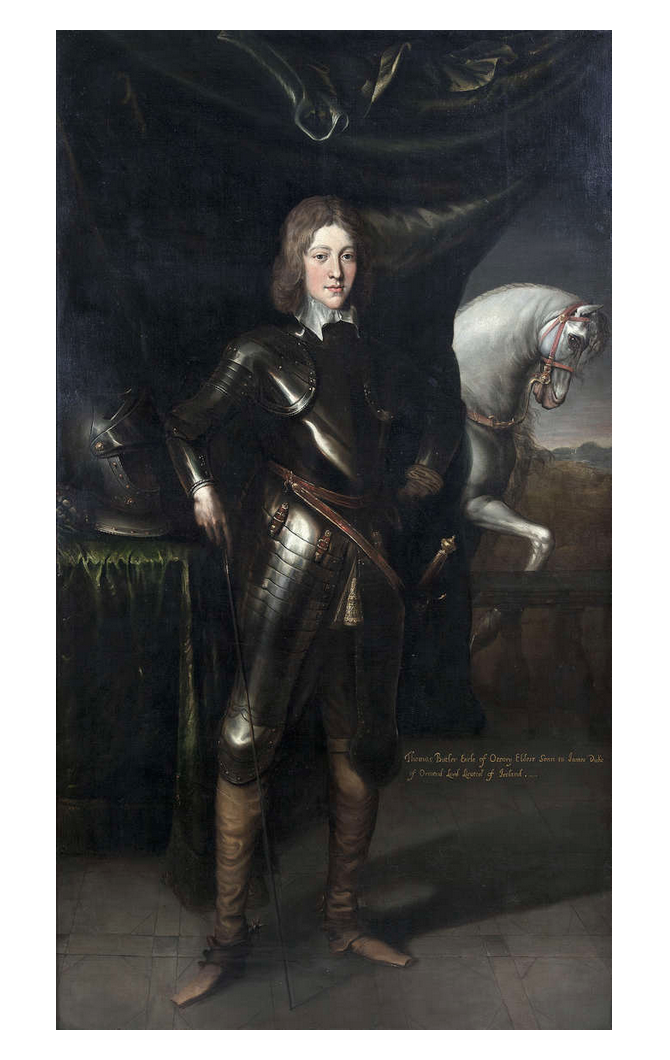
Thomas Butler (1634-1680) 6th Earl of Ossory, Eldest son of James, Duke of Ormond, in armour standing near his charge, attributed to Van Dyck, courtesy of Adam’s auction 11 Oct 2016. Provenance: Formerly in the collection of the Earl of Fitzwilliam, 1948.
Thomas Butler, 6th Earl of Ossory, (1634-1680) was born at Kilkenny Castle, the eldest son of James Butler, 1st Duke of Ormonde and Lady Elizabeth Preston. His early years were spent in Ireland and France. He was an accomplished athlete and a good scholar. In 1661 Butler became a member of both the English and Irish houses of Commons, representing Bristol in the former and Dublin University in the latter House. In 1665 he was appointed lieutenant-general of the army in Ireland and in 1666 was created an English peer as Lord Butler.
Having proven himself as an expert military strategist, and whilst visiting France in 1672, he rejected the liberal offers made by Louis XIV to induce him to enter the service of France, and returning to England he added to his high reputation by his conduct during the Battle of Texel in August 1673. From 1677 until 1679, he served alongside his father as a Lord of the Admiralty.
The earl was chosen to William, Prince of Orange, and in 1677 he joined the allied army in the Netherlands, commanding the British section and winning great fame at the siege of Mons in 1678. He acted as deputy for his father, who was lord-lieutenant of Ireland, and in parliament he defended Ormonde’s Irish administration with great vigour. In 1680 he was appointed governor of English Tangier, but his death prevented him from taking up his new duties.
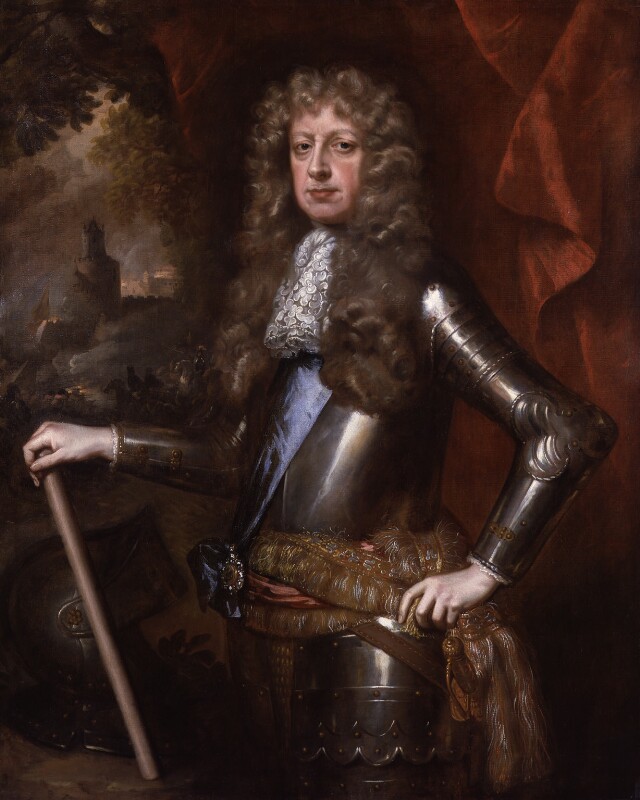
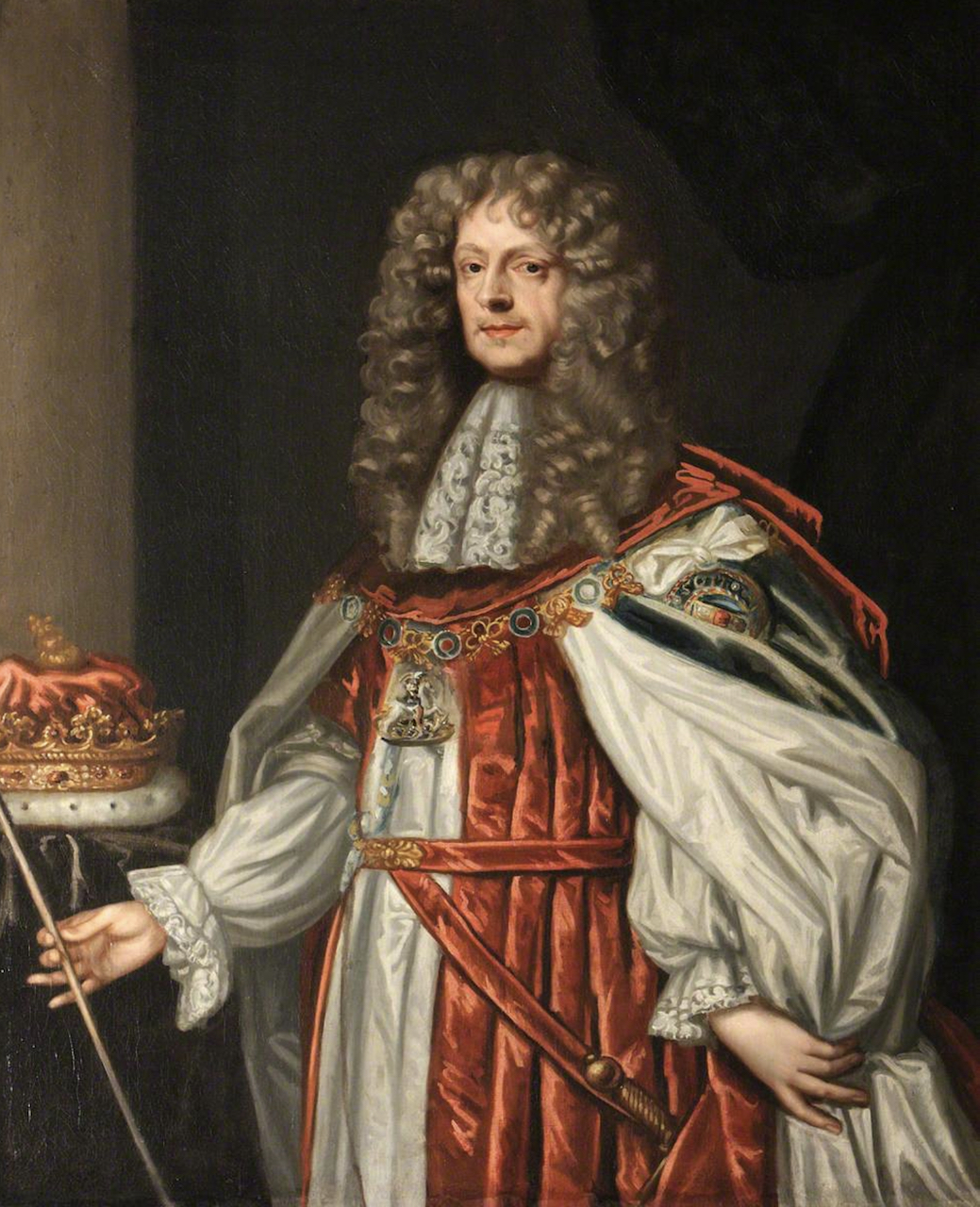
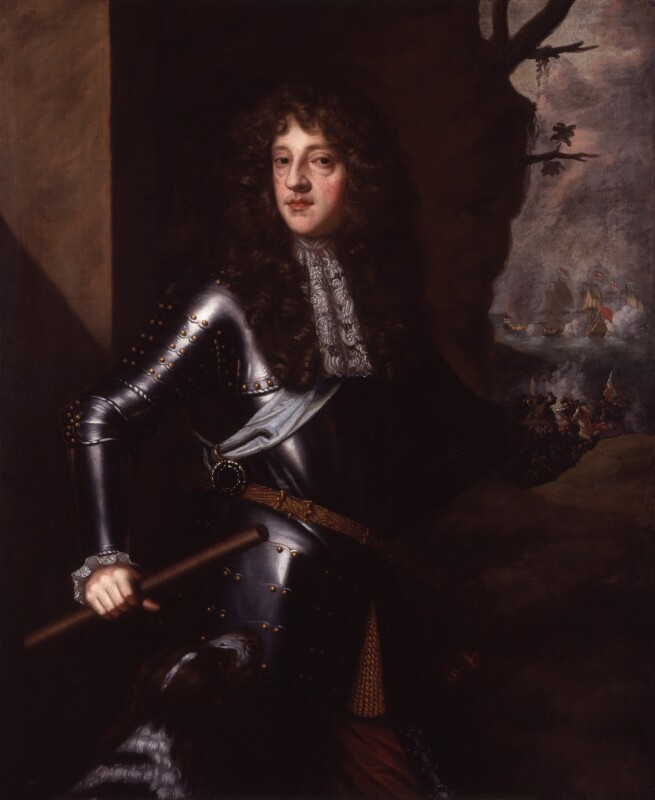
Ossory had eleven children, including James Butler who became the 2nd Duke of Ormonde in 1688. A Portrait of Thomas Butler by Lely, painted in 1678 is in the National Portrait Gallery, London and a portrait by the same hand as his father, the 1st Duke is in the ownership of the National Trust at Kedleston Hall.Thomas Butler (1634-1680) 6th Earl of Ossory, studio of Sir Peter Lely, circa 1678, courtesy of National Portrait Gallery NPG 371. Second son of the Duke and Duchess of Ormond and father of 2nd Duke of Ormonde. Richard Butler (1639-1685) 1st Earl of Arran, son of the Duke of Ormonde, by Godfrey Kneller, courtesy of National Trust Hardwick Hall.Mary Cavendish née Butler (1646-1710) Duchess of Devonshire in the style of Willem Wissing courtesy of National Trust Hardwick Hall.She was the daughter of James, 1st Duke of Ormond.Elizabeth Stanhope née Butler (1640-1665), daughter of the 1st Duke of Ormonde and 2nd wife of Philip Stanhope2nd Earl of Chesterfield Date: 1681/1688 Engraver: Isaac Beckett, English, c.1653-c.1715/19 After Peter Lely, Dutch, 1618-1680, courtesy of National Gallery of Ireland.Elizabeth Stanhope née Butler Countess of Chesterfield By Peter Lely – http//:www.thepeerage.com/p951.htm#i9503, Public Domain, https//:commons.wikimedia.org
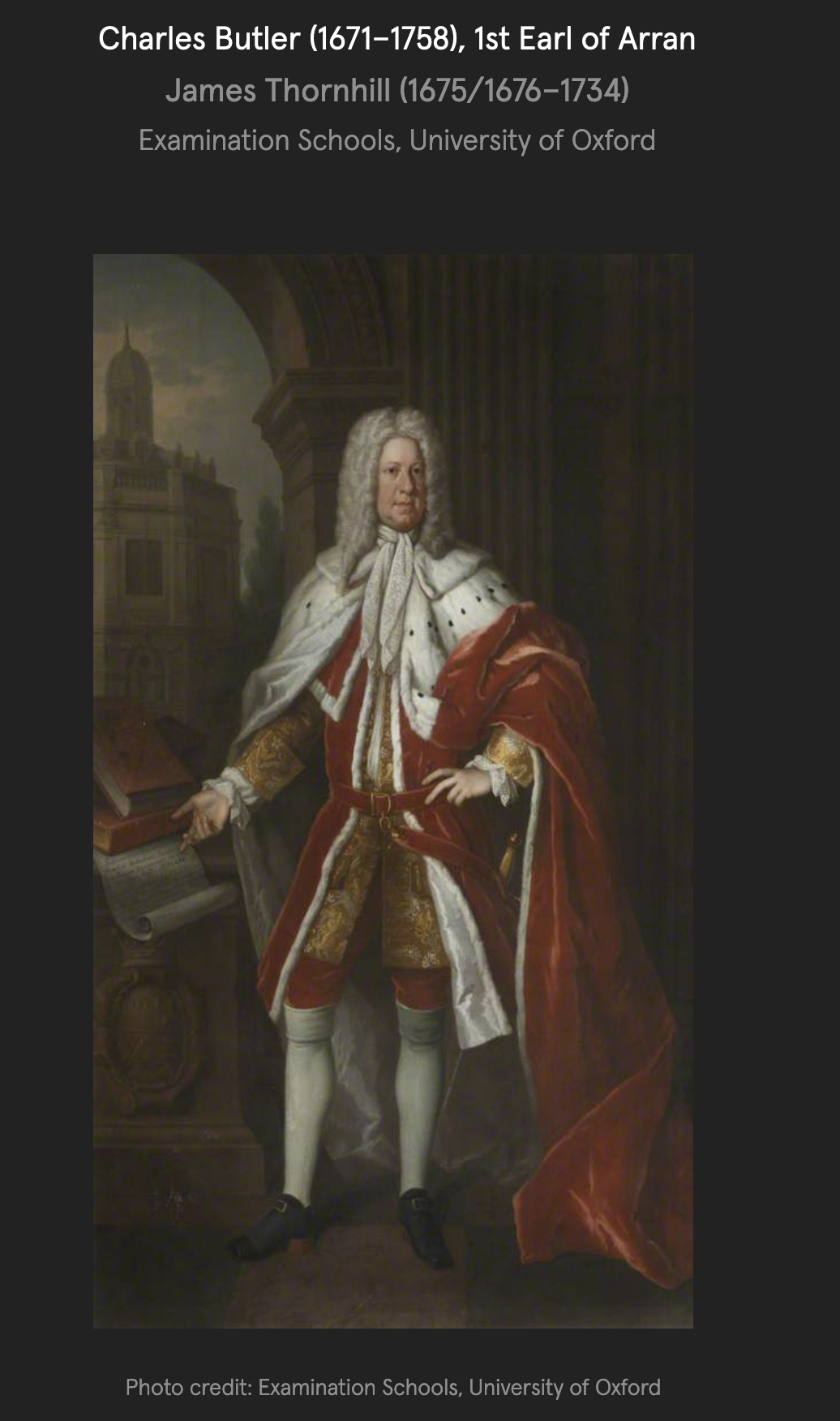
Thomas Butler (1634-1680) 6th Earl of Ossory and his wife Amelia of Nassau were the parents of James Butler (1665-1745) 2nd Duke of Ormonde. Another son was Lt.-Gen. Charles Butler, 1st Earl of Arran (1671-1758).
James the 2nd Duke had no son, so the title passed to his brother Charles Butler (1671-1758) 1st Earl of Arran. He was enabled by an Act of Parliament in 1721 to recover his brother’s forfeited estates, but the dukedom ended with him. He was, however, also the 14th Earl of Ormonde and this title continued. He had no children, however, so the title passed to a cousin.
Charles Butler (1671-1758) 1st Earl of Arran by James Thornhill, courtesy of Examination Schools, University of Oxford.
John Butler (d. 1766) of Kilcash and Garryricken became 15th Earl of Ormonde. He was a descendant of Walter Butler the 11th Earl.
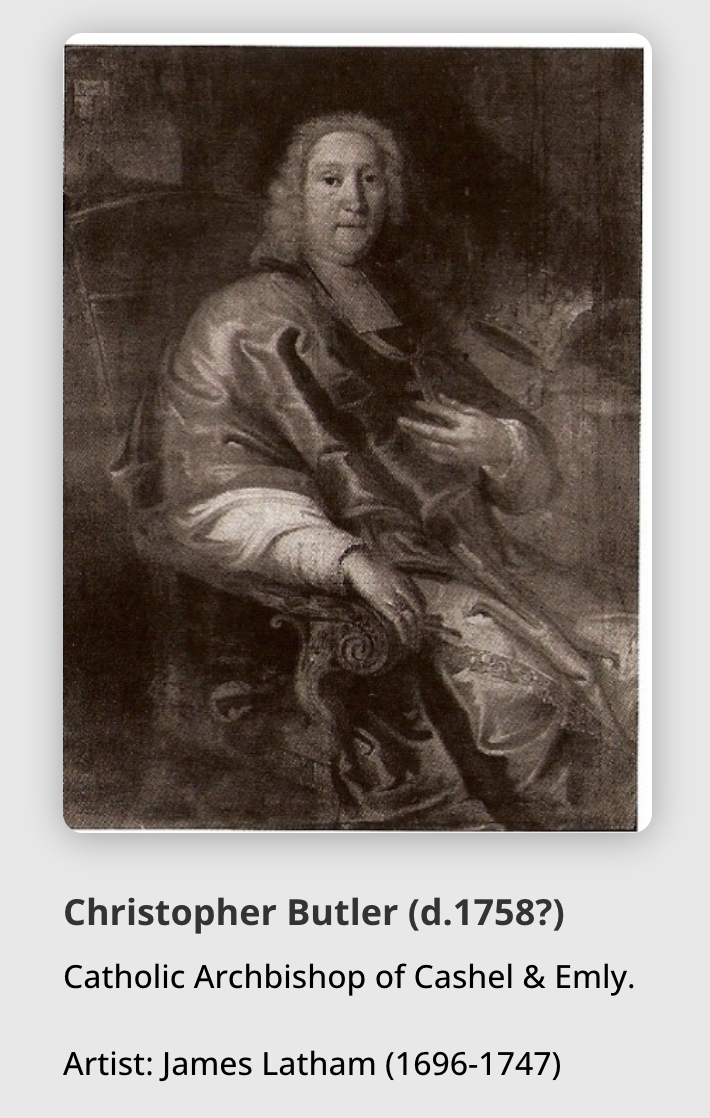
Colonel Thomas Butler of Kilcash (c. 1738) by James Latham, father of John Butler (d. 1766) of Kilcash and Garryricken who became 15th Earl of Ormonde.
Richard Butler (d. 1701) of Kilcash, County Tipperary was a younger brother of James the 1st Duke of Ormond. There is a castle ruin still in Kilcash, under the protection of the Office of Public Works but not open to the public. His son was Walter Butler of Garryricken (1633-1700). Walter had sons Christopher (the Catholic Archbishop) and Thomas (d. 1738).
Christopher Butler (d. 1758?) Catholic Archbishop of Cashel and Emly, by James Latham.Christopher Butler was Catholic archbishop of Cashel and Emly, son of Walter Butler of Garryricken and brother of Colonel Thomas Butler of Kilcash.
The 15th Earl had no children so the title then passed to a cousin, Walter Butler (1703-1783), 16th Earl, another of the Garryricken branch, who also became the 9th Earl of Ossory. He took up residence at Kilkenny Castle. Walter, a Catholic, was unable to exercise a political role.
John Butler 17th Earl of Ormonde, nicknamed “Jack of the Castle,” was son of the 16th Earl. He in turn was father of Walter Butler (1770-1820) 18th Earl of Ormonde, 1st And Last Marquess of Ormonde (of the 2nd creation).
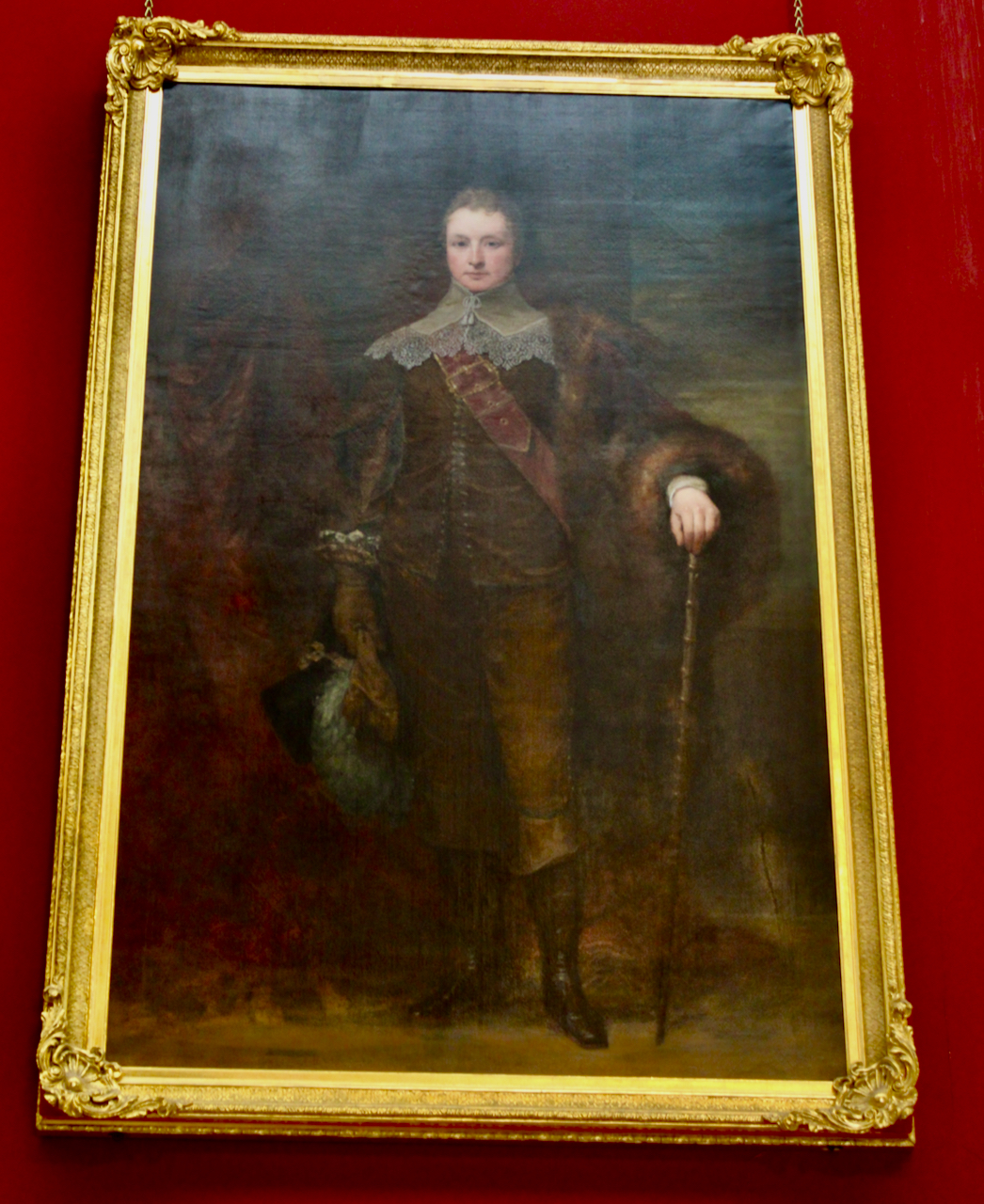
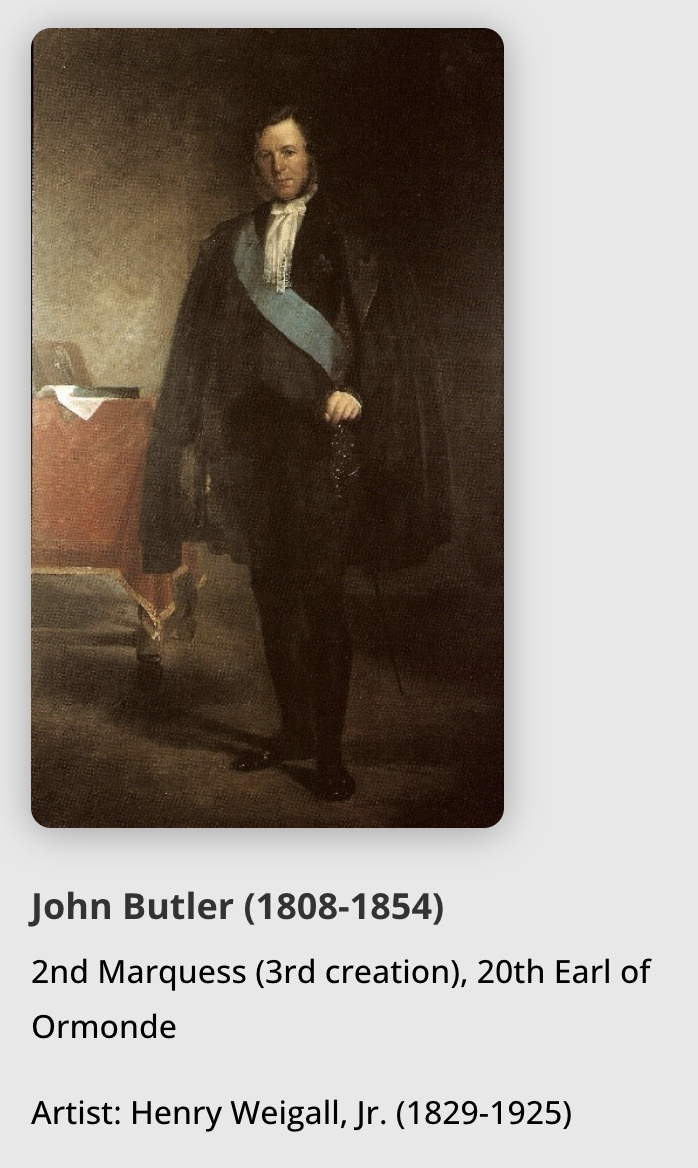
His younger brother James Wandesford Butler (1777-1838) was later created 1st Marquess of Ormonde of the third creation, 19th Earl of Ormonde. He was the father of John Butler (1808-1854) 2nd Marquess (3rd creation) and 20th Earl of Ormonde, who was the father of James Edward William Theobald Butler (1844-1919) 3rd Marquess of Ormonde and also James Arthur Wellington Foley Butler (d. 1943) 4th Marquess of Ormonde, who was father of 5th and 6th Marquesses.
orange: “whole house rental” i.e. those properties that are only for large group accommodations or weddings, e.g. 10 or more people.
green: gardens to visit
grey: ruins
donation
Help me to pay the entrance fee to one of the houses on this website. This site is created purely out of love for the subject and I receive no payment so any donation is appreciated!
€15.00
Offaly:
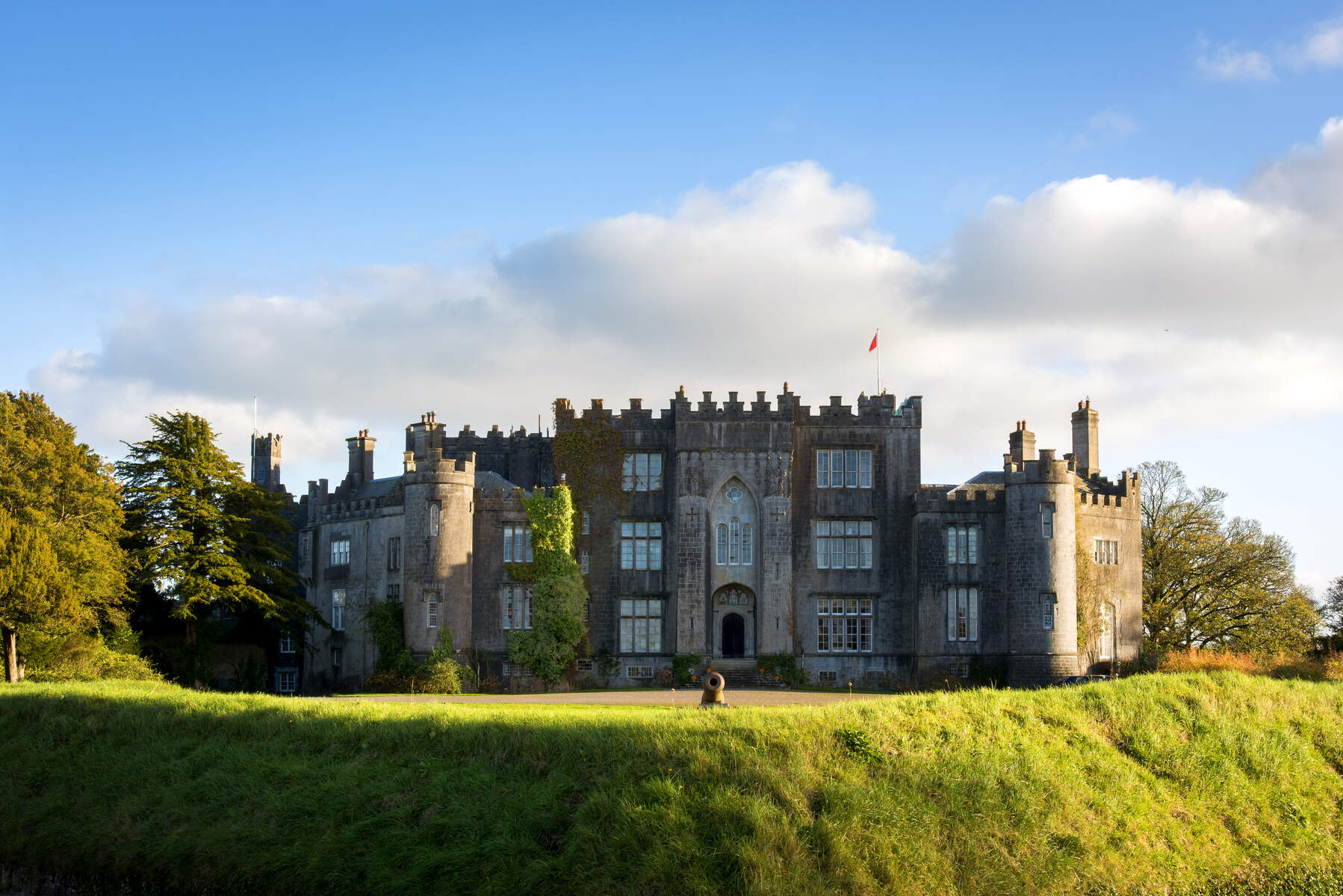
1. Birr Castle, Birr, Co. Offaly
2. Charleville Forest Castle, Tullamore, County Offaly– sometimes open to the public
3. Clonony Castle, County Offaly (check before visiting – I am not sure if it is still open to the public)
4. Crotty Church, Castle Street, Birr, Co. Offaly
5. Gloster House, Brosna, Birr, Co. Offaly
6. High Street House, High Street, Tullamore, Co. Offaly
7. Leap Castle, County Offaly
8. Loughton, Moneygall, Birr, Co. Offaly
9. Springfield House, Mount Lucas, Daingean, Tullamore, Co. Offaly
Places to stay, County Offaly
1. Ballynacard House, Birr, County Offaly – airbnb
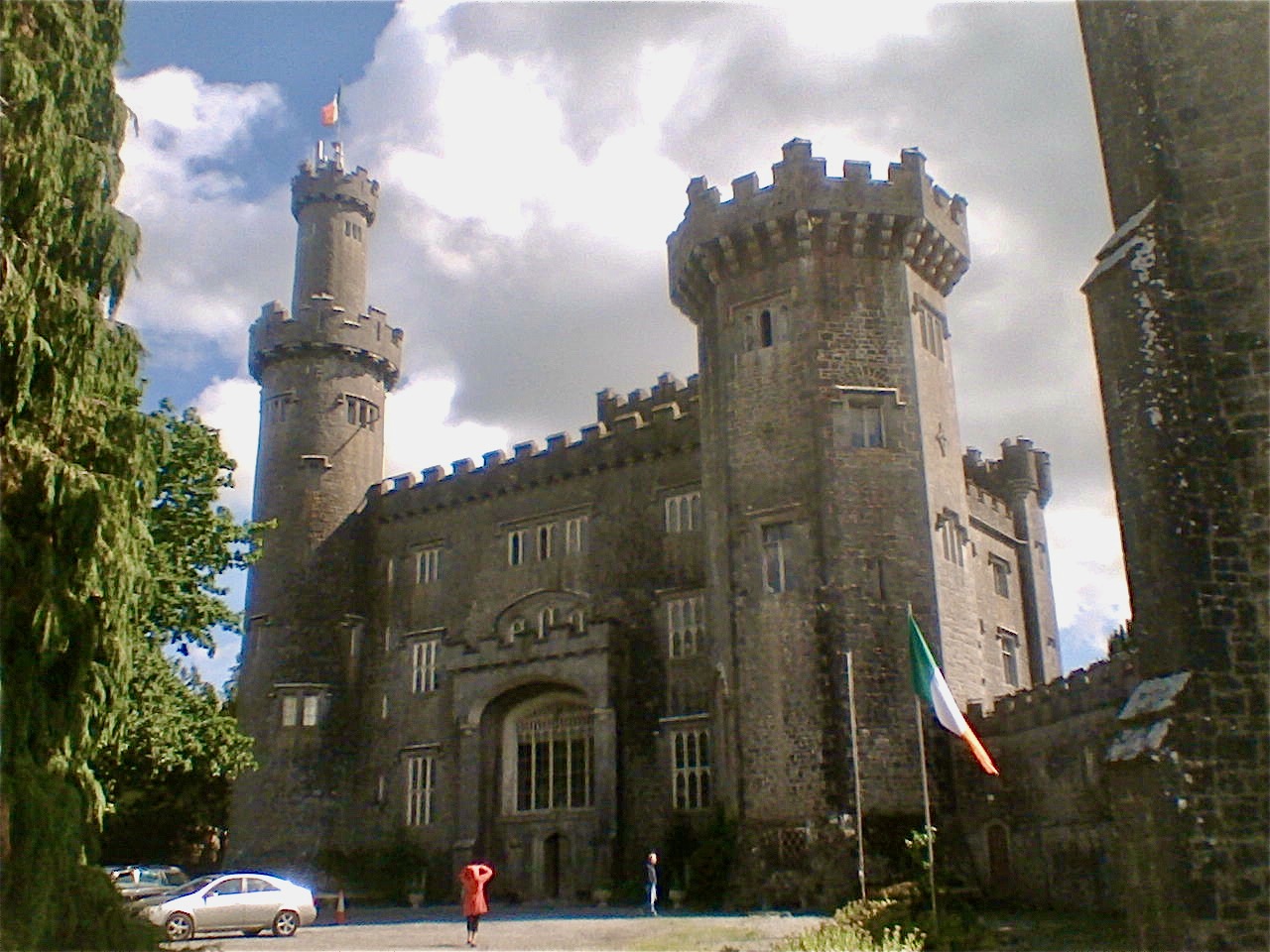
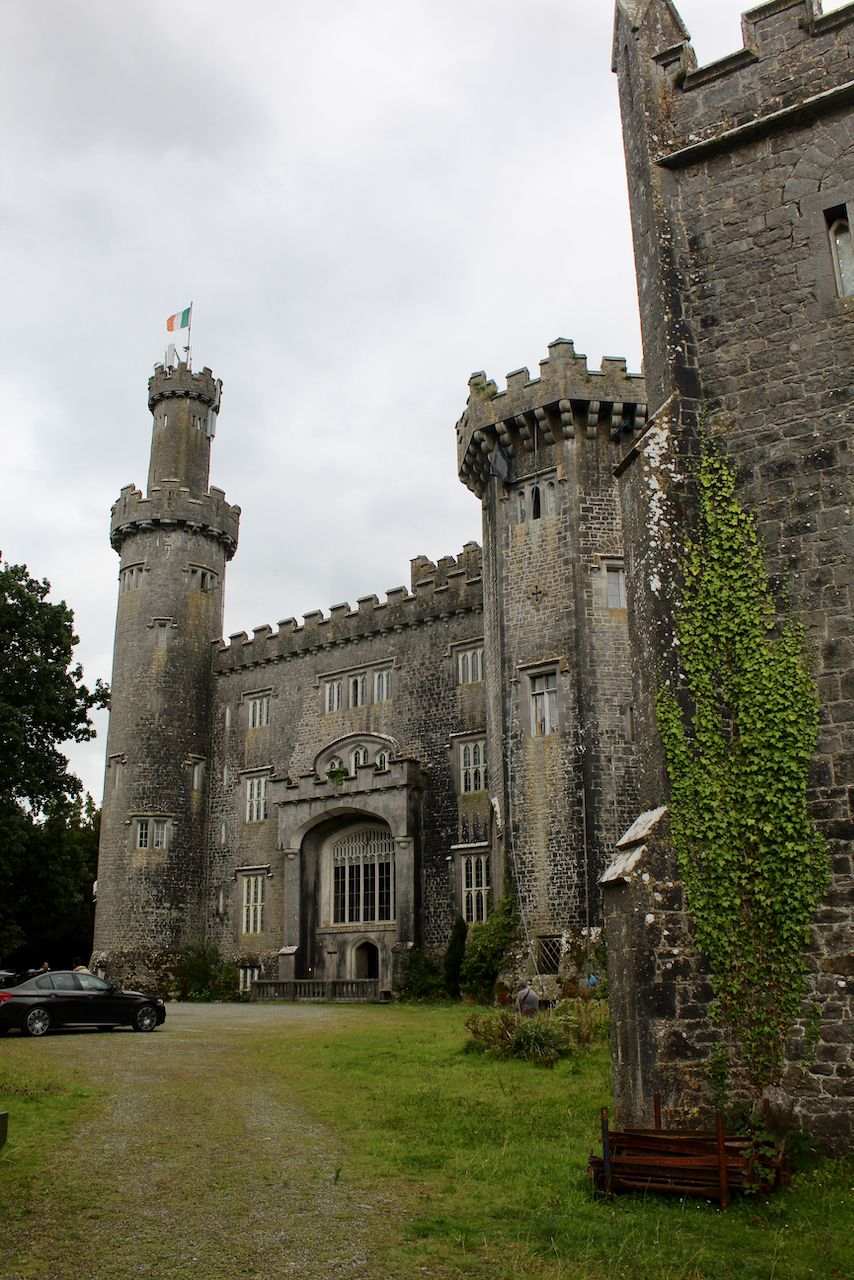
Charleville Castle was built 1800-1812 for Charles William Bury (1764-1835), later 1st Earl of Charleville, and was designed by Francis Johnston.
Mark Bence-Jones writes (1988):
p. 82. “(Bury/IFR) The finest and most spectacular early C19 castle in Ireland, Francis Johnston’s Gothic masterpiece, just as Townley Hall, County Louth, is his Classical masterpiece. Built 1800-1812 for Charles William Bury, 1st Earl of Charleville, replacing a C17 house on a different site known as Redwood. A high square battlemented block with, at one corner, a heavily machicolated octagon tower, and at the other, a slender round tower rising to a height of 125 feet, which has been compared to a castellated lighthouse. From the centre of the block rises a tower-like lantern. The entrance door, and the window over it, are beneath a massive corbelled arch. The entire building is cut-stone, of beautiful quality.” [2]
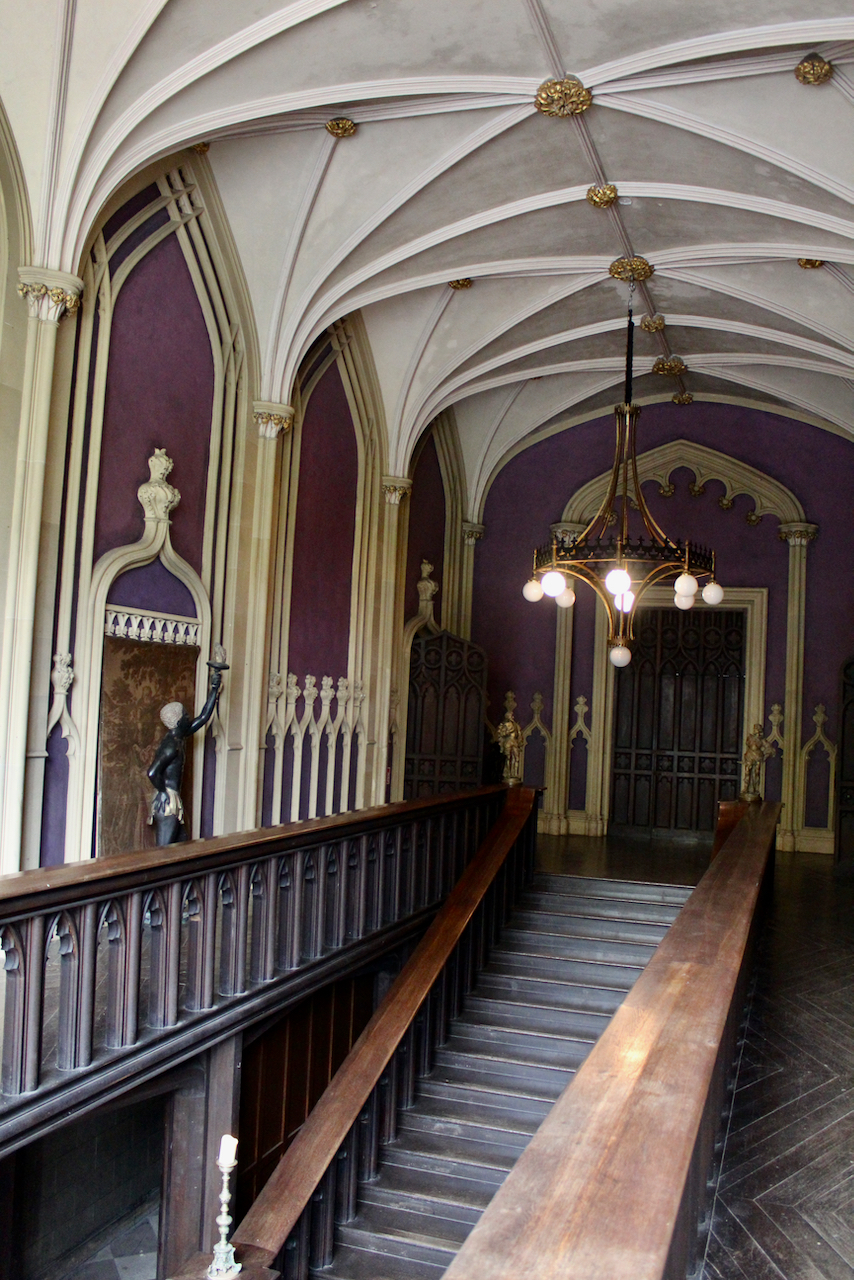
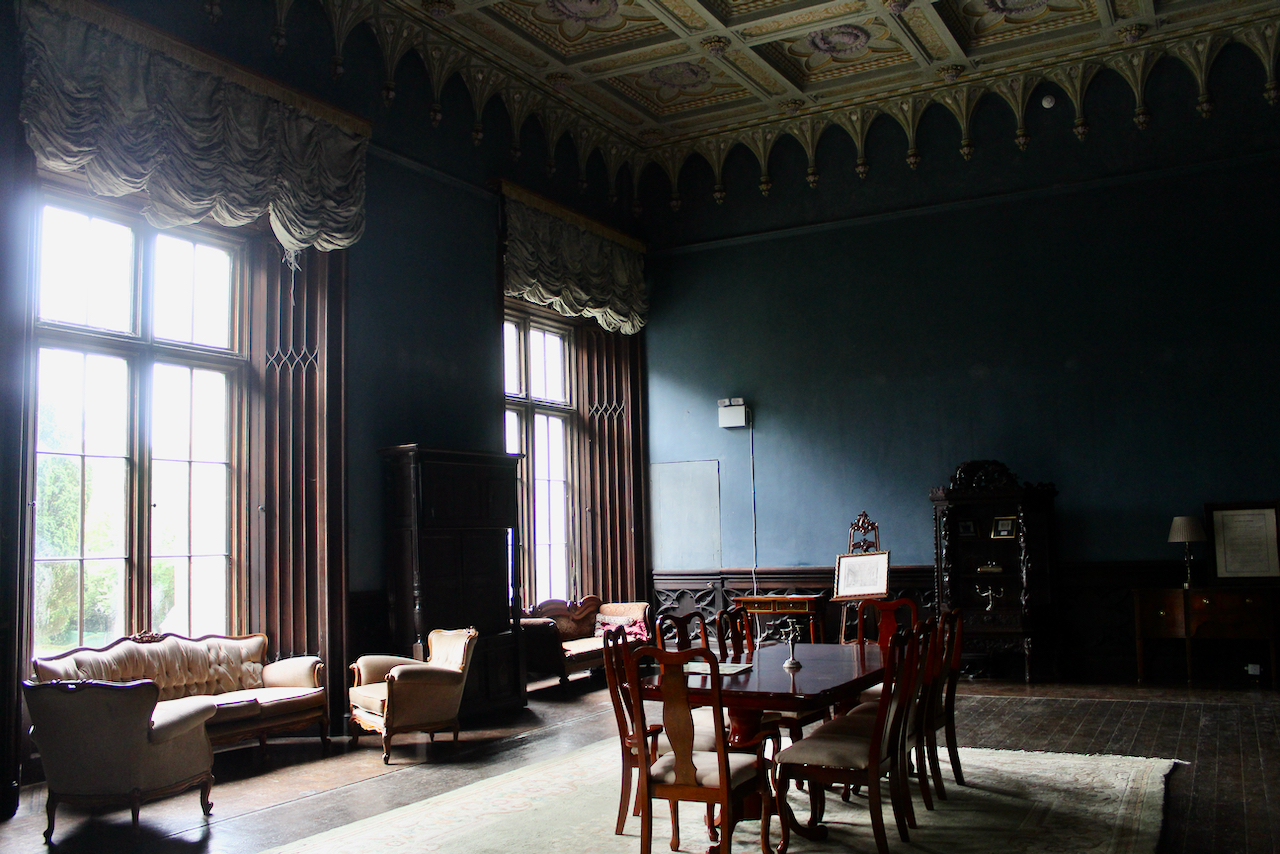
“The interior is as dramatic and well-finished as the exterior. In the hall, with its plaster groined ceiling carried on graceful shafts, a straight flight of stairs rises between galleries to piano nobile level, where a great double door, carved in florid Decorated style, leads to a vast saloon or gallery running the whole length of the garden front.”
The house stood almost empty, with a caretaker, for years. When Charles Kenneth died in 1963, the property passed to a cousin, the grandson of the 3rd Earl’s sister with whom he had quarrelled. She had married Edmund Bacon Hutton and her grandson William Bacon Hutton legally changed his surname to Hutton-Bury when he inherited in 1964. The castle remained empty, until it was leased for 35 years to Michael McMullen in 1971. It had been badly vandalised at this stage. He immediately set to restore the castle.
More repairs were carried out by the next occupants, Bridget “Bonnie” Vance and her parents, who planned to run a B&B and wedding venue. Today the castle is run by Charleville Castle Heritage Trust.
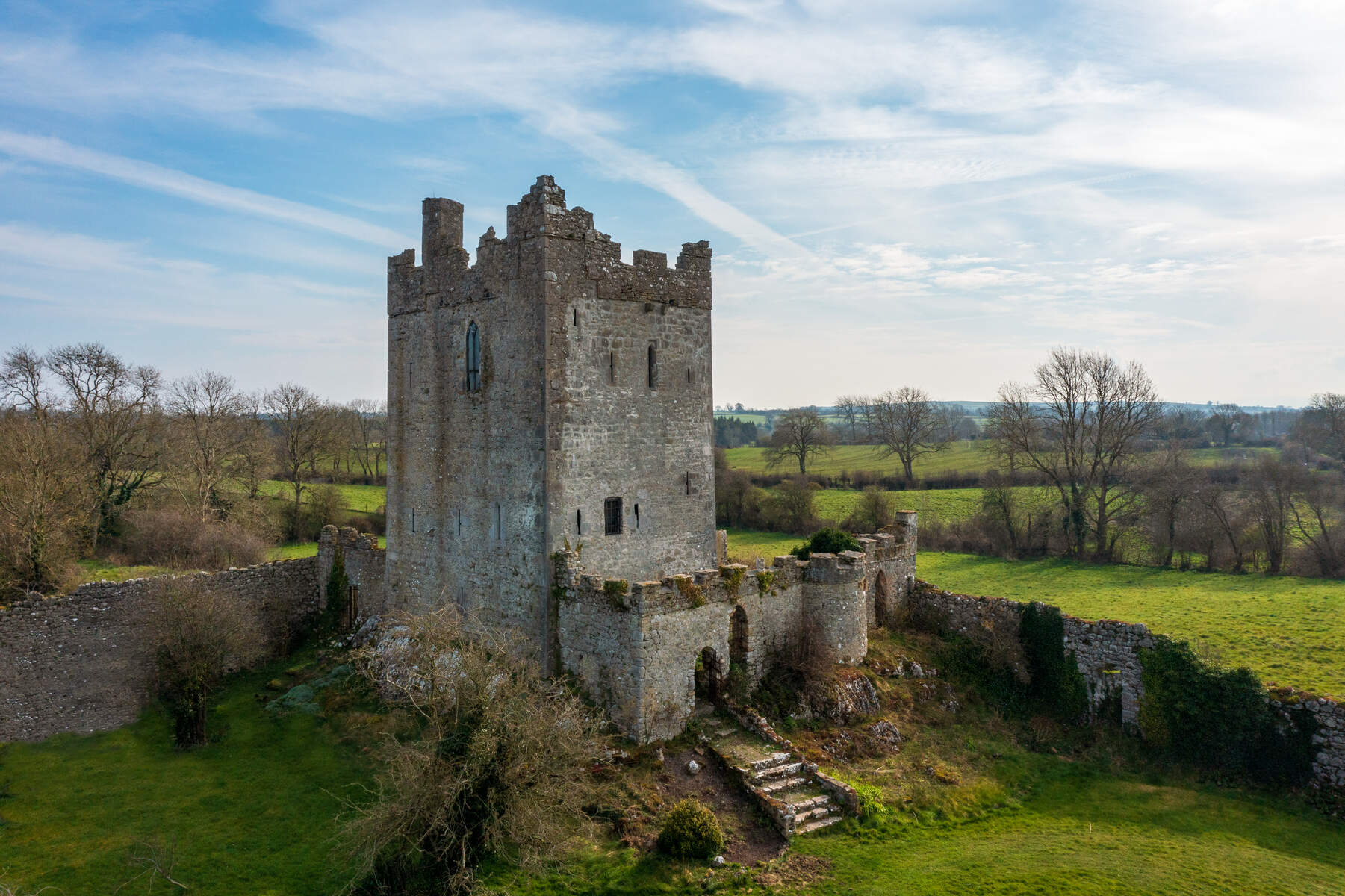
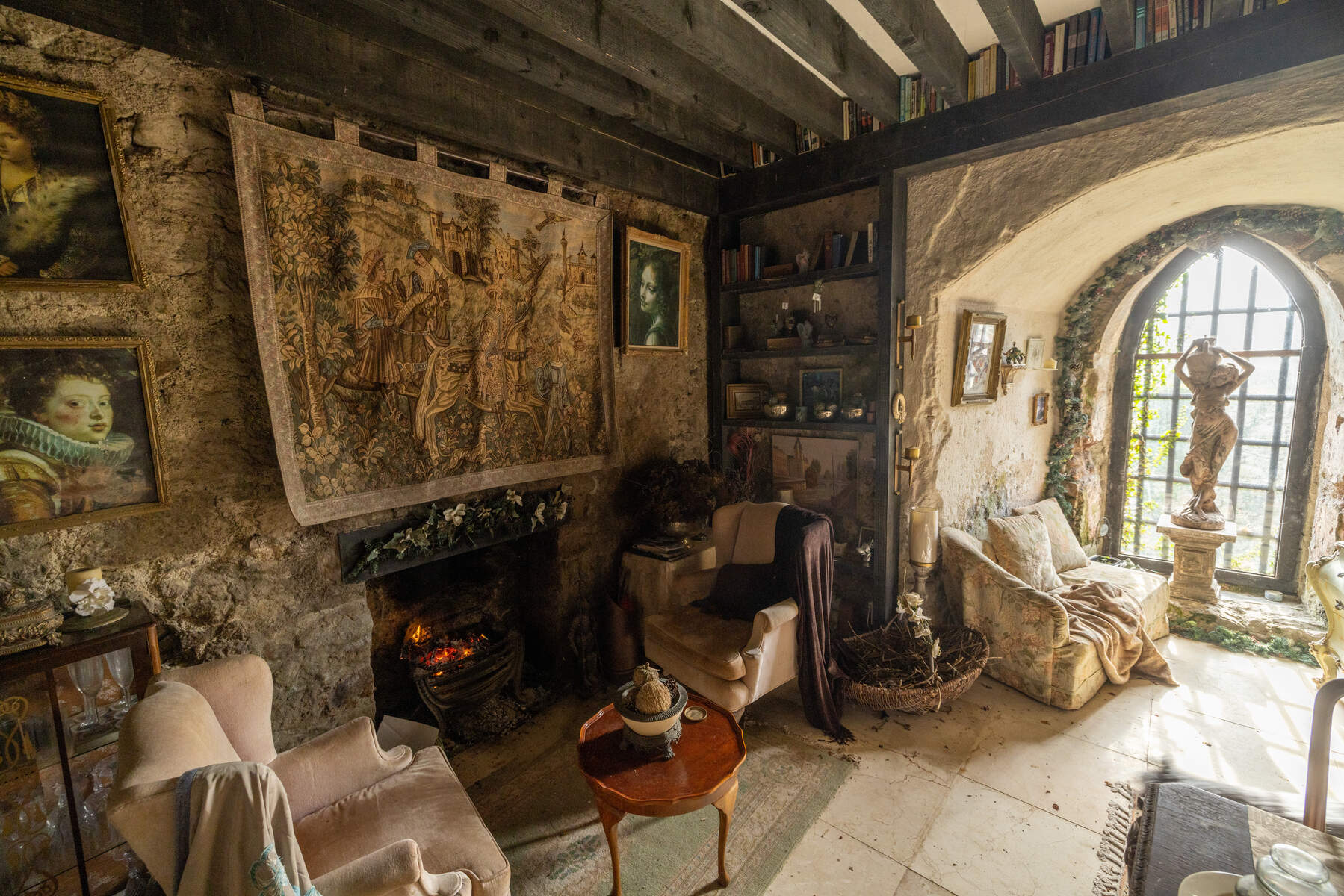
3. Clonony Castle, County Offaly– for sale May 2023, I am not sure if still open to the public
Clonony Castle County Offaly, photograph by Gareth McCormack/garethmccormack.com for Tourism Ireland, 2022Interior, Clonony Castle County Offaly, photograph by Gareth McCormack/garethmccormack.com for Tourism Ireland, 2022
“Clonony Castle, built in the 1490’s by the Coghlan Clan, was seized by Henry VIII during the war of dominion by England. He ceded it to Thomas Boleyn, making him the Earl of Ormond, his daughter, the ill-fated Ann, a countess and marriageable by a king. When Henry tired of Ann and the Boleyns fell from grace, two ladies, Mary and Elizabeth, were sent back to Clonony and remained for the rest of their lives. Their tombstone lays beneath a tree in the castle bawn.
“Following the ladies demise, a merchant, Sir Matthew de Renzi, wrote to Queen Elizabeth of the great significance of the castle and begged to be awarded it. These DeRenzi letters have become very important as they tell us what life was like in the 16th Century in the midlands. Possessing a great facility for language, speaking and trading with many countries, he wrote the first English/Irish dictionary.
“Today the castle has been sensitively restored to reflect the way of life through this historical period and now is open to the public casually from 12 to 5 on Friday, Saturday, and Sunday through summer and anytime by appointment on 0877614034. There is no fee, but donations toward the maintenance of the castle is greatly appreciated. In June, the castle will open on weekends for glamping (glamourous camping). Early booking is essential.”
4. Crotty Church, Castle Street, Birr, Co. Offaly
Open dates in 2026: Jan 1- Dec 31, Mon-Fri, excluding Bank Holidays, 12 noon-5pm
Fee: Free [caution: when we visited during Heritage Week 2024, it was not open]
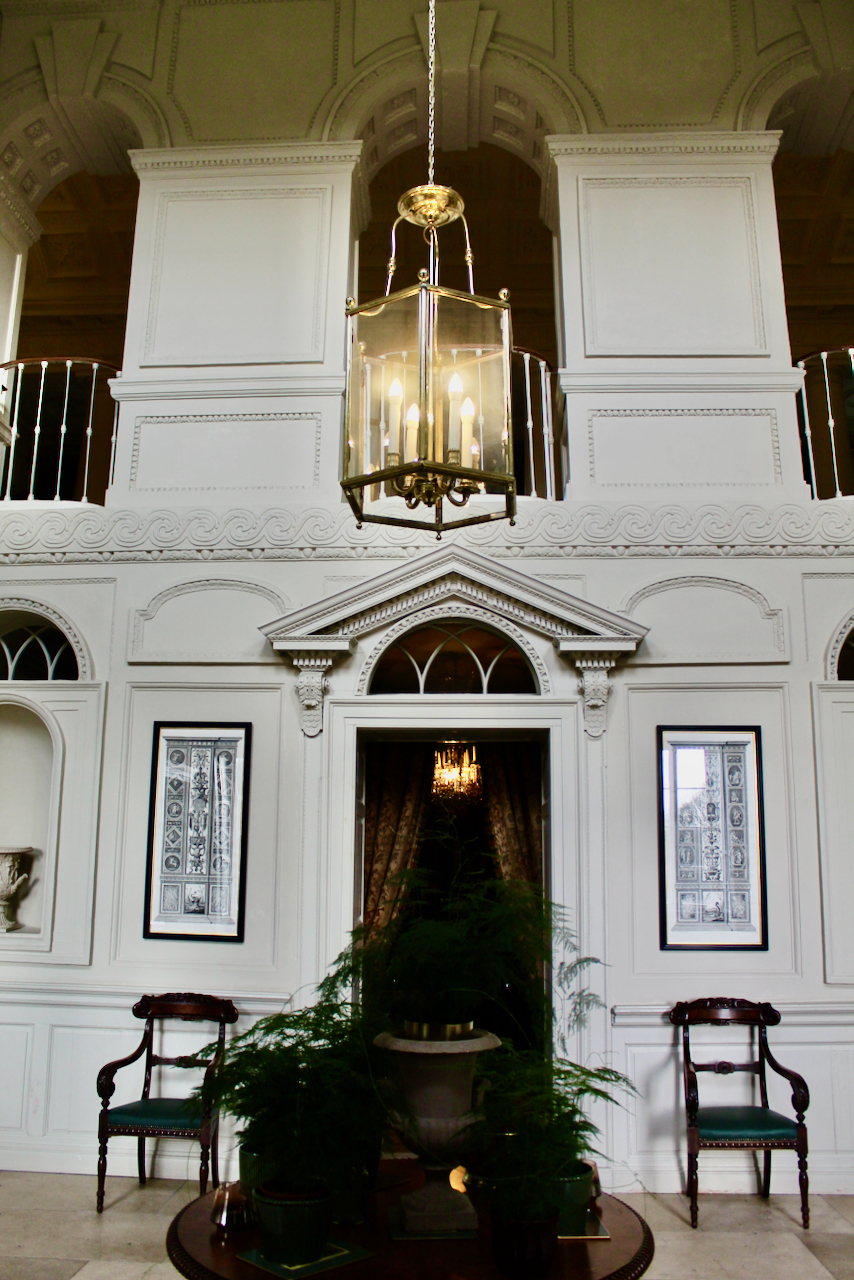
“Just east of the road between Birr and Roscrea, Gloster is County Offaly’s most important remaining eighteenth century house. The formal facade, overlooking the steeply terraced garden, is unusually long and low, and is very grand. Thirteen bays wide and two stories high, the house is constructed in blue-grey limestone with a wealth of early architectural details in warm contrasting sandstone. The interior is equally splendid, especially the two principal rooms; the richly decorated double-height entrance hall and the great barrel-vaulted hall, or landing, on the piano nobile.“
The Lloyd’s ancestor came to Ireland from Denbighshire, to serve in the army of King Charles I, and he acquired the estate in 1639 through marriage with an heiress, Margaret Medhop. Presumably they and their descendants lived in an earlier dwelling, of which no trace remains, until the present house was completed sometime after 1720. The architectural historian Maurice Craig, who edited the book of Pearce’s drawings, observed that, “Gloster has features which can hardly derive from anyone other than Sir Edward Lovett Pearce” (c.1699-1733). Craig also believed that, while Pearce may well have provided a design for his cousin, Trevor Lloyd, he almost certainly left the execution to others since “for all its charm, it is provincial in almost every respect”.
Pearce began work in Ireland in 1724 under Alessandro Galilea on Castletown House, in County Kildare. He later designed Parliament House in College Green in Dublin.
Trevor Lloyd and Rose Medhop had a son and named him Medhop Lloyd (c. 1670-1734). He married into the Lovett family, marrying Mary, daughter of Christopher Lovett, who at one time held the position of Lord Mayor of Dublin.
The Gloster we see today was built by the son of Medhop and Mary, Trevor Lloyd (d. 1747). His mother Mary was the sister of Frances Lovett, who married Edward Pearce (1658-1715), and Frances and Edward were the parents of architect Edward Lovett Pearce. Therefore Lovett Pearce was a first cousin of Trevor Lloyd (d. 1747), who inherited the property.
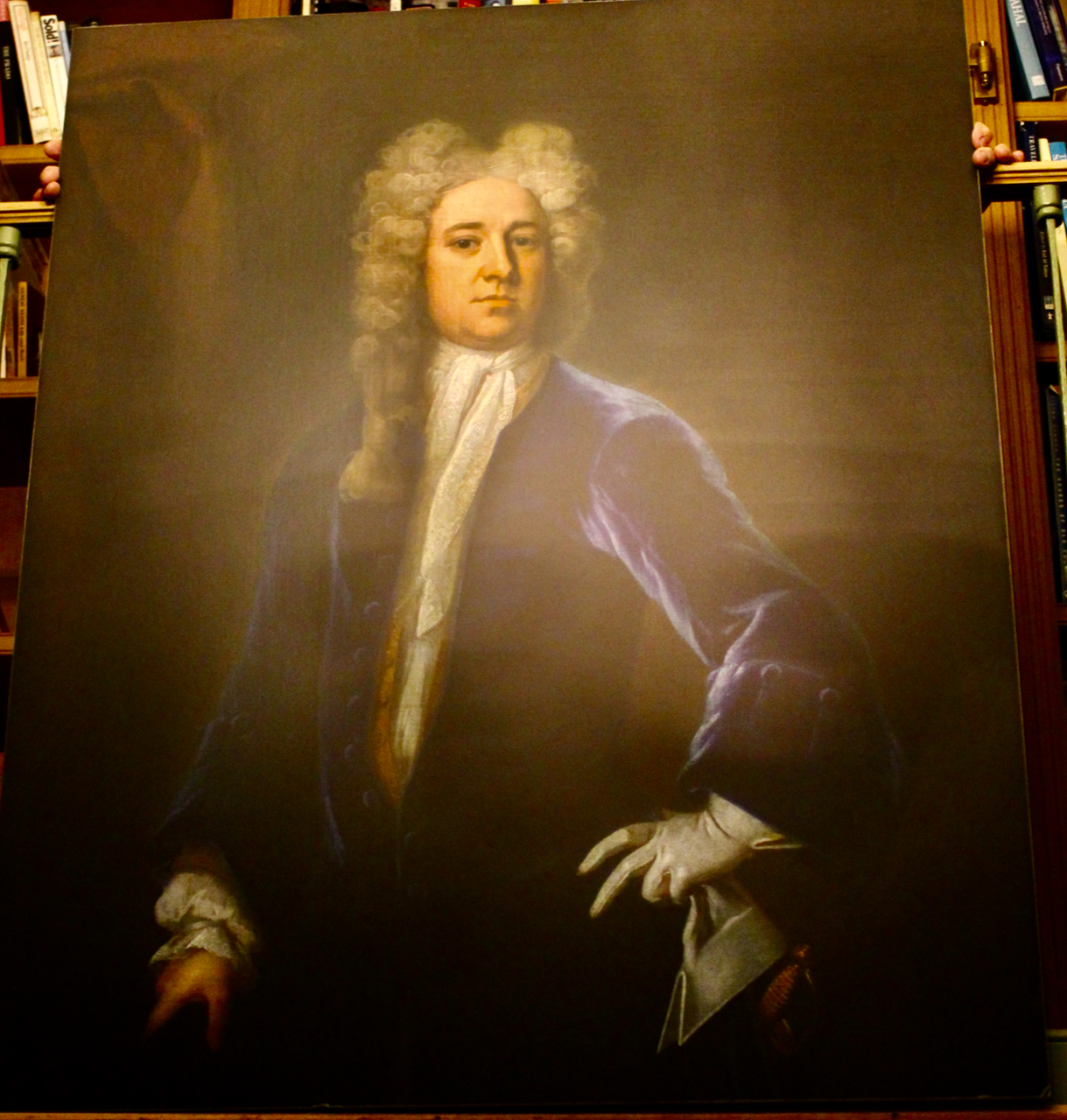
Trevor Lloyd, Tom Alexander had a photograph made of a print by Charles Jervas. Jervas was born nearby in County Offaly.
We visited Gloster House in County Offaly in February 2023. I was excited to see it after looking at pictures on Robert O’Byrne’s blog. Previously it had been a school, purchased by an order of nuns in 1958. The nuns ran the house as a convalescent home. To its rear they erected a chapel and school buildings to accommodate a female boarding school. Nearly all of the farm buildings were demolished to allow for these new buildings, but the original house survived conversion to an institution reasonably well apart from the destruction of a complete wing on the north-western elevation. The order of nuns left Gloster in 1990 and following two subsequent changes of owners, in 2001 it became the property of Tom and Mary Alexander, who moved from Dublin to Birr. They have been working on the restoration of Gloster ever since.
The house and gardens are available as an exclusive private venue for corporate functions, family celebrations and weddings. It is also a home to the Alexander family.
The Gloster website tells us that the present house is thought to date from between 1700 and 1720, and it is possible that a house existed on the same site at Gloster from 1639.
In Great Irish Houses (with forewards by Desmond FitzGerald and Desmond Guinness published by IMAGE Publications in 2008) we are told that King Charles I granted lands at Gloster to the Medhop family. “Gloster” is a derivative of Glasderrymore, meaning the big green wood.
The Historic Houses of Ireland website continues: “The central breakfront is relatively plain, apart from the typically 1700s hooded door case with pilasters to either side, while two recessed bays at either end of the facade are treated as wings, with Pearcean blind niches in place of windows on the upper storeys. Meanwhile the three intervening bays to either side are further divided by vertically paired pilasters, Doric below the string course and Corinthian above, and their positions are reflected in the cornice, the parapet and in the intervals of the balustrade.
“Inside, the elaborate double-height entrance-hall has a series of bust-filled niches while there is very grand upper hall on the piano nobile. This is approached by twin staircases and overlooks the entrance-hall though a series of round-headed openings with a profusion of architectural detail.
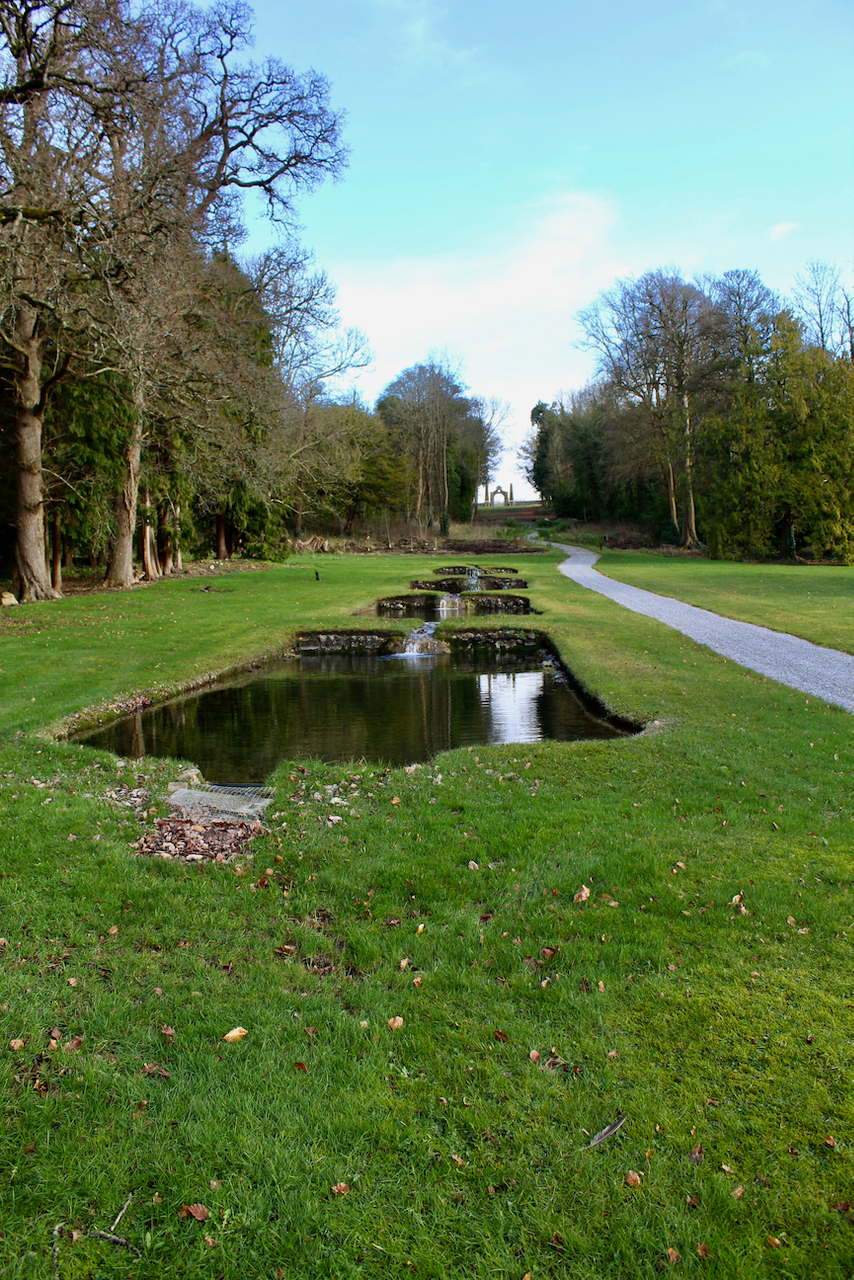
“Samuel Chearnley may have had a hand in designing the gardens, which contain a canal, a lime avenue and a pedimented arch, flanked by obelisks in the manner of Vanburgh, while a series of later terraces in front of the house descend to a small lake.“
The Dictionary of Irish Architects tell us Chearnley became a protégé of Sir Lawrence Parsons of Birr, Co. Offaly, where he died in 1746, aged only 29. Between October 1745 and May 1746 he produced a manuscript set of designs for garden buildings, which he entitled ‘Miscelanea Structura Curiosa’. Most of the designs were his own, though five were conceived by Parsons and merely drawn up by him.
The Historic Houses of Ireland website continues: “Gloster was sold in 1958 and became a convent and nursing home, with a new school complex built on the site of the former stables. The school closed shortly after 1990 and the house fell into considerable disrepair. Happily Tom and Mary Alexander purchased the house and have carried out a thorough and sympathetic restoration.
Famous visitors to Gloster include John Wesley, who preached here in 1749, while the famous Australian “diva” Dame Nellie Melba sang from the gallery in the upper hall early in the 20th century.” [6]
The Gloster website tells us: “The interiors of Gloster House, some with elaborate plaster panelling to the walls and others with timber mouldings, appear to be early-to-mid-eighteenth century. However work could have been carried out to the house during the nineteenth and early-twentieth century, successively by Hardress Lloyd (d.1860), his son John Lloyd (d.1883) and his grandson Brigadier-General John Hardress Lloyd (d.1952).“
John (c. 1753-1811) was a son of Trevor Lloyd and Henrietta Waller. He married Jane Le Hunt (d. 1822), daughter of Thomas Le Hunt, of Artramon, County Wexford. The website tells us that throughout the nineteenth century Lloyd successors perpetuated at Gloster, variously as MPs (Members of Parliament), JPs (Justices of the Peace) and in the military.
John and Jane’s daughter Alice (d. 1867) married Laurence Parsons (1758-1841) 2nd Earl of Rosse of Birr Castle. Her sister Harriet married Reverend Henry King of Ballylin County Offaly (now gone but gates remain).
John and Jane’s son Hardress Lloyd (d.1860) was for some years Lieutenant-Colonel of South Down Militia and MP for King’s County (County Offaly) 1807-16. Colonel Lloyd died unmarried but had a son, John Lloyd (d. 1883). John married Susanna Frances Julia (1850-1886), second daughter of John Thomas Rossborough Colclough of Tintern Abbey, County Wexford (see my entry about OPW properties in County Wexford), in 1872, and they had many children. John was Deputy Lieutenant and High Sheriff of King’s County in 1866.
Their son Brigadier-General John Hardress Lloyd, a distinguished World War I general, married Adeline Wilson, an Australian heiress, in 1903. They met in India, where she was sent to meet a husband. The website tells us that this marriage injected substantial financial benefits into the estate which resulted in a certain degree of internal remodelling of the house and a major enhancement of the gardens.
Adeline died in 1933, the General in 1952. As they had no children the estate devolved to their nephew Major Evan Talbot Trevor Lloyd (1919-1964). He was the son of John and Susanna Frances Julia’s son Evan Colclough Lloyd (1877-1945).
Evan Talbot Trevor Lloyd sold the house to the nuns in 1958. The Lloyds are buried at Ettagh cemetery and a fine monument stands there as a reminder of their legacy.
6. High Street House, High Street, Tullamore, Co. Offaly, R35 T189
“Sean Ryan of Leap Castle, insisted that he doesn’t fabricate when telling the story of what he and his wife see and hear at their home. Where most would refer to these apparitions as ghosts, Sean prefers to call them spirits. He describes the regular visions as people with a haze around them. Sometimes there is a lot of activity; other times less so. The sounds they hear are footsteps, doors opening and closing and crowds talking. However, on occasions that he has gone in the direction of the noise, nothing is apparent there, with the location of the spirits always out of reach. There is spirit, though, a lady, who touches off people. A lot of guests to the castle have also felt her presence. The remarkable thing Sean told us was that this experience never seems to alarm his guests, rather they always remain very calm, something that surprises them! Sean doesn’t regard his home as haunted and, as far as he is concerned, the spirits he sees and hears have as much right to live there as he does. Sean is happy to continue to live alongside them as he has done since 1994, when restoration on the castle began.“
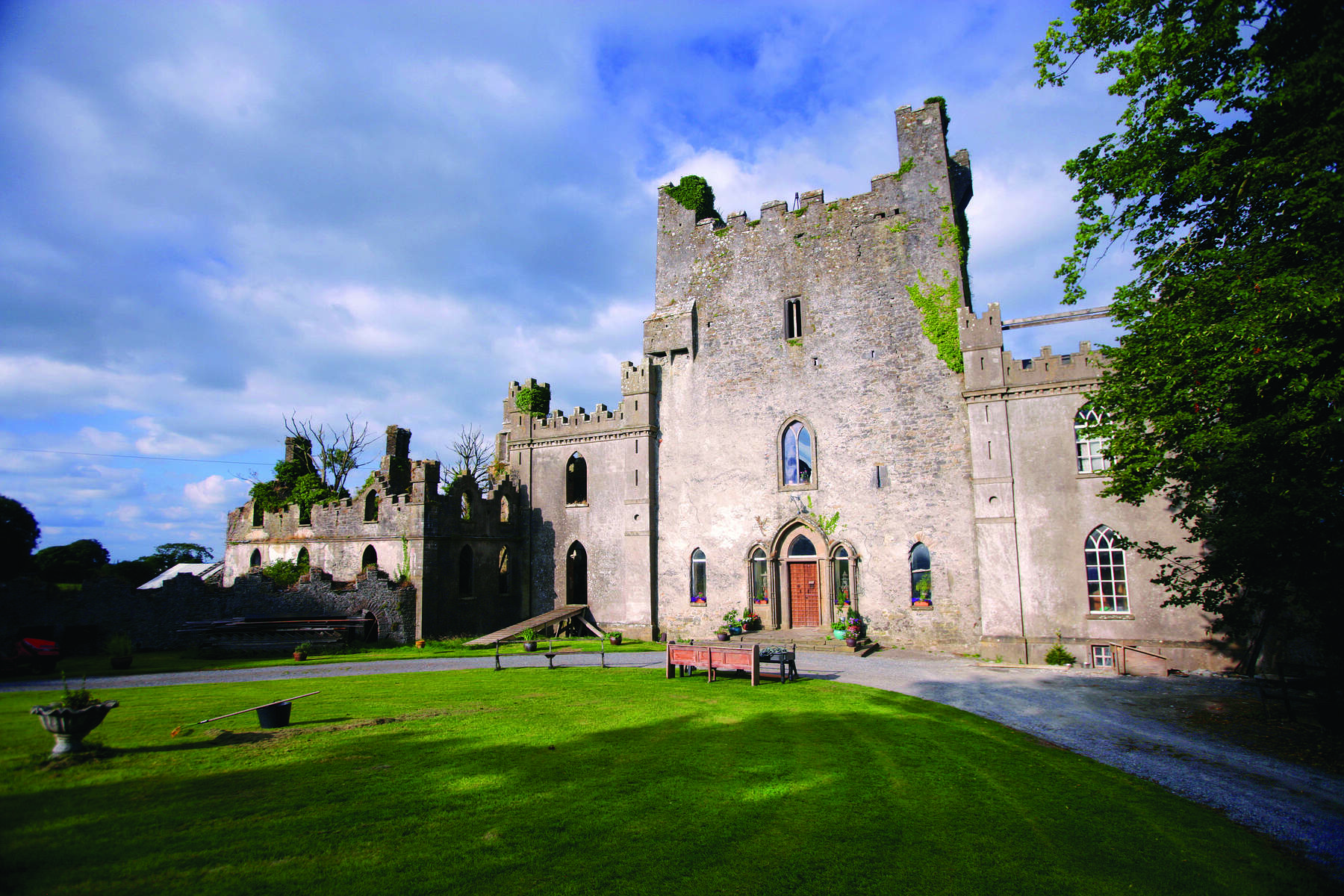
Leap Castle by Brian Morrison, 2015 for Tourism Ireland, Ireland’s Content Pool. (see [2])
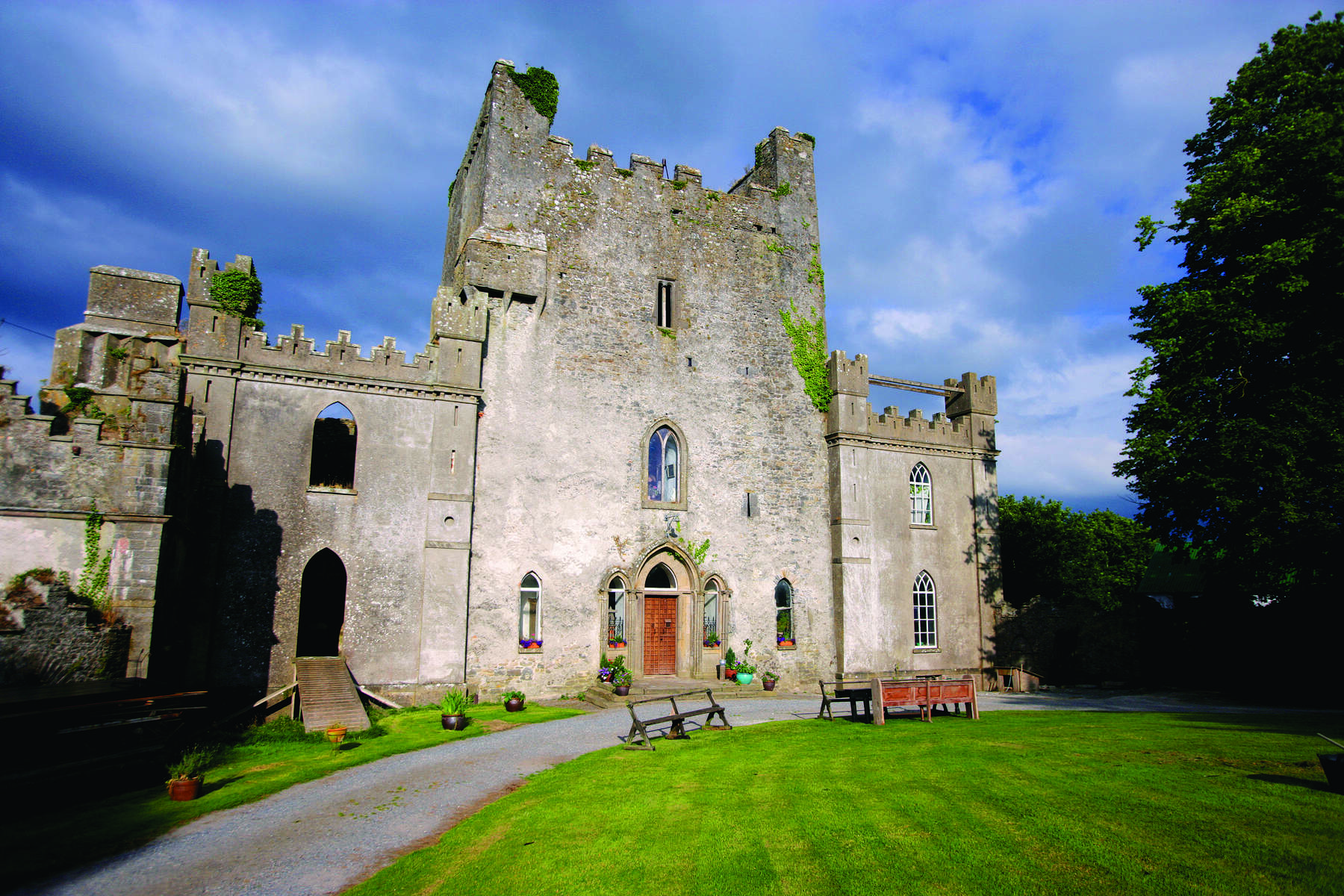
Built in the early 1500’s under the supervision of the powerful and warring O’Carroll clan, Leap Castle has been the centre of much bloodshed.
Leap Castle by Brian Morrison, 2015 for Tourism Ireland, Ireland’s Content Pool. (see [2])
“The O’Carrolls were a fierce and brutal clan, continually struggling for power and supremacy. They were known to be particularly violent and cunning in the attempts for domination. John O’Carroll was thought to be the first Prince of Ely who lived at Leap Castle. It is very probable that it was he who was responsible for the construction of the earliest sections of Leap Castle. John O’Carroll died at Leap Castle, suffering from the plague. John O’Carroll was succeeded by his son named Mulrony O’Carroll. Mulrony O’Carroll was renowned for his strength, bravery and valour and was considered a great leader. The Great Mulrony as he was known died (most likely) at Leap in 1532 after a rulership of forty two years. Mulrony was succeeded by his son Fearganhainm.“
The website continues with the history of one brother after another killing each other for supremacy.
The website tells us:
“In 1629 John O’Carroll, nephew of Charles O’Carroll was given the official ownership of the Leap Estate. The year 1649 the property of Leap Castle was handed over to the first of the Darby line, Jonathon. He was a soldier of the Cromwellian forces and was handed the property and land in lieu of pay.
“1664 saw the property handed back to John O’Carroll due to his continued loyalty to Charles the 1st. This arrangement was unfortunately reversed in 1667 due to the differing views of Charles the 2nd. The Leap Castle was once again back in the hands of the Darbys.“
Leap Castle by Brian Morrison, 2015 for Tourism Ireland, Ireland’s Content Pool. (see [2])
“Jonathon Darby the 2nd, a Cromwellian soldier obtained Leap Castle in 1649. This was lieu of payment for his services. Jonathon and his wife Deborah had a son also named Jonathon.“
The estate was passed through a line of Jonathan Darbys.
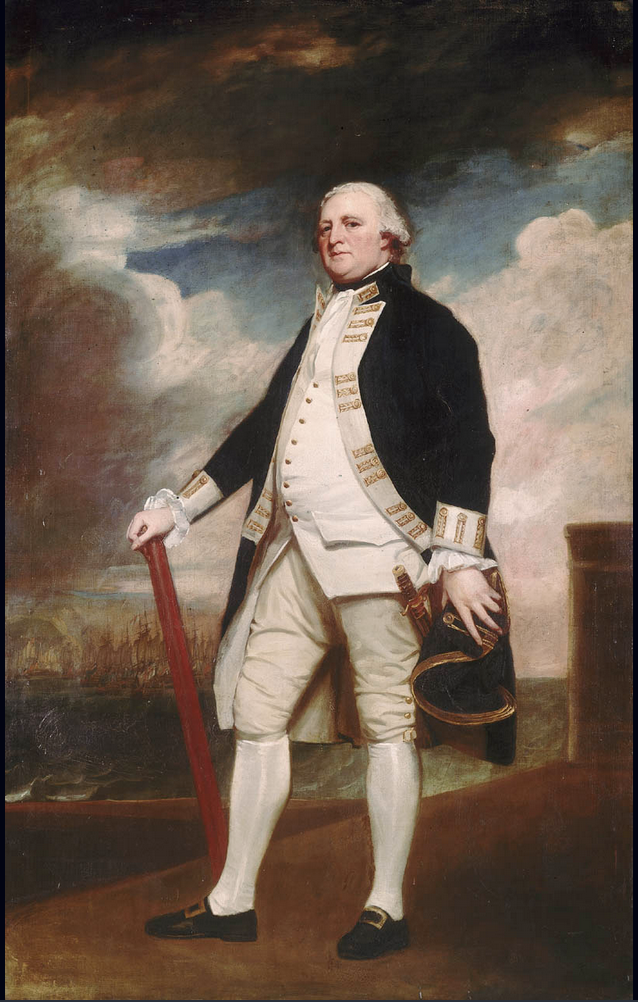
Vice-Admiral George Darby, circa 1720-90 by George Romney, courtesy of National Maritime Museum, Greenwich, London, Caird Collection. He was the second son of Jonathan Darby of Leap Castle and Anna Marie Frend.
“Jonathon Darby the 5th maintained the Leap Estate until his death in 1802. As Jonathon fathered no male children, Leap Castle was passed on to his younger brother Henry.
“Henry d’Esterre Darby, born in 1750 climbed through the Naval ranks to become Admiral Sir Henry d’Esterre Darby in 1799. Henry died in 1823 bearing no children of his own. Upon Henry’s death, the Leap Castle estate was inherited by his brother John Darby.
“John Darby married Anne Vaughan and died in 1834. He was succeeded by their sons William Henry, Christopher, George, Susan, Jonathon, Horatio d’Esterre, John Nelson and Sarah Darby.
“William Henry Darby inherited Leap Castle died in 1880. His eldest son had died in 1872 aged 45 so the Leap Estate was passed on to his grandson Jonathon Charles Darby.
“Jonathon married Mildred Dill aka Mildred Darby in 1889.“
Leap Castle by Brian Morrison, 2015 for Tourism Ireland, Ireland’s Content Pool. (see [2])
“In the early hours of Sunday morning, 30 July 1922 a party of eleven raiders set fire to the Leap totally destroying the North and larger wing and its valuable contents. Giving evidence in the claims court Richard Dawkins said that on 30 July 1922, he was living in the Castle as caretaker with his wife and baby. They were the only persons in the castle that night. Richard Dawkins stated that at 2.20am there was a knock on the door. He opened the window, put out his head, and saw men outside who stated that they wanted a night’s lodging. They ordered him to open the door. He went down and opened the door and was subsequently held at gunpoint. The raiders then stated that they were going to burn the castle. Dawkins asked for time to get his wife and child out and was given twenty minutes to do so. The raiders then went into the castle and poured petrol over the rooms, and set them on fire. They kept the family outside from 2.30am to 5.00am. Each of the men had a tin of petrol, and all were armed. Some had trench coats and other had bandoleers over their civilian clothes. The men broke furniture before setting the castle on fire.…
“In a newspaper report Jonathan Darby said that it looked as if there were explosives used in the destruction of the castle he had found some dynamite in the cellar where the raiders got so drunk they could not explode it. He said that it was the locals who burned the castle.”
– Noel Guerin
Leap Castle by Brian Morrison, 2015 for Tourism Ireland, Ireland’s Content Pool. (see [2])
Open dates in 2026: Jan 23-25, Feb 13-15, Mar 7-8, 21-22, Apr 18-19, 25-26, May 16-17, June 6-7, 20-21, 27-28, July 4-5, 11-12, 18-19, Aug 1-23, Sept 28-30, Oct 1-4, 31, Nov 1, 2pm-6pm
“We look forward to welcoming you to Ballincard House! Take a step back in time and enjoy the charm of your private apartment located on the second floor of our 19th Century Georgian home. If desired, we are delighted to guide you through the house and share with you almost 200 years of our home’s rich history. Roam freely through our 120 acres of gardens, farmland and woodlands, or enjoy a guided tour of our grounds and learn of present day efforts to transform our land into a nature reserve.
The space:
Access to the apartment is through the main house.
The apartment has a large bedroom with a king sized and single bed with an en suite bathroom
The living room has an open fire (firewood provided) which will be lit in advance of your arrival if requested. There is also a table which can be used as a dining table or desk. There is a sofa bed which sleeps 2 people.
The kitchen has all appliances and kitchenware needed to cook breakfast, lunch or dinner. Tea, coffee and some basic cooking ingredients (milk, bread, salt, pepper, spices, cooking oil) are provided
IMPORTANT: For groups staying, we’d like to note that the bathroom is an ensuite off of the bedroom in the apartment. All guests will need to pass through the bedroom to use the bathroom.
The bathroom has a shower (there is not a bath tub).”
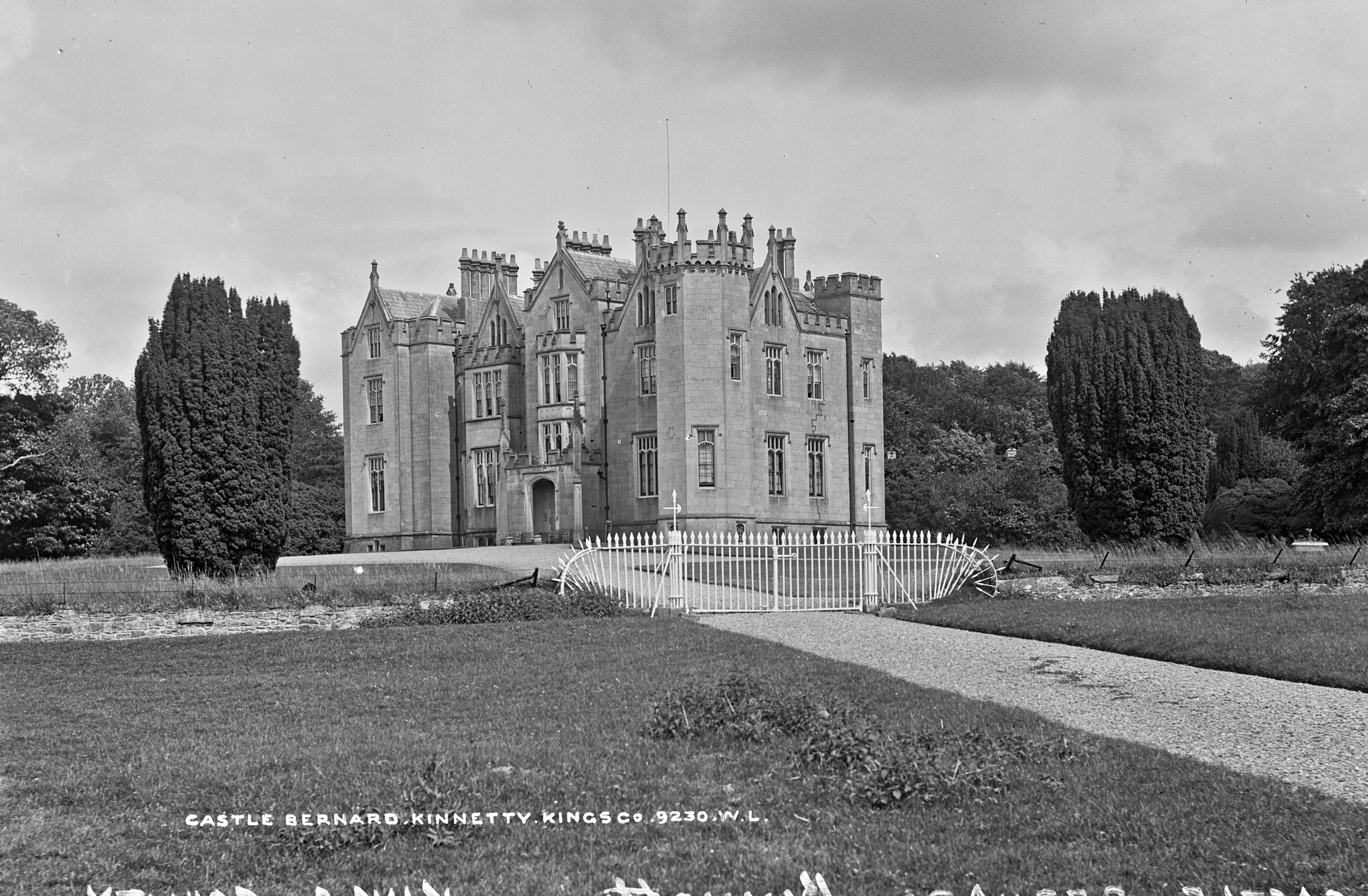
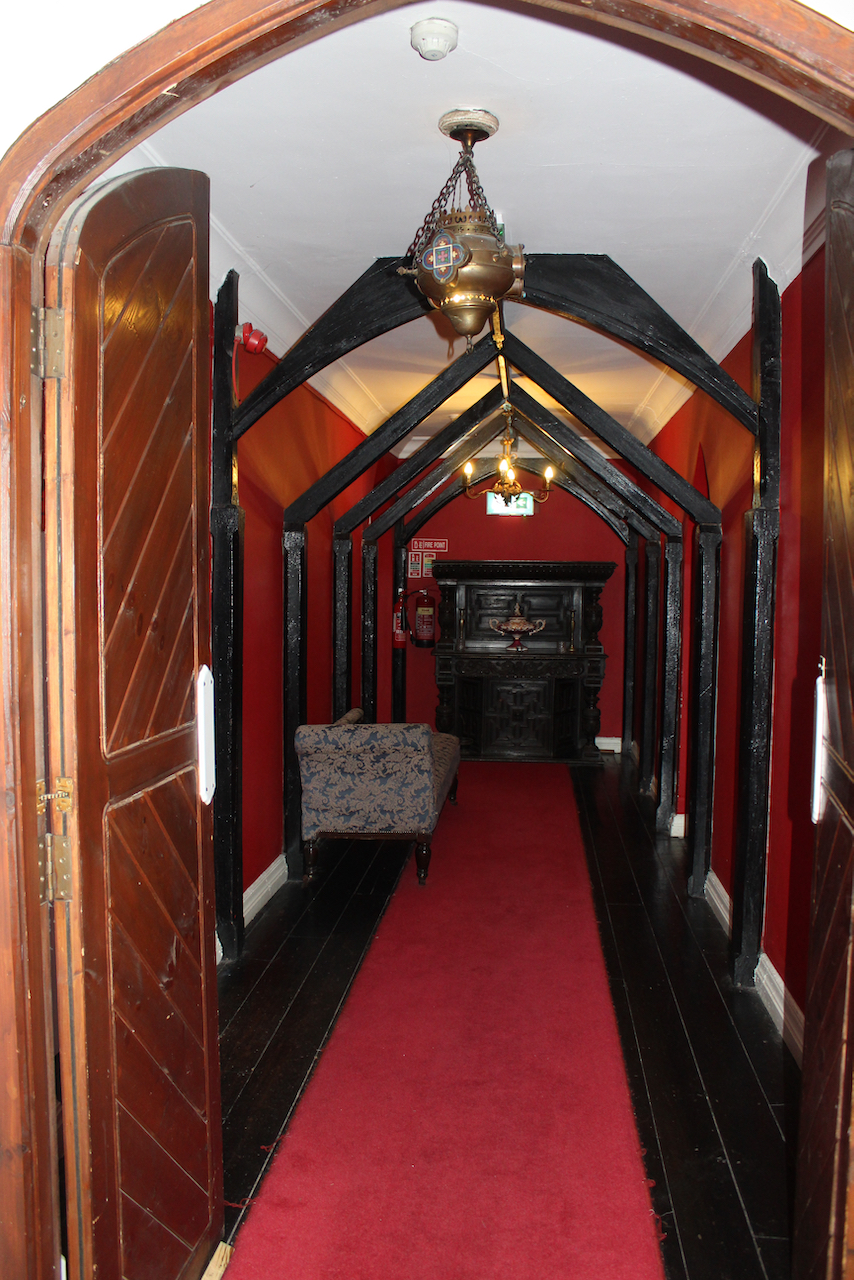
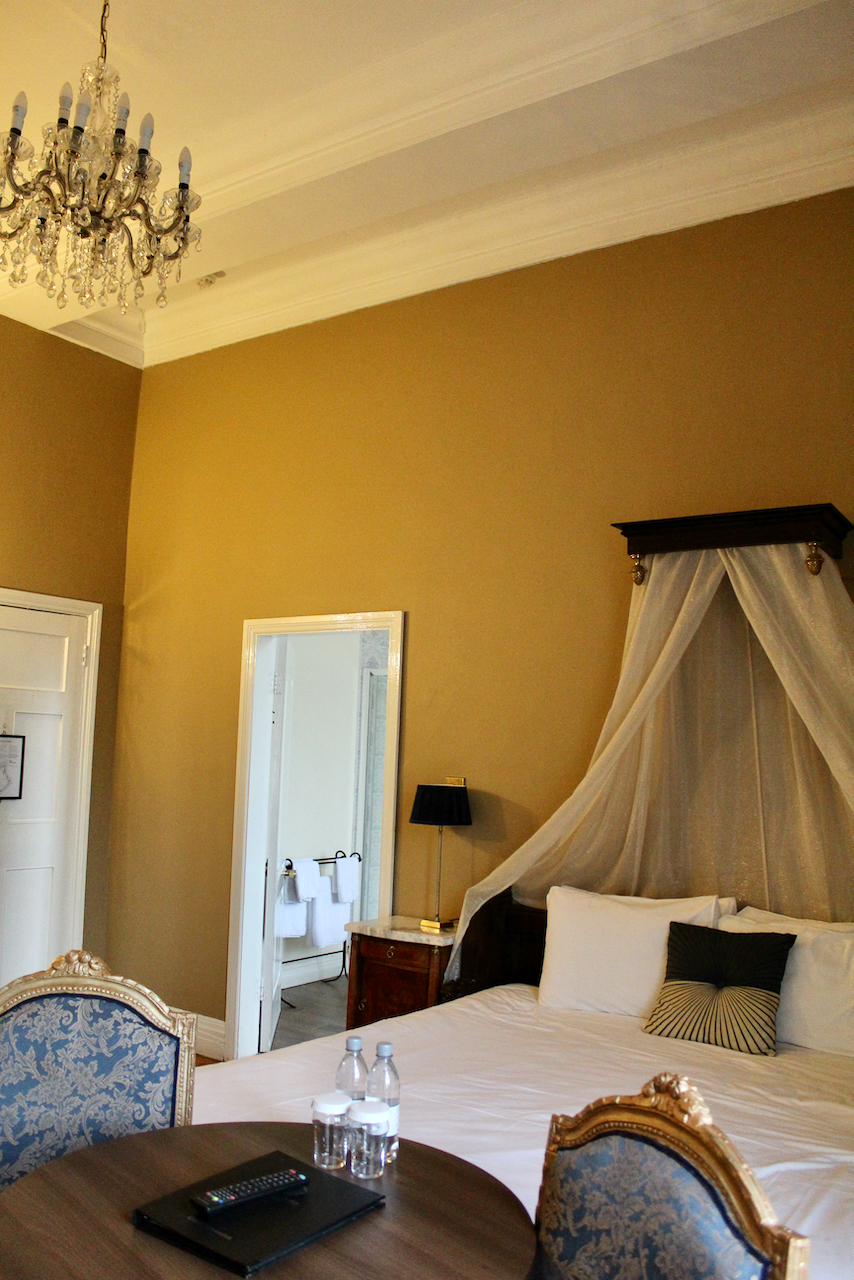
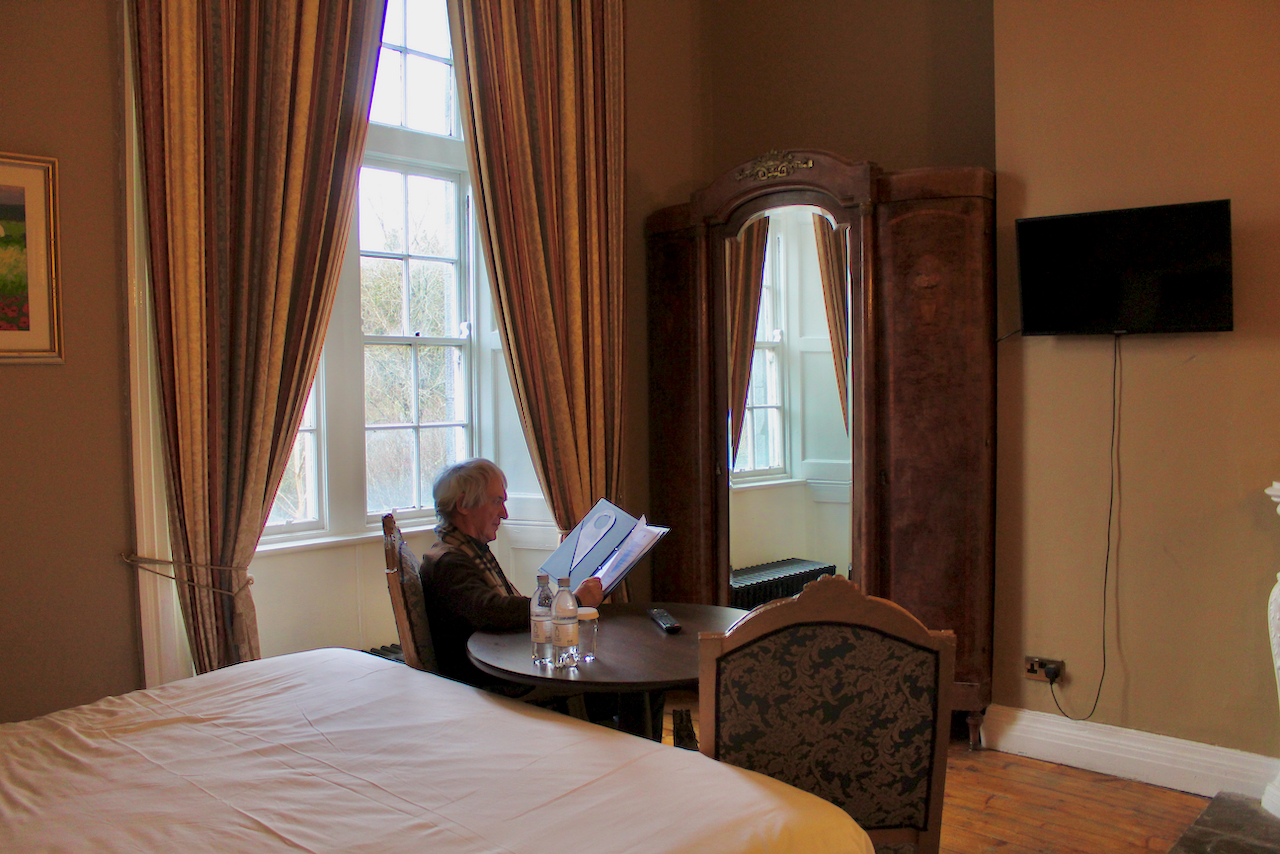
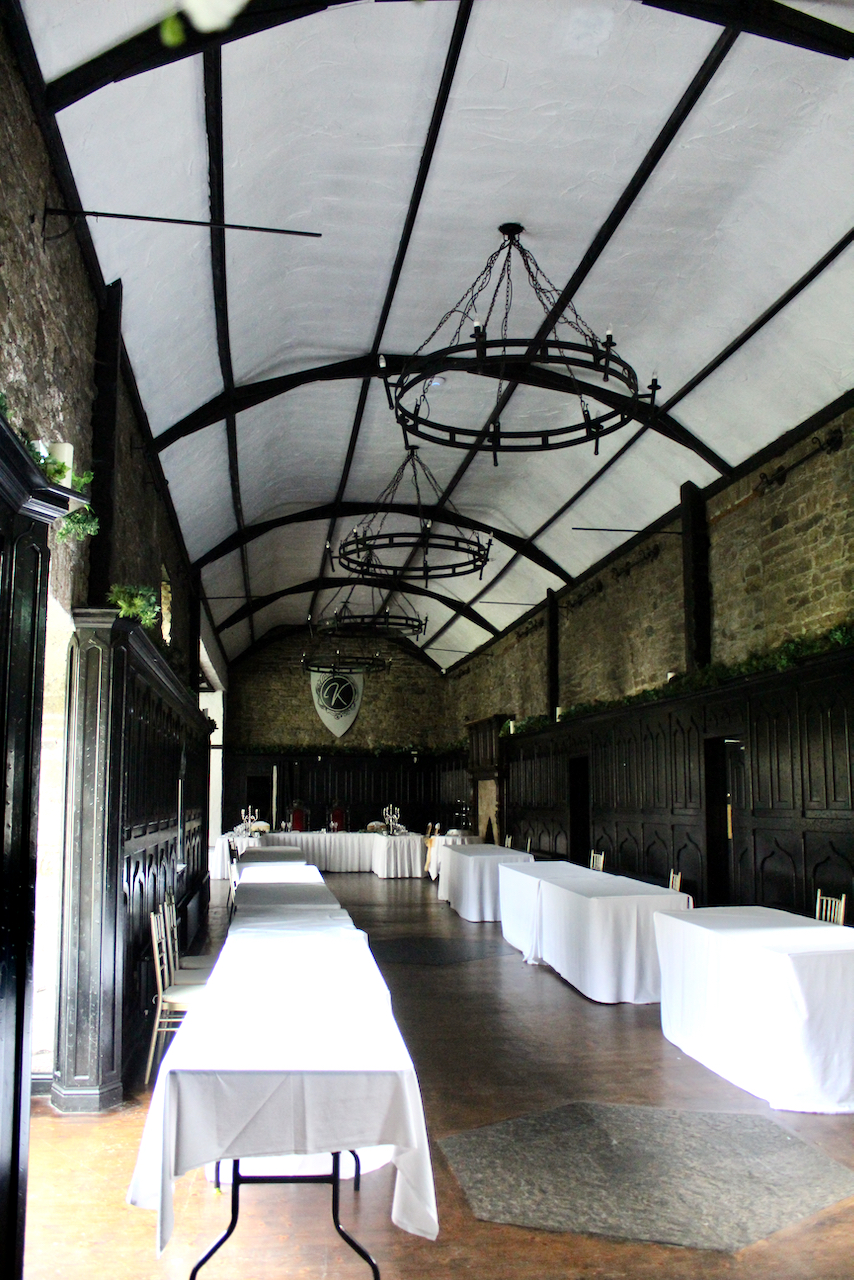
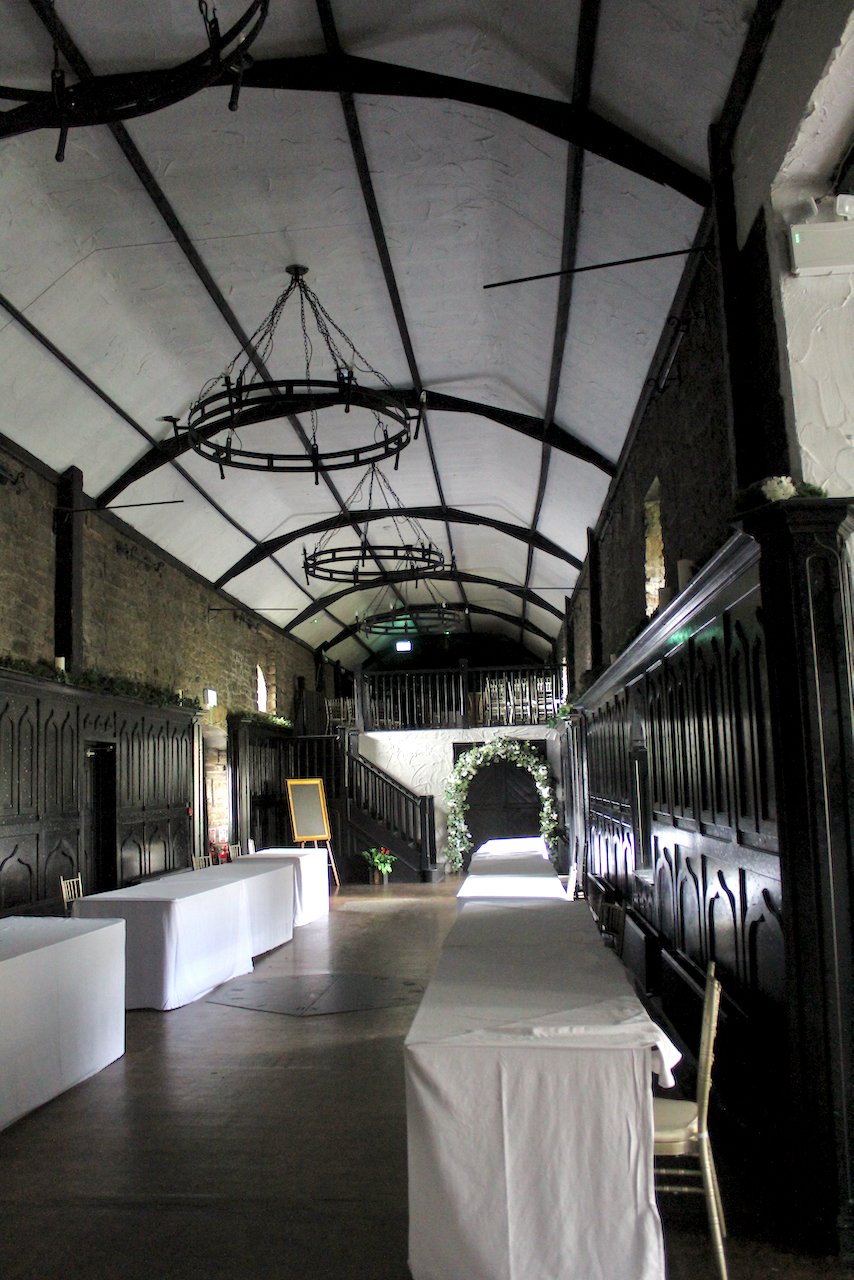
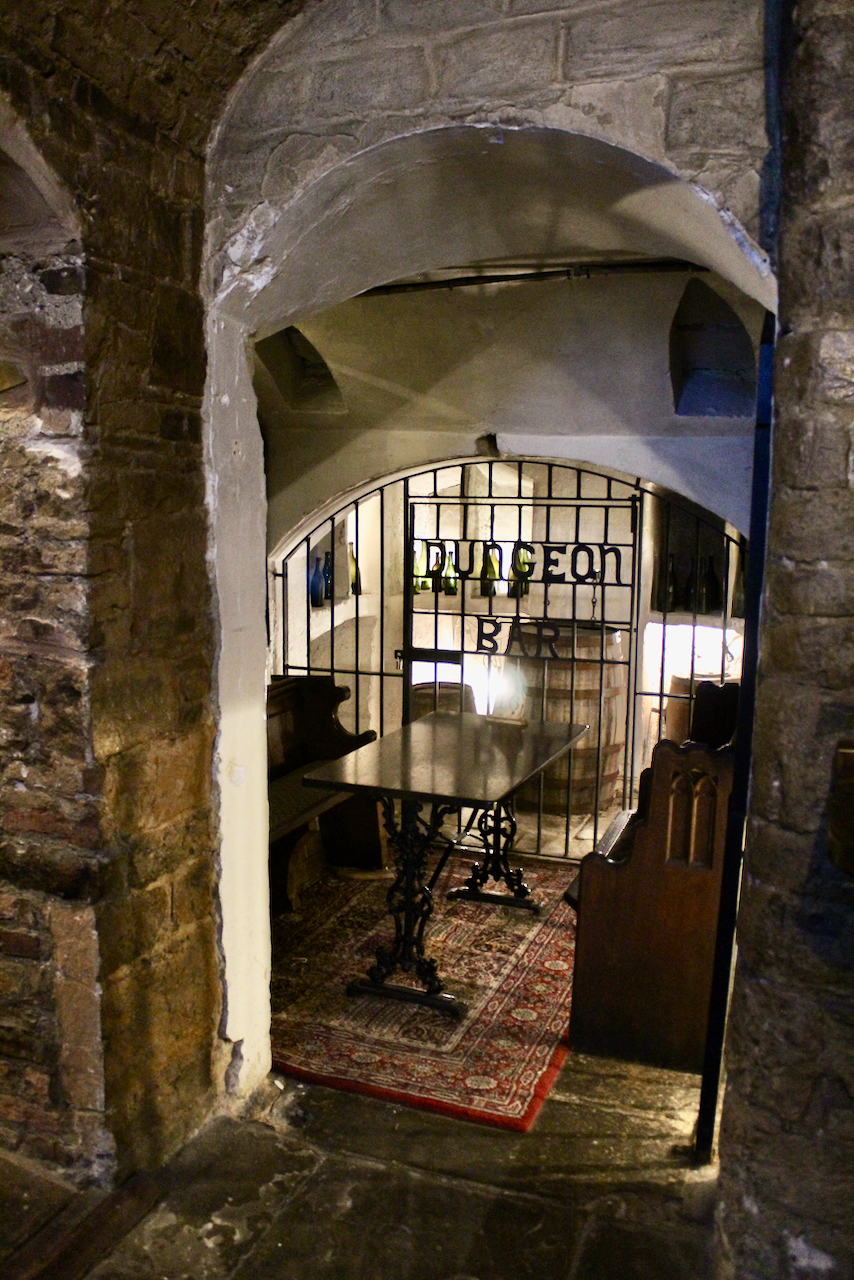
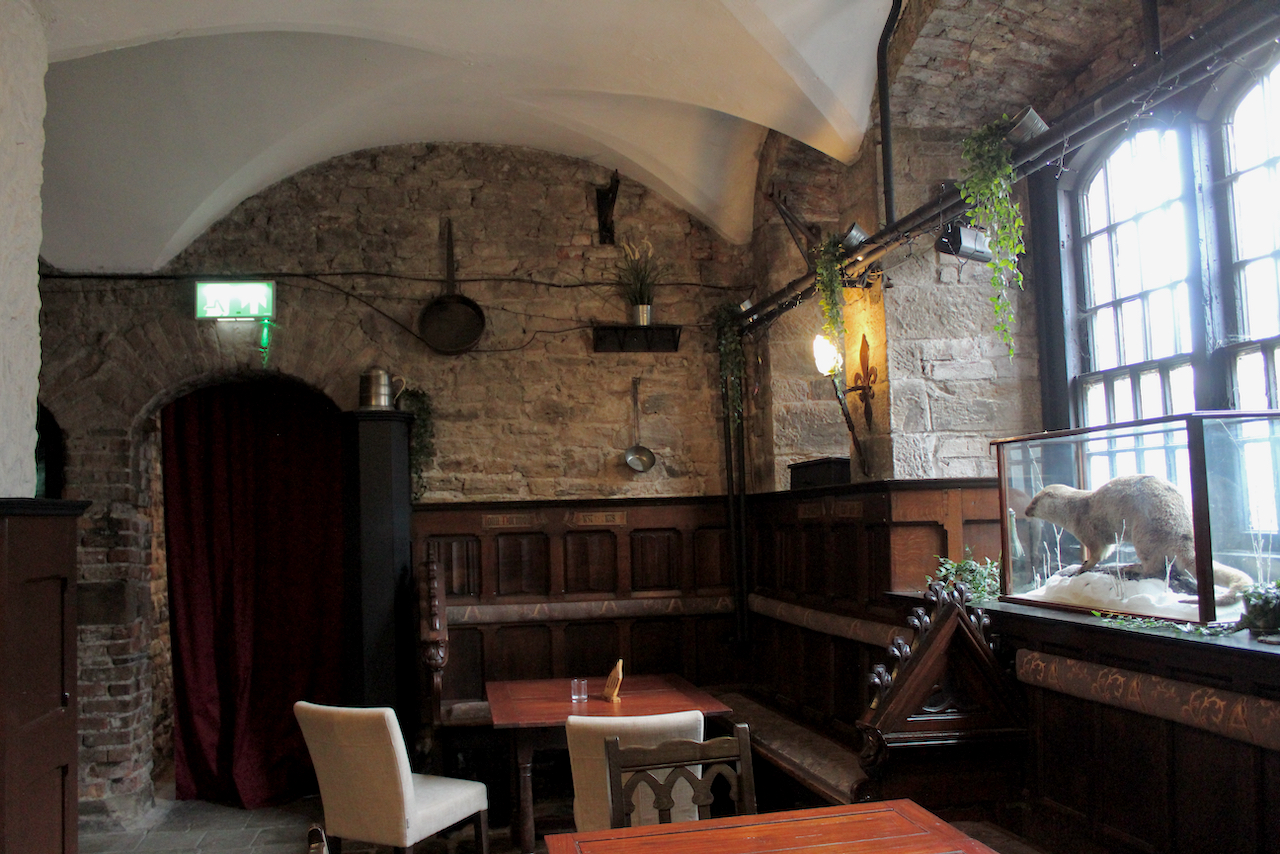
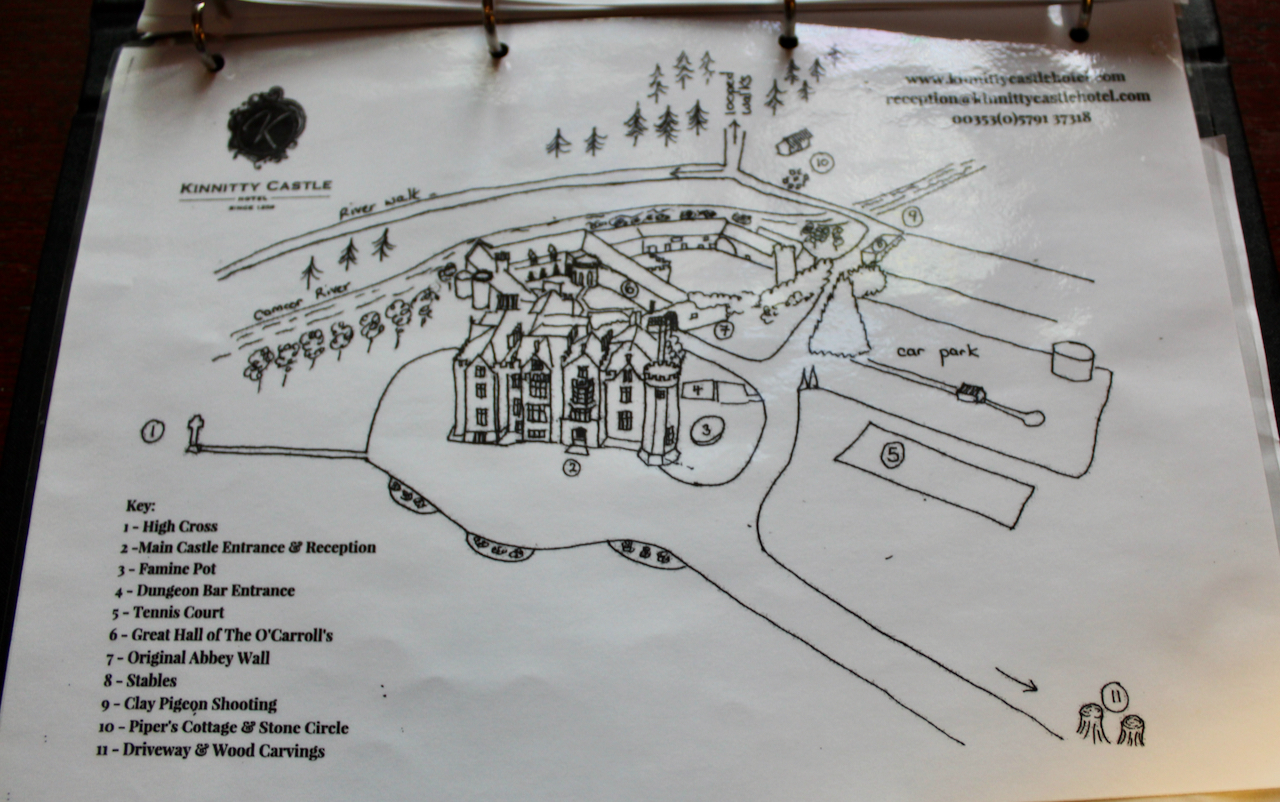
2. Kinnitty Castle (formerly Castle Bernard), Kinnity, County Offaly– hotel
Mark Bence-Jones writes in his 1988 book of Kinnitty Castle, formerly named Castle Bernard: p. 62. [Castle Bernard]: “[Bernard 1912; De la Poer Beresford, Decies] A Tudor-Revival castle of 1833 by James and George Pain. Impressive entrance front with gables, oriels and tracery windows and an octagonal corner tower with battlements and crockets; all in smooth ashlar. Subsequently the home of 6th Lord Decies [Arthur George Marcus Douglas De La Poer Beresford (1915-1992)], by whom it was sold ca. 1950. Now a forestry centre [at the time Mark Bence-Jones wrote this].”
The National Inventory of Architectural Heritage tells us about Ballycumber:
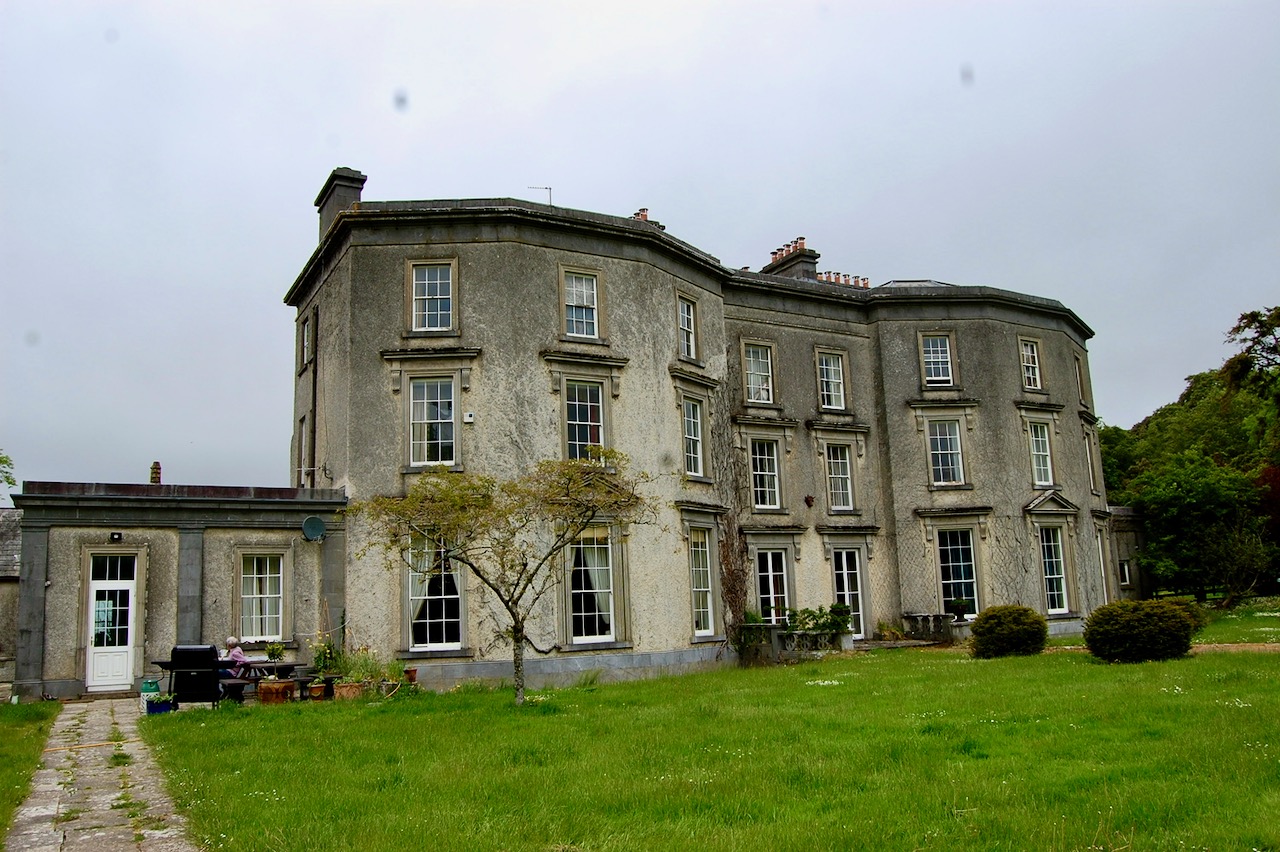
“Originally built as a castle in 1627 and remodelled at a later date, the regular from of this well proportioned house is enhanced by architectural detailing such as the finally executed doorcase and attractive, steeply-pitched hipped roof. The building retains many notable features and materials such as the timber sash windows with the date plaque, which adds historical interest to the site. The related outbuildings and walled garden create an interesting group of agricultural structures, while the folly and landscaped tree-lined river walk make a positive contribution to the setting of the house, reflecting the era of the large country estate.“
The Offaly history blog tells us more about the occupants of Ballycumber:
“Ballycumber House was bought by Francis Berry Homan Mulock in 1899 from the Armstrong family who had been in possession of the estate for successive generations. Originally built as a castle in 1627 by the Coghlan family, it was extensively remodelled by the Armstrongs in the eighteenth century into a detached five-bay two storey over basement country house, much as it is today.” [7]
I would love to stay at Ballycumber because the Bagot family of County Offaly intermarried with the Armstrong family who owned Ballycumber. I’m not sure if my own Baggot family is related to the Bagots of Offaly but there is a good possibility!
[2] Bence-Jones, Mark. A Guide to Irish Country Houses (originally published as Burke’s Guide to Country Houses volume 1 Ireland by Burke’s Peerage Ltd. 1978); Revised edition 1988 Constable and Company Ltd, London.
[4] p. 136. O’Reilly, Sean. Irish Houses and Gardens. From the Archives of Country Life. Aurum Press Ltd, London, 1998.























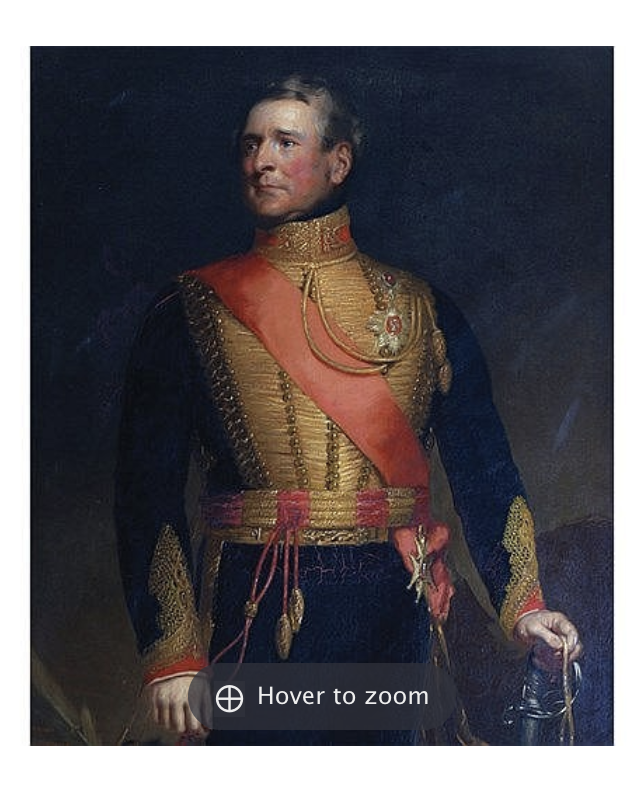
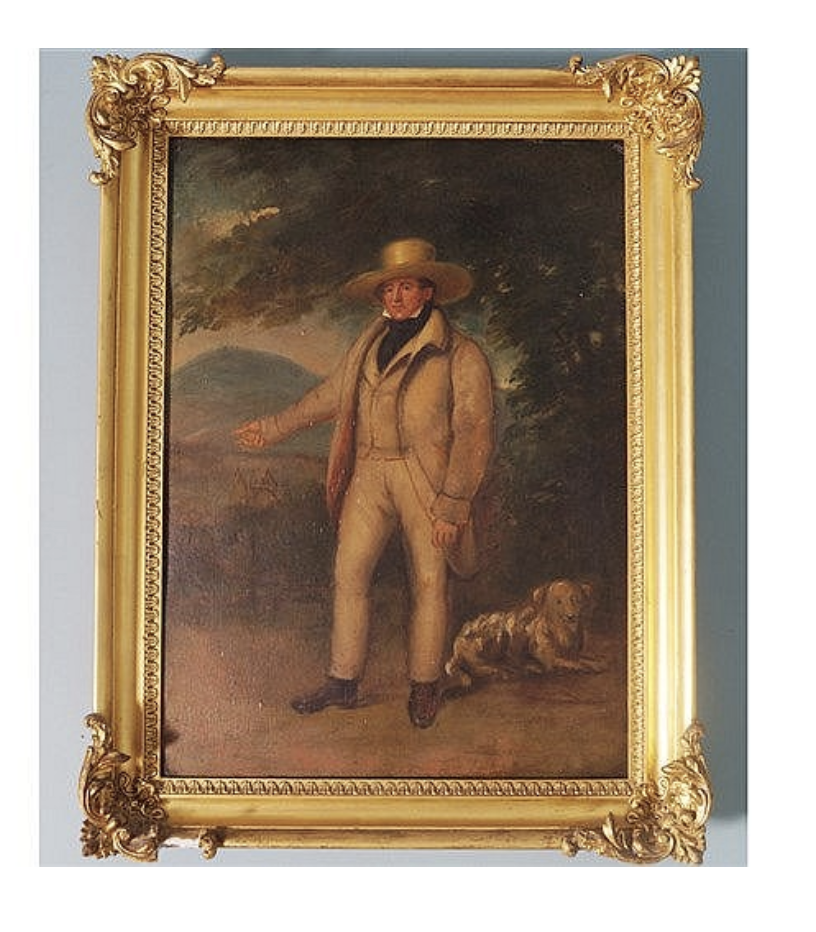
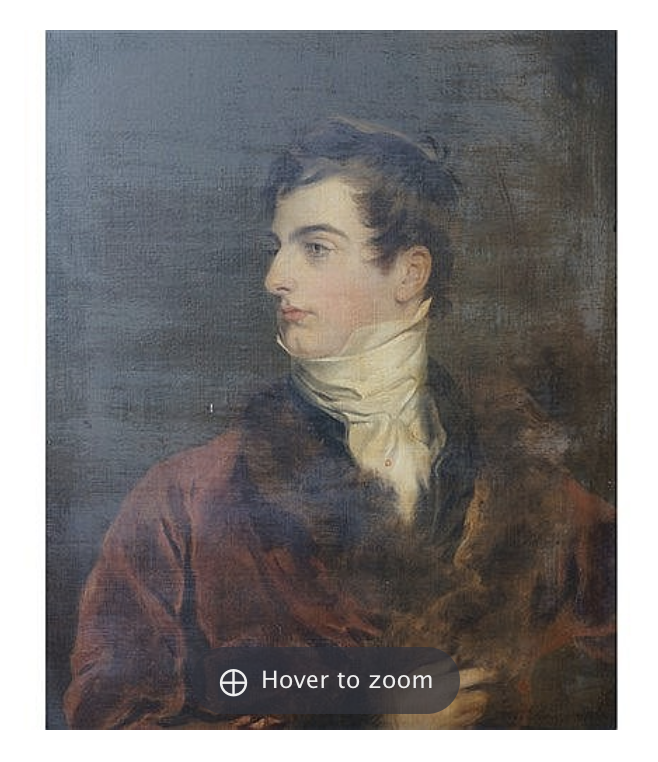
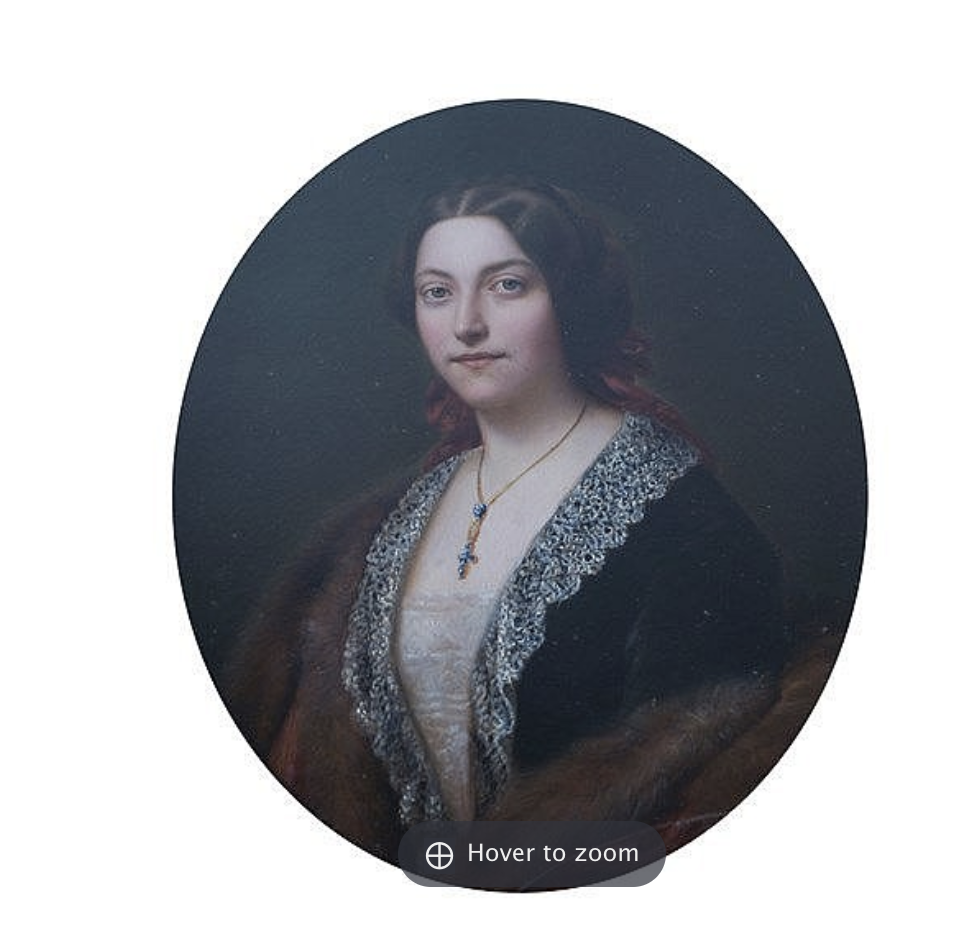











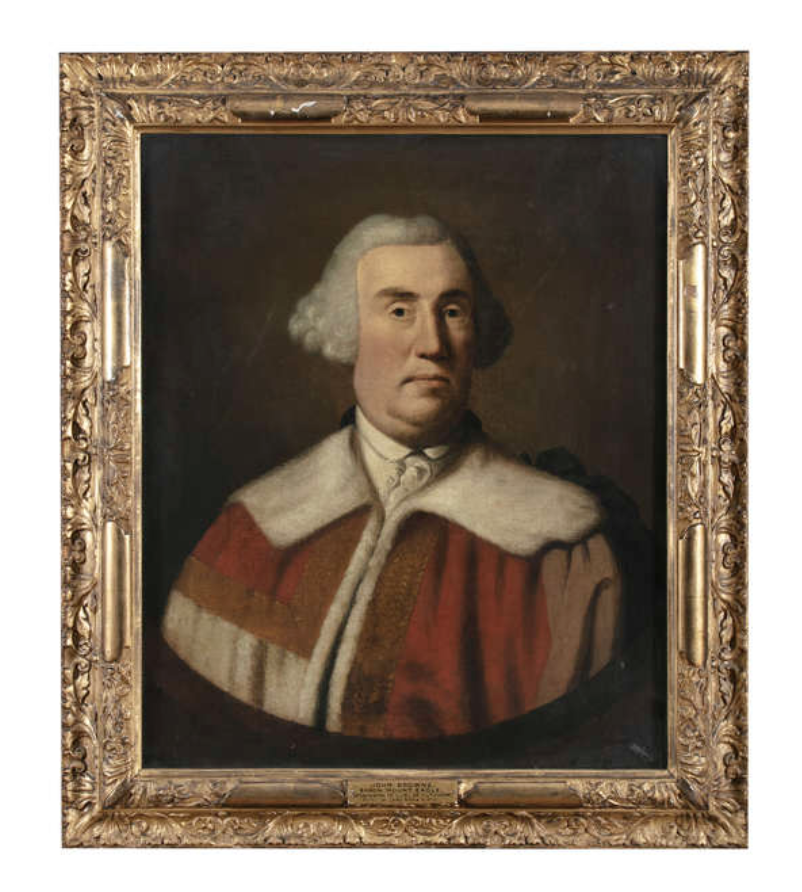
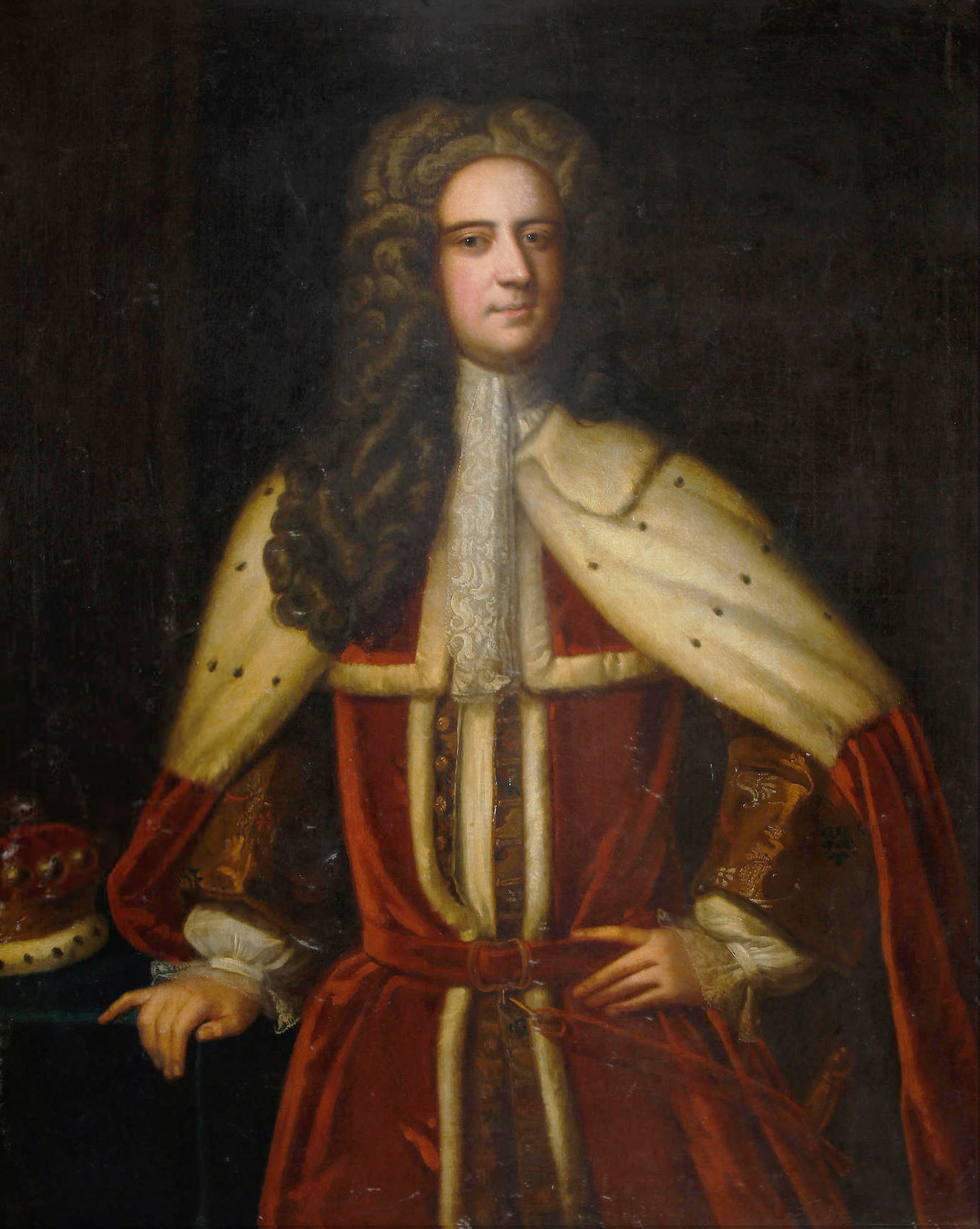
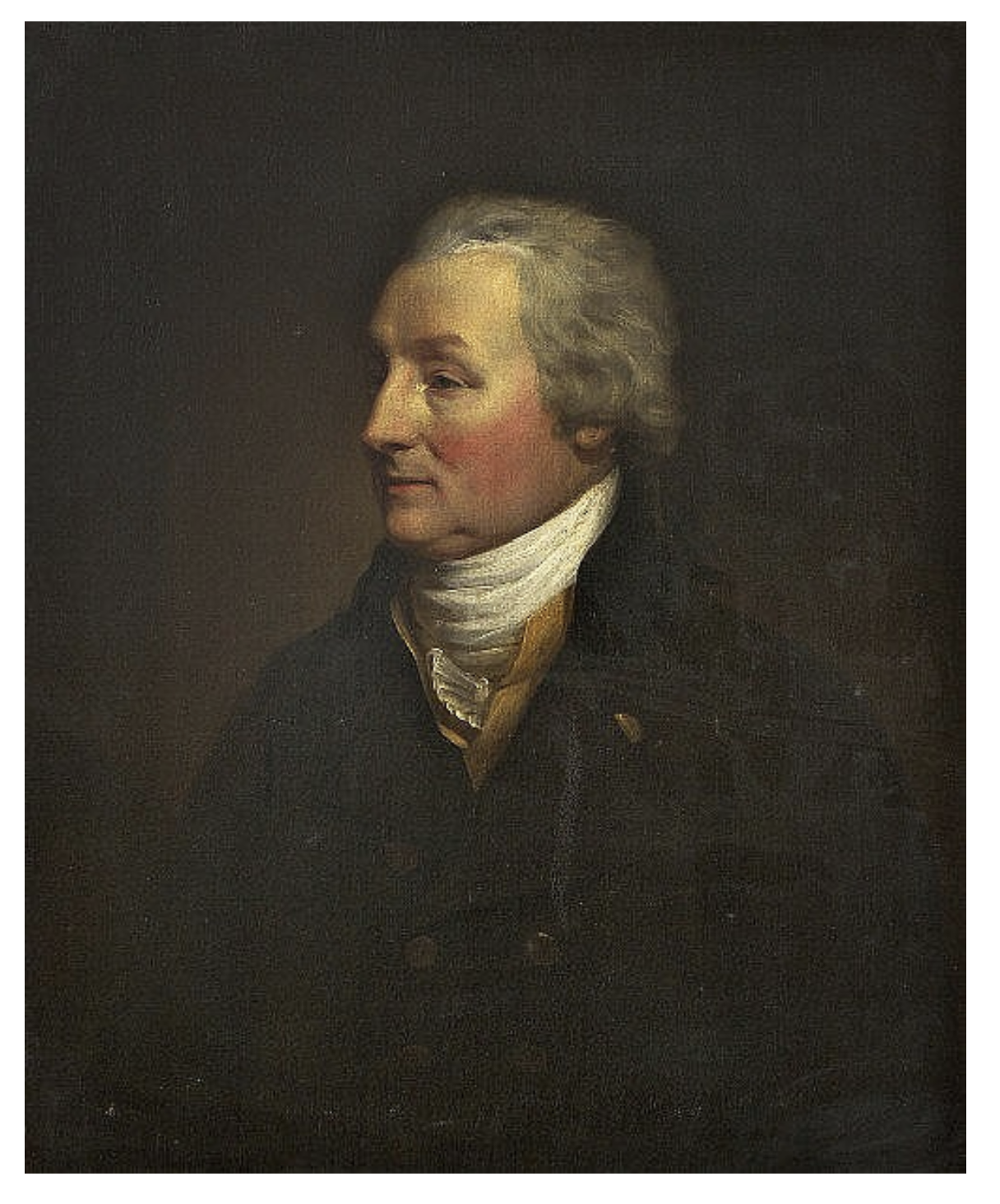
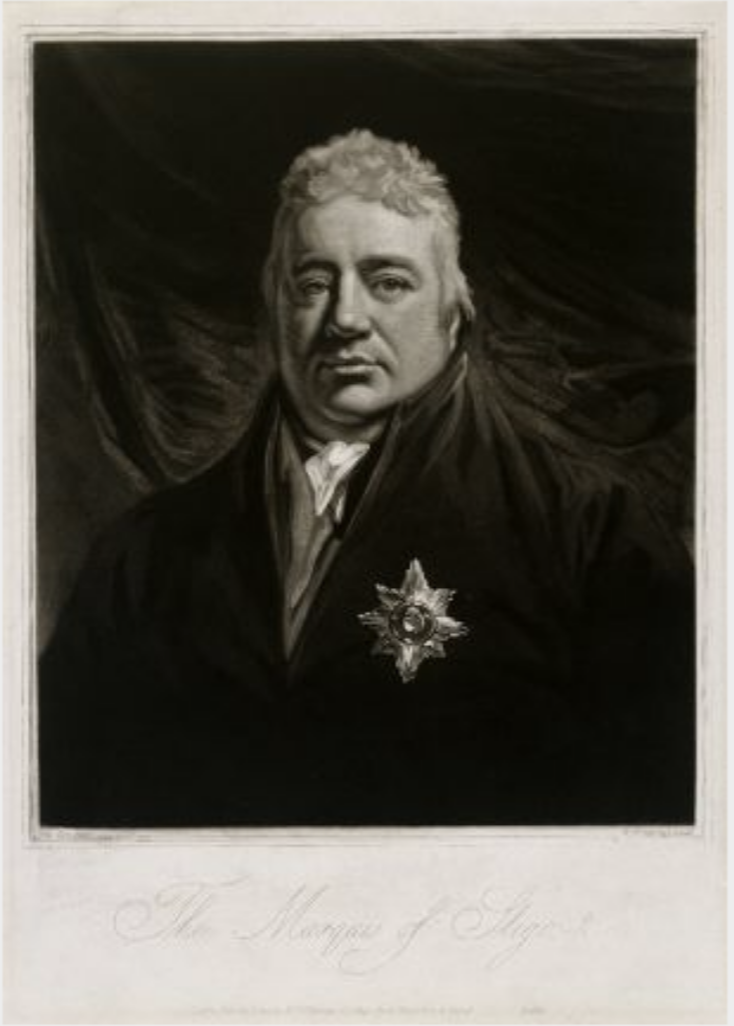








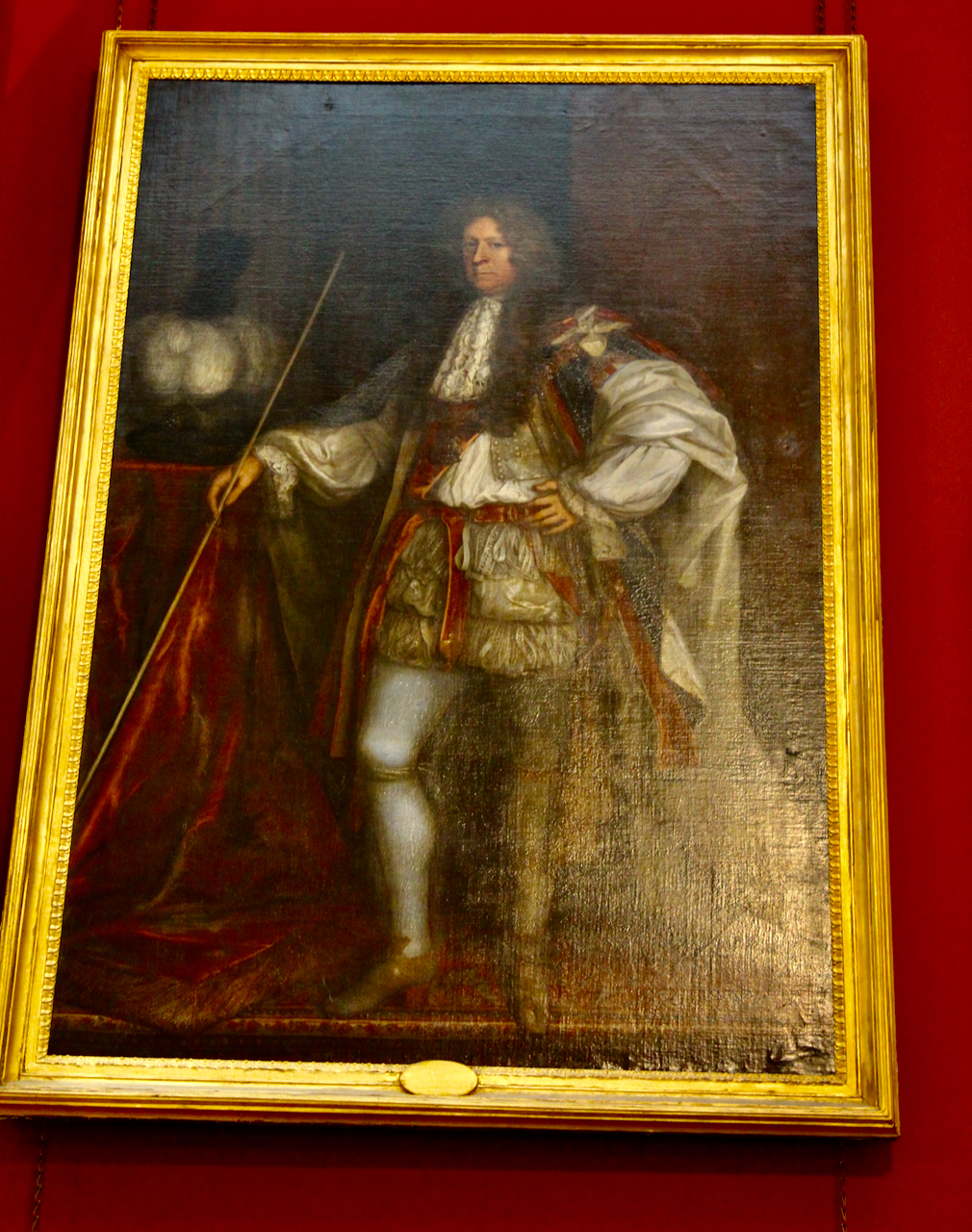
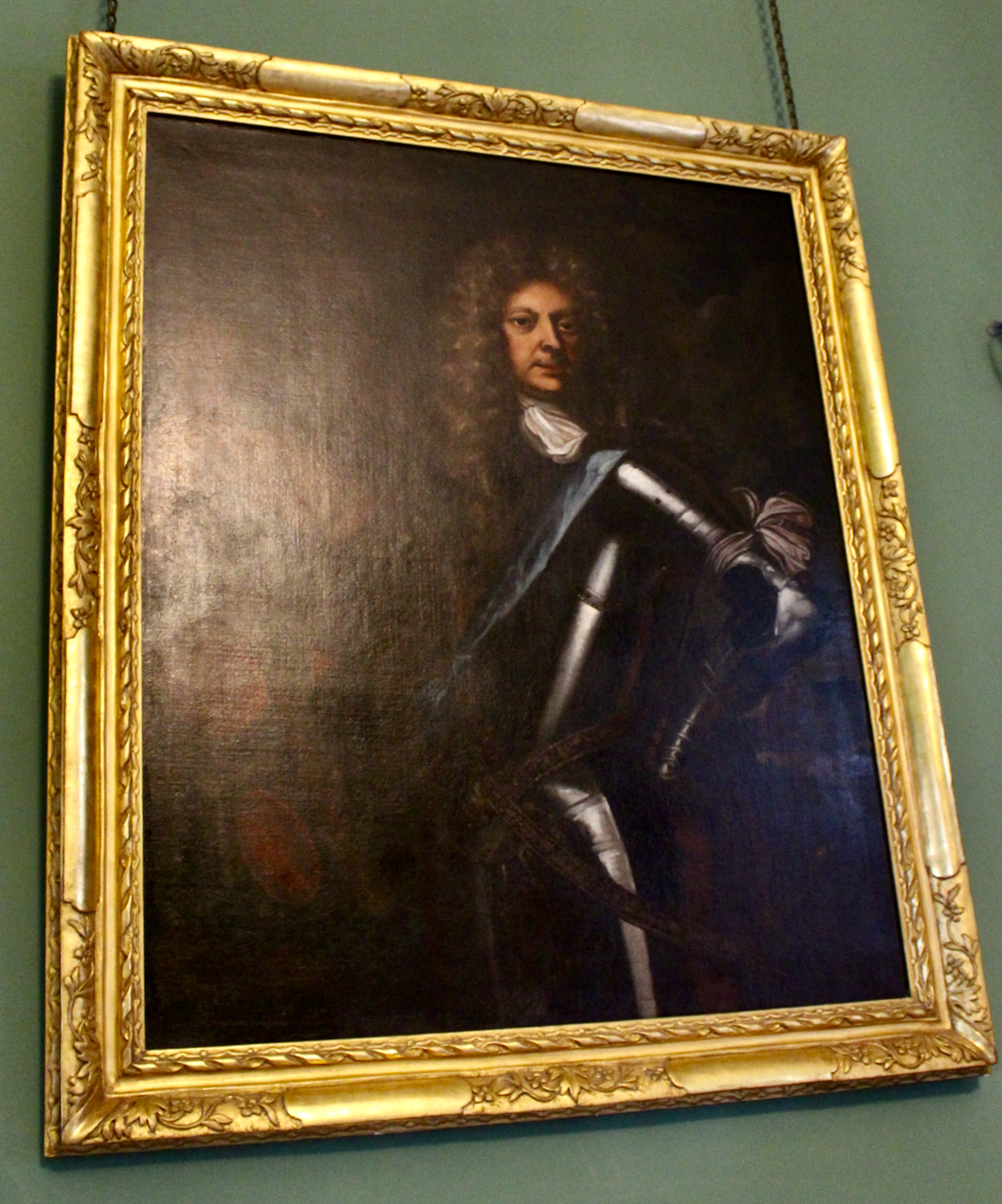
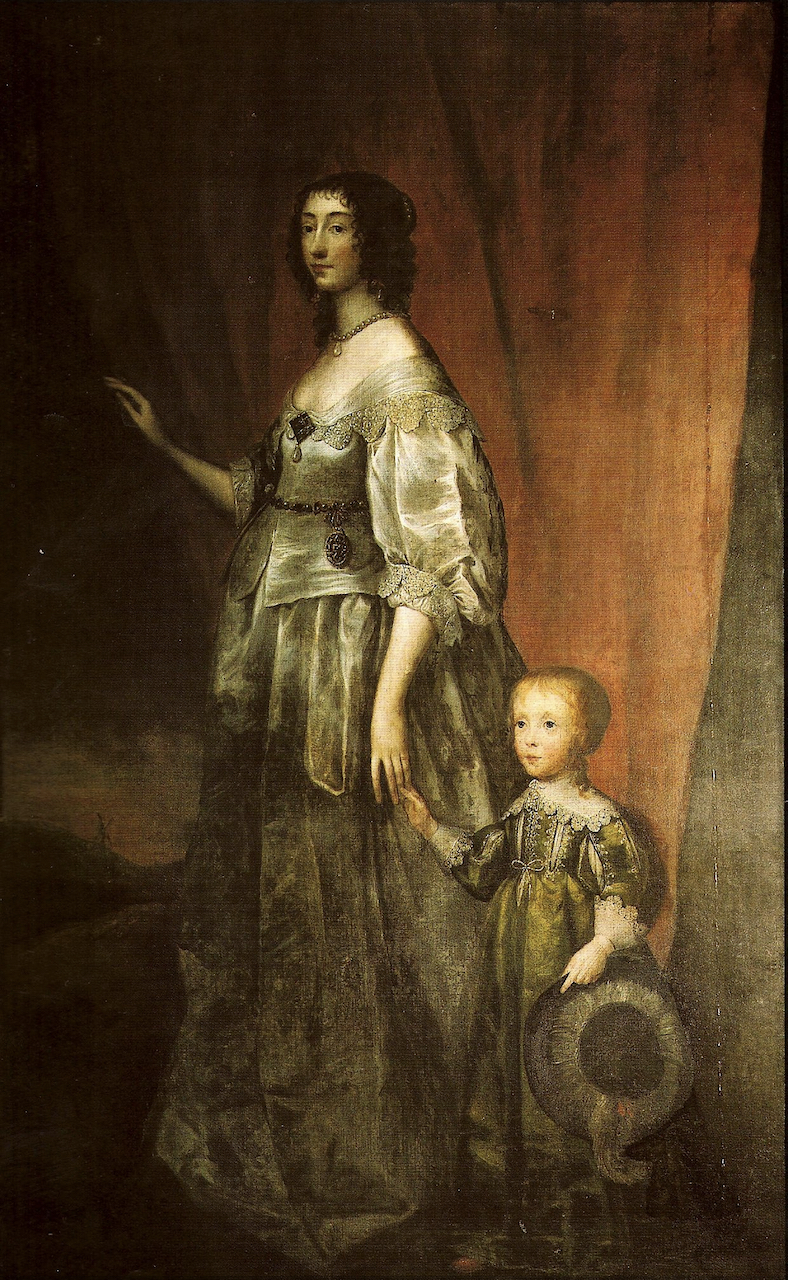
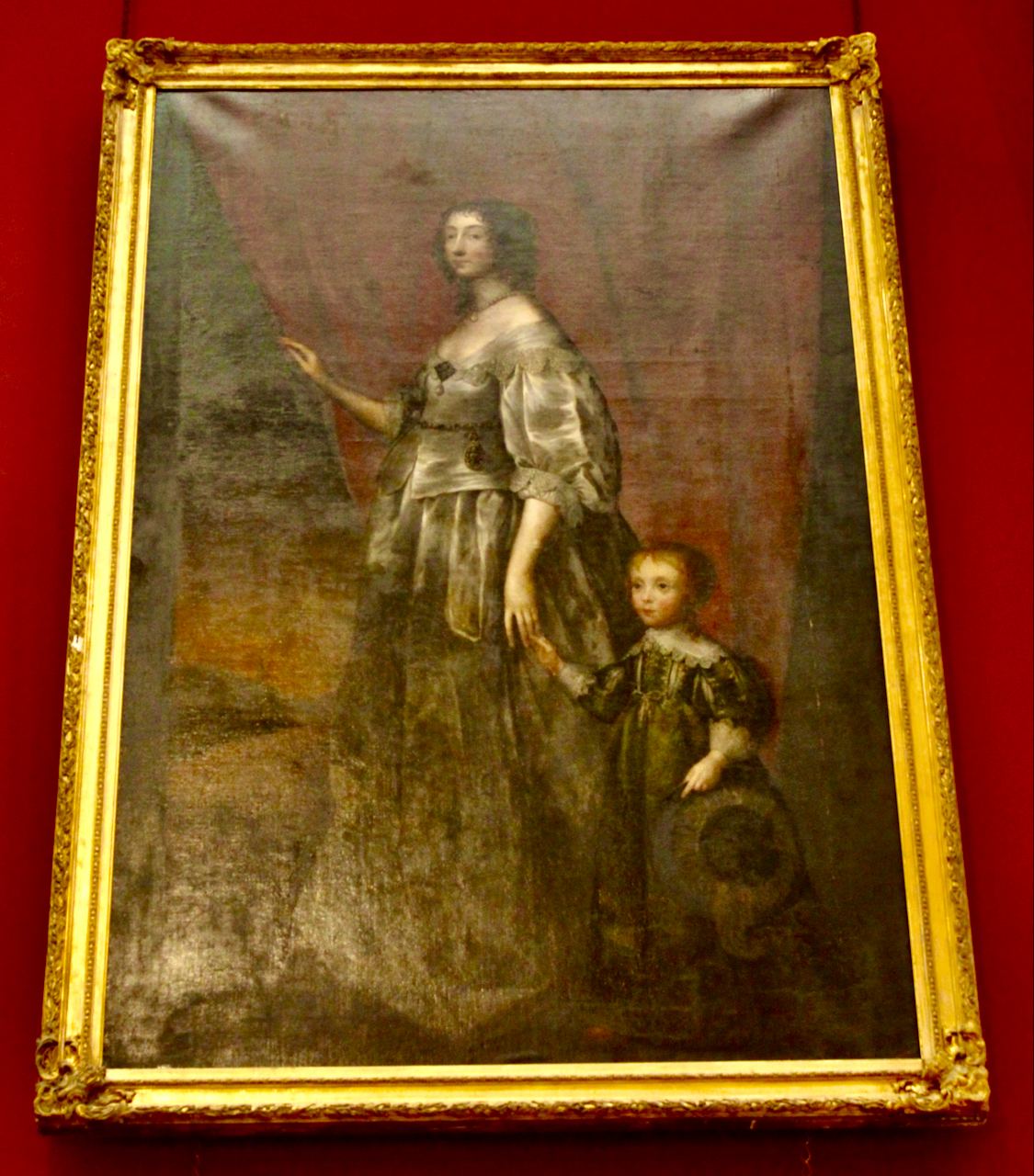





























 Irish Historic Houses