Office of Public Works properties County Cork, Munster

Munster’s counties are Clare, Cork, Kerry, Limerick, Tipperary and Waterford.

I have noticed that an inordinate amount of OPW sites are closed ever since Covid restrictions, if not even before that (as in Emo, which seems to be perpetually closed).

Cork:

1. Annes Grove, County Cork

2. Barryscourt Castle, County Cork – currently closed (June 2022)

3. Charles Fort, County Cork

4. Desmond Castle, Kinsale, County Cork

5. Doneraile Court, County Cork

6. Fota House Arboretum and Gardens, County Cork (Fota House itself is maintained by the Heritage Trust)

7. Ilnacullin, Garanish Island, County Cork

donation

Help me to pay the entrance fee to one of the houses on this website. This site is created purely out of love for the subject and I receive no payment so any donation is appreciated!

€10.00

Cork:

1. Annes Grove, Castletownroche, County Cork:
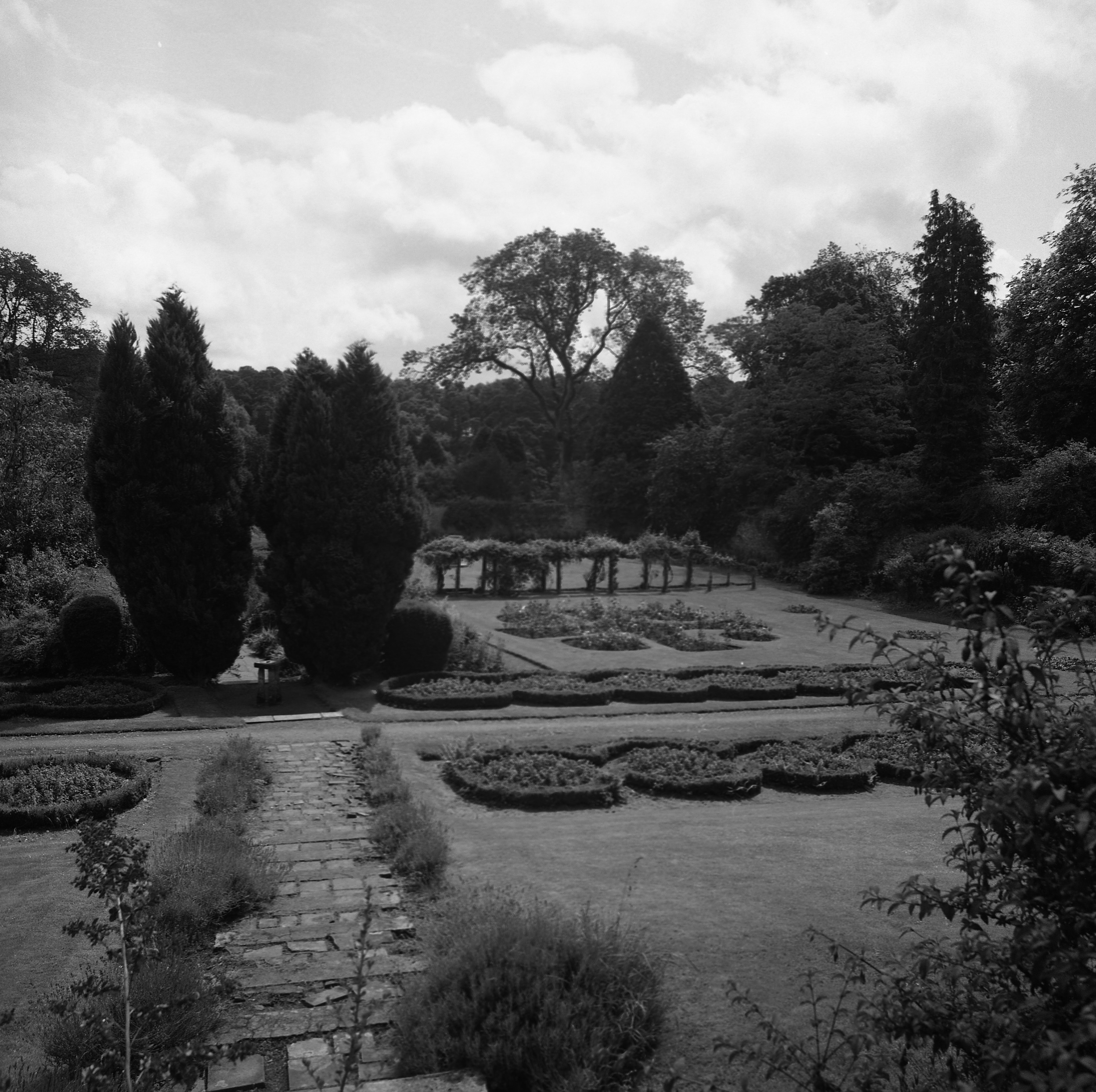
Annes Grove, County Cork, 1981 from Dublin City Library and Archives. [1]

Tel: 022 26145, annesgrove@eircom.net

https://heritageireland.ie/visit/places-to-visit/annes-grove-gardens/

This is due to be open soon by the OPW. It does not have a website yet. In December 2015 Annes Grove House and Garden were donated to the state by the Annesley family.

Nestled into an eighteenth century ornamental glen, adjacent to the River Awbeg, the demesne of Annes Grove in north County Cork is the setting for the most exquisite Robinsonian-style gardens in Ireland….

The Gardens at Annes Grove were largely the creation of Richard Grove Annesley in the first half of the twentieth century.” [2]

Annes Grove, County Cork, 1981 from Dublin City Library and Archives. [see 1]

The estate was previously known as Ballyhimmock, and it was acquired by William Grove around 1626.

In 1792 it was inherited by Arthur Grove Annesley (1774-1849) from an aunt by marriage, heiress to the Grove family, after which it was renamed by merging the two family names. [3] Arthur Grove Annesley’s uncle Francis Charles Annesley, 1st Earl Annesley of Castlewellan, County Down, married Mary Grove who inherited the estate from her father.

At the centre of the garden is a restored Gothic style summerhouse. The main house is of Queen Anne design, from the 18th century. Pergolas, a lily pond, Victorian stone fernery, a woodland walk and river garden, a rockery and wild water garden create an atmospheric setting.
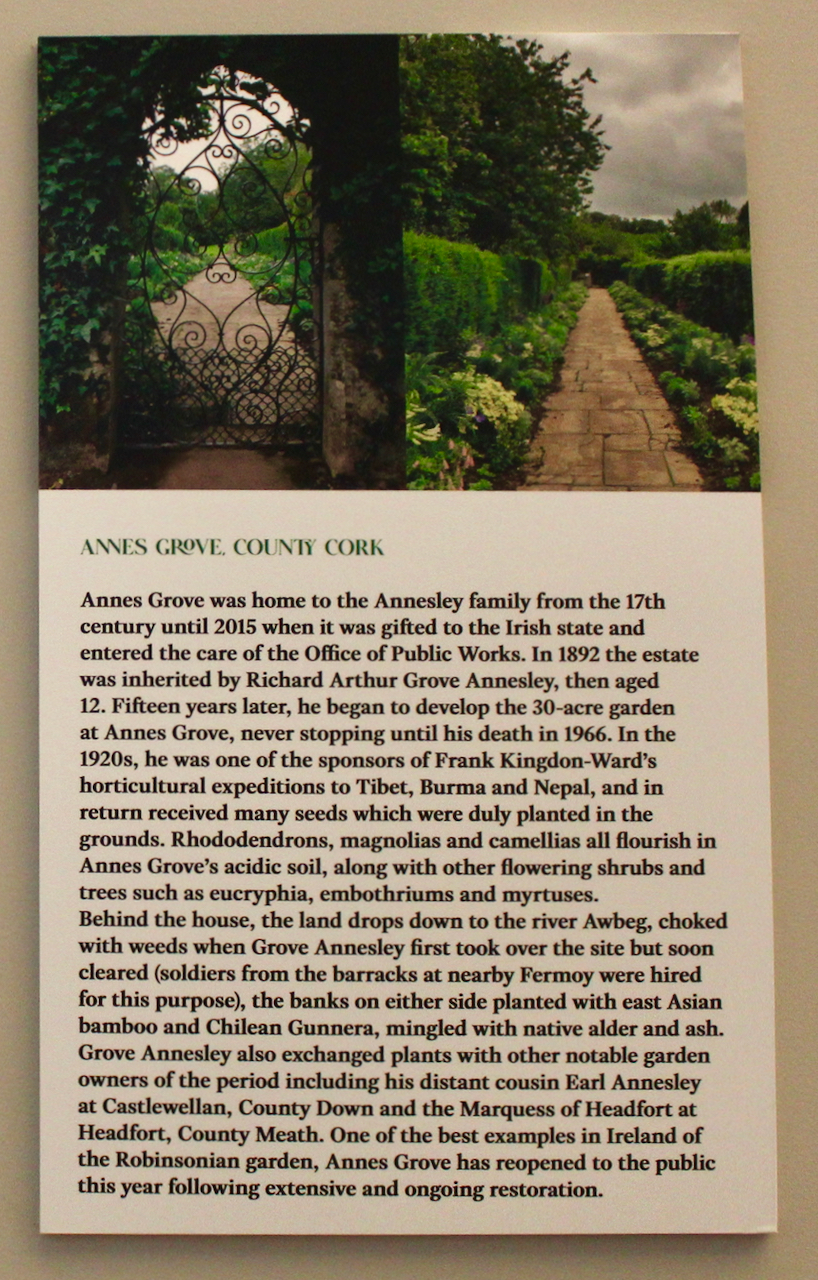
From “In Harmony with Nature, The Irish Country House Garden 1600-1900” in the Irish Georgian Society, July 2022, curated by Robert O’Byrne.

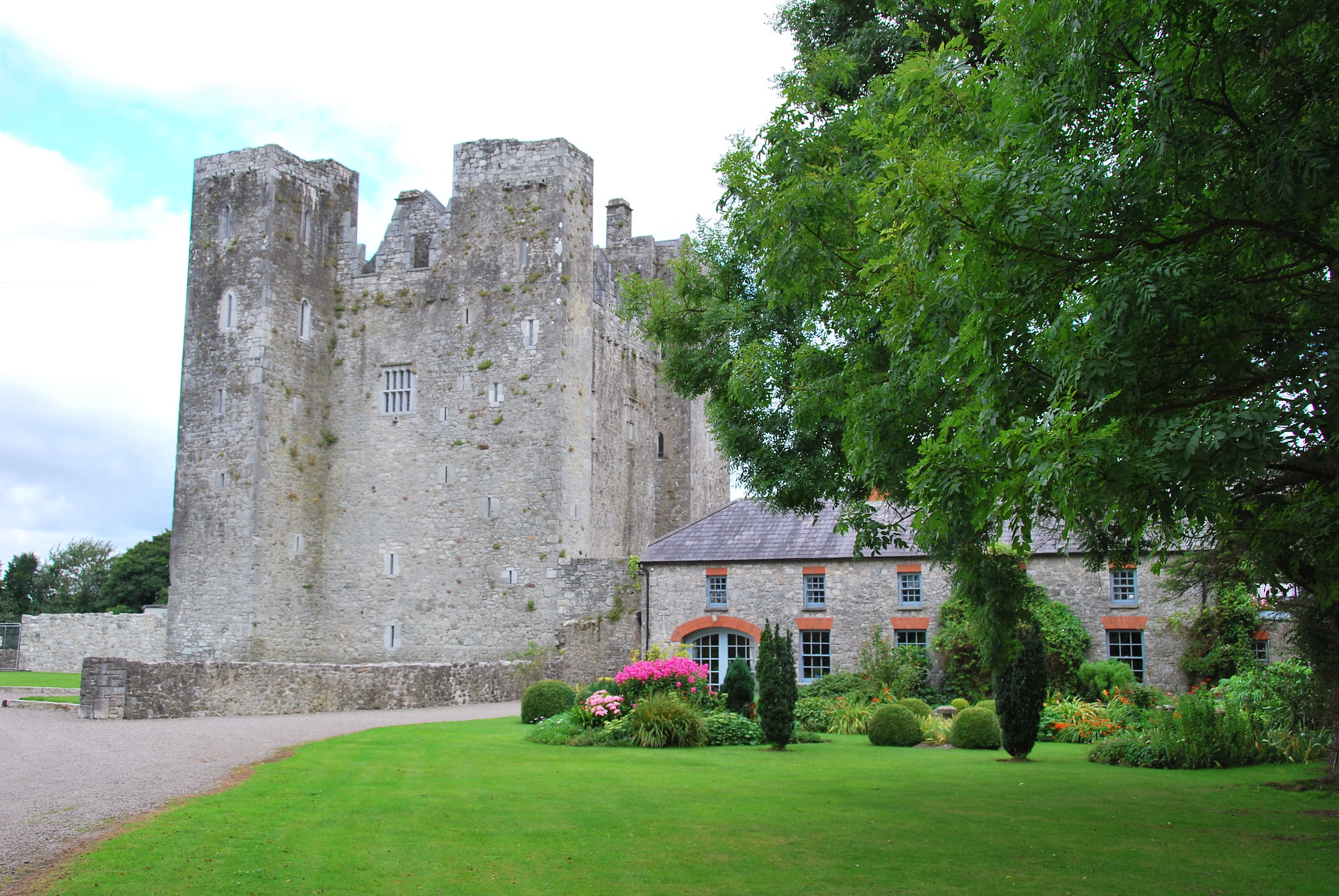
2. Barryscourt Castle, County Cork:

Barryscourt Castle by Julia Delio, flickr constant commons, August 2009.

From the OPW website https://heritageireland.ie/visit/places-to-visit/barryscourt-castle/:

Barryscourt Castle was the seat of the great Anglo-Norman Barry family and is one of the finest examples of a restored Irish Tower House. Dating from between 1392 and 1420, the Castle has an outer bawn wall and largely intact corner towers. The ground floor of the Tower House contains a dungeon into which prisoners were dropped via the ‘drop-hole’ located on the second floor.

The Barrys supported the Fitzgeralds of Desmond during the Irish rebellions of the late sixteenth century. To prevent it being captured by Sir Walter Raleigh and his army, the Barrys [David Barry, 5th Viscount Barry (1550-1617)] partially destroyed the Castle.
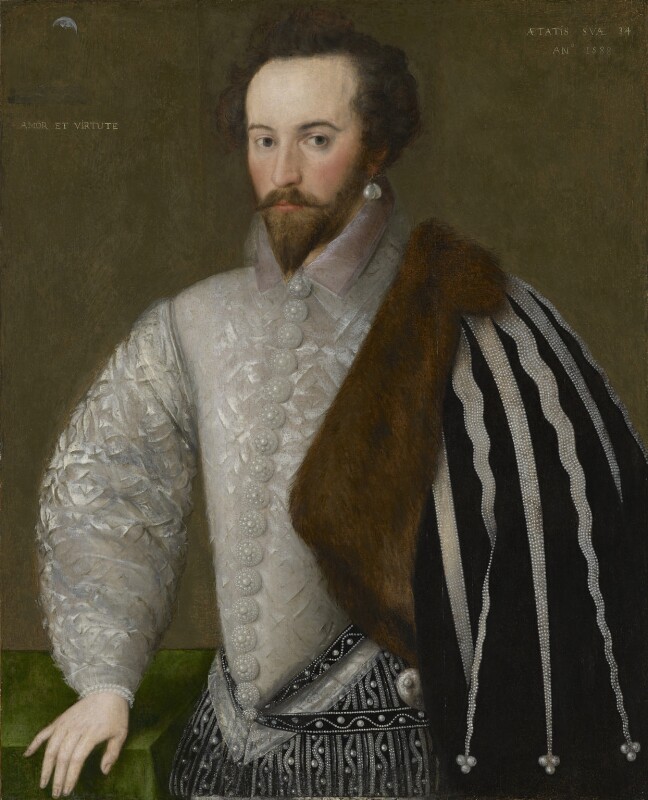
Walter Raleigh (1552-1618) by Unknown English artist 1588, National Portrait Gallery of London ref. 7.

During the Irish Confederate War of the seventeenth century Barryscourt Castle was once again successfully attacked.  Cannon balls lodged in the wall above the Castle entrance bear witness to this conflict. The last head of the Barry family was Lord David Barry.

Barryscourt Castle has been extensively restored. The Main Hall and Great Hall have been completed and fittings and furnishings reinstated. Within the Castle grounds, the herb and knot garden and the charming orchard have been restored to their original sixteenth century design.

After David Barry’s death in 1617 the family made Castlelyons their principal seat (now a ruin). The castle was restored by the OPW and the Barryscourt Trust between 1987-1993, with reproduction furniture made by Victor Chinnery. [4]

An article in the Irish Examiner by Padraig Hoare published 22nd May 2021 tells us that the site is closed and will be for some time:

A reopening date must be established for one of East Cork’s most historic landmarks after languishing in the midst of safety works for five years.

That is according to Cork East TD Séan Sherlock, who said Barryscourt Castle in Carrigtwohill has to be a priority for the Government body in charge of the facility, the Office of Public Works (OPW).

History enthusiasts and families alike were disappointed in the summer of 2020, when it emerged that Barryscourt Castle would remain closed for another 18 months.

The latest update from the OPW given in response to a parliamentary question from Mr Sherlock suggests it may be even longer than the date anticipated a year ago.

The Department of Public Expenditure said restrictions associated with the Covid-19 pandemic “has disrupted the good progress” of works being done to make the facility safe.

“It is not possible at this time to give a precise date for reopening to the public,” the department said.

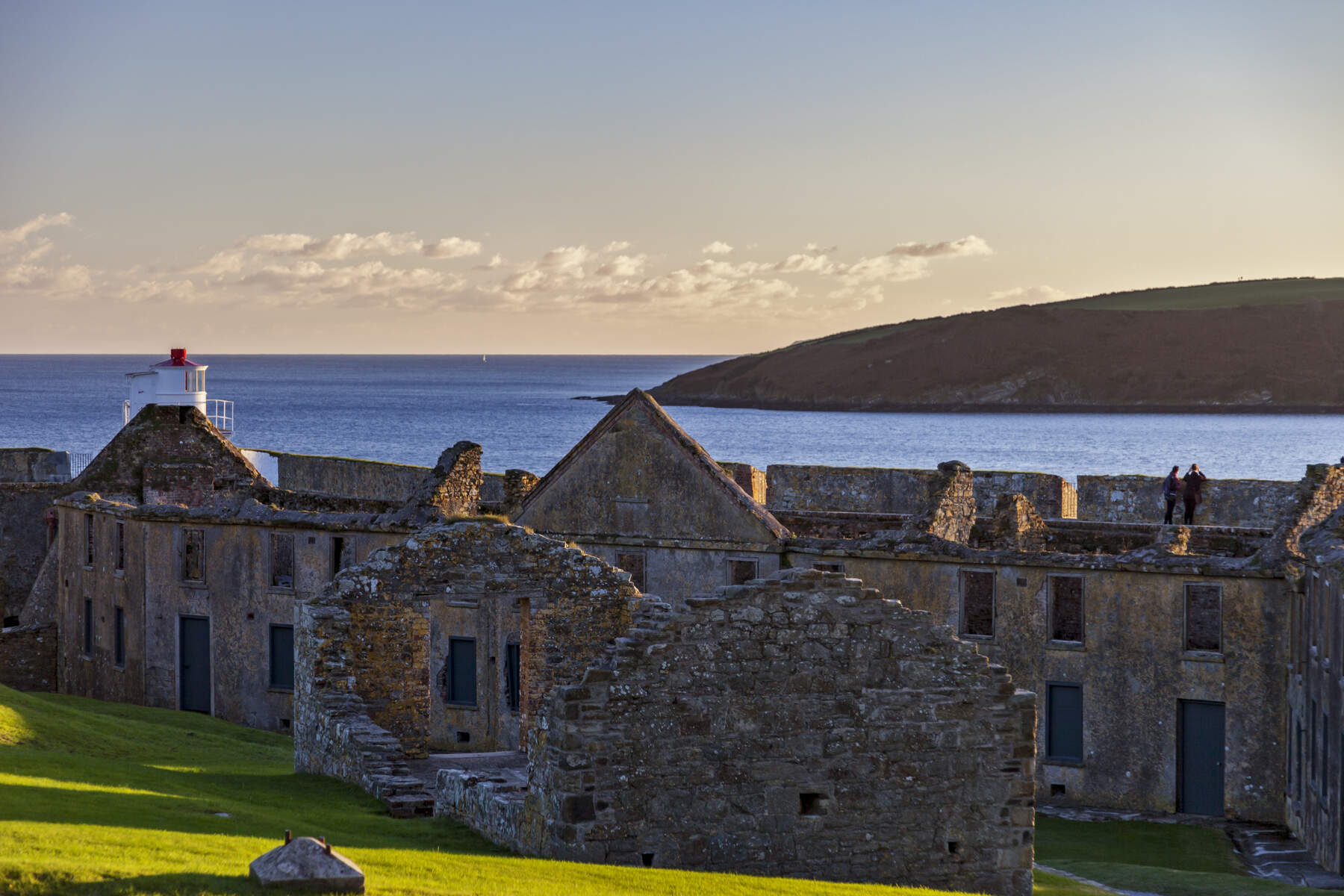
3. Charles Fort, Summer Cove, Kinsale, County Cork:
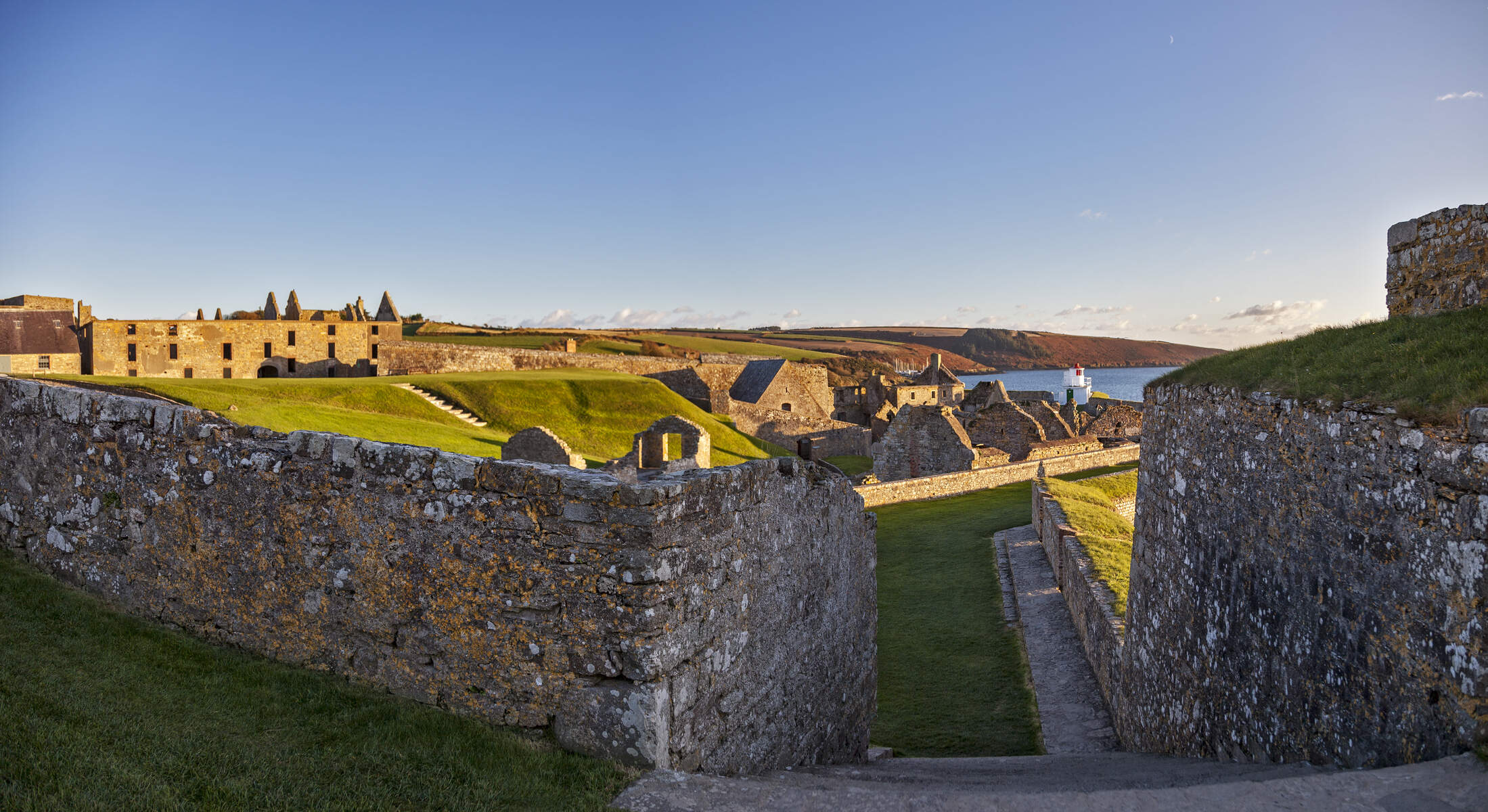
The Soldiers Quarters, the Hospital ward, the Lighthouse (by Robert Reading) and Magazine of the 17th Century Charles Fort, Kinsale, Co. Cork, Munster, Ireland. Photograph from Ireland’s Content Pool, photograph by Cahir Davitt, 2016, for Failte Ireland. [5]

General Enquiries: 021 477 2263, charlesfort@opw.ie

https://heritageireland.ie/visit/places-to-visit/charles-fort-national-monument/

From the OPW website:

As one of the country’s largest military installations, Charles Fort has been part of some of the most momentous events of Irish history. During the Williamite Wars, for example, it withstood a 13-day siege before it fell. Later, in the Civil War of the early 1920s, anti-Treaty forces on the retreat burned it out.

Charles Fort is a massive star-shaped structure of the late seventeenth century, well preserved despite its history. William Robinson, architect of the Royal Hospital in Kilmainham, Dublin, is credited with designing it. Its dimensions are awe-inspiring – some of the outer defences are 16 metres high.

The view from the ramparts looking out over Kinsale Harbour is spectacular.

The Soldiers Quarters, and Magazine of the 17th Century Charles Fort, Kinsale, Co. Cork, Munster, Ireland. Photograph from Ireland’s Content Pool, photograph by Cahir Davitt, 2016, for Failte Ireland. [see 5]
The seaward Devils Bastion and lighthouse of the 17th Century Charles Fort, with Kinsale boatyard in the background, Kinsale, Co. Cork, Munster, Ireland; Photograph from Ireland’s Content Pool, photograph by Cahir Davitt, 2016, for Failte Ireland. [see 5]

4. Desmond Castle (also known as the French Prison), Kinsale, County Cork:

Desmond Castle Kinsale 1941, photograph from Dublin City Library archives. [see 1]

General Enquiries: 021 477 4855, desmondcastle@opw.ie

From the OPW website https://heritageireland.ie/visit/places-to-visit/desmond-castle-kinsale/:

Desmond Castle in Kinsale dates from around 1500. It is a classic urban tower house, consisting of a three-storey keep with storehouses to the rear.

Maurice Bacach Fitzgerald, the earl of Desmond, originally built the castle as the customs house for the town. [I think this must be the 9th Earl of Desmond – JWB] It served as a prison in the seventeenth and eighteenth centuries. Because it usually held French inmates, as well as Spaniards, Portuguese, Dutch and Americans, it became known locally as the French Prison and carries that name to this day. The building was co-opted as an ordnance store during the momentous Battle of Kinsale (1601) and served as a workhouse during the Great Famine.

Desmond Castle certainly had a colourful history and this continued into the twentieth century. In the early 1900s it was used as a venue to host local Gaelic League meetings. Finally, in the 1930s, a thriving undertaking business operated from within the National Monument.

The National Inventory of Architectural Heritage tells us:

Freestanding three-bay three-storey tower house, commenced c.1500, abutting earthen terrace to rear. Attached cell blocks and exercise yards to rear (north-west) and platform to side (north-east). Historically used as magazine (1600-1601), as prison for foreign prisoners (1601-1790) and as borough jail (1791-1846). Restored in 1938 currently in use as museum.

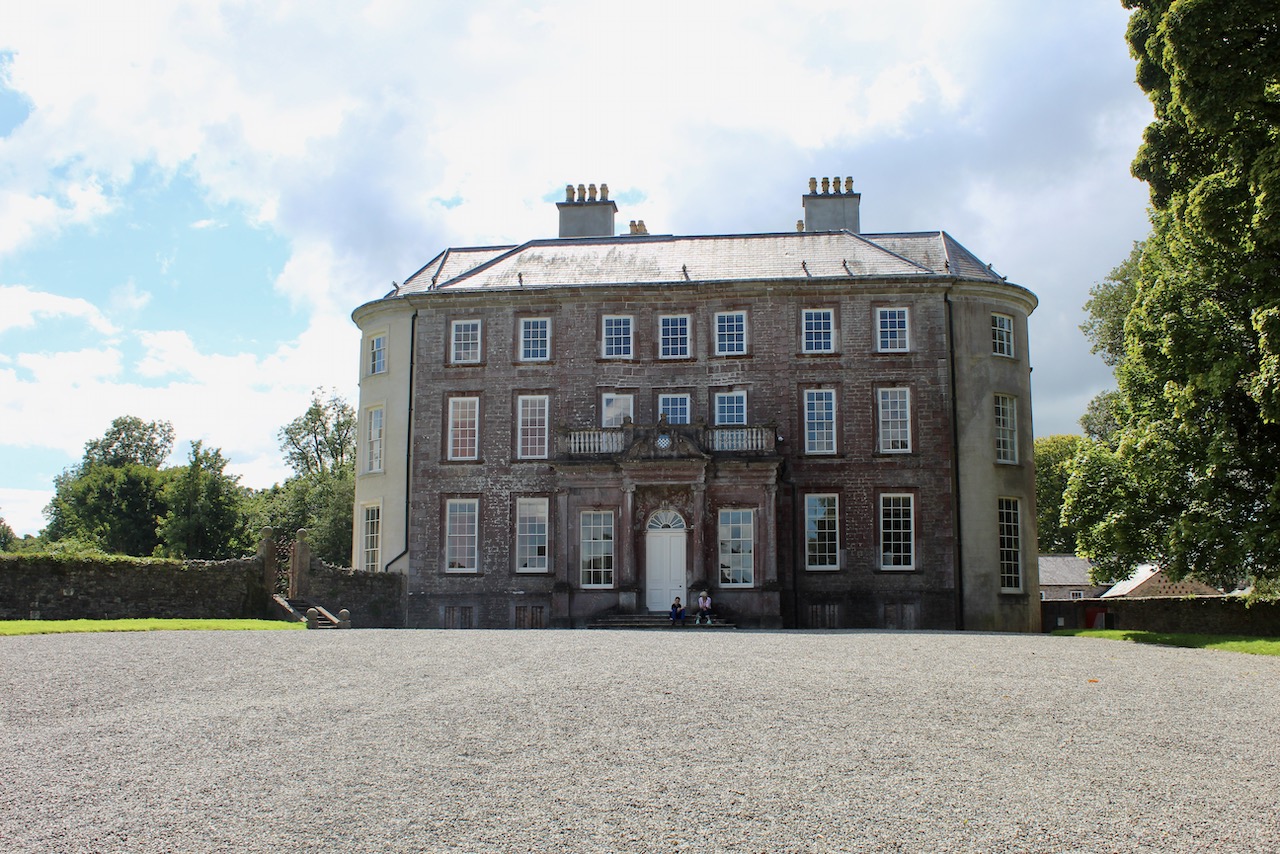
5. Doneraile Court, County Cork:

Doneraile Court, County Cork, August 2020. Photograph © Jennifer Winder-Baggot, www.irishhistorichouses.com

See my entry https://irishhistorichouses.com/2024/04/19/doneraile-court-county-cork-an-office-of-public-works-property/

https://doneraileestate.ie/

Doneraile Court, County Cork, August 2020. Photograph © Jennifer Winder-Baggot, www.irishhistorichouses.com

6. Fota Arboretum and Gardens, Carrigtwohill, County Cork

Photograph © Jennifer Winder-Baggot, www.irishhistorichouses.com

General enquiries: (021) 481 5543 https://fotahouse.com/

fota.arboretum@opw.ie

See my entry https://irishhistorichouses.com/2022/05/17/places-to-visit-and-stay-munster-county-cork/

From the OPW website: https://heritageireland.ie/visit/places-to-visit/fota-arboretum-and-gardens/

Fota House was designed by 19th century architects Richard and William Morrison. From the beautifully proportioned rooms with exquisite plasterwork, to the preserved service wing and kitchens, Fota House offers visitors an intimate look at how life was lived in the past, for the cooks, butlers, footmen and maids who supported the lavish lifestyle of the gentry. Our painting collection is considered to be one of the finest collections of landscape painting outside the National Gallery of Ireland and includes works by William Ashford PRHA, Robert Carver, Jonathan Fisher and Thomas Roberts.” [9]

Front porch of Fota House. Fluted baseless Green Doric columns support a weighty entablature in which wreaths alternate with the Barry crest in the metopes. Photograph © Jennifer Winder-Baggot, www.irishhistorichouses.com

The OPW website tells us:

The arboretum and gardens on Fota Island, just 16 kilometres from Cork city centre, are an essential destination for any one of a horticultural bent.

The arboretum extends over 11 hectares and contains one of the finest collections of rare, tender trees and shrubs grown outdoors in Europe. The unique conditions at Fota – its warm soil and sheltered location – enable many excellent examples of exotics from the southern hemisphere to flourish.

The gardens include such stunning features as the ornamental pond, formal pleasure gardens, orangery and sun temple. James Hugh Smith-Barry laid them out in the first half of the nineteenth century. Fota House, the Smith-Barrys’ ancestral home, still stands. The house, arboretum and gardens share the island with a hotel and golf resort and a wildlife park. [10]

7. Ilnacullin, Garanish Island, Glengarriff, Bantry, County Cork:

https://garinishisland.ie/plan-a-visit/
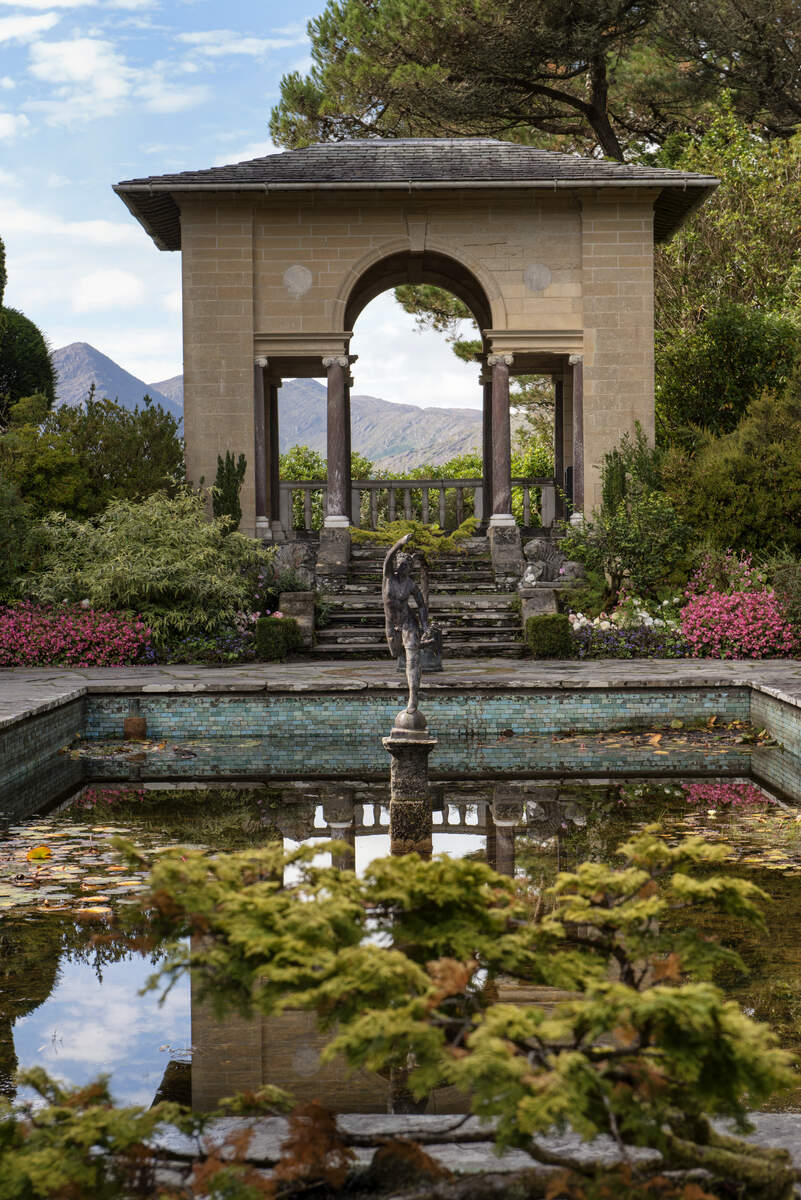
Italian garden, Garnish Island, Glengarriff, Beara, Co. Cork, Photograph by Chris Hill 2014, Ireland’s Content Pool. [see 5]

general enquiries: (027) 63040

garanishisland@opw.ie

Ilnacullin is an island in the coastal harbour at Glengariff in Bantry Bay. It has an almost sub-tropical climate with mild winters and high levels of rainfall and humidity. These conditions favour the growth of exotic plants. The gardens were set out in the Arts and Crafts style and contain Italianate pavilions and follies, framed against a backdrop of beautiful views.

From the OPW website https://heritageireland.ie/visit/places-to-visit/ilnacullin-garinish-island/:

Ilnacullin is an island garden of diminutive size and rare beauty. Nestled in the sheltered coastal harbour at Glengarriff in Bantry Bay, the gardens display a wealth of unique horticultural and architectural gems. Bryce House is a fitting memorial to the visionary creators of this unique place. 

The gardens of Ilnacullin owe their existence to the early twentieth-century creative partnership of John Annan and Violet Bryce, the island’s owners, and Harold Peto, an architect and garden designer. The area enjoys a mild and humid micro-climate that makes for spectacular and flourishing plant life all year round.

Small ferry boats and 60-seater waterbuses take visitors to Ilnacullin regularly. The short crossing usually includes an extra treat – a visit to the nearby seal colony and an opportunity to glimpse majestic sea eagles.

The Island was bequeathed to the Irish people by the Bryce’s son, Roland, in 1953 and is cared for by the OPW. Bryce House contains material from the Bryces’s lives, including John Annan Bryce’s collection of Burmese statues, Chinese ceramics, Japanese woodblock prints, metal works and rare exotic objects. There are also Old Master drawings by Salvator Rosa, Mauro Antonio Tesi and Giambattista Tiepolo. Over the years the Bryces hosted prominent cultural figures such as George (AE) Russell, George Bernard Shaw and Agatha Christie. [11] You can see a tour of the house and gardens on the website.
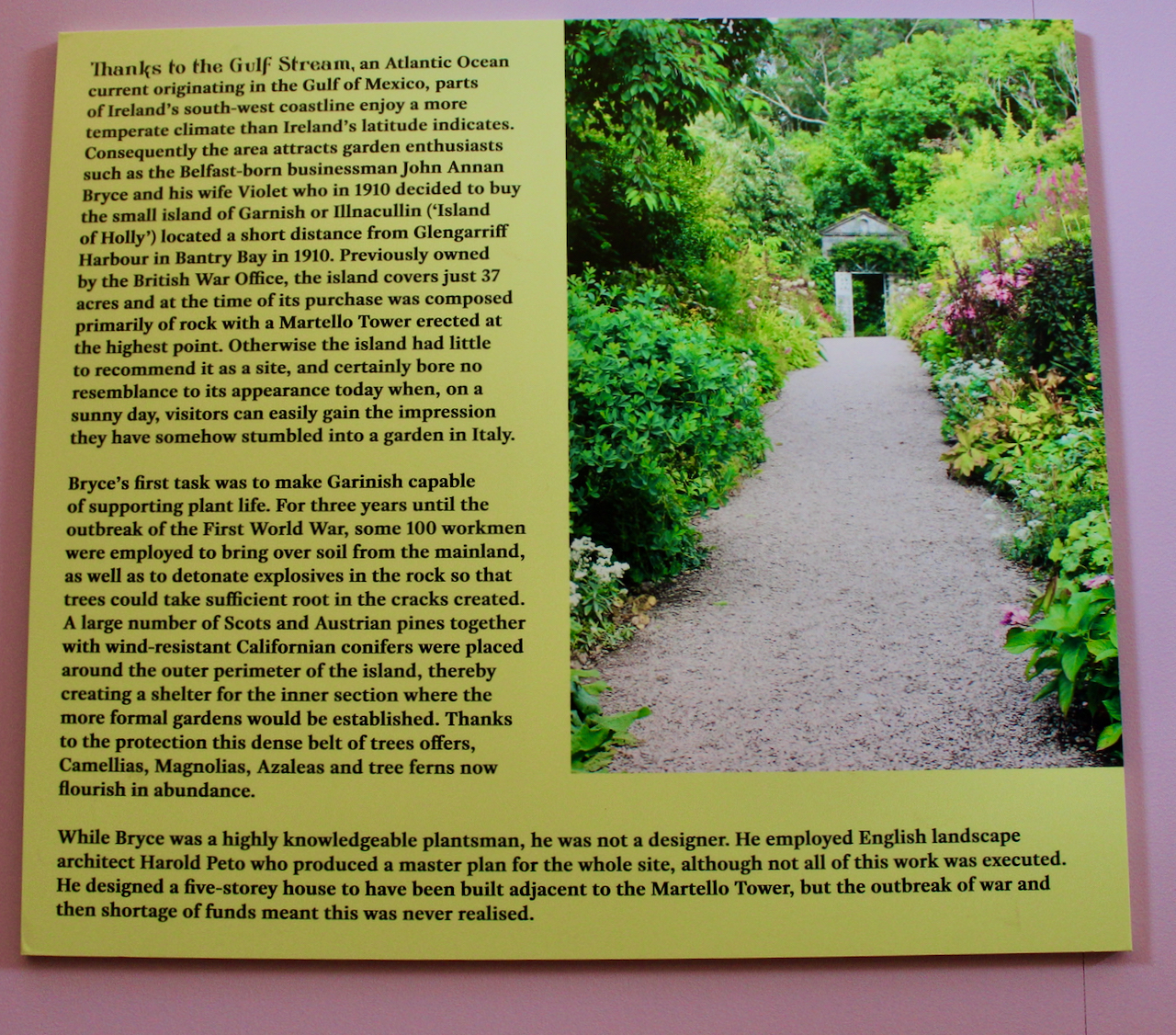
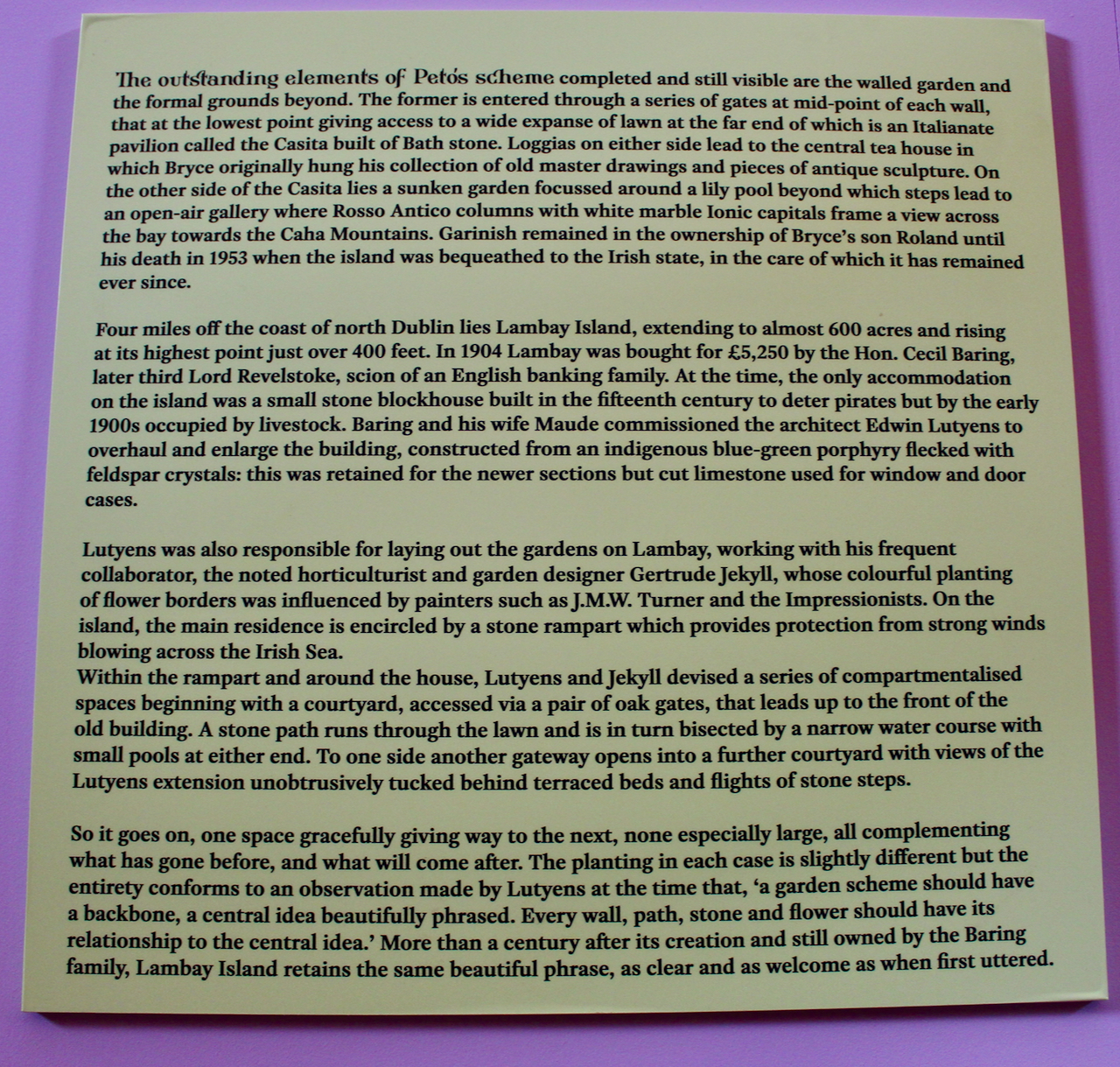
From “In Harmony with Nature, The Irish Country House Garden 1600-1900” in the Irish Georgian Society, July 2022, curated by Robert O’Byrne.

[1] https://repository.dri.ie/

[2] p. 12, Living Legacies: Ireland’s National Historic Properties in the care of the OPW, Government Publications, Dublin, 2018.

[3] p. 310, Keohane, Frank. The Buildings of Ireland. Cork City and County. Yale University Press: New Haven and London. 2020.

[4] p. 261, Keohane, Frank. Buildings of Ireland: Cork City and County, Yale University Press, New Haven and London, 2020.

[5] https://www.irelandscontentpool.com/en

[6] See also https://doneraileestate.ie

[7] p. 377. Keohane, Frank. Buildings of Ireland: Cork City and County, Yale University Press, New Haven and London, 2020.

Another work Keohane identifies as being by Benjamin Crawley is Castle Bernard, now a ruin in County Cork:
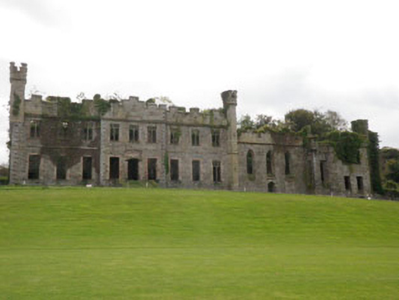
Castle Bernard, County Cork, photograph from National Inventory of Architectural Heritage.

[8] p. 105. Mark Bence-Jones. A Guide to Irish Country Houses (originally published as Burke’s Guide to Country Houses volume 1 Ireland by Burke’s Peerage Ltd. 1978); Revised edition 1988 Constable and Company Ltd, London.

[9] fotahouse.com

[10] https://heritageireland.ie/visit/places-to-visit/fota-arboretum-and-gardens/

[11] https://garinishisland.ie/the-house-and-gardens/

Text © Jennifer Winder-Baggot, www.irishhistorichouses.com
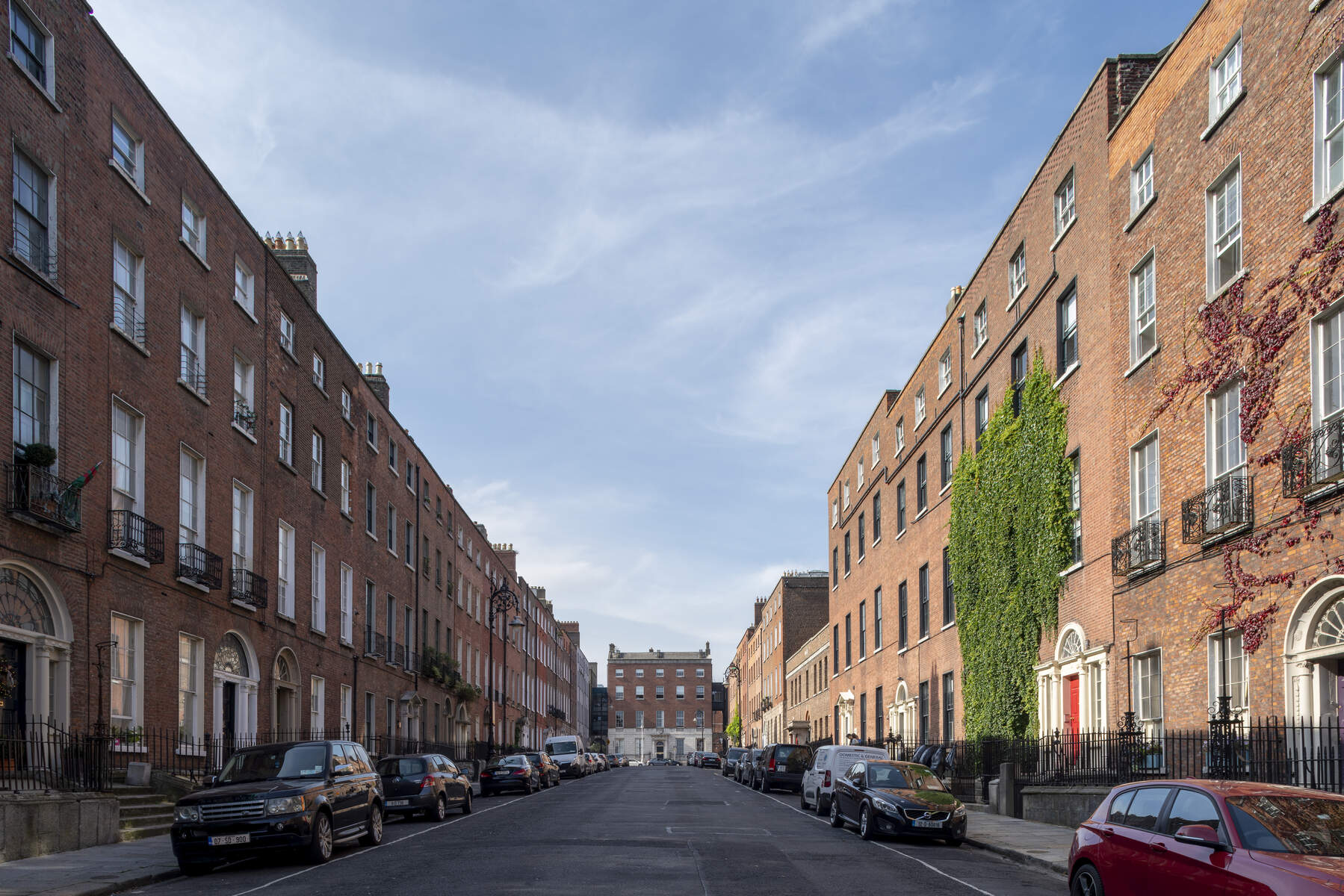
11 North Great George’s Street, Dublin 1 – section 482

www.number11dublin.ie
Open dates in 2025: April  7th – 11th, 21st – 25th, May 6-10, June 2-7, July 7-12, Aug 4-9, 16-25, Sept 1-7, Oct 6-10, 20-24,

12 noon-4pm

Fee: adult €7, students/OAP €3, child up to 12 years, free

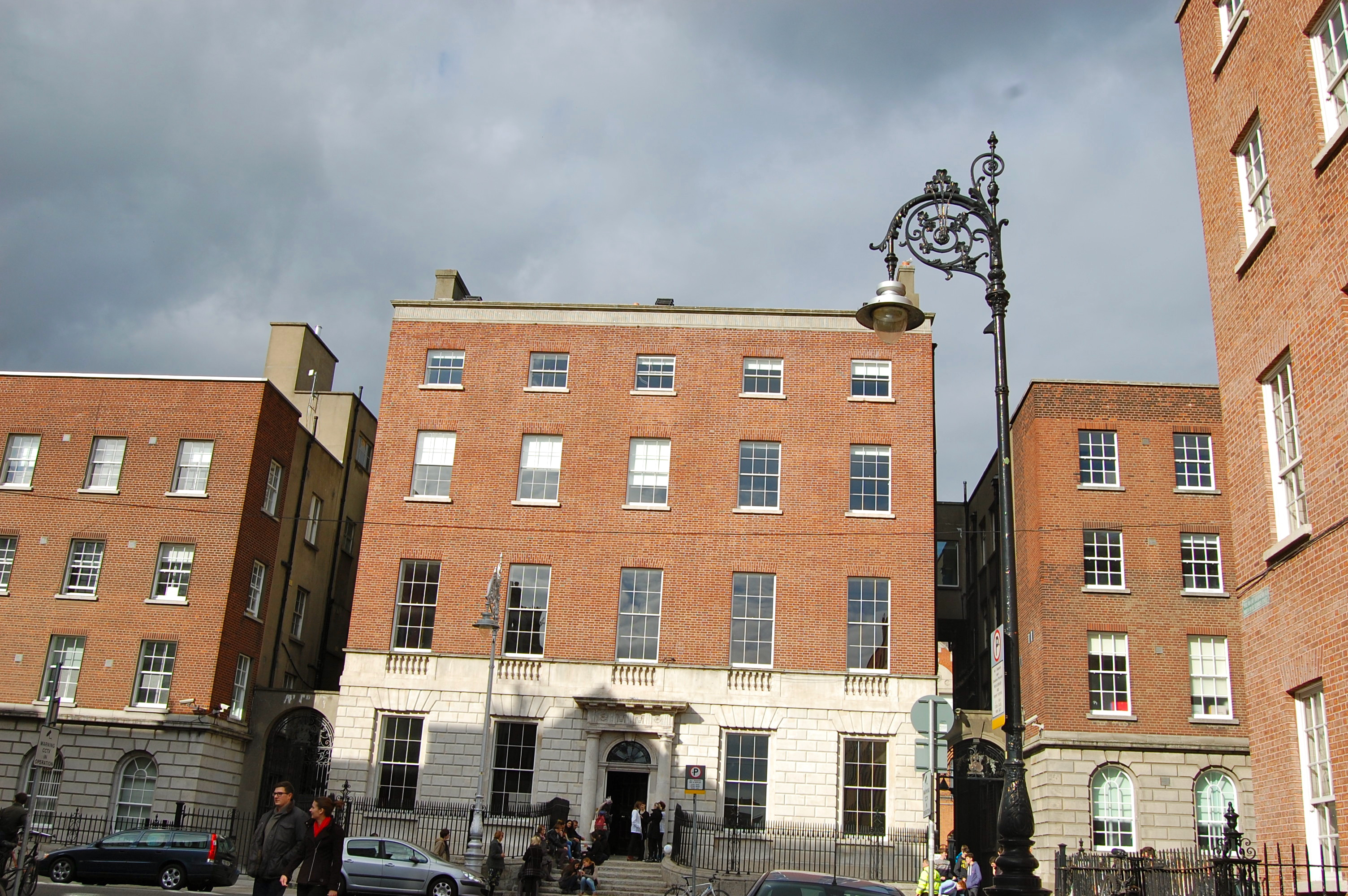
North Great George’s Street, Dublin, Courtesy Fionn Mc Cann for Fáilte Ireland, 2021.
39 North Great Georges Street, Dublin. Photograph © Jennifer Winder-Baggot, www.irishhistorichouses.com

I visited 11 North Great George’s Street in 2012 during Open House, run by the Irish Architectural Foundation. I went with my husband Stephen and my Dad, Desmond. There is a video of the day on the website and I am excited to see myself in it! [1]

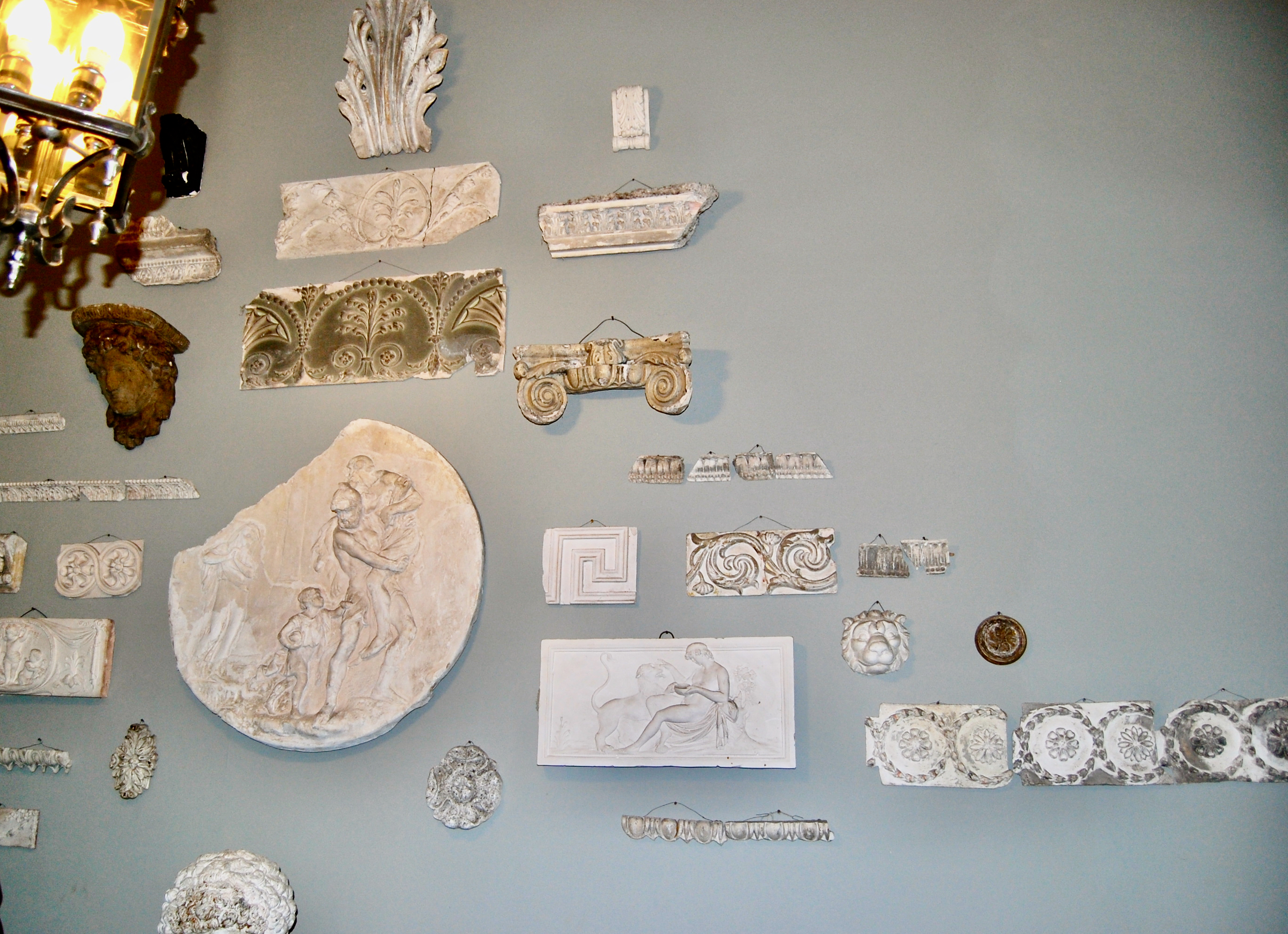
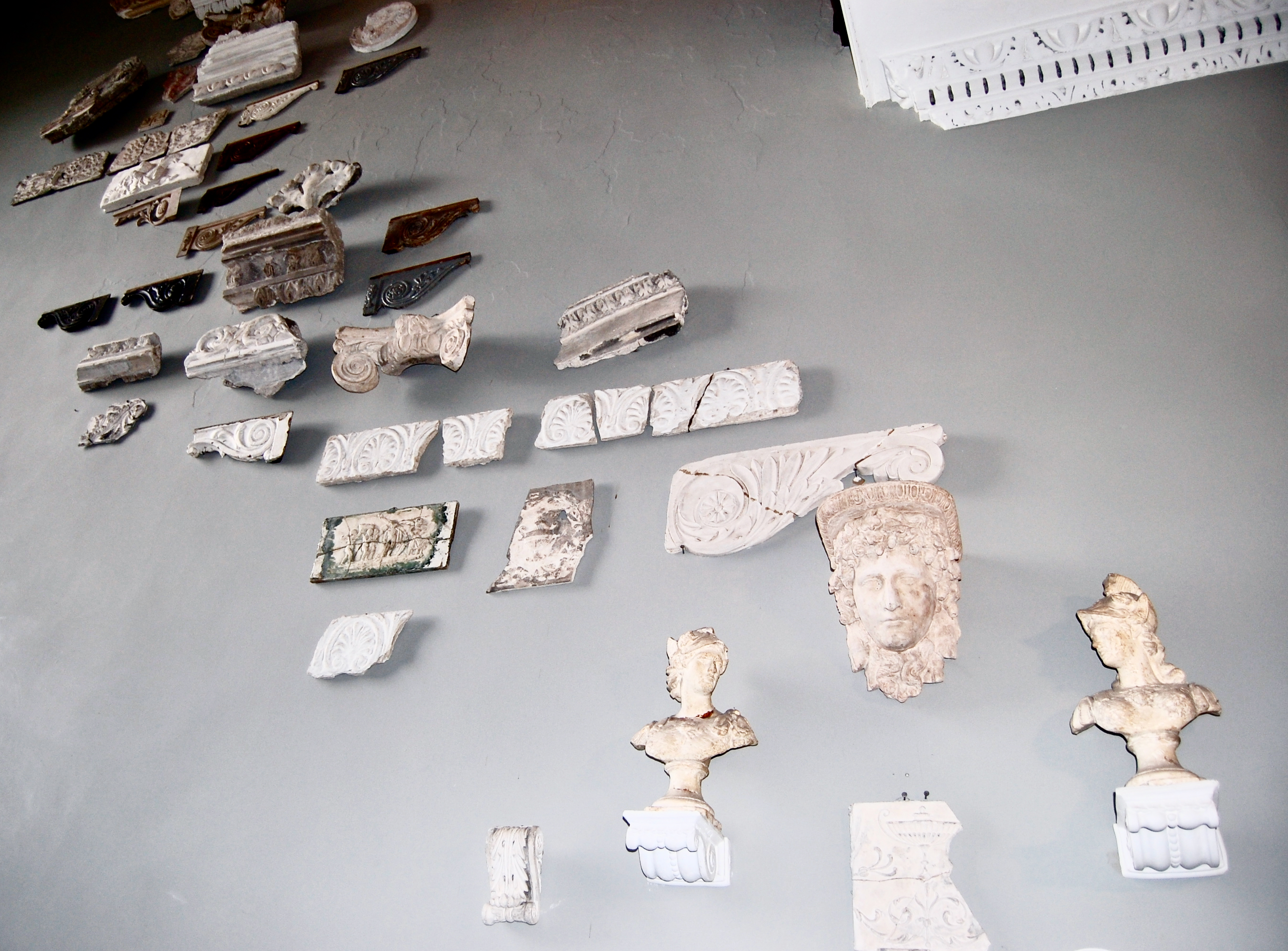
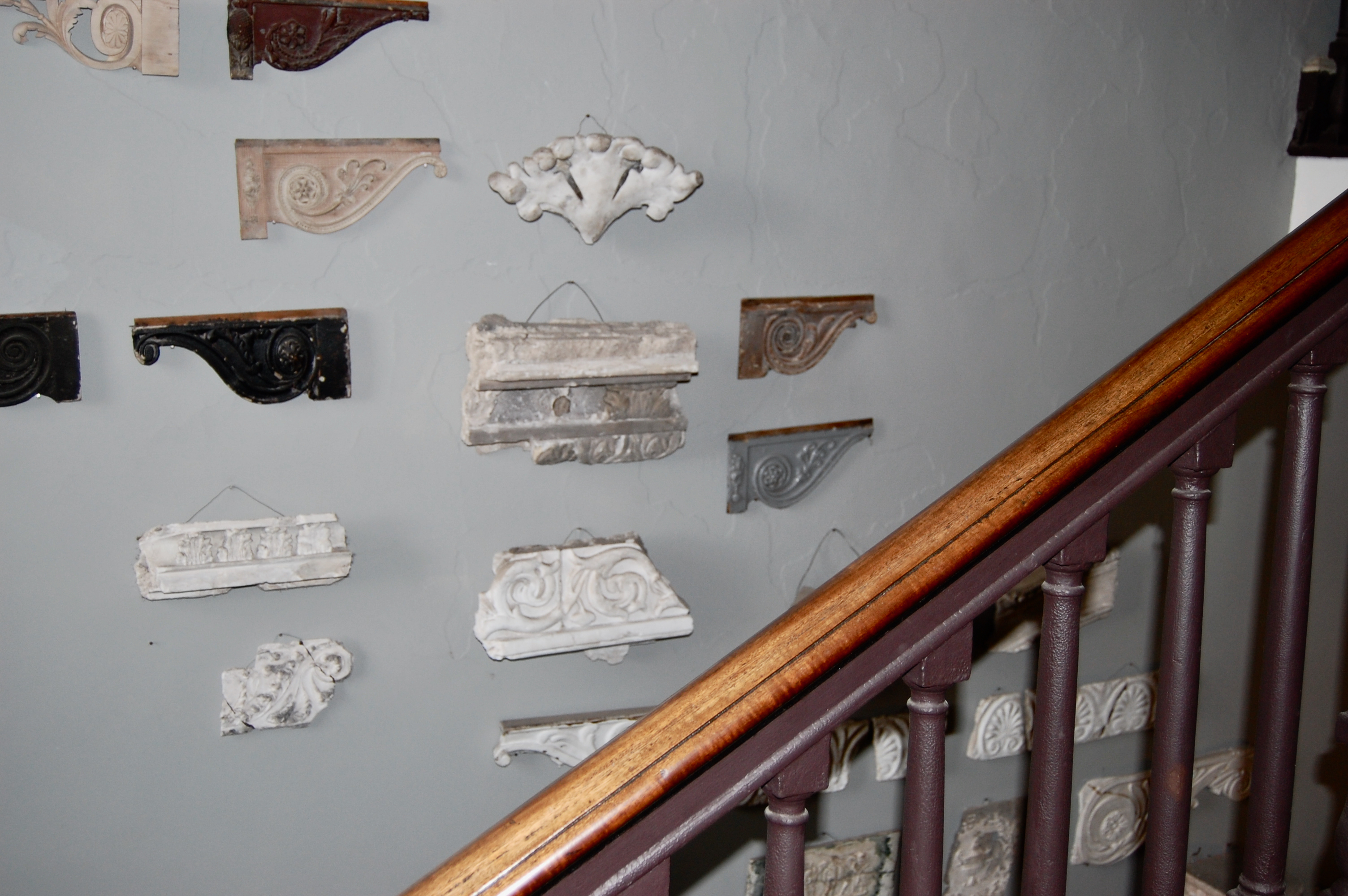
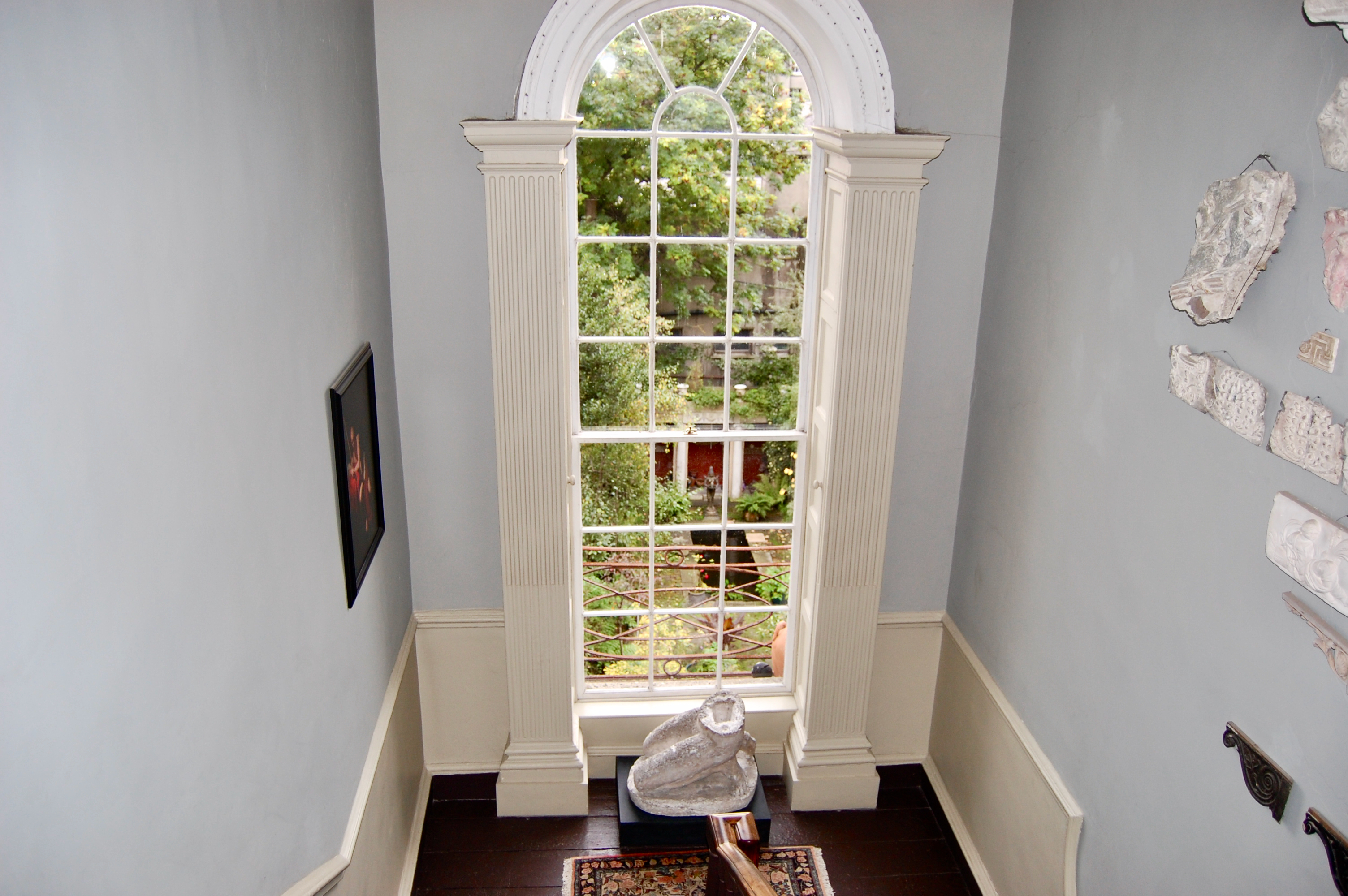
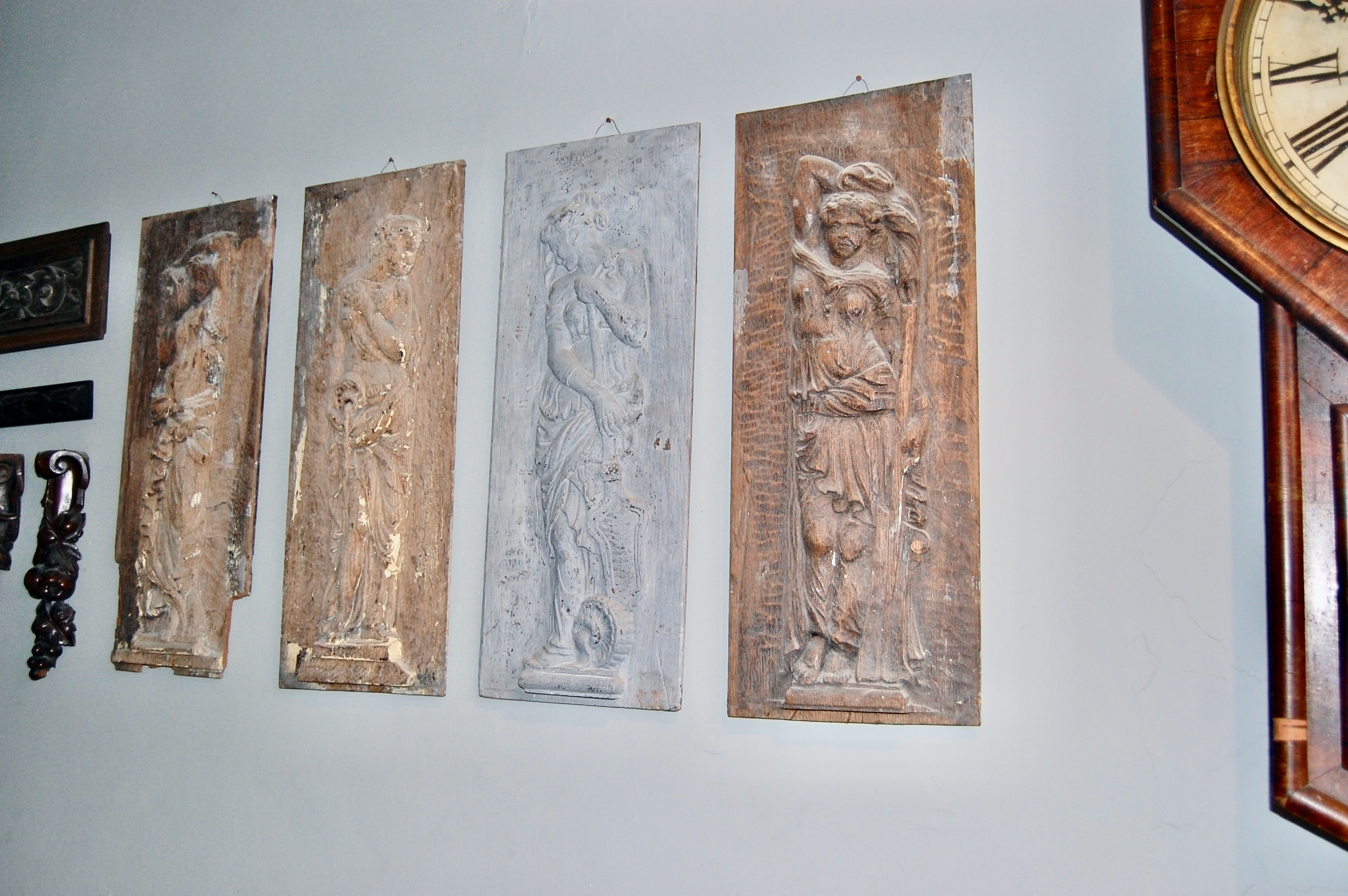
We loved this house! It’s wonderfully decorated and we had a tour with owner John Aboud. The decor is very quirky and full of character. I loved the plaster decoration on the walls, “John Soane’s Museum” style. Like Peter Pearson, the occupant has rescued parts of old houses which are being discarded. How I’d love to come across such a skip!

DSC_0999
11 North Great George’s Street, 2012. Photograph © Jennifer Winder-Baggot, www.irishhistorichouses.com
According to the Buildings of Ireland website, this house was one of the first to be built on North Great George’s Street, a street of stepped terraces built after 1768 as a result of commercial leases granted on the avenue leading to the Mount Eccles Estate and in response to the expansion of the Gardiner Estate [2]. The houses were built as townhouses for the gentry. Number 11 was completed in 1774.

The street has its own North Great George’s Street Preservation Society, which has an excellent website with a history of the street written by Conor Lucey. [3] The Preservation Society began in 1979, according to its website, by a group of resident house-owners who had become concerned about the fate of the street, which had survived almost alone amid the surrounding dereliction of North Central Dublin. The Association was formed more recently to represent the views and interests of the many long-term residents in the street.

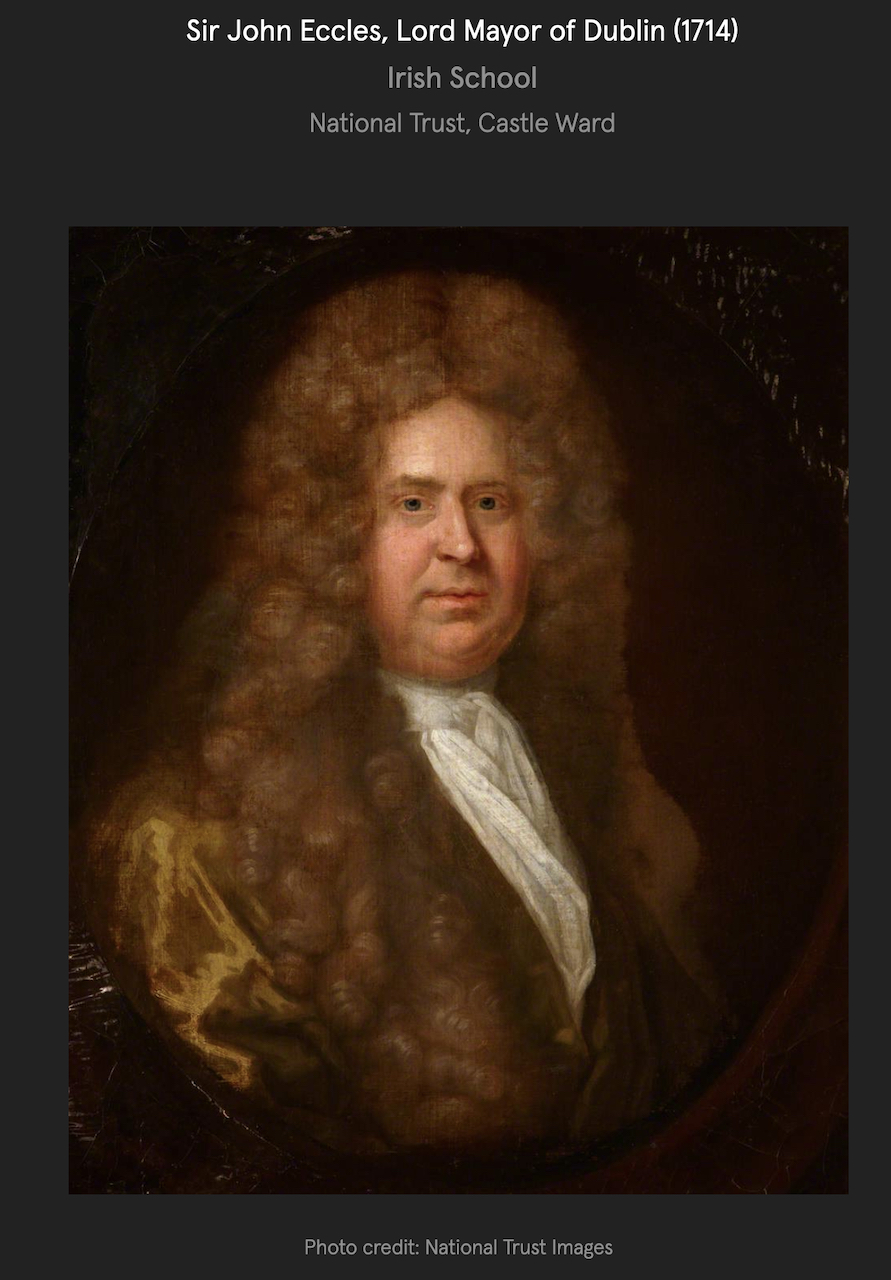
Sir John Eccles was Lord Mayor of Dublin in 1710. He owned an extensive private estate, which contained the area which is now North Great George’s Street. Unfortunately his mansion has gone and the site where it stood is now occupied by a small two-storey building situated between the present numbers 43 and 46 North Great George’s Street.

John Eccles Lord Mayor of Dublin (1714) courtesy of National Trust Castle Ward.
DSC_0994
11 North Great George’s Street, 2012. Photograph © Jennifer Winder-Baggot, www.irishhistorichouses.com
Conor Lucey tells us that Mount Eccles is clearly visible on John Rocque’s map of Dublin published in 1756, but it is labelled with the name of Nicholas Archdall Esq. Nicholas Archdall had purchased the lease for the Mount Eccles estate for 999 years, beginning 1st August 1749.

Nicholas Archdall was MP for County Fermanagh. His son, Edward Archdall, became a property developer. He built numbers 19 and 20 North Great George’s Street in the late 1780s. Nicholas Archdall’s widow Sarah (nee Spurling) petitioned the Irish Parliament in 1766 for permission to grant long leases on premises on her property. She may have been inspired by the new Gardiner estate and Gardiner’s Row. Permission was granted, and the advertisement read:

To be Let in Lots for Building, the Lands of Mount Eccles, in Great Britain-street, opposite Marlborough-street, joining Palace-row and Cavendish-street, containing seven Acres, which for Situation, Air and Prospect, cannot be exceeded by any in or about Dublin, subject to no Manner of Tax, Hearth Money excepted. For further Particulars, enquire of Mrs. Archdale, at Mount Eccles, where a Plan of the whole may be seen.

DSC_1000
11 North Great George’s Street, 2012. Photograph © Jennifer Winder-Baggot, www.irishhistorichouses.com
Lucey tells us that the leases for North Great George’s Street contain no covenants or specifications regarding the form of the house, except for the provision of an eight foot wide ‘area’ intended to be ‘in the front of the houses which is to be built on the said ground over and above the flagged passage which is to be 6 ft and 6 in wide’. Other developments, such as Merrion Square and Fitzwilliam square, had much more detailed specifications for the houses to be built.

Lucey describes the typical layout of the houses on the street:

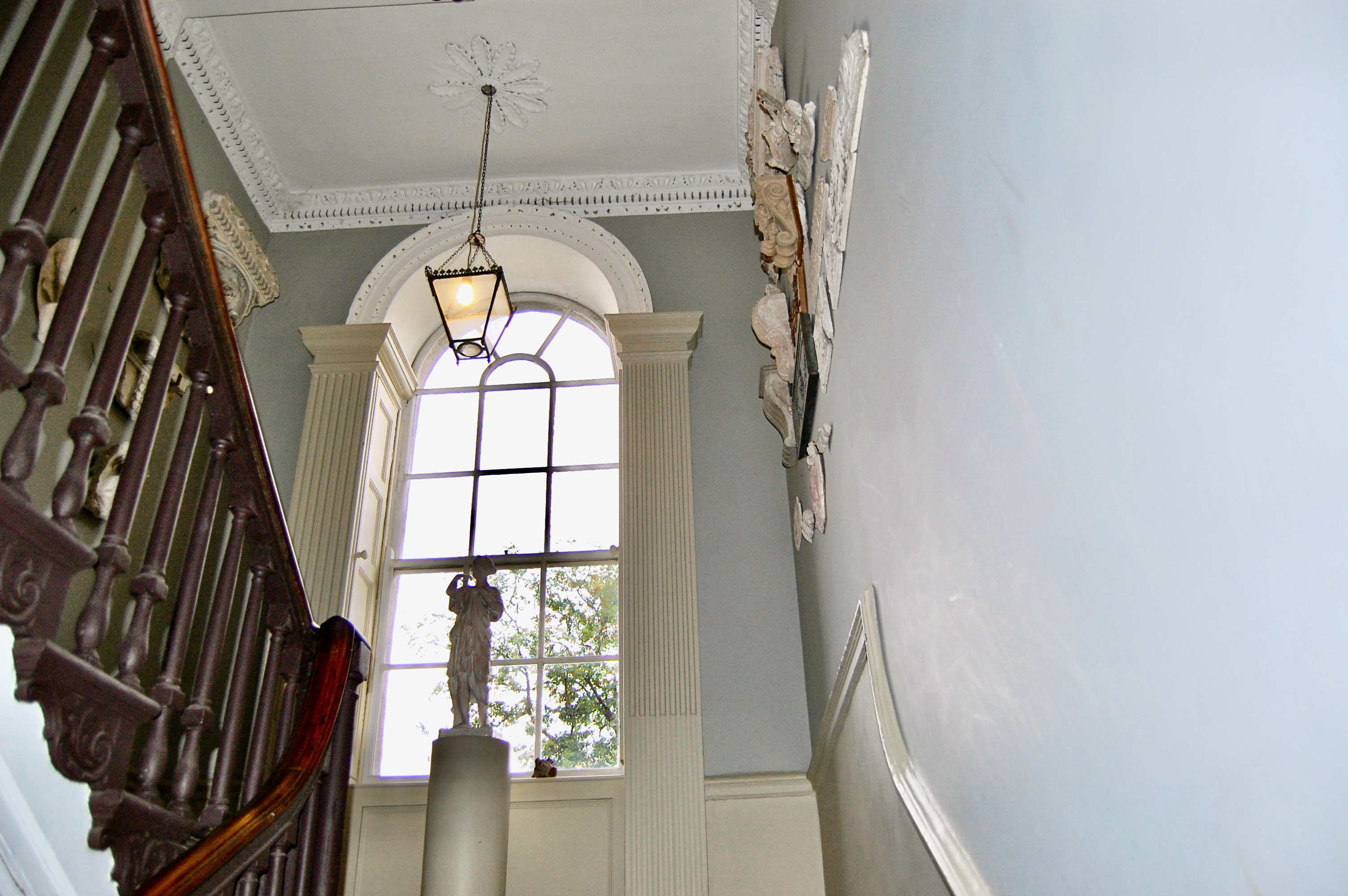
By far the most common plan type is the ‘two room’ plan, composed of an axially- aligned entrance hall and stair hall, and flanked by front and rear parlours, the latter typically serving as the formal dining room. The principal staircase, customarily of timber open-string construction, is situated at the back of the house and rises from the ground floor – by way of the piano nobile or ‘drawing room storey’ – to the ‘attic’ or bedroom storey, with admittance to the ‘garret’ alone acquired by a smaller, subordinate stair. A distinctive decorative feature of the garret storey stair is the ‘Chinese Chippendale’ balustrade, popular from mid-century and exemplified by surviving examples at Nos.4, 11, 36 and 50.

DSC_1004
Chinese Chippendale balustrade on the way to the garret, with the owner’s display of masks. Photograph © Jennifer Winder-Baggot, www.irishhistorichouses.com
Other properties on the street were leased to Emilia, Dowager Viscountess Powerscourt (the widow of Richard Wingfield, 3rd Viscount Powerscourt, who built Powerscourt Townhouse in Dublin – see my entry on Powerscourt Townhouse) and Valentine Browne, 1st Earl of Kenmare.

The Act of Union of 1800, however, meant that there was no longer a Parliament in Dublin and many gentry left Ireland. The house’s website states:

Despite the drain from the city of power and money after the Act of Union in 1800, North Great George’s Street managed to hold onto some grandees till the very end of the 19th Century. In the case of no. 11, these included in 1821 a George Whitford, High Sheriff of Dublin, who was knighted in that year by George IV at the Mansion House. No doubt to celebrate his new status, he had the front doorcase re-modelled to accommodate a large new fanlight, and also had the Salon joinery replaced in the fashionable neo-classical style.

The No.11 website tells us more about former inhabitants.

Dr. Charles Orpen lived in the house in the 1830s. He played a significant part in the development of sign language, and in the education of deaf children, founding Ireland’s first school for deaf children, in 1816, in Brunswick Street (now Pearse Street). It became The Claremont Institution for the Deaf and Dumb when it moved to a large demesne called Claremont in Glasnevin. Dr. Orpen worked at the Workhouse at the House of Industry in Dublin, where he noticed that there were 21 deaf children. He took one of the children, Thomas Collins, home to educate him, and based on his learnings about the conditions of being deaf, he gave several popular lectures in the Rotunda, which led to a public interest in the condition and of education of deaf and dumb children. [4]

Another former inhabitant of number 11 in the 1850s was a barrister named Patrick Blake. He had Nationalist leanings, and the no.11 website tells us that it is believed that Michael Davitt, one of the leaders of the Irish Republican Brotherhood and the Land League, was hidden in the house for some time before his arrest and imprisonment in 1870. By this time, and for the rest of the century, the domestic quarters of the house had retreated to the top two floors, and the rest of the house was given over to office space for barristers and land agents.

DSC_1002
11 North Great George’s Street, 2012. Photograph © Jennifer Winder-Baggot, www.irishhistorichouses.com

As the wealthy left the city centre for houses in the suburbs, in 1910 a Mr. Kelly bought the house and turned it into a tenement. The No.11 website tells us that unlike many houses, the landlord lived on the premises and so the house survived many of the ravages that other houses suffered at this time. Between the 1930s and 1970s every room in the house was used as a family flat.

By the early 1980s the historic centre of Dublin had been all but abandoned. The house was largely derelict with a roof that was on the point of collapse. The website tells us that a great deal of the house was saturated and pigeons inhabited the upper floors. Despite this, the last tenant, Mrs. Margaret Howard, who had moved into the house in 1921, struggled to maintain an old fashioned gentility in her tenement rooms.

The National Inventory of Architectural Heritage Buildings of Ireland website describes number 11 as a terraced three-bay four-storey house over exposed basement. It’s made of handmade red bricks and granite window sills. The website describes:

Round-headed door opening with painted stone Doric doorcase. Original ten-panelled painted timber door flanked by engaged Doric columns on stone plinth blocks supporting deep cornice, and replacement peacock fanlight with moulded surrounds and scrolled keystone.

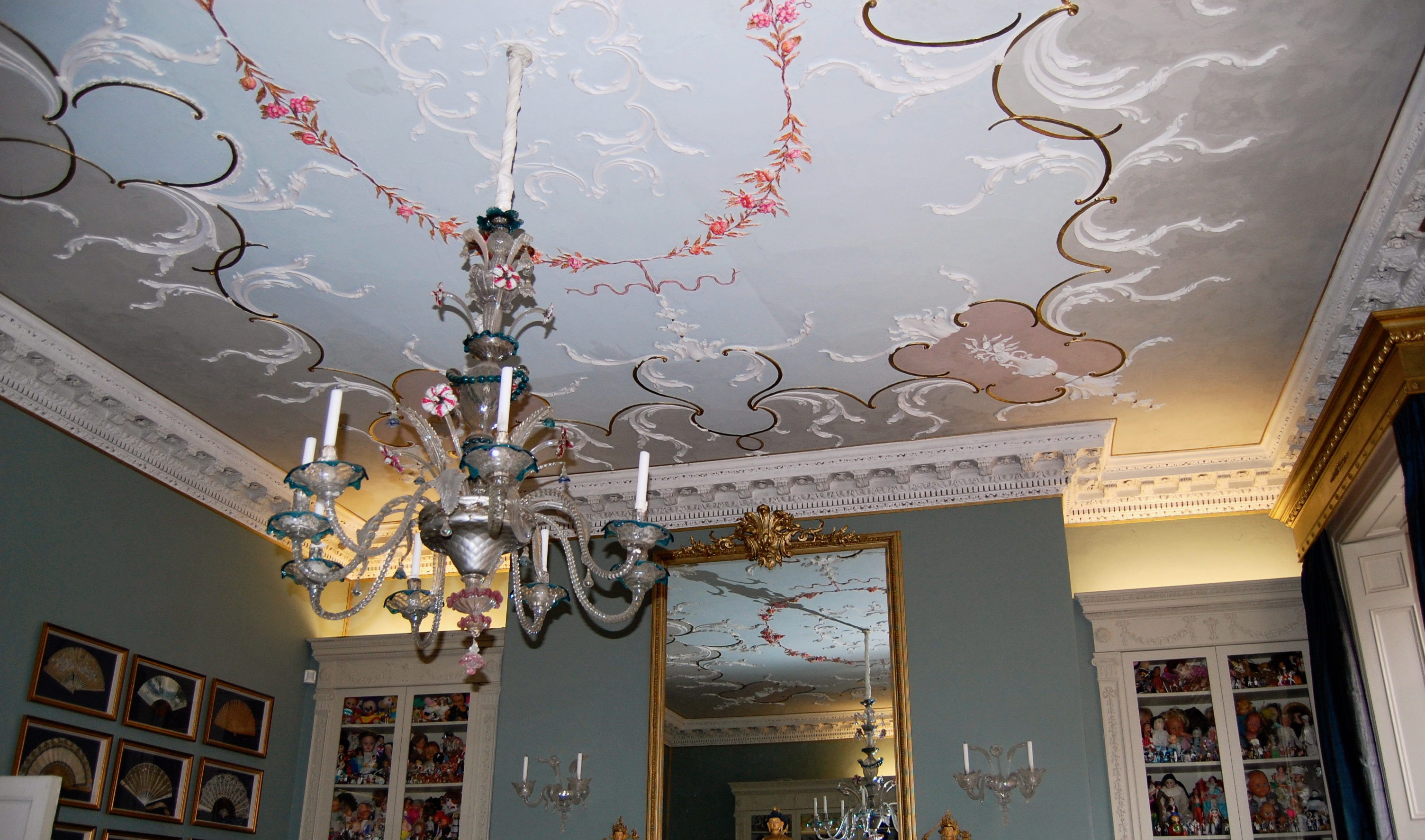
The website also mentions the original plaster walls and ceiling, as well as original timber joinery and flooring. The ceilings seemed overly colourful, but the owner assured us that this is how such a ceiling would have looked originally.

DSC_0995
11 North Great George’s Street, 2012. Photograph © Jennifer Winder-Baggot, www.irishhistorichouses.com
The Buildings of Ireland website describes:

Upper floors having large amounts of surviving late Rococo plasterwork with projecting birds, acanthus leaves and flower-baskets to rear rooms. First floor saloon having ceiling with flower vases, acanthus pendants and cartouches. Neo-classical over-doors and friezes with urns and festoons. Lugged architraves throughout and moulded joinery [“lugged” is a moulded frame with horizontal projections at the top, according to wikipedia]. Imposing fluted Doric architraves to round-headed windows at each half-landing. Chinese Chippendale stair to garret floor.” [5]

The Rococo plasterwork, the number 11 website tells us, “must be amongst the very last flings of the renowned Robert West School of Rococo plasterwork.” We came across Robert West plasterwork also in Colganstown [6].

DSC_0997
11 North Great George’s Street. Photograph © Jennifer Winder-Baggot, www.irishhistorichouses.com
DSC_1003
11 North Great George’s Street. Photograph © Jennifer Winder-Baggot, www.irishhistorichouses.com
DSC_1007
11 North Great George’s Street, 2012. Photograph © Jennifer Winder-Baggot, www.irishhistorichouses.com
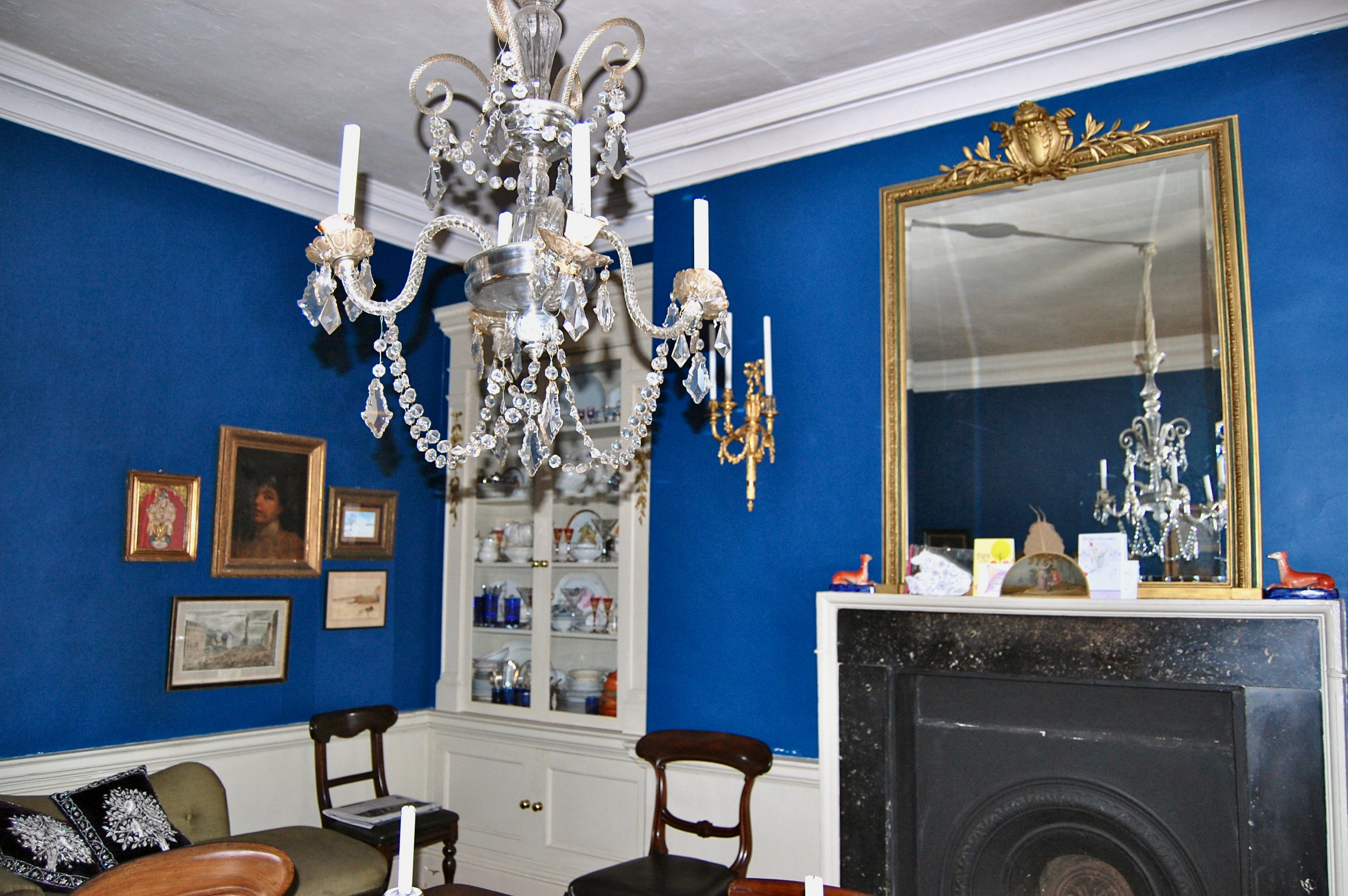
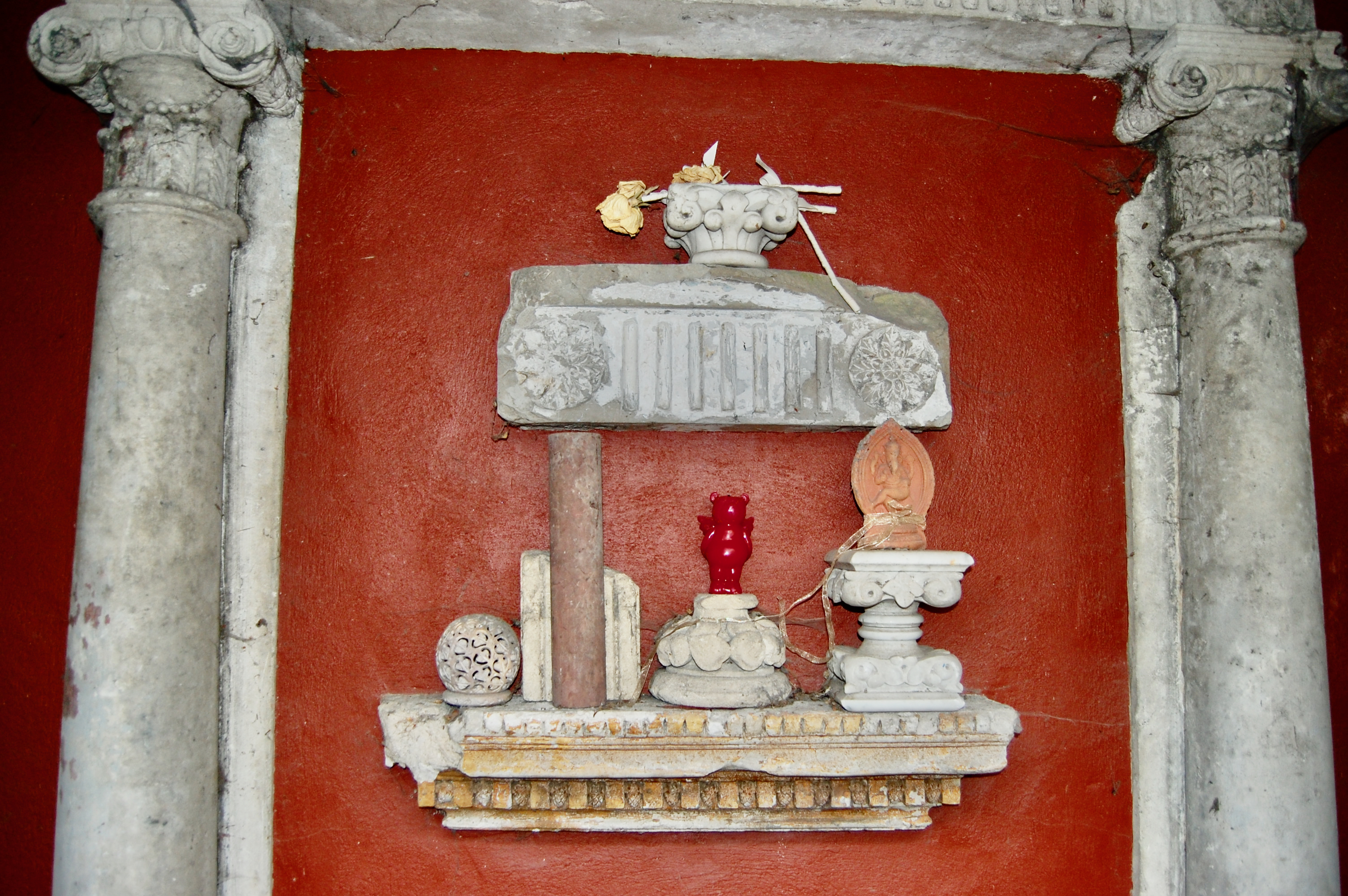
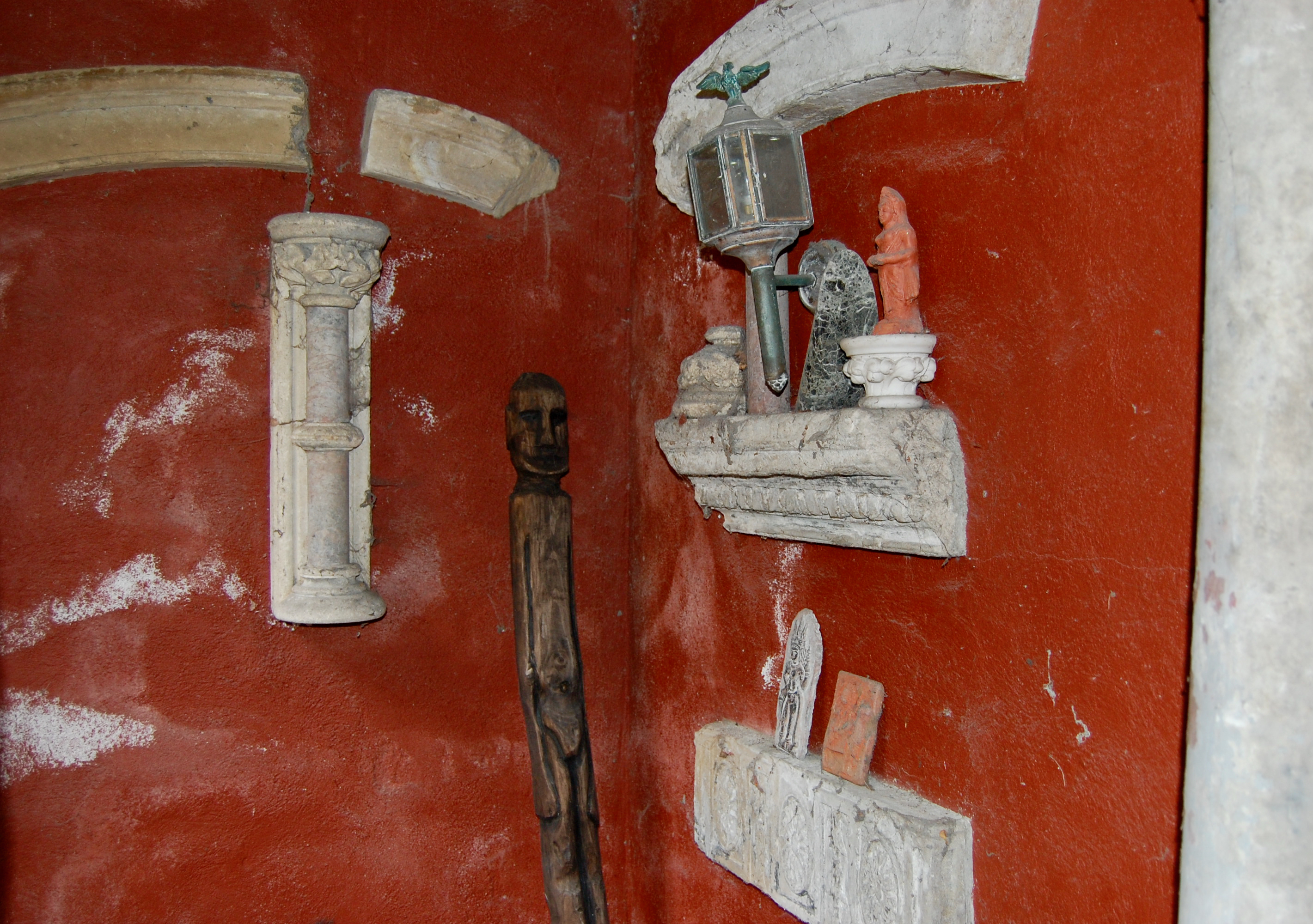
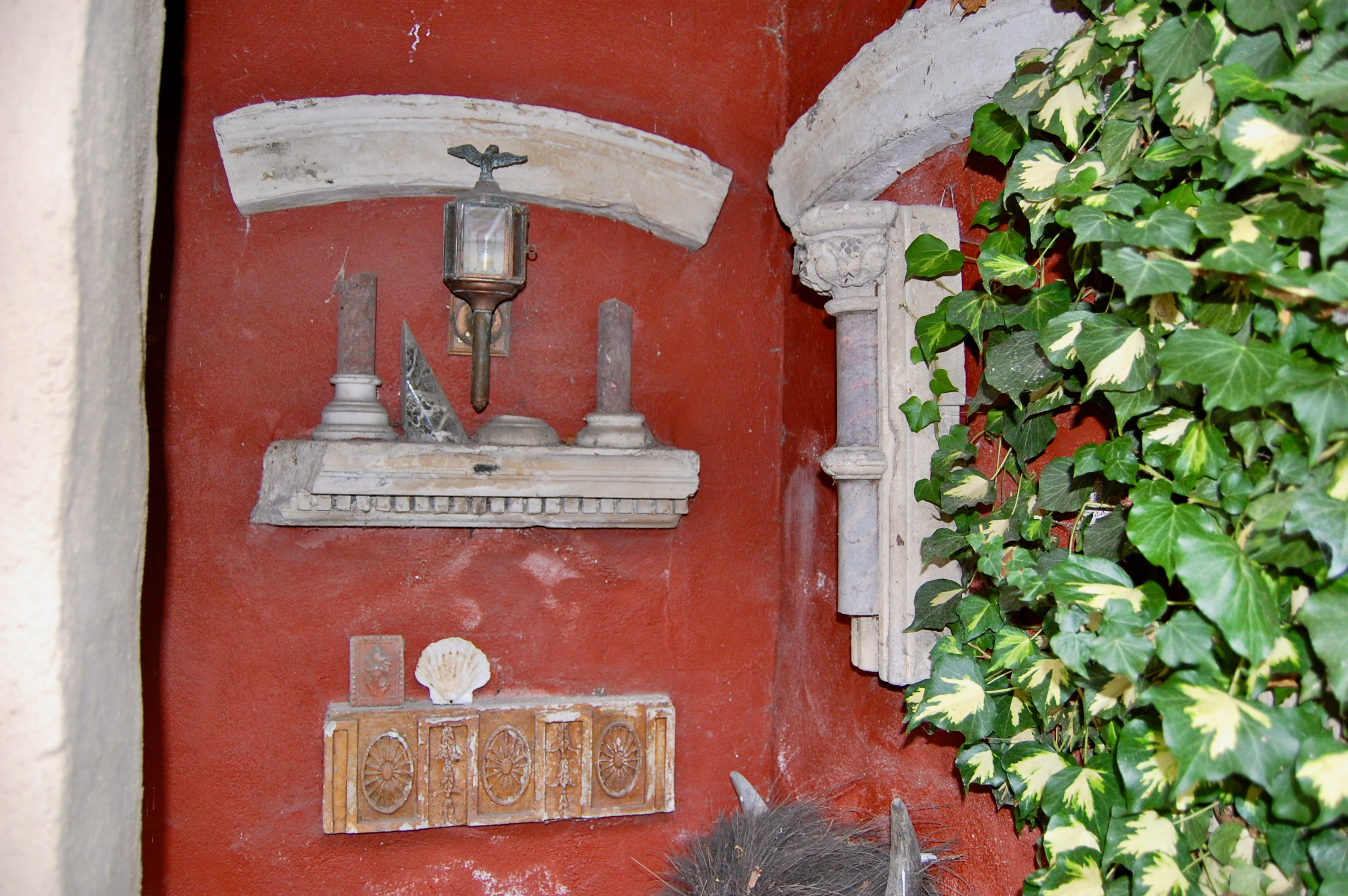
The home owner is a collector, not only of architectural pieces and masks, but of dolls:

DSC_0996
11 North Great George’s Street, 2012. Photograph © Jennifer Winder-Baggot, www.irishhistorichouses.com
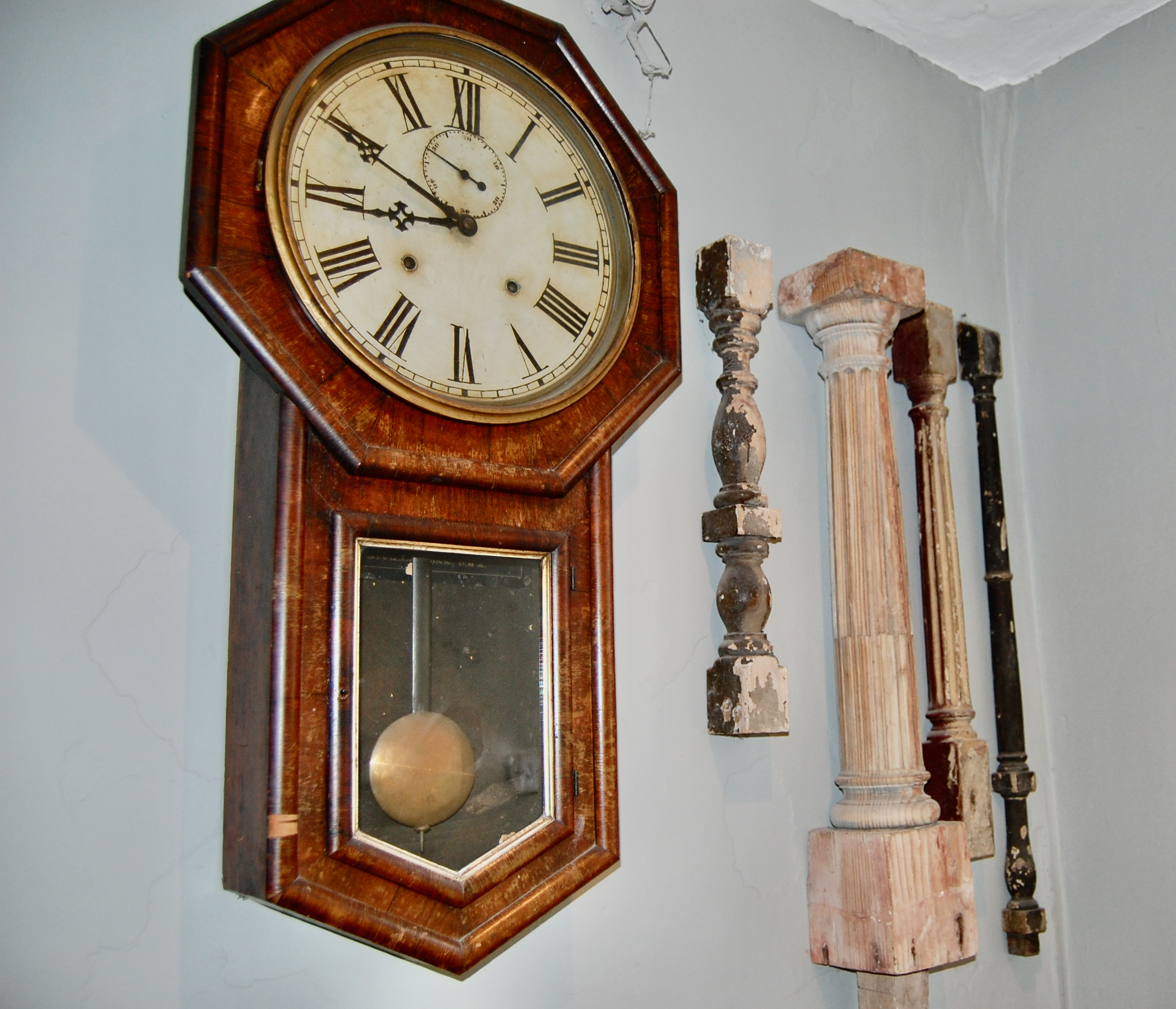
Some of the architectural pieces are from, I believe, a church that was demolished, St. Peter’s Church on Aungier Street. These banisters might have been altar rails:

DSC_0993
11 North Great George’s Street. Photograph © Jennifer Winder-Baggot, www.irishhistorichouses.com
DSC_0992
11 North Great George’s Street, 2012. Photograph © Jennifer Winder-Baggot, www.irishhistorichouses.com
The back garden is beautifully tranquil with an Oriental vibe, with a pond and a temple at the back with more architectural pieces and sculptures.

DSC_0988
11 North Great George’s Street. Photograph © Jennifer Winder-Baggot, www.irishhistorichouses.com
DSC_0990
11 North Great George’s Street. Photograph © Jennifer Winder-Baggot, www.irishhistorichouses.com
DSC_0989
11 North Great George’s Street, 2012. Photograph © Jennifer Winder-Baggot, www.irishhistorichouses.com
In its appraisal the National Inventory website states:

Largely dilapidated by the early 1980s, it was carefully conserved by the owner and is now a residence and venue for weddings and other events. The surviving early plasterwork is a fine example of the traditional ‘Dublin school’ Rococo style and its juxtaposition with the Neo-classical embodies the stylistic developments of the late eighteenth century. The oversailing lintel of c.1820 is one of few on the street and the restored light posts add a further element of interest in the public realm of the street. The retention of timber sash windows and of the granite and iron work to the entrance and basement enhances the architectural heritage quality of this house and of the street in general.

DSC_0991
11 North Great George’s Street, 2012. Photograph © Jennifer Winder-Baggot, www.irishhistorichouses.com
The website for number 11 has a link to airbnb accommodation available in the house.

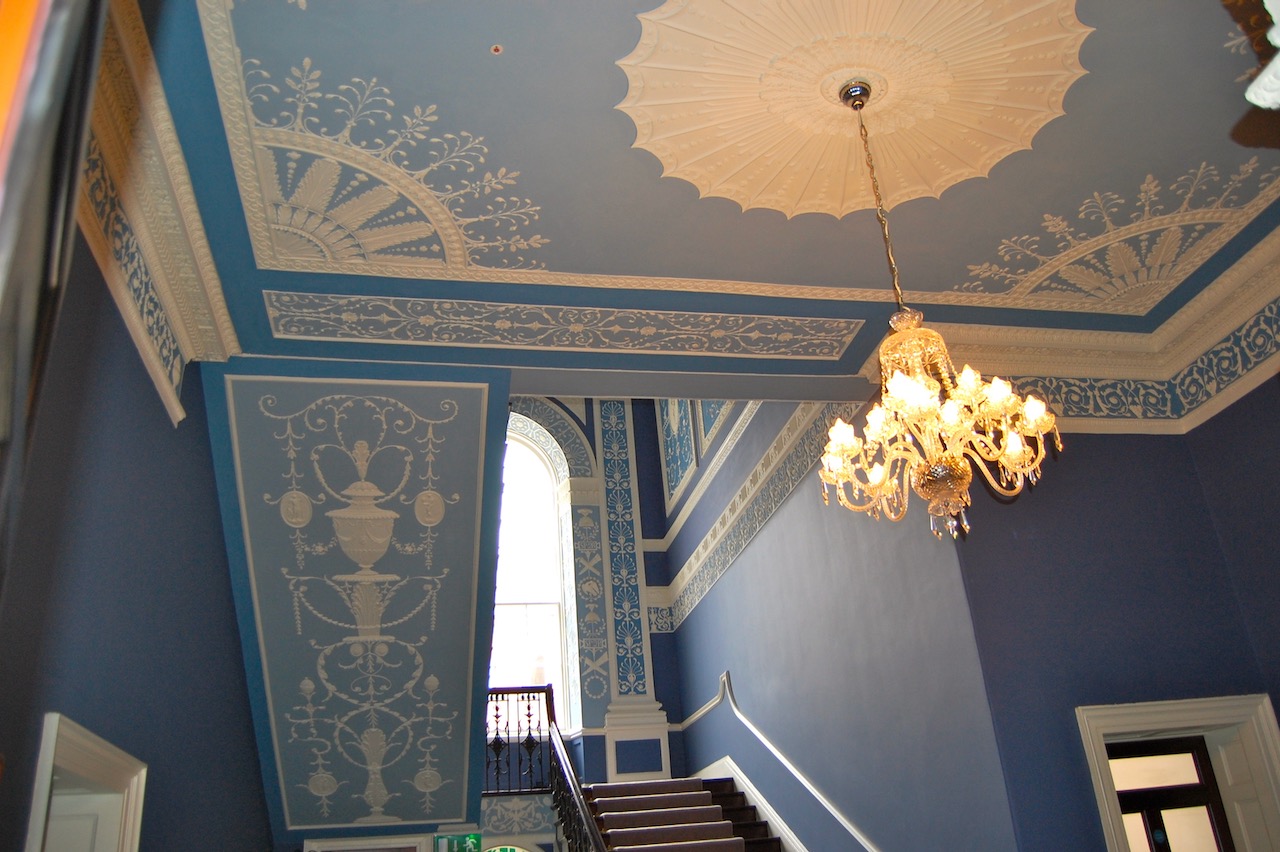
At the top of North Great George’s Street, on Denmark Street, is Belvedere House, now part of Belvedere College, a boys’ secondary school. I visited this on another Open Day. Its splendid stucco work is of the Neoclassical or “Adam” style popular in Dublin in mid 1770s to 1800, designed by Michael Stapleton. Conor Lucey writes:

The neoclassical style is also well represented by Belvedere House. Built for George Augustus Rochfort, 2nd Earl of Belvedere, and completed by 1786, it is one of the finest city mansions built during the latter part of the century. The interiors of this house represent a text-book model of how Irish stuccodors invented freely within the Adamesque idiom, deriving their decorative vocabulary from architectural treatises, builder’s manuals and pattern books.

Open House, Belvedere House, Belvedere College, Dublin. Photograph © Jennifer Winder-Baggot, www.irishhistorichouses.com
Open House, Belvedere House, Belvedere College, Dublin
Belvedere House, 2015. The architect was Robert West. 86 St. Stephen’s Green has also been attributed to Robert West, which now houses MoLI, the new Museum of Literature of Ireland. The stucco work in no. 11 North Great George’s Street is of the Robert West school. Photograph © Jennifer Winder-Baggot, www.irishhistorichouses.com
George Rochfort (1738-1815), later 2nd Earl of Belvedere by Robert Hunter (C. 1715/20-1801), Adams auction 18 Oct 2022. He owned Belvedere House on North Great Georges Street.

Donation

Help me to fund my creation and update of this website. It is created purely out of love for the subject and I receive no payment so any donation is appreciated!

€10.00

[1] https://www.youtube.com/watch?time_continue=10&v=C3RdULJddO0&feature=emb_logo

[2] https://www.buildingsofireland.ie/buildings-search/building/50010998/north-great-georges-street-dublin-dublin-city

[3] https://northgreatgeorgesstreet.ie/

[4] https://en.wikipedia.org/wiki/Claremont_Institution

[5] According to Craig, Maurice and Knight of Glin, Ireland Observed, A Handbook to the Buildings and Antiquities. Mercier Press, Dublin and Cork, 1970, Rococo is the asymmetrical freely-modelled style of decoration originating in France and popular in Ireland from about 1750 to 1775. See also Architectural Definitions:

architectural definitions

[6] Colganstown House, Hazelhatch Road, Newcastle, County Dublin

Text © Jennifer Winder-Baggot, www.irishhistorichouses.com