“Lismore Castle’s 800-year history is everywhere you look, from the stained-glass windows and thick stone walls, to the centuries-old gardens and the exceptional artworks by Old Masters and leading contemporary artists. Available for rent, this exclusive use castle in Ireland’s county Waterford is the perfect retreat for you and your guests.“
You can’t visit the castle inside but you can visit the beautiful gardens.
Photograph courtesy of The Hall and Lismore Castle website.
If anyone wants to give me a present, could you book me in for a week at Lismore Castle?
Lismore Castle Gardens, Co Waterford, photograph Courtesy of Celtic Routes 2019 for Tourism Ireland (see [1])Lismore Castle Gardens, Co Waterford, photograph Courtesy of Celtic Routes 2019 for Tourism Ireland (see [1])
Mark Bence-Jones writes of Lismore Castle:
p. 186. “(Boyle, Cork and Orrery, E.PB; Cavendish, Devonshire, D/PB)…Now predominantly of early C17 and C19; but incorporating some of the towers of the medieval castle of the Bishops of Lismore which itself took the place of a castle built by King John [around 1185] where there had formerly been a famous monastery founded by St. Carthagh and a university which was a great centre of civilisation and learning in the Dark Ages. The first Protestant Bishop, the notorious Myler McGrath, granted the castle and its lands to Sir Walter Raleigh; who, however, seldom lived here, preferring his house in Youghal, now known as Myrtle Grove.” [2]
Mark Bence-Jones continues the history of the castle: “In 1602, Raleigh sold Lismore and all his Irish estates to Richard Boyle, afterwards 1st Earl of Cork, one of the most remarkable of Elizabethan adventurers; who, having come to Ireland as a penniless young man, ended as one of the richest and most powerful nobles in the kingdom. From ca. 1610 onwards, he rebuilt Lismore Castle as his home, surrounding the castle courtyard with three storey gabled ranges joining the old corner-towers, which were given Jacobean ogival roofs; the principal living rooms being on the side above the Blackwater, the parlour and dining-chamber in a wing projecting outwards to the very edge of the precipice, with an oriel window from which there is a sheer drop to the river far below. On the furthest side from the river Lord Cork built a gatehouse tower, incorporating an old Celtic-Romanesque arch which must have survived from Lismore’s monastic days. He also built a fortified wall – so thick that there is a walk along the top of it – enclosing a garden on this side of the castle; and an outer gatehouse with gabled towers known as the Riding House because it originally sheltered a mounted guard. The garden walls served an important defensive purpose when the castle was besieged by the Confederates 1642, the year before the “Great Earl’s” death. On this occasion the besiegers were repulsed; but in 1645 it fell to another Confederate Army and was sacked.”
Mark Bence-Jones continues the fascinating history: “It was made habitable again by the 2nd Earl of Cork – James II stayed a night here in 1689 and almost fainted when he looked out of the dining room window and saw the great drop – but it was neglected in C18 and became largely ruinous; the subsequent Earls of Cork, who were also Earls of Burlington, preferring to live on their estates in England.“
I’m not sure if it’s this window that nearly made King James II faint! Photograph courtesy of The Hall and Lismore Castle website.Richard Boyle (1612-1698) 1st Earl of Burlington and 2nd Earl of Cork, possibly after Sir Anthony van Dyck c.1640, NPG 893.This photograph shows the portrait of Robert Boyle (1627-1691) on the wall, Photograph courtesy of The Hall and Lismore Castle website.Robert Boyle F. R. S. (1627-1691) by Johann Kerseboom, 1689, courtesy of Science History Institute.He was the brother of the 2nd Earl of Cork.Oil painting on canvas, Lady Elizabeth Clifford, Countess of Burlington (1621 – 1698) by Sir Anthony Van Dyck (Antwerp 1599 – London 1641). Three-quarter length portrait, profile to left, head facing, wearing wbite satin dress and blue scarf, pointing with her left hand in a landscape. She married Richard Boyle, 2nd Earl of Cork and 1st Earl of Burlington.Charles Boyle (c. 1662-1704) 3rd Earl of Cork and 2nd Earl of Burlington, by Godfrey Kneller, courtesy of National Trust Hardwick Hall.Richard Boyle, 3rd Earl of Burlington (1694-1753) by Jonathan Richardson, courtesy of London’s National Portrait Gallery NPG 4818.Richard Boyle 4th Earl of Cork and 3rd Earl of Burlington and Dorothy Savile attributed to Aikman, William Aikman (1682-1731).Oil painting on canvas, Possibly Lady Dorothy Savile, Countess of Burlington and Countess of Cork (1699-1758) by Michael Dahl, circa 1720. Inscribed top right in gold: Lady Dorothy Saville / Daughter to the Marquis of Halifax / married to the Earl of Burlington. A half-length portrait of a young woman, facing, wearing white decollete dres with blue ribbon.Lady Dorothy Savile, Countess of Burlington (1699-1758) with her Daughter Lady Dorothy Boyle, later Countess of Euston (1724-1742) by Michael Dahl (Stockholm 1656/9 ? London 1743), inscribed top right in gold: Lady Burlington / & Lady Dorothy Boyle. Two bust-length portraits, the mother at the right, wearing red, the daughter dressed in white.
“Through the marriage of the daughter and heiress of the architect Earl of Burlington [Charlotte Elizabeth Boyle (1731-1754), daughter of Richard Boyle, 3rd Earl of Burlington, 4th Earl of Cork] and Cork to the 4th Duke of Devonshire [William Cavendish (1720-1764)], Lismore passed to the Cavendishes. The 4th and 5th Dukes took no more interest in the castle than the Earls of Burlington had done; but the 6th Duke [William George Spenser Cavendish (1790-1858)] – remembered as the “Bachelor Duke” – began work at Lismore as soon as he succeeded his father 1811.”
William Cavendish (1720-1764) 4th Duke of Devonshire, after Thomas Hudson, briefly Prime Minister between 1756 and 1757.Charlotte Boyle (1731-1754) daughter of Richard Boyle (1694-1753) 3rd Earl of Burlington 4th Earl of Cork who married William Cavendish (1720-1764) 4th Duke of Devonshire and brought Lismore Castle, County Waterford, into the Cavendish family. Painting after style of George Knapton, courtesy of Chiswick House collection.As the heir of her father, she succeeded to the title of Baroness Clifford of Londesborough suo jure.
We came across the 5th Duke of Devonshire before as he had an affair with and then, after his wife died, married Elizabeth Christina Hervey. Elizabeth Christina had been married to John Thomas Foster (1747-1796), MP for Dunleer, County Louth, of Glyde Court (see my entry on Cabra Castle). After the 5th Duke of Devonshire died, Elizabeth Christina married for a third time, to Valentine Richard Quin 1st Earl of Dunraven and Mount Earl, of Adare Manor in Limerick.
The 6th Duke, William George Spenser Cavendish (1790-1858), son of the 5th Duke’s first wife Georgiana née Spencer, began work at Lismore as soon as he succeeded his father 1811.
William George Spencer Cavendish (1790-1858) 6th Duke of Devonshire, the “Bachelor Duke,” by George Edward Madeley, National Portrait Gallery of London D15276.Photograph courtesy of The Hall and Lismore Castle website, the portrait looks like the 6th Duke of Devonshire.Lismore Castle gardens, County Waterford, 20th August 2023.Photograph courtesy of The Hall and Lismore Castle website.
I love the story of the Bachelor Duke: “By 1812 the castle was habitable enough for him to entertain his cousin, Lady Caroline Lamb [nee Ponsonby], her husband William, and her mother, Lady Bessborough, here. Caroline, who had been brought to Ireland in the hope that it would make her forget Byron, was bitterly disappointed by the castle; she had expected “vast apartments full of tattered furniture and gloom”; instead, as Lady Bessborough reported, “Hart handed her into, not a Gothic hall, but two small dapper parlours neatly furnished, in the newest Inn fashion, much like a Cit’s villa at Highgate.” Hart – the Bachelor Duke [He succeeded as the 6th Marquess of Hartington, co. Derby [E., 1694] on 29 July 1811] – had in fact already commissioned the architect William Atkinson to restore the range above the river in a suitably medieval style, and the work actually began in that same year. Battlements replaced the Great Earl of Cork’s gables and the principal rooms – including the dining room with the famous window, which became the drawing room – where given ceilings of simple plaster vaulting.“
From the website, we can see the interiors of the rooms of the Gothic windows we can see from the Lower Garden.
Photograph courtesy of The Hall and Lismore Castle website.Photograph courtesy of The Hall and Lismore Castle website.Photograph courtesy of The Hall and Lismore Castle website.Photograph courtesy of The Hall and Lismore Castle website.Photograph courtesy of The Hall and Lismore Castle website.
“The Bachelor Duke, who became increasingly attached to Lismore, began a second and more ambitious phase of rebuilding 1850, towards the end of his life. This time his architect was Sir Joseph Paxton, that versatile genius who designed the Crystal Palace and who, having started as the Bachelor Duke’s gardener, became his close friend and right hand man. During the next few years, the three remaining sides of the courtyard were rebuilt in an impressive C19 castle style, with battlemented towers and turrets; all faced in cut-stone shipped over from Derbyshire. The Great Earl’s gatehouse tower, with its pyramidal roof, was however, left as it was, and also the Riding House.“
Mark Bence-Jones continues: “The ruined chapel of the Bishops, adjoining the range containing the Great Earl’s living rooms, was restored as a banqueting hall or ballroom of ecclesiastical character; with choirstalls, a vast Perpendicular stained glass window at either end, and richly coloured Gothic stencilling on the walls and the timbers of the open roof. The decoration of the room was carried out by John Gregory Crace, some of it being designed by Pugin, including the chimneypiece, which was exhibited in the Medieval Court at the Great Exhibition. The banqueting hall is the only really large room in the castle, the interior of which is on a much more modest and homely scale than might be expected from the great extent of the building; but in fact one side of the courtyard was designed to be a separate house for the agent, and another side to be the estate office. Subsequent Dukes of Devonshire have loved Lismore as much as the Bachelor Duke did, though their English commitments have naturally prevented them from coming here for more than occasional visits. From 1932 until his death 1944, the castle was continuously occupied by Lord Charles Cavendish, younger son of the 9th Duke, and his wife, the former Miss Adele Astaire, the dancer and actress, who still comes here every year. The present Duke and Duchess have carried out many improvements to the garden, which consist of the original upper garden, surrounded by the Great Earl’s fortified walls, and a more naturalistic garden below the approach to the castle; the two being linked in a charming and unexpected way by a staircase in the Riding House.”
[2] Bence-Jones, Mark. A Guide to Irish Country Houses (originally published as Burke’s Guide to Country Houses volume 1 Ireland by Burke’s Peerage Ltd. 1978); Revised edition 1988 Constable and Company Ltd, London.
Arthur Chichester, 4th Earl of Donegall (1695–1757)
Lady Lucy Ridgeway was the eldest daughter and co-heir of Robert Ridgeway, 4th Earl of Londonderry (d. 1713/14), she married Arthur Chichester, 4th Earl of Donegal (1695-1757), by Jonathan Richardson courtesy of Sothebys L11304.
Arthur Chichester, 5th Earl of Donegall (1739–1799; created Baron Fisherwick in 1790 and Earl of Belfast and Marquess of Donegall in 1791). He married Anne née Hamilton (1731-1780) who was the daughter of James Brandon Douglas Hamilton 5th Duke of Hamilton, Scotland. Arthur the 5th Earl of Donegall was the son of John Chichester (1700-1746), who was the son of Arthur 3rd Earl of Donegall.
Arthur Chichester, 1st Marquess of Donegall (1739–1799)
Arthur Chichester (1739-1799) 1st Marquess of Donegall, by Thomas Gainsborough, courtesy of Ulster Museum.
George Augustus Chichester, 2nd Marquess of Donegall (1769–1844)
George Augustus Chichester (1769-1844) 2nd Marquess of Donegall, courtesy of Belfast Castle.
George Hamilton Chichester, 3rd Marquess of Donegall, Baron Ennishowen and Carrickfergus (1797–1883). He married Harriet Anne née Butler (1799-1860), daughter of Richard Butler, 1st Earl of Glengall.
Harriet Anne née Butler (1799-1860) Countess of Belfast, wife of George Hamilton Chichester 3rd Marquess of Donegal and daughter of Richard Butler, 1st Earl of Glengall.Frederick Richard Chichester (1827-1853), Earl of Belfast, Courtesy of Ulster Museum.He was the son of the 3rd Marquess of Donegall.Frederick Richard Chichester (1827-1853) Earl of Belfast courtesy of Ulster Museum.
Edward Chichester, 4th Marquess of Donegall (1799–1889)
George Augustus Hamilton Chichester, 5th Marquess of Donegall (1822–1904)
Edward Arthur Donald St George Hamilton Chichester, 6th Marquess of Donegall (1903–1975)
Dermot Richard Claud Chichester, 7th Marquess of Donegall (5th Baron Templemore) (1916–2007)
Arthur Patrick Chichester, 8th Marquess of Donegall (b. 1952) [1]
I refer to Timothy William Ferres’s terrific blog to look at the Cole family of Florence Court in County Fermanagh, a National Trust property.
William Cole married Susannah, daughter and heir of John Croft, of Lancashire, and widow of Stephen Segar, Lieutenant of Dublin Castle, by whom he left at his decease in 1653,
MICHAEL, his heir; John, of Newland, father of Arthur, 1st BARON RANELAGH; Mary; Margaret.
Called Elizabeth Cole Lady Ranelagh, probably really Catherine Cole née Byron (1667-1746) Lady Ranelagh attributed to John Closterman courtesy of National Trust Florence Court. She married Arthur Cole, 1st Baron Ranelagh.
The elder son,
MICHAEL COLE, wedded, in 1640, Catherine, daughter of Sir Laurence Parsons, of Birr, 2nd Baron of the Irish Exchequer, and dvp, administration being granted 1663 to his only surviving child,
SIR MICHAEL COLE, Knight (1644-1710), of Enniskillen Castle, MP for Enniskillen, 1692-3, 95-9, 1703-11, who espoused firstly, Alice (dsp 1671), daughter of Chidley Coote, of Killester; and secondly, 1672, his cousin, Elizabeth (d 1733), daughter of Sir J Cole Bt.
Sir Michael was succeeded by his only surviving child,
JOHN COLE (1680-1726), of Florence Court, MP for Enniskillen, 1703-26, who espoused, in 1707, Florence, only daughter of Sir Bourchier Wrey Bt, of Trebitch, in Cornwall.
Florence Bourchier Wrey (d. 1718), courtesy of National Trust, Florence Court, County Fermanagh.She married John Cole (1680-1726) who built Florence Court, and named it after her.
John and Florence had the following children:
Henry (Rev); JOHN (1709-67) his heir; Letitia; Florence.
Mr Cole was succeeded by his younger son, John Cole (1709-67) MP for Enniskillen, 1730-60. John married in 1728 Elizabeth, daughter of Hugh Willoughby Montgomery, of Carrow, County Fermanagh. Mr Cole was elevated to the peerage, in 1760, in the dignity of Baron Mountflorence, of Florence Court, County Fermanagh.
John Cole (1709-1767) 1st Baron Mountflorence of Florence Court, County Fermanagh, courtesy of National Trust, Florence Court, County Fermanagh.
John and Elizabeth had the following children:
WILLIAM WILLOUGHBY (1736-1803) his heir; Arthur, m in 1780 Caroline Hamilton; Flora Caroline; Catherine.
His lordship was succeeded by his elder son, WILLIAM WILLOUGHBY, 2nd Baron (1736-1803), MP for Enniskillen, 1761-7, who was created Viscount Enniskillen in 1776; and advanced to the dignity of an earldom, in 1789, as EARL OF ENNISKILLEN.
William Willoughby Cole (1736-1803) 1st Earl of Enniskillen, by Nathaniel Hone, courtesy of National Trust, Florence Court, County Fermanagh.He was the son of John Cole 1st Baron Mountflorence.Anne Lowry-Corry, Countess of Enniskillen (1742-1802) by Horace Hone c.1785, watercolour painting on ivory, courtesy National Trust Florence Court. Sister of Armar Lowry-Corry (1740-1802) 1st Earl Belmore and wife of William Willoughby Cole 1st Earl of Enniskillen.
William Willoughby Cole married, in 1763, Anne, daughter of Galbraith Lowry Corry, of Ahenis, County Tyrone, and sister of Armar Corry, Earl of Belmore, and had issue,
JOHN WILLOUGHBY (1768-1840) his successor, who became 2nd Earl; Galbraith Lowry (Sir), GCB, a general in the army; William Montgomery (Very Rev), Dean of Waterford; Arthur Henry, MP for Enniskillen; Henry, died young; Sarah; Elizabeth Anne; Anne; Florence; Henrietta Frances.
JOHN WILLOUGHBY Cole 2nd Earl (1768-1840) married, in 1805, the Lady Charlotte Paget, daughter of Henry, 1st Earl of Uxbridge. The 2nd Earl of Charlotte had the following children:
WILLIAM WILLOUGHBY (1807-86) his successor, who became the 3rd Earl of Enniskillen.
Henry Arthur; John Lowry; Lowry Balfour; Jane Anne Louisa Florence.
William Willoughby Cole (1807-1886) 3rd Earl of Enniskillen, by William Robinson, courtesy of National Trust, Florence Court, County Fermanagh.
WILLIAM WILLOUGHBY, 3rd Earl (1807-86), Honorary Colonel, 3rd Battalion, Royal Inniskilling Fusiliers, married firstly, in 1844, Jane, daughter of James Casamaijor, and had issue,
John Willoughby Michael, styled Viscount Cole (1844-50);
LOWRY EGERTON, 4th Earl;
Arthur Edward Casamaijor;
Florence Mary; Alice Elizabeth; Charlotte June; Jane Evelyn.
He wedded secondly, in 1865, Mary Emma, daughter of Charles, 6th Viscount Midleton.
His lordship was succeeded by his eldest surviving son,
LOWRY EGERTON, 4th Earl (1845-1924), KP JP DL MP, who wedded, in 1869, Charlotte Marion, daughter of Douglas Baird.
Charlotte Marion Baird (1851/2-1937) Countess of Enniskillen, by Henry Richard Graves, courtesy of National Trust, Florence Court, County Fermanagh. She married Lowry Egerton Cole, 4th Earl of Enniskillen.
Nicholas Conway Colthurst (1789-1829) 4th Baronet of Ardrum, County Cork, by Martin Arthur Shee, courtesy of Eton College.He was Member of Parliament (M.P.) for the City of Cork between 1812 and 1829. His son the 5th Earl married Louisa Jane Jefferyes, through whom he acquired Blarney Castle.Ambrose Congreve reading a newspaper at Clonbrock House, Ahascragh, Co. Galway, National Library of Ireland Ref. CLON422.
Timothy William Ferres tells us of the line of the Conolly family who owned Castletown House in County Kildare. [2] It was built by William Conolly (1662-1729), Speaker of the House of Commons in Ireland during the reign of Queen Anne, First Lord of the Treasury until his decease during the reign of GEORGE II, and ten times sworn one of the Lords Justices of Ireland.
THOMAS (1734-1803) his heir; Katherine, m. Ralph, Earl of Ross; Anne, m. G. Byng; mother of Earl of Strafford; Harriet, m. Rt Hon John Staples, of Lissan; Frances, m. 5th Viscount Howe; Caroline, m. 2nd Earl of Buckinghamshire;
Ferres continues, telling us that Thomas Conolly, MP for County Londonderry, 1761-1800, wedded, in 1758, Louisa Augusta Lennox, daughter of Charles, 2nd Duke of Richmond and Lennox.
Thomas and Louisa had no children so the estate passed to a grand-nephew, Edward Michael Pakenham (1786-1849) who assumed the surname Conolly in 1821. Now Edward Michael Conolly of Castletown, County Kildare, and Cliff, County Donegal, Lieutenant-Colonel, Donegal Militia, MP for County Donegal, 1831-49, he married in 1819, Catherine Jane, daughter of Chambré Brabazon Ponsonby-Barker, by the Lady Henrietta Taylour his wife, daughter of Thomas, Earl of Bective. They had issue,
THOMAS (1823-1876) his heir; Chambré Brabazon, d 1835; Frederick William Edward, d 1826; Arthur Wellesley, 1828-54; John Augustus, VC; Richard, d 1870; Louisa Augusta; Henrietta; Mary Margaret; Frances Catherine.
Thomas (1870-1900), killed in action at S Africa; William, 1872-95; EDWARD MICHAEL, of whom hereafter; CATHERINE, Baroness Carew, mother of 6th BARON CAREW.
Mr Conolly was succeeded by his eldest surviving son,
EDWARD MICHAEL CONOLLY CMG (1874-1956), of Castletown, Major, Royal Artillery, who died unmarried, when Castletown passed to his nephew,
William Francis (Conolly-Carew), 6th Baron Carew. [2]
On his terrific website, Timothy William Ferres tells us about the Conyngham family of Springhill, County Derry in Northern Ireland: [3]
Colonel William Cunningham, of Ayrshire settled in the townland of Ballydrum, in which Springhill is situated, in 1609.
Colonel Cunningham’s son, William Conyngham, known as “Good Will” (d. 1721) married Ann, daughter of Arthur Upton, of Castle Norton (later Castle Upton), County Antrim, by his wife Dorothy, daughter of Colonel Michael Beresford, of Coleraine. William “Good Will” Conyngham died in 1721, and was succeeded by his nephew,
William Conyngham (d. 1721), “Good Will”, courtesy of National Trust. Springhill, County Derry.Ann Upton (1664-1753) wife of William “Goodwill” Conyngham (1660-1721), daughter of Arthur Upton (1623-1706) of Castle Upton, County Antrim, courtesy of National Trust. Springhill, County Derry.
William “Goodwill” Conyngham was succeeded by his nephew George Butle Conyngham (d. 1765). He married , in 1721, Anne, daughter of Dr Upton Peacocke, of Cultra.
George Butle Conyngham (d. 1765), courtesy of National Trust, Springhill, County Derry.Anne Peacocke (d. 1754), Mrs George Butle Conyngham, courtesy of National Trust, Springhill, County Derry.
George Butle Conyngham and Anne née Peacocke had children William (1723-84), the heir to Springhill, and David, successor to his brother, John who died unmarried in 1775 and a daughter Anne (1724-1777) who married in 1745 Clotworthy Lenox.
Called Anne Conyngham (1724-1777) Mrs Clotworthy Lenox, courtesy of National Trust. Springhill, County Derry. She was the daughter of George Butle Conyngham.
David who succeeded his brother William died without issue so Springhill passed to his nephew George Lenox (1752-1816), son of his sister Anne, and George adopted the surname of Conyngham. George married, first, Jean née Hamilton (d. 1788), daughter of John Hamilton of Castlefin. They had a son, William Lenox-Conyngham (1792-1858).
Jean Hamilton (d. 1788), wife of William Conyngham (1723-1774) by Joshua Reynolds, courtesy of National Trust. Springhill, County Derry.
George married, second, in 1794, Olivia, fourth daughter of William Irvine, of Castle Irvine, County Fermanagh.
William Burton Conyngham (1733-1796), teller of the Irish Exchequer and treasurer of the Royal Irish Academy, 1780 engraver Valentine Green, after Hugh Douglas Hamilton, courtesy of National Gallery of Ireland.William Burton Conyngham (1733–1796) by Anton Raphael Mengs c. 1754-58, courtesy of wikipedia.He was the son of Francis Burton and Mary Conyngham, and he inherited Slane Castle as well as Donegal estates from his uncle William Conyngham who died in 1781.William Burton Conyngham, engraving After GILBERT STUART courtesy of Adams Country House Collections auction Oct 2023.
Slane Castle passed to William Burton Conyngham’s nephew Henry Conyngham (1766-1832) 1st Marquess Conyngham. Henry married Elizabeth Denison.
Timothy William Ferres also tells us of the Coote family. Charles Coote (1581-1642), 1st Baronet of Castle Cuffe, Queen’s County (Laois): “The Peerage” website tells us that in 1600 he went to Ireland as Captain of 100 Foot under 8th Lord Mountjoy, Queen Elizabeth I’s Lord Deputy of Ireland. He fought in the siege of Kingsale in 1602. He held the office of Provost Marshal of Connaught between 1605 and 1642, for life. He held the office of General Collector and Receiver of the King’s Composition Money for Connaught in 1613, for life. He held the office of Vice-President of Connaught in 1620. He was appointed Privy Counsellor (P.C.) in 1620. He was created 1st Baronet Coote, of Castle Cuffe, Queen’s Co. [Ireland] on 2 April 1621. He held the office of Custos Rotulorum of Queen’s County in 1634. He held the office of Member of Parliament (M.P.) for Queen’s County [Ireland] in 1639. Before 1641 he held Irish lands, mostly in Conaught, worth £4,000 a year. He held the office of Governor of Dublin in 1641. In 1642 he helped relieve Birr, King’s County (now County Offaly), during the Uprising by the Confederation of Kilkenny, his successful operations there and elsewhere in the area, which was called Mountrath, suggesting the title by which his son was ennobled.
He married Dorothea, youngest daughter and co-heir of Hugh Cuffe, of Cuffe’s Wood, County Cork, and had issue, Charles (c.1610 –1661)1st Earl of Mountrath; Chidley (d. 1688) of Killester, Co Dublin and Mount Coote, County Limerick; RICHARD (1620-83) 1st Baron Coote of Colloony, County Sligo, ancestor of the EARL OF BELLAMONT (1st Creation); Thomas, of Coote Hill; Letitia (married Francis Hamilton, 1st Bt of Killaugh, co. Cavan).
Charles Coote 1st Earl of Mountrath (c.1610 –1661), 2nd Baronet, ca. 1642, before he was ennobled, Circle of William Dobson. By Christina Keddie – Own work, Public Domain, https://commons.wikimedia.org/w/index.php?curid=42002789
Charles Coote (c.1610 –1661), 1st Earl of Mountrath married first, Mary Ruish, who gave birth to his heir, Charles Coote (d. 1672) 2nd Earl of Mountrath, Queen’s County. The 1st Earl of Mountrath, Queen’s County, also had the titles 1st Baron Coote of Castle Cuffe, in Queen’s Co. [Ireland] and 1st Viscount Coote of Castle Coote, Co. Roscommon [Ireland].
Charles Coote (c.1610 –1661), 1st Earl of Mountrath married secondly Jane Hannay, and she had a son Richard (1643-1700), who married Penelope, daughter of Arthur Hill of Hillsborough, County Down. Their daughter Penelope Rose married Charles Boyle (d. 1732) 2nd Viscount Blesington. Another daughter, Jane (d. 1729) married William Evans, 1st and last Baronet of Kilcreene, County Kilkenny.
Charles Coote, 2nd Earl of Mountrath married Alice, daughter of Robert Meredyth of Greenhills, County Kildare. His daughter Anne (d. 1725) married Murrough Boyle, 1st Viscount Blesington (d. 1718). His son Charles (1656-1709) succeeded as 3rd Earl of Mountrath, and he was father to the 4th, 5th and 6th Earls.
The son of Algernon Coote (1689-1744) 6th Earl of Mountrath, Charles Henry Coote (d. 1802) 7th Earl of Mountrath had no legitimate male issue and the earldom and its associated titles created in 1660 died with him. The barony of Castle Coote passed according to the special remainder to his kinsman, Charles Coote. The baronetcy of Castle Cuffe also held by the Earl passed to another kinsman, Sir Charles Coote, 9th Baronet.
Let us return now to Charles Coote (1581-1642), 1st Baronet of Castle Cuffe, Queen’s County (Laois) and trace the line of his younger son, RICHARD COOTE (1620-83), for his hearty concurrence with his brother, SIR CHARLES, 2nd Baronet, in promoting the restoration of CHARLES II, was rewarded with the dignity of a peerage of the realm; the same day that his brother was created Earl of Mountrath, Richard Coote was created, in 1660, Baron Coote, of Colloony.
In 1660, Richard was appointed Major to the Duke of Albemarle’s Regiment of Horse; and the same year he was appointed one of the commissioners for executing His Majesty’s declaration for the settlement of Ireland. He was, in 1675, appointed one of the commissioners entrusted for the 49 Officers. In 1676, the 1st Baron resided at Moore Park, County Meath, and Piercetown, County Westmeath. He married Mary, second daughter of George, Lord St. George, and had issue: RICHARD (1636-1701) his successor; Thomas (d. 1741) Lætitia (married Robert Molesworth, 1st Viscount Molesworth of Swords); Mary (married William Stewart, 1st Viscount Mountjoy); Catherine (married Ferdinando Hastings); Elizabeth (married Lt.-Gen. Richard St. George).
Following his decease, in 1683, he was interred at Christ Church Cathedral, Dublin. He was succeeded by his eldest son,
RICHARD, 2nd Baron (1636-1701), Governor of County Leitrim, 1689, Treasurer to the Queen, 1689-93, MP for Droitwich, 1689-95, who was, in 1688, one of the first to join the Prince of Orange. In 1689, he was attainted in his absence by the Irish Parliament of JAMES II. His lordship was created, in 1689, EARL OF BELLAMONT, along with a grant of 77,000 acres of forfeited lands.
Richard Coote (1636-1700/01) 1st Earl Bellomont By Samuel Smith Kilburn (d. 1903) – New York Public Library digital libraryhttp//:digitalgallery.nypl.org/nypldigital/id?423861, Public Domain, https//:commons.wikimedia.org/w/index.php?curid=13014278
Richard 1st Earl of Bellomont was Governor of Massachusetts, 1695, and Governor of New York, 1697-1701. The King had sent Lord Bellomont to New York to suppress the “freebooting.” Unfortunately he was responsible for outfitting the veteran mariner William Kidd, who turned into “Captain Kidd,” who terrorised the merchants until his capture in 1698.
According to Cokayne “he was a man of eminently fair character, upright, courageous and independent. Though a decided Whig he had distinguished himself by bringing before the Parliament at Westminster some tyrannical acts done by Whigs at Dublin.”
The 1st Earl of Bellomont wedded, in 1680, Catharine, daughter and heir of Bridges Nanfan, of Worcestershire, and had issue, NANFAN (1681-1708) his successor as 2nd Earl of Bellomont, and RICHARD (1682-1766), who succeeded his brother.
NANFAN, 2nd Earl (1681-1708) married Lucia Anna van Nassau (1684-1744), daughter of Henry de Nassau, Lord Overkirk, in 1705/6 at St Martin-in-the-Fields Church, London. Nanfan died at Bath, Somerset, from palsy, without male issue, when the family honours devolved upon his brother, RICHARD, 3rd Earl (1682-1766), who, in 1729, sold the family estate of Colloony, County Sligo, for nearly £17,000.
In 1737, he succeeded his mother to the estates of Birtsmorton, Worcestershire. Macaulay described him as “of eminently fair character, upright, courageous and independent.” On his death the earldom expired.
The last Earl was succeeded in the barony of Coote by his first cousin once removed, CHARLES, 5th Baron (1736-1800), KB PC, son of Charles Coote [1695-1750] High Sheriff of County Cavan, 1719, MP for Granard, 1723-27, Cavan County, 1727-50MP for County Cavan, 1761-6, who was son of the HON THOMAS COOTE (c. 1655-1741) a Justice of the Court of the King’s Bench of Ireland, younger son of the 1st Baron. This Thomas’s daughter Elizabeth married Mervyn Pratt (1687-1751) of Cabra Castle.
Sir Charles succeeded his cousin, Richard, in 1766, as 5th Baron Coote; and was created, in 1767, EARL OF BELLAMONT (3rd creation). His lordship was created a baronet, in 1774, designated of Donnybrooke, County Dublin, with remainder to his natural son, Charles Coote, of Dublin.
SIR CHARLES COOTE (1736-1800), KB PC, of Coote Hill (afterwards renamed Bellamont Forest) had an illegitimate son, Charles Coote (1765-1857) who despite his illegitimacy became 2nd Baronet of Bellamont). Charles 1st Earl married, in 1774, the Lady Emily Maria Margaret FitzGerald, daughter of James, 1st Duke of Leinster, and had issue, Charles, Viscount Coote (died age seven, 1778-86); Mary; Prudentia; Emily; Louisa. Following his death in 1800, the titles became extinct as he left no legitimate male issue, though he was succeeded in the baronetcy according to the special remainder by his illegitimate son Charles, 2nd Baronet.
Finally, let us return now to Charles Coote (1581-1642), 1st Baronet of Castle Cuffe, Queen’s County (Laois) and trace the line of his son Chidley Coote (d. 1668). Chidley lived in Mount Coote, County Limerick (later called Ash Hill, a section 482 property, see my entry). He had a son, Chidley (d. 1702) who married Catherine Sandys. They had a daughter Catherine (d. 1725) who married Henry Boyle 1st Earl of Shannon. Another daughter, Anne, married Bartholomew Purdon, MP for Doneraile and later Castlemartyr of County Cork. They had a son Reverend Chidley Coote (1678-1730) who inherited Ash Hill in County Limerick. He married Jane Evans (d. 1763) and it was their grandson Charles Henry Coote (1754-1823) who succeeded as 2nd Baron Castle Coote in 1802. He was the son of Reverend Charles Coote (1713-1796) and Grace Tilson (d. 1766). Another son was Lt.-Gen. Sir Eyre Coote (1762-1823).
Major General Eyre Coote (1762-1823), Governor of Jamaica, 1805 by engraver Antoine Cordon after J.P.J. Lodder, courtesy of National Gallery of Ireland.He was son of Reverend Charles Coote (1713-1796) and Grace Tilson (d. 1766).Eyre Coote (1726-1783) attributed to Henry Robert Morland, c. 1763, National Portrait Gallery of London NPG124. He was the son of Reverend Chidley Coote (1678-1730) who inherited Ash Hill in County Limerick and Jane Evans (d. 1763).Lieutenant General Sir Eyre Coote (1726-1783) Commander-in-Chief in the East Indies (1777-1783) by John Thomas Seton, courtesy of the British Library.He was the son of Reverend Chidley Coote (1678-1730) who inherited Ash Hill in County Limerick and Jane Evans (d. 1763).
Reverend Chidley Coote (1678-1730) who inherited Ash Hill and Jane Evans (d. 1763) had a daughter Elizabeth who married John Bowen. Reverend Childley Coote and Jane Evans’s son Robert (d. 1745) inherited Ash Hill and married his cousin Anne Purdon, daughter of Bartholomew Purdon and Anne Coote. Robert Coote and Anne Purdon’s grandson was Charles Henry Coote (1792-1864) who succeeded as 9th Baronet of Castle Cuffe, Queen’s County, who married Caroline Elizabeth Whaley (d. 1871), daughter of John Whaley (d. 1847) of Dublin.
I am going to start collating a portrait gallery, as I love to put a name to the faces. I will add to these pages as I go.
I’ll be collecting them from my house entries and put them in alphabetical order by surname. I’ve also been going through the National Gallery collection and will also look at the National Portrait Gallery in London’s collection! It will be an ongoing project and a resource. I do think Ireland should have a National Portrait gallery! It would be a place where home owners could loan portraits for safekeeping also.
I have an editorial decision to make regarding women. Do I put them under their married name or under their maiden name? I think for now I’ll put them under both, as it’s nice to see them in relation to their fathers as well as in relation to their husband!
David de Barry, 1st Baron Barry (died 1278). In 1267, King Henry III of England appointed Lord David de Barry as Chief Justice of Ireland.
John Barry, 2nd Baron Barry (died 1285)
David FitzDavid Barry, 3rd Baron Barry (died 1290)
John Barry, 4th Baron Barry (died 1330)
David Barry, 5th Baron Barry (died 1347)
David Barry, 6th Baron Barry (died 1392)
John Barry, 7th Baron Barry (died 1420)
William Barry, 8th Baron Barry (died 1480)
John Barry, 9th Baron Barry (died 1486)
Thomas de Barry, 10th Baron Barry (died 1488)
William Barry, 11th Baron Barry (died 1500)
John Barry, 12th Baron Barry (died 1530)
John Barry, 13th Baron Barry (died 1534)
John FitzJohn Barry, 14th Baron Barry (1517–1553) (created Viscount Buttevant in 1541)
Viscounts Buttevant (1541)
John FitzJohn Barry, 1st Viscount Buttevant (1517–1553)
Edmund FitzJohn Barry, 2nd Viscount Buttevant (died 1556)
James FitzJohn Barry, 3rd Viscount Buttevant (died 1557)
James de Barry, 4th Viscount Buttevant (c. 1520–1581) 1st wife: Elizabeth Boyle, daughter of Charles Boyle, 3rd Viscount Dungarvan; 2nd wife: Elizabeth née Savage (d. 1714), daughter and heir of Richard Savage 4th Earl Rivers; 3rd wife: Anne Chichester, daughter of Major-General Arthur Chichester, 3rd Earl of Donegall (1666-1706), she was the mother of James Smith-Barry of Fota, County Cork.
David de Barry, 5th Viscount Buttevant (died 1617)
David Barry, 6th Viscount Buttevant (1604–1642) (created Earl of Barrymore in 1627/28)
Earls of Barrymore (1627/28)
David Barry, 1st Earl of Barrymore (1604–1642)
Richard Barry, 2nd Earl of Barrymore (1630–1694)
Laurence Barry, 3rd Earl of Barrymore (1664–1699)
James Barry, 4th Earl of Barrymore (1667–1747)
James Barry, 5th Earl of Barrymore (1717–1751)
Richard Barry, 6th Earl of Barrymore (1745–1773)
Richard Barry, 7th Earl of Barrymore (1769–1793)
Henry Barry, 8th Earl of Barrymore (1770–1823) [1]
SIR TRISTRAM BERESFORD (1595-1673), who was created a baronet in 1665, designated of Coleraine, County Londonderry. He married firstly, Anne, eldest daughter of John Rowley, of Castleroe, County Londonderry, by whom he had one son, RANDAL, his heir, and two daughters; and secondly, Sarah Sackville, and had three sons and three daughters: Tristram; Michael; Sackville; Susanna; Sarah; Anne.
Tristram Beresford (d. 1673), 1st Bt of Coleraine
Sir Tristram was succeeded by his eldest son, SIR RANDAL BERESFORD, 2nd Baronet (c. 1636-81), MP for Coleraine, 1661-68, who married Catherine Annesley, younger daughter of Francis, 1st Viscount Valentia, and dying in 1681, left issue, TRISTRAM, his heir; Jane; Catherine.
Sir Randal was succeeded by his eldest surviving son, SIR TRISTRAM BERESFORD, 3rd Baronet (1669-1701), MP for Londonderry County, 1692-99, who commanded a foot regiment against JAMES II, and was attainted by the parliament of that monarch. Sir Tristram wedded, in 1687, Nichola Sophia, youngest daughter and co-heiress of Hugh Hamilton, 1st Viscount Glenawly.
He was succeeded by his son, SIR MARCUS BERESFORD, 4th Baronet (1694-1763), MP for Coleraine, 1715-20, who espoused, in 1717, Catherine, BARONESS LE POER, daughter and heiress of James, 3rd Earl of Tyrone, and in consequence of that alliance, was elevated to the peerage, in 1720, in the dignity of Baron Beresford and Viscount Tyrone. His lordship was further advanced to an earldom, in 1746, as EARL OF TYRONE.
Rt. Hon. Marcus Beresford (1694-1763)4th Baronet and 1st Earl of Tyrone, photograph courtesy of the Beresford family and creative commons and wikipedia.
Marcus Beresford (1694-1763) 1st Earl of Tyrone had surviving issue: GEORGE DE LA POER (1735-1800) his successor who became 2nd Earl of Tyrone; John (1737/38-1805); William (1743-1819) (Most Rev), created BARON DECIES; Anne; Jane; Catherine; Aramintha; Frances Maria; Elizabeth.
George de la Poer Beresford (1735-1800) 2nd Earl of Tyrone, later 1st Marquess of Waterford, by Johann Zoffany, courtesy of National Trust Hatchlands.John Beresford, M.P. (1738-1805), son of of Marcus Beresford 1st Earl of Tyrone, miniature by Richard Crosse, British, 1742-1810.John Beresford (1738-1805), first commissioner of the Revenue in Ireland, engraver Charles Howard Hodges, after Gilbert Smith, courtesy of National Gallery of Ireland.John Beresford (1738-1805), MP by Gilbert Stuart c. 1790, courtesy of National Gallery of Ireland NGI 1133.Right Honourable John Beresford by Thomas Hickey (fl.1756-1816) courtesy Chrisites 2005. I’m not sure if this is John Beresford (1738-1805).Barbara Montgomery (?1757-1788), second wife of John Beresford (1738-1805) by Hugh Douglas Hamilton, courtesy of National Gallery of Ireland P5547. His first wife was Anne Constantia Ligondes.Marcus Gervais Beresford (1801-1885), Archbishop of Armagh, painting as Prelate of Order of St. Patrick, by engraver John Richardson Jackson, after painting by Stephen Catterson Smith, courtesy of National Gallery of Ireland.He was grandson of John Beresford (1738-1805). His father was Rt. Rev. George de la Poer Beresford (1765-1841).George John Beresford (1807-1864)of Woodhouse, County Waterford.He was also a grandson of John Beresford (1738-1805). His father wasReverend Charles Cobbe Beresford (b. 1770).John Claudius Beresford, Lord Mayor of Dublin courtesy Adam’s 8 March 2006 in style of William Cuming PRHA. He was the son of John Beresford (1738-1805).Elizabeth de la Poer Beresford (1736-1806), daughter of Marcus Beresford 1st Earl of Tyrone, wife of Thomas Cobbe of Newbridge House, in a costume evocative of Mary Queen of Scots, miniature, Cobbe Collection.
George de la Poer Beresford, 2nd Earl of Tyrone (1735-1800) inherited the ancient Barony of de la Poer at the decease of his mother in 1769. His lordship was enrolled amongst the peers of Great Britain, in 1786, as Baron Tyrone; and created, in 1789, MARQUESS OF WATERFORD.
George de la Poer Beresford (1735-1800) First Marquess of Waterford by Gilbert Stuart, courtesy of Bonhams and commons.
He married, in 1769, Elizabeth, only daughter and heiress of Henry Monck, of Charleville. They had issue:
Marcus, died at 8 years old; Henry de la Poer Beresford (1772-1826) his successor who became 2nd Marquess of Waterford; John George (1773-1862) (Most Rev), Lord Archbishop of Armagh; George Thomas (1781-1839) (Rt Hon), Lt-Gen, GCH; Isabella Anne; Catherine; Anne; Elizabeth Louisa (1783-1856).
Henry de la Poer Beresford (1772-1826) 2nd Marquess of Waterford by William Beechy courtesy of Eton College.John George Beresford (1773-1862), Archbishop of Armagh, after Thomas Lawrence, by Charles Turner, courtesy of Armagh County Museum.He was son of George de la Poer Beresford, 2nd Earl of Tyrone. Thought to be Elizabeth Louisa Reynell (1783-1856) née De La Poer and formerly wife of Sir Denis Pack, courtesy of Whyte’s Nov 2011. She was the daughter of the 1st Marquess of Waterford, and she married Denis Pack of County Kilkenny and later, Thomas Reynell, 6th Baronet.
He had an illegitimate son Admiral Sir John de la Poer Beresford (1766-1844) 1st Bt Beresford, of Bagnall, Co. Waterford, and also Lt.-Gen. William Carr Beresford (1768-1854) 1st and last Viscount Beresford of Beresford.
William Carr Beresford (1768-1854) Viscount Beresford, by William Beechey, Photograph courtesy of National Portrait Gallery, London.Harriet Elizabeth Peirse (1790-1825) Lady Beresford, wife of Admiral Sir John de la Poer Beresford (1766-1844) 1st Bt Beresford, of Bagnall, Co. Waterford, by Thomas Lawrence, courtesy of National Trust Hatchlands.
Henry de la Poer Beresford 2nd Marquess (1772-1826) wedded, in 1805, Susanna Carpenter, only daughter and heiress of George Carpenter 2nd Earl of Tyrconnell, and had issue,
HENRY de la Poer Beresford (1811-1859) his successor who became 3rd Marquess of Waterford; William; John (1814-1866) who became 4th Marquess of Waterford; James; Sarah Elizabeth (1807-1854) who married Henry John Chetwynd-Talbot, 18th Earl of Shrewsbury.
James Beresford (1816-1841) by Joseph Clover, courtesy of Ingestre Hall Residential Arts Centre.
Henry de la Poer Beresford 3rd Marquess married Louisa Anne Stuart (1818-1891), daughter of Charles Stuart, 1st and last Baron Stuart de Rothesay. They did not have children.
Elizabeth Stuart née Yorke (1789-1867). Lady Stuart de Rothesay, with her daughters Charlotte (1817-1861) and Louisa (1818-1891) by George Hayter, photograph courtesy of UK Government Art Collection. Elizabeth was the daughter of Philip Yorke 3rd Earl of Hardwicke; Louisa married Henry de la Poer Beresford 3rd Marquis of Waterford; Charlotte married Charles John Canning 1st Viceroy of India, 2nd Viscount Canning, 1st Earl Canning. Louisa Anne Beresford née Stuart (1818-1891), wife of Henry de la Poer Beresford, 3rd Marquess of Waterford, daughter of Charles Stuart, 1st and last Baron Stuart de Rothesay, by Sir Francis Grant 1859-1860, NPG 3176. The National Portrait Gallery tells us: “Louisa Stuart was brought up mostly in Paris, where her father was British Ambassador to the French court. She was taught to draw from an early age and art, along with religion and philanthropy, was one of her main interests throughout her life. A gifted amateur watercolourist, she did not exhibit at professional galleries until the 1870s. With a strong interest in the welfare of the tenants on her Northumberland estate, she rebuilt the village of Ford. She provided a school and started a temperance society in the village. Her greatest artistic achievement was the decoration of the new school with life sized scenes from the Old and New testaments that used children and adults from the village as models.”
When the 3rd Marquess died, his brother John became the 4th Marquess. The 4th Marquess married Christiana, daughter of Charles Powell Leslie of Castle Leslie in County Monaghan.
Timothy William Ferres tells us of the family of the Boyles, Earls of Cork:
Richard Boyle (1566-1643) 1st Earl of Cork married firstly, in 1595, Joan, daughter and co-heiress of William Apsley, of Limerick, without surviving issue; and secondly, Catherine, daughter of Sir Geoffrey Fenton, Knight, principal secretary of state for Ireland, and had issue (with eight daughters):
Roger (1606-15);
RICHARD (1612-98) his successor; Geoffrey d. 1 year old; Lewis (1619-1642) created Viscount Boyle of Kinalmeaky;
ROGER (1621-1679) created 1st Earl of Orrery; ancestor of John, 5th Earl of Cork;
The 1st Earl of Cork’s daughter Alice (1607-1666) married David Barry 1st Earl of Barrymore. His other daughters were Sarah (1609-1633) who married first Thomas Moore son of Garret Moore 1st Viscount of Drogheda, and then second, Rober Digby 1st Baron Digby; Lettice who married Lord Goring; Joan who married George Fitzgerald 16th Earl of Kildare; Catherine (1615-1691) who married Arthur Jones 2nd Viscount Ranelagh; Dorothy (1617-1668) who married Arthur Loftus and second, Gilbert Talbot son of William Talbot 1st Baronet; Mary (1625-1678) who married Charles Rich 4th Earl of Warwick;
The 1st Earl of Cork was succeeded by his eldest son, RICHARD, 2nd Earl (1612-98); who, having wedded, in 1635, the Lady Elizabeth Clifford, daughter and heiress of Henry, 5th Earl of Cumberland, was created a Peer of England, 1644, in the dignity of Baron Clifford of Londesborough, Yorkshire; and, in 1664, EARL OF BURLINGTON.
Richard Boyle (1612-1698) 1st Earl of Burlington and 2nd Earl of Cork, possibly after Sir Anthony van Dyck c.1640, NPG 893.Oil painting on canvas, Lady Elizabeth Clifford, Countess of Burlington (1621 – 1698) by Sir Anthony Van Dyck (Antwerp 1599 – London 1641). Three-quarter length portrait, profile to left, head facing, wearing wbite satin dress and blue scarf, pointing with her left hand in a landscape.She married Richard Boyle, 2nd Earl of Cork and 1st Earl of Burlington.
The 2nd Earl of Cork had issue:
Charles, 3rd Viscount Dungarvan (1639-94); father of the 3rd Earl of Cork; Richard, who died in 1665 at the battle of Lowestoft; and daughters Frances who married Colonel Francis Courtenay, 3rd Bt. then second, Wentworth Dillon, 4th Earl of Roscommon; Anne who married Edward Montagu, 2nd Earl of Sandwich; Elizabeth who married Nicholas Tufton, 3rd Earl of Thanet; Mary; Henrietta who married Laurence Hyde, 1st Earl of Rochester.
His lordship’s eldest son Charles, 3rd Viscount Dungarvan (1639-94) having predeceased him, was succeeded by his grandson, CHARLES (c. 1662-1704), 3rd Earl of Cork and 2nd Earl of Burlington.
Charles Boyle (c. 1662-1704) 3rd Earl of Cork and 2nd Earl of Burlington, by Godfrey Kneller, courtesy of National Trust Hardwick Hall.
Charles, 3rd Viscount Dungarvan (1639-94) had a daughter Elizabeth (1662-1703) who married Lt.-Gen. James Barry, 4th Earl of Barrymore.
The 3rd Earl of Cork, 2nd Earl of Burlington espoused Juliana, daughter and heiress of the Hon Henry Noel, of Luffenham, Rutland, by whom he had surviving issue, RICHARD (1694-1753) his successor, 3rd Earl of Burlington.
Richard Boyle, 3rd Earl of Burlington (1694-1753) by Jonathan Richardson, courtesy of London’s National Portrait Gallery NPG 4818.
The 3rd Earl of Cork, 2nd Earl of Burlington had daughters Elizabeth; Juliana; Jane; Henrietta (1700-1746) who married Henry Boyle, 1st Earl of Shannon.
The 3rd Earl of Cork, 2nd Earl of Burlington was succeeded by his only son, RICHARD (1694-1753), 4th Earl of Cork and 3rd Earl of Burlington, KG, who married, in 1720, the Lady Dorothy Savile, elder daughter and co-heiress of William, 2nd Marquess of Halifax, by which lady he had three daughters, Dorothy; Juliana; Charlotte Elizabeth, m William Cavendish, Marquess of Hartington.
His lordship claimed, in 1727, the barony of Clifford, as great-grandson of the Lady Elizabeth Clifford, daughter and heiress of Henry, Lord Clifford, and the house of peers acknowledged and confirmed his lordship’s right thereto.
This nobleman was eminent as a munificent encourager of literature and the fine arts, and as a friend of Alexander Pope he will always be remembered.
His lordship died in 1753, and leaving an only surviving daughter, Lady Charlotte, who had wedded William, 4th Duke of Devonshire, and inherited the barony of Clifford; all his lordship’s other English honours ceased, while those of Ireland devolved upon his kinsman, JOHN BOYLE (1707-62), 5th Earl of Orrery, in Ireland; Baron Boyle of Marston, in Great Britain; succeeded as 5th EARL OF CORK (refer to Roger, third son of the first Earl of Cork).
Charlotte Boyle (1731-1754) daughter of Richard Boyle (1694-1753) 3rd Earl of Burlington 4th Earl of Cork. She married William Cavendish (1720-1764) 4th Duke of Devonshire and brought Lismore Castle, County Waterford, into the Cavendish family. Painting after style of George Knapton, courtesy of Chiswick House collection.Richard Boyle 4th Earl of Cork and 3rd Earl of Burlington and Dorothy Savile attributed to Aikman, William Aikman (1682-1731).Oil painting on canvas, Possibly Lady Dorothy Savile, Countess of Burlington and Countess of Cork (1699-1758) by Michael Dahl, circa 1720. Inscribed top right in gold: Lady Dorothy Saville / Daughter to the Marquis of Halifax / married to the Earl of Burlington. A half-length portrait of a young woman, facing, wearing white decollete dress with blue ribbon. Courtesy of National Trust Hardwick HallLady Dorothy Savile, Countess of Burlington (1699-1758) with her Daughter Lady Dorothy Boyle, later Countess of Euston (1724-1742) by Michael Dahl courtesy of National Trust Hardwick Hall. She married Richard Boyle 4th Earl of Cork and 3rd Earl of Burlington.
The 1st Earl of Cork’s son ROGER (1621-1679) was created 1st Earl of Orrery.
Lady Mary Boyle nursing her son Charles, by Godfrey Kneller (1646-1723) Adams auction 18 Oct 2022. I think this could be Mary née Sackville (1637-1679) who married Roger Boyle 2nd Earl of Orrery. Her son Charles Boyle (1674-1731) became the 4th Earl of Orrery.Charles Boyle 4th Earl of Orrery, possibly a copy, based on painting by Charles Jervas.
JOHN BOYLE (1707-62), 5th Earl of Orrery, in Ireland; Baron Boyle of Marston, in Great Britain; succeeded as 5th EARL OF CORK (refer to Roger, third son of the first Earl of Cork).
His lordship wedded firstly, in 1728, the Lady Henrietta Hamilton, youngest daughter of George, 1st Earl of Orkney KT, and had issue: Charles, Viscount Dungarvan (1729-1759); HAMILTON, his successor; Elizabeth.
Mrs John O’Neill (née Henrietta Boyle) (1756-1793), Poet and Patron of Mrs Siddons, Engraver John Raphael Smith, English, 1752-1812 After Matthew William Peters, English, 1742-1814, courtesy of National Gallery of Ireland.She was the wife of John O’Neill (1740-1798), 1st Viscount, of Shane’s Castle, County Antrim, and the daughter of Charles Boyle, Viscount Dungarvan, who was the son of John Boyle 5th Earl of Orrery and 5th Earl of Cork.
He espoused secondly, Margaret, daughter and sole heiress of John Hamilton, by whom he had further issue: EDMUND, 7th Earl of Cork; Catherine Agnes; Lucy. He was a writer.
He was succeeded by his eldest surviving son, HAMILTON (1729-64), 6th Earl of Cork and Orrery, who died unmarried, in little more than a year after his father, when the honours devolved upon his brother, EDMUND (1742-98), 7th Earl of Cork and Orrery, who married firstly, in 1764, Anne, daughter of Kelland Courtenay, and had issue: John Richard, Viscount Dungarvan (1765-8); EDMUND, of whom hereafter; Courtenay (the Hon Sir), Vice-Admiral in the Royal Navy; Lucy Isabella.
Anne Boyle née Courteney, Countess of Cork and Orrery (1742-1785) Engraver James Watson, Irish, c.1740-1790 After Hugh Douglas Hamilton, Irish, 1740-1808, courtesy of National Gallery of Ireland. She married Edmund Boyle 7th Earl of Cork and Orrery.
His lordship espoused secondly, in 1786, Mary, youngest daughter of John, 1st Viscount Galway, without further issue.
He was succeeded by his eldest surviving son, EDMUND (1767-1856), 8th Earl of Cork and Orrery, KP, a General in the Army, who married, in 1795, Isabella Henrietta, third daughter of William Poyntz, of Midgam house, Berkshire, and had issue: Edmund William, Viscount Dungarvan (1798-1826); George Richard (1799-1810); CHARLES, of whom presently; John, ancestor of the 12th and 13th Earls; Robert Edward; Richard Cavendish; Isabella Elizabeth; Lucy Georgina; Louisa.
His lordship’s eldest surviving son CHARLES (1800-34), styled Viscount Dungarvan, wedded, in 1828, the Lady Catherine St Lawrence, daughter of William, 2nd Earl of Howth, and had issue:
RICHARD EDMUND ST LAWRENCE, his successor;
William George;
Edmund John;
Louisa Caroline Elizabeth; Mary Emily.
His lordship predeceased his father, and the family honours devolved upon his eldest son,
RICHARD EDMUND ST LAWRENCE (1829-1904), as 9th Earl of Cork and Orrery, KP, who married, in 1853, the Lady Elizabeth Charlotte de Burgh, daughter of Ulick John, 1st Marquess of Clanricarde, and had issue: CHARLES SPENCER CANNING, his successor; ROBERT JOHN LASCELLES, 11th Earl; Emily Harriet Catherine; Grace Elizabeth; Isabel Lettice Theodosia; Honora Janet; Dorothy Blanche.
Anne Boyle née Courteney, Countess of Cork and Orrery (1742-1785) Engraver James Watson, Irish, c.1740-1790 After Hugh Douglas Hamilton, Irish, 1740-1808, courtesy of National Gallery of Ireland.She married Edmund Boyle 7th Earl of Cork, 7th Earl of Orrery.
The 1st Earl of Cork’s son Francis (1623-1699) was created 1st Viscount Shannon.
“THE RT HON SIR VALENTINE BROWNE (d 1589) in 1583, received instruction, jointly with Sir Henry Wallop, for the survey of several escheated lands in Ireland. He was subsequently sworn of the Privy Council, and represented County Sligo in parliament in 1585. In the same year, Sir Valentine purchased from Donald, Earl of Clancare, all the lands, manors, etc in counties Kerry and Cork, which had been in the possession of Teige Dermot MacCormac and Rorie Donoghoemore.
“Sir Valentine married firstly, Alice or Elizabeth, daughter of Robert Alexander, of London, and had issue, a son. He wedded secondly, Thomasine, sister of the Lord Keeper of the Great Seal, Sir Nicholas Bacon, and had further issue (with a daughter), two sons.
“Sir Valentine’s eldest surviving son, SIR NICHOLAS BROWNE, Knight, of Ross, County Kerry, who wedded Sicheley Sheela, daughter of O’Sullivan Beare, and had issue: VALENTINE, his heir; Anne.
“Sir Nicholas died in 1616, and was succeeded by his son, VALENTINE BROWNE, High Sheriff of County Kerry, 1623, who was created a baronet in 1622, designated of Molahiffe, County Kerry.
“Sir Valentine, after his father’s decease, presented a petition to JAMES I, praying an abatement of the yearly rent reserved on the estate which he held from the Crown, as an undertaker, at the annual sum of £113 6s 8d, in regard of the small profit he made of it, being set out in the most barren and remote part of County Kerry; which request was complied with, and he received a confirmation, by patent, of all his lands at a reduced rent.
“He married Elizabeth, fifth daughter of Gerald, Earl of Kildare [I’m not sure if this – JWB], and was succeeded by his grandson, THE RT HON SIR VALENTINE BROWNE, 3rd Baronet (1638-94); who was sworn of the Privy Council of JAMES II, and created by that monarch, subsequently to his abdication, in 1689, Baron Castlerosse and Viscount Kenmare.
“His lordship, who was Colonel of Infantry in the army of JAMES II, forfeited his estates by his inviolable fidelity to that unfortunate monarch. He wedded Jane, only daughter and heir of Sir Nicholas Plunket [of Balrath], and niece of Lucas, Earl of Fingall, and had five sons and four daughters.
“The 1st Viscount was succeeded by his eldest son, SIR NICHOLAS BROWNE, 4th Baronet (called 2nd Viscount); an officer of rank in the service of JAMES II, and attainted in consequence, who espoused, in 1664, Helen, eldest daughter and co-heir of Thomas Brown, by whom he obtained a very considerable fortune, but which, with his own estates, became forfeited for his life.The crown, however, allowed his lady a rent-charge of £400 per year for the maintenance of herself and her children. Sir Nicholas died in 1720, leaving four daughters and his son and successor,
“SIR VALENTINE BROWNE, 5th Baronet (called 3rd Viscount) (1695-1736), who continued outlawed by the attainder of his father and grandfather. [The 4th Baronet’s daughter Frances married Edward Herbert (1693-1770 of Muckross, County Kerry]
“He married, in 1720, Honora, second daughter of Colonel Thomas Butler [of Kilcash (1671-1738)], and great-grandniece of James, Duke of Ormonde, by whom he had issue, Thomas, his successor, and two daughters.
“Sir Valentine espoused secondly, in 1735, Mary, Dowager Countess of Fingall, by whom he left a posthumous daughter, Mary Frances. [Mary née Fitzgerald (1716-1741/2) was the daughter of Maurice Fitzgerald, 5th Baronet of Castle Ishen, County Cork; Mary was first married to Justin Plunkett, 5th Earl of Fingall. She married thirdly John Bellew, 4th Baron Bellew of Duleek]
“He was succeeded by his only son, SIR THOMAS BROWNE, 6th Baronet (called 4th Viscount) (1726-95), who wedded, in 1750, Anne, only daughter of Thomas Cooke, of Painstown, County Carlow, by whom he had a son and a daughter, Catherine, married to Count de Durfort-Civrac.
“He was succeeded by his son, SIR VALENTINE BROWNE, 7th Baronet (called 5th Viscount) (1754-1812), who was created (the viscountcy of JAMES II never having been acknowledged in law), in 1798, Baron Castlerosse and Viscount Kenmare.
“His lordship was further advanced to the dignity of an earldom, in 1800, as EARL OF KENMARE.”
Valentine Browne (1754-1812), 1st Earl of Kenmare by Hugh Douglas Hamilton courtesy of Country House Collections at Slane Castle by Adam’s 2012.
“He married firstly, in 1777, Charlotte, daughter of Henry, 11th Viscount Dillon [of Costello-Gallin], and had an only daughter, Charlotte. [She married George Goold, 2nd Bt of Old Court, Co. Cork.]
“His lordship wedded secondly, in 1785, Mary, eldest daughter of Michael Aylmer, of Lyons, County Kildare, and had issue,
VALENTINE (1788-1853)his successor as 2nd Earl; Thomas (1789-1871) who became 3rd Earl; William; Michael; Marianne; Frances.
“His lordship was succeeded by his eldest son, VALENTINE, 2nd Earl (1788-1853), PC, who espoused, in 1816, Augusta, daughter of Sir Robert Wilmot, 2nd Baronet, though the marriage was without issue, when the family honours devolved upon his brother,
“THOMAS, 3rd Earl (1789-1871), who married, in 1822, Catherine, daughter of Edmond O’Callaghan [d. 1791. Another daughter of Edmond O’Callaghan, Ellen, married James John Bagot of Castle Bagot, Rathcoole. His daughter Elizabeth married Gerald Dease of Turbotstown, a Section 482 property].
Piers Butler (d. 1539) 8th Earl of Ormonde married Margaret Fitzgerald, daughter of Gerald Fitzgerald 8th Earl of Kildare.
They had daughters Ellen (d. 1597) who married Donough O’Brien (d. 1553) 1st Earl of Thomond; Margaret married Barnaby FitzPatrick, 1st Baron of Upper Ossory; Joan married James Butler, 10th Baron Dunboyne; Eleanor married Thomas Butler 1st Baron Caher; Katherine married Richard Power, 1st Baron le Power and Coroghmore first and secondly, James FitzJohn FitzGerald, 13th Earl of Desmond; Ellice married Gerald FitzJohn FitzGerald (d. 1553, father of 1st Viscount Decies).
They had sons John Butler (d. 1570) who lived in Kilcash, County Tipperary and was father of Walter (1569-1632) 11th Earl of Ormond; Richard Butler (d. 1571) 1st Viscount Mountgarret; Thomas who died in 1532; and James Butler (d. 1546) 9th Earl of Ormonde.
James Butler (1504-1546), Soldier, 9th Earl of Ormond and Ossory by Francesco Bartolozzi, published by John Chamberlaine, after Hans Holbein the Younger publ. 1797, courtesy of National Portrait Gallery NPG D39383.
James Butler (d. 1546) 9th Earl of Ormonde married Joan Fitzgerald, daughter of James FitzMaurice FitzGerald, 10th Earl of Desmond. She gave birth to Thomas Butler (1531-1614) who became 10th Earl of Ormond.
The 9th Earl also had a son Edmond (d. 1602) who lived in Cloughgrenan, County Carlow, who gave rise to the Baronets of Cloughgrenan.
The 10th Earl of Ormond, “Black Tom,” had no direct heir so the Earldom passed to his nephew, Walter, a son of Sir John Butler (d. 1570) of Kilcash. Unlike his uncle, who had been raised at Court and thus reared a Protestant, Walter the 11th Earl of Ormond was a Catholic. See my entry about the Ormond Castle at Carrick-on-Suir for more on “Black Tom.” https://irishhistorichouses.com/2022/06/26/opw-sites-in-munster-clare-limerick-and-tipperary/
Walter Butler’s claim to the family estates was blocked by James I. The latter orchestrated the marriage of Black Tom’s daughter and heiress Elizabeth to a Scottish favourite Richard Preston, Baron Dingwall. The King gave Preston the title Earl of Desmond (after the Fitzgeralds lost the title, due to their Desmond Rebellion), and awarded his wife most of the Ormond estate, thus depriving Walter of his inheritance. Walter refused to submit and was imprisoned for eight years in the Fleet, London. He was released 1625. Walter’s nine-year-old grandson, James, became the heir to the titles but not the estates.
James (1610-1688) 12th Earl of Ormond (later 1st Duke of Ormond) was the son of Thomas Butler (d. 1619) Viscount Thurles, and Elizabeth Poyntz. Following his father’s death in 1619, 9-year-old James became direct heir to the Ormond titles. He was made a royal ward and was educated at Lambeth Palace under the tutelage of George Abbot, Archbishop of Canterbury.
Another son of Thomas Butler (d. 1619) Viscount Thurles, and Elizabeth Poyntz was Richard Butler (d. 1701) of Kilcash, County Tipperary.
In order to reunite the Ormond title with the estates, plans were made for a marriage between James and the daughter of the Prestons, Elizabeth, to resolve the inheritance issue. In 1629 James married his cousin Elizabeth Preston and reunited the Ormond estates.
The 1st Duke of Ormond had three sons: Thomas (1634-1680), 6th Earl of Ossory; Richard (1639-1686), 1st and last Earl of Arran; and John (1634-1677), 1st and last Earl of Gowran. He had two daughters, Elizabeth (1640-1665) and Mary (1646-1710). Mary married William Cavendish, 1st Duke of Devonshire and Elizabeth, the 2nd Earl of Chesterfield.
Thomas Butler (1634-1680) 6th Earl of Ossory, Eldest son of James, Duke of Ormond, in armour standing near his charge, attributed to Van Dyck, courtesy of Adam’s auction 11 Oct 2016. Provenance: Formerly in the collection of the Earl of Fitzwilliam, 1948.
Thomas Butler, 6th Earl of Ossory, (1634-1680) was born at Kilkenny Castle, the eldest son of James Butler, 1st Duke of Ormonde and Lady Elizabeth Preston. His early years were spent in Ireland and France. He was an accomplished athlete and a good scholar. In 1661 Butler became a member of both the English and Irish houses of Commons, representing Bristol in the former and Dublin University in the latter House. In 1665 he was appointed lieutenant-general of the army in Ireland and in 1666 was created an English peer as Lord Butler.
Having proven himself as an expert military strategist, and whilst visiting France in 1672, he rejected the liberal offers made by Louis XIV to induce him to enter the service of France, and returning to England he added to his high reputation by his conduct during the Battle of Texel in August 1673. From 1677 until 1679, he served alongside his father as a Lord of the Admiralty.
The earl was chosen to William, Prince of Orange, and in 1677 he joined the allied army in the Netherlands, commanding the British section and winning great fame at the siege of Mons in 1678. He acted as deputy for his father, who was lord-lieutenant of Ireland, and in parliament he defended Ormonde’s Irish administration with great vigour. In 1680 he was appointed governor of English Tangier, but his death prevented him from taking up his new duties.
Ossory had eleven children, including James Butler who became the 2nd Duke of Ormonde in 1688. A Portrait of Thomas Butler by Lely, painted in 1678 is in the National Portrait Gallery, London and a portrait by the same hand as his father, the 1st Duke is in the ownership of the National Trust at Kedleston Hall.Thomas Butler (1634-1680) 6th Earl of Ossory, studio of Sir Peter Lely, circa 1678, courtesy of National Portrait Gallery NPG 371. Second son of the Duke and Duchess of Ormond and father of 2nd Duke of Ormonde. Richard Butler (1639-1685) 1st Earl of Arran, son of the Duke of Ormonde, by Godfrey Kneller, courtesy of National Trust Hardwick Hall.Mary Cavendish née Butler (1646-1710) Duchess of Devonshire in the style of Willem Wissing courtesy of National Trust Hardwick Hall.She was the daughter of James, 1st Duke of Ormond.Elizabeth Stanhope née Butler (1640-1665), daughter of the 1st Duke of Ormonde and 2nd wife of Philip Stanhope2nd Earl of Chesterfield Date: 1681/1688 Engraver: Isaac Beckett, English, c.1653-c.1715/19 After Peter Lely, Dutch, 1618-1680, courtesy of National Gallery of Ireland.Elizabeth Stanhope née Butler Countess of Chesterfield By Peter Lely – http//:www.thepeerage.com/p951.htm#i9503, Public Domain, https//:commons.wikimedia.org
Thomas Butler (1634-1680) 6th Earl of Ossory and his wife Amelia of Nassau were the parents of James Butler (1665-1745) 2nd Duke of Ormonde. Another son was Lt.-Gen. Charles Butler, 1st Earl of Arran (1671-1758).
James the 2nd Duke had no son, so the title passed to his brother Charles Butler (1671-1758) 1st Earl of Arran. He was enabled by an Act of Parliament in 1721 to recover his brother’s forfeited estates, but the dukedom ended with him. He was, however, also the 14th Earl of Ormonde and this title continued. He had no children, however, so the title passed to a cousin.
Charles Butler (1671-1758) 1st Earl of Arran by James Thornhill, courtesy of Examination Schools, University of Oxford.
John Butler (d. 1766) of Kilcash and Garryricken became 15th Earl of Ormonde. He was a descendant of Walter Butler the 11th Earl.
Colonel Thomas Butler of Kilcash (c. 1738) by James Latham, father of John Butler (d. 1766) of Kilcash and Garryricken who became 15th Earl of Ormonde.
Richard Butler (d. 1701) of Kilcash, County Tipperary was a younger brother of James the 1st Duke of Ormond. There is a castle ruin still in Kilcash, under the protection of the Office of Public Works but not open to the public. His son was Walter Butler of Garryricken (1633-1700). Walter had sons Christopher (the Catholic Archbishop) and Thomas (d. 1738).
Christopher Butler (d. 1758?) Catholic Archbishop of Cashel and Emly, by James Latham.Christopher Butler was Catholic archbishop of Cashel and Emly, son of Walter Butler of Garryricken and brother of Colonel Thomas Butler of Kilcash.
The 15th Earl had no children so the title then passed to a cousin, Walter Butler (1703-1783), 16th Earl, another of the Garryricken branch, who also became the 9th Earl of Ossory. He took up residence at Kilkenny Castle. Walter, a Catholic, was unable to exercise a political role.
John Butler 17th Earl of Ormonde, nicknamed “Jack of the Castle,” was son of the 16th Earl. He in turn was father of Walter Butler (1770-1820) 18th Earl of Ormonde, 1st And Last Marquess of Ormonde (of the 2nd creation).
His younger brother James Wandesford Butler (1777-1838) was later created 1st Marquess of Ormonde of the third creation, 19th Earl of Ormonde. He was the father of John Butler (1808-1854) 2nd Marquess (3rd creation) and 20th Earl of Ormonde, who was the father of James Edward William Theobald Butler (1844-1919) 3rd Marquess of Ormonde and also James Arthur Wellington Foley Butler (d. 1943) 4th Marquess of Ormonde, who was father of 5th and 6th Marquesses.
orange: “whole house rental” i.e. those properties that are only for large group accommodations or weddings, e.g. 10 or more people.
green: gardens to visit
grey: ruins
donation
Help me to pay the entrance fee to one of the houses on this website. This site is created purely out of love for the subject and I receive no payment so any donation is appreciated!
€15.00
Waterford:
1. Ballysaggartmore Towers, County Waterford
2. Bishop’s Palace Museum, Waterford
3. Cappagh House (Old and New), Cappagh, Dungarvan, Co Waterford– section 482
4. Cappoquin House & Gardens, Cappoquin, Co. Waterford– section 482
3. Cappoquin House holiday cottages, County Waterford
4. Dromana, Co Waterford – 482, holiday cottages
5. Faithlegg House, Waterford, Co Waterford – hotel
6. Fort William, County Waterford, holiday cottages
7.Gaultier Lodge, Woodstown, Co Waterford
8. Richmond House, Cappoquin, Co Waterford – guest house
9. Salterbridge Gate Lodge, County Waterford – Irish Landmark accommodation
10. Waterford Castle, The Island, Co Waterford – hotel
11. Woodhouse, County Waterford– cottage accommodation
Whole House Rental County Waterford
1. Glenbeg House, Jacobean manor home, Glencairn, County Waterford P51 H5W0 – whole house holiday rental
2.Lismore Castle, County Waterford – castle holiday rental
Waterford:
1. Ballysaggartmore Towers, County Waterford
Ballysaggartmore Towers, Lismore, photograph by Chris Hill, 2015, for Tourism Ireland, Ireland’s Content Pool. [1]The Towers, Ballysaggartmore, Lismore, Co Waterford Courtesy of Luke Myers 2015, for Tourism Ireland, Ireland’s Content Pool. [1]
Mark Bence-Jones tells us (1988): p. 27. “(Keily, sub Ussher/IFR, Anson, sub Lichfield, E/PB) A late-Georgian house built round a courtyard, on the side of a steep hill overlooking the River Blackwater, to which a new front was subsequently added… A seat of the Keily family. Arthur Keily [1777-1862], who assumed the name of Ussher 1843, built two remarkable Gothic follies in the demesne, to the design of his gardener, J. Smith; one of them a turreted gateway, the other a castellated bridge over a stream. The house was bought at the beginning of the present century by Hon Claud Anson, who sold it 1930s. It was subsequently demolished. The follies remain, one of them being now occupied as a house.” [2]
The National Inventory describes this bridge and its towers:
“Three-arch rock-faced sandstone ashlar Gothic-style road bridge over ravine, c.1845, on a curved plan. Rock-faced sandstone ashlar walls with buttresses to piers, trefoil-headed recessed niches to flanking abutments, cut-stone stringcourse on corbels, and battlemented parapets having cut-stone coping. Three pointed arches with rock-faced sandstone ashlar voussoirs, and squared sandstone soffits. Sited in grounds shared with Ballysaggartmore House spanning ravine with grass banks to ravine…Detached five-bay single- and two-storey lodge, c.1845, to south-west comprising single-bay single-storey central block with pointed segmental-headed carriageway, single-bay single-stage turret over on a circular plan, single-bay single-storey recessed lower flanking bays, single-bay single-storey advanced end bay to right, single-bay single-storey advanced higher end bay to left, and pair of single-bay two-storey engaged towers to rear (north-east) on square plans….Rock-faced sandstone ashlar walls with cut-sandstone dressings including stepped buttresses, battlemented parapets on corbelled stringcourses having cut-stone coping, and corner pinnacles to central block on circular plans having battlemented coping. Pointed-arch window openings with paired pointed-arch lights over, no sills, and chamfered reveals. Some square-headed window openings with no sills, chamfered reveals, and hood mouldings over. Square-headed door openings with hood mouldings over….Detached five-bay single- and two-storey lodge, c.1845, to north-east comprising single-bay two-storey central block with pointed segmental-headed carriageway, single-bay single-storey flanking recessed bays, single-bay two-storey advanced end bay tower to right on a square plan, single-bay two-stage advanced higher end tower to left on a circular plan, and pair of single-bay two-stage engaged towers to rear (south-west) elevation on circular plans…Although initial indications suggest that the lodges are identical, individualistic features distinguish each piece, and contribute significantly to the architectural design quality of the composition. Well maintained, the composition retains its original form and massing, although many of the fittings have been lost as a result of dismantling works in the mid twentieth century. The construction in rock-faced sandstone produces an attractive textured visual effect, and attests to high quality stone masonry.”
Ballysaggartmore Towers, Lismore, photograph by Chris Hill, 2015, for Tourism Ireland, Ireland’s Content Pool. [1]Ballysaggartmore Towers, Lismore, photograph Courtesy Celtic Routes, 2020, for Tourism Ireland, Ireland’s Content Pool. [1]Ballysaggartmore Towers, Lismore, photograph Courtesy Celtic Routes, 2020, for Tourism Ireland, Ireland’s Content Pool. [1]Ballysaggartmore Towers, Lismore, photograph Courtesy Celtic Routes, 2020, for Tourism Ireland, Ireland’s Content Pool. [1]Ballysaggartmore Towers, Lismore, photograph by Chris Hill, 2015, for Tourism Ireland, Ireland’s Content Pool. [1]
The National Inventory describes the gateway: “Gateway, c.1845, comprising ogee-headed opening, limestone ashlar polygonal flanking piers, and pair of attached two-bay single- and two-storey flanking gate lodges diagonally-disposed to east and to west comprising single-bay single-storey linking bays with single-bay two-storey outer bays having single-bay three-stage engaged corner turrets on circular plans…Limestone ashlar polygonal piers to gateway with moulded stringcourses having battlemented coping over, and sproketed finial to apex to opening with finial. Sandstone ashlar walls to gate lodges with cut-limestone dressings including stepped buttresses, stringcourses to first floor, moulded course to first stage to turrets, and battlemented parapets on consoled stringcourses (on profiled tables to turrets) having cut-limestone coping. Ogee-headed opening to gateway with decorative cast-iron double gates. Paired square-headed window openings to gate lodges with no sills, chamfered reveals, and hood mouldings over. Square-headed door openings with chamfered reveals, and hood mouldings over. Pointed-arch door openings to turrets with inscribed surrounds. Trefoil-headed flanking window openings with raised surrounds, and quatrefoil openings over. Cross apertures to top stages to turrets with raised surrounds. All fittings now gone. Interiors now dismantled with internal walls and floors removed.
“An impressive structure in a fantastical Gothic style, successfully combining a gateway and flanking gate lodges in a wholly-integrated composition. Now disused, with most of the external and internal fittings removed, the gateway nevertheless retains most of its original form and massing. The construction of the gateway attests to high quality stone masonry and craftsmanship, particularly to the fine detailing, which enhances the architectural and design quality of the site. The gateway forms an integral component of the Ballysaggartmore House estate and, set in slightly overgrown grounds, forms an appealing feature of Romantic quality in the landscape.“
The Gate Lodge, Ballysaggartmore, Lismore, Co Waterford Courtesy of Luke Myers 2015, for Tourism Ireland, Ireland’s Content Pool. [1]Ballysaggartmore Towers, Lismore, photograph by Chris Hill, 2015, for Tourism Ireland, Ireland’s Content Pool. [1]
2. Bishop’s Palace Museum, Waterford
Bishop’s Palace, Waterford, photograph from the National Library of Ireland, flickr constant commons.
Mark Bence-Jones writes (1988):
p. 282. “The Palace of the (C of I) Bishops of Waterford; one of the largest and – externally – finest episcopal residences in Ireland. Begun 1741 by Bishop Charles Este to the design of Richard Castle. The garden front, which faces over the mall and new forms a magnificent architectural group with the tower and spire of later C18 Cathedral, by John Roberts, is of three storeys; the ground floor being treated as a basement and rusticated. The centre of the ground floor breaks forward with three arches, forming the base of the pedimented Doric centrepiece of the storey above, which incorporates three windows. In the centre of the top storey is a circular niche, flanked by two windows. On either side of the centre are three bays. Bishop Este died 1745 before the Palace was finished, which probably explains why the interior is rather disappointing. The Palace ceased to be the episcopal residence early in the present century, and from then until ca 1965 it was occupied by Bishop Foy school. It has since been sold.”
Bishop’s Palace, Waterford by Keith Fitzgerald, 2014, for Tourism Ireland, Ireland’s Content Pool. [1]
Archiseek adds: “It has now been extensively restored to showcase artefacts and art from Waterford’s Georgian and Victorian past. The two main facades are quite different: one having seven bays – the central bay having an more elaborate window treatment and a Gibbsian doorway; the other facade has eight bay with a more elaborate entrance and shallow pediment with blank niches.” [3]
The National Inventory explains about the designs of Richard Castle and John Roberts:
“An imposing Classical-style building commissioned by Bishop Miles (d. 1740) and subsequently by Bishop Charles Este (n. d.), and believed to have been initiated to plans prepared by Richard Castle (c.1690 – 1751), and completed to the designs prepared by John Roberts (1712 – 1796). The building is of great importance for its original intended use as a bishop’s palace, and for its subsequent use as a school. The construction of the building in limestone ashlar reveals high quality stone masonry, and this is particularly evident in the carved detailing, which has retained its intricacy. Well-maintained, the building presents an early aspect while replacement fittings have been installed in keeping with the original integrity of the design. The interior also incorporates important early or original schemes, including decorative plasterwork of artistic merit. Set on an elevated site, the building forms an attractive and commanding feature fronting on to The Mall (to south-east) and on to Cathedral Square (to north-west).”
Bishop’s Palace, Waterford City Courtesy Leo Byrne Photography 2015, for Tourism Ireland, Ireland’s Content Pool. [1]Bishop’s Palace, Waterford by Keith Fitzgerald, 2014, for Tourism Ireland, Ireland’s Content Pool. [1]
3. Cappagh House (Old and New), Cappagh, Dungarvan, Co WaterfordX35 RH51– section 482
Open dates in 2026: May 1-4, 8-10, 15-17, 22-24, 29-31, June 1, 5-7, 12-14, 19-21, 26-28, July 3-5, 10-12, 17-19, 24-26, 31, Aug 1-3, 7-9, 14-23, 28-30, 10am-4pm
Fee: adult/OAP/student, full tour €22, garden tour €8, child under12 years free
The website tells us: “Fairbrook House garden and museum, Kilmeaden, Co.Waterford, Ireland X91FN83 A romantic walled garden at the river Dawn laid out between ruins of the former Fairbrook Mill (since 1700). OPEN MAY – SEPTEMBER”
Mount Congreve House and Gardens, Co Waterford Courtesy Celtic Routes 2019 for Tourism Ireland (see [1])
The website tells us: “Mount Congreve House and Gardens situated in Kilmeaden, Co. Waterford, in Ireland’s Ancient East is home to one of “the great gardens of the World”. Mount Congreve House, home to six generations of Congreves, was built in 1760 by the celebrated local architect John Roberts.
“The Gardens comprise around seventy acres of intensively planted woodland, a four acre walled garden and 16 kilometres of walkways. Planted on a slight incline overlooking the River Suir, Mount Congreve’s entire collection consists of over three thousand different trees and shrubs, more than two thousand Rhododendrons, six hundred Camellias, three hundred Acer cultivars, six hundred conifers, two hundred and fifty climbers and fifteen hundred herbaceous plants plus many more tender species contained in the Georgian glasshouse.“
The house was built for John Congreve (1730-1801), who held the office of High Sheriff of County Waterford in 1755. His grandfather John was Rector of Kilmacow, County Kilkenny, and his father Ambrose (1698-1741) played a leading role in the affairs of Waterford city. When Ambrose died his widow married Dr. John Whetcombe, Bishop of Clonfert and later Archbishop of Cashel.
John Congreve (1730-1801) married Mary Ussher, daughter of Beverly Ussher, MP, who lived at Kilmeadon, County Waterford.
Mark Bence-Jones tells us of Mount Congreve (1988):
p. 213. “(Congreve/IFR) An C18 house [the National Inventory says c. 1750] consisting of three storey seven bay centre block with two storey three bay overlapping wings; joined to pavilions by screen walls with arches on the entrance front and low ranges on the garden front, where the centre block has a three bay breakfront and an ionic doorcase. The house was remodelled and embellished ca 1965-69, when a deep bow was added in the centre of the entrance front, incorporating a rather Baroque Ionic doorcase, and the pavilions were adorned with cupolas and doorcases with broken pediments. Other new features include handsome gateways flanking the garden front at either end and a fountain with a statue in one of the courtyards between the house and pavilions. The present owner has also laid out magnificent gardens along the bank of the River Suir which now extends to upwards of 100 acres; with large scale plantings of rare trees and shrubs, notably rhododendrons and magnolias. The original walled gardens contains an eighteenth century greenhouse.”
Ambrose Ussher Congreve (1767-1809) inherited the estate and married Anne Jenkins.
Ambrose and Anne’s son John (1801-1863) was their heir.
Ambrose and Anne’s daughter Jane married John Cooke of Kiltinane Castle in County Tipperary. Daughter Mary married Reverend John Thomas Medlycott who lived in Rockett’s Castle in Portlaw, County Waterford. Their son Ambrose died unmarried.
John was Deputy Lieutenant and also High Sheriff of County Waterford. He married Louisa Harriet Dillon from Clonbrock in County Galway, daughter of Luke Dillon (1780-1826) 2nd Baron Clonbrock.
Their son Ambrose (1832-1901) inherited the estate, and he also held the positions of Deputy Lieutenant and High Sheriff for County Waterford. He married a cousin, Alice Elizabeth, daughter of Robert 3rd Baron Clonbrock.
Ambrose Congreve reading a newspaper at Clonbrock House, Ahascragh, Co. Galway, National Library of Ireland Ref. CLON422.
John (1872-1957) the son of Ambrose and Alice Elizabeth joined the military and fought in World War I. He married Helena Blanche Irene, daughter of Edward Ponsonby 8th Earl of Bessborough in County Kilkenny. Their son Ambrose Christian (1907-2011) worked for Unilever and then with the firm founded by his father-in-law, Humphreys and Glasgow. He inherited Mount Congreve and developed and improved the garden. In April 2011 Mr. Congreve was in London en route to the Chelsea Flower Show, aged 104, when he died. He married but had no children. The estate was left in Trust for the Irish people.
2012 Auction Catalogue for Mount Congreve.
Mount Congreve Gardens was closed for new development works but has reopened. An article by Ann Power in the Mount Congreve blog, 22nd Sept 2021, tells us:
“The 70-acre Mount Congreve Gardens overlooking the River Suir and located around 7km from the centre of Waterford City will close on October 10th 2021. The closure is to facilitate the upcoming works on Mount Congreve House and Gardens as it will be redeveloped into a world-class tourism destination with an enhanced visitor experience which is set to open for summer 2022.
“Funding of €3,726,000 has been approved under the Rural Regeneration Development Fund with additional funding from Failte Ireland and Waterford City & County Council for the visitor attraction, which is home to one of the largest private collections of plants in the world. The redevelopment and restoration of the Estate is set to provide enhanced visitor amenities including the repair of the historic greenhouse, improved access to grounds and pathways, and provision of family-friendly facilities. Car parking & visitor centre with cafe & retail.
“The project is planned for completion in 2022 and will create a new visitor centre featuring retail, food and beverage facilities, kitchens, toilets, and a ticket desk while also opening up new areas of the estate to the public including parts of the main house which has never been accessible to the public before.“
The website tells us: “The Woodland gardens at Mount Congreve were founded on the inspiration, generosity and encouragement of Mr. Lionel N. de Rothschild. He became arguably, the greatest landscaper of the 20th Century and one of the cleverest hybridists. He died in 1942. The original gardens at Mount Congreve had comprised of a simple terraced garden with woodland of ilexes and sweet chestnuts on the slopes falling down to the river. The Gardens are held in Trust for the State.
Mount Congreve Estate Gardens, Co Waterford Courtesy Sonder Visuals 2017 for Tourism Ireland (see [3]). In April 2011 Mr. Congreve was in London en route to the Chelsea Flower Show, aged 104, when he died. His ashes were returned to Mount Congreve and placed in the temple overlooking his gardens and the River Suir below.
“The original gardens at Mount Congreve had comprised of a simple terraced garden with woodland of ilexes and sweet chestnuts on the slopes falling down to the river. Ambrose Congreve began planting parts of these in his late teens but it was not until 1955 that he began to make large clearings in the woodlands to create the necessary conditions where his new plants would thrive. With the arrival of Mr. Herman Dool in the early sixties, the two men began the process that would lead to Mount Congreve’s recognition as one of the ‘Great Gardens of the World’. Up to the very last years of his life, Mr Congreve could be found in the gardens dispensing orders and advice relating to his beloved plants.“
Mount Congreve Estate Gardens, Co Waterford Courtesy Sonder Visuals 2017 for Tourism Ireland (see [1])From “In Harmony with Nature, The Irish Country House Garden 1600-1900” in the Irish Georgian Society, July 2022, curated by Robert O’Byrne.
The Presentation Convent, photograph from National Inventory of Architectural Heritage.
Open dates in 2026: Jan 1- Dec 23, 27, 29,30, Mon-Fri, National Heritage Week Aug 15-23, closed Bank Holidays, 8.30am-5.30pm
Fee: Free
The National Inventory tells us it is a:
“Detached ten-bay two-storey over basement Gothic Revival convent, built 1848 – 1856, on a quadrangular plan about a courtyard comprising eight-bay two-storey central block with two-bay two-storey gabled advanced end bays to north and to south, ten-bay two-storey over part-raised basement wing to south having single-bay four-stage tower on a circular plan, eight-bay two-storey recessed wing to east with single-bay two-storey gabled advanced engaged flanking bays, six-bay double-height wing to north incorporating chapel with two-bay single-storey sacristy to north-east having single-bay single-storey gabled projecting porch, and three-bay single-storey wing with dormer attic to north…
“An attractive, substantial convent built on a complex plan arranged about a courtyard. Designed by Augustus Welby Northmore Pugin (1812 – 1852) in the Gothic Revival style, the convent has been well maintained, retaining its original form and character, together with many important salient features and materials. However, the gradual replacement of the original fittings to the openings with inappropriate modern articles threatens the historic character of the composition. The construction of the building reveals high quality local stone masonry, particularly to the cut-stone detailing, which has retained its original form. A fine chapel interior has been well maintained, and includes features of artistic design distinction, including delicate stained glass panels, profiled timber joinery, including an increasingly-rare rood screen indicative of high quality craftsmanship, and an open timber roof construction of some technical interest. The convent remains an important anchor site in the suburbs of Waterford City and contributes to the historic character of an area that has been substantially developed in the late twentieth century.” [7]
House, April 1-30, May 1-31, June 2-30, Tue-Sat, 1pm-5pm, National Heritage Week, Aug 15-23, 1pm-5pm
Garden April-Sept, Tue-Sat, 1pm-5pm,
Fee: adult house €14, garden only €7, OAP house & garden €12, child/student free
Places to stay, County Waterford
1. Annestown House, County Waterford – B&B
Annestown House, County Waterford, photograph from National Inventory of Architectural Heritage.Annestown House, courtesy of Savills Residential & Country Agencyand myhome.ie
We were lucky to stay at the cottages at Annestown House in May 2023! I swam in the sea every day there, in the wonderful bay. The house was advertised for sale the following month.
Annestown House, courtesy of Savills Residential & Country Agencyand myhome.ie. We stayed in the blue converted stables in back.
It was a heavenly place to stay, as the setting was so lovely, and we were able to sit out and look at the view over the sea. Rabbits emerged on the lawn regularly, and I enjoyed sitting on a bench and watching them venture out across the lawn, which used to be a tennis court and croquet lawn.
The first part of the house seems to have been built around 1770 for Henry St. George Cole. The Landed Estates database tells us that he was a Justice of the Peace and a member of the Board of Waterford Port. His death is reported in contemporary newspapers in 1819. Mark Bence-Jones tells us it was bought around 1830 by the Palliser family.
The National Inventory gives us more detail on its construction: “Detached six-bay two-storey house with dormer attic, c.1820, retaining early fenestration with single-bay two-storey gabled entrance bay, single-bay two-storey gabled end bay having single-bay two-storey canted bay window, three-bay two-storey wing to north originally separate house, c.1770, and three-bay two-storey return to west. Extended, c.1920, comprising single-bay single-storey lean-to recessed end bay to south.“
Mark Bence-Jones tells us of Annestown:
p. 5. “(Palliser, sub Galloway/IFR) Rambling three storey house at right angles to the village street of Annestown, which is in fact two houses joined together. The main front of the house faces the sea; but it has a gable end actually on the street. Low-ceilinged but spacious rooms; long drawing room divided by an arch with simple Victorian plasterwork; large library approached by a passage. Owned at beginning of 19C by Henry St. George Cole, bought ca. 1830 by the Palliser family, from whom it was inherited by the Galloways.”
Annestown House, courtesy of Savills Residential & Country Agencyand myhome.ie.
The advertisement by Savills Residential & Country Agency with myhome.ie describes the interior:
“Entering through a porch, this opens into an impressive hall, which offers access to the main reception rooms which include the dining room and drawing room which are most impressive. Located on the right wing of the house is the games room while on the left wing is the kitchen and breakfast room. A staircase in the rear hall leads up to the first floor where there is the master bedroom suite. There are 6 further bedrooms (two ensuite) and a bathroom on this level. On the second floor, there are two additional attic rooms and a shower room.…While the accommodation has been extended since its original construction, the house has been beautifully maintained with many notable period features which include hardwood floors, architraves, decorative fireplaces, sash and cash windows, cornices and ceiling roses.“
Annestown House, courtesy of Savills Residential & Country Agencyand myhome.ie. Annestown House, courtesy of Savills Residential & Country Agencyand myhome.ie.
Timothy William Ferres tells us that Reverend John Bury Palliser (1791-1864) lived here. He was Rector of Clonmel. His father was John Palliser of Derryluskan, County Tipperary and his mother Grace Barton from Grove House in County Tipperary.
The Reverend Palliser married Julia Phillida Howe. Their son and heir was Wray Bury Palliser (1831-1906). A younger brother died aged just 25 in the China War, in China.
Annestown House, courtesy of Savills Residential & Country Agencyand myhome.ie. Annestown House, courtesy of Savills Residential & Country Agencyand myhome.ie. Annestown House, courtesy of Savills Residential & Country Agencyand myhome.ie. Annestown House, courtesy of Savills Residential & Country Agencyand myhome.ie. Annestown House, courtesy of Savills Residential & Country Agencyand myhome.ie.
Wray was High Sheriff of County Waterford in 1883, Deputy Lieutenant and Justice of the Peace. He married Maria Victoria Josephine Gubbins, daughter of Joseph Gubbins of Kilfrush House in County Limerick. They had a daughter, Alice Grace Palliser who died aged only 15. The property therefore passed via a brother of Reverend John Bury Palliser, Wray Bury Palliser of Derryluskan, to his son William (1830-1882). William was in the military and married Anne Perham.
His daughter Mary Jane Sybil (1874-1940) married Major Harold Bessemer Galloway in 1908, who was from Scotland. Their son Ian Charles joined the military and lived in Tynte Park in County Wicklow and in Scotland. Their son Wray Bury Galloway (1914-1994) lived in Annestown. He married Mary Clayton Alcock from Wilton Castle in County Wexford – we have also stayed in Wilton Castle, a Section 482 property!
It remained with the Galloway family until 2008, Timothy William Ferres tells us. John and Pippa Galloway ran a restaurant in th house, and John had been restaurant manager in Waterford Castle hotel.
The converted stables and barn where we stayed at Annestown House, photograph courtesy of Savills Residential & Country Agencyand myhome.ie. The stable yard at Annestown House, County Waterford, converted into holiday accommodation, photograph from National Inventory of Architectural Heritage.I sat here on the lawn at Annestown to watch the rabbits, photograph courtesy of Savills Residential & Country Agencyand myhome.ie.
Ballyrafter House, County Waterford, photograph from myhome.ie
I’m not sure if this is still a hotel as it was advertised for sale in 2020. The Myhome website tells us: “Ballyrafter House was built circa 1830, on the commission of the Duke of Devonshire, one of the wealthiest men in England, whose Irish Seat is the nearby Lismore Castle. Initially intended for the Duke’s Steward, it soon became a hunting and fishing lodge for his guests.“
Inside Ballyrafter House, photograph from myhome.ie
3. Cappoquin House, County Waterford holiday cottages
Faithlegg House Hotel, Co Waterford, Courtesy Colin Shanahan_ Faithlegg House Hotel 2021, for Tourism Ireland. (see [1])
Mark Bence-Jones describes Faithlegg House (1988):
p. 123. (Power/IFR; Gallwey/IFR) A three storey seven bay block with a three bay pedimented breakfront, built 1783 by Cornelius Bolton, MP, whose arms, elaborately displayed, appear in the pediment. Bought 1819 by the Powers who ca 1870 added two storey two bay wings with a single-storey bow-fronted wings beyond them. At the same time the house was entirely refaced, with segmental hoods over the ground floor windows; a portico or porch with slightly rusticated square piers was added, as well as an orangery prolonging one of the single-storey wings. Good C19 neo-Classical ceilings in the principal rooms of the main block, and some C18 friezes upstairs. Sold 1936 by Mrs H.W.D. Gallwey (nee Power); now a college for boys run by the De La Salle Brothers.”
The Faithlegg website tells us that the house was probably built by John Roberts (1714-1796): “a gifted Waterford architect who designed the Waterford’s two Cathedrals, City Hall, Chamber of Commerce and Infirmary. He leased land from Cornelius Bolton at Faithlegg here he built his own house which he called Roberts Mount. He built mansions for local gentry and was probably the builder of Faithlegg House in 1783.”
The website tells us of more about the history of the house:
“Faithlegg stands at the head of Waterford Harbour, where the three sister rivers of the Barrow, Nore and Suir meet. As a consequence, it has been to the fore in the history of not just Waterford but also Ireland. For it was via the harbour and these rivers that the early settlers entered and from the hill that we stand under, the Minaun, that the harbour was monitored. Here legend tells us sleeps the giant Cainche Corcardhearg son of Fionn of the Fianna who was stationed here to keep a watch over Leinster.
“A Norman named Strongbow landed in the harbour in 1170 and this was followed by the arrival of Henry II in October 1171. Legend has it that Henry’s fleet numbered 600 ships and one of the merchants who donated to the flotilla was a Bristol merchant named Aylward. He was handsomely rewarded with the granting of 7000 acres of land centred in Faithlegg. The family lived originally in a Motte and Baily enclosure the remains of which is still to be seen. This was followed by Faithlegg Castle and the 13th century church in the grounds of the present Faithlegg church dates from their era too. The family ruled the area for 500 years until they were dispossessed in 1649 by the armies of Oliver Cromwell. The property was subsequently granted to a Cromwellian solider, Captain William Bolton.
“Over a century later in 1783 the present house was commenced by Cornelius Bolton who had inherited the Faithlegg Estate from his father in 1779. Cornelius was an MP, a progressive landlord and businessman. Luck was not on his side however and financial difficulties followed. In 1819 the Bolton family sold the house and lands to Nicholas and Margaret Mahon Power, who had married the year before. It was said that Margaret’s dowry enabled the purchase. The Powers adorned the estate with the stag’s head and cross, which was the Power family crest. It remains the emblem of Faithlegg to this day.”
Margaret, the website tells us, was the only daughter and heiress of Nicholas Mahon of Dublin. She married Nicholas Power in 1818 and the couple came to live in Faithlegg. It was not a happy marriage and, following a legal separation in 1860, she returned to live in Dublin where she died in 1866.
“The House passed to Hubert Power, the only son of Pat & Lady Olivia Power, and in 1920 upon Hubert’s death, it passed to his daughter Eily Power, in 1935 Eily and her husband sold the House to the De la Salle order of teaching brothers after which it acted as a junior novitiate until 1986.
“The last remaining gap in history is from 1980’s until 1998 when it was taken over by FBD Property and Leisure Group.“
6. Fort William, County Waterford, holiday cottages
Fort William, County Waterford, photograph from National Inventory of Architectural Heritage.
p. 126. “Gumbleton, sub Maxwell-Gumbleton/LG1952; Grosvenor, Westminster, B/PB) A two storey house of sandstone ashlar with a few slight Tudor-Revival touches, built 1836 for J. B. [John Bowen] Gumbleton to the design of James & George Richard Pain. Three bay front with three small gables and a slender turret-pinnacle at either side; doorway recessed in segmental-pointed arch Georgian glazed rectangular sash windows with hood mouldings. Tudor chimneys. Other front of seven bays; plain three bay side elevation. Large hall, drawing room with very fine Louis XI boiseries, introduced by 2nd Duke of Westminster, Fort William was his Irish home from ca 1946 to his death in 1953. Afterwards the house of Mr and Mrs Henry Drummond-Wolff, then Mr and Mrs Murray Mitchell.”
Fort William, County Waterford, photograph from National Inventory of Architectural Heritage.
The Historic Houses of Ireland gives us more detail about the house, including explaining its name:
“In the early eighteenth century the Gumbleton family, originally from Kent, purchased an estate beside the River Blackwater in County Waterford, a few miles upstream from Lismore. The younger son, William Conner Gumbleton, inherited a portion of the estate and built a house named Fort William, following the example of his cousin, Robert Conner, who had called his house in West Cork Fort Robert. The estate passed to his nephew, John Bowen Gumbleton, who commissioned a new house by James and George Richard Pain, former apprentices of John Nash with a thriving architectural practice in Cork.
“Built in 1836, in a restrained Tudor Revival style, the new house is a regular building of two stories in local sandstone with an abundance of gables, pinnacles and tall Elizabethan chimneys. The interior is largely late-Georgian and Fortwilliam is essentially a classical Georgian house with a profusion of mildly Gothic details.
“Gumbleton’s son died at sea and his daughter Frances eventually leased the house to Colonel Richard Keane, brother of Sir John from nearby Cappoquin House. The Colonel was much annoyed when his car, reputedly fitted with a well-stocked cocktail cabinet, was commandeered by the IRA so he permitted Free State troops to occupy the servants’ wing at Fortwilliam during the Civil War, which may have influenced the Republican’s decision to burn his brother’s house in 1923.
“When Colonel Keane died in a shooting accident, the estate reverted to Frances Gumbleton’s nephew, John Currey, and was sold to a Mr Dunne, who continued the tradition of letting the house. His most notable tenant was Adele Astaire, sister of the famous dancer and film star Fred Astaire, who became the wife of Lord Charles Cavendish from nearby Lismore Castle.
“In 1944 the Gumbleton family repurchased Fortwilliam but resold for £10,000 after just two years. The new owner was Hugh Grosvenor, second Duke of Westminster and one of the world’s wealthiest men. His nickname ‘Bend or’ was a corruption of the heraldic term Azure, a bend or, arms the Court of Chivalry had forced his ancestor to surrender to Lord Scroope in 1389 and still a source of irritation after six hundred years. Already thrice divorced, the duke’s name had been linked to a number of fashionable ladies, including the celebrated Parisian couturier Coco Chanel.
“Fortwilliam is in good hunting country with some fine beats on a major salmon river, which allowed the elderly duke to claim he had purchased an Irish sporting base. Its real purpose, however, was to facilitate his pursuit of Miss Nancy Sullivan, daughter of a retired general from Glanmire, near Cork, who soon became his fourth duchess.
“They made extensive alterations at Fortwilliam, installing the fine gilded Louis XV boiseries in the drawing room, removed from the ducal seat at Eaton Hall, in Cheshire, and fitting out the dining room with panelling from one of his sumptuous yachts. He died in 1953 but his widow survived for a further fifty years, outliving three of her husband’s successors at Eaton Lodge in Cheshire. Anne, Duchess of Westminster was renowned as one of the foremost National Hunt owners of the day. Her bay gelding, Arkle, won the Cheltenham Gold Cup on three successive occasions and is among the most famous steeplechasers of all time.
“Fortwilliam was briefly owned by the Drummond-Wolfe family before passing to an American, Mr. Murray Mitchell. On his widow’s death it was purchased by Ian Agnew and his wife Sara, who undertook a sensitive restoration before he too died in 2009. In 2013 the estate was purchased by David Evans-Bevan who lives at Fortwilliam today with his family, farming and running the salmon fishery.“
“Gaultier Lodge is an 18th Century Georgian Country House designed by John Roberts, which overlooks the beach at Woodstown on the south east coast of Co. Waterford in Ireland. Enjoy high quality bed and breakfast guest accommodation next to the beach and Waterford Bay. Relax and unwind in the tastefully decorated rooms and warm inviting bedrooms. Enjoy an Irish breakfast each morning.”
8. Richmond House, Cappoquin, Co Waterford – guest house
Richmond House, Cappoquin, County Waterford, photograph courtesy of National Inventory of Architectural Heritage.
“The Earl of Cork built Richmond House in 1704. Refurbished and restored each of the 9 bedrooms feature period furniture and warm, spacious comfort. All rooms are ensuite and feature views of the extensive grounds and complimentary Wi-Fi Internet access is available throughout the house. An award winning 18th century Georgian country house, Richmond House is situated in stunning mature parkland surrounded by magnificent mountains and rivers.
“Richmond House facilities include a fully licensed restaurant with local and French cuisine. French is also spoken at Richmond House. Each bedroom offers central heating, direct dial telephone, television, trouser press, complimentary Wi-Fi Internet access, tea-and coffee-making facilities and a Richmond House breakfast.”
In his book Guide to Irish Country Houses (1988) Mark Bence-Jones describes it: “a three storey late Georgian block. Five bay front with Doric porch; three bay side. Eaved roof on bracket cornice. In 1814, the residence of Michael Keane; in 1914, of Gerald Villiers-Stuart.“
9. Salterbridge Gate Lodge, County Waterford – Irish Landmark accommodation
Waterford Castle Hotel, photo by Shane O’Neill 2010 for Tourism Ireland. (see [1])
The Archiseek website tells us that Waterford Castle is: “A small Norman keep that was extended and “restored” in the late 19th century. An initial restoration took place in 1849, but it was English architect W.H. Romaine-Walker who extended it and was responsible for its current appearance today. The original keep is central to the composition with two wings added, and the keep redesigned to complete the composition.“
The National Inventory adds: “Detached nine-bay two- and three-storey over basement Gothic-style house, built 1895, on a quasi H-shaped plan incorporating fabric of earlier house, pre-1845, comprising three-bay two-storey entrance tower incorporating fabric of medieval castle, pre-1645…A substantial house of solid, muscular massing, built for Gerald Purcell-Fitzgerald (n. d.) to designs prepared by Romayne Walker (n. d.) (supervised by Albert Murrary (1849 – 1924)), incorporating at least two earlier phases of building, including a medieval castle. The construction in unrefined rubble stone produces an attractive, textured visual effect, which is mirrored in the skyline by the Irish battlements to the roof. Fine cut-stone quoins and window frames are indicative of high quality stone masonry. Successfully converted to an alternative use without adversely affecting the original character of the composition, the house retains its original form and massing together with important salient features and materials, both to the exterior and to the interior, including fine timber joinery and plasterwork to the primary reception rooms.”
Waterford Castle Hotel and Golf Resort 2021 County Waterford, from Ireland’s Content Pool. (see [1])Photograph Courtesy of Waterford Castle Hotel and Golf Resort, 2021, Ireland’s Content Pool. (see [1])Waterford Castle Hotel, photo by Shane O’Neill 2016 for Tourism Ireland. (see [1])
11. Woodhouse, County Waterford – private house, tourist accommodation in gate lodge and cottages
After our talk, we visited the house and then the walled garden. The website tell us:
“When Woodhouse changed hands in 2012 a project was undertaken to bring the walled garden back to its former glory. Today the Walled Garden and Orchard have a wide variety of fruits, vegetables, herbs and many types of flowers and, thanks to Paddy Kiely and his excellent team of skilled workmen, has developed in a place of beauty in tune with nature as it was planned when originally built.An oasis of calm and tranquility situated right in the centre of the Estate, the beautifully restored Walled Garden is a perfect venue for small intimate weddings and gatherings. Completely enclosed and surrounded by high stone walls the walled garden has flowers beds, beautiful green lawns, a raised pergola overlooking the entire garden and a soothing water feature. As well as providing a beautiful backdrop for weddings the Walled Garden is also an ideal venue for a variety of special events. Whether you are looking to toast a birthday or anniversary or hold a charity event the Walled Garden adds a special atmosphere to any occasion. For more information please get in touch1woodhouseestate@gmail.com “
Glenbeg House, County Waterford, photograph courtesy of National Inventory of Architectural Heritage.
The website tells us: “Tranquil historic estate accommodating guests in luxury. Glenbeg, a historic castle which has been sensitively restored, preserving its historic past, whilst catering to the needs and comforts of modern living.
“Glenbeg Estate is the maternal home of Sir Arthur Conan Doyle, who visited during his life time and wrote some of his early work while visiting with his family here. You and your party will have exclusive use of the property during your stay.“
2.Lismore Castle, whole house holiday rental
Photograph courtesy of The Hall and Lismore Castle website.
“Lismore Castle’s 800-year history is everywhere you look, from the stained-glass windows and thick stone walls, to the centuries-old gardens and the exceptional artworks by Old Masters and leading contemporary artists. Available for rent, this exclusive use castle in Ireland’s county Waterford is the perfect retreat for you and your guests.“
Photograph courtesy of The Hall and Lismore Castle website.Photograph courtesy of The Hall and Lismore Castle website.Photograph courtesy of The Hall and Lismore Castle website.Photograph courtesy of The Hall and Lismore Castle website.Photograph courtesy of The Hall and Lismore Castle website.Photograph courtesy of The Hall and Lismore Castle website.Photograph courtesy of The Hall and Lismore Castle website.Photograph courtesy of The Hall and Lismore Castle website.Photograph courtesy of The Hall and Lismore Castle website.Photograph courtesy of The Hall and Lismore Castle website.Photograph courtesy of The Hall and Lismore Castle website.Photograph courtesy of The Hall and Lismore Castle website.Photograph courtesy of The Hall and Lismore Castle website.Photograph courtesy of The Hall and Lismore Castle website.Photograph courtesy of The Hall and Lismore Castle website.Photograph courtesy of The Hall and Lismore Castle website.
[2] Bence-Jones, Mark. A Guide to Irish Country Houses (originally published as Burke’s Guide to Country Houses volume 1 Ireland by Burke’s Peerage Ltd. 1978); Revised edition 1988 Constable and Company Ltd, London.
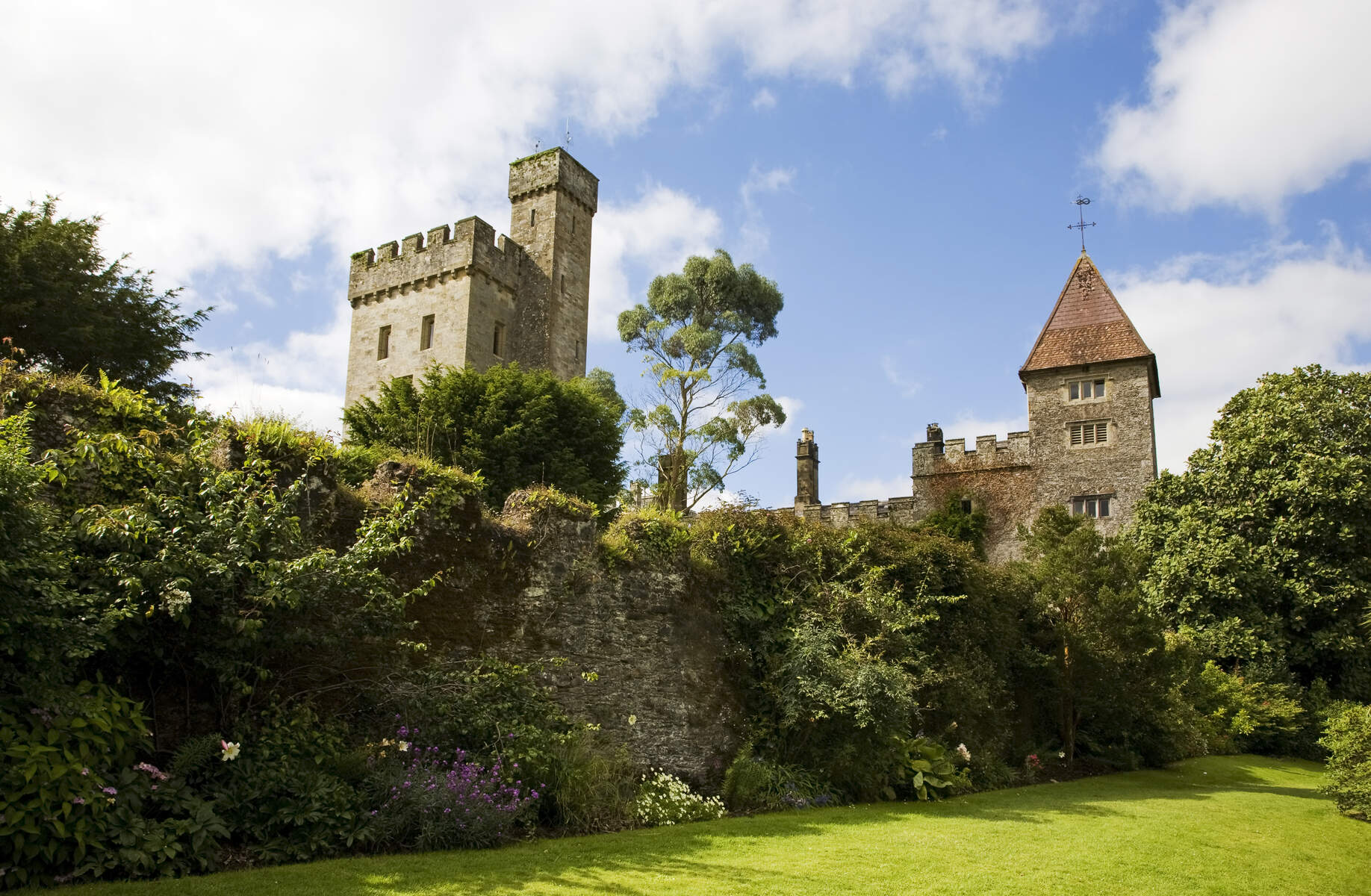


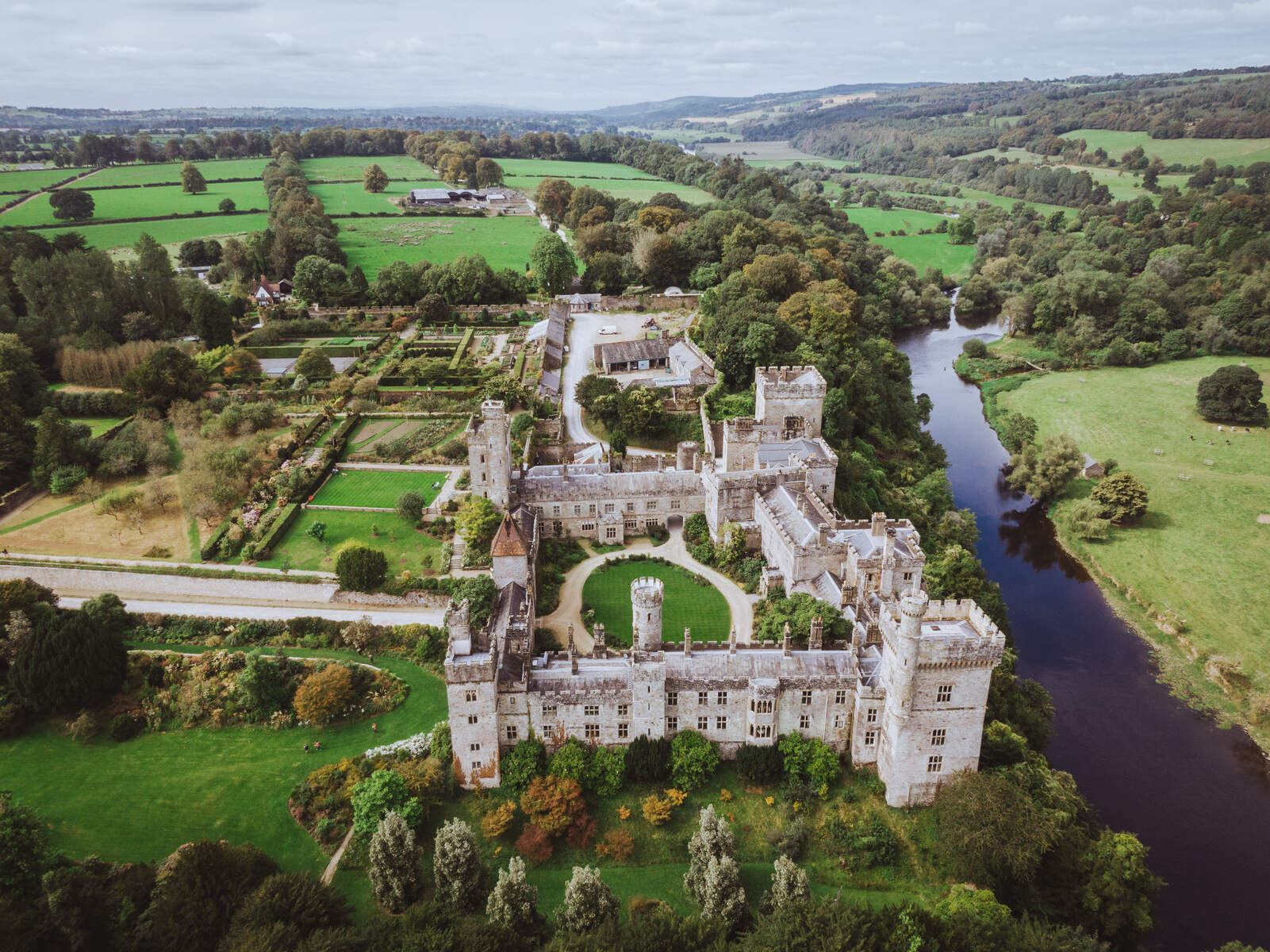

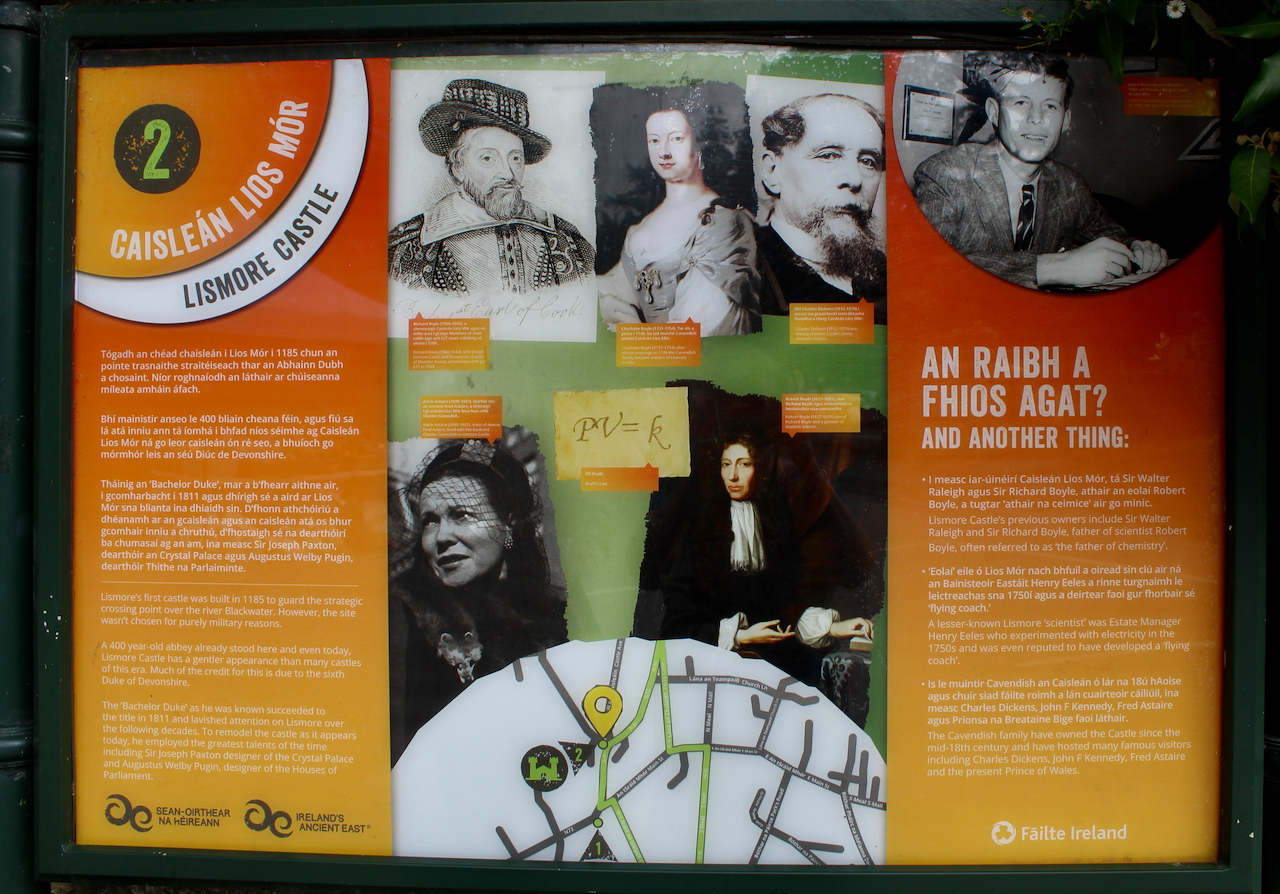
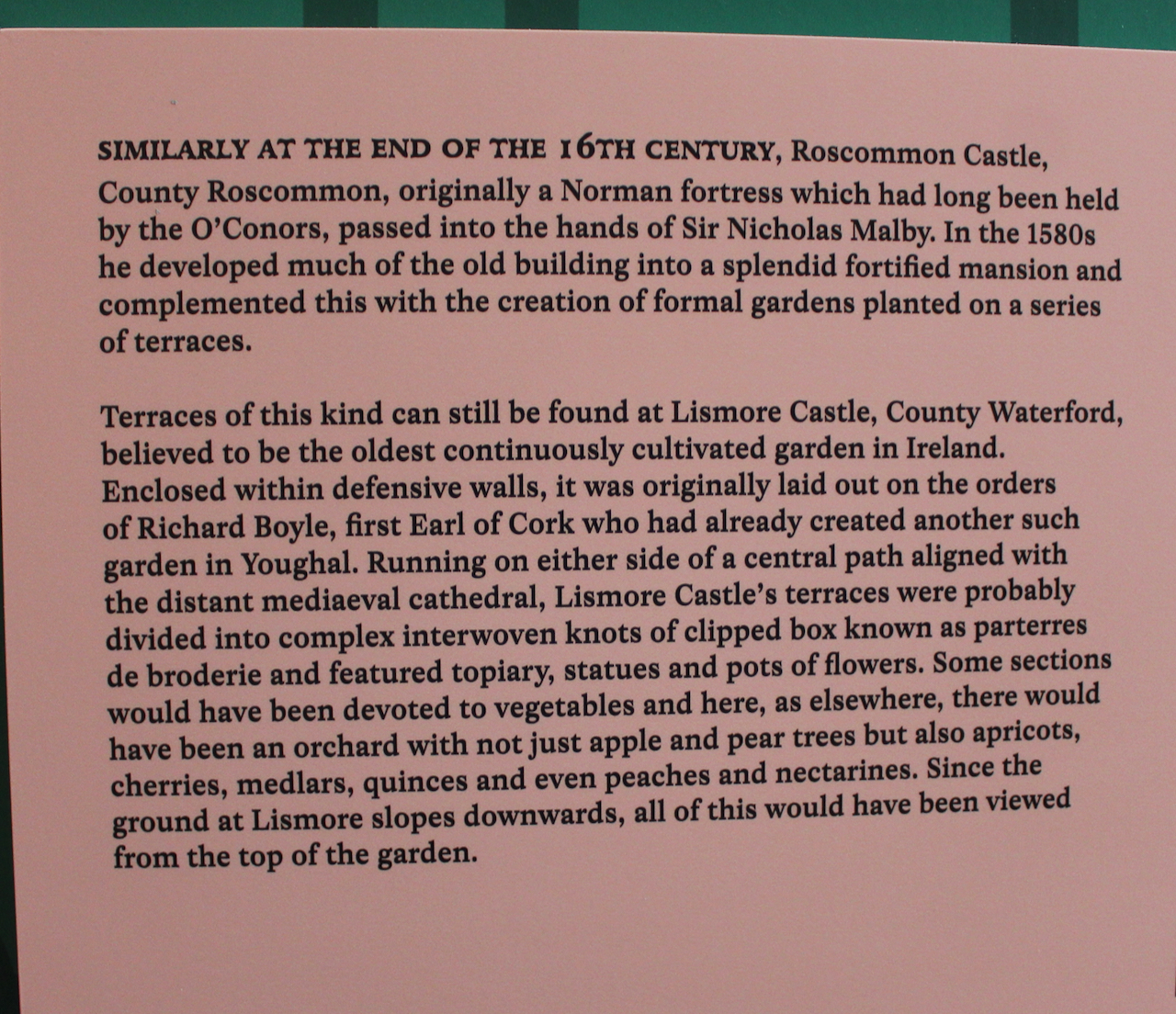
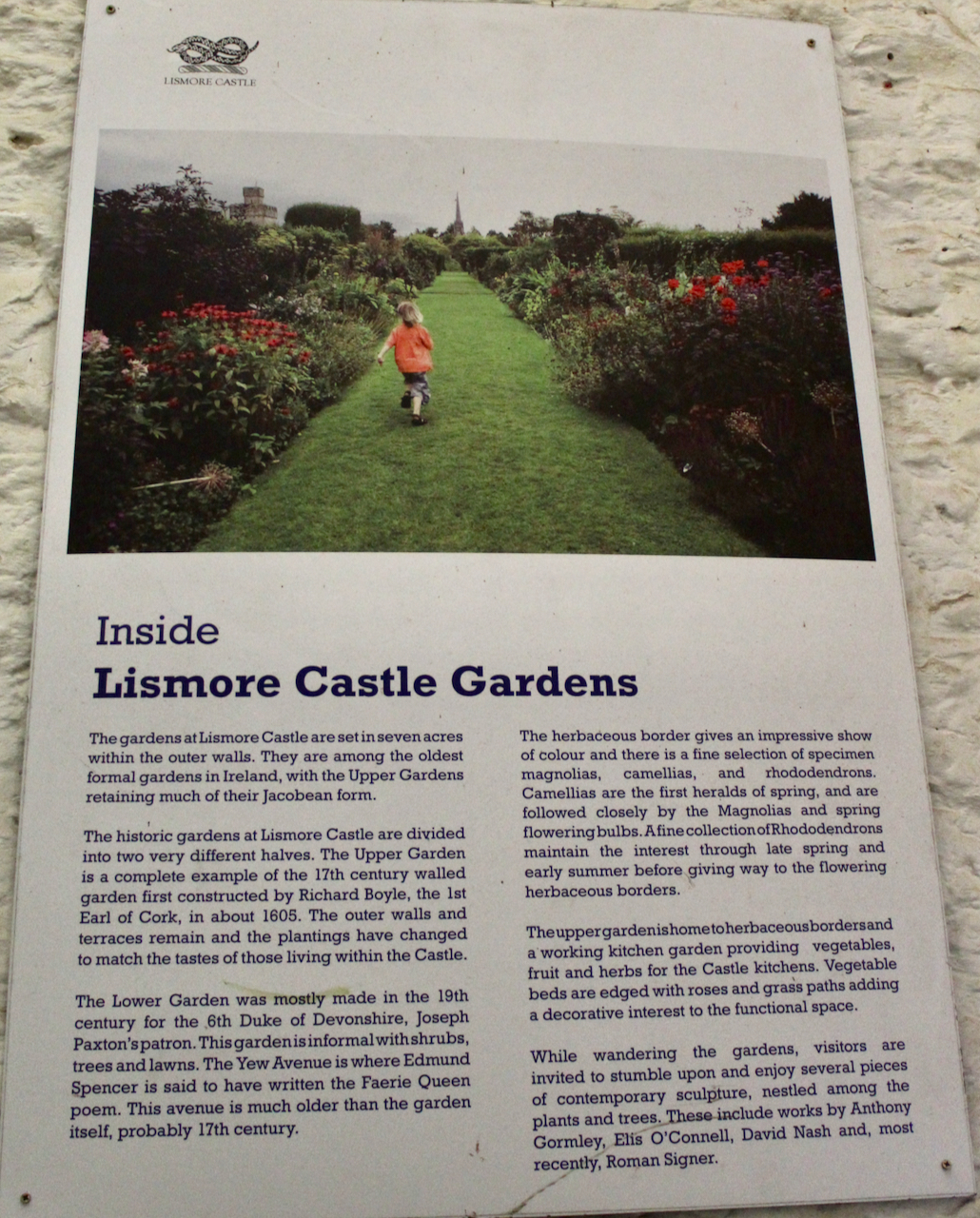

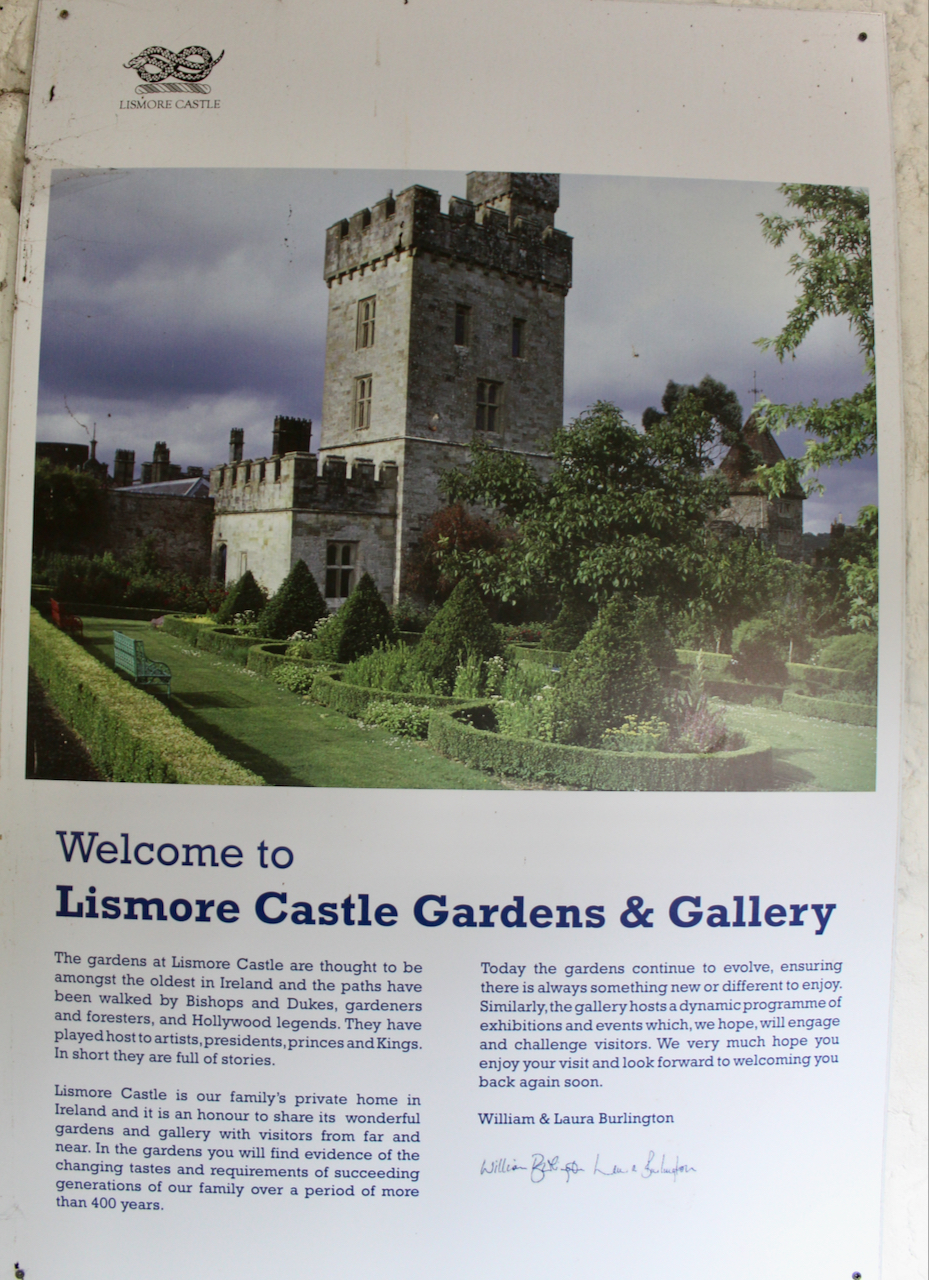
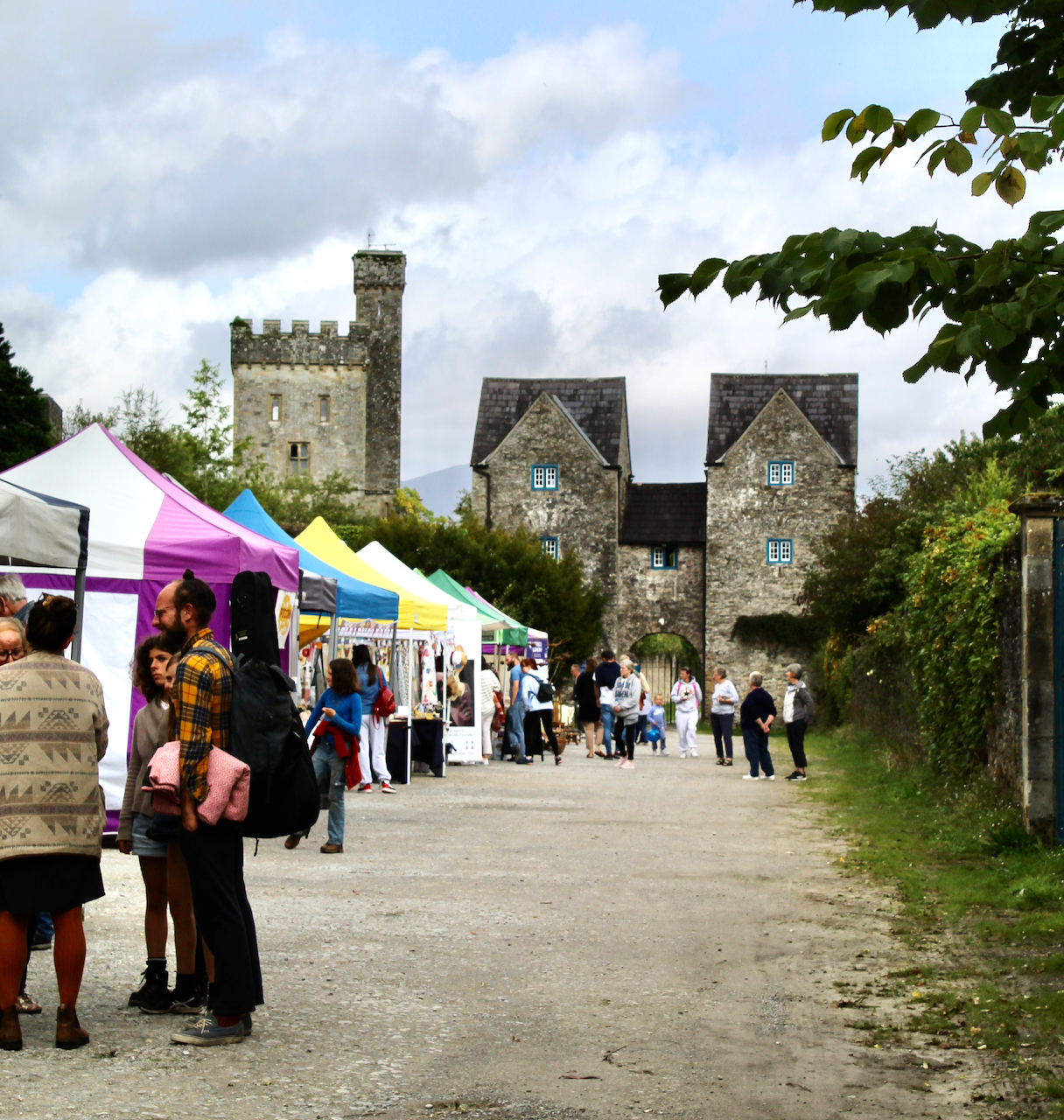
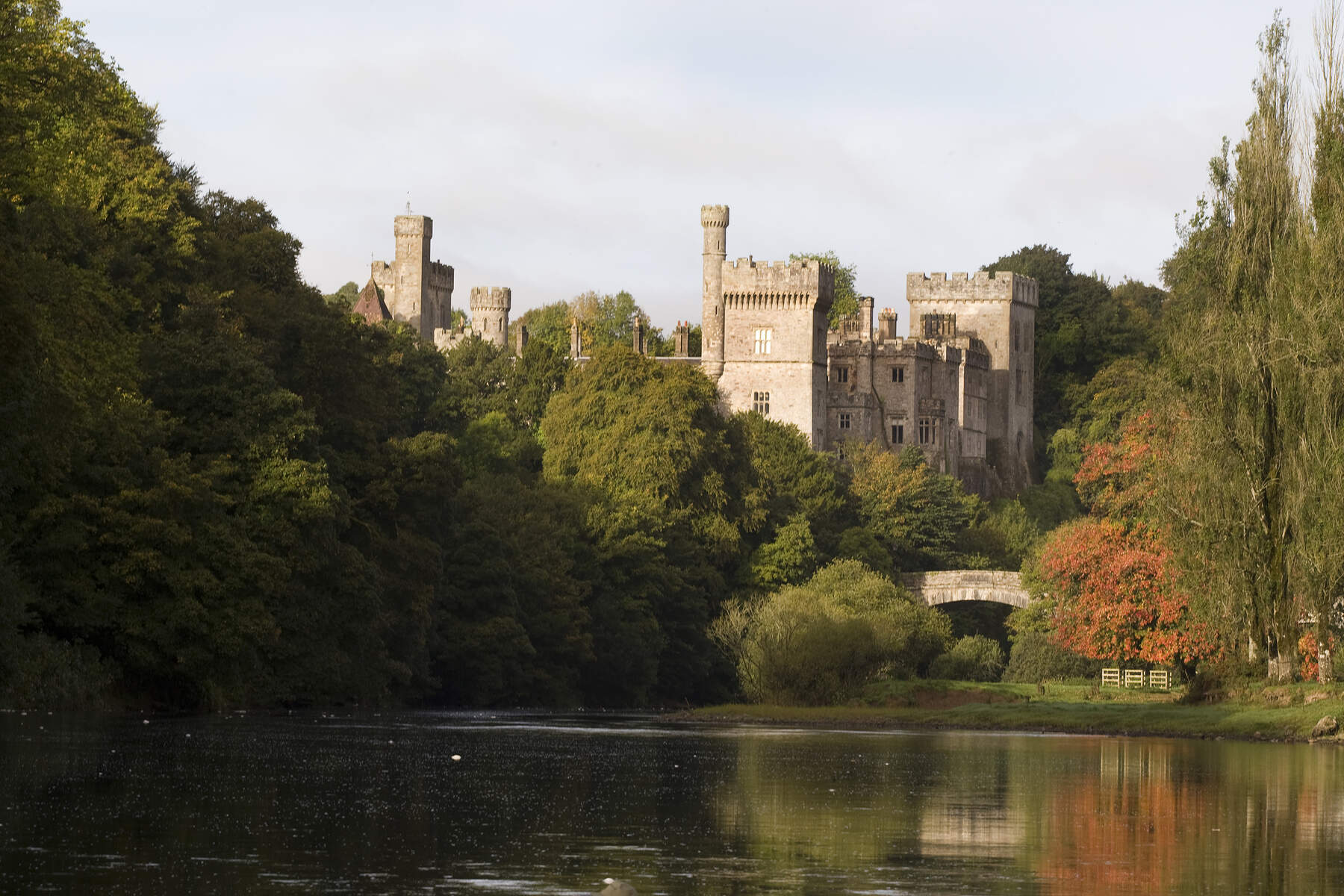


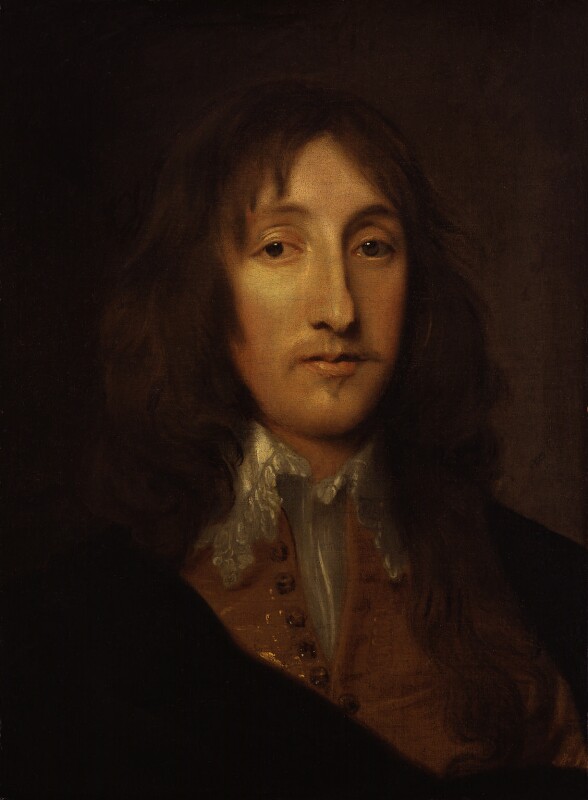
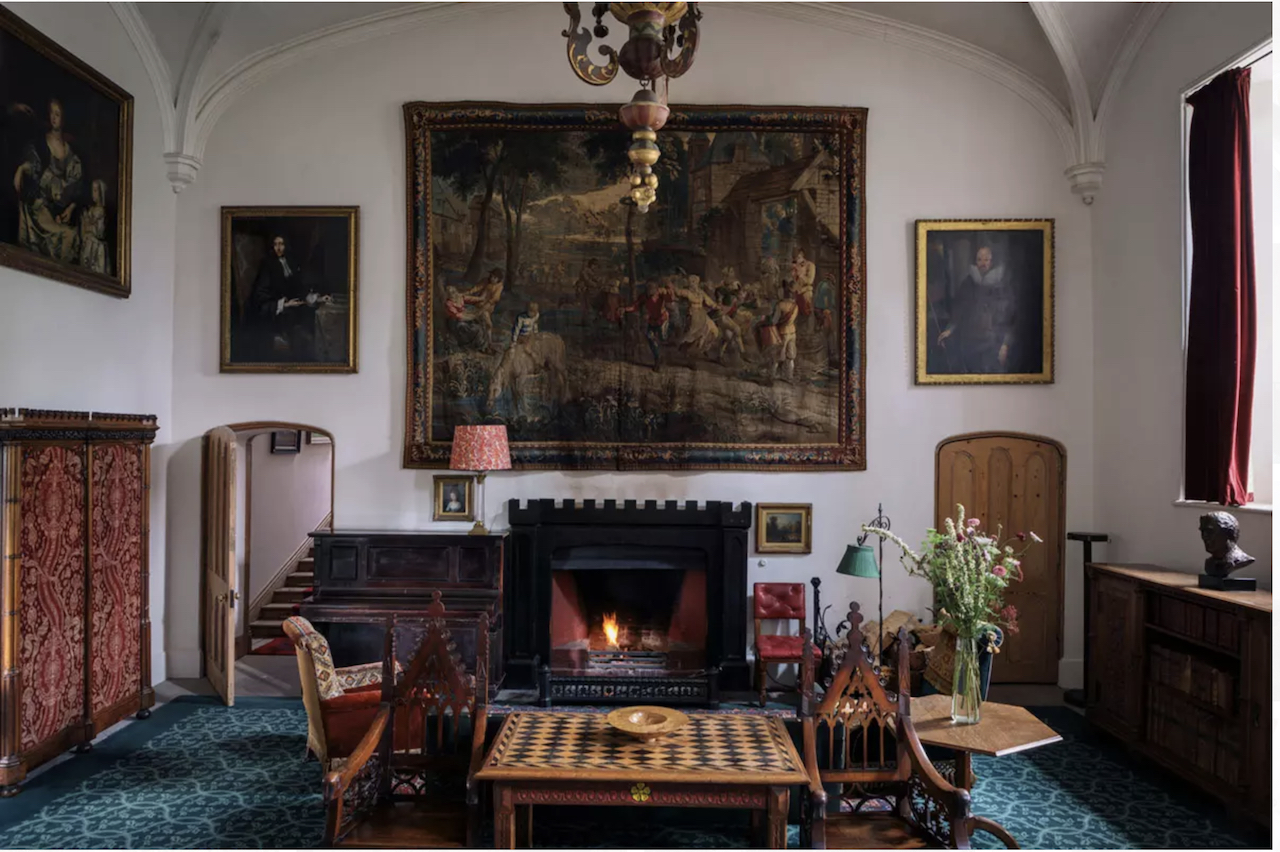

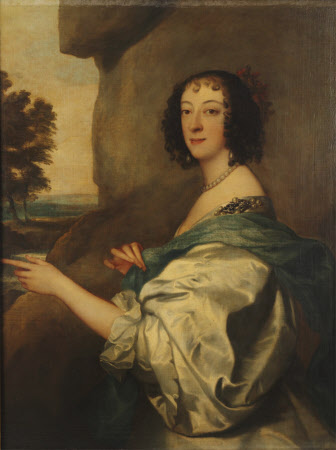

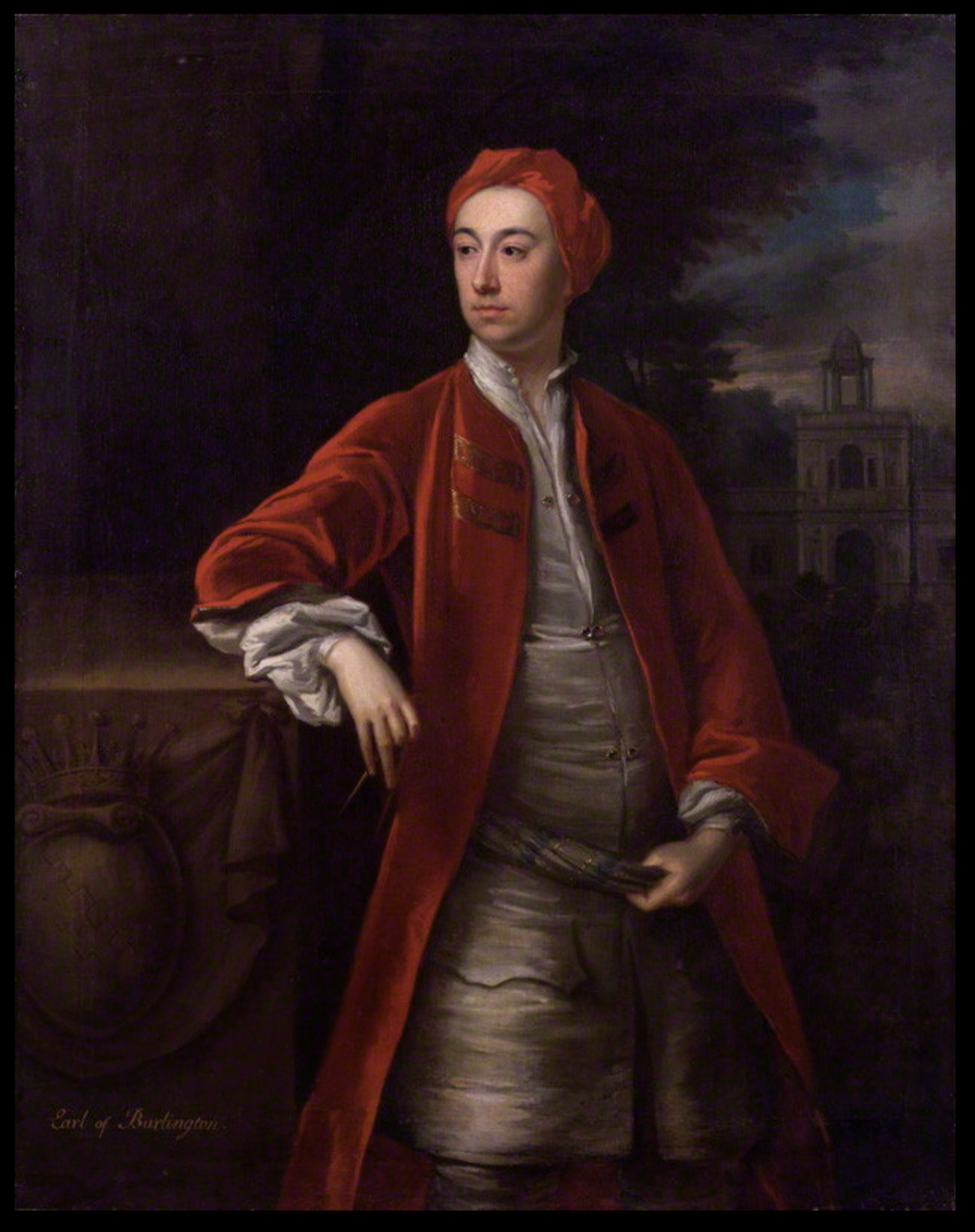
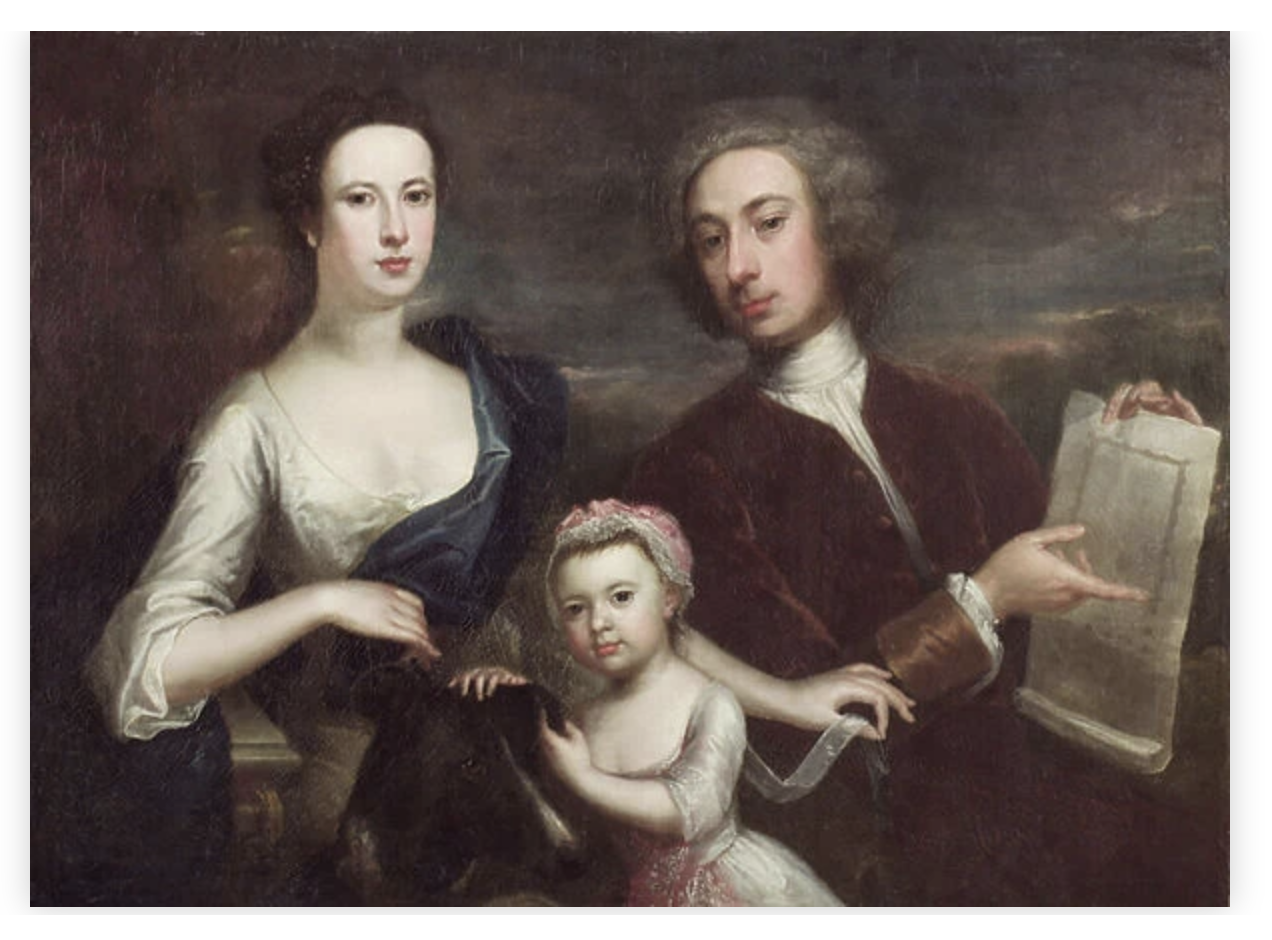
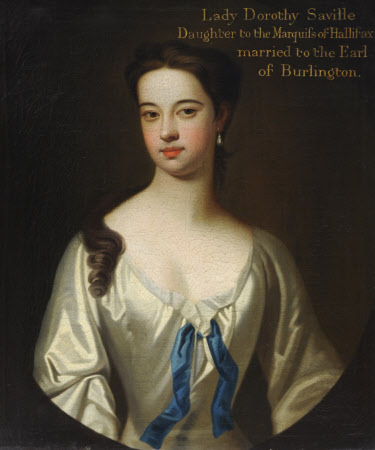
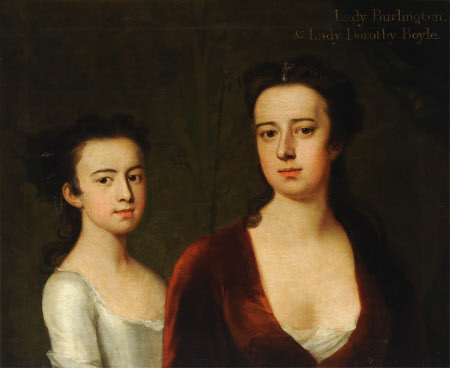
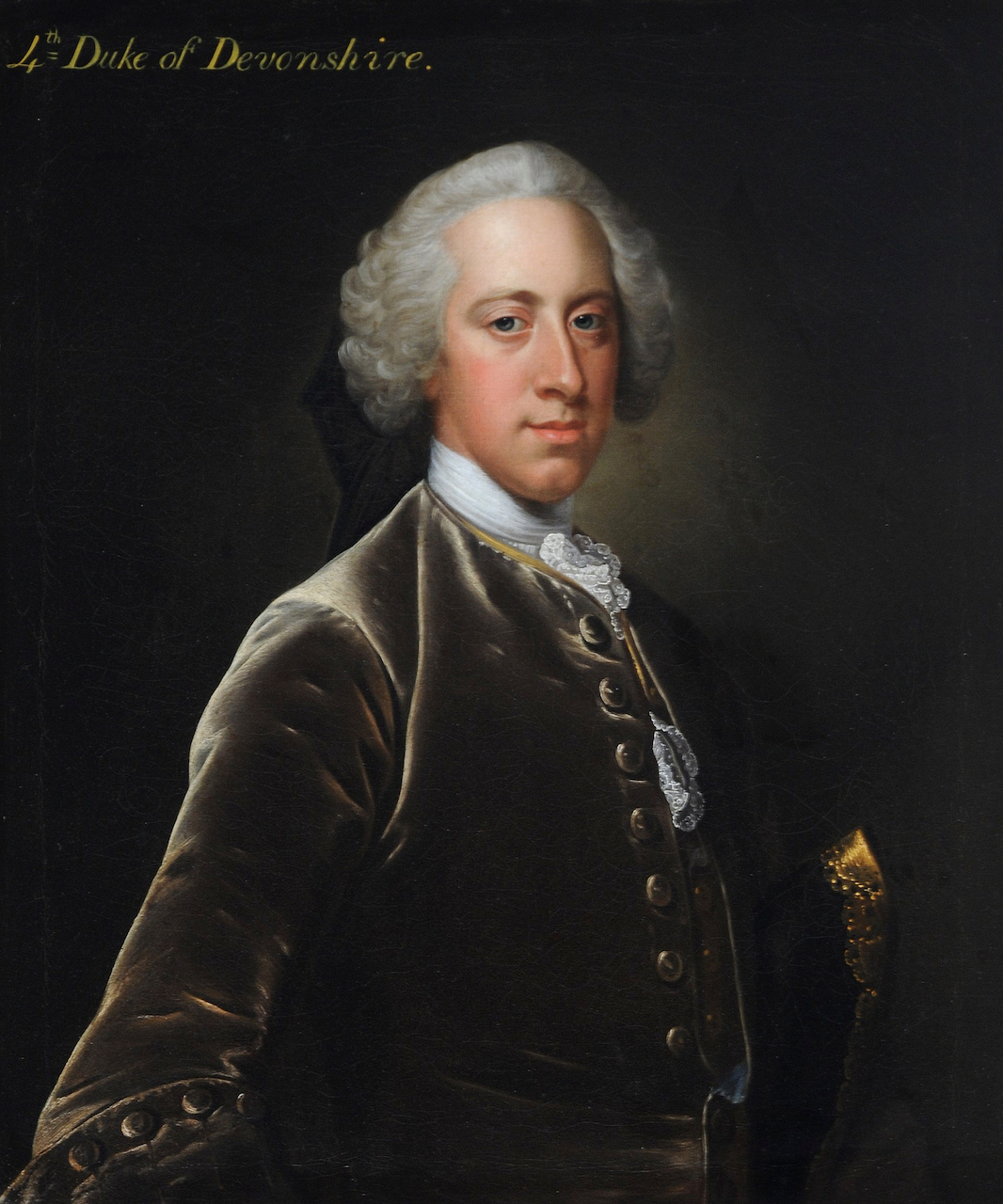

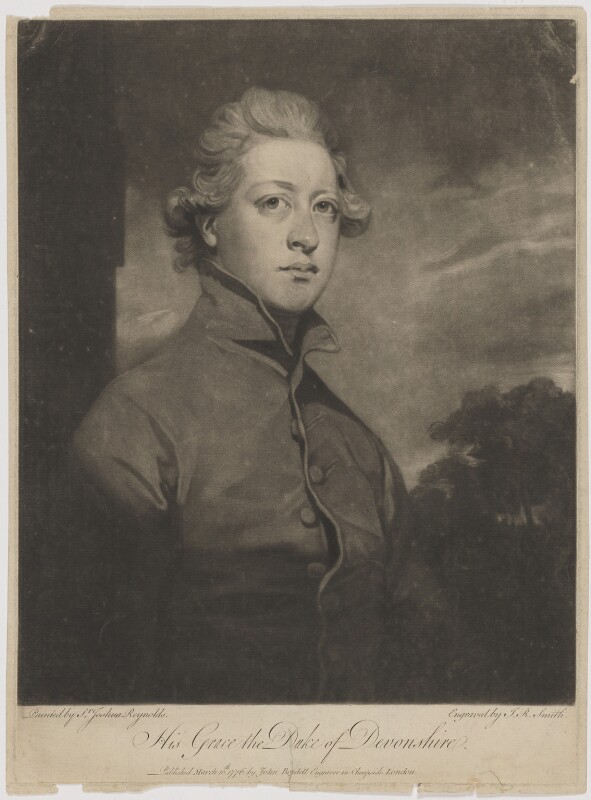
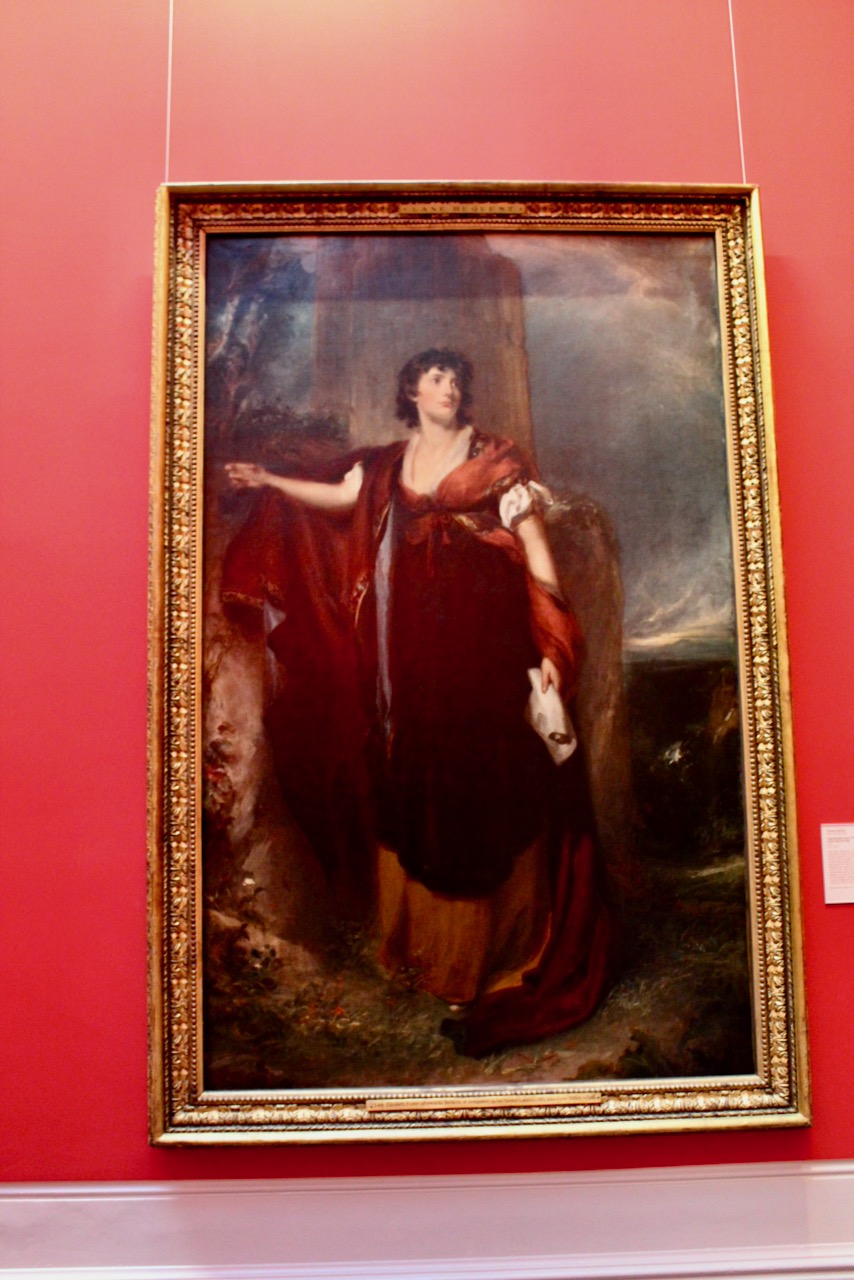
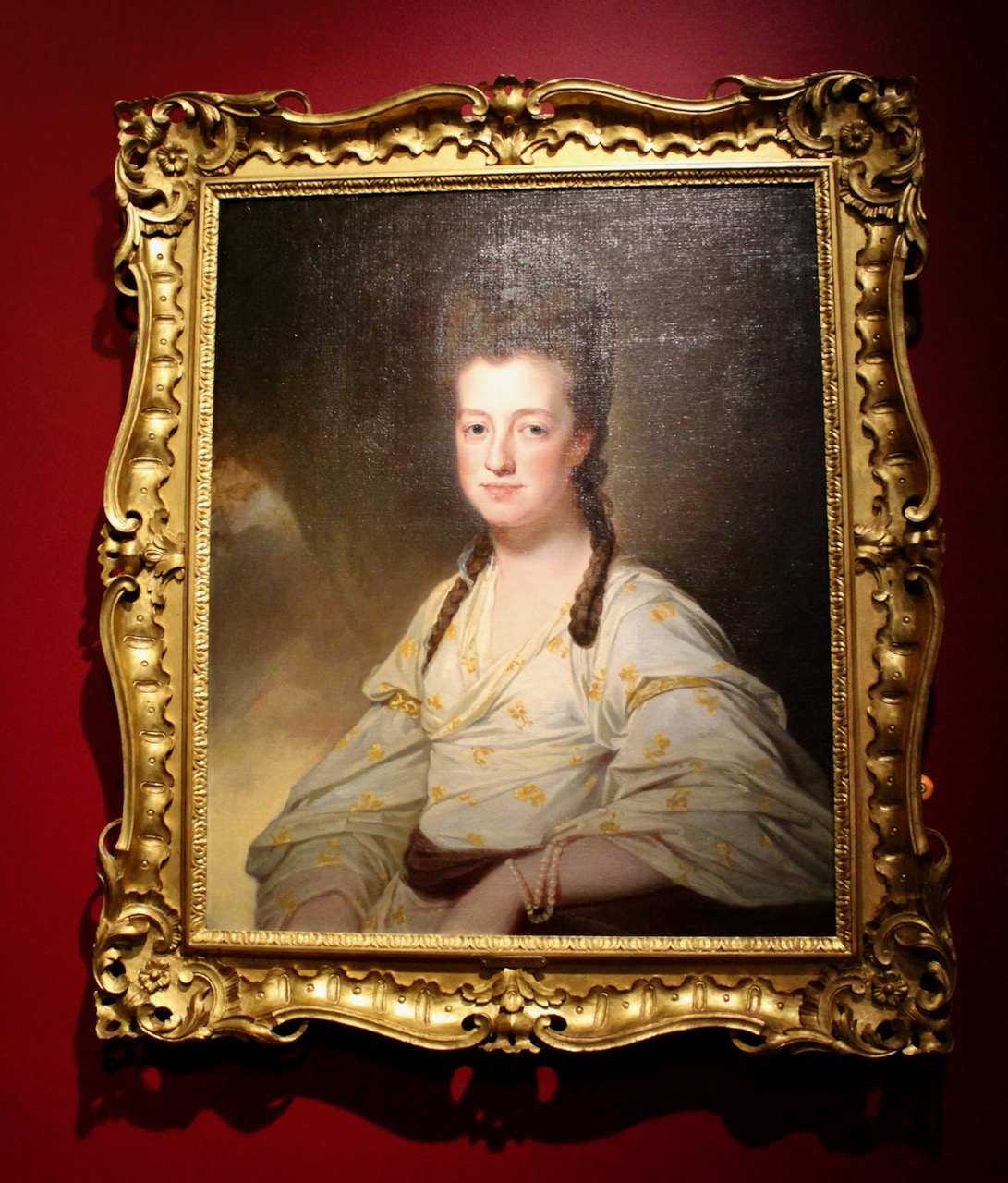
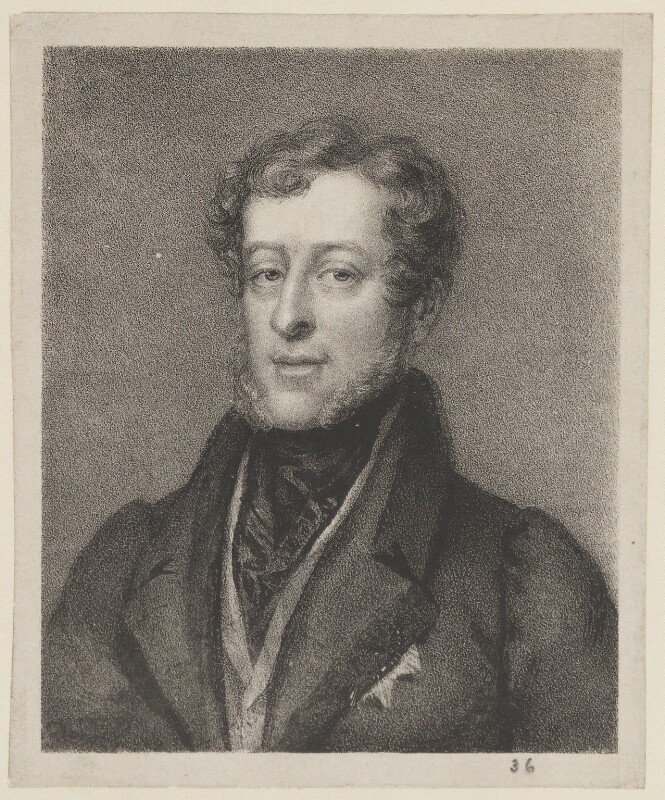
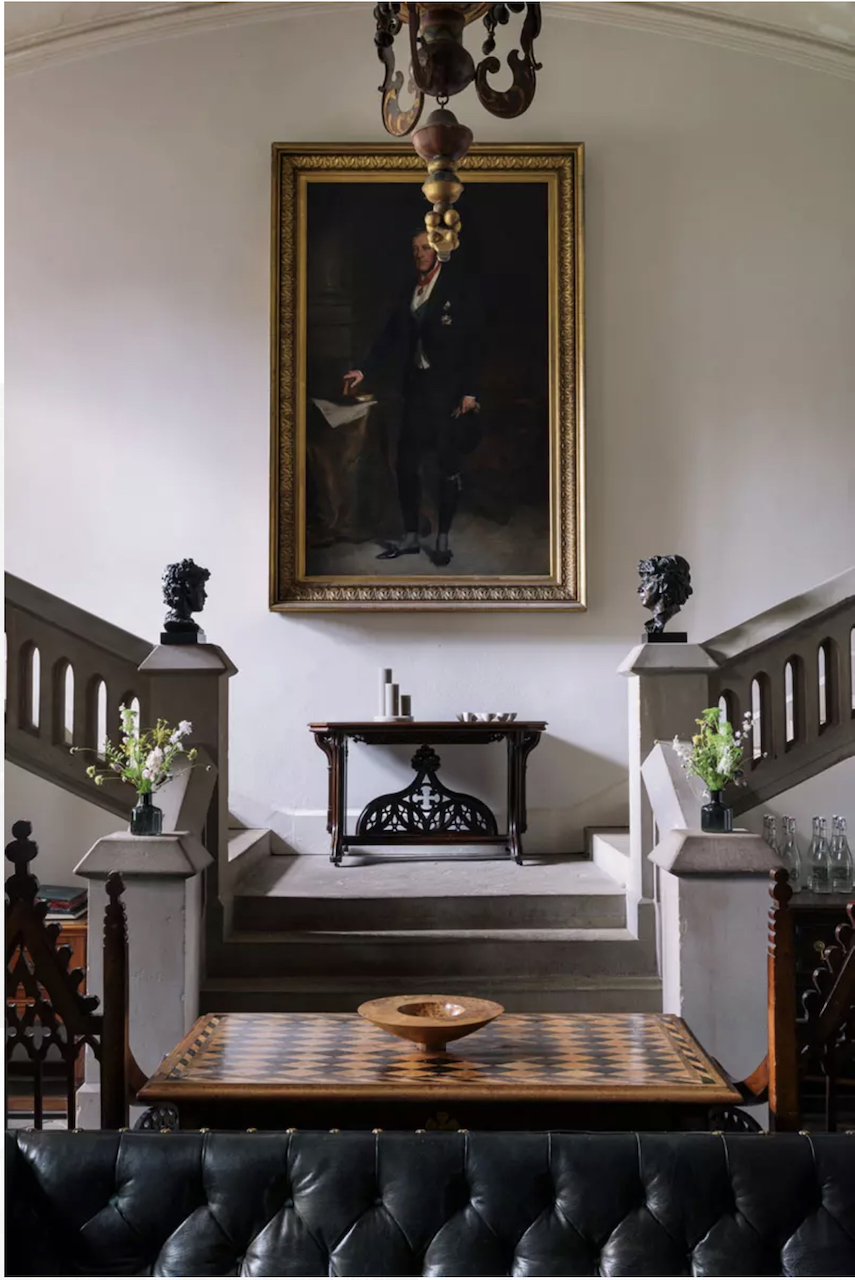


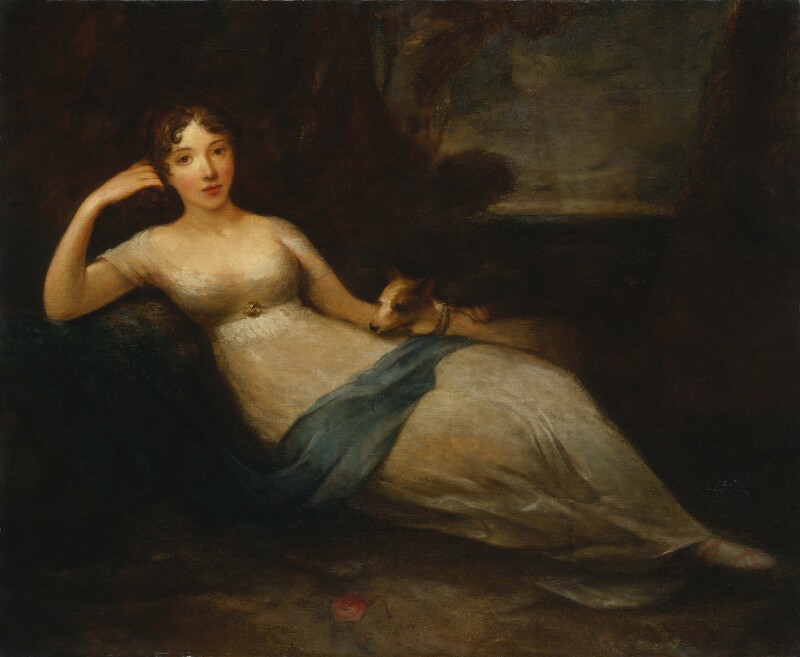
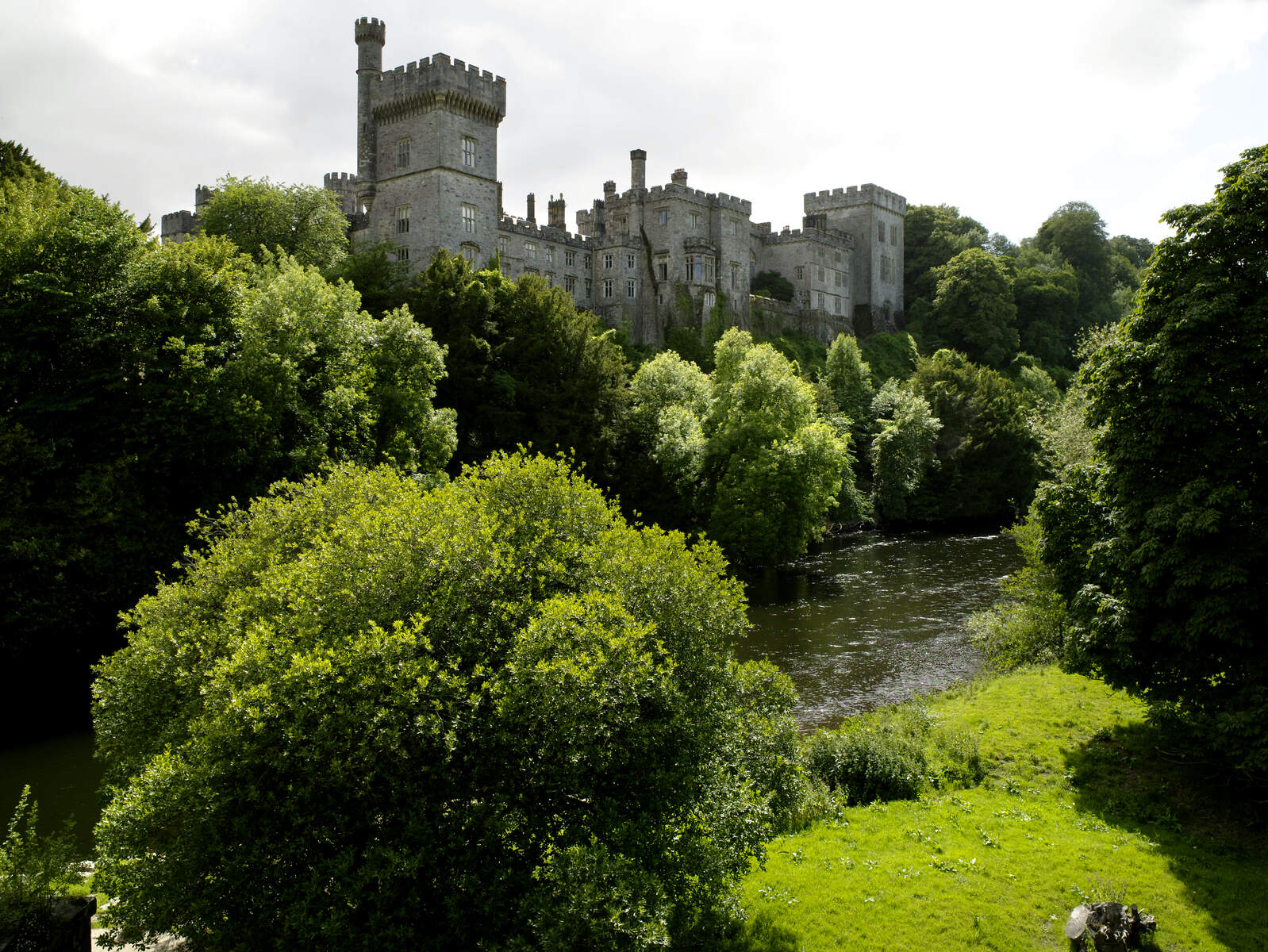
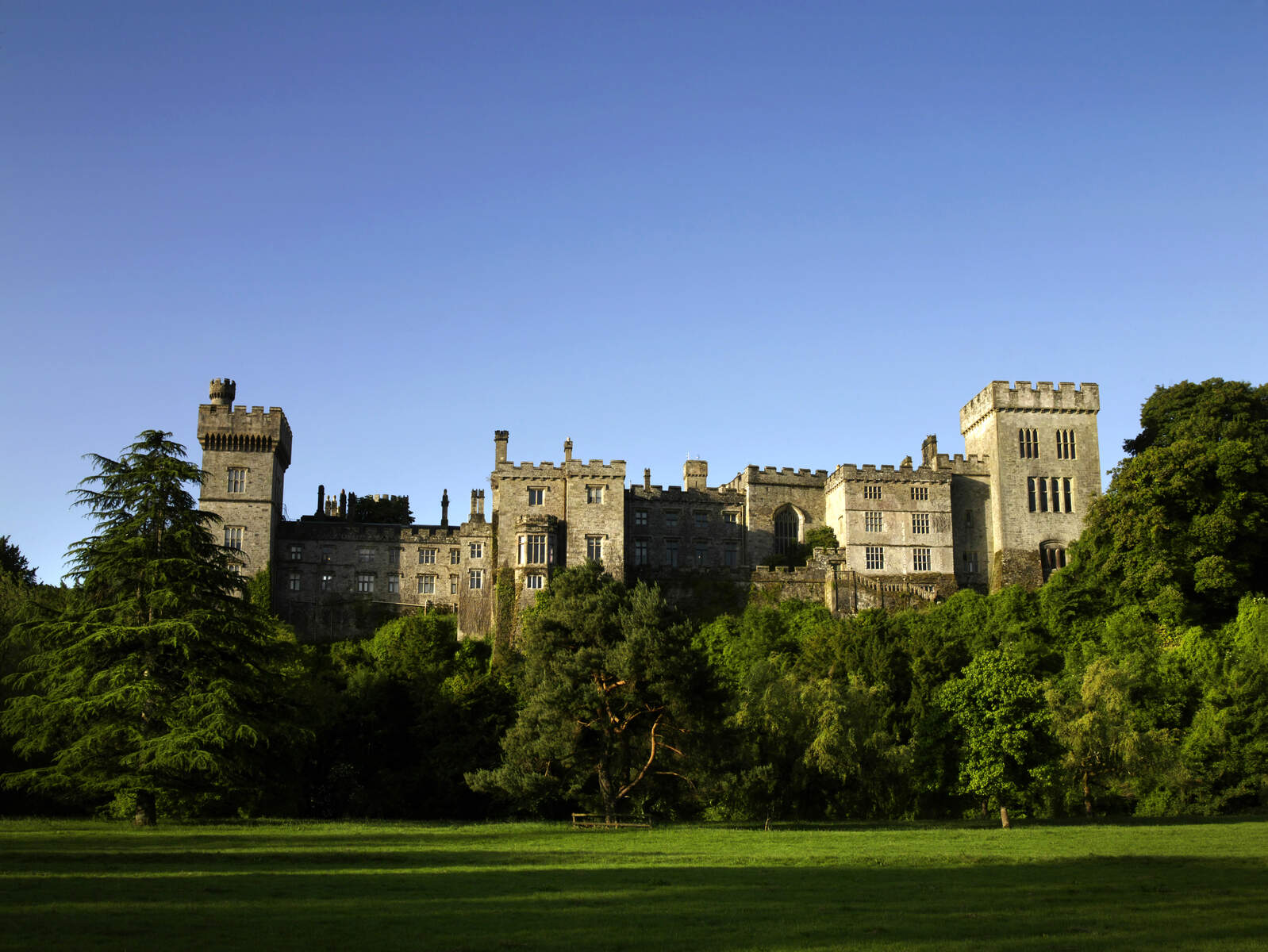

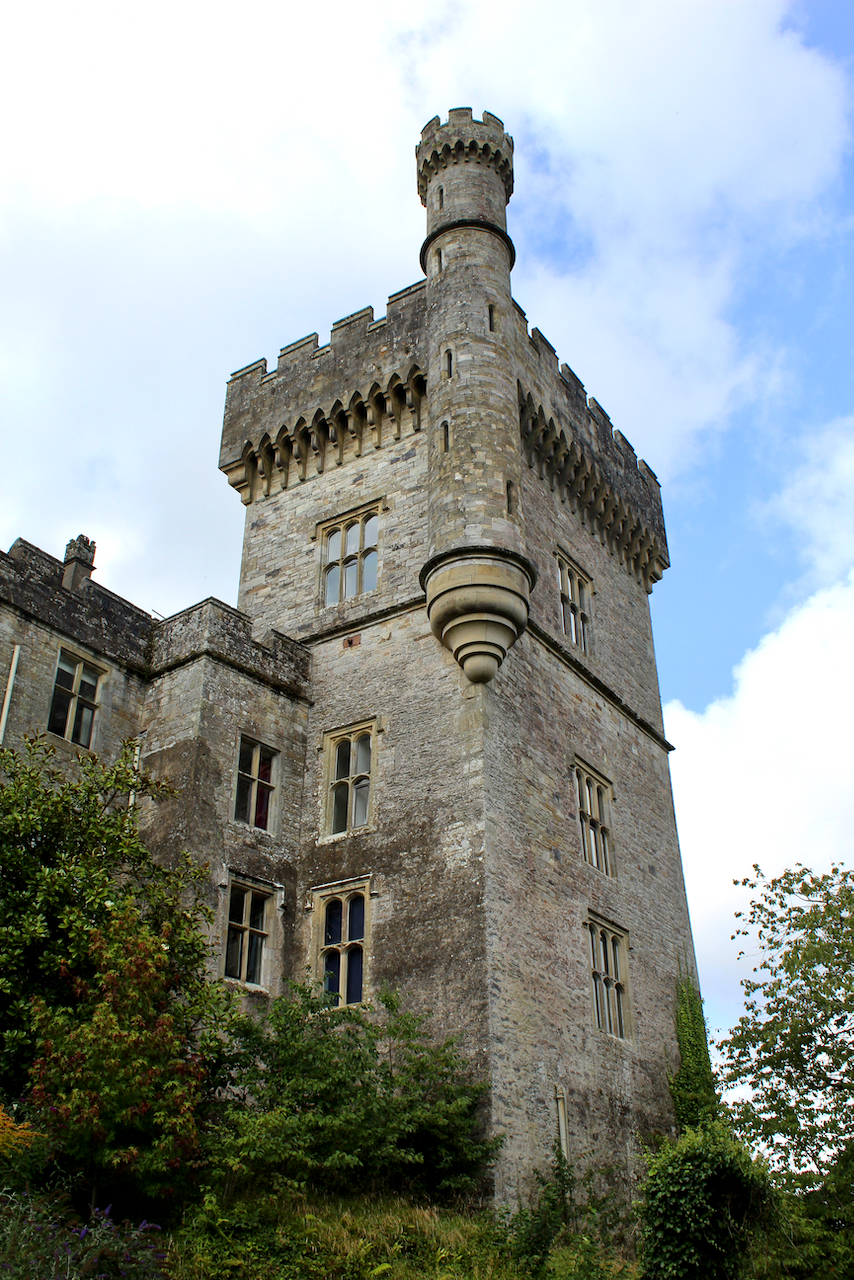
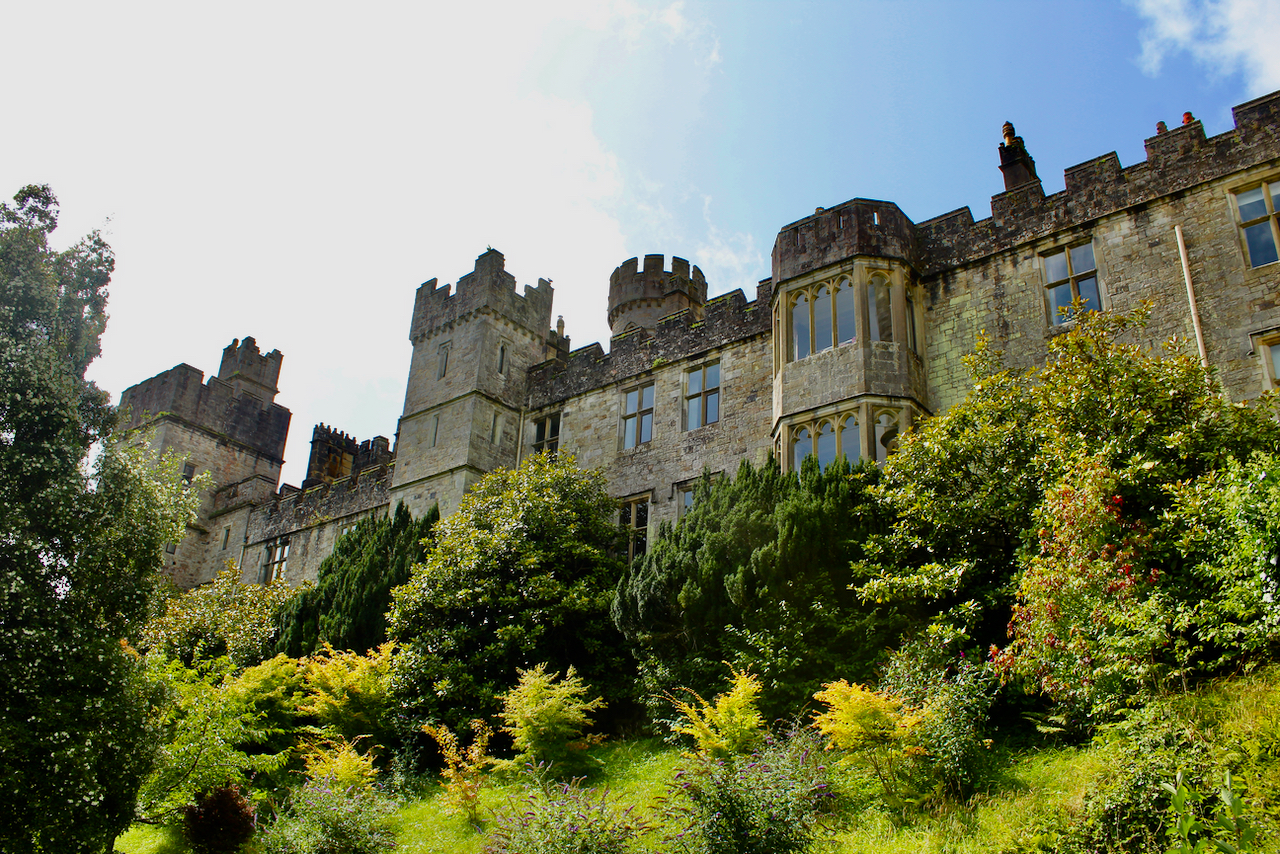
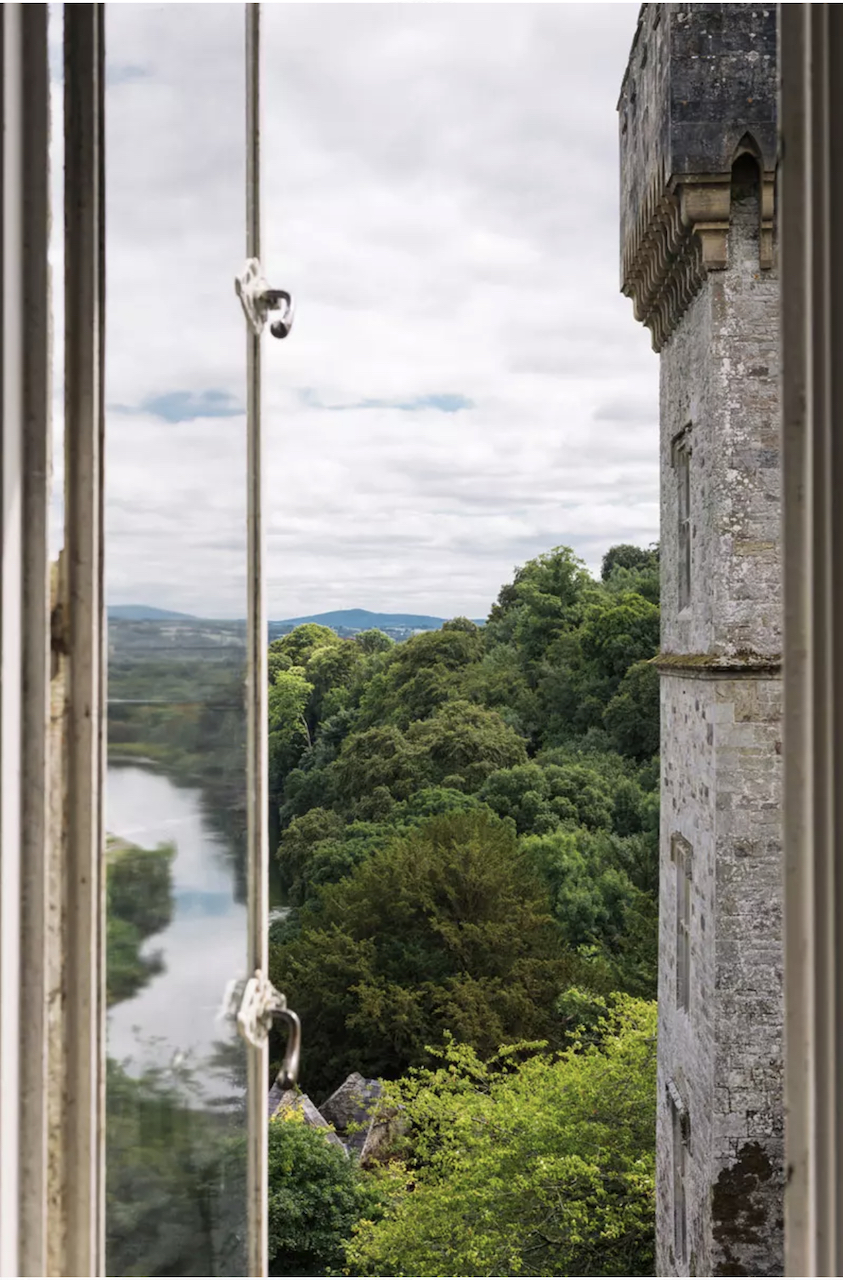
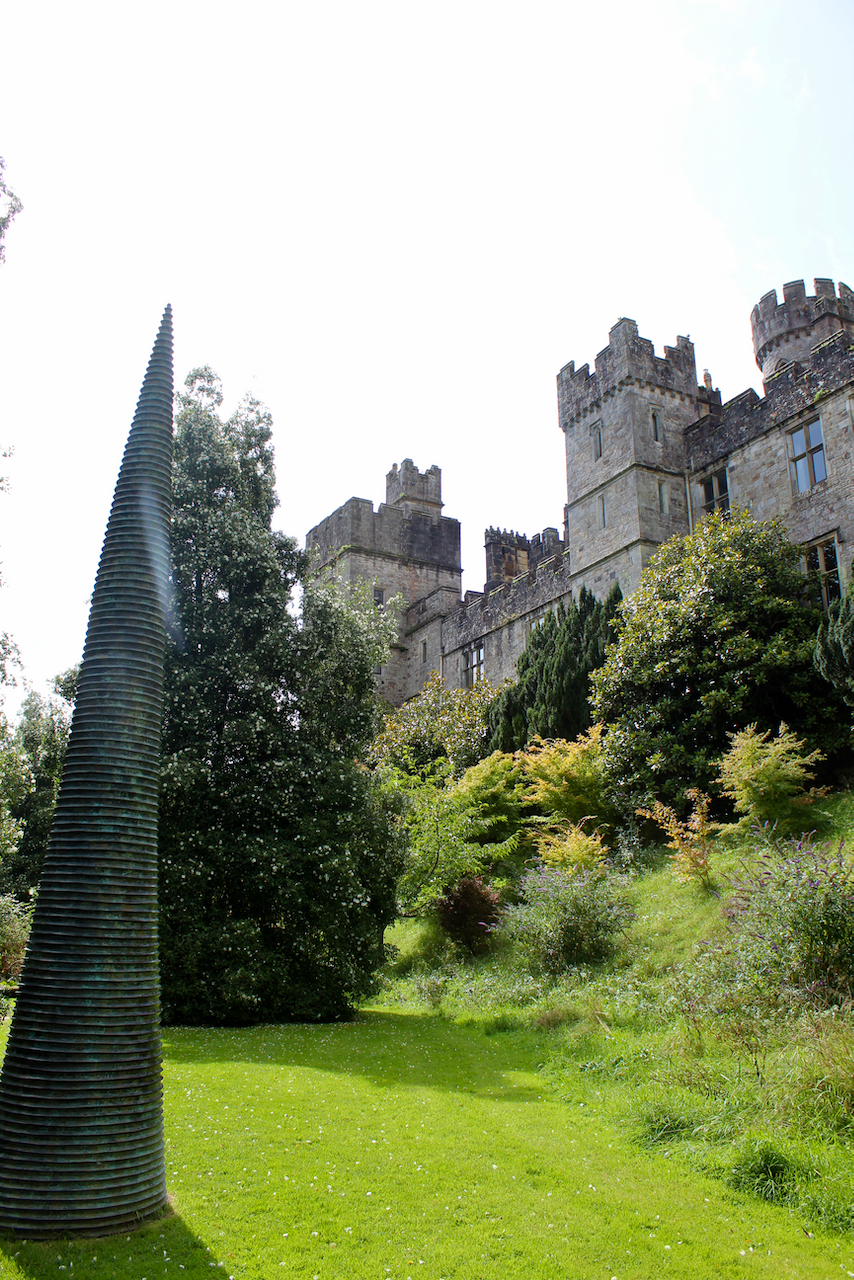

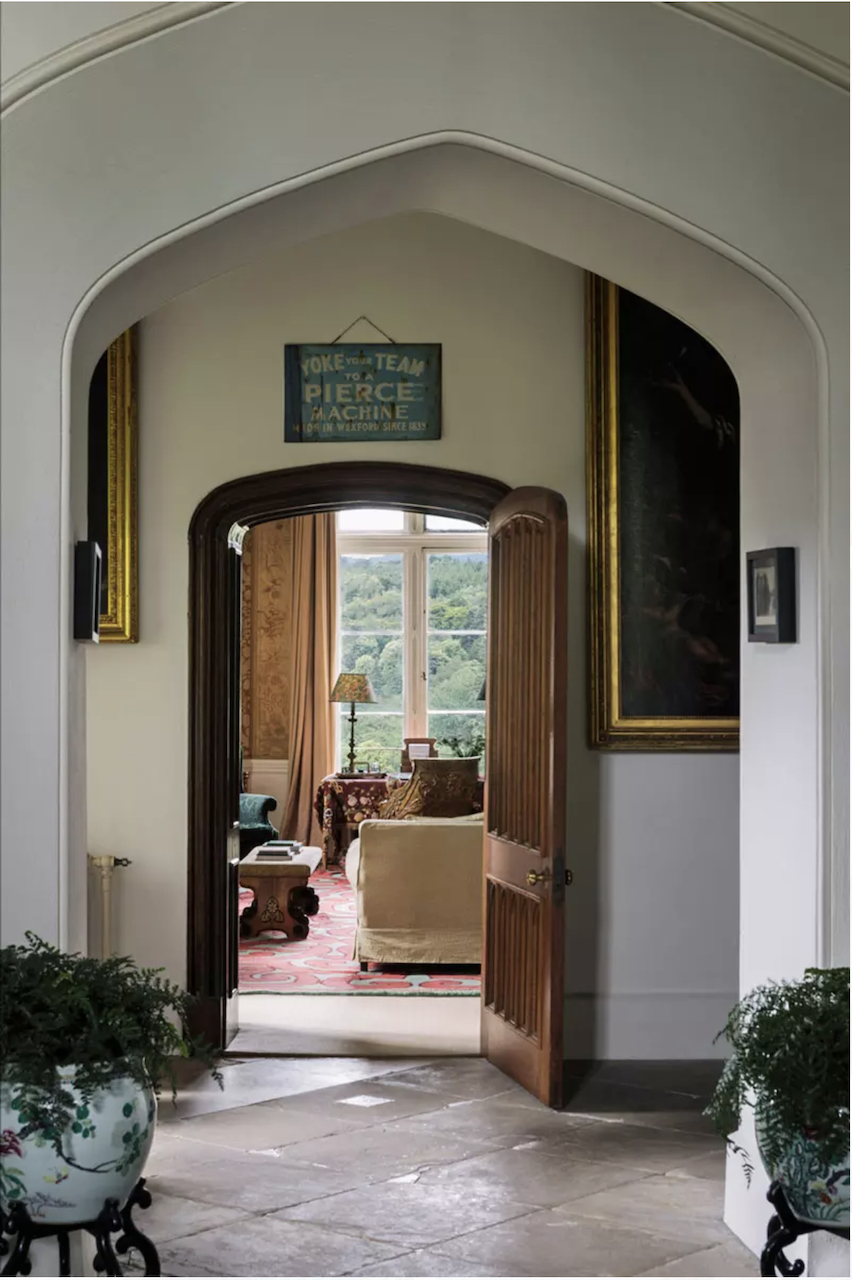
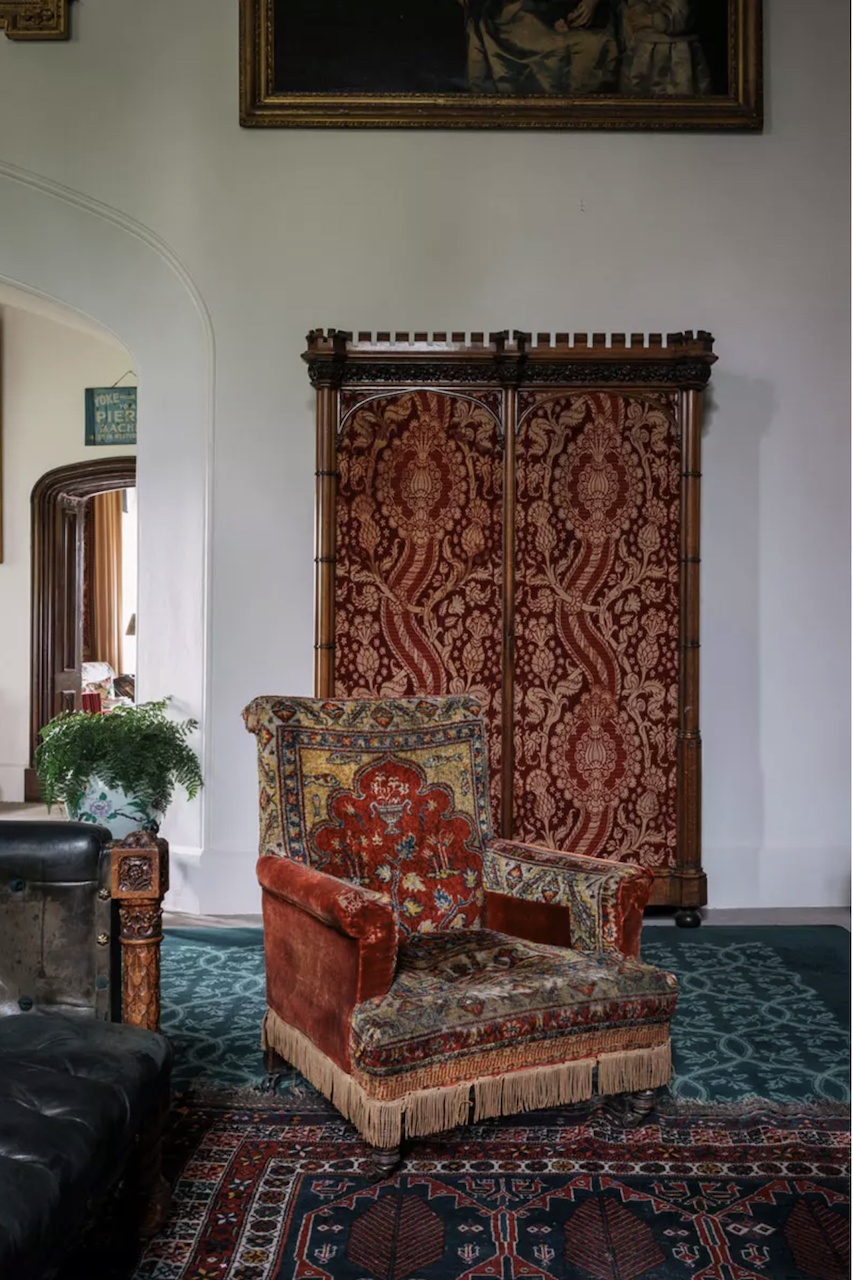
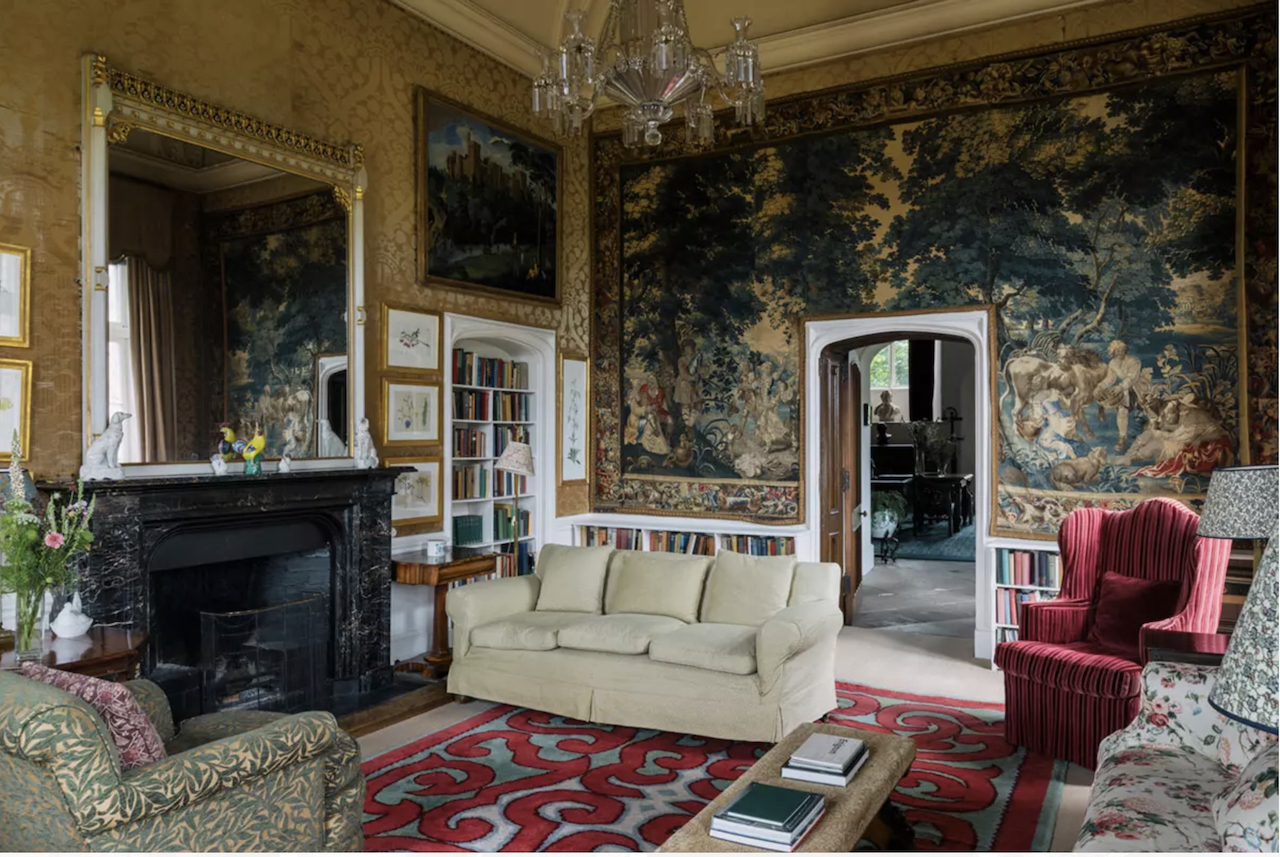
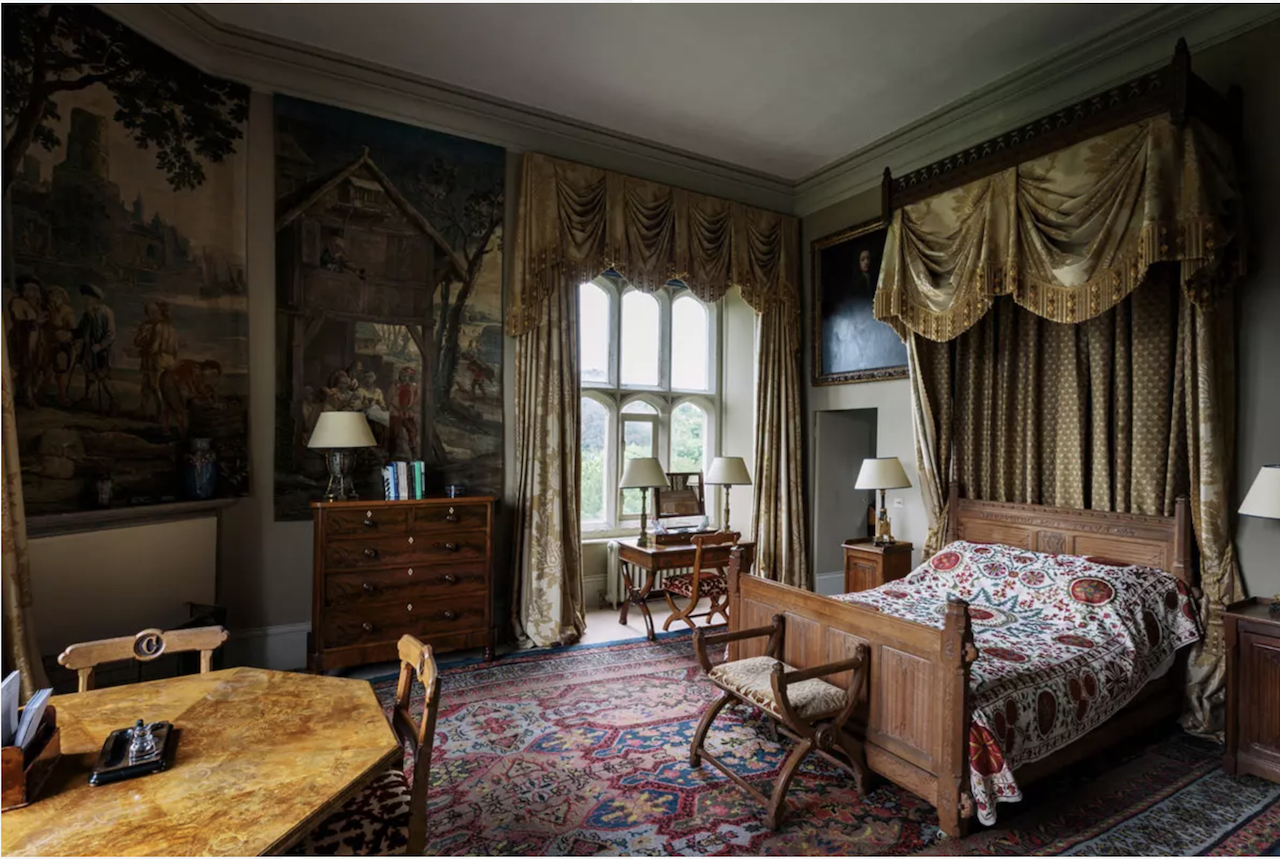
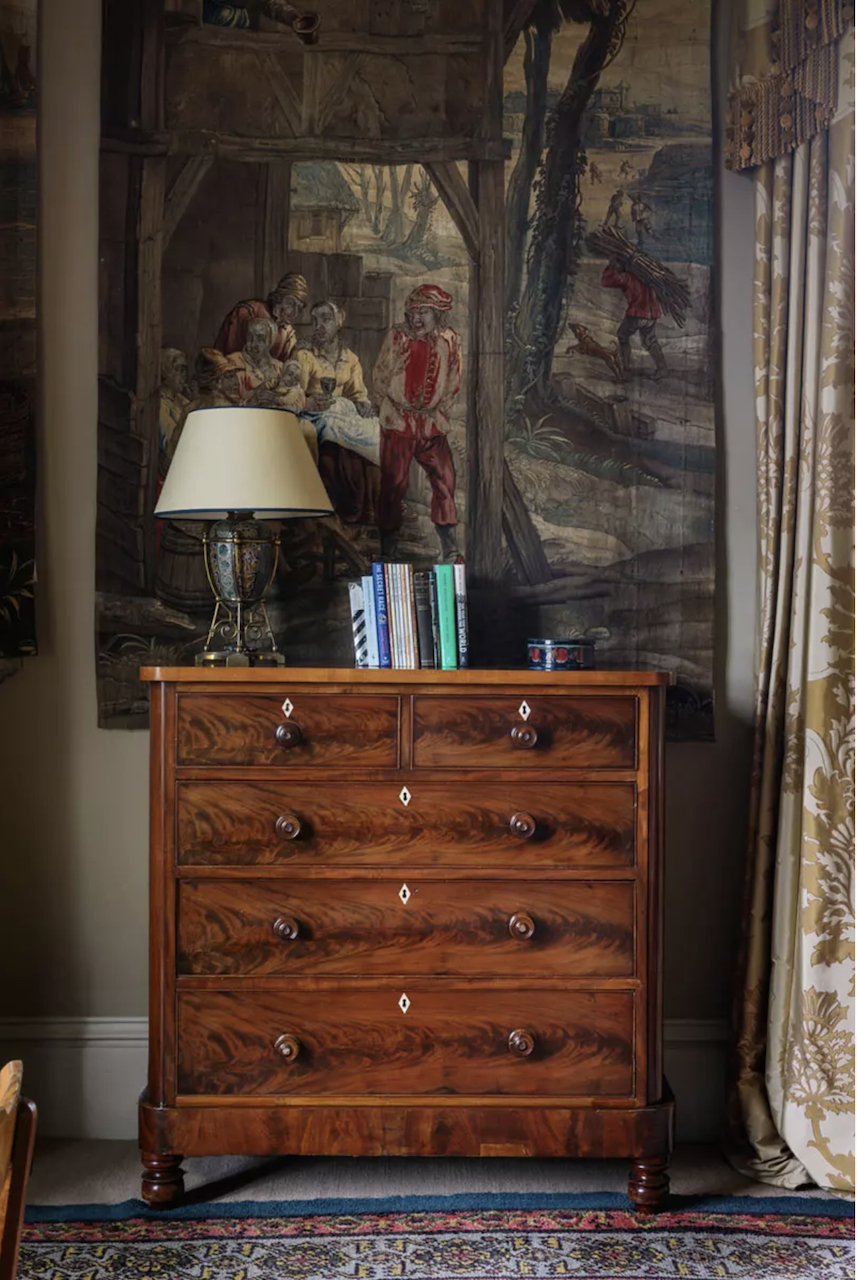
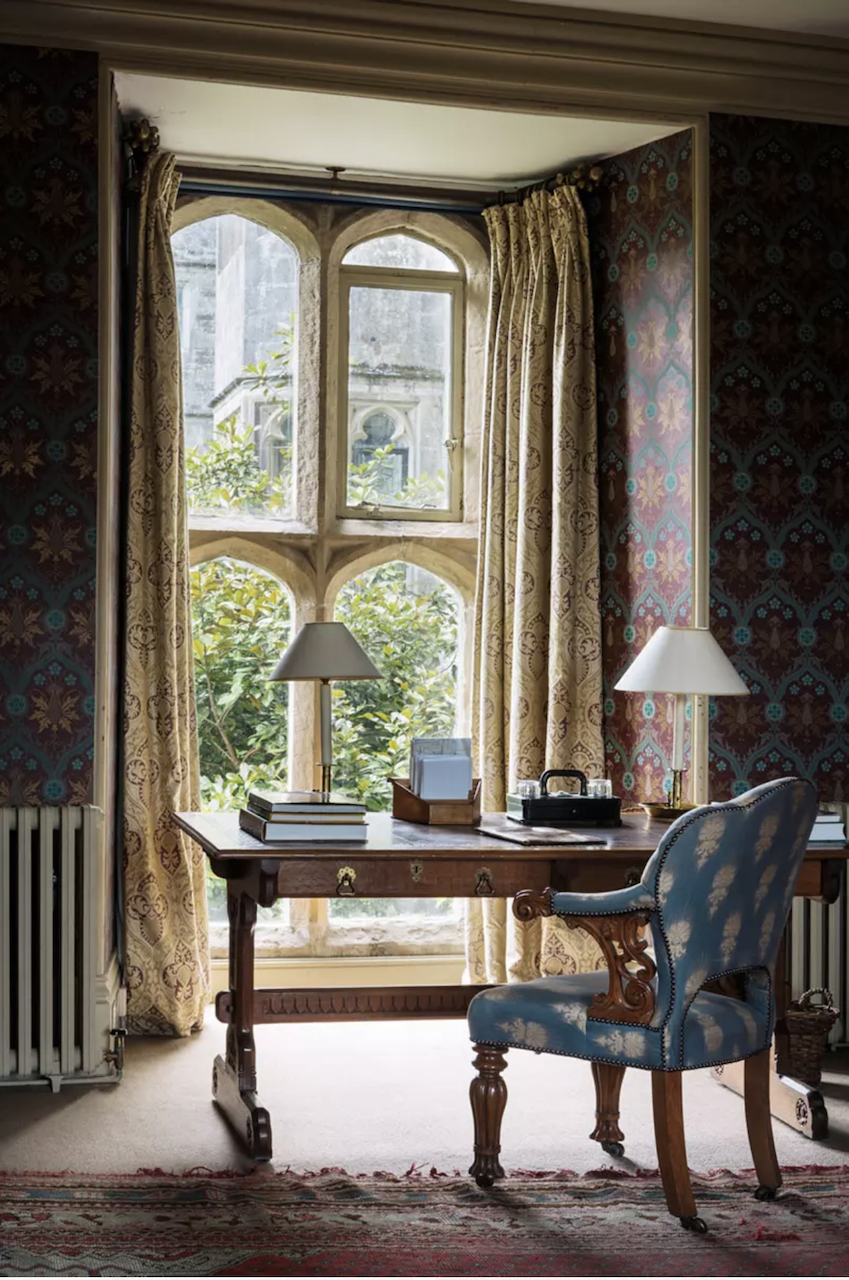
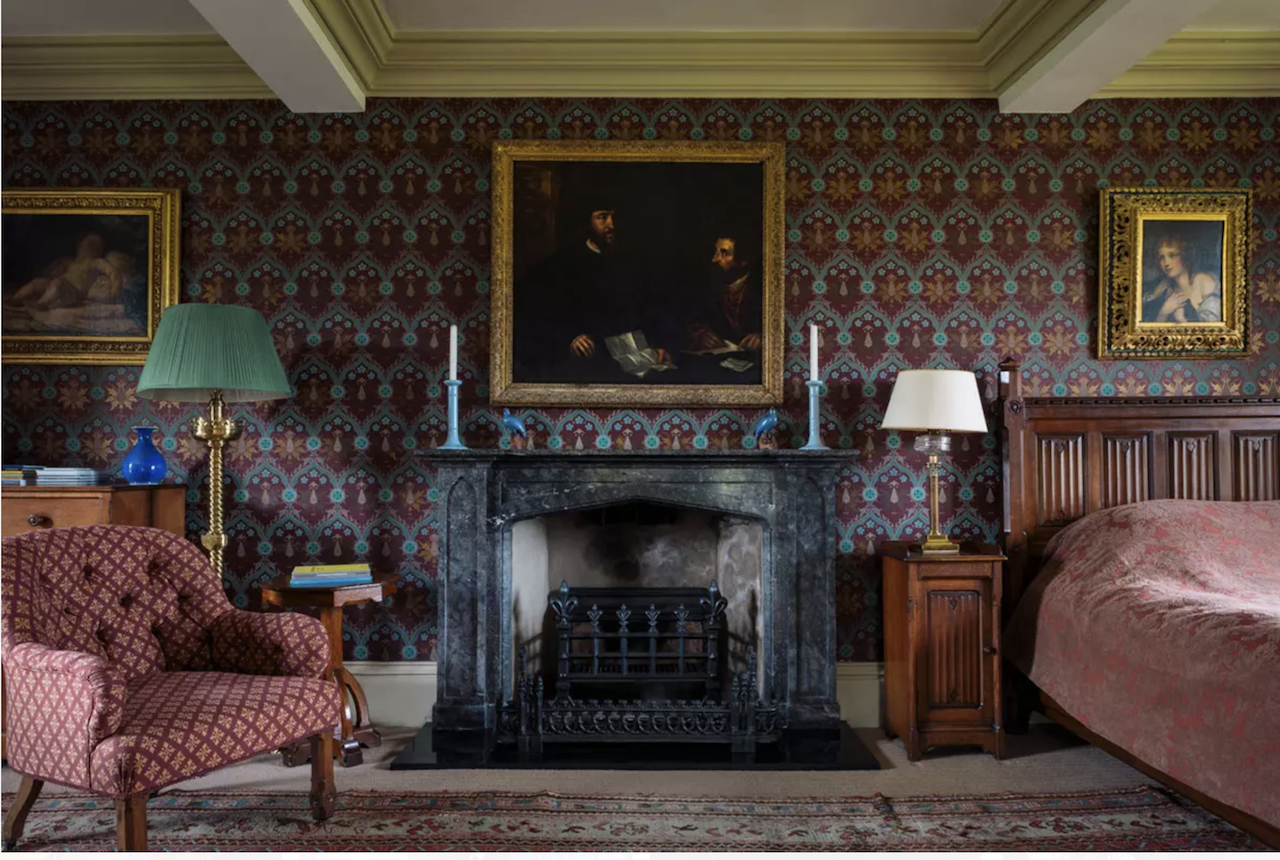

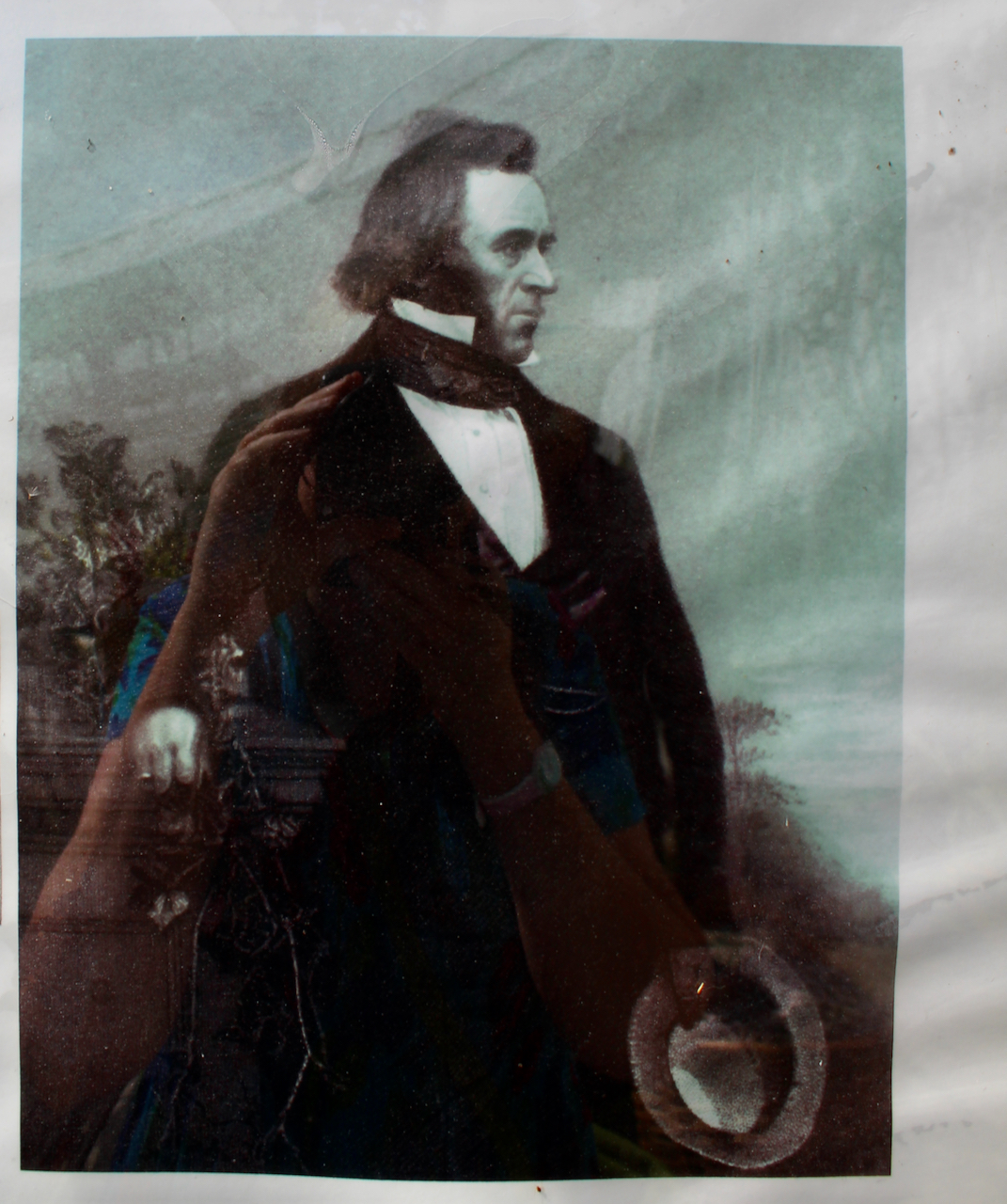
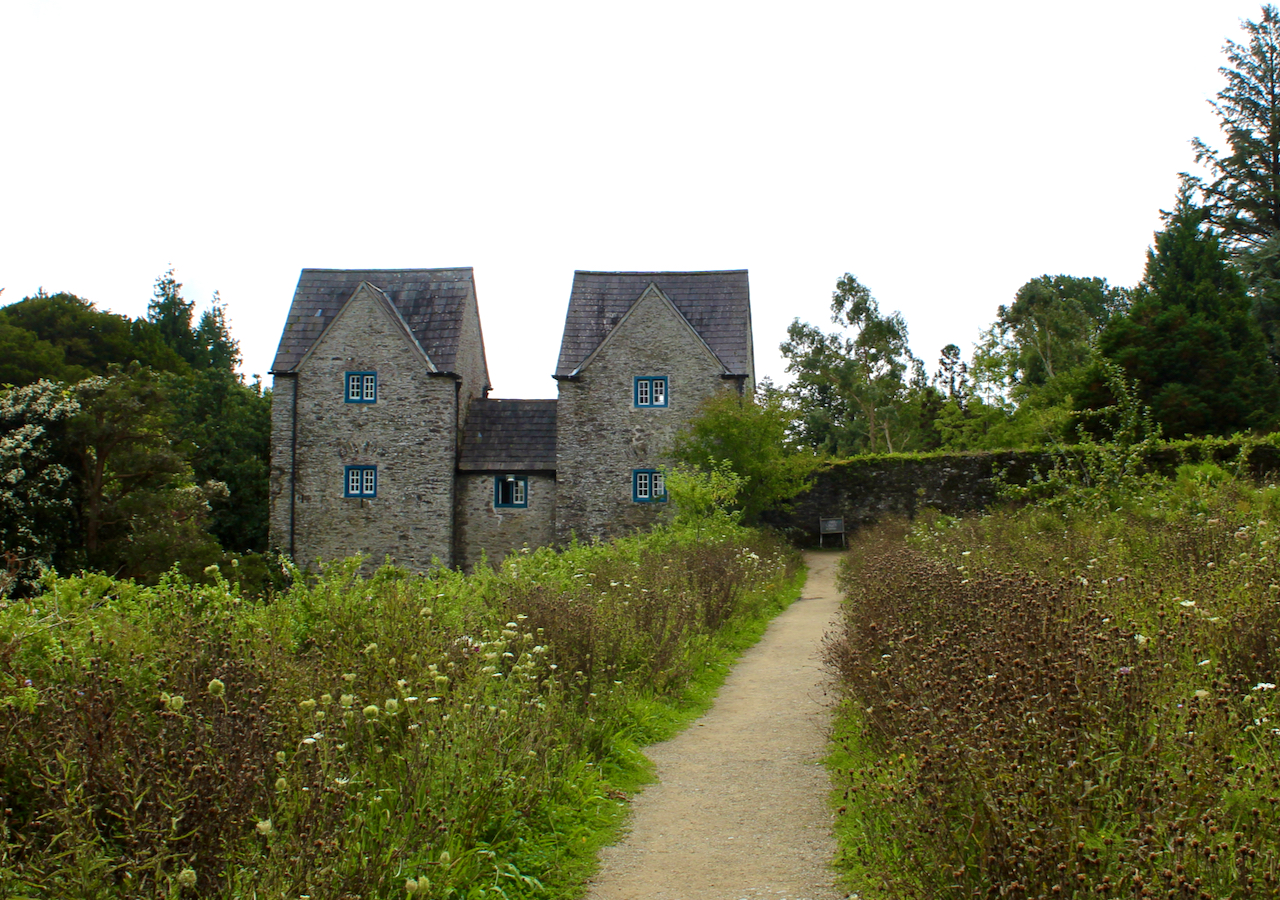
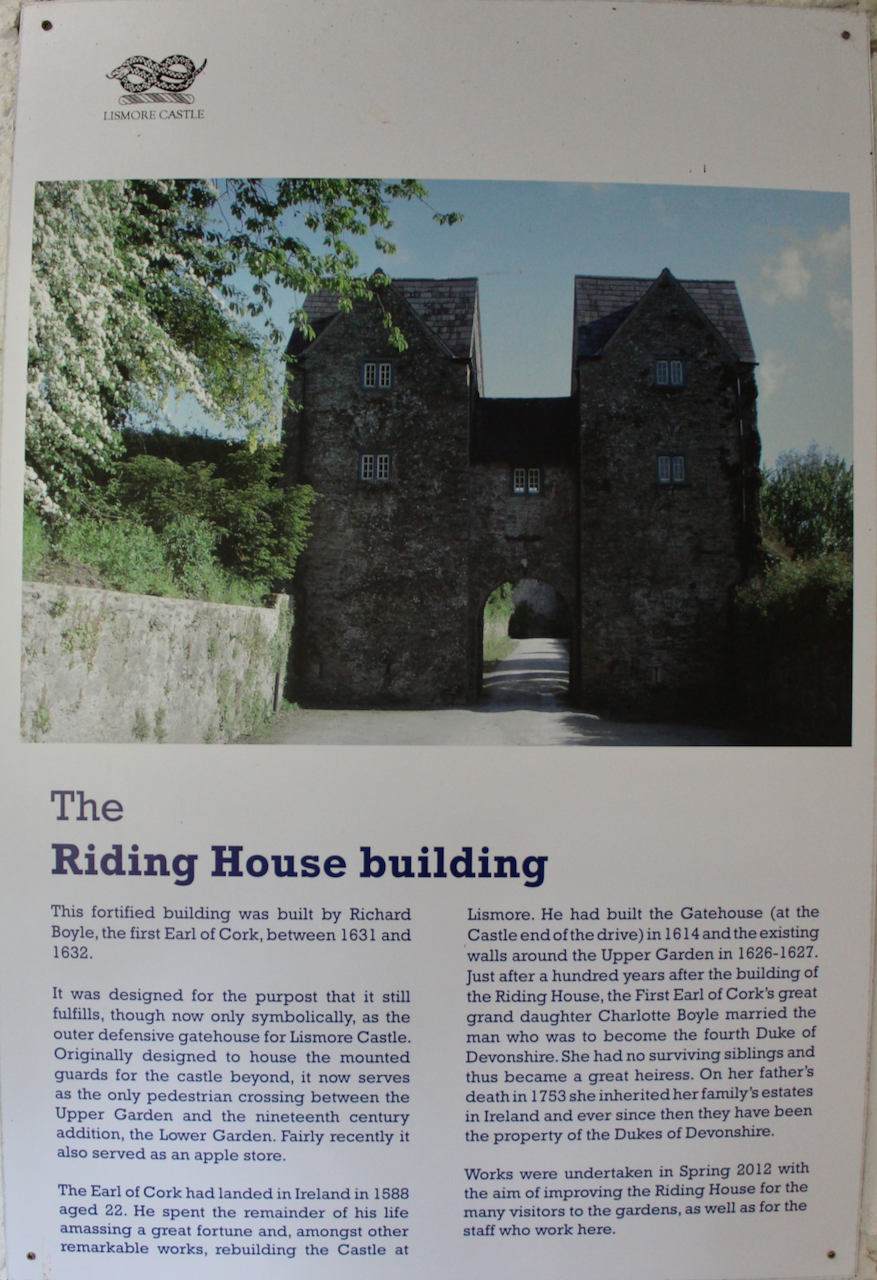

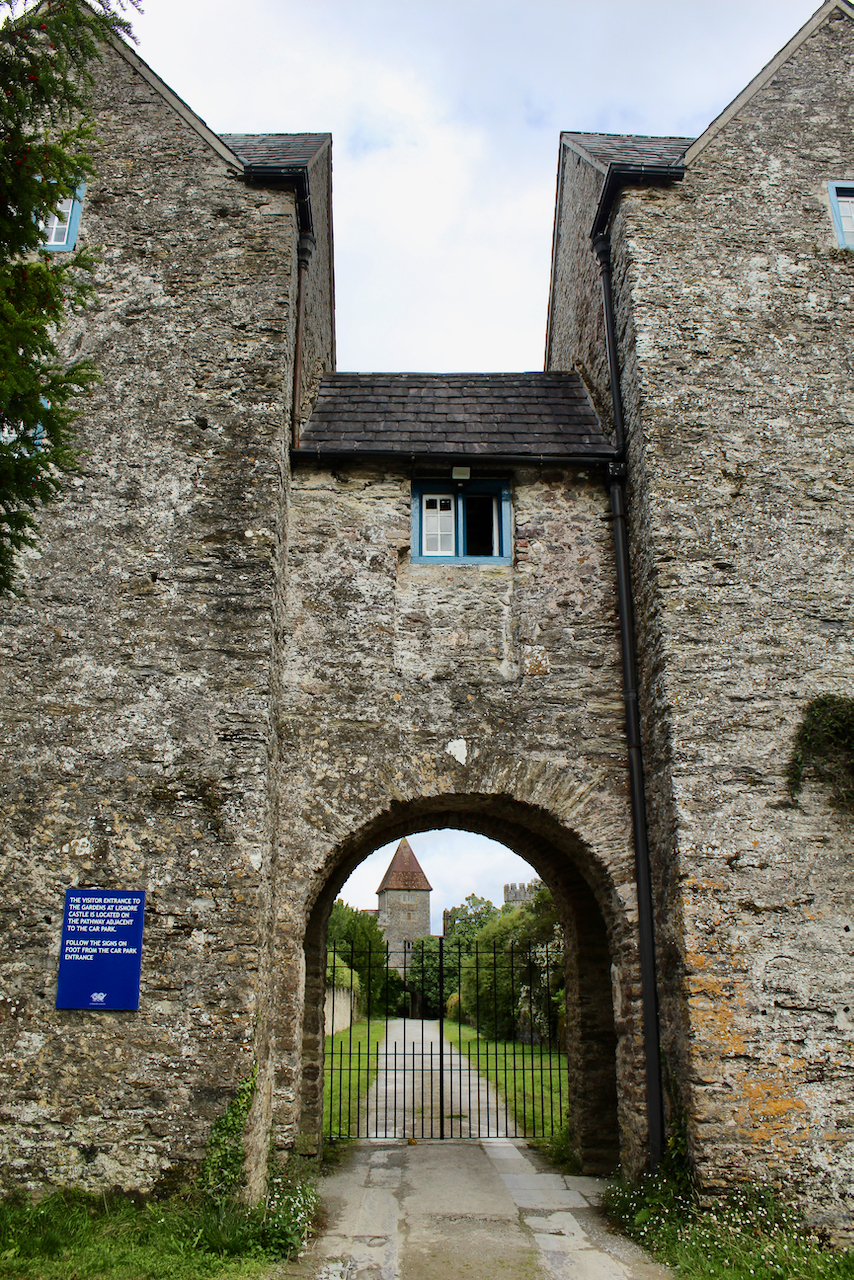
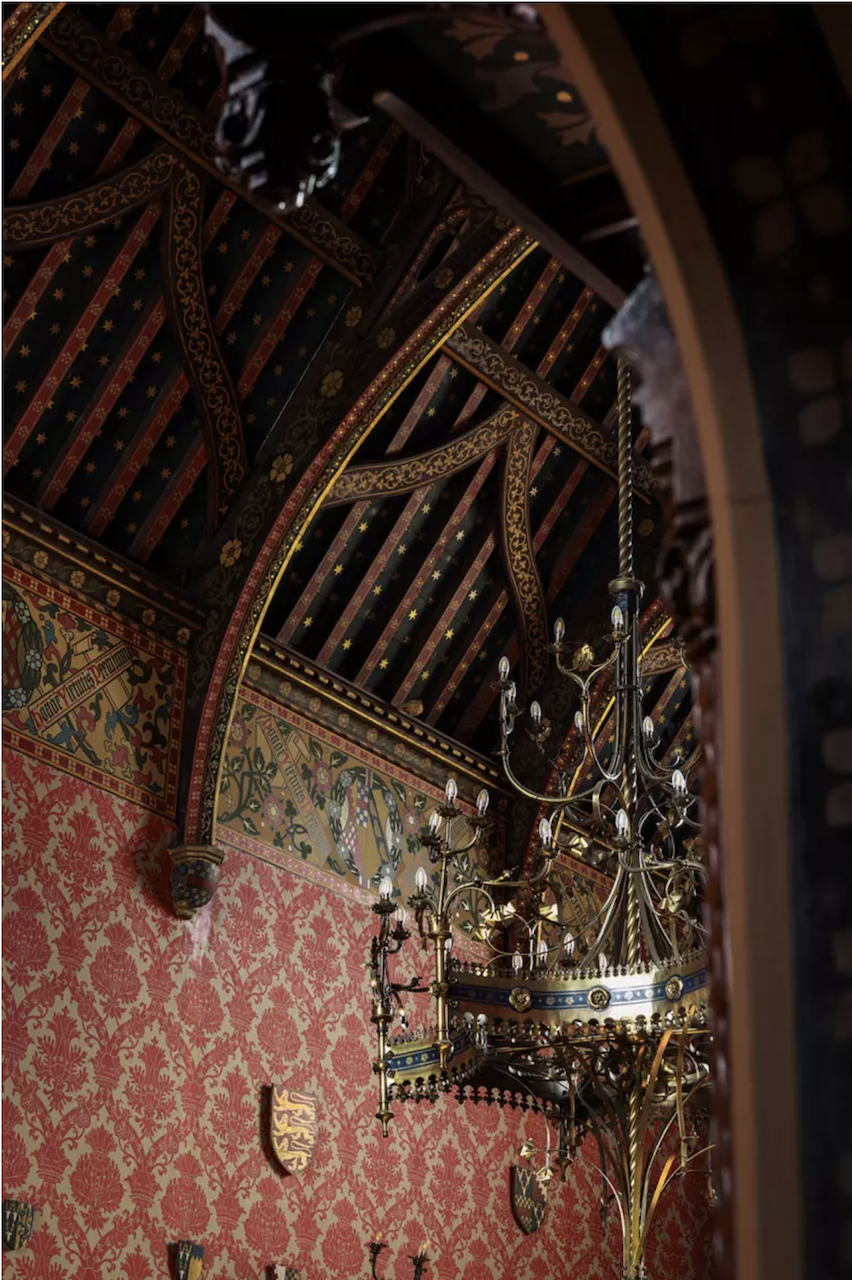
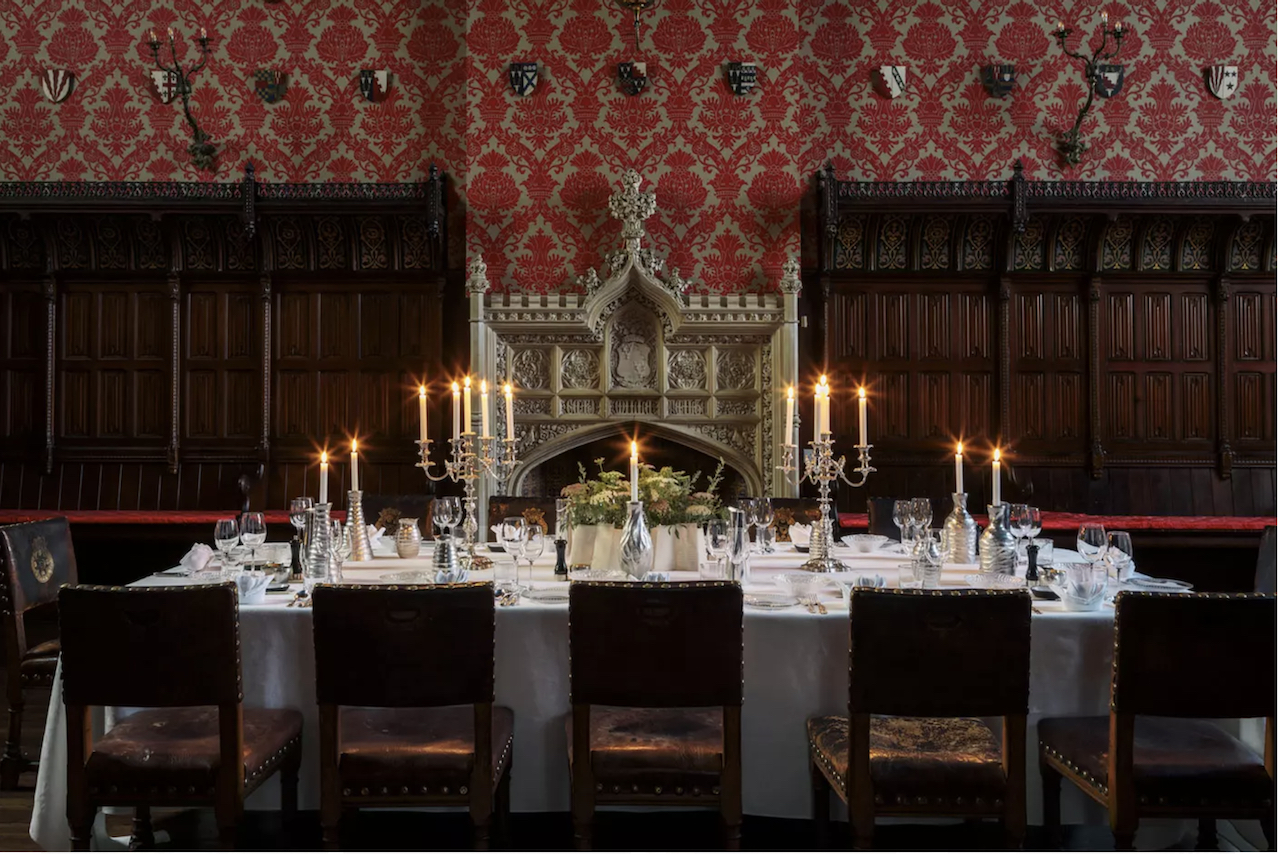
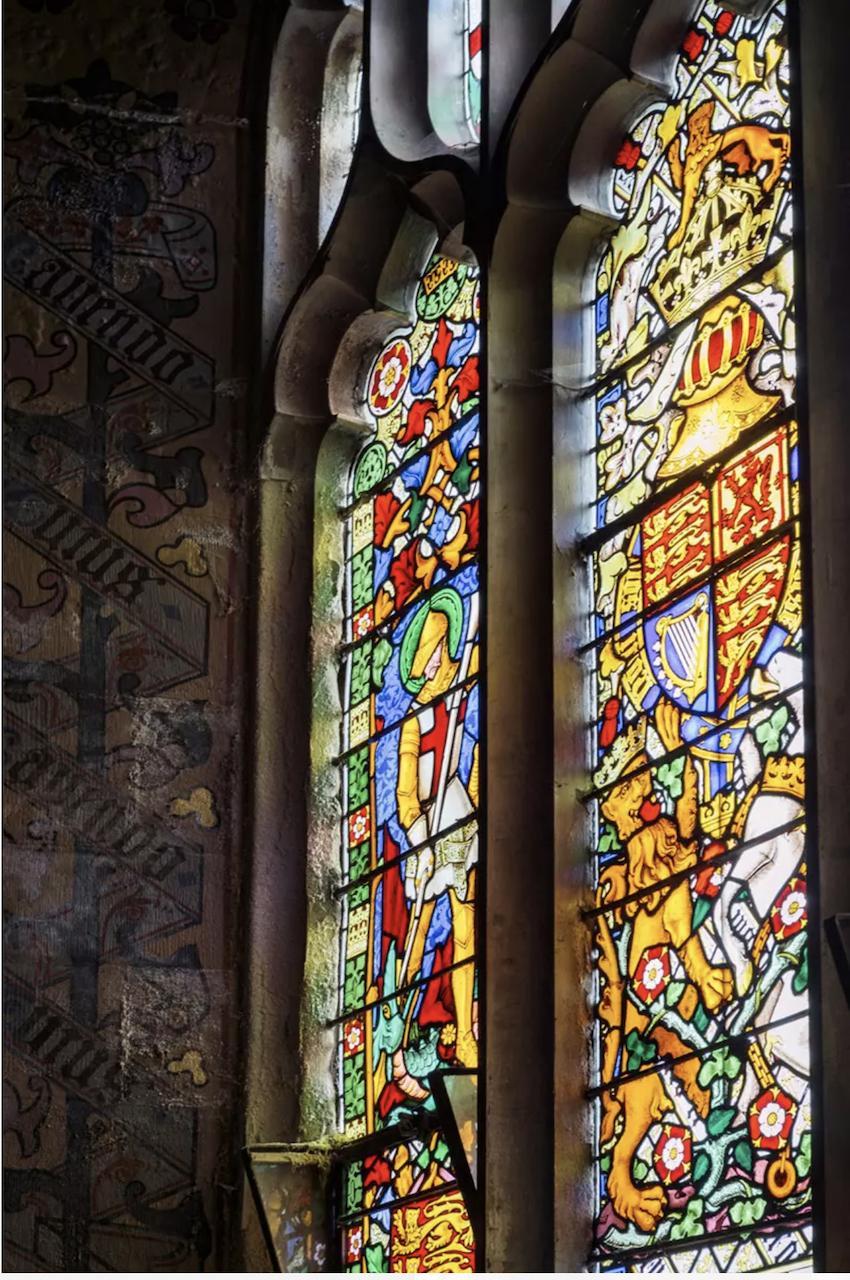

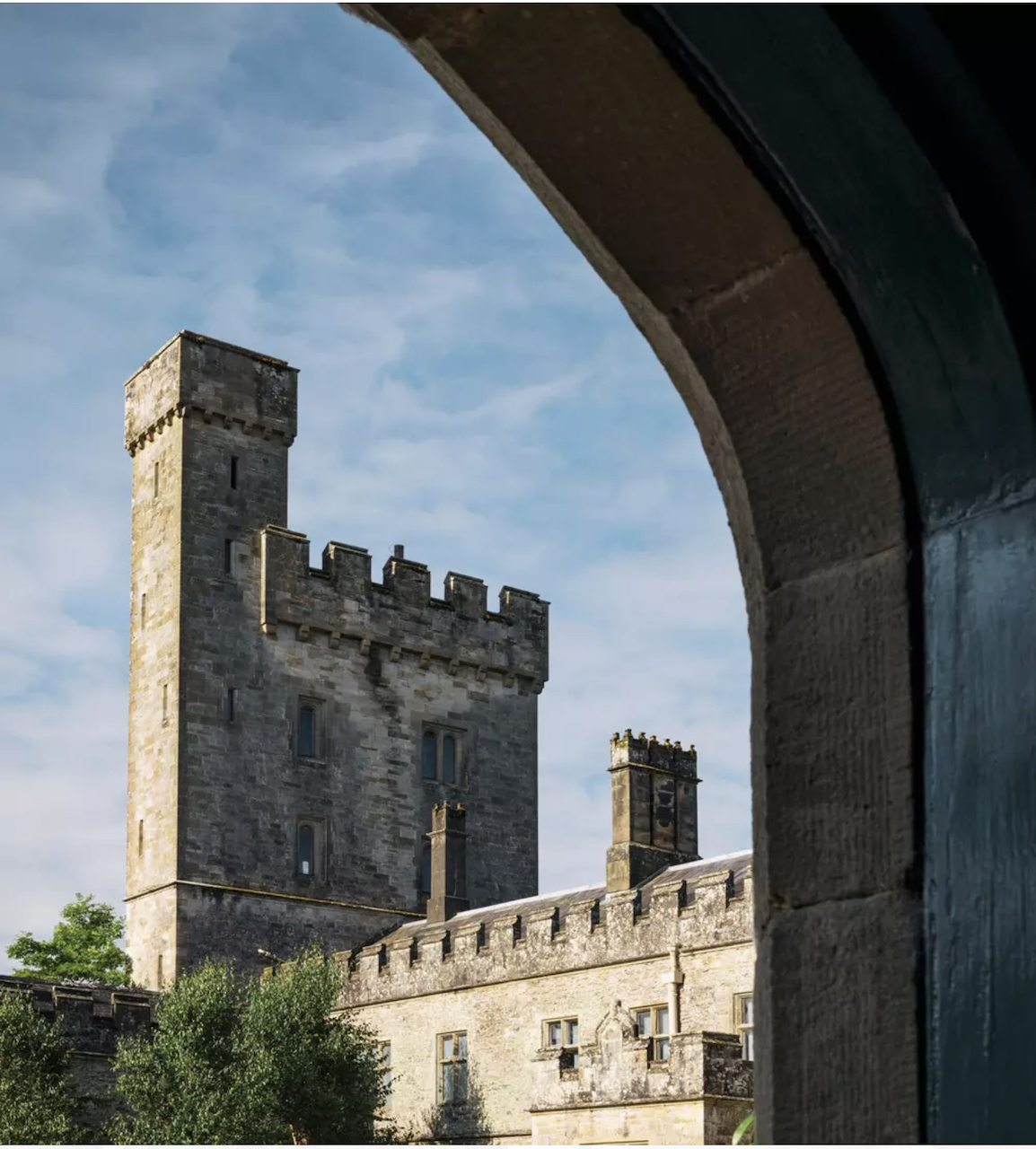
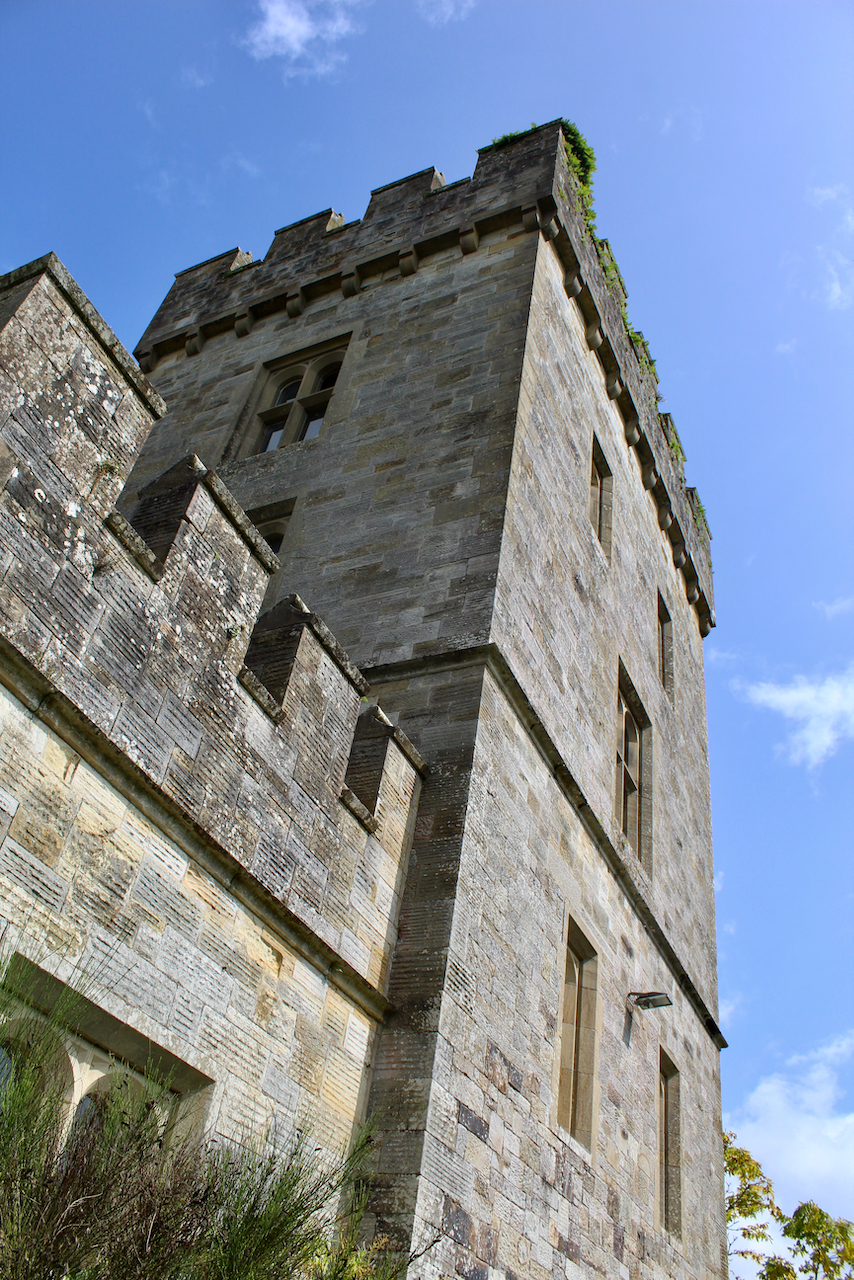

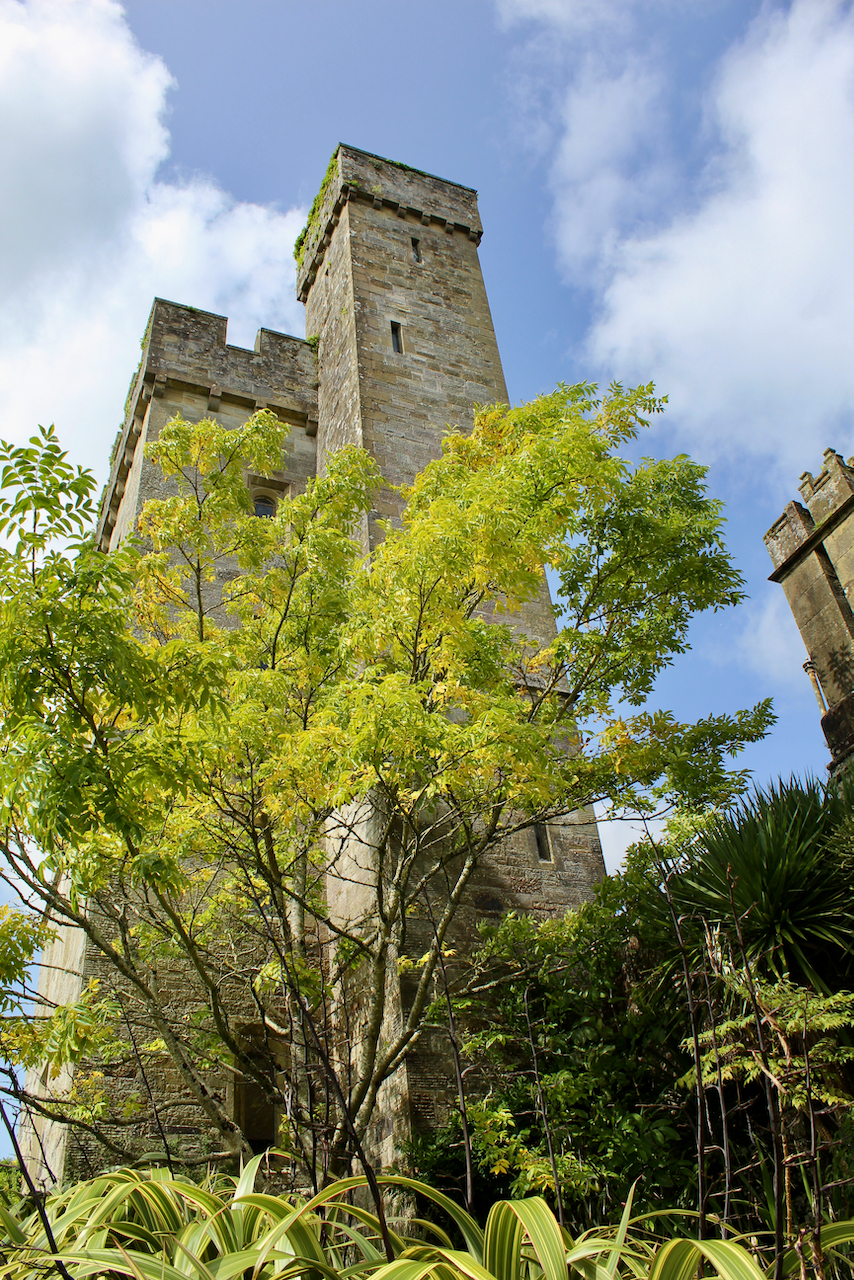


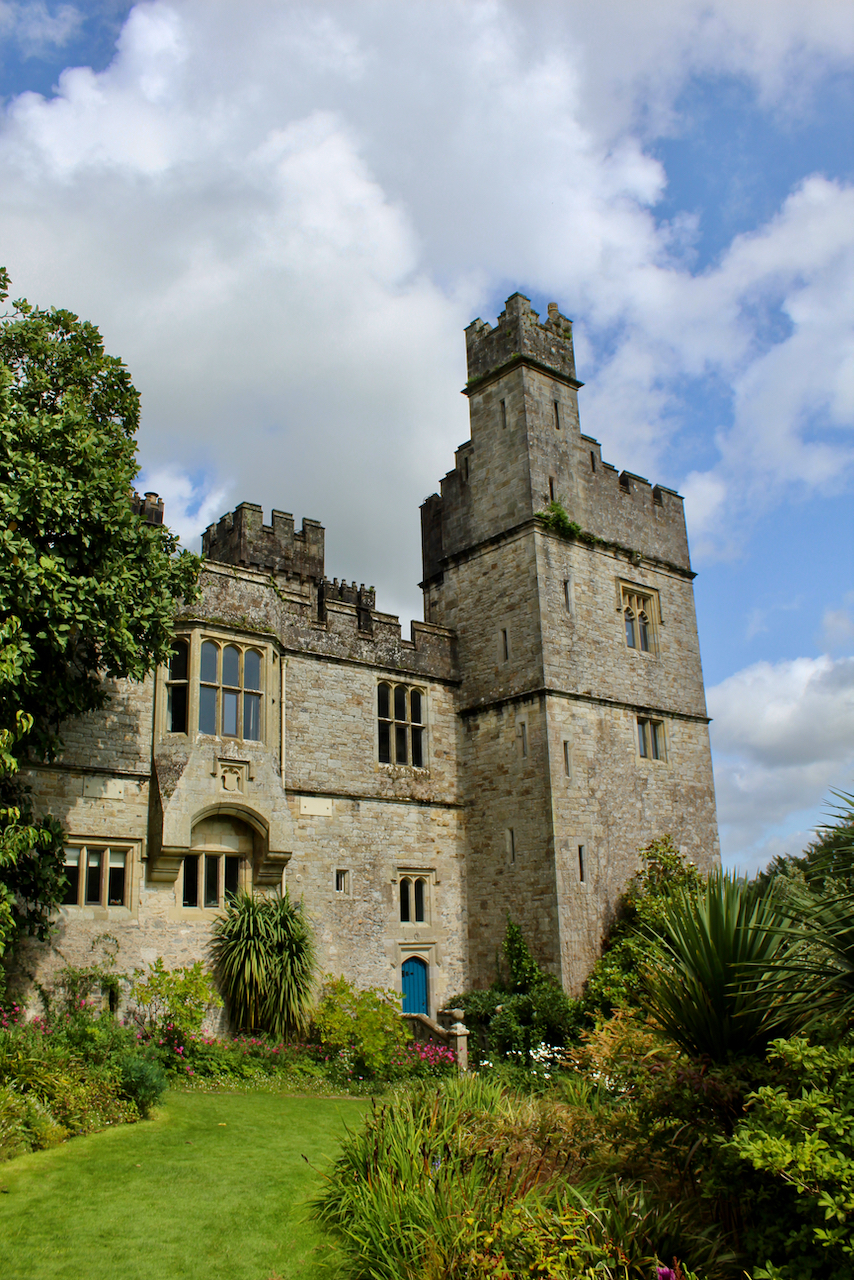
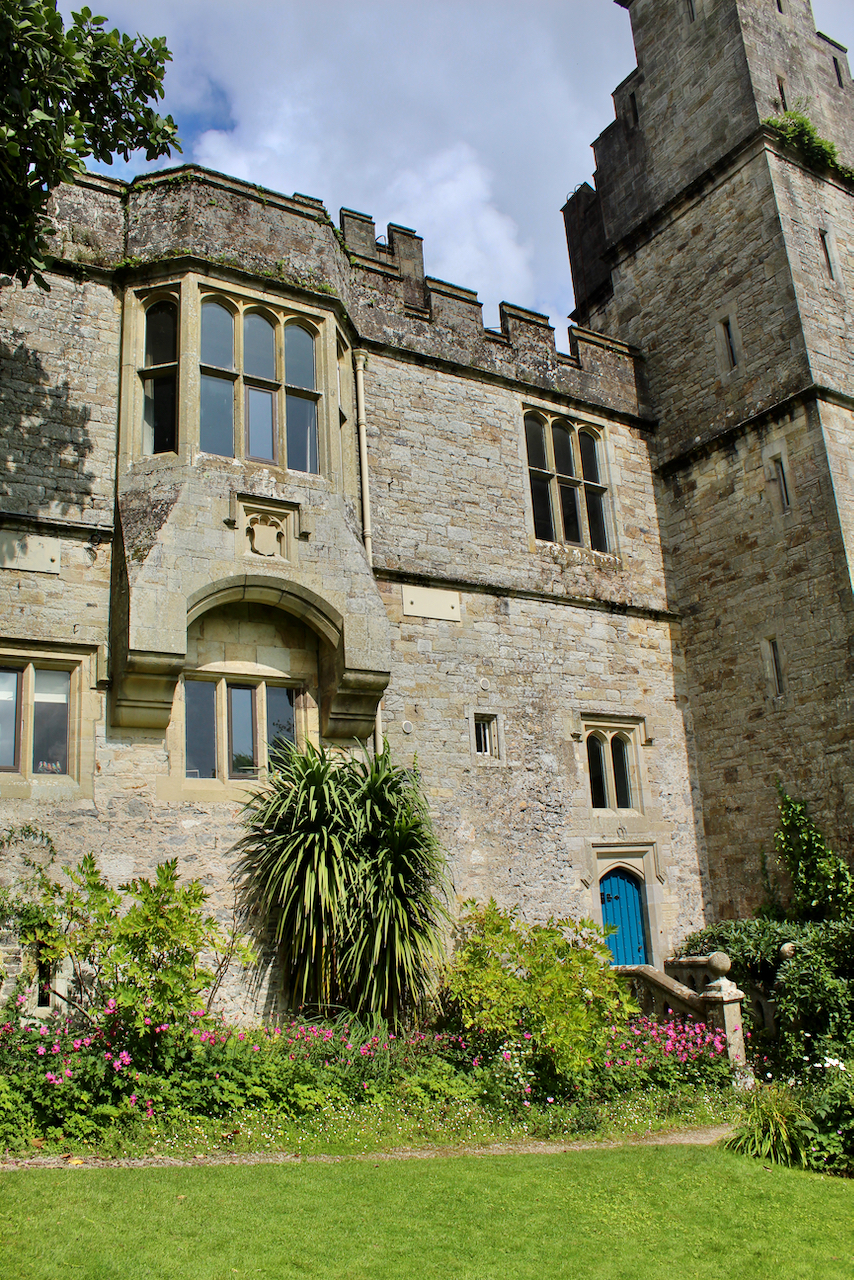

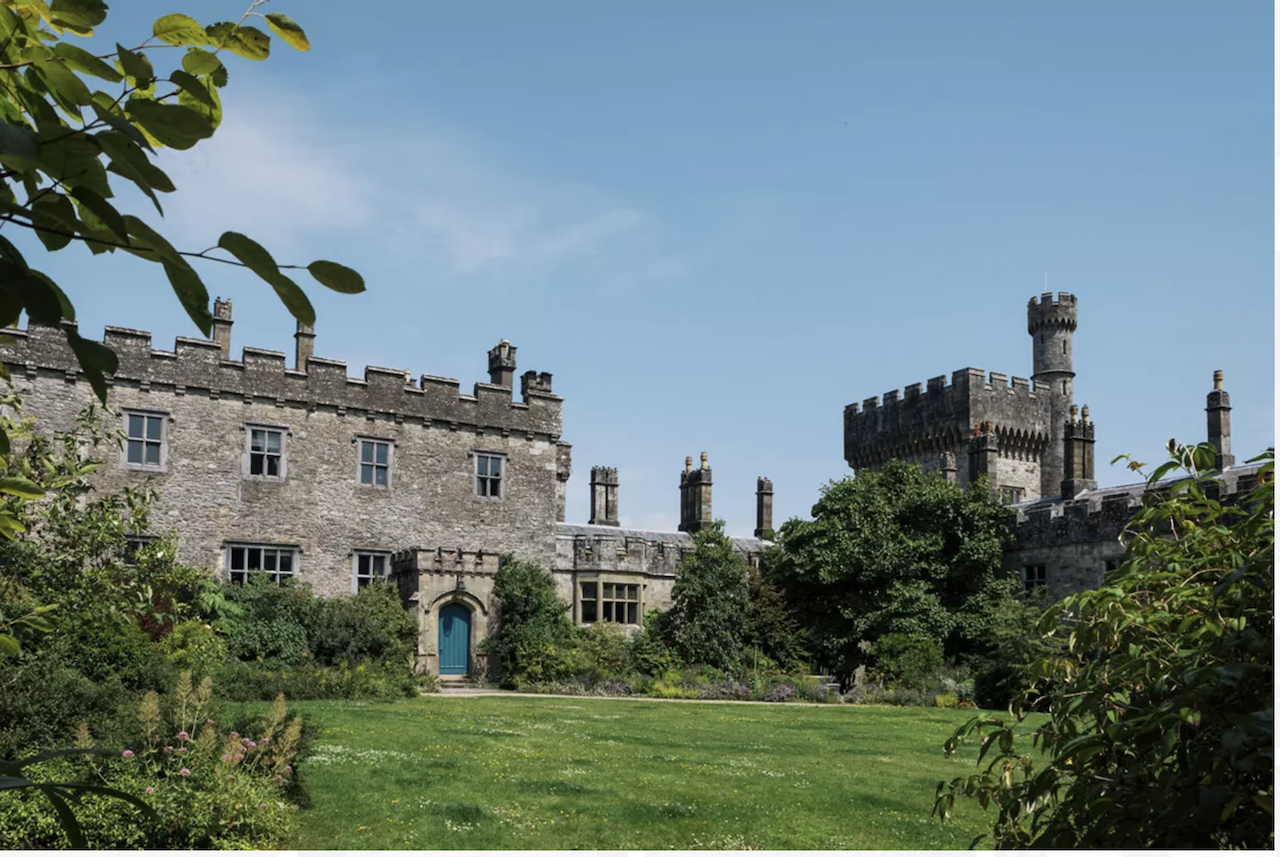
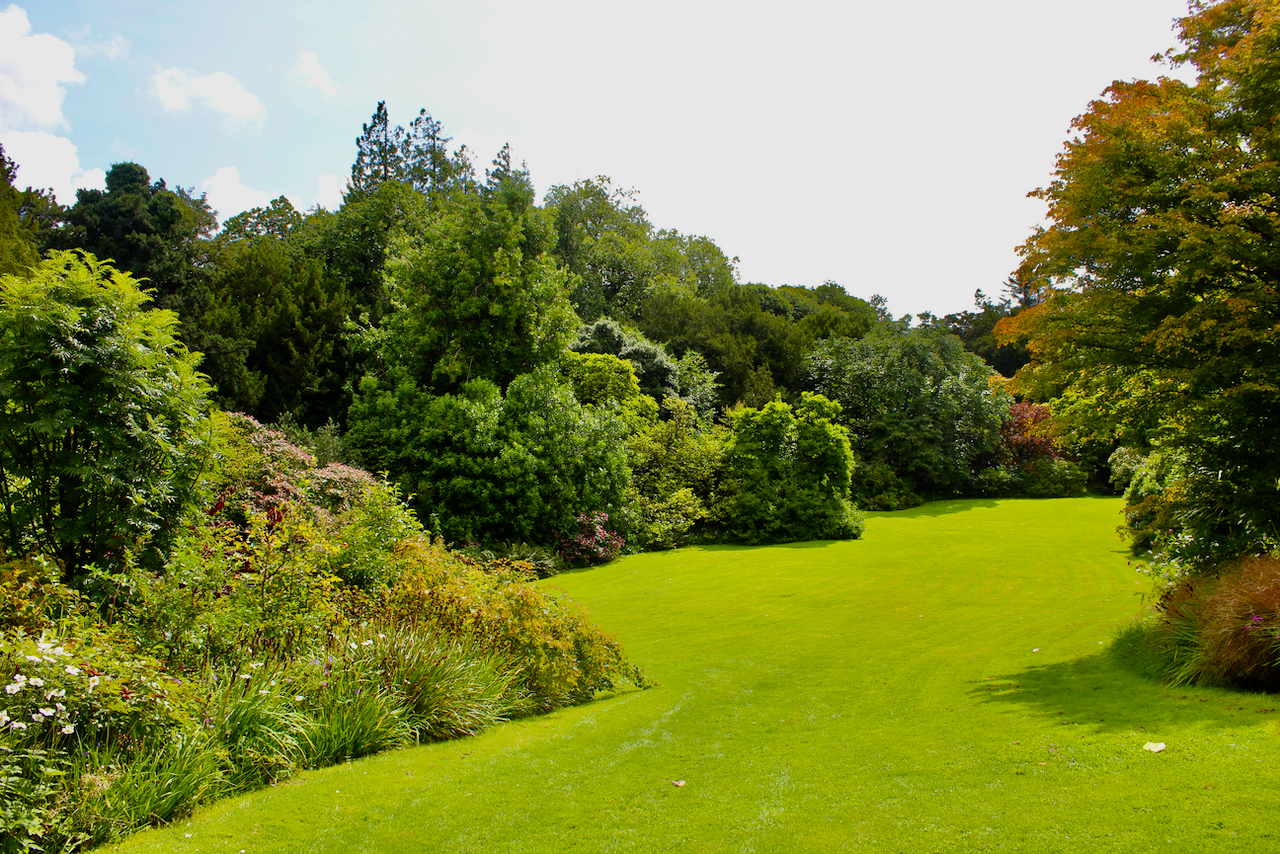
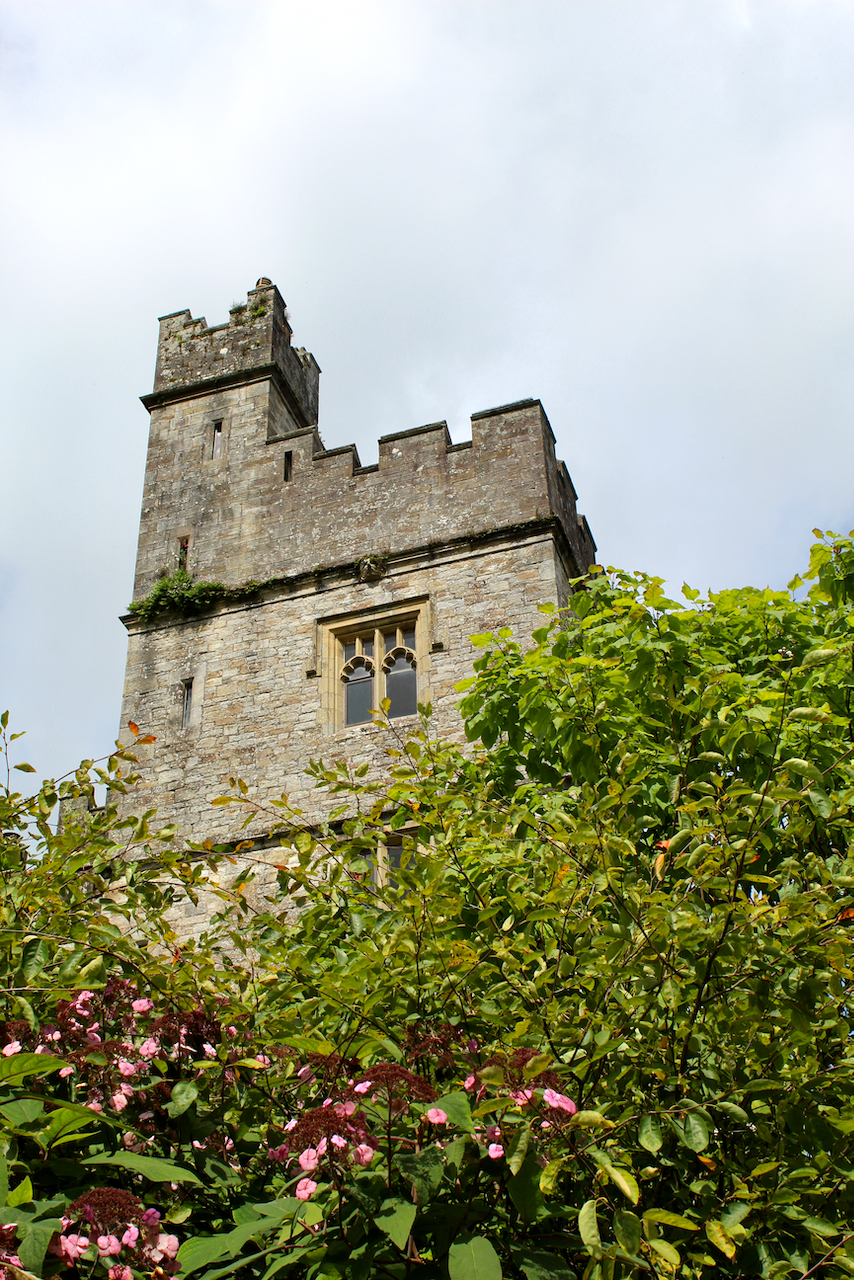
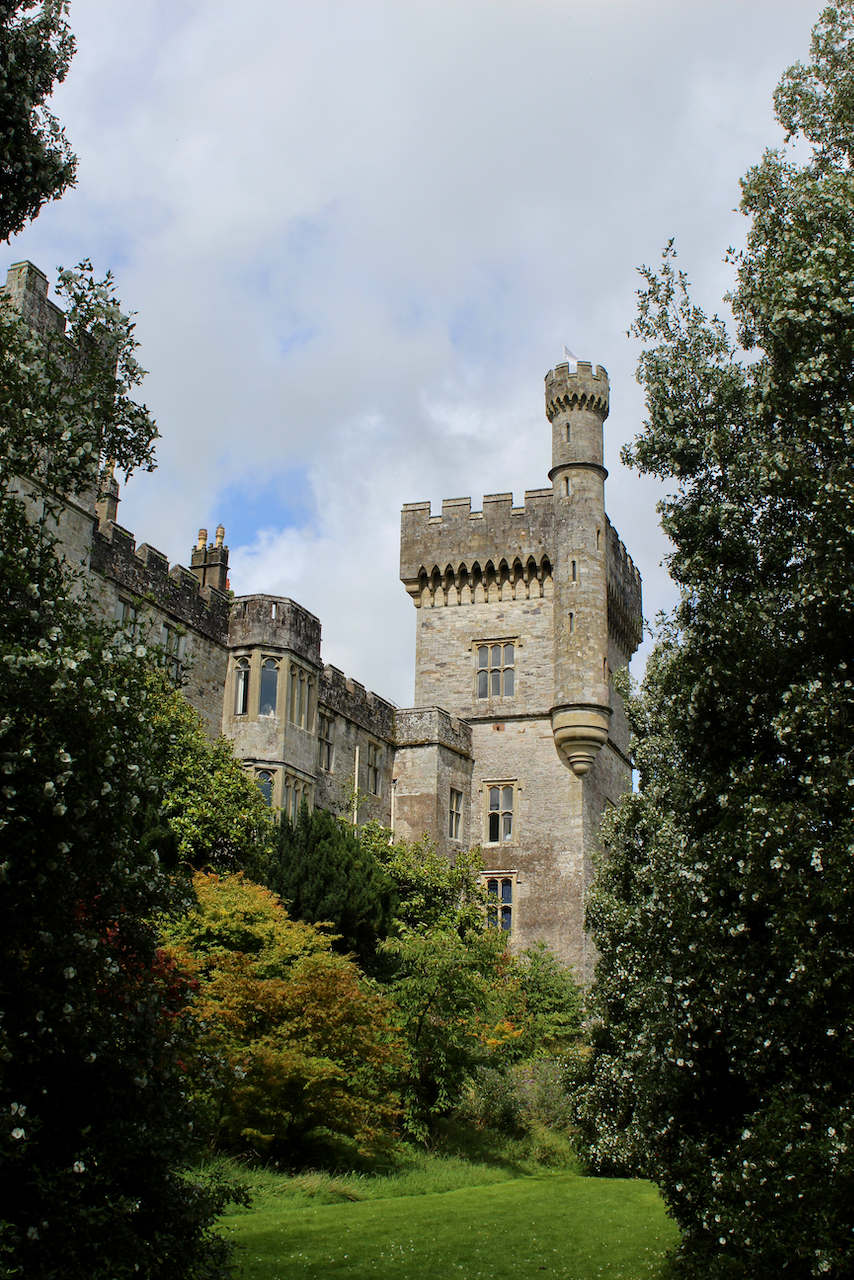
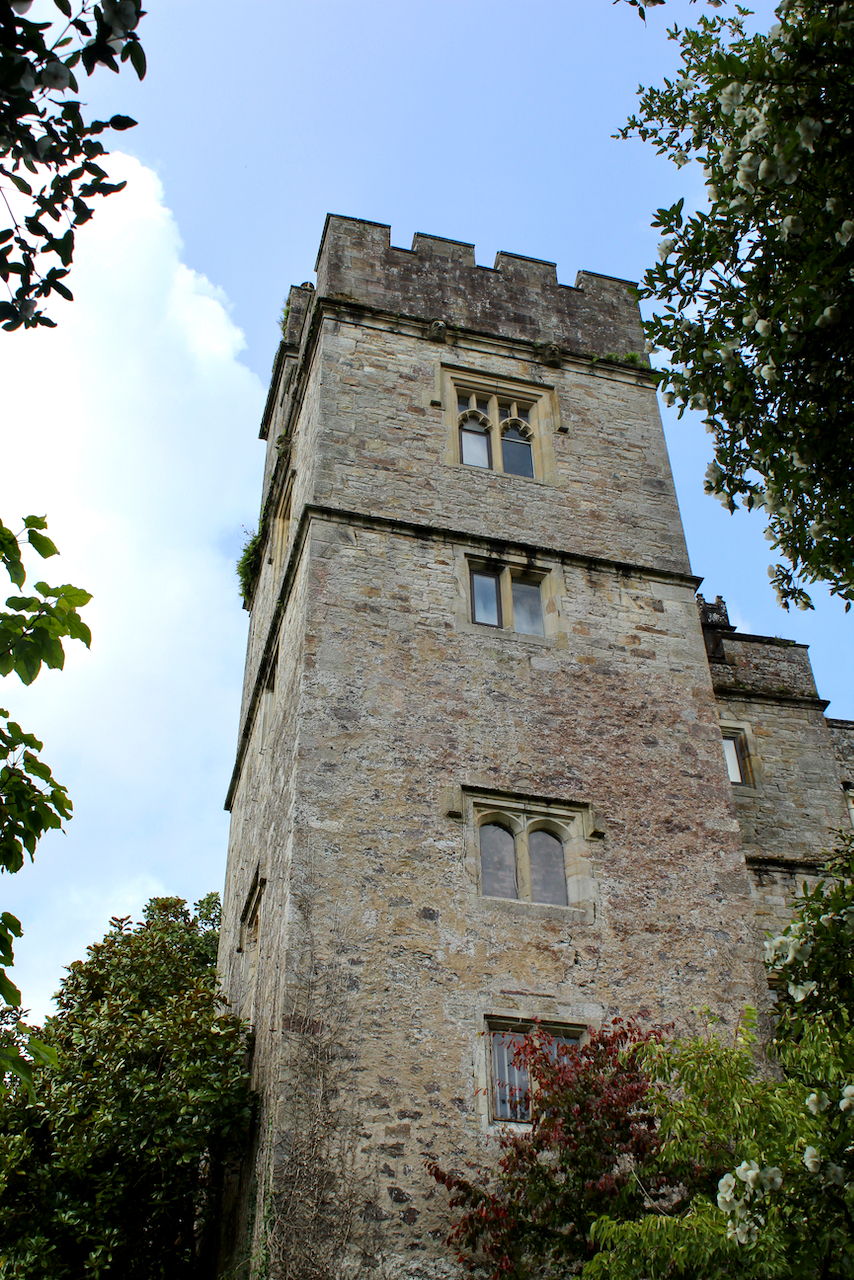

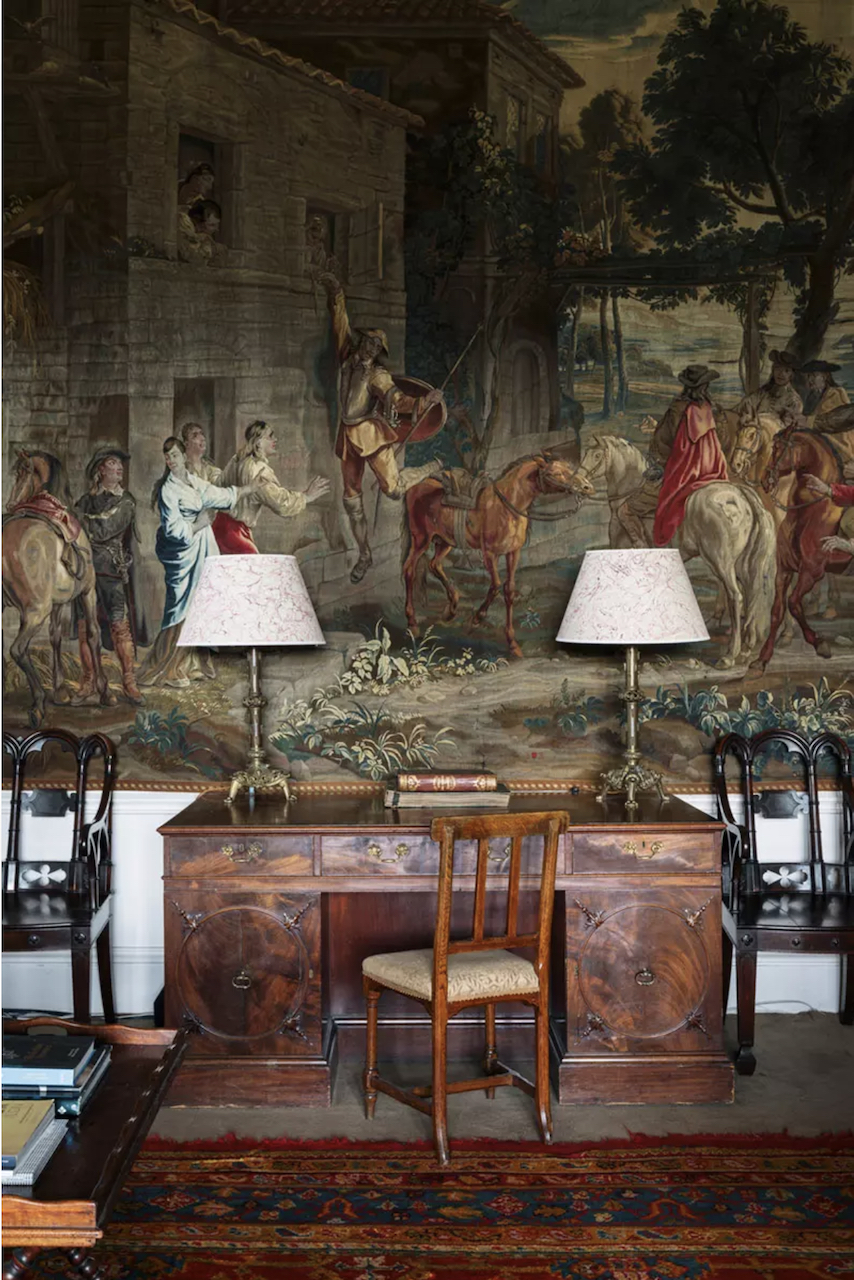
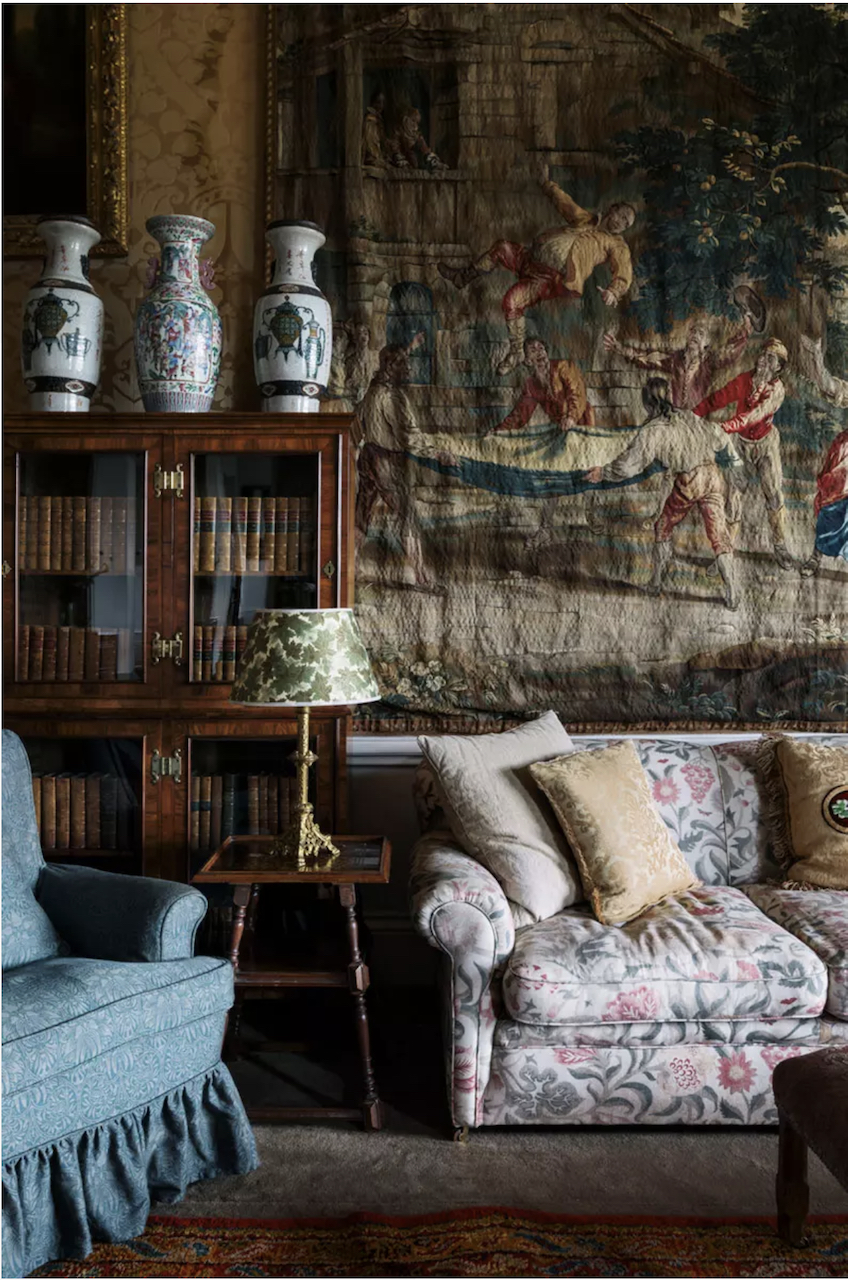
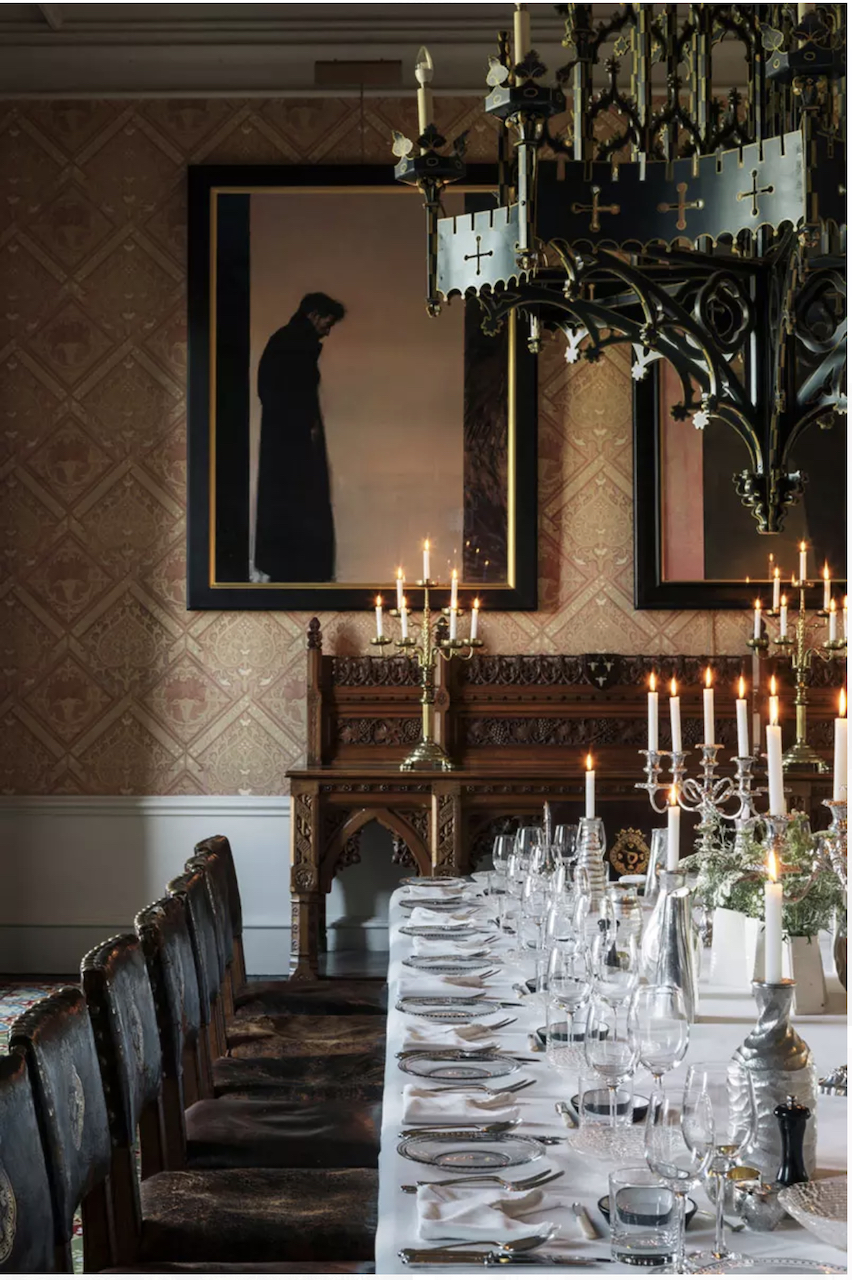
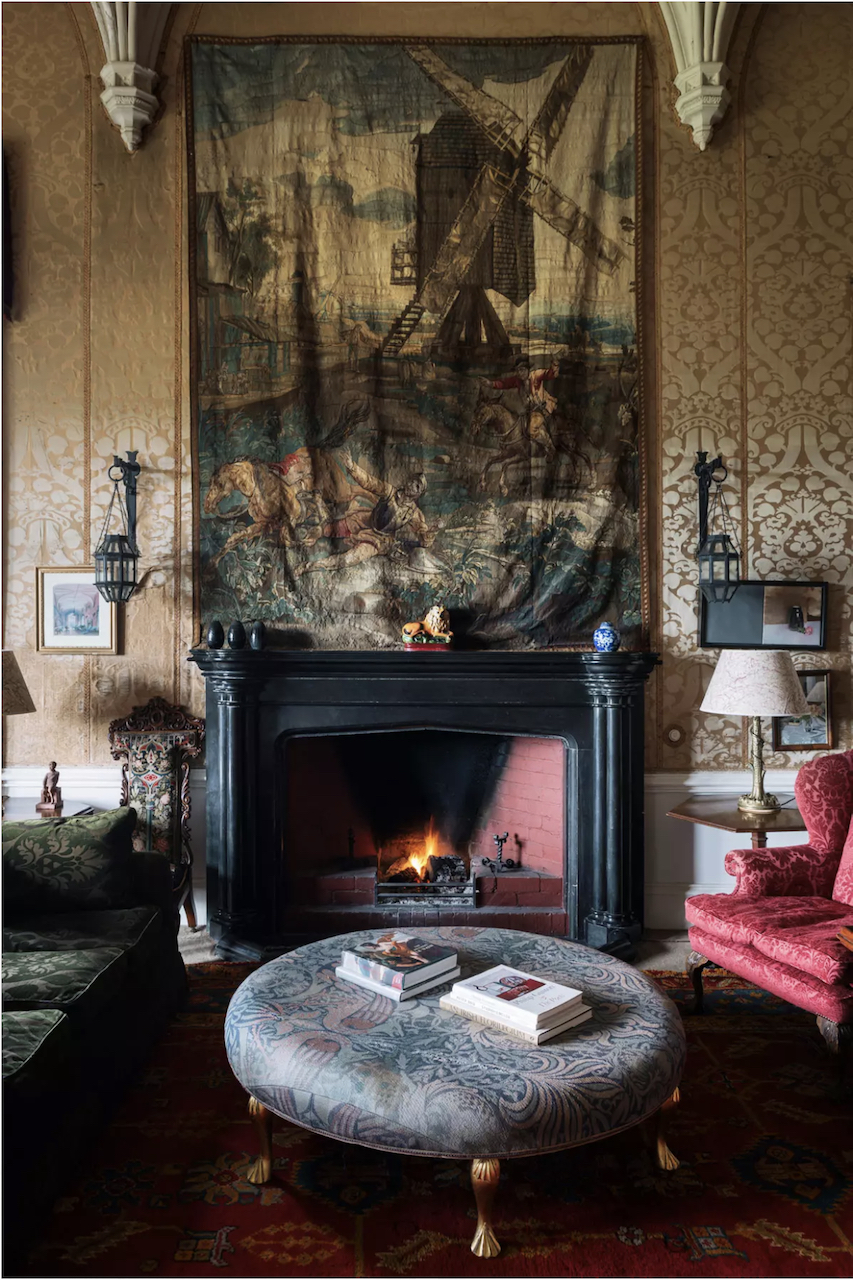
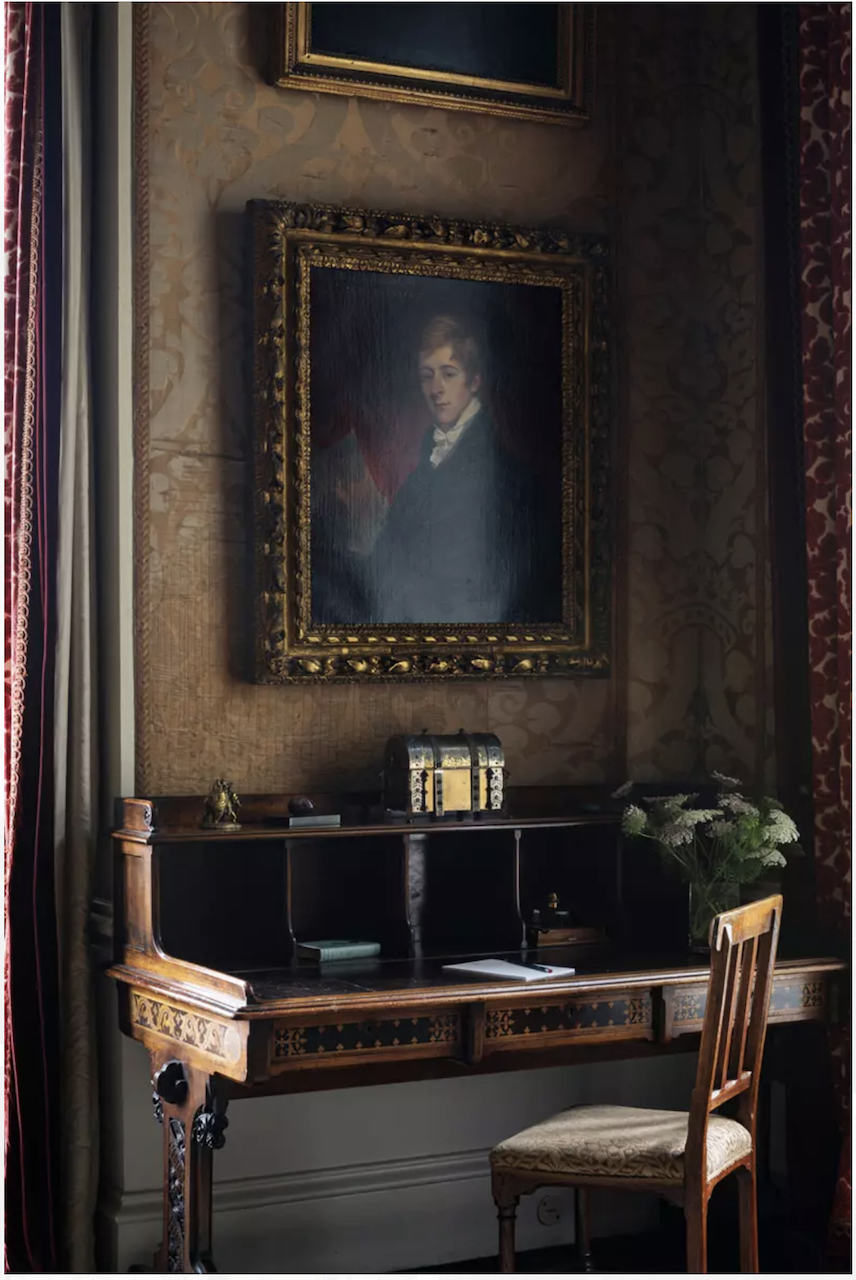


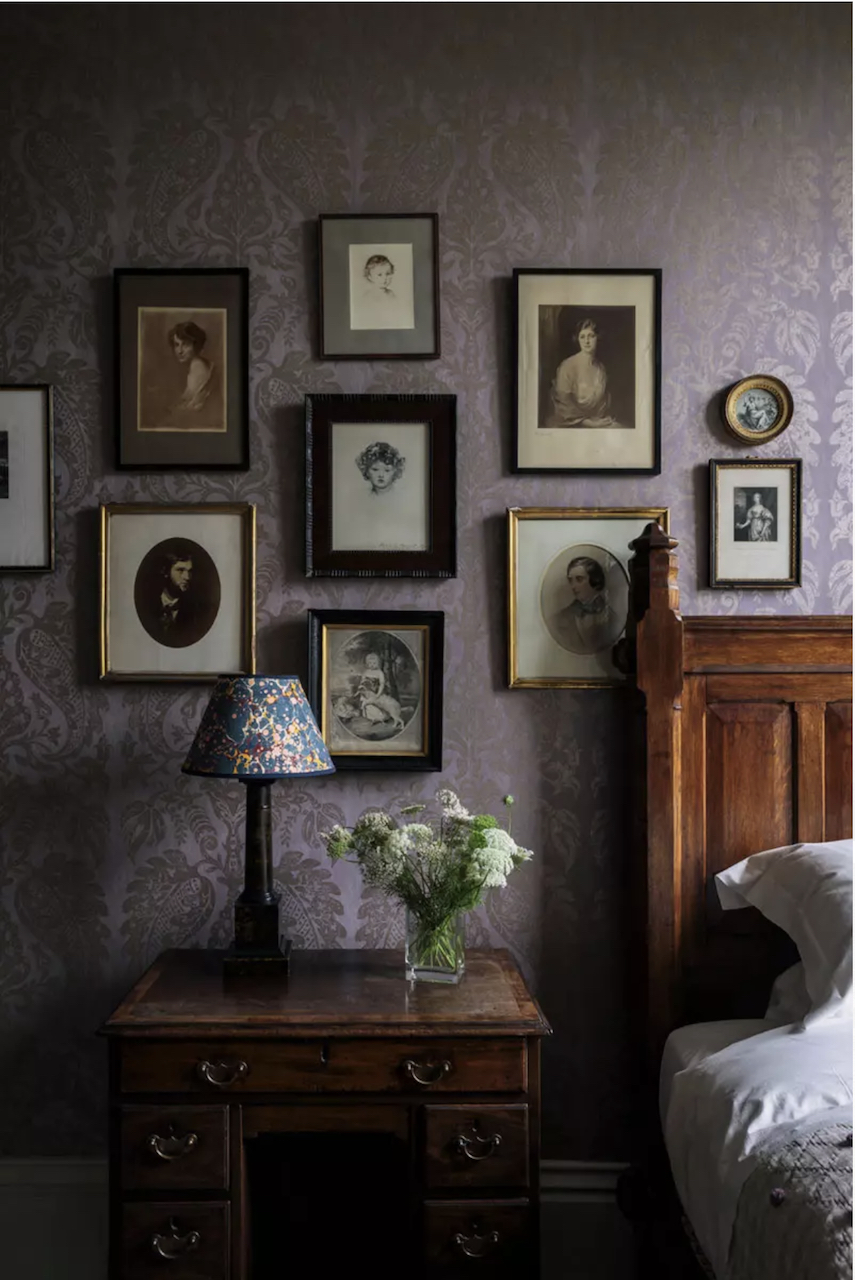
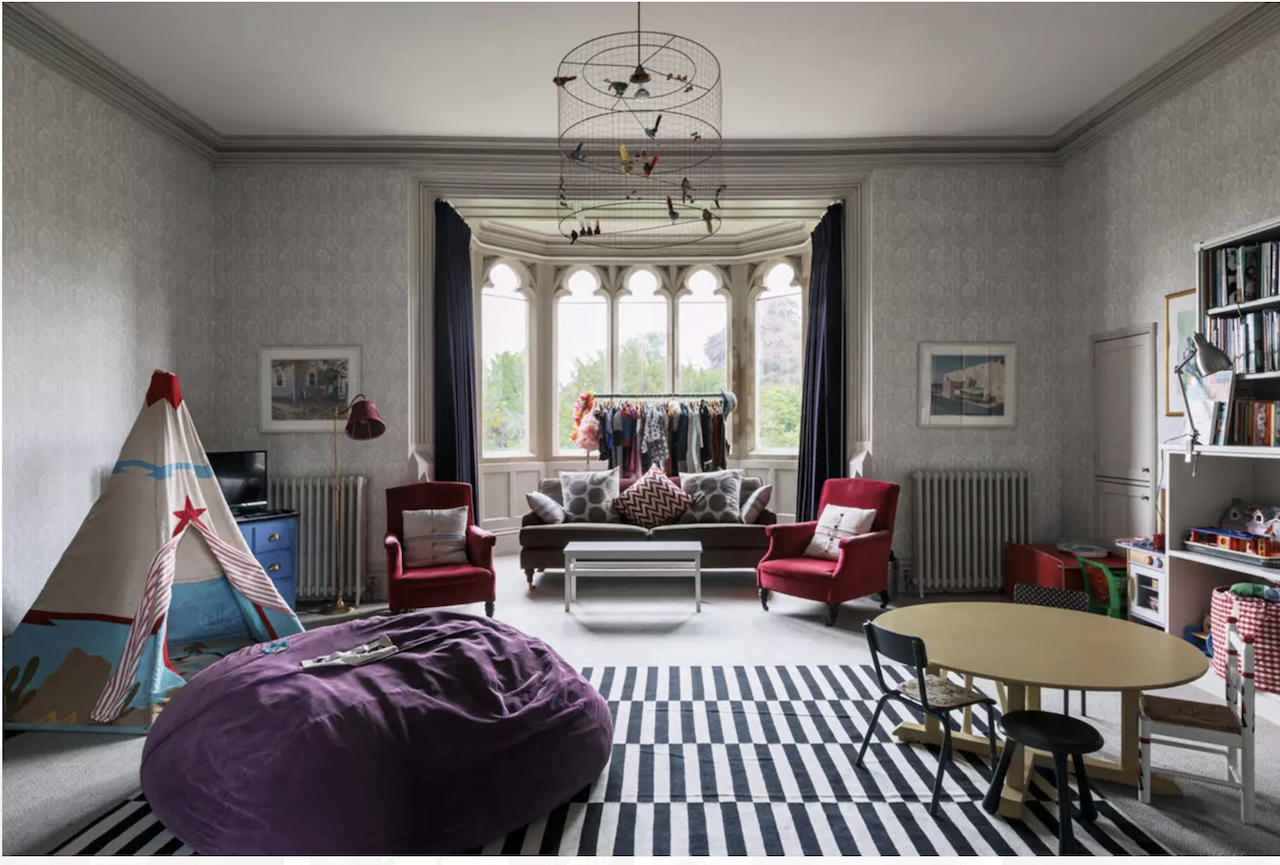

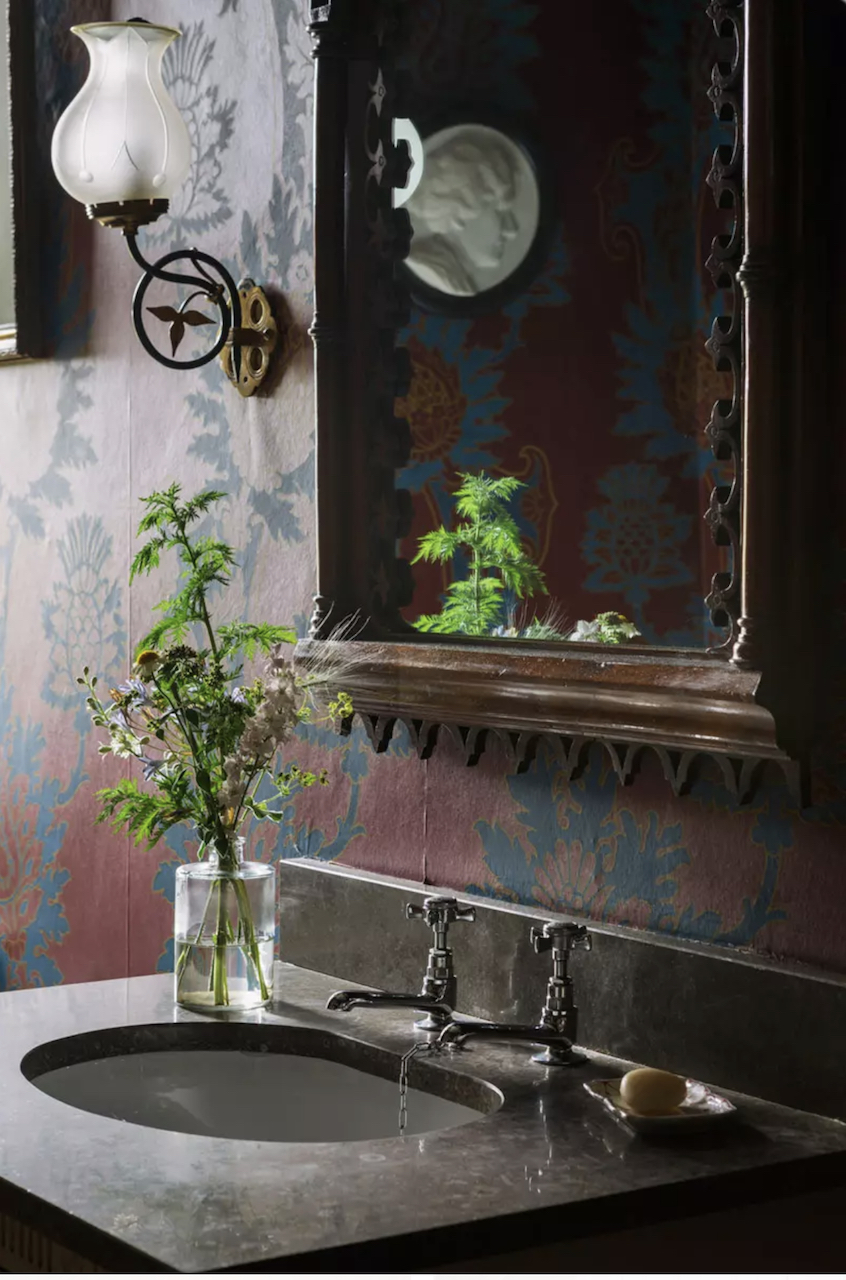

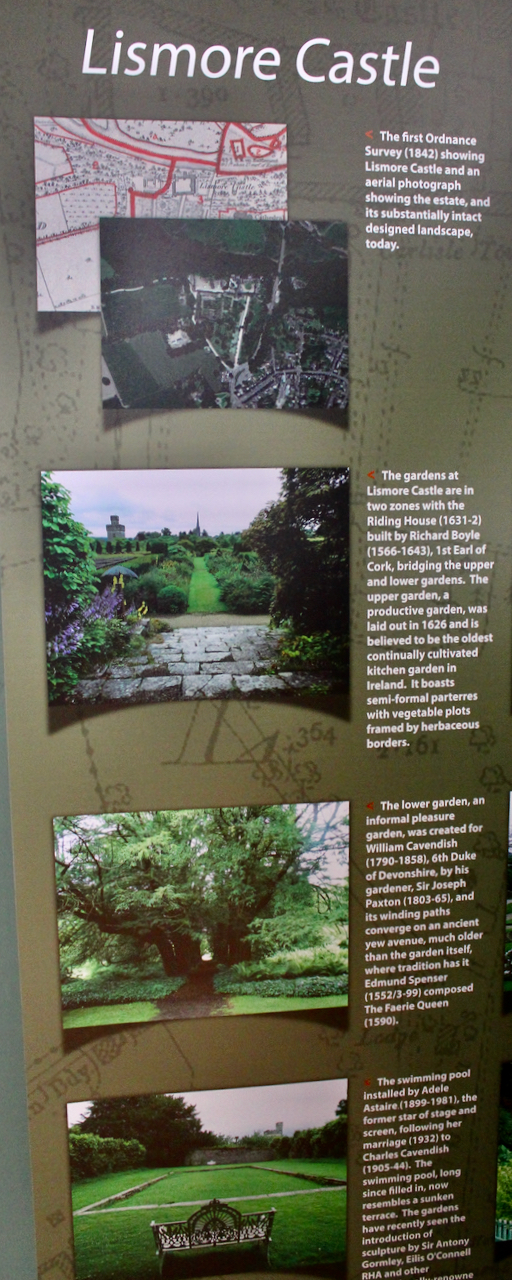
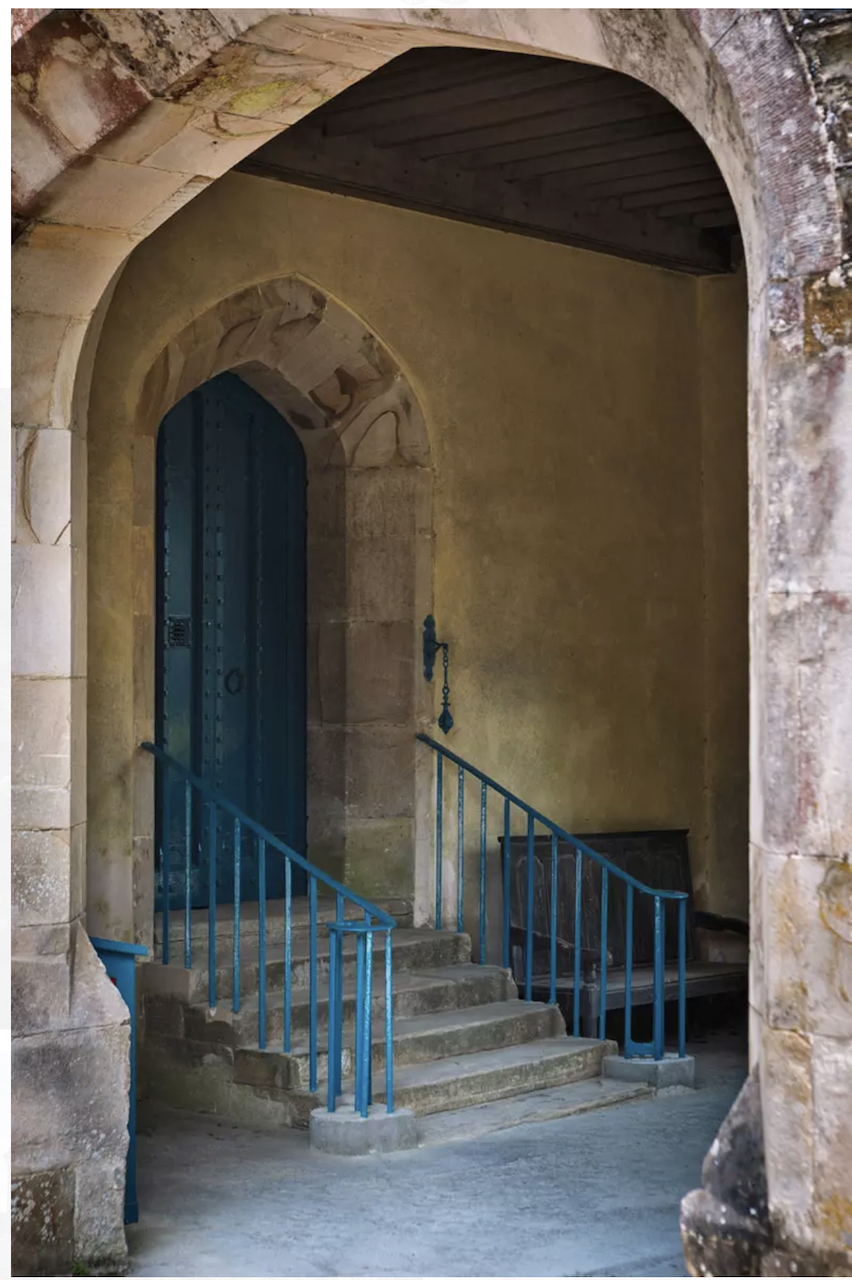

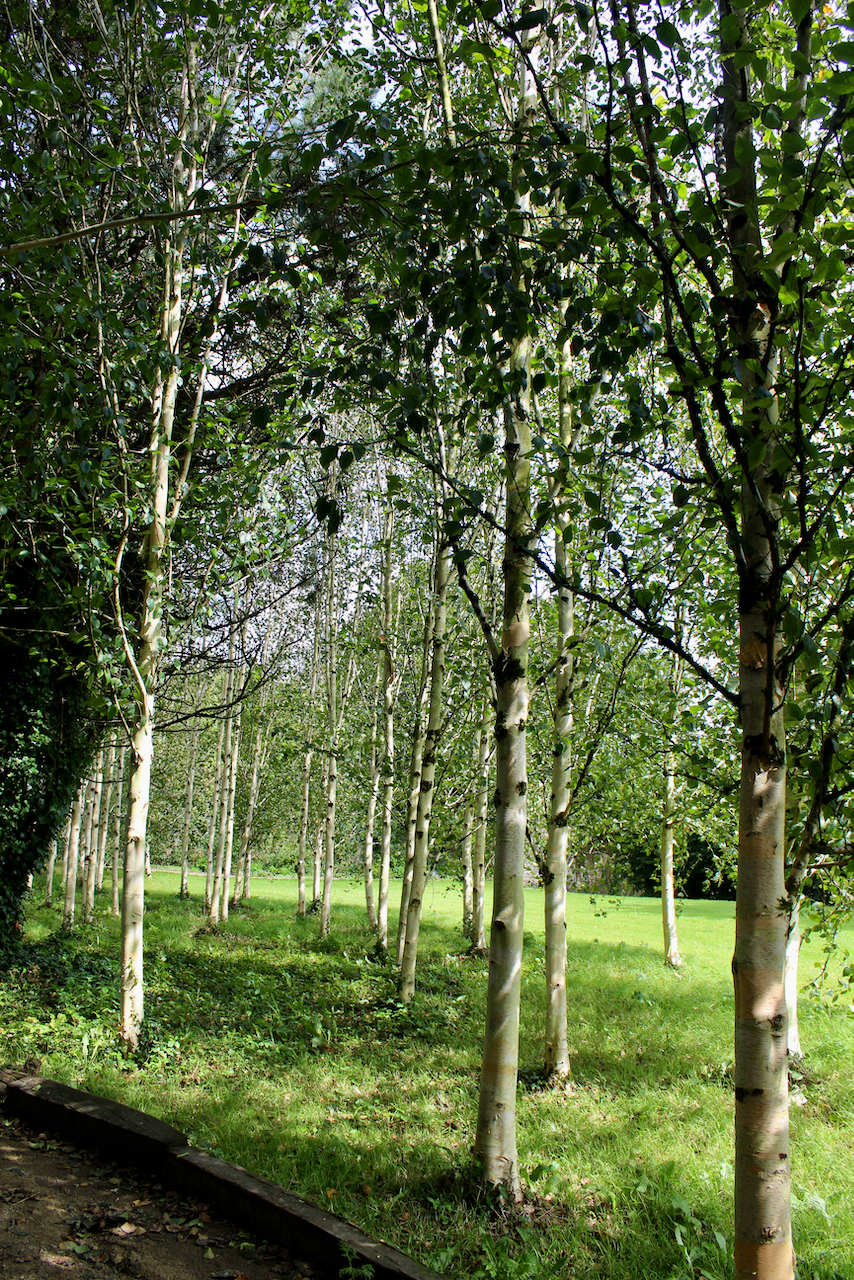

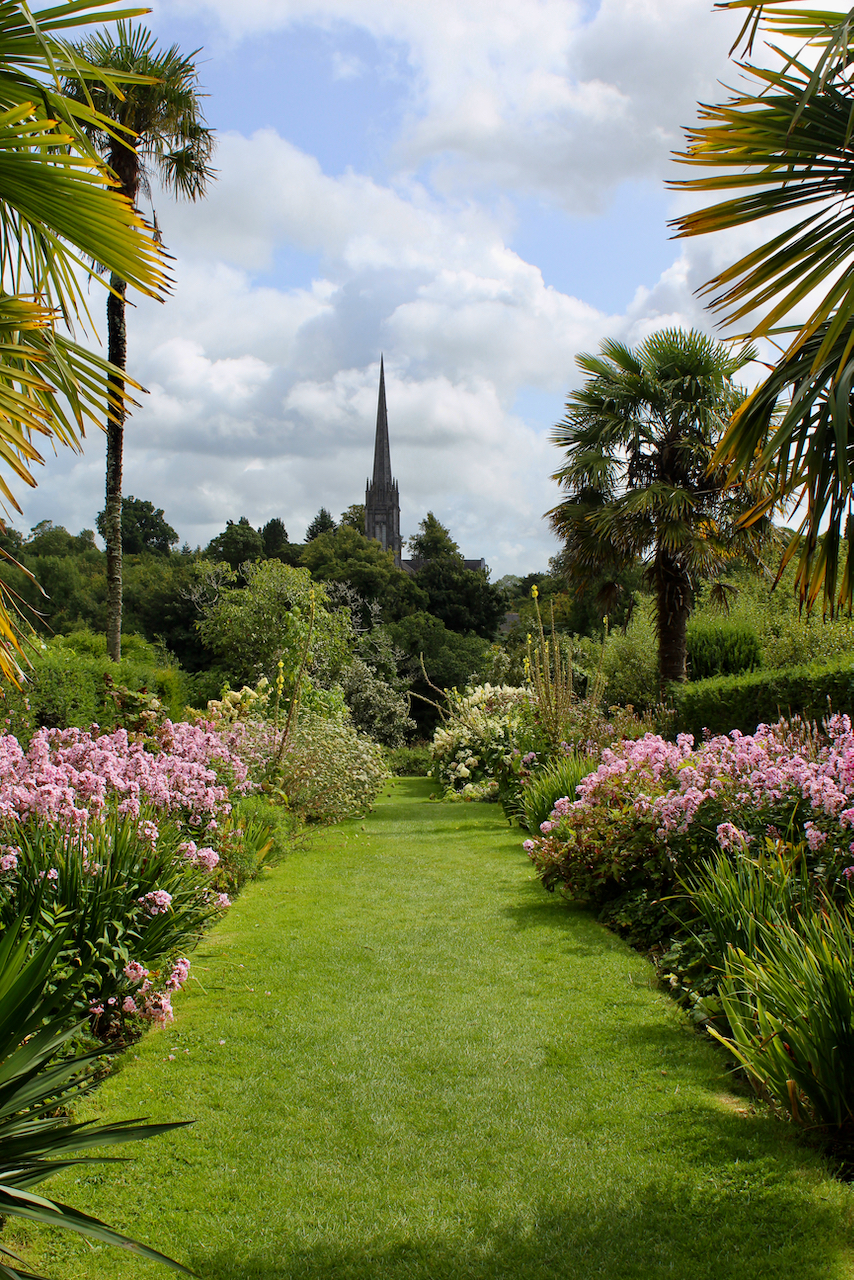
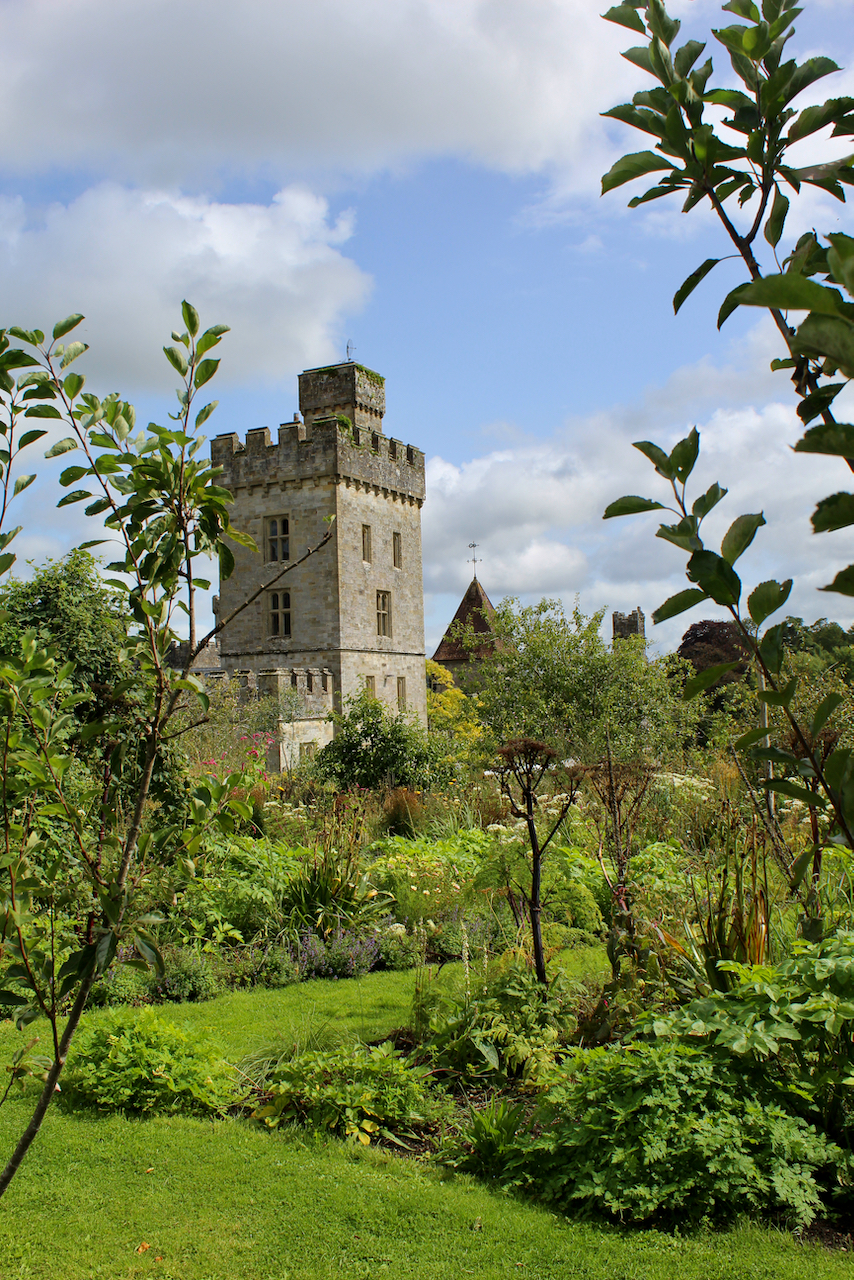
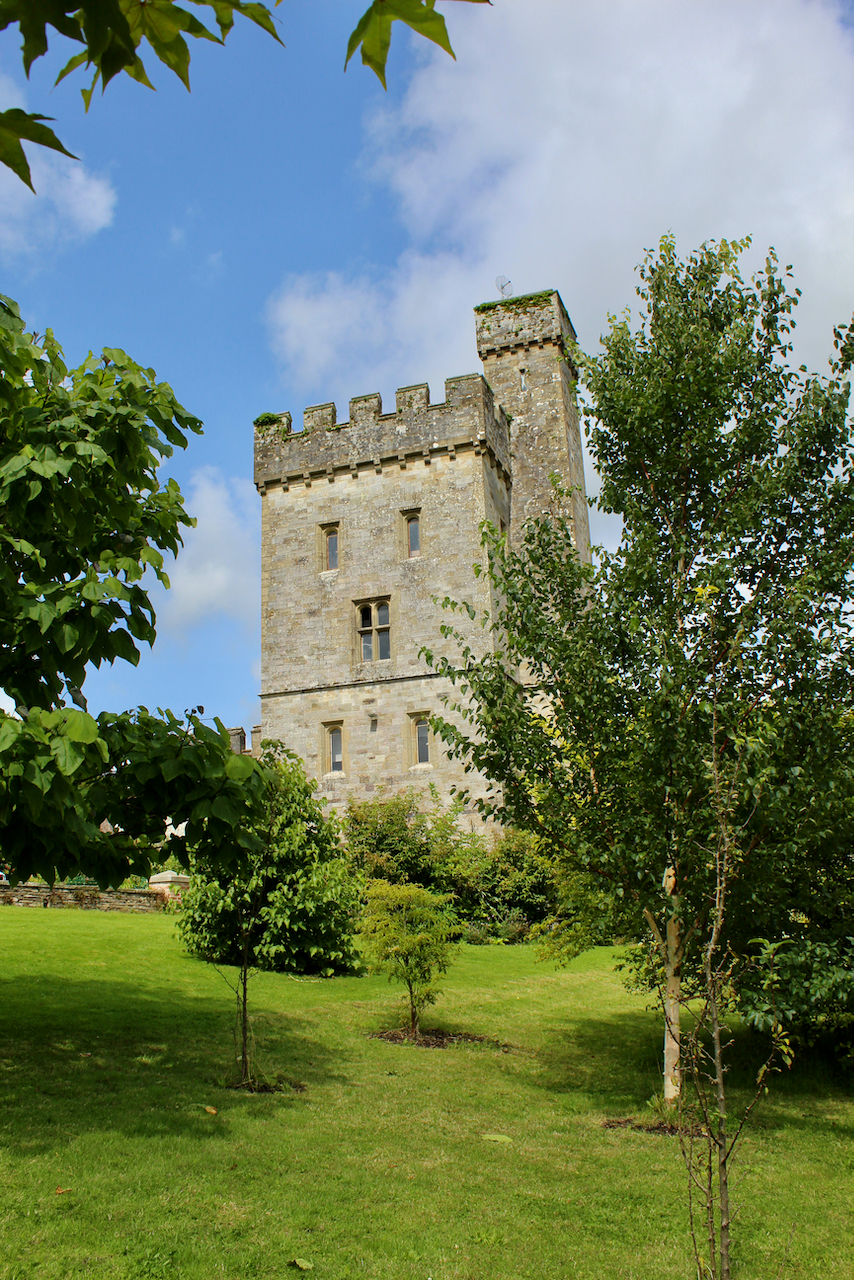

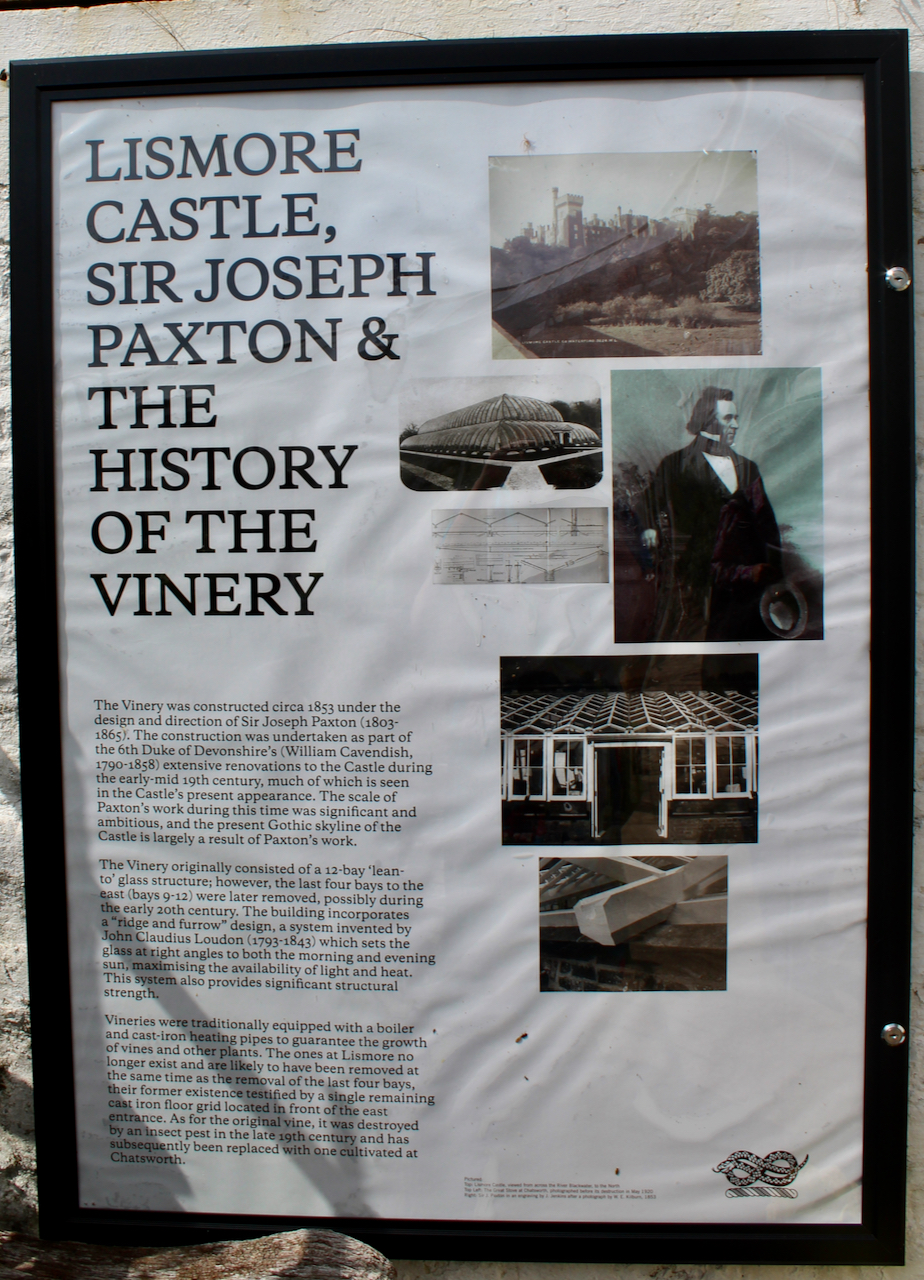

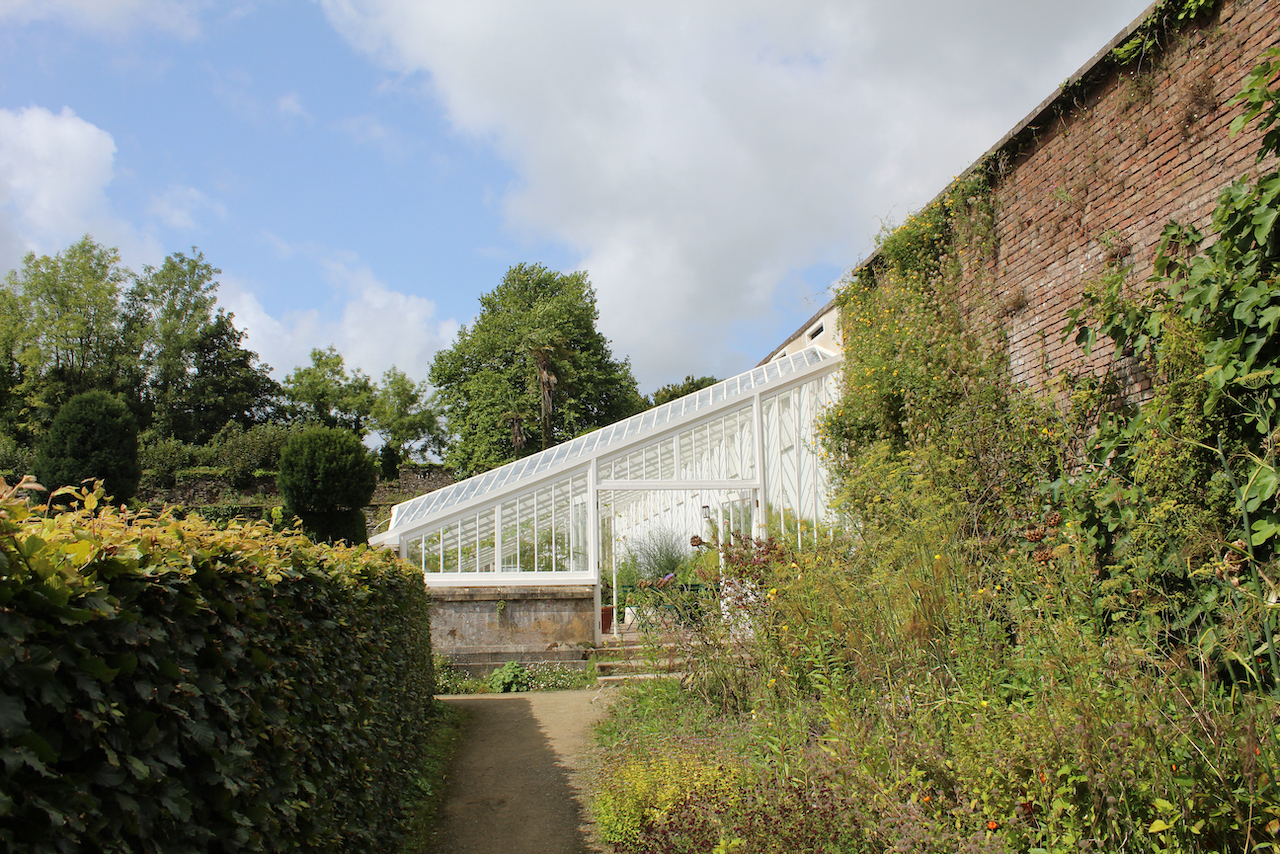


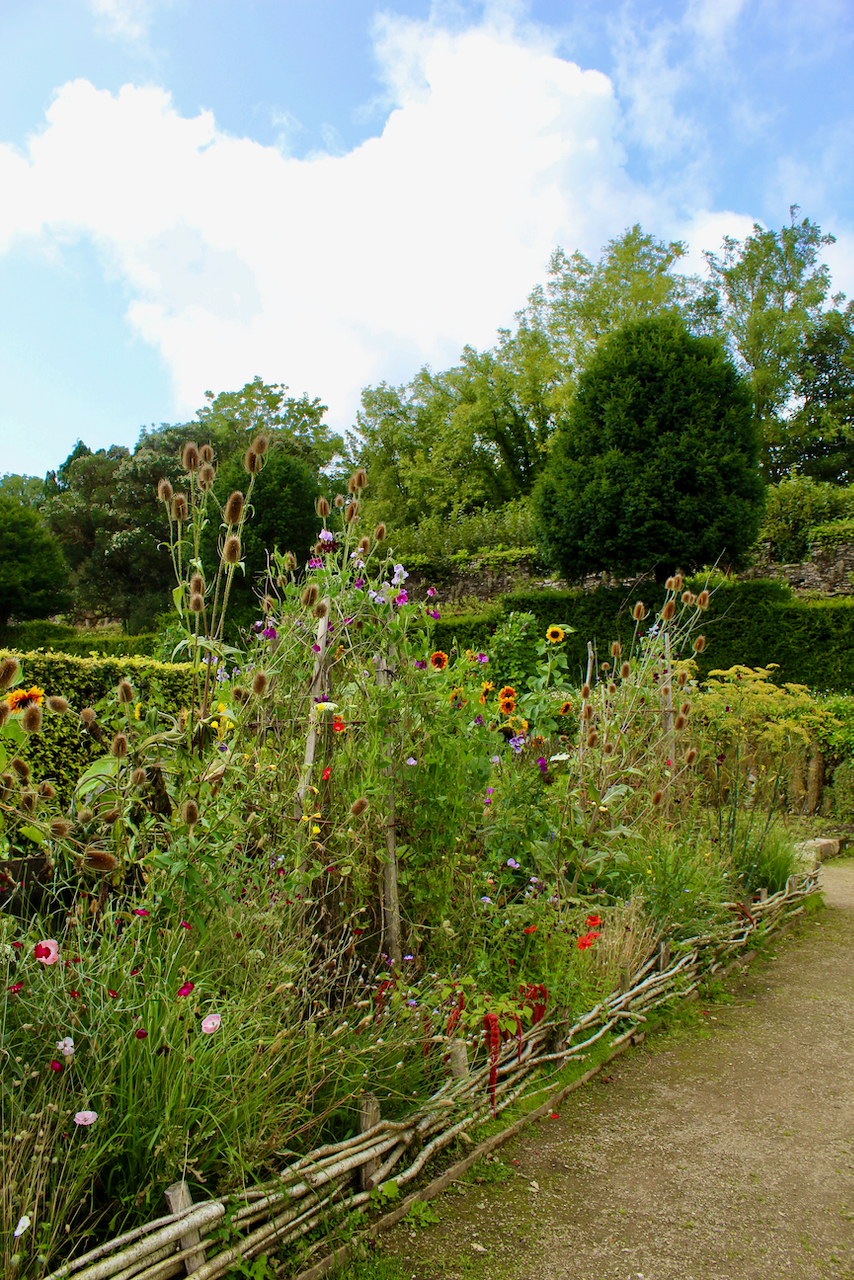
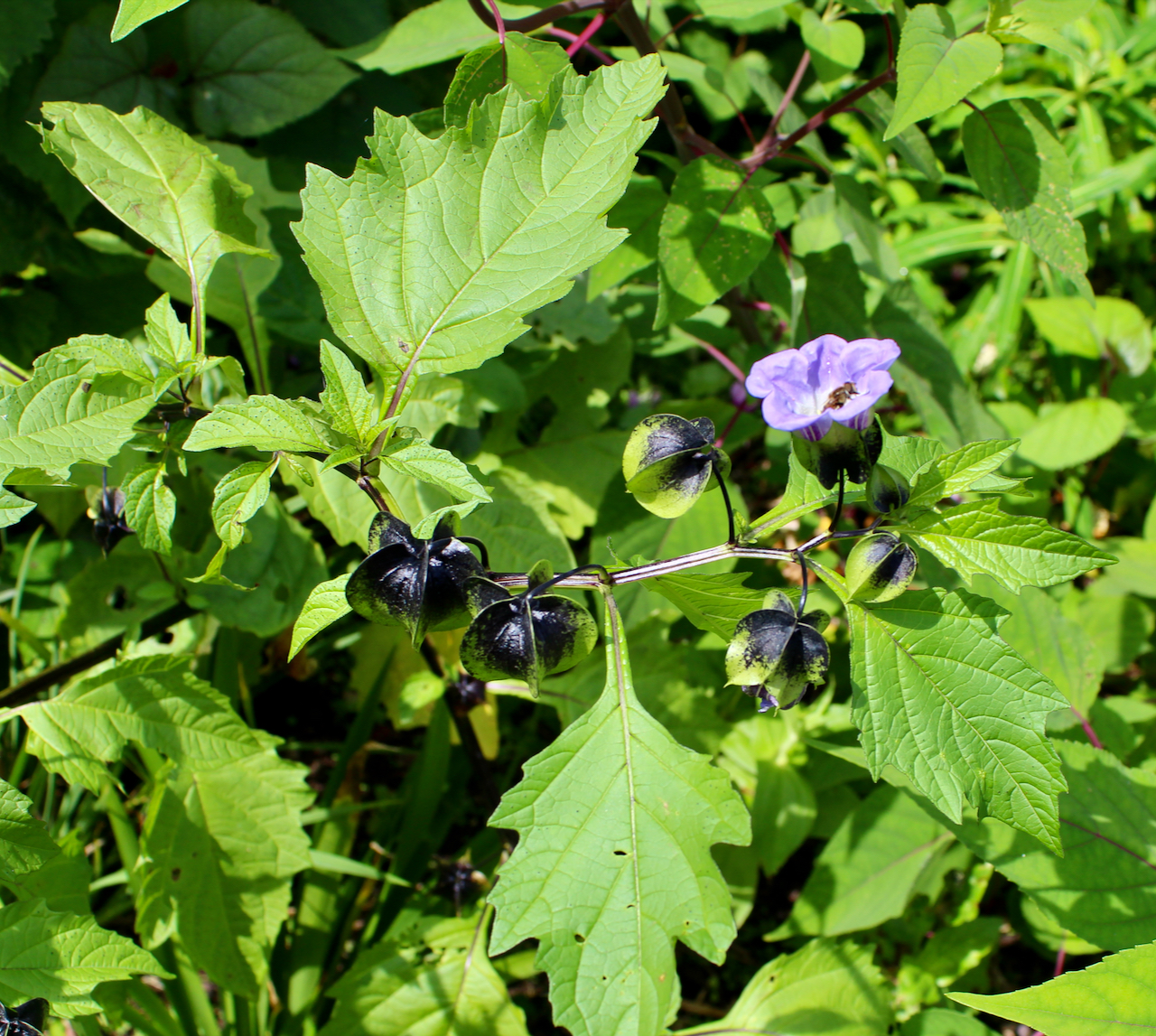
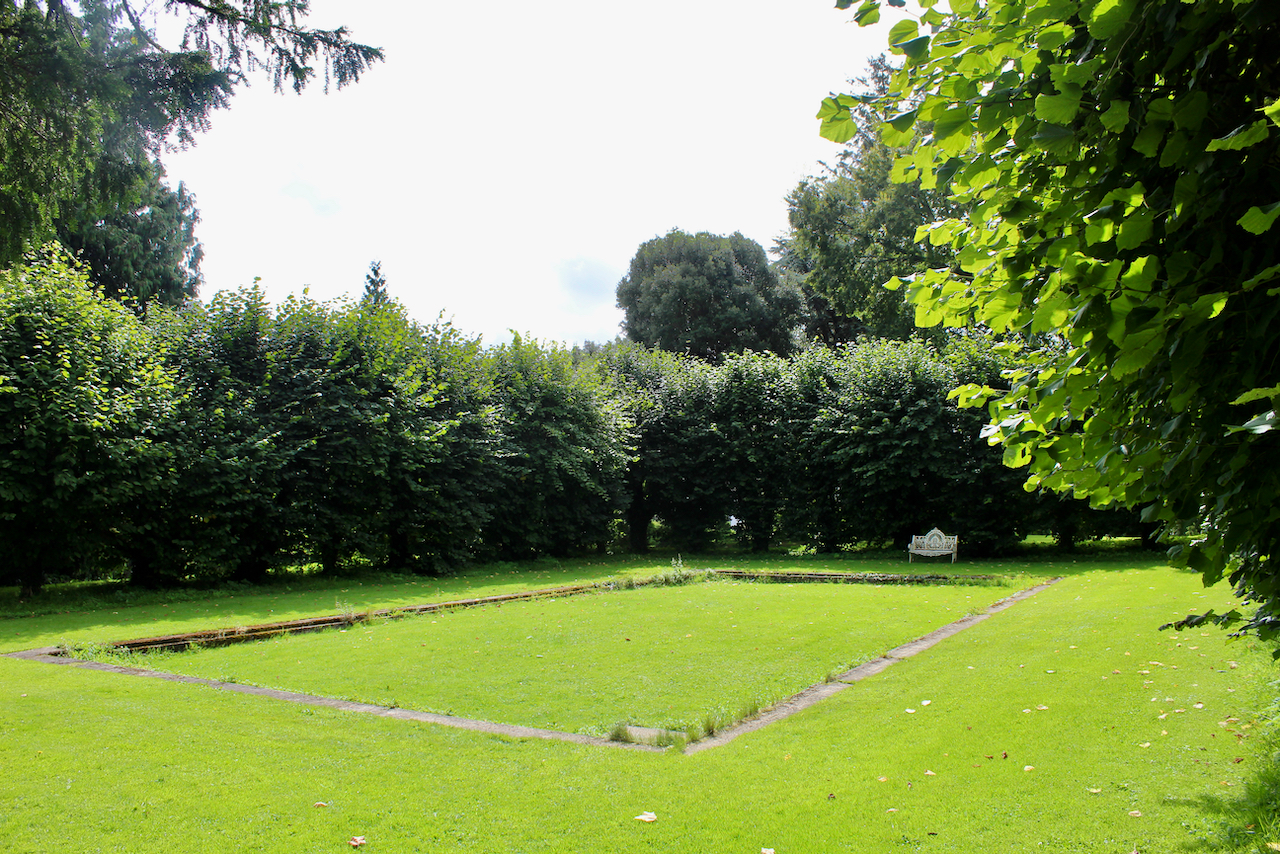
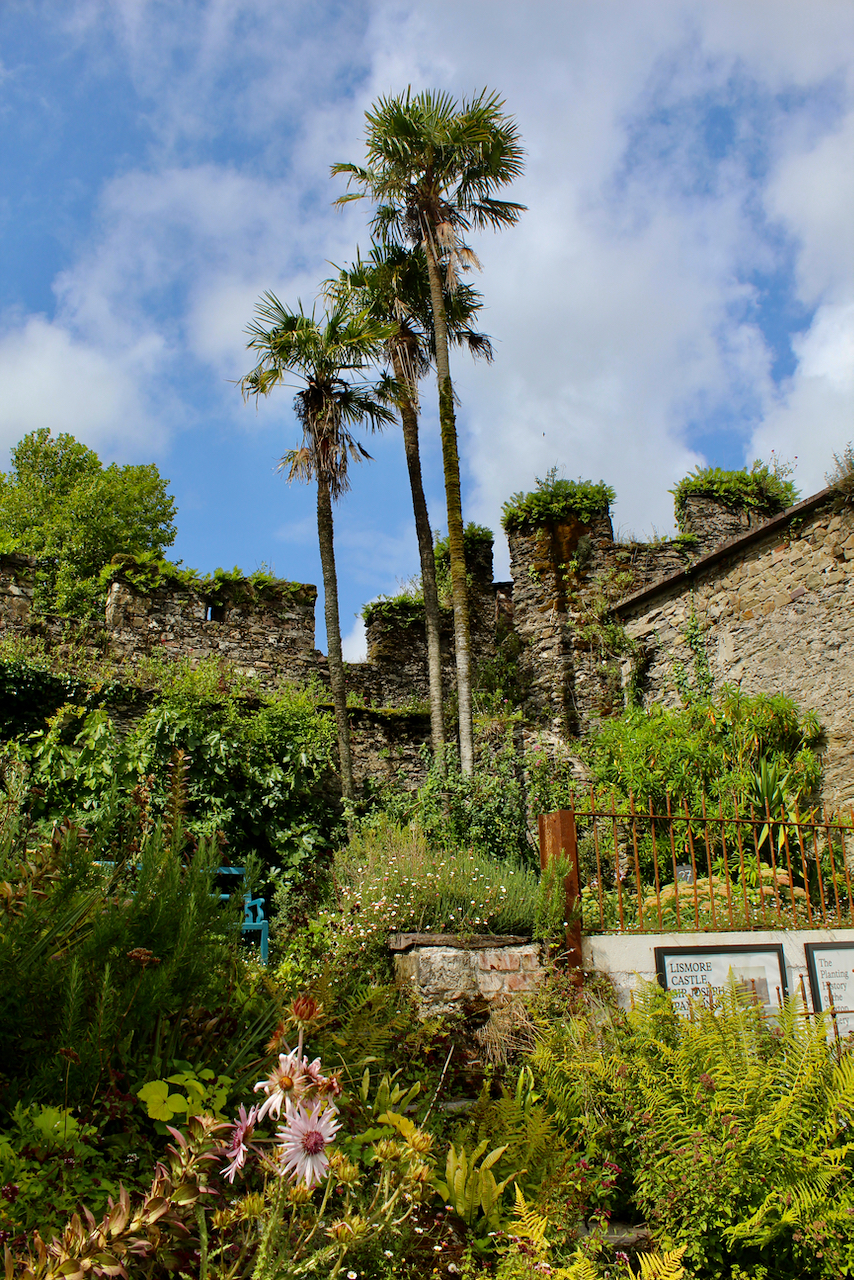
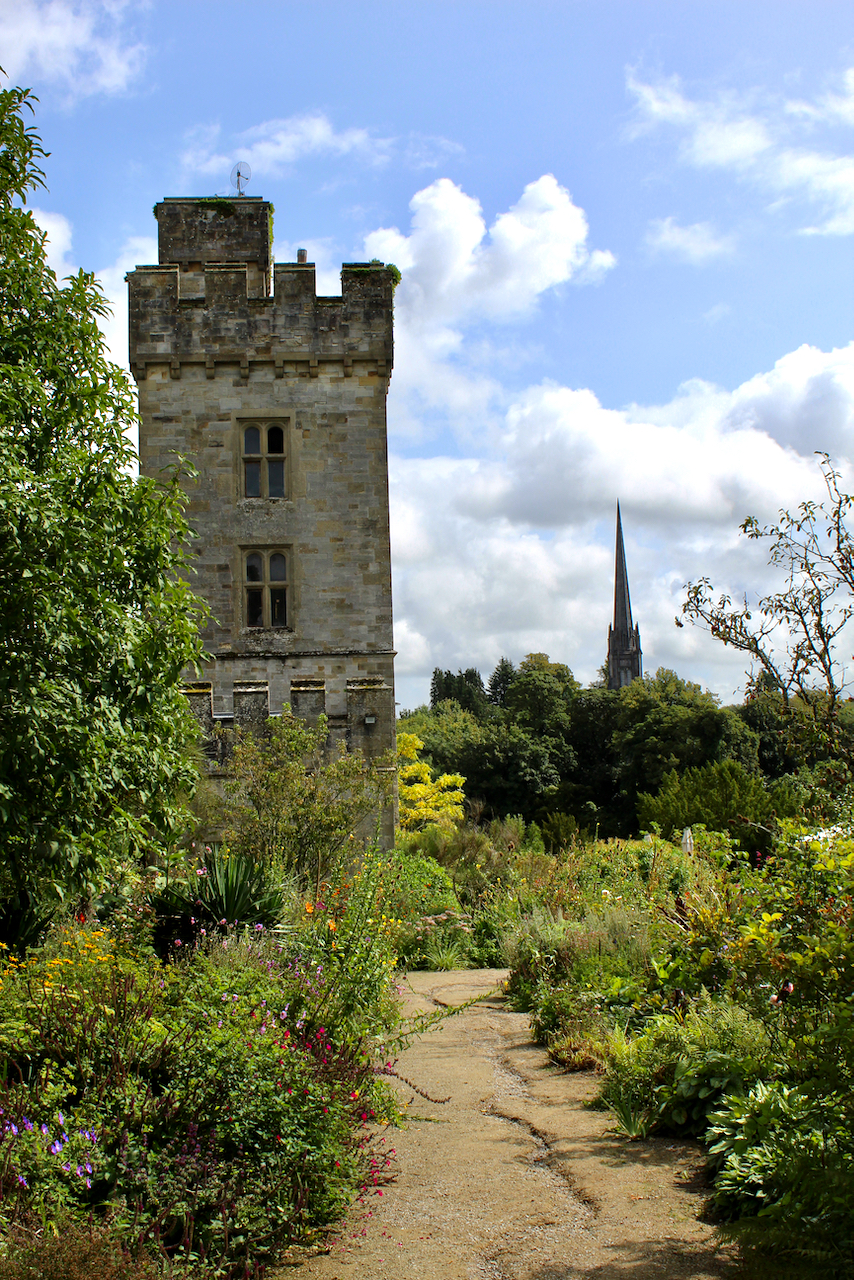

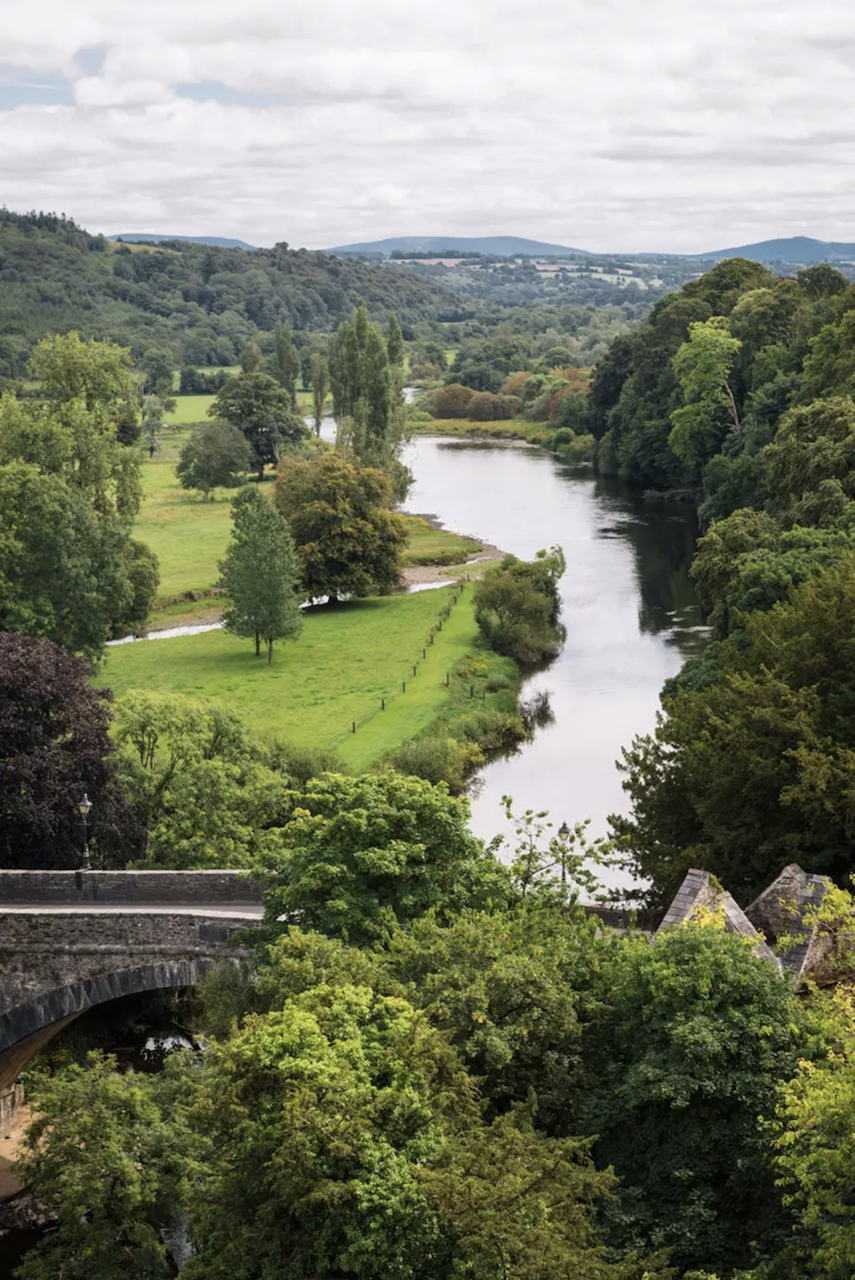

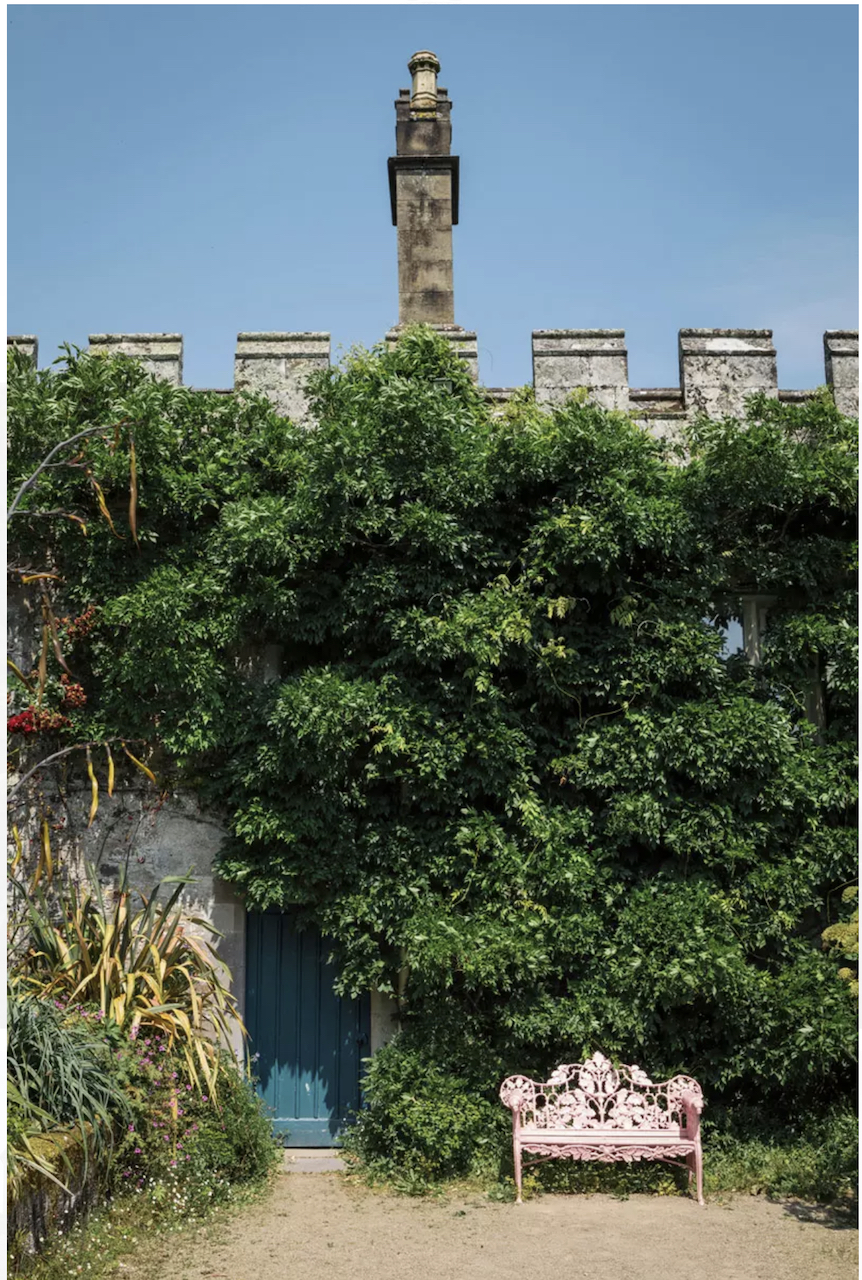

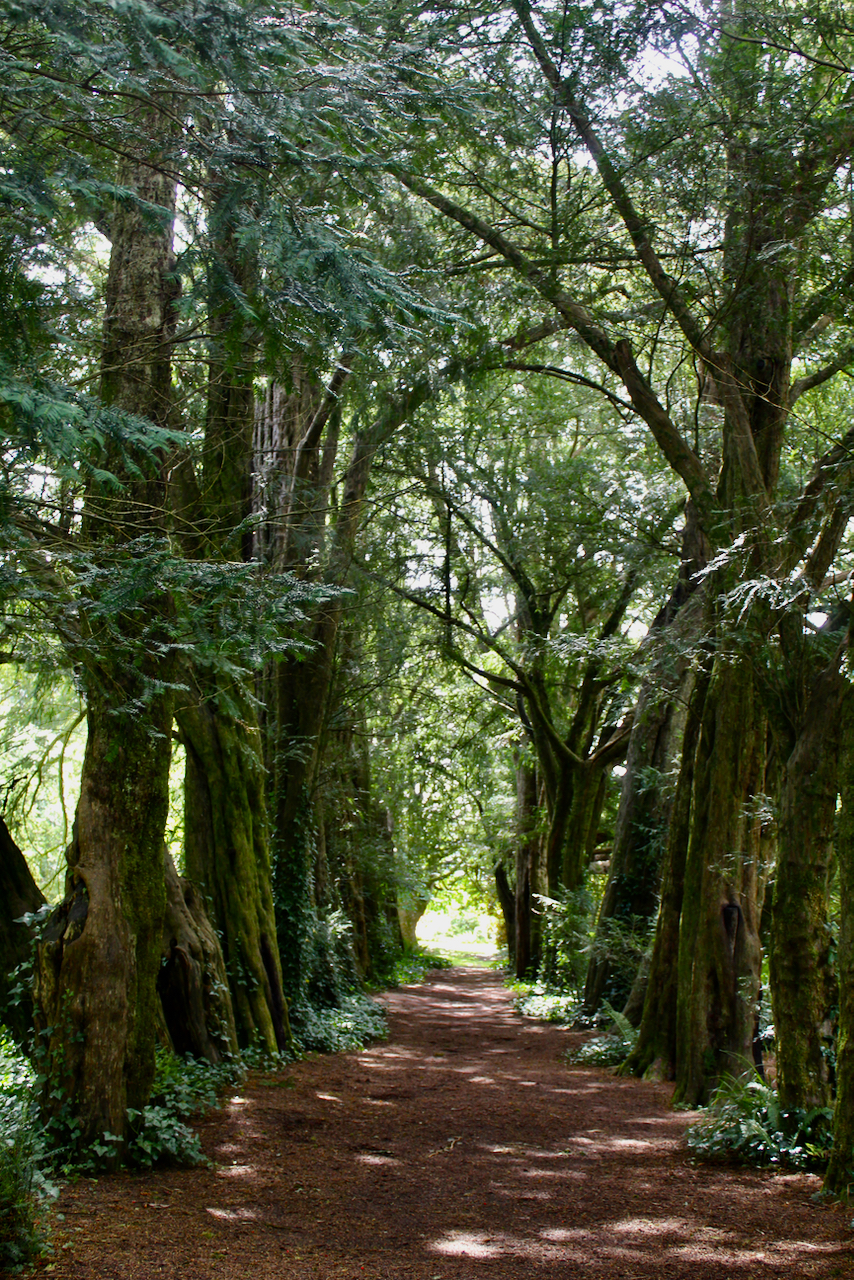
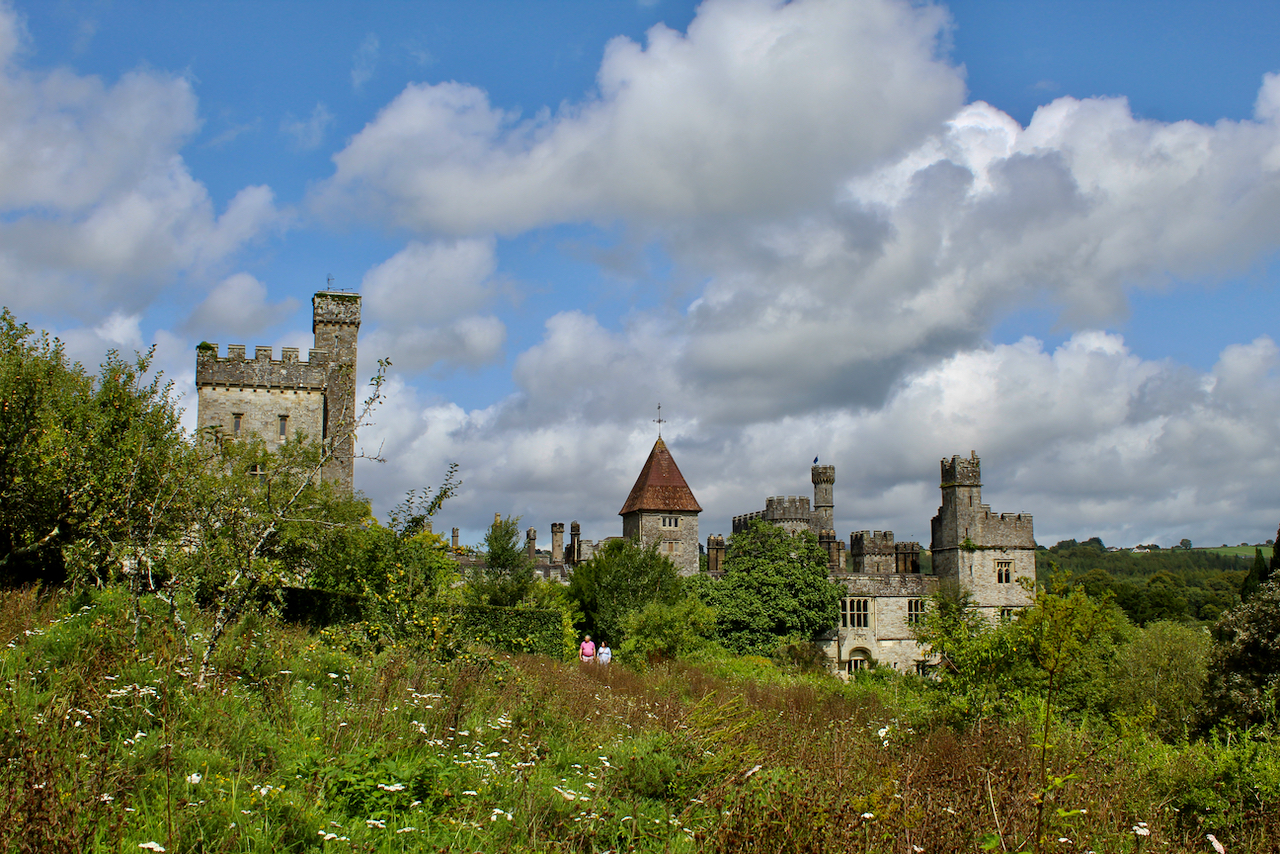

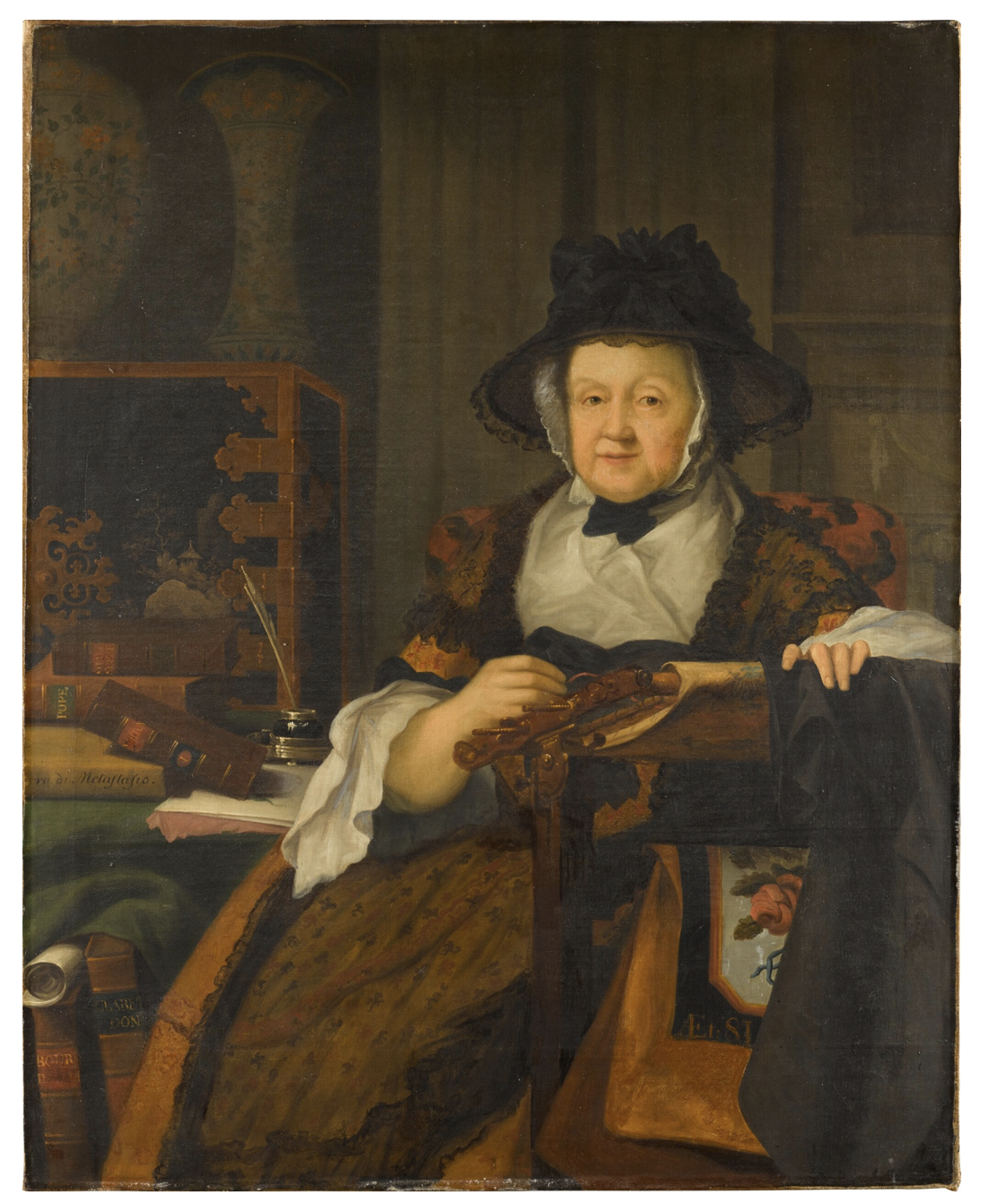
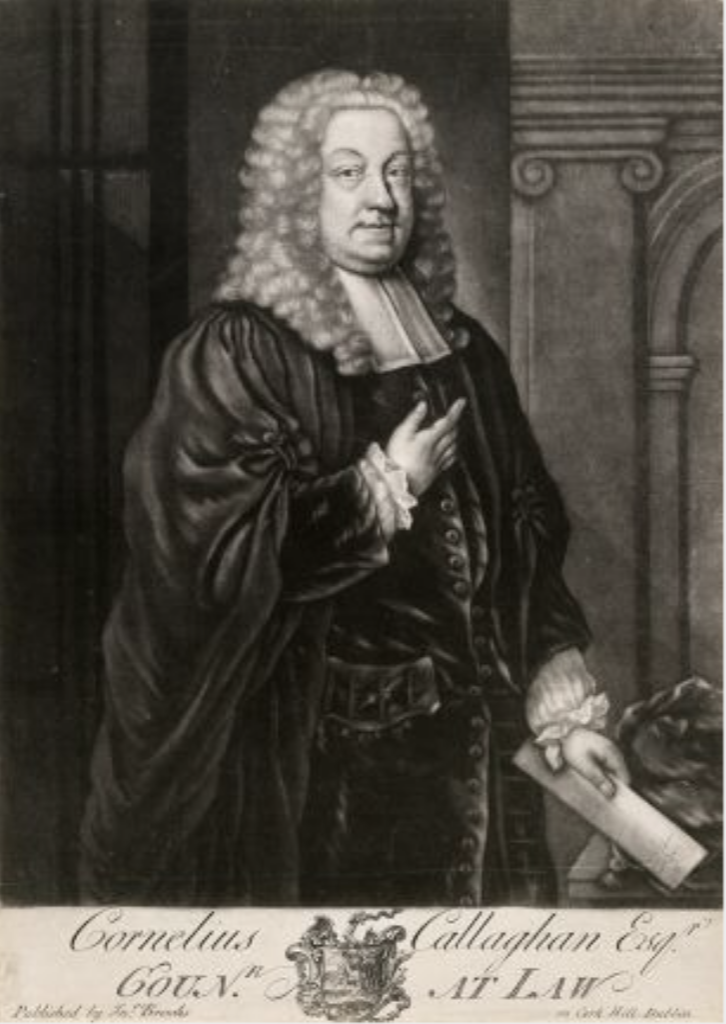

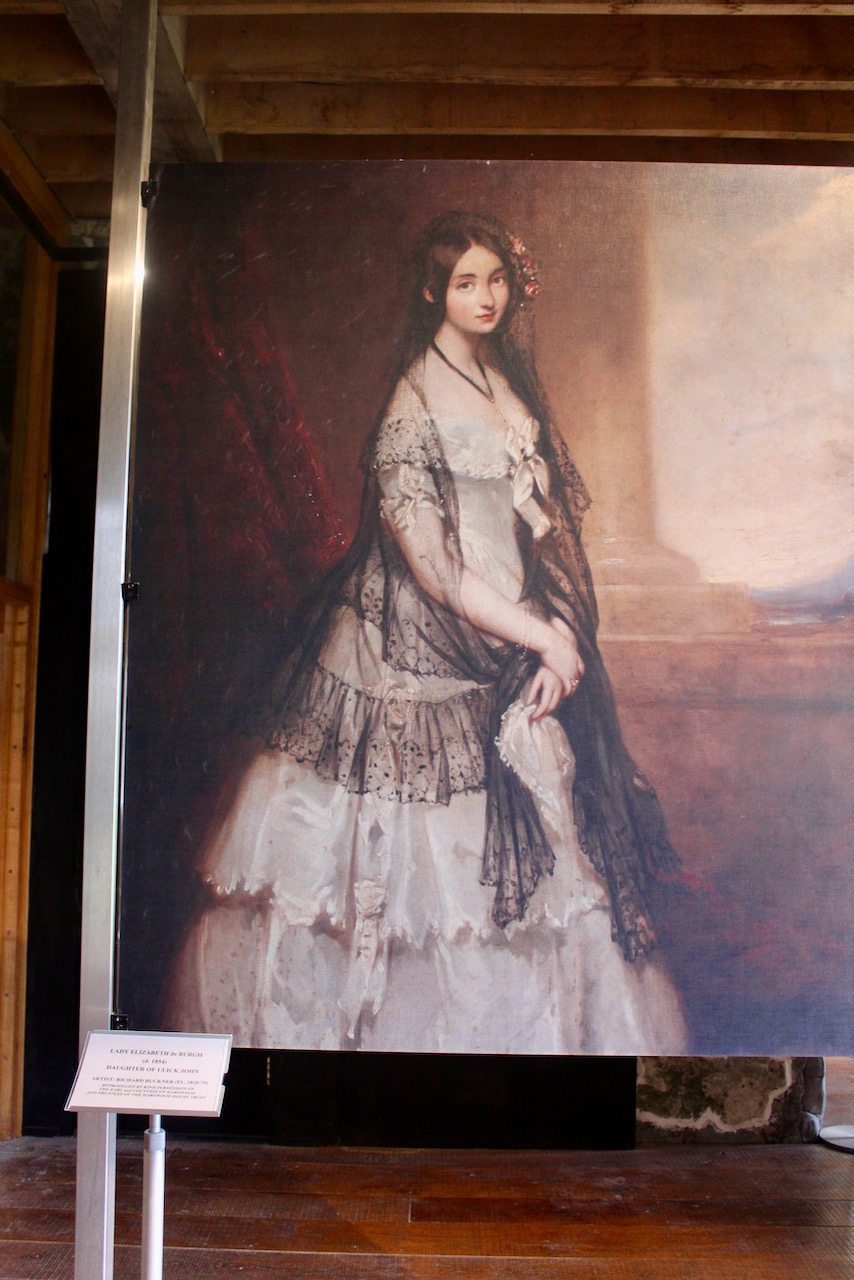
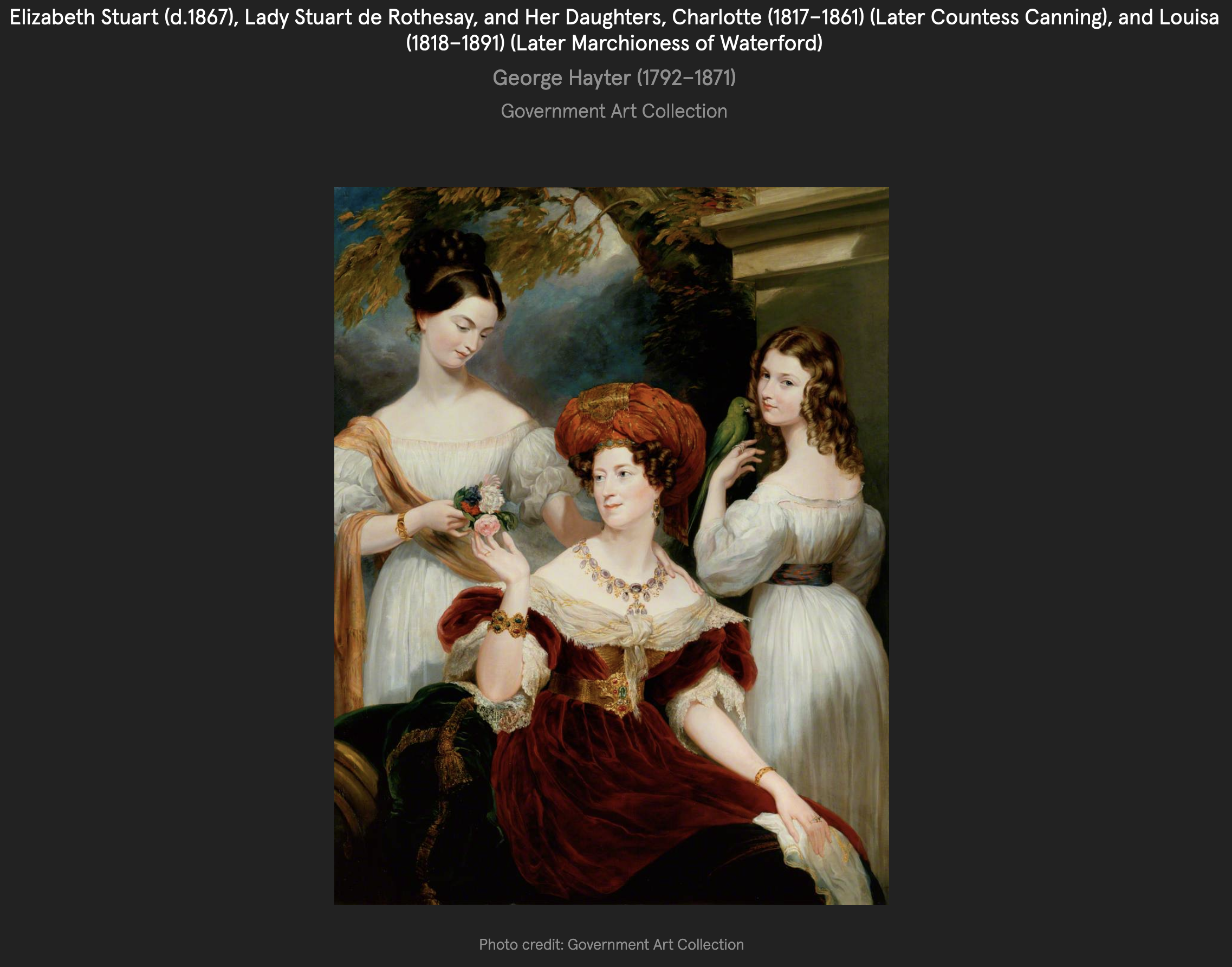

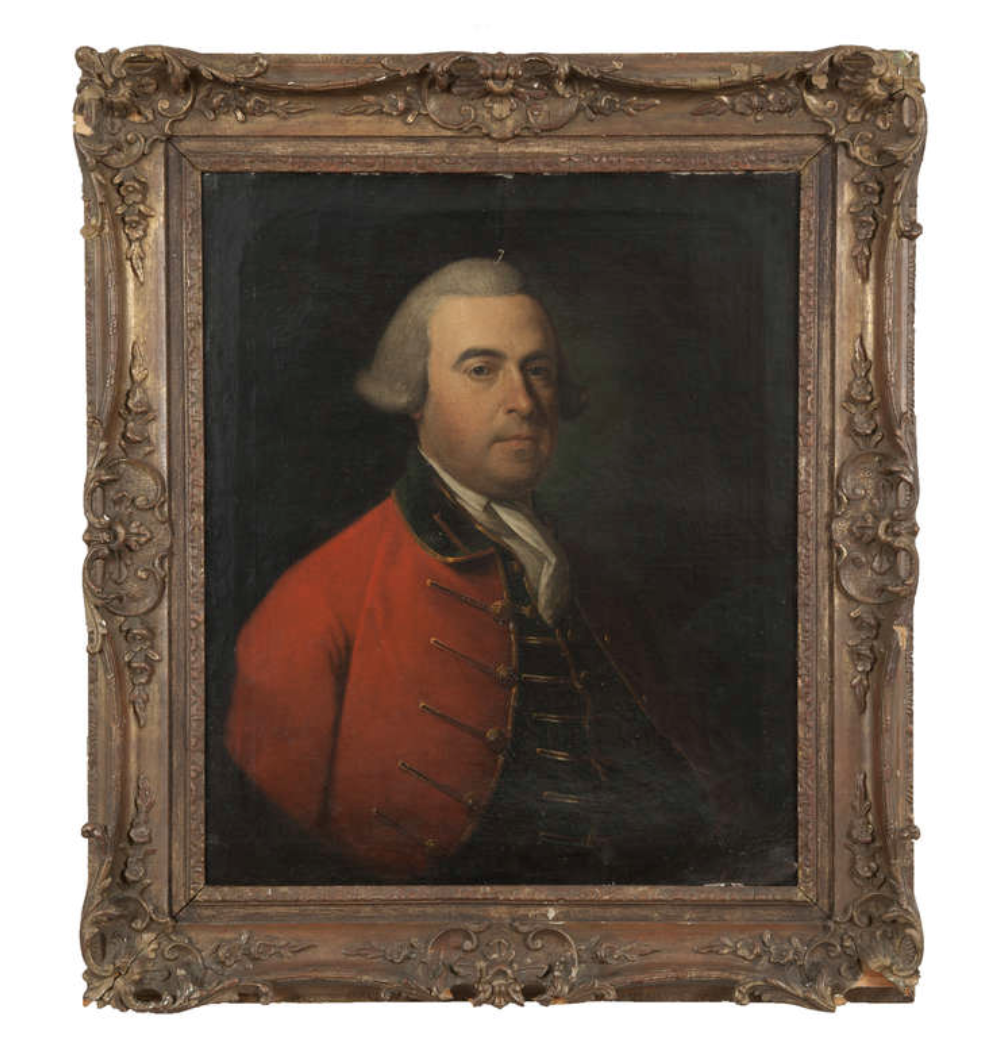
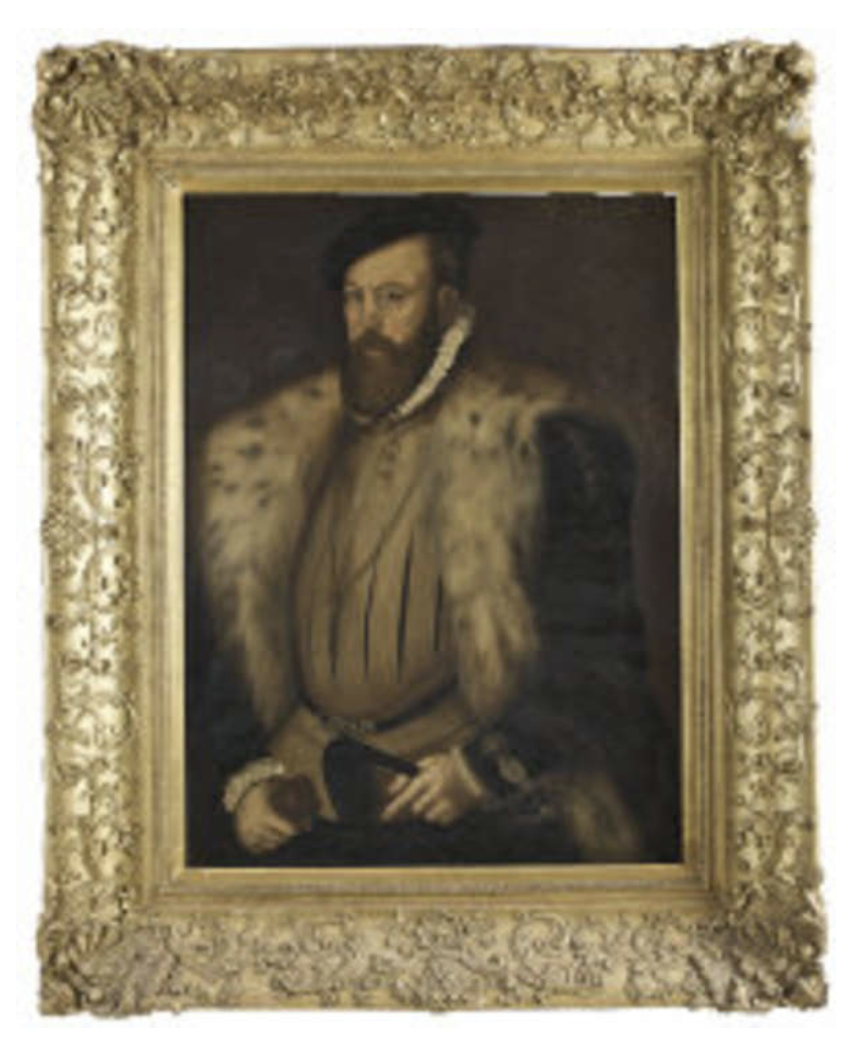
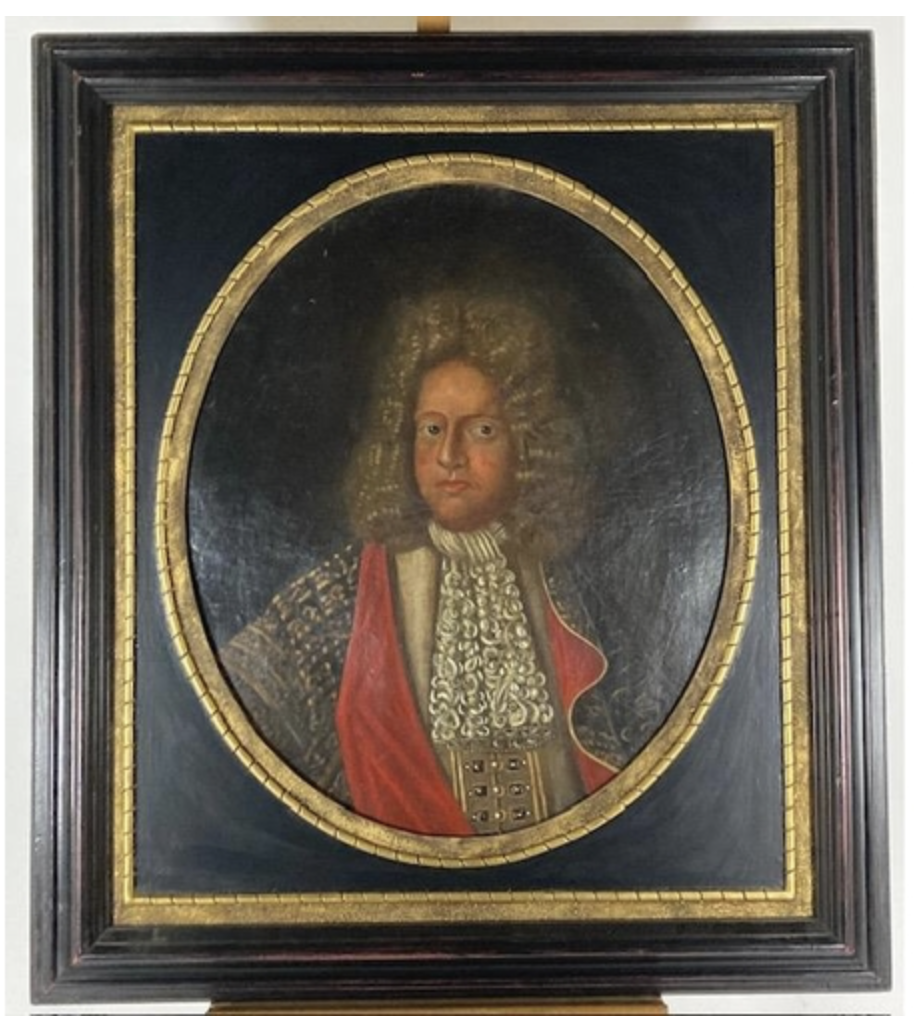
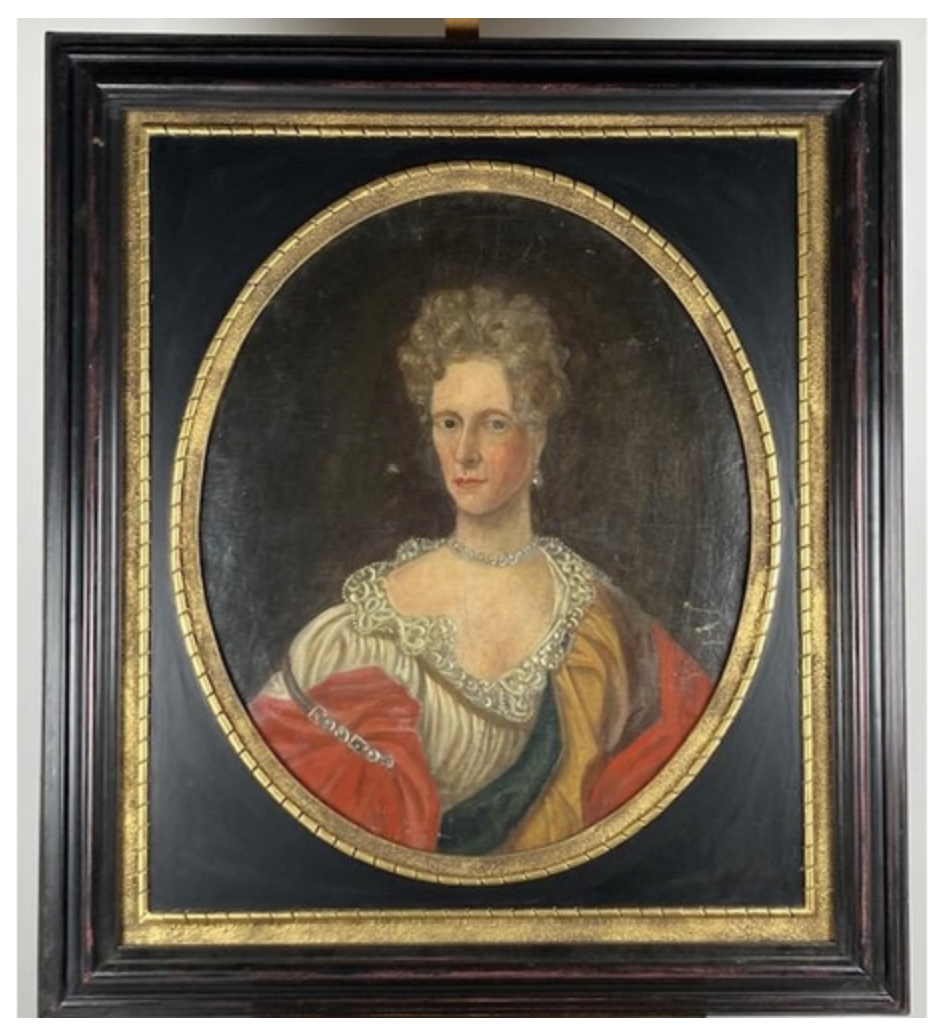
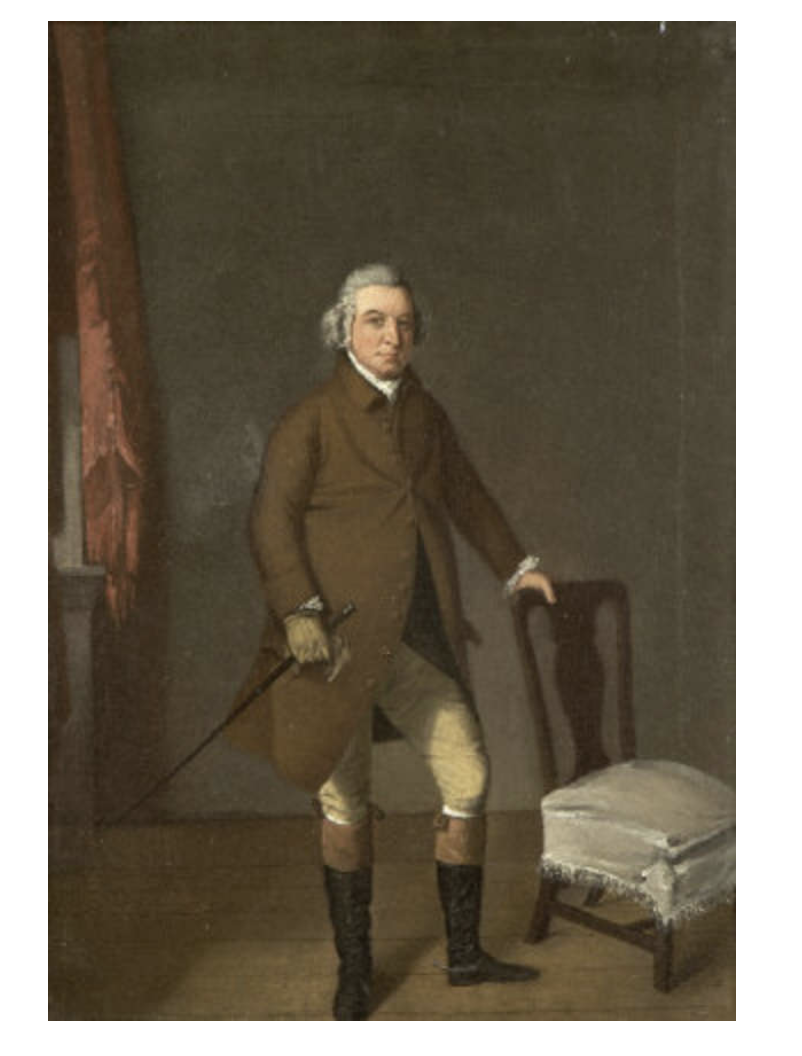
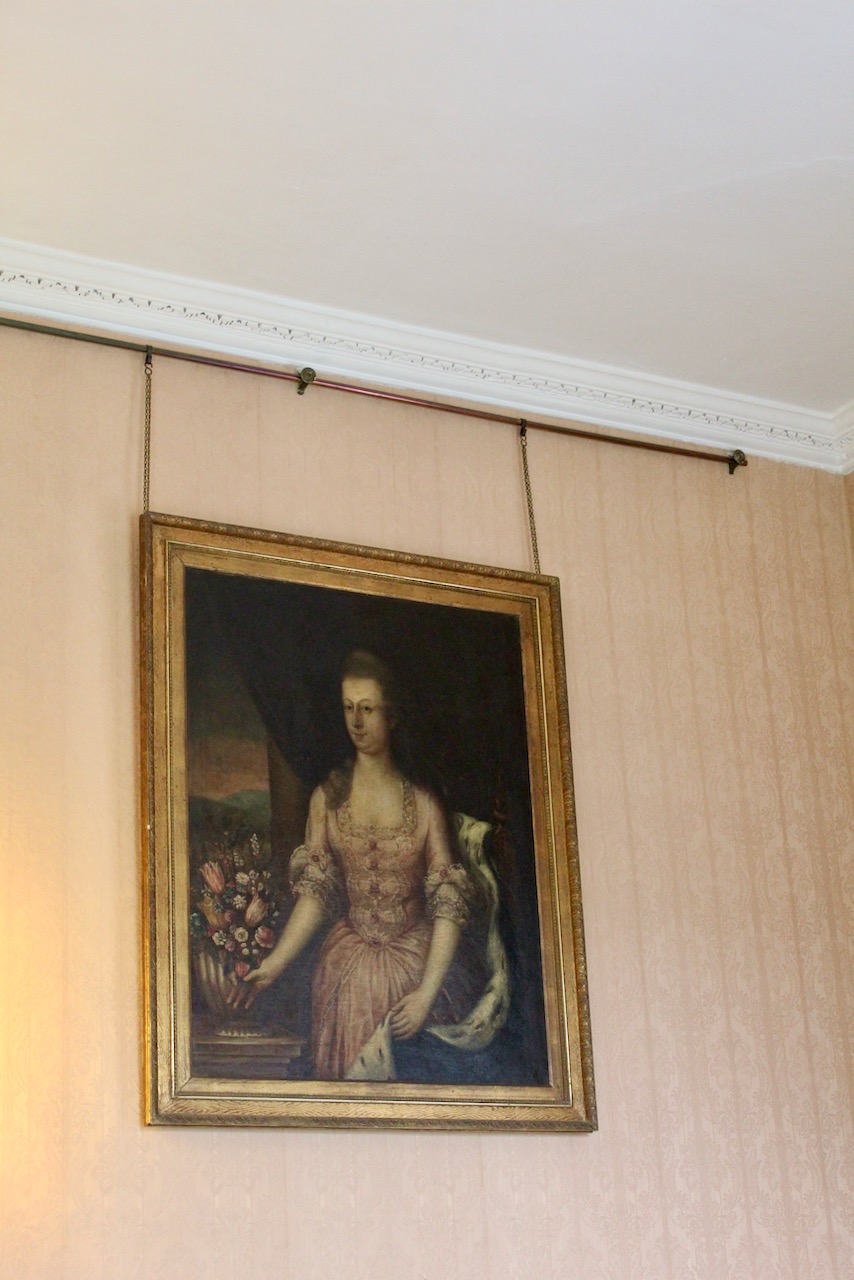

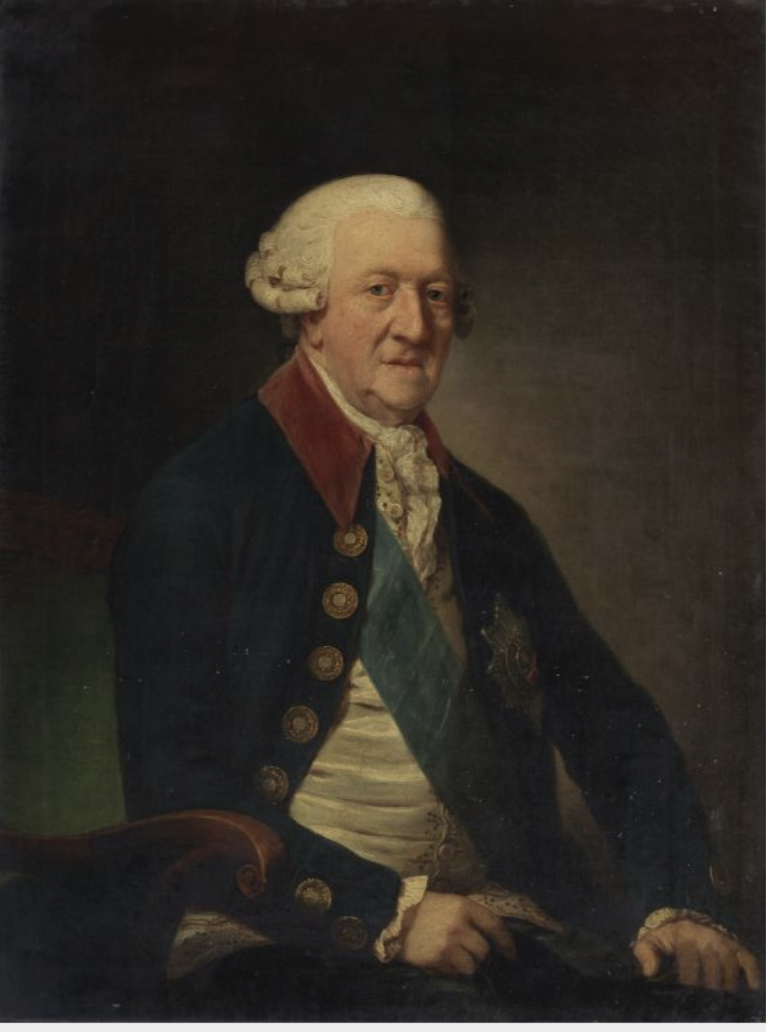

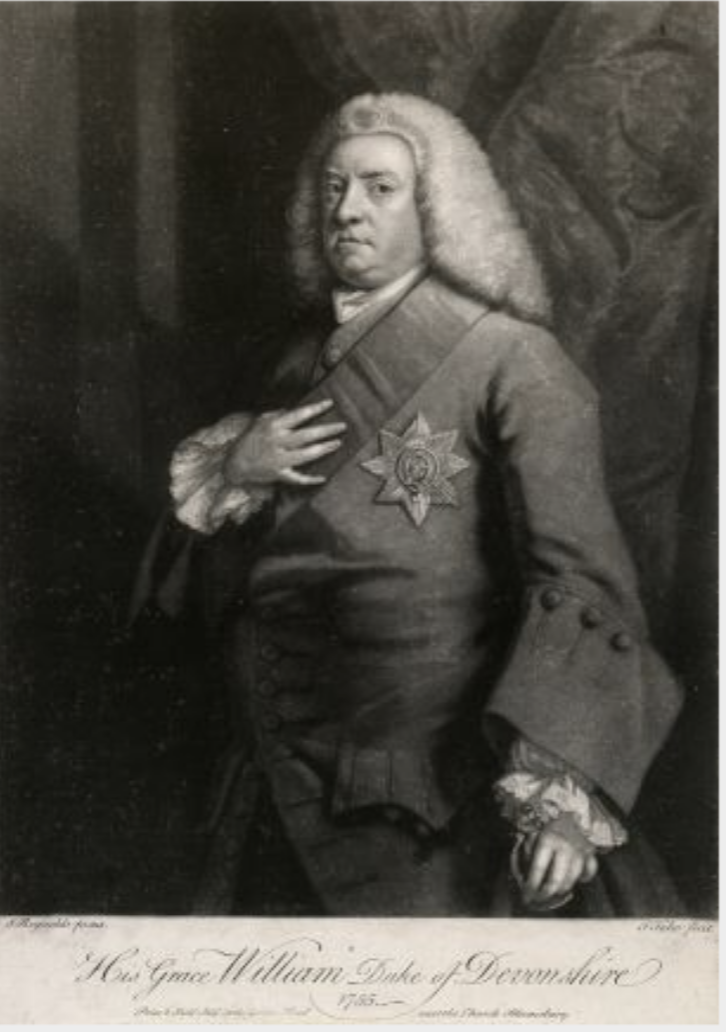

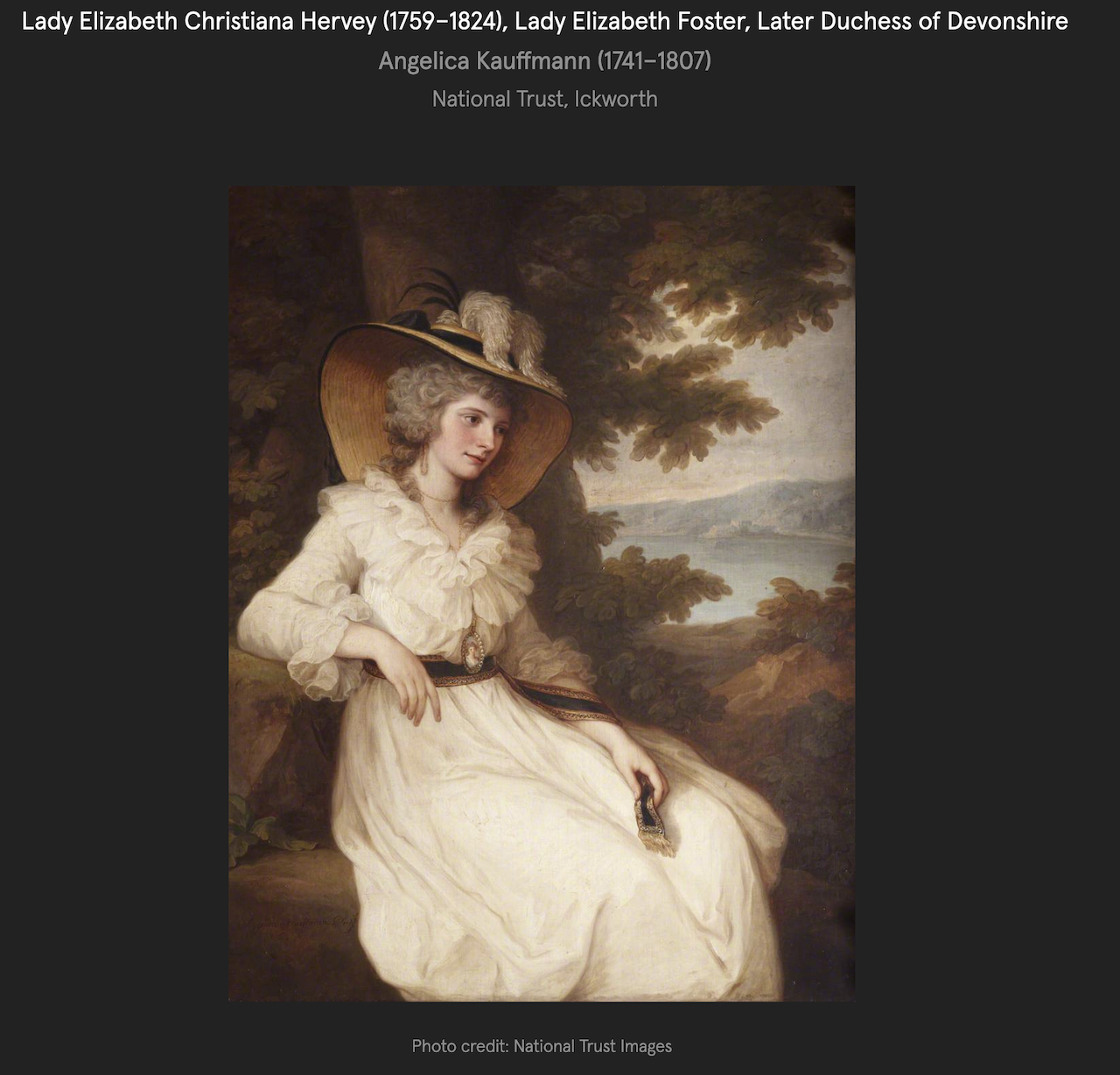


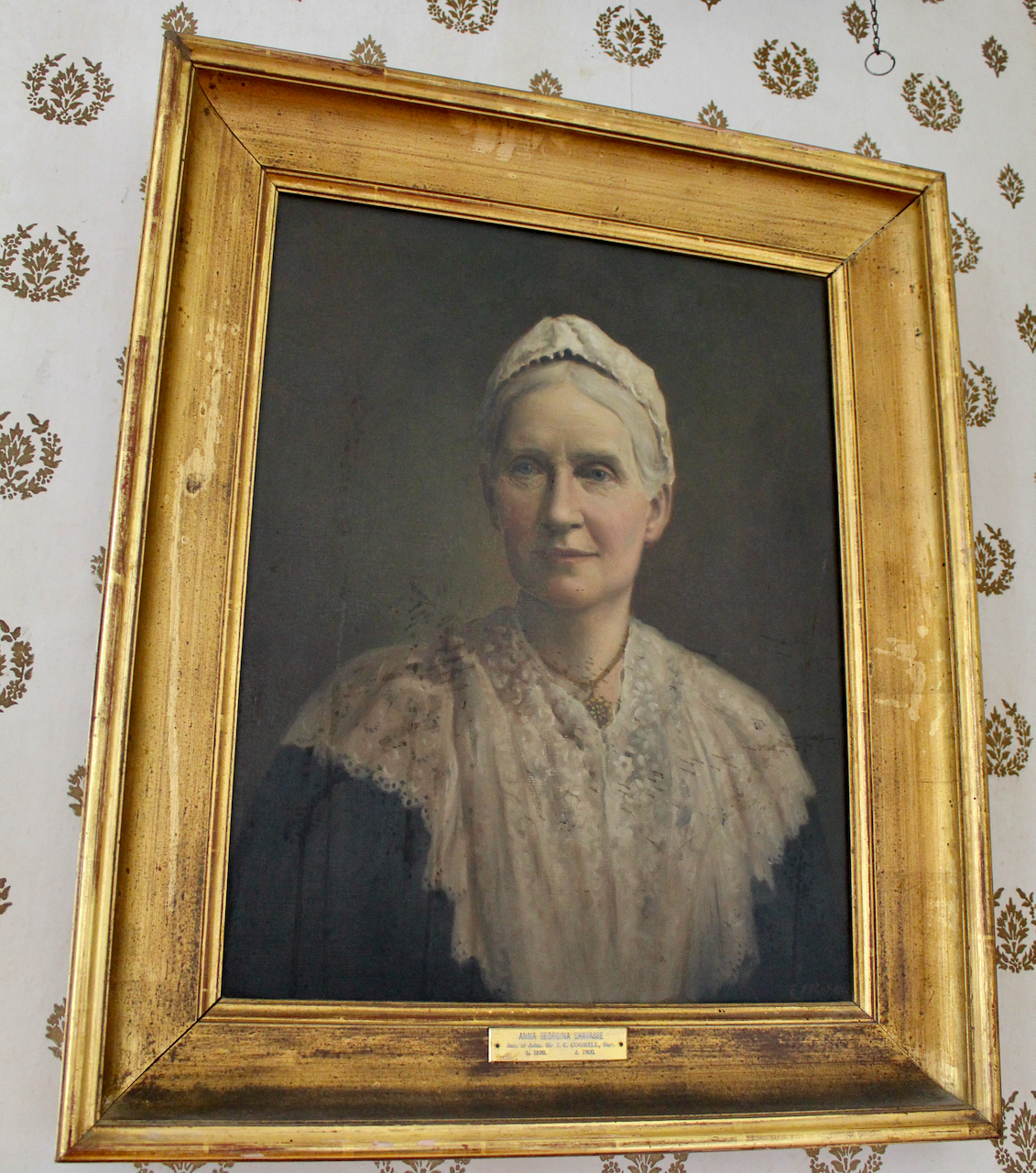
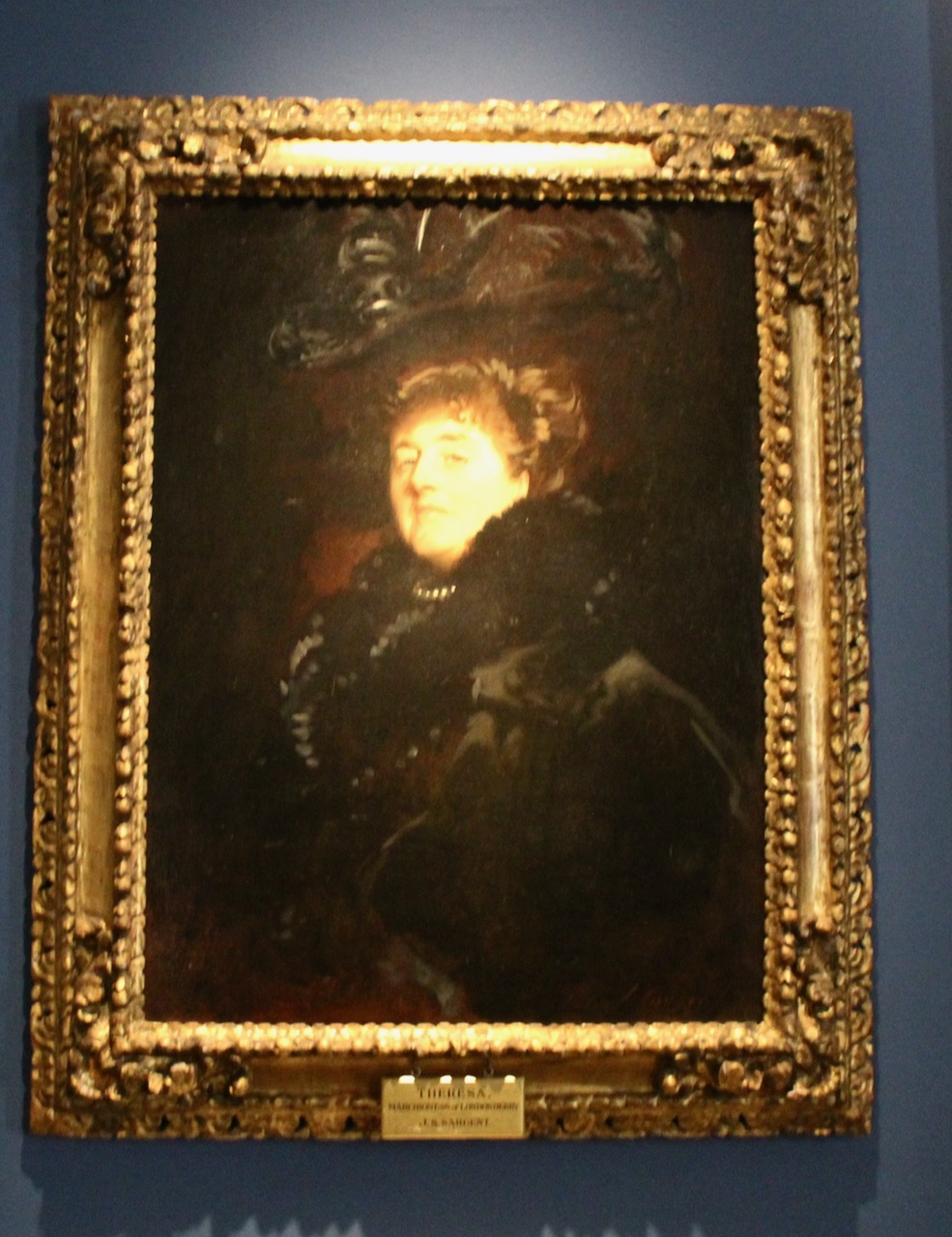
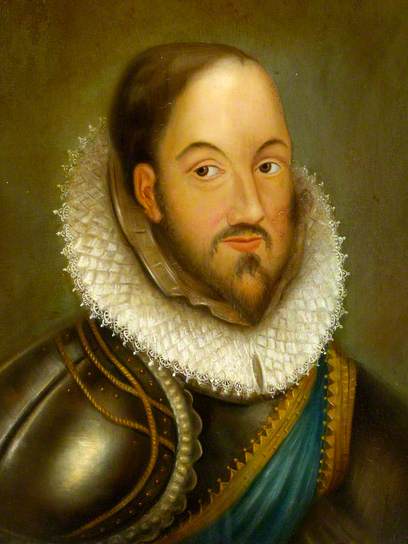
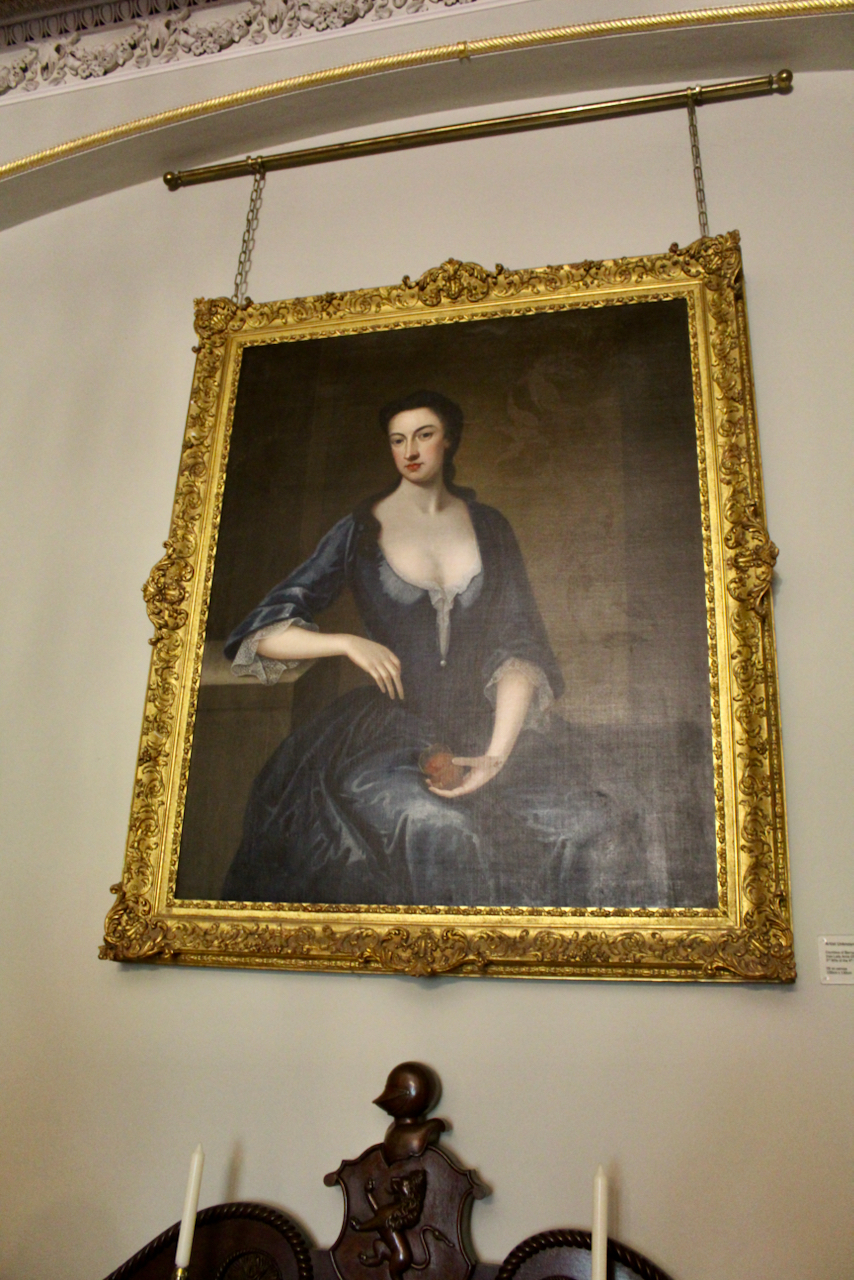
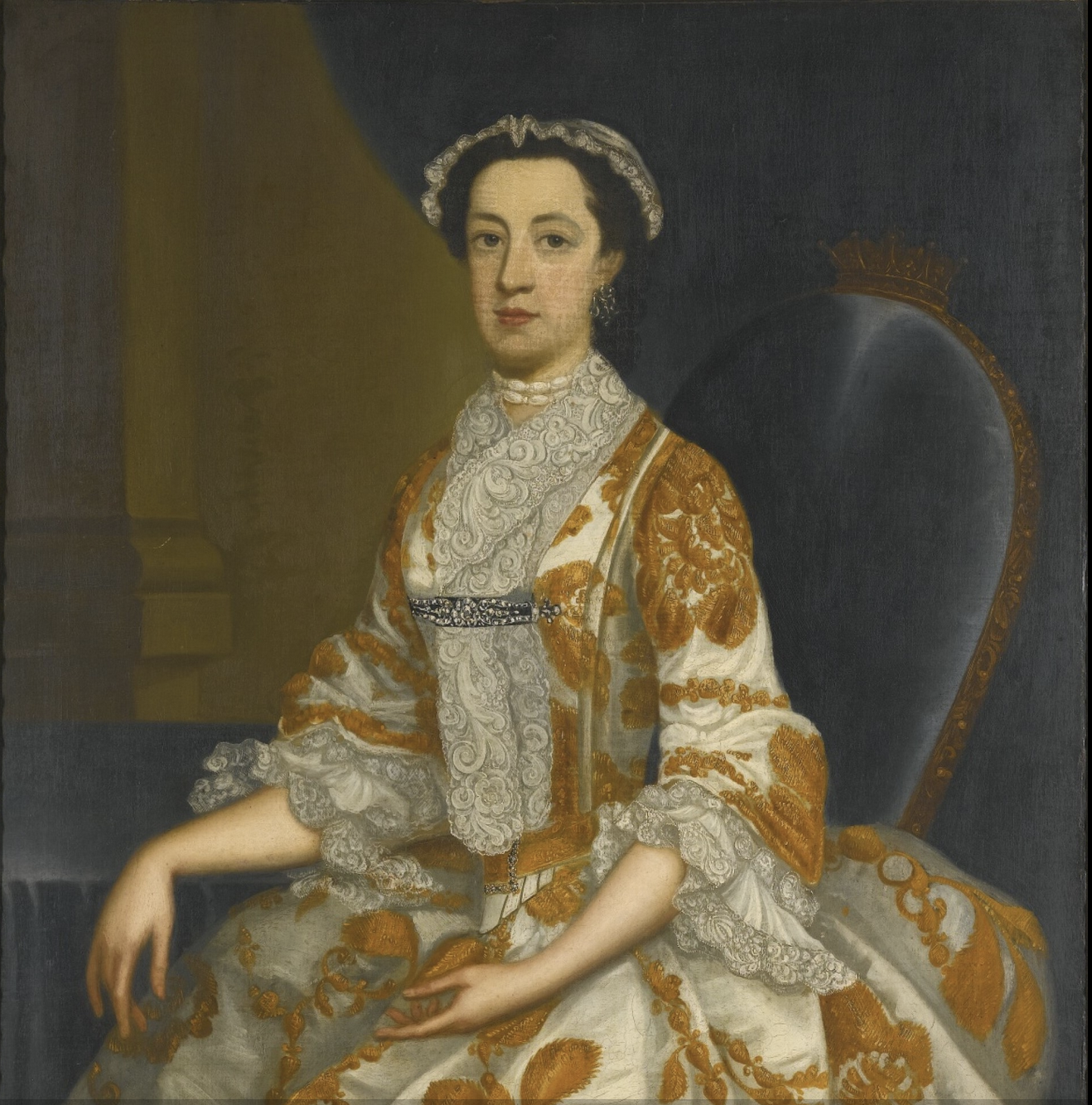


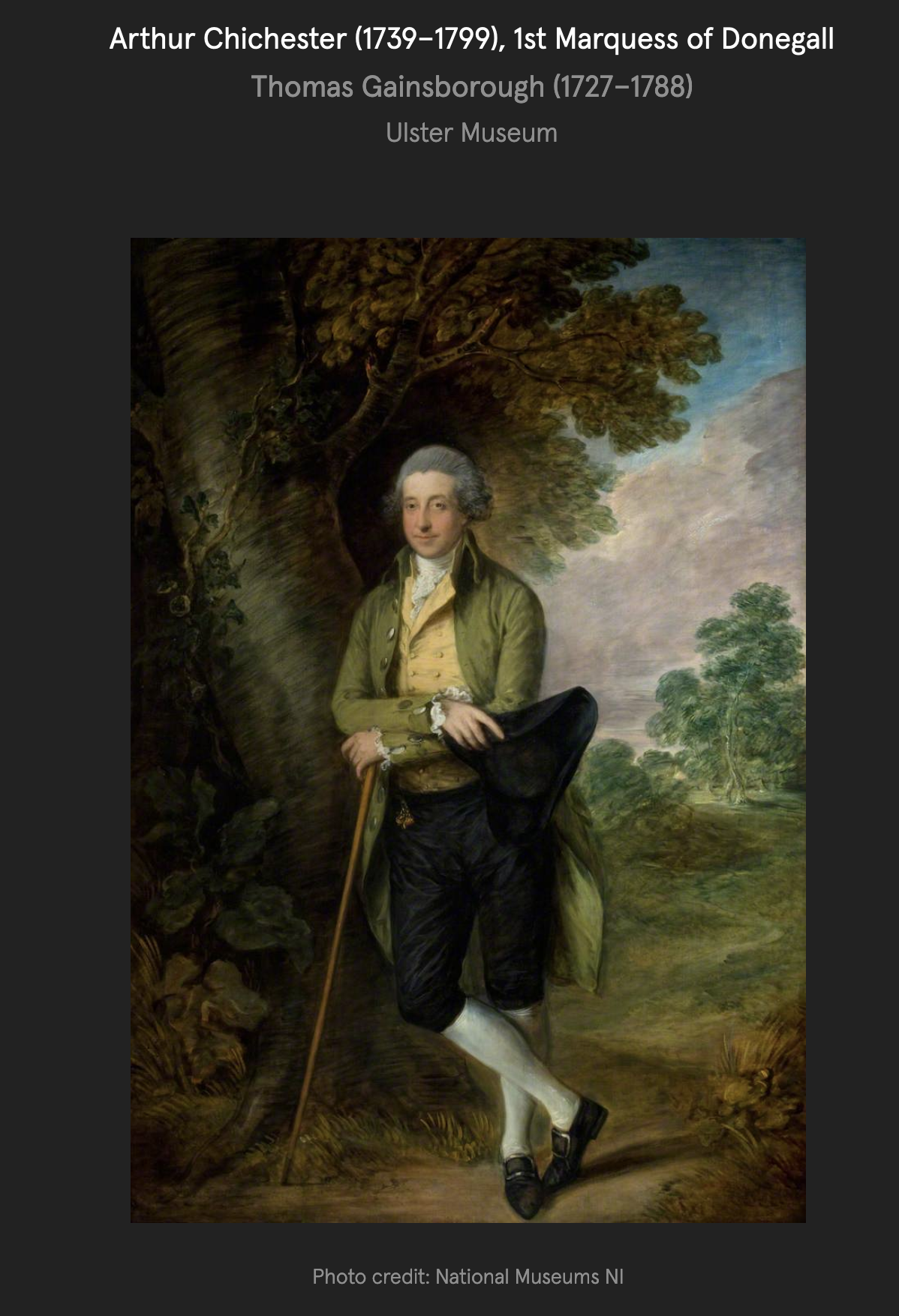

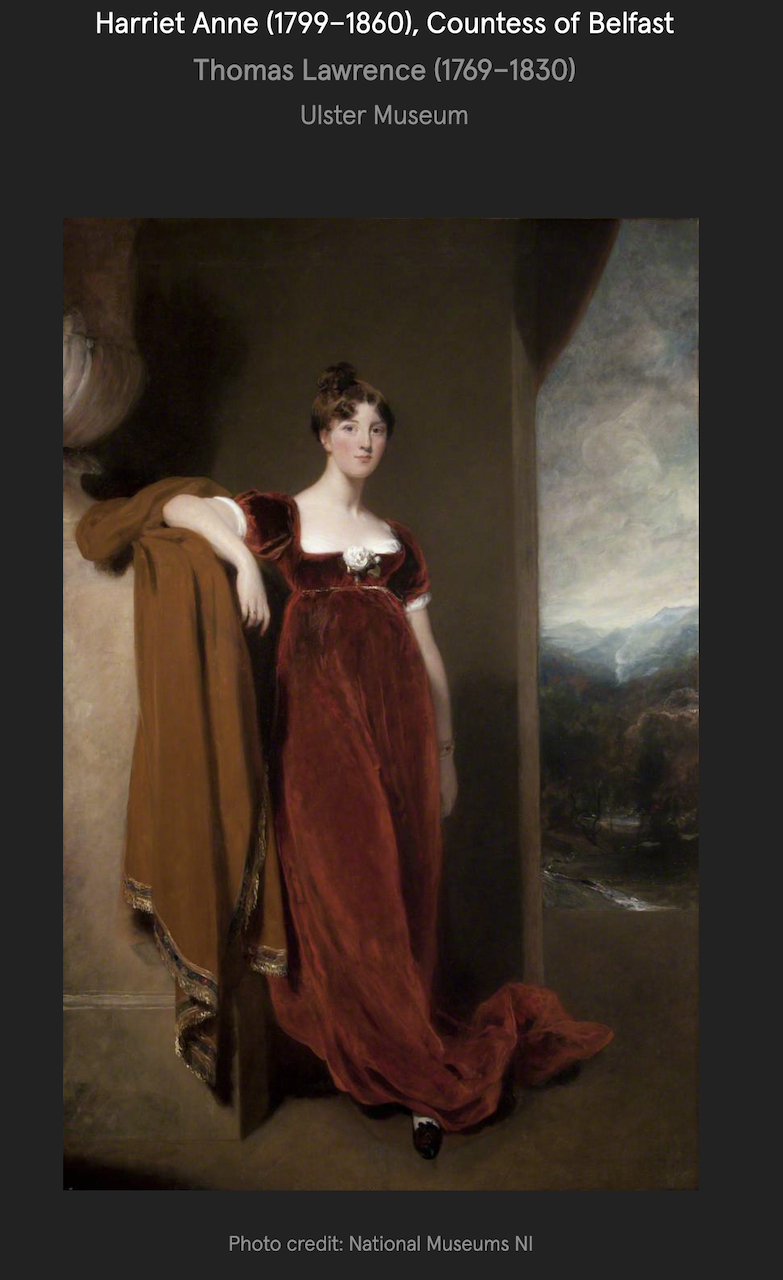

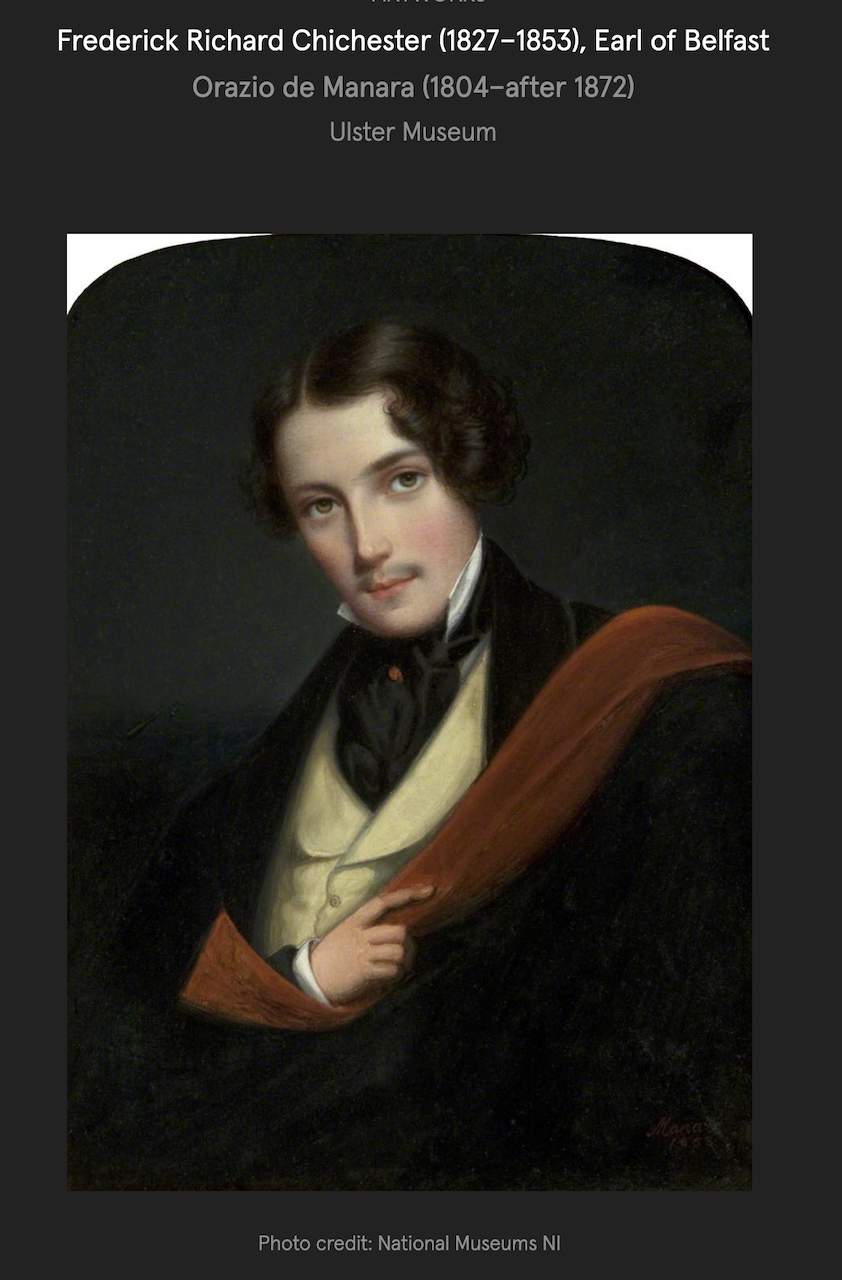

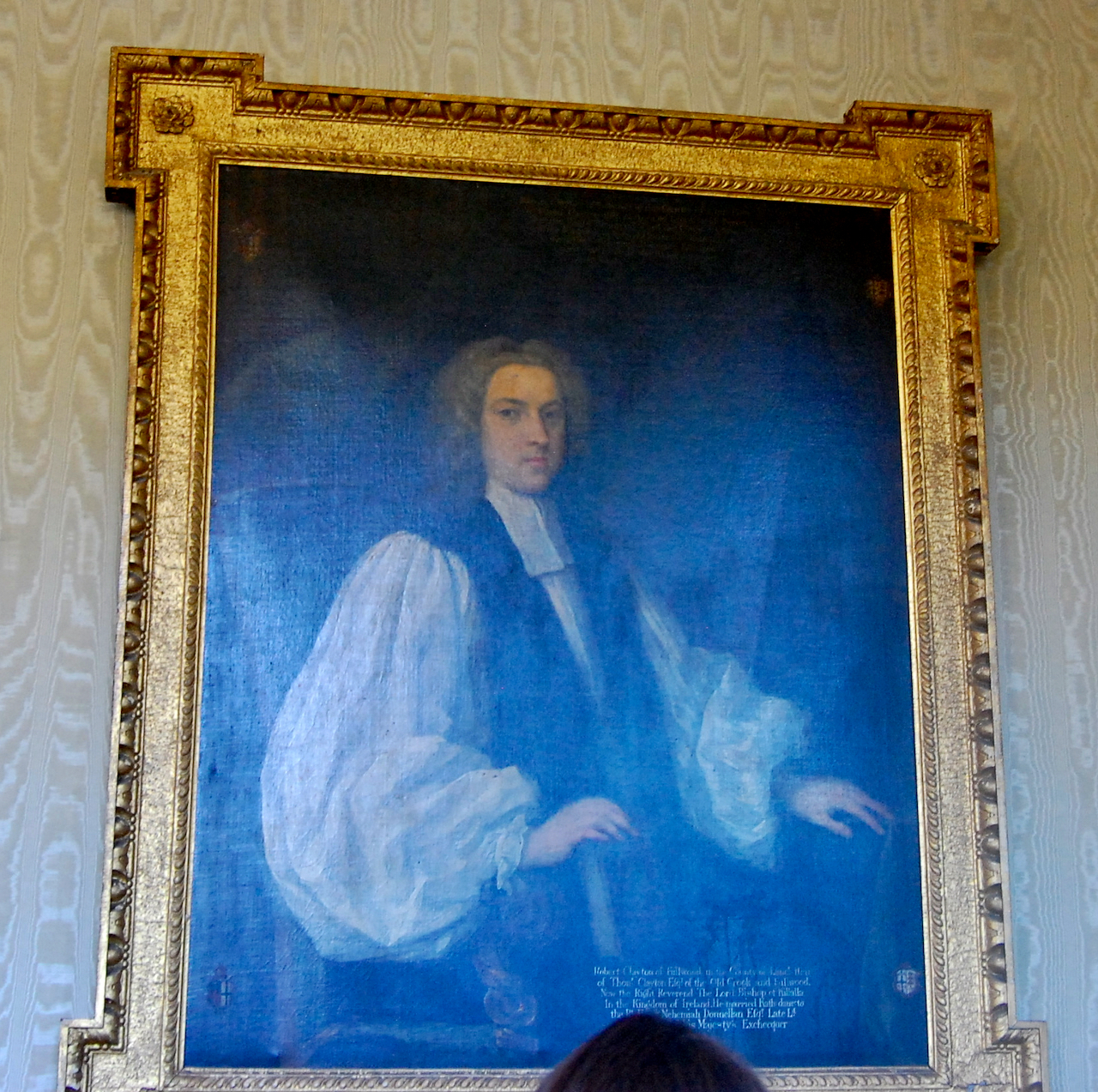
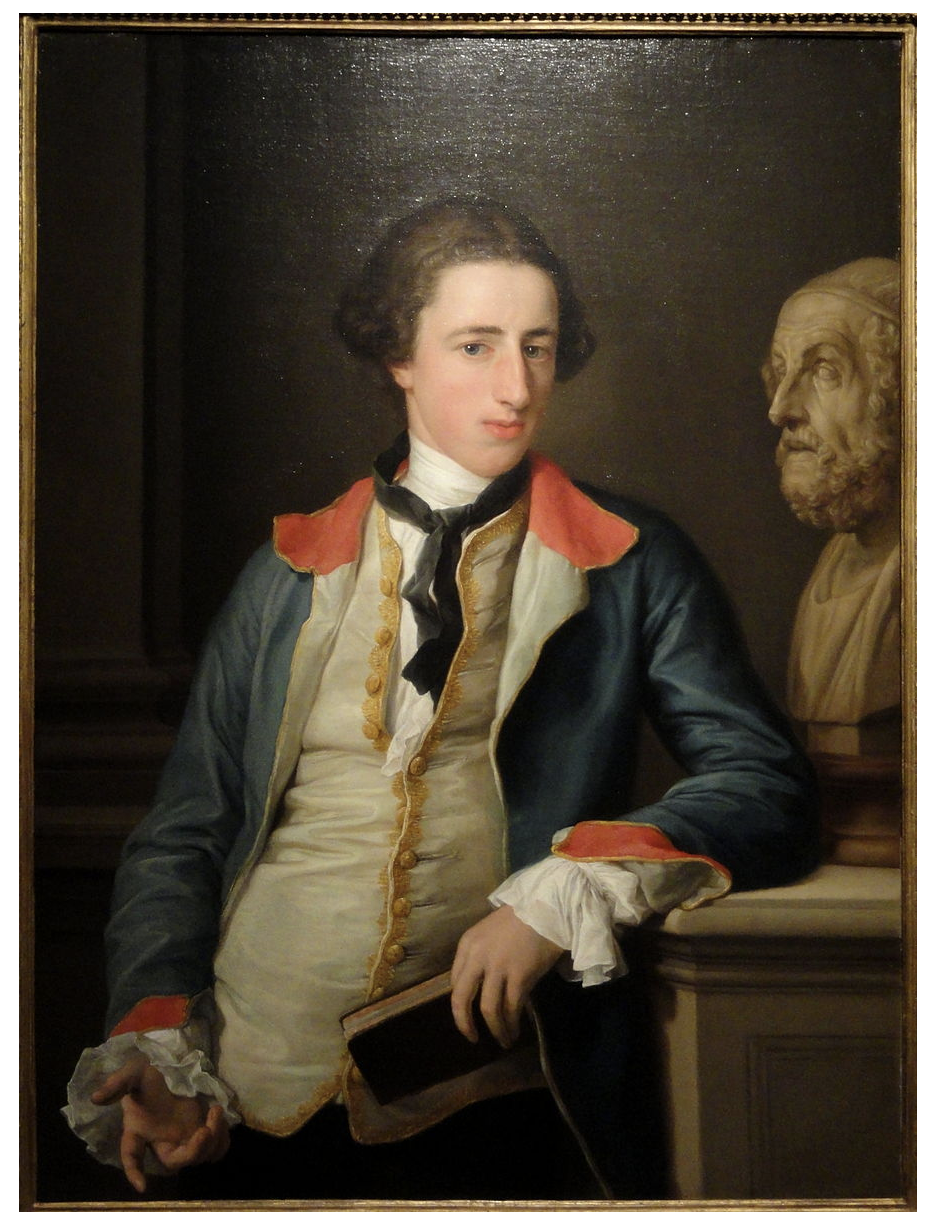
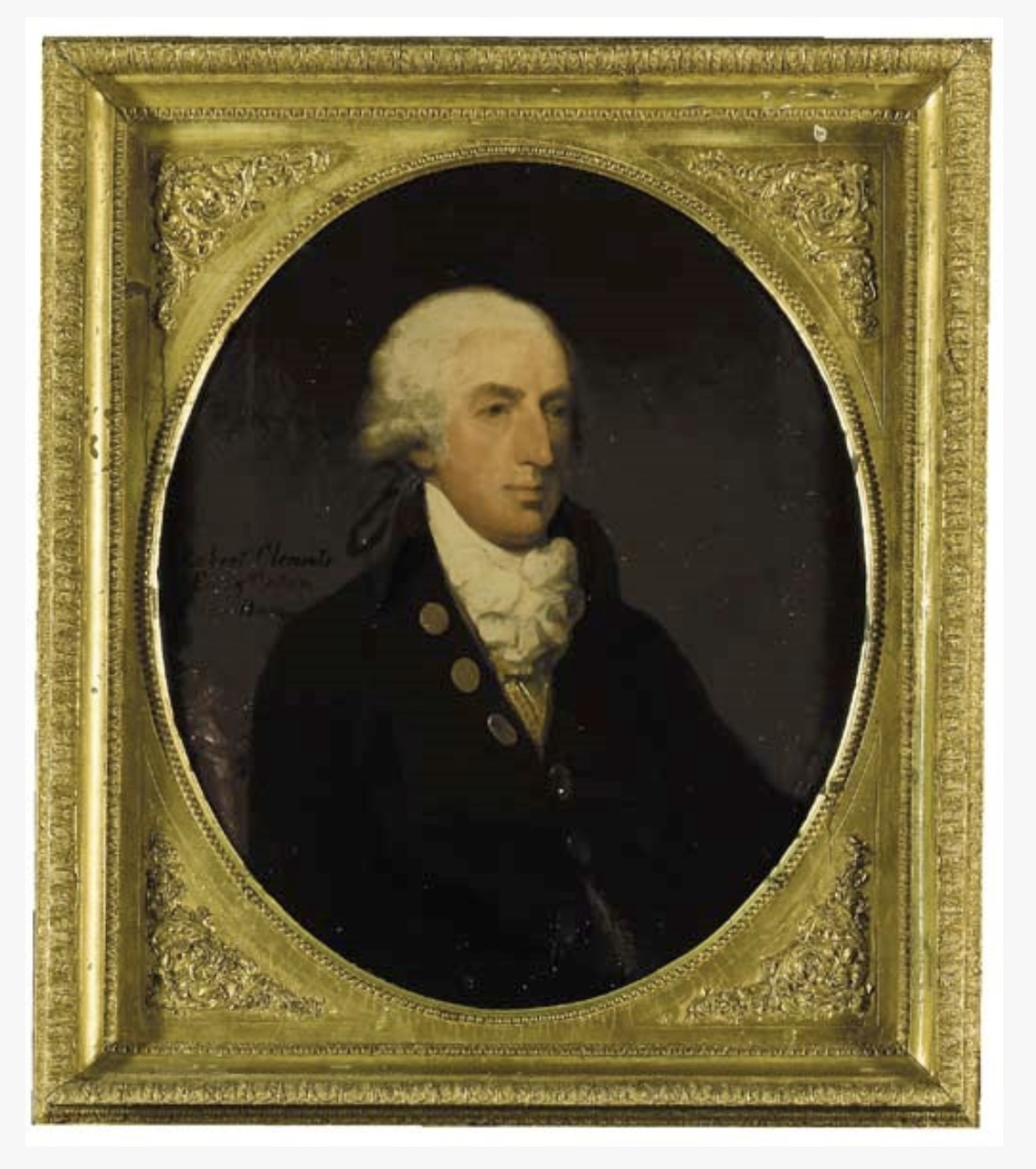
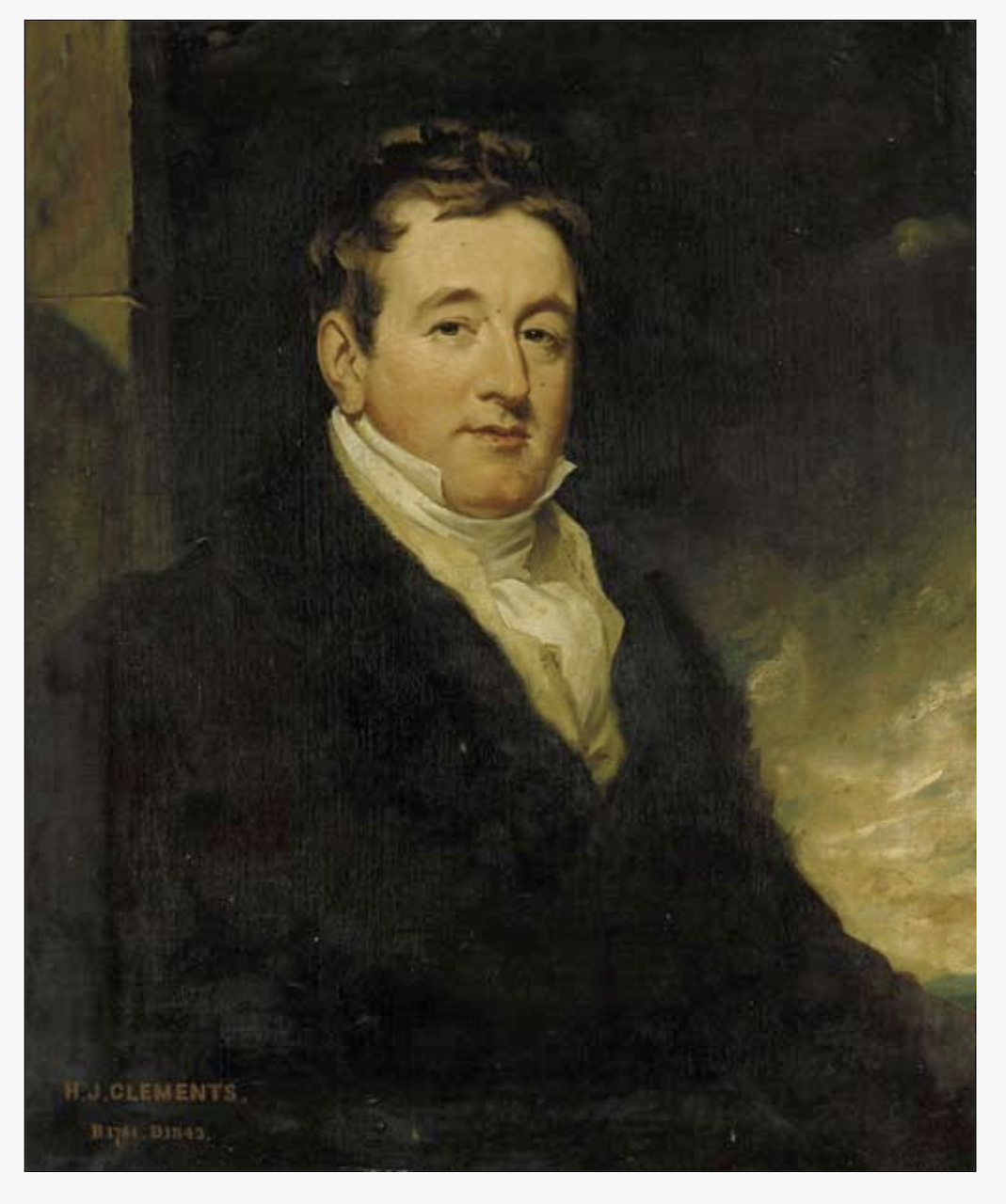
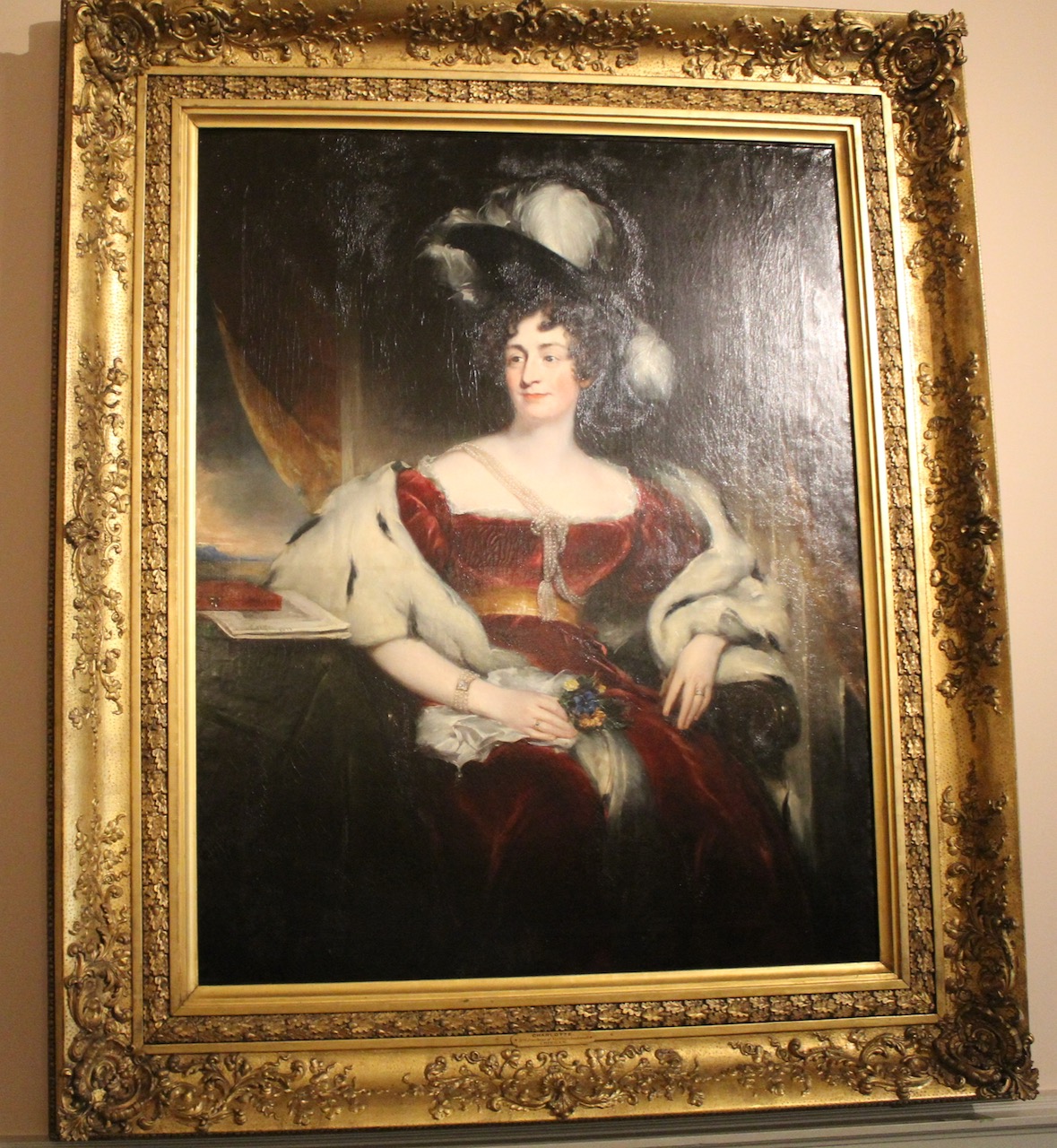
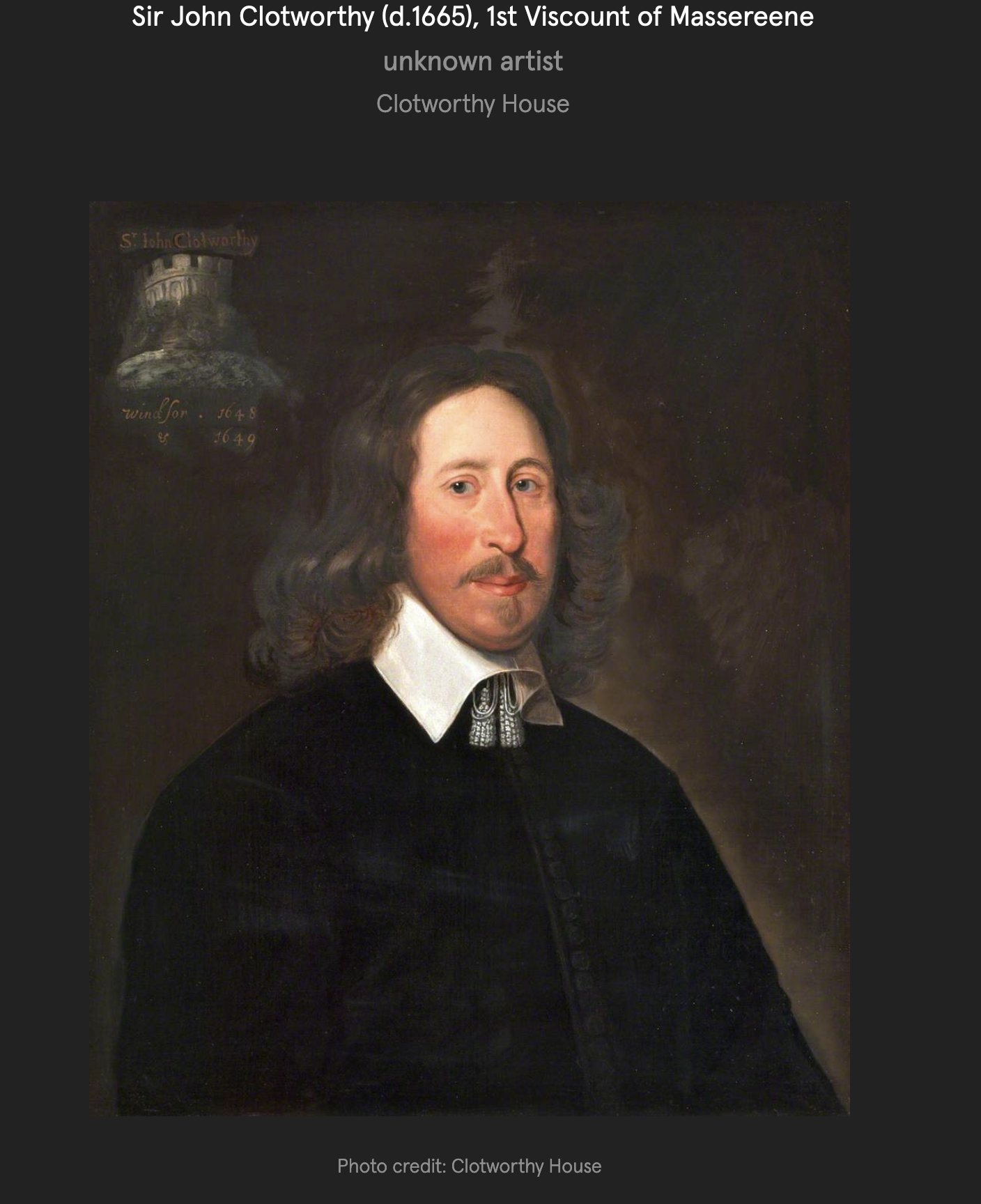
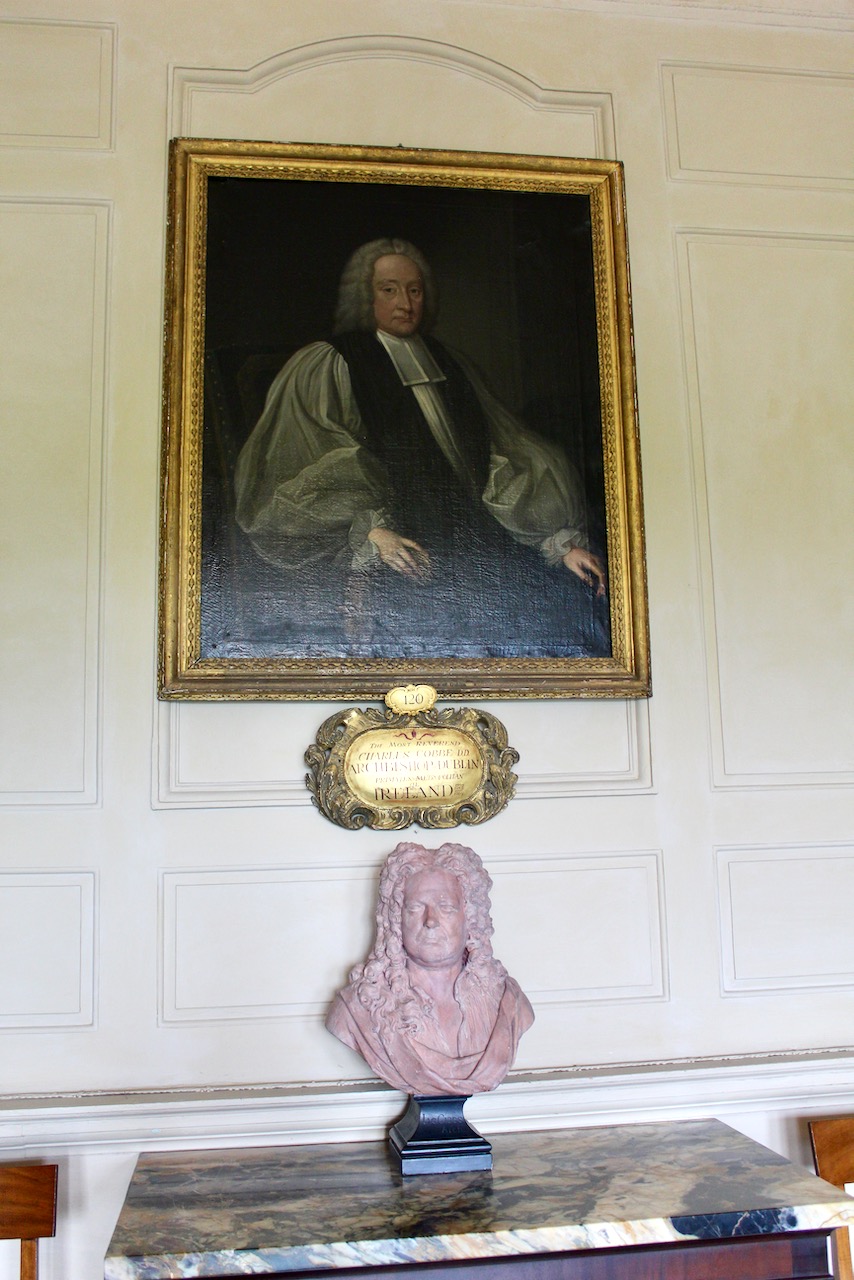


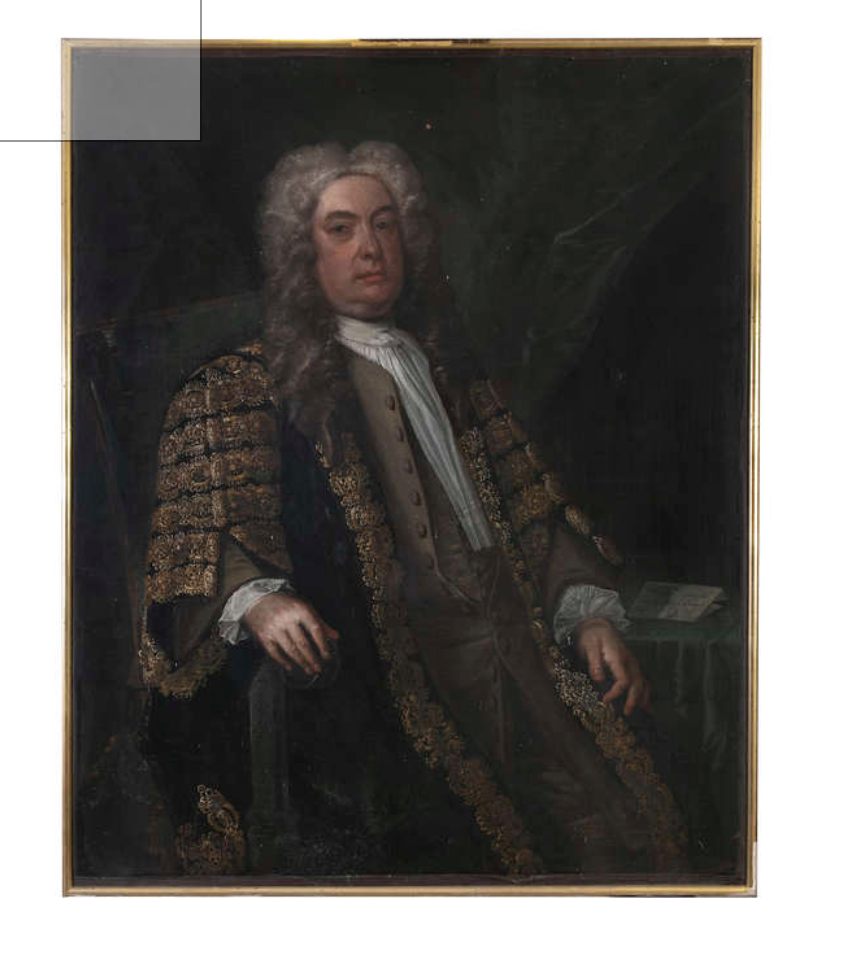
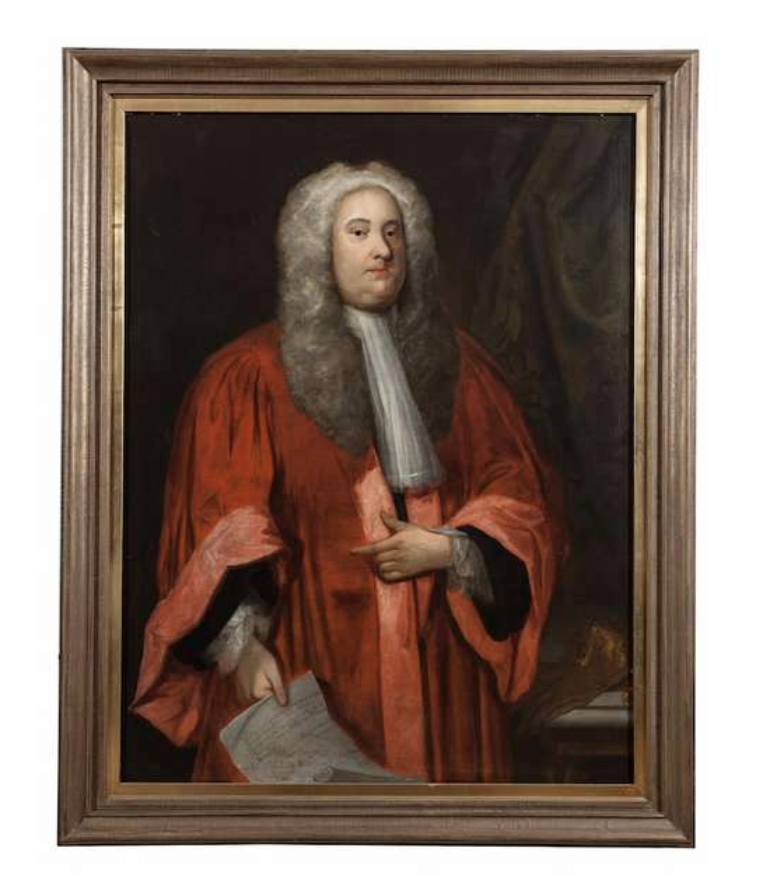
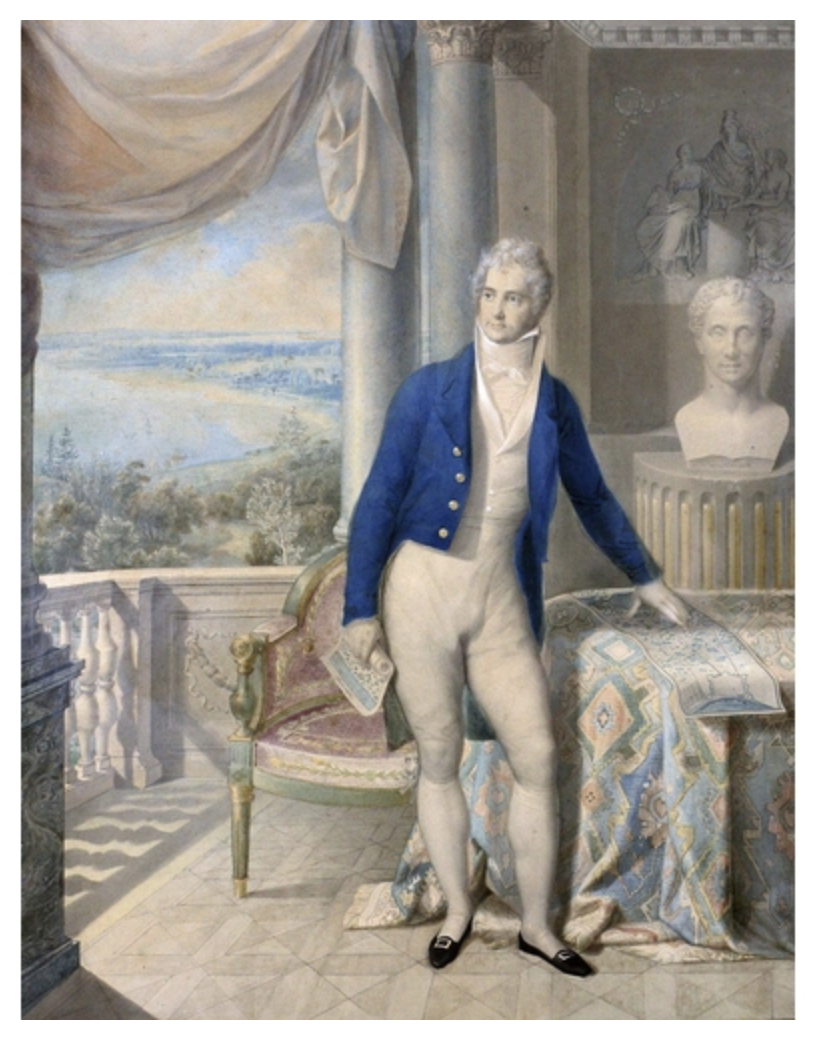

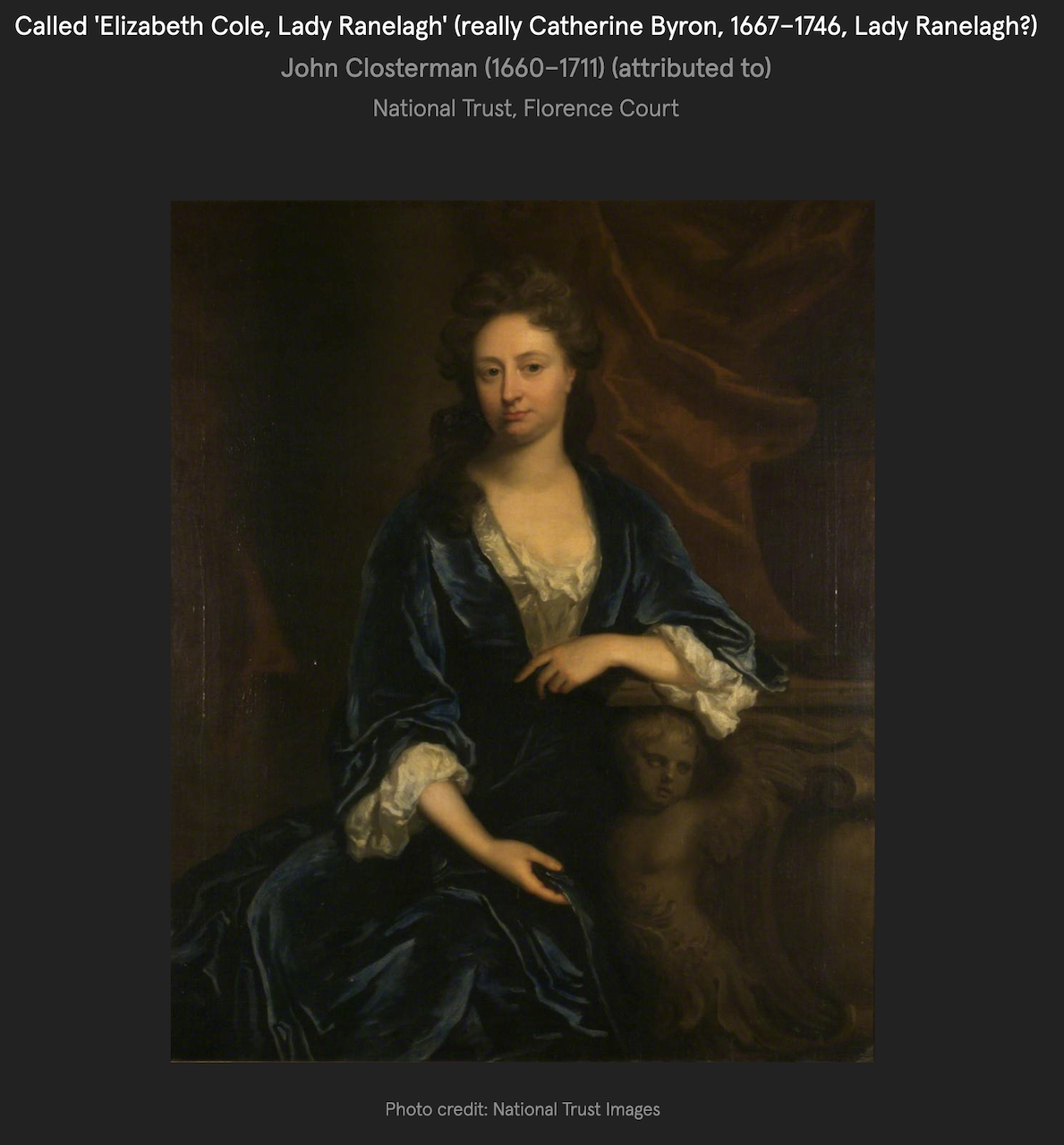
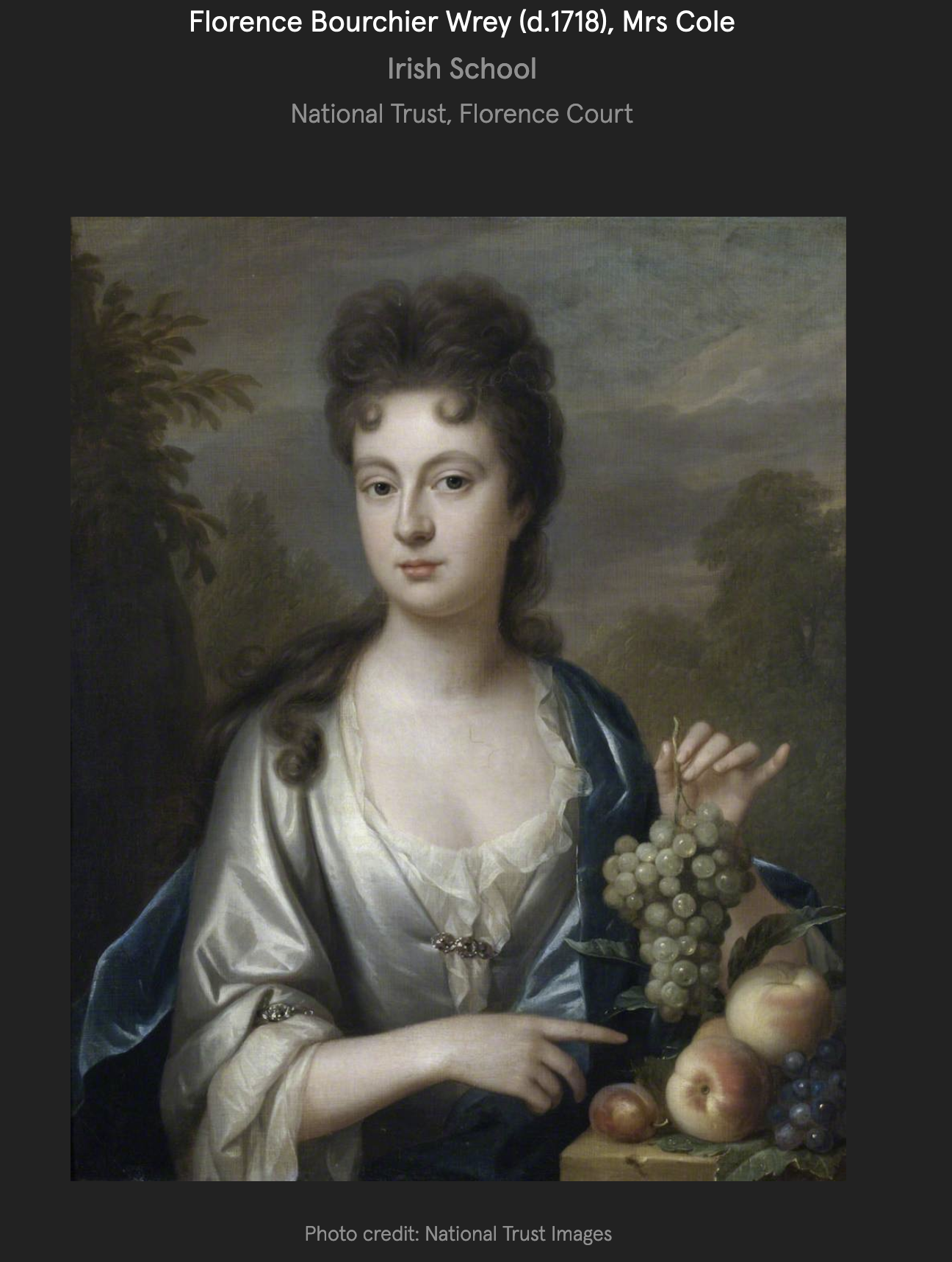
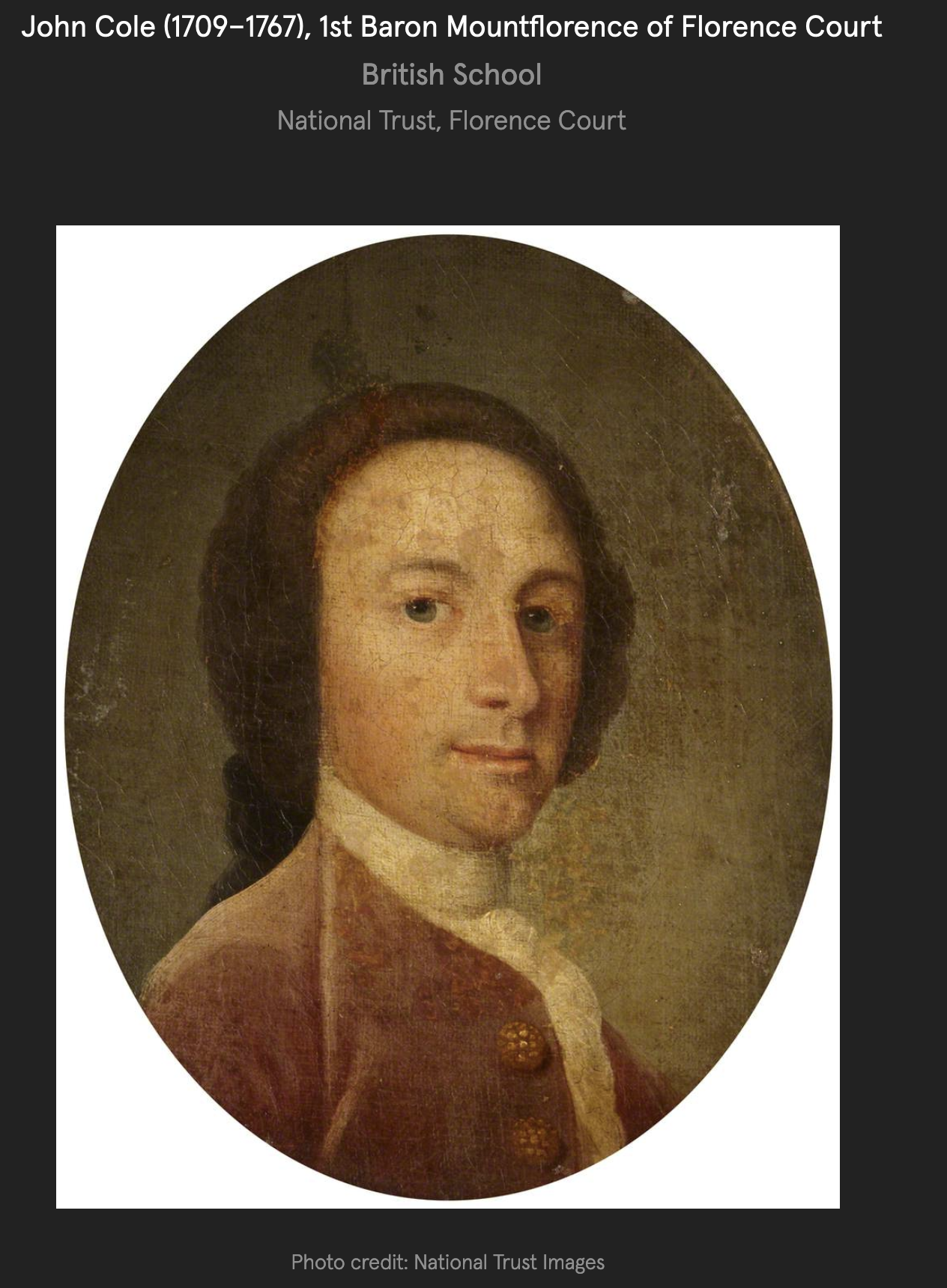
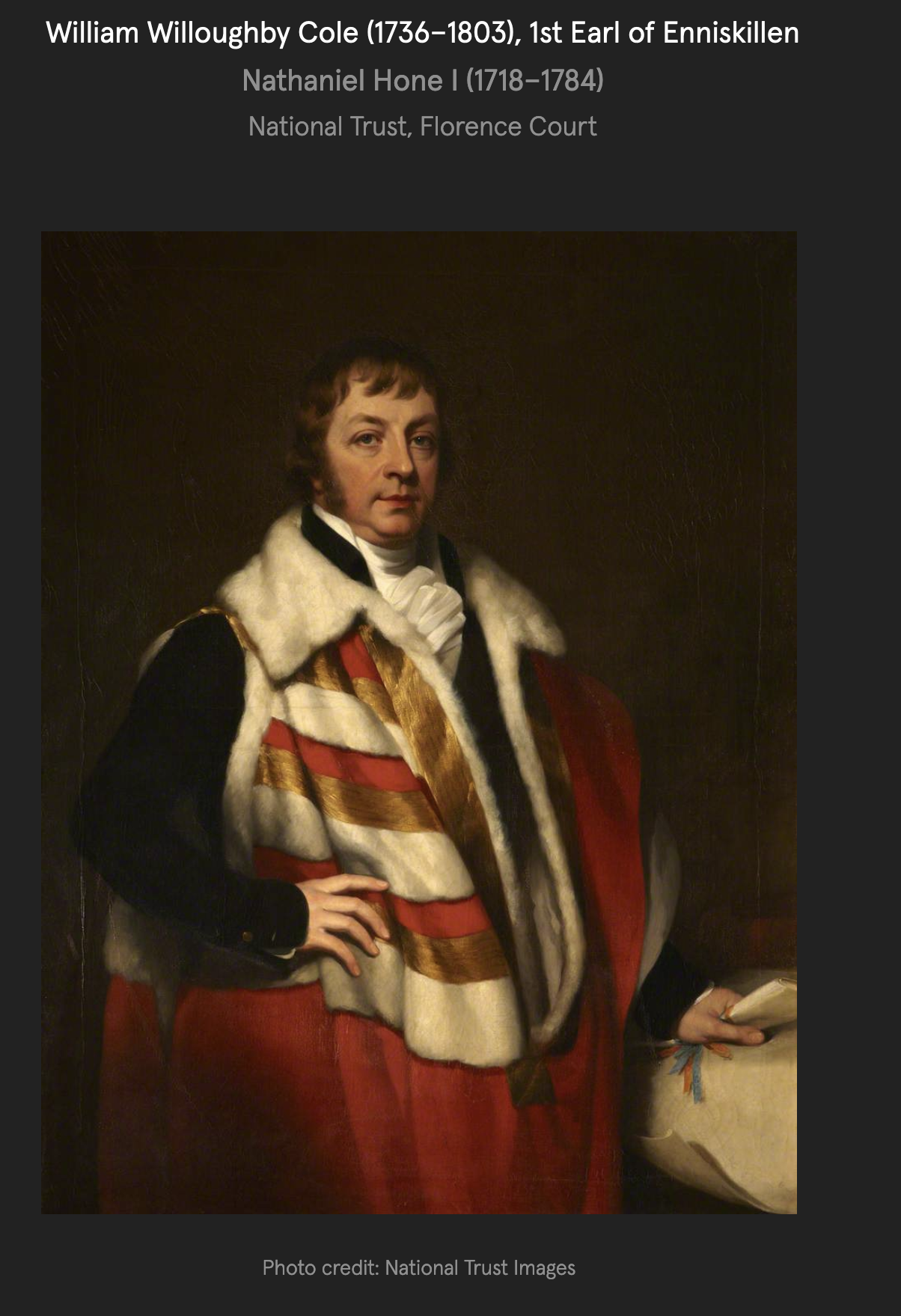
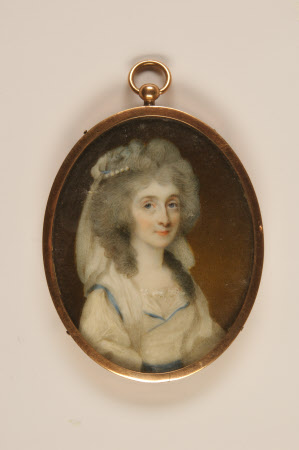
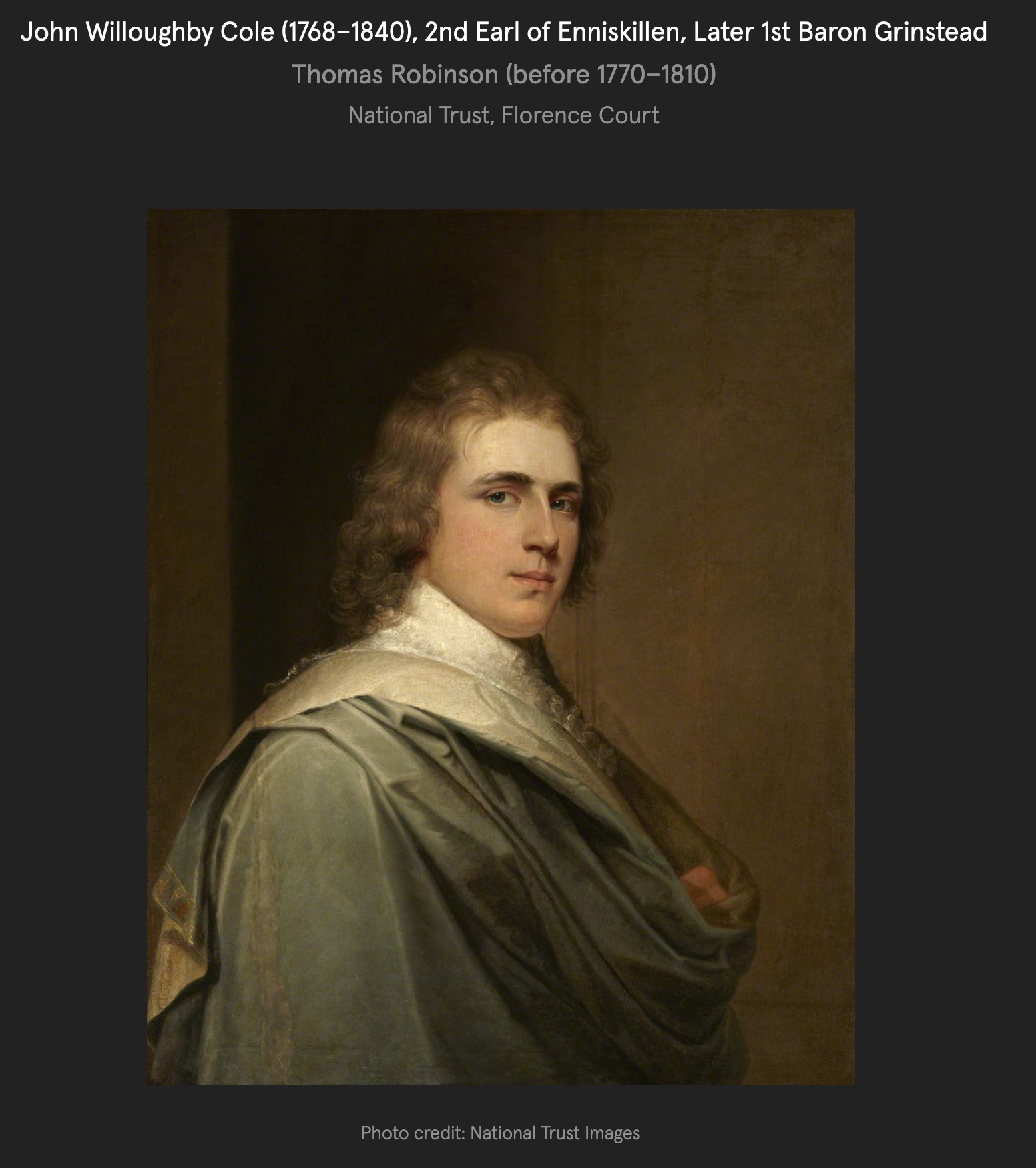
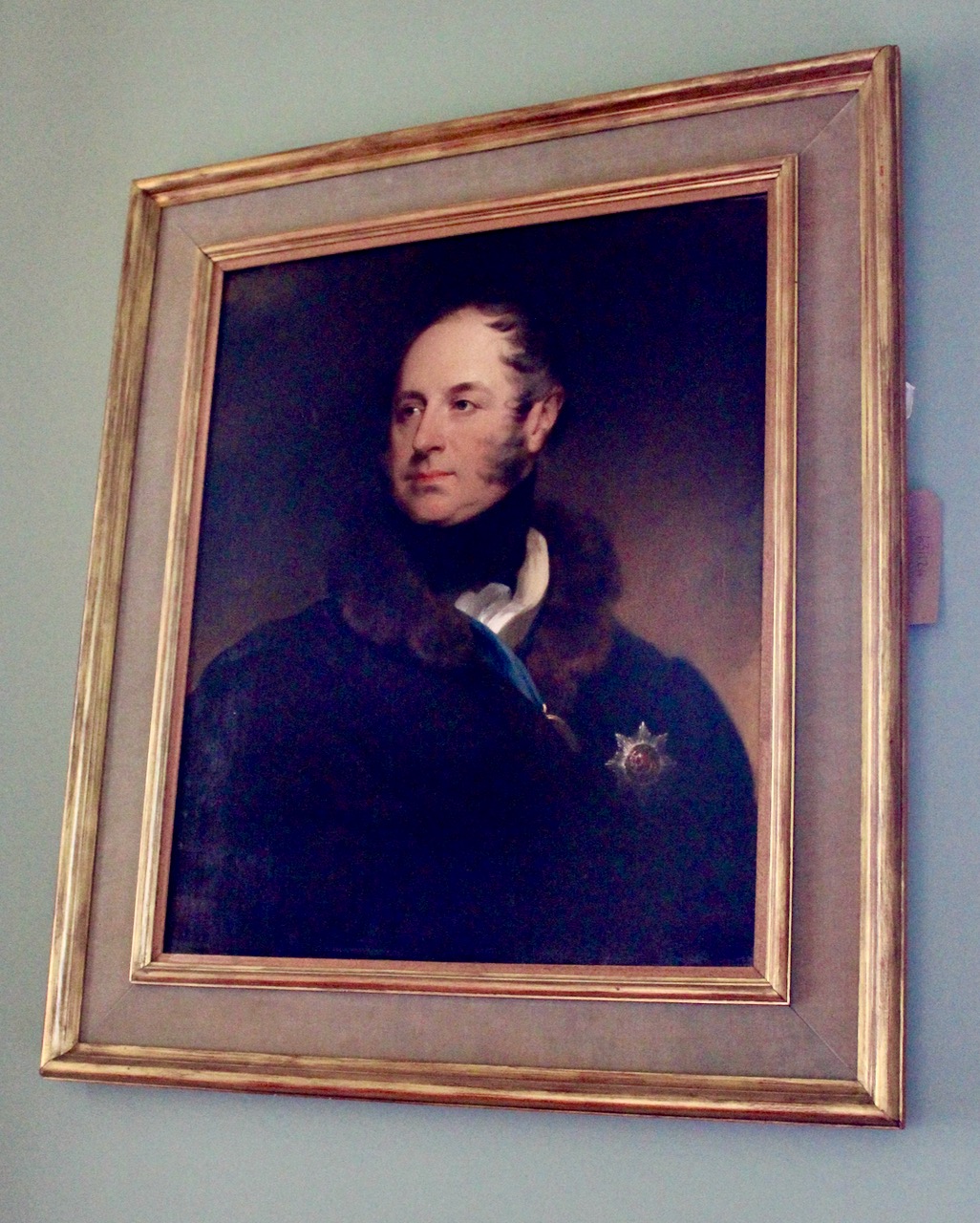
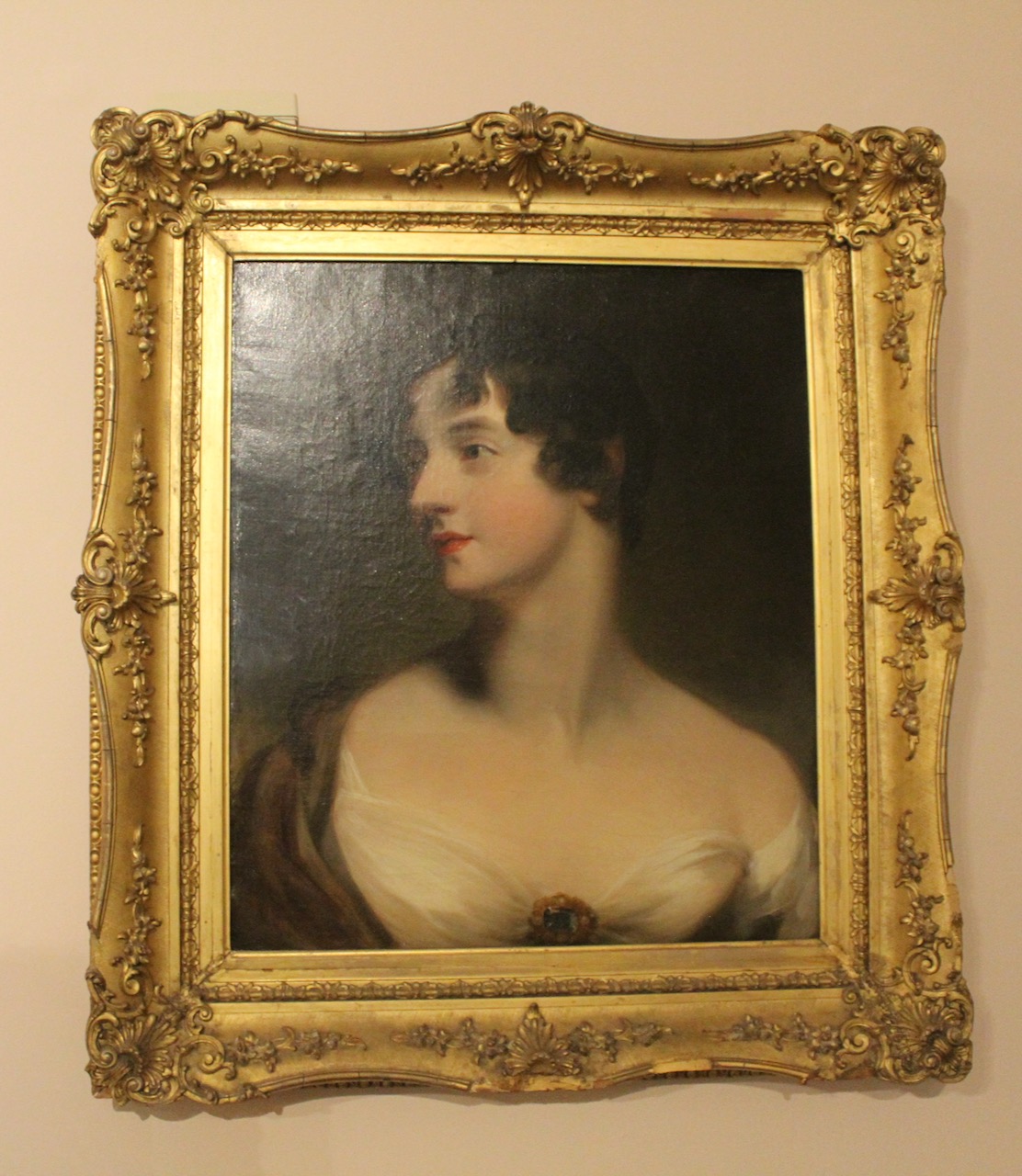


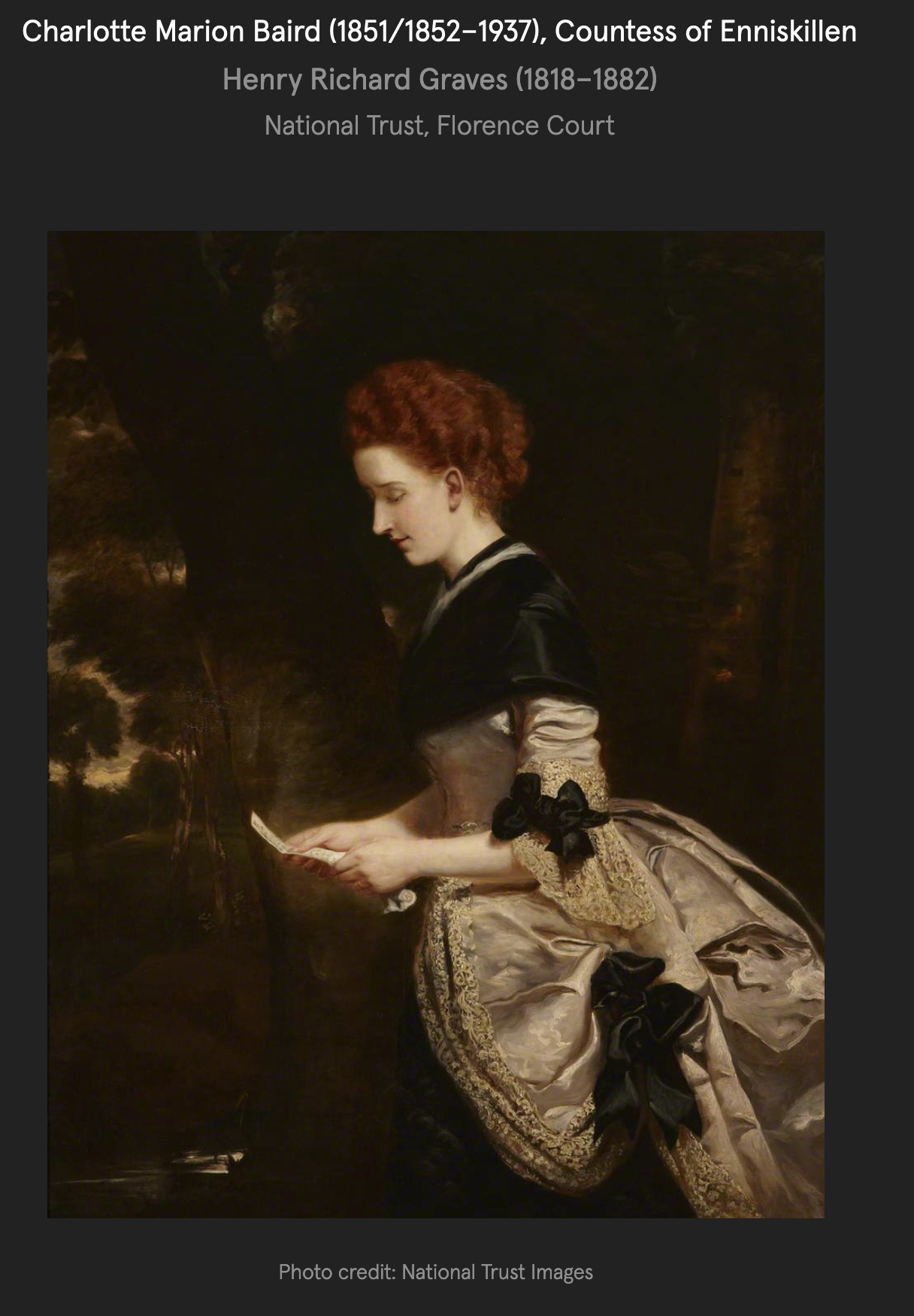


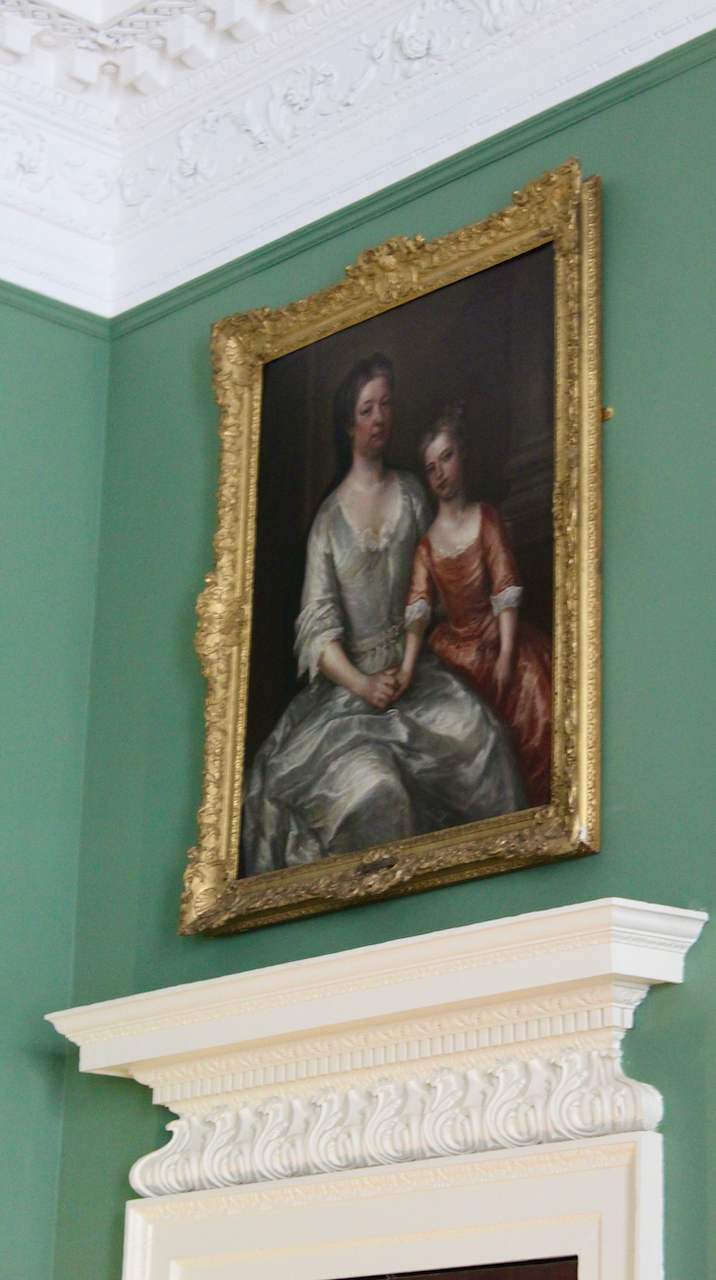

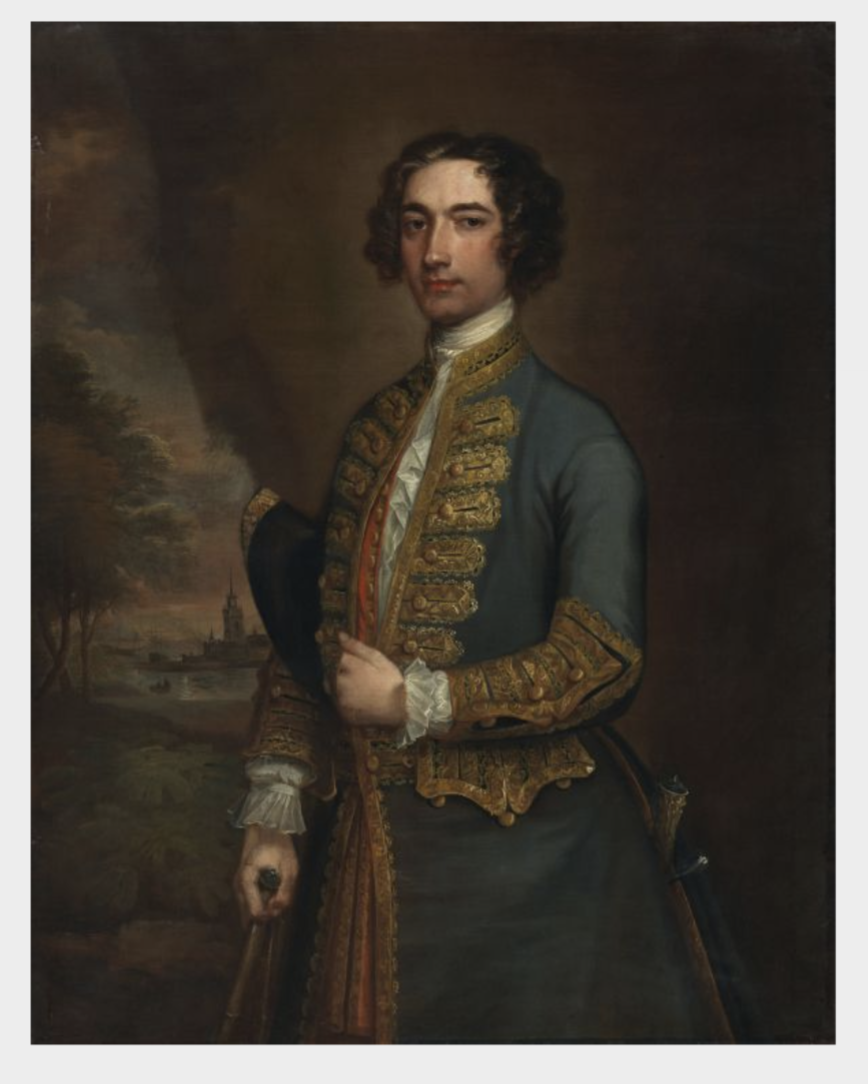
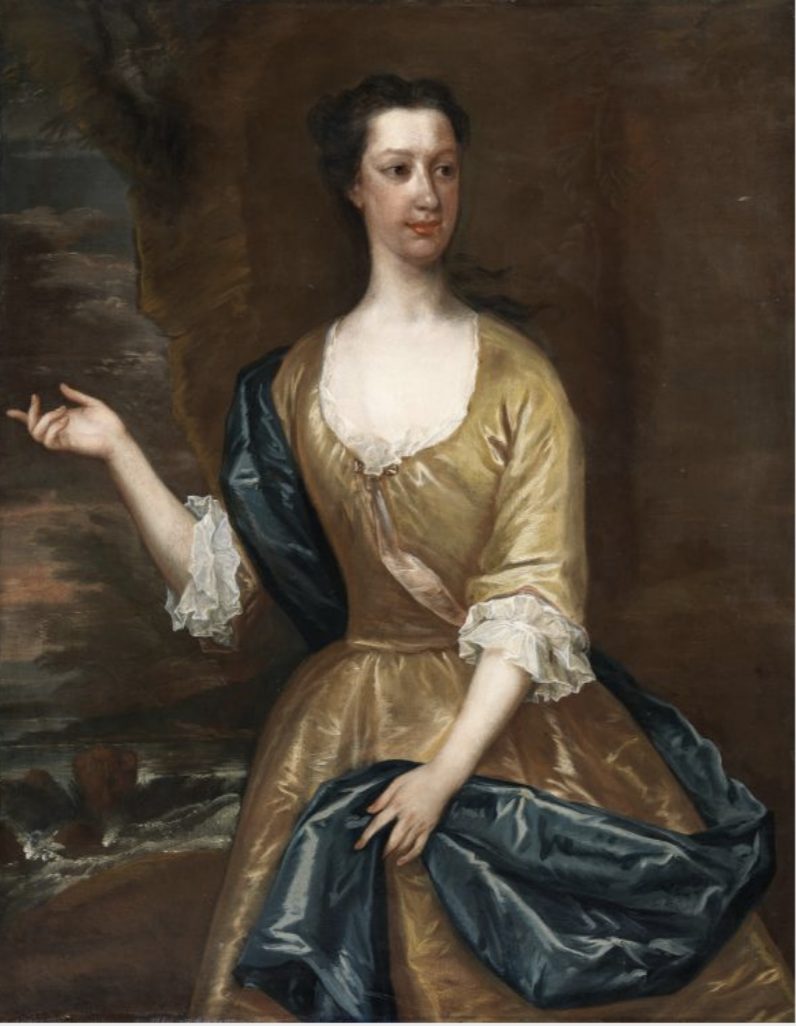
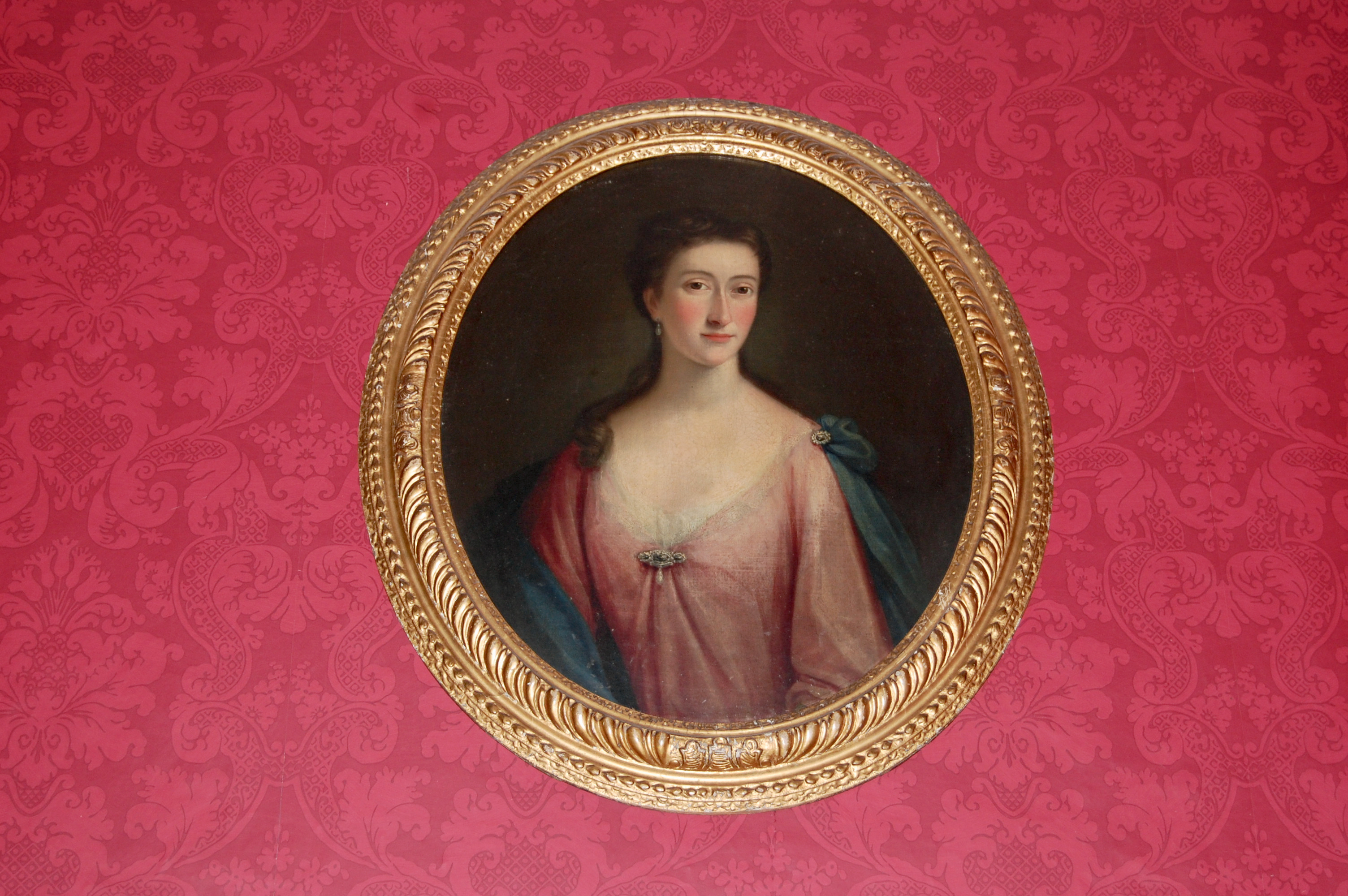


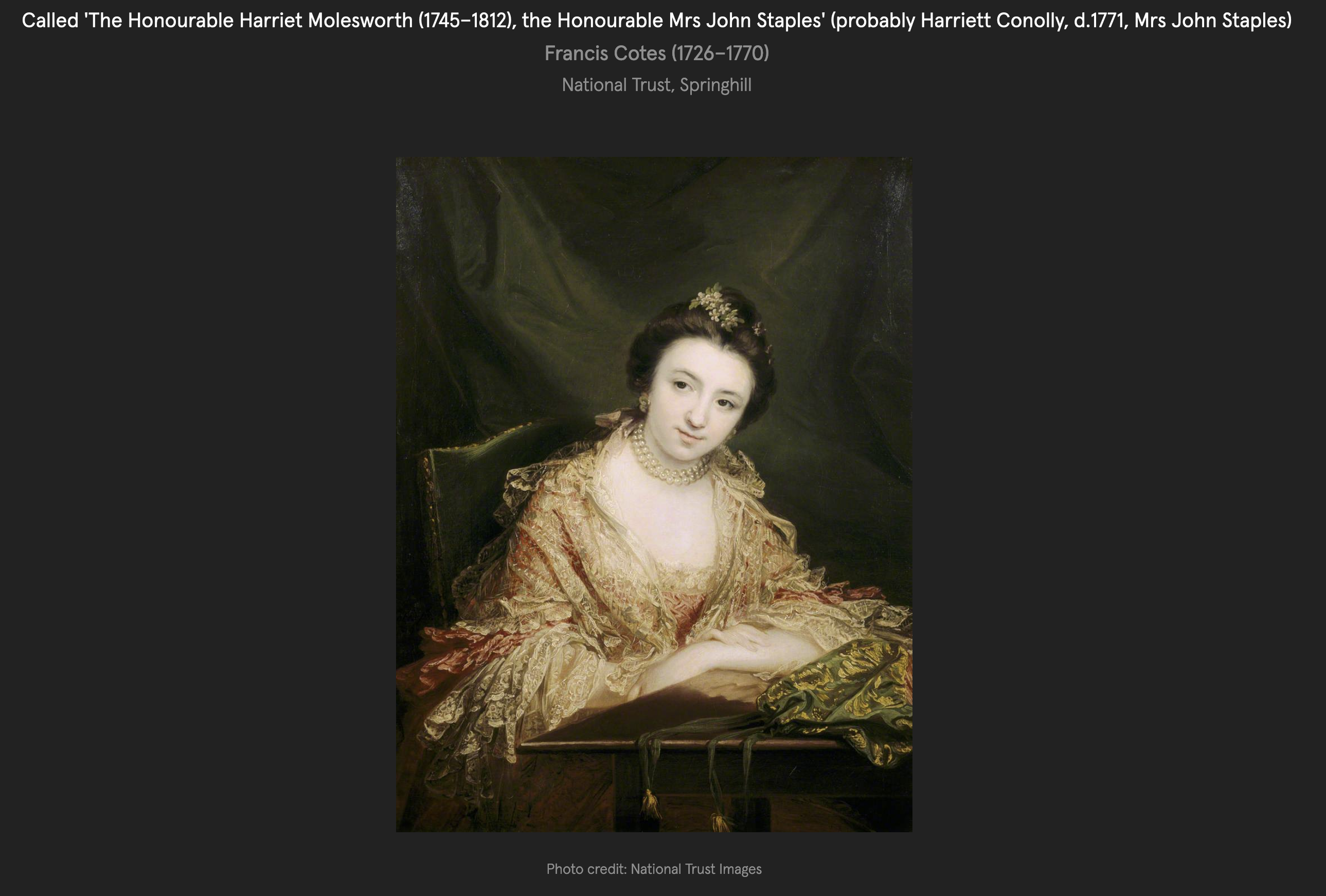

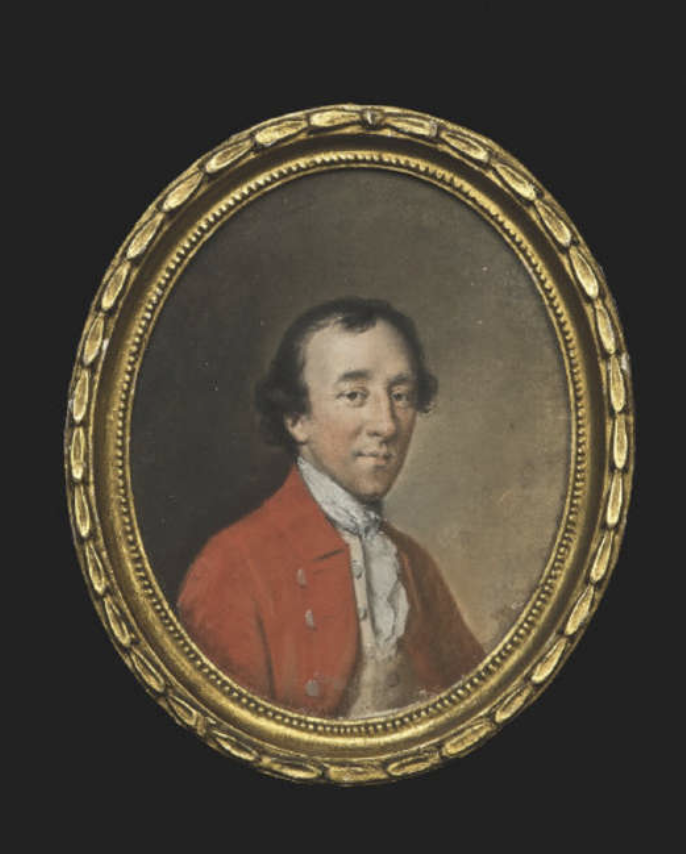


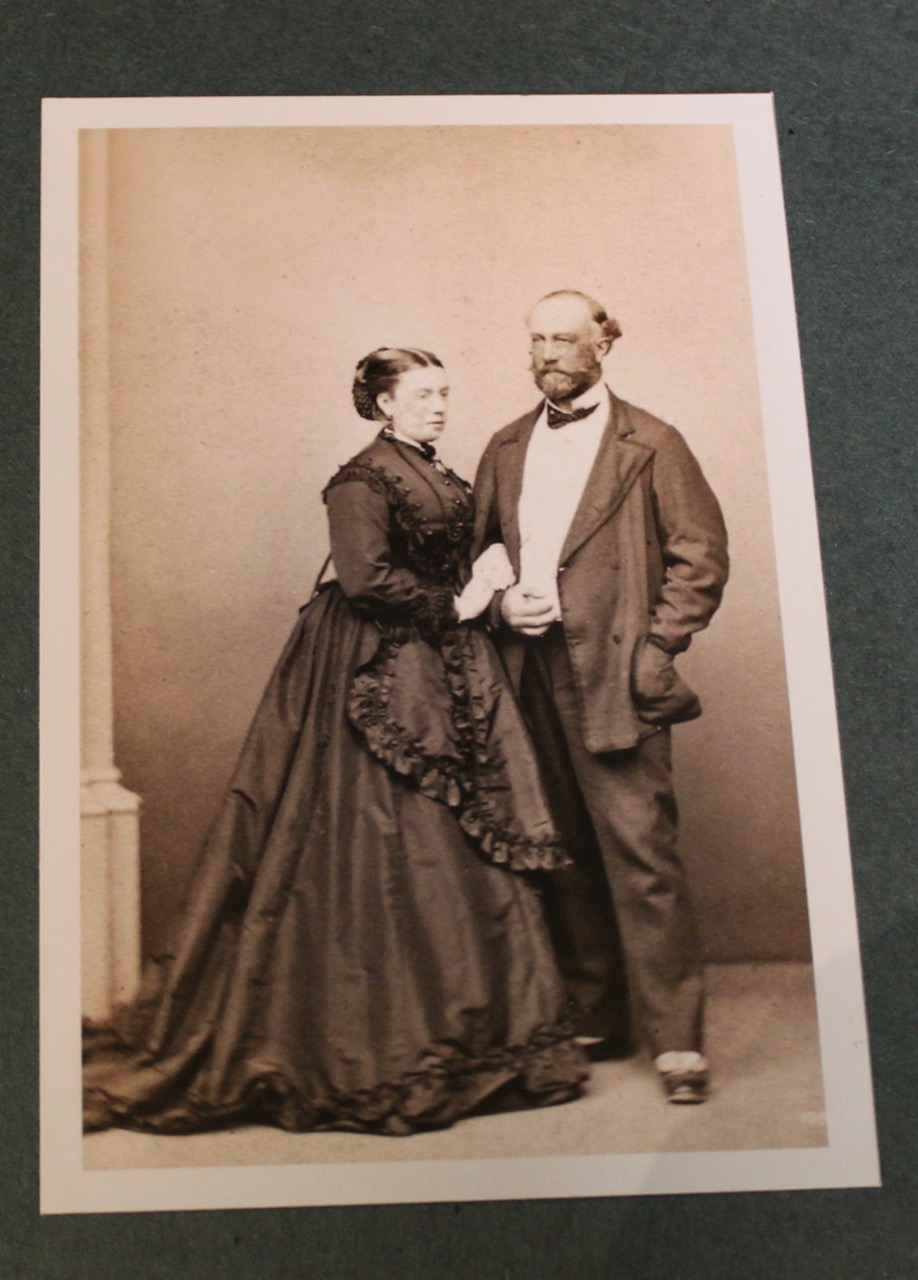
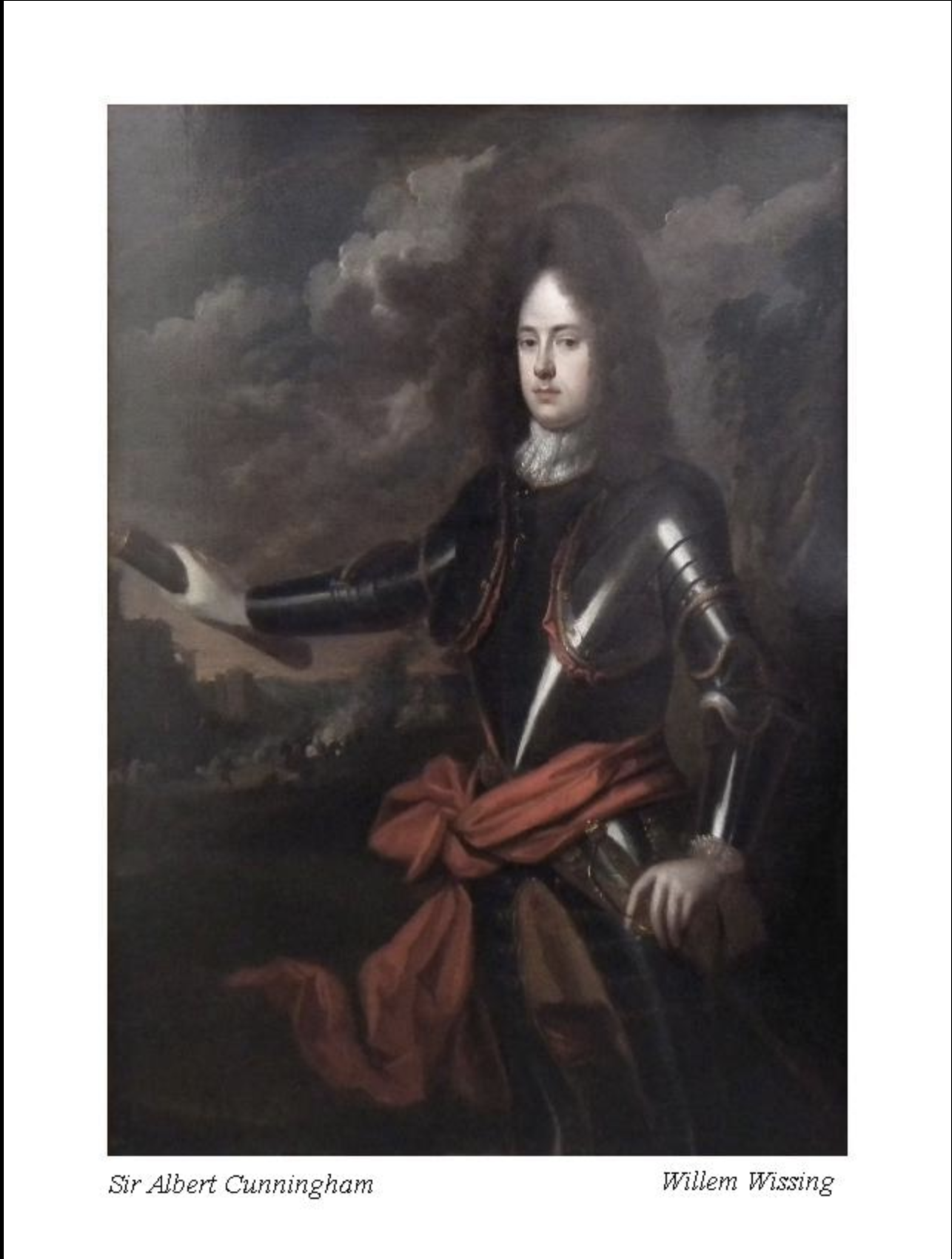

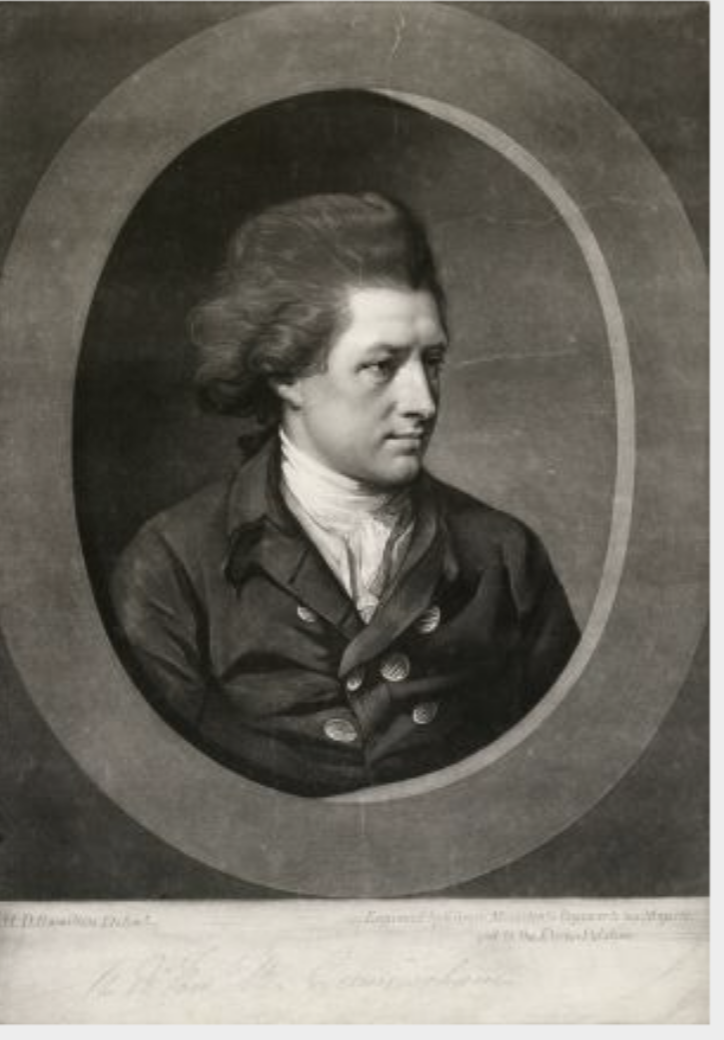
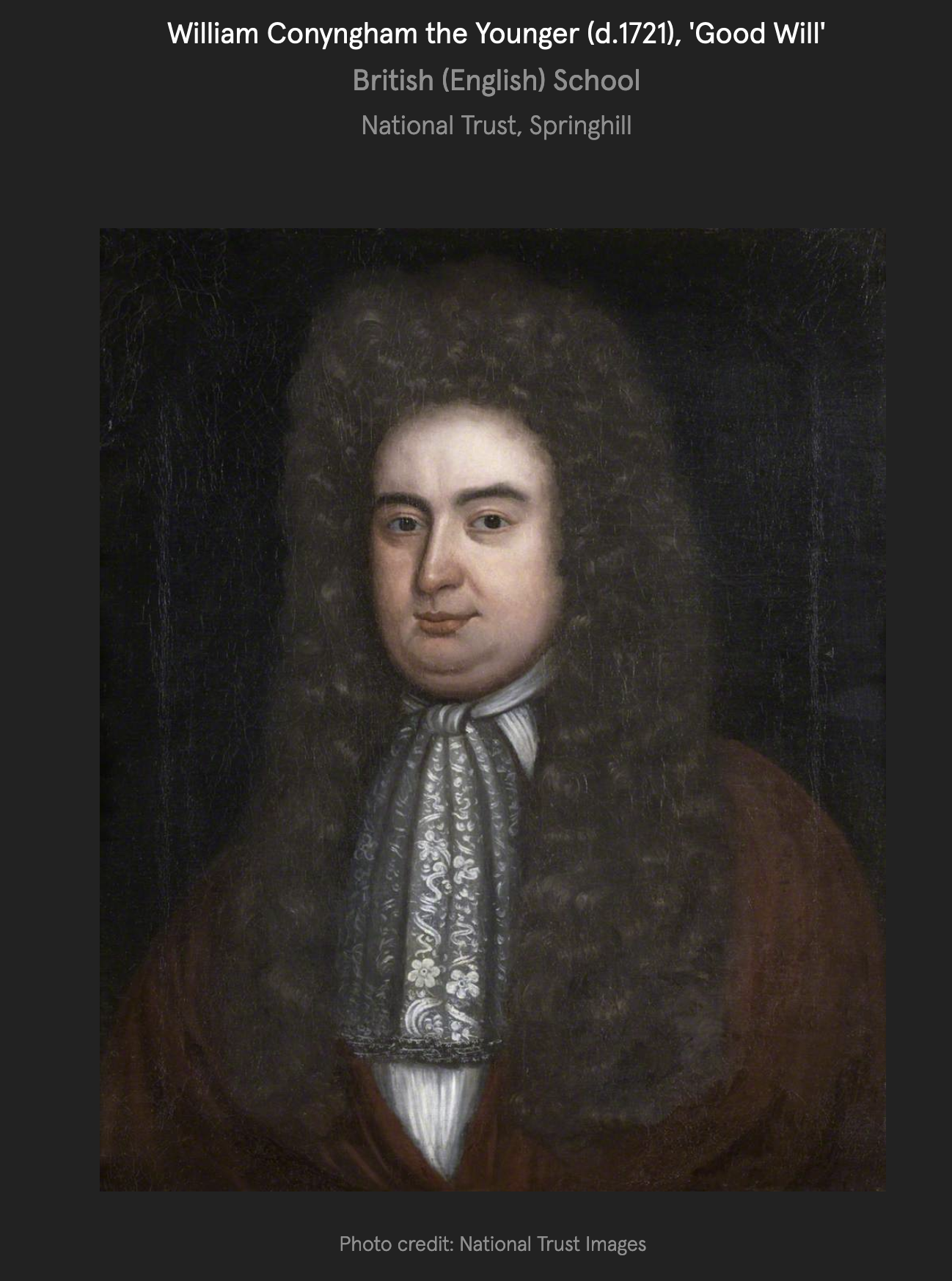
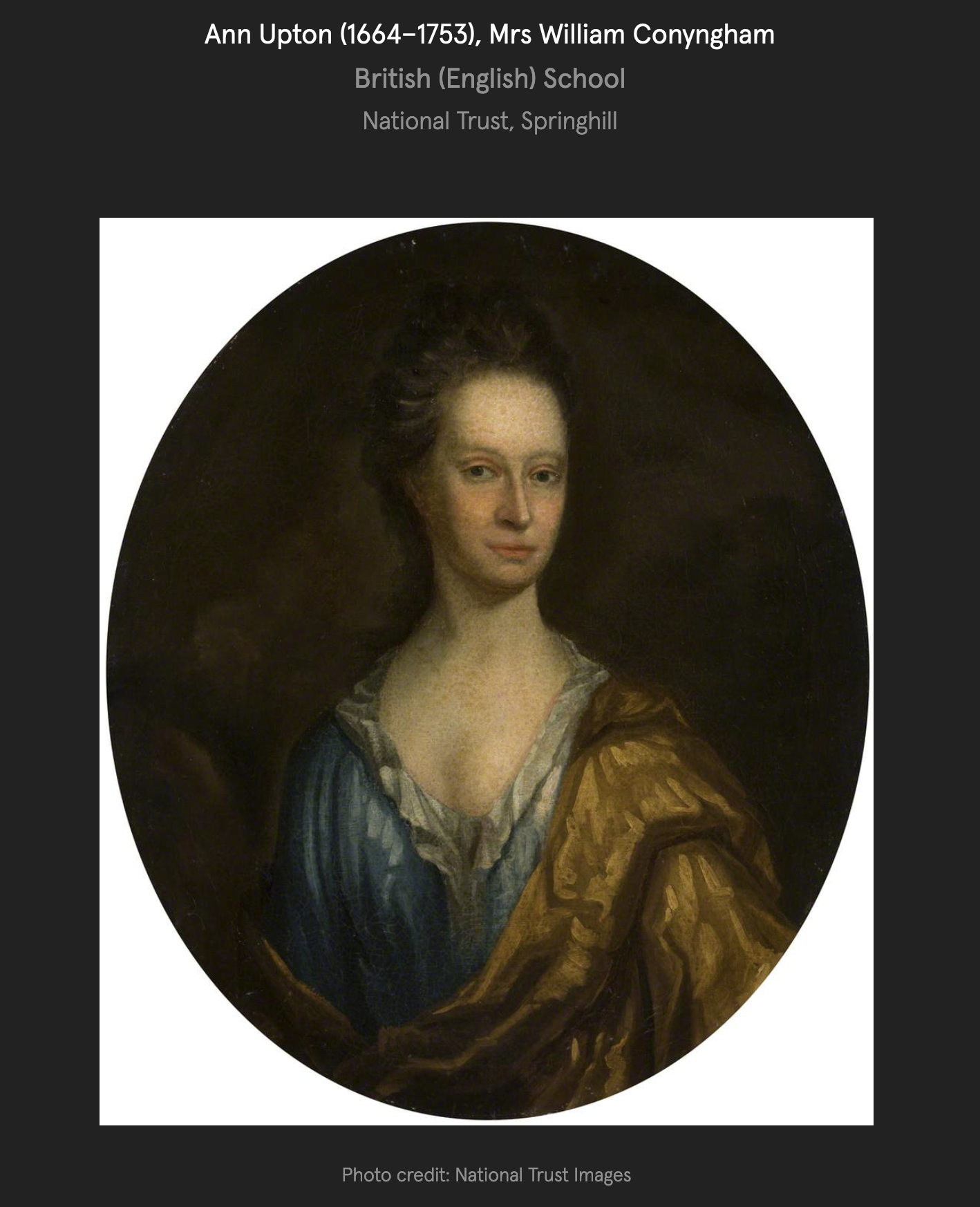
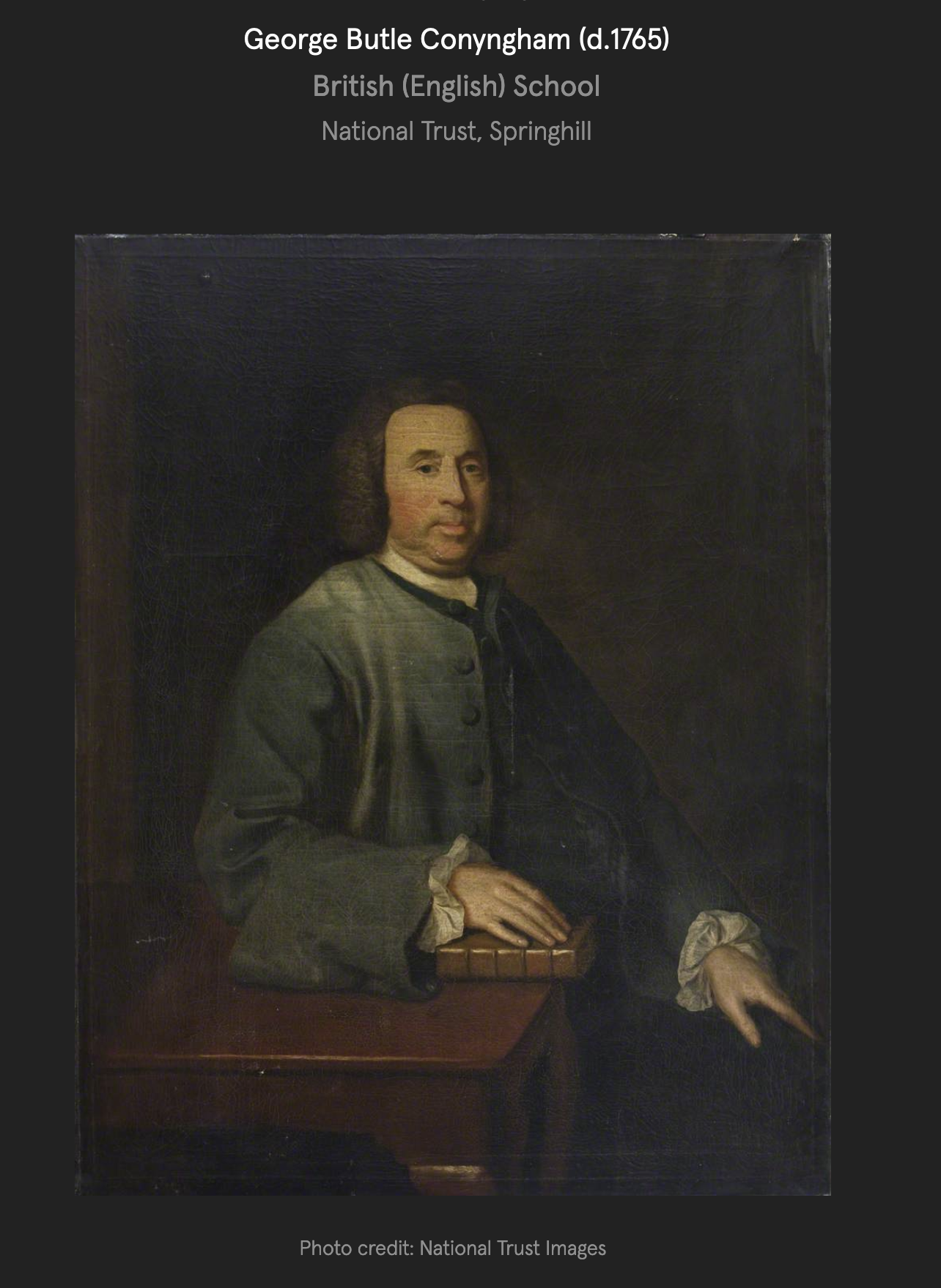
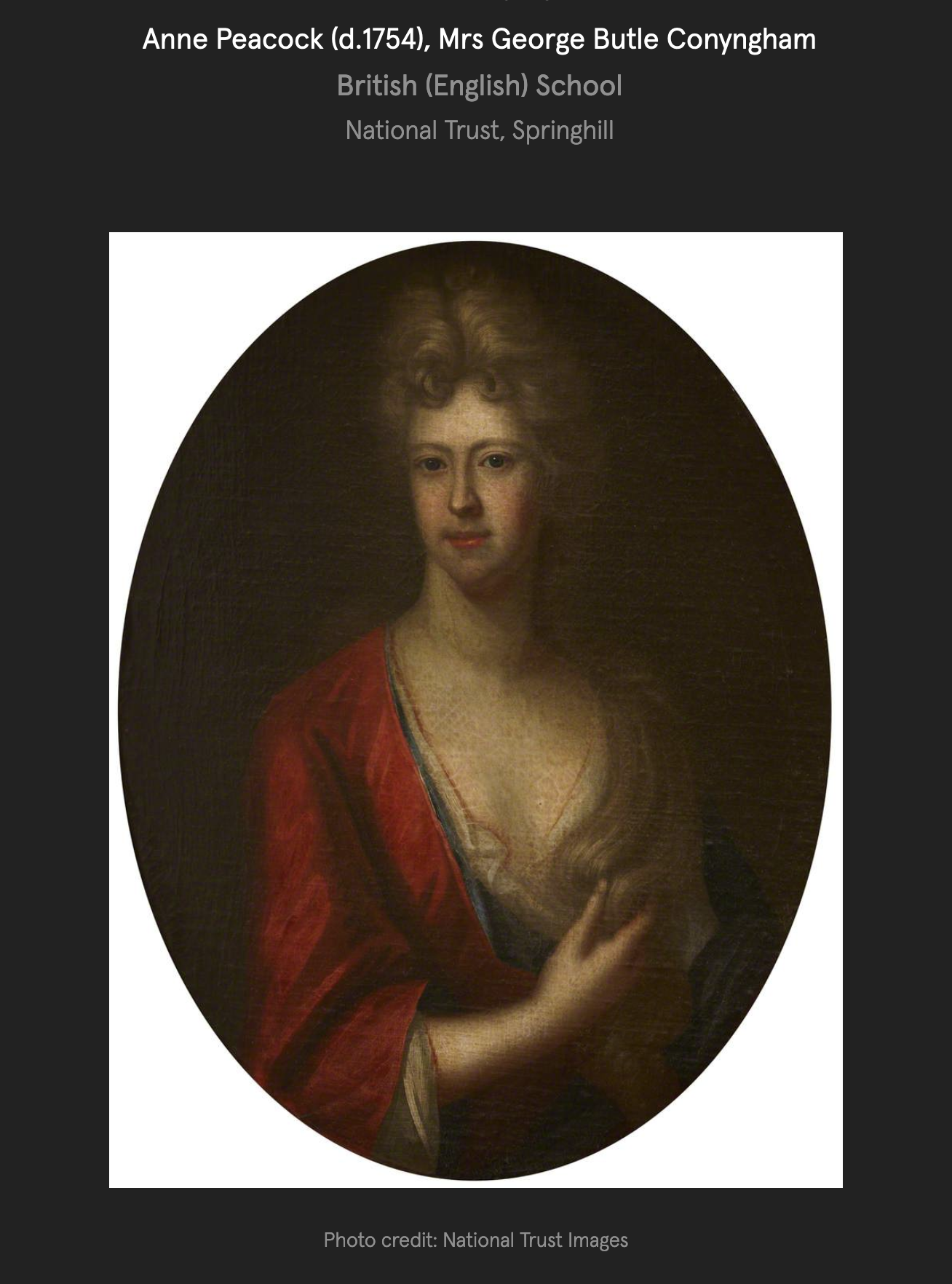
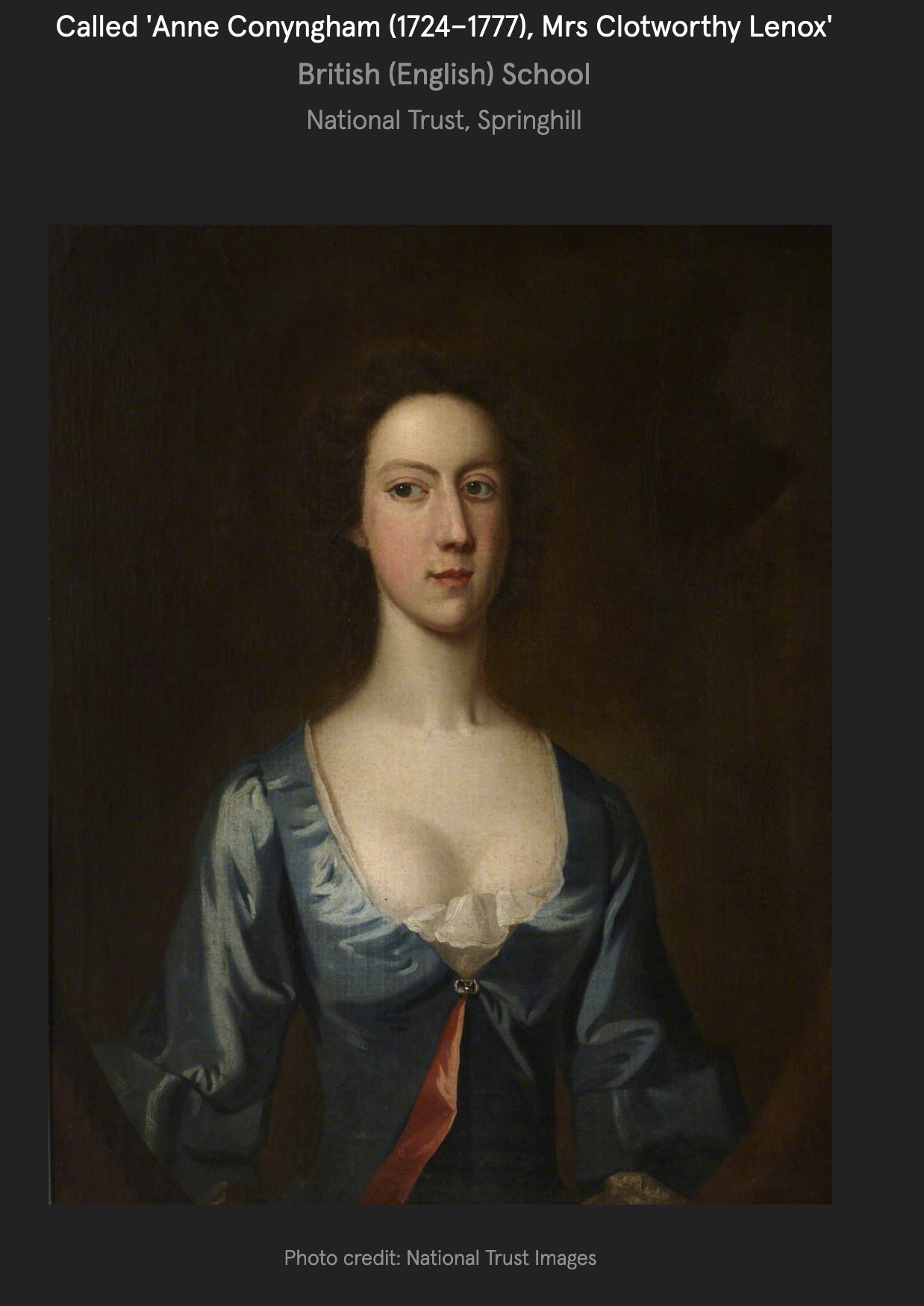

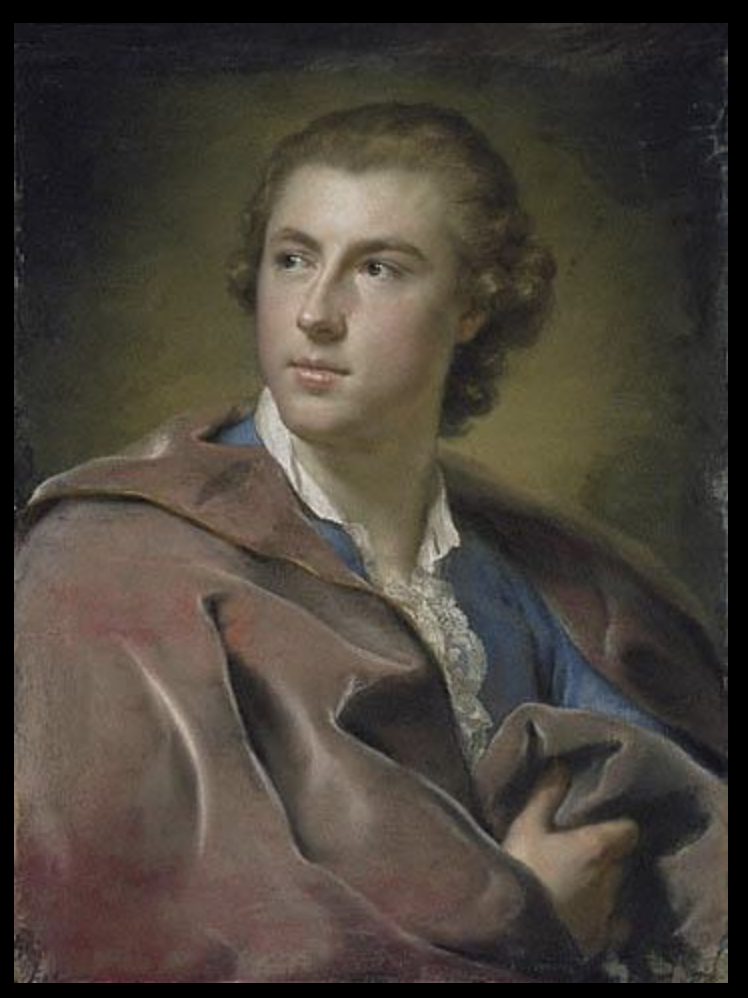
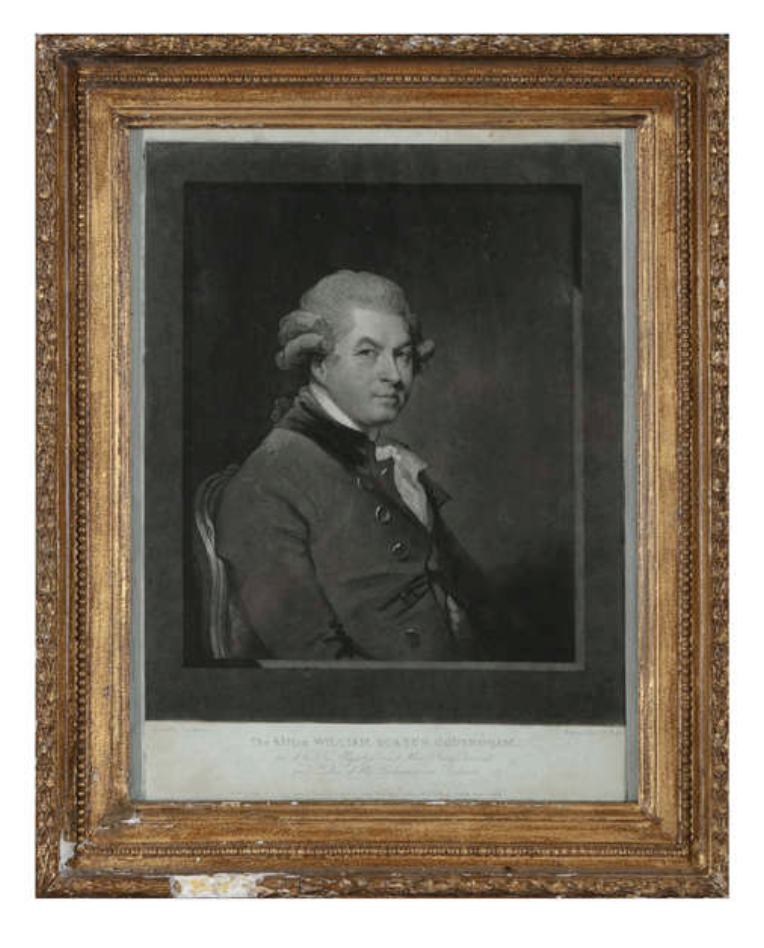


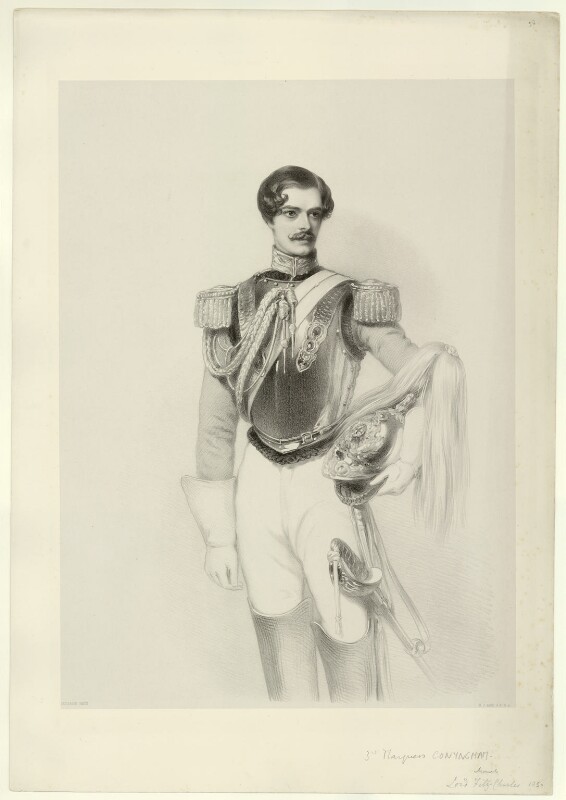

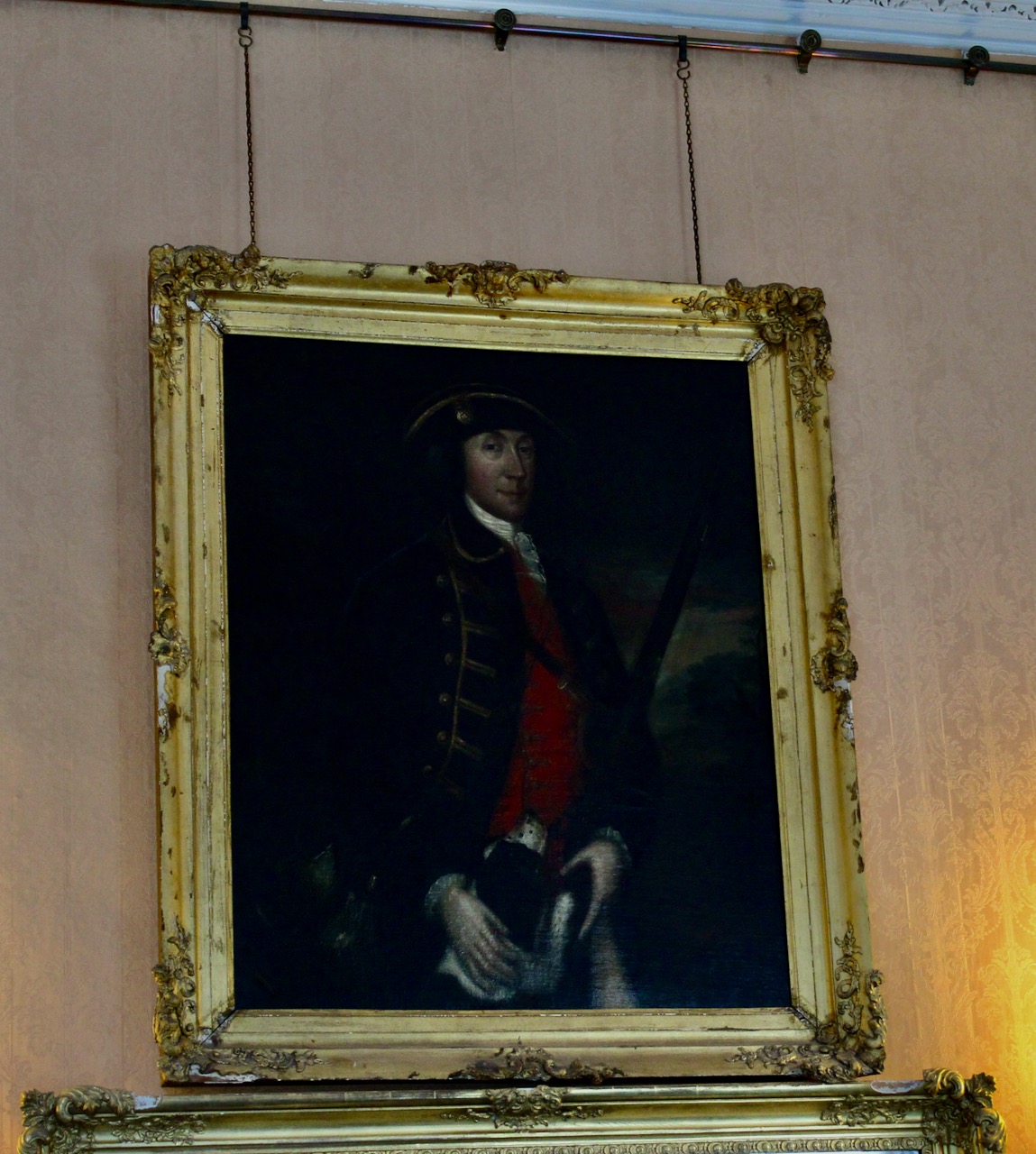


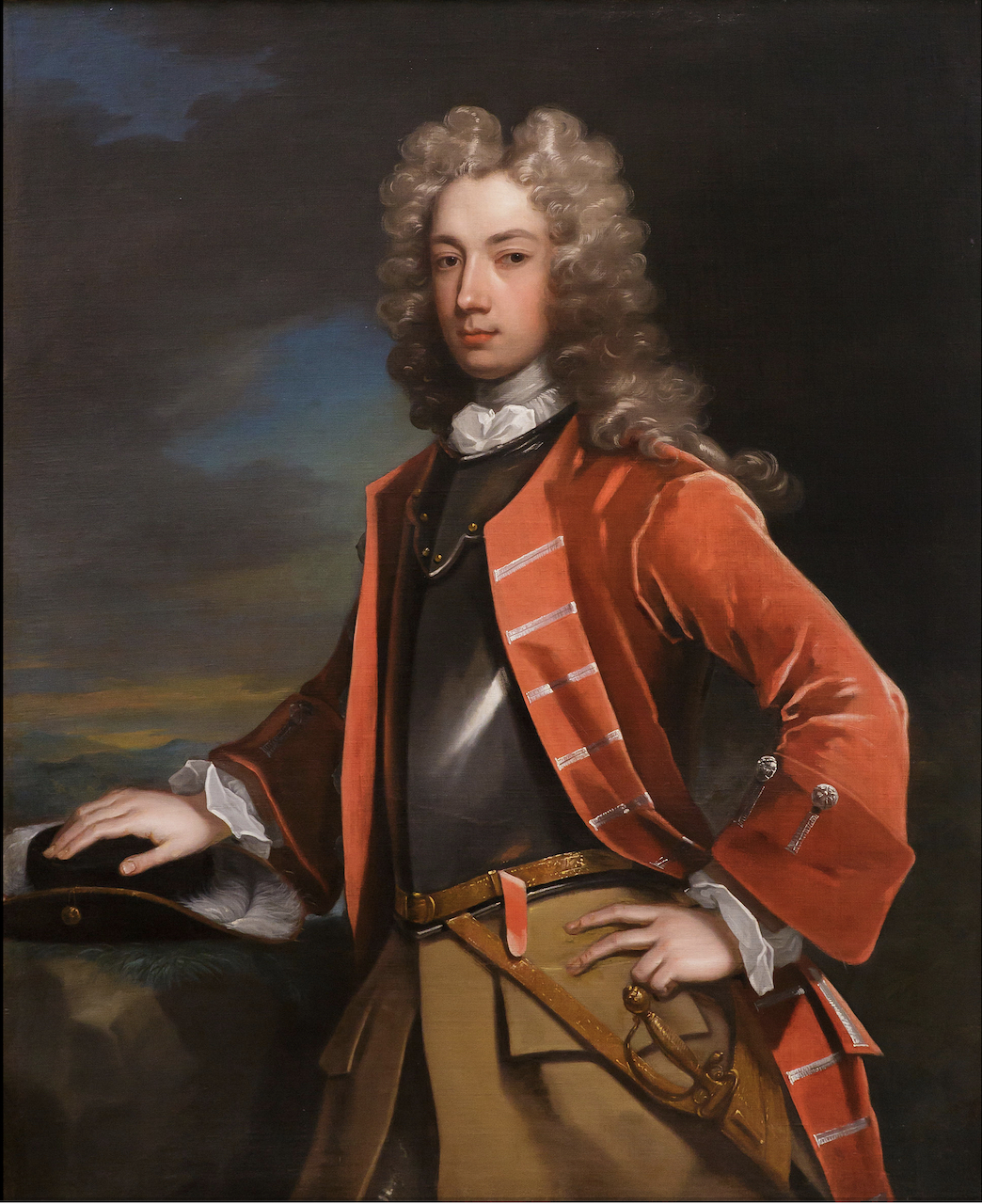
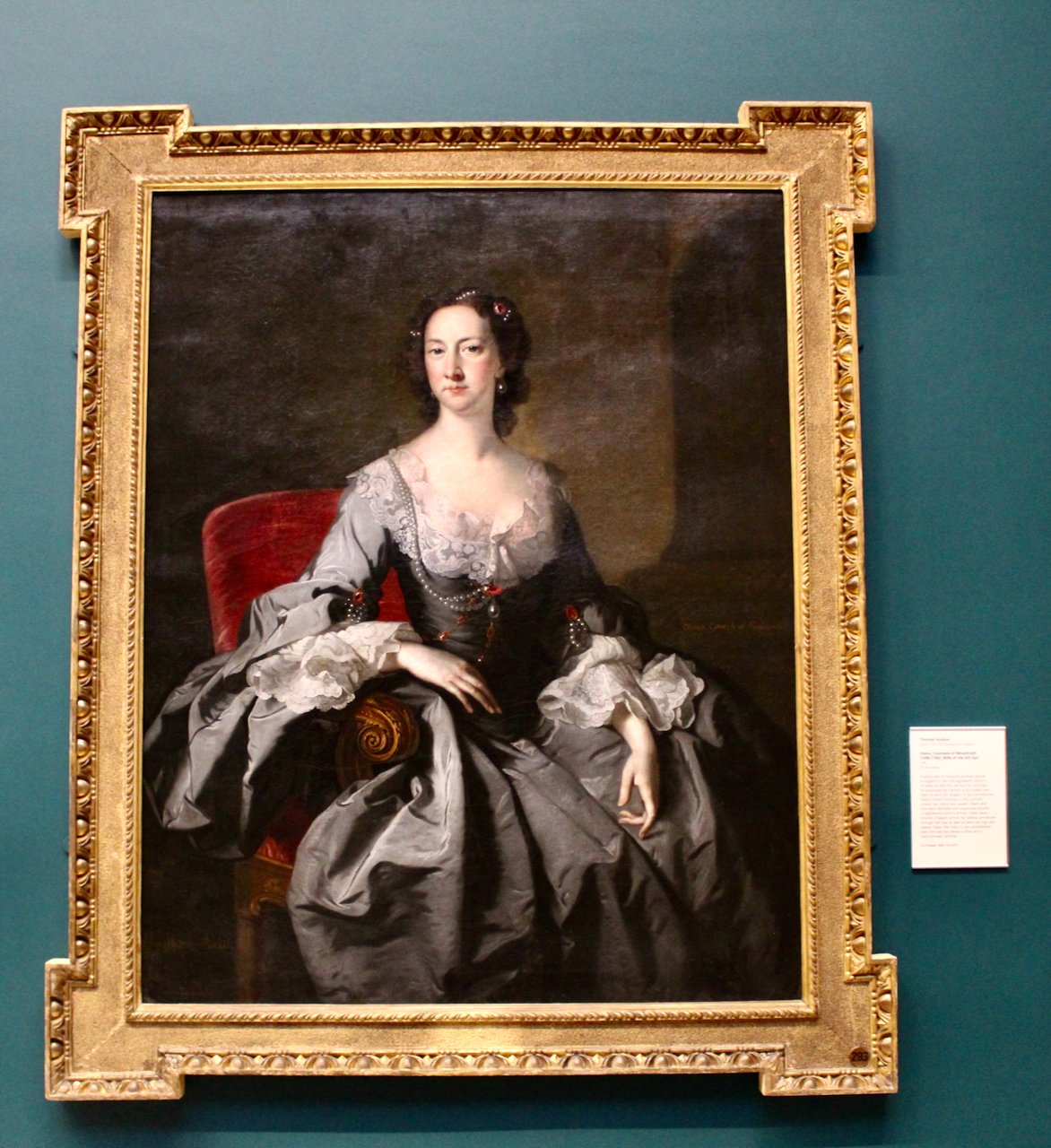

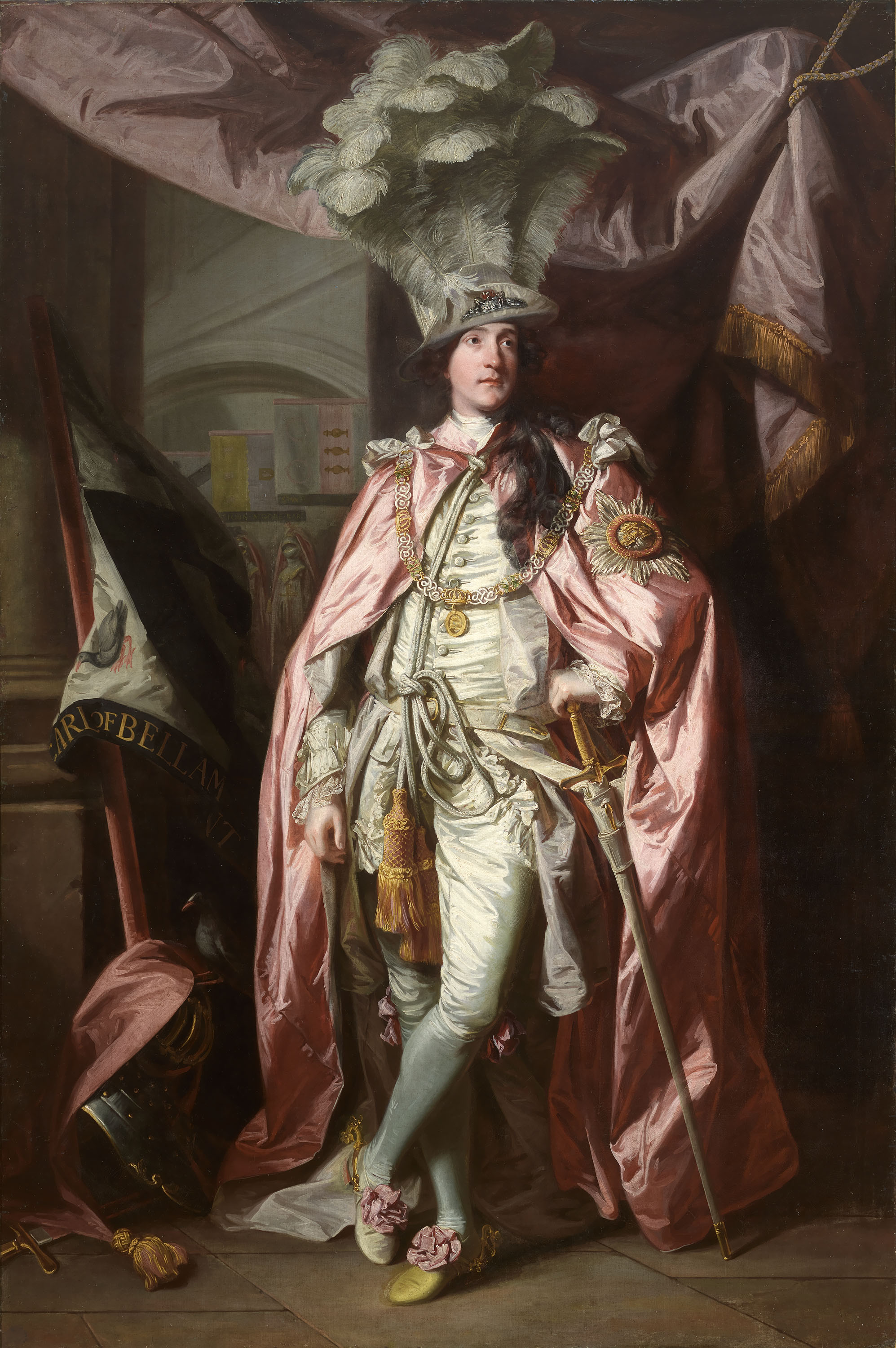


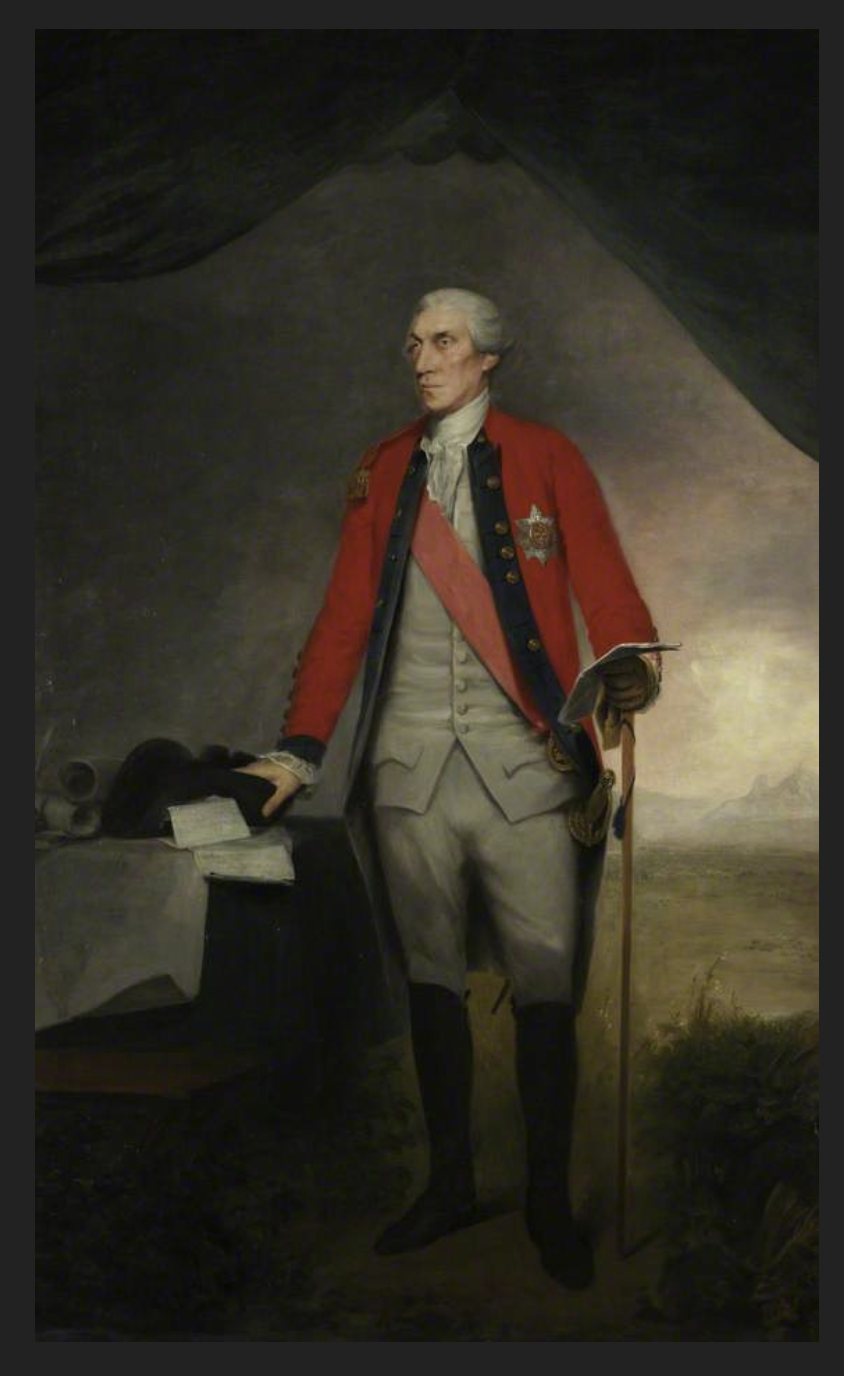
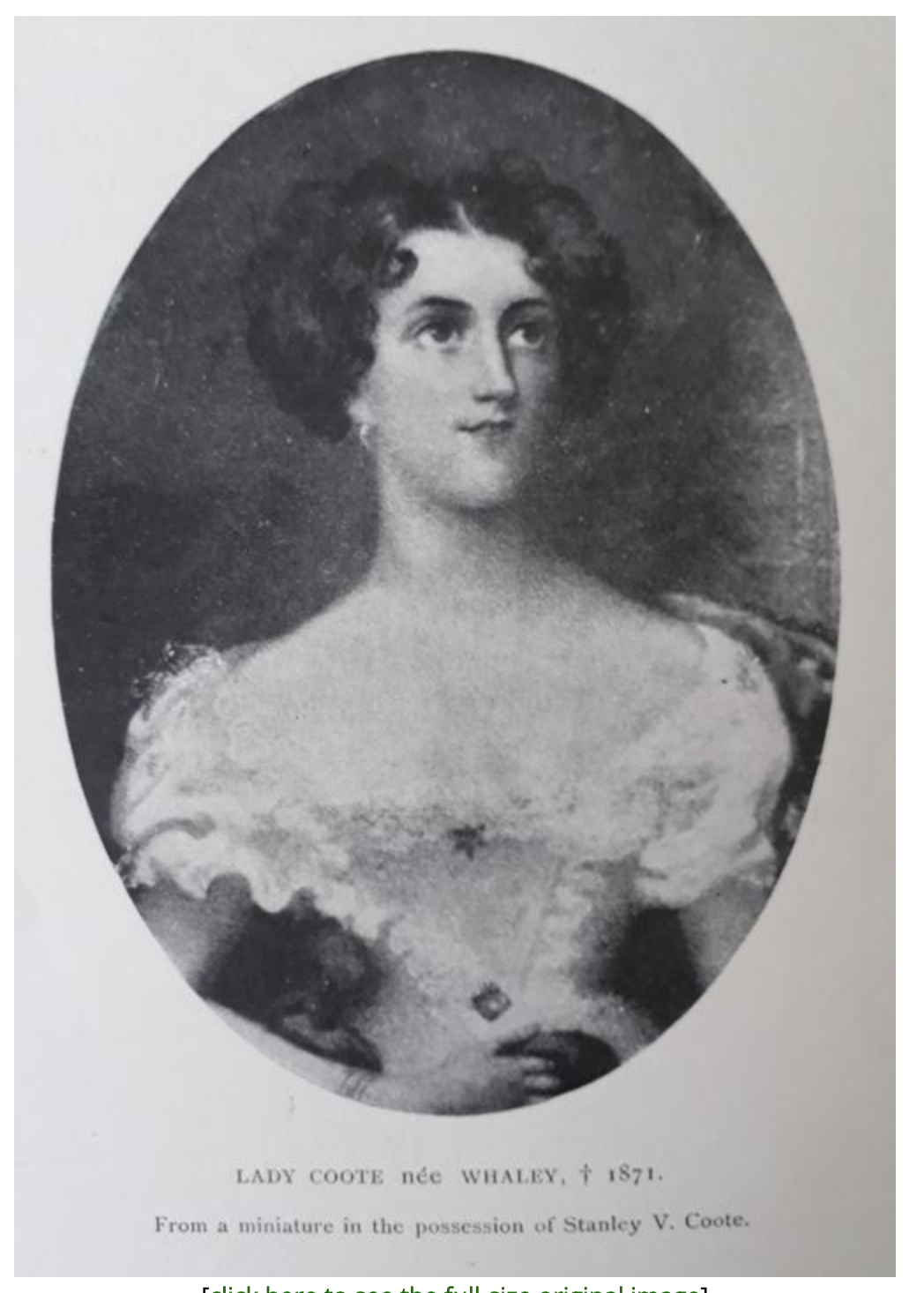

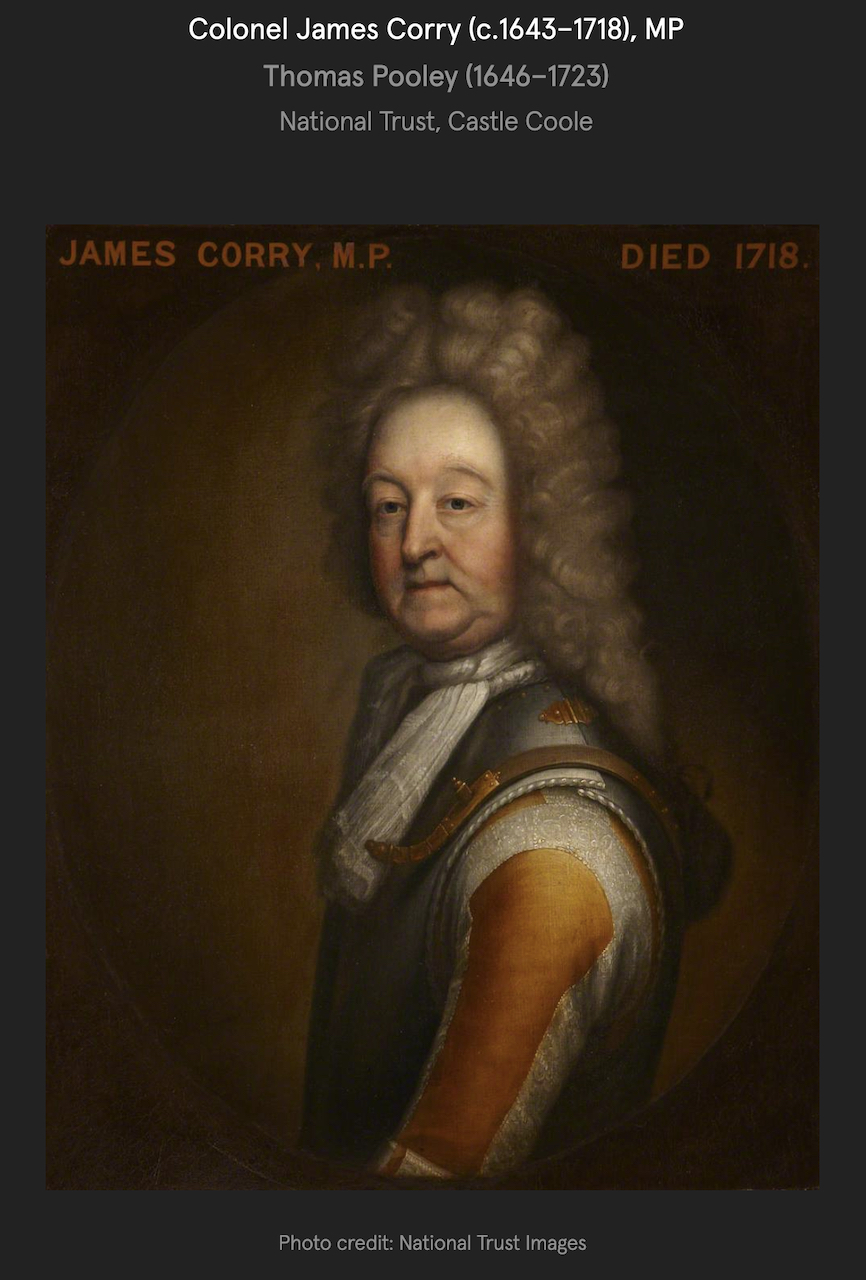

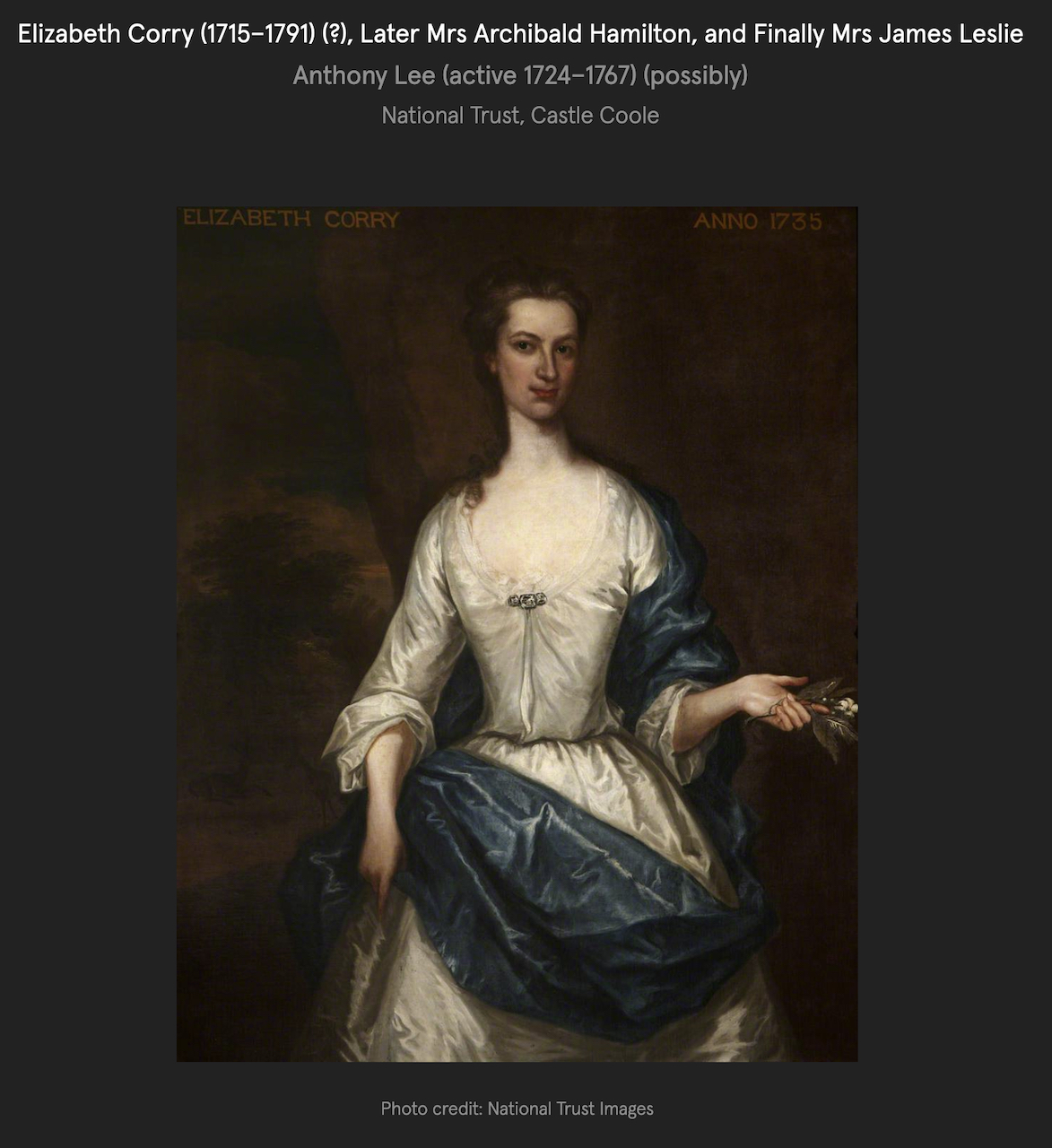


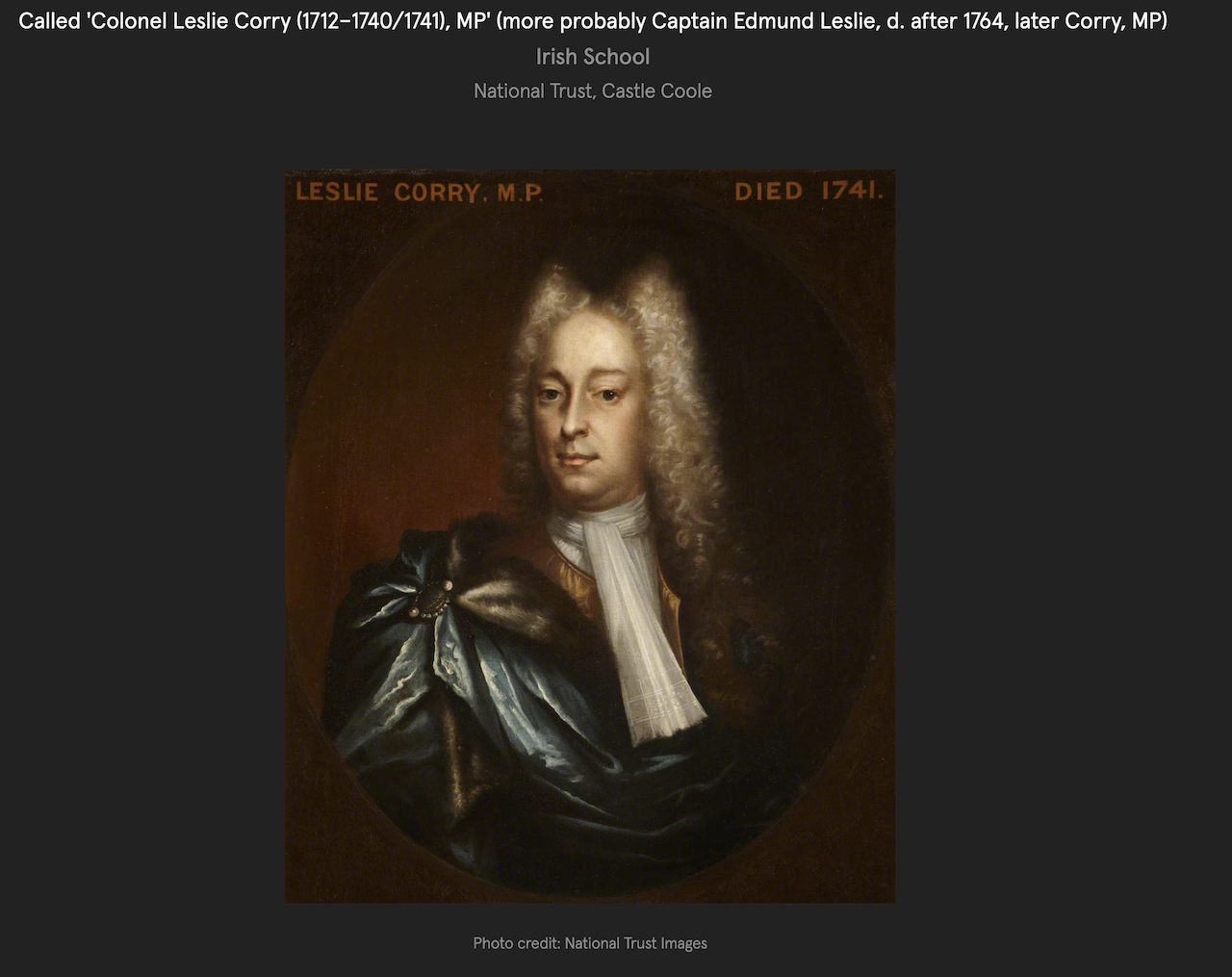
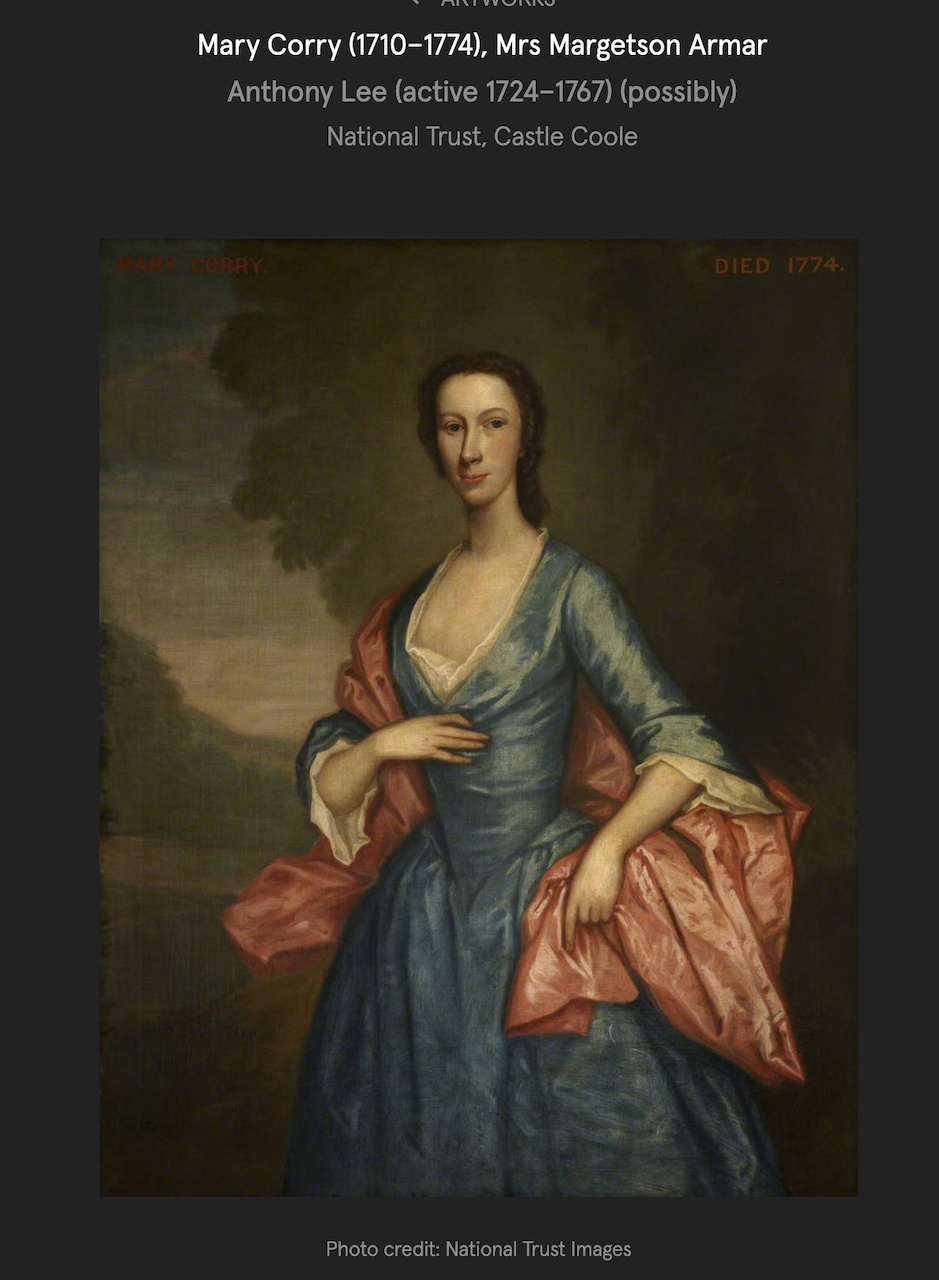
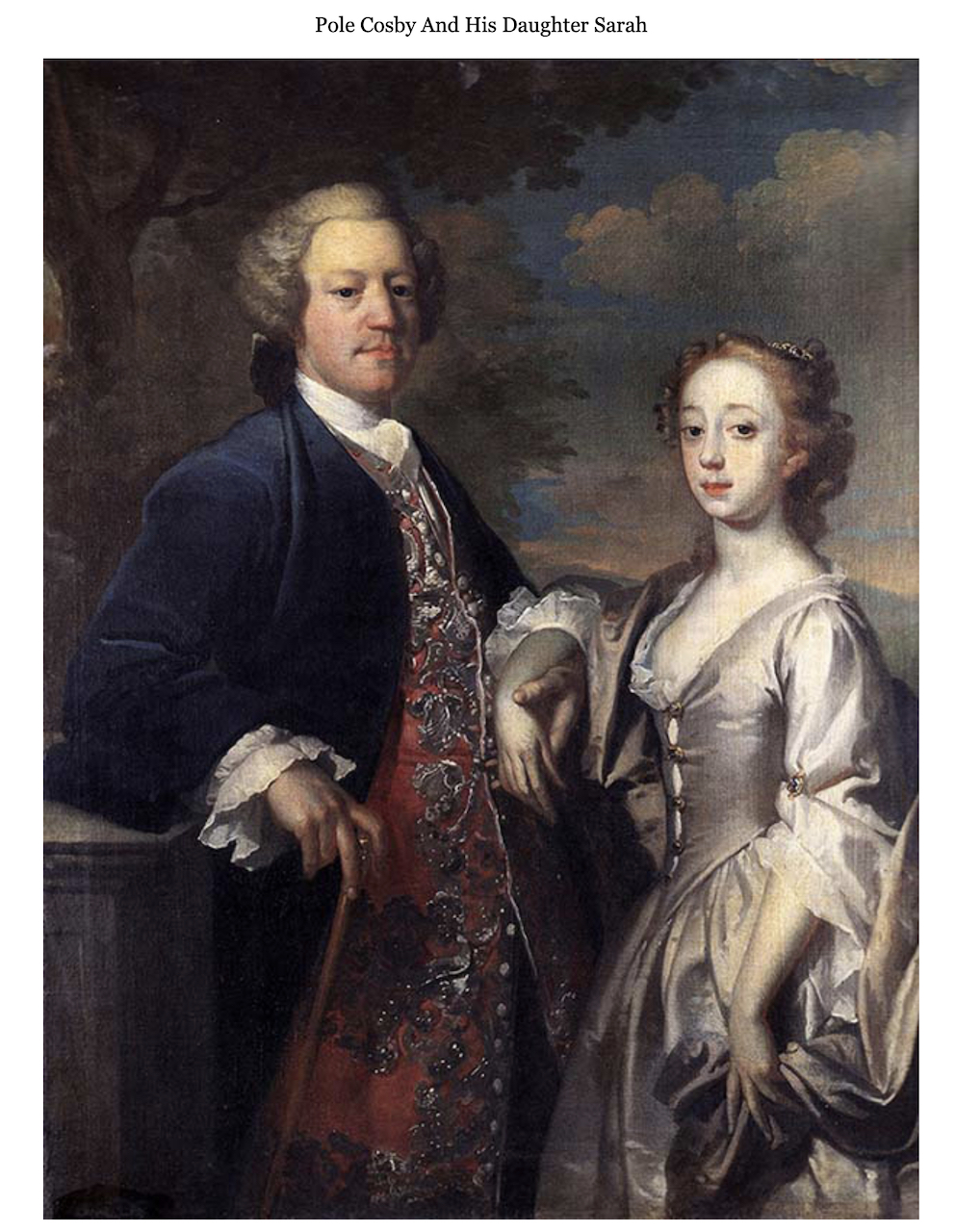

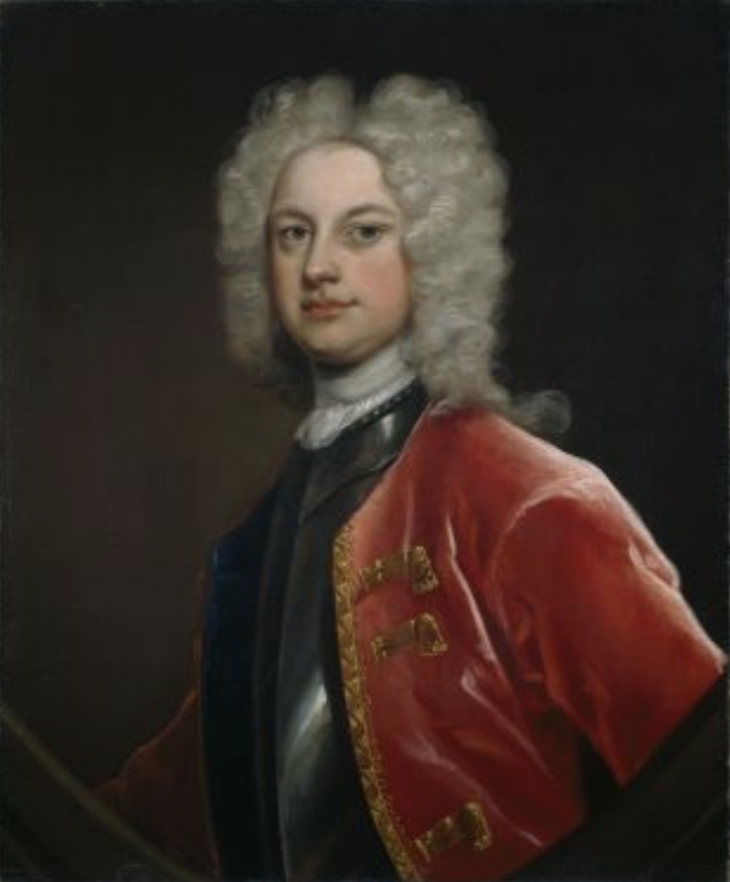
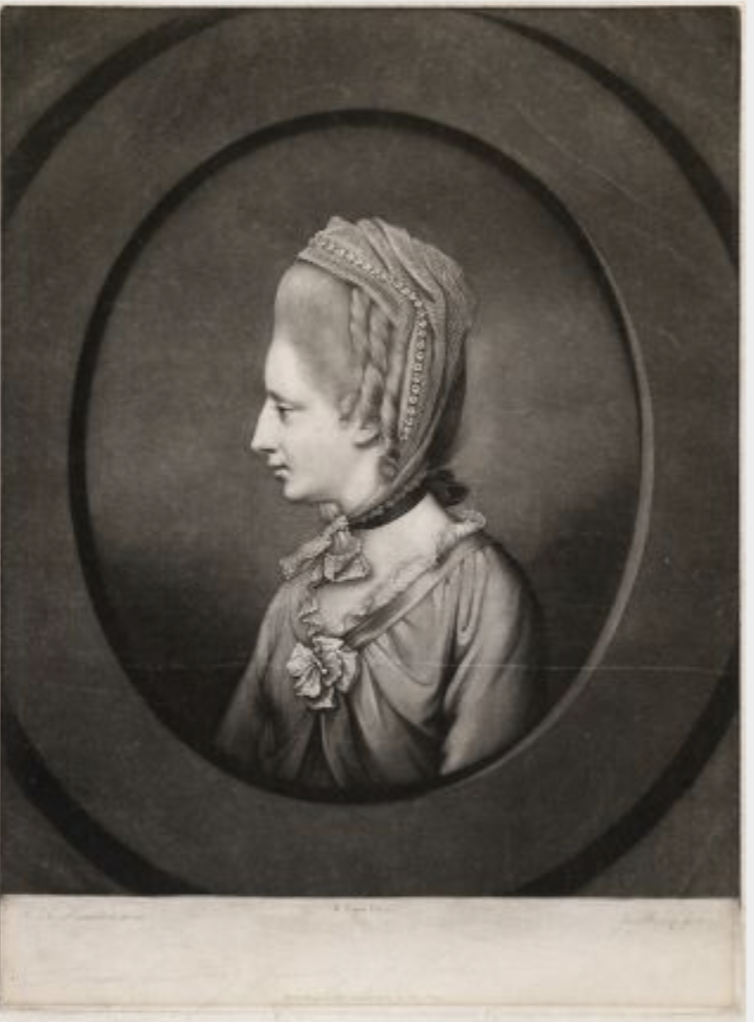
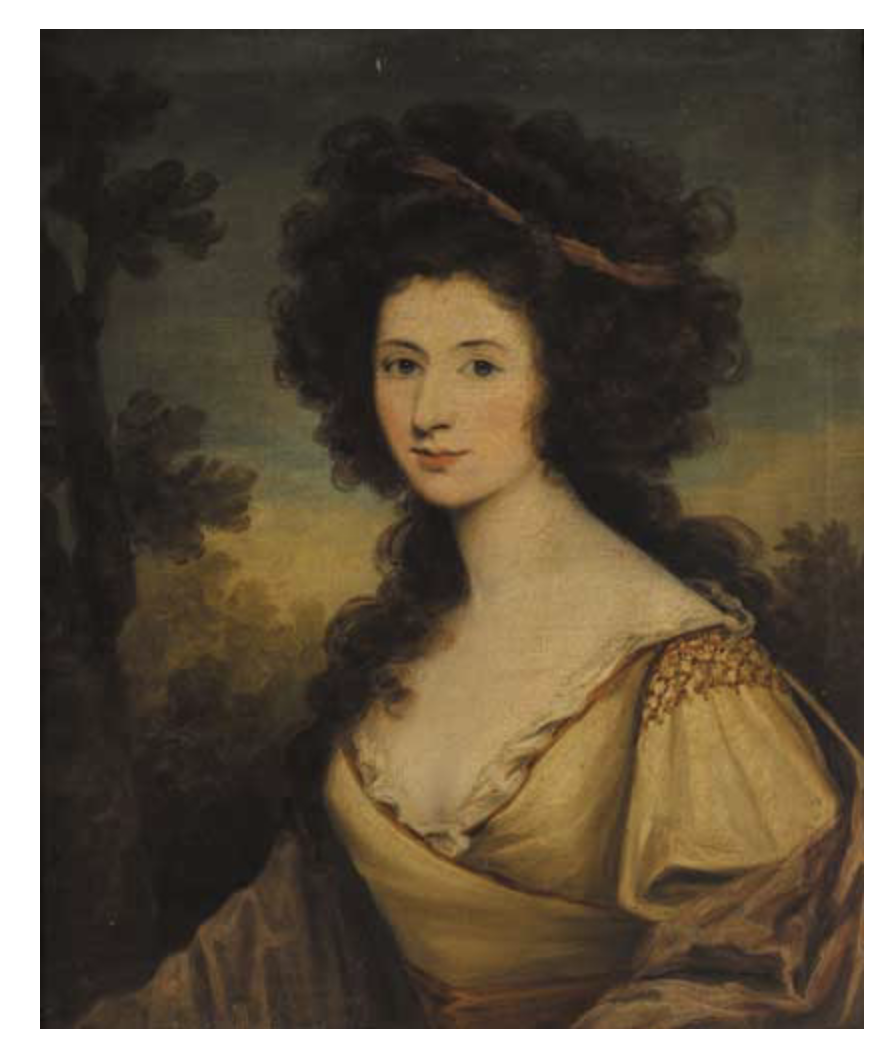
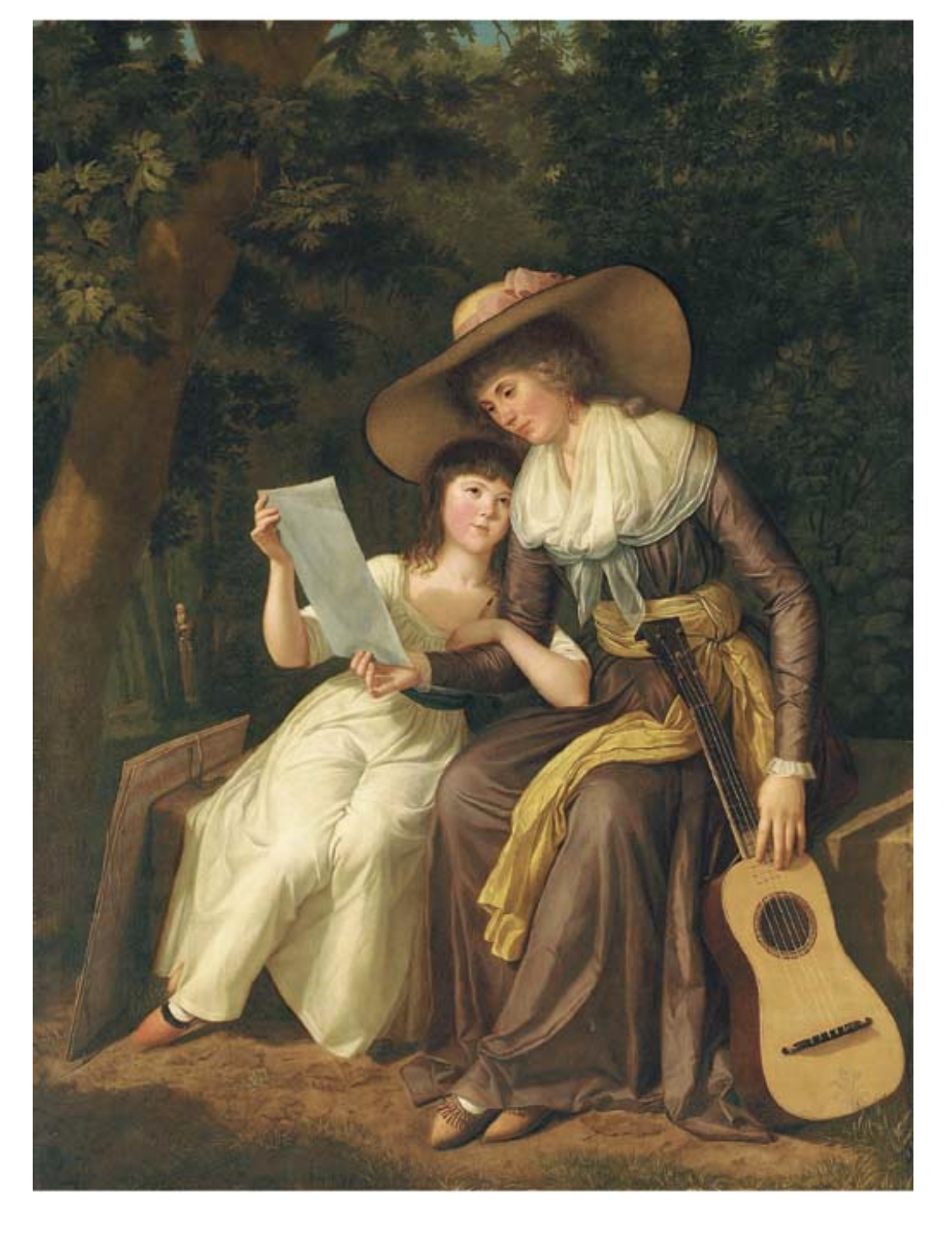
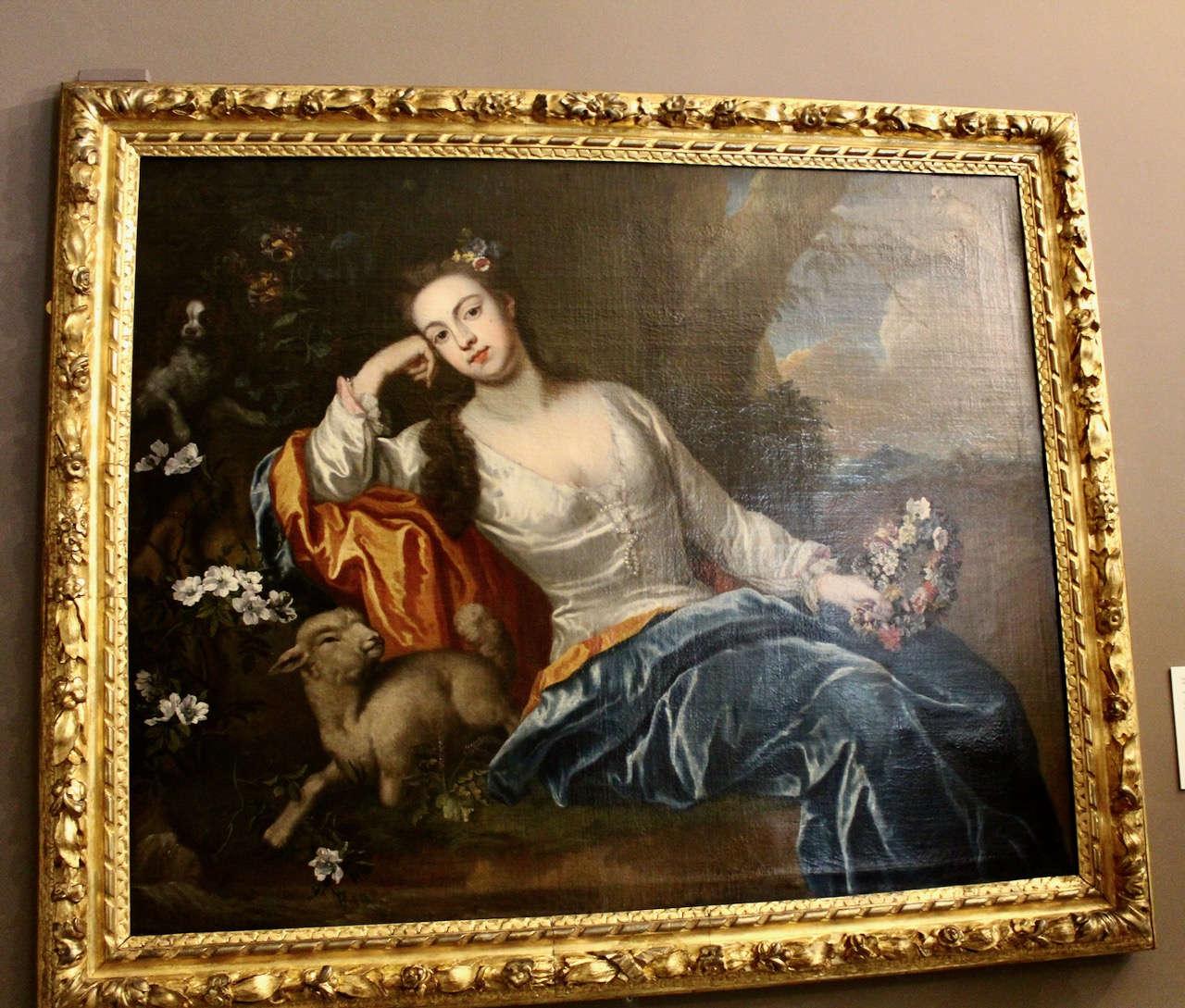
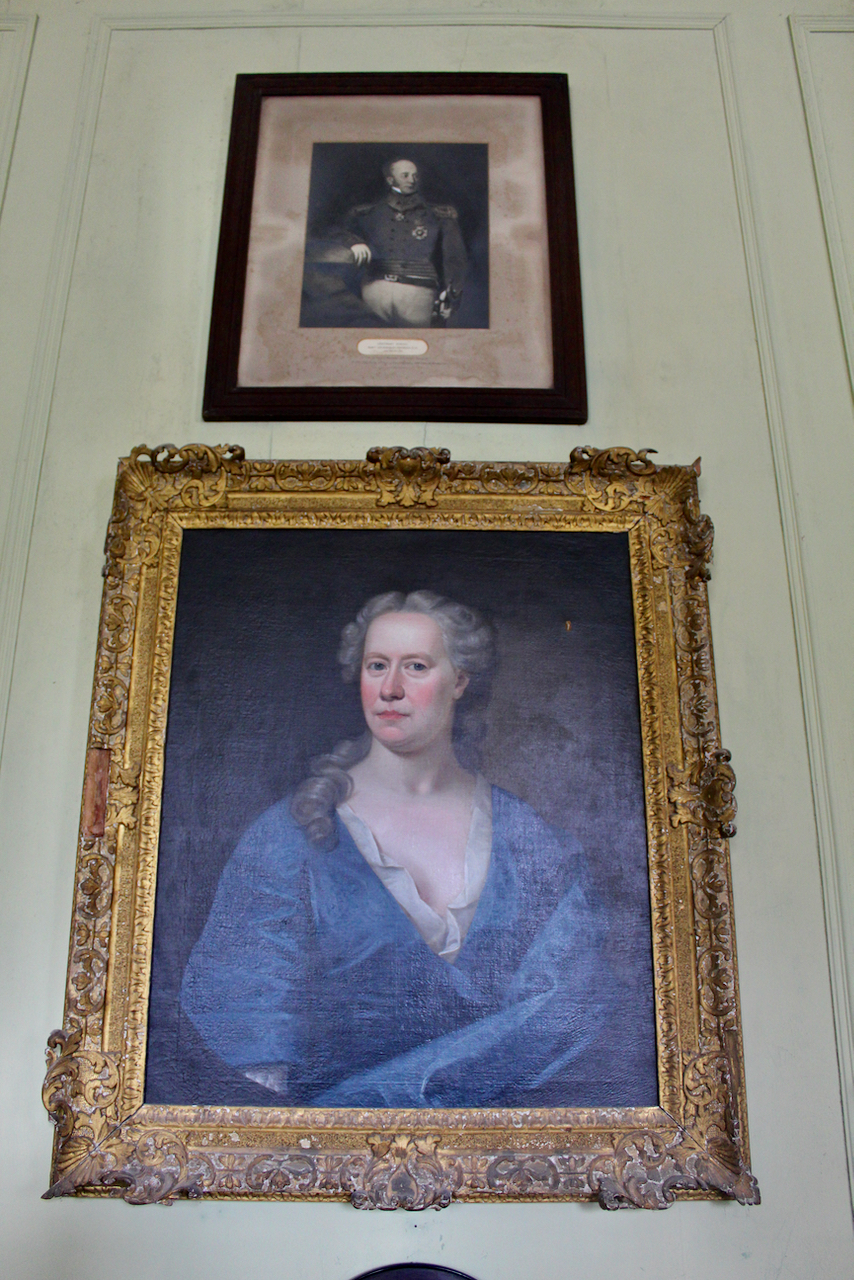
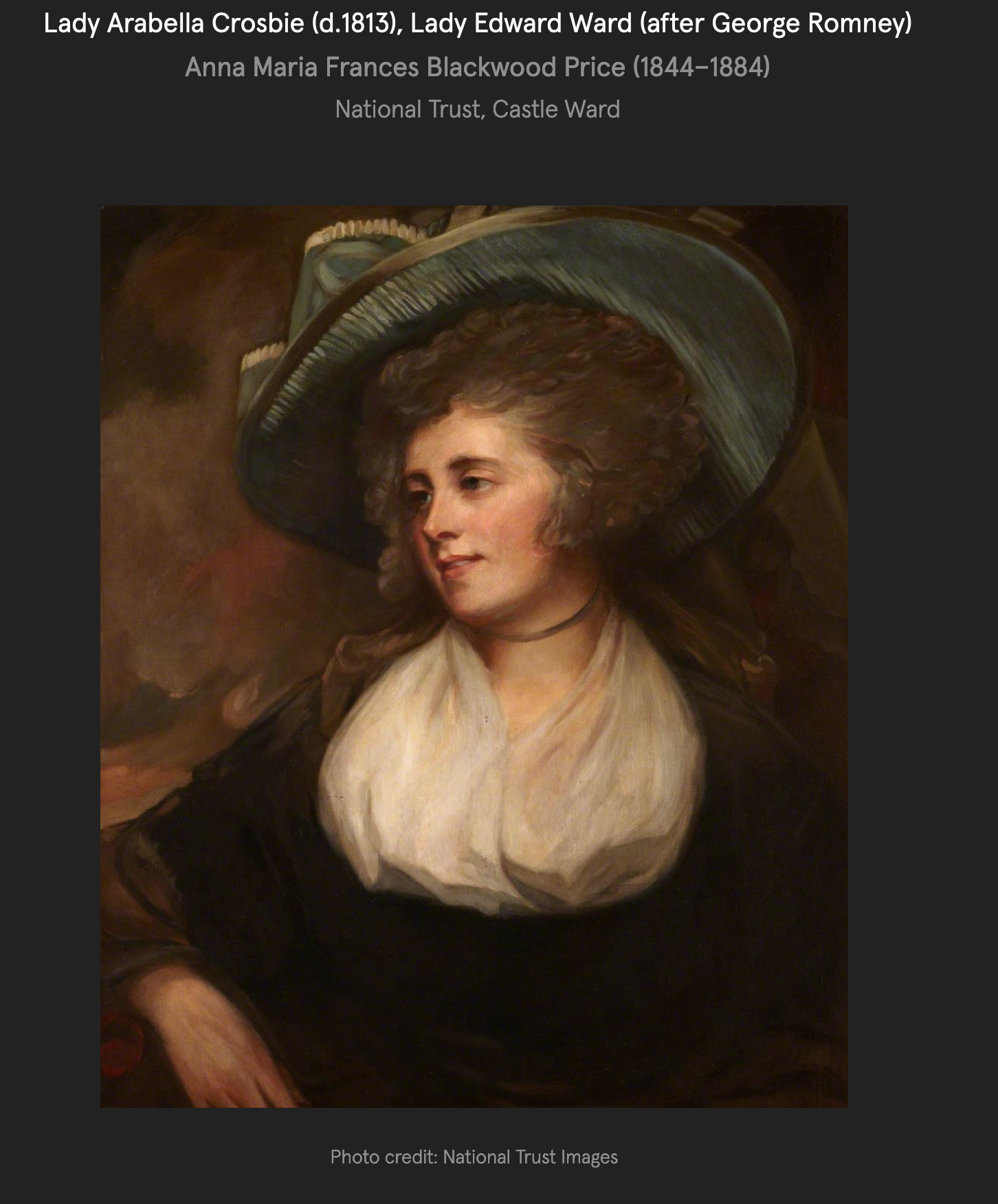
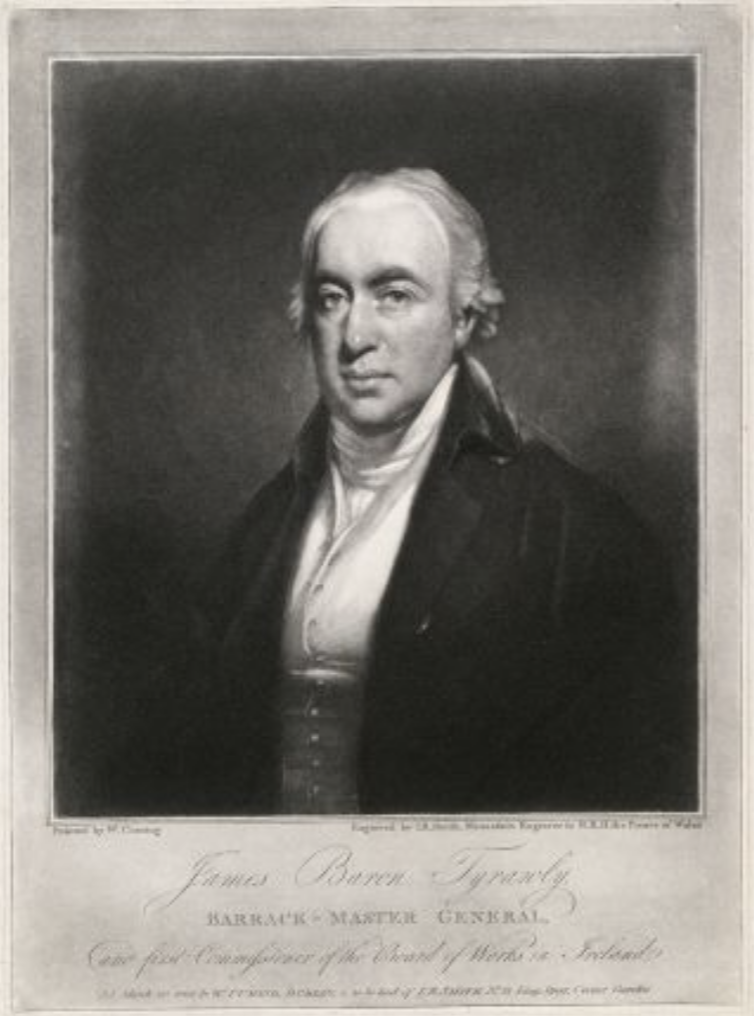


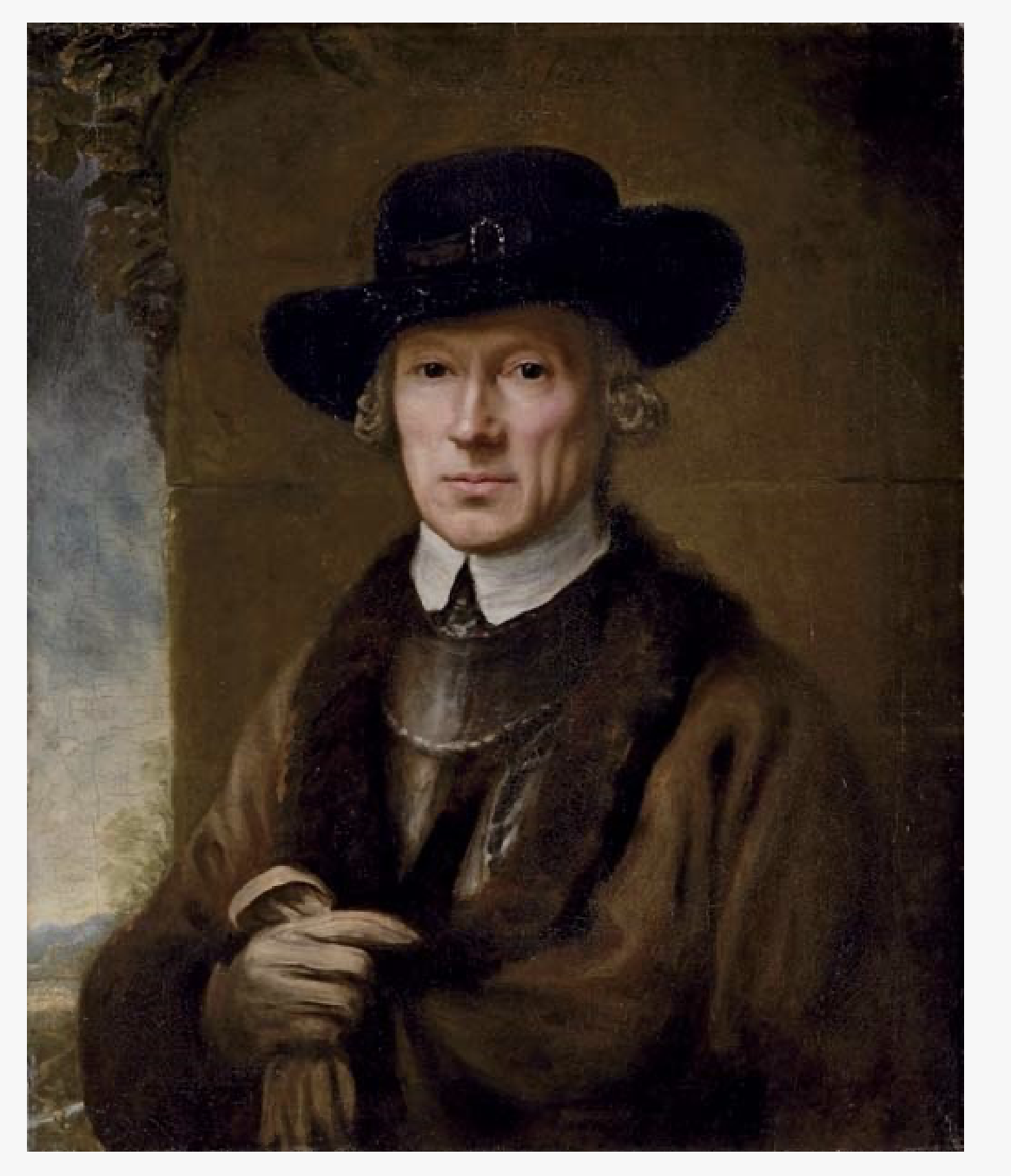
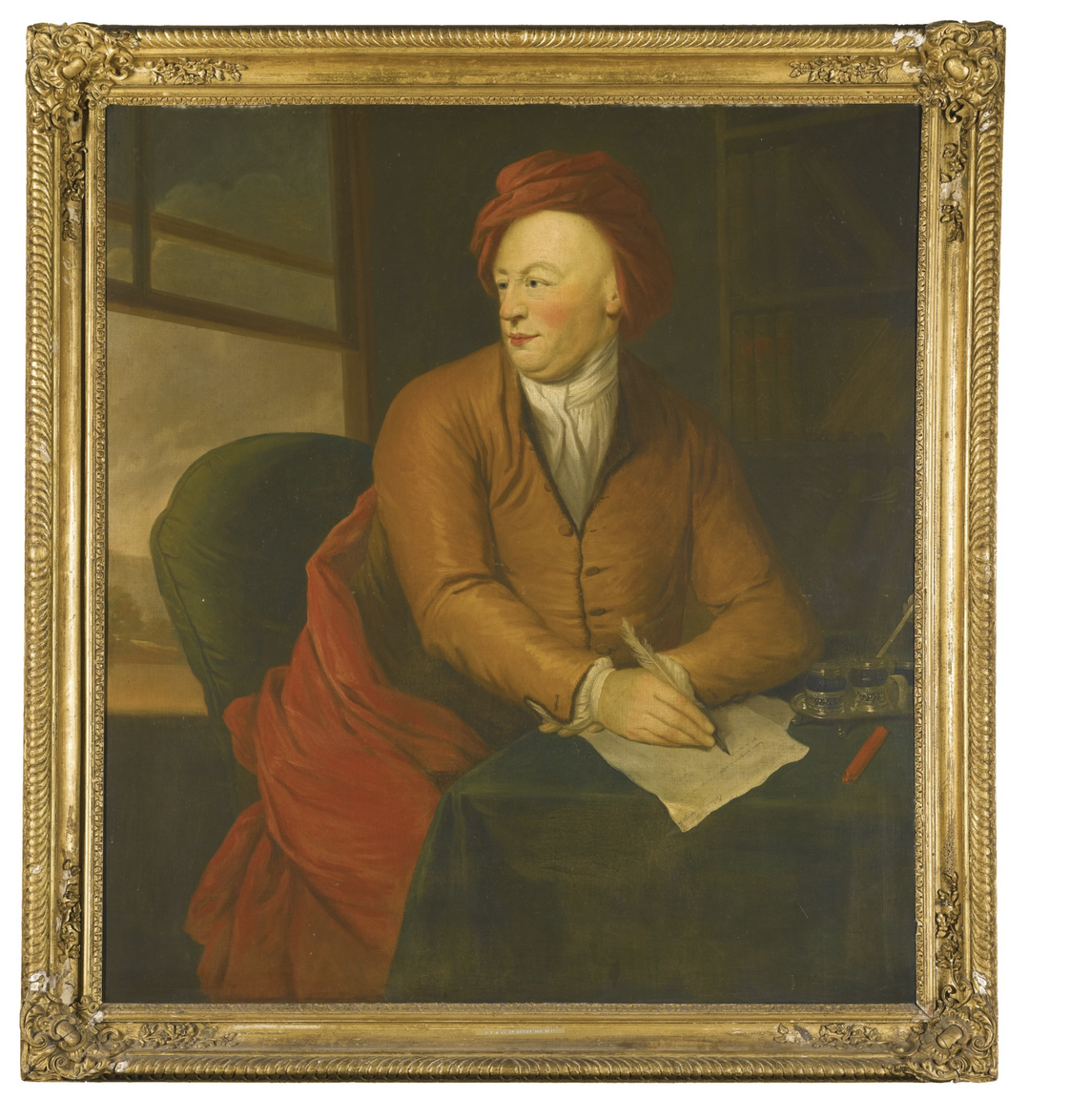

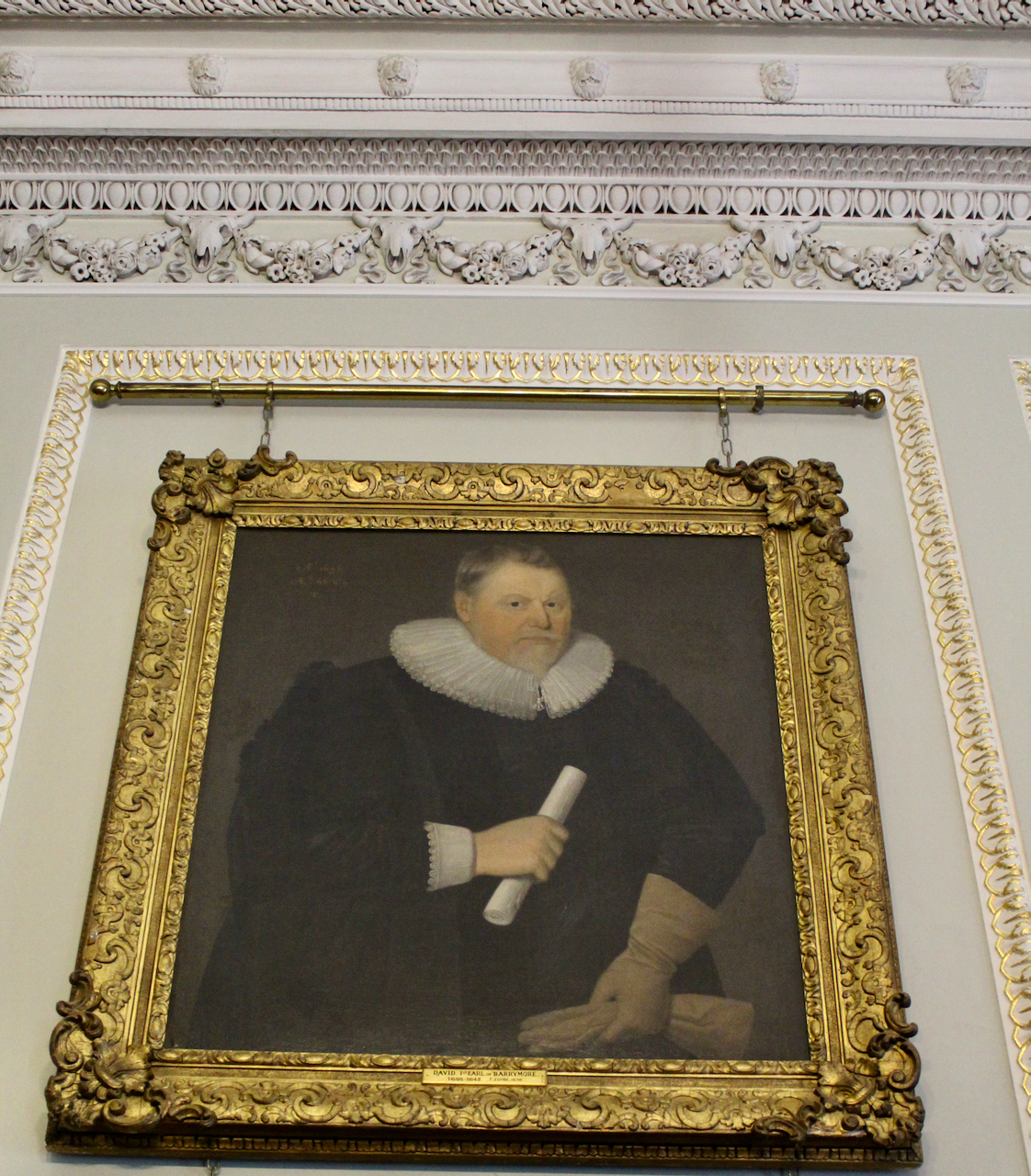
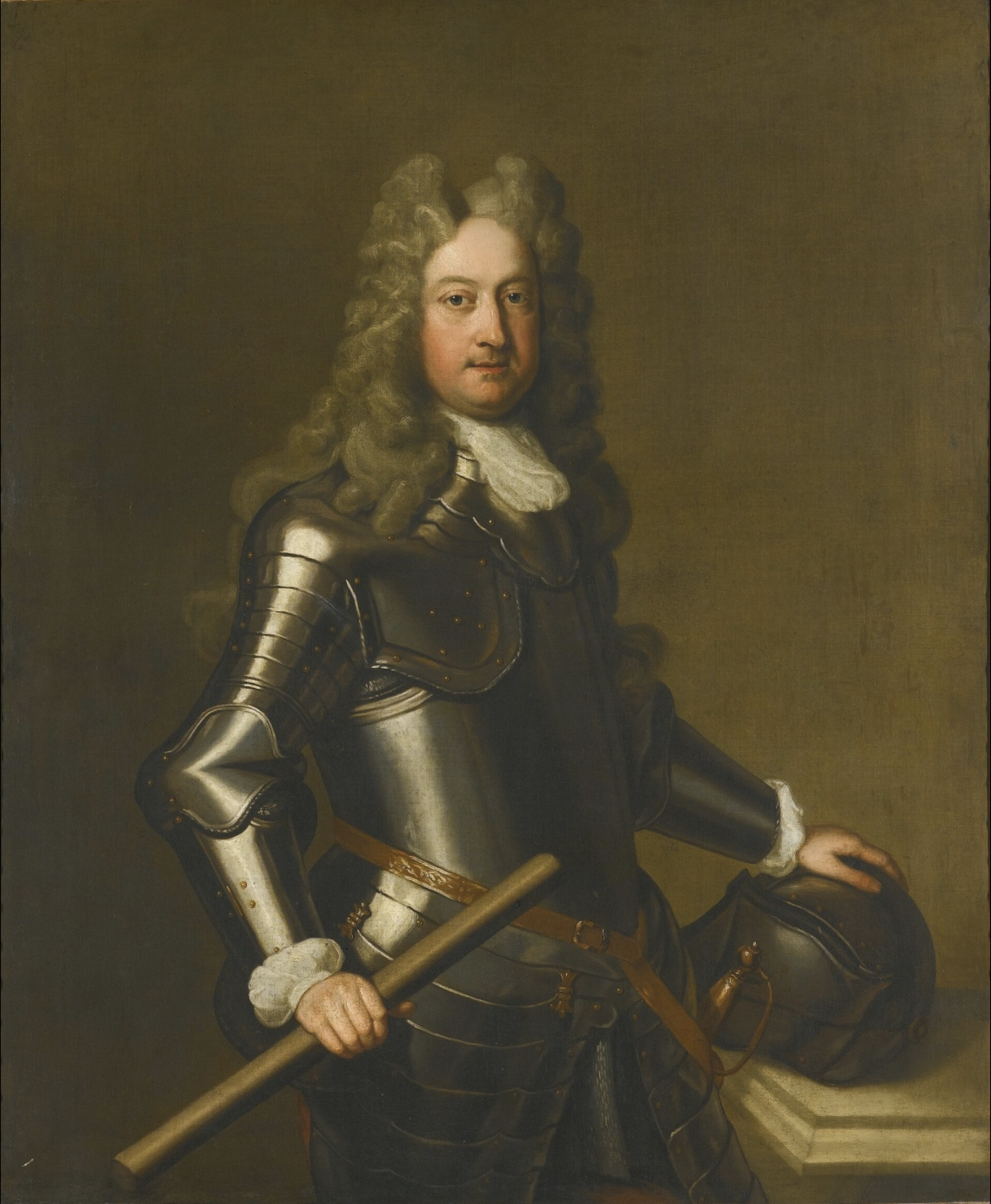
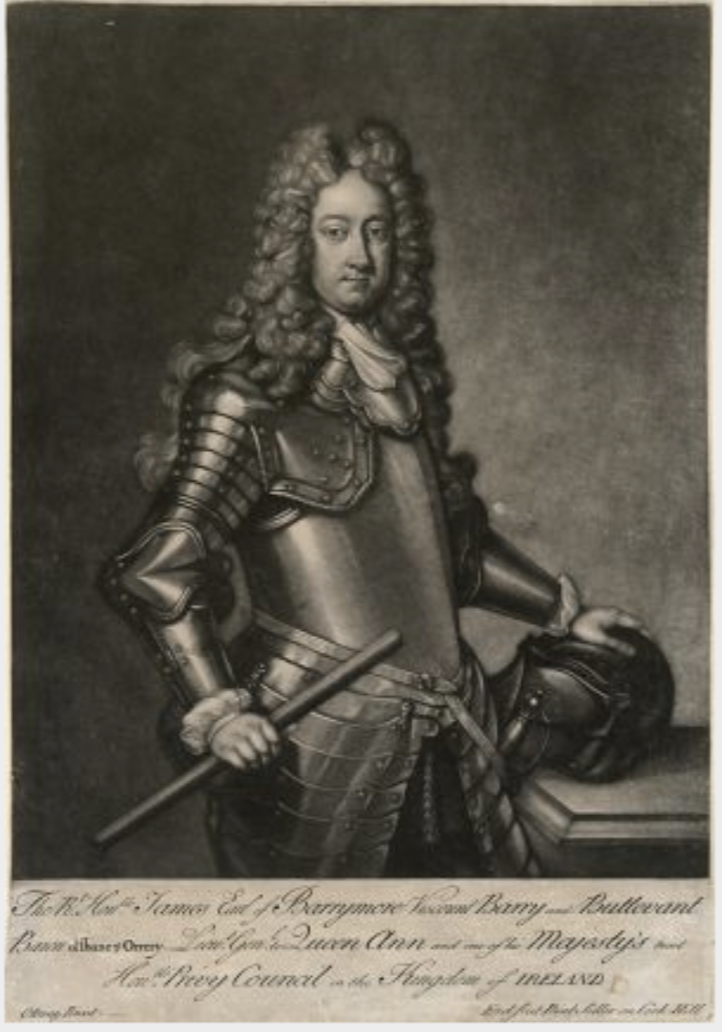
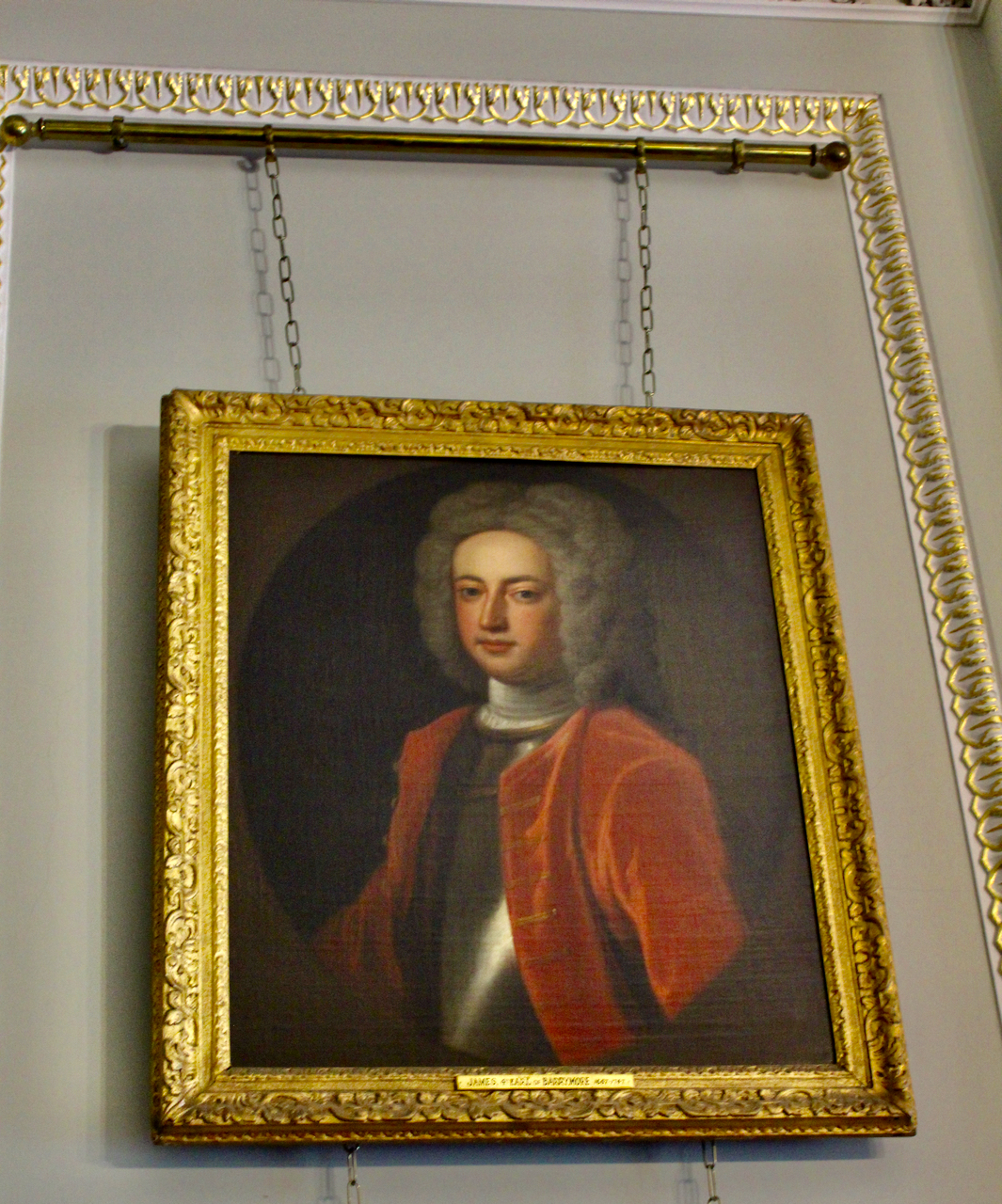

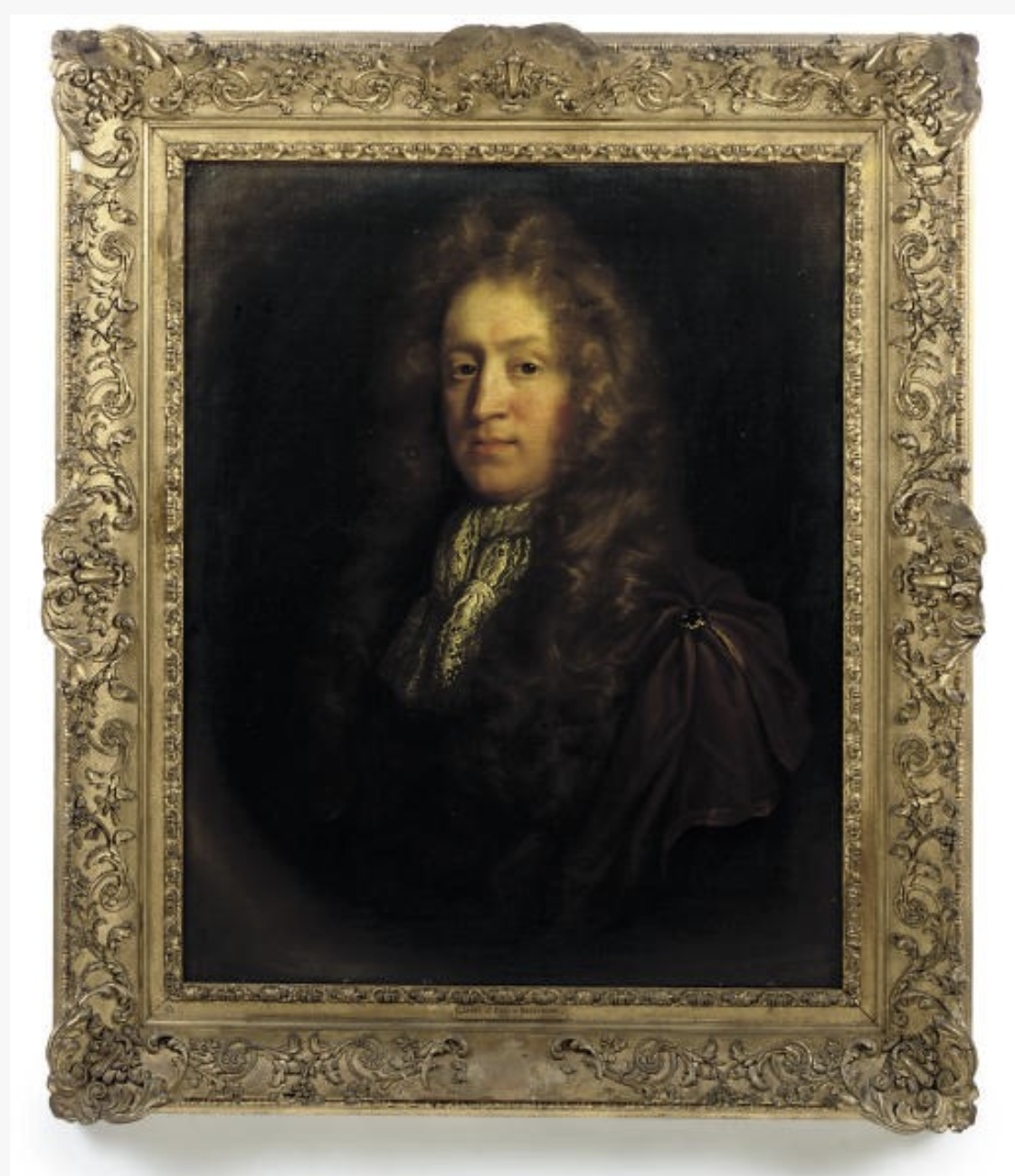
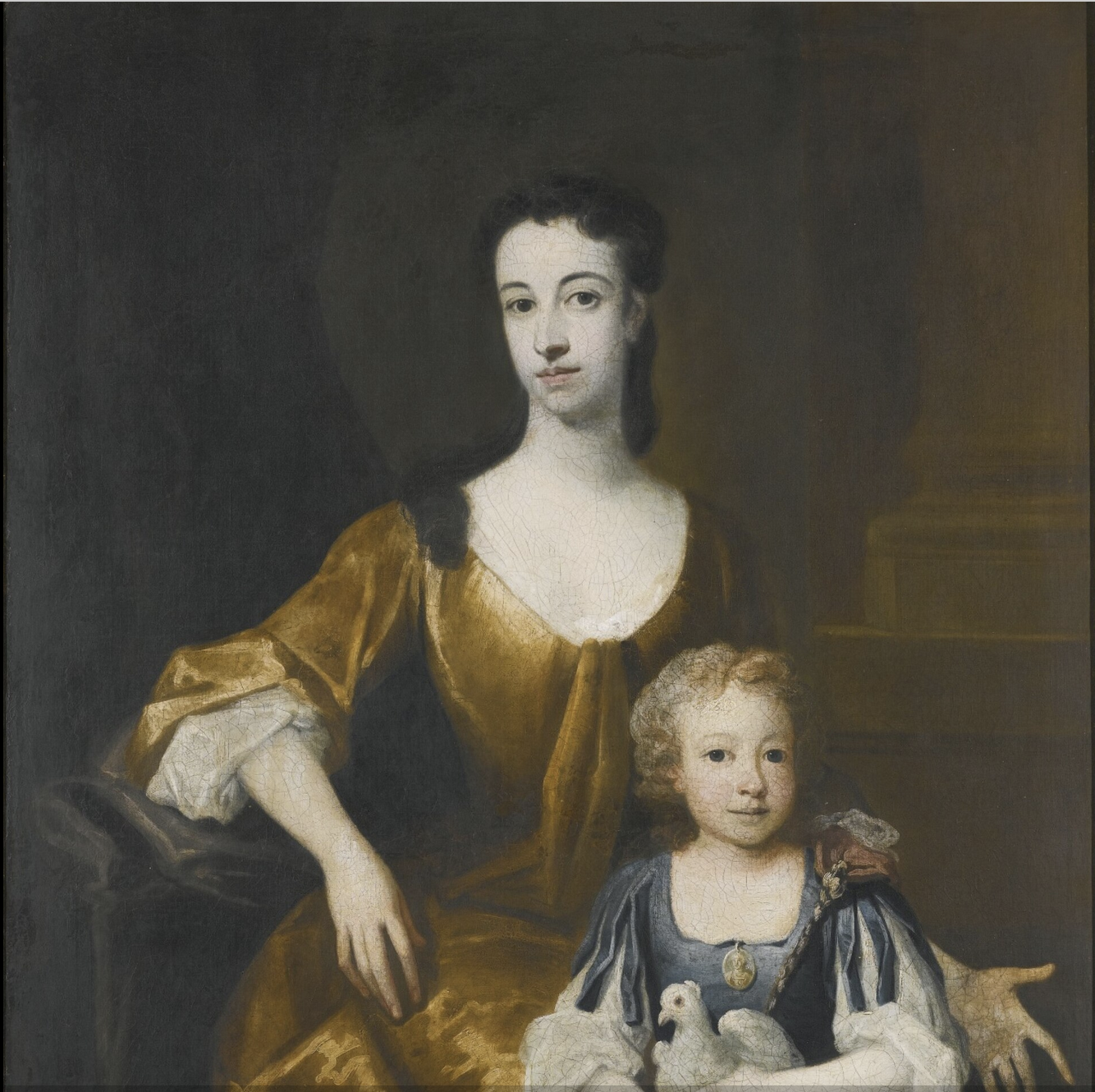

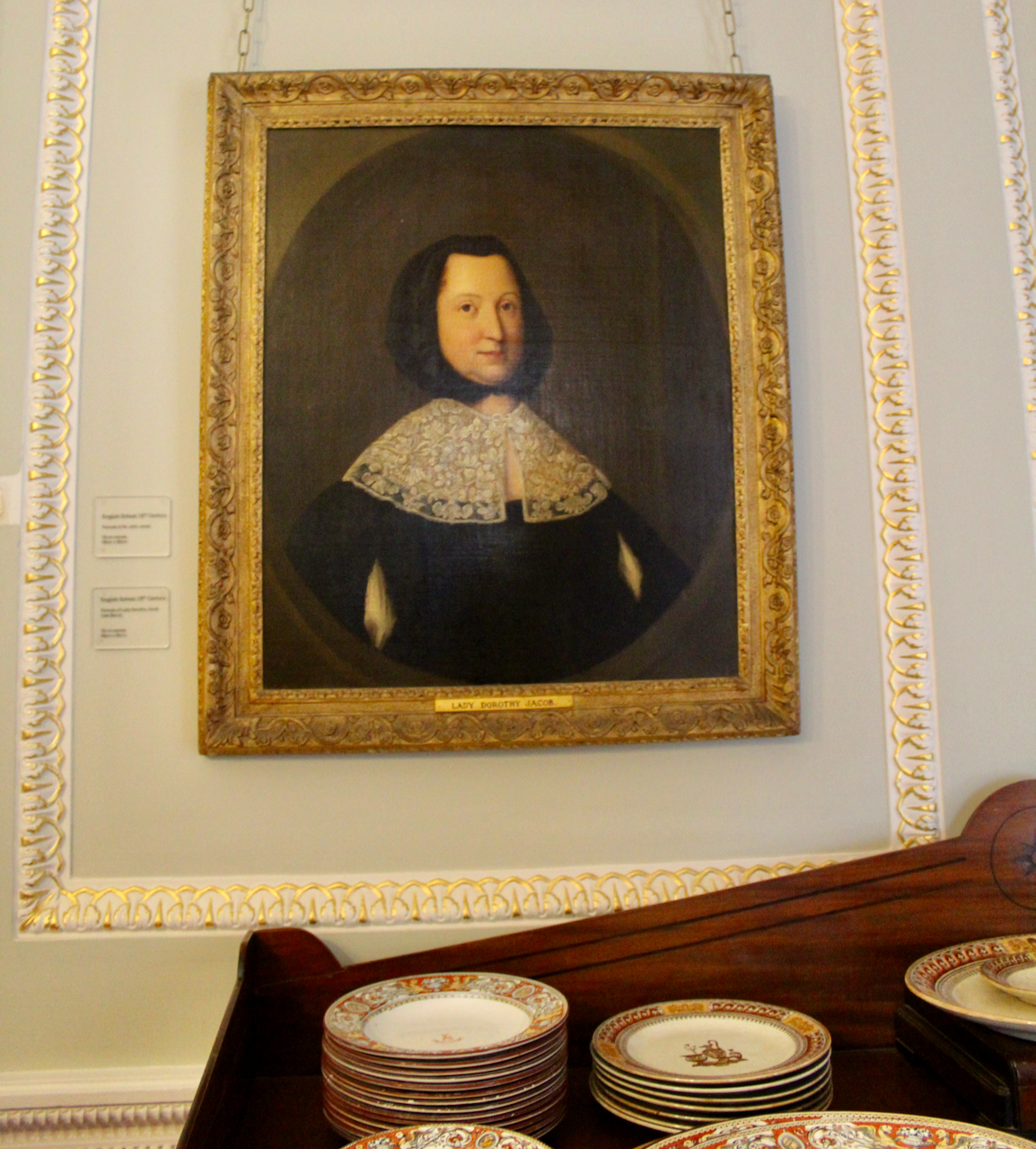

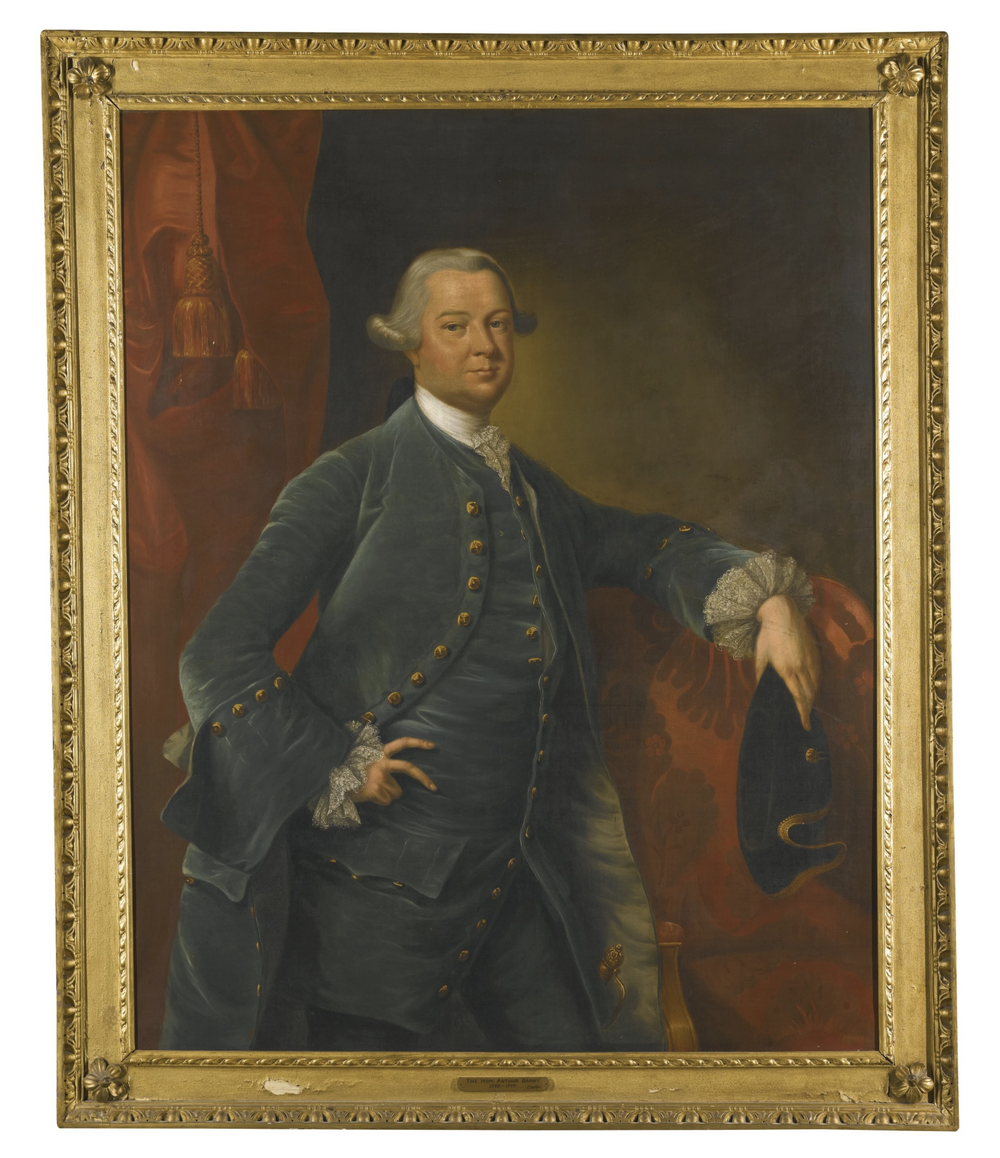
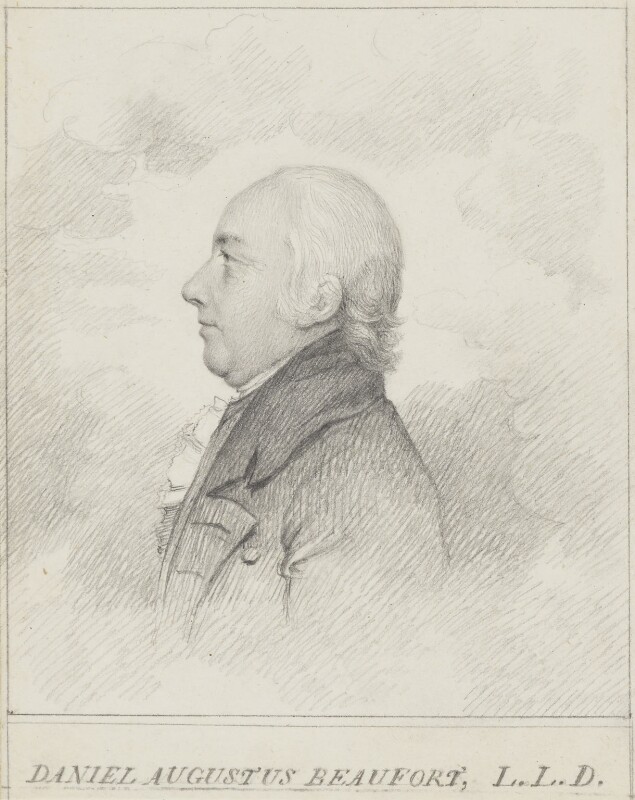

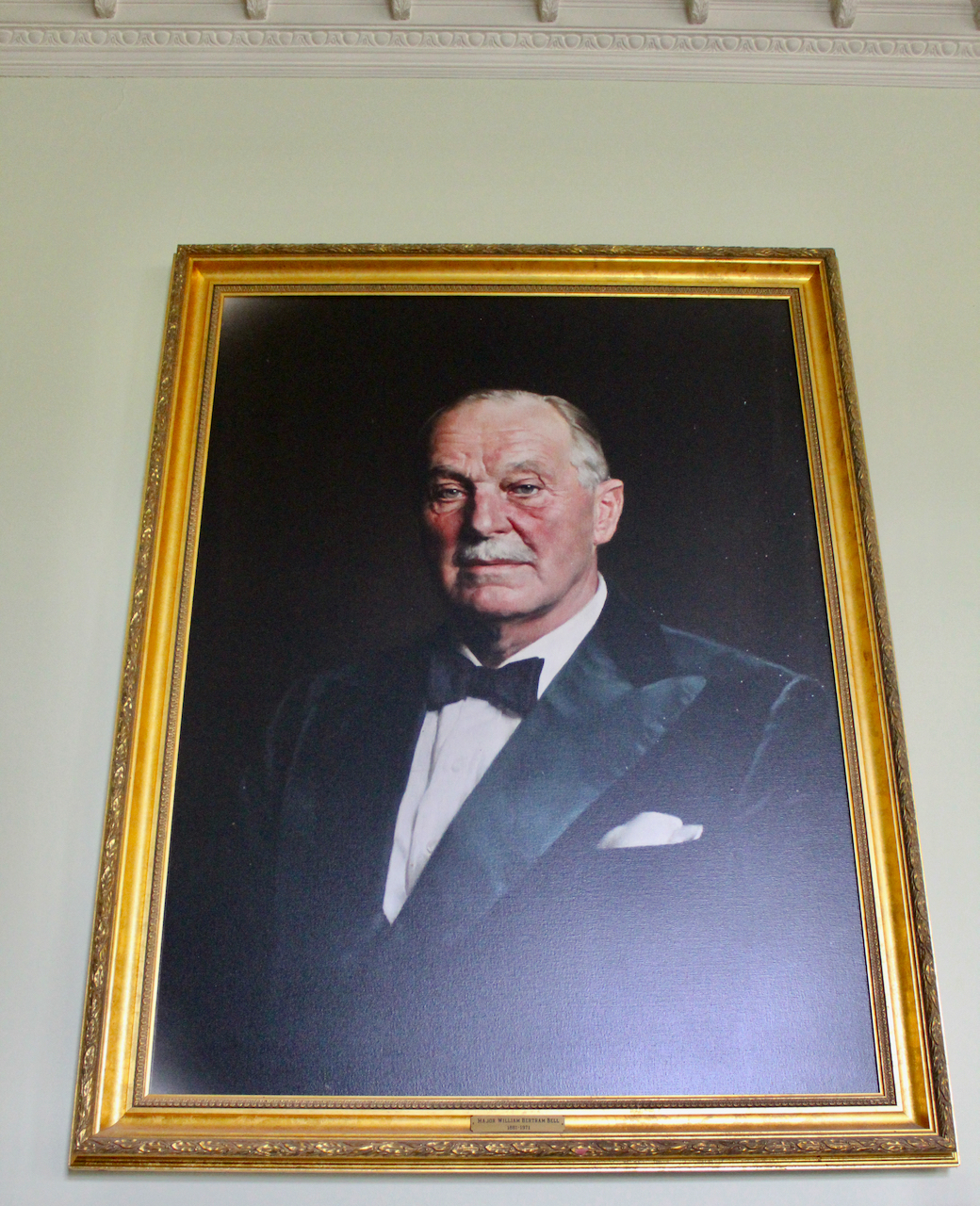

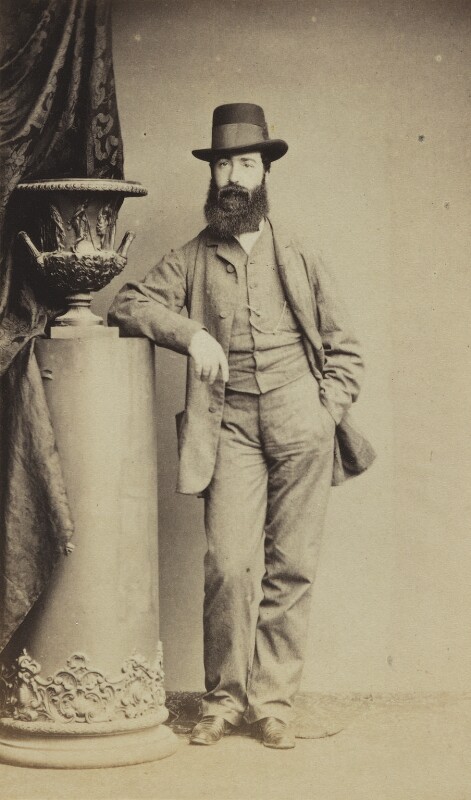

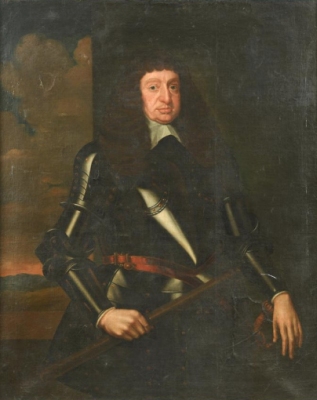


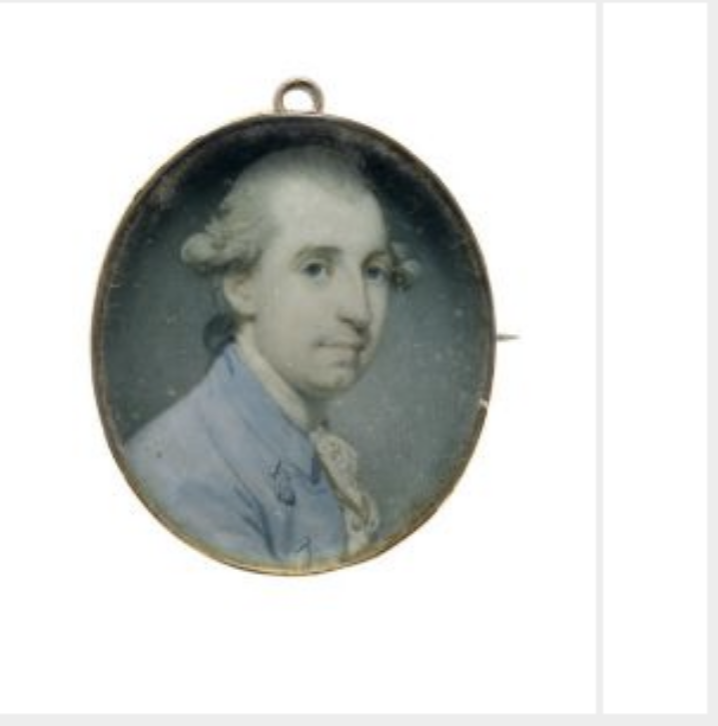
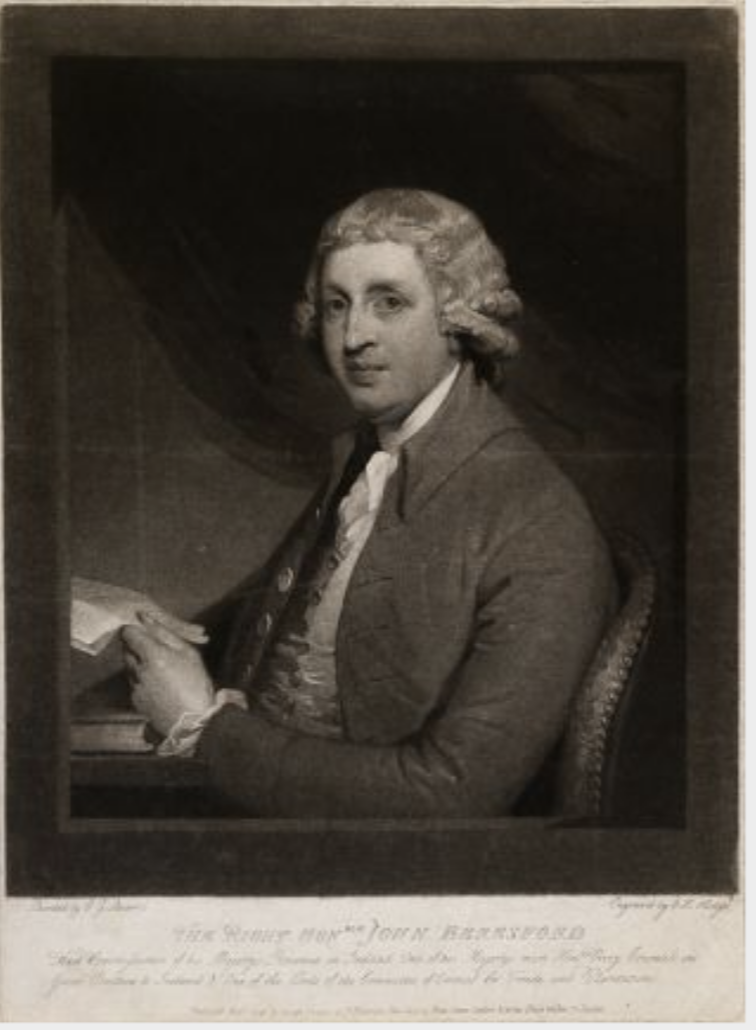

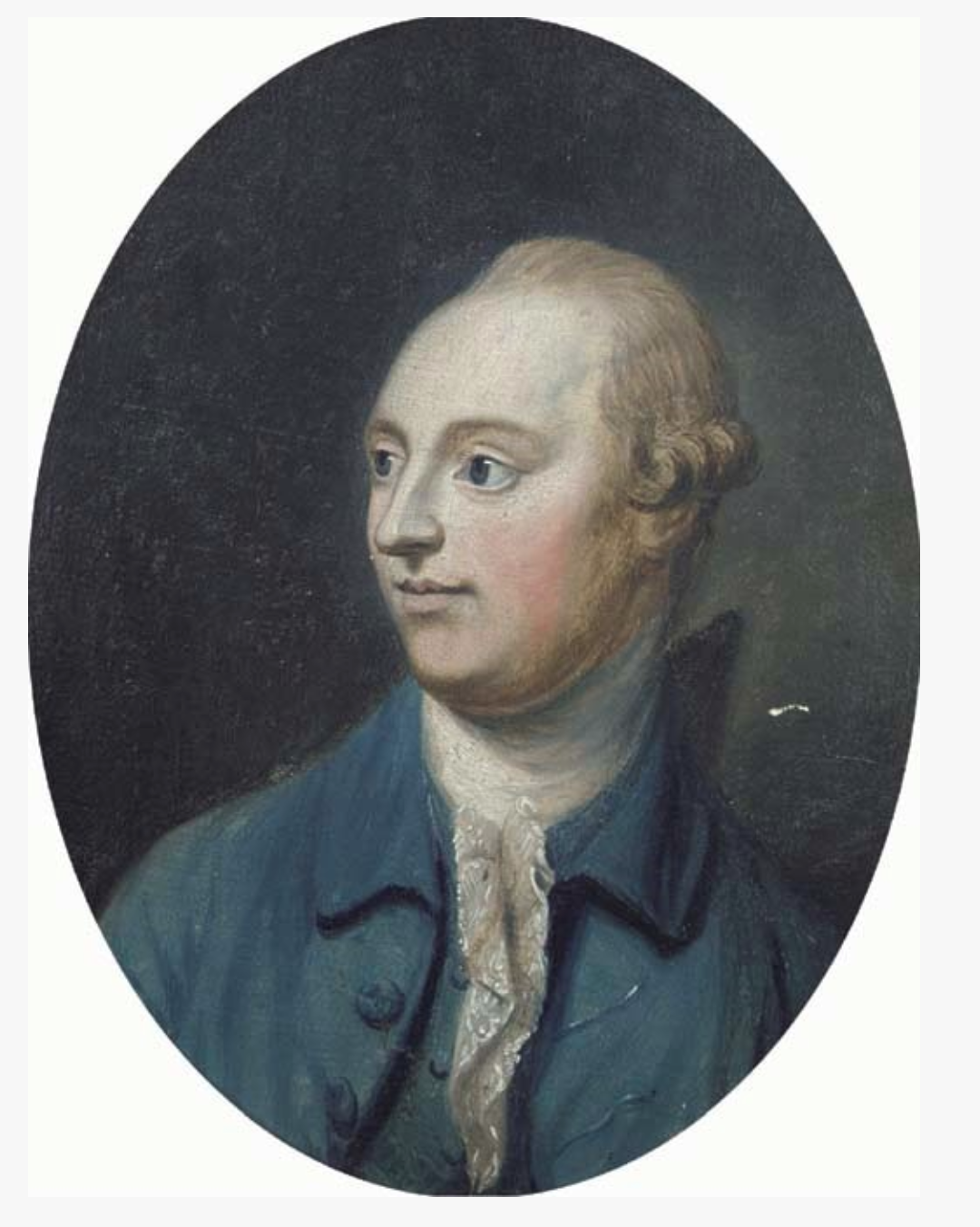


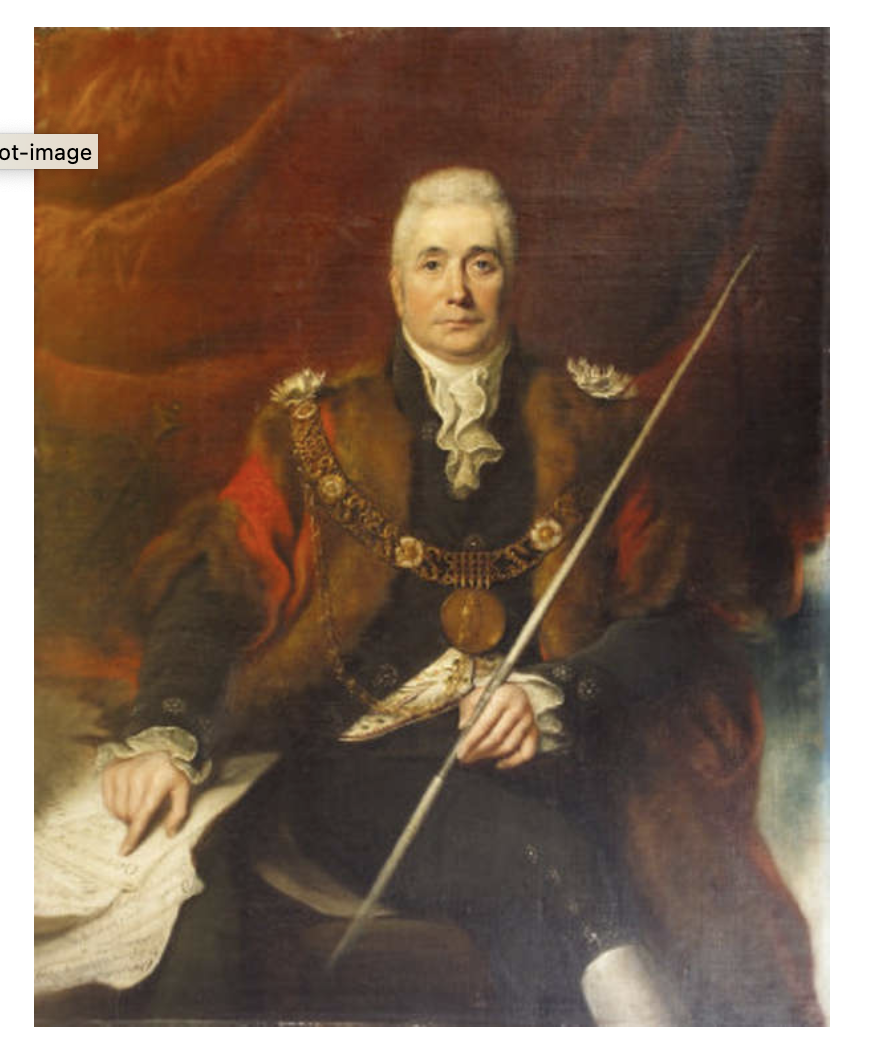
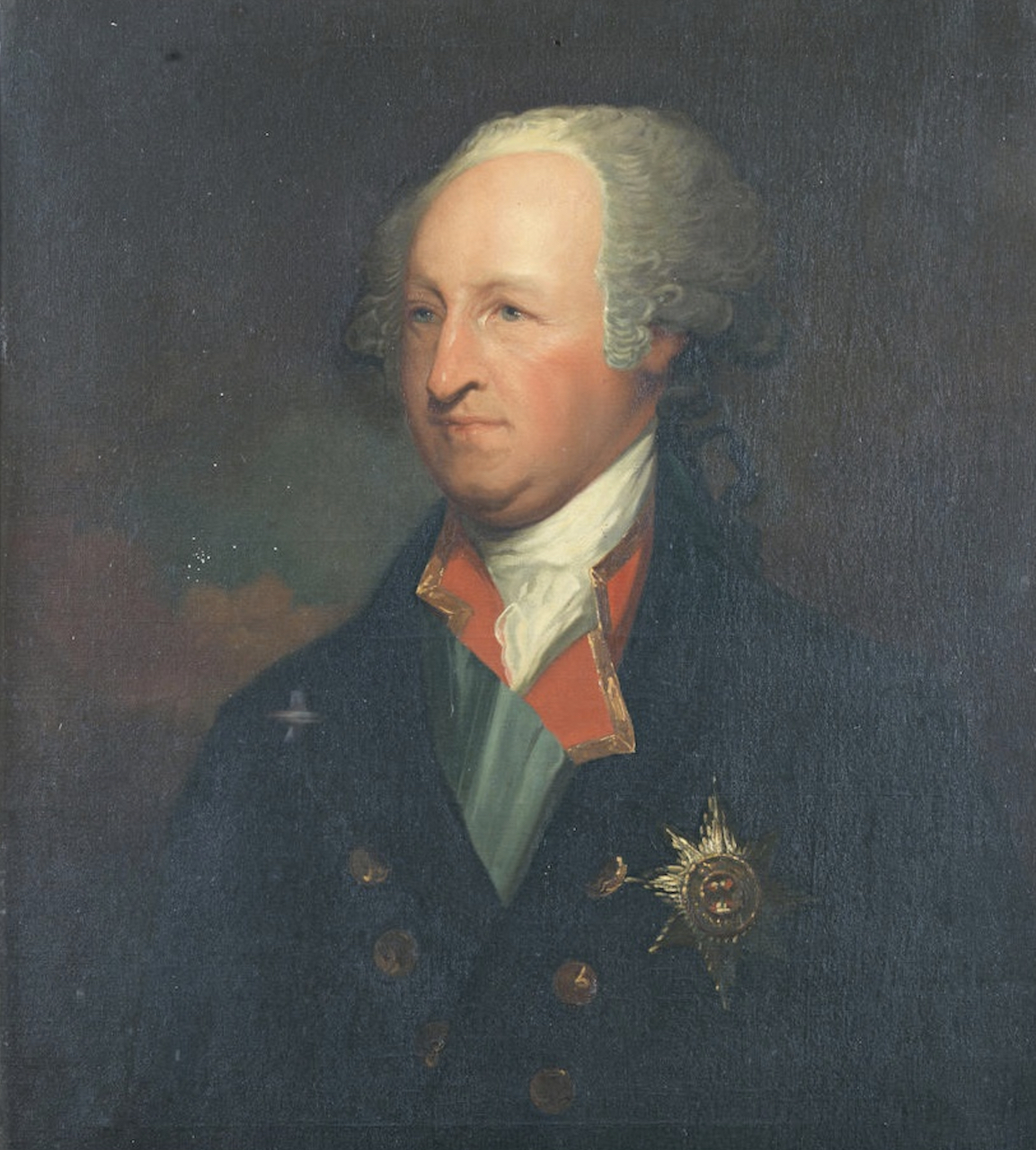
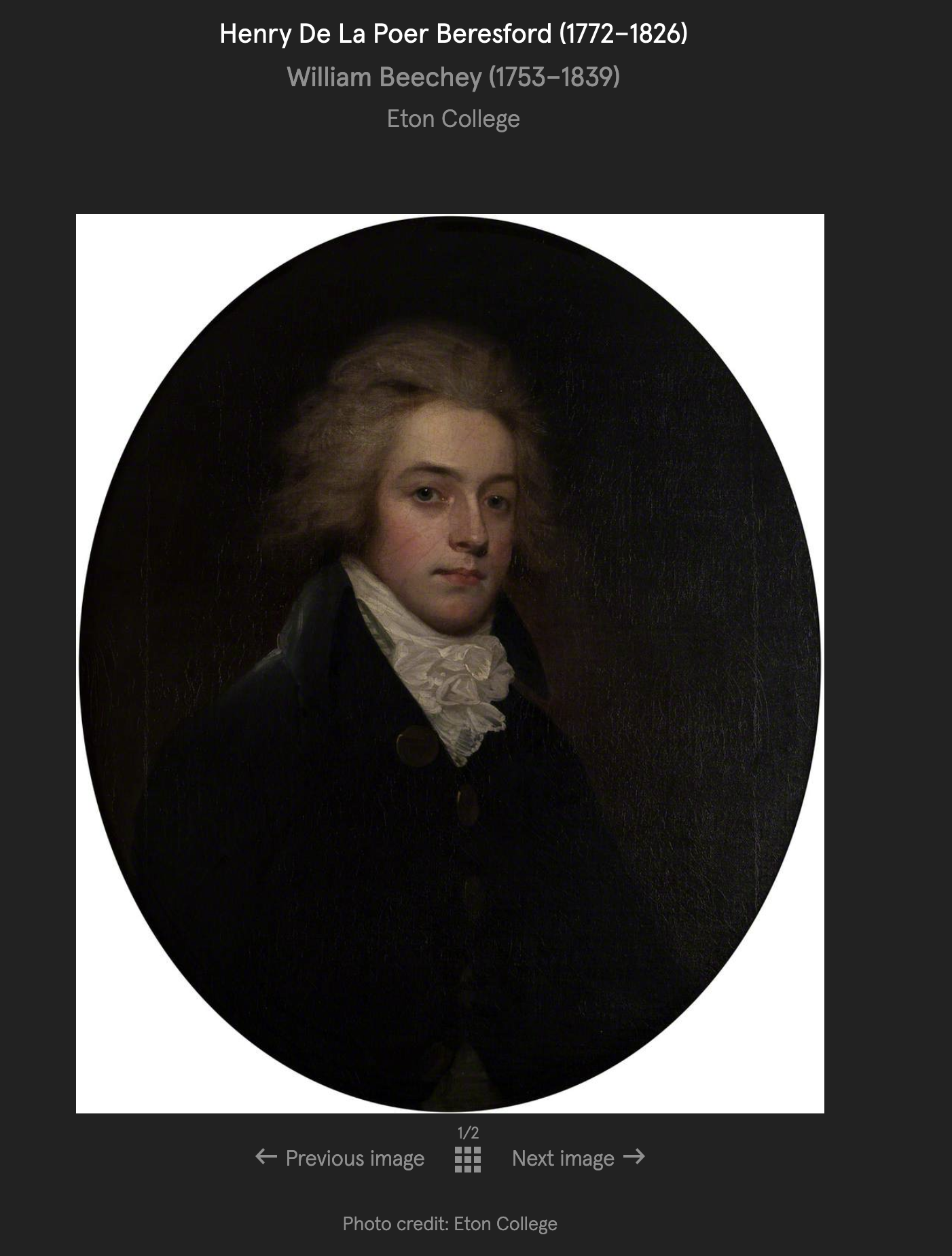


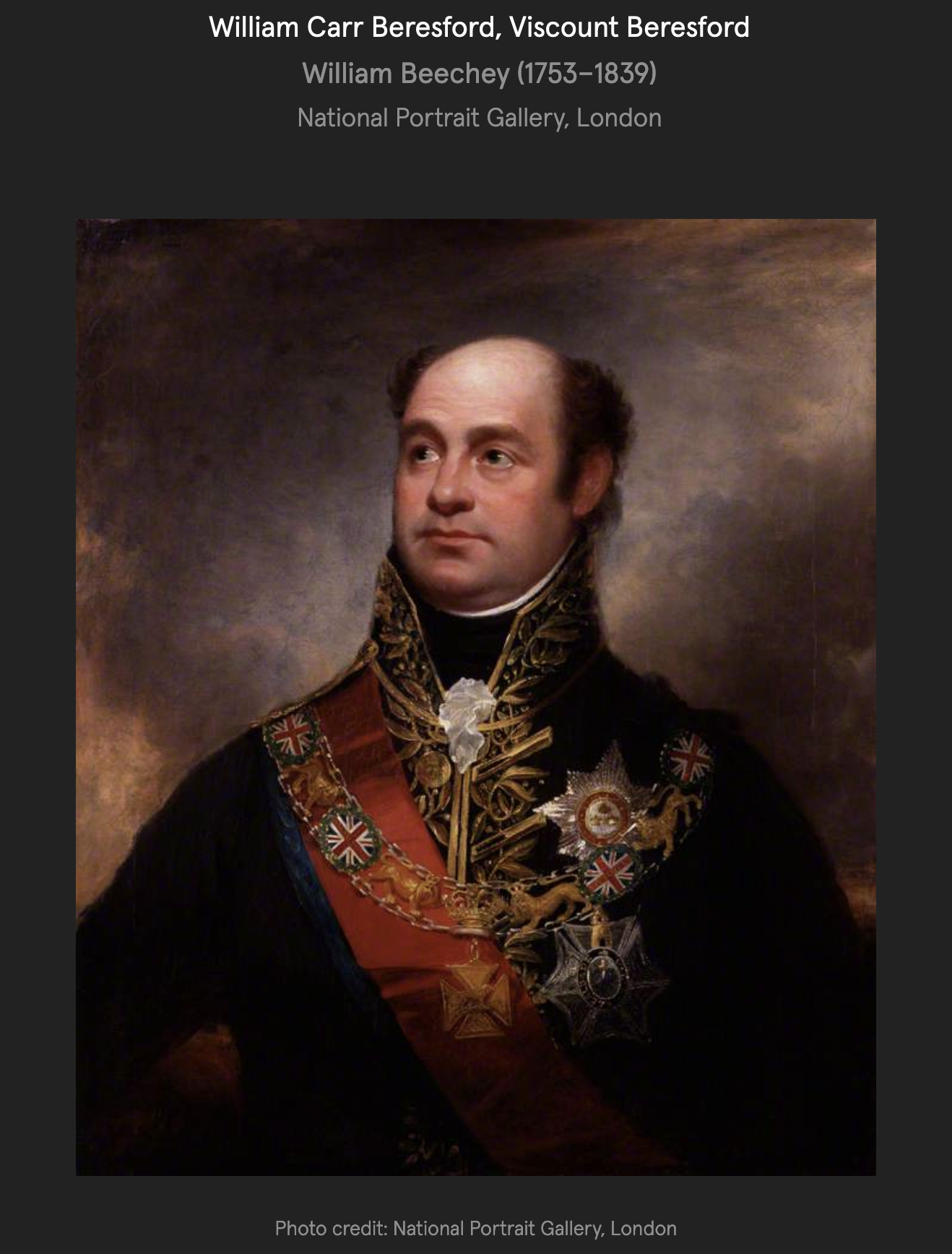


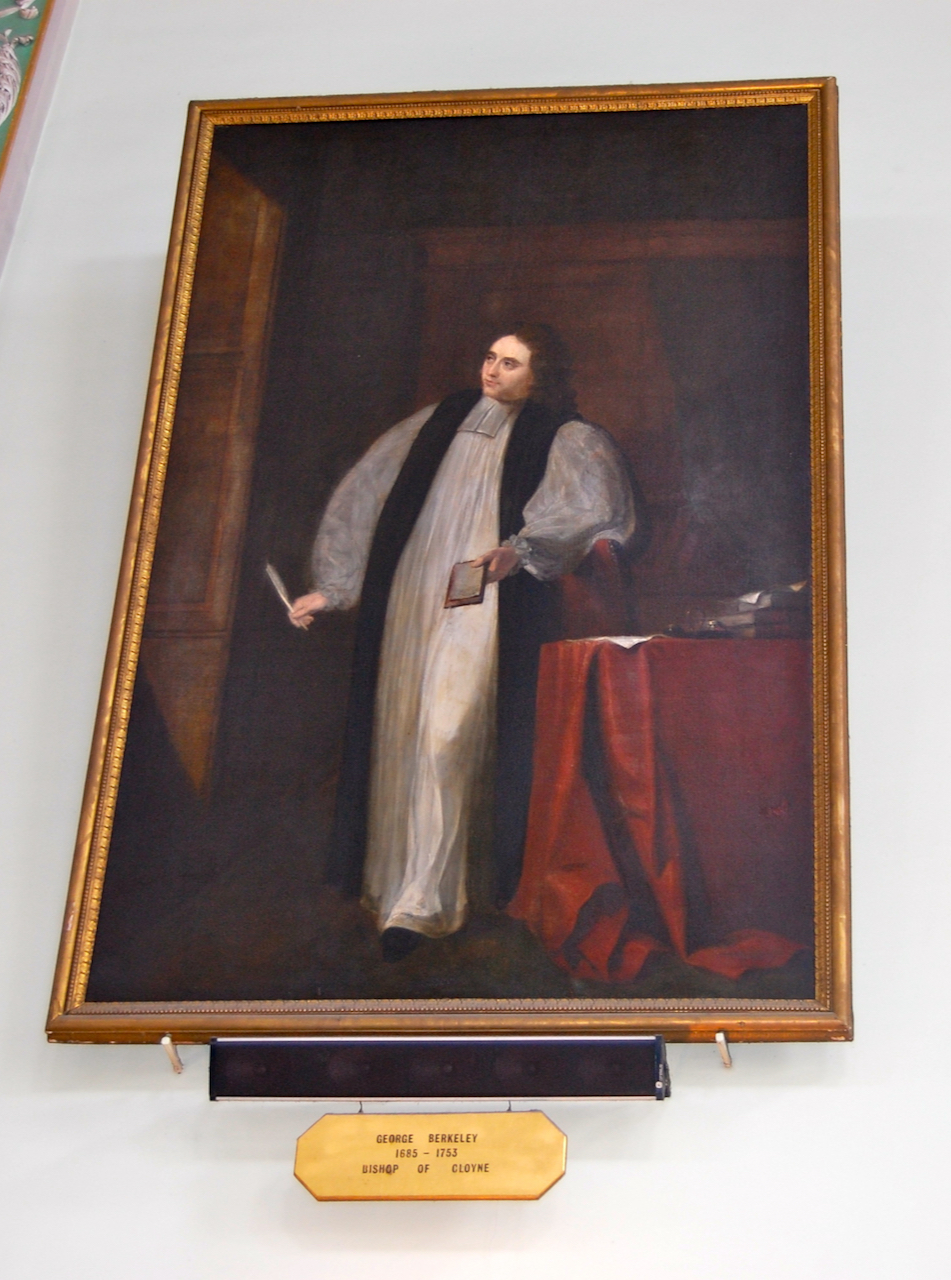


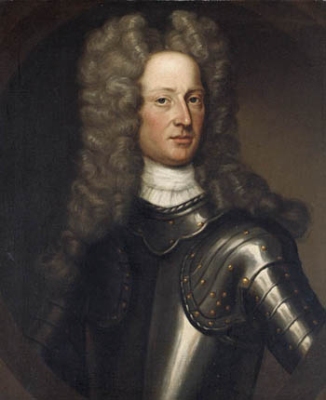
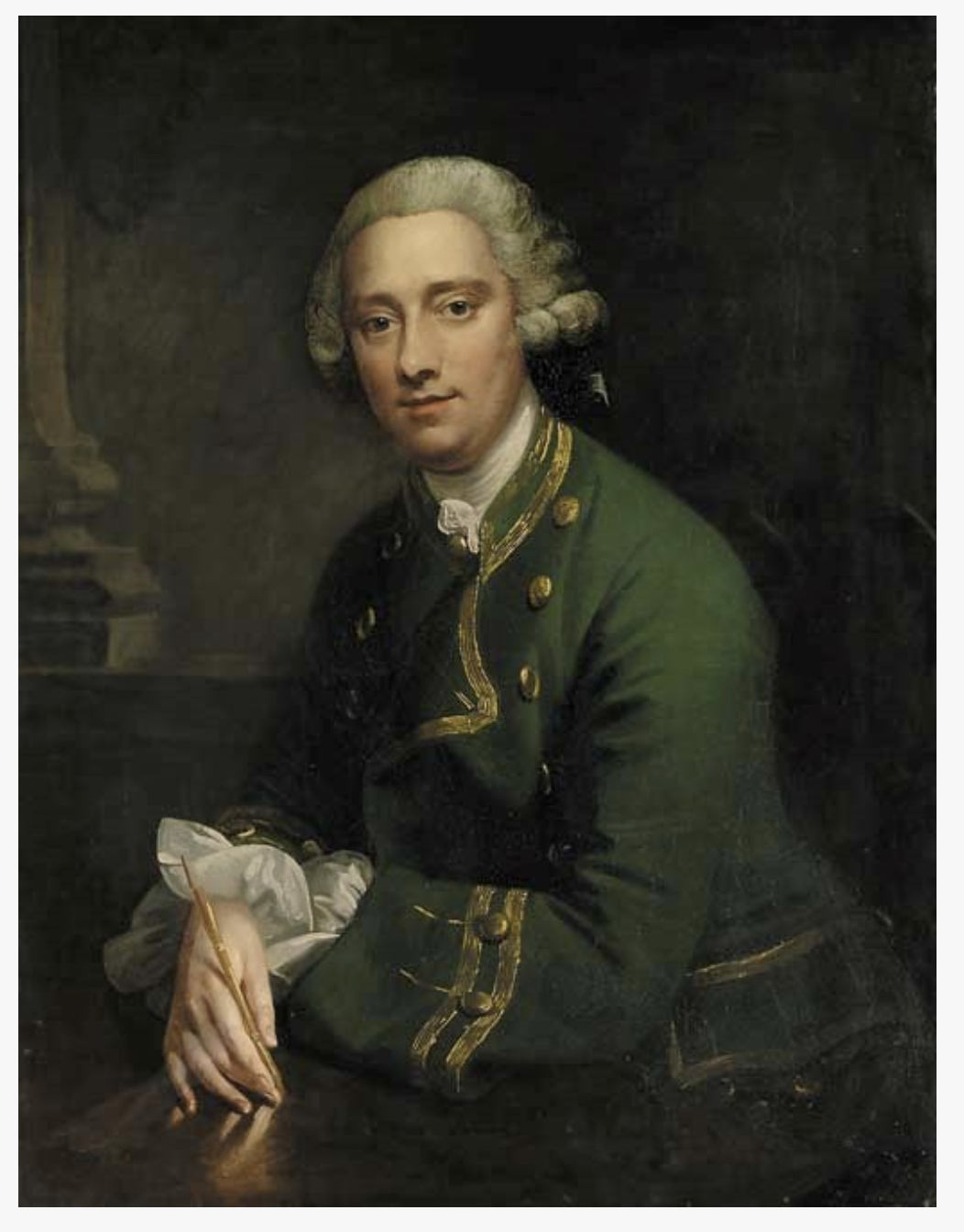
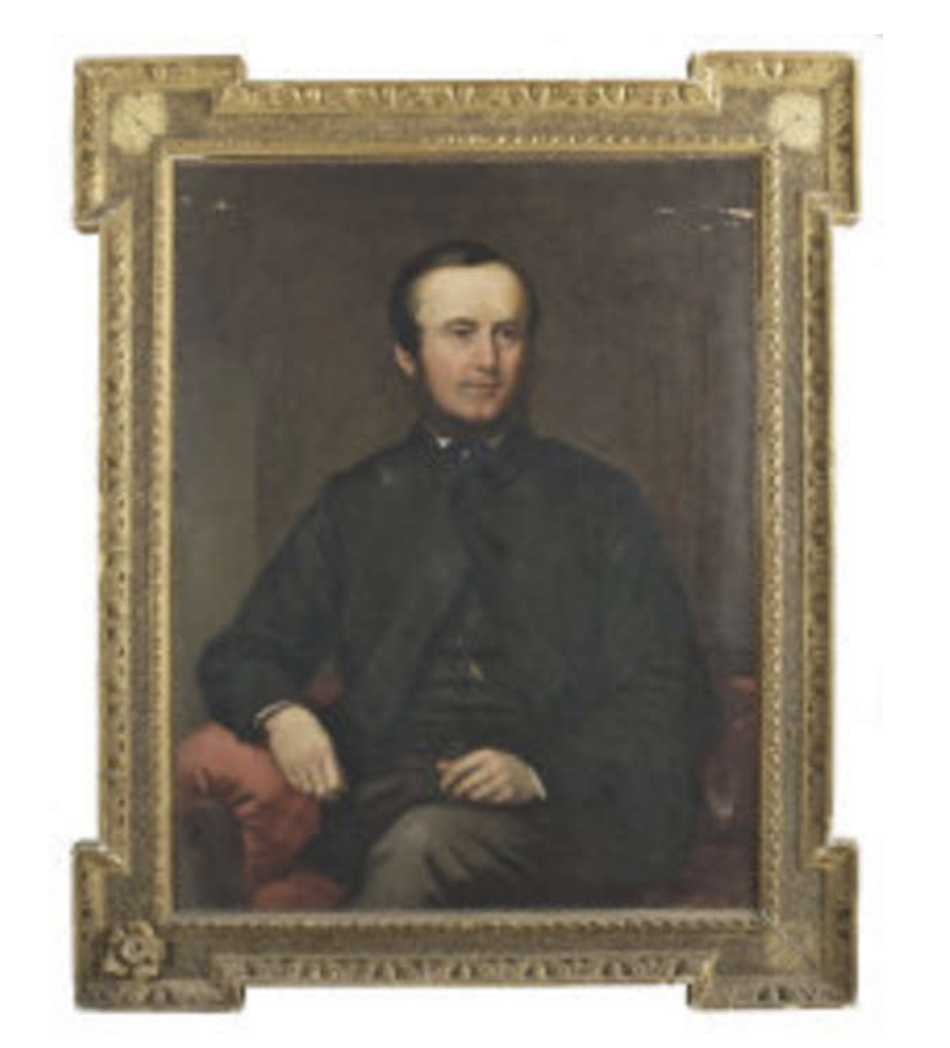
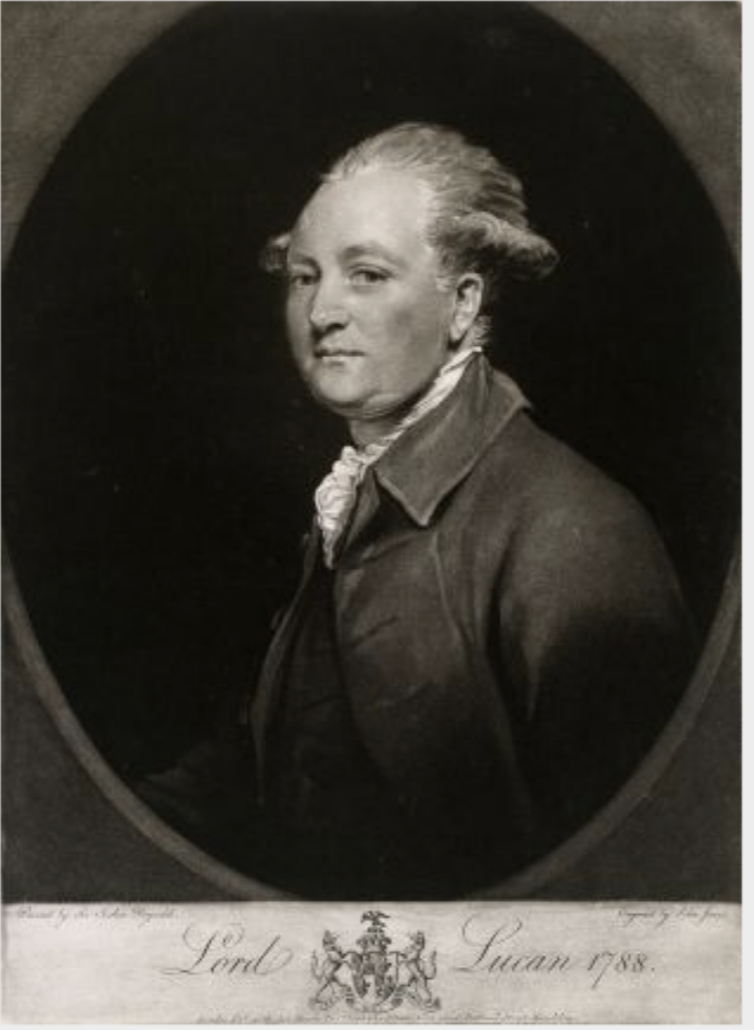
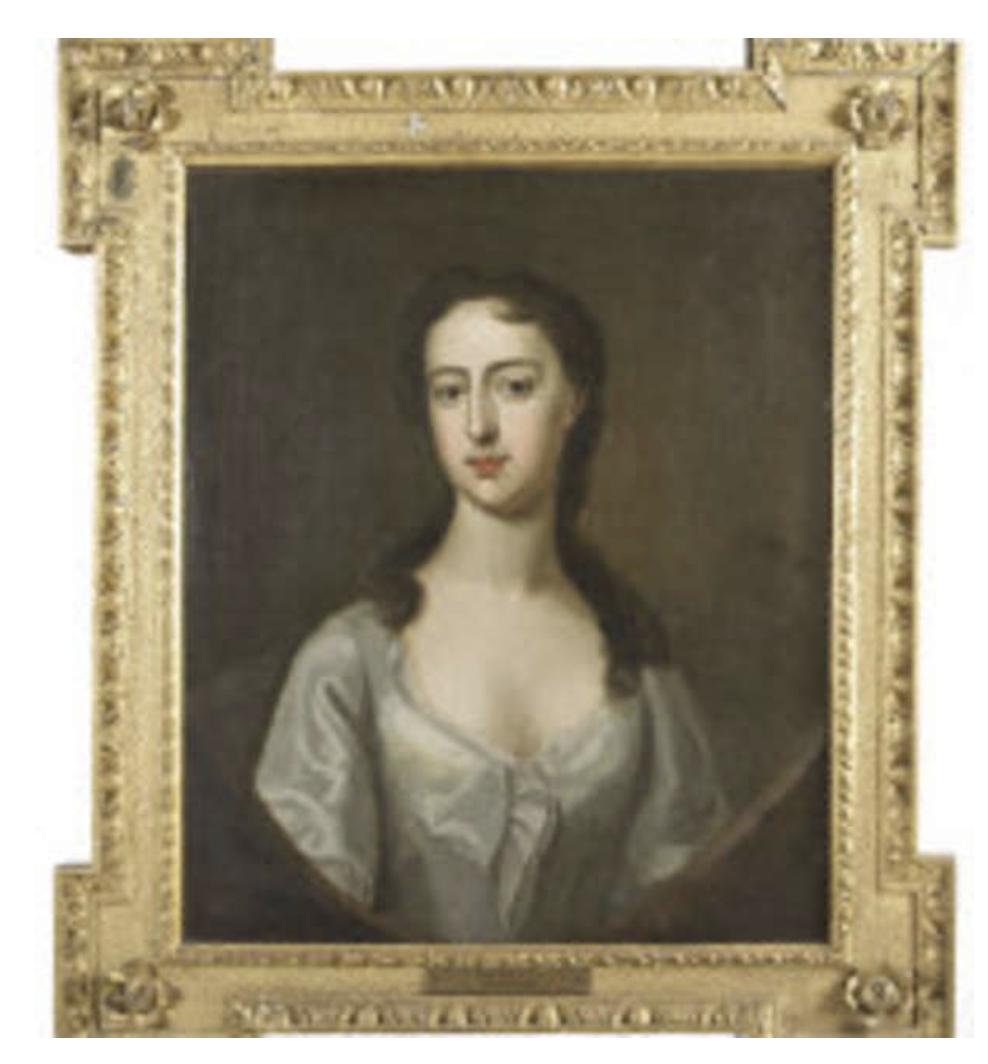
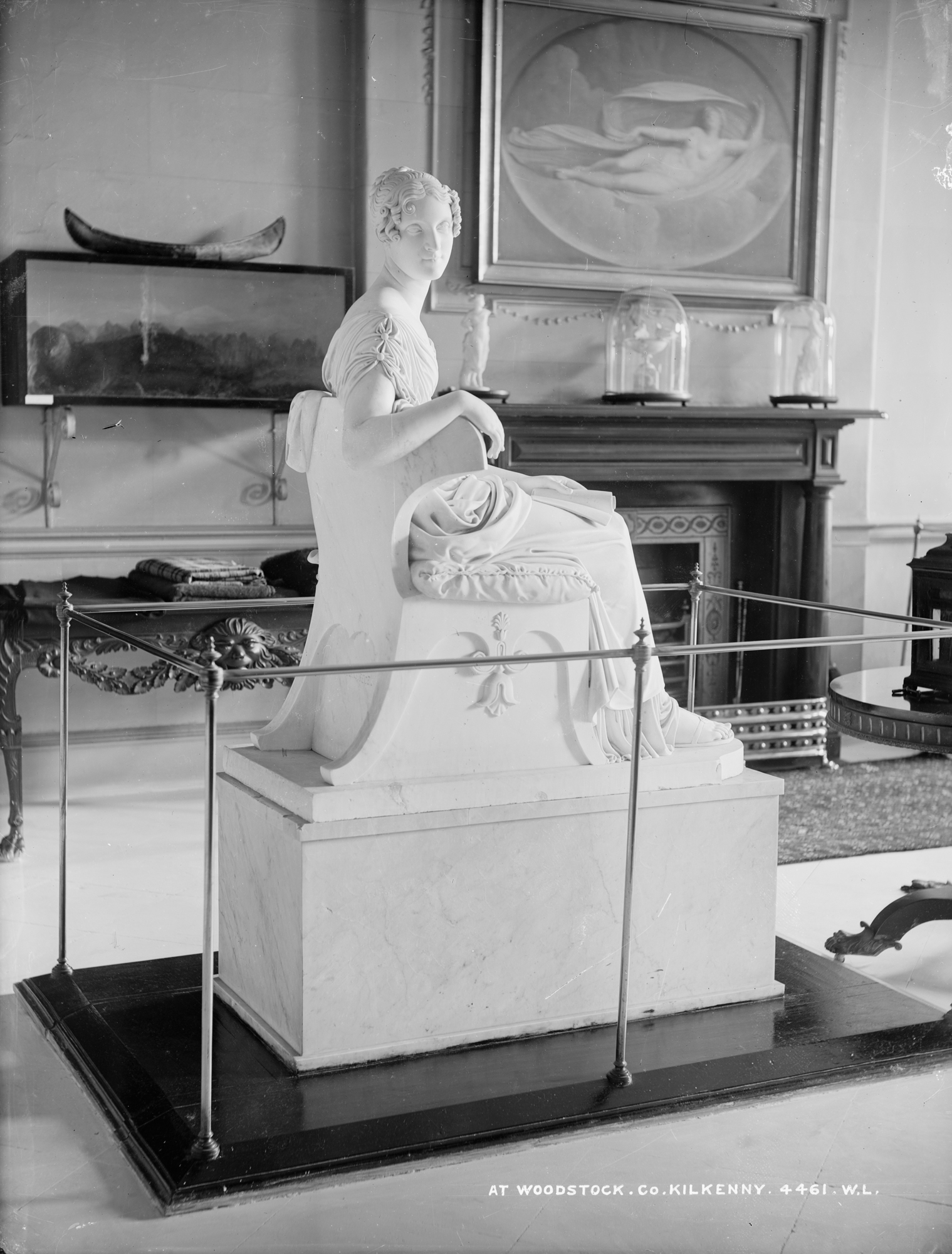
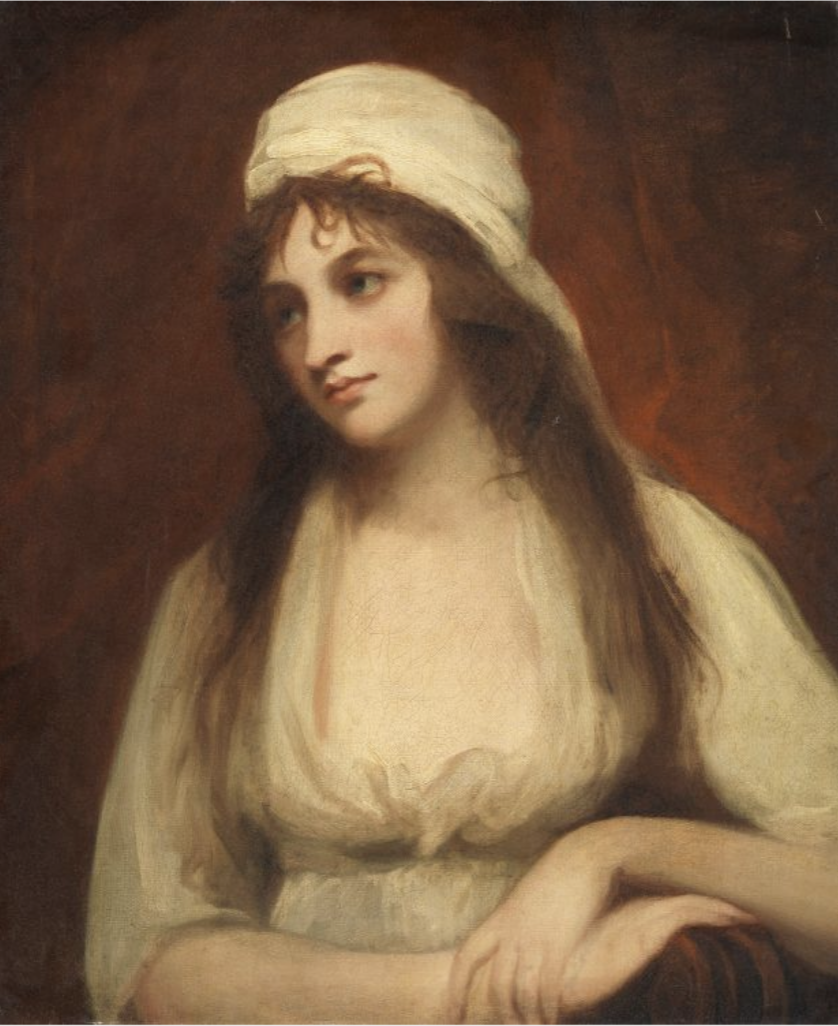
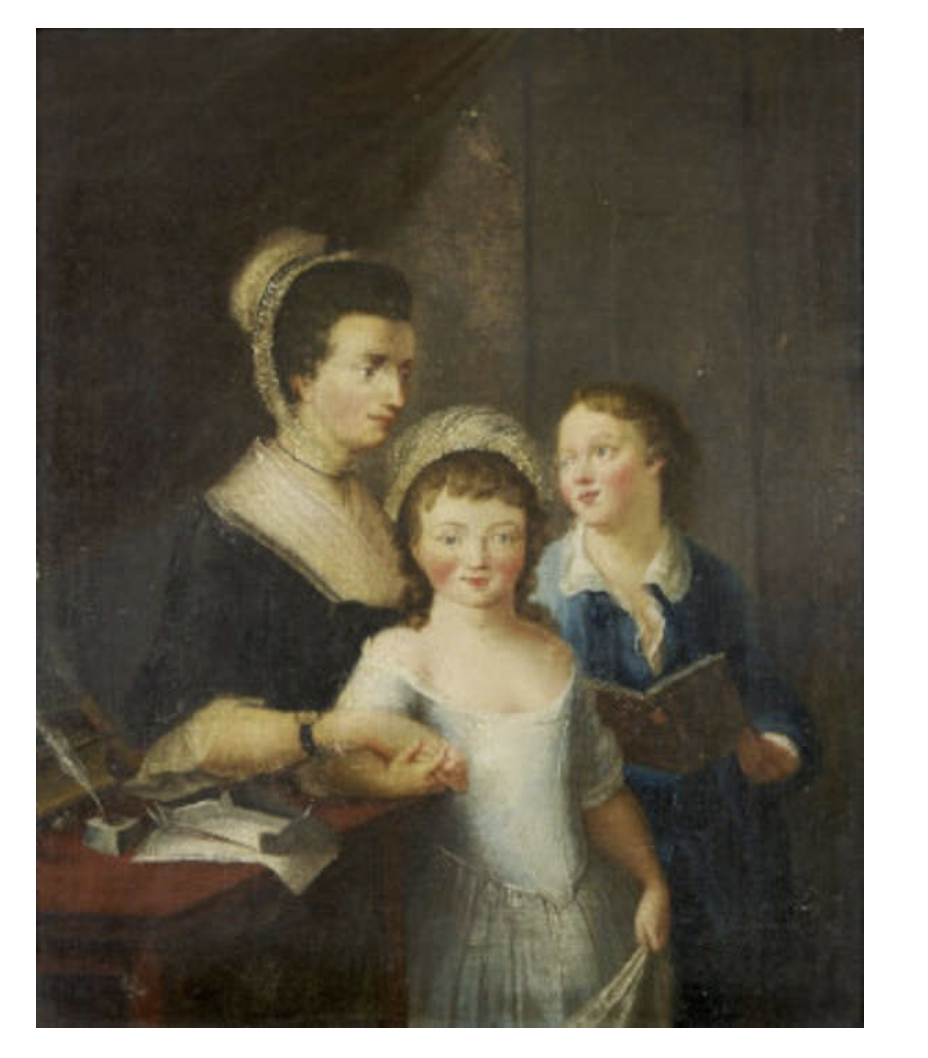

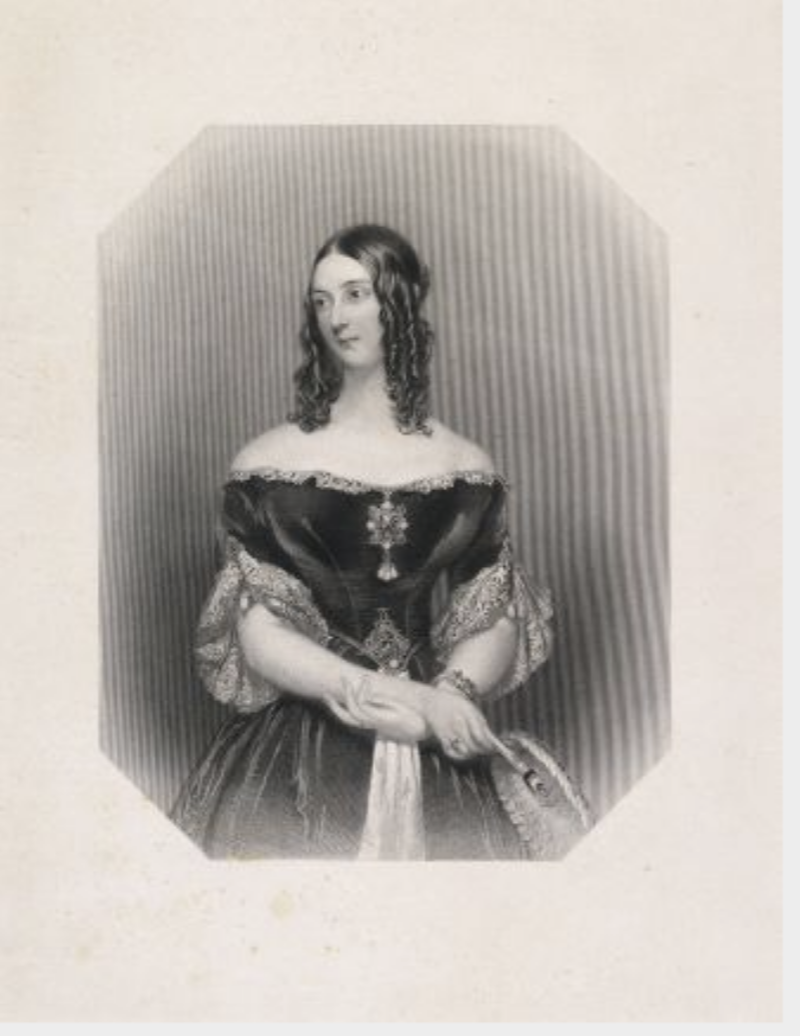

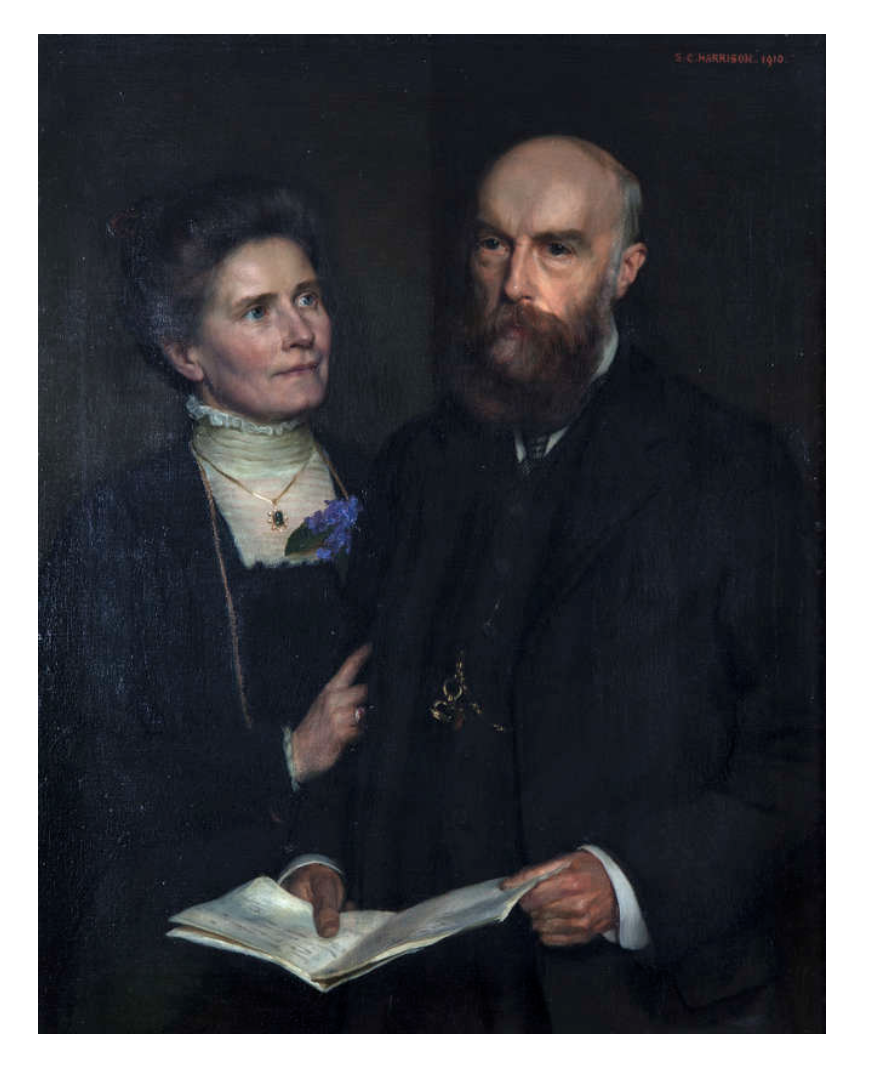
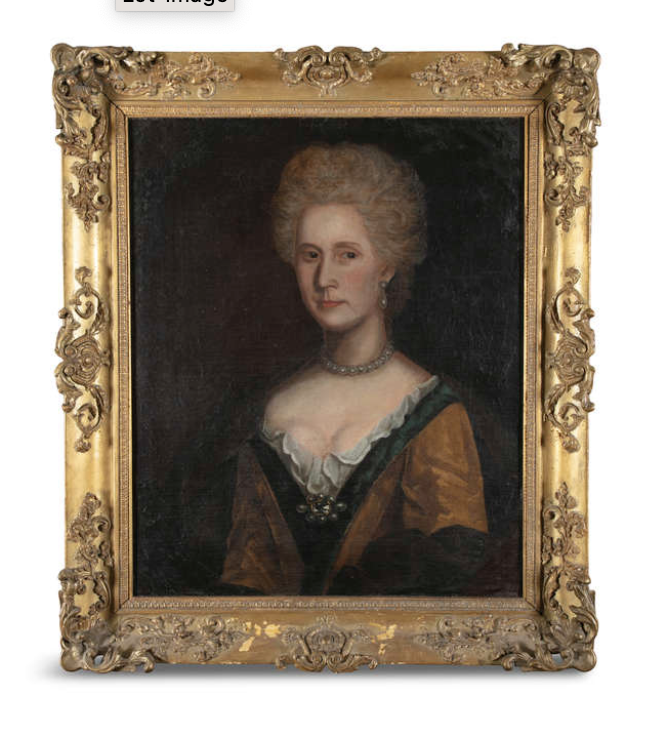
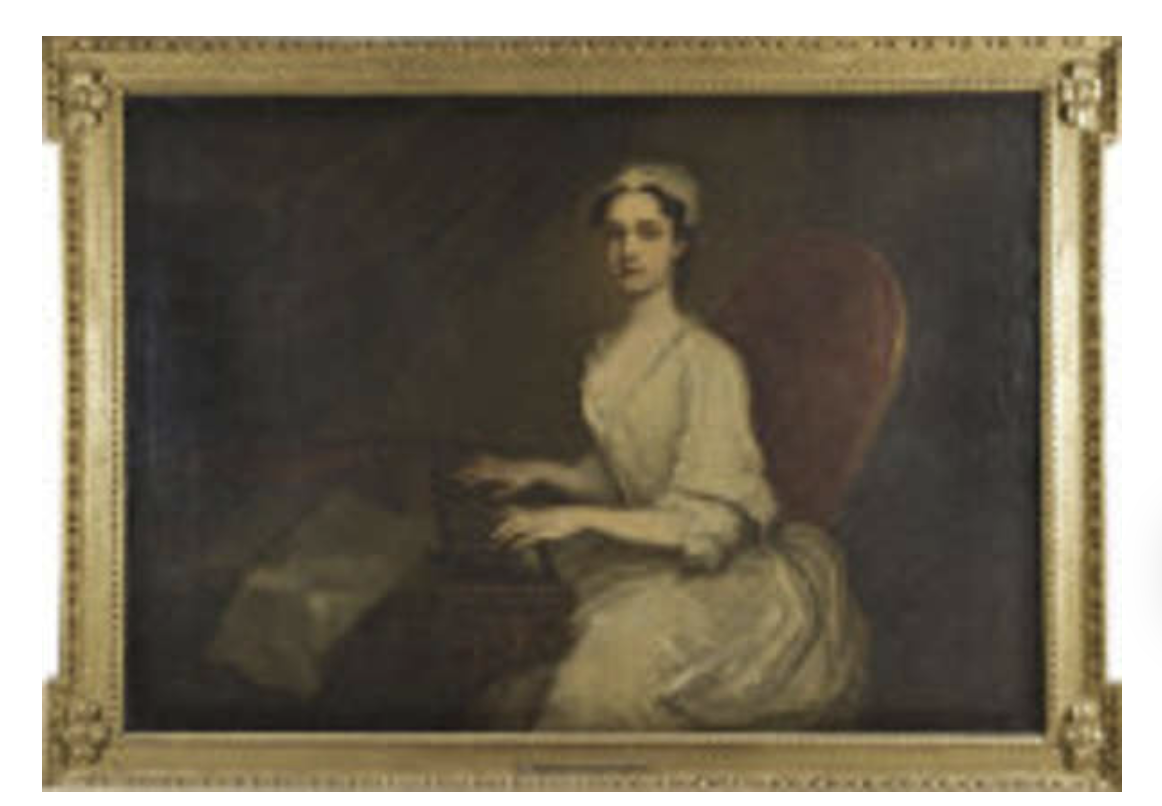
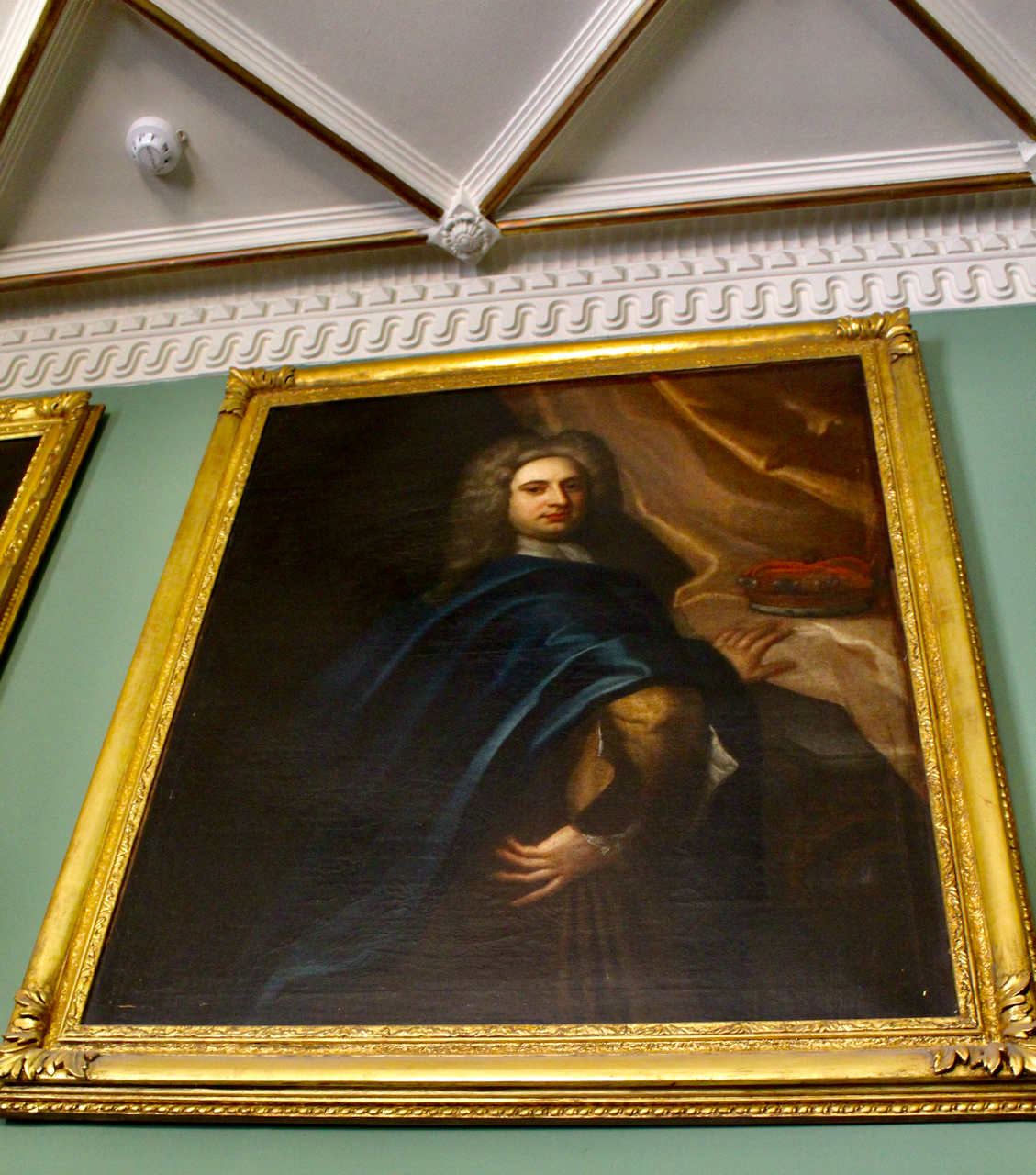
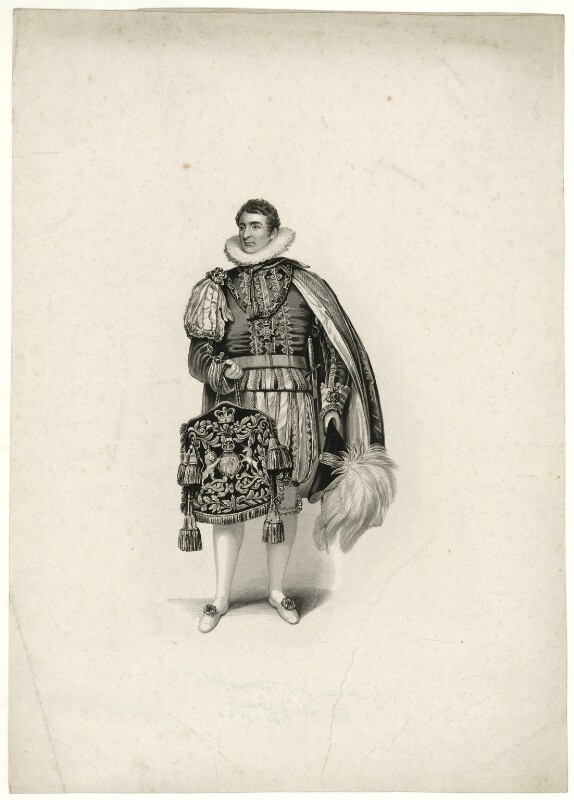
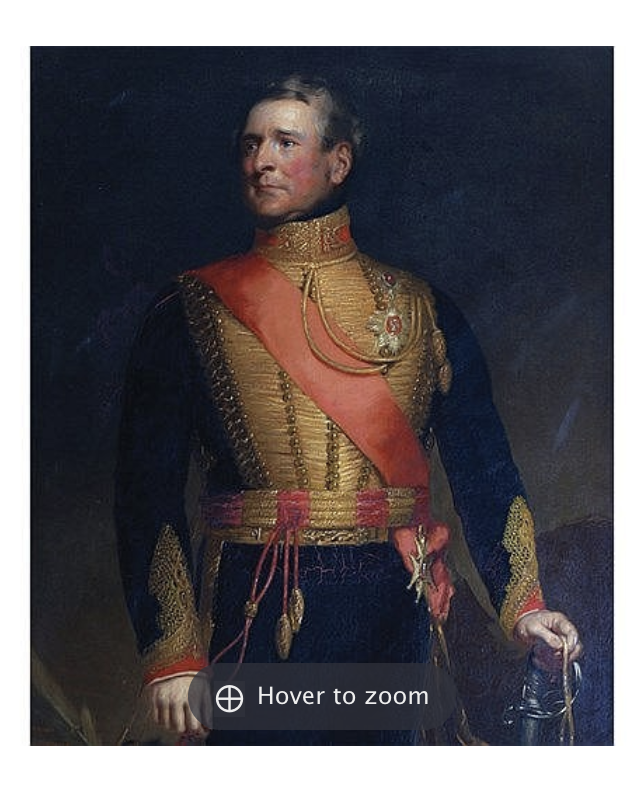
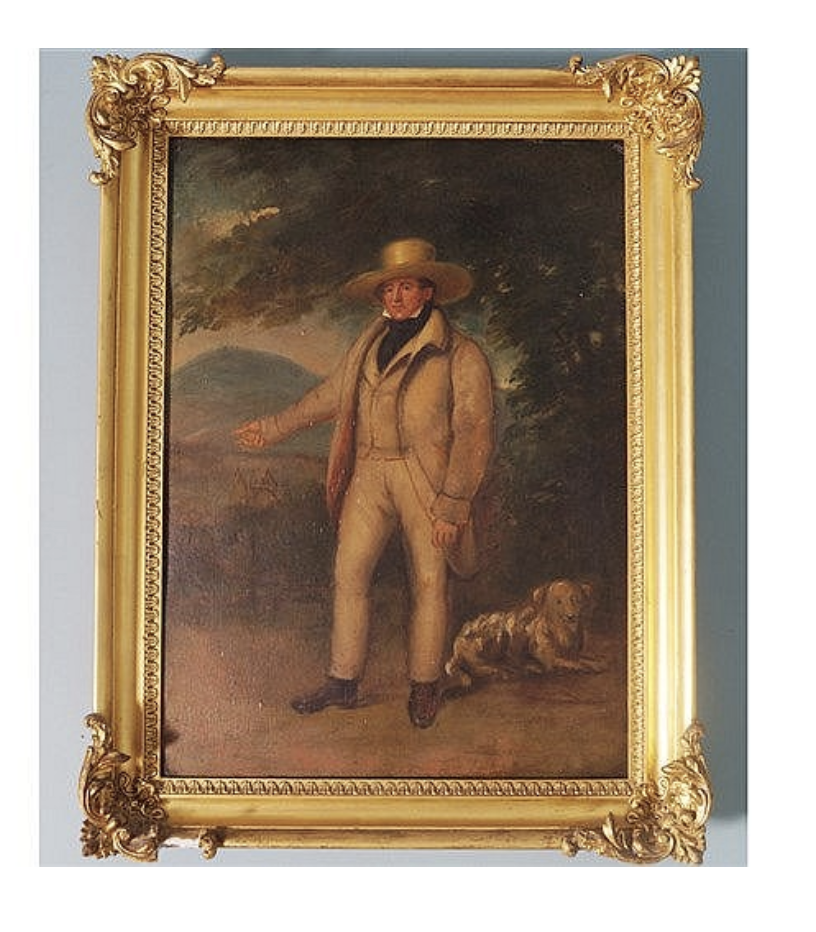
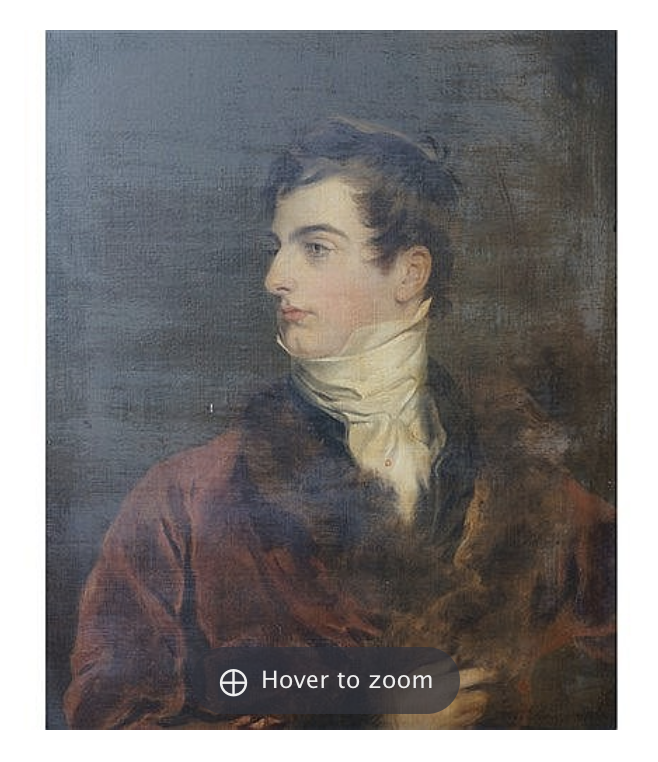
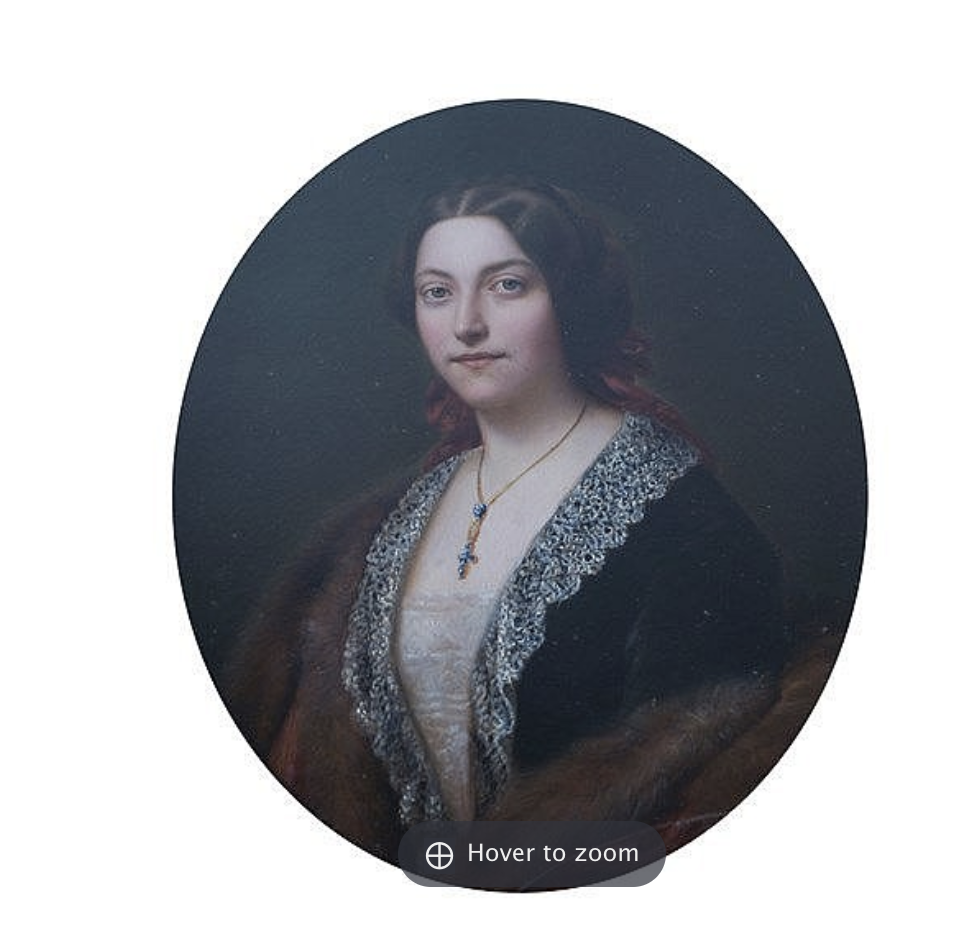
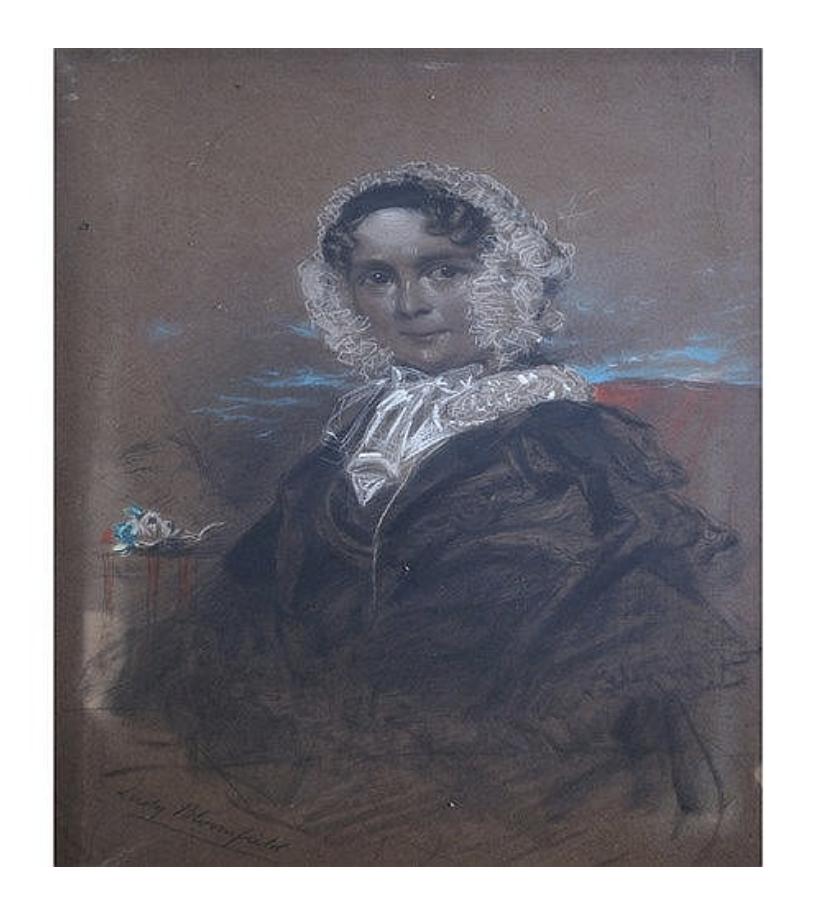
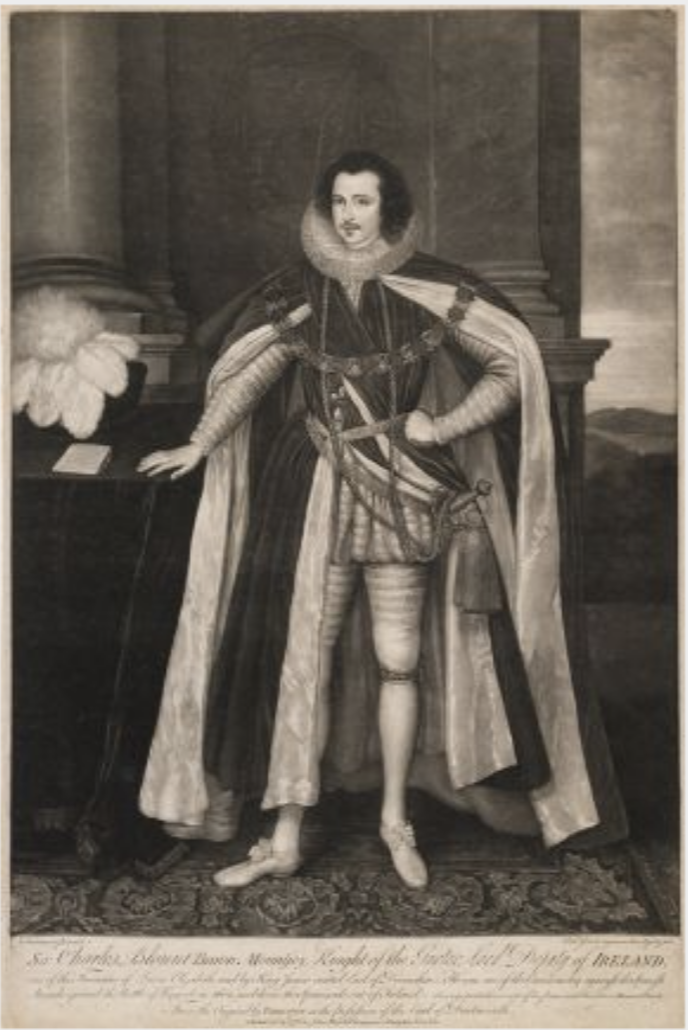
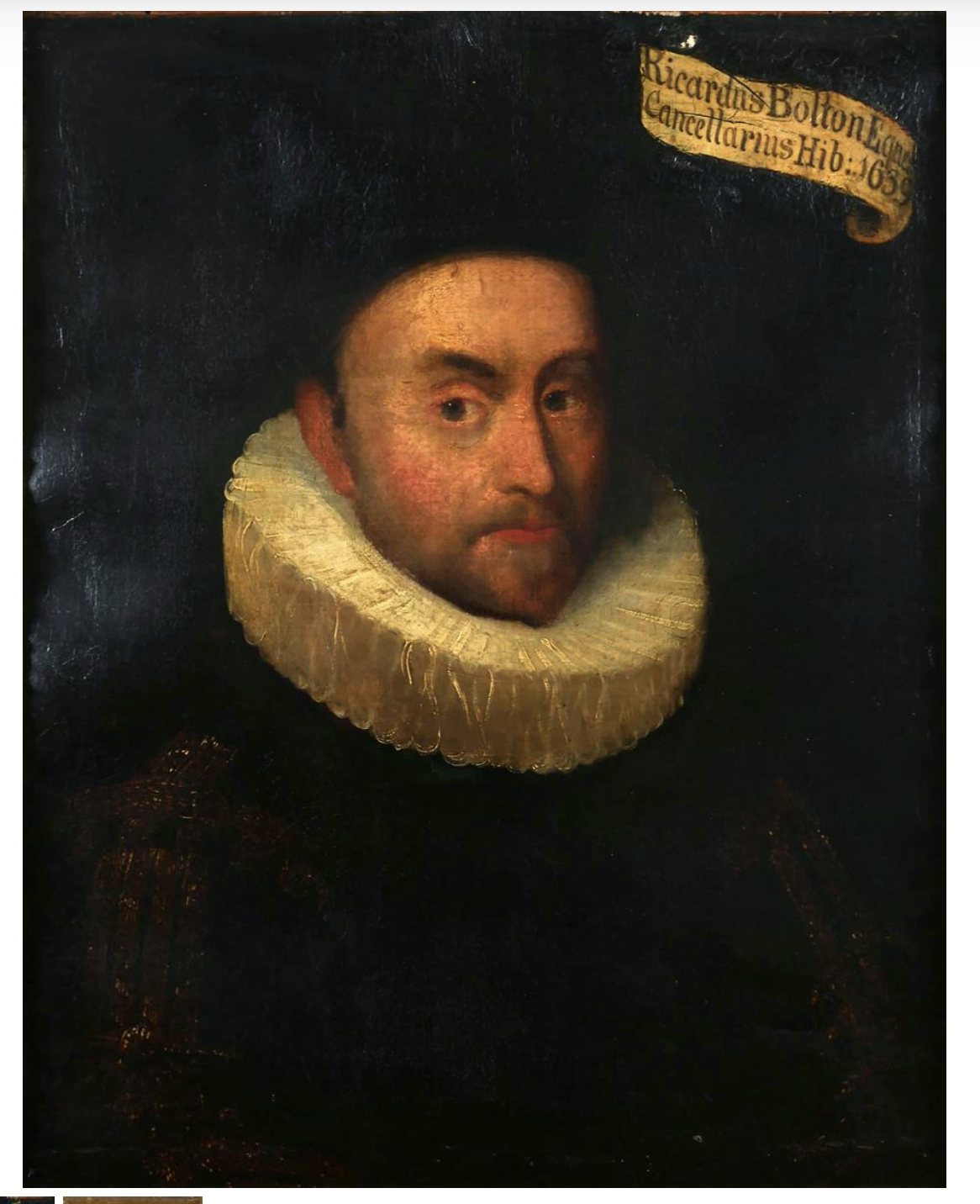
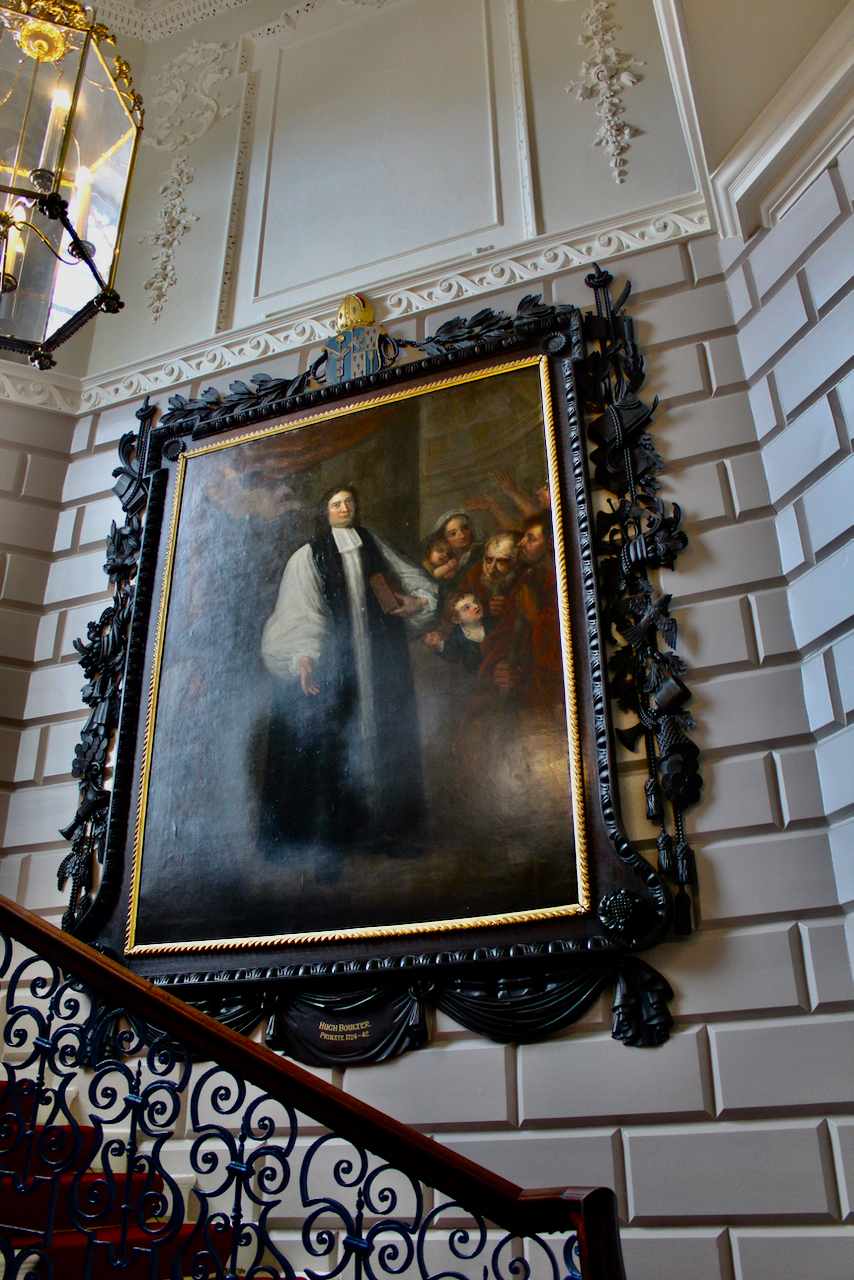
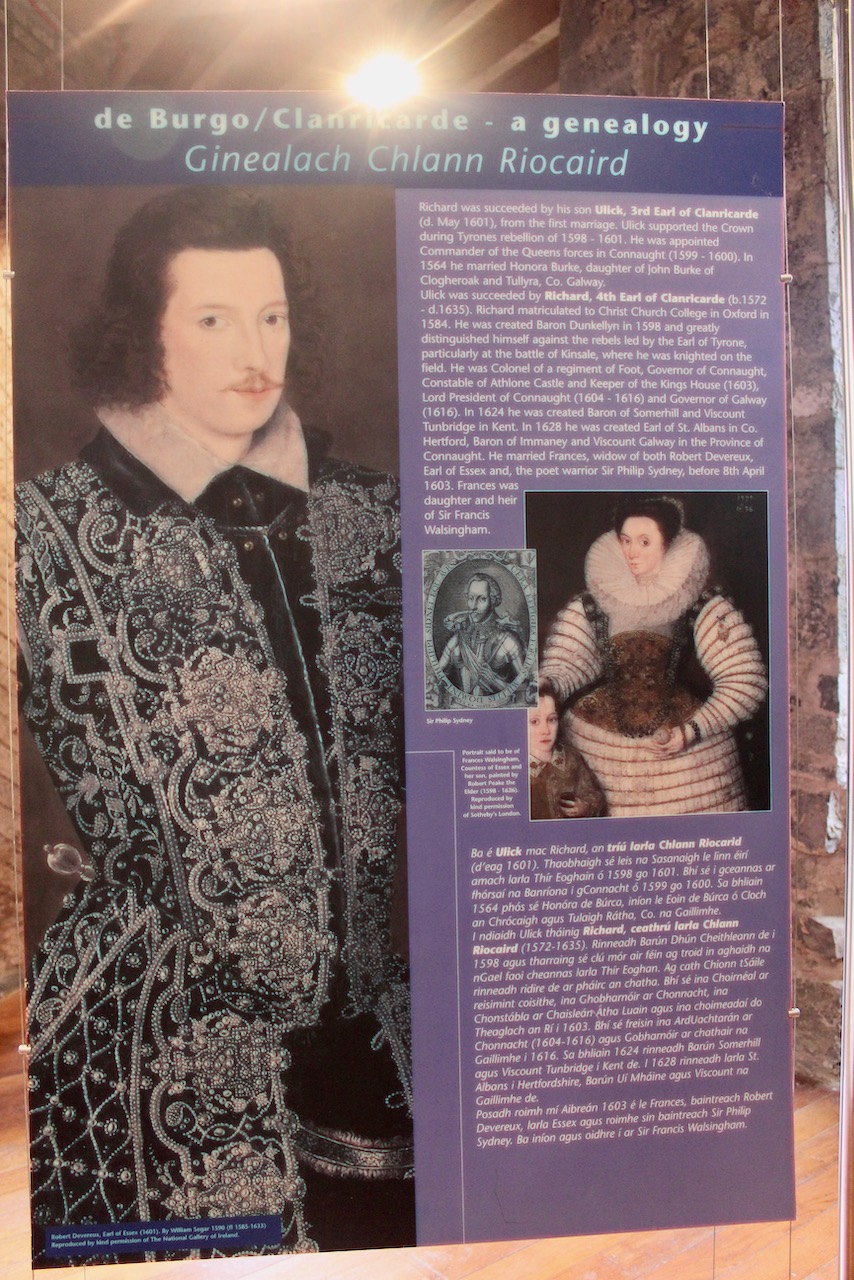
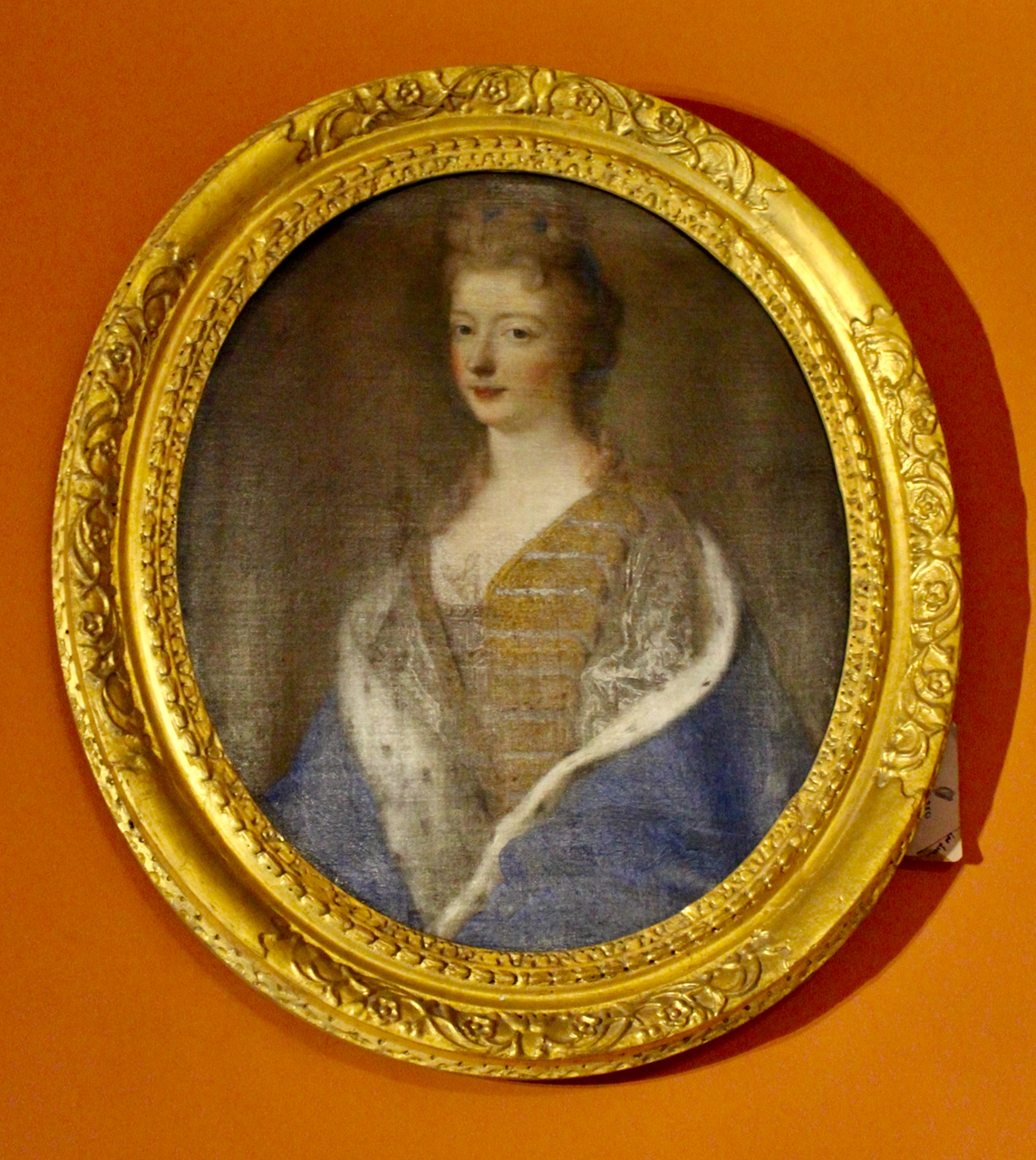
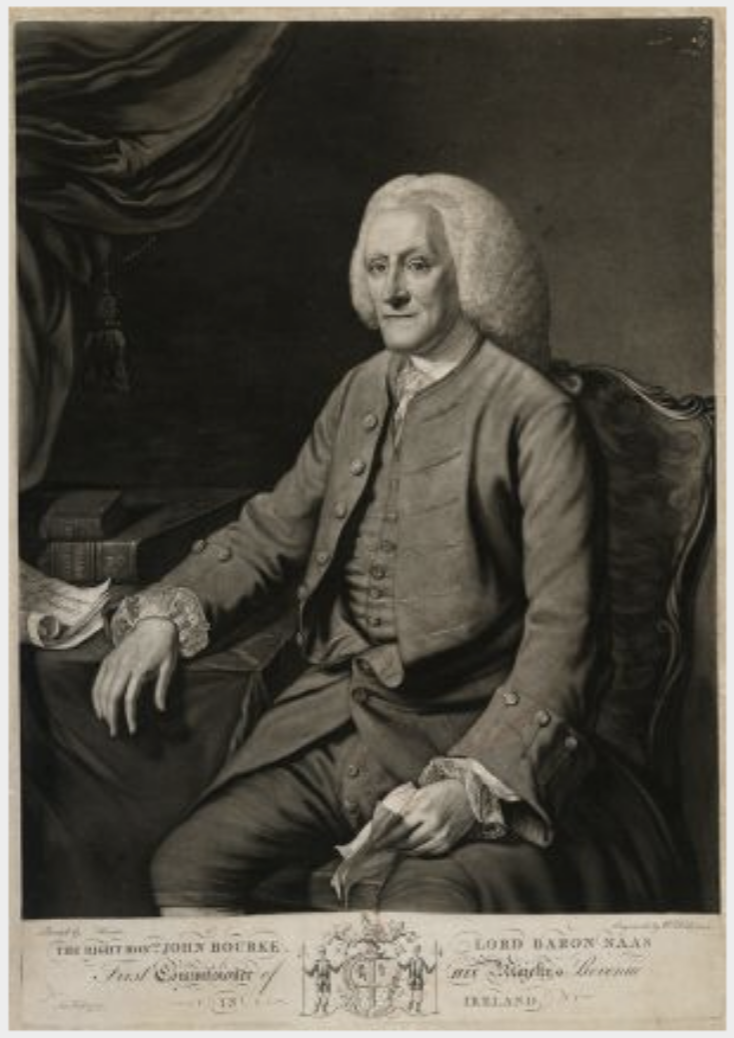
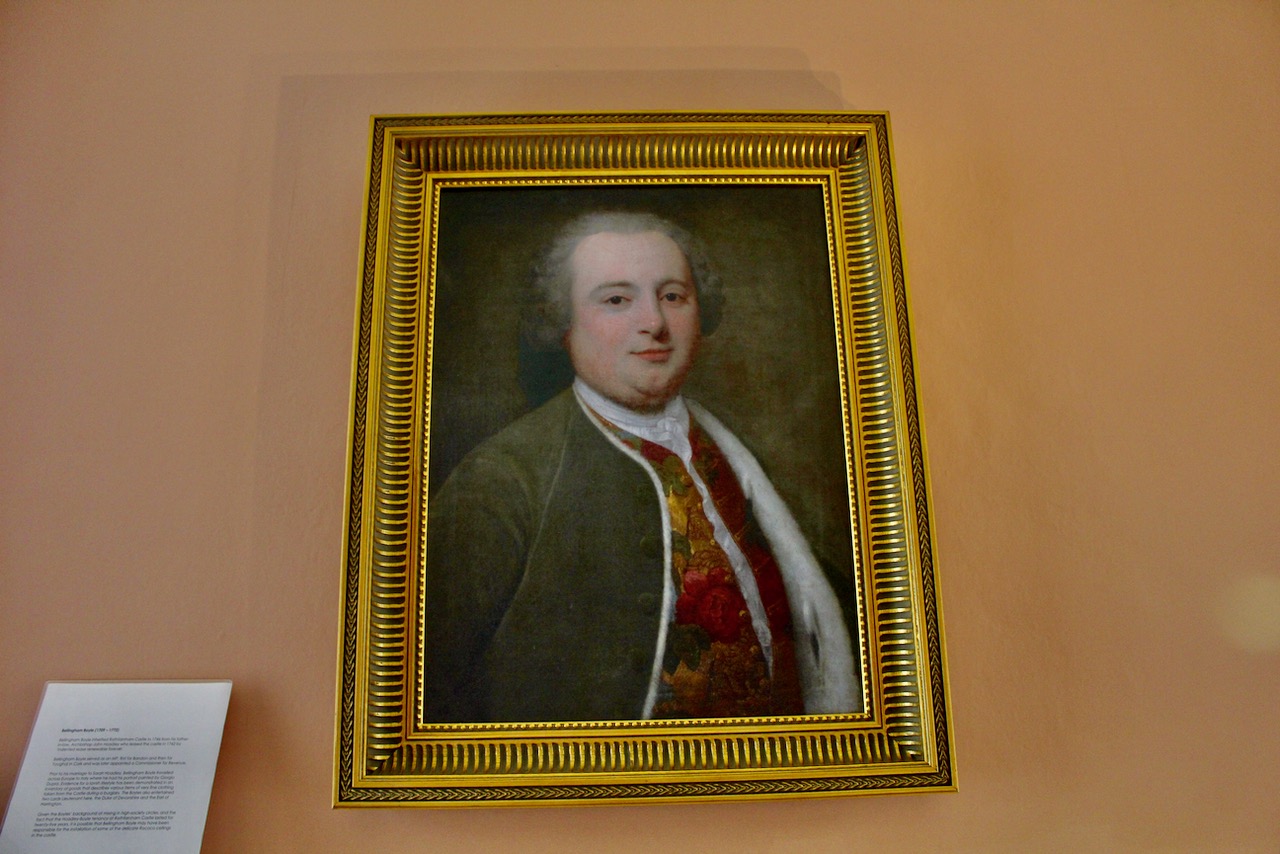
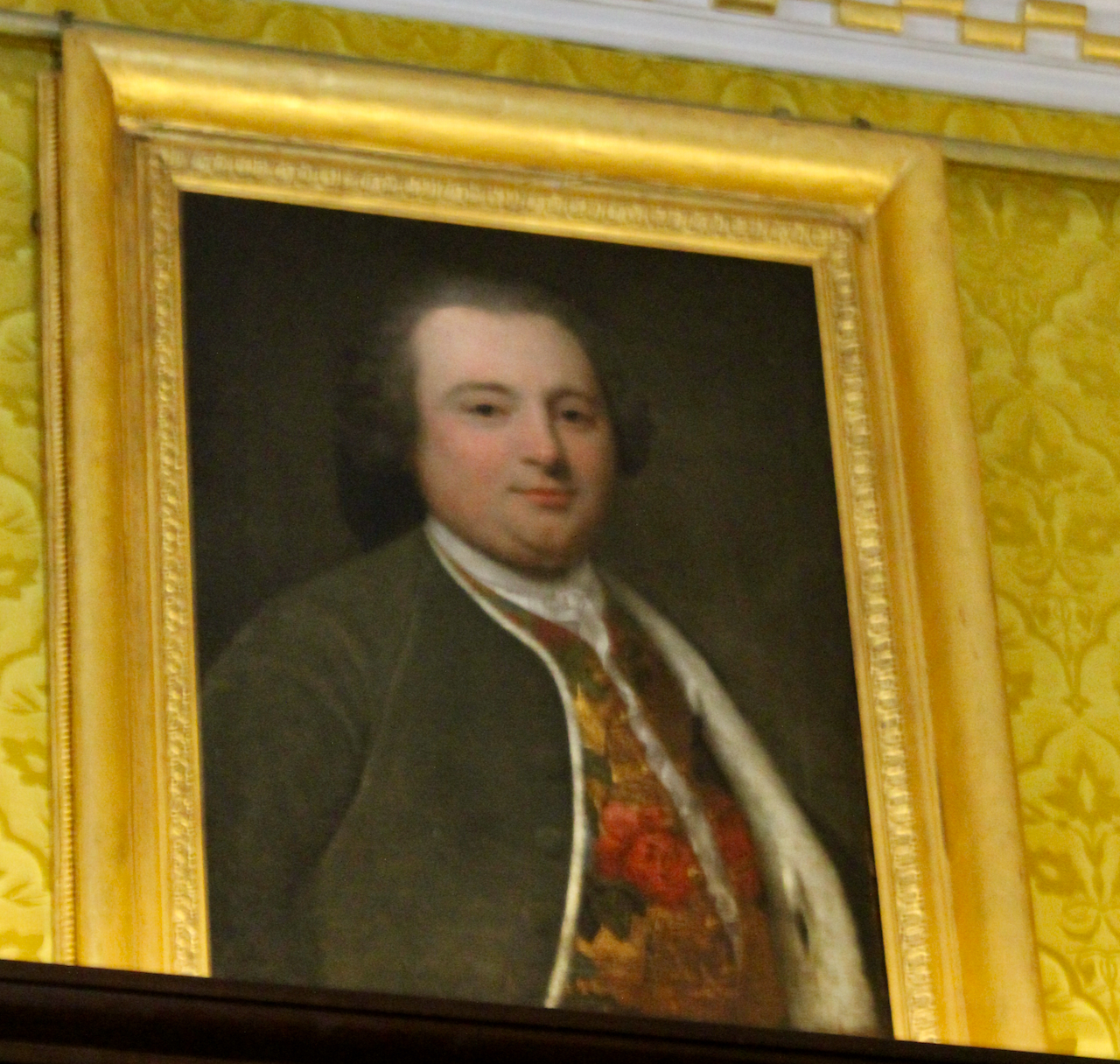

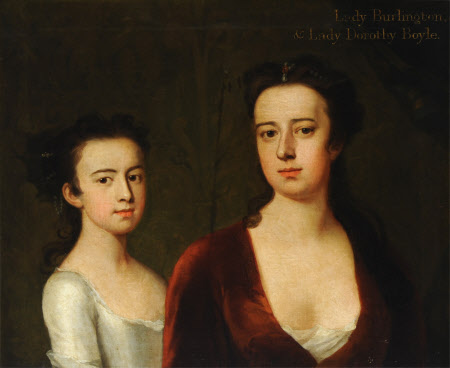
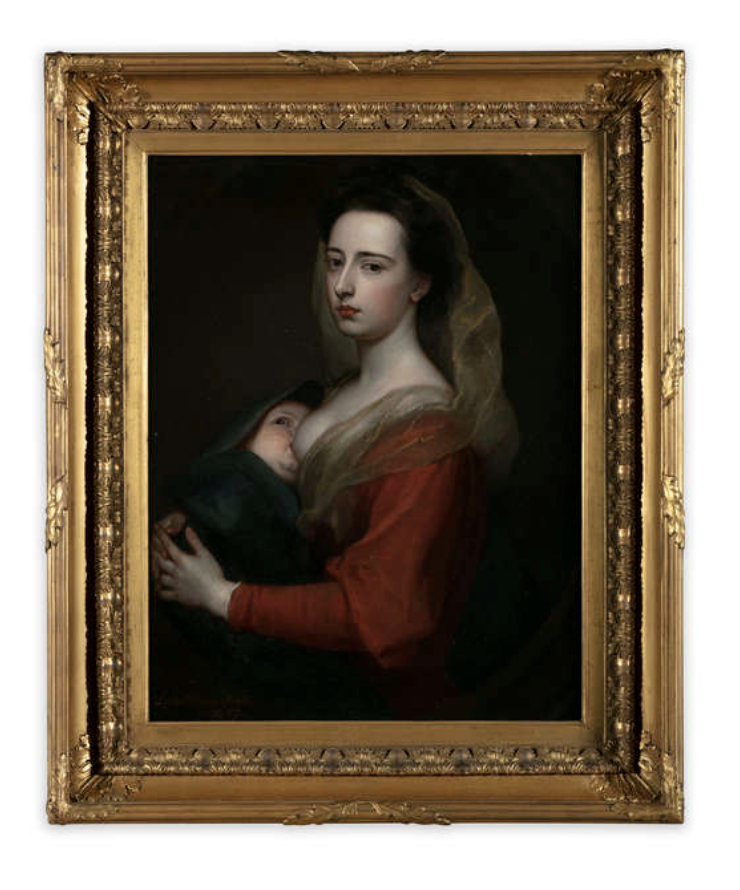

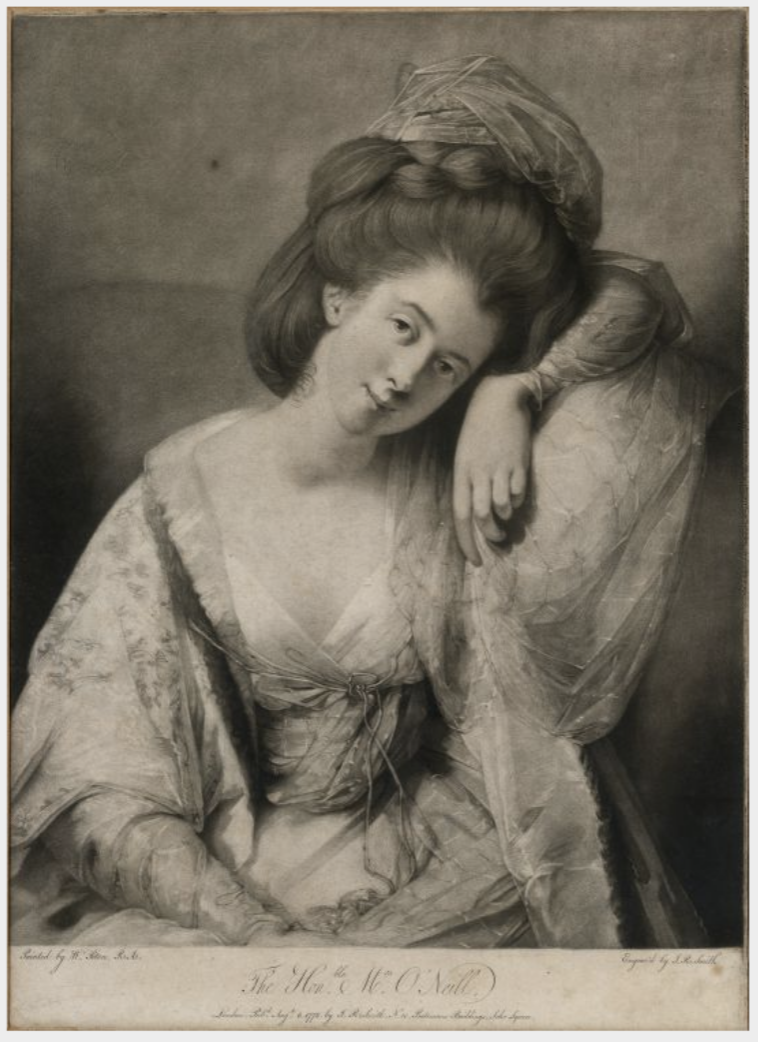
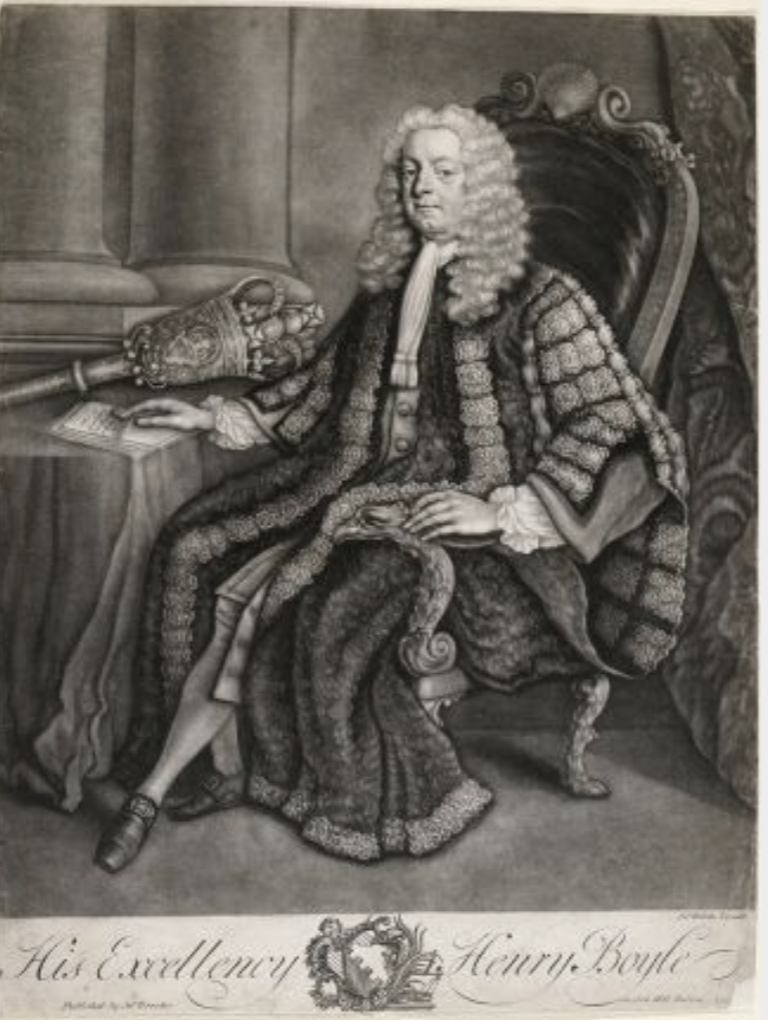
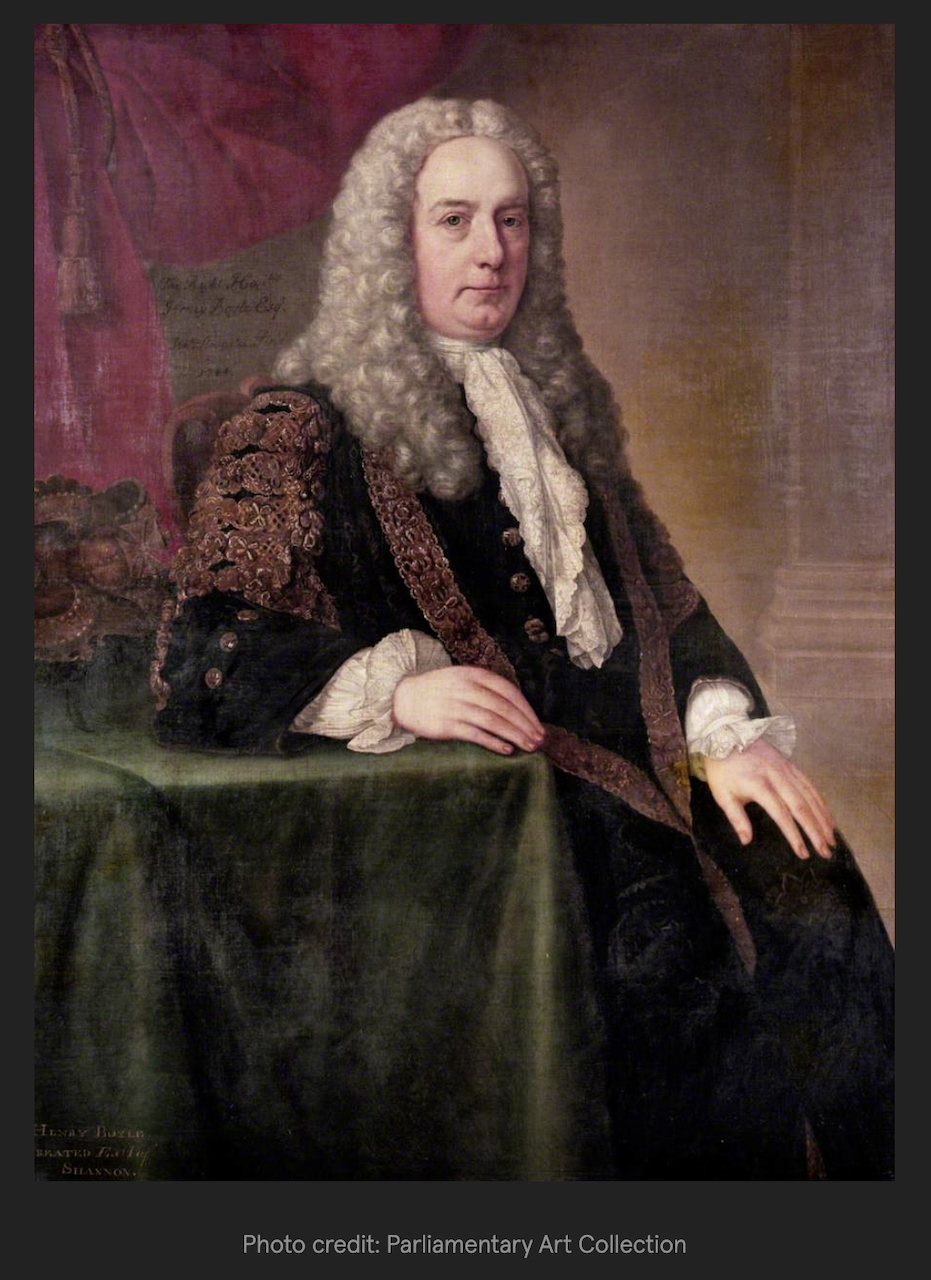
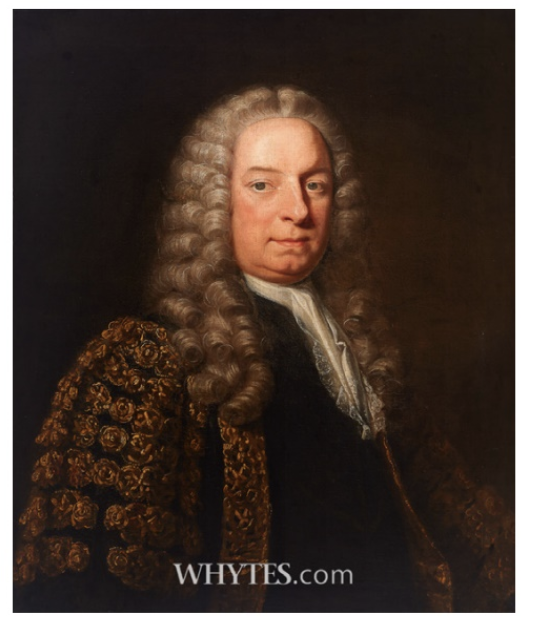
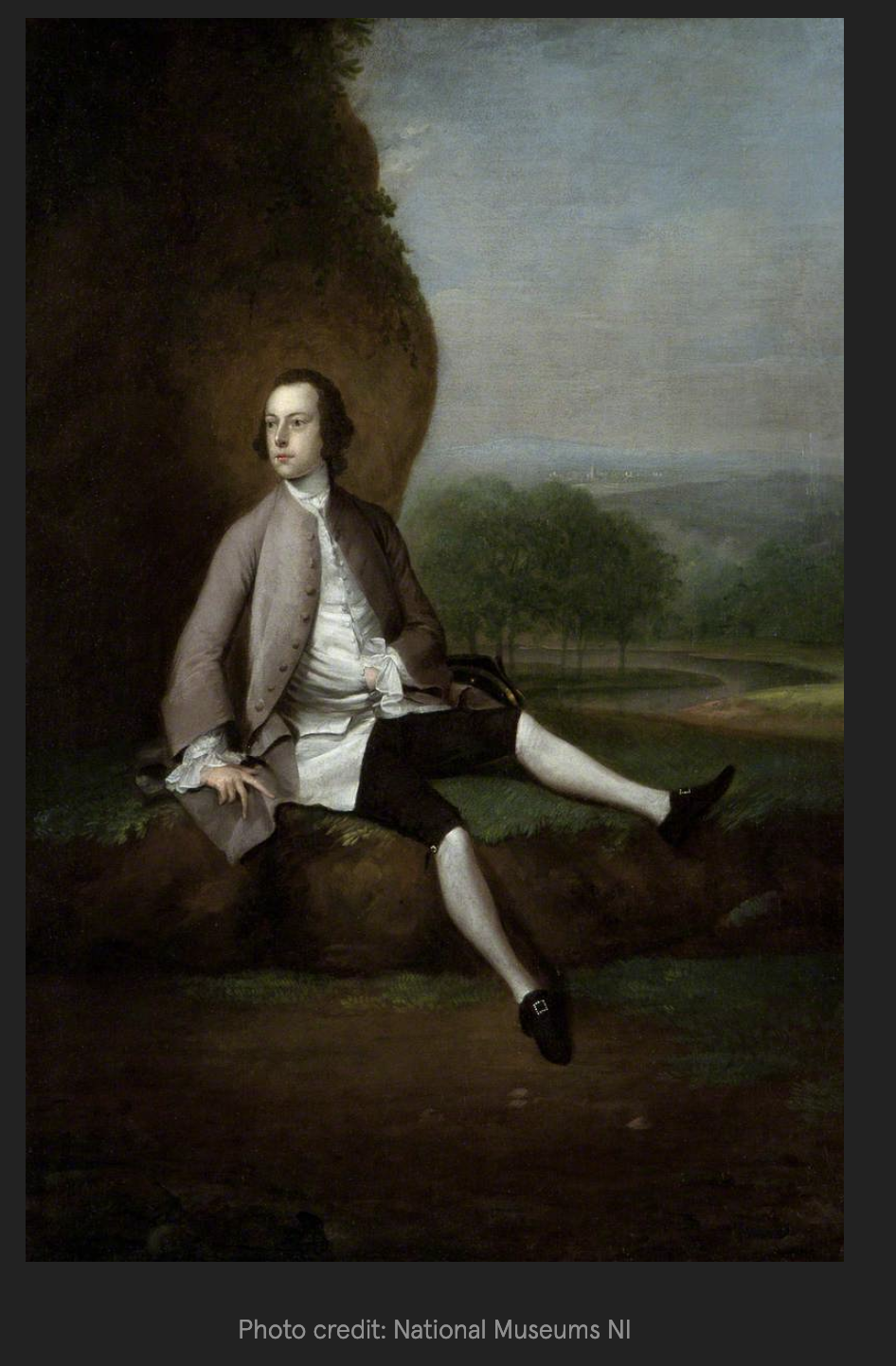


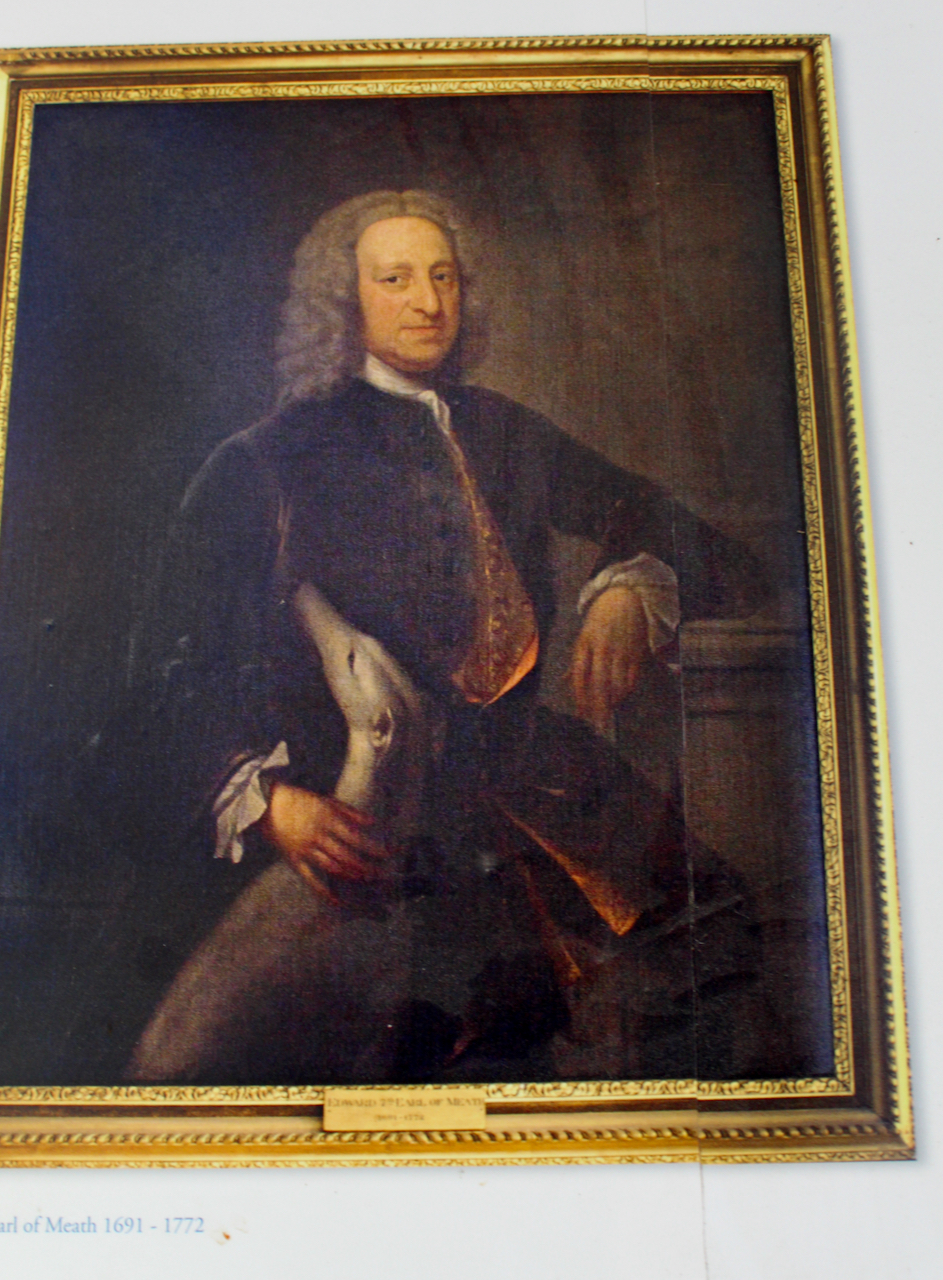
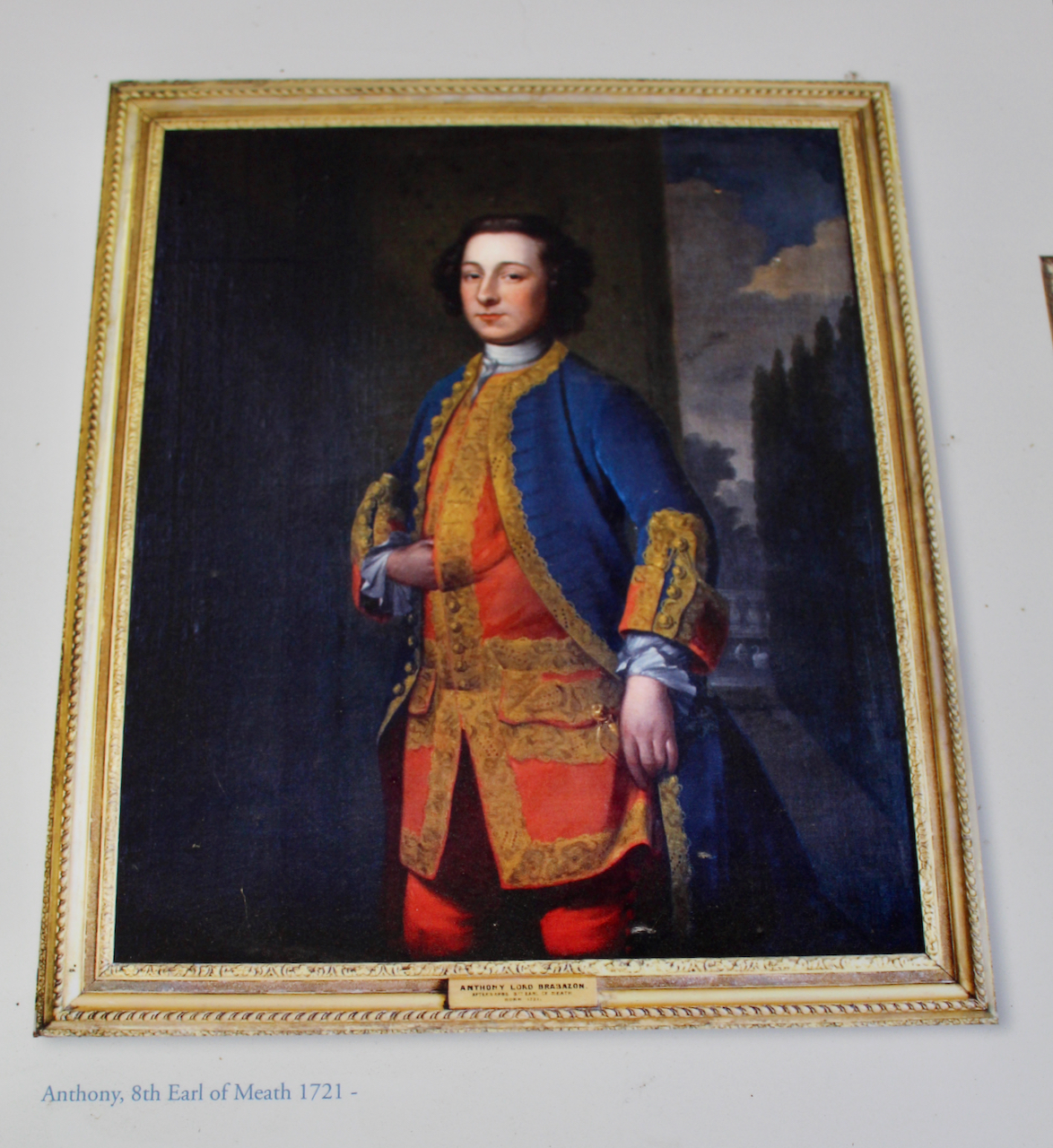
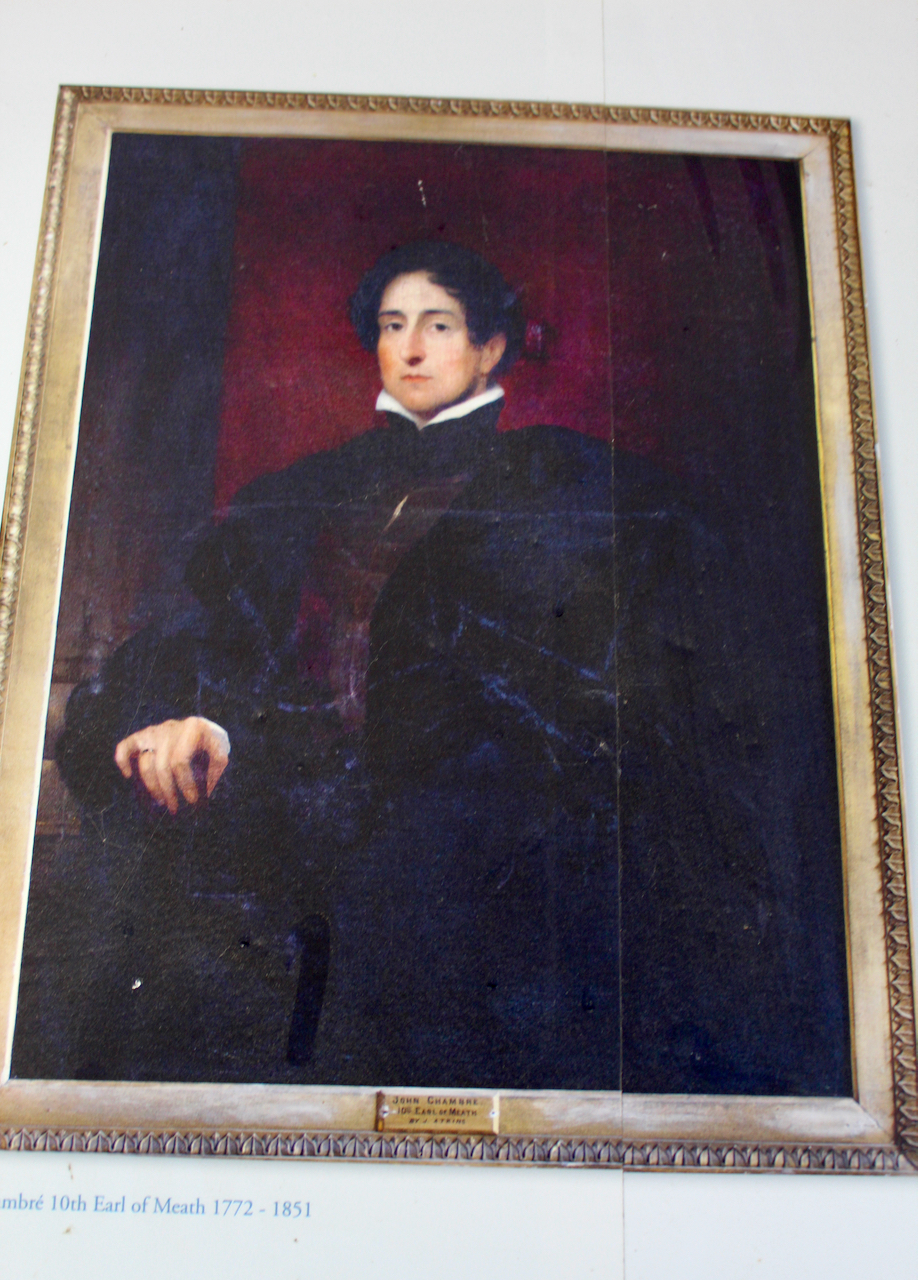
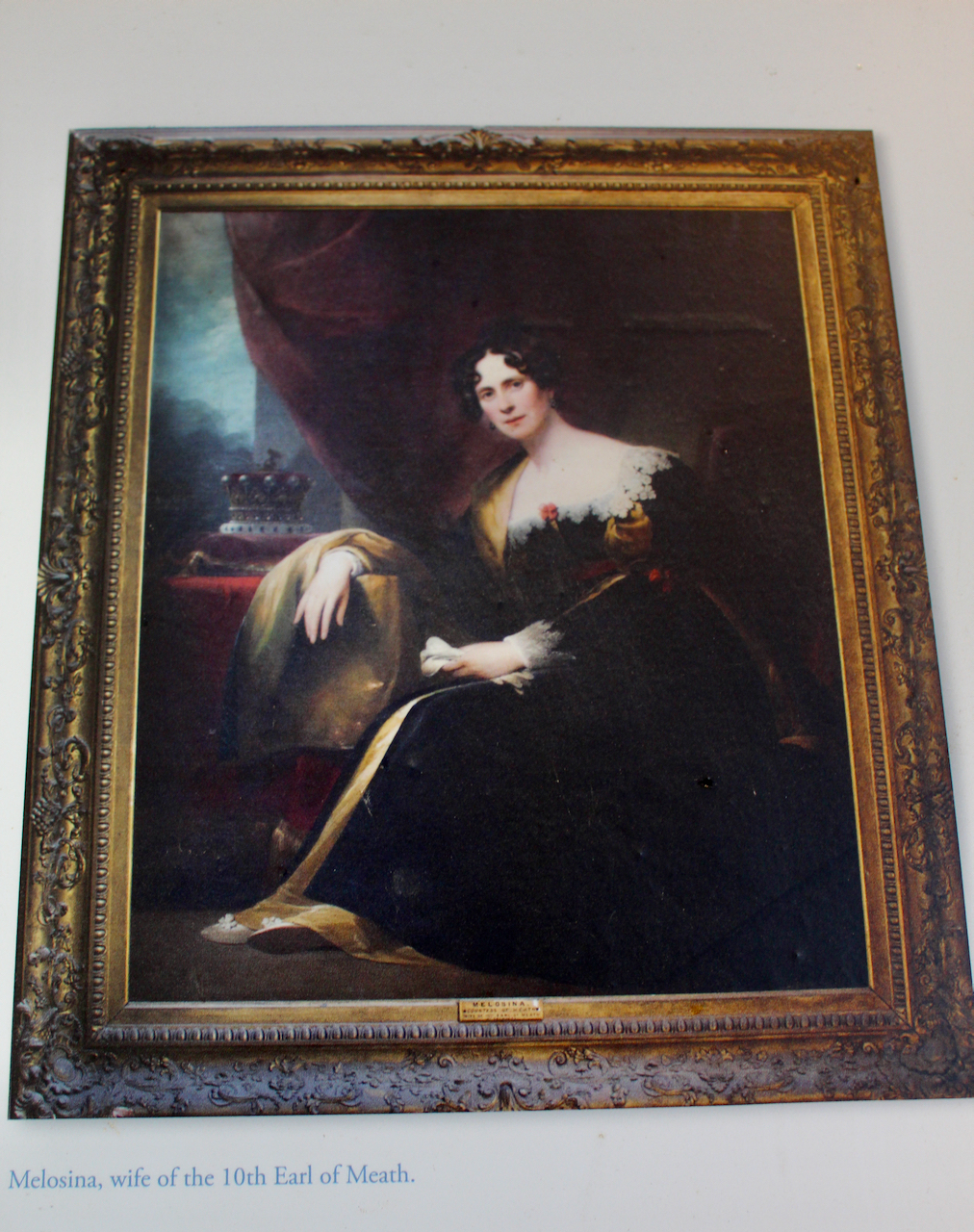
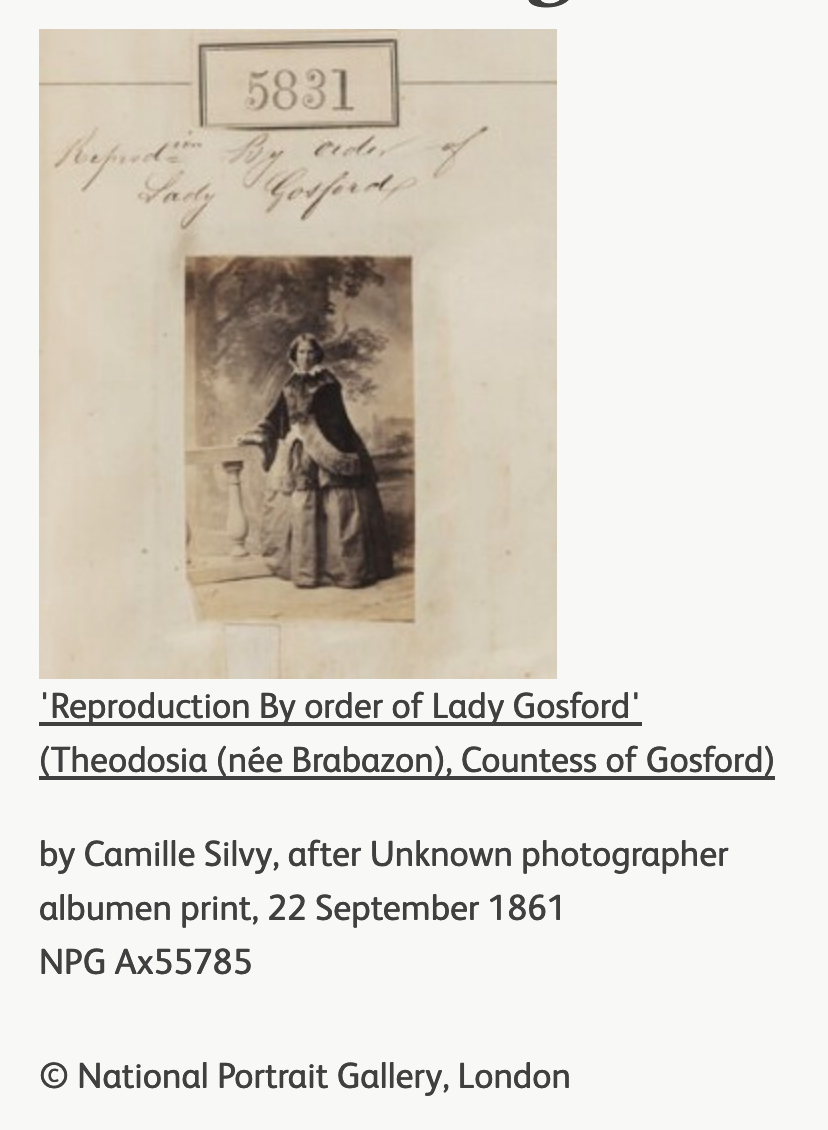
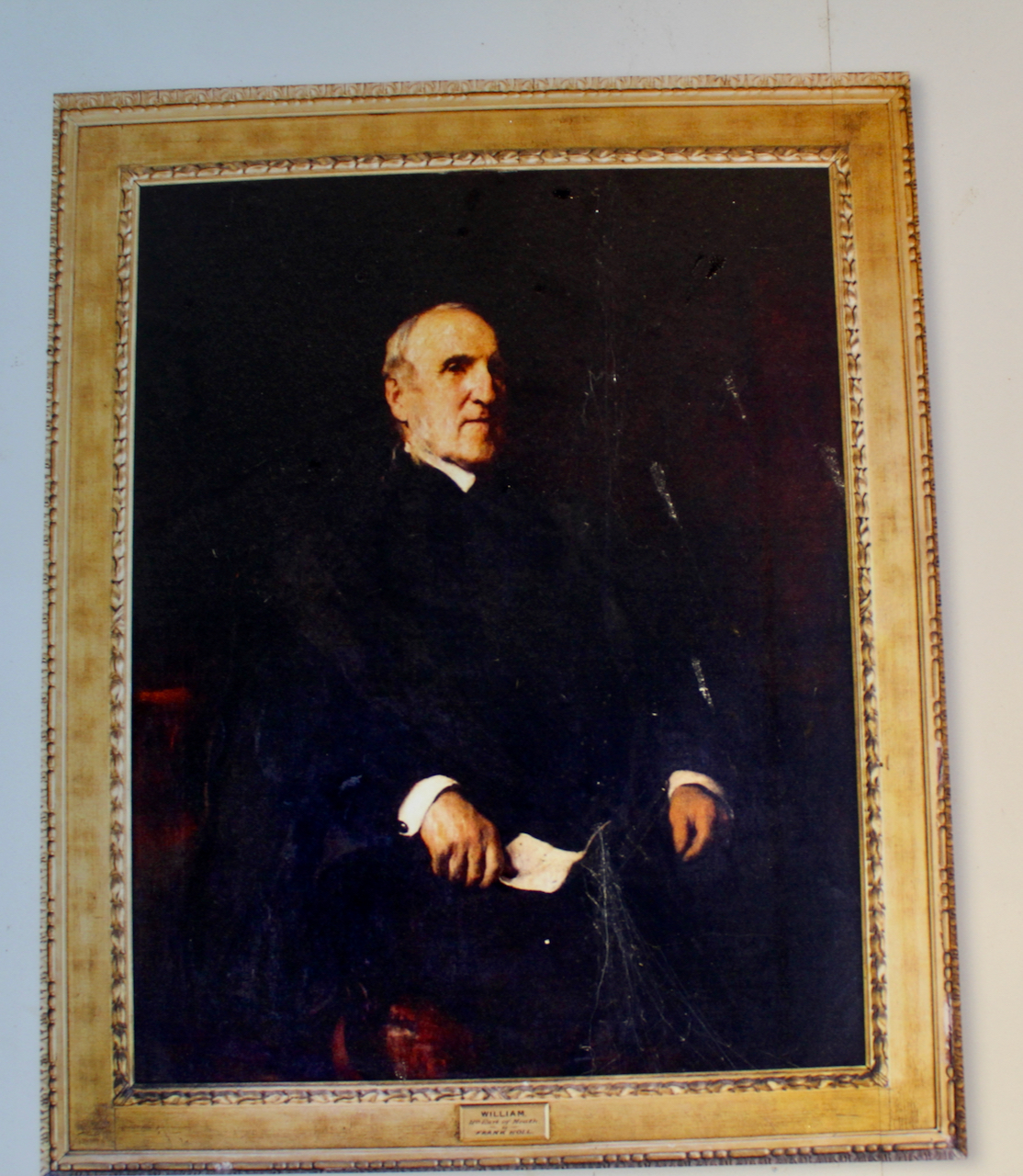
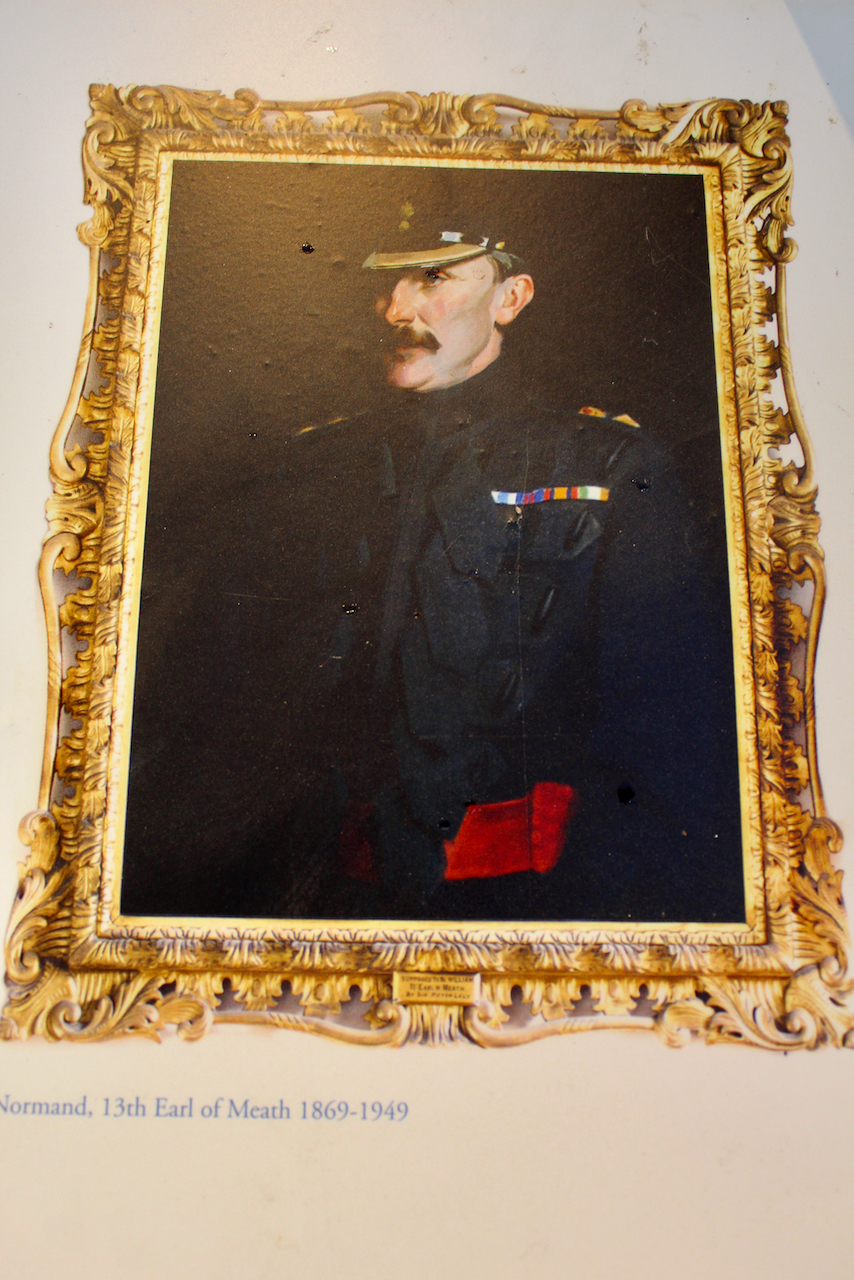

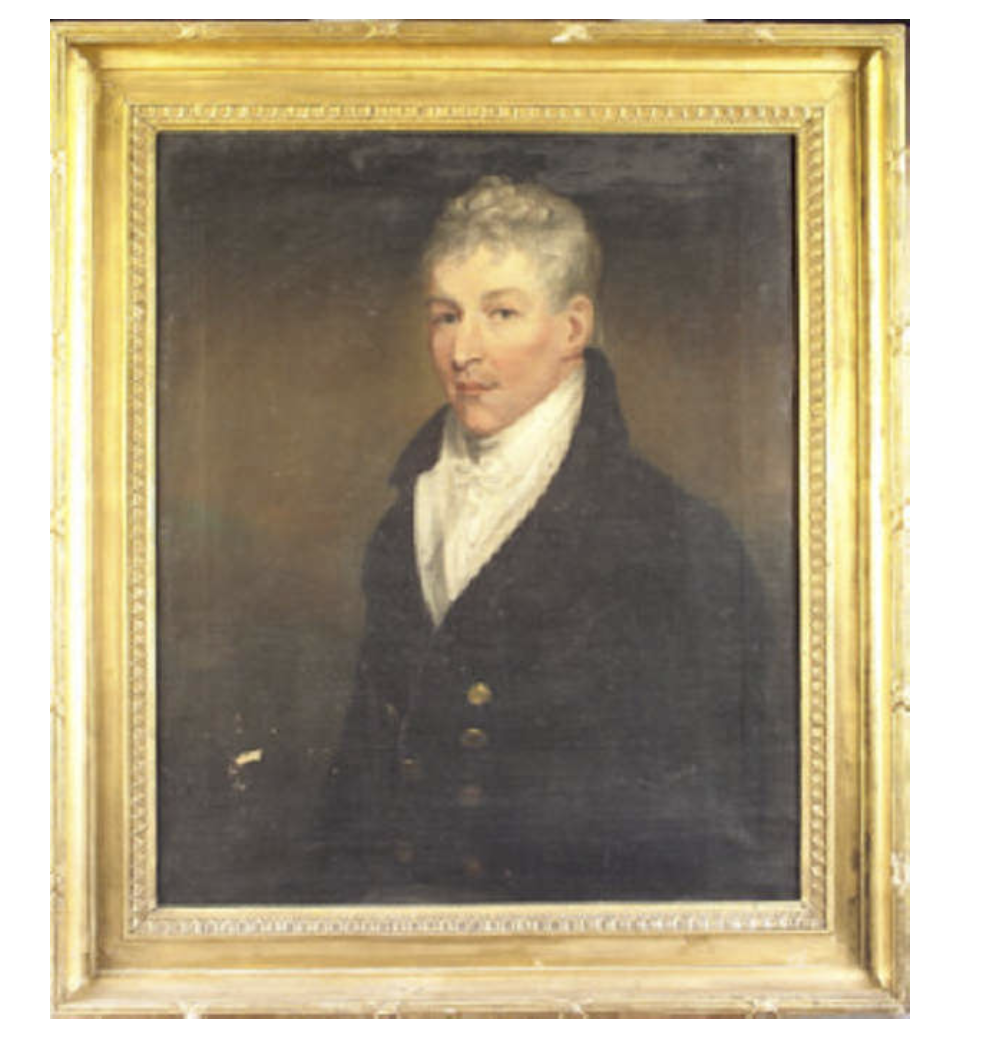
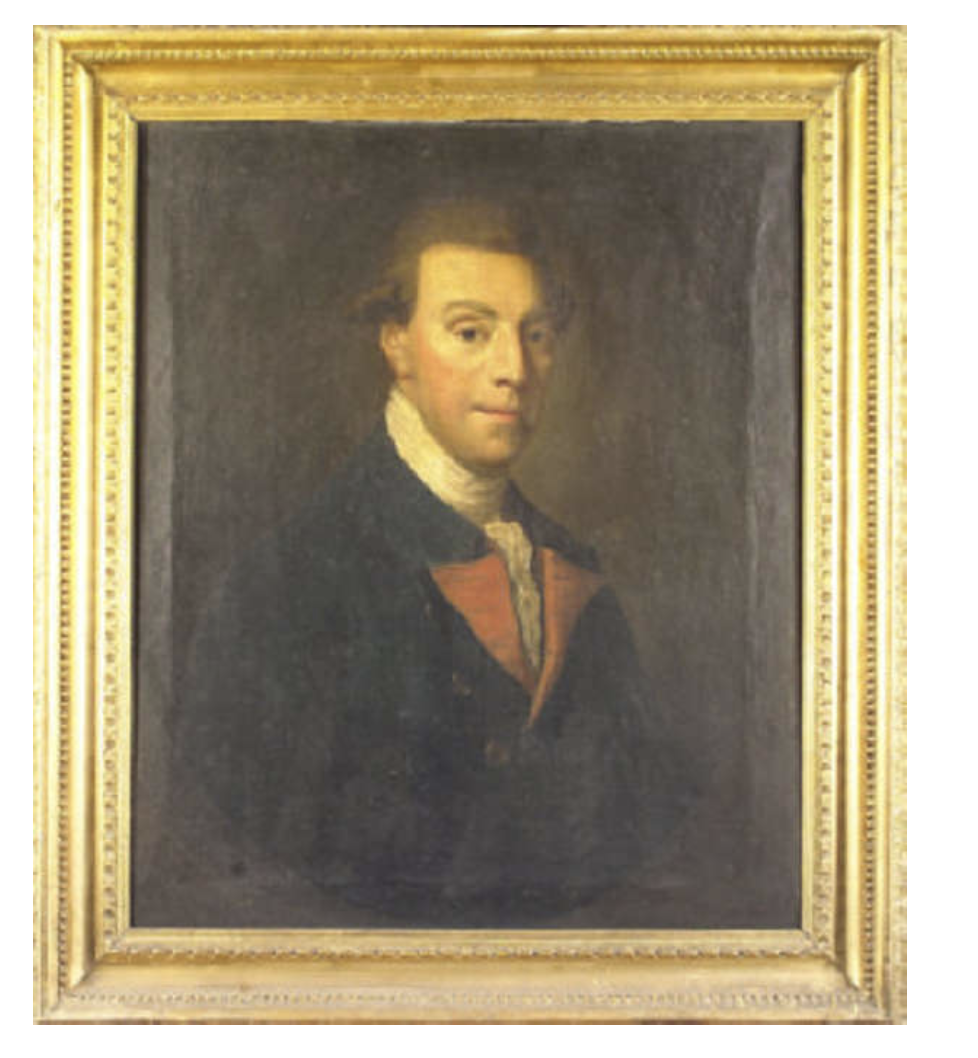
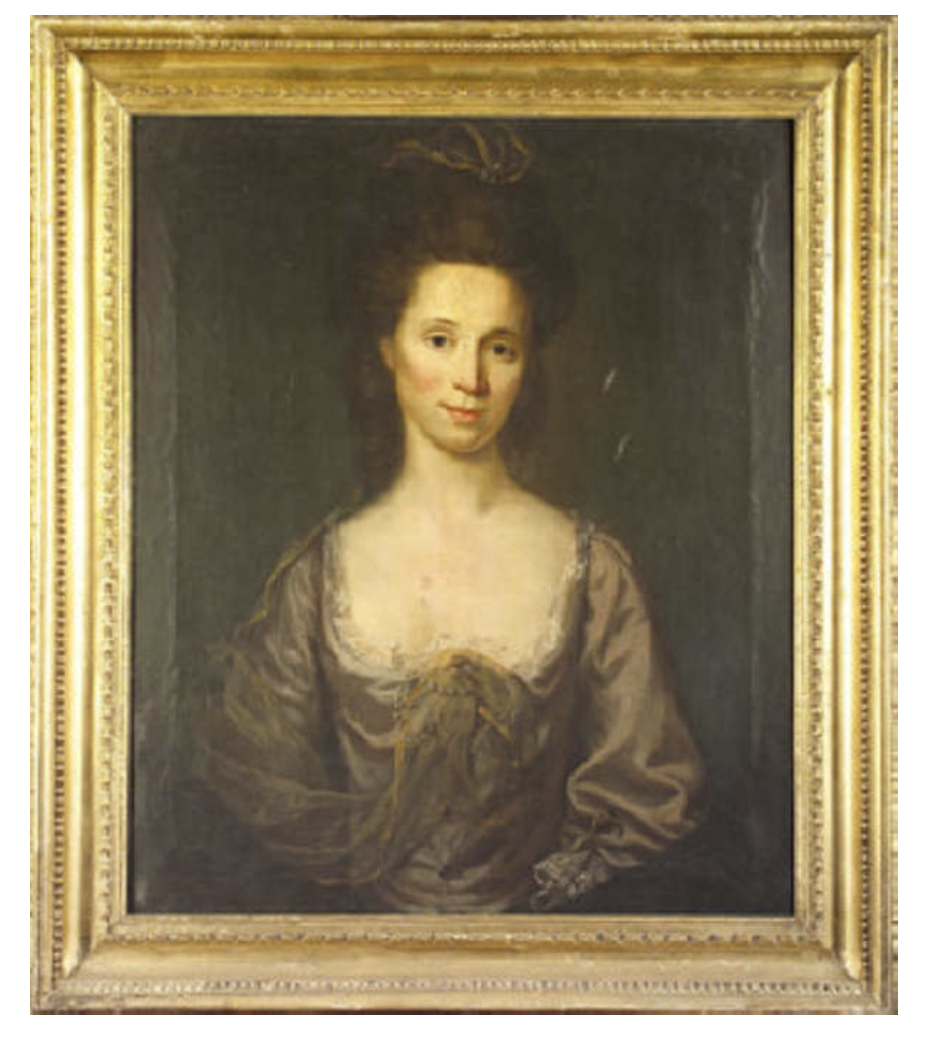

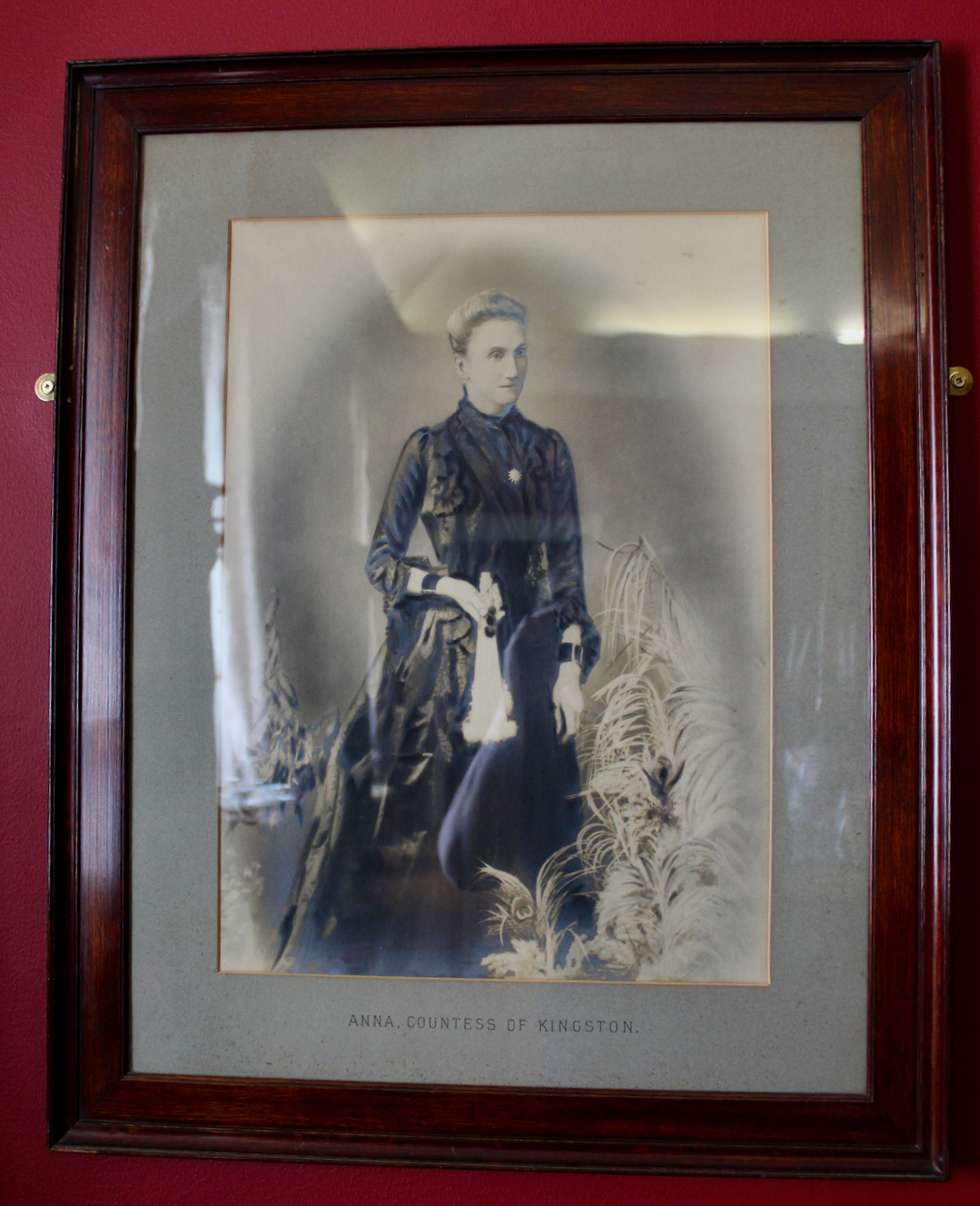
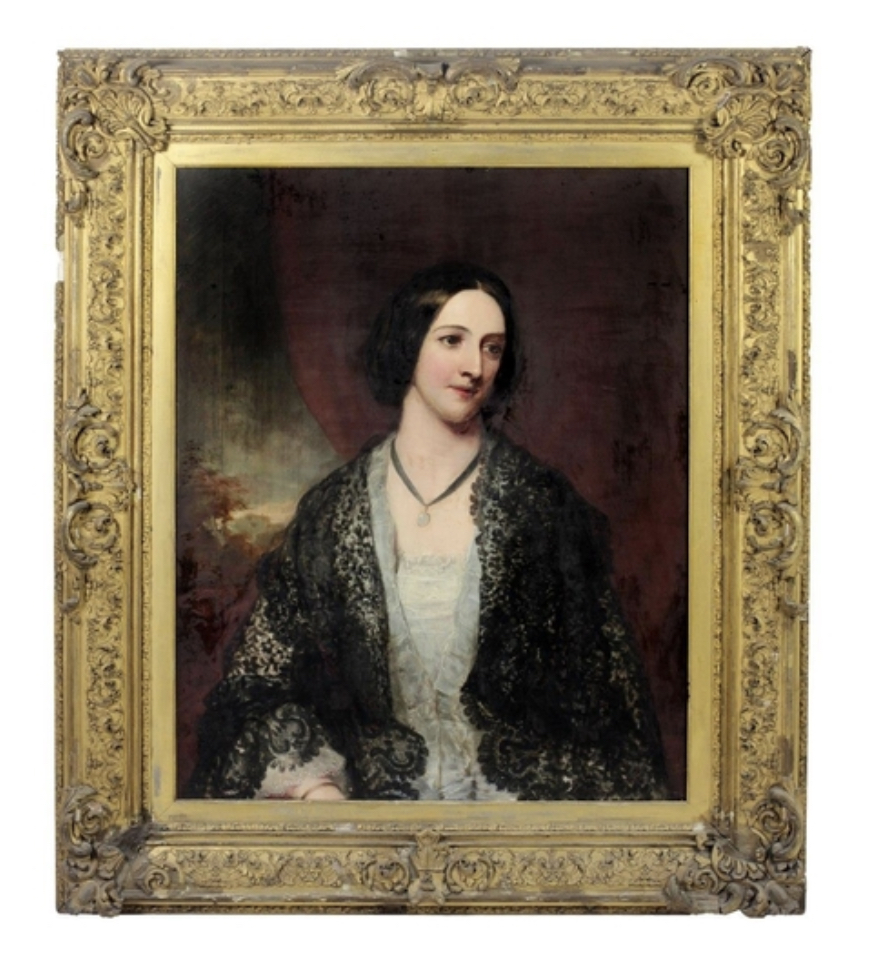
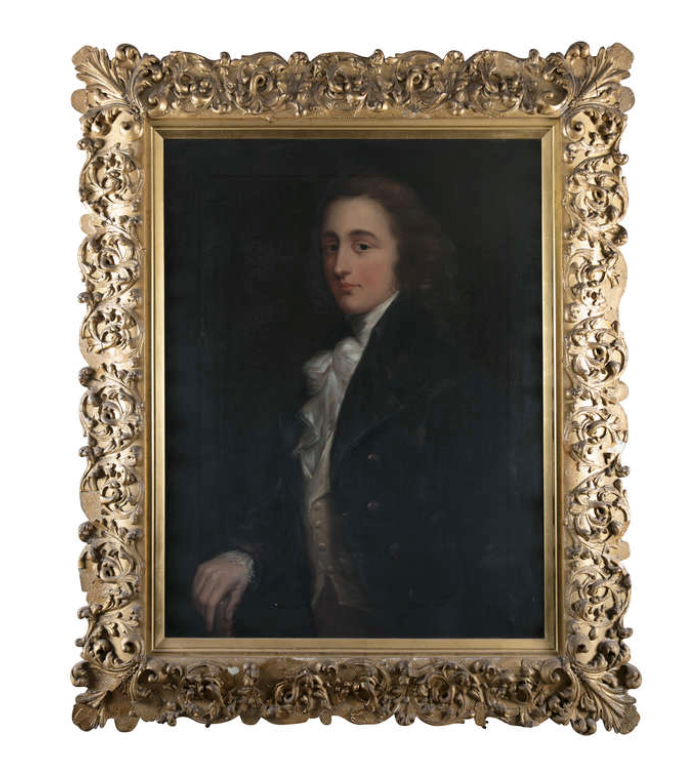


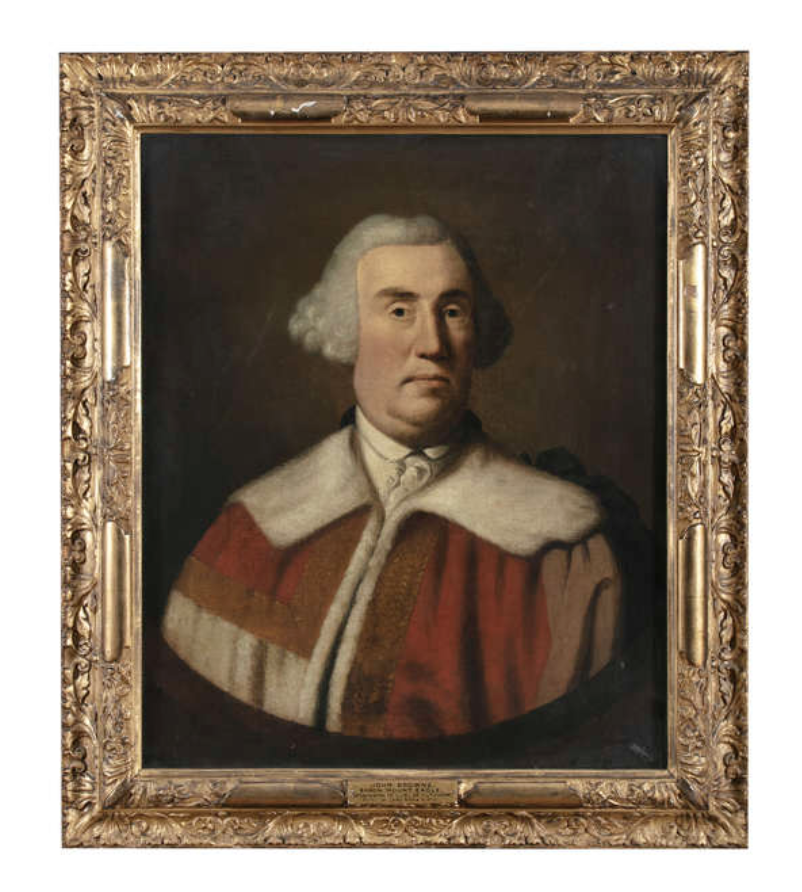
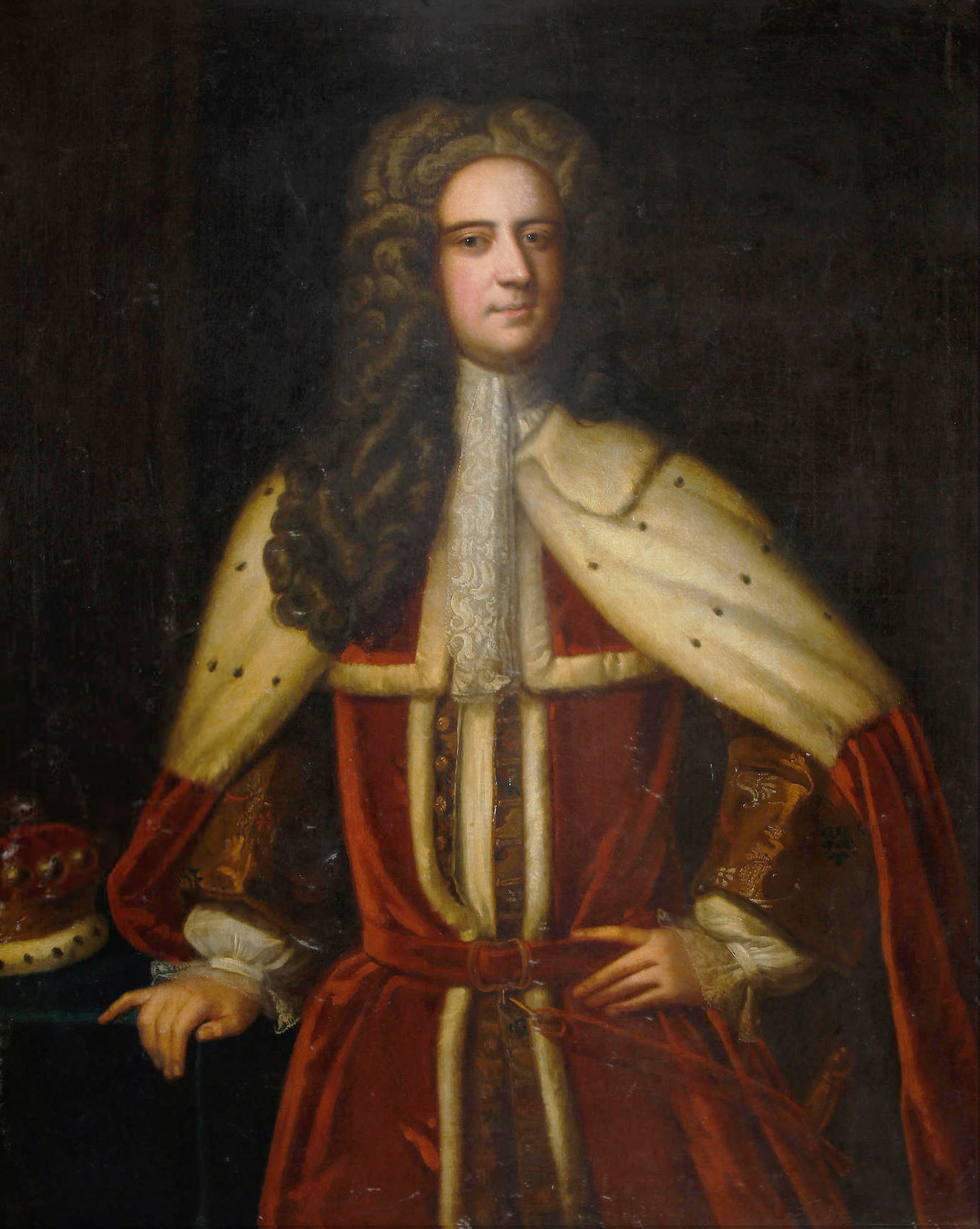
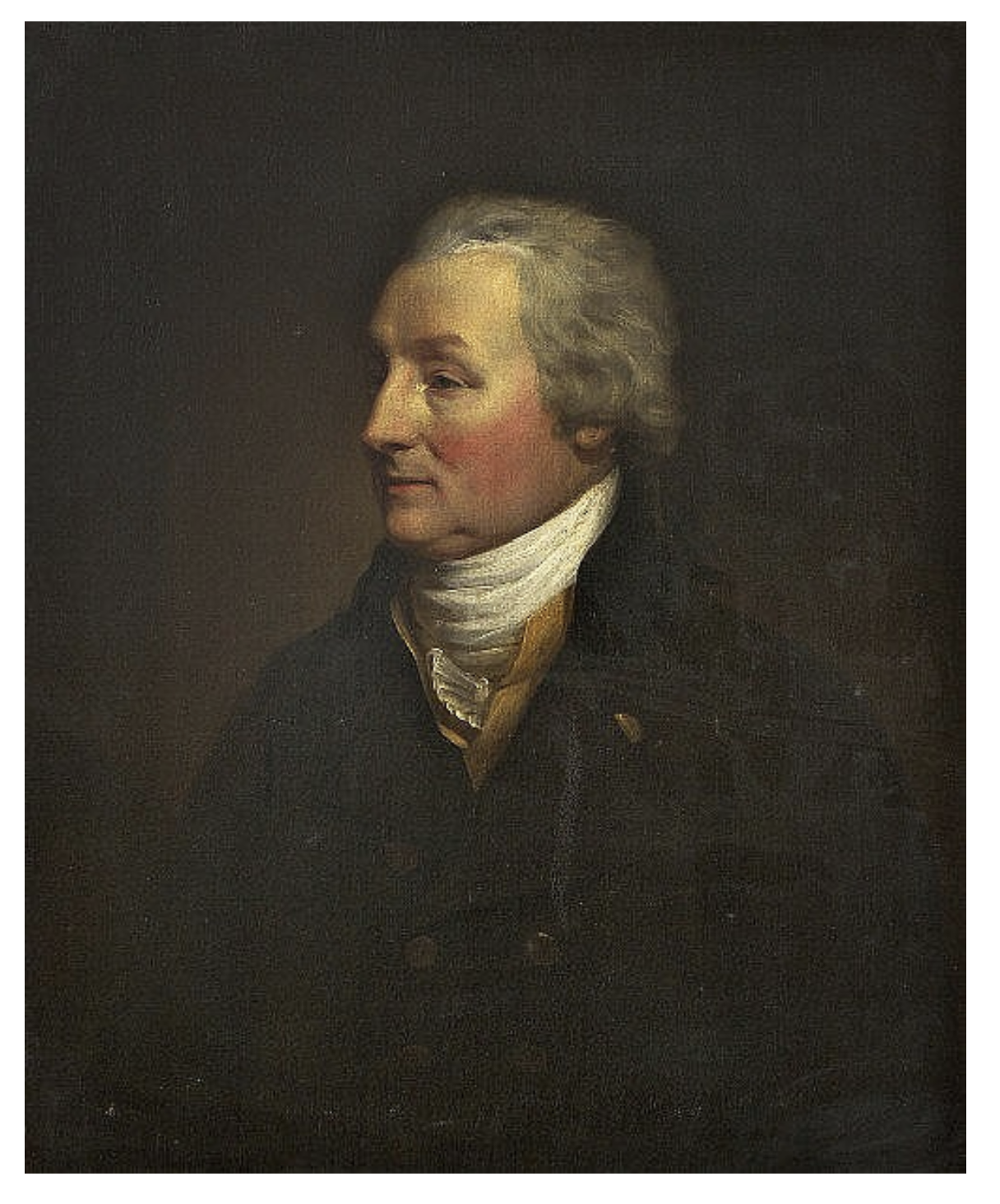
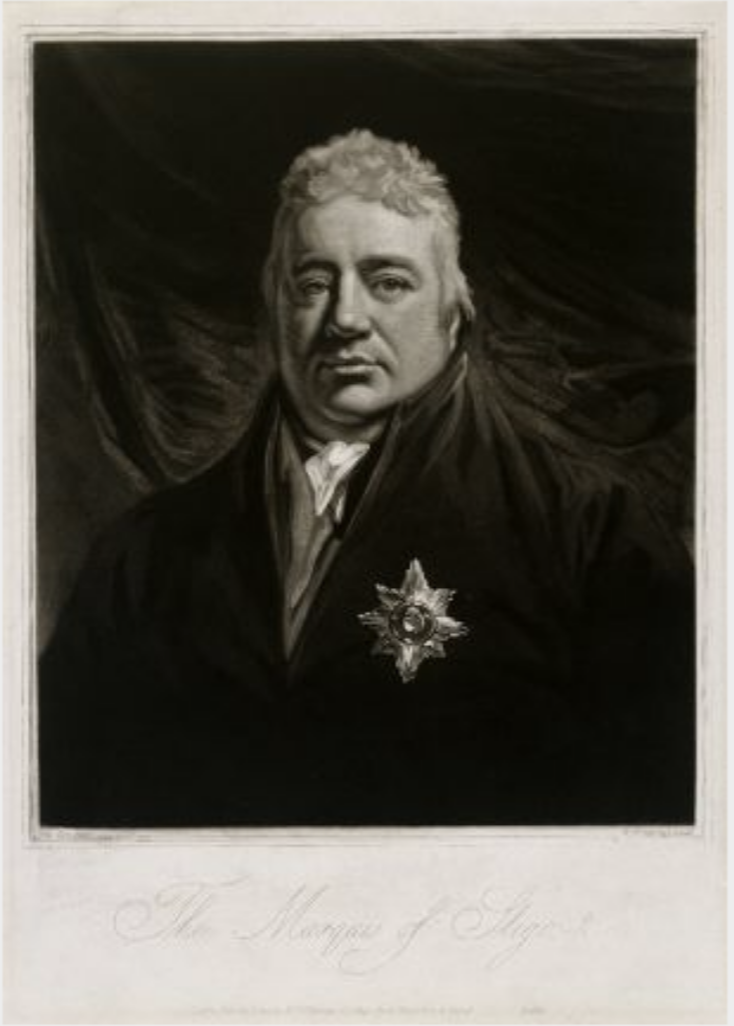
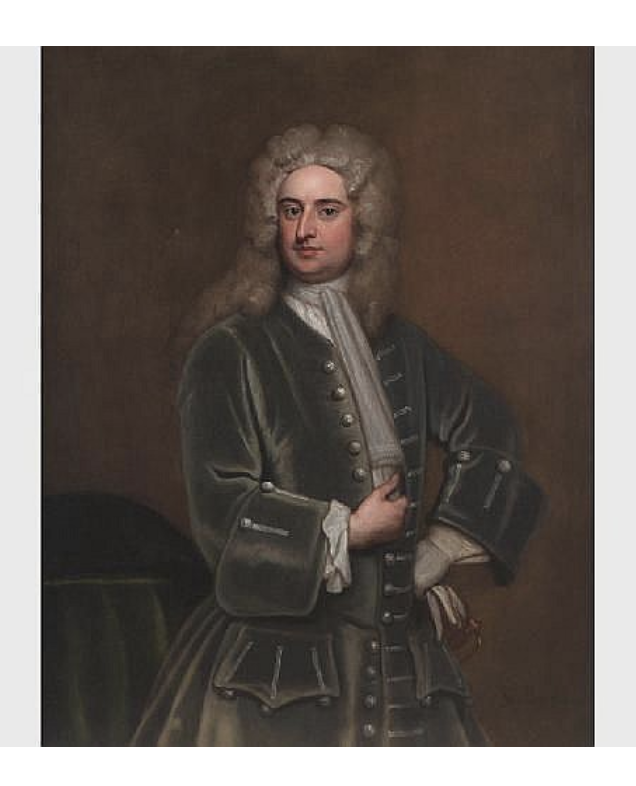


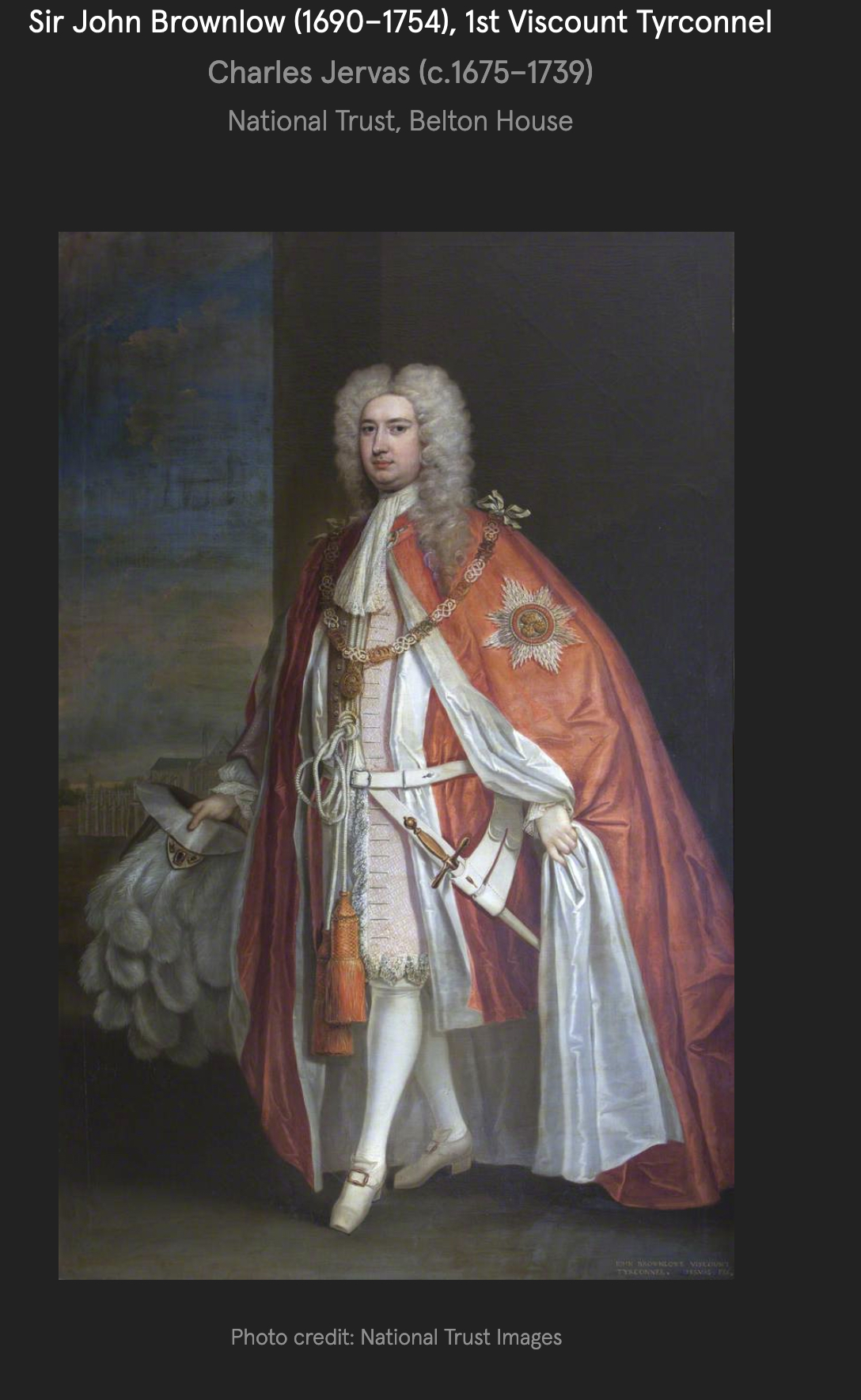
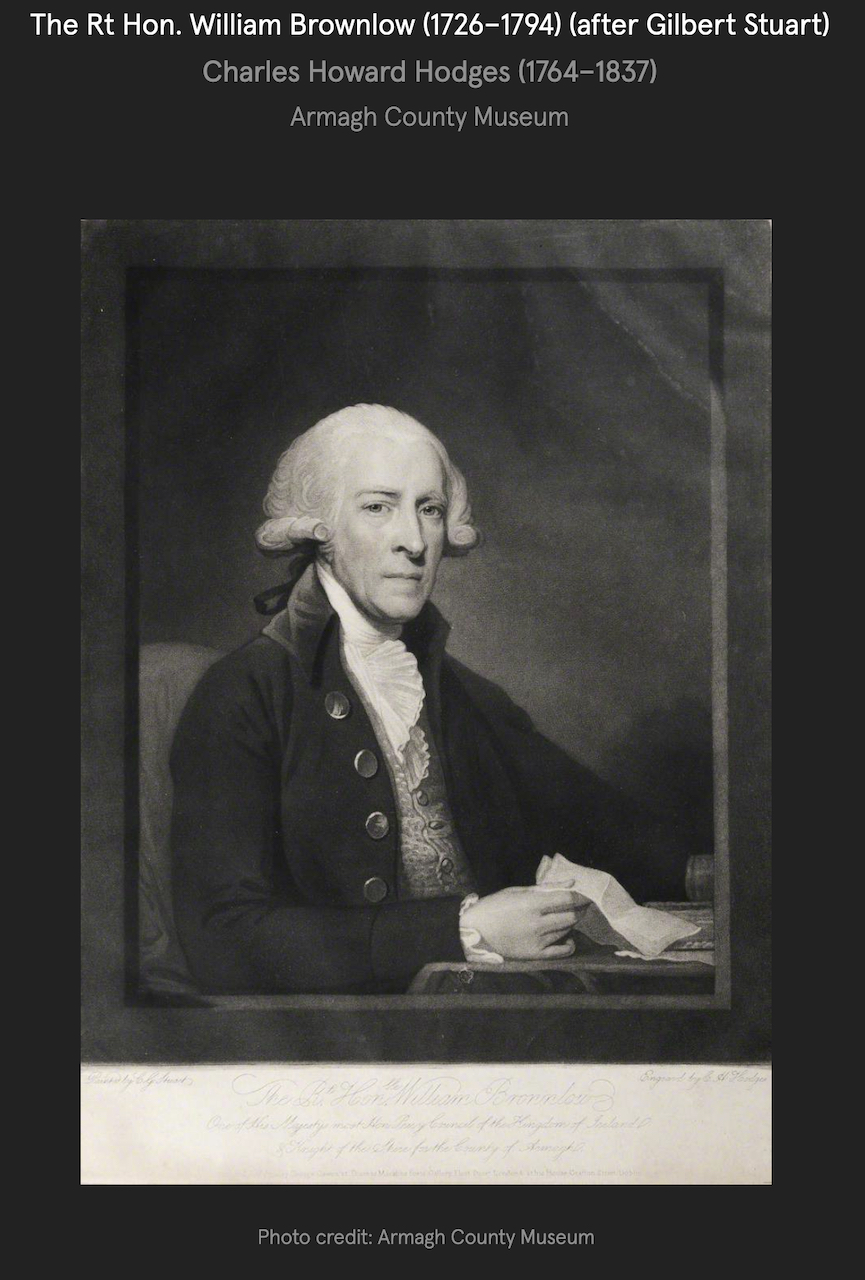
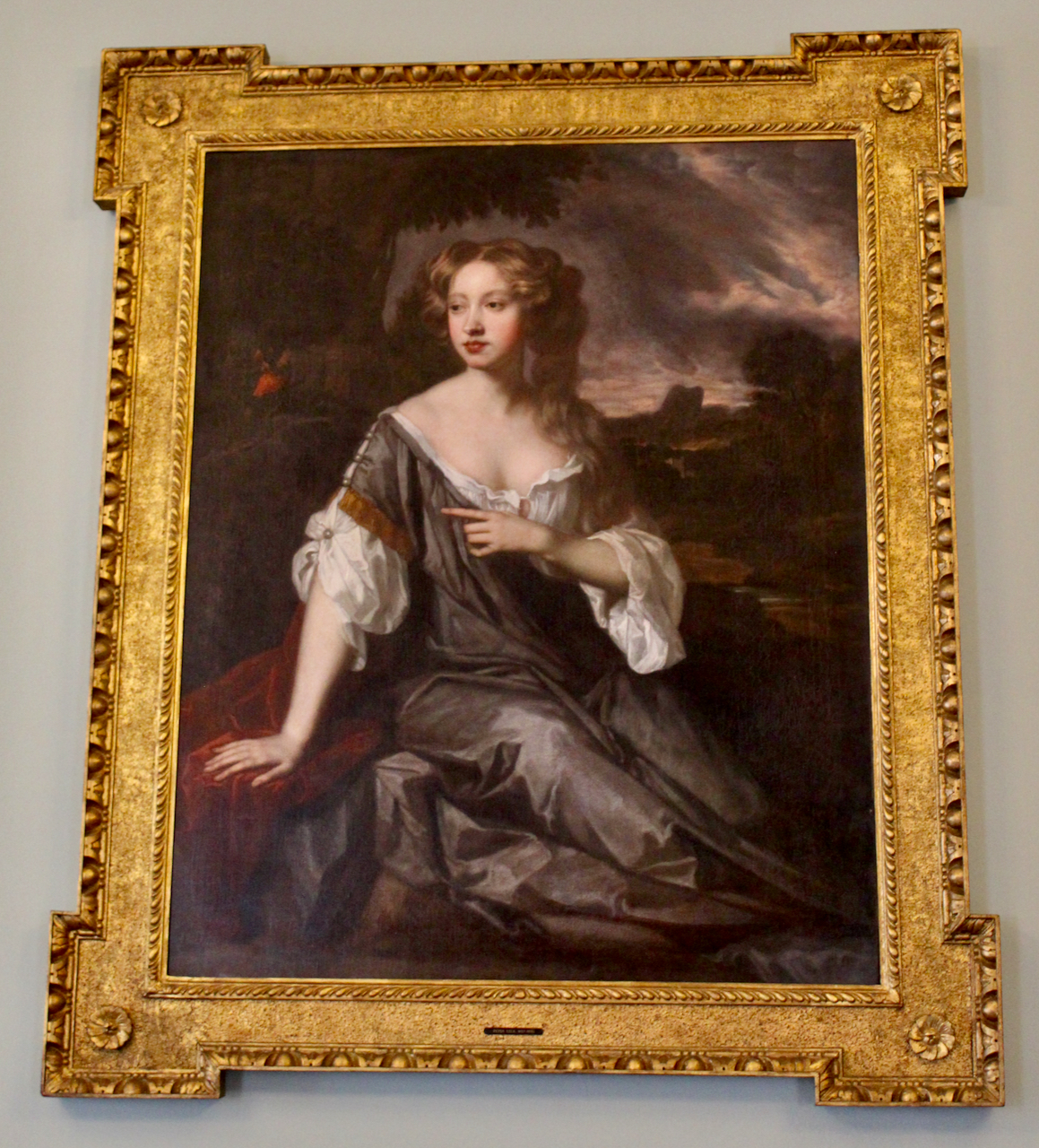
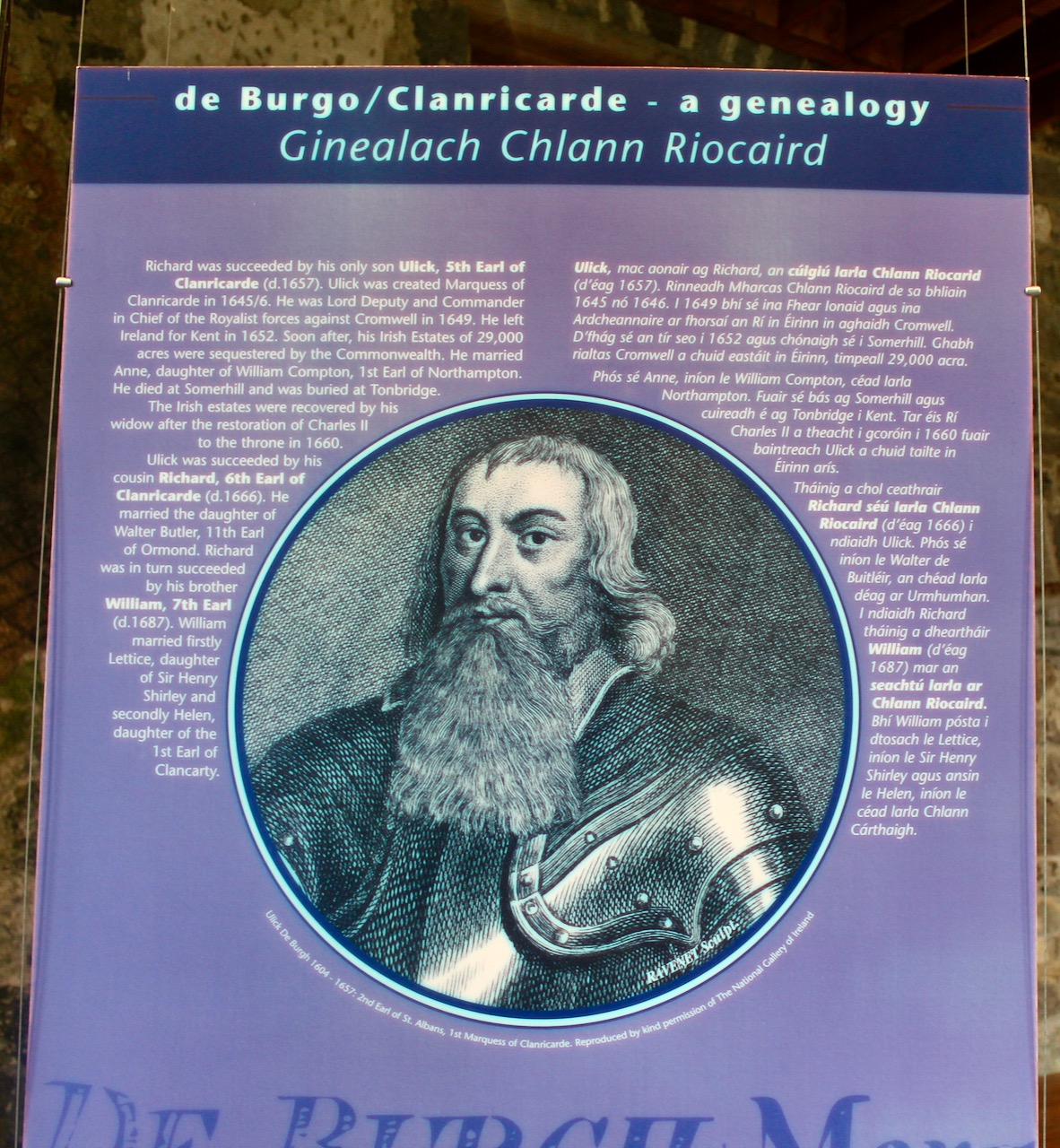
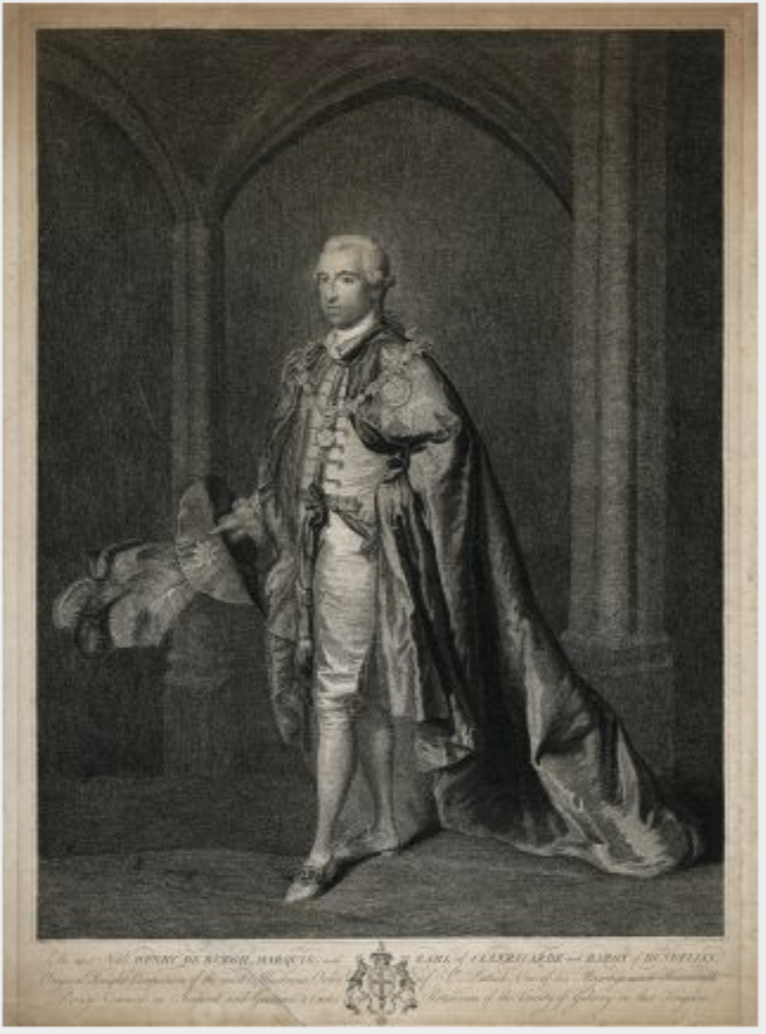
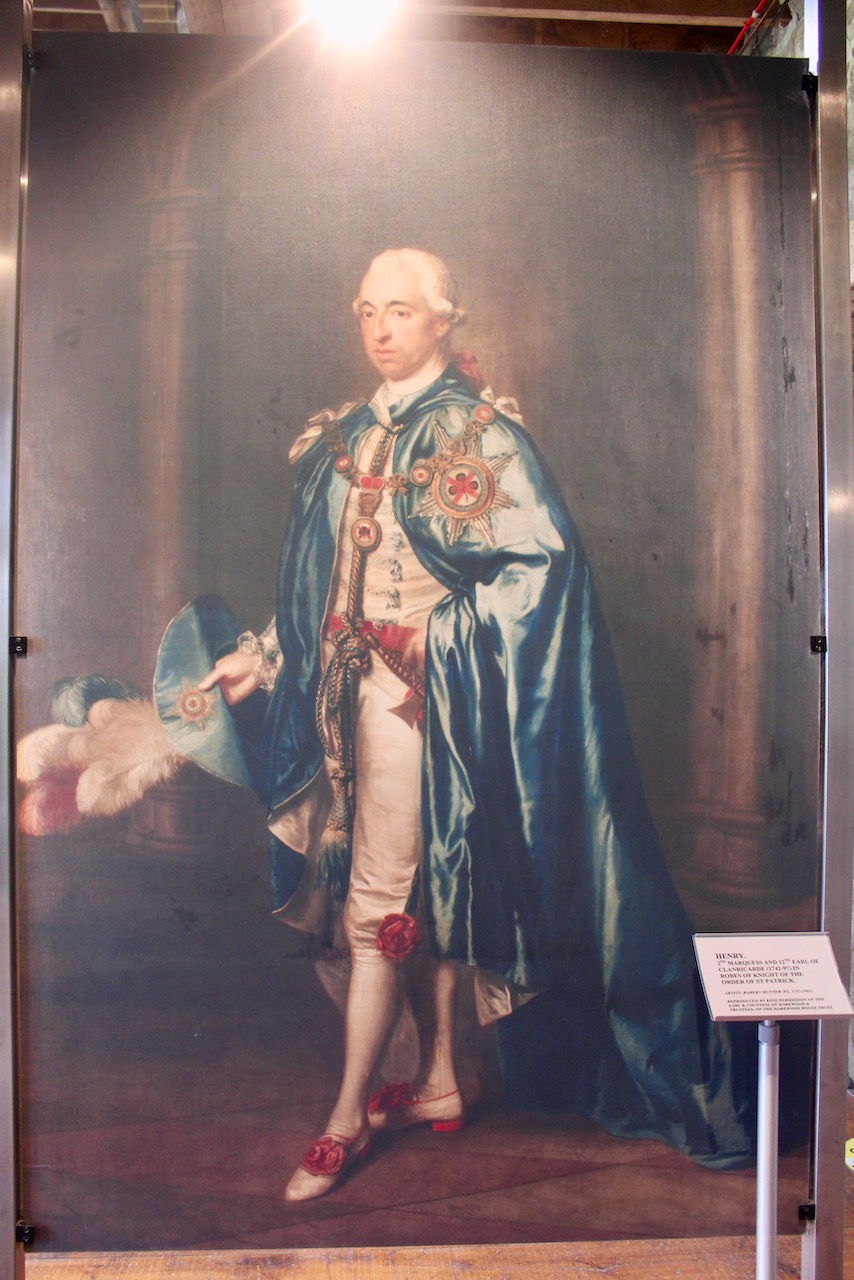
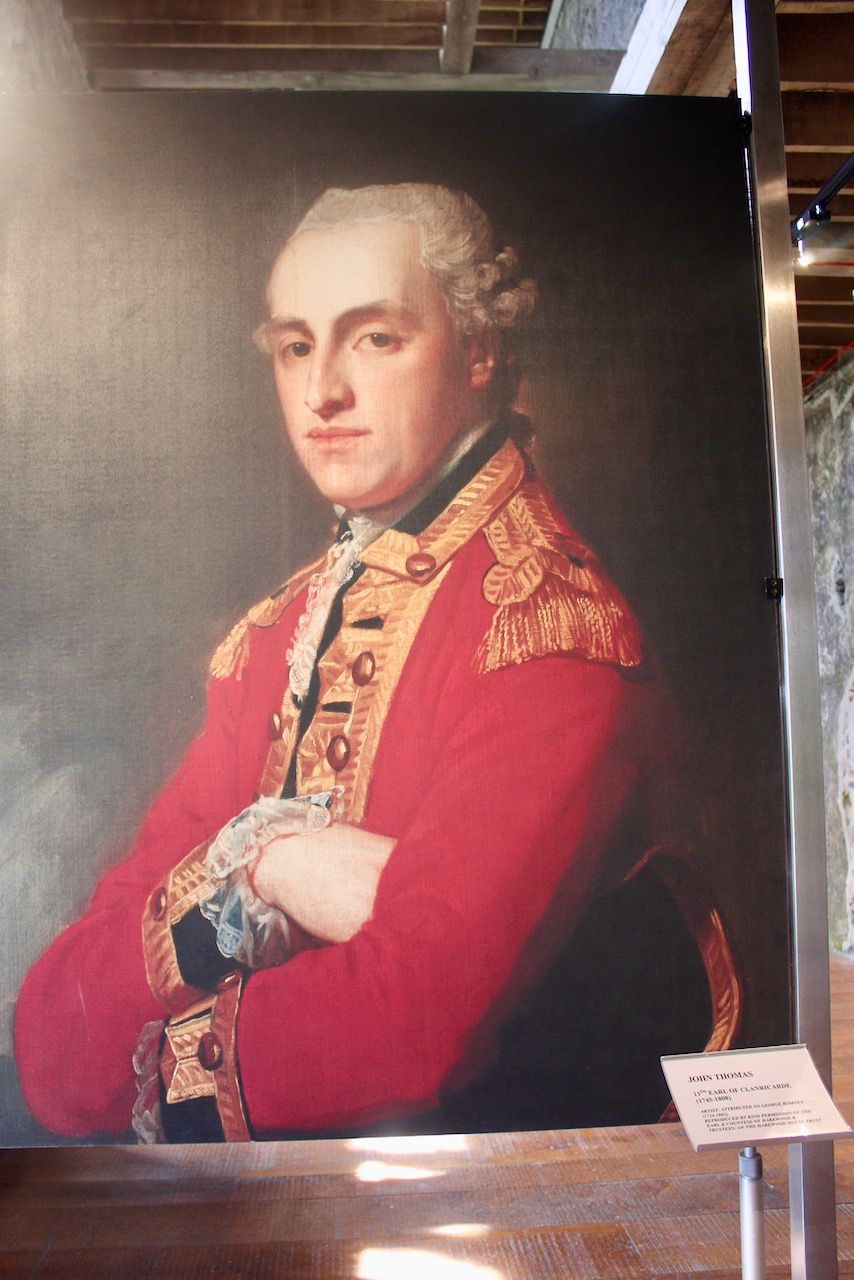
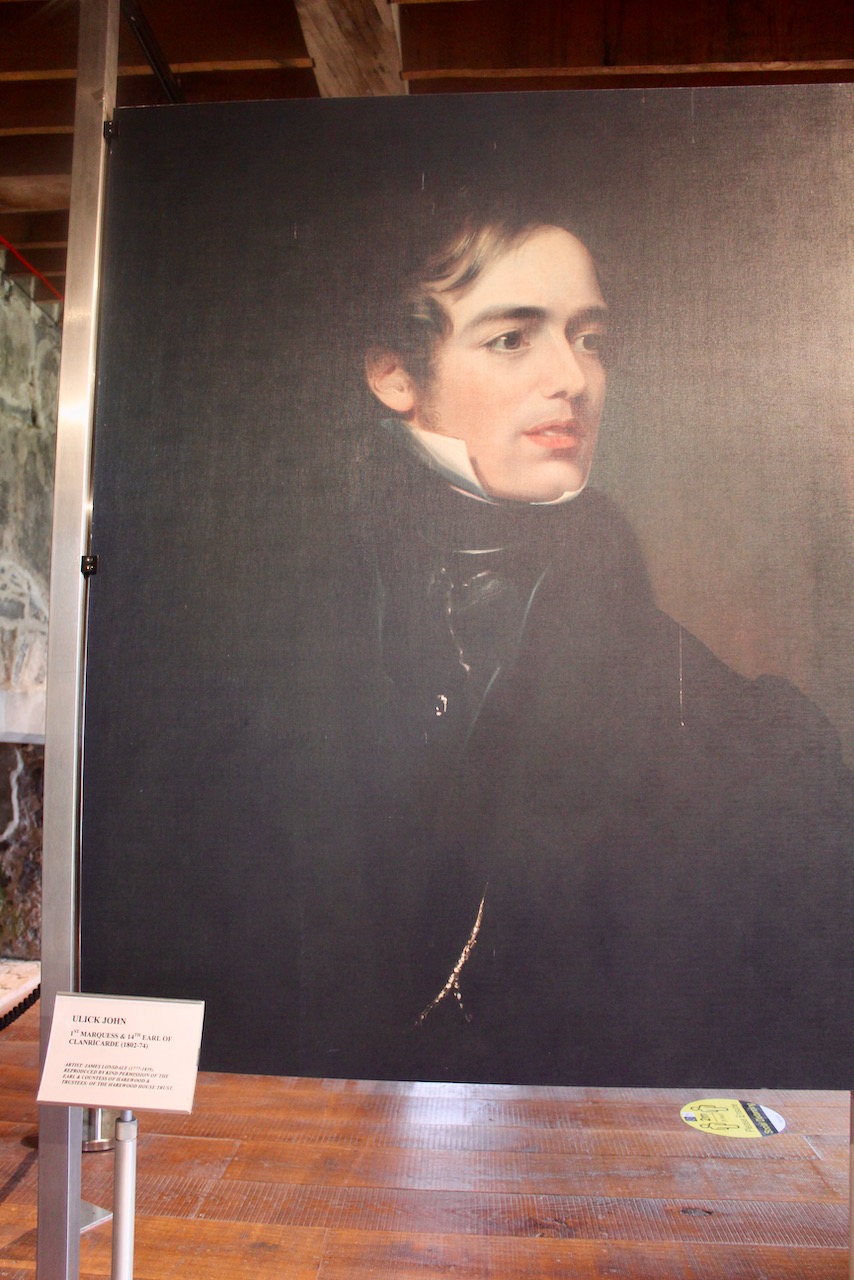

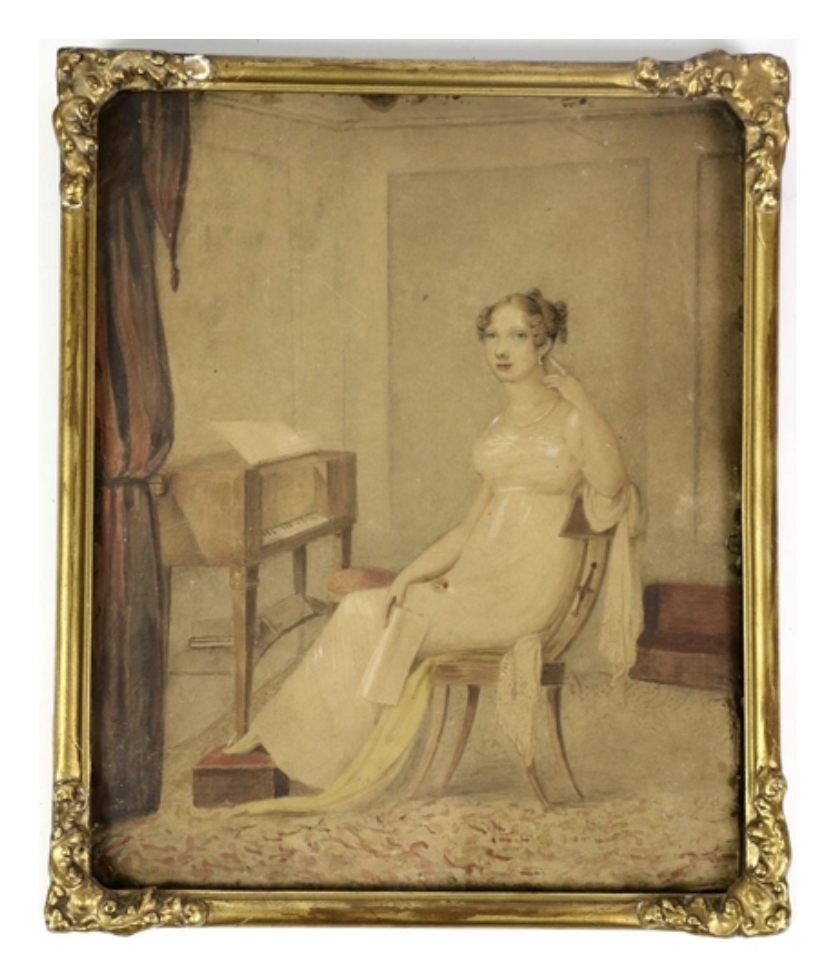
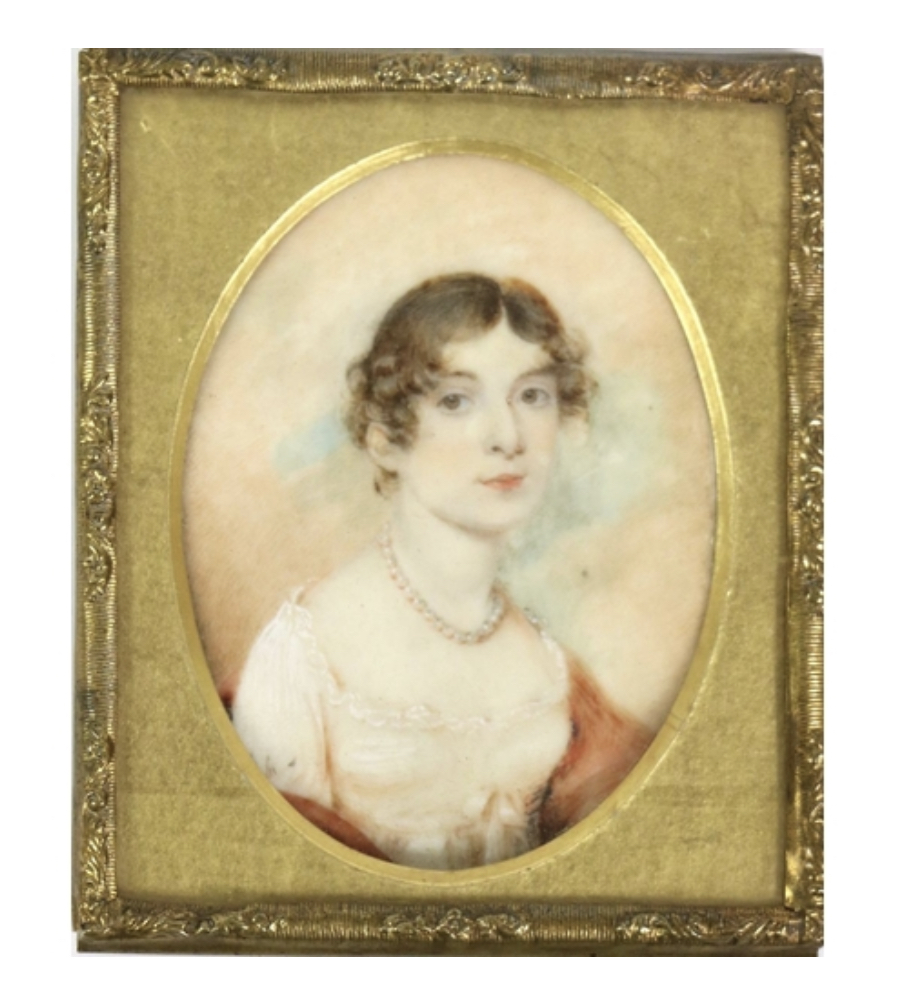
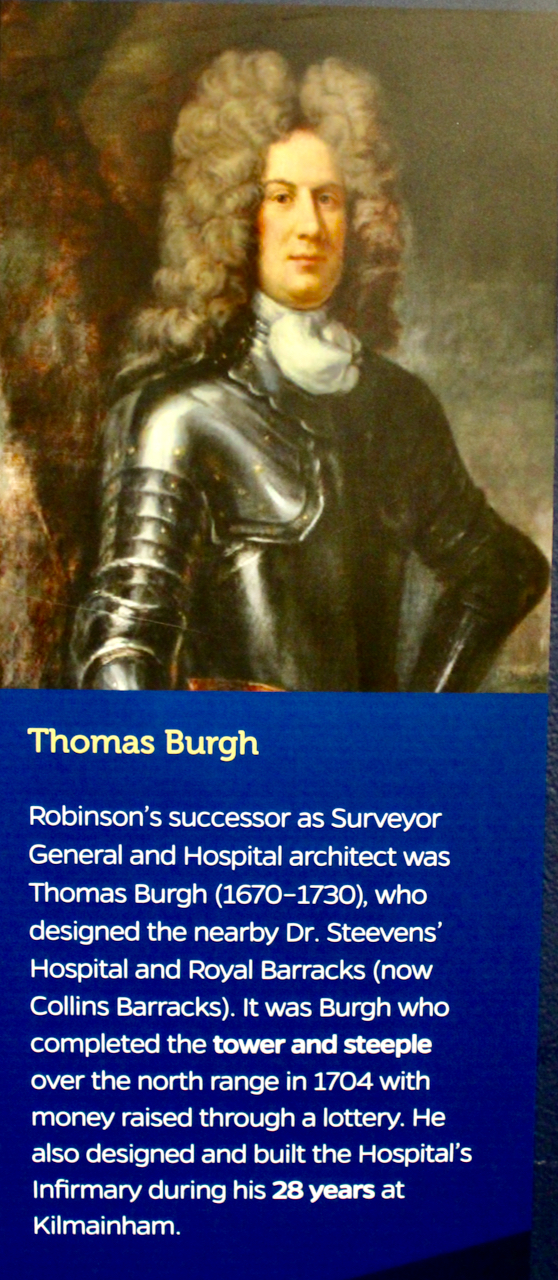


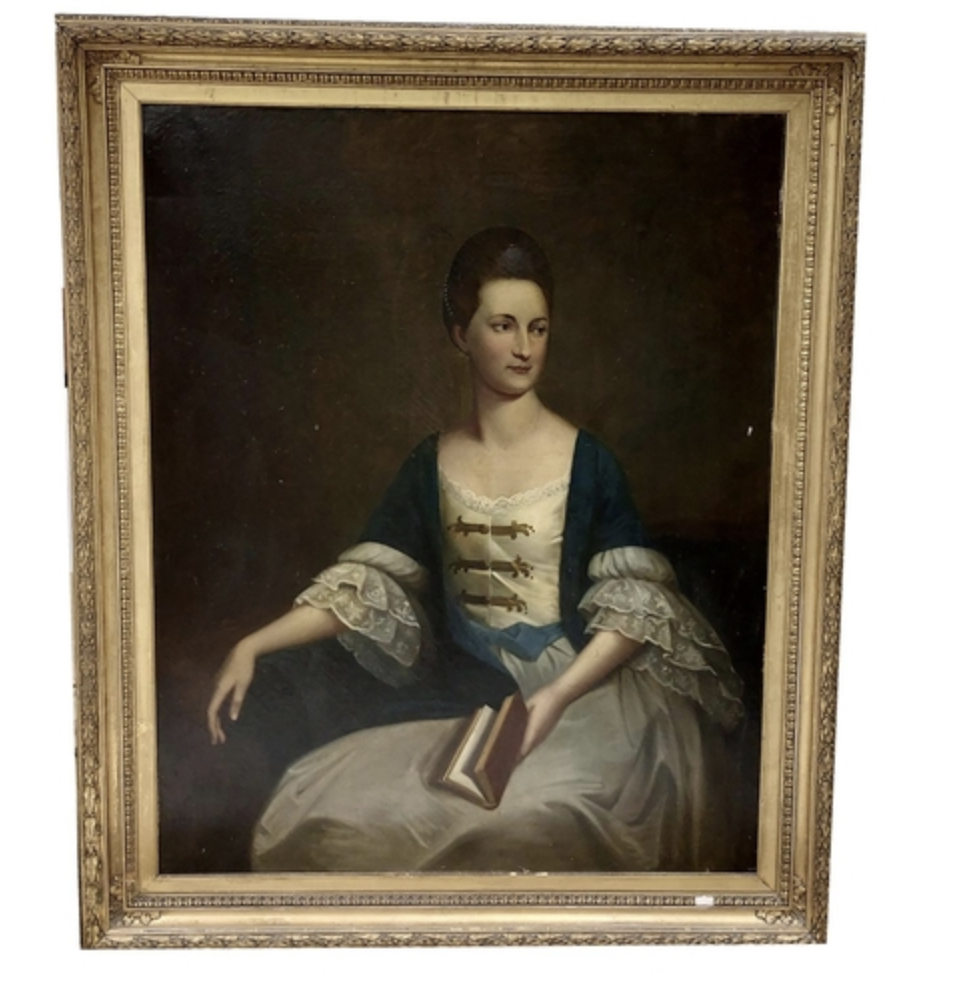
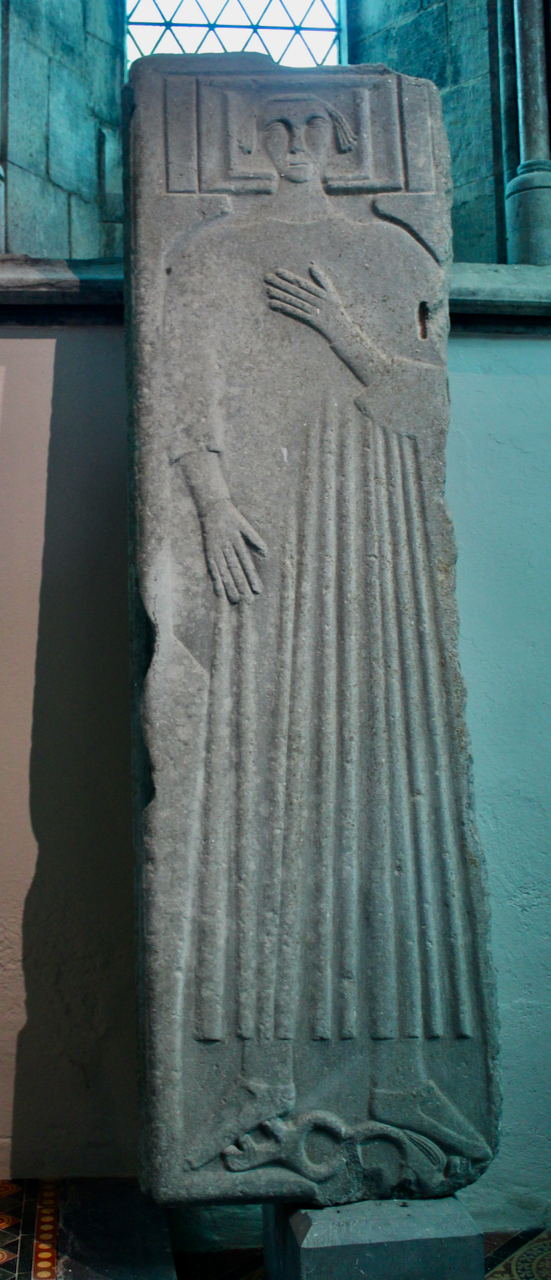

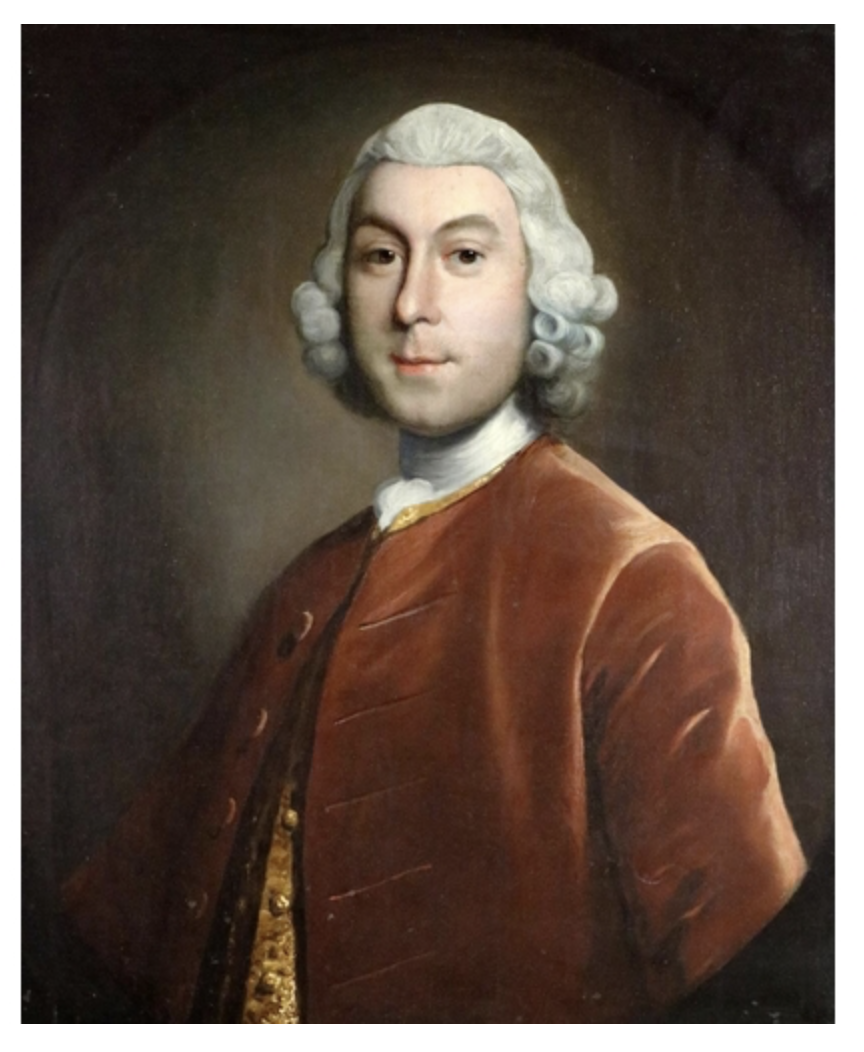

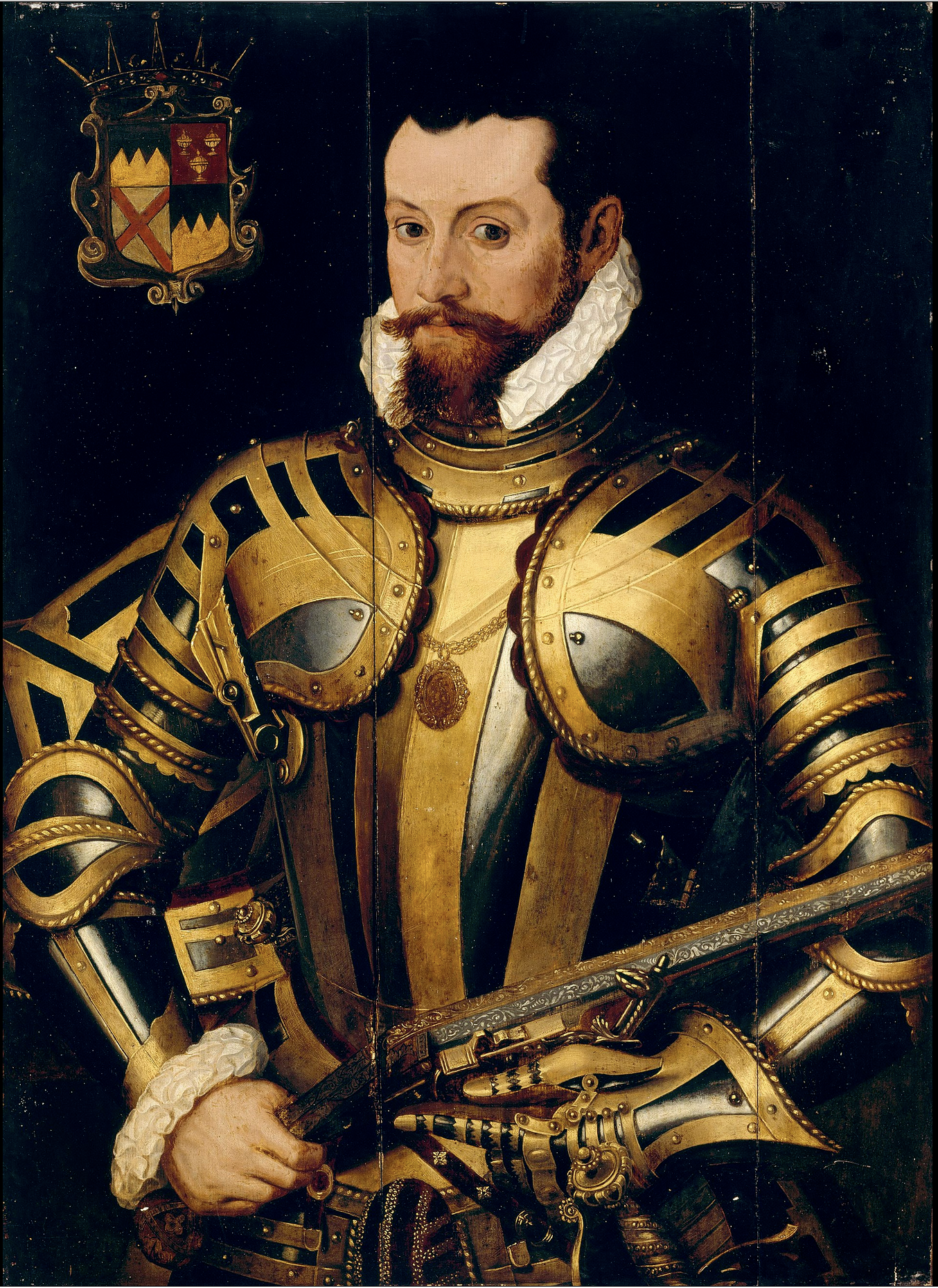
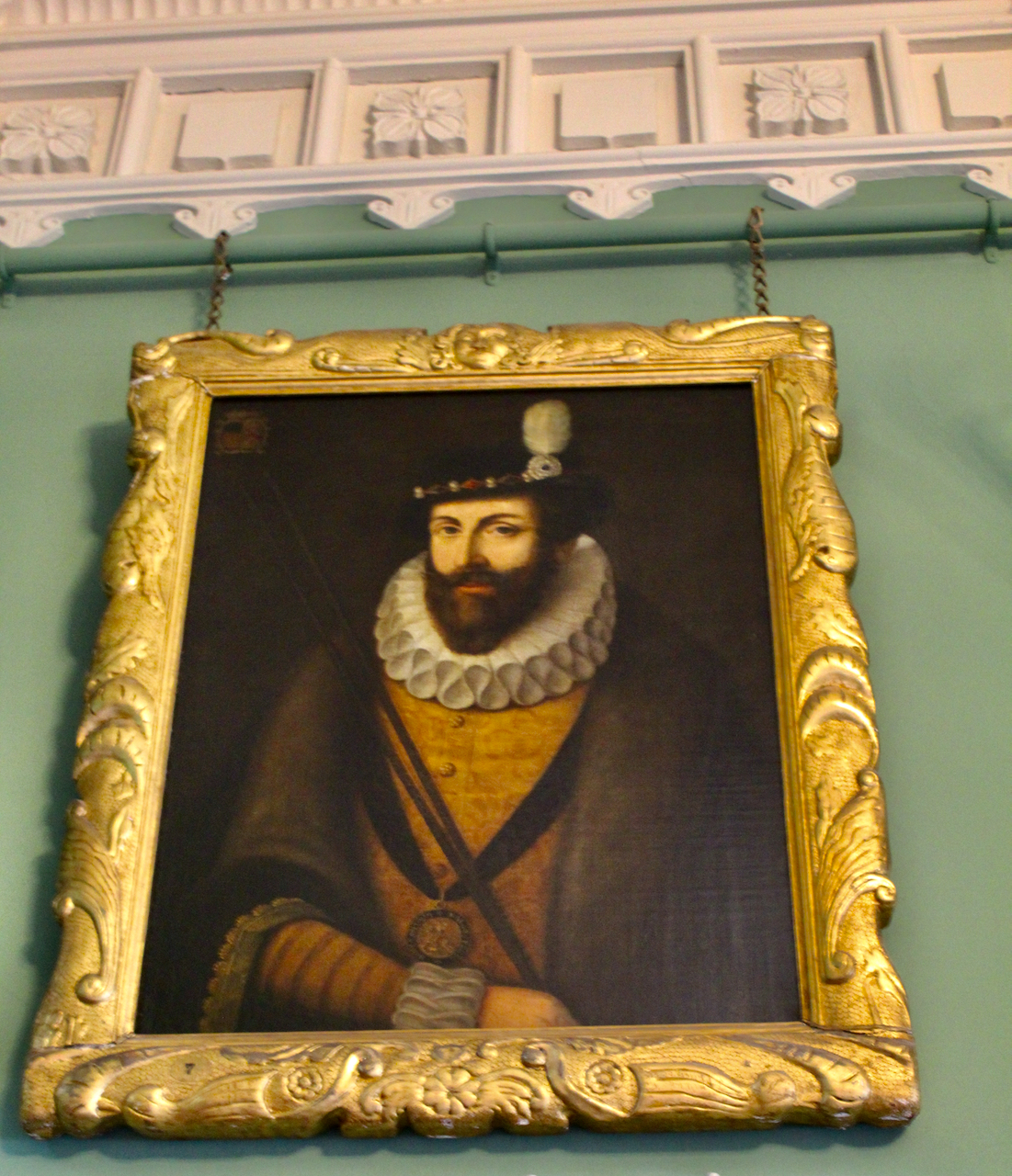
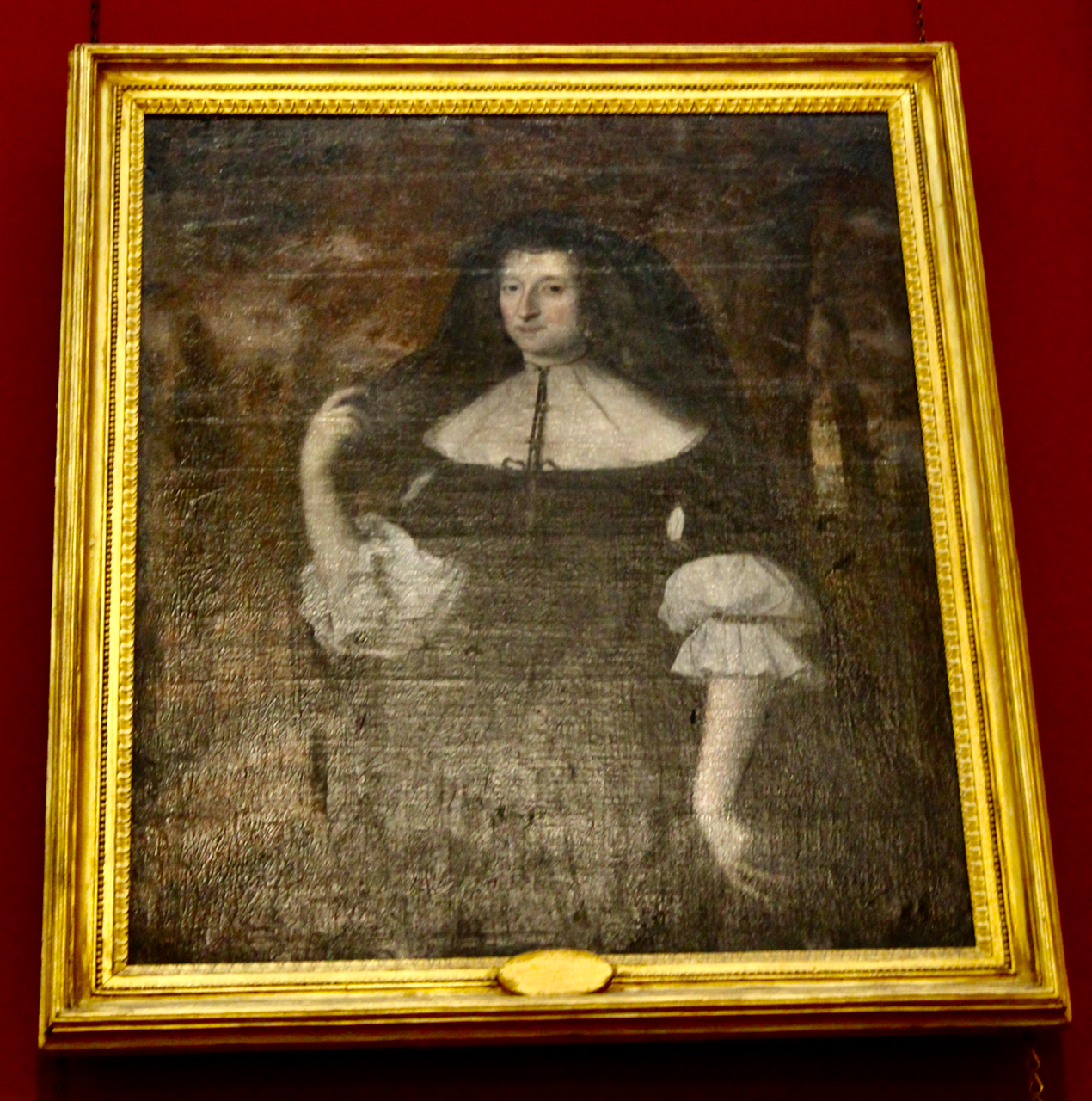

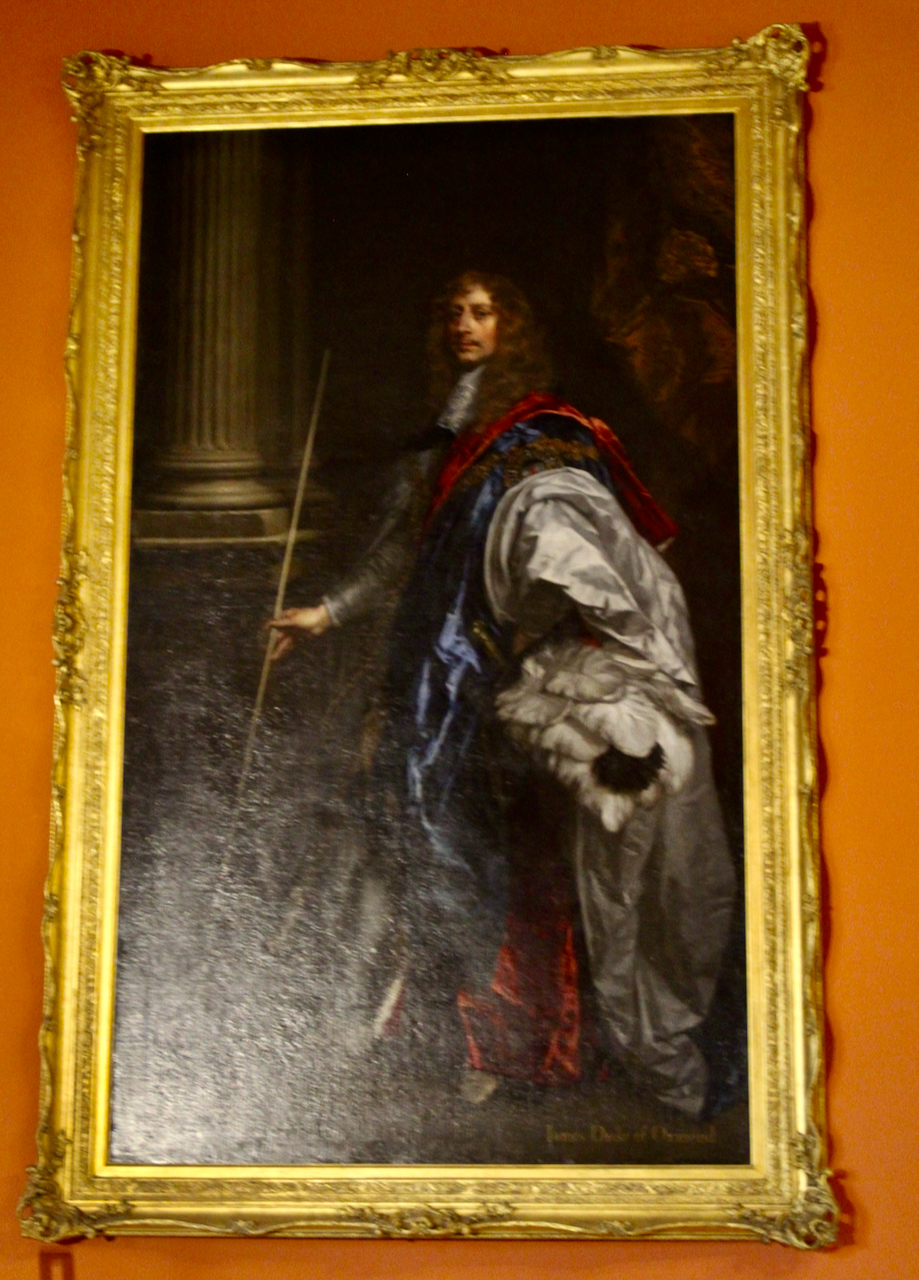
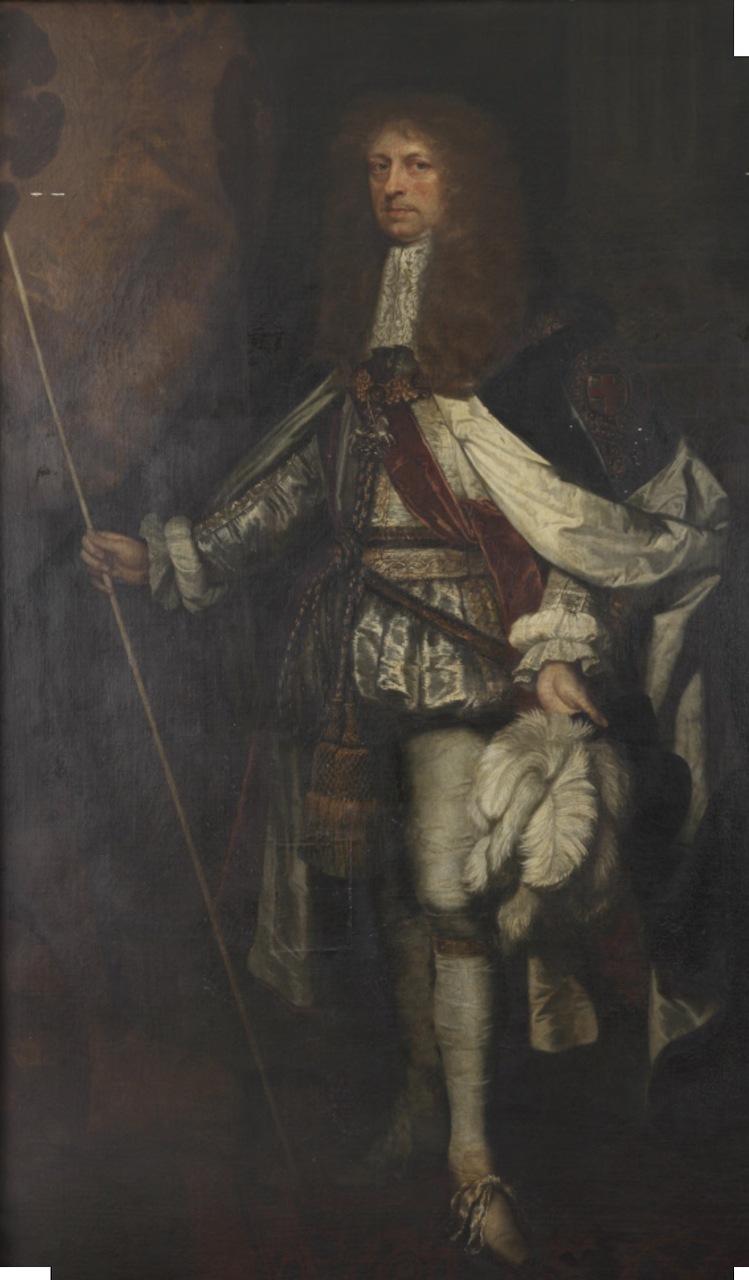
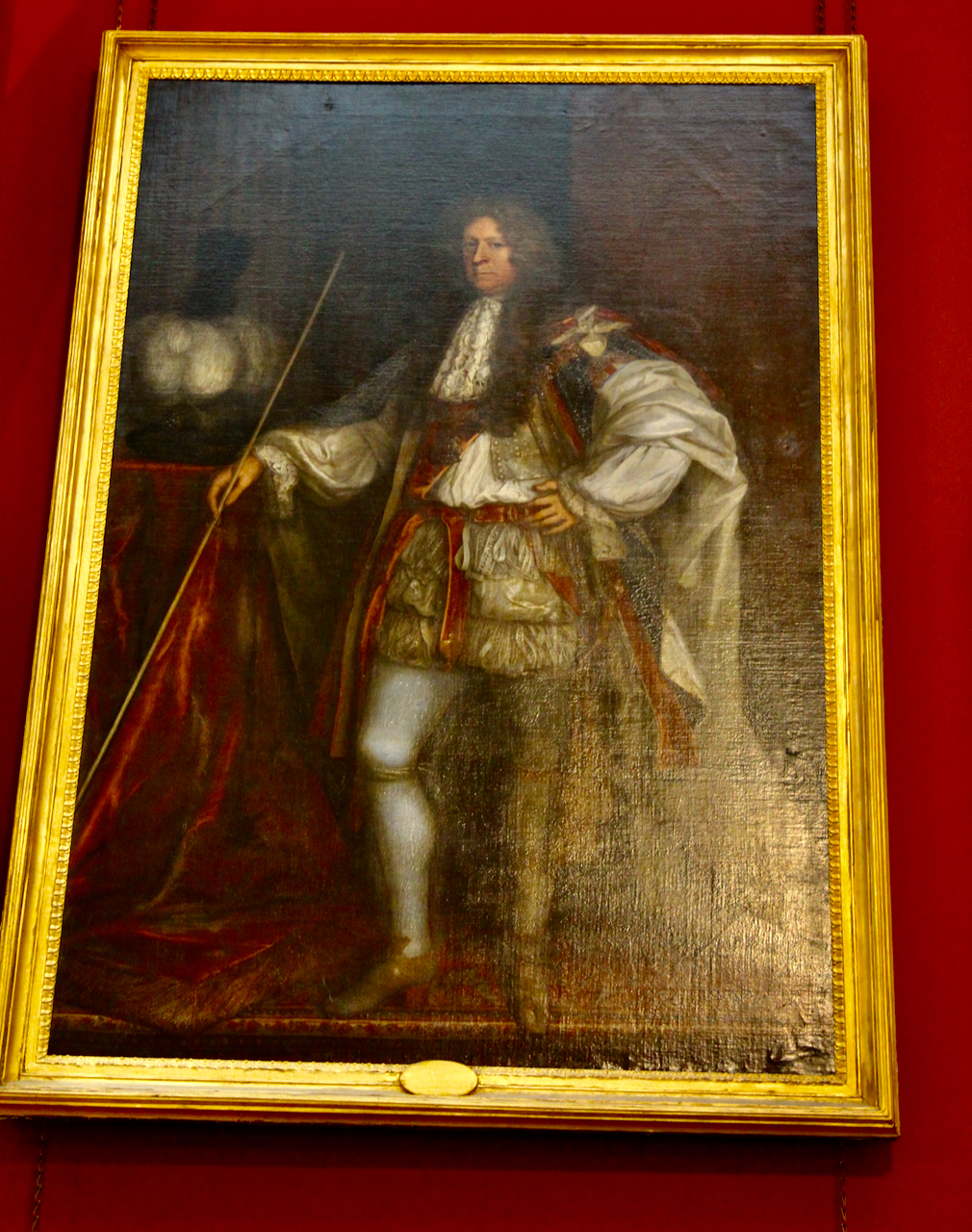
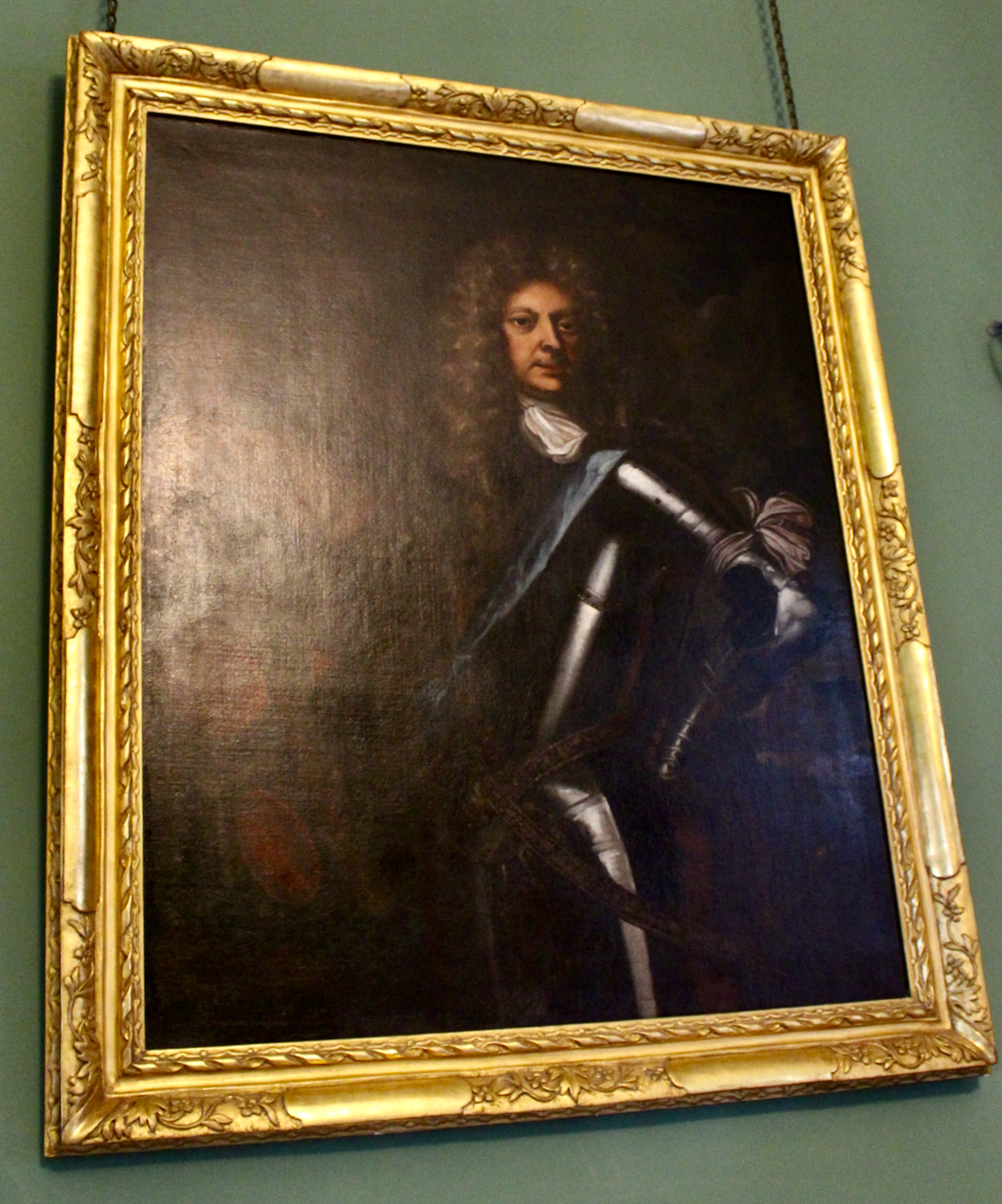
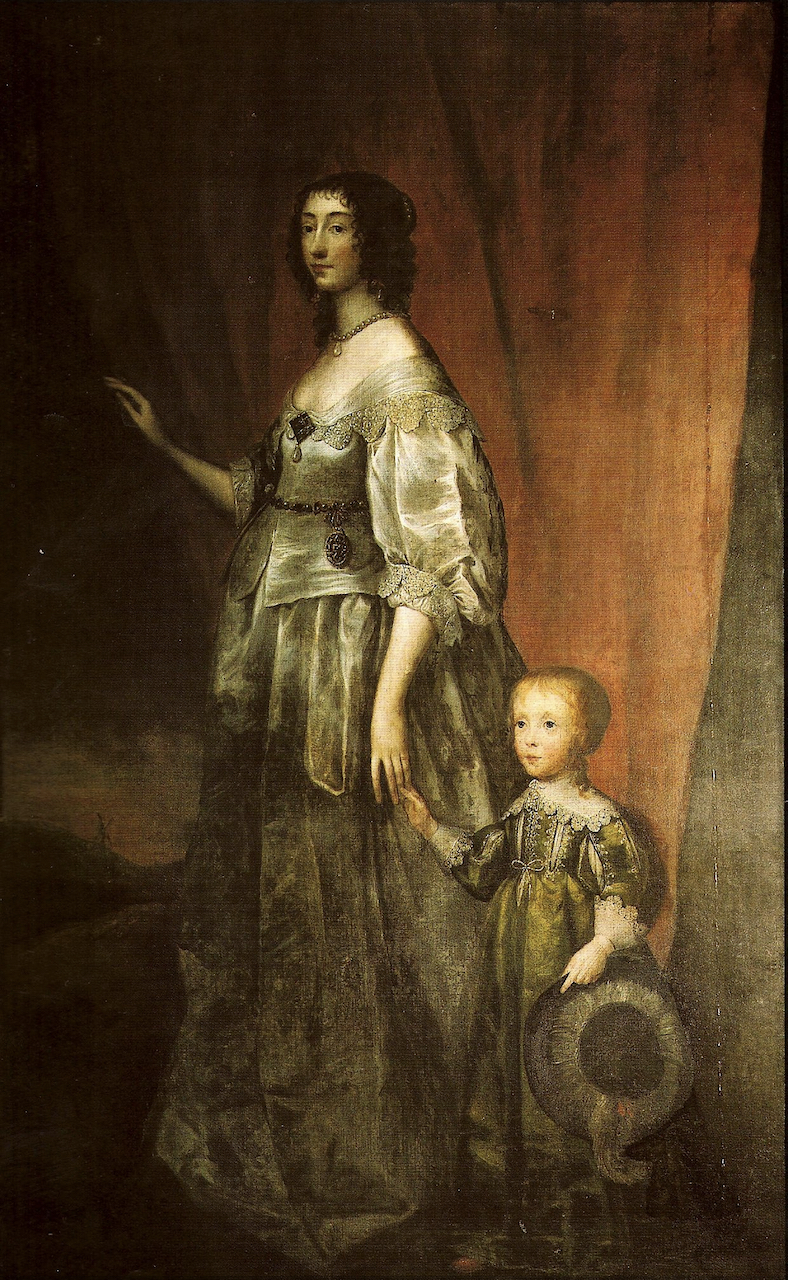
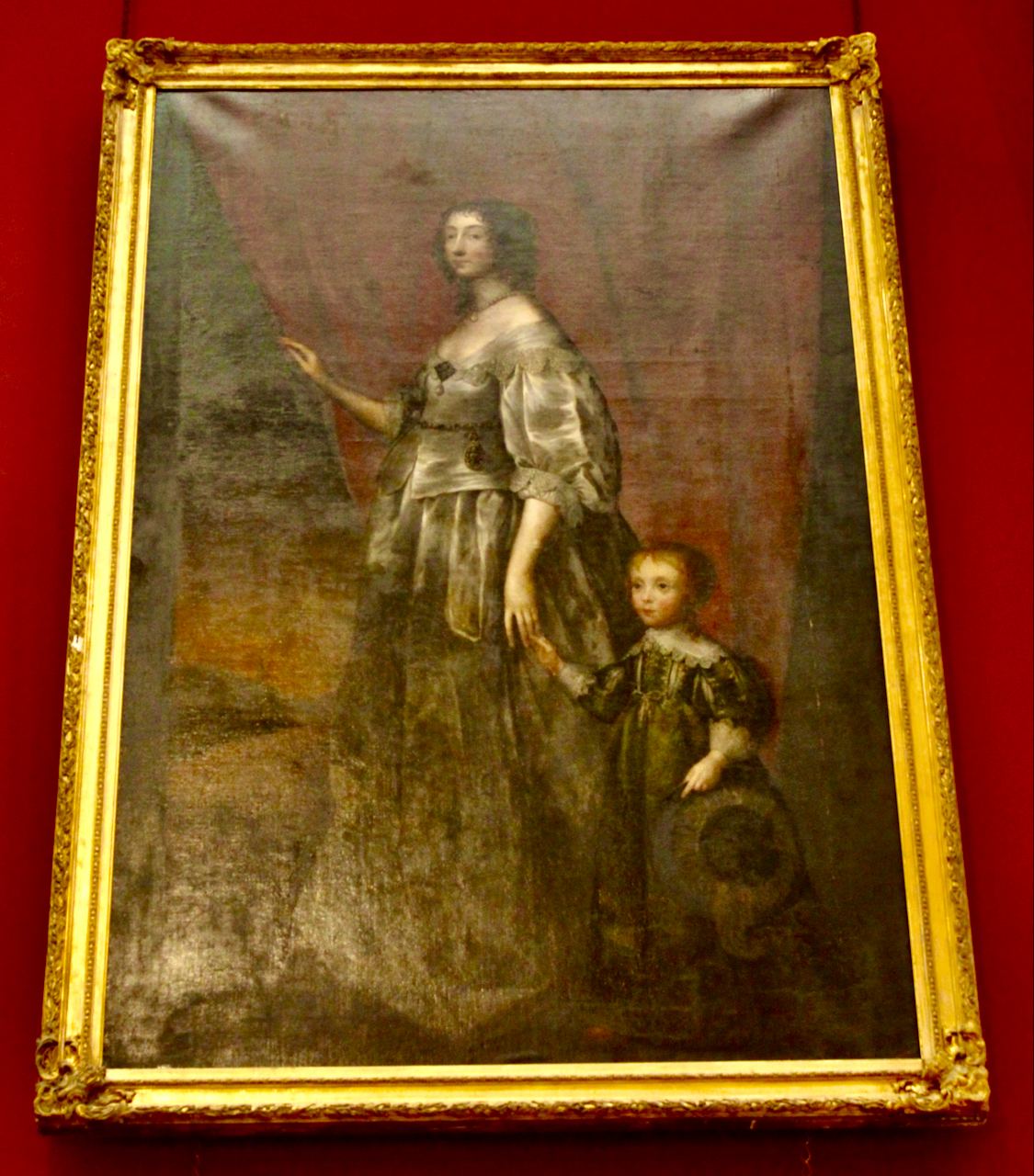

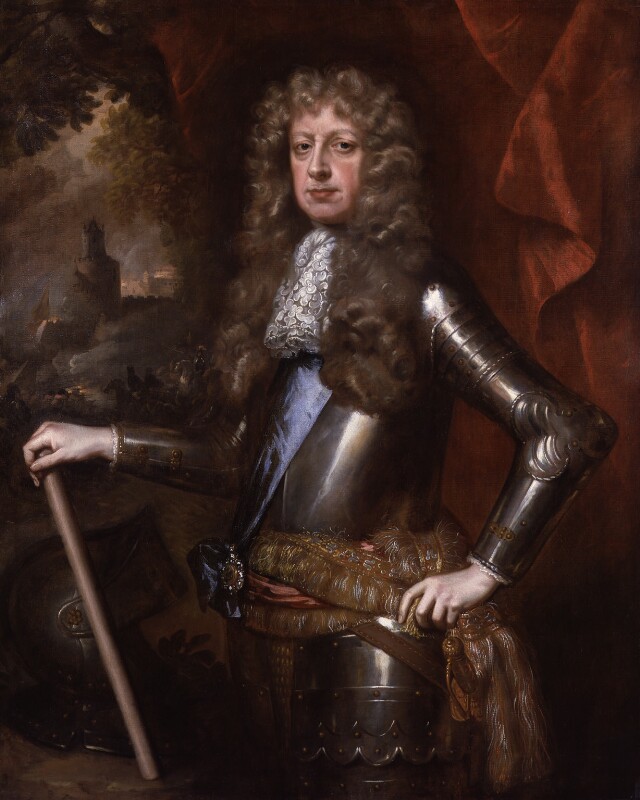
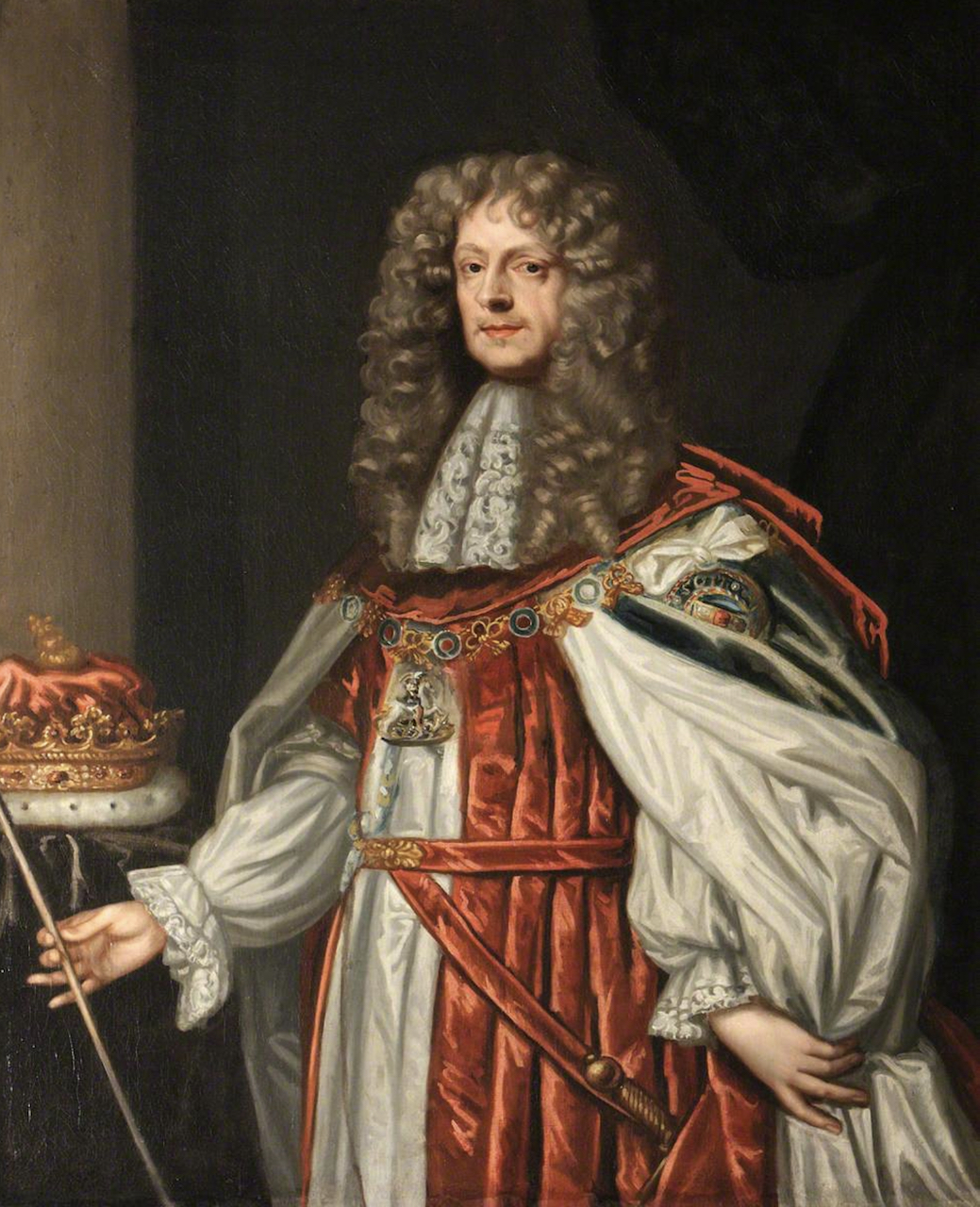
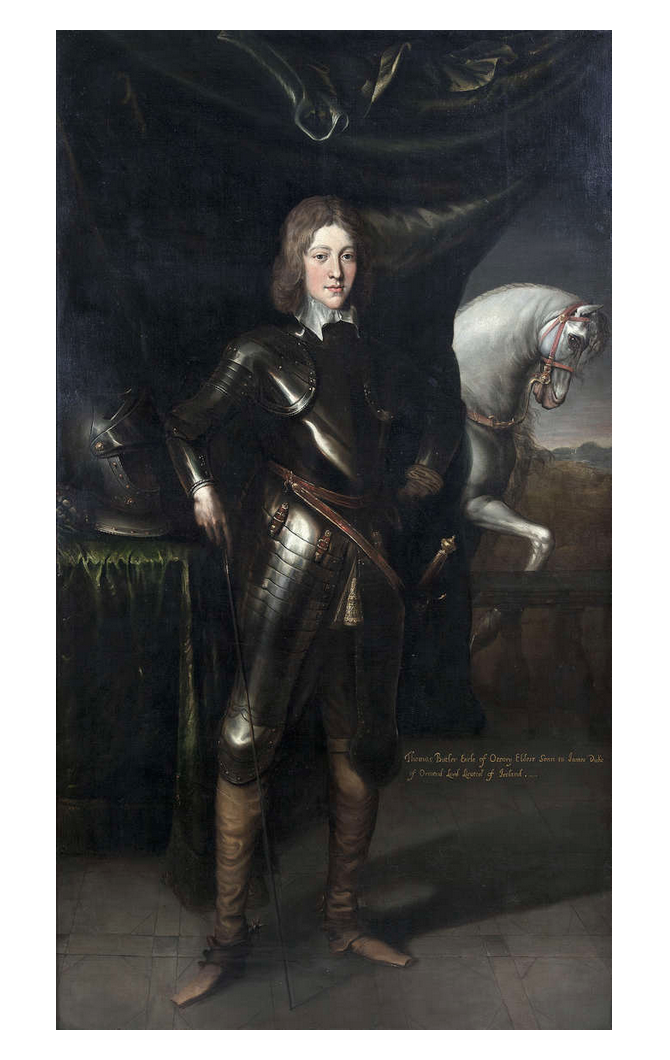
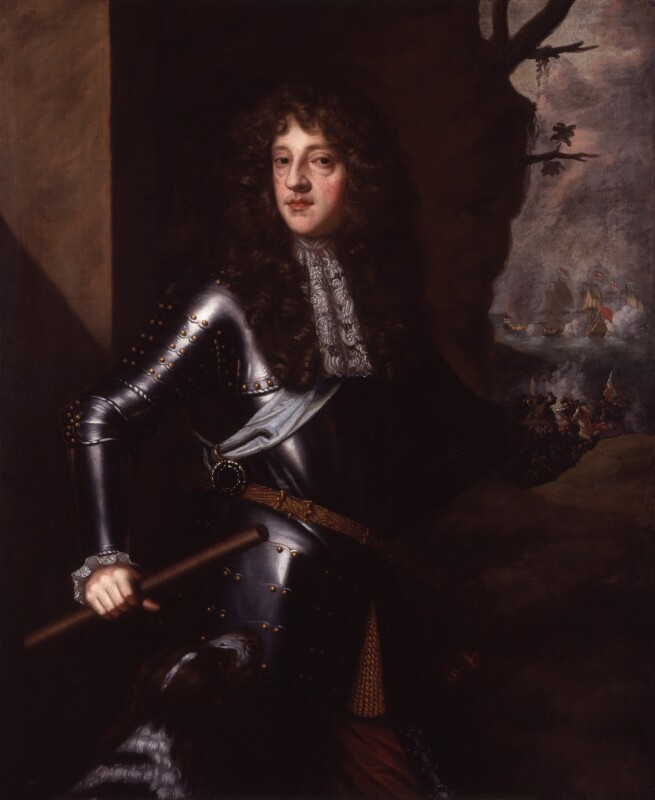
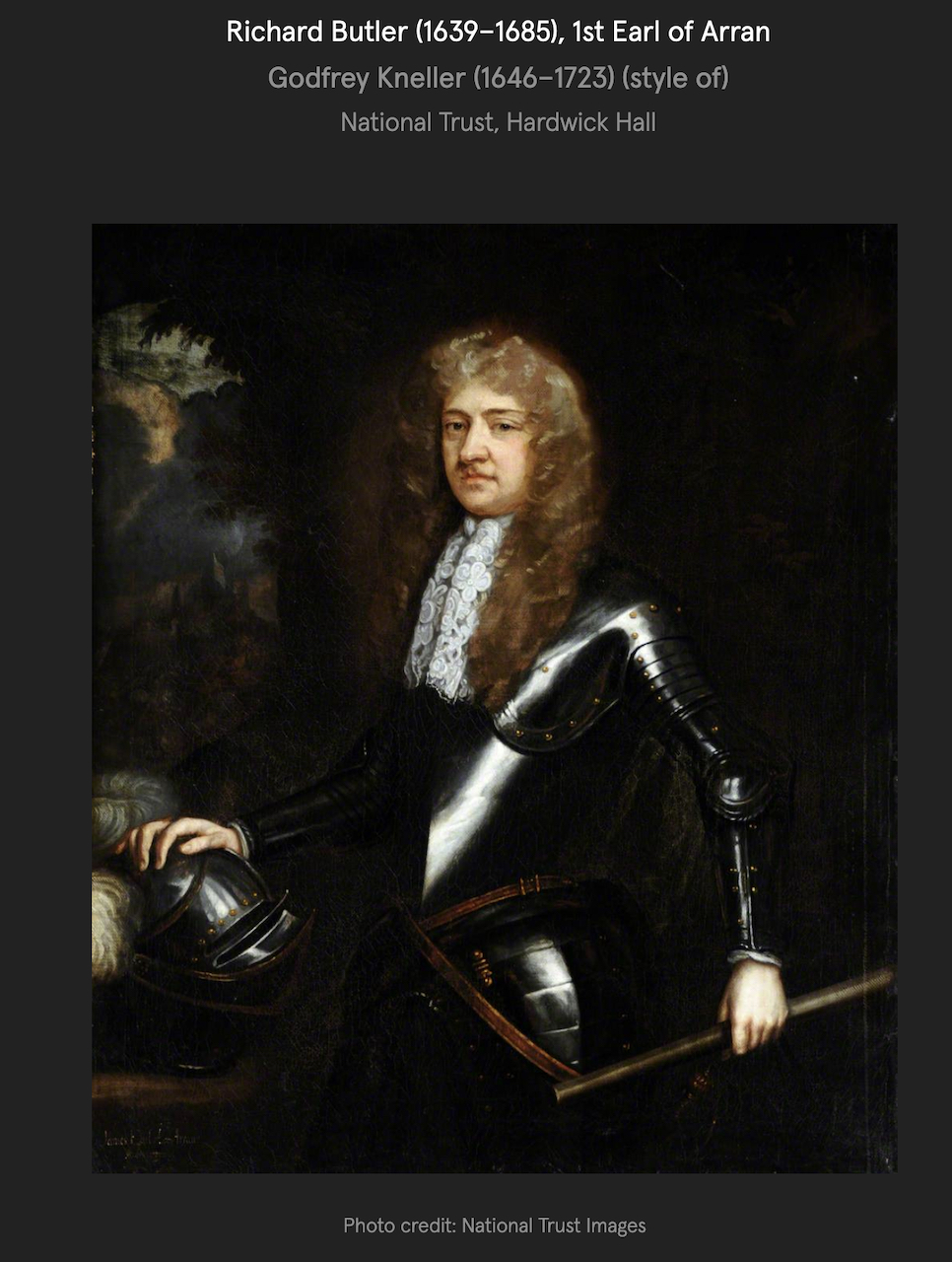
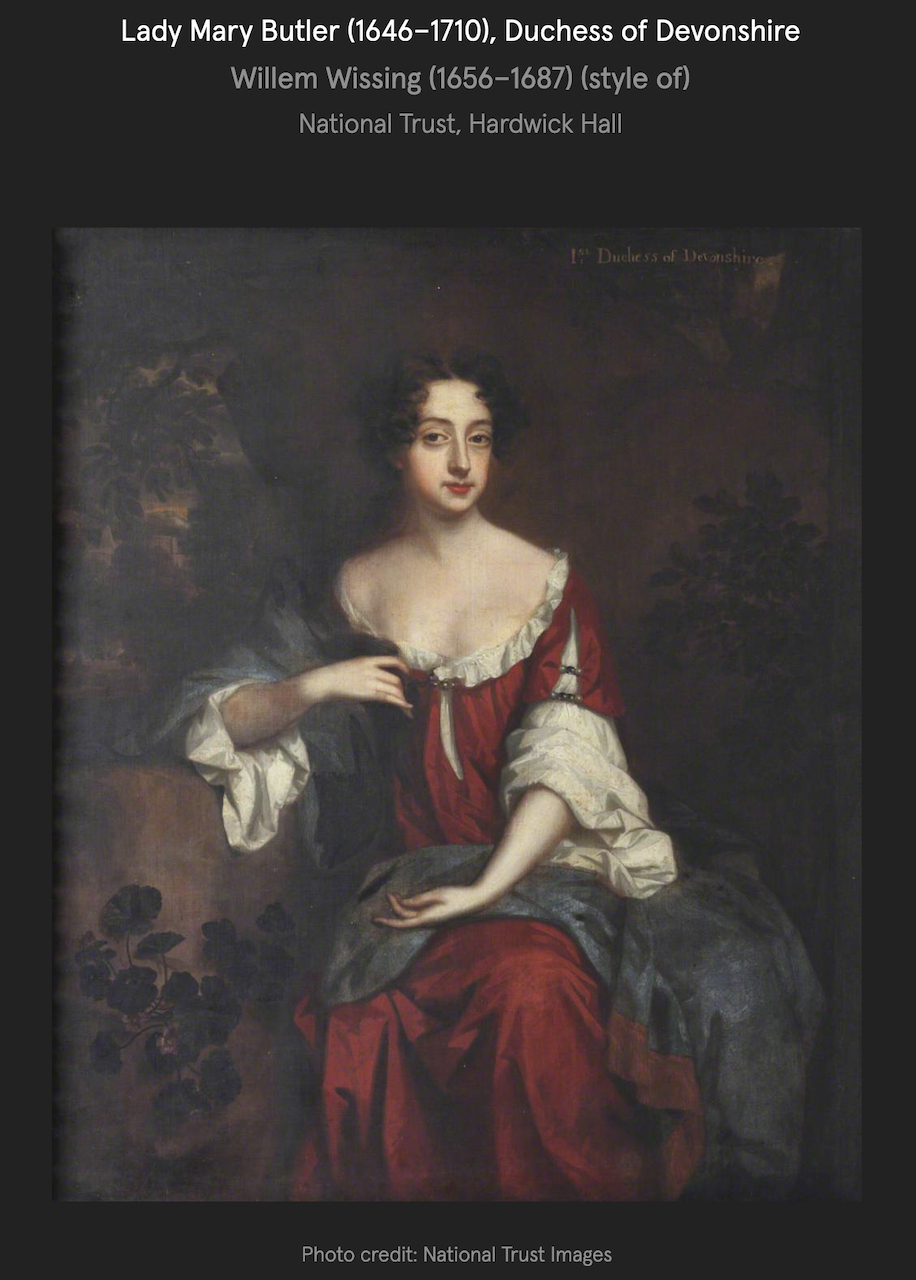
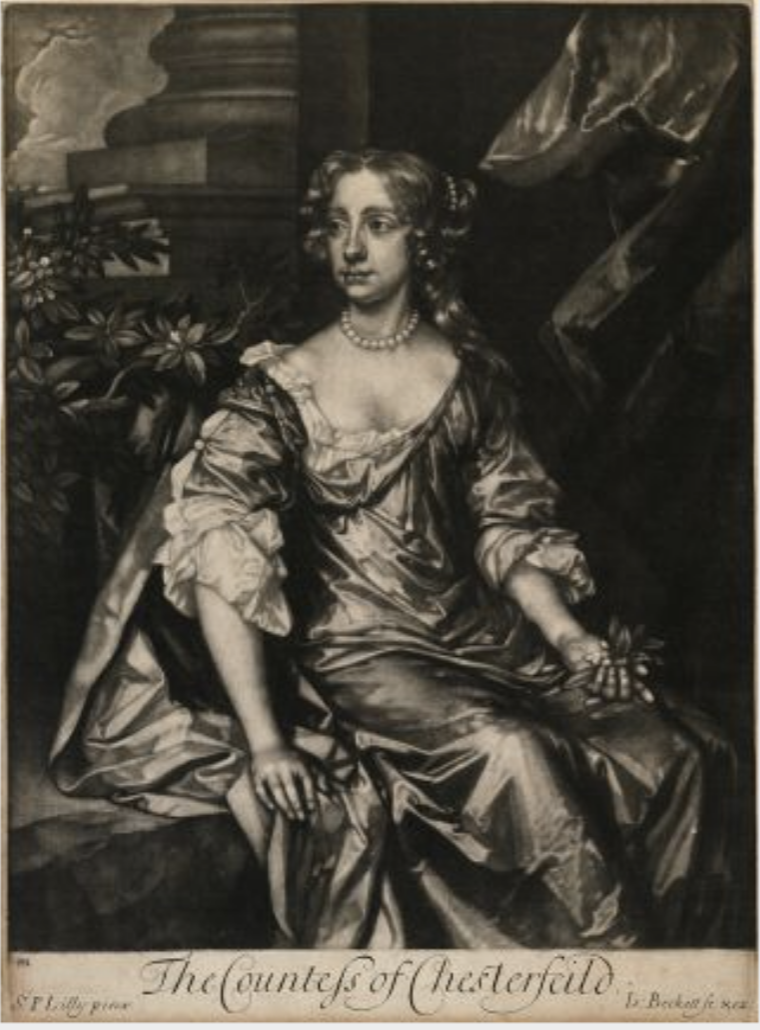
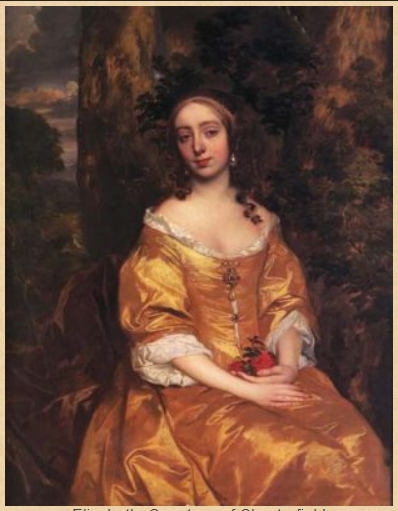


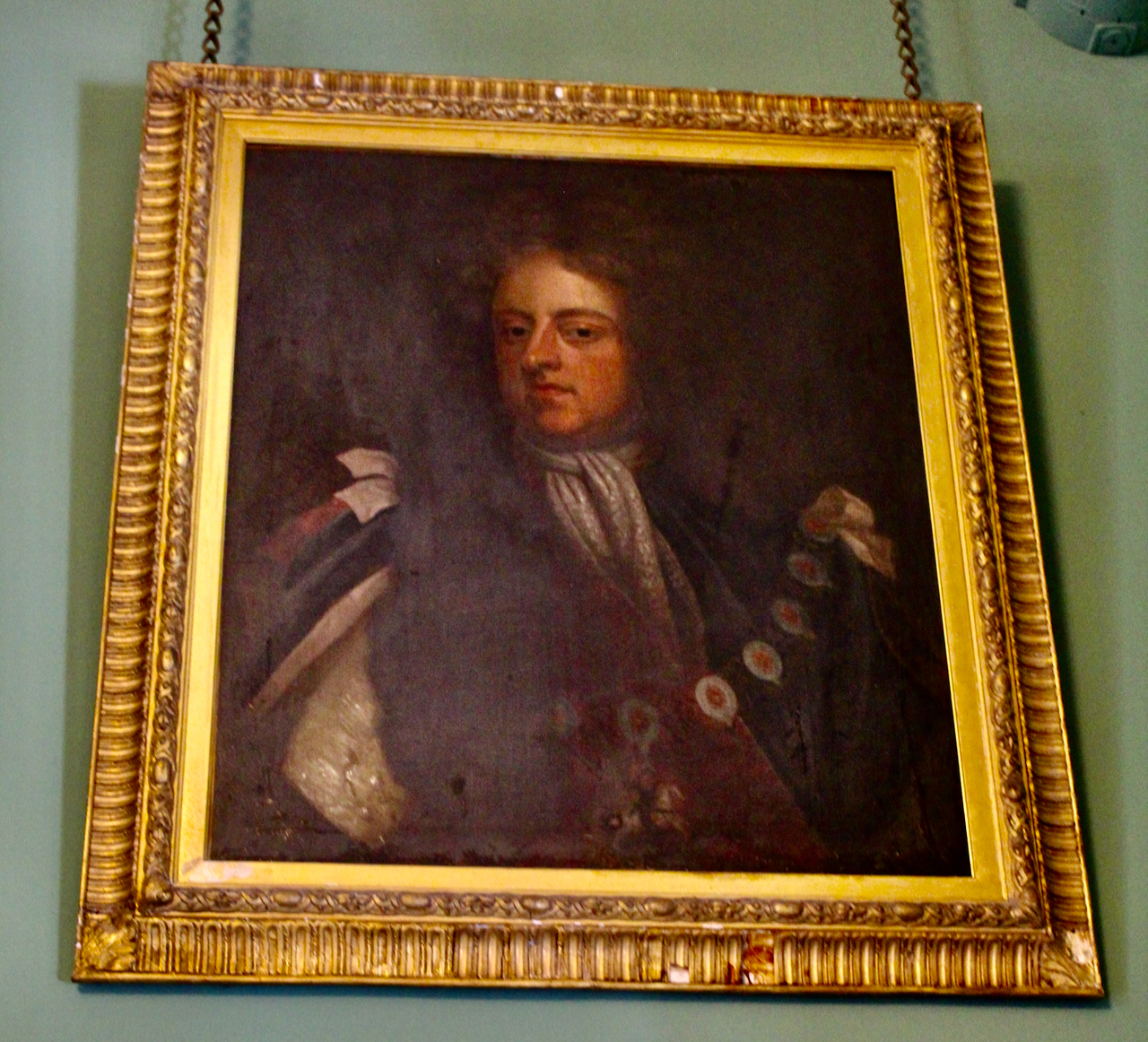
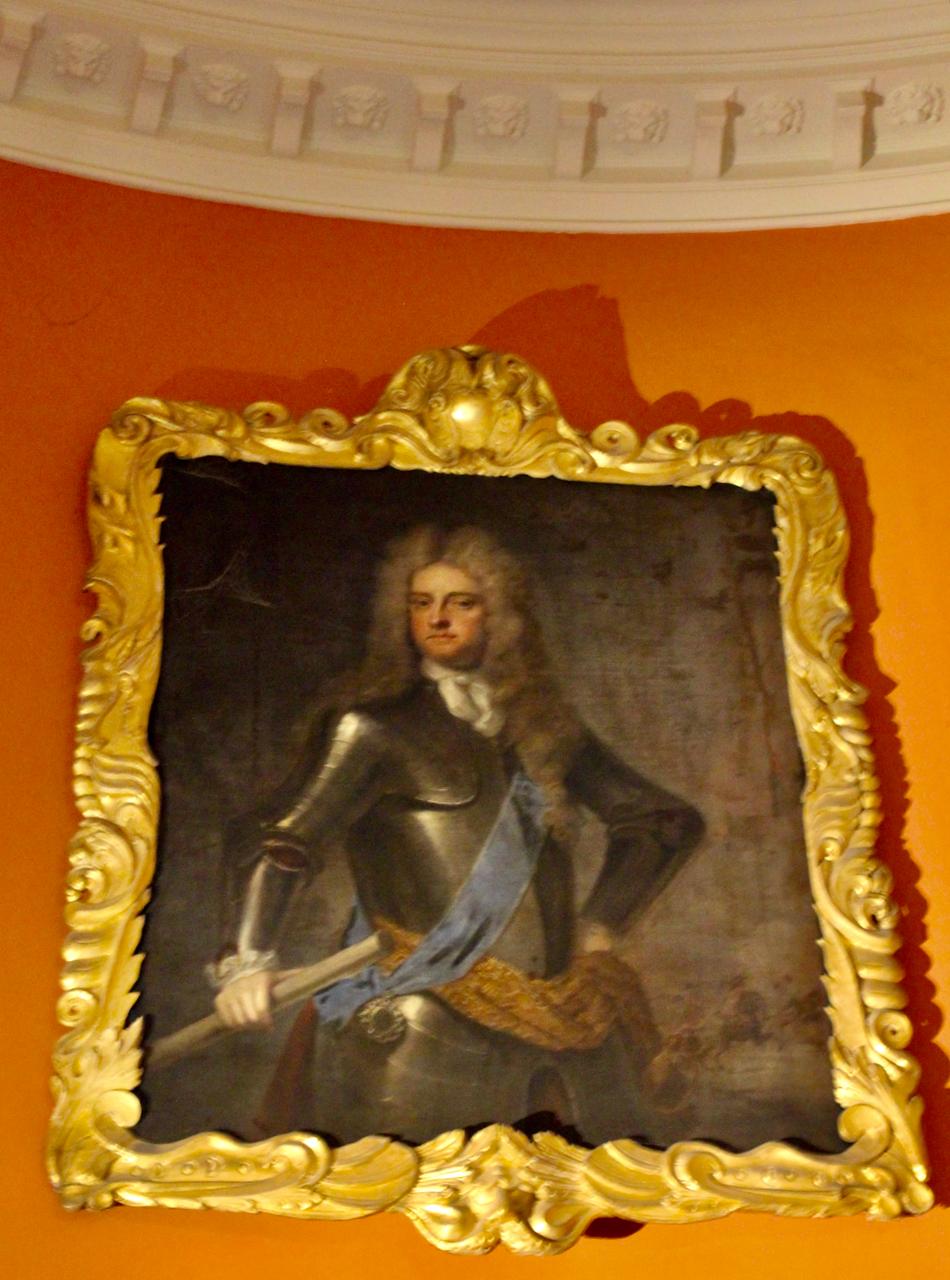

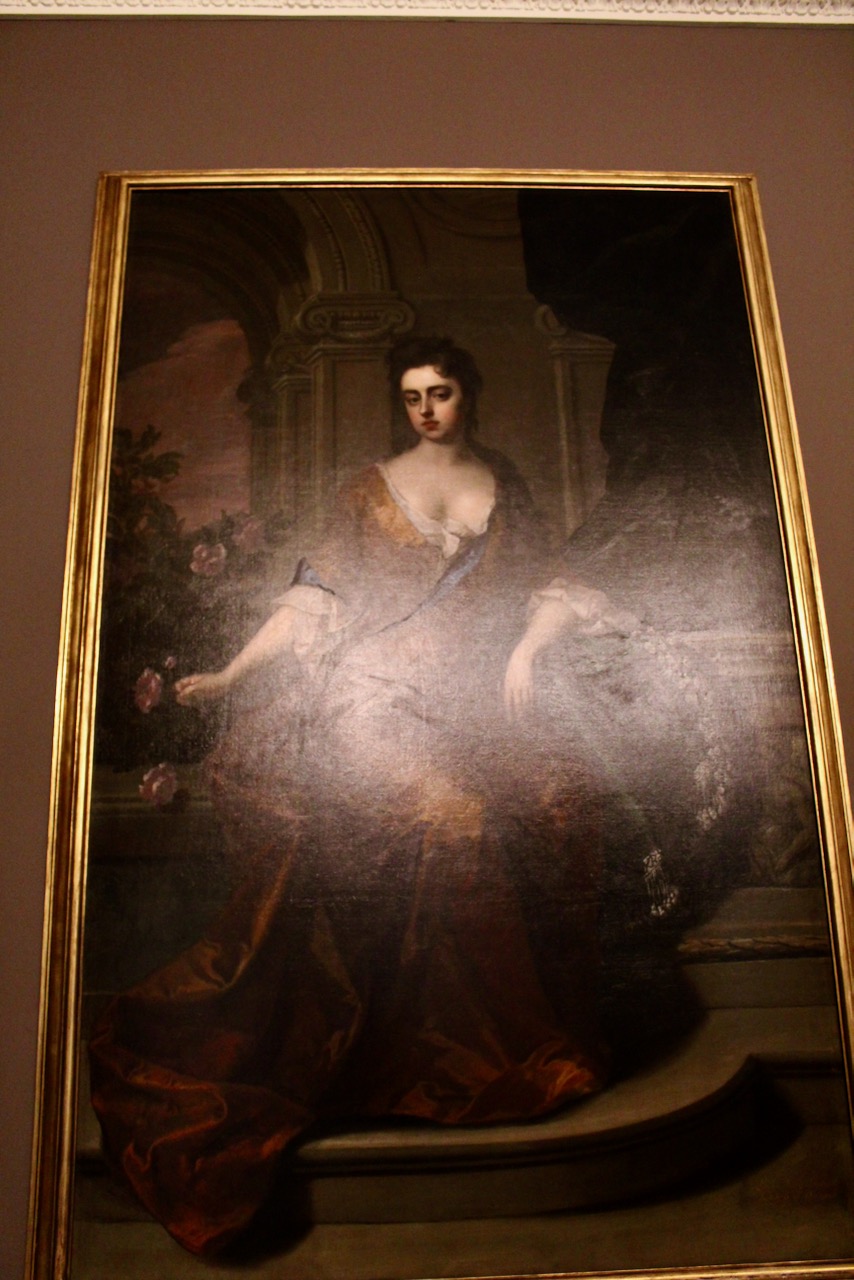
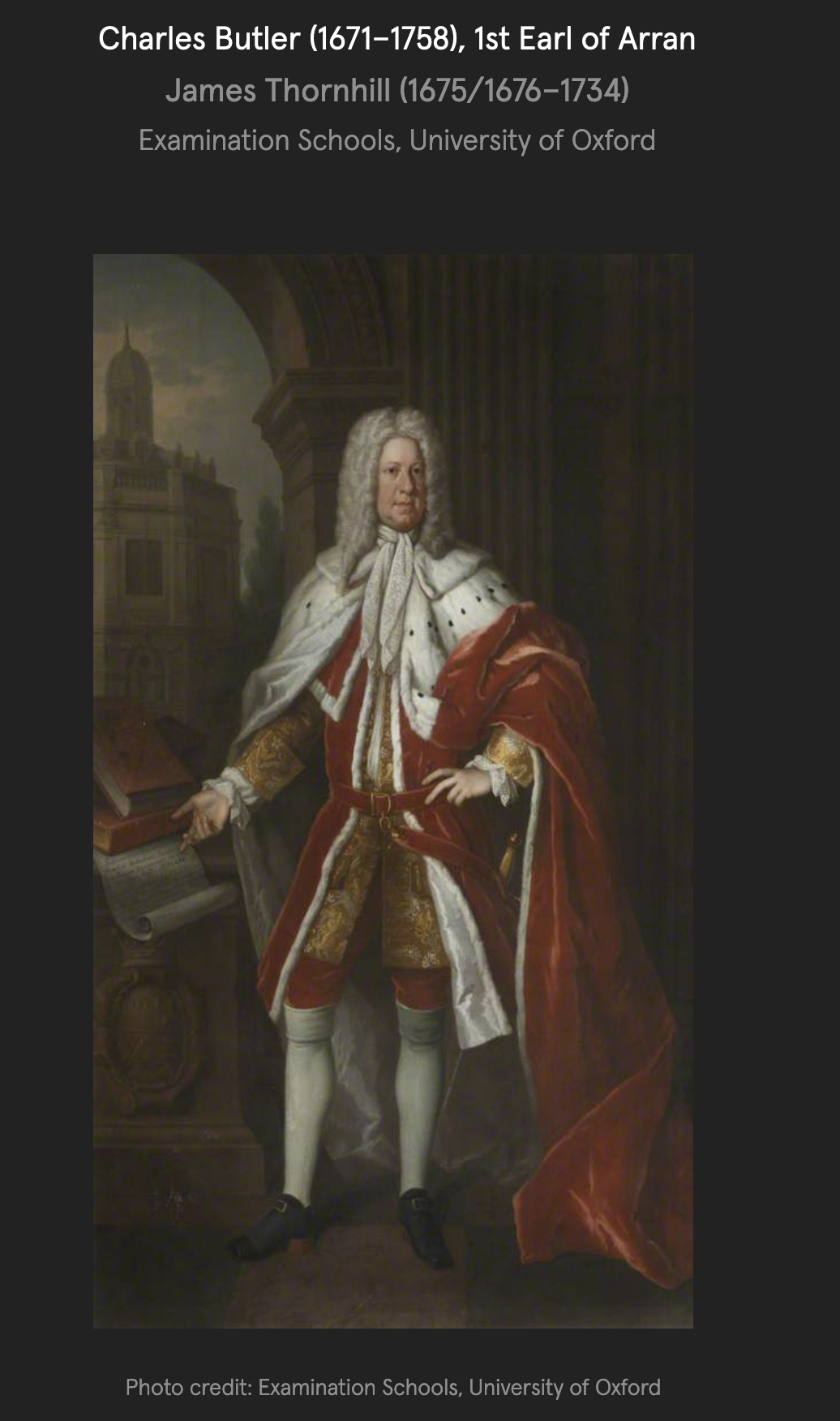

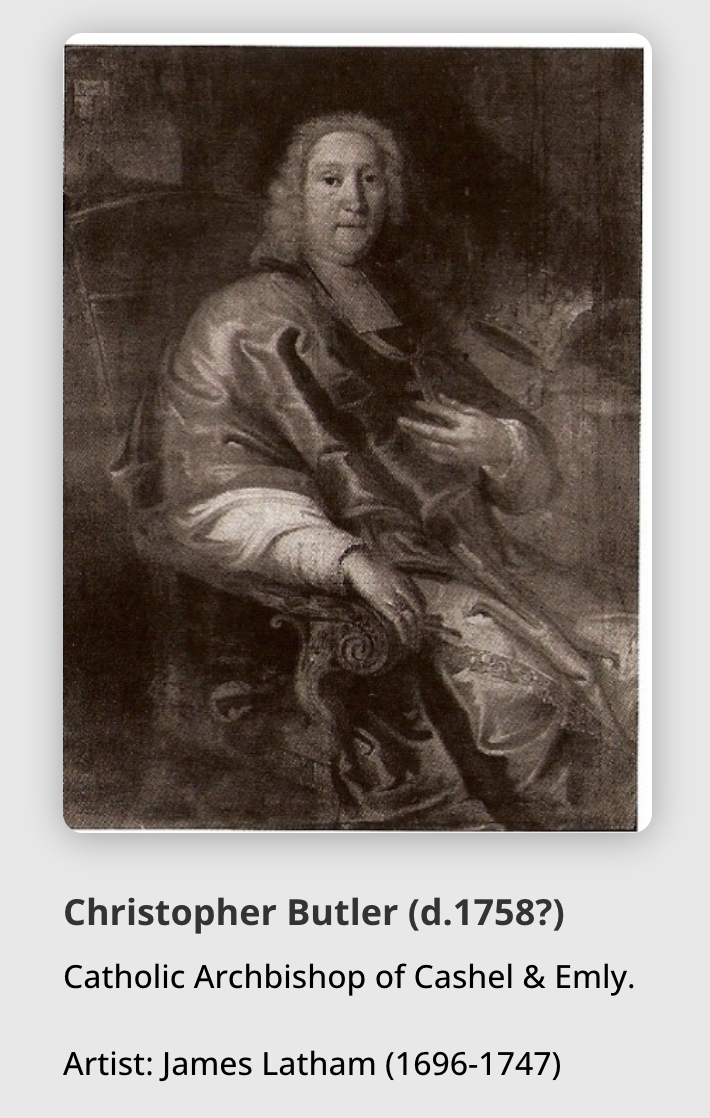
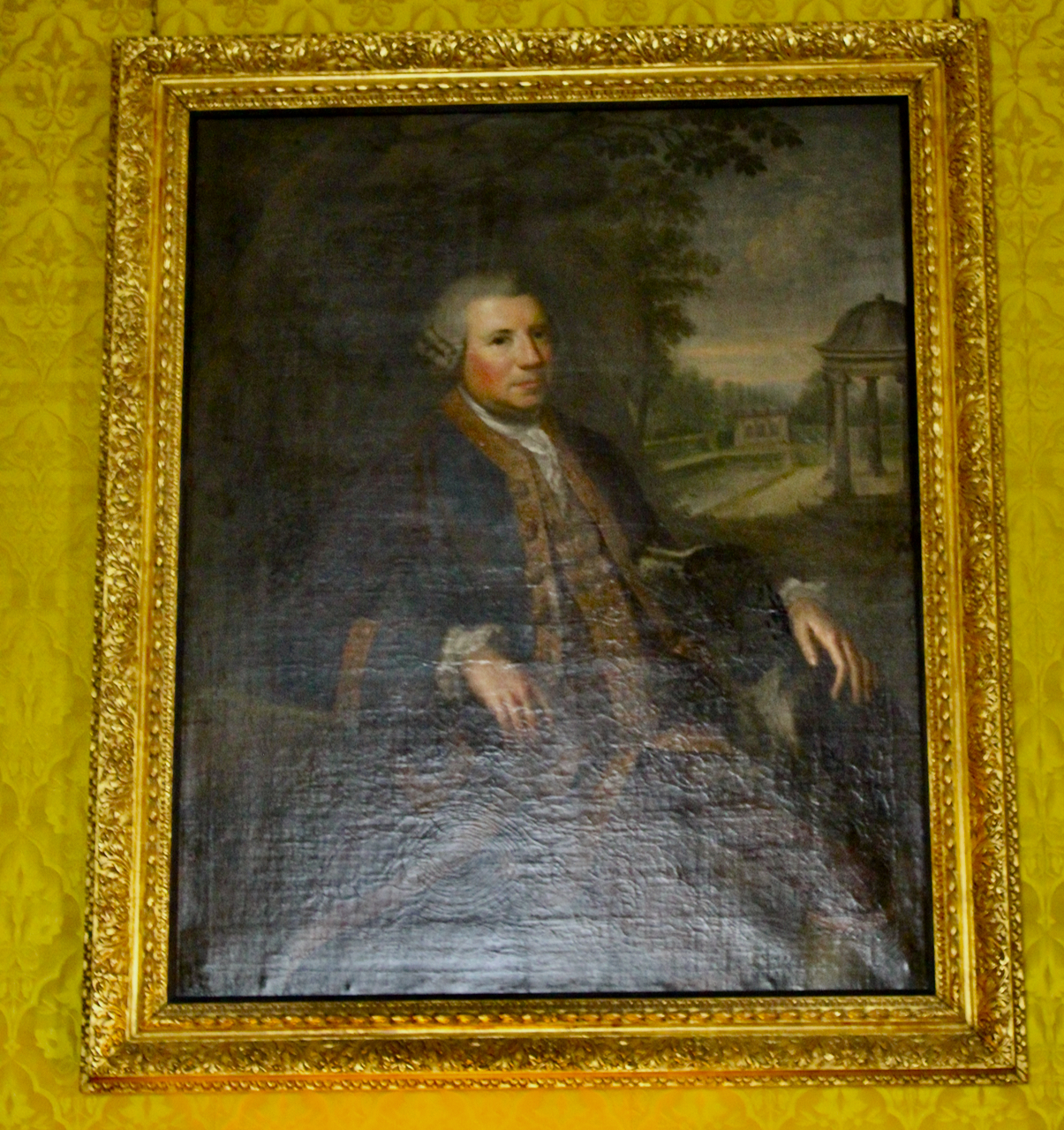
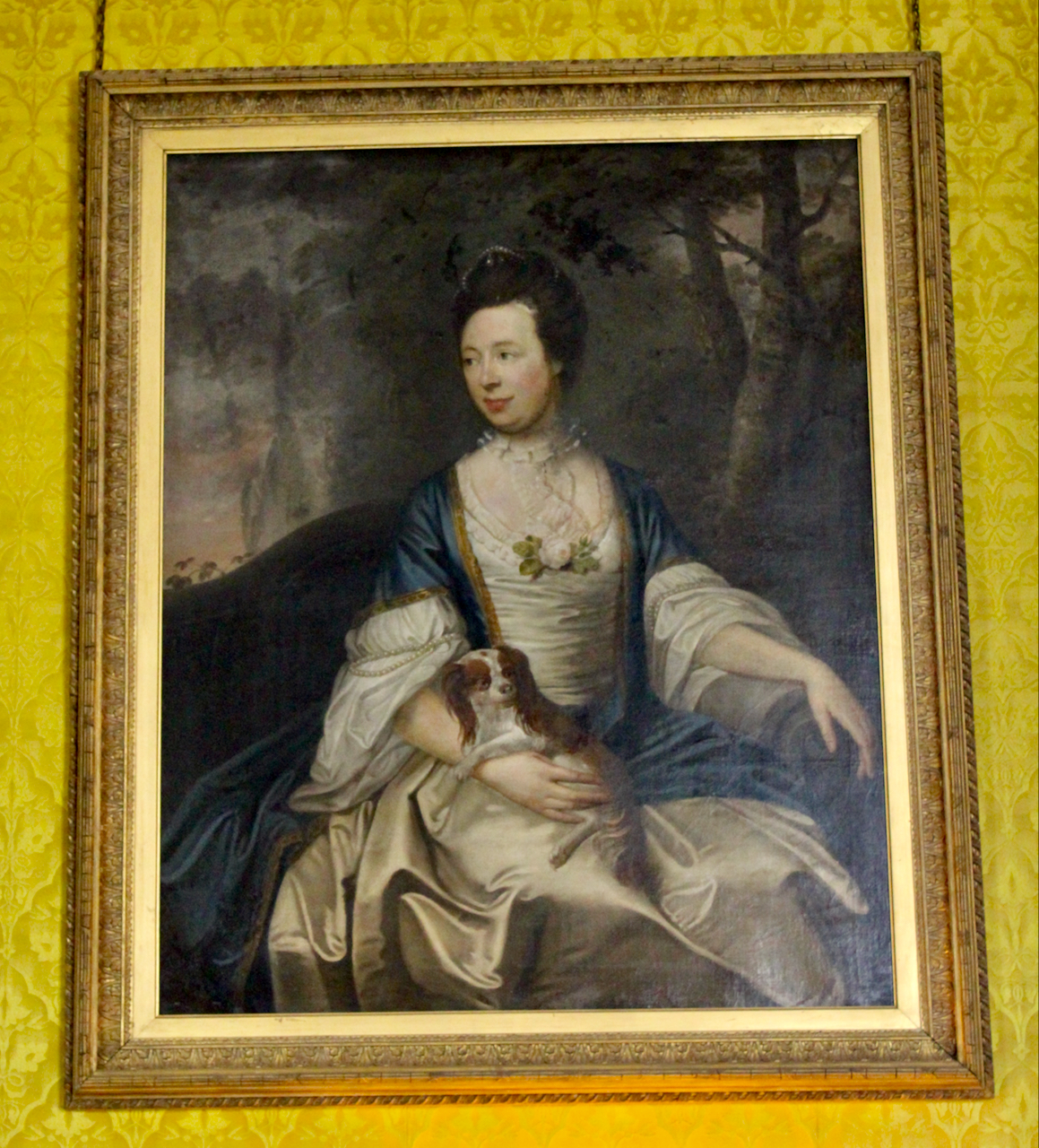


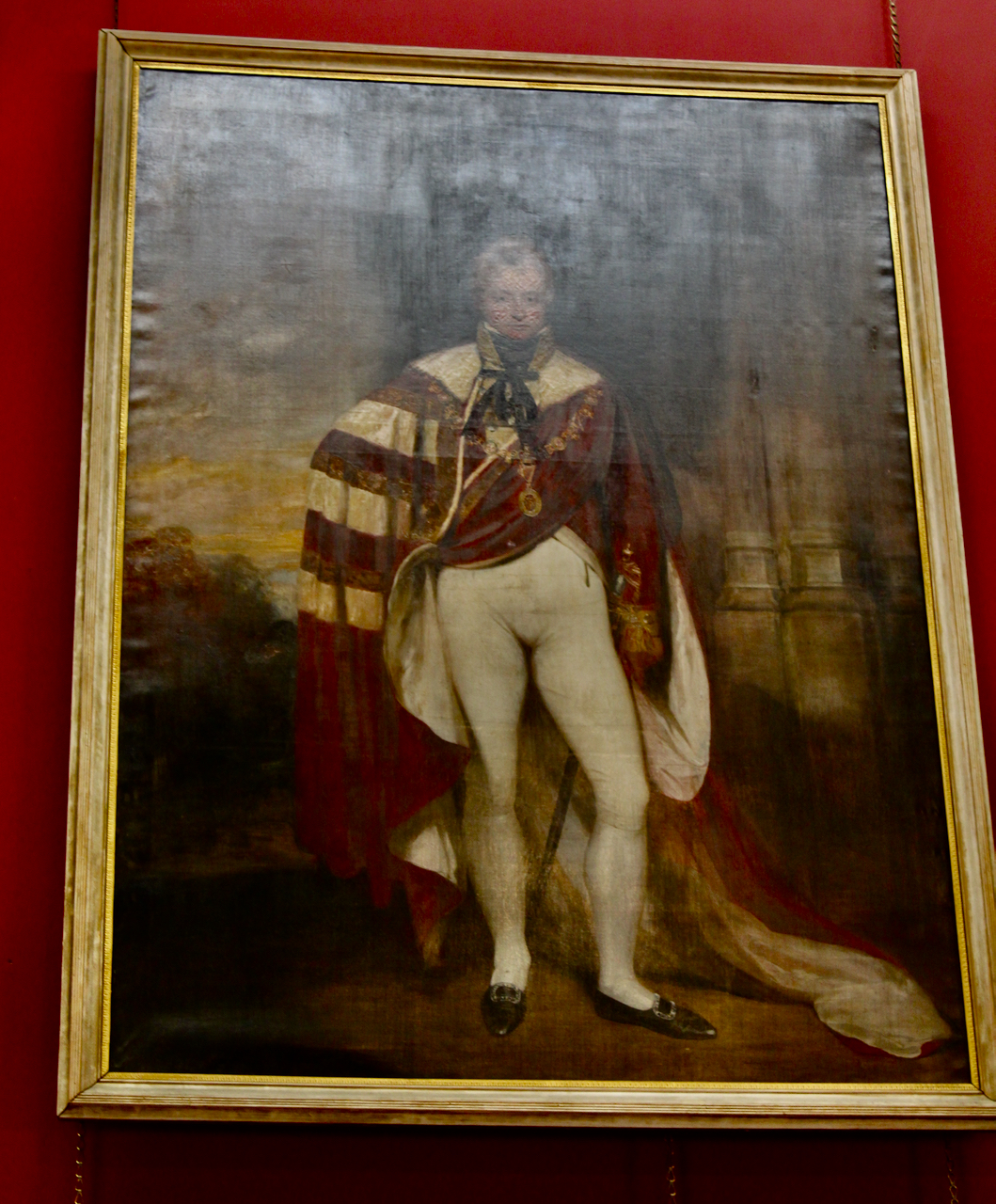
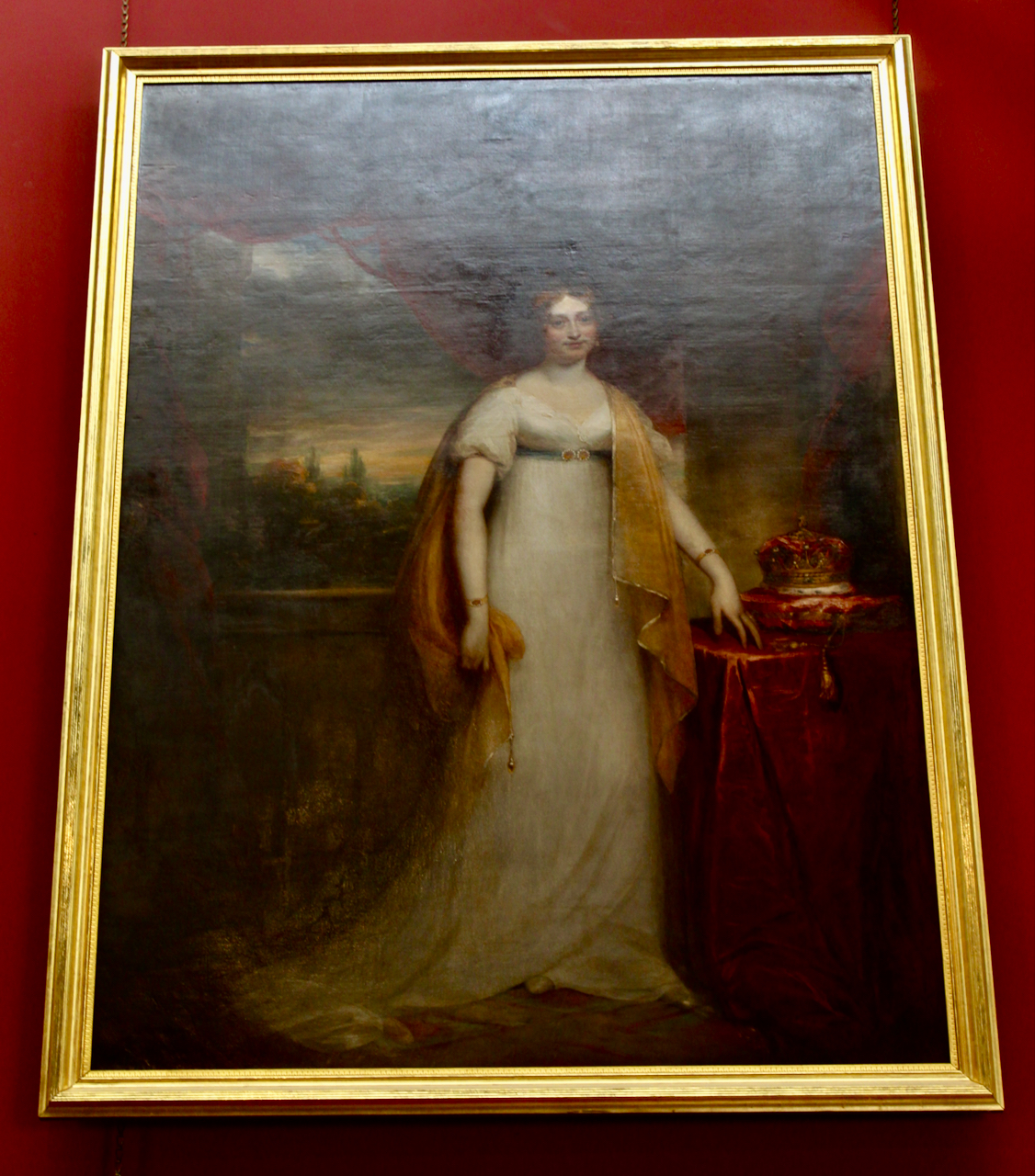
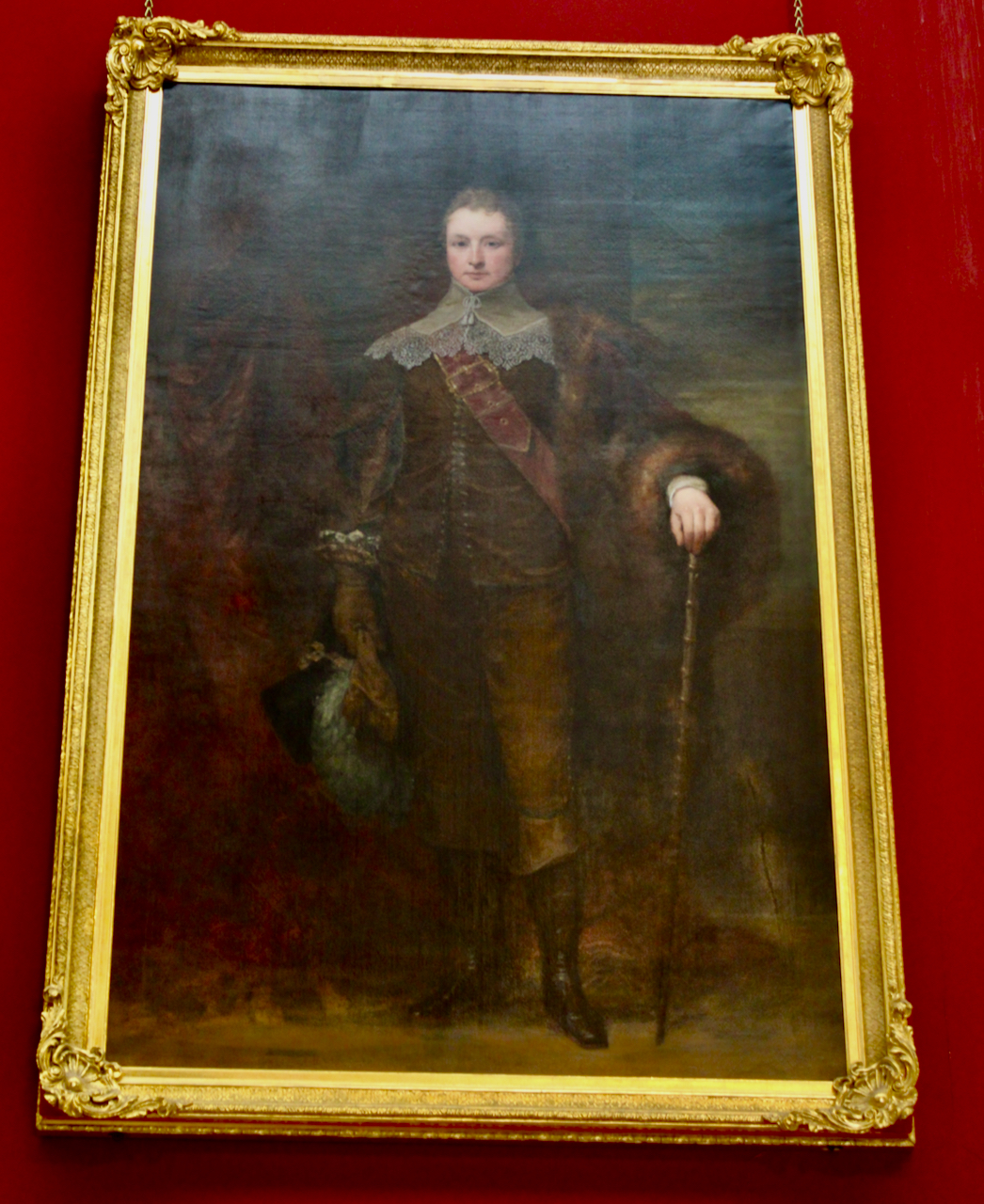
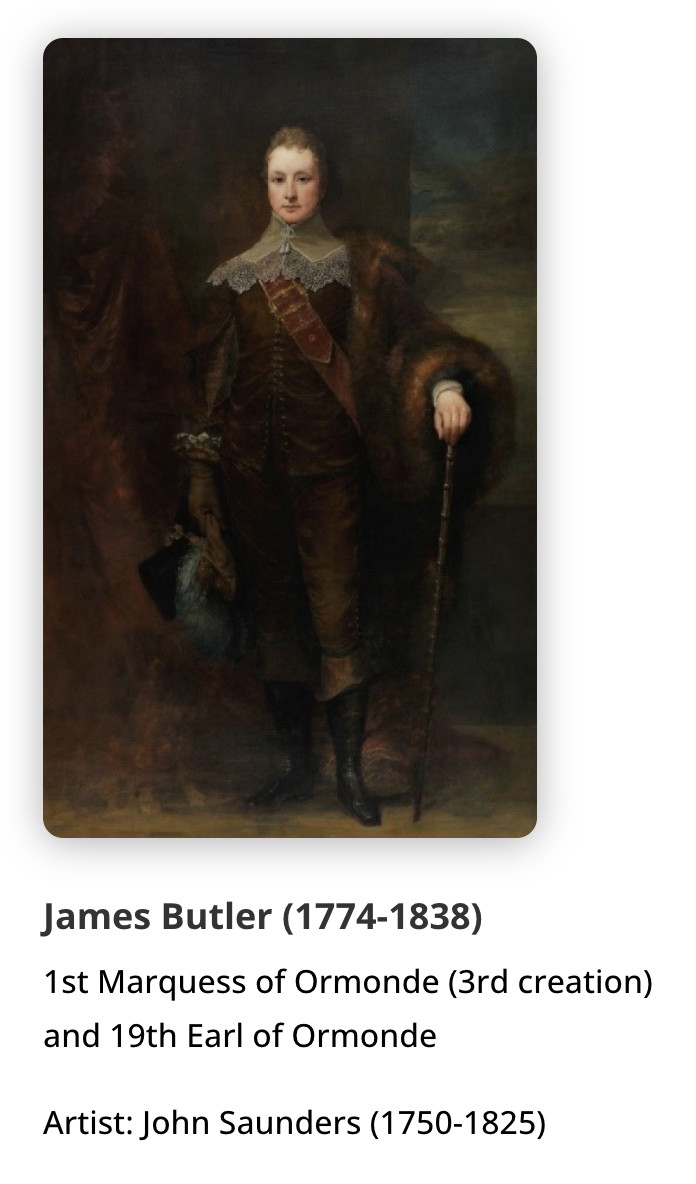
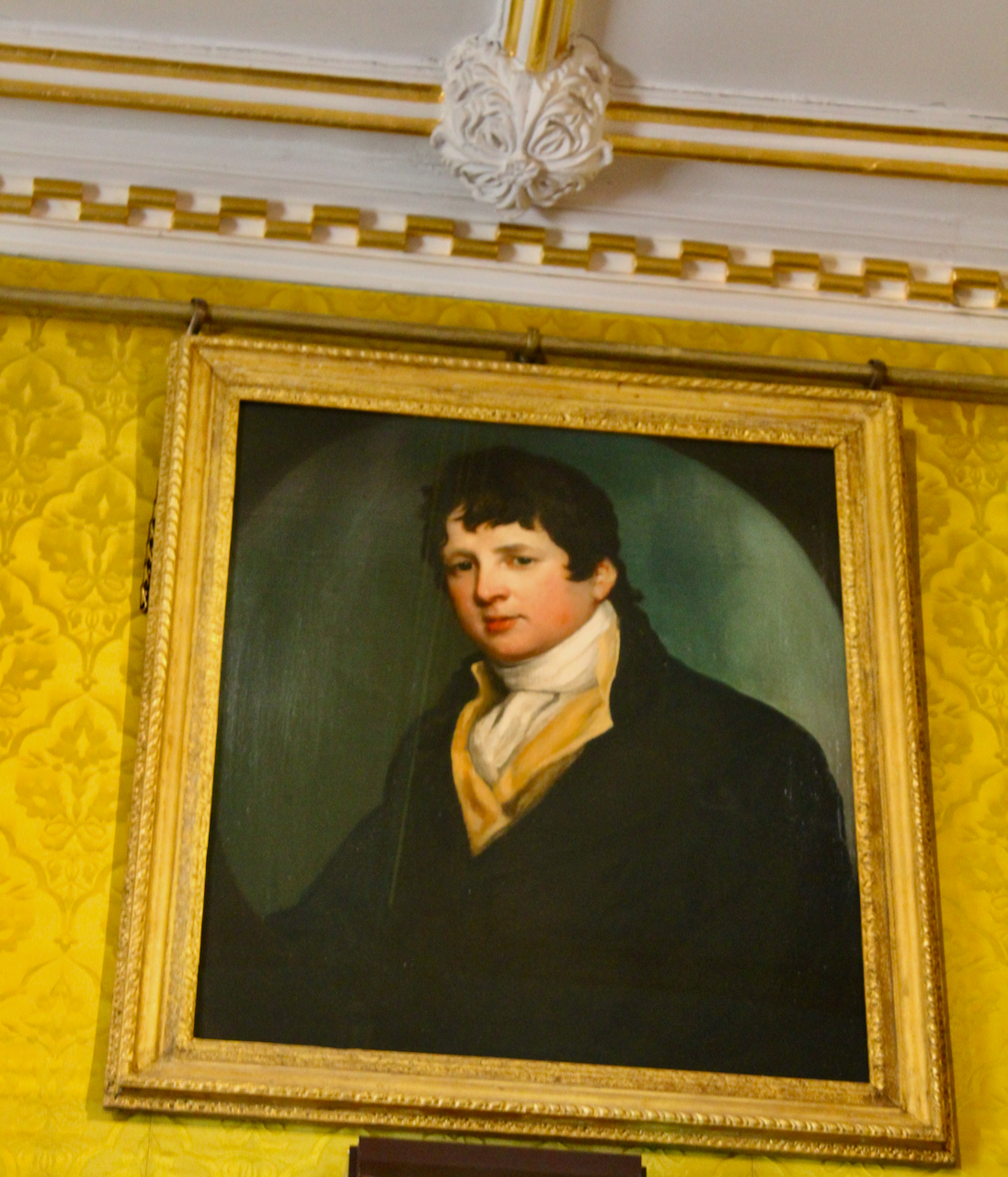
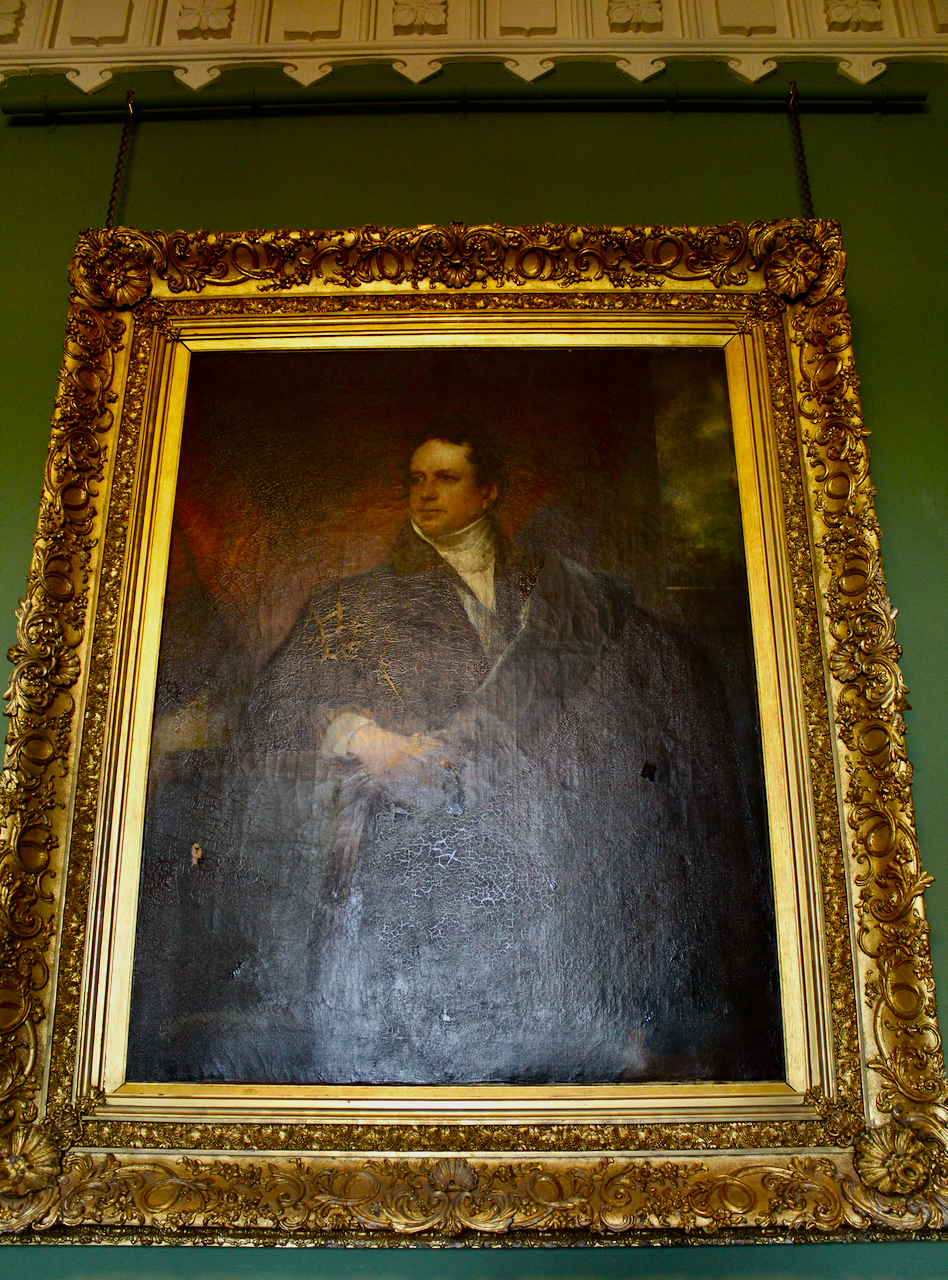
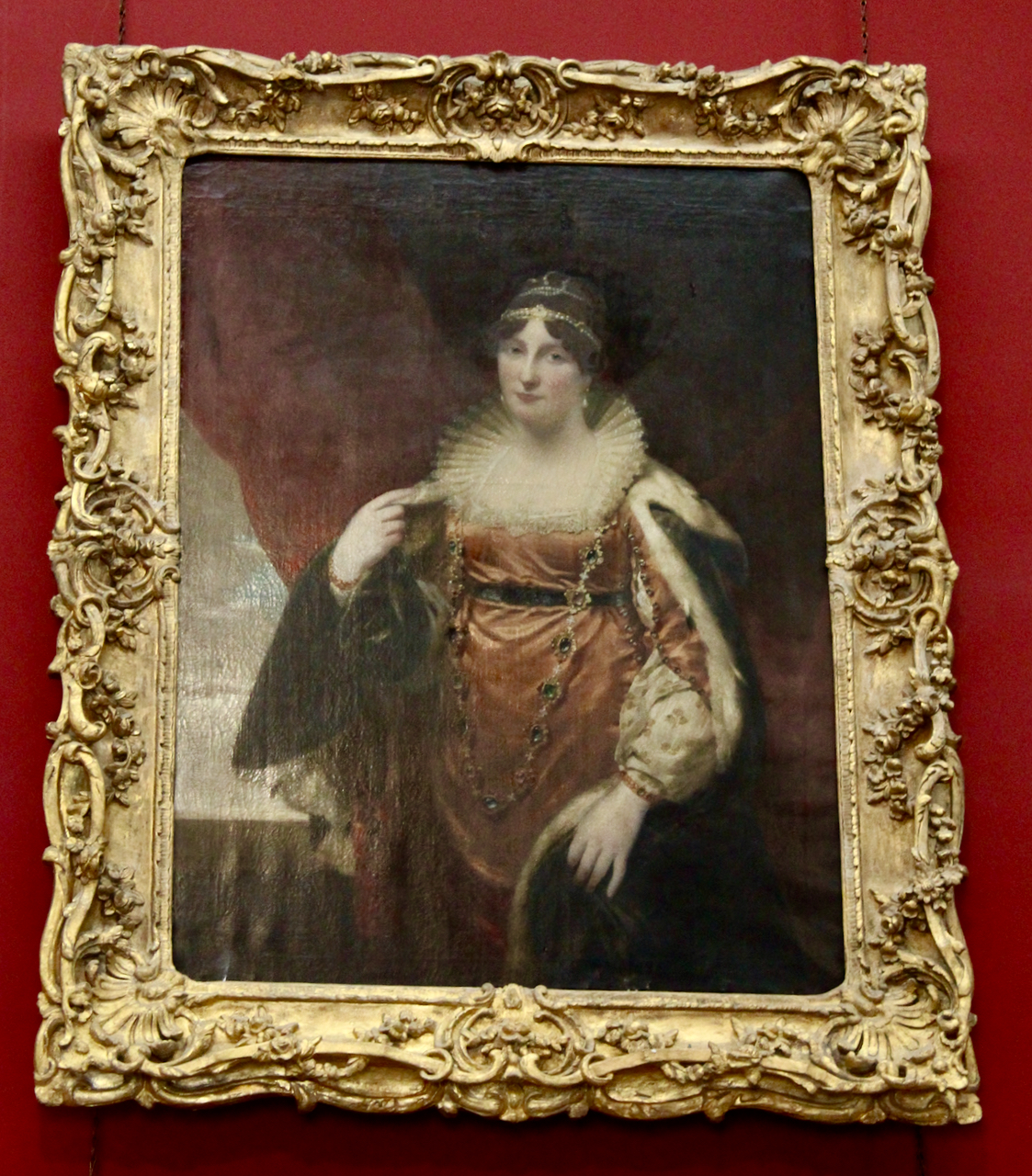
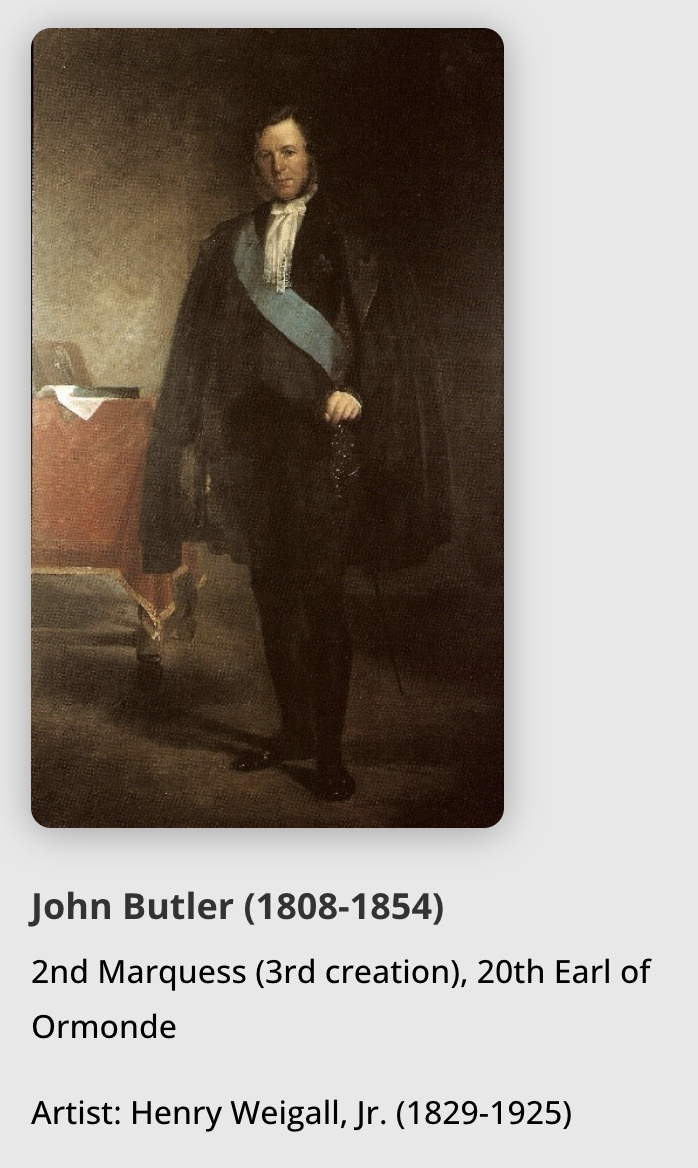

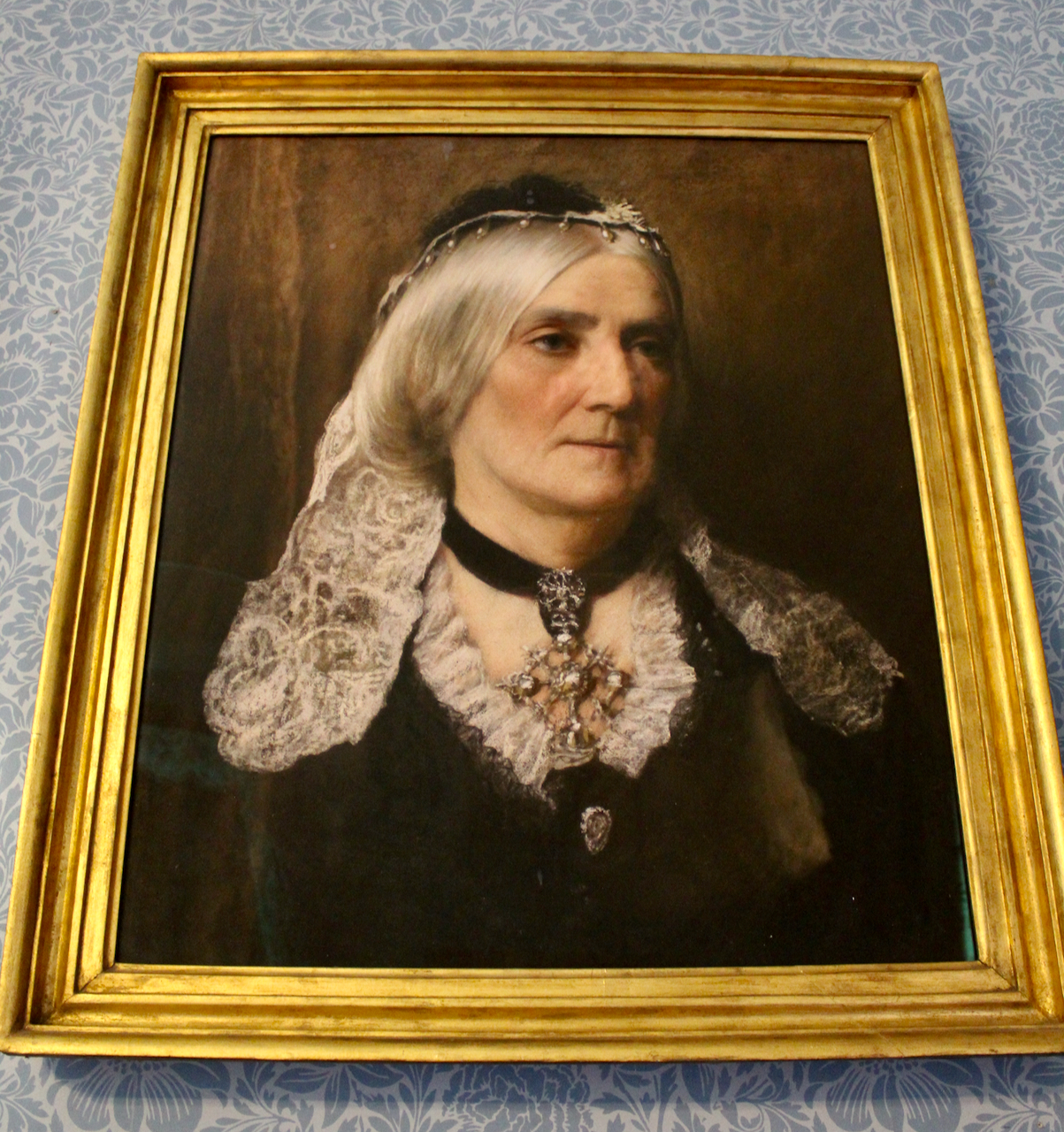
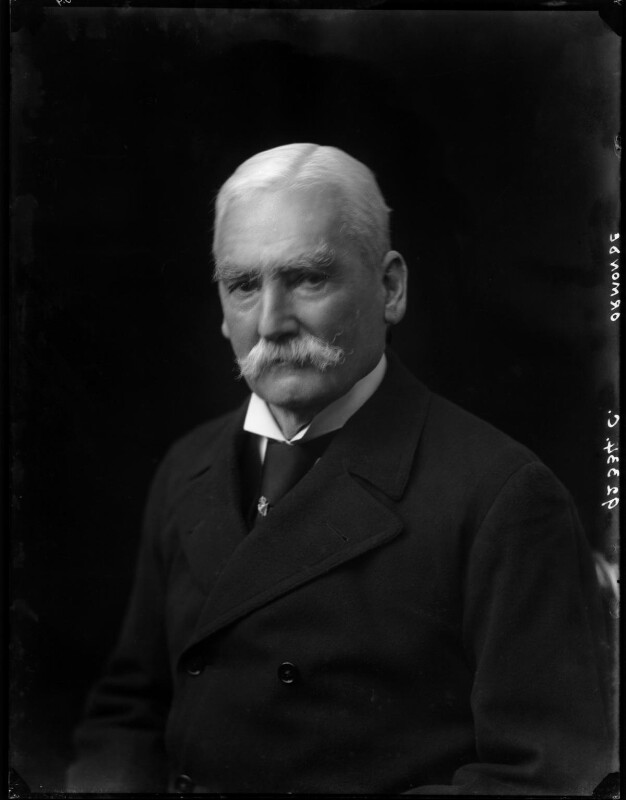
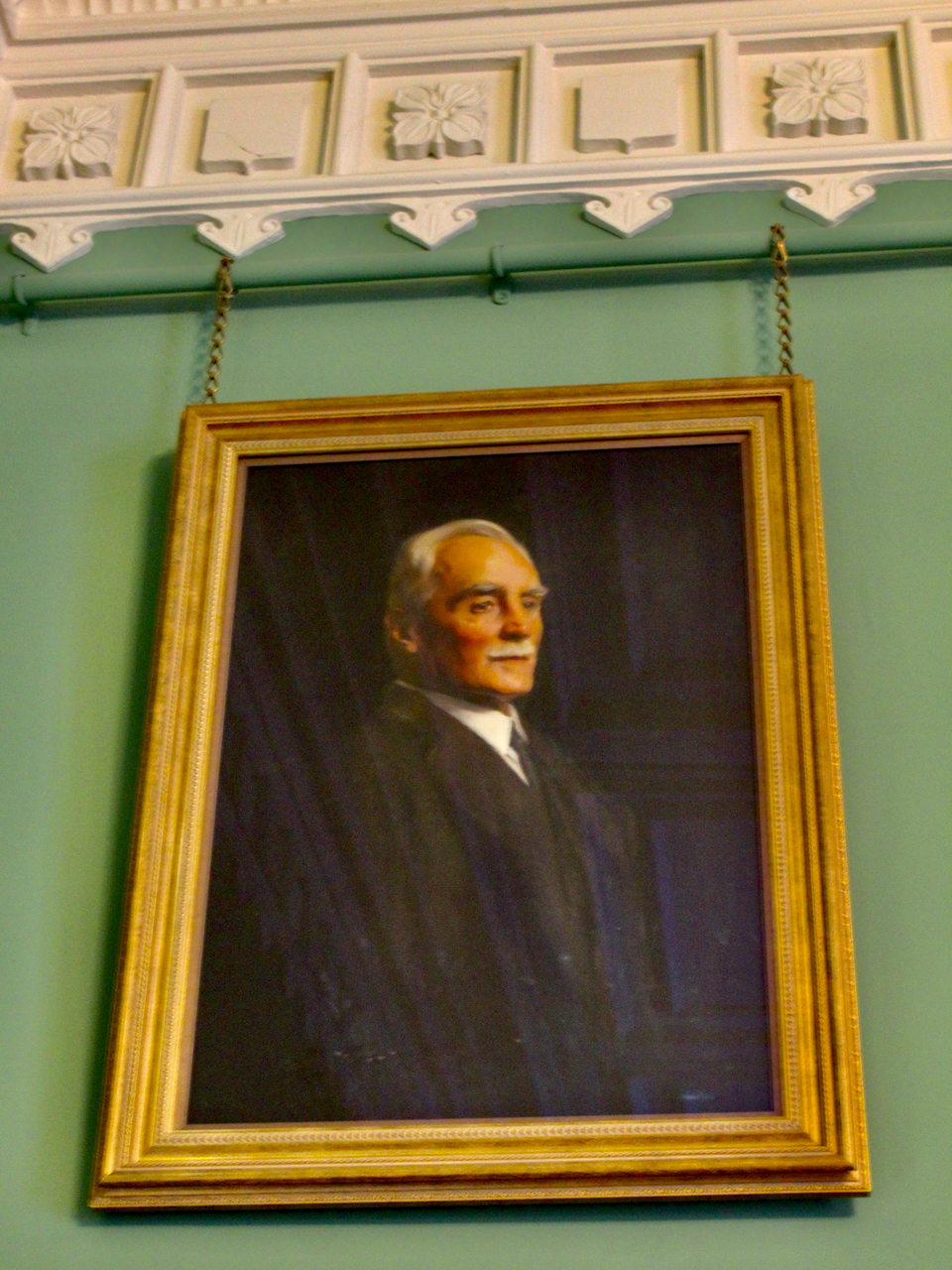
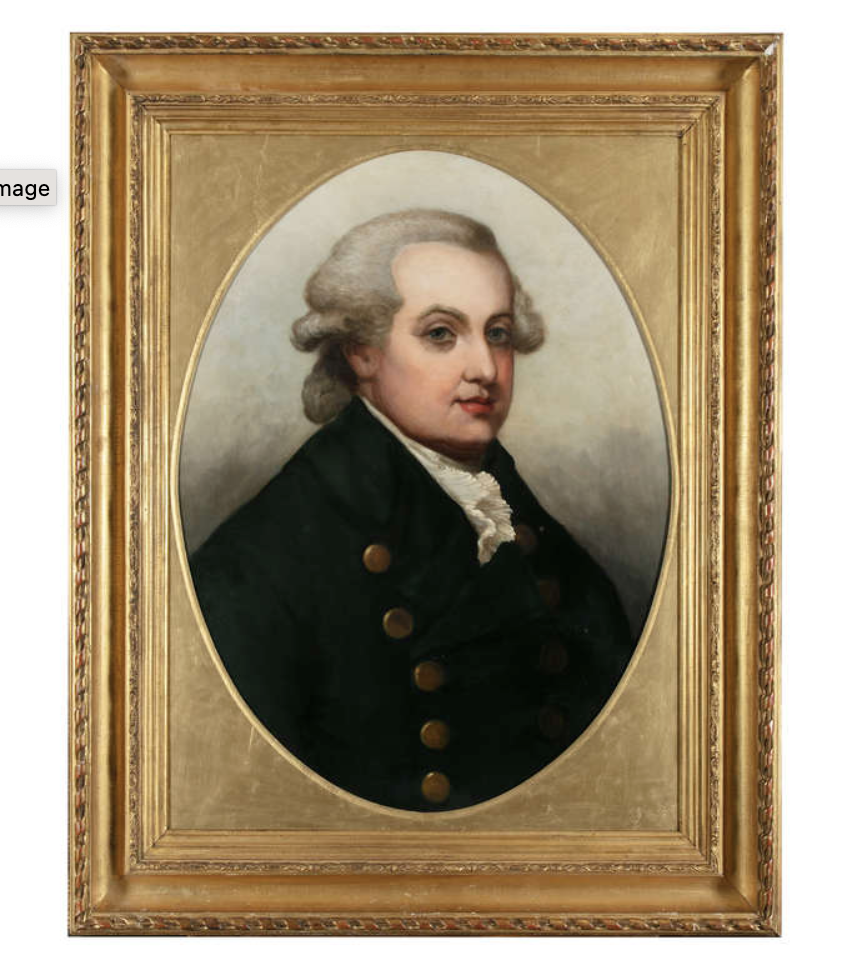
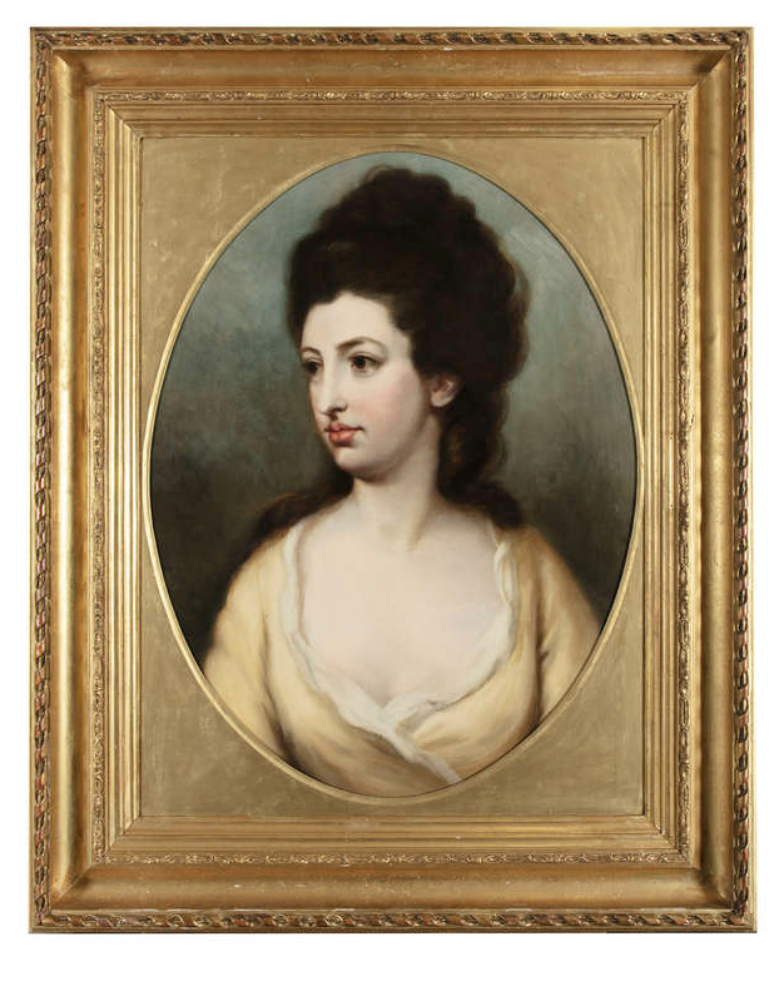
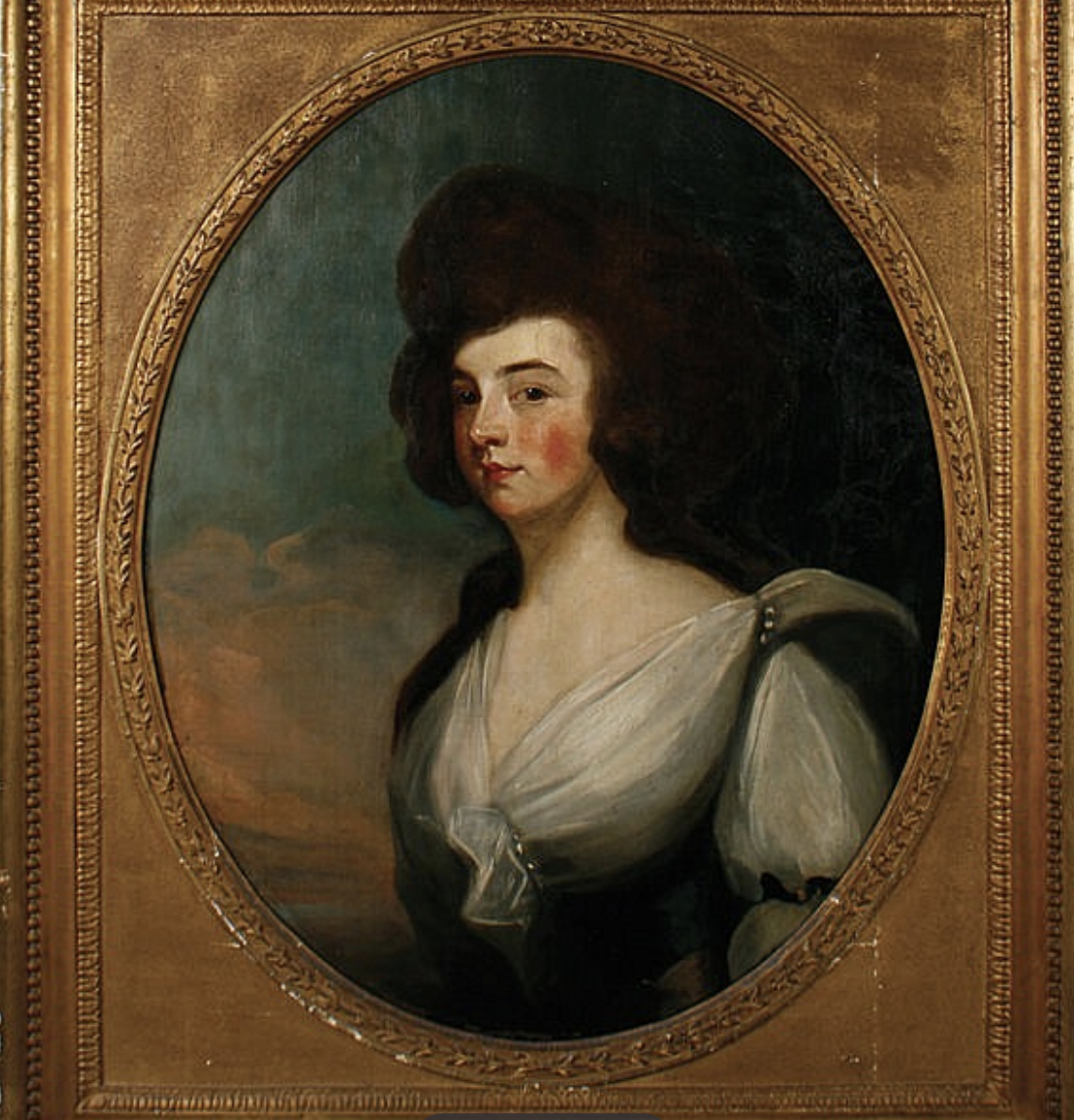
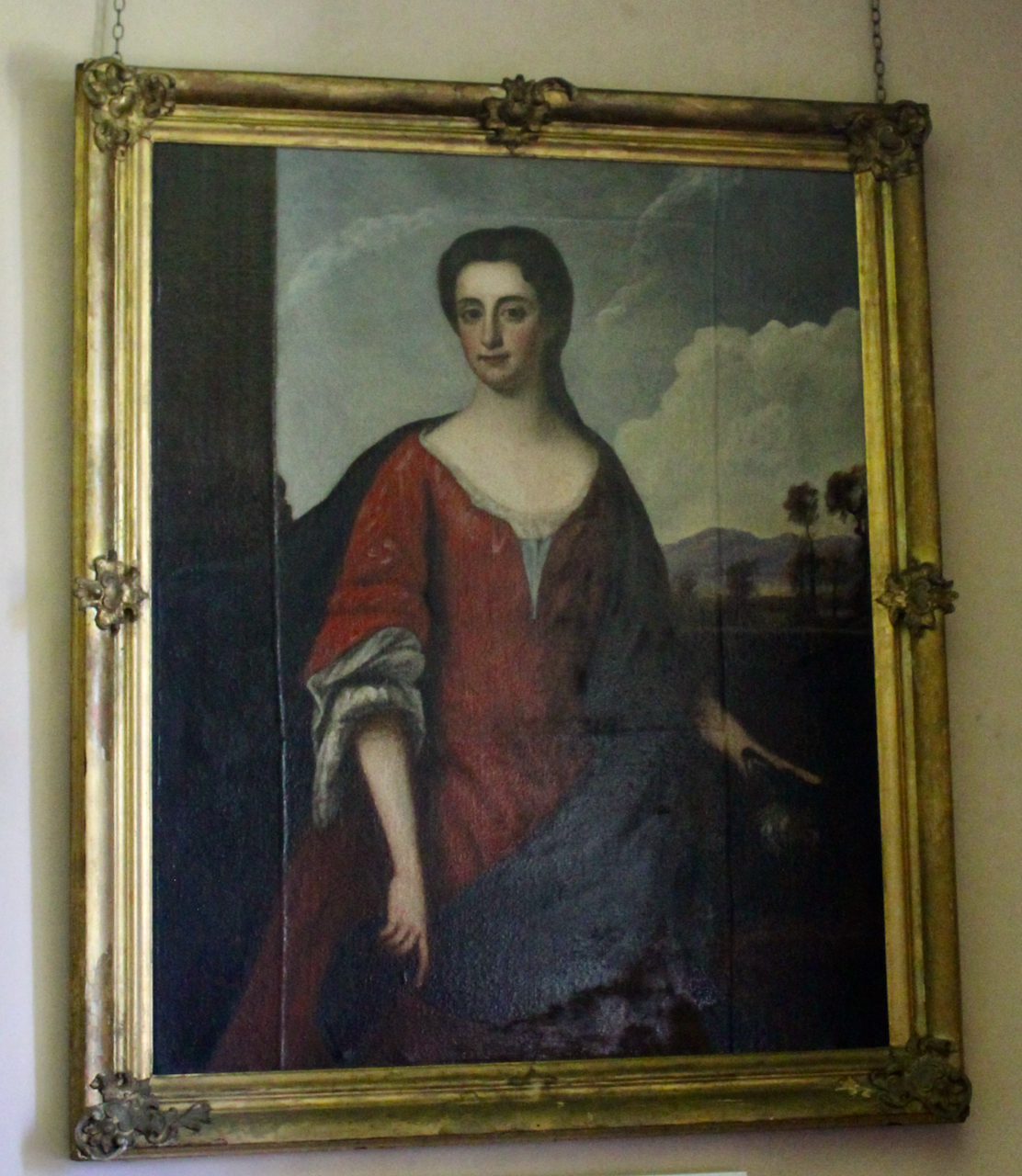
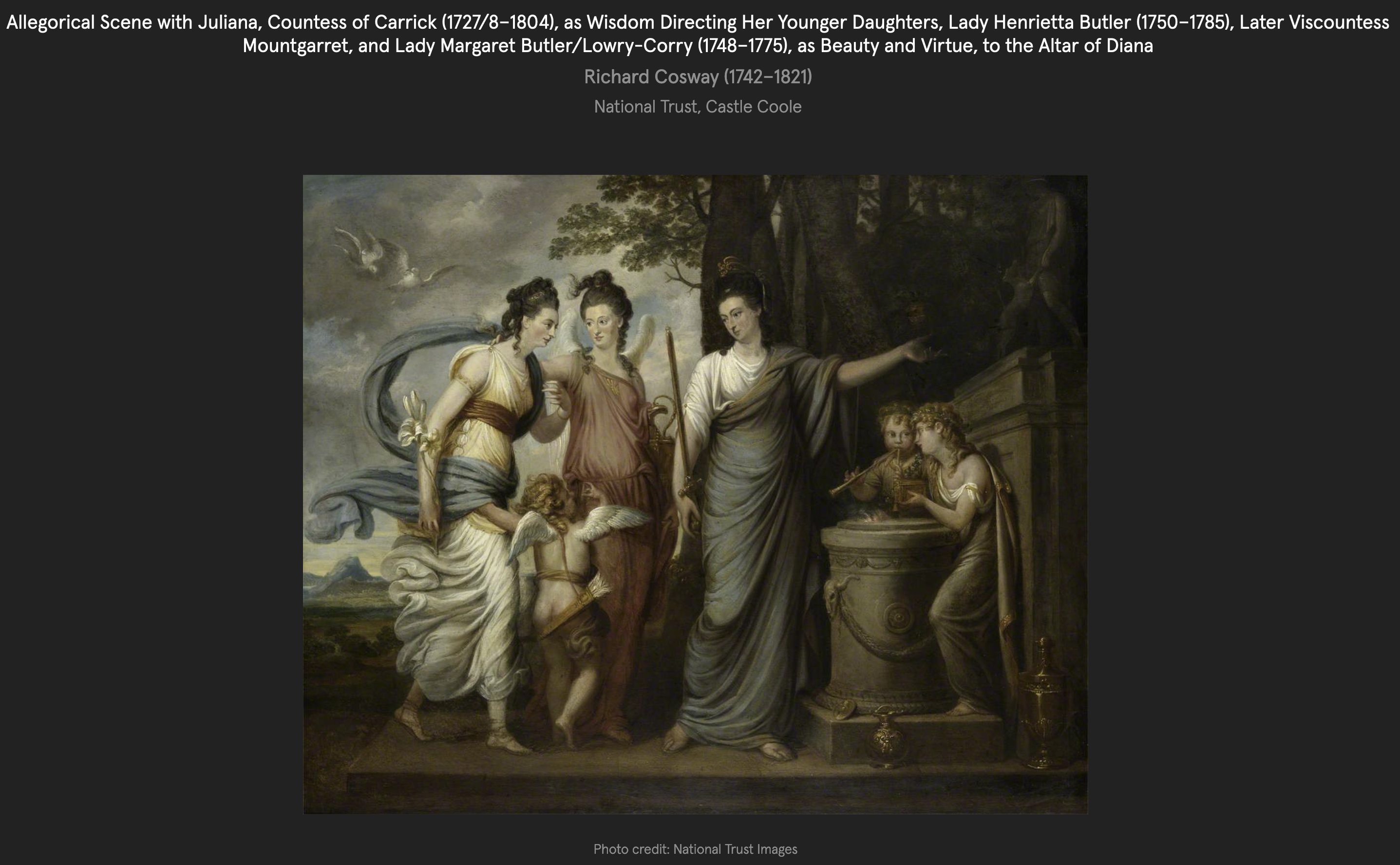
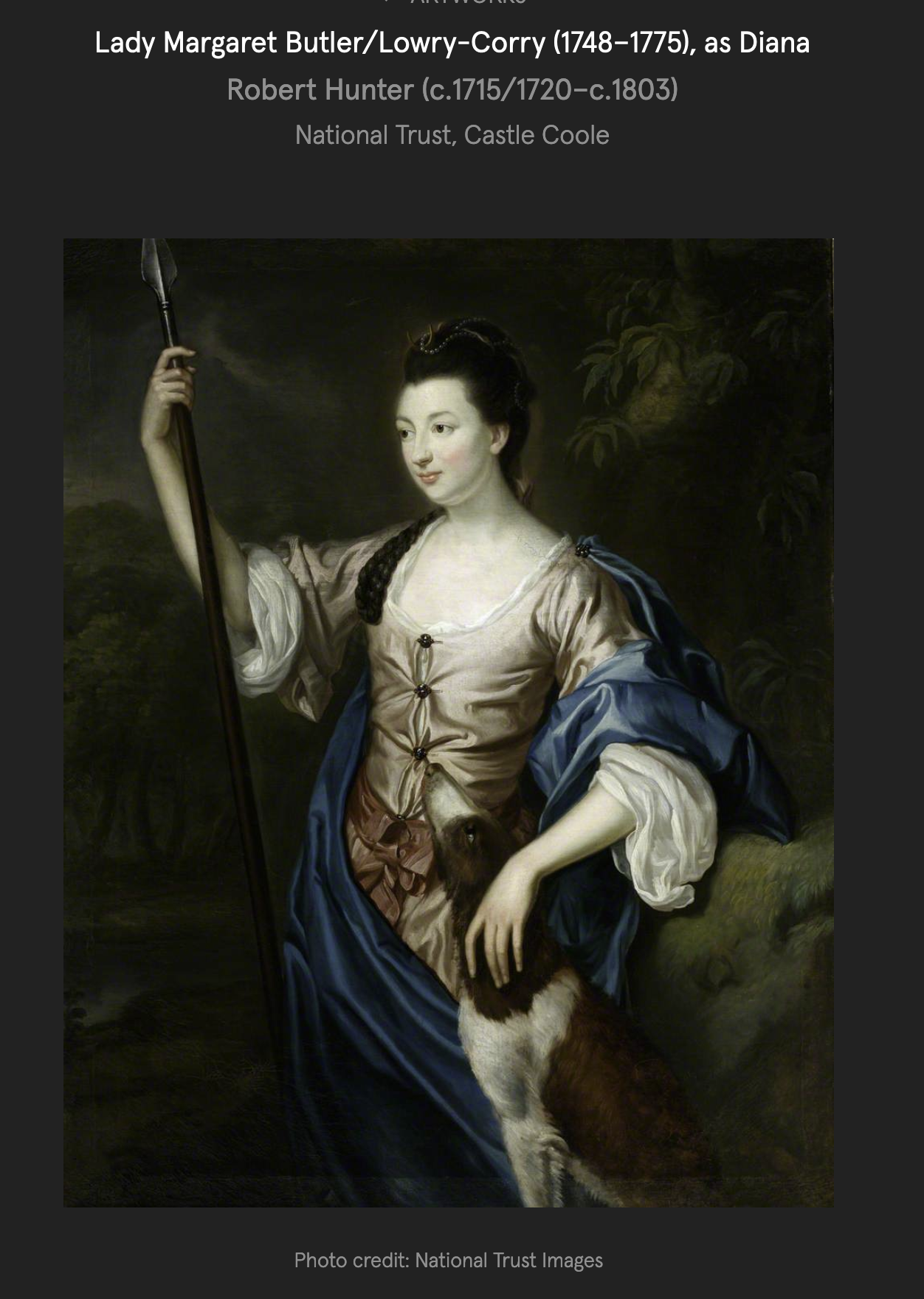

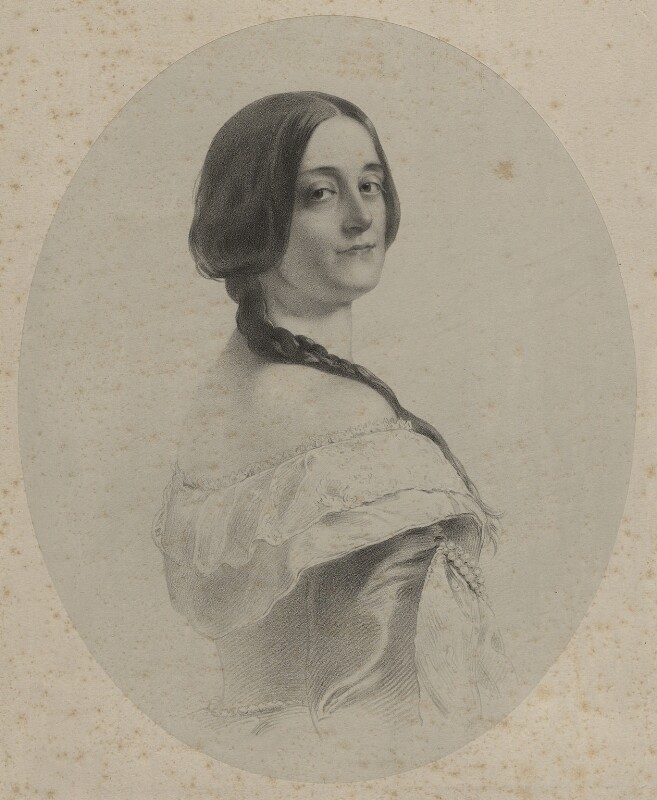


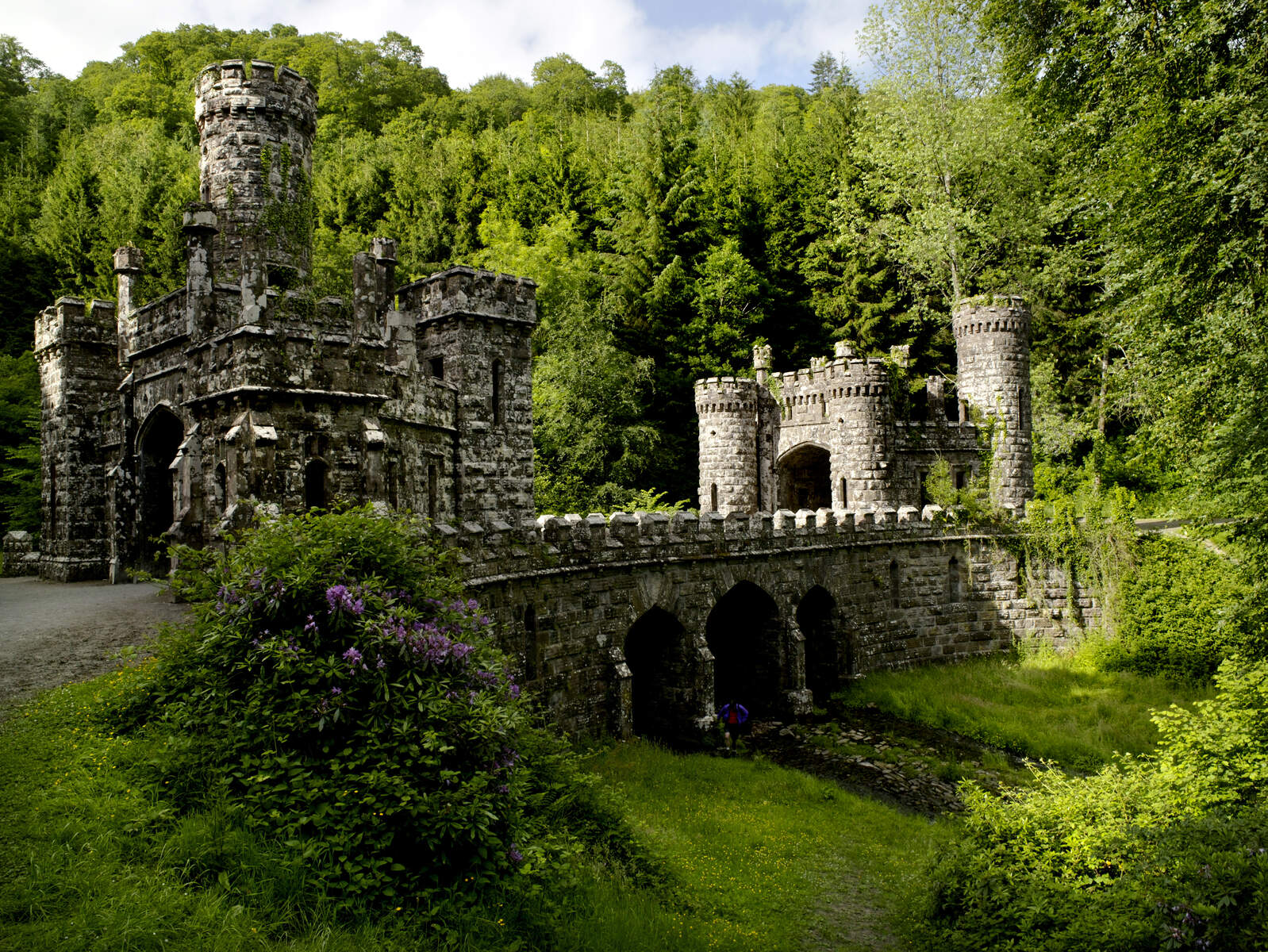
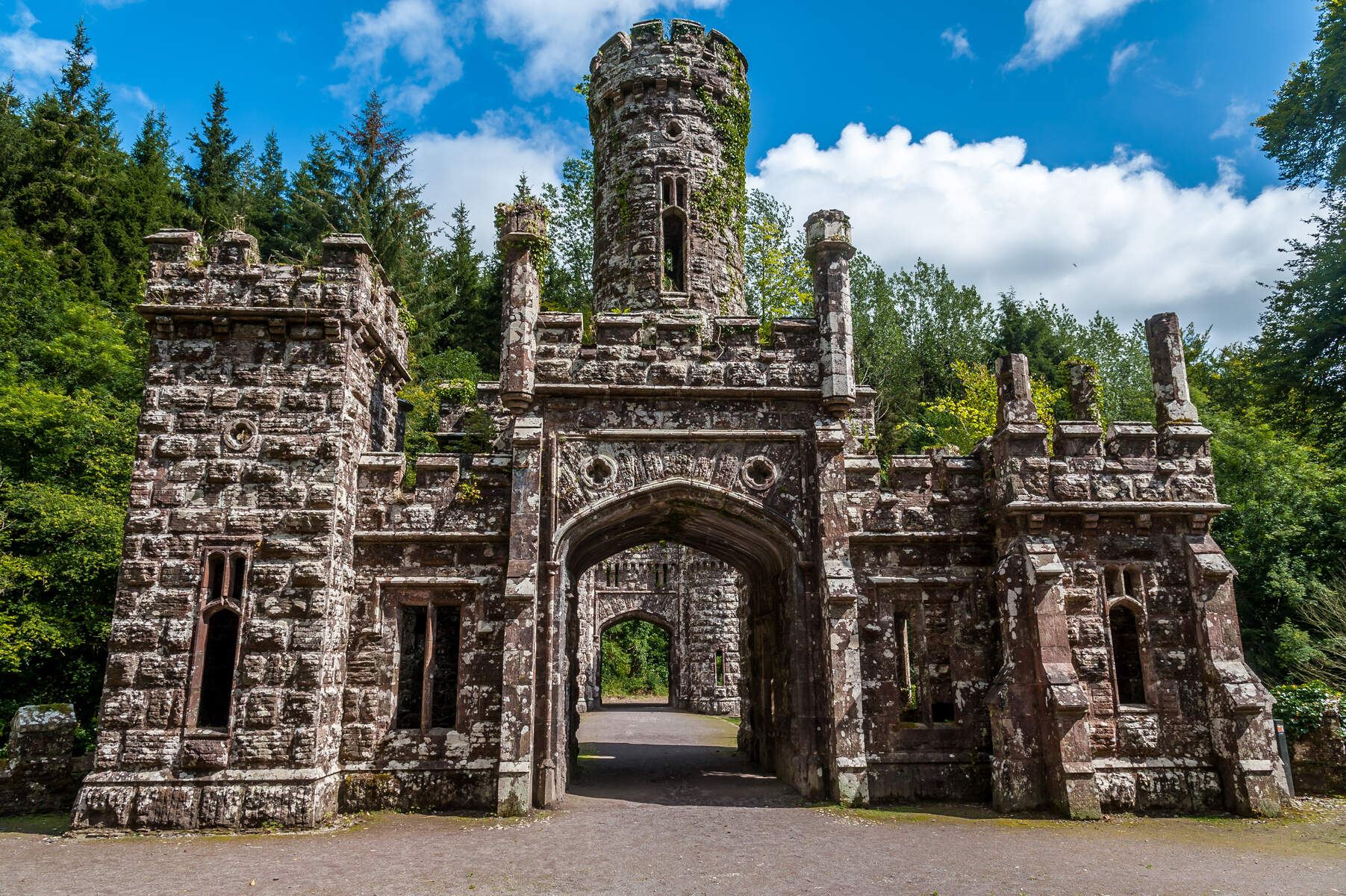
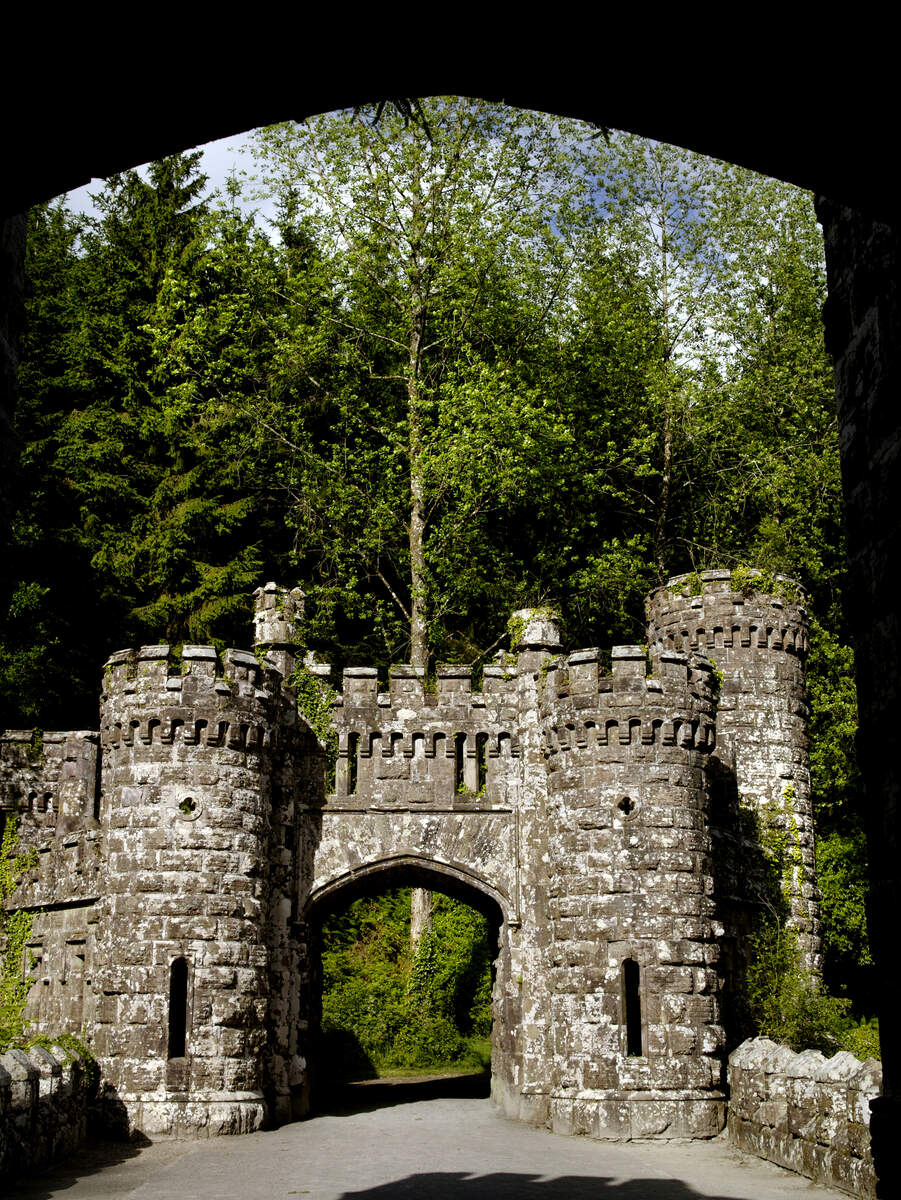
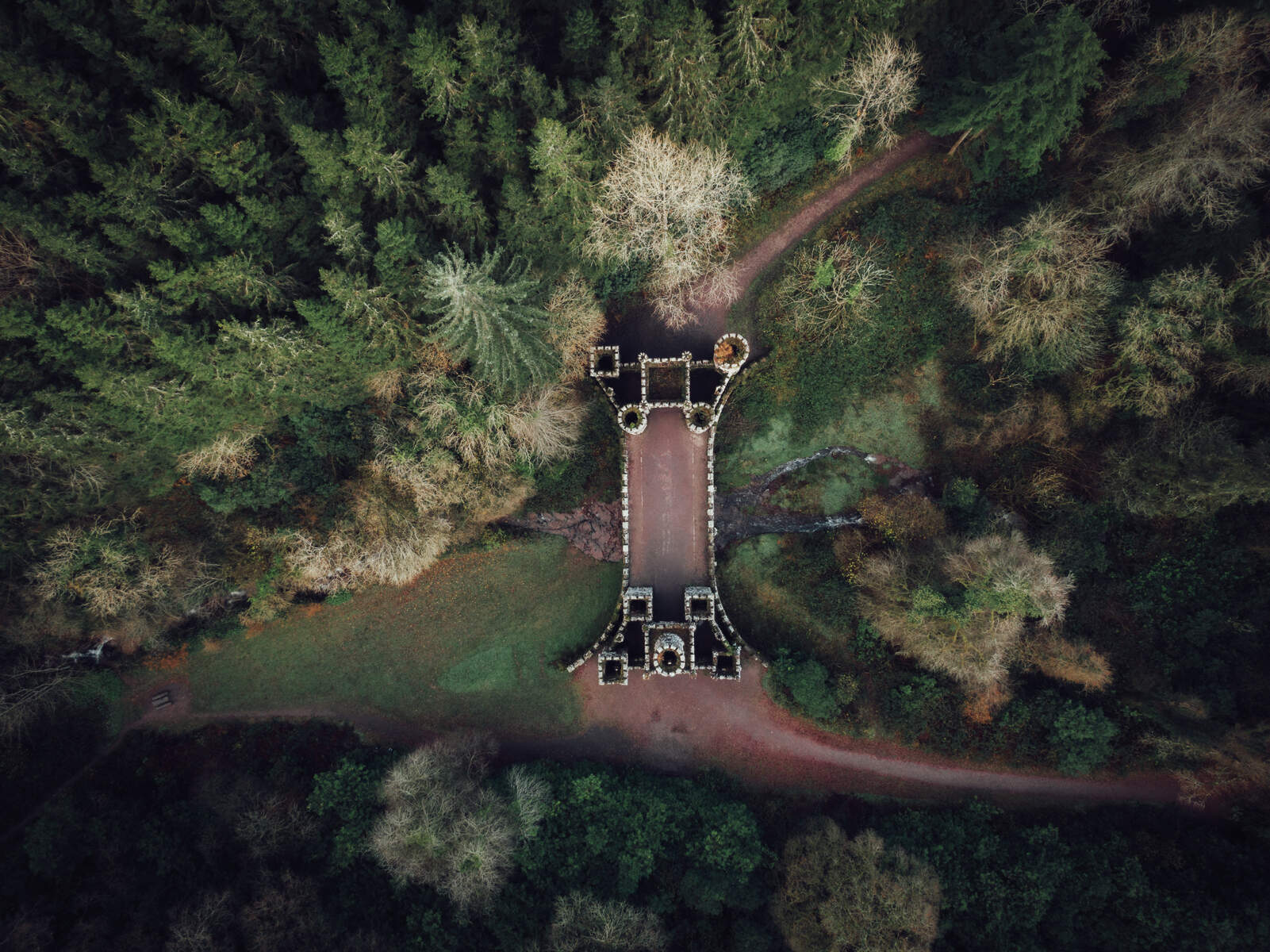
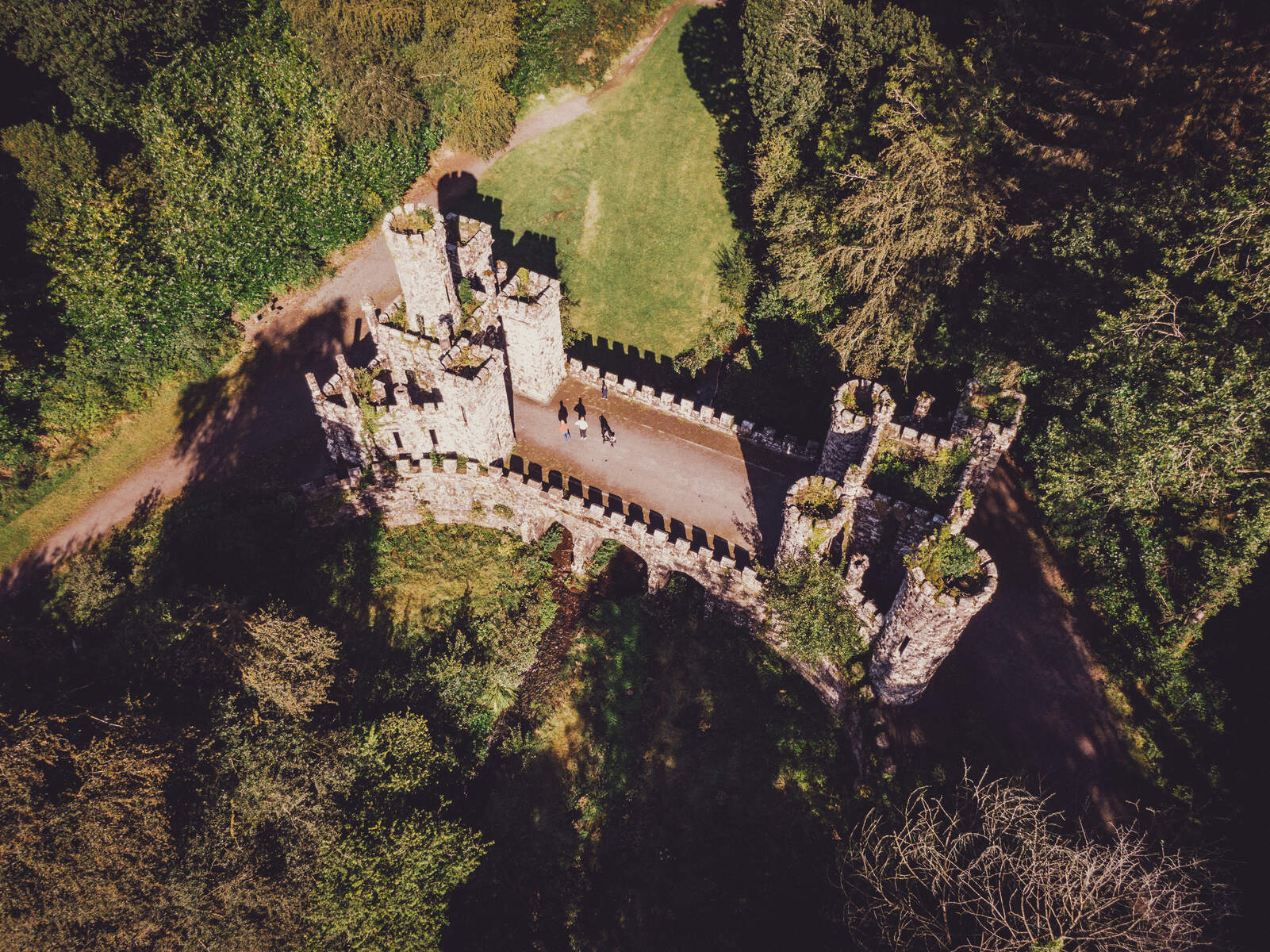


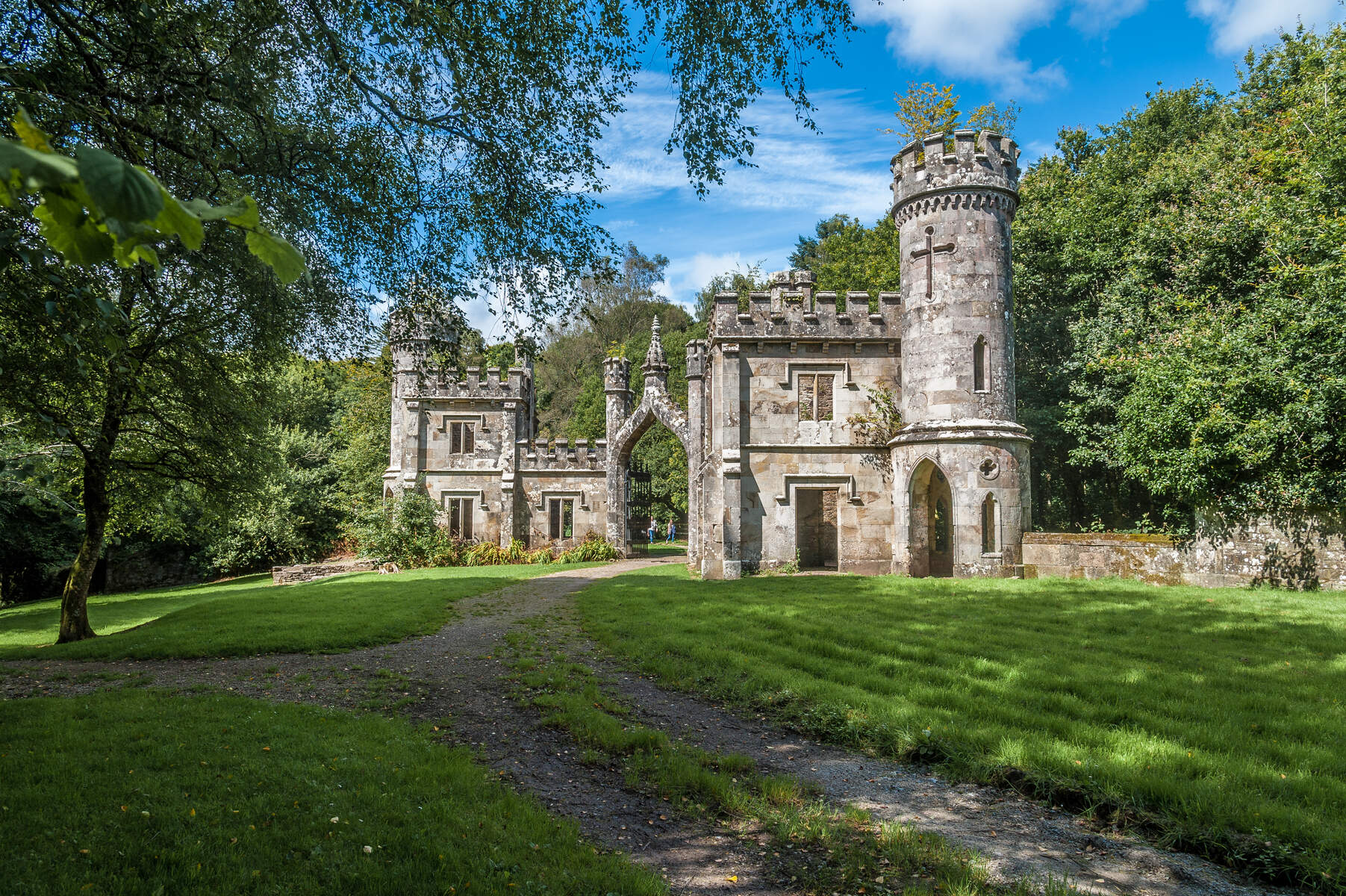

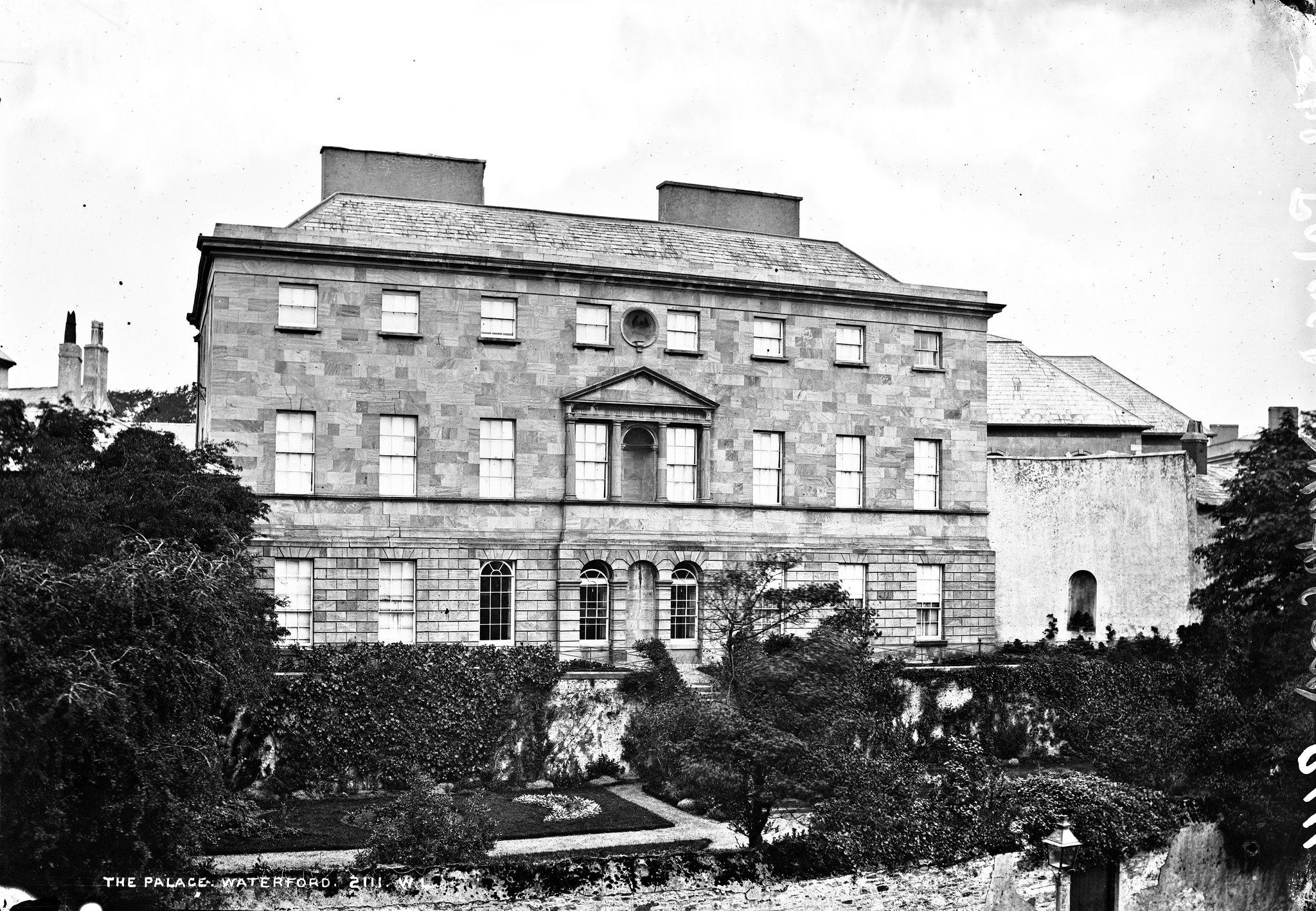

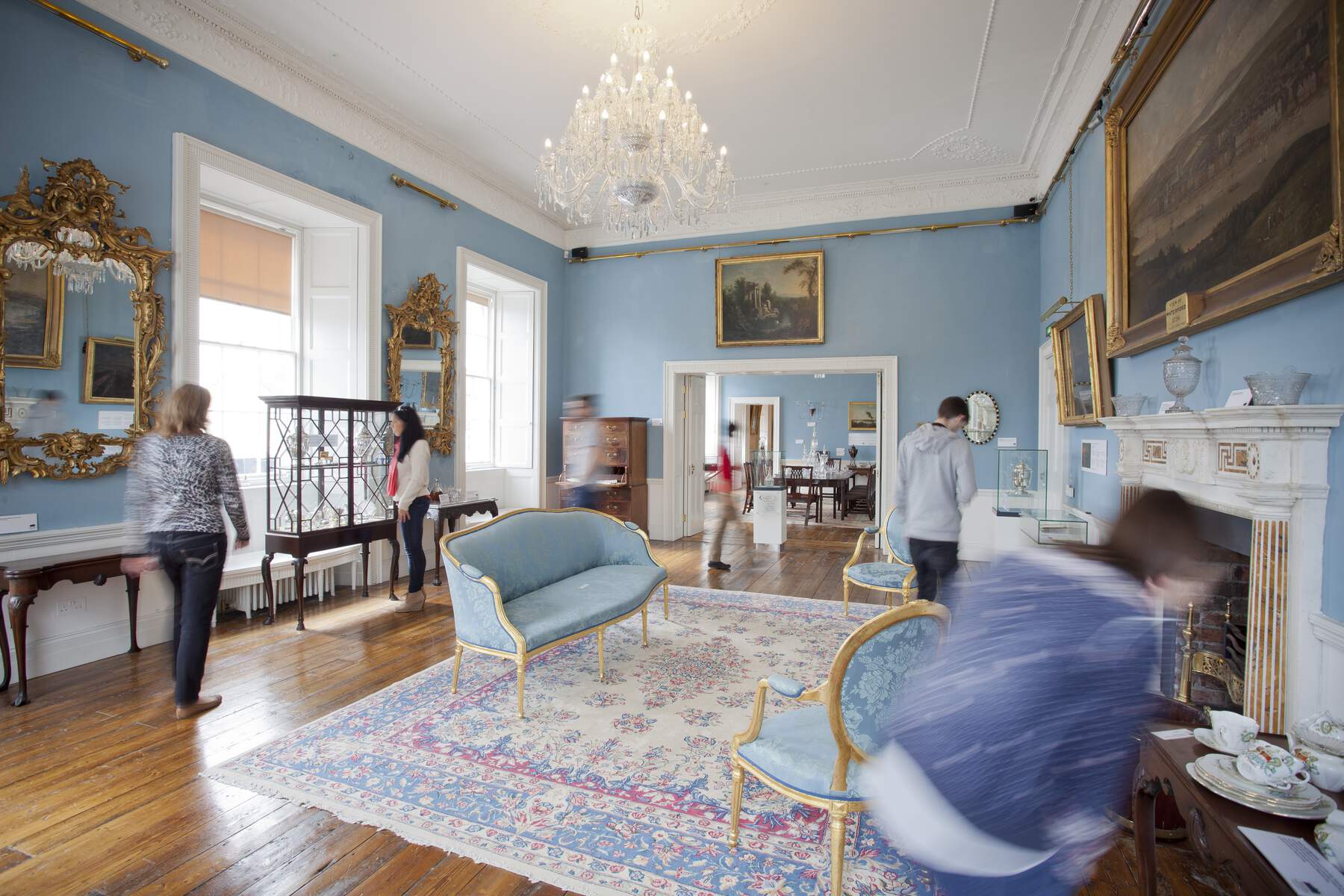


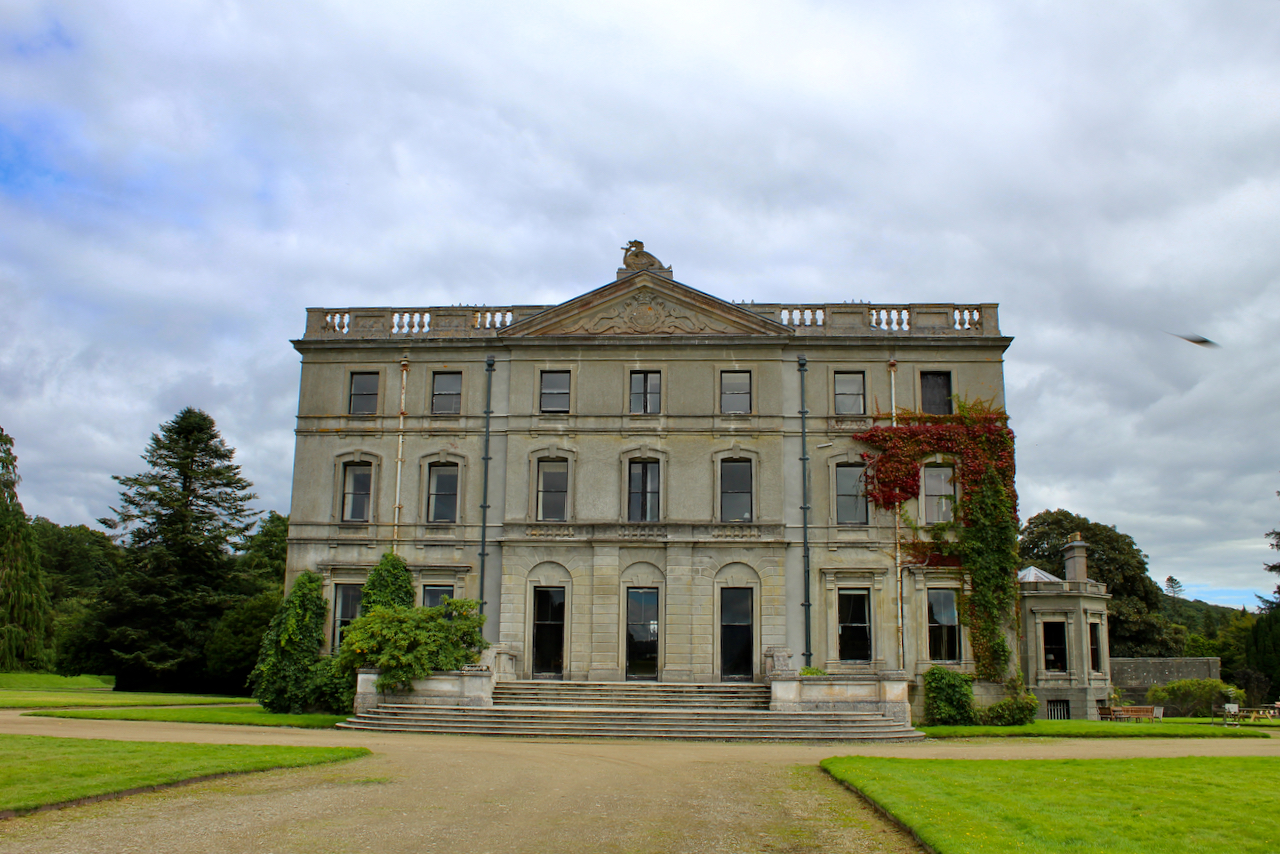

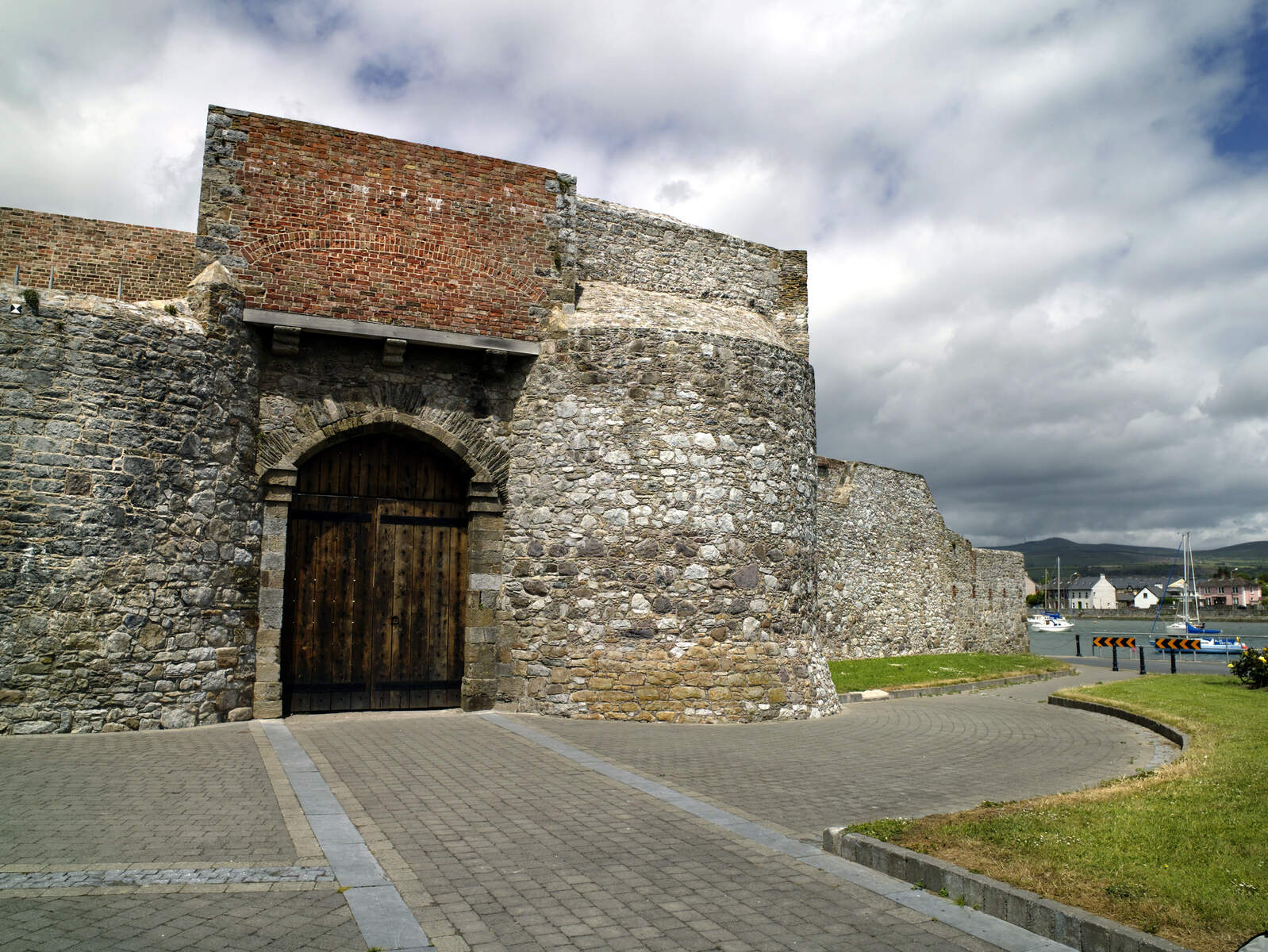


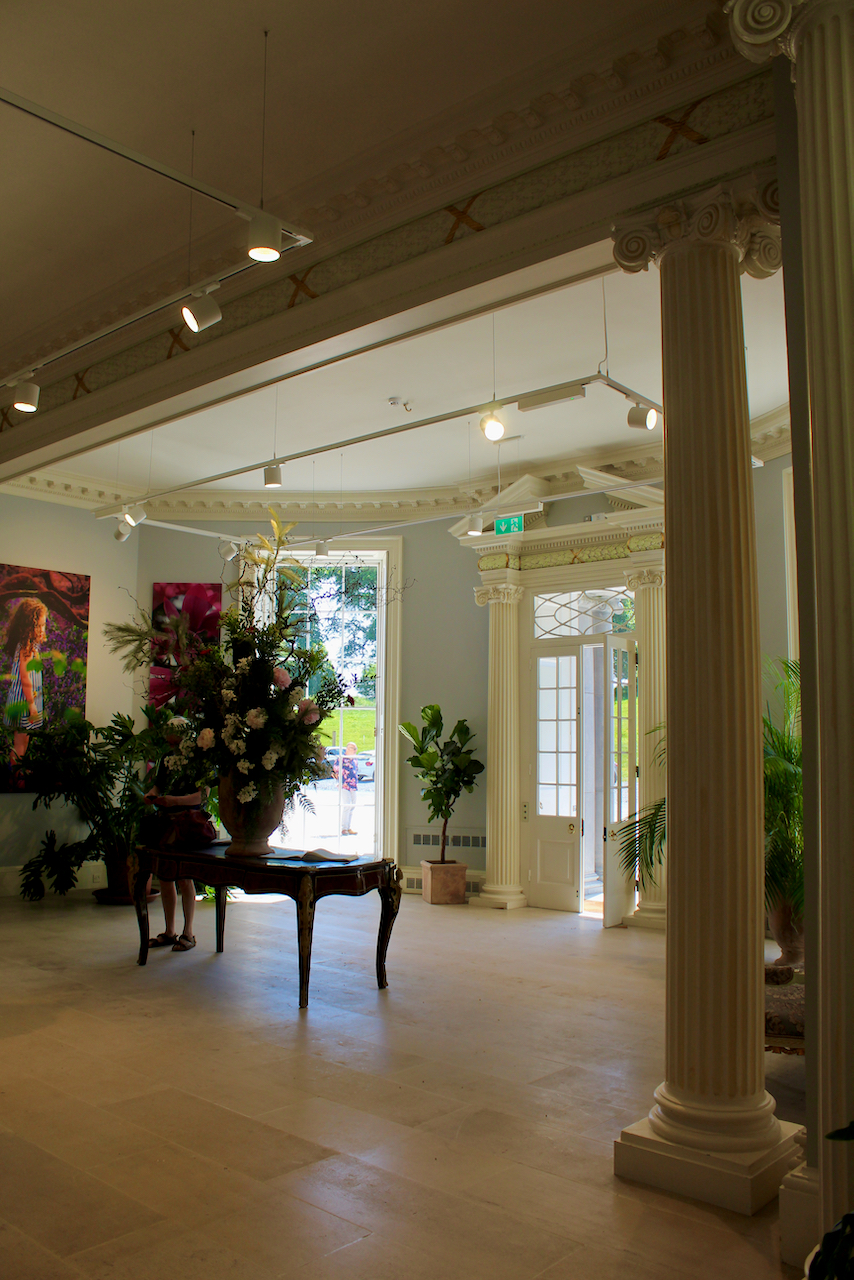
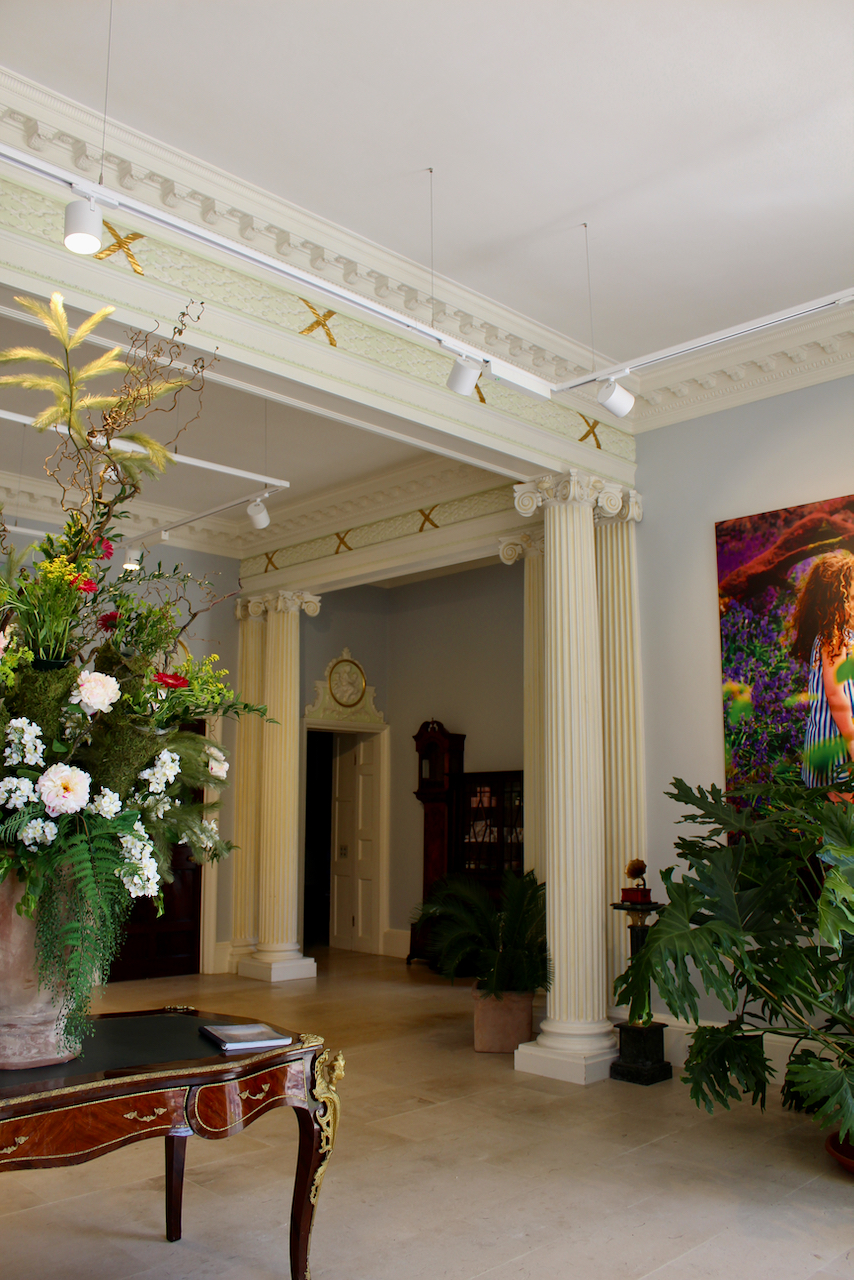
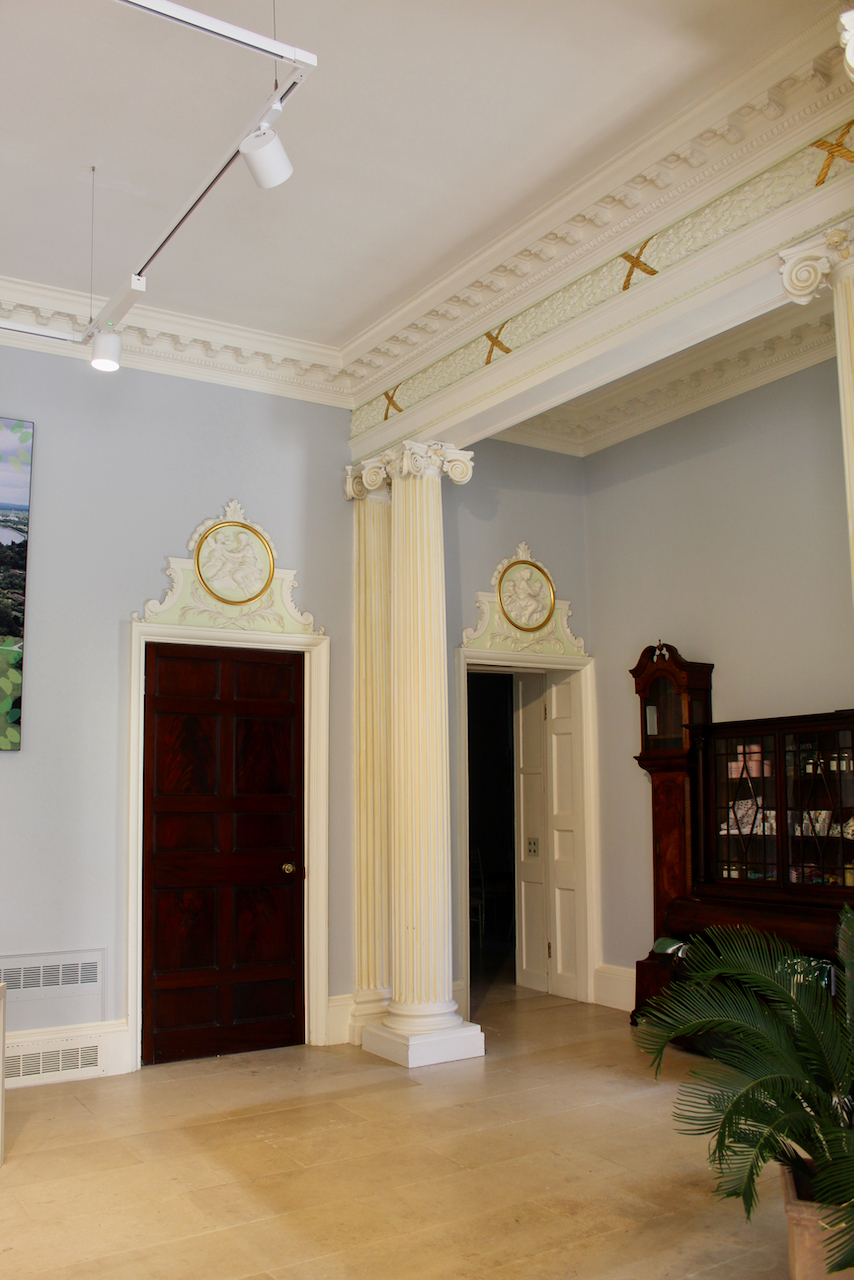
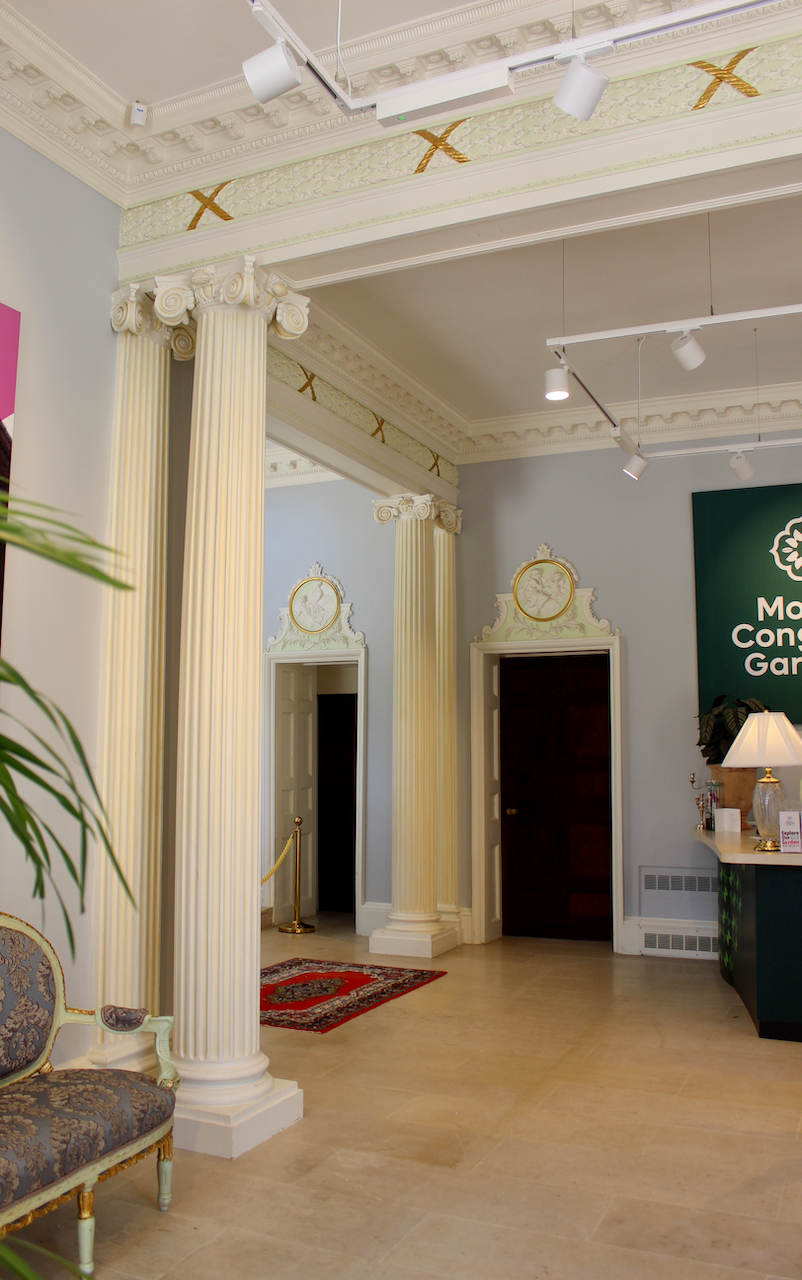
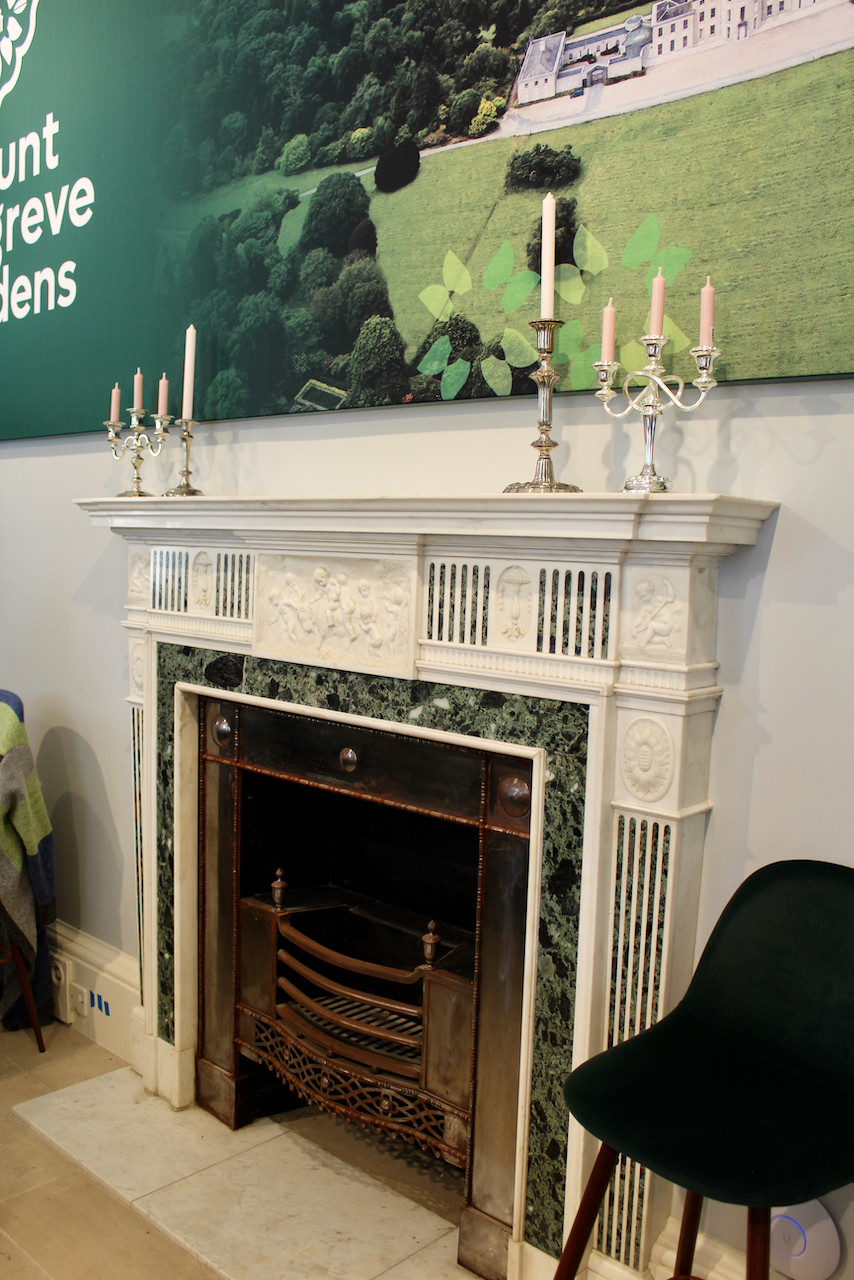

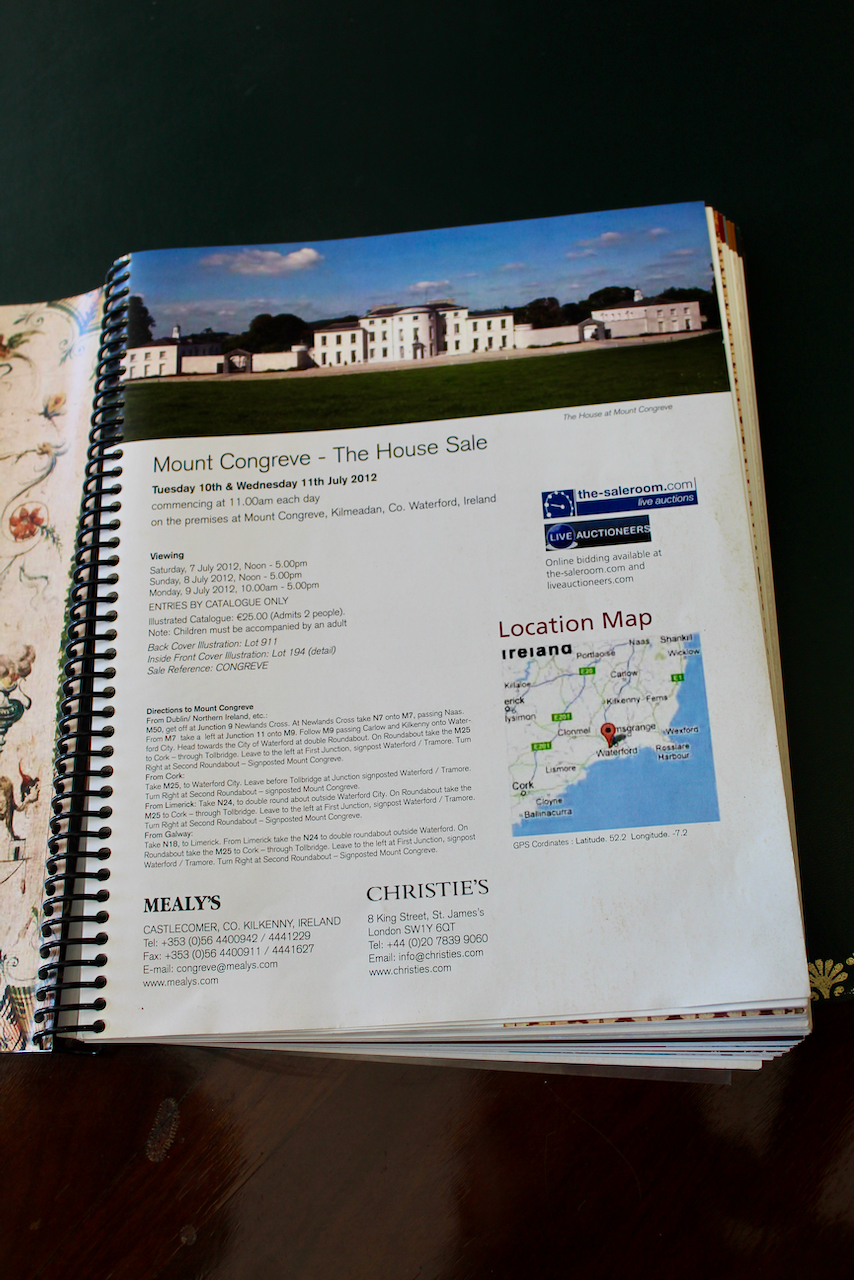


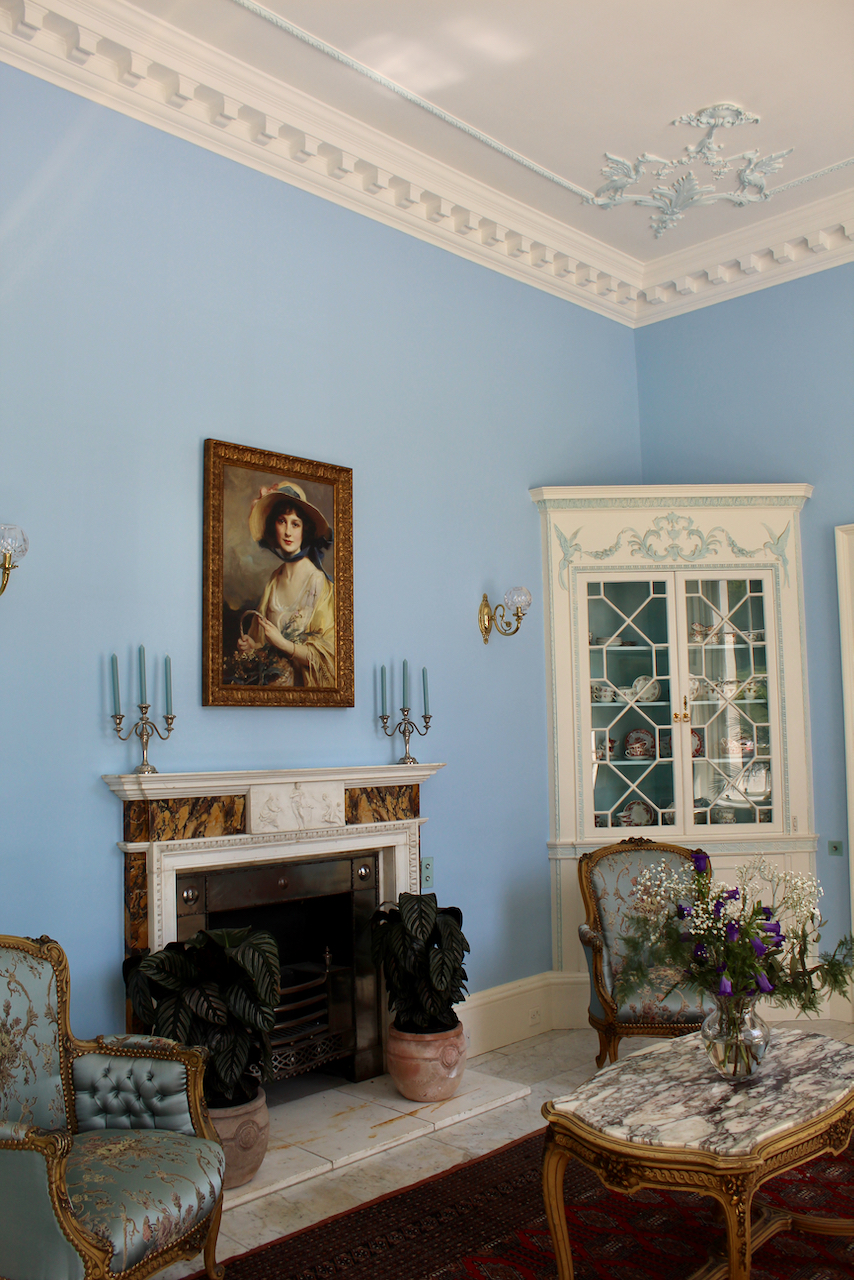
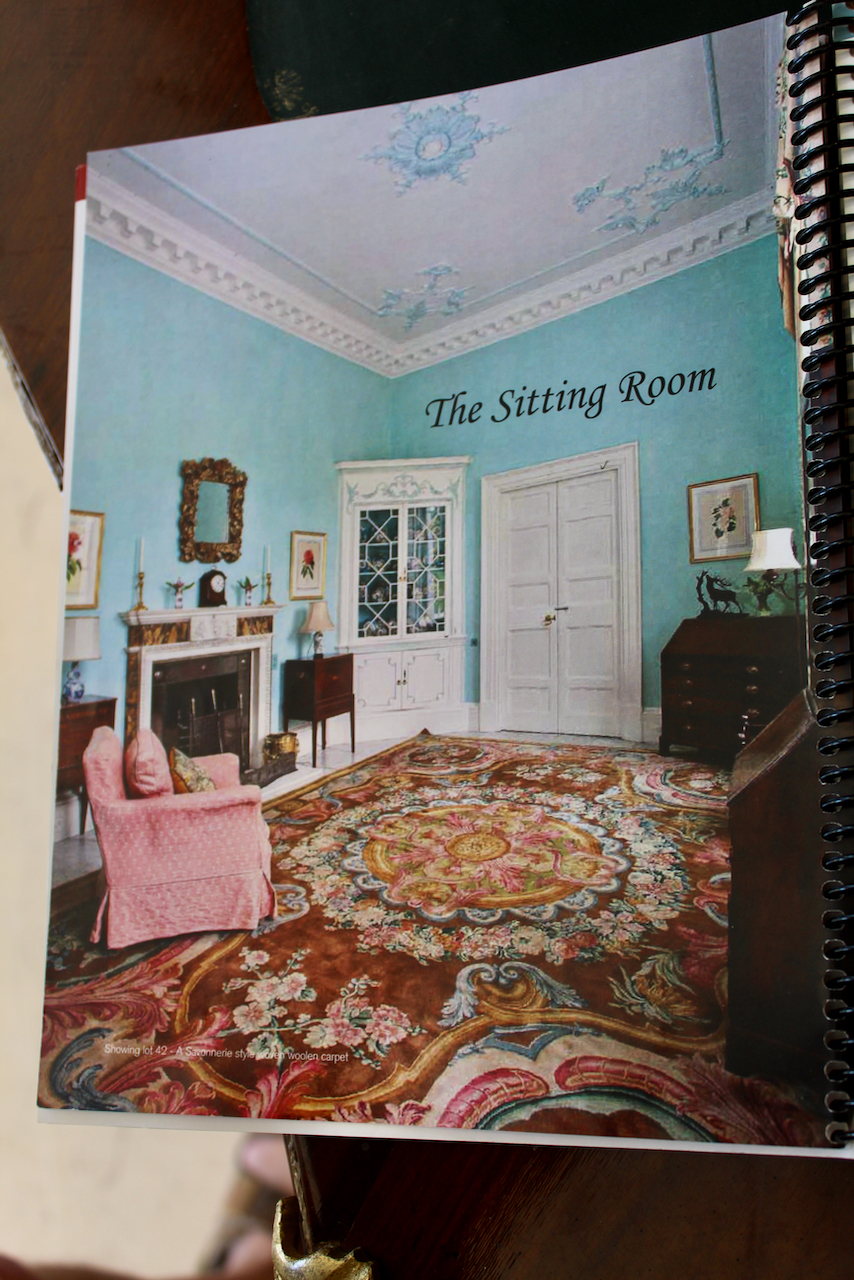
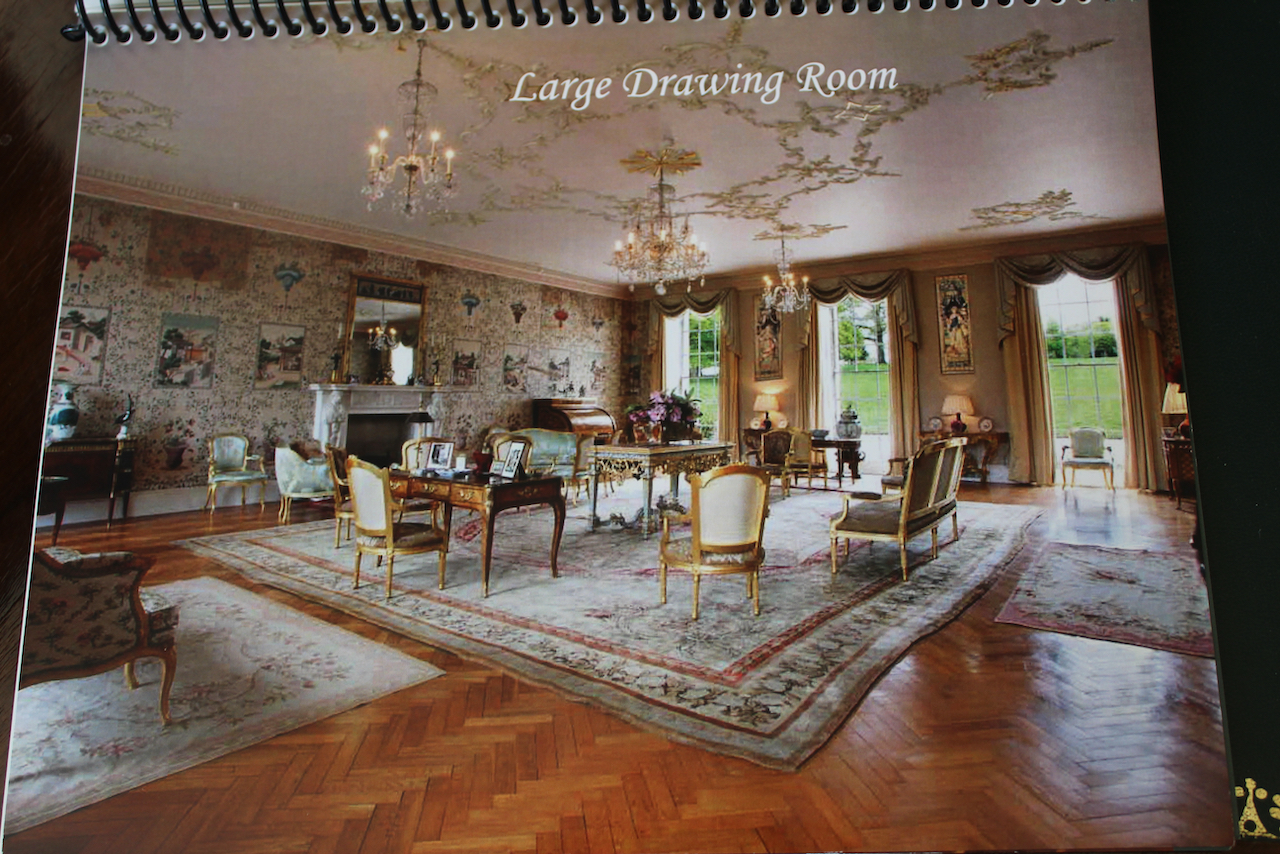
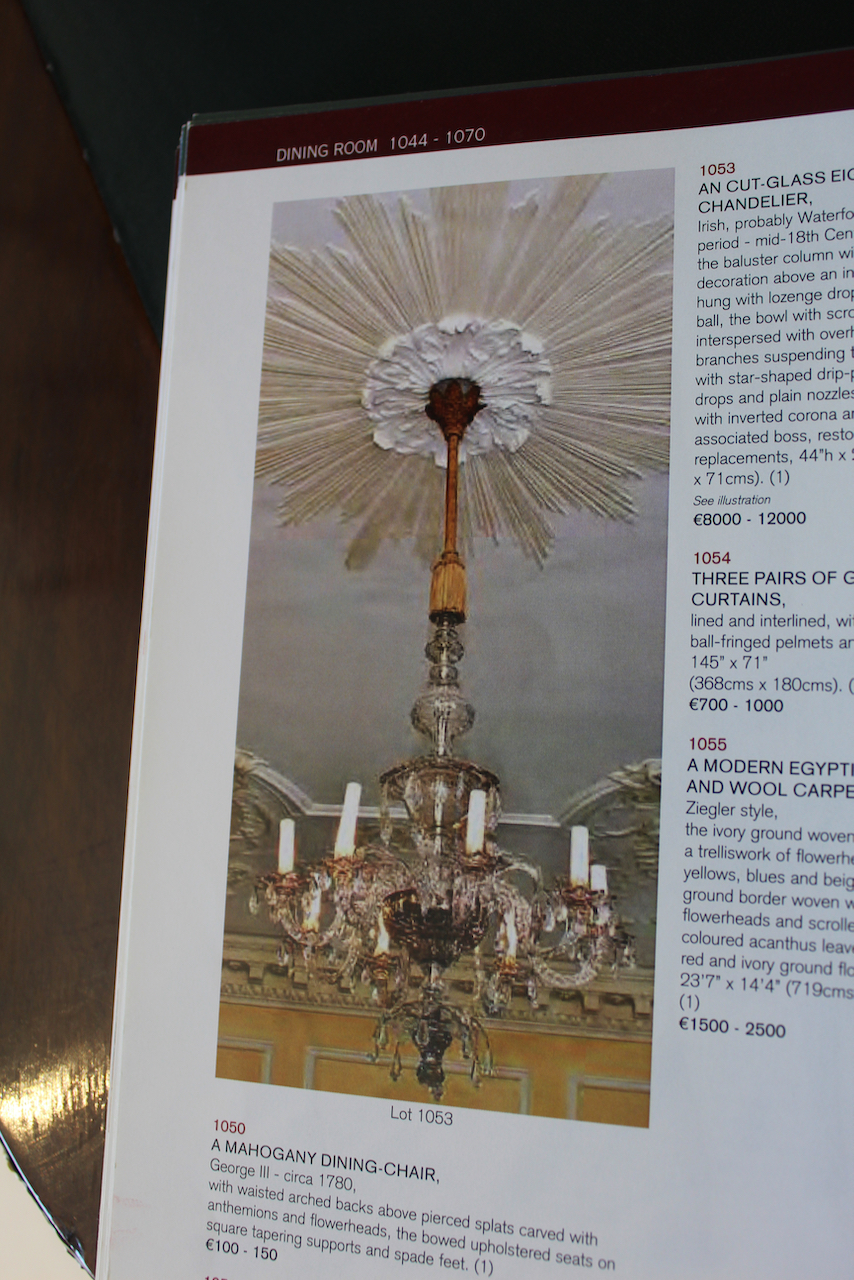


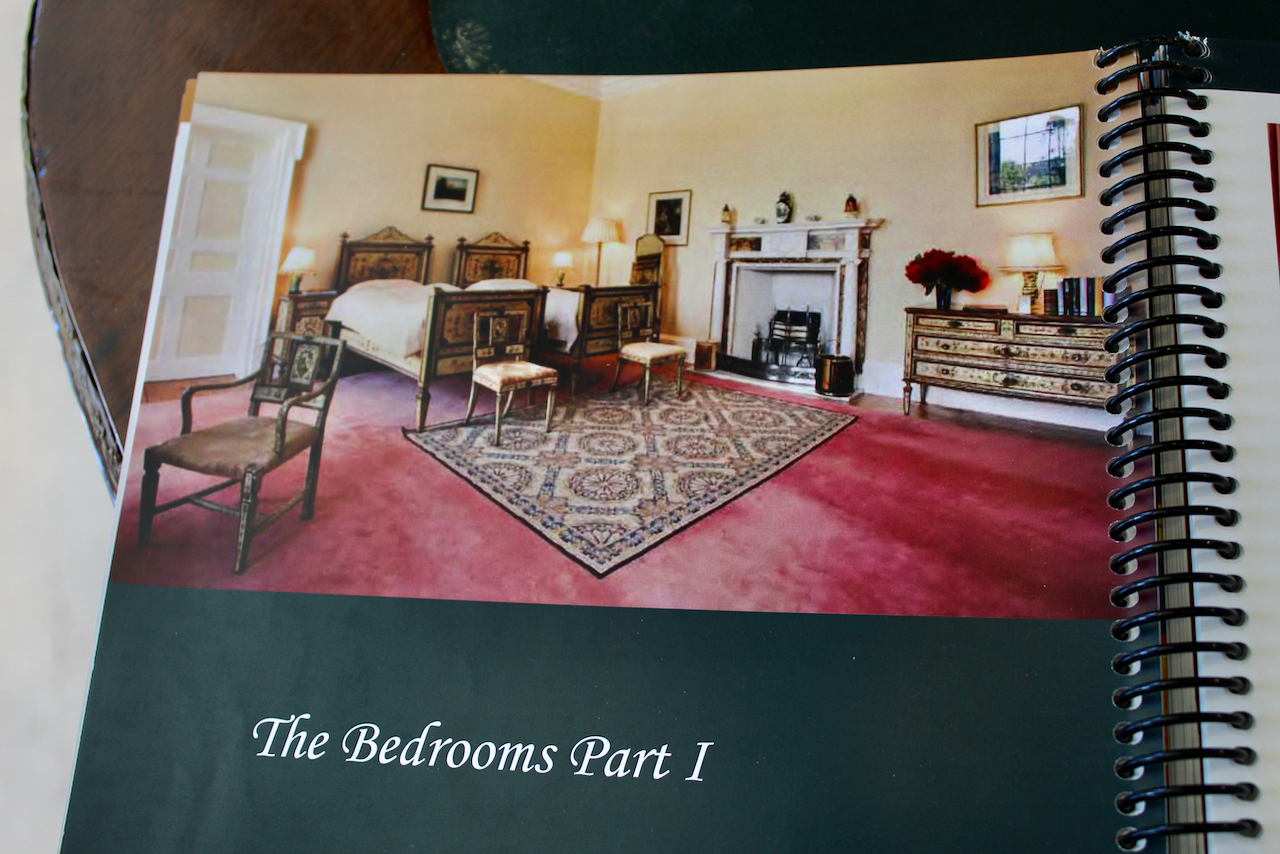
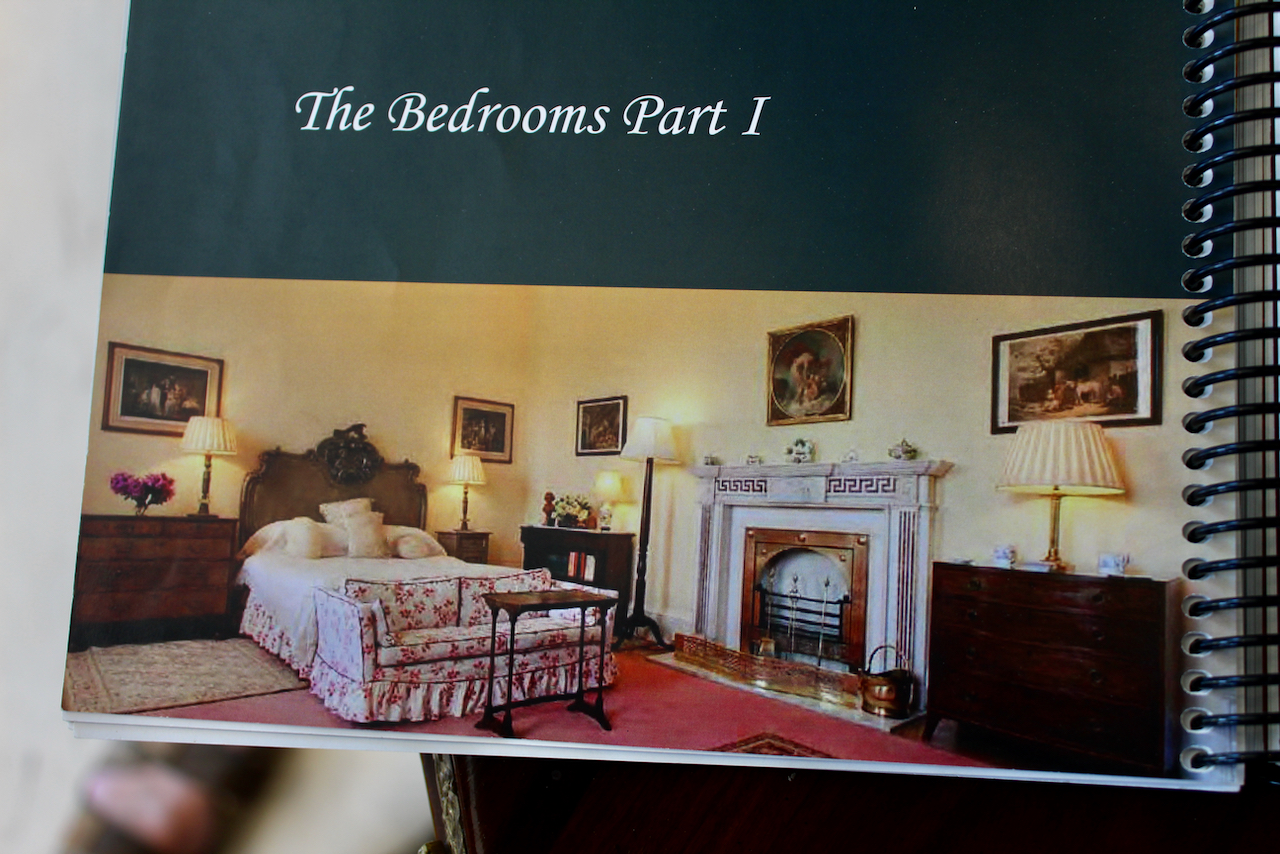

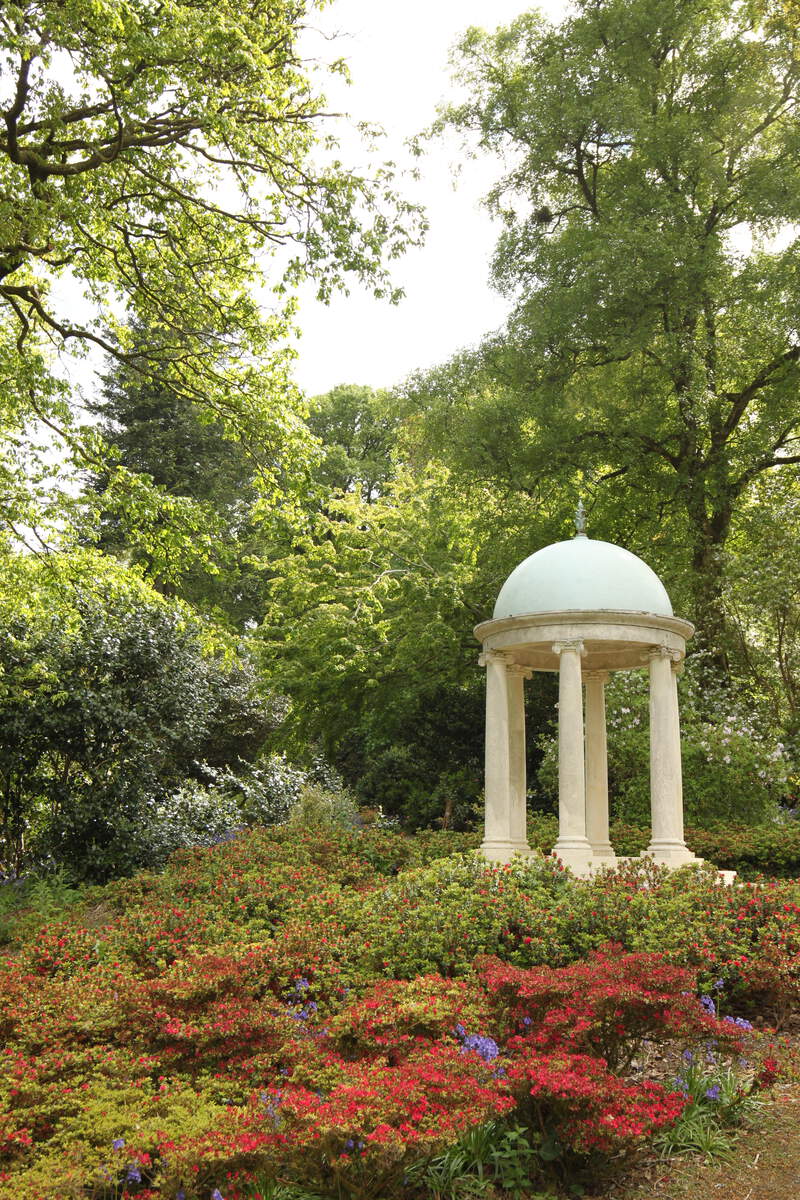
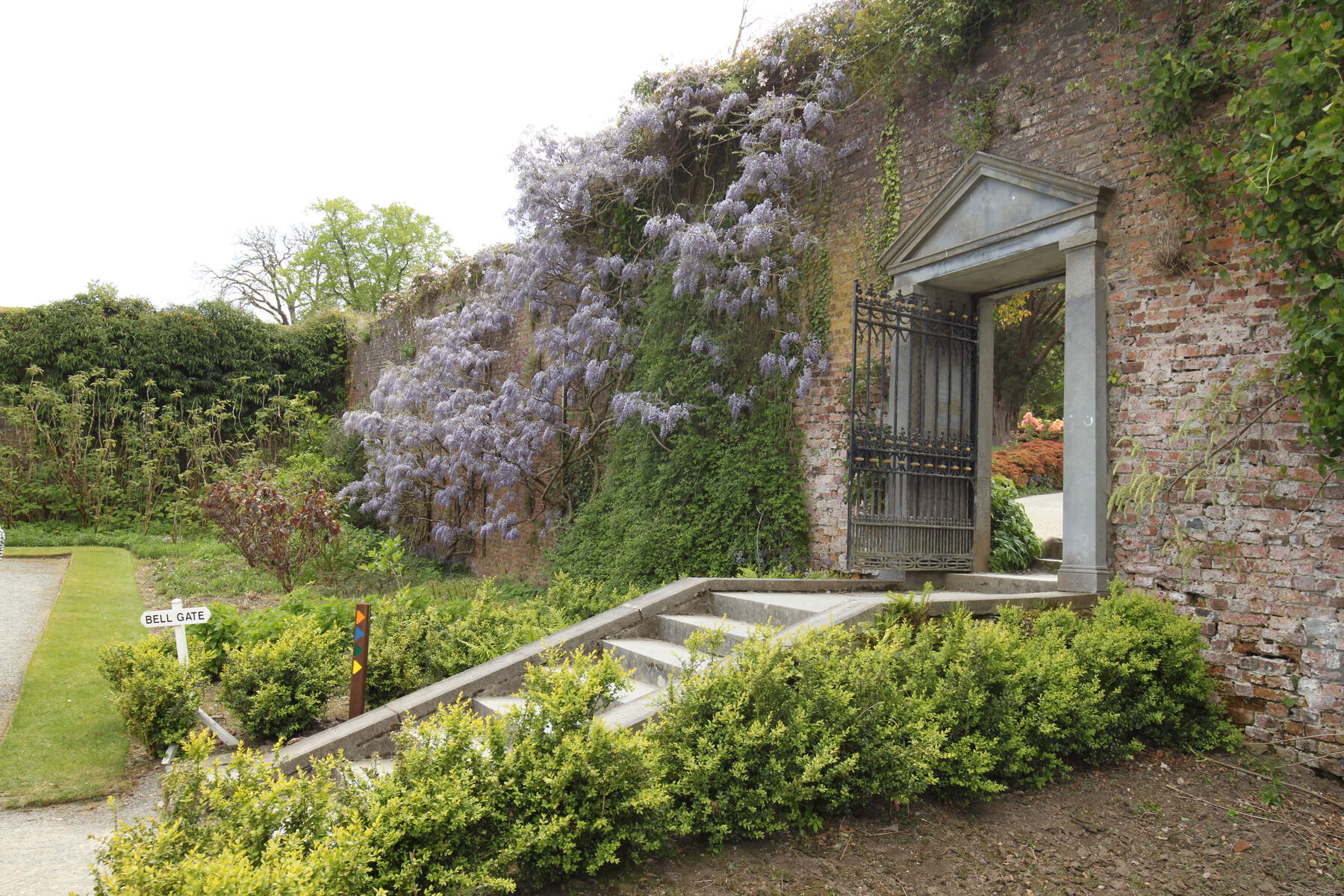
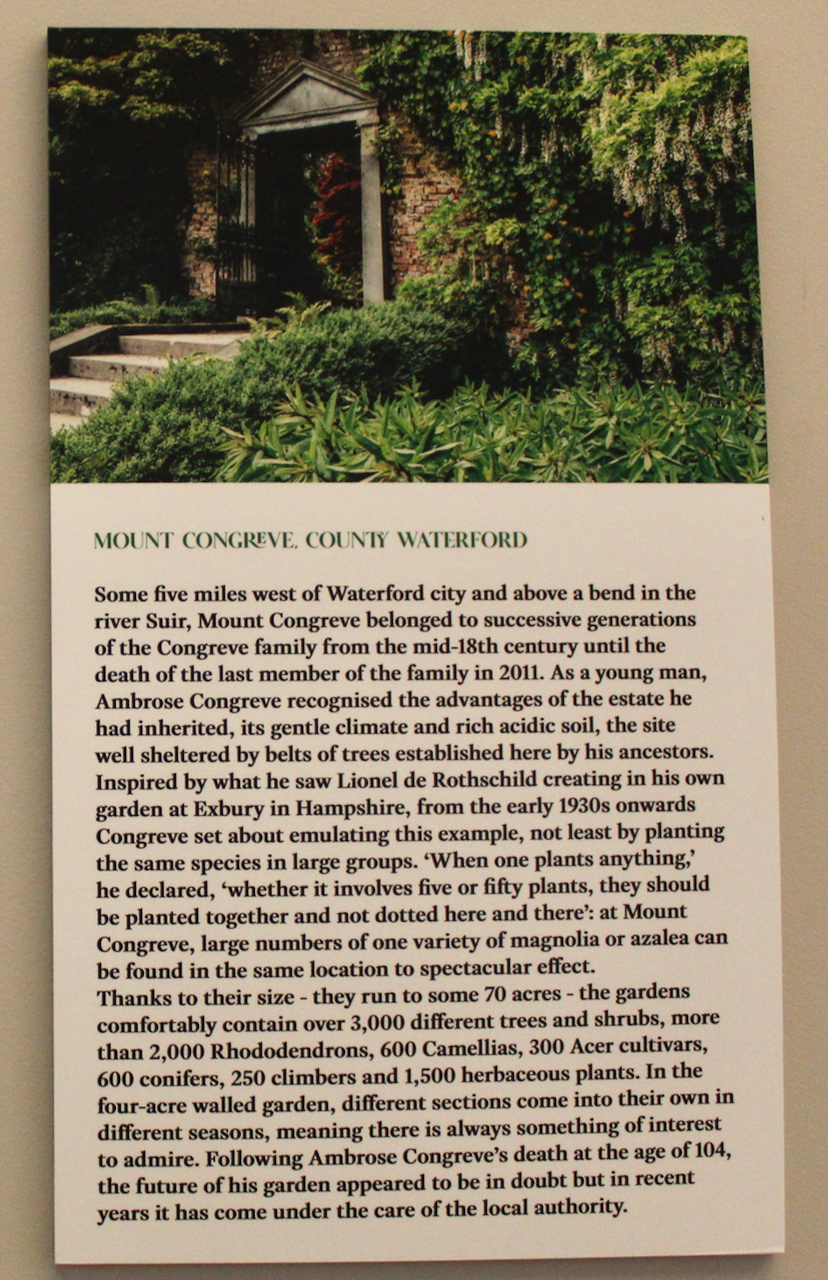
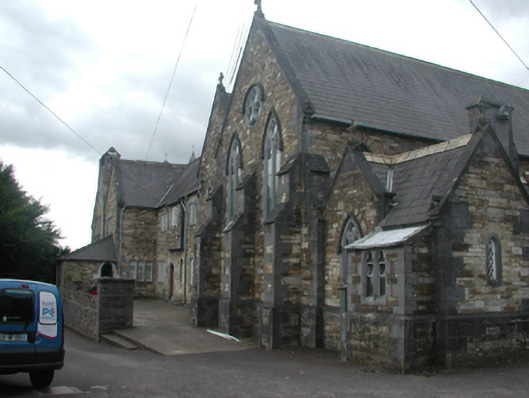
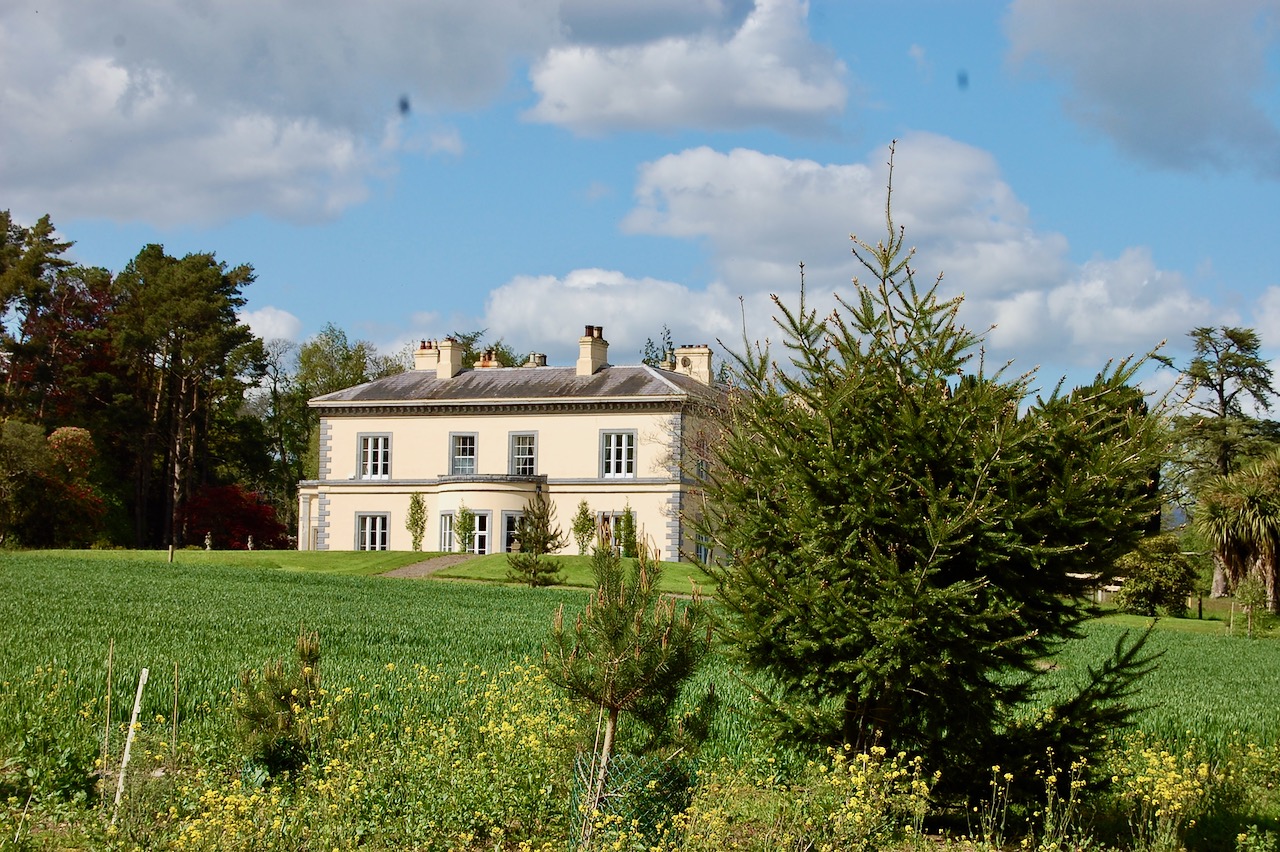
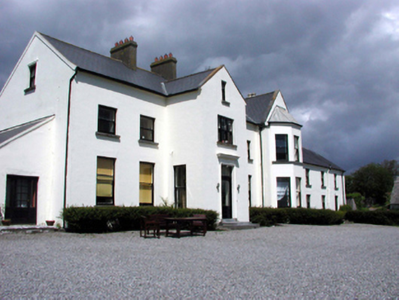
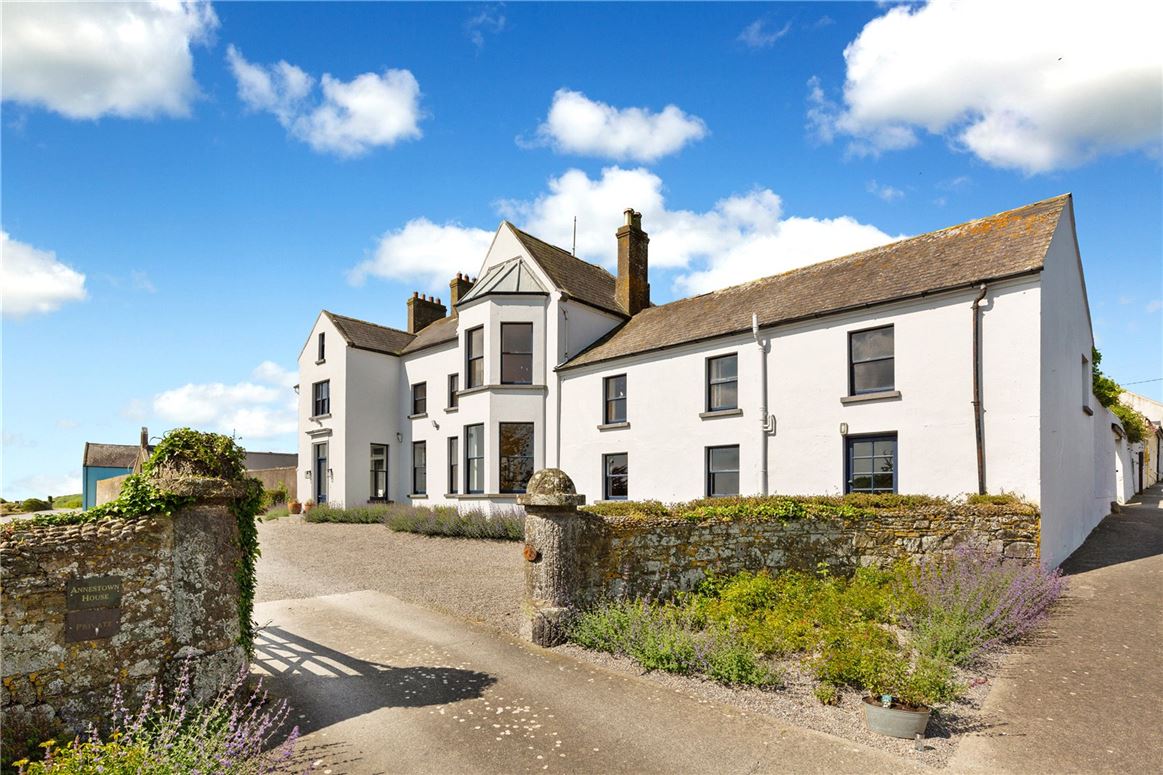


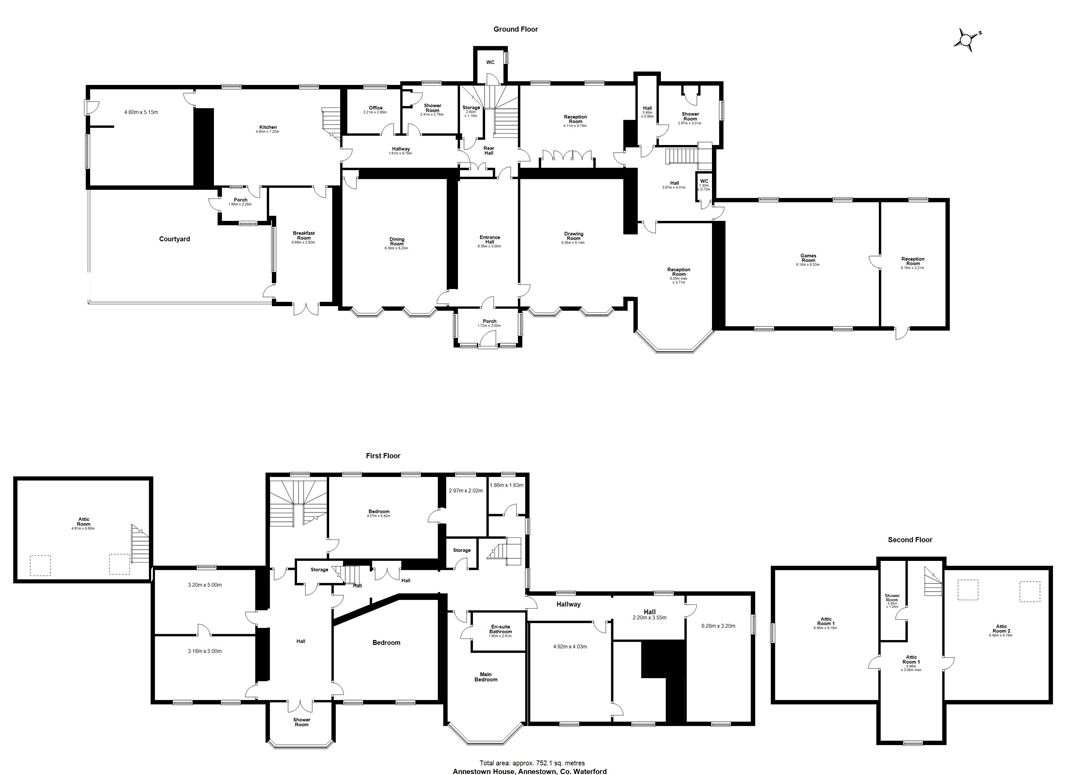
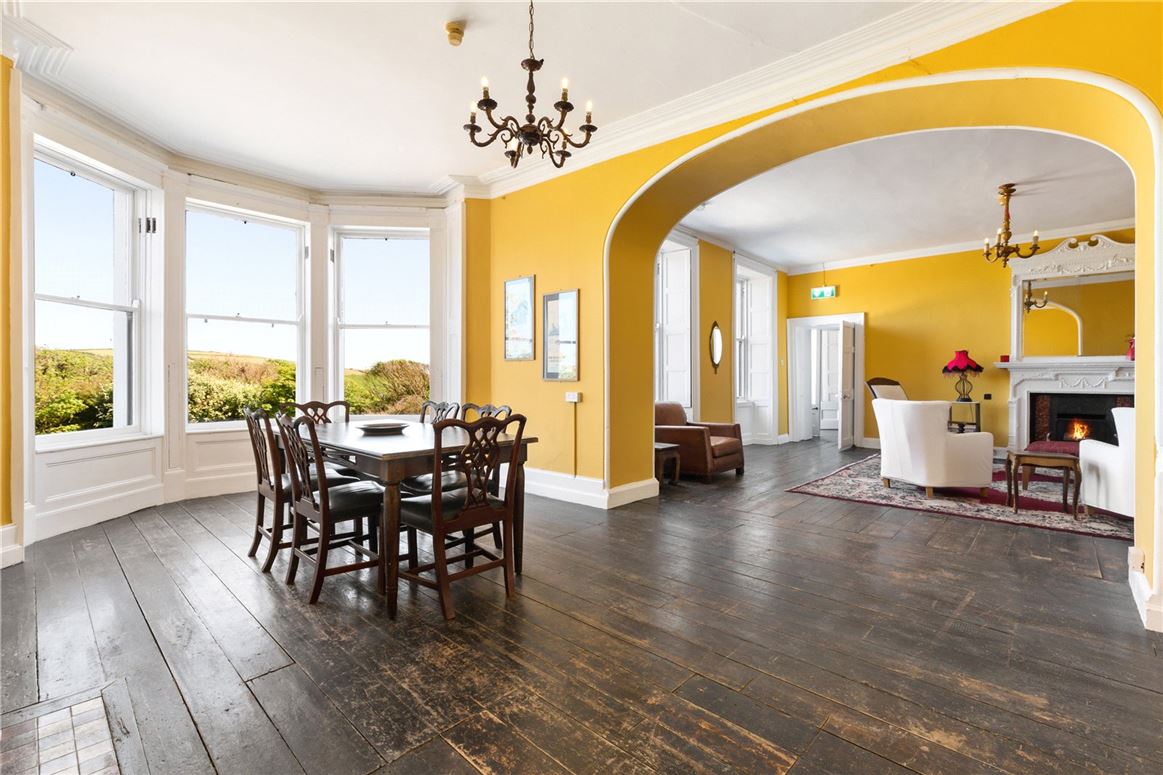
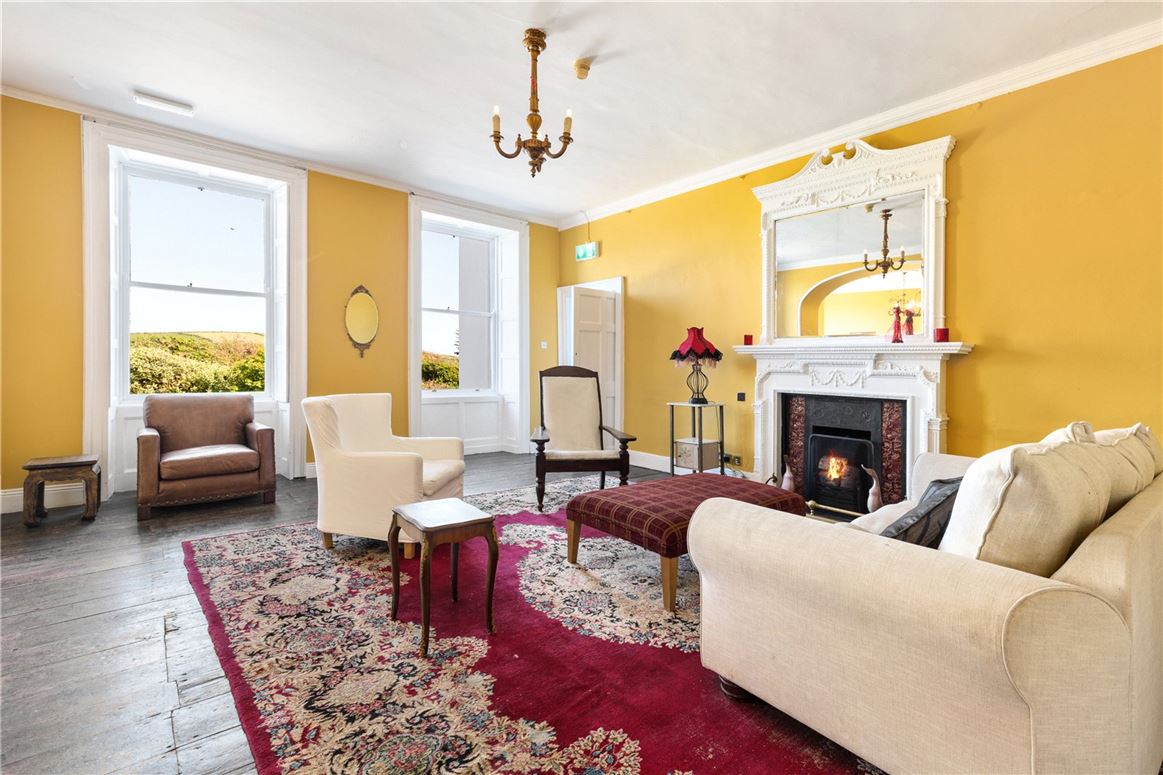
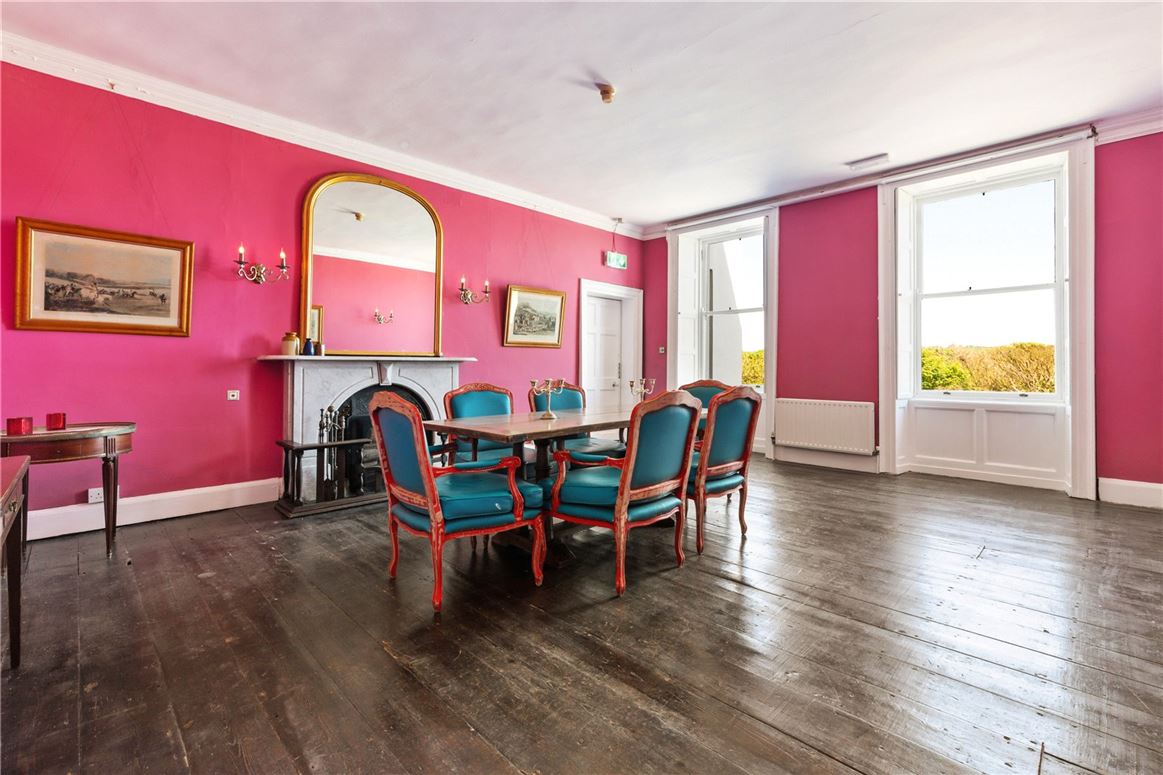
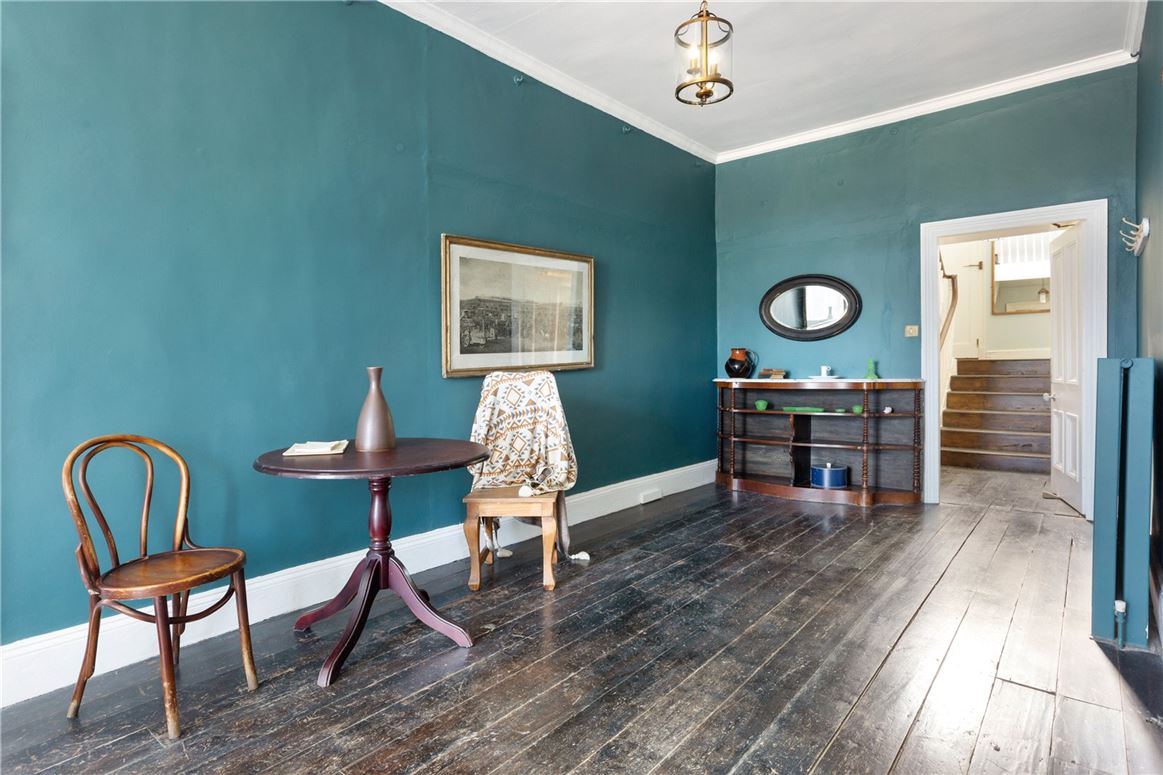
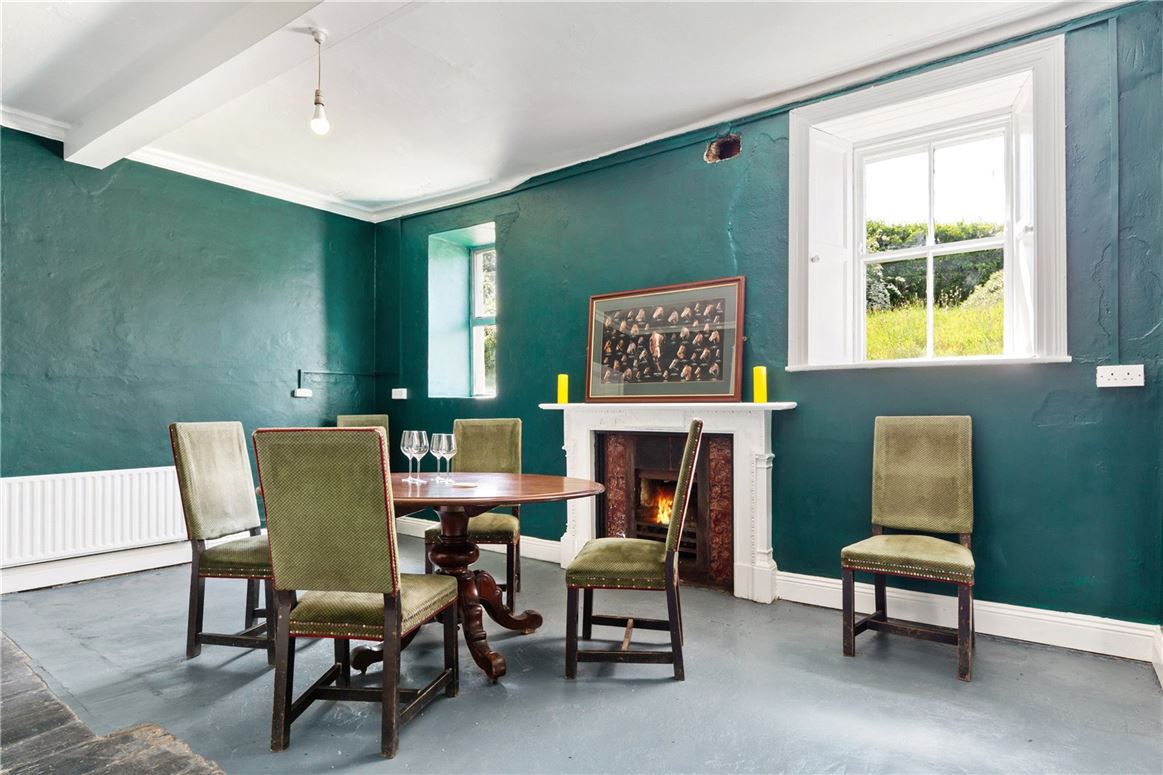
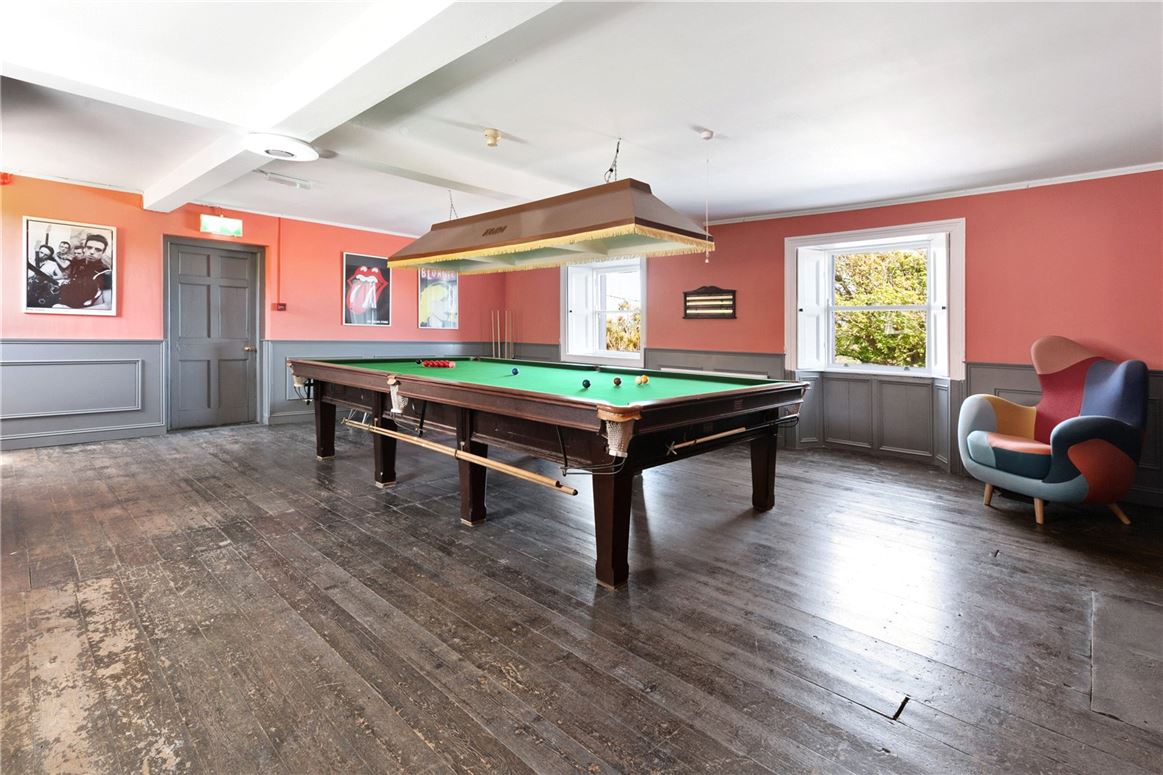

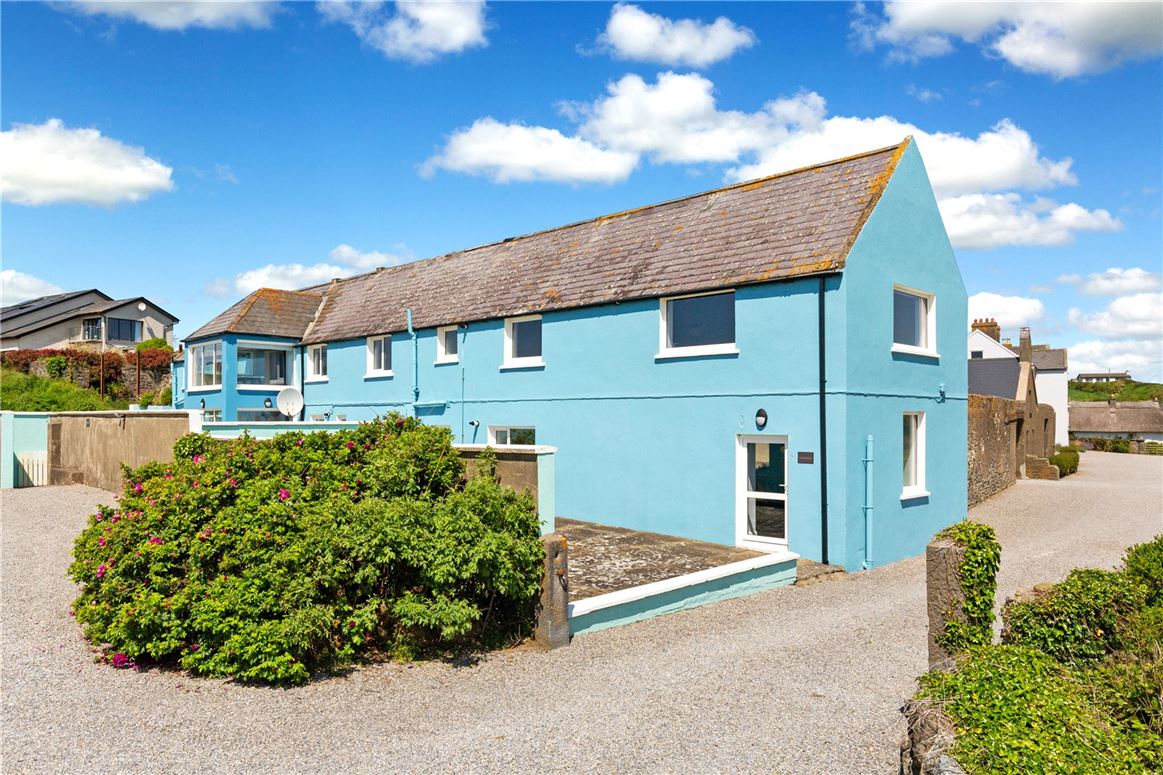

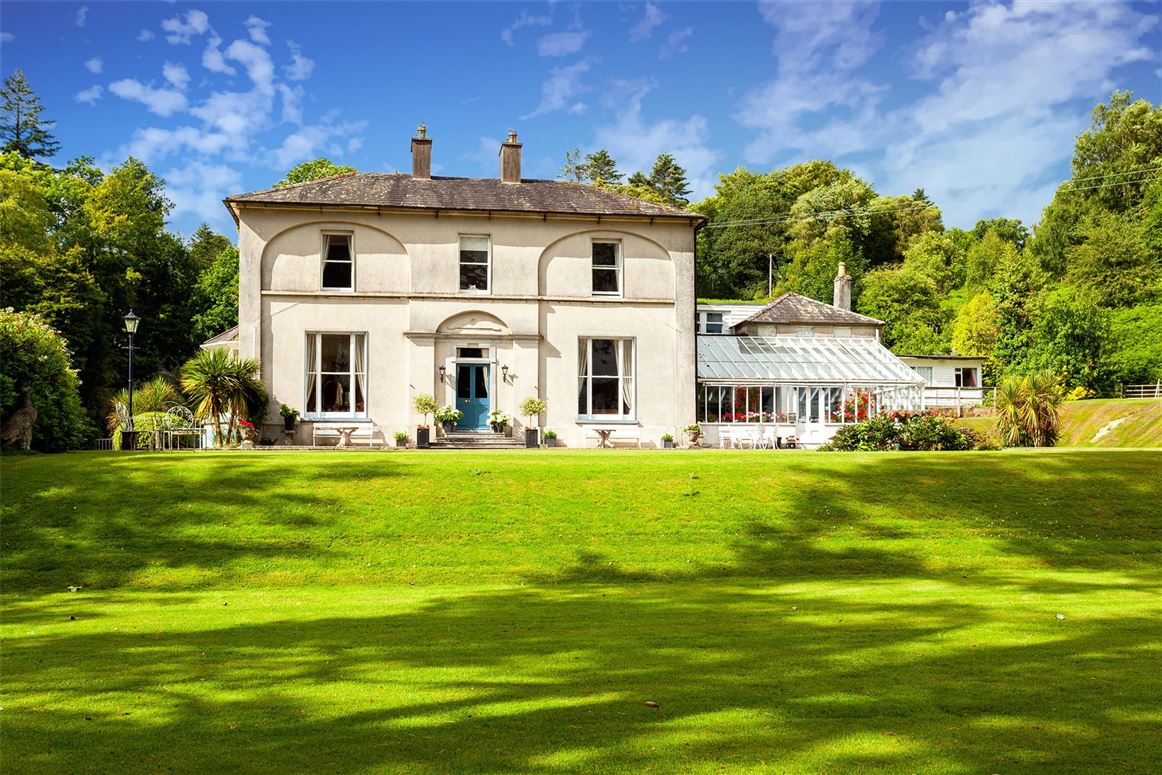
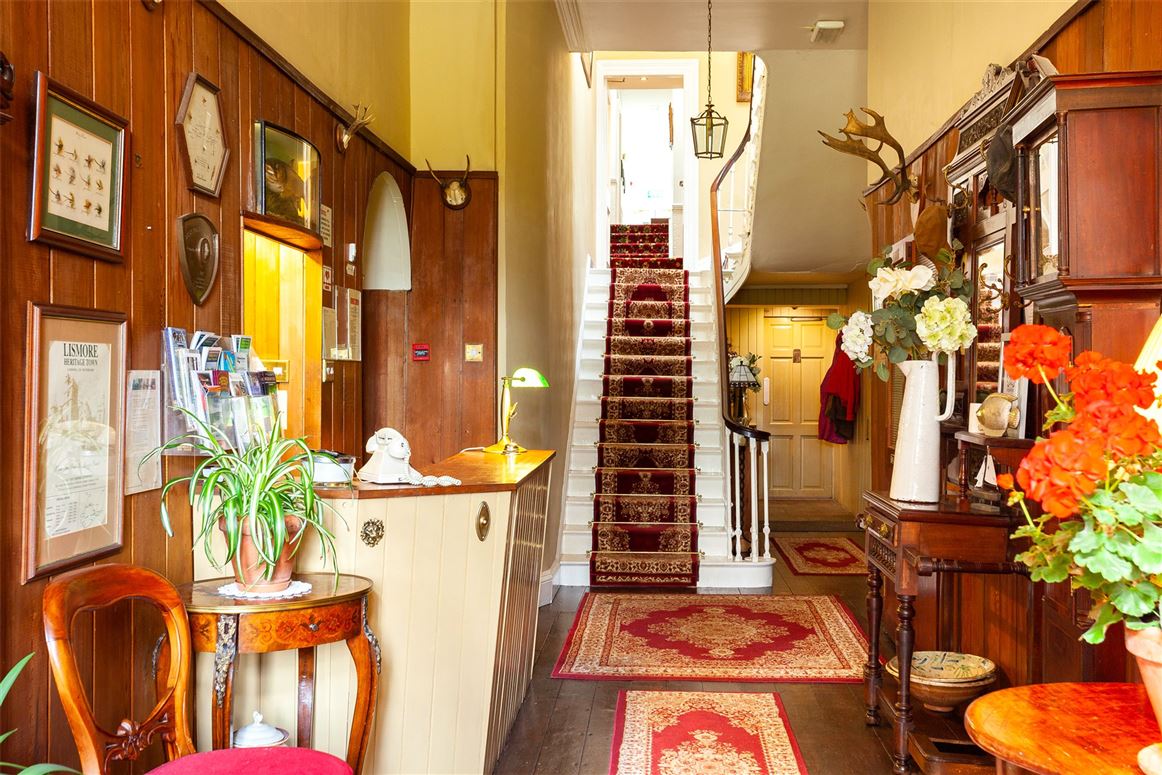
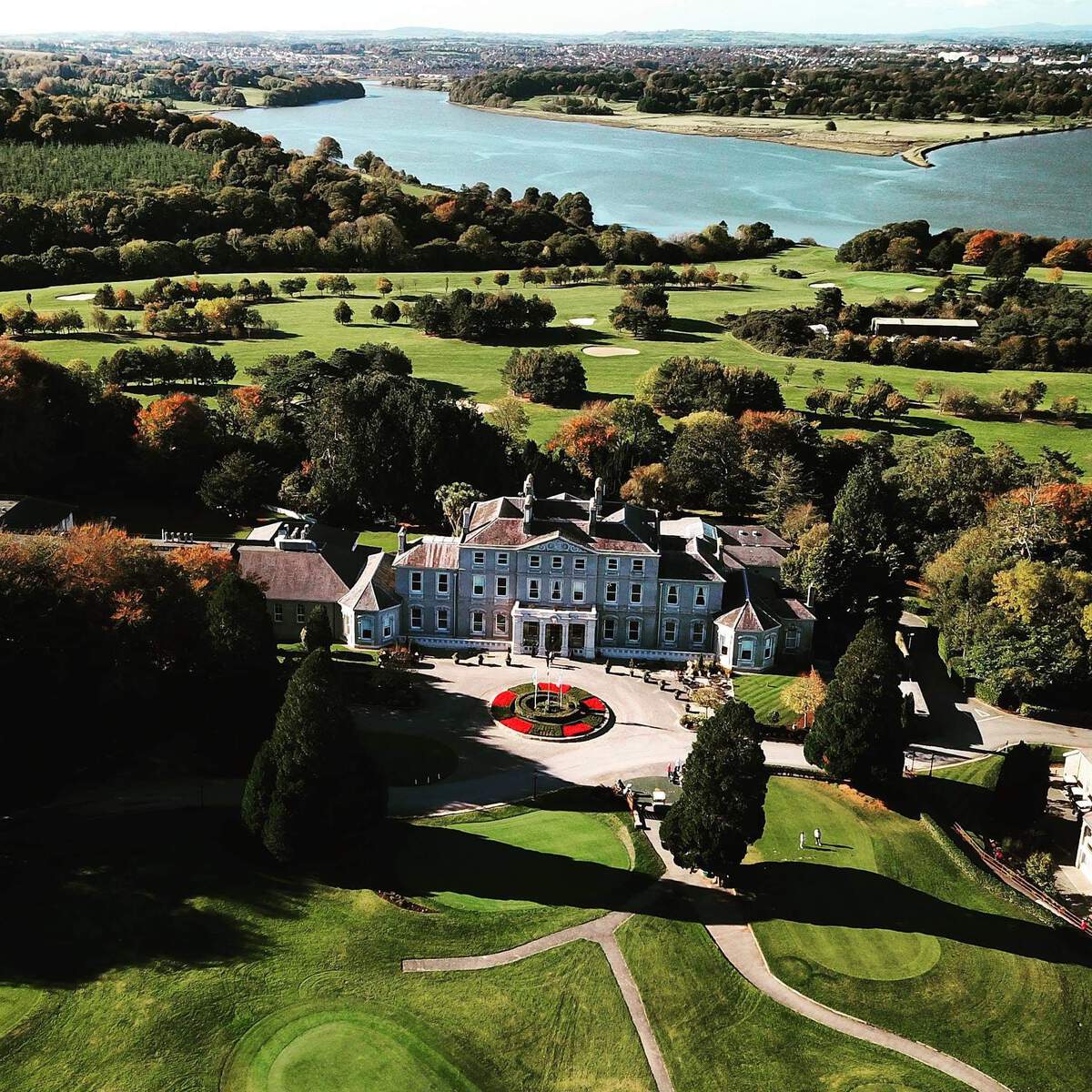


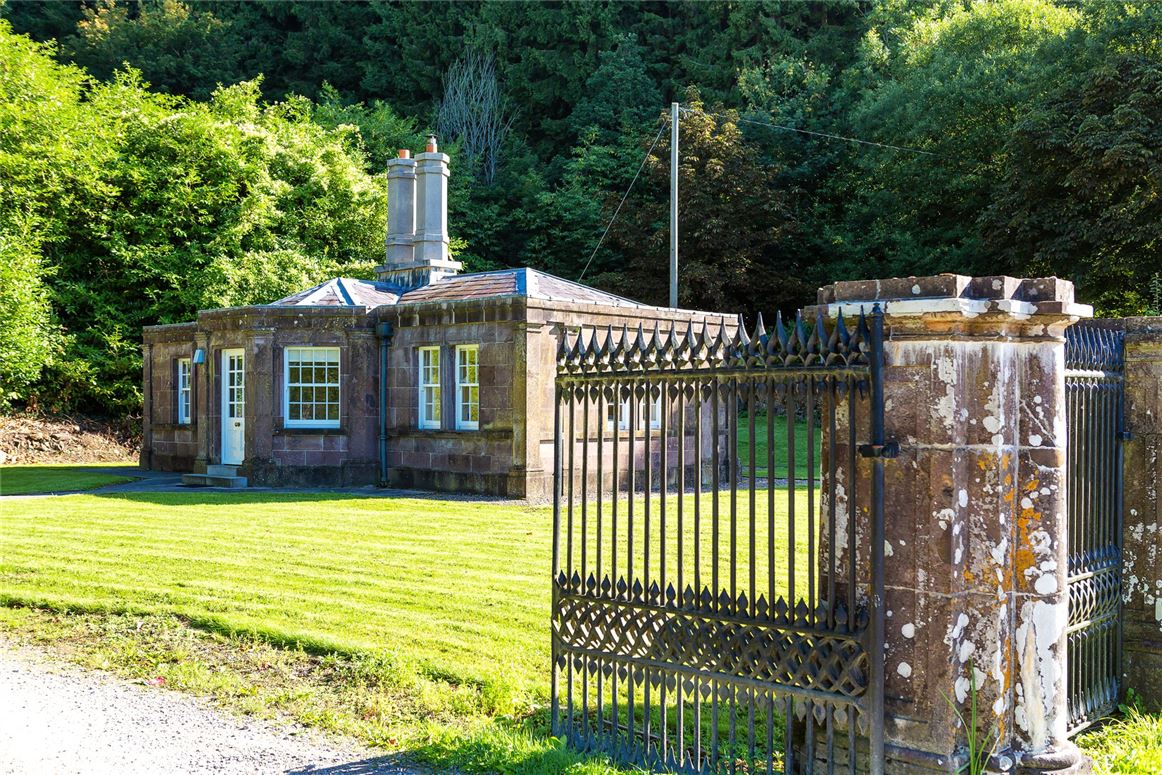

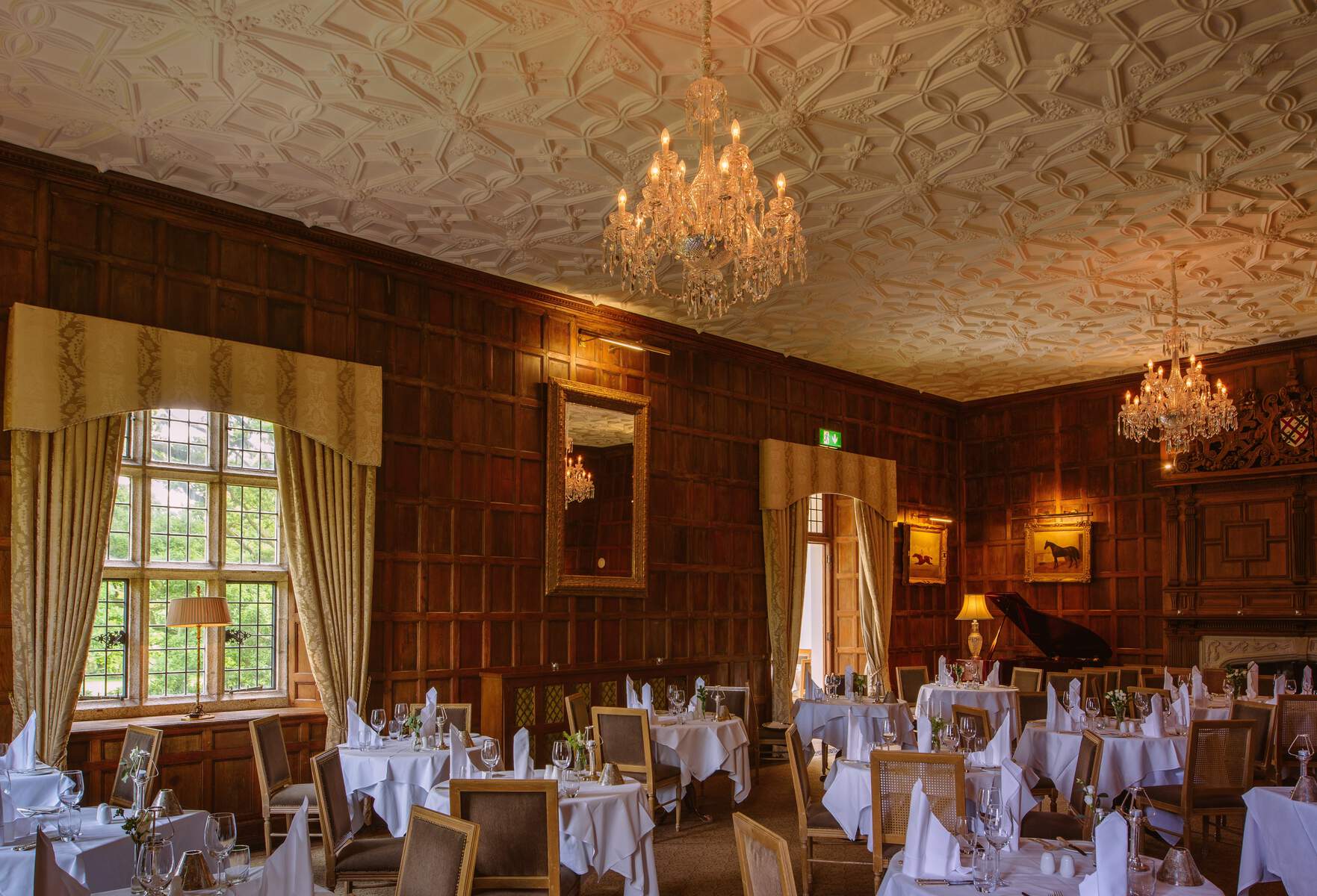

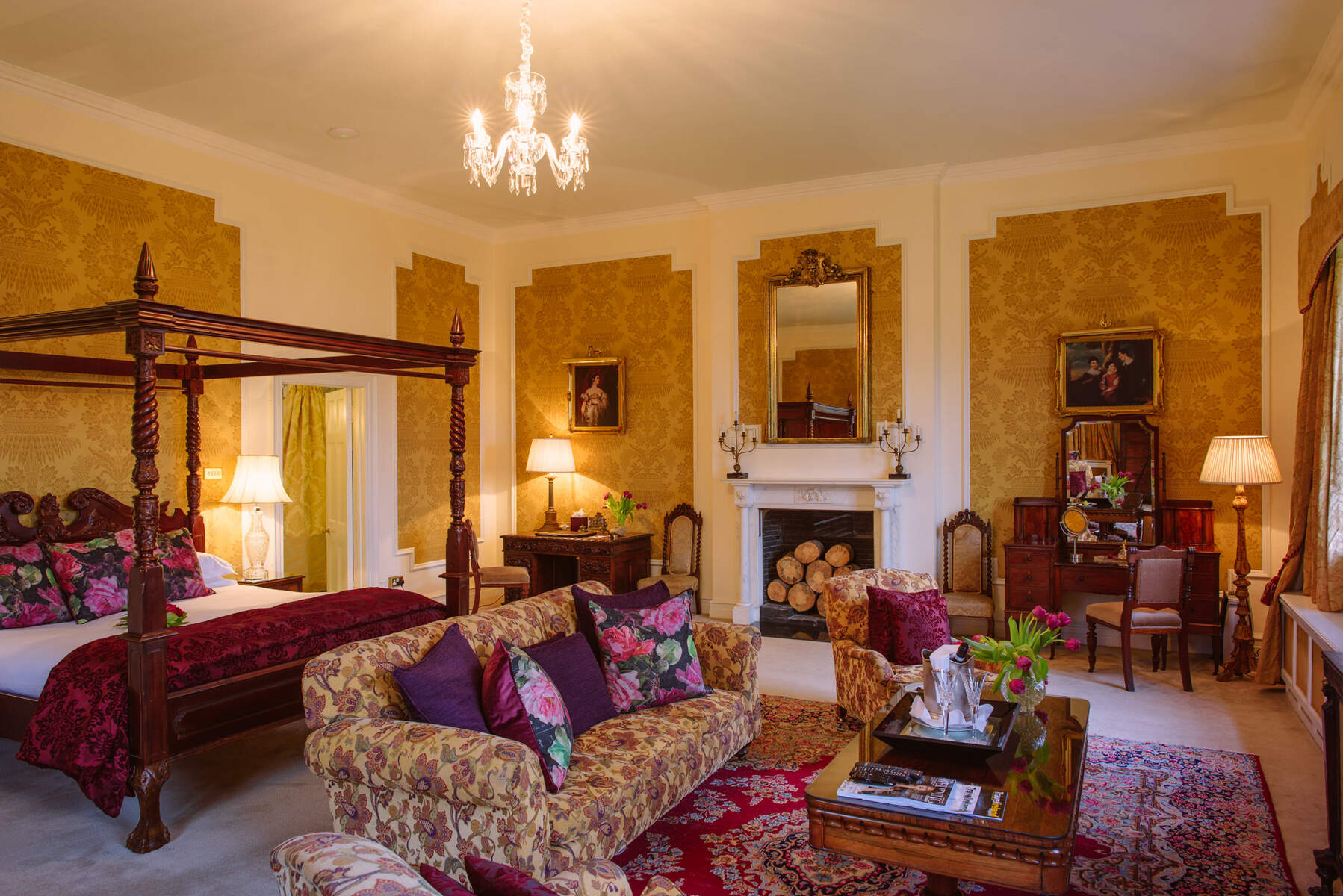
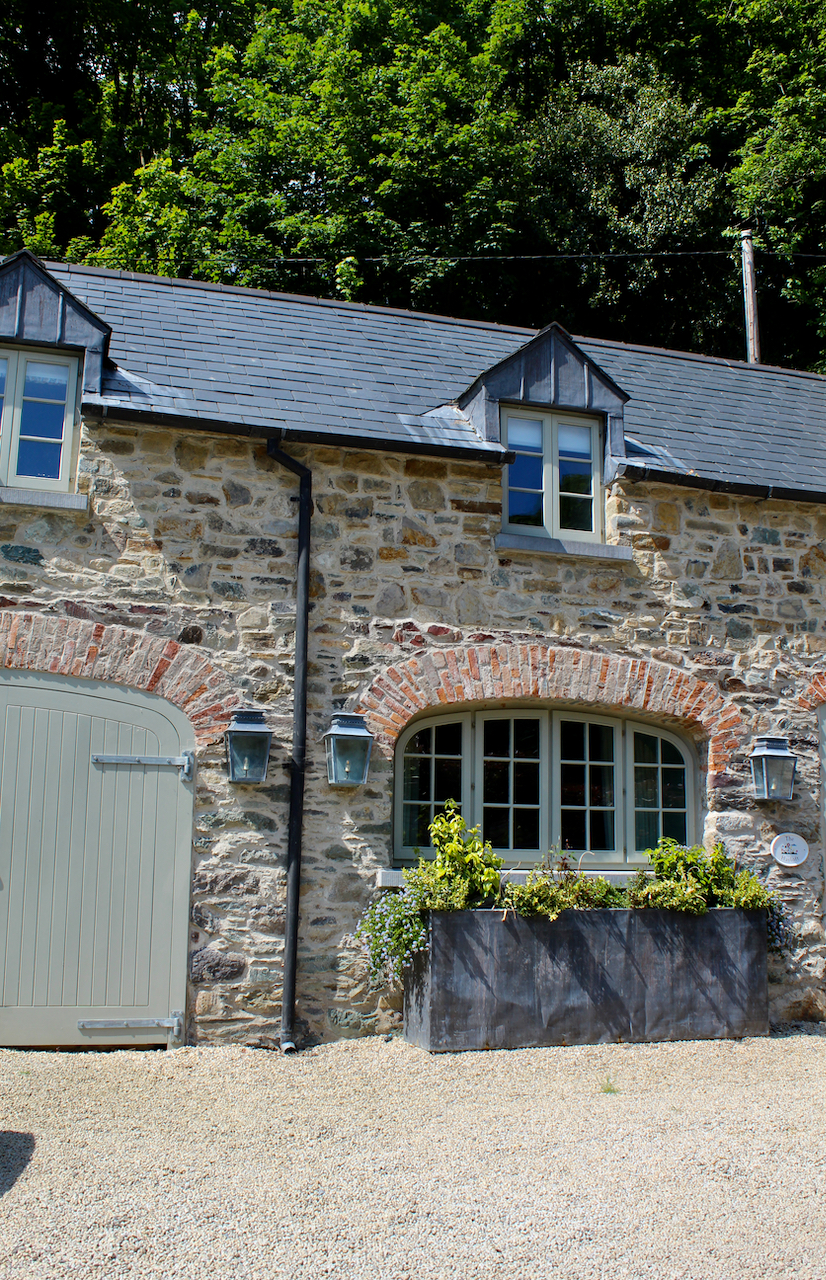
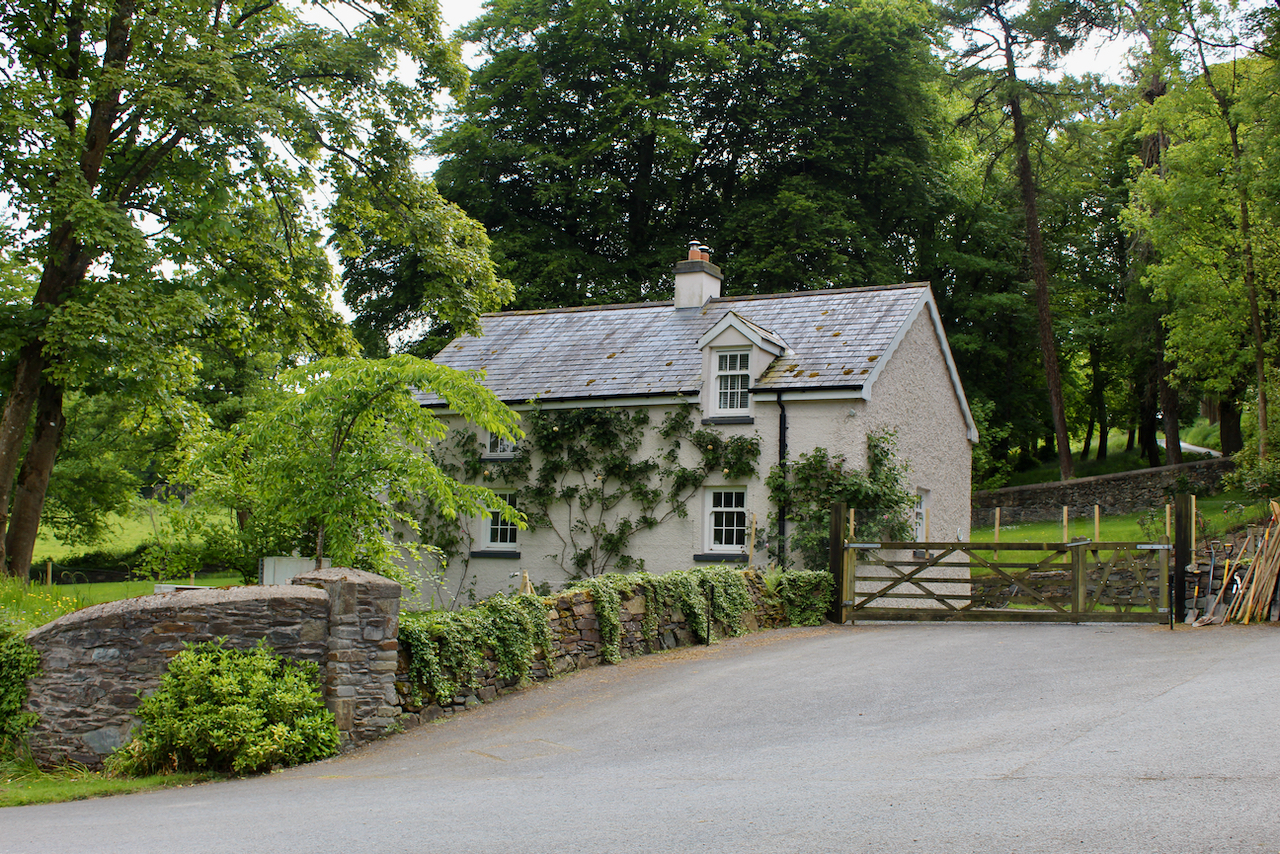
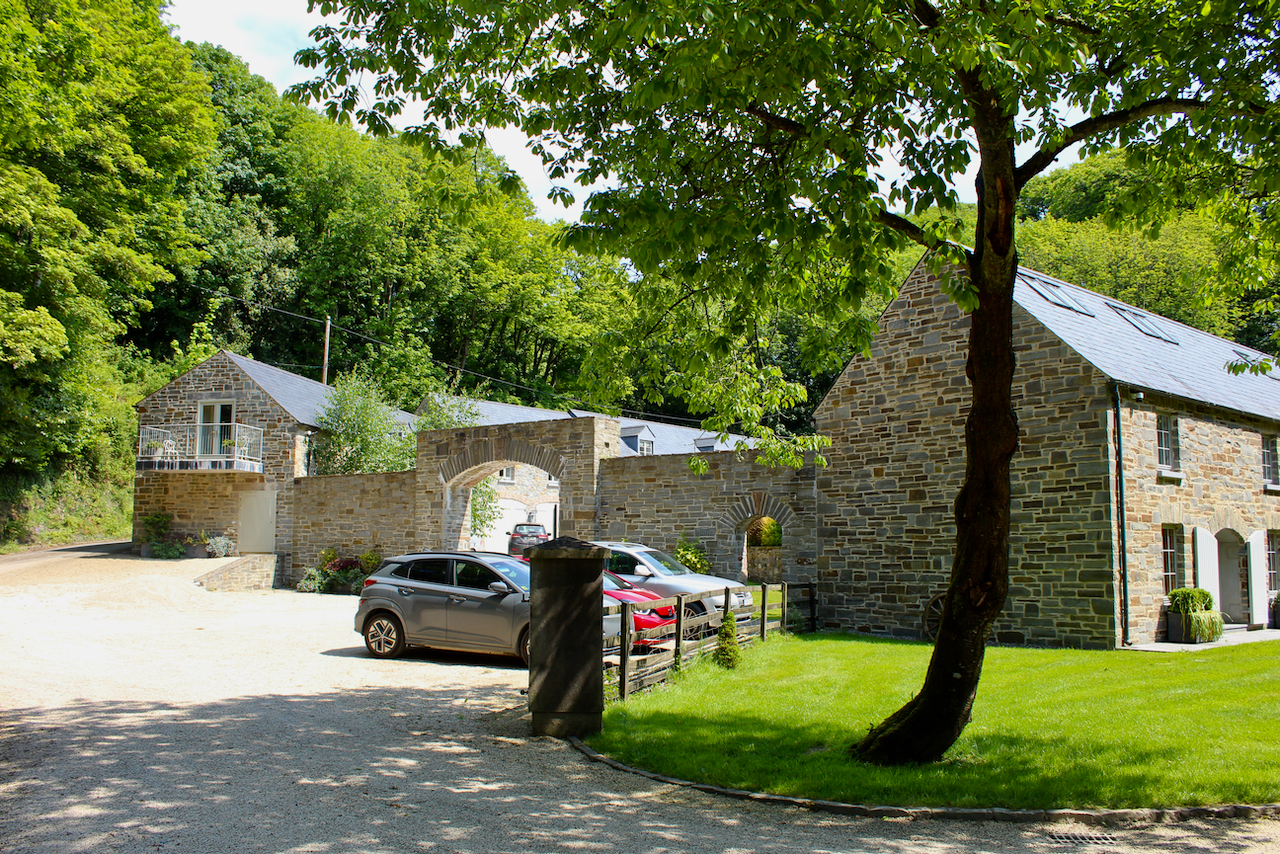

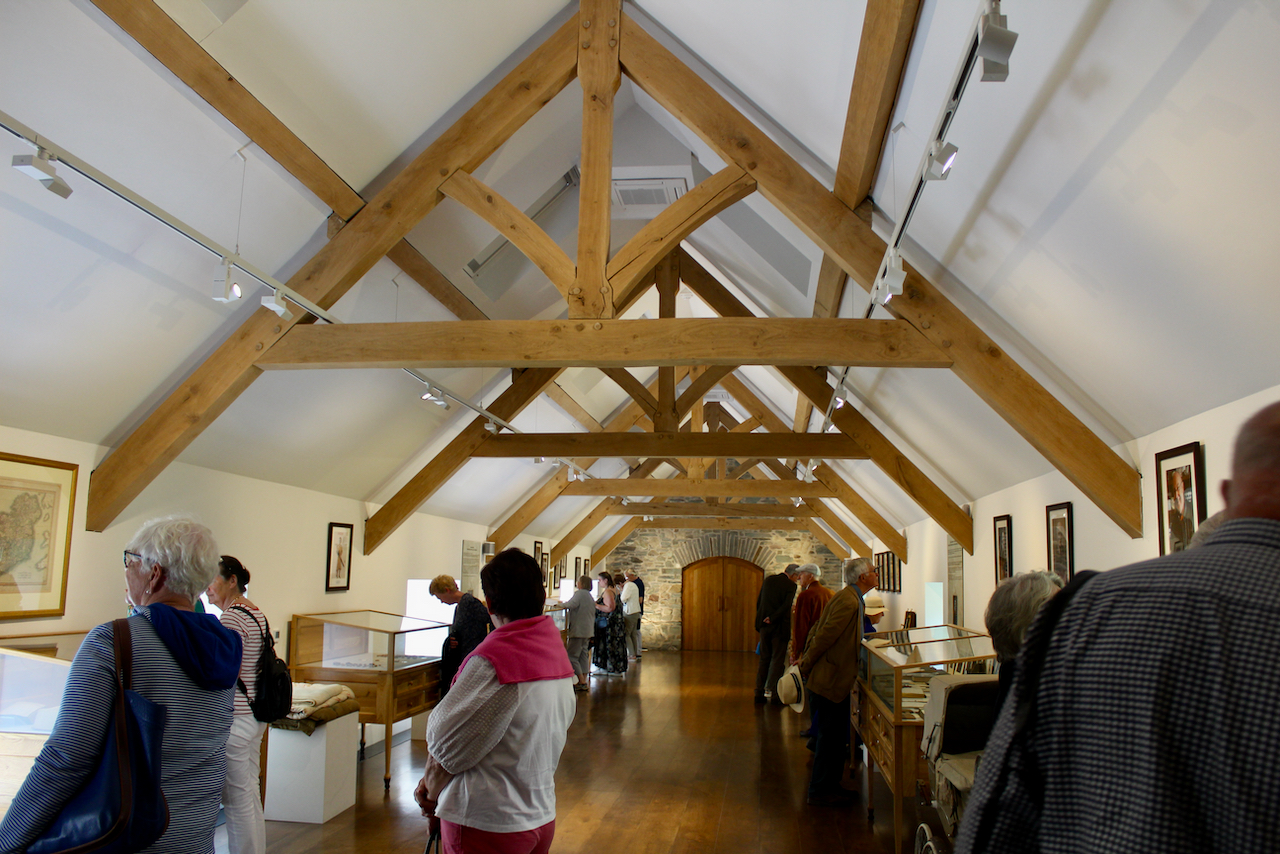
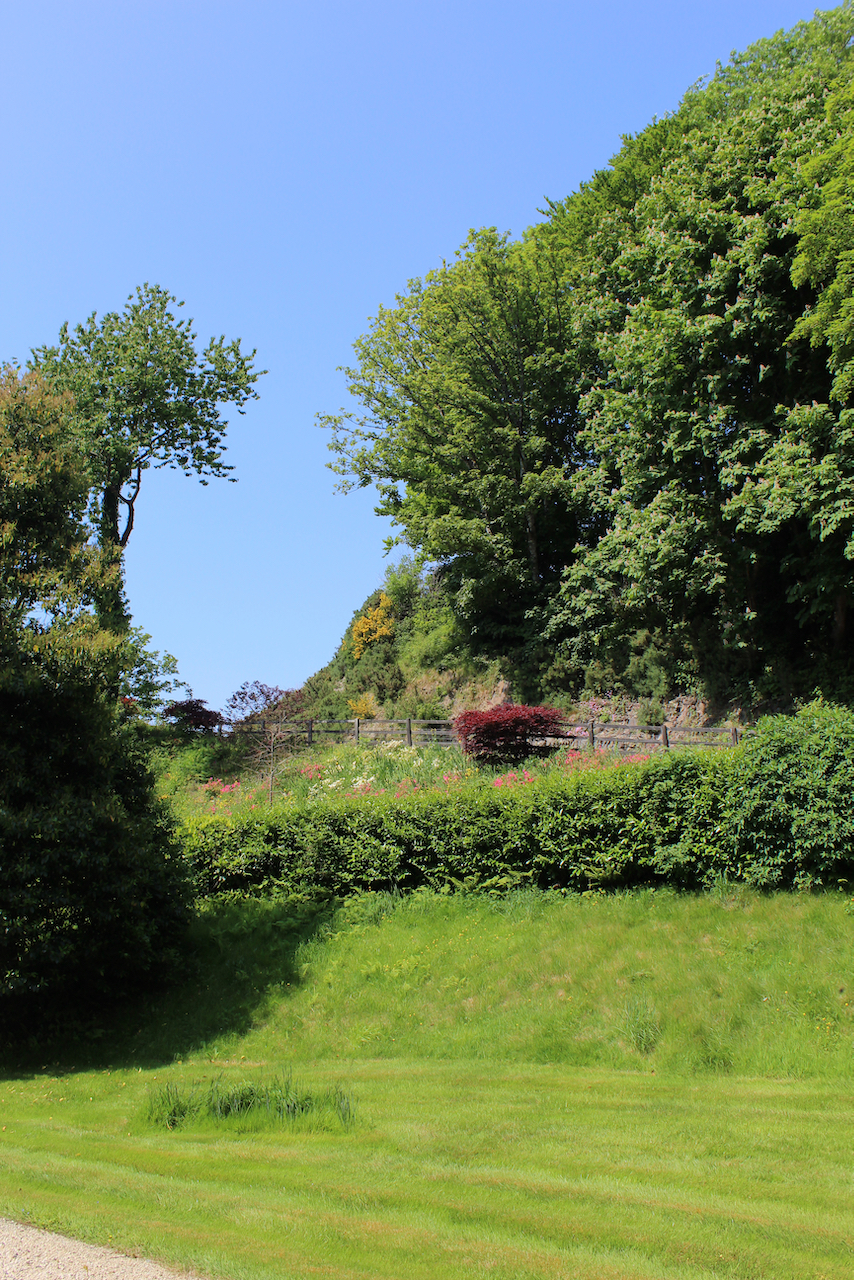
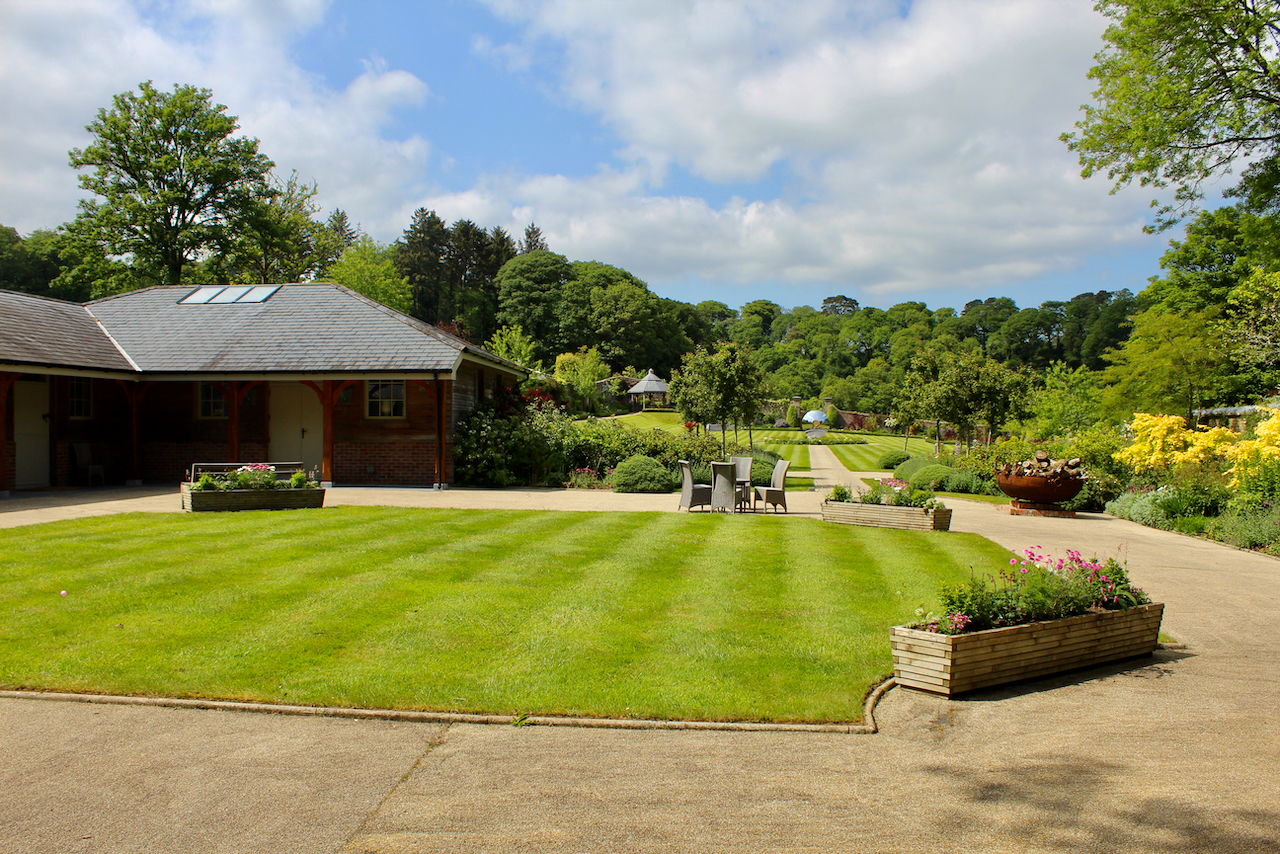

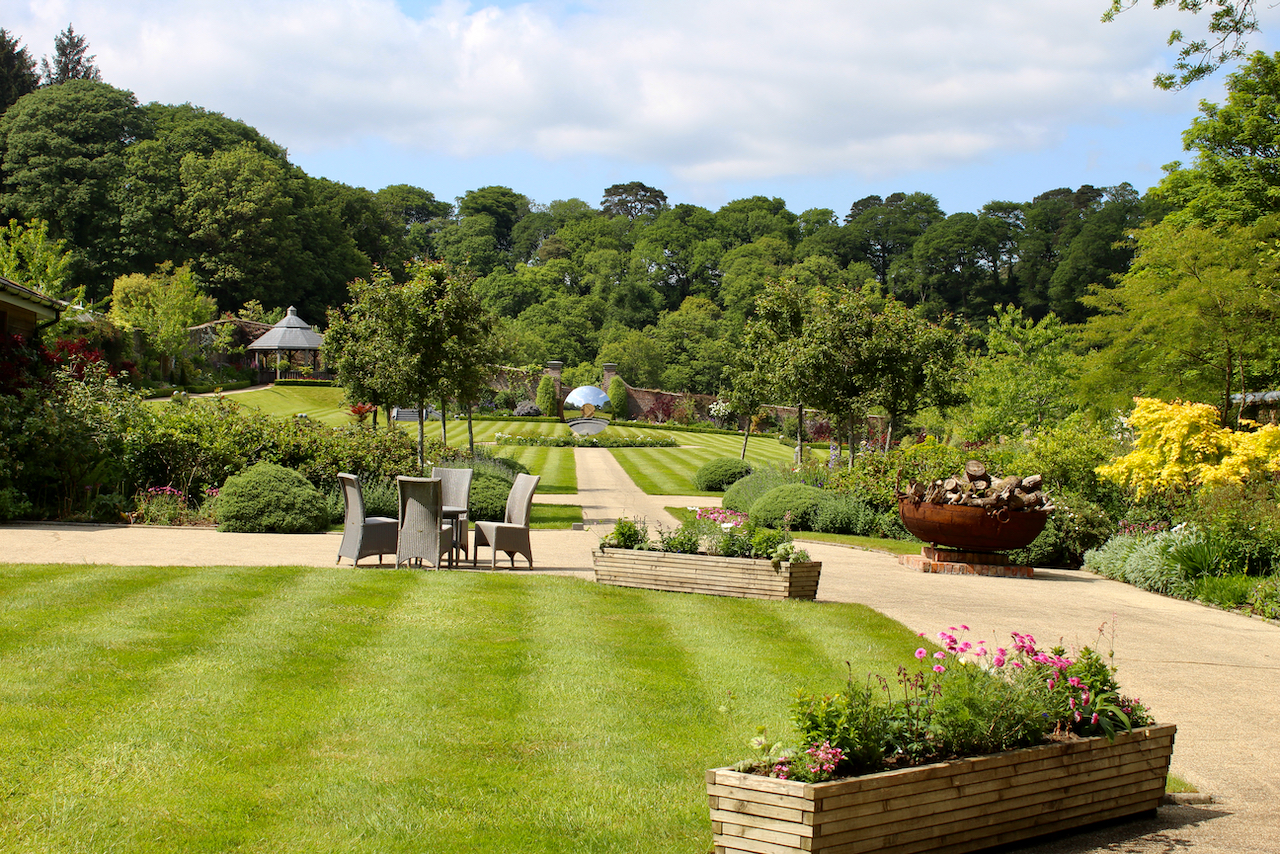


 Irish Historic Houses