Open dates in 2026: Mar 16-29, Apr 13-26, May 4-31, June 2-12, Aug 15-23, 9am-1pm
Fee: adult €5, child/OAP/student free
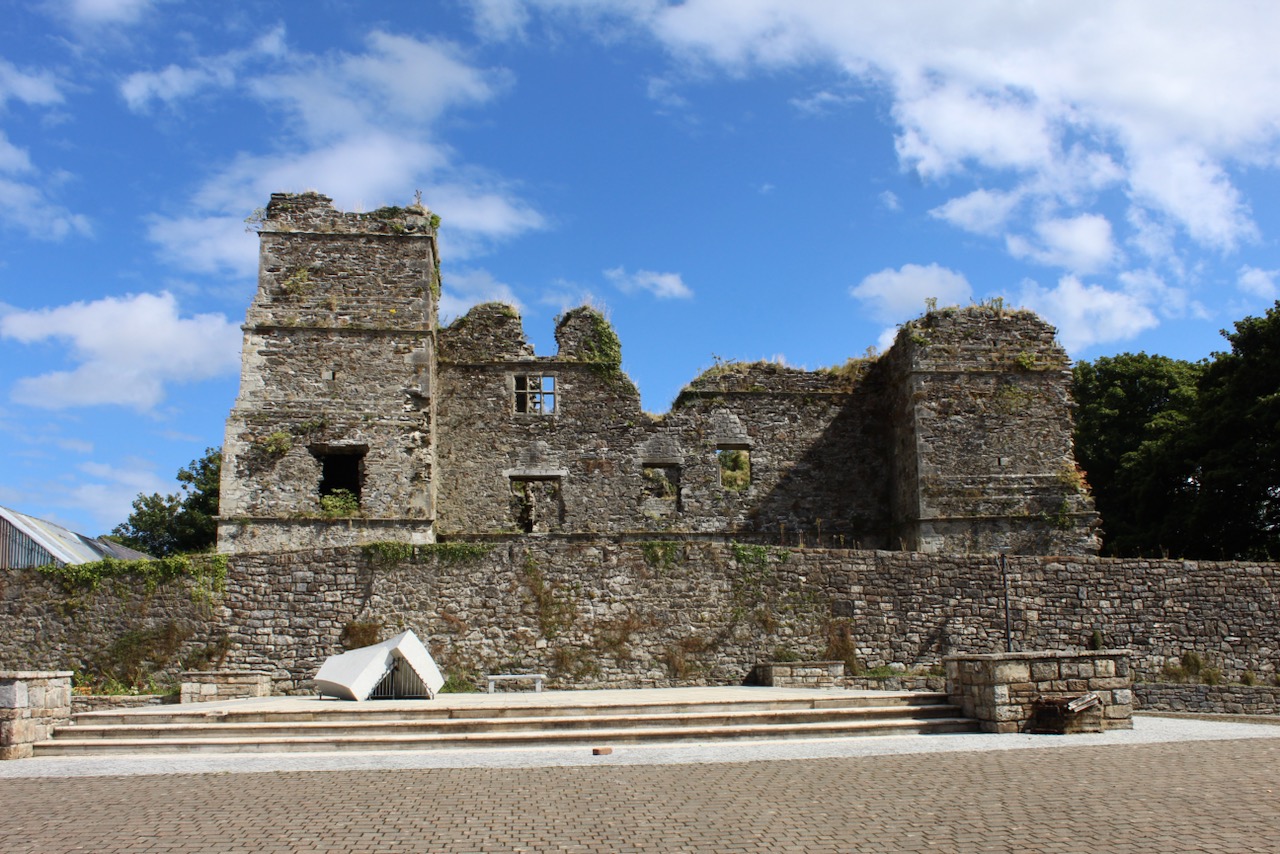
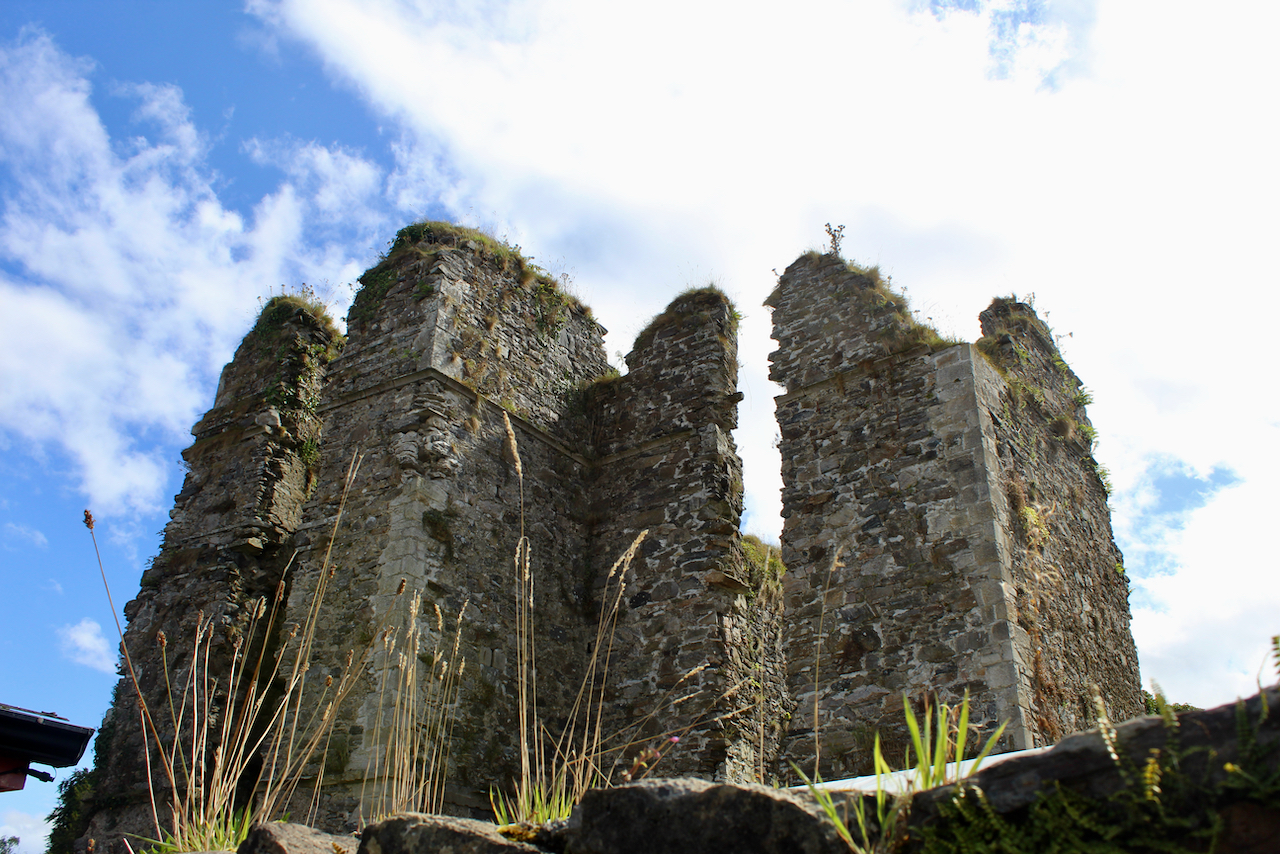
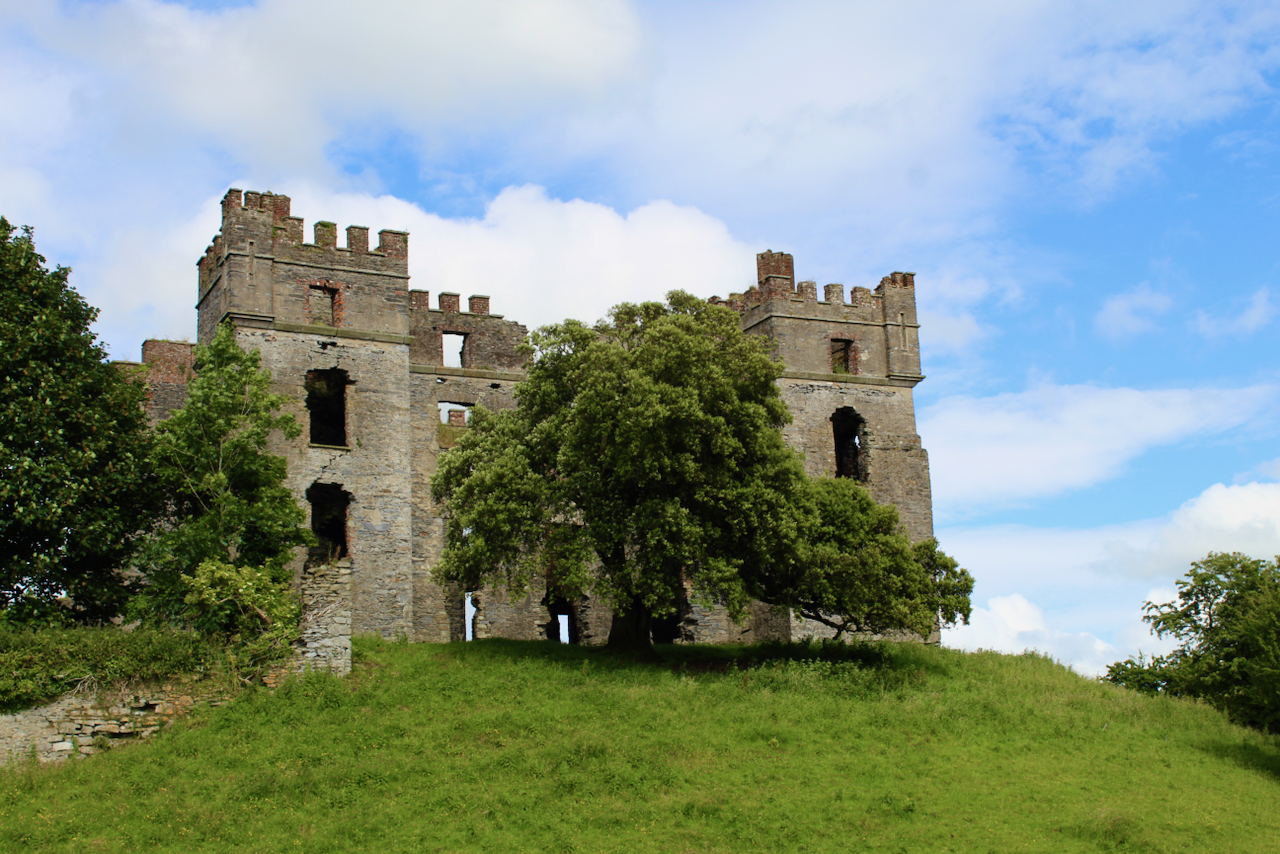
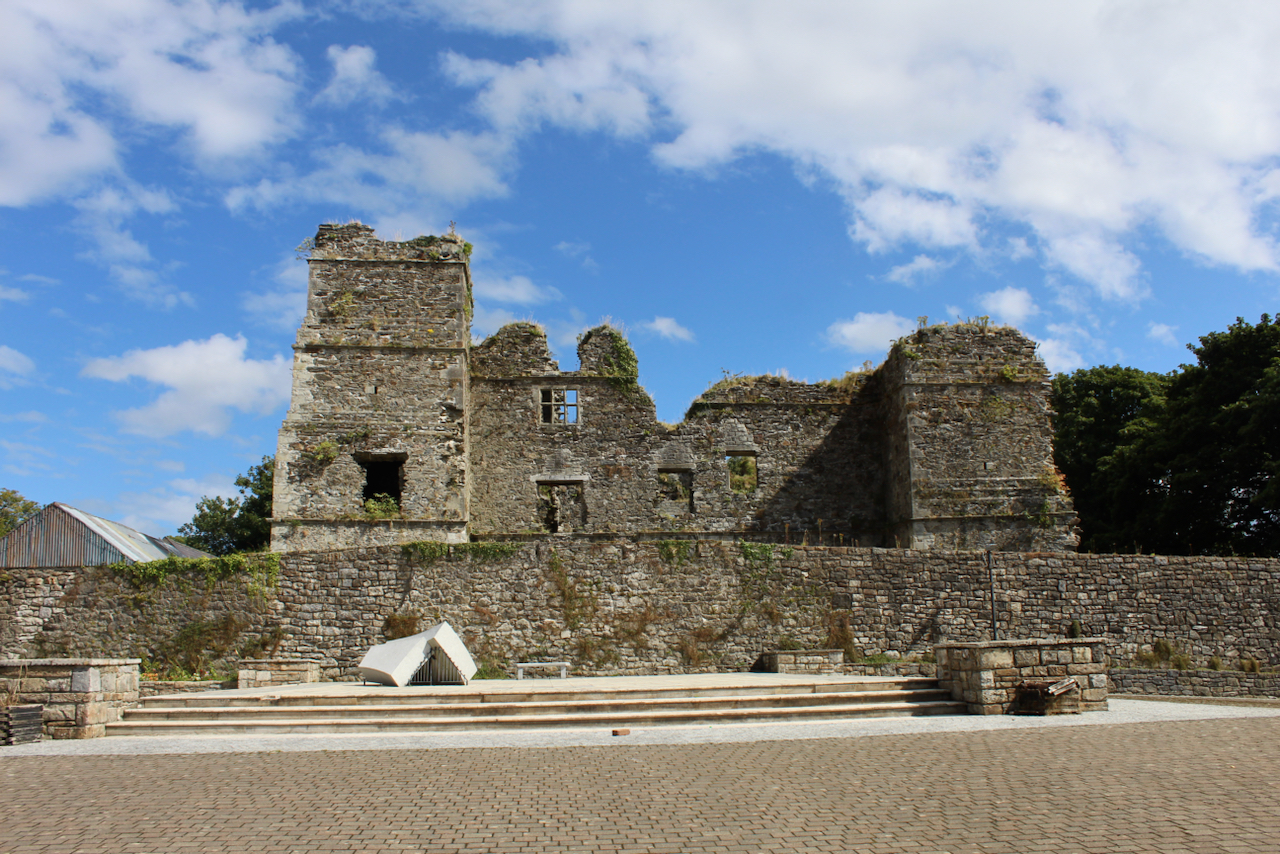
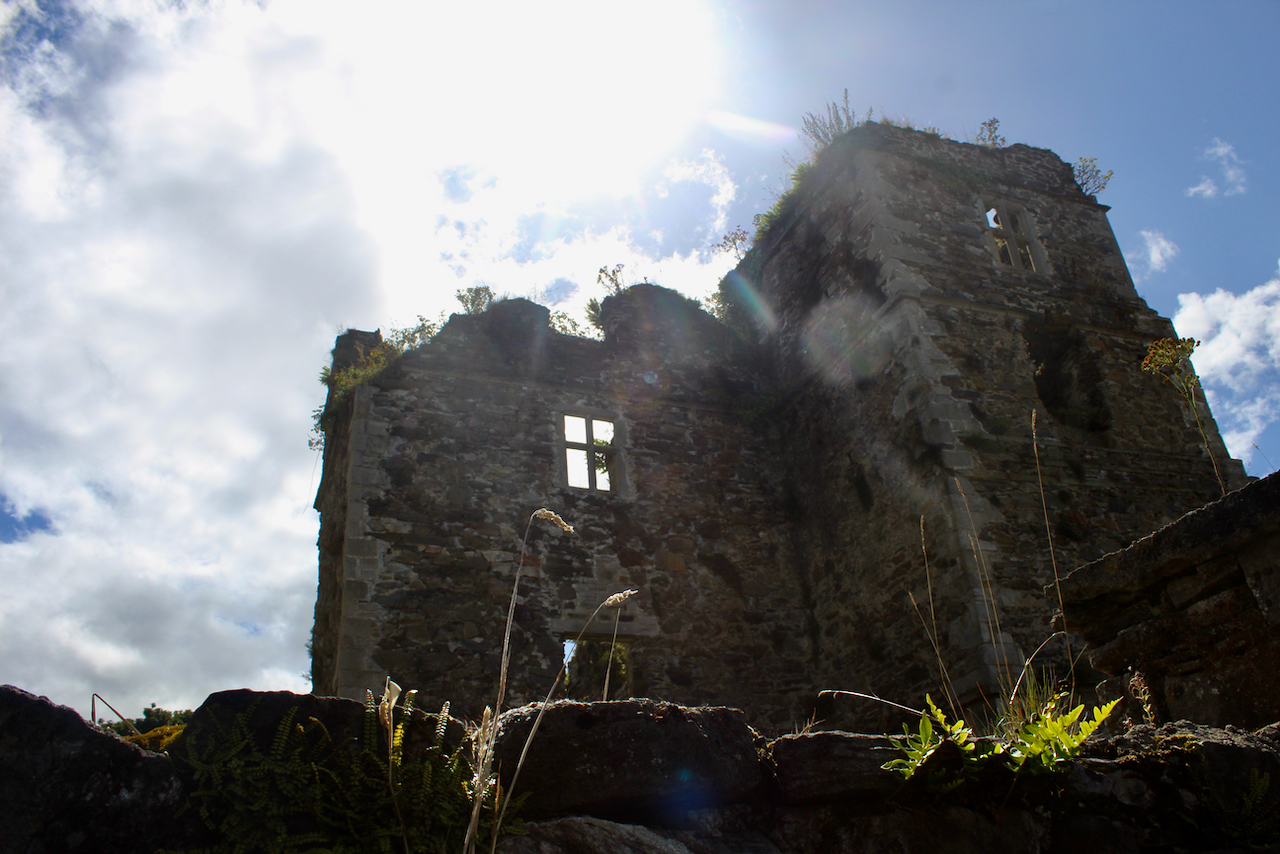
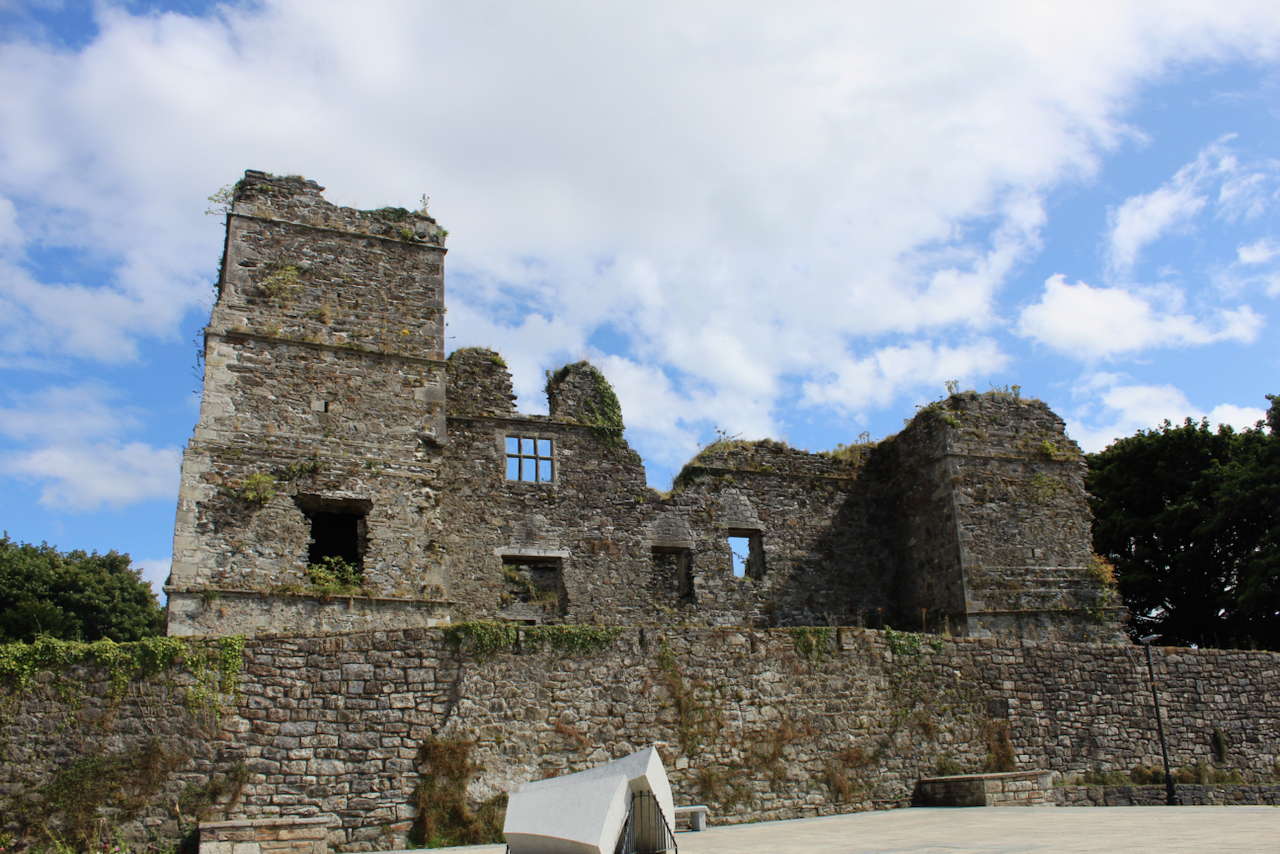
The Revenue section 482 list still hasn’t been published for 2025, so today I am publishing about Manorhamilton Castle in County Leitrim.
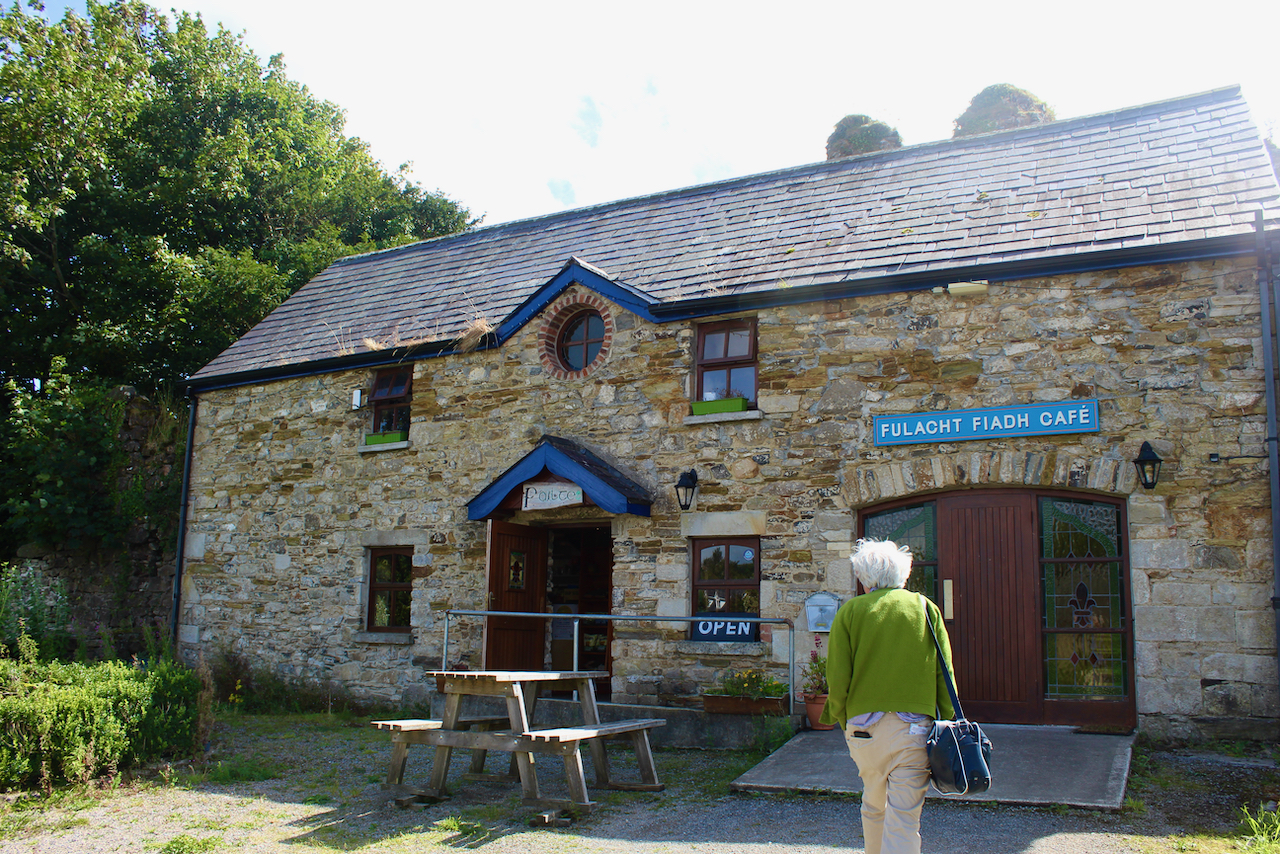
We attempted a visit during Heritage Week in 2022 but were informed in the café next door that it was not accessible as they were preparing for an event. I was unimpressed, having driven there specially! We were driving from Sligo to Monaghan that day, so we continued on our way.
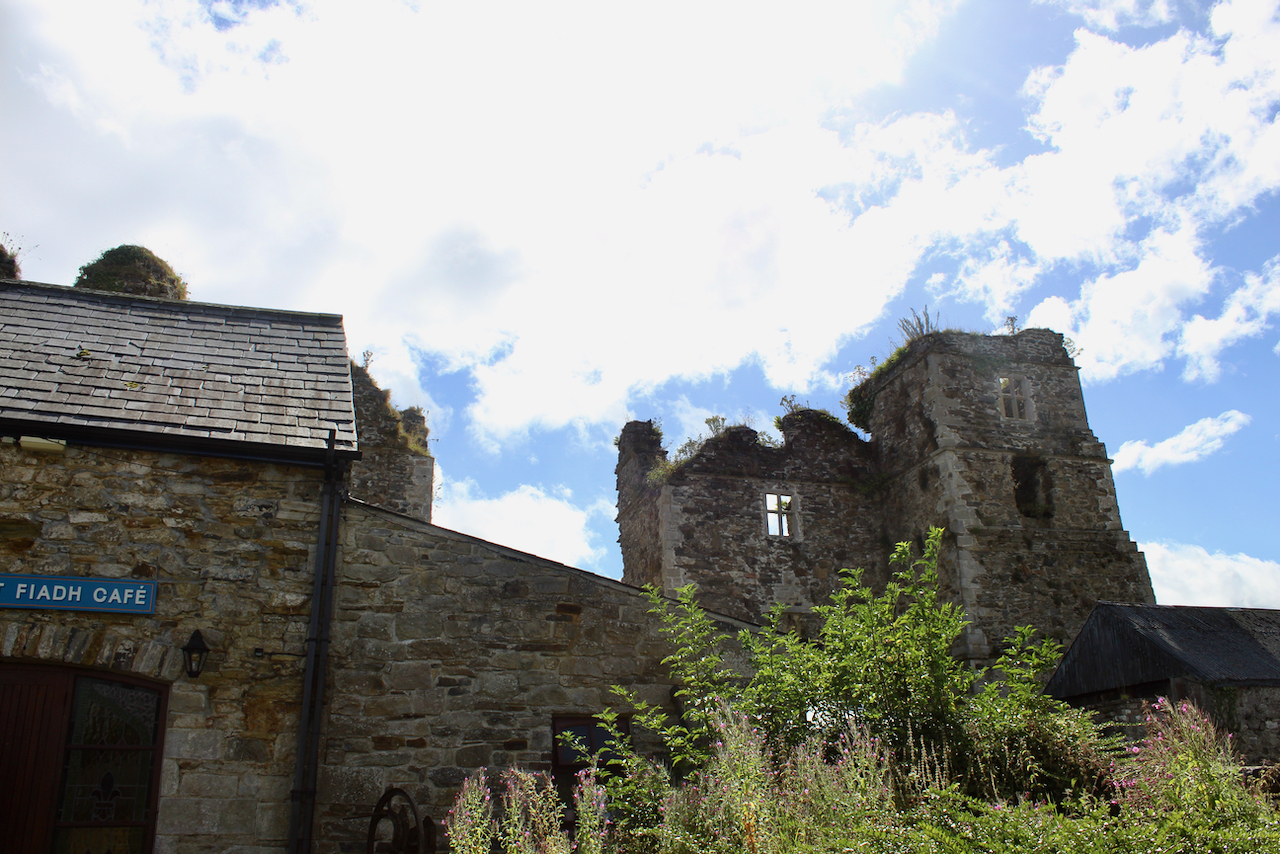
The castle was built between 1634 and 1636 for Frederick Hamilton (d. 1646), who was originally from Paisley in Scotland. He was the son of Claud Hamilton, 1st Lord Paisley, County Renfew, Scotland. Frederick was the younger brother of James 1st Earl of Abercorn in Scotland, who was Gentleman of the Bedchamber to King James VI of Scotland who became King James I of England.
In 1620 Frederick married Sidney Vaughan, daughter of John Vaughan who was a member of the Privy Council for Ireland and Governor of Londonderry, responsible for commanding the garrison and fortifications of Derry, and of nearby Culmore Fort. [1]
In 1621, Frederick was given a grant of land in Dromahair in County Leitrim, seized from the O’Rourke family. [2] There he commanded a troop of horse, and constantly battled with his neighbours. Three of his brothers, including the Earl of Abercorn, received large land grants in Co. Tyrone in 1610–11. These land holdings were part of the Plantation of Ulster.
From a Catholic family, Frederick converted to Protestantism. In 1631 he was granted a commission to raise 1,200 Scottish and Irish men for the service of Gustavus Adolphus, King of Sweden, in order to defeat the Habsburg-Catholic coalition. He spent about two years in the Swedish king’s German campaigns in the Thirty Years’ War.
He returned to Leitrim and built his castle in Manorhamilton.
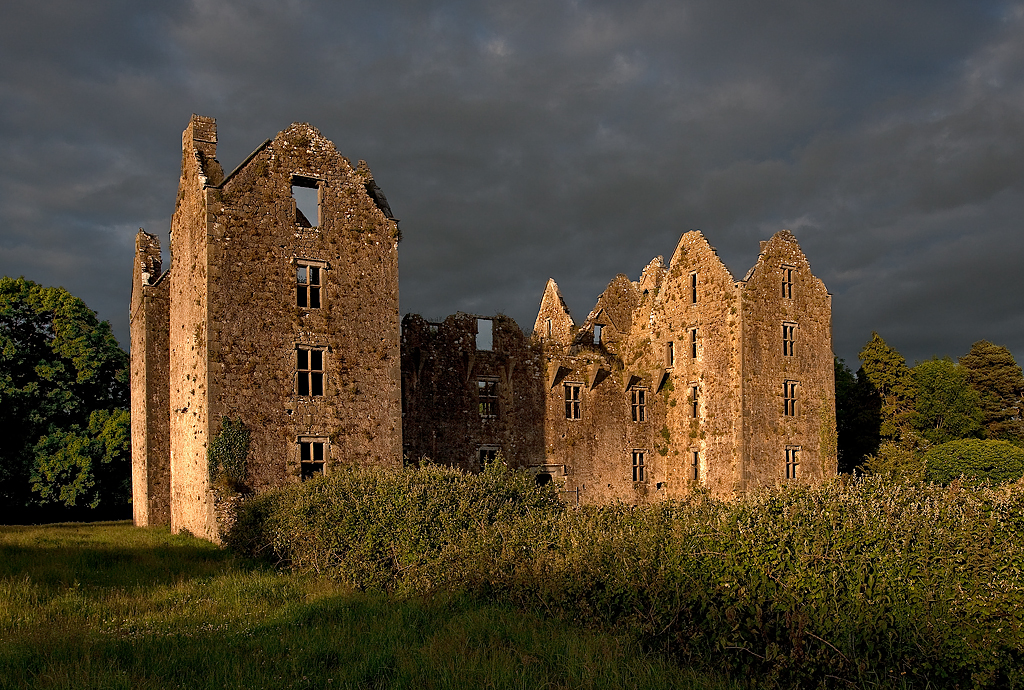
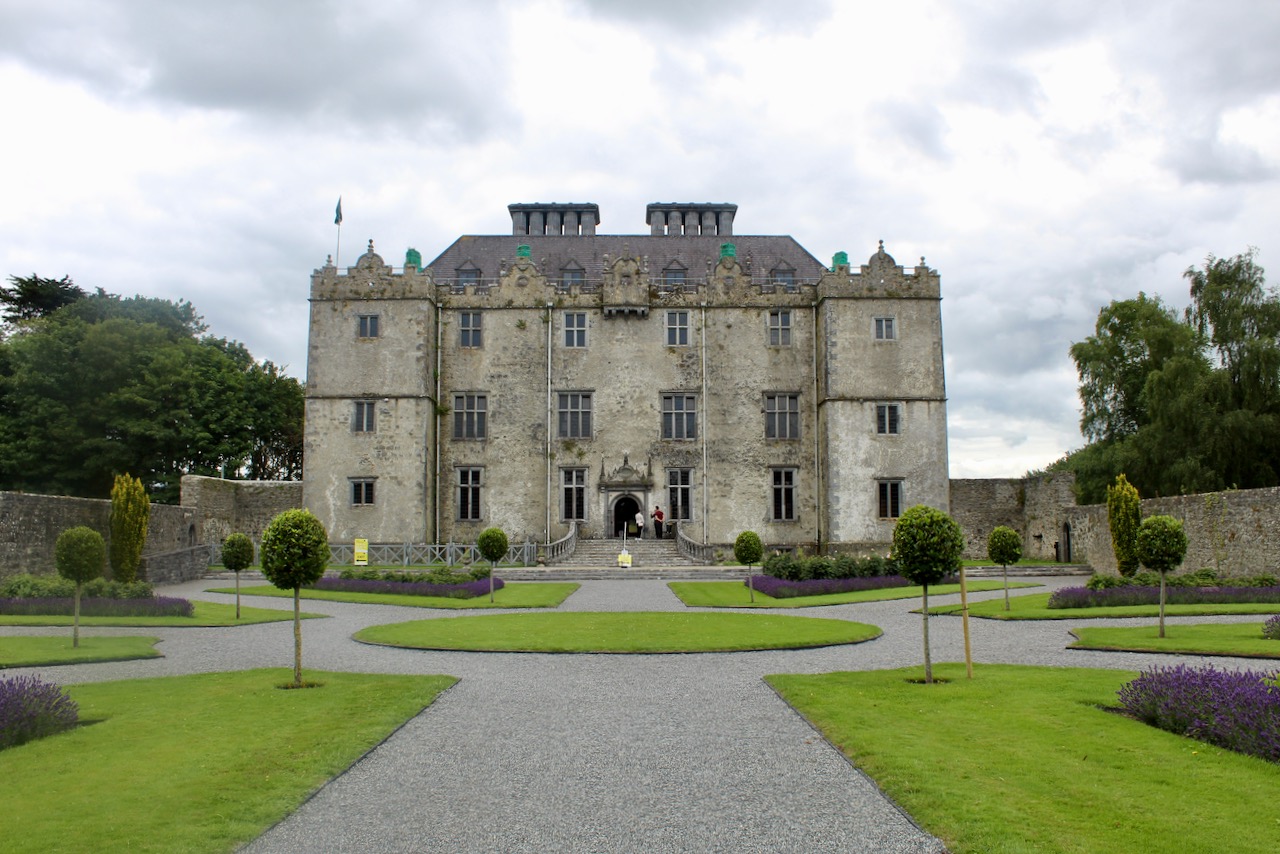
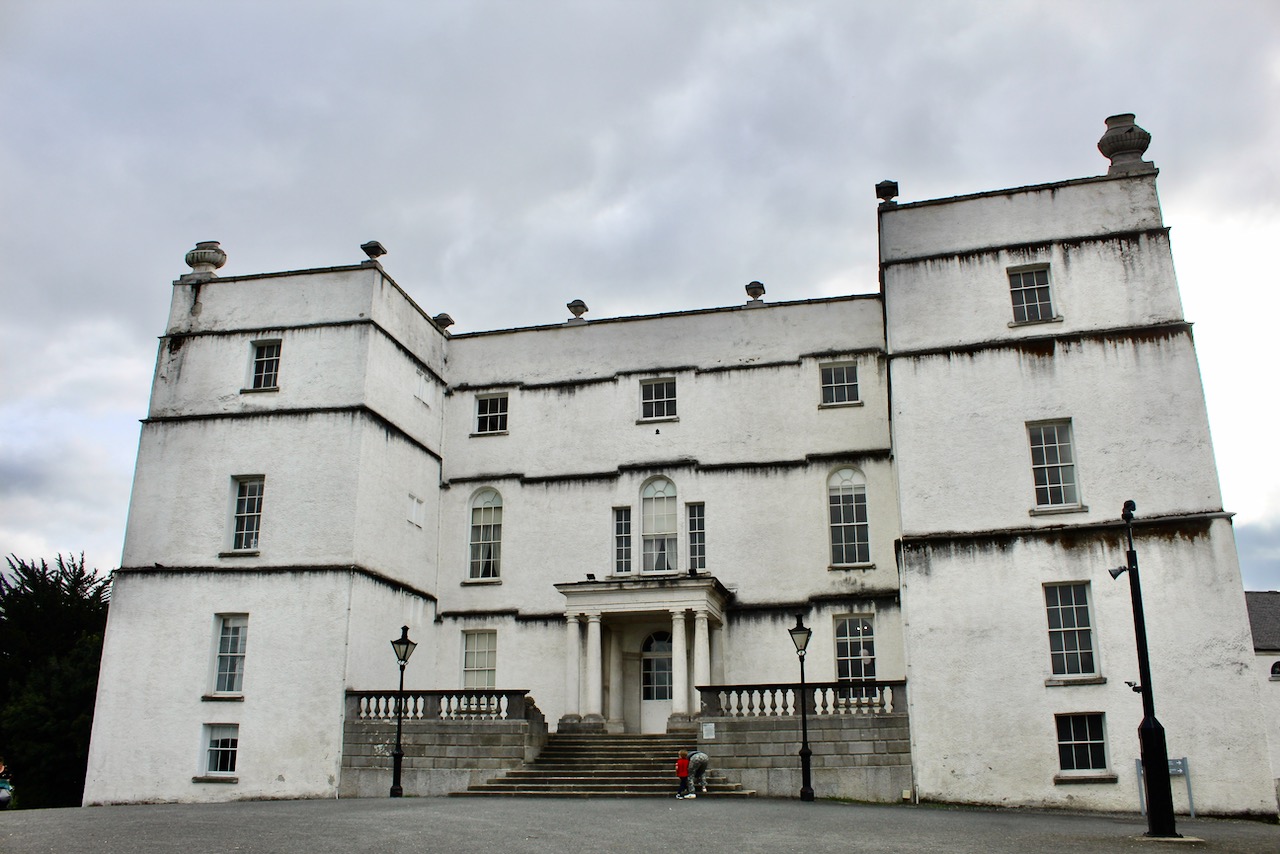
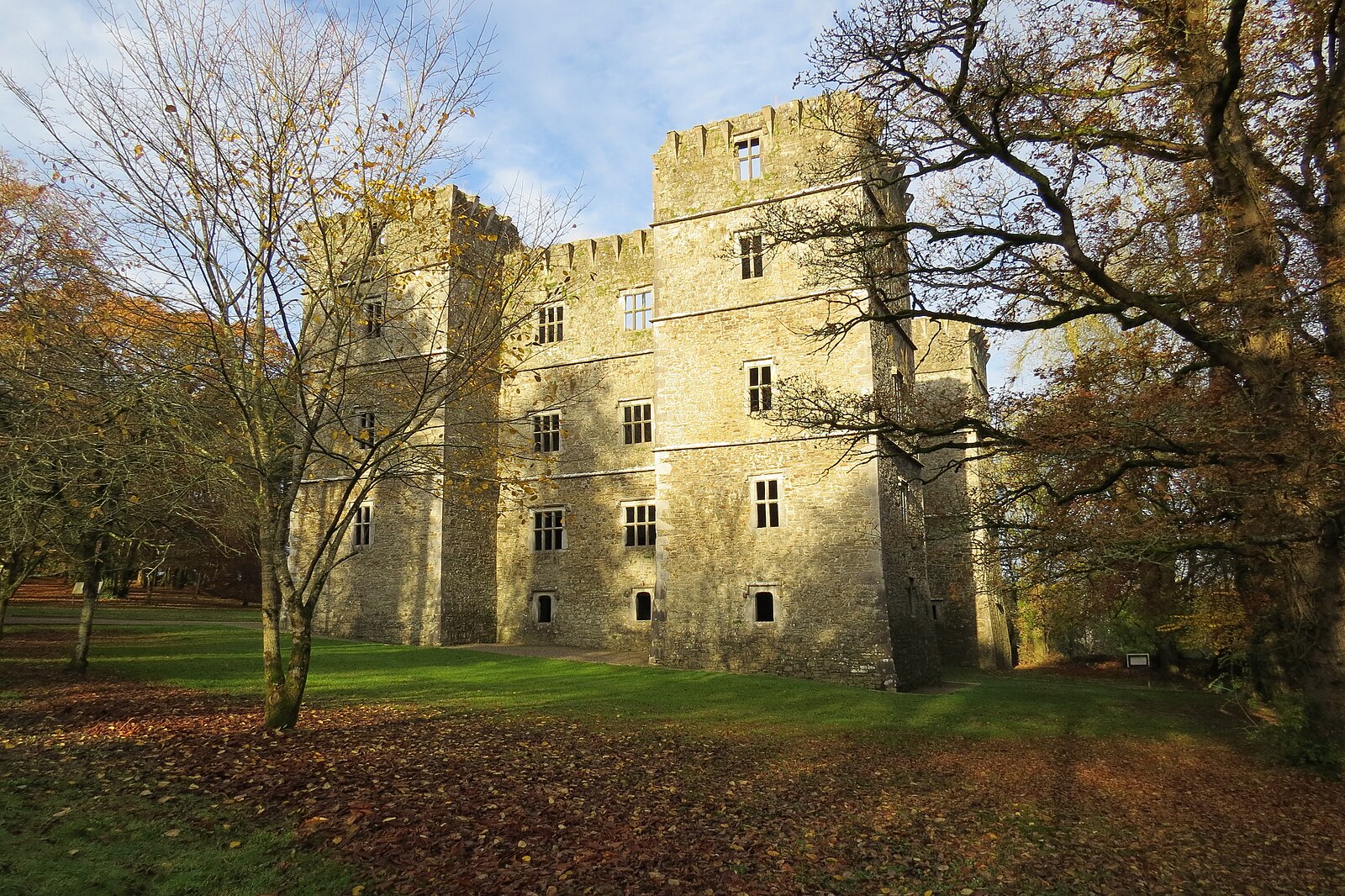
Maurice Craig points out in his The Architecture of Ireland from the earliest times to 1880 that there are a group of similar buildings, built over a period of fifty years or more: Rathfarnham Castle in Dublin; Kanturk for MacDonagh MacCarthy, before 1609; Portumna for the Earl of Clanrickarde, before 1618; Manorhamilton for Sir Frederick Hamilton, probably around 1634; Raphoe, for Bishop John Leslie (the “Fighting Bishop” – see my entry on Castle Leslie https://irishhistorichouses.com/2020/08/07/castle-leslie-glaslough-county-monaghan/) in 1636, and Burntcourt for Sir Richard Everard before 1650. We visited Portumna in County Galway – see my entry https://irishhistorichouses.com/2022/02/14/office-of-public-works-properties-connacht/. The buildings resemble a fort, such as Mountjoy Fort in County Tyrone built 1600-1605. Killenure, County Tipperary, now also a Section 482 property, is similar but has cylindrical flankers, Craig tells us. This last was unroofed by 1793.
Manorhamilton Castle was attacked in the 1641 Rebellion. The fighting only ended in 1643, when James Butler, later 1st Duke of Ormond, negotiated a cessation of hostilities with the Catholic Confederation.
Robert O’Byrne tells us on his wonderful site, The Irish Aesthete, that Frederick Hamilton attacked the Catholics in Sligo in retribution for their 1641 uprising:
“In July 1642, in retaliation for their latest assault, he sacked Sligo and burnt much of the town, including the abbey. In 1643, after Manorhamilton was unsuccessfully attacked again, he hanged 58 of his opponents from a scaffold erected outside the castle.” [3]
O’Byrne shares with us an extract from a short story written by W. B. Yeats, called The Curse of the Fires and of the Shadows (1897), about the sack of the abbey in Sligo:
‘One summer night, when there was peace, a score of Puritan troopers, under the pious Sir Frederick Hamilton, broke through the door of the Abbey of White Friars at Sligo. As the door fell with a crash they saw a little knot of friars gathered about the altar, their white habits glimmering in the steady light of the holy candles. All the monks were kneeling except the abbot, who stood upon the altar steps with a great brass crucifix in his hand. “Shoot them!” cried Sir Frederick Hamilton, but nobody stirred, for all were new converts, and feared the candles and the crucifix. For a little while all were silent, and then five troopers, who were the bodyguard of Sir Frederick Hamilton, lifted their muskets, and shot down five of the friars.’
In the story, the five soldiers who shoot the monks are cursed by the abbot. Hamilton orders the soldiers to intercept two messengers who have been sent by the people of Sligo to call for help. Due to the curse, the soldiers lose their way in the forest, and a vengeful “sidhe” (fairy) leads them to their death falling from a cliff. [4]
In 1645 Frederick Hamilton was back on the road, commanding a regiment in the Scottish covenanters’ army against the royal forces. After he left Manorhamilton, his castle was burned in 1652. [5] It was burnt by the army of Ulick Burke, 5th Earl of Clanricarde, Catholic leader of the Royalist army in Ireland. [see 1]
Frederick and his wife Sidney had a daughter, Christina, and three sons, all of whom became soldiers. James and Frederick both fought in their father’s regiment in 1645–6, and Frederick died in 1647 in the Irish wars, in Connacht. The youngest son, Gustavus Hamilton (1642-1723), later 1st Viscount Boyne, fought in the Irish campaigns of King William. [see 2] He took part in the Battle of the Boyne (during which his horse was shot under him and he was almost killed), the Siege of Athlone, the Battle of Aughrim and the Siege of Limerick.
After his first wife’s death, Frederick married again, this time he married Agnes, or Alice, daughter of Sir Robert Hepburn of Alderstown, in Scotland. They had no children. The castle was not rebuilt after it was burned.
Gustavus Hamilton 1st Viscount Boyne sat in the Irish House of Commons for County Donegal from 1692 to 1713. Subsequently he was returned for Strabane until 1715. He was granted 3,500 acres of confiscated land at Stackallan in Co. Meath where he built an imposing residence. In 1715 he was elevated to the peerage and two years later created Viscount Boyne. He married Elizabeth Brooke of Brookeborough in Co. Fermanagh and they had three sons and a daughter. Gustavus died in 1723 at the age of eighty.
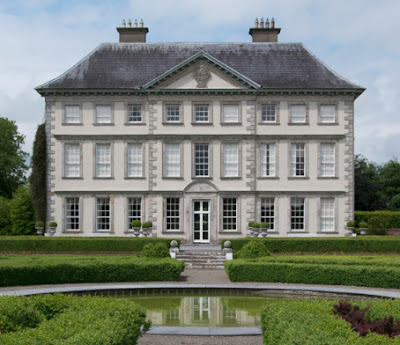
Gustavus Hamilton (1642-1723) 1st Viscount Boyne, c. 1680 unknown artist.Stackallan house, County Meath, built for Gustavus Hamilton 1st Viscount Boyne, photograph courtesy of Timothy William Ferres. [6]
The Manorhamilton website tells us that the marriage of Hannah, Frederick’s grand-daughter, to Sir William Gore 3rd Baronet Gore, of Magherabegg, Co. Donegal, carried the Manorhamilton portion of the estate into the Gore family. Hannah was the daughter of Frederick’s son James (d. 1652). James married Catherine Hamilton (1623-1670/71) who was the daughter of Claud Hamilton (d. 1638) 2nd Baron of Strabane, who was the son of James Hamilton 1st Earl of Abercorn.
In February 1759 a descendant, Ralph Gore, sold the 5393 acre Manorhamilton estate to his cousin by marriage, Nathaniel Clements (d. 1777). It was Nathaniel Clements who built the Ranger’s Lodge in Dublin’s Phoenix Park for himself which, much enlarged and altered, became the Vice-Regal Lodge and is now the residence of the President of Ireland, Áras an Uachtaráin.
orange: “whole house rental” i.e. those properties that are only for large group accommodations or weddings, e.g. 10 or more people.
green: gardens to visit
grey: ruins
donation
Help me to pay the entrance fee to one of the houses on this website. This site is created purely out of love for the subject and I receive no payment so any donation is appreciated!
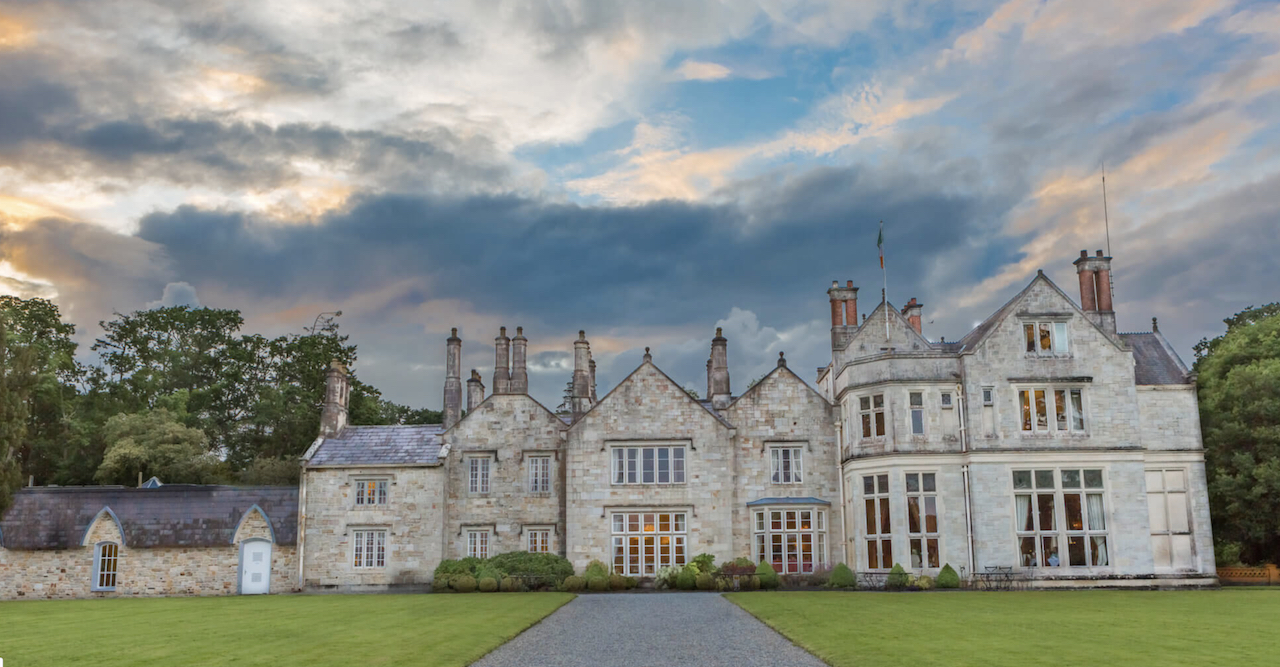
“Lough Rynn Castle Hotel Estate & Gardens is one of the top luxury castle hotels to stay in. Located in County Leitrim, Lough Rynn Castle exceeds expectations as one of the most preferred hotels in Ireland.
“It is the ancestral home of the Clements family and the legendary Lord Leitrim. Our magical Irish castle hotel has been transformed from an incredible ancestral home into a place where old world elegance mixes seamlessly with unimaginable modern hotel luxury.
“Staying in a luxurious Castle Hotel in Ireland is a once in a lifetime experience and one that deserves to take place at a location full of history, luxury and charm. Take a step back in time as you approach imposing entrances at Lough Rynn Castle which offers acres of breathtaking scenery, historical sites and walled gardens. Our entire Irish castle hotel’s estate comprises of over 300 acres of land that is idyllic, rich in history and charmed with natural beauty. Take a romantic walk in our walled gardens overlooking our lough and come back to the castle hotel for some exquisite dining in our restaurant or drinks at the Dungeon Bar. Relax and take in the authentic Irish castle atmosphere in the Baronial Hall or in the John McGahern Library.
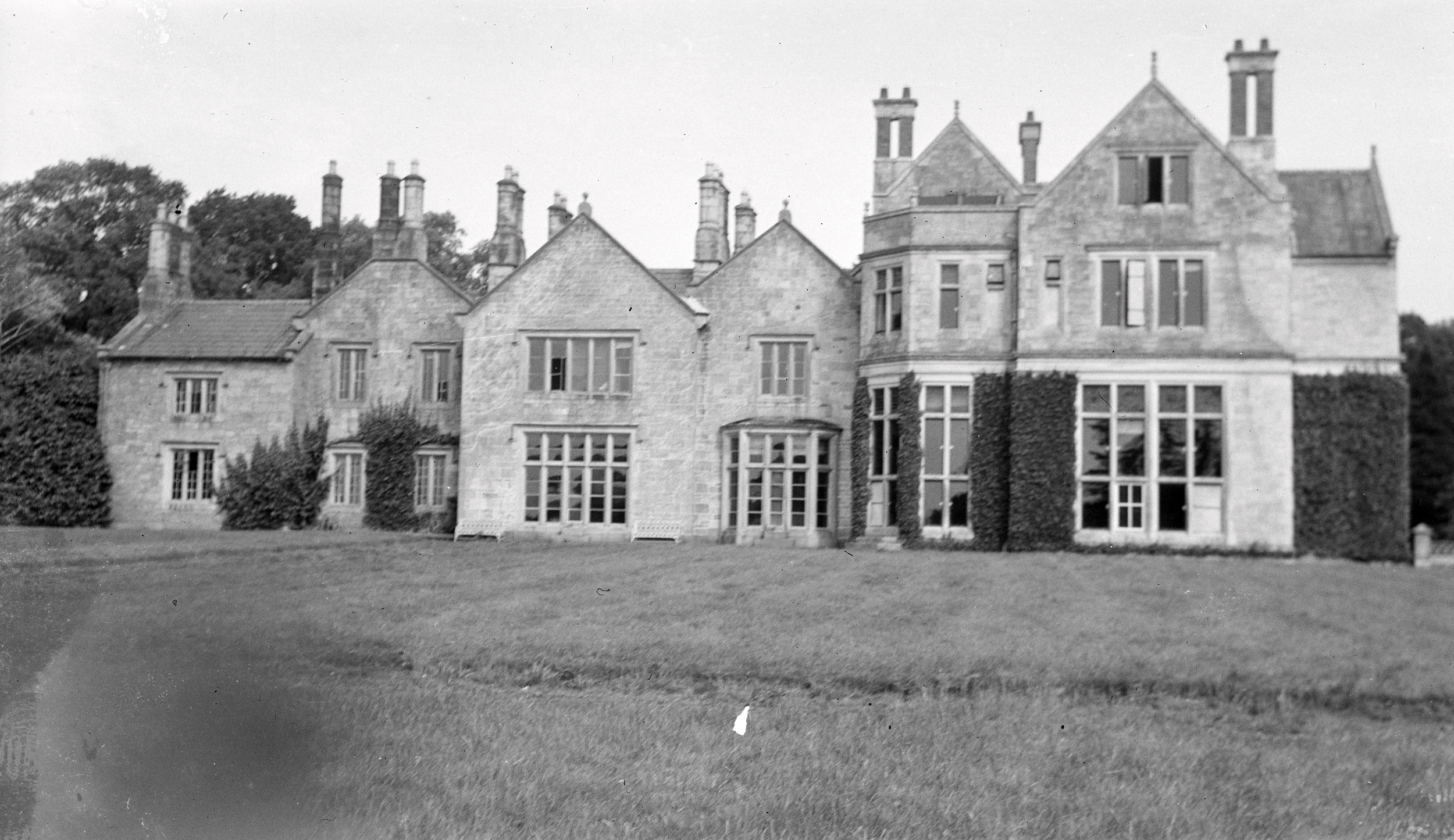
Lough Rynn, County Leitrim, Irish Tourist Collection National Library of Ireland ref NPA ITA 1377 (Box VII).
Mac Raghnaill family (1210 –1621)
“The current Lough Rynn estate is built on the ancestral lands of Clan Maelsechlainn-Oge Mac Raghnaill, the pre-Conquest rulers of this part of County Leitrim known as Muintir Eolais. The Annals of Loch Cé and Annals of Connacht refer to “the crannóg of Claenloch” (Lough Rynn) in the High Middle Ages, 1247AD, with the structure marked on some maps as “Crannoge” or “Crane Island”, while the medieval Mac Raghnaill‘s Castle is mentioned in 1474AD.
“The ruins of the Mac Raghnaill‘s Castle are located close to the lake and some 500 meters from the existing Lough Rynn Castle. The historian, Fiona Slevin, describes the structure of the Mac Raghnaill castle as “fairly standard for the time, but it did have a few unusual – and clever – features. Although a square shape, the castle had rounded corners that made it more impervious to artillery attacks and it had a straight stairway carved into the hollow of a wall, rather than the more usual spiral stair in one corner.”
“The Mac Raghnaill family had played an important role in the Nine Years War on the side of Aodh Mór Ó Néill resisting the English conquest of Ireland.
Crofton family (1621–1750)
“In the English Plantation of 1621, the Mac Raghnaill lands in Lough Rynn were confiscated and granted to an English family named Crofton. The Croftons brought British Protestant settlers with them and in the 1620s and 1630s the native Irish were gradually removed from the land.
“In 1749, a wealthy landowner named Nathaniel Clements purchased around 10,000 acres in the Mohill area of County Leitrim. Upon doing so, his son Robert became the 1st Earl of Leitrim. On their new estate, the Clements family took up residence in a modest dwelling already on the estate. However, they had their eyes on building a far more impressive residence worthy of their name and their stature – a magnificent castle.
Clements family (1750–1978)
“In 1750 the Croftons were replaced by another English family named the Clements. Daniel Clements, an officer in Oliver Cromwell‘s army, had been granted land in County Cavan which had been confiscated from the Irish following the Cromwellian conquest of Ireland. In 1750 Nathaniel Clements acquired the Lough Rynn estate, while remaining on his lands in Cavan. Nevertheless, the Clements started to become more involved in political life in Leitrim with Robert Clements becoming sheriff for the county in 1759. In 1795 Robert Clements became the first Earl of Leitrim. In 1833, Robert Bermingham [Clements (1805-1839)], Viscount Clements [grandson of the 1st Earl of Leitrim], built a mock Tudor revival house overlooking Lough Rynn. It is this property which is the basis for the current Lough Rynn Castle.
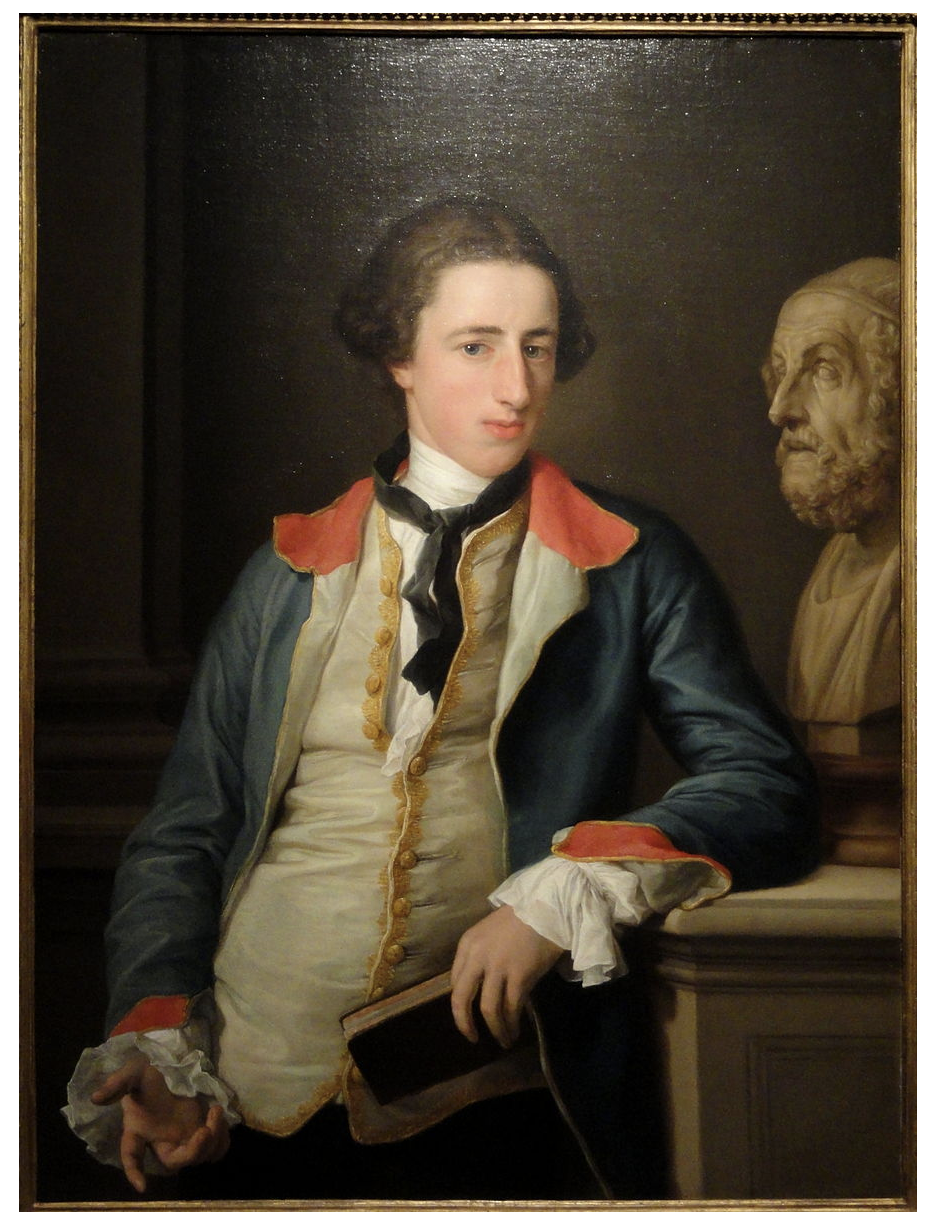
Robert Clements, later First Earl of Leitrim, by Pompeo Batoni, about 1753–1754, Hood Museum of Art.
“By the start of the 19th century, work had begun on the Clements family’s new home under the watchful eyes of the Earl. Sometime in 1839, Robert Clements died both suddenly and young, which passed the management of the estate to his brother William Sydney Clements. Although Sydney worked with his brother managing the build of Lough Rynn, as a second son, he never expected to inherit the lands or titles. However, in 1854, that’s exactly what he did, taking full ownership of the estate on the death of his father, thus becoming the 3rd Earl of Leitrim or Lord Leitrim as he preferred.
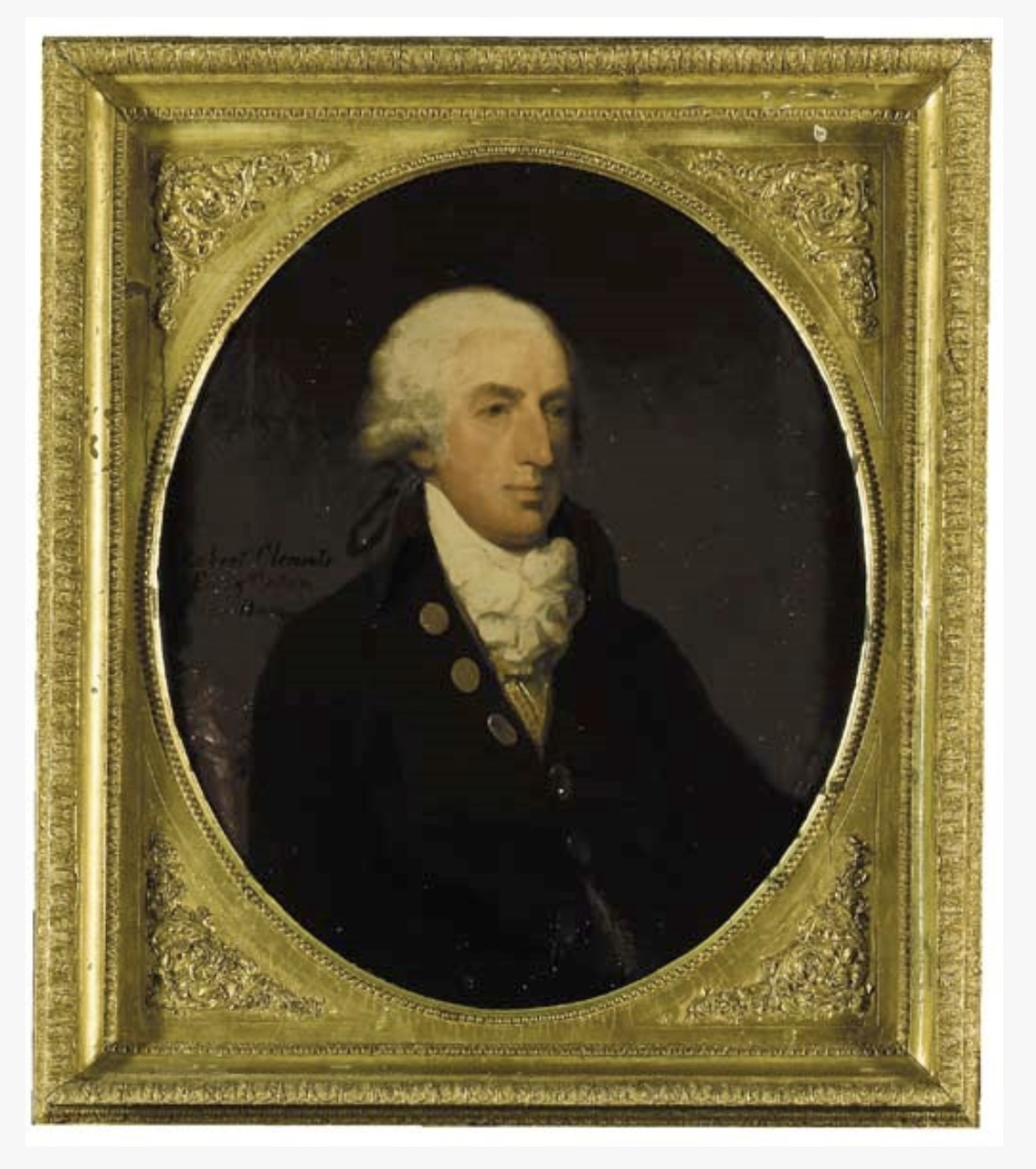
Robert Clements (1732-1804) 1st Earl of Leitrim by Gilbert Stuart courtesy of Christie’s Irish Sale 2001.
“Upon Robert’s death in 1839, management of Lough Rynn estate passed to his brother, William Sydney Clements [(1806-1879) 3rd Earl of Leitrim]. In 1854, when their father Nathaniel Clements, 2nd Earl of Leitrim, died William Sydney Clements became the 3rd Earl of Leitrim. He inherited an estate of a massive 90,000 acres which stretched across four counties. From around this time Sydney Clements asserted his control over the estate in an authoritarian manner which won him many opponents among the tenantry. He was unpopular in the locality and in Ireland, his assassination received widespread publicity in Ireland and abroad, with proponents of land reform using it as evidence of the need to protect tenants from the abuses of tyrannical landlords. His funeral in Dublin was marked by further riots, while none of the three assassins were convicted of his death.
“The inheritor of the Lough Rynn estate was Sydney Clements’ English-educated cousin who lived in Cavan, Colonel Henry Theophilus Clements [1820-1904], rather than the heir presumptive to the title who lived in England. This Colonel Clements embarked on an extensive expansion and refurbishment of the castle. He added a new wing, built a Baronial Hall designed by Thomas Drew with heavy plaster cornices, a large ornate Inglenook fireplace, and a fretted ceiling and walls wainscoted in solid English oak. Upon its completion in 1889, the principal floor of the house contained a main hall, Baronial Hall, chapel, reception room, living room and dining room. Two pantries, a kitchen, study, smokehouse and store were accessed by a separate entrance. In the basement there were stores and a wine cellar. There were fourteen bedrooms and four bathrooms upstairs.
“By 1952, when Marcus Clements took over the Lough Rynn estate, most of it had been sold off to former tenants under the land acts of the late nineteenth and early twentieth centuries. Clements lived there until the 1970’s. The estate remained largely empty until 1990 when it was purchased by an Irish-American investor, for a short time it was open to visitors but it was still in need of more investment and care.
Hanly Family (2001- Present)
“In 2001 Lough Rynn estate was purchased by the current owners, the Hanly family. They invested substantially in the castle and the grounds. In September 2006 when Lough Rynn Castle finally opened as a hotel, the estate extended to three hundred acres. Local father and son Alan and Albert Hanly purchased the castle and grounds. Over the seven years that followed, they lovingly brought it back to its former glory, so that it’s magic, luxury and history could be embraced.
“A secluded location, standard-setting craftsmanship, breathtaking views and the perfect blend of old-world elegance and new-world luxury, has turned Lough Rynn Castle into a truly magical destination.“
“Our charming award-winning boutique heritage hotel is in the centre of Carrick on Shannon, County Leitrim.”
The website tells us of its history:
“Since the late Eighteenth Century the simple bush that grew outside the local inn has been the symbol of a unique and historic establishment. Now in its fourth century, the Bush Hotel has maintained the Irish tradition of the Teach Aiochta, the ‘house of hospitality’ in all the changing circumstances of the passing years.
“The early Eighteenth Century was a totally different world to present-day Ireland. An increasingly large rural population in Counties Leitrim and Roscommon lived in great poverty and dreadful housing. They were mostly Irish speaking, illiterate and dependant on the potato as their main source of food. There was a small middle class of larger farmers, merchants and lower clergy. A tiny but powerful upper class was made up of landlords, their agents, government officials and Established Church Clergy.
“Early in the life-time of the Bush Hotel, in 1798, in a bloody aftermath of that year’s Rebellion, 200 captured rebels were brought to Carrick on Shannon, and following a ‘lottery of death’ 17 were hanged in the town centre. The following years were marked by periodic famine, outbreaks of cholera and typhus, and rural unrest in reaction to land scarcity and rack-renting. The grievances of the rural poor found expression in secret agrarian societies like The Ribbonmen, who used terror and even death to achieve their ends. These subversives feature in Anthony Trollop’s first novel, The McDermotts of Ballycloran, set in Leitrim in that era.
“The Bush Hotel, complete with rush-covered floors, is the scene of some of the action in the book.The greatest National leader of this era was Daniel O’Connell, who visited Carrick on Shannon in 1828. He led the successful campaign for Catholic Emancipation and the unsuccessful one for Repeal of the Act of Union.
“The greatest tragedy in Irish history was the Great Famine 1845- 1850. Caused by the failure of the potato crop and the inadequate steps taken by the British government to deal with the resulting starvation, it marked a turning point in Ireland. One million died: another million left the country, starting a stream of emigration that lasted till recent decades.
“The Famine Memorial Graveyard at St Patrick’s Hospital is a permanent local reminder of that terrible time and is within 10 minutes walk of the Bush Hotel.
“As the country slowly recovered in the wake of the Famine, an increasing middle class emerged. Towns like Carrick on Shannon took on a new more prosperous appearance as the second half of the Century moved on. The humble way-side inn became a fine hotel, one of the larger buildings in the town centre, along with the banks, the larger shops and new Catholic Church, across from the Bush Hotel. The extension of the railway from Longford to Sligo in 1862 provided Carrick on Shannon with its own railway station, a major economic boost.
“During this tour of Roscommon, Leitrim and Cavan in the early 1860’s the Fenian leader, Jeremiah O’Donovan Rossa, stayed in the Bush Hotel. His mission was to convert the agrarian Ribbonmen to the more nationalist and republican Fenianism.
“An important Irish leader who stated in the Bush Hotel in the 1880’s was Charles Steward Parnell, the ‘Uncrowned King of Ireland’. Along with Michael Davitt he addressed a huge Land League meeting in Carrick on Shannon. At this time the Catholic Parish Priests of County Leitrim, wishing to assert the political influence they held since the time of Daniel O’Connell, met in the Bush to nominate their own candidate during a general election.
“At the end of Parnell’s career, the Irish Home Rule Party Split into two factions over his leadership. A public meeting of the Anti-Parnellites, outside the Bush Hotel was attacked and disrupted by Parnellites from Drumshanbo, and had to withdraw behind the railings and gates of St Mary’s Church.
“The arrival of the Marist Sisters in 1873 and the Presentation Brothers in 1894 enhanced Carrick on Shannon as a centre of education for over a century.
“Two matters of interest in the story of the Bush Hotel are remembered from the Nineteenth century. The first was a tragic accident, when a male guest, who had a wooden leg, over-balanced and fell down the stairs, sustaining fatal injuries. The other was a ghostly presence in the attic, which may have been fact or phantom!In 1898, The Local Government Act replaced the old Grand Jury with the more Democratic Leitrim County Council.
“The meetings of the Council, the sessions of the Courts, and the business of commercial travellers all brought additional trade to the Hotel. Despite emigration the town still catered for a large rural population. Agriculture was modernising, the setting up of the local Kiltoghert Co-operative Creamery being a good example. Emigrants’ remittances from America helped the local economy.
“The coming of the Twentieth century was a time of great hope and expectation. It was marked for the Bush Hotel by the building in 1902 of the present three-story structure facing on to Main St., as the business continued to expand.
“The coming of the motor car brought a new dimension to travel and the Bush Hotel was a popular stop on the Dublin-Sligo Road.
“Early events in the new century were the expectation of Home Rule, the setting up of the Ulster and National Volunteers, the First World War, the 1916 Rising, all with local repercussions.
“In August 1917 a then little known visitor arrived at the Bush Hotel. He had come to organise the Sinn Fein Party in Carrick on Shannon, Drumlion and Gowel. His name was Michael Collins, who soon became the heroic leader in the War of Independence (1919-21) and a victim of the Civil War (1922-23).
“Other events were the setting up of the Irish Free State 1922, the replacement of the Royal Irish Constabulary by An Garda Siochana, and important bye-election in 1925 when Sam Holt, Carrick on Shannon’s only T.D. was elected.
“The period 1939-45 was a difficult time for business because of war-time scarcity, but the country maintained its neutrality and was spared the horrors of the Second World War. In the 1950’s Carrick on Shannon developed as a centre for angling tourism. Later the establishment of the Local Marina made Carrick on Shannon a leading centre for river cruising. These developments helped to make tourism a major part of the local economy.
“The building of the riverside service road gave a new access to the Bush Hotel property and enabled major expansion, which includes the Orchard Conference Centre and spacious car parks.
“In 1997, because of her family ties with the Carrick on Shannon area Mary McAleese chose the Bush Hotel to Launch her successful campaign for President of Ireland – Uachtaran na hEireann.
“The Hotel was demolished and rebuilt in 1920. Throughout the Twentieth Century the Bush Hotel, County Leitrim has continued to be a major centre of social and commercial life in Carrick on Shannon.
“Hotel was acquired by the Dolan Family in 1992 after 3 years closure and following a complete refurbishment opened in 1993 with 11 employees (8 of whom are still with us and two sadly are deceased).
“Dolan Family decided to move on and since April of 2022 the Hotel is recently operated by an Irish Firm called Hotels Properties with great Portfolio of Hotels across Ireland and the UK.”




 Irish Historic Houses